VERMONT HEALTHCARE CENTER
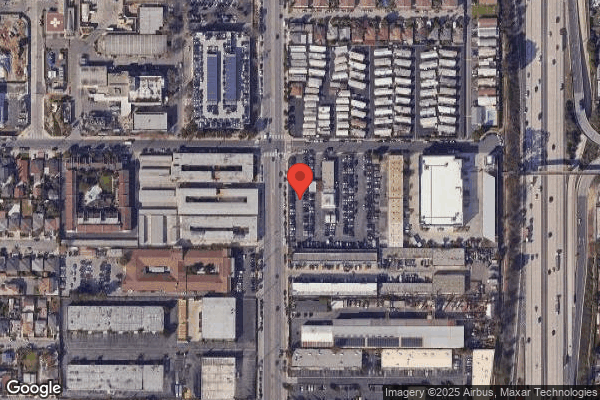

22035 S. VERMONT AVENUE, TORRANCE, CA 90502 (310) 328-0812
For profit - Limited Liability company 200 Beds Independent Data: November 2025
Trust Grade
0/100
#1147 of 1155 in CA
Last Inspection: March 2025

Within standard 12-15 month inspection cycle. Federal law requires annual inspections.

Overview

Vermont Healthcare Center in Torrance, California has received a Trust Grade of F, indicating significant concerns about the facility's care standards. It ranks #1147 out of 1155 facilities in California, placing it in the bottom half, and #362 out of 369 in Los Angeles County, meaning there are only a few local options that are better. Unfortunately, the facility is experiencing a worsening trend, increasing from 29 issues in 2024 to 37 in 2025. Staffing is rated at 3 out of 5 stars, which is average, but the turnover rate of 50% is concerning compared to the state average of 38%. The facility has also accrued $120,486 in fines, which is higher than 84% of California facilities, indicating ongoing compliance problems. Specific incidents include failures in resident care, such as a resident with paraplegia not being safely transferred from bed to a shower chair, resulting in a fall risk. Another resident developed a serious skin injury due to not being turned and repositioned as required, and a high-risk resident was not properly monitored to prevent falls, which could lead to serious harm. While there are some strengths in staffing coverage, the overall issues highlight significant weaknesses that families should carefully consider.

Trust Score
F
0/100
In California
#1147/1155
Bottom 1%
Safety Record
High Risk
Review needed
Inspections
Getting Worse
29 → 37 violations
Staff Stability
⚠ Watch
50% turnover. Above average. Higher turnover means staff may not know residents' routines.
Penalties
○ Average
$120,486 in fines. Higher than 51% of California facilities. Some compliance issues.
Skilled Nurses
○ Average
Each resident gets 35 minutes of Registered Nurse (RN) attention daily — about average for California. RNs are the most trained staff who monitor for health changes.
Violations
⚠ Watch
95 deficiencies on record. Higher than average. Multiple issues found across inspections.
★☆☆☆☆
1.0
Overall Rating
★★★☆☆
3.0
Staff Levels
★★★★☆
4.0
Care Quality
★☆☆☆☆
1.0
Inspection Score
Stable
2024: 29 issues
2025: 37 issues

The Good

  • 4-Star Quality Measures · Strong clinical quality outcomes
  • Full Sprinkler Coverage · Fire safety systems throughout facility
  • No fines on record

Facility shows strength in quality measures, fire safety.

The Bad

1-Star Overall Rating

Below California average (3.1)

Significant quality concerns identified by CMS

Staff Turnover: 50%

Near California avg (46%)

Higher turnover may affect care consistency

Federal Fines: $120,486

Well above median ($33,413)

Significant penalties indicating serious issues

The Ugly 95 deficiencies on record

6 actual harm
Jul 2025 1 deficiency
CONCERN (D) 📢 Someone Reported This

A family member, employee, or ombudsman was alarmed enough to file a formal complaint

Potential for Harm - no one hurt, but risky conditions existed

Deficiency F0627 (Tag F0627)

Could have caused harm · This affected 1 resident

**NOTE- TERMS IN BRACKETS HAVE BEEN EDITED TO PROTECT CONFIDENTIALITY** Based on interview and record review, the facility failed to ensure one of three sampled residents (Resident 1), who resided at ...

Read full inspector narrative →
**NOTE- TERMS IN BRACKETS HAVE BEEN EDITED TO PROTECT CONFIDENTIALITY** Based on interview and record review, the facility failed to ensure one of three sampled residents (Resident 1), who resided at the facility and was transferred to a General Acute Care Hospital (GACH) 2 on 6/23/2025 for evaluation and treatment and was readmitted to the facility on [DATE] after Resident 1 was treated and stabilized at the GACH 1. This deficient practice resulted in Resident 1 remaining at GACH 1 for 3 days after Resident 1 was deemed appropriate to go back to the facility on 7/28/2025. Findings:During a review of Resident 1's admission Record, the admission Record indicated Resident 1 was admitted to the facility on [DATE] with diagnosis including hemiplegia (total paralysis of the arm, leg, and trunk on the same side of the body) and hemiparesis (partial paralysis on one side of the body that can affect the arms, legs, and facial muscles) following cerebral infarction (medical condition where a part of the brain is damaged or dies due to a lack of blood supply) affecting left dominant side, metabolic encephalopathy (brain dysfunction), and multiple pressure injuries.During a review of Resident 1's Minimum Data Set ([MDS], a resident assessment tool), dated 5/12/2025, the MDS indicated Resident 1's cognition was severely impaired. The MDS indicated Resident 1 was dependent (helper does all the effort to perform tasks) on activities of daily living (ADLs- activities such as bathing, dressing and toileting a person performs daily).During a review of Resident 1's Physician's Order dated 7/23/2025 at 10:07 a.m., the Physician's Order indicated that Resident 1 will transfer to the GACH for further evaluation and treatment.During a review of Resident 1's Nurse Progress Note dated 7/23/2025 at 12:30 p.m., the Nurse Progress Note indicated Resident 1 was transferred to GACH 2. During a review of the GACH 1 untitled Case management Printout Report, on 7/25/2025 at 9:08 a.m., the orders indicated Resident 1 was to discharge to nursing facility. During a review of Resident 1's GACH 1 record titled, Referral to ombudsman, the record indicated a first failed initial attempt to readmit to the facility was on 7/25/2025. The notes indicated on 7/25/2025 and 7/28/2025 Case Manager (CM) 2, spoke with Marketer 1 who stated the facility had no beds available.During a telephone interview on 7/31/2025 at 10:50 a.m., Marketer 1 stated he notified GACH 1's case manager that the facility had no bed available for Resident 1 on 7/25/2025 and 7/28/2025.During a concurrent interview and record review on 7/31/2025 at 11:17 a.m., with the Director of Nursing (DON), the facility census for 7/25/2025 and 7/28/2025 was reviewed. The DON stated the facility did not have a bed available for Resident 1 on 7/25/2025 but had a bed available for Resident 1 on 7/28/2025. The DON stated Resident 1 should have been readmitted on [DATE] because the facility was Resident 1's home. During a review of the facility's policy and procedure (P/P) titled Bed Holds and Returns, undated, the P/P indicated the resident will be permitted to return to the facility, to his or her previous room (if available) or immediately upon the first availability of a bed in a semi-private room. The resident will be permitted to return to an available bed in the location of the facility that he or she previously resided. If there was not an available bed in that part, the resident would be given the option to take an available bed in another distinct part of the facility and return to the previous distinct part when a bed becomes available.
Jul 2025 2 deficiencies
CONCERN (D) 📢 Someone Reported This

A family member, employee, or ombudsman was alarmed enough to file a formal complaint

Potential for Harm - no one hurt, but risky conditions existed

ADL Care (Tag F0677)

Could have caused harm · This affected 1 resident

**NOTE- TERMS IN BRACKETS HAVE BEEN EDITED TO PROTECT CONFIDENTIALITY** Based on interview and record review the facility failed to assist one of three residents (Resident 2) to shower at least twice ...

Read full inspector narrative →
**NOTE- TERMS IN BRACKETS HAVE BEEN EDITED TO PROTECT CONFIDENTIALITY** Based on interview and record review the facility failed to assist one of three residents (Resident 2) to shower at least twice a week.This deficient practice had the potential to result in poor hygiene for Resident 2 which can lead to poor self-image and discomfort. Findings:During a review of Resident 2's admission Record, the admission Record indicated Resident 1 was originally admitted to the facility on [DATE] with diagnoses including muscle weakness, difficulty in walking, and history of traumatic brain injury (type of brain injury that occurs when an external force causes damage to the brain).During a review of Resident 2's Minimum Data Set (MDS), a resident assessment tool, dated 5/23/2025, the MDS indicated Resident 2's cognition was severely impaired. The MDS indicated Resident 2 needed partial assist (helper does less than half the effort to complete the task) with showring and toileting hygiene, and supervision with oral and personal hygiene.During a review of Resident 2's Care Plan report, the care plan for Activities of Daily Living (ADLs- activities such as bathing, dressing and toileting a person performs daily), initiated 4/1/2022, indicated Resident 2 required assistance with ADLs. A care plan intervention indicated to assist as needed with showers. Another intervention indicated to ensure Resident 2 showered two to three times a week. During a concurrent interview and record review on 7/29/2025 at 1:54 p.m., with Registered Nurse (RN)1, Resident 2's Shower Sheets for July 7/2025 and Point of Care (POC) response History from 6/30/2025 to 7/29/2025 were reviewed. RN 1 confirmed Resident 2 was not assisted with showers at least twice a week.During an interview on 7/29/2025 at 12:59 p.m., with the Director of Nursing (DON), the DON stated residents need to be assisted to shower at least twice a week for personal hygiene. During a review of the facility's policy and procedure (P&P) titled, Assistance with ADL Care, released 5/2025, the P&P indicated facility will assist to residents with performance of their activities of daily living. During a review of the facility's P&P titled, Shower, undated, the P&P indicated it was the policy of the facility to promote cleanliness and comfort.
CONCERN (D) 📢 Someone Reported This

A family member, employee, or ombudsman was alarmed enough to file a formal complaint

Potential for Harm - no one hurt, but risky conditions existed

Deficiency F0761 (Tag F0761)

Could have caused harm · This affected 1 resident

**NOTE- TERMS IN BRACKETS HAVE BEEN EDITED TO PROTECT CONFIDENTIALITY** Based on observation, interview and record review, the facility failed to ensure medication was not left on one of three residen...

Read full inspector narrative →
**NOTE- TERMS IN BRACKETS HAVE BEEN EDITED TO PROTECT CONFIDENTIALITY** Based on observation, interview and record review, the facility failed to ensure medication was not left on one of three resident's (Resident 1) bedside table.This deficient practice had the potential to result in visitors, residents, and staff unauthorized access and use of Resident 1's medication and could result in a medication error.Findings:During a review of Resident 1's admission Record, the admission Record indicated Resident 1 was admitted to the facility on [DATE] with diagnoses including hemiplegia (total paralysis of the arm, leg, and trunk on the same side of the body) and hemiparesis (condition characterized by weakness or partial paralysis affecting one side of the body) affecting left dominant side, type 2 diabetes (a disorder characterized by difficulty in blood sugar control and poor wound healing), and low back pain. During a review of Resident 1's Minimum Data Set ([MDS], a resident assessment tool), dated 6/21/2025, the MDS indicated Resident 1's cognitive skills (ability to think and reason) for daily decision-making was intact. The MDS indicated Resident 1 required supervision with eating, partial assistance with (helper does more than half the effort) with personal hygiene and oral hygiene.During a concurrent observation and interview on 7/29/2025 at 1:04 p.m., with Registered Nurse (RN)1, in Resident 1's room, a used tube of Diclofenac Sodium Topical Gel, 1% (medication to relieve pain) was observed on Resident 1's nightstand. RN 1 stated medication should not be stored at the bedside for resident safety, and the medication was an old medication and was not part of Resident 1's medication ordered by the physician in the facility.During an interview on 7/29/2025 at 12:59 p.m. with the Director of Nursing (DON), the DON stated medication should not be left at resident's bedside for residents' safety. During a review of the facility's policy and procedure (P&P) titled, Storage of Medications, undated, the P&P indicated Medications were stored safely, securely, and orderly manner. The P&P indicated the medication supply was accessible only to staff members lawfully authorized to administer medications.
Jul 2025 1 deficiency
CONCERN (D) 📢 Someone Reported This

A family member, employee, or ombudsman was alarmed enough to file a formal complaint

Potential for Harm - no one hurt, but risky conditions existed

Comprehensive Care Plan (Tag F0656)

Could have caused harm · This affected 1 resident

**NOTE- TERMS IN BRACKETS HAVE BEEN EDITED TO PROTECT CONFIDENTIALITY** Based on interview and record review, the facility failed to implement care plan interventions for one of one resident (Resident...

Read full inspector narrative →
**NOTE- TERMS IN BRACKETS HAVE BEEN EDITED TO PROTECT CONFIDENTIALITY** Based on interview and record review, the facility failed to implement care plan interventions for one of one resident (Resident 1) by failing to ensure visual checks were done and documented to prevent falls.This deficient practice resulted in Resident 1 having an unwitnessed fall that resulted in a bilateral (both sides) inferior pubic ramus (bony structure that forms part of the pelvis [bones between the lower stomach and upper thighs that connect the spine to the leg]) and right superior ramus (branch of the pelvic bone that make up part of the pelvis) fracture that required hospitalization at the General Acute Care Hospital (GACH). Findings:During a review of Resident 1's admission Record (Face Sheet), the admission Record indicated Resident 1 was initially admitted on [DATE] and was readmitted on [DATE] with diagnoses including fracture of right ischium (paired bone forming the lower and back part of the hip bone), fracture of right pubis, (lower and front part of each side of the hip bone), wedge compression fracture (fracture that forms on the front of the vertebra [small bones forming the backbone]) that looks like a wedge shape due to the broken bone collapsing) of the second lumbar vertebra (second bone down the lower back), and repeated falls.During a review of Resident 1's minimum data set (MDS: a resident assessment tool) dated 7/1/2025, the MDS indicated Resident 1 was cognitively (the mental action or process of acquiring knowledge and understanding through thought, experience, and the senses) mildly impaired. The MDS indicated Resident 1 required maximal assistance (provides more than half the effort) for toilet transfer, chair/bed-to-chair transfer, roll left and right, toileting hygiene, bathing, lower body (waist below) dressing, required moderate assistance (provides less than half the effort) for oral care, upper body (waist above) dressing, and required setup for eating. The MDS indicated Resident 1 utilized a walker and had impairment on one side of the upper (arms/shoulder) extremity and impairment on both sides on the lower (hips, legs) extremity. During a review of Resident 1's Care Plan (CP), untitled, dated 6/27/2025, the CP indicated Resident 1 was a high fall risk with a fracture upon admission and repeated falls at home. The CP intervention indicated to continue visual checks and document every shift. During a review of Resident 1's Change of Condition (COC: worsening of or a new condition developing) dated 7/1/2025 at 1:00a.m., the COC indicated Resident 1 had an unwitnessed fall. During an interview on 7/16/25 at 3:52p.m. with Registered Nurse Supervisor 1 (RNS 1), RNS 1 stated care plans are important to indicate exactly what staff should do to prevent falls. During a concurrent interview and record review on 7/17/2025 at 2:09p.m. with RNS 1, RNS 1 stated if the care plan indicated to continue visual checks every shift, then it should be documented every shift. RNS 1 stated the intervention needs to correlate with the physician order to ensure they know what they are monitoring and what the nurses are expected to chart. During a concurrent interview and record review on 7/17/2025 at 2:39p.m. with the Director of Nursing (DON), the DON stated frequent visual checks are indicated in the care plan and there is no documentation that the frequent checks were done. The DON stated the frequent visual checks should be documented as a part of the nursing measure. The DON stated care plans are a guide on how to take care of the residents, and to indicate how residents are monitored for safety and supervision.During a review of the facility's policy and procedure (P&P) titled, Comprehensive Plan of Care undated, the P&P indicated it is the policy of this facility to provide each resident with a comprehensive plan of care developed that includes goals, measurable objectives and timetables to meet their medical, nursing, mental, psychosocial needs identified during comprehensive assessment. The P&P indicated the CP develop goals and approaches for each problem and/or conditions that are realistic, specific, measurable, and include interventions/approaches that related to each stated long or short-term goal.During a review of the facility's P&P titled, Charting and Documentation undated, the P&P indicated all services provided to the resident, progress toward the care plan goals, or any changes in the resident's medical, physical, functional or psychosocial condition, shall be documented in the resident's medical record. The medical record should facilitate communication between the interdisciplinary team regarding the resident's condition and response to care.
May 2025 2 deficiencies 1 Harm
SERIOUS (G) 📢 Someone Reported This

A family member, employee, or ombudsman was alarmed enough to file a formal complaint

Actual Harm - a resident was hurt due to facility failures

Accident Prevention (Tag F0689)

A resident was harmed · This affected 1 resident

**NOTE- TERMS IN BRACKETS HAVE BEEN EDITED TO PROTECT CONFIDENTIALITY** Based on interview, and record review, the facility failed to ensure the resident, who had a diagnosis of paraplegia (loss of mo...

Read full inspector narrative →
**NOTE- TERMS IN BRACKETS HAVE BEEN EDITED TO PROTECT CONFIDENTIALITY** Based on interview, and record review, the facility failed to ensure the resident, who had a diagnosis of paraplegia (loss of movement and/or sensation, to some degree, of the legs), did not fall and sustain an injury during transfer from bed to a shower chair for one of three sampled residents (Resident 2). The facility failed to: 1. Ensure Certified Nursing Assistant (CNA 4) and Restorative Nursing Assistant (RNA) 1 used a mechanical lift (a device used to safely move and transfer individuals who have limited mobility, especially those who cannot bear weight independently) to transfer Resident 2 from a bed to a shower chair as recommended by the Physical Therapy (PT) department. 2. Develop a care plan for Resident 2's mode of transfer between surfaces with an intervention to prevent the resident's injury. 3. Ensure staff followed the facility's policy and procedure (P/P) titled, Total Mechanical Lift dated 9/29/2016, which indicated a mechanical lift is used to appropriately facilitate transfers of residents. 4. Ensure staff followed facility's P/P titled, Falls Prevention Program revised 2/2025, which indicated staff from all departments will be expected to contribute to the efforts of fall prevention for their residents. As a result of this deficient practice, Resident 2 sustained an acute (severe and sudden in onset) minimally displaced impacted (a fracture [broken bone] where the broken bone fragments are compressed together but the degree they are out of alignment is small) distal (sites located away from a specific area, most often the center of the body) fracture of the left femur (thigh bone) when she had an assisted fall (a fall in which a staff member was with the resident and attempted to minimize theimpact of a fall by slowing by slowing the resident's descent) while being transferred from a bed to a shower chair by CNA 4 and RNA 1 without using a mechanical lift. Findings: During a review of Resident 2's admission Record (Face Sheet), the Face Sheet indicated Resident 2 was originally admitted to the facility on [DATE] and readmitted on [DATE] with a diagnosis of paraplegia. During a review of Resident 2's Minimum Data Set ([MDS] a resident assessment tool), dated 4/22/2025, the MDS indicated Resident 2 had no cognitive (thought process) impairment. The MDS indicated Resident 2's functional abilities to both her lower extremities (legs) were impaired, and she was dependent (helper does all of the effort, resident does none of the effort to complete the activity or, the assistance of two or more helpers is required for the resident to complete the activity) for toileting hygiene, shower/bathe and chair/bed to chair transfers. During a review of Resident 2's History and Physical (H&P), dated 4/15/2025, the H&P indicated Resident 2 had the capacity to understand and make decisions. During a review of Resident 2's Physical Therapy (PT) Evaluation and Plan of Treatment, dated 4/16/2025, the PT Evaluation and Plan of Treatment indicated Resident 2 presented with balance deficits, decreased dynamic balance (the ability to maintain a stable posture and control movements while the body is in motion), decreased static balance (the ability to maintain an upright posture and keep the center of gravity within the limits of the base of support while standing or sitting still), gross motor (physical abilities involving large muscle groups and body movements, such as walking, running, jumping, and climbing) coordination deficits, pain, strength impairment, deficits in judgment and limitations in range of motion ([ROM] the direction a joint can move to its full potential). The PT Evaluation and Plan of Treatment indicated Resident 2 was totally dependent on transfers and with bed mobility. The PT Evaluation and Plan of Treatment indicated a recommendation for Resident 2 to use a mechanical lift during transfers. During a review of Resident 2's Occupational Therapy (OT) Evaluation and Plan of Treatment, dated 4/16/2025, the OT Evaluation and Plan of Treatment indicated Resident 2 presented with a decrease in activity tolerance affecting her ability to safely perform and complete self-care activities safely with her activities of daily living ([ADLs] (activities such as bathing, dressing and toileting a person performs daily) due to decreased activity tolerance, decrease strength, and decrease sitting tolerance. During a review of Resident 2's Change of Condition (COC) form, dated 4/19/2025, the COC indicated Resident 2 was observed sitting on the floor following an assisted fall. The COC indicated Resident 2 complained of pain to her left breast rated six out of 10 on a pain scale (an 11 eleven point scale where pain is rated from zero to 10; 0=no pain, 1-3=mild pain, 4-6=moderate pain, and 7-10=severe pain, and 10=worst imaginable pain). The COC indicated Resident 2 was medicated with Acetaminophen Extra Strength 500 milligram ([mg] metric unit of measurement, used for medication dosage and/or amount)for moderate pain. During a review of Resident 2's Skin assessment dated [DATE], the Skin Assessment indicated Resident 2 had slight swelling to her left knee and her left knee was warm to touch. During a review of Resident 2's COC dated 4/24/2025, the COC form, indicated Resident 2 complained of a five out of 10 pain level to her left knee. The COC indicated Resident 2's physician was notified and an order for an X-Ray (a procedure that takes pictures of the inside of the body to diagnose broken bones and other injuries) to Resident 2's left knee was given. During a review of Resident 2's Physician's Order dated 4/24/2025, the Physician's Order indicated to obtain an X-ray of Resident 2's left knee due to pain and swelling. During a review of Resident 2's Radiology (the branch of medicine that uses imaging technology to diagnose and treat disease) Report dated 4/24/2025, the Radiology Report indicated Resident 2 sustained an acute minimally displaced impacted fracture to her distal left femur. During an interview on 4/30/2025 at 10:36 a.m., Registered Nurse Supervisor (RNS) 2 stated, CNA 4 reported that Resident 2 had an assisted fall on 4/19/2025. RNS 2 stated on 4/19/2025, when she (RNS 2) entered Resident 2's room she found Resident 2 sitting on the floor. RNS 2 stated CNA 4 reported that she (CNA 4) and RNA 1 attempted to transfer Resident 2 from her bed to a shower chair without using a mechanical lift. RNS 2 stated she was not aware that Resident 2 refused to be transferred using the mechanical lift. RNS 2 stated CNA 4 and RNA 1 should have used a mechanical lift to transfer Resident 2. During a telephone interview on 4/30/2025 at 10:57 a.m., CNA 4 stated on 4/19/2025, Resident 2 requested to be transferred from her bed to a shower chair using a mechanical lift. CNA 4 stated she had to look for a mechanical lift and sling (a flexible strap or belt used in the form of a loop to support or raise a weight), but Resident 2 did not want to wait and insisted on being transferred without using a mechanical lift. CNA 4 stated she asked RNA 1 to assist with Resident 2's transfer. CNA 4 stated when they attempted to transfer Resident 2, they realized she was too heavy, and they assisted her to the floor. CNA 4 stated for safety Resident 2 should have been transferred using a mechanical lift. During an interview on 4/30/2025 at 11:59 a.m., Resident 2 stated staff would usually transfer her by using a mechanical lift but on 4/19/2025 she insisted that CNA 4 transfer her from her bed to a shower chair without it because the sling hurts her back and she did not want to use the mechanical lift. Resident 2 stated during the transfer RNA 1 placed his (RNA 1) hand under her (Resident 2) left arm and at the same time put pressure on her left breast causing her pain. Resident 2 stated she screamed put me down, put me down! and she was assisted to the floor by CNA 4 and RNA 1. Resident 2 stated when she was on the floor, she noticed her left leg was twisted backwards and asked CNA 4 to place her leg forward. During an interview on 4/30/2025 at 12:48 p.m., RNA 1 stated on 4/19/2024 CNA 4 asked him to assist her with Resident 2's transfer from her bed to a shower chair. RNA 1 stated, during the transfer Resident 2 started leaning forward and they (CNA 4 and RNA 1) could not hold her up, so they sat her on the floor and requested help. RNA 1 stated he knew Resident 2 used a mechanical lift for transfers, but Resident 2 was in a hurry and insisted they not use the mechanical lift. RNA 1 stated if given the opportunity to redo the transfer he would have used the mechanical lift for the safety of the resident. During a concurrent interview and record review with Licensed Vocational Nurse (LVN) 3 on 4/30/2025 at 1:16 p.m., LVN 3 stated on 4/19/2025 CNA 4 called her and RNS 2 to Resident 2's room and they (LVN 3 and RNS 2) both found Resident 2 sitting on the floor. LVN 3 stated Resident 2 should have been transferred using a mechanical lift and if Resident 2 refused to be transferred using the mechanical lift, CNA 4 and RNA 1 should have notified her (LVN 3) and/or RNS 2. During an interview on 5/1/2025 at 9:25 a.m., the Director of Nursing (DON) stated because of Resident 2's diagnosis of paraplegia, a Care Plan did not have to be created with an intervention to use a mechanical lift when transferring Resident 2. The DON stated the recommendation from the Rehabilitation Department to use a mechanical lift when transferring Resident 2 should have been enough for the staff and the nurses should have followed PT's recommendation to use the mechanical lift to prevent Resident 2 from falling and sustaining an injury. During a concurrent interview and record review with the Director of Rehabilitation (DOR) on 5/1/2025 at 12:10 p.m., Resident 2's OT/PT Evaluation and a Plan of Treatment dated 4/16/2025 was reviewed. The OT/PT Evaluation and Plan of Treatment indicated Resident 2 was placed on the high risk for falls list and based on the evaluation and plan of treatment Resident 2 was required to be transferred using a mechanical lift. The DOR stated the nursing staff should have followed the recommendation from the OT/PT to use a mechanical lift when transferring Resident 2 to prevent Resident 2 from falling. The DOR stated the rehabilitation department communicates the residents' needs verbally and via their OT/PT evaluation to the nursing staff and they should have been aware of the recommendation to transfer Resident 2 using a mechanical lift. During a review of the facility's Policy and Procedure (P/P), titled, Falls Prevention Program revised 2/2025, the P/P indicated staff from all departments will be expected to contribute to the efforts of fall prevention for their residents. During a review of the facility's P/P, titled, Total Mechanical Lift dated 9/29/2016, the P/P indicated that a mechanical lift is used to appropriately facilitate transfers of residents.
CONCERN (D) 📢 Someone Reported This

A family member, employee, or ombudsman was alarmed enough to file a formal complaint

Potential for Harm - no one hurt, but risky conditions existed

Notification of Changes (Tag F0580)

Could have caused harm · This affected 1 resident

**NOTE- TERMS IN BRACKETS HAVE BEEN EDITED TO PROTECT CONFIDENTIALITY** Based on interview, and record review, the facility failed to ensure the physician for one of three sampled residents (Resident ...

Read full inspector narrative →
**NOTE- TERMS IN BRACKETS HAVE BEEN EDITED TO PROTECT CONFIDENTIALITY** Based on interview, and record review, the facility failed to ensure the physician for one of three sampled residents (Resident 1) was notified when Resident 1 had scant bleeding to her tracheostomy stoma (an opening surgically created through the neck into the trachea [windpipe] to allow air to fill the lungs) site, and complaints of pain, following the change of the tracheostomy tube. This deficient practice resulted in Resident 1's physician being unaware of Resident 1's change of condition (COC) and the inability of the physician to give instructions for Resident 1's care. This deficient practice placed Resident 1 at risk for continued bleeding and pain. Findings: During a review of Resident 1' s admission Record (Face Sheet), the Face Sheet indicated Resident 1 was initially admitted to the facility on [DATE] and readmitted on [DATE] with the diagnoses including cerebral infarction ([stroke] brain tissue death caused by a lack of blood flow, often due to a blocked blood vessel), tracheotomy status (an opening surgically created through the neck into the trachea [windpipe] to allow air to fill the lungs) and acute respiratory failure (a syndrome in which the respiratory system fails in one or both of its gas exchange functions). During a review of Resident 1' s Minimum Data Set ([MDS] a resident assessment tool) dated 9/12/2024, the MDS indicated Resident 1 had severe cognitive (thought process) impairment. During a review of Resident 1's Physician's Orders Summary, dated 6/12/2024, the Physician's Order indicated, to administer Acetaminophen Extra Strength Liquid 500 milligrams ([mg] metric unit of measurement, used for medication dosage and/or amount)/15 milliliters ([mL] a metric unit used to measure capacity), give 30 mL every eight hours as needed for severe pain rated at seven out of 10 to 10 out of 10 on the pain scale (an 11 eleven point scale where pain is rated from zero to 10; 0=no pain, 1-3=mild pain, 4-6=moderate pain, and 7-10=severe pain, and 10=worst imaginable pain) and notify medical director. During a review of Resident 1's Pain Assessment Flow Sheet dated 10/20/2024, the Pain Assessment Tool indicated Resident 1 complained of pain rated an eight out of 10 at her tracheostomy stoma site. The Pain Assessment Flow Sheet indicated Licensed Vocational Nurse (LVN) 3 Tylenol Extra Strength 30 mL to Resident 1, per Resident 1's Physician's Order but did not notify Resident 1's Physician of Resident 1's pain. During a review of Resident 1's Medication Administration Record ([MAR] a daily documentation record used by a licensed nurse to document medications given to a resident) dated 10/2024, the MAR indicated Resident 1 had a pain level rated eight out of 10 and was administered Tylenol Extra Strength 30 mL on 10/20/2024 at 5:20 p.m. During a concurrent interview and record review on 4/28/2025 at 2:54 p.m., with the Director of Nursing (DON), Resident 1's Pain Assessment Flow Sheet dated 10/20/2024 was reviewed. The Pain Assessment Tool indicated LVN 1 administered Tylenol Extra Strength 30 for mL to Resident 1 for pain to her tracheostomy stoma site. The DON stated LVN 1 documented Resident 1 had pain at her tracheostomy stoma site rated at an eight out of 10 but she could not find documentation that LVN 1 notified Resident 1's physician of Resident 1's pain. During an interview on 4/28/2025 at 3:51 p.m., Respiratory Therapist (RT) 1 stated he should have been notified of Resident 1's pain to her tracheostomy stoma site. RT 1 stated he would have notified Resident 1's physician for instructions for Resident 1's care. During a interview on 4/29/2025 at 1:32 p.m., LVN 1 stated Resident 1 reported she was having pain to her tracheostomy stoma site and she (LVN 1) administered Tylenol Extra Strength 30 mL to her but stated she did not notify Resident 1's physician of her pain because she did not notice the pain order said to notify the physician. During a review of the facility 's Policy and Procedure (P&P) titled, Change of Condition revised 4/2013, the P&P indicated if a resident has a change of condition the physicians shall be called promptly, and the licensed nurses shall complete a binder sheet. This sheet will list the resident's name, room number, reason for change and the start and end state of the License Nurse's observation and charting on all shifts. The staff will reassess the individual's pain and its consequences at regular intervals. For example, at least each shift. The attending physician will adjust pain interventions as indicated. During a review of the facility's undated License Vocational Nurse/Charge Nurse Job Description the Job Description indicated that part of their duties included notifying the subacute resident's attending physician and next of kin when there is a change in the subacute resident's condition.
Mar 2025 2 deficiencies
CONCERN (E) 📢 Someone Reported This

A family member, employee, or ombudsman was alarmed enough to file a formal complaint

Potential for Harm - no one hurt, but risky conditions existed

Quality of Care (Tag F0684)

Could have caused harm · This affected multiple residents

**NOTE- TERMS IN BRACKETS HAVE BEEN EDITED TO PROTECT CONFIDENTIALITY** Based on interview and record review, the facility failed to complete a change of condition (CIC/COC- noticeable shift or altera...

Read full inspector narrative →
**NOTE- TERMS IN BRACKETS HAVE BEEN EDITED TO PROTECT CONFIDENTIALITY** Based on interview and record review, the facility failed to complete a change of condition (CIC/COC- noticeable shift or alteration in a patient's physical, mental, or functional stated, requiring attention and potentially promoting further medical evaluation or intervention) evaluation for three out of five residents when Resident 2, Resident 3, and Resident 5 were exposed to Coronavirus disease ([COVID 19] an infectious disease caused by the SARS-SoV-2 virus). This failure has the potential to result in missing identification of potential symptoms or complications, risking the health and safety of the residents. Findings: a. During a review of Resident 2's admission Record, the admission Record indicated the facility admitted Resident 2 on 12/27/2024 with diagnosis including Hemophilus influenzae (a type of bacteria that can cause various infections, especially in children, ranging from mild ear infections to serious illnesses like meningitis) During a review of Resident 2's Minimum Data Set (MDS- a resident assessment tool), dated 1/3/2025, indicated Resident 2 was cognitively (functions your brain uses to think, pay attention, process information, and remember things) intact. The MDS indicated Resident 2 required maximal assistance (helper does more than half the effort to complete task) with oral hygiene, setup or clean-up assistance with eating, dependent (helper does all the effort) with toileting hygiene and showering. During a review of Resident 2's Order Summary Report, orders as of 3/26/2025, the Order Summary Report indicated an order for novel respiratory precautions for 10 days due to Covid 19 exposure on 3/19/2025. During a review of Resident 2's Change in Condition evaluation, for the month of March 2025, the CIC evaluation indicated, the facility did not complete the CIC evaluation when Resident 2 was exposed to COVID 19. b. During a review of Resident 3's admission Record, the admission Record indicated the facility readmitted Resident 3 on 2/11/2025 with diagnoses including pneumonia (an infection of the lungs that may be caused by bacteria, viruses, or fungi) and influenza (a highly contagious viral infection that primarily affects the respiratory system). During a review of Resident 3's MDS, dated [DATE], indicated Resident 3's cognitive (functions your brain uses to think, pay attention, process information, and remember things) skills for daily decision making was severely impaired. The MDS indicated Resident 3 was dependent (helper does all the effort) with eating, oral hygiene, toileting hygiene, showering and personal hygiene. During a review of Resident 3's Order Summary Report, orders as of 3/26/2025, the Order Summary Report indicated an order for novel respiratory precautions for 10 days due to Covid 19 exposure on 3/19/25. During a review of Resident 3's Change in Condition evaluation, for the month of March 2025, the CIC evaluation indicated, the facility did not complete the CIC evaluation when Resident 3 was exposed to COVID 19. c. During a review of Resident 5's admission Record, the admission Record indicated the facility admitted Resident 5 on 3/11/2024 with diagnoses including chronic respiratory failure (your lungs can not effectively exchange oxygen and carbon dioxide over a long period, leading to low oxygen and high [NAME] dioxide levels in your blood) and pneumonia (an infection of the lungs that may be caused by bacteria, viruses, or fungi). During a review of Resident 5's MDS, dated [DATE], indicated Resident 5 had moderately impaired cognitive (functions your brain uses to think, pay attention, process information, and remember things). The MDS indicated Resident 5 was dependent (helper does all of the effort) with oral hygiene, toileting hygiene, showing and personal hygiene. During a review of Resident 5's Order Summary Report, orders as of 3/26/2025, the Order Summary Report indicated an order for novel respiratory precautions for 10 days due to Covid 19 exposure on 3/19/2025. During a review of Resident 5's Change in Condition evaluation, for the month of March 2025, the CIC evaluation indicated, the facility did not complete the CIC evaluation when Resident 5 was exposed to COVID 19. During a concurrent interview and record review on 3/26/2025 at 11:44 a.m. with RN 1, Change in Condition Evaluation, dated for the month of March. RN 1 stated that there was no CIC evaluation for Resident 2,3 and 5. RN 1 stated that the facility should complete a CIC when Resident 2, 3 and 5 was exposed to COVID 19, including the first 72 hours of monitoring. During an interview on 3/26/2025 at 1:33 p.m. with the Director of Nursing (DON), the DON stated that if a resident is exposed to COVID-19, It is considered as a significant change in condition and requires completing a CIC evaluation as part of the proper protocol. During a review of the facility's policy and procedure (P&P) titled, Change in a Resident's condition or status, revised February 2014, the P&P indicated, the nurse supervisor/ charge nurse will record in the resident's medical record information relative to changes in the resident's medical condition or status. If a significant change in the resident's physical or mental condition occurs, a comprehensive assessment of the resident's condition will be conducted.
CONCERN (E) 📢 Someone Reported This

A family member, employee, or ombudsman was alarmed enough to file a formal complaint

Potential for Harm - no one hurt, but risky conditions existed

Infection Control (Tag F0880)

Could have caused harm · This affected multiple residents

**NOTE- TERMS IN BRACKETS HAVE BEEN EDITED TO PROTECT CONFIDENTIALITY** Based on observation, interview, and record review, the facility failed to wear proper personal protective equipment ([PPE] spec...

Read full inspector narrative →
**NOTE- TERMS IN BRACKETS HAVE BEEN EDITED TO PROTECT CONFIDENTIALITY** Based on observation, interview, and record review, the facility failed to wear proper personal protective equipment ([PPE] specialized clothing and equipment like gloves, gown, masks, and eye protection, used to create a barrier between healthcare workers and potential sources of infection) prior to entering the rooms of three out of five sampled residents (Resident 6, Resident 7 and Resident 8), which were designated as Novel Respiratory Precaution room. a. Housekeeping (HK) 1, Certified Nurse Aid (CNA) 1 entered Resident 6 and Resident 7's room without proper PPE. b. one Charge Nurse (CN) 1 entered Resident 8's room without proper PPE. These failures have the potential to result in an increased number of transmitted diseases in the facility, adding to the total accumulation of Coronavirus disease ([COVID 19] an infectious disease caused by the SARS-SoV-2 virus) cases among resident 28 and staff 25 over the previous two weeks. Findings: a. During a review of Resident 6's admission Record, the admission Record indicated the facility admitted Resident 6 on 10/19/2018, with diagnosis including asthma (a chronic lung condition that causes inflammation and narrowing of the airways). During a review of Resident 6's Minimum Data Set ([MDS] a resident assessment tool), dated 12/23/2024, indicated Resident 6 had severely impaired cognitive (functions your brain uses to think, pay attention, process information, and remember things). The MDS indicated Resident 6 required maximal assistance (helper does more than half the effort to complete task) with eating, oral hygiene, personal hygiene, dependent (helper does all the effort) with toileting hygiene and showering. During a review of Resident 6's Order Summary Report, orders as of 3/26/2025, the Order Summary Report indicated an order for novel respiratory precautions for 10 days per COVID-19 exposure on 3/19/2025. During a review of Resident 7's admission Record, the admission Record indicated the facility admitted Resident 7 on 12/12/2022, with diagnosis including chronic kidney disease (your kidneys are damages and cannot filter blood effectively, leading to waste buildup and other health problems). During a review of Resident 7's MDS, dated [DATE], indicated Resident 7 was cognitively intact. The MDS indicated Resident 7 required moderate assistance with toileting hygiene, showering, personal hygiene, setup or clean-up assistance with eating and oral hygiene. During a review of Resident 7's Order Summary Report, orders as of 3/26/2025, the Order Summary Report indicated an order for novel respiratory precautions for 10 days per COVID 19 exposure on 3/19/2025. During a concurrent observation and interview on 3/25/2025 at 11:59 a.m. with HK 1, in front of Resident 6 and Resident 7's room, Novel Respiratory Precaution sign was observed on the door, HK 1 entered the room wearing only a mask while Resident 6 and Resident 7 remained in the room. HK 1 stated that staff must wear a gown, eye protection, filtered mask and gloves upon entering a Novel Respiratory precaution room to prevent the spread of infection. HK 1 also stated that she did not wear eye protection, gloves, and a gown because she did not touch anything and was only picking trash. During a concurrent observation and interview on 3/25/2025 at 12:04 p.m. with CNA 1, in front of Resident 6 and Resident 7's room, observed CNA 1 entering the room holding a lunch tray and wearing a mask while Resident 6 and Resident 7 remained in the room. CNA 1 stated that staff required to wear a gown, eye protection, filtered mask and gloves upon entering a precaution room. CNA 1 also stated that he did not wear a gown, eye protection, and gloves because he was not providing direct patient care. b. During a review of Resident 8's admission Record, the admission Record indicated the facility admitted Resident 8 on 11/18/2024, with diagnosis including chronic obstructive pulmonary disease (a group of lung disease that damage the airways and lungs, making it difficult to breathe). During a review of Resident 8's MDS, dated [DATE], indicated Resident 8 was cognitively intact. The MDS indicated Resident 8 required maximal assistance with toileting hygiene, personal hygiene, dependent with showering and setup or clean-up assistance with eating. During a review of Resident 8's Order Summary Report, orders as of 3/26/2025, the Order Summary Report indicated an order for novel respiratory precautions for 10 days due to COVID exposure on 3/19/2025. During a concurrent observation and interview on 3/25/2025 at 2:14 p.m. in front of Resident 8's door, observed CN 1 touching and adjusting Resident 8's wheelchair between the door and Resident 8's bed while wearing only a mask, with Resident 8 remaining next to the wheelchair. CN 1 stated that she wore mask only without other necessary PPE. CN 1 also stated that she should be wearing full PPE, not just the mask. During an interview on 3/25/2025 at 3:00 p.m. with the infection preventionist (IP), the IP stated that Novel Respiratory Precaution required contact and droplet isolation which required staff to wear a filtered mask, a gown, eye protection, gloves upon entering the room every time. During an interview on 3/26/2025 at 2:20 p.m. with the Director of Nursing (DON), the DON stated that staff must wear a full PPE each time they enter the novel respiratory precaution room, including a gown, a mask, gloves and eye protections such as a face-shield or goggles. During a review of the facility's policy and procedure (P&P) titled, isolation-categories of transmission-based precautions, revised October 2018, the P&P indicated, staff required to wear gloves, a disposable gown upon entering the room for contact isolation, wear masks, gloves, gown and goggles upon entering the room for droplet isolation.
Mar 2025 26 deficiencies 1 Harm
SERIOUS (G)

Actual Harm - a resident was hurt due to facility failures

Pressure Ulcer Prevention (Tag F0686)

A resident was harmed · This affected 1 resident

**NOTE- TERMS IN BRACKETS HAVE BEEN EDITED TO PROTECT CONFIDENTIALITY** Based on observation, interview and record review, the facility failed to ensure the resident did not develop a deep tissue skin...

Read full inspector narrative →
**NOTE- TERMS IN BRACKETS HAVE BEEN EDITED TO PROTECT CONFIDENTIALITY** Based on observation, interview and record review, the facility failed to ensure the resident did not develop a deep tissue skin injury ([DTI] (purple or maroon localized area of discolored intact skin or blood-filled blister due to damage of underlying soft tissue from pressure) on the right lateral (side) foot and the right buttock for one of four reviewed residents (Resident 154). The facility failed to: 1.Ensure Resident 154 was turned and repositioned every two hours per physician order and a care plan titled, Risk for Skin breakdown dated 1/27/25 2. Ensure Resident 154 skin assessment was done during shower days and/or bed bath (a wash that you give to someone who cannot leave their bed). 3. Ensure Certified Nursing Assistant (CNA- in general) inspected Resident 154's skin daily and the licensed nurses assessed the resident 's skin weekly as indicated in the resident's care plan titled, Risk for Skin Breakdown dated 1/2025. These failures resulted in Resident 154 in developing a DTI on 2/25/25 measured 2.5 centimeter ([cm] a unit of measurement) in length by 2.0 cm in width, on the right lateral foot and on 3/11/25 developing DTI on a right buttock measured 3.5 cm in length by 1.5 cm in width and with undetermined depth. Findings: a. During a review of Resident 154's admission Record, the admission Record indicated Resident 154 was admitted to the facility on [DATE], with diagnoses of cerebral infarction (damage to the brain from interruption of its blood supply), chronic respiratory failure (a long-term condition where there is not enough oxygen in your body), and functional quadriplegia (complete immobility due to severe disability requiring total assistance with daily activities). During a review of Resident 154's History and Physical (H&P), dated 1/28/25, the H&P indicated, Resident 154 did not have the capacity to understand and make decisions. During a review of Resident 154's Minimum Data Set ([MDS], resident assessment tool), dated 2/1/25, the MDS indicated, Resident 154 was dependent (helper does all the effort. Resident does none of the effort to complete the activity) on staff for toileting hygiene, shower/bath self, and personal hygiene. The MDS indicated Resident 154 was always incontinent of bowel (no episodes of continent bowel movements) The MDS indicated Resident 154 was at risk of developing pressure injuries. During a review of Resident 154's Braden Scale (tool used to assess a patient's risk of developing pressure injury) dated 1/25, the Braden Scale indicated, Resident 154's total score of 10 (High Risk: Total Score 10-12) which indicated Resident 154 was a high risk for developing a pressure injury. During a review of Resident 154's care plan titled, Risk for Skin breakdown, dated 1/27/25 the care plan indicated the goal for Resident 154's was to have an intact skin as evidence by no redness over bony prominences (areas where bones are close to the skin's surface) and other pressure area. The care plan interventions included to turn and reposition resident at least every two hours, reassess skin daily by CNA and weekly by licensed nurses/treatment nurse and notify a physician and resident or resident representative for significant change in skin condition. During a review of Resident 154's Physician Order Summary, dated 1/27/25, the Physician Order Summary indicated to elevate the resident's left and right lower extremity with a pillow when in bed daily for 14 days. During a review of Resident 154's Interdisciplinary Team ([IDT] team members from different departments working together with a common purpose to set goals and make decisions that ensure residents receive the best care) Conference, dated 1/29/25, the IDT Conference indicated interventions for skin breakdown included repositioning the resident as often as needed. During a review of Resident 154's undated IDT Notes for Pressure Ulcer and Other Wounds Recommendations/Comments, the IDT notes indicated, Resident at risk for further skin breakdown from multiple medical contributing factors; severely contracted, generalized edema (swelling), limited positioning, total dependent with two persons assist in bed mobility and positioning. During a review of Resident 154's Skin Inspection dated 2/7/25 Resident 154's right buttock and right lateral foot had intact skin. During a review of Resident 154's Physician Order Summary dated 2/25/25, the Physician Order Summary indicated to apply Prevalon Boots (help reduce the risk of pressure injury by keeping the heel floated) to bilateral feet while in bed to reduce/prevent further pressure damage every day and night shift. During a review of Resident 154's Skin Integrity Report, dated 2/25/25, the Skin Integrity Report indicated the resident had a DTI to a right buttock measured 3.5 cm in length, 1.5 cm in width, with undetermined depth and DTI to a right lateral foot measured l 2.5 cm in length, 2.0 cm in width with undetermined depth. During a review of Resident 154's Treatment administration Record (TAR) dated 2/25/25, the TAR indicated a physician's order to apply Prevalon Boots, to relieve pressure to bilateral feet while in bed to reduce/prevent further damaged due to pressure, on day shift (7a.m. to 7 p.m.) and on night shift (7 p.m. to 7 a.m.). During a review of Resident 154's undated shower record, titled Subacute Shower, the record indicated, Resident 154's shower days were Tuesday and Friday. During an observation on 3/12/25 at 8:39 a.m. in Resident 154's room, Resident 154 was observed in bed lying on a left side with eyes open, non-verbal (unable to communicate using spoken words), and non-responsive to verbal and tactile stimuli (any form of touch or physical contact that is perceived by the skin). During a concurrent observation and interview on 3/12/25 at 1:21 p.m. with Treatment Nurse (TN ) 1, in Resident 154's room, Resident 154 was observed in bed lying on a left side with open eyes and non-verbal. Resident 154 was observed lying on a low loss air mattress ([LAL] a type of medical mattress designed to prevent and treat pressure injury by constantly circulating air through tiny holes, keeping the skin cool and dry and reducing moisture buildup) with a sheet under the resident. During the observation Resident 154's was observed to have a pressure injury located on her right lateral foot which appeared with intact skin and black discolored area without a drainage. Also, Resident 154 was observed to have an open skin on the right buttock, red in color and without a drainage. TN 1 stated the Registered Nurse (RN) and TN were responsible for performing skin assessments upon admission, weekly, and as needed. TN 1 stated CNA's will inform TN of any changes in residents skin condition. TN 1 stated during shower and resident bed bath, CNAs would do a residents ( in general) skin inspections and document on the Skin Inspection sheet of any changes to a residents' skin. TN 1 stated any changes to a residents' skin will be reported immediately to the charge nurses and TN. TN 1 stated residents were showered twice weekly and received bed baths on remaining days of the week. TN 1 stated CNA 3 reported to TN 1 Resident 154's newly developed pressure injury to the right buttock on 3/11/25 (documented 2/25/25). TN 1 stated it started as a blister that progressed to a DTI. TN 1 stated Resident 154 also developed a DTI to her right lateral (side) foot that was observed on 2/25/25 during TN 1 weekly wound assessment. TN 1 stated Resident 154 should be turned and repositioned every two hours and as needed in order to prevent pressure injuries and to prevent Resident 154 pressure injuries on her sacrococcyx, left and right ear from getting worse. TN 1 stated turning and repositioning residents helps with blood circulation (the movement of blood throughout the body) and helps to decrease the chances of developing a pressure injury. TN 1 stated Resident 154's pressure injury to the right lateral foot and right buttock could have been avoided if the resident was turned every two hours and if Prevalon boots were applied on admission on [DATE]. TN 1 stated he did not order Prevalon boots to Resident 154, instead he used pillows to help relieve the pressure from Resident 154's heels. During a concurrent interview and record review on 3/12/25 at 1:30 p.m. with TN 1, Resident 154's Turn and Reposition Turning Schedule for the month of 2/2025, was reviewed. The Turn and Reposition Turning Schedule indicated Resident 154 had not been turned and repositioned every two hours per Resident 154's care plan. TN 1 stated that Resident 154 had not been turned and repositioned every 2 hours for several days (from 2/11/25 through 2/28/25). During an observation on 3/12/25 at 3:30 pm in Resident 154's room, Resident 154 remains in bed lying on her left side. During a concurrent interview and record review on 3/13/25 at 9:20 a.m. CNA 3 stated that he was responsible for assisting residents with their activities of daily living and turning and repositioning the residents in bed. Resident 154's Skin Inspection Sheets dated 2/7/25 and 2/11/25 were reviewed with CNA 3. CNA 3 stated Resident 154 right buttock and right heel skin were intact. CNA 3 stated Resident 154 did not have Skin Inspection sheets for the month of 1/25 and 3/25. CNA 3 stated missing Resident 154's Skin Inspection sheets indicated Resident 154 did not receive a shower on her scheduled shower days (Tuesdays and Fridays) and the resident's skin was not inspected. CNA 3 stated that he was responsible for doing skin inspection when Resident 154 received a shower or a bed bath. CNA 3 stated he must report any observed skin changes to the charge nurse or treatment nurse immediately. CNA 3 stated on the days that residents (in general) were not scheduled for shower; residents should receive a bed bath. CNA 3 stated skin changes would be considered open areas, redness, blisters, discoloration, and swelling of the skin. CNA 3 stated after resident shower or bed bath he documents on the Skin Inspection Sheets and the treatment nurse reviews the Skin Inspection Sheets and signs the sheet after it was reviewed. CNA 3 stated residents should be turned and repositioned every two hours and as needed. CNA 3 stated when the residents were turned and repositioned it should be documented on the residents Turn and Reposition Turning Schedule form. CNA 3 stated if there was no documentation on the Turn and Reposition Turning Schedule form it means that Resident 154 was not turned and repositioned. CNA 3 stated if residents were not turned and repositioned every two hours it had the potential to result in pressure injury. During a concurrent interview and record review on 3/13/25 at 9:44 a.m. with the Director of Staff Development (DSD), Resident 154's Skin Inspection Sheets for the month of 1/25, 2/25, and 3/25 were reviewed. The Skin Inspection Sheets indicated Resident 154 did not receive a shower and her skin was not inspected on the following days: On 1/28/2025 (Tuesday) On 1/31/2025 (Friday) On 2/7/2025 (Friday) On 2/14/2025(Friday) On 2/25/2025 (Tuesday) On 2/28/2025 (Friday) On 3/4/2025 (Tuesday) On 3/7/2025 (Friday) The DSD stated that CNAs were responsible for checking the residents' skin on the residents' shower days and to document it on the Skin Inspection Sheet. The DSD stated the purpose of the Skin Inspection Sheet was to document any skin changes including open areas, redness, blisters, discoloration, and swelling and inform the charge nurse and treatment nurse, so that charge nurse and or TN could intervene in a timely manner and implement the necessary interventions. The DSD stated that according to the reviewed Skin Inspection Sheets , Resident 154 was only showered on 2/7/2025 and 2/11/2025 since her admission on [DATE]. The DSD stated residents (in general) should be showered according to their shower schedule and if the residents do not receive a shower they should receive a bed bath. The DSD stated showering residents that have pressure injuries helps maintain healthy skin by keeping the area clean and dry, and removing potential irritants (is a substance that directly damages the skin's surface when it comes into contact) like stool and urine which could cause pressure injuries. During a concurrent interview and record review on 3/13/25 at 10:30 a.m. with CNA 3, Resident 154's Turn and Reposition Turning Schedule, dated February 2025 was reviewed. The Turn and Reposition Turning Schedule indicated Resident 154 should be turned and repositioned every two hours. CNA 3 stated there was no documentation that indicated Resident 154 was turned every two hours as ordered by Resident 154 physician. The Turn and Reposition Schedule for the following dates and times were documented as follows: On 2/11/2025 6:02 a.m.,14:20 p.m., and 9:23 p.m. On 2/12/2025 6:00 a.m.,12:24 p.m.,1:01 p.m., and 8:38 p.m. On 2/13/2025 6:59 a.m., 12:10 p.m.,1:15 p.m.,3:51 p.m., and 9:54 p.m. On 2/14/2025 1:05 a.m.,6:36 a.m.,1:50 p.m.,3:54 p.m., and10:11 p.m. On 2/15/2025 3:11 a.m., and 6:57 a.m. On 2/16/2025 2:30 a.m.,6:50 a.m.,2:50 p.m.,4:20 p.m., and 9:37 p.m. On 2/17/2025 2:31 a.m.,6:37 a.m.,12:34 p.m.,1:56 p.m., 4:20 p.m., and 10:06 p.m. On 2/18/2025 6:00 a.m.,12:51 p.m.,1:44 p.m.,6:20 p.m., and 9:13 p.m. On 2/19/2025 6:00 a.m.1:26 p.m.6:34 p.m., and 9:25 p.m. On 2/20/2025 6:00 a.m.,12:42 p.m.,1:57 p.m.,4:15 p.m., and 10:18 p.m. On 2/21/2025 6:00 a.m., 2:40 p.m.,5:40 p.m., and 10:00 p.m. On 2/22/2025 6:00 a.m., 1:46 p.m., 3:57 p.m., and 10:35 p.m. On 2/23/2025 1:16 p.m.4:21 p.m.9:48 p.m. On 2/24/2025 3:26 a.m.6:09 a.m.2:44 p.m. 6:43 p.m.10:16 p.m. On 2/25/2025 6:44 a.m.,11:40 a.m.,2:04 p.m.10:10 p.m. On 2/26/2025 2:00 p.m.7:52 p.m. On 2/27/2025 5:32 a.m.10:39 a.m.11:38 a.m.1:48 p.m., and 7:57 p.m. On 2/28/2025 6:00 a.m.,2:37 p.m., and 8:53 p.m. CNA 3 stated, Resident 154 should have been turned and repositioned every two hours and as needed to prevent pressure injuries from developing and prevent Resident 154 pressure injuries on her sacrococcyx and right and left ear from getting worse. CNA 3 stated Resident 154 could have developed the pressure injuries on her right lateral foot and right buttocks from not being turned every two hours. CNA 3 stated that he discovered Resident 154's right buttock pressure injury on 3/11/2025 and informed the License Vocational Nurse (LVN ) 2 and the TN (unknown) about Resident 154's pressure injury on right buttock. CNA 3 stated Resident 154 had not been turned and repositioned every two hours on several days as ordered (from 2/11/25 through 2/28/25). During a concurrent interview and record review on 3/13/25 at 11:39 a.m. LVN 2 stated CNAs were responsible to provide residents a shower and bed baths. LVN 2 stated CNAs were responsible for doing skin inspections when giving a shower and bed baths and to report any skin changes to the charge nurse and treatment nurse. LVN 2 stated the RN ( in general) and the TN (in general) were responsible for assessing the residents' skin upon admission and weekly. LVN 2 stated skin changes would be considered open wounds, redness, bruising, blisters, and drainage. LVN 2 stated all residents should receive a shower twice weekly by the CNA's depending on their shower schedule. LVN 2 stated providing a shower was part of the residents' hygiene and a way to assess the residents skin integrity. LVN 2 stated residents should be turned and repositioned every two hours and as needed, especially for residents that are dependent for care and have pressure injuries, to prevent developing pressure injuries and aid in healing their current pressure injuries. LVN 2 stated Prevalon boots were important intervention for residents that were high risk for developing pressure injuries because they decrease the pressure under residents' feet. LVN 2 reviewed Resident 154's Skin Inspection sheet dated 2/7/2025 and 2/11/2025 and validated that Resident 154 did not have any other Skin Inspection sheets. LVN 2 stated the lack of Skin Inspection sheets confirms that Resident 154 did not have skin inspections and was not showered on Tuesday and Fridays as per her showering schedule. During an interview on 3/14/25 at 4:17 p.m. with the Director of Nursing (DON), the DON stated the RN Supervisor (RNS) and TN were responsible for doing skin assessments upon a resident admission, weekly and as needed. The DON stated CNAs were responsible for doing skin inspections when providing a shower and bed baths and report any findings to the charge nurse and TN. The DON stated residents were showered twice weekly and the CNA's use Skin Inspection Sheets to document resident skin condition once the resident received a shower or bed bath. The DON stated if a resident does not have a Skin Inspection Sheet completed, it would be an indication that the resident did not receive a shower and did not have a skin inspection done by the CNA's. The DON stated it was imperative that residents receive showers and bed baths as this their right, and good hygiene practices, can help prevent or reduce the risk of pressure injury infection. The DON stated residents that are total dependent need to be repositioned and turned every two hours, because it helps to maintain their skin integrity, improves circulation, and relieves pressure which could cause pressure injury. During a review of the Certified Nursing Assistant (CNA) Job Description, [undated], the CNA Job Description indicated, Special Nursing Care Functions .Turn bedfast residents at least every two (2) hours. During a review of facility's P&P titled Wound and Ulcer Protocol undated, the P&P indicated, CNA's will complete body checks on resident shower days and report findings to the charge nurses. The P&P indicated the treatment nurse will ensure if the treatment plan is appropriate for the current status and if changes are needed , the treatment nurse will obtain needed treatment from the physician.
CONCERN (D)

Potential for Harm - no one hurt, but risky conditions existed

PASARR Coordination (Tag F0644)

Could have caused harm · This affected 1 resident

**NOTE- TERMS IN BRACKETS HAVE BEEN EDITED TO PROTECT CONFIDENTIALITY** Based on interview and record review, the failed to ensure a preadmission screening resident review (PASARR) level II was comple...

Read full inspector narrative →
**NOTE- TERMS IN BRACKETS HAVE BEEN EDITED TO PROTECT CONFIDENTIALITY** Based on interview and record review, the failed to ensure a preadmission screening resident review (PASARR) level II was completed for one of two sampled residents (Resident 22). This deficient practice had the potential to result in an inappropriate placement and delay of needed services for Resident's 22. Findings: During a review of Resident 22's admission Record, dated 3/14/2025 Resident 22's admission record indicated Resident 22 was admitted to the facility on [DATE] and readmitted on [DATE] with diagnoses including major depressive disorder (depressed mood causing significant impairment in daily life) schizoaffective disorder (a mental illness that can affect thoughts, mood, and behavior) . During a review of Resident 22's Minimum Data Set ({MDS}- a resident assessment ) the MDS dated [DATE], indicated Resident 22 has moderate cognitive impairment (difficulty with thinking, remembering, making decisions, and understanding things). The MDS also indicated Resident 22 was taking a antipsychotic medication ( brain altering medications used to reduce delusions). During a review of Resident 22's History & Physical (H&P) dated 4/5/24, the H&P indicated Resident 5 had the capacity to understand and make decisions. During review of Resident 22's Order summary Report, dated 3/14/25, the order summary report indicated, Resident 22 was taking abilify 15 mg (a medication used to treat mental illness) in the morning for schizoaffective disorder manifested by paranoid delusions (having false or unrealistic beliefs) about staff disparaging her, auditory hallucinations ( hearing things when no one is talking) the devil is talking about and laughing at her. During review of Resident 22's PASARR Level 1 screening dated 8/13/24 , the PASARR level 1 screening indicated Resident 22 had a serious mental illness and a PASRR level II was required. No PASARR level II found. During a concurrent interview and record review on 3/14/2025, at 9:28 a.m. with the MDS coordinator (MDSC) , Resident 22's PASRR Level 1 results dated 8/13/24. The MDSC stated Resident 22's PASARR Level 1 was positive for mental illness and a PASARR Level II was indicated. The MDSC stated Resident 22 has a diagnoses schizoaffective disorder and major depression and does take antipsychotic medication. The MDSC stated she could not find a PASARR Level II for Resident 22 and that Resident 22 could have missed out on specialized mental health services. During a interview on 3/14/2025, at 2:30 p.m. with the Director of Nursing (DON) , the DON stated Resident 22 did have a Positive level1 screening and should have had a PASARR Level II evaluation done. The DON stated Resident 22 could miss out on specialized services and programs. During a review of the facility's policy and procedure (P&P) titled admission Criteria dated 3/2019, indicated, all new admissions and readmissions are screened for mental disorders (MD), intellectual disabilities(ID) or related disorders (RD) per Medicaid Pre- admission Screening and Resident Review (PASARR) process. a. If the level 1 screen indicates that the individual may meet the criteria for the MD, ID, or RD, he or she is referred to the state PASARR representative for the Level II (evaluation and determination) screening process. The admitting nurse notifies the social services department when a resident is identified as having a possible or evident MD, ID, RD. b. Upon completion of the Level II evaluation, the state PASARR representative determines if the individual has a physical or mental condition, what specialized or rehabilitative services he or she needs, and whether placement in the facility is appropriate.
CONCERN (D)

Potential for Harm - no one hurt, but risky conditions existed

Comprehensive Care Plan (Tag F0656)

Could have caused harm · This affected 1 resident

**NOTE- TERMS IN BRACKETS HAVE BEEN EDITED TO PROTECT CONFIDENTIALITY** Based on interview and record review, the facility failed to implement a care plan for one of three sampled residents (Resident ...

Read full inspector narrative →
**NOTE- TERMS IN BRACKETS HAVE BEEN EDITED TO PROTECT CONFIDENTIALITY** Based on interview and record review, the facility failed to implement a care plan for one of three sampled residents (Resident 48). This failure had the potential to place Resident 48 at risk for a delay of care and treatment. Findings: During a review of Resident 48's admission Record, the admission Record indicated Resident 48 was admitted to the facility on [DATE] and readmitted on [DATE] with diagnoses including paranoid schizophrenia (a mental illness that is characterized by disturbances in thought with intense paranoia, leading to false beliefs), major depressive disorder (a mood disorder that causes a persistent feeling of sadness and loss of interest), and cerebral infarction (loss of blood flow to the brain). During a review of Resident 48's Minimum Data Set ({MDS}- a resident assessment tool), dated 1/23/2025, the MDS indicated Resident 48 was moderately cognitively (ability to think, understand, learn, and remember) impaired and required substantial assistance with showering/bathing, dressing, and personal hygiene. During an observation on 3/11/2025 at 9:48 a.m., Resident 48 yelled out that he wanted to die in the presence of Licensed Vocational Nurse (LVN) 4. LVN 4 stated she would notify her charge nurse immediately. During an interview on 3/12/2025 at 11:37 a.m., with LVN 1, LVN 1 stated there is no care plan for Resident 48's verbalization of wanting to die but should be because Resident 48 could potentially commit suicide. During an interview on 3/12/2025 at 3:11 p.m., with Registered Nurse Supervisor (RNS) 1, RNS stated a care plan is a guideline for the residents care with interventions for the staff to follow when providing care to the residents. RNS 1 stated Resident 48 should have a care plan for his verbalization of wanting to die so the staff are aware and the resident could be monitored more closely to prevent Resident 48 from potentially committing suicide. During an interview on 3/14/2025 at 11:14 a.m., with the Director of Nursing (DON), the DON indicated Resident 48 should have a care plan for his verbalization of wanting to die because it is a guideline for how to care for the resident. During a review of the facility's policy and procedure (P&P) titled, Care Plans- Comprehensive, undated, the P&P indicated, Each resident's comprehensive care plan is designed to: incorporate identified problem area, incorporate risk factors associated with identified problems, aid in preventing or reducing declines in the resident's functional status and/or functional levels; Assessments of residents are ongoing and care plans are revised as information about the resident and the resident's condition change.
CONCERN (D)

Potential for Harm - no one hurt, but risky conditions existed

Deficiency F0657 (Tag F0657)

Could have caused harm · This affected 1 resident

**NOTE- TERMS IN BRACKETS HAVE BEEN EDITED TO PROTECT CONFIDENTIALITY** Based on interview and record review the facility failed to ensure one of four reviewed residents (Resident 218) had a Interdisc...

Read full inspector narrative →
**NOTE- TERMS IN BRACKETS HAVE BEEN EDITED TO PROTECT CONFIDENTIALITY** Based on interview and record review the facility failed to ensure one of four reviewed residents (Resident 218) had a Interdisciplinary Team (a group of healthcare professionals from different disciplines who collaborate to provide comprehensive and coordinated patient care) meeting scheduled within 72 hours after Resident 218 was admitted to the facility on [DATE] to discuss Resident 218's plan of care. This failure resulted in Resident 218 not aware of his plan of care and not being involved and unable to participate his plan of his care. Findings: During a review of Resident 218's admission Record, the admission Record indicated Resident 218 was admitted to the facility on [DATE] with diagnoses including motor-vehicle accident, right humerus upper arm bone) fracture (broken bone) , left tibia lower leg bone) fracture, and scalp (skin covered area on the top of the head) contusion (also known as a bruise, occurs when blood vessels break under the skin, causing blood to leak and become trapped). During a review of Resident 218's Minimum Date Set (MDS - a resident assessment tool), dated 3/11/25, the MDS indicated Resident 218 was able to make self understood and had the ability to express wants and ideas. The MDS indicated Resident 218 had the ability to understand others with clear comprehension. The MDS indicated Resident 218 was dependent on staff for lower body dressing, showering, rolling from left to right, sitting, lying, and standing. The MDS indicated Resident 218 was dependent on nursing staff for transferring to a chair and transferring to a toilet. The MDS indicated Resident 218 needed substantial to maximal assistance from nursing staff with upper body dressing. The MDS indicated Resident 218 needed supervision or touching assistance from nursing staff with eating, oral hygiene, and toileting. The MDS indicated Resident 218 needed partial to moderate assistance from nursing staff with personal hygiene. The MDS indicated Resident 218 did not attempt to walk due to medical condition or safety concerns. During an interview on 3/11/25 at 10:50 a.m., with Resident 218, Resident 218 stated he wants to know about the plan for surgery on his left leg. Resident 218 stated he has not spoken to a physician or facility staff about his plan of care. During an interview on 3/14/25 at 11:43 a.m., with Licensed Vocational Nurse (LVN) 1, LVN 1 stated Resident 218 was hit by a car and had a left leg fracture with a cast (treatment for fractures, used to immobilize injured bones and promote healing) in place and a right shoulder fracture. LVN 1 stated four attempts were made to schedule an IDT meeting on 3/14/25 at 11 a.m., with Resident 218 representative. During an interview on 3/14/25 at 3:10 p.m., with Registered Nurse Supervisor (RNS)1, RNS 1 stated after 72 hours of admission to the facility, an IDT meeting should be scheduled and the plan of care discussed with the resident. RNS 1 stated it was a policy to have IDT meeting within 72 hours of admission. RNS 1 stated there was no documentation or notes from an IDT and no documentation of an IDT meeting scheduled 72 hours after Resident 218 was admitted on [DATE]. RNS 1 stated the Social Services Director (SSD), was responsible for scheduling the IDT meetings. RNS 1 stated the IDT meetings were done to inform the resident of the plan of care, to help the resident get better. RNS 1 stated the IDT meetings informs the residents of the discharge plan. RNS 1 stated the IDT meetings informs the resident that they are receiving the correct treatment. RNS 1 stated if the resident does not know the plan of care the resident could possibly refuse care if the care was not explained. During an interview on 3/14/25 at 5:48 p.m., with SSD, SSD stated IDT was done to discuss information regarding the plan of care while the resident was in the facility with the resident, physician, nursing staff , social services, dietary staff, activities staff, rehabilitation staff and case management. SS stated IDT meetings should be done within 72 hours after the resident was admitted to the facility. SSD stated failed to schedule the IDT meeting for Resident 218 and made a call to Resident 218's family on 3/14/25 to schedule an IDT meeting. SSD stated there was no other prior documentation noted to indicate Resident family was notified of an IDT meeting. During an interview on 3/14/25 at 6:26 p.m., with the Director of Nursing (DON), the DON stated Resident 218 was alert and oriented to name, place, time and an IDT meeting should be done within 7 days after admission to the facility with the resident and family member. The DON stated Resident 218 can get mad and depressed and may want to leave the facility early if care and services were not explained. The DON stated Resident 218 needs to know what was going on with the care and services the facility was going to provide. During a review of the facility's policy and procedure (P&P) titled, Care Planning-Interdisciplinary Team, date revised 3/2022, the P&P indicated, The IDT includes but is not limited to the resident's attending physician, a registered nurse with responsibility for the resident, a nursing assistant with responsibility for the resident, a member of the food and nutrition services staff, to the extent practicable, the resident and/or the resident's representative, and other staff as appropriate or necessary to meet the needs of the resident, or as requested by the resident. Care plan meetings are scheduled at the best time of the day for the resident and family when possible. If it is determined that participation of the resident or representative is not practicable for development of the care plan, an explanation is documented in the medical record. During a review of the facility's P&P titled, Care Plans-Comprehensive, undated, the P&P indicated, Our facility's Care Planning/Interdisciplinary Team, in coordination with the resident, his/her family or representative, develops and maintains a comprehensive care plan for each resident that identifies the highest level of functioning the resident may be expected to attain. During a review of the facility's P&P titled, Facility Assessment, date revised 2/19/2025, the P&P indicated the IDT members were responsible for Person-centered care (PCC-an approach to healthcare that focuses on the individual patient's needs, preferences, and values) and for the , Education of resident and family/ resident representative about treatments and medications, documentation of resident treatment preferences, end- of-life care, and advance care planning. During a review of the facility's P&P titled, Quality of Life Policy, undated, the P&P indicated, Residents shall be involved in care planning and have the right to refuse care in accordance with regulatory guidelines.
CONCERN (D)

Potential for Harm - no one hurt, but risky conditions existed

ADL Care (Tag F0677)

Could have caused harm · This affected 1 resident

**NOTE- TERMS IN BRACKETS HAVE BEEN EDITED TO PROTECT CONFIDENTIALITY** Based on observation, interview, and record review, the facility failed to ensure one of five sampled residents (Resident 154) w...

Read full inspector narrative →
**NOTE- TERMS IN BRACKETS HAVE BEEN EDITED TO PROTECT CONFIDENTIALITY** Based on observation, interview, and record review, the facility failed to ensure one of five sampled residents (Resident 154) who was dependent with activities of daily living ([ADL's]- activities such as bathing, dressing and toileting a person performs daily) received the necessary care and services to maintain good grooming, and personal hygiene. These deficient practices resulted in Resident 154 to experience pressure injury (is damage to the skin and underlying tissues caused by prolonged pressure, friction, or moisture, often leading to open sores or wounds) and had the potential to delay wound healing. Findings: During a review of Resident 154's admission Record, the admission Record indicated Resident 154 was admitted to the facility on [DATE], with diagnoses including Stage 4 (wound that penetrate all layers of skin exposing muscles, tendons [tissue that unites a muscle with a bone] cartilage {tissue that lines a joint}, and bones caused by prolonged pressure on the skin) pressure injury on her sacrococcyx ([sacrum]-a large, triangular bone at the base of the spine and the [coccyx]-also known as the tailbone, a small bone at the very end of the spine), Stage 4 pressure injury on the right and left ear lobe. cerebral infarction (damage to the brain from interruption of its blood supply), chronic respiratory failure (a long-term condition where there is not enough oxygen in your body), and functional quadriplegia (complete immobility due to severe disability requiring total assistance with daily activities). During a review of Resident 154's History and Physical (H&P), dated 1/28/25, the H&P indicated, Resident 154 did not have the capacity to understand and make decisions. During a review of Resident 154's Minimum Data Set ([MDS], resident assessment tool), dated 2/1/25, the MDS indicated, Resident 154 was dependent (helper does all the effort. Resident does none of the effort to complete the activity) with toileting hygiene, shower/bath self, and personal hygiene. The MDS indicated Resident 159 was always incontinent of bowel (no episodes of continent bowel movements) The MDS indicated Resident 159 was at risk of developing pressure injuries, had three unstageable pressure injuries (a type of pressure ulcer where the depth of the wound cannot be accurately assessed due to the presence of slough [yellow gray dead tissue]or eschar {thick hard crust that covers the wound}), on skin and pressure injury treatment and on turning and repositioning program. During a review of Resident 154's shower record, titled Subacute Shower (undated) record indicated, Resident 154's shower days was Tuesday and Friday. During a review of Resident 154's Care Plan titled Alteration in skin integrity due to actual presence of abrasions, pressure ulcers dated 1/25/25, the Care Plan indicated interventions including to bath/shower resident as scheduled. During an observation on 3/12/25 at 8:39 a.m. in Resident 154's room, observed Resident 154 in bed lying on her left side, with eyes open, and non-verbal (unable to communicate using spoken words), non-responsive to verbal and tactile stimuli (any form of touch or physical contact that is perceived by the skin). During a concurrent interview and record review on 3/13/25 at 9:20 a.m. with Certified Nursing Assistant (CNA) 3, CNA 3 stated that he was responsible for assisting residents with their activities of daily living, turning and repositioning the residents in bed. Reviewed Resident 154's Skin Inspection Sheets, dated 2/7/25 and 2/11/25. CNA 3 stated Resident 154 did not have skin inspection sheets for the month of 1/25 and 3/25. CNA 3 stated the missing skin inspection sheets for Resident 154 indicated Resident 154 did not receive a shower on her scheduled shower days (Tuesdays and Fridays) and skin inspections was not done. CNA 3 stated that he was responsible for doing skin inspections when Resident 154 receive shower or bed bath, and must report any skin changes he observed to the charge nurse or treatment nurse immediately. CNA 3 stated on the days that residents were not scheduled for shower, resident should receive a bed bath. CNA 3 stated after resident shower or provided bed bath, he documents on the Skin Inspection Sheets and the treatment nurse reviews the Skin Inspection Sheets and signs the sheet after it was reviewed. CNA 3 stated residents may feel sad, depressed, and felt unclean when they do not receive a shower or bed bath. CNA 3 stated that all the residents deserve and have the right to received shower or bed bath. During a concurrent interview and record review on 3/13/25 at 9:44 a.m. with the Director of Staff Development (DSD), Skin Inspection Sheets, the month of 1/25, 2/25, and 3/25 were reviewed. The Skin Inspection Sheets indicated Resident 154 did not receive a shower for the following days: On 1/28/2025 (Tuesday) On 1/31/2025 (Friday) On 2/7/2025 (Friday) On 2/14/2025(Friday) On 2/25/2025 (Tuesday) On 2/28/2025 (Friday) On 3/4/2025 (Tuesday) On 3/7/2025 (Friday) The DSD stated that according to the Skin Inspection Sheets reviewed, Resident 154 was only showered by the CNA on 2/7/2025 and 2/11/2025 since her admission on [DATE]. The DSD stated residents should be showered according to their shower schedule and if the residents do not receive a shower they should receive a bed bath. The DSD stated showering residents that have pressure injuries helps maintain healthy skin by keeping the area clean and dry, and removing potential irritants (is a substance that directly damages the skin's surface when it comes into contact) like stool and urine which could cause pressure injuries. During a concurrent interview and record review on 3/13/25 at 11:39 a.m. with License Vocational Nurse (LVN 2) LVN 2 stated the CNAs are responsible for providing shower and bed baths. LVN 2 stated all residents are showered twice weekly by the CNA's depending on their shower days. LVN 2 stated providing shower or bed bath was part of the residents' hygiene and opportunity to assess residents skin condition. LVN 2 stated it was the residents right to have a shower, and they deserve to be cleaned. Reviewed Resident 154's Skin Inspection Sheet dated 2/7/2025 and 2/11/2025. LVN 2 stated that Resident 154 did not have any other Skin Inspection Sheets which confirm that Resident 154 did not received a shower on Tuesday and Fridays as per her showering schedule or bed bath. During interview on 3/13/25 at 2:00 p.m. with Registered Nurse Supervisor (RNS 5), RNS 5 stated CNAs were responsible for showering/bathing the residents. RNS 5 stated all residents should be showered as scheduled and receive bed baths when they are not showered because regular bathing helps to keep the residents skin clean and dry, which was essential for preventing further skin breakdown and the development of new pressure injury. RNS 5 stated moisture and dirt can irritate the skin and make it more susceptible to pressure injury, so removing these irritants (a substance or factor that, upon contact, causes inflammation, irritation, or discomfort to the skin) through bathing was important. RNS 5 stated residents can feel a lower sense of self-esteem due to having malodorous smell. During an interview on 3/14/25 at 4:17 p.m. with Director of Nursing (DON), the DON stated CNAs were responsible for showering/bathing the residents. The DON stated CNAs do skin inspections during scheduled shower and bed baths. The DON stated residents are showered twice weekly and the CNAs use Skin Inspection Sheets to document once the resident was showered. The DON stated if a resident does not have a Skin Inspection Sheet, it would be an indication that the resident did not receive a shower. The DON stated it was residents right to receive showers and bed baths. The DON stated bathing helps residents feels clean and refreshed, which can improve their overall comfort and well-being. During a review of the facility's policy and procedure (P&P) titled, Bath, Shower/Tub, dated 2018, the P&P indicated, The purposes of this procedure are to promote cleanliness, provide comfort to the resident and to observe the condition of the resident's skin. During a review of the facility's P&P titled, Assistance with ADL Care, [undated], the P&P indicated, Provide assistance with activities of daily living depending on the level of assistance needed and the number of person (s) needed to assist resident. During a review of the Certified Nursing Assistant (CNA) Job Description, [undated], the CNA Job Description indicated, Assist residents with bath functions (i.e., bed bath, tub or shower bath, etc.) as directed. Cross reference F686
CONCERN (D)

Potential for Harm - no one hurt, but risky conditions existed

Deficiency F0685 (Tag F0685)

Could have caused harm · This affected 1 resident

Based on interview and record review, the facility failed to assist resident who receive proper assistive devices to maintain hearing abilities for one of three sample residents (Resident 20). This fa...

Read full inspector narrative →
Based on interview and record review, the facility failed to assist resident who receive proper assistive devices to maintain hearing abilities for one of three sample residents (Resident 20). This failure resulted in a delay in services and Resident 20 not being able to hear adequately during a conversation. Findings: During a review of Resident 20's admission Record, the admission Record indicated Resident 20 was admitted to the facility 12/27/2024 with diagnoses including hyperlipidemia (high cholesterol) and major depressive disorder (a mood disorder that causes a persistent feeling of sadness and loss of interest). During a review of Resident 20's Minimum Data Set ({MDS}- a resident assessment tool) dated 1/3/2025, the MDS indicated Resident 20's cognition (ability to think, understand, learn, and remember) was intact and was dependent (helper does all the effort) with toileting and bathing. During a review of Resident 20's care plan initiated 12/26/2024, the care plan indicated Resident 20 has a communication deficit, hearing impaired with goals that included. During a review of Resident 20's Psychosocial Note, dated 1/28/2025 at 2:29 p.m., the Psychosocial Note indicated Resident 20 went to the Social Services Director (SSD) and reported her hearing aids were missing. During an interview on 3/11/2025 at 10:26 a.m., with Resident 20, Resident 20 stated her hearing aides were missing and feels irritated because others must repeat themselves when speaking with her. Resident 20 stated she told the staff, but no one followed up and she would like to have hearing aids. During a concurrent interview and record review on 3/14/2025 at 7:50 a.m., with the SSD, the SSD stated he spoke with Resident 20 about her hearing aids but did not follow up. The SSD stated he should have followed up with Resident 20's hearing aids and made an appointment for her to be seen. During an interview on 3/14/2025 at 11:14 a.m., with the Director of Nursing (DON), the DON stated hearing aides are important to have because not having them can affect the delivery of care and makes it hard for the resident to communicate. During an interview on 3/14/2025 at 1:19 p.m., with the Administrator (ADM), the ADM stated a resident not having their hearing aides can affect their dignity and it would benefit Resident 20 to have them so others would not have to constantly repeat themselves when speaking to her. During a review of the facility's policy and procedure (P&P) titled, Hearing Impaired Resident, Care of, undated, the P&P indicated, Staff will assisting hearing impaired residents to maintain effective communication with clinicians, caregivers, other residents and visitors. Staff will help residents who have lost or damaged hearing devices in obtaining serves to replace the devices. During a review of the facility's P&P titled, Accommodation of Needs, revised 3/2021, the P&P indicated, In order to accommodate individual needs and preferences, staff attitudes and behaviors are directed towards assisting the residents in maintaining independence, dignity and well-being to the extent possible and in accordance with the residents' wishes. For example, maintaining hearing aids, glasses, and other adaptive devices for residents.
CONCERN (D)

Potential for Harm - no one hurt, but risky conditions existed

Deficiency F0694 (Tag F0694)

Could have caused harm · This affected 1 resident

**NOTE- TERMS IN BRACKETS HAVE BEEN EDITED TO PROTECT CONFIDENTIALITY** Based on observation, interview and record review the facility failed to ensure one of two sampled residents, Residents 22 intra...

Read full inspector narrative →
**NOTE- TERMS IN BRACKETS HAVE BEEN EDITED TO PROTECT CONFIDENTIALITY** Based on observation, interview and record review the facility failed to ensure one of two sampled residents, Residents 22 intravenous catheter (IV - a flexible tube that's inserted into vein to deliver fluids or medications) was rotated when Resident 22's IV site was not changed for nine days. This deficient practice had the potential to cause an infection at the insertion site. Findings: During a review of Resident 22's admission Record, dated 3/14/2025 Resident 22's admission record indicated Resident 22 was admitted to the facility on [DATE] and readmitted on [DATE] with diagnoses including major depressive disorder (depressed mood causing significant impairment in daily life) schizoaffective disorder (a mental illness that can affect thoughts, mood, and behavior) . During a review of Resident 22's ({MDS}- a resident assessment tool) the MDS dated [DATE], indicated Resident 22 has moderate cognitive impairment (difficulty with thinking, remembering, making decisions, and understanding things). The MDS also indicated, Resident 22 needs substantial assistance (helper does more than half the work) with activities of daily living (ADL's - activities such as oral hygiene and dressing, a person performs daily). During a review of Resident 22's History & Physical (H&P) dated 4/5/24 indicated Resident 5 has the capacity to understand and make decisions. During review of Resident 22's Intravenous Therapy Medication Record, dated 3/03/25, the intravenous therapy medication record indicated, Resident 22 was on Zosyn 3.375 (antibiotic used to treat bacteria) three times a-day until 3/15/25 and that the IV catheter was placed at the general acute care hospital (GACH) prior to admission . During a review of Resident 22's care plan titled IV Therapy dated 3/3/24 indicated Resident 22 was on Zosyn for urinary tract infection (UTI) and to rotate IV site every 96 hours and as needed, observe IV site frequently for signs and symptoms (S/S) of complications such as swelling, pain, drainage and leakage. During an observation on 3/11/25 at 10:52 a.m. in Resident 22's room Resident 22's IV catheter in her left upper arm (LUA) had no time or date on the dressing and the catheter site appeared to be leaking. During a concurrent interview and record review on 3/11/2025, at 11:07 a.m. with the RNS3, Resident 22's intravenous therapy medication record was reviewed. The RNS3 stated Resident 22 was admitted on [DATE] from GACH with the IV catheter in her LUA and no other documentation was found. The RNS3 stated there was no date or time on the catheter site and the IV catheter should have been rotated every 96 hours. The RNS3 stated without the time and date on the IV site you would not know when it needed to be rotated it is like a form of communication. The RNS3 stated there could be a potential for infection when IV catheters are not rotated. During an interview on 3/14/25 at 7:43 am with the Director of Nurses (DON), the DON stated IV site needs to have time and date when the IV catheter was placed and that the IV site should have been rotated on the seventh day or when the IV site started leaking. The DON stated there is a potential for phlebitis (inflammation of a vein near the surface of the skin) when IV sites are not rotated. During a review of the facility's policy and procedure (P&P) titled Peripheral Catheter Dressing Change dated 3/2023, the P&P indicated, Transparent dressings are changed with each site rotation and/or at least every seven days or if the integrity of the dressing is compromised (wet, loose or soiled). Label dressing with date, time, and nurse's initial. Condition of the site will be documented at least every shift. Documentation in the medical record includes but is not limited to: Date and time, site assessment, Resident response to procedure, and resident teaching.
CONCERN (D)

Potential for Harm - no one hurt, but risky conditions existed

Deficiency F0698 (Tag F0698)

Could have caused harm · This affected 1 resident

**NOTE- TERMS IN BRACKETS HAVE BEEN EDITED TO PROTECT CONFIDENTIALITY** Based on observation, interview, and record review, the facility failed to ensure resident who were receiving hemodialysis (clin...

Read full inspector narrative →
**NOTE- TERMS IN BRACKETS HAVE BEEN EDITED TO PROTECT CONFIDENTIALITY** Based on observation, interview, and record review, the facility failed to ensure resident who were receiving hemodialysis (clinical purification of blood as a substitute for the normal function of the kidney) treatments was provided with an emergency dialysis kit at bedside, in order to respond to a potential medical complication for one of two sampled residents (Resident 5). This deficient practice had the potential to cause a delay in treatment in case of an emergency. Findings: During a review of Resident 5's admission Record, dated 3/14/2025 Resident 5's admission record indicated Resident 5 was admitted to the facility on [DATE] and readmitted on [DATE] with the diagnoses including end stage renal disease ( ESRD (End Stage Renal Disease-irreversible kidney failure) dependent on renal dialysis, type 2 diabetes mellitus (DM-a disorder characterized by difficulty in blood sugar control and poor wound healing. During a review of Resident 5's ({MDS}- a resident assessment tool) the MDS dated [DATE], indicated Resident 5 has severe cognitive impairment. The MDS also indicated, Resident 10 was dependent on staff (helper does all the work) with activities of daily living (ADL's - activities such as toileting, bathing and dressing, a person performs daily).The MDS also indicated Resident 5 was on hemodialysis. During a review of Resident 5's History & Physical (H&P) dated 12/20/24 indicated Resident 5 was alert and oriented x 3 with normal affect, normal speech, but forgetful. During review of Resident 5's Order Summary Report, dated 2/24/25, the order summary report indicated, Resident 5 was on hemodialysis three times a week. The order summary report also indicated Resident 5 had orders to monitor dialysis access site, permcath (catheter used long term, gives access to the bloodstream) on her left chest and to check for signs of bleeding every shift. During a concurrent observation and interview on 3/13/25 at 3:40 p.m. in Resident 5's room with Registered Nurse Supervisor 2 (RNS2), RNS2 stated she could not find the emergency dialysis kit at Resident 5's bedside and the emergency dialysis kit contains gauze a tourniquet and a bandage. During a concurrent interview and record review on 3/13/2025 at 3:47 p.m., with RNS2, Resident 5's care plan titled Need for Hemodialysis dated 12/20/2024. The care plan indicated Resident 5 was at risk for bleeding secondary to heparin (blood thinner) administration during dialysis. RNS2 stated that Resident 5 was on hemodialysis three times a week and that Resident 5 should have an emergency dialysis kit at her bedside. RNS2 stated there is a chance Resident 5 could start bleeding from her access site. RNS2 stated resident could go into shock and possible death. During an interview on 3/14/25 at 2:18 p.m. with the Director of Nursing (DON), the DON stated she was made aware that Resident 5 did not have an emergency dialysis kit at her bedside. DON stated all residents on dialysis need to have an emergency kit at bedside, DON stated there is the possibility resident could start bleeding from access site and die. During a review of the facility's policy and procedure (P&P) titled Dialysis Care dated no date indicated, the facility shall ensure provisions for the standards of care for residents on renal dialysis including but not limited to shunt care. Shunt care shall be provided by licensed nurse, upon orders upon orders of the physician. Shunt sites shall be checked for conditions and patency. Notify physicians if shunt presents symptoms of infection or malfunction. After each dialysis, licensed shall evaluate resident and notify physician immediately of any apparent complications from dialysis procedures.
CONCERN (D)

Potential for Harm - no one hurt, but risky conditions existed

Staffing Information (Tag F0732)

Could have caused harm · This affected 1 resident

Based interview, and record review the facility failed to ensure staffing information was accurate and current on 1/13/25,2/12/25, 3/9/25 and 3/10/25. This deficient practice had the potential to aff...

Read full inspector narrative →
Based interview, and record review the facility failed to ensure staffing information was accurate and current on 1/13/25,2/12/25, 3/9/25 and 3/10/25. This deficient practice had the potential to affect the care of all the residents in the facility and for resident needs to go unmet. Findings: During a concurrent interview and record review on 3/14/25 at 10:24 a.m. with the Director of Staff Development (DSD), the facility's Sub Acute Unit Census ( count of the number of people (patients, residents, etc.) who are currently under the care or in residence at a specific facility at a given time) and Nursing Staffing Assignment and Sign-In Sheet ( a document used in healthcare facilities to track and verify nursing staff assignments, ensuring accurate documentation of hours worked and verification of presence and duties performed) dated 1/13/25, 2/12/25, 3/9/25 and 3/10/25 were reviewed. The DSD stated she was responsible for the staffing at the facility and ensuring that the daily census was accurate and reflects the Nursing Staffing Assignment and Sign-In Sheets reflect the current licensed staff working on a particular day. The DSD stated in the sub-acute area (designed for individuals who are too ill to return home but no longer require the intensive care of a hospital), staffing was determined by the acuity (the number and stability of a resident's medical conditions and their physical and psychosocial care needs) of the residents, census, and the mandated hours that are required. The DSD stated that it was imperative to post the accurate staffing information in order to know the correct number of staff because it could cause the residents to have a delay in their care. The DSD stated not having the adequate number of staff could cause the call lights not being answered in a timely manner, medications administered late, and the overall care of the residents could be late. The following dates reviewed with the DSD indicated: 1.On 1/13/25 facility's census indicated 26 residents from 7:00 am-7:00 p.m. Number of Staff indicated 2 Registered Nurses (RN's), the facility's Nursing Staffing Assignment and Sign-In Sheet validated 1 RN signed in on 1/13/25. 2, On 2/12/25 facility's census indicated 28 residents from 7:00 am-7:00 p.m. Number of Staff indicated 2 Registered Nurses (RN's), the facility's Nursing Staffing Assignment and Sign-In Sheet validated 1 RN signed in. 3.On 3/9/25 facility's census indicated 26 residents from 7:00 am-7:00 p.m. Number of Staff indicated 4 Licensed Vocational Nurses (LVN's), the facility's Nursing Staffing Assignment and Sign-In Sheet validated 3 LVN's signed in. 4.On 3/10/25 facility's census indicated 26 residents from 7:00 am-7:00 p.m. Number of Staff indicated 3 Licensed Vocational Nurses (LVN's), the facility's Nursing Staffing Assignment and Sign-In Sheet validated 2 LVN's signed in. The DSD validated the posted staffing was inaccurate and should have been updated accordingly, in order to ensure that there was adequate staffing in order to provide proper care and services to the residents in a timely manner. During an interview on 3/14/25 4:30 p.m. with the Director of Nursing (DON), the DON stated the facility census and Nursing Staffing Assignment and Sign-In Sheets should be accurate and updated. The DON stated it was important because it indicates how many staff are providing care to the residents. The DON stated if there was not enough licensed staff the residents will not receive the proper care that they deserve. During a review of the facility's policy ana procedure (P&P) titled, Staffing, dated 2017, the P&P indicated, Our facility provides sufficient numbers of staff with the skills and competency necessary to provide care and services for all residents in accordance with resident care plans and the facility assessment.
CONCERN (D)

Potential for Harm - no one hurt, but risky conditions existed

Deficiency F0740 (Tag F0740)

Could have caused harm · This affected 1 resident

**NOTE- TERMS IN BRACKETS HAVE BEEN EDITED TO PROTECT CONFIDENTIALITY** Based on observation, interview, and record review, the facility failed to ensure one of three residents (Resident 78) was provi...

Read full inspector narrative →
**NOTE- TERMS IN BRACKETS HAVE BEEN EDITED TO PROTECT CONFIDENTIALITY** Based on observation, interview, and record review, the facility failed to ensure one of three residents (Resident 78) was provided necessary behavioral health care and services for the treatment of the residents emotional and mental condition by ensuring: 1.Resident 78 who verbalized feelings of wanting to die was assessed, monitored, and provided interventions to address Resident 78's feelings of wanting to die. 2.Physician, psychiatrist (a physician who specializes in psychiatry, the branch of medicine devoted to the diagnosis, prevention, study, and treatment of mental disorders), psychiatrist nurse practitioner, and interdisciplinary team ([IDT]-comprises professionals from various disciplines who work in collaboration to address a patient with multiple physical and psychological [mental and emotional) needs) were notified when Resident 48 verbalized wanting to die. These failures resulted in Resident 78 not receiving the necessary care, services, and interventions to address Resident 78's emotional, behavioral, and psychosocial (the psychological dimension {internal, emotional, and thought processes, feelings and reactions} and the social dimension {includes relationships, family and community network, social values and cultural practices} of a person) needs. Findings: During a review of Resident 48's admission Record, the admission Record indicated Resident 48 was admitted to the facility on [DATE] and readmitted on [DATE] with diagnoses including paranoid schizophrenia (a mental illness that is characterized by disturbances in thought with intense paranoia, leading to false beliefs), major depressive disorder (a mood disorder that causes a persistent feeling of sadness and loss of interest). During a review of Resident 48's Minimum Data Set ({MDS}- a resident assessment tool), dated 1/23/2025, the MDS indicated Resident 48 was moderately cognitively (ability to think, understand, learn, and remember) impaired and required substantial assistance with showering/bathing, dressing, and personal hygiene. During a review of Resident 48's care plan initiated 2/16/2024, the care plan focus was, Resident 48's use of antidepressant (medications to treat mental health conditions) medication with goals that included Resident 48 will have decreased episodes of manifested behavior. Interventions for Resident 48 included monitor for changes in condition and report to the medical doctor and to provide a safe, calm environment. During an observation on 3/11/2025 at 9:48 a.m., Resident 48 yelled out that he wanted to die in the presence of Licensed Vocational Nurse (LVN) 4. LVN 4 stated she would notify her charge nurse immediately. During a follow-up interview on 3/11/2025 at 12:32 p.m., with LVN 4, LVN 4 stated she informed LVN 1 of Resident 48's comment of wanting to die and LVN 1 replied that she was aware of Resident 48's comments and he is being monitored. During an interview on 3/12/2025 at 11:37 a.m., with LVN 1, LVN 1 stated Resident 48 has made comments that he wanted to die in the past she did not document these comments. LVN 1 stated she did inform anyone of Resident 48's comments nor complete a change of condition (COC) or implement a care plan. LVN 1 stated she should have informed Resident 48's doctor so the staff could monitor him more closely because Resident 48 could try to commit suicide. During an interview on 3/12/2025 at 2:01 p.m., with Resident 48, Resident 48 indicated he thinks about dying every day, even dreams about dying. Resident 48 stated he began thinking about dying when he was admitted to the facility and stated I wake up feeling like sh*t everyday and it goes downhill from there. I'm sick of it. This is a miserable existence. During an interview on 3/12/2025 at 3:11 p.m., with Registered Nurse Supervisor (RNS) 1, RNS 1 indicated she was unaware of Resident 48's verbalization of wanting to die. RNS 1 stated this verbalization of wanting to die is suicidal ideation and Resident 48's doctor should be notified immediately. RNS 1 stated there was no COC, care plan, nursing notes, or monitoring for Resident 48's suicidal ideation but there should be to prevent Resident 48 from potentially committing suicide. During an interview on 3/12/2025 at 4:57 p.m., with Certified Nurse Assistant (CNA) 1, CNA 1 stated she has heard Resident 48 verbalizing he wanted to die and reported it to her charge nurse. During an interview on 3/14/2025 at 11:14 a.m., with the Director of Nursing (DON), the DON stated when Resident 48 verbalized he wanted to die, it should have been immediately reported to the doctor, a COC completed, care plan implemented, monitoring initiated, and the social worker notified immediately so an investigation could be done. During a review of the facility's policy and procedure (P&P) titled, Behavioral Assessment, Intervention, and Monitoring, undated, the P&P indicated, The facility will provide, and residents will receive behavioral health services as needed to attain the highest practicable physical, mental, and psychosocial well-being in accordance with the comprehensive assessment and plan of care. The nursing staff will identify, document, and inform the physical about specific details regarding changes in an individual's mental status, behavior, and cognition, including onset, duration, intensity, and frequency of behavioral symptoms.
CONCERN (D)

Potential for Harm - no one hurt, but risky conditions existed

Medication Errors (Tag F0758)

Could have caused harm · This affected 1 resident

**NOTE- TERMS IN BRACKETS HAVE BEEN EDITED TO PROTECT CONFIDENTIALITY** Based on interview and record review, the facility failed to ensure one of three sampled residents (Resident 112) is free of unn...

Read full inspector narrative →
**NOTE- TERMS IN BRACKETS HAVE BEEN EDITED TO PROTECT CONFIDENTIALITY** Based on interview and record review, the facility failed to ensure one of three sampled residents (Resident 112) is free of unnecessary psychotropic medicine(any drug that affects brain activities associated with mental processes and behavior) by failing to: 1.Ensure Resident 112 had a gradual dose reduction(GDR-tapering of a dose to determine if symptoms, conditions, or risks can be managed by a lower dose or if the medication can be discontinued altogether) assessment by the facility or documentation by the physician the dose reduction was not recommended. Resident 112 was on Zoloft(medicine that treat depression) since 11/2/2023. 2.Ensure Resident 112 was seen and evaluated by a psychiatrist when Resident 112 was placed on Zoloft on 11/3/2023 and diagnosed with depression on 1/15/2024. These failures had the potential to place Resident 112 at risk for using psychotropic medicine for excessive duration and without adequate monitoring which could lead to development of adverse effects from the medicine and could act as a chemical restraint(medicine is used to control a person's behavior or restrict their movement rather than to treat a medical condition). Findings: During a review of Resident 112 's admission Record, the admission Record indicated was originally admitted on [DATE] and was readmitted on [DATE] to the facility with diagnoses that included cerebral infarction ( blood flow to the brain is interrupted causing brain cells to die), acute embolism and thrombosis of deep veins of the right upper extremity( blood clot has formed in a deep vein of the right arm and a portion of the clot has broken off and traveled into the bloodstream), diabetes (DM-a disorder characterized by difficulty in blood sugar control and poor wound healing) and depression(mental health condition that causes persistent sadness, loss of interest in activities and can affect ability to think, sleep, and eat). During a review of Resident 112's Minimum Data Set (MDS- a resident assessment tool) dated 2/19/2025, the MDS indicated the resident had moderately impaired cognitive skills(ability to think, understand, learn and remember) and required partial/ moderate assistance(helper does less than half the effort)with bed mobility, transfer to and from a bed to a chair or wheelchair, oral hygiene, toileting hygiene and dressing. The MDS indicated the resident was on anti-depressant ( prescription medicine that treat depression and anxiety). During a review of Resident 112' The Care Plan goal initiated 3/4/2025, the Care Plan indicated the resident will have decreased episodes of manifested behavior, no adverse effects and will respond to gradual dose reduction if applicable for 90 days. The Care Plan interventions included gradual dose reduction review quarterly and as indicated, psychiatry consult as needed, monitor for changes in condition and report to the physician. During a review of Resident 112's Interdisciplinary Team( team of healthcare professionals who discuss and manage resident's care) Conference Record dated 1/9/2024, the IDT Record indicated the resident was on Zoloft 50 milligrams (mgs- unit of measurement) manifested by verbalization of depression and psychiatric consultation was not indicated. During a review of Resident 112's IDT Conference Record dated 5/16/2024, the IDT Conference Record indicated the resident was on psychotropic medicine and currently on Zoloft 50 mgs. The IDT Conference Record indicated psychiatric consultation was not indicated. During a review of Resident 112 's Physician Order for Zoloft, the Physician Order indicated an order of : 1.Zoloft 50mgs. one tablet in the morning for depression, dated 11/3/2023 and with an end date on 12/22/2023. 2.Zoloft 50 mgs dated 12/23/2023 and an end date of 1/10/2024. 3.Zoloft 50 mgs. 1/11/2024 and an end date of 10/3/2024. 4.Zoloft 50 mgs. one tablet by mouth in the morning for depression manifested by verbalization of depression dated 10/4/20224 and without end date. During a review of Resident 112's Change in Condition (COC- - a sudden clinically important deviation from a patient's baseline in physical, cognitive, behavioral or functional condition) Evaluation dated 9/10/2023, the COC Evaluation indicated the resident self-decannulated his tracheostomy and verbalized wanting to kill himself. The COC Evaluation Form indicated the physician was notified and recommended psychiatric consult(comprehensive assessment by a psychiatrist to evaluate and diagnose mental health conditions and develop a treatment plan). During a review of Resident 112's Medication Administration Record (MAR- a daily documentation record used by a licensed nurse to document medications and treatments given to a resident) dated 10/2024 to February 2025, the MAR indicated an order for behavior monitoring such as verbalization of wanting to die or kill himself every shift and tally by hash mark. The MAR indicated resident's behavior of wanting to kill himself is not observed as documented. During an interview on 3/14/2025, at 11:55 a.m. with Certified Nursing Assistant (CNA 6), CNA 6 stated Resident 112 does not do anything to hurt himself and would only get agitated when the family member is present. CNA 6 stated the resident is cooperative and would sometimes get agitated because of the family member who was asking the resident to do more in terms of activities of daily living (ADL- activities such as bathing, dressing and toileting a person performs daily). During an interview on 3/14/2025, at 11:55 a.m. with Licensed Vocational Nurse (LVN 3), LVN 3 stated the resident was quiet and cooperative and had no behavioral problem. During a concurrent interview and record review of Resident 112 's electronic chart and paper chart with LVN 5, LVN 5 stated Zoloft was first ordered on 11/2/2023 for feelings of depression, no psychiatric consultation was documented and no Psychotropic Summary Record (comprehensive documentation of patient's behavioral health history, treatment plan and progress). LVN 5 stated the dose of Zoloft remained 50 mgs. once a day since 11/2023. LVN 5 stated monitoring resident's behavior who is on psychotropic medication can ensure efficacy of the medicine and the dose is appropriate for the behavior. During a concurrent interview and record review of Resident 112 electronic and paper chart on 3/14/2025, at 12:25 p.m. with Registered Nurse Supervisor (RNS1), RNS 1 stated there was no psychiatrist evaluation for resident's depression and use of Zoloft, no psychotropic record summary , and no GDR had been performed since 11/3/2023 RNS 1 stated GDR is important when a resident is on psychotropic medicine like Zoloft to ensure the dose of the medicine will be tapered safely and hopefully discontinued. During an interview on 3/14/2025, at 4:50 p.m. with RNS 4 , RNS 4 stated it is chemical restraint. During an interview on 3/14/2025, at 6:16 p.m. with Director of Nursing (DON), DON stated Resident 112 was not seen by the psychiatrist because of his insurance. DON stated GDR assessment is important to ensure the psychotropic medicine is effective and lowest dose of the medicine can be used . DON stated monitoring psychotropic medicine use and resident's behavior in response to the medicine is important for patient's safety and for monitoring of side effect. During a review of facility's policy and procedure(P&P) titled Psychotropic Medication Use, dated 7/2022 indicated anti-depressants are considered psychotropic medications, is subject to prescribing, monitoring, and review requirements specific to psychotropic modifications. The P&P indicated residents on psychotropic medications received (coupled with non-pharmacological interventions) gradual dose reductions, unless clinically contraindicated to discontinue the medication. During a review of facility's P&P titled, Behavioral Assessment. Intervention and Monitoring, revised 3/2019, the P&P indicated antipsychotic medications are used to treat behavioral symptoms, and the IDT will monitor their indication, implement a gradual dose reduction, monitor their indication, side effects and complications related to psychotropic medications. The P&P indicated interventions will be adjusted based on the impact on behavior and other symptom.
CONCERN (D)

Potential for Harm - no one hurt, but risky conditions existed

Dental Services (Tag F0791)

Could have caused harm · This affected 1 resident

**NOTE- TERMS IN BRACKETS HAVE BEEN EDITED TO PROTECT CONFIDENTIALITY** Based on observation interview and record review the facility failed to ensure Resident 10 was provided with lower dentures. Thi...

Read full inspector narrative →
**NOTE- TERMS IN BRACKETS HAVE BEEN EDITED TO PROTECT CONFIDENTIALITY** Based on observation interview and record review the facility failed to ensure Resident 10 was provided with lower dentures. This deficient practice had the potential to result in weight loss because of inability to effectively chew foods for Resident 10. Findings: During a review of Resident 10's admission Record, dated 3/14/2025 Resident 10's admission record indicated Resident 10 was admitted to the facility on [DATE] and readmitted on [DATE] with the diagnoses including protein calorie malnutrition, muscle weakness, dementia (a progressive state of decline in mental abilities), diabetes mellitus (DM-a disorder characterized by difficulty in blood sugar control and poor wound healing. During a review of Resident 10's ({MDS}- a resident assessment tool) the MDS dated [DATE], indicated Resident 10 is cognitively intact. The MDS also indicated, Resident 10 needs substantial assistance (helper does more than half the work) with activities of daily living (ADL's - activities such as toileting, bathing and dressing, a person performs daily). During review of Resident 10's Order summary Report, dated 3/14/25, the order summary report indicated, Resident 10 was on a finely chopped mechanical soft texture, thin consistency until her dentures are available. The order summary report also indicated Resident 10 had orders for dental evaluation and follow up treatment. During a review of Resident 10's care plan titled Dental Care dated 3/10/2022 last revised 8/13/2024 indicated Resident 10 had the potential for decreased food intake related to dental problem, Resident 10 has all natural teeth missing with full upper and lower dentures and is at risk for difficulty chewing and weight loss. Intervention to monitor dental condition & refer for dental evaluation if indicated. During an observation and interview on 3/11/2025 at 10:10 a.m. in Resident 10's room, Resident 10 was missing her bottom dentures. Resident 10 stated I don't like the way food tastes without my bottom dentures. During a concurrent interview on 3/14/2025 at 7:50 a.m. and record review of Residents 10's dental records with the Social Services Director (SSD) , The SSD stated that Resident 10 was seen by the dentist on 2/3/2025 for evaluation for full upper and lower dentures. The SSD stated from what he could see there was no follow up appointment. The facility must provide Resident 10 with bottom dentures. The SSD stated Resident 10's quality of life can be affected with missing teeth. During a concurrent interview on 3/14/2025 at11:17 a.m. with Social Services (SS) and record review with the, Resident 10's dental records. The SS stated that Resident 10's was seen by the dentist on 2/3/2025 for denture replacement but her insurance would not pay for the x-rays or denture fitting. SS stated that she did not followed up with the dentist until yesterday SS stated it is important for residents to have teeth it can affect the way they eat. They could have weight loss. SS stated it can also affect the way they feel about their appearance. During an interview with the Director of Nursing (DON) on 3/14/25 at 2:21 p.m. the DON stated it did not matter if Resident 10's insurance would not pay for her dentures it is the facility's responsibility to make sure Resident 10 has her bottom dentures. The DON stated Resident 10's oral intake could be poor, and it can also affect the way she feels about herself. During a review of the facility's policy and procedure (P&P) titled Dental Services dated 12/2016, the P&P indicated if dentures are damaged or lost, residents will be referred for dental services within three days. If the referral is not made within 3 days, documentation will be provided regarding what will be done to ensure that the resident is able to eat and drink adequately while awaiting the dental services, and the reason for the delay. All dental services provided are recorded in the resident's medical record. A copy of the resident's dental record is provided to any facility to which the resident is transferred.
CONCERN (D)

Potential for Harm - no one hurt, but risky conditions existed

QAPI Program (Tag F0867)

Could have caused harm · This affected 1 resident

Based on interview and record review, the facility's Quality Assessment and Assurance Committee ([QAA] develop and implement appropriate plans of action to correct identified quality deficiencies) fai...

Read full inspector narrative →
Based on interview and record review, the facility's Quality Assessment and Assurance Committee ([QAA] develop and implement appropriate plans of action to correct identified quality deficiencies) failed to ensure effective oversight of the facility and implementation of the facility's plan of correction (POC) of the deficient practices identified during the previous recertification survey. This failure resulted in the facility having repeat deficiencies in the areas of activities of daily living care provided for dependent residents, increase and prevent the decrease in range of motion and mobility, pharmacy services, procedures and pharmacist records, free of medication error rates five percent or more, and labeling and storage of drugs and biologicals. Findings: During a review of the facility's Statement of Deficiencies for the 2024 Recertification survey indicated the following repeat deficiencies: activities of daily living care provided for dependent residents, increase and prevent the decrease in range of motion and mobility, pharmacy services, procedures and pharmacist records, free of medication error rates five percent or more, and labeling and storage of drugs and biologicals. During an interview on 3/14/25 at 6:39 p.m., with the Administrator (ADM), the ADM stated deficiencies were identified from the previous recertification survey. The ADM stated the facility will identify and work on the deficiencies. The ADM stated the facility must have accountability and the staff need to know how their actions affect the residents. During a review of the facility's policy and procedure (P&P) titled, Quality Assurance & Performance Improvement ([QAPI] takes a systematic, interdisciplinary, comprehensive, and data-driven approach to maintaining and improving safety and quality in nursing homes while involving residents and families, and all nursing home caregivers in practical and creative problem solving) Committee, dated 8/2017, the P&P indicated, The QAPI Committee responsibilities include identifying and responding to quality deficiencies throughout the facility and oversight of the QAPI program when fully implemented, develop and implement corrective action and monitor performance goals or targets are achieved and revising corrective action when necessary. The duties of the QAPI Committee include but are not limited to routine monitoring of the following for all residents nursing care, including medication administration, prevention of pressure ulcers, dehydration and malnutrition, nutritional status and weight loss or gain, accidents and injuries, unexpected deaths, changes in mental or psychological status, and unplanned hospitalizations.
CONCERN (D)

Potential for Harm - no one hurt, but risky conditions existed

Antibiotic Stewardship (Tag F0881)

Could have caused harm · This affected 1 resident

**NOTE- TERMS IN BRACKETS HAVE BEEN EDITED TO PROTECT CONFIDENTIALITY** Based on interview and record review, the facility failed to implement its protocol for antibiotic stewardship program (coordina...

Read full inspector narrative →
**NOTE- TERMS IN BRACKETS HAVE BEEN EDITED TO PROTECT CONFIDENTIALITY** Based on interview and record review, the facility failed to implement its protocol for antibiotic stewardship program (coordinated program that promotes the appropriate use of antibiotics by clinicians) on one of four sampled residents ( Resident 91) by failing to monitor and address antibiotic use for Resident 91. This failure had the potential to put Resident 91 at risk for antibiotic resistance (ability of bacteria and other microorganisms to withstand the effects of antibiotics, rendering them ineffective) or inappropriate use of antibiotic. Findings: During a review of Resident 91's admission Record, the admission Record indicated the resident was admitted on [DATE] to the facility with diagnoses that included atrial fibrillation(abnormal, and irregular heartbeat), retention of urine(when the bladder does not empty completely) benign prostatic hyperplasia (BPH- enlarged prostate gland) and obstructive and reflux uropathy ( condition where urine flow is blocked in the urinary tract causing damage to the kidney). During a review of Resident 91's Minimum Data Set ( MDS- a resident assessment tool) dated 1/28/2025, the MDS indicated the resident had an intact cognition(thought process) and was dependent on staff with toileting hygiene, bathing and dressing. The MDS indicated the resident had an indwelling catheter (thin, flexible tube inserted into the bladder to drain urine continuously). During a review of Resident 91's Change in Condition Evaluation (COC- a sudden clinically important deviation from a patient's baseline in physical, cognitive, behavioral or functional condition) dated 3/9/2025, the COC Evaluation indicated abnormal urine, but the resident had no fever and had no pain. The COC indicated Keflex( antibiotic) 500 milligrams (mgs.- unit of measurement) by mouth four times a day for urinary tract infection ( UTI- an infection in the bladder/urinary tract). During a review of Resident 91's Order Summary Report dated 3/11/2025, the Order Summary Report indicated an order of Macrobid (Nitrofurantoin- antibiotic) 100 mgs. by mouth two times a day for uti for seven days. During a review of Resident 91's Order Summary Report dated 3/9/2025, the Order Summary Report indicated an order of Keflex ( a type of cephalosporin antibiotic) 500 mgs. by mouth four times a day for uti until 3/16/2025. During a review of Resident 91's Urine Culture ( a laboratory test that detects and identifies bacteria or microorganisms in a urine sample) collected on 3/8/2025 indicated the resident had UTI. The urine culture indicated the bacteria present in the urine is resistant(ineffective to treat the infection) to Macrobid. The urine culture indicated enterococcus is resistant to cephalosporins. During a concurrent interview and record review of Resident 91's Urine Culture, Physician Order and Progress Notes on 3/13/2025, at 10:06 a.m. with Infection Preventionist Nurse (IPN), IPN confirmed Resident 91's urine culture and sensitivity had greater than 100,000 cfu/ml of proteus mirabilis and enterococcus and was on Keflex and Macrobid for UTI. IPN stated the resident usage of antibiotic did not follow the Mcgeer or Loeb criteria because the resident had an indwelling catheter and not manifesting chills, new onset of delirium( a serious change in abilities), dysuria ( painful urination), suprapubic pain or fever. IPN stated she did not talk or verify with the physician why the resident was on two antibiotics for UTI. IPN stated it was the licensed nurses and IPN 's responsibility to ensure appropriateness of antibiotic use on residents and the licensed nurse who had carried out the antibiotic order should have verified and clarified with the physician that the resident was on two antibiotics for uti. IPN stated unnecessary use of antibiotics could lead to the development of multidrug resistant infections (MDRO-are microorganisms that have developed resistance to multiple classes of antibiotics)or clostridium difficile infection (Cdiff- highly contagious bacterial infection that causes diarrhea and inflammation of the colon). During an interview on 3/14/2025, at 6:33 p.m. with Director of Nursing (DON), DON stated using two antibiotics could be an unnecessary medicine which could be harmful to the health condition of the resident because antibiotic resistance, MDRO and C-diff could occur. During a review of facility's policy and procedure (P&P) titled, Antibiotic Stewardship revised 12/2016, the P&P indicated antibiotics will be prescribed and administered to residents under the guidance of the facility's antibiotic stewardship program to ensure antibiotic usage of the residents are monitored. The P&P indicated laboratory results, and the current clinical situation of the resident will be communicated to the prescriber as soon as available to determine if antibiotic therapy should be started, continued, modified or discontinued when a culture and sensitivity (C &S- diagnostic test used to identify bacteria or fungi causing infections and determine which antibiotics are effective) is ordered.
CONCERN (D) 📢 Someone Reported This

A family member, employee, or ombudsman was alarmed enough to file a formal complaint

Potential for Harm - no one hurt, but risky conditions existed

Deficiency F0919 (Tag F0919)

Could have caused harm · This affected 1 resident

**NOTE- TERMS IN BRACKETS HAVE BEEN EDITED TO PROTECT CONFIDENTIALITY** Based on observation, interview and record review, the facility failed to maintain a functional call light ( device or button th...

Read full inspector narrative →
**NOTE- TERMS IN BRACKETS HAVE BEEN EDITED TO PROTECT CONFIDENTIALITY** Based on observation, interview and record review, the facility failed to maintain a functional call light ( device or button that the residents can press to signal staff for assistance) for one of four sampled residents (Resident 139) by failing to follow facility's policy and procedure regarding call light system. This failure had the potential to result in a delay in meeting Resident 139's needs for assistance which could lead to falls and accidents if assistance is not provided in a timely manner. Findings: During a review of Resident 139's admission Record, the admission Record indicated the resident was originally admitted on [DATE] and readmitted on [DATE] with diagnoses that included repeated falls, muscle weakness, unspecified dementia (a progressive stated of decline in mental abilities),and legal blindness(having very poor eyesight even with glasses or contacts or a severely limited field of vision). During a review of Resident 130's Minimum Data Set (MDS- a resident assessment tool) dated 12/20/2024, the MDS indicated the resident had severely impaired cognitive skills( significant decline in cognitive abilities that interferes with daily functioning and independence) and required substantial/maximal assistance (helper does more than half the effort) with dressing, personal hygiene, bed mobility and toilet transfer. The MDS indicated the resident was incontinent( having no or insufficient voluntary control over urination or defecation) of urine and stool. During a review of Resident 139's Care Plan initiated 9/17/2024, the Care Plan indicated the resident was high risk for injury/accidents and falls related to history of fall, poor safety awareness, dementia, legal blindness secondary to glaucoma(an eye condition that damages the optic nerve which could lead to blindness). The Care plan's interventions included to answer resident's call quickly, anticipate needs and call light should be within reach. During a concurrent observation and interview on 3/1//2025, at 10:54 a.m. with Resident 139, Resident 139 was screaming and stating he had a bowel movement, felt wet and needed his diaper to be changed. Observed Resident 139 pressed his call light but no audible sound or visible light on resident's doorway. Resident 139 stated he had pressed his call light, but no one came to help him. During a concurrent observation and interview on 3/11/2025, at 11:05 a.m. with Licensed Vocational Nurse (LVN 3), LVN 3 check the connection then pressed Resident 139's call light and stated resident's call light was not working. LVN 3 stated Resident 139 would need a working call light to ensure the staff would be able to attend to his needs. During an interview on 3/14/2025, at 11:24 a.m. with Certified Nursing assistant (CNA 6), CNA 6 stated Resident 139 required assistance in all activities of daily living (ADLs- activities such as bathing, dressing and toileting a person performs daily). CNA 6 stated everyone is responsible in ensuring the call lights are in working condition. CNA 6 stated CNAs should check the call light and report to the charge nurse if the call lights are not working. CNA 6 stated Resident 139 could feel neglected and scared if his call light was not working and needed help. During an interview on 3/142025, at 11:17 a.m. with Maintenance Supervisor (MS), MS stated the staff would need to let him know if a call light is not working and he did not check each resident's call light routinely. MS stated it would be dangerous to the residents if their call light is not working because the staff would not be able to know if the residents need help. During an interview on 3/14/2025, at 4:47 p.m. with Registered Nurse Supervisor (RNS4), RNS 4 stated call light was the only way the resident could communicate their needs that's why call lights should be operational and working. During an interview on 3/14/2025, at 6:13 p.m. with Director of Nursing (DON), DON stated the residents would not be able to get the care they needed and could lead to a negative outcome like fall if their call lights are not working. During a review of facility's policy and procedure (P&P) titled Call System, Resident dated 9/2022, the P&P indicated the resident call system is routinely maintained and tested by the maintenance department. The P&P indicated the resident call system always remains functional, and each resident is provided with a means to call staff for assistance through a communication system that directly calls a staff member. During a review of facility's Job Description and Performance Standards of a Maintenance Supervisor, the Job Description and Performance Standards of Maintenance Supervisor indicated the Maintenance Supervisor will develop and implement a monitoring system for the maintenance department and make recommendations to assure compliance with federal, state and local requirements.
CONCERN (E) 📢 Someone Reported This

A family member, employee, or ombudsman was alarmed enough to file a formal complaint

Potential for Harm - no one hurt, but risky conditions existed

Notification of Changes (Tag F0580)

Could have caused harm · This affected multiple residents

**NOTE- TERMS IN BRACKETS HAVE BEEN EDITED TO PROTECT CONFIDENTIALITY** Based on interview and record review, the facility failed to complete a Change of Condition (COC) and notify physician for two o...

Read full inspector narrative →
**NOTE- TERMS IN BRACKETS HAVE BEEN EDITED TO PROTECT CONFIDENTIALITY** Based on interview and record review, the facility failed to complete a Change of Condition (COC) and notify physician for two of three residents (Resident 48 and Resident 362) when Resident 48 verbalized he wanted to die, and when Resident 362 missed a scheduled thyroid (a small gland in your neck) medication. This failure resulted in the lack of necessary care and treatment and had the potential to result in Resident 48 harming himself and Resident 362 developing hypothyroidism (when the thyroid gland doesn't make enough thyroid hormones to meet your body's needs). Findings: During a review of Resident 48's admission Record, the admission Record indicated Resident 48 was admitted to the facility on [DATE] and readmitted on [DATE] with diagnoses including paranoid schizophrenia (a mental illness that is characterized by disturbances in thought with intense paranoia, leading to false beliefs), major depressive disorder (a mood disorder that causes a persistent feeling of sadness and loss of interest) During a review of Resident 48's Minimum Data Set ({MDS}- a resident assessment tool), dated 1/23/2025, the MDS indicated Resident 48 was moderately cognitively (ability to think, understand, learn, and remember) impaired and required substantial assistance with showering/bathing, dressing, and personal hygiene. During a review of Resident 361's admission Record, the admission Record indicated Resident 361 was admitted to the facility on [DATE] with diagnoses including hypothyroidism, hypertension ({HTN}- high blood pressure), and anemia (a condition where the body does not have enough healthy red blood cells). During a review of Resident 361's MDS dated [DATE], the MDS indicated Resident 361's cognition (ability to think, understand, learn, and remember) was intact and required substantial assistance (helper does more than half the effort) with toileting, bathing, and dressing. During a concurrent interview and record review on 3/12/2025 on 11:37 a.m., with Licensed Vocational Nurse (LVN) 1, LVN 1 stated there was no change of condition (COC) or physician notified for Resident 48's verbalization of wanting to die. LVN 1 stated Resident 48's physician should have been notified and a COC should have been done so he could get seen by the psychologist and closely monitored to prevent him from potentially committing suicide. During a concurrent interview and record review on 3/12/2025 at 12:53 p.m., with Registered Nurse Supervisor (RNS) 2, RNS 2 stated if a medication dose is missed, the doctor should be notified, and a COC should be completed so the resident could receive 72-hour monitoring. RNS confirmed Resident 361 missed her thyroid medication on both 3/1/2025 and 3/6/2025 and a COC was not completed, and the doctor was not notified. RNS 2 stated Resident missing her thyroid medication could affect her thyroid levels and potentially cause hypothyroidism. During a subsequent interview on 3/12/2025 at 1:19 p.m., with LVN 1, LVN 1 stated when she missed Resident 361's thyroid medication, she should have notified the doctor and done a COC so the licensed staff caring for Resident 361 would know to monitor her more closely. During an interview on 3/4/2025 at 11:14 a.m., with the Director of Nursing (DON), the DON when there is change in condition of a resident such as verbalization of wanting to die or a resident misses a medication dose, the staff are expected to complete a COC and notify the doctor. The DON stated when Resident 48 verbalized he wanted to die, a COC is important to do because it's a communication tool between the staff and will trigger closer monitoring of the resident. The DON stated missing a thyroid medication dose is unacceptable and should have been immediately communicated to the doctor because it can cause a significant change in the body's system for Resident 361 who takes the medication regularly. During a review of the facility's policy and procedure (P&P) titled, Behavior Assessment, Intervention, and Monitoring undated, the P&P indicated, New onset or changes in behavior will be documented regardless of the degree of risk to the resident or others. During a review of the facility's P&P titled, Physician Notification Policy undated, the P&P indicated, The attending physician shall be notified immediately when there is a significant change in the resident's physical, mental, or psychosocial status. Nurses and licensed staff are responsible for recognizing significant changes and promptly notifying the physician. During a review of the facility's P&P titled, Change in a Resident's Condition or Status, undated, the P&P indicated, Our facility shall promptly notify the resident, his or her attending physician, and representative of changes in the resident's medical/mental condition and/or status. The nurse supervisor/charge nurse will notify the resident's attending physician or on-call physician when there has been a significant change in the resident's physical/emotional/mental condition.
CONCERN (E)

Potential for Harm - no one hurt, but risky conditions existed

Deficiency F0688 (Tag F0688)

Could have caused harm · This affected multiple residents

**NOTE- TERMS IN BRACKETS HAVE BEEN EDITED TO PROTECT CONFIDENTIALITY** Based on observation, interview, and record review, the facility failed to provide services to five of 11 reviewed residents (Re...

Read full inspector narrative →
**NOTE- TERMS IN BRACKETS HAVE BEEN EDITED TO PROTECT CONFIDENTIALITY** Based on observation, interview, and record review, the facility failed to provide services to five of 11 reviewed residents (Resident 62, 109, 112, 40, and 121) with limited range of motion ([ROM] full movement potential of a joint [where two bones meet]) and mobility (ability to move) by failing to: 1.Provide Resident 62 with passive range of motion ([PROM] movement of a joint through the ROM with no effort from person) to both arms in accordance with the Occupational Therapy ([OT] profession aimed to increase or maintain a person's capability of participating in everyday life activities [occupations]) Discharge summary, dated [DATE]. 2.Provide Resident 62 with active assistive range of motion ([AAROM] use of muscles surrounding the joint to perform the exercise but requires some help from a person or equipment) exercises to both legs, five times per week, from 9/2024 to 3/2025 in accordance with Resident 62's physician orders. 3.Provide Resident 109 with PROM to both arms and legs, five times per week, from 9/2024 to 12/2024, in accordance with Resident 109's physician orders. 4.Apply both of Resident 109's elbow extension (straightening) splints (material used to restrict, protect, or immobilize a part of the body to support function, assist and/or increase range of motion), both wrist-hand-finger orthoses ([WHFO] splint secured with straps that extends from the fingers to the forearm to properly position the fingers and wrist and prevent contractures), the left knee extension splint, and both pressure relief ankle foot orthoses ([PRAFO] device worn on the calf and foot to suspend the heel and hold the ankle in neutral [90 degree] position), seven times per week, from 9/2024 to 12/2024 in accordance with Resident 109's physician orders. 5.Perform an accurate Joint Mobility Screen ([JMS] brief assessment of a resident's range of motion in both arms and both legs), dated 2/21/2025, for Resident 109's shoulders. 6.Apply both of Resident 109's elbow extension splints, both WHFOs, the left knee extension splint, and both PRAFOs on 3/9/2025 in accordance with Resident 109's physician orders. 7.Perform PROM exercises on Resident 109's forearms during OT treatment on 3/12/2025. 8.Provide Resident 112 with Omni-cycle exercises (motorized therapeutic exercise system to assist with limited strength, endurance, or muscle control) for both arms and legs, three times per week, from 9/2024 to 1/2025, in accordance with Resident 112's physician orders. 9.Continue to provide Resident 112 with Omni-cycle exercises for both arms and legs, three times per week, from 2/2025 to 3/2025. 10.Provide Resident 112 with ambulation (the act of walking) using a front wheeled walker ([FWW] an assistive device with two front wheels used for stability when walking) and left leg ankle foot orthosis ([AFO] brace to hold the foot and ankle in the correct position), three times per week, from 11/2024 to 3/2025, in accordance with Resident 112's physician orders. 11.Provide Resident 40 with PROM to the left arm and left leg, five times per week, from 11/2024 to 3/2025, in accordance with Resident 40's physician orders. 12.Provide Resident 40 with sit to stand activities using the siderails or parallel bars, five times per week, from 11/2024 to 3/2025, in accordance Resident 40's physician orders. 13.Apply Resident 40's left WHFO, seven times per week, from 11/2024 to 2/2025 in accordance with Resident 40's physician orders. 14.Provide Resident 121 with AAROM on both arms, five times per week, from 11/2024 to 3/2025, in accordance with Resident 121's physician orders. 15.Provide Resident 121 with ambulation using a FWW, three times per week, from 11/2024 to 3/2025, in accordance with Resident 121's physician orders. These failures had the potential for Resident 62, 109, 112, 40, and 121 to experience a decline in ROM and mobility, including the development of contractures (a stiffening/shortening at any joint that reduces the joint's range of motion) and pain. Findings: 1. During a review of Resident 62's admission Record, the admission Record indicated the facility originally admitted to the facility on [DATE] and re-admitted on [DATE] with diagnoses including hemiparesis (weakness of the arm, leg, and trunk on the same side of the body) following a cerebral infarction (brain damage due to a loss of oxygen to the area) affecting the left non-dominant side and dementia (progressive state of decline in mental abilities). During a review of Resident 62's OT Evaluation and Plan of Treatment, dated 3/27/2023, the OT Evaluation indicated Resident 62's ROM in both arms were within functional limits (sufficient joint movement without significant limitation). During a review of Resident 62's OT Discharge summary, dated [DATE], the OT Discharge Summary indicated recommendations for the Restorative Nursing Aide ([RNA] nursing aide program that helps residents to maintain their function and joint mobility) to provide PROM to both arms. During a review of Resident 62's Physician Orders, dated 5/8/2023, the Physician Orders indicated for RNA to provide AAROM exercises to both legs, five times per week as tolerated. The Physician Orders did not include for RNA to provide Resident 62 with PROM to both arms. During a review of Resident 62's Care Plan titled, Potential for developing joint mobility limitation/contracture related to disease process, initiated on 3/26/2022 and revised on 5/11/2024, the Care Plan interventions included to notify the physician, resident representative and rehab (therapists) with significant changes in ROM and for rehab to assess and recommend assistive devices and exercises to maintain joint mobility without pain and difficulty. During a review of Resident 62's Documentation Survey Report (record of nursing assistant tasks) for 9/2024, the Documentation Survey Report indicated for the RNA to provide AAROM exercises on the left leg, five times per week, but did not include AAROM exercises on the right leg. The Documentation Survey Report was blank (not initialed) for the following dates: 9/2/2024, 9/3/2024, 9/4/2024, 9/9/2024, 9/16/2024, 9/18/2024, 9/20/2024, 9/23/2024, 9/24/2024, and 9/30/2024. During a review of Resident 62's Documentation Survey Report for 10/2024, the Documentation Survey Report indicated for the RNA to provide AAROM exercises on the left leg, five times per week, but did not include AAROM exercises on the right leg. The Documentation Survey Report was blank for the following dates: 10/2/2024, 10/16/2024, 10/18/2024, and 10/22/2024. During a review of Resident 62's Documentation Survey Report for 11/2024, the Documentation Survey Report indicated for the RNA to provide AAROM exercises on the left leg, five times per week, but did not include AAROM exercises on the right leg. The Documentation Survey Report was blank for the following dates: 11/1/2024, 11/18/2024, 11/21/2024, 11/25/2024, 11/27/2024, and 11/28/2024. During a review of Resident 62's Documentation Survey Report for 12/2024, the Documentation Survey Report indicated for the RNA to provide AAROM exercises on the left leg, five times per week, but did not include AAROM exercises on the right leg. The Documentation Survey Report was blank for the following dates: 12/5/2024, 12/6/2024, 12/9/2024, 12/12/2024, 12/16/2024, 12/18/2024, 12/23/2024, 12/24/2024, and 12/30/2024. During a review of Resident 62's Minimum Data Set ([MDS] a resident assessment tool), dated 12/18/2024, the MDS indicated Resident 62 had clear speech, made concrete verbal requests, usually understood others, and had moderately impaired cognition (clear ability to think, understand, learn, and remember). The MDS indicated Resident 62 did not have ROM limitations in both arms and legs, required substantial/maximal assistance (helper does more than half the effort) assistance with toileting, upper body dressing, rolling to the right and left side in bed, and transfers from lying on the back to sitting at the side of the bed, and was dependent (helper does all the effort, resident does none of the effort to complete the activity, or the assistance of two or more helpers is required to complete the activity) for bathing and lower body dressing. During a review of Resident 62's JMS, dated 12/18/2024, the JMS indicated Resident 62 had full ROM in both arms and legs. The JMS indicated to continue with current RNA maintenance program. During a review of Resident 62's Documentation Survey Report for 1/2025, the Documentation Survey Report indicated for the RNA to provide AAROM exercises on the left leg, five times per week, but did not include AAROM exercises on the right leg. The Documentation Survey Report was blank for the following dates: 1/1/2025, 1/7/2025, 1/8/2025, 1/9/2025, 1/13/2025, 1/20/2025, 1/27/2025, and 1/29/2025. During a review of Resident 62's Change in Condition (CIC) Evaluation, dated 2/3/2025, the CIC Evaluation indicated Resident 62 complained of two out of ten (2/10) pain (pain scale used to measure the intensity of pain with 0 representing no pain and 10 representing the worst possible pain) in the left shoulder which started on 12/28/2024. The CIC Evaluation indicated Resident 62's Nurse Practitioner assessed the resident who had decreased ROM on the left shoulder and an X-ray (image of the inside of the body) was ordered. During a review of the left shoulder X-ray, dated 2/3/2025, the X-ray indicated Resident 62 had degenerative osteoarthritis (breakdown of the cartilage lining joints that occurs over time) of the left shoulder joint. During a review of Resident 62's Documentation Survey Report for 2/2025, the Documentation Survey Report indicated for the RNA to provide AAROM exercises on the left leg, five times per week, but did not include AAROM exercises on the right leg. The Documentation Survey Report was blank for the following dates: 2/6/2025, 2/20/2025, and 2/24/2025. During a review of Resident 62's Documentation Survey Report for 3/2025, the Documentation Survey Report indicated for the RNA to provide AAROM exercises on the left leg, five times per week, but did not include AAROM exercises on the right leg. The Documentation Survey Report was blank on 3/3/2025 and 3/10/2025. During an interview on 3/11/2025 at 10:36 a.m. with the Director of Rehabilitation (DOR), the DOR stated the RNAs were trained in a maintenance program after a resident completed their therapy program. The DOR stated the RNA program included ROM exercises, applying splints, and maintaining mobility with walking or sit to stand transfers. The DOR stated ROM exercises maintained a resident's joint mobility and prevented ROM limitations. During an observation on 3/12/2025 at 9:02 a.m. in Resident 62's room, Resident 62's RNA session was observed. Resident 62 laid in bed while Restorative Nursing Aide 4 (RNA 4) stood on the left side of the bed. RNA 4 performed massage on both legs and then provided ROM exercises on both hips, knees, and ankles. During a concurrent observation and interview on 3/12/2025 at 9:13 a.m. with Resient 62 and RNA 4 in Resident 62's room, Resident 62 stated having left arm pain especially when lifting the arm. Resident 62 lifted both arms and observed with limited active ROM in the left shoulder. Resident 62 stated she started to have left shoulder pain after someone (unknown) lifted Resident 62's left arm at the end of December. RNA 4 stated the physician order for RNA was for both legs and did not include ROM to both arms. During an interview on 3/12/2025 at 9:21 a.m. with RNA 4, RNA 4 stated Resident 62 was seen for AAROM of both legs. RNA 4 stated the physician order indicated to provide AAROM to both legs, five times per week. RNA 4 stated she provided Resident 62 with exercises three times per week since RNA 4 was usually pulled from RNA services to provide Certified Nursing Assistant (CNA) care. During a concurrent interview and record review on 3/13/2025 at 8:43 a.m. with the DOR, Resident 62's OT Discharge summary, dated [DATE], and physician orders for RNA, dated 5/8/2023, were reviewed. The DOR stated the OT Discharge summary, dated [DATE], included recommendations to provide Resident 62 with PROM to both arms. The DOR reviewed Resident 62's physician orders and stated Resident 62 did not have any RNA orders to provide PROM to both arms. The DOR stated Resident 62 was at high risk for developing ROM limitations due to left arm hemiparesis. The DOR stated Resident 62's left shoulder pain was not reported to the rehab department and could have been prevented with ROM exercises. During a concurrent interview and record review on 3/14/2025 at 12:43 p.m. with the Director of Medical Records (DMR), Resident 62's RNA tasks in the facility's electronic documentation system and Documentation Survey Reports, dated 3/2024 to 3/2025, were reviewed. The DMR stated Resident 62's RNA tasks and Documentation Survey Reports did not include the RNA for AAROM to the right leg. During an interview on 3/14/2025 at 12:49 p.m. with RNA 4, RNA 4 stated the blank dates on Resident 62's Documentation Survey Report indicated Resident 62 was not seen for RNA services. RNA 4 stated she did not work on Sundays and Mondays. RNA 4 stated any other blank dates on the Documentation Survey Report indicated RNA 4 was pulled from RNA services to provide CNA care. During an interview on 3/14/2025 at 3:47 p.m. with the Quality Assurance Nurse (QA) and Director of Staff Development (DSD), the QA stated residents receiving RNA services (in general) had the potential to develop contractures if RNA services were not provided. During a review of the facility's policy and procedure (P&P) titled, Resident Mobility and Range of Motion, revised 7/2017, the P&P indicated residents will not experience a reduction in ROM and will receive treatment and services to increase and/or prevent a further decrease in ROM. b. During a review of Resident 109's admission Record, the admission Record indicated Resident 109 was admitted to the facility on [DATE] with diagnoses including anoxic brain damage (complete lack of oxygen to the brain, which results in death of brain cells), epilepsy (abnormal electrical activity in the brain marked by sudden, recurrent episodes of loss of consciousness or uncontrolled body shaking), and cardiac arrest (heart suddenly and unexpectedly stops beating effectively). During a review of Resident 109's Physician Orders, dated 5/19/2023, the Physician Orders indicated for the RNA to provide PROM exercises on both arms and legs, five times per week or as tolerated. Another physician order, dated 5/19/2023, indicated for the RNA to apply both WHFOs and both PRAFOs for four to six hours or as tolerated, seven days per week. During a review of Resident 109's Physician Orders, dated 12/16/2023, the physician orders indicated for RNA to apply a knee extension splint on the left leg for two to four hours per day or as tolerated, seven days per week. During a review of Resident 109's Physician Orders, dated 2/3/2024, the Physician rders indicated for the RNA to apply both elbow extension splints for two to four hours per day or as tolerated, seven days per week. During a review of Resident 109's JMS, dated 8/7/2024, the JMS indicated Resident 109 had minimal ROM limitations (less than or equal to 25 percent [%] loss) in both shoulders, both elbows, the left knee, and both ankles. The JMS also indicated Resident 109 had moderate ROM limitations (26 to 50% loss) in both hands. During a review of Resident 109's Documentation Survey Report for 9/2024, the Documentation Survey Report for RNA to provide PROM to both arms and legs was blank for the following dates: 9/2/2024, 9/6/2024, 9/9/2024, 9/11/2024, 9/12/2024, 9/13/2024, 9/16/2024, 9/17/2024, 9/18/2024, 9/19/2024, and 9/20/2024. The Documentation Survey Report for RNA to apply both elbow extension splints, the left knee splint, and both PRAFOs was blank for the following dates: 9/1/2024, 9/2/2024, 9/6/2024, 9/7/2024, 9/9/2024, 9/11/2024, 9/12/2024, 9/13/2024, 9/16/2024, 9/17/2024, 9/18/2024, 9/19/2024, 9/20/2024, 9/21/2024, and 9/22/2024. During a review of Resident 109's Documentation Survey Report for 10/2024, the Documentation Survey Report for RNA to provide PROM to both arms and legs was blank for the following dates: 10/1/2024, 10/14/2024, 10/17/2024, and 10/31/2024. The Documentation Survey Report for RNA to apply both elbow extension splints, the left knee splint, and both PRAFOs was blank for the following dates: 10/1/2024, 10/5/2024, 10/13/2024, 10/14/2024, 10/17/2024, 10/20/2024, and 10/31/2024. During a review of Resident 109's JMS, dated 10/31/2024, the JMS indicated Resident 109 had minimal ROM limitations in both shoulders, both elbows, the left knee, and both ankles. The JMS also indicated Resident 109 had moderate ROM limitations in both hands. During a review of Resident 109's Documentation Survey Report for 11/2024, the Documentation Survey Report for RNA to provide PROM to both arms and legs was blank for the following dates: 11/1/2024, 11/21/2024, and 11/22/2024. The Documentation Survey Report for RNA to apply both elbow extension splints, the left knee splint, and both PRAFOs was blank for the following dates: 11/1/2024, 11/2/2024, 11/3/2024, 11/9/2024, 11/21/2024, 11/22/2024, 11/24/2024, and 11/25/2024. During a review of Resident 109's Census List, Resident 109 went to the hospital on [DATE] and returned to the facility on [DATE]. During a review of Resident 109's readmission JMS, dated 11/27/2024, the JMS indicated Resident 109 had minimal ROM limitations in both shoulders, both elbows, the left knee, and both ankles. The JMS also indicated Resident 109 had moderate ROM limitations in both hands. During a review of Resident 109's Documentation Survey Report for 12/2024, the Documentation Survey Report for RNA to provide PROM to both arms and legs was blank for the following dates: 12/2/2024, 12/9/2024, 12/16/2024, 12/20/2024, 12/23/2024, 12/24/2024, 12/25/2024, 12/30/2024, and 12/31/2024. The Documentation Survey Report for RNA to apply both elbow extension splints, the left knee splint, and both PRAFOs was blank for the following dates: 12/2/2024, 12/9/2024, 12/16/2024, 12/20/2024, 12/21/2024, 12/23/2024, 12/24/2024, 12/25/2024, 12/28/2024, 12/30/2024, and 12/31/2024. During a review of Resident 109's Physician Orders from an outpatient brain injury clinic, dated 1/24/2025, the Physician Orders indicated for Resident 109 to receive Physical Therapy ([PT] profession aimed in the restoration, maintenance, and promotion of optimal physical function), Occupational Therapy ([OT] profession aimed to increase or maintain a person's capability of participating in everyday life activities [occupations]), and Speech Language and Pathology ([SLP] profession aimed in the prevention, assessment, and treatment of speech, language, communicative, and swallowing disorders) services. During a review of Resident 109's MDS, dated [DATE], the MDS indicated Resident 109 had no speech, rarely/never expressed ideas and wants, rarely/never understood verbal content, and was severely impaired for daily decision making. The MDS indicated Resident 109 was dependent for toileting, bathing, dressing, rolling to either side while lying in bed, and chair/bed-to-chair transfers. During a review of Resident 109's quarterly JMS, dated 1/30/2025, the JMS indicated Resident 109 had minimal ROM limitations in both shoulders, both elbows, the left knee, and both ankles. The JMS also indicated Resident 109 had moderate ROM limitations in both hands. During a review of Resident 109's JMS, dated 2/21/2025, the JMS indicated Resident 109 had moderate ROM limitations in both shoulders, elbows, and hands. The JMS indicated Resident 109 had minimal ROM limitations in both ankles and no ROM limitations in both hips and knees. During a review of Resident 109's PT Evaluation and Plan of Treatment, dated 2/21/2025, the PT Evaluation indicated both hips and knees had ROM within functional limits (sufficient joint movement without significant limitation). The PT Evaluation indicated Resident 109 had impaired ROM (unspecified) in both ankles. The PT Plan of Treatment included therapeutic exercises (movement prescribed to correct impairments and restore muscle function), neuromuscular reeducation (technique used to restore movement patterns through repetitive motion to retrain the brain), therapeutic activities (tasks that improve the ability to perform activities of daily living [ADLs, tasks related to personal care including bathing, dressing, hygiene, eating, and mobility]), and orthotic (splint) management and training, five times per week for four weeks. During a review of Resident 109's OT Evaluation and Plan of Treatment, dated 2/21/2025, the OT Evaluation indicated Resident 109's ROM in both arms were impaired, including right shoulder flexion (lifting the arm upward, normal 0 to 180 degrees) 0 to 70 degrees (0-70 degrees), left shoulder flexion 0-80 degrees, right elbow extension (normal 0 degrees) negative 95 degrees (-95 degrees, positioned in 95 degrees of elbow flexion), and left elbow extension -80 degrees (positioned in 80 degrees of elbow flexion). The OT Evaluation did not include ROM measurements of both wrists and hands. The OT Evaluation indicated Resident 109 had contractures (unspecified), elbow extension splints, and WHFOs. The OT Plan of Care included therapeutic exercises, neuromuscular reeducation, therapeutic activities, self-care management training, and orthotic management and training, five times per week for four weeks. During a review of Resident 109's Physician Orders, dated 3/7/2025, the Physician Orders indicated to discontinue RNA for application of both WHFOs, both elbow extension splints, the left knee extension splint, and both PRAFOs, seven days per week. During a review of Resident 109's Physician Orders, dated 3/7/2025, the Physician Orders indicated for RNA to apply both WHFO and both PRAFOs for four to six hours per day or as tolerated, two times per week, every Saturday and Sunday. The physician orders, dated 3/7/2025, also indicated for RNA to apply the left knee extension splint and both elbow extension splints for two to four hours per day or as tolerated, two times per week, every Saturday and Sunday. During a review of Resident 109's Documentation Survey Report for 3/2025, the Documentation Survey Report for RNA to apply both WHFOs, both elbow extension splints, the left knee extension splint, and both PRAFOs was blank for 3/9/2025 (Sunday). During a review of Resident 109's Physician Orders, dated 3/10/2025, the Physician Orders indicated to discontinue RNA on 3/10/2025 for PROM to both arms and legs, five times per week or as tolerated. During a concurrent observation and interview on 3/11/2025 at 10:07 a.m. with Family 1 in Resident 109's bedroom, Resident 109 was observed sitting in a reclining wheelchair. Both of Resident 109's hands had handrolls placed in each palm. Resident 109's handrolls also had fabric placed in-between each finger. Resident 109's right arm was positioned in elbow flexion, neutral forearm (forearm positioned midway between full pronation [palm facing down] and full supination [palm facing up], with the thumb pointing upwards, and the palm facing neither up nor down), slight wrist flexion, and the right fingers were bent in a closed fist over the hand roll. Resident 109's left arm was positioned in elbow flexion, forearm supination, wrist in neutral (straight position with bending), and the left fingers were bent in a closed fist over the hand roll. Family 1 stated the PT and OT started working with Resident 109 but the intervention, including ROM and applying splints, was the same as the RNAs. During an interview on 3/11/2025 at 10:36 a.m. with the DOR, the DOR stated the purpose of PT (in general) included improving a resident's mobility, muscle strength, ROM, balance, activity tolerance, and gait (manner of walking) if possible. The DOR stated the purpose of OT (in general) included improving a resident's activities of daily living ([ADLs] routine tasks/activities such as bathing, dressing and toileting a person performs daily to care for themselves), muscle strength, ROM, balance, and activity tolerance. The DOR stated the RNA program included ROM exercises, applying splints, and maintaining mobility with walking or sit to stand transfers. The DOR stated ROM exercises maintained a resident's joint mobility and prevented further limitations. The DOR stated the application of splints prevented contractures or prevented existing contractures from worsening. During an observation on 3/12/2025 at 10:47 a.m. in Resident 109's room, Resident 109's OT treatment session was observed. Occupational Therapy Assistant 1 (OTA 1) stood on the left side of the bed to perform PROM exercises on the left arm, including left shoulder flexion, shoulder abduction (lifting the arm up and away from the body), shoulder horizontal abduction (lifting the arm from shoulder level in front of the body toward the side and away from the body), shoulder rotation in clockwise and counterclockwise directions, elbow flexion and extension, and individual finger extension. Resident 109's left forearm position was in supination during the PROM exercises. OTA 1 did not perform left forearm ROM into pronation. OTA 1 and Physical Therapy Assistant 1 (PTA 1) applied the left elbow extension splint and left WHFO. OTA 1 walked to the right side of Resident 109's bed to perform PROM exercises on the right arm, including right shoulder flexion, shoulder abduction, elbow flexion and extension, and individual finger extension. Resident 109's right forearm position was in supination during the PROM exercises. OTA did not perform right forearm PROM into pronation. OTA 1 and PTA 1 applied the right elbow extension splint and left WHFO. During an observation on 3/12/2025 at 11:14 a.m. in Resident 109's room, Resident 109's PT treatment session was observed. PTA 1 performed PROM to both legs, including left hip flexion (bending the leg at the hip joint toward the body) with knee flexion, left hip abduction (moving the leg at the hip joint away from the body), hip rotation in clockwise and counterclockwise directions, and ankle dorsiflexion (bending the ankle toward the body). PTA 1 applied the left knee splint and both PRAFOs. During an interview on 3/12/2025 at 11:36 a.m. with Family 1, Family 1 stated the Resident 109 received therapy in the room and did not leave the room for therapy sessions. Family 1 stated Resident 109 tends to bend the left knee and needs the left knee extension splint. Family 1 stated PTA 1 and OTA 1 spent more time performing the PROM exercises with Resident 109 than usual. Family 1 stated the therapists have never performed forearm pronation exercises to both of Resident 109's arms. During a concurrent interview and record review on 3/13/2025 at 11:15 a.m. with the DOR, Resident 109's OT Evaluation, dated 2/21/2025, and JMS, dated 2/21/2025, were reviewed. The DOR stated the OT Evaluation indicated Resident 109's had 0-80 degrees of left shoulder flexion (normal 0-180 degrees) and 0-70 degrees of right shoulder flexion. The DOR reviewed Resident 109's JMS, which indicated Resident 109 had moderate ROM limitations in both shoulders. The DOR stated Resident 109's JMS was inaccurate for both shoulders and should have been assessed as severe ROM loss (more than 50% loss). During an interview on 3/14/2025 at 11:21 a.m. with OTA 1 and PTA 1, OTA 1 stated forearm pronation muscles were weaker than supination muscles. OTA 1 stated PROM exercises for forearm pronation should have been done, but were not completed with Resident 109 during the treatment session. PTA 1 stated Resident 109 received therapy Monday to Friday in Resident 109's room due to the application of splints. PTA 1 stated Resident 109 was supposed to receive RNA twice per week in addition to PT and OT services. During a concurrent interview and record review on 3/14/2025 at 12:03 p.m. with Restorative Nursing Aide 2 (RNA 2), Resident 109's Documentation Survey Reports for 3/2025 were reviewed. RNA 2 stated Resident 109's Documentation Survey Report for Sunday, 3/9/2025 was blank which indicated Resident 109 did not receive RNA services. During an interview on 3/14/2025 at 3:47 p.m. with the Quality Assurance and the Director of Staff Development (DSD), the QA stated residents receiving RNA services (in general) had the potential to develop contractures if RNA services were not provided. The DSD stated a blank date in the Documentation Survey Report for RNA tasks indicated the resident did not receive RNA services. During a review of the facility's P&P titled, Resident Mobility and Range of Motion, revised 7/2017, the P&P indicated residents with limited ROM will receive treatment and services to increase and/or prevent a further decrease in ROM. c. During a review of Resident 112's admission Record, the admission Record indicated Resident 112 was admitted to the facility on [DATE] with diagnoses including cerebral infarction due to stenosis (narrowing) of the right posterior cerebral artery (blook vessel in the brain that supplies oxygen-rich blood to the back part of the brain), diabetes mellitus ([DM] disorder characterized by difficulty in blood sugar control and poor wound healing), and cerebral edema (swelling of the brain). During a review of Resident 112's Care Plan titled, Decline in current ambulatory skills, initiated on 1/5/2024 and revised 9/17/2024, the care plan interventions included for RNA to perform ambulation using a FWW with AFO on the left leg, three times per week as tolerated. During a review of Resident 112's Care Plan titled, At risk for decline in current joint and muscle integrity on both arms and legs, initiated on 3/1/2024 and revised 9/17/2024, the care plan interventions included RNA to perform Omni-cycle exercises on both arms and legs, three times per week as tolerated. During a review of Resident 112's Physician Orders, dated 9/18/2024, the Physician Orders indicated for the RNA to assist Resident 112 with ambulation using a FWW with the AFO on the left leg, three times per week as tolerated, and RNA to assist Resident 112 with Omni-cycle exercises for both arms and legs, three times per week as tolerated. During a review of Resident 112's Physician Orders, dated 11/11/2024, the Physician Orders indicated for the RNA to assist Resident 112 with ambulation using a FWW with the AFO on the left leg, three times per week as tolerated every Monday, Wednesday, and Friday. During a review of Resident 112's Documentation Survey Report for 11/2024, the Documentation Survey Report did not include Omni-cycle exercises on both arms. The Documentation Survey Report for RNA to provide Resident 112 with Omni-cycle exercises on both legs was blank for the following dates: 11/13/2024, 11/21/2024, and 11/26/2024. The Documentation Survey Report for RNA to provide Resident 112 with ambulation using the FWW with AFO on the left leg was blank for the following dates: 11/13/2024, 11/22/2024, 11/25/2024, and 11/29/2024. During a review of Resident 112's Documentation Survey Report for 12/2024, the Documentation Survey Report did not include Omni-cycle exercises on both arms. The Documentation Survey Report for RNA to provide Resident 112 with Omni-cycle exercises on both legs was blank for the following dates: 12/24/2024, 12/25/2024, and 12/31/2024. The Documentation Survey Report for RNA provide Resident 112 with ambulation using the FWW with AFO on the left leg was blank for the following dates: 12/2/2024, 12/9/2024, 12/16/2024, 12/20/2024, 12/23/2024, 12/25/2024, and 12/30/2024. During a review of Resident 112's Documentation Survey Report for 1/2025, the Documentation Survey Report indicated for RNA to provide Resident 112 with ambulation using the FWW with AFO on the left leg, Omni-cycle exercises on both legs, [TRUNCATED]
CONCERN (E)

Potential for Harm - no one hurt, but risky conditions existed

Deficiency F0725 (Tag F0725)

Could have caused harm · This affected multiple residents

**NOTE- TERMS IN BRACKETS HAVE BEEN EDITED TO PROTECT CONFIDENTIALITY** Based on observation, interview, and record review, the facility failed to: 1.Ensure there was sufficient Restorative Nursing Ai...

Read full inspector narrative →
**NOTE- TERMS IN BRACKETS HAVE BEEN EDITED TO PROTECT CONFIDENTIALITY** Based on observation, interview, and record review, the facility failed to: 1.Ensure there was sufficient Restorative Nursing Aide ([RNA] nursing aide program that helps residents to maintain their function and joint mobility) staff to provide treatment to five of 11 reviewed residents (Resident 62, 109, 112, 40, and 121) with limited range of motion ([ROM] full movement potential of a joint [where two bones meet]) and mobility (ability to move). This failure had the potential for Resident 62, 109, 11, 40, and 121 and other residents with physician orders for RNA to experience a decline in range of motion [ROM, full movement potential of a joint (where two bones meet)] and mobility (ability to move). 2.Ensure there was sufficient licensed nurses in the subacute unit (SAU, a nursing unit that provides a level of medical care that is less intensive than acute care but more specialized than typical skilled nursing care). This failure resulted in late administration of medication for seven (7) of 26 residents in SAU received their morning medications late on 3/12/25, and 3/13/25. This failure had the potential of not meeting residents' needs in the SAU. Findings: 1.During a review of the facility's Nursing Staffing Assignment and Sign-in Sheet, dated 3/3/2025 (Monday) for the 7:00 a.m. to 3:00 p.m. shift, the Nursing Staffing Assignment and Sign-in Sheet indicated Restorative Nursing Aide 6 (RNA 6) was assigned to Nursing Stations A1 and A2 and RNA 1 was assigned to Nursing Stations C1 and C2. During a review of the facility's Nursing Staffing Assignment and Sign-in Sheet, dated 3/9/2025 (Sunday) for the 7:00 a.m. to 3:00 p.m. shift, the Nursing Staffing Assignment and Sign-in Sheet indicated RNA 7 was assigned to Nursing Stations A1, A2, C1, and C2. During a review of the facility's Nursing Staffing Assignment and Sign-in Sheet, dated 3/10/2025 (Monday) for the 7:00 a.m. to 3:00 p.m. shift, the Nursing Staffing Assignment and Sign-in Sheet indicated RNA 6 was assigned to Nursing Stations A1 and A2 but did not call or show to work. The Nursing Staffing Assignment and Sign-in Sheet indicated RNA 7 was assigned to Nursing Stations C1 and C2. During an interview on 3/12/2025 at 8:40 a.m. with the RNA staff, RNA 1 stated his work schedule was from Sundays to Thursdays. RNA 2, 3, and 4 stated their work schedule was from Tuesdays to Saturdays. RNA 2 and 3 stated the part-time RNAs, were RNA 6 and RNA 7, who covers RNA treatment on Sunday and Monday. The RNA staff stated there should be three RNAs each day to provide treatment to residents- one RNA for Nursing Stations A1 and A2, one RNA for Nursing Station C1, and one RNA for Nursing Station C2. During a concurrent interview and record review on 3/14/2025 at 12:03 p.m. with RNA 2 and 3, the facility's Nursing Staffing Assignment and Sign-in Sheet, dated 3/9/2025 and 3/10/2025, were reviewed. Both RNA 2 and 3 stated 3/9/2025 (Sunday) and 3/10/2025 (Monday) were their regular days off. RNA 2 and RNA 3 reviewed the Nursing Staffing Assignment and Sign-in Sheet, dated 3/9/2025, and stated RNA 7 was the only RNA for Nursing Stations A1, A2, C1, and C2. RNA 2 and RNA 3 stated it was not possible for RNA 7 to provide RNA treatment to all the residents. RNA 2 and RNA 3 reviewed the Nursing Staffing Assignment and Sign-in Sheet, dated 3/10/2025, and stated RNA 6 did not call and did not show up to work. RNA 2 and RNA 3 stated RNA 7 was the only RNA for Nursing Stations A1, A2, C1, and C2 and could not provide RNA treatment to all the residents. During a concurrent interview and record review on 3/14/2025 at 3:47 p.m. with the Quality Assurance Nurse (QA) and the Director of Staff Development (DSD), the Nursing Staffing Assignment and Sign-in Sheet, dated 3/9/2025, was reviewed. The QA and DSD stated RNA 6 was assigned to Nursing Stations A1, A2, C1, and C2. The QA and DSD stated it was not possible for RNA 6 to provide RNA treatment to all the residents. The QA stated residents receiving RNA services (in general) had the potential to develop contractures if RNA services were not provided. During a concurrent interview and record review on 3/14/2025 at 4:05 p.m. with the QA and the DSD, the Nursing Staffing Assignment and Sign-in Sheet, dated 3/10/2025, was reviewed. The QA and DSD stated RNA 7 was the only RNA for Nursing Stations A1, A2, C1, and C2. The QA and DSD stated it was not possible for RNA 7 to provide RNA treatment to all the residents. The DSD stated the facility did not have enough staff to provide RNA treatment on 3/9/2025 and 3/10/2025. During a concurrent interview and record review on 3/14/2025 at 4:13 p.m. with the QA and the DSD, the Nursing Staffing Assignment and Sign-in Sheet, dated 3/3/2025, was reviewed. The QA and DSD stated RNA 6 was assigned to Nursing Stations A1 and A2 and RNA 1 was assigned to Nursing Stations C1 and C2. The DSD stated the RNA treatments occurred Monday to Friday and splints were applied Saturday and Sunday. The DSD stated the facility used to have three RNAs to provide treatment on Sunday and Monday and are currently down to two RNAs for Sunday and Monday. The DSD stated the residents with physician orders for RNA services may not receive treatment on Mondays since the facility did not have enough RNA staff to provide the treatment on Mondays. During an interview on 3/14/2025 at 5:30 p.m. with the QA and the DSD, the DSD stated the RNA staff did get pulled from providing RNA services to provide Certified Nursing Assistant (CNA) care when CNA staff called out of work. During a review of the facility's policy and procedure (P&P) titled, Staffing, revised 10/20217, the P&P indicated the facility provided sufficient numbers of staff with the skills and competency necessary to provide care and services for all residents in accordance with resident care plans. a. During a review of Resident 62's admission Record, the admission Record indicated the facility originally admitted to the facility on [DATE] and re-admitted on [DATE] with diagnoses including hemiparesis (weakness of the arm, leg, and trunk on the same side of the body) following a cerebral infarction (brain damage due to a loss of oxygen to the area) affecting the left non-dominant side and dementia (progressive state of decline in mental abilities). During a review of Resident 62's Physician Orders, dated 5/8/2023, the Physician Orders indicated for RNA to provide active assistive range of motion ([AAROM] use of muscles surrounding the joint to perform the exercise but requires some help from a person or equipment) exercises to both legs, five times per week as tolerated. During a review of Resident 62's Care Plan titled, Requires RNA program for AAROM on both legs, five times per week as tolerated, revised on 11/17/2023, the care plan interventions included to provide the RNA program as ordered by Resident 62's physician. During a review of Resident 62's Documentation Survey Report (record of nursing assistant tasks) for 9/2024, the Documentation Survey Report for the RNA to provide AAROM exercises was blank (not initialed) on the following dates: 9/2/2024, 9/3/2024, 9/4/2024, 9/9/2024, 9/16/2024, 9/18/2024, 9/20/2024, 9/23/2024, 9/24/2024, and 9/30/2024. During a review of Resident 62's Documentation Survey Report for 10/2024, the Documentation Survey Report for the RNA to provide AAROM exercises was blank on the following dates: 10/2/2024, 10/16/2024, 10/18/2024, and 10/22/2024. During a review of Resident 62's Documentation Survey Report for 11/2024, the Documentation Survey Report for the RNA to provide AAROM exercises was blank on the following dates: 11/1/2024, 11/18/2024, 11/21/2024, 11/25/2024, 11/27/2024, and 11/28/2024. During a review of Resident 62's Documentation Survey Report for 12/2024, the Documentation Survey Report for the RNA to provide AAROM exercises was blank on the following dates: 12/5/2024, 12/6/2024, 12/9/2024, 12/12/2024, 12/16/2024, 12/18/2024, 12/23/2024, 12/24/2024, and 12/30/2024. During a review of Resident 62's Minimum Data Set ([MDS] a federally mandated resident assessment tool), dated 12/18/2024, the MDS indicated Resident 62 had clear speech, made concrete verbal requests, usually understood others, and had moderately impaired cognition (clear ability to think, understand, learn, and remember). The MDS indicated Resident 62 did not have ROM limitations in both arms and legs, required substantial/maximal assistance (helper does more than half the effort) assistance with toileting, upper body dressing, rolling to the right and left side in bed, and transfers from lying on the back to sitting at the side of the bed, and was dependent (helper does all the effort, resident does none of the effort to complete the activity, or the assistance of two or more helpers is required to complete the activity) for bathing and lower body dressing. During a review of Resident 62's Documentation Survey Report for 1/2025, the Documentation Survey Report for the RNA to provide AAROM exercises was blank on the following dates: 1/1/2025, 1/7/2025, 1/8/2025, 1/9/2025, 1/13/2025, 1/20/2025, 1/27/2025, and 1/29/2025. During a review of Resident 62's Documentation Survey Report for 2/2025, the Documentation Survey Report for the RNA to provide AAROM exercises was blank on the following dates: 2/6/2025, 2/20/2025, and 2/24/2025. During a review of Resident 62's Documentation Survey Report for 3/2025, the Documentation Survey Report for the RNA to provide AAROM exercises was blank on 3/3/2025 (Monday) and 3/10/2025 (Monday). During an interview on 3/12/2025 at 8:40 a.m. with RNA 4, RNA 4 stated her work schedule was from Tuesday to Saturday. During an observation on 3/12/2025 at 9:02 a.m. in Resident 62's room, Resident 62's RNA session was observed. Resident 62 laid in bed while Restorative Nursing Aide 4 (RNA 4) performed massage on both legs and then provided ROM exercises on both hips, knees, and ankles. During an interview on 3/12/2025 at 9:21 a.m. with RNA 4, RNA 4 stated Resident 62 was seen for AAROM of both legs. RNA 4 stated the physician order indicated to provide AAROM to both legs, five times per week. RNA 4 stated she provided Resident 62 with exercises three times per week since RNA 4 was usually pulled from RNA services to provide CNA care. During an interview on 3/14/2025 at 12:49 p.m. with RNA 4, RNA 4 stated the blank dates on Resident 62's Documentation Survey Report indicated Resident 62 was not seen for RNA services. RNA 4 stated she did not work on Mondays. RNA 4 stated any other blank dates on the Documentation Survey Report indicated RNA 4 was pulled from RNA services to provide CNA care. b. During a review of Resident 109's admission Record, the admission Record indicated Resident 109 was admitted to the facility on [DATE] with diagnoses including anoxic brain damage (complete lack of oxygen to the brain, which results in death of brain cells), epilepsy (abnormal electrical activity in the brain marked by sudden, recurrent episodes of loss of consciousness or uncontrolled body shaking), and cardiac arrest (heart suddenly and unexpectedly stops beating effectively). During a review of Resident 109's Physician Orders, dated 5/19/2023, the Physician Orders indicated for the RNA to provide passive range of motion ([PROM] movement of a joint through the ROM with no effort from person) exercises on both arms and legs, five times per week or as tolerated. Another physician order, dated 5/19/2023, indicated for the RNA to apply both wrist-hand-finger orthoses ([WHFO] splint secured with straps that extends from the fingers to the forearm to properly position the fingers and wrist and prevent contractures) and both pressure relief ankle foot orthoses ([PRAFO] device worn on the calf and foot to suspend the heel and hold the ankle in neutral [90 degree] position) for four to six hours or as tolerated, seven days per week. During a review of Resident 109's Physician Orders, dated 12/16/2023, the Physician Orders indicated for RNA to apply a knee extension splint on the left leg for two to four hours per day or as tolerated, seven days per week. During a review of Resident 109's Physician Orders, dated 2/3/2024, the Physician Orders indicated for the RNA to apply both elbow extension splints (material used to restrict, protect, or immobilize a part of the body to support function, assist and/or increase range of motion), for two to four hours per day or as tolerated, seven days per week. During a review of Resident 109's Documentation Survey Report for 9/2024, the Documentation Survey Report for RNA to provide PROM to both arms and legs was blank for the following dates: 9/2/2024, 9/6/2024, 9/9/2024, 9/11/2024, 9/12/2024, 9/13/2024, 9/16/2024, 9/17/2024, 9/18/2024, 9/19/2024, and 9/20/2024. The Documentation Survey Report for RNA to apply both elbow extension splints, the left knee splint, and both PRAFOs was blank for the following dates: 9/1/2024, 9/2/2024, 9/6/2024, 9/7/2024, 9/9/2024, 9/11/2024, 9/12/2024, 9/13/2024, 9/16/2024, 9/17/2024, 9/18/2024, 9/19/2024, 9/20/2024, 9/21/2024, and 9/22/2024. During a review of Resident 109's Documentation Survey Report for 10/2024, the Documentation Survey Report for RNA to provide PROM to both arms and legs was blank for the following dates: 10/1/2024, 10/14/2024, 10/17/2024, and 10/31/2024. The Documentation Survey Report for RNA to apply both elbow extension splints, the left knee splint, and both PRAFOs was blank for the following dates: 10/1/2024, 10/5/2024, 10/13/2024, 10/14/2024, 10/17/2024, 10/20/2024, and 10/31/2024. During a review of Resident 109's Documentation Survey Report for 11/2024, the Documentation Survey Report for RNA to provide PROM to both arms and legs was blank for the following dates: 11/1/2024, 11/21/2024, and 11/22/2024. The Documentation Survey Report for RNA to apply both elbow extension splints, the left knee splint, and both PRAFOs was blank for the following dates: 11/1/2024, 11/2/2024, 11/3/2024, 11/9/2024, 11/21/2024, 11/22/2024, 11/24/2024, and 11/25/2024. During a review of Resident 109's Documentation Survey Report for 12/2024, the Documentation Survey Report for RNA to provide PROM to both arms and legs was blank for the following dates: 12/2/2024, 12/9/2024, 12/16/2024, 12/20/2024, 12/23/2024, 12/24/2024, 12/25/2024, 12/30/2024, and 12/31/2024. The Documentation Survey Report for RNA to apply both elbow extension splints, the left knee splint, and both PRAFOs was blank for the following dates: 12/2/2024, 12/9/2024, 12/16/2024, 12/20/2024, 12/21/2024, 12/23/2024, 12/24/2024, 12/25/2024, 12/28/2024, 12/30/2024, and 12/31/2024. During a review of Resident 109's MDS, dated [DATE], the MDS indicated Resident 109 had no speech, rarely/never expressed ideas and wants, rarely/never understood verbal content, and was severely impaired for daily decision making. The MDS indicated Resident 109 was dependent for toileting, bathing, dressing, rolling to either side while lying in bed, and chair/bed-to-chair transfers. During a review of Resident 109's Physician Orders, dated 3/7/2025, the Physician Orders indicated to discontinue RNA for application of both WHFOs, both elbow extension splints, the left knee extension splint, and both PRAFOs, seven days per week. During a review of Resident 109's Physician Orders, dated 3/7/2025, the Physician Orders indicated for RNA to apply both WHFO and both PRAFOs for four to six hours per day or as tolerated, two times per week, every Saturday and Sunday. The Physician Orders, dated 3/7/2025, also indicated for RNA to apply the left knee extension splint and both elbow extension splints for two to four hours per day or as tolerated, two times per week, every Saturday and Sunday. During a review of Resident 109's Documentation Survey Report for 3/2025, the Documentation Survey Report for RNA to apply both WHFOs, both elbow extension splints, the left knee extension splint, and both PRAFOs was blank for 3/9/2025 (Sunday). During an interview on 3/11/2025 at 10:07 a.m. with Family 1, Family 1 stated different RNAs provided Resident 109 with treatment, including Restorative Nursing Aide 2 (RNA 2) and RNA 3 and sometimes RNA 7. During an interview on 3/12/2025 at 8:40 a.m. with the RNA staff, RNA 2 and RNA 3 stated their work schedule was from Tuesday to Saturday. During a concurrent interview and record review on 3/14/2025 at 12:03 p.m. with Restorative Nursing Aide 2 (RNA 2), Resident 109's Documentation Survey Reports for 3/2025 reviewed. RNA 2 stated Resident 109's Documentation Survey Report for 3/9/2025 (Sunday) was blank which indicated Resident 109 did not receive RNA services. c. During a review of Resident 112's admission Record, the admission Record indicated Resident 112 was admitted to the facility on [DATE] with diagnoses including cerebral infarction due to stenosis (narrowing) of the right posterior cerebral artery (blook vessel in the brain that supplies oxygen-rich blood to the back part of the brain), diabetes mellitus ([DM] disorder characterized by difficulty in blood sugar control and poor wound healing), and cerebral edema (swelling of the brain). During a review of Resident 112's Care Plan titled, Decline in current ambulatory skills, initiated on 1/5/2024 and revised 9/17/2024, the Care Plan interventions included RNA to perform ambulation using a FWW with AFO on the left leg, three times per week as tolerated. During a review of Resident 112's Care Plan titled, At risk for decline in current joint and muscle integrity on both arms and legs, initiated on 3/1/2024 and revised 9/17/2024, the Care Plan interventions included RNA to perform Omni-cycle (motorized therapeutic exercise system to assist with limited strength, endurance, or muscle control) exercises on both arms and leg, three times per week as tolerated. During a review of Resident 112's Physician Orders, dated 9/18/2024, the Physician Orders indicated for the RNA to assist Resident 112 with ambulation using a front wheeled walker ([FWW] an assistive device with two front wheels used for stability when walking) with ankle foot orthosis ([AFO] brace to hold the foot and ankle in the correct position) on the left leg, three times per week as tolerated, and to assist Resident 112 with Omni-cycle exercises for both arms and legs, three times per week as tolerated. During a review of Resident 112's Physician Orders, dated 11/11/2024, the Physician order indicated for the RNA to assist Resident 112 with ambulation using a FWW with the AFO on the left leg, three times per week as tolerated every Monday, Wednesday, and Friday. During a review of Resident 112's Documentation Survey Report for 11/2024, the Documentation Survey Report for RNA to provide Resident 112 with Omni-cycle exercises was blank for the following dates: 11/13/2024, 11/21/2024, and 11/26/2024. The Documentation Survey Report for RNA to provide Resident 112 with ambulation using the FWW with AFO on the left leg was blank for the following dates: 11/13/2024, 11/22/2024, 11/25/2024, and 11/29/2024. During a review of Resident 112's Documentation Survey Report for 12/2024, the Documentation Survey Report for RNA to provide Resident 112 with Omni-cycle exercises was blank for the following dates: 12/24/2024, 12/25/2024, and 12/31/2024. The Documentation Survey Report for RNA provide Resident 112 with ambulation using the FWW with AFO on the left leg was blank for the following dates: 12/2/2024, 12/9/2024, 12/16/2024, 12/20/2024, 12/23/2024, 12/25/2024, and 12/30/2024. During a review of Resident 112's Documentation Survey Report for 1/2025, the Documentation Survey Report indicated for RNA to provide Resident 112 with Omni-cycle exercises was blank for the following date: 1/1/2025, 1/6/2025, 1/8/2025, 1/13/2025, 1/15/2025, 1/16/2025, 1/21/2025, 1/24/2025, and 1/27/2025. The Documentation Survey Report for RNA to provide Resident 112 with ambulation using the FWW with AFO on the left leg was blank for the following dates: 1/1/2025, 1/6/2025, 1/8/2025, 1/13/2025, 1/15/2025, 1/24/2025, and 1/27/2025. During a review of Resident 112's MDS, dated [DATE], the MDS indicated Resident 112 had clear speech, had difficulty communicating some words or finishing thoughts, sometimes understood verbal content, and had moderately impaired cognition. The MDS indicated Resident 112 required substantial/maximal assistance (helper does more than half the effort) for toileting and showering and partial/moderate assistance (helper does less than half the effort) for dressing, sit to stand, chair/bed-to-chair transfers, toilet transfers, and walking 50 feet (unit of measure). During a review of Resident 112's Documentation Survey Report for 2/2025, the Documentation Survey Report for RNA to provide Resident 112 with ambulation using the FWW with AFO on the left leg was blank on 2/24/2025 and 2/28/2025. The Documentation Survey Report for RNA to provide Resident 112 with Omni-cycle exercises was blank on 2/4/2025 and 2/25/2025. During a review of Resident 112's Documentation Survey Report for 3/2025, the Documentation Survey Report for RNA to provide Resident 112 with ambulation using the FWW with AFO on the left leg was blank on 3/3/2025 (Monday). During a concurrent observation and interview on 3/11/2025 at 12:29 p.m. in Resident 112's room, Resident 112 was awake and sitting up in a wheelchair after eating lunch. Family 2 stated Resident 112 received RNA for walking three times per week on Mondays, Wednesdays, and Fridays and RNA for the Omni-cycle exercises twice per week on Tuesdays and Thursdays. Family 2 was not sure if Resident 112 received RNA services five times per week. During an interview on 3/12/2025 at 8:40 a.m. with the RNA staff, RNA 2 stated his work schedule was from Tuesday to Saturday. During a concurrent interview and record review on 3/14/2025 at 10:13 a.m. with RNA 2, Resident 112's Documentation Survey Reports for RNA, including 11/2024 to 3/2025, were reviewed. RNA 2 stated blank dates on the Documentation Survey Report indicated Resident 112 did not receive RNA services. RNA 2 stated he did not work on Sundays and Mondays. RNA 2 stated he usually gets pulled from RNA duties to perform CNA care. d. During a review of Resident 40's admission Record, the admission Record indicated Resident 40 was admitted to the facility on [DATE] with diagnoses including hemiplegia (total paralysis of the arm, leg, and trunk on the same side of the body) affecting the left non-dominant side and muscle weakness. During a review of Resident 40's Physician Orders, dated 7/10/2024, the Physician Orders indicated for RNA to provide PROM on the left arm and left leg, five times per week as tolerated, RNA to perform sit to stand activities using the siderails or parallel bars, five times per week as tolerated, and RNA to apply the left WHFO for two to four hours, seven days per week as tolerated. During a review of Resident 40's Documentation Survey Report for 12/2024, the Documentation Survey Report for the RNA to provide PROM to Resident 40's left arm and left leg and RNA to perform sit to stand activities using the siderails or parallel bars was blank on the following dates: 12/5/2024, 12/6/2024, 12/9/2024, 12/10/2024, 12/13/2024, 12/16/2024, 12/20/2024, 12/23/2024, 12/30/2024, and 12/31/2024. The Documentation Survey Report for the RNA to apply Resident 40's left WHFO was blank on the following dates: 12/5/2024, 12/6/2024, 12/7/2024, 12/9/2024, 12/10/2024, 12/13/2024, 12/16/2024, 12/20/2024, 12/21/2024, 12/23/2024, 12/30/2024, and 12/31/2024. During a review of Resident 40's MDS, dated [DATE], the MDS indicated Resident 40 had clear speech, had difficulty communicating some words or finishing thoughts, usually understood verbal content, and had moderately impaired cognition. The MDS indicated Resident had ROM limitations in one arm and one leg and was dependent for toileting, lower body dressing, sit to stand transfers, and chair/bed-to-chair transfers. During a review of Resident 40's Documentation Survey Report for 1/2025, the Documentation Survey Report for the RNA to provide PROM to Resident 40's left arm and left leg and RNA to perform sit to stand activities using the siderails or parallel bars was blank on the following dates: 1/1/2025, 1/6/2025, 1/13/2025, 1/24/2025, 1/27/2025, and 1/28/2025. The Documentation Survey Report for the RNA to apply Resident 40's left WHFO was blank on the following dates: 1/1/2025, 1/6/2025, 1/12/2025, 1/13/2025, 1/19/2025, 1/24/2025, 1/27/2025, and 1/28/2025. During a review of Resident 40's Documentation Survey Report for 2/2025, the Documentation Survey Report for the RNA to provide PROM to Resident 40's left arm and left leg, RNA to perform sit to stand activities using the siderails or parallel bars, and RNA to apply Resident 40's left WHFO was blank on the following dates: 2/5/2025, 2/6/2025, 2/7/2025, 2/12/2025, 2/19/2025, 2/24/2025, and 2/25/2025. During a review of Resident 40's Documentation Survey Report for 3/2025, the Documentation Survey Report for the RNA to provide PROM to Resident 40's left arm and left leg and RNA to perform sit to stand activities using the siderails or parallel bars was blank on 3/3/2025 (Monday). The Documentation Survey Report for the RNA to apply Resident 40's left WHFO was blank on 3/2/2025 (Sunday) and 3/3/2025 (Monday). During an observation on 3/11/2025 at 11:26 a.m., Resident 40 was sitting in a wheelchair and using the right arm and right leg to propel the wheelchair from the bedroom to the hallway. Resident 40 was wearing a left WHFO while seated in the wheelchair. During a concurrent interview and record review on 3/11/2025 at 11:39 a.m. in the hallway, Resident 40 was sitting in the wheelchair and removed the left WHFO. Resident 40 stated he received RNA for exercises three times per week but was supposed to receive RNA services five times per week. Resident 40 stated he wanted RNA five times per week because he led a very active lifestyle and played sports prior to having a stroke. During an interview on 3/12/2025 at 8:40 a.m. with the RNA staff, RNA3 stated his work schedule was from Tuesdays to Saturdays. During a concurrent interview and record review on 3/14/2025 at 10:32 a.m. with RNA 3, Resident 40's Documentation Survey Report for RNA, including 11/2024 to 3/2025, were reviewed. RNA 3 stated he consistently documented RNA sessions. RNA 3 stated the blank dates on Resident 40's Documentation Survey Report indicated Resident 40 did not receive RNA services. RNA 3 stated he did not work on Sundays and Mondays and was pulled from RNA to perform CNA care. RNA 3 stated RNA 1, RNA 6, or RNA 7 were supposed to provide treatment to Resident 40 on Mondays and when RNA 3 was pulled from RNA to perform CNA care. RNA 3 stated Resident 40 gets mad at RNA 3 when Resident 40 does not receive RNA on Mondays and when RNA 3 gets pulled to perform CNA care. RNA 3 stated the residents (in general) should be provided RNA in accordance with the physician order because the resident can develop contractures or develop pain because they have not been moving. RNA 3 stated residents (unspecified) who did not receive RNA treatment had more pain and limited ROM when RNA 3 returned to providing RNA services. e. During a review of Resident 121's admission Record, the admission Record indicated Resident 121 was admitted to the facility on [DATE] with diagnoses including Alzheimer's disease (disease characterized by a progressive decline in mental abilities), hemiparesis following a cerebral infarction affecting the right dominant side, and dysphagia (difficulty swallowing). During a review of Resident 121's Physician Orders, dated 8/30/2024, the Physician Orders indicated for the RNA to provide ambulation with a FWW, three times per week or as tolerated, and AAROM to both arms, five times per week or as tolerated. During a review of the Documentation Survey Report for 11/2024, the Documentation Survey Report for the RNA to provide Resident 121 with a walking program was blank for the following dates: 11/1/2024, 11/8/2024, 11/18/2024, 11/22/2024, 11/25/2024, and 11/27/2024. During a review of the Documentation Survey Report for 12/2024, the Documentation Survey Report for the RNA to provide AAROM to both of Resident 121's arms was blank for the following dates: 12/4/2024, 12/5/2024, 12/6/2024, 12/9/2024, 12/10/2024, 12/13/2024, 12/16/2024, 12/20/2024, 12/23/2024, 12/25/2024, 12/30/2024, and 12/31/2024. The Documentation Survey Report for the RNA to provide Resident 121 with a walking program was blank for the following dates: 12/4/2024, 12/6/2024, 12/9/2024, 12/13/2024, 12/16/2024, 12/20/2024, 12/23/2024, 12/25/2024, and 12/30/2024. During a review of Resident 121's MDS, dated [DATE], the MDS indicated Resident 121 had clear speech, rarely/never expressed ideas and wants, rarely/never understood verbal content, and was severely impaired for daily decision making. The MDS indicated Resident 121 was dependent for toileting, bathing, lower body dressing, sit to stand transfers and required substantial/maximal assistance to walk 50 feet. During a review of the Documentation Survey Report for 1/2025, the Documentation Survey Report for the RNA to provide AAROM to both of Resident 121's arms was blank for the following dates: 1/1/2025, 1/27/2025, and 1/28/2025. The Documentation Survey Report for the RNA to provide Resident 121 with a walking program was blank for the following dates: 1/1/2025, 1/6/2025, 1/13/2025, and 1/27/2025. During a review of Resident 121's Documentation Survey Report for 2/2025, the Documentation Survey Report for the RNA to provide AAROM to both of Resident 121's arms was blank for the following dates: 2/5/2025, 2/6/2025, 2/25/2025, and 2/26/2025. The Documentation Survey Report for the RNA to provide Resident 121 with a walking program was blank for the following dates: 2/5/2025, 2/12/2025, 2/19/2025, and 2/26/2025. During a review of Resident 121's Documentation Survey Report for 3/2025, the Documentation Survey Report for the RNA to provide Resident 121 with a walking program was blank on 3/3/2025 (Monday) and 3/10/2025 (Monday). During an interview on 3/12/2025 at 8:40 a.m. with the RNA staff, RNA 3 stated his work schedule was from Tuesdays to Saturdays. During a concurrent interview and record review on 3/14/2025 at 10:32 a.m. with RNA 3, Resident 121's Documentation Survey Reports for RNA, including 11/2024 to 3/2025, were reviewed. RNA 3 stated he consistently documented RNA sessions. RNA 3 stated the blank dates on Resident 121's Documentation Survey Report indicated Resident 121 did not receive RNA services. RNA 3 stated he did not work on Sundays and Mondays and was pulled from RNA to perform CNA care. RNA 3 stated RNA 1, RNA 6, or RNA 7 were supposed to provide treatment to Resident 121 on Mondays and when RNA 3 was pulled from RNA to perform CNA care. RNA 3 stated the residents (in general) should be provided RNA in accordance with the physician order because the resident can develop contractures or develop pain because they have not been moving. RNA 3 stated residents (unspecified) who did not receive RNA treatment had more pain and limited ROM when RNA 3 returned to providing RNA services. During a review of the facility's P&P titled, Resident Mobility and Range of Motion, revised 7/2017, the P&P indicated residents will not experience a reduction in ROM and will receive appropriate services to maintain or improve mobility. Cross reference F688. 2. During a concurrent observation and interview on 3/12/25 at 11:47 a.m., with Licensed Vocational Nurse (LVN 6) in the SAU, LVN 6 stated the SAU had 26 residents in house on 3/12/25 and 12 of 26 residents were assigned to LVN 6. LVN 6 stated 3 out of 12 assigned residents had not receive their morning medications at 11:47 a.m. During an interview on 3/12/25 at 11:58 a.m., with LVN 6 outside of Resident 149's room, LVN 6 stated Resident 149[TRUNCATED]
CONCERN (E)

Potential for Harm - no one hurt, but risky conditions existed

Unnecessary Medications (Tag F0759)

Could have caused harm · This affected multiple residents

**NOTE- TERMS IN BRACKETS HAVE BEEN EDITED TO PROTECT CONFIDENTIALITY** Based on observation, interview, and record review, the facility failed to ensure that medication error rate was less than five ...

Read full inspector narrative →
**NOTE- TERMS IN BRACKETS HAVE BEEN EDITED TO PROTECT CONFIDENTIALITY** Based on observation, interview, and record review, the facility failed to ensure that medication error rate was less than five percent (%). Two medication errors out of 32 total opportunities contributed to an overall medication error rate of 6.25 % for two residents (Resident 134, and 22) observed during medication administration (MedPass). This deficient practice of medication administration error rate of 6.25 percent (%) exceeded the five (5) percent (%) threshold and had the potential of adversely affecting residents' health condition. Findings: 1. During a medication administration observation on 3/13/25 at 8:59 a.m., outside Resident 134's room, the Licensed Vocational Nurse (LVN 2) was preparing Resident 134's medications. In total, LVN 2 administered eight (8) medications to Resident 134. One of those 8 medications was Mucinex DM (brand name for guaifenesin and dextromethorphan, a combination medication to treat cough and chest congestion) 600/30 milligrams (mg- unit to measure mass) extended-release tablet. LVN 2 crushed one tablet of Mucinex DM, mixed with 10 milliliters (ml, unit to measure volume) of water and administered to Resident 134 via resident's gastrostomy tube (G-tube, a feeding tube inserted through a small opening in the abdomen directly into the stomach, used to deliver nutrition, fluids, and medications to individuals who cannot eat or drink safely). During a review of Resident 134's admission Record, the admission Record indicated Resident 134 was admitted to the facility on [DATE] with diagnoses including malignant neoplasm (cancer, an abnormal growth of cells) of hypopharynx (the lowers part of the throat located behind the voice box and above the esophagus, or food pipe), malignant neoplasm of upper third of esophagus, and chronic obstructive pulmonary disease (COPD-a group of lung diseases that cause airflow obstruction and breathing difficulties). During a review of Resident 134's Physician Order dated 12/17/24 timed at 7:14 p.m., the Physician Order indicated, Mucinex Oral Tablet 600 mg (guaifenesin) give 600 mg orally two times a day related to encounter for attention to tracheostomy (a surgical procedure creating an opening in the neck to the trachea, or windpipe, allowing air to reach the lungs, often with a tube inserted to maintain the airway and facilitate breathing or secretion removal). During a concurrent interview and record review 3/14/25 at 11:55 a.m., Licensed Vocational Nurse (LVN) 2, LVN 2 stated the medication cart contained medications for Resident 134. LVN 2 presented the Mucinex DM in the cart and stated there was no other Mucinex or guaifenesin. Reviewed Resident 134's Medication Administration Record (MAR) and Resident 2134's Physician Order. LVN 2 stated the order was to give Mucinex (guaifenesin), without DM. LVN 2 stated Mucinex DM had 2 ingredients guaifenesin and DM. During an interview 3/14/25 at 12:52 p.m., with Director of Nursing (DON), the DON stated guaifenesin was not the same as Mucinex DM and extended-release medication should not be crushed. 2. During a concurrent medication administration observation and interview on 3/13/25 at 9:52 a.m., with RNS 2 outside Resident 22's room, RNS 2 was preparing an intravenous (IV-giving medicines or fluids through a needle or tube inserted into a vein) medications. The label on the IV bag indicated it was Zosyn (piperacillin sodium and tazobactam sodium, an antibiotic combination that treat certain infections) 3.375 milligram (mg-unit of measurement) in 100 milliliter (ml, unit to measure volume) of 0.9% sodium solution (used for fluid replenishment and compound with IV medications), to be infused over four hours. RNS2 stated the rate translated into 25 ml per hour (hr.) and administered to Resident 22. During a review of Resident 22's Physician Order, dated 3/3/25 at 5:57 p.m., the Physician Order indicated Piperacillin Sodium-Tazobactam Sodium in dextrose (chemically identical to glucose or blood sugar, a form of parenteral solutions containing various concentrations of glucose in water intended for intravenous fluid replenishment, mix or compound with IV medications) 3-0.375 gm/50ml. During a concurrent observation and interview on 3/13/25 at 11:19 a.m., with RNS 4 at Resident 22 bedside observed Resident receiving the infusion of Zosyn. RNS 4 stated the Zosyn label read piperacillin sodium and tazobactam sodium in 100 ml NS. The volume and the type of fluid used were incorrect. During a concurrent interview and record review on 3/13/25 at 11:30 a.m., reviewed Resident 22's Physician Order (dated 3/3/25). RNS 4 stated the order indicated Zosyn 3.375mg in Dextrose 50 ml. RNS 4 stated Resident 22 received Zosyn in NS at 100 ml which did not match Resident 22's physician's order. During an interview on 3/14/25 at 12:59 p.m., the DON stated licensed nurses did not perform the 5 rights of medication administration (right medication, right resident, right dose, right time, right route of administration) for Resident 22. The IV Zosyn in NS 100 ml did not match with the physician orders on file. The DON stated residents that had a certain condition can be sensitive with certain types of fluids that could cause negative effect to residents. During a review of the facility policy and procedures, Medication Administration Policy (dated January 2022), indicated . Medications are administered as prescribed .
CONCERN (E)

Potential for Harm - no one hurt, but risky conditions existed

Deficiency F0761 (Tag F0761)

Could have caused harm · This affected multiple residents

Based on observation, interview, and record review, the facility failed to ensure the intravenous (IV, into the vein) antibiotic (medicines that fight bacterial infections) medications had labels in a...

Read full inspector narrative →
Based on observation, interview, and record review, the facility failed to ensure the intravenous (IV, into the vein) antibiotic (medicines that fight bacterial infections) medications had labels in accordance with the physician orders for two (2) of 2 sampled residents (Residents 22 and 44). This failure had the potential of medication error. Findings: During a concurrent observation, interview and record review on 3/13/25 at 11:19 a.m., Registered Nurse Supervisor (RNS 4) was in Resident 22's room at bedside and Resident 22 was receiving an IV medication. The surveyor asked to see the label of the Resident 22's IV medication. RNS 4 stated the label on Resident 22 IV medication read piperacillin sodium and tazobactam sodium (antibiotic combination that treat certain infections, also known as Zosyn) 3.375 gram (gm, unit to measure mass) in 100 milliliter (ml, unit to measure volume) of 0.9% sodium solution (normal saline, NS, a mixture of water and salt, or sodium chloride, with a salt concentration of 0.9%; it is a form of IV fluids used for fluid replenishment and compound with IV medications). During a review of Resident 22's Physician Order, dated 3/3/25 at 5:57 p.m., indicated Piperacillin Sodium-Tazobactam Sodium in dextrose (a form of parenteral solutions intended for intravenous fluid replenishment, mix or compound with IV medications) 3-0.375 gm/50ml. Use 1 dose intravenously one time only for urinary tract infection (UTI, an infection of the urinary system) until 3/3/25 at 11:59 p.m., infuse at 25 cubic centimeters (CC, unit to measure volume) per hour for four hours intravenously every 8 hours for UTI until 03/15/2025 ,infuse at 25cc/hour for four hours. During a concurrent observation and interview on 3/14/25 at 9:51 a.m., outside Resident 44's room, RN 4 was preparing an IV medication for Resident 44. RN 4 stated the medication was Zosyn 3.375 mg in 100 ml NS. RN 4 stated the label on Resident 44's Zosyn did not match with Resident 22's physician the order. During a review of Resident 44's Physician Order dated on 3/7/25 timed at 4:33 p.m., the Physician Order indicated Zosyn Intravenous Solution 3-0.375 gm/50 ml (Piperacillin Sodium-Tazobactam Sodium in Dextrose) use one dose intravenously one time only for pneumonia (an infection in the lung) until 03/07/2025 and use one dose intravenously every 8 hours for pneumonia for 7 Days. Cross Reference F755 and F760
CONCERN (E)

Potential for Harm - no one hurt, but risky conditions existed

Food Safety (Tag F0812)

Could have caused harm · This affected multiple residents

Based on observation, and interview the facility failed to ensure the ice machine had an air gap for back flow (the unwanted reverse flow of contaminated water) prevention. This failure had the potent...

Read full inspector narrative →
Based on observation, and interview the facility failed to ensure the ice machine had an air gap for back flow (the unwanted reverse flow of contaminated water) prevention. This failure had the potential to expose residents to food-borne illnesses (any illness resulting from ingestion of food contaminated with bacteria, viruses, or parasites) and put residents at risk for cross contamination (unintentional transfer of harmful bacteria from one object to another). Findings: During an observation on 3/11/25 at 8:14 am in the kitchen. The ice machine pipe leading to the drain had black grime and dirt on it and there was no air gap between pipe and ice machine drain. During a concurrent observation and interview on 3/14/2025, at 7:26 a.m. with Assistant Dietary Supervisor (ADS) in the kitchen ice machine room. The ADS stated there was black dirt on the pipe leading to the drain. The ADS stated he was not aware of the air gap Food Drug Administration (FDA) FDA Food Code 5-202.13. During a concurrent observation and interview on 3/14/2025, at 7:26 a.m. with the Registered Dietician (RD) in the kitchens ice machine room. The RD stated there was dirt and black crud on the pipe leading to the ice machine drain and that she was not aware of the air gap regulation. The RD stated there was a possibility for contaminated water to back flow into the ice machine. During a concurrent observation and interview on 3/14/2025, at 11:05 a.m. in the kitchen ice machine room with the Maintenance Supervisor (MS), the MS stated that he had worked at the facility for 10 years and did not know there needed to be an air gap between the ice machine pipe and the ice machine drain. The MS stated that there was dirt and black grime on the pipe and around the ice machine drain. The MS stated there is a possibility for residents to get a sick stomach if the residents would drink contaminated ice. During an interview on 3/14/2025, at 2:23 p.m. with the Administrator (ADM). The ADM stated she was told that there should be a space between the pipe and the drain because it could back flow and that she was aware of the federal regulation. The ADM stated there is a possibility for contaminated water to back flow into the ice machine. ADM stated there is a potential for a water born illness the residents could have stomach issues. During a review of the FDA Food Code 2022 # 5-202.13 Backflow Prevention, Air Gap. The FDA Food code # 5-202.13 back flow prevention, air gap indicated, an air gap between the water supply inlet and the flood level rim of the PLUMBING FIXTURE, EQUIPMENT, or non-FOOD EQUIPMENT shall be at least twice the diameter of the water supply inlet and may not be less than 25 mm (1 inch). 5-2022.13 Backflow Prevention, Air Gap. During periods of extraordinary demand, drinking water systems may develop negative pressure in portions of the system. If a connection exists between the system and a source of contaminated water during times of negative pressure, contaminated water may be drawn into and foul the entire system. Standing water in sinks, dipper wells, steam kettles, and other equipment may become contaminated with cleaning chemicals or food residue. To prevent the introduction of this liquid into the water supply through back siphonage, various means may be used. The water outlet of a drinking water system must not be installed so that it contacts water in sinks, equipment, or other fixtures that use water. Providing an air gap between the water supply outlet and the flood level rim of a plumbing fixture or equipment prevents contamination that may be caused by backflow.
CONCERN (E)

Potential for Harm - no one hurt, but risky conditions existed

Medical Records (Tag F0842)

Could have caused harm · This affected multiple residents

**NOTE- TERMS IN BRACKETS HAVE BEEN EDITED TO PROTECT CONFIDENTIALITY** Based on observation, interview, and record review, the facility did not provide accurate documentation for five of 11 reviewed ...

Read full inspector narrative →
**NOTE- TERMS IN BRACKETS HAVE BEEN EDITED TO PROTECT CONFIDENTIALITY** Based on observation, interview, and record review, the facility did not provide accurate documentation for five of 11 reviewed residents (Resident 62, 40, 112, 133, and 109) with limited range of motion ([ROM] full movement potential of a joint [where two bones meet]) and mobility (ability to move) by failing to: 1.Ensure Resident 62's Documentation Survey Report (record of nursing assistant tasks) from 3/2024 to 3/2025 (one year) included a task for the Restorative Nursing Aide ([RNA] nursing aide program that helps residents to maintain their function and joint mobility) to perform active assistive range of motion ([AAROM] use of muscles surrounding the joint to perform the exercise but requires some help from a person or equipment) exercises to the right leg in accordance with the physician's order. 2.Ensure Resident 40's Documentation Survey Report from 7/2024 to 11/2024 (5 months) included a task for the RNA to perform left arm passive range of motion ([PROM] movement of a joint through the ROM with no effort from person) in accordance with the physician's order. 3.Ensure Resident 112's Documentation Survey Report from 9/2024 to 12/2024 (3 months) included a task for the RNA to provide Omni-cycle exercises (motorized therapeutic exercise system to assist with limited strength, endurance, or muscle control) to both arms in accordance with the physician's order. 4.Accurately record Resident 133's physician order, dated 7/19/2024, for the RNA to provide PROM to the right leg. 5.Document the application of Resident 109's both elbow extension (straightening) splints (material used to restrict, protect, or immobilize a part of the body to support function, assist and/or increase range of motion), both wrist-hand-finger orthoses ([WHFO] splint secured with straps that extends from the fingers to the forearm to properly position the fingers and wrist and prevent contractures), the left knee extension splint, and both pressure relief ankle foot orthoses ([PRAFO] device worn on the calf and foot to suspend the heel and hold the ankle in neutral [90 degree] position) during Physical Therapy ([PT] profession aimed in the restoration, maintenance, and promotion of optimal physical function) and Occupational Therapy ([OT] profession aimed to increase or maintain a person's capability of participating in everyday life activities [occupations]) treatment sessions. 6.Document attempts to provide Resident 109 with the Speech Language and Pathology ([SLP] professional aimed in the prevention, assessment, and treatment of speech, language, communicative, and swallowing disorders) treatment. These failures resulted in the inaccurate provision of care for Resident 62, 40, 112, 133, and 109 during RNA, PT, OT, and SLP treatment sessions, which could potentially result in the residents' decline in ROM and mobility. Findings: a. During a review of Resident 62's admission Record, the admission Record indicated the facility originally admitted to the facility on [DATE] and re-admitted on [DATE] with diagnoses including hemiparesis (weakness of the arm, leg, and trunk on the same side of the body) following a cerebral infarction (brain damage due to a loss of oxygen to the area) affecting the left non-dominant side and dementia (progressive state of decline in mental abilities). During a review of Resident 62's Physician Orders for RNA, dated 5/8/2023, the Physician Orders indicated for RNA to provide AAROM exercises to both legs, five times per week or as tolerated. During a review of Resident 62's Minimum Data Set ([MDS] a resident assessment tool), dated 12/18/2024, the MDS indicated Resident 62 had clear speech, made concrete verbal requests, usually understood others, and had moderately impaired cognition (clear ability to think, understand, learn, and remember). The MDS indicated Resident 62 did not have ROM limitations in both arms and legs, required substantial/maximal assistance (helper does more than half the effort) assistance with toileting, upper body dressing, rolling to the right and left side in bed, and transfers from lying on the back to sitting at the side of the bed, and was dependent (helper does all the effort, resident does none of the effort to complete the activity, or the assistance of two or more helpers is required to complete the activity) for bathing and lower body dressing. During a review of Resident 62's Documentation Survey Report (record of nursing assistant tasks), dated 3/2024 to 3/2025, the Documentation Survey Reports indicated for the RNA to provide AAROM exercises on the left leg, five times per week, but did not include AAROM exercises on the right leg. During an observation on 3/12/2025 at 9:02 a.m. in Resident 62's room, Resident 62's RNA session was observed. Resident 62 laid in bed while Restorative Nursing Aide 4 (RNA 4) stood on the left side of the bed. RNA 4 performed massage on both legs and then provided ROM exercises on both hips, knees, and ankles. During an interview on 3/12/2025 at 9:21 a.m. with RNA 4, RNA 4 stated Resident 62 was seen for AAROM of both legs. During a concurrent interview and record review on 3/14/2025 at 12:43 p.m. with the Director of Medical Records (DMR), Resident 62's RNA tasks in the facility's electronic documentation system and Documentation Survey Reports, dated 3/2024 to 3/2025, were reviewed. The DMR stated Resident 62's RNA tasks and Documentation Survey Reports did not include the RNA for AAROM to the right leg. The DMR stated the facility did not have any documented evidence the RNA provided AAROM on the right leg from 3/2024 to 3/2025. b. During a review of Resident 40's admission Record, the admission Record indicated Resident 40 was admitted to the facility on [DATE] with diagnoses including hemiplegia (total paralysis of the arm, leg, and trunk on the same side of the body) affecting the left non-dominant side and muscle weakness. During a review of Resident 40's Physician Orders, dated 7/10/2024, the Physician Orders indicated for RNA to provide PROM on the left arm and left leg, five times per week as tolerated, RNA to perform sit to stand activities using the siderails or parallel bars, five times per week as tolerated, and RNA to apply the left WHFO for two to four hours, seven times per week as tolerated. During a review of Resident 40's MDS, dated [DATE], the MDS indicated Resident 40 had clear speech, had difficulty communicating some words or finishing thoughts, usually understood verbal content, and had moderately impaired cognition. The MDS indicated Resident 40 had ROM limitations in one arm and one leg and was dependent for toileting, lower body dressing, sit to stand transfers, and chair/bed-to-chair transfers. During a review of Resident 40's Documentation Survey Report, dated 7/2024 to 11/2024, the Documentation Survey Report included RNA tasks to provide PROM to the left leg, RNA to perform sit to stand activities using the siderails or parallel bars, and RNA to apply Resident 40's left WHFO. The Documentation Survey Reports did not include a task for the RNA to provide PROM to the left arm during the day shift. During an observation on 3/11/2025 at 11:26 a.m., Resident 40 was sitting in a wheelchair and using the right arm and right leg to propel the wheelchair from the bedroom to the hallway. Resident 40 was wearing a left WHFO while seated in the wheelchair. During an observation on 3/12/2025 at 10:18 a.m. in the therapy room, Resident 40 was observed already wearing the left WHFO. During an interview on 3/12/2025 at 10:32 a.m. in the therapy room, Restorative Nursing Aide 3 (RNA 3) stated he provided Resident 40 with PROM to the left arm and leg and applied the left WHFO in the morning. During a concurrent interview and record review on 3/14/2025 at 4:13 p.m. with the Quality Assurance Nurse (QA) and the Director of Staff Development (DSD), Resident 40's Physician Orders, dated 7/10/2024, and Documentation Survey Report, dated 7/2024 to 11/2024, were reviewed. The QA stated the Documentation Survey Report from 7/2024 to 11/2024 did not include the task for the RNA to provide Resident 40 with PROM to the left arm during the day shift. The DSD stated RNA task for PROM to the left arm was inputted for night shift, which was a documentation error. The DSD stated the RNAs work during the day and would not see the task to provide Resident 40 with PROM to the left arm in their electronic documentation system. The DSD stated Resident 40's Documentation Survey Reports did not reflect the provision of PROM to the left arm in accordance with the physician order, dated 7/10/2024. c. During a review of Resident 112's admission Record, the admission Record indicated the facility admitted Resident 112 on 7/10/2023 with diagnoses including cerebral infarction due to stenosis (narrowing) of the right posterior cerebral artery (blook vessel in the brain that supplies oxygen-rich blood to the back part of the brain), diabetes mellitus ([DM] disorder characterized by difficulty in blood sugar control and poor wound healing), and cerebral edema (swelling of the brain). During a review of Resident 112's Physician Orders, dated 9/18/2024, the Physician Orders indicated for the RNA to assist Resident 112 with ambulation (the act of walking) using a front wheeled walker ([FWW] an assistive device with two front wheels used for stability when walking) with the ankle foot orthosis ([AFO] brace to hold the foot and ankle in the correct position) on the left leg, three times per week as tolerated. Another physician order, dated 9/18/2024, indicated for the RNA to assist Resident 112 with Omni-cycle exercises for both arms and legs, three times per week as tolerated. During a review of Resident 112's Documentation Survey for 9/2024 to 12/2024, the Documentation Survey Reports indicated for the RNA to provide Resident 112 with ambulation using the FWW with AFO on the left leg and RNA to provide Resident 112 with Omni-cycle exercises on both legs. The Documentation Survey Report did not include for RNA to provide Resident 112 with Omni-cycle exercises on both arms. During an observation on 3/11/2025 at 1:23 p.m. in the therapy room, Resident 112's RNA session was observed. Restorative Nursing Aide 2 (RNA 2) placed and secured Resident 112's wheelchair in front of the Omni-cycle machine. Resident 112 required verbal cues to hold onto the machine's handles to cycle both arms forward. Resident 112 pushed and cycled both legs using the Omni-cycle's foot pedals. Both of Resident 112's legs were cycling faster than both arms. During a concurrent interview and record review on 3/14/2025 at 4:45 p.m. with the QA and DSD, Resident 112's Physician Orders for the Omni-cycle exercises, dated 9/17/2024, and the Documentation Survey Report, dated from 9/2024 to 12/2024, were reviewed. The DSD and QA stated the Documentation Survey Reports from 9/2024 to 12/2024 did not include Resident 112's Omni-cycle exercises for both arms. The DSD stated the facility did not have documented evidence the RNA provided the Omni-cycle exercises for Resident 112's arms from 9/2024 to 12/2024 in accordance with the physician's order, dated 9/17/2024. d. During a review of Resident 133's admission Record, the admission Record indicated Resident 133 was admitted to the facility on [DATE] with diagnoses including hemiplegia following a cerebral infarction affecting the right dominant side. During a review of Resident 133's Physician Orders, dated 7/19/2024, the Physician Orders indicated for the RNA to provide PROM on the right arm and AAROM on the left arm, left leg, and right leg, five times per week as tolerated. During a review of Resident 133's MDS, dated [DATE], the MDS indicated Resident 133 did not have any speech, rarely/never expressed ideas and wants, rarely/never understood verbal content, and was severely impaired for daily decision making. The MDS indicated Resident 133 had ROM impairments in one arm and one leg and was dependent for toileting, bathing, dressing, and rolling to either side while lying in bed. During a review of Resident 133's Physician Orders, dated 3/5/2025, the Physician Orders indicated for the RNA to provide PROM on the right leg, five times per week as tolerated. During an observation on 3/12/2025 at 10:02 a.m. in Resident 133's room, Resident 133 was lying in bed and used the left arm to scratch both sides of the resident's head. During an observation on 3/12/2025 at 12:19 p.m. in Resident 133's room, Resident 133's RNA session was observed. Restorative Nursing Aide 5 (RNA 5) provided ROM exercises to both arms and legs. Resident 133 was observed with active movement in the left hip and knee. During an interview on 3/12/2025 at 12:42 p.m. with RNA 5, RNA 5 stated he provided PROM exercises to Resident 133's right arm and leg and AAROM exercises to the left arm and leg. During a concurrent interview and record review on 3/13/2025 at 8:44 a.m. with the Director of Rehabilitation (DOR), Resident 133's Physician Orders for RNA, dated 7/19/2024 and 3/5/2025, were reviewed. The DOR stated Resident 133's Physician Order for RNA, dated 7/19/2024, to provide AAROM to the right leg was a clinical record error since Resident 133 was unable to move the right side of the body. The DOR stated the Physician Order for RNA was changed on 3/5/2025 (eight months later) to provide PROM to the right leg. The DOR stated incorrect provision of care could have been provided since the physician's order was not accurate. e. During a review of Resident 109's admission Record, the admission Record indicated Resident 109 was admitted to the facility on [DATE] with diagnoses including anoxic brain damage (complete lack of oxygen to the brain, which results in death of brain cells), epilepsy (abnormal electrical activity in the brain marked by sudden, recurrent episodes of loss of consciousness or uncontrolled body shaking), and cardiac arrest (heart suddenly and unexpectedly stops beating effectively). During a review of Resident 109's Physician Orders from an outpatient brain injury clinic, dated 1/24/2025, the Physician Orders indicated for Resident 109 to receive PT, OT, and SLP services. During a review of Resident 109's MDS, dated [DATE], the MDS indicated Resident 109 had no speech, rarely/never expressed ideas and wants, rarely/never understood verbal content, and was severely impaired for daily decision making. The MDS indicated Resident 109 was dependent for toileting, bathing, dressing, rolling to either side while lying in bed, and chair/bed-to-chair transfers. 1. During a review of Resident 109's PT Evaluation and Plan of Treatment, dated 2/21/2025, the PT Evaluation indicated both hips and knees had ROM within functional limits (sufficient joint movement without significant limitation). The PT Evaluation indicated Resident 109 had impaired ROM (unspecified) in both ankles. The PT Plan of Treatment included therapeutic exercises (movement prescribed to correct impairments and restore muscle function), neuromuscular reeducation (technique used to restore movement patterns through repetitive motion to retrain the brain), therapeutic activities (tasks that improve the ability to perform activities of daily living [ADLs, tasks related to personal care including bathing, dressing, hygiene, eating, and mobility]), and orthotic (splint) management and training, five times per week for four weeks. During a review of Resident 109's OT Evaluation and Plan of Treatment, dated 2/21/2025, the OT Evaluation indicated Resident 109's ROM in both arms were impaired, including right shoulder flexion (lifting the arm upward, normal 0 to 180 degrees) 0 to 70 degrees (0-70 degrees), left shoulder flexion 0-80 degrees, right elbow extension (normal 0 degrees) negative 95 degrees (-95 degrees, positioned in 95 degrees of elbow flexion), and left elbow extension -80 degrees (positioned in 80 degrees of elbow flexion). The OT Evaluation did not include ROM measurements of both wrists and hands. The OT Evaluation indicated Resident 109 had contractures (unspecified), elbow extension splints, and WHFOs. The OT goals for Resident 109 included to tolerate wearing both elbow extension splints for four hours to increase ROM and to tolerate wearing both WHFOs for four hours. The OT Plan of Care included therapeutic exercises, neuromuscular reeducation, therapeutic activities, self-care management training, and orthotic management and training, five times per week for four weeks. During a review of the PT Treatment Encounter Notes, Resident 109 received PT treatment on 2/21/2024, 2/26/2025, 2/27/2025, 2/28/2025, 3/3/2025, 3/4/2025, 3/5/2025, 3/6/2025, 3/7/2025, 3/10/2025, and 3/12/2025. The PT Treatment Notes did not include the application of the left knee splint and both PRAFOs to Resident 109's legs on 2/27/2025, 2/28/2025, 3/3/2025, 3/5/2025, 3/6/2025, and 3/10/2025. During a review of the OT Treatment Encounter Notes, Resident 109 received OT treatment on 2/21/2025, 2/26/2025, 2/27/2025, 2/28/2025, 3/3/2025, 3/4/2025, 3/5/2025, 3/6/2025, 3/7/2025, 3/10/2025, and 3/12/2025. The OT Treatment Notes did not include the application of both elbow extension splints and WHFOs to Resident 109's arms on 2/27/2025, 3/3/2025, 3/4/2025, 3/5/2025, 3/6/2025, and 3/7/2025. During an observation on 3/12/2025 at 10:47 a.m. in Resident 109's room, Resident 109's OT treatment session was observed. Occupational Therapy Assistant 1 (OTA 1) performed PROM to both shoulders, elbows, wrists and fingers. OTA 1 and Physical Therapy Assistant 1 (PTA 1) applied both elbow extension splints and both WHFOs on Resident 109's arms. During an observation on 3/12/2025 at 11:14 a.m. in Resident 109's room, Resident 109's PT treatment session was observed. PTA 1 performed PROM to both hips, knees, and ankles. PTA 1 applied the left knee splint and both PRAFOs on Resident 109's legs. During a concurrent interview and record review on 3/15/2025 at 10:49 a.m. with the DOR, Resident 109's PT Treatment Notes were reviewed. The DOR stated the PTs applied Resident 109's left knee and both PRAFO splints every treatment session. The DOR reviewed Resident 109's PT Treatment Notes and stated the therapists did not indicate splints were applied during treatment sessions on 2/27/2025, 2/28/2025, 3/3/2025, 3/5/2025, 3/6/2025, and 3/10/2025. During a concurrent interview and record review on 3/15/2025 at 12:44 p.m. with the DOR, Resident 109's OT Treatment Notes were reviewed. The DOR reviewed Resident 109's OT Treatment Notes. The DOR stated the therapists did not indicate splints were applied during treatment sessions on 2/27/2025, 3/3/2025, 3/5/2025, 3/6/2025, and 3/7/2025. During an interview on 3/14/2025 at 11:21 a.m. with OTA 1 and PTA 1, PTA 1 stated Resident 109's splints to both arms and legs were applied every treatment session but was not included in the PT and OT documentation. PTA 1 stated the facility did not have any documented evidence Resident 109's splints were applied during PT and OT treatment sessions. 2. During a review of Resident 109's SLP Evaluation and Plan of Treatment, dated 2/28/2025, the SLP Evaluation indicated Resident 109 had impaired receptive language skills (ability to understand and comprehend spoken language), impaired expressive language (ability to communicate thoughts, feelings, and needs through verbal or nonverbal means, including words, gestures, writing, and facial expressions), and impaired cognitive-communicative skills (mental processes and abilities we use to effectively communicate and process information, including attention, memory, and problem-solving). The SLP Plan of Treatment included speech, language, voice, and communication, three times per week for four weeks. During a concurrent interview and record review on 3/13/2025 at 12:59 p.m. with the DOR, the SLP Evaluation, dated 2/28/2025, and SLP documentation was reviewed. The DOR stated the treatment plan included SLP intervention three times per week for four weeks. The DOR reviewed Resident 109's SLP electronic documentation and was unable to locate any treatment notes. The DOR stated the facility did not have any documented evidence Resident 109 was seen for SLP treatment. During a telephone interview on 3/14/2025 at 11:50 a.m. with Speech Language Pathologist 1 (SLP 1), SLP 1 stated he attempted to provide treatment to Resident 109 at the end February and on the weekend (unspecified date). SLP 1 stated Resident 109 was not alert enough during the attempts to participate in treatment. SLP 1 stated he did not write any notes documenting the attempts for SLP treatment because the therapists did not have access to complete a note with the facility's electronic documentation system. SLP 1 stated he also did not write a hand-written note in Resident 109's clinical record regarding attempts to provide treatment. During a review of the facility's undated policy and procedure (P&P) titled, Medical Records Accuracy Policy, the P&P indicated the facility maintained medical records that are complete and accurately documented. The P&P indicated the medical record must accurately reflect the resident's treatments.
CONCERN (E)

Potential for Harm - no one hurt, but risky conditions existed

Infection Control (Tag F0880)

Could have caused harm · This affected multiple residents

**NOTE- TERMS IN BRACKETS HAVE BEEN EDITED TO PROTECT CONFIDENTIALITY** 4. During a review of Resident 134's Minimum Data Set ([MDS] a federally mandated resident assessment tool), dated 12/11/2024, t...

Read full inspector narrative →
**NOTE- TERMS IN BRACKETS HAVE BEEN EDITED TO PROTECT CONFIDENTIALITY** 4. During a review of Resident 134's Minimum Data Set ([MDS] a federally mandated resident assessment tool), dated 12/11/2024, the MDS indicated Resident 134 was readmitted to the facility on [DATE] with diagnoses including cancer (disease in which some of the body's cells grow uncontrollably and spread to other parts of the body). The MDS indicated Resident 134 had intact cognition (clear ability to think, understand, learn, and remember) and required supervision or touching assistance (helper provides verbal cues and/or touching and/or steadying assistance as resident completes the activity) for chair/bed-to-chair transfers and walking fifty feet (unit of measure). During a review of Resident 143's MDS, dated [DATE], the MDS indicated Resident 143 was admitted to the facility on [DATE] with diagnoses including cancer. The MDS indicated Resident 143 had severely impaired for cognition and required substantial/maximal assistance (helper does more than half the effort) for chair/bed-to-chair transfers and walking ten feet. During a review of Resident 16's MDS, dated [DATE], the MDS indicated Resident 16 was readmitted to the facility on [DATE] with diagnoses including coronary artery disease ([CAD] blood supply to the heart becomes narrowed), heart failure, and diabetes mellitus ([DM] disorder characterized by difficulty in blood sugar control and poor wound healing). The MDS indicated Resident 16 had intact cognition and required partial/moderate assistance (helper does less than half the effort) for chair/bed-to-chair transfers and walking ten feet. During an observation on 3/11/2025 at 1:08 p.m. in the hallway, Resident 134 had a [NAME]-colored cloth gait belt around the waist with Restorative Nursing Aide 5's (RNA 5's) name written in black lettering. Resident 134 walked with a front wheeled walker ([FWW] an assistive device with two front wheels used for stability when walking) while RNA 5 held onto the cloth gait belt and pulled a wheelchair behind Resident 134. During an observation on 3/12/2025 at 12:06 p.m. in the hallway, Resident 143 was sitting in a wheelchair with RNA 5's cloth gait belt around the waist. Resident 143 stood up from the wheelchair and walked using the FWW while RNA 5 held onto the gait belt. Resident 143's family member pushed the wheelchair behind Resident 143. During an observation on 3/12/2025 at 12:18 p.m. in Resident 143's room, RNA 5 wiped the FWW using disinfectant wipes, rolled up the cloth gait belt, and placed the rolled gait belt in the side pocket of RNA 5's pants. During an observation on 3/12/2025 at 12:44 p.m. in Resident 134's room, RNA 5 removed the rolled gait belt from the side pocket of RNA's pants and placed it around Resident 134's waist. Resident 134 stood up, walked outside of the room, and walked down the facility's hallways using the FWW while RNA 5 held onto the cloth gait belt. During a concurrent observation and interview on 3/12/2025 at 12:56 p.m. with RNA 5, the gait belt was made of thickly woven cotton fabric. RNA 5 stated the disinfecting wipes were used to wipe down the FWW and the gait belt. During an observation on 3/12/2025 at 2:07 p.m. in the hallway, Resident 16 was sitting in a wheelchair with a [NAME]-colored cloth gait belt around the waist. Restorative Nursing Aide 2 (RNA 2) and RNA 3 were standing on both sides of Resident 16 and physically assisted Resident 16 to transfer from sitting to standing while holding onto the FWW. During a concurrent interview and record review on 3/14/2025 at 9:41 a.m. with the Infection Prevention Nurse (IPN), the IPN viewed a picture of the gait belts used with Resident 143, 134, and 16 and reviewed the manufacturer's recommendations of the disinfecting wipes. The IPN stated the gait belts were made of cotton, which were porous surfaces. The IPN reviewed the manufacturer recommendations of the disinfecting wipes and stated the disinfecting wipes should be used on hard, nonporous surfaces. The IPN stated the disinfecting wipes were ineffective on the cloth gait belts. The IPN stated there was a potential for transmission of infection without proper disinfection of cloth gait belts between residents' use. During a review of the undated manufacturer's recommendations of the disinfecting wipes, the manufacturer's recommendations indicated it was a violation of Federal law to use the product inconsistent with its labeling. The manufacturer's recommendations indicated the disinfecting wipes were for use on hard, non-porous surfaces of non-critical medical devices. Based on observation, interview, and record review, the facility failed to maintain and observe infection control practices by: 1.Failing to maintain an appropriate and recommended temperature of one of three linen dryers. 2.Failing to perform hand hygiene between residents. 3. Failed to handle clean linens in a safe and sanitary manner in the laundry room. 4.Failing to clean two of two cloth gait belts (assistive device placed around a person's waist to assist with safe transferring between surfaces or while walking) used with Resident 134, 143, and 16 in accordance with the manufacturer's recommendations for disinfecting wipes (pre-moistened towelettes that contain a sanitizing or disinfecting formula that kill or reduce germs on surfaces). These failures had a potential to result in cross contamination (physical movement or transfer of harmful bacteria from one person, object, or place to another) and place residents at risk for spread of infection. Findings: 1.During a concurrent observation and interview on 3/13/2025 at 7:36 a.m., with the Maintenance Supervisor (MS), dryer #2 had an observed temperature of 130-degrees Fahrenheit ([°F] scale for measuring temperature) while drying linens. The MS stated the dryer temperatures were supposed to range between 160-170 degrees °F to kill the germs but was unsure as to why dryer #2 was only 130-degrees °F. 2.During an observation on 3/11/2025 at 9:44 a.m., Certified Nurse Assistant (CNA) 2 was observed exiting resident room with a water pitcher in hand and entering another resident room without performing hand hygiene. During an interview on 3/11/2025 at 9:48 a.m., with CNA 2, CNA 2 stated she did not perform hand hygiene after leaving resident room and before entering another resident room but should have. CNA 2 stated performing hand hygiene before entering and exiting resident rooms, prevents germs being transmitted from resident to resident. 3.During a concurrent observation and interview on 3/13/2025 at 7:36 a.m., with Laundry Aid (LA) 2, LA 2 was observed sorting dirty linens outside, entering the clean side of the laundry room where he removed his gloves, and began unloading the washer. LA 2, stated the linens in the washer were clean. LA 2 then proceeded to put the clean linens from the washer into the dryer. LA 2 did not perform hand hygiene nor was his gloves removed after sorting the dirty linens and prior to removing the clean linens from the washer. During an interview on 3/13/2025 at 8:53 a.m., with the Infection Prevention Nurse (IPN), the IPN stated the staff are trained to perform hand hygiene between resident care, prior to walking into a resident room, and prior to exiting a resident room. The IPN stated CNA 2 should have performed hand hygiene when she exited resident room and prior to entering another resident's room. The IPN stated CNA 2 not performing hand hygiene can cause the transmission of infection between residents. The IPN stated not maintaining the dryer temperatures, promotes the spread of infection throughout the facility. The IPN stated the laundry staff should remove his gloves and wash their hands after sorting dirty linens and before handling clean linens and not doing so was a breach in the infection control process. During an interview on 3/14/2025 at 11:14 a.m., with the Director of Nursing (DON), the DON staff should wash their hands before, after, and between resident care to prevent the transmission of infection to other residents. The DON stated the dryer temperatures should be functioning properly and at the correct temperature for infection control purposes. The DON stated if the dryer temperatures were not at the correct temperature, it places the residents at risk for infection, outbreaks, and illnesses. The DON stated, the laundry room staff should be removing their personal protective equipment (PPE equipment worn to minimize exposure to hazards that cause serious workplace injuries and illnesses) and washing their hands between handling dirty linens and clean linens to prevent cross contamination. During a review of the facility's policy and procedure (P&P) titled, Handwashing/Hand Hygiene, undated, the P&P indicated, The facility considers hand hygiene the primary means to prevent the spread of infection. All personnel shall follow the handwashing/hand hygiene procedures to help prevent the spread of infections to other personnel, residents, and visitors. The preferred method of hand hygiene is with an alcohol-based hand rub after contact with objects in the immediate vicinity of the resident. During a review of the facility's P&P titled, Handling the Linen, undated, the P&P indicated, It is the policy of the facility to reduce the risks of infections, illness, and keep patients and employees in the facility safe and comfortable. Ensure the staff are performing proper hand hygiene before and after handling linen. During a review of the facility's P&P titled, Departmental (Environmental Services)- Laundry and Linen, revised 2/2014, the P&P indicated, .To provide a process for the safe and aseptic handling, washing, and storage of linens. Wash hands after handling soiled linen and before handling clean linen.
CONCERN (E)

Potential for Harm - no one hurt, but risky conditions existed

Room Equipment (Tag F0908)

Could have caused harm · This affected multiple residents

Based on observation, interview, and record review, the facility failed to ensure laundry washers were maintained in operational condition for 160 of 160 residents by failing to ensure the washer temp...

Read full inspector narrative →
Based on observation, interview, and record review, the facility failed to ensure laundry washers were maintained in operational condition for 160 of 160 residents by failing to ensure the washer temperature gauges were functioning properly. This failure had the potential to affect the resident's health and place the residents at risk for the spread of infection. Findings: During a concurrent observation and interview on 3/13/2025 on 7:36 a.m., in the laundry room with the Maintenance Supervisor (MS), it was observed three of three washer temperature gauges were not functioning properly. The MS stated the temperature gauges so not always work and he uses a thermometer to check the sink water temperature to monitor the washer temperatures. The MS demonstrated how he checked the temperatures by taking the thermometer, turned on the sink across from the washers, sticking the thermometer under the water, and recorded the reading on the boiler temperature log. The MS stated the washer temperature gauges are not accurate and that is why he uses the sink water temperatures stating they use the same water pipeline. The MS stated he reported this issue to the previous Administrator but not to the current one. During a concurrent observation and interview on 3/13/2025 on 8:16 a.m., with the Laundry Aide (LA) 1, LA 1 stated the washer temperature gauges have not been functional for several weeks, but he has not reported it to anyone. LA 1 demonstrated how he checks the washer temperature by using a thermometer and checking the sink water. LA 1 stated the washer water temperature should be at 160 degrees Fahrenheit (F- scale for measuring temperature) to kill bacteria and prevent the spread of infection which can lead to an outbreak from the contamination of the linens. During a concurrent observation and interview on 3/13/2025 at 8:33 a.m., with LA 2, LA 2 stated he is unsure how long the temperature gauges have not been functional, but he did not report it to anyone. During an interview on 3/14/2025 at 11:14 a.m. with the Director of Nursing (DON), the DON stated checking the washer temperatures via the sink is incorrect and the individual washer temperature gauges should be functioning properly. The DON stated its crucial that the washer water temperatures are accurate to prevent infections, outbreaks, and potential illnesses for the residents. During a review of the facility's policy and procedure (P&P) titled, Departmental (Environmental Services)- Laundry and Linen, revised 2/2014, the P&P indicated, The purpose of this procedure is to provide a process for the safe and aseptic handling, washing, and storage of linens. For high-temperature processing, wash linen in water that is at least 160 degrees Fahrenheit, for a minimum of 25 minutes. During a review of the Maintenance Supervisor (MS) Job Description, the MS Job Description indicated the MS primary functions and responsibilities of this position are as follows: identify, report to administration, and schedule repair of any equipment malfunction.
CONCERN (F)

Potential for Harm - no one hurt, but risky conditions existed

Pharmacy Services (Tag F0755)

Could have caused harm · This affected most or all residents

Based on observation, interview, and record review, the facility: 1.Failed to ensure morning medication administrations were done on time in the subacute unit (SAU, a nursing unit that provides a leve...

Read full inspector narrative →
Based on observation, interview, and record review, the facility: 1.Failed to ensure morning medication administrations were done on time in the subacute unit (SAU, a nursing unit that provides a level of medical care that is less intensive than acute care but more specialized than typical skilled nursing care) for seven (7) of 26 residents on 3/12/25 and 4 of 25 SAU residents on 3/13/25. 2.Failed to ensure medications were checked for accuracy upon delivery receipt and before administration. As a result, the Zosyn (piperacillin sodium and tazobactam sodium, an antibiotic combination that treat certain infections) intravenous (IV, into the vein) medications for 2 of 2 sampled residents (Residents 22 and 44) were not administered in accordance with the physician orders. The facility pharmacy failed to communicate the changes in physician's order with the facility and the prescriber. 3.Failed to ensure the emergency drug usage log was complete with details. These failures had the potentials of medication errors and/or adverse effects. Findings: 1. During an interview on 3/12/25 at 3:48 p.m., with Registered Nurse Supervisor (RNS 5)m RNS 5 stated 7 out of 26 residents in SAU received their morning meds (due at 9 a.m.) after 10 a.m. (Residents 30, 41, 108, 134, 149, 311, and 461). RNS 5 stated residents' doctors were notified of the late administrations of morning meds. During an interview on 3/12/25 at 3:50 p.m., RNS 5 stated most of the residents in the SAU had gastrostomy tube (G-Tube, a feeding tube inserted through a small opening in the abdomen directly into the stomach, used to deliver nutrition, fluids, and medications to individuals who cannot eat or drink safely). RNS 5 stated medication administration process via G-tube would take approximately 20 mins to one hour on average, especially when obstruction with the G tube occurred or other complication. RNS 5 stated it was fair to say medication administration would take 30 minutes on average for a resident with G-tube, from start to finish including obtaining vital signs and performing infection prevention procedures (such as sanitizing equipment and hand hygiene). Using the SAU census on 3/12/25 at 26 residents, with 2 licensed vocational nurses (LVN) on duty, assumed 12 residents per LVN and needs 30 minutes to perform medication administration via G-tube for each resident, then each LVN would need 12 times 30 minutes, or 360 minutes (6 hours) total, to complete morning medication administration duties. RNS 5 then stated there were usually 3 LVNs. Adjusted for three LVN with a census of 24 residents, then each LVN would have 8 residents with 30 minutes each, or 240 minutes (4 hours) total. RNS 5 stated for the medications scheduled at 9 a.m., medications can be given 1 hour before and after scheduled administration time. RNS 5 stated the calculated 4 hours exceeds the regulatory required window of two hours (between 8-10 a.m.). During an interview on 3/13/25 at 2:19 p.m., RNS 5 stated there were four residents (Residents 59, 125, 133, and 147) in the SAU received their 9 AM meds after 10 AM and residents' physicians were notified During an interview on 3/13/25 at 2:42 p.m., with the Director of Nursing (DON), the DON stated licensed nurses had from 8 a.m., to 10 a.m., to pass (administer) the medications scheduled at 9 a.m During a review of the facility policy and procedures (P&P) titled Medication Administration Policy (dated January 2022), indicated . Medications are administered within 60 minutes of schedule time (1) one hour before and (1) one hour after . 2. During a concurrent medication administration observation and interview on 3/13/25 at 9:52 a.m., with RNS 2 outside Resident 22's room, RNS 2 was preparing an intravenous (IV-giving medicines or fluids through a needle or tube inserted into a vein) medications. The label on the IV bag indicated it was Zosyn (piperacillin sodium and tazobactam sodium, an antibiotic combination that treat certain infections) 3.375 milligram (mg-unit of measurement) in 100 milliliter (ml, unit to measure volume) of 0.9% sodium solution (used for fluid replenishment and compound with IV medications), to be infused over four hours. RNS2 stated the rate translated into 25 ml per hour (hr) and administered to Resident 22. During a review of Resident 22's Physician Order, dated 3/3/25 at 5:57 p.m., the Physician Order indicated Piperacillin Sodium-Tazobactam Sodium in dextrose (chemically identical to glucose or blood sugar, a form of parenteral solutions containing various concentrations of glucose in water intended for intravenous fluid replenishment, mix or compound with IV medications) 3-0.375 gm/50ml. During an interview on 3/13/25 at 11:30 a.m., RNS 4 stated Resident 22 received Zosyn in NS at 100 ml and did not match the physician's order dated 3/3/25. During an interview on 3/13/25 at 11:39 a.m., RNS 2 called the facility contracted pharmacy and spoke to a technician who mentioned there was a shortage of dextrose 5% in water (D5W, a common IV fluid containing 5% glucose in water). During an interview on 3/13/25 at 11:41 a.m., the facility pharmacist stated it was their pharmacy's protocol to automatically change the IV fluid in any Zosyn order to NS in 100ml. During a review of the Pharmacy Protocol (dated 2/28/25) indicated . Fluid for Final Product: NS, D5W . and did not indicate the pharmacy will automatically change fluid types and the quantity used. During an interview on 3/13/25 at 11:45 a.m., RNS 2 stated when the nurse receives pharmacy delivery, the nurse should check the receipt and products received against the physician order. RNS 2 stated if there was any discrepancy, licensed nurse should clarify with the pharmacy and/or the prescriber. During an interview on 3/13/25 at 11:48 a.m., the pharmacist stated the pharmacy did not have record of clarifying the original order received or notifying the prescriber the change of IV fluid for Resident 22's Zosyn order. The pharmacist stated there was no record of notifying the facility of the change in order. During a concurrent interview and record review on 3/13/25 at 11:50 a.m., reviewed Resident 22's Progress Notes. RNS 2 stated there was no record regarding the change of fluid and volume between the pharmacy and the facility. During an interview on 3/13/25 at 12:02 a.m., the DON stated the pharmacy should have communicated the change in resident's order to the facility and/or that medical doctor should be inform of the change. During a concurrent interview and record review on 3/13/25 at 12:28 p.m., with the DON, reviewed delivery receipts (dated 3/5/25 and 3/10/25) for Resident 22's Zosyn. The DON stated the licensed nurse did not sign the delivery receipts for facility's record. During a concurrent observation and interview on 3/14/25 at 9:51 a.m., with RNS 4 outside of Resident 44's room, RNS 4 was preparing IV medication for Resident 44. RNS 4 stated Resident 44's Zosyn IV would be held due to the label did not match with Resident 44's physician order. During an interview on 3/14/25 at 10:06 a.m., RNS 4 stated before administration, licensed nurse should check the label of the IV medication against the physician order. RNS 4 stated a complete order includes the type of fluid needed to reconstitute & mix with the medication. During an interview on 3/14/25 at 10:20 a.m., RNS 4 stated Resident 44's IV medication administration record did not contain full order details. RNS 4 stated Resident 44's physician order indicated Zosyn 3.375 mg in Dextrose 50 ml, which did not match with the label and the medication in NS 100 ml sent from the pharmacy. During an interview on 3/14/25 at 10:36 a.m., the DON stated the physician order stated in Dextrose, but the pharmacy sent NS. The DON stated the pharmacy should communicate the change of fluid to mix with the medication. The DON stated the pharmacy did not communicate the change. During an interview on 3/14/25 at 12:59 p.m., the DON stated licensed nurses did not perform the 5 rights of medication administration (right medication, right resident, right dose, right time, right route of administration) for Resident 22 and 44. The IV Zosyn in NS 100 ml did not match with the physician orders on file. During a review of the facility policy and procedures, Medication Administration Policy (dated January 2022), indicated . Medications are administered as prescribed . 3. During a concurrent interview and record review, reviewed the emergency kit (E-Kit, contain a small quantity of emergency drug supplies which can be dispensed when pharmacy services are not available) log. RNS 4 stated one of the pages indicated someone removed a 1000 ml D5/0.45% NS (IV fluid that contains a mixture of 5% dextrose and 0.45% sodium chloride in water for fluid replenishment) for Resident 22, but failed to fill in the date, time, quantity removed, and licensed nurse's initial. During a review of the facility's policy and procedures (P&P) titled Emergency Pharmacy Services and E-Kits (dated August 2014), the P&P indicated . A record of the name, dose of the drug administered, . date, time of administration, and the signature of the person administering the dose shall be recorded in the emergency log book . Cross reference F760
CONCERN (F)

Potential for Harm - no one hurt, but risky conditions existed

Deficiency F0760 (Tag F0760)

Could have caused harm · This affected most or all residents

**NOTE- TERMS IN BRACKETS HAVE BEEN EDITED TO PROTECT CONFIDENTIALITY** Based on observations, interviews, and record review, the facility failed to ensure two of three reviewed residents were free of...

Read full inspector narrative →
**NOTE- TERMS IN BRACKETS HAVE BEEN EDITED TO PROTECT CONFIDENTIALITY** Based on observations, interviews, and record review, the facility failed to ensure two of three reviewed residents were free of significant medication errors as evident by: 1.The facility administered intravenous (into the vein) antibiotic (medication to treat infection) not in accordance with physician's order for two (2) of 2 sampled (Resident 22 received 30 of 36 doses in total and Resident 44 received 19 of 22 doses). These deficient practices had the potentials of worsening residents' health conditions. 2.Failing to administer Resident 361's Liothyronine (a medication used to treat hypothyroidism {when the thyroid gland doesn't make enough thyroid hormones to meet your body's needs}). This failure of failing to administer medications in accordance with the physician orders increased the risk for Resident 361 to potentially experience hypothyroidism symptoms such as constipation (problem with passing stools), feeling weak, and weight gain. Findings: 1.During a review Resident 22's admission Record, the admission Record indicated Resident 22 was readmitted to the facility on [DATE] with diagnoses including malignant neoplasm (cancer, an abnormal growth of cells) of cheek mucosa (mouth cavity tissue) and heart failure (a heart condition when the heart cannot pump enough blood to meet the body's needs, leading to symptoms like shortness of breath, and swelling). During a review of Resident 22's Physician Order, dated 3/3/25 at 5:57 p.m., the Physician Order indicated Piperacillin Sodium-Tazobactam Sodium in dextrose (solutions intended for intravenous fluid replenishment, mix or compound with IV medications) 3-0.375 gram (gm, unit to measure mass) in 50 milliliters (ml, unit to measure volume). Use 1 dose intravenously one time only for urinary tract infection (UTI, an infection of the urinary system) until 3/3/25 at 11:59 p.m., infuse at 25 cubic centimeters (CC, unit to measure volume) per hour (hr) for 4 hours, use 1 dose intravenously every 8 hours for UTI until 03/15/2025 23:59, infuse at 25cc/hr for 4 hrs. During a medication administration observation on 3/13/25 at 9:52 a.m., Registered Nurse Supervisor (RNS 2) administer Zosyn 3.375 gm in 100 ml of 0.9% sodium solution (normal saline, NS, a form of IV fluids used for fluid replenishment and compound with IV medications). During a concurrent interview and record review on 3/13/25 at 11:30 a.m., reviewed Resident 22's Physician Order (dated 3/3/25). RNS 4 stated the order indicated Zosyn 3.375 gm in Dextrose 50ml but Resident 22 received Zosyn 3.375 gm in NS at 100 ml which did not match Resident 22's physician's order. During a review of Resident 22's pharmacy delivery receipts indicated the pharmacy sent 11 doses of Zosyn 3.375 gm in 100 ml NS on 3/5/25 and 14 doses of the same medications on 3/10/25. During a review of Resident 22's IV medication administration record (IV MAR) indicated Resident 22 received 30 of 36 doses of Zosyn in March 2025. During an interview on 3/13/25 at 12:02 p.m., with the Director of Nursing (DON), the DON stated residents that had a certain condition can be sensitive with certain types of fluids that could cause negative effect to residents. During a review Resident 44's admission Record, the admission Record indicated Resident 44 was readmitted to the facility on [DATE] with diagnoses including bacterial pneumonia (a lung infection caused by bacteria), epilepsy (a brain disorder characterized by recurrent seizures), hypertension (high blood pressure). During an interview on 3/14/25 at 10:20 a.m., RNS 4 stated Resident 44's physician order indicated Zosyn 3.375 gm in Dextrose 50 ml, which did not match with the medication label on the medication. During a review of Resident 44's IV MAR indicated Resident 44 received 30 of 36 doses of Zosyn in March 2025. During a review of Resident 44's Care Plan (initiated on 11/6/24) indicated Resident 44 was at risk for fluid volume imbalance and electrolyte imbalance. During an interview on 3/14/25 at 10:42 a.m., with the DON , the DON stated Resident 44 had a history of hypernatremia (high blood sodium levels which can lead to dehydration and potentially causing confusion, seizures, or even coma). The DON stated residents with certain heart diseases such as heart failure, on fluid/sodium restriction, or have contraindication with certain IV fluids, could be at risk for adverse events. During a review of the facility policy and procedures, titled Medication Administration Policy (dated January 2022), indicated . Medications are administered as prescribed . Cross Reference F755 2.During a review of Resident 361's admission Record, the admission Record indicated Resident 361 was admitted to the facility on [DATE] with diagnoses including hypothyroidism, hypertension (HTN- high blood pressure), and anemia (a condition where the body does not have enough healthy red blood cells). During a review of Resident 361's Minimum Data Set (MDS- a resident assessment tool) dated 3/4/2025, the MDS indicated Resident 361's cognition (ability to think, understand, learn, and remember) was intact and required substantial/maximal assistance (helper does more than half the effort) with toileting, bathing, and dressing. During a review of Resident 361's Physician Order Summary Report, the Physician Order Summary included, but not limited to the following medications: a.Amlodipine besylate (a medication used to treat high blood pressure) tablet 5 milligrams (mg - a unit of measure for mass), give 1 tablet by mouth two time a day for HTN, hold for systolic blood pressure (SBP - the pressure in arteries when heart is pumping blood into arteries) <110, order date 2/26/2025. b.Levothyroxine sodium (a medication to treat hypothyroidism) tablet 125 micrograms (mcg- a unit of measure for mass), give 1 tablet in the morning. c.Liothyronine sodium (a medication to treat hypothyroidism) tablet 5 microgram (mcg-unit of measurement) by mouth one time a day. During a review of Resident 361's Care Plan titled Resident 361 had thyroid disorder initiated 2/27/2025, the care plan goals included Resident 361 would be free from signs and symptoms of weakness nor tiredness daily for three months. The Care plan interventions for Resident 361 included administering medications as ordered, monitoring for weakness or tiredness and encourage naps as needed. During an interview on 3/11/2025 at 3:04 p.m., with Resident 361, Resident 361 stated she does not always receive her thyroid medications in the morning. During a concurrent interview and medication reconciliation record review on 3/12/2025 at 10:23 a.m., with Licensed Vocational Nurse (LVN) 1, reviewed Resident 361's Medication Administration Record ({MAR}- a daily documentation record used by a licensed nurse to document medications and treatments given to a resident) which indicated there were missed doses of Liothyronine on March 1, 2025, and March 6, 2025. LVN 1 stated she was assigned to Resident 361 on March 6, 2025, and not sure how she missed that medication. Reviewed the Liothyronine bubble pack which indicated there were two doses missed. LVN 1 stated missing doses of thyroid medications can result in constipation and hypothyroidism. During a review of the facility's policy and procedure (P&P) titled, Medication Administration Policy, undated, the P&P indicated, Medications must be administered in accordance with the orders including any required time frame.
Feb 2025 3 deficiencies 1 Harm
SERIOUS (G) 📢 Someone Reported This

A family member, employee, or ombudsman was alarmed enough to file a formal complaint

Actual Harm - a resident was hurt due to facility failures

Accident Prevention (Tag F0689)

A resident was harmed · This affected 1 resident

**NOTE- TERMS IN BRACKETS HAVE BEEN EDITED TO PROTECT CONFIDENTIALITY** Based on interview and record review, the facility failed to ensure the resident, who was a high risk for falls and injuries, di...

Read full inspector narrative →
**NOTE- TERMS IN BRACKETS HAVE BEEN EDITED TO PROTECT CONFIDENTIALITY** Based on interview and record review, the facility failed to ensure the resident, who was a high risk for falls and injuries, did not fall and sustain injury for one of three sampled residents (Resident 4). The facility failed to: 1. Ensure staff implemented the fall risk prevention program for Resident 4, which included landing pads (a rectangular floor pads with inner surface made of foam or other cushiony materials used to provide a softer place for the resident to land when falling especially if the residents are falling from the bed), bed in low position, bed and chair alarm (devices that are attached to a resident's bed/wheelchair and sound an alarm when the resident gets up). 2. Ensure Resident 4 had landing pads, and bed alarm in place, and had the bed in the lowest position to prevent from falls per care plan titled, Resident is High Risk For Injury/Accidents And Repeat Falls. 3. Ensure Certified Nursing Assistant (CNA) 4 and CNA 5 were informed of Resident 4's high risk for falls to ensure implementation of interventions to prevent the resident from falling. 4. Ensure staff followed the facility's policy and procedure (P&P) titled, Safety and Supervision of Residents, revised 7/2017, which indicated The care team will target interventions that will reduce individual risks related to hazards in the environment including adequate supervision and assistive devices (equipment that can help you perform tasks and activities). These failures resulted in Resident 4 falling from the bed on 1/26/2025 and sustaining a right femoral neck fracture (a break in the upper part of the thigh bone, just below the hip joint), right humerus fracture (a break in the upper arm bone on the right side of the body). Resident 4 was transferred to a General Acute Care Hospital (GACH) on 1/27/2025 and underwent a right hip cephalomedullary nail (nail inserted to the bone to help restore its shape and alignment) surgery. Findings: During a review of Resident 4's admission Record, the admission Record indicated Resident 4 was originally admitted to the facility on [DATE], and readmitted on [DATE], with diagnoses including fracture (broken bone) of unspecified right femoral neck, right humerus fracture, history of falling, muscle weakness and bilateral (both) primary osteoarthritis (a condition that occurs when the cartilage [flexible tissue] that lines your joints is worn down ) of both hips. During a review of Resident 4's Minimum Data Set (MDS-resident assessment tool) dated 11/20/2024, the MDS indicated Resident 4 had moderately impaired cognitive skills (ability to think, understand, learn, and remember) for daily decision making and required a substantial/ maximal assistance (helper does more than half the effort) with toileting hygiene, showering or bathing. The MDS indicated Resident 4 required partial or moderate assistance (helper does less than half the effort) with upper and lower body dressing, personal hygiene, bed mobility, toilet transfer and transfer to and from a bed to a chair. The MDS did not indicate any resident's history of falls since admission on [DATE] or prior MDS assessment (2/23/2024,5/23/2024 and 11/20/2024). During a review of Resident 4's Nurses Progress Notes dated 1/4/2024, and timed at 4:30 p.m., the Nurses Progress Notes indicated a change in condition (COC - a sudden clinically important deviation from a patient's baseline in physical, cognitive, behavioral, or functional condition) due to Resident 4 was found lying on the floor on 1/4/2024. The Nurses Progress Notes indicated Resident 4 tried to transfer herself back to her wheelchair without calling for help. During a review of Resident 4's Fall Risk Evaluation dated 11/20/2024, the Fall Risk Evaluation indicated Resident 4 score was 14 (indicates a person's level of risk for falling, with higher scores signifying a greater risk; a score of 10 and above represents high risk for fall). During a review of Resident 4's COC dated 1/27/2025 and timed at 12:05 a.m., the COC indicated Resident 4 had a fall on 1/26/2025 at 11:15 p.m. and was complaining of body pain on a right side (shoulder and knee) with a pain scale of 7 out of 10 (pain screening tool using numerical value to assess the level of pain; 7 to 9-severe pain). The COC indicated Resident 4's physician was notified and placed an order to transfer Resident 4 to GACH via 911 (a phone number used to contact for emergency services) was received and carried out. During a review of Resident 4's Care Plan titled, Resident is High Risk For Injury /Accidents And Repeat Falls related to poor safety awareness, unsteady gait/balance, functioning beyond capabilities dated 11/24/2023, the Care plan indicated the goal for Resident 4 was not to have injury/accident or falls and to minimize the risk for falls through the review date on 12/8/2023. The Care Plan interventions included frequent visual checks (regularly assessing residents), monitoring and to implement fall precautions (not specified). During a review of Resident 4's Care Plan titled, Resident is High Risk For Injury/Accidents And Repeat Falls revised on 1/27/2025, the Care Plan indicated Resident 4 had poor safety awareness, was not using a call light for assistance, was functioning beyond capabilities, and getting out of bed without calling for assistance. The Care Plan indicated the goal for Resident 4 was not to have injuries /accidents or falls and to minimize the risk of falls through the review date. The Care Plan interventions included to continue frequent (not specified) visual checks, implement fall precautions, bilateral (both) landing pads, wheelchair alarm, bed alarm and to assess and educate the resident about using a call light for assistance. During a review of Resident 4's right femur (thigh bone) X-ray (a photographic image of the internal composition of something, especially a part of the body) dated 1/27/2025, the X-ray indicated a right femoral neck fracture. During a review of Resident 4's right humerus (long bone in the upper arm extending from the shoulder to the elbow) X-ray dated 1/27/2025, the X-ray of the right humerus indicated a proximal (near the center of the body) humerus fracture (broken bone in the upper part of the right arm). During a review of Resident 4's GACH Records titled Operative Report, dated 1/27/2025, the Operative Report indicated Resident 4 had right hip cephalomedullary nail surgery. During a review of Resident 4's Physical Therapy (PT- licensed professional aimed in the restoration, maintenance, and promotion of optimal physical function)) Evaluation and Plan of Treatment dated 1/30/2025, PT Evaluation indicated Resident 4 showed significant declined in her functional mobility with decreased muscle strength on bilateral lower extremities, decreased balance and inability to ambulate (walk) at this time. During an interview on 2/4/2025, at 9:42 a.m. with Certified Nursing Assistant (CNA 1), CNA 1 stated there were no landing pads or bed alarm on Resident 4's bed, and her bed was not in a low position before the resident's fall on 1/26/2025 at around 11:15 p.m. CNA 1 stated for residents, who are at high risk for fall, The facility keeps the bed low, places a pad alarm on the bed and wheelchair and have staff to do frequent visual checks ( not specified). During an interview on 2/4/2025, at 10:45 a.m. Licensed Vocational Nurse (LVN) 5 stated Resident 4 slid off the bed while trying to remove her pants and fell off the bed on 1/26/2025 at 11:15 p.m. LVN 5 stated Resident 4 required assistance with transferring between surfaces, walking, dressing and toileting. LVN 5 stated Resident 4 did not have a landing pad, the resident's bed was not in a low position, and there was no bed alarm present on a bed prior to Resident 4's fall on 1/26/2025. During a telephone interview on 2/4/2025, at 1:38 p.m. CNA 4 stated on 1/26/2025, at around 11:15 p.m. Resident 4 was on the floor near Resident 4's wheelchair and was asking for help. CNA 4 stated Resident 4's bed was not in the low position and there was no bed alarm present on Resident 4's bed. CNA 4 stated no one informed her during the huddle (short meeting where healthcare professionals share information about residents and discuss patient safety and care plans) that Resident 4 was a high risk for fall. CNA 4 stated residents, who had unstable gait (manner of walking) or were getting out of bed without using the call light for assistance, were a high risk for falls. CNA 4 stated it was important to identify residents who were at risk for falls so staff were performing frequent visual checks on the residents (in general) to prevent occurrence of falls and to provide needed help in a timely manner. During a telephone interview on 2/4/2025, at 2:31 p.m. CNA 5 stated on 1/26/2025 at 9:00 p.m. she made her last round and Resident 4 was sleeping in bed. CNA 5 stated she did not know Resident 4 was a high risk for fall. During an interview on 2/4/2025, at 3:41 p.m. Licensed Vocational Nurse (LVN 1) stated Resident 4 was in bed sleeping on 1/26/2025, at 11:05 p.m. LVN 1 stated Resident 4 was found on the floor lying on her right side and was complaining of right shoulder pain on 1/26/2025 at 11:15 p.m. LVN 1 stated Resident 4 wanted to remove her pants and thought she could do it by herself when the fall happened. LVN 1 stated Resident 4 liked to do things on her own. During a concurrent interview and record review on 2/4/2025, at 12:17 p.m. with RN Supervisor (RNS 1), Resident 4's Fall Risk assessment dated [DATE], was reviewed. RNS 1 stated a resident (in general) fall risk assessment was being done upon admission, after 72 hours of admission, quarterly, and as needed if there was incident of fall. RNS 1 stated the last Resident 4's Fall Risk Assessment was completed on 11/20/2024 with a score of 14. RN 1 stated a score of 14 meant Resident 4 was a high risk for falls (a person has a significantly increased likelihood of experiencing a fall due to factors like poor balance, muscle weakness, certain medications, or environmental hazards). RNS 1 stated landing pads, bed and wheelchair alarms were ordered on 1/29/2025 after Resident 4's fall on 1/26/2025. RNS 1 stated when a resident (in general) identified as high risk for fall staff should initiate interventions including application of landing pads on the floor, bed, and wheelchair alarms, place the bed in a low position, declutter a resident's environment and place a call light within reach. RNS 1 stated not properly identifying a resident who was a high risk for fall could lead to injury and occurrence of falls. During a concurrent interview and record review on 2/4/2025, at 11:14 a.m. with PT 1, reviewed PT Treatment Encounter (week of 1/20 to 1/24/2025). PT 1 stated Resident 4 could get out of bed and transfer from bed to chair with stand by assistance (when someone is nearby to help prevent injury or provide physical assistance if needed) and close supervision prior to Resident 4 fall on 1/26/2025. PT 1 stated Resident 4 required contact guard assist (physical contact from the helper to prevent fall) for lower body dressing. PT 1 stated Resident 4 could do lower body dressing, but staff had to be there for safety. During a concurrent interview and record review on 2/4/2025, at 12:52 p.m. with Minimum Data Set Coordinator (MDSC1), Resident 4's Fall Risk assessment dated [DATE] and Interdisciplinary Team (IDT- team members from different departments working together with a common purpose to set goals and make decisions that ensure residents receive the best care) Notes dated 11/20/2024 were reviewed. MDSC 1 stated a resident (in general) Fall Risk Assessment should be done upon admission and during quarterly assessment. MDSC 1 stated Resident 4's Fall Risk assessment dated [DATE] score was 14 which indicated Resident 4 was a high risk for falls. MDSC 1 stated the IDT meeting conducted on 11/20/2024 did not address Resident 4's high risk for falls. MDSC 1 stated if a resident scored 14, the facility would develop a plan of care for high risk for fall and would conduct an IDT review to address falls prevention. MDSC 1 stated Resident 4's high risk for fall should have been communicated with the other team members of the IDT and staff members to ensure implementation of interventions including frequent visual checks, placement of landing pads, bed in a low position, and alarm pads on bed and wheelchair. During a telephone interview on 2/4/2025, at 2:38 p.m. RNS 2 stated she saw Resident 4's in her room at 10:55 p.m. on 1/26/2025. RNS 2 stated Resident 4 was sleeping in her bed at that time. RNS 2 stated on 1/26/2024, at 11:15 p.m., Resident 4 was found on the floor crying, grimacing (distort one's face in an expression usually of pain) and guarding (involuntary reaction to protect an area of pain) her right shoulder. RNS 2 stated Resident 4 was complaining of a lot of pain in her right shoulder. RNS 2 stated when she interviewed Resident 4, Resident 4 stated she was trying to remove her pants off when she had a fall. RNS 2 stated Resident 4 was transferred out to GACH on 1/27/2025 and returned to the facility on 1/29/2025. RNS 2 stated it was important to identify residents who were a high risk for fall to implement fall risk prevention program to have landings pads, bed in low position, bed, and wheelchair alarm in order to prevent falls and injury. During an interview on 2/4/2025, at 8:10 a.m. and subsequent interview on 2/5/2025, at 11:39 a.m. the Director of Nursing (DON) stated Resident 4 liked to be independent and would not call the staff for help. The DON stated Resident 4 informed the DON that she tried to remove her pants by herself when she fell. The DON stated MDS Coordinator should have communicated Resident 4's fall risk assessment score of 14 (score of 10 and above represents high risk for fall) to the staff and to MDSC 1 to ensure fall risk prevention program were implemented. The DON stated Resident 4 had a history of fall on 1/4/2024 and the resident required Resident 4's bed in a low position. The DON stated although Resident 4's assessment indicated the resident was a high risk for falls, the facility staff was not able to identify Resident 4 as high risk for fall and did not implement fall risk prevention program to prevent fall and injury. During a review of facility's P &P titled Safety and Supervision of Residents revised 7/2017, the P&P indicated the interdisciplinary care team will analyze information obtained from assessments and observations to identify any specific accident hazards or risks for individual residents. The P&P indicated the care team will target interventions that will reduce individual risks related to hazards in the environment including adequate supervision and assistive devices.
CONCERN (D) 📢 Someone Reported This

A family member, employee, or ombudsman was alarmed enough to file a formal complaint

Potential for Harm - no one hurt, but risky conditions existed

Assessment Accuracy (Tag F0641)

Could have caused harm · This affected 1 resident

**NOTE- TERMS IN BRACKETS HAVE BEEN EDITED TO PROTECT CONFIDENTIALITY** Based on interview and record review, the facility failed to ensure accurate picture of the resident ' s status on the Minimum D...

Read full inspector narrative →
**NOTE- TERMS IN BRACKETS HAVE BEEN EDITED TO PROTECT CONFIDENTIALITY** Based on interview and record review, the facility failed to ensure accurate picture of the resident ' s status on the Minimum Data Set (MDS- a resident assessment tool) related to fall on one of three sampled residents (Resident 4) to reflect Resident 1 ' s fall on 1/4/2024. This failure had the potential to negatively affect Resident 4 ' s plan of care and delivery of necessary care and services. Findings: During a review of Resident 4 ' s admission Record, the admission Record indicated Resident 4 was originally admitted to the facility on [DATE] and was readmitted on [DATE] with diagnoses including fracture of unspecified neck of right femur, right humeral fracture, history of falling, muscle weakness and bilateral primary osteoarthritis of the hip (a condition that occurs when the cartilage that lines your joints is worn down ). During a review of Resident 4 ' s Minimum Data Set (MDS-resident assessment tool) dated 2/23/2024, the MDS Section J ( section dedicated to assessing resident ' s health condition with primary focus on pain assessment ) dated 2/23/2024, the MDS indicated no fall. During a review of Resident 4 ' s MDS Section J dated 5/23/2024, the MDS indicated no falls since admission, reentry or prior assessment. During a review of Resident 4 ' s Minimum Data Set (MDS-resident assessment tool) dated 11/20/2024, the MDS indicated Resident 4 had moderately impaired cognitive skills (ability to think, understand, learn, and remember) and requires substantial/ maximal assistance ( helper does more than half the effort) with toileting hygiene and showering or bathing. The MDS indicated the resident required partial or moderate assistance (helper does less than half the effort) with upper and lower body dressing, personal hygiene, bed mobility, toilet transfer and transfer to and from a bed to a chair. Resident 4 ' s MDS indicated Section J indicated no falls occurred. During a review of Resident 4 ' s Nursing Progress Note dated 1/4/2024 timed at 4:30 p.m., the Nursing Progress Note indicated a change in condition (COC -a sudden clinically important deviation from a patient ' s baseline in physical, cognitive, behavioral, or functional condition) where Resident 4 was found lying on the floor. The Nursing Progress Notes indicated Resident 4 tried to transfer herself back to her wheelchair without calling for help. During a review of Resident 4 ' s COC dated 1/27/2025 timed at 12:05 a.m., the COC indicated the resident had a fall and was complaining of right sided body pain. During a review of Resident 4 ' s Care Plan titled Resident is high risk for injury / accidents and repeat falls related to poor safety awareness, not using call light for assistance, functioning beyond capabilities and gets out of bed without calling for assistance, initiated on 12/24/2016 and revised on 1/27/2025, the Care Plan ' s goals indicated Resident 4 will have no injury /accidents or fall or minimize the risk through the review date. The Care Plan indicated interventions that included to continue frequent visual checks, implement fall precautions, bilateral landing pads , wheelchair alarm, bed alarm and to assess and educate resident about using call light for assistance. During a concurrent interview and record review on 2/5/2025, at 12:25 p.m. with Minimum Data Set Coordinator (MDSC 1) , MDSC 1 stated MDS section J dated 2/23/2024 and 5/23/2024 indicated Resident 4 had no episodes of fall. MDSC 1 stated the resident had a fall in the facility on 1/4/2024. MDSC 1 MDS assessment was not correct on the MDS section J for 2/23/2024 and 5/23/2024. MDSC 1 stated inaccurate assessment in MDS will affect the facility ' s quality metrics (quantifiable measurements that assess the quality of a process or service). During an interview on 2/5/2025, at 12:25 p.m. with the Director of Nursing (DON), the DON stated inaccurate MDS assessment will affect resident care and services due to inaccurate health information. During a review of facility ' s policy and procedure (P&P) titled Comprehensive Assessments revised 10/2023, the P&P indicated comprehensive MDS assessments are conducted to assist in developing a person-centered care plan. The P&P indicated the facility will conduct a comprehensive, accurate, standardized, and reproducible assessments of each resident ' s functional capacity.
CONCERN (D) 📢 Someone Reported This

A family member, employee, or ombudsman was alarmed enough to file a formal complaint

Potential for Harm - no one hurt, but risky conditions existed

Infection Control (Tag F0880)

Could have caused harm · This affected 1 resident

**NOTE- TERMS IN BRACKETS HAVE BEEN EDITED TO PROTECT CONFIDENTIALITY** Based on observation, interview and record review, the facility failed to observe infection control measures on one of three sam...

Read full inspector narrative →
**NOTE- TERMS IN BRACKETS HAVE BEEN EDITED TO PROTECT CONFIDENTIALITY** Based on observation, interview and record review, the facility failed to observe infection control measures on one of three sampled residents (Resident 1) by failing to ensure a visitor was wearing personal protective equipment (PPE- clothing and equipment that is worn or used to provide protection against hazardous substances and/or environments) prior to entering Resident 1 ' s room who was on droplet precautions( a set of infection control measures used to prevent the spread of respiratory illnesses through droplets that are generated by a resident who is coughing, sneezing or talking). This failure had a potential to place residents and staff members at risk for the spread of infectious diseases. Findings: During a review of Resident 1 ' s admission Record, the admission Record indicated the resident was admitted on [DATE] to the facility with diagnoses that included hemiplegia and hemiparesis following a cerebral infection affecting the right dominant side ( weakness or paralysis on the right side of the body following a stroke), failure to thrive(noticeable decline in physical health including decreased appetite, unexplained weight loss , inactivity and depression) and muscle weakness. During a review of Resident 1 ' s Minimum Data Set (MDS- resident assessment tool) dated 10/31/2024, the MDS indicated the resident had moderately impaired condition ( problems with a person ' s ability to think, learn, remember, use judgement, and make decisions). The MDS indicated the resident required substantial/ maximal assistance ( helper does more than half the effort) with bed mobility, personal hygiene and was dependent on the staff with bathing, toileting hygiene and dressing. During a review of Resident 1 ' s Care Plan about Influenza ( flu- contagious respiratory illness that affects the nose, throat and lungs) dated 1/24/2025, the care plan indicated the resident was exposed to a person with influenza. During a review of Resident 1 ' s Order Summary Report dated 2/3/2025, the Order Summary Report indicated a physician order of Tamiflu ( medicine used to treat and prevent flu) 75 milligrams(mgs.- unit of measurement) one capsule one time a day for prophylaxis( an attempt to prevent disease) due to Influenza exposure for 10 days. During an observation in Resident 1 ' s room on 2/3/2025, at 8:45 a.m. , a visitor was talking to Resident 1 without a surgical mask, gown and gloves and holding a clear plastic bag with belongings. Observed a droplet precaution signage posted and an isolation cart( stores PPE used to care residents with contagious diseases) next to the door of Resident 1 ' s room. During an interview on 2/3/2025, at 11:56 a.m. with Licensed Vocational Nurse (LVN 3), LVN 3 stated Resident 1 was on droplet precautions and visitors should wear a gown, mask and gloves. LVN 3 stated Resident had two roommates that tested positive for flu. LVN 3 stated the licensed nurses should inform and educate the visitor to wear PPE before entering Resident 1 ' s room to prevent spread of infection. During an interview on 2/3/2025, at 1:33 p.m. with LVN 4, LVN 4 stated he did not notice any visitor entering Resident 1 ' s room and it was the responsibility of licensed nurses to remind the visitors to observe droplet precautions by wearing the proper PPE such as mask, gown and gloves. LVN 4 stated not following droplet precautions could infect the visitor , other residents and staff members. During an interview on 2/3/2025, at 10:15 a.m. with Infection Preventionist Nurse (IPN), IPN stated Resident 1 ' s two roommates were positive for Influenza and was exposed to flu. IPN stated visitors who will visit the room of Resident 1 should observe the same droplet precautions as wearing a gown, mask, and gloves. IPN stated the licensed nurses should inform the visitor about observing droplet precautions before entering the room to prevent spread of flu and to ensure protection of other residents, visitors and staff from contracting the flu virus. During a review of facility ' s policy and procedure (P&P) titled Initiating Transmission-Based Precautions revised 8/2019, the P&P indicated when transmission-based precautions are implemented the infection preventionist or designee will provide or oversee the education of the resident, representative and visitors regarding the precautions and use of PPE. During a review of facility ' s P&P titled Droplet Precautions Policy reviewed on 1/2024, the P&P indicated Influenza infection required droplet precautions. The P&P indicated to don PPE outside the room or upon entry.
Oct 2024 1 deficiency
CONCERN (D) 📢 Someone Reported This

A family member, employee, or ombudsman was alarmed enough to file a formal complaint

Potential for Harm - no one hurt, but risky conditions existed

Medical Records (Tag F0842)

Could have caused harm · This affected 1 resident

**NOTE- TERMS IN BRACKETS HAVE BEEN EDITED TO PROTECT CONFIDENTIALITY** Based on interview and record review the facility failed to ensure medical records were complete, legible, organized, and were r...

Read full inspector narrative →
**NOTE- TERMS IN BRACKETS HAVE BEEN EDITED TO PROTECT CONFIDENTIALITY** Based on interview and record review the facility failed to ensure medical records were complete, legible, organized, and were readily available for one of three sampled residents (Resident 1) according to the facility ' s policy and procedure (P&P) titled Health Information Record Manual – Chapter III Legal Health Record. This deficient practice had the potential to cause miscommunication and confusion amongst the health care team due to illegible and/or missing documentation of Resident 1 ' s records which could result in Resident 1 to incur medication errors, a delay in care, and inability for Resident 1 to live at her highest practicable level. Findings: During a review of Resident 2 ' s admission Record (Face Sheet), the Face Sheet indicated Resident 2 was readmitted to the facility on [DATE] with diagnoses including pressure-induced deep tissue damage (deep layers of muscle and connective tissues), epilepsy (seizures), hemiplegia (loss of strength) and hemiparesis (paralysis) following a cerebral infarction (brain tissue death due to lack of blood flow). During a review of Resident 2 ' s Minimum Data Set (MDS- a federally mandated resident assessment tool) dated 8/8/2024, the MDS indicated Resident 2 ' s cognition was moderately impaired and was dependent for all Activities of Daily Living (ADLs- routine tasks/activities such as bathing, dressing, and toileting a person performs daily to care for themselves). During a review of Resident 2 ' s Order Summary Report (Physician ' s Orders) dated 6/19/2024, the Order Summary report indicated to monitor Resident 2 ' s respirations every day shift. During a review of Resident 2 ' s Order Summary Report dated 7/24/2024, the Order Summary Report indicated Metoprolol (a blood pressure medication) 25 milligrams ([mg] a unit of measurement) tablet was to be given twice daily for high blood pressure, but to not give if systolic (relating to the phase of the heartbeat when the muscle contracts and pumps blood from the chambers into the arteries) blood pressure was below 110 or heart rate below 60. During a review of Resident 2 ' s Medication Administration Record (MAR) dated 9/2024, the MAR indicated to monitor for respirations (breaths per minute) every day shift. The MAR indicated, on 9/5/2024, the documentation of respirations was illegible. During a review of Resident 2 ' s MAR dated 10/2024, the MAR indicated to administer Metoprolol 25 mg tablet twice daily for high blood pressure but to not give if systolic blood pressure was below 110 or heart rate was below 60. The MAR indicated for the 9 a.m. dose on 10/2/2024, the documentation of blood pressure and heart rate were illegible. During a concurrent interview and record review on 10/16/2024 at 1:50 p.m. with Licensed Vocational Nurse (LVN) 1, Resident 2 ' s MAR dated 10/2/2024 was reviewed. The MAR indicated to administer Metoprolol 25 mg tablet twice daily for high blood pressure, but to not give if systolic blood pressure was below 110 or heart rate was below 60. The MAR indicated an illegible heart rate of unknown quantity. LVN 1 stated he was not sure what the heart rate number was because he did not write it himself, and it was illegible. LVN 1 stated the LVNs are the ones who take vital signs prior to medication administration and the only place it was recorded was in the handwritten MAR. During a concurrent interview and record review on 10/16/2024 at 2:46 p.m., with RN 1, Resident 2 ' s MAR dated 10/2/2024 was reviewed. The MAR indicated to administer Metoprolol 25 mg tablet twice daily for high blood pressure, but to not give if systolic blood pressure was below 110 or heart rate was below 60 but had a blood pressure reading that was illegible and of unknown quantity documented on 10/2/2024. RN 1 stated she was unable to clearly read the numbers for Resident 2 ' s blood pressure written down on 10/2/2024. RN 2 stated vital signs should be clearly documented because the nurse administering medications have parameters for blood pressure medications and cannot always give them depending on the blood pressure or heart rate. During an interview on 10/16/2024 at 3:01 p.m. with RN 1, RN 1 stated she did not see any of Resident 2 ' s wound care notes in the electronic medical record or the physical chart. RN 1 stated she believed there might be another place the facility keeps wound care records and skin assessments, but she was unsure where to find them. During an interview on 10/16/2024 at 4:10 p.m. with the Director of Nursing (DON), the DON stated written records should be legible and organized so that the facility can make a proper plan of care for residents. The DON stated illegible vital sign documentation could cause confusion and a medication error. During a review of facility ' s policy and procedure (P&P) titled Health Information Record Manual – Chapter III Legal Health Record dated 3/9/2021, the P&P indicated documentation in manual records must be legible, where initials are used must confirm to a valid signature in the record that can be readily traced to that document. The P&P indicated the professional designation or status of the person writing/signing in the record must be clearly shown.
Sept 2024 1 deficiency
CONCERN (D) 📢 Someone Reported This

A family member, employee, or ombudsman was alarmed enough to file a formal complaint

Potential for Harm - no one hurt, but risky conditions existed

Respiratory Care (Tag F0695)

Could have caused harm · This affected 1 resident

**NOTE- TERMS IN BRACKETS HAVE BEEN EDITED TO PROTECT CONFIDENTIALITY** Based on interview, and record review the facility failed to ensure one of three sampled residents (Resident 3) had tracheostomy...

Read full inspector narrative →
**NOTE- TERMS IN BRACKETS HAVE BEEN EDITED TO PROTECT CONFIDENTIALITY** Based on interview, and record review the facility failed to ensure one of three sampled residents (Resident 3) had tracheostomy (an opening surgically created through the neck into the trachea (windpipe) to allow direct access to the breathing tube) care that included changing the tracheostomy tie (a device made of cloth and Velcro used to help stabilize and keep the tracheal cannula secure and in place) and applying a tracheostomy dressing (a covering that protects the area around a tracheostomy and absorbs secretions from the tracheostomy site) after showering. This failure resulted in Resident 3 ' s tracheostomy tie and tracheostomy dressing becoming wet after showering on 9/13/2024 and had the potential for Resident 3 to develop skin breakdown or infection due to a wet tracheostomy tie and tracheostomy dressing. Findings: During a review of Resident 3 ' s admission Record (Face sheet), the Face sheet indicated, Resident 3 was admitted to the facility on [DATE], with diagnoses including acute respiratory failure (the inability to provide enough oxygen to the blood and organs), tracheostomy, pneumonitis (swelling and irritation of the lungs), and dependence on a respiratory ventilator (a serious medical condition that occurs when a patent is unable to breathe independently and needs to be connected to a ventilator [machine that helps people breath ] for an extended period of time). During a review of Resident 3 ' s History and Physical (H&P), dated 7/18/2024, the H&P indicated Resident 3 had an altered level of consciousness after a cerebrovascular accident (CVA-stroke, loss of blood flow to a part of the brain). During a review of Resident 3 ' s Physician Order Summary, dated 7/18/2024, the Physician Order Summary indicated, Resident 3 had an order to change and date the tracheostomy tie every night, every Saturday and as needed. The Physician Order Summary indicated to assess and or suction for increased or retained secretions every two hours and as needed. The Physician Order Summary indicated to perform tracheostomy care and assess the skin integrity underneath the tracheostomy tie and stoma [small opening] site every day and night and as needed. During a review of Resident 3 ' s Minimum Data Set (MDS -a federally mandated resident assessment tool) dated 7/25/2024, the MDS indicated Resident 3 was dependent on nursing staff for eating, oral hygiene, toileting, showering, bathing, dressing, personal hygiene, and transferring. During a review of Resident 3 ' s Nursing Progress Note, dated 9/13/2024, the Nursing Progress Notes indicated, Resident 3 had a shower at 10:58 a.m. During an interview on 9/26/2024 at 3:17 pm with the Head of Respiratory ([NAME]), the [NAME] stated the protocol for tracheostomy care, which was performed twice daily: once after morning showers and again in the evening to check for secretions. The [NAME] stated on 9/13/2024 at 2:30 p.m., Resident 3 ' s family member inquired about Resident 3 ' s showering status. The [NAME] stated he was unaware if Resident 3 had showered, but upon checking Resident 3 ' s tracheostomy site, he observed the tracheostomy tie and tracheostomy dressing were wet. The [NAME] changed the tracheostomy tie, dressing and inner cannula (fits inside the tracheostomy tube and acts as a liner). The [NAME] stated that the Certified Nursing Assistant (CNA) usually informs the respiratory therapist regarding resident ' s scheduled shower but was not informed of Resident 3 ' s schedule shower on 9/13/2024. The [NAME] stated if the tracheostomy site was not cleaned, and dressing was not change it can lead to skin breakdown due to wetness. The [NAME] stated it was important to always keep the tracheostomy site clean and dry to prevent skin breakdown. During an interview on 9/26/2024 at 4:13 pm with the Registered Nurse Supervisor (RNS) 1, the RNS stated that tracheostomy care was provided every two hours and as needed, both day and night. RNS 1 stated that it was the responsibility of the RNS, licensed vocational nurses (LVNs), and certified nursing assistants (CNAs) to notify the respiratory therapist after a resident has showered. The RNS stated that the tracheostomy gauze dressing becomes wet during showers and must be changed. The RNS 1 stated that the respiratory therapist will suction the resident and check their oxygen levels to ensure resident was stable during the shower. It was important for the respiratory therapist to be present during resident showers, as they have access to the shower schedule and can immediately address any necessary interventions for residents with tracheostomies. During an interview on 9/27/2024 at 12:27 pm with CNA 3, CNA 3 stated that before showering a resident with a tracheostomy, he prepares the necessary supplies and informs the respiratory therapist that he was getting the resident ready for shower. CNA 3 stated that the respiratory therapist gathers their equipment and assists in transferring the resident to the shower. CNA 3 stated after the shower, the respiratory therapist waits outside the shower room to change the tracheostomy tie and dressing, after which CNA 3 changes the resident ' s gown to ensure everything was clean and dry. CNA 3 stated that the respiratory therapist's presence during showers was crucial in case any issues arise with the resident's oxygen or tubing. CNA 3 stated he informs the respiratory therapist when a resident was about to shower to prevent skin irritation from a wet tracheostomy dressing. CNA 3 stated that only a licensed nurse or respiratory therapist should disconnect the resident from oxygen, transfer them to the shower, and reconnect them after the shower. CNA 3 also stated that he makes rounds every two hours and promptly notifies the respiratory therapist if he notices a resident with a wet tracheostomy tie. During an interview on 9/27/2024 at 2:13 pm with the [NAME], the [NAME] stated, that the CNAs inform the team (respiratory therapist) about which residents were scheduled to shower. The [NAME] stated the respiratory therapist provides the resident with oxygen, connects them to the oxygen supply, and waits outside the shower room until the resident finishes. The [NAME] stated after the shower, the respiratory therapist changes the tracheostomy tie and tracheostomy dressing. During an interview on 9/27/2024 at 4:00 pm with the Director of Nursing (DON), the DON stated that the CNA assigned to Resident 3 on 9/13/2024, last worked on 9/16/2024, and was no longer employed by the facility. The DON stated that the respiratory therapist has access to the shower schedule and knows when residents were showering so they can connect the residents to oxygen. The DON stated that when CNAs assist residents with tracheostomies during showers, the respiratory therapist monitors the residents ' oxygen levels. The DON stated it was standard protocol for every resident with a tracheostomy to have the respiratory therapist present during and after showering. During a review of the facility ' s policy and procedure (P&P) titled, Tracheostomy Care, dated 3/2023, the P&P indicated Tracheostomy site care will be performed every shift, and as needed. To prevent loss of skin integrity and prevent infection at the tracheostomy site.
Aug 2024 1 deficiency
CONCERN (D) 📢 Someone Reported This

A family member, employee, or ombudsman was alarmed enough to file a formal complaint

Potential for Harm - no one hurt, but risky conditions existed

Notification of Changes (Tag F0580)

Could have caused harm · This affected 1 resident

**NOTE- TERMS IN BRACKETS HAVE BEEN EDITED TO PROTECT CONFIDENTIALITY** Based on interview, and record review, the facility failed to notify the responsible party of change of condition, when it was d...

Read full inspector narrative →
**NOTE- TERMS IN BRACKETS HAVE BEEN EDITED TO PROTECT CONFIDENTIALITY** Based on interview, and record review, the facility failed to notify the responsible party of change of condition, when it was discovered that a resident was noted to have a skin tear on her left forearm for one out of three sampled residents, Resident 1. This deficient practice had violated the resident ' s responsible party right to be informed of the care services provided. Findings: During a review of Resident 1 ' s admission record, Resident 1 was admitted on [DATE]. Diagnosis included unspecified dementia with psychotic disturbance (a decline in memory, language, problem-solving and other thinking skills that affect a person's ability to perform everyday activities and includes delusions or hallucinations), unspecified schizophrenia (a mental disorder that affects a person ' s ability to think, feel, and behave clearly), unspecified psychosis not due to a substance or physiological condition (inadequate information to make the diagnosis of a specific psychotic disorder), and unspecified glaucoma (a disease that damages the eye ' s optic nerve that can cause vision loss and blindness). During a review of Resident 1 ' s History and Physical, dated 8/20/2024, indicated, Resident 1 does not have the capacity to understand and make decisions. During a review of Resident 1 ' s Minimum Data Set ([MDS] a standardized assessment and care planning tool), dated 5/28/2024, indicated Resident 1 had severely impaired cognitive skills for daily decision making. During a review of Resident 1 ' s care plan for Risk for impaired skin integrity related to thin/ fragile skin, unsafe behavior related to swinging of arms around for no reason, dated 1/20/23, indicated interventions included notify physician and resident representative for significant change of condition. During a review of Resident 1 ' s Order Summary (physician orders), dated 1/20/2023, indicated, Resident 1 had a physician order for ¼ side rail up to aid in turning and repositioning. During an interview on 8/29/2024, at 11:55 a.m., with Licensed Vocational Nurse (LVN 1),LVN 1 stated Resident 1 had two visitors asking what happened to Resident 1 and why was there a dressing on her arm. LVN 1 responded by telling the visitors the dressing was present when she came in, was off the previous day before, and had not received any report regarding why the dressing was on her arm. LVN 1 stated she asked the Treatment Nurse (TN) who stated she was on vacation, and it was her first day back. The family members asked for the dressing to be opened to see what was there and when the dressing was opened, there was a skin abrasion on left inner forearm measuring 5cm x 0.3 cm surrounding area with bluish skin discoloration. The doctor was called for orders for treatment and then checked if there was a change of condition charted and there wasn ' t one completed so a change of condition form was completed. There were two family members (FM) FM 1 and FM 2 present, so I mistakenly thought the responsible party was present, so no attempt was made to call the responsible party. LVN 1 stated she did not ask the names of either family members and then two days later, a third FM 3 came in and asked what her name was and then found out that was the responsible party. LVN 1 stated she should have asked the family members who they were so the right person could have been notified. The responsible party asked why she wasn ' t notified. During a review of the facility ' s P&P titled Charting and Documentation, dated 7/2017, indicated, documentation of procedures and treatments will include care- specific details, including, notification of family, physician, or other staff, if indicated.
Jul 2024 1 deficiency
CONCERN (D) 📢 Someone Reported This

A family member, employee, or ombudsman was alarmed enough to file a formal complaint

Potential for Harm - no one hurt, but risky conditions existed

Safe Transfer (Tag F0626)

Could have caused harm · This affected 1 resident

**NOTE- TERMS IN BRACKETS HAVE BEEN EDITED TO PROTECT CONFIDENTIALITY** Based on observation, interview, and record review, the facility failed to re-admit one of three sampled residents (Resident 1),...

Read full inspector narrative →
**NOTE- TERMS IN BRACKETS HAVE BEEN EDITED TO PROTECT CONFIDENTIALITY** Based on observation, interview, and record review, the facility failed to re-admit one of three sampled residents (Resident 1), who was transferred to a General Acute Care Hospital (GACH) due to unresponsiveness for evaluation and treatment and not allowed readmission when the GACH wanted to transfer Resident 1 back to the facility. This deficient practice resulted in Resident 1 remaining at the GACH for 16 days after being cleared by the GACH to return to the facility. Findings: During a review of Resident 1's admission Record (Face Sheet) the Face Sheet indicated Resident 1 was admitted to the facility on [DATE]. Resident 1's diagnoses included acute (sudden or severe) and chronic (having an illness persisting for a long time or constantly recurring) respiratory failure (when the lungs cannot provide enough oxygen or can't remove enough carbon dioxide [a colorless odorless gas that is a waste product in the human body] from the body) tracheostomy (an opening surgically created through the neck into the windpipe to allow air to fill the lungs) placement, and altered mental status ([ALOC] a change in mental function that stems from illnesses, disorders, injuries affecting the brain). During a review of Resident 1's Minimum Data Set ([MDS] standardized assessment and care screening tool), dated [DATE], the MDS indicated Resident 1's cognitive skills for daily decision making were severely impaired. During a review of Resident 1's History and Physical (H&P), dated [DATE], the H&P indicated Resident 1 did not have the capacity to understand and make decisions. The H&P indicated Resident 1's surrogate decision maker (a legally designated person who makes medical decisions for someone who is unable to do so for themselves was a family member (FM 1). During a review of the Facility's Census, dated [DATE], the Facility's Census indicated, there was a bed available on the facility's Subacute Unit (a type of inpatient care that provides more intensive services than skilled nursing facilities). During a review of Resident 1's Progress Notes, dated [DATE], the Progress Notes indicated, Resident 1 was unresponsive, had no pulse, was turning yellow, cardiopulmonary resuscitation ([CPR] a procedure that combines rescue breathing and chest compressions to temporarily pump enough blood to the brain until specialized treatment is available) was started and 911 was called. The Progress Notes indicated paramedics revived Resident 1 and transferred her to a GACH for evaluation and treatment. During a review of Resident 1's Physician Orders, dated [DATE], the Physician Orders indicated to transfer Resident 1 to a General Acute Care Hospital (GACH) for further evaluation due to unresponsiveness. The Physician Orders indicated to hold Resident 1's bed for seven days. During a review of Resident 1's GACH Communication Orders, dated [DATE], and timed at 11:56 a.m., the GACH Communication Orders indicated, Resident 1 was stable, placed on Hospice (a type of care that focuses on the comfort and quality of life of a person who is nearing the end of their life) and ready to be transferred back to the facility. During an interview on [DATE], at 5 p.m., the Administrator (ADM), stated Resident 1 was denied readmission to the facility because they had never had a hospice resident on the Subacute Unit before. The ADM stated Resident 1 had Carbapenem-resistant Pseudomonas Aeruginosa ([CRPA] a serious bacterial infection that can cause a variety of infections in healthcare settings) and they did not have an isolation bed available on the skilled nursing side of the facility. The ADM stated, they had an isolation bed on the Subacute Unit, but they did not readmit Resident 1 there because a family member (not the Responsible Party [RP]) did not want Resident 1 at the facility. During an interview on [DATE], at 5:02 p.m., Resident 1's Family Member (FM 1) stated, he was told by the facility's admission Coordinator (AC) and Case Manager (CM) that hospice residents were not accepted on the Sub Acute unit. During an interview on [DATE], at 5:10 p.m., the Director of Nursing (DON) stated, they did not readmit Resident 1 to the facility because FM 1 and another family members were feuding and one FM who was not Resident 1's RP did not want Resident 1 to come back to the facility. During a review of the facility's policy and procedure (P&P) titled, Bed-Holds and Returns, dated 3/2017, the P&P indicated, the resident will be permitted to return to an available bed in the location of the facility that he or she previously resided. If there is not an available bed in that part, the resident will be given the option to take an available bed in another distinct part of the facility and return to the previous distinct part when a bed becomes available. During a review of All Facility's Letter 24-15 (AFL 24-15), dated [DATE], AFL 24-15 indicated as of [DATE], all Skilled Nursing Facilities (SNFs) in compliance with the Centers for Medicare & Medicaid Services ([CMS] an agency that provides health coverage to more than 160 million) Enhanced Barrier Precautions ([EBP] an infection control strategy that uses personal protective equipment ([PPE] clothing and gear that medical professional wear to protect themselves from infection and injury to reduce the spread of Multidrug-resistant Organisms ([MDROs] bacteria that have become resistant to certain antibiotics) in nursing homes) requirement are able to admit and provide care for residents with MDROs. Thus, there is no basis for a SNF to refuse admission of a resident based on their need for EBP or MDRO status. Residents on EBP do not require placement in a single-person room, even when known to be infected or colonized with an MDRO.
May 2024 1 deficiency
CONCERN (E) 📢 Someone Reported This

A family member, employee, or ombudsman was alarmed enough to file a formal complaint

Potential for Harm - no one hurt, but risky conditions existed

Infection Control (Tag F0880)

Could have caused harm · This affected multiple residents

**NOTE- TERMS IN BRACKETS HAVE BEEN EDITED TO PROTECT CONFIDENTIALITY** Based on observation, interview and record review, the facility failed to implement Enhanced Standard Precautions (ESP), precaut...

Read full inspector narrative →
**NOTE- TERMS IN BRACKETS HAVE BEEN EDITED TO PROTECT CONFIDENTIALITY** Based on observation, interview and record review, the facility failed to implement Enhanced Standard Precautions (ESP), precautions utilized to prevent the spread of multidrug resistant organisms ([MDROs]- Bacteria that resist treatment with more than one antibiotic [medication that treat bacterial infections]) for three of three sampled residents ( Resident 1, 3, and 4) , who had a gastrostomy tube (Gtube- tube inserted in belly that allows to administration of nutrition and medication) and tracheostomy (surgical opening in the neck where a tube is placed to allow for air to enter lungs). The facility failed to 1) Ensure LVN 1 and LVN 2 had the proper understanding of ESP. 2) Ensure proper signage on the door of residents requiring ESP. 3) Ensure licensed vocational nurse (LVN) 1 and 2 used an isolation gown when providing high contact resident care such as dressing, bathing/showering, transferring, providing hygiene, changing linens, changing briefs, or assisting with toileting, device care (gastrostomy tube) or use and wound care resident care. 4) Ensure Personal protective equipment (PPE-gloves, mask, and gowns, used to prevent spread of MDROS) was available outside of the residents' rooms. 5) Develop comprehensive ESP care plans for the three residents. These deficient practices resulted in staff not wearing gowns when providing high contact care to Residents 1, 3 and 4 increasing the risk of transmitting disease-causing organisms leading to illness. Findings: During a review of Resident 1's admission Record (Face Sheet), the Face Sheet indicated Resident 1 was admitted to the facility on [DATE] with diagnoses including respiratory failure (blood does not have enough oxygen [gas needed for life]), gastrostomy, and tracheostomy. During a review of Resident 1's Minimum Data Set ([MDS] a standardized assessment and care-screening tool), dated 4/25/2024, the MDS indicated Resident 1's cognitive skills for daily decision-making were severely impaired. The MDS indicated Resident 1 was dependent (helper does all the effort, resident does none of the effort to complete activity) on staff for hygiene, bathing/showering, and dressing. The MDS indicated Resident 1 required tracheostomy care and used a gastrostomy tube. During a review of Resident 3's Face Sheet, the Face Sheet indicated Resident 3 was admitted to the facility on [DATE] with diagnoses including chronic respiratory failure, gastrostomy, and tracheostomy. During a review of Resident 3's MDS, dated [DATE], the MDS indicated Resident 3's cognitive skills for daily decision-making were severely impaired. The MDS indicated Resident 3 was dependent on staff for eating, hygiene, bathing/showering, and dressing. The MDS indicated Resident 3 required tracheostomy care and used a gastrostomy tube. During a review of Resident 4's Face Sheet, the Face Sheet indicated Resident 4 was admitted to the facility on [DATE] with diagnoses including chronic respiratory failure, gastrostomy, and tracheostomy. During a review of Resident 4's MDS, dated [DATE], the MDS indicated Resident 4's cognitive skills for daily decision-making were severely impaired. The MDS indicated Resident 4 was dependent on staff for hygiene, bathing/showering, and dressing. The MDS indicated Resident 4 required tracheostomy care and used a gastrostomy tube. During an observation on 5/23/2024, at 1:20 p.m., outside of Resident 1, 3 and 4's room, no ESP signs were observed to be posted outside the room or on the room door. There was no isolation cart was observed to be located outside 1's room. During a concurrent observation and interview on 5/23/2024, at 1:30 p.m., with Licensed Vocational Nurse (LVN) 1, in Resident 3 and Resident 4's shared room, LVN 1 was observed to lift Resident 3's gown to access Resident 3's Gtube site. LVN 1 was not observed to be wearing a gown when accessing Resident 3's Gtube site. LVN 1 stated, Resident 3 was not on any precautions, so I do not need to wear a gown. During an interview on 5/23/2024, at 1:45 p.m., LVN 1 stated Resident 3 and Resident 4 do not require precautions because they were not in isolation. LVN 1 stated if a resident harbors any MDROs or infectious organisms, there would be a sign on the door and staff would be required to wear appropriate PPE. During an interview on 5/23/2024, at 2 p.m., LVN 2 stated Resident 1 did not require enhanced precautions because ESP was required when caring for residents with MDROS. LVN 2 stated she does not wear a gown when providing high contact care to Resident 1 whom has a tracheostomy and Gtube. During an interview on 5/24/2024, at 12:40 p.m., Registered Nurse (RN) 1 stated a review of Resident 1, 3 and 4 care plans do not reflect care plans were developed to address the need for ESP. RN 1 stated it was important for the facility to develop a care plan to address ESP protocols to for Residents 1, 3, and 4 with indwelling devices to ensure they receive the proper care and services consistently in order to prevent infections. During an interview on 5/24/2024, at 3:30 p.m., the DON stated she was aware of facility's policy on ESP but failed to properly implement the policy. The DON stated all residents with indwelling devices must have an ESP in front of their door and an isolation cart for staff's use. The DON stated staff should be properly educated on the understanding the rationale for ESP. The DON stated staff must don the proper PPE when providing care to the residents with indwelling medical devices to prevent the spread of any disease-causing microorganism. The DON stated all residents with indwelling medical devices and or open wounds must have a care plan developed to reflect ESP. The DON stated failure to ensure staff understood and implemented ESP put the Resident 1, 3 and 4 at risk for infections that could lead to death. During a review of the facility's policy and procedure (P&P) titled, Care Planning, revised October 2010, the P&P indicated the purpose of the P&P was to ensure that comprehensive centered care plan was developed for each resident. It was the policy of the facility to provide person-centered comprehensive and interdisciplinary care that reflects best practice standards for meeting health, safety, psychosocial, behavioral, environmental needs of the residents to obtain or maintain the highest physical, mental, and psychosocial well-being. During a review of the facility's P&P titled, Enhanced Standard Precautions, dated August 2022, the P&P indicated ESPs was used as an infection prevention and control intervention to reduce the spread of multi-drug resistant organisms to residents. ESPs employ target gown and glove use during high contact resident care activities when contact precautions do not otherwise apply, gloves and gowns are applied prior to performing high contact resident care activities (as opposed to before entering the room). The P&P indicated examples of high contact resident care activities requiring the use of gown and gloves for ESP include dressing, bathing/showering, transferring, hygiene, providing hygiene, changing linens, changing briefs, or assisting with toileting, device care (gastrostomy tube) or use and wound care. The P&P indicated ESP was indicated for all residents with wound and or indwelling devices regardless of MDROS colonization, ESP remain in place for the duration of the resident's stay or until resolution of the wound or discontinuation of the indwelling medical device that places them at increased risk ,staff are training prior to caring for residents on ESP, signs are posted in the door or wall outside the resident room indicating the type of precautions and PPE required, PPE is available outside of the residents rooms, residents, families and visitors are notified of the implementation of ESP throughout the facility.
May 2024 2 deficiencies
CONCERN (D) 📢 Someone Reported This

A family member, employee, or ombudsman was alarmed enough to file a formal complaint

Potential for Harm - no one hurt, but risky conditions existed

Free from Abuse/Neglect (Tag F0600)

Could have caused harm · This affected 1 resident

**NOTE- TERMS IN BRACKETS HAVE BEEN EDITED TO PROTECT CONFIDENTIALITY** Based on interview and record review, the facility failed to ensure free from abuse by facility staff, for one of three sampled ...

Read full inspector narrative →
**NOTE- TERMS IN BRACKETS HAVE BEEN EDITED TO PROTECT CONFIDENTIALITY** Based on interview and record review, the facility failed to ensure free from abuse by facility staff, for one of three sampled residents (Resident 1), as evidenced by: 1.Certified Nursing Assistant (CNA) slapped Resident 1's left forearm. 2. Registered Nurse Supervisor (RNS) did not separate Resident 1 from CNA 3 after the incident. These deficient practices had the potential to subject Resident 1 for further abuse and had the potential to cause feelings of intimidation, neglect and not feeling safe in the facility. Findings: During a review of Resident 1's Face Sheet (admission record), the Face Sheet indicated Resident 1was originally admitted to the facility on [DATE] with diagnoses that included unspecified dementia (impaired ability to remember, think, or make decisions that interferes with everyday activities) , unspecified severity, without behavioral disturbance ( a persistent and repetitive pattern of behavior that can create distress in others at risk), mood disturbance ( a condition that causes extreme happiness or sadness for a long periods of time) ( unsteady gait (walking), and anxiety ( a feeling o worry, nervousness , unease, typically about an imminent event or something with an uncertain outcome. During a review of Resident 1's Minimum Data Set (MDS), a standardize assessment tool dated 2/22/2024 , indicated Resident 1 has severe cognitively impairment ( when someone has difficulty learning, remembering, concentrating, making decisions, or understanding the meaning of something) and required substantial /maximum assistance ( helper does more than half the effort . Helper lifts or holds trunk or limbs and provides more than half the effort with Personal hygiene , lower body dressing ( the ability to dress and undress below the waist, including fasteners; does not include footwear), personal hygiene (cleansing the body) and putting on/taking off footwear ( the ability to put on and take off socks and shoes or other footwear that is appropriate for safe mobility; including fasteners , if applicable During a review of Resident 1's change of condition (COC - a sudden change from the Resident's baseline) note dated 5/7/2024, the COC indicated CNA 2 reported to the RNS that someone is hitting Resident 1. The COC indicated the RNS entered the room and found Resident 1 agitated and screaming as she was receiving a bed bath from CNA 3. The COC indicated the RNS witnessed CNA 3 slap the left forearm of Resident 1. During a review of the Interdisciplinary Notes (IDT) ( brings together knowledge from different health care disciplines to help people receive the care they need), the IDT meeting was held on 5/8/2024, it indicated CNA 3 was removed immediately to resident care. During an interview on 5/15/2024 at 1:30 p.m. with Resident 1, through an interpreter the interpreter stated the Resident 1 would not answer any questions. During an interview on 5/15/2024 at 1:45 p.m., with CNA 1, CNA 1 stated he arrived in Resident 1's room to help CNA 3 and observed Resident 1 was agitated and upset pointing at CNA 3, Resident 1 then looked at me and pointed to her right cheek. CNA1 stated CNA 3 seems to be in upset while changing Resident 1. During an interview on 5/15/2024 at 3:35 p.m., with CNA 2, CNA 2 stated as she was passing by Resident 1's room CNA 2 peaked in and heard a slapping motion behind the curtains of Resident 1. CNA 2 stated she immediately looked for RNS to report what she heard. CNA 2 and the RNS went to Resident 1's room and saw CNA 3 was working with Resident 1. CNA 2 stated she heard RNS to ask for another nurse to help assist CNA 3 to complete the care. CNA 2 stated I do not know what RNS saw but heard RNS yell to CNA 3, stop it. CNA 2 then heard CNA 3 replied that Resident 1 hit her first. During an interview on 5/15/2024 at 4:35 p.m., with CNA 3, CNA 3 stated Resident 1 was heavily soiled with excrement ( solid waste that is passed out of a person's body) and vomit ( matter from the stomach) . CNA 3 stated she then collected her supplies ( towels gown) then proceeded to clean Resident 1. CNA 3 stated Resident 1 was upset and flaring her arms and stating who are you. CNA 3 stated when I turned Resident 1 towards me Resident 1 slapped me, CNA 3 stated I told Resident 1 to stop hitting me. CNA 3 stated the Registered Nurse Supervisor (RNS) then entered the room and witnessed Resident 1 agitated and screaming while I was trying to clean the resident. CNA 3 stated RNS witnessed me slapping Resident 1's left forearm. CNA 3 stated I then apologized to Resident 1 and the RNS. The RNS then ask for another CNA to help me finish cleaning Resident 1. CNA 3 stated she was able to finish caring for two more Residents before she left the facility. CNA 3 stated she tried to take care of the situation, but realized it was the wrong thing to do . During an interview on 5/15/24 at 5:45 p.m., with the Administrator (ADM), the ADM stated when there is a suspected abuse reported we separate the CNA from the Resident immediately or as soon as we know that they are hurting residents, to prevent further harm. She stated the abuse is then reported within 2 hours, everyone is a mandated reporter. During a telephone interview on 5/16/2024 at 11:19 a.m., with the RNS, RNS stated when she arrived in Resident 1' s room the Resident was agitated. RNS stated she observed CNA 3 cleaning Resident 1and observed CNA 3 tap Resident 1's left forearm . RNS 1 then stated to CNA 3 you are not supposed to do that . RNS stated she then called another CNA to help complete the care of Resident 1 while she observed the task. RNS stated she then knew that was the wrong thing to do she stated I should have stopped the care and removed the CNA from Resident 1 immediately. RNS stated by not removing the nurse from Resident 1 this could allow her to continue with hitting Resident 1 and put her in more harm. During an interview on 5/16/2024 at 5:45 p.m. with the Director of Nursing ( DON) , the DON stated the RNS should have separated the CNA from the Resident this is critical thinking and she missed it. DON stated the Residents safety comes first. During a review of the facility's policy and procedure (P&P) titled, Abuse & Neglect Prohibition, dated 2017, the P&P indicated Each resident has the right to be free from mistreatment, neglect, abuse, involuntary seclusion and misappropriation of property. During a review of the facility's policy and procedure (P&P) titled, Abuse & Neglect Prohibition dated January 2017 the P&P indicated , The facility will protect residents from harm during the investigation. During a review of the facility's policy and procedure titled RN Supervisor, [undated] the RN Supervisor Job Description indicated, monitor nursing care to ensure that all residents are treated fairly, with kindness, dignity, and respect.
CONCERN (D) 📢 Someone Reported This

A family member, employee, or ombudsman was alarmed enough to file a formal complaint

Potential for Harm - no one hurt, but risky conditions existed

Medical Records (Tag F0842)

Could have caused harm · This affected 1 resident

Based on interview and record review, the facility failed to document, for one of three sampled resident's (Resident 1), records accurately and completely when Resident 1 had a change of condition. T...

Read full inspector narrative →
Based on interview and record review, the facility failed to document, for one of three sampled resident's (Resident 1), records accurately and completely when Resident 1 had a change of condition. This failure has the potential to result in an inaccurate depiction of care and services rendered for Resident 1. Findings: During a review of Resident 1's Face Sheet (admission record), the Face Sheet indicated Resident 1 original admission date was 2/15/2024 with diagnoses that included unspecified dementia (impaired ability to remember, think, or make decisions that interferes with everyday activities), mood disturbance (a condition that causes extreme happiness or sadness for a long period of time), and anxiety (a pervasive feeling of worry that affects daily life). During a review of Resident 1's Minimum Data Set (MDS), a standardize assessment tool, dated 2/22/2024, the MDS indicated Resident 1 has severe cognitively impairment (when someone has difficulty learning, remembering, concentrating, making decisions, or understanding the meaning of something) and required substantial /maximum assistance (helper does more than half the effort) with personal hygiene, and lower body dressing. During a record review of Resident 1' progress notes dated 5/7/2024 at 10:07 p.m. Registered Nurse Supervisor (RNS) documented upon arrival to Residents room she saw Resident 1 was agitated. During a record review of Resident 1's Medication Administration Record (MAR), for 5/2024, the MAR indicated Resident 1 was being monitored for the number of times Resident 1 resisted care and attempting to strike out during care. The MAR indicated Resident 1 had no episodes of the agitated behavior on 5/7/2024. During a telephone interview with the RNS on 5/16/2024 at 11:19 a.m. RNS stated Resident 1 was agitated on 5/7/2024. During a concurrent record review of Resident 1's records and a telephone interview with the Director of Nursing (DON) on 5/16/2024 at 2:20 p.m., Resident 1's MAR for 5/2024 and progress notes for 5/7/2024 was reviewed. The DON confirmed Resident 1 was agitated on 5/7/2024 and the agitation was not documented in the MAR. The DON stated she was not aware the RNS did not correctly chart the episodes of agitation with a hashmark in the MAR. The DON stated the reason for keeping track of Resident 1' episodes so the psychiatrist (physician specializes in mental health) will be correctly informed and can prescribe medication correctly. During a review of the facility's policy and procedure (P&P) titled, Charting and Documentation Revised July 2017 the P&P indicated , all services provided to the resident, progress to the care plan goals, or any changes in the resident's medical physical , functional, or psychosocial condition shall be documented in the resident's medical record. The medical record shall facilitate communication between the interdisciplinary team regarding the resident's condition and response to care.
Apr 2024 3 deficiencies
CONCERN (D) 📢 Someone Reported This

A family member, employee, or ombudsman was alarmed enough to file a formal complaint

Potential for Harm - no one hurt, but risky conditions existed

Free from Abuse/Neglect (Tag F0600)

Could have caused harm · This affected 1 resident

**NOTE- TERMS IN BRACKETS HAVE BEEN EDITED TO PROTECT CONFIDENTIALITY** Based on interview and record review, the facility failed to protect one of three sampled residents (Resident 1), right to be fr...

Read full inspector narrative →
**NOTE- TERMS IN BRACKETS HAVE BEEN EDITED TO PROTECT CONFIDENTIALITY** Based on interview and record review, the facility failed to protect one of three sampled residents (Resident 1), right to be free from physical abuse by Resident 2. Facility failed to: 1. Separate Resident 1 and Resident 2 when CNA 1 witnessed Resident 2 hit Resident 1 on the face on 4/13/2024. 2. Separate Resident 1 and Resident 2 when Resident Representative ([RR] for Resident 1 (resident ' s legal guardian acting on behalf of the resident with the written consent of the resident, or a surrogate) reported the allegation of physical abuse to Registered Nurse (RN) 1 on 4/15/2024. These deficient practices placed Resident 1 at risk for further abuse and had the potential to cause feelings of intimidation, neglect and not feeling safe in the facility which was considered their home. Findings: During a review of Resident 1 ' s admission Record, indicated Resident 1 was admitted to the facility on [DATE], with diagnoses including major depressive disorder (a mental health disorder characterized by persistently depressed mood or loss of interest in activities, causing significant impairment in daily life), transient ischemic attack ([TIA] a short period of symptoms similar to those of a stroke), and heart failure ( a lifelong condition in which the heart muscle can't pump enough blood to meet the body's needs). During a review of Resident 1 ' s History and Physical (H&P), dated 12/13/2023, the H&P indicated, Resident 1 had decision making capacity. During a review of Resident 1 ' s Minimum Data Set ([MDS], a comprehensive assessment and care screening tool]) dated 3/19/2024, The MDS indicated, Resident 1 required partial/moderate (helper does less than half the effort) assist with chair/bed-to-chair transfer, toilet transfer and had utilized a wheelchair as a mobility device. During a review of Resident 2 ' s admission Record, indicated Resident 2 was admitted to the facility on [DATE], with diagnoses including dementia (loss of memory, language, problem-solving and other thinking abilities) and uropathy (a disorder of the urinary tract that occurs due to obstructed urinary flow and can be either structural or functional). During a review of Resident 2 ' s MDS dated [DATE], The MDS indicated, Resident 2 required dependent (helper does all of the effort) for chair/bed-to-chair transfer, showering, toileting, and had utilized a wheelchair and walker as a mobility device. During an interview on 4/30/2024 at 8:31 a.m. with Resident 1, Resident 1 became agitated when asked about the incident. Resident 1 stated she does not want to discuss incident of Resident 2 hitting her. Resident 1 stated the incident happened a long time ago and does not want to discuss it. Resident 1 stated it was Resident 2 who hit her and does not remember exactly when the incident occurred. Resident 1 stated Resident 3 (roommate) witnessed the incident. During an interview on 4/30/2024 at 8:35 a.m. with Resident 3 Resident 3 stated she witnessed Resident 2 hit Resident 1 on the face. Resident 3 stated she does not want to discuss the incident any further because it makes Resident 1 upset. During a phone interview on 4/30/2024 at 8:47 a.m. RR for Resident 1, RR stated Resident 1 informed her on 4/14/2024 that when she was coming out of the restroom with assistance from CNA 1 Resident 2 allegedly slapped her in the face. RR stated Resident 1 told her CNA 1 witnessed the incident. RR stated CNA 1 was in Resident 1 ' s room at the time that she was speaking the resident. RR stated asked if she could speak to CNA 1. RR stated she spoke to the CNA 1 on Resident 1 ' s cell phone and asked CNA 1 if she witnessed the incident between Resident 1 and Resident 2. RR, CNA 1 stated yes. RR stated CNA 1 stated that she would report the incident to the charge nurse. RR stated she called the facility on 4/15/2024 to report the incident and spoke to the Social Service Director (SSD). RR stated she was informed by SSD that the facility will initiate an investigation regarding the alleged incident. During a review of Employee/Resident Statement dated 4/16/2024, the Employee/Resident Statement indicated, Resident 1 stated she wants Resident 2 out of her room. During an interview on 4/30/2024 at 9:52 a.m. with Certified Nurse Assistant (CNA 1), CNA 1 stated that the incident occurred a few weeks ago but could not recall the exact date. CNA 1 stated she was assisting Resident 1 out of the restroom, and she noticed Resident 2 aggressively moving the privacy curtain (helping to maintain the dignity and privacy of residents). CNA 1 stated that she was assisting Resident 1 into her wheelchair. CNA 1 stated she noticed Resident 2 ' s voice being aggressive tone (speaking loudly) and appeared extremely agitated, however she could not understand Resident 2 because she was speaking in different language other than English. CNA 1 stated Resident 1 was sitting in her wheelchair in between Resident 1 ' s and Resident 2 ' s bed. CNA 1 stated she witnessed Resident 2 hit Resident 1 on her right arm. CNA 1 stated Resident 2 was swinging her arms aggressively, so she blocked Resident 2 from hitting Resident 1 again by moving Resident 1 back into the restroom. CNA 1 stated after the incident she informed LVN 1 of the incident. CNA 1 stated she informed LVN 1 that Resident 2 was behaving aggressively and refusing to be showered. CNA 1 stated LVN 1 went to speak to Resident 2 but was not present during the conversation. CNA 1 stated the residents were not separated after the incident on 4/13/2024 and remained in the same room. During an interview on 4/30/2024 at 10:00 a.m. with Social Service Director (SSD), the SSD stated that he was informed of the alleged incident on 4/16/2024 by the administrator. SSD stated he was informed that Resident 1 was hit by Resident 2. SSD stated he conducted an assessment for both residents and interviewed Resident 1, and she stated Resident 2 hit her on the cheek. SSD stated Resident 1 told him she was being assisted by CNA 1 out of the restroom and seen Resident 1 pulling at the privacy curtain and she attempted to stop Resident 2 from pulling the privacy curtain and then that was when Resident 2 hit her on her cheek. SSD stated Resident 1 first stated Resident 2 hit her on one cheek and then stated she was hit on both cheeks. SSD stated he reported the incident to the ombudsman on 4/16/2024. SSD stated both residents should be separated immediately to avoid further harm to Resident 1 and ensure safety. SSD stated Resident 2 ' s room was changed on 4/16/2024 due to Resident 1 claiming she was hit by Resident 2. During an interview on 4/30/2024 at 10:26 a.m. with License Vocational Nurse (LVN 1), LVN 1 stated the alleged incident occurred over the weekend but does not remember the exact date. LVN 1 stated CNA 1 reported to her Resident 2 was being aggressive and refusing to shower but did not report Resident 2 hit Resident 1 at that time. LVN 1 stated she did not report to the RN or Resident 2 ' s physician that CNA 1 informed her Resident 2 was exhibiting aggressive behavior. LVN 1 stated a change in condition (a sudden clinically important deviation from a patient's baseline in physical, cognitive, behavioral, or functional domains) would be considered when residents (in general) are exhibiting aggressive behavior, and refusal of care. LVN 1 stated the Registered Nurse (RN), and the doctor should be informed immediately when there was a change of condition because the doctor could further assess the resident (in general) and implement interventions if necessary. LVN 1 stated a change of condition should also be documented in the nurse progress notes. LVN 1 stated Resident 2 had not exhibited aggressive behavior in the past towards other residents or staff. LVN 1 stated the report by CNA 1 that Resident 2 exhibited aggressive behavior would be considered a change in condition and should have been reported to the RN and Resident 2 ' s physician at that time. LVN 1 stated Resident 1 and Resident 2 should be separated immediately when there was allegation of physical abuse to protect the residents from further abuse. LVN 1 stated residents (in general) could feel afraid, and fearful if the resident (in general) are still in the presence of a resident who just hit them. During a review of Resident 2 ' s Care Plan, titled Episode of being resistive to care as evidenced attempting to strike out during care and medication administration dated 4/2024 indicated interventions including to monitor resident behavior for any changes or improvements and to notify medical doctor of refusal of care. During a concurrent interview and record review on 4/30/2024 at 10:50 a.m. with the Registered Nurse (RN 1), RN 1 stated the incident occurred on 4/13/2024. RN 1 stated she was made aware of the incident the next day during hand off on 4/16/224 from RN 2. RN 1 stated she was informed Resident 1 stated Resident 2 slapped her in the face. RN stated she notified the administrator, and the investigation was started on 4/16/2024. RN 1 stated she did not move Resident 2 immediately because she was asleep, and she did not feel that residents were unsafe, so she made that judgement call to leave Resident 2 in the same room. RN 1 stated residents should be separated immediately to avoid the incident from reoccurring and keep the residents (in general) safe. RN 1 stated by Resident 2 being left in the room could have made Resident 1 felt afraid and threaten. RN 1 stated Resident 2 was moved to another room on 4/16/2024 (3 days after the incident on 4/13/2024) due to the report of Resident 2 hitting Resident 1 and to ensure Resident 1 ' s safety. RN 1 stated residents (in general) should be separated immediately after an altercation in order to protect the residents (in general) from further abuse. RN 1 stated Resident 1 has the right to feel safe in her room and should be free from any type of abuse. Resident 2 ' s nurses progress notes were reviewed, RN 1 stated Resident 2 room change did not occur until 4/16/2024. During a concurrent interview and record review on 4/30/2024 at 11:30 a.m. with Director of Staff Development (DSD), DSD stated residents (in general) should be separated immediately after a report of abuse whether it is actual or allegedly because you don ' t want the abuse to continue and to ensure the residents (in general) safety. During a concurrent interview and record review on 4/30/2024 at 12:27 p.m. with the Director of Nursing (DON), the DON stated that she was made aware of the alleged incident on 4/15/2024 by RN 2. DON stated RN 2 informed her that Resident 1 ' s daughter informed her that on 4/13/2024 Resident 2 hit Resident 1 in the face. DON stated she informed RN 2 to perform a physical assessment (a series of services that are provided to evaluate an individual's medical history and present physical condition), and pain assessment (designed to measure pain) for Resident 1 and begin an investigation. DON stated when abuse was reported staff should separate both residents immediately because it potentially places residents at risk for further harm. DON stated the incident with Resident 1 and Resident 2 should have been reported immediately and the residents should have been separated to avoid the potential for the abuse to occur again. DON stated that the delay in room change placed Resident 1 at risk for further harm. During an interview on 4/30/2024 at 1:02 p.m. with Administrator (Admin), Admin stated that she was informed of the incident by RN 2 during the night on 04/15/2024. Admin stated RN 2 informed her that Resident 1 ' s daughter reported Resident 2 hit Resident 1 in the face. Admin stated Resident 1 ' s daughter informed RN 2 that she thought CNA 1 reported the incident to LVN 1. Admin stated, when she was informed about the incident she was told by RN 2 that Resident 1 and Resident 2 were sleeping at that time. Admin stated she instructed RN 2 to continue to let Resident 1 and Resident 2 sleep and move Resident 2 the next day 4/16/2024. Admins stated Resident 1 and Resident 2 should be separated immediately after abuse allegation occurs for safety reasons. Admin stated by Resident 2 not being moved immediately that could have made Resident 1feel fearful that the abuse could occur again. During a review of the facility ' s Employee/Resident Statement dated 4/16/2024, the Employee/Resident Statement indicated, Resident 3 stated that Resident 2 has behavior of kicking staff. During a review of the facility ' s policy and procedure (P&P) titled, Abuse, Neglect, Exploitation or Misappropriation-Reporting and Investigating, dated 2023, the P&P indicated, Each resident has the right to be free from mistreatment, neglect, abuse, involuntary seclusion, and misappropriation of property. Upon receiving any allegations of abuse, neglect, exploitation, misappropriation of resident property or injury of unknown source, the administrator is responsible for determine what actions (if any) are needed for the protection of residents. During a review of the facility ' s Charge Nurse/LVN Job Description, [undated] the Charge Nurse/LVN Job Description indicated, Report and investigate all allegations of resident abuse and/or misappropriation of resident property. During a review of the facility ' s policy and procedure (P&P) titled, Care of Dementia Resident, [undated] the P&P indicated, The staff will monitor the individual with dementia for change in condition and decline in function and report those findings to the MD.
CONCERN (D) 📢 Someone Reported This

A family member, employee, or ombudsman was alarmed enough to file a formal complaint

Potential for Harm - no one hurt, but risky conditions existed

Report Alleged Abuse (Tag F0609)

Could have caused harm · This affected 1 resident

**NOTE- TERMS IN BRACKETS HAVE BEEN EDITED TO PROTECT CONFIDENTIALITY** Based on interview and record review, the facility failed to ensure an allegation of abuse were reported to the state agency (De...

Read full inspector narrative →
**NOTE- TERMS IN BRACKETS HAVE BEEN EDITED TO PROTECT CONFIDENTIALITY** Based on interview and record review, the facility failed to ensure an allegation of abuse were reported to the state agency (Department of Public Health (DPH) or the police department within two hours of the occurrence of incident and no later than 24 hours for one of three sampled residents (Resident 1). This deficient practice had the potential to result in unidentified abuse in the facility and had the potential for Resident 1 to experience further abuse from Resident 2. Findings: During a review of Resident 1 ' s admission Record, indicated Resident 1 was admitted to the facility on [DATE], with diagnoses including major depressive disorder (a mental health disorder characterized by persistently depressed mood or loss of interest in activities, causing significant impairment in daily life), transient ischemic attack ([TIA] a short period of symptoms similar to those of a stroke), and heart failure ( a lifelong condition in which the heart muscle can't pump enough blood to meet the body's needs). During a review of Resident 1 ' s History and Physical (H&P), dated 12/13/2023, the H&P indicated, Resident 1 had decision making capacity. During a review of Resident 1 ' s Minimum Data Set ([MDS], a comprehensive assessment and care screening tool]) dated 3/19/2024, The MDS indicated, Resident 1 required partial/moderate (helper does less than half the effort) assist with chair/bed-to-chair transfer, toilet transfer and had utilized a wheelchair as a mobility device. During a review of Resident 2 ' s admission Record, indicated Resident 2 was admitted to the facility on [DATE], with diagnoses including dementia (loss of memory, language, problem-solving and other thinking abilities) and uropathy (a disorder of the urinary tract that occurs due to obstructed urinary flow and can be either structural or functional). During a review of Resident 2 ' s MDS dated [DATE], The MDS indicated, Resident 2 required dependent (helper does all the effort) for chair/bed-to-chair transfer, showering, toileting, and had utilized a wheelchair and walker as a mobility device. During a phone interview on 4/30/2024 at 8:47 a.m. with Resident Representative ([RR] (resident's legal guardian, an individual acting on behalf of the resident with the written consent of the resident, or a surrogate) for Resident 1, RR stated Resident 1 informed her on 4/14/2024 that when she was coming out of the restroom with assistance from CNA 1 Resident 2 allegedly slapped her in the face. RR stated Resident 1 told her CNA 1 witnessed the incident. RR stated CNA 1 was in Resident 1 ' s room at the time that she was speaking the resident. RR stated asked if she could speak to CNA 1. RR stated she spoke to the CNA 1 on Resident 1 ' s cell phone and asked CNA 1 if she witnessed the incident between Resident 1 and Resident 2. RR, CNA 1 stated yes. RR stated CNA 1 stated that she would report the incident to the charge nurse. RR stated she called the facility on 4/15/2024 to report the incident and spoke to the Social Service Director (SSD). RR stated she was informed by SSD that the facility will initiate an investigation regarding the alleged incident. During an interview on 4/30/2024 at 9:52 a.m. with Certified Nurse Assistant (CNA 1), CNA 1 stated that the incident occurred a few weeks ago but could not recall the exact date. CNA 1 stated she was assisting Resident 1 out of the restroom, and she noticed Resident 2 aggressively moving the privacy curtain (helping to maintain the dignity and privacy of residents). CNA 1 stated that she was assisting Resident 1 into her wheelchair. CNA 1 stated she noticed Resident 2 ' s voice being aggressive tone (speaking loudly) and appeared extremely agitated, however she could not understand Resident 2 because she was speaking in different language other than English. CNA 1 stated Resident 1 was sitting in her wheelchair in between Resident 1 ' s and Resident 2 ' s bed. CNA 1 stated she witnessed Resident 2 hit Resident 1 on her right arm. CNA 1 stated Resident 2 was swinging her arms aggressively, so she blocked Resident 2 from hitting Resident 1 again by moving Resident 1 back into the restroom. CNA 1 stated after the incident she informed LVN 1 of the incident. CNA 1 stated she informed LVN 1 that Resident 2 was behaving aggressively and refusing to be showered. CNA 1 stated LVN 1 went to speak to Resident 2 but was not present during the conversation. CNA 1 stated the residents were not separated after the incident on 4/13/2024 and remained in the same room. CNA 1 stated abuse should be reported right away to the charge nurse or the administrator. During an interview on 4/30/2024 at 10:00 a.m. with Social Service Director (SSD), the SSD stated that he was informed of the alleged incident on 4/16/2024 by the administrator. SSD stated he was informed that Resident 1 was hit by Resident 2. SSD stated he conducted an assessment for both residents and interviewed Resident 1, and she stated Resident 2 hit her on the cheek. SSD stated Resident 1 told him she was being assisted by CNA 1 out of the restroom and seen Resident 1 pulling at the privacy curtain and she attempted to stop Resident 2 from pulling the privacy curtain and then that was when Resident 2 hit her on her cheek. SSD stated Resident 1 first stated Resident 2 hit her on one cheek and then stated she was hit on both cheeks. SSD stated he reported the incident to the ombudsman on 4/16/2024 (3 days after the incident on 4/13/2024). SSD stated abuse should be reported immediately upon knowledge of the allegation. SSD stated abuse should be reported to the administrator immediately and the residents should be separated immediately avoid further harm to the resident (in general) and ensure the residents safety. During a concurrent interview and record review on 4/30/2024 at 10:50 a.m. with the Registered Nurse (RN 1), RN 1 stated the incident occurred on 4/13/2024. RN 1 stated she was made aware of the incident the next day during hand off on 4/16/224 from RN 2. RN 1 stated she was informed Resident 1 stated Resident 2 slapped her in the face. RN 1 stated abuse should be reported immediately to the administrator when it happened or when alleged abuse was reported. RN stated she notified the administrator, and the investigation was started on 4/16/2024. During a concurrent interview and record review on 4/30/2024 at 11:30 a.m. with Director of Staff Development (DSD), the DSD stated abuse with an injury should be reported within 2 hours and without injury should be reported within 24 hours to the abuse coordinator, California Department of Public Health (CDPH), police, and ombudsman (advocates for residents of nursing homes, board and care homes and assisted living facilities). During a concurrent interview and record review on 4/302024 at 12:27 p.m. with Director of Nursing (DON), the DON stated that she was made aware of the alleged incident on 4/15/2024 by RN 2. DON stated RN 2 informed her that Resident 1 ' s daughter informed her that on 4/13/2024 Resident 2 hit Resident 1 in the face. DON stated when abuse was reported staff should separate residents (in general) immediately because it potentially places residents (in general) and staff at risk for further harm. The DON stated the abuse coordinator, CDPH, ombudsman, police, physician, and resident representative should be notified immediately. The DON stated CDPH should be notified within 24 hours if there was no injury. DON stated the incident with Resident 1 and Resident 2 should have been reported immediately and the residents should have been separated to avoid the potential for the abuse to occur again. During an interview on 4/30/2024 at 1:02 p.m. with Administrator (Admin), the Admin stated that she was the facility ' s abuse coordinator and responsible for investigating abuse incidences. Admin stated that she was informed of the incident by RN 2 during the night of 4/15/2024. Admin stated RN 2 informed her that Resident 1 ' s daughter reported that Resident 2 hit Resident 1 in the face. Admin stated Resident 1 ' s daughter informed RN 2 that she thought CNA 1 reported the incident to LVN 1. Admin stated, when she was informed about the incident, she was told by RN 2 that Resident 1 and Resident 2 were sleeping at that time. Admin stated she instructed RN 2 to continue to let Resident 1 and Resident 2 sleep and move Resident 2 the next day on 4/16/2024. Admin stated abuse should be reported immediately to the administrator. Admin stated abuse should also be reported to CDPH, ombudsman, and police, doctor, and the resident ' s representative. Admin stated she reported the incident on 4/16/2024 to CDPH (3 days after the incident on 4/13/2024). During a review of the facility ' s policy and procedure (P&P) titled, Abuse, Neglect, Exploitation or Misappropriation-Reporting and Investigating, dated 2023, the P&P indicated, If resident abuse, neglect, exploitation, misappropriation of resident property or injury of unknown source is suspected, the suspicion must be reported immediately to the administrator and to other officials according to state law. CROSS REFERENCE F600.
CONCERN (D) 📢 Someone Reported This

A family member, employee, or ombudsman was alarmed enough to file a formal complaint

Potential for Harm - no one hurt, but risky conditions existed

Deficiency F0943 (Tag F0943)

Could have caused harm · This affected 1 resident

**NOTE- TERMS IN BRACKETS HAVE BEEN EDITED TO PROTECT CONFIDENTIALITY** Based on interview and record review the facility failed to ensure Licensed Vocational Nurse (LVN) 1 had training on preventing ...

Read full inspector narrative →
**NOTE- TERMS IN BRACKETS HAVE BEEN EDITED TO PROTECT CONFIDENTIALITY** Based on interview and record review the facility failed to ensure Licensed Vocational Nurse (LVN) 1 had training on preventing all forms of abuse, and procedures for reporting incidents of abuse. This deficient practice had a potential to place the residents at risk for elder abuse, neglect and exploitation or misappropriation of resident property and inappropriate dementia management. Findings: During a review of Resident 1 ' s admission Record, indicated Resident 1 was admitted to the facility on [DATE], with diagnoses including major depressive disorder (a mental health disorder characterized by persistently depressed mood or loss of interest in activities, causing significant impairment in daily life), transient ischemic attack ([TIA] a short period of symptoms similar to those of a stroke), and heart failure ( a lifelong condition in which the heart muscle can't pump enough blood to meet the body's needs). During a review of Resident 1 ' s History and Physical (H&P), dated 12/13/2023, the H&P indicated, Resident 1 had decision making capacity. During a review of Resident 1 ' s Minimum Data Set ([MDS], a comprehensive assessment and care screening tool]) dated 3/19/2024, The MDS indicated, Resident 1 required partial/moderate (helper does less than half the effort) with chair/bed-to-chair transfer, toilet transfer and had utilized a wheelchair as a mobility device. During a review of Resident 2 ' s admission Record, indicated Resident 2 was admitted to the facility on [DATE], with diagnoses including dementia (loss of memory, language, problem-solving and other thinking abilities) and uropathy (a disorder of the urinary tract that occurs due to obstructed urinary flow and can be either structural or functional). During a review of Resident 2 ' s MDS dated [DATE], The MDS indicated, Resident 2 required dependent (helper does all the effort) for chair/bed-to-chair transfer, showering, toileting, and had utilized a wheelchair and walker as a mobility device. During an interview on 4/30/2024 at 10:26 a.m. with LVN 1, the LVN 1 stated the alleged incident occurred over the weekend but does not remember the exact date. LVN 1 stated CNA 1 reported to her that Resident 2 was being aggressive and refusing to shower but did not report Resident 2 hit Resident 1 at that time. LVN 1 stated she did not report to the RN or the doctor that CNA 1 informed her that Resident 2 was exhibiting aggressive behavior. LVN 1 stated a change in condition (a sudden clinically important deviation from a patient's baseline in physical, cognitive, behavioral, or functional domains) would be considered when Resident 2was exhibiting aggressive behavior, and refusal of care. During a concurrent interview and record review on 4/30/2024 at 11:30 a.m. with Director of Staff Development (DSD), DSD stated all CNAs are required to have 2 days of orientation with the which entails reviewing the facility ' s policies and procedures (P&P ' s), abuse training, and dementia training. DSD stated abuse training was required for all staff. DSD stated abuse training should be done upon hire, every 6 months and as needed. DSD stated registry staff receives abuse training from their registry and was verified by the facility. DSD stated abuse training was important to ensure residents (in general) and staff are not exposed to being abused. DSD stated abuse training was also important to ensure that the staff will know what to do when abuse occurs because residents (in general) are supposed to remain free of any type of abuse. LVN 1 employee file was reviewed, DSD stated LVN 1 did not have abuse training. During a concurrent interview and record review on 4/302024 at 12:27 p.m. with Director of Nursing (DON), stated abuse training was done upon hire, yearly, and as needed. DON stated abuse training was done by the DSD for all staff. DON stated, all staff should have abuse training in their employee file. DON stated abuse trainings were important for all staff to ensure that staff have knowledge on the types of abuse, when to report it, and to whom to report it to. DON stated if the staff were not trained on abuse, they will not know what to report, how to report it, and potentially places residents and staff at risk for harm. DON stated the incident with Resident 1 and Resident 2 should have been reported immediately and the residents should have been separated to avoid the potential for the abuse to occur again. LVN 1 ' s employee file [undated] was reviewed, the employee file indicated, LVN 1 did not have abuse training. DON validated LVN 1 did not have abuse training in her file. DON stated all staff are required to have abuse training. During a concurrent interview and record review on 4/30/2024 at 1:05 p.m. With DSD, the facility ' s In-Service Attendance Log dated 1/13/2024, 1/24/2024 and 4/2/2024 were reviewed. The In-Service Attendance log indicated, LVN 1 had not attended in-services. DSD stated LVN 1 had not attended in-services since 10/2023. DSD stated staff are required to attend in-services upon hire, annually, and as needed. During an interview on 4/30/2024 at 1:02 p.m. with Administrator (Admin), stated all staff are required to receive abuse training upon hire, yearly and as needed. Admin stated when abuse occurs all staff should receive in-services. Admin stated abuse training was important to keep the residents safe and all staff are mandated reporters. During a review of the facility ' s Charge Nurse/LVN Job Description, [undated] the Charge Nurse/LVN Job Description indicated, Report and investigate all allegations of resident abuse and/or misappropriation of resident property. CROSS REFERENCE TO F600
Mar 2024 17 deficiencies 1 Harm
SERIOUS (G)

Actual Harm - a resident was hurt due to facility failures

Incontinence Care (Tag F0690)

A resident was harmed · This affected 1 resident

**NOTE- TERMS IN BRACKETS HAVE BEEN EDITED TO PROTECT CONFIDENTIALITY** Based on interview and record review the facility failed to ensure the resident, who had a history of urinary tract infection (U...

Read full inspector narrative →
**NOTE- TERMS IN BRACKETS HAVE BEEN EDITED TO PROTECT CONFIDENTIALITY** Based on interview and record review the facility failed to ensure the resident, who had a history of urinary tract infection (UTI an infection in the urinary system) and had an indwelling (inserted and left in place) urinary catheter (a flexible tube inserted into the urinary bladder [organ that holds urine to empty the urine and collect it in a drainage bag) in place, did not develop a sepsis (a potentially life-threatening condition that arises when the body's response to infection causes injury to its own tissues and organs) due to UTI for one of 25 sampled residents (Resident 39). The facility failed to: 1. Ensure nursing staff carried out a physician's order for Resident 39's urinalysis (urine test) with urine culture and sensitivity (a test to determine a responsible organism causing an infection and the right medication to treat an infection) ordered on 2/15/2024 and 2/21/2024 due to Resident 39's complaint of dysuria (pain or a burning sensation upon urination). 2. Ensure nursing staff repeated a collection of Resident 39's urine specimen for urinalysis with urine culture and sensitivity when the original urine sample was mislabeled on 2/15/2024 and not processed by the laboratory. 3. Ensure Resident 39's abnormal laboratory tests results of urinalysis with urine culture received on 2/25/2024 and again on 2/26/2024 were reported to Resident 39's physician to ensure timely initiation of Resident 39's medical treatment for UTI to prevent development of sepsis. 4. Ensure the licensed nurses completed Resident 39's Change of Condition ([COC] a sudden clinically important deviation from a patient's baseline in physical, cognitive, behavioral, or functional domains) form to alert the resident's physician and interdisciplinary (a group of healthcare professionals with various areas of expertise who work together toward the goals of the residents) team of Resident 39's significant change in condition and the need to alter the resident's medical treatment significantly in accordance with the facility's policy and procedure (P&P) titled, Change in a Resident's Condition or Status revised 2/2014. These deficient practices resulted in Resident 39 experiencing a low blood pressure, lethargy (a general state of fatigue that involves a lack of energy and motivation for physical and mental tasks) and 88 percent ([%)] a unit of measurement) of oxygen saturation (concentration of oxygen in a person's blood) on room air on 2/28/2024. Resident 39 was transferred to a general acute care hospital (GACH) on 2/28/2024, where the resident was diagnosed with severe sepsis due to catheter-associated-urinary tract infection ([CAUTI] a urinary tract infection associated with the use of urinary catheter) and pyelonephritis (a urinary tract infection that results from bacteria or a virus that moves to one or both kidneys). Findings: During a review of Resident 39's admission Record, the admission Record indicated Resident 39 was originally admitted to the facility on [DATE] and re-admitted on [DATE] with diagnoses including sepsis due to urinary source of chronic indwelling urinary catheter, hypotension (low blood pressure), neuromuscular dysfunction of the bladder (a bladder malfunction caused by an injury or brain disorder of the brain, spinal cord, or nerves), and quadriplegia (paralysis of both arms and legs due to spinal cord injury, stroke {damage to the brain from interruption of its blood supply}, and cerebral palsy [a condition that affects movement and posture]). Resident 39 has a history of UTIs and chronic precense of an indwelling urinary catheter. During a review of Resident 39's Minimum Data Set ([MDS] a standardized assessment and care screening tool) dated 1/17/2024, the MDS indicated, Resident 39 had the ability to understand others and was able to make self-understood. The MDS indicated Resident 39 was dependent on staff for toileting, eating, showering, oral hygiene, personal hygiene, dressing, transferring, and repositioning. The MDS indicated Resident 39 had an indwelling urinary catheter. During a review of Resident 39's Care Plan, titled Urinary Incontinence (loss of bladder control), dated 7/25/2023, the care plan indicated one of the interventions was to notify the resident's physician of abnormal laboratory tests results. During a review of Resident 39's Care Plan titled Indwelling foley (urinary) catheter with risk of UTI related to neurogenic bladder (lacks bladder control due to brain, spinal cord problem) and urinary incontinence dated 7/26/2023 indicated the resident was identified to be at risk of UTI. During a review of Resident 39's Care Plan, titled Urinary Tract Infection Recurrence, dated 12/28/2023, the care plan indicated one of the interventions was to draw laboratory test as ordered and to report to the medical doctor abnormal laboratory results. During a review of Resident 39's Care Plan, titled Potential for possible side effects from antibiotic (medication used to treat and prevent infections) therapy for treatment of urinary tract infection, dated 1/23/2024, the care plan indicated one of the interventions was to draw laboratory test as ordered and to report to the medical doctor abnormal laboratory results. During a review of Resident 39's general acute care hospital (GACH) History and Physical (H&P) records dated 1/18/2024 indicated Resident 39 was admitted with diagnoses including septic shock (widespread infection causing organ failure and dangerously low blood pressure) secondary to urinary source, and hematuria (blood in the urine). During an interview on 3/5/2024 at 1:42 p.m. Resident 39 stated he just returned from the hospital on 3/1/2024 due to acute kidney failure (kidneys suddenly cannot filter waste from the blood) and UTI. Resident 39 stated he has been on oral antibiotic for 12 days. During a review of Resident 39's Physician's Orders Summary dated 2/15/2024, the Orders Summary indicated a physician's order to collect urine for the urinalysis with cultures (a test that can detect bacteria in the urine and diagnose urinary tract infections) and sensitivity for dysuria (painful or uncomfortable urination). During an interview on 3/08/2024 at 10:40 a.m. the Licensed Vocational Nurse (LVN 6) stated Resident 39 was hospitalized on [DATE] for weakness, lethargy, and a low blood pressure. LVN 6 stated Resident 39's lethargy was related to a urinary infection. LVN 6 stated on 2/28/2024 Resident 39 called the nursing staff and told them to call 911(number to call for emergency services) because he was lethargic. LVN 6 stated Resident 39 had a urinalysis and urine culture ordered on 2/15/2024. LVN 6 stated the urinalysis specimen was mislabeled and the urinalysis was reordered on 2/21/2024. LVN 6 stated Resident 39's urine for a urinalysis with urine culture and sensitivity was not collected until 2/23/24 and came back with the positive results for Escherichia coli ([E. coli] a bacteria that can cause infection) in the urine. LVN 6 stated the urinalysis test results were received on 2/25/2024 and again on 2/26/2024. LVN 6 stated COC was not done and Resident 39's physician was not notified of the urinalysis with urine culture results on 2/25/2024 or on 2/26/2024. LVN 6 stated COC should have been documented and the resident physician should have been notified of the abnormal urine culture test results. LVN 6 stated Resident 39 was transferred to a GACH on 2/28/2024 for altered level of consciousness (a person's state of reduced alertness or inability to arouse due to low awareness of the environment) and was admitted to the GACH where the resident was diagnosed with sepsis due to UTI. During a concurrent interview and record review on 3/8/2024 at 12:21 p.m., the Registered Nurse Supervisor (RNS 4), stated Resident 39 was hospitalized on [DATE] due to lethargy, low blood pressure, and oxygen saturation of 88 % on room air (the reference range is 95% to 100% on room air). RNS 4 stated Resident 39 returned from the hospital on 3/1/24 with a diagnosis of UTI. RNS 4 stated Resident 39's physician ordered to collect urine for urinalysis with urine culture and sensitivity on 2/15/2024. RNS 4 confirmed, after reviewing Resident 39's medical record, there was no documentation to indicate the urine was collected for urinalysis with urine culture test as ordered on 2/15/2024. RNS 4 stated on 2/21/2024 Resident 39's physician reordered a urinalysis, and a urine culture. However, she (RN 4) did not see any documentation in Resident 39's medical record that urine was collected for testing as ordered. RNS 4 stated Resident 39 urine for cultures was collected on 2/23/2024 and the results were received on 2/25/2024 and again on 2/26/2024. RNS 4 stated the results were positive for E. coli. RNS 4 stated when a physician orders a laboratory test the order should be carried out right away and a physician should be informed of results in a timely manner. RNS 4 stated the COC should be done to alert everybody (the physicians and licensed staff) to monitor the resident for condition improvement or decline and was not done. During an interview on 3/8/2024 at 2:37 p.m., the Director of Nursing (DON), stated Resident 39 had a history of UTI. The DON stated Resident 39 was admitted to the GACH on multiple occasions for lethargy, elevated temperature, or UTI. The DON stated on 2/15/2024 Resident 39's physician ordered a urinalysis test with urine culture due to Resident 39 complained of dysuria. The DON stated on 2/15/2024 the urine specimen was collected, but a collected urine sample was mislabeled. The DON stated Resident 39's urine for a urinalysis with urine culture was reordered on 2/21/2024. The DON stated the urine for urinalysis with urine culture was not collected until 2/23/2024 and on 2/25/2024 and 2/26/2024 the results revealed Resident 39 had E. Coli. The DON stated Resident 39's physician was not informed of the urinalysis with urine culture laboratory test results received on 2/25/2024 and again on 2/26/3024. The DON stated the physician should be notified of Resident 39's change of condition and if the licensed nurse cannot get a hold of the physician, facility's medical director should have been notified of Resident 39's positive for E. Coli results of urinalysis with urine culture. During an interview on 3/8/2024 at 3:13 p.m. with the Infection Preventionist Nurse (IPN) stated Resident 39 was admitted back to the facility from the hospital on 3/1/2024 with diagnosis of sepsis secondary to UTI. The IPN stated Resident 39 was prescribed Bactrim (medication used to treat bacterial infections). The IPN stated at the GACH Resident 39 was treated with Meropenem (medication to treat infection) 1000 milligram (mg-unit of measurement) intravenously ([IV] directly into the veins] IV piggyback ([IVPB] a small bag of solution attached to a primary infusion line) antibiotic and Vancomycin (medication to treat infection) 1000 mg IVPB for an acute kidney injury (a condition in which the kidneys suddenly cannot filter waste from the blood ) at GACH. IPN stated urinalysis and urine culture ordered on 2/15/2024 were not done. During a review of Resident 39's Physician's Order Summary Report (from the facility) dated 3/1/2024, the Order Summary indicated a physical's order for Bactrim (Sulfamethoxazole-Trimethoprim) 800-160 mg one tablet two times a day for sepsis/UTI for 12 days. During a review of Resident 39's GACH's MAR, the MAR dated 2/28/2024 indicated Meropenem 1000 mg IV piggyback and Vancomycin 1000 mg IVPB were administered to Resident 39. During an interview on 3/8/2024 at 5:44 p.m. the IPN stated on 2/15/2024 Resident 39's urine was collected for a urinalysis with urine culture as ordered on 2/15/2024. The IPN stated the urine specimen was not tested because it was mislabeled. IPN stated no repeat urine collection for urinalysis with urine culture was done after the original specimen was mislabeled. The IPN stated Resident 39's physician was not notified that on 2/15/2024 the urinalysis and urine culture test was not done due to mislabeled urine specimen. IPN stated on 2/21/2024 the urinalysis and urine culture were reordered but a urine specimen was not collected until 2/23/2024. IPN stated the licensed nurses did not receive a call back from Resident 39's physician to inform of the positive urine culture results received on 2/25/2024 and on 2/26/2024. IPN stated licensed nurse should have called the medical director if no call back from Resident 39's physician. During a review of Resident 39's Nurses Progress Notes dated 2/26/2024 and timed at 6:47 p.m. indicated urine culture and sensitivity result was relayed to the physician and nurses were waiting for a physician to call back. During a interview on 3/8/2024 at 8:20 p.m. LVN 7 stated Resident 39's physician ordered to repeat urinalysis with urine culture on 2/15/2024 because urine sample was not collected as ordered on 1/18/2024. LVN 7 stated the repeat test for urinalysis with urine culture was not done as order on 2/15/2024 because the specimen was mislabeled. LVN 7 stated a urine specimen for urinalysis with culture ordered on 2/21/2024 at 2 a.m. was not collected until 2/23/2024. LVN 7 stated the licensed nurses should have informed Resident 39's physician of positive E. Coli results urine culture test received on 2/25/2024 and 2/26/2024, and if the physician did not call back, the licensed nurses should have called the medical director. LVN 7 stated it was important to notify Resident 39's physician of test results of the urine culture to prevent the resident's decline and to provide the resident with treatment in a timely manner. LVN 7 stated on 2/28/2024 at 6:30 a.m. Resident 39 was lethargic and was transferred to the GACH due to UTI. During an interview on 3/8/24 at 9:46 p.m. the DON stated it was important to notify the physician of any abnormal laboratory tests results to prevent decline in the residents' medical condition. During a review of Resident 39's Laboratory Results Report, dated 2/15/2024, indicated, Resident 39's urinalysis test with culture and sensitivity was not done due to received specimen in the laboratory was mislabeled. During a review of Resident 39's Laboratory Results Report, dated 2/20/2024, indicated Resident 39's urinalysis test with culture and sensitivity was not done because no specimen was received. During a review of Resident 39's Physician's Orders Summary, dated 2/21/2024, the Order Summary indicated to repeat collection of urine for the urinalysis with culture and sensitivity one time only. During a review of Resident 39's Laboratory Results Report dated 2/23/2024 indicated Resident 39's urinalysis test with culture and sensitivity was positive for E. coli. The Laboratory Result Report indicated the test results were reported to the facility on 2/25/2024 and again on 2/26/2024. During a review of Resident 39's Nurses Progress Notes dated 2/28/2024 the Nurses Progress Notes indicated Resident 39 had a low blood pressure and oxygen saturation from 86% to 88 % on room air. The Nurses Progress Notes indicated Resident 39 called for help and asked staff to call 911. The Nurses Progress Notes indicated Resident 39 was lethargic, 911 was called and Resident 39 left the facility with paramedics (person trained to give emergency medical care). During a review of Resident 39's GACH record dated 3/1/2024, the GACH record indicated Resident 39 was diagnosed with severe sepsis related to CAUTI and pyelonephritis. The GACH record indicated Resident 39's indwelling urinary catheter was changed in the emergency room and Vancomycin IVPB and Meropenem IVPB were started. The GACH's record indicated previous urine culture on previous hospitalization 1/18/2024 were reviewed for the presence of E. coli and Methicillin-resistant Staphylococcus aureus (MRSA-a bacteria that causes infections in different parts of the body type that is resistant to some antibiotics). During a review of the facility's policy and procedure (P&P) titled, Charting and Documentation, revised 4/2013, the P&P indicated, All incidents, accidents, or changes in the resident's condition must be recorded, documentation of procedures and treatments shall include care-specific details and shall include at a minimum, the date and time the procedure/treatment was provided . A physician should respond within one hour regarding a laboratory test result requiring immediate notification, and no later than the end of the next office day to a nonemergency message regarding non-immediate laboratory test notification with a request for response (for example, by Wednesday afternoon for a call made on Tuesday), if the attending or covering physician does not respond in the required time frame, the nursing staff should contact the medical director for assistance. If the resident/patient has signs and symptoms of acute illness or condition change and he/she is not stable or improving, or there are no previous results for comparison, then the nurse will notify the physician promptly to discuss the situation, including a description of relevant clinical findings as well as the test results. Facility staff should document information about when, how, and to whom the information was provided and the response. During a review of the facility's P&P titled, Lab and Diagnostic Test Results: Physician Role and Follow-Up Documentation, revised 4/2013, the P&P indicated, A nurse will review all results. If staff who first receive or review laboratory and diagnostic test results cannot follow the remainder of this procedure for reporting and documenting the results and their implications, another nurse in the facility (supervisor, charge nurse, etc.) should follow or coordinate the procedure. During a review of the facility's P&P titled, Change in a Resident's Condition or Status, revised 2/2014, the P&P indicated, The Nurse Supervisor/Charge Nurse will notify the resident's Attending Physician or On-Call Physician when there has been. A significant change in the resident's physical/emotional/mental condition. A need to alter the resident's medical treatment significantly. Cross reference F-637
CONCERN (D)

Potential for Harm - no one hurt, but risky conditions existed

Deficiency F0578 (Tag F0578)

Could have caused harm · This affected 1 resident

**NOTE- TERMS IN BRACKETS HAVE BEEN EDITED TO PROTECT CONFIDENTIALITY** Based on interview and record review, the facility failed to ensure one of five sampled residents (Resident 30) had a completed ...

Read full inspector narrative →
**NOTE- TERMS IN BRACKETS HAVE BEEN EDITED TO PROTECT CONFIDENTIALITY** Based on interview and record review, the facility failed to ensure one of five sampled residents (Resident 30) had a completed acknowledgement of advance directives (legal documents that provide instructions for medical care and only go into effect if you cannot communicate your own wishes). This failure had the potential for inadvertently missed health care wishes and decision of the resident during changes in condition or emergency. Findings: During a review of Resident 30's admission Record, the admission Record indicated, Resident 30 was admitted to the facility on [DATE] with diagnoses including dementia (impaired ability to remember, think or make decisions that interferes with doing everyday activities), hypothyroidism(thyroid gland can't make enough thyroid hormone to keep the body running normally), hearing loss, and glaucoma (a group of eye diseases that can cause vision loss and blindness). During a review of Resident 30's History and Physical (H&P), dated 2/28/2024, the H&P indicated Resident 30 had poor memory. During a review of Resident 30's Minimum Data Set ([MDS]-a standardized assessment and care screening tool), dated 2/28/2024, the MDS indicated, the MDS indicated Resident 30 had severe cognitive (ability to make decisions of daily living) impairment. The MDS indicated Resident 30 required partial and moderate assistance (helper does less than half the effort ) for personal hygiene, and substantial/maximal assistance (helper does more than half the effort ) for shower and upper body dressing. During a concurrent interview and record review on 3/6/2024, at 2:25 p.m., with Social Service Director (SSD), SSD stated, Resident 30's Advance Directives Acknowledgment Form dated 1/20/2023 was not completed. SSD stated, if resident was not alert and oriented, we follow up with completing ADAF with responsible party about option to formulate advance directive during the same day of the resident's admission. SSD stated the form was important because it shows whether resident has advance directive or not and it will guide nursing staff to follow any medical decision during emergency or changes in condition. During an interview on 3/08/2024 with the Director of Nursing (DON), the DON stated, Advance Directives Acknowledgment Form was essential because it provides information of what kind of resident's care we need to provide. DON stated, if the form was not completed, it has potential to mislead the resident's treatment. During a review facility's policy and procedure (P&P) titled Advance Directives (undated) the P&P indicated Upon admission, all residents and their representatives are presented with written information about their rights to accept or refuse medical or surgical treatment and their right to formulate an advance directive (if the resident has capacity to do so). This information is found in the resident rights portion of the admission packet and in the Advance Directive Acknowledgment forms. The facility will educate the residents who do not have an advance directive on the risks and benefits of making healthcare wishes known and/or designating a surrogate, of their right to complete an advance directive, and of the process of completing one.
CONCERN (D)

Potential for Harm - no one hurt, but risky conditions existed

Deficiency F0604 (Tag F0604)

Could have caused harm · This affected 1 resident

**NOTE- TERMS IN BRACKETS HAVE BEEN EDITED TO PROTECT CONFIDENTIALITY** Based on observation, interview, and record review, the facility failed to ensure one of six sampled residents (Resident 62) was...

Read full inspector narrative →
**NOTE- TERMS IN BRACKETS HAVE BEEN EDITED TO PROTECT CONFIDENTIALITY** Based on observation, interview, and record review, the facility failed to ensure one of six sampled residents (Resident 62) was free of physical restraint ( any manual method , physical or mechanical device, equipment or material that is attached or adjacent to resident's body, cannot be removed easily by resident and restricts the freedom of movement) by : 1.Failing to ensure the positioning wedges were not placed under the bed sheet and on both sides of Resident 62's lower body. This failure had the potential to result into unnecessary restraint and placed Resident 62 at risk for physical or psychosocial harm . Findings: During a record review of Resident 62's admission Record, the admission Record indicated Resident 62 was initially admitted on [DATE] and was readmitted on [DATE] to the facility with diagnoses including dementia(loss of cognitive functioning such as thinking, remembering and reasoning which can affect and interfere with daily life and activities), acquired absence of eye( post procedural or post traumatic loss of eye), age -related osteoporosis( condition in which bones become weak and brittle), malignant neoplasm of left conjunctiva( potentially devastating tumor of the mucous membrane that covers the eye and can invade nearby tissues rapidly) and Parkinson's disease(- progressive disorder that affects the nervous system and the parts of the body controlled by nerves that gets worse overtime). During a record review of Resident 62's History and Physical (H& P) dated 11/24/2023, the H and P indicated the resident did not have the capacity to understand and make decisions due to dementia. During a record review of Resident 62's Minimum Data Set( [MDS] standardized assessment and care screening tool) dated 11/30/2023, the MDS indicated the resident required substantial or maximal assistance ( helper does more than half the effort) with bed mobility, transfer to and from a bed to chair, eating, toileting hygiene, showering, dressing and personal hygiene. During a concurrent observation and interview on 3/5/2024, at 2:05 p.m. with Certified Nursing Assistant (CNA 8) in Resident 62's room, Resident 62 was lying on bed and was positioned on his back with positioning wedges under the bed sheet on both lower body and bilateral ¼ side rail in place. CNA 8 stated they used the wedges to keep the resident from not falling . CNA 8 stated the wedges could not be removed by Resident 62. During an interview on 3/8/2024, at 7:40 p.m. with CNA 3, CNA 3 stated they used only one wedge for the back and the other wedge on the leg for repositioning. CNA 3 stated if both wedges are used on both side of the body and resident was unable to remove them, the wedges could be a form of restraint because the resident could not freely move. During an interview on 3/8/2024, at 3:35 p.m. with Registered Nurse Supervisor ( RNS 1), RNS 1 stated the wedge is used for repositioning and should not be placed under the bedsheet. RNS 1 stated only one wedge should be used to be placed on the back of a resident when repositioning so the resident would be able to move. RNS1 stated it is a form of restraint if both wedges were placed on both sides of the resident's body which could restrict movement. RNS 1 stated the resident could get aggressive and could lead to injury if the resident had both wedges placed on both sides of resident's body which is restricting his movement. During an interview on 3/8/2024, at 8:33 p.m. with the Director of Nursing (DON), the DON stated wedges should not be placed on both sides because it could be a form of restraint and should not be placed under the bedsheet because it is not the standard practice of care. The DON stated the resident could develop pressure ulcer (an injury that breaks down the skin and underlying tissue caused by prolonged pressure ) and will restrict resident's movement. During a record review of facility's policy and procedure ( P&P) titled Use of Restraints revised 4/2017, the P&P indicated restraints should be only used to treat resident's medical symptoms and never for discipline staff convenience or prevention of falls. The P&P indicated practices that inappropriately utilize equipment to prevent resident mobility are considered restraints and are not permitted.
CONCERN (D)

Potential for Harm - no one hurt, but risky conditions existed

Deficiency F0637 (Tag F0637)

Could have caused harm · This affected 1 resident

**NOTE- TERMS IN BRACKETS HAVE BEEN EDITED TO PROTECT CONFIDENTIALITY** Based on interview and record review the facility failed to ensure the licensed nurses completed one of 25 sampled residents (Re...

Read full inspector narrative →
**NOTE- TERMS IN BRACKETS HAVE BEEN EDITED TO PROTECT CONFIDENTIALITY** Based on interview and record review the facility failed to ensure the licensed nurses completed one of 25 sampled residents (Resident 39) Change of Condition ([COC] a sudden clinically important deviation from a patient's baseline in physical, cognitive, behavioral, or functional domains) form to alert the resident's physician and interdisciplinary (IDT-a group of healthcare professionals with various areas of expertise who work together toward the goals of the residents) team of Resident 39's significant change in condition and the need to alter the resident's medical treatment significantly in accordance with the facility's policy and procedure (P&P) titled, Change in a Resident's Condition or Status revised 2/2014. This deficient practice resulted in Resident 39 urine culture results on 2/25/2024 and 2/26/2024 not communicated to Resident 39's physician,and IDT resulting in delay of treatment. On 2/28/2024 Resident 39 experienced a low blood pressure, lethargy (a general state of fatigue that involves a lack of energy and motivation for physical and mental tasks) and 88 percent ([%)] a unit of measurement) of oxygen saturation (concentration of oxygen in a person's blood) on room air on 2/28/2024. Resident 39 was transferred to a general acute care hospital (GACH) on 2/28/2024, where the resident was diagnosed with severe sepsis due to catheter-associated-urinary tract infection ([CAUTI] a urinary tract infection associated with the use of urinary catheter) and pyelonephritis (a urinary tract infection that results from bacteria or a virus that moves to one or both kidneys). Findings: During a review of Resident 39's admission Record, the admission Record indicated Resident 39 was originally admitted to the facility on [DATE] and re-admitted on [DATE] with diagnoses including sepsis due to urinary source of chronic indwelling urinary catheter, hypotension (low blood pressure), neuromuscular dysfunction of the bladder (a bladder malfunction caused by an injury or brain disorder of the brain, spinal cord, or nerves), and quadriplegia (paralysis of both arms and legs due to spinal cord injury, stroke {damage to the brain from interruption of its blood supply}, and cerebral palsy [a condition that affects movement and posture]). Resident 39 has a history of UTIs and chronic presence of an indwelling (inserted and left in place) urinary catheter (a flexible tube inserted into the urinary bladder [organ that holds urine] to empty the urine and collect it in a drainage bag) During a review of Resident 39's Physician Order Summary dated 11/20/2023, the Order Summary indicated to monitor Resident 39's indwelling urinary catheter for signs and symptoms of a urinary tract infection (hematuria (blood in the urine), cloudy urine, sediments, and foul odor urine) every shift. During a review of Resident 39's Minimum Data Set ([MDS] a standardized assessment and care screening tool) dated 1/17/2024, the MDS indicated, Resident 39 had the ability to understand others and was able to make self-understood. The MDS indicated Resident 39 was dependent on staff for toileting, eating, showering, oral hygiene, personal hygiene, dressing, transferring, and repositioning. The MDS indicated Resident 39 had an indwelling urinary catheter. During an interview on 3/5/2024 at 1:42 p.m. Resident 39 stated he just returned from the hospital on 3/1/2024 due to acute kidney failure (kidneys suddenly cannot filter waste from the blood) and UTI. Resident 39 stated he has been on oral antibiotic for 12 days. During an interview on 3/08/2024 at 10:40 a.m. the Licensed Vocational Nurse (LVN 6) stated Resident 39 was hospitalized on [DATE] for weakness, lethargy, and a low blood pressure. LVN 6 stated Resident 39's lethargy was related to a urinary infection. LVN 6 stated on 2/28/2024 Resident 39 called the nursing staff and told them to call 911(number to call for emergency services) because he was lethargic. LVN 6 stated Resident 39 had a urinalysis and urine culture ordered on 2/15/2024. LVN 6 stated the urinalysis specimen was mislabeled and the urinalysis was reordered on 2/21/2024. LVN 6 stated Resident 39's urine for a urinalysis with urine culture and sensitivity was not collected until 2/23/24 and came back with the positive results for Escherichia coli ([E. coli] a bacteria that can cause infection) in the urine. LVN 6 stated the urinalysis test results were received on 2/25/2024 and again on 2/26/2024. LVN 6 stated COC was not done and Resident 39's physician was not notified of the urinalysis with urine culture results on 2/25/2024 or on 2/26/2024. LVN 6 stated COC should have been documented and the resident physician should have been notified of the abnormal urine culture test results. LVN 6 stated Resident 39 was transferred to a GACH on 2/28/2024 for altered level of consciousness (a person's state of reduced alertness or inability to arouse due to low awareness of the environment) and was admitted to the GACH where the resident was diagnosed with sepsis due to UTI. During a concurrent interview and record review on 3/8/2024 at 12:21 p.m., the Registered Nurse Supervisor (RNS 4), stated Resident 39 was hospitalized on [DATE] due to lethargy, low blood pressure, and oxygen saturation of 88 % on room air (the reference range is 95% to 100% on room air). RNS 4 stated Resident 39 urine for culture was collected on 2/23/2024 and the results were received on 2/25/2024 and again on 2/26/2024. RNS 4 stated the results were positive for Escherichia coli ([E. coli] a bacteria that can cause infection). RNS 4 stated when a physician orders a laboratory test the order should be carried out right away and a physician should be informed of results in a timely manner. RNS 4 stated the COC should be done to alert everybody (the physicians and licensed staff) to monitor the resident for condition improvement or decline. During an interview on 3/8/2024 at 2:37 p.m., the Director of Nursing (DON), stated Resident 39 had a history of UTI. The DON stated Resident 39 was admitted to the GACH on multiple occasions for lethargy, elevated temperature, or UTI. The DON stated the urine for urinalysis with urine culture was not collected until 2/23/2024 and on 2/25/2024 and 2/26/2024 the results revealed Resident 39 had E. Coli. The DON stated Resident 39's physician was not informed of the urinalysis with urine culture laboratory test results received on 2/25/2024 and again on 2/26/3024. The DON stated the physician should be notified of Resident 39's change of condition and if the licensed nurse cannot get a hold of the physician, facility's medical director should have been notified of Resident 39's positive for E. Coli results of urinalysis with urine culture. During a review of Resident 39's Nurses Progress Notes dated 2/28/2024 the Nurses Progress Notes indicated Resident 39 had a low blood pressure and oxygen saturation from 86% to 88 % on room air. The Nurses Progress Notes indicated Resident 39 called for help and asked staff to call 911(a number to call for emergency services) . The Nurses Progress Notes indicated Resident 39 was lethargic, 911 was called and Resident 39 left the facility with paramedics (person trained to give emergency medical care). During a review of Resident 39's GACH record dated 3/1/2024, the GACH record indicated Resident 39 was diagnosed with severe sepsis related to CAUTI and pyelonephritis. The GACH record indicated Resident 39's indwelling urinary catheter was changed in the emergency room and Vancomycin IVPB and Meropenem IVPB were started. The GACH's record indicated previous urine culture were reviewed for the presence of E. coli and Methicillin-resistant Staphylococcus aureus (MRSA-a bacteria that causes infections in different parts of the body type that is resistant to some antibiotics). During a review of the facility's policy and procedure titled, Change in a Resident's Condition or Status, revised 2/2014, the P&P indicated, The Nurse Supervisor/Charge Nurse will notify the resident's Attending Physician or On-Call Physician when there has been. A significant change in the resident's physical/emotional/mental condition. A need to alter the resident's medical treatment significantly. Cross reference F-690
CONCERN (D)

Potential for Harm - no one hurt, but risky conditions existed

PASARR Coordination (Tag F0644)

Could have caused harm · This affected 1 resident

**NOTE- TERMS IN BRACKETS HAVE BEEN EDITED TO PROTECT CONFIDENTIALITY** Based on interview and record review, the facility failed to accurately assess and follow through with the Preadmission Screenin...

Read full inspector narrative →
**NOTE- TERMS IN BRACKETS HAVE BEEN EDITED TO PROTECT CONFIDENTIALITY** Based on interview and record review, the facility failed to accurately assess and follow through with the Preadmission Screening and Resident Review ([PASARR ]- a comprehensive evaluation that ensures people who have been diagnosed with serious mental illness, intellectual, and/or developmental disabilities are able to live in the most independent settings while receiving the recommended care and interventions to improve their quality of life) Level I and Level II evaluation for one of three sampled residents (Resident 109) to determine the facility's ability to provide the special need of the resident. This deficient practice placed Resident 109 at risk of not receiving necessary care and services needed. Findings: During a review of Resident 109's admission Record, the admission Record indicated, Resident 109 was admitted to the facility on [DATE] with diagnoses including epilepsy (a brain disease where nerve cells don't signal properly, which causes a sudden, uncontrolled burst of electrical activity in the brain), anxiety disorder (persistent and excessive worry that interferes with daily activities), left femur fracture (a break in the left thighbone), major depressive disorder (a mood disorder that causes a persistent feeling of sadness and loss of interest), and dementia (loss of memory, language, problem-solving and other thinking abilities that are severe enough to interfere with daily life). During a review of Resident 109's History and Physical (H&P), dated 11/29/2023, the H&P indicated, Resident 109 did not have the capacity to understand and make decisions. During a review of Resident 109's Minimum Data Set ([MDS]-a standardized assessment and care screening tool), dated 2/9/2024, the MDS indicated Resident 109 required maximal assistance (Helper does more than half the effort) from one staff for toileting hygiene, dressing, transfer, bed mobility, moderate assistance (Helper does less than half the effort) from one staff for personal hygiene, and supervision or touching assistance (helper provides verbal cues and /or touching/contact guard assistance) from one staff for eating. During a review of Resident 109's PASARR dated on 11/3/2023, the PASARR indicated, Negative Level I screening indicated a Level II mental health evaluation was not required. If the individual remains in the nursing facility longer than 30 days, the facility should resubmit a new level I screening as a resident review on the 31st day. During a review of Resident 109's Care Plan (CP), initiated 2/28/2024, the CP Focus indicated, Resident 109 was on psychotropic medication Seroquel (a medication that treats several kinds of mental health conditions including [schizophrenia- a serious mental disorder in which people interpret reality abnormally] and [bipolar disorder- a mental health condition that causes extreme mood swings]) related to anxiety and agitation manifested by increase restlessness. The CP Interventions indicated, psychology consult as needed, and pharmacy review of drug regimen monthly. During an interview on 3/7/2024, at 3:48 p.m., with Registered Nurse Supervisor (RNS) 1, RNS 1 stated, stated, Resident 109's PASARR I should be positive because Resident 109 was on Seroquel and got an order for psychological evaluation on 2/14/2024. RNS 1 stated, the facility staff should have made sure PASARR I was done correctly and should have submitted new PASARR if the one was not done correctly. RNS 1 stated, it was important to ensure PASARR I was done correctly because the resident's treatment would be different, and the resident might not receive the care he needed. During an interview on 3/7/2024, at 3:55 p.m., with Minimum Data Set Coordinator (MDSC), MDSC stated, Resident 109's PASARR I was done incorrectly, and she should have done new PASARR I. MDSC stated, PASARR I should be done accurately because it determined the resident's treatments and care. During an interview on 3/7/2024, at 4:35 p.m., with Director of Nursing (DON), DON stated, staff failed to check accuracy of PASARR I for Resident 109 and the corrected new one should have been done. DON stated, if the PASARR I was not done correctly, the resident might not get the treatment he or she needed. During a review of the facility's policy and procedure (P&P) titled, Preadmission Screening & Resident Review (PASARR), revised on 3/9/2021, the P&P stated, Policy: 1. The facility will obtain/ complete a Preadmission Screening and Resident Review (P ASARR) timely . Will continue to provide care and services and/ or arrange for services to individuals with a mental disorder or intellectual disabilities to support their needs in the most appropriate setting, when a significant change in their status occurs.
CONCERN (D)

Potential for Harm - no one hurt, but risky conditions existed

Deficiency F0688 (Tag F0688)

Could have caused harm · This affected 1 resident

**NOTE- TERMS IN BRACKETS HAVE BEEN EDITED TO PROTECT CONFIDENTIALITY** During observation, interview, and record review the facility failed to ensure one of 31 sampled residents (Resident 137) receiv...

Read full inspector narrative →
**NOTE- TERMS IN BRACKETS HAVE BEEN EDITED TO PROTECT CONFIDENTIALITY** During observation, interview, and record review the facility failed to ensure one of 31 sampled residents (Resident 137) received Restorative Nursing Assistant ([RNA] assist the patient in performing tasks that restore or maintain physical function as directed by the established care plan) services to maintain or improve her ability to carry out her activities of daily living daily five times a week as ordered by Resident 137 physician. This deficient practice had the potential to result in Resident 137 developing contractures (shortening and hardening of muscles, tendons, or other tissue, often leading to deformity and rigidity of joints) and decrease mobility. Findings: During a review of Resident 137's admission Record indicated Resident 137 was admitted to the facility on [DATE], with diagnoses including, hypertension (high blood pressure), difficulty walking, and syncope (temporary loss of consciousness caused by a fall in blood pressure). During a review of Resident 137's Minimum Data Set (MDS- a standardized assessment and care screening tool) dated 12/25/2023, The MDS indicated, Resident 135 required substantial/maximal assistance (helper does more than half the effort) for toileting, sit to lying, sit to stand, chair/bed-to-chair transfer and utilized a manual wheelchair. During an interview on 3/5/2024 at 10:11 a.m. with Resident 137, Resident 137 stated that she came to the facility because she had a fall at home, and she has weakness to right hand and right leg. Resident 137 stated that she came to the facility for physical therapy. Resident 137 stated she was independent at home where she lives with her husband. Resident 137 stated she does not get therapy often because the facility does not have enough staff. Resident 137 stated she gets therapy when the facility has enough staff. Resident 137 stated that she feels that her right side was getting weaker. Resident 137 stated that the lack of RNA services makes her feel depressed and frustrated. During a review of Resident 137's Physician Order Summary dated 2/2/2023, the Physician Order Summary indicated, Resident 137 had an order for RNA services for ambulation (walking) using front wheel walker ([FWW] device to help with ambulation, helps balance problems, leg weakness or leg instability) with knee braces (support to be worn when you have pain or weakness) on bilateral lower extremities ([BLE] both legs) every day shift five times a week Mondays, Tuesdays, Wednesday, Thursdays, and Fridays as tolerated. During a concurrent interview and record review on 3/6/2024 at 1:21 p.m. with Restorative Nurse Assistant (RNA 2), RNA 2 stated, RNA services was important for residents (in general) so that their mobility will not decline, or they will not become contracted. RNA 2 stated a lack of RNA services could affect the resident's quality of life. Resident 137's Plan of Care (POC) documentation dated 2/14/2024, 2/23/2024, 2/28/2024, and 2/29/2024 was reviewed, there were no documentation to indicate Resident 137 received RNA services on those days. RNA 2 confirmed that there was no documentation on the POC record and stated if there was no documentation it means that the RNA services were not done. During an interview on 3/6/2024 at 2:52 p.m. with RNA 3, RNA 3 stated he was responsible for covering when RNAs are out sick or on vacation. RNA 3 stated RNA services were important to improve and maintain the resident's quality of life. RNA 3 stated residents could develop contractures, stiff joints, and a decline in mobility when residents don't receive RNA services. During an interview on 3/7/24 at 2:00 p.m. with Director of Staff Development (DSD), DSD stated she was responsible for providing orientation and in-services for the RNS staff. DSD stated when staff are out sick or on vacation there were CNA's and other RNA's available to provide the RNA services to the residents. DSD stated RNA services were important to maintain the residents' functional abilities such as walking, range of motion ([ROM] the totality of movement a joint can do) and assistance with feeding. DSD stated the potential outcome for residents when RNA services were not provided could be a decline in the resident's ambulation, and movement which could affect the resident's quality of life. During an interview on 3/7/24 at 3:49 p.m. with Physical Therapist (PT ([PT] profession aimed in the restoration, maintenance, and promotion of optimal physical function) 1, PT 1 stated RNA services were provided to residents when the residents plateau (a state of little or no change following a period of activity or progress) from physical therapy treatment. PT 1 stated Resident 137 had plateaued and that was the reason she was recommended for RNA services. PT 1 stated, RNA services allow for Resident 137 to continue with ambulation which could prevent her developing contractures, stiff joints, and a decline in her function. PT 1 stated without RNA services residents could have a decrease in their functionality. PT 1 stated RNA services aids in maintaining or improving the resident's daily function. During an interview on 3/7/24 at 3:58 p.m. with the Director of Nursing (DON), the DON stated residents were transitioned to RNA services when the resident plateaus or discharged from physical therapy. DON stated the facility always have an adequate amount of RNA's and CNA's that were trained to do RNA services. DON stated RNA services were done to prevent residents from declining in activity and maintaining their current functional ability. DON stated residents that do not receive or miss RNA services it could affect their activities of daily living (is a term used to collectively describe fundamental skills required to independently care for oneself). DON stated a resident could decline in function, they could become stiff, develop contractures, and become weak if they do not receive RNA services. During a review of Resident 137's Physical Therapy Evaluation & Plan of Treatment, dated 12/2023, the Physical Therapy Evaluation & Plan of Treatment indicated, Resident 137 without skilled therapeutic intervention, the resident was at risk for further decline in function, increased dependency upon caregivers, fall and compromised general health due to documented physical impairments and associate functional deficits. During a review of facility's policy and procedure (P&P) titled Restorative Nursing Services dated 2017 indicated Residents will receive restorative nursing care as needed to help promote optimal safety and independence. During a review of facility's P&P titled Accommodation of Needs dated 2021 indicated Our facility's environment and staff behaviors are directed toward assisting the resident in maintaining and/or achieving safe independent functioning, dignity, and well-being.
CONCERN (D)

Potential for Harm - no one hurt, but risky conditions existed

Accident Prevention (Tag F0689)

Could have caused harm · This affected 1 resident

**NOTE- TERMS IN BRACKETS HAVE BEEN EDITED TO PROTECT CONFIDENTIALITY** During observation, interview, and record review the facility failed to provide personal care and implement fall precaution inte...

Read full inspector narrative →
**NOTE- TERMS IN BRACKETS HAVE BEEN EDITED TO PROTECT CONFIDENTIALITY** During observation, interview, and record review the facility failed to provide personal care and implement fall precaution intervention (bed alarm [device applied on the surface of the bed that beeps when resident tries to get up]) for one of six sampled resident (Resident 17) who was assessed as high risk for fall when Resident 17 tried to get out of bed unassisted. These failures resulted in Resident 17 falling out of bed and sustained a hematoma (collection or pooling of blood and usually caused by a broken blood vessel that was damaged by an injury) on the right side of Resident 17 forehead. Findings: During a record review of Resident 17's admission Record, the admission Record indicated Resident 17 was admitted to the facility on [DATE] with diagnoses including history of falling, retention of urine (difficulty urinating and completely emptying of bladder), dementia (loss of cognitive functioning - thinking, remembering, reasoning to such extent that it interferes with person's daily and activities), palliative care ( medical care for people living with a serious illness which focuses to provide comfort and improve quality of life) and syncope( fainting or temporary loss of consciousness). During a record review of Resident 17's Minimum Data Set ([MDS] standardized assessment and care screening tool) dated 1/8/2024, the MDS indicated Resident 17 had moderately impaired cognitive (ability to learn, remember, understand, and make decision) skills and required substantial/ maximal assistance (helper does more than half the effort) with eating, oral hygiene, toileting, showering, sitting to standing position, transferring to and from a bed to chair and toilet transfer. The MDS indicated Resident 17 was always incontinent of bowel and urine (no control of urine and bowels [feces]). During a record review of Resident 17's Fall Risk Evaluation (tool used to assess risk of falls) dated 12/08/2022, the Fall Risk Evaluation indicated Resident 17 had a score of 14 (a score of 10 or greater indicated the resident was high risk for fall). During a record review of Resident 17's Care Plan titled Resident a high risk for repeat fall and accident related to history of fall, impaired and limited mobility, and getting out of bed unassisted initiated on 12/8/2022 and revised on 10/9/2023, the Care Plan goals indicated to minimize incidents of fall, injury, accidents in the next three months. The Care Plan intervention included answering call light promptly and keep within reach, apply bed alarm to alert staff when resident is about to fall out from bed, monitoring functioning and placement of bed alarm every shift , keep bed in low position, visual checking to ensure resident safety, answering calls quickly, anticipating resident's needs .reviewing medication regimen that can contribute with the fall or incident, and monitoring episode of getting out of the bed unassisted . During a record review of Resident 17's Care Plan titled Resident had an actual fall related to resident got out of bed unassisted and had a loss of balance while standing dated 12/11/2022, the care plan goals indicated Resident 17 will have no fall and injury and will show no signs and potential complications from the fall. The Care Plan interventions included safety alarm in bed or wheelchair, provide verbal cue, safety education and floor mat as needed. During a record review of Resident 17's Fall Risk Evaluation dated 2/16/2024, the Fall Risk Evaluation indicated Resident 17 had a score of 16 (a score of 10 or greater indicated the resident was high risk for fall). During a record review of Resident 17's Change of Condition (COC- a sudden clinical deviation from a residents' baseline physical, cognitive, and functional) Evaluation dated 2/15/2024, timed at 7:31 p.m., the COC indicated Certified Nursing Assistant (CNA) 3 informed the licensed staff Resident 17 was found on the floor next to the bed and sustained a bump (swelling) on her right eyebrow area. During a record review of Resident 17's Progress Note dated 2/15/2024 timed at 8:37 p.m., the Progress Note indicated on 2/15/2024, at 3:00 p.m. Resident 17 was alert, confused was found on the floor sitting next to her bed with a bump on the right side of the forehead. During a record review of Treatment Administration Record (TAR) dated 2/15/2024 to 2/17/2024, the TAR indicated a treatment of applying cold compress on the bump of forehead every shift for 15 minutes for 72 hours (3 days) as tolerated. The TAR indicated the resident received treatment starting the evening shift of 2/15/2024 till 2/17/2024. During an observation on 3/5/2024, at 10:29 a.m. in Resident 17's room, Resident 17 was lying in bed, with bed alarm in place, bilateral landing pads and a purplish yellowish bump was observed on her right forehead and above the right eyebrow. During an interview on 3/7/2024, at 5:23 p.m. with Certified Nursing Assistant (CNA) 3, CNA 3 stated when she responded on 2/15/2024 on Resident 17's room, she saw Resident 17 on the floor around 4:00 p.m. after CNA 4 called her attention about Resident 17 being on the floor. CNA 3 stated Resident 17 had a bump with purplish color on the right side of her forehead. CNA 3 stated Resident 17 was a high risk for fall due to her confusion and liked to get up on her own without assistance. CNA 3 stated the resident would get agitated and uncomfortable when she had a soiled (dirty) incontinent brief (diaper) and would try to get out of bed because the diaper was soiled and filled with feces and urine. CNA 3 stated meeting the needs of Resident 17 by keeping her comfortable, clean, and checking what she would need in a timely manner could help prevent resident from getting out of bed unassisted. During an interview on 3/7/2024, at 5:50 p.m. with Licensed Vocational Nurse (LVN) 2, LVN 2 stated LVN 1 told her Resident 17 was agitated and had received Lorazepam (medicine used to relieve anxiety and sleeping problems) during report around 3:00 p.m. on 2/15/2024. LVN 2 stated Resident 17 was found sitting on the floor, with a purplish discoloration bump on the right forehead and the Resident 39's incontinent pad (diaper) was full of feces. LVN 2 stated Resident 17 get agitated when her diaper was soiled and would calm down when she gets cleaned by the staff member. During a subsequent interview on 3/8/2024, at 4:44 p.m. and 3/8/2024, at 5:02 p.m. with Registered Nurse (RN) 2, RN 2 stated Resident 17 was found on the floor and had a golf ball size bump with bluish discoloration on the right side of the forehead on 2/15/2024. RN 2 stated an ice pack was applied on the right side of the forehead, and neurological (assessment to identify signs of disorders affecting the brain) check was performed as ordered by the hospice (care focuses on the care, comfort, and quality of life of a person with a serious illness who is approaching the end of life) physician. RN 2 stated Resident 17 had a poor safety awareness, confused, and disoriented. RN 2 stated Resident 17 's soiled diaper saturated with feces and urine could lead to restlessness and would lead to an incident of fall. During an interview on 3/8/2024, at 7:45 p.m. with CNA 3, CNA 3 stated Resident 17 was found on the floor on 2/15/2024 and wanting to go to the bathroom. CNA 3 stated bed alarm did not make a sound, but the bed alarm device was blinking. CNA 3 stated bed alarm was the responsibility of all staff to ensure it was in working condition. CNA 3 stated she would pull the cable of the alarm and make sure the sound will go off and check if the bed alarm was position correctly. During an interview on 3/8/2024, at 6:13 p.m. with CNA 4, CNA 4 stated when Resident 17 was found on the floor, the bed alarm did not make a sound. CNA 4 stated bed alarm should go off when Resident 17 would change position or get out of bed to alert the staff members. CNA 4 stated the resident's diaper was soiled with urine when they got the resident back to bed. During an interview on 3/8/2024, at 6:42 p.m., with LVN 2, LVN 2 stated she did not hear the bed alarm sound because the bed alarm should produce a sound every time a resident move or get out of bed. LVN 2 stated licensed nurses should ensure bed alarm was in working condition because it was implemented as precautionary measures for residents' high risk for falls. During an interview on 3/8/2024, at 8:45 p.m. with the Director of Nursing (DON), the DON stated Resident 17's fall on 2/15/2024 happened during change of shift and resident sustained a bump on the right side of the forehead after the fall. DON stated Resident 17 fell on [DATE] and had a bump on the right forehead and after that fall the facility implemented the bed alarm and placement of landing pad. DON stated the Resident 17 was a high risk for fall and was also incontinent of urine and stool. The DON agreed Resident 17 could get agitated and restless because of the soiled diaper and bed alarm should produce a sound when resident moves or leaves the bed. During a record review of facility's policy and procedure(P&P) titled Safety and Supervision of residents revised 7/2017, the P&P indicated resident safety, supervision, and assistance to prevent accidents are facility wide priorities. The P&P indicated resident supervision is a core component facility's approach to safety and is determined by the individual resident's assessed needs and identified hazards in the environment. During a record review of P&P titled Pad Alarm Policy' revised 1/5/2024, the P&P indicated the alarm is designed to sound a beeping signal when a resident exceeds safe range of movement from wheelchair or a bed. The P&P indicated the facility use pad alarm in residents 'bed or wheelchair to alert staff of resident 's safety needs and if the resident moves beyond the safe limit, the unit will produce a continuous audible sound to alert the staff that a resident is at risk of falling off the wheelchair or bed as well as to remind the resident to call for help.
CONCERN (D)

Potential for Harm - no one hurt, but risky conditions existed

Deficiency F0697 (Tag F0697)

Could have caused harm · This affected 1 resident

**NOTE- TERMS IN BRACKETS HAVE BEEN EDITED TO PROTECT CONFIDENTIALITY** Based on observation, interview, and record review, the facility failed to provide an effective pain management on one of six sa...

Read full inspector narrative →
**NOTE- TERMS IN BRACKETS HAVE BEEN EDITED TO PROTECT CONFIDENTIALITY** Based on observation, interview, and record review, the facility failed to provide an effective pain management on one of six sampled residents (Resident 6) by failing to: 1.Ensure Resident 6's pain level was assessed before administering pain medication. 2.Ensure appropriate pain medication was provided according to pain assessment. These failures placed Resident 6 at risk for inadequate pain relief and delay of care. Findings: During a record review of Resident 6's admission Record, the admission Record indicated Resident 6 was initially admitted to the facility on [DATE] and was readmitted to on 12/20/2023 y with diagnoses including muscle spasm, difficulty in walking, and thrombophilia ( blood form clots easily ). During a record review of Resident 6's Minimum Data Set ([MDS] standardized assessment and care screening tool) dated 12/27/2023, the MDS indicated the Resident 6 had an intact cognition (ability to think, learn, remember, use judgment, and make decisions) and was dependent on staff with bed mobility, transfer to and from a bed to a chair, toilet transfer, toileting hygiene, showering and dressing. During a record review of Resident 6's Medication Review Report (MRR) dated 3/1/2024 to 3/31/2024, the Medication Review Report indicated a physician order of acetaminophen (medicine to relieve pain) extra strength tablet 500 milligrams ([mgs] unit of measurement) give two tablets by mouth every eight hours as needed for severe pain 7-10 ( pain scale using a numerical value , pain scale of 1-3 mild pain, 4-6 is moderate pain and 7-10 is severe pain) and notify the physician. During a review of Resident 6's Care Plan titled Potential for alteration in comfort related to osteoarthritis (protective cartilage on the ends of your bone breaks down, causing pain, swelling and problems moving the joint) revised on 2/14/2024, indicated goals including pain or discomfort will be minimized for three months. The Care Plan interventions included asking, assessing for pain, medicating promptly and monitoring resident for complaints of pain, notifying the physician accordingly. During a concurrent medication pass observation and interview on 3/8/2024, at 8:53 a.m. with Licensed Vocational Nurse (LVN 4) , observed Resident 6 sitting on a wheelchair restless and asking for his medication but not verbalizing to LVN 4 if he was in pain. LVN 4 administered acetaminophen 500 mgs. 2 tablets to Resident 6 without assessing Resident 6's pain level or location of pain. LVN 4 stated she did not assess the resident before administering acetaminophen to Resident 6. LVN 4 stated she should have assessed Resident 6's pain level before giving two tablets of 500 milligrams of Tylenol that was intended for severe pain per physician's order. During an interview on 3/8/2024, at 12:02 p.m. with LVN 6, stated they always assess pain level before administering pain medication to ensure the medicine was appropriate and will be effective on the resident. During an interview on 3/8/2024, at 3:44 p.m. with Registered Nurse Supervisor (RNS1), RNS 1 stated the resident should be assessed first for pain level before administering pain medication to ensure appropriate pain medication was provided to the resident. RNS 1 stated administering pain medicine without assessing resident could lead to medication error. During a record review of facility's policy and procedure (P&P) titled Pain revised 4/2013. The P&P indicated, the physician and staff will identify individuals who have pain or who are at risk for having pain. The pain assessment is conducted at any time pain is suspected and staff should use a consistent pain assessment approach appropriate to the resident's cognitive level. The P&P indicated treatment for pain including medications will be ordered and used appropriately.
CONCERN (D)

Potential for Harm - no one hurt, but risky conditions existed

Deficiency F0757 (Tag F0757)

Could have caused harm · This affected 1 resident

**NOTE- TERMS IN BRACKETS HAVE BEEN EDITED TO PROTECT CONFIDENTIALITY** Based on observation, interview, and record review, the facility failed to ensure one of three sampled residents (Resident 109) ...

Read full inspector narrative →
**NOTE- TERMS IN BRACKETS HAVE BEEN EDITED TO PROTECT CONFIDENTIALITY** Based on observation, interview, and record review, the facility failed to ensure one of three sampled residents (Resident 109) was free from unnecessary medication (the use of medications when there is no valid medical indication or when multiple drug products are being used for a condition that could be more appropriately treated with a single drug or non-drug approaches). Resident 109 was on Seroquel (a medication that treats several kinds of mental health conditions including [schizophrenia- a serious mental disorder in which people interpret reality abnormally] and [bipolar disorder- a mental health condition that causes extreme mood swings]) without proper diagnosis and facility failed to provide psychological evaluation (assess the resident's functioning in areas associated with learning, behavior, social skills, mood and anxiety, and cognitive processing) as per indicated in Resident 109's Care plan dated 2/28/2024. These failures had the potential to result in Resident 109 receiving unnecessary medication that can lead to adverse medication reactions. Findings: During a review of Resident 109's admission Record, the admission Record indicated, Resident 109 was admitted to the facility on [DATE] with diagnoses including epilepsy (a brain disease where nerve cells do not signal properly, which causes a sudden, uncontrolled burst of electrical activity in the brain), anxiety disorder (persistent and excessive worry that interferes with daily activities), left femur fracture (a break in the left thigh bone), major depressive disorder (a mood disorder that causes a persistent feeling of sadness and loss of interest), and dementia (loss of memory, language, problem-solving and other thinking abilities that are severe enough to interfere with daily life). During a review of Resident 109's History and Physical (H&P), dated 11/29/2023, the H&P indicated, Resident 109 did not have the capacity to understand and make decisions. During a review of Resident 109's Minimum Data Set ([MDS]-a standardized assessment and care screening tool), dated 2/9/2024, the MDS indicated Resident 109 required maximal assistance (helper does more than half the effort) from one staff for toileting hygiene, dressing, transfer, bed mobility, moderate assistance (helper does less than half the effort) from one staff for personal hygiene, and supervision or touching assistance (helper provides verbal cues and /or touching/contact guard assistance) from one staff for eating. During a review of Resident 109's Preadmission Screening and Resident Review ([PASARR]- a comprehensive evaluation that ensures people who have been diagnosed with serious mental illness, intellectual, and/or developmental disabilities are able to live in the most independent settings while receiving the recommended care and interventions to improve their quality of life) dated 11/3/2023, the PASARR indicated Resident 109 was negative on Level I screening and does not require a Level II mental health evaluation. The PASARR indicated if Resident 109 remains in the nursing facility longer than 30 days, the facility should resubmit a new Level I screening to be reviewed on the 31st day. During a review of Resident 109's consultant pharmacist's Medication Regimen Review ([MRR] -review of all medications the resident is currently using in order to identify any potential adverse effects and drug reactions, including ineffective drug therapy, significant side effects, significant drug interactions, duplicate drug therapy, and noncompliance with drug therapy) dated 1/31/2024, the MRR indicated Resident 109 was receiving antipsychotic ( medication used to treat the symptoms of schizophrenia [mental disorder] and other psychotic disorders {disorder characterized by a disconnection from reality}) agent Seroquel for anxiety, but lacks an allowable diagnosis to support its use. During a review of Resident 109's Care Plan titled On psychotropic medication Seroquel related to anxiety and agitation manifested by increase restlessness initiated 2/28/2024. The Care Plan interventions indicated, psychology (person who specializes in the study of mind and behavior) consult as needed, and pharmacy review of drug regimen monthly. During a review of Resident 109's Medication Administration Record (MAR) dated from 2/1/2024 to 2/29/2024, The MAR indicated Antipsychotic behavior: monitor agitation related to increase anxiety manifested by increase restlessness every shift. The MAR indicated, there was no episode of restlessness. During an observation on 3/5/2024, at 10:17 a.m. in Resident 109's room, Resident 109 was sleeping. Resident 109 woke up when his name was called by his roommate. Resident 109 went back to sleep after the interview. Resident 109 was calm and cooperative. During an interview on 3/7/2024 at 3:48 p.m. with Registered Nurse Supervisor (RNS) 1, RNS 1 stated Resident 109's PASARR I should be positive because Resident 109 was on Seroquel and got an order for psychological evaluation on 2/14/2024. RNS 1 stated she did not know why psychological evaluation was not done and there was no note regarding the evaluation. RNS 1 stated staff failed to follow up with pharmacist recommendation for psychological evaluation before starting antipsychotic medication. RNS 1 stated, staff were monitoring for agitation, aggression, and restlessness, but stated they could be signs and symptoms of dementia. RNS 1 stated, they should have ruled out dementia before giving antipsychotic medication. RNS 1 stated, accurate assessment of Resident 109's mental health status was important to provide proper care and treatment. RNS 1 stated, Resident 109 had the potential to have adverse reactions or side effects from Seroquel which was unnecessary medication. RNS 1 stated she did not witness any episode of agitation, aggression, and restlessness from Resident 109. During an interview on 3/7/2024 at 4:35 p.m. with the Director of Nursing (DON), the DON stated staff failed to follow up with psychology consult to rule out other possible diagnosis such as dementia before giving antipsychotic medication. DON stated staff did not follow up with pharmacist recommendation of psychology consult for proper diagnosis. DON stated, Resident 109 should not receive any medication if it was not necessary to prevent potential adverse drug reaction. During a review of the facility's policy and procedure (P&P) titled, Unnecessary Medications undated the P&P indicated The facility shall define unnecessary drugs as any drugs used .2. Without adequate monitoring in the absence of a diagnosis or clearly indicated reason . It is the responsibility of the facility to ensure that all residents will be safe from all unnecessary drugs. During a review of the facility's P&P titled, Medication Regimen reviews, undated The consultant pharmacist reviews the medication regimen of each resident at least monthly. The MRR involves a thorough review of the resident's medical record to prevent, identify, report, and resolve medication related problems, medication errors and other irregularities . During a review of the facility's P&P titled, Psychotropic Medications and Behavior Management, revised 3/2/2016 indicated Psychotropic Drug Interventions: provision for psychotropic medication use shall be managed by either the attending physician or psychiatrist. Preventable causes of behavior have been ruled out. The behavior presents a danger to the resident or to others or is a source of distress or dysfunction for the resident .Whenever a resident is admitted with psychotropic medication(s) or a resident is placed on psychotropic medication(s) the attending physician will order a psychiatry consult, evaluation and treatment for the proper management of the residents' behavior and medication/s .Parameters for using anti-psychotic drugs should not be used if one or more of the following conditions is the only indication: restlessness . anxiety .and fidgeting.
CONCERN (D)

Potential for Harm - no one hurt, but risky conditions existed

Deficiency F0790 (Tag F0790)

Could have caused harm · This affected 1 resident

**NOTE- TERMS IN BRACKETS HAVE BEEN EDITED TO PROTECT CONFIDENTIALITY** Based on observation, interview, and record review, the facility failed to follow up on necessary dental services for one of fiv...

Read full inspector narrative →
**NOTE- TERMS IN BRACKETS HAVE BEEN EDITED TO PROTECT CONFIDENTIALITY** Based on observation, interview, and record review, the facility failed to follow up on necessary dental services for one of five sampled residents (Resident 61). This deficient practice had the potential to cause a delay in dental treatment and place Resident 61 at risk for pain, infection, and degraded self-esteem. Findings: During a review of Resident 61's admission Record, the admission Record indicated, Resident 61 was admitted to the facility on [DATE] with diagnoses including nontraumatic subarachnoid hemorrhage (bleeding in the space that surrounds the brain), atrial fibrillation (irregular, and often very rapid heart rhythm), type 2 diabetes mellitus (a disease in which your blood glucose, or blood sugar levels are too high), and hypothyroidism (condition when the thyroid gland doesn't make enough thyroid hormone). During a review of Resident 61's History and Physical (H&P) dated 12/5/2023, the H&P indicated Resident 61 had the capacity to understand and make decisions. During a review of Resident 61's Minimum Data Set ([MDS], a standardized assessment and care screening tool) dated 2/27/2024 the MDS indicated Resident 61's cognitive (ability to learn, remember, understand, and make decision) skills for daily decision making was intact. The MDS indicated Resident 61 required substantial/maximal assistance (helper does more than half the effort) for oral hygiene and dependent (helper does all the effort) for toileting hygiene, shower, and personal hygiene. During a concurrent observation and interview on 3/5/2024 at 10:52 a.m. with Resident 61, Resident 61 was sitting in bed and stated she needed dental treatment for her upper and lower teeth. Resident 61 was observed to have some missing upper teeth. Resident 61 stated the dentist came and assessed her teeth last year and was told she needs teeth extractions and denture. Resident 61 stated since December 2023, she has not received any update on the status of her dental services. Resident 61 stated it was frustrating to wait for a long time for follow up regarding her dental needs. During a review of Resident 61's Onsite Skilled Dental Care, dated 12/7/2023, the consult note indicated, Resident 61 has broken, upper roots, irritating up. Advise evaluation with x-rays-upper, and lower. The consult note indicated Resident 61's treatment recommendations are preventive treatment, new dentures/partials, teeth extractions, and evaluation with x-rays. During a review of Resident 61's Order Summary Report, the Order Summary Report indicated Resident 61 had a physician's order, dated 11/28/2023, for dental evaluation and follow up treatment. During a concurrent interview and record review on 3/8/2024 at 1:52 p.m., with Social Service Director (SSD), the SSD stated dentist comes to examine our residents every month and the dentist will inform the social service department for any recommendations and treatment plan. SSD stated social service will follow up with residents' medical insurance and will schedule appointments for residents who needed dental follow up and treatments. SSD reviewed the department lists of Dental Consults from November 2023 to February 2024, and stated, Resident 61 was not on the list for follow up for dental consults. SSD stated if there was a delay in Resident 61 dental treatment it will have the potential for Resident 61 to have pain, discomfort and not able to eat. During an interview on 3/8/2024 at 5:00 p.m. with the Director of Nursing (DON), the DON stated if there was recommendation for dental service, they inform social service director to follow up and they will contact resident primary physician to order dental services. DON stated dental treatment should have been done in a timely manner to ensure Resident 61 needed dental services were done. During a review of facility's policy and procedure (P&P) titled, Dental Services, revised 12/2016, the P&P indicated Social Services representatives will assist residents with appointments, transportation arrangements, and for reimbursement of dental services under the state plan, if eligible.
CONCERN (E)

Potential for Harm - no one hurt, but risky conditions existed

Resident Rights (Tag F0550)

Could have caused harm · This affected multiple residents

**NOTE- TERMS IN BRACKETS HAVE BEEN EDITED TO PROTECT CONFIDENTIALITY** Based on observation, interview and record review, the facility failed to provide care in a manner that maintained or enhanced a...

Read full inspector narrative →
**NOTE- TERMS IN BRACKETS HAVE BEEN EDITED TO PROTECT CONFIDENTIALITY** Based on observation, interview and record review, the facility failed to provide care in a manner that maintained or enhanced a resident's dignity and respect in full recognition of their individuality by: A. Failing to place the call light within reach for Resident 109 and 55. This deficient practice resulted in Resident 109 and 55 not being able to call facility staff for help when needed and felt helpless. B. Failing provide shower/bed bath to Resident 99 when Resident 99 was observed wearing dirty hospital gown with food crumbs resting on neck folds and chest for two days. C.Failing to provide privacy to Resident 99 during a bed bath, when Certified Nursing Assistant (CNA) 1 left Resident 99 half-naked and did not cover the resident while CNA 1 was getting some clothing from Resident 99's closet. These deficient practices resulted in Resident 99 feeling embarrassed, cold and exposed and had the potential to lower Resident 99's self-esteem. Findings: A. During a review of Resident 109's admission Record, the admission Record indicated, Resident 109 was admitted to the facility on [DATE] with diagnoses including epilepsy (a brain disease where nerve cells don't signal properly, which causes a sudden, uncontrolled burst of electrical activity in the brain), anxiety disorder (persistent and excessive worry that interferes with daily activities), left femur fracture (a break in the left thighbone), major depressive disorder (a mood disorder that causes a persistent feeling of sadness and loss of interest), and dementia (loss of memory, language, problem-solving and other thinking abilities that are severe enough to interfere with daily life). During a review of Resident 109's History and Physical (H&P), dated 11/29/2023, the H&P indicated, Resident 109 did not have the capacity to understand and make decisions. During a review of Resident 109's Minimum Data Set ([MDS]-a standardized assessment and care screening tool), dated 2/9/2024, the MDS indicated Resident 109 required maximal assistance (helper does more than half the effort) from one staff for toileting hygiene, dressing, transfer, bed mobility, moderate assistance (helper does less than half the effort) from one staff for personal hygiene, and supervision or touching assistance (helper provides verbal cues and /or touching/contact guard assistance) from one staff for eating. During a review of Resident 109's Care Plan titled Impaired (functioning poorly or inadequately) ability to perform or complete activities of daily living revised on 2/28/2024, interventions indicated to always keep call light within reach and answered promptly. During a review of Resident 109's Care Plan titled Risk for falls, revised on 2/28/2024, interventions indicated to place call light within reach and remind the resident to use call light. During a concurrent observation and interview on 3/5/2024 at 10:17 a.m. with Resident 109 in the Resident 109's room observed Resident 109 lying in bed with call light wrapped around right side of siderail, and call button was hanging close to the floor on the outer side of the siderail. Resident 109 stated he could not reach the call light and had to wait for someone to walk by or come in to get the help he needed. Resident 109 stated he felt helpless. During an interview on 3/5/2024, at 10:31 a.m., with CNA 6, in Resident 109's room, CNA 6 stated, Resident 109's call light was not reachable. CNA 6 stated, the call light should be always within reach for resident to get help as needed. CNA 6 stated, she should have placed the call light next to the Resident 109. CNA 6 stated, if the resident could not reach the call light to ask for help, it could lower resident's self-esteem and make him feel dependent to staff. During a review of Resident 55's admission Record, the admission Record indicated, Resident 55 was initially admitted to the facility on [DATE] and readmitted on [DATE] with diagnoses including diabetes mellitus (a condition that happens when your blood sugar is too high), repeated falls, right arm humerus fracture (a break in the right upper arm), major depressive disorder (a mood disorder that causes a persistent feeling of sadness and loss of interest), and pneumonia (an infection that affects one or both lungs). During a review of Resident 55's MDS dated [DATE], the MDS indicated Resident 55 required dependent assistance (helper does all the effort) from two or more staff for dressing, maximal assistance (helper does more than half the effort) from one staff for toileting hygiene, transfer, bed mobility, personal hygiene, and supervision or touching assistance (helper provides verbal cues and /or touching/contact guard assistance) from one staff for eating. During a review of Resident 55's Care Plan titled Impaired (functioning poorly or inadequately) ability to perform or complete activities of daily living revised on 2/29/2024, interventions indicated to always keep call light within reach and answered promptly. During a review of Resident 55's Care Plan titled Risk for falls and accident, revised on 12/29/2022 interventions indicated to place call light within reach and answer call light promptly. During a concurrent observation and interview on 3/5/2024, at 11:04 a.m., with Resident 55 and CNA 6, in Resident 55's room, Resident 55 was lying in bed. Observed Resident 55 call light was wrapped around the right side of siderail, and call button was hanging close to the floor outer side of the siderail. CNA 6 stated, she should have checked her assigned residents' call lights and made sure they were within reach. CNA 6 stated, Resident 55 could not reach his call light. Resident 55 stated he could not do anything without someone's help and made him feel like worthless. During an interview on 3/6/2024, at 1:35 p.m., with Registered Nurse Supervisor (RNS) 1, RNS 1 stated, the call light should always within reach to accommodate resident's needs and for emergency. RNS 1 stated CNA 6 should have made sure all call lights were within reach. During an interview on 3/8/2024, at 10:33 a.m., with the Director of Nursing (DON), the DON stated, all call lights should be within reach to meet the residents' needs and to assist for emergency. DON stated, if the resident could not reach the call light for help, the resident might fall or sitting on soiled diaper. DON stated, the resident might feel loss of self-esteem and dignity. During a review of the facility's policy and procedure (P&P) titled, Answering the Call Light, undated, the P&P indicated, Purpose: The purpose of this procedure is to respond to the resident's requests and needs. General Guidelines . When the resident is in bed or confined to a chair be sure the call light is within easy reach of the resident. B. During a review of Resident 99 admission Record, the admission Record indicated Resident 99 was initially admitted to facility on 9/16/21 and readmitted on [DATE] for diagnoses including syncope and collapse (meaning fainting, temporary loss of consciousness), low back pain and chronic pain. During a review of Resident 99 MDS dated [DATE], indicated Resident 99 had mild cognitive (ability to learn, remember, understand, and make decision) impairment. The MDS indicated Resident 3 required one person assistance in activities of daily living such as dressing, eating, toilet use and personal hygiene. During a review of Resident 99's History and Physical (H&P) dated 10/26/23, indicated Resident 99 does not have the capacity to understand and make decisions. During a review of Resident 99's Care plan dated 6/24/22, indicated resident will be kept clean and odor free. Provide shower as schedule and as needed and bed bath in between schedule days. During a concurrent observation and interview on 3/6/2024 at 8:57 a.m. in Resident 99's room with Resident 99, observed Resident 99 lying in bed wearing the same hospital gown resident worn on 3/5/2024 with food crumbs on neck fold and chest. Resident 99 stated she wants to be cleaned and wear her own clothing instead of wearing hospital gown. During a concurrent observation and interview on 3/6/24 at 9:11a.m. with CNA 1, CNA 1 entered Resident 99's room and stated Resident 99 was not getting a shower on 3/6/2024. CNA 1 was observed removed Resident 99 dirty gown and used the hospital gown to wipe off the food crumbs from Resident 99 neck and chest. CNA 1 dressed Resident 99 with a new sweater shirt without giving a bed bath to Resident 99. CNA1 stated she did not know she was supposed to provide bed bath to resident prior to changing resident with new clothing. During observation on 3/5/2024 at 10:19 a.m. observed CNA 1 removed Resident 99's blankets and hospital gown without setting up necessary equipment for bed bath. CNA 1 left Resident 99 half-naked, cover up chest with bed linen and left Resident 99's room to look for equipment outside the room. Resident 99 complained of being cold. LVN 1 entered Resident 99 room to cover resident up. During an observation on 3/6/2024 at 10:22 a.m. during Resident 99's bed bath observed CNA1 used a towel to clean Resident 99 buttock area with stool and continue to use the same towel to clean other parts of Resident 99's body. CNA1 left Resident 99 the second time, half naked with privacy curtain open, step out of the room and call another CNA for assistance to get Resident 99 out of bed. During an interview on 3/6/2024 at 1:19 p.m., with CNA 1, CNA 1 stated resident not on the schedule for shower will get a bed bath. CNA 1 stated she did not provide bed bath and oral care to Resident 99. CNA 1 stated she did not know she need to provide bed bath to residents not on the shower list. CNA 1 stated she need to gather all supplies needed for the bed bath prior to removing their clothing and should not leave the residents half naked. CNA 1 stated privacy curtain should be drawn while doing personal care for privacy. CNA 1 stated she should not used towel used on Resident 99 buttocks with stool on it to clean the other parts of Resident 99 body. CNA 1 stated that was an infection control issue. CNA 1 stated she have not received any training in providing activities of daily living to residents when she first hired. CNA 1 stated when residents don't receive shower, bed bath, and oral care, that can affect with their self-esteem, and makes them uncomfortable. During an interview on 3/6/2024 at 3:33 p.m. with Licensed Vocational Nurse (LVN) 1, LVN 1 stated on the days residents were not scheduled for showers, they were given a bed bath. LVN 1 stated when residents' do not receive shower, bed bath and oral care that affects their self esteem and makes them uncomfortable. During an interview on 3/06/24 at 3:12 p.m. with Director for Staff Development (DSD), DSD stated on days resident not scheduled to get a shower staff are supposed to provide bed bath. DSD stated when preparing to provide resident for bed bath CNA should introduce self, inform the resident what you are about to do, set up your equipment prior to undressing resident and provide privacy. During a review of the facility's policy and procedure (P&P) titled, Dignity, undated, the P&P indicated, Policy Statement: Each resident shall be cared for in a manner that promotes and enhances his or her sense of well-being, level of satisfaction with life, and feelings of self-worth and self-esteem. Policy Interpretation and Implementation . 1. Residents are treated with dignity and respect at all times. During a review of facility's policy and procedure (P&P) titled' Activities of Daily Living (ADLs), dated March 2018, indicated Appropriate care and services will be provided for residents who are unable to carry out ADLs independently, with the consent of the resident and in accordance with the plan of care, including appropriate support and assistance with hygiene (bathing, dressing, grooming, and oral care).mobility (Transfer and ambulation, including walking),elimination (toileting) .
CONCERN (E)

Potential for Harm - no one hurt, but risky conditions existed

ADL Care (Tag F0677)

Could have caused harm · This affected multiple residents

**NOTE- TERMS IN BRACKETS HAVE BEEN EDITED TO PROTECT CONFIDENTIALITY** Based on observation, interview, and record review, the facility failed to provide activities of daily living ( activities relat...

Read full inspector narrative →
**NOTE- TERMS IN BRACKETS HAVE BEEN EDITED TO PROTECT CONFIDENTIALITY** Based on observation, interview, and record review, the facility failed to provide activities of daily living ( activities related to personal care including bathing,showering,dressing dressing, getting in and out of bed or a chair, walking, using the toilet, and eating ) to two of 13 sampled residents ( Resident 47 and 99) when: A.Resident 47 fingernails were not trimmed, cut short and cleaned. This deficient practice in Resident 47 feeling embarrassed and had the potential to cause injury and infection. B. Resident 99 where not provided shower or bath and was observed wearing dirty hospital gown with food crumbs for two consecutive days. This deficient practice had the potential for unpleasant body odor, which can affect Resident 99's self esteem, and social interactions. Findings: During a review of Resident 47's admission Record, the admission Record indicated, Resident 47 was initially admitted to the facility on [DATE] and readmitted on [DATE] with diagnoses including hydrocephalus (a build-up of fluid in the brain), schizophrenia (a serious mental disorder in which people interpret reality abnormally), dementia ( the loss of the ability to think, remember, and reason to levels that affect daily life and activities), and cataract (a clouding of the lens of the eye). During a review of Resident 47's History and Physical (H&P), dated 10/1/2022, the H&P indicated, Resident 47 did not have the capacity to understand and make decisions. During a review of Resident 47's Minimum Data Set ([MDS]-a standardized assessment and care screening tool), dated 1/23/2024, the MDS indicated Resident 47 required maximal assistance (helper does more than half the effort) from one staff for dressing, bed mobility, toileting hygiene, shower, transfer, moderate assistance (helper does less than half the effort) from one staff for personal hygiene, and supervision or touching assistance (helper provides verbal cues and /or touching/contact guard assistance) from one staff for eating. During a review of Resident 47's Order Summary Report dated on or after 2/25/2024 indicated podiatry (treatment of the feet) care every other month and as needed for hypertrophic (abnormally enlarged or overgrown) or mycotic (infection with or disease caused by a fungus) nails was ordered on 2/7/2021. During a review of Resident 47's Care Plan titled self-care or activities of daily living deficits revised on 3/7/2024, the Care Plan interventions indicated trim fingernails and file jagged edges as needed, and podiatry care every other month or as needed. During a concurrent observation and interview on 3/5/2024, at 1:55 p.m., with Resident 47 in Resident 47's room, observed Resident 47's fingernails were thick, long, yellow, and dirty. Resident 47 stated, no one cut them for him for long time. Resident 47 stated, he could not cut them by himself because they were too thick and long. Resident 47 stated he felt embarrassed having long, untrimmed fingernails. During a concurrent interview and record review on 3/6/2024, at 1:35 p.m., with Certified Nurse Assistant (CNA) 7, reviewed Resident 47's Skin Inspection ( documentation of resident skin condition completed by CNA daily) binder, dated from 2/1/2024 to 2/29/2024. The Skin Inspection indicated, there was no documentation under Resident 47's name of ADL's provided to Resident 47. There were few documentations with Resident 47's room number, but under different resident's name. CNA 7 stated, the Skin Inspection should be documented every shift, but she could not find any under Resident 47's name. CNA 7 stated, it was important to provide Activities of Daily Living (ADL) including cleaned and trimmed fingernails to prevent skin infection from scratching with dirty and long fingernails and to prevent loss of dignity. During a concurrent interview and record review on 3/6/2024, at 1:35 p.m., with Registered Nurse Supervisor (RNS) 1, Resident 47's Podiatry Note dated 11/27/2024 was reviewed. The Podiatry Note indicated, plan to aseptically debrided(remove dead, contaminated, or adherent tissue and/or foreign material )symptomatic onychomycotic (a fungal infection of the nail unit) nail plates as indicated. RNS 1 stated, this was the most recent podiatry note. RNS 1 stated, she did not know if any procedure was done to Resident 47's nails, because they looked the same. RNS 1 stated, long, and dirty nails could cause skin infection by scratching and would lower self-esteem. RNS 1 stated, she did not know where the Resident 47's Skin Inspection for month of February and March 2024 was. During a concurrent interview and record review on 3/7/2024, at 4:28 p.m., with Social Service Director (SSD) Resident 47's Podiatry Note dated 1/29/2024 was reviewed. The Podiatry Note indicated podiatry plan to aseptically debrided symptomatic onychomycotic nail plates as indicated. SSD stated he found podiatry progress note for 1/29/2024 from medical record office. SSD stated, he did not know if the procedure was done or not. During a concurrent observation and interview on 3/7/2024, at 4:31 p.m., with SSD, in Resident 47's room, Resident 47 was playing crossword puzzle and having difficulty holding the pencil due to long fingernails. SSD asked Resident 47 if he remembered that he refused to cut his fingernails and wanted to confirm that he did not want to cut fingernails. Resident 47 stated, Cut them! Cut them! SSD stated, he should have followed up with podiatry doctor because Resident 47's fingernails were not treated or cut. During a concurrent interview and record review on 3/8/2024, at 9:09 a.m., with DSD, Resident 47's Skin Inspection document, dated from 2/2024 to 3/2024 was reviewed. The Skin Inspection document indicated, there were documentation for cleaning fingernails on 2/7/2024, 2/10/2024, 2/14/2024, 2/17/2024, 2/21/2024, and 3/6/2024. There was no documentation that indicated Resident 47's nails were trimmed or clipped on those days. DSD stated, she could not find other days for Skin Inspection. DSD stated, the Skin Inspection document should be done every day. DSD stated it was Social Service Director's (SSD) responsibility to follow up and ensure Resident 47 received the ancillary services (a secondary line of medical treatment where the physicians are not often required and practiced by allied health professionals) he needed. During an interview on 3/8/2024, at 10:33 a.m., with the Director of Nursing (DON), the DON stated, SSD should have followed up with podiatry doctor and found the way to treat and trim Resident 47's fingernails. DON stated, Resident 47's fingernails could cause skin infection and affected his ability to carry out his ADLs such as grabbing a pencil to play crossword puzzle. DON stated, it also affected negatively on Resident 47's self-esteem and dignity. B.During a review of Resident 99 admission Record, the admission Record indicated Resident 99 was initially admitted to facility on 9/16/21 and readmitted on [DATE] for diagnoses including syncope and collapse (meaning fainting, temporary loss of consciousness), low back pain and chronic pain. During a review of Resident 99 MDS dated [DATE], indicated Resident 99 had mild cognitive (ability to learn, remember, understand, and make decision) impairment. The MDS indicated Resident 3 required one person assistance in activities of daily living such as dressing, eating, toilet use and personal hygiene. During a review of Resident 99's History and Physical (H&P) dated 10/26/23, indicated Resident 99 does not have the capacity to understand and make decisions. During a review of Resident 99's Care plan dated 6/24/22, indicated resident will be kept clean and odor free. Provide shower as schedule and as needed and bed bath in between schedule days. During a concurrent observation and interview on 3/6/2024 at 8:57 a.m. in Resident 99's room with Resident 99, observed Resident 99 lying in bed wearing the same hospital gown resident worn on 3/5/2024 with food crumbs on neck fold and chest. Resident 99 stated she wants to be cleaned and wear her own clothing instead of wearing hospital gown. During a concurrent observation and interview on 3/6/24 at 9:11a.m. with CNA 1, CNA 1 entered Resident 99's room and stated Resident 99 was not getting a shower on 3/6/2024. CNA 1 was observed removed Resident 99 dirty gown and used the hospital gown to wipe off the food crumbs from Resident 99 neck and chest. CNA 1 dressed Resident 99 with a new sweater shirt without giving a bed bath to Resident 99. CNA1 stated she did not know she was supposed to provide bed bath to resident prior to changing resident with new clothing. During an interview on 3/6/2024 at 1:19 p.m., with CNA 1, CNA 1 stated resident not on the schedule for shower will get a bed bath. CNA 1 stated she did not provide bed bath and oral care to Resident 99. CNA 1 stated she did not know she need to provide bed bath to residents not on the shower list. During an interview on 3/6/2024 at 3:33 p.m. with Licensed Vocational Nurse (LVN) 1, LVN 1 stated on the days residents were not scheduled for showers, they were given a bed bath. LVN 1 stated when residents' do not receive shower, bed bath and oral care that affects their self esteem and makes them uncomfortable. During an interview on 3/06/24 at 3:12 p.m. with Director for Staff Development (DSD), DSD stated on days resident not scheduled to get a shower staff are supposed to provide bed bath. During a review of the facility's policy and procedure (P&P) titled, Fingernails/Toenails, Care of, revised on 2/2018, the P&P indicated, The purposes of this procedure are to clean the nail bed, to keep nails trimmed, and to prevent infections . Nail care includes daily cleaning and regular trimming. Proper nail care can aid in the prevention of skin problems around the nail bed . Trimmed and smooth nails prevent the resident from accidentally scratching and injuring his or her skin. During a review of the facility's policy and procedure (P&P) titled, Administrative Policies and Procedures for Long Term Care Nursing Services Assistance with ADL Care, undated, the P&P indicated, It is the policy of this facility to provide assistance to residents with performance of their activities of daily living, taking into consideration each resident's needs and enhancement of as much independence as is possible. During a review of the facility's policy and procedure (P&P) titled, Dignity, undated, the P&P indicated, Each resident shall be cared for in a manner that promotes and enhances his or her sense of well-being, level of satisfaction with life, and feelings of self-worth and self-esteem. Residents are treated with dignity and respect at all times .When assisting with care, residents are supported in exercising their rights. For example, residents are groomed as they wish to be groomed (hair styles, nails, facial hair, etc.)
CONCERN (E)

Potential for Harm - no one hurt, but risky conditions existed

Pharmacy Services (Tag F0755)

Could have caused harm · This affected multiple residents

Based on observation, interview, and record review, the facility failed to ensure the emergency kit ([E-kit], a small quantity of medications kit that can be dispensed when pharmacy services are not a...

Read full inspector narrative →
Based on observation, interview, and record review, the facility failed to ensure the emergency kit ([E-kit], a small quantity of medications kit that can be dispensed when pharmacy services are not available) of C1 was replaced in the medication storage room after E-Kit was opened on 3/6/2024. This deficient practice had the potential for medication dispensing errors, theft, or diversion and placed residents at risk for not receiving medication due to unavailability in E-kit. Findings: During an observation on 03/08/2024 at 11:18 a.m. of the medication storage room, it was observed that the E-kit of PO (the medication is taken by mouth or orally) and IV (intravenous) was sealed with yellow tags. During a concurrent interview and record review on 03/08/2024, at 11:18 a.m., with Registered Nurse Supervisor (RNS) 1, RNS 1 stated, when E-kit is sealed with yellow tags, it meant it has been opened and some medications were dispensed. RNS 1 reviewed the Emergency Kit Pharmacy Log, and stated, on 3/06/2024, Keflex (This medication is used to treat a wide variety of bacterial infections) .250mg two tablets were removed, on 03/07/2024 Coumadin( It can treat and prevent blood clots) 2mg 1 tablet was removed, and Bactrim ( It can treat or prevent infections) .DS 800mg 1 tablet were removed. RNS 1 stated, after charge nurses opened E-kit, we should call our pharmacy to replace the opened E-kit. RNS 1 stated, it is important to replace E-kits as soon as possible to make medications available for residents in case of emergency. RNS 1 stated, she think pharmacy will come and replace opened E-kit to a new E-kit within 2-3 days. During a phone interview on 03/08/2024 at 2:07 p.m., with pharmacy operation manager (POM) at Skilled Nursing Pharmacy, the POM stated, he did not see any PO or IV E-kit request from the facility after 3/04/2024. The POM stated, our routine medication delivery schedule is three times a day: around noon, 9 p.m., and 2 a.m. The POM stated, if we received the facility's E-kit request and aware of the E-Kit were opened, we should deliver a new E-kit to facility and pick up the old opened E-kit. During a review of the facility's Consolidated Delivery Sheets dated 03/07/2024, at 11:12 a.m., indicated Skilled Nursing Pharmacy staff did routine visit and delivered medications to the facility. During an interview on 03/08/2024 at 5:07 p.m., with Director of Nursing Services (DON) stated, before nurses opened the E-kit, nurse should call Skilled Nursing Pharmacy to inform the opening of E-kit and gives us authorization. DON stated, it is important to replace medications in E-kit because we need to inform them to replace medications in E-kit for our residents. During a review of the facility's policy and procedure (P&P) titled, Emergency Medications, revised 04/2021, the P&P indicated, 9. Medications and supplies used from the emergency medication kit must be replaced upon the next routine drug order.
CONCERN (E)

Potential for Harm - no one hurt, but risky conditions existed

Unnecessary Medications (Tag F0759)

Could have caused harm · This affected multiple residents

**NOTE- TERMS IN BRACKETS HAVE BEEN EDITED TO PROTECT CONFIDENTIALITY** Based on observation, interview, and record review, the facility failed to ensure that its medication error rate was less than 5...

Read full inspector narrative →
**NOTE- TERMS IN BRACKETS HAVE BEEN EDITED TO PROTECT CONFIDENTIALITY** Based on observation, interview, and record review, the facility failed to ensure that its medication error rate was less than 5 percent (%) due to 2 errors observed out of 34 total opportunities (error rate of 5.88 %). The medication errors were as follows: 1. Resident 6 and Resident 253 did not receive metformin (medication to lower blood sugar level) with meals as ordered by the physician. This failure had the potential to result in Resident 6 and 253 to experience medication adverse effects (unwanted, uncomfortable, or dangerous effects that a medication may have). Findings: During a review of Resident 6's admission Record, the admission Record indicated Resident 6 was admitted to the facility on [DATE] and readmitted on [DATE] with diagnoses including muscle spasm, diabetes mellitus (high blood sugar), hypertension (high blood pressure) and cerebral infarction (damage to the brain caused by interruption of its blood supply). During a review of Resident 6's Minimum Data Set ([MDS] standardized assessment and care screening tool) dated 12/27/2023, the MDS indicated Resident 6 had an intact cognition (ability to learn, remember, understand, and make decision) and was dependent on staff with bed mobility, transfer to and from a bed to a chair, toilet transfer, toileting hygiene, and showering. During a record review of Resident 6's Medication Review Report from 3/1/2024 to 3/31/2024, the Medication Review Report indicated a physician order dated 12/20/2023 of metformin 500 milligrams ([mgs.] unit of measurement) give one tablet by mouth one time a day for diabetes mellitus and give with meals. During a review of Resident 253 's admission Record, the admission Record indicated Resident 253 was admitted to the facility on [DATE] with diagnoses including hemiplegia (paralysis)and hemiparesis (weakness) following a cerebral infarction affecting left side (weakness or paralysis of the left side of the body), dysphagia (difficulty of swallowing), diabetes mellitus, and chronic pain. During a review of Resident 253's MDS dated [DATE], the MDS indicated Resident 253 had an intact cognition and required supervision or touching assistance (helper sets up or cleans up) with eating, substantial assistance (helper does more than half the effort) with toileting hygiene, showering, bed mobility and transfer to and from a bed to a chair. During a review of Resident 253's Order Summary Report dated 3/1/2024, the Order Summary Report indicated a physician order of metformin tablet 1,000 mgs. give one tablet by mouth two times a day for diabetes mellitus and to give it with meals. During a medication observation pass on 3/8/2024, at 8:53 a.m. with Licensed Vocational Nurse (LVN) 4, LVN 4 administered Metformin 500 mgs. one tablet to Resident 6 without a meal. During a record review of Resident 6's Medication Administration Record (MAR) dated 3/8/2024, indicated metformin's administration time was 7: 15 a.m. and documented and signed by LVN 4 given at 7:15 a.m. During an interview on 3/8/2024, at 11:57 a.m. with LVN 4, LVN 4 stated metformin should be administered at 7:30 am with meal. LVN 4 stated metformin was not administered on time at 7:15 a.m. but she documented and signed that it was administered at 7:15 a.m. LVN stated she administered metformin at 9:00 a.m. to Resident 6. LVN 4 stated metformin should be given with meal because the resident might have incidence of low blood sugar. LVN 4 stated breakfast was served around 7:30 a.m. During a medication pass observation on 3/8/2024, at 9:21 a.m. with LVN 5, LVN 5 administered metformin to Resident 253. During an interview on 3/8/2024 at 2:39 p.m. with Certified Nursing Assistant (CNA) 5) CNA 5 stated Resident 253 ate breakfast at around 8:00 a.m. today. During an interview and record review on 3/8/2024 at 1:10 p.m. with LVN 5 reviewed Resident 253's Medication Administration Record (MAR) dated on 3/8/2024 with LVN 5, LVN 5 stated Resident 253 received metformin 1000 mgs one tablet at 9:30 a.m. but documented and signed by LVN 5 in the MAR at 7:15 a.m. LVN 5 stated she should document in Resident 253's Progress Note the metformin was given at 9:30 a.m. instead of 7:15 a.m. LVN 5 stated metformin was taken with meal because it might upset resident's stomach or resident could develop low blood sugar if not taken with meal. During a review of facility's policy and procedure (P&P) titled Medication Administration Policy revised 1/2022, the P&P indicated Medication must be administered in accordance with the physician's orders including any required time frame, both routine and prn (as needed) medications. The P&P indicated if a dose of regularly scheduled medication was withheld or given at other than the schedule time the space provided on the front of the MAR for that dosage administration is initialed and circled and an explanatory note is entered on the reverse side of the record provided for the prn documentation. The P&P indicated medications are administered within 60 minutes schedule time before and one hour after.
CONCERN (E)

Potential for Harm - no one hurt, but risky conditions existed

Deficiency F0761 (Tag F0761)

Could have caused harm · This affected multiple residents

Based on observation, interview and record review, the facility failed to ensure refrigerator temperature readings were in a correct range of 36 to 46 degrees Fahrenheit (°F- unit of temperature) ...

Read full inspector narrative →
Based on observation, interview and record review, the facility failed to ensure refrigerator temperature readings were in a correct range of 36 to 46 degrees Fahrenheit (°F- unit of temperature) maintain proper temperature of their medication refrigerator. This deficient practice had the potential for harm to residents due to potential undetected temperature excursions, the potential loss of strength of the medications, and the potential for the residents to receive ineffective medication dosages. Findings: During a concurrent observation and interview on 3/6/2024, at 4:10 p.m. with Registered Nurse (RN) 3, observed ice buildup on the freezer of medication refrigerator and temperature s reading was 52 °F. RN 3 stated the thermometer inside the medication refrigerator read at 52 °F and should be reading 36 °F to 46 °F. RN 3 stated it was the responsibility of RN to check and ensure the temperature of the medication refrigerator was between 36 °F to 46°F. RN 3 stated if the temperature was not within the proper range of 36 °F to 46 °F, the efficacy of the stored medicines would be affected. During an interview on 3/8/2024 at 8:33 p.m. with the Director of Nursing (DON) the DON stated improper temperature in the medication refrigerator could destroy and decrease the efficacy of the stored medicines. During a record review of facility's policy and procedure(P&P) titled Medication Refrigerator Temperature revised 7/2016, the P&P indicated The inside temperature of a refrigerator in which drugs are stored shall be maintained within 36 °F to 46 °F range. The P&P indicated if the refrigerator temperature is not of acceptable range, the DON and Administrator will be informed, and a thorough maintenance check of the refrigerator will be done by the maintenance staff.
CONCERN (F)

Potential for Harm - no one hurt, but risky conditions existed

Deficiency F0801 (Tag F0801)

Could have caused harm · This affected most or all residents

During observation, interview, and record review the facility failed to ensure Dietary Aide (DA) 1 had the appropriate training on how to operate the dishwasher machine. This deficient practice had th...

Read full inspector narrative →
During observation, interview, and record review the facility failed to ensure Dietary Aide (DA) 1 had the appropriate training on how to operate the dishwasher machine. This deficient practice had the potential to result in unsanitized dishes that could lead to foodborne illness (infectious organisms or their toxins are the most common causes of food poisoning with symptoms that may include cramping, nausea, vomiting (throwing up) or diarrhea (loose stool) including death) of 152 residents who received food from the facility kitchen. Findings: During a concurrent observation and interview on 3/5/24 at 9:00 a.m. with Dietary Aide (DA) 1 in the kitchen, DA 1 was observed unable to locate thermometer for dishwasher. DA 1 stated he did not know where the thermometer was located and that he did not receive training on how to operate the dishwasher upon hire. DA 1 stated, it was his responsibility to know how to operate the dishwasher and check the temperature. DA 1 stated it was important to ensure the temperature was the correct range to kill bacteria on the dishes so that the residents do not get sick. During a concurrent observation and interview on 3/5/24 at 9:10 a.m. with Dietary Supervisor (DS), DS observed DA 1 unable to locate the thermometer for the dishwasher. DS stated DA 1 did not know where to locate the thermometer of the dishwasher. DA1 stated it was her responsibility to ensure that the dishwasher temperatures are checked daily by the staff. DS stated, it was important that the temperature was correct to ensure that the dishes are being cleaned properly so the bacteria was killed on the dishes. DS stated, if the temperature was not correct the bacteria will not be killed, and the residents could get sick from the bacteria. During an interview on 3/8/24 at 2:27 p.m. with Dietary Supervisor (DS), DS stated, DA 1 was a new hire at the facility. DS stated new hires received orientation by the Director of Staff Development (DSD) initially, and then the staff are orientated with another dietary aide in the kitchen on the operation of the equipment such as the dishwasher. DS stated the staff competencies are done utilizing an orientation checklist. DS stated she validates competencies verbally and does not ask for return demonstration. DS stated staff competencies are done upon hire, 90 days after hire, and yearly. DS stated she was responsible for ensuring staff are competent in the kitchen and how to operate the equipment. DS stated, it was important that the dishwasher was at the appropriate temperature to ensure that the dishes are sanitized to kill the bacteria, which could cause the resident to get sick. DS stated DA 1 was not trained on how to operate the dishwasher. During a review of facility's policy and procedure (P&P) titled Dishwashing Machine Use dated 2012, the P&P indicated Food service staff required to operate the dishwashing machine will be trained in all steps of dishwashing machine use by the supervisor or a designee proficient in all aspects of proper use and sanitation.
CONCERN (F)

Potential for Harm - no one hurt, but risky conditions existed

Infection Control (Tag F0880)

Could have caused harm · This affected most or all residents

**NOTE- TERMS IN BRACKETS HAVE BEEN EDITED TO PROTECT CONFIDENTIALITY** Based on observation, interview and record review, the facility failed to implement and maintain infection control measures by: ...

Read full inspector narrative →
**NOTE- TERMS IN BRACKETS HAVE BEEN EDITED TO PROTECT CONFIDENTIALITY** Based on observation, interview and record review, the facility failed to implement and maintain infection control measures by: 1.Failing to practice hand hygiene (a way of cleaning hands that substantially reduces potential pathogens (harmful microorganisms) on the hands) during provision of care to Resident 98. 2.Failing to ensure dirty linen was not laying on the landing pad (floor mats designed to provide a cushioned and reduce the likelihood of injury to fall risk resident.) on the floor of Resident 98. 3.Failing to monitor washer and dryer temperature. These failures had the potential to spread transmissible diseases to residents, staff members and visitors. Findings: 1.During a review of Resident 98's admission Record, the admission Record indicated Resident 98 was initially admitted to the facility on [DATE] and was readmitted on [DATE] with diagnoses including hemiplegia (paralysis of one side of the body) and hemiparesis (weakness of one side of the body) following cerebral infarction( weakness or paralysis on one part of the body following a stroke), aphasia( loss of ability to understand or express speech caused by brain damage), gastrostomy (opening into the stomach from the abdominal wall made surgically for the introduction of food), and hypertension ( high blood pressure). During a record review of Resident 98's Minimum Data Set ([MDS] standardized assessment and care screening tool) dated 12/26/2023, the MDS indicated Resident 98 had severely impaired cognitive (ability to learn, remember, understand, and make decision) skills and was dependent on staff with bed mobility, toileting hygiene, eating , dressing, bathing, and oral hygiene. During a concurrent observation and interview on 3/5/2024, at 10:43 a.m. in Resident 98's room with Certified Nursing Assistant (CNA 2), CNA 2 entered Resident 98's room and put on a pair of gloves without performing hand hygiene to provide personal care to Resident 98. CNA 2 stated he would change resident's incontinent brief (diaper). CNA 2 was observed removing his gloves, proceeded to exit Resident 98 room without performing hand hygiene. 2.During an observation on 3/5/2024, at 11:01 a.m., CNA 2 was providing care to Resident 98, linens were laying on the landing pad of Resident 98. During a subsequent interview on 3/5/2024, at 10:54 a.m. and at 11:01 a.m. with CNA 2, CNA 2 stated he forgot to perform hand hygiene when he entered the room of Resident 98 and after he removed his gloves. CNA 2 stated hand hygiene was practiced preventing spread of infection. CNA 2 stated dirty linens should not be placed on the landing pad because of the risk of contaminating the landing pad which could lead to spread of infection among the residents and staff. 3.During an interview on 3/6/2024, at 1:24 p.m. with Maintenance Supervisor (MS), MS stated the facility followed 120 degrees Fahrenheit ([°F] unit of measurement) to 140 °F for washer temperature. MS stated there was no temperature log for the washer and dryer. During a concurrent observation and interview on 3/6/2024, at 1:39 p.m. with Laundry Aide (LA1), observed three dryers in the laundry room reading 170 °F. LA 1 stated the facility followed the temperature of 180 °F for the dryers but they are not documenting or monitoring the temperature of the dryers. During an interview on 3/8/2024, at 11:28 a.m. with Infection Preventionist Nurse (IPN), IPN stated hand hygiene should be practiced before entering a resident's room, before putting on a new pair of gloves, and after removal of gloves to prevent spread of infection among residents, staff members and visitors. IPN stated CNA 2 should have placed the dirty linens in a bag on the foot of the bed instead of leaving them on the landing pad because of the risk of contaminating the landing pad with germs. IPN stated monitoring the temperatures of washer and dryer was important to ensure the bacteria was killed in the clothes and linens used by the residents that could prevent spread of infection. During a record review of facility's policy and procedure (P&P) titled Hand Hygiene undated, the P&P indicated the facility staff , visitors, and volunteers must perform hand hygiene procedures immediately upon entering a resident's room regardless of glove use, immediately upon exiting the room of the resident. The P&P indicated the use of gloves does not replace hand hygiene procedures and considered hand hygiene the primary means to prevent spread of infection. During a record review of facility's P&P titled Departmental (Environmental Services) - Laundry and Linen revised 2/2014, the P&P indicated the facility will provide a process for safe and aseptic handling, washing and storage of linen. The P&P indicated laundry may be processed in either low or high temperature cycles, for high temperature processing, wash linen in water that is at least 160 °F and for low temperature processing, wash linen in water that is least 71-77 ° F. During a record review of facility's P&P titled Drying and Folding reviewed 11/2017, the P&P indicated the actual temperature will vary due to the fiber blend of articles. The P&P indicated for personal clothing the temperature should be 120 to 140 °F. The P&P indicated blankets, spreads, towels, washcloths, sheets and pillowcases the temperature for the dryer is 160 to 170 ° F.
Jan 2024 1 deficiency 1 Harm
SERIOUS (G) 📢 Someone Reported This

A family member, employee, or ombudsman was alarmed enough to file a formal complaint

Actual Harm - a resident was hurt due to facility failures

Accident Prevention (Tag F0689)

A resident was harmed · This affected 1 resident

**NOTE- TERMS IN BRACKETS HAVE BEEN EDITED TO PROTECT CONFIDENTIALITY** Based on observation, interview, and record review the facility failed to ensure the resident, who was a high risk for falls, di...

Read full inspector narrative →
**NOTE- TERMS IN BRACKETS HAVE BEEN EDITED TO PROTECT CONFIDENTIALITY** Based on observation, interview, and record review the facility failed to ensure the resident, who was a high risk for falls, did not fall and sustained a rib fracture (broken) for one of two sampled residents (Resident 1). The facility failed to: 1. Ensure the registered nurse supervisor (RNS) 3 correctly assessed and completed Resident 1's Fall Risk Assessment to reflect the resident's cognitive (the process of thinking, learning, and reasoning), functional mobility (ability of a person to move around in their environment, in order to participate in the activities of daily living) status, medications, and current diagnoses to indicate Resident 1's correct score for falls. 2. Ensure Resident 1's fall prevention measures including landing pads (a rectangular floor pads with inner surface made of foam or other cushiony materials used to provide a softer place for the resident to land when falling especially if the residents are falling from the bed), and bed alarm (devices that are attached to a resident's bed and sound an alarm when the resident gets up) were implemented upon Resident 1's admission to the facility. 3. Ensure the licensed nurses developed a care plan to include interventions for Resident 1's high risk for falls with the measures to prevent falls and minimize injury. These failures resulted in Resident 1's fall on 1/18/2024 and sustaining a skin tear (layers of skin peel back) on his both arms and left 10th rib fracture. On 1/18/2024 Resident 1 was transferred to a general acute care hospital (GACH) for evaluation and treatment and returned to the facility on the same day. Findings: During a review of Resident 1's admission Record (Face Sheet), the Face Sheet indicated, Resident 1 was admitted to the facility on [DATE], with diagnoses including history of falling, difficulty walking, heart failure (impairment of the heart blood pumping action), obstructive sleep apnea (a sleep disorder in which breathing repeatedly stops and starts during sleep) and anemia (not enough healthy red blood cells or hemoglobin to carry oxygen to the body's tissues). During a review of Resident 1's Minimum Data Set ([MDS] a standardized assessment and care screening tool), dated 1/23/2024, indicated Resident 1 had a moderately impaired cognitive (ability to learn, understand, and make decisions) skills for daily decision making. The MDS indicated Resident 1 required maximal assistance from staff with walking, transferring to the toilet, transferring to the chair or bed, sitting, lying, standing, and rolling from left to right in bed, toileting, showering, and lower body dressing. The MDS indicated Resident 1 required partial to moderate assistance from staff with oral hygiene (brushing teeth), upper body dressing, and personal hygiene. During a review of Resident 1's History and Physical (H&P), dated 1/17/2024, the H&P indicated Resident 1 had a fall on 1/12/2024. The H&P indicated Resident 1 was alert with periods of confusion but able to make his needs known. The H&P indicated Resident 1's responsible party should be involved with making complex medical decisions. During an observation on 1/29/2024 at 10:50 a.m., in Resident 1's room, Resident 1 was observed in bed asleep. On both side of Resident 1's bed was landing pads, a bed alarm in place and the call light within reach. In Resident 1's room, there was Sitter 1. During an interview on 1/29/2024 at 11:00 a.m., Resident 1 stated on 1/18/2024 he fell on the floor and hit his head on the bed. Resident 1 stated he was trying to get out of bed and did not call for help. Resident 1 stated he was lying on the floor for an hour before facility staff came to help him. Resident 1 stated he injured both arms and went to the hospital. Resident 1 stated chest x ray was done that showed bruising on the right rib and a fractured rib. During an interview on 1/29/2024 at 11:10 a.m. Sitter 1 stated she was assigned to Resident 2 (Resident 1's roommate) but assisted with Resident 1's care and fall prevention. Sitter 1 stated Resident 1 and Resident 2 have bed alarms and landing pads as fall preventative measures. Sitter 1 stated she was watching after both residents to make sure they do not fall. During an interview on 1/29/2024 at 11:51 a.m., Certified Nursing Assistant (CNA) 1 stated he took care of Resident 1 on 1/17/2024 from 11 p.m. to 7 a.m. shift. CNA 1 stated when he made rounds at 12:45 a.m. on 1/18/2024 he found Resident 1 on the floor. CNA 1 stated he informed the Licensed Vocational Nurse (LVN) 1. CNA 1 stated LVN 1 and the Registered Nurse Supervisor (RNS) assisted Resident 1 back to bed. CNA 1 stated 911 (a phone number used to contact emergency services) was called and transfer Resident 1 to GACH. During an interview on 1/29/2024 at 6:22 a.m. LVN 1 stated Resident 1 was admitted to the facility on [DATE] with a history of fall at home on 1/12/2024. LVN 1 stated upon admission of Resident 1 to the facility, fall risk factors were assessed and documented in the nurse's progress notes. LVN 1 stated Resident 1 sustained skin tear to both arms and complained of pain on his left side of the abdomen. LVN 1 stated on 1/18/2024 at the time of Resident 1 fall, he did not have landing pads or a bed alarm in place. LVN 1 stated residents, who are at high risk for fall, should have a landing pad next to a bed, a bed alarm, wheelchair alarm, and a brighter lighting in room for safety to prevent potential fall and injuries. LVN 1 stated Resident 1 should have had landing pads and a bed alarm in place because he had a history of fall and was a high fall risk. During an interview on 1/30/2024 at 6:54 a.m., RNS 1 stated Resident 1 required assistance with his care, was confused and disoriented after the fall on 1/18/2024. RNS 1 stated Resident 1 had a skin tear to both arms and complained of pain on his left side of the abdomen (belly). RNS 1 stated Resident 1 said he got out of bed and fell on the floor on 1/18/2024. RNS 1 stated Resident 1 was transferred to a GACH for evaluation after the fall. RNS 1 stated if a resident was a high risk for falls, the bed should be placed in the lowest position with landing pads in placed on both sides of the bed, a bed alarm, and staff's frequent observation of the resident to ensure safety. Resident 1 did not have fall preventive measures like a landing pad on each side of the bed or a bed alarm prior to his fall on 1/18/2024. RNS 1 stated Resident 1 should have had landing pads and a bed alarm in place to prevent any injury because Resident 1 was receiving an anticoagulant (blood thinner) and could bleed to death from a fall. During an interview on 1/30/2024 at 11:40 a.m., CNA 2 stated Resident 1 required assistance with oral care, dressing, changing, showering, and feeding. CNA 2 stated Resident 1 was not independent with his activities of daily living ([ADL]-activities related to personal care which includes bathing, dressing, getting in and out of bed or a chair, walking, using the toilet, and eating) and should have had a bed alarm in place to alert staff of his attempt to get out of bed unassisted. CNA 2 stated residents who had history of fall and were at high risk for fall should be checked every 30 minutes, have a bed alarm and a landing pad for safety. During an interview on 1/30/2024 at 11:55 a.m., RNS 2 stated Resident 1 was admitted to the facility for physical therapy after falling at home on 1/12/2024. RNS 2 stated the registered nurses do the initial fall risk assessment and document within 24 hours after admission to the facility. RNS 2 stated Resident 1 had multiple falls at home, upon admission to the facility Resident 1 should have landing pads and a bed alarm in place. RNS 2 stated the landing pads on both sides of the bed help prevent any injury when Resident 1 fell and the bed alarm help to alert staff if Resident 1 was trying to get out of bed. RNS 2 stated Resident 1's fall was avoidable if fall preventative measures were in place upon Resident 1 admission to the facility. During a concurrent interview and record review on 1/30/2024 at 3:19 p.m. with RNS 3, Resident 1's Fall Risk assessment dated [DATE] was reviewed. RNS 3 stated she scored Resident 1's Fall Risk Assessment incorrectly. RNS 3 stated Resident 1 was admitted to the facility for physical therapy (PT-care provided by a physical therapist who promotes, maintains, or restores health through rehabilitation), with a history of falls and difficulty walking. RNS 3 stated she documented Resident 1 as ambulatory (resident able to walk around) even though he came to the facility with a history of falling, difficulty walking and needed two-person assistance to walk from the stretcher to bed during admission. RNS 3 stated the areas she assessed incorrectly were with Resident 3's current diagnoses. RNS 3 stated Resident 1 should have scored 11 instead of initial score of nine (score of 10 and above represents a high risk for falls). On 1/30/2024 at 4:40 p.m., during a concurrent interview and record review with the Director of Nursing (DON) Resident 1's Fall Risk assessment dated [DATE] was reviewed. The DON stated Resident 1 was admitted to the facility on [DATE] and fell at the facility on 1/18/2024. The DON stated Resident 1 was admitted to the facility for PT and Occupational Therapy (OT- health care provider who helps people learn or regain skills of daily living) and had a history of falls at home. The DON stated Resident 1 was confused and RNS 3 should have scored Resident 1's Fall Risk Assessment higher (initial fall risk assessment score of nine) based on Resident 1's history of fall, gait (manner of walking)/balance, medications, and his current diagnoses. The DON stated RNS 3 did not assess and document Resident 1's Fall Risk Assessment correctly. Resident 1 was a high risk for fall and fall prevention measures (bed in low position, landing pads, bed alarm) should have been implemented upon admission to the facility. During a concurrent interview and record review on 1/31/24 at 2:50 p.m. with PT 1, Resident 1's PT Evaluation & Plan of Treatment, dated 1/16/2024 was reviewed. PT 1 stated on initial assessment done on 1/16/2024 Resident 1 required 75 percent assistance from staff for bed mobility and transferring between surfaces. PT 1 stated Resident 1 had to stand up with staff maximum assistance and was not ambulating. PT 1 stated landing pads were used in case a resident fall from a bed to lessen possible injury. On 1/31/2024 at 3:37 p.m. during a concurrent interview and record review with the DON, Administrator (ADM) and Minimum Data Set Coordinator (MDSC), Resident 1's Care Plan, titled Falls, dated 1/17/2024 was reviewed. The CP goals were to minimize fall, injury from fall and accident in the next three months. The interventions were to answer call light promptly and keep within reach, adequate lighting in resident room, keep bed in low position, and provide assistance with transfer and ambulation. The DON stated landings pads, a bed alarm, and a sitter (a person who looks after the resident) were not implemented until 1/18/2024 after Resident 1's fall. During a review of Resident 1's Fall Assessment, dated 1/16/2024, the Fall Assessment indicated Resident 1 was taking one to two medications that caused lethargy (lack of energy and mental alertness) or confusion (inability to think clearly). During a review of Resident 1's Physician's Orders, dated 1/16/2024, the Physician's Orders indicated Resident 1 had an order for Carvedilol 6.25 milligrams ([mg-unit of measurement]a medication used to treat congestive heart failure) one tablet by mouth two times a day for heart failure, Eliquis 2.5 mg (an anticoagulant [blood thinner] medication used to lower the risk of a heart rhythm called atrial fibrillation (abnormal heart rhythm) one tablet by mouth two times a day, Isosorbide Mononitrate 30 mg (medication used to prevent chest pain) extended release one tablet by mouth once a day for angina (chest pain), Lasix 20 mg (medication used to treat congestive heart failure) one tablet by mouth once a day for congestive heart failure, Nitroglycerin 0.4 mg (medication used to treat heart conditions) one tablet sublingually (under the tongue) as needed for chest pain, and Remeron 30 mg ([antidepressant ] medication to improve mood or emotion,) one tablet by mouth at bedtime. During a review of Resident 1' Physician Order dated 1/18/2024 timed at 2:57 a.m., indicated to transfer Resident 1 to GACH for evaluation. During a review of Resident 1's GACH Record dated 1/18/2024, the GACH Record indicated Resident 1 was admitted to GACH for a fall on 1/18/2024. Resident 1's GACH records indicated a Computed Tomography ([CT] is a medical imaging technique used to obtain detailed internal images of the body) scan dated 1/18/2024 indicated Resident 1 had a left 10th rib fracture. During a review of the facility's policy and procedure (P&P) titled, Fall/Accident Management System, undated, the P&P indicated the facility will provide each resident with appropriate assessment and interventions to prevent falls/accidents and to minimize complications if a fall or accident occurs. Falls Risk Assessment score of 10 or above represents a high risk for fall and will require the development of a care plan with interventions implemented designed to prevent falls. During a review of the facility's P&P titled Fall Prevention Program (undated), the P&P indicated The focus of this program is to reduce the number of falls within the facility through a carefully devised prevention program. Any resident with a fall risk assessment score of 10 and greater will be identified by the following: A pink paper/sign will be placed at the foot of the resident bed to indicate resident has a safety device (bed alarm, chair alarm and/or landing pad). During a review of the facility's P&P titled, Anticoagulation-Clinical Protocol, dated 4/2013, the P&P indicated, the facility's staff and physician will identify and address potential complications in individuals with a fall risk receiving anticoagulant medication.
Jan 2024 1 deficiency
CONCERN (D) 📢 Someone Reported This

A family member, employee, or ombudsman was alarmed enough to file a formal complaint

Potential for Harm - no one hurt, but risky conditions existed

Comprehensive Care Plan (Tag F0656)

Could have caused harm · This affected 1 resident

**NOTE- TERMS IN BRACKETS HAVE BEEN EDITED TO PROTECT CONFIDENTIALITY** Based on interview, and record review, the facility failed to initiate a care plan for fall risk for one of three sampled reside...

Read full inspector narrative →
**NOTE- TERMS IN BRACKETS HAVE BEEN EDITED TO PROTECT CONFIDENTIALITY** Based on interview, and record review, the facility failed to initiate a care plan for fall risk for one of three sampled residents ( Resident 1. This deficient practice placed Resident 1 at risk of not having goals and planning interventions to meet their needs and had the potential to negatively affect the residents ' well-being. Findings: During a review of Resident 1 ' s admission records the admission record indicated Resident 1 was originally admitted on [DATE] and readmitted to the facility on [DATE] with diagnoses of type 2 diabetes mellitus (impaired ability to with other specified complications (a chronic condition that affects the way the body processes blood sugar), difficulty in walking, and hyperlipidemia( too much fat in the blood) . During a review of the Resident 1 ' s Minimum Data Set (MDS- a comprehensive assessment and care planning tool) dated 10/10/2023, the MDS indicated Resident 1 had intact cognition (has sufficient judgment . Resident 136 required partial moderate assistance (helper lifts, holds or supports trunk or limbs, but provides less than half the effort ) in toilet hygiene, shower / bathing, personal hygiene, and lower body dressing. Resident 1 required supervision/touching assistance ( helper provides verbal cues and/ or touching/steadying and or contact guard assistance as resident completes activity , sit to stand and partial/moderate assistance ( helper does less than half the effort) in chair bed to chair transfer and toilet transfer. During an interview and record review with Physical Therapist (PT), the PT stated from my initial evaluation on 12/27/2024 Resident 1 was able to transfer and walk 15 feet with maximum assistance. The PT stated when the resident was admitted to the facility, we do an initial evaluation and report to the nurse that the Resident is a high risk for falls. During a concurrent interview and record review of the care plan on 1/17/2024 at 2:30 p.m., with the Director of Nursing (DON), the DON was unable to find an initiated care plan for Resident 1 ' s fall risk. DON stated that if the Resident does not have a plan of care in place, we cannot provide an appropriate intervention necessary, During a review of the facility ' s policy and procedure (P&P) titled, Care Plans- Comprehensive dated 10/2010, indicated an individualized comprehensive care plan that includes measurable objectives and timetables to meet the resident's medical, nursing, mental and psychological needs is developed for each resident. Each resident's comprehensive care plan is designed to: Incorporate identified problem areas. b. Incorporate risk factors associated with identified problems.
Oct 2023 1 deficiency
CONCERN (D) 📢 Someone Reported This

A family member, employee, or ombudsman was alarmed enough to file a formal complaint

Potential for Harm - no one hurt, but risky conditions existed

Safe Transfer (Tag F0626)

Could have caused harm · This affected 1 resident

**NOTE- TERMS IN BRACKETS HAVE BEEN EDITED TO PROTECT CONFIDENTIALITY** Based on interview and record review, the facility failed to re-admit one of two sampled residents (Resident 1), when Resident 1...

Read full inspector narrative →
**NOTE- TERMS IN BRACKETS HAVE BEEN EDITED TO PROTECT CONFIDENTIALITY** Based on interview and record review, the facility failed to re-admit one of two sampled residents (Resident 1), when Resident 1 was transferred to a General Acute Care Hospital (GACH) for evaluation of uncontrolled behavior, and the GACH cleared Resident 1 to return to the facility on 9/29/2023. This deficient practice resulted in the inappropriate and potentially unsafe discharge of Resident 1 to Resident 1's Responsible Party's (RP) home without giving Resident 1 and/or Resident 1's RP timely notice of transfer. This deficient practice had the potential for Resident 1's care needs to go unmet. Findings: During a review of Resident 1's admission Record (Face Sheet) the Face Sheet indicated Resident 1 was admitted to the facility on [DATE] with the diagnoses including dementia (loss of memory, language, problem-solving and other thinking abilities that are severe enough to interfere with daily life) and a mood disorder (illness that affects a way a person thinks and feels). During a review of Resident 1's Minimum Data Set ([MDS] a standardized assessment and care screening tool), dated 9/11/2023, the MDS indicated Resident 1's cognitive (the ability to think, reason, and understood) skills for daily decision-making were severely impaired. Resident 1 required extensive one-person physical assist to dress and to complete her personal hygiene and limited one-person physical assist for toilet use. During a review of Resident 1's Progress Notes dated 9/29/2023 and timed at 4:42 p.m., the Progress Notes indicated at 10 a.m. Resident 1 was walking back and forth at the nurses' station and became combative and exhibited uncontrollable behavior of hitting everyone. The Progress Note indicated 911 was called, paramedics arrived, and Resident 1 was transferred to a GACH. During a review of Resident 1's Physician's Orders dated 9/29/2023, and timed at 12:28 p.m., the Physician's Orders indicated to transfer Resident 1 to a GACH by paramedics due to uncontrollable behavior. During a review of a facility undated Notice of Proposed Transfer/Discharge form the Notice of Proposed Transfer/Discharge form, was left blank. During a review of Resident 1's clinical record a Bed Hold Notification form was not available for review. During a review of the GACH's Emergency Documentation, dated 9/29/2023, and timed at 9:25 p.m., the Emergency Documentation indicated Resident 1's diagnosis of agitation had improved, and the plan was to discharge Resident 1 to a nursing home. During a review of the GACH's Emergency Department's Nursing Progress Note dated 9/29/2023 and timed at 9:31 p.m., the Nursing Progress Note indicated a charge nurse (C/N 1) reported her director stated Resident 1 would not be accepted back to the facility due to Resident 1 injuring staff members. The Nursing Progress Note indicated Resident 1's RP indicated he would talk to the facility because Resident 1 had been a resident there for over 10 years and he was willing to take Resident 1 home with him that night (9/30/2023) until he (RP) could talk to the facility in the morning. During an interview on 10/3/2023 at 2:06 p.m., the complainant stated he was given no information by any facility staff regarding Resident 1's discharge. The Complainant stated Resident 1 was discharged to his care from the GACH on 9/30/2023 and on Sunday (10/1/2023) he brought Resident 1 back to the facility but was told since it was the weekend Resident 1 was not authorized to return to the facility. The Complainant stated the facility called the police on him, and he was asked by the police to leave the facility. The Complainant stated Resident 1 was not provided any medications except for an inhaler and no other supplies such as adult briefs, a wheelchair, and/or a walker were made available to Resident 1. The Complainant stated as of 10/3/2023, there had been no communication from the facility regarding Resident 1's discharge. The Complainant stated Resident 1 had been living at the facility for over 10 years and it was a very traumatic experience to be put out that way During an interview on 10/3/2023 at 3:29 p.m., the Admission's Coordinator (AC) stated the Director of Nursing (DON) reviewed Resident 1's clinical information and made the decision not to readmit Resident 1 back to the facility. The AC stated since Resident 1 was discharged from the GACH to Resident 1's RP's home, the bed hold was cancelled. During an interview on 10/3/2023 at 3:56 p.m., the DON stated she used her nursing judgement and decided Resident 1 would not be re-admitted to the facility because Resident 1 did not belong here due to her (Resident 1) aggressive behavior. The DON stated she did not talk to Resident 1's RP regarding the facility's decision not to readmit Resident 1 and stated the Administrator (ADM) and the owner of the facility decided they would not readmit Resident 1 because Resident 1 required a higher level of care. During an interview on 10/3/2023 at 4:25 p.m., the Social Services Director (SSD) stated the Notice of Proposed Transfer/Discharge was not completed, the document was blank and there was no formal discharge of Resident 1 from the facility. The SSD stated Resident 1's bed hold was cancelled when Resident 1 went home with her RP. During a review of the facility's policy and procedure (P/P) titled Bed Holds and Returns revised March 2017, the P/P indicated prior to transfers and therapeutic leaves, residents or resident representatives will be informed in writing of the bed-hold and return policy. Residents may return to and resume residence in the facility after hospitalization or therapeutic leave as outlined in the policy. Prior to a transfer, written information will be given to the residents and the resident representatives that explain in detail, the rights and limitation of the resident regarding bed-holds. If the resident is transferred with the expectation that he or she will return, but it is determined that the resident cannot return, that resident will be formally discharged . During a review of a facility P/P, titled Transfer or Discharge Notice revised 9/2021, the P/P indicated Residents and/or representatives are notified in writing, and in a language and format they understand, at least thirty days prior to a transfer or discharge. Except as specified below, the resident and his or her representative are given a thirty day advance written notice of an impending transfer or discharge from this facility. Under the following circumstances, the notice is given as soon as it is practicable but before the transfer or discharge: a. The safety of individuals in the facility would be endangered b. The health of individuals in the facility would be endangered d. An immediate transfer or discharge is required by the resident's urgent medical needs The resident and representative are notified in writing of the following information a. The specific reason for the transfer or discharge b. The effective date of the transfer or discharge c. The location to which the resident is being transferred or discharged c. An explanation of the resident's right to appeal the transfer or discharge to the State, including 1. the name, address, email, and telephone number of the entity which receives appeal hearing request 2. information about how to obtain, complete and submit an appeal request 3. how to get assistance completing the appeal process A copy of the notice is sent to the Office of the State Long-Term Ombudsman at the same time the notice of transfer or discharge is provided to the resident and representative. In determining the transfer location for a resident, the decision to transfer to a particular location is determined by the needs, choices and best interest of the resident.
Sept 2023 1 deficiency
CONCERN (D) 📢 Someone Reported This

A family member, employee, or ombudsman was alarmed enough to file a formal complaint

Potential for Harm - no one hurt, but risky conditions existed

Free from Abuse/Neglect (Tag F0600)

Could have caused harm · This affected 1 resident

**NOTE- TERMS IN BRACKETS HAVE BEEN EDITED TO PROTECT CONFIDENTIALITY** nterview, and record review, the facility failed to: A. Prevent Resident 2 from being slap on his right thigh by Resident 1 who ...

Read full inspector narrative →
**NOTE- TERMS IN BRACKETS HAVE BEEN EDITED TO PROTECT CONFIDENTIALITY** nterview, and record review, the facility failed to: A. Prevent Resident 2 from being slap on his right thigh by Resident 1 who had a history of striking out. B. Follow Resident 1 ' s care plan (CP) that Resident 1 will have no further episode of aggression that will harm staff and other residents. This deficient practice resulted in Resident 2 physically harmed and placed other 128 residents of the facility at risk for abuse. Findings: During a record review of Resident 1 ' s admission Record (AR) indicated the facility admitted Resident 1 originally on 6/13/2013 and readmitted on [DATE] with diagnoses including major depressive disorder (mood disorder that causes a persistent feeling of sadness), anxiety disorder (persistent and excessive worry that interferes with daily activities), and dementia (loss of thinking, remembering, and reasoning that interfere with daily life) with other behavioral disturbance. During a record review of Resident 1 ' s History and Physical (HP) indicated Resident 1 does not have the capacity to understand and make decisions. During a record review of Resident 1 ' s Minimum Data Set (MDS- a standardized assessment and screening tool), dated 6/12/2023, indicated Resident 1 ' s cognition (ability to learn, reason, remember, understand, and make decisions) was severely impaired. The MDS indicated Resident 1 required supervision with bed mobility, transfer, and eating. During a record review of Resident 2 ' s admission Record (AR) indicated the facility admitted Resident 2 originally on 7/12/2010, and re admitted on [DATE] with diagnoses including hemiplegia (loss ability to move one side of the body) and hemiparesis (weakness or the inability to move on one side of the body), dysphagia (difficulty swallowing), and cerebral palsy (a group of disorders that affect movement and muscle tone or posture). During a record review of Resident 2 ' s Minimum Data Set (MDS- a standardized assessment and screening tool), dated 7/14/2023, indicated Resident 2 ' s cognition was severely impaired. The MDS indicated Resident 2 required total dependence with bed mobility, eating, toilet use and personal hygiene. The MDS indicated physical behavioral symptoms directed toward others (example hitting, kicking, pushing, scratching, grabbing) occurred 1 to 3 days. The MDS indicated verbal behavioral symptoms directed toward others (example threatening others, screaming at others, cursing at others) occurred daily. During a record review of Resident 1 ' s progress note (PN) indicated: On 8/04/2023 at 2:42 p.m., Resident 1[ was very agitated, clinical nurse (CN) tried to redirect, but very combative, uncooperative, yelling/screaming to staff. Resident 1 spoke to son on the phone, but still Resident 1 continue pushing nurses out from the nursing station and hitting staff. On 8/09/2023 at 9:00 a.m., Resident 1 become agitated, uncooperative, ambulating back and forth going to the lobby, unable to redirect resident. On 8/09/2023 at 11:00 a.m., Resident 1 still agitated, combative, hitting staff, yelling, and screaming staff when staff tried to redirect. On 9/04/2023 at 4:00 p.m., family member of room [ROOM NUMBER]A called Registered Nurse 1 (RN 1) and said Resident 1 has entered the room and approached the resident in 7B. RN 1 arrived in the room [ROOM NUMBER] and found Resident 1 was removing Resident 2 ' s blanket and pillows and placing them by the resident ' s head. RN 1 calmly explained Resident 1 was not in her room and that we needed to leave the room. Resident 1 got upset and Resident1 placed the pillow on the resident ' s face. RN 1 removed the pillow immediately and asked Resident 1 not to do that. Resident 1 then slapped Resident 2 ' s right thigh with Resident 1 ' s right hand. The Resident 2 exclaimed Ouch, and Resident 2 was led away by staff out of the room. RN 1 assessed Resident 2 for any injury and unchanged condition noted. On 9/05/2023 at 7:00 a.m., Resident 1 was banging copy room door and station C door. Benadryl offered, but Resident 1 refused. During a record review of Resident 1 ' s psychiatric evaluation note (PEN), dated 7/14/2023, indicated Resident 1 agitated almost every day, more for the past week. The PEN indicated the resident throws chairs or blocks people from entering her room when agitated. The PEN indicated family will only allow a low dose of as needed (PRN) Benadryl for agitation. During a record review of Resident 1 ' s care plan (CP) dated 12/04/2022, indicated Resident 1 had an episode of physical aggression (punched, pinched, hit, and smacked staff) towards staff. Staff sustained a bump and abrasion on the bridge of her nose. The CP included goal for Resident 1 will have no further episode of aggression that will harm staff and other residents until review date (Target date: 09/11/2023). The CP included interventions to inform family and involve them in the care, and to keep frequent visual check. A review of order summary report, dated 7/10/2023, indicated an order of diphenhydramine HCL oral tablet 50mg by mouth every 8 hours as needed for agitation manifested by outburst. A review of Resident 1 ' s medication administration record (MAR) from 9/01/2023 to 9/07/2023, indicated an order to monitor behavior of agitation manifested by outburst every shift and tally by hash masks. The MAR indicated Resident 1 ' s outburst behavior for 7 of the 7 days in September 2023 that Resident 1 has been in the facility. a. 9/01/2023: 11 hash masks; 9/02/2023: 13 hash masks; 9/03/2023: 12 hash masks; 9/04/2023: 13 hash masks; 9/05/2023: 14 hash masks; 9/06/2023: 12 hash masks;9/07/2023: 12 hash masks. A review of Resident 2 ' s change in condition (COC) dated 9/04/2023 at 4:54 p.m., indicated resident to resident incident started on 9/04/2023 and recommendation of primary clinician was to monitor for emotional distress for 72 hours. During a concurrent observation and interview on 9/08/2023 at 10:00 a.m., with Certified Nurse Assistant 1 (CNA 1) in Resident 1 ' s room, Resident 1 was sitting in the chair and CNA 1 stayed with her. Suddenly, Resident 1 walked towards the place where CNA 1 and surveyor stayed, and walking around the room, talking loudly in foreign language. CNA 1 stated, she was 1:1 sitter (CNA staff who observes constantly and redirect a patient from engaging in a harmful act) for Resident 1 yesterday, and Resident 1 hit CNA 1 ' s back without any reason. CNA 1 stated, Resident 1 had several episodes of hitting or scratching facility staff when Resident 1 got upset. During a concurrent observation and interview on 9/08/2023 at 11:31 a.m., with Resident 2, Resident 2 was lying in bed, and opened eyes spontaneously (naturally). However, Resident 2 did not verbalize or recall about the incident of being slapped by Resident 1. During an interview on 9/08/2023 at 10:45 a.m., with Licensed Vocational Nurse 1 (LVN 1), the LVN 1 stated, Resident 1 has dementia (general term for loss of memory, language, problem-solving, and other thinking abilities that are severe enough to interfere with daily life) and often has period of confusion. LVN 1 stated, when Resident 1 shows aggressive behavior, I have been redirecting Resident 1 in her primary language. LVN 1 stated, if that intervention does not work, we call family members (FM) to come and supervise Resident 1. LVN 1 stated, Resident 1 ' s FM did not want to start medication to control her behavior. During a phone interview on 9/08/2023 at 1:24 p.m., with RN 1, the RN 1 stated, she was the witness of the incident when Resident 1 was standing at Resident 2 ' s bed and pulling all sheet cover and pillow out of Resident 2. The RN 1 stated, when I educated Resident 1 to leave the room, Resident 1 placed the pillow on the top of Resident 2 ' s face. RN 1 stated, she immediately removed the pillow from the resident ' s face, and redirected Resident 1 not to do that. RN 1 stated, after that, Resident 1 slapped Resident 2 ' s right thigh with her right hand and Resident 2 said, Ouchy! RN 1 stated, Resident 1 is very strong lady, and one facility staff cannot handle her behavior when she became physically aggressive. RN 1 stated, she called for help and finally was able to lead her out of the resident 2 ' s room. During an interview on 9/08/2023 at 2:10 p.m., with Director of Nursing (DON), the DON stated, she was made aware of the incident that Resident 1 entered Resident 2 ' s room and slapped Resident 2 ' s thigh. The DON stated Resident 1 has aggressive behavior to staff and she had to place 1:1 supervision on Resident 1 for about 6 months previously. The DON stated staff was not able to prevent the incident because Resident 1 suddenly displays the aggressive behavior often without any reason. The DON stated she had interdisciplinary team meeting (IDT) with Resident 1 ' s son who is the primary family member (FM), and the FM disagreed starting medication to help her behavior, and on transferring the resident 1 to other specialized nursing home. The DON stated the facility can only offer nonpharmacological interventions (any intervention intended to improve the health or the well-being of patient that do not involve the use of any medicine) including language interpreter services, involved family in care, redirection, and reorientation. The DON stated, regardless of any situation, all residents have right to be free from any type of abuses. A review of Resident 1 ' s interdisciplinary team (IDT) meeting, dated 9/08/2023, indicated IDT meeting today to review Resident 1 plan of care and family members (son, and daughter) declined invitation to discuss since 9/5/2023. The record indicated, facility continues to provide 24-hour sitter and to redirect and monitor whereabouts. The record indicated continue to call family to discuss plan of correction (POC), and to assist with patient, redirecting and management when staff is unable to manage behavior. The record indicated, the facility invited Resident 1 ' s primary doctor to an IDT, but the doctor declined and replied that her plan of treatment will be based on what son wants to be followed. A review of the facility ' s policy and procedure (P/P), dated January 2017, titled, Abuse & Neglect Prohibition indicated physical abuse includes hitting, slapping, pinching, and kicking. It also includes controlling behavior through corporal punishment. The P/P indicated each resident has the right to be free from mistreatment, neglect, abuse, involuntary seclusion, and misappropriation of property.
Sept 2023 1 deficiency
CONCERN (D) 📢 Someone Reported This

A family member, employee, or ombudsman was alarmed enough to file a formal complaint

Potential for Harm - no one hurt, but risky conditions existed

Deficiency F0558 (Tag F0558)

Could have caused harm · This affected 1 resident

**NOTE- TERMS IN BRACKETS HAVE BEEN EDITED TO PROTECT CONFIDENTIALITY** Based on observation, interview, and record review, the facility failed to provide appropriate treatment and services to maintai...

Read full inspector narrative →
**NOTE- TERMS IN BRACKETS HAVE BEEN EDITED TO PROTECT CONFIDENTIALITY** Based on observation, interview, and record review, the facility failed to provide appropriate treatment and services to maintain or improve Resident 1 ' s ability to communicate with facility staff by failing to provide language line (a service provided by a vendor who offers accurate and reliable telephone on-line interpretation services) for one of two sampled residents (Resident 1). This deficient practice had the potential to result in a negative impact on Residents 1's quality of life and self- esteem and unable to communicate her needs to staff. Findings: During a review of Resident 1 ' s admission Record (face sheet), indicated Resident 1 was admitted to the facility on [DATE], and readmitted on [DATE] with diagnoses including anxiety disorder (mental illness causing persistent fear and/or worry), chronic kidney disease (lasting damage to the kidneys), and glaucoma (a group of eye conditions that can cause vision loss or blindness). During a review of Resident 1 ' s History and Physical (H&P), dated 5/30/23, indicated, Resident 1 did not have the capacity to understand and make decisions. During a review of Resident 1 ' s Minimum Data Set ([MDS], a standardized assessment and screening tool), dated 6/25/13, indicated Resident 1 need or want an interpreter (a person who translates orally for people speaking different languages)to communicate with a doctor or health care staff. The MDS indicated Resident 1 was independent (no help or staff oversight at any time) with bed mobility, transferring, dressing, toilet use, and personal hygiene. During a review of Resident 1 ' s Care Plan (CP) dated 5/10/22 titled, Communication indicated, minimize potential for Resident 1 ' s disruptive behaviors by offering tasks which divert attention, offering translation line, getting son or daughter on the phone. During a review of Resident 1 ' s CP dated May 2022, the CP indicated, Resident 1 was unwilling to follow care, instruction, and direction .call language line. During an interview on 9/6/23 at 8:30 a.m. in Resident 1 ' s room with Resident 1 ' s Representative (RR), the RR stated Resident 1 gets frustrated when she cannot communicate her needs to staff, and staff cannot understand her (Resident 1 \) because she speaks Arabic. RR stated, a simple request from Resident 1 to staff like asking for water, staff was unable to understand her. RR stated it was extremely frustrating for Resident 1 and the family due to the language barrier (a barrier to communication between people who are unable to speak a common language). RR stated, if staff were able to communicate with Resident 1 and be understood, she would not strike out at the staff. During an interview on 9/6/2023 at 10:00 a.m. in facility conference room, with Certified Nurse Assistant (CNA 1), CNA 1 stated, she does not speak Arabic and it could be frustrating for Resident 1 because she was unable to communicate and understand the staff and staff was unable to meet Resident 1 ' s needs. CNA 1 stated Resident 1 can feel depressed and alone when she was not understood. CNA 1 stated facility used a communication book kept at the residents ' bedside when they speak a different language. The communication book helps translate when there was a language barrier. CNA 1 denies any knowledge regarding utilizing a language line for translation for the residents who speaks different language. During an observation on 9/6/23, at 10:10 a.m., in Station C near the nurse ' s station Resident 1 was observed speaking in Arabic, agitated, and the facility staff speaking in English trying to redirect Resident 1. Resident 1 became more agitated and began striking out at the staff. Facility staff did not attempt to call Resident 1 ' s family or call the language line. During an interview on 9/6/2023 at 10:48 a.m. in conference room., with CNA 2, CNA 2 stated, she was not aware of the language line that should be used to assist with translation. During an interview on 9/6/23 at 11:30 am in conference room., with Director of Staff Development (DSD), DSD stated when residents ' have a language barrier the facility asks the family to assist with translation when possible. DSD stated, if the family was unavailable or unable to translate the facility should utilize the language line. During a concurrent observation and interview on 9/6/23, at 1:00 pm, with Director of Nursing (DON), in the conference room, observed DON calling the language line and speaking with a representative. DON stated, none of the staff in the facility speaks Arabic and that could cause Resident 1 to become more agitated at times. DON stated staff should use the language line and involve the family to try and communicate with Resident 1 due to language barrier. DON stated, it was important to have the necessary information (account number) when calling the language line because staff will not be able to get an interpreter on the line. During a review of the facility ' s policy and procedure (P&P) titled, Accommodation of Needs, dated 2021, the P&P indicated, Interacting with the residents in ways that accommodate the physical or sensory limitations of the residents, promote communication, and maintain dignity. During a review of the facility ' s P&P titled, Social Service Policies & Procedures Residents Who Present with Communication, ([undated]) the P&P indicated, It is the policy of this facility to meet the needs of residents who present with communication barriers.
Jul 2023 1 deficiency
CONCERN (D) 📢 Someone Reported This

A family member, employee, or ombudsman was alarmed enough to file a formal complaint

Potential for Harm - no one hurt, but risky conditions existed

Pharmacy Services (Tag F0755)

Could have caused harm · This affected 1 resident

**NOTE- TERMS IN BRACKETS HAVE BEEN EDITED TO PROTECT CONFIDENTIALITY** Based on interview and record review, the facility failed to ensure one of two sampled resident's (Resident 2) drug records for ...

Read full inspector narrative →
**NOTE- TERMS IN BRACKETS HAVE BEEN EDITED TO PROTECT CONFIDENTIALITY** Based on interview and record review, the facility failed to ensure one of two sampled resident's (Resident 2) drug records for Hydrocodone-Acetaminophen ([Norco] controlled medicine that is used to treat severe pain and has the potential for abuse and can also lead to physical or psychological dependence) was accurate by failing to: 1. Document in the Medication Administration Record (MAR) Norco was administered to Resident 2 on 7/23/2023 at 10:00 p.m. 2. Ensure Resident 2 ' s MAR and the Controlled Drug Record (document used for inventory counts and movement of controlled medications) both indicated Norco was removed on 7/23/2023 at 6:00 p.m. These deficient practices had the potential to result in medication errors. Findings: During a review of Resident 2 ' s admission Record(Face Sheet), the face sheet indicated Resident 2 was admitted on [DATE] to the facility with diagnoses that included fracture of one rib, right side (broken rib bone), displaced fracture of the left foot ( broken bones that are not aligned), displaced comminuted (bone is broken into several pieces and not aligned) fracture of right arm , fracture of right orbital floor (break in any of the bones surrounding the right eye) and fall. During a review of Resident 2 ' s Minimum Data Ser ([MDS] a standardized assessment and care screening tool) dated 6/8/2023, the MDS indicated Resident 2 made independent decisions that were reasonable and consistent. The MDS indicated Resident 2 required one person assist for activities of daily living ([ADL] basic skills needed to carry out tasks of everyday life) and a two -person physical assist for bed mobility. During a review of Resident 2 ' s Medication Administration (MAR) for 7/2023, the MAR indicated Resident 2 a. Had an order for Norco tablet 7.5-325 milligrams([mg]a unit of measurement) 1 tablet by mouth every 4 hours for severe pain. b. had a pain level of 8 out of 10 (numerical pain rating that indicated severe pain) on 7/23/2023 at 6:00 p.m. and at 10:00 p.m. c. received Norco 7.5-325 mg one tablet on 7/23/2023 at 6:00 p.m. d. did not receive Norco on 7/23/2023 at 10:00 p.m. During a review of Resident 2 ' s Controlled Drug Record for Norco, the record indicated on 7/23/2023. a. Norco was not removed at 6:00 p.m. b. Norco was removed at 10:00 p.m. During a concurrent interview and review of narcotic count (Inventory of controlled substances performed by two licensed nurses) of Resident 2 ' s Norco with Licensed Vocational 2 (LVN2) on 7/24/2023, at 4:35 p.m., the inventory indicated Norco was not removed on 7/23/2023 at 6:00 p.m. dose and the dose for 10:00 p.m. dose was removed from the bubble pack. The Narcotic Count indicated the count of Norco tablets was correct but did not match Resident 2 ' s MAR.LVN 2 stated and verified on 7/23/2023, Norco was not removed from the bubble pack and was not administered to Resident 2 at 6:00 p.m. During an interview on 7/25/2023, at 2:37 p.m. with LVN 2, LVN 2 stated it was important to have correct documentation of narcotic count of Resident 2 ' s Norco to ensure it was administered to the resident and not given to other people or residents. During a review of facility ' s policy and procedure (P/P) titled Medication Administration revised 1/10/2022, the P/P indicated medications are administered as prescribed in accordance with good nursing principles and practices. The P/P indicated resident ' s MAR is initialed by the person administering the medication, in the space provided under the date and on the line for that specific medication dose administration. During a review of facility ' s P/P titled Controlled Substances revised 12/2012, the P/P indicated: a. the facility shall comply with all laws, regulations, and other requirements related to handling, storage, disposal, and documentation of Schedule II and other controlled substances. b. The nurse coming on duty and the nurse going off duty must make the count together. They must document and report any discrepancies to the Director of Nursing Services. c. The Director of Nursing Services shall investigate any discrepancies in narcotics reconciliation to determine the cause and identify any responsibility parties and shall give the Administrator a written report of such findings.
Jun 2023 1 deficiency
CONCERN (D) 📢 Someone Reported This

A family member, employee, or ombudsman was alarmed enough to file a formal complaint

Potential for Harm - no one hurt, but risky conditions existed

Room Equipment (Tag F0908)

Could have caused harm · This affected 1 resident

**NOTE- TERMS IN BRACKETS HAVE BEEN EDITED TO PROTECT CONFIDENTIALITY** Based on observation, interview, and record review, the facility failed to ensure electrical wheelchair was charged for one of t...

Read full inspector narrative →
**NOTE- TERMS IN BRACKETS HAVE BEEN EDITED TO PROTECT CONFIDENTIALITY** Based on observation, interview, and record review, the facility failed to ensure electrical wheelchair was charged for one of two sampled residents (Resident 1). This failure resulted in Resident 1 missing smoking time and inability to drive his electrical wheelchair in the facility without difficulty. Findings: During a review of Resident 1's admission Record(AR), the AR indicated resident was initially admitted on [DATE] and was readmitted on [DATE] to the facility with diagnoses that included quadriplegia(paralysis of four limbs of the body),history of falling, and contracture (permanent tightening and shortening of muscles, tissues resulting to chronic loss of joint mobility) of left knee, left shoulder, left ankle, left elbow, left foot, left hip, left wrist, right ankle, right hand, right knee, right foot and right hip. During a review of Resident 1's Minimum Data Set ([MDS] standardized screening and care tool) dated [DATE], the MDS indicated the resident had moderately impaired cognition(thought process), and was totally dependent requiring two person assist with transfer, bed mobility, toilet use and personal hygiene. The MDS indicated Resident 1 used a wheelchair as a mobility device( devices that are used to help a person get around). During an observation on [DATE], at 10:28 a.m. at Resident 1's room, a sign was posted for nursing staff on Resident 1 ' s closet indicating a reminder to charge resident ' s wheelchair for 3:00 p.m. to 11:00 p.m. shift. During a concurrent observation and interview with Resident 1 on [DATE], at 10:30 a.m., Resident 1 was sitting in his electrical wheelchair and the charger of his wheelchair was on the top of a closet. Resident 1 stated he was not able to smoke in the morning or use his wheelchair to get around the facility last Monday ([DATE]) because the staff members forgot to charge his electrical wheelchair. Resident 1 stated not being able to smoke or use his wheelchair made him a little mad. During an interview on [DATE], at 11:37 1.m. with Certified Nursing Assistant (CNA2), CNA2 stated on the morning of [DATE] Resident 1 ' s wheelchair was not charged because the wheelchair had no light indicator and was not moving. CNA 1 stated on [DATE], at 9:30 a.m. Resident 1 was not able to smoke and do his round with his wheelchair in the facility because the battery died in the middle of his round. CNA 2 stated Maintenance Personnel (MP) and Restorative Nursing Assistant (RNA1) had to move the wheelchair manually when the battery of the wheelchair died twice that day. She stated the resident was able to smoke at 10:30 a.m. but unable to do his rounds in the facility because his electric wheelchair had stopped and Resident 1 had to be pushed to his room to plug his wheelchair while he was sitting on it. CNA 2 stated the wheelchair had stopped again at around 1:30 p.m. while the resident was in the hallway with a family member. CNA 2 stated CNAs are responsible to make sure Resident 1 ' s wheelchair is fully charged and ready to use and it would probably take 8 hours to completely charge resident's wheelchair. During an interview with CNA1 on [DATE] at 1:45 p.m., CNA1 stated the Resident's wheelchair was always at the back of resident ' s room door with the charger on top of his closet and every time a staff member would place Resident 1 back to bed from the wheelchair, the wheelchair should be charged. She stated on [DATE], she forgot to charge the Resident 's wheelchair and usually 3:00- 11:00 p.m. shift CNA was responsible in charging the wheelchair. During an interview on [DATE], at 1:35 p.m. with CNA3, CNA3 stated he did not check if the wheelchair was attached to the charger on [DATE] and remembered the charger was in the room but not sure if it ' s connected to the wheelchair. During an interview on [DATE], at 12:19 p.m. with MP, MP stated sometimes he had to help Resident 1 move his wheelchair manually because his wheelchair was not fully charged. MP stated CNA notifies him if an electrical wheelchair needs to be fixed or checked. During an interview on [DATE] , at 2:52 p.m. with RN Supervisor (RNS1), RNS1 stated CNA in the evening ensured the electrical wheelchair is charged. RNS 1 stated Resident 1's smoking and going around the facility with use of his electrical wheelchair are his usual activities and pastime. RNS 1 stated Resident 1 not able to do his pastime would make him feel disappointed and upset. During a review of Resident 1's Care Plan (CP), initiated [DATE], regarding his electric wheelchair, the CP indicated to charge the motorized wheelchair as needed and continue to assess resident for appropriate use of motorized wheelchair. During a review of facility's policy and procedure (P/P) titled Accommodation of Needs revised 2021, the P/P indicated the facility's environment and staff behaviors are directed toward assisting the resident in maintaining and achieving safe, independent functioning, dignity and well-being. The P/P indicated resident's needs and preferences, including the need for adaptive devices are evaluated on admission and reviewed on an ongoing basis.
Jun 2023 1 deficiency
CONCERN (D) 📢 Someone Reported This

A family member, employee, or ombudsman was alarmed enough to file a formal complaint

Potential for Harm - no one hurt, but risky conditions existed

Deficiency F0726 (Tag F0726)

Could have caused harm · This affected 1 resident

**NOTE- TERMS IN BRACKETS HAVE BEEN EDITED TO PROTECT CONFIDENTIALITY** Based on observation, interview and record review, the facility failed to ensure one Certified Nursing Assistant (CNA) demonstra...

Read full inspector narrative →
**NOTE- TERMS IN BRACKETS HAVE BEEN EDITED TO PROTECT CONFIDENTIALITY** Based on observation, interview and record review, the facility failed to ensure one Certified Nursing Assistant (CNA) demonstrated that she was competent when providing care and positioning/repositioning one of two sampled residents (Resident 1), who had a left hemiarthroplasty (an orthopedic surgical procedure used to treat a broken left hip). This deficient practice resulted in Resident 1 being turned and reposition incorrectly and had the potential to result in delayed healing, [NAME] and injury to Resident 1's left hip. Findings: During a review of Resident 1's admission Record (Face Sheet), the Face Sheet indicated Resident 1 was initially admitted to the facility on [DATE] with diagnoses that included repeated falls, dementia (loss of cognitive functioning such as thinking, remembering, and reasoning), nondisplaced fracture (a bone that cracks or breaks but stays in place) of right greater trochanter (located at the top of the thighbone [femur] and is the most prominent and widest part of the hip), hypertension (high blood pressure) and difficulty walking. The Face Sheet indicated Resident 1 was readmitted to the facility on [DATE] with diagnoses that included presence of a left artificial hip joint following joint replacement surgery (procedure in which a surgeon removes a damaged joint and replaces it with a new and artificial part). During a review of Resident 1's Minimum Data Set ([MDS] a standardized screening and care assessment tool) dated 6/14/2023, the MDS indicated Resident 1 had impaired cognition (thought process) and required a two-person physical assist with bed mobility, transfers, dressing, toilet use and personal hygiene. During a telephone interview on 6/15/2023, at 2:31 p.m., with CNA 1, CNA 1 stated he was called to Resident 1's room to change her diaper on 6/14/2023 and that was his first time caring for Resident 1. CNA 1 stated he removed the abductor pillow (a pillow wedge designed to separate the legs of a patient. It is often used after hip surgery to prevent the new hip from popping out) from between Resident 1's legs pulled her closer to him, crossed her right leg over to her left leg and turned her to the left side. CNA 1 stated Resident 1 started screaming and her family got upset at him. CNA 1 stated when he turned and positioned Resident 1 by himself, he was not aware Resident 1 had a broken leg. He stated he thought the pillow that was between her legs was there to prevent her from falling out of bed. CNA 1 stated the outgoing CNA, nor the charge nurse did not give him a report on what kind of precautions should he observed when turning or handling a Resident 1 before his shift started. During an interview on 6/15/2023, at 2:02 p.m., with the Registered Physical Therapist (RPT), the RPT stated a two-person assist is recommended when turning Resident 1 because staff should observe hip precautions. The RPT stated if the abduction pillow needed to be removed when turning Resident 1, placing a pillow in between her legs was recommended. During an interview on 6/16/2023, at 2:28 p.m., with Licensed Vocational Nurse 1 (LVN1), LVN 1 stated Licensed nurses are responsible for relaying any special precautions about a resident to the CNAS during the huddle or start of every shift in order for them to know how to take care of the specific needs of a resident. LVN 1 stated if a CNA did not know Resident 1 had a hip precaution there was a possibility of reinjuring her hip, pain and additional trauma. During an interview on 6/15/2023, at 3:22 p.m., and a subsequent interview on 6/16/2023 at 12:39 p.m., with RN Supervisor 1 (RNS 1), RNS 1 stated there is a bed huddle (a meeting of staff members to provide vital and important information about the residents) at the beginning of each shift and the charge nurse gives a report about resident ' s special concerns or precautions. RNS 1 stated Resident 1 needed 2 persons to assist when turning or repositioning her since 6/14/2023. RNS 1 stated when a CNA is not familiar with the resident, the charge nurse should go over the assignment with the CNA. CNA 1 stated Resident 1 should be turned and repositioned by two people because someone had to support the legs and crossing of legs was not recommended because of possibility of popping the hip. RNS 1 stated use of abductor pillow is used to prevent dislocation of the injured hip. During an interview on 6/1/6/2023, at 4:25 p.m., with Director of Staff Development (DSD), the DSD stated the charge nurses were responsible for giving instructions the CNAs at the beginning of the shift on how to handle a resident with hip precautions in order to care for the resident properly. The DSD stated if Resident 1 was turned and repositioned improperly, it would negatively impact her overall care and recovery. During a review of facility's LVN Job Description (JD), the JD indicated LVNs will meet with shift's nursing personnel, on a regularly scheduled basis, receive and give nursing report upon beginning and end of shifts, will assist in identifying and correcting problem areas in order to improve services. The JD indicated the LVN will ensure that personnel providing direct care to residents are providing care in accordance with their care plan and wishes. During a review of facility's CNA JD, the JD indicated CNAs will provide assigned residents with routine daily nursing care and services in accordance with resident's assessment and care plan. The JD indicated CNAs will position bedfast residents in correct and comfortable positions.
Jun 2023 1 deficiency
CONCERN (D) 📢 Someone Reported This

A family member, employee, or ombudsman was alarmed enough to file a formal complaint

Potential for Harm - no one hurt, but risky conditions existed

PASARR Coordination (Tag F0644)

Could have caused harm · This affected 1 resident

**NOTE- TERMS IN BRACKETS HAVE BEEN EDITED TO PROTECT CONFIDENTIALITY** Based on observation, interview, and record review, the facility failed to ensure one of three sampled residents (Residents 2)'s...

Read full inspector narrative →
**NOTE- TERMS IN BRACKETS HAVE BEEN EDITED TO PROTECT CONFIDENTIALITY** Based on observation, interview, and record review, the facility failed to ensure one of three sampled residents (Residents 2)'s Preadmission Screening and Annual Resident Review (PASARR: tool used to help identify individuals who have serious mental illness, intellectual disability, or related condition) assessment screening was accurately completed to determine the facility's capability to provide the necessary resources and care for the resident. This deficient practice placed Resident 2 at risk of not receiving the appropriate care and services needed. Findings: A review of Resident 2's medical record, indicated the resident was admitted to the facility on [DATE], with diagnoses that included Alzheimer disease (a progressive disease that destroys memory along with other important mental functions), unspecified dementia (impaired ability to think) with psychotic disturbance (disorganization of speech, thought, or behavior), and repeated falls. A review of Resident 2's Minimum Data Set (MDS, a standardize assessment and care screening tool), indicated the Resident 2's cognitive skills (ability to understand learn and reason) for daily decision-making was moderately impaired. Resident 2 required extensive assistance in majority of the activities of daily living (ADL) with limited assistance in eating. Resident 2 had behavioral symptoms present such as screaming, hitting, or scratching. A review of Resident 2's medical record of a document titled PASARR Level l screening dated 5/19/20 indicated that Resident 2 had no serious mental illness. During a concurrent interview and record review on 6/9/23 at 12:13p.m. with the Quality Assurance Coordinator (QAC: an individual who oversees and monitors the quality improvement program and assists in identifying goals and related patient outcomes), of Resident 2's Level 1 PASARR Screening form; QAC acknowledged the form indicated Resident 2 had no mental illness but if should have been marked as ' Yes' because Resident 2 had a diagnosis of dementia with psychosis behaviors at admission in which under Section III of the PASARR form- Serious Mental Illness, #10 was about whether the individual has a serious diagnosed mental disorder or symptoms of psychosis, delusions, and/or mood disturbances. QAC stated it was important to do a proper assessment so the appropriate treatment can be provided to the resident and without a proper assessment, the resident will get improper treatment for the issues they will have. During a review of the facility's policy and procedure (P&P) titled, Charting and Documentation, dated July 2017, the P&P indicated, Documentation in the medical record will be objective (not opinionated or speculative), complete, and accurate. During a review of the facility's policy and procedure (P&P) titled, Resident Assessment Instrument, undated, the P&P indicated The purpose of the assessment is to describe the resident's capability to perform daily life functions and to identify significant impairments in functional capacity. Additionally, Information derived from the comprehensive assessment helps the staff to plan care that allows the resident to reach his/her highest practicable level of functioning.
Jun 2023 1 deficiency
CONCERN (D) 📢 Someone Reported This

A family member, employee, or ombudsman was alarmed enough to file a formal complaint

Potential for Harm - no one hurt, but risky conditions existed

Infection Control (Tag F0880)

Could have caused harm · This affected 1 resident

**NOTE- TERMS IN BRACKETS HAVE BEEN EDITED TO PROTECT CONFIDENTIALITY** Based on observation, interview, and record review, the facility failed to observe infection control measures for two of three s...

Read full inspector narrative →
**NOTE- TERMS IN BRACKETS HAVE BEEN EDITED TO PROTECT CONFIDENTIALITY** Based on observation, interview, and record review, the facility failed to observe infection control measures for two of three sampled residents (Residents' 3 and 5) by failing to: 1. Wear Personal Protective Equipment ([PPE] - specialized clothing or equipment worn by an employee for protection against infectious materials) prior to entering Resident 3's room. 2. Handle soiled linens in a safe and sanitary way by laying a plastic bag with soiled linens on the floor while providing care to Resident 5. These deficient practices had the to result in cross contamination (physical movement or transfer of harmful bacteria from one person, object, or place to another), spread of infections and placed other residents at risk for infection. Findings: 1. During a record review of Resident 3's admission Record (AR), the AR indicated Resident 3 was admitted on [DATE] with diagnoses that included chronic obstructive pulmonary disease ([COPD] group of diseases that cause airflow blockage and breathing-related problems) , morbid obesity ( excessive body fat that increases the risk of health problems), diabetes ( a chronic condition associated with abnormally high levels of sugar in the blood), and hypertension ( high blood pressure). During a record review of Resident 3's Minimum Data Set ([MDS]- standardized assessment and care screening tool) dated 4/27/2023, the MDS indicated Resident 3 has an intact cognition (thought process) and required one-person physical assist with bed mobility, toilet use, dressing and personal hygiene. During a record review of Resident 3's Change in Condition ([COC]- a clinical deviation from a resident's baseline), the COC indicated Resident 3 developed a runny nose on 5/25/2023 and was placed on Novel Respiratory precautions (precaution used for diseases that are spread through particles that are exhaled and required staff members or visitors to wear PPE) per physician's recommendation. During an interview on 6/1/2023, at 1:56 p.m. with the Infection Preventionist Nurse (IPN), the IPN stated response testing( serial testing performed following an exposure to Covid-19 [a highly contagious infection, caused by a virus that can spread from person to person) for all residents and facility staff members was started on 5/24/2023 after a staff member developed an itchy throat while at work and tested positive for Covid 19 (a highly contagious infection, caused by a virus that can spread from person to person). During an observation on 6/1/2023, at 1:21 p.m., observed Certified Nursing Assistant (CNA) 1 entered a Resident 3's room that was on Novel respiratory precautions. Observed CNA1 entered the room with a N95 mask (high filtering face mask) and started wearing the isolation gown, gloves, and face shield inside the Resident 3's room while conversing with Resident 3. During an interview on 6/1/2023, at 1:40 p.m. with CNA 1, CNA1 stated she wore PPE in Resident 3's room because of respiratory infection like covid disease. CNA1 acknowledged she did not wear the gown, gloves, and face shield before entering Resident 3's room and donned (put on) the gloves, gown, and face shield inside Resident 3's room. During an interview on 6/1/2023, at 2:53 p.m. with CNA 3, CNA 3 stated it was important to wash your hands and wear your gown, gloves, N95 mask and face shield before entering a resident's room with Novel Respiratory precautions to prevent spread of infection. 2.During a record review of Resident 5's AR, the AR indicated Resident 5 was admitted on [DATE] with diagnoses that included multiple sclerosis (a potentially disabling disease of the brain and spinal cord, diabetes, and muscle weakness. During a record review of Resident 5's MDS, the MDS indicated Resident 5 had an impaired cognition (thought process) and required one-person physical assist with bed mobility, transfer, toilet use, dressing and personal hygiene. During an observation on 6/1/2023, at 1:21 p.m. with CNA 1, CNA1 was observed providing care to Resident 5. CNA 1 was observed disposed the soiled linens in a clear plastic bag that was on the floor next to Resident 5's bed. During a concurrent observation and interview on 6/1/2023, at 1:25 p.m. with Licensed Vocational Nurse (LVN)1, LVN 1 verified observation of a plastic bag with dirty linens on the floor while CNA1 was providing care to Resident 5. LVN 1 observed CNA 1 disposed the used linens on the clear plastic bag that was laid on the floor. During an interview on 6/1/2023, at 1:40 pm with CNA 1, CNA 1 stated she used a clear plastic bag for soiled lines and placed it on the floor because there was no barrel or hamper for dirty linens available inside Resident 5's room. CNA1 stated leaving a plastic bag with soiled linens and laying them on the floor was not acceptable because it can spread infection to other residents and staff members in the facility. During an interview on 6/1/2023, at 1:56 p.m. with IPN, IPN stated leaving a plastic bag with soiled linens on the floor and wearing gloves, gown, and face shield inside Resident 3's room were not acceptable because these practices can promote spread of infection and cross contamination. During a record review of an online article from CDC titled Use of Personal Protective Equipment when Caring for Patients with Confirmed or Suspected Covid -19 https://www.cdc.gov/coronavirus/2019ncov/downloads/A_FS_HCP_COVID19_PPE.pdf dated 6/13/2020 indicated PPE must be donned correctly before entering the patient area (e.g., isolation room .). During a record review of facility's policy and procedure(P/P) titled Handling Linens undated, the P/P indicated it was the policy of the facility to reduce the risk of infections and illness in the facility by ensuring that the soiled linen is placed in a plastic bag and is not disposed of or laid directly on the floor. During a record review of an online article of CDC titled Appendix D: Linen and Laundry Management, https://www.cdc.gov/hai/prevent/resource-limited/laundry.html, indicated Always place soiled linen in a designated container and do not transport soiled linen by hand outside the specific patient care area from where it was removed.
May 2023 2 deficiencies
CONCERN (D) 📢 Someone Reported This

A family member, employee, or ombudsman was alarmed enough to file a formal complaint

Potential for Harm - no one hurt, but risky conditions existed

Comprehensive Care Plan (Tag F0656)

Could have caused harm · This affected 1 resident

**NOTE- TERMS IN BRACKETS HAVE BEEN EDITED TO PROTECT CONFIDENTIALITY** Based on observation, interview, and record review, the facility failed to implement an individualized person-centered plan of c...

Read full inspector narrative →
**NOTE- TERMS IN BRACKETS HAVE BEEN EDITED TO PROTECT CONFIDENTIALITY** Based on observation, interview, and record review, the facility failed to implement an individualized person-centered plan of care with measurable objectives, timeframe, and interventions to meet the residents' needs for one of three sampled residents (Residents 1). These deficient practices had the potential to negatively affect the delivery of necessary care and services. Findings: During a review of Resident 1 ' s admission record, the admission record indicated Resident 1 was initially admitted to the facility on [DATE]. Resident 1 ' s diagnosis included hemiplegia (a severe or complete loss of strength), Hemiparesis (muscle weakness or partial paralysis (complete or partial loss of muscle function), and aphasia (a loss of ability to produce or understand language ) following a cerebral infarction (a result of disrupted blood flow to the brain due to problems with the blood vessels that supply it). During a record review of Resident 1 ' s Minimum Data Set (MDS), a standardized assessment and care planning tool), dated 4/11/2023, the MDS indicated Resident 1 was severely impaired in cognitive skills (process of acquiring knowledge and understanding through thought, experience, and senses) for daily decision-making. The MDS indicated Resident 1 required limited assistance (not able to perform or complete the activities of daily living three or more times a week without another person to aid in performing the complete task). During a record review of Residents 1 ' s wander guard care plan initiated 4/21/2021 revised 2/2/2023 and 5/9/2023 indicated to monitor residents whereabouts more often, the interventions does not specify how often to monitor and who is to monitor the wander guard. During a record review of Resident 1 ' s wander guard care plan initiated 4/21/2021 revised 2/2/2023 and 5/9/2023 indicated to monitor the alarm for good working condition. The care plan does not indicate who is responsible. During an interview on 5/15/2023 at 1:20 p.m., with the Director of Nursing (DON), [NAME] verified the wandering care plan did not indicate how long tor how often to monitor Residents. DON also Verified the wander guard care plan indicated to monitor the alarm for good working condition but not specify who is responsible for monitoring the alarm. The DON stated the care plan is a template from the PCC and should have been more specific to the Resident care. The [NAME] stated the care plan for monitoring the functioning of the alarm is maintenance duty and nursing is responsible for making sure the wander guard arm band is in place and document on. The [NAME] stated the care plan is not person centered and we will focus more on making Residents intervention more specific to that person. During an interview on 5/17/2023 at 2:00 p.m., with the MDS Coordinator (MDS), MDS stated that care plans should be person centered. MDS further stated the care plan on wander guard indicating to monitor the alarm for good working condition is not specific on who is responsible for monitoring. During a review of the policy and procedure (P&P) titled, Care Plan -Comprehensive , revised October 2010 indicates an individualized comprehensive care plan that includes measurable objectives and timetables to meet the resident's medical, nursing, mental and psychological needs is developed for each resident.
CONCERN (D) 📢 Someone Reported This

A family member, employee, or ombudsman was alarmed enough to file a formal complaint

Potential for Harm - no one hurt, but risky conditions existed

Accident Prevention (Tag F0689)

Could have caused harm · This affected 1 resident

**NOTE- TERMS IN BRACKETS HAVE BEEN EDITED TO PROTECT CONFIDENTIALITY** Based on observation, interview and record review, the facility failed to ensure supervision was provided to prevent elopement (...

Read full inspector narrative →
**NOTE- TERMS IN BRACKETS HAVE BEEN EDITED TO PROTECT CONFIDENTIALITY** Based on observation, interview and record review, the facility failed to ensure supervision was provided to prevent elopement (when a resident who is not capable of protecting or caring for themselves leaves the facility without authorization or supervision) for one (1) of three (3) sampled residents (Resident 1). This deficient practice resulted in Resident 1 eloping from the facility. Findings: During a record review of Resident 1 ' s admission record, the admission record indicated Resident 1 was initially admitted to the facility on [DATE]. Resident 1 ' s diagnosis included hemiplegia (a severe or complete loss of strength), Hemiparesis (muscle weakness or partial paralysis (complete or partial loss of muscle function), and aphasia (a loss of ability to produce or understand language) following a cerebral infarction (a result of disrupted blood flow to the brain due to problems with the blood vessels that supply it). During a record review of Resident 1 ' s Minimum Data Set (MDS), a standardized assessment and care planning tool), dated 4/11/2023, the MDS indicated Resident 1 was severely impaired in cognitive skills (process of acquiring knowledge and understanding through thought, experience, and senses) for daily decision-making. The MDS indicated Resident 1 required limited assistance (not able to perform or complete the activities of daily living three or more times a week without another person to aid in performing the complete task)with transfer, requires supervision (oversight, encouragement or cueing from staff) with locomotion on unit (how resident moves between locations in his/her room and adjacent corridor on same floor) and locomotion off unit (how resident moves to and returns from off-unit locations and moves to and from distant areas on the floor), bed mobility, walking in room and corridor, eating and toilet use. During a record review of Resident 1 ' s Elopement Risk Assessment (a form to determine if an individual requires an alarmed, delayed exit door for a safety intervention), dated 11/2/2020, 5/10/2021, and 5/9/2023 the elopement risk evaluation indicated Resident was at risk for elopement. During a record review of Resident 1 ' s History and Physical (H&P) dated 1/11/2023, the H&P indicated Resident 1 does not have the capacity to understand and make decisions. During a record review of Resident 1 ' s Change of Condition (COC), dated 5/8/2022, the COC indicated on 5/7/2022, at 11:50 a.m., Resident 1 was not in his room and staff searched the facility and surrounding areas of the facility but could not find the resident. During a record review of the Emergency Department Encounter notes dated 5/8/2023, the report indicated a bystander called Emergency Medical Services (EMS), and the police found Resident 1 wandering at The Village in [NAME] Beach aphasic (exhibiting loss or impairment of the power to use or comprehend words) and tachycardic (fast heart rate) which was later resolved. The report indicated Paramedics took Resident 1 to the Emergency department (ED) for evaluation and admitted to a general acute care hospital (GACH). During a review of Resident 1 ' s GACH History and Physical (H&P), dated 5/8/2023, and timed at 5:37 p.m., the H&P indicated Resident 1 was noted to have a urinary tract infection (infection in any part of the urinary system), the H&P also indicated Resident 1 was placed in emergency department observation status at 6:00 p.m., for evaluation n, reevaluation , labs ,imaging, and transfer back to the facility. During an interview on 5/9/2023, at 12:40 p.m., with Licensed Vocational Nurse (LVN) 1, LVN 1 stated, on 5/8/2023, Resident 1 was on observation for wandering behavior (traveling aimlessly from place to place) but Resident 1 does not have any behavior of leaving the facility for a while. LVN 1 further stated she was not aware of any monitoring of Resident 1 ' s whereabouts. During an interview on 5/9/2023, at 2:00 p.m., with (LVN )2, LVN 2 stated Resident 1 is always wandering and must be redirected. LVN 2 further stated the last time she saw Resident 1 he was in bed at 10:00 p.m., she stated I could not wait for the 11 to 7 a.m. nurse to arrive during shift change so LVN2 left the facility at 11:00 pm. LVN 2stated, we do not have a designated person to make sure the doors are locked, and no one checks if the alarms are working at night as well. LVN 2 stated we rely that the door and alarm are working at night since maintenance works in the morning. During an observation and interview on 5/9/2023 at 2:10 p.m., with Director of Nursing (DON), [NAME] verified door number 4 in rear of building has no wander guard alarm present and remains unlocked. [NAME] also verified Rear door number five has no wander guard alarm and is always open DON stated this is the entrance door for staff coming and leaving work. DON stated the alarm on door 4 remains open because the noise keeps the Residents awake at night. [NAME] also stated there is no designated person to check if the door alarm is working at night. DON unable to say why the alarm should be on at night time. During an interview on 5/10/2023, at 2:47 p.m., with (LVN) 3, LVN 3 stated I made rounds on 5/9/2023 at 23:50 p.m., Resident was not in his room. He stated when shift starts, we usually endorse care and go room to room LVN 3 stated that he arrived late and did not do have a chance to make rounds with the outgoing nurse. LVN 3 stated he checks to make sure the wander guard alarm is on the Resident ' s wrist every shift. During an observation and interview on 5/10/2023, at 11:47 a.m., with Maintenance Supervisor (MS) 1, arrive to the rear door number 4 he turned on the alarm then turned it off. MS stated that is how he check to see if the door alarm is functioning properly. MS stated there is no wander guard alarm on door 4 and stated there has never been wander guard alarm there since he has been employed. During an observation and interview on 5/10/2023 at 11:50 a.m., with MS, MS verified the rear door number 5 has no wander guard alarm present and the door does not close completely. MS further stated, this is the door where staff enter and exit the building to the parking lot it is my job is to monitor the alarm on all five doors daily and make sure they are working properly. MS stated, there has never been a wander guard alarm on the rear exit doors. MS stated when I am off from work at 6 p.m. I do not know who monitors the door alarm in the evening there is no one appointed. During an interview on 5/10/2023, at 12:48 p.m., with Maintenance (M) 1, M1 stated he works on the weekends and checks alarm on all five doors. M1 verified door number four and five at the rear does not have wander guard alarms present. M1 stated he does not know who monitor the doors after he leave the facility. During an interview on 5/15/2023, at 12:08 p.m., with Registered Nurse Supervisor (RN), RN stated she arrive to the facility early around 9:45 p.m. on 5/7/2023 and sat on the couch in the lobby until my shift starts at 11:00 p.m. RN stated there is no assigned person who make sure the door and alarms are working at night. The rear back door where staff enters and exit the facility into the parking lot, they also use it to sit in their cars and take a break. RN further stated I must remind my night staff to close the rear door completely, this is very dangerous if it was left open because anybody from the outside can just get in the building. She stated the night of 5/7/2023 the rear back door was not locked and never closes completely. RN stated if nurses enter and close the door it should close completely but if it doesn ' t the door should be repaired. A review of the facilities ' policy and procedure (P&P) titled, Wander guard alarm policy revised 2020, The wander guard alarm system is an essential tool for ensuring residents at the facility are always safe and secure. All exit doors in the hallway are equipped with an alarm system to notify staff when wander guard residents attempt to leave the facility without notification. To ensure these residents are provided with the highest level of safety and security, the facility has instituted the following policy: 1.The wander guard alarm system must be enabled each day. Under no condition is the wander-guard system to be deactivated (turned-off).
Apr 2023 3 deficiencies
CONCERN (D) 📢 Someone Reported This

A family member, employee, or ombudsman was alarmed enough to file a formal complaint

Potential for Harm - no one hurt, but risky conditions existed

Report Alleged Abuse (Tag F0609)

Could have caused harm · This affected 1 resident

**NOTE- TERMS IN BRACKETS HAVE BEEN EDITED TO PROTECT CONFIDENTIALITY** Based on interview and record review, the facility failed to report an allegation of emotional and psychological abuse to the St...

Read full inspector narrative →
**NOTE- TERMS IN BRACKETS HAVE BEEN EDITED TO PROTECT CONFIDENTIALITY** Based on interview and record review, the facility failed to report an allegation of emotional and psychological abuse to the State Licensing Agency ([DPH] Department of Public Health), the Ombudsman, and law enforcement agency for one of three sampled residents (Resident 1). This deficient practice resulted in the DPH not alerted to an allegation of abuse and had the potential for a delay in the investigation of abuse and Resident 1 to experience continued abuse. Findings: During a review of Resident 1's admission Record (Face Sheet), the Face Sheet indicated Resident 1 was admitted to the facility on [DATE] with diagnoses including chronic atrial fibrillation (irregular heartbeat), difficulty walking, and unsteadiness on feet. During a review of Resident 1's Minimum Data Set ([MDS], a standardized assessment and care screening tool), dated 2/17/2023, the MDS indicated Resident 1 had moderately impaired cognitive (thought process) skills for daily decision-making. The MDS indicated Resident 1 required a limited one-person physical assistance with locomotion on and off unit. During an interview with Resident 1 on 3/18/2023 at 9:50 a.m., Resident 1 stated, he shared a room with Resident 2 prior to moving to his current room. Resident 1 stated he was in the middle bed (bed B) and Resident 2 was near the window (bed C). Resident 1 stated, Resident 2 would get upset and angry at him when he (Resident 2) wanted to go out of the room, and he (Resident 2) had to pass him (Resident 1) on the way out of the room. Resident 1 stated, he moved slow which caused Resident 2 to get upset. Resident 1 stated, Resident 2 would gesture at him with his clenched fist and point at him when he (Resident 2) saw him (Resident 1) in the hallway. Resident 1 stated, there was an incident few days ago on 3/12/2023, when he tried to enter their room after returning from a visit with his family (3/12/2023). Resident 1 stated on 3/12/2023, Resident 2 blocked the doorway to their room, preventing him (Resident 1) from entering. Resident 1 stated he felt scared the whole time he was in the same room with Resident 2. During a telephone interview with Resident 1's FM on 3/18/2023 at 9:55 a.m., with Resident 1 present and listening via earphones, Resident 1's FM stated, this (aggressive behavior towards Resident 1 from Resident 2) had been happening for almost a month. The FM stated, Resident 2 would get mad at Resident 1 because he (Resident 1) moved slow and got in Resident 2's way when Resident 2 tried to leave their room. The FM stated she and Resident 1 met with the Social Services Director (SSD) and the Director of Nursing (DON) on 2/21/2023 and reported that Resident 2 gets upset and threatens Resident 1 by raising his arm and making a gesture with his clenched fists. The FM stated the SSD told her the incident did not happen and the facility did not investigate any further because they did not believe Resident 1 continued to fear Resident 2 would hurt him. During an interview with the SSD on 3/18/2023 at 11 a.m., the SSD stated, she and the DON met with Resident 1 and Resident 1's FM on 2/21/2023 when Resident 1's FM verbalized Resident 1 felt unsafe with his roommate (Resident 2) because Resident 2 would get upset with Resident 1, yell and threaten him. The SSD stated, she believed yelling and getting upset was verbal aggression not abuse. The SSD stated she did not report to the DPH when Resident 1's FM informed her of Resident 2's behavior towards Resident 1 because she felt it was not true. The SSD stated Resident 1 and Resident 1's FM also reported to her that a black male nurse came into Resident 1's room laughed, berated, and yelled at him (Resident 1). The SSD stated she investigated that allegation and stated there was no black male staff assigned to Resident 1 and determined the allegations were unfounded, that was why she did not report to the DPH. The SSD stated she should have reported all allegations of abuse to DPH, the Ombudsman, and the law enforcement agency to prevent harm to the Resident 1. During a review of Resident 1's Interdisciplinary Team ([IDT] team members from different disciplines who come together to discuss resident care) meeting notes, dated 2/23/2023, the IDT notes indicated, the SSD and the DON met with Resident 1 and Resident 1's FM to address their concerns regarding Resident 1's roommate (Resident 2). The IDT notes indicated Resident 1's FM reported there have been incidents between Resident 1 and Resident 2 where Resident 2 would get upset, yell at, and threaten Resident 1. The IDT notes indicated, the SSD consulted the Director of Staff Development (DSD), the DON, and the Administrator (ADM) about Resident 1 and Resident 1's FM's concerns but they could not confirm the allegations. The IDT notes indicated Resident 1's FM reported that a black nurse laughed at, berated, made grunting noises and yelled at Resident 1 and Resident 1 was afraid the black male nurse would come to his room every night to provide care for him. During an interview with the DON on 3/19/2023 at 3:40 p.m., the DON stated she was not aware of the allegations made by Resident 1 and Resident 1's FM on 2/21/2023 during the IDT meeting. The DON stated she was not aware of the incident that happened on 3/12/2023 when Resident 2 blocked Resident 1 from entering their room resulting in Resident 1 being moved to another room. The DON stated any allegations of abuse should be investigated and reported to DPH, Ombudsman, and law enforcement agency to prevent harm and further abuse. During a review of the facility's policy and procedure (P/P) dated 4/2017 and titled, Abuse and Neglect Prohibition, the P/P indicated the facility will report such allegations to the state.
CONCERN (D) 📢 Someone Reported This

A family member, employee, or ombudsman was alarmed enough to file a formal complaint

Potential for Harm - no one hurt, but risky conditions existed

Investigate Abuse (Tag F0610)

Could have caused harm · This affected 1 resident

**NOTE- TERMS IN BRACKETS HAVE BEEN EDITED TO PROTECT CONFIDENTIALITY** Based on interview and record review, the facility failed to conduct an investigation and provide the investigation within five ...

Read full inspector narrative →
**NOTE- TERMS IN BRACKETS HAVE BEEN EDITED TO PROTECT CONFIDENTIALITY** Based on interview and record review, the facility failed to conduct an investigation and provide the investigation within five days after being made aware of multiple allegations of abuse for one of three sampled residents (Resident 1). As a result a determination/findings could not be made when allegations that Resident 2 yelled at, threatened and blocked Resident 1 from entering their shared room or that a black male nurse entered Resident 1's room laughed and yelled at, berated, and made grunting noises at Resident 1. This is deficient practice had the potential to result in unidentified abuse in the facility and failure to protect residents from abuse. Findings: During a review of Resident 1's admission Record (Face Sheet), the Face Sheet indicated Resident 1 was admitted to the facility on [DATE] with diagnoses including chronic atrial fibrillation (irregular heartbeat), difficulty walking, and unsteadiness on feet. During a review of Resident 1's Minimum Data Set ([MDS], a standardized assessment and care screening tool), dated 2/17/2023, the MDS indicated Resident 1 had moderately impaired cognitive (thought process) skills for daily decision-making. The MDS indicated Resident 1 required a limited one-person physical assistance with locomotion on and off unit. During an interview with Resident 1 on 3/18/2023 at 9:50 a.m., Resident 1 stated, he shared a room with Resident 2 prior to moving to his current room. Resident 1 stated he was in the middle bed (bed B) and Resident 2 was near the window (bed C). Resident 1 stated, Resident 2 would get upset and angry at him when he (Resident 2) wanted to go out of the room, and he (Resident 2) had to pass him (Resident 1) on the way out of the room. Resident 1 stated, he moved slow which caused Resident 2 to get upset. Resident 1 stated, Resident 2 would gesture at him with his clenched fist and point at him when he (Resident 2) saw him (Resident 1) in the hallway. Resident 1 stated, there was an incident few days ago on 3/12/2023, when he tried to enter their room after returning from a visit with his family (3/12/2023). Resident 1 stated on 3/12/2023, Resident 2 blocked the doorway to their room, preventing him (Resident 1) from entering. Resident 1 stated he felt scared the whole time he was in the same room with Resident 2. During a telephone interview with Resident 1's FM on 3/18/2023 at 9:55 a.m., with Resident 1 present and listening via earphones, Resident 1's FM stated, this (aggressive behavior towards Resident 1 from Resident 2) had been happening for almost a month. The FM stated, Resident 2 would get mad at Resident 1 because he (Resident 1) moved slow and got in Resident 2's way when Resident 2 tried to leave their room. The FM stated she and Resident 1 met with the Social Services Director (SSD) and the Director of Nursing (DON) on 2/21/2023 and reported that Resident 2 gets upset and threatens Resident 1 by raising his arm and making a gesture with his clenched fists. The FM stated the SSD told her the incident did not happen and the facility did not investigate any further because they did not believe Resident 1 continued to fear Resident 2 would hurt him. During an interview with the SSD on 3/18/2023, a t11 a.m., the SSD stated she investigated the allegations made by Resident 1's FM but was unable to provide documentation of the investigation. The SSD stated Resident 1 and Resident 1's FM also reported to her that a black male nurse came into Resident 1's room laughed, berated, and yelled at him (Resident 1). The SSD stated she investigated the allegation and stated there was no black male staff assigned to Resident 1 and determined the allegations were unfounded. During an interview with the DON on 3/19/2023 at 3:40 p.m., the DON stated she was not aware of the allegations made by Resident 1 and Resident 1's FM on 2/21/2023 during the IDT meeting. The DON stated she was not aware of the incident that happened on 3/12/2023 when Resident 2 blocked Resident 1 from entering their room resulting in Resident 1 being moved to another room. The DON stated any allegations of abuse should be investigated and reported to DPH, Ombudsman, and law enforcement agency to prevent harm and further abuse. The DON stated any allegations of abused need to be reported to her and/or administrator. The DON stated the results of all investigations should be reported to DPH within five days of the incident. During a review of the facility's policy and procedure (P/P) dated 4/2017 and titled, Abuse and Neglect Prohibition, the P/P indicated the results of all investigations will be reported to the Administrator or designated representative or to other officials in accordance with State law within five working days of the incident.
CONCERN (E) 📢 Someone Reported This

A family member, employee, or ombudsman was alarmed enough to file a formal complaint

Potential for Harm - no one hurt, but risky conditions existed

Free from Abuse/Neglect (Tag F0600)

Could have caused harm · This affected multiple residents

**NOTE- TERMS IN BRACKETS HAVE BEEN EDITED TO PROTECT CONFIDENTIALITY** Based on interview, and record review, the facility failed to ensure one of three sampled residents (Resident 1) was free from m...

Read full inspector narrative →
**NOTE- TERMS IN BRACKETS HAVE BEEN EDITED TO PROTECT CONFIDENTIALITY** Based on interview, and record review, the facility failed to ensure one of three sampled residents (Resident 1) was free from mental, emotional, and psychological abuse. The facility failed to: 1. Ensure Resident 1 and Resident 2 were immediately separated and did not share the same room after Resident 1's family member (FM) informed the facility of Resident 2's abusive behavior toward Resident 1. 2. Ensure the Social Services Director (SSD) and the Director of Nursing (DON) recognized Resident 2's yelling and aggressive behavior as the abuse toward Resident 1. 3. Ensure the SSD and the DON followed the facility's policy titled Abuse and Neglect Prohibition, to protect Resident 1 from Resident 2's yelling and aggressive behavior to ensure Resident 1 was free abuse. These deficient practices resulted in Resident 1 and Resident 2 remaining together as roommates from 2/21/2023 through 3/12/2023 (a total of 19 days), after Resident 1's FM reported allegations of abuse and concerns regarding Resident 2's aggressive behavior toward Resident 1. Resident 1 felt threatened, scared, and fearful for his safety in the presence of Resident 2. These deficient practices had the potential for continued psychological harm to Resident 1 and placed Resident 1 at risk for physical abuse by Resident 2. Resident 2, who was Resident 1's roommate, would become upset with Resident 1 when he (Resident 2) perceived Resident 1 was in his way, when he (Resident 2) attempted to leave their shared room or when Resident 2 passed Resident 1 in the hallway. Resident 2 would stare at Resident 1, make gestures with a closed fist, and point with his finger at Resident 1. When allegations were reported by Resident 1's FM, the facility stated they could not corroborate the allegations and did not believe Resident 1. Findings: During a review of Resident 1's admission Record (Face Sheet), the Face Sheet indicated Resident 1 was admitted to the facility on [DATE] with diagnoses including chronic atrial fibrillation (irregular heartbeat), difficulty walking, and unsteadiness on feet. During a review of Resident 1's Minimum Data Set ([MDS], a standardized assessment and care screening tool), dated 2/17/2023, the MDS indicated Resident 1 had moderately impaired cognitive (thought process) skills for daily decision-making. The MDS indicated Resident 1 required a limited one-person physical assistance with locomotion on and off unit. During an interview with Resident 1 on 3/18/2023 at 9:50 a.m., Resident 1 stated, he shared a room with Resident 2 prior to moving to his current room. Resident 1 stated he was in the middle bed (bed B) and Resident 2 was near the window (bed C). Resident 1 stated, Resident 2 would get upset and angry at him when he (Resident 2) wanted to go out of the room, and he (Resident 2) had to pass him (Resident 1) on the way out of the room. Resident 1 stated, he moved slow which caused Resident 2 to get upset. Resident 1 stated, Resident 2 would gesture at him with his clenched fist and point at him when he (Resident 2) saw him (Resident 1) in the hallway. Resident 1 stated, there was an incident few days ago on 3/12/2023, when he tried to enter their room after returning from a visit with his family (3/12/2023). Resident 1 stated on 3/12/2023, Resident 2 blocked the doorway to their room, preventing him (Resident 1) from entering. Resident 1 stated he felt scared the whole time he was in the same room with Resident 2. During a telephone interview with Resident 1's FM on 3/18/2023 at 9:55 a.m., with Resident 1 present and listening via earphones, Resident 1's FM stated, this (aggressive behavior towards Resident 1 from Resident 2) had been happening for almost a month. The FM stated, Resident 2 would get mad at Resident 1 because he (Resident 1) moved slow and got in Resident 2's way when Resident 2 tried to leave their room. The FM stated she and Resident 1 met with the Social Services Director (SSD) and the Director of Nursing (DON) on 2/21/2023 and reported that Resident 2 gets upset and threatens Resident 1 by raising his arm and making a gesture with his clenched fists. The FM stated the SSD told her the incident did not happen and the facility did not investigate any further because they did not believe Resident 1 continued to fear Resident 2 would hurt him. During an interview on 3/18/2023 at 10:30 a.m., with Resident 2 and the Activity Director (AD), who acted as the interpreter for Resident 2, Resident 2 stated, while pounding his chest and pointing toward his leg, when he tried to leave his room, Resident 1 would be in the way, which would make him upset, and he (Resident 2) would try to move Resident 1's wheelchair out of the way. Resident 2 stated he did not inform anyone at the facility that Resident 1 was in his way, and he was having difficulty getting out of his room. During an interview with the SSD on 3/18/2023 at 11 a.m., the SSD stated, she and the DON met with Resident 1 and Resident 1's FM on 2/21/2023 when Resident 1's FM verbalized Resident 1 felt unsafe with his roommate (Resident 2) because Resident 2 would get upset with Resident 1, yell and threaten him. The SSD stated, she believed yelling and getting upset was verbal aggression not abuse. During a review of the facility's Daily Census (DC), for February and March 2023, the DC indicated, Resident 1 and Resident 2 shared the same room from 2/21/2023 until 3/11/2023. During an interview with Resident 3 on 3/18/2023 at 11:30 a.m., Resident 3 stated he saw Resident 2 pointing at Resident 1 and make a gesture at him with his closed fist. Resident 3 stated this usually happened when Resident 2 walked down the hallway, Resident 2 would stare at Resident 1 and make a fist at him. Resident 3 stated he could not remember who the person was but stated he reported the incident to a staff. Resident 3 stated the staff told him they could not do anything about it because he (Resident 3) did not see Resident 2 hit Resident 1. Resident 3 stated he believed Resident 2 was angry with Resident 1 because Resident 1 would be in Resident 2's way when Resident 2 wanted to leave the room and Resident 1 did not move fast enough. Resident 3 stated he was afraid someone would get hurt. During a review of Resident 1's Interdisciplinary Team ([IDT] team members from different disciplines who come together to discuss resident care) meeting notes, dated 2/23/2023, the IDT notes indicated, the SSD and the DON met with Resident 1 and Resident 1's FM to address their concerns regarding Resident 1's roommate (Resident 2). The IDT notes indicated Resident 1's FM reported there have been incidents between Resident 1 and Resident 2 where Resident 2 would get upset, yell at, and threaten Resident 1. The IDT notes indicated, the SSD consulted the Director of Staff Development (DSD), the DON, and the Administrator (ADM) about Resident 1 and Resident 1's FM's concerns but they could not confirm the allegations. During a phone interview with Registered Nurse Supervisor 1 (RNS 1) on 3/21/2023 at 11:45 a.m., RNS 1 stated there was an incident on 3/12/2023 when the Licensed Vocational Nurse (LVN 2), who was a charge nurse, took Resident 1 back to his room after returning from an out on pass ([OOP] a pass allowing the resident to leave the facility temporarily) with his family. RNS 1 stated, Resident 2 blocked the doorway of their room and would not move and was pointing his fingers toward the staff. During a telephone interview with Certified Nursing Assistant 1 (CNA 1) on 3/20/2023 at 10:51 a.m., CNA 1 stated, Resident 1 was moved to another room on 3/12/2023 because Resident 2 blocked the doorway to their room and prevented Resident 1 from entering the room. CNA 1 stated a Registered Nurse Supervisor ([RNS] name unknown) and charge nurse (name unknown) talked to Resident 2 and tried to get him to move from the doorway but Resident 2 refused to move. CNA 1 stated, Resident 2 looked upset and made gestures with his closed fists towards Resident 1. CNA 1 stated the RNS, and the charge nurse made the decision to move Resident 1 to another room for his safety. During a telephone interview with RNS 2 on 3/21/2023 at 9:05 p.m., RNS 2 stated if Resident 2 was blocking the doorway and making a closed fist gesture and pointing his finger towards Resident 1, that was a threat and considered abuse. During a telephone interview with LVN 2 on 3/22/2023 at 12:47 p.m., LVN 2 stated she picked up Resident 1 from the facility's lobby after he returned from an OOP with his family on 3/12/2023. LVN 2 stated when they arrived at Resident 1's room, Resident 2 was blocking the entrance of their room. LVN 2 stated she asked CNA 1 to interpret what she was saying to Resident 2 and asked Resident 2 to move so Resident 1 could enter the room. LVN 2 stated, Resident 2 did not want to move and made gestures of pointing his fingers at everyone who was present. LVN 2 stated, at the time of the incident she did not feel it was abuse because she asked Resident 1 if it was okay if they moved him to another room and he said yes. During a review of the facility's policy and procedure (P/P) dated 4/2017 and titled, Abuse and Neglect Prohibition, the P/P indicated each resident has the right to be free from mistreatment, neglect, abuse, involuntary seclusion, and misappropriation of property.
Apr 2023 1 deficiency
CONCERN (D) 📢 Someone Reported This

A family member, employee, or ombudsman was alarmed enough to file a formal complaint

Potential for Harm - no one hurt, but risky conditions existed

Notification of Changes (Tag F0580)

Could have caused harm · This affected 1 resident

**NOTE- TERMS IN BRACKETS HAVE BEEN EDITED TO PROTECT CONFIDENTIALITY** Based on interview and record review, the facility failed to notify and consult the physician when Resident 1 had nausea, abdomi...

Read full inspector narrative →
**NOTE- TERMS IN BRACKETS HAVE BEEN EDITED TO PROTECT CONFIDENTIALITY** Based on interview and record review, the facility failed to notify and consult the physician when Resident 1 had nausea, abdominal pain, and abdominal distention on one of three sampled residents (Resident 1) in a timely manner by: 1. Failing to assess and monitor Resident 1 after report of Resident 1's complained of nausea and family member complained of Resident 1's hard and distended (bloating and swelling) abdomen on 3/19/2023. 2. Failing to initiate and document a Change of Condition (communication tool for staff used to document significant changes on a resident's condition) for Resident 1's abdominal distention and nausea. These deficient practices had the potential to place Resident 1 at risk for delayed in medical interventions and treatment. Findings: During a review of Resident 1's admission Record (AR), the AR indicated Resident 1 was admitted on [DATE] to the facility with diagnoses that included gastro-esophageal reflux disease ([GERD] chronic disease that occurs when stomach acid or bile flows into the food pipe and irritates the lining), diabetes (high blood sugar), anemia (low blood count), and cerebral infarction (occurs as a result of disrupted blood flow to the brain due to the problems with the blood vessels that supply it). During a review of Resident 1's Minimum Data Set ([MDS] standardized screening tool), the MDS indicated the resident had an impaired cognition (when a person has trouble remembering, learning new things, concentrating, or making decisions that affect daily life) and required one person assist with bed mobility, transfer, dressing, toilet use and personal hygiene. During an interview on 4/3/2023, at 12:07 p.m. with Certified Nursing Assistant (CNA) 1, CNA 1 stated on 3/19/2023, at 1:30 p.m. Licensed Vocational Nurse (LVN) 1 called him to put Resident 1 back to bed because Resident 1 was not feeling well. CNA 1 stated Resident 1 was pointing to his stomach and rubbing his belly when he was brought to his room. CNA 1 stated he did not observe any bowel movement before his shift ended on 3/19/2023. CNA 1 stated he reported it to the incoming shift of Resident 1's no episode of bowel movement after suppository (dosage form used to deliver medications) administration by Licensed Vocational Nurse (LVN) 1 . During a review of Resident 1's Bowel Elimination Record ([NAME]), the [NAME] indicated no record of bowel movement was recorded on 3/19/2023. During a record review of Resident 1's Medication Administration Record (MAR). MAR indicated Resident 1 received Milk of Magnesia suspension (laxative) 30 milliliter ([ml- unit of measurement) on 3/19/2023, no time documented. The MAR also indicated no Dulcolax suppository (laxative) was administered for the month of March 2023. During a phone interview on 4/3/2023, at 2:25 p.m. with LVN 1, LVN 1 stated on 3/19/2023 at around 2:30 p.m., Resident 1 was complaining of nausea and not feeling well while being visited by a family member (FM). LVN 1 stated Resident 1's abdomen was not soft, little bit distended and based on her judgement resident was constipated because there was no bowel movement that day. LVN 1 stated she did not call the doctor or initiated and document a change of condition (COC) because it was almost the end of her shift when it happened. LVN 1 stated she administered bisacodyl suppository (laxative) and endorsed Resident 1's complaint of abdominal pain and distention to LVN 2. During a phone interview on 4/3/2023, at 3:05 pm with LVN 2, LVN 2 stated LVN 1 gave report about Resident 1's abdominal distention and discomfort. LVN 2 stated Resident 1 ate dinner and was not complaining of abdominal discomfort on his shift. LVN 2 stated he did not initiate or document a change of condition or call the physician about the abdominal distention and nausea because Resident 1 looked better. LVN 2 stated Resident 1's abdominal distention was still present although Resident 1 was not complaining of nausea or abdominal discomfort. LVN 2 stated they do COC if there was an issue or change in the condition of a resident because it serves as communication tool to other staff members. During an interview on 3/31/2023, at 2:05 p.m. with LVN 1, LVN 1 stated on 3/20/2023, the family member (FM) called the facility and spoke with Registered Nurse Supervisor (RNS) 1 regarding Resident 1's complaint of abdominal pain but she did not assess Resident 1's abdomen because Resident 1 looked normal to her and was getting ready for physical therapy. During a phone interview on 4/4/2023, at 12:10 p.m. with LVN 2, LVN 2 stated the outgoing charge nurse (LVN 1) had told her about Resident 1's abdominal distention and to watch his bowel movement. LVN 2 stated Resident 1 did not have a bowel movement on his shift and did not give any additional medicine or call the doctor. During an interview on 4/4/2023, at 11:29 a.m. with RNS 1, RNS 1 stated FM called the facility and spoke to her regarding Resident 1's abdominal discomfort. RNS 1 stated she assessed Resident 1 by checking his abdomen and listened to his bowel sounds. She stated Resident 1 ' s abdomen was hard and distended. RNS 1 stated she was unable to determine if Resident 1 was in pain because she could not get an answer from resident when asked. RNS 1 stated she called the doctor and updated the family on 3/20/2023 During a review of Resident 1's COC dated 3/20/2023, indicated COC was not filled out completely. During a phone interview on 4/4/2023, at 11:18 a.m. with LVN 3, LVN 3 stated she created and started the COC but did not assess Resident 1, call the physician and family about the resident's condition. LVN 3 stated she was just helping and hoping RN 1 would finish documenting the COC. LVN 3 stated the FM called the facility about Resident 1's abdominal discomfort and after her lunch break, RN 1 instructed her to administer Tylenol (pain medicine) to Resident 1. LVN 3 stated if there was a new change to the resident's condition like abdominal distention and discomfort the physician had to be notified right away. RN 1 stated she did not do the COC because she was new and needed help to complete the document. LVN 3 stated she did not notify the physician about Resident 1's complaint of nausea and abdominal pain. During a review of Resident 1's Progress Notes (PN). The PN indicated on 3/20/2023 at 12:16 p.m., RN 1 assessed Resident 1's abdomen to be distended, rounded and not soft on palpation. The PN indicated physician was notified and the physician will be in to examine Resident 1. During a review of Resident 1's PN, the PN indicated on 3/21/2023 at 7:44 a.m. the physician came in and put in an order to bring Resident 1 to the hospital for abdominal distention. During a review of Resident 1's PN, the PN indicated on 3/21/2023 at 2:34 p.m., the PN indicated Resident was brought to the General Acute Hospital (GACH). During an interview on 4/3/2023, at 3:59 p.m. with RNS 2, RNS 2 stated if there was a change of condition on a resident, we initiate and document COC in real time, notify the physician and family. RN 2 stated COC was initiated and documented for monitoring so the problems can be addressed right away. RNS 2 stated if Resident 1 was not monitored, complications from resident's condition can arise and his condition can worsen. During a review of Resident 1's GACH Medical Records titled H and P , the H and P indicated Resident 1 was admitted to the GACH on 3/21/2023 for abdominal distension and was diagnosed with Ogilvie syndrome (condition where the colon [large intestine] becomes enlarged, no physical obstruction but the symptoms caused are due to the nerve or muscle problems that affect the movement of the gut {stomach}). During a review of Resident 1's GACH record titled CT of the abdomen and Pelvis performed on 3/21/2023, the result of the CT scan indicated Resident 1 had a marked and diffuse gaseous colonic distention (distended abdomen due to gas) without visualized volvulus (obstruction due to twisting of gastrointestinal tract). During a review of Resident 1's GACH record titled Chest X-Ray performed on 3/23/2023 indicated Resident 1 marked gaseous colonic distention During a review of an online article titled Ogilvie Syndrome dated 3/13/2012 published by National Organization of Rare Disease (https://rarediseases.org), the online article indicated Ogilvie syndrome is a rare, acquired disorder characterized by abnormalities affecting the involuntary, rhythmic muscular contractions (peristalsis) within the colon. The article indicated colon was often significantly widened (dilated) and symptoms are similar to other forms of intestinal pseudo-obstruction ( false obstruction) and can include nausea, vomiting, abdominal bloating or swelling and constipation. During a review of facility's policy and procedure (P/P) titled Change of Condition undated, the P/P indicated all changes in resident's condition shall be handled promptly by licensed nurses. The P/P indicated the physician shall be called promptly and documentation will be performed by licensed nurses. The P/P also indicated documentation should be done for at least 72 hours or longer if condition change warrants. During a review of facility's policy and procedure (P/P) titled Notification to Physician (revised 1/1/2018), the P/P indicated The facility will inform . the attending physician, and . notify the resident's legal representative, surrogate decision-maker or an interested family member when therewas significant change in the resident's physical, mental or psychosocial status.
Mar 2023 1 deficiency
CONCERN (E) 📢 Someone Reported This

A family member, employee, or ombudsman was alarmed enough to file a formal complaint

Potential for Harm - no one hurt, but risky conditions existed

Resident Rights (Tag F0550)

Could have caused harm · This affected multiple residents

**NOTE- TERMS IN BRACKETS HAVE BEEN EDITED TO PROTECT CONFIDENTIALITY** Based on interview, and record review, the facility failed to ensure an Advanced Health Care Directive ([AHCD] a written stateme...

Read full inspector narrative →
**NOTE- TERMS IN BRACKETS HAVE BEEN EDITED TO PROTECT CONFIDENTIALITY** Based on interview, and record review, the facility failed to ensure an Advanced Health Care Directive ([AHCD] a written statement of a person's wishes regarding medical treatment made to ensure those wishes are carried out should a person be unable to communicate them to a doctor) for one of three sampled residents (Resident 1) was honored and the physician's order (PO), which was in line with comfort care measures was followed by: 1. Ensuring the PO regarding withdrawal of life sustaining treatment (any treatment that serves to prolong life) was implemented as ordered. 2. Ensuring the PO to administer Morphine Sulfate ([MS] a narcotic medicine used to treat moderate to severe pain) for pain management (a comfort measure) was followed. These deficient practices resulted in Resident 1's end of life care wishes, which included comfort measures, as instructed by Resident 1's designated health agent, not being followed and had the potential to cause Resident 1 and/or her representative emotional anguish (severe mental or physical pain or suffering) as well as pain. Findings: 1. During a review of Resident 1's admission Record (Face Sheet), the Face Sheet indicated Resident 1 was admitted to the facility on [DATE] with diagnoses that included malignant neoplasm of the frontal lobe (cancerous tumor in the brain), non-traumatic intracranial hemorrhage (bleeding in the brain), a tracheostomy (surgically created hole in the windpipe that provides an alternative airway for breathing), gastrostomy ([GT] an opening into the stomach from the abdominal wall made surgically for introduction of food and/or medication), and respiratory failure. During a review of Resident 1's Minimum Data Set ([MDS] a standardized assessment and care screening tool), dated 1/22/2023, the MDS indicated Resident 1 did not have the capacity to understand or be understood by others. The MDS indicated Resident 1 was totally dependent requiring a two-person physical assist for bed mobility and transfers and was totally dependent requiring a one-person physical assist to complete her activities of daily living ([ADLs] skills required to manage basic physical needs, including personal hygiene or grooming, dressing, toileting, transferring and eating). During a review of Resident 1's AHCD, dated 2/19/2021, the AHCD indicated Resident 1's family member (FM) was designated as Resident 1's Power of Attorney (a document designating one or more persons the power to on your behalf as your agent) for health care. The AHCD indicated under Instructions for Health Care (End of Life Decisions), I direct that my health care providers and others involved in my care provide, withhold, or withdraw treatment in accordance with the choice I have marked below: (a) Choice not to Prolong Life. I do not want my life to be prolonged if (1) I have an incurable and irreversible condition that will result in my death within a relatively short time, (2) I become unconscious and, to a reasonable degree of medical certainty, I will not regain consciousness, or (3) the likely risks and burdens of treatment would outweigh the expected benefits. During a review of the facility's Advance Directive Acknowledgement (ADA), dated 1/15/2023, the ADA indicated acknowledgment that Resident 1's FM was Resident 1's Health Care Agent. During a review of Resident 1's Durable Power of Attorney (DPOA) for Health Care Decision, dated 5/24/2016, the DPOA indicated Resident 1's FM was the designated Health Care Agent. The DPOA indicated, the FM will make health care decisions that are consistent with Resident 1's desires. The DPOA indicated If I have an incurable or terminal illness and no reasonable hope of long-term recovery or survival, I desire that life sustaining, or prolonging treatments will not be used. During a review of Resident 1's Physician Orders for Life-Sustaining Treatment ([POLST] a written medical order that helps give people with serious illnesses more control over their own care by specifying the types of medical treatment they want to receive during serious illness), dated 2/27/2023, the POLST indicated, Do not Attempt Resuscitation/DNR (allow natural death). During a review of Resident 1's PO dated 2/23/2023, and timed at 9:40 a.m., the PO indicated, per Resident 1's FM (DPOA), that Resident 1 wished to withdraw life sustaining measures with a goal for comfort measures (allow the natural dying process to happen while keeping the resident as comfortable as possible) only. The PO indicated to remove Resident 1's ventilator support (breathing machine), decannulate the tracheostomy (removal of the tracheostomy tube), clamp the GT and change the code status to DNR. The PO indicated an order for hospice evaluation for home care if Resident 1 continued off ventilator support. During a review of Resident 1's PO dated 2/24/2023 and timed at 5:35 p.m., the PO indicated to administer MS 0.5 milligrams ([mg] a unit of measurement) intravenously ([IV] in the vein) every hour for pain management related to Resident 1's malignant neoplasm of the brain. During a review of Resident 1's Nursing Progress Notes (NPN) dated 2/23/2023 and timed at 7:08 p.m., the NPN indicated Resident 1's physician saw and examined Resident 1, with orders for DNR, comfort measures only, no long-term tube feedings, decannulation of the tracheostomy, clamp the GT, hospice evaluation for home care and discontinue medications. Continued review of the NPN indicated the PO is on hold due to pending hospice evaluation at this time. During a review of Resident 1's PO dated 2/23/2023 through 2/26/2023, there was no written documentation indicating the previous PO orders, dated 2/23/2023 to remove Resident 1's ventilator support, decannulate the tracheostomy, clamp the GT and change the code status to DNR was to be held pending hospice evaluation. During a review of Resident 1's Medication Administration Record (MAR) dated 2/2023, the MAR indicated Resident 1 continued receivingenteral feeding (a medical device used to provide nutrition to people who cannot obtain nutrition by mouth) on 2/23/2023 (the day the order to discontinue tube feedings was made) through 2/26/2023 (four days after the order to discontinue tube feeding was made). The MAR indicated enteral feeding was not held until 2/27/23. During a review of Resident 1's MAR, dated 2/2023, the MAR indicated there was no documentation to indicate MS 0.5 mg IV was administered. During an interview on 3/2/2023, on 12:23 p.m., with theSocial Services Director (SSD), the SSD stated, Resident 1's FM had a DPOA, and the FM had spoken to Resident 1's physician about Resident 1's wish for her end-of-life care. The SSD stated it is a violation of Resident 1's rights if her ACHD was not followed. During an interview on 3/2/2023, at 1:30 p.m. with RNS 1, RNS 1 stated on 2/23/2023a PO was written to decannulate Resident 1, take Resident 1 off ventilator support, discontinue Resident 1's enteral feedings and to have a hospice evaluation. RNS 1 stated she did not follow the POs to discontinue Resident 1's life sustaining measures or document the POs for life sustaining measures were to be held pending hospice evaluation because of the need to clarify orders for pain management. RNS 1 stated she did not want Resident 1 to suffer while being decannulated. RNS 1 stated verbal and telephone orders by a physician should have been documented in Resident 1's clinical records and carried out because not doing so could affect the resident ' s comfort. During a telephone interview on 3/2/2023, at 2:20 p.m., with the facility's Case Manager (CM), the CM stated, Resident 1's AHCD should be fulfilled, as Resident 1 instructed, because it was Resident 1's right to determine what her end-of-life care should be. During a review of facility's undatedpolicy and procedure (P/P) titled Advance Directive the P/P indicated the facility will record the resident's wishes in the medical record and will follow those wishes to the extent practicable and allowable under state law. The P/P indicated the Patient Self-Determination Act of 1990 gives all residents the right to be informed of their right to make medical decisions and to have those wishes honored in compliance with CFR483.10(b)(8). During a review of facility's undatedP/P titled Telephone Orders the P/P indicated orders received via verbal telephone orders must be received by licensed personnel and orders must be reduced to writing by the person receiving the order and will be recorded in the resident's medical record. The entry must contain instructions from the physician, date, time, signature, title of the person transcribing the information and must be countersigned by the physician during his or her next visit.
Dec 2022 2 deficiencies 1 Harm
SERIOUS (G) 📢 Someone Reported This

A family member, employee, or ombudsman was alarmed enough to file a formal complaint

Actual Harm - a resident was hurt due to facility failures

Accident Prevention (Tag F0689)

A resident was harmed · This affected 1 resident

**NOTE- TERMS IN BRACKETS HAVE BEEN EDITED TO PROTECT CONFIDENTIALITY** Based on observation, interview and record review, the facility failed to ensure the resident, who was smoking on the patio, was...

Read full inspector narrative →
**NOTE- TERMS IN BRACKETS HAVE BEEN EDITED TO PROTECT CONFIDENTIALITY** Based on observation, interview and record review, the facility failed to ensure the resident, who was smoking on the patio, was provided with environment free of accidental hazards for one of two sampled residents (Resident 1). The facility failed to: 1. Ensure Resident 1 was provided with fire retardant (having the ability or tendency to slow up or halt the spread of fire by providing insulation) smoking apron. 2. Ensure Resident 1 was supervised and assisted on 11/9/2022, during smoking as care planned and in accordance with the facility ' s policy and procedure titled ' Smoking Policy-Residents. ' These failures resulted in Resident 1 setting his clothing on fire on 11/9/2022 with a lit cigarette, sustaining a third-degree skin burn (type of burn destroys the outer layer of skin (epidermis) and the entire layer beneath (the dermis). [full thickness]) to the left chest, left arm, and left neck area. Resident 1 was transferred on 11/9/2022 to a general acute care hospital (GACH) and admitted to the Intensive Care (ICU) Burn Unit where Resident 1 received two surgical skin grafts (surgical procedure in which a piece of skin is transplanted from one area to another). Findings: During a review of Resident 1 ' s admission Record (AR), the AR indicated Resident 1 was admitted to the facility on [DATE], with the diagnoses including hemiplegia (paralysis of one side of the body) and hemiparesis (weakness on one side of the body), cerebrovascular disease (a range of conditions that affect the flow of blood through the brain) affecting the left dominant side, muscle weakness, epilepsy (a neurological disorder that causes seizures or unusual sensations and behaviors), speech and language deficits. During a review of Resident 1 ' s Minimum Data Set [(MDS), a standardized assessment and screening tool], dated 9/12/2022, the MDS indicated Resident 1 required extensive with one-person physical assistance with bed mobility, transferring, dressing, toilet use and personal hygiene. During a review of Resident 1 ' s Physician ' s Progress Notes (PPN) dated 11/9/2022, the PPN indicated, Resident 1 had generalized weakness and left hemiparesis, Resident 1 needed assistance of another person due to physical debility and cognitive (ability to learn, remember, understand, and make decision) impairment, forgetfulness and had an unspecified psychosis (mental disorder characterized by a disconnection from reality). During a review of Resident 1 ' s Smoking Assessment (SA), dated 2/23/2022, the SA indicated, Resident 1 was a dependent smoker and needed staff assistance and supervision while smoking, smoke only at designated times and in designated places with staff supervision and/or assistance, and may need to wear a protective smoking vest or apron as determined by the Interdisciplinary Team ( [IDT] team members from different disciplines working collaboratively, with a common purpose, to set goals, make decisions and share resources and responsibilities) The SA indicated Resident 1 needed assistance with smoking and had a loss of sensation to touch and pain in the left arm and leg. During a review of Resident 1 ' s Nursing Assessment (NA) dated 11/9/2022, the NA indicated, Resident 1 had a left neck skin burn measured 8.0 centimeters ([cm] unit of measurement) by 8.0 cm, the left chest had a skin burn measured 30 cm by 25 cm, the left arm had a skin burn measured 17 cm by 12 cm, and on the back the head there were partially burned hair. The NA indicated Resident 1 had left sided weakness and the left arm was contracted. During a review of Resident 1 ' s care plan (CP), undated and untitled, the CP indicated Resident 1 was a dependent smoker, was at risk for injury and did not demonstrate a safe technique for putting out lighter and disposing ash. The CP indicated Resident 1 needed supervision during smoking and was at risk for injury due to the following: 1. Smoking during not a scheduled smoking time. 2. Not following smoke breaking time. 3. Having numbness and tingling in the upper extremities. 4. Uncontrollable muscle movements. 5. Impaired mobility due to hemiparesis and hemiplegia. During a review of Resident 1 ' s GACH Registration Record (RR), the RR indicated, Resident 1 arrived at the hospital on [DATE] at 9:55 p.m. and was admitted to the emergency room on [DATE] at 12:05 a.m., with third degree skin burns to the chest wall and neck. The RR indicated Resident 1 ' s skin to the left upper chest and left neck was blistered and the skin area around the chest burn was singed (scorched`). The RR indicated Resident 1 was admitted to the Burn ICU for further evaluation and treatment. During a review of Resident 1 ' s GACH Progress Notes (PN), dated 11/15/2022, the PN indicated Resident 1 had an excision (removal of tissue from the body using a scalpel (a sharp knife) with xenograft (skin grafting [ surgical procedure in which a piece of skin is transplanted from one area to another] using skin from other species, such as pigs) placement to the left neck and chest. During a review of Resident 1 ' s Procedure Report (PR) dated 11/18/2022, the PR indicated, Resident 1 had a repeat excision to the left neck and left chest skin burn areas with split-thickness autographing (remove a thin layer of skin from one part of your body (donor site) and use it to close the surgical site that needs to be covered (recipient site). During an observation on 11/15/2022 at 10:56 a.m., on the facility ' s smoking patio, there were three residents observed smoking cigarettes. A Certified Nurse Assistant (CNA 1) was observed lighting residents ' cigarettes with a cigarette lighter. A smoking apron (apron that offers smokers protection from cigarette burns) were observed hanging on a rack near the smoking area. All three residents were not wearing a smoking apron. During an interview on 11/15/2022 at 11:04 a.m. CNA 1 stated, the Director of Staff Development (DSD) assigned her to supervise residents on the smoking patio on 11/15/2022. CNA 1 stated, alert residents keep their own cigarettes and lighters. CNA 1 stated, the residents that can walk, talk, and eat on their own are alert and oriented. CNA 1 stated, the residents that are not alert get smoking aprons and must be watched. CNA 1 stated, CNA 3 told her on 11/9/2022, she was in the breakroom and heard a resident screaming. CNA 3 ran out of the breakroom and saw Residents 1 ' s shirt on fire. CNA 1 stated Resident 1 had a lit cigarette in his pocket. CNA 1 stated Resident 1 keeps his cigarettes and lighter with him. CNA 1 stated Resident 1 goes to smoke on a patio and was allowed to smoke anytime without supervision. During an observation on 11/15/2022 at 11:10 a.m., Resident 2 was observed wheeling in a wheelchair on the smoking patio. Resident 2 was observed pulling a pack of cigarettes and a lighter out of his pocket. Resident 2 was observed not wearing a smoking apron. CNA 1 assisted Resident 2 to light his cigarette. Concurrently, during the observation on 11/15/2022 at 11:10 a.m., CNA 1 stated Resident 2 was alert resident. During an interview on 11/15/2022 at 11:16 a.m., Resident 2 stated he was on the smoking patio when Resident 1 burned himself on 11/9/2022 at 2:45 p.m. Resident 2 stated he heard Resident 1 screaming and yelling, and he saw about 12-inch-high flames of Resident 1 ' s flannel shirt. Resident 2 stated no facility staff were supervising residents on the smoking patio at the time of the incident. Resident 2 stated, Resident 1 ' s left side of the chest was reddish brown in color and starting to bubble. Resident 2 stated he grabbed a smoking apron and the facility ' s fire blanket (sheet used to smother the flames and extinguish the fire before it gets out of control) and attempted to place it on Resident 1. During an interview on 11/15/2022 at 11:43 a.m., CNA 2 stated Resident 1 ' s left side was paralyzed, and he used a wheelchair for moving around the facility. CNA 2 stated Resident 1 kept his cigarettes and a lighter with him and was non-compliant with smoking time schedule and smoked any time he wanted. CNA 2 stated the residents were only supervised during smoking times. During an interview on 11/15/2022 at 11:54 a.m., CNA 3 stated she was in the breakroom with coworkers on 11/9/2022 and heard Resident 1 screaming. CNA 3 stated she ran out the breakroom to the patio and saw Resident 1 with smoke coming from him. CNA 3 stated she removed her sweater and put it over Resident 1. CNA 3 stated CNA 4 got the fire blanket, located on the wall of the smoking patio, but did not use it. CNA 3 stated she removed a shirt from Resident 1 and his left chest was red in color. During an interview on 11/15/2022 at 12:20 p.m., the Restorative Nurse Assistant (RNA) stated if a resident has their own lighter and cigarettes, the residents can smoke when they want to, and the charge nurse will supervise them. During an interview on 11/15/2022 at 12:39 p.m., the Charge Nurse (CN) stated that on 11/9/2022 at 2:45 p.m., she heard shouting coming from the smoking patio and saw Resident 1 trying to pat the flames out on his shirt. The CN stated there was smoke too. The CN stated she saw CNA 4 getting a fire blanket and a smoking apron located on the smoking patio. The CN stated she went back to the floor to ask for help from the Treatment Nurse and Registered Nurse Supervisor. The CN stated she went back to the patio and saw Resident 1 being agitated and wanted to continue to smoke. Resident 1 was shouting at staff for his cigarette and lighter. The CN stated she visually assessed Resident 1 and his left chest, left neck, and his left arm had charred (burned and blackened) skin. The CN stated only residents were on the smoking patio when the incident happened. The CN stated there were no facility staff supervising the resident on 11/9/2022 when the incident happened. The CN stated all the residents on the smoking patio on 11/9/2022, had their own cigarettes and lighters. The CN stated during nonscheduled smoking time, no facility staff were supervising residents ' smoking. The CN stated, in the future all residents, who smokes, should be supervised while smoking to prevent mishaps or accidents. During an interview on 11/15/2022 at 2:01 p.m., the Treatment Nurse (TN), stated on 11/9/2022 at 2:45 p.m., she went to the smoking patio and saw Resident 1 ' s left chest was singed (slightly burnt), the area was red and blistered with white tissue. The TN stated Resident 1 was still smoking after he burned himself. During an interview on 11/15/2022 at 2:10 p.m., the Activity Director (AD) stated at the time the incident occurred it was not a scheduled time for a smoking break, no facility ' s staff were supervising the residents and there was no supervision in between the smoking scheduled times. The AD stated Resident 1 kept his cigarettes and lighter. Resident 1 had a smoking assessment done on 2/23/2022, the SA indicated, Resident 1 was a dependent smoker and needed staff assistance and supervision while smoking. Smoking assessment determine if a resident could smoke independently. When a resident assessed as being a dependent smoke, the AD keeps the residents ' cigarettes and lighter locked. The AD stated a resident could smoke independently if a resident does not have tremors and was able to follow facility ' s smoking policy. The AD stated all residents during smoking should be supervised by facility ' s staff for safety and to prevent accidents. During an interview on 11/15/2022 at 2:33 p.m., the Registered Nurse (RN) 1, stated on 11/09/2022 at 2:45 p.m., she heard screaming on the smoking patio. RN 1 stated she went to the smoking patio and saw a smoke coming from the left side of Resident 1 ' s shirt. RN 1 stated, Resident 1 was still trying to smoke a cigarette. RN 1 stated she was explaining to Resident 1 that he had a burn and to stop smoking. Resident 1 was still in his wheelchair. RN 1 stated staff was wheeling Resident 1 back to his room when Resident 1 began punching the walls, punching the medication cart, cursing at the staff, and hitting himself on the head with his fist. The RN 1 stated she notified the Director of Nursing (DON) and the medical doctor on 11/9/2022 of the accident. RN 1 stated Resident 1 ' s upper left chest, left inner upper arm had blackened skin from the fire. RN 1 stated she thinks Resident 1 was alert and oriented to name, place, time, and situation and was mentally stable, although Resident 1 had aggressive behavior, including cursing at staff, refusing care, and punching trash cans. RN 1 stated Resident 1 was not supervised by staff on the day when resident sustained a skin burn from smoking. The RN 1 stated all residents who smoke need supervision to ensure safety, even if the resident was an independent smoker. The RN 1 stated all resident who smoke were required to use a smoking apron. During an interview on 11/15/2022 at 3:43 p.m., the DON stated, RN 1 notified her regarding the incident on 11/9/2022, that Resident 1 sustained a skin burn with redness to the left chest while smoking on the patio. The DON stated Resident 1 did not have any staff supervision because it was not the scheduled time for smoking. The DON stated all residents were required to wear a smoking apron. The DON stated Resident 1 kept his cigarettes and a lighter, so he would smoke whenever he wanted. The DON stated Resident 1 always kept a lot of tissue paper in his shirt pocket and wore a flannel shirt. RN 1 stated she thinks that was what ignited the flames. The DON stated she thinks Resident 1 was still capable of smoking independently because he knew what he wanted, knew his name, the date and time. The DON stated Resident 1 was a responsible smoker because he knew everything, and it was an accident because he had a lot of tissue in his pocket. During an interview on 11/15/22 at 4:15 p.m., the DSD stated, there was no facility staff supervising the residents when Resident 1 burned himself on the smoking patio on 11/9/2022. During a review of the facility ' s policy and procedure (P&P) titled, ' Smoking Policy-Residents ' dated 2021, the P&P indicated, any resident who has been classified as non-responsible shall not be permitted to smoke without the direct supervision of a responsible staff member, family member, visitor or volunteer worker and direct supervision must be provided throughout the entire smoking period. Residents assessed to be at risk should turn over cigarettes and other smoking articles to the Activity Director for proper handling and/or distribution during smoke breaks. The facility shall provide reasonable means of providing direct supervision to those residents wishing to smoke.
CONCERN (D) 📢 Someone Reported This

A family member, employee, or ombudsman was alarmed enough to file a formal complaint

Potential for Harm - no one hurt, but risky conditions existed

Deficiency F0624 (Tag F0624)

Could have caused harm · This affected 1 resident

**NOTE- TERMS IN BRACKETS HAVE BEEN EDITED TO PROTECT CONFIDENTIALITY** Intakes: CA00811382, CA00811713 Based on interview and record review the facility failed to ensure Resident 1 was transferred to...

Read full inspector narrative →
**NOTE- TERMS IN BRACKETS HAVE BEEN EDITED TO PROTECT CONFIDENTIALITY** Intakes: CA00811382, CA00811713 Based on interview and record review the facility failed to ensure Resident 1 was transferred to general acute care hospital (GACH) in a timely manner after Resident 1 set his clothing on fire on 11/9/2022 at 2:45 p.m., with a lit cigarette, sustaining a third-degree skin burn (type of burn destroys the outer layer of skin (epidermis) and the entire layer beneath (the dermis). [full thickness]) to the left chest, left arm, and left neck area. This deficient practice resulted in delay in Resident 1 ' s transfer to General Acute Care Hospital (GACH) to receive appropriate care and interventions and had the potential for serious injury and death. Findings: During a review of Resident 1 ' s admission Record (AR), the AR indicated Resident 1 was admitted to the facility on [DATE], with the diagnoses including hemiplegia (paralysis of one side of the body)and hemiparesis (weakness on one side of the body), cerebrovascular disease (a range of conditions that affect the flow of blood through the brain) affecting the left dominant side, muscle weakness, epilepsy (a neurological disorder that causes seizures or unusual sensations and behaviors), speech and language deficits. During a review of Resident 1 ' s Minimum Data Set [(MDS), a standardized assessment and screening tool], dated 9/12/2022, the MDS indicated Resident 1 required extensive assistance with one person assist from staff with bed mobility, transferring, dressing, toilet use and personal hygiene. During a review of Resident 1 ' s Physician Progress Notes (PPN) dated 11/9/2022, the PPN indicated, Resident 1 had generalized weakness and left hemiparesis, Resident 1 needed assistance of another person due to physical debility and cognitive (ability to learn, remember, understand, and make decision) impairment, forgetfulness and had an unspecified psychosis (mental disorder characterized by a disconnection from reality). During a review of Resident 1 ' s GACH Registration Record (RR), the RR indicated, Resident 1 arrived at the hospital on [DATE] at 9:55 p.m. and was admitted to the emergency room on [DATE] at 12:05 a.m. with third degree skin burns to the chest wall and neck. The RR indicated Resident 1 ' s skin to the left upper chest and left neck was blistered and the skin area around the chest burn was singed (scorched). The RR indicated Resident 1 was admitted to the Burn ICU for further evaluation and treatment. During an interview on 11/15/2022 at 12:39 p.m., the Charge Nurse (CN) stated, on 11/9/2022 at 2:45 p.m. she heard shouting on the smoking patio and saw Resident 1 trying to pat the flames out on his shirt. The CN stated there was smoke too. The CN stated she assessed Resident 1 and his left chest, left neck, and his left arm had charred (burned and blackened) skin. The CN stated the Resident 1 ' s representative and attending physician were notified on 11/9/2022 of the incident. The CN stated Resident 1 ' s attending physician ordered Resident 1 to be transferred to the GACH on 11/9/2022 at 3:15 p.m. The CN stated 911(emergency number for any police, fire, or medic) was not called because the attending physician ordered Basic Life Support (BLS) transportation (ambulance service). The CN stated she did not think Resident 1 needed emergency care because she did not see active bleeding. The CN stated 911 was called for a Resident when there was a problem with respiratory (the organs and other parts of the body involved in breathing) or circulation (movement of blood through the body ' s blood vessels and heart). The CN stated Resident 1 was transferred to the hospital on [DATE] at 9:00 p.m. During an interview on 11/15/2022 at 2:01 p.m., the Treatment Nurse (TN), stated on 11/9/2022 at 2:45 p.m., she went to the smoking patio and saw Resident 1 ' s left chest was singed (scorched), the area was red and blistered with white tissue. The TN stated Resident 1 incident on 11/9/2022 was considered emergent even though Resident 1 was alert and conversing with staff. The TN stated 911 should have been called because you just do not know the extent of a burn. During an interview on 11/15/2022 at 2:33 p.m., the Registered Nurse (RN) 1, stated on 11/09/2022 at 2:45 p.m., she heard screaming on the smoking patio. RN 1 stated she went to the smoking patio and saw a nurse putting a fire blanket (sheet used to smother the flames and extinguish the fire before it gets out of control) over Resident 1. There was smoke coming from the left side of Resident 1 ' s shirt. RN 1 stated Resident 1 ' s upper left chest, left inner upper arm had blackened skin from the fire. The RN 1 stated, Resident 1 ' s attending physician ordered Resident 1 to go to the hospital by BLS transportation. The RN 1 stated she did not think it was an emergency. The RN 1 stated Resident 1 was alert with no respiratory distress, was not unconscious, and able to make his needs known. The RN 1 stated a resident needed to be unconscious and have respiratory distress before calling 911. During an interview on 11/15/2022 at 3:43 p.m., the Director of Nursing (DON), the DON stated she was not at the facility when RN 1 notified her by phone on 11/9/2022, that Resident 1 sustained a skin burn with redness to the left chest while smoking on the patio. The DON stated she called the attending physician and asked him if he wanted to call 911 or have BLS transportation because she expressed to the doctor that Resident 1 had sustained a burn on the patio and described the burn to the doctor as superficial with redness. The DON stated Resident 1 ' s attending physician told her to transfer Resident 1 with BLS transportation. The DON stated it was appropriate for staff to call 911 if the Resident was on the floor unresponsive, bleeding, had a fall with fracture, or a change of condition. The DON stated she did not think Resident 1 needed emergency treatment because resident 1 had no complaints of pain, the vital signs were stable, and facility staff did not think it was serious. During an interview on 11/29/2022 at 3:40 p.m. with the Registered Nurse (RN) from GACH hospital, ICU Burn Unit stated, patient who sustained a burn should be transported to the hospital as soon as possible because you do not know the extent of the injury. RN from GACH stated, burn patients need immediate fluid resuscitation, keeping patient warm, and protecting the wound to prevent infection. RN from GACH stated Resident 1 sustained third-degree skin burn (type of burn destroys the outer layer of skin (epidermis) and the entire layer beneath (the dermis). [full thickness]) to the left chest. Resident underwent two surgical skin grafts (surgical procedure in which a piece of skin is transplanted from one area to another). During a review of the facility ' s policy and procedure (P&P) titled, ' Smoking Policy-Residents ' dated 2021, the P&P indicated Responsible staff members are given an in-service describing intervention in the event a resident smoker catches fire. Staff is to cover affected area with a blanket, or use other methods, until fire is eliminated. On-Duty Charge Nurse is to assess burn, if any. Resident is to be transferred to medical facility for evaluation and treatment, if necessary.
Feb 2022 12 deficiencies
CONCERN (D)

Potential for Harm - no one hurt, but risky conditions existed

Resident Rights (Tag F0550)

Could have caused harm · This affected 1 resident

**NOTE- TERMS IN BRACKETS HAVE BEEN EDITED TO PROTECT CONFIDENTIALITY** Based on observation, interview, and record review, the facility failed to provide incontinent (loss of voluntary control over u...

Read full inspector narrative →
**NOTE- TERMS IN BRACKETS HAVE BEEN EDITED TO PROTECT CONFIDENTIALITY** Based on observation, interview, and record review, the facility failed to provide incontinent (loss of voluntary control over urination and passing stool) care on one of two residents (Resident 73) in a timely manner. This deficient practice placed Resident 73 at risk for decreased self- worth and feeling of helplessness. Findings: During a review of Resident 73's admission Record indicated the resident was admitted to the facility on [DATE], with diagnoses that included chronic obstructive pulmonary disease (long lasting lung disease where the small airways are damaged making it harder to get air in and out), asthma (chronic lung disorder that causes the tubes that carry air in and out of the lungs to become swollen), diarrhea, heart failure (condition where the heart muscles does not pump blood well as it should causing difficulty of breathing, hypothyroidism (when thyroid gland does not produce enough crucial hormones to meet our body's needs),and major depressive disorder (a mood disorder that causes a persistent feeling of sadness and loss of interest). During a review of Resident 73's Minimum Data Set (MDS- a standardized screening tool), dated 1/11/2022, indicated the resident had an impaired cognition (mental process of acquiring knowledge and understanding through thought, experience, and the senses) and required extensive assistance with bed mobility, transfer, dressing, toilet use, personal hygiene and resident was always incontinent of urine and feces. During an interview on 2/22/22, at 10:55 a.m., Resident 73 stated, I could not get any staff or anybody to come, they do not have enough staff. Resident 73 stated it usually took 45 minutes to wait for assistance when she used her call light and needed her soiled diaper to be changed. She stated that the feces on her bottom made her cry because it hurt and burned when she had to wait for 45 minutes. During an interview on 2/23/22, at 4:09 p.m., CNA 5 stated that her shift started 3:00 p.m. to 11:00 p.m., usually 12 or 16 residents were assigned to her and would spend 15 to 45 minutes on each resident. She stated today 16 residents were assigned, 13 residents are incontinent, and 3 residents needed help to go to the bathroom. CNA 5 stated that she felt rushed to finish her work sometimes and would get home at 12 midnight at times because of inability to finish work on time. During an interview on 2/28/22, at 9:27 a.m., CNA 9 stated that her shift started 7:00 a.m. with nine residents currently assigned to her and the responsibilities of a CNA were primarily resident care which consisted of bed bath, showering, answering call lights, passing trays or feeding the residents. CNA 9 furhter stated that if residents were calling simultaneously, she would enter each room who had their lights on, checked what they need, explained to them the estimate time of wait. During an interview on 2/25/22, at 8:40 a.m., Director of Staff Development (DSD) stated that today's day shift from 7:00 a.m. to 3;00 p.m., there were 12 CNA and each CNA had 9 residents and for the evening shift each CNA had 14- 15 residents (maximum is 16 residents), and on night shift, each CNA had 18 to 20 residents. DSD also stated that day, evening and night shift had two RNs on each shift and all staff should answer call lights as needed. A review of facility's policy and procedure titled Quality of Life-Dignity, revised October 2009, indicated that residents shall be treated with dignity and respect at all times. The policy also indicated that demeaning practices and standards of care that compromise dignity are not allowed and by promptly responding to the residents' request for toileting assistance as needed will promote dignity.
CONCERN (D)

Potential for Harm - no one hurt, but risky conditions existed

Deficiency F0557 (Tag F0557)

Could have caused harm · This affected 1 resident

**NOTE- TERMS IN BRACKETS HAVE BEEN EDITED TO PROTECT CONFIDENTIALITY** Based on interviews and record reviews, the facility failed to communicate to five of 22 sampled residents (Resident 17, 34, 93,...

Read full inspector narrative →
**NOTE- TERMS IN BRACKETS HAVE BEEN EDITED TO PROTECT CONFIDENTIALITY** Based on interviews and record reviews, the facility failed to communicate to five of 22 sampled residents (Resident 17, 34, 93, 104 and 105) in a universal language (English) understood by the residents. The staff was conversing in Tagalog (Filipino language) with another staff member while assisting the residents. This deficient practice resulted in the facility failed to ensure the staff communicated in manner understood by the residents and by not communicating in the facility's universal language (English) to maintain the resident's self-worth, self-esteem and with the potential for psychological harm such as feelings of fear, increased anxiety, vulnerability and powerlessness. Findings: a. During a review of Resident 17's admission Record (Face Sheet), the face sheet indicated the resident was initially admitted to the facility on [DATE] and last re-admitted on [DATE]. The Face Sheet indicated Resident 17's diagnoses included spinal stenosis (a condition in which your spinal canal narrows), muscle weakness, difficulty walking, asthma (a lung condition which causes difficulty breathing), heart disease (heart conditions that include diseased vessels (containers), structural problems, and blood clots (gel-like clumps of blood, and stiffness of the right hip. During a review of Resident 17's Minimum Data Set (MDS), a standardized assessment and care-screening tool, dated 11/18/2021, indicated Resident 17's cognition (thought process) was intact and required limited assistance with a one to two-person physical assist with transfers, bed mobility, dressing, personal hygiene, and with toilet use. The MDS indicated Resident 17 utilized a walker for mobility. A review of Resident 17's last revised plan of care, dated 7/9/2021 and titled, Activities of daily living ([ADL] routine activities that are done every day without needing assistance, such as: eating, bathing, dressing, toileting, transferring and walking)/self-care deficits related to: impaired/limited mobility, pain, unsteady gait/balance, the interventions included for the staff to maintain Resident 17's call light was within easy reach and answered promptly and assist with meals as needed. b. During a review of Resident 34's Face Sheet, the face sheet indicated the resident was initially admitted to the facility on [DATE] and last re-admitted on [DATE]. The Face Sheet indicated Resident 34's diagnoses included Chronic Obstructive Pulmonary Disease ([COPD] a recurring chronic and permanent disease of the lungs that restrict normal breathing), muscle weakness and unsteadiness on feet, glaucoma (an eye disease that leads to blindness), and heart disease. During a review of Resident 34's MDS dated [DATE], the MDS indicated Resident 34's cognition was intact and required limited assistance with a one to two-person physical assist with transfers, bed mobility, dressing, personal hygiene, and with toilet use. The MDS indicated Resident 34 utilized a walker and a wheelchair for mobility. During a review of Resident 34's last revised plan of care, dated 9/26/2018 and titled, ADL function impairment and potential for decline related to: impaired mobility, impaired balance/gait (walking), and episodes of incontinence (lack of voluntary control over urination or bowel movements), the interventions included for the staff to assess Resident 34's functional status and document, assist with bathing/shower and oral care, provide adequate ADL support, and provide step by step instructions during bed mobility and transfers. c. During a review of Resident 93's Face Sheet, the face sheet indicated the resident was admitted to the facility on [DATE]. The Face Sheet indicated Resident 93's diagnoses included COPD, type 2 diabetes mellitus ([DM] high blood sugar level), anxiety disorder (feeling of unease and worry) and major depressive disorder (mental illness characterized by persistent feelings of sadness and hopelessness). During a review of Resident 93's MDS dated [DATE], the MDS indicated Resident 93's cognition was intact and required extensive and limited assistance with a one to two-person physical assist with transfers, bed mobility, dressing, personal hygiene, and with toilet use. The MDS indicated Resident 93 utilized a wheelchair for mobility. During a review of Resident 93's last revised plan of care, dated 11/21/2021and titled, Impaired ability to perform/complete ADLs related to: left leg cellulitis, COPD, DM, and peripheral vascular disease ([PVD] narrowing and hardening of the blood vessels that supply the legs and feet), the interventions included for the staff to assess Resident 93's ability to carry out ADLs on a daily/regular basis, shower as scheduled and as needed and bed bath in between scheduled shower days, keep call light within reach at all times and answered promptly, provide assistance to resident when needed and if unable to perform ADLs, and provide good oral care, and hygiene on a routine basis. d. During a review of Resident 104's Face Sheet, the face sheet indicated the resident was initially admitted to the facility on [DATE] and last re-admitted on [DATE]. The Face Sheet indicated Resident 93's diagnoses included COPD, muscle weakness, difficulty walking, abnormalities with gait and mobility, spinal stenosis, restless leg syndrome (an uncontrollable urge to move the legs), anxiety disorder and major depressive disorder. During a review of Resident 104's MDS dated [DATE], the MDS indicated Resident 104's cognition was intact and required supervision and limited assistance with set-up to a one-person assist with transfers, bed mobility, dressing, personal hygiene, and with toilet use. The MDS indicated Resident 104 utilized a walker and a wheelchair for mobility. During a review of Resident 104's last revised plan of care, dated 9/1/2021and titled, Impaired functional ability and needs assistance with the resident' ADLs and mobility related to: COPD, spinal stenosis, depression, and anxiety, the interventions included for the staff to assess Resident 104's functional status, assist the resident with ADLs and mobility as needed, have call light within reach and answer promptly, maintain call light within easy reach and answer promptly, provide adequate ADL support, shower 2-3 times a week and bath on non-shower days as scheduled, and shower as scheduled. e. During a review of Resident 105's Face Sheet, the face sheet indicated the resident was initially admitted to the facility on [DATE] and last re-admitted on [DATE]. The Face Sheet indicated Resident 105's diagnoses included hemiplegia (the loss of the ability to move) and hemiparesis (weakness to one side of the body) following nontraumatic intracranial (within the skull) hemorrhage bleeding around or within the brain affecting left dominant (preferred side) side, COPD, abnormal posture (slumped over), and muscle weakness. During a review of Resident 105's MDS dated [DATE], the MDS indicated Resident 105's cognition was moderately impaired and required supervision and total dependence and extensive assistance with a one to two-person assist with transfers, bed mobility, dressing, personal hygiene, and with toilet use. The MDS indicated Resident 105 had impairments to both upper and lower extremities. The MDS indicated Resident 105 utilized a wheelchair for mobility. During a review of Resident 105's last revised plan of care, dated 11/8/2021and titled, Impaired ability to perform and complete ADLs related to: disease process, the interventions included for the staff to assess Resident 105's ability to carry out ADLs on a daily/regular basis, shower as scheduled and as needed and bed bath in between scheduled days, keep call light within reach at all times and answered promptly, provide resident with assistance when needed and if unable to perform ADLs, provide good oral care/hygiene on routine basis. During a Resident Council Meeting on 2/23/2022 at 2:30 p.m., with Residents 17, 34, 93, 104, and 105, Residents 17, 34, 93, 104 and 105 stated the staff speaks in Tagalog during their personal conversations with other staff while in front of the residents, in patient care areas while performing patient care all the time. Residents 34, 93 and 104 stated they were fearful and upset when the staff speaks in Tagalog and this made them feel like the staff are talking about them. During a concurrent interview and record review of the staff's in-services regarding call lights on 2/24/2022 at 10:08 a.m., the Director of Staff Development (DSD) stated she did not attend the Resident Council meetings but received the RCMM from activities. The DSD was asked if she received any complaints from the residents about the staff speaking in languages other than English such as Tagalog, the DSD stated she only received complaints of staff speaking Spanish which was prior to 10/2021 and there were any complaints verbally and from the resident council meeting minutes from 10/2021 through 1/2022. The DSD was asked for in-services regarding the staff speaking in languages other than English in while in the patient care area, the DSD stated she did not have an in-service that specified language abuse because there was no residents complaining of staff conversing in language other than English in a patient care area in 2021 and in 2022 and she was not made aware from the resident council meeting or from any staff and/or residents. The DSD stated she did not receive the resident council meeting minutes for 1/2022 but she usually received the resident council meeting minutes from activities within 24 hours. During an interview on 2/24/2022 at 10:55 a.m., with the Assistant Activities Director (AAD), the AAD stated the residents had previously complained about the staff speaking in languages other than English, especially Tagalog all the time and this was a constant and continuous complaint. The AAD stated the DSD was aware of the resident's complaints of the staff speaking Tagalog. The DSD stated she did not have any documentation in the resident council meeting minutes of residents complaining about the staff communicating in different languages other than English in patient care areas and she forgot to document the resident's concerns. The DSD stated the resident's complaints the staff speaking in Tagalog has been an ongoing concern and management is aware. During a review of the facility's revised policy and procedure (P/P), dated 10/2009 and titled Quality of Life, Dignity, the P/P indicated each resident shall be cared for in a manner that promotes and enhances quality of life, dignity, respect and individuality. The P/P indicated residents should be treated with dignity and respect at all times, treated with dignity means the resident will be assisted in maintaining and enhancing his or he self-esteem and self-worth. The P/P indicated verbal staff-to-staff communication (e.g., change of shift reports) shall be conducted outside the hearing range of the residents and the public.
CONCERN (D)

Potential for Harm - no one hurt, but risky conditions existed

Notification of Changes (Tag F0580)

Could have caused harm · This affected 1 resident

**NOTE- TERMS IN BRACKETS HAVE BEEN EDITED TO PROTECT CONFIDENTIALITY** Based on observation, interview and record review, the facility failed to notify physician when the resident continued to refuse...

Read full inspector narrative →
**NOTE- TERMS IN BRACKETS HAVE BEEN EDITED TO PROTECT CONFIDENTIALITY** Based on observation, interview and record review, the facility failed to notify physician when the resident continued to refuse to take her medications for one of four residents (Resident 18). This deficient practice had the potential to result in delayed of necessary care and medical intervention. Findings: During a review of Resident 18's admission record indicated the resident was admitted on [DATE] with diagnoses that included atrial fibrillation (an irregular and often very rapid heart rhythm that can lead to blood clots), diverticulitis of intestine (infection or inflammation of pouches that can form in the long, continuous tube running from the stomach to the anus), hypertension (high blood pressure), rheumatoid arthritis (disorder where the immune system that is responsible to protect the body from infection attacks healthy cells in the body causing inflammation and stiffness of joints and bones), diabetes mellitus (chronic health condition that is characterized by high level of sugar in the blood),and chronic obstructive pulmonary disease (long-lasting lung disease where the small airways are damaged making it harder to breathe). During a review of Minimum Data Set (MDS- an assessment screening tool) dated 12/7/2021, indicated the resident had an intact cognition (the mental action or process of acquiring knowledge and understanding through thought, experience and the senses) and required extensive assistance with bed mobility, transfer, dressing, toilet use and personal hygiene. A review of Resident 18's of Physician's order dated February 2022, indicated that the resident was receiving these medications as follows: 1. Metoprolol tartrate (medication to treat high blood pressure ) 25 mgs give 1 tablet by mouth two times a day for hypertension (high blood pressure) 2. Apixaban (medication used to prevent stroke ) 2.5 mg give 1 tablet two times a day for CVA prophylaxis 3. Oxybutynin (medication used to treat overactive bladder ) Chloride tablet 5 mg give 1 tablet one time a day for overactive bladder 4. Pantoprazole Sodium (medication used to treat gastritis ) tablet delayed Release 40 mg give 1 tablet by mouth one time a day for gastritis ( inflammation of the lining of the stomach ) give 30 minutes before breakfast. During a review of Resident 18's Medication Administration Record (MAR) dated February 2022, indicated the resident had been refusing Apixaban 2.5 mg one tablet twice a day (medicine to prevent stroke) since 2/19/22 to 2/24/22. The MAR indicated, from 2/19/22 to 2/24/22, resident received only two doses of Apixaban. The MAR also indicated that the resident had been refusing Metoprolol tartrate from 2/20 to 2/22/22 and then 2/23 to 2/24/22. During an interview on 2/25/22, at 2:24 p.m., with Licensed Vocational Nurse 7 (LVN 7) stated, Apixaban was not given on Resident 18 for several days due to resident's refusal because of headache. LVN 7 also stated, if a resident refused medicine, it should be offered 3 to 4 times. LVN 7 stated if Resident18 kept refusing Apixaban, it can result to a stroke (an illness in which part of the brain loses its blood supply and can be a result of a clot blocking the blood vessel supplying that part of brain). During an interview on 2/25/22, at 8:32 am, with Director of Nursing (DON) stated if a resident refused a treatment or medication, the staff should document it on the care plan, call the physician and family about resident's refusal of treatment or medications. During an interview on 2/25/22, at 2:35 p.m., with RN Supervisor1(RN Sup 1), stated the process of residents' refusal of medication was to offer the medication several times (two to three times) in the same shift, document refusal on the progress notes and notify the physician. RN Sup 1 stated that the purpose of giving Apixaban to Resident 18 was to prevent clot and if headache was the problem which made the resident refused the medicine, cause of the underlying problem should be checked. During an interview on 2/28/22, at 9:15 a.m., with LVN 6 stated facility protocol for the first refusal of medication was to inform the physician and chart the refusal on progress notes documenting three attempts to offer medication and notification of doctor. LVN 6 stated, when the resident refused the medication on the second day, doctor did not need to be informed but on the third day change of condition documentation is performed and family needed to be notified. During a review of Resident 18's Progress Notes dated from 2/9/21 to 2/20/22, indicated Resident 18's refusal of medications was documented on 2/20/21 and 2/24/22 but no specific medications were documented. During a review of Resident 18's Progress Notes dated 2/23/22, at 12:39 a.m., with RN Sup 1, indicated that the resident refused medications and MD 1 was notified, a new physician order was obtained indicating that the staff should keep offering medications and documenting medications refusal. During a review of Resident 18's Physician's order dated 2/3/22 to 2/24/22, indicated there was no physician's order written on the hard chart or doctor's order documented electronically to keep offering medication and documenting refusal of medication was ordered. This finding was validated and verified with RN Sup 1. During a review of Resident 18's the Nurse Practitioner progress notes dated 2/24/22, indicated that resident's continued refusal of medications due to headache was not addressed. During a review of facility's policy and procedure titled Refusal of Treatment, indicated that documentation of resident's refusal shall include the medication refused, the date and time the physician was notified as well as the physician's response, and the date and time the staff tried to give a medication was attempted. The policy also indicated that the attending physician must be notified of refusal of treatment and potential serious consequences of the refusal.
CONCERN (D)

Potential for Harm - no one hurt, but risky conditions existed

Quality of Care (Tag F0684)

Could have caused harm · This affected 1 resident

**NOTE- TERMS IN BRACKETS HAVE BEEN EDITED TO PROTECT CONFIDENTIALITY** Based on observation, interview, and record review, the facility failed to provide the necessary care and services to attain or ...

Read full inspector narrative →
**NOTE- TERMS IN BRACKETS HAVE BEEN EDITED TO PROTECT CONFIDENTIALITY** Based on observation, interview, and record review, the facility failed to provide the necessary care and services to attain or maintain the highest practicable physical well-being, for one of 4 residents, Resident 28 as evidenced by: 1. The facility failed to use the interpretation/translator phone to ensure the resident could communicate her needs or concerns daily. 2. The facility failed to provide assistance with Activities of Daily Living (ADLs) on a daily basis for Resident 28. 3. The facility failed to provide instruction and capability for staff members to use translation services to communicate with Resident 28. 4. The facility failed to provide a safe environment to receive care and services for Resident 28, on a daily basis. During a review of the admission Record for Resident 28, who was originally admitted on [DATE] and readmitted on [DATE], the admission Record indicated a diagnoses included but not limited to macular degeneration ( a condition that causes blurred and central vision that affects the direct line of sight), Glaucoma (an eye condition that damages the optic nerve, the nerve that is vital for perfect vision), cataract(a condition where the lens of the eye cannot focus in light and the vision becomes blurry) . During a review of the facility Minimum Data Set ([MDS] a standardized assessment and care screening tool) dated 12/15/2021, it indicated that Resident 28 vision was impaired, uses corrective lenses and needed large print to read. The MDS also indicated that Resident 28 ability is limited to making concrete requests. During a review of the facility care plan, Communication Problem related to language barrier with potential for social isolation dated 06/08/2021, the care plan indicated, that an intervention would be to provide a phone interpreter if the family is not available to interpret and to monitor effectiveness of communication strategies. During an observation during the initial tour on 2/22/22, at 10:35 a.m., Resident 28 was observed in her room pacing around, speaking Arabic to her son. Resident 28's son was observed cleaning the Resident 28 dentures and assisting with am care. During an interview on 2/22/22, at 10:40 a.m., with Resident 28's son the son stated, There is no facility translation services available and both he and his sister have to come to the facility for hours to translate and provide care for Resident 28. R28 son also stated, that he was told by the facility that he was an essential worker for his mother and could come at special times even during Covid to provide care to his mother and translate for the staff. Resident 28's son stated that his mom was traumatized by the facility, and they only have one nurse that can speak a few words of Arabic to communicate with his mom. Resident 28's son also stated that when his sister gave his mom a shower at the facility, none of the staff help. Resident 28's son also stated that his mother suffers with no communication and gets agitated because no on can understand her. He also stated that they tried to put his mother on psychotic medications because they can't understand her. Lastly, he stated he is at the facility 4-5 hours a day and has talked to management about this issue several times. During an observation on 2/24/22 at 11:30 a.m., Resident 28 was observed at the nursing station speaking in Arabic to the Registered Nurse Supervisor (RN Sup). The RN Sup told Resident 28 to go away and find the Licensed Vocational Nurse (LVN 6), who understands Arabic. RN Sup did not appear concerned with the needs of Resident 28 or attempt to assist her. During an interview on 2/25/22 at 10:15 a.m. with Certified Nurse Assistant (CNA 8), CNA 8 stated, that she does not speak Arabic and most of the time I don't understand her. CNA 8 stated that she think the facility needs someone working there that understands Resident 28 because her family can't be here all the time. During an interview on 2/25/22 at 10:49 a.m. with RN Sup, the RN Sup stated, that LVN 6 understands Resident 28 and if LVN 6 is not there, they will call her family. RN Sup stated, they have a translation service but does not know the number, but you can also use google on your phone to communicate. RN Sup stated it is important to be able to communicate with Resident 28 so she won't get frustrated and will be able to give the necessary care. RN Sup said that they have a written communication board that Resident 28 daughter provided but don't know if the Resident can see it because she has a history of glaucoma and wears glasses. During an interview on 2/25/22 at 11:01 a.m. with LVN 6, LVN 6 stated that she can speak and understand Arabic but only works 4 days a week and not always assigned to Resident 28. LVN stated it is important to be able to communicate with Resident 28 because she is really agitated and frustrated when no one can understand her. LVN 6 confirmed Resident 28 has a problem with her eyes, wears glasses and doesn't see well. LVN 6 also said Resident 28 does not use the communication board and is always asking me for help because I am the only one that can understand Arabic. During an interview on 2/28/22 at 9:37 a.m. with the Director of Nursing (DON), the DON stated, that when a resident is admitted , there is a screening performed and that the facility mostly admits English speaking residents. The DON stated, that if a resident cannot speak English, that there is a translation board kept at the bedside. The DON also said that Resident 28 cannot see or write but can signal with her hands to communicate pain or needs. The DON stated, phone interpretation services are available for the residents that do not speak English and that she does not recall the last time phone interpretation services were used, possibly 1-2 years ago. The DON stated that Resident 28 has been in the facility for over ten years, and she is unaware if there is a phone interpretation contract with the facility for translation services, but the family is called to interpret for Resident 28. The DON confirmed that Resident 28 needs are not being met and that the inability of staff to directly communicate with Resident 28 could pose a safety risk. During a concurrent observation and interview on 2/28/22 at 10:15 a.m. with the Social Services Designee (SSD), the SSD stated, Resident 28 did not speak English and only spoke Arabic. SSD also stated that translation services are provided through the interpreter line. SSD was observed looking over the interpreter card in her office, the SSD stated I do not know the client access ID (A facility assigned pin number used to access phone interpretation services). SSD said that she could not recall the last time she utilized the phone interpreter line for communication with a resident that did not speak English and that she could call the family if she needed someone to translate information for resident 28. SSD lastly stated, that not being able to communicate directly with Resident 28 could cause a potential delay in Resident 28 health. During an interview on 2/28/22, at 10:08 a.m. with the Administrator (ADM), the ADM stated, there is a translation board kept at Resident 28 bed side for communication. The ADM also stated, that if there is no one available in the facility to directly communicate with Resident 28, that the facility will call the family or the doctor and if the doctor is not available then Resident 28 could signal in the event of an emergency to communicate her direct needs. The ADM stated, the phone interpretation services was last used in 2017, that there is no language interpretation contract available. Lastly the ADM said that the language interpretation services are paid by each single use and the facility receives a bill after usage. During a review of the facility policy titled Communication with Persons of Limited English Proficiency (undated), the policy indicated, that limited english proficient persons will have information communicated to them in a language that the person understands, so that they will have an opportunity to apply for, receive or participate in services or benefit from the services offered. The policy also stated, that it is the responsibility of the SSD to implement effective methods of communication with Limited English Proficient persons. During a review of the facility policy Accommodation of Needs dated revised March 2021, the policy indicated, that: 1. In order to accommodate individual [NAME] and preferences, staff attitudes and behaviors are directed toward assisting the residents in maintaining independence, dignity and well-being to the extent possible in accordance with the residents' wishes by interacting with the residents in ways to accommodate sensory limitations, promote communication and maintain dignity. During a review of the facility policy Quality of Life-Dignity dated revised October 2009, the facility policy stated, that staff shall promote dignity and assist residents as needed, the resident will be assisted in maintaining and enhancing their self esteem and self -worth and each resident shall be cared for in a manner that promotes and enhances quality of life and respect.
CONCERN (D)

Potential for Harm - no one hurt, but risky conditions existed

Respiratory Care (Tag F0695)

Could have caused harm · This affected 1 resident

**NOTE- TERMS IN BRACKETS HAVE BEEN EDITED TO PROTECT CONFIDENTIALITY** Based on observation, interview and record review, the facility failed to ensure respiratory care was consistent with profession...

Read full inspector narrative →
**NOTE- TERMS IN BRACKETS HAVE BEEN EDITED TO PROTECT CONFIDENTIALITY** Based on observation, interview and record review, the facility failed to ensure respiratory care was consistent with professional standards of practice to meet the resident's goal for one of 17 residents, Resident 11 (R11) by failing to: 1. Follow their policy and procedure for changing the oxygen humidifier weekly 2. Failing to follow physician order to change oxygen humidifier weekly and prn (as needed). This deficient practice had the potential to place R11 at risk to develop a respiratory infection and cause respiratory complications (difficulty in breathing). Findings: During initial pool on 2/22/22 at 10:30 a.m., Resident 11 was observed with the oxygen humidifier at bedside dated 12/21/21. During a concurrent observation and interview on 2/22/22 at 10:18 a.m. with Resident11in the resident's room, R11 stated, she last had used her oxygen with humidifier yesterday and it was observed at her bedside with a date of 12/21/21. During a review of R11 admission record dated February 4, 2022, the admission record indicated, R11 had a diagnosis of congestive heart failure (when the heart doesn't pump blood effectively) and chronic obstructive pulmonary disease (a lung disease that block the airflow and make it difficult to breathe). During a review of the facility Minimum Data Set (MDS - a standardized assessment and care-screening tool) for R11, the MDS indicated, R11 was alert and oriented. During a review of the facility physician orders dated August 17, 2021, the physician orders indicated, that R11 had an order to change pre-filled oxygen humidifier every Sunday and prn (as needed). During a review of the facility Medication Administration Record (MAR) dated August 17, 2021, the MAR indicated, that the nursing staff should change pre-filled humidifiers every Sunday on the nightshift and prn. During a concurrent observation and interview on 2/22/22 at 12:50 p.m. with Licensed Vocation Nurse (LVN 6), LVN 6 stated, that R11 just got back hospital for shortness of breath and chest pain. LVN 6 stated, that R11 wears oxygen with a humidifier and the humidifier should be changed every 24 hours, and the tubing is weekly. LVN 6 confirmed date on humidifier was 12/21/21 and it should have been changed. LVN 6 stated, it's the responsibility of the charge nurse's to change the humidifier as ordered and it's important to change the humidifier to prevent infection since it is inhaled. During an interview on 2/22/22 at 2:48 p.m. with the Assistant Director of Nurses (ADON), the ADON stated, that the facility have residents on oxygen with an humidifier and it should be changed every 7 days per facility policy. ADON also stated, it was it was important to change the humidifier to prevent risk of infection to the resident and it was all the nurses' responsibility to change it as ordered. During a review of the facility policy Oxygen Administration dated October 2010, the policy indicated, that physician orders and facility policy should be reviewed prior to administration. The policy also indicated that the facility should check that the humidifier is in good working order. During a review of the facility policy Cool Mist Humidifier revised 5/2007, the policy indicated, to check the humidifier once a shift and to check the resident frequently for safety. Based on observation, interview and record review, the facility failed to ensure portable oxygen cylinder tank (oxygen storage vessel, which is held under pressure in gas cylinders and delivers it into a person via a nasal cannula) through the nasal cannula (a device used to deliver supplemental oxygen or increased airflow to a patient or person in need of respiratory help) was not empty and nasal cannula was labeled with the date it was changed for one of one resident (104). These deficient practices had the potential for complications associated with lack of proper oxygen therapy and respiratory infections for Resident 104. Findings: During a review of the Resident's 104 admission record (Face Sheet), the face sheet indicated Resident 104 was admitted to the facility on [DATE]. Resident 104 diagnoses included chronic obstructive pulmonary disease ([COPD] progressive disease that makes it hard to breath), generalized muscle weakness, spinal stenosis (narrowing of the spinal canal), Parkinson's disease (brain disorder that leads to shaking, stiffness, and difficulty with walking, balance, and coordination). During a review of Resident 104 's Minimum Data Set (MDS), a standardized assessment and care screening tool, dated 2/1/2022, the MDS indicated Resident 104 had intact cognitive (ability to learn, remember, understand, and make decision) skills for daily decision making. Resident 104 needs supervision with transfer, locomotion on unit, locomotion off unit and toilet use, limited assistance with bed mobility, dressing, and personal hygiene, and extensive assistance with bathing. During a review a Resident 104's Medication Review Report Date range 2/1/2022- 2/28/22, indicated may give oxygen two liters per minute ([L/min] unit of rate) via nasal cannula (a device used to deliver supplemental oxygen or increased airflow to a patient or person in need of respiratory help) as needed for shortness of breath (SOB). During an observation on 2/22/2022 at 11:08 a.m., in Resident 104's room, observed Resident 104 with nasal cannula in the nose with the tubing connected to a portable oxygen cylinder tank (oxygen storage vessel, which is held under pressure in gas cylinders and delivers it into a person via a nasal cannula). Observed oxygen flow rate and oxygen regulator at zero. During an observation on 2/24/2022 at 8:25 a.m. Resident 104 was observed sitting on his wheelchair, eating his breakfast, nasal cannula tubing hanging on a portable oxygen cylinder tank. Observed Resident 104's oxygen flow rate at three liters per minute (3L/min) and oxygen regulator at zero. During an interview on 2/24/2022 at 8:25 a.m., with Resident 104, Resident 104 stated he uses his oxygen when he gets out of the bathroom because he was short of breath. During a concurrent interview and observation on 2/24/22, at 8:35 a.m., with Registered Nurse Supervisor (RN Sup.) 1, RN Sup 1 stated, Resident 104's portable oxygen cylinder tank was empty. RN Sup 1 stated that licensed nurse should checked oxygen tank every time they enter Resident's 104 room to make sure it was not empty. RN Sup 1 stated, nasal cannula tubing should be labeled dated and change once a week to prevent respiratory infection. During an interview with Director of Nursing (DON) on 2/28/2022 at 11:13 a.m., DON stated licensed staff should check Resident 104's oxygen flow rate and oxygen regulator to ensure the residents were receiving the right flow (amount) of oxygen and tank was not empty. DON stated, nasal cannula tubing should be changed once a week. staff should label oxygen tubing; with the date it was changed per the facility's policy to prevent respiratory infection. DON stated that if the oxygen tank was empty Resident 104's had the potential to have shortness of breath and oxygen saturation will be low. During a review of Resident 104's physician order dated 02/23/2022, indicated an order for oxygen (O2) at 2 L per minute via nasal cannula as needed for SOB or keep oxygen saturation (amount of oxygen traveling through your body ) greater than 92 %. A review of Resident 104's care plan titled Potential for Ineffective airway clearance, related to COPD. The care plan approaches, and intervention included oxygen as needed, monitor resident for episodes of SOB. During a review of the facility's policy and procedure (P&P) titled, Oxygen Administration (Revised October 2010), the P&P indicated Place appropriate oxygen device on the resident (mask, nasal cannula and or nasal catheter. Adjust the oxygen delivery device so that it is comfortable for the resident and the proper flow of oxygen is being administered.
CONCERN (D)

Potential for Harm - no one hurt, but risky conditions existed

Deficiency F0725 (Tag F0725)

Could have caused harm · This affected 1 resident

**NOTE- TERMS IN BRACKETS HAVE BEEN EDITED TO PROTECT CONFIDENTIALITY** Based on interview and record review, the facility failed to follow its policy and ensure eight of 22 sampled residents (Residen...

Read full inspector narrative →
**NOTE- TERMS IN BRACKETS HAVE BEEN EDITED TO PROTECT CONFIDENTIALITY** Based on interview and record review, the facility failed to follow its policy and ensure eight of 22 sampled residents (Resident 7, 10, 27, 17, 34, 93, 104 and 105) call lights were answered in a timely manner and each resident's needs were addressed/met. This deficient practice resulted in Residents 7,10, 27, 17, 34, 93, 104 and 105 verbalizing feelings of helplessness and had the potential to result in the resident's needs not being met, such as hydration, toileting, and activities of daily living. Findings: a. During a review of Resident 17's admission Record (Face Sheet), the face sheet indicated the resident was initially admitted to the facility on [DATE] and last re-admitted on [DATE]. The Face Sheet indicated Resident 17's diagnoses included spinal stenosis (a condition in which your spinal canal narrows), muscle weakness, difficulty walking, asthma (a lung condition which causes difficulty breathing), heart disease (heart conditions that include diseased vessels (containers), structural problems, and blood clots (gel-like clumps of blood, and stiffness of the right hip. During a review of Resident 17's Minimum Data Set (MDS), a standardized assessment and care-screening tool, dated 11/18/2021, indicated Resident 17's cognition (thought process) was intact and required limited assistance with a one to two-person physical assist with transfers, bed mobility, dressing, personal hygiene, and with toilet use. The MDS indicated Resident 17 utilized a walker for mobility. During a review of Resident 17's last revised plan of care, dated 7/9/2021 and titled, Activities of daily living ([ADL] routine activities that are done every day without needing assistance, such as: eating, bathing, dressing, toileting, transferring and walking)/self-care deficits related to: impaired/limited mobility, pain, unsteady gait/balance, the interventions included for the staff to maintain Resident 17's call light was within easy reach and answered promptly and assist with meals as needed. b. During a review of Resident 34's Face Sheet, the face sheet indicated the resident was initially admitted to the facility on [DATE] and last re-admitted on [DATE]. The Face Sheet indicated Resident 34's diagnoses included Chronic Obstructive Pulmonary Disease ([COPD] a recurring chronic and permanent disease of the lungs that restrict normal breathing), muscle weakness and unsteadiness on feet, glaucoma (an eye disease that leads to blindness), and heart disease. During a review of Resident 34's MDS dated [DATE], the MDS indicated Resident 34's cognition was intact and required limited assistance with a one to two-person physical assist with transfers, bed mobility, dressing, personal hygiene, and with toilet use. The MDS indicated Resident 34 utilized a walker and a wheelchair for mobility. During a review of Resident 34's last revised plan of care, dated 9/26/2018 and titled, ADL function impairment and potential for decline related to: impaired mobility, impaired balance/gait (walking), and episodes of incontinence (lack of voluntary control over urination or bowel movements), the interventions included for the staff to assess Resident 34's functional status and document, assist with bathing/shower and oral care, provide adequate ADL support, and provide step by step instructions during bed mobility and transfers. c. During a review of Resident 93's Face Sheet, the face sheet indicated the resident was admitted to the facility on [DATE]. The Face Sheet indicated Resident 93's diagnoses included COPD, type 2 diabetes mellitus ([DM] high blood sugar level), anxiety disorder (feeling of unease and worry) and major depressive disorder (mental illness characterized by persistent feelings of sadness and hopelessness). During a review of Resident 93's MDS dated [DATE], the MDS indicated Resident 93's cognition was intact and required extensive and limited assistance with a one to two-person physical assist with transfers, bed mobility, dressing, personal hygiene, and with toilet use. The MDS indicated Resident 93 utilized a wheelchair for mobility. During a review of Resident 93's last revised plan of care, dated 11/21/2021and titled, Impaired ability to perform/complete ADLs related to: left leg cellulitis, COPD, DM, and peripheral vascular disease ([PVD] narrowing and hardening of the blood vessels that supply the legs and feet), the interventions included for the staff to assess Resident 93's ability to carry out ADLs on a daily/regular basis, shower as scheduled and as needed and bed bath in between scheduled shower days, keep call light within reach at all times and answered promptly, provide assistance to resident when needed and if unable to perform ADLs, and provide good oral care, and hygiene on a routine basis. d. During a review of Resident 104's Face Sheet, the face sheet indicated the resident was initially admitted to the facility on [DATE] and last re-admitted on [DATE]. The Face Sheet indicated Resident 93's diagnoses included COPD, muscle weakness, difficulty walking, abnormalities with gait and mobility, spinal stenosis, restless leg syndrome (an uncontrollable urge to move the legs), anxiety disorder and major depressive disorder. During a review of Resident 104's MDS dated [DATE], the MDS indicated Resident 104's cognition was intact and required supervision and limited assistance with set-up to a one-person assist with transfers, bed mobility, dressing, personal hygiene, and with toilet use. The MDS indicated Resident 104 utilized a walker and a wheelchair for mobility. During a review of Resident 104's last revised plan of care, dated 9/1/2021and titled, Impaired functional ability and needs assistance with the resident' ADLs and mobility related to: COPD, spinal stenosis, depression, and anxiety, the interventions included for the staff to assess Resident 104's functional status, assist the resident with ADLs and mobility as needed, have call light within reach and answer promptly, maintain call light within easy reach and answer promptly, provide adequate ADL support, shower 2-3 times a week and bath on non-shower days as scheduled, and shower as scheduled. e. During a review of Resident 105's Face Sheet, the face sheet indicated the resident was initially admitted to the facility on [DATE] and last re-admitted on [DATE]. The Face Sheet indicated Resident 105's diagnoses included hemiplegia (the loss of the ability to move) and hemiparesis (weakness to one side of the body) following nontraumatic intracranial (within the skull) hemorrhage bleeding around or within the brain affecting left dominant (preferred side) side, COPD, abnormal posture (slumped over), and muscle weakness. During a review of Resident 105's MDS dated [DATE], the MDS indicated Resident 105's cognition was moderately impaired and required supervision and total dependence and extensive assistance with a one to two-person assist with transfers, bed mobility, dressing, personal hygiene, and with toilet use. The MDS indicated Resident 105 had impairments to both upper and lower extremities. The MDS indicated Resident 105 utilized a wheelchair for mobility. During a review of Resident 105's last revised plan of care, dated 11/8/2021and titled, Impaired ability to perform and complete ADLs related to: disease process, the interventions included for the staff to assess Resident 105's ability to carry out ADLs on a daily/regular basis, shower as scheduled and as needed and bed bath in between scheduled days, keep call light within reach at all times and answered promptly, provide resident with assistance when needed and if unable to perform ADLs, provide good oral care/hygiene on routine basis. f. During a review of Resident 10's admission record indicated that the resident was admitted to the facility on [DATE], with diagnoses that included complete paraplegia (paralysis of lower legs and lower body typically caused by spinal injury or disease), neuromuscular dysfunction of bladder (disease that affected the nerves which control the muscles in the bladder), neurogenic bowel (loss of normal bowel function),rheumatic heart disease (condition in which the heart valves have been permanently damaged by an inflammatory disease called rheumatic fever),hypertension (high blood pressure), presence of prosthetic heart valve, and fibromyalgia (disorder characterized by widespread muscle and bone pain). During a review of Resident 10's Minimum Data Set ([MDS] a comprehensive assessment and care screening tool) dated 11/15/2021, indicated Resident 10 had an intact cognition (mental action or process of acquiring knowledge and understanding through thought, experience, and the senses). Resident 10 required extensive assistance with transfer, bed mobility, dressing, bathing, personal hygiene and totally dependent on staff with toilet use. MDS also indicated that Resident 10 was incontinent (no control ) of urine and bowel movement (movement of feces through the bowel and out the anus). g. During a review of Resident 27's admission record indicated the resident was admitted to the facility on [DATE] with diagnoses, that included personal history of Covid 19( an acute respiratory illness caused by coronavirus, and is capable of producing severe symptoms that can lead to death),stage IV pressure ulcer in the sacral area (deep wounds that reach muscles, tendons ligaments and bone located at the bottom of spine), bipolar disorder (disorder with episodes of mood swings),hyperlipidemia (high level of fats in the blood), and bronchitis (inflammation of the lining of airway tubes). During a review of Resident 27's MDS dated [DATE], indicated Resident 27 had a moderate impaired cognition (mental action or process of acquiring knowledge and understanding through thought, experience, and the senses). Resident 27 required extensive assistance with mobility, transfer, dressing, toilet use, bathing, and toilet use. h. During a review of the Resident's 7 admission record (Face Sheet), the face sheet indicated Resident 7 was admitted to the facility on [DATE]. Resident 7 diagnoses included unspecified atrial fibrillation (irregular heart beat), quadriplegia, C1-C4 ( full paralysis of arms and legs ), peripheral vascular disease ( blood circulation disorder ). During a review of Resident 7 's Minimum Data Set (MDS), a standardized assessment and care screening tool, dated 2/2/2022, the MDS indicated Resident 7 had intact cognitive (ability to learn, remember, understand, and make decision) skills for daily decision making. Resident 7 needs total dependence with bed mobility, dressing, eating, toilet use, personal hygiene, and bathing. Resident 7 was incontinent both urinary and bowel continence. During a review of Resident 7's last revised plan of care, titled, Impaired Activities of Daily Living/physical functioning related to: impaired functional mobility, incontinence, requiring total staff assistance, the interventions included for the staff to assess Resident 7's functional status, assist with bathing and shower, keep call light within reach at all times and answered promptly, provide adequate staff assistance with repositioning while in bed and during meals. During a review of the Resident Council Meeting Minutes (RCMM), dated 2/24/2021, the RCMM indicated the day shift staff were not answering the call lights timely and the residents had waited too long for the staff to respond. During a review of the RCMM, dated 3/9/2021, the RCMM indicated the night shift staff were not answering the call lights in a timely manner. During a review of the facility staff in-services dated 4/1/2021, 5/6/2021, 5/12/2021, 7/9/2021, 8/25/2021 and 8/28/2021, the in-services indicated the staff was not answering the residents call lights in a timely manner. During a review of the RCMM, dated 8/19/2021, the RCMM indicated when residents call out for help during the day, the nursing staff should check and attend to the residents. During a review of the RCMM, dated 9/16/2021, the RCMM indicated Resident 34 requested for a Certified Nursing Assistant (CNA) to check on her roommate once in a while. During a review of the RCMM, dated 1/14/2022, the RCMM indicated the staff on all shifts were not answering the call lights timely but occurred more frequently during the night shift. The RCMM indicated the residents waited from 45 minutes and up to 2 hours to receive assistance from the staff. The RCMM indicated the staff was getting worse by not answering the call lights timely. During a Resident Council Meeting on 2/23/2022 at 2:30 p.m., with Residents 17, 34, 93, 104, and 105, Residents 17, 34, 93, 104 and 105 stated the staff did not answer their call lights in a timely manner and especially the day shift staff. Residents 17, 34, 93, 104 and 105 stated the staff would answer their call light an hour later and when the staff responded, the staff told the residents they would come back to assist the residents, but the staff did not come back. Residents 17, 34, 93, 104 and 105 stated when their call lights were not being answered timely by the staff it made them feel helpless. Residents 17 and 104 stated the facility is short staffed especially on Fridays. During interview on 2/24/22 9:50 a.m. with the Assistant Activities Director (AAD), the AAD stated the residents had previously complained about the staff not answering the call lights timely and this remains and issue. The AAD stated the Director of Staff (DSD) was aware of the residents call lights were not being answered in a timely manner and this issue has not been resolved. During a concurrent interview and record review of the staff's in-services regarding call lights on 2/24/2022 at 10:08 a.m., the DSD stated she did not attend the Resident Council meetings but received the RCMM from activities. The DSD stated she conducted in-services on call lights on 4/1/2021, 5/6/2021, 5/12/2021, 7/9/2021, 7/15/2021, 8/25/2021 and 8/28/2021 and there were no residents' complaints that the call lights not being answered after 8/2021. The DSD stated she did not personally receive resident's complaints unless they were complaints during the resident council meeting. The DSD was asked if she received any verbal complaints from residents and/or staff regarding call lights, the DSD stated, Yes. During a review of the RCMM dated on 9/16/2021, the RCMM indicated Resident 34 requested for a CNA to check on her roommate once in a while. According to the RCMM, the DSD indicated all CNAs rendering care for Resident 53's roommate would be in-serviced by making sure resident was assisted. The DSD stated the CNAs were required to perform rounding on the residents every two hours and she conducted an in-service immediately after Resident 53's request on 9/16/2021. The DSD was asked to provide documented evidence of in-services on and/or after 9/16/2021, the DSD stated she failed to conduct an in-service regarding resident quality rounds. The DSD was asked what happened when the staff were not in-serviced/educated on performing tasking and/or providing quality of care to residents, the DSD stated the staff's behaviors would continue without correction. The DSD stated she had not received the RCMM for the month of 1/2022. The DSD stated she usually received the RCMM within 24 hours from the activities department. During an interview on 2/23/22, at 10:17 a.m., Resident 27 stated that Certified Nursing Assistant 5 (CNA 5) answered her call light for iced water and stated would come back for the water. Resident 27 also stated that CNA 5 was rude and told her to wait for her turn because she was taking care of other residents. Resident 27 stated that CNA 5 never came back to bring her iced water which made her feel disgusted and neglected. During an interview on 2/22/22, at 12:05 p.m., Resident 10 stated that the facility did not have enough staff on all shifts. Resident 27 stated, Sometimes I have to wait to an hour or more for help to change my diaper after pooping and I would feel my butt burning. Resident 27 stated that waiting for a prolonged period of time to get help for her needs made her angry at herself for unable to go the bathroom independently. During an interview on 2/23/22, at 4:09 p.m., CNA 5 stated that her shift started 3:00 p.m. to 11:00 p.m. CNA 5 stated she was assigned for 12 or 16 residents and spends 15 to 45 minutes on each resident. CNA 5 stated on 2/23/2022, 16 residents were assigned to her, 13 residents are incontinent, and three residents needed assistance to go to the bathroom. CNA 5 stated that she felt rushed to finish her work and there were instances when she will stay up to 12 midnight to finish her task assigned. During an interview on 2/25/22, at 12:41 p.m., with Resident 10, Resident 10 stated that she told CNA 5 to be gentle when repositioning her because of back problem and that CNA 5 was always in a hurry which hurt her back when being repositioned hastily. Resident 10 stated that CNA 5 told her that she had to do her work fast because she has 25 residents to take care of. Resident also stated that sometimes even she was not ready for a change of diaper, she would just let the staff change her because of the possibility of long wait for help when a diaper change is needed. Resident stated these situations made her frustrated and upset. During an interview on 2/24/22, at 9:10 a.m., with Resident 7, stated, call light were not being answered especially at night. Resident 7 stated when his Certified Nurse Assistant (CNA) was on break, his call light was not being answered by the back up CNA. Resident 7 stated that when CNA 1 and CNA 2 were working his call lights will not be answered when his CNA will be on break. Resident 7 stated that he does not want NA 1 and CNA 2 to be his permanent CNA, but CNA 1 and CNA 2 can still answer my call light. Resident 7 stated when CNA 1 and CNA 2 were not working his call light was being answered. During an interview on 2/25/21, at 3:30 p.m., with CNA 1, CNA 1 stated, she covers for Resident 7's CNA when he/she goes on break. CNA 1 stated when Resident 7 pushed his call light she had to call the charge nurse to assist Resident 7. CNA 1 stated that she does not go to Resident 7 room because she was an incident when Resident 7 yelled at her and does not want her to be Resident 7's CNA. CNA 1 stated that she never goes to Resident 7 room to answer his call light even if Resident 7's permanent CNA was on break. During a review of the facility's revised policy and procedure (P/P), dated 10/2009 and titled Answering the Call Light, the P/P indicated the purpose of the P/P was to respond to the resident's request and needs. The P/P indicated to for the staff to answer the resident's call lights as soon as possible, some residents may not be able to use their call lights, be sure to check these residents frequently. The P/P indicated for the staff to listen to the resident's request, when a promise was made to return with an item or with information, do so promptly, do what the resident asked if permitted, if there is uncertainty as to whether or not a request could not be fulfilled, ask the nurse supervisor for assistance. The P/P indicated the staff should document the following in the resident's medical record: request or complaints made by the resident, if the resident refused treatment/solution and the reason(s) why, and how the request was satisfied. A review of facility's policy and procedure titled Quality of Life-Dignity, revised October 2009, indicated that residents shall be treated with dignity and respect at all times. The policy also indicated that the staff will promote dignity and assist residents as needed by promptly responding to the residents 'request for toileting assistance.
CONCERN (D)

Potential for Harm - no one hurt, but risky conditions existed

Deficiency F0740 (Tag F0740)

Could have caused harm · This affected 1 resident

**NOTE- TERMS IN BRACKETS HAVE BEEN EDITED TO PROTECT CONFIDENTIALITY** Based on observation, interview and record review facility failed to ensure one of 22 sampled residents (Resident 50) was provid...

Read full inspector narrative →
**NOTE- TERMS IN BRACKETS HAVE BEEN EDITED TO PROTECT CONFIDENTIALITY** Based on observation, interview and record review facility failed to ensure one of 22 sampled residents (Resident 50) was provided adequate behavioral health services. This deficient practice had the potential to prevent Resident 50 from maintaining his highest practicable mental, physical, and psychosocial wellbeing. Findings: During a review of the Resident's 50 admission record (Face Sheet), the face sheet indicated Resident 50 was admitted to the facility on [DATE]. Resident 50 diagnoses included cerebrovascular accident (damage to the brain from interruption of its blood supply), left hemiparesis (weakness or the inability to move one side of the body), seizure disorder (sudden , uncontrolled electrical disturbance in the brain ). During a review of Resident 50 's Minimum Data Set (MDS), a standardized assessment and care screening tool, dated 12/6/2021, the MDS indicated Resident 50 had moderate impairment in cognitive (ability to learn, remember, understand, and make decision) skills for daily decision making. Resident 50 needs supervision with locomotion on unit, locomotion off unit and eating, extensive assistance with bed mobility, transfer, dressing, bathing, toilet use, and personal hygiene. During an observation on 2/24/2022, at 12:08 p.m., in front on Resident 50's room, Resident 50 was observed yelling, cursing on staff in his native language of Tagalog ( Philippine native language ). Observed resident enter his room, continue to yell without any provocation from staff. During a review a Resident 50's Psychiatry consult dated 6/19/21, the progress note indicated diagnosis of unspecified mood disorder, unspecified mild neurocognitive disorder (decrease mental function). Resident's anger control problem has an organic basis due to one or more factors: 1. Cerebrovascular ([CVA] (damage to the brain from interruption of its blood supply), chronic seizures (sudden, uncontrolled electrical disturbance in the brain) and Ethanol Alcohol (ETOH) dementia (loss of memory, language, problem-solving and other thinking abilities). Psychiatry Plan: I suggest a retrial of an antidepressant (Zoloft or Celexa) and if not effective then a mood stabilizer such as Lamictal. During an interview on 2/25/2022 at 12:07 p.m. with Assistant Director of Nursing (ADON), ADON stated that psychiatrist tried to get hold of Resident 50's responsible party to discussed plan of care, but unable to reached family member. During a review a Resident 50's Psychosocial Note Dated 6/16/221, indicated Social Services will continue room visit to monitor needs changes and for support. During a review a Resident 50's Psychosocial Note Dated 6/18 /221, indicated Resident 50 was not on any psychotropic medications, Resident 50 was evaluated by psychiatrist due to behavior problem with episodes of sudden angry outburst and being resistive and non-compliant to care. During a review of Resident 50's Social Service Quarterly Assessment (SSQA), dated 9/3/2021, the SSQA indicated, Resident 50 noted to continue to have angry outburst and episodes of refusing care and refusing to follow smoking policy, not asking for assistance for cigarette lighting. During a review of Resident 50's care plan titled Behavior Problem. dated 8/2/17, (revised 5/20/2021). The care plan indicated, Resident 50 has behavior problem .keeping multiple cigarettes packs underneath his pillows. Interventions includes encourage to follow smoking policy and let activity staff to keep his cigarettes. During a review of Resident 50 Interdisciplinary Team Meeting (IDT), dated 12/16/2021 indicated 'Resident remains alert but with forgetfulness and confusion at times. Social services will continue room visit to monitor needs/changes and support. During an interview on 2/28/2022 at 9:32 a.m. with the Social Services Designee (SSD 1), SSD 1 stated the previous SSD resigned back in November of 2021. SSD stated, facility is licensed for 200 residents and need a full-time Social Worker to be employed, to meet the needs of all residents and if there were concerns and issues that need attention. SSD stated that she was not qualified to address behavior and psychological issues of residents. SSD stated that she can talk to the resident and refer to psychologist and psychiatrist as needed. SSD stated, the last quarterly assessment done by a social worker for Resident 50 was on 9/3/2021. SSD stated that Social Service need to have a quarterly assessment for all residents residing in the facility. During an interview on 2/28/2022 at 10:42 a.m. with the Director of Nursing (DON), DON stated Social Service need to have quarterly assessment for all residents. DON stated Minimum Data Set (MDS) staff gives a list of residents due for quarterly assessment to Social Worker consultant. A review of the facility's policy and procedure (P&P) titled, Dementia Care/Behavior/ Psychotropic Drug Management, (Revised 12/2015), the P&P indicated, Facility to provide person-centered, comprehensive and interdisciplinary care that reflects best practice standards for meeting health, safety, psychological, behavioral, and environmental needs of residents in order to obtain or maintain the highest physical, mental, and psychosocial wellbeing.
CONCERN (D)

Potential for Harm - no one hurt, but risky conditions existed

Deficiency F0761 (Tag F0761)

Could have caused harm · This affected 1 resident

facility failed to put date open on house stock medication FACILITY Medication Storage and Labeling Based on observation, interview, and record review, the facility failed to label two out of 2 medica...

Read full inspector narrative →
facility failed to put date open on house stock medication FACILITY Medication Storage and Labeling Based on observation, interview, and record review, the facility failed to label two out of 2 medications with an open date when a floor stock bottle of Aspirin and Multivitamins was opened in one of the medication carts. This deficient practice had the potential for harm to residents due to the potential loss of strength of the medicine. Findings: A.During a medication cart inspection and observation on 2/28/22, at 10:41 a.m., a house stock of aspirin 81 mg. was open but the date open label was not present on the bottle. During an interview on 2/28/22, at 12:49 p.m., Licensed Vocational Nurse 7 (LVN7) stated that they do not put date open label on floor stock medicine like Aspirin and the facility just go by the expiration date of what was in the bottle. LVN 7 stated that it was important to put label for date open on some medications so the facility will be compliant and to keep residents healthy. During an interview on 2/28/22, at 1:05 p.m., Assistant Director of Nursing (ADON) stated that floor stock like Aspirin should have a date open and expiration date on the bottle was used by facility to track when the medicine would not be good to administer to the residents. ADON also stated that he did not know what the importance of putting date open label on floor stock medication. B. During a concurrent observation and interview on 2/24/22 at 10:00 a.m. with Licensed Vocational Nurse (LVN 7), LVN 7 stated, there was no open date for a bottle of multivitamin floor stock medication on the med cart. LVN 7 confirmed that the multivitamin bottle should have a date opened on the bottle and stated, I will put a date on the bottle and change the bottle to a new. LVN 7 said, it is important to put the date on the bottle because the medication can lose its potency and if a resident take it, it could cause nausea, vomiting or headaches. During an interview on 2/24/22 at 11:44 a.m. with the ADON, the ADON stated that some medications are only good for a certain amount of time and their potency decreases. It is our policy to date the bottle when it is opened, and it is the responsibility of the charge nurse who opened it. A review of facility's policy and procedure titled Medications Requiring Notation of Date Opened, Revised March 2021, indicated that all medications requiring an open date will be dated immediately upon opening.
CONCERN (D)

Potential for Harm - no one hurt, but risky conditions existed

Dental Services (Tag F0791)

Could have caused harm · This affected 1 resident

**NOTE- TERMS IN BRACKETS HAVE BEEN EDITED TO PROTECT CONFIDENTIALITY** Based on observation, interview and record review, the facility failed to promptly provide requested denture adhesive for 11 mon...

Read full inspector narrative →
**NOTE- TERMS IN BRACKETS HAVE BEEN EDITED TO PROTECT CONFIDENTIALITY** Based on observation, interview and record review, the facility failed to promptly provide requested denture adhesive for 11 months for one of 22 sampled resident (Resident 63). This deficient practice had the potential to result in the inability to effectively chew foods, weight loss, lack of energy and loss of muscle mass for Resident 63. Findings: During a review of Resident 63's admission record indicated Resident 63 was admitted to the facility on [DATE]. Resident 63 diagnoses included but was not limited to chronic atrial fibrillation (A disease of the heart characterized by irregular and often faster heartbeat.), muscle weakness, unsteadiness on feet, hypertensive heart disease (heart problems that occur because of high blood pressure), heart failure (A progressive heart disease that affects pumping action of the heart muscles) protein calorie malnutrition (inadequate intake of calories from protein). During a review of Resident 63's History and Physical, dated November 11, 2021, indicated, Resident 63 had the capacity to understand and make decisions. During a concurrent observation and interview on 02/22/22 at 11:07 a.m. with Resident 63, Resident 63 was observed in his room well-groomed, dressed and seated on the side of his bed. When Resident 63 was asked if he had any problems with his teeth, Resident 63 stated, He had dentures and had received poor quality denture adhesive provided by the facility. Resident 63 stated, He wanted a denture adhesive called Fixodent Ultra. Resident 63 stated, He told the staff he wanted a denture adhesive called Fixodent Ultra, and the facility gave him with a denture adhesive that did not work. Resident 63 stated, Staff told him they could not find the denture adhesive he had requested. Resident 63 stated, He knew the denture adhesive could be bought at a local pharmacy like CVS. Resident 63 stated, It is the little things like denture adhesive that that makes him upset with staff. During an interview on 2/23/22 at 12:24 p.m. with LVN 5, LVN 5 stated, Resident 63 is alert and oriented to name, place, time, and situation. LVN 5 stated, Resident 63 uses dentures and was told Resident 63 had his dentures adjusted on his last dental appointment. LVN 5 stated, The facility had adhesive for dentures in the supply room and if a resident does not like the denture adhesive being offered, Central Supply (CS) can order the item requested by the resident. During an interview on 2/23/22 at 12:46 p.m. with the Central Supply (CS) manager, the CS manager stated, He is responsible for buying and distributing gloves, diapers, needs for grooming, lotion soap for the room, and toothpaste. The CS manager stated, Resident 63 requested denture adhesive a year ago. The CS manager stated, Resident 63 showed him the package from the denture adhesive Resident 63 had requested. The CS manager stated, He did not buy the denture adhesive Resident 63 had requested. The CS manager stated, He only ordered from one vendor and the vendor he ordered from did not have the denture adhesive requested by Resident 63. The CS manager stated, He is allowed to buy supplies and items from other sources but did not ask Resident 63 where he bought his denture adhesive from. The CS manager stated, He told LVN 5 he could not find the denture adhesive for Resident 63. During an interview on 2/24/22 at 1:15 p.m. with LVN 5, when asked about the CS manager informing her about not getting the correct denture adhesive for Resident 63, LVN 5 stated, She should have notified the DON about Resident 63 not receiving the denture adhesive. LVN 5 stated, Resident 63 had not received the denture adhesive since he had requested the item in March 2021. During an interview on 02/24/22 at 2:53 p.m. with the Assistant Director of Nursing (ADON), the ADON stated, If a resident had a request for an item, the resident should inform the charge nurse, then charge nurse should tell central supply and social service. The ADON stated, The CS manager or social service can buy products for residents from amazon or a local pharmacy. The ADON stated, He did not get notification from staff about resident 63's request for the denture adhesive called Fixodent Ultra. During an interview on 2/24/22 at 3:44 p.m. with the Social Service Designee (SSD), the SSD stated, She helps to get requested items for residents, if the CS manager is unable to locate an item for a resident, the CS manager should tell the Administrator, the Administrator should inform the SSD, then the SSD should buy the item from an outside source. The SSD stated, She was not notified from any staff about Resident 63's request for the denture adhesive Fixodent Ultra. During an interview on 2/25/22 at 10:45 a.m. with Resident 63, Resident 63 stated, He still had not received the correct denture adhesive he requested. During a record review of the facility's Shipment Confirmation dated March 10, 202. The Shipment Confirmation indicated an order was placed for Denture adhesive Fixodent Original. During a record review of resident 63's Onsite Skilled Dental Care, dated March 11, 2021. The Onsite Skilled Dental Care indicated, Resident 63 dentures looked old and worn and Resident 63 wanted a new set. The Onsite Skilled Dental Care record indicated, A recommendation for new dentures. During a record review of the facility's Shipment Confirmation dated March 12, 2021. The Shipment Confirmation indicated an order was placed for Denture adhesive Fixodent Original. During a record review of Resident 63's Onsite Skilled Dental Care, dated April 4, 2021. The Onsite Skilled Dental Care indicated, Resident 63 had front upper and front lower dentures that were old and looked worn out. The Onsite Dental Care record indicated Resident 63 wanted a new set of dentures. Resident 63 was informed that he is not due until August 24, 2021, for new dentures. During a record review of the facility's Shipment Confirmation dated April 22, 2021. The shipment confirmation indicated, an order was placed for Denture adhesive Fixodent Original. During a record review of Resident 63's Physician Progress Notes dated September 24, 2021. The Physician Progress Notes indicated Resident 63 had upper and lower impressions for new dentures. During a record review of Resident 63's Physician Progress Notes dated December 6, 2021. The Physician Progress Notes indicated, Resident 63 had the upper and lower dentures adjusted. During a record review of Resident 63's Physician Progress Notes dated February 3, 2021. The Physician Progress Notes indicated Resident 63 felt roughness on the dentures and the front upper dentures were adjusted. During a record review of Resident 63's Physician Progress Notes dated February 9, 2021. The Physician Progress Notes indicated, Resident 63's front upper dentures were adjusted. During a record review of the facility's policy and procedure titled Dental Services (undated) indicated, oral health services are available to meet the residents' needs. The Dental Services policy and procedure indicated, nursing services is responsible for notifying Social Services of a residents' need for dental services. During a record review of the facility's policy and procedures titled Social Service Policy & Procedure, (undated) indicated, the facility's staff will assist residents in maintaining or improving their ability to manage their everyday physical, mental, and psychosocial needs. These services might include, for example making arrangements for obtaining needed adaptive equipment, clothing, and personal items. The Social Service Policy & Procedure indicated, the facility will find options which most meet the residents' physical and emotional needs. Factors with a potentially negative effect on physical, mental, and psychosocial well being include an unmet need for Dental/denture care. A record review of the facility's undated policy and procedure titled, Requisitioning Daily Supplies (undated) indicated, supplies and equipment needed for daily use must be ordered by the department supervisor and communicated to the Central Supply supervisor.
CONCERN (D)

Potential for Harm - no one hurt, but risky conditions existed

Social Worker (Tag F0850)

Could have caused harm · This affected 1 resident

**NOTE- TERMS IN BRACKETS HAVE BEEN EDITED TO PROTECT CONFIDENTIALITY** Based on interview and record review, the facility failed to employ a qualified social worker on a full-time basis that met the ...

Read full inspector narrative →
**NOTE- TERMS IN BRACKETS HAVE BEEN EDITED TO PROTECT CONFIDENTIALITY** Based on interview and record review, the facility failed to employ a qualified social worker on a full-time basis that met the qualifications specified in the regulation. a. This deficient practice had a potential for 107 of 107 residents residing in the facility to not be assisted and receive medically related necessary care to attain their highest practicable well-being. b. This deficient practice had the potential to not meet emotional, behavior and social needs of Resident 50. Findings: During a review of the Resident's 50 admission record (Face Sheet), the face sheet indicated Resident 50 was admitted to the facility on [DATE]. Resident 50 diagnoses included cerebrovascular accident (damage to the brain from interruption of its blood supply), left hemiparesis (weakness or the inability to move one side of the body ), seizure disorder (sudden, uncontrolled electrical disturbance in the brain ). During a review of Resident 50 's Minimum Data Set (MDS), a standardized assessment and care screening tool, dated 12/6/2021, the MDS indicated Resident 50 had moderate impairment in cognitive (ability to learn, remember, understand, and make decision) skills for daily decision making. Resident 50 needs supervision with locomotion on unit, locomotion off unit and eating, extensive assistance with bed mobility, transfer, dressing, bathing, toilet use, and personal hygiene. During an interview on 2/28/2022 at 9:32 a.m. with the Social Services Designee (SSD 1), SSD 1 stated the previous SSD resigned back in November of 2021. SSD stated, facility is licensed for 200 residents and need a full-time Social Worker to be employed, to meet the needs of all residents and if there were concerns and issues that need attention. SSD stated that she was not qualified to address behavior and psychological issues of residents. SSD stated that she can talk to the resident and refer to psychologist and psychiatrist as needed. SSD stated, the last quarterly assessment done by a social worker for Resident 50 was on 9/3/2021. SSD stated that Social Service need to have a quarterly assessment for all residents residing in the facility. During a review of Resident 50's Social Service Quarterly Assessment (SSQA), dated 9/3/2021, the SSQA indicated, Resident 50 noted to continue to have angry outburst and episodes of refusing care and refusing to follow smoking policy, not asking for assistance for cigarette lighting. During an interview on 2/28/2022 at 10:42 a.m. with the Administrator (ADMIN), and Director of Nursing (DON), the ADMIN stated because the facility was licensed to more than 120 residents, the facility needs a full time Social Worker. ADMIN stated she had interview multiple candidates and waiting for one candidate to accept the position. DON stated Social Service need to have quarterly assessment for all residents. DON stated Minimum Data Set (MDS) staff gives a list of residents due for quarterly assessment to Social Worker consultant. During a review of the facility's policy and procedure (P&P) titled, Social Services, (Revised 7/10/2018), the P&P indicated, Medically related social services are provided to assist residents to attain/maintain the highest practicable physical, mental and psychosocial well-being and to improve their ability to manage their everyday physical, mental, and psychosocial needs. The social service staff consists of a qualified Social worker (over 120 beds).
CONCERN (E)

Potential for Harm - no one hurt, but risky conditions existed

Comprehensive Care Plan (Tag F0656)

Could have caused harm · This affected multiple residents

**NOTE- TERMS IN BRACKETS HAVE BEEN EDITED TO PROTECT CONFIDENTIALITY** C. During a review of Resident 106 admission record. The admission record indicated, Resident 106 was admitted to the facility o...

Read full inspector narrative →
**NOTE- TERMS IN BRACKETS HAVE BEEN EDITED TO PROTECT CONFIDENTIALITY** C. During a review of Resident 106 admission record. The admission record indicated, Resident 106 was admitted to the facility on [DATE], with diagnoses that included hypertensive heart disease (heart problems that occur because of high blood pressure), muscle weakness, abnormal posture (occurs when the spine is positioned in unnatural positions), protein calorie malnutrition (inadequate intake of calories from protein), syncope (fainting or loss of consciousness resulting from insufficient blood flow to the brain), and collapse (to fall). During a review of the Minimum Data Set (MDS - a comprehensive assessment and care screening tool) dated June 24, 2022. The MDS indicated, Resident 106 had moderate difficulty hearing. The MDS was not coded Resident 106 used a hearing aid. During a concurrent observation and interview on 2/22/22 at 10:56 a.m. with Resident 106, Resident 106 was observed lying in bed, well groomed, watching television, and wearing a hearing aid in the left ear. Resident 106 stated, She had problems with hearing. During a concurrent interview and record review on 2/23/22 at 12:04 p.m. with Licensed Vocational Nurse (LVN 5), Resident 106's Care Plans dated January 26, 2022, was reviewed. LVN 5 stated, Resident 106 was hard of hearing and used a hearing aid on the left ear. LVN 5 stated, The charge nurse, Registered Nurse Supervisor (RN SUP 1), and the MDS nurse are responsible for ensuring all residents have a care plan. Upon review of Resident 106's care plans completed on January 26, 2022, by the MDS nurse, LVN 5 agreed that Resident 106 did not have a care plan for hearing and further stated, If a resident had hearing problems a care plan should have been created for hearing loss. LVN 5 stated, If Resident 106 did not have a care plan for hearing loss, the resident is at risk for problems with care and communication. LVN 5 stated, She will add the hearing loss care plan to Resident 106's chart. During a record review of Resident 106's Progress Notes dated April 30, 2021. The Progress Notes indicated, Resident 106's daughter gave instructions to staff to provide Resident 106 with her hearing aid and charger in the morning. During a record review of Resident 106's Audiologic Record dated July 7, 2021. The Audiologic Record indicated, a recommendation for a hearing aid to the left and right ear and annual visits. During a record review of Resident 106's Medication Administration Record (MAR) dated February 2022. The MAR indicated Resident 106's left hearing aid was applied in the morning and removed at bedtime every day and evening shift. During a record review of the facility's policy and procedure titled, Care Planning (undated) indicated, The purpose of Care Planning is to ensure a comprehensive Care Plan is developed for each resident. The Care Planning policy indicated, It is of this Facility to provide person-centered, comprehensive, and interdisciplinary care that reflects best practice standards for meeting health safety psychosocial behavioral and environmental needs of residents to obtain or maintain the highest physical mental and psychosocial well-being. Based on observation, interview, and record review, the facility failed to develop and/or implement an individualized person-centered plan of care with measurable objectives, timeframe, and interventions to meet the residents' needs for 5 of five sampled residents (Residents 11, Resident 510, Resident 66, Resident 27 and Resident 106) by failing to: 1. Develop an individualized/person-centered care plan with goals and interventions for Resident 11 on oxygen with a humidifier. 2. Develop an individualized/person- centered care plan for Resident 510 and 106 who is hearing impaired. 3. Develop an individualized/person- centered care plan for Resident 66 with an indwelling urinary catheter (a flexible plastic tube inserted into the bladder that remains there to provide continuous urinary drainage). These deficient practices had the potential to negatively affect the delivery of necessary care, delay in interventions and services to residents. Findings: A.During a concurrent observation and interview on 2/22/22 at 10:18 a.m. with Resident11in the resident's room, R11 stated she last had on her oxygen yesterday and an oxygen unit with a humidifier and oxygen tubing was observed at her bedside. During a review of R11 admission record dated February 4, 2022, the admission record indicated R11 had a diagnosis of congestive heart failure (when the heart doesn't pump blood effectively) and chronic obstructive pulmonary disease (a lung disease that block the airflow and make it difficult to breathe). During a review of the facility Minimum Data Set (MDS - a standardized assessment and care-screening tool) for R11, the MDS stated R11 was alert and oriented. During a review of R11 physician orders dated August 17, 2021, the physician orders indicated that R11 had an order for oxygen at 2 liters per minute via nasal cannula as needed for shortness of breath. During a review of the facility medical record for R11, the medical record did not have a care plan initiated for oxygen. During an interview on 2/24/22 at 2:48 p.m. with the Assistant Director of Nurses (ADON), the ADON stated, that there should be a care plan for a patient on oxygen and that it is the responsibility of the admitting nurse to initiate the care plan. The ADON reviewed R11 care plan and confirmed there was no care plan initiated for oxygen. He also said that it was important to have a care plan for continuity of care. B.During a concurrent observation and interview on 2/22/22 at 10:45 a.m. with Resident 510 (R510), R 510 was observed with bilateral (two) hearing aids on her bedside table and stated she was hard of hearing. During a review of the admission record dated February 25, 2022, the admission record indicated that R510 was admitted to the facility on [DATE]. During a review of the facility physician orders dated February 9, 2022, the physician orders indicated that R510 was hard of hearing. During a review of the facility Minimum Data Set (MDS - a standardized assessment and care-screening tool) dated February 16, 2022, the MDS Section B, the MDS indicated R510 was hard of hearing and needed hearing aids. During a review of the facility Medication Administration Record (MAR) dated February 9, 2022, the MAR indicated, that R510 had an order to apply hearing aids in the am (morning) and to remove at bedtime. During a review of the facility medical record for R510, the medical record did not have a care plan initiated for a hearing impaired (hard of hearing) resident. During an interview on 2/25/22 at 10:27 a.m. with the Registered Nurse Supervisor (RN Sup 1), RN Sup 1 stated, that she thinks R510 has hearing aids and that being hearing impaired should have a care plan. RN Sup 1 reviewed R510 chart and confirmed there was no care plan initiated for R510 being hearing impaired and wearing hearing aids. She stated that it was important to initiate care plans so everyone will know the resident can't hear well and how to care for the resident. During an interview on 2/25/22 at 11:01 a.m. with the Licensed Vocational Nurse (LVN 6), LVN 6 stated, that it is important for every resident to have a care plan so we can give quality care and know their routine. LVN 6 also stated, that it is important so other departments can know what the plan is for the resident and give the care to the resident and it is the responsibility of the Charge Nurse, Registered Nurse (RN) to make sure the care plans are done. During a review of the facility policy Care Plans undated, the policy indicated, that A preliminary plan of care to meet the resident's immediate needs shall be developed for each resident within twenty-four hours of admission. During a review of the facility policy Care Plans-Comprehensive dated October 2010, the policy indicated, that the comprehensive care plans is based on a thorough assessment that includes, but not limited to and each resident's comprehensive care plan is designed to incorporate identified problems areas. It also indicated that, care plan interventions are designed after careful consideration between the resident's problem areas and their causes. Based on observation, interview, and record review, the facility failed to develop and/or implement an individualized person-centered care plan with measurable objectives, timeframe, and interventions to meet the residents' needs for 5 of five sampled residents (Residents 11, Resident 510, Resident 66, Resident 27 and Resident 106) by failing to: a. Develop an individualized/person-centered care plan with goals and interventions for Resident 11 on oxygen with a humidifier. b. Develop an individualized/person- centered care plan for Resident 510 and 106 who is hearing impaired. c. Develop an individualized/person- centered care plan for Resident 66 with an indwelling urinary catheter (a flexible plastic tube inserted into the bladder that remains there to provide continuous urinary drainage). d. Develop an individualized/person- centered care plan for Resident 27 with missing teeth and dental issues. These deficient practices had the potential to negatively affect the delivery of necessary care, delay in interventions and services to residents. Findings: c.During a review of the Resident's 66 admission record (Face Sheet), the face sheet indicated Resident 66 was admitted to the facility on [DATE]. Resident 66 diagnoses included chronic obstructive pulmonary disease ([COPD] (progressive disease that makes it hard to breath), dysphagia (difficulty of swallowing), Alzheimer's disease (irreversible, progressive brain disorder that slowly destroys memory and thinking skills), chronic kidney disease (loss of kidney function). During a review of Resident 66 's Minimum Data Set (MDS), a standardized assessment and care screening tool, dated 1/21/2022, the MDS indicated Resident 66 ability was limited to make self-understood and responds to simple and direct communication only. Resident 66 extensive assistance with bed mobility, transfer, dressing, toilet use, and personal hygiene, and total dependence with bathing. During a review of Resident 66' s Medication Administration Record (MAR) indicated foley catheter (catheter used to drain urine from the bladder [urine is collected for excretion]) to drainage bag for the treatment of increased blood urea nitrogen ([BUN] measures the amount of waste product in your blood) and creatinine (waste product in your blood ). During an interview on 2/25/22, at 12:07 p.m., with Registered Nurse Supervisor (RN) 1, RN 1 stated, Resident 66 had a foley catheter due to increased BUN and creatinine. RN 1 stated that there was no input and output recorded for Resident 66. RN 1 stated there was no comprehensive plan of care for Resident 66 foley catheter. RN 1 stated, care plan is a tool to assess, plan, implement and monitor effectiveness of treatment plan. During an interview on 2/28/2022, at 11:13 p.m. with Director of Nursing (DON), DON stated any treatment, change of condition, medications, diagnosis, licensed staff should have created and updated a care plan. DON stated the importance of the care plan was to direct the resident's care and provide residents the best possible interventions. During a review of the facility's policy and procedure (P&P) titled, Care Plans-Comprehensive, (revised 10/2010) , the P&P indicated, An individual comprehensive care plan that includes measurable objectives and timetables to meet the resident's medical, nursing, mental and psychological needs is developed for each resident.
CONCERN (E)

Potential for Harm - no one hurt, but risky conditions existed

Deficiency F0865 (Tag F0865)

Could have caused harm · This affected multiple residents

Based on interview and record review, the facility's Quality Assessment and Assurance (QAA) and Quality Assurance Performance Improvement (QAPI) committee failed to: 1. Employ a qualified social worke...

Read full inspector narrative →
Based on interview and record review, the facility's Quality Assessment and Assurance (QAA) and Quality Assurance Performance Improvement (QAPI) committee failed to: 1. Employ a qualified social worker on a full-time basis that met the qualifications specified in the regulation. 2. Evaluate the provisions of care and develop a policy and procedure for hiring a full-time Social Services Director. 3. Monitor Resident 50 followed smoking policy. 4. Evaluate the provisions of care and develop a policy and procedure for routinely checking residents' possession of cigarettes and lighter for non-responsible resident 5. Develop a policy and procedure to assure Certified Nursing Assistant had a Basic Life Support ([BLS] course trains participants to promptly recognize several life-threatening emergencies) training. Theses deficient practice had a potential for 107 of 107 residents residing in the facility to not be assisted and receive medically related necessary care, behavioral health services, and had the potential to ignite a fire while oxygen is in use, which could endanger Resident 50 and 104 who are on oxygen, and other residents in the facility. Findings: During an interview on 2/28/2022 at 10:17 a.m. with the Administrator (ADMIN), and Director of Nursing (DON), the DON stated Quality Assurance and Performance Improvement (QAPI) members meet every month and quarterly to evaluate, monitor develop an ongoing, facility-wide QAPI Plan designed to evaluate the quality and safety of resident care, and resolve identified problems such as pressure ulcers, falls, staffing and infection control. During an interview on 2/28/2022 at 10:42 a.m. with the ADMIN, and DON, the ADMIN stated because the facility was licensed to more than 120 residents, the facility needs a full time Social Worker. ADMIN stated she had interview multiple candidates and waiting for one candidate to accept the position. DON stated Social Service need to have quarterly assessment for all residents. DON stated Minimum Data Set (MDS) staff gives a list of residents due for quarterly assessment to Social Worker consultant.
Understanding Severity Codes (click to expand)
Life-Threatening (Immediate Jeopardy)
J - Isolated K - Pattern L - Widespread
Actual Harm
G - Isolated H - Pattern I - Widespread
Potential for Harm
D - Isolated E - Pattern F - Widespread
No Harm (Minor)
A - Isolated B - Pattern C - Widespread

Questions to Ask on Your Visit

  • "Can I speak with families of current residents?"
  • "What's your RN coverage like on weekends and overnight?"

Our Honest Assessment

Strengths
  • • Licensed and certified facility. Meets minimum state requirements.
Concerns
  • • Multiple safety concerns identified: 6 harm violation(s), $120,486 in fines, Payment denial on record. Review inspection reports carefully.
  • • 95 deficiencies on record, including 6 serious (caused harm) violations. Ask about corrective actions taken.
  • • $120,486 in fines. Extremely high, among the most fined facilities in California. Major compliance failures.
  • • Grade F (0/100). Below average facility with significant concerns.
Bottom line: Trust Score of 0/100 indicates significant concerns. Thoroughly evaluate alternatives.

About This Facility

What is Vermont Healthcare Center's CMS Rating?

CMS assigns VERMONT HEALTHCARE CENTER an overall rating of 1 out of 5 stars, which is considered much below average nationally. Within California, this rating places the facility higher than 0% of the state's 100 nursing homes. A rating at this level reflects concerns identified through health inspections, staffing assessments, or quality measures that families should carefully consider.
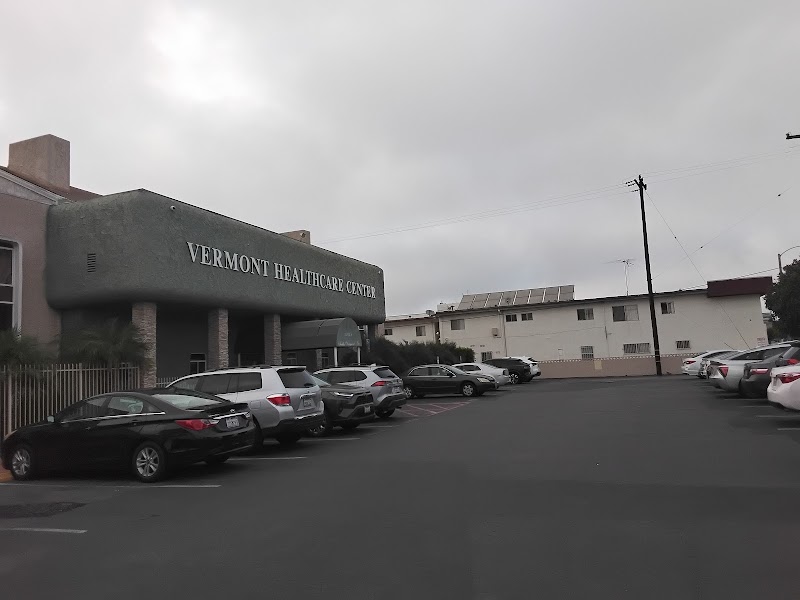
How is Vermont Healthcare Center Staffed?

CMS rates VERMONT HEALTHCARE CENTER's staffing level at 3 out of 5 stars, which is average compared to other nursing homes. Staff turnover is 50%, compared to the California average of 46%.

What Have Inspectors Found at Vermont Healthcare Center?

State health inspectors documented 95 deficiencies at VERMONT HEALTHCARE CENTER during 2022 to 2025. These included: 6 that caused actual resident harm and 89 with potential for harm. Deficiencies causing actual harm indicate documented cases where residents experienced negative health consequences.
Who Owns and Operates Vermont Healthcare Center?

VERMONT HEALTHCARE CENTER is owned by a for-profit company. For-profit facilities operate as businesses with obligations to shareholders or private owners. The facility operates independently rather than as part of a larger chain. With 200 certified beds and approximately 164 residents (about 82% occupancy), it is a large facility located in TORRANCE, California.
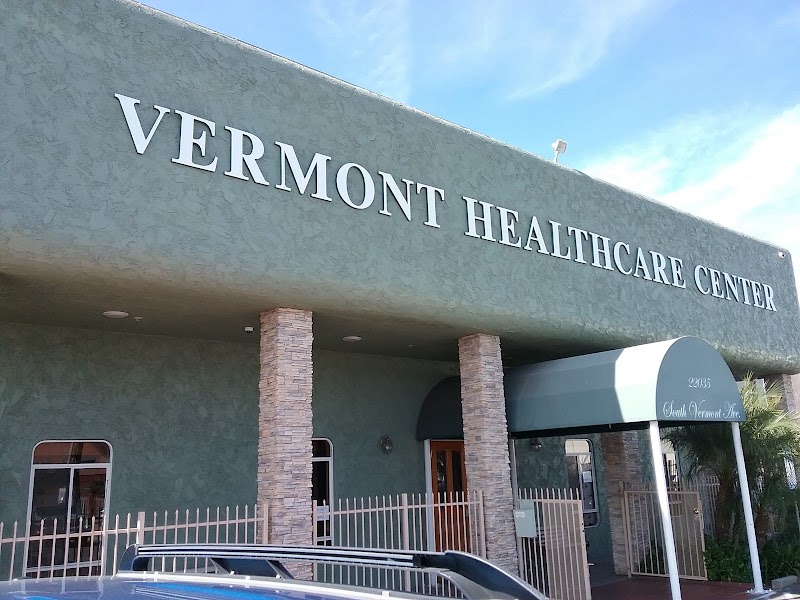
How Does Vermont Healthcare Center Compare to Other California Nursing Homes?

Compared to the 100 nursing homes in California, VERMONT HEALTHCARE CENTER's overall rating (1 stars) is below the state average of 3.1, staff turnover (50%) is near the state average of 46%, and health inspection rating (1 stars) is much below the national benchmark.

What Should Families Ask When Visiting Vermont Healthcare Center?

Based on this facility's data, families visiting should ask: "Can I visit during a mealtime to observe dining assistance and food quality?" "How do you handle medical emergencies, and what is your hospital transfer rate?" "Can I speak with family members of current residents about their experience?"

Is Vermont Healthcare Center Safe?

Based on CMS inspection data, VERMONT HEALTHCARE CENTER has a clean safety record: no substantiated abuse findings (meaning no confirmed cases of resident harm), no Immediate Jeopardy citations (the most serious violation level indicating risk of serious injury or death), and is not on the Special Focus Facility watch list (a federal program monitoring the lowest-performing 1% of nursing homes). The facility has a 1-star overall rating and ranks #100 of 100 nursing homes in California. While no facility is perfect, families should still ask about staff-to-resident ratios and recent inspection results during their visit.

Do Nurses at Vermont Healthcare Center Stick Around?

VERMONT HEALTHCARE CENTER has a staff turnover rate of 50%, which is about average for California nursing homes (state average: 46%). Moderate turnover is common in nursing homes, but families should still ask about staff tenure and how the facility maintains care continuity when employees leave.

Was Vermont Healthcare Center Ever Fined?

VERMONT HEALTHCARE CENTER has been fined $120,486 across 4 penalty actions. This is 3.5x the California average of $34,284. Fines at this level are uncommon and typically indicate a pattern of serious deficiencies, repeated violations, or failure to correct problems promptly. CMS reserves penalties of this magnitude for facilities that pose significant, documented risk to resident health or safety. Families should request specific documentation of what issues led to these fines and what systemic changes have been implemented.

Is Vermont Healthcare Center on Any Federal Watch List?

VERMONT HEALTHCARE CENTER is not on any federal watch list. The most significant is the Special Focus Facility (SFF) program, which identifies the bottom 1% of nursing homes nationally based on persistent, serious quality problems. Not being on this list means the facility has avoided the pattern of deficiencies that triggers enhanced federal oversight. This is a positive indicator, though families should still review the facility's inspection history directly.