TAHOE FOREST HOSPITAL D/P SNF
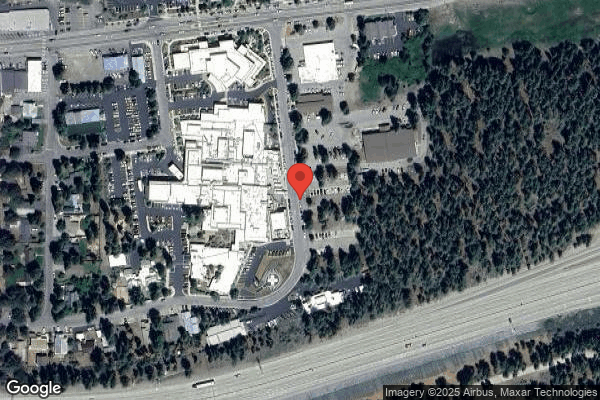
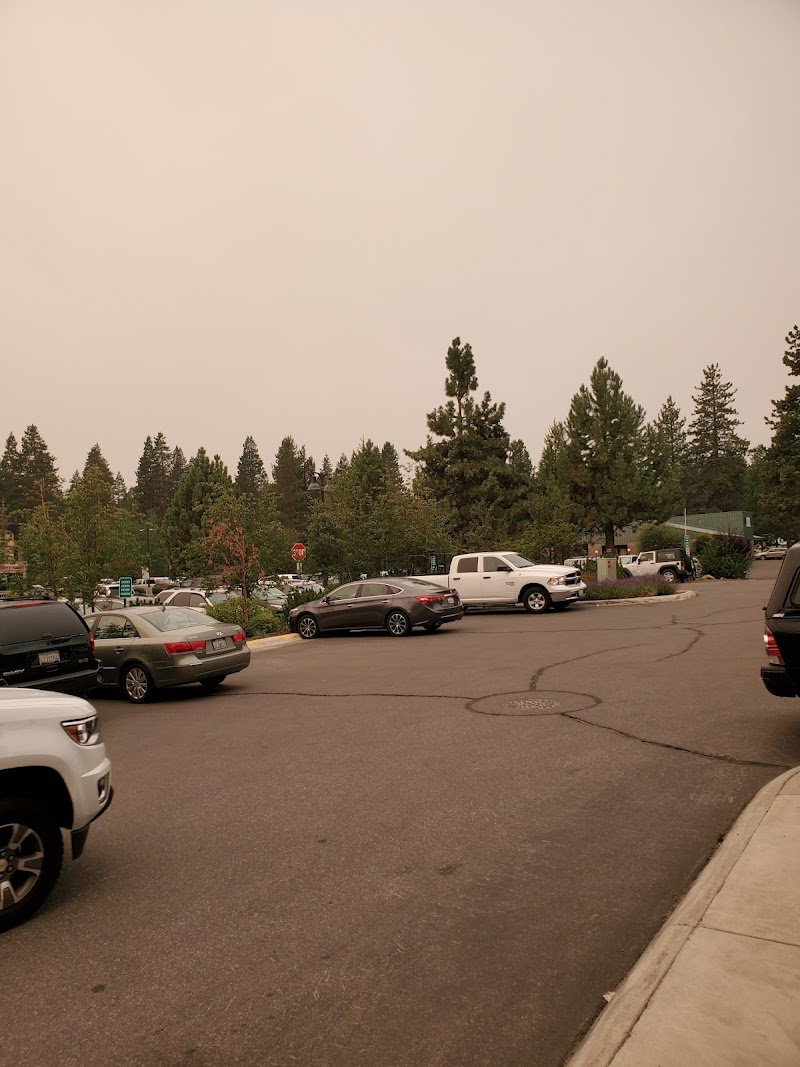
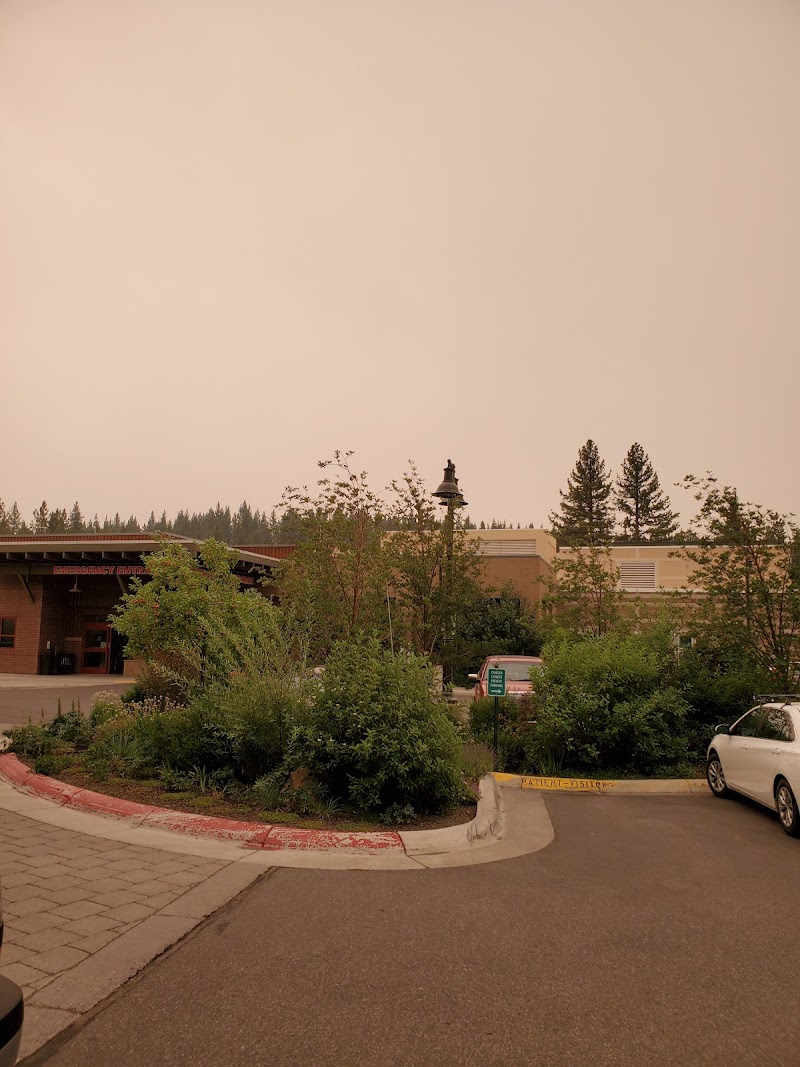
10121 PINE AVE., TRUCKEE, CA 96161 (530) 582-3251
Non profit - Corporation 37 Beds Independent Data: November 2025
Trust Grade
95/100
#218 of 1155 in CA
Last Inspection: June 2024

Within standard 12-15 month inspection cycle. Federal law requires annual inspections.

Overview

Tahoe Forest Hospital D/P SNF in Truckee, California, has earned an impressive Trust Grade of A+, which indicates it is an elite facility among nursing homes. It ranks #218 out of 1,155 facilities in California, placing it in the top half, and #2 out of 5 in Nevada County, meaning only one other local option is better. The facility is on an improving trend, having reduced its issues from one in 2023 to none in 2024. Staffing is a strong point, with a 5/5 star rating and only a 17% turnover rate, significantly lower than the state average, indicating that staff members are stable and familiar with residents' needs. However, there have been five concerns noted in inspections, including failure to properly assess the use of position change devices for some residents and lapses in restorative therapy for others, which could affect their well-being. Overall, while the facility has many strengths, families should be aware of these specific issues when considering care for their loved ones.

Trust Score
A+
95/100
In California
#218/1155
Top 18%
Safety Record
Low Risk
No red flags
Inspections
Getting Better
1 → 0 violations
Staff Stability
✓ Good
17% annual turnover. Excellent stability, 31 points below California's 48% average. Staff who stay learn residents' needs.
Penalties
✓ Good
No fines on record. Clean compliance history, better than most California facilities.
Skilled Nurses
✓ Good
Each resident gets 89 minutes of Registered Nurse (RN) attention daily — more than 97% of California nursing homes. RNs are the most trained staff who catch health problems before they become serious.
Violations
✓ Good
Only 5 deficiencies on record. Cleaner than most facilities. Minor issues only.
★★★★★
5.0
Overall Rating
★★★★★
5.0
Staff Levels
★★★★★
5.0
Care Quality
★★★★★
5.0
Inspection Score
Stable
2023: 1 issues
2024: 0 issues

The Good

  • 5-Star Staffing Rating · Excellent nurse staffing levels
  • 5-Star Quality Measures · Strong clinical quality outcomes
  • Low Staff Turnover (17%) · Staff stability means consistent care
  • Full Sprinkler Coverage · Fire safety systems throughout facility
  • No fines on record
  • Staff turnover is low (17%)

    31 points below California average of 48%

Facility shows strength in staffing levels, quality measures, staff retention, fire safety.

The Bad

No Significant Concerns Identified

This facility shows no red flags. Among California's 100 nursing homes, only 1% achieve this.

The Ugly 5 deficiencies on record

Jul 2023 1 deficiency
CONCERN (D)

Potential for Harm - no one hurt, but risky conditions existed

Food Safety (Tag F0812)

Could have caused harm · This affected 1 resident

Based on observation, interview, and record review, the facility failed to ensure that their food was safe for resident consumption when 10 cartons of milk and a jar of mustard were expired and availa...

Read full inspector narrative →
Based on observation, interview, and record review, the facility failed to ensure that their food was safe for resident consumption when 10 cartons of milk and a jar of mustard were expired and available for use. This had the potential for the residents to receive sour milk and subject them to food-borne illness. Findings: A review of the facility's policy titled, Refrigerated Storage Life of Foods indicated that the storage life for milk, half and half, heavy cream, and cottage cheese was seven days and that the expiration date on the package should be followed. Similarly, the policy indicated that the storage for condiments including mustard was, six months from opening date or expiration date. A review of the facility's policy titled, Food Storage, DNS-503, revised 5/2023, indicated that dry storage foods should be used, according to the expiration date such that products expiring soonest are used first. During a concurrent observation and interview with the Executive Chef (EC) A, on 7/24/23 at 8:51 AM, 10 cartons of milk were observed with an expiration date of 7/23/23, and a jar of Roland Mustard was dated with an expiration date of 5/11/23. EC A confirmed that the milk and mustard were outdated and should not be used.
Sept 2019 4 deficiencies
CONCERN (E)

Potential for Harm - no one hurt, but risky conditions existed

Deficiency F0604 (Tag F0604)

Could have caused harm · This affected multiple residents

**NOTE- TERMS IN BRACKETS HAVE BEEN EDITED TO PROTECT CONFIDENTIALITY** Based on observation, interview, and record review, the facility failed to assess, evaluate and clinically justify the use of po...

Read full inspector narrative →
**NOTE- TERMS IN BRACKETS HAVE BEEN EDITED TO PROTECT CONFIDENTIALITY** Based on observation, interview, and record review, the facility failed to assess, evaluate and clinically justify the use of position change devices (alarms) and physical restraints (seat belts) that had the potential to restrict residents' movement for 13 of 23 sampled residents (Residents 4, 6, 7, 9, 10, 11, 14, 16, 18, 20, 22, 24, and 29). These resulted in the residents' right not to be honored to refuse alarming devices, caused resident anxiety and had the potential for a decline in residents' physical strength causing dependence on staff for activities of daily living. Findings: During a record review on [DATE] at 11:10 AM, the Director of Staff Development (DSD) provided a list of residents with alarming and mechanical devices in use. The list indicated that Residents 4, 6, 7, 9, 10, 11, 14, 16, 18, 20, 22, 24, and 29 had bed alarms (electronic beds alarms that sound when residents' change position). Residents 6, 7, 10, 11, 14, 16, 20, 22, and 24 had alarming seat pads (placed on wheelchair seats or chairs that alarmed when the residents tried to get up). Residents 7, 10, 18, 20, and 24 had alarming seatbelts (fasten with Velcro® and had a button that alarmed when undone) and Residents 7, 10, 11, 14, 18, and 29 had Wanderguards® (devices placed on the wrist, ankle, or wheelchair that made an alarm sound when the resident was facility exits). The list also indicated that Resident 9 had a non-alarming seatbelt. Review of the VersaCare Bed From Hill-Rom User Manual, undated, included a warning that indicated the Bed Exit Alarm System was not intended as a substitute for good nursing practices. The Bed Exit Alarm System was to have been used along with a thorough evaluation of the resident's condition and proper facility procedures. Review of the Stryker Electric Med/Surg Bed Model FL28C Operations Manual, dated [DATE], indicated the Bed Exit system was intended only to aid in the detection of a resident exiting the bed. It was not intended to replace patient monitoring procedures. Review of the STANLEY (Trademark) Healthcare Fall Management System M200 Fall Monitor: Setup & User Guide, dated 2016, recommended that the operators be properly trained in the resident care policies and procedures of the facility. Review of the STANLEY (Trademark) Healthcare WanderGuard® BLUE User Manual and Quick Reference Guide, dated 2018, indicated a facility self-assessment was needed and recommended that all written protocols should have been reviewed and revised at specific intervals, and that each resident's wandering behavior should have been assessed regularly. A review of a facility policy titled Elopement and Wandering revised 7/2018, indicated all residents shall be assessed by the interdisciplinary team (IDT, multiple healthcare disciplines who determine plan of care) regarding the risk of wandering on admission, quarterly, and when behavior changed. If a resident was at risk for wandering from the facility an alert device shall be considered. The incidents of elopement shall be referred to the Quality Commitee for further review. All documentation of interventions shall be recorded in the resident's medical record. 1. Review of Resident 6's record indicated admission to the facility on [DATE], with diagnoses that included fracture of the neck of the left femur (broken thigh bone where it connected to the hip), chronic obstructive pulmonary disease (hard to breathe), and diabetes. Review of a resident list provided by the DSD of alarms in use at the facility as of [DATE], indicated that Resident 6 had an alarming seat pad and a bed alarm. Review of Resident 6's CNA (Certified Nursing Assistant) Flowsheet indicated that CNAs had documented the use of bed, chair, and motion sensor alarms. Review of a falls log provided by the DSD indicated that Resident 6 had no falls over the last year. Record review or Resident 6's current Plan of Care dated [DATE], indicated Resident 6 was forgetful and stood up independently, the seat alarm would have let staff know that he forgot to use his call light. Resident 6 did not like it when the seat alarm went off. During a concurrent interview and review on [DATE] at 2:15 PM, of Resident 6's Plan of Care Evaluation dated [DATE], it indicated no falls in the last quarter and good use of call light for assistance. An entry on [DATE] described Resident 6 as having good safety awareness and using his call light appropriately. The DSD confirmed Resident 6 did not like the alarm and his care plan evaluation indicated use of call light and good safety awareness. The DSD confirmed the alarm device continued to be used although there was no clinical justification for use. 2. Review of Resident 4's record indicated admission to the facility on [DATE], with diagnoses that included lung cancer and dementia. Review of a resident list provided by the DSD of alarms in use in the facility as of [DATE], indicated that Resident 4 had a bed alarm to be used at her discretion. Review of Resident 4's CNA Flowsheet indicated that CNAs had documented use of bed, chair, motion sensor, wander, and pull alarms. Review of a falls log provided by the DSD indicated that Resident 4 had two unwitnessed falls in the current month, on [DATE] and [DATE]. A review of Resident 4's physician orders indicated no orders for any type of alarms. An order was entered on [DATE], for nursing staff to monitor Resident 4 each shift to assess for anxiety and/or agitation. A review of Resident 4's current plan of care dated [DATE], indicated she had a terminal illness that caused a decrease in strength and activity. Resident 4 used a chair alarm to call staff for assistance when she was in the dining room. An entry on [DATE], indicated Resident 4 preferred not to use alarms at times because they caused her more anxiety, and that the risks and benefits were discussed. Review of Resident 4's plan of care evaluation dated [DATE], described how the seat pad alarm went off while Resident 4 sat in a recliner chair, and Resident 4 was upset that the alarm was on. 3. Review of Resident 20's record indicated admission to the facility on [DATE], with diagnoses that included cognitive deficits (intellectual deficiencies) following a cerebral infarction (stroke), and a paralyzed left arm and leg. Review of a resident list provided by the DSD of alarms in use as of [DATE], indicated that Resident 20 had a WanderGuard®, alarming seatbelt, and bed alarm. Review of Resident 20's current Plan of Care indicated an entry from [DATE], that instructed staff to do frequent room checks and repositioning. Several times a week Resident 20 was found in his room removing the alarm belt because he thought he had to pack his bags and leave. An entry from [DATE] instructed staff to involve Resident 20's wife at those times to help redirect him. A plan of care entry for Resident 20 dated [DATE], indicated that a pull alarm (pull alarm--a tab connected to the resident's clothing by a string with a clip on the end; if the resident got up, the tab would have pulled out of the device and set an alarm off), self-release belt, or bed alarm was to be used at all times. Review of Resident 20's physician orders indicated an order on [DATE] for a WanderGuard® device. There was an order on [DATE] for a self-release belt, to be used as needed (PRN). There were no orders for a bed alarms wheelchair pad alarms, or tab alarms. Review of Resident 20's Certified Nursing Assistant (CNA) Flowsheet documented the use of bed, chair, motion sensor, and wander alarms, as well as lap and self-release belts. Review of a falls log provided by the DSD indicated that Resident 20 had no falls over the last year. Review of Resident 20's Plan of Care Evaluation indicated entries dated [DATE], [DATE], and [DATE] that indicated he had been free of falls in the previous quarters (three month periods). 4. Review of Resident 7's record indicated admission to the facility on [DATE], with diagnoses that included heart disease and a history of falling. Review of a resident list provided by the DSD of alarms in use at the facility as of [DATE], indicated that Resident 7 had a WanderGuard®, alarming seatbelt, alarming seat pad, and a bed alarm. Review of Resident 7's physician orders indicated an order entered on [DATE], for a WanderGuard®. An order for a self-release belt for enhanced safety was entered on [DATE]. There was no order for a bed alarm. Review of Resident 7's CNA Flowsheet indicated that CNAs had documented the use of bed, chair, floor mat, motion sensor, and wander alarms, as well as lap and self-release belts. Review of a falls log provided by the DSD indicated that Resident 7 had no falls over the last year. During an observation on [DATE] at 9:45 AM, Resident 7 was observed with an alarming seatbelt around her lap, a WanderGuard® on her leg and alarming seat pad on her wheelchair seat. During an interview and concurrent record review on [DATE] at 9:45 AM, the DSD was unable to provide documentation of alternative least restrictive measures (less motion-limiting) for ensuring Resident 7's safety. The DSD stated that the only intervention added to Resident 7's care plan since her admission was to put a sign up in her bathroom that indicated Please Ask for Help as an addition to the alarms, not as a means of decreasing them. The DSD was unable to demonstrate that any other interventions were used for fall prevention besides alarms. DSD was unable to provide any documentation showing that the 72 hour observation had been completed when indicated or that Resident 7's care plan was revised and customized to her needs. 5. Review of Resident 9's record indicated she was admitted to the facility on [DATE], with diagnoses that included multiple sclerosis (a disease of the central nervous system), lower leg nerve damage, and dizziness. Review of Resident 9's Physician Orders indicated an order entered on [DATE], for a self-release belt to be used for enhanced safety PRN. Review of a resident list provided by the DSD of alarms in use as of [DATE], indicated that Resident 9 had a non-alarming seatbelt. Review of Resident 9's CNA Flowsheet indicated that CNAs had documented the use of bed and chair alarms, and a chair belt. Review or Resident 9's Physician Orders indicated no orders for any type of alarm. Review of a falls log provided by the DSD indicated that Resident 9 had no falls over the last year. Review of Resident 9's Plan of Care Evaluation indicated an entry on [DATE], that indicated Resident 9 used the call light appropriately, did not attempt to get up alone, and that the CNAs documented sporadic use of bed and pull alarms for enhanced safety. 6. Review of Resident 10's record indicated she was admitted to the facility on [DATE], with diagnoses that included dementia, high blood pressure, and hearing loss. Review of a resident list provided by the DSD of alarms in use as of [DATE], indicated that Resident 10 had an alarming seatbelt and a bed alarm. Review of Resident 10's physician orders indicated an order entered on [DATE], for a self-release belt to be used for enhanced safety PRN. There was no order for a bed alarm. Review of Resident 10's CNA Flowsheet indicated the use of bed, chair, floor mat, motion sensor, wander, and pull alarms, as well as lap and self-release belts. Review of a falls log provided by the DSD indicated that Resident 10 had one unwitnessed fall on [DATE]. Review of Resident 10's Plan of Care Evaluation indicated on [DATE], that Resident 10 had slid down in her wheelchair, and the self-release belt stayed on and was in place between her lower abdomen and chest. The foot pedals on the chair prevented Resident 10 from sliding all the way to the floor. During an observation on [DATE] at 3 PM, Resident 10 was asked to remove her self release belt, she was not able to easlity remove it due to the button securing it. The DSD stated the belt was to prevent sliding out of the chair. 7. Review of Resident 11's record indicated she was admitted to the facility on [DATE], with diagnoses that included polymyalgia rheumatica (a disease that caused muscle pain and stiffness) and Alzheimer's disease. Review of a list provided by DSD of residents with alarms in use as of [DATE], indicated that Resident 11 had a WanderGuard®, alarming seat pad, and a bed alarm. Review of Resident 11's physician orders dated [DATE], included an order to ensure WanderGuard® was in place, working, and not expired. No other orders for alarms were noted. There was no documentation found in the record that Resident 11 had exiting seeking elopement behaviors. Review of Resident 11's CNA Flowsheet indicated that CNAs had documented use of bed, chair, floor mat, motion sensor, wander, and pull alarms. Review of a falls log provided by the DSD indicated that Resident 11 had one unwitnessed fall on [DATE]. Review of Resident 11's current Plan of Care indicated a problem of risk for falls due to her medical conditions. An intervention entry on [DATE], indicated that Resident 11's family preferred that she didn't fall and wanted staff to use bed and chair alarms. During an observation on [DATE] at 3:10 PM, Resident 11 was in the dining room, and her wheelchair was parked in the beauty shop. Resident 11's wheelchair had an alarming seat pad on it, and a pull tab alarm was attached to the back of the wheelchair. 8. Review of Resident 14's record indicated an admission to the facility on [DATE], with diagnoses that included dementia, high blood pressure, and spondylosis (joint damage in the spine). Review of a list provided by the DSD of residents with alarms in use in the facility as of [DATE], indicated that Resident 14 had a WanderGuard®, alarming seat pad, and a bed alarm. Review of Resident 14's CNA Flowsheet indicated that CNAs had documented the use of bed, chair, wander, and pull alarms. Review of Resident 14's Physician Orders indicated an order entered on [DATE], for WanderGuard. There were no orders for any other alarms. Review of a falls log provided by the DSD indicated that Resident 14 had no falls over the last year. Review of Resident 14's current Plan of Care dated [DATE], included that interventions were added to keep a WanderGuard® on Resident 14's wrist or ankle at all times. Staff were instructed to redirect Resident 14 if she appeared lost, because she was often looking for a bathroom or bed. An intervention was added on [DATE] to add a bed and/or seat alarm to notify staff when Resident 14 was up and moving and needed assistance. Review of Resident 14's Plan of Care Evaluation indicated an entry on [DATE] indicating that the bed alarm was used to alert staff when Resident 14 was getting up. During a concurrent observation and interview on [DATE] at 3:20 pm, Resident 14 was wearing a WanderGuard® as she slept in her room. 9. Review of Resident 16's record indicated an admission to the facility on [DATE], with diagnoses that included heart failure, age-related physical debility (weakness), and multiple myeloma (cancer in the bone marrow). Review of Resident 16's Physician Orders indicated no orders for any type of alarm. Review of a list provided by the DSD of residents with alarms in use, as of [DATE], indicated that Resident 16 had a bed alarm. Review of Resident 16's CNA Flowsheet indicated that CNAs had documented use of bed, chair, floor mat, motion sensor, wander, and pull alarms. Review of a falls log provided by the DSD indicated that Resident 16 had seven unwitnessed falls and one witnessed fall over the last eight months. Review of Resident 16's current Plan of Care dated [DATE], indicated the staff were directed to remind Resident 16 to call for assistance and to use bed and pull alarms to alert staff. Review of Resident 16's Plan of Care Evaluation dated [DATE], indicated Resident 16 had unhooked her pull alarm so it did not go off. 10. Review of Resident 18's record indicated an admission to the facility on [DATE] with diagnoses that included dementia and malaise (feeling weak and tired). Review of a list provided by the DSD of residents with alarms in use in the facility as of [DATE], indicated that Resident 18 had a WanderGuard®, alarming seatbelt, and a bed alarm. Review of Resident 18's CNA Flowsheet indicated that CNAs had documented use of bed, chair, floor mat, wander, and pull alarms, as well as lap and self-release belts. Review of Resident 18's Physician Orders indicated an order entered on [DATE] for WanderGuard®. An order was entered on [DATE] for a self-release belt to be used for enhanced safety PRN. There was no order for a bed alarm. Review of a falls log provided by the DSD indicated that Resident 18 had a witnessed fall on [DATE], and an unwitnessed fall on [DATE]. Review of Resident 18's current Plan of Care dated [DATE], described use of a bed or chair alarm because Resident 18 forgot she had a call light. On [DATE] an alarming seatbelt was added to her chair, and staff were to check on her often to make sure she could open it. An entry on [DATE] indicated that staff were to redirect her if she attempted to stand or get out of bed without help. Sometimes Resident 18 was just looking for the bathroom or for her daughter. 11. Review of Resident 22's record indicated admission to the facility on [DATE], with diagnoses that included dementia, cerebral atherosclerosis (fat buildup in the blood vessels of the brain), and rheumatoid arthritis (a disease that damaged the joints). Review of a resident list provided by the DSD of alarms in use at the facility as of [DATE], indicated that Resident 22 had an alarming seat pad and a bed alarm. Review of Resident 22's CNA Flowsheet indicated that CNAs had documented the use of bed, chair, motion sensor, and wander alarms, as well as lap and self-release belts. Review of Resident 22's Physician Orders indicated an order entered on [DATE], to discontinue (stop) the use of a self-release belt. There were no orders for any type of alarms. Review of a falls log provided by the DSD indicated that Resident 22 had an unwitnessed fall on [DATE]. 12. Review of Resident 24's clinical record indicated admission to the facility on [DATE], with diagnoses that included dementia, brain cancer, and epilepsy (seizure disorder). Review of a resident list provided by the DSD of alarms in use as of [DATE], indicated that Resident 24 had an alarming seatbelt and a bed alarm. Review of Resident 24's CNA Flowsheet indicated that CNAs had documented use of bed, chair, floor mat, motion sensor, wander, and pull alarms, as well as lap and self-release belts. Review of Resident 24's Physician Orders indicated an order entered on [DATE], for a self-release belt to be used for enhanced safety PRN. There was no order for a bed alarm. Review of a falls log provided by the DSD indicated that Resident 24 had an unwitnessed fall on [DATE]. Review of Resident 24's Plan of Care Evaluation indicated an entry on [DATE], that described how in the previous quarter, Resident 24 had wanted her self-release belt removed. The belt was removed and Resident 24 had a seat pad alarm instead. Resident 24 fell on [DATE], when attempting to get to the bathroom, so she and her brother agreed to the use of the self-release belt alarm again. 13. Review of Resident 29's record indicated admission to the facility on [DATE] with diagnose that included right broken leg and collar bone and dementia. Review of a resident list provided by the DSD of alarms in use at the facility as of [DATE], indicated that Resident 29 had a WanderGuard®. Review of Resident 29's CNA Flowsheet indicated that CNAs had documented the use of bed, chair, and wander alarms. Review of Resident 29's physician orders dated [DATE], included an order for WanderGuard®. There were no orders for any other types of alarms Review of a falls log provided by the DSD indicated that Resident 29 had no falls over the last year. Review of Resident 29's Plan of Care Evaluation dated [DATE], indicated Resident 29 was at risk of elopement (leaving the facility without staff knowing) and wandering off the unit because she was able to walk independently. The situation was discussed with Resident 29's daughter who agreed to a WanderGuard® due to Resident 29's exit-seeking while looking for snacks. There were no initial assessments nor periodic reassessments, informed consents or clinical justification found in the record for ongoing use for the multiple devices and restraints used for Residents 4, 6, 7, 9, 10, 11, 14, 16, 18, 20, 22, 24, and 29. There was no IDT and Resident Care Conference (family and resident meeting to discuss care) notes found in the records about the multiple device usage. There were no exit behavior tracking of how many residents attempted to exit facility that use Wanderguard®. During an observation on [DATE] at 11:20 AM, a row of large vinyl recliner chairs sat along the wall across from and facing the Station Two nurse's desk. Sensormat seat pads were on the chairs and attached to alarm units on the wall behind the chairs. These chairs were available for use for all residents in the facility. During an interview on [DATE] at 3:20 PM, the DSD stated that there were no specific policies about when alarms were on or off, they just used resident-specific information each day to guide their use. There was no specific assessment tool that the facility used. Nurses communicated whether or not the residents were using alarms each day during handoff (shift change report). During an interview and concurrent record review on [DATE] at 9:45 AM, the DSD confirmed that documentation on follow up of alarm assessments, care plans, and documentation of interventions were generally lacking. During an interview on [DATE] at 1:30 PM, the Director of Nursing (DON), Administrative Director of Transitions (DIR) and DSD confirmed that there were no facility policies for the use of position change alarms. The DON and DIR confirmed there were assessment forms for nursing staff to assess residents upon admission to determine the clinical justification for alarm use. The DON explained the nursing staff upon admission do a 72 hours alert charting and then decides if residents require alarming devices or Wanderguard®. The DON and DIR were unable to provide resident specific documentation that supported the use of multiple alarm devices and the Wanderguard®.
CONCERN (E)

Potential for Harm - no one hurt, but risky conditions existed

Deficiency F0688 (Tag F0688)

Could have caused harm · This affected multiple residents

**NOTE- TERMS IN BRACKETS HAVE BEEN EDITED TO PROTECT CONFIDENTIALITY** Based on interview and record review the facility did not provide restorative care services (maintain physical condition to impr...

Read full inspector narrative →
**NOTE- TERMS IN BRACKETS HAVE BEEN EDITED TO PROTECT CONFIDENTIALITY** Based on interview and record review the facility did not provide restorative care services (maintain physical condition to improve quality of life) as a result of staffing shortages for five of 18 sampled residents (Resident 8, 11, 16, 24 and 27. This failure had the potential to cause decreased resident strength and safety, resulting in adverse clinical outcomes. Findings: 1. Resident 24's record was reviewed. Resident 24 was admitted to the facility on [DATE], with diagnoses that included weakness and seizure disorder (episodes of uncontrollable shaking). A review of Resident 24's Therapy/Restorative Plan dated 06/17/18, indicated they were to receive daily Restorative Nursing Assistant (RNA) therapy exercises. A review of a document titled Restorative Flow Sheet dated, 07/15 to 07/28/19 and 09/10 to 09/22/19, indicated Resident 24 did not receive RNA services for 14 out of 28 days. 2. Resident 27's record was reviewed. Resident 27 was admitted to the facility on [DATE], with diagnosis that included multiple sclerosis (MS) (a disease that effects vision, balance and muscle control). A review of Resident 27's Therapy/Restorative Plan dated 04/28/18, indicated they were to receive daily RNA therapy exercises. A review of a document titled Restorative Flow Sheet dated 07/22 to 08/04/19 and 09/09 to 09/23/19, indicated Resident 27 did not receive RNA services for 13 out of 28 days. 3. Resident 16's record was reviewed. Resident 16 was admitted to the facility on [DATE] with diagnoses that included a decrease in functional mobility and history of falls. A review of Resident 16's Therapy/Restorative Plan dated 07/14/19, indicated they were to receive restorative therapy assistance with front wheel walker ambulation three times a week. A review of a document titled Restorative Flow Sheet dated 08/12 to 08/25/19 and 09/09 to 09/22/19, indicated Resident 16 did not receive RNA services for 14 out of 28 days. 4. Resident 11's record was reviewed. Resident 11 was admitted to the facility on [DATE] with diagnoses that included, decreased level of function and Dementia. A review of Resident 11's Therapy/Restorative Plan dated 06/03/19, indicated they were to walk with RNA in halls five to seven days a week using front wheeled walker. A review of a document titled Restorative Flow Sheet dated 07/29 to 08/04/19 and 09/09 to 9/22/19, indicated Resident 11 did not receive RNA services for seven out of 28 days. 5. Resident 5's record was reviewed. Resident 8 was admitted to the facility on [DATE] with diagnoses that included, multiple sclerosis, right total hip (hip replacement with artificial joint), and mitral valve insufficiency (heart doesn't pump blood through the body properly). A review of Resident 8's plan of care dated 09/24/19, indicated Resident 8 will work with the Restorative Nursing Aide (RNA 1) up to seven days a week, for 15 min a day, to maintain Range of Motion (amount of movement around joint) /ability to independently ambulate with wheelchair and prevent contracture. Passive range of motion, perform bilateral leg exercises in bed, ankle pumps, knee extension (straighten leg) and flexion (bend leg). During an interview with Resident 8 on 09/23/19 at 1:00 pm, he stated, I have MS and my muscles don't work like they used to and getting out of bed is very difficult for me due to muscle weakness. Resident 8 confirmed that the Physical therapist wrote a Restorative Plan Recommendation for him and the RNA was supposed to come five to seven days a week for active and passive range of motion to prevent stiffness, weak muscle and increase circulation. Resident 8 stated the RNA's only come to two or three times a week because RNA 1 told him the facility is short staffed. On 09/23/19 at 11:30 AM, during a concurrent interview and record review of Residents 8, 11, 16, 24 and 27's Therapy/Restorative Plan and Restorative Flowsheets, the Director of Nursing (DON) and the RNA 1 confirmed the restorative treatment plans were not consistently provided due to lack of RNA staffing. During an interview with the Facility Administrator (FA) on 09/25/19 at 8:30 am, she confirmed the restorative services are optional in the overall care of residents, and the RNA's were not following the Restorative Plan Recommendations when there was a staffing shortage or staff was on vacation.
CONCERN (E)

Potential for Harm - no one hurt, but risky conditions existed

Deficiency F0700 (Tag F0700)

Could have caused harm · This affected multiple residents

**NOTE- TERMS IN BRACKETS HAVE BEEN EDITED TO PROTECT CONFIDENTIALITY** Based on observation, interview and record review, the facility failed to perform the required safety assessments before impleme...

Read full inspector narrative →
**NOTE- TERMS IN BRACKETS HAVE BEEN EDITED TO PROTECT CONFIDENTIALITY** Based on observation, interview and record review, the facility failed to perform the required safety assessments before implementation of side rails on resident beds for 9 of 9 sampled residents with side rail use (Residents 4, 6, 9, 11, 16, 18, 22, 24 and 29). The omission of side rail safety assessments posed a potential for residents to suffer side rail related injuries, including strangulation and death. Findings: On 09/25/19 at 10:41 AM, during the facility tour, 9 resident beds (resident Rooms 9B, 10B, 11B, 12B, 13A, 13B, 14A, 14B and 16A) were observed having side rails in the up position. One of nine beds (resident room [ROOM NUMBER]B) was observed to have all four rails raised with the resident in bed. On 09/25/19 at 10:35 AM, the Director of Nursing (DON) was asked for a list of beds that have side rails in use. The DON later stated they were compiling the list of beds with side rails in use; the facility did not know how many residents were using side rails and had to gather that information. In addition, there was no facility policy for side rails. On 09/25/19 at 11:13 AM, the DON provided a list of residents that had side rails in use. The DON was not able to provide signed side rail use consents for any of the residents but stated the residents gave verbal consents. We just ask them. In addition, the regulatory required safety evaluation for side rail use was not found in the resident records. The DON stated there was no Physical Therapy evaluation for side rail use as regulations require. On 9/25/19 at 1:35 PM, resident records were reviewed for the observed rooms. The review was specific to meeting the regulatory requirement of: 1). Performing an informed consent of the risks and benefits related to side rail use and; 2). Performing an evaluation of the side rails and resident for the possibility of entrapment. (becoming stuck between the side rail and the mattress which can cause strangulation and death). The records for Residents 4, 6, 9, 11, 16, 18, 22, 24 and 29 were reviewed because the bed rails were in use on those resident beds. Physician Orders for use of side rails were not found in the resident records during the record review. In addition, there was no evidence of care planning for side rail use. None of the nine resident records had evidence of the facility staff having performed an informed consent including risks and benefits as required. None of the nine Resident records contained any evidence of the facility having performed an evaluation of side rails and resident for the possibility of entrapment.
CONCERN (F)

Potential for Harm - no one hurt, but risky conditions existed

Food Safety (Tag F0812)

Could have caused harm · This affected most or all residents

Findings: 1. a. Review of an instruction manual titled Hoshizaki Modular Crescent Cuber Models KML-450MAH, KML-450MWH Instruction Manual revised 9/24/2001, indicated cleaning this unit at least once a...

Read full inspector narrative →
Findings: 1. a. Review of an instruction manual titled Hoshizaki Modular Crescent Cuber Models KML-450MAH, KML-450MWH Instruction Manual revised 9/24/2001, indicated cleaning this unit at least once a year, more frequent cleaning may be required in some existing water conditions. A review of a monthly work order dated 9/20/19, indicated the ice machine in the dining room had the outside of the machine wiped clean, air filter and condenser cleaned, and clean and decscale (remove calcium build up) the interior of the machine. During a concurrent observation and interview on 9/24/19 at 3:15 PM, four days after being cleaned, an inspection of the icemaker manufactured by Hoshizaki America, Inc, Model KML 450 MAH was completed in the main resident dining room. A white chalky buildup was observed on the inside and outside of the ice dispensing chute. The Maintenance Assistant (MA) wiped a paper towel along inside of the dispensing chute of the icemaker in the dining room, revealing a pinkish slime buildup. MA stated the facility staff clean only the outside of the machine and vacuum the dust from the air filters. 1. b. Review of an instruction manual titled Hoshizaki Modular Crescent Cuber Models KML-F and H series service Manual revised 1/13/2004, indicated cleaning this unit at least once a year, more frequent cleaning may be required in some existing water conditions. During a concurrent observation and interview on 9/24/19 at 3:30 PM, an inspection of an icemaker manufactured by Hoshizaki America, Inc, Model KML F series was completed in the facility kitchen. The MA wiped a paper towel along inside of the dispensing chute of the icemaker in kitchen, revealing a pinkish slime buildup. During an interview on 9/24/19 at 3:35 PM, the Plant Engineer (PE) confirmed the pink slime and white scale should not be there. PE stated the last time the unit was cleaned was 3/1/19, by an outside contracted local refrigeration company that comes twice a year. PE stated they do not have either of the recommended cleaning solutions needed to descale and sanitize the ice units. PE was unfamiliar with the two step descaling and sanitizing process outlined in the instruction manual, and stated that the contractor was responsible for the enitire process. PE was aware the water in their area had high mineral content. PE was unaware that the manufacturer's instructions indicated the cleaning and sanitizing may need to be done more frequently. 2. On 09/23/19 at approximately 11:00 AM CNA 1 was observed handling bread with her bare hands while placing a tomato slice on a sandwich for Resident 29. During an interview on 09/24/19 at approximately 11:15 AM, CNA 1 stated she knew she should not touch residents' food with bare hands and should have used gloves. A facility policy titled, Food Preparation, DNS-500 was reviewed with the Director of Nursing (DON) on 9/25/19 at 04:30 PM. Under section H SERVING number 2 the policy advises, Never touch food . The DON agreed that the policy requirement was not followed by CNA 1. Based on observation, interview and record review, the facility failed to serve food in a safe and sanitary manner when: 1. The ice machines in the main kitchen and in a resident dining room had a pink slime build up where ice was dispensed; and 2. A Certified Nursing Assistant (CNA 1) was observed serving bread to Resident 29 with her bare hands. These failures had the potential for residents to be exposed to bacteria that may result in a food borne illness.
Understanding Severity Codes (click to expand)
Life-Threatening (Immediate Jeopardy)
J - Isolated K - Pattern L - Widespread
Actual Harm
G - Isolated H - Pattern I - Widespread
Potential for Harm
D - Isolated E - Pattern F - Widespread
No Harm (Minor)
A - Isolated B - Pattern C - Widespread

Questions to Ask on Your Visit

  • "Can I speak with families of current residents?"
  • "What's your RN coverage like on weekends and overnight?"

Our Honest Assessment

Strengths
  • • Grade A+ (95/100). Above average facility, better than most options in California.
  • • No major safety red flags. No abuse findings, life-threatening violations, or SFF status.
  • • No fines on record. Clean compliance history, better than most California facilities.
  • • Only 5 deficiencies on record. Cleaner than most facilities. Minor issues only.
Concerns
  • • No significant concerns identified. This facility shows no red flags across CMS ratings, staff turnover, or federal penalties.
Bottom line: Generally positive indicators. Standard due diligence and a personal visit recommended.

About This Facility

What is Tahoe Forest Hospital D/P Snf's CMS Rating?

CMS assigns TAHOE FOREST HOSPITAL D/P SNF an overall rating of 5 out of 5 stars, which is considered much above average nationally. Within California, this rating places the facility higher than 99% of the state's 100 nursing homes. This rating reflects solid performance across the metrics CMS uses to evaluate nursing home quality.
How is Tahoe Forest Hospital D/P Snf Staffed?

CMS rates TAHOE FOREST HOSPITAL D/P SNF's staffing level at 5 out of 5 stars, which is much above average compared to other nursing homes. Staff turnover is 17%, compared to the California average of 46%. This relatively stable workforce can support continuity of care.

What Have Inspectors Found at Tahoe Forest Hospital D/P Snf?

State health inspectors documented 5 deficiencies at TAHOE FOREST HOSPITAL D/P SNF during 2019 to 2023. These included: 5 with potential for harm.
Who Owns and Operates Tahoe Forest Hospital D/P Snf?

TAHOE FOREST HOSPITAL D/P SNF is owned by a non-profit organization. Non-profit facilities reinvest revenue into operations rather than distributing to shareholders. The facility operates independently rather than as part of a larger chain. With 37 certified beds and approximately 31 residents (about 84% occupancy), it is a smaller facility located in TRUCKEE, California.
How Does Tahoe Forest Hospital D/P Snf Compare to Other California Nursing Homes?

Compared to the 100 nursing homes in California, TAHOE FOREST HOSPITAL D/P SNF's overall rating (5 stars) is above the state average of 3.2, staff turnover (17%) is significantly lower than the state average of 46%, and health inspection rating (5 stars) is much above the national benchmark.

What Should Families Ask When Visiting Tahoe Forest Hospital D/P Snf?

Based on this facility's data, families visiting should ask: "Can I visit during a mealtime to observe dining assistance and food quality?" "How do you handle medical emergencies, and what is your hospital transfer rate?" "Can I speak with family members of current residents about their experience?"

Is Tahoe Forest Hospital D/P Snf Safe?

Based on CMS inspection data, TAHOE FOREST HOSPITAL D/P SNF has a clean safety record: no substantiated abuse findings (meaning no confirmed cases of resident harm), no Immediate Jeopardy citations (the most serious violation level indicating risk of serious injury or death), and is not on the Special Focus Facility watch list (a federal program monitoring the lowest-performing 1% of nursing homes). The facility has a 5-star overall rating and ranks #1 of 100 nursing homes in California. While no facility is perfect, families should still ask about staff-to-resident ratios and recent inspection results during their visit.

Do Nurses at Tahoe Forest Hospital D/P Snf Stick Around?

Staff at TAHOE FOREST HOSPITAL D/P SNF tend to stick around. With a turnover rate of 17%, the facility is 29 percentage points below the California average of 46%. Low turnover is a positive sign. It means caregivers have time to learn each resident's needs, medications, and personal preferences. Consistent staff also notice subtle changes in a resident's condition more quickly. Registered Nurse turnover is also low at 7%, meaning experienced RNs are available to handle complex medical needs.

Was Tahoe Forest Hospital D/P Snf Ever Fined?

TAHOE FOREST HOSPITAL D/P SNF has no federal fines on record. CMS issues fines when nursing homes fail to meet care standards or don't correct problems found during inspections. The absence of fines suggests the facility has either maintained compliance or corrected any issues before penalties were assessed. This is a positive indicator, though families should still review recent inspection reports for the full picture.

Is Tahoe Forest Hospital D/P Snf on Any Federal Watch List?

TAHOE FOREST HOSPITAL D/P SNF is not on any federal watch list. The most significant is the Special Focus Facility (SFF) program, which identifies the bottom 1% of nursing homes nationally based on persistent, serious quality problems. Not being on this list means the facility has avoided the pattern of deficiencies that triggers enhanced federal oversight. This is a positive indicator, though families should still review the facility's inspection history directly.