NORTH VALLEY NURSING CENTER
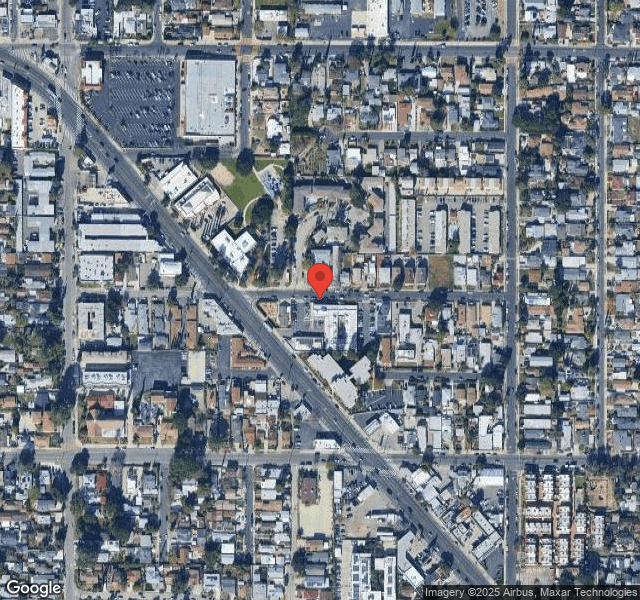

7660 WYNGATE ST, TUJUNGA, CA 91042 (818) 352-1454
For profit - Limited Liability company 92 Beds DAVID & FRANK JOHNSON Data: November 2025 6 Immediate Jeopardy citations
Trust Grade
0/100
#1077 of 1155 in CA
Last Inspection: March 2025

Within standard 12-15 month inspection cycle. Federal law requires annual inspections.

Overview

North Valley Nursing Center has a Trust Grade of F, indicating significant concerns about the quality of care provided. It ranks #1077 out of 1155 facilities in California, placing it in the bottom half, and #329 out of 369 in Los Angeles County, suggesting there are many better options available. The facility is currently improving, with the number of issues decreasing from 29 in 2024 to 12 in 2025, but it still faces serious challenges. Staffing has a rating of 3 out of 5 stars, with a turnover rate of 21%, which is good compared to the state average, indicating that many staff members remain long-term. Notably, there were critical incidents where a resident was discharged without necessary oxygen equipment, leading to a health crisis, and another where staff failed to follow a resident's end-of-life care wishes regarding resuscitation. While there are some strengths, such as low fines and decent staffing, these serious deficiencies raise significant concerns for families considering this facility.

Trust Score
F
0/100
In California
#1077/1155
Bottom 7%
Safety Record
High Risk
Review needed
Inspections
Getting Better
29 → 12 violations
Staff Stability
✓ Good
21% annual turnover. Excellent stability, 27 points below California's 48% average. Staff who stay learn residents' needs.
Penalties
✓ Good
No fines on record. Clean compliance history, better than most California facilities.
Skilled Nurses
⚠ Watch
Each resident gets only 22 minutes of Registered Nurse (RN) attention daily — below average for California. Fewer RN minutes means fewer trained eyes watching for problems.
Violations
⚠ Watch
73 deficiencies on record. Higher than average. Multiple issues found across inspections.
★☆☆☆☆
1.0
Overall Rating
★★★☆☆
3.0
Staff Levels
★★★★☆
4.0
Care Quality
★☆☆☆☆
1.0
Inspection Score
Stable
2024: 29 issues
2025: 12 issues

The Good

  • 4-Star Quality Measures · Strong clinical quality outcomes
  • Low Staff Turnover (21%) · Staff stability means consistent care
  • Full Sprinkler Coverage · Fire safety systems throughout facility
  • No fines on record
  • Staff turnover is low (21%)

    27 points below California average of 48%

Facility shows strength in quality measures, staff retention, fire safety.

The Bad

1-Star Overall Rating

Below California average (3.1)

Significant quality concerns identified by CMS

Chain: DAVID & FRANK JOHNSON

Part of a multi-facility chain

Ask about local staffing decisions and management

The Ugly 73 deficiencies on record

6 life-threatening
Mar 2025 12 deficiencies 1 IJ
CRITICAL (J)

Immediate Jeopardy (IJ) - the most serious Medicare violation

Resident Rights (Tag F0550)

Someone could have died · This affected 1 resident

**NOTE- TERMS IN BRACKETS HAVE BEEN EDITED TO PROTECT CONFIDENTIALITY** Based on observation, interview, and record review, the facility failed to protect, promote, and honor one of three sampled resi...

Read full inspector narrative →
**NOTE- TERMS IN BRACKETS HAVE BEEN EDITED TO PROTECT CONFIDENTIALITY** Based on observation, interview, and record review, the facility failed to protect, promote, and honor one of three sampled residents (Resident 23) right of not receiving cardiopulmonary resuscitation (CPR - emergency measures including manual chest compressions and rescue breaths to revive a person when breathing or heartbeat has stopped) measures as indicated in the Physician Orders for Life-Sustaining Treatment (POLST - a form that contains written medical orders for end-of life decisions communicated by a resident able to make informed decisions and if unable, by the resident's representative), dated [DATE]. Resident 23's POLST indicated Do Not Resuscitate (DNR- a medical order written by a doctor to instruct health care providers not to do CPR) instructing staff not to do CPR. The facility failed to ensure: 1. Registered Nurse 1 (RN 1) and Licensed Vocational Nurse 1 (LVN 1) verified Resident 23's code status (a person's wishes regarding CPR and other life-sustaining treatments in the event of cardiac arrest ([heartbeats stop] or respiratory arrest [breathing stops]) in Resident 23's POLST and admission Record face sheet), on [DATE] at 2:04 pm, when Resident 23 was not breathing. RN 1 and LVN 1 started CPR on Resident 23 based solely on an unidentified person shouting that Resident 23 was a full code (all possible life-saving measures including CPR are attempted). 2. RN 2 and Registered Nurse Consultant 1 (RNC 1) verified Resident 23's POLST before assisting RN 1 and LVN 1 with performing CPR on Resident 23 on [DATE] from 2:04 pm to 2:11 pm (seven minutes) until paramedics (healthcare professional trained to give emergency medical care to people who are injured or ill, typically in a setting outside of a hospital) arrived and after paramedics reviewed Resident 23's POLST and admission Record and informed the staff that were present in Resident 23's room that Resident 23 had a DNR order. 3. RN 1, RN 2, RNC 1, and LVN 1 followed the facility's P&P on Communication of Code Status which indicated the resident had the right to request, refuse and/or discontinue medical or surgical treatment and the facility is to adhere to the resident's rights. 4. RN 1, RN 2, RNC 1, and LVN 1 followed the facility's P&P on POLST that indicated the facility will honor a resident's POLST. The failure to verify Resident 23's code status in the POLST and performing CPR for seven minutes violated Resident 23's wish of DNR. Not affording Resident 23's right to exercise his rights could cause distress to Resident 23 and his family had the CPR been effective. Resident 23 may have experienced unnecessary pain and suffering including broken ribs, unnecessary pain, and brain injury from lack of oxygen from receiving CPR. On [DATE] at 6:22 p.m., while onsite at the facility, the State Survey Agency (SSA) identified and called an Immediate Jeopardy (IJ, a situation in which the facility's non-compliance with one or more requirements of participation has caused, or is likely to cause, serious injury, harm, impairment, or death to a resident) situation under 42CFR §483.10 (a) Residents Rights & (b) Exercise of Rights in the presence Administrator (ADM) and the Director of Nursing (DON) due to the facility's failure to honor Resident 23's POLST after finding Resident 23 not breathing. On [DATE] at 7:53 am, the ADM submitted an acceptable IJ Removal Plan (a detailed plan to address and correct the IJ findings). While onsite at the facility, the SSA verified the IJ situation was no longer present and confirmed the facility's implementation of the IJ Removal Plan through observations, interviews, and record reviews. The SSA removed the IJ Situation in the presence of the ADM and the DON on [DATE] at 12:31 pm. The acceptable IJ Removal Plan included the following summarized actions: 1. On [DATE], the Social Services Director (SSD), the DON, and the Assistant DON (ADON) conducted an in-house audit of each resident's POLST, Advance Directive, and History & Physical (H&P) exam to determine if the resident had the capacity to make decisions and to verify the resident's responsible party (if the resident did not have the capacity to make decisions). There was a total of 82 residents residing at the facility on [DATE]. There were 21 residents with confirmed DNR status and 61 residents with confirmed Full Code status. 2. On [DATE], the Interdisciplinary Team (IDT - a group of health care professionals with various areas of expertise who work together toward the goals of the resident) reviewed the medical record of all 82 residents and verified that 61 residents were Full Code, and 21 Residents were DNR. There were 11 residents with advanced directives. 3. On [DATE] and [DATE], RNC 2 provided reinforcement training to LVN 1, RN 1, RN 2, and RNC 1 on Resident Rights, POLST, Communication of Code Status, CPR, DNR), Advance Directive, and Medical Emergency Response. 4. On [DATE], the SSD and the DON met with residents who had the capacity to make their own decisions and verified that their POLST was current. 5. On [DATE], the SSD and the DON spoke with the resident representative of each resident who did not have the capacity to make decisions, to verify if their POLST is current. All the resident representatives stated that the POLST is current and there are no changes. 6. On [DATE], the Medical Records Director (MRD) printed current admission Record (face sheets) of each resident reflecting the verified POLST. 7. On [DATE], the ADON printed out the list of all residents with their Code Status Orders Report (based on the POLST) and visibly posted the list at each nurses' stations, emergency cart, and in a binder at the medication carts. The Code Status Order Report will be updated daily by the 11pm to 7am licensed nurses and checked for accuracy. The 7am to 3pm licensed nurses will update any report not completed during the prior 11pm to 7am shift. 8. On [DATE], the DON placed DNR stickers on the outside of the 21 confirmed DNR residents' medical records to clearly display their DNR status. The 11pm to 7am licensed nurses were tasked to reconcile the Code Status Order Report daily with the DNR stickers and update as necessary. The MRD will audit the DNR stickers on the medical records and reconcile it with the Code Status Order Report weekly to ensure accuracy. The audit will be documented utilizing a Code Status audit form. Any inaccurate findings will be immediately corrected by MRD. The Code Status audit form will be available in the facility's binder with all documents related to the IJ Situation (IJ Binder). 9. On [DATE] and thereafter, the licensed nurse assigned to the desk work will discuss resident code status during huddle (a short meeting for the arriving staff prior to the start of their shift) for all three shifts (7am-3pm, 3pm-11pm, and 11pm-7am). During the huddle the nursing supervisor will assign a licensed nurse as the Shift Code Leader (a licensed nurse in charge of resident emergencies in the facility) should any incident occur. 10. On [DATE], the SSD placed red wristbands (to visually identify DNR status) on the wrists of 19 residents with DNR orders with their consent. Two residents with DNR status agreed to wear the red wristbands on [DATE]. On [DATE], all 21 with DNR orders agreed to wear the red wristbands. By [DATE], the IDT updated the Care Plans of the 21 residents with DNR orders. All licensed nurses are tasked to print the code status report and visually verify that red wristbands are worn by the residents with orders for DNR and document it on the DNR Form list. The MRD will audit residents' care plans weekly utilizing the Code Status audit form to ensure compliance and accuracy. 11. On [DATE], the ADM updated the Person-Centered Interview and Rounding Worksheet to reflect the wristband section for department managers to visually verify that the wristband is intact on their assigned residents on Monday through Friday basis. Registered Nurse (RN) supervisor will conduct the audit on weekends utilizing Weekend Room Round form. Department Managers and RN supervisor will utilize the Code Status Order Report to ensure accuracy during rounds. The Person-Centered Interview and Rounding Worksheet and Weekend Room Round forms will be available the Room Rounds binder. 12. Starting on [DATE], a mandatory facility-wide in-service training was conducted to reinforce the facility's P&P including Resident Rights, POLST, Communication of Code Status, CPR, DNR, Advance Directive, and Medical Emergency Response. By [DATE], 100% of the staff received the in-service training. New hires will be educated prior to the start of their first scheduled shift. 13. Starting on [DATE], the ADM or the DON will interview employees from different shifts on weekly basis to validate understanding of the in-service training on Resident Rights, POLST, Communication of Code Status, CPR, DNR, Advance Directive, and Medical Emergency Response. Employee response will be recorded utilizing an Employee Validation form. The form will be available in the IJ Binder. 14. Starting on [DATE], regular audits during IDT meetings will include verification of the residents' clinical record for the current code status. Newly admitted residents' code status will be reviewed during IDT meetings. The audit will be done upon admission and readmission of residents, weekly for current residents or when where there is a change in residents' code status. The audits will be documented utilizing the Code Status audit form and will be reported by the MRD during Monday through Friday operations meeting for appropriate follow up. 15. On [DATE], the IDT conducted Root Cause Analysis (RCA) and identified the following: a. Code status was not immediately visible during an emergency requiring life-saving measures if appropriate. b. There was a lack of visual cues such as DNR sticker or resident identifier such as red wristbands. 16. On [DATE] a QAPI (Quality Assurance & Performance Improvement) was implemented to track and report on above audit findings. The findings will be presented at the monthly QA) Committee meeting for a minimum of three months for review and recommendations. After the initial three months, the QA Committee will decide regarding the continued frequency of audits and subsequent reporting, with audits continuing at least monthly to sustain compliance. During a review of Resident 23's Minimum Data Set (MDS - a standardized assessment and care-screening tool), dated [DATE], the MDS indicated Resident 23 had intact cognition (thought processes). The MDS also indicated Resident 23 required assistance with eating and dressing and was dependent on staff for bathing and toileting. During a review of Resident 23's POLST, dated [DATE], signed by Medical Doctor 1 (MD 1) and Resident 23, the POLST indicated DNR and to allow natural death. During a review of Resident 23's Advance Directive (a legal document that allows you to express your wishes regarding medical care in the event you become unable to make those decisions for yourself, such as due to illness or injury) Acknowledgement form, signed dated by Resident 23 on [DATE], the Advance Directive indicated Resident 23 had completed a POLST form on [DATE]. During a review of Resident 23's Advanced Directive Status Care Plan (CP) initiated on [DATE], the CP indicated a code status of DNR. The CP included interventions to follow the POLST. During a review of Resident 23's Physician's Orders, a physician order dated [DATE], indicated MD 1 ordered DNR. During a concurrent observation and interview with Resident 23 on [DATE] at 9:42 am in Resident 23's room, Resident 23 was sitting up in bed and watching television. Resident 23 stated he lived at an assisted living facility (ALF) before he got sick and was admitted to a hospital where doctors found cancer in his abdomen. Resident 23 stated he was admitted to the facility because he was too sick to return to the ALF. Resident 23 stated he chose DNR because of his cancer diagnosis. During an observation on [DATE] at 2:06 pm in the hallway, outside of Resident 23's room, the door was open, the privacy curtain drawn and the counting of 1,2,3, 30 repeatedly could be heard coming from Resident 23's room. A crash cart was positioned outside Resident 23's room. At 2:11 pm paramedics arrived at Resident 23's room, Paramedic 1 (PM 1) went into the room immediately. A staff member met PM 2 outside Resident 23's room and handed PM 2 a packet of documents (copies from Resident 23's medical record). PM 2 reviewed the documents and asked out loud why was the facility staff was performing CPR against Resident 23's DNR wishes. PM 2 pointed at the admission Record and the POLST and stated that DNR was written on both forms. Four staff members were in the room assisting with performing CPR on Resident 23, LVN 1, RN 1, RN 2 and RNC 1. During an interview with LVN 2 on [DATE] at 2:16 pm, LVN 2 stated he called code blue (term that signals a medical emergency) over the intercom and called 911 at the direction of his supervisor, RN 1. LVN 2 stated he did not check for Resident 23's code status because he heard a female voice (unidentified) yell out full code. LVN 2 stated he should have checked Resident 23's chart to ensure they had the right code status to respect Resident 23's wishes. During a concurrent interview and record review with LVN 3 on [DATE] at 2:18 pm, Resident 23's POLST and admission Record were reviewed. LVN 3 stated Resident 23's POLST and admission Record indicated Resident 23 had a DNR order. LVN 3 stated the DNR order could also be found in the electronic medical record and staff must check and verified the resident's POLST before starting CPR to ensure the resident's end-of-life decisions are followed. LVN 3 stated he was assigned to nurse station 1 but ran over to help at nurse station 2 when he heard the overhead page Code Blue. LVN 3 stated his role during the time CPR was being performed on Resident 23 was filling out a transfer form in case Resident 23 needed hospitalization. LVN 3 stated he did not check Resident 23's POLST because he heard a female voice calling out full code and assumed Resident 23 had a full code status. During a phone interview with Physical Therapy Assistant (PTA) on [DATE] at 9:35 am, the PTA stated she entered Resident 23's room to provide physical therapy at about 2:00 pm on [DATE] and stated Resident 23 did not respond to questions when Resident 23 was normally very able to respond. PTA stated moments later the Certified Occupational Therapist Assistant (COTA) arrived and retrieved the vital signs machine. The PTA stated at that point they checked Resident 23's oxygen saturation level (amount of oxygen in the blood in percentage, normal reading is 95% to 100%) and the reading was 32% (indicating medical emergency). PTA stated that while the COTA stayed with Resident 23, she went to the nurses' station to get LVN 1. During an interview with LVN 1 on [DATE] at 2:23 pm, LVN 1 stated she was the Charge Nurse at Nurses' Station 2 and PTA called her over to Resident 23's room at 2:03 pm. LVN 1 stated she quickly assessed Resident 23 and determined Resident 23 was not breathing, LVN 1 left the room to grab the crash cart as RN 1 entered the room. LVN 1 stated RN 1 yell out near the doorway to the hallway for Resident 23's code status and heard a female voice (unidentified) yelled back the resident was full code. LVN 1 stated RN 1 began chest compressions (use of hands to push down hard and fast in a specific way on the person's chest to keep blood flowing to vital organs until a regular heartbeat returns) while she (LVN 1) began rescue breaths (to provide oxygenation of the blood) Resident 23 with a bag-valve-mask (BVM - a handheld device used to manually ventilate to a person who is not breathing or having difficulty breathing). LVN 1 stated RN 1 switched compressions off with RNC 1 and RN 2. LVN 1 stated the staff members who assisted with CPR was herself, RN 1, RN 2 and RCN 1 and they did not stop CPR until paramedics arrived. LVN 1 stated PM 2 read Resident 23's admission Record and POLST and asked why CPR was done on a person that is a DNR. LVN 1 stated she did not check Resident 23's code status but relied on the voice (unidentified) that yelled out full code. LVN 1 stated the staff did not respect Resident 23's right to be DNR and chest compressions could result in broken ribs. During a concurrent interview and record review with RN 1 on [DATE] at 2:29 pm, reviewed Resident 23's medical record including POLST and admission Record. RN 1 stated Resident 23's code status was DNR, and it could be found on his POLST, admission Record and in the electronic health record (EHR). RN 1 stated when he went to Resident 23's room and he determined Resident 23 was unresponsive, he yelled out in the hallway for code status and heard a female voice (unidentified) yell back two times full code. RN 1 stated although he was already in Resident 23's room, he should have confirmed who yelled out full code or asked someone to bring the chart into the room so he could verify Resident 23's code status. RN 1 stated it was wrong to go against Resident 23's wishes to die naturally and if he was resuscitated, he could have suffered more pain from broken ribs or a punctured lung. During an interview with RN 2 on [DATE] at 2:36 pm, RN 2 stated she was the supervisor of nurse station 1 and ran over to station 2 to help when she heard the code blue page. RN 2 stated while at nurse station 2, she saw Resident 23's chart open on the desk and made copies of the admission Record and order summary report (list of current doctor's orders) to give to the paramedics when they arrived. RN 2 stated she never took the time to check for Resident 23's code status because she heard a voice yell out full code. RN 2 stated she should have checked the admission Record at that point to confirm Resident 23' code status. RN 2 stated she then went into Resident 23's room to help and switch off compressions with RN 1 and RNC 1. During a concurrent interview and record review, on [DATE] at 3:45 pm, the facility's P&P on CPR, revised on [DATE] and Resident 23's POLST, dated [DATE] were reviewed with RNC 1. RNC 1 stated Resident 23 had a DNR code status. RNC 1 stated CPR should have stopped immediately after a staff member confirmed Resident 23 had a DNR, but the facility failed to check and confirm the resident's code status. RNC 1 stated she went into Resident 23's room during the emergency and assisted with giving chest compressions to Resident 23. RNC 1 stated she heard a female voice (unidentified) yell out from the hallway, full code when RN 1 asked for Resident 23's code status. RNC 1 stated because of the facility's actions, Resident 23 did not have a peaceful death, very frail and could have suffered broken bones or other complications had Resident 23 been successfully revived. During a concurrent interview and record review, on [DATE] at 4:05 pm, Resident 23's POLST dated [DATE] and the facility's P&P on Communication of Code Status, revised on [DATE], were reviewed with the DON. The DON stated Resident 23's code status was DNR. The DON stated Resident 23's wishes were not fulfilled because CPR went on for seven minutes until paramedics arrived and determined the resident's code status. The DON stated the staff should have followed the P&P which indicated the resident had the right to request, refuse and/or discontinue medical treatment. The DON stated Resident 23 had a signed POLST indicating DNR in the medical record and staff did not check and verify Resident 23's code status. The DON stated Resident 23 could have suffered broken ribs, a punctured lung or injury to his brain from the lack of oxygen. During a telephone interview with Family Member (FM 1), on [DATE] at 5:21 pm, FM 1 stated she received a call from the ADM of Resident 23' passing on [DATE]. FM 1 stated that Resident 23 was suffering while alive from many different ailments and had wished DNR. During a concurrent interview and record review, on [DATE] at 11:08 am, the CPR Inservice training conducted on [DATE] was reviewed with the Director of Staff Development (DSD). The DSD stated the code status must be confirmed as soon as CPR is started. The DSD reviewed the CPR lesson plan and stated staff must be able to verbalize when CPR should be initiated and can identify when CPR is to be continued and/or discontinued. During a telephone interview with Medical Director Doctor (MDD), on [DATE] at 1:20 pm, the MDD stated staff must respect the residents' wishes and what happened to Resident 23 was unusual occurrence (an event that deviates from the norm, often posing a risk or threat to the health, safety or well-being of the residents) which and at least one staff member should have checked the code status immediately. The MDD stated that if Resident 23 was resuscitated and intubated, it would have been unfortunate and there would have been two different scenarios once transferred to a hospital; the resident would never be able to live without mechanical ventilation (a machine that breaths for a person that cannot breathe on their own) or living with an anoxic brain injury (when the brain goes without oxygen for a prolonged period of time), causing many complications. During a telephone interview with MD 1 on [DATE] at 1:58 pm, MD 1 stated Resident 23's code status should have been verified immediately after CPR was started. MD 1 stated staff must honor each resident's rights and choices. During a telephone interview with PM 1, on [DATE] at 10:55 am, PM 1 stated it is the facility staff's responsibility to know and respect the resident's wishes. During a review of facility's (P&P) titled, Cardiopulmonary Resuscitation (CPR), revised on [DATE], the P&P indicated, if a resident experience cardiac arrest (heartbeats stop), staff will provide basic life support, including CPR, prior to the arrival of EMS, or until DNR order is known. During a review of the facility's P&P titled, Communication of Code Status, revised on [DATE], the P&P indicated the facility will follow facility policy regarding a resident's right to request, refuse and/or discontinue medical or surgical treatment and to formulate an advanced directive. The P&P indicated when an order is written pertaining to a resident's presence or absence of an advanced directive, the directions will be reflected in the medical record, for example, Do not Resuscitate. During a review of the facility's P&P titled, Physician Orders for Life Sustaining Treatment (POLST), revised on [DATE], the P&P indicated the facility will provide the resident the option to complete or honor a POLST at the time of admission. The P&P indicated the POLST would be reviewed for completeness to confirm that the wishes for life-sustaining treatment indicated in the document remain the wishes of the resident. The P&P further indicated the complete, fully executed POLST form is a legal physician order and is immediately actionable.
CONCERN (D)

Potential for Harm - no one hurt, but risky conditions existed

Deficiency F0578 (Tag F0578)

Could have caused harm · This affected 1 resident

Based on interview and record review, the facility failed to keep a copy of a resident's Advance Directive (a legal document indicating resident preference on end-of-life treatment decisions) in the m...

Read full inspector narrative →
Based on interview and record review, the facility failed to keep a copy of a resident's Advance Directive (a legal document indicating resident preference on end-of-life treatment decisions) in the medical record for one (Resident 21) out of 6 sampled residents reviewed under Advance Directive. This deficient practice had the potential to create confusion, which could lead to conflict with the resident's wishes regarding his/her health care. Findings: During a review of Resident 21's admission Record, the admission Record indicated the facility admitted the resident on 7/23/2024 with diagnoses including dementia (loss of memory, language, problem-solving and other thinking abilities that are severe enough to interfere with daily life) and hypertension (high blood). During a review of Resident 21's Minimum Data Set (MDS - a resident assessment tool), dated 1/22/2025, the MDS indicated the resident had the ability to usually makes self- understood and the ability to usually understand others and totally dependent on staff for most activities of daily living (ADLs- activities such as bathing, dressing and toileting a person performs daily). During a concurent interview and record review on 3/26/25 at 9:51 a.m., with the Minimum Data Set Coordinator (MDSC), reviewed Resident 4's Advance Directive Acknowledgement Form dated 7/24/24. The MDSC stated the form indicated that Resident 21 had executed an advance directive, and a copy was provided to the facility. The MDSC stated there is no copy of the advance directive filed in Resident 21's physical chart or electronic record. The MDSC stated that an advance directive would indicate the resident`s healthcare wishes, and it is important to have it accessible in emergencies, as it allows the facility to determine whether a resident wishes to receive full treatment or not. The MDSC stated that it is a violation of the resident`s rights if his/her healthcare wishes are not honored. During a review of the facility`s policy and procedure (PP), titled Residents` Rights Regarding Treatment and Advance Directive, last reviewed on 1/15/205, the PP indicated that Upon admission, should the resident have an advance directive, copies will be placed on the chart as well as communicated to staff .
CONCERN (D)

Potential for Harm - no one hurt, but risky conditions existed

Deficiency F0657 (Tag F0657)

Could have caused harm · This affected 1 resident

Based on interview and record review, the facility failed to update a resident's care plan (a comprehensive document that outlines a patient's healthcare needs, goals, and interventions) to reflect hi...

Read full inspector narrative →
Based on interview and record review, the facility failed to update a resident's care plan (a comprehensive document that outlines a patient's healthcare needs, goals, and interventions) to reflect his current nutrition status for one (Resident 2) out of two sampled residents investigated for tube feeding (a method of providing nutrition to individuals who are unable or unwilling to eat or drink adequately). This deficient practice had the potential to result in the resident receiving incorrect care from providers. Findings: During a review of Resident 2's admission Record, the admission Record indicated the facility originally admitted the resident on 3/1/1998 and readmitted the resident on 7/9/2024 with diagnoses including quadriplegia (paralysis from the neck down, including legs, and arms, usually due to a spinal cord injury) and encounter for attention to gastrostomy (a surgical opening fitted with a device to allow feedings to be administered directly to the stomach common for people with swallowing problems). During a review of Resident 2's Minimum Data Set (MDS - a resident assessment tool), dated 1/29/2025, the MDS indicated the resident had intact cognition (thought processes) and was dependent on staff for all activities of daily living (ADLs - activities such as bathing, dressing and toileting a person performs daily). During a review of Resident 2's physician's orders, the orders indicated the following: 1. Nothing by mouth (NPO) diet (ordered on 7/9/2024) 2. Enteral feed (a form of nutritional support that provide nutrients directly into the gastrointestinal [GI] tract through a tube) order every shift - Formula: Fibersource High Nitrogen (HN) 1.2 kilocalories (kcal - unit of measurement) - Rate 80 cubic centimeters (cc - unit of measurement) per hour - Start at 1 p.m. time until 1600 milliliters (ml - unit of measurement) has infused to provide 1600 ml/1920 kcal (ordered on 3/23/2025). 3. Oral gratification: Ice chips (ordered on 3/24/2025). On 3/28/2025 at 9:13 a.m., during a concurrent interview and record review, reviewed Resident 2's care plans with Minimum Data Set Coordinator (MDSC). The MDSC stated that, according to the resident's care plan for risk for malnutrition (a condition that occurs when a person does not receive enough nutrients or energy to meet their body's needs) due to the resident being on tube feeding, initiated on 4/29/2022, one of the interventions indicated to give the Resident 4 ounces (oz - unit of measurement) of puree (a smooth, blended consistency of food that has been processed to remove lumps and make it easier to eat) three times a day (TID) during mealtimes with one-to-one supervision for oral gratification. Reviewed physician's orders with the MDSC. The MDSC verified that the resident had an order to be NPO. The MDSC stated the care plan should have been updated to reflect the resident's NPO status. On 3/28/2025 at 10:10 a.m., during an interview, the Director of Nursing (DON) stated it was important to update residents' care plans because they reflected the care and services that should be provided to meet the residents' goals. The DON stated that, if not updated, then staff may potentially follow incorrect interventions. During a review of the facility's policy and procedure titled, Comprehensive Care Plans, last reviewed and revised on 1/15/2025, the policy and procedure indicated that the comprehensive care plan will describe the services that are to be furnished to attain or maintain the resident's highest practicable physical, mental, and psychosocial well-being. The comprehensive care plan will be reviewed and revised by the interdisciplinary team after each comprehensive and quarterly MDS assessment.
CONCERN (D)

Potential for Harm - no one hurt, but risky conditions existed

Pressure Ulcer Prevention (Tag F0686)

Could have caused harm · This affected 1 resident

Based on observation, interview, and record review, the facility failed to ensure the resident's Low Air Loss Mattress (LALM - a pressure-relieving mattress used to prevent and treat pressure injuries...

Read full inspector narrative →
Based on observation, interview, and record review, the facility failed to ensure the resident's Low Air Loss Mattress (LALM - a pressure-relieving mattress used to prevent and treat pressure injuries) was set according to the resident's weight for one of three sampled residents (Resident 21) reviewed under the pressure ulcer/injury (localized damage to the skin and/or underlying soft tissue usually over a bony prominence or related to a medical or other device) care area. This deficient practice had the potential to place Resident 21 at risk for discomfort and increase the resident's risk for the development of pressure injuries. Findings: During a review of Resident 21's admission Record, the admission Record indicated the facility admitted the resident on 7/23/2024 with diagnoses including dementia (loss of memory, language, problem-solving and other thinking abilities that are severe enough to interfere with daily life) and hypertension (high blood pressure). During a review of Resident 21's Minimum Data Set (MDS - a resident assessment tool), dated 1/22/2025, the MDS indicated the resident had the ability to usually makes self- understood and the ability to usually understand others and totally dependent on staff for most activities of daily living (ADLs- activities such as bathing, dressing and toileting a person performs daily). During a review of Resident 21`s Physician`s order, dated 11/13/2024, the Physician's Order indicated an order to provide LALM for skin management. During a review of Resident 21's Care Plan (a document that outlines the actions and interventions needed to address a resident's health and care needs) initiated on 8/02/2024 and revised on 1/24/2025, the care plan indicated Resident 21 had potential for pressure ulcer development related to immobility and incontinence (involuntary loss of urine). The care plan indicated an intervention to monitor LALM for proper functioning. During an observation on 03/25/25 at 08:14 a.m., observed Resident 21 lying in bed sleeping on a LALM that was set at 174 pounds (lbs.) to 210 lbs. weight range. During an interview and record review on 3/26/2025 at 9:43 a.m., with Minimum Data Set Coordinator (MDSC) reviewed Resident 21`s current weight. The MDSC stated Resident 21's weight as of 3/05/2025 is 133 lbs. The MDSC stated that the LALM should be checked every shift for proper functioning and to ensure the setting was according to the resident`s current weight. During a follow-up observation on 3/26/2025 at 10:00 a.m., with the MDSC, in Resident 21`s room, the LALM was set at 174-210 lbs. range. The MDSC stated that the setting in not correct because the resident`s weight is 133 lbs. The MDSC stated that if the surface is too firm, it may increase the risk of skin impairment for the resident, potentially leading to pressure injury. During a review of the facility`s policies and procedures (PP), titled Pressure Injury Prevention and Management, last reviewed on 1/15/2025, the PP indicated that This facility is committed to the prevention of avoidable pressure injuries, unless clinically unavoidable, and to provide treatment and services to heal the pressure ulcer/injury, prevent infection and the development of additional pressure ulcers/injuries . During a review of the facility`s policies and procedures (PP), titled Use of Support Surfaces, last reviewed on 1/15/2025, the PP indicated that support surfaces will be used in accordance with evidence-based practice for residents with or at risk for pressure injuries .
CONCERN (D)

Potential for Harm - no one hurt, but risky conditions existed

Deficiency F0697 (Tag F0697)

Could have caused harm · This affected 1 resident

Based on interview and record review, the facility failed to ensure licensed nurses attempted nonpharmacological interventions (treatments or strategies that do not involve the use of medications) pri...

Read full inspector narrative →
Based on interview and record review, the facility failed to ensure licensed nurses attempted nonpharmacological interventions (treatments or strategies that do not involve the use of medications) prior to administering as needed (PRN) hydrocodone-acetaminophen (medication used to treat severe pain) for one (Resident 18) out of four sampled residents reviewed for pain management. This deficient practice had the potential to place the resident at increased risk of experiencing adverse side effects such as drowsiness, constipation, and decrease in respiration. Findings: During a review of Resident 18's admission Record, the admission Record indicated the facility admitted the resident on 2/24/2025 with diagnoses including stage 3 pressure ulcer (full-thickness loss of skin; dead and black tissue may be visible) on the left buttock, history of falling, right hip pain, intervertebral disc degeneration (a condition where the cushioning discs between vertebrae in the spine break down or deteriorate, often due to aging or injury, leading to pain and potentially other issues), and poisoning by opioids (powerful pain-reducing medications). During a review of Resident 18's Minimum Data Set (MDS - a resident assessment tool), dated 3/5/2025, the MDS indicated the resident had intact cognition (thought processes) and required moderate assistance from staff for most activities of daily living (ADLs - activities such as bathing, dressing and toileting a person performs daily). On 3/28/2025 at 9:20 a.m., during a concurrent interview and record review, reviewed Resident 18's physician's orders with Minimum Data Set Coordinator (MDSC). MDSC verified the following: 1. The physician ordered hydrocodone-acetaminophen oral tablet 5-325 milligrams (mg - unit of measurement), give one (1) tablet by mouth every 6 hours as needed for moderate pain (5-7/10) not to exceed (NTE) 3 grams (gm - unit of measurement) per day acetaminophen (APAP) from all sources. Hold if respiratory rate (RR) is less than 12 or sedation and notify medical doctor (MD)/nurse practitioner (NP) (ordered on 3/24/2025). 2. The physician ordered hydrocodone-acetaminophen oral tablet 5-325 mg, give two (2) tablets by mouth every 6 hours as needed for severe pain (8-10/10) NTE 3 gm/day APAP from all sources. Hold if RR is less than 12 or sedation and notify MD/NP (ordered on 3/24/2025). Reviewed the resident's 3/2025 Medication Administration Record (MAR - a daily documentation record used by a licensed nurse to document medications and treatments given to a resident) with MDSC. MDSC confirmed that licensed nurses did not document any attempted nonpharmacological interventions prior to administering PRN hydrocodone-acetaminophen on the following dates and times: 1. 2/27/2025 at 8 p.m. 2. 3/4/2025 at 1:26 a.m. 3. 3/6/2025 at 2:23 p.m. 4. 3/7/2025 at 11:35 a.m. 5. 3/9/2025 at 6 p.m. 6. 3/11/2025 at 4:58 p.m. 7. 3/13/2025 at 11:41 a.m. 8. 3/15/2025 at 7:39 a.m. 9. 3/15/2025 at 2:39 p.m. 10. 3/16/2025 at 11:54 a.m. 11. 3/16/2025 at 7 p.m. 12. 3/19/2025 at 8:34 a.m. 13. 3/22/2025 at 4:53 a.m. 14. 3/25/2025 at 9:22 a.m. On 3/28/2025 at 10:07 a.m., during an interview, the Director of Nursing (DON) stated it was important to attempt nonpharmacological interventions prior to administering PRN opioids because it might be effective in treating the pain. The DON stated their goal was to not overmedicate residents because overmedication can cause lethargy, a decrease in respirations, and confusion. During a review of the facility's policy and procedure titled, Pain Management, last reviewed and revised on 1/15/2025, the policy and procedure indicated nonpharmacological interventions will include but are not limited to environmental comfort measures (e.g. adjusting room temperature, smoothing linens, comfortable seating, assistive devices or pressure redistributing mattress and positioning), loosening any constrictive bandage, clothing or device, applying splinting (e.g. pillow or folded blanket), physical modalities (e.g. cold compress, warm shower/bath, massage, turning and repositioning), exercises to address stiffness and prevent contractures as well as restorative nursing programs to maintain joint mobility, and cognitive/behavioral interventions (e.g. music, relaxation techniques, activities, diversions, spiritual and comfort support, teaching the resident coping techniques and education about pain).
CONCERN (D)

Potential for Harm - no one hurt, but risky conditions existed

Deficiency F0698 (Tag F0698)

Could have caused harm · This affected 1 resident

**NOTE- TERMS IN BRACKETS HAVE BEEN EDITED TO PROTECT CONFIDENTIALITY** Based on interview and record review, the facility failed to ensure that one of two sampled residents (Resident 27) investigated...

Read full inspector narrative →
**NOTE- TERMS IN BRACKETS HAVE BEEN EDITED TO PROTECT CONFIDENTIALITY** Based on interview and record review, the facility failed to ensure that one of two sampled residents (Resident 27) investigated under dialysis (a treatment to cleanse the blood of wastes and extra fluids artificially through a machine when the kidney[s] have failed) received services consistent with professional standards of practice by failing to ensure the pre-dialysis assessment was communicated to Resident 27's dialysis center on 3/7/2025. This deficient practice placed the resident at risk for developing complications such as bleeding at the dialysis access site, high or low blood pressure, and delays in care. Findings: During a review of Resident 27's admission Record, the admission Record indicated the facility admitted Resident 27 on 1/9/2025 and readmitted on [DATE] with diagnoses including, but not limited to, End Stage Renal Disease (ESRD-irreversible kidney failure), dependence on renal dialysis, and a left lower leg fracture. During a review of Resident 27's History and Physical (H&P) dated 1/11/2025, the H&P indicated the resident had the capacity to understand and make decisions. The H&P further indicated Resident 27 has dialysis on Mondays, Wednesdays, and Fridays. During a review of Resident 27's Minimum Data Set (MDS - a resident assessment tool), dated 1/12/2025, the MDS indicated the resident had intact cognition (the mental action or process of acquiring knowledge and understanding), and required moderate or substantial assistance for most activities of daily living (ADLs- activities such as bathing, dressing and toileting a person performs daily). The MDS further indicated Resident 27 was on dialysis. During a concurrent interview and record review on 3/28/2025 at 12:20 p.m. with the Director of Nursing (DON), Resident 27's Dialysis Communication Form, dated 3/7/2025 was reviewed. The Dialysis Communication Form did not indicate Resident 27's vital signs were taken prior to the resident going to dialysis on 3/7/2025. The DON stated it is important to assess the resident before they go to dialysis and communicate the assessment to the dialysis center because if the assessment is abnormal the resident could be harmed by going to dialysis. The DON stated Licensed Vocational Nurse 5 (LVN 5) would have been the nurse that assessed her that morning. During an interview on 3/28/2025 at 1:42 p.m. with LVN 5, LVN 5 stated she does not know why the assessment on 3/7/2025 would not have been filled out on Resident 27's Dialysis Communication Form. LVN 5 stated the Dialysis Communication Form is used to inform the dialysis center of the resident's assessment before arriving to dialysis. LVN 5 stated it is important to communicate the pre-dialysis assessment because if something were to happen while the resident is being transported to dialysis they would not know if the resident was stable before leaving the facility. During a review of the facility's policy and procedure (P&P) titled, Hemodialysis last reviewed 1/25/2025, the P&P indicated the facility will assure that each resident receives care and services for the provision of dialysis consistent with professional standards of practice including monitoring for complications before and after dialysis treatments and ongoing communication and collaboration with the dialysis facility.
CONCERN (D)

Potential for Harm - no one hurt, but risky conditions existed

Medical Records (Tag F0842)

Could have caused harm · This affected 1 resident

**NOTE- TERMS IN BRACKETS HAVE BEEN EDITED TO PROTECT CONFIDENTIALITY** Based on interview and record review, the facility failed to ensure that one of 22 sampled residents (Resident 64) had accuratel...

Read full inspector narrative →
**NOTE- TERMS IN BRACKETS HAVE BEEN EDITED TO PROTECT CONFIDENTIALITY** Based on interview and record review, the facility failed to ensure that one of 22 sampled residents (Resident 64) had accurately documented medical records when the resident's code status (a patient's documented wishes regarding the level of medical intervention to be provided in a medical emergency, specifically if their heart or breathing stops) indicated in Resident 64's Physician Orders for Life-Sustaining Treatment (POLST - a form that contains written medical orders for healthcare professionals regarding specific medical treatments that can or cannot be done at the end-of life), dated [DATE] and signed by the physician on [DATE] was not accurately reflected in the admission Record and Interdisciplinary Care Conference meeting notes, dated [DATE]. This deficient practice placed the resident at risk for not having her wish to allow for a natural death honored. Findings: During a review of Resident 64's admission Record, the admission Record indicated the resident was admitted on [DATE] with diagnoses including, but not limited to, psychosis (a severe mental condition in which thought, and emotions are so affected that contact is lost with reality), schizophrenia (a mental illness that is characterized by disturbances in thought), and hypotension (low blood pressure). During a review of Resident 64's Minimum Data Set (MDS - a resident assessment tool), dated [DATE], the MDS indicated Resident 64 had moderately impaired cognition (thought processes) and required assistance from staff for most activities of daily living (ADLs - activities such as bathing, dressing and toileting a person performs daily). During a review of Resident 64's History and Physical (H&P) dated [DATE], the H&P indicated the resident had the capacity to understand and make decisions. During a concurrent interview and record review on [DATE] at 4:45 p.m. with the Director of Nursing (DON) and Administrator (ADM), Resident 64's medical record was reviewed. The printed admission Record inside Resident 64's medical records binder indicated the resident was a full code (a medical term that indicates a patient's wish to receive all possible life-saving measures in the event of a cardiac or respiratory arrest) while the POLST, dated [DATE] and signed by the physician on [DATE], indicated the resident elected to allow for a natural death and DNR (do not resuscitate- a medical order written by a doctor to instruct health care providers not to do cardiopulmonary resuscitation [CPR] if breathing stops or the heart stops beating) orders. The DON stated the admission Record and the POLST should match. During a concurrent interview and record review on [DATE] at 9:53 a.m. with the DON, Resident 64's Interdisciplinary Care Conference meeting notes, dated [DATE], indicated Resident remains full code The DON stated the Interdisciplinary Care Conference meeting notes did not match Resident 64's POLST and she would interview the resident to clarify her wishes. During an interview on [DATE] at 1:49 p.m. with the DON, the DON stated, she confirmed with Resident 64 that she wishes to continue with the DNR status. The DON further stated it is important to have the resident's code status accurately reflected in the medical record so there is no confusion about the resident's wishes, and they can honor her rights. During a review of the facility's policy and procedure (P&P) titled, Communication of Code Status last reviewed [DATE], the P&P indicated the facility will implement procedures to communicate a resident's code status to those individuals who need to know this information including reviewing the code status as needed and documenting it in the medical record.
CONCERN (E)

Potential for Harm - no one hurt, but risky conditions existed

Deficiency F0552 (Tag F0552)

Could have caused harm · This affected multiple residents

**NOTE- TERMS IN BRACKETS HAVE BEEN EDITED TO PROTECT CONFIDENTIALITY** Based on observation and interview, the facility failed to ensure to provide the name of the medication and its indication (reas...

Read full inspector narrative →
**NOTE- TERMS IN BRACKETS HAVE BEEN EDITED TO PROTECT CONFIDENTIALITY** Based on observation and interview, the facility failed to ensure to provide the name of the medication and its indication (reason for the use of the medication) prior to administration of the medication, affecting one (1) of five (5) residents observed for medication administration (Resident 3). This deficient practice violated Resident 3's rights to make decisions regarding their medication regimen, withhold treatment or seek alternatives, potentially resulting in psychosocial harm. Findings: During a review of Resident 3's admission Record (a document containing demographic and diagnostic information,) dated 3/24/2025, the record indicated Resident 3 was originally admitted to the facility on [DATE] and re-admitted on [DATE] with diagnoses including diabetes (a disease characterized by high blood sugar levels,) pain, osteoporosis (a condition where the bones become fragile) and anemia (a condition characterized by a lower-than-normal number of red blood cells.) During a review of Resident 3's Minimum Data Set ([MDS] - a resident assessment tool,) dated 12/20/2024, the MDS indicated Resident 3 had moderate cognitive impairment (a condition that involves increased confusion and memory loss, as well as difficulty with language and completing tasks). During an observation on 3/24/2025 at 9:29 a.m., Licensed Vocational Nurse (LVN) 4 was observed administering docusate (a medication used for bowel [intestine] management,) cranberry (a supplement used to prevent urine infections,) bisacodyl (a medication used for bowel management,) and multivitamin with mineral tablets orally to Resident 3. Resident 3 was observed swallowing the docusate, bisacodyl and multivitamin with mineral tablets with a glass of water. LVN 4 was not observed informing Resident 3 the name of each medication and its indication during administration of the medications. During a concurrent observation, Resident 3 asked LVN 4 to cut the large pill and LVN 4 stepped out of the room with the cranberry tablet. During a concurrent interview with Resident 3, Resident 3 stated she was not aware of the medications she was administered by LVN 4 and that she would like to know. LVN 4 was observed entering Resident 3's room with the cranberry tablet cut in half. LVN 4 handed a small plastic cup containing the cut cranberry tablet to Resident 3 with a glass of water. LVN 4 was not observed informing Resident 3 the cut tablet was cranberry. The state surveyor asked Resident 3 if she would like to know what medication LVN 4 handed her, and Resident 3 stated yes. LVN 4 was observed stating to Resident 3 the medication was cranberry used to prevent urine infections. Resident 3 was observed swallowing the cranberry tablets with a glass of water. During an interview on 3/24/2025 at 9:35 a.m., with LVN 4, LVN 4 stated during the medication administration on 3/24/2025 at 9:29 a.m., LVN 4 administered docusate, bisacodyl and multivitamin with mineral tablets to Resident 3 and failed to inform Resident 3 the names of the medications and their indications prior to the resident swallowing each medication. LVN 4 stated that LVN 4 usually informs the residents of each medication and the indication prior to administration but forgot to do so this time. LVN 4 stated according to facility policy LVN 4 should have informed Resident 4 the name and indication of the medications administered that morning, to give Resident 4 the right to be involved in their care and treatment and be able to make choices such as refusing a specific medication. During an interview on 3/25/2025 at 12:08 p.m., with the Director of Nursing (DON,) the DON stated that LVN 4 failed to inform the name of the medications and their indications prior to medication administration on 3/24/2025 to Resident 3. The DON stated that it was important to follow this process to ensure residents have the right to be informed about their care and make decisions about their treatments. The DON stated not providing this information during medication administrations restricts the residents from this right. During a review of Resident 3's Medication Administration Record ([MAR] - a record of mediations administered to residents), dated March 2025, the MAR indicated Resident 3 was prescribed the following medications: -cranberry tablet to be given by mouth once a day for Urinary Tract Infection ([UTI] - urine infection) prophylaxis ([PPX] - prevention) at 9 a.m. -bisacodyl four (4) tablets to be given by mouth once a day for bowel (intestine) management at 9 a.m. -docusate tablet to be given by mouth twice a day for bowel management at 9 a.m. and 5 p.m. -multivitamin with mineral tablet to be given by mouth once a day every Monday and Thursday for supplement at 9 a.m. During a review of the facility's policy and procedures (P&P), titled Resident Rights, last reviewed 1/15/2025, the P&P indicated: 2. The resident has the right to be informed of, and participate in, his or her treatment, including: e. The right to request, and/or discontinue treatment.
CONCERN (E)

Potential for Harm - no one hurt, but risky conditions existed

Pharmacy Services (Tag F0755)

Could have caused harm · This affected multiple residents

**NOTE- TERMS IN BRACKETS HAVE BEEN EDITED TO PROTECT CONFIDENTIALITY** Based on interview and record review the facility failed to: 1. Include the witness signatures on the Medication Disposition Rec...

Read full inspector narrative →
**NOTE- TERMS IN BRACKETS HAVE BEEN EDITED TO PROTECT CONFIDENTIALITY** Based on interview and record review the facility failed to: 1. Include the witness signatures on the Medication Disposition Record/Pass Log for seven (7) non-CMs disposed on 2/14/2025, 13 on 2/28/2025, and eight (8) on 3/23/2025. 2. Account for one (1) dose of Controlled Substances (also known as Controlled Drug and Controlled Medications [CS, CD, CM]- medications which have a potential for abuse and may also lead to physical or psychological dependence) for Residents 21, in one (1) of two (2) inspected medication carts (Medication Cart Station 1 Cart 1.) 3. Reconcile (the process of comparing transactions and activity to supporting documentation) one (1) medication emergency kit (ekit) containing CMs for March 2025, in one (1) of tw2 (2) inspected medication carts (Medication Cart Station 1 Cart 1.) As a result, control and accountability of medications and CS's did not follow state and federal regulations and facility policy and procedures. These deficient practices increased the opportunity for CS diversion (the transfer of a controlled medication or other medication from a lawful to an unlawful channel of distribution or use,) the risk that Residents 21 and other residents in the facility could have accidental overdose (administering more than the prescribed dose causing adverse drug reactions [unwanted, uncomfortable, or dangerous effects that a medication may have, such as coma (a state of deep unconsciousness) and exposure to harmful medications, and delayed medication treatment during emergencies possibly leading to physical and psychosocial harm, and hospitalization. Findings: During an observation and record review on 3/25/2025 at 9:58 a.m. with Licensed Vocational Nurse (LVN) 1 in Medication Room Station 2, the Medication Disposition Record/Pass Logs were reviewed. The Medication Disposition Record/Pass Logs indicated: 1. Seven (7) non-CM disposals did not contain the witness signatures on the log dated 2/14/2025. 2. 13 non-CM disposals did not contain the witness signatures on the log dated 2/28/2025. 3. Eight (8) non-CM disposals did not contain the witness signatures on the log dated 3/23/2025. During a concurrent interview, LVN 1 stated LVN 1 was unable to locate the witness signatures of licenses nurses on the reviewed disposition logs. LVN 1 stated licensed nurses failed to follow policy of signing the logs with a witness when disposing medications, including herself and per facility policy a witness signature was required to ensure there was no diversion of medications. During an observation on 3/25/2025 at 10:22 a.m., with LVN 3, in Medication Cart Station 1 Cart 1 there was: 1. One (1) medication ekit labeled314 containing CMs without an accountability log for the reconciliation of CM inventory at every shift change for March 2025. 2. A discrepancy in the count between the Antibiotic or Controlled Drug Record accountability log and the amount of medication remaining in the medication bubble pack (medication packaging system that contains individual doses of medication per bubble) for the following resident: a. One (1) dose of pregabalin (a CS used for neuropathy [condition where nerves become damaged]) 25 milligram ([mg] - a unit of measure of mass) capsule was missing from the medication bubble pack compared to the count indicated on the Antibiotic or Controlled Drug Record accountability log for Resident 21. The Antibiotic or Controlled Drug Record accountability log for pregbalin indicated the medication bubble pack should have contained a total of 9 pregabalin 25 mg capsules, after the last administration of pregabalin 25 mg capsule documented/signed-off on 3/24/2025 at 5 p.m., however the medication bubble pack contained 8 pregabalin 25 mg capsules and contained no other documentation of subsequent administrations. During a concurrent interview, LVN 3 stated that all CMs, including medication ekits containing CMs should be reconciled at every shift. LVN 3 stated that the ekit labeled 314 containing CMs in Station 1 Cart 1 was not reconciled at every shift in March 2025, and it was important to account for all CMs to ensure accountability, prevent CM diversion and accidental exposure of harmful substances to residents. During the same interview, LVN 3 stated LVN 3 administered pregabalin 25 mg capsule to Resident 21 that morning (3/25/2025) at 9 a.m. and forgot to sign the Antibiotic or Controlled Drug Record accountability log. LVN 3 stated LVN 3 failed to follow the facility's policy of signing each CS dose on the Antibiotic or Controlled Drug Record accountability log after preparing the dose for the resident. LVN 3 stated LVN 3 understood it was important to sign each dose once administered to ensure accountability, prevent CS diversion and accidental overdose to Resident 21. During an interview on 3/25/2025 at 12:08 p.m., with the Director of Nursing (DON,) and in the presence of Registered Nurse Consultant 1 (RNC 1) the DON stated that medication ekits containing CMs needed to be counted and reconciled at every shift change to ensure accountability and prevent CM diversion. The DON stated one (1) eKit containing CMs in Station 1 Medication Cart 1 was not reconciled at each shift change for March 2025. The DON stated that the facility will immediately implement an accountability log for reconciliation of eKit at each shift change in Station 1 Medication Cart 1. During the same interview, the DON stated that LVN 3 failed to follow facility policy of documenting the preparation of CM immediately on the Antibiotic or Controlled Drug Record accountability log for Resident 21. The DON stated not documenting the Antibiotic or Controlled Drug Record accountability log timely can lead to accountability failures, CM diversion, inaccurate clinical records, and accidental use and overdose of harmful substances for residents. The DON stated she was unable to locate the witness signatures on the identified Medication Disposition Record/Pass Logs for non-CMs disposal. The DON stated licensed nurses failed to include the signatures of witnesses when destroying medications. The DON stated it was important to verify and sign these logs with witnesses to prevent medication diversions and accidental exposure to residents. During a review of Resident 21's admission Record (a document containing demographic and diagnostic information,) dated 3/25/2025, the record indicated Resident 21 was originally admitted to the facility on [DATE] with diagnoses including polyneuropathy (condition where multiple nerves are damaged.) During a review of Resident 21's Medication Administration Record ([MAR] - a record of mediations administered to residents), for March 2025, the MAR indicated Resident 21 was prescribed pregabalin 25 mg capsules one (1) capsule by mouth twice a day for neuropathy, to be given at 9 a.m. and 5 p.m. During a review of the facility's policy and procedures (P&P), titled Destruction of unused drugs, last reviewed 1/15/2025, the P&P indicated: 5. The actual destruction of drugs by our facility must be witnessed by facility staff as per state requirements. During a review of the facility's P&P, titled Controlled Substance Administration & Accountability, last reviewed 1/15/2025, the P&P indicated The facility will have safeguards in place in order to prevent loss, diversion or accidental exposure. e. All controlled substances are accounted for in one of the following ways: i. All controlled substances obtained from non-automated medication cart or cabinet are recorded on the designated usage form. Written documentation must be clearly legible with all applicable information provided. h. The Controlled Drug Record (or other specified form) serves the dual purpose of recording both narcotic (controlled medication) disposition and patient administration. i. The Controlled Drug Record is a permanent medical record document and in conjunction with the MAR is the source for documenting any patient-specific narcotic dispensed from the pharmacy. 9. For areas without automated dispensing systems, two (2) licensed nurses account for all controlled substances and access keys at the end of each shift.
CONCERN (E)

Potential for Harm - no one hurt, but risky conditions existed

Unnecessary Medications (Tag F0759)

Could have caused harm · This affected multiple residents

**NOTE- TERMS IN BRACKETS HAVE BEEN EDITED TO PROTECT CONFIDENTIALITY** Based on observation, interview, and record review, the facility failed to ensure that its medication error rate was less than f...

Read full inspector narrative →
**NOTE- TERMS IN BRACKETS HAVE BEEN EDITED TO PROTECT CONFIDENTIALITY** Based on observation, interview, and record review, the facility failed to ensure that its medication error rate was less than five (5) percent (%). Three (3) medication errors out of 28 total opportunities contributed to an overall medication error rate of 10.72% affecting two (2) of five (5) residents observed for medication administration (Resident 45 and 48.) The medication errors were as follows: 1. Resident 45 did not receive a form of vitamin B complex (a supplement containing several B vitamins used in production of red blood cells) as ordered by Resident 45's physician. 2. Resident 48 received docusate (docusate (a medication used for bowel [intestine] management,) and cyanocobalamin (a medication used to treat low levels of vitamin B12), at a different time than ordered by Resident 48's physician. These failures had the potential to result in Resident 45 and 48 to experience medication adverse effects (unwanted, uncomfortable, or dangerous effects that a medication may have) and the potential to result in Residents 45's and 48's health and well-being to be negatively impacted. Findings: During an observation on 3/24/2025 at 9:15 a.m., in Medication Cart Station 1 Cart 1, Licensed Vocational Nurse (LVN) 4 was observed administering vitamin B with vitamin C tablet to Resident 45. Resident 45 was observed swallowing the tablet with a glass of water. During an interview on 3/24/2025 at 11:15 a.m., with LVN 4, LVN 4 stated that LVN 4 administered a form of vitamin B complex tablet that contained vitamin C to Resident 45 during the morning medication administration at 9:15 a.m. to Resident 45. LVN 4 stated that LVN 4 failed to follow the physician order to administer vitamin B complex without vitamin C to Resident 45. LVN 4 stated that LVN 4 failed to follow 5 rights of medication administration and as a result administered the incorrect medication to Resident 45. LVN 4 stated this was considered a medication error and needed to inform the physician. During an observation on 3/24/2025 at 9:53 a.m., in Medication Cart Station 1 Cart 2, LVN 2 was observed preparing several medications for Resident 48. During an observation on 3/24/2025 at 10:10 a.m., LVN 2 was observed administering several medications to Resident 48. LVN 2 was not observed administering docusate and cyanocobalamin. During an interview on 3/24/2025 at 11:10 a.m., with LVN 2, LVN 2 stated that LVN 2 administered docusate and cyanocobalamin tablets at 7:27 a.m. and documented the administration at 10:18 a.m. to Resident 48 in error. LVN 2 acknowledged the physician's order specified to administer docusate and cyanocobalamin at 9 a.m. LVN 2 stated, per facility policy, there was a 60-minute window before and after the scheduled time for medication administration and LVN 2 administered the cyanocobalamin earlier than that timeframe. LVN 2 stated that LVN 2 failed to follow 5 rights of medication administration, failed to document the correct time of administration and that these were considered medication errors. During an interview on 3/25/2025 at 12:08 p.m., with the Director of Nursing (DON,) and in the presence of Registered Nurse Consultant 1 (RNC 1) the DON stated that LVN 4 failed to administer the correct vitamin B complex to Resident 45, and LVN 2 failed to administer docusate and cyanocobalamin tablets to Resident 48 at the scheduled time, according to the physician orders. The DON stated that licensed nurses should follow facility medication administration guidelines to ensure physician orders are followed and the right medications at the right times are administered to residents. During a review of Resident 45's admission Record (a document containing demographic and diagnostic information,) dated 3/24/2025, the record indicated Resident 45 was originally admitted to the facility on [DATE] and re-admitted on [DATE] with diagnoses including anemia (a condition with low red blood cells.) During a review of Resident 45's Order Summary Report, dated 3/24/2025, indicated Resident 45 was prescribed vitamin B complex one (1) tablet once a day in the morning orally for supplement, starting 3/5/2025. During a review of Resident 45's Medication Administration Record ([MAR] - a record of mediations administered to residents), for March 2025, the MAR indicated Resident 45 was prescribed vitamin B complex to give one (1) tablet orally once a day in the morning for supplement, at 9 a.m. During a review of Resident 48's admission Record dated 3/24/2025, the record indicated the facility originally admitted Resident 48 on 3/8/2024 and re-admitted on [DATE] with diagnoses including anemia. During a review of Resident 48's Order Summary Report, dated 3/24/2025, indicated Resident 48 was prescribed: 1. cyanocobalamin 1000 microgram ([mcg] - a unit of measure of mass) tablet once a day for supplement, starting 2/25/2025. 2. docusate 100 milligram ([mg]- a unit of measure of mass) tablet twice a day for bowel management, starting 3/15/2025. During a review of Resident 48's MAR for March 2025, the MAR indicated Resident 48 was prescribed: 1. cyanocobalamin 1000 mcg tablet to give one (1) tablet once a day orally for supplement, at 9 a.m. 2. docusate 100 mg tablet to give one (1) tablet twice a day orally for bowel management, at 9 a.m. and 5 p.m. During a review of Resident 48's medication administration details, dated 3/24/2025, the documentation indicated: 1. cyanocobalamin was scheduled at 9 a.m. and LVN 2 administered cyanocobalamin 1 tablet to Resident 48 on 3/24/2025 at 10:18 a.m. 2. docusate was scheduled at 9 a.m. and LVN 2 administered docusate 1 tablet to Resident 48 on 3/24/2025 at 10:18 a.m. During a review of the facility's policy and procedures (P&P), titled Administering Medications, last reviewed 1/15/2025, the P&P indicated that Medications are administered as prescribed . Preparation 3. Prior to administration, the medication and dosage schedule on the resident's MAR is compared with the medication label. Administration 2. Medications are administered in accordance with written orders of the attending physician. 10. Medications are administered within 60 minutes of scheduled time (1 hour before and 1 hour after) . Documentation 1. The individual who administers the medication dose records the administration on the resident's MAR directly after the medication is given. During a review of the facility's P&P, titled Medication Errors, last reviewed 1/15/2025, the P&P indicated It is the policy of this facility to provide protections for the health, welfare, and rights of each resident by ensuring residents receive care and services safely in an environment free of significant medication errors. Medication error means the observed or identified preparation or administration of medications .which is not in accordance with the prescriber's order . Medication error rate is determined by calculating the percentage of errors observed during medication administration observation. 1. The facility shall ensure medications will be administered as follows a. According to physician's orders. 2. The facility must ensure that it is free of medication error rate of 5% or greater as well as significant medication error events. 4. The facility will consider factors indicating error in medication administration, including, but not limited to, the following: a. Medication administered not in accordance with the prescriber's order. Examples include, but not limited to: i. Incorrect dose, route of administration, dosage form, time of administration ii. Medication omission iii. Incorrect medication 7. To prevent medication errors and ensure safe medication administration, nurses should verify the following information: b. Right medication, dose, route, and time of administration.
CONCERN (E)

Potential for Harm - no one hurt, but risky conditions existed

Deficiency F0761 (Tag F0761)

Could have caused harm · This affected multiple residents

**NOTE- TERMS IN BRACKETS HAVE BEEN EDITED TO PROTECT CONFIDENTIALITY** Based on observation, interview, and record review the facility failed to: 1. Label one open insulin (medication used to regulat...

Read full inspector narrative →
**NOTE- TERMS IN BRACKETS HAVE BEEN EDITED TO PROTECT CONFIDENTIALITY** Based on observation, interview, and record review the facility failed to: 1. Label one open insulin (medication used to regulate blood sugar levels) Humulin N (intermediate-acting insulin) Kwikpen (a type of device containing insulin) stored at room temperature for Resident 70, in accordance with manufacturer's requirements in one (1) of two (2) inspected medication carts (Medication Cart Station 1 Cart 1.) This deficient practice increased the risk that Resident 70 could receive medication that had become ineffective or toxic due to inadequate storage, and labeling, experience medication adverse consequences (unwanted, uncomfortable, or dangerous effects that a medication may have) resulting in the negative impact to residents' health and well-being possibly leading to health complications, hospitalization, or death. Findings: During an observation on [DATE] at 10:22 a.m., in Medication Cart Station 1 Cart 1, and in the presence of Licensed Vocational Nurse (LVN) 3, the following medication was found either stored in a manner contrary to their respective manufacturer's requirements, not labeled with an open date as required by their respective manufacturer's specifications, or stored and labeled contrary to facility policies: 1. One (1) open and used insulin Humulin N Kwikpen for Resident 70 was found stored at room temperature without a date indicating when storage or use at room temperature began. Additional label indicated pharmacy prepared the medication on [DATE] and once pen was opened to discard unused medication after 14 days. According to the manufacturer's product labeling, opened and used Humulin N kwikpens should be stored at room temperature up to 86 degrees Fahrenheit and to discard pen after 14 days even if it still contains. During a concurrent interview with LVN 3, LVN 3 stated the insulin Humulin N Kwikpen for Resident 70 was open, used, stored at room temperature, and not labeled with a date when use at room temperature began. LVN 3 stated insulin pens were multi-use (used more than once) medications that had different expiration dates once opened. LVN 3 stated according to the medication label the Kwikpen needed to be discarded after 14 days of use, and after that day the insulin loses potency (the strength of medication) and considered expired. LVN 3 stated that LVN 3 was unaware when the insulin Humulin N Kwikpen for Resident 70 was opened or stored at room temperature therefore unknown when it would expire. LVN 3 stated the Kwikpen needed to be removed from the medication cart to ensure expired insulin was not administered in error to Resident 70. LVN 3 stated administering expired insulin in error will not be effective in keeping the blood sugar stable and can harm Resident 70 by causing high blood sugar levels, leading to shock and coma (a state of deep unconsciousness caused by injury or illness), hospitalization or even death. LVN 3 stated the insulin Humulin N kwikpen needed to be immediately replaced with new ones from pharmacy for 70. During an interview on [DATE] at 12:08 p.m., with the Director of Nursing (DON,) and in the presence of Registered Nurse Consultant 1 (NC ,) the DON stated the insulin Humulin N Kwikpen for Resident 70 was not labeled with a date when the pen was first opened and used. The DON stated several LVN's failed to label the date the pen was opened and used. The DON stated without knowing when the Kwikpen was opened it was unknown when the Kwikpen expired potentially leading to the administration of expired insulin to Resident 70. The DON stated expired insulins have lost potency and effectiveness and when administered in error were not effective in controlling blood sugar levels leading to hyperglycemia (high blood sugar level) and adverse effects for Resident 70, potentially resulting in hospitalization due to Diabetic Ketoacidosis ([DKA] - a condition that develops when the body doesn't have enough insulin resulting in the buildup of acid in the blood to levels that can be life threatening.) The DON stated the Humulin N Kwikpen was considered expired and needed to be replaced with a new one from pharmacy because pen had an unknown expiration date due to lack of labeling. During a review of the facility's Policy & Procedures (P&P,) titled Labeling of Medications and Biologicals, last reviewed [DATE], the P&P indicated All medications and biologicals used in the facility will be labeled in accordance with current state and federal regulations to facilitate consideration of precautions and safe administration of medications. 1. Labels for multi-use vials must include: a. The date the vial was initially opened b. All opened .vials should be discarded within 28 days unless the manufacturer specifies a different (shorter or longer) date for the opened vial. 2. Multi-dose vials that are not opened or accessed are discarded according to the manufacturer's expiration date.
MINOR (B)

Minor Issue - procedural, no safety impact

Deficiency F0912 (Tag F0912)

Minor procedural issue · This affected multiple residents

Based on observation, interview, and record review, the facility failed to ensure that 36 of 38 resident rooms (Rooms 1, 2, 3, 4, 5, 6, 7, 8, 10, 11, 12, 14, 15, 16, 17, 18, 19, 20, 21, 22, 23, 24, 26...

Read full inspector narrative →
Based on observation, interview, and record review, the facility failed to ensure that 36 of 38 resident rooms (Rooms 1, 2, 3, 4, 5, 6, 7, 8, 10, 11, 12, 14, 15, 16, 17, 18, 19, 20, 21, 22, 23, 24, 26, 27, 28, 29, 30, 31, 32, 33, 34, 35, 36, 37, 38, 39, and 40) met the square footage requirement of 80 square feet (sq. ft. - unit of measurement) per resident in multiple resident rooms. The room size for these rooms had the potential to have inadequate space for resident care and mobility. Findings: During the recertification survey from 3/24/2025 to 3/28/2025, it was observed that the residents residing in the rooms with an application for variance had sufficient amount of space for residents to move freely inside the rooms. There was adequate room for the operation and use of wheelchairs, walkers, or canes. The room variance did not affect the care and services provided by nursing staff for the residents. On 3/26/2025, the Administrator submitted the application for the Room Variance Waiver for 36 resident rooms. The room variance letter indicated that these rooms did not meet the 80 square feet per resident requirement per federal regulation. The room waiver request showed the following: Room # Square Footage Number of Beds 1 147.53 2 2 147.53 2 3 147.53 2 4 147.53 2 5 147.53 2 6 147.53 2 7 156.41 2 8 147.53 2 10 147.50 2 11 147.50 2 12 147.50 2 14 157.71 2 15 157.71 2 16 157.71 2 17 157.71 2 18 215.54 3 19 212.74 3 20 212.74 3 21 235.33 3 22 211.2 3 23 211.2 3 24 211.2 3 26 150.70 2 27 150.70 2 28 150.70 2 29 150.70 2 30 150.70 2 31 150.70 2 32 213.72 3 33 213.72 3 34 213.72 3 35 213.72 3 36 213.72 3 37 213.72 3 38 213.72 3 39 213.72 3 40 213.72 3 The minimum requirement for a 2-bedroom should be at least 160 sq. ft. The minimum requirement for a 3-bedroom should be at least 240 sq. ft. During review of the room waiver letter, dated 3/26/2025, the room waiver letter indicated that each room listed on the Client Accommodation Analysis had no projections or other obstruction, which may interfere with free movement of wheelchairs and/or sitting devices. The letter indicated that there is enough space to provide for residents' care, dignity, and privacy, and that the rooms are in accordance with the special needs of the residents and would not have an adverse effect on residents' health and safety or impede the ability of any resident in the rooms to attain his or her highest practicable well-being. The letter indicated that all measures will be taken to assure the comfort of each resident. During review of the facility's policy and procedure titled, Resident Rooms, last reviewed on 1/15/2025, the policy and procedure indicated that resident bedrooms must be designed and equipped for adequate nursing care, comfort and privacy of residents. Resident bedrooms will measure at least 80 square feet per resident in multiple resident bedrooms and at least 100 square feet in single resident bedrooms.
Dec 2024 2 deficiencies
CONCERN (D) 📢 Someone Reported This

A family member, employee, or ombudsman was alarmed enough to file a formal complaint

Potential for Harm - no one hurt, but risky conditions existed

Safe Environment (Tag F0584)

Could have caused harm · This affected 1 resident

**NOTE- TERMS IN BRACKETS HAVE BEEN EDITED TO PROTECT CONFIDENTIALITY** Based on observation, interview, and record review, the facility failed to ensure residents were provided with a safe, clean, co...

Read full inspector narrative →
**NOTE- TERMS IN BRACKETS HAVE BEEN EDITED TO PROTECT CONFIDENTIALITY** Based on observation, interview, and record review, the facility failed to ensure residents were provided with a safe, clean, comfortable, and homelike environment for five of six sampled residents (Resident 2, 3, 4, 5, and 6) by failing to provide a clean bathroom. The deficient practice violated the residents' right to a comfortable, homelike environment and had the potential to negatively impact the quality of life. Findings: a. During a review of Resident 2's admission Record, the admission Record indicated that the facility originally admitted the resident on 5/2/2024 and readmitted the resident on 8/4/2024 with diagnoses that included dementia (a progressive state of decline in mental abilities) and bipolar disorder (mental disorder that causes unusual shifts in mood, energy, activity levels, concentration, and the ability to carry out day-to-day tasks). During a review of Resident 2's Minimum Data Set (MDS - a resident assessment tool) dated 11/7/2024, the MDS indicated the resident's cognitive (the mental action or process of acquiring knowledge and understanding through thought, experience, and the senses) skills for daily decision making was moderately impaired, and the resident needed total assistance from staff with toileting hygiene, and moderate assistance with personal hygiene. b. During a review of Resident 3's admission Record, the admission Record indicated that the facility admitted the resident on 1/26/2024 with diagnoses that included hemiplegia (one-sided paralysis [complete or partial loss of muscle function]) and hemiparesis (one-sided muscle weakness) following cerebral infarction (damage to tissues in the brain due to a loss of oxygen to the area). During a review of Resident 3's MDS dated [DATE], the MDS indicated the resident's cognitive skills for daily decision making was intact, and the resident needed total assistance from staff with toileting hygiene and personal hygiene. c. During a review of Resident 4's admission Record, the admission Record indicated that the facility originally admitted the resident on 4/29/2024 and readmitted the resident on 10/11/2024 with diagnoses that included Parkinson's disease (a movement disorder of the nervous system that worsens over time). During a review of Resident 4's MDS dated [DATE], the MDS indicated the resident's cognitive skills for daily decision making was severely impaired, and the resident needed total assistance from staff with toileting hygiene and personal hygiene. d. During a review of Resident 5's admission Record, the admission Record indicated that the facility admitted the resident on 9/22/2023 with diagnoses that included psychosis (a severe mental condition in which thought and emotions are so affected that contact is lost with reality). During a review of Resident 5's MDS dated [DATE], the MDS indicated the resident's cognitive skills for daily decision making was intact, and the resident needed moderate assistance from staff with toileting hygiene and personal hygiene. e. During a review of Resident 6's admission Record, the admission Record indicated that the facility originally admitted the resident on 9/23/2023 and readmitted the resident on 11/12/2024 with diagnoses that included Parkinson's disease and schizophrenia (a mental illness that is characterized by disturbances in thought). During a review of Resident 6's MDS dated [DATE], the MDS indicated the resident's cognitive skills for daily decision making was moderately impaired, and the resident needed total assistance from staff with toileting hygiene. During a concurrent observation and interview on 12/26/2024 at 8:19 am, with Certified Nursing Assistant 2 (CNA 2), observed the shared bathroom for Residents 2, 3, 4, 5, and 6. Observed that the toilet seat was up, and the toilet bowl and the bathroom floor were soiled with brownish color of stool that was already dried up with malodor (an unpleasant or offensive smell). CNA 2 stated that CNA 2 did not see the soiled bathroom for Residents 2, 3, 4, 5, and 6 when CNA 2 got the basin (an open usually circular container of various sizes for holding or collecting liquids) for Resident 3 at around 7 a.m. that morning, and further stated that if CNA 2 had noticed that the shared bathroom was dirty, then CNA 2 would have called housekeeping staff immediately. During an interview on 12/26/2024 at 8:25 a.m., with Resident 5 in Resident 5's room, Resident 5 stated that Resident 5 is mostly continent (the ability to control and retain bodily functions, such as urine and feces [stool]) but did not use the shared bathroom on that morning (12/26/2024) yet. Resident 5 stated the housekeeping staff usually doesn't clean the bathroom until 10 a.m., and often the bathroom was soiled and smelled. Resident 5 stated, If you are telling me, how it looks like now, I'm not going to be surprised. Resident 5 further stated when Resident 5 asks to have the bathroom cleaned when dirty, it takes a long time to be cleaned. When Resident 5 was asked for the meaning of long time, Resident 5 stated that sometimes took more than an hour to be cleaned. During an interview on 12/26/2024 at 8:29 a.m., with Housekeeping 1 (HK 1), HK 1 stated that in general, HK 1 would take out the trash for the residents' bathrooms first daily, but HK 1 missed to check the trash for the residents' bathrooms and cleaned the entrance area first on that morning (12/26/2024). HK 1 stated HK 1 did not check the shared bathroom for Resident 2, 3, 4, 5, and 6 until that time, 8:29 a.m. HK 1 stated HK 1 had to stop checking all of the residents' bathrooms when the residents started their breakfast and waited until the residents were done with their breakfast, then resumed to clean the bathrooms. During a concurrent observation and interview on 12/26/2024 at 8:39 a.m., with the Director of Nursing (DON), the Maintenance Supervisor (MS), and HK 1, observed the shared bathroom for Residents 2, 3, 4, 5, and 6. When HK 1 opened the shared bathroom and was asked for the bathroom conditions, HK 1 stated that HK 1 was going to clean it right away. When the MS asked HK 1 if HK 1 checked the shared bathroom for Residents 2, 3, 4, 5, and 6 on that morning (12/26/2024), HK 1 stated that HK 1 did not check the shared bathroom until that moment because HK 1 cleaned the entrance area first, and no one informed HK 1 to clean the shared bathroom for Residents 2, 3, 4, 5, and 6 until that time. During an interview on 12/26/2024 at 9:02 a.m., with the DON, the DON stated that the shared bathroom for Residents 2, 3, 4, 5, and 6 was not clean and observed that the feces on the toilet bowel was already dried up, and the brownish spots on the floors was dried up as well. The DON stated the smell was bad but could not tell since when though. The DON stated it was not a home-like environment at all, and that no one at home would wait until feces would dry up with that smell. During a concurrent interview and record review on 12/26/2024 at 9:21 a.m., with the Administrator (ADM) and the MS, reviewed the schedules for the maintenance department staff. The MS stated that housekeeping staff were scheduled from 7 a.m. to 3 p.m. daily to clean the residents' rooms and bathrooms inside the residents' rooms, and after 3 p.m. for emergency cases, either laundry staff or janitor staff would clean a soiled resident's room and bathroom until 8:30 p.m. The MS further stated when a resident's room or bathroom got dirty after the last staff from the maintenance department left for the day, then the nursing staff should clean a soiled bathroom with disinfectant wipes. During a review of the facility's policy and procedure titled, Safe and Homelike Environment, last reviewed on 1/10/2024, the policy indicated, In accordance with residents' rights, the facility will provide a safe, clean, comfortable, and homelike environment Housekeeping and maintenance services will be provided as a necessary to maintain a sanitary, orderly, and comfortable environment General Consideration: Minimizing odors by disposing of soiled linens promptly and reporting lingering odors and bathrooms needing cleaning to Housekeeping Department.
CONCERN (D) 📢 Someone Reported This

A family member, employee, or ombudsman was alarmed enough to file a formal complaint

Potential for Harm - no one hurt, but risky conditions existed

Infection Control (Tag F0880)

Could have caused harm · This affected 1 resident

**NOTE- TERMS IN BRACKETS HAVE BEEN EDITED TO PROTECT CONFIDENTIALITY** Based on observation, interview, and record review, the facility failed to maintain infection control practices by failing to en...

Read full inspector narrative →
**NOTE- TERMS IN BRACKETS HAVE BEEN EDITED TO PROTECT CONFIDENTIALITY** Based on observation, interview, and record review, the facility failed to maintain infection control practices by failing to ensure a shared bathroom for five of six sampled residents (Resident 2, 3, 4, 5, and 6) was not soiled with dried up feces (stool) on the bathroom floor and toilet bowl. This deficient practice had the potential to result in the spread of infection placing residents, staff, and visitors at risk to be infected with germs. Findings: a. During a review of Resident 2's admission Record, the admission Record indicated that the facility originally admitted the resident on 5/2/2024 and readmitted the resident on 8/4/2024 with diagnoses that included dementia (a progressive state of decline in mental abilities) and bipolar disorder (mental disorder that causes unusual shifts in mood, energy, activity levels, concentration, and the ability to carry out day-to-day tasks). During a review of Resident 2's Minimum Data Set (MDS - a resident assessment tool) dated 11/7/2024, the MDS indicated the resident's cognitive (the mental action or process of acquiring knowledge and understanding through thought, experience, and the senses) skills for daily decision making was moderately impaired, and the resident needed total assistance from staff with toileting hygiene, and moderate assistance with personal hygiene. b. During a review of Resident 3's admission Record, the admission Record indicated that the facility admitted the resident on 1/26/2024 with diagnoses that included hemiplegia (one-sided paralysis [complete or partial loss of muscle function]) and hemiparesis (one-sided muscle weakness) following cerebral infarction (damage to tissues in the brain due to a loss of oxygen to the area). During a review of Resident 3's MDS dated [DATE], the MDS indicated the resident's cognitive skills for daily decision making was intact, and the resident needed total assistance from staff with toileting hygiene and personal hygiene. c. During a review of Resident 4's admission Record, the admission Record indicated that the facility originally admitted the resident on 4/29/2024 and readmitted the resident on 10/11/2024 with diagnoses that included Parkinson's disease (a movement disorder of the nervous system that worsens over time). During a review of Resident 4's MDS dated [DATE], the MDS indicated the resident's cognitive skills for daily decision making was severely impaired, and the resident needed total assistance from staff with toileting hygiene and personal hygiene. d. During a review of Resident 5's admission Record, the admission Recod indicated that the facility admitted the resident on 9/22/2023 with diagnoses that included psychosis (a severe mental condition in which thought and emotions are so affected that contact is lost with reality). During a review of Resident 5's MDS dated [DATE], the MDS indicated the resident's cognitive skills for daily decision making was intact, and the resident needed moderate assistance from staff with toileting hygiene and personal hygiene. e. During a review of Resident 6's admission Record, the admission Record indicated that the facility originally admitted the resident on 9/23/2023 and readmitted the resident on 11/12/2024 with diagnoses that included Parkinson's disease and schizophrenia (a mental illness that is characterized by disturbances in thought). During a review of Resident 6's MDS dated [DATE], the MDS indicated the resident's cognitive skills for daily decision making was moderately impaired, and the resident needed total assistance from staff with toileting hygiene. During a concurrent observation and interview on 12/26/2024 at 8:19 am, with Certified Nursing Assistant 2 (CNA 2), observed the shared bathroom for Residents 2, 3, 4, 5, and 6. Observed that the toilet seat was up, and the toilet bowl and the bathroom floor were soiled with brownish color of stool that was already dried up with malodor (an unpleasant or offensive smell). CNA 2 stated that CNA 2 did not see the soiled bathroom for Residents 2, 3, 4, 5, and 6 when CNA 2 got the basin (an open usually circular container of various sizes for holding or collecting liquids) for Resident 3 at around 7 a.m. that morning, and further stated that if CNA 2 had noticed that the shared bathroom was dirty, then CNA 2 would have called housekeeping staff immediately. During an interview on 12/26/2024 at 8:25 a.m., with Resident 5 in Resident 5's room, Resident 5 stated that Resident 5 is mostly continent (the ability to control and retain bodily functions, such as urine and feces [stool]) but did not use the shared bathroom on that morning (12/26/2024) yet. Resident 5 stated the housekeeping staff usually doesn't clean the bathroom until 10 a.m., and often the bathroom was soiled and smelled. Resident 5 stated, If you are telling me, how it looks like now, I'm not going to be surprised. Resident 5 further stated when Resident 5 asks to have the bathroom cleaned when dirty, it takes a long time to be cleaned. When Resident 5 was asked for the meaning of long time, Resident 5 stated that sometimes took more than an hour to be cleaned. During an interview on 12/26/2024 at 8:29 a.m., with Housekeeping 1 (HK 1), HK 1 stated that in general, HK 1 would take out the trash for the residents' bathrooms first daily, but HK 1 missed to check the trash for the residents' bathrooms and cleaned the entrance area first on that morning (12/26/2024). HK 1 stated HK 1 did not check the shared bathroom for Resident 2, 3, 4, 5, and 6 until that time, 8:29 a.m. HK 1 stated HK 1 had to stop checking all of the residents' bathrooms when the residents started their breakfast and waited until the residents were done with their breakfast, then resumed to clean the bathrooms. During a concurrent observation and interview on 12/26/2024 at 8:39 a.m., with the Director of Nursing (DON), the Maintenance Supervisor (MS), and HK 1, observed the shared bathroom for Residents 2, 3, 4, 5, and 6. When HK 1 opened the shared bathroom and was asked for the bathroom conditions, HK 1 stated that HK 1 was going to clean it right away. When the MS asked HK 1 if HK 1 checked the shared bathroom for Residents 2, 3, 4, 5, and 6 on that morning (12/26/2024), HK 1 stated that HK 1 did not check the shared bathroom until that moment because HK 1 cleaned the entrance area first, and no one informed HK 1 to clean the shared bathroom for Residents 2, 3, 4, 5, and 6 until that time. During an interview on 12/26/2024 at 9:02 a.m., with the DON, the DON stated that the shared bathroom for Residents 2, 3, 4, 5, and 6 was not clean and observed that the feces on the toilet bowel was already dried up, and the brownish spots on the floors was dried up as well. The DON stated the smell was bad but could not tell since when though. When the DON was asked how that soiled bathroom conditions were related to the infection prevention control program (IPCP), the DON stated that there could be a possibility that any confused resident could use that soiled bathroom with dried up feces without paying attention and could carry the germs and be spread in the facility. During a review of the facility's policy and procedure titled, Infection Prevention and Control Program (IPCP), last reviewed on 1/10/2024, the policy indicated, This facility has established an IPCP designed to provide a safe, sanitary, and comfortable environment and to help prevent the development and transmission of communicable disease and infections as per accepted national standards and guidelines Environmental cleaning and disinfections shall be performed according to facility policy.
Jun 2024 2 deficiencies
CONCERN (D) 📢 Someone Reported This

A family member, employee, or ombudsman was alarmed enough to file a formal complaint

Potential for Harm - no one hurt, but risky conditions existed

Pressure Ulcer Prevention (Tag F0686)

Could have caused harm · This affected 1 resident

Based on observation, interview, and record review, the facility failed to ensure that the facility use no more than two layers of linen when use a low air loss mattress (LAL - a specialty bed that al...

Read full inspector narrative →
Based on observation, interview, and record review, the facility failed to ensure that the facility use no more than two layers of linen when use a low air loss mattress (LAL - a specialty bed that alternates pressure to help heal and prevent pressure injuries [an injury that breaks down the skin and underlying tissue when an area of skin is placed under pressure]) for one of two sampled residents (Resident 1). This deficient practice had the potential to impede wound healing process and cause further skin breakdown. Findings: A review of Resident 1's admission Record indicated the facility admitted the resident on 4/8/2024 and readmitted the resident on 5/20/2024 with diagnoses including type two (2) diabetes mellitus (DM - a chronic condition that affects the way the body processes blood glucose [sugar]) and pressure induced deep tissue damage (damage of underlying soft tissue from pressure and/or sheer) of left buttock. A review of Resident 1's Minimum Data Set (MDS- a standardized assessment and screening tool) dated 4/15/2024, indicated Resident 1's cognition (the mental action or process of acquiring knowledge and understanding through thought, experience, and the senses) was moderately impaired and required maximum assistance with mobilities such as rolling left to right in bed, sitting to lying, and lying to sitting on side of bed. A review of Resident 1's Order Summary Report, indicated an order for a LAL mattress for wound management, ordered on 5/21/2024. A review of Resident 1's Surgical Consult dated 6/25/2024, indicated that Resident 1 had a wound on the sacrococcyx (pertaining to both the sacrum [a large, triangular bone located at the bottom of the backbone] and coccyx [tail bone]) extending to left/right buttocks and to continue pressure reducing mattress. During a concurrent observation and interview on 6/26/2024 at 8:20 a.m., with Certified Nursing Assistant 1 (CNA 1) and CNA 2 in Resident 1's room, observed Resident 1 laying on a LAL mattress with multiple layers consisting of one fitted sheet, one disposable incontinence pad (provides a protective layer between individuals and the furniture they're on when dealing with episodes of incontinence [lack of voluntary control over urination or defecation]), and an adult incontinence brief. CNA 1 stated that no more than two layers should be used with a LAL mattress. CNA 1 stated there should only be one fitted sheet with either one disposable incontinence pad or an adult incontinence brief. CNA 1 and CNA 2 removed the disposable incontinence pad. During an interview on 6/26/2024 at 8:24 a.m., with Treatment Nurse 1 (TN 1), TN 1 stated that the facility gave instructions to not use more than two layers of linen with a LAL mattress. TN 1 stated staff should use either a disposable incontinence pad or an adult incontinence brief with one fitted bed sheet only, otherwise there was no use for the LAL mattress to promote wound healing. During a concurrent interview and record review on 6/26/2024 at 9:55 a.m., with Registered Nurse 1 (RN 1), reviewed Resident 1's physician's orders for the LAL mattress for wound management dated 5/21/2024 and the wound treatment orders for sacrococcyx dated 6/18/2024. RN 1 stated that Resident 1 had pressure injuries on buttocks and staff should not use more than two layers of linen between the resident's skin and the LAL mattress to promote wound healing. RN 1 stated if more than two layers of linen are used, it would defeat the purpose of using the LAL mattress that is specially designed for wound healing. During a concurrent interview and record review on 6/26/2024 at 10:25 a.m., with the Director of Nursing (DON), reviewed the facility's policy and procedure (P&P) titled, Use of Support Surfaces, last reviewed on 1/10/2024. The DON stated that the meaning of, Limit the amount of linen and pads placed on the bed, was not to place more than two layers of linen with the LAL mattress use, otherwise it would defeat the purpose of the LAL mattress use. The DON further stated that the LAL mattress was specially designed to promote wound healing or to prevent pressure injuries, so that staff should use only one layer of either an incontinence pad or an adult incontinence brief with one fitted bed sheet. A review of the facility's P&P titled, Use of Support Surfaces, last reviewed on 1/10/2024, indicated, Support surface refers to a specialized mattress, mattress overlay, or chair cushion designed to manage pressure Support surfaces will be utilized in accordance with manufacturer recommendations Limit the amount of linen and pads placed on the bed.
CONCERN (D) 📢 Someone Reported This

A family member, employee, or ombudsman was alarmed enough to file a formal complaint

Potential for Harm - no one hurt, but risky conditions existed

Deficiency F0687 (Tag F0687)

Could have caused harm · This affected 1 resident

Based on observation, interview, and record review, the facility failed to ensure one of five sampled residents (Resident 1), who's toenails were long, thick, and curved, received foot care and treatm...

Read full inspector narrative →
Based on observation, interview, and record review, the facility failed to ensure one of five sampled residents (Resident 1), who's toenails were long, thick, and curved, received foot care and treatment. This deficient practice had the potential to result in complications such as an infection or injury to the resident and had the potential to result in a negative impact on the resident's self- esteem. Findings: A review of Resident 1's admission Record indicated the facility admitted the resident on 4/8/2024 and readmitted the resident on 5/20/2024 with diagnoses including type two (2) diabetes mellitus (DM - a chronic condition that affects the way the body processes blood glucose [sugar]) and pressure induced deep tissue damage (damage of underlying soft tissue from pressure and/or sheer) of left buttock. A review of Resident 1's Minimum Data Set (MDS- a standardized assessment and screening tool) dated 4/15/2024, indicated Resident 1's cognition (the mental action or process of acquiring knowledge and understanding through thought, experience, and the senses) was moderately impaired and required maximum assistance with mobilities such as rolling left to right in bed, sitting to lying, and lying to sitting on side of bed. A review of Resident 1's Order Summary Report, indicated an order that Resident 1 may see podiatrist, ordered on 5/20/2024. During a concurrent observation and interview on 6/26/2024 at 8:13 a.m., with Resident 1, observed that Resident 1's great toenails on both feet were long and curved with pink color nail polish on them. Observed other toenails were jagged and long, and underneath the middle toenail of Resident 1's left foot was a blackish color. Resident 1 stated she wanted to know when the facility was going to trim Resident 1's toenails. During a concurrent observation and interview on 6/26/2024 at 8:13 a.m., with Certified Nursing Assistant 1 (CNA 1) and CNA 2 in Resident 1's room, observed Resident 1's toenails. CNA 2 stated that Resident 1's toenails were long, thick, and curved, and needed to be trimmed. During a concurrent interview and record review on 6/26/2024 at 9:48 a.m., with Registered Nurse 1 (RN 1), reviewed Resident 1's physician's orders dated 5/20/2024 which indicated may see podiatrist,. RN 1 was unable to locate the podiatrist consult notes from 4/8/2024 to 6/26/2024. RN 1 further stated that the facility originally admitted Resident 1 on 4/8/2024, and if Resident 1 missed the podiatrist visits due to hospitalizations, then the facility needed to refer to social services personnel to arrange a podiatrist special visit depending on the resident's foot condition. During an interview on 6/26/2024 at 10:22 a.m., with the Director of Nursing (DON), the DON stated that Resident 1 missed the podiatrist's regular visits since the initial admission, 4/8/2024. The DON stated that Resident 1's long and curved toenails needed to be trimmed by a podiatrist, The DON stated since Resident 1 had a diagnosis of DM, the facility was going to arrange for a special visit with the podiatrist to provide Resident 1's foot care. A review of the facility's policy and procedure (P&P) titled, Nail Care, last reviewed on 1/10/2024, indicated, Identify conditions that increase the risk of for foot or nail problems, such as diabetes . If trimming is allowed, clip nails using nail clippers straight across and even with the tops of the fingers/toes. A review of the facility's P&P titled, Nursing Care of the Resident with Diabetes Mellitus, last reviewed on 1/10/2024, indicated, Skin and Foot Care Toenails should only be trimmed by personnel qualified to do so (this can be a regular staff and does not have to be a podiatrist), according to facility policy.
Jun 2024 3 deficiencies
CONCERN (D) 📢 Someone Reported This

A family member, employee, or ombudsman was alarmed enough to file a formal complaint

Potential for Harm - no one hurt, but risky conditions existed

Deficiency F0710 (Tag F0710)

Could have caused harm · This affected 1 resident

Based on interview and record review, the facility failed to arrange timely a nephrology (branch of medicine concerned with the kidneys) consult for one of six sampled residents (Resident 1) when on 8...

Read full inspector narrative →
Based on interview and record review, the facility failed to arrange timely a nephrology (branch of medicine concerned with the kidneys) consult for one of six sampled residents (Resident 1) when on 8/10/2023, the facility admitted Resident 1 with a follow up order for a nephrology appointment in one week, however, the facility did not arrange the follow up appointment until 9/21/2023. This deficient practice had the potential to result in a delay of necessary care and services. Findings: A review of Resident 1's admission Record indicated the facility admitted Resident 1 on 8/10/2023 with diagnoses that included thoracic (middle portion of the spine) compression fracture (break in a bone caused by pressure and in which the bone collapses), rheumatoid arthritis (a disease that causes severe inflammation of the joints) and acute kidney failure (occurs when the kidneys suddenly become unable to filter waste products from the blood). A review of Resident 1's Minimum Data Set (MDS - a standardized assessment and care-planning tool) dated 11/17/2023, indicated Resident 1 had moderately impaired cognition (mental action or process of acquiring knowledge and understanding through thought, experience and the senses) and needed total assistance from staff for toileting hygiene, maximum assistance from staff for lower body dressing, and moderate assistance for mobility (movement). A review of Resident 1's General Acute Care Hospital 1 (GACH 1) discharge instructions dated 8/10/2023 indicated to arrange for the facility to arrange a follow up with a nephrologist (a medical doctor who specializes in diagnosing and treating kidney conditions) in one week. A review of Resident 1's Physician's Order dated 9/21/2023 indicated that Resident 1 had a nephrology appointment on 9/26/2023 at 10:30 a.m. During an interview and concurrent record review with Registered Nurse 1 (RN 1) on 6/20/2024 at 3:50 p.m., RN 1 reviewed Resident 1's GACH 1 discharge instructions dated 8/10/2023 and stated that the nephrology follow up appointment was arranged on 9/26/2023. RN 1 stated that the facility received the physician's order to arrange Resident 1's nephrology follow up in a week from 8/10/2023, however, the facility did not arrange the follow up appointment until 9/21/2023. RN 1 further stated that the facility did not notify Resident 1's attending physician (the primary physician who is responsible for managing the resident's medical care) of the delayed nephrology appointment. During an interview with the Director of Nursing (DON) on 6/20/2023 at 5:00 p.m., the DON stated that the facility should have made arrangements for Resident 1's nephrology follow-up in a week as indicated in the discharge instructions from GACH 1. The DON further stated that the licensed nurses should have notified Resident 1's attending physician for any delayed or missed physician orders. A review of the facility's policy and procedure (P&P) titled, Consulting Physician/Practitioner Orders last reviewed on 1/10/2024, indicated, the attending physician shall authenticate orders for the care and treatment of assigned residents. For consulting physician orders received in writing, the nurse in a timely manner will follow facility procedures for verbal or telephone orders including noting the order. A review of the facility's P&P titled, Physician Services last reviewed on 1/10/2024, indicated, The resident's attending physician is responsible for prescribing new therapy . to ensure that the resident receives quality care and medical treatments.
CONCERN (D) 📢 Someone Reported This

A family member, employee, or ombudsman was alarmed enough to file a formal complaint

Potential for Harm - no one hurt, but risky conditions existed

Deficiency F0711 (Tag F0711)

Could have caused harm · This affected 1 resident

Based on interview and record review, the facility failed to ensure that the Physician Progress Notes (record that documents the physician's role in the assessment, evaluation, and care of residents) ...

Read full inspector narrative →
Based on interview and record review, the facility failed to ensure that the Physician Progress Notes (record that documents the physician's role in the assessment, evaluation, and care of residents) were completed as required, for one of six sampled residents (Resident 1). This deficient practice had the potential for inconsistent care coordination due to incomplete records and placed Resident 1 at risk for poor continuity of care and care needs. Findings: A review of Resident 1's admission Record indicated the facility admitted Resident 1 on 8/10/2023 with diagnoses that included thoracic (middle portion of the spine) compression fracture (break in a bone caused by pressure and in which the bone collapses), rheumatoid arthritis (a disease that causes severe inflammation of the joints) and acute kidney failure (occurs when the kidneys suddenly become unable to filter waste products from the blood). A review of Resident 1's Minimum Data Set (MDS - a standardized assessment and care-planning tool) dated 11/17/2023, indicated Resident 1 had moderately impaired cognition (mental action or process of acquiring knowledge and understanding through thought, experience and the senses) and needed total assistance from staff for toileting hygiene, maximum assistance from staff for lower body dressing, and moderate assistance for mobility (movement). A review of Resident 1's Physician's Order dated 9/20/2023 indicated that Resident 1 had an appointment with a spine specialist (a doctor who specializes in the treatment and conditions that affect the spine) on 9/27/2023 at 11:00 a.m. A review of Resident 1's Progress Notes dated 9/27/2023 timed at 12:54 p.m., indicated that Resident 1 returned to the facility on 9/27/2023 at 12:30 p.m. from a doctor's appointment (unspecified). During an interview and concurrent record review with the Medical Records Director (MRD) on 6/20/2024 at 3:45 p.m., when the MRD was asked for the spine specialist consultation notes from the 9/27/2023 appointment with the spine specialist, the MRD stated that the consultation notes were not in the electronic medical records system (a digital collection of medical information about a resident that is stored on a computer), neither in Resident 1's clinical records. During an interview with the Director of Nursing (DON) on 6/20/2023 at 4:54 p.m., the DON stated that the facility was unable to locate the consultation notes from the spine specialist for the 9/27/2023 appointment. The DON further stated the facility should ensure and maintain the physician consultation progress notes in the resident's chart, as it is an important tool to communicate the treatment plans and care needed for the residents. The DON stated the facility will contact the spine specialist to obtain a copy of the consultation notes for the 9/27/2023 appointment. A review of the facility's P&P titled, Physician Services last reviewed on 1/10/2024, indicated, Physician orders and progress notes shall be maintained in accordance with current OBRA (stands for Omnibus Budget Reconciliation Act, also known as the Nursing Home Reform Act of 1987, setting federal standards of how care should be provided to residents) regulations and facility policy.
CONCERN (D) 📢 Someone Reported This

A family member, employee, or ombudsman was alarmed enough to file a formal complaint

Potential for Harm - no one hurt, but risky conditions existed

Deficiency F0776 (Tag F0776)

Could have caused harm · This affected 1 resident

Based on interview and record review, the facility failed to provide timely radiology ( a branch of medicine that uses imaging technology to diagnose and treat disease) service for one of six sampled ...

Read full inspector narrative →
Based on interview and record review, the facility failed to provide timely radiology ( a branch of medicine that uses imaging technology to diagnose and treat disease) service for one of six sampled residents (Resident 1) when on 9/27/2023, Resident 1's physician ordered for a magnetic resonance imaging (MRI - a noninvasive medical imaging test that produces detailed images of the internal structure of the body) for lumbar (lower part of the back) and thoracic (middle portion of the spine) compression fracture (break in a bone caused by pressure and in which the bone collapses) however, the facility did not arrange the MRI until 10/10/2023. This deficient practice had the potential to result in an undiagnosed problem which could have placed Resident 1 at higher risk for a decline in health. Findings: A review of Resident 1's admission Record indicated the facility admitted Resident 1 on 8/10/2023 with diagnoses that included thoracic compression fracture, rheumatoid arthritis (a disease that causes severe inflammation of the joints) and acute kidney failure (occurs when the kidneys suddenly become unable to filter waste products from the blood). A review of Resident 1's Minimum Data Set (MDS - a standardized assessment and care-planning tool) dated 11/17/2023, indicated Resident 1 had moderately impaired cognition (mental action or process of acquiring knowledge and understanding through thought, experience, and the senses) and needed total assistance from staff for toileting hygiene, maximum assistance from staff for lower body dressing, and moderate assistance for mobility (movement). A review of Resident 1's Physician's Order dated 9/20/2023 indicated that Resident 1 had an appointment with a spine specialist (a doctor who specializes in the treatment and conditions that affect the spine) on 9/27/2023 at 11:00 a.m. A review of Resident 1's Radiology Order dated 9/27/2023 indicated that Resident 1's spine specialist ordered to obtain an MRI on Resident 1's lumbar and thoracic area without contrast (a chemical that helps show the condition of organs and blood vessels clearly) due to Resident 1's diagnosis of lumbar and thoracic compression fracture. A review of Resident 1's Order Summary Report dated 10/12/2023 indicated that Resident 1 had an MRI appointment on 10/31/2023 at 3:50 p.m. During an interview and concurrent record review with Registered Nurse 1 (RN 1) on 6/20/2024 at 2:38 p.m., RN 1 reviewed Resident 1's Radiology Order dated 9/27/2023 and Progress Notes from 9/27/2023 through 10/12/2023 and stated that the facility did not arrange the MRI appointment for Resident 1's lumbar and thoracic area ordered on 9/27/2023 until Family 1 (FM 1) called. The facility arranged Resident 1's lumbar and thoracic MRI appointment on 10/12/2023 and scheduled for 10/31/2023 at 3:50 p.m. During an interview with the Director of Nursing (DON) on 6/20/2023 at 5:00 p.m., the DON stated that the facility should have made arrangements for Resident 1's radiology services as soon as the orders were received from the attending physician (the primary physician who is responsible for managing the resident's medical care). The DON further stated that the licensed nurses should have notified Resident 1's attending physician for any delayed or missed physician orders. A review of the facility's policy and procedure (P&P) titled, Radiology and other Diagnostic Services and Reporting last reviewed on 1/10/2024, indicated, The facility must provide or obtain radiology and other diagnostic services to meet the needs of its resident.
May 2024 1 deficiency
CONCERN (D) 📢 Someone Reported This

A family member, employee, or ombudsman was alarmed enough to file a formal complaint

Potential for Harm - no one hurt, but risky conditions existed

Safe Transfer (Tag F0626)

Could have caused harm · This affected 1 resident

**NOTE- TERMS IN BRACKETS HAVE BEEN EDITED TO PROTECT CONFIDENTIALITY** Based on interview and record review, the facility failed to permit one of six sampled residents (Resident 1) to return to the f...

Read full inspector narrative →
**NOTE- TERMS IN BRACKETS HAVE BEEN EDITED TO PROTECT CONFIDENTIALITY** Based on interview and record review, the facility failed to permit one of six sampled residents (Resident 1) to return to the facility after hospitalization. Resident 1 was permitted to the facility on 5/24/2024. This deficient practice subjected Resident 1 to an unnecessary prolonged hospitalization. Findings: A review of Resident 1 ' s admission Record indicated the resident was originally admitted to the facility on [DATE] and then readmitted on [DATE] with diagnosis including basal cell carcinoma (a type of skin cancer that most often develops on areas of skin exposed to the sun, such as the face), tachycardia (a heart rate over 100 beats per minute [normal heart rate is 60 to 100 beats per minute]), and orthostatic hypotension (a drop in blood pressure that occurs when moving from a laying down position to a standing position). A review of Resident 1 ' s Minimum Data Set (MDS - a standardized assessment and care screening tool) dated 2/27/2024, indicated Resident 1 is able to understand others and able to be understood by others. A review of Resident 1 ' s Physician Orders dated 4/20/2024 timed at 11:59 a.m. indicated an order to transfer Resident 1 to General Acute Care Hospital 1 (GACH 1). A review of the facility ' s census (daily list indicating resident names with corresponding room numbers), dated 5/20/2024, indicated that there were two available male beds (room [ROOM NUMBER]A and room [ROOM NUMBER]B) in the facility. A review of Resident 1 ' s Referral Activity (list of Residents ready to return to the facility) dated 5/20/2024 timed at 11:59 a.m. indicated that the facility rejected Resident 1 ' s readmission due to the facility ' s inability to meet Resident 1 ' s needs. A review of GACH 1 ' s progress note dated 5/21/2024 timed at 4:47 p.m., indicated that Resident 1 ' s discharged is pending a bed from the facility. The note further indicated that Social Worker 1 (SW 1) has been calling the facility daily but was informed that there was no bed available for Resident 1. During an interview with the Director of Nursing (DON) on 5/28/2024 at 2:15 p.m. the DON stated that on 5/20/2024 the facility had two male beds available for admission. When the DON was asked how come one of the two available male beds were not utilized for Resident 1 ' s readmission, the DON stated that the two available male beds on 5/20/2024 were instead given to two possible new admissions rather than being offered to Resident 1. DON stated that the two potential new admissions decided not to be admitted to the facility. The DON stated that from 5/20/2024 to 5/24/24 the two male beds in the facility remained open, but the DON did not try to inform SW 1 that there were available beds at the facility. The DON stated that Resident 1 was readmitted to the facility on [DATE] only after the State Survey Agency Surveyor (Surveyor 1) arrived at the facility questioning Resident 1 ' s whereabouts. During an interview with the DON on 5/28/2024 at 3:29 p.m., the DON stated that if there are multiple admission inquiries with a limited number of available beds, the facility ' s procedure dictates that the facility will prioritize the available bed to residents who are awaiting to be readmitted to the facility. During an interview with the admission Director on 5/28/2024 at 3:30 p.m., the admission Director stated that if there are multiple admission inquiries with a limited number of available beds, the facility ' s procedure dictates that the facility will prioritize the available bed to residents who are awaiting to be readmitted to the facility. During an interview with the Administrator (ADM) on 5/29/2024 at 11:15 a.m. the ADM stated that the facility should prioritize available beds to first those residents with an active bed hold (when a resident ' s bed at a facility is held for a period of seven days so that the resident can return to the same bed), and then second, to those residents who were most recently admitted to the facility but have exceeded their seven day bed hold and are ready to return to the facility. A review of the facility ' s policy and procedures titled readmission to Facility dated 12/19/2022 indicated that it is the facility ' s policy to protect resident ' s right to readmission by permitting each resident to return to the facility after they are hospitalized ; the facility will readmit the resident to the first available bed .; if a bed is not available in the same location at the time of readmission, the resident will be given the option to return to that location upon the first availability of a bed .
Apr 2024 5 deficiencies
CONCERN (D) 📢 Someone Reported This

A family member, employee, or ombudsman was alarmed enough to file a formal complaint

Potential for Harm - no one hurt, but risky conditions existed

Resident Rights (Tag F0550)

Could have caused harm · This affected 1 resident

**NOTE- TERMS IN BRACKETS HAVE BEEN EDITED TO PROTECT CONFIDENTIALITY** Based on interview and record review the facility failed to ensure resident's personal belongings were returned to the resident'...

Read full inspector narrative →
**NOTE- TERMS IN BRACKETS HAVE BEEN EDITED TO PROTECT CONFIDENTIALITY** Based on interview and record review the facility failed to ensure resident's personal belongings were returned to the resident's representative for one of three sampled residents (Resident 1). This deficient practice resulted in the violation of Resident 1's representative's right by not receiving Resident 1's belongings upon Resident 1's discharge. Findings: A review of Resident 1's admission Record indicated the facility originally admitted Resident 1 on [DATE] and readmitted on [DATE] with diagnoses that included chronic myeloid leukemia (slowly progressing and uncommon type of blood-cell cancer that begins in the bone marrow [a spongy substance found in the center of the bones]), Alzheimer's disease (a progressive disease that destroys memory and other important mental functions), dysphagia (difficulty swallowing), dementia (impaired ability to remember, think, or make decisions that interferes with a resident's daily life and activities), and benign prosthetic hyperplasia (a condition in men in which the prostate gland [part of the male anatomy] is enlarged) with lower urinary symptoms (include sudden urges to urinate, a weak urine stream and urine leaks). A review of Resident 1's Minimum Data Set (MDS- a standardized assessment and care planning tool) dated [DATE], indicated Resident 1 was sometimes able to be understood by others and sometimes able to understand others. The MDS further indicated that Resident 1 had severely impaired cognition (mental action or process of acquiring knowledge and understanding through thought, experience, and the senses) skills for daily decision making. The MDS indicated Resident 1 was totally dependent on staff with bed mobility (movement), transfers, dressing, eating, toilet use, personal hygiene, and bathing. During an interview and concurrent record review with the Social Services Director (SSD) on [DATE] at 10:00 a.m., the SSD stated that resident's belongings are checked and inventoried upon admission and yearly. Resident's inventory is documented on a form titled Resident's Clothing and Possessions and placed in the resident's chart. The SSD continued to state that when a resident is transferred out or expired the social services department collects the resident's belongings and are kept for 30 days. The social services department will then document attempts to contact the resident's responsible party or representative to pick up the resident's belongings. The SSD reviewed Resident 1's medical record including Resident 1's progress notes and stated that there was no documented evidence found indicating Resident 1's belongings were picked up nor were there any documented evidence of attempts to contact Resident 1's responsible party. A review of Resident 1's Resident's Clothing and Possessions form on Discharge section dated [DATE] indicated Resident 1's responsible party refused to sign. During an interview with Family Member 1 (FM 1) on [DATE] at 3:05 p.m., FM 1 stated that she did not receive Resident 1's belongings. During an interview and concurrent record review with Licensed Vocational Nurse 2 (LVN 2) on [DATE], LVN 2 reviewed Resident 1's document titled Resident's Clothing and Possessions on discharge date d [DATE] and stated that he signed as a witness to the document. LVN 2 stated that he was working on [DATE] during the 3:00 p.m. to 11:00 p.m. shift. LVN 2 stated Resident 1's family member came to the facility on [DATE] however, refused to sign the Resident's Clothing and Possessions document and did not take Resident 1's belongings. During a follow up interview and concurrent record review with the SSD on [DATE] at 3:41 p.m., the SSD reviewed Resident 1's medical record including Resident 1's progress notes, and stated there was no documented evidence that FM 1 picked up Resident 1's belongings. The SSD continued to state that if Resident 1's belongings were picked up by FM 1 and FM 1 refused to sign the form, the licensed nurse should still have documented in the progress notes confirming that FM 1 had picked up Resident 1's belongings. The SSD further stated the facility should have made attempts to contact Resident 1's responsible party to return Resident 1's personal belongings. The SSD stated the attempts should have also been documented in Resident 1's medical record. During a review of the facility's policy titled Resident Personal Belongings, reviewed [DATE], indicated following the discharge or death of a resident, all personal clothing and items of a customized personal nature are to be given to the designated resident representative. Inventories of all items are to be reviewed and examined by Social Services designee and the resident's representative. Recipients of such personal items at the time of discharge or death shall sign off with their legal signature, acknowledging receipt of all personal belongings presented. Notification of the deceased resident's family or responsible agent will be accomplished by means of a Certified Letter-Return Receipt Requested which shall be sent as soon as possible.
CONCERN (D) 📢 Someone Reported This

A family member, employee, or ombudsman was alarmed enough to file a formal complaint

Potential for Harm - no one hurt, but risky conditions existed

Comprehensive Care Plan (Tag F0656)

Could have caused harm · This affected 1 resident

**NOTE- TERMS IN BRACKETS HAVE BEEN EDITED TO PROTECT CONFIDENTIALITY** Based on interview and record review, the facility failed to develop a comprehensive person-centered care plan (a written course...

Read full inspector narrative →
**NOTE- TERMS IN BRACKETS HAVE BEEN EDITED TO PROTECT CONFIDENTIALITY** Based on interview and record review, the facility failed to develop a comprehensive person-centered care plan (a written course of action that helps a resident achieve outcomes that improve their quality of life) for one of three sampled residents (Resident 1), who was identified to have an indwelling catheter (a flexible plastic or rubber tube that is inserted into the bladder to drain the urine). This deficient practice had the potential to negatively affect the delivery of care and services to Resident 1. Findings: A review of Resident 1's admission Record indicated the facility originally admitted Resident 1 on 4/14/2022 and readmitted on [DATE] with diagnoses that included chronic myeloid leukemia (slowly progressing and uncommon type of blood-cell cancer that begins in the bone marrow [a spongy substance found in the center of the bones]), Alzheimer's disease (a progressive disease that destroys memory and other important mental functions), dysphagia (difficulty swallowing), dementia (impaired ability to remember, think, or make decisions that interferes with a resident's daily life and activities), and benign prosthetic hyperplasia (a condition in men in which the prostate gland [part of the male anatomy] is enlarged) with lower urinary symptoms (include sudden urges to urinate, a weak urine stream and urine leaks). A review of Resident 1's Minimum Data Set (MDS- a standardized assessment and care planning tool) dated 2/13/2023, indicated Resident 1 was sometimes able to be understood by others and sometimes able to understand others. The MDS further indicated that Resident 1 had severely impaired cognition (mental action or process of acquiring knowledge and understanding through thought, experience, and the senses) skills for daily decision making. The MDS indicated Resident 1 was totally dependent on staff with bed mobility (movement), transfers, dressing, eating, toilet use, personal hygiene, and bathing. A review of Resident 1's Skin Only Evaluation form, dated 1/30/2023 timed at 7:58 p.m., indicated Resident 1 had a foley catheter (a common type of indwelling catheter) in place. During an interview and concurrent record review with Registered Nurse 1 (RN 1) on 4/17/2024 at 2:30 p.m., RN 1 reviewed Resident 1's Clinical admission Evaluation form dated 1/30/2023 timed at 7:47 p.m. and stated that Resident 1 was re-admitted with an indwelling catheter in place due to urine retention. RN 1 then reviewed Resident 1's care plans from 1/30/2023 to 3/7/2023 and stated that there was no documented evidence that a care plan was developed to address Resident 1's indwelling catheter. RN 1 further stated that a care plan specific to Resident 1's indwelling catheter is important to guide staff on what specific interventions including care and services to provide Resident 1 relating to indwelling catheter. A review of the facility's policy and procedure titled Comprehensive Care Plans, reviewed 1/10/2024, indicated it is the policy of this facility to develop and implement a comprehensive person-centered care plan for each resident that includes measurable objectives and timeframes to meet a resident's medical, nursing, and psychosocial needs. The comprehensive care plan will describe, at a minimum, the following: A. The services that are to be furnished to attain or maintain the resident's highest practicable physical, mental, and psychosocial well-being.
CONCERN (D) 📢 Someone Reported This

A family member, employee, or ombudsman was alarmed enough to file a formal complaint

Potential for Harm - no one hurt, but risky conditions existed

Deficiency F0697 (Tag F0697)

Could have caused harm · This affected 1 resident

**NOTE- TERMS IN BRACKETS HAVE BEEN EDITED TO PROTECT CONFIDENTIALITY** Based on interview and record review the facility to ensure one of three sampled residents (Resident 1) received care and servic...

Read full inspector narrative →
**NOTE- TERMS IN BRACKETS HAVE BEEN EDITED TO PROTECT CONFIDENTIALITY** Based on interview and record review the facility to ensure one of three sampled residents (Resident 1) received care and services in accordance with professional standards of practice by failing to: 1. Administer Resident 1's Acetaminophen (a medication used to relieve mild to moderate pain) as prescribed by the Attending Physician when resident reported a ten out of ten pain on 12/28/2022. 2. Ensure a pain risk assessment was completed when a new onset of pain was identified on 12/28/2022 and quarterly as per facility policy. These deficient practices resulted in Resident 1 experiencing severe untreated pain (pain rated at ten out of ten, on a pain scale from zero to ten, where ten is the worst possible pain) on 12/28/2022 and placed Resident 1 at risk for further pain and suffering. Findings: A review of Resident 1's admission Record indicated the facility originally admitted Resident 1 on 4/14/2022 and readmitted on [DATE] with diagnoses that included chronic myeloid leukemia (slowly progressing and uncommon type of blood-cell cancer that begins in the bone marrow [a spongy substance found in the center of the bones]), Alzheimer's disease (a progressive disease that destroys memory and other important mental functions), dysphagia (difficulty swallowing), dementia (impaired ability to remember, think, or make decisions that interferes with a resident's daily life and activities), and benign prosthetic hyperplasia (a condition in men in which the prostate gland [part of the male anatomy] is enlarged) with lower urinary symptoms (include sudden urges to urinate, a weak urine stream and urine leaks). A review of Resident 1's Minimum Data Set (MDS- a standardized assessment and care planning tool) dated 2/13/2023, indicated Resident 1 was sometimes able to be understood by others and sometimes able to understand others. The MDS further indicated that Resident 1 had severely impaired cognition (mental action or process of acquiring knowledge and understanding through thought, experience, and the senses) skills for daily decision making. The MDS indicated Resident 1 was totally dependent on staff with bed mobility (movement), transfers, dressing, eating, toilet use, personal hygiene, and bathing. A review of Resident 1's Change of Condition (when there is a sudden change in a resident's health) Evaluation Form dated 12/28/2022 timed at 11:30 a.m., indicated Resident 1 reported a ten out of ten pain on his right shoulder and right arm. A review of Resident 1's Physician's Order dated 7/23/2022 indicated to administer Acetaminophen tablet 650 milligrams (mg- unit of measure) by mouth every eight (8) hours as needed for severe pain (pain rated at eight or higher out of ten). A review of Resident 1's Physician's Order dated 12/28/2022 timed at 10:12 a.m. indicated to transfer Resident 1 to General Acute Care Hospital 1 (GACH 1) for further evaluation of right arm pain. 1. During an interview and concurrent record review with Register Nurse 1 (RN 1) on 4/19/2024 11:28 a.m., RN 1 reviewed Resident 1's Medication Administration Record (MAR- a report detailing the medications administered to a resident) for the month of December 2022. RN 1 stated that Resident 1's MAR does not indicate that Resident 1 was administered Acetaminophen tablet 650 mg by mouth as needed for severe pain as ordered on 12/28/2022 at around 11:30 a.m. when severe pain to the right should and right arm was noted. RN 1 further stated that when a resident complains of pain, the pain should be assessed, and pain medication should have been offered and administered based on the physician's order and documented in the MAR. After pain medication is administered, the licensed nurse should have re-assessed the resident if the medication was effective and evaluate if further interventions are needed. 2. During an interview and concurrent record review with RN 1 on 4/19/2024 at 12:30 p.m., RN 1 stated that pain risk assessments are done upon admission, quarterly (every three months), and as needed if resident complains of any new onset of pain. Upon review of Resident 1's pain risk assessments, there was no documented evidence found a pain risk assessment was completed on 12/28/2022 when Resident 1 complained of a new onset of pain and there was no documented evidence a quarterly pain risk assessment was completed for the month of November 2022. When asked about the importance of a pain risk assessment, RN 1 stated that it is a tool the facility uses to thoroughly assess a resident's pain and helps the facility implement a better plan of care to address and effectively manage Resident 1's pain. A review of the facility provided policy and procedure titled Pain Management, reviewed date 1/10/2024, indicated the facility must ensure that pain management is provided to residents who require such services, consistent with professional standards of practice, the comprehensive person-centered care plan, and the residents' goals and preferences. Under pain management and treatment: Pharmacological interventions will follow a systemic approach for selecting medications and doses to treat pain. A review of the facility provided policy and procedure titled Pain Management, reviewed date 1/10/2024, indicated under recognition: 1. In order to help a resident attain or maintain his/her highest practicable level of physical, mental and psychosocial well-being and to prevent or manage pain, the facility will: a. Recognize when the resident is experiencing pain and identify circumstances when the pain can be anticipated; b. Evaluate the resident for pain and the cause(s) upon admission, during ongoing scheduled assessments, and when a significant change in condition or status occurs.
CONCERN (D) 📢 Someone Reported This

A family member, employee, or ombudsman was alarmed enough to file a formal complaint

Potential for Harm - no one hurt, but risky conditions existed

Pharmacy Services (Tag F0755)

Could have caused harm · This affected 1 resident

**NOTE- TERMS IN BRACKETS HAVE BEEN EDITED TO PROTECT CONFIDENTIALITY** Based on interview and record review, the facility failed to implement their facility's medication administration policy by fail...

Read full inspector narrative →
**NOTE- TERMS IN BRACKETS HAVE BEEN EDITED TO PROTECT CONFIDENTIALITY** Based on interview and record review, the facility failed to implement their facility's medication administration policy by failing to ensure a licensed nurse signed the Medication Administration Record (MAR- a report detailing the medications administered to a resident by a healthcare professional) after administering Albuterol Sulfate (a medication used to treat wheezing [a high pitched or coarse whistling sound heard when one breathes] and shortness of breath (SOB) caused by breathing problems) to one of three sampled residents (Resident 1) on 3/7/2023. This deficient practice had the potential to result in medication errors and had the potential to result in confusion on the delivery of care and services. Findings: A review of Resident 1's admission Record indicated the facility originally admitted Resident 1 on 4/14/2022 and readmitted on [DATE] with diagnoses that included chronic myeloid leukemia (slowly progressing and uncommon type of blood-cell cancer that begins in the bone marrow [a spongy substance found in the center of the bones]), Alzheimer's disease (a progressive disease that destroys memory and other important mental functions), dysphagia (difficulty swallowing), dementia (impaired ability to remember, think, or make decisions that interferes with a resident's daily life and activities), and benign prosthetic hyperplasia (a condition in men in which the prostate gland [part of the male anatomy] is enlarged) with lower urinary symptoms (include sudden urges to urinate, a weak urine stream and urine leaks). A review of Resident 1's Minimum Data Set (MDS- a standardized assessment and care planning tool) dated 2/13/2023, indicated Resident 1 was sometimes able to be understood by others and sometimes able to understand others. The MDS further indicated that Resident 1 had severely impaired cognition (mental action or process of acquiring knowledge and understanding through thought, experience, and the senses) skills for daily decision making. The MDS indicated Resident 1 was totally dependent on staff with bed mobility (movement), transfers, dressing, eating, toilet use, personal hygiene, and bathing. A review of Resident 1's Physician's Order dated 3/1/2023 at 9:34 p.m., indicated to administer Albuterol Sulfate Inhalation Nebulization (involves using a compressed air through a nebulizer [a medical device that delivers liquid medicine into a fine mist that be inhaled into the lungs] to convert liquid medications into a mist that can then be breathed in by the resident) Solution (2.5 milligrams [mg- unit of measure]/3 milliliters [ml- unit of measure]) 0.083% (Albuterol Sulfate) 3 ml inhale orally (by mouth) via nebulizer every 4 hours as needed for SOB or wheezing. A review of Resident 1's progress notes dated 3/7/2023 at 5:20 p.m., indicated Resident 1 received a breathing treatment (Albuterol Sulfate Inhalation Nebulization) at around 1:00 p.m. on 3/7/2023. During an interview and concurrent record review with Registered Nurse 1 (RN 1) on 4/18/2024 at 4:12 p.m., RN 1 stated that after the licensed nurse administers medications as ordered by the physician, the licensed nurse is to document in the resident's MAR. RN 1 reviewed Resident 1's MAR from 3/1/2023 to 3/7/2023. RN 1 stated that there was no documented evidence found that Resident 1 received his Albuterol Sulfate Inhalation Nebulization Solution on 3/7/2023 at around 1:00 p.m. RN 1 then reviewed Resident 1's progress notes dated 3/7/2023 at 5:20 p.m., RN 1 stated that the licensed nurse should have documented Resident 1 received his Albuterol Sulfate Inhalation Nebulization Solution in the MAR and not in the nursing progress notes. A review of the facility's policy and procedure titled Medication Administration, reviewed 1/10/2024, indicated medications are administered by licensed nurses, or other staff who are legally authorized to do so in this state, as ordered by the physician and in accordance with professional standards of practice. The policy further indicated to sign MAR after medication administration.
CONCERN (D) 📢 Someone Reported This

A family member, employee, or ombudsman was alarmed enough to file a formal complaint

Potential for Harm - no one hurt, but risky conditions existed

Deficiency F0849 (Tag F0849)

Could have caused harm · This affected 1 resident

**NOTE- TERMS IN BRACKETS HAVE BEEN EDITED TO PROTECT CONFIDENTIALITY** Based on interview, and record review, the facility failed to ensure that orientation was provide to hospice (a type of medical ...

Read full inspector narrative →
**NOTE- TERMS IN BRACKETS HAVE BEEN EDITED TO PROTECT CONFIDENTIALITY** Based on interview, and record review, the facility failed to ensure that orientation was provide to hospice (a type of medical care for residents who are in the last stages of life) staff as per facility for two of two sampled residents (Resident 1 and Resident 2) as per facility policy. This deficient practice had the potential to delay coordination and delivery of hospice services. Findings: A review of Resident 1's admission Record indicated the facility originally admitted Resident 1 on 7/20/2022 and readmitted Resident 1 on 1/30/2023 with diagnoses that included chronic myeloid leukemia (slowly progressing and uncommon type of blood-cell cancer that begins in the bone marrow [a spongy substance found in the center of the bones]), Alzheimer's disease (A progressive disease that destroys memory and other important mental functions), dysphagia (difficulty swallowing), dementia (impaired ability to remember, think, or make decisions that interferes with a resident's daily life and activities), and benign prosthetic hyperplasia (a condition in men in which the prostate gland [part of the male anatomy] is enlarged ) with lower urinary symptoms (include sudden urges to pee, a weak urine stream and urine leaks). A review of Resident 1's Minimum Data Set (MDS- a standardized assessment and care planning tool) dated 2/13/2023, indicated Resident 1 was sometimes able to be understood by others and sometimes able to understand others. The MDS further indicated that Resident 1 had severely impaired cognition (mental action or process of acquiring knowledge and understanding through thought, experience, and the senses) skills for daily decision making. The MDS indicated Resident 1 was totally dependent on staff with bed mobility (movement), dressing, eating, toilet use, and personal hygiene. A review of Resident 1's physician's orders dated 3/1/2023 at 9:27 p.m., indicated to admit Resident 1 to hospice under routine level of care for primary diagnosis Alzheimer's disease. A review of Resident 2's admission Record indicated the facility originally admitted Resident 2 on 1/16/2021 with diagnoses that included Alzheimer's disease, dysphagia, and weakness. A review of Resident 2's MDS dated [DATE], indicated Resident 2 was sometimes able to be understood and sometimes able to understand others. The MDS further indicated that Resident 2 had severely impaired cognitive skills for daily decision making. The MDS indicated Resident 2 was totally dependent on staff with bed mobility, dressing, eating, toilet use, and personal hygiene. A review of Resident 2's physician's orders dated 8/16/2023, indicated to admit Resident 2 to hospice. During an interview and concurrent record review with the Director of Staff Development (DSD) on 4/18/2024 at 12:55 p.m., the DSD stated that when the facility has a new employee, the facility will provide a thorough orientation of the facility and facility policies. When asked hospice staff's orientation. The DSD stated that hospice staff do not go thorough orientation in the facility. DSD stated that Hospice staff is provided with orientation to the lay out of the facility such as the residents' rooms, where to get linen, and the shower rooms. When asked if facility policies are discussed with hospice staff, the DSD stated that no policies are discussed with the hospice staff. The DSD further stated that orientation is only given verbally to hospice staff and there is no documentation of orientation provided to hospice staff. During an interview the Administrator (ADM) on 4/19/2024 at 1:53 p.m., when asked if any orientation is provided to hospice staff, the ADM stated that there is no formal orientation provided to hospice staff. The ADM further stated that he does not feel like hospice staff should be provided any more orientation than what the facility already provides. The ADM continued to state that hospice staff orientation is not documented. A review of the facility's policy and procedure titled Hospice Services Facility Agreement, reviewed date 1/10/2024, indicated the designated member of the facility working as hospice representative is responsible for: e. Ensuring that the facility provides orientation to hospice staff of the following: i. Facility policy and procedure; ii. Resident rights; iii. Appropriate forms; iv. Record keeping requirements.
Apr 2024 14 deficiencies
CONCERN (D)

Potential for Harm - no one hurt, but risky conditions existed

Resident Rights (Tag F0550)

Could have caused harm · This affected 1 resident

**NOTE- TERMS IN BRACKETS HAVE BEEN EDITED TO PROTECT CONFIDENTIALITY** Based on interview and record review, the facility failed to protect one of three sampled residents' (Resident 70) personal belo...

Read full inspector narrative →
**NOTE- TERMS IN BRACKETS HAVE BEEN EDITED TO PROTECT CONFIDENTIALITY** Based on interview and record review, the facility failed to protect one of three sampled residents' (Resident 70) personal belongings upon the resident's discharge to the General Acute Care Hospital (GACH) This deficient practice resulted in the loss of Resident 70's pants, shirts, socks, and phone charger without reimbursement from the facility. Findings: A review of Resident 70's admission Record, indicated Resident 70 was originally admitted to the facility on [DATE]. The resident was then readmitted on [DATE] with a diagnosis of basal cell carcinoma of skin (skin cancer). A review of Resident 70's History & Physical, dated 1/30/2024, indicated Resident 70 had the capacity to understand and make decisions. A review of Resident 70's Minimum Data Set (MDS, a comprehensive standardized assessment and screening tool) dated 2/27/2024 indicated Resident 70 had intact cognition (the mental action or process of acquiring knowledge and understanding through thought, experience, and the senses). The MDS indicated Resident 70 was dependent (helper does all of the effort, resident does none of the effort to complete the activity) on staff for eating and toileting. The MDS further indicated that Resident 70 required maximal assistance (helper does more than half the effort to lift or hold trunk [body] or limbs [arms or legs] and provides more than half the effort) to shower, lower body dressing, putting on and taking off footwear; and mobility (ability to move) from staff. A review of Resident 70's Resident's clothing and Possessions form dated 11/18/2023, indicated Resident 70 had the following items upon admission: a. six shirts b. one slack (pants) c. four pairs of socks d. one set of eyeglasses e. one electric blanket f. Cell phone g. Charger A review of Resident 70's Resident's clothing and Possessions form dated 1/21/2024, indicated Resident 70 was discharged with the following items inventoried and held at the facility: a. four shirts b. three slacks c. one pair of socks d. one set of eyeglasses e. one electric blanket f. Cell phone During an interview on 4/2/2024 at 9:23 AM in Resident 70's room, Resident 70 stated he noticed he was missing clothing items when he came back to the facility from the GACH on 1/29/2024. Resident 70 stated he noticed he was missing a gray sweater, , some socks, and an electric blanket. Resident 70 stated d he reported the missing items to facility staff. Resident 70 stated that the only item that was replaced by the facility was his electric blanket. Resident 70 stated that it has been two months since he reported the incident of missing belongings, and the facility has still not replaced his missing items. During an interview on 4/2/24 at 2:14 PM with the Social Services Director (SSD), the SSD stated the facility documents all items brought in by residents on the residents clothing and possessions form. The SSD then stated that a resident's belongings are again inventoried upon discharge. The SSD stated when Resident 70 was discharged to the GACH on 1/21/2024, Resident 70's belongings were removed from the resident's room. SSD stated she was not sure where the belongings were stored. SSD stated that upon Resident 70's return to the facility on 1/29/2024, the resident had verbalized that he was missing some of his personal belongings. The SSD stated the facility had replaced Resident 70's electric blanket but was still unable to find the resident's other missing items. The SSD stated if any resident items listed on the inventory form go missing, the facility will replace them if not found, and or reimburse the residents for their loss. The facility's policy and procedure titled Theft and Loss Program dated 12/19/2022, indicated, when a personal property item is reported missing, the staff should immediately begin a search for the missing property. If the property is not found, a Theft and Loss report should be completed. The facility is responsible to replace or reimburse the cost of the lost or stolen personal property with a value of 25 dollars or more .
CONCERN (D)

Potential for Harm - no one hurt, but risky conditions existed

Deficiency F0552 (Tag F0552)

Could have caused harm · This affected 1 resident

Based on interview and record review, the facility failed to ensure one of two sampled residents (Resident 71) and/or responsible party (RP) the right to be informed of in advance of the risks and ben...

Read full inspector narrative →
Based on interview and record review, the facility failed to ensure one of two sampled residents (Resident 71) and/or responsible party (RP) the right to be informed of in advance of the risks and benefits of a psychoactive medication (medications capable of affecting the mind, emotions, and behavior), Depakote (mood stabilizer medication), when the medication order was documented incorrectly on informed consent forms. This failure resulted in a violation of Resident 71's and their responsible party's right to make an informed decision regarding the use of a psychoactive medication. Findings: A review of Resident 71's admission Record indicated the facility readmitted the resident on 2/6/2024 with diagnoses that included metabolic encephalopathy (problem in the brain caused by a chemical imbalance in the blood), dementia (decline in memory or other thinking skills severe enough to reduce a person's ability to perform everyday activities), and psychosis (a severe mental condition in which thought and emotions are so affected that contact is lost with external reality). It also indicated Resident 71's responsible party was a family member. A review of Resident 71's History and Physical (H&P - a formal assessment of a patient and their problem) dated 12/1/2023, indicated Resident 71 did not have the capacity to understand and make decisions. A review of Resident 71's Minimum Data Set (MDS, a standardized resident assessment and care screening tool) dated 2/9/2024, indicated Resident 71 had severely impaired cognition (the mental action or process of acquiring knowledge and understanding through thought, experience, and the senses). A review of Resident 71's physician's orders, dated 12/20/2023, indicated an order for Depakote oral tablet delayed release 125 milligrams (mg, a unit of measurement), give one tablet by mouth one time a day and give two tablets (250 mg) by mouth in the afternoon, and give two tablets (250 mg) at bedtime for mood disorder manifested by anger outbursts. During a concurrent interview and record review on 4/4/2024 at 2:09 p.m., with the Director of Nursing (DON), reviewed Resident 71's physician order for Depakote, dated 1/9/2024 against the Facility Verification of Informed Consent, undated, and the Physician Documentation of Informed Consent, undated. The Facility Verification of Informed Consent, undated, and the Physician Documentation of Informed Consent, undated, indicated Depakote 125 mg daily, 150 mg every afternoon, and 150 mg every evening to be given for mood disorder manifested by anger outbursts. The DON stated the Depakote orders on the informed consents were written wrong and the RP would not be fully informed of what the resident was getting because it didn't match the physician order. A review of the facility's policy and procedure titled, Informed Consent, revised 3/25/2024, indicated, It is the policy of this facility to uphold the rights of residents to participate in the planning and decision-making process concerning their care and treatment .the facility will verify that informed consent has been obtained prior to any medical intervention or treatment is initiated, including, but not limited to, administration of psychotherapeutic medications . During a review of the facility's policy and procedure titled, Documentation in Medical Record dated 12/19/2022, indicated Documentation shall be accurate, relevant, and complete .
CONCERN (D)

Potential for Harm - no one hurt, but risky conditions existed

Deficiency F0655 (Tag F0655)

Could have caused harm · This affected 1 resident

Based on interview and record review, the facility failed to develop a baseline care plan (a written document that summarizes a patient's needs, goals, and care) within 48 hours of admission for one o...

Read full inspector narrative →
Based on interview and record review, the facility failed to develop a baseline care plan (a written document that summarizes a patient's needs, goals, and care) within 48 hours of admission for one of one sampled resident (Resident 82) investigated under anticoagulant (medication that stops your blood from clotting too easily) use. This deficient practice had the potential to result in a negative impact on residents' health and safety, as well as the quality of care and services received. Findings: A review of Resident 82's Face Sheet (admission record) indicated the facility originally admitted the resident on 2/6/2024 and readmitted the resident on 3/18/2024, with diagnoses including dementia (decline in memory or other thinking skills severe enough to reduce a person's ability to perform everyday activities), gastro-esophageal reflux disease (stomach contents flow backward, up into the esophagus, the tube that carries food from your throat into stomach) and chronic obstructive pulmonary disease (COPD - a chronic lung disease that makes it difficult to breathe). A review of Resident 82's History and Physical (H&P - a formal assessment of a patient and their problem) dated 3/21/2024 indicated that the resident had the capacity to understand and make decisions. A review of Resident 82's Minimum Data Set (MDS - a standardized assessment and care screening tool), dated 2/13/2024, indicated that the resident's cognitive (thought processes) skills for daily decision making was intact and the resident required maximal assistance with eating, oral hygiene, upper body dressing and personal hygiene. A review of Resident 82's physician's orders dated 3/18/2024 indicated an order for apixaban (anticoagulant) oral tablet five (5) milligram (mg, a unit of measurement), one tablet by mouth two times a day for atrial fibrillation (an irregular and often very rapid heart rhythm). During a concurrent interview and record review on 4/3/2024 at 8:50 a.m. with Registered Nurse Supervisor 1 (RNS1), reviewed Resident 82's physician's admission orders which included an order for apixaban on 3/18/2024 and Resident 82's Care Plan for Anticoagulant Therapy related to Atrial Fibrillation dated 4/1/2024. RNS 1 stated the baseline care plan must be initiated within 48 hours of admission. RNS 1 stated that if there is no baseline care plan developed, then there would not be interventions in placed to prevent bleeding which could result to hemorrhage and can be life threatening. A review of the facility's policy and procedure titled, High Risk Medications-Anticoagulants, last reviewed on 1/10/2024, indicated, This policy addresses the facility's collaborative, systematic approach to managing anticoagulant therapy for efficacy and safety .the resident's plan of care shall include interventions to minimize risk of adverse consequences . A review of the facility's policy and procedure titled, Baseline Care Plan, last reviewed on 1/10/2024, indicated, The facility will develop and implement a baseline care plan for each resident that includes the instructions needed to provide effective and person-centered care of the resident that meet professional standards of quality care .the baseline care plan will be developed within 48 hours of a resident's admission .
CONCERN (D)

Potential for Harm - no one hurt, but risky conditions existed

Comprehensive Care Plan (Tag F0656)

Could have caused harm · This affected 1 resident

Based on interview and record review, the facility failed to develop and implement a comprehensive person-centered care plan (a form where licensed nurses can summarize a person's health conditions, s...

Read full inspector narrative →
Based on interview and record review, the facility failed to develop and implement a comprehensive person-centered care plan (a form where licensed nurses can summarize a person's health conditions, specific care needs, and current treatments) for one of four sampled residents (Resident 46) for a diagnosis of diabetes mellitus (DM, a chronic condition that affects the way the body processes blood glucose [sugar]). This deficient practice had the potential to negatively affect the delivery of care and services to Resident 46. Findings: A review of Resident 46's admission Record indicated the facility admitted the resident on 2/7/2024 with diagnosis of DM. A review of Resident 46's History & Physical (H&P - a formal assessment of a patient and their problem) dated 2/9/2024, indicated that Resident 46 has DM. A review of Resident 46's Minimum Data Set (MDS- a standardized assessment and screening tool) dated 2/22/2024, indicated Resident 46 had severely impaired cognition (the mental action or process of acquiring knowledge and understanding through thought, experience, and the senses). The MDS also indicated Resident 46 had an active diagnosis of DM. The MDS indicated Resident 46 required insulin (hormone that lowers the level of glucose in the blood) administration. A review of Resident 46's physician's orders dated 2/7/2024, indicated an order to inject 10 units (U, a unit of measurement) insulin glargine (long-acting insulin) subcutaneously (under the skin) at bedtime for DM rotate injection site. Hold if blood sugar is less than 100. During a concurrent interview and record review on 4/3/2024 at 4 p.m., with Licensed Vocational Nurse 1 (LVN 1), reviewed Resident 46's care plans from 2/7/2024 to 4/3/2024. LVN 1 stated Resident 46 did not have a specific care plan for his diagnosis of DM. LVN 1 stated there were orders for administration of insulin to treat Resident 46's DM and that is what he used to guide his care for treating Resident 46's DM. LVN 1 stated that Resident 46 had a care plan for limited mobility and his diagnosis of DM was listed under this section, but there were no specific interventions for treating Resident 46's DM. During a concurrent interview and record review on 4/4/2024 at 11:03 a.m., with the Director of Nursing (DON), reviewed Resident 46's care plans from 2/7/2024 to 4/3/2024. The DON stated the licensed nurses are responsible for initiating a care plan for residents within 48 hours of admission and update the care plan if any changes with residents occur. The DON stated that upon review of Resident 46's care plans, the licensed nurses did not develop a care plan for Resident 46's DM. The DON stated Resident 46 should have a care plan so that specific interventions such as diet and medications can be monitored. The DON stated every resident needs to have a care plan to support the plan for residents. A review of the facility's policy and procedures titled, Comprehensive Care Plans, dated 12/9/2022, indicated, the comprehensive care plan will be developed within seven (7) days after the completion of the comprehensive MDS assessment. All Care Assessment Areas (CAAs) triggered by the MDS will be considered in developing the plan of care.
CONCERN (D)

Potential for Harm - no one hurt, but risky conditions existed

Deficiency F0711 (Tag F0711)

Could have caused harm · This affected 1 resident

**NOTE- TERMS IN BRACKETS HAVE BEEN EDITED TO PROTECT CONFIDENTIALITY** Based on interviews and record review, the facility failed to ensure that Medical Doctor 1 (MD 1) signed the physician orders fo...

Read full inspector narrative →
**NOTE- TERMS IN BRACKETS HAVE BEEN EDITED TO PROTECT CONFIDENTIALITY** Based on interviews and record review, the facility failed to ensure that Medical Doctor 1 (MD 1) signed the physician orders for one of three sampled residents (Resident 71) during MD 1's visit to the facility. This deficient practice had the potential for confusion, poor continuity of care and follow-up on the resident's status. Findings: A review of Resident 71's admission Record, dated 4/3/2024, indicated the resident was readmitted to the facility on [DATE] with diagnoses that included metabolic encephalopathy (brain dysfunction caused by diseases or toxins in the body), dementia (progressive impaired ability to think, remember or make decisions that interferes with doing everyday activities) and psychosis (a severe mental condition in which thought and emotions are so affected that contact is lost with external reality). The admission record indicated Resident 71's primary physician as MD 1. A review of Resident 71's History and Physical (H&P- a term used to describe a physician's examination of a resident) dated 12/1/2023, the H&P indicated, Resident 71 did not have the capacity to understand and make decisions. During a review of Resident 71's Minimum Data Set (MDS, a standardized resident assessment and care screening tool) assessment dated [DATE], the MDS indicated Resident 71 had severely impaired cognition (the mental action or process of acquiring knowledge and understanding through thought, experience, and the senses). A review of Resident 71's Physician order dated 2/2/2024 indicated an order to transfer Resident 71 to the General Acute Care Hospital (GACH) for further revaluation due to continued poor oral intake. The order was not signed and dated by the MD 1. During an interview on 4/4/2024 at 11:09 a.m. with Licensed Vocational Nurse 4 (LVN 4), LVN 4 stated that MD 1 last visited the facility on 3/22/2024. During a concurrent interview and record review on 4/4/2024 at 1:37 p.m. with Director of Nursing (DON), Resident 71's physician order, dated 2/2/2024 for Resident 71's transfer to the GACH for poor oral intake was reviewed. DON stated that there was no signature and date by MD 1 on Resident 71's physician order dated 2/2/2024 for transfer to the GACH for poor oral intake. DON stated that all unsigned physician orders should be signed and dated by the physician during their next visits to the facility. the DON stated that unfortunately, physicians are inconsistent with signing their orders for residents during their visits. During a review of the facility's policy and procedure titled, Documentation in Medical Record, dated 12/19/2022, indicated Licensed staff and interdisciplinary team members shall document all assessments, observations, and services provided in the resident's medical record in accordance with state law and facility policy .Principles of documentation include, but are not limited to: Documentation shall be timely .Sign each entry with name and credentials of the person making the entry.
CONCERN (D)

Potential for Harm - no one hurt, but risky conditions existed

Deficiency F0761 (Tag F0761)

Could have caused harm · This affected 1 resident

Based on observation, interview and record review, the facility failed to ensure the control solution (a solution containing sugar that is used to checking that the glucometer [a blood glucose {blood ...

Read full inspector narrative →
Based on observation, interview and record review, the facility failed to ensure the control solution (a solution containing sugar that is used to checking that the glucometer [a blood glucose {blood sugar} monitoring machine] is working as intended) was labeled with an open date (when a nurse first opens the container and writes the date it is open to ensure it is removed from circulation in a timely manner) in one of three medication carts (Station 1 Medication Cart). This deficient practice had the potential to compromise the therapeutic effectiveness of the control solution and can lead to inaccurate glucometer readings. Findings: During a concurrent medication cart observation and record review with Licensed Vocational Nurse 1 (LVN 1) on 4/01/2024 at 3:55 p.m., observed the control solution for the glucometer for Station 1 Medication Cart with no open date documented. LVN 1 confirmed by stating that the control solution for the glucometer did not have an open date documented. During an interview and concurrent record review with the DON on 04/02/24 at 2:20 p.m., the [NAME] stated that an open date should be documented on the glucometer control solution to ensure the solution is not used after 90 days . The DON stated this is important so that the glucometer can accurately assess a resident's blood sugar level. During a concurrent interview and record review with the DON on 4/2/2024 at 2:20 p.m. the facility provided document titled, Assure Dose Control Solution, revised 5/2022 was reviewed. The DON stated that according to the manufacturer's guidelines, the glucometer control solution should be used within the first 90 days of opening. The guidelines further indicated that it is recommended that one writes the open date on the control solution bottle label to serve as a reminder to dispose of the solution after 90 days.
CONCERN (D)

Potential for Harm - no one hurt, but risky conditions existed

Medical Records (Tag F0842)

Could have caused harm · This affected 1 resident

**NOTE- TERMS IN BRACKETS HAVE BEEN EDITED TO PROTECT CONFIDENTIALITY** Based on interview and record review, the facility failed to maintain accurate and complete clinical records in accordance with ...

Read full inspector narrative →
**NOTE- TERMS IN BRACKETS HAVE BEEN EDITED TO PROTECT CONFIDENTIALITY** Based on interview and record review, the facility failed to maintain accurate and complete clinical records in accordance with accepted professional standards and practices for two of two sampled resident's (Resident 48 and Resident 71) Physician Documentation of Informed Consents (PDIC - informed consent) by failing to: 1. Ensure Resident 48's PDIC for Wellbutrin (medication used to treat depression) 100 milligrams (mg, a unit of measurement) was signed and dated. 2. Ensure Resident 71's PDIC for Depakote (mood stabilizer medication) 125 mg was dated by the physician who obtained the informed consent. This failure had the potential to result in confusion in the care and services for Resident 48 and Resident 71 and placed the residents at risk of receiving unwanted treatment and/or not receiving appropriate care based on their wishes due to incomplete resident medical care information. Findings: a. A review of Resident 48's admission Record indicated the facility readmitted the resident on 3/4/2024 with diagnoses that included metabolic encephalopathy (problem in the brain caused by a chemical imbalance in the blood), dementia (decline in memory or other thinking skills severe enough to reduce a person's ability to perform everyday activities), and depression (a mood disorder that may cause persistent sadness or loss of interest in activities). A review of Resident 48's History and Physical (H&P - a formal assessment of a patient and their problem) dated 12/1/2023, indicated Resident 48 had the capacity to understand and make decisions. A review of Resident 48's Minimum Data Set (MDS, a standardized resident assessment and care screening tool) dated 3/8/2024, indicated Resident 48 had severely impaired cognition (the mental action or process of acquiring knowledge and understanding through thought, experience, and the senses). A review of Resident 48's physician's order dated 12/8/2023, indicated an order for Wellbutrin (medication used to treat depression) oral tablet extended release 100 milligrams (mg, a unit of measurement) once daily for depression manifested by verbalization of sadness or self-striking. During a concurrent interview and record review on 4/4/2024 at 11:25 a.m., with Licensed Vocational Nurse 4 (LVN 4), reviewed Resident 48's Physician Documentation for Informed Consent, undated, for Wellbutrin 100 mg by mouth daily for depression. Resident 48's PDIC for Wellbutrin indicated, it was undated and unsigned by the physician who obtained the informed consent. LVN 4 stated the informed consent was missing the physician's signature and date. LVN 4 further stated the resident was started on Wellbutrin in 12/2023 and would have expected it to be signed by this time. During a concurrent interview and record review on 4/4/2024 at 1:37 p.m., with the Director of Nursing (DON), reviewed Resident 48's PDIC for Wellbutrin, undated. The DON stated Resident 48's PDIC for Wellbutrin was undated and unsigned by the physician who obtained the informed consent. The DON stated informed consents were required for psychotropic drugs (medications that affect a person's mental state) and the physician needs to sign the consents. b. A review of Resident 71's admission Record indicated the facility readmitted the resident on 2/6/2024 with diagnoses that included metabolic encephalopathy, dementia, and psychosis (a severe mental condition in which thought and emotions are so affected that contact is lost with external reality). A review of Resident 71's H&P dated 12/1/2023, indicated the resident did not have the capacity to understand and make decisions. A review of Resident 71's MDS dated [DATE], indicated Resident 71 had severely impaired cognition. A review of Resident 71's physician's orders, dated 12/20/2023, indicated an order for Depakote oral tablet delayed release 125 milligrams (mg, a unit of measurement), give one tablet by mouth one time a day and give two tablets (250 mg) by mouth in the afternoon, and give two tablets (250 mg) at bedtime for mood disorder manifested by anger outbursts. During a concurrent interview and record review on 4/4/2024 at 11:09 a.m., with Licensed Vocational Nurse 4 (LVN 4), reviewed Resident 71's Physician Documentation for Informed Consent, undated, for Depakote. Resident 71's PDIC for Depakote indicated, the consent on file did not have the signature of the physician who obtained the informed consent and was undated. LVN 4 stated Resident 71's PDIC was incomplete because it was missing the physician's signature and date. A review of Resident 71's physician's order dated 2/27/2024, indicated an order for Risperdal (risperidone - generic version; a medication used to treat mental/mood disorders) one (1) mg by mouth every 12 hours for psychosis manifested by auditory hallucinations (happen when you hear voices or noises that don't exist in reality). During a concurrent interview and record review on 4/4/2024 at 11:09 a.m., with LVN 4, reviewed Resident 71's Physician Documentation for Informed Consent, for risperidone, undated. Resident 71's PDIC for risperidone indicated the consent on file did not have a date when the physician signed and obtained consent. LVN 4 stated Resident 71's PDIC for risperidone was undated, the form was incomplete, and they would not know when the informed consent was completed. During a concurrent interview and record review on 4/4/2024 at 1:37 p.m., with the DON, reviewed Resident 71's PDIC for Depakote and risperidone, both undated. The DON stated Resident 71's PDIC for Depakote was unsigned and undated by the physician who obtained the informed consent and Resident 71's PDIC for risperidone was undated. The DON stated informed consents were required for psychotropic drugs and the physician needs to sign the consents. A review of the facility's policy and procedure titled, Documentation in Medical Record, dated 12/19/2022, indicated documentation shall be complete, documentation shall be timely, each entry should be signed with the name and credentials of the person making the entry, and a date should be recorded for every entry.
CONCERN (D)

Potential for Harm - no one hurt, but risky conditions existed

Infection Control (Tag F0880)

Could have caused harm · This affected 1 resident

Based on observation, interview, and record review, the facility failed to: 1. Ensure a resident's nasal cannula (device used to deliver supplemental oxygen placed directly on a resident's nostrils) ...

Read full inspector narrative →
Based on observation, interview, and record review, the facility failed to: 1. Ensure a resident's nasal cannula (device used to deliver supplemental oxygen placed directly on a resident's nostrils) oxygen tubing was not touching the floor for one of two sampled residents (Resident 82) investigated for infection control. This deficient practice had the potential to result in contamination of the resident's care equipment and risk of transmission of bacteria that can lead to infection. 2. Based on observation, interview, and record review, the facility failed to maintain infection control practices by failing to ensure one of one sampled resident's (Resident 138) nasal cannula was labeled and dated. This deficient practice had the potential to cause contamination of the oxygen tubing. Findings: 1. A review of Resident 82's Face Sheet (admission record) indicated the facility originally admitted the resident on 2/6/2024 and readmitted the resident on 3/18/2024, with diagnoses including dementia (decline in memory or other thinking skills severe enough to reduce a person's ability to perform everyday activities), gastro-esophageal reflux disease (stomach contents flow backward, up into the esophagus, the tube that carries food from your throat into stomach) and chronic obstructive pulmonary disease (COPD - a chronic lung disease that makes it difficult to breathe). A review of Resident 82's History and Physical (H&P - a formal assessment of a patient and their problem) dated 3/21/2024 indicated that the resident has the capacity to understand and make decisions. A review of Resident 82's Minimum Data Set (MDS - a standardized assessment and care screening tool), dated 2/13/2024, indicated that the resident's cognitive (thought processes) skills for daily decision making was intact and the resident required maximal assistance with eating, oral hygiene, upper body dressing and personal hygiene. A review of Resident 82's physician's orders dated 3/18/2024 included an order to administer oxygen at two (2) liters per minute (L/min, a unit of measure) via nasal cannula and may titrate (gradually adjust) oxygen to maintain oxygen saturation (the amount of oxygen that's circulating in the blood) greater or equal to 92% as needed for shortness of breath. During a concurrent observation and interview on 4/1/2024 at 10:25 a.m., with the Infection Preventionist (IP), observed Resident 82's nasal cannula tubing on the floor. The IP stated that oxygen tubing should not be touching the floor because the floor is dirty and can contaminate the nasal cannula tubing which could lead to a resident acquiring an infection. The IP stated that she was going to replace Resident 82's nasal cannula tubing as it is already contaminated. A review of the Centers for Disease Control and Prevention (CDC, national public health agency) source material, Guidelines for Environmental Infection Control in Health-Care Facilities, updated 7/2019, indicated floors can become rapidly contaminated from airborne microorganisms and those transferred from shoes, equipment wheels, and body substances. 2. A review of Resident 138's Face Sheet (admission record) indicated the facility admitted the resident on 2/10/2024 and re-admitted the resident on 3/20/2024 with diagnoses that included acute (sudden) and chronic respiratory failure (a long-term condition in which the respiratory system is unable to adequately exchange oxygen to the body). A review of Resident 138's Minimum Data Set (MDS, a standardized assessment and care screening tool), dated 2/14/2024, indicated Resident 138 was severely impaired in cognition (the process of acquiring knowledge and understanding through thought, experience, and the senses) with skills required for daily decision making. The MDS indicated Resident 138 was dependent on staff (helper does all of the effort) with toileting and dressing. A review of Resident 138's physician's orders indicated an order for oxygen at two liters per minute (L/min, a unit of measure) via nasal canula, may titrate oxygen to maintain oxygen saturation (SpO2, the measurement of oxygen in one's blood, normal reference range is greater than 94%) as needed for shortness of breath, dated 2/12/2024. During an observation on 4/1/2024 at 8:24 a.m., observed Resident 138 in his bed wearing a nasal canula and not labeled with a date or time. During a concurrent observation and interview on 4/1/2024 at 8:25 a.m., with Licensed Vocational Nurse 5 (LVN 5), observed Resident 138's nasal canula not labeled with a date when applied. LVN 5 stated they should have labeled the nasal canula when it was first placed to ensure it would not be there for longer than was allowed. LVN 5 stated this was important for infection control reasons. During an interview on 4/3/2024 at 10:39 a.m., with the Director of Nursing (DON), the DON stated nasal canula tubing should be changed weekly. The DON stated the date should be placed on the nasal canula tubing. The DON stated this was important to ensure the nasal canula tubing is clean and changed timely so that infection control can be maintained. A review of the facility's policy and procedure titled, Oxygen Administration, reviewed 1/10/2024, indicated one of the infection control measures for oxygen therapy is to change oxygen tubing and mask/cannula weekly.
CONCERN (D)

Potential for Harm - no one hurt, but risky conditions existed

Deficiency F0919 (Tag F0919)

Could have caused harm · This affected 1 resident

Based on observation, interview, and record review, the facility failed to fix one of one sampled resident's (Resident 28) call light (device used by residents that when pressed informs facility staff...

Read full inspector narrative →
Based on observation, interview, and record review, the facility failed to fix one of one sampled resident's (Resident 28) call light (device used by residents that when pressed informs facility staff that assistance is being requested) after being told by Resident 28 that his light was not functioning. This deficient practice had the potential to cause a delay in resident care and for the residents' needs to remain unmet. Findings: A review of Resident 28's admission Record indicated the facility admitted the resident on 1/29/2024 with diagnosis of diabetes mellitus (DM, a chronic condition that affects the way the body processes blood glucose [sugar]). A review of Resident 28's History & Physical (H&P - a formal assessment of a patient and their problem), dated 1/31/2024, indicated Resident 28 had the capacity to understand and make decisions. A review of Resident 28's Minimum Data Set (MDS, a comprehensive standardized assessment and screening tool) dated 1/15/2024, indicated Resident 28 had intact cognition (the mental action or process of acquiring knowledge and understanding through thought, experience, and the senses). The MDS indicated Resident 28 was dependent (helper does all of the effort) on staff for toileting and maximal assistance (helper does more than half the effort to lift or hold trunk or limbs and provides more than half the effort) from staff to shower, for lower body dressing, and putting and taking off footwear. The MDS also indicated Resident 28 required partial/moderate assistance (helper does less than half the effort to lift, hold, or support trunk or limbs, but provides less than half the effort) for mobility including toilet transfer from staff. During a concurrent observation and interview on 4/1/2024 at 9:26 a.m., with Resident 28 in Resident 28's room, Resident 28 pressed the call light and stated he had notified the staff that his light had not been working for about a week, but they have not done anything to fix it. Resident 28 stated he noticed every time he pressed the light, it would take a very long time for the staff to come to his room, and he would even fall asleep waiting for them to come in. Resident 28 stated he reported this issue to the certified nursing assistants (CNAs) and the CNAs told him that they would keep an eye out for when his room number lights up at the nurse's station so that they can come to his room when he calls, since the light bulb right outside his door was not lighting up. Resident 28 stated he was told by the staff that the light bulb outside his door was broken. During a concurrent observation and interview on 4/1/2024 at 9:34 a.m., with Registered Nurse Supervisor 1 (RNS 1) at the nurse's station, observed Resident 28's room number lit up at the nurse's station after Resident 28 had activated the call light from his room. RNS 1 stated she was aware that Resident 28's call light not working, and she would notify maintenance about the issue. RNS 1 stated the CNAs and staff monitor the lights to make sure someone responds to the call light. RNS 1 stated the consequences for resident's call light not working properly are the staff will not attend to the resident's needs which could result in resident harm such as residents having a fall. During a concurrent observation and interview on 4/1/2024 at 9:48 a.m., with Maintenance Personnel, outside Resident 28's room, Maintenance Personnel stated he had fixed the broken light bulb after being notified by RNS 1. During an interview on 4/2/2024 at 8:30 a.m., with CNA 1 stated it was important to report a non-working call light immediately to Maintenance Personnel, or the charge nurse to prevent any bad outcomes for residents and ensure residents get assistance with their needs. A review of the facility's policy and procedure titled, Call lights: Accessibility and Timely Response, dated 12/19/2022, indicated, staff will report problems with a call light or the call system to the supervisor and/or maintenance director, and staff members who see or hear an activated call light are responsible for responding to the call light in a timely manner.
CONCERN (E)

Potential for Harm - no one hurt, but risky conditions existed

Pharmacy Services (Tag F0755)

Could have caused harm · This affected multiple residents

**NOTE- TERMS IN BRACKETS HAVE BEEN EDITED TO PROTECT CONFIDENTIALITY** 5. A review of Resident 70's admission Record, indicated Resident 70 was originally admitted to the facility on [DATE]. The resi...

Read full inspector narrative →
**NOTE- TERMS IN BRACKETS HAVE BEEN EDITED TO PROTECT CONFIDENTIALITY** 5. A review of Resident 70's admission Record, indicated Resident 70 was originally admitted to the facility on [DATE]. The resident was then readmitted on [DATE] with a diagnosis of basal cell carcinoma of skin (skin cancer). A review of Resident 70's History & Physical, dated 1/30/2024, indicated Resident 70 had the capacity to understand and make decisions. A review of Resident 70's MDS dated [DATE] indicated Resident 70 had intact cognition. The MDS indicated Resident 70 was dependent (helper does all of the effort, resident does none of the effort to complete the activity) on staff for eating and toileting. The MDS further indicated that Resident 70 required maximal assistance (helper does more than half the effort to lift or hold trunk [body] or limbs [arms or legs] and provides more than half the effort) to shower, lower body dressing, putting on and taking off footwear; and mobility (ability to move) from staff. A review of Resident 70's Physician orders dated 1/29/2024, indicated Resident 70 had an order for oxycodone HCL oral solution five milligram per five milliliters (mg/mL-unit of measure) to give via gastrostomy tube (G-tube a tube inserted through the belly that brings nutrition directly to the stomach) ever four hours as needed for pain management for facial carcinoma. A review of the Resident 70's CDR for oxycodone HCL five mg/ml indicated that on 3/31/2024 at 4:00 a.m. a dose of five mg/ml was removed. A review of Resident 70's MAR for 3/31/2024 indicated that the resident received his scheduled dose of oxycodone HCL five mg/ml on 3/31/2024 at 4:00 a.m. A review of the facility's administration details (a detail record of a resident's MAR that shows the actual time the licensed nurse documented on the form) for Resident 70's Oxycodone HCI five mg/ml with an accessed date of 4/4/2024, indicated that the licensed nurse administered a dose of Resident 70's oxycodone HCL five mg/ml on 3/31/2024 at 4:00 a.m. The form further indicated that the licensed nurse did not document the administration of Resident 70's Oxycodone HCL until 6:01 a.m. on 3/31/2024. During a concurrent interview and record review on 4/4/2024 at 11:17 a.m., with the DON, reviewed Resident 70's MAR for 3/2024 and CDR for Oxycodone HCL five mg/ml dated 3/31/2024. The DON stated that the licensed nurse did not document the administration of Resident 70's scheduled oxycodone HCL five mg/ml that was due at 4:00 a.m. on 3/31/2024 until 6:01 a.m. on 3/21/2024. The DON stated the nurse was two hours late with her documentation of the administration of medication. During an interview on 4/4/2024 at 1:37 p.m. with the DON, the DON stated the risks of not documenting medications immediately after administration is that it can result in discrepancies. A review of the facility's policy and procedure titled, Medication Administration dated 12/19/2022 and last reviewed 1/10/2024, indicated medications are administered by licensed nurses as ordered by the physician and in accordance with professional standards of practice. The policy and procedures compliance guidelines indicates to sign the MAR after administering the medication. Based on interview and record review, the facility failed to: 1. Ensure licensed nurses signed one of six sampled resident's (Resident 49) Medication Administration Record (MAR- a report detailing the medications administered to a resident by a healthcare professional) for 3/2024 after administering Hydrocodone-Acetaminophen (Norco- medication that treats pain) and Alprazolam (medication to treat anxiety [feeling of uneasiness]) to the resident. 2. Ensure licensed nurses signed one of six sampled resident's (Resident 65) MAR for 3/2024 after administering Lorazepam (medication for anxiety) 0.5 mg to the resident. 3. Ensure licensed nurses signed one of six sampled resident's (Resident 139) MAR for 3/2024 after administering zolpidem tartrate (a medication given to treat insomnia) 10 mg to the resident. 4. Ensure the controlled medication (a type of medication with a high potential for abuse) Norco was disposed rather than placing it back into the bubble pack (plastic packaging in which a medication is stored until ready for use) after it has been removed and securing it with tape for one of six sampled residents (Resident 84). 5. Ensure that the licensed nurse followed the facility policy and procedure of medication administration by signing the MAR immediately after the administration of the controlled medication oxycodone hydrochloride (oxycodone HCL-medication for pain) to one of six sampled residents (Resident 70) immediately administering the medication to the resident. These deficient practices had the potential to result in unidentified controlled medication loss and increased the risk for drug diversion (transfer of a medication from a legal to an illegal use). Findings: 1. A review of Resident 49's Face Sheet indicated the resident was admitted to the facility on [DATE] with diagnoses that included pos-traumatic stress disorder (a condition of persistent mental and emotional stress occurring as a result of injury, typically involving disturbance of sleep and constant vivid recall of the experience). A review of Resident 49' s Minimum Data Set (MDS a standardized assessment and screening tool) dated 3/01/2024, indicated Resident 49 was cognitively (the process of acquiring knowledge and understanding through thought, experience, and the senses) intact with skills required for daily decision making. The MDS indicated Resident 49 required supervision (helper provides verbal cues and/or touching assistance with completing an activity) with eating, toileting, and dressing. A review of Resident 49's Physician's Orders indicated an order for the following: a) Norco 5-325 milligrams (mg, a unit of measure), give one tablet by mouth every four hours as needed for moderate pain five to seven (on the numeric scale with zero being no pain and 10 being the most excruciating pain imaginable), dated 2/21/2024. b) Alprazolam 0.5 mg tablet, give one tablet by mouth every six hours as needed for anxiety, dated 3/11/2024. A review of Resident 49's Controlled Drug Record (CDR- a record of the administer control drugs to a resident by a healthcare professional in a facility) indicated the medication Norco 5-325mg was removed from the bubble pack on the following dates and times: i. 3/16/2024 at 3 p.m. ii. 3/17/2024 at 1 a.m. iii. 3/18/2024 at 12 p.m. iv. 3/19/2024 at 5 p.m. v. 3/20/2024 at 11 p.m. vi. 3/21/2024 at 11 p.m. vii. 3/23/2024 at 4 a.m. viii. 3/23/2024 at 10:15 p.m. ix. 3/26/2024 at 4 p.m. x. 3/26/2024 at 11 p.m. xi. 3/27/2024 at 11 p.m. xii. 3/30/2024 at 10 p.m. A review of Resident 49's CDR indicated the medication Alprazolam 0.5mg was removed from the bubble pack on the following dates and times: i. 3/16/2024 at 9 p.m. ii. 3/17/2024 at 9 p.m. iii. 3/19/2024 at 10 p.m. iv. 3/20/2024 at 10 p.m. v. 3/21/2024 at 10 p.m. vi. 3/23/2024 at 10 p.m. vii. 3/26/2024 at 10 p.m. viii. 3/27/2024 at 11 p.m. ix. 3/28/2024 at 11 p.m. x. 3/29/2024 at 9 p.m. xi. 3/30/2024 at 4 a.m. xii. 3/30/2024 at 10 p.m. xiii. 3/31/2024 at 9 p.m. A review of Resident 49's Medication Administration Record (MAR) for the month of 3/2024 indicated that there was no licensed nurse's documentation that Norco 5-325 was administered on the following dates: i. 3/16/2024 at 3 p.m. ii. 3/17/2024 at 1 a.m. iii. 3/18/2024 at 12 p.m. iv. 3/19/2024 at 5 p.m. v. 3/20/2024 at 11 p.m. vi. 3/21/2024 at 11 p.m. vii. 3/23/2024 at 4 a.m. viii. 3/23/2024 at 10:15 p.m. ix. 3/26/2024 at 4 p.m. x. 3/26/2024 at 11 p.m. xi. 3/27/2024 at 11 p.m. xii. 3/30/2024 at 10 p.m. A review of Resident 49's Medication Administration Record (MAR) for the month of 3/2024 indicated that there was no licensed nurse's documentation that Alprazolam 0.5mg was administered on the following dates: i. 3/16/2024 at 9 p.m. ii. 3/17/2024 at 9 p.m. iii. 3/19/2024 at 10 p.m. iv. 3/20/2024 at 10 p.m. v. 3/21/2024 at 10 p.m. vi. 3/23/2024 at 10 p.m. vii. 3/26/2024 at 10 p.m. viii. 3/27/2024 at 11 p.m. ix. 3/28/2024 at 11 p.m. x. 3/29/2024 at 9 p.m. xi. 3/30/2024 at 4 a.m. xii. 3/30/2024 at 10 p.m. xiii. 3/31/2024 at 9 p.m. During a concurrent interview and record review with Licensed Vocational Nurse 1 (LVN 1) on 4/01/2024 at 3:55 p.m., reviewed Resident 49's MAR for 3/2024 and CDR for Norco 5-325mg and Alprazolam 0.5mg After reviewing Resident 49's MAR for 3/2024 and CRD for both Norco 5-325 mg and Alprazolam 0.5mg, LVN 1 stated that there was no corresponding nurse documentation in Resident 49's MAR that Norco 5-325mg was administer on the following date: i. 3/16/2024 at 3 p.m. ii. 3/17/2024 at 1 a.m. iii. 3/18/2024 at 12 p.m. iv. 3/19/2024 at 5 p.m. v. 3/20/2024 at 11 p.m. vi. 3/21/2024 at 11 p.m. vii. 3/23/2024 at 4 a.m. viii. 3/23/2024 at 10:15 p.m. ix. 3/26/2024 at 4 p.m. x. 3/26/2024 at 11 p.m. xi. 3/27/2024 at 11 p.m. xii. 3/30/2024 at 10 p.m. LVN 1 further stated that there was no corresponding nurse documentation in Resident 49's MAR that Alprazolam 0.5mg was administer on the following date: i. 3/16/2024 at 9 p.m. ii. 3/17/2024 at 9 p.m. iii. 3/19/2024 at 10 p.m. iv. 3/20/2024 at 10 p.m. v. 3/21/2024 at 10 p.m. vi. 3/23/2024 at 10 p.m. vii. 3/26/2024 at 10 p.m. viii. 3/27/2024 at 11 p.m. ix. 3/28/2024 at 11 p.m. x. 3/29/2024 at 9 p.m. xi. 3/30/2024 at 4 a.m. xii. 3/30/2024 at 10 p.m. xiii. 3/31/2024 at 9 p.m. LVN 1 stated that licensed nurses should sign both the CDR and MAR of a resident when administered controlled drug medications. LVN 1 stated that this was not done for Resident 49. During a concurrent interview and record review with the Director of Nurses (DON) on 4/02/2024 at 2:20 p.m., reviewed Resident 49's Norco 5-325mg and Alprazolam 0.5mg CDRs and 3/2024 MAR. The DON stated the process for administering a controlled drug to a resident is to remove the medication from the package, sign out the medication on the CDR, administer the medication to the resident and to sign the MAR. The DON stated this is important to keep an accurate count of the medication to prevent drug diversion. A review of Resident 65's Face Sheet indicated the resident was admitted to the facility on [DATE] with diagnoses that included anxiety disorder. A review of Resident 65' s MDS, dated [DATE], indicated Resident 65 was moderately impaired in cognition with skills required for daily decision making. The MDS indicated Resident 65 required setup assistance (helper sets us and resident completes activity) with eating, toileting, and dressing. A review of Resident 65's Physician's Orders indicated an order for Lorazepam 0.5 mg tablet, give one tablet by mouth every eight hours as needed for anxiety, dated 3/14/2024. A review of Resident 65's Care Plan for Anxiety, initiated 9/03/2023, indicated a goal that the resident will be free from discomfort or adverse reactions related to anti-anxiety therapy through the review date. The care plan indicated to administer Lorazepam as ordered by the physician. A review of Resident 65's CDR indicated the medication Lorazepam 0.5mg was removed from the bubble pack on the following dates and times: i. 3/15/2024 at 6 p.m. ii. 3/16/2024 at 10 a.m. iii. 3/19/2024 at 10:30 a.m. iv. 3/22/2024 at 2 p.m. v. 3/23/2024 at 11 a.m. vi. 3/24/2024 at 7 p.m. vii. 3/27/2024 at 7 p.m. viii. 3/26/2024 at 1 p.m. ix. 3/27/2024 at 11 a.m. x. 3/28/2024 at 10:30 a.m. xi. 3/29/2024 at 10:45 a.m. xii. 3/29/2024 at 8 p.m. xiii. 3/30/2024 at 10 a.m. xiv. 3/31/2024 at 10:30 a.m. xv. 3/31/2024 at 7 p.m. A review of Resident 65's Medication Administration Record (MAR) for the month of 3/2024 indicated the medication Lorazepam was not administered on any of the following dates: i. 3/15/2024 at 6 p.m. ii. 3/16/2024 at 10 a.m. iii. 3/19/2024 at 10:30 a.m. iv. 3/22/2024 at 2 p.m. v. 3/23/2024 at 11 a.m. vi. 3/24/2024 at 7 p.m. vii. 3/27/2024 at 7 p.m. viii. 3/26/2024 at 1 p.m. ix. 3/27/2024 at 11 a.m. x. 3/28/2024 at 10:30 a.m. xi. 3/29/2024 at 10:45 a.m. xii. 3/29/2024 at 8 p.m. xiii. 3/30/2024 at 10 a.m. xiv. 3/31/2024 at 10:30 a.m. xv. 3/31/2024 at 7 p.m. During a concurrent interview and record review with Licensed Vocational Nurse 2 (LVN 2) on 4/02/2024 at 1:34 p.m., reviewed Resident 65's Controlled Drug Record for Lorazepam 0.5mg and MAR for 3/2024. LVN 2 stated that there was no corresponding licensed nurse's documentation in Resident 65's MAR that indicated the resident received Lorazepam 0.5mg on the following dates: i. 3/15/2024 at 6 p.m. ii. 3/16/2024 at 10 a.m. iii. 3/19/2024 at 10:30 a.m. iv. 3/22/2024 at 2 p.m. v. 3/23/2024 at 11 a.m. vi. 3/24/2024 at 7 p.m. vii. 3/27/2024 at 7 p.m. viii. 3/26/2024 at 1 p.m. ix. 3/27/2024 at 11 a.m. x. 3/28/2024 at 10:30 a.m. xi. 3/29/2024 at 10:45 a.m. xii. 3/29/2024 at 8 p.m. xiii. 3/30/2024 at 10 a.m. xiv. 3/31/2024 at 10:30 a.m. xv. 3/31/2024 at 7 p.m. LVN 2 stated the licensed nurses should have signed the MAR after giving Resident 65 the medication Lorazepam 0.5mg. During a concurrent interview and record review with the Director of Nurses (DON) on 4/02/2024 at 2:20 p.m., reviewed Resident 65's Lorazepam 0.5mg CDR and 3/2024 MAR. The DON stated the process for administering a controlled drug to a resident is to remove the medication from the package, sign out the medication on the CDR, administer the medication to the resident and then sign the MAR. The DON stated this is important to keep an accurate count of the medication to prevent drug diversion. 3. A review of Resident 139's Face Sheet indicated the resident was admitted to the facility on [DATE] and re-admitted on [DATE] with diagnoses that included insomnia (inability to sleep). A review of Resident 139' s MDS, dated [DATE], indicated Resident 139 was cognitively intact with skills required for daily decision making. The MDS indicated Resident 65 required supervision with eating, toileting, and dressing. A review of Resident 139's Physician's Orders indicated an order for Zolpidem Tartrate 10 mg tablet, give one tablet by mouth every 24 hours at bedtime as needed for insomnia, dated 3/14/2024. A review of Resident 139's Controlled Drug Record indicated the medication Zolpidem 10mg was removed from the bubble pack on the following dates and times: i. 3/29/2024 at 9 p.m. ii. 3/30/2024 at 9 p.m. iii. 3/31/2024 at 10:30 p.m. A review of Resident 139's Medication Administration Record (MAR) for the month of 3/2024 indicated the medication Zolpidem 10mg was not administered on: i. 3/29/2024 at 9 p.m. ii. 3/30/2024 at 9 p.m. iii. 3/31/2024 at 10:30 p.m. During a concurrent interview and record review with LVN 2 on 4/02/2024 at 1:34 p.m., reviewed Resident 139's Controlled Drug Record for Zolpidem 10 mg and MAR for 3/2024. LVN 2 stated that there was no corresponding licensed nurse's documentation in Resident 139's MAR that indicated the resident received Zolpidem 10 mg on the following dates: i. 3/29/2024 at 9 p.m. ii. 3/30/2024 at 9 p.m. iii. 3/31/2024 at 10:30 p.m. LVN 2 stated the licensed nurses should have signed the MAR after giving Resident 139 the medication Zolpidem 10mg. During a concurrent interview and record review with the Director of Nurses (DON) on 4/02/2024 at 2:20 p.m., reviewed Resident 139's Zolpidem 10 mg CDR and 3/2024 MAR. The DON stated the process for administering a controlled drug to a resident is to remove the medication from the package, sign out the medication on the CDR, administer the medication to the resident and then sign the MAR. The DON stated this is important to keep an accurate count of the medication to prevent drug diversion. A review of the facility's policy and procedure titled, Controlled Substance Administration & Accountability, last reviewed 1/10/2024, indicated controlled substances (Schedule II, III, IV, V, drugs that are subject to high levels of regulation as a result of government decisions about those drugs that are especially addictive and harmful) are recorded on the Controlled Drug Record. The policy and procedure indicated, the Controlled Drug Record is a permanent medical record document and in conjunction with the MAR is the source of documenting any resident-specific narcotic dispensed from the pharmacy. A review of the facility's policy and procedure titled, Medication Administration, last reviewed 1/10/2024, indicated the MAR is to be signed after administering the medication. 4. A review of Resident 84's Face Sheet indicated the resident was admitted to the facility on [DATE] with diagnoses that included right calcaneus fracture (right heel fracture). A review of Resident 84' s MDS, dated [DATE], indicated Resident 84 was moderately impaired in cognition with skills required for daily decision making. The MDS indicated Resident 84 required supervision with eating and maximum assistance (helper does more than half the effort) with toileting and dressing. A review of Resident 84's Physician's Orders indicated an order for Norco 5-325 mg, give one tablet by mouth every eight hours as needed for severe pain eight out of 10 on a pain scale of 10, dated 2/29/2024. A review of Resident 84's Care Plan for Pain, initiated 3/12/2024, indicated a goal that the resident will verbalize adequate relief of pain. The care plan indicated an intervention to administer analgesia (another term for pain medication). During a concurrent medication cart observation and interview with LVN 1 on 4/01/2024 at 3:55 p.m., observed the station one medication cart. Observed Resident 84's Norco bubble pack. Noted in the bubble pack was one dose of Norco previously removed and was now being secured in place with a clear piece of tape over the packaging. LVN 1 stated that once a medication has been removed, if the medication is not administered, the licensed nurse should dispose of the medication with a witnessed in one of the secured disposable containers. LVN 1 stated that the disposal should then be documented on the residents CDR medication. During an interview with the DON on 4/02/2024 at 2:20 p.m., the DON stated once the medication packaging has been broken the medication should be given or discarded and signed by two licensed nurses. The DON stated she co-signed with LVN 1 on 4/01/2024 and discarded the medication. The DON stated this process is important to ensure accuracy of records and infection control measures are followed. A review of the facility's policy and procedure titled, Controlled Substance Administration & Accountability, last reviewed 1/10/2024, indicated when destroying medications, two licensed staff must witness any disposal or destruction of a controlled substance and document same on the CDR.
CONCERN (E)

Potential for Harm - no one hurt, but risky conditions existed

Drug Regimen Review (Tag F0756)

Could have caused harm · This affected multiple residents

Based on interview and record review, the facility failed to ensure the Medication Regimen Review (MRR, a monthly thorough evaluation by the consulting pharmacist of a resident's medication regimen, w...

Read full inspector narrative →
Based on interview and record review, the facility failed to ensure the Medication Regimen Review (MRR, a monthly thorough evaluation by the consulting pharmacist of a resident's medication regimen, with the goal of promoting positive outcomes and minimizing adverse consequences and potential risks associated with medication) was acted upon for two of five sampled residents (Resident 51 and 12 by failing to: 1. Ensure the pharmacist recommendation on 9/26/2023 to verify duration of therapy of Lovenox (anticoagulant medication [blood thinner]) and consider oral replacement was discussed with the provider and provide a rationale why Lovenox was only discontinued on 12/19/2024 for Resident 51. This deficient practice has placed the resident at an increased risk of experiencing adverse side effects (unwanted undesirable effects that are possibly related to a drug) such as bleeding and pain on injection site during medication administration. 2. Ensure the pharmacy recommendation for a dose reduction of Ambien (can treat insomnia [inability to sleep]) was discussed with the provider and provide a rationale to maintain or reduce the dose for Resident 12. This deficient practice had the potential to result in unnecessary medications and can lead to side effects such as drowsiness, dizziness and blurry vision which could lead to fall. Findings: a. A review of Resident 51's admission Record indicated the facility admitted the resident on 9/16/2023 with diagnoses including gastro-esophageal reflux disease (stomach contents flow backward, up into the esophagus, the tube that carries food from your throat into stomach) and acute embolism and thrombosis of unspecified deep veins of lower extremity (blood clot [gel-like clump of blood] in leg vein). A review of Resident 51's Minimum Data Set (MDS - an assessment and care screening tool), dated 3/20/2024, indicated the resident's cognitive skills (cognition refers to conscious mental activities, and include thinking, reasoning, understanding, learning, and remembering) for daily decision-making was intact. The MDS further indicated Resident 51 required supervision with eating, oral hygiene, toileting hygiene, upper body dressing, lower body dressing and putting on/taking off footwear. A review of Resident 51's physician's order dated 9/17/2023 indicated an order for enoxaparin sodium (Lovenox) injection prefilled syringe kit 40 milligram (mg, a unit of measurement)/0.4 milliliter (ml, a unit of measurement), inject subcutaneously (beneath the skin) one time a day for deep vein thrombosis (DVT, a blood clot that develops in one of the large veins in the body) prophylaxis (an attempt to prevent disease) and rotate injection sites. During a concurrent interview and record review on 4/3/2024 at 2:27 p.m., with the Director of Nursing (DON), reviewed Resident 51's Consultant Pharmacist's Medication Regimen Review (CP-MRR) for the month of 9/2023. The DON verified by stating that on 9/26/2023, Resident 51's CP-MRR indicated, Resident has an order for Lovenox 40 mg subcutaneously daily .Please verify duration of therapy for use of this medication, consider oral replacement, if possible, or please document rationale for continuing with this medication at this time. The DON also verified by stating that Resident 51's CP-MRR had a written marginal note which indicated Done, medication (med) discontinued (d/c) changed to Eliquis (anticoagulant medication),. The DON stated that the recommendation to verify duration of Lovenox and consider oral replacement was not acted upon as there was no documented progress note that this recommendation was discussed with the physician. The DON stated that the purpose of the CP-MRR is to identify if there are unnecessary medications that the resident is taking and to minimize resident from having adverse effects from their medications. The DON stated that Lovenox can increase the risk of bleeding that could lead to hemorrhage (bleeding) and death. The DON stated that Lovenox is administered via injection which is painful for the resident. The DON stated that based on Resident 51's Medication Administration Record (MAR- used to document medications taken by each individual), Resident 51 received Lovenox injection from 9/17/2023 to 12/19/2023. A review of Resident 51's physician's orders dated 12/19/2023, indicated an order to discontinue Lovenox and start Eliquis (used to treat and prevent blood clots) 2.5 mg by mouth two times a day. A review of the facility's policy and procedure titled, High Risk Medications-Anticoagulants, last reviewed on 1/10/2024, indicated, This facility recognizes that some medications, including anticoagulants are associated with greater risks of adverse consequences than other medications. This policy addresses the facility's collaborative, systematic approach to managing anticoagulant therapy for efficacy and safety .the resident's plan of care shall include interventions to minimize risk of adverse consequences . A review of the facility's policy and procedure titled, Medication Regimen Review, last reviewed on 1/10/2024, indicated, The drug regimen of each resident is reviewed at least once a month by a licensed pharmacist and includes a review of the resident's medical chart .the Medication Regimen Review (MRR) is a thorough evaluation of the medication regimen of a resident, with the goal of promoting positive outcomes and minimizing adverse consequences and potential risks associated with the medication .Facility staff shall act upon all recommendations according to procedures for addressing medication regimen review irregularities. b. A review of Resident 12's admission Record indicated the facility admitted the resident on 6/1/2023 with diagnoses that included muscle weakness, type two (2) diabetes mellitus (a chronic condition that affects the way the body processes blood glucose [sugar]), and hypertension (high blood pressure [the force of the blood pushing on the blood vessel walls is too high]). A review of Resident 12's Minimum Data Set (MDS - a standardized assessment and care screening tool), dated 2/7/2024, indicated the resident's cognitive (the mental action or process of acquiring knowledge and understanding through thought, experience, and the senses) skills for daily decision making was intact and the resident was dependent on staff for toileting hygiene, shower, lower body dressing and putting on/taking off footwear. A review of Resident 12's physician's orders dated 6/8/2023, included Ambien oral tablet five (5) milligrams (mg, a unit of measurement) one tablet by mouth at bedtime for insomnia manifested by inability to sleep. During a concurrent interview and record review on 4/3/2024 at 4:11 p.m., with the Director of Nursing (DON), reviewed Resident 12's Consultant Pharmacist's Medication Regimen Review (CP-MRR) for the month of 9/2023. Resident 12's CP-MRR dated 9/26/2023, indicated a note by the consultant pharmacist that indicated, Resident has been taking Ambien 5 mg at bedtime for insomnia since 6/2023. Please consider a dose reduction, with eventual goal of discontinuation, or document that doses reduction is not indicated at this time in this resident. The DON stated that there was no follow-up and no documentation that the recommendation for Ambien 5 mg was discussed with the provider. The DON stated that the purpose of the CP-MRR is to identify if there are unnecessary medications that the resident is taking and to minimize resident from having adverse effects from their medications such as drowsiness that can lead to fall and injury. A review of the facility's policy and procedure titled, Medication Regimen Review, last reviewed on 1/10/2024, indicated, The drug regimen of each resident is reviewed at least once a month by a licensed pharmacist and includes a review of the resident's medical chart .the Medication Regimen Review (MRR) is a thorough evaluation of the medication regimen of a resident, with the goal of promoting positive outcomes and minimizing adverse consequences and potential risks associated with the medication .Facility staff shall act upon all recommendations according to procedures for addressing medication regimen review irregularities. A review of the facility's policy and procedure titled, Use of Psychotropic (medications capable of affecting the mind, emotions, and behavior) Medication, last reviewed on 01/10/2024, indicated, Residents are not given psychotropic drugs unless the medication is necessary to treat a specific condition, as diagnosed and documented in the clinical record, and the medication is beneficial to the resident, as demonstrated by monitoring and documentation of the resident's response to the medication .residents who use psychotropic drugs shall receive gradual dose reduction, unless clinically contraindicated, in an effort to discontinue these drugs .
CONCERN (E)

Potential for Harm - no one hurt, but risky conditions existed

Medication Errors (Tag F0758)

Could have caused harm · This affected multiple residents

Based on interview and record review, the facility failed to monitor a resident's behaviors for all nursing shifts, who was prescribed an antipsychotic medication (medications used to treat psychosis ...

Read full inspector narrative →
Based on interview and record review, the facility failed to monitor a resident's behaviors for all nursing shifts, who was prescribed an antipsychotic medication (medications used to treat psychosis [a mental condition in which thought, and emotions are so affected that contact is lost with external reality]) for one of five sampled residents (Resident 46) investigated for unnecessary medications. This deficient practice had the potential to result in adverse reaction (undesired harmful effect resulting from a medication or other intervention) or impairment in the resident's mental or physical condition. Findings: A review of Resident 46's admission Record indicated the facility admitted the resident on 2/3/2022 with diagnoses that included schizophrenia (a disorder that affects a person's ability to think, feel, and behave clearly). A review of Resident 46's Minimum Data Set (MDS, a standardized assessment and care screening tool), dated 2/2/2024, indicated Resident 46 was severely impaired in cognition (the process of acquiring knowledge and understanding through thought, experience, and the senses) with skills required for daily decision making. The MDS indicated Resident 46 was dependent (helper does all the effort) with toileting, dressing and personal hygiene. A review of Resident 46's physician's orders indicated the following: - Zyprexa tablet (brand name for an antipsychotic medication), give 7.5 milligrams (mg, a unit of measure) by mouth at bedtime for schizophrenia manifested by auditory (hearing) and visual (seeing) hallucination (seeing or hearing things that are not there), dated 2/7/2024. - Zyprexa tablet, give five (5) mg by mouth one time a day for schizophrenia manifested by auditory and visual hallucination dated 9/17/2022 and discontinued 2/7/2024. - Zyprexa tablet, give 7.5 mg by mouth at bedtime for schizophrenia manifested by auditory and visual hallucination, dated 2/10/2023 and discontinued 2/7/2024. A review of Resident 46's Care Plan for Antipsychotic Medication, initiated 9/17/2022, indicated Resident 46 takes Zyprexa for visual and auditory hallucinations. The care plan indicated a goal that Resident 46 will reduce the use of psychotropic medication through the review date. The care plan indicated a goal to monitor/record occurrence of target behavior (a specific measurable behavior that has been selected to be changed) and document per facility protocol. A review of Resident 46's Medication Administration Records (MAR, a legal record of the drugs administered to a patient at a facility) indicated the following: - For the 11/2023 MAR, there was behavior monitoring for Zyprexa for the 7 a.m. to 3 p.m. shift and 3 p.m. to 11 p.m. shift but no monitoring for the 11 p.m. to 7 a.m. shift from 11/1/2023 to 11/30/2023. - For the 12/2023 MAR, there was behavior monitoring for Zyprexa for the 7 a.m. to 3 p.m. shift and 3 p.m. to 11 p.m. shift but no monitoring for the 11 p.m. to 7 a.m. shift from 12/1/2023 to 12/31/2023. - For the 1/2024 MAR, there was behavior monitoring for Zyprexa for the 3 p.m. to 11 p.m. shift but no monitoring for the 11 p.m. to 7 a.m. shift or the 7 a.m. to 3 p.m. shift from 1/1/2024 to 1/31/2024. - For the 2/2024 MAR, there was behavior monitoring for Zyprexa for the 3 p.m. to 11 p.m. shift but no monitoring for the 11 p.m. to 7 a.m. shift or the 7 a.m. to 3 p.m. shift from 2/1/2024 to 2/29/2024. - For the 3/2024 MAR, there was behavior monitoring for Zyprexa for the 3 p.m. to 11 p.m. shift but no monitoring for the 11 p.m. to 7 a.m. shift or the 7 a.m. to 3 p.m. shift from 3/1/2/24 to 3/31/2024. - For the 4/2024 MAR, there was behavior monitoring for Zyprexa for the 3 p.m. to 11 p.m. shift but no monitoring for the 11 p.m. to 7 a.m. shift or the 7 a.m. to 3 p.m. shift from 4/1/2024 to 4/3/2024. During a concurrent interview and record review on 4/4/2024 at 1:35 p.m., with Licensed Vocational Nurse 3 (LVN 3), reviewed Resident 46's MAR dated 3/2024. LVN 3 verified by stating that there was no behavior monitoring for Resident 46's use of Zyprexa for the 7 a.m. to 3 p.m. shift and the 11 p.m. to 7 a.m. shift for Resident 46's MAR dated 3/2024. LVN 3 stated there should be behavior monitoring for Resident 46 for all shifts. LVN 3 stated she works the 11 p.m. to 7 a.m. shift. LVN 3 stated Resident 46 has behaviors for which he is given Zyprexa but was unable to show any documentation of the behaviors she observes. LVN 3 stated it is important to monitor the behaviors for the use of Zyprexa so the licensed nurses can assess if the medication was effective and if not, the resident's physician could be notified to make any changes in dosage. LVN 3 stated behavior monitoring for all shifts is important so that there is a correct calculation to determine if a gradual dose reduction (reducing a medication gradually because the medication is effective in treating targeted behaviors) can be conducted. During a concurrent interview and record review on 4/4/2024 at 2:37 p.m., with the Director of Nursing (DON), reviewed Resident 46's MARs dated 11/2023 through 4/2024. The DON verified by stating that there was no behavior monitoring for Resident 46's use of Zyprexa for all three shifts for the 11/2023, 12/2023, 1/2024, 2/2024, and 3/2024 MARs, but was only monitored only during the shift in which the medication, Zyprexa, was being given. The DON stated the corporate office does not specify who monitors residents' behaviors for an antipsychotic medication. The DON stated it is important to have an accurate record of a resident's target behaviors so that a resident receives the appropriate dosage of the antipsychotic. A review of the facility's policy and procedure titled, Use of Psychotropic Medication (medications capable of affecting the mind, emotions, and behavior), last reviewed 1/10/2024, indicated residents are not given psychotropic drugs unless the medication is necessary to treat a specific condition, as diagnosed and documented in the clinical record, and the medication is beneficial to the resident, as demonstrated by monitoring and documentation of the resident's response to the medication. The policy and procedure indicated the indications for initiating psychotropic medications will be determined by assessing the resident's underlying condition, current signs, symptoms, expressions, and preferences and goals for treatment. A review of the facility's policy and procedure titled, Medication Monitoring, last reviewed 1/10/2024, indicated licensed nurses, with periodic oversight by nurse managers, shall adhere to facility policies and current standards of practice for administration and monitoring of medications. A review of the facility's policy and procedure titled, Documentation in Medical Record, last reviewed 1/10/2024, indicated licensed staff and interdisciplinary team members (IDT, a group of health care professionals with various areas of expertise who work together toward the goals of the residents' care plan) shall document all assessments, observations, and services provided in the resident's medical record in accordance with state law and facility policy. The policy and procedure indicated documentation can be completed at the time of service, but no later than the shift in which the assessment, observation, or care service occurred. The policy and procedure indicated documentation shall be accurate, relevant, and complete, containing sufficient details about the resident's care and/or responses to care.
CONCERN (E)

Potential for Harm - no one hurt, but risky conditions existed

Food Safety (Tag F0812)

Could have caused harm · This affected multiple residents

**NOTE- TERMS IN BRACKETS HAVE BEEN EDITED TO PROTECT CONFIDENTIALITY** Based on observation, interview, and record review, the facility failed to ensure safe and sanitary food storage and food prepar...

Read full inspector narrative →
**NOTE- TERMS IN BRACKETS HAVE BEEN EDITED TO PROTECT CONFIDENTIALITY** Based on observation, interview, and record review, the facility failed to ensure safe and sanitary food storage and food preparation practices by failing to: 1. Ensure three packs of frozen sliced ham and four packs of frozen ribs observed in the facility freezer were labeled with a received date (the date a food is first delivered to the facility). 2. Ensure newly delivered was not stored directly on the facility floor. These deficient practices had the potential to place 80 of 84 residents that receive food from the facility's kitchen, at increased risk of experiencing foodborne illness (an illness that comes from eating contaminated food or drinks). 3. Ensure leftover food brought from outside was stored in the refrigerator or discarded for one of one sampled resident (Resident 12). This deficient practice had the potential to result in foodborne illness (also called food poisoning, illness caused by eating contaminated food) for Resident 12. Findings: 1. During a concurrent observation and interview on 4/1/2024 at 7:54 a.m., with Dietary Aid 1 (DA 1), observed the following inside the kitchen freezer: a) Three packs of frozen sliced ham in a sealed package not labeled with a received date and used by date (the last day before a particular food should no longer be utilized). b) Four pack of frozen ribs in a sealed package not labeled with a received date and used by date. DA 1 stated that the three packs of frozen slied ham and the four packs of frozen ribs should have had a received date documented on them. During an interview on 4/3/2024 at 3:03 p.m., with the Dietary Supervisor (DS), DS stated the packs of frozen ribs and sliced ham should have had a received date on them so that kitchen staff would know when they are expired. DS stated that frozen food are only to be kept in the facility for six months from the receive date. A review of the facility's policy and procedure titled, Food Storage, dated 1/10/2024, indicated, All food stored should be dated when it was placed in the storage room, refrigerator, or freezer. 2. During a concurrent observation and interview on 4/4/2024 at 7:32 a.m., with Dietary Aid 2 (DA 2), observed outside the dry storage room, a blue plastic container placed directly on the floor with the following contents: a. Rolled dough b. Bread c. Milk d. Box of Gelatin DA 2 stated that the container filled with food should not be placed directly on the floor. DA 2 stated the contained filled with food should have been placed on top of a pallet (platform). DA 2 stated that storing food directly on the floor can lead to food contamination because the floor is dirty. During an interview on 4/4/2024 at 10:52 a.m. with the DS, the DS stated when the facility receives food delivery, the food should be placed on a wooden pallet. The DS stated that he has instructed the food delivery vendors multiple times to not leave food directly on the floor, but that the vendors do not listen to him. During an interview on 4/4/2024 at 11:11 a.m., with the Infection Preventionist (IP), the IP stated that when the kitchen is receiving food delivery, the food must be placed on top of a wood pallet. The IPN further stated that the food must not be touching the floor. The IP also stated that leaving the food on the floor can lead to contamination. A review of the facility's policy and procedure titled, Storage of Food and Supplies, dated 1/10/2024, indicated, All food and food containers are to be stored six (6) feet off the floor and on clean surfaces in a manner that protects it from contamination. 3. A review of Resident 12's admission Record indicated the resident was admitted to the facility on [DATE] with diagnoses that included muscle weakness, type two (2) diabetes mellitus (a chronic condition that affects the way the body processes blood glucose [sugar]), and hypertension (high blood pressure [the force of the blood pushing on the blood vessel walls is too high]). A review of Resident 12's Minimum Data Set (MDS - a standardized assessment and care screening tool), dated 2/7/2024, indicated the resident's cognitive (the mental action or process of acquiring knowledge and understanding through thought, experience, and the senses) skills for daily decision making was intact and dependent on staff for toileting hygiene, shower, lower body dressing and putting on/taking off footwear. During a concurrent observation and interview on 4/1/2024 at 9:11 a.m., observed Resident 12 in her room with two plastic containers. One contained a small piece of bread, four pieces of cut-up strawberries with a melted dressing. The other contained string beans dipped in white dressing, cut-up ham, potato salad, and two pieces of dinner rolls, with a plastic spoon and fork inside the container. The containers had no date and were not labeled. When asked about the two containers of food, Resident 12 stated that she do not know when and who brought these foods. During a concurrent observation and interview on 4/1/2024 at 9:59 a.m., with Registered Nurse Supervisor 1 (RNS 1), observed the contents of Resident 12's two plastic food containers. RNS 1 stated that left over food should be labeled with the date the food was brought in by family or visitors and any leftovers are placed in the refrigerator. RNS 1 stated that within 24 hours if the food is not consumed, the leftover food is discarded. RNS 1 stated Resident 12's leftover food in the two containers are no longer safe to be at the resident's bedside because if it is consumed, it might cause the resident to get foodborne illness. A review of the facility's policy and procedure titled, Use and Storage of Food Brought in by Family or Visitors, last reviewed on 1/10/2024, indicated, It is the right of the resident of this facility to have food brought in by family or other visitors, however, the food must be handled in a way to ensure the safety of the resident .all food items that are already prepared by the family or visitor brought in must be approved per Nursing to ensure is in accordance with the Diet Order and labeled with content and dated .
MINOR (B)

Minor Issue - procedural, no safety impact

Deficiency F0912 (Tag F0912)

Minor procedural issue · This affected multiple residents

Based on observation, interview, and record review, the facility failed to ensure space requirements of 80 square feet for each resident were met in multiple resident bedrooms which had the potential ...

Read full inspector narrative →
Based on observation, interview, and record review, the facility failed to ensure space requirements of 80 square feet for each resident were met in multiple resident bedrooms which had the potential to result in inadequate space to provide safe nursing care and privacy in 36 of 39 rooms (1, 2, 3, 4, 5, 6, 7, 8, 10, 12, 14, 15, 16, 17, 18, 19, 20, 21, 22, 23, 24, 26, 27, 28, 29, 30, 31, 32, 33, 34, 35, 36, 37, 38, 39, 40). The room size for these rooms had the potential to have inadequate space for resident care and mobility. Findings: During a concurrent interview and record review on 4/4/2024 at 10:00 a.m., with the Administrator (Adm) reviewed the facility's room waiver request. The Adm stated the facility had a room waiver for the rooms that did not meet the required 80 square feet per resident. A review of the document titled, Client Accommodations Analysis dated 4/4/2024, submitted by the facility indicated the following rooms with their corresponding measurements: Room # No. # of beds Total Square feet/total square feet per resident 1 2 147.53/73.76 2 2 147.53/73.76 3 2 147.53/73.76 4 2 147.53/73.76 5 2 147.53/73.76 6 2 147.53/73.76 7 2 156.41/78.20 8 2 147.53/73.76 10 2 147.5/73.75 12 2 147.5/73.75 14 2 157.71/78.85 15 2 157.71/78.85 16 2 157.71/78.85 17 2 157.71/78.85 18 3 215.54/71.85 19 3 212.74/70.9 20 3 212.74/70.9 21 3 212.74/70.9 22 3 211.2/70.4 23 3 211.2/70.4 24 3 211.2/70.4 26 2 150.7/72.6 27 2 150.7/75.4 28 2 150.7/75.4 29 2 150.7/75.4 30 2 150.7/75.4 31 2 150.7/75.4 32 3 213.72/71.24 33 3 213.72/71.24 34 3 213.72/71.24 35 3 213.72/71.24 36 3 213.72/71.24 37 3 213.72/71.24 38 3 213.72/71.24 39 3 213.72/71.24 40 3 213.72/71.24 The square footage requirements for a two-bed capacity room is at least 160 square feet and for a three-bed capacity room is at least 240 square feet. During observations of the facility from 4/1/2024 to 4/4/2024, the above-mentioned rooms were not occupied by more than three residents; provided enough space for care, dignity, and privacy; ample room space for residents to move freely; and no concerns observed related to space or to the safe provisions of care to the residents residing in the rooms. A review of the facility-provided letter dated 4/4/2024, indicated a request for a room waiver for the above-mentioned room indicating, Each room listed on the attached 'Client Accommodations Analysis' has no projections or other obstruction, which may interfere with free movement of wheelchairs and/or sitting devices. There is enough space to provide for each resident's care, dignity, and privacy and that the rooms are in accordance with the special needs of the residents and would not have any adverse effect on the residents' health and safety or impede the ability of any resident in the rooms to attain his or her highest practicable well-being. All measures will be taken to assure the comfort of each resident. The granting of this Variance will not adversely affect the residents' health and safety and will be in accordance with any special needs of each resident.
Feb 2024 2 deficiencies
CONCERN (D) 📢 Someone Reported This

A family member, employee, or ombudsman was alarmed enough to file a formal complaint

Potential for Harm - no one hurt, but risky conditions existed

Deficiency F0698 (Tag F0698)

Could have caused harm · This affected 1 resident

Based on interview and record review, the facility failed to ensure one of two sampled residents (Resident 1), who required hemodialysis (HD or dialysis – a process of purifying the blood of a p...

Read full inspector narrative →
Based on interview and record review, the facility failed to ensure one of two sampled residents (Resident 1), who required hemodialysis (HD or dialysis – a process of purifying the blood of a person whose kidneys are not working normally through a machine that removes blood from your body, filters it through a dialyzer [artificial kidney] and returns cleansed blood back to the body) treatment, received care in accordance with standards of practice by failing to ensure Resident 1 ' s order for Vancomycin (a medication used to treat serious bacterial infections) intravenous (IV - a method of putting fluids, including drugs, into the bloodstream) therapy was transcribed (documented) in the resident ' s physician orders. These deficient practices had the potential to place the resident at risk for unidentified complications of the antibiotic (medication that treats infection) medication administered during the dialysis treatment. Findings: A review of Resident 1 ' s admission Record indicated the facility originally admitted the resident on 4/27/2023 and readmitted Resident 1 on 1/5/2024 with diagnoses that included end stage renal (kidney) disease (ESRD - kidneys are no longer able to work as they should to meet the body's needs) dependent on renal dialysis. A review of Resident 1 ' s Minimum Data Set (MDS - a standardized assessment and care planning tool) dated 2/6/2024, indicated Resident 1 was able to be understood by others and was able to understand others. The MDS further indicated that Resident 1 had moderately impaired cognition (the mental actions or process of acquiring knowledge and understanding through thought, experience, and the senses) and required moderate assistance from staff with mobility (movement). A review of Resident 1 ' s general acute care hospital 1 (GACH 1) Infectious Disease Progress Notes dated 1/5/2024 indicated that Resident 1 had Methicillin-Resistant Staphylococcus Aureus (MRSA - a type of bacteria that is resistant to several antibiotics) bacteremia (a medical condition wherein there is a presence of bacteria in the blood) and the treatment plan was to administer IV Vancomycin with hemodialysis for six (6) weeks starting from 12/27/2023. During a concurrent interview and record review with Registered Nurse 1 (RN 1) on 2/13/2024 at 11:47 a.m., RN 1 reviewed Resident 1 ' s physician orders from 1/5/2024 to 2/13/2024 and stated that there were no vancomycin orders for Resident 1. RN 1 stated that Resident 1 ' s IV vancomycin should be included in the physician orders of the facility even though the IV vancomycin is being administered at the dialysis center. RN 1 stated that since Resident 1 ' s IV vancomycin order was not entered in the physician order, licensed nurses from the facility might be unaware that Resident 1 is on antibiotic treatment. RN 1 stated that facility licensed nurses who are unaware that Resident 1 was receiving antibiotic treatment while at HD, would be unable to monitor for adverse reactions of vancomycin. During an interview and record review with Director of Nursing (DON) on 2/13/2024 at 12:25 p.m., DON stated, the facility did not include Resident 1 ' s IV vancomycin orders in the physician ' s orders because Resident 1 received medications during the dialysis treatment at the dialysis center. A review of the facility ' s policy and procedure titled, Hemodialysis last revised on 6/5/2023, indicated, The facility will coordinate and collaborate with the dialysis facility to assure that Documentation requirements are met to assure that treatments are provided as ordered by the nephrologist (a medical doctor who specializes in diagnosing and treating kidney conditions), attending practitioner and dialysis team The licensed nurse will communicate to the dialysis facility via telephone communication or written format such as a dialysis communication form or other form, that will include, but not limit itself to Physician/treatment orders, laboratory values, and vital signs.
CONCERN (E) 📢 Someone Reported This

A family member, employee, or ombudsman was alarmed enough to file a formal complaint

Potential for Harm - no one hurt, but risky conditions existed

Medical Records (Tag F0842)

Could have caused harm · This affected multiple residents

**NOTE- TERMS IN BRACKETS HAVE BEEN EDITED TO PROTECT CONFIDENTIALITY** Based on interview and record review, the facility staff failed to assess and document the dialysis access sites accurately and ...

Read full inspector narrative →
**NOTE- TERMS IN BRACKETS HAVE BEEN EDITED TO PROTECT CONFIDENTIALITY** Based on interview and record review, the facility staff failed to assess and document the dialysis access sites accurately and completely for two of two sampled residents (Resident 1 and Resident 2). This deficient practice had the potential to result in confusion regarding Resident 1 and Resident 2 ' s access site condition and in identifying the patency of the dialysis access site that could lead to a delay in receiving hemodialysis (HD or dialysis – a process of purifying the blood of a person whose kidneys are not working normally through a machine that removes blood from your body, filters it through a dialyzer [artificial kidney] and returns cleansed blood back to the body) treatment. Findings: 1. A review of Resident 1 ' s admission Record indicated the facility originally admitted the resident on 4/27/2023 and readmitted Resident 1 on 1/5/2024 with diagnoses that included end stage renal (kidney) disease (ESRD - kidneys are no longer able to work as they should to meet the body's needs) dependent on renal dialysis. A review of Resident 1 ' s Minimum Data Set (MDS - a standardized assessment and care planning tool) dated 2/6/2024, indicated Resident 1 was able to be understood by others and was able to understand others. The MDS further indicated that Resident 1 had moderately impaired cognition (the mental actions or process of acquiring knowledge and understanding through thought, experience, and the senses) and required moderate assistance from staff with mobility (movement). A review of Resident 1 ' s physician order dated 5/13/2023, indicated to monitor the resident ' s hemodialysis access site of arteriovenous fistula (AVF - a special connection that is made by joining a vein onto an artery for dialysis treatment) located on the left upper arm every shift and to document by using the values as follows: · R = Redness, S = Swelling, B = Bleeding, and P = Pain · For bruit (the sound of blood flowing) and thrill (a fine tremor or vibration): P = Present, A = Absent, notify the physician if absent. During a concurrent interview and record review with Licensed Vocational Nurse 2 (LVN 2) on 2/13/2024 at 9:42 a.m., LVN 2 reviewed Resident 1 ' s Medication Administration Record (MAR- a report detailing the medications administered to a resident by a healthcare professional at a skilled nursing facility) for the monitoring of Resident 1 ' s left upper arm AVF. LVN 2 stated that on 12/6/2023, 12/12/2023, and 12/14/2023, LVN 2 documented a plus sign (+) to indicate Resident 1 ' s bruit and thrill was present rather than using the values A for absent or P for present as indicated in the physician orders. LVN 2 stated that by using the values as per the instruction of the physician, it can lead to confusion in care and delivery of services to Resident 1. 2. A review of Resident 2 ' s admission Record indicated the facility originally admitted the resident on 5/10/2023 and readmitted Resident 2 on 1/7/2024 with diagnoses that included ESRD dependent on renal dialysis. A review of Resident 2 ' s MDS dated [DATE], indicated Resident 2 was able to be understood by others and was able to understand others. The MDS further indicated that Resident 2 had moderately impaired cognition and required maximum assistance from staff with mobility. A review of Resident 2 ' s physician order dated 1/7/2024, indicated to monitor the resident ' s hemodialysis access site of AVF located on the left upper arm every shift and to document by using the values as follows: · For bruit and thrill: P = Present, A = Absent, notify the physician if absent. During a concurrent interview and record review with Licensed Vocational Nurse 3 (LVN 3) on 2/13/2024 at 10:46 a.m., LVN 3 reviewed Resident 2 ' s MAR for the monitoring of Resident 2 ' s left upper arm AVF. LVN 3 stated that on 1/9/2024 and 1/10/2024, LVN 3 documented the number zero (0) in each category to indicate that there were no issues noted during the assessment of Resident 2 ' s access site. LVN 3 stated licensed nurses should utilize the values as indicated in the physician order and that licensed nurses should document accurately in the MAR. During an interview with the DON on 2/13/2024 at 12:25 p.m., DON stated that when documenting on a resident ' s medical record, facility staff should use the instructed values on each form to ensure consistency throughout the duration of care, and to prevent confusion. A review of the facility ' s policy and procedure (P&P) titled, Hemodialysis last revised on 6/5/2023, indicated, The nurse will ensure that the dialysis access site is checked before and after dialysis treatments and every shift for patency (unobstructed) by auscultating (listening) for a bruit and palpating (feeling) for a trill. If absent, the nurse will immediately notify the attending physician, dialysis facility and/or nephrologist. A review of the facility ' s P&P titled, Documentation in Medical Record last revised on 12/19/2022 and last reviewed on 1/10/2024, indicated, Each resident's medical record shall contain a representation of the experiences of the resident and include enough information to provide a picture of the resident's progress Licensed staff and interdisciplinary team members shall document all assessments, observations, and services provided in the resident's medical record in accordance with state law and facility policy Documentation shall be accurate, relevant, and complete, containing sufficient details about the resident's care and/or responses to care Only standardized terminology, acronyms, and symbols may be used.
Sept 2023 9 deficiencies 3 IJ
CRITICAL (J) 📢 Someone Reported This

A family member, employee, or ombudsman was alarmed enough to file a formal complaint

Immediate Jeopardy (IJ) - the most serious Medicare violation

Free from Abuse/Neglect (Tag F0600)

Someone could have died · This affected 1 resident

Based on interview and record review, the facility failed to protect the resident ' s right to be free from neglect (the failure to provide goods and services necessary to avoid physical harm, pain, m...

Read full inspector narrative →
Based on interview and record review, the facility failed to protect the resident ' s right to be free from neglect (the failure to provide goods and services necessary to avoid physical harm, pain, mental anguish, or emotional distress) for one of three sampled residents (Resident 1), when the facility discharged Resident 1, who required continuous supplemental oxygen (therapy that helps people with lung disease or breathing problems get the oxygen [a colorless, odorless gas, an essential component of air] their bodies needs to function), to Family Member 1 ' s (FM 1) home on 9/6/2023 without durable medical equipment (DME- equipment and supplies ordered by healthcare provider for everyday use which include supplemental oxygen equipment [medical device that gives resident ' s extra oxygen]) in place. This deficient practice resulted in Resident 1 experiencing an episode of hypoxia (low levels of oxygen in the blood) while at FM 1 ' s home on 9/6/2023, the same day Resident 1 was discharged from the facility. Resident 1 required emergency transfer to General Acute Care Hospital 1 (GACH 1) as a result of the oxygen deprivation (absence of enough oxygen in the tissues to sustain bodily functions). On 9/12/2023 at 3:40 p.m., the State Survey Agency (SSA) called an Immediate Jeopardy (IJ - a situation in which the facility ' s noncompliance with one or more requirements of participation has caused, or is likely to cause, serious injury, harm, impairment, or death to a resident) in the presence of the Administrator (ADM) and the Assistant Director of Nursing (ADON) due to the facility ' s failure to ensure Resident 1 was free from neglect when the facility discharged Resident 1 to FM 1 ' s home without the needed supplemental oxygen equipment. On 9/14/2023 at 4:46 p.m. the ADM provided an IJ Removal Plan which included the following summarized actions: 1. Resident 1 no longer resided at the facility as of 9/6/2023. 2. One to One (1:1- one trainer assigned to one employee to provide training) in-service was provided by the ADM to the Director of Social Service (DSS) regarding abuse and neglect pertaining to the importance of arranging proper DME prior to Resident 1 ' s charge on 9/12/2023. 3. On 9/13/2023, 1:1 in-service was provided by the Director of Staff Development (DSD), to Licensed Vocational Nurse 1 (LVN 1), and the Director of Nurses (DON) to ensure proper discharge instructions for DMEs to resident and or resident ' s responsible party are completed and documented in the resident ' s record. The Resource Nurse Consultant (RNC) will provide the DON with an in-person in-service prior to reporting to the floor after the DON ' s vacation. The DSD provided an in-person in-service training to LVN 1 on 9/14/2023. 4. An audit of all discharge documentation such as pertaining to DMEs like oxygen for the last 30 days were completed by the DON and or designee to determine if any other residents were discharged without proper DME. 5. A total of 20 discharged residents were reviewed and completed with no concerns identified on 9/12/2023 based on the audit of the previously discharged residents with other DME. 6. All discharges planned within the next five (5) days were reviewed by the ADM, ADON, DSS and the Director of Rehabilitation (DOR) to ensure needed DMEs such as oxygen, is arranged prior to discharge. This audit was completed on 9/12/2023 and will be on-going with the audit tool. 7. Two (2) residents (Resident 3 and Resident 11) were identified with a projected discharge date of 9/14/2023. The need of oxygen DME was provided as ordered. 8. The DSS will coordinate care plan meetings for residents and or resident ' s responsible party seeking discharge. Resident ' s goals, barriers to discharge, safety concerns, and all other issues will be discussed with the resident and or their responsible party. 9. The DSS will ensure that the resident will have ordered DMEs. Residents will not be discharged without participating in a meeting and all discussion will be documented in the resident ' s medical record. The facility process in the event the resident and or responsible party insist to be discharge and DMEs are not set up will be the DSS or designee will provide education on risks and benefits, and or offer the resident a leave Against Medical Advice (AMA- when a resident insist on being discharged from the facility despite safety concerns related to their medical issues). The DSS will also contact the resident ' s physician, and adult protective services (APS- a social services program that serves older adults and adults with disabilities who are in need of assistance). 10. The DON or designee will oversee the resident ' s discharge and the DSS to ensure ordered DMEs are being arranged three (3) days prior to a resident ' s discharge home, and in a manner in which the resident and responsible party can understand. 11. Weekly case management meetings will take place and will be attended by the ADM, DON, DSS, and the DOR. Residents with planned discharge date s within seven (7) days will be reviewed to facilitate an orderly and safe discharge. 12. Interdisciplinary team (IDT- a group of health care professionals with various areas of expertise who work together toward the goals of their resident) will meet with the resident and or the resident ' s responsible party with planned discharge to discuss current status of the resident, health teachings, goals, DMEs needed and appropriate referrals a week prior discharge. 13. The facility ' s abuse and neglect policy were reviewed by ADM and DON on 9/12/2023 to ensure the facility was compliant with the policy and procedure. No changes were made at this time. 14. New hires will receive education on abuse and neglect prevention and resident safety provided by the DON, DSD, or designee(s) upon hire and annually thereafter. 15. The RNC, DON and or designee provided education to licensed nurses and IDT members regarding abuse and neglect including providing safe orderly discharge planning on 9/12/2023 and 9/13/2023. Licensed nurses who were not able to attend the in service will be provided with reeducation on their next scheduled shift. 16. A Quality Assurance and Performance Improvement (QAPI- data driven and proactive approach to quality improvement) Performance Improvement Projects (PIP- a concentrated effort on a particular problem in one area of the facility) had been initiated for Abuse and Neglect pertaining to continued safety and well-being of the resident once they have returned home. The DSS or designee will contact the resident or their representative within seven days post-discharge to ensure the resident is safe at home. This monitoring process will continue with each new discharge for three months or until the pattern of compliance is maintained. All findings from the PIP will be presented at the monthly Quality Assurance Assessment (QAA- assessment that coordinates and evaluate activities under the QAPI program) meeting. On 9/14/2023 at 5:01 p.m. while onsite and after verifying the facility ' s full implementation of the accepted IJ removal plan, the SSA removed the IJ situation in the presence of the Regional Director and RNC. Findings: A review of Resident 1 ' s admission Record indicated the facility admitted Resident 1 on 8/11/2023 and with diagnoses including end stage renal disease (ESRD- kidneys no longer function well enough to meet the needs of daily life), dependent on hemodialysis (HD - a procedure that helps removes waste from the blood when the kidneys can no longer do their job), pleural effusion (water in the lungs) and acute embolism (blood clots). A review of Resident 1 ' s Minimum Data Set (MDS, a standardized assessment and care planning tool), dated 8/20/2023, indicated that Resident 1 had intact cognition (ability to think and make decisions). The MDS further indicated that Resident 1 required the use of oxygen therapy (a treatment that provides you with supplemental, or extra, oxygen). A review of Resident 1 ' s IDT Care Conference form dated 9/5/2023, timed at 3:51 p.m., indicated that an IDT meeting was conducted with FM 1, Family Member 2 (FM 2), DON, DSS, and Social Service Assistant. The IDT Care Conference form indicated that FM 1 and FM 2 requested for Resident 1 to be discharged to the Board and Care 1 (BC 1) however, due to Resident 1 ' s complex medical conditions, BC 1 was unable to accept Resident 1. The IDT Care Conference form indicated that FM 1 and FM 2 then requested that Resident 1 be discharged to FM 1 ' s home. A review of Resident 1 ' s Physician Orders indicated orders for the following: a. Oxygen via nasal cannula (NC- a medical device that delivers extra oxygen through a tube and into the nose) at two liters (L- unit of measure) per minute, may titrate (to increase or decrease the amount of oxygen being delivered) oxygen to maintain oxygen saturation (level of oxygen in the blood) greater or equal to 92 percent (%- unit of measure; a normal level of oxygen saturation is between 95% to 100%) every shift for shortness of breath (difficult or labored breathing) dated 8/11/2023. b. Discharge home as per resident and family request on 9/6/2023 with home health agency (HHA - skilled care or services that are provided to a resident while at home by a licensed health care professional): Physical therapy (PT- a medical treatment used to restore functional movements, such as standing, walking, and moving different body parts), Occupational therapy (OT- rehabilitation services to help resident to live their lives more independently), Registered Nurse (RN), Home health aide (HH aide- a medical professional who is responsible for helping their clients with everyday tasks) need for 24 hours and seven (7) days a week caregiver. DME: front wheel walker (a device that helps with walking and lowers the risk for falls), wheelchair (chair with wheels to help people move around), shower bench (bath safety device on which the user sits to get into a bathtub) and to follow up with primary physician in one week dated 9/6/2023. During a record review of Resident 1 ' s Post Discharge Plan of Care dated 9/6/2023, noted was that the form was blank. There was no documentation that a follow-up appointment for a physician visit was made; no documentation HHA was arranged which includes PT. OT, RN, HH aide visit; no documentation DME needs were sent or will be delivered and there was no documented evidence of special training instructions provided to Resident 1 and FM 1. During a record review of Resident 1 ' s Paramedic Report (PR) dated 9/6/2023 timed at 6:47 p.m., the PR indicated that Resident 1 complained of cough and congestion (excess fluid blocks airflow, making it difficult to breathe) for seven (7) hours. The PR indicated Resident 1 is normally on oxygen. The PR indicated Resident 1 ' s medical complaints occurred when Resident 1 did not have any oxygen at home and there was no delivery of oxygen once Resident 1 was home. The PR further indicated that Resident 1 required transfer to GACH 1 from home. A review of Resident 1 ' s GACH 1 Emergency Department (ER) Reports dated 9/6/2023 and timed at 10:53 p.m., indicated that Resident 1 was brought from FM 1 ' s home for concerns of shortness of breath and cough. The report indicated that Resident 1 has been on oxygen therapy while previously admitted at the facility, but the facility did not arrange for any home oxygen therapy. The report indicated that FM 1 called 911 (an emergency response and disaster preparedness system that dispatches medical personnel for emergency situation). The report indicated that Resident 1 was initially found with her oxygen saturation levels to be 80% to 85%. The report indicated that Resident 1 showed improvement to oxygen saturation levels up to the mid 90% after being provided with supplemental oxygen. The report indicated a diagnosis for Resident 1 with cough, hypoxia, and pneumonia (an infection that inflames the air sacs in one or both lungs). During an interview on 9/8/2023 at 2:19 p.m. with LVN 1, LVN 1 stated that on 9/6/2023, Resident 1 was discharged to FM 1 ' s home. LVN 1 stated that he was not aware that Resident 1 was to be discharged on 9/6/2023 until DSS told LVN 1 that Resident 1 was to be discharged after HD. LVN 1 stated that Resident 1 required continuous oxygen via NC while in the facility. LVN 1 stated that he was not aware that Resident 1 did not have the needed oxygen therapy equipment ready at home. LVN 1 further stated that he did not provide Resident 1 or FM 1 with oxygen therapy equipment, nor did he provide teaching to Resident 1 and FM 1 regarding the use and need of oxygen therapy equipment. LVN 1 stated that if he had known that Resident 1 did not have her needed oxygen therapy equipment at home, he would have not sent her home because it would not be a safe discharge as Resident 1 needed continuous oxygen therapy. During an interview on 9/12/2023 at 9:56 a.m. with the admission Coordinator (AC), AC stated that on 9/6/2023 at around 5:45 p.m., the DON asked her to drop off an oxygen concentrator (a medical device that gives you extra oxygen) at FM 1 home. AC stated that she arrived at FM 1 ' s home at around 7:05 p.m. on 9/6/2023. AC stated that when she called to notify FM 1 that she was outside FM 1 ' s house to drop off Resident 1 ' s oxygen concentrator, FM 1 told her that it was too late, and that Resident 1 needed to be transferred to GACH 1. During an interview on 9/12/2023 at 10:05 a.m. with DSS, DSS stated that on 9/5/2023, Resident 1, FM 1 and FM 2 requested for Resident 1 to be discharged from the facility. DSS stated that Resident 1, FM 1 and FM 2 were insistent that Resident 1 be discharged to FM 1 ' s home on 9/6/2023 after HD. DSS stated that Resident 1 ' s physician was notified, and that the physician had ordered to discharge Resident 1 home with DME and HHA. DSS stated that Resident 1 should have been provided with supplemental oxygen therapy equipment prior to being discharged to FM 1 ' s home on 9/6/2023. The DSS stated that the facility ' s nursing staff was supposed to provide Resident 1 with a supplemental oxygen therapy equipment and a front wheel walker (FWW- a medical device to help residents walk) before discharging Resident 1 from the facility. The DSS stated that she was not aware that the supplemental oxygen therapy equipment was not provided to Resident 1 upon discharge. The DSS further stated that if a resident and or family member of a resident insists on being discharged prior to obtaining needed DMEs such as oxygen therapy equipment, the resident ' s physician should be notified. DSS stated that if the resident and or family member continued to insist on being discharged despite the lack of needed DME, the facility should have informed that resident and or family member that leaving would be considered AMA. During an interview on 9/12/2023 at 11:31 a.m. with FM 1, FM 1 stated that Resident 1 was discharged home on 9/6/2023 after her HD treatment. FM 1 stated that when FM 1 went to the facility on the morning of 9/6/2023, the facility had only given her a paper to sign along with Resident 1 ' s medication. FM 1 stated that the facility did not provide her nor Resident 1 with any oxygen therapy equipment. FM 1 further stated that she was not provided any teachings regarding the use of oxygen equipment. FM 1 stated that she was not informed by facility staff that Resident 1 needed oxygen therapy at home. FM 1 stated that had the facility informed her of Resident 1 ' s need for oxygen therapy, FM 1 would not have agreed to have Resident 1 discharged from the facility. FM 1 stated that on 9/6/2023 upon Resident 1 ' s arrival at FM 1 ' s home sometime between 12:00 p.m. and 1:00 p.m., Resident 1 started experiencing shortness of breath. FM 1 stated that they had called the facility and spoke to the DON, unable to recall exact time, informing the DON that Resident 1 was complaining of shortness of breath. FM 1 stated that the DON had informed her that a facility staff will deliver oxygen therapy equipment to FM 1 ' s house. FM 1 stated that they could not wait for the oxygen therapy equipment to be delivered and had to call 911 at approximately 6:30 p.m. on 9/6/2023. FM 1 stated that AC had arrived at her house at approximately 7:00 p.m. FM 1 stated that she had informed AC that it was too late, and that Resident 1 had to be emergently transferred to GACH 1. During an interview on 9/12/2023 at 12:06 p.m. with Medical Doctor 1 (MD 1- Resident 1 ' s physician), MD 1 stated that on 9/6/2023, the facility had informed him that Resident 1 and her family had requested to be discharged to FM 1 ' s home. MD 1 stated that he provided the facility with the order to discharge Resident 1 to FM 1 ' s home with all necessary DMEs including the needed oxygen therapy equipment on 9/6/2023. MD 1 stated that he had not been made aware by the facility that Resident 1 was being discharged to FM 1 ' s home without the needed oxygen therapy equipment. MD 1 stated that had he known that Resident 1 was being discharged without the needed oxygen therapy equipment, MD 1 would not have agreed with the discharge because it would not be considered a safe discharge. During a concurrent interview and record review on 9/13/2023 at 2:59 p.m. with DSS, the facility ' s policy and procedure titled Abuse, Neglect and Exploitation last reviewed on 7/12/2023, was reviewed. The DSS stated that the facility failed to provide goods and services to Resident 1 which included ensuring Resident 1 had the needed oxygen therapy equipment prior to Resident 1 being discharged to FM 1 ' s home. DSS stated that the oxygen therapy equipment is of vital importance for Resident 1 to have at home. DSS stated that it was negligent (failing to take proper care or action in doing something) for the facility to discharge Resident 1 to FM 1 ' s home without confirming that the resident had the needed oxygen therapy equipment at home. During a concurrent interview and record review with the Medical Record Director (MRD) on 9/15/2023 at 9:35 a.m., Resident 1 ' s Post Discharge Plan of Care dated 9/6/2023 was reviewed. MRD stated that Resident 1 ' s Post Discharge Plan of Care dated 9/6/2023 was blank. The MRD further stated there was no documented evidence that the facility staff arranged for Resident 1 ' s follow up physician visit as well as no documented evidence that arrangements were made for a home health agency to follow up with Resident 1 after discharge including DMEs needed. A review of facility ' s policy and procedure titled Abuse, Neglect and Exploitation, reviewed on 7/12/2023, indicated that it is the policy of the facility to provide protections for the health, welfare, and rights of each resident by developing and implementing written policies and procedures that prohibit and prevent abuse, neglect, exploitation and misappropriation of resident property. The policy further indicated that neglect is defined as the failure of the facility, its employees, or service providers to provide goods and services to a resident that are necessary to avoid physical harm, pain, mental anguish, or emotional distress.
CRITICAL (J) 📢 Someone Reported This

A family member, employee, or ombudsman was alarmed enough to file a formal complaint

Immediate Jeopardy (IJ) - the most serious Medicare violation

Deficiency F0624 (Tag F0624)

Someone could have died · This affected 1 resident

Based on interview and record review, the facility failed to ensure a safe and orderly discharge was provided to one of three sampled residents (Resident 1) who required the need for continuous supple...

Read full inspector narrative →
Based on interview and record review, the facility failed to ensure a safe and orderly discharge was provided to one of three sampled residents (Resident 1) who required the need for continuous supplemental oxygen (therapy that helps people with lung disease or breathing problems get the oxygen [a colorless, odorless gas, an essential component of air] their bodies need to function) by: 1. Failing to ensure that Resident 1 and Family Member 1 (FM 1) were provided durable medical equipment (DME- equipment and supplies ordered by healthcare provider for everyday use which includes supplemental oxygen equipment [medical device that gives resident ' s extra oxygen] and front wheel walker [FWW - a device that helps with walking and lowers the risk for falls]) prior to discharging resident home. 2. Failing to ensure that the facility provided health teaching related to supplemental oxygen equipment use and safety, FWW use, home health agency (HHA - skilled care or services that are provided to a resident while at home by a licensed health care professional) arrangement and physician follow up appointment to Resident 1 and FM 1. 3. Failing to ensure the nursing staff notified Medical Doctor 1 (MD 1) about Resident 1 ' s wishes to be discharged to a setting that does not appear to meet her post-discharge needs and unsafe discharge. These deficient practices resulted in Resident 1 experiencing an episode of hypoxia (low levels of oxygen in the blood) while at home on 9/6/2023, the same day Resident 1 was discharged from the facility. Resident 1 required emergency transfer to General Acute Care Hospital 1 (GACH 1) as a result of the oxygen deprivation (absence of enough oxygen in the tissues to sustain bodily functions). On 9/12/2023 at 3:40 p.m., the State Survey Agency (SSA) called an Immediate Jeopardy (IJ - a situation in which the facility ' s noncompliance with one or more requirements of participation has caused, or is likely to cause, serious injury, harm, impairment, or death to a resident) in the presence of the Administrator (ADM) and the Assistant Director of Nursing (ADON) due to the facility ' s failure to ensure Resident 1 was provided a safe and orderly discharged when the facility discharged Resident 1 to FM 1 ' s home without the needed supplemental oxygen equipment. On 9/14/2023 at 4:46 p.m. the ADM provided an IJ Removal Plan which included the following summarized actions: 1. Resident 1 no longer resides at the facility as of 9/6/2023. 2. One to One (1:1- one trainer assigned to one employee to provide training) in-service was provided by the ADM to the Director of Social Services (DSS) regarding implementation for safe discharges specifically for arranging any DME (if needed) prior to discharge of residents on 9/12/2023. 3. 1:1 in-service was provided by the Director of Staff Development (DSD) to Licensed Vocational Nurse 1 (LVN 1) and the Director of Nurses (DON) to ensure proper discharge instructions for DMEs to resident and or resident ' s responsible party are completed and documented in the resident ' s record on 9/13/2023. The Resource Nurse Consultant (RNC) will provide the DON with an in-person in service prior reporting to the floor after the DON ' s vacation. The DSD provided an in-person in-service training to LVN 1 on 9/14/2023. 4. An audit of all discharge documentation such pertaining to DMEs like oxygen, for the last 30 days were completed by the DON and/or designee to determine if any other residents were discharged without proper DME. 5. A total of 20 discharged residents were reviewed and completed with no concerns identified on 9/12/2023 based on the audit of the previously discharged residents with other DME. 6. All discharges planned within the next five (5) days were reviewed by the ADM, ADON, DSS and the Director of Rehabilitation (DOR) to ensure proper DMEs such as oxygen, is arranged prior to discharge. This audit was completed on 9/12/2023 and will be on-going with the audit tool. 7. Two (2) residents (Resident 3 and Resident 11) were identified with a projected discharge date of 9/14/2023 and the need of oxygen DME will be provided as ordered. 8. The DSS will coordinate care plan meetings for residents and or resident ' s responsible party seeking discharge. Resident ' s goals, barriers to discharge, safety concerns, and all other issues will be discussed with the resident and or their responsible party. 9. The DSS will ensure that the resident will have proper DME. Residents will not be discharged without participating in a meeting and all discussion will be documented in the resident ' s medical record. The facility process in the event the resident and or responsible party insist to be discharge and DMEs are not set up will be the DSS or designee will provide education on risks and benefits, and or offer the resident a leave Against Medical Advice (AMA- when a resident insist on being discharged from the facility despite safety concerns related to their medical issues). The DSS will also contact the resident ' s physician, and adult protective services (APS- a social services program that serves older adults and adults with disabilities who are in need of assistance). 10. The DON or designee will oversee resident and DSS to ensure proper DME is being arranged three (3) days prior to a resident ' s discharge home in a manner in which the resident and responsible party can understand. 11. Weekly case management meetings will take place and will be attended by the ADM, DON, DSS, and the DOR. Residents with planned discharge date s within seven (7) days will be reviewed to facilitate an orderly and safe discharge. 12. Interdisciplinary team (IDT- a group of health care professionals with various areas of expertise who work together toward the goals of their resident) will meet with the resident and or the resident ' s responsible party with planned discharge to discuss current status of the resident, health teachings, goals, DMEs needed and appropriate referrals a week prior discharge. 13. The RNC provided education to department heads on regulations surrounding safe discharges and facility policy and procedure on 9/13/2023. This education will become part of new hire education for department heads and licensed nurses will also be conducted annually. 14. The RNC, DON and or designee provided education to licensed nurses on regulations surrounding discharge planning and facility policy and procedure focusing on DME needs especially oxygen and supplies on 9/12/2023. Licensed nurses who were not able to attend the in service will be provided with reeducation on their next scheduled shift. 15. A Quality Assurance and Performance Improvement (QAPI- data driven and proactive approach to quality improvement) Performance Improvement Projects (PIP- a concentrated effort on a particular problem in one area of the facility) to ensure safe and orderly resident discharges, as well as the continued safety and well-being of the resident once they have returned home. The DSS or designee will contact the resident or their representative within seven days post-discharge to ensure the resident is safe at home. This monitoring process will continue with each new discharge for three months or until the pattern of compliance is maintained. All findings from the PIP will be presented at the monthly Quality Assurance Assessment (QAA- assessment that coordinates and evaluate activities under the QAPI program) meeting. On 9/14/2023 at 5:01 p.m. while onsite and after verifying the facility ' s full implementation of the accepted IJ removal plan, the SSA removed the IJ situation in the presence of the Regional Director and RNC. Findings: A review of Resident 1 ' s admission Record indicated the facility admitted Resident 1 on 8/11/2023 and with diagnoses including end stage renal disease (ESRD- kidneys no longer function well enough to meet the needs of daily life), dependent on Hemodialysis (HD- a procedure that helps removes waste from the blood when the kidneys can no longer do their job), pleural effusion (water on the lungs) and acute embolism (blood clots). A review of Resident 1 ' s Minimum Data Set (MDS, a standardized assessment and care planning tool), dated 8/20/2023, indicated that Resident 1 had intact cognition (ability to think and make decisions). The MDS further indicated that Resident 1 required the use of oxygen therapy (a treatment that provides you with supplemental, or extra, oxygen). A review of Resident 1 ' s Physician Orders indicated orders for the following: a. Oxygen via nasal cannula (NC- a medical device that delivers extra oxygen through a tube and into the nose) at two liters (L- unit of measure) per minute, may titrate (to increase or decrease the amount of oxygen being delivered) oxygen to maintain oxygen saturation (level of oxygen in the blood) greater or equal to 92 percent (%- unit of measure; a normal level of oxygen saturation is between 95% to 100%) every shift for shortness of breath (difficult or labored breathing) dated 8/11/2023. b. Discharge home as per resident and family request on 9/6/2023 with HHA: Physical therapy (PT- a medical treatment used to restore functional movements, such as standing, walking, and moving different body parts), Occupational therapy (OT- rehabilitation services to help resident to live their lives more independently), Registered Nurse (RN), Home health aide (HH aide- a medical professional who is responsible for helping their clients with everyday tasks) need for 24 hours and seven (7) days a week caregiver. DME: front wheel walker, wheelchair (chair with wheels to help people move around), shower bench (bath safety device on which the user sits to get into a bathtub) and to follow up with Primary physician in one week dated 9/6/2023. A review of Resident 1 ' s IDT Care Conference form dated 9/5/2023, timed at 3:51 p.m., indicated that an IDT meeting was conducted with FM 1, Family Member 2 (FM 2), DON, DSS, and Social Service Assistant. The IDT Care Conference form indicated that FM 1 and FM 2 requested for Resident 1 to be discharged to the Board and Care 1 (BC 1) however, due to Resident 1 ' s complex medical conditions, BC 1 was unable to accept Resident 1 because of the level of care Resident 1 required. The IDT Care Conference form indicated that FM 1 and FM 2 then requested that Resident 1 be discharged to FM 1 ' s home. During a review of Resident 1 ' s care plans from 8/11/2023 to 9/6/2023, there were no care plans for Resident 1 ' s discharge plans that addresses Resident 1 ' s goals and discharge needs were found. During a review of Resident 1 ' s Post Discharge Plan of Care dated 9/6/2023, the form was blank. There was no documentation that a follow-up appointment for a physician visit was made, no documentation HHA was arranged which includes PT. OT, RN, HH aide visit, no documentation DME needs were sent or will be delivered and there was no documented evidence of special training instructions provided to Resident 1 and FM 1. During a review of Resident 1 ' s Paramedic Report (PR) dated 9/6/2023 timed at 6:47 p.m., the PR indicated that Resident 1 complained of cough and congestion (excess fluid blocks airflow, making it difficult to breathe) for seven (7) hours. The PR indicated Resident 1 is normally on oxygen. The PR indicated Resident 1 ' s medical complaints occurred when Resident 1 did not have any oxygen at home and there was no delivery of oxygen once Resident 1 was home. The PR further indicated that Resident 1 required transfer to GACH 1 from home. A review of Resident 1 ' s GACH 1 Emergency Department (ER) Reports dated 9/6/2023 and timed at 10:53 p.m., indicated that Resident 1 was brought from FM 1 ' s home for concerns of shortness of breath and cough. The report indicated that Resident 1 has been on oxygen therapy while previously admitted at the facility, but the facility did not arrange for any home oxygen therapy. The report indicated that FM 1 called 911 (an emergency response and disaster preparedness system that dispatches medical personnel for emergency situation). The report indicated that Resident 1 was initially found with her oxygen saturation levels to be 80% to 85%. The report indicated that Resident 1 showed improvement to oxygen saturation levels up to the mid 90% after being provided with supplemental oxygen. The report indicated a diagnosis for Resident 1 with cough, hypoxia, and pneumonia (an infection that inflames the air sacs in one or both lungs). During an interview on 9/8/2023 at 2:19 p.m. with LVN 1, LVN 1 stated that on 9/6/2023, Resident 1 was discharged home. LVN 1 stated that he was not aware that resident was going home on 9/6/2023, but the DSS told him that Resident 1 was to be discharged home after HD. LVN 1 stated that he provided discharge instruction to FM 1 regarding Resident 1 ' s medications on the morning of 9/6/2023. LVN 1 stated that Resident 1 required continuous oxygen via NC while in the facility. LVN 1 stated that he was not aware that Resident 1 did not have oxygen therapy equipment ready at home. LVN 1 further stated that he did not provide Resident 1 or FM 1 with oxygen therapy equipment, nor did he provide teaching to Resident 1 and FM 1 regarding the use and need of oxygen therapy equipment or FWW. LVN 1 stated that if he had known that Resident 1 did not have her needed oxygen therapy equipment at home, he would have not sent her home because it would not be a safe discharge as Resident 1 needed continuous oxygen therapy. During an interview on 9/12/2023 at 9:56 a.m. with the admission Coordinator (AC), AC stated that on 9/6/2023 at around 5:45 p.m., the DON asked her to drop off an oxygen concentrator (a medical device that gives you extra oxygen) at FM 1 home. AC stated that she arrived at FM 1 ' s home at around 7:05 p.m. on 9/6/2023. AC stated that when she called to notify FM 1 that she was outside FM 1 ' s house to drop off Resident 1 ' s oxygen concentrator, FM 1 told her that it was too late, and that Resident 1 needed to be transferred to GACH 1. During a concurrent interview and record review on 9/12/2023 at 10:05 a.m. with DSS, Resident 1 ' s progress notes and social service notes from 8/11/2023 to 9/6/2023 were reviewed. DSS stated that there was no documented evidence found that Resident 1 or Resident 1 ' s Responsible Party were provided education on Resident 1 ' s discharge needs. DSS stated that on 9/5/2023, Resident 1, FM 1 and FM 2 requested for Resident 1 to be discharged from the facility. DSS stated that Resident 1, FM 1 and FM 2 were insistent that Resident 1 be discharged to FM 1 ' s home on 9/6/2023 after HD. DSS stated that Resident 1 ' s physician was notified, and that the physician had ordered to discharge Resident 1 home with DME and HHA. The DSS stated that Resident 1 should have been provided with supplemental oxygen therapy equipment prior to being discharged to FM 1 ' s home on 9/6/2023. The DSS stated that the facility ' s nursing staff was supposed to provide Resident 1 with a supplemental oxygen therapy equipment and a FWW before discharging Resident 1 from the facility. The DSS stated that she was not aware that the supplemental oxygen therapy equipment was not provided to Resident 1 upon discharge. The DSS further stated that if a resident and or family member of a resident insists on being discharged prior to obtaining needed DME such as oxygen therapy equipment, the resident ' s physician should be notified and if the resident and or family member continued to insist on being discharged despite the lack of needed DME, the facility should have informed that resident and or family member that leaving would be considered AMA. During an interview on 9/12/2023 at 11:31 a.m. with FM 1, FM 1 stated that Resident 1 was discharged home on 9/6/2023 after having completed her HD treatment. FM 1 stated that when she went to the facility on the morning of 9/6/2023, the facility had only given her a paper to sign along with Resident 1 ' s medication. FM 1 stated that the facility did not provide her nor Resident 1 with any oxygen therapy equipment. FM 1 further stated that she was not provided any teachings regarding the use of oxygen equipment. FM 1 stated that she was not informed by facility staff that Resident 1 needed oxygen therapy at home. FM 1 stated that had the facility informed her of Resident 1 ' s need for oxygen therapy, FM 1 would not have agreed to have Resident 1 discharged from the facility. FM 1 stated that on 9/6/2023 upon Resident 1 ' s arrival at FM 1 ' s home sometime between 12:00 p.m. to 1:00 p.m. Resident 1 started experiencing shortness of breath. FM 1 stated that they had called the facility and spoke to the DON, unable to recall exact time, informing the DON that Resident 1 was complaining of shortness of breath. FM 1 stated that the DON had informed her that a facility staff will deliver oxygen therapy equipment to FM 1 ' s house. FM 1 stated that they could not wait for the oxygen therapy equipment to be delivered and had to call 911 at approximately 6:30 p.m. on 9/6/2023. FM 1 stated that AC had arrived at her house at approximately 7:00 p.m. FM 1 stated that she had informed AC that it was too late, and that Resident 1 had to be emergently transferred to GACH 1. During an interview on 9/12/2023 at 12:06 p.m. with MD 1, MD 1 stated that on 9/6/2023, the facility had informed him that Resident 1 and her family had requested to be discharged to FM 1 ' s home. MD 1 stated that he provided the facility with the order to discharge Resident 1 to FM 1 ' s home with all necessary equipment including the needed oxygen therapy equipment on 9/6/2023. MD 1 stated that he had not been made aware by the facility that Resident 1 was being discharged to FM 1 ' s home without the needed oxygen equipment. MD 1 stated that had he known that Resident 1 was being discharged without the needed oxygen equipment, MD 1 would not agree with the discharge because it would not be considered a safe discharge. During an interview on 9/12/2023 at 1:21 p.m. with DON, the DON stated that on 9/6/2023, Resident 1 and FM 1 insisted for Resident 1 to be discharge to FM 1 ' s home without the proper DME. The DON stated that Resident 1 needed continuous supplemental oxygen therapy while at the facility. The DON stated that she spoke to MD 1 and that MD 1 ordered for Resident 1 to be discharged with all the necessary equipment including the oxygen therapy equipment. The DON stated that Resident 1 was supposed to be provided with an oxygen concentrator and a FWW before Resident 1 was to be discharged from the facility. The DON stated that she was not aware that FM 1 had not been provided with an oxygen concentrator or FWW on 9/6/2023. The DON stated that it is the discharging nurse ' s responsibility to provide health teachings and special instructions to the resident and or family member regarding the need for oxygen therapy and safety prior to going home. During a concurrent interview and record review on 9/14/2023 at 11:02 a.m. with the ADON, Resident 1 ' s care plans from 8/11/2023 until 9/6/2023 were reviewed. ADON stated that Resident 1 did not have any care plan regarding discharge plans that addresses Resident 1 ' s goals and discharge needs. The ADON further stated a resident- centered care plan regarding discharge plans that addresses Resident 1 ' s goals and discharge needs should have been developed upon admission to ensure a smooth and safe transition. During a concurrent interview and record review with the Medical Record Director (MRD) on 9/15/2023 at 9:35 a.m., Resident 1 ' s Post Discharge Plan of Care dated 9/6/2023 was reviewed. MRD stated that Resident 1 ' s Post Discharge Plan of Care dated 9/6/2023 was blank. The MRD further stated there was no documented evidence that the facility staff arranged for Resident 1 ' s follow up physician visit as well as no documented evidence that arrangements were made for a home health agency to follow up with Resident 1 after discharge including DMEs needed. A review of the facility ' s policy and procedure titled Transfer and Discharge last reviewed and or revised on 12/19/2022, indicated that it is the policy of the facility to permit each resident to remain in the facility, and not initiate transfer or discharge for the resident form the facility, except in limited circumstances. The policy indicated that for resident-initiated discharges: a. Obtain physician ' s orders for discharge and instructions or precautions for ongoing care. b. A member of the interdisciplinary team completes relevant sections of the Discharge Summary. The nurse caring for the resident at the time of discharge is responsible for ensuring the Discharge Summary is complete and includes, but not limited to, the following: i. A recap of the resident ' s stay that includes diagnoses, course of illness, treatment or therapy, and pertinent laboratory, radiology (use of imaging technology to diagnose and treat an illness) and consultation results. ii. A final summary of the resident ' s status. iii. Reconciliation of all pre-discharge medications with the resident ' s post discharge medications. iv. A post discharge plan of care that is developed with the participation of the resident, and the resident ' s representative(s) which will assist the resident to adjust to his or her new living environment. c. Orientation for discharge must be provided and documented to ensure safe and orderly transfer or discharge from the facility, in a form and manner that the resident can understand. Depending on the circumstances, this orientation may be provided by various members of the interdisciplinary team. e. The comprehensive, person-centered care plan shall contain the resident ' s goals for admission and desired outcomes and shall be in alignment with the discharge. g. Supporting documentation shall include evidence of the resident ' s or resident representative ' s verbal or written notice of intent to leave the facility, a discharge plan and documented discussions with the resident and/or resident representative.
CRITICAL (J) 📢 Someone Reported This

A family member, employee, or ombudsman was alarmed enough to file a formal complaint

Immediate Jeopardy (IJ) - the most serious Medicare violation

Deficiency F0660 (Tag F0660)

Someone could have died · This affected 1 resident

**NOTE- TERMS IN BRACKETS HAVE BEEN EDITED TO PROTECT CONFIDENTIALITY** Based on interview and record review, the facility failed to ensure an effective discharge plan to meet the health and safety ne...

Read full inspector narrative →
**NOTE- TERMS IN BRACKETS HAVE BEEN EDITED TO PROTECT CONFIDENTIALITY** Based on interview and record review, the facility failed to ensure an effective discharge plan to meet the health and safety need was provided to one of three sampled residents (Resident 1) by: 1. Failing to ensure that Resident 1 and Family Member 1 (FM 1) were provided durable medical equipment (DME- equipment and supplies ordered by healthcare provider for everyday use which includes supplemental oxygen equipment [medical device that gives resident ' s extra oxygen] and front wheel walker [FWW - a device that helps with walking and lowers the risk for falls]) prior to discharging resident home. 2. Failing to ensure that facility staff provided health teaching related to supplemental oxygen equipment use and safety, FWW use, home health agency (HHA - skilled care or services that are provided to a resident while at home by a licensed health care professional) arrangement, and physician follow up appointment to Resident 1 and FM 1. 3. Failing to ensure that the facility developed an individualized resident centered discharge care plan that addressed Resident 1 ' s goals and discharge needs to assure a smooth and safe transition from the facility to FM 1 ' s home. 4. Failing to ensure the nursing staff notified Medical Doctor 1 (MD 1) about Resident 1 ' s wishes to be discharged to a setting that does not appear to meet Resident 1 ' s post-discharge needs and unsafe discharge. These deficient practices resulted in Resident 1 experiencing an episode of hypoxia (low levels of oxygen in the blood) while at home on 9/6/2023, the same day Resident 1 was discharged from the facility. Resident 1 required emergency transfer to General Acute Care Hospital 1 (GACH 1) as a result of the oxygen deprivation (absence of enough oxygen in the tissues to sustain bodily functions). On 9/12/2023 at 3:40 p.m., the State Survey Agency (SSA) called an Immediate Jeopardy (IJ - a situation in which the facility ' s noncompliance with one or more requirements of participation has caused, or is likely to cause, serious injury, harm, impairment, or death to a resident) in the presence of the Administrator (ADM) and the Assistant Director of Nursing (ADON) due to the facility ' s failure to ensure Resident 1 was provided with an effective discharge plan that met the health and safety needs of Resident 1 when the resident was discharged to FM 1 ' s home without the needed supplemental oxygen equipment, FWW, needed health teachings, and without making arrangements for a needed HHA and physician follow up visit. On 9/14/2023 at 4:46 p.m. the ADM provided an IJ Removal Plan which included the following summarized actions: 1. Resident 1 no longer resides at the facility as of 9/6/2023. 2. One to One (1:1- one trainer assigned to one employee to provide training) in-service was provided by the ADM to the Director of Social Services (DSS) regarding the importance of effective discharge planning including arranging any DME (if needed) prior to discharge of residents on 9/12/2023. 3. 1:1 in-service was provided by the Director of Staff Development (DSD) to Licensed Vocational Nurse 1 (LVN 1) and the Director of Nurses (DON) to ensure proper discharge instructions for DMEs to resident and or resident ' s responsible party are completed and documented in the resident ' s record on 9/13/2023. The Resource Nurse Consultant (RNC) will provide the DON with an in-person in service prior to reporting to the floor after the DON ' s vacation. The DSD provided an in-person in-service training to LVN 1 on 9/14/2023. 4. An audit of all discharge documentation which included discharge orders, baseline care plan, social service assessment discharge plan, pertaining to DMEs such as oxygen and FWW for the last 30 days were completed by the DON and/or designee to determine if any other residents were discharged without proper DME. 5. A total of 20 discharged residents were reviewed and completed with no concerns identified on 9/12/2023 based on the audit of the previously discharged residents with other DME. 6. All discharges planned within the next five (5) days were reviewed by the ADM, ADON, DSS and the Director of Rehabilitation (DOR) to ensure proper DMEs such as oxygen and FWW were arranged prior to discharge. This audit was completed on 9/12/2023 and will be on-going with the audit tool. 7. Two (2) residents (Resident 3 and Resident 11) were identified with a projected discharge date of 9/14/2023 and the need of oxygen DME will be provided as ordered. 8. The DSS will coordinate care plan meetings for residents and or resident ' s responsible party seeking discharge. Resident ' s goals, barriers to discharge, safety concerns, and all other issues will be discussed with the resident and or their responsible party. 9. The DSS will ensure that the resident will have proper DME. Residents will not be discharged without participating in a meeting and all discussion will be documented in the resident ' s medical record. The facility process in the event the resident and or responsible party insist on being discharge and DMEs are not set up will be that the DSS or designee will provide education on risks and benefits, and or offer the resident a leave Against Medical Advice (AMA- when a resident insist on being discharged from the facility despite safety concerns related to their medical issues). The DSS will also contact the resident ' s physician, and adult protective services (APS- a social services program that serves older adults and adults with disabilities who are in need of assistance). 10. The DON or designee will oversee resident and DSS to ensure proper DME is being arranged three (3) days prior to a resident ' s discharge home in a manner in which the resident and responsible party can understand. 11. Weekly case management meetings will take place and will be attended by the ADM, DON, DSS, and the DOR. Residents with planned discharge date s within seven (7) days will be reviewed to facilitate an orderly and safe discharge. 12. Interdisciplinary team (IDT- a group of health care professionals with various areas of expertise who work together toward the goals of their resident) will meet with the resident and or the resident ' s responsible party with planned discharge to discuss current status of the resident, health teachings, goals, DMEs needed and appropriate referrals a week prior discharge. 13. The RNC provided education to department heads on regulations surrounding safe discharges and facility policy and procedure on 9/13/2023. This education will become part of new hire education for department heads and licensed nurses will also be conducted annually. 14. The RNC, DON and or designee provided education to licensed nurses and IDT members regarding effective discharge planning on 9/12/2023 and 9/13/2023. IDT members and licensed nurses who were not able to attend the in-service will be provided with reeducation on their next scheduled shift. 15. A Quality Assurance and Performance Improvement (QAPI- data driven and proactive approach to quality improvement) Performance Improvement Projects (PIP- a concentrated effort on a particular problem in one area of the facility) to ensure safe and orderly resident discharges, as well as the continued safety and well-being of the resident once they have returned home. The DSS or designee will contact the resident or their representative within seven days post-discharge to ensure the resident is safe at home. This monitoring process will continue with each new discharge for three months or until the pattern of compliance is maintained. All findings from the PIP will be presented at the monthly Quality Assurance Assessment (QAA- assessment that coordinates and evaluate activities under the QAPI program) meeting. On 9/14/2023 at 5:01 p.m. while onsite and after verifying the facility ' s full implementation of the accepted IJ removal plan, the SSA removed the IJ situation in the presence of the Regional Director and RNC. Findings: A review of Resident 1 ' s admission Record indicated the facility admitted Resident 1 on 8/11/2023 and with diagnoses including end stage renal disease (ESRD- kidneys no longer function well enough to meet the needs of daily life), dependent on hemodialysis (HD - a procedure that helps removes waste from the blood when the kidneys can no longer do their job), pleural effusion (water on the lungs) and acute embolism (blood clots). A review of Resident 1 ' s Minimum Data Set (MDS, a standardized assessment and care planning tool), dated 8/20/2023, indicated that Resident 1 had intact cognition (ability to think and make decisions). The MDS also indicated that Resident 1 needed extensive assistance from staff with bed mobility (how resident moves to and from lying position, turn side to side and positions while in bed), locomotion (how resident moves between locations) on and off the unit, dressing and personal hygiene. The MDS further indicated that Resident 1 required the use of oxygen therapy (a treatment that provides you with supplemental, or extra oxygen). Further review of Resident 1 ' s MDS indicated that Resident 1 and Resident 1 ' s family member participated in assessment and goal setting. The MDS indicated that Resident 1expects to be discharged to another facility and or institution and that there was an on-going active discharge planning occurring for Resident 1 to return to the community. A review of Resident 1 ' s Physician Orders indicated orders for the following: a. Oxygen via nasal cannula (NC- a medical device that delivers extra oxygen through a tube and into the nose) at two liters (L- unit of measure) per minute, may titrate (to increase or decrease the amount of oxygen being delivered) oxygen to maintain oxygen saturation (level of oxygen in the blood) greater or equal to 92 percent (%- unit of measure; a normal level of oxygen saturation is between 95% to 100%) every shift for shortness of breath (difficult or labored breathing) dated 8/11/2023. b. Discharge home as per resident and family request on 9/6/2023 with HHA: Physical therapy (PT- a medical treatment used to restore functional movements, such as standing, walking, and moving different body parts), Occupational therapy (OT- rehabilitation services to help resident to live their lives more independently), Registered Nurse (RN), Home health aide (HH aide- a medical professional who is responsible for helping their clients with everyday tasks) need for 24 hours and seven (7) days a week caregiver. DME: front wheel walker, wheelchair (chair with wheels to help people move around), shower bench (bath safety device on which the user sits to get into a bathtub) and to follow up with Primary physician in one week dated 9/6/2023. A review of Resident 1 ' s IDT Care Conference form dated 9/5/2023, timed at 3:51 p.m., indicated that an IDT meeting was conducted with FM 1, Family Member 2 (FM 2), DON, DSS, and Social Service Assistant. The IDT Care Conference form indicated that FM 1 and FM 2 requested for Resident 1 to be discharged to the Board and Care 1 (BC 1) however, due to Resident 1 ' s complex medical conditions, BC 1 was unable to accept Resident 1 because of the level of care Resident 1 required. The IDT Care Conference form indicated that FM 1 and FM 2 then requested that Resident 1 be discharged to FM 1 ' s home. During a review of Resident 1 ' s care plans from 8/11/2023 to 9/6/2023, there were no care plans for Resident 1 ' s discharge plans that addresses Resident 1 ' s goals and discharge needs were found. During a review of Resident 1 ' s Post Discharge Plan of Care dated 9/6/2023, the form was blank. There was no documentation that a follow-up appointment for a physician visit was made, no documentation HHA was arranged which includes PT. OT, RN, HH aide visit, no documentation DME needs were sent or will be delivered and there was no documented evidence of special training instructions provided to Resident 1 and FM 1. During a review of Resident 1 ' s Paramedic Report (PR) dated 9/6/2023 timed at 6:47 p.m., the PR indicated that Resident 1 complained of cough and congestion (excess fluid blocks airflow, making it difficult to breathe) for seven (7) hours. The PR indicated Resident 1 is normally on oxygen. The PR indicated Resident 1 ' s medical complaints occurred when Resident 1 did not have any oxygen at home and there was no delivery of oxygen once Resident 1 was home. The PR further indicated that Resident 1 required transfer to GACH 1 from home. A review of Resident 1 ' s GACH 1 Emergency Department (ER) Reports dated 9/6/2023 and timed at 10:53 p.m., indicated that Resident 1 was brought from FM 1 ' s home for concerns of shortness of breath and cough. The report indicated that Resident 1 has been on oxygen therapy while previously admitted at the facility, but the facility did not arrange for any home oxygen therapy. The report indicated that FM 1 called 911 (an emergency response and disaster preparedness system that dispatches medical personnel for emergency situation). The report indicated that Resident 1 was initially found with her oxygen saturation levels to be 80% to 85%. The report indicated that Resident 1 showed improvement to oxygen saturation levels up to the mid 90% after being provided with supplemental oxygen. The report indicated a diagnosis for Resident 1 with cough, hypoxia, and pneumonia (an infection that inflames the air sacs in one or both lungs). During an interview on 9/8/2023 at 2:19 p.m. with LVN 1, LVN 1 stated that on 9/6/2023, Resident 1 was discharged home. LVN 1 stated that he was not aware that resident was going home on 9/6/2023, but the DSS told him that Resident 1 was to be discharged home after HD. LVN 1 stated that he only provided discharge instruction to FM 1 regarding Resident 1 ' s medications on the morning of 9/6/2023 and no other teaching related to DMEs or post discharge plan of care including follow up visits and home health agency arrangements were provided. LVN 1 stated that Resident 1 required continuous oxygen via NC while in the facility. LVN 1 stated that he was not aware that Resident 1 did not have oxygen therapy equipment ready at home. LVN 1 further stated that he did not provide Resident 1 or FM 1 with oxygen therapy equipment, nor did he provide teaching to Resident 1 and FM 1 regarding the use and need of oxygen therapy equipment. LVN 1 stated that if he had known that Resident 1 did not have her needed oxygen therapy equipment at home, he would have not sent her home because it would not be a safe discharge as Resident 1 needed continuous oxygen therapy. During an interview on 9/12/2023 at 9:56 a.m. with the admission Coordinator (AC), AC stated that on 9/6/2023 at around 5:45 p.m., the DON asked her to drop off an oxygen concentrator (a medical device that gives you extra oxygen) at FM 1 home. AC stated that she arrived at FM 1 ' s home at around 7:05 p.m. on 9/6/2023. AC stated that when she called to notify FM 1 that she was outside FM 1 ' s house to drop off Resident 1 ' s oxygen concentrator, FM 1 told her that it was too late, and that Resident 1 needed to be transferred to GACH 1. During a concurrent interview and record review on 9/12/2023 at 10:05 a.m. with DSS, Resident 1 ' s progress notes and social service notes from 8/11/2023 to 9/6/2023 were reviewed. DSS stated that there was no documented evidence found that Resident 1 or Resident 1 ' s Responsible Party were provided education on Resident 1 ' s discharge needs. DSS stated that on 9/5/2023, Resident 1, FM 1 and FM 2 requested for Resident 1 to be discharged from the facility. DSS stated that Resident 1, FM 1 and FM 2 were insistent that Resident 1 be discharged to FM 1 ' s home on 9/6/2023 after HD. DSS stated that Resident 1 ' s physician was notified, and that the physician had ordered to discharge Resident 1 home with DME and HHA. The DSS stated that Resident 1 should have been provided with supplemental oxygen therapy equipment prior to being discharged to FM 1 ' s home on 9/6/2023. The DSS stated that the facility ' s nursing staff was supposed to provide Resident 1 with a supplemental oxygen therapy equipment and a FWW before discharging Resident 1 from the facility. The DSS stated that she was not aware that the supplemental oxygen therapy equipment was not provided to Resident 1 upon discharge. The DSS further stated that if a resident and or family member of a resident insists on being discharged prior to obtaining needed DME such as oxygen therapy equipment, the resident ' s physician should be notified and if the resident and or family member continued to insist on being discharged despite the lack of needed DME, the facility should have informed that resident and or family member that leaving would be considered AMA. During an interview on 9/12/2023 at 11:31 a.m. with FM 1, FM 1 stated that Resident 1 was discharged home on 9/6/2023 after having completed her HD treatment. FM 1 stated that when she went to the facility on the morning of 9/6/2023, the facility had only given her a paper to sign along with Resident 1 ' s medication. FM 1 stated that the facility did not provide her nor Resident 1 with any oxygen therapy equipment. FM 1 further stated that she was not provided any teachings regarding the use of oxygen equipment, needed follow up visits, and home health agency arrangements. FM 1 stated that she was not informed by facility staff that Resident 1 needed oxygen therapy at home. FM 1 stated that had the facility informed her of Resident 1 ' s need for oxygen therapy, FM 1 would not have agreed to have Resident 1 discharged from the facility. FM 1 stated that on 9/6/2023 upon Resident 1 ' s arrival at FM 1 ' s home sometime between 12:00 p.m. to 1:00 p.m. Resident 1 started experiencing shortness of breath. FM 1 stated that they had called the facility and spoke to the DON, unable to recall exact time, informing the DON that Resident 1 was complaining of shortness of breath. FM 1 stated that the DON had informed her that a facility staff will deliver oxygen therapy equipment to FM 1 ' s house. FM 1 stated that they could not wait for the oxygen therapy equipment to be delivered and had to call 911 at approximately 6:30 p.m. on 9/6/2023. FM 1 stated that AC had arrived at her house at approximately 7:00 p.m. FM 1 stated that she had informed AC that it was too late, and that Resident 1 had to be emergently transferred to GACH 1. During an interview on 9/12/2023 at 12:06 p.m. with MD 1, MD 1 stated that on 9/6/2023, the facility had informed him that Resident 1 and her family had requested to be discharged to FM 1 ' s home. MD 1 stated that he provided the facility with the order to discharge Resident 1 to FM 1 ' s home with all necessary equipment including the needed oxygen therapy equipment on 9/6/2023. MD 1 stated that he had not been made aware by the facility that Resident 1 was being discharged to FM 1 ' s home without the needed oxygen equipment. MD 1 stated that had he known that Resident 1 was being discharged without the needed oxygen equipment, MD 1 would not agree with the discharge because it would not be considered a safe discharge. During an interview on 9/12/2023 at 1:21 p.m. with DON, the DON stated that on 9/6/2023, Resident 1 and FM 1 insisted for Resident 1 to be discharged to FM 1 ' s home without the proper DME. The DON stated that Resident 1 needed continuous supplemental oxygen therapy while at the facility. The DON stated that she spoke to MD 1 and that MD 1 ordered for Resident 1 to be discharge with all the necessary equipment including the oxygen therapy equipment. The DON stated that Resident 1 was supposed to be provided by the facility staff with an oxygen concentrator and FWW before Resident 1 was to be discharged from the facility. The DON stated that she was not aware that FM 1 had not been provided an oxygen concentrator on 9/6/2023. The DON stated that it is the discharging nurse ' s responsibility to provide health teachings and special instructions to the resident and or family member regarding the need for oxygen therapy and safety prior to going home. During a concurrent interview and record review on 9/13/2023 at 2:59 p.m. with DSS, Resident 1 progress notes and care plans dated from 8/11/2023 to 9/6/2023 were reviewed; including Resident 1 ' s MDS dated [DATE]. The DSS stated that discharge planning for a resident starts upon admission and the discharge care planning should be based on the resident ' s preference and goals. The DSS stated that Resident 1 ' s MDS indicated Resident 1 wanted to return to the community. The DSS stated that community can mean a home, board and care (houses in residential neighborhoods that are equipped and staffed to care for a small number of residents) and or assisted living facility (communities that personalized care to residents in a residential setting). The DSS further stated that according to Resident 1 ' s MDS dated [DATE], the MDS indicated that there was an on-going active discharge planning occurring for Resident 1 to return to the community. The DSS was unable to find any documented evidence that there was a discharge plan developed upon Resident 1 ' s admission and throughout Resident 1 ' s stay in the facility. The DSS stated there should have been a discharge planning in place for Resident 1 and that the facility should have assessed and identified Resident 1 ' s needs before discharging Resident 1 to FM 1 ' s home. The DSS stated that she was not able to order the oxygen therapy equipment, made HH Agency arrangements and obtain the DMEs needed as ordered. The DSS stated that the licensed nurses should have explained to Resident 1 and FM 1 the risk involved with being discharged without the needed DMEs. The DSS further stated that the licensed nurses should have informed MD 1 of the unsafe discharge because the needed DME ' s including the oxygen therapy equipment have not been ordered and discharge arrangements including HH Agency, and physician follow-up visit were not set-up. During a concurrent interview and record review on 9/14/2023 at 11:02 a.m. with the ADON, Resident 1 ' s care plans from 8/11/2023 until 9/6/2023 were reviewed. ADON stated that Resident 1 did not have any care plan regarding discharge plans that addresses Resident 1 ' s goals and discharge needs. The ADON further stated a resident- centered care plan regarding discharge plans that addresses Resident 1 ' s goals and discharge needs should have been developed upon admission to ensure a smooth and safe transition. During a concurrent interview and record review with the Medical Record Director (MRD) on 9/15/2023 at 9:35 a.m., Resident 1 ' s Post Discharge Plan of Care dated 9/6/2023 was reviewed. MRD stated that Resident 1 ' s Post Discharge Plan of Care dated 9/6/2023 was blank. The MRD further stated there was no documented evidence that the facility staff arranged for Resident 1 ' s follow up physician visit as well as no documented evidence that arrangements were made for a home health agency to follow up with Resident 1 after discharge including DMEs needed. A review of the facility ' s policy and procedure titled Discharge Planning Process last reviewed and or revised on 12/29/2022, indicated that it is the policy of the facility to develop and implement an effective discharge planning process that focuses on the resident ' s discharge goals, the preparation of residents to be active partners and effectively transition them to post-discharge care, and the reduction of factors leading to preventable readmissions. The facility will determine the resident ' s expected goals and outcomes regarding discharge upon admission, routinely in accordance with the MDS assessment cycle and as needed. a. Initial information and discharge goals will be included in the resident ' s baseline care plan. b. Subsequent assessment information and discharge goals will be included in the resident ' s comprehensive plan of care. The Discharge Planning Process policy indicated that in cases where the resident wishes to be discharged to a setting that does not appear to meet his or her post-discharge needs, or appears unsafe, the interdisciplinary team will treat this situation similarly to refusal of care: a. The facility will discuss with the resident, (and or his or her representative, if applicable) and document the implications and or risks of being discharged to a location that is not equipped to meet her needs and attempt to ascertain why the resident is choosing that location. b. The facility will offer other, more suitable, options of locations that are equipped to meet the needs of the resident. Document any discussions related to the options presented. c. The facility will document refusals of other options that could meet the resident ' s needs. d. At time of discharge, the facility will follow polices regarding discharges against medical advice and refer to Adult Protective Services (or other state entity charged with investigation abuse and neglect), as necessary. The Discharge Planning Process policy indicated in discharge to community is a goal, an active discharge care plan will be implemented and will involve the interdisciplinary team, including the resident and/or resident representative. The plan shall be documented and will address, at a minimum the discharge destination, with assurances the destination meets the resident ' s health, safety needs and preferences including identified needs such as medical, nursing, equipment, educational or psychosocial needs; caregiver availability and capability to perform required care and resident ' s goals of care and treatment preferences. The Discharge Planning Process policy indicated the results of the evaluation, and the final discharge plan will be discussed with the resident or resident ' s representative. All relevant information will be provided in a discharge summary to avoid unnecessary delays in the resident ' s discharge or transfer, and to assist the resident in adjustment to his or her new living environment. Education needs, as identified in the discharge plan, will be provided to the resident and/or family member prior to discharge.
CONCERN (D) 📢 Someone Reported This

A family member, employee, or ombudsman was alarmed enough to file a formal complaint

Potential for Harm - no one hurt, but risky conditions existed

Deficiency F0655 (Tag F0655)

Could have caused harm · This affected 1 resident

Based on interview and record review, the facility failed to develop baseline care plans for one of three sampled residents (Resident 8) within 48 hours of admission. This deficient practice had the ...

Read full inspector narrative →
Based on interview and record review, the facility failed to develop baseline care plans for one of three sampled residents (Resident 8) within 48 hours of admission. This deficient practice had the potential for the facility not to meet Resident 8 ' s immediate care needs. Findings: A review of Resident 8 ' s admission Record indicated the facility admitted the resident on 9/5/2023 with diagnoses including metabolic encephalopathy (ME - a problem in the brain caused by a chemical imbalance in the blood, and the imbalance is caused by an illness or organs that are not working as well as they should), dementia (a group of thinking and social symptoms that interferes with daily functioning), and chronic kidney disease (kidneys are damaged and can't filter blood the way they should). A review of Resident 8 ' s Minimum Data Set (MDS - a standardized assessment and screening tool) dated 9/9/2023, indicated the resident understood others and was understood by others. The MDS further indicated Resident 8 required extensive assistance from staff with walking, dressing, and personal hygiene, and limited assistance with bed mobility, transfer, and eating. During a concurrent interview and record review on 9/14/2023 at 10:25 a.m., with Registered Nurse 1 (RN) 1, Resident 8 ' s clinical record was reviewed. RN 1 stated a baseline care plan was not developed for Resident 8. RN 1 stated the facility staff should have developed a baseline care plan for Resident 8 within 48 hours of admission to provide immediate care and services related to Resident 8 ' s medical diagnoses and physician ' s orders. RN 1 stated that Resident 8 ' s baseline care plan was should have been completed on 9/7/2023. During an interview on 9/15/2023 at 11:55 a.m. with the Assistant Director of Nursing (ADON), the ADON stated the baseline care plan should be developed within 48 hours of a resident ' s admission. The ADON stated the baseline care plan should cover the physician orders including the residents ' diagnoses and medications. The ADON stated the baseline care plan should reflect the approaches for meeting the resident ' s immediate needs and includes the facility ' s initial plan for delivery of care and services until a comprehensive care plan was developed. A review of facility ' s policy and procedure titled, Baseline Care Plan, revised on 12/19/2022, indicated, The facility will develop and implement a baseline care plan for each resident that includes the instructions needed to provide effective and person-center care of the resident that meet professional standards of quality care The baseline care plan will be developed within 48 hours of a residence admission. Include the minimum healthcare information necessary to properly care for a resident including, but not limited to: Initial goals based on admission orders, physician orders, physician orders, dietary orders, therapy services, social services A written summary of the baseline care plan shall be provided to the resident and representative in a language that the resident/representative can understand.
CONCERN (D) 📢 Someone Reported This

A family member, employee, or ombudsman was alarmed enough to file a formal complaint

Potential for Harm - no one hurt, but risky conditions existed

Deficiency F0694 (Tag F0694)

Could have caused harm · This affected 1 resident

**NOTE- TERMS IN BRACKETS HAVE BEEN EDITED TO PROTECT CONFIDENTIALITY** Based on observation, interview, and record review the facility failed to ensure that one of three sampled residents (Resident 2...

Read full inspector narrative →
**NOTE- TERMS IN BRACKETS HAVE BEEN EDITED TO PROTECT CONFIDENTIALITY** Based on observation, interview, and record review the facility failed to ensure that one of three sampled residents (Resident 2), with a peripherally inserted central catheter (PICC line-a long, flexible catheter [thin tube] that's put into a vein) was provided with a PICC line dressing change (a PICC line requires that the dressing be changed every seven (7) days or as needed due to the high risk of infection) on 9/1/2023 as ordered by the physician. This deficient practice placed Resident 2 at increased the risk for sepsis (the body's extreme response to an infection. Sepsis is a life-threatening medical emergency ) from a central line-associated bloodstream infection (CLABSI- a serious infection that occurs when germs [usually bacteria or viruses] enter the bloodstream through the central line). Findings: A review of Resident 2 ' s admission Record indicated the resident was admitted on [DATE] with diagnoses including cellulitis (infection of the skin) of right lower limb (right leg) and osteoarthritis (flexible tissue at the ends of the bones wears down, causing pain and stiffness). A review of Resident 2 ' s Minimum Data Set (MDS-a standardized assessment and screening tool) dated 9/2/2023 indicated that resident had intact cognition (ability to think and make decisions). The MDS further indicated that Resident 2 was receiving intravenous (IV- into a vein) medications. A review of Resident 2 ' s Care plan dated 9/9/2023, indicated Resident 2 had a PICC line on the right upper arm. The care plan further indicated that Resident 2 had the potential for infection and or complications related to IV access and medication administration. A review of Resident 2 ' s physician order dated 8/25/2023, indicated Resident 2 had an order for PICC transparent (clear) dressing change per sterile technique (use of practice that restricts germs in the environment and prevents contamination during resident care) upon admission and every day shift (7:00 a.m. to 3:00 p.m.) every seven days for site maintenance. A review of Resident 2 ' s IV Administration Report for month of September 2023, indicated that Resident 2 ' s PICC transparent dressing was changed on 9/1/2023 by Registered Nurse 1 (RN 1). During a concurrent observation and interview on 9/8/2023 at 2:59 p.m. with Resident 2, Resident 2 ' s right upper arm was observed with multiple layers of tape over PICC dressing. Resident 2 stated that he needed IV antibiotic (medication used in treatment and prevention of infection) for his wound on his legs. Resident 2 stated that the PICC line was inserted in the general acute care hospital (GACH). Resident 2 stated that the facility has not changed his PICC line dressing since he was first admitted to the facility approximately two (2) weeks ago. Resident 2 stated that facility staff have just been applying tape over his PICC line dressing. During a concurrent observation and interview on 9/8/2023 at 3:24 p.m. with RN 1, Resident 2 ' s right upper arm PICC line was observed. RN 1 stated that Resident 2 ' s PICC line dressing looked old and that he was not able to read the exact date written on the dressing to establish when it was last changed. RN 1 stated the only part of the date he could read from Resident 2 ' s PICC line dressing indicated it was last changed in August, but was unable to read the day and year. RN 1 stated that a PICC line dressing should be changed every seven days. RN 1 stated that he would change Resident 2 ' s right upper arm PICC line dressing today on 9/8/2023. During a concurrent interview and record review on 9/8/2023 at 3:28 p.m. with RN 1, Resident 2 ' s IV Administration Report for month of September 2023 was reviewed. RN 1 stated the IV Administration Report for Resident 2 for September 2023 indicated that Resident 2 ' s right upper arm PICC line dressing was changed by RN 1 on 9/1/2023. RN 1 stated that he did not change Resident 2 ' s right upper arm PICC line dressing on 9/1/2023. RN 1 stated that he should not have signed in the IV administrator record that he changed Resident 2 ' s right upper arm PICC line dressing since he did not change it. During a concurrent interview and record review on 9/8/2023 at 3:30 p.m., with Assistant Director of Nursing (ADON), Resident 2 ' s IV Administration Record for month of September 2023 was reviewed. ADON stated that a PICC line dressing should be changed every seven days. ADON stated that the RN 1 should not document that the PICC line dressing was changed if it was not done. ADON stated that if a PICC line dressing was not changed per policy, residents would be at risk for infection. A review of the facility ' s policy and procedure titled PICC dressing changed last reviewed on 7/12/2023, indicated that dressing changes using transparent dressings are performed: 1. Upon admission (if not dated or site is not visible for assessment) 2. At least weekly 3. If the integrity (quality) of the dressing has been compromised (wet, loose or soiled)
CONCERN (D) 📢 Someone Reported This

A family member, employee, or ombudsman was alarmed enough to file a formal complaint

Potential for Harm - no one hurt, but risky conditions existed

Deficiency F0711 (Tag F0711)

Could have caused harm · This affected 1 resident

Based on interview and record review, the facility failed to ensure that a residents' History and Physical (H&P) was documented and placed in one of three sampled resident ' s (Resident 8) medical rec...

Read full inspector narrative →
Based on interview and record review, the facility failed to ensure that a residents' History and Physical (H&P) was documented and placed in one of three sampled resident ' s (Resident 8) medical record by the physician within the same day of his visit in which the assessment was completed as per facility policy. This deficient practice had the potential to result in a risk of poor continuity of care. Findings: A review of Resident 8 ' s admission Record indicated the facility admitted the resident on 9/5/2023 with diagnoses including metabolic encephalopathy (ME - a problem in the brain caused by a chemical imbalance in the blood, and the imbalance is caused by an illness or organs that are not working as well as they should), dementia (a group of thinking and social symptoms that interferes with daily functioning), and chronic kidney disease (kidneys are damaged and can't filter blood the way they should). A review of Resident 8 ' s Minimum Data Set (MDS - a standardized assessment and screening tool) dated 9/9/2023, indicated the resident understood others and was understood by others. The MDS further indicated Resident 8 required extensive assistance with walking, dressing, and personal hygiene, and limited assistance with bed mobility, transfer, and eating. A review of Resident 8 ' s History and Physical (H&P) indicated the facility received the physician ' s H&P notes via electronic mail (e-mail) on 9/14/2023. During a concurrent interview and record review on 9/15/2023 at 9:27 a.m., Medical Records Director (MRD) reviewed Resident 8 ' s H&P dated 9/14/2023. MRD stated that Resident 8 ' s H&P was originally conducted by the physician on 9/11/2023. MRD stated that on 9/11/2023, Resident 1 ' s physician indicated that he would send the facility the H&P notes of Resident 1 later that same day. MRD stated that the facility did not receive Resident 1 ' s physician H&P notes until 9/11/2023 when the physician sent the facility an e-mail of the H&P notes. During an interview on 9/15/2023 at 11:55 a.m., Assistant Director of Nursing (ADON) stated that the physician ' s note for Resident 1 ' s H&P should have been placed in Resident 8 ' s clinical records when the physician first provided the assessment to Resident 8. A review of the facility ' s policy and procedure titled, Documentation in Medical Record revised 12/19/2022, indicated that documentation can be completed at the time of service, but no later than the shift in which the assessment, observation, or care service offered.
CONCERN (D) 📢 Someone Reported This

A family member, employee, or ombudsman was alarmed enough to file a formal complaint

Potential for Harm - no one hurt, but risky conditions existed

Medical Records (Tag F0842)

Could have caused harm · This affected 1 resident

**NOTE- TERMS IN BRACKETS HAVE BEEN EDITED TO PROTECT CONFIDENTIALITY** Based on interview and record review, the facility failed to maintain complete and accurate medical records for one of three sam...

Read full inspector narrative →
**NOTE- TERMS IN BRACKETS HAVE BEEN EDITED TO PROTECT CONFIDENTIALITY** Based on interview and record review, the facility failed to maintain complete and accurate medical records for one of three sampled residents (Resident 2), when Registered Nurse 1 (RN 1) falsely documented that he provided a peripherally inserted central catheter (PICC line-a long, flexible catheter [thin tube] that's put into a vein) dressing change (a PICC line requires that the dressing be changed every seven [7] days or as needed due to the high risk of infection) as ordered by the physician for one of three sampled residents (Resident 2) on 9/1/2023. This deficient practice had the potential to result in confusion regarding Resident 2 ' s condition and what care and services provided to Resident 2. Findings: A review of Resident 2 ' s admission Record indicated the resident was admitted on [DATE] with diagnoses including cellulitis (infection of the skin) of right lower limb (right leg) and osteoarthritis (flexible tissue at the ends of the bones wears down, causing pain and stiffness). A review of Resident 2 ' s Minimum Data Set (MDS-a standardized assessment and screening tool) dated 9/2/2023 indicated that resident had intact cognition (ability to think and make decisions). The MDS further indicated that Resident 2 was receiving intravenous (IV- into a vein) medications. A review of Resident 2 ' s Care plan dated 9/9/2023, indicated Resident 2 had a PICC line on the right upper arm. The Care plan further indicated that Resident 2 had the potential for infection and or complications related to IV access and medication administration. A review of Resident 2 ' s physician order dated 8/25/2023, indicated Resident 2 had an order for PICC transparent (clear) dressing change per sterile technique (use of practice that restricts germs in the environment and precents contamination during resident care) upon admission and every day shift (7:00 a.m. to 3:00 p.m.) every seven days for site maintenance. A review of Resident 2 ' s IV Administration Report for month of September 2023, indicated that Resident 2 ' s PICC transparent dressing was changed on 9/1/2023 by Registered Nurse 1 (RN 1). During a concurrent observation and interview on 9/8/2023 at 2:59 p.m. with Resident 2, Resident 2 ' s right upper arm was observed with multiple layers of tape over PICC dressing. Resident 2 stated that he needed IV antibiotic (medication used in treatment and prevention of infection) for his wound on his legs. Resident 2 stated that the PICC line was inserted in the general acute care hospital. Resident 2 stated that the facility has not changed his PICC line dressing since he was first admitted to the facility approximately two (2) weeks ago. Resident 2 stated that facility staff have just been applying tape over his PICC line dressing. During a concurrent observation and interview on 9/8/2023 at 3:24 p.m. with RN 1, Resident 2 ' s right upper arm PICC line was observed. RN 1 stated that Resident 2 ' s PICC line dressing looked old and that he was not able to read the date on the dressing to establish when it was last changed. RN 1 stated the only part of the date he could read from Resident 2 ' s PICC line dressing indicated it was last changed in August but was unable to read the day and year. RN 1 stated that PICC line dressing should be changed every seven days. RN 1 stated that he would change Resident 2 ' s right upper arm PICC line dressing today on 9/8/2023. During a concurrent interview and record review on 9/8/2023 at 3:28 p.m. with RN 1, Resident 2 ' s IV Administration Report for month of September 2023 was reviewed. RN 1 stated the IV Administration Report for Resident 2 for September 2023 indicated that Resident 2 ' s right upper arm PICC line dressing was changed by RN 1 on 9/1/2023. RN 1 stated that he did not change Resident 2 ' s right upper arm PICC line dressing on 9/1/2023. RN 1 stated that he should not have signed in the IV administrator record that he changed Resident 2 ' s right upper arm PICC line dressing since he did not change it. During a concurrent interview and record review on 9/8/2023 at 3:30 p.m., with Assistant Director of Nursing (ADON), Resident 2 ' s IV Administration Record for month of September 2023 was reviewed. ADON stated that a PICC line dressing should be changed every seven days. ADON stated that the RN 1 should not document that the PICC line dressing was changed if it was not done. ADON stated that if a PICC line dressing was not changed per policy, residents would be at risk for infection. A review of the facility ' s policy and procedure titled Documentation in Medical Record last reviewed on 12/19/2022 indicated that each resident ' s medical record shall contain a representation of their experiences of the resident. The policy further indicated that documentation shall be factual, and that false information shall not be documented.
CONCERN (D) 📢 Someone Reported This

A family member, employee, or ombudsman was alarmed enough to file a formal complaint

Potential for Harm - no one hurt, but risky conditions existed

Infection Control (Tag F0880)

Could have caused harm · This affected 1 resident

**NOTE- TERMS IN BRACKETS HAVE BEEN EDITED TO PROTECT CONFIDENTIALITY** Based on observation, interview, and record review the facility failed to maintain infection prevention and control practices fo...

Read full inspector narrative →
**NOTE- TERMS IN BRACKETS HAVE BEEN EDITED TO PROTECT CONFIDENTIALITY** Based on observation, interview, and record review the facility failed to maintain infection prevention and control practices for one of three sampled residents (Resident 2) with a peripherally inserted central catheter (PICC line-long, flexible catheter (thin tube) that's put into a vein), when Registered Nurse 1 (RN 1) failed to provide Resident 2 with a PICC line dressing change (a PICC line requires that the dressing be changed every seven [7] days or as needed due to the high risk of infection) on 9/1/2023 as ordered by the physician. This deficient practice placed Resident 2 at increased the risk for sepsis (the body's extreme response to an infection. Sepsis is a life-threatening medical emergency ) from a central line-associated bloodstream infection (CLABSI- a serious infection that occurs when germs [usually bacteria or viruses] enter the bloodstream through the central line). Findings: A review of Resident 2 ' s admission Record indicated the resident was admitted on [DATE] with diagnoses including cellulitis (infection of the skin) of right lower limb (right leg) and osteoarthritis (flexible tissue at the ends of the bones wears down, causing pain and stiffness). A review of Resident 2 ' s Minimum Data Set (MDS-a standardized assessment and screening tool) dated 9/2/2023 indicated that resident had intact cognition (ability to think and make decisions). The MDS further indicated that Resident 2 was receiving intravenous (IV- into a vein) medications. A review of Resident 2 ' s Care plan dated 9/9/2023, indicated Resident 2 had a PICC line on the right upper arm. The Care plan further indicated that Resident 2 had the potential for infection and or complications related to IV access and medication administration. A review of Resident 2 ' s physician order dated 8/25/2023, indicated Resident 2 had an order for PICC transparent (clear) dressing change per sterile technique (use of practice that restricts germs in the environment and precents contamination during resident care)) upon admission and every day shift (7:00 a.m. to 3:00 p.m.) every seven days for site maintenance. A review of Resident 2 ' s IV Administration Report for month of September 2023, indicated that Resident 2 ' s PICC transparent dressing was changed on 9/1/2023 by RN 1. During a concurrent observation and interview on 9/8/2023 at 2:59 p.m. with Resident 2, Resident 2 ' s right upper arm was observed with multiple layers of tape over PICC dressing. Resident 2 stated that he needed IV antibiotic (medication used in treatment and prevention of infection) for his wound on his legs. Resident 2 stated that the PICC line was inserted in the general acute care hospital. Resident 2 stated that the facility has not changed his PICC line dressing since he was first admitted to the facility approximately two (2) weeks ago. Resident 2 stated that facility staff have just been applying tape over his PICC line dressing. During a concurrent observation and interview on 9/8/2023 at 3:24 p.m. with RN 1, Resident 2 ' s right upper arm PICC line was observed. RN 1 stated that Resident 2 ' s PICC line dressing looked old and that he was not able to read the date on the dressing to establish when it was last changed. RN 1 stated the only part of the date he could read from Resident 2 ' s PICC line dressing indicated it was last changed in August but was unable to read the day and year. RN 1 stated that PICC line dressings should be changed every seven days. RN 1 stated that he would change Resident 2 ' s right upper arm PICC line dressing today on 9/8/2023. During a concurrent interview and record review on 9/8/2023 at 3:28 p.m. with RN 1, Resident 2 ' s IV Administration Report for the month of September 2023 was reviewed. RN 1 stated the IV Administration Report for Resident 2 for September 2023 indicated that Resident 2 ' s right upper arm PICC line dressing was changed by RN 1 on 9/1/2023. RN 1 stated that he did not change Resident 2 ' s right upper arm PICC line dressing on 9/1/2023. RN 1 stated that he should not have signed in the IV administrator record that he changed Resident 2 ' s right upper arm PICC line dressing since he did not change it. During a concurrent interview and record review on 9/8/2023 at 3:30 p.m., with Assistant Director of Nursing (ADON), Resident 2 ' s IV Administration Record for the month of September 2023 was reviewed. ADON stated that a PICC line dressing should be changed every seven days. ADON stated that RN 1 should not have documented that the PICC line dressing was changed for Resident 2 on 9/1/2023 if it was not done. ADON stated that if a PICC line dressing was not changed per policy, residents would be at increased risk for infection. A review of the facility's policy and procedure titled Infection Surveillance, last reviewed and or revised on 12/19/2022 indicated that a system of infection surveillance serves as a core activity of the facility ' s infection prevention and control program. Its purpose is to identify infections and to monitor adherence to recommended infection preventions and control practices in order to reduce infections and prevent the spread of infections.
CONCERN (E) 📢 Someone Reported This

A family member, employee, or ombudsman was alarmed enough to file a formal complaint

Potential for Harm - no one hurt, but risky conditions existed

Comprehensive Care Plan (Tag F0656)

Could have caused harm · This affected multiple residents

**NOTE- TERMS IN BRACKETS HAVE BEEN EDITED TO PROTECT CONFIDENTIALITY** Based on interview and record review, the facility failed to develop and implement a person-centered care plan (a plan for an in...

Read full inspector narrative →
**NOTE- TERMS IN BRACKETS HAVE BEEN EDITED TO PROTECT CONFIDENTIALITY** Based on interview and record review, the facility failed to develop and implement a person-centered care plan (a plan for an individual's specific health needs and desired health outcomes) for three of three sampled residents (Resident 1, Resident 2, and Resident 9). This deficient practice had the potential to result in a delay in or lack of delivery of care and services. Findings: a. A review of Resident 1 ' s admission Record indicated the facility admitted Resident 1 on 8/11/2023 and with diagnoses including end stage renal disease (ESRD- kidneys no longer function well enough to meet the needs of daily life), dependent on hemodialysis (HD - a procedure that helps removes waste from the blood when the kidneys can no longer do their job), pleural effusion (water in the lungs) and acute embolism (blood clots). A review of Resident 1 ' s Minimum Data Set (MDS, a standardized assessment and care planning tool), dated 8/20/2023, indicated that Resident 1 had intact cognition (ability to think and make decisions). The MDS further indicated that Resident 1 required the use of oxygen therapy (a treatment that provides you with supplemental, or extra oxygen [a colorless, odorless gas, an essential component of air] their bodies need to function]). A review of Resident 1 ' s Physician Orders dated 8/11/2023 indicated to administer Oxygen via nasal cannula (NC- a medical device that delivers extra oxygen through a tube and into the nose) at two liters (L- unit of measure) per minute, may titrate (to increase or decrease the amount of oxygen being delivered) oxygen to maintain oxygen saturation (level of oxygen in the blood) greater or equal to 92 percent (%- unit of measure; a normal level of oxygen saturation is between 95% to 100%) every shift for shortness of breath (difficult or labored breathing) During an interview on 9/8/2023 at 2:18 p.m., with Licensed Vocational Nurse 1 (LVN 1), LVN 1 stated that Resident 1 required continuous oxygen via NC while in the facility. During a concurrent interview and record review on 9/14/2023 at 11:02 a.m. with Assistant Director of Nursing (ADON), Resident 1 ' s comprehensive care plans from 8/11/2023 until 9/6/2023 were reviewed. ADON stated that Resident 1 did not have any care plan regarding the continuous use of oxygen via NC while in the facility. The ADON stated that the facility should have developed a comprehensive person-centered care plan regarding Resident 1 ' s need for oxygen and must reflect the resident' s goals, interventions that will be implemented and desired outcomes. b. A review of Resident 2 ' s admission record indicated the facility admitted Resident 2 on 8/24/2023 and with diagnoses including cellulitis (infection of the skin) of right lower limb (leg) and osteoarthritis (a chronic condition where the joints in a person' s body become inflamed and damaged causing pain, swelling, stiffness and reduced movement). A review of Resident 2 ' s MDS dated [DATE] indicated that Resident 2 had intact cognition. The MDS further indicated that Resident 2 was receiving intravenous (IV - into a vein) medications. A review of Resident 2 ' s physician order dated 8/25/2023, indicated Resident 2 had an order for PICC transparent (clear) dressing (used to cover and protect the skin) change per sterile technique (use of practice that restricts germs in the environment and prevents contamination during resident care) upon admission and every day shift (7:00 a.m. to 3:00 p.m.), every seven (7) days for site maintenance. A review of Resident 2 ' s care plan dated 9/9/2023, indicated Resident 2 had a peripherally inserted central catheter (PICC line- a long, thin tube that ' s inserted through a vein in your arm and passed through to the larger veins used for IV medications, nutrition and for blood draws) line on the right upper arm. The care plan further indicated that Resident 2 had the potential for infection and or complications related to IV access and medication administration. The goal was for Resident 1 ' s IV access to be maintained and be free of complications for successful completion of therapy. During a concurrent observation and interview on 9/8/2023 at 2:59 p.m. with Resident 2, Resident 2 ' s right upper arm was observed with multiple layers of tape over the PICC dressing. Resident 2 stated that he needed IV antibiotic (a medication used in treatment and prevention of infection) for his wound on his legs. Resident 2 stated that the PICC line was inserted in the general acute care hospital. Resident 2 stated that the facility has not changed his PICC line dressing since he was first admitted to the facility approximately two (2) weeks ago. Resident 2 stated that facility staff have just been applying tape over his PICC line dressing. During a concurrent observation and interview on 9/8/2023 at 3:24 p.m. with RN 1, Resident 2 ' s right upper arm PICC line was observed. RN 1 stated that Resident 2 ' s PICC line dressing looked old and that he was not able to read the date on the dressing to establish when it was last changed. RN 1 stated the only part of the date he could read from Resident 2 ' s PICC line dressing indicated it was last changed in August but was unable to read the day and year. RN 1 stated that PICC line dressing should be changed every seven (7) days. RN 1 stated that he would change Resident 2 ' s right upper arm PICC line dressing today on 9/8/2023. During a concurrent interview and record review on 9/14/2023 at 1:58 p.m. with the ADON, Resident 2 ' s comprehensive care plans from 8/24/2023 until 9/9/2023 were reviewed. The ADON stated Resident 2 ' s comprehensive care plan for right upper arm PICC line was not developed until 9/9/2023. The ADON further stated that the licensed nurses should have developed a comprehensive care plan for Resident 2 ' s right upper arm PICC line upon Resident 2 ' s admission since there was no baseline care plan found. c. A review of Resident 9 ' s admission Record indicated the facility admitted Resident 9 on 3/5/2023 and with diagnoses including cellulitis of left lower limb, neuropathy (when nerve damage leads to pain, weakness, numbness or tingling in one or more parts of body), and hyperlipidemia (abnormally high concentration of fats in the body). A review of Resident 9 ' s MDS dated [DATE], indicated that Resident 9 had intact cognition. The MDS further indicated Resident 9 required supervision from staff for activities of daily living (ADL - such as bed mobility, transfer, walking, dressing, and personal hygiene). During a concurrent interview and record review on 9/14/2023 at 1:14 p.m. with the MDS Coordinator (MDSC), Resident 9 ' s MDS admission assessment dated [DATE] and care plans from 3/5/2023 to 9/14/2023 were reviewed. The MDSC stated that Resident 9 ' s comprehensive care plans were not developed until 9/14/2023. The MDSC further stated that the comprehensive care plan should be reviewed quarterly at a minimum and as needed basis. During an interview on 9/15/2023 at 11:57 a.m. with the ADON, the ADON stated a comprehensive care plan should have been developed timely upon completion of the MDS admission Assessment. The ADON further stated the staff in each department should update or modify the comprehensive care plans. The ADON stated the care plan serves as a communication tool on how the facility will assist in providing the necessary care and services a resident need. A review of facility ' s policy and procedure titled, Comprehensive Care Plans, last reviewed or revised on 12/19/2022, indicated, It is the policy of this facility to develop and implement a comprehensive person-centered care plan for each resident that includes measurable objectives and timeframes to meet a resident ' s medical, nursing, mental and psychosocial needs that are identified in the resident ' s comprehensive assessment. The comprehensive care plan will describe, at a minimum, the following: The services that are to be furnished to attain or maintain the resident ' s highest practicable physical, mental, and psychosocial well-being.
Aug 2023 2 deficiencies 2 IJ
CRITICAL (J) 📢 Someone Reported This

A family member, employee, or ombudsman was alarmed enough to file a formal complaint

Immediate Jeopardy (IJ) - the most serious Medicare violation

Free from Abuse/Neglect (Tag F0600)

Someone could have died · This affected 1 resident

Based on interview and record review, the facility failed to protect the resident ' s right to be free from neglect (the failure to provide goods and services necessary to avoid physical harm, pain, m...

Read full inspector narrative →
Based on interview and record review, the facility failed to protect the resident ' s right to be free from neglect (the failure to provide goods and services necessary to avoid physical harm, pain, mental anguish, or emotional distress) for one of three sampled residents (Resident 1) by: 1. Failing to ensure Certified Nursing Assistant 1 (CNA 1), Resident 1 ' s assigned one-to-one sitter (one staff remains with one resident at all times to prevent elopement [leaving the facility without notice or permission]), did not leave Resident 1 unsupervised on 8/20/2023. 2. Failing to ensure CNA 1 followed the facility policy and procedures to call a code grey (code used in the facility to alert all staff that a resident is missing) when CNA 1 first discovered Resident 1 missing on 8/20/2023. 3. Failing to ensure Certified Nursing Assistant 2 (CNA 2) did not turn off the facility wander-guard (a device designed to activate alarms when a resident gets closer to entries and exit points) alarm on 8/20/2023 when it was on without first identifying the cause of the alarm. These deficient practices resulted in the neglect of Resident 1 when the resident was able to elope from the facility on 8/20/2023 after the resident had taken the personal vehicle keys of Licensed Vocational Nurse 1 (LVN 1) and used LVN 1 ' s vehicle to drive away from the facility. This had the potential to result in harm, injury, and or death. Resident 1 was found by Local Law Enforcement (LLE) on 8/21/2023 at approximately 5:09 p.m. in a park after Resident 1 had contacted Family Member 2 (FM 2). On 8/21/2023 at 6:09 p.m., the State Survey Agency (SSA) called an Immediate Jeopardy (IJ - a situation in which the facility ' s noncompliance with one or more requirements of participation has caused, or is likely to cause, serious injury, harm, impairment, or death to a resident) in the presence of the Administrator (ADM) and the Director of Nursing (DON) due to the facility ' s failure to ensure staff did not act negligently towards Resident 1, when they failed to provide the necessary care and services to prevent elopement for Resident 1. On 8/23/2023 at 8:10 p.m. the ADM provided an IJ Removal Plan which included the following summarized actions: a. Facility staff conducted a facility search and perimeter search including the neighboring park and street for Resident 1 on 8/20/2023. b. FM 2 and Resident 1 ' s primary physician was notified on 8/20/2023 of the residents ' elopement. c. Facility staff reported the incident to LLE on 8/20/2023. d. Facility staff and the ADM called local hospitals inquiring if anybody was admitted matching Resident 1 ' s description starting on 8/20/2023 until Resident 1 was found on 8/21/2023 at approximately 5:09 p.m. e. FM 2 called the facility at approximately 4:23 p.m. on 8/21/2023 with the known location of Resident 1. At approximately 5:09 p.m. on 8/21/2023 Resident 1 was taken into custody by the LLE. f. CNA 1 assigned to Resident 1 on 8/20/2023 received a one-on-one in-service education as it relates to monitoring and supervising of assigned residents; abuse (cruel, violent or unfair treatment of a resident) prevention and neglect on 8/20/2023 by the ADM. g. CNA 1 and CNA 2 received a one-on-one (one teacher to one student) in-service education regarding immediate response to alarms on 8/23/2023 by the DON and ADM. h. Other staff working on 8/20/2023 received in-service regarding monitoring and supervision; immediate response to alarms, securement of personal belongings, and abuse prevention and neglect on 8/20/2023 by DON and or ADM. i. The Medical Director was notified on 8/20/2023 regarding Resident 1 ' s elopement. j. A head count (an act of counting the number of people at a place) was completed of in-house residents on 8/20/2023 by the ADM and found that all residents totaling 64 were accounted for. k. The DON, and designee(s) re-evaluated all residents for risk for elopement and wandering (to walk around without any clear purpose or direction) using an elopement risk assessment tool on 8/21/2023. DON and designee identified one new resident (Resident 3) at risk for elopement and implemented the use of wander-guard. In addition, three (3) other existing residents (Residents 2, 4 and 11) care plans were reviewed and updated by the DON and designee(s). l. An in-service education regarding wander-guard training, and abuse prevention and neglect was provided by Director of Staff Development (DSD) to facility staff: facility licensed nurses, Certified Nursing Assistant (CNAs), therapists, environmental services, social services, activities, dietary services, and administrative personnel on 8/21/2023, 8/22/2023 and 8/23/2023. All staff on leave will receive education on their next scheduled workday. m. On 8/21/2023 an Interdisciplinary Team (IDT- a group of health care professionals with various areas of expertise who work together toward the goals of a resident) meeting was conducted for resident ' s who are identified as at risk for elopement with documentation in the IDT notes to evaluate individualized plan of care. n. The facility licensed nurses, CNAs, therapist, environmental services, social services, activities, dietary services, and administrative personnel received education on wandering/elopement, wander-guard use, securement of personnel belongings, resident safety as per facility policy and procedure, and abuse prevention and neglect on 8/20/2023, 8/21/2023, 8/22/2023 and 8/23/2022 from DON and DSD. o. On 8/22/2023, The Resource Nurse Consultant (RNC) initiated re-education to facility licensed nurses, CNAs, therapists, environmental services, social services, activities, dietary services, and administrative personnel on wandering, elopement, wander-guard use, securement of personal belongings, resident safety as per facility policy and procedure, and abuse prevention and neglect. All staff on leave will receive education on their next scheduled workday. p. Abuse and Neglect policies were reviewed by ADM and DON on 8/21/2023 to ensure the facility was compliant with the policy and procedure. No changes were made at that time. q. New hires will receive education on abuse prevention and neglect, wandering, elopement, and resident safety by the DON, Director of Social Services, or designee(s) upon hire and annually thereafter. Facility will continue to perform on going in-service trainings regarding wandering, elopement, resident safety, wander-guard use, and resident monitoring and or supervision to facility staff monthly for three (3) months. r. Elopement code drills were initiated on all shifts starting on 8/20/2023 and the facility will continue to perform drills monthly for three months; then quarterly thereafter by ADM, DON or DSD. s. An ongoing weekly check of facility doors and alarms was performed by the Maintenance Department to ensure function and securement. An increase to bi-weekly frequency of facility door and alarm checks were initiated on 8/21/2023. On 8/23/2023 at 9:13 p.m. while onsite and after verifying the facility ' s full implementation of the IJ removal plan, the SSA removed the IJ situation in the presence of the ADM and the DON. Findings: 1. A review of Resident 1 ' s admission Record indicated the facility admitted the resident on 8/9/2023 with diagnoses that included metabolic encephalopathy ( an alteration in consciousness caused due to brain dysfunction), epilepsy (chronic disorder that causes recurrent seizures [abnormal electrical activity in the brain]), subdural hemorrhage (bleeding in the area between the brain and the skull), urinary tract infection (UTI, an infection in any part of your urinary system)) and unspecified psychosis (conditions that affect the mind, in which people have trouble distinguishing between what is real and what is not). A review of Resident 1 ' s Minimum Data Set (MDS - an assessment and care screening tool) dated 8/18/2023, indicated the resident usually had the ability to understand others and had the ability to make herself understood. The MDS indicated the Resident 1 required extensive staff assistance with dressing, personal hygiene, and required supervision with bed mobility, transfer, and toilet use. The MDS further indicated Resident 1 required the daily use of a wander-guard alarm. A review of Resident 1 ' s Elopement Risk form, dated 8/10/2023, indicated that Resident 1 was at risk for elopement. The form further indicated that Resident 1 had a history of elopement and or attempted elopement while at home; Resident 1 had a history of attempting to leave the facility without informing staff; Resident 1 had verbally expressed desire to go home, packed belongings to go home or stayed near an exit door; and that Resident 1 wanders. A review of Resident 1 ' s Physician Orders indicated orders for the following: a) Apply wander-guard to left wrist to alert staff of resident ' s whereabouts, dated 8/9/2023. b) Monitor wander-guard if functioning properly every shift, dated 8/9/2023. c) Check placement of wander-guard bracelet every shift, dated 8/9/2023. d) One-to-one sitter every shift for 30 days, dated 8/11/2023. A review of Resident 1 ' s Care Plan titled, The Resident is an elopement risk/wanderer (a resident who walks around without any clear purpose or direction) related to history of homelessness, initiated 8/10/2023, indicated a goal that the resident would not leave the facility unattended, and safety would be maintained. The care plan interventions included to provide a one-to-one sitter, monitor Resident 1 ' s location, distract the resident from wandering by offering pleasant diversions, and the use of a wander-guard device. A review of Resident 1 ' s Situation Background Assessment Recommendation (SBAR - a tool used to communicate a resident ' s condition among members of the health care team) dated 8/10/2023 timed at 5:08 p.m. indicated Resident 1 was noted wandering into rooms and taking belongings. A review of Resident 1 ' s Care Plan titled, Patient taking other people ' s belongings initiated 8/11/2023, indicated a goal that the resident would remain safe and respect other people ' s belongings. The care plan intervention included to provide a one-to-one sitter and resident will be re-oriented when observed attempting to take belongings. A review of Resident 1 ' s Nursing Progress Notes dated 8/11/2023 at 11:56 p.m. indicated Resident 1 wanders around the facility and has tendency to collect other resident ' s stuff and hide it in her room. Further review of Resident 1 ' s Nursing Progress Notes indicated: - On 8/13/2023 at 10:56 p.m. indicated Resident 1 was identified as a high risk for elopement due to continuously attempting to leave the facility to go to the store. - On 8/14/2023 at 3:30 p.m. Resident 1 observed wandering in the hallway. - On 8/15/2023 at 4:39 a.m. Resident 1 observed wandering in the hallway. - On 8/16/2023 at 4:52 a.m. Resident 1 observed wandering in the hallway. - On 8/17/2023 at 4:14 p.m. Resident 1 observed wandering throughout the shift. - On 8/18/2023 at 7:32 a.m. Resident 1 took another resident ' s phone, was found and was returned. A review of the Social Services Progress Notes for Resident 1 dated 8/14/2023 at 2:34 p.m. indicated resident is ambulatory (able to walk), has confusion and is at risk for elopement. Resident 1 walks around the facility and takes other resident ' s and staff belongings. A review of Resident 1 ' s SBAR form dated 8/20/2023 timed at 7:35 p.m. indicated Resident 1 was taken to the restroom by CNA 1. While CNA 1 was waiting for Resident 1 outside the restroom, CNA 1 heard the wander-guard alarm go off, CNA 1 ran to the door where alarm was heard however was unable to catch Resident 1. During an interview on 8/21/2023 at 12:40 p.m., with the ADM, the ADM stated she was notified on 8/20/2023 after 6:00 p.m. that Resident 1 had eloped from the facility. The ADM stated that Resident 1 had a one-to-one sitter and wander-guard on at the time of elopement. The ADM stated CNA 1 had taken Resident 1 into a Jack and Jill layout restroom (a restroom that has two doors and is accessible from two bedrooms), exited the adjoining room ' s restroom door leading to a sliding door exiting to an enclosed patio. From the enclosed patio, Resident 1 then re-entered the facility in possession of LVN 1 ' s personal vehicle keys (left unattended behind the computer) and exited through the Nursing Station Two exit door leading to the back of the facility parking lot without the one-to-one sitter ' s knowledge. Resident 1 eloped in LVN 1 ' s vehicle. During an interview on 8/21/2023 at 1:54 p.m. with CNA 1, CNA 1 stated she was the assigned one-to-one sitter for Resident 1 on 8/20/2023 evening shift (3:00 p.m. to 11:00 p.m.). CNA 1 stated Resident 1 liked to grab everything and had a behavior of going back and forth from the dining room, activities room, and restroom. CNA 1 stated on 8/20/2023 at approximately 6:15 p.m. she assisted Resident 1 to the restroom. CNA 1 stated she was unable to see Resident 1 because Resident 1 closed the restroom door. CNA 1 stated she did not notify anyone that Resident 1 was out of sight. CNA 1 stated at approximately 6:20 p.m., she heard the facility wander-guard alarm at Nursing Station Two exit door leading to the back of the facility parking lot activate. CNA 1 stated she then ran to the activated alarm at Nursing Station Two exit door and saw Resident 1 in the facility parking lot but chose not to follow Resident 1 out the door. CNA 1 stated that instead, she walked to the front lobby exit door and exited to the front of the facility parking lot in hopes of catching Resident 1. CNA 1 stated at approximately 6:30 p.m. a black vehicle exited the facility parking lot, but she did not see who was driving. CNA 1 stated she was later made aware that Resident 1 had driven away from the facility in LVN 1 ' s vehicle. CNA 1 stated she did not know when and how Resident 1 obtained LVN 1 ' s vehicle keys. During an interview on 8/21/2023 at 2:55 p.m. with LVN 1, LVN 1 stated on 8/20/2023 evening shift (3:00 p.m. to 11:00 p.m.) she was assigned to Resident 1. LVN 1 stated Resident 1 needed a one-to-one sitter to ensure supervision was provided to Resident 1 at all times because Resident 1 verbalized she wanted to go out, had attempted to leave the facility, and had a behavior of taking things. LVN 1 stated on 8/20/2023 at approximately 6:45 p.m. she was notified by CNA 1 that Resident 1 eloped. LVN 1 stated she then called a code grey. LVN 1 stated it was her routine practice to leave her personal vehicle key behind the computer in the nursing station. LVN 1 stated the vehicle keys were visible to anyone walking by the nurse ' s station. During an interview on 8/21/2023 at 12: 50 p.m. with DON, DON stated that on 8/20/2023, after code grey was called, facility staff went outside the building, and it was at that point that LVN 1 realized her vehicle and vehicle keys were missing. During a follow-up interview on 8/22/2023 at 10:29 a.m. with the DON, the DON stated CNA 1 was assigned solely to monitor Resident 1 and should have immediately sought assistance when Resident 1 was out of sight, but CNA 1 did not. The DON stated when CNA 1 heard the wander-guard alarm activate, CNA 1 could have intervened and prevented Resident 1 from getting into the vehicle had CNA 1 followed Resident 1 out the exit door that alarmed. The DON stated facility staff is responsible to secure personal belongings including vehicle keys in a place not accessible to the residents. During a concurrent interview and record review on 8/22/2023 at 11:39 a.m. with the DON, the facility ' s policy and procedure titled, Abuse, Neglect and Exploitation, last reviewed on 9/2/2022 was reviewed The DON stated the facility had the responsibility to provide the needed care and services to ensure Resident 1 ' s safety. The DON stated when CNA 1 did not always remain at Resident 1 ' s side, CNA 1 did not fulfill the duties of a one-to-one sitter. The DON stated according to the facility policy and procedure, the meaning of neglect is, failure of the facility, its employees, or service providers to provide goods and services to a resident that are necessary to avoid physical harm, pain, mental anguish, or emotional distress. The DON stated that if CNA 1 had always remained at Resident 1 ' s side, Resident 1 would not have been able to obtain LVN 1 ' s vehicle key and used the vehicle to elope from the facility. The DON stated Resident 1 potentially could have had a car accident and caused harm to herself and or others. The DON stated that not providing the needed services to a resident is to be considered neglect. During a follow-up interview on 8/24/2023 at 9:50 a.m. with CNA 1, CNA 1 stated on 8/20/2023 she was aware that there were multiple exit points inside the restroom. CNA 1 stated the restroom layout made it difficult to have eyes on Resident 1. CNA 1 stated she did not monitor all the exit points from the restroom, and she did not ask for assistance to monitor the adjoining room ' s restroom door. During an interview on 8/25/2023 at 9:33 a.m. with the Social Services Director (SSD), the SSD stated on 8/15/2023 during the stand up (a daily, short meeting of department heads) facility staff was notified to ensure all staff ' s personal belongings were secured due to Resident 1 ' s behavior of taking things. During a concurrent interview and record review on 8/25/2023 at 11:45 a.m. with the DON, the facility policy and procedure titled, Abuse, Neglect and Exploitation, last reviewed on 9/2/2022 was reviewed. The DON stated the facility ' s policy and procedure was not followed on 8/20/2023, which resulted in the actual elopement of Resident 1. The DON further stated Resident 1 ' s elopement could have been prevented. The DON stated it was hard to admit, but she knew the facility were wrong. 2. During an interview on 8/21/2023 at 2:55 p.m. with LVN 1, LVN 1 stated on 8/20/2023 at approximately 6:45 p.m. she was notified by CNA 1 that Resident 1 eloped. LVN 1 then stated that she called a code grey. During an interview and record review on 8/23/2023 at 9:30 a.m. with the DON, the facility ' s policy and procedure titled, Elopement, last reviewed on 12/19/2022 was reviewed The DON stated the elopement policy indicated the facility process for a code grey was, any staff member becoming aware of a missing resident will alert personnel using facility approved protocol (for example [e.g.] internal alert code). The DON stated the internal alert code at the facility is to call a code grey for resident elopement. The DON stated CNA 1 had the responsibility to follow the code grey protocol and call the code grey upon discovering Resident 1 was missing to alert other facility staff personnel. The DON stated the importance of calling a code grey is to get the attention of all staff to search for the missing resident. The DON stated CNA 1 took it upon herself to search for Resident 1 instead of calling a code grey which resulted in Resident 1 eloping using LVN 1 ' s vehicle. During an interview on 8/24/2023 at 9:50 a.m. with CNA 1, CNA 1 stated a code grey can be called by anyone in the facility and she should have called the code in less than a minute from when the resident went missing on 8/20/2023, but she did not. During an interview with the DON on 8/25/2023 at 11:45 a.m., the facility ' s policy and procedure titled, Abuse, Neglect and Exploitation, last reviewed on 9/2/2022 was reviewed DON stated CNA 1 acted negligently by not following the facility ' s code grey protocol upon discovering Resident 1 was missing. 3. During an interview on 8/22/2023 at 3:45 p.m. with CNA 2, CNA 2 stated on 8/20/2023 some time after 5:30 p.m., but unsure of exact time, CNA 2 heard Station Two ' s exit door wander-guard alarm activate. CNA 2 stated he then went to the exit door. CNA 2 stated he opened the alarming door twice and did not see anyone. CNA 2 stated he leaned out the door and that it was raining hard. CNA 2 stated he turned off the wander-guard alarm without determining why it was activated. CNA 2 stated about five minutes later he heard a code grey announced. During an interview on 8/23/2023 at 8:32 a.m. with the DSD, the DSD stated the facility process is that when the wander-guard alarm is activated any and all staff that hears the alarm should run towards the alarming door and determines why the alarm was activated. The DSD stated CNA 2 did not determine what activated the wander-guard alarm before CNA 2 turned the wander-guard alarm off. The DSD stated the facility has the responsibility to provide a safe environment for the resident, but the interventions in place were not properly implemented because Resident 1 eloped. The DSD stated Resident 1 ' s elopement was preventable. During a concurrent interview and record review on 8/25/2023 at 11:45 a.m. with the DON, the facility ' s policy and procedure titled, Abuse, Neglect and Exploitation, last reviewed on 9/2/2022 was reviewed The DON stated CNA 2 acted negligently by turning off the wander-guard alarm without determining what activated the alarm. The DON further stated Resident 1 ' s elopement could have been prevented. The DON stated it was hard to admit, but she knew they were wrong. A review of the facility policy and procedure titled, Abuse, Neglect and Exploitation, last reviewed 9/2/2022 indicated it is the policy of the facility to provide protections for the health, welfare, and rights of each resident by developing and implementing written policies and procedures that prohibit and prevent abuse and neglect. Neglect means failure of the facility, its employees, or service providers to provide goods and services to a resident that are necessary to avoid physical harm, pain, mental anguish, or emotional distress. The facility will provide ongoing oversight and supervision of staff to assure that its policies are implemented as written. New Employees and existing staff will be educated on abuse and neglect. Training topics will include understanding behavioral symptoms of residents that may increase the risk of abuse and neglect such as wandering or elopement-type behaviors. The facility will implement policies and procedures to prevent and prohibit all types of abuse and neglect that achieves: identifying and intervening in situations in which neglect is more likely to occur with the deployment of trained and qualified staff on each shift in sufficient numbers to meet the needs of the resident and assure assigned staff have knowledge of the individual residents care needs and behavioral symptoms; monitoring of residents with needs and behaviors which might lead to conflict or neglect; address features of the physical environment that may make neglect more likely to occur.
CRITICAL (J) 📢 Someone Reported This

A family member, employee, or ombudsman was alarmed enough to file a formal complaint

Immediate Jeopardy (IJ) - the most serious Medicare violation

Accident Prevention (Tag F0689)

Someone could have died · This affected 1 resident

Based on interview and record review, the facility failed to ensure one of three sampled residents (Resident 1), who was assessed as a high risk for elopement (leaving the facility without notice or p...

Read full inspector narrative →
Based on interview and record review, the facility failed to ensure one of three sampled residents (Resident 1), who was assessed as a high risk for elopement (leaving the facility without notice or permission), with a wander-guard (a device designed to activate alarms when a resident gets closer to entries and exit points) in place as ordered by the physician, and with an assigned one-to-one sitter (one staff remains with one resident at all times to prevent elopement) was kept free from accidents and hazards by: 1. Failing to ensure Certified Nursing Assistant 1 (CNA 1), Resident 1 ' s assigned one-to-one sitter, did not leave Resident 1 unsupervised on 8/20/2023. 2. Failing to ensure CNA 1 followed the facility policy and procedures to call a code grey (code used in the facility to alert all staff that a resident is missing) when CNA 1 first discovered Resident 1 missing on 8/20/2023. 3. Failing to ensure Certified Nursing Assistant 2 (CNA 2) did not turn off the facility wander-guard alarm on 8/20/2023 when it was activated without first identifying the cause of the alarm. These deficient practices resulted in Resident 1 eloping from the facility on 8/20/2023 after the resident had taken the personal vehicle keys of Licensed Vocational Nurse 1 (LVN 1) and used LVN 1 ' s vehicle to drive away from the facility. This had the potential to result in harm, injury, and or death. Resident 1 was found by Local Law Enforcement (LLE) on 8/21/2023 at approximately 5:09 p.m. in a park after Resident 1 had contacted Family Member 2 (FM 2). On 8/21/2023 at 6:09 p.m., the State Survey Agency (SSA) called an Immediate Jeopardy (IJ - a situation in which the facility ' s noncompliance with one or more requirements of participation has caused, or is likely to cause, serious injury, harm, impairment, or death to a resident) in the presence of the Administrator (ADM) and the Director of Nursing (DON) due to the facility ' s failure to ensure staff provided the necessary care and services to prevent elopement for Resident 1. On 8/23/2023 at 8:10 p.m. the ADM provided an IJ Removal Plan which included the following summarized actions: a. Facility staff conducted a facility search and perimeter search including the neighboring park and street for Resident 1 on 8/20/2023. b. FM 2 and Resident 1 ' s primary physician was notified on 8/20/2023 of the residents ' elopement. c. Facility staff reported the incident to LLE on 8/20/2023. d. Facility staff and the ADM called local hospitals inquiring if anybody was admitted matching Resident 1 ' s description starting on 8/20/2023 until Resident 1 was found on 8/21/2023 at approximately 5:09 p.m. e. FM 2 called the facility at approximately 4:23 p.m. on 8/21/2023 with the known location of Resident 1. At approximately 5:09 p.m. on 8/21/2023 Resident 1 was taken into custody by the LLE. f. CNA 1 assigned to Resident 1 on 8/20/2023 received a one-on-one in-service education as it relates to monitoring and supervising of assigned residents on 8/20/2023 by the ADM. g. CNA 1 and CNA 2 received a one-on-one in-service education regarding immediate response to alarms on 8/23/2023 by the DON and ADM. h. Other staff working on 8/20/2023 received in-service regarding monitoring and supervision; immediate response to alarms and securement of personal belongings on 8/20/2023 by DON and or ADM. i. The Medical Director was notified on 8/20/2023 regarding Resident 1 ' s elopement. j. A head count (an act of counting the number of people at a place) was completed of in-house residents on 8/20/2023 by the ADM and found that all residents totaling 64 were accounted for. k. The DON, and designee(s) re-evaluated all residents for risk for elopement and wandering (to walk around without any clear purpose or direction) using an elopement risk assessment tool on 8/21/2023. DON and designee identified one new resident (Resident 3) at risk for elopement and implemented the use of wander-guard. In addition, three (3) other existing residents (Residents 2, 4 and 11) care plans were reviewed and updated by the DON and designee(s). l. An in-service education regarding wander-guard training was provided by Director of Staff Development (DSD) to facility staff: facility licensed nurses, Certified Nursing Assistant (CNAs), therapists, environmental services, social services, activities, dietary services, and administrative personnel on 8/21/2023, 8/22/2023 and 8/23/2023. All staff on leave will receive education on their next scheduled workday. m. On 8/21/2023 an Interdisciplinary Team (IDT- a group of health care professionals with various areas of expertise who work together toward the goals of a resident) meeting was conducted for resident ' s who are identified as at risk for elopement with documentation in the IDT notes to evaluate individualized plan of care. n. The facility licensed nurses, CNAs, therapist, environmental services, social services, activities, dietary services and administrative personnel received education on wandering/elopement, wander-guard use, securement of personnel belongings and resident safety as per facility policy and procedure on 8/20/2023, 8/21/2023, 8/22/2023 and 8/23/2022 from DON and DSD. o. On 8/22/2023, The Resource Nurse Consultant (RNC) initiated re-education to facility licensed nurses, CNAs, therapists, environmental services, social services, activities, dietary services, and administrative personnel on wandering, elopement, wander-guard use, securement of personal belongings and resident safety as per facility policy and procedure. All staff on leave will receive education on their next scheduled workday. p. Elopement and wandering policies were reviewed by ADM and DON on 8/21/2023 to ensure the facility was compliant with the policy and procedure. No changes were made at that time. q. New hires will receive education on wandering, elopement, and resident safety by the DON, Director of Social Services, or designee(s) upon hire and annually thereafter. Facility will continue to perform on going in-service trainings regarding wandering, elopement, resident safety, wander-guard use, and resident monitoring/supervision to facility staff monthly for three (3) months. r. Elopement code drills were initiated on all shifts starting on 8/20/2023 and the facility will continue to perform drills monthly for three months, then quarterly thereafter by ADM, DON or DSD. s. An ongoing weekly check of facility doors and alarms was performed by the Maintenance Department to ensure function and securement. An increase to bi-weekly frequency of facility door and alarm checks were initiated on 8/21/2023. On 8/23/2023 at 9:13 p.m. while onsite and after verifying the facility ' s full implementation of the IJ removal plan, the SSA removed the IJ situation in the presence of the ADM and the DON. Findings: 1. A review of Resident 1 ' s admission Record indicated the facility admitted the resident on 8/9/2023 with diagnoses that included metabolic encephalopathy (a problem in the brain), epilepsy (chronic disorder that causes recurrent seizures [abnormal electrical activity in the brain]), subdural hemorrhage (bleeding in the area between the brain and the skull), urinary tract infection (UTI, an infection in any part of your urinary system)) and unspecified psychosis (conditions that affect the mind, in which people have trouble distinguishing between what is real and what is not). A review of Resident 1 ' s Minimum Data Set (MDS - an assessment and care screening tool) dated 8/18/2023, indicated the resident usually had the ability to understand others and had the ability to make herself understood. The MDS indicated the Resident 1 required extensive staff assistance with dressing and personal hygiene, and required supervision with bed mobility, transfer, and toilet use. The MDS further indicated Resident 1 required the daily use of wander-guard alarm. A review of Resident 1 ' s Elopement Risk form, dated 8/10/2023, indicated that Resident 1 was at risk for elopement. The form further indicated that Resident 1 had a history of elopement and or attempted elopement while at home; Resident 1 had a history of attempting to leave the facility without informing staff; Resident 1 had verbally expressed desire to go home, packed belongings to go home or stayed near an exit door; and that Resident 1 wanders. A review of Resident 1 ' s Physician Orders indicated orders for the following: a) Apply wander-guard to left wrist to alert staff of resident ' s whereabouts, dated 8/9/2023. b) Monitor wander-guard if functioning properly every shift, dated 8/9/2023. c) Check placement of wander-guard bracelet every shift, dated 8/9/2023. d) One-to-one sitter every shift for 30 days, dated 8/11/2023. A review of Resident 1 ' s Care Plan titled, The Resident is an elopement risk/wanderer (a resident who walks around without any clear purpose or direction) related to history of homelessness, initiated 8/10/2023, indicated a goal that the resident would not leave the facility unattended, and safety would be maintained. The care plan interventions included to provide a one-to-one sitter, monitor Resident 1 ' s location, distract the resident from wandering by offering pleasant diversions, and the use of a wander-guard device. A review of Resident 1 ' s Situation Background Assessment Recommendation form (SBAR - a tool used to communicate a resident ' s condition among members of the health care team)) dated 8/10/2023 timed at 5:08 p.m. indicated Resident 1 was noted wandering into rooms and taking belongings. A review of Resident 1 ' s Care Plan titled, Patient taking other people ' s belongings initiated 8/11/2023, indicated a goal that the resident would remain safe and respect other people ' s belongings. The care plan intervention included to provide a one-to-one sitter and resident will be re-oriented when observed attempting to take belongings. A review of Resident 1 ' s Nursing Progress Notes dated 8/11/2023 at 11:56 p.m. indicated Resident 1 wanders around the facility and has tendency to collect other resident ' s stuff and hide it in her room. Further review of Resident 1 ' s Nursing Progress Notes indicated: - On 8/13/2023 at 10:56 p.m. indicated Resident 1 was identified as a high risk for elopement due to continuously attempting to leave the facility to go to the store. - On 8/14/2023 at 3:30 p.m. Resident 1 observed wandering in the hallway. - On 8/15/2023 at 4:39 a.m. Resident 1 observed wandering in the hallway. - On 8/16/2023 at 4:52 a.m. Resident 1 observed wandering in the hallway. - On 8/17/2023 at 4:14 p.m. Resident 1 observed wandering throughout the shift. - On 8/18/2023 at 7:32 a.m. Resident 1 took another resident ' s phone, was found and was returned. A review of the Social Services Progress Notes for Resident 1 dated 8/14/2023 at 2:34 p.m. indicated resident is ambulatory (able to walk), has confusion and is at risk for elopement. The note further indicated that Resident 1 walks around the facility and takes other resident ' s and staff belongings. A review of Resident 1 ' s SBAR form dated 8/20/2023 timed at 7:35 p.m. indicated Resident 1 was taken to the restroom by CNA 1. While CNA 1 was waiting for Resident 1 outside the restroom, CNA 1 heard the wander-guard alarm go off, CNA 1 ran to the door where the alarm was heard, however, CNA 1 was unable to catch Resident 1. During an interview on 8/21/2023 at 12:40 p.m., with the ADM, the ADM stated she was notified on 8/20/2023 after 6:00 p.m. that Resident 1 had eloped from the facility. The ADM stated that Resident 1 had a one-to-one sitter and wander-guard on at the time of elopement. The ADM stated CNA 1 had taken Resident 1 into a Jack and Jill layout restroom (a restroom that has two doors and is accessible from two bedrooms), exited the adjoining room ' s restroom door leading to a sliding door exiting to an enclosed patio. From the enclosed patio, Resident 1 then re-entered the facility in possession of LVN 1 ' s personal vehicle keys (left unattended behind the computer) and exited through the Nursing Station Two exit door leading to the back of the facility parking lot without the one-to-one sitter ' s knowledge. Resident 1 eloped in LVN 1 ' s vehicle. During an interview on 8/21/2023 at 1:54 p.m. with CNA 1, CNA 1 stated she was the assigned one-to-one sitter for Resident 1 on 8/20/2023 evening shift (3:00 p.m. to 11:00 p.m.). CNA 1 stated Resident 1 liked to grab everything and had a behavior of going back and forth from the dining room, activities room, and restroom. CNA 1 stated on 8/20/2023 at approximately 6:15 p.m. she assisted Resident 1 to the restroom. CNA 1 stated she was unable to see Resident 1 because Resident 1 closed the restroom door. CNA 1 stated she did not notify anyone that Resident 1 was out of sight. CNA 1 stated at approximately 6:20 p.m., she heard the facility wander-guard alarm at Nursing Station Two exit door leading to the back of the facility parking lot activate. CNA 1 stated she then ran to the activated alarm at Nursing Station Two exit door and saw Resident 1 in the facility parking lot but chose not to follow Resident 1 out the door. CNA 1 stated that instead, she walked to the front lobby exit door and exited to the front of the facility parking lot in hopes of catching Resident 1. CNA 1 stated at approximately 6:30 p.m. a black vehicle exited the facility parking lot, but she did not see who was driving. CNA 1 stated she was later made aware that Resident 1 had driven away from the facility in LVN 1 ' s vehicle. CNA 1 stated she did not know when and how Resident 1 obtained LVN 1 ' s vehicle keys. During an interview on 8/21/2023 at 2:55 p.m. with LVN 1, LVN 1 stated on 8/20/2023 evening shift (3:00 p.m. to 11:00 p.m.) she was assigned to Resident 1. LVN 1 stated Resident 1 needed a one-to-one sitter to ensure supervision was provided to Resident 1 at all times because Resident 1 verbalized she wanted to go out, had attempted to leave the facility and had a behavior of taking things. LVN 1 stated on 8/20/2023 at approximately 6:45 p.m. she was notified by CNA 1 that Resident 1 eloped. LVN 1 stated she then called a code grey. LVN 1 stated it was her routine practice to leave her personal vehicle key behind the computer in the nursing station. LVN 1 stated the vehicle keys were visible to anyone walking by the nurse ' s station. During an interview on 8/21/2023 at 12: 50 p.m. with DON, DON stated that on 8/20/2023, after code grey was called, facility staff went outside the building, and it was at that point that LVN 1 realized her vehicle and vehicle keys were missing. During a follow-up interview on 8/22/2023 at 10:29 a.m. with the DON, the DON stated CNA 1 was assigned solely to monitor Resident 1 and should have immediately sought assistance when Resident 1 was out of sight, but CNA 1 did not. The DON stated when CNA 1 heard the wander-guard alarm activate, CNA 1 could have intervened and prevented Resident 1 from getting into the vehicle had CNA 1 followed Resident 1 out the exit door that alarmed. The DON stated facility staff is responsible to secure personal belongings including vehicle keys in a place not accessible to the residents. During a follow-up interview on 8/24/2023 at 9:50 a.m. with CNA 1, CNA 1 stated on 8/20/2023 she was aware that there were multiple exit points inside the restroom. CNA 1 stated the restroom layout made it difficult to have eyes on Resident 1. CNA 1 stated she did not monitor all the exit points from the restroom, and she did not ask for assistance to monitor the adjoining room ' s restroom door. During an interview on 8/25/2023 at 9:33 a.m. with the Social Services Director (SSD), the SSD stated on 8/15/2023 during the stand up (a daily, short meeting of department heads) facility staff was notified to ensure all staff ' s personal belongings were secured due to Resident 1 ' s behavior of taking things. During a concurrent interview and record review on 8/25/2023 at 11:45 a.m. with the DON, the DON reviewed the facility policy and procedure regarding elopement last reviewed on 12/19/2022. The DON stated the facility ' s policy and procedure was not followed on 8/20/2023, which resulted in the actual elopement of Resident 1 using LVN 1 ' s vehicle, and placing Resident 1 at risk of harming herself or others. The DON further stated Resident 1 ' s elopement could have been prevented. The DON stated it was hard to admit, but she knew they were wrong. 2. During an interview on 8/21/2023 at 2:55 p.m. with LVN 1, LVN 1 stated on 8/20/2023 at approximately 6:45 p.m. she was notified by CNA 1 that Resident 1 eloped. LVN 1 then stated that she called a code grey. During a concurrent interview and record review on 8/23/2023 at 9:30 a.m. with the DON, the facility policy and procedure regarding elopement was reviewed. The DON stated the policy indicated the facility process for a code grey was, any staff member becoming aware of a missing resident will alert personnel using facility approved protocol (e.g. internal alert code). The DON stated the internal alert code at the facility is to call a code grey for resident elopement. The DON stated CNA 1 had the responsibility to follow the code grey protocol and call the code grey upon discovering Resident 1 was missing to alert other facility staff personnel. The DON stated the importance of calling a code grey is to get the attention of all staff to search for the missing resident. The DON stated CNA 1 took it upon herself to search for Resident 1 instead of calling a code grey which resulted in Resident 1 eloping using LVN 1 ' s vehicle. During an interview on 8/24/2023 at 9:50 a.m. with CNA 1, CNA 1 stated a code grey can be called by anyone in the facility and she should have called the code in less than a minute from when the resident went missing on 8/20/2023, but she did not. 3. During an interview on 8/22/2023 at 3:45 p.m. with CNA 2, CNA 2 stated on 8/20/2023 some time after 5:30 p.m., but unsure of exact time, CNA 2 heard Station Two ' s exit door wander-guard alarm activate. CNA 2 stated he then went to the exit door. CNA 2 stated he opened the alarming door twice and did not see anyone. CNA 2 stated he leaned out the door and that it was raining hard. CNA 2 stated he turned off the wander-guard alarm without determining why it was activated. CNA 2 stated about five minutes later he heard a code grey announced. During an interview on 8/23/2023 at 8:32 a.m. with the DSD, the DSD stated the facility process is that when the wander-guard alarm is activated any and all staff that hears the alarm should run towards the alarming door and determines why the alarm was activated. The DSD stated CNA 2 did not determine what activated the wander-guard alarm before CNA 2 turned the wander-guard alarm off. The DSD stated the facility has the responsibility to provide a safe environment for the resident, but the interventions in place were not properly implemented because Resident 1 eloped. The DSD stated Resident 1 ' s elopement was preventable. During an interview and record review on 8/25/2023 at 11:45 a.m. with the DON, the DON reviewed the facility policy and procedure regarding elopement last reviewed on 12/19/2022. The DON stated the policy indicated the facility had alarms to help avoid elopements. The DON stated CNA 2 had the responsibility to determine what activated the alarm. A review of the facility policy and procedure titled, Elopement, last reviewed 12/19/2022 indicated the facility must ensure that residents who exhibit wandering behavior and or are at risk for elopement receive adequate supervision to prevent accidents and receive care in accordance with their person-centered plan of care addressing the unique factors contributing to wandering or elopement risk. The facility is equipped with door locks/alarms to help avoid elopements. Alarms are not a replacement for necessary supervision. Staff are to be vigilant in responding to alarms in a timely manner. The facility shall establish and utilize a systematic approach to monitoring and managing residents at risk for elopement or unsafe wandering, including identification and assessment of risk, evaluation and analysis of hazards and risks, implementing interventions to reduce hazards and risks, and monitoring for effectiveness and modifying interventions when necessary. Interventions to increase staff awareness of the resident ' s risk, modify the resident ' s behavior, or to minimize risks associated with hazards will be added to the resident ' s care plan and communicated to appropriate staff. Adequate supervision will be provided to help prevent accidents or elopements. Any staff member becoming aware of a missing resident will alert personnel using facility approved protocol (e.g., internal alert code). The designated facility staff will look for the resident.
Jul 2023 1 deficiency
CONCERN (D) 📢 Someone Reported This

A family member, employee, or ombudsman was alarmed enough to file a formal complaint

Potential for Harm - no one hurt, but risky conditions existed

Pressure Ulcer Prevention (Tag F0686)

Could have caused harm · This affected 1 resident

**NOTE- TERMS IN BRACKETS HAVE BEEN EDITED TO PROTECT CONFIDENTIALITY** Based on observation, interview, and record review, the facility failed to ensure that two of three sampled residents (Resident ...

Read full inspector narrative →
**NOTE- TERMS IN BRACKETS HAVE BEEN EDITED TO PROTECT CONFIDENTIALITY** Based on observation, interview, and record review, the facility failed to ensure that two of three sampled residents (Resident 2 and Resident 3) were provided the necessary treatment and services to promote healing of pressure ulcer injuries (PU - injuries to skin and underlying tissue resulting from prolonged pressure on the skin) when staff placed multiple layers of linen which included a reusable pad over the resident ' s low air loss (LAL) mattress (an air mattress covered with tiny holes that are designed to let out air very slowly which helps keep the skin dry and [NAME] [moving moisture away from the skin] away any moisture). This deficient practice placed Resident 2 and Resident 3 at increased risk for worsening and further development of pressure injuries. Findings: A. A review of Resident 2's admission Record indicated the facility admitted the resident on 2/2/2023 with diagnoses including pressure ulcers of sacral region (the base of the spine). A review of Resident 2 ' s Minimum Data Set (MDS - a standardized assessment and screening tool) dated 6/30/2023 indicated, Resident 2 ' s cognitive (mental action or process of acquiring knowledge and understanding) status was severely impaired. The MDS indicated that Resident 2 needed extensive assistance for bed mobility and total assistance from staff for transfer, dressing, toilet use, and personal hygiene. A review of Resident 2 ' s Physician ' s order dated 2/3/2023 indicated to use a LAL mattress for wound management. A review of Resident 2 ' s Skin Progress Report dated 7/4/2023 indicated Resident 2 had a pressure ulcer on the sacrococcyx (the base of the spine by the tailbone). On 7/5/2023, at 11:30 a.m., during a concurrent observation and interview with Certified Nursing Assistant 1 (CNA 1) in Resident 2 ' s room, Resident 2 was observed lying on top of a total of three layers of linen between the resident and the LAL mattress; from the top of LAL mattress towards the resident skin, a fitted sheet, a reusable pad, a breathable disposable pad, and Resident 2 was wearing a breathable brief. CNA 1 stated that Resident 2 was laying on three layers of linen, and that the facility had provided in-services to staff about not using more than two layers of linen with the LAL mattress because the wound healing process would be delayed. B. A review of Resident 3's admission Record indicated the facility admitted the resident on 12/21/2021 and readmitted on [DATE] with diagnoses including pressure ulcer of sacral region. A review of Resident 3's MDS dated [DATE] indicated Resident 3 ' s cognitive status was severely impaired. The MDS further indicated that Resident 3 needed total assistance from staff for bed mobility, transfer, dressing, toilet use, and personal hygiene. A review of Resident 3 ' s Physician ' s order dated 9/2/2022 indicated to use a LAL mattress for wound management. A review of Resident 3 ' s Skin Progress Report dated 7/4/2023 indicated Resident 3 had a pressure ulcer on the sacrococcyx. On 7/6/2023, at 11:43 a.m., during a concurrent observation and interview with CNA 1 and Treatment Nurse 1 (TN 1) in Resident 3 ' s room, Resident 3 was observed lying on a total of three layers of linen between the resident and the LAL mattress; from the top of LAL mattress towards the resident skin, a fitted sheet, a reusable pad, a breathable disposable pad, and Resident 3 was wearing a breathable brief. TN 1 stated that Resident 3 was laying on three layers of linen and they would remove extra linens immediately. On 7/6/2023, at 11:49 a.m., during an interview, TN 1 stated that a breathable brief was considered as one layer of linen. TN 1 stated that the reusable linen pads used for Resident 2 and Resident 3 were too thick, and there would be no benefit to the residents if staff placed multiple layers of linen and thick reusable linen pads with the LAL mattress. On 7/6/2023, at 2:08 p.m., during a concurrent interview and record review with Director of Nursing (DON), the DON reviewed the provider ' s recommendations for the LAL mattress use and stated that staff should not place multiple layers of linen when a resident is using a LAL mattress. DON stated that staff have been instructed not to place more than two layers of linen for residents using LAL mattresses. The DON stated that the purpose of using LAL mattress was to prevent new developing or worsening of pressure sores, and to promote wound healing process. A review of the undated provider ' s recommendation for the use of bedding and incontinent products for individuals using their equipment LAL mattress indicates that for incontinent residents using LAL mattresses, a breathable under pad may be given at a minimum, but the facility is not to use reusable under pads. Facilities may use breathable under pads.
Apr 2023 2 deficiencies
CONCERN (D) 📢 Someone Reported This

A family member, employee, or ombudsman was alarmed enough to file a formal complaint

Potential for Harm - no one hurt, but risky conditions existed

Menu Adequacy (Tag F0803)

Could have caused harm · This affected 1 resident

Based on observation, interview, and record review, the facility failed to ensure that one of one facility staff (Licensed Vocational Nurse 2 [LVN 2]) checked the contents of a meal tray against the m...

Read full inspector narrative →
Based on observation, interview, and record review, the facility failed to ensure that one of one facility staff (Licensed Vocational Nurse 2 [LVN 2]) checked the contents of a meal tray against the meal tray ticket (form that indicates the specific meal being served to a resident based on their dietary restriction and preference) during dinner service on 4/8/23. This deficient practice had the potential to place the residents at risk for choking (when an object lodges in the throat or windpipe blocking the flow of air), which could then lead to hospitalization and death. Findings: During an observation at 4/08/2023 at 5:25 p.m., observed LVN 2 checking the dinner trays prior to being served to the residents. LVN 2 was then observed not lifting the cover of one of the meal trays to check the contents and ensure the meal tray matched the meal tray card. When LVN 2 was asked why she did not lift the tray cover to ensure the tray matched the meal card, LVN 2 returned to the meal cart and lifted the tray to check the contents. During a phone interview with LVN 2 on 4/10/2023 at 4:20 p.m. LVN 2 stated she should have lifted the tray covering to check the contents of the tray and ensure it matched the meal try card. LVN 2 stated meal trays should be checked to make sure the resident is getting their food preference. During an interview with the DON on 4/10/2023 at 5:00 p.m., DON stated that it is the responsibility of the licenses nurses to check the trays for all resident ' s meals to ensure residents receive their ordered diet, and to catch any deviations from the ordered diet. DON stated that residents not receiving their diet as ordered by the physician can be at risk for allergic reactions and or choking. A review of the facility ' s policy and procedure titled, Serving a Meal reviewed 9/02/2022, indicated that staff are to remove the dome lid from the tray, and check the tray to be sure everything is included on the meal tray that is required by the diet card, and the resident ' s preference.
CONCERN (D) 📢 Someone Reported This

A family member, employee, or ombudsman was alarmed enough to file a formal complaint

Potential for Harm - no one hurt, but risky conditions existed

Deficiency F0808 (Tag F0808)

Could have caused harm · This affected 1 resident

**NOTE- TERMS IN BRACKETS HAVE BEEN EDITED TO PROTECT CONFIDENTIALITY** Based on observation, interview, and record review, the facility failed to ensure that one of five sampled residents (Resident 1...

Read full inspector narrative →
**NOTE- TERMS IN BRACKETS HAVE BEEN EDITED TO PROTECT CONFIDENTIALITY** Based on observation, interview, and record review, the facility failed to ensure that one of five sampled residents (Resident 1) with orders for a dysphagia mechanical soft diet (diet that is modified in texture to soft and finely chopped that makes it easier and safer for residents to swallow), was provided their prescribed diet as ordered by their physician. This deficient practice had the potential to place Resident 1 at risk for choking (when an object lodges in the throat or windpipe blocking the flow of air), which could then lead to hospitalization and death. Findings: A review of Resident 1 ' s Facesheet (admission record) indicated the facility originally admitted the resident on 3/06/2023 with diagnoses that included dysphagia (difficulty swallowing). A review of Resident 1 ' s Minimum Data Set (MDS, a standardized assessment and care screening tool), dated 3/15/2023, indicated Resident 1 had intact cognition (the process of acquiring knowledge and understanding through thought, experience, and the senses) with skills required for daily decision making. The MDS indicated Resident 1 required one-person supervision (oversight, encouragement, or cueing) with eating. The MDS further indicated Resident 1 required a mechanically altered diet (foods that can be safely and successfully swallowed). A review of Resident 1 ' s Speech Therapy Discharge summary, dated [DATE], indicated Resident 1 ' s discharge dietary recommendation was for mechanical soft textures (foods that require less chewing than a regular diet. It includes foods that can be chopped or ground) for solids and nectar thick liquids (liquids that have a thickener substance added to make them pour more like honey). A review of Resident 1 ' s Physician ' s Orders, dated 3/24/2023 indicated an order for a gluten (a substance present in wheat) restricted diet, dysphagia mechanical soft altered texture (a type of diet for someone with some trouble swallowing), nectar consistency. A review of Resident 1 ' s Care Plan for Nutrition, initiated 3/23/2023, indicated Resident 1 had multiple food allergies, including gluten. The care plan indicated Resident 1 is on a dysphagia mechanical altered, nectar consistency diet. The care plan indicated an intervention to provide and serve diet as ordered. During an interview with Resident 1 on 3/30/23 at 12:00 p.m., Resident 1 stated that when the Dietary Supervisor (DS) is not on site, she receives foods containing gluten. Resident 1 stated that she is allergic to gluten. During a concurrent interview and record review with Resident 1 on 4/03/2023 at 3:42 p.m., reviewed two photographs provided by Resident 1 from her phone of meals that she stated were served to her for dinner on 4/01/2023. The first picture was what appeared to be a chopped breaded (a flour coating, which adds gluten to the meat) chicken patty, and the second picture was of a whole (uncut) grilled cheese sandwich. Resident 1 stated she is unable to eat the breaded chicken patty because it contained gluten. Resident 1 stated that while the grilled cheese sandwich bread was gluten free, she had to cut it up before she was able to eat the grilled cheese sandwich. During a concurrent interview and record review with the Dietary Supervisor (DS) on 4/03/2023 at 4:20 p.m., reviewed the two photographs provided by Resident 1 of the two food items served to her for dinner on 4/01/2023, and Resident 1 ' s personal meal menu (a personally menu created by the DS that lists Resident 1 food choices for weekend meals including how the food is to be prepared) for 4/1/23.The DS stated that the food items in the pictured which were of a breaded chicken patty and the uncut grill cheese sandwich, was the food provided by the kitchen to Resident 1 on 4/1/23. The DS stated she created Resident 1 ' s personal meal menu so that kitchen staff would know exactly what to serve Resident 1 for weekend meals including substitute items (an item served when a resident does not want what is scheduled for that meal). The DS stated Resident 1 should not have received the breaded chicken because the physician ' s order indicated for a gluten free diet. The DS stated the grilled cheese sandwich provided to Resident 1 should have not been given to her as a whole sandwich. During a concurrent interview and record review with the Dietary Supervisor (DS) on 4/03/2023 at 4:20 p.m., reviewed the facility ' s undated Recipe Spreadsheet (a form that indicates how a food is to be prepared for a specific diet texture type ) for a grilled cheese sandwich. The spreadsheet indicated that the grilled cheese sandwich should have been pureed (food prepared in a very smooth, crushed, or blended way, like applesauce or mashed potatoes) if a resident is on a dysphasic mechanical soft diet. The DS stated [NAME] 1 made an error. The DS stated Resident 1 could be at risk for stomach irritation and discomfort if she had eaten the breaded chicken. The DS stated Resident 1 could be at risk for choking, which could lead to hospitalization and death if Resident 1 ate the whole cheese sandwich. During an interview with [NAME] 1 on 4/03/2023 at 4:30 p.m., [NAME] 1 stated that on 4/1/2023 she was confused and mistaken served Resident 1 a shopped breaded chicken instead of a chopped beef patty. A review of the facility ' s policy and procedure titled, Therapeutic Diet Orders, reviewed 9/02/2022, indicated that the facility provides all residents with foods in the appropriate form and/or the appropriate nutritive content as prescribed by a physician.
Apr 2023 2 deficiencies
CONCERN (D) 📢 Someone Reported This

A family member, employee, or ombudsman was alarmed enough to file a formal complaint

Potential for Harm - no one hurt, but risky conditions existed

Transfer Notice (Tag F0623)

Could have caused harm · This affected 1 resident

Based on interview and record review, the facility failed to: 1. ensure two of eight sampled residents (Residents 1 and 2) were provided with a written notice of discharge/transfer as soon as practica...

Read full inspector narrative →
Based on interview and record review, the facility failed to: 1. ensure two of eight sampled residents (Residents 1 and 2) were provided with a written notice of discharge/transfer as soon as practical and at least 30 days prior to the discharge. 2. ensure a resident's written notice of the proposed discharge was provided to the State Long-Term Care (LTC) Ombudsman (assist residents in long-term care facilities with issues related to day-to-day care, health, safety, and personal preferences) as soon as practicable for one of eight sampled residents (Resident 6). This deficient practice violated the rights of Resident 1 and Resident 2 to appeal the discharge. Also, this deficient practice resulted in the State LTC Ombudsman being unaware of Resident 6 ' s status, whereabouts, and placed the resident as risk for being inappropriately discharged from the facility. Findings: 1. A review of Resident 1's admission Record indicated the facility admitted the resident on 9/15/2022. A review of the Physician's Discharge Summary indicated the facility admitted Resident 1 for abnormalities of gait and mobility and muscle weakness and discharged him to a lower level of care on 9/30/2022. On 3/7/2023, 2:30 p.m., during an interview with the Director of Nursing (DON) and concurrent review of the Physician ' s Report for Residential Care Facilities for the Elderly (RCFE), completed by Physician's Assistant 1 (PA 1), dated 9/29/2022, indicated Resident 1 was not able to manage his own medications or measure his own blood sugar and could not bathe himself. The DON confirmed what PA 1 documented. On 3/7/2023, at 2:40 p.m., during an interview with the DON and concurrent review of Resident 1's Notice of Proposed Transfer / Discharge, dated 9/30/2022, indicated the facility gave Resident 1 the document on 9/30/2022, which was the same day the facility discharged him. The DON confirmed the facility gave Resident 1 the document on the same day the facility discharged him, not as soon as possible, as per policy. The DON stated the facility could have given Resident 1 a written notice of his discharge when he was admitted and clearly documented that while it was not 30 days of notice before his discharge, it was with as much notice as possible. A review of Resident 2 ' s admission Record indicated the facility initially admitted the resident of 3/24/2022. A review of the Physician's Order for Resident 2, dated 7/2/2022, indicated to discharge Resident 2. On 3/7/2023, at 2:55 p.m., during an interview with the DON and concurrent review of Resident 2's Notice of Proposed Transfer / Discharge, dated 6/29/2022 (prior to the physician ordering the discharge) indicated the facility gave Resident 2 the document on 6/29/2022 and discharged him the same day. The DON 1 stated Resident 2's original discharge date was 4/4/2022 but could not provide the notification to the resident prior to 4/4/2023. The DON also stated the facility could have given Resident 2 a written notice of his discharge at least 30 days before his discharging him on 6/29/22 but the facility did not do so. A review of the facility's policy and procedure titled Transfer and Discharge, dated 9/2/22, indicated, the facility's transfer/discharge notice will be provided to the resident and the resident's representative in a language and way they can understand. The notice will include all the following at the time it is provided: a. The specific reason and basis for transfer or discharge. b. The effective date of transfer or discharge. c. The specific location (such as the name of the new provider or description and/or address if the location is a residence) to which the resident is to be transferred or discharged . 5. Generally, the notice must be provided at least 30 days prior to a facility-initiated transfer or discharge of the resident. Exceptions to the 30-day requirement apply when the transfer or discharge is effected because: . d. A resident has not resided in the facility for 30 days. 6. In these exceptional cases, the notice must be provided to the resident, resident's representative if appropriate, and L TC ombudsman as soon as practicable before the transfer or discharge. 2. A review of Resident 6 ' s admission Record indicated the facility admitted the resident on 2/28/2023 with diagnoses including spinal stenosis (happens when the spaces in the spine narrow and create pressure on the spinal cord and nerve roots), and neuropathy (a nerve problem that causes pain, numbness, tingling, swelling, or muscle weakness in different parts of the body). A review of Resident 6 ' s Minimum Data Set (MDS - a standardized assessment and care-screening tool) dated 3/7/2023, indicated the resident was able to make self-understood and able to understand others. The MDS indicated Resident 6 required extensive assistance with bed mobility, transfer, walk, personal hygiene, and toilet use. A review of Resident 6 ' s Physician ' s Order indicated an order dated 3/3/2023, that Resident 6 ' s last insurance coverage date at the facility was 3/7/2023. The order further indicated that Resident 6 was to be discharged home with family on 3/8/2023. A review of Resident 6 ' s Notice of Medicare Non-Coverage (NOMNC) dated 3/3/2023 indicated, the facility notified the NOMNC to Resident 6 ' s daughter by telephone on 3/3/2023. A review of Resident 6 ' s Notice of Proposed Transfer/Discharge (NPT/D) indicated that the Notification Date was on 3/8/2023. On 4/6/2023 at 11:32 a.m., during an interview, the Case Manager (CM) stated that the facility should inform the Ombudsman ' s office immediately once the last coverage date (LCD) is confirmed and a resident is to be discharged . CM stated that on 3/3/2023, Resident 6 ' s physician wrote down the LCD for the resident as 3/7/2023, and that the resident was to be discharge home on 3/8/2023. CM stated that the facility should notify to the Ombudsman ' s office as soon as possible before the discharge, and the reason to report to the Ombudsman ' s office was to protect the residents from unsafe discharges. When the CM was requested to provide evidence to confirm when the facility notified to the Ombudsman ' s office of Resident 6 ' s discharge plan, CM stated that she was going to look through Resident 6 ' s medical records. On 4/6/2023 at 12:25 p.m., during a concurrent interview and record review, the DON reviewed Resident 6 ' s NPT/D dated 3/8/2023 and stated, the facility should have faxed the NPT/D to the Ombudsman ' s office once an LCD was determined, and before discharging the resident home. DON stated that the facility is unable to prove if staff informed to the Ombudsman ' s office of Resident 6 ' s discharge plan of that included their LCD on 3/7/2023 and their discharge home on 3/8/2023. The DON stated that the medical record personnel checked everywhere but was unable to locate proof that the facility informed the Ombudsman. The DON stated that she then called the Ombudsman ' s office to obtain a copy of Resident 6 ' s NPT/D, but the DON was informed by the ombudsman that they did not have it. A review of facility ' s policy and procedure titled, Transfer and Discharge, revised on 9/2/2022, indicated, In these exceptional cases, the notice must be provided to the resident, resident ' s representative if appropriate, and LTC Ombudsman as soon as practicable before the transfer or discharge. The facility will maintain evidence that the notice was sent to the Ombudsman.
CONCERN (D) 📢 Someone Reported This

A family member, employee, or ombudsman was alarmed enough to file a formal complaint

Potential for Harm - no one hurt, but risky conditions existed

Deficiency F0655 (Tag F0655)

Could have caused harm · This affected 1 resident

Based on interview and record review, the licensed nursing staff failed to develop a baseline individualized care plan to address a resident ' s low back pain for one of eight sampled residents (Resid...

Read full inspector narrative →
Based on interview and record review, the licensed nursing staff failed to develop a baseline individualized care plan to address a resident ' s low back pain for one of eight sampled residents (Resident 6). This deficient practice had the potential to negatively affect the resident ' s physical comfort and placed the resident at risk for not having goals and interventions to manage the resident ' s low back pain. Findings: A review of Resident 6 ' s admission Record indicated the facility admitted the resident on 2/28/2023 with diagnoses including spinal stenosis (happens when the spaces in the spine narrow and create pressure on the spinal cord and nerve roots), and neuropathy (a nerve problem that causes pain, numbness, tingling, swelling, or muscle weakness in different parts of the body). A review of Resident 6 ' s Minimum Data Set (MDS - a standardized assessment and care-screening tool) dated 3/7/2023, indicated the resident was able to make self-understood and able to understand others. The MDS indicated Resident 6 required extensive assistance with bed mobility, transfer, walk, personal hygiene, and toilet use. A review of Resident 6 ' s Physician ' s Order Summary Report indicated a physician ' s orders dated 2/28/2023 for low back pain as follows: 1. Gabapentin (a medicine used to treat nerve pain) 100 milligrams (mg - a unit of mass or weight) orally three times a day for neuropathy 2. Tramadol (a strong pain medication used to treat moderate to severe pain) 50 mg orally every six (6) hours for pain 3. Hydrocodone-Acetaminophen (a combination opioid medication to manage pain) 5-325 mg one tablet orally every four (4) hours as needed for moderate pain and two tablets every four hours as needed for severe pain On 3/25/2023 at 2:25 p.m., during a concurrent interview and record review, Licensed Vocational Nurse 1 (LVN 1) reviewed Resident 6 ' s care plans, and stated that she was unable to locate the baseline care plan for pain management. On 3/25/2023 at 4:50 p.m., during a concurrent interview and record review, the Director of Nursing (DON) reviewed Resident 6 ' s Baseline Care Plan and Summary (BCPS) dated 2/28/2023. When the DON was asked for the baseline care plan for pain management, the DON stated that a care plan for pain management was not done. A review of facility ' s policy and procedure titled, Baseline Care Plan, revised on 9/2/2022, indicated, The facility will develop and implement our baseline care plan for each resident that includes the instructions needed to provide effective and person-center care of the resident that meet professional standards of quality care The baseline care plan will be developed within 48 hours of a residence admission. Include the minimum healthcare information necessary to properly care for a resident including, but not limited to: Initial goals based on admission orders, physician orders.
Dec 2022 2 deficiencies
CONCERN (D) 📢 Someone Reported This

A family member, employee, or ombudsman was alarmed enough to file a formal complaint

Potential for Harm - no one hurt, but risky conditions existed

Deficiency F0742 (Tag F0742)

Could have caused harm · This affected 1 resident

**NOTE- TERMS IN BRACKETS HAVE BEEN EDITED TO PROTECT CONFIDENTIALITY** Based on interview and record review, the facility failed to ensure one of four sampled residents (Resident 1) received behavior...

Read full inspector narrative →
**NOTE- TERMS IN BRACKETS HAVE BEEN EDITED TO PROTECT CONFIDENTIALITY** Based on interview and record review, the facility failed to ensure one of four sampled residents (Resident 1) received behavioral health care and services in accordance with professional standards of practice by not providing Resident 1 with a psychiatric consultation (a comprehensive evaluation of the psychological, biological, medical, and social causes of emotional distress) as ordered by the physician. This deficient practice had the potential to negatively affect the resident ' s psychosocial well-being. Findings: A review of Resident 1 ' s admission Record indicated the facility admitted the resident on 11/10/2022 with diagnoses including schizophrenia (a serious mental disorder that may interfere with a person ' s ability to think clearly, manage emotions, make decisions and relate to others) and psychosis (a mental disorder characterized by a disconnection from reality). A review of Resident 1 ' s Minimum Data Set (MDS - a standardized assessment and care-screening tool) dated 11/18/2022 indicated Resident 1 ' s cognition for daily decision making was severely impaired (problems with a person ' s ability to think, learn, remember, use judgement, and make decisions), and totally dependent on staff with activities of daily living (ADLs, such as bed mobility, dressing, eating, toilet use, and personal hygiene). A review of Resident 1 ' s History and Physical exam dated 11/11/2022, included a recommendation for psychiatric consult because of the resident's history of agitation (a sense of inner tension and restlessness) and schizophrenia. A record review of the Physician ' s Orders for Resident 1, dated 11/11/2022, indicated psych consult and to administer the resident Seroquel (antipsychotics) 25 milligram every eight hours daily for psychosis manifested by agitation. During an interview on 12/19/2022 at 1:11 p.m., the Director of Nursing (DON) stated, the Psychiatric Nurse Practitioner (Psych NP) visited the facility on 11/9/2022, and the next routine visit will be on 12/6/2022. The DON stated Resident 1 was admitted after the visit from the Psych NP and the facility transferred the resident to the hospital on [DATE] due to a fall admission. The DON stated the psych consult was not done and the social services should have arranged the psych consult as soon as possible. During an interview on 12/19/2022 at 1:49 p.m., the Social Services Director (SSD) stated the Psych NP visited the facility once a month routinely, the resident was admitted on [DATE] after the Psychiatric NP ' s routine visit for the month of November, the SSD did not arrange for the psych consult waiting for the next routine schedule of the Psych NP The SSD stated she would not arrange for Psych NP ' s special visit unless the physician specified a date for the consult. A review of the facility ' s undated Policy and Procedures, titled Behavioral Health Services indicated It is the policy of this facility to ensure all residents receive necessary behavioral health services to assist them in reaching and maintaining their highest level of mental and psychosocial functioning Assisting residents with access to therapies, such as psychotherapy, behavior modification, cognitive behavioral therapy, and problem solving therapy The Social Services Director shall serve as the facility's contact person for questions regarding behavioral services provided by the facility and outside sources such as physician, psychiatrist, or neurologist.
CONCERN (E) 📢 Someone Reported This

A family member, employee, or ombudsman was alarmed enough to file a formal complaint

Potential for Harm - no one hurt, but risky conditions existed

Tube Feeding (Tag F0693)

Could have caused harm · This affected multiple residents

Based on interview and record review, the facility failed to ensure two of four sampled residents (Resident 1 and 2) receiving food through a gastrostomy tube (GT - a tube that is surgically inserted ...

Read full inspector narrative →
Based on interview and record review, the facility failed to ensure two of four sampled residents (Resident 1 and 2) receiving food through a gastrostomy tube (GT - a tube that is surgically inserted into the stomach through the abdominal wall to provide nutrition and medications on residents unable to eat by mouth) received the volume as ordered by not monitoring the intake and output (I&O). This deficient practice had a potential to result in altered nutritional status that could lead to complications. Findings: a. A review of Resident 1 ' s admission Record indicated the facility admitted the resident on 11/10/2022 with diagnoses including dysphagia (difficulty swallowing foods or liquids) and GT. A review of Resident 1 ' s Minimum Data Set (MDS-a standardized assessment and care-screening tool) dated 11/18/2022 indicated Resident 1 ' s cognition for daily decision making was severely impaired (problems with a person ' s ability to think, learn, remember, use judgement, and make decisions), was totally dependent on staff for activities of daily living (ADLs, such as bed mobility, dressing, eating, toilet use, and personal hygiene). A record review of the Physician ' s Order for Resident 1, dated 11/12/2022, indicated to record the resident ' s I&O every shift for 30 days, then reassess. A record review of discharged Summary dated 11/23/2022, indicated the facility transferred Resident 1 to General Acute Care Hospital 1 (GACH 1) for further evaluation on 11/21/2022 after a fall. A record review of GACH 1 H&P dated 11/21/2022 indicated Resident 1 was severely hyponatremic (a condition in which the body holds onto too much water; this dilutes the amount of sodium [mineral]in the blood and causes levels to be low) with the sodium level of 117 (normal range of sodium: 135 -145 milliequivalents per liter [mEq/L - unit of measurement]). b. A review of Resident 2 ' s admission Record indicated the facility admitted the resident on 12/15/2022. A review of Resident 2 ' s History and Physical exam dated 12/16/2022, indicated the diagnoses including dysphagia (difficulty swallowing foods or liquids) and gastrostomy. A record review of Resident 2 ' s Physician ' s Order dated 12/16/2022, indicated an order to record the I&O every shift for 30 days, the reassess. During a concurrent interview and record review on 12/19/2022 at 11:56 a.m., Registered Nurse 2 (RN 2) reviewed the physician orders, Medication Administration Records (MAR), and Intake & Output Records for Resident 1 and 2. RN 2 verified the licensed nurses did not follow the physician ' s orders for Resident 1 and 2 to record I&O each shift daily for 30 days since their admission. RN 2 stated the purpose of the I&O was to evaluate the residents were receiving the adequate amount of liquid nutrition and water. RN 2 stated the licensed nurses should document the delivered amount of feeding volume in each shift either on the MAR or on the form titled Intake & Output Record. A review of the facility ' s revised 6/2012 policy and procedures (P&P) titled, Monitoring Enteral Feedings (a way of delivering nutrition directly to stomach or small intestine) indicated It is the policy of this facility to provide enteral feedings as ordered by the physician At the end of the shift the licensed nurse will write the total amount infused of their shift on the resident ' s I&O (Intake and Output) record or on the resident ' s MAR. A review of the facility ' s revised 5/2019 P&P titled, Intake and Output Policy indicated, It is the policy of this facility to record intake and output as ordered by the physician Intake and output may be recorded when the following conditions exist or upon the order of the physician.
Dec 2022 1 deficiency
CONCERN (E) 📢 Someone Reported This

A family member, employee, or ombudsman was alarmed enough to file a formal complaint

Potential for Harm - no one hurt, but risky conditions existed

Infection Control (Tag F0880)

Could have caused harm · This affected multiple residents

Based on observation, interview, and record review the facility failed to implement infection control practices by: 1. Failing to ensure a visitor (Visitor 1) wore a gown and gloves while in a yellow ...

Read full inspector narrative →
Based on observation, interview, and record review the facility failed to implement infection control practices by: 1. Failing to ensure a visitor (Visitor 1) wore a gown and gloves while in a yellow zoned room (area for those who have been in close contact with known cases of coronavirus disease 2019 [COVID-19 – a highly contagious respiratory illness in humans capable of producing severe symptoms]; newly admitted or re-admitted residents; residents who frequently leave the facility; residents with signs and symptoms pending test results; and for residents with indeterminate tests). 2. Failing to provide documented evidence of visitor screening. These deficient practices had the potential to result in the spread of infection placing residents, staff, and visitors at risk to be infected with COVID 2019 and becoming seriously ill, leading to hospitalization and/or death. Findings: a. During a facility tour on 12/02/2022 at 11:45 a.m., observed a visitor wearing an N95 mask (is a particulate-filtering facepiece respirator) and eye protection enter a yellow zoned room. Observed Visitor 1 enter a yellow zoned room without donning (putting on) a gown and gloves. Then observed Visitor 1 close the door. During an observation and concurrent interview with the Director of Nurses (DON), on 12/02/2021 at 11:47 a.m., observed the DON open the door to the yellow zoned room. Observed Visitor 1 sitting at the foot of the bed on a chair. DON confirmed Visitor 1 was not wearing a gown and gloves. Observed the DON instruct Visitor 1 to put on gown and gloves. The DON stated that Visitor 1 was a sitter that was sent by the insurance company and was considered a visitor. The DON stated Visitor 1 should be wearing N95 masks, eye protection, a gown, and gloves while in the room for infection control. During an interview with Visitor 1, on 12/02/2021 at 12:49 p.m., Visitor 1 stated she was not informed by facility staff that she was supposed to wear a gown an gloves while in the facility. Visitor 1 further stated that she assumed it was finenot to wear a gown and gloves because she had seen staff walk in and out of the room without a gown and gloves. A review of the facility provided policy and procedure titled Enhanced Standard Precautions, revised date 11/2012, indicated to provide guidelines for infection control practices to reduce the potential for transmission of pathogens including multi-drug organisms and viruses. Contact Precautions are an extension of Standard Precautions: 1. Gown and gloves are required for all resident contacts; 2. Gown and gloves are required for contact with environmental surfaces. b. During an interview with Visitor 1, on 12/02/2021 at 12:49 p.m., Visitor 1 stated that she had been assigned to work in the facility for four days now and she had not been screened upon entering the facility. Visitor 1 stated that no one had checked her temperature or asked her questions about signs and symptoms of COVID-19. During an interview and concurrent record review with the DON, on 12/02/2021 at 1:00 p.m., the DON stated that all visitors were screened prior to allowing them entry to the facility. DON stated staff were to screen visitors for signs and symptoms of COVID 19, check for vaccination status, and do a temperature check. The DON reviewed the Visitor Screening Log for 11/29/2022, 11/30/2022, 12/01/2022, and 12/2/2022. The DON was unable to find documented evidence that Visitor 1 was screened upon entering the facility on 11/2022, 11/30/2022, 12/01/2022, and 12/02/2022. The DON stated that all visitors were to be screened upon entering the facility for infection control purposes and to help prevent the spread of COVID-19. The DON further stated that the facility needed to provide in-service and educate the staff regarding the importance of visitor screening. A review of the facility provided mitigation plan (a plan that acts as a step-by-step guide of what needs to happen in case of a risk occurrence) undated, indicated it is the policy of this facility to protect our residents, staff, and others who may be in our facility.
Dec 2022 2 deficiencies
CONCERN (D) 📢 Someone Reported This

A family member, employee, or ombudsman was alarmed enough to file a formal complaint

Potential for Harm - no one hurt, but risky conditions existed

Deficiency F0558 (Tag F0558)

Could have caused harm · This affected 1 resident

**NOTE- TERMS IN BRACKETS HAVE BEEN EDITED TO PROTECT CONFIDENTIALITY** Based on observation, interview, and record review, the facility failed to ensure resident ' s call lights were within reach for...

Read full inspector narrative →
**NOTE- TERMS IN BRACKETS HAVE BEEN EDITED TO PROTECT CONFIDENTIALITY** Based on observation, interview, and record review, the facility failed to ensure resident ' s call lights were within reach for two of three sampled residents (Resident 2 and 3). This deficient practice placed the resident at risk of inability to summon health care workers as needed to receive the assistance that may include urgent care. Findings: A review of Resident 2 ' s admission Record indicated the facility readmitted the resident on 7/20/2022, and readmitted on [DATE], with diagnoses dementia (a group of thinking and social symptoms that interferes with daily functioning) and generalized muscle weakness. A review of Resident 2 ' s History and Physical exam, dated 10/26/2022, indicated that the resident did not have the capacity to understand and make decisions. A review of Resident 2 ' s Minimum Data Set (MDS - a standardized assessment and care-screening tool), dated 10/26/2022, indicated the resident needed limited assistance with bed mobility, walking, dressing, and toilet use. A review of Resident 2 ' s Care Plan revised on 11/21/2022 for the resident 's Activities of Daily Living (ADLs) deficit related to dementia and impaired balance, included in the interventions encouraging the resident to use the call light for assistance. A review of Resident 3 ' s admission Record indicated the facility admitted the resident on 6/9/2022 with diagnoses dementia and generalized muscle weakness. A review of Resident 3 ' s History and Physical exam, dated 6/14/2022, indicated that the resident did not have the capacity to understand and make decisions. A review of Resident 3 ' s Minimum Data Set (MDS - a standardized assessment and care screening tool) dated 9/21/2022 indicated the resident needed extensive assistance with bed mobility, dressing, toilet use, and personal hygiene. A review of Resident 3 ' s Care Plan revised on 11/30/2022 for the resident's ADLs deficit related to dementia and limited mobility, included in the interventions encouraging the resident to use the call light for assistance. On 11/21/2022 at 2:40 p.m., during an observation in the shared room of Residents 2 and 3 and in the presence of Certified Nursing Assistant 1 (CNA 1), the residents were in bed. The call lights for each resident were not within their reach. Resident 2 ' s call light was tied to the corner of the headboard of the bed. Resident 3 ' s call light was dropped between the bed frame and the siderail. CNA 1 confirmed the call lights for Resident 2 and Resident 3 were not within their reach. On 11/21/2022 at 2:47 p.m., while in Residents 2 and 3, the Infection Preventionist (IP) asked Resident 3 if he could use his call light at that moment, Resident 3 stated he was not able to get it (reach it). The IP stated nursing staff should make sure the placement of call light is within reach at all times. A review of the facility ' s undated policy and procedure, titled Call Light, Answering indicated, When the resident is in bed or confined to a chair be sure the call light is within easy reach of the resident . Answer the resident ' s call light as soon as possible.
CONCERN (D) 📢 Someone Reported This

A family member, employee, or ombudsman was alarmed enough to file a formal complaint

Potential for Harm - no one hurt, but risky conditions existed

Deficiency F0757 (Tag F0757)

Could have caused harm · This affected 1 resident

Based on interview and record review, the facility failed to monitor for unusual bleeding related to the use of anticoagulants (blood thinners, medications that slow down the body's process of making ...

Read full inspector narrative →
Based on interview and record review, the facility failed to monitor for unusual bleeding related to the use of anticoagulants (blood thinners, medications that slow down the body's process of making clots) for one of three sampled residents (Resident 1). This deficient practice had the potential to result in complications such as bleeding and bruising related to anticoagulants use. Findings: A review of Resident 1 ' s admission Record indicated the facility admitted the resident on 9/22/2022 with diagnoses including schizophrenia (a disorder that affects a person's ability to think, feel, and behave clearly). A review of Resident 1 ' s History and Physical exam (H&P), dated 9/23/2022, indicated the resident did not have the capacity to understand and make decisions. A review of Resident 1 ' s Minimum Data Set (MDS - a standardized assessment and care-screening tool) dated 10/1/2022 indicated the resident needed limited assistance with bed mobility, transfer, and walk. A review of the Physician's Order for Resident 1, dated 9/23/2022, indicated to administer the resident Lovenox (anticoagulant) 40 milligrams (mg) inject subcutaneously (under the skin) daily to prevent deep vein thrombosis (a blood clot in a deep vein). The physician ordered on 9/28/2022 to discontinue Lovenox. On 11/30/2022, at 3 p.m., during an interview with the Director of Nursing (DON) and concurrent review of Resident 1 ' s Medication Administration Record (MAR) from 9/24/2022 to 9/28/2022, the DON was unable to find documentation the licensed nurses monitored Resident 1 for unusual bleeding signs or bruising while administering anticoagulant. The DON stated that the licensed nurses should have monitored the resident for any unusual bleeding. A review of the facility ' s revised 2/2013 policy and procedures titled, Medication Administration indicated, Medications are administered as prescribed in accordance with manufacturers ' specifications, good nursing principles and practices and only by persons legally authorized to do so Observe resident for medication actions/reactions and record in the nurses notes as appropriate. Any noted adverse consequences should be reported to the prescriber and/or attending physician.
Nov 2022 1 deficiency
CONCERN (D) 📢 Someone Reported This

A family member, employee, or ombudsman was alarmed enough to file a formal complaint

Potential for Harm - no one hurt, but risky conditions existed

Medical Records (Tag F0842)

Could have caused harm · This affected 1 resident

**NOTE- TERMS IN BRACKETS HAVE BEEN EDITED TO PROTECT CONFIDENTIALITY** Based on interview and record review, the facility failed to maintain complete and accurate medical records in accordance with a...

Read full inspector narrative →
**NOTE- TERMS IN BRACKETS HAVE BEEN EDITED TO PROTECT CONFIDENTIALITY** Based on interview and record review, the facility failed to maintain complete and accurate medical records in accordance with accepted professional standards by failing to document resident ' s decision-making capacity (person's ability to a make a decision) on 12/22/2021, 5/9/2022, and 9/2/2022 for one of three sampled residents (Resident 1). This deficient practice has the potential to result in confusion in the care and services provided to Resident 1 and places Resident 1 at risk of not receiving appropriate care due to incomplete resident medical care information. Findings: A review of the admission record indicated Resident 1 was readmitted to the facility on [DATE] with diagnoses that include hemiplegia (unable to move one side of the body) and hemiparesis (muscle weakness on one side of the body) following cerebral infarction (disrupted blood flow to the brain due to problems with the blood vessels that supply it) affecting right dominant side, encounter for attention to tracheostomy (an incision in the windpipe made to relieve an obstruction to breathing), dependence on ventilator (provides mechanical ventilation by moving breathable air into and out of the lungs), dysphagia (difficulty swallowing), aphasia (language disorder that affects a person's ability to communicate), Parkinson ' s disease (disorder of the central nervous system that affects movement, often including tremors), and heart failure (condition in which the heart doesn't pump blood as well as it should). A review of Resident 1's Minimum Data Set (MDS, a standardized assessment and care screening tool) dated 10/2/2022, indicated Resident 1 ' s speech clarity was absent of spoken words, makes self rarely/never understood, rarely/never understands others. The MDS indicated Resident 1 ' s cognition (the process of acquiring knowledge and understanding through though, experience, and the senses) was severely impaired. The MDS indicated Resident 1 was totally dependent with bed mobility, transfer, dressing, eating, toilet use and personal hygiene. During an interview and concurrent record review with the Director of Nursing (DON) on 10/21/2022 at 12:55 p.m., the DON stated Resident1's decision-making capacity should be documented on the History and Physical examination conducted by the attending physician. The DON reviewed Resident 1 ' s history and physical dated 12/22/2021 and it did not include the resident's decision-making capacity. The DON stated it was important to document resident ' s decision making capacity so that the facility can ensure residents are able to consent, make decisions, and agree with their plan of care. If a provider deems a resident to not have the mental capacity to consent, make decisions, and agree with their plan of care the facility would ensure that there is a responsible party appointed for the resident for his/her safety and wellbeing. During an interview and concurrent record review with the DON on 10/21/2022 at 1:08 p.m., the DON reviewed Resident 1 ' s History and Physical exams dated 5/9/2022 and 9/22/2022 and Resident 1 ' s decision making capacity was not documented. A review of the facility provided policy and procedures titled Physician ' s Documentation/Physician Visits, revised 11/17/2013 indicated at the time of admission, the facility must obtain resident information from a physician including current medical findings, diagnosis, orders for immediate care, the resident ' s rehabilitation potential and decision-making capacity. The doctor will document resident ' s decision-making capacity, name of the surrogate decision maker, if applicable, the reason the resident lacks capacity.
Jan 2022 10 deficiencies
CONCERN (D)

Potential for Harm - no one hurt, but risky conditions existed

Assessment Accuracy (Tag F0641)

Could have caused harm · This affected 1 resident

**NOTE- TERMS IN BRACKETS HAVE BEEN EDITED TO PROTECT CONFIDENTIALITY** Based on interview and record review, the facility failed to ensure Resident 34 received an accurate assessment and coding of as...

Read full inspector narrative →
**NOTE- TERMS IN BRACKETS HAVE BEEN EDITED TO PROTECT CONFIDENTIALITY** Based on interview and record review, the facility failed to ensure Resident 34 received an accurate assessment and coding of aspirin (blood thinner medication) of the Minimum Data Set (MDS - an assessment and care screening tool), for one out of 18 sampled residents investigated addressing accuracy of resident assessments. This deficient practice had the potential to negatively affect the residents' plans of care and delivery of necessary care and services. Findings: A review of the admission Record indicated Resident 34 was admitted to the facility, on 11/06/2021, with diagnoses that included urinary tract infection (an infection in any part of the urinary system, diabetes mellitus (chronic condition in which the pancreas [organ located in the abdomen] produces little or no insulin), and acute kidney failure (a condition in which the kidneys suddenly can't filter waste from the blood. A review of the MDS, dated [DATE], indicated Resident 34 had the ability to make self-understood and the ability to understand others. The MDS indicated Resident 34 had received an anticoagulant (blood thinner medication) for seven days. A review of the physicians orders indicated Resident 34 was to receive an order of aspirin 81mg (milligram) chewable give one tablet by mouth once a day. During a concurrent interview and record review, on 12/30/2021 at 1:29 p.m., the Minimum Data Set Nurse (MDS Nurse) verified that Resident 34's MDS dated [DATE] indicated Resident 34 was to take an anticoagulant during the look-back period (time frame for observation). The MDS Nurse verified Resident 34 was not taking an anticoagulant during the look back period of the MDS. The MDS Nurse stated Resident 34 was taking aspirin and should not be coded as an anticoagulant. The MDS Nurse stated Resident 34's MDS was coded incorrectly. A review of the facility-provided Centers for Medicare and Medicaid Services (CMS) Resident Assessment Instrument (RAI) Manual Version 3.0, dated 10/2019, indicated Anticoagulant: Record the number of days an anticoagulant medication was received by the resident at any time during the 7-day-look period (or since admission/entry or reentry if less than 7 days). Do not code antiplatelet medications such as aspirin/extended release, dipyridamole (used with other drugs to reduce the risk of blood clots), clopidogrel (prevents platelets [type of blood cell] from sticking together and forming a dangerous blood clot) here.
CONCERN (D)

Potential for Harm - no one hurt, but risky conditions existed

Pressure Ulcer Prevention (Tag F0686)

Could have caused harm · This affected 1 resident

Based on observation, interview, and record review, the facility failed to ensure Resident 27's low air loss mattress (LALM, a pressure-relieving mattress used to prevent and treat pressure ulcers [a ...

Read full inspector narrative →
Based on observation, interview, and record review, the facility failed to ensure Resident 27's low air loss mattress (LALM, a pressure-relieving mattress used to prevent and treat pressure ulcers [a wound that occurs as a result of prolonged pressure on a specific area of the body]) was properly set per resident's weight as ordered by physician, for one of two sampled residents investigated under the care area of pressure ulcer/injury. This deficient practice placed Resident 27 at risk for skin breakdown and development of pressure ulcers. Findings: A review of the admission Record indicated Resident 27 was admitted to the facility, on 01/12/2019, with diagnoses that included chronic respiratory failure (condition in which not enough oxygen passes from your lungs into your blood), hemiplegia (paralysis of one side of the body) and hemiparesis (weakness of one side of the body), and anemia (blood has a lower-than-normal number of red blood cells). A review of the Minimum Data Set (MDS - an assessment and care screening tool), dated 10/23/2021, indicated Resident 27 rarely/never was understood and rarely/never understood others. The MDS indicated Resident 27 required total dependence with ADLs (Activities of Daily Living). A review of the physician's orders indicated the following orders: - Resident 27 was to receive a low air loss mattress for wound management and skin maintenance, ordered on 01/12/2019. -Facility staff was to monitor the low air loss mattress setting per resident weight, ordered on 01/12/2019. During a concurrent observation and interview, on 12/28/2021 at 10:43 a.m., with Licensed Vocational Nurse 3 (LVN 3), Resident 27's low air loss mattress was set to 50 pounds. LVN 3 stated she would check the resident's weight and set the low air loss mattress according to the resident's weight. LVN 3 stated the settings were specific to the resident's weight for skin management. LVN 3 further stated the mattress helped to prevent pressure ulcers. During a follow-up interview, on 12/28/2021 at 10:49 a.m., LVN 3 verified Resident 27 weighed approximately 160 pounds. LVN 3 stated the low air loss mattress should be set to the resident's weight and she should set it correctly. During an interview, on 01/04/2022 at 3:17 p.m., the Director of Nursing (DON) stated the low air loss mattress should be set to the resident's weight. The DON stated the inaccurate setting would be a possible outcome that the mattress could flatten, and the resident's body could lie on the bed frame. A review of the Weight and Vitals Summary indicated Resident 27's weight on 12/01/2021 was 163 pounds. A review of the Braden Scale for Predicting Pressure Ulcer Risk (an assessment tool for predicting the risk of pressure ulcers) indicated Resident 27 was at moderate risk for pressure ulcers. A review of the facility's policy titled, Skin and Wound Management, last reviewed and updated on 01/12/2021, indicated purpose is to maintain and/or improve residents' tissue tolerance in order to prevent injury and/or infection, skin breakdown, pressure injury development and/or other skin conditions. Facility staff will take appropriate measures to prevent and reduce the likelihood that residents will develop pressure injuries and other skin conditions.
CONCERN (D)

Potential for Harm - no one hurt, but risky conditions existed

Respiratory Care (Tag F0695)

Could have caused harm · This affected 1 resident

**NOTE- TERMS IN BRACKETS HAVE BEEN EDITED TO PROTECT CONFIDENTIALITY** Based on observation, interview, and record review, the facility failed to follow professional standards of practice for respira...

Read full inspector narrative →
**NOTE- TERMS IN BRACKETS HAVE BEEN EDITED TO PROTECT CONFIDENTIALITY** Based on observation, interview, and record review, the facility failed to follow professional standards of practice for respiratory care for two of two sampled residents (Residents 5 and 21) by failing to: 1. Change the suction canister (temporary storage container for secretions or fluids removed from the body) for Resident 5 weekly per facility's policy. 2. Set the tidal volume (amount of air that moves in or out of the lungs with each respiratory cycle) to the correct ventilator (machine that pumps air into patients' airways when they are unable to adequately breathe on their own) setting for Resident 21 as ordered by the physician. These deficient practices placed Resident 5 at risk for infection and had the potential to cause lung injury for Resident 21. Findings: a. A review of the admission Record indicated Resident 5 was admitted to the facility, on 9/15/2017 and was readmitted on [DATE], with diagnoses that included chronic respiratory failure (serious condition that slowly develops when the lungs cannot get enough oxygen into the blood) with hypoxia (low oxygen in the tissues), encounter for attention to tracheostomy (opening surgically created through the front of the neck and into the trachea [windpipe]), and epilepsy (chronic disorder that causes recurrent seizures [abnormal electrical activity in the brain]). A review of the Minimum Data Set (MDS, a standardized assessment and care screening tool), dated 12/13/2021, indicated Resident 5 had the ability to make self understood and to understand others. The MDS further indicated Resident 5 was totally dependent on staff with bed mobility, transfer, toileting, personal hygiene, and bathing. During an observation, on 12/28/2021 at 2:28 p.m., suction canister was at bedside of Resident 5, labeled with date of 12/16/2021. During a concurrent observation and interview, on 12/28/2021 at 3:14 p.m., the Director of Respiratory Therapy (DRT) observed and verified Resident 5's suction canister was labeled 12/16/2021 and had not been changed since. The DRT stated the suction canister should have been changed within a week from 12/16/2021. The DRT explained that it was the facility's policy to change suction canisters when the canister became three-quarters full of secretions or at least once per week. The DRT stated all respiratory therapists were responsible for discarding the old suction canisters with secretions and replaced it with a new one for infection control. During an interview, on 1/3/2022 at 9:49 a.m., the Director of Nursing (DON) stated the suction canister should be changed every seven days and as needed per facility policy. The DON stated the suction canister for Resident 5 should have been changed by 12/23/2021 since the label on the canister indicated it was last changed on 12/16/2021. The DON further stated changing the suction canister was important for infection control purposes to minimize the risk of infection to the resident. A review of the facility's policy titled, Changing Suction Canisters, last reviewed and approved on xx/xx/2021, indicated all suction canisters with tubing will be changed every week and suction canisters will be changed when three-quarters full. b. A review of the admission Record indicated Resident 21 was admitted to the facility, on 4/13/2021 and was readmitted on [DATE], with diagnoses that included chronic respiratory failure with hypoxia, dependence on respirator ventilator status, and quadriplegia (paralysis below the neck including both arms and legs). A review of the Minimum Data Set (MDS, a standardized assessment and care screening tool), dated 10/13/2021, indicated Resident 21 had severely impaired cognitive skills (ability to think, understand, and reason) for daily decision making. The MDS further indicated Resident 21 was totally dependent on staff with bed mobility, transfer, dressing, toileting, personal hygiene, and bathing. A review of physician's order, dated 12/31/2021, indicated the following: 1. Resident 21 was to receive ventilator settings (assisted breathing) set tidal volume at 500 mL (milliliters - unit of measurement), oxygen (O2) at 4 liters (L)/minute, may titrate O2 L/min to maintain oxygen saturation at greater or equal to 92% (oxygen saturation - oxygen in the blood), and to apply ventilator from 6 a.m. - 6 p.m. daily. During a concurrent observation and interview, on 1/4/2022 at 9:45 a.m., the Respiratory Therapist 1 (RT 1) observed and verified that the tidal volume was set at 550 mL. RT 1 reviewed Resident 21's physician's orders and confirmed that the ordered setting for tidal volume was 500 mL. RT 1 stated it was missed and that Resident 21's ventilator settings for tidal volume should have been set at 500 mL. RT 1 stated she checked the ventilator settings upon starting her shift and conducted rounds however, RT 1 stated it was missed. RT 1 further stated there was potential for barotrauma (injury caused by increased air pressure) due to lung expansion if the set tidal volume is too high. During an interview, on 1/4/2022 at 11:11 a.m., the Director of Respiratory Therapy (DTR) stated that the ventilator settings were dependent on the physician's orders. The DTR stated Resident 21's ventilator settings for tidal volume should have been set to 500 mL following the physician's order and confirmed that the respiratory therapists cannot change the tidal volume setting unless specified in the order. The DTR further stated that increasing the tidal volume would change the minute ventilation (tidal volume times the respiratory rate equaling the amount of air that enters the lungs per minute) and result in Resident 21 exhaling more carbon dioxide than before. A review of the facility's policy titled, Mechanical Ventilator Maintenance and Monitoring, last reviewed and approved on 1/12/2021, indicated to verify and document that ventilator settings are in accordance with physician orders. The policy further indicated resident ventilator maintenance and monitoring shall include resident information and observations indicative of the ventilator's settings at the time of the check that includes the set tidal volume.
CONCERN (D)

Potential for Harm - no one hurt, but risky conditions existed

Deficiency F0886 (Tag F0886)

Could have caused harm · This affected 1 resident

Based on interview and record review, the facility failed to test two out of five sampled unvaccinated staff (Certified Nursing Assistant 1 [CNA 1] and Respiratory Therapist 2 [RT 2]) twice per week f...

Read full inspector narrative →
Based on interview and record review, the facility failed to test two out of five sampled unvaccinated staff (Certified Nursing Assistant 1 [CNA 1] and Respiratory Therapist 2 [RT 2]) twice per week for Coronavirus disease-2019 (COVID-19, a highly contagious viral infection that can trigger respiratory tract infection) during the sampled period of 12/19/2021 to 12/25/2021. This deficient practice had to potential for unvaccinated staff, who are at higher risk for contracting COVID-19, to spread infection within the facility. Findings: During a concurrent interview and record review, on 1/4/2022 at 3:11 p.m., with the Infection Preventionist (IP), the IP stated she maintains a copy of all Coronavirus disease-2019 (COVID-19, a highly contagious viral infection that can trigger respiratory tract infection) test results of staff in a binder. The IP reviewed the COVID-19 test results for Certified Nursing Assistant 1 (CNA 1) and confirmed that she was tested on ly once during the week of 12/19/2021 to 12/25/2021 on 12/23/2021. The IP also reviewed the COVID-19 test results for Respiratory Therapist 2 (RT 2) and confirmed that RT 2 was tested on ly once during the week of 12/19/2021 to 12/25/2021 on 12/24/2021. The IP explained all unvaccinated staff are required to be tested twice a week per policy. The IP verified CNA 1 and RT 2 were unvaccinated and should have been tested twice per week. The IP stated that staff have the option of getting tested outside of the facility. However, IP stated they must provide a copy of the test result by email or in person. The IP stated she should have followed up to ensure that she obtained at least two test results for CNA 1 and RT 2 during the week of 12/19/2021 to 12/25/2021 and confirmed it was missed. The IP stated it is important to ensure unvaccinated staff are tested twice per week since they are at higher risk for becoming infected with COVID-19 and there is potential to spread infection within the facility. A review of the facility's policy and procedure titled, Infection Control Manual - Coronavirus (COVID-19), last revised on 12/21/2021, indicated, healthcare providers who are unvaccinated or incompletely vaccinated must undergo at least twice-weekly SARS-CoV-2 (severe acute respiratory syndrome coronavirus 2, a virus that causes respiratory illness in humans) diagnostic screening testing.
CONCERN (E)

Potential for Harm - no one hurt, but risky conditions existed

Deficiency F0697 (Tag F0697)

Could have caused harm · This affected multiple residents

**NOTE- TERMS IN BRACKETS HAVE BEEN EDITED TO PROTECT CONFIDENTIALITY** Based on interview and record review, the facility failed to ensure effective pain management was done by failing to: 1. Docume...

Read full inspector narrative →
**NOTE- TERMS IN BRACKETS HAVE BEEN EDITED TO PROTECT CONFIDENTIALITY** Based on interview and record review, the facility failed to ensure effective pain management was done by failing to: 1. Document pre and post pain assessments for three of three sampled residents (Resident 13, 37, and 54) investigated under the care of pain management. 2. Administer pain medication for the appropriate pain scale as indicated by the physician's orders for two of three sampled residents (Resident 13 and 37) investigated under the care area of pain management. These deficient practices had the potential to result in inaccurate pain assessment and management of residents' pain. Findings: a. A review of the admission Record indicated Resident 13 was admitted to the facility, on 06/25/2019 with a readmission date of 11/01/2021, with diagnoses that included chronic respiratory failure (condition in which not enough oxygen passes from your lungs into your blood), quadriplegia (paralysis of all four limbs), and encounter for attention to gastrostomy (G-tube- a surgical procedure for inserting a tube through the stomach for feeding or drainage). A review of the Minimum Data Set (MDS - an assessment and care screening tool), dated 10/04/2021, indicated Resident 13 had the ability to make self-understood and to understand others. A review of Resident 13's Care Plan titled, The resident has chronic pain related to generalized body pain, revised on 10/06/2021, indicated an intervention to administer analgesia as per orders and to evaluate the effectiveness of pain interventions. A review of Resident 13's Care Plan titled, The resident is on pain medication therapy (Norco/Tramadol) related to DM (diabetes mellitus), quadriplegia, revised on 10/06/2021, indicated an intervention to administer pain medication as order. A review of the physician's orders indicated the following: - Resident 13 was to receive Norco (controlled strong pain medication) 5-325 mg (milligram - unit of measurement) give one tablet via g-tube every six hours as needed for severe generalized body pain (pain scale 8-9/10) (numerical scale used to measure pain with 0 being no pain and 10 being the worst pain). - Resident 13 was to receive Norco 5-325 mg give two tablets via g-tube every six hours as needed for very severe generalized body pain (pain scale 10/10). - Resident 13 was to receive Tramadol (controlled strong pain medication) 50 mg give one tablet via g-tube every six hours as needed for moderate generalized body pain (pain scale 5-7/10). During a concurrent interview and record review, on 12/30/2021 at 11:10 a.m., with Licensed Vocational Nurse 3 (LVN 3), Resident 13's Controlled Medication Count Sheet (CMCS), Medication Administration Record (MAR), and Pain Assessment Flow Sheet (PAFS) were reviewed. LVN verified the following: - One dose of Norco 5-325 mg documented on the CMCS for 12/14/2021 was not documented on the PAFS. - One dose of Tramadol 50 mg documented on the PAFS for 12/16/2021 was administered for a pain of 9/10. - One dose of Norco 5-325 mg documented on the CMCS for 12/21/2021 was not documented on the PAFS. LVN 3 stated the process in giving controlled pain medications was to assess the resident's pain and to do non-pharmacological interventions first. LVN 3 stated if that still did not work then the license nurse would check the physician orders to see what pain medications were appropriate. LVN 3 stated license nurses would then take out the medication from the bubble pack and document on the controlled medication count sheet, give the medication to the resident, and then document on MAR and the PAFS. LVN 3 stated if it was not documented on MAR and PAFS then pain assessment was not documented and pain effectiveness evaluation was not done. LVN 3 stated Resident 13 should have not received Tramadol for a pain of 9 out of 10 and should have received Norco instead. During a concurrent interview and record review on 01/04/2022 at 3:11 p.m., the Director of Nursing (DON) verified the missing entries on the MAR. The DON stated the license nurse should document entries from the CMCS on the MAR and also conduct a pain assessment before and after giving pain medications on the PAFS. The DON stated the resident should be medicated according to their pain scale. During a follow up interview and record review, on 01/04/2022 at 3:32 p.m., LVN 3 verified there were no progress notes indicating Resident 13 requested to have Tramadol instead of Norco. b. A review of the admission Record indicated Resident 37 was admitted to the facility, on 11/19/2014 with a readmission date of 12/16/2020, with diagnoses that included gastro-esophageal reflux disease (GERD-stomach contents flow backward, up into the esophagus, the tube that carries food from your throat into stomach), type two diabetes mellitus (high blood sugar), and ventricular fibrillation (life-threatening heart rhythm that results in a rapid, inadequate heartbeat). A review of the MDS, dated [DATE] indicated Resident 37 had the ability to make self-understood and to understand others. A review of Resident 37's Care Plan titled, Alteration in comfort/pain due to GERD, DM, ventricular fibrillation, initiated 12/16/2020, indicated interventions to assess pain level PRN (as needed), medication as ordered, and assess effectiveness of ordered pain medication. A review of the physician's orders indicated the following: - Resident 37 was to receive Acetaminophen 325 mg give one tablet by mouth every eight hours as needed for mild pain (1-4/10). - Resident 37 was to receive Acetaminophen 500 mg give one tablet by mouth every eight hours as needed for moderate pain (5-7/10). - Resident 37 was to receive Acetaminophen 325mg give two tablet by mouth every eight hours as needed for severe pain (8-9/10). - Resident 37 was to receive Hydrocodone-acetaminophen 5-325mg give one tablet by mouth every four hours as needed for very severe pain (10/10). During a concurrent interview and record review, on 12/30/2021 at 1:41 p.m., with LVN 7, Resident 37's CMCS, MAR, and PAFS for the month of 12/2021 were reviewed. LVN 7 verified the following: - One dose of Norco 5-325 mg documented on the CMCS for 12/07/2021 was not documented on the PAFS. - One dose of Norco 5-325 mg documented on the CMCS for 12/09/2021 was not documented on the PAFS. - One dose of Norco 5-325 mg documented on the CMCS for 12/19/2021 was not documented on the PAFS. - One dose of Norco 5-325mg documented on the CMCS for 12/23/2021 was not documented on the PAFS. LVN 7 stated the process when giving pain medications were to assess the resident's pain level and try non-pharmacological interventions first. LVN 7 stated if that did not work, he would check to see what medications to give the resident based on their pain level. If it was a controlled medication, he would document it on the Controlled Medication Count Sheet. LVN 7 stated he would then give the medication to the resident and then document on the MAR and the PAFS. LVN 7 stated the PAFS was to indicate the resident's pain level and after 30 minutes he would check and assess the resident's pain to see if the medication was effective. During a concurrent interview and record review, on 12/30/2021 at 2:08 p.m., with the MDS Nurse, Resident 37's CMCS, MAR, and PAFS for the month of 11/2021 were reviewed. The MDS Nurse verified the following: - One dose of Norco 5-325 mg documented on the CMCS for 11/02/2021 was not documented on the PAFS. - One dose of Norco 5-325 mg documented on the CMCS for 11/04/2021 was not documented on the PAFS. - One dose of Norco 5-325 mg documented on the CMCS for 11/18/2021 was not documented on the PAFS. - One dose of Norco 5-325 mg documented on the PAFS for 11/23/2021 was administered for a pain of 8/10. - One dose of Norco 5-325 mg documented on the PAFS for 11/29/2021 was administered for a pain of 8/10. The MDS Nurse stated Resident 37 should not have received Norco because the order was for 10 out of 10 pain. The MDS Nurse stated the license nurse should have read the instructions carefully before giving pain medication. The MDS Nurse stated license nurse should assess the resident and give pain medication for correct level of pain. The MDS Nurse stated since entries were not documented on the PAFS, they would not know the pain intensity and effectiveness. During a concurrent interview and record review, on 12/30/2021 at 2:26 p.m., the DON verified the missing entries on the PAFS. The DON stated the process was to assess for pain, check what medication the resident needs for their pain level, document on the CMCS, give the resident the medication, and then document on the PAFS and MAR. The DON stated the importance of documenting on the PAFS was to indicate the resident's pain level and if the medication was effective. The DON stated the facility would want to see if the medication was effective or the need to change the medication. c. A review of the admission Record indicated Resident 54 was admitted to the facility, on 10/04/2021 with diagnoses that included type two diabetes mellitus (abnormal blood sugar regulation), muscle weakness, and idiopathic peripheral autonomic neuropathy (weakness, numbness, and pain from nerve damage). A review of the MDS, dated [DATE], indicated Resident 54 had the ability to make self-understood and to understand others. A review of Resident 54's Care Plan titled, Risk for pain related to admitted with limited functional mobility, revised on 10/05/2021, indicated an intervention to administer analgesia as per orders, evaluate the effectiveness of pain interventions, and monitor/record pain characteristics. A review of the physician's orders indicated Resident 54 was to receive an order for Norco 5-325mg give one tablet by mouth every four hours as needed for 8-9/10 severe pain. During a concurrent interview and record review, on 12/30/2021 at 1:54 p.m., with LVN 1, Resident 54's CMCS, MAR, and PAFS for the month of 12/2021 were reviewed. LVN 1 verified the following: - One dose of Norco 5-325 mg documented on the CMCS for 12/01/2021 was not documented on the PAFS. - One dose of Norco 5-325 mg documented on the CMCS for 12/03/2021 was not documented on the PAFS. - One dose of Norco 5-325 mg documented on the CMCS for 12/04/2021 was not documented on the PAFS. - One dose of Norco 5-325 mg documented on the CMCS for 12/05/2021 was not documented on the PAFS. - Two doses of Norco 5-325 mg documented on the CMCS for 12/08/2021 were not documented on the PAFS. - One dose of Norco 5-325 mg documented on the CMCS for 12/10/2021 was not documented on the PAFS. - Two doses of Norco 5-325 mg documented on the CMCS for 12/11/2021 were not documented on the PAFS. - One dose of Norco 5-325 mg documented on the CMCS for 12/12/2021 was not documented on the PAFS. - One dose of Norco 5-325 mg documented on the CMCS for 12/13/2021 was not documented on the PAFS. - One dose of Norco 5-325 mg documented on the CMCS for 12/14/2021 was not documented on the PAFS. - Two doses of Norco 5-325 mg documented on the CMCS for 12/15/2021 were not documented on the PAFS. - Two doses of Norco 5-325 mg documented on the CMCS for 12/16/2021 were not documented on the PAFS. - One dose of Norco 5-325 mg documented on the CMCS for 12/18/2021 was not documented on the PAFS. - One dose of Norco 5-325 mg documented on the CMCS for 12/19/2021 was not documented on the PAFS. - One dose of Norco 5-325 mg documented on the CMCS for 12/20/2021 was not documented on the PAFS. - One dose of Norco 5-325 mg documented on the CMCS for 12/22/2021 was not documented on the PAFS. - One dose of Norco 5-325 mg documented on the CMCS for 12/23/2021 was not documented on the PAFS. - One dose of Norco 5-325 mg documented on the CMCS for 12/24/2021 was not documented on the PAFS. - One dose of Norco 5-325 mg documented on the CMCS for 12/25/2021 was not documented on the PAFS. - One dose of Norco 5-325 mg documented on the CMCS for 12/26/2021 was not documented on the PAFS. - One dose of Norco 5-325 mg documented on the CMCS for 12/28/2021 was not documented on the PAFS. - One dose of Norco 5-325 mg documented on the CMCS for 12/30/2021 was not documented on the PAFS. LVN 1 stated the process was to assess the resident's pain level, try non-pharmacological interventions, and if that did not work check orders to see what medication was right for the resident's pain level. LVN 1 stated if controlled medications were taken from bubble pack, document on the CMCS, on the PAFS, medicate the resident, and then document on the MAR. LVN 1 stated after 30 minutes, assess the resident's pain level and document the effectiveness on the PAFS. During a concurrent interview and record review, on 12/30/2021 at 2:18 p.m., with the MDS Nurse, Resident 54's CMCS, MAR, and PAFS for the month of 11/2021 were reviewed. The MDS Nurse verified the following: - One dose of Norco 5-325 mg documented on the CMCS for 11/06/2021 was not documented on the PAFS. - One dose of Norco 5-325 mg documented on the CMCS for 11/07/2021 was not documented on the PAFS. - One dose of Norco 5-325 mg documented on the CMCS for 11/09/2021 was not documented on the PAFS. - One dose of Norco 5-325 mg documented on the CMCS for 11/10/2021 was not documented on the PAFS. - Two doses of Norco 5-325 mg documented on the CMCS for 11/11/2021 were not documented on the PAFS. - One dose of Norco 5-325 mg documented on the CMCS for 11/12/2021 was not documented on the PAFS. - Two doses of Norco 5-325 mg documented on the CMCS for 11/13/2021 were not documented on the PAFS. - Two doses of Norco 5-325 mg documented on the CMCS for 11/15/2021 were not documented on the PAFS. - One dose of Norco 5-325 mg documented on the CMCS for 11/17/2021 was not documented on the PAFS. - Two doses of Norco 5-325 mg documented on the CMCS for 11/18/2021 were not documented on the PAFS. - One dose of Norco 5-325 mg documented on the CMCS for 11/20/2021 was not documented on the PAFS. - One dose of Norco 5-325 mg documented on the CMCS for 11/24/2021 was not documented on the PAFS. - One dose of Norco 5-325 mg documented on the CMCS for 11/27/2021 was not documented on the PAFS. - One dose of Norco 5-325 mg documented on the CMCS for 11/30/2021 was not documented on the PAFS. The MDS Nurse stated since entries were not documented on the PAFS, the facility would not know the pain intensity and effectiveness. During a concurrent interview and record review, on 12/30/2021 at 2:26 p.m., the DON verified the missing entries on the PAFS. The DON stated the process was to assess for pain, check what medication the resident needs for their pain level, document on the CMCS, give the resident the medication, and then document on the PAFS and MAR. The DON stated the importance of documenting on the PAFS was to indicate the resident's pain level and if the medication was effective. The DON stated want to see if the medication is effective or need to change. A review of Resident 54's Care Plan titled, Peripheral neuropathy, at risk for pain, revised on 12/29/2021, indicated an intervention to give medications as ordered, monitor/document for side effects and effectiveness, and pain management as needed. A review of the facility's policy titled, Pain Management, last reviewed and updated on 01/12/2021 indicated the Pain Assessment Flow Sheet will be initiated for resident's who require PRN (as needed) pain medications. After medications/interventions are implemented, re-evaluate the resident's level of pain within one hour .The licensed nurse will complete the Pain Flow Sheet for residents receiving PRN pain medication to evaluate the effectiveness of the medication regimen .Pain assessments will be maintained in the resident's medical record.
CONCERN (E)

Potential for Harm - no one hurt, but risky conditions existed

Pharmacy Services (Tag F0755)

Could have caused harm · This affected multiple residents

**NOTE- TERMS IN BRACKETS HAVE BEEN EDITED TO PROTECT CONFIDENTIALITY** e. A review of Resident 62's admission Record indicated the resident was admitted to the facility on [DATE] with diagnoses that ...

Read full inspector narrative →
**NOTE- TERMS IN BRACKETS HAVE BEEN EDITED TO PROTECT CONFIDENTIALITY** e. A review of Resident 62's admission Record indicated the resident was admitted to the facility on [DATE] with diagnoses that included acute respiratory failure with hypoxia (a condition when there is not enough oxygen in the blood), a history of falls, and pain in the left hip. A review of the History and Physical (H&P), dated 12/2/2021, indicated Resident 62 had the capacity to understand and make decisions. A review of Resident 62's Minimum Data Set (MDS-an assessment and care screening tool) dated 11/29/2021 indicated the resident was usually understood and usually understood others. A review of Resident 62's physician's order indicated an order for acetaminophen (a pain analgesic medication) to be given every four hours, as needed for mild pain, dated 11/21/2021. During a medication pass observation for Resident 62, on 12/30/2021 at 08:38 a.m. with Licensed Vocational Nurse 1 (LVN 1), Resident 62 stated he had mild hip pain. LVN 1 removed one acetaminophen tablet from Medication Cart #1 in Station 1, documented the administration in the Medication Administration Record (MAR), then entered the room and administered the medication. Upon exiting Resident 62's room, LVN 1 stated he usually signs administration of as needed medication before administration because he sometimes forgets to document it. LVN 1 stated the correct way to document is after administration because it is more accurate to chart that it was administered. During an interview, on 1/3/2022 at 9:07 a.m., with the Director of Nursing (DON), the DON stated the facility's policy is to document in the MAR after medication is administered. The DON stated it was important to document after because the resident may refuse, and documentation should be accurate. A review of the facility policy and procedure titled, Medication Administration, reviewed 1/12/2021, indicated the individual who administers the medication dose, records the administration on the resident's MAR following the medication being given. f. A review of Resident 62's physician's order indicated an order for Norco (controlled medication with strong potential for abuse) to be given every six hours as needed for severe pain, dated 11/21/2021. During an inspection of Medication Cart #1 in Station 1 on 12/30/2021 at 10:04 a.m., with Licensed Vocational Nurse 1 (LVN 1), for Resident 62 there were two Norco bubble packs (a package that contains multiple sealed compartments with medication) with a total of 46 empty slots indicating the doses removed. The Controlled Medication Count Sheet (CMCS - accountability record of medications that are considered to have a strong potential for abuse) indicated 46 documented times Norco was removed from the bubble packs beginning 11/22/2021. Resident 62's MAR indicated 11 administrations of Norco beginning 11/24/2021. LVN 1 stated the Medication Administration Record (MAR), CMCS, and bubble pack should all match with the same number of removed and administered doses, but it didn't. LVN 1 verified the MAR was missing dates and times of multiple Norco administrations for Resident 62. During an interview and record review, on 12/30/2021 at 10:41 a.m., with Registered Nurse 1 (RN 1), RN 1 stated a medication is known to be given when the administration date and time is signed by the administering nurse in the MAR. Resident 62's CMCS and MAR for Norco were reviewed with the following dates and times of administration missing on the MAR: 1. 11/22/2021 at 7 p.m. 2. 11/23/2021 at 1:25 a.m. 3. 11/23/2021 at 9 a.m. 4. 11/23/2021 at 5 p.m. 5. 11/24/2021 at 1:30 a.m. 6. 11/24/2021 at 9 p.m. 7. 11/25/2021 at 8 p.m. 8. 11/26/2021 at 4 a.m. 9. 11/27/2021 at 6 p.m. 10. 11/28/2021 at 8 a.m. 11. 11/29/2021 at 8 p.m. 12. 12/3/2021 at 2:30 a.m. 13. 12/4/2021 at 6 p.m. 14. 12/5/2021 at 6 a.m. 15. 12/6/2021 at 3 p.m. 16. 12/8/2021 at 5 a.m. 17. 12/9/2021 at 4 a.m. 18. 12/10/2021 at 5:20 a.m. 19. 12/12/2021 at 5 p.m. 20. 12/14/2021 at 9 a.m. 21. 12/15/2021 at 5 p.m. 22. 12/16/2021 at 12 a.m. 23. 12/16/2021 at 6 a.m. 24. 12/16/2021 at 12 p.m. 25. 12/17/2021 at 6 p.m. 26. 12/17/2021 at 4:15 a.m. 27. 12/18/2021 at 1:20 a.m. 28. 12/18/2021 at 2 p.m. 29. 12/19/2021 at 6 a.m. 30. 12/22/2021 at 1 a.m. 31. 12/22/2021 at 5 p.m. 32. 12/23/2021 at 9 a.m. 33. 12/26/2021 at 4 a.m. 34. 12/27/2021 at 4 p.m. 35. 12/29/2021 at 7 p.m. RN 1 stated it is important to document administration in the MAR because it is a form of communication of the date and time a medication was given. RN 1 stated the MAR communicates to nursing staff and physicians. During an interview and record review, on 12/30/2021 at 2:24 p.m., the DON reviewed Resident 62's CMCS and MAR and verified the missing Norco administration documentation on the MAR. The DON stated the facility policy is to document medication administration in the MAR because it is a communication tool that medication was administered on a certain date and time. A review of the facility policy and procedure titled, Controlled Substances, reviewed 1/12/2021, indicated medications included in the Drug Enforcement administration (DEA) classification as controlled substances are subject to special handling, storage, disposal, and recordkeeping in the facility, in accordance with federal and state law regulations. When a controlled substance is administered, the licensed nurse administering the medication immediately enters the following information on the accountability record and/or the medication administration record (MAR): 1) Date and time of administration (MAR, Accountability Record. 2) Amount Administered (Accountability Record) 3) Remaining quantity (Accountability Record). 4) Signature of the nurse administering the dose on the accountability record at the time the medication is removed. 5) Initials of the nurse administering the dose, completed after the medication is actually administered (MAR). A review of the facility policy and procedure titled, Medication Administration, reviewed 1/12/2021, indicated the individual who administers the medication dose, records the administration on the resident's MAR following the medication being given. In no case should the individual who administered the medications report off duty without first recording the administration of any medications. g. A review of Resident 30's admission Record indicated the resident was admitted to the facility on [DATE] with diagnoses that included acute respiratory failure with hypoxia (a condition when there is not enough oxygen in the blood), pressure ulcer of sacral region (a wound that occurs as a direct result of pressure over a bony prominence at the bottom of the spine), and encephalopathy (a disease of the brain that alters its function). A review of the History and Physical (H&P), dated 6/28/2021, indicated Resident 30 was non-verbal, and did not follow commands. A review of Resident 30's Minimum Data Set (MDS-an assessment and care screening tool) dated 11/8/2021 indicated the resident was rarely/never understood and rarely/never understood by others. Resident 30 was totally dependent on staff for mobility, dressing, eating, toilet use, and personal hygiene. A review of Resident 30's physician orders indicated the following: 1. Monitor for pain before, during, and after wound care dressing, dated 8/6/2021 2. Norco (an opioid - controlled medication with strong potential for abuse) give one tablet in the morning for pain management related to pressure ulcer of sacral region, dated 11/13/2021 3. Norco, give 1 tablet Monday through Friday for pain management prior to Restorative Nursing Program (RNA) exercise (administer at 1 p.m.), dated 9/14/2021 4. RNA to apply right lower extremity and left lower extremity knee extension splint as tolerated, Monday through Friday, dated 11/29/2021. 5. RNA to provide passive range of motion on right lower extremity and left lower extremity daily, five days a week as tolerated. 6. RNA to provide passive range of motion on right upper extremity and left upper extremity as tolerated daily, five days a week. A review of Resident 30's Care Plan (CP) titled, Pressure injury to sacrococcyx area stage 3, initiated 10/26/2021, indicated medications should be administered as ordered and monitored and documented for effectiveness. A review of Resident 30's CP titled, Alteration in Comfort Pain, initiated 6/19/2020, indicted to medicate resident for pain as needed prior to any painful treatment or any procedure that may cause pain e.g. therapy. During an inspection of Medication Cart #1 in Station 1, on 12/30/2021 at 12 p.m., with Licensed Vocational Nurse 1 (LVN 1), LVN 1 verified a Norco administration discrepancy between the Controlled Medication Count Sheet (CMCS- accountability record of medications that are considered to have a strong potential for abuse) and the Medication Administration Record (MAR) for Resident 30. LVN 1 stated there were multiple times the Norco was documented as administered in the MAR, but not documented as removed from the bubble pack on the CMCS. LVN 1 stated the documentation on the MAR and CMCS should always match. LVN 1 verified his initials on the MAR indicating Norco was administered on 12/26/2021 at 9 a.m. LVN 1 verified the CMCS for Norco indicated it was not removed. LVN 1 stated he did not administer Norco and forgot to circle his initials indicating the Norco was held (not given). LVN 1 stated if the initials on the MAR are not circled it indicated the medication was given on that date and time. LVN 1 stated it is always important to indicate on the MAR if a medication is not given. During an interview and record review, on 12/30/2021 at 3:58 p.m., with the Minimum Data Set Nurse (MDS Nurse), the MDS Nurse reviewed Resident 30's CMCS and MAR and verified Norco was documented as given but was not removed from the bubble pack on the following dates and times: 1. 12/8/2021 at 1 p.m. 2. 12/9/2021 at 1 p.m. 3. 12/10/2021 at 1 p.m. 4. 12/13/2021 at 1 p.m. 5. 12/14/2021 at 1 p.m. 6. 12/15/2021 at 9 a.m. 7. 12/15/2021 at 1 p.m. 8. 12/16/2021 at 1 p.m. 9. 12/17/2021 at 1 p.m. 10. 12/18/2021 at 9 a.m. 11. 12/20/2021 at 1 p.m. 12. 12/21/2021 at 9 a.m. 13. 12/22/2021 at 1 p.m. 14. 12/24/2021 at 1 p.m. 15. 12/25/2021 at 9 a.m. 16. 12/26/2021 at 9 a.m. 17. 12/29/2021 at 1 p.m. During an interview and record review, on 1/3/2022 at 8:50 a.m., the Director of Nursing (DON) reviewed Resident 30's CMCS and MAR and verified the administration discrepancies for Norco. The DON stated the facility policy is if a medication is held, staff initials would be circled and a reason for holding would be indicated. During an interview and record review, on 1/3/2022 at 12 p.m., with Registered Nurse 1 (RN 1), RN 1 reviewed Resident 30's Norco CMCS and MAR and verified she documented Norco as administered on 12/20/2021 and 12/22/201 and did not administer it. RN 1 stated she forgot to circle her initials to indicate the Norco was not given. RN 1 stated Norco is often given only one time a day because RNA and wound care are done at the same time. During an interview and record review, on 1/3/2022 at 1:12 p.m., Licensed Vocational Nurse 2 (LVN 2) reviewed Resident 30's CMCS and MAR and verified she documented Norco as administered and did not give it on: 1. 12/8/2021 2. 12/9/2021 3. 12/10/2021 4. 12/15/2021 5. 12/16/2021 6. 12/17/2021 7. 12/20/2021 8. 12/22/2021. LVN 2 stated she forgot to circle her initials indicating the medication was held. During an interview, on 1/3/2022 at 3:28 p.m., LVN 2 stated because she gets very busy, she will chart medication as administered in the MAR (prior to giving), then go back and circle if she didn't give the medication. During an interview, on 1/4/2022 at 2:45 p.m., the DON stated staff should have clarified with the physician to adjust the Norco order instead of not giving the medication at the ordered time. A review of the facility policy and procedure titled, Controlled Substances, reviewed 1/12/2021, indicated medications included in the Drug Enforcement administration (DEA) classification as controlled substances are subject to special handling, storage, disposal, and recordkeeping in the facility, in accordance with federal and state law regulations. When a controlled substance is administered, the licensed nurse administering the medication immediately enters the following information on the accountability record and/or the medication administration record (MAR): 1) Date and time of administration (MAR, Accountability Record. 2) Amount Administered (Accountability Record) 3) Remaining quantity (Accountability Record). 4) Signature of the nurse administering the dose on the accountability record at the time the medication is removed. 5) Initials of the nurse administering the dose, completed after the medication is actually administered (MAR). A review of the facility policy and procedure titled, Medication Administration, reviewed 1/12/2021, indicated medications are administered as prescribed in accordance with good nursing practice. If a dose seems excessive considering the resident's age and condition, or a medication order seems to be unrelated to the resident's current diagnosis or condition, the nurse calls the provider pharmacy for clarification. If necessary, the nurse contacts the prescriber for clarification. The individual who administers the medication dose records the administration on the resident's MAR following the medication being given. If a dose of regularly scheduled is withheld, refused, or given at other than scheduled time, the space provided on the front of the MAR for that dosage administration is initialed and circled. An explanatory note is entered on the reverse side of the record provided. Based on observation, interview and record review, the facility failed to: 1. Ensure the Controlled Medication Count Sheet (CMCS- accountability record of medications that are considered to have a strong potential for abuse) coincided with the Medication Administration Records for five of five sampled residents (Resident 13, 37, 54, 62, and 30). This deficient practice resulted in inaccurate reconciliation of the controlled medication and placed the facility at potential for inability to readily identify loss and drug diversion (illegal distribution of abuse of prescription drugs or their use for unintended purposes) of controlled medications. 2.Ensure licensed nurse staff completed documentation indicating reconciliation of controlled medications was done for 9 of 72 shifts. This deficient practice had the potential in inaccurate reconciliation of the controlled medication and placed the facility at potential for inability to readily identify loss and drug diversion (illegal distribution of abuse of prescription drugs or their use for unintended purposes) of controlled medications. 3.Ensure documentation of acetaminophen (an analgesic, pain medication) administration was completed after administration for one of three sampled residents (Resident 62). This deficient practice had the potential to result in ineffective pain management. Findings: a. A review of Resident 13's admission Record indicated the resident was admitted to the facility on [DATE] with a readmission date of 11/1/2021 with diagnoses that included chronic respiratory failure (condition in which not enough oxygen passes from your lungs into your blood), quadriplegia (paralysis of all four limbs), and encounter for attention to gastrostomy (GT or g-tube - a surgical procedure for inserting a tube through the stomach for feeding or drainage). A review of Resident 13's Minimum Data Set (MDS - an assessment and care screening tool) dated 10/4/2021 indicated the resident has the ability to make self-understood and has the ability to understand others. A review of Resident 13's physician's orders indicated the following: - Norco (controlled medication with strong potential for abuse) 5-325 milligrams (mg-unit of measurement) give one tablet via g-tube every six hours as needed for severe generalized body pain (pain scale 8-9/10). - Norco 5-325 mg give two tablets via g-tube every six hours as needed for very severe generalized body pain (pain scale 10/10). - Tramadol (controlled medication with strong potential for abuse) 50 mg give one tablet via g-tube every six hours as needed for moderate generalized body pain (pain scale 5-7/10). During a concurrent interview and record review on 12/30/2021 at 11:10 a.m., with Licensed Vocational Nurse 3 (LVN 3), Resident 13's Controlled Medication Count Sheet (CMCS - accountability record of medications that are considered to have a strong potential for abuse), Medication Administration Record (MAR), and Pain Assessment Flow Sheet (PAFS) were reviewed. LVN verified the following: - One dose of Norco 5-325 mg documented on the CMCS for 12/14/2021 was not documented on the MAR. - One dose of Norco 5-325 mg documented on the CMCS for 12/21/2021 was not documented on the MAR. LVN 3 stated the process in giving controlled pain medications is to assess the resident's pain and do non-pharmacological interventions first. LVN 3 stated if that still doesn't work then the license nurse will check the physician orders to see what pain medication is appropriate. LVN 3 stated license nurse will then take out the medication from the bubble pack (packaging in which medications are organized and sealed between a cardboard backing and clear plastic cover) and document on the Controlled Medication Count Sheet, give the medication to the resident, and then document on MAR and the PAFS. During a concurrent interview and record review on 01/04/2022 at 3:11 p.m., with the Director of Nursing (DON), the DON verified the missing entries on the MAR. The DON stated the license nurse should document entries from the CMCS on the MAR and also conduct a pain assessment before and after giving pain medications on the PAFS. A review of the facility's policy and procedure titled, Pain Management, last reviewed and updated on 01/12/2021 indicated, Following implementation of non-pharmacological intervention, the licensed nurse may administer pharmacological interventions as ordered and document medication administered on the Medication Administration Record (MAR). A review of the facility's policy and procedure titled, Medication Administration, last reviewed and updated on 01/12/2021 indicated, The individual who administers the medication dose, records the administration on the resident's MAR following the medication being given. In no case should the individual who administered the medications report off-duty without first recording the administration of any medications. The resident's MAR/TAR is initialed by the person administering the medication, in the space provided under the date, and on the line for that specific medication dose administration and time .When PRN medications are administered, the following documentation is provided: Date and time of administration, dose, route of administration (if other than oral [by mouth]) .results achieved from giving the dose and the time results were noted. b. A review of Resident 37's admission Record indicated the resident was admitted to the facility on [DATE] with a readmission date of 12/16/2020 with diagnoses that included gastro-esophageal reflux disease (GERD-stomach contents flow backward, up into the esophagus, the tube that carries food from your throat into stomach), type two diabetes mellitus (high blood sugar), and ventricular fibrillation (life-threatening heart rhythm that results in an inadequate heartbeat). A review of Resident 37's Minimum Data Set (MDS - an assessment and care screening tool) dated 11/15/2021 indicated the resident has the ability to make self-understood and has the ability to understand others. A review of Resident 37's physicians orders indicated the following: - Acetaminophen (pain medication) 325 milligrams (mg-unit of measurement) give one tablet by mouth every eight hours as needed for mild pain (1-4/10). - Acetaminophen 500 mg give one tablet by mouth every eight hours as needed for moderate pain (5-7/10). - Acetaminophen 325 mg give two tablets by mouth every eight hours as needed for severe pain (8-9/10). - Hydrocodone-acetaminophen (controlled medication with strong potential for abuse) 5-325 mg give one tablet by mouth every four hours as needed for very severe pain (10/10). During a concurrent interview and record review on 12/30/2021 at 1:41 p.m., with Licensed Vocational Nurse 7 (LVN 7), Resident 37's Controlled Medication Count Sheet (CMCS - accountability record of medications that are considered to have a strong potential for abuse), Medication Administration Record (MAR), and Pain Assessment Flow Sheet (PAFS) for the month of 12/2021 were reviewed. LVN verified the following: - One dose of Norco 5-325 mg documented on the CMCS for 12/07/2021 was not documented on the MAR. - One dose of Norco 5-325 mg documented on the CMCS for 12/09/2021 was not documented on the MAR. - One dose of Norco 5-325 mg documented on the CMCS for 12/19/2021 was not documented on the MAR. - One dose of Norco 5-325 mg documented on the CMCS for 12/23/2021 was not documented on the MAR. LVN 7 stated the process when giving pain medications is to assess the resident's pain level and try non-pharmacological interventions first. LVN 7 stated if that doesn't work, he would check to see what medication to give the resident based on their pain level and if it's a controlled medication, he would document it on the Controlled Medication Count Sheet. LVN 7 stated he would then give the medication to the resident and then document on the MAR and the PAFS. During a concurrent interview and record review on 12/30/2021 at 2:08 p.m., with the Minimum Data Set Nurse (MDS Nurse), Resident 37's Controlled Medication Count Sheet (CMCS), Medication Administration Record (MAR), and Pain Assessment Flow Sheet (PAFS) for the month of 11/2021 were reviewed. The MDS Nurse verified the following: - One dose of Norco 5-325 mg documented on the CMCS for 11/02/2021 was not documented on the MAR. - One dose of Norco 5-325 mg documented on the CMCS for 11/04/2021 was not documented on the MAR. - One dose of Norco 5-325 mg documented on the CMCS for 11/18/2021 was not documented on the MAR. The MDS Nurse stated entries from the CMCS should also be documented on the MAR. During a concurrent interview and record review, on 12/30/2021 at 2:26 p.m., with the Director of Nursing (DON), the DON verified the missing entries on the MAR. The DON stated the process is to assess for pain, check what medication the resident needs for their pain level, document on the CMCS, give the resident the medication, and then document on the PAFS and MAR. A review of the facility's policy and procedure titled, Pain Management, last reviewed and updated on 01/12/2021 indicated, Following implementation of non-pharmacological intervention, the licensed nurse may administer pharmacological interventions as ordered and document medication administered on the Medication Administration Record (MAR). A review of the facility's policy and procedure titled, Medication Administration, last reviewed and updated on 01/12/2021 indicated, The individual who administers the medication dose, records the administration on the resident's MAR following the medication being given. In no case should the individual who administered the medications report off-duty without first recording the administration of any medications. The resident's MAR/TAR is initialed by the person administering the medication, in the space provided under the date, and on the line for that specific medication dose administration and time .When PRN medications are administered, the following documentation is provided: Date and time of administration, dose, route of administration (if other than oral [by mouth]) .results achieved from giving the dose and the time results were noted. c. A review of Resident 54's admission Record indicated the resident was admitted to the facility on [DATE] with diagnoses that included type two diabetes mellitus (high blood sugar), muscle weakness, and idiopathic peripheral autonomic neuropathy (weakness, numbness, and pain from nerve damage). A review of Resident 54's Minimum Data Set (MDS - an assessment and care screening tool) dated 10/13/2021 indicated the resident has the ability to make self-understood and has the ability to understand others. A review of Resident 54's physician's orders indicated an order for Norco 5-325 milligrams (mg-unit of measurement) give one tablet by mouth every four hours as needed for 8-9/10 severe pain. During a concurrent interview and record review on 12/30/2021 at 1:54 p.m., with Licensed Vocational Nurse 1 (LVN 1), Resident 54's Controlled Medication Count Sheet (CMCS- accountability record of medications that are considered to have a strong potential for abuse), Medication Administration Record (MAR), and Pain Assessment Flow Sheet (PAFS) for the month of 12/2021 were reviewed. LVN verified the following: - One dose of Norco (controlled medication with strong potential for abuse) 5-325 mg documented on the CMCS for 12/01/2021 was not documented on the MAR. - One dose of Norco 5-325 mg documented on the CMCS for 12/03/2021 was not documented on the MAR. - One dose of Norco 5-325 mg documented on the CMCS for 12/04/2021 was not documented on the MAR. - One dose of Norco 5-325 mg documented on the CMCS for 12/05/2021 was not documented on the MAR. - Two doses of Norco 5-325 mg documented on the CMCS for 12/08/2021 were not documented on the MAR. - One dose of Norco 5-325 mg documented on the CMCS for 12/10/2021 was not documented on the MAR. - Two doses of Norco 5-325 mg documented on the CMCS for 12/11/2021 were not documented on the MAR. - One dose of Norco 5-325 mg documented on the CMCS for 12/12/2021 was not documented on the MAR. - One dose of Norco 5-325 mg documented on the CMCS for 12/13/2021 was not documented on the MAR. - One dose of Norco 5-325 mg documented on the CMCS for 12/14/2021 was not documented on the MAR. - Two doses of Norco 5-325 mg documented on the CMCS for 12/15/2021 were not documented on the MAR. - Two doses of Norco 5-325 mg documented on the CMCS for 12/16/2021 were not documented on the MAR. - One dose of Norco 5-325 mg documented on the CMCS for 12/18/2021 was not documented on the MAR. - One dose of Norco 5-325 mg documented on the CMCS for 12/19/2021 was not documented on the MAR. - One dose of Norco 5-325 mg documented on the CMCS for 12/20/2021 was not documented on the MAR. - One dose of Norco 5-325 mg documented on the CMCS for 12/22/2021 was not documented on the MAR. - One dose of Norco 5-325 mg documented on the CMCS for 12/23/2021 was not documented on the MAR. - One dose of Norco 5-325 mg documented on the CMCS for 12/24/2021 was not documented on the MAR. - One dose of Norco 5-325 mg documented on the CMCS for 12/25/2021 was not documented on the MAR. - One dose of Norco 5-325 mg documented on the CMCS for 12/26/2021 was not documented on the MAR. - One dose of Norco 5-325 mg documented on the CMCS for 12/28/2021 was not documented on the MAR. - One dose of Norco 5-325 mg documented on the CMCS for 12/30/2021 was not documented on the MAR. LVN 1 stated the process is to assess the resident's pain level, try non-pharmacological interventions, and if that doesn't work check orders to see what medication is right for the resident's pain level. LVN 1 stated if controlled medication is taken from bubble pack, document on the CMCS and then on the PAFS and medicate the resident and then document on the MAR. During a concurrent interview and record review on 12/30/2021 at 2:18 p.m., with the Minimum Data Set Nurse (MDS Nurse), Resident 54's Controlled Medication Count Sheet (CMCS), Medication Administration Record (MAR), and Pain Assessment Flow Sheet (PAFS) for the month of 11/2021 were reviewed. The MDS Nurse verified the following: - One dose of Norco 5-325 mg documented on the CMCS for 11/06/2021 was not documented on the MAR. - One dose of Norco 5-325 mg documented on the CMCS for 11/07/2021 was not documented on the MAR. - One dose of Norco 5-325 mg documented on the CMCS for 11/09/2021 was not documented on the MAR. - One dose of Norco 5-325 mg documented on the CMCS for 11/10/2021 was not documented on the MAR. - Two doses of Norco 5-325 mg documented on the CMCS for 11/11/2021 were not documented on the MAR. - One dose of Norco 5-325 mg documented on the CMCS for 11/12/2021 was not documented on the MAR. - Two doses of Norco 5-325 mg documented on the CMCS for 11/13/2021 were not documented on the MAR. - Two doses of Norco 5-325 mg documented on the CMCS for 11/15/2021 were not documented on the MAR. - One dose of Norco 5-325 mg documented on the CMCS for 11/17/2021 was not documented on the MAR. - Two doses of Norco 5-325 mg documented on the CMCS for 11/18/2021 were not documented on the MAR. - One dose of Norco 5-325 mg documented on the CMCS for 11/20/2021 was not documented on the MAR. - One dose of Norco 5-325 mg documented on the CMCS for 11/24/2021 was not documented on the MAR. - One dose of Norco 5-325 mg documented on the CMCS for 11/27/2021 was not documented on the MAR. - One dose of Norco 5-325 mg documented on the CMCS for 11/30/2021 was not documented on the MAR. The MDS Nurse stated entries from the CMCS should also be documented on the MAR. During a concurrent interview and record review, on 12/30/2021 at 2:26 p.m., with the Director of Nursing (DON), the DON verified the missing entries on the MAR. The DON stated the process is to assess for pain, check what medication the resident needs for their pain level, document on the CMCS, give the resident the medication, and then document on the PAFS and MAR. A review of the facility's policy and procedure titled, Pain Management, last reviewed and updated on 01/12/2021 indicated, Following implementation of non-pharmacological intervention, the licensed nurse may administer pharmacological interventions as ordered and document medication administered on the Medication Administration Record (MAR). A review of the facility's policy and procedure titled, Medication Administration, last reviewed and updated on 01/12/2021 indicated, The individual who administers the medication dose, records the administration on the resident's MAR following the medication being given. In no case should the individual who administered the medications report off-duty without first recording the administration of any medications. The resident's MAR/TAR is initialed by the person administering the medication, in the space provided under the date, and on the line for that specific medication dose administration and time .When PRN medications are administered, the following documentation is provided: Date and time of administration, dose, route of administration (if other than oral [by mouth]) .results achieved from giving the dose and the time results were noted. d. During an inspection of the facility's Medication Cart #1 in Station 1, on 12/30/2021 at 10:04 a.m. with Licensed Vocational Nurse 1 (LVN 1), the Floor Narcotic Release form (FNR - form completed by the oncoming and retiring nurses attesting the accuracy of counted controlled medications) was reviewed. LVN 1 verified there were mi[TRUNCATED]
CONCERN (E)

Potential for Harm - no one hurt, but risky conditions existed

Deficiency F0761 (Tag F0761)

Could have caused harm · This affected multiple residents

**NOTE- TERMS IN BRACKETS HAVE BEEN EDITED TO PROTECT CONFIDENTIALITY** c. During an inspection of Medication Cart # 1 in Station 1, on [DATE] at 10:04 a.m., with Licensed Vocational Nurse 1 (LVN 1), ...

Read full inspector narrative →
**NOTE- TERMS IN BRACKETS HAVE BEEN EDITED TO PROTECT CONFIDENTIALITY** c. During an inspection of Medication Cart # 1 in Station 1, on [DATE] at 10:04 a.m., with Licensed Vocational Nurse 1 (LVN 1), there was one opened glucometer (a meter used to measure blood sugar levels and aids in determining the dosage of medication administered to a resident) test strip (an absorbent strip that soaks up blood to be read by the glucometer) container with no labeled open date (date when the strips started being used). LVN 1 verified there was no labeled open date and stated the test strip directions indicated they were to be used within 90 days of opening. LVN 1 stated the facility policy was to follow manufacturers guidelines and label with the date opened and discard 90 days from that date. LVN 1 stated because there was no open date there was no way to determine when the test strips expired. During an interview, on [DATE] at 8:45 a.m., the Director of Nursing (DON) stated the glucometer test strips needed to be labeled with an open date per the facility policy. The DON stated the importance of labeling with the open date was to know the expiration because the test strips lose efficacy and may not be accurate if expired. A review of the facility policy and procedures titled, Storage of Medications, reviewed [DATE], indicated medications and biologicals are stored safely, securely, and properly, following manufacturer's recommendations or those of the supplier. A review of the facility policy and procedures titled, Medication Administration, reviewed [DATE], indicated the nursing care center maintains equipment and supplies necessary for the storage, preparation, and administration of medication to residents. Based on observation, interview, and record review, the facility failed to ensure drugs and biologicals were labeled and stored in accordance with accepted professional principles for inspection of three of five medication carts investigated under the facility task of medication and labeling by not: 1. Ensuring Resident 33's unopened insulin (hormone that works by lowering levels of glucose [sugar] in the blood) Lispro (Humalog, fast-acting insulin used to improve blood sugar control in people with diabetes [high blood sugar]) and Levemir (long-acting insulin) pens were stored inside the refrigerator instead of storing inside Medication Cart #3 from Subacute Unit (Station 3). 2. Ensuring Resident 52's discontinued Norco (controlled pain medication with strong potential for abuse, used to relieve moderate to severe pain) tablets were removed from Medication Cart #3 located in the Subacute Unit and stored in a securely locked area until proper disposal. 3. Ensuring the glucometer (a meter used to measure blood sugar levels and aids in determining the dosage of medication administered to a resident) test strip (an absorbent strip that soaks up blood to be read by the glucometer) container was labeled with the open date (date when the strips started being used) in Medication Cart #1, Station 1. 4. Accurately labeling a resident's medication bubble pack (a package that contains multiple sealed compartments with medication) and Controlled Medication Count Sheet (CMCS - accountability record of medications that are considered to have a strong potential for abuse) with the correct medication dosage according to pain scale during observation of Medication Cart #1 in Station 3, for one of one sampled resident (Resident 13). These deficient practices had the potential to result in the loss of efficacy of Lispro and Levemir and thereby cause ineffective management of Resident 33's diabetes mellitus (chronic condition characterized by high blood sugar), for Resident 52 to accidentally receive the discontinued Norco and had the potential for diversion of a controlled substance, to incorrectly measure residents' glucose levels resulting in a risk to residents' health, and to cause confusion in delivering necessary care and services to the residents. Findings: a. A review of Resident 33's admission Record indicated the resident was admitted into the facility on [DATE], with diagnoses that included diabetes mellitus type two (chronic condition characterized by high blood sugar) with diabetic neuropathy (nerve damage resulting from diabetes) and long term use of insulin (hormone that works by lowering levels of glucose [sugar] in the blood). A review of Resident 33's Minimum Data Set (MDS, a standardized assessment and care screening tool), dated [DATE], indicated the resident has the ability to usually make self understood and has the ability to usually understand others. The MDS further indicated Resident 33 requires extensive, two-person assistance with bed mobility and is totally dependent on staff with transfer, toileting, personal hygiene, and bathing. A review of Resident 33's Order Summary Report indicated the following orders: 1. Insulin Lispro Solution (Humalog, fast-acting insulin used to improve blood sugar control in people with diabetes) 100 unit/milliliter (unit/ml - unit of measurement). Inject as per sliding scale (progressive increase in the insulin dose based on pre-defined blood glucose ranges): if 70-149 = 0 unit; 150-199 = 2 units; 200-249 = 4 units; 250-299 = 6 units; 300-349 = 8 units; 350-399 = 10 units; 400-449 = 12 units and notify Medical Doctor (MD), subcutaneously (injection given in fatty tissue under the skin) two times a day for diabetes mellitus, ordered on [DATE]. 2. Levemir Solution (long-acting insulin) 100 unit/ml. Inject 15 units subcutaneously in the evening related to type 2 diabetes mellitus with diabetic neuropathy, ordered on [DATE]. 3. Levemir Solution 100 unit/mL. Inject 20 unit subcutaneously in the morning related to type 2 diabetes mellitus with diabetic neuropathy, ordered on [DATE]. During an observation and inspection of Medication Cart #3 located in the Subacute Unit, on [DATE] at 2:35 p.m., observed one unopened Lispro pen and one unopened Levemir pen belonging to Resident 33 inside medication cart. During a concurrent observation and interview, on [DATE] at 2:35 p.m., Licensed Vocational Nurse 5 (LVN 5) checked Resident 33's Lispro and Levemir pens and confirmed that both insulin pens were unopened. LVN 5 stated all unopened insulin pens should be stored in the refrigerator and not in the medication cart. LVN 5 further stated storing insulin in the medication cart could affect the effectiveness of the insulin and potentially reduce the lifetime of the insulin. During an interview, on [DATE] at 11:48 a.m., the Director of Nursing (DON) confirmed all unopened insulin should be stored in the refrigerator. The DON stated keeping unopened insulin in the medication cart can affect its potency (effectiveness) and durability and therefore should always be kept in the refrigerator until it is opened and in use. A review of the undated manufacturer's instructions for Levemir indicated, unused (unopened) Levemir should be stored in the refrigerator between 36 to 46 degrees Fahrenheit ( °F - scale for measuring temperature = 2 and 8 degrees Celsius [scale of measuring temperature]). A review of the undated manufacturer's instructions for Humalog indicated, unopened Humalog should be stored in a refrigerator (36 to 46 degrees Fahrenheit [2 to 8 degrees Celsius]), but not in the freezer. b. A review of Resident 52's admission Record indicated the resident was admitted into the facility on [DATE], with diagnoses that included chronic respiratory failure (serious condition that slowly develops when the lungs cannot get enough oxygen into the blood) with hypoxia (low oxygen in the tissues), dependence on respirator ventilator status (machine that pumps air into patients' airways when they are unable to adequately breathe on their own), and encounter for attention to tracheostomy (opening surgically created through the front of the neck and into the trachea [windpipe]). A review of Resident 52's Minimum Data Set (MDS, a standardized assessment and care screening tool), dated [DATE], indicated the resident has severely impaired cognitive skills (ability to think, understand, and reason) for daily decision making. The MDS further indicated Resident 52 is totally dependent on staff with bed mobility, transfer, dressing, toileting, personal hygiene, and bathing. A review of Resident 52's Physician's Order, dated [DATE], indicated an order to change Norco (controlled pain medication with strong potential for abuse, used to relieve moderate to severe pain) 5/325 milligrams (mg - unit of measurement) to as needed (PRN) every six hours for moderate and severe pain; use Tylenol (pain medication) prior to wound care. During a concurrent observation and interview with Licensed Vocational Nurse 5 (LVN 5), on [DATE] at 3:09 p.m., observed a bubble pack (a package that contains multiple sealed compartments with medication) containing ten doses of Norco in Medication Cart #3 located in the Subacute Unit. The order on the bubble pack indicated Norco 5/325 mg one tablet via gastrostomy tube (g-tube - a small tube surgically inserted through the abdomen wall and into the stomach for nutrition, medication, and fluid administration) daily for Resident 52. However, review of the narcotic count sheet (accountability record of medications considered to have strong potential for abuse) with LVN 5 indicated the last dose was given on [DATE]. LVN 5 reviewed the physician's order and confirmed that the Norco was discontinued on [DATE] and that the resident is now on Tylenol prior to wound treatment. LVN 5 confirmed that discontinued narcotics should no longer be kept in the medication cart. LVN 5 explained that the bubble pack and the controlled narcotic count sheet should have been removed from the medication cart once it was discontinued and given to the Director of Nursing (DON) for secure storage until disposal. During an interview, on [DATE] at 11:48 a.m., the DON stated licensed staff are supposed to bring the bubble pack and the narcotic count sheet once the narcotic is discontinued to the DON. The DON stated the discontinued narcotics are securely stored inside a double locked cabinet in her office until it is destroyed with a pharmacist who visits once a month. The DON verified licensed staff should have brought the bubble pack for Norco and the narcotic count sheet to her once the medication was discontinued. The DON further stated it is important that discontinued narcotics are removed from the medication carts for safety reasons to ensure it is not given to the resident by mistake and to ensure secure storage until it is destroyed to prevent potential diversion of a controlled substance. A review of the facility's policy and procedure titled, Controlled Substance Storage, last reviewed and approved on [DATE], indicated Controlled substances remaining in the facility after the order has been discontinued or the resident has expired are retained in the facility in a securely double locked area with restricted access until destroyed by facility's director of nursing or a registered nurse employed by facility and a pharmacist. d. A review of Resident 13's admission Record indicated the resident was admitted to the facility on [DATE] with a readmission date of [DATE] with diagnoses that included chronic respiratory failure (condition in which not enough oxygen passes from your lungs into your blood), quadriplegia (paralysis of all four limbs), and encounter for attention to gastrostomy (GT or g-tube - a surgical procedure for inserting a tube through the stomach for feeding or drainage). A review of Resident 13's Minimum Data Set (MDS - an assessment and care screening tool) dated [DATE] indicated the resident has the ability to make self-understood and has the ability to understand others. A review of Resident 13's physician's orders indicated the following: - Norco (controlled pain medication with strong potential for abuse) 5-325 milligrams (mg - unit of measurement) give one tablet via g-tube every six hours as needed for severe generalized body pain (pain scale 8-9/10; pain scale is a numerical scale used to measure pain with 0 being no pain and 10 being the worst pain). - Norco 5-325 mg give two tablets via g-tube every six hours as needed for very severe generalized body pain (pain scale 10/10). - Tramadol (controlled pain medication with strong potential for abuse) 50 mg give one tablet via g-tube every six hours as needed for moderate generalized body pain (pain scale 5-7/10). During an inspection of Medication Cart #1 in Station 3 on [DATE] at 11:10 a.m., with Licensed Vocational Nurse 3 (LVN 3), Resident 13's Controlled Medication Count Sheet (CMCS - accountability record of medications that are considered to have a strong potential for abuse), Medication Administration Record (MAR), and Norco 5-325 mg bubble pack (a package that contains multiple sealed compartments with medication) were reviewed. LVN 3 verified Resident 13 has a bubble pack with a label indicating Norco 5-325 mg one tab every six hours as needed for moderate pain (5-7) and two tabs every six hours as needed for severe pain (8-10) and the CMCS with the same label. LVN 3 stated it should have a sticker indicating directions changed refer to chart. LVN 3 stated it can be confusing since Resident 13's order for Norco 5-325 mg one tab is for a pain scale of 8-9. LVN 3 stated it would be confusing to know if she were to give one tab (tablet) or two tabs since the bubble pack and CMCS indicate to give two tabs for a pain scale of 8-10. During an interview on [DATE] at 3:11 p.m., with the Director of Nursing (DON), the DON stated the bubble pack and CMCS labeling should match the order. The DON stated if the label does not match the order then there should be a sticker on the bubble pack and CMCS indicating to refer to chart. The DON stated since there is no sticker to refer to chart there could be confusion. A review of the facility's policy and procedure titled, Medication Administration, last reviewed and updated on [DATE] indicated, Prior to administration, the medication and dosage schedule on the resident's MAR is compared with the medication label. If the label and MAR are different and the container is not flagged indicating a change in directions, or if there is any other reason to question the dosage or directions, the prescriber's orders are checked for the correct dosage schedule. Apply a direction change sticker to label if directions have changed from the current order.
CONCERN (E)

Potential for Harm - no one hurt, but risky conditions existed

Food Safety (Tag F0812)

Could have caused harm · This affected multiple residents

**NOTE- TERMS IN BRACKETS HAVE BEEN EDITED TO PROTECT CONFIDENTIALITY** Based on observation, interview, and record review, the kitchen staff failed to ensure the proper storage, preparation, and dist...

Read full inspector narrative →
**NOTE- TERMS IN BRACKETS HAVE BEEN EDITED TO PROTECT CONFIDENTIALITY** Based on observation, interview, and record review, the kitchen staff failed to ensure the proper storage, preparation, and distribution of food was done under sanitary conditions for 53 of 77 residents by: 1. Failing to ensure opened food items were labeled with the opened date. 2. Failing to discard expired food stored in the refrigerator that was readily accessible for use in preparing meals. These deficient practices had the potential to result in foodborne illness (an infection or irritation of the gastrointestinal tract [including the stomach and intestines] caused by food or beverages that contain harmful bacteria/germs, chemicals, or other organisms) of residents causing symptoms of nausea, vomiting, stomach cramps, or diarrhea. Findings: During an initial observation tour of the facility kitchen and interview with the Dietary Services Supervisor (DSS) on 12/28/2021 at 8:11 a.m., the following were observed: 1. In the main kitchen freezer, two packs of turkey patties and an unopened bag of raw shrimp had no labels indicating the dates received or when to use them by. 2. In the main kitchen refrigerator, with a temperature of 40 degrees Fahrenheit ( °F - scale for measuring temperature), there were one tray of ham sandwiches, one tray of peanut butter and jelly sandwiches, two trays of Jell-O cups, and one tray of pudding and fruit cups that were all unlabeled to indicate the date prepared and best by dates. 3. In the main kitchen refrigerator, there was an opened bag of grapes, a container of blueberries, half of a lettuce in plastic wrap, 1 tomato, 2 cucumbers, a partly filled pitcher of iced tea with tea bags hanging inside, a container of La [NAME] salsa, and a packet of hot dogs with no labels to indicate when they were received, opened, or best by dates. There was also a tray of thawing chicken and another tray of Hormel smoked ham slices, both with received dates of 12/16/21 but no use by dates. 4. In the main kitchen refrigerator, the following food items were expired and readily accessible for use in preparing meals: one container of tuna salad dated 12/14/21 and use by 12/17/21, a container of buttermilk ranch dressing dated 11/8/21 and use by 12/8/21, an open bag of ham slices opened 12/18/21 and use by 12/21/21. 5. In the main kitchen, where dry food on the shelves were stored, the following food items were opened with no label to indicate when received, opened, or use by: a container of black pepper, a filled container of black beans, a bag of opened coconut shreds, and a bottle of vanilla syrup. The DSS stated the meat should only be in the refrigerator for one week and she threw the foods listed above into the trash. The DSS also stated the importance of having dates and labels and removing expired food was for residents' health and can potentially cause residents to become ill. A review of facility policy and procedure titled Labeling and Dating of Foods, dated 2020, indicated that food delivered to the facility needs to be marked with a received date; newly opened foods will need to be closed and labeled with an open date and used by the date that follows guidelines; all prepared foods need to be covered, labeled and dated; items can be dated individually or in bulk stared on a tray with masking tape if going to be used for meal service; produce is to be dated with received date; and leftovers will be covered, labeled, and dated. A review of facility policy and procedure titled Storage of Food and Supplies, dated 2020, indicated food and supplies will be stored properly and in a safe manner. Bins/containers are to be labeled, covered, and dated. Labels should be visible, and the arrangement should permit rotation of supplies so that the oldest items will be used first. All food will be dated -month, day, year. All food products will be used per the times specified in the Dry Food Storage Guidelines. A review of facility policy and procedure titled Procedure for Refrigerated Storage, dated 2019, indicated frozen food should be left in a refrigerator to thaw, once thawed, uncooked meat is to be used within 2 days. Food items should be arranged so that older items will be used first. Dating the packages or containers will facilitate this practice. All refrigerated foods are to be kept the amount of time per refrigerated storage guidelines. Individual packages of refrigerated or frozen food taken from the original packing box need to be labeled and dated. A review of facility policy and procedure titled Storing Produce, dated 2018, indicated to keep fresh vegetables tightly wrapped with as little air in the bag/container as possible will keep them fresh longer. A review of facility policy and procedure titled Procedure for Freezer Storage, dated 2018, indicated that all frozen foods should be labeled and dated.
CONCERN (E)

Potential for Harm - no one hurt, but risky conditions existed

Infection Control (Tag F0880)

Could have caused harm · This affected multiple residents

**NOTE- TERMS IN BRACKETS HAVE BEEN EDITED TO PROTECT CONFIDENTIALITY** f. A review of the admission Record indicated Resident 265 was admitted to the facility on [DATE], with diagnoses that included ...

Read full inspector narrative →
**NOTE- TERMS IN BRACKETS HAVE BEEN EDITED TO PROTECT CONFIDENTIALITY** f. A review of the admission Record indicated Resident 265 was admitted to the facility on [DATE], with diagnoses that included Parkinson's disease (a progressive nervous system disorder that affects movement) and fracture of the left tibial tuberosity (a break in the bone of the upper part of the shin). A review of the History and Physical (H&P), dated 9/20/2021, indicated Resident 265 had the capacity to understand and make decisions. A review of the Minimum Data Set (MDS- an assessment and care screening tool), dated 9/25/2021, indicated Resident 265 had the ability to make self-understood and the ability to understand others. The MDS indicated Resident 265 was totally dependent on staff for bed mobility, transfer, dressing, and toilet use. A review of the Intravenous Therapy Medication Record, dated 12/27/2021, indicated Resident 265 was receiving the IV medication Invanz (a prescription antibiotic that treats bacterial infections) daily for 10 days for pyelonephritis (kidney infection). The record indicated Resident 265 had an old IV site on the right hand with no documented indication of the date the IV was started. A review of Resident 265's Care Plan (CP) titled, The resident is on antibiotic therapy undated, indicated the resident would be free of any discomfort or adverse side effects of antibiotic therapy. During an observation and interview, on 12/28/2021 at 10:45 a.m., Registered Nurse 1 (RN 1) stated Resident 265 was receiving IV antibiotics. RN 1 stated she was not sure when the IV was inserted on Resident 265. RN 1 assessed the IV dressing and verified the IV was not labeled with the date or time of insertion. RN 1 stated the facility policy was to date all IVs. RN 1 stated the importance of labeling the date on an IV was to make sure it was changed every three to four days due to the risk of infection. During an interview, on 1/3/2022 at 08:50 a.m., the Director of Nursing (DON) stated the facility's policy is to label IVs. The DON stated the importance of labeling is to know when the IV was inserted and who inserted it. The DON stated IVs are to be removed every 72 hours to prevent infection. A review of the facility policy and procedure titled, Infusion Guidelines and Procedures, reviewed 1/12/2021, indicated peripheral infusion devices shall be removed routinely every 72 hours. The policy and procedure further indicated to label the IV device dressing with the date the site was inserted and the initials of the inserting nurse. g. A review of the admission Record indicated Resident 266 was admitted to the facility, on 12/19/2021, with diagnoses that included spinal stenosis of the lumbar region (narrowing of the spaces within the spine in the lower back). A review of the History and Physical (H&P), dated 12/20/2021, indicated Resident 266 had the capacity to understand and make decisions. A review of the Minimum Data Set (MDS- an assessment and care screening tool), dated 12/28/2021, indicated Resident 266 had the ability to make self-understood and the ability to understand others. The MDS indicated Resident 266 was totally dependent on staff for transfers and toilet use. A review of the physician orders indicated the following: - For facility staff to insert an indwelling Foley (type of catheter [a flexible tube placed in the bladder to drain urine]) catheter and attach it to a drainage bag (a bag that collects urine from the indwelling catheter), dated 12/28/2021. A review of Resident 266's Care Plan (CP) titled, The resident has indwelling catheter related to obstructive uropathy (condition in which the flow of urine is blocked), initiated 12/27/2021, indicated the resident would show no signs or symptoms of urinary infection. During an observation on 12/28/2021 at 12:55 p.m., Resident 266 lay in bed with an indwelling catheter drainage bag hung off the right side of the bed frame. The catheter drainage bag rested on the floor. During an observation and interview, on 12/28/2021 at 12:56 p.m., Licensed Vocation Nurse 1 (LVN 1) assessed Resident 266's indwelling catheter and stated the bed was too low and the indwelling catheter drainage bag was touching the ground. LVN 1 stated the indwelling catheter shouldn't be touching the floor because it is an issue regarding infection control. LVN 1 stated the facility policy is to keep indwelling catheter drainage bags off ground. During an interview, on 1/3/2022 at 8:45 a.m., the Director of Nursing (DON) stated the facility policy is to keep indwelling catheter drainage bags off the floor. The DON stated the importance of keeping indwelling catheter drainage bags of the floor is to prevent infections. A review of the facility policy and procedure titled, Catheter Care, Urinary, reviewed 1/12/2021, indicated the purpose of the procedure is to prevent infection of the resident's urinary tract. Be sure the catheter tubing and drainage bag are kept off the floor. Based on observation, interview, and record review, the facility failed to implement infection control policy and procedures by failing to: 1. Ensure general in-room visitations during a Coronavirus disease-2019 (COVID-19, a highly contagious viral infection that can trigger respiratory tract infection) outbreak were restricted for three of four sampled residents (Residents 17, 42, and 52) who were located in the yellow zone (cohort of the facility consisting of following residents under quarantine: newly admitted or readmitted , resident who leave the facility for more than 24 hours, symptomatic, close contact to known COVID-19 case, indeterminate test results, unvaccinated or partially vaccinated residents who frequently leave the facility for medical appointments). 2. Post contact precaution (measure aimed to prevent spread of infection by direct or indirect contact) and droplet precaution (measure aimed to prevent spread of germs that cause respiratory viruses) signs for 11 of 78 sampled residents (Residents 7,19, 21, 34, 46, 47, 215, 216, 217, 218, 219) in the yellow zone. 3. Ensure Laundry Staff 1 (LS 1) was wearing a facemask while working in the laundry area. 4. Ensure Treatment Nurse 2 (TN 2) donned (put on) an isolation gown prior to entering Resident 9's room. 5. Ensure the peripheral intravenous device (IV, a small catheter placed through the skin into a vein, used to give fluids and medications) was labeled with the time and date of insertion for one of two sampled residents (Resident 265). 6. Ensure the indwelling catheter (a flexible tube placed in the bladder to drain urine) drainage bag (a bag that collects urine from the indwelling catheter) was kept off the ground for one of two sampled residents (Resident 266). 7. Change and label the tubing for the enteral nutrition (way of delivering nutrition directly to the stomach through tube feeding) bottle with the date and time according to the facility's policy and procedure for two of two sampled residents (Residents 9 and 20). These deficient practices had the potential to transmit infectious microorganisms and placed the residents and staff at increased risk for infection. Findings: a. During a concurrent observation and interview, on 12/30/2021 at 11:14 a.m., observed Resident 52 in bed and placed under contact (measure aimed to prevent spread of infection by direct or indirect contact) and droplet isolation (measure aimed to prevent spread of germs that cause respiratory viruses) in the yellow zone (cohort of the facility consisting of following residents under quarantine: newly admitted or readmitted , resident who leave the facility for more than 24 hours, symptomatic, close contact to known COVID-19 case, indeterminate test results, unvaccinated or partially vaccinated residents who frequently leave the facility for medical appointments). Observed Family Member 1 (FM 1) at bedside. FM 1 stated he was allowed to enter the facility and visit Resident 52 inside the room upon being screened for temperature and COVID-19 symptoms and showing proof of COVID-19 test result. During a concurrent observation and interview, on 12/30/2021 at 11:25 a.m., observed Family Member 2 (FM 2) inside Resident 17's room sitting in a chair next to the resident. Observed Resident 17 placed under contact and droplet precautions in the yellow zone. FM 2 stated the facility has allowed her make in-room visitations as long as an appointment is made. FM 2 further stated she was aware that the facility was in the midst of a COVID-19 outbreak with three staff testing positive. During a concurrent observation and interview, on 12/30/2021 at 1 p.m., observed Family Member 3 (FM 3) visiting Resident 42 at bedside. Observed Resident 42's room located in the yellow zone. FM 3 stated she was allowed an in-room visitation upon being tested prior to entering the facility. FM 3 further stated she is aware of the outbreak status and was instructed to wear personal protective equipment (PPE - specialized clothing used to protect from exposure to potentially infectious materials to avoid injury or disease) that includes N95 respirator (respiratory protective device designed to achieve a very close facial fit and efficiently filter airborne particles), gown, face shield, gown, and gloves for in-room visitations. During a concurrent interview and record review, on 12/30/2021 at 2:47 p.m., the Infection Preventionist (IP) stated in-room visitations during outbreak from family members is currently being allowed including residents in the yellow zone. The IP confirmed that all residents are currently in the yellow zone due to being exposed to the three staff that tested positive. Upon reviewing the county guidelines, the IP confirmed that indoor visitation during an outbreak is not allowed regardless of vaccination status for residents in the yellow zone and stated the family members for Residents 17, 42, and 52 should not have been allowed to visit the residents in their rooms. IP further stated the facility should restrict indoor visitations during an outbreak for yellow zone residents since the residents have been exposed and there is potential for visitors to further spread the infection. The IP stated outdoor visitation is preferable at this time due to better ventilation and open space which lowers the risk of spreading infection. A review of the Guidelines for Preventing and Managing COVID-19 in Skilled Nursing Facilities, updated on 1/2/2022, indicated no indoor and in-room visitations are allowed during an outbreak regardless of vaccination status. b. During a concurrent observation and interview, on 12/29/2021 at 12:38 p.m., with the Infection Preventionist (IP), the IP observed and confirmed there were no contact (measure aimed to prevent spread of infection by direct or indirect contact) and droplet precaution (measure aimed to prevent spread of germs that cause respiratory viruses) signs posted outside the room for Residents 7,19, 21, 34, 46, 47, 215, 216, 217, 218 and 219. The IP stated that each of the rooms should have had signs posted outside indicating yellow zone, contact and droplet precautions, and donning (putting on) and doffing (removing) personal protective equipment (PPE - specialized clothing used to protect from exposure to potentially infectious materials to avoid injury or disease). The IP stated all staff are responsible to make sure all signs are posted. The IP further stated that she conducts rounds daily every morning and afternoon and stated it was missed. The IP stated the signs should be posted to alert staff and visitors regarding the proper precautions that need to be taken to prevent exposure to COVID-19 and spread of infection. A review of the Guidelines for Preventing and Managing COVID-19 in Skilled Nursing Facilities, updated on 1/2/2022, indicated to post appropriate Transmission-Based Precautions signage outside of each resident room. c. During a concurrent observation and interview, on 12/30/2021 at 4:08 p.m., with Housekeeping Supervisor (HS), observed Laundry Staff 1 (LS 1) in the laundry room without a mask. LS 1 verified she was not wearing an N95 mask (respiratory protective device designed to achieve a very close facial fit and efficiently filter airborne particles) or surgical mask. LS 1 stated she should be wearing an N95 while working in the laundry room for infection control. During a concurrent observation and interview, on 12/30/2021 at 4:10 p.m., the HS observed and verified that LS 1 was not wearing a surgical mask or N95. The HS stated all laundry staff are required to wear an N95 and face shield in all areas of the laundry room per policy. The HS further stated it is important for staff to wear N95 to prevent spread of infection and to protect staff and residents. During an interview, on 1/4/2022 at 3:47 p.m., the Infection Preventionist (IP) stated laundry staff are required to wear an N95 and confirmed that LS 1 should have been wearing one while in the laundry room. The IP further stated all staff have to don (put on) a N95 upon entering the building and there is no exception unless they are eating in the staff break room. The IP stated the importance for all staff to be wearing a N95 for infection control due to current outbreak. A review of the facility's policy and procedure titled, Infection Control Manual - Coronavirus (COVID-19), last revised on 12/21/2021, indicated Per Centers of Disease Control and Prevention (CDC), the facility will ensure staff wear a facemask for source control while in the facility except for meals. d. During an observation, on 1/3/2022 at 8:52 a.m., observed Treatment Nurse 2 (TN 2) enter Resident 9's room for wound care without donning (putting on) a gown. Observed TN 2 perform hand hygiene using the sink in Resident 9's bathroom and don gloves. Observed TN 2 go to Resident 9 to explain wound treatment being provided. During an interview, on 1/3/2022 at 8:59 a.m., TN 2 verified she was not wearing a gown while inside Resident 9's room. TN 2 stated she should be wearing a gown, N95, eye protection, and gloves before entering an isolation room. TN 2 stated all residents including Resident 9 is currently on isolation due to exposure to COVID-19 positive staff. TN 2 stated full personal protective equipment (PPE - specialized clothing used to protect from exposure to potentially infectious materials to avoid injury or disease) including gowns should be worn before entering a resident's room to prevent exposure and spread of infection. During an interview, on 1/4/2022 at 3:51 p.m., the Infection Preventionist (IP) stated staff are required to don full PPE that consists of gown, gloves, eye protection, and N95 mask (respiratory protective device designed to achieve a very close facial fit and efficiently filter airborne particles) prior to entering an isolation room in the yellow zone (cohort of the facility consisting of following residents under quarantine: newly admitted or readmitted , resident who leave the facility for more than 24 hours, symptomatic, close contact to known COVID-19 case, indeterminate test results, unvaccinated or partially vaccinated residents who frequently leave the facility for medical appointments). The IP stated TN 2 should have donned an isolation gown before entering Resident 9's room upon providing wound care. The IP stated it is important that staff wear full PPE to prevent spread of infection and to protect themselves as well as the residents. A review of the facility's policy and procedure titled, Infection Control Manual - Coronavirus (COVID-19), last revised on 12/21/2021, indicated, full PPE should be worn per CDC guidelines for the care of any resident with known or suspected COVID-19. The policy further stated, if COVID-19 transmission occurs in the facility, healthcare personnel should wear full PPE for the care of all residents irrespective of COVID-19 diagnosis or symptoms on the affected unit (or facility-wide depending on the situation). e. A review of the admission Record indicated Resident 9 was admitted to the facility, on 9/16/2016 and was readmitted on [DATE], with diagnoses that included amyotrophic lateral sclerosis (progressive degenerative disease that affects the nerve cells responsible for controlling voluntary muscle movement), chronic respiratory failure (serious condition that slowly develops when the lungs cannot get enough oxygen into the blood) with hypoxia (low oxygen in the tissues), and gastrostomy (surgical procedure used to insert a tube through the abdomen into the stomach). A review of the Minimum Data Set (MDS - a standardized assessment and screening tool), dated 12/28/2021, indicated Resident 9 had severely impaired cognitive skills (ability to think, understand, and reason) for daily decision making. The MDS further indicated Resident 9 was totally dependent on staff with bed mobility, transfer, dressing, toileting, personal hygiene, and bathing. A review of physician's order indicated facility staff were to change spike set with each bag hung for closed system, dated 1/17/2018. During an observation, on 12/28/2021 at 11:51 a.m., Resident 9's enteral nutrition bag was labeled with date of 12/27/21. However, there was no time labeled on the enteral nutrition bag indicating when the bag was changed. The tubing connected to the enteral nutrition bag was labeled with date of 12/26/21 and time of 3 a.m. During a concurrent observation and interview, on 12/28/2021 at 3:28 p.m., Licensed Vocational Nurse 4 (LVN 4) observed and confirmed that Resident 9's enteral nutrition bag was labeled with a date of 12/27/21 but there was no time labeled on the bag. LVN 4 also observed and verified that the tubing for enteral nutrition bag was labeled 12/26/21 at 3 a.m. LVN 4 stated that the tubing was changed at the same time the enteral nutrition bag is changed upon completion of the feeding. LVN 4 stated the enteral nutrition bag should have been labeled with the time it was changed and that the tubing should have been replaced when the new enteral nutrition bag was hung on 12/27/2021. LVN 4 stated it was important to label the enteral nutrition bag and tubing with the date and time for nurses to know when it should be changed again. LVN 4 further stated there was potential for the feeding to become spoiled and thereby increase risk for infection if the tubing and the enteral nutrition bag was not changed. During a concurrent interview and record review, on 1/3/2022 at 12:55 p.m., the Director of Nursing (DON) stated the enteral nutrition bag should be labeled with the date, time, and the staff initials every time a new bottle was hung. The DON stated Resident 9's enteral nutrition bag should have included the time of when it was last changed. The DON further stated the enteral nutrition bag and tubing should be changed at the same time when the feeding has finished infusing or within 48 hours from the last time they were changed. The DON stated nurses were responsible for making rounds to ensure the enteral nutrition bag and tubing were labeled correctly and changed on time. The DON further stated it was important to change and label the enteral nutrition bag and tubing per facility policy to prevent infection and to prevent the tubing from clogging. A review of the facility's policy titled, Monitoring Enteral Feedings, last reviewed and approved on 1/12/2021, indicated when labeling a new bottle of enteral formula, the date and time the enteral infusion is started and the nurse who started the infusion will be recorded on the bottle of formula by the licensed nurse. h. A review of the admission Record indicated Resident 20 was admitted to the facility, on 10/08/2021 with a readmission of 11/02/2021, with diagnoses that included chronic respiratory failure (condition in which not enough oxygen passes from your lungs into your blood), dysphagia (difficulty swallowing), and gastro-esophageal reflux disease (stomach contents flow backward, up into the esophagus, the tube that carries food from your throat into stomach). A review of the MDS, dated [DATE], indicated Resident 20 rarely/never was understood and understood others. A review of the physician's orders indicated the facility staff was to change spike set with each bag hung for Resident 20, dated 10/08/2021. During an observation, on 12/28/2021 at 10:24 p.m., with Licensed Vocational Nurse 6 (LVN 6), Resident 20's enteral tube feeding tubing was not labeled with date and time the bag was hung. During an interview, on 01/04/2022 at 3:19 p.m., the Director of Nursing (DON) stated the enteral tube feeding tubing was good for 48 hours and should be labeled with date and time. The DON stated the purpose of changing the tubing was for the tubing not to clog. The DON stated the tubing should have been labeled so staff know when it was last changed. A review of the facility's policy titled, Monitoring Enteral Feedings, last reviewed and updated on 01/12/2021 indicated it is the policy of this facility to provide enteral feedings as ordered by the physician.
MINOR (B)

Minor Issue - procedural, no safety impact

Deficiency F0912 (Tag F0912)

Minor procedural issue · This affected multiple residents

Based on observation, interview, and record review, the facility failed to ensure space requirements of 80 square feet for each resident were met in multiple resident bedrooms which had the potential ...

Read full inspector narrative →
Based on observation, interview, and record review, the facility failed to ensure space requirements of 80 square feet for each resident were met in multiple resident bedrooms which had the potential to result in inadequate space to provide safe nursing care and privacy in 29 of 38 rooms (1, 2, 3, 4, 5, 6, 7, 8, 9, 10, 12, 14, 15, 16, 17, 18, 19, 20, 21, 22, 23, 24, 26, 27, 28, 29, 30, 31, 32) Findings: During an observation on 12/28/2021 at 8:30 a.m., a general tour of the facility observed residents in multiple resident bedrooms. During a concurrent interview and record review of the facility's room waiver request on 12/30/2021 at 4:00 p.m., the Interim Administrator (I-Adm) stated the facility had a room waiver for the rooms that did not meet the required 80 square feet per resident. A review of the document titled Client Accommodations Analysis dated 12/29/2021, submitted by the facility indicated the following rooms with their corresponding measurements: Room # No. # of beds Total Square feet/total square feet per resident 1 2 145.2/72.6 2 2 145.2/72.6 3 2 145.2/72.6 4 2 145.2/72.6 5 2 145.2/72.6 6 2 145.2/72.6 7 2 145.2/72.6 8 2 145.2/72.6 9 3 209/69.67 10 2 150.7/75.4 12 2 150.7/75.4 14 2 150.7/75.4 15 2 150.7/75.4 16 2 150.7/75.4 17 2 150.7/75.4 18 3 209/69.67 19 3 209/69.67 20 3 209/69.67 21 3 211.2/70.4 22 3 211.2/70.4 23 3 211.2/70.4 24 3 211.2/70.4 26 2 150.7/72.6 27 2 150.7/75.4 28 2 150.7/75.4 29 2 150.7/75.4 30 2 150.7/75.4 31 2 150.7/75.4 32 3 209/69.67 The square footage requirements for a two-bed capacity room was at least 160 square feet and for a three-bed capacity room was at least 240 square feet. During observations of the facility from 12/28/2021 to 1/4/2022, the above-mentioned rooms were not occupied by more than three residents; provided enough space for care, dignity, and privacy; ample room space for residents to move freely; and no concerns observed related to space or to the safe provisions of care to the residents residing in the rooms. A review of the letter dated 1/5/2022, from the I-Adm indicated a request for a room waiver for the above-mentioned room stating that each room listed on the attached Client Accommodations Analysis has no projections or other obstruction, which may interfere with free movement of wheelchairs and/or sitting devices. There is enough space to provide for each resident's care, dignity, and privacy and that the rooms are in accordance with the special needs of the residents and would not have any adverse effect on the residents' health and safety or impede the ability of any resident in the rooms to attain his or her highest practicable well-being. All measures will be taken to assure the comfort of each resident. The granting of this Variance will not adversely affect the residents' health and safety and will be in accordance with any special needs of each resident.
Understanding Severity Codes (click to expand)
Life-Threatening (Immediate Jeopardy)
J - Isolated K - Pattern L - Widespread
Actual Harm
G - Isolated H - Pattern I - Widespread
Potential for Harm
D - Isolated E - Pattern F - Widespread
No Harm (Minor)
A - Isolated B - Pattern C - Widespread

Questions to Ask on Your Visit

  • "What changes have you made since the serious inspection findings?"
  • "Can I speak with families of current residents?"
  • "What's your RN coverage like on weekends and overnight?"

Our Honest Assessment

Strengths
  • • No fines on record. Clean compliance history, better than most California facilities.
  • • 21% annual turnover. Excellent stability, 27 points below California's 48% average. Staff who stay learn residents' needs.
Concerns
  • • Multiple safety concerns identified: 6 life-threatening violation(s), Payment denial on record. Review inspection reports carefully.
  • • 73 deficiencies on record, including 6 critical (life-threatening) violations. These warrant careful review before choosing this facility.
  • • Grade F (0/100). Below average facility with significant concerns.
Bottom line: This facility has 6 Immediate Jeopardy findings. Serious concerns require careful evaluation.

About This Facility

What is North Valley Nursing Center's CMS Rating?

CMS assigns NORTH VALLEY NURSING CENTER an overall rating of 1 out of 5 stars, which is considered much below average nationally. Within California, this rating places the facility higher than 0% of the state's 100 nursing homes. A rating at this level reflects concerns identified through health inspections, staffing assessments, or quality measures that families should carefully consider.
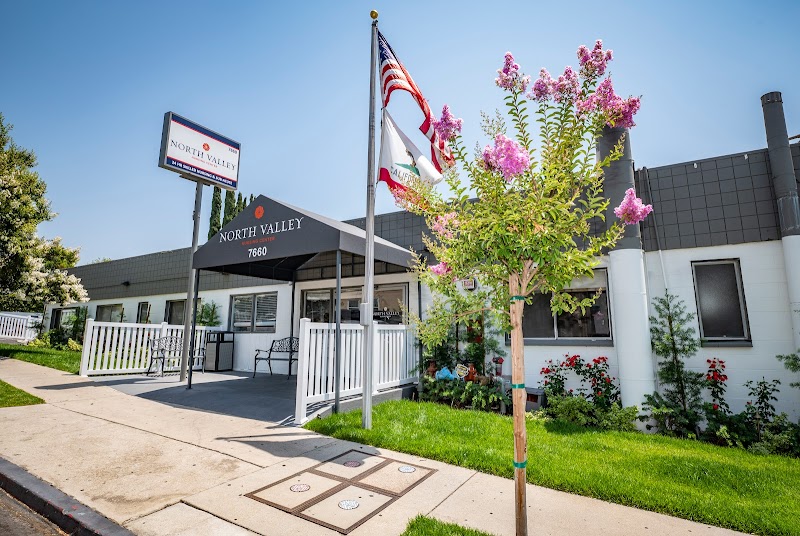
How is North Valley Nursing Center Staffed?

CMS rates NORTH VALLEY NURSING CENTER's staffing level at 3 out of 5 stars, which is average compared to other nursing homes. Staff turnover is 21%, compared to the California average of 46%. This relatively stable workforce can support continuity of care.

What Have Inspectors Found at North Valley Nursing Center?

State health inspectors documented 73 deficiencies at NORTH VALLEY NURSING CENTER during 2022 to 2025. These included: 6 Immediate Jeopardy (the most serious level, indicating potential for serious harm or death), 64 with potential for harm, and 3 minor or isolated issues. Immediate Jeopardy findings are rare and represent the most serious regulatory concerns. They require immediate corrective action.
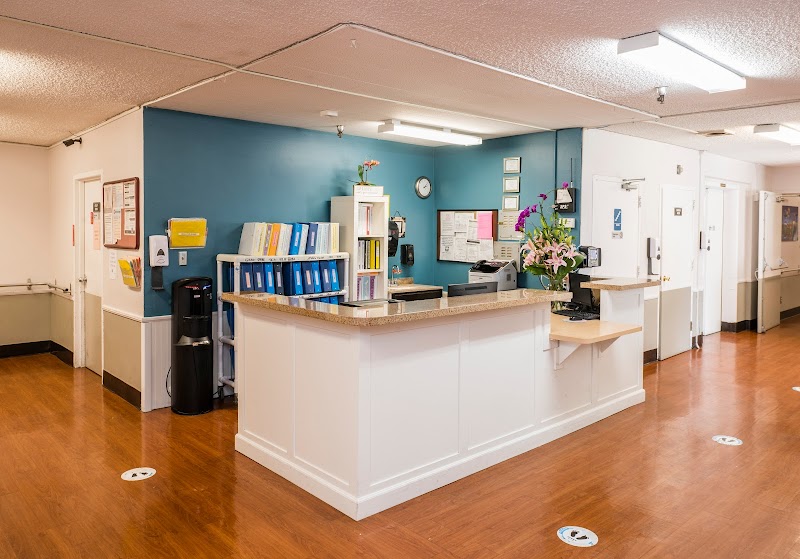
Who Owns and Operates North Valley Nursing Center?

NORTH VALLEY NURSING CENTER is owned by a for-profit company. For-profit facilities operate as businesses with obligations to shareholders or private owners. The facility is operated by DAVID & FRANK JOHNSON, a chain that manages multiple nursing homes. With 92 certified beds and approximately 86 residents (about 93% occupancy), it is a smaller facility located in TUJUNGA, California.
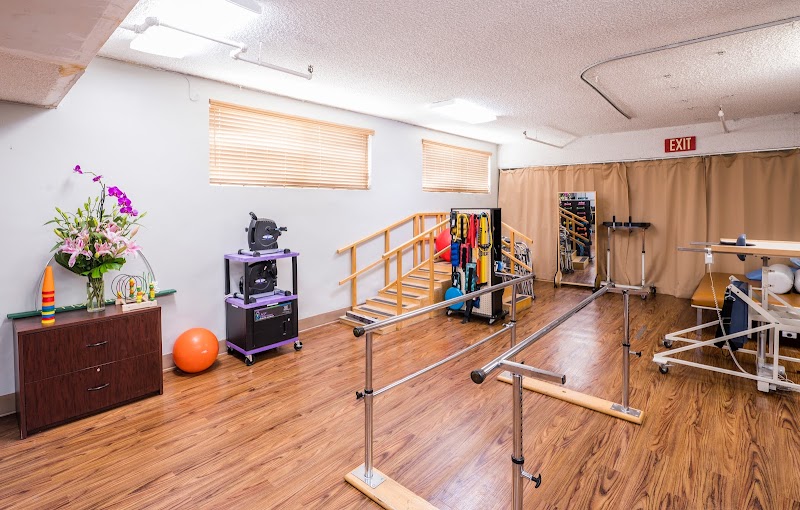
How Does North Valley Nursing Center Compare to Other California Nursing Homes?

Compared to the 100 nursing homes in California, NORTH VALLEY NURSING CENTER's overall rating (1 stars) is below the state average of 3.1, staff turnover (21%) is significantly lower than the state average of 46%, and health inspection rating (1 stars) is much below the national benchmark.

What Should Families Ask When Visiting North Valley Nursing Center?

Based on this facility's data, families visiting should ask: "What changes have been made since the serious inspection findings, and how are you preventing similar issues?" "Can I visit during a mealtime to observe dining assistance and food quality?" "How do you handle medical emergencies, and what is your hospital transfer rate?" "Can I speak with family members of current residents about their experience?" These questions are particularly relevant given the facility's Immediate Jeopardy citations.

Is North Valley Nursing Center Safe?

Based on CMS inspection data, NORTH VALLEY NURSING CENTER has documented safety concerns. Inspectors have issued 6 Immediate Jeopardy citations (the most serious violation level indicating risk of serious injury or death). The facility has a 1-star overall rating and ranks #100 of 100 nursing homes in California. Families considering this facility should ask detailed questions about what corrective actions have been taken since these incidents.

Do Nurses at North Valley Nursing Center Stick Around?

Staff at NORTH VALLEY NURSING CENTER tend to stick around. With a turnover rate of 21%, the facility is 25 percentage points below the California average of 46%. Low turnover is a positive sign. It means caregivers have time to learn each resident's needs, medications, and personal preferences. Consistent staff also notice subtle changes in a resident's condition more quickly. Registered Nurse turnover is also low at 22%, meaning experienced RNs are available to handle complex medical needs.

Was North Valley Nursing Center Ever Fined?

NORTH VALLEY NURSING CENTER has no federal fines on record. CMS issues fines when nursing homes fail to meet care standards or don't correct problems found during inspections. The absence of fines suggests the facility has either maintained compliance or corrected any issues before penalties were assessed. This is a positive indicator, though families should still review recent inspection reports for the full picture.

Is North Valley Nursing Center on Any Federal Watch List?

NORTH VALLEY NURSING CENTER is not on any federal watch list. The most significant is the Special Focus Facility (SFF) program, which identifies the bottom 1% of nursing homes nationally based on persistent, serious quality problems. Not being on this list means the facility has avoided the pattern of deficiencies that triggers enhanced federal oversight. This is a positive indicator, though families should still review the facility's inspection history directly.