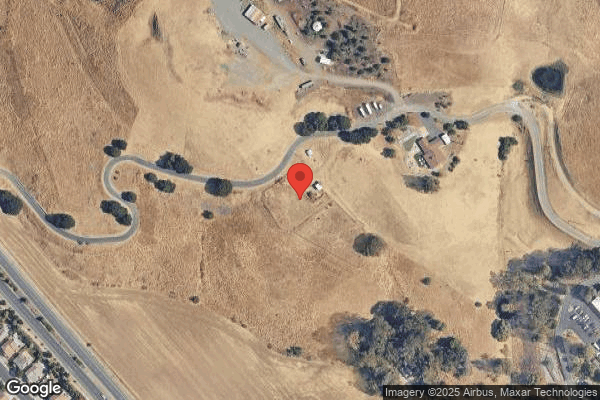




MASONIC HOME

34400 MISSION BLVD, UNION CITY, CA 94587 (510) 471-3434
Non profit - Corporation 125 Beds Independent Data: November 2025
Trust Grade
73/100
#398 of 1155 in CA
Last Inspection: February 2025

Within standard 12-15 month inspection cycle. Federal law requires annual inspections.

Overview

Masonic Home in Union City, California, has received a Trust Grade of B, which means it is a good choice overall, falling in the 70-79 range. It ranks #398 out of 1155 facilities in California, placing it in the top half, and #37 out of 69 in Alameda County, indicating that only a few local options are better. However, the facility is experiencing a worsening trend, with issues increasing from 1 in 2024 to 6 in 2025. Staffing is a strength, earning a 5-star rating with a turnover rate of 30%, which is lower than the state average, and they have more RN coverage than 90% of state facilities, ensuring better oversight. On the downside, there were concerns about food quality and safety, with residents reporting bland meals that could lead to decreased calorie intake, and issues with food storage practices that might cause contamination risks. Additionally, the facility has accumulated $3,162 in fines, which is average compared to others in California, pointing to some compliance problems. While Masonic Home has strong staffing and good overall ratings, families should be aware of the recent concerns regarding food service and safety.

Trust Score
B
73/100
In California
#398/1155
Top 34%
Safety Record
Low Risk
No red flags
Inspections
Getting Worse
1 → 6 violations
Staff Stability
○ Average
30% turnover. Near California's 48% average. Typical for the industry.
Penalties
⚠ Watch
$3,162 in fines. Higher than 93% of California facilities. Major compliance failures.
Skilled Nurses
✓ Good
Each resident gets 61 minutes of Registered Nurse (RN) attention daily — more than 97% of California nursing homes. RNs are the most trained staff who catch health problems before they become serious.
Violations
⚠ Watch
15 deficiencies on record. Higher than average. Multiple issues found across inspections.
★★★★☆
4.0
Overall Rating
★★★★★
5.0
Staff Levels
★☆☆☆☆
1.0
Care Quality
★★★★★
5.0
Inspection Score
Stable
2024: 1 issues
2025: 6 issues

The Good

  • 5-Star Staffing Rating · Excellent nurse staffing levels
  • Full Sprinkler Coverage · Fire safety systems throughout facility
  • No fines on record
  • Staff turnover below average (30%)

    18 points below California average of 48%

Facility shows strength in staffing levels, fire safety.

The Bad

Staff Turnover: 30%

16pts below California avg (46%)

Typical for the industry

Federal Fines: $3,162

Below median ($33,413)

Minor penalties assessed

The Ugly 15 deficiencies on record

Feb 2025 6 deficiencies
CONCERN (D)

Potential for Harm - no one hurt, but risky conditions existed

Pressure Ulcer Prevention (Tag F0686)

Could have caused harm · This affected 1 resident

**NOTE- TERMS IN BRACKETS HAVE BEEN EDITED TO PROTECT CONFIDENTIALITY** Based on observation, interview and record review, the facility failed to follow skin and wound care policy and procedure when R...

Read full inspector narrative →
**NOTE- TERMS IN BRACKETS HAVE BEEN EDITED TO PROTECT CONFIDENTIALITY** Based on observation, interview and record review, the facility failed to follow skin and wound care policy and procedure when Resident 69 's pressure ulcer dressing was not appropriately labeled with last change date and the treatment nurse's initials. This failure has the potential to result in missed monitoring and treatment, leading to delayed wound healing, increased wound size, and infections. Findings: During a review of Resident 69's Detailed Summary printed on 2/5/25, it indicated Resident 69 was originally admitted to the facility on [DATE], with diagnoses including pneumonia (an infection of one or both of the lungs caused by bacteria, viruses, or fungi), pressure ulcer (refers to localized damage to the skin and/or underlying soft tissue usually over a bony prominence or related to a medical or other device) of the left buttock (stage 2), Type 1 diabetes (a long-term (chronic) disease in which the body cannot regulate the amount of sugar in the blood), and chronic kidney disease. During a record review of Resident 69's Minimum Data Set (MDS, a resident assessment instrument used to identify resident care problems to be addressed in an individualized care plan), Section C, dated 12/15/24, it indicated Resident 69 had a Brief Interview for Mental Status (BIMS, is a scoring system used to determine the resident's cognitive status in regard to attention, orientation, and ability to register and recall information) score of 12, indicating intact cognition. During a review of Resident 69's MDS, Section M, dated 12/26/24, it indicated Resident 69 did not have any pressure ulcers. During a review of Resident 69's Skin Evaluation Form, dated 1/5/24, it indicated Resident 69 had a 1.5 cm (centimeter, a unit of measure) long by 0.5 cm wide open area on the left buttock, described as pinkish, with serosanguineous (contains or relates to both blood and the liquid part of blood (serum)) drainage, type 2 partial thickness wound. During a review of Resident 69's Physician Orders for 2/2025, printed 2/5/25, it indicated the following treatment order, Order date 1/5/24, Start date 1/5/24, Left gluteal stage 2 PI (pressure injury)/CAPI (community-acquired pressure injury- a pressure ulcer that develops at home or in a nursing home)-three times per week cleans with NS (normal saline-a solution used to supply water and salt (sodium chloride) to the body). Apply Medihoney (a medical-grade honey intended for wound care. Offers protection against invading bacteria, is effective against a wide variety of bacteria, cleans the wound, rapidly lifting dead tissue, reduces wound odor, and provides a moist environment to aid healing) + foam dressing. Change 3x(times)/week. No stop date. During a review of Resident 69's Skin Evaluation Form, dated 1/27/25, it indicated Resident 69's left buttock wound had increased in size, and was described as, 2 cm long x 2 cm wide area open superficial area, no bleeding described as wound edge: undermining. During a record review of Resident 69's Resident Weight Tracking System Report, printed 2/5/25, it indicated Resident 69 experienced a weight loss of 9.02% in one month (1/5/25 to 2/3/25), During a review of Resident 69's Interdisciplinary Notes dated 1/21/25, it indicated PI (pressure injury) stage 2 to buttock, on Prostat (a medical food used to increase protein intake in low volumes. It can be used to treat a variety of conditions, including wounds, pressure injuries, and muscle loss) BID (twice a day). During a concurrent observation/interview on 2/6/25 at 9:46 a.m. with Certified Nursing Assistant (CNA) in Resident 69's bedroom, consent to view and photograph Resident 69's left gluteal dressing was verbally obtained. A one inch by one inch square, white, foam dressing was directly taped above the gluteal cleft (separation between each buttock). The skin around the dressing was intact but reddened. The tape on and around the dressing did not have any markings indicating who changed it, or when it was last changed. During an interview on 2/6/25 at 9:54 am with Licensed Vocational Nurse 2 (LVN 2), LVN 2 indicated it is facility policy and good nursing practice to date and initial a dressing when it is changed, to make sure it is done as ordered, and dressing changes are not missed. LVN 2 also stated sometimes nurses forget because they are busy. During a record review of facility policy and procedure (P & P) titled, SNF -Nursing Services - Chapter 12 - Skin and Wound Care 008 Wound Care, dated 11/17/17, the P & P indicated, Steps in Procedure .18. Dress wound. Pick up sponge with paper and apply directly to area. [NAME] tape with initials, time and date and apply dressing.
CONCERN (D)

Potential for Harm - no one hurt, but risky conditions existed

Deficiency F0761 (Tag F0761)

Could have caused harm · This affected 1 resident

Based on observation, interview, and record review, the facility failed to ensure safe medication storage practices when expired medications in an emergency drug kit (a collection of medications used ...

Read full inspector narrative →
Based on observation, interview, and record review, the facility failed to ensure safe medication storage practices when expired medications in an emergency drug kit (a collection of medications used to treat medical emergencies) were available for use. This failure had the potential to result in residents receiving expired and ineffective medications. Findings: During a concurrent observation and interview on 2/3/25, at 11:04 AM, with Licensed Registered Nurse (RN2), in medication room on the third floor, several emergency drug kits were audited and observed one of them had an expiration date of 11/2024. RN2 confirmed that it had been expired since 11/2024. During a concurrent observation and interview on 2/3/25, at 11:20 AM, with the Pharmacy Manager (PM), in the medication room, the PM stated the emergency drug kit was expired on 11/2024, and she would have it replaced today. During a review of the facility's policy and procedure (P&P) titled, Medication Storage In The Facility undated, the P&P indicated, Outdated, contaminated, or deteriorated medications and those in containers that are cracked, soiled, or without secure closures are immediately removed from stock, disposed of according to procedures for medication disposal, and reordered from the pharmacy .
CONCERN (D)

Potential for Harm - no one hurt, but risky conditions existed

Garbage Disposal (Tag F0814)

Could have caused harm · This affected 1 resident

Based on observation, interview and record review, the facility failed to ensure garbage and refuse storage area was maintained in a sanitary condition when the dumpster's surrounding area was littere...

Read full inspector narrative →
Based on observation, interview and record review, the facility failed to ensure garbage and refuse storage area was maintained in a sanitary condition when the dumpster's surrounding area was littered with trash and used gloves. This failure had the potential of harborage and feeding of pest. Findings: During a concurrent observation and interview on 2/5/25 at 9:05 a.m. with Maintenance Staff (MS) and Registered Dietician (RD) the dumpster's surrounding area located behind the kitchen building had stagnant water and littered with trash and used gloves. MS stated littering around the dumpster with trash and used gloves was not an acceptable practice. During an interview on 2/5/25 at 11:13 a.m. with Administrator (Admin), Facility Manager (FM), MS, RD, and Director of Dining Services (DD), dumpster sanitation findings were reviewed. FM stated the dumpster area was scheduled for cleaning weekly and recently there had been a lot of staff who called off work due to illness. FM stated that he was sorry surveyor found the dumpster area like that. During a review of the facility's policy and procedure (P&P) TITLED, Sanitation and Infection Prevention/Control, revised date 1/25, the P&P indicated, Food waste and rubbish in the Food and Nutrition Services Department will be disposed of in an approved manner to prevent contamination of food, clean dishes or clean working area.
CONCERN (D)

Potential for Harm - no one hurt, but risky conditions existed

Safe Environment (Tag F0921)

Could have caused harm · This affected 1 resident

**NOTE- TERMS IN BRACKETS HAVE BEEN EDITED TO PROTECT CONFIDENTIALITY** Based on interview and record review, the facility failed to provide a safe, sanitary, and comfortable homelike environment when...

Read full inspector narrative →
**NOTE- TERMS IN BRACKETS HAVE BEEN EDITED TO PROTECT CONFIDENTIALITY** Based on interview and record review, the facility failed to provide a safe, sanitary, and comfortable homelike environment when the hand sanitizer dispenser in one of ten resident bedrooms was non-operational for four consecutive days. This failure resulted in an unsanitary living condition and the potential for the spread of infection between residents, staff, and visitors. Findings: During a review of Resident 45's Detailed Summary, printed 2/05/25, it indicated Resident 45 was admitted to the facility on [DATE] with diagnoses including right lower leg open wound, Proteus mirabilis infection (a bacteria that can cause various infections, primarily in the urinary tract), Staphylococcus aureus infection (a bacteria cause skin infection. This can produce boils, blisters, and redness on your skin), chronic venous hypertension (a condition where the veins in the legs become enlarged and weakened, leading to increased pressure in the veins) with ulcer and inflammation of right lower extremity (leg), and latent tuberculosis (a condition where a person is infected with Mycobacterium tuberculosis bacteria, but does not have active tuberculosis disease). During a review of Resident 45's Minimum Data Set (MDS, a resident assessment instrument used to identify resident care problems to be addressed in an individualized care plan), dated 12/7/24, indicated Resident 45 had a Brief Interview for Mental Status (BIMS, is a scoring system used to determine the resident's cognitive status in regard to attention, orientation, and ability to register and recall information) score of 13, indicating intact cognition. During a review of Resident 273's admission Record, printed on 2/6/25, it indicated Resident 273 was admitted to the facility on [DATE] with diagnoses including chronic (long-term) kidney disease, acute systolic congestive heart failure (a sudden and severe condition where the left ventricle of the heart is unable to contract properly, leading to a significant decrease in the amount of blood pumped out to the body, causing symptoms like shortness of breath, fatigue, swelling in the legs, and rapid heartbeat), and candidal stomatitis (also known as oral thrush, a fungal infection of the mouth caused by an overgrowth of Candida albicans yeast). During a review of Resident 273's MDS, dated [DATE], it indicated Resident 45 had a BIMS score of 13, indicating intact cognition. During a review of the facility provided census (a complete count of population) dated 2/2/25, it indicated the facility's residential room (RM 1) was occupied by Resident 45 and Resident 273. During an observation on 2/3/25 at 10:20 a.m. in RM [ROOM NUMBER], the automatic hand sanitizer dispenser did not dispense hand sanitizer. The machine instead displayed a blinking red light, and the sanitizer level inside the machine was visibly full. There were no hand sanitizing machines in the hallway directly outside RM [ROOM NUMBER], or in the hallway outside any adjacent resident rooms. During a concurrent observation/interview on 2/4/25 at 9:46 a.m. in RM [ROOM NUMBER], the automatic hand sanitizer dispenser did not dispense hand sanitizer but continued to display a blinking red light. Registered Nurse 1 (RN 1) was alerted and came to check the machine. RN 1 removed the outside casing but could not repair the machine. RN 1 stated he would email maintenance about the issue. During a concurrent observation/interview on 2/5/25 at 3:00 p.m., the automatic hand sanitizer dispenser in RM [ROOM NUMBER] was still non-operational. The Administrator was alerted and stated she would follow up. During an interview on 2/6/25 at 9:19 a.m. with the CNA, the CNA stated she used the hand sanitizer machines inside the resident rooms when performing hygiene and other tasks with residents, and it was especially important to clean her hands when caring for multiple residents. During a review of facility policy and procedure titled INC-Chapter 1-Oversight 001 Policies and Practices-Infection Prevention and Control, dated 2/11/19, it indicated, an infection prevention and control program (IPCP) is established and maintained to provide a safe, sanitary and comfortable environment and to help prevent the development and transmission of communicable diseases and infections.
CONCERN (E)

Potential for Harm - no one hurt, but risky conditions existed

Food Safety (Tag F0812)

Could have caused harm · This affected multiple residents

**NOTE- TERMS IN BRACKETS HAVE BEEN EDITED TO PROTECT CONFIDENTIALITY** Based on observation, interview, and record review, the facility failed to ensure storage of food under sanitary conditions when...

Read full inspector narrative →
**NOTE- TERMS IN BRACKETS HAVE BEEN EDITED TO PROTECT CONFIDENTIALITY** Based on observation, interview, and record review, the facility failed to ensure storage of food under sanitary conditions when the following food items in the walk-in-refrigerator were not dated and labeled with received, open and use-by dates : One open package of hot dog Six opened containers of salad cream One bowl of peeled mandarin oranges Ice machine cover and surface areas were dusty; inside panel area with brownish, rusty discoloration, and dusty grayish discolored water tubing sleeves. These deficient practices had the potential to cause food borne illness. Findings: During the initial tour of the kitchen on 2/3/25 at 9:20 a.m. with Director of Dining Services (DD) and Registered Dietician (RD), the following food items in the walk-in refrigerator were not labeled with use-by date: opened package of hot dog, six opened containers of salad cream and one bowl of peeled mandarin oranges. During an interview on 2/4/25 at 8:55 a.m. with [NAME] (CK 1), CK 1 stated she was trained to label and date food items in the refrigerator. CK 1 stated containers of salad creams were to be replaced on a daily basis. CK 1 said she did not know why package of hot dog and containers of salad cream in the walk-in-refrigerator not label with use by date. During an interview on 2/4/25 at 9:06 a.m. with Dietary Clerk (DC 1), DC 1 stated she was trained to label and date food items in the refrigerator. DC 1 stated ice cubes were used to serve with drinks during meals. During an interview on 2/4/25 at 9:26 a.m. with the Chef (Chef 1), Chef 1 stated the expectation was for dietary staff to label and date food items placed in the refrigerators. Chef 1 stated labeling machine was out of papers. Chef 1 said opened perishable food items must be disposed after three days. During an interview on 2/5/25 at 1:26 p.m. with DD, DD stated the expectation was for dietary staff to label all food items in the refrigerator. During a concurrent observation and interview on 2/4/25 at 10:15 a.m. with Maintenance Staff (MS), Facility Manager (FM), RD and DD in the kitchen, ice machine cover and surface areas were dusty; interior panel area of the ice machine had brownish rusty discoloration and dusty grayish discolored water tubing sleeves. During an interview on 2/5/25 at 11:13 a.m. with Administrator (Admin), FM, MS, RD and DD, FM stated he will request for a new ice machine. During a review of the facility's policy and procedure (P&P) titled, Food and Supply Storage, revised date 1/25, the P&P indicated, All food, non-food items and supplies used in food preparation shall be stored in such a manner as to prevent contamination to maintain the safety and wholesomeness of the food for human consumption. Cover, label and date unused portions and open packages. Use the Medvantage/Freshdate labeling system or complete all sections on a [NAME] orange label. Products are good through the close of business on the date noted on the label.
CONCERN (E)

Potential for Harm - no one hurt, but risky conditions existed

Deficiency F0919 (Tag F0919)

Could have caused harm · This affected multiple residents

**NOTE- TERMS IN BRACKETS HAVE BEEN EDITED TO PROTECT CONFIDENTIALITY** Based on observation , interview and record review, the facility failed to ensure three of 71 sampled residents' call lights wer...

Read full inspector narrative →
**NOTE- TERMS IN BRACKETS HAVE BEEN EDITED TO PROTECT CONFIDENTIALITY** Based on observation , interview and record review, the facility failed to ensure three of 71 sampled residents' call lights were within easy reach (Residents 3,59 and 64). This failure had the potential for the residents' inability to use the call light when in need of assistance. Findings: 1. During an initial tour of the facility on 2/6/25 at 10:09 a.m., in Resident 3's room, the resident was observed to be sitting in bed, alert and was able to answer questions. The call light was observed to be beyond the resident's reach as it was hanging on the wall beside the resident's bed. Resident 3 stated he did not know where his call light was, and stated he needed his call light to request for assistance occasionally. During a review of the clinical record for Resident 3, it indicated that Resident 3 was admitted to the facility on [DATE] with diagnoses which included muscle weakness and abnormalities of gait and mobility. During a concurrent observation and interview on 2/6/25 at 10:16 a.m., with Licensed Vocational Nurse (LVN) 1 in Resident 3's room, LVN 1 confirmed that Resident 3 could not reach his call light. LVN 1 acknowledged that Resident 3's call light should always be within reach so he could call the staff for help when needed. 2. During an initial tour of the facility on 2/6/25 at 10:09 a.m., in Resident 59's room, the resident was observed to be lying in bed. The call light was hanging on the wall towards the left side of the resident's bed. During a review of the clinical record for Resident 59, it indicated that Resident 59 was admitted to the facility on [DATE] with diagnoses which included palliative care (medical care that focuses on improving the quality of life for people with serious illnesses) and hemiplegia (weakness on one side of the body). During a concurrent observation and interview on 2/6/25 at 10:16 a.m., LVN 1 confirmed Resident 59 could not reach her call light. LVN 1 stated that Resident 59 used the call light to communicate her needs, and that the call light should be within the resident's reach at all times. 3. During an initial tour of the facility on 2/6/25 at 10:12 a.m., in Resident 64's room, the resident was observed to be lying in bed. The call light was observed to be hanging in the wall beside the resident's bed. During a review of the clinical record for Resident 64 indicated that Resident 64 was admitted to the facility on [DATE] with diagnoses which included muscle weakness and anxiety disorder (excessive and persistent worry, fear, and nervousness). During a concurrent observation and interview on 2/6/25 at 10:16 a.m., LVN 1 confirmed that Resident 64 could not reach his call light. Stated Resident 64 used the call light to communicate his needs to the staff. Further stated, the call light should be within the resident's reach at all times so that the resident could call and ask for help from the staff. During an interview with Director of Nursing (DON) on 2/6/25 at 9:46 a.m., stated the residents should be able to reach their call lights at all the times while they are in bed, so they could get help timely and their needs met promptly. During a review of the facility's policy and procedure (P&P) titled, Nursing Services-Chapter 7- Nursing Procedures 001 Answering the Call Light, revised on 12/30/21, the P&P indicated, . 5. When the resident is in bed or confined to a chair be sure the call light is within easy reach of the resident .
Aug 2024 1 deficiency
CONCERN (D) 📢 Someone Reported This

A family member, employee, or ombudsman was alarmed enough to file a formal complaint

Potential for Harm - no one hurt, but risky conditions existed

Quality of Care (Tag F0684)

Could have caused harm · This affected 1 resident

Based on interview and record review, the facility failed to ensure one of three sampled residents (Resident 1), received treatment and care in accordance with professional standards of care when; Fac...

Read full inspector narrative →
Based on interview and record review, the facility failed to ensure one of three sampled residents (Resident 1), received treatment and care in accordance with professional standards of care when; Facility did not address Resident 1's continued weight loss and bilateral buttock redness on comprehensive care plan with appropriate interventions. Facility did not notify Resident 1's physician and representatives of continued weight loss. This failure had the potential to cause Resident 1 to not received appropriate care and services to meet care needs. Findings: During a review of Resident 1's Interdisciplinary Notes (IDT), dated 7/25/24, the IDT indicated, Resident 1 was sent to emergency room (ER) due to persistent nausea, vomiting and significant weight loss. During a review of Resident 1's admission Minimum Data Set (MDS - Resident assessment and care guide tool), dated 7/10/24, the MDS indicated Resident 1 had no weight loss. MDS indicated Resident 1 was at risk of developing pressure ulcers/injuries. MDS indicated Resident 1 had one unhealed pressure ulcer (injury to skin and underlying tisssue resulting from prolong pressure on the skin). MDS indicated Resident 1 had diagnosis of Diabetes mellitus ( a group of diseases that result in too much sugar in the blood). During a review of Resident 1's weight tracking system report, dated 7/3/24 through 7/24/24, the weight record indicated the followings: 7/3/24 Resident 1 weighed 203.00 pounds (#) 7/9/24 Resident 1 weighed 204.00# 7/18/24 Resident 1 weighed 186.20# 7/23/24 Resident 1 weighed 180.90#. During a concurrent interview and record review on 8/7/24 at 11:14 a.m. with Registered Dietician (RD) , Resident 1's IDT notes dated 7/19/2024 was reviewed. IDT notes indicated Resident 1 had a weight loss of 17.8# in one week . RD stated Resident 1 had a significant weight loss and redness on right and left buttocks. RD stated Resident 1 was at risk for weight loss related to poor appetite. During a review of the facility's policy and procedure (P&P) titled, Clinical Protocols Nutrition impaired/unplanned weight loss, dated 11/14/17, the P&P indicated, The threshold for significant unplanned and undesired weight loss will be based on the followings criteria: a. 1 month- 5% weight loss is significant; greater that 5% is severe. During a concurrent interview and record review on 8/7/24 at 11:14 a.m., with RD, Resident 1's nutrition/hydration and skin integrity risk care plan dated 7/4/24 and 7/11/24 respectively were reviewed. Resident 1's nutrition at risk and skin integrity care plan did not address Resident 1's continued significant weight losses and buttocks redness with appropriate interventions. RD stated she did not revise Resident 1's care plan to address significant weight loss and bilateral redness on buttocks with interventions. During a concurrent interview and record review on 8/7/24 at 1:20 p.m., with MDS coordinator (MDS 1), Resident 1's MDS - Care Area Assessment (CAA) summary dated 7/15/24 was reviewed. The CAA indicated Resident 1's pressure injury care area was triggered and care planning decision was checked. MDS 1 stated she was responsible for the completion of CAA and did not know why Resident 1's care plans did not address right and left buttock redness. MDS 1 stated Resident 1's significant weight losses was not address on care plan. Further review of weight tracking system report indicated on 7/23/24 Resident 1 continued to lose weight of 5.3# in one week. During a concurrent interview and record review on 8/7/24 at 11:11 a.m. with Licensed Vocational Nurse (LVN 1), Resident 1's IDT notes dated 7/23/24 to 7/25/24 were reviewed. LVN 1 stated there was no documentation that Resident 1's family and physician was informed of 7/23/24 significant weight loss of 5.3# a week. LVN 1 stated licensed nurses are expected to notify residents, family representatives and physician with significant weight loss. During a concurrent interview and record review on 8/7/24 at 12:24 p.m. with Registered Nurse-Supervisor (RN 1), Resident 1's IDT notes dated 7/23/24 to 7/25/24 were reviewed. RN 1 stated facility's weight variance protocol included RD who notified nursing and nursing notify the family and physician of significant weight loss and documents in IDT notes nurses. RN 1 stated MDS update care plan. RN 1 could not provide documentation that physician and family representative were notified of Resident 1's 7/23/24 significant weight loss of 5.3# in a week. During an interview on 8/7/24 at 1:15 p.m., with Director of Nursing (DON), DON stated licensed nurses were expected to call family and notify Resident 1's physician of significant weight loss and update care plans. During a review of Resident 1's Skin Evaluation Form (SE), dated 7/3/24, the SE indicated, Resident 1 had persistent skin redness pressure injury type on right buttock and multiple reddened areas on left buttocks. During an interview on 8/27/24 at 12:03 p.m., DON stated Resident 1's comprehensive care plan did not address significant weight loss and redness bilateral buttocks. DON stated nurses were expected to notify family and physician of residents' significant weight loss. During a review of the facility's P&P titled, Resident Assessment & Care Planning Care Plans, Comprehensive Person-Centered date revised 11/2/17, indicated Assessments of residents are ongoing and care plans are revised as information about the residents' condition change.
Jul 2023 3 deficiencies
CONCERN (D)

Potential for Harm - no one hurt, but risky conditions existed

Unnecessary Medications (Tag F0759)

Could have caused harm · This affected 1 resident

Based on observation, interview, and record review, the facility failed to prevent 13.51% medication error rate when there were five medication pass errors out of 37 medication pass observations. Resi...

Read full inspector narrative →
Based on observation, interview, and record review, the facility failed to prevent 13.51% medication error rate when there were five medication pass errors out of 37 medication pass observations. Resident 32's medications were crushed together without an order, including one medication that had enteric coating (EC - designed to pass through the stomach and dissolve in the small intestine, this will protect the stomach lining from irritation). This failure had a potential to affect Resident 32's health due to malabsorption of the medications. Findings: During a concurrent observation and interview on 7/11/23 at 7:35 a.m., with Licensed Vocational Nurse (LVN), LVN 1 stated, they would prepare Resident 32's medications. LVN 1 prepared the following medications: 1. Ecotrin EC (enteric coated - low dose Aspirin may help manage cardiovascular health) 81 milligram (mg) tablet given one tablet. 2. Vitamin D3 (supplement) 50 microgram (mcg) given 1 1/2 tablet, 3. Calcium (supplement) 500 mg given one tablet, 4. Losartan (medication to help manage high blood pressure) 25 mg tablet given 1/2 tablet 5. Farxiga (medication used to manage high blood sugar level) 10 mg tablet given one tablet LVN 1 put all the medications in a small medication bag and crushed the medications, when asked if they crushed all the tablets, LVN 1 stated Yes. During a concurrent interview and record review on 7/12/23 at 7:56 a.m., with Registered Nurse (RN)1, RN 1 reviewed July 2023's physician order for Resident 32's, RN 1 stated, there was no order to crush the medications. RN 1 stated, when crushing the medications they try to do it one medication at a time unless the pharmacy had given them instructions that the medication could be crushed together. RN 1 stated, that there was no instructions from the pharmacy that Resident 32's medications could be crushed together. During a review of the facility's policy and procedure titled Oral Medication Administration Procedure indicated To administer oral medication in an organized and safe manner . Crush medications that are crushable if indicated for this resident, only if there is a current order from MD: May Crush Meds. Any tablet medication formulation that is enteric coated, extended release, sustained release, long-acting should not be crushed. Call the pharmacist to verify if needed.
CONCERN (F)

Potential for Harm - no one hurt, but risky conditions existed

Deficiency F0804 (Tag F0804)

Could have caused harm · This affected most or all residents

**NOTE- TERMS IN BRACKETS HAVE BEEN EDITED TO PROTECT CONFIDENTIALITY** Based on observation, interview and record review, the facility failed to ensure to provide palatable food when food was served ...

Read full inspector narrative →
**NOTE- TERMS IN BRACKETS HAVE BEEN EDITED TO PROTECT CONFIDENTIALITY** Based on observation, interview and record review, the facility failed to ensure to provide palatable food when food was served bland (lacking flavor). This failure had the potential to put residents to consume less food resulting in consumption of less calories and nutrients provided by the planned menu. Findings: During a concurrent observation and interview with Resident 11 with her daughter on 7/10/23 at 11:30 AM, Resident 11 was in lying in bed, alert, Resident 11 was asked if she liked her meal, Resident 11 shook her head and stated, no taste. Resident 11's daughter stated, she also tried to taste resident's pureed food and tasted bland. During a food preparation observation with Registered Dietitian 3 (RD3) on 7/12/23 at 9:40 AM, Dietary staff 1 (DS1) was observed preparing Roast beef mechanical/ pureed food. DS 1 was observed chopping the non-measured amount of roast beef into small pieces and put it into a blender to puree the meat, DS1 then proceeded to add a pitcher amount of water in the blender and 4 scoops of thickener in the blender. DS1 then placed the pureed meat in pan. There was no recipe to follow for reference on site during the preparation. During a review of the facility Policy and procedure HC Roast beef, Simply Pureed with revision date on 6/1/2023, indicated Portion .Roast beef . 20 Servings 3 lb. [pounds - a unit for measuring weigh) 12 oz (oz- a unit of weight) HC Demi-[NAME] [a concentrated, flavorful glaze that is used as a foundation for a number of sauces] 1 qt [a unit of liquid] Shape and Serve Thickener 2 cups. Hot water 2 qt .Step .Placed the beef into a food processor, and process to a fine consistency . Add demi-[NAME] and mix with hot water and Sauce and Serve Thickener to food processor and process until smooth . During an interview with RD3 on 7/12/23 at 10:10 AM, RD3 stated following Recipes and accurate measurements are important to ensure the puree has an acceptable taste, nutrients and texture. During a concurrent observation and interview on 7/12/23 at 12:20 PM, test tray was done with surveyors and RD1, Surveyors and RD1 tasted the tray, Swiss steak did not have tomato gravy but sauce as indicated in the menu, the meat was dry and hard. Mechanical soft chicken was bland (no flavor). RD 1 Verified and acknowledged the observation. During a review of the policy and procedure titled MODIFIED TEXTURE FOODS dated 1/23, the policy indicated, Provide a standardized process for modified texture foods to meet community-approved diet guidelines and to assure palatability, flavor, texture and nutritional value .
CONCERN (F)

Potential for Harm - no one hurt, but risky conditions existed

Food Safety (Tag F0812)

Could have caused harm · This affected most or all residents

Based on observation, interview and record review, the facility failed to store and prepare food in accordance with professional standards for safety when: 1. Dietary Staff 2 (DS2) scooped ice withou...

Read full inspector narrative →
Based on observation, interview and record review, the facility failed to store and prepare food in accordance with professional standards for safety when: 1. Dietary Staff 2 (DS2) scooped ice without gloves and touched the ice. 2. Multiple spices containers with residue on the lids stored on the kitchen shelves were unlabeled. 3. Multiple trays of uncooked meat and multiple pies placed in a speed rack, unlabeled and undated in refrigerator 1. 4. A tray of cooked meat with used by date of 7/8/23 was left in refrigerator 1. 5. Portable kitchen counter tops were dirty with food particles on the shelves. 6. Open deep fryer at the portable kitchen was dirty wit built up brown rustic looked like sticky residue particles surrounding it and on its the walls. 7. Dietary Staff 1 (DS1) did not change gloves and wash hands in between task during food preparation. These failures had the potential for contamination of food resulting in food borne illness for 60 residents who received food from the kitchen. Findings: 1. During a concurrent observation and interview in the kitchen with DS 2 on 7/10/23 at 10 AM, DS 2 was observed scooping ice from the ice machine with no gloves on. DS 2 was observed touching the ice several times while scooping the ice. DS 2 acknowledged that he should have worn gloves to prevent contamination. During a review of the facility's P&P titled Sanitation and infection prevention/control with revised date 1/21, the P&P indicated, ICE HANDLING .Ice must be protected from splash, drip and hand contamination during storage and service . 2. During a concurrent observation iand interview with the Director of Dining Services (DSS) on 7/10/23 at 10:10 AM, there were multiple opened spices containers with residue on the lids, unlabeled and undated at the kitchen shelves. The DSS verified and acknowledged that they should have been dated and cleaned their lids when opened. 3-4. During the same observation and interview in the kitchen with the DSS, multiple trays of uncooked bacon and multiple trays of pies uncovered, undated and placed in a speed rack and a tray of cooked meat in a deep-dish tray pan with a sticker indicated used by date 7/8/23 in refrigerator 1 was observed. The DSS verified and acknowledged the findings. The DSS removed the bacon, pies and cooked meat in a tray and stated those should have been thrown out and not stored in the refrigerator. 5- 6. During the kitchen initial tour observation and interview with the DSS on 7/10/23, at 10:30 AM, the portable kitchen countertops were observed dirty, filled with sticky mushy particles. The opened deep fryer was dirty with blackened colored oil with built up sticky brown rustic looked like residue particles surrounding it and on its walls. The DSS verified and acknowledged the findings. The DSS stated they normally dump the oil and clean it supposedly. During a review of the facility's policy and procedure (P&P) titled SANITATION AND INFECTION PREVENTION /CONTROL with revised date of 1/23, the P&P indicated, . Sanitize food contact surfaces after they have been thoroughly washed and rinsed . 8. During the food preparation observation on 7/12/23, at 9:30 AM, DS 1 was observed preparing mechanical/ pureed food. DS1 was observed cutting the meat on a chopping board and placing the meat in a blender/processor with gloves on, DS 1 was observed opening a door in the kitchen, touching the doorknob, went to touch a clip board hanging on the wall and went back to cut the meat and placed in the blender without changing gloves and washing his hands. During a review of the facility P&P titled PRODUCTION, PURCHASING STORAGE with revised date 1/23, the P&P indicated, FOOD HANDLING GUIDELINES . Foods shall be protected against cross- contamination .Gloves are changed between task or if punctured or ripped. Hands are wash after gloves are removed .
Aug 2019 5 deficiencies
CONCERN (D)

Potential for Harm - no one hurt, but risky conditions existed

Deficiency F0655 (Tag F0655)

Could have caused harm · This affected 1 resident

Based on interview and record review, the facility failed to develop baseline care plans within the first 48 hours of admission which provided instructions for the provision of effective and person-ce...

Read full inspector narrative →
Based on interview and record review, the facility failed to develop baseline care plans within the first 48 hours of admission which provided instructions for the provision of effective and person-centered care for four of 22 sampled residents (Residents 231, 77, 73 and 7) when: a. For Residents 231 and 77, there were no baseline care plans to address their pacemakers (devices to help control abnormal heart rhythms) htat included specific information about the pacemaker. For Residents 231 and 77, this deficient practice had the potential to result in unrecognized abnormal pacemaker function (include fainting, dizziness, palpitations, and slow or fast heart rate) and the delay of care. b. For Resident 73, there was no baseline care plan to address the administration of Lovenox (a medicine that thins the blood). For Resident 73, this deficient practice had the potential to result in unrecognized adverse effects of Lovenox (medication used to prevent and treat blood clots. Adverse effects include unusual bleeding or bleeding that will not stop) and the delay of care in a bleeding emergency. c. For Resident 7, there was no baseline care plan to address the diagnosis of chronic obstructive pulmonary disease (COPD - a condition involving constriction of the airways and difficulty or discomfort in breathing). For Resident 7, this deficient had the potential to result in unrecognized complications of COPD (difficulty breathing, respiratory infection, respiratory failure) and the delay of care. Findings: a. Review of Resident 231's Detailed Summary, dated 7/18/19, indicated Resident 231 was admitted to the facility with multiple diagnoses that included a pacemaker. During a concurrent interview and record review with the Minimum Data Set Coordinator (MDSC 2) on 8/01/19, at 9:31 a.m., MDSC 2 stated Resident 231's Face Sheet, dated 7/18/19, indicated he had a pacemaker. MDSC 2 stated the night shift nurses developed baseline care plans on new admissions. MDSC 2 was not able to show documentation, in Resident 231's clinical record, that a pacemaker baseline care plan had been developed. MDSC 2 stated Resident 231 needed a baseline care plan to address his pacemaker. Review of Resident 77's Detailed Summary, dated 7/31/19, indicated Resident 77 was admitted to the facility on with multiple diagnoses that included a pacemaker. During an interview with MDSC 2 on 8/02/19, at 9:41 a.m., MDSC 2 stated she did not develop a baseline care plan for Resident 77's pacemaker. During a concurrent interview and record review with the Director of Nursing (DON) on 8/02/19, at 10:06 a.m., DON stated Resident 77 needed a baseline care plan to address her pacemaker. DON stated the pacemaker care plan needed to include Resident 77's cardiologist's (a doctor who specializes in the treatment of heart diseases) name, and information about the pacemaker's make and model. DON was not able to show documentation, in Resident 77's clinical record, that a pacemaker baseline care plan had been developed. b. Review of Resident 73's Detailed Summary, dated 7/23/19, indicated Resident 73 was admitted to the facility with multiple diagnoses that included a fracture (a crack or break of a bone) of the left femur (thigh bone). Review of Resident 73's physician's orders, dated 7/31/19, indicated Resident 73 had an order to receive 40 milligrams of Lovenox subcutaneously (an injection that goes under the skin) daily. During an interview with MDSC 2 on 7/31/19, at 9:05 a.m., MDSC 2 stated Resident 73 did not have a baseline care plan to address her receiving Lovenox, but stated Resident 73 needed one. c. Review of Resident 7's Detailed Summary, not dated, indicated Resident 7 was admitted to the facility with multiples diagnoses that included COPD. During a concurrent interview and record review with MDSC 2 on 8/01/19, at 10:24 a.m., MDSC 2 stated Resident 7 needed a baseline care plan for COPD, but MDSC 2 was not able to show documentation in Resident 7's clinical record that a baseline care plan for COPD had been developed. Review of the facility's policy and procedure titled SNF-Chapter 10-Resident Assessment & Care Planning 004 Care Plans-Baseline, revised 11/2/17, indicated .1. To assure that the resident's immediate care needs are met and maintained, a baseline care plan will be developed within forty-eight (48) hours of the resident's admission
CONCERN (D)

Potential for Harm - no one hurt, but risky conditions existed

Comprehensive Care Plan (Tag F0656)

Could have caused harm · This affected 1 resident

Based on interview and record review, the facility failed to develop and implement a comprehensive care plan for one of 22 (Resident 40) sampled residents when Resident 40 did not have a care plan to ...

Read full inspector narrative →
Based on interview and record review, the facility failed to develop and implement a comprehensive care plan for one of 22 (Resident 40) sampled residents when Resident 40 did not have a care plan to address him receiving Eliquis (a medication that thins the blood). For Resident 40, this deficient practice had the potential to result in delayed care for an unrecognized bleeding emergency. Findings: Review of Resident 40's Detailed Summary, undated, indicated Resident 40 was admitted to the facility with diagnoses that included atrial fibrillation (a quivering or irregular heartbeat (arrhythmia) that can lead to blood clots, stroke, heart failure and other heart-related complications). Review of Resident 40's physician's order, dated 7/31/19, indicated Resident 40 had an order to receive 2.5 milligrams of Eliquis twice a day for atrial fibrillation. During an interview and concurrent record review on 7/31/19, at 8:42 a.m., Minimum Data Set Coordinator (MDSC) 2 stated Resident 40 did not have a care plan to address him taking Eliquis in his clinical record, but he needed one. Review of the facility's policy and procedure titled SNF-Chapter 10- Resident Assessment & Care Planning 003 Care Plans, Comprehensive Person-Centered, revised 11/2/17, indicated .12. The comprehensive, person-centered care plan is developed within seven (7) days of the completion of the required comprehensive assessment (MDS)
CONCERN (D)

Potential for Harm - no one hurt, but risky conditions existed

Accident Prevention (Tag F0689)

Could have caused harm · This affected 1 resident

Based on observation, interview, and record review, for one of 22 sampled residents (Resident 32), the facility failed to ensure supervision to prevent accidents when Resident 32's wander guard device...

Read full inspector narrative →
Based on observation, interview, and record review, for one of 22 sampled residents (Resident 32), the facility failed to ensure supervision to prevent accidents when Resident 32's wander guard device (an alarm system for wandering or flight risk residents) was not in place. For Resident 32, this deficient practice had the potential to result in elopement from the facility. Findings: Review of Resident 32's medical record Detailed Summary indicated, resident was admitted to the facility with diagnoses that included Alzheimer's dementia (loss of cognitive function and memory). Review of Resident 32's Minimum Data Set (MDS - an assessment tool used to direct care), dated 5/26/19, indicated Resident 32 was severely impaired in his attention, orientation, and ability to register and recall new information of three. The MDS also indicated Resident 32 had daily use of a wander/elopement alarm (a device that monitors resident movement and alerts the staff when movement is detected). Review of Resident 32's Physician's Order, dated 11/28/19, indicated instructions to Apply Wander guard device on the resident's left foot to alert staff when resident attempts to leave the unit/floor unsupervised or unassisted. Check proper placement of the Wander guard device every shift Review of the Care Plan Wandering/Elopement, dated 3/23/19, with revised date 5/26/19, indicated Resident 32 had a history of elopement/wandering room to room, within the building, or out of the facility. The care plan further indicated instructions to .Apply wander guard as ordered During a concurrent observation and interview on 7/30/19, at 9:14 a.m., Resident 32 was inside his room, seated in a reclining chair, with his eyes closed. Certified Nursing Assistant (CNA) 3 stated Resident 32 was ambulatory (could walk) and was an elopement risk. CNA 3 checked Resident 32 lower leg and ankles and both wrists for a wander guard device, but no wander guard device was found on Resident 32.
CONCERN (D)

Potential for Harm - no one hurt, but risky conditions existed

Infection Control (Tag F0880)

Could have caused harm · This affected 1 resident

Based on observation, interview and record review, the facility failed to observe infection control practices when Registered Nurse (RN 1) and Assistant Director of Nursing (ADON) handled Resident 63'...

Read full inspector narrative →
Based on observation, interview and record review, the facility failed to observe infection control practices when Registered Nurse (RN 1) and Assistant Director of Nursing (ADON) handled Resident 63's oxygen tubing while wearing gloves and did not wash their hands after removing their gloves. This deficient practice had the potential to result in the spread of infection. Findings: Review of Resident 63's Face Sheet, undated, indicated Resident 63 was admitted to the facility with diagnoses that included chronic respiratory failure (when the respiratory system is unable to remove enough carbon dioxide from the blood, causing it to build up in the body). Review of Resident 63's physician's orders, dated 7/31/19, indicated Resident 63 had an order for oxygen at 2 liters per minute (LPM) via nasal cannula (a hollow tube used for oxygen administration) when needed for shortness of breath/comfort. During an observation and concurrent interview on 7/30/19, at 10:02 a.m., RN 1 handled Resident 63's oxygen tubing while wearing gloves and did not perform hand hygiene after removing the gloves. RN 1 left Resident 63's room, walked to a medication cart, opened and closed the Medication Administration Record (MAR) binder, left the cart and walked into another resident's room. RN 1 stated she should have sanitized hands after she removed her gloves in Resident 63's room. During an observation and joint interview on 7/30/19, at 10:07 a.m., ADON handled Resident 63's oxygen tubing while wearing gloves and did not perform hand hygiene after removing her gloves. ADON did not wash/sanitize her hands before she opened the medication cart and touched its contents. ADON stated she should have washed her hands after removing her gloves. During an interview with the Director of Staff Development (DSD) on 7/30/19 at 10:15 a.m., DSD stated the staff should wash their hands after removing gloves. Review of the facility's policy and procedure titled, INC-Chapter 7-Standard Precautions 003 Handwashing/Hand Hygiene, revised 20/26/17, indicated .7. Use an alcohol-based hand rub containing at least 62% alcohol; or, alternatively, soap (antimicrobial or non-antimicrobial) and water for the following situations .m. After removing gloves
CONCERN (E)

Potential for Harm - no one hurt, but risky conditions existed

Food Safety (Tag F0812)

Could have caused harm · This affected multiple residents

Based on observation, interview, and record review, the facility failed to follow proper sanitation and food storage practices when: a. A fluffy, gray material was observed on the filters and filter ...

Read full inspector narrative →
Based on observation, interview, and record review, the facility failed to follow proper sanitation and food storage practices when: a. A fluffy, gray material was observed on the filters and filter covers of two ice machines; and b. A medication refrigerator temperature log was used for the Resident food refrigerator temperature log for Station #2. These deficient practices had the potential to result in foodborne. Findings: a. During an observation and concurrent interview with the RD on 8/1/19, at 7:40 a.m., there were two ice machines (ice machines #1 and #2) that had fluffy, gray material located on the filters and on the filter covers. RD stated the fluffy gray material was dust. RD stated the maintenance staff cleaned the ice machines' filters and filter covers, but did not know when. RD was not able to show a record of when the filters and filter covers had been cleaned. During an interview with the Assistant Facility Director (AFD) on 8/1/19, at 7:45 a.m., AFD stated the dietary staff needed to clean the ice machines' filters and filter covers because the filters and covers could be accessed without the assistance of the maintenance staff. AFD stated the maintenance staff last sanitized the ice machines on 7/19/19. Review of facility's policy and procedure titled, DTY Chapter 4-Sanitation and Infection Control-004 General Sanitation of Kitchen, undated, indicated .1. Cleaning and sanitation tasks for the kitchen will be recorded. 2. Tasks will be assigned to be the responsibility of specific positions Review of facility's policy and procedure titled, INC-Chapter 3-Environmental Infection Control 008 Ice Machines and Ice Storage Chests, revised 10/26/17, indicated .3. Our facility has established procedures for cleaning and disinfection ice machines b. During an observation on 8/1/19, at 9:50 a.m., Station #2's resident food refrigerator temperature log indicated it had the same temperature range (36 to 46 degrees Fahrenheit) as the medication refrigerator. During an interview with Licensed Vocational Nurse (LVN) 2 on 8/01/19 at 12:09 p.m., LVN 2 stated she checked the resident food refrigerator temperature log today, and she stated the temperature should be between 36-46 degrees. LVN 2 showed a log that had medication refrigerator temperature and resident food refrigerator temperature ranges on the same log. During an interview with the Director of Nursing (DON) on 8/01/19, at 10 a.m., DON stated the medication refrigerator temperature log and the resident food refrigerator temperature log should be on separate logs due to different temperature range requirements. Review of facility's policy and procedure titled, INC-Chapter 3-Environmental Infection Control 023 Refrigerators: Medication, Food and Specimens, indicated food refrigerators were to be maintained between 33-41 degrees Fahrenheit.
Understanding Severity Codes (click to expand)
Life-Threatening (Immediate Jeopardy)
J - Isolated K - Pattern L - Widespread
Actual Harm
G - Isolated H - Pattern I - Widespread
Potential for Harm
D - Isolated E - Pattern F - Widespread
No Harm (Minor)
A - Isolated B - Pattern C - Widespread

Questions to Ask on Your Visit

  • "Can I speak with families of current residents?"
  • "What's your RN coverage like on weekends and overnight?"

Our Honest Assessment

Strengths
  • • No major safety red flags. No abuse findings, life-threatening violations, or SFF status.
  • • $3,162 in fines. Lower than most California facilities. Relatively clean record.
  • • 30% turnover. Below California's 48% average. Good staff retention means consistent care.
Concerns
  • • 15 deficiencies on record. Higher than average. Multiple issues found across inspections.
Bottom line: Mixed indicators with Trust Score of 73/100. Visit in person and ask pointed questions.

About This Facility

What is Masonic Home's CMS Rating?

CMS assigns MASONIC HOME an overall rating of 4 out of 5 stars, which is considered above average nationally. Within California, this rating places the facility higher than 99% of the state's 100 nursing homes. This rating reflects solid performance across the metrics CMS uses to evaluate nursing home quality.

How is Masonic Home Staffed?

CMS rates MASONIC HOME's staffing level at 5 out of 5 stars, which is much above average compared to other nursing homes. Staff turnover is 30%, compared to the California average of 46%. This relatively stable workforce can support continuity of care.

What Have Inspectors Found at Masonic Home?

State health inspectors documented 15 deficiencies at MASONIC HOME during 2019 to 2025. These included: 15 with potential for harm.

Who Owns and Operates Masonic Home?

MASONIC HOME is owned by a non-profit organization. Non-profit facilities reinvest revenue into operations rather than distributing to shareholders. The facility operates independently rather than as part of a larger chain. With 125 certified beds and approximately 75 residents (about 60% occupancy), it is a mid-sized facility located in UNION CITY, California.

How Does Masonic Home Compare to Other California Nursing Homes?

Compared to the 100 nursing homes in California, MASONIC HOME's overall rating (4 stars) is above the state average of 3.2, staff turnover (30%) is significantly lower than the state average of 46%, and health inspection rating (5 stars) is much above the national benchmark.

What Should Families Ask When Visiting Masonic Home?

Based on this facility's data, families visiting should ask: "Can I visit during a mealtime to observe dining assistance and food quality?" "How do you handle medical emergencies, and what is your hospital transfer rate?" "Can I speak with family members of current residents about their experience?"

Is Masonic Home Safe?

Based on CMS inspection data, MASONIC HOME has a clean safety record: no substantiated abuse findings (meaning no confirmed cases of resident harm), no Immediate Jeopardy citations (the most serious violation level indicating risk of serious injury or death), and is not on the Special Focus Facility watch list (a federal program monitoring the lowest-performing 1% of nursing homes). The facility has a 4-star overall rating and ranks #1 of 100 nursing homes in California. While no facility is perfect, families should still ask about staff-to-resident ratios and recent inspection results during their visit.

Do Nurses at Masonic Home Stick Around?

MASONIC HOME has a staff turnover rate of 30%, which is about average for California nursing homes (state average: 46%). Moderate turnover is common in nursing homes, but families should still ask about staff tenure and how the facility maintains care continuity when employees leave.

Was Masonic Home Ever Fined?

MASONIC HOME has been fined $3,162 across 2 penalty actions. This is below the California average of $33,110. While any fine indicates a compliance issue, fines under $50,000 are relatively common and typically reflect isolated problems that were subsequently corrected. Families should ask what specific issues led to these fines and confirm they've been resolved.

Is Masonic Home on Any Federal Watch List?

MASONIC HOME is not on any federal watch list. The most significant is the Special Focus Facility (SFF) program, which identifies the bottom 1% of nursing homes nationally based on persistent, serious quality problems. Not being on this list means the facility has avoided the pattern of deficiencies that triggers enhanced federal oversight. This is a positive indicator, though families should still review the facility's inspection history directly.