HERITAGE PARK NURSING CENTER
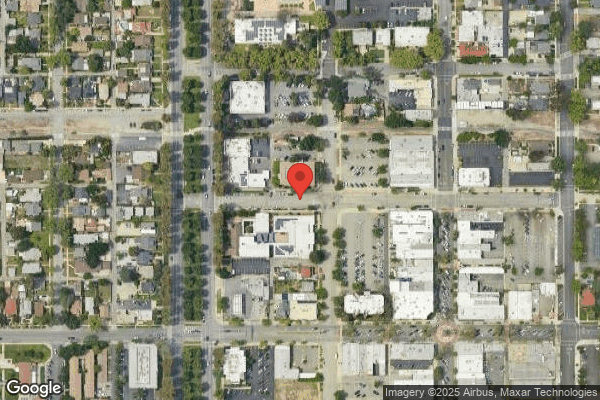
275 GARNET WAY, UPLAND, CA 91786 (909) 949-4887
For profit - Corporation 70 Beds GENERATIONS HEALTHCARE Data: November 2025
Trust Grade
65/100
#373 of 1155 in CA
Last Inspection: June 2025

Inspected within the last 6 months. Data reflects current conditions.

Overview

Heritage Park Nursing Center has a Trust Grade of C+, indicating it is slightly above average but not outstanding. It ranks #373 out of 1155 facilities in California, placing it in the top half, and #25 out of 54 in San Bernardino County, meaning only a few local homes are rated higher. The facility shows signs of improvement, with issues decreasing from six in 2024 to five in 2025. Staffing is rated as good with a 4 out of 5 stars, though turnover is at 41%, which is average for California. Importantly, the center has not incurred any fines, which suggests a lack of compliance problems. However, there are some concerning incidents. A resident ingested a cleaning solution left in their room, leading to a hospital transfer and health complications. Additionally, food safety practices were inadequate, with wet cups stored improperly and an ice machine showing signs of potential contamination, which could lead to foodborne illnesses. While the nursing center has strengths, such as good RN coverage and a high overall star rating, these safety violations highlight areas that need significant attention.

Trust Score
C+
65/100
In California
#373/1155
Top 32%
Safety Record
Moderate
Needs review
Inspections
Getting Better
6 → 5 violations
Staff Stability
○ Average
41% turnover. Near California's 48% average. Typical for the industry.
Penalties
✓ Good
No fines on record. Clean compliance history, better than most California facilities.
Skilled Nurses
⚠ Watch
Each resident gets only 23 minutes of Registered Nurse (RN) attention daily — below average for California. Fewer RN minutes means fewer trained eyes watching for problems.
Violations
⚠ Watch
21 deficiencies on record. Higher than average. Multiple issues found across inspections.
★★★★☆
4.0
Overall Rating
★★★★☆
4.0
Staff Levels
★★★★☆
4.0
Care Quality
★★★★☆
4.0
Inspection Score
Stable
2024: 6 issues
2025: 5 issues

The Good

  • 4-Star Staffing Rating · Above-average nurse staffing levels
  • 4-Star Quality Measures · Strong clinical quality outcomes
  • Full Sprinkler Coverage · Fire safety systems throughout facility
  • No fines on record
  • Staff turnover below average (41%)

    7 points below California average of 48%

Facility shows strength in staffing levels, quality measures, fire safety.

The Bad

Staff Turnover: 41%

Near California avg (46%)

Typical for the industry

Chain: GENERATIONS HEALTHCARE

Part of a multi-facility chain

Ask about local staffing decisions and management

The Ugly 21 deficiencies on record

1 actual harm
Jun 2025 3 deficiencies
CONCERN (D)

Potential for Harm - no one hurt, but risky conditions existed

Deficiency F0605 (Tag F0605)

Could have caused harm · This affected 1 resident

**NOTE- TERMS IN BRACKETS HAVE BEEN EDITED TO PROTECT CONFIDENTIALITY** Based on interview and record review, the facility failed to ensure their policy for Psychotropic (drugs that affect the mind, e...

Read full inspector narrative →
**NOTE- TERMS IN BRACKETS HAVE BEEN EDITED TO PROTECT CONFIDENTIALITY** Based on interview and record review, the facility failed to ensure their policy for Psychotropic (drugs that affect the mind, emotions, and behavior) Medication Use was implemented for one of two residents reviewed for unnecessary medications (Resident 38). This failure had the potential to place Resident 38 at risk of staff not identifying the effectiveness of the psychotropic medication and missing potential side effects placing Resident 38 at risk for adverse health outcomes. Findings: During a review of Resident 38's admission Record (contains demographic and medical information) it indicated Resident 38 was admitted to the facility on [DATE], with the diagnoses of intracapsular fracture of left femur (a break in the upper part of thigh bone), acute respiratory failure with hypoxia (do not have enough oxygen in blood), and major depressive disorder (a persistent sadness, loss of interest). During a review of Resident 38's Physician Order, dated March 6, 2025, it indicated Resident 38 had a physician order for Trazodone (antidepressant medication used to treat depression) 100mg (milligram-unit of measurement) QHS (at bedtime) for insomnia m/b (manifested by) inability to sleep. There were no documented orders to monitor for adverse side effects to Trazodone and no orders to monitor hours of sleep for Resident 38. During a review of Resident 38's undated Care Plan Report, there was no documented evidence to indicate there was a care plan initiated to address Resident 38's use of Trazodone. During a concurrent interview and record review on June 19, 2025, at 10:35 AM, with the Assistant Director of Nursing (ADON) and the Director of Nursing (DON), Resident 38's medical record was reviewed. The ADON and DON confirmed there were no monitoring orders and care plan for Resident 38's use of Trazodone. During a concurrent interview and record review on June 19, 2025, at 10:50 AM, with the DON, the facility's policy and procedure (P&P) titled, Psychotropic Medication Use dated revised February 2025, was reviewed. The P&P indicated, Residents do not receive psychotropic medications that are not clinically indicated and necessary to treat a specific condition documented in the medical record. 1. Psychotropic medication is any medication that affects brain activity associated with mental processes and behavior. 2. Medications in the following categories are considered psychotropic medications .are subject to . monitoring and review requirements specific to psychotropic medications . b. Anti-depressants .3. Psychotropic medication management is an interdisciplinary [group involving the resident, family, doctor, nurses, etc.] process . includes: a. determining adequate indications for use; . c. adequate monitoring for efficacy and adverse consequences; . e. preventing, identifying, and responding to adverse consequences . The DON stated the P&P was not followed.
CONCERN (D)

Potential for Harm - no one hurt, but risky conditions existed

Pharmacy Services (Tag F0755)

Could have caused harm · This affected 1 resident

**NOTE- TERMS IN BRACKETS HAVE BEEN EDITED TO PROTECT CONFIDENTIALITY** Based on observation, interview, and record review, the facility failed to implement their medication administration policies an...

Read full inspector narrative →
**NOTE- TERMS IN BRACKETS HAVE BEEN EDITED TO PROTECT CONFIDENTIALITY** Based on observation, interview, and record review, the facility failed to implement their medication administration policies and procedures when: 1. A Licensed Vocational Nurse (LVN 2) administered Metoprolol (medication used to lower blood pressure) Extended Release (ER- type of medications designed to be swallowed whole to allow the medication to work gradually over time) crushed to Resident 34. 2. The controlled drug inventory (when a nurse signs verifying that the nurses performed controlled medication counts during shift change- system in place used to prevent discrepancies in narcotic medication counts) had missing signatures on multiple shifts for two carts on Unit 2. These failures had the potential to place Resident 34 at risk for adverse medication side effects and place the facility at risk for potential diversion (illegal distribution of controlled medications for illicit use) of controlled medications by staff in a highly vulnerable population of 19 residents in Unit 2. Findings: 1. During a review of Resident 34's admission Record (contains demographic and medical information) it indicated Resident 34 was admitted to the facility on [DATE], with diagnoses of anemia (body does not have enough red blood cells to carry oxygen), hypertension (high blood pressure), and multiple sclerosis (chronic disabling disease that attacks the brain and spinal cord). During a medication administration observation on June 18, 2025, at 8:26 AM, with LVN 2, LVN 2 prepared Resident 34's medications which included Metoprolol ER. LVN 2 then proceeded to crush all of Resident 34's medications. During a continued observation on June 18, 2025, at 8:35 AM, in Resident 34's room, LVN 2 administered the crushed Metoprolol ER to Resident 34. During a concurrent observation and interview on June 18, 2025, at 8:48 AM, with LVN 2, LVN 2 reviewed Resident 34's Metoprolol ER medication in the bubble pack (specialized medication packaging). LVN 2 stated the Metoprolol ER medication should not have been crushed. During a concurrent interview and record review on June 19, 2025, at 10:50 AM, with the Director of Nursing (DON), the facility's policy and procedure (P&P) titled, Crushing Medications dated revised October 2024 was reviewed. The P&P indicated, Medications shall be crushed only when it is appropriate and safe to do so . 2. The nursing staff and/or consultant pharmacist shall notify any attending physician who gives an order to crush a drug that the manufacturer states should not be crushed (for example, long acting or enteric coated medications). The DON stated the policy was not followed. 2. During a concurrent interview and record review on June 18, 2025, at 8:49 AM, with LVN 2, LVN 2 reviewed Cart Unit 2 B's Controlled Drug Inventory (CDI- a form used by the facility to verify counting of controlled drugs at the change of shift by oncoming and off going licensed nurses) for June 2025. The CDI indicated missing signatures on June 14, 2025, from the evening shift (3:00 PM- 11:00PM) off going and oncoming shifts. LVN 2 stated the missing shifts should have been signed. During a concurrent interview and record review on June 18, 2025, at 8:51 AM, with LVN 1, LVN 1 reviewed Cart Unit 2 A's CDI for June 2025. The CDI indicated on June 17, 2025, missing signatures from the morning shift (7:00 AM - 3:00 PM) off going shift and oncoming shift and evening shift (3:00 PM- 11:00 PM) off going shift and oncoming shift. LVN 1 stated it was not okay for the CDI to have missing signatures. LVN 1 further stated it is used to count for any discrepancies. During a concurrent interview and record review on June 19, 2025, at 10:45 AM, with the Director of Nursing (DON), the facility's Charge Nurse Job Description dated 2003 was reviewed. The Charge Nurse Job Description indicated, . Perform routine charting duties as required and in accordance with established charting and documentation policies and procedures . Ensure that narcotic records are accurate for your shift . The DON stated the job description was not followed.
CONCERN (D)

Potential for Harm - no one hurt, but risky conditions existed

Infection Control (Tag F0880)

Could have caused harm · This affected 1 resident

**NOTE- TERMS IN BRACKETS HAVE BEEN EDITED TO PROTECT CONFIDENTIALITY** Based on observation, interview, and record review, the facility failed to maintain infection control practices when a License V...

Read full inspector narrative →
**NOTE- TERMS IN BRACKETS HAVE BEEN EDITED TO PROTECT CONFIDENTIALITY** Based on observation, interview, and record review, the facility failed to maintain infection control practices when a License Vocational Nurse 2 (LVN 2) did not wear PPE (Personal Protective Equipment, such as gloves and gowns) as required under EBP (Enhanced Barrier Precautions, used to prevent the spread of resistant infections) while providing treatment to a resident in EBP isolation (Resident 117). This failure had the potential to spread infectious disease (disease caused by bacteria, viruses, fungi, or parasites) to another 65 vulnerable residents and staff in the facility. Findings: During a review of Resident 117's admission Record (clinical record with demographic information), the admission Record indicated Resident 117 was admitted on [DATE], with diagnoses of aftercare following surgery on the digestive system (an operation that fixes or treats problems in organs like the stomach, intestines, or other parts that help break down food) and encounter for attention to gastrostomy (a small opening made in the stomach to place a feeding tube for nutrition or medication). A review of Resident 117's physician orders, dated June 2, 2025, indicated, Enhanced Barrier Precautions (EBP) for high contact resident care activities r/t enteral feeding. Perform hand hygiene & apply personal protective equipment (PPE) gloves, gown . A review of Resident 117's physician's orders, dated June 3, 2025, indicated, Cleanse Tube Stoma Site [small opening in the abdomen where a gastrostomy tube is inserted] with Normal Saline & cover with dry clean dressing daily and/or PRN [as needed]. During an observation on June 19, 2025, at 9:10 AM, there was a signage posted on the wall to the right of the doorway to Resident 117's room. The signage read EBP isolation. LVN 2 entered Resident 117's room to perform treatment on Resident 117. LVN 2 did not wear the required isolation gown. LVN 2 proceeded to complete the treatment without donning the appropriate personal protective equipment (PPE). During an interview on June 19, 2025, at 9:20 AM, LVN 2 stated she had just realized she should have worn an isolation gown when providing care to Resident 117, who was on EBP isolation. She acknowledged that she failed to follow the required protocol during the treatment. During an interview on June 19, 2025, at 9:25 AM, with the Infection Preventionist Nurse (IPN), the IPN stated that all staff are expected to wear PPE, including gloves, gowns, and masks as needed, when caring for residents under isolation precautions to reduce the risk of spreading infection. During a concurrent interview and record review on June 19, 2025, at 1:45 PM, with the Director of Nursing (DON), the facility's policy and procedure (P&P) titled Enhanced Barrier Precaution, dated May 2024, was reviewed. The P&P indicated, Policy Statement. Enhanced barrier precautions (EBPs) are utilized to prevent the spread of multi-drug-resistant organisms (MDROs) to residents. Policy Interpretation and Implementation. 1. Enhanced barrier precautions (EBPs) are used as an infection prevention and control intervention to reduce the spread of multi-drug-resistant organisms (MDROs) to residents. 2. EBPs employ targeted gown and glove use during high contact resident care activities and when cleaning/disinfecting the environment when contact precautions do not otherwise apply. a. Gloves and gown are applied prior to performing the high contact resident care activity (as opposed to before entering the room). b. Personal protective equipment (PPE) is changed before caring for another resident .4. EBP are indicated for residents with any of the following: . 2) Wounds and wound care: generally, for residents with a chronic wounds), . The DON stated it was highly important for staff to comply with PPE protocols to reduce the risk of spreading infection. The DON further stated that the facility policy was not followed.
May 2025 1 deficiency
CONCERN (D) 📢 Someone Reported This

A family member, employee, or ombudsman was alarmed enough to file a formal complaint

Potential for Harm - no one hurt, but risky conditions existed

Abuse Prevention Policies (Tag F0607)

Could have caused harm · This affected 1 resident

**NOTE- TERMS IN BRACKETS HAVE BEEN EDITED TO PROTECT CONFIDENTIALITY** Based on interview and record review, the facility failed to follow their policy and procedure for investigating an allegation o...

Read full inspector narrative →
**NOTE- TERMS IN BRACKETS HAVE BEEN EDITED TO PROTECT CONFIDENTIALITY** Based on interview and record review, the facility failed to follow their policy and procedure for investigating an allegation of suspected physical abuse for one of three sampled resident (Resident 3), when the facility did initiate an investigation for the incident within specified timeframes after Resident 3 reported an alleged abuse by another resident to the Administrator on April 2, 2025. This failure has the potential to jeopardize Resident ' s 3 health, safety, and well-being at risk and the other vulnerable population of 69 residents. Findings: A review of State of California Form 341 [Suspected Dependent Adult/Elder Abuse form], dated April 10, 2025, indicated . While Ombudsman [a person who helps solve complaints and problems between people and organizations, making sure things are fair] was visiting the facility [Resident 3] reported to the Ombudsman that [Resident 2] forced sex on her [Resident 3] last week on a Wednesday night (4/2/25 [April 2, 2025]) between 10:30pm-11:00pm while she was sleeping. During a review of Residents 3 ' s admission Record (general demographics), it indicated Resident 3 was admitted to the facility on [DATE], with diagnoses to include schizoaffective disorder (serious mental health condition) and major depression (mood disorder that causes a persistent feeling of sadness and loss of interest). During a review of Resident 3 ' s Minimum Data Set assessment, dated March 31, 2025, it indicated Resident 3 had a BIMS score of 14. During a review of Resident 3 ' s eINTERCT Change in Condition Evaluation dated April 10, 2025, it indicated . Resident reported to ombudsman that another resident had assaulted her sexually . During a review of Resident 3 ' s Report of alleged Incident dated April 11, 2025, it indicated .On April 10, 2025, at approximately 4:45 PM, while the Ombudsman was present on the unit, a resident reported that another resident, identified as . [Resident 2], had forced sexual contact on her [Resident 3]. Upon further inquiry, the resident stated that on the night of Wednesday, April 2, between approximately 10:30 PM and 11:00 PM, resident [Resident 2] entered her [Resident 3] room and had sex with her while she was sleeping . notified of the allegation and promptly informed the facility Administrator, the Behavioral Health Nurse Director/ADON, the resident's psychiatrist, . During a review of Resident 3 ' s clinical record from April 10, 2025, to April 16, 2025, there was no documented evidence to indicate an investigation had been initiated following the reported incident to ensure whether necessary interventions were taken to address any harm, prevent recurrence, and to protect Resident 3 ' s health and safety. During an interview on April 16, 2025, at 12:15 PM, with the Program Director (PD), the PD stated, I was just caught up in what the police officer said, so I didn ' t think I needed to do more at that time. The PD acknowledged she should have been more thorough in investigating and observing Resident 3 to ensure necessary interventions were taken for her safety and well-being, but she did not. During an interview on April 16, 2025, at 12:45 PM, with the Director of Nurses (DON), the DON stated the facility should have initiated the investigation immediately on April 10, 2025. During an interview on April 16, 2025, at 1:00 PM, with the Administrator (Admin), the Admin stated the investigation should have been initiated on April 10, 2024, according to their facility policy. During a concurrent interview and record review, on April 16, 2025, at 2:00 PM, with the Admin, the facility ' s P&P titled, Abuse, Neglect, Exploitation or Misappropriation -Reporting and Investigating revised September 2022, was reviewed. The P&P indicated, Policy Statement. All reports of resident abuse (including injuries of unknown origin), neglect, exploitation, or theft/misappropriation of resident property are reported to local, state and federal agencies (as required by current regulations) and thoroughly investigated by facility management. Findings of all investigations are documented and reported . Policy Interpretation and Implementation Investigating Allegations. 1. All allegations are thoroughly investigated. The administrator initiates investigations. The Admin stated the facility did not follow the policy.
Apr 2025 1 deficiency 1 Harm
SERIOUS (G) 📢 Someone Reported This

A family member, employee, or ombudsman was alarmed enough to file a formal complaint

Actual Harm - a resident was hurt due to facility failures

Accident Prevention (Tag F0689)

A resident was harmed · This affected 1 resident

**NOTE- TERMS IN BRACKETS HAVE BEEN EDITED TO PROTECT CONFIDENTIALITY** Based on observation, interview, and record review, the facility failed to ensure the environment was free of accident hazards (...

Read full inspector narrative →
**NOTE- TERMS IN BRACKETS HAVE BEEN EDITED TO PROTECT CONFIDENTIALITY** Based on observation, interview, and record review, the facility failed to ensure the environment was free of accident hazards (refer to elements of the resident environment that have the potential to cause injury or illness) for one of three sampled residents (Resident 1) when Resident 1 ingested a cleaning solution left by a housekeeper (HSK 1) in Resident 1's room on March 2, 2025. This failure resulted in Resident 1 to be transferred to the General Acute Care Hospital (GACH) for higher level of care and suffered from additional health issues. Findings: During a review of Resident 1's admission Record (contains demographic and medical information), it indicated Resident 1 was admitted to the facility on [DATE], with diagnoses of end-stage renal disease (ESRD- serious condition where the kidneys are no longer able to filter waste and excess fluid from the blood treatment used to remove toxins), heart failure (when the heart is not pumping blood as well as it should) and non-ST elevation myocardial infarction (NSTEMI a type of heart attack and involves partial blockage of blood flow to the heart). Further review indicated Resident 1 left the facility against medical advice (AMA - a patient choosing to leave a health care facility against the recommendations of their doctor or other healthcare professionals) on March 31, 2025. During a review of Resident 1's MDS (Minimum Data Set - standardized assessment tool that measures health status in nursing home residents) Section C (Cognitive [involving conscious intellectual activity] Patterns), dated January 30, 2025, it indicated Resident 1 had a BIMS (Brief Interview for Mental Status - a tool used to assess cognitive function) score of 14. (A BIMS score of 13 to15 indicates intact cognitive function.) During a review of Resident 1's Physician Order, dated March 2, 2025, at 12:15 PM, it indicated May sent out to [Name of General Acute Care Hospital] ER (Emergency Room) via 911 for further eval R/T (related to) patient [Resident 1] claiming taking a sip of cleaner liquid. During a review of Resident 1's Change of Condition Notes (details significant deviations from a resident's baseline status, including physical, cognitive, behavioral, or functional changes), dated March 2, 2025, at 1:09 PM, it indicated .Claimed to CN (Charge Nurse) drinking a purple liquid in a clear cup place at bedside Table. Per pt (patient) he drank a sip, and soon as I tasted, I spit it out. small amt (amount) of water noted on the floor by pt feet. Pt in w/c (wheelchair) at bedside .Recommendation of Primary Clinician (s): sent out to ER via 911 for further evaluation . Abdominal / GI (gastrointestinal) Status Evaluation .Pt claiming drinking cleaning liquid . During a review of Resident 1's ED (Emergency Department) Notes from the GACH, dated March 2, 2025, at 1:15 PM, it indicated Pt bib (brought in by) amb (ambulance) from SNF (Skilled Nursing Facility) with c/o (complaint of) drinking a surface cleaner on accident, pt states he is having some mouth tingling (like a light burning) .History of Present Illness, Chief complaint: Ingestion of cleaner .hx (history) of ESRD .presents to the ED c/o ingestion of [Brand Name of the Multi Surface Cleaner]. The pt stated that some filled a drinking cup with the cleaner, but he thought it was water, so he swallowed small amount and then spit the rest out. He noted some tingling to his tongue and lips which is now discomfort .ED Medical Decisions Making .presents with ingestion of a cleaning agent that was left in a cpt (cup) a cleaning person next to his bed at the facility ., they said this was an accident and they have already had a discussion with the cleaning staff. Patient arrived and said he had tingling in his mouth . Patient Instructions: Continue to wash out your mouth today . During a review of Resident 1's Nursing Notes titled Change in Condition x (for) 72 hours, dated March 2, 2025, at 2:28 PM, it indicated .patient [Resident 1] claiming drinking cleaning liquid .per housekeeping staff, patient was out of the room smoking and decided to go in room to clean, floor was sticky and stepped out the room to grab a cleaning liquid for the floor. Housekeeping staff was unable to find a bottle to pour cleaning liquid in, being unsuccessful grabbed a clear plastic cup and put cleaning liquid in cup. Housekeeping was going to returned to room after grabbing what she need to finish cleaning but pt returned to room before her and pt grabbed clear cup thinking it was water and took a sip. Small amt of purple color liquid noted in cup. Per housekeeping the amount noted in cup was the same amount that was poured in the cup to clean. During a review of Resident 1's Health Status Note dated March 2, 2025, at 6:29 PM, it indicated Resident 1 back from ER at 5:45 PM . Resident Alert . resident claims that it feels different in the back of his throat (said it might be due to made himself gag) . New order from Hospital, Chlorhexidine (mouth wash which kills or prevents growth of bacteria, which helps to reduce inflammation of gums.) requested. During a review of HSK 1's Written Statement, dated March 2, 2025, it indicated Cleaning Resident 1's room I went to get something that would get the cranberry juice off the floor little cup majority was put on floor to dissolve was coming right back He [Resident 1] was outside smoking Roommates daughter was waiting to come in as the floor was drying. During a review of Resident 1's Physician's Progress Notes, dated March 3, 2025, it indicated Patient swallowed multi-surface cleaner on previous day and had sent to the ED (Emergency Department) for evaluation. At the time of this exam primary complaint is with regard to pain in throat and mouth. Patient demonstrated w/ (with) cup of water approximately how much of the substance he drank and how much he spit out .Neck . mild tenderness to palpation. Abd (abdomen area): Tender to palpation (specific area of the body becomes painful when gently touched or pressed) of abdominal surface with hands .AIP (Assessment and Immediate Plan; physician assessment and next steps to follow), Resident 1 demonstrated with cup approximately 100 cc (cubic centimeters- unit of measurement) . During a review of Resident 1's of Care Plan Report dated March 3, 2025, it indicated the resident has risk for alteration in gastro-intestinal status and complications r/t claiming ingestion of cleaning liquid on March 2, 2025 .Goal, the resident will remain free from discomfort, complications or s/sx (sign and symptoms) related to gastrointestinal alterations . approaches/task, ENT (Ear Nose and Throat; refers to a medical specialty or a doctor who specializes in treating conditions related to those areas of the body.) consult for irritation of throat . During a review of Resident 1's Physician Order dated March 3, 2025, at 5:09 PM, it indicated May have ENT consult d/t (due to) irritation of throat. During a review of Resident 1's Social Service Note, dated March 3, 2025, at 5:11 PM, it indicated SSD (Social Services Designee visited with the resident in office with regards to recent incident in which he accidentally ingested cleaning solution .after going to the smoking patio and saw a clear plastic cup and took a sip. Per patient he then Spit out the liquid .then SSD asked resident how he was feeling physically, to which resident stated that swallowing regular food was irritation to his throat .SSD also suggested requesting for an ENT consult from MD (Medical Doctor). SSD to request authorization from [Name of Insurance Company] . During a concurrent observation and interview, on March 12, 2025, at 10:14 AM, Resident 1 was lying in bed, alert, oriented, and able to verbalize his needs. Resident 1 stated on March 2, 2024, he went outside for a little bit, and when he came back into his room, he drank from disposable cup left on his bedside table by the housekeeper. He stated he thought it was water, but after drinking it, he knew something was wrong right away because it didn't taste like water, it tasted like chemical. Resident 1 stated he attempted to induce vomiting by inserting his finger into his mouth and screamed for assistance. Resident 1 further stated when no one responded, he rolled into the hallway and yelled Nurse, Nurse for help. During further interview on March 12, 2025, at 10:16 AM, Resident 1 described the ingested liquid as corrosive acid (a strong chemical that can burn or damage the skin, eyes or internal tissues). Resident 1 stated after the incident, he was sent to the Emergency Department (ED), where the ED doctor prescribed him an oral mouth wash to help with the irritation. He further stated after returning to the facility, he was seen by the facility's physician, who noted ongoing discomfort in his throat and provided a referral for him to be seen by an ENT (ear, nose and throat doctor) specialist. Resident 1 stated he had blisters (painful skin condition where fluid fills a space between layers of skin) toward the back of his mouth, and he continued to feel irritation when swallowing. Resident 1 further stated, My case worker is scheduling an ENT appointment following the incident. During an interview on April 11, 2025, at 9:04 AM, with the Assistant Director of Nursing (ADON), the ADON, stated the incident involving Resident 1 occurred on March 2, 2025, at approximately 12:30 PM. The ADON stated she was informed by facility staff that Resident 1 was transferred to the hospital via 911 due to possible ingestion of an unknown substance. The ADON further stated a housekeeper admitted to pouring a cleaning solution into a disposable cup, which she used to clean the floor in Resident 1's room. The ADON further stated the housekeeper left the remaining cleaning solution in the cup by Resident 1's bedside table, and upon hearing the resident was returning to the room, quickly left the area. The ADON stated Resident 1 later entered his room, picked up the cup and drank from it, believing it was water. The ADON further stated Resident 1 attempted to induce vomiting and initially reported he drank half the cup, but later stated it was only a sip. During an interview on April 11, 2025, at 9:22 AM, with the Minimum Data Set Nurse (MDS 1), MDS 1 stated Resident 1 left facility AMA on March 31, 2025, which was before his ENT consult could occurred. During a concurrent interview and record review, on April 11, 2025, at 9:48 AM, with the Maintenance Director (MDR), a facility document titled Safety Data Sheet(a document that explains important information about a chemical product) for[Brand Name of the Multi Surface Cleaner], dated September 5, 2014, was reviewed. The Safety Data Sheet, indicated Hazard Statement combustible liquid, causes serious eye damage, skin irritation and may cause an allergic reaction .Section 4: First aid measures, if Swallowed: Rinse mouth if you feel unwell, get medical attention . Section 11. Toxicological information, skin contact: may include localized redness, swelling, itching, dryness, cracking, blistering, and pain .Ingestion: Gastrointestinal Irritation: Signs and symptoms may include abdominal pain, stomach upset, nausea, vomiting and diarrhea. The MDR stated the chemical ingested by Resident 1 was a heavy-duty multi-purpose cleaner. The MDR stated all chemicals have spray labels; however, he confirmed there had been no in-service training provided for the housekeeping staff regarding the prohibition of placing chemicals in disposable cups without labels until after the incident occurred. During further interview on April 11, 2025, at 9:57 AM, with the MDR, the MDR stated housekeeping staff were not trained to place chemicals in disposable cups without proper labeling, as it becomes impossible to identify the chemical if something happens. The MDR further stated it could be mistakenly consumed by anyone, including resident or family members. The MDR stated it was the important to store chemicals in their proper place and ensure all containers are clearly labeled to prevent accidents. During a concurrent observation and interview, on April 11, 2025, at 10:01 AM, the MDR, in the housekeeping supply room, the MDR showed the chemical used in the incident involving Resident 1. It was [Brand Name of Multi-Surface Cleaner], which came in a sealed 2-liter (unit of measurement for liquids) plastic container. The MDR stated housekeepers obtain the cleaning solution by attaching the sealed bottle to the fill dispenser, which is mounted to the wall. The MDR further stated the dispenser automatically dilutes the concentrate with water and dispenses the solution. During an interview on April 11, 2025, at 10:12 AM, with Housekeeper (HSK 2), HSK 2 stated it was the important not to pour chemicals into unlabeled containers because it could cause harm to residents especially if accidentally ingested. During an interview on April 11, 2025, at 10:30 AM, with the Social Worker (SW 1), the SW 1 stated Resident 1's ENT referral was initiated on March 3, 2025, following the physician's recommendation. The SW 1 further she faxed the referral to the insurance company on March 4, 2025, but she did not conduct a follow-up after the referral was sent. The SW 1 stated I assumed it [Resident 1's ENT referral] went through. The SW 1 further although the ENT provider was scheduled to see all residents between April 2, 2025, through April 4, 2025, Resident 1 was not evaluated because he left the facility AMA on March 31, 2025. During a concurrent phone interview and record review on April 16, 2025, at 2:46 PM, with the Administrator (Admin) and the Director of Nursing (DON), the facility's policy and procedure (P&P) titled Storage Areas, Environmental Services dated 2001, was reviewed. The P&P indicated, Policy Statement Housekeeping and .department storage areas shall be maintained in a clean and safe manner . 3. Cleaning supplies, etc., shall be stored in areas separate from food storage rooms and shall be stored as instructed on the labels of such products. The DON acknowledged the policy was not followed and further stated It's not our normal practice. During a concurrent phone interview and record review, on April 16, 2025, at 2:52 PM, with the Admin and the DON, the facility's P&P titled Hazard Labeling Policy, dated 2001, was reviewed. The P&P indicated, Section 5. Workplace labeling for hazardous chemicals not shipped directly form a manufacturer or distributor to the facility shall include either: a. The same information (specified above) required for chemicals .b. each of the following: (1) product identifier; (2) a method (s) . (3) other information available to employees .11. Employees are not to tamper with, deface, remove, or destroy existing labels on incoming hazardous chemicals, unless the container is immediately marked with the required information . The Admin stated the policy was not followed by staff. During a continued phone interview and record review, on April 16, 2025, at 3:02 PM, with the Admin and the DON, the facility's job description titled Housekeeper, revised January 2010, was reviewed. The Housekeeper job description indicated, .safety and sanitation, follow proper techniques when mixing chemicals, disinfectants, and solutions used for cleaning. Refer to manufacturer's instructions when necessary. Follow established policies governing the use of labels and MSDS (Material Safety Data Sheet; document that provides detailed information about a chemical substance) ., Participate in appropriate in-service training program prior to performing task that involved potential exposure to blood, body fluids, or hazardous chemicals. Report missing or improperly labeled containers of hazardous chemicals to your supervision. The Admin stated the job expectation was not followed in this incident.
May 2024 2 deficiencies
CONCERN (D)

Potential for Harm - no one hurt, but risky conditions existed

Deficiency F0645 (Tag F0645)

Could have caused harm · This affected 1 resident

Based on interview, record review, and facility policy review, the facility failed to ensure the accuracy of a Level I preadmission screening and resident review (PASRR) for 1 (Resident #51) of 6 samp...

Read full inspector narrative →
Based on interview, record review, and facility policy review, the facility failed to ensure the accuracy of a Level I preadmission screening and resident review (PASRR) for 1 (Resident #51) of 6 sampled residents reviewed for PASRR requirements. Specifically, Resident #59 had a diagnosis of schizoaffective disorder and major depressive disorder; however, the resident's Level I PASRR screening indicated the resident did not have a mental disorder. Findings included: A facility policy titled, admission Criteria, revised in 03/2019, revealed, 9. All new admissions and readmissions are screened for mental disorders (MD), intellectual disabilities (ID) or related disorders (RD) per the Medicaid Pre-admission Screening and Resident Review (PASARR) [also referred to as PASRR] process. a. The facility conducts a Level I PASARR screen for all potential admissions, regardless of payer source, to determine if the individual meets the criteria for a MD, ID, or RD. An admission Record revealed the facility admitted Resident #51 on 03/11/2024 and readmitted the resident on 03/27/2024. According to the admission Record, the resident had a medical history that included diagnoses of unspecified dementia, schizoaffective disorder bipolar type, and major depressive disorder, all with an onset date of 03/27/2024. An admission Minimum Data Set (MDS), with Assessment Reference Date (ARD) of 04/02/2024, revealed Resident #51 had active diagnoses that included non-Alzheimer's dementia, depression, and schizophrenia and had taken an antipsychotic medication during the seven-day assessment look-back period. Resident #51's care plan included a Problem area, initiated on 04/04/2024, that indicated the resident was admitted with an antipsychotic medication due to diagnosis of schizoaffective disorder. Resident #51's Preadmission Screening and Resident Review (PASRR) Level I Screening, dated 03/27/2024, revealed No was marked for Section III Serious Mental Illness which indicated the resident did not have a serious mental disorder such as depressive disorder or schizoaffective/schizophrenia disorder. During a telephone interview on 05/16/2024 at 4:44 PM, Registered Nurse (RN) #1, Resident #51's admitting nurse, revealed that it was an oversight on her part and indicated she did not catch that the PASRR indicated the resident did not have a mental disorder. RN #1 confirmed that Resident #51 had a mental disorder diagnosis. During an interview on 05/16/2024 at 10:42 AM, the Director of Nursing (DON) revealed it was the responsibility of the admitting nurse to ensure that a PASRR was accurately coded. The DON indicated that if a PASRR was not accurate, she expected the admitting nurse to create a new PASRR. During an interview on 05/16/2024 at 1:33 PM, the Administrator stated his expectation was for the admitting nurse to review PASRR screenings for accuracy when the hospital sent them to the facility. The Administrator indicated that it was also his expectation that the admitting nurse notify the DON or Administrator if the PASRR was not accurate so that the appropriate corrections could be made.
CONCERN (E)

Potential for Harm - no one hurt, but risky conditions existed

Assessment Accuracy (Tag F0641)

Could have caused harm · This affected multiple residents

**NOTE- TERMS IN BRACKETS HAVE BEEN EDITED TO PROTECT CONFIDENTIALITY** Based on interview, record review, facility policy review, and review of the Centers for Medicare and Medicaid Long-Term Care Fa...

Read full inspector narrative →
**NOTE- TERMS IN BRACKETS HAVE BEEN EDITED TO PROTECT CONFIDENTIALITY** Based on interview, record review, facility policy review, and review of the Centers for Medicare and Medicaid Long-Term Care Facility Resident Assessment Instrument 3.0 User's Manual, the facility failed to ensure Minimum Data Set (MDS) assessments accurately reflected preadmission screening and resident review (PASRR) information for 3 (Residents #2, #26, and #61) of 6 residents reviewed for PASRR requirements. Findings included: A facility policy titled, Minimum Data Set (MDS) - Resident Assessment Instrument (RAI), dated 11/2017, revealed, 1. The facility shall complete a comprehensive assessment of a resident's needs, strengths, goals, life history and preferences, using the resident assessment instrument (RAI) specified by the Center of Medicaid and Medicare [NAME] (CMS), regardless of payer source, in facilities certified by the Medicare/Medicaid programs following the timeframes and instructions specified in the current CMS RAI Manual. The policy revealed, -Each responsible IDT [interdisciplinary team] staff who completes portion(s) of the MDS shall sign and certify the accuracy of the portion(s) of the MDS which he/she completed. The Centers for Medicare and Medicaid Long-Term Care Facility Resident Assessment Instrument 3.0 User's Manual, version 1.18.11, dated 10/2023, section A1500: Preadmission Screening and Resident Review (PASRR), revealed the Steps for Assessment included, 2. Review the Level I PASRR form to determine whether a Level II PASRR was required. 3. Review the PASRR report provided by the State if Level II screening was required. The manual revealed Code 1, yes: if PASRR Level II screening determined that the resident has a serious mental illness and/or ID/DD [intellectual disability/developmental disability] or related condition, and continue to A1510, Level II Preadmission Screening and Resident Review (PASRR) Conditions. A n admission Record indicated the facility admitted Resident #2 on 11/08/2023. According to the admission Record, the resident had a medical history that included diagnoses of paranoid schizophrenia, unspecified dementia, and anxiety disorder. Resident #2's Level II PASRR determination letter, dated 11/10/2023, revealed a Level I screening was conducted at the facility, followed by a Level II evaluation on 11/07/2023. The letter revealed the results of the Level II evaluation were provided in the PASRR Determination Report attached to the letter . Resident #2's Preadmission Screening and Resident Review (PASRR) Individualized Determination Report, dated 11/10/2023, indicated Resident #2 required nursing facility services due to a medical and/or mental health condition and specialized services were recommended. An admission MDS, with an Assessment Reference Date of (ARD) 11/15/2023, revealed the assessment was coded to reflect Resident #2 was not considered by the state Level II PASRR process to have a serious mental illness. Subsequently, the question about Level II PASRR conditions (A1510) was not answered. During an interview on 05/16/2024 at 1:18 PM, the Director of Nursing (DON) stated the MDS should accurately reflect the Level II PASRR status at the time of the assessment. She also stated that Resident #2's MDS was inaccurately coded regarding PASRR information. An admission Record indicated the facility admitted Resident #26 on 09/26/2023 and readmitted the resident on 01/02/2024. According to the admission Record, the resident had a medical history that included diagnoses of schizoaffective disorder bipolar type, major depressive disorder, and generalized anxiety disorder. Resident #26's Level II PASRR determination letter, dated 01/29/2024, revealed a Level I screening was conducted at the facility, followed by a Level II evaluation on 01/27/2024. The letter revealed the results of the Level II evaluation were provided in the PASRR Determination Report attached to the letter. Resident #26's Preadmission Screening and Resident Review (PASRR) Individualized Determination Report, dated 01/29/2024, indicated Resident #26 required nursing facility services due to a medical and/or mental health condition and specialized services were recommended. A significant change in status MDS, with an ARD 03/25/2024, revealed the assessment was coded to reflect Resident #26 was not considered by the state Level II PASRR process to have serious mental illness. Subsequently, the question about Level II PASRR conditions was not answered. During an interview on 05/16/2024 at 1:14 PM, the DON stated the MDS should accurately reflect the Level II PASRR status at the time of the assessment. She also confirmed that Resident #26's MDS was inaccurately coded regarding PASRR information. An admission Record indicated the facility admitted Resident #61 on 11/13/2023. According to the admission Record, the resident had a medical history that included diagnoses of schizophrenia, major depressive disorder, and psychosis. Resident #61's Level II PASRR determination letter, dated 11/10/2023, revealed a Level I screening was conducted at the facility, followed by a Level II evaluation on 11/09/2023. The letter revealed the results of the Level II evaluation were provided in the PASRR Determination Report attached to the letter. Resident #61's Preadmission Screening and Resident Review (PASRR) Individualized Determination Report, dated 11/10/2023, indicated Resident #61 required nursing facility services due to a medical and/or mental health condition and specialized services were recommended. An admission MDS, with an ARD of 11/20/2023, revealed the assessment was coded to reflect Resident #61 was not currently considered by the state Level II PASRR process to have a serious mental illness. Subsequently, the question about Level II PASRR conditions was not answered. During an interview on 05/16/2024 at 1:11 PM, the DON stated Resident #61's MDS was not accurately coded regarding the resident's PASRR information. She also stated she expected every section of the MDS to accurately reflect the status of the resident at the time of the assessment. During an interview on 05/15/2024 at 2:30 PM, after reviewing the MDS assessments, MDS Nurse #2 stated Resident #2, #26 and #61's MDS assessments were not accurately coded for their PASRR information. He stated the residents' Level II determination letters and recommendations were completed prior to the residents' MDS assessments, and he should have reviewed them and coded that the residents were considered by the state to have a serious mental illness. MDS Nurse #2 stated when coding the PASRR section of the MDS, he looked at the resident's paper chart and their electronic health record to see what was documented for PASRRs. MDS Nurse #2 stated if he did not see a level II in the records, he coded that the resident was not considered by the state as having a serious mental illness. MDS Nurse #2 stated he should have asked to see the residents' Level II determinations when he saw they had positive Level I PASRRs. During an interview on 05/16/2024 at 2:25 PM, the Administrator stated he expected MDS assessments to accurately reflect the status of a resident. He also stated that it was MDS staff's responsibility to ensure that all areas of the MDS were accurately coded.
Apr 2024 1 deficiency
CONCERN (D) 📢 Someone Reported This

A family member, employee, or ombudsman was alarmed enough to file a formal complaint

Potential for Harm - no one hurt, but risky conditions existed

Report Alleged Abuse (Tag F0609)

Could have caused harm · This affected 1 resident

**NOTE- TERMS IN BRACKETS HAVE BEEN EDITED TO PROTECT CONFIDENTIALITY** Based on interview and record review, the facility failed to report an alleged sexual abuse for one of three sampled residents (...

Read full inspector narrative →
**NOTE- TERMS IN BRACKETS HAVE BEEN EDITED TO PROTECT CONFIDENTIALITY** Based on interview and record review, the facility failed to report an alleged sexual abuse for one of three sampled residents (Resident 2) by another resident to the local, state and agencies. This failure had the potential to place a clinically compromised resident (Resident 2)'s health, safety and well-being at risk. Findings: During review of Residents 2's admission Record (general demographics), the document indicated Resident 2 was admitted to the facility on [DATE], with diagnoses that included schizoaffective disorder (a condition of mental illness), major depressive disorder (a condition of feeling of sadness) and hypertension (a condition with a high blood pressure). During an interview on April 8, 2024, at 2:30 PM, with the Director of Nursing (DON), the DON stated, We do investigations and report to the appropriate agencies including CDPH (California Department of Public Health). When asked who does the reporting, the DON stated, The Administrator usually does it, but all licensed staff and department heads are responsible for reporting. takes care of it. During an interview on April 8, 2024, at 2:35 PM, with the Administrator, the Administrator was asked if a report of the alleged sexual abused for Resident 2 was made to the appropriate agencies. The Administrator stated, We filled out a report to the agencies, we cannot find it, it is missing. During a second interview on April 8, 2024, at 3:40 PM, with the Administrator, when asked for a 5-day investigation summary for the alleged sexual abuse incident, the Administrator stated, There is no 5-day investigation summary. During a review with the Administrator on April 8, 2024, at 3:40 PM, the facility's policy titled, Abuse, Neglect, Exploitation or Misappropriation - Reporting and Investigating dated September 2022, was reviewed. The policy indicated, All reports of resident abuse (including injuries of unknown origin), neglect, exploitation, or theft/misappropriation of resident property are reported to local, state and federal agencies (as required by current regulations) and thoroughly investigated by facility management. Findings of all investigations are documented and reported . Reporting Allegations to the Administrator and Authorities . 4. Verbal/written notices to agencies are submitted via special carrier, fax, e-mail, or by telephone . Investigating Allegations 1. All allegations are thoroughly investigated. The Administrator initiates investigations . Follow-Up Report. 1. Within five (5) business days of the incident, the administrator will provide a follow-up investigation report. (2) The follow-up investigation report will provide sufficient information to describe the results of the investigation, and indicate any corrective actions taken if the allegation was verified .
Feb 2024 1 deficiency
CONCERN (E) 📢 Someone Reported This

A family member, employee, or ombudsman was alarmed enough to file a formal complaint

Potential for Harm - no one hurt, but risky conditions existed

Investigate Abuse (Tag F0610)

Could have caused harm · This affected multiple residents

**NOTE- TERMS IN BRACKETS HAVE BEEN EDITED TO PROTECT CONFIDENTIALITY** Based on observation, interview, and record review, the facility failed to ensure immediate measures were put into place to prov...

Read full inspector narrative →
**NOTE- TERMS IN BRACKETS HAVE BEEN EDITED TO PROTECT CONFIDENTIALITY** Based on observation, interview, and record review, the facility failed to ensure immediate measures were put into place to provide protections to one of three sampled resident (Resident 3) when a License Vocational Nurse (LVN) and a Program Counselor (PC) were not suspended immediately after an alleged abuse to Resident 3 was reported on February 14, 2024. This failure had the potential for further abuse, neglect, exploitation, or mistreatment in a vulnerable population of 68 residents as the alleged perpetrators, LVN and PC, continued to have access to the alleged victim, Resident 3, and to other residents while the investigation was still in process. Findings: During a review of Resident 3 ' s admission Record (clinical record with demographic information), it indicated Resident 3 was admitted to the facility on [DATE], with diagnoses of schizoaffective disorder (a chronic mental health condition that affects your mood and perception of reality) bipolar type (with episodes of manic that can shift to major depressive episodes), delusional disorder (a serious mental illness where you can't tell the difference between what's real and what's not) and generalized anxiety disorder (a mental disorder often worried or anxious about many things and hard to control). A review of Resident 3 ' s history and physical examination, dated September 28, 2023, indicated Resident 3 has the capacity to understand and make decisions. A review of State of California (SOC) Form 341 [Report of Suspected Dependent Adult/Elder Abuse ], dated February 14, 2024, indicated . A. VICTIM . [Resident 3 name] . B. SUSPECTED ABUSER [LVN and PC name] . F. REPORTED TYPES OF ABUSE . b. Sexual [marked] . A review of Resident 3 ' s Interdisciplinary Team (IDT- group of healthcare providers who work together or toward the same goal) Notes, dated February 16, 2024, indicated . On 2/14/2024 (February 14, 2024) approx. [approximately] 8pm resident [Resident 3] approached the CN [charge nurse] and stated to her I have something to tell you. Then the resident proceeded to say A couple of weeks ago when my roommate was in the hospital, the CN came into my room and asked if I wanted to know a secret, but you can't tell no one. I think your cute and kissed her forehead then left the room . Resident mentioned that she felt uncomfortable, but it never happened again. Then the resident mentioned that months ago the PC came into my room and started to kiss me and sucked my pussy [slang word for vagina] .IDT recommendation: . Monitor for clinical changes: Pain and emotional wellbeing distress. Safeguard resident from alleged/ suspected abuse, Psychology/Psychiatry consults as needed. During an interview, on February 16, 2024, at 2:50 PM, with the Director of Staff Development (DSD), the DSD stated on February 14, 2024, around 8:30 PM, the nurse in charge called her over the phone and told her about the abuse allegation reported by Resident 3 against two staff members. The DSD stated she attempted to call the Administrator, but he did not answer so she went ahead and notified LVN to continue to come to work and to have another staff to accompany him with anything he needs to do with Resident 3. The DSD further stated she called and notified PC the next morning to continue come to work and to keep his distance toward Resident 3. During an interview, on February 16, 2024, at 3:00 PM, with PC, PC stated on February 15, 2024, around 8:00 AM, the DSD called him over the phone and told him about the abuse allegation reported by Resident 3. PC further stated the DSD asked him to continue to come to work and to keep his distance toward Resident 3. During a concurrent interview and record review, on February 16, 2024, at 3:15 PM, with the DSD, the DSD reviewed PC ' s timesheet which indicated, .[named of the PC] date 2/15 in 8:33 AM . out 12:53 PM . in 1:17 PM . out 5:05 PM . date 2/16 in 8:11 AM . out 12:49 PM . in 1:20 PM . The DSD stated she was not aware that PC needed to be removed immediately during investigation. (PC continued to have access to the alleged victim, Resident 3, and to the other 67 residents for 2 consecutive days during 8:00 AM – 5:00 PM shifts.) During a phone interview, on February 21, 2024, at 3:45 PM, with LVN, LVN stated on February 14, 2024, around 11:25 PM, when LVN came to his shift, he called the DSD, and the DSD informed him about the abuse allegation reported by Resident 3. LVN further stated the DSD asked him to continue working as scheduled and to have another staff to accompany him with anything he needs to do with Resident 3 and the LVN confirmed worked both days, February 14, 2024, and February 15, 2024, on night shifts. A review of LVN timesheet which indicated, .[named of the LVN] 2/01/2024 – 2/29/2024 selected range of date . date 2/14 in 11:16 PM . out 7:18 AM [February 15, 2024] . date 2/15 in 11:33 PM . out 7:13AM [February 16, 2024] . During a concurrent interview and record review, on February 16, 2024, at 3:50 PM, with the DSD, the facility nursing staff assignment sign-in sheet, which indicated .Wednesday 2/14/2024 .NOC shift 11:00 PM-7:00PM [name of LVN] . assignment 101-116B . [LVN signatured] . Wednesday 2/15/2024, indicated LVN was on duty .NOC shift 11:00 PM-7:00PM [name of LVN] . assignment 101-116B . [LVN signatured] . The DSD stated she was not aware that LVN needed to be removed immediately during investigation. (LVN, continued to have access to the alleged victim, Resident 3, and to the other 67 residents for 2 consecutives nights during 11:00 PM – 7:00AM shifts) During an interview, on February 16, 2024, at 4:00 PM, with the Social Service Department (SSD), the SSD acknowledged the facility policy was to suspend the respective employee immediately while the investigation was in process to protect the resident(s). The SSD stated she assumed the investigation is concluded when she saw the PC continue coming to work on February 15 , 2024 and today [February 16, 2024]. The SSD further stated she should have followed up with DON or/and Administrator to make sure the status of the investigation instead of assuming the conclusion of the investigation. During an interview, on February 16, 2024, at 4:10 PM, with the Director of Nursing (DON) the DON acknowledged that the investigation was not yet concluded, and the facility policy was to suspend the respective employee immediately while the investigation was in process to protect the resident (s). The DON stated it slipped her mind. The DON further stated she should have immediately removed the two staff members to protect Resident 3 and the other 67 residents. During a concurrent interview and record review, on February 16, 2024, at 4:20 PM, with the DON, the facility ' s policy, and procedure (P&P) titled, Abuse Investigation/Prevent/Report Alleged Violation revised March 2018, was reviewed. The P&P indicated, POLICY STATEMENT The facility thoroughly investigates allegations of abuse, neglect, exploitation, or mistreatment; ensures residents' safety from further potential abuse while the investigation is in progress; and maintains evidence and reports results of investigations to the Administrator and other officials in accordance with State law, including the State Survey Agency. SAFETY PROCEDURE(S) 1. To ensure resident safety, employees accused of participating in the alleged abuse will be suspended until the findings of the investigation have been reviewed by the administrator. The DON stated the facility did not follow the policy.
Feb 2024 1 deficiency
CONCERN (D) 📢 Someone Reported This

A family member, employee, or ombudsman was alarmed enough to file a formal complaint

Potential for Harm - no one hurt, but risky conditions existed

Accident Prevention (Tag F0689)

Could have caused harm · This affected 1 resident

**NOTE- TERMS IN BRACKETS HAVE BEEN EDITED TO PROTECT CONFIDENTIALITY** Based on interview and record review, the facility failed to ensure one of three sampled residents (Resident 3) who eloped (leav...

Read full inspector narrative →
**NOTE- TERMS IN BRACKETS HAVE BEEN EDITED TO PROTECT CONFIDENTIALITY** Based on interview and record review, the facility failed to ensure one of three sampled residents (Resident 3) who eloped (leaving a safe area without authorization and/or appropriate supervision from the facility) was assessed to prevent or/and to minimize the risk for recurrence of elopement. This failure had the potential to cause a delay in identifying care and support needs which could place Resident 3 at risk for recurrence of elopement and at risk for injuries related to elopement. Findings: During a review of Resident 3 ' s medical record , the admission Record (contains demographic and medical information), indicated Resident 3 was admitted to the facility on [DATE], with diagnoses which included of schizoaffective disorder (a mental illness that can affect your thoughts, mood, and behavior), delusional disorder (a type of mental health condition in which a person can't tell what's real from what's imagined), and bipolar disorder (a mood disorder that can cause intense mood swings). A review of a facility document to notify the State Agency regarding an elopement, dated January 6, 2024, indicated .RE; Elopement Initial Letter .On Friday l/5/2024 (January 5, 2024), staff at [Facility name] could not locate a resident name [Resident 3]. He was last seen by staff at smoke break at approximately 7:00 pm. After searching the facility and outside areas with no success staff called the police to report the alleged elopement . A review of Resident 3 ' s electronic health record progress notes, dated January 6, 2024, indicated Resident arrived back to facility at 23:30 . A review of Resident 3 ' s elopement risk assessments (a form to complete to determine if an individual requires necessary safety intervention) revealed the last assessment completed was upon admission on [DATE]. No other elopement risk assessments had been completed since September 11, 2023. During an interview on February 9, 2024, at 3:30 PM, with License Vocation Nurse (LVN), LVN stated elopement risk assessment should be completed upon admission, quarterly (every 3 months) basis and after every episode of actual elopement for every resident in the Special Treatment Program Unit (STP- secure units that provide treatment to people with primary psychiatric issues). During a concurrent record review and interview with the Administrator and LVN, on February 8, 2024, at 3:40 PM, the Administrator (Admin) and LVN reviewed Resident 3 ' s clinical record and confirmed that no other Elopement risk assessments had been completed for Resident 3 since September 11, 2023 (upon Resident 3 ' s admission). LVN stated the elopement risk assessment should have been completed when Resident 3 returned to the facility after he had an elopement episode on January 6, 2024. (34 days had passed without accurate clinical direction to determine if Resident 3 requires necessary safety intervention to prevent or/and to minimize the risk for recurrence of elopement.) During further interview and record review, with the Admin and LVN, on February 8, 2024, at 4:00 PM, the Administrator and LVN acknowledged and reviewed the facility ' s policies and procedures (P&P) titled, Wondering and Elopement, revised March 2019, and Emergency Procedure– Missing Resident revised August 2018. The Administrator and LVN both stated the facility did not follow the policy. A review of the facility ' s policy and procedure (P &P) titled, Wondering and Elopement, revised March 2019, indicated, .The facility will identify residents who are at risk of unsafe wandering and strive to prevent harm while maintaining the least restrictive environment for residents . A review of the facility ' s P&P titled Emergency Procedure– Missing Resident revised August 2018, indicated, Policy Statement. Resident elopement resulting in a missing resident is considered a facility emergency. Policy Interpretation and Implementation. 1. Residents at risk for wandering and/or elopement will be monitored, and staff will take necessary precautions to ensure their safety .Emergency Job Tasks -Missing Resident. Assign specific tasks to staff members during an emergency based on the following criteria: . Nursing Staff . 9. Ensure the incident and events are documented objectively in the resident record, including: . Results of reassessment upon the resident's return and the condition of the resident .
Jan 2024 1 deficiency
CONCERN (D) 📢 Someone Reported This

A family member, employee, or ombudsman was alarmed enough to file a formal complaint

Potential for Harm - no one hurt, but risky conditions existed

Medical Records (Tag F0842)

Could have caused harm · This affected 1 resident

Based on observation, interview, and record review, the facility failed to ensure their closed observation protocol (a protocol for observing residents who are at risk for harm every fifteen minutes) ...

Read full inspector narrative →
Based on observation, interview, and record review, the facility failed to ensure their closed observation protocol (a protocol for observing residents who are at risk for harm every fifteen minutes) documentation was complete in accordance with the facility ' s policy and procedure (P&P) for one resident (Resident 1) when Resident 1 returned to the facility after he eloped on January 7, 2024. This failure has the potential to result in Resident 1 to be at risk for further elopement without supervision of his whereabouts which could increase Resident 1 ' s risk for harm. Findings: During an interview on January 19, 2024, at 11:08 AM, with Resident 1, Resident 1 stated he left the facility because the voices made him uncomfortable in the facility. Resident 1 further stated he opened the emergency exit door by pushing the door [LP1] [SJ2] and running out. Resident 1 stated he came back to the facility because he needed a roof over his head. During an observation on January 19, 2024, at 11:11 AM, with Resident 1, Resident 1 demonstrated how he pressed the fire alarm then proceeded to press open the emergency exit door located next to his assigned room. During an interview on January 19, 2024, at 11:40 AM, with Certified Nursing Assistant (CNA 1), CNA 1 stated she was preparing her Q15 ' s (Q-medical abbreviation for every 15-minute monitoring- a documentation where staff will document time, location, behavior observed, interventions and initials of the staff who saw them) when the emergency exit door alarm set began ringing. CNA 1 further stated she ran out the door and attempted to redirect Resident 1 back into the facility, but he was too far away. During a review of Resident 1 ' s Incident Note, dated January 7, 2024, the Incident Note indicated, .Per Night shift nurse no s/s (abbreviation of signs or symptoms) of change from baseline behavior. Observed walked to his room (room number), He [Resident 1] then pulled the fire alarm near exit and ran out of the emergency exit . AM CNA exited and followed Resident . Observed Resident running, off the property turned right (street name) . During a review of Resident 1 ' s IDT (Interdisciplinary Team- a team that brings together knowledge from different health care disciplines to help people receive the care they need) Note, dated January 9, 2024, the IDT Note indicated, .Reminds Q (Q-medical abbreviation for every) 15 checks minute monitoring .IDT Recommendation: 01/08/2024 .3. Monitor resident by initiating safety checks q 15 min. 4. Monitor resident ' s whereabouts frequently . During a concurrent interview and record review on January 19, 2024, at 12:18 PM, with Medical Records Director (MRD 1), the (Facility Name) Nursing Center STP Unit Q15 Monitoring Log for Resident 1, dated January 7, 2024, was reviewed. The (Facility Name) Nursing Center STP Unit Q15 Monitoring Log indicated gaps of missing documentation of Resident 1 ' s location, behavior, intervention, time, and staff from January 7, 2024, at 2:30 AM to 7:00 AM and January 7, 2024, at 6:45 PM to January 8, 2024, at 2:45 AM, four hours after elopement. MRD 1 stated that was all the documentation the facility had for January 7, 2024, the day of the elopement. During a concurrent interview and record review on January 19, 2024, at 12:27 PM, with the Director of Nursing (DON), the facility ' s P&P titled, Closed Observation Protocol, dated May 2022 was reviewed. The P&P indicated, When a resident exhibits behavior which is potentially dangerous to themselves or others, or when a resident is in a situation in which they are deemed at risk for harm. The resident will be visibly monitored by staff every fifteen (15) minutes for safety for a minimum of 72 hours. This visual monitoring will be documented on the close observation work sheet. The DON stated the policy was not followed.
May 2023 1 deficiency
CONCERN (D) 📢 Someone Reported This

A family member, employee, or ombudsman was alarmed enough to file a formal complaint

Potential for Harm - no one hurt, but risky conditions existed

Resident Rights (Tag F0550)

Could have caused harm · This affected 1 resident

**NOTE- TERMS IN BRACKETS HAVE BEEN EDITED TO PROTECT CONFIDENTIALITY** Based on observation, interview, and record review, the facility failed to ensure two of three residents (Resident 1 and Residen...

Read full inspector narrative →
**NOTE- TERMS IN BRACKETS HAVE BEEN EDITED TO PROTECT CONFIDENTIALITY** Based on observation, interview, and record review, the facility failed to ensure two of three residents (Resident 1 and Resident 2) rights to stay in the facility were respected when Resident 1 and Resident 2 were informed that they would be discharged and had to locate appropriate facilities which could meet the level of care that Resident 1 and Resident 2 required. These failures had the potential to cause embarrassment, shame and affect the psychosocial wellbeing of Resident 1 and Resident 2. Findings: An unannounced visit was made to the facility on April 13, 2023, at 11:15 AM to investigate a complaint regarding Resident Rights. A review of Resident 1's face sheet (contains demographic information and diagnoses) indicated that Resident 1 was admitted to the facility on [DATE], with diagnoses, which included Diabetes (blood sugar), chronic obstructive pulmonary disease (restricted airflow), and end stage renal disease (loss of kidneys to filter blood.) A review of Resident 2's face sheet (contains demographic information and diagnoses) indicated that Resident 2 was admitted to the facility on [DATE], with diagnoses, which included Diabetes (blood sugar), anxiety, depression, and Leukemia (cancer.) During a review of the clinical record for Resident 2, the social services note dated March 3, 2023, at 1:28 PM, indicated SSD reached out to the daughter of resident 2 regarding possible Lateral transfer to another skilled nursing facility due to (Facility) is transitioning to the STP program, Special Treatment Program. SSD explained to the Resident's Daughter that the facility is in the process of transferring long term residents to other appropriate facilities which can meet the level of care that resident is currently requiring .signed by SSD During an interview with Resident 1 on April 13, 2023, at 11:41 AM, Resident 1 stated, After being here for a while, they put me down as a permanent resident. Resident 1 stated further, Recently, they said this facility is no longer taking long term patients. So, I have to find some where to go. I did not request to go. I like it here. I want to stay. During an interview with Resident 2 on April 13, 2023, at 12:09 PM, Resident 2 stated, They're moving all the long-term residents. It's just going to be schizophrenics (a withdrawal from reality and personal relationships into fantasy) here. The facility is telling me, I have to go. It's just the long-term people, we have to leave. During an interview with Resident 2's daughter on April 13, 2023, at 1:11 PM, Resident 2's daughter stated, Social Services Director called me on the phone a couple of weeks ago. SSD said that we will have to leave because the facility is going to have short term rehabilitation residents not long-term care residents anymore. They (facility) said Resident 2 will have to go. Resident 2's daughter stated further since the phone call from the SSD, It has been stressful. During an interview and concurrent record review of Resident 2's Social Services Note with SSD on April 13, 2023, at 2:19 PM, SSD stated, The note says that we will no longer accept long term care residents. We are in the process of transferring residents to other facilities because we will no longer have long term residents. SSD stated further, The residents should not have been given that information. They can stay here During an interview with Administrator on April 13, 2023, at 3:18 PM, Administrator stated, We should not tell our residents that they don't have a bed here. If the resident is paying their bills and following Policy and Procedure, they have a right to be here. The facility policy and procedure titled, Resident Rights dated June 2016, indicated Residents in long term care facilities have rights guaranteed to them under Federal and State law including the right to a dignified existence, self determination, and communication with and access to persons and services inside and out the facility, including those specified in this section. Employees shall treat residents with kindness, dignity, and respect. Procedure: 1. The facility promotes the rights of each resident, including but not limited to; a. Be informed about what rights he or she has; The facility policy and procedure titled, The transfer and discharge notice dated November 2017, 1. The facility shall permit each resident to remain in the facility, and not transfer or discharge the resident unless: a. The transfer or discharge is necessary to meet the resident's welfare and the resident's welfare can not be met in facility; b. The transfer and discharge is appropriate because the resident's health has improved sufficiently so the resident no longer needs the services by the facility; c. The safety of individuals in the facility is endangered due to the clinical or behavioral status of the resident; d. The health of the individuals in the facility would otherwise be endangered; e. The resident has failed, after reasonable and appropriate notice, to pay for a stay at the facility; or; and/or f. The facility ceases to operate .
Nov 2022 9 deficiencies
CONCERN (D)

Potential for Harm - no one hurt, but risky conditions existed

Resident Rights (Tag F0550)

Could have caused harm · This affected 1 resident

**NOTE- TERMS IN BRACKETS HAVE BEEN EDITED TO PROTECT CONFIDENTIALITY** Based on observation, interview, and record review, the facility failed to ensure dignity was maintained for two of six resident...

Read full inspector narrative →
**NOTE- TERMS IN BRACKETS HAVE BEEN EDITED TO PROTECT CONFIDENTIALITY** Based on observation, interview, and record review, the facility failed to ensure dignity was maintained for two of six residents (Resident 4 and Resident 7) reviewed for urinary catheter (flexible tube inserted into the bladder to drain urine) when: 1. Resident 4's urinary catheter bag was not covered by a privacy bag (bag used to cover catheter bag). 2. Resident 7's urinary catheter bag was not covered by a privacy bag. These failures had the potential to compromise Residents 4 and 7's dignity and violate their rights to privacy, which could cause psychosocial harm and lead to low self-esteem, feeling irritated, sad, and anxious. Findings: 1. During a review of Resident 4's admission Record (clinical record with demographic information), it indicated Resident 11 was readmitted to the facility on [DATE], with diagnoses of type two diabetes (high sugar levels), chronic kidney disease stage 3 (moderate kidney damage), and cerebral infarction (disrupted blood flow to the brain). During a review of Resident 4's physician's order, dated October 31, 2022, it indicated Resident 4 had an order for a urinary catheter. During an observation, on November 1, 2022, at 11:03 AM, in Resident 4's room, Resident 4 was lying in bed. Resident 4's urinary catheter bag was hanging on the side of the bed. It was uncovered, and its contents, yellowish urine, was visible to public view. During a concurrent observation and interview, on November 1, 2022, at 11:06 AM, with Resident 4 and the Director of Staff Development (DSD), Resident 4 stated she would like her urinary catheter bag to be covered. The DSD acknowledged Resident 4's urinary catheter bag was not covered and stated it should be covered with a privacy bag to maintain the dignity of the resident. 2. During a review of Resident 7's admission Record, it indicated Resident 7 was readmitted on [DATE], with a diagnosis of hemiplegia and hemiparesis (weakness on one side of the body) affecting right dominant side, benign prostatic hyperplasia (enlarged prostate), and neuromuscular dysfunction of bladder (lacking bladder control). During a review of Resident 7's physician order, dated March 31, 2021, indicated Resident 7 had an order for a suprapubic urinary catheter (tube that is inserted through a hole in your tummy (abdomen) and then directly into your bladder). During a concurrent observation and interview, on November 1, 2022, at 11:33 AM, in Resident 7's room, Resident 7 was lying in bed. Resident 7's urinary catheter bag was hanging on the side of the bed. It was uncovered, and its contents, dark yellow urine, was visible to public view. Resident 7 stated he did not like his urine being visible and would like it to be covered. During a concurrent observation and interview, on November 1, 2022, at 11:48 AM, in Resident 7's room, with a Licensed Vocational Nurse (LVN 1), LVN 1 acknowledged Resident 7's urinary catheter bag was not covered by a privacy bag. LVN 1 stated the urinary catheter bag should be covered with by a privacy bag at all times to maintain the dignity of the resident. During a concurrent interview and record review, with the Director of Nursing (DON), on November 1, 2022, at 12:40 PM, the DON reviewed the facility's policy and procedure (P&P) titled, Dignity, dated June 16, 2016, which indicated, . Each resident shall be cared for in a manner that promotes and enhances quality of life, dignity, respect and individuality .2.Treated with dignity means the resident will be assisted in maintaining and enhancing his or her self- esteem and self- worth. The DON stated the facility did not follow the policy.
CONCERN (D)

Potential for Harm - no one hurt, but risky conditions existed

Deficiency F0688 (Tag F0688)

Could have caused harm · This affected 1 resident

**NOTE- TERMS IN BRACKETS HAVE BEEN EDITED TO PROTECT CONFIDENTIALITY** Based on observation, interview, and record review, the facility failed to ensure their splint (device applied to prevent or red...

Read full inspector narrative →
**NOTE- TERMS IN BRACKETS HAVE BEEN EDITED TO PROTECT CONFIDENTIALITY** Based on observation, interview, and record review, the facility failed to ensure their splint (device applied to prevent or reduce contractures) application policy and procedure was implemented for one resident (Resident 23) reviewed for range of motion (ROM- full movement potential of a joint) when Resident 23's multiple splint application refusals were not addressed from December 2021 through October 2022. This failure placed Resident 23 at risk of further deformities and having decline in ROM. Findings: During an observation, on November 1, 2022, at 3:36 PM, Resident 23 was in his room, lying down in bed. Resident 23's right hand was contracted. He was not wearing a splint (a rigid or flexible device that maintains in position a displaced or movable part). During a review of Resident 23's medical record, the admission Record (contains demographic and medical information), indicated Resident 23 was admitted to the facility on [DATE], with diagnoses which included hemiplegia and hemiparesis following cerebral infarction affecting right dominant side (loss of strength on right side of the body due to a stroke), abnormal posture, facial weakness, and need for assistance with personal care. A review of Resident 23's physician's orders, dated February 9, 2022, indicated, RNA [Restorative Nursing Assistant - a nurse aide who helps patients gain and improve their level of strength and mobility] 5x[times]/wk [week] for wrist hand orthosis (orthopedic brace) splint application to: right hand for 4 hours or as tolerated by patient; off for grooming and hygiene. During a review of Resident 23's care plan for RNA - Splinting Program, initiated on April 7, 2021, it indicated the plan for right hand splinting to be completed by the RNA. A review of the facility's document titled, Documentation Survey Report v2, from June 2022 to November 2022, indicated Resident 23 refused RNA 5x/wk for wrist hand orthosis splint application to: right hand for 4 hours or as tolerated by patient; off for grooming and hygiene, on the following dates: i. Resident refused to wear splint on June 28, 2022 ii. Resident refused to wear splint on July 6, 2022 iii. Resident refused to wear splint on September 8, 2022; September 10, 2022; September 13, 2022; September 14, 2022; September 15, 2022; September 19, 2022; September 20, 2022, and September 29, 2022, (8 days for the month of September 2022). iv. Resident refused to wear splint on October 4, 2022; October 5, 2022; October 6, 2022; October 7, 2022; October 11, 2022; October 12, 2022; October 14, 2022; October 15, 2022; October 18, 2022; October 19, 2022; October 20, 2022; October 21, 2022; October 22, 2022; October 25, 2022, and October 26, 2022, (15 days for the month of October 2022). During an interview with RNA 1, on November 3, 2022, at 8:24 AM, RNA 1 stated Resident 23 usually refused to wear his right hand splint. She further stated she reported the refusals to the licensed nurse and during the monthly meeting with Department of Rehabilitation. During a concurrent interview and record review with the Director of Rehabilitation (DOR), on November 3, 2022, at 2:36 PM, the DOR reviewed the facility's document titled, RNA Monthly Meeting (aka RNA Monthly Report Form), from December 2, 2021, to October 12, 2022, documented by RNA, licensed nurse representative and a representative of the Department of Rehabilitation regarding residents receiving RNA services and any difficulty in splinting. The DOR verified there were no documented evidence to indicate Resident 23 's splint refusal from June 2022 to October 2022 had been discussed in the meetings. The DOR further stated Resident's 23 splint refusal has not been addressed since December 2021. During a concurrent interview and record review with the Director of Nursing (DON), on November 4, 2022, at 3:40 PM, the DON reviewed the facility's undated policy and procedure (P&P) titled, Splint Application, which indicated, .6. Monthly, the Restorative Nursing Assistants, a Nursing Representative and Rehab will meet to discuss all residents currently requiring passive range of motion and splint application and determine if wearing schedule is appropriate and continued need for splint. (See RNA Monthly Report Form [RNA Monthly Meeting]). The DON stated the facility did not follow the policy. The DON further stated Resident 23's refusal to wear his right hand splint must be documented because it can worsen the contracture.
CONCERN (D)

Potential for Harm - no one hurt, but risky conditions existed

Accident Prevention (Tag F0689)

Could have caused harm · This affected 1 resident

**NOTE- TERMS IN BRACKETS HAVE BEEN EDITED TO PROTECT CONFIDENTIALITY** Based on observation, interview, and record review, the facility failed to ensure the safety policies and procedures were implem...

Read full inspector narrative →
**NOTE- TERMS IN BRACKETS HAVE BEEN EDITED TO PROTECT CONFIDENTIALITY** Based on observation, interview, and record review, the facility failed to ensure the safety policies and procedures were implemented for one of three residents (Resident 29) reviewed for accidents when the facility did not provide Resident 29 floor mats as per physician's orders. These failures have the potential to increase the risk of further falls, injuries, and unmet care needs, which could threaten the welfare, health, and safety of Resident 29. Findings: A review of Resident 29's admission Record (contains demographic and medical information) indicated Resident 29 was admitted to the facility on [DATE], with diagnoses of Parkinson's disease (brain disorder that causes unintended movements) and a history of falling. During a review of Resident 29's physician's order, dated May 9, 2021, indicated Monitor placement of floor mats to the left side of the bed and the right side of the bed for safety. Every shift for fall precautions. During a review of Resident 29's care plan initiated on May 9, 2021, indicated, The resident is high risk for falls . Tasks .Monitor placement of floor mats to the left side of the bed and right side of the bed for safety QS [every shift] . During a review of Resident 29's Fall Risk Assessment, dated September 21, 2022, indicated Resident 29 was a high risk for falls. During an observation, on November 1, 2022, at 10:30 AM, in Resident 29's room, Resident 29 was lying in bed. The bed was in the middle of her room. A floor mat was on the right side of the bed, while the left side, did not have floor mat. During a concurrent observation and interview, on November 1, 2022, at 10:35 AM, with a Licensed Vocational Nurse (LVN 1), LVN 1 stated Resident 29 was a fall risk and acknowledged there was no floor mat on the left of the bed. LVN 1 stated Resident 29 should have floor mats on both sides of the bed to prevent injury from falls. During a record review on November 4, 2022, at 7:53 AM, with the Director of Staff Development (DSD), the DSD reviewed the physician's order for floormats, dated May 9, 2021, and stated it was not followed. A review of the facility's policy and procedure titled, PHYSICIAN ORDERS AND TELEPHONE ORDERS, dated November 2017, indicated . 3. All orders must be specific and complete with all necessary details to carry out the prescribed order without any questions .
CONCERN (D)

Potential for Harm - no one hurt, but risky conditions existed

Respiratory Care (Tag F0695)

Could have caused harm · This affected 1 resident

**NOTE- TERMS IN BRACKETS HAVE BEEN EDITED TO PROTECT CONFIDENTIALITY** Based on observation, interview, and record review, the facility failed to ensure safe oxygen administration were provided in ac...

Read full inspector narrative →
**NOTE- TERMS IN BRACKETS HAVE BEEN EDITED TO PROTECT CONFIDENTIALITY** Based on observation, interview, and record review, the facility failed to ensure safe oxygen administration were provided in accordance with the physician's orders and facility's policies and procedures for one resident (Resident 156) reviewed for respiratory care when Residents 156's nasal cannula (a device which delivers oxygen utilizing a tube) was not labeled. This failure had the potential to place Resident's 156 at risk for developing a respiratory infection. Findings: During a review of Resident 156's medical record, the admission Record (contains demographic and medical information), indicated Resident 156 was admitted to the facility on [DATE], with diagnoses which included chronic systolic congestive heart failure (disease in which heart cannot pump blood efficiently and makes it difficult to breathe), and hypertensive heart disease with heart failure (heart failure due to elevated blood pressure). A review of Resident 156's physician's orders, dated October 18, 2022, indicated, Oxygen: At 2L/min [liters per minute - unit of volumetric flow rate of a gas] via N/C [Nasal Cannula] Q [every] shift . A review of Resident 156's physician's orders, dated October 18, 2022, indicated, Oxygen: Change Oxygen Tubing to include NC [Nasal Cannula] and/or Mask & [and] Storage Bag every week. Date Tubing and Bag. Every night shift every Mon [Monday]. During an observation, on November 1, 2022, at 10:38 AM, Resident 156 was in her room, lying down in bed. She was receiving oxygen via nasal cannula at two liters per minute. The nasal cannula tubing was not labeled to indicate the last time the cannula tubing was changed. There was no storage bag for the cannula. A concurrent observation and interview were conducted with a Registered Nurse (RN) on November 1, 2022, at 10:54 AM, in Resident 156's room. RN inspected Resident 156's nasal cannula tubing and stated it did not have a label or date on it. RN further stated the tubing was supposed to be changed weekly every Monday and the date must be written on the tubing. During a concurrent interview and record review with the Director of Nursing (DON), on November 3, 2022, at 1:00 PM, the DON reviewed the facility's undated policy and procedure (P&P) titled, Oxygen Administration, and stated the staff did not follow the policy. The DON stated the oxygen tubing must be changed every Monday and labeled to prevent respiratory infections. The DON further stated if the tubing was not labeled, it was not changed. A review of the facility's undated policy and procedure (P&P) titled, Oxygen Administration, indicated, .2. Oxygen tubing and humidifier will be changed and labeled every 7 days and as needed 3. Oxygen tubing will be stored in a plastic bag when not in use.
CONCERN (D)

Potential for Harm - no one hurt, but risky conditions existed

Deficiency F0761 (Tag F0761)

Could have caused harm · This affected 1 resident

**NOTE- TERMS IN BRACKETS HAVE BEEN EDITED TO PROTECT CONFIDENTIALITY** Based on observation, interview, and record review, the facility failed to provide adequate supervision to ensure medications an...

Read full inspector narrative →
**NOTE- TERMS IN BRACKETS HAVE BEEN EDITED TO PROTECT CONFIDENTIALITY** Based on observation, interview, and record review, the facility failed to provide adequate supervision to ensure medications and medication carts (used to transport medications from resident rooms; often come equipped with locking drawers, adjustable height) were properly secured when one of six medication carts (IV [Intravenous- method of putting fluids, including drugs, into the bloodstream] medication cart) was found unlocked and unattended by a licensed nurse. These failures had the potential to compromise the security of medication for potentially unauthorized staff and resident around the area could access it in a highly vulnerable population of 64 residents. Findings: During an observation, on November 3, 2022, at 7:10 AM, an IV medication cart was outside of room [ROOM NUMBER], near the nurse's station. A Registered Nurse (RN) went inside room [ROOM NUMBER], and left the IV medication cart key lock (device that is pushed in to indicate the medication cart is locked) propped out. The IV medication cart was unlocked, and unattended. On top of the medication cart was an IV medication and IV tubing. During a concurrent observation and interview, on November 3, 2022, at 7:30 AM, the Infection Preventionist Nurse (IPN) walked toward the IV medication cart and acknowledged that it was unlocked and unattended. The IPN stated the medication cart should have been locked. The IPN further stated the IV medication and IV tubing should have not been left unattended. During an interview and concurrent record review with the IPN, on November 4, 2022, at 8:48 AM, the IPN reviewed the facility's policy and procedure titled, Medication Storage, revised June 2017, which indicated, .The facility shall store all drugs and biologicals in a safe, secure and orderly manner. Procedures: .7. Compartment containing drugs and biologicals shall be lock . shall be not left unattended if open or otherwise potentially available to others. 8. Drug shall be store in orderly manner in cabinet, drawer, carts, or automatic dispensing system . The IPN stated the policy and procedure was not followed.
CONCERN (D)

Potential for Harm - no one hurt, but risky conditions existed

Garbage Disposal (Tag F0814)

Could have caused harm · This affected 1 resident

Based on observation, interview, and record review, the facility failed to dispose of garbage and refuse properly and in accordance with their policy and procedure when garbage was found on the ground...

Read full inspector narrative →
Based on observation, interview, and record review, the facility failed to dispose of garbage and refuse properly and in accordance with their policy and procedure when garbage was found on the ground by the garbage storage area . This failure had the potential for the harborage or breeding place of insects and rodents that could affect the health and safety of a highly vulnerable population of 64 residents. Findings: During a concurrent observation and interview with the Maintenance Supervisor (MS), on November 1, 2022, at 3:20 PM, the outdoor garbage storage area was inspected. There were diapers, used gloves, a bag of cloth towels, two empty soda cans, plastic straws, and plastic knives found on the ground of the outdoor garbage area. The MS stated it should have been clean and free of garbage. During a concurrent interview and record review, with the MS, on November 1, 2022, at 2:00 PM, the MS reviewed the facility's policy and procedure (P&P) titled, Dispose of Garbage and Refuse, dated November 2017, which indicated, .3. Garbage storage shall be maintained in a sanitary condition to prevent the harborage and feeding of pests . The MS stated the policy was not followed. During a review of the FDA Federal Food Code, 2017, it indicated in 5-501.11 Proper storage and disposal of garbage and refuse are necessary to minimize the development of odors, prevent such waste from becoming an attractant and harborage or breeding place for insects and rodents.
CONCERN (D)

Potential for Harm - no one hurt, but risky conditions existed

Deficiency F0888 (Tag F0888)

Could have caused harm · This affected 1 resident

**NOTE- TERMS IN BRACKETS HAVE BEEN EDITED TO PROTECT CONFIDENTIALITY** Based on observation, interview, and record review, the facility failed to implement their infection control program to help pre...

Read full inspector narrative →
**NOTE- TERMS IN BRACKETS HAVE BEEN EDITED TO PROTECT CONFIDENTIALITY** Based on observation, interview, and record review, the facility failed to implement their infection control program to help prevent the spread of COVID-19 virus (a highly infectious respiratory disease) and other communicable diseases when one unvaccinated staff (Licensed Vocational Nurse - LVN 2) did not wear a respirator mask (a filtering facemask used to protect the wearer from fine particles including viruses) on November 3, 2022. This failure had the potential to cause harm to the 64 residents residing within the facility by causing cross contamination of the environment and increasing the risk of exposure and spread of the COVID-19 virus. Findings: During an observation and concurrent interview, on November 3, 2022, at 5:30 AM, LVN 2 came out of room [ROOM NUMBER], stood infront of the medication cart, and started to work on the computer. LVN 2 had on a surgical mask (or procedure mask, loose-fitting mask that provide partial protection from airborne diseases) covering her nose and mouth. She was not wearing a respirator. LVN 2 stated she was unvaccinated for COVID-19. During an interview with the Director of Nursing (DON), on November 3, 2022, at 2:16 PM, the DON stated unvaccinated staff were expected to wear a respirator and not a surgical mask while inside the facility, because it can spread the infection of COVID-19. During a follow up interview and record review with the DON, on November 3, 2022, at 2:25 PM, the DON reviewed the facility's policy and procedure (P&P) titled Mitigation Plan, revised October 20, 2022, which indicated .Additional Personal Protective Equipment and Masking for Unvaccinated HCP [Health Care Personnel] . facility must provide respirators to all unvaccinated or workers who work in indoor work settings where (1) care is provided to patients or residents, or (2) to which patients or residents have access for any purpose . Unvaccinated, OR those that are vaccinated and booster eligible but have not yet received their booster dose . They should use a respirator or well-fitting facemask at all times in the facility . The DON stated the facility did not follow the policy.
CONCERN (E)

Potential for Harm - no one hurt, but risky conditions existed

Deficiency F0578 (Tag F0578)

Could have caused harm · This affected multiple residents

**NOTE- TERMS IN BRACKETS HAVE BEEN EDITED TO PROTECT CONFIDENTIALITY** Based on observation, interview, and record review, the facility failed to ensure information whether or not the resident has ex...

Read full inspector narrative →
**NOTE- TERMS IN BRACKETS HAVE BEEN EDITED TO PROTECT CONFIDENTIALITY** Based on observation, interview, and record review, the facility failed to ensure information whether or not the resident has executed an advance directive (a written instruction, such as a living will or durable power of attorney for health care, recognized under State law, relating to the provision of health care when the individual is incapacitated) was displayed prominently in the medical record for three of six residents (Residents 156, 33, and 46) reviewed for advance directives. This failure had the potential to result in a delay of treatment for life sustaining measures to be rendered against what Residents 156, 33, and 46 wanted. Findings: 1. During an observation, on November 1, 2022, at 10:38 AM, Resident 156 was in her room, lying down in bed. During a review of Resident 156's medical record, the admission Record (contains demographic and medical information), it indicated Resident 156 was admitted to the facility on [DATE], with diagnoses which included chronic systolic congestive heart failure (disease in which heart cannot pump blood efficiently and makes it difficult to breathe), hypertensive heart disease with heart failure (heart failure due to elevated blood pressure), and diabetes mellitus (when pancreas does not produce enough insulin). During a concurrent interview and record review, with the Social Services Director (SSD), on November 3, 2022, at 9:05 AM, the SSD reviewed Resident 156's Advance Directive Acknowledgment (ADA- facility form utilized to gather information related to the resident's advance directives), dated October 17, 2022, and verified the ADA was not filled out and was unanswered. The SSD further stated she was not aware the ADA must be completed. During a subsequent interview and record review with the SSD, on November 3, 2022, at 9:15 AM, the SSD reviewed Resident 156's medical records, and was not able to find any documentation regarding information about Resident 156's advance directive. 2. During an observation, on November 2, 2022, at 8:18 AM, Resident 33 was in his room, lying down in bed, eating breakfast. During a review of Resident 33's medical record, the admission Record indicated Resident 33 was admitted to the facility on [DATE], with diagnoses which included hepatic failure (liver failure), Parkinson's disease (a brain disorder that causes gradual loss of muscle control), and chronic obstructive pulmonary disease (a group of lung diseases that makes it difficult to breath). During a concurrent interview and record review with the SSD, on November 3, 2022, at 9:21 AM, the SSD reviewed Resident 33's ADA dated September 16, 2022, and verified the ADA was not filled out and was unanswered. She further stated she was not aware the ADA must be completed. During further interview and record review with the SSD, on November 3, 2022, at 9:27 AM, the SSD reviewed Resident 33's medical records and was not able to find documentation regarding information about Resident 33's advance directive. 3. During an observation, on November 2, 2022, at 9:30 AM, Resident 46 was in her room, lying down in bed, watching television. During a review of Resident 46's medical record, the admission Record indicated Resident 46 was admitted to the facility on [DATE], with diagnoses which included right and left lower limb cellulitis (skin infection in right and left lower leg), and heart failure (when heart does not pump enough blood). During a concurrent interview and record review with the SSD, on November 3, 2022, at 9:38 AM, the SSD reviewed Resident 46's Advance Directive Acknowledgment (ADA), dated October 1, 2022, and verified the ADA was not filled out and was unanswered. She stated she was not aware the ADA form must be completed. During an interview and record review with the SSD, on November 3, 2022, at 9:45 AM, the SSD reviewed Resident 46's medical records, and was not able to find documentation regarding information about Resident 46's advance directives. During a concurrent interview and record review on November 3, 2022, at 10:00 AM, with the SSD, the facility's policy and procedure (P&P) titled, Advanced Directives, revised November 2017, was reviewed. Under the section titled, Procedure the P&P indicated, .1. Prior to or upon admission of a resident to our facility, the Social Services Director or designee will provide written information to the resident concerning his/her right to make decisions concerning medical care, including the right to accept or refuse medical or surgical treatment, and the right to formulate advance directives . 4. Information whether or not the resident has executed an advance directive shall be displayed prominently in the medical record. The SSD stated the facility did not follow the policy.
CONCERN (F)

Potential for Harm - no one hurt, but risky conditions existed

Food Safety (Tag F0812)

Could have caused harm · This affected most or all residents

Based on observation, interview, and record review, the facility failed to store, prepare, distribute, and serve food in accordance with professional standards for food service safety when: a. Stacked...

Read full inspector narrative →
Based on observation, interview, and record review, the facility failed to store, prepare, distribute, and serve food in accordance with professional standards for food service safety when: a. Stacked cups were stored wet. b. The ice machine had black build up in the ice chute (where ice exits the area where its formed and drops into the ice bin). These failures had the potential for bacteria to growth and cause foodborne illness in a highly susceptible population of 57 residents who received food from the kitchen. Findings: 1. During a concurrent observation and interview, with the Dietary Supervisor (DS), on November 1, 2022, at 8:10 AM, inside the kitchen, there were stacked cups stored wet. The DS stated the cups should have been air dried before stacking. During a concurrent interview and record review, with the DS, on November 1, 2022, at 8:30 PM, the DS reviewed the facility's policy and procedure (P&P) titled, Cleaning Dishes/ Dish Machine, dated 2017, which indicated, .10. Inspect for cleanliness and dryness and put dishes away if clean . 11. Dishes should not be nested [put away] unless they are completely dry . The DS stated the policy was not followed. 2. During a concurrent observation and interview, with the Maintenance Supervisor (MS), on November 1, 2022, at 2:20 PM, the ice machine was inspected. The inside of the ice chute was wiped with a paper towel, and was noted with black build up. The MS acknowledged the finding. During an interview with the DS, on November 3, 2022, at 6:50 AM, the DS stated her expectation was for the ice machine to be clean and with no black build up. During a review of the facility's P&P titled, ICE MACHINE AND STORAGE CHESTS, dated June 2016, it indicated, . Ice machines and ice storage/ distribution chests will be used and maintained to assure a safe and sanitary supply of ice . 10. Clean and sanitize the ice machine per manufacturer's guidelines . During a review of the undated Ice Machine Service Manual titled, Preventative Maintenance Cleaning Procedure, it indicated, .Ice machine sanitizer disinfects and removes algae and slime . During a review of the Food and Drug Administration (FDA) Federal Food Code 2017, it indicated (A) Equipment food-contact surfaces and utensils shall be clean to sight and touch. During a record review of the FDA Food Code 4-204.17, 2017, it indicated The potential for mold and algae growth in this area is very likely due to the high moisture environment. Molds and algae that form are difficult to remove and present a risk of contamination to the ice stored in the bin. According to the CDC's (Center for Disease Control) Guidelines for Environmental Infection Control in Health Care Facilities, Recommendations of CDC and the Healthcare Infection Control Practices Advisory Committee (HICPAC), revised July 2019, https://www.cdc.gov/infectioncontrol/pdf/guidelines/environmental-guidelines-P.pdf), microorganisms may be present in ice, ice-storage chests, and ice-making machines. The two main sources of microorganisms in ice are the potable water from which it is made and a transferal of organisms from hands. Ice from contaminated ice machines has been associated with .blood stream infections, pulmonary (having to do with the lungs) and gastrointestinal (having to do with the stomach and intestinal tract) illnesses. Recommendations for a regular program of maintenance and disinfection have been published. Some waterborne bacteria found in ice could potentially be a risk to immunocompromised patients if they consume ice or drink beverages with ice.
Understanding Severity Codes (click to expand)
Life-Threatening (Immediate Jeopardy)
J - Isolated K - Pattern L - Widespread
Actual Harm
G - Isolated H - Pattern I - Widespread
Potential for Harm
D - Isolated E - Pattern F - Widespread
No Harm (Minor)
A - Isolated B - Pattern C - Widespread

Questions to Ask on Your Visit

  • "Can I speak with families of current residents?"
  • "What's your RN coverage like on weekends and overnight?"

Our Honest Assessment

Strengths
  • • No fines on record. Clean compliance history, better than most California facilities.
  • • 41% turnover. Below California's 48% average. Good staff retention means consistent care.
Concerns
  • • 21 deficiencies on record, including 1 serious (caused harm) violation. Ask about corrective actions taken.
Bottom line: Mixed indicators with Trust Score of 65/100. Visit in person and ask pointed questions.

About This Facility

What is Heritage Park Nursing Center's CMS Rating?

CMS assigns HERITAGE PARK NURSING CENTER an overall rating of 4 out of 5 stars, which is considered above average nationally. Within California, this rating places the facility higher than 99% of the state's 100 nursing homes. This rating reflects solid performance across the metrics CMS uses to evaluate nursing home quality.

How is Heritage Park Nursing Center Staffed?

CMS rates HERITAGE PARK NURSING CENTER's staffing level at 4 out of 5 stars, which is above average compared to other nursing homes. Staff turnover is 41%, compared to the California average of 46%. This relatively stable workforce can support continuity of care.

What Have Inspectors Found at Heritage Park Nursing Center?

State health inspectors documented 21 deficiencies at HERITAGE PARK NURSING CENTER during 2022 to 2025. These included: 1 that caused actual resident harm and 20 with potential for harm. Deficiencies causing actual harm indicate documented cases where residents experienced negative health consequences.

Who Owns and Operates Heritage Park Nursing Center?

HERITAGE PARK NURSING CENTER is owned by a for-profit company. For-profit facilities operate as businesses with obligations to shareholders or private owners. The facility is operated by GENERATIONS HEALTHCARE, a chain that manages multiple nursing homes. With 70 certified beds and approximately 64 residents (about 91% occupancy), it is a smaller facility located in UPLAND, California.

How Does Heritage Park Nursing Center Compare to Other California Nursing Homes?

Compared to the 100 nursing homes in California, HERITAGE PARK NURSING CENTER's overall rating (4 stars) is above the state average of 3.2, staff turnover (41%) is near the state average of 46%, and health inspection rating (4 stars) is above the national benchmark.

What Should Families Ask When Visiting Heritage Park Nursing Center?

Based on this facility's data, families visiting should ask: "Can I visit during a mealtime to observe dining assistance and food quality?" "How do you handle medical emergencies, and what is your hospital transfer rate?" "Can I speak with family members of current residents about their experience?"

Is Heritage Park Nursing Center Safe?

Based on CMS inspection data, HERITAGE PARK NURSING CENTER has a clean safety record: no substantiated abuse findings (meaning no confirmed cases of resident harm), no Immediate Jeopardy citations (the most serious violation level indicating risk of serious injury or death), and is not on the Special Focus Facility watch list (a federal program monitoring the lowest-performing 1% of nursing homes). The facility has a 4-star overall rating and ranks #1 of 100 nursing homes in California. While no facility is perfect, families should still ask about staff-to-resident ratios and recent inspection results during their visit.

Do Nurses at Heritage Park Nursing Center Stick Around?

HERITAGE PARK NURSING CENTER has a staff turnover rate of 41%, which is about average for California nursing homes (state average: 46%). Moderate turnover is common in nursing homes, but families should still ask about staff tenure and how the facility maintains care continuity when employees leave.

Was Heritage Park Nursing Center Ever Fined?

HERITAGE PARK NURSING CENTER has no federal fines on record. CMS issues fines when nursing homes fail to meet care standards or don't correct problems found during inspections. The absence of fines suggests the facility has either maintained compliance or corrected any issues before penalties were assessed. This is a positive indicator, though families should still review recent inspection reports for the full picture.

Is Heritage Park Nursing Center on Any Federal Watch List?

HERITAGE PARK NURSING CENTER is not on any federal watch list. The most significant is the Special Focus Facility (SFF) program, which identifies the bottom 1% of nursing homes nationally based on persistent, serious quality problems. Not being on this list means the facility has avoided the pattern of deficiencies that triggers enhanced federal oversight. This is a positive indicator, though families should still review the facility's inspection history directly.