UPLAND REHABILITATION AND CARE CENTER
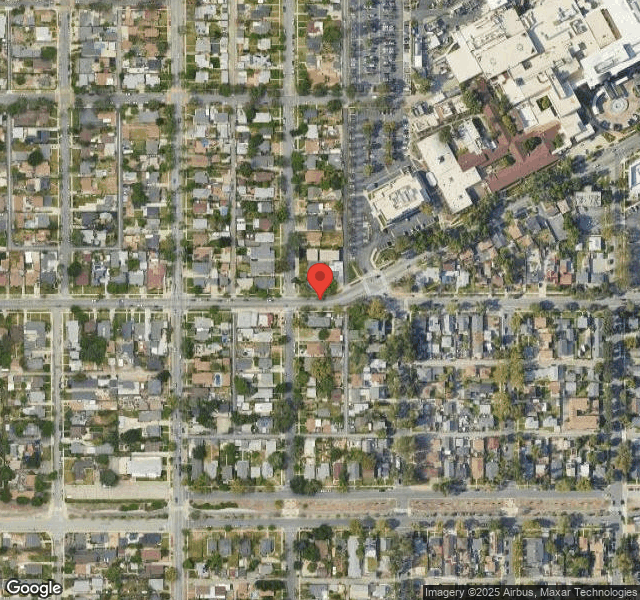

1221 EAST ARROW HWY, UPLAND, CA 91786 (909) 985-1903
For profit - Corporation 206 Beds THE ENSIGN GROUP Data: November 2025
Trust Grade
70/100
#487 of 1155 in CA
Last Inspection: May 2025

Inspected within the last 6 months. Data reflects current conditions.

Overview

Upland Rehabilitation and Care Center has a Trust Grade of B, which means it is considered a good choice for families looking for a nursing home. It ranks #487 out of 1155 facilities in California, placing it in the top half of state options, and #36 out of 54 in San Bernardino County, indicating there are only a few local facilities that rank higher. Unfortunately, the facility is worsening, with issues increasing from 6 in 2024 to 16 in 2025, which raises concerns about its overall quality. Staffing is rated 4 out of 5 stars, which is a strength, but turnover is at 39%, around the state average, suggesting staff stability could be better. Notably, there have been serious concerns regarding food safety practices, including contaminated ice machines and wet food storage practices, which pose health risks for residents. On the positive side, the facility has no fines on record, indicating compliance with regulations. Overall, while there are some strengths, potential families should be aware of the rising issues and food safety concerns when considering this facility.

Trust Score
B
70/100
In California
#487/1155
Top 42%
Safety Record
Low Risk
No red flags
Inspections
Getting Worse
6 → 16 violations
Staff Stability
○ Average
39% turnover. Near California's 48% average. Typical for the industry.
Penalties
✓ Good
No fines on record. Clean compliance history, better than most California facilities.
Skilled Nurses
⚠ Watch
Each resident gets only 27 minutes of Registered Nurse (RN) attention daily — below average for California. Fewer RN minutes means fewer trained eyes watching for problems.
Violations
⚠ Watch
33 deficiencies on record. Higher than average. Multiple issues found across inspections.
★★★★☆
4.0
Overall Rating
★★★★☆
4.0
Staff Levels
★★★★★
5.0
Care Quality
★★★☆☆
3.0
Inspection Score
Stable
2024: 6 issues
2025: 16 issues

The Good

  • 4-Star Staffing Rating · Above-average nurse staffing levels
  • 5-Star Quality Measures · Strong clinical quality outcomes
  • Full Sprinkler Coverage · Fire safety systems throughout facility
  • No fines on record
  • Staff turnover below average (39%)

    9 points below California average of 48%

Facility shows strength in staffing levels, quality measures, fire safety.

The Bad

Staff Turnover: 39%

Near California avg (46%)

Typical for the industry

Chain: THE ENSIGN GROUP

Part of a multi-facility chain

Ask about local staffing decisions and management

The Ugly 33 deficiencies on record

Sept 2025 1 deficiency
CONCERN (D) 📢 Someone Reported This

A family member, employee, or ombudsman was alarmed enough to file a formal complaint

Potential for Harm - no one hurt, but risky conditions existed

Deficiency F0676 (Tag F0676)

Could have caused harm · This affected 1 resident

**NOTE- TERMS IN BRACKETS HAVE BEEN EDITED TO PROTECT CONFIDENTIALITY** Based on observation, interview, and record review, the facility failed to ensure activities of daily living services were provi...

Read full inspector narrative →
**NOTE- TERMS IN BRACKETS HAVE BEEN EDITED TO PROTECT CONFIDENTIALITY** Based on observation, interview, and record review, the facility failed to ensure activities of daily living services were provided for one of three residents (Resident 1) in accordance with facility policy when, Resident 1 was not provided with a restorative nursing assistance (RNA) exercise for walking. This failure had the potential to cause a decline in a clinically compromised resident (Resident 1) health and ability to walk. Findings: During a review of Resident 1' admission Record (general demographics) on September 8, 2025, the document indicated Resident 1 was admitted to the facility on [DATE], with diagnoses that included muscle weakness, type 2 diabetes (a condition in which the body have more sugar in the blood), hypertension (a condition in with a high blood pressure) and abnormalities of gait and mobility (changes to the normal way of walking). During an observation on September 8, 2025, at 11:55 AM, Resident 1 was observed lying in bed. Resident 1 was staring at playing cards on a bedside table in front of her. During an interview on September 8, 2025, at 12:10 PM, with Certified Nursing Assistant (CNA). the CNA stated, [Name of Resident 1] usually stays in her room. She does RNA in her room. During an interview on September 8, 2025, at 12:15 PM, with Licensed Vocational Nurse (LVN). the LVN stated, I have not seen [Name of Resident 1] walk for a while, but I know she is on RNA program. During an interview on September 8, 2025, at 12:45 PM, with Restorative Nursing Assistant staff (RNAS) the RNAS stated, [Name of Resident 1] is on RNA program for only the upper body. We don't walk with her. During a concurrent interview and review of Resident 1's Physical Therapy (PT) notes, on September 8, 2025, at 1:10 PM, with Facility Rehab Staff (FRS), the FRS stated, [Name of Resident 1] should have been placed on RNA program for ambulation on July 21, 2025, after physical therapy treatment ended to work on her lower body. A review of Resident 1's care plan dated July 24, 2025, indicated, Focus: Has limited physical mobility related to weakness. Goal: Increase with functional mobility, reduce fall risk. Interventions: . improve functional mobility. During an interview on September 9, 2023, at 2:00 PM, with the Administrator (Admin), the admin stated, There was no continuation of therapy for RNA after PT ended. The Admin further stated, The resident should have been placed on RNA program for ambulation. A review of the facility's Policy and Procedure (P&P), titled, Quality of Care revised, November 2022, the P&P indicated, It is the policy of this facility that residents are given the appropriate treatment and services to maintain or improve his/her abilities. PROCEDUERS: 1. Maintenance and restorative programs will be provided to residents in accordance with the resident's comprehensive assessment.
May 2025 15 deficiencies
CONCERN (D)

Potential for Harm - no one hurt, but risky conditions existed

Resident Rights (Tag F0550)

Could have caused harm · This affected 1 resident

**NOTE- TERMS IN BRACKETS HAVE BEEN EDITED TO PROTECT CONFIDENTIALITY** Based on observation, interview, and record review, the facility failed to treat one of three sampled residents (Resident 398) w...

Read full inspector narrative →
**NOTE- TERMS IN BRACKETS HAVE BEEN EDITED TO PROTECT CONFIDENTIALITY** Based on observation, interview, and record review, the facility failed to treat one of three sampled residents (Resident 398) with dignity when Certified Nurse Assistant 3 (CNA 3) was standing over the resident while assisting during lunch. This deficient practice had the potential to negatively impact the self-esteem and self-worth of Resident 398. Findings: During a review of Resident 398's admission Record (AR), the AR indicated Resident 398 was admitted on [DATE], with diagnoses that included unstable angina (a type of chest pain or discomfort caused by reduced blood flow to the heart muscle), atherosclerosis (a condition where plaque builds up inside the arteries, causing them to narrow and potentially harden), hypertension (high blood pressure), and diabetes (a disorder characterized by difficulty in blood sugar control and poor wound healing) among others. During a review of the facility's Daily Room Assignment Sheet (DRAS), dated May 5, 2025, the DRAS indicated Resident 398 was on one-on-one meal assist during breakfast and lunch. During a concurrent observation and interview on May 5, 2025, at 12:21 PM, with CNA 3, inside Resident 398's room, CNA 3 was seen standing in front of Resident 398 during feeding. Resident 398 stated they preferred CNA 3 to be seated while feeding them. CNA 3 stated the procedure in assisting residents during feeding was to be seated facing the resident. During an interview on May 7, 2025, at 9:32 AM, with the Director of Staff Development (DSD), the DSD stated the expectation for a CNA when feeding residents was to be seated at eye level. The DSD stated it was a dignity issue for a CNA to stand over residents while feeding them. During a concurrent interview and record review on May 7, 2025, at 2:02 PM, with the Director of Nursing (DON), the facility's document titled, Techniques for Safe Swallowing and Feeding, dated 2022, was reviewed. The document indicated, .Feeding Techniques .Sit close to the person so that you can see their face and mouth .Sit next to the person. Never stand above or lean over the person . The DON stated the expectation was for a CNA to be seated at eye level while feeding residents to ensure safe feeding and promotion of dignity. The DON stated CNA 3 did not follow the facility's procedure when feeding Resident 398.
CONCERN (D)

Potential for Harm - no one hurt, but risky conditions existed

Deficiency F0578 (Tag F0578)

Could have caused harm · This affected 1 resident

**NOTE- TERMS IN BRACKETS HAVE BEEN EDITED TO PROTECT CONFIDENTIALITY** Based on interview and record review, the facility failed to honor the right to formulate an Advance Directive (a legal document...

Read full inspector narrative →
**NOTE- TERMS IN BRACKETS HAVE BEEN EDITED TO PROTECT CONFIDENTIALITY** Based on interview and record review, the facility failed to honor the right to formulate an Advance Directive (a legal document indicating resident preference on end-of-life treatment decisions) for five of 37 sampled residents (Residents 50, 147, 153, 175, and 497) when: 1. The Advance Directives Checklist forms did not indicate whether Residents 50, 147, and 153 were provided an opportunity to formulate an Advance Directive. 2. Resident 175's Advance Directives Checklist form was not followed up to ensure their responsible party was given the opportunity to complete an Advance Directive on behalf of the resident. 3. There was no documented evidence indicating Resident 497 was provided with written information to formulate an Advance Directive. This failure had the potential for the residents' decisions regarding their healthcare and treatment options or the decisions made on their behalf not to be honored. Findings: a. A review of Resident 50's admission Record, (front page of the chart that contains a summary of basic information about the resident), indicated Resident 50 was readmitted to the facility on [DATE]. A review of Resident 50's Advance Directives Checklist form, dated July 3, 2024, indicated Resident 50 acknowledged being provided with written information regarding the right to formulate an Advance Directive and Resident 50 did not currently possess an Advance Directive. The checklist form did not indicate if the resident wished or did not wish to formulate an Advance Directive. During an interview on May 7, 2025, at 08:30 AM, with Resident 50, the resident stated the facility did not offer assistance to formulate an Advance Directive. During a concurrent interview and record review on May 7, 2025, at 9:42 AM, with the Director of Social Services (DOSS), Resident 50's Advance Directives Checklist form, dated July 3, 2024, was reviewed. The DOSS acknowledged the checklist did not indicate if Resident 50 wanted to formulate an Advance Directive. The DOSS stated an Advance Directive would help the family or the healthcare providers make medical decisions for the resident, particularly if the resident became incapacitated. During a follow-up interview and record review on May 8, 2025, at 08:13 AM, with the DOSS, Resident 50's Advance Directives Checklist, dated July 3, 2024, was reviewed. The DOSS acknowledged she was responsible for ensuring a resident's Advance Directive was available in the resident's medical record and the resident was provided information on how to formulate an Advance Directive. b. A review of Resident 147's admission Record, indicated Resident 147 was readmitted to the facility on [DATE]. A review of Resident 147's POLST [Physician Orders for Life-Sustaining Treatment], dated April 18, 2025, indicated section D of the form regarding Advance Directive was incomplete. The boxes indicating whether Resident 147 had or did not have an Advance Directive were left unchecked. A review of Resident 147's Advance Directives Checklist, dated April 17, 2025, indicated Resident 147's responsible party was provided with written information regarding the resident's right to formulate an Advance Directive. A checkmark indicated Resident 147 did not currently possess an Advance Directive, but the subcategories were left unchecked and did not indicate whether Resident 147 wished or did not wish to formulate an Advance Directive. During a concurrent interview and record review on May 7, 2025 at 08:40 AM, with Registered Nurse Supervisor (RNS) 1, Resident 147's Advance Directives Checklist dated April 17, 2025 was reviewed. RNS 1 verified the Advance Directives Checklist needed to be completed to indicate whether the resident was provided with written information regarding the right to formulate an Advance Directive and if the resident wished or did not wish to formulate one. RNS 1 further stated that based on Resident 147's Advance Directives Checklist, she was unable to tell whether the responsible party and/or the resident were asked if they wanted to formulate an Advance Directive because the form was incomplete. During an interview on May 7, 2025, at 08:52 AM with Responsible Party (RP) 1, RP 1 was asked about Resident 147's Advance Directive. RP 1 stated they were unsure what an Advance Directive was or if it was offered to formulate one for Resident 147. c. A review of Resident 153's admission Record, indicated Resident 153 was readmitted to the facility on [DATE]. A review of Resident 153's POLST, dated December 26, 2024, indicated section D of the form regarding Advance Directive was completed. The box indicated Resident 153 did not have an Advance Directive. A review of Resident 153's Minimum Data Set, (MDS- a resident assessment tool) dated March 25, 2025, indicated Resident 153's cognitive skills for decision making were severely impaired. A review of Resident 153's H&P [History and Physical],, dated December 27, 2024, indicated Resident 153 was unable to follow commands. A review of Resident 153's Advance Directives Checklist form, undated, indicated Resident 153 did not currently possess an Advance Directive. The subcategories were left unchecked, the form was unsigned and undated, and it did not indicate whether Resident 153's responsible party was provided with written information regarding the resident's rights to formulate an Advance Directive. d. A review of Resident 175's admission Record, indicated Resident 175 was readmitted to the facility on [DATE]. A review of Resident 175's MDS, dated April 21, 2025, indicated Resident 175's cognitive skills for decision making were severely impaired. A review of Resident 175's History and Physical, dated April 18, 2025, indicated Resident 175 did not have the capacity to understand and make decisions. A review of Resident 175's POLST, dated April 18, 2025, was found flagged and attached to a fax Transmission Verification Report, dated April 20, 2025, with a request to Resident 175's responsible party to sign and fax back. A review of Resident 175's Advance Directives Checklist form, dated April 17, 2025, indicated the form was faxed to Resident 175's responsible party to obtain signatures. The form was unsigned, and it did not indicate whether Resident 175's responsible party was provided with written information regarding the resident's right to formulate an Advance Directive. e. A review of Resident 497's admission Record, indicated Resident 497 was admitted to the facility on [DATE]. A review of Resident 497's POLST, dated April 18, 2025, indicated section D of the form regarding Advance Directive was incomplete. The boxes indicating whether Resident 497 had an Advance Directive or not were left unchecked. A review of Resident 497's MDS, dated April 21, 2025, indicated Resident 497 had a Brief Interview for Mental Status, (BIMS- an assessment tool used by facilities to screen and identify memory, orientation, and judgment status of the resident) score of 15 (highest possible score). A review of Resident 497's History and Physical, dated April 18, 2025, indicated Resident 497 had decision making capacity. During a review of Resident 497's medical record, an Advance Directive Checklist form was not located. During a concurrent interview and record review on May 7, 2025, at 08:18 AM, with the Director of Social Services (DOSS), Resident 153, Resident 175, and Resident 497's Advance Directives Checklist were reviewed. The DOSS was asked to explain the facility's process and policies concerning Advance Directives. The DOSS stated the POLST and Advance Directives Checklist were provided to a resident and/or family representative with the admission packet, and Social Services would follow up to ensure forms were completed. The DOSS verified Resident 153's Advance Directives Checklist was incomplete. The DOSS verified Resident 175's Advance Directives Checklist was incomplete and no follow up was done to ensure the resident's responsible party had received the form. The DOSS verified Resident 497's Advance Directives Checklist was not in the resident's medical record. During an interview on May 7, 2025, at 09:04 AM, with Director of Nursing (DON), the DON was asked to explain the facility's process regarding an Advance Directive and information sent via fax to a resident's responsible party. The DON stated during resident admission a nurse provided information and social services followed up to ensure it was completed within the first 5 days after admission. The DON stated Social Services was ultimately responsible for verifying the Advance Directive Checklist form was completed. The DON stated the expectation for a document sent over fax for a family representative to sign was to follow up the same day to ensure it was received. A review of the facility's policy and procedures titled Advance Directives and Associated Documentation, revised December 2023, indicated .1. Prior to, upon, or immediately after admission, a facility staff member shall: a. Provide the resident/family or responsible agent written information .regarding .the right to formulate Advance Directives. b. Document in the resident health record that, at the time of admission, the resident and/or resident representative have been provided with written information regarding advance directives 6 .a. It should be noted that a POLST is not an advance directive.
CONCERN (D)

Potential for Harm - no one hurt, but risky conditions existed

Deficiency F0605 (Tag F0605)

Could have caused harm · This affected 1 resident

**NOTE- TERMS IN BRACKETS HAVE BEEN EDITED TO PROTECT CONFIDENTIALITY** Based on interview and record review, the facility failed to ensure documentation in the medical record demonstrated the rationa...

Read full inspector narrative →
**NOTE- TERMS IN BRACKETS HAVE BEEN EDITED TO PROTECT CONFIDENTIALITY** Based on interview and record review, the facility failed to ensure documentation in the medical record demonstrated the rationale for extending the pro re nata (PRN- as needed) psychotropic (any drug that affects brain activities associated with mental processes and behaviors) anxiety medication for one of five residents (Resident 146). This failure had the potential to increase the risk of clinically significant physical dependence and/or negative clinical outcomes for Resident 146. Findings: A review of the Nursing 2024 DRUG HANDBOOK (a hardcopy drug reference book), obtained from the facility, indicated a Boxed Warning [strongest warning from the Food and Drug Administration (FDA) - a federal agency]. Continued use of benzodiazepines [a category of controlled substance medications which are regulated by the government], including clonazepam [a type of benzodiazepine to manage anxiety], may lead to clinically significant physical dependence. Risk increases with longer treatment duration and higher daily dose. During a review of Resident 146's facesheet (demographics), the facesheet indicated Resident 146 was admitted on [DATE], with a diagnosis of chronic respiratory failure (serious breathing problems). During a review of Resident 146's medical record, a medication order dated June 14, 2024, indicated a telephone order for hydroxyzine (drug to control anxiety) 50 milligrams (mg - a unit of measurement for dose) via Gastrostomy tube (G-Tube- feeding tube) every 6 hours as needed for ITCHING, MILD ANXIETY M/B [manifested by] HYPERVENTILATION [over breathing]. During a review of Resident 146's medical record, a second medication order dated February 27, 2025, indicated a telephone order to change hydroxyzine from prn to 50 mg scheduled two times a day via G-Tube. During a review of Resident 146's medical record, a Care Plan Report revised April 17, 2025, indicated Anti-anxiety medication use (Hydroxyzine r/t [related to] Anxiety disorder .4/17/2025 start on clonazepam prn. During a review of Resident 146's medical record, a progress note, dated April 17, 2025, at 12:42 PM, from the prescriber, indicated Start Clonazepam 0.5 mg Q12H [every 12 hours] PRN via G-tube. During a review of Resident 146's medical record, a medication order dated April 17, 2025, indicated clonazepam 0.5 mg tablet via G-Tube every 12 hours PRN for anxiety MB [manifested by] verbalization/communication of anxious feelings for 14 Days. During a review of Resident 146's medical record, a second medication order dated May 5, 2025, indicated clonazepam 0.5 mg tablet via G-Tube every 12 hours PRN anxiety MB verbalization/communication of anxious feelings for 14 Days. During a review of Resident 146's medical record, the Medication Administration Record indicated the resident received clonazepam 0.5 mg tablet via G-Tube on May 8, 2025, at 12:42 PM. During an observation on May 8, 2025, at 2:11 PM, in Resident 146's room, Resident 146 was observed sleeping with their mouth open. During a concurrent observation and interview on May 8, 2025, at 2:13 PM, in Resident 146's room, Certified Nursing Assistant 5 (CNA 5) stated Resident 146 was sleeping. During a concurrent interview and record review on May 8, 2025, at 3:33 PM, Resident 146's medical record was reviewed with the Director of Nursing (DON). The DON stated the prescribing practitioner did not document in the medical record the rationale for the second PRN clonazepam medication order to extend the PRN order beyond 14 days. During a concurrent interview and record review on May 9, 2025, at 1:45 PM, with the DON, the facility policy and procedure (P&P) titled, PSYCHOACTIVE [affecting the mind] DRUG MONITORING, approved January 2025, was reviewed. The policy indicated, Policy: Residents who receive .anti-anxiety .medications are monitored to evaluate the effectiveness of the medication. Every effort is made to ensure that residents receiving these medications obtain the maximum benefit with the minimum of untoward effects. Procedure: Residents receive a psychoactive medication only if designated medically necessary by the prescriber. The medical necessity is documented in the resident's medical record and in the care planning process. The continued need for the psychoactive medication is reassessed regularly by the prescriber and the care planning team. If continuation is deemed necessary, this is indicated in the medical record. The DON acknowledged the facility's policy. During a concurrent interview and record review on May 9, 2025, at 1:45 PM, with the DON, the facility P&P titled, REFERENCES, approved January 2025, was reviewed. The policy indicated, Policy: The center will have access to reference materials that include current information [on] available medications. Procedures .References that can be used include .Or any other drug reference designed for nurses (for example, Nursing Drug Handbook). The DON acknowledged the facility's policy.
CONCERN (D)

Potential for Harm - no one hurt, but risky conditions existed

Deficiency F0628 (Tag F0628)

Could have caused harm · This affected 1 resident

**NOTE- TERMS IN BRACKETS HAVE BEEN EDITED TO PROTECT CONFIDENTIALITY** Based on interview and record review, the facility failed to notify the Office of the State Long-Term Care (LTC) Ombudsman (an a...

Read full inspector narrative →
**NOTE- TERMS IN BRACKETS HAVE BEEN EDITED TO PROTECT CONFIDENTIALITY** Based on interview and record review, the facility failed to notify the Office of the State Long-Term Care (LTC) Ombudsman (an advocate for residents of nursing homes) before discharge for one of four sampled residents (Resident 70). This deficient practice had the potential to leave Resident 70 unprotected from improper discharge and deny them access to an advocate for their options and rights. Findings: During a review of Resident 70's admission Record, dated May 7, 2025, the admission Record indicated Resident 70 was admitted on [DATE], for orthopedic aftercare following left below the knee surgical amputation (surgical removal of the portion of the leg below the knee). During a review of Resident 70's History and Physical (H&P), dated February 28, 2025 , the H&P indicated Resident 70 had the capacity to understand and make decisions. During a review of Resident 70's Progress Note titled Discharge Summary - Nursing, dated May 7, 2025, the Discharge Summary indicated Resident 70 was discharged on May 7, 2025, with a discharge reason of the resident's health has improved sufficiently, resident no longer needs the services of the facility. During a concurrent interview and record review on May 9, 2025, at 8:52 AM, with the Director of Social Services (DOSS), the DOSS presented the fax confirmation page of Resident 70's Notice of Proposed Transfer/Discharge, dated May 5, 2025. The DOSS stated the fax was sent to the Ombudsman's office on May 8, 2025. The DOSS stated the Ombudsman should be notified of a resident's discharge at least 30 days before discharge. The DOSS confirmed the Ombudsman was notified late of Resident 70's discharge. During a concurrent interview and record review on May 9, 2025, at 2:45 PM, with the Director of Nursing (DON) and the Administrator, the facility's policy and procedure (P&P) titled, Criteria for Transfer and Discharge, dated May 9, 2025, was reviewed. The P&P indicated, .a. The facility shall send a copy of the notice to the State Long Term Care Ombudsman . b. The notice shall be made at least 30 days before the resident is transferred or discharged or as soon as practicable before transfer or discharge . The DON and Administrator stated the notice should be sent to the Ombudsman at least 30 days before the resident is transferred or discharged . The DON confirmed the Ombudsman was notified after Resident 70 had been discharged .
CONCERN (D)

Potential for Harm - no one hurt, but risky conditions existed

Comprehensive Care Plan (Tag F0656)

Could have caused harm · This affected 1 resident

**NOTE- TERMS IN BRACKETS HAVE BEEN EDITED TO PROTECT CONFIDENTIALITY** Based on interview and record review, the facility failed to ensure the individualized care plans (the plans showing specific in...

Read full inspector narrative →
**NOTE- TERMS IN BRACKETS HAVE BEEN EDITED TO PROTECT CONFIDENTIALITY** Based on interview and record review, the facility failed to ensure the individualized care plans (the plans showing specific interventions to provide effective and person-centered care to meet a resident's needs) were developed and implemented for three of 37 final sampled residents (Residents 19, 45, and 151) when: 1. Resident 19 did not have a care plan developed for the use of apixaban (a medication used to prevent and treat blood clots). 2. Resident 45 did not have a care plan developed for dental care. 3. Resident 151's care plan intervention to monitor for bruising associated with anticoagulant (medication to prevent blood clot formation) therapy was not implemented. These failures created the risk of health complications and reduced safety from unmonitored conditions for the residents. Findings: 1. A review of Resident 19's admission Record, indicated Resident 19 was admitted to the facility on [DATE]. A review of Resident 19's History and Physical Examination, dated January 17, 2025, indicated Resident 19's diagnoses included atrial fibrillation (an irregular, often rapid heart rate that commonly causes poor blood flow). A review of Resident 19's Order Summary Report, dated as of April 30, 2025, indicated an active physician order to administer apixaban 5 milligrams (mg - metric unit of measurement, used for medication dosage and/or amount) by mouth two times a day for atrial fibrillation starting on January 16, 2025. A review of Resident 19's Medication Administration Record, dated April 1, 2025, to April 31, 2025, indicated apixaban was administered to Resident 19 as per the physician's orders. A review of Resident 19's Care Plan Report, (undated), indicated there were no care plan problems developed related to Resident 19's use of apixaban. During a concurrent interview and record review on May 8, 2025, at 11:52 AM, with Licensed Vocational Nurse 1 (LVN 1), Resident 19's Order Summary Report, dated April 30, 2025, and undated Care Plan Report were reviewed. LVN 1 confirmed Resident 19 was receiving apixaban. LVN 1 verified there was no documented evidence indicating a care plan was developed. LVN 1 stated Resident 19 needed to have a care plan developed for apixaban. LVN 1 further stated that the purpose of having a care plan was to ensure the staff knew the resident's plan of care and how to monitor the resident properly. 2. A review of Resident 45's admission Record, indicated Resident 45 was admitted to the facility on [DATE]. A review of Resident 45's Resident Inventory of Personal Effects, dated October 30, 2024, indicated Resident 45 had both upper and lower dentures upon admission. A review of Resident 45's Dental Progress Notes, dated February 12, 2025, indicated Resident 45 was examined by the dentist. The progress notes indicated that the dentist recommended to extract Resident 45's tooth. A review of Resident 45's Order Summary Report, dated as of May 7, 2025, indicated Resident 45 might have an extraction of the tooth and full upper and lower dentures. A review of Resident 45's Minimum Data Set (MDS - a resident assessment tool) - Version 3.0, dated April 24, 2025, indicated the BIMS (Brief Interview for Mental Status - an assessment tool used by facilities to screen and identify memory, orientation, and judgement status of the resident) score was 15 which meant Resident 45 was cognitively intact. During an interview with Resident 45 on May 6, 2025, at 11:45 AM, Resident 45 stated their dentures were brought to the facility on admission; however, the facility lost the dentures approximately eight months ago, and they still did not have them. Resident 45 further stated they could eat without the dentures but were unable to chew tough meat. A review of Resident 45's Progress Notes, dated March 10, 2025, indicated the Director of Social Services (DOSS) informed Resident 45's responsible party that the resident was provided with the incorrect dentures upon returning from the hospital. The progress notes also indicated the DOSS spoke with Resident 45 who stated they would like to move forward with the tooth extraction and new dentures. A review of Resident 45's Care Plan Report, (undated), indicated there were no care plan problem developed related to Resident 45's dental care. During a concurrent interview and record review on May 7, 2025, at 03:08 PM, with LVN 3, Resident 45's Dental Progress Notes, dated February 12, 2025, Progress Notes, dated March 10, 2025, and undated Care Plan Report were reviewed. LVN 3 confirmed there was documentation indicating Resident 45 did not currently have dentures. When asked why Resident 45 needed a tooth extraction and still did not have dentures, LVN 3 stated they did not know. When asked if there was a care plan problem developed related to Resident 45's dental care, LVN 3 verified there was no documented evidence indicating a care plan was developed. LVN 3 stated a care plan should have been developed as soon as the staff knew about the issue. LVN 3 explained that the purpose of developing a care plan was to determine the type of care to be provided for the resident and to understand the resident's goals. During a concurrent interview and record review on May 7, 2025, at 03:27 PM, with the DOSS, Resident 45's Progress Notes, dated March 10, 2025, were reviewed. The DOSS verified they had been aware of Resident 45's dental issue since March 10, 2025. The DOSS stated Resident 45 complained about not having dentures because they were important for eating and for the resident's appearance. A review of the facility's Policy and Procedure, titled Comprehensive Person-Centered Care Planning, (undated), indicated It is the policy of this facility that the interdisciplinary team (IDT) shall develop a comprehensive person-centered care plan for each resident that includes measurable objectives and timeframes to meet a resident's medical, nursing, mental and psychosocial needs that are identified in the comprehensive assessment .6. The resident's comprehensive plan of care will be reviewed and/or revised by the IDT after each assessment . 3. A review of Resident 151's admission Record indicated an admission date of August 26, 2024, with diagnoses including history of stroke (damage to the brain due to an interruption in blood supply). A review of Resident 151's care plan for anticoagulant therapy, dated September 6, 2024, indicated interventions including daily skin inspections and to monitor and document any anticoagulant complications, including bruising. A review of Resident 151's medical record, indicated a physician's order, dated October 29, 2024, for Lovenox injection (a medication used to prevent the formation of blood clots), inject 40 milligrams (unit of measure) subcutaneously (under the skin) one time a day for blood clot prevention. During a review of Resident 151's SBAR (Situation, Background, Assessment, and Recommendation) Communication Form, dated April 23, 2025, the SBAR Communication form indicated Resident 151 had a fall. A review of Resident 151's progress notes, dated April 23, 2025, indicated the resident was noted to have discoloration on the right upper back and right hip and thigh. During a review of Resident 151's Medication Administration Record (MAR) for April and May 2025, the MARs indicated Resident 151 did not have signs or symptoms of bleeding. During an observation and interview on May 6, 2025, at 08:57 AM, with Resident 151, in Resident 151's room, the resident stated he had bruises from a fall and a bruise was observed on the resident's right thigh. During a concurrent interview and record review on May 9, 2025, at 09:12 AM, with the Director of Nursing (DON), Resident 151's medical record was reviewed. The DON verified Resident 151 was receiving anticoagulant therapy, sustained a fall on April 23, 2025, and had bruising to the right back, hip, and thigh. The DON stated if a resident had any skin issues, an LVN would be responsible for initiating the skin assessment and should continue to monitor the resident until the problem is resolved. The DON verified Resident 151's bruising should have been monitored. A review of the facility's P&P titled Anticoagulation Therapy, (undated), indicated the facility would ensure the anticoagulation therapy is provided to residents who require such services, consistent with professional standards of practice, the comprehensive person- centered care plan and the residents' goals and preferences . licensed nursing staff will monitor all residents on anticoagulants recognizing signs and symptoms of bleeding, including, but is not limited to bruising, gum bleeding, dark stools, and hematuria [blood in the urine] and document into the medical record.
CONCERN (D)

Potential for Harm - no one hurt, but risky conditions existed

ADL Care (Tag F0677)

Could have caused harm · This affected 1 resident

**NOTE- TERMS IN BRACKETS HAVE BEEN EDITED TO PROTECT CONFIDENTIALITY** Based on observation, interview, and record review, the facility failed to provide appropriate grooming services to one of three...

Read full inspector narrative →
**NOTE- TERMS IN BRACKETS HAVE BEEN EDITED TO PROTECT CONFIDENTIALITY** Based on observation, interview, and record review, the facility failed to provide appropriate grooming services to one of three sampled dependent residents (Resident 47), when Resident 47 was observed with untrimmed and dirty fingernails on the right hand. This had the potential for skin problems and infection around the nail bed for Resident 47. Findings: During a review of Resident 47's admission Record (AR), the AR indicated Resident 47 was admitted to the facility on [DATE], with diagnoses including functional quadriplegia (paralysis from the neck down, including legs and arms) among others. During a review of Resident 47's Minimum Data Set (MDS - a resident assessment tool), dated March 17, 2025, the MDS indicated Resident 47 had functional limitation in range of motion for both upper and lower extremities. The MDS further indicated Resident 47 was dependent on staff for personal hygiene. During an observation on May 6, 2025, at 2:22 PM, inside Resident 47's room, Resident 47 was observed with untrimmed and dirty fingernails on the right hand. During an observatoin and interview on May 6, 2025, at 2:30 PM, with Certified Nurse Assistant 4 (CNA 4), inside Resident 47's room, CNA 4 looked at Resident 47's right hand fingernails and stated the nails should be trimmed short and clean. CNA 4 stated the expectation was to provide grooming services to Resident 47. During a concurrent interview and record review on May 7, 2025, at 2:39 PM, with the Director of Nursing (DON), the facility's undated policy and procedure (P&P) titled, Nails, Care of Finger and Toe, was reviewed. The P&P indicated, .It is the policy of this facility to perform nail care to: 1. Clean the nail bed 2. Keep nail trimmed 3. Prevent infections .Procedures .7. Nail care includes daily cleaning and regular trimming during ADL (Activities of Daily Living- activities such as bathing, dressing and toileting a person performs regularly) care .8. Proper nail care can aid in the prevention of skin problems around the nail bed . The DON stated the expectation for grooming Resident 47 was not met, and further stated the policy was not followed.
CONCERN (D)

Potential for Harm - no one hurt, but risky conditions existed

Quality of Care (Tag F0684)

Could have caused harm · This affected 1 resident

**NOTE- TERMS IN BRACKETS HAVE BEEN EDITED TO PROTECT CONFIDENTIALITY** Based on observation, interview, and record review, the facility failed to provide the necessary services to attain or maintain ...

Read full inspector narrative →
**NOTE- TERMS IN BRACKETS HAVE BEEN EDITED TO PROTECT CONFIDENTIALITY** Based on observation, interview, and record review, the facility failed to provide the necessary services to attain or maintain the highest practicable well-being for 1 of 37 final sampled residents (Resident 4), when Resident 4's wound was not assessed consistently in accordance with the facility's Policy and Procedure (P&P). This failure had the potential to delay identification of wound deterioration for Resident 4. Findings: A review of Resident 4's admission Record, indicated the resident was admitted to the facility on [DATE]. A review of Resident 4's history and physical note, dated October 10, 2024, indicated the resident had diagnoses including peripheral vascular disease (narrowing of blood vessels) and chronic obstructive pulmonary disease (lung disease that blocks airflow and makes breathing difficult). A review of Resident 4's Physician's Order, dated April 12, 2025, and renewed May 3, 2025, indicated to cleanse Resident 4's moisture-associated skin damage (MASD, inflammation of the skin occurring with or without loss of the outer layer of the skin) on the right buttock extending to the left buttock with normal saline solution, pat the skin area dry, apply barrier cream, and leave the skin area open to air. The order indicated wound care would be performed every day for 21 days then a reevaluation of the skin area would be performed. A review of Resident 4's LN [Licensed Nurse]-Skin Evaluation - PRN [as needed]/weekly did not indicate an assessment of the condition of Resident 4's wound to the buttocks for the weeks of April 25, 2025, and May 2, 2025. During a concurrent interview and record review on May 8, 2025, at 10:42 AM, with Licensed Vocational Nurse 5 (LVN 5), Resident 4's medical record was reviewed. LVN 5 acknowledged Resident 4 was receiving treatment for the wound to the buttocks area. LVN 5 verified the physician's order for the resident's wound treatment. LVN 5 described the wound as redness on the right buttock that extended to the left buttock and stated the wound was moisture-associated skin damage. LVN 5 verified there was no assessment documented in Resident 5's record for the weeks of April 25, 2025, and May 2, 2025. LVN 5 explained the documentation of the assessment findings would guide the other nurses to know whether the condition of the resident's wound was getting worse, or the wound was improving. LVN 5 stated the importance was to ensure Resident 4 would receive the appropriate wound treatment. During a concurrent observation and interview on May 9, 2025, at 9:27 AM, with LVN 5 in the presence of the Director of Staff Development (DSD), LVN 5 was observed providing wound care treatment to Resident 4 in the resident's room. LVN 5 verified there were scattered areas of skin redness on Resident 4's right buttock and extending to the left buttock area. LVN 5 stated the areas were not intact, there was no drainage coming out from the open areas, and the depth of the wound was too shallow for measurement. A review of the facility's P&P, titled Skin Management System, (undated), indicated residents will have an ongoing head to toe assessment done weekly, incorporated into the weekly summary review by the licensed nursing staff.
CONCERN (D)

Potential for Harm - no one hurt, but risky conditions existed

Respiratory Care (Tag F0695)

Could have caused harm · This affected 1 resident

**NOTE- TERMS IN BRACKETS HAVE BEEN EDITED TO PROTECT CONFIDENTIALITY** Based on observation, interview, and record review, the facility failed to provide respiratory care services for 1 of 37 final s...

Read full inspector narrative →
**NOTE- TERMS IN BRACKETS HAVE BEEN EDITED TO PROTECT CONFIDENTIALITY** Based on observation, interview, and record review, the facility failed to provide respiratory care services for 1 of 37 final sampled residents (Resident 89) when the facility failed to ensure the filter of the Continuous Positive Airway Pressure machine (CPAP- a machine that uses air pressure delivered through tubing and a mask over the mouth or nose to keep the airway open) was replaced in accordance with the manufacturer's guidelines. This failure could potentially result in nasal irritation and/or illness for Resident 89. Findings: A review of Resident 89's admission Record, indicated the resident was admitted to the facility on [DATE]. A review of Resident 89's Care Plan Report, initiated on March 19, 2025, and revised on May 2, 2025, indicated Resident 89 had a problem of altered respiratory status and difficulty breathing related to Obstructive Sleep Apnea (OSA- a condition where the throat muscle relaxes while sleeping and blocks the airway, leading to lapses in breathing). A review of Resident 89's physician's order, dated May 2, 2025, indicated to use a CPAP machine at bedtime for OSA. During an observation and interview on May 5, 2025, at 10:30 AM, with Resident 89, in Resident 89's room, a machine was observed on the resident's nightstand and tubing was connected and hanging at the bedside. Resident 89 stated the machine was a CPAP machine Resident 89 used to help with breathing at night during sleep. Resident 89 acknowledged the facility staff would come by and check the machine; however, the resident was not able to describe what the staff would check on the machine. During a concurrent observation and interview on May 8, 2025, at 11:20 AM, with Licensed Vocational Nurse 8 (LVN 8), in Resident 89's room, LVN 8 acknowledged Resident 89 used a CPAP machine at night to help the resident with breathing. During an inspection of the machine, LVN 8 opened the compartment of the filter located on the right side of the CPAP machine. The color of the filter was observed to be a mixed light grey and dark grey. LVN 8 acknowledged the grey color of the filter. LVN 8 stated they were not sure who was responsible for checking and replacing the filter of the CPAP machine. During a concurrent observation and interview on May 8, 2025, at 11:34 AM, with the Assistant Director of Nursing (ADON) and Respiratory Therapy Supervisor (RTS), in Resident 89's room, the ADON and RTS acknowledged the color of the filter of Resident 89's CPAP machine was light grey and dark grey. The RTS stated a new filter was white in color and CPAP machine filters should be replaced routinely. During a follow-up interview and record review on May 8, 2025, at 2:40 PM, with the RTS, the CPAP machine manufacturer's user guide, (undated), was reviewed. The RTS stated the user guide indicated to check the CPAP air filter and replace the filter at least every six months and replace the filter more often if there were any holes or blockages with dirt or dust. The RTS stated there was no documentation indicating an inspection was conducted on Resident 89's CPAP machine, including a filter change for the machine. The RTS stated the purpose of the filter in a CPAP machine was to ensure the resident would be breathing clean air while the resident was using the machine at nighttime. During a follow-up interview on May 8, 2025, at 2:58 PM, with the ADON, the ADON acknowledged there was no documentation the licensed nursing staff changed the filter of Resident 89's CPAP machine. During a concurrent interview and record review on May 9, 2025, at 11:05 AM, with the Director of Nursing (DON), the CPAP machine manufacturer's user guide, (undated), was reviewed. The DON stated the nursing staff were responsible to ensure the CPAP machine was working and the Respiratory Department would ensure the machine had the correct settings, as ordered by the physician. The DON acknowledged the facility should have followed the manufacturer's user guide for filter replacement for Resident 89's CPAP machine.
CONCERN (D)

Potential for Harm - no one hurt, but risky conditions existed

Deficiency F0698 (Tag F0698)

Could have caused harm · This affected 1 resident

**NOTE- TERMS IN BRACKETS HAVE BEEN EDITED TO PROTECT CONFIDENTIALITY** Based on observation, interview, and record review, the facility failed to ensure the provision of care and services for dialysi...

Read full inspector narrative →
**NOTE- TERMS IN BRACKETS HAVE BEEN EDITED TO PROTECT CONFIDENTIALITY** Based on observation, interview, and record review, the facility failed to ensure the provision of care and services for dialysis (a treatment to cleanse the blood of waste and extra fluids through a machine when the kidney(s) have failed) when a bandage was left on the dialysis site for more than four hours for one of two sampled residents (Resident 49). This had the potential to prevent appropriate monitoring for complications including potential for infection and malfunction of Resident 49's dialysis access site . Findings: During a review of Resident 49's admission Record (AR), the AR indicated Resident 49 was admitted on [DATE], with diagnoses that included end stage renal disease (irreversible kidney failure) among others. During a review of Resident 49's Order Listing Report (OLR), dated May 6, 2025, the OLR indicated Resident 49 had an active order for dialysis every Monday, Wednesday, and Friday. During a concurrent observation and interview on May 6, 2025, at 8:39 AM, with Licensed Vocational Nurse 2 (LVN 2), inside Resident 49's room, Resident 49 was seen with a bandage on the left arm. LVN 2 stated she would check records to be sure but thought the bandage might be from the previous dialysis treatment. During a concurrent observation and interview on May 6, 2025, at 9:05 AM, with the Director of Nursing (DON), inside Resident 49's room, the DON stated Resident 49 received dialysis treatment. The DON removed the bandage on Resident 49's arm and stated it was from the dialysis treatment from May 5, 2025. During a concurrent interview and record review on May 6, 2025, at 9:10 AM, with the DON, the Facility/Dialysis Center Nursing Communication Record (CR) signed and dated May 5, 2025, was reviewed. The CR indicated Resident 49 had dialysis on May 5, 2025, and the resident had a bandage in place upon return to the facility. The DON stated the bandage in place referenced in the document was for the dialysis access site on the left arm. The DON stated the bandage on Resident 49's arm should have been removed within four hours following dialysis treatment. During a concurrent interview and record review on May 9, 2025, at 2:10 PM, the facility's Lesson Plan .Pre and Post Care for Dialysis Inservice, dated November 20, 2024, was reviewed. The lesson plan indicated, .Objective .Clearly define guidelines in providing pre and post care for dialysis .Post Dialysis Care .Bandages should be removed within three to four hours after treatment . The DON stated the bandage remained on Resident 49's dialysis access site for more than four hours.
CONCERN (D)

Potential for Harm - no one hurt, but risky conditions existed

Deficiency F0700 (Tag F0700)

Could have caused harm · This affected 1 resident

**NOTE- TERMS IN BRACKETS HAVE BEEN EDITED TO PROTECT CONFIDENTIALITY** Based on observation, interview, and record review, the facility failed to ensure the side rail (also called bedrail) assessment...

Read full inspector narrative →
**NOTE- TERMS IN BRACKETS HAVE BEEN EDITED TO PROTECT CONFIDENTIALITY** Based on observation, interview, and record review, the facility failed to ensure the side rail (also called bedrail) assessment was accurate and side rail use was indicated to meet the needs of one of 37 final sampled residents (Resident 66), who was unable to use the side rails due to functional limitations in both upper extremities. This failure had the potential for injury related to improper use of side rails for Resident 66. Findings: A review of Resident 66's admission Record indicated the resident was admitted to the facility on [DATE]. A review of Resident 66's physician's order, dated February 8, 2023, indicated an order for half (1/2) side rails up in bed to aid in bed mobility. A review of Resident 66's Minimum Data Set (MDS, a standardized assessment tool), dated June 13, 2024, indicated Resident 66 had impaired range of motion in both upper extremities. A review of Resident 66's OT [Occupational Therapy] Evaluation and Plan of Treatment, dated July 9 to August 5, 2024, indicated Resident 66 had functional limitations due to contractures (shortening or tightening of muscles causing deformity or loss of movement of the affected extremity) of both upper extremities. A review of Resident 66's Functional Abilities and Goals form, dated March 6, 2025, indicated the resident was dependent on staff for mobility, including rolling side to side in bed. In addition, the form indicated Resident 66 was dependent on staff when moving from sitting on the side of the bed to lying flat on the bed. A review of Resident 66's Bed Rail Safety Evaluation, dated March 6, 2025, indicated Resident 66 could have two (2) ½ siderails up to aid the resident in bed mobility. In addition, the evaluation indicated Resident 66 was able to move freely in bed and did not exhibit signs or symptoms of impaired and restricted mobility. During an initial tour observation on May 5, 2025, at 11:55 AM, in Resident 66's room, Resident 66 was observed with eyes closed while lying in bed. The resident's bed was observed to have both upper side rails raised above the mattress level of the bed and both side rails were covered with soft material. During an interview on May 7, 2025, at 2:02 PM, with Certified Nursing Assistant 2 (CNA 2), CNA 2 stated Resident 66 was dependent on staff for care, including with the activities of daily living (ADLs- for example, bathing, personal hygiene and repositioning). CNA 2 explained Resident 66 was unable to reposition independently due to contractures of both upper and lower extremities. During a concurrent interview and record review on May 7, 2025, at 3:05 PM, with Registered Nurse Supervisor 2 (RNS 2), Resident 66's Bed Rail Safety Evaluation, dated March 6, 2025, was reviewed. RNS 2 acknowledged there was inconsistency between Resident 66's documented functional abilities in the medical record and the assessment findings on the safety evaluation regarding the mobility of Resident 66. RNS 2 stated the Bed Rail Safety Evaluation should show Resident 66 was assessed to have exhibited signs or symptoms of impaired and restricted mobility. During a concurrent observation and interview on May 9, 2025, at 8:33 AM with CNA 1, CNA 1 was observed providing a bed bath to Resident 66 inside the resident's room. Resident 66 was observed lying in bed with arms crossed over the resident's chest area. Resident 66's arms remained bent at the elbows while CNA 1 was removing the shirt of the resident. When CNA 1 rolled Resident 66 towards the left side, the CNA instructed the resident to grab on to the left side rail. Resident 66's arms remained bent, and the resident did not reach over and grab on to the side rail. CNA 1 acknowledged Resident 66 did not reach for and hold onto the side rail. During a concurrent interview and record review on May 9, 2025, at 9:00 AM, with the Director of Rehabilitation Services (DRS), Resident 66's OT Evaluation and Plan of Treatment, dated July 9 to August 5, 2024, was reviewed. The DRS stated the rehabilitation services department would evaluate a resident's mobility and the need for assistive devices. The DRS stated side rails would aid a resident in repositioning their body while in bed. The DRS stated the assessment findings for Resident 66 included functional limitations of both upper extremities due to the presence of contractures. The DRS stated the side rails of Resident 66's bed could no longer aid the mobility of the resident due to the functional limitations of the resident's upper extremities. A review of the facility's Policy and Procedure (P&P), titled Resident Assessment- Bedrail Assessment, (undated), indicated the need for ongoing monitoring and supervision for the use of side rails, which would include an ongoing assessment to assure that the bed rail is used to meet the resident's needs.
CONCERN (D)

Potential for Harm - no one hurt, but risky conditions existed

Pharmacy Services (Tag F0755)

Could have caused harm · This affected 1 resident

**NOTE- TERMS IN BRACKETS HAVE BEEN EDITED TO PROTECT CONFIDENTIALITY** Based on interview and record review, the facility failed to ensure safe and effective pharmaceutical services when an order was...

Read full inspector narrative →
**NOTE- TERMS IN BRACKETS HAVE BEEN EDITED TO PROTECT CONFIDENTIALITY** Based on interview and record review, the facility failed to ensure safe and effective pharmaceutical services when an order was not clarified before a medication was held for one of five residents (Resident 112). This failure had the potential to result in preventable medication errors resulting from incomplete or unclear orders for Resident 112. Findings: During a review of Resident 112's facesheet (demographics), the facesheet indicated the resident was readmitted on [DATE], and had diagnoses of dependence on renal (kidney) dialysis (procedure for filtering blood when kidneys stop working) and hypertension (high blood pressure). During a review of Resident 112's SNF [Skilled Nursing Facility] H&P [History & Physical], the H&P indicated Resident 112 was diagnosed with chronic (persistent) congestive heart failure (CHF- when the heart does not pump blood normally). During a review of Resident 112's medical record, an order dated April 28, 2025, indicated a medication order for furosemide (diuretic - water pill) 80 milligrams (mg - a unit of measurement for dose) tablet by mouth two times a day for CHF. During a review of Resident 112's medical record, an order dated April 29, 2025, indicated to HOLD ALL B/P [blood pressure] MEDS [medications] ON THE MORNING OF DIALYSIS DAYS. During an interview on May 7, 2025, at 8:14 AM, with Licensed Vocational Nurse 6 (LVN 6), LVN 6 stated they were going to hold Resident 112's furosemide because the resident was going to dialysis. During a concurrent interview and record review on May 7, 2025, at 2:15 PM, with LVN 6, Resident 112's medical record was reviewed. LVN 6 stated they did not administer the furosemide to Resident 112 that morning. LVN 6 acknowledged the order dated April 29, 2025, indicated to HOLD ALL B/P MEDS ON THE MORNING OF DIALYSIS DAYS. LVN 6 reviewed the furosemide medication order dated April 28, 2025. LVN 6 acknowledged the furosemide was indicated for CHF and not blood pressure. LVN 6 stated furosemide was categorized as a diuretic and water pill. LVN 6 stated the order to hold blood pressure medications on dialysis days dated April 29, 2025, and the furosemide medication order dated April 28, 2025, should have been clarified. During a concurrent interview and record review on May 9, 2025, at 1:45 PM, with the Director of Nursing (DON), the facility policy and procedure (P&P) titled, PRESCRIBER MEDICATION ORDERS, approved January 2025, was reviewed. The policy indicated, Any dose or order that appears inappropriate considering the resident's age, condition, or diagnosis is verified with the attending physician before processing. The DON acknowledged the facility's policy.
CONCERN (D)

Potential for Harm - no one hurt, but risky conditions existed

Deficiency F0761 (Tag F0761)

Could have caused harm · This affected 1 resident

Based on observation, interview, and record review, the facility failed to ensure medications were stored at an appropriate temperature range, in accordance with drug manufacturers' requirements, in o...

Read full inspector narrative →
Based on observation, interview, and record review, the facility failed to ensure medications were stored at an appropriate temperature range, in accordance with drug manufacturers' requirements, in one of three medication rooms (Station 2 Med Room). This failure had the potential for residents to be given deteriorated (reduced quality) medications which could result in suboptimal treatment. Findings: During a review of the Station 2 Daily Record of Medication Room Temperature, the log indicated the Station 2 Medication Room temperature was recorded as 78 degrees Fahrenheit (F - a temperature scale) on May 4, 2025, and May 5, 2025. During a concurrent observation and interview on May 5, 2025, at 9:41 AM, with the Assistant Director of Nursing (ADON), an inspection of the Station 2 Medication Room was conducted. When the medication room cabinet was opened, multiple medications were observed stored inside. The ADON acknowledged the product labeling for the following six (6) drug products indicated to store the medications at a maximum of 77 degrees F. a. Three (3) bottles of Extra Strength acetaminophen (pain relief medication) 500 milligrams (mg - a unit of measurement for dose) b. Two (2) bottles of acetaminophen 325 mg c. One bottle of senna (laxative to manage constipation) syrup 237 milliliters (ml - a unit of measurement for volume) d. One carton of twenty-four (24) caplets (pills) of loperamide (drug to control diarrhea) 2 mg e. Two (2) bottles of docusate sodium (stool softener) 100 mg f. Two (2) bottles of Extra Strength docusate sodium 250 mg During a concurrent interview and record review on May 9, 2025, at 1:45 PM, with the Director of Nursing (DON), the facility policy and procedure (P&P) titled MEDICATION STORAGE IN THE FACILITY .STORAGE OF MEDICATIONS approved January 2025, was reviewed. The policy indicated, Medications and biologicals are stored safely, securely, and properly, following the manufacturer's recommendations or those of the supplier. The DON acknowledged the facility's policy.
CONCERN (D)

Potential for Harm - no one hurt, but risky conditions existed

Medical Records (Tag F0842)

Could have caused harm · This affected 1 resident

**NOTE- TERMS IN BRACKETS HAVE BEEN EDITED TO PROTECT CONFIDENTIALITY** Based on interview and record review, the facility failed to ensure complete and accurate documentation for one of 37 final samp...

Read full inspector narrative →
**NOTE- TERMS IN BRACKETS HAVE BEEN EDITED TO PROTECT CONFIDENTIALITY** Based on interview and record review, the facility failed to ensure complete and accurate documentation for one of 37 final sampled residents (Resident 151), when Restorative Nursing Assistant (RNA) services were not documented. This failure had the potential for Resident 151's care needs to go unmet due to inaccurate information in the record. Findings: A review of Resident 151's admission Record, indicated Resident 151 was admitted to the facility on [DATE], with diagnoses including osteoarthritis (a disease where joint tissue breaks down) to both knees and history of stroke (brain damage due to an interruption in blood flow). A review of Resident 151's Physician Orders, dated October 14, 2024, indicated RNA services daily five times a week for ambulation (walking) with front wheel walker, as tolerated, to be conducted every Monday, Tuesday, Wednesday, Thursday, and Friday. A review of the Point of Care Audit Report for March 2025, indicated four RNA entries in Resident 151's medical record for March. A review of the Point of Care Audit Report for April 2025, failed to show RNA entries were made in Resident 151's medical record for April. During a concurrent interview and record review on May 9, 2025, at 8:22 AM, with the Director of Nursing (DON) and RNA 1, Resident 151's medical record was reviewed. RNA 1 stated after working with the resident, they would document their entries into the computer. RNA 1 further stated, it should be documented in the medical record if Resident 151 was provided or refused RNA services. The DON acknowledged and verified there was no documentation of RNA services for Resident 151 from March 9, 2025, through the end of April 2025. A review of the facility's Policy and Procedure (P&P), titled ROM [Range of Motion] and Contracture Prevention, (undated), indicated appropriate documentation is completed to address goals of the program and resident tolerance to the program. A review of the facility's P&P titled Charting Guide- General, (undated), indicated the purpose of proper charting and documentation is to provide a complete account of the resident's care, treatment, and response to the care, signs, symptoms, etc., as well as the progress of the resident's care.
CONCERN (D)

Potential for Harm - no one hurt, but risky conditions existed

Infection Control (Tag F0880)

Could have caused harm · This affected 1 resident

Based on observation, interview, and record review, the facility failed to implement infection control and prevention measures when: 1. One single-dose container of acetic acid (solution to prevent bl...

Read full inspector narrative →
Based on observation, interview, and record review, the facility failed to implement infection control and prevention measures when: 1. One single-dose container of acetic acid (solution to prevent blockage in tubes connected to the resident's body) was not discarded after being opened. This failure had the potential for cross contamination (unintentional transfer of germs) to residents or residents to be treated with deteriorated treatments which could negatively impact their clinical condition. 2. One non-laundry staff entered the restricted clean area of the laundry department and obtained items from a linen cart. This failure had the potential for cross contamination and spread of infection which could adversely affect the health and wellbeing of residents and staff. Findings: 1. During a concurrent observation and interview on May 5, 2025, at 12:08 PM, an inspection of Treatment Cart 1 near Nursing Station 1 was conducted with Licensed Vocational Nurse 5 (LVN 5). LVN 5 stated she was the Treatment Nurse (nurse specializing in wound care). When Treatment Cart 1 was opened, one container of [Manufacturer] 0.25% (concentration) of acetic acid was observed stored and labeled with handwritten black ink D/O 5/2/25. LVN 5 stated the acetic acid container was opened on May 2, 2025. During an interview on May 5, 2025, at 12:22 PM, with the Director of Nursing (DON), the DON was requested to provide literature from [Manufacturer] supporting the extended beyond-use-dating (written documentation from the manufacturer regarding the longer duration of the opened container) for NDC [National Drug Code - unique number assigned to each medication] 0264-2304-10 acetic acid observed stored in Treatment Cart 1. During an interview on May 7, 2025, at 11:58 PM, with the DON, the DON stated the drug manufacturer verbally told the facility the acetic acid container was single-dose. During an interview on May 7, 2025, at 12:10 PM, with the DON, the DON acknowledged the acetic acid container was labeled Sterile [clean] .Single-dose container. The DON acknowledged the opened acetic acid container had labeling which indicated it was opened on May 2, 2025, and should not have been stored in the treatment cart on May 5, 2025. During a concurrent interview and record review on May 7, 2025, at 3:22 PM, with the Infection Preventionist (IP), the [Manufacturer] package insert (document on how to safely use medications) dated August 2023, obtained from the facility, for the acetic acid container NDC 0264-2304-10 was reviewed. The IP acknowledged the package insert indicated, WARNINGS .After opening container, the contents should be used promptly in order to minimize the possibility of bacterial growth or pyrogen [fever-inducing substance] formation. Discard unused portion of irrigating [referring to the acetic acid] solution since it contains no preservative [to protect against decay]. The IP stated the unused portion of the acetic acid container should have been discarded because don't want bacterial growth. The IP stated the acetic acid solution did not contain preservatives. During a concurrent interview and record review on May 9, 2025, at 1:45 PM, with the DON, the facility policy and procedure (P&P) titled MEDICATION STORAGE IN THE FACILITY .STORAGE OF MEDICATIONS approved January 2025, was reviewed. The policy indicated, Medications and biologicals are stored safely, securely, and properly, following the manufacturer's recommendations or those of the supplier. The DON acknowledged the facility's policy. 2. During a concurrent observation and interview on May 7, 2025, at 2:20 PM, with the Environmental Services Supervisor (EVSS), in the presence of the Infection Preventionist (IP), in the laundry department, the EVSS stated laundry staff would have to dispose of their Personal Protective Equipment (PPE - clothing and equipment that is worn or used to provide protection against hazardous substances and/or environments) and perform hand hygiene prior to coming into the clean area. The EVSS explained that after removing the dried items from the dryer, the laundry staff would place the items on the sorting table in the clean area of the laundry department. The EVSS further explained that once the items were sorted and folded, they were then placed inside the clean linen carts for the laundry staff to take to each station's clean utility rooms. It was observed that a non-laundry staff took clean items, including towels and socks, from the linen cart in the clean sorting area and placed the items inside a clear plastic bag. When the EVSS was asked if non-laundry staff were allowed to be at the laundry department's clean area near the sorting table and remove items from the linen cart, the EVSS stated no. The EVSS stated only laundry staff were allowed to handle clean items in the laundry department. During an interview on May 8, 2025, at 11:15 AM, with the IP, the IP stated non-laundry staff could not enter and were to remain outside of the clean area of the laundry department. The IP stated only laundry staff could handle clean linens and place them inside a plastic bag to provide to non-laundry staff. During an interview on May 8, 2025, at 3:35 PM, with the DON, the DON stated non-laundry staff needed to call the laundry department should they need additional clean items for the residents. The DON verified non-laundry staff were not allowed to enter the clean area or handle the clean items in the laundry department. A review of the facility's Policy and Procedures (P&P) titled Infection Prevention - Control of Transmission of Infection, (undated), indicated It is the policy of this facility to implement infection control measures to prevent the spread of communicable diseases and conditions . A review of the facility's Policy and Procedures (P&P) titled Laundry Services, (undated), indicated It is the policy of this facility that careful precautionary procedures must be followed by laundry personnel to prevent the spread of infectious diseases to other staff members, residents, and visitors .2. The supervisor of laundry services will work closely with the infection control designee to establish and maintain consistent high standards .
CONCERN (E)

Potential for Harm - no one hurt, but risky conditions existed

Food Safety (Tag F0812)

Could have caused harm · This affected multiple residents

Based on observation, interview, and record review the facility failed to store food in accordance with professional standards for food safety when employees' food was found inside 1 of 3 residents' r...

Read full inspector narrative →
Based on observation, interview, and record review the facility failed to store food in accordance with professional standards for food safety when employees' food was found inside 1 of 3 residents' refrigerators (Station 1 RR). This failure had the potential to expose 50 highly susceptible residents from Station 1, who were on an oral diet, to cross-contaminated (the transfer of harmful substances or disease- causing microorganisms) food. Findings: During a review of the facility's Station 1 Daily Census, dated May 4, 2025, the census indicated there were 56 residents in Station 1. During a review of the Station 1 Dietary Order Tally Report, (undated), the Dietary Order Tally Report indicated there were six residents who were not receiving an oral diet. During a concurrent observation tour and interview, on May 5, 2025, at 9:34 AM, inside the room where the ice machine and Station 1 RR were located, with the Maintenance Director (MD), the MD stated each station had a refrigerator for residents. The Station 1 RR door had a post on it which indicated, Resident's Food Only .This fridge is for RESIDENTS' FOOD ONLY. No Employees food can be stored inside . When the refrigerator was opened, a box of sponge cakes with a name and date written on it was found inside. During an interview on May 6, 2025, at 9:42 AM, with Station 1 Licensed Vocational Nurse (LVN 4), LVN 4 stated they were not sure if the name written on the box of sponge cakes was a resident or not. During an interview on May 6, 2025, at 10:28 AM, with the Clinical Resource (CR), the CR confirmed the food inside Station 1 RR belonged to the Housekeeper (HK) working at night. During an interview on May 7, 2025, at 8:20 AM, with the Administrator (ADM), the ADM acknowledged it was not appropriate to keep staff food inside Station 1 RR. The ADM stated a licensed nurse or housekeeper at each station should check the refrigerator daily. The ADM further stated staff should have understood not to put their food inside the residents' refrigerator to prevent cross-contamination. During a concurrent interview and record review on May 8, 2025, at 2:03 PM, with the ADM, the ADM reviewed and confirmed the facility's revised policy titled, Resident/Personal Food Storage, dated 11/2016 indicated, .refrigeration units, or personal/resident room refrigeration units will be monitored by designated facility staff for food safety . The ADM confirmed the finding, and stated the policy was not followed. A review of the Food and Drug Administration Food Code 2022, 3-701.11, indicated, Discarding or Reconditioning Unsafe, Adulterated, or Contaminated Food .(C) READY-TO-EAT FOOD that may have been contaminated by an EMPLOYEE who has been RESTRICTED or EXCLUDED as specified under § 2-201.12 shall be discarded.
Oct 2024 1 deficiency
CONCERN (D) 📢 Someone Reported This

A family member, employee, or ombudsman was alarmed enough to file a formal complaint

Potential for Harm - no one hurt, but risky conditions existed

Quality of Care (Tag F0684)

Could have caused harm · This affected 1 resident

Based on observation, interview, and record review, the facility failed to ensure one of three residents, (Resident 1) received treatment and care in accordance with professional standards of practice...

Read full inspector narrative →
Based on observation, interview, and record review, the facility failed to ensure one of three residents, (Resident 1) received treatment and care in accordance with professional standards of practice, when: 1. A Certified Nursing Assistant (CNA 1) left Resident 1 in bed naked and uncovered with the curtain halfway open. 2. A CNA (CNA 2) took a long time in attending to Resident 1 for a change. These failures had the potential to cause Resident 1 a psychological effect for maintaining respect and dignity. Findings: During a review of Resident 1 ' admission Record (general demographics) on September 11, 2024, the document indicated Resident 1 was admitted to the facility on November August 29, 2024, with diagnoses internal right hip prosthesis (a condition with hip replacement), heart failure (a condition that develops when your heart does not pump enough blood for the body needs), and hypertension (a condition with a high blood pressure). A review of Resident 1 ' s care plan dated, August 29, 2024, indicated, Focus: ADL (Activities of daily living) self-care performance deficit r/t (related to) limited mobility. Goal: Will safely perform bed mobility, transfers, eating, dressing, grooming, toilet use and personal hygiene with modified independence . Interventions: . Promote dignity by ensuring privacy. 1. During an interview on September 11, 2024, at 1:25 PM, with CNA 1, the CNA 1 stated, I usually provide residents with privacy during care I forgot to cover the resident with a sheet before leaving the room. During an interview on September 11, 2024, at 3:10 PM, with the Administrator regarding CNA 1, the Administrated stated, The CNA 1 should have covered the resident with sheets during care and before leaving the room. The Administrator further stated, the CNA did not follow the facility policy and procedure. 2. During a phone interview on September 30, 2024, at 2:10 PM, with CNA 2, the CNA 2 was asked about taking long time to attend to Resident 1 for a change. The CNA 2 stated, I am usually attending to residents at that and might have taken too long with cleaning her up. During a phone interview on September 30, 2024, at 4:27 PM, with the Director of Nursing (DON) regarding CNA 2, the DON stated, The CNA should have requested for assistance so she could attend to the resident with the changing. The DON further stated the CNA 2 did not follow facility policy and procedure. A review of the facility ' s policy and procedure (P&P), titled, Resident Rights dated, January 2022, indicated, .It is the policy of this facility that all resident rights be followed per state and federal guidelines as well as other regulative agencies. The Resident has the right: 1. To be treated with consideration, respect, and full recognition of his or her dignity and individuality .
Sept 2024 1 deficiency
CONCERN (D) 📢 Someone Reported This

A family member, employee, or ombudsman was alarmed enough to file a formal complaint

Potential for Harm - no one hurt, but risky conditions existed

Deficiency F0573 (Tag F0573)

Could have caused harm · This affected 1 resident

**NOTE- TERMS IN BRACKETS HAVE BEEN EDITED TO PROTECT CONFIDENTIALITY** Based on record review and interview, the facility failed to provide a resident and or representative a copy of medical records ...

Read full inspector narrative →
**NOTE- TERMS IN BRACKETS HAVE BEEN EDITED TO PROTECT CONFIDENTIALITY** Based on record review and interview, the facility failed to provide a resident and or representative a copy of medical records following a written request for 1 of 3 residents reviewed for resident rights (Resident 1). This failure could potentially violate Resident 1 (R1) rights to access her medical records. Findings: During a review of Residents 1 ' s (R1) admission Record (general demographics), the document indicated R1 was admitted to the facility on [DATE] , with diagnosis to include sepsis, (complication of an infection), urinary tract infection ( bladder infection), generalized muscle weakness ( decreased strength in muscle ), type 2 diabetes mellitus ( a long term condition in which the body has trouble controlling blood sugar and using it for energy ), dementia (is a condition that can be caused by a number of diseases which destroy nerve cells and damage the brain). During an interview with Medical Record Director (MRD) on September 16,2024 at 2:04 PM. MRD denies getting a fax request or e-mail requests to release R1 medical records. MRD stated that they have 48 hours to comply with a written request from the resident, responsible party, or legal representative. During an interview with R1 ' s Legal Representative (LR) on September 17,2024 at 10:05am. LR stated they have a successful fax transmittal confirmation on August 22,2024 at 1:06pm faxed to (909) [PHONE NUMBER]. LR stated that a copy of the successful transmittal was sent to California Department of Public Health (CDPH) on August 26, 2024. During a record review on September 17,2024 at 10:10 am, a successful confirmation receipt of facsimile sent to the facility was reviewed. During an interview with Administrator (ADM) on September 18, 2024, at 2:40 PM, ADM stated that the facility never received a facsimile from the law office requesting for the R1 ' s medical records on August 22, 2024. During an interview with MRD on September 18, 2024, at 3:00 pm, MRD stated that she received a fax on September 18, 2024, requesting for R1 ' s medical record and MRD stated that she also received a follow up phone call from the Law Office. During a concurrent interview and record review, on September 18, 2024, at 2:40 PM, with the Administrator (ADM). A facility Policy and Procedure (P&P), titled, Resident Rights Release of Information revised October 2022, was reviewed. The P&P indicated the following: Our facility maintains the confidentiality of each resident's personal and protected health information. Policy Interpretation .10. A resident may obtain photocopies of his or her records by providing the facility at least a forty-eight (48) hour (excluding weekends and holidays) advance notice of such request. A fee may be charged . ADM stated that R1 ' s medical records were not sent. ADM also stated, the facility did not receive a Facsimile on August 22, 2024, requesting for R1 medical records.
Sept 2024 1 deficiency
CONCERN (D) 📢 Someone Reported This

A family member, employee, or ombudsman was alarmed enough to file a formal complaint

Potential for Harm - no one hurt, but risky conditions existed

Resident Rights (Tag F0550)

Could have caused harm · This affected 1 resident

**NOTE- TERMS IN BRACKETS HAVE BEEN EDITED TO PROTECT CONFIDENTIALITY** Based on observation, interview, and record review, the facility failed to treat a resident in a dignified manner with respect a...

Read full inspector narrative →
**NOTE- TERMS IN BRACKETS HAVE BEEN EDITED TO PROTECT CONFIDENTIALITY** Based on observation, interview, and record review, the facility failed to treat a resident in a dignified manner with respect and value for one of three sampled residents (Resident 2) when a staff entered Resident 2 ' s room and removed her oxygen tubing (a plastic tube that carries oxygen from a tank or machine to a person, connecting to a nasal cannula [a tube that goes in the nose] or mask) without requesting permission from Resident 2 on August 19, 2024. This failure compromised Resident 2 ' s dignity, violated her right to respect, and affected her well-being and ability to make choices, which had the potential to cause psychosocial harm (mental distress and suffering) and lead to feelings of upset. Findings: A review of Resident 2's admission Record (a document containing clinical and demographic data), indicated Resident 2 was admitted to the facility on [DATE], with a diagnosis which included heart failure (a condition in which the heart is unable to pump blood effectively to meet the body's needs), Type 2 diabetes mellitus (a condition that affects how your body uses sugar (glucose), which is an important source of energy) and hypertension (blood pressure that is higher than normal) A review of Resident 2 ' s History and Physical Examination dated June 24, 2024, indicated .capacity: this resident [Resident 2] has the capacity to understand and make decisions. A review of Resident 2 ' s Comprehensive Minimum Data Set (MDS) dated [DATE], indicated Resident 2 was cognitively intact and required maximal assistance - helper does more than half the effort for most activity of daily living. A review of Resident 2 ' s physician order dated June 26, 2024, indicated . continuous oxygen at 2L/min [liters/minute, a measurement of oxygen flow] via nasal canula/mask . A review of State of California Form 341 [Suspected Dependent Adult/Elder Abuse form], dated May 1, 2024, indicated, . It was reported to facility administrator on 8/20/24 [August 20, 2024] at 1:00pm that resident [Resident 2] .[ License Vocational Nurse 1 (LVN 1)] turned off her concentrator and pulled her nasal canula on 8/19/24 [August 19, 2024] . A review of Resident 2 ' s Social Service notes date August 20, 2024, indicated, . Resident [Resident 2] alleges LVN [LVN1] took off her nasal canula . Patient [Resident 2] reports . just confused and unsure why the event took place She was referred to psychology . A review of Resident 2 ' s IDT (Interdisciplinary Team is a team of professional disciplines, as appropriate, will work together to provide the greatest benefit for the resident) notes dated August 20, 2024, indicated . On August 2024 . [Resident 2 ' s daughter] reported [Resident 2] complained one of the nurse turning off her oxygen concentrator [ oxygen machines used as stationary sources to provide long-term oxygen therapy to patients] and pulling on her nasal, nurse than proceeded to walk out the room and did not return. [Resident 2] stated nurse did not explained why the concentrator turned off and her NC [nasal canula] pulled away . During an interview on August 27, 2024, at 3:30 PM with LVN 1, LVN 1 stated that she does not remember if she announced herself before entering Resident 2's room and unsure if Resident 2 was aware of her presence for the routine round. Furthermore, LVN 1 stated that while she was tidying up the area around bed #1, she decided not to announce herself to beds 2 and 3 because she didn ' t want to be stuck longer in the room. She acknowledged that she should have announced herself to respect the residents' rights and personal space, but she did not. During a follow-up interview on August 27, 2024, at 3:40 PM with LVN 1, LVN 1 admitted that she assumed the oxygen concentrator belonged to the resident at bed #1. She pulled the oxygen tubing, which she stored in a bag tied to the concentrator, and then left the room. LVN 1 further stated that she should have checked to whom the oxygen tubing belonged before removing it, but she did not. During concurrent observation and interview on August 27, 2024, at 3:55 PM, with Resident 2, Resident 2 was lying in bed, with a call light next to her. Resident 2 stated that she was aware a staff was in the room doing routine rounds and checking on the residents, and that CNA 1 had left to assist the resident in bed #1 with a shower. Resident 2 further stated she was confused when her oxygen tubing was suddenly pulled from behind her curtain, immediately after that, she saw LVN 1 leaving the room just as CNA 1 returned with the resident from bed #1. Resident 2 then asked CNA 1 to put her oxygen tubing back on her and further stated that she was very upset that day and had told her daughter about it. During a phone interview and concurrent record review with the Director of Nursing (DON), September 18, 2024, at 4:55 PM, the DON reviewed the facility's policy and procedure titled, Resident Rights revised October 4, 2016, indicated As a resident of this nursing facility, you have the right to a dignified existence, self-determination, . Planning and Implementing Care. You have the right to be informed of, and participate in, your treatment, including the right to: be fully informed, . Respect and Dignity. You have the right to be treated with respect and dignity, . The DON stated the policy and procedure was not followed.
Jul 2024 1 deficiency
CONCERN (D) 📢 Someone Reported This

A family member, employee, or ombudsman was alarmed enough to file a formal complaint

Potential for Harm - no one hurt, but risky conditions existed

Pressure Ulcer Prevention (Tag F0686)

Could have caused harm · This affected 1 resident

**NOTE- TERMS IN BRACKETS HAVE BEEN EDITED TO PROTECT CONFIDENTIALITY** Based on interview and record review, the facility failed to ensure proper care was provided to prevent a pressure ulcer/injury ...

Read full inspector narrative →
**NOTE- TERMS IN BRACKETS HAVE BEEN EDITED TO PROTECT CONFIDENTIALITY** Based on interview and record review, the facility failed to ensure proper care was provided to prevent a pressure ulcer/injury (injury to skin/tissue from prolonged pressure on the skin) for one of three sampled residents (Resident 1). This failure placed a clinically compromised Residents (Resident 1) health and safety at risk, when a facility acquired unstageable pressure ulcer to coccyx left buttocks (lower back/spine) developed while in the facility. Findings: During review of Residents 1's admission Record (general demographics), the document indicated Resident 1 was admitted to the facility on [DATE], with diagnoses which included metabolic encephalopathy (problem in brain caused by chemical imbalance in blood), acute respiratory failure with hypoxia (not enough oxygen), tracheostomy (opening in trachea to help air and oxygen reach lungs), acute kidney failure (kidney cant filter waste from blood). During a concurrent interview and record review of Resident 1's Medical Record with the Director of Nursing (DON) reviewed and verified the following: 1. admission Skin Integrity assessment dated [DATE], at 2249: Sacro coccyx- scar tissue to coccyx, Unstageable Tissue Depth (UTD) Right and Left heel blister, right hand open wound, neck trachea stoma (opening) and abdomen Gastrostomy stoma. 2. Braden Scale for Predicting Pressure Sore Risk dated May 15, 2024, at 2315, Score 7, High Risk. 3. Situation, Background, Assessment and Recommendation (SBAR) communication form dated May 28, 2024: Moisture Associated Skin Damage (MASD) to Bilateral Buttocks, Certified Nursing Assistant (CNA) reported to charge nurse and treatment nurse that she observed MASD to Bilateral buttocks, doctor and daughter notified . 4. Phone Order May 28, 2024, at 1739: Turn and Reposition Q 2 hours every 2 hours. Phone Order May 29, 2024, at 7:00: Order for Low Airloss mattress for skin management. 5. SBAR June 10, 2024, Unstageable to coccyx left buttocks. Since this started: WORSE, Skin evaluation: Pressure Ulcer- Unstageable pressure ulcer to coccyx (tailbone) to left buttocks, cleanse with Normal Saline pat dry apply Manuka Honey, Xeroform (gauze with petrolatum) and cover with foam dressing every day for 21 days. Primary doctor notified and daughter notified. 6. CAREPLAN: Focus: Has potential for pressure ulcer development related to disease process, history of ulcers, immobility Date initiated May 16, 2024, Goal: Will have intact skin, free of redness, blisters or discoloration by/through review date, Interventions: Administer treatments as ordered and monitor for effectiveness, Daily body checks, turn and reposition as tolerated . During an interview with the Treatment Nurse, Treatment Nurse 1 stated I remember Resident 1 had a full thickness scarring on admission. When asked, what caused the pressure ulcer? Treatment nurse stated, We were treating MASD, her comorbidities she was already fragile. We were getting the wound doctor to see this resident, but family transported her to the hospital .for a new or worsening wounds we call the wound consult, but her for her she was already gone. During an interview with the Director of Nursing (DON), DON stated When she came in, she had no open wounds, it was a scar, and we were treating it. After the wound developed the mattress was placed May 29, 2024. When she came here is was scar tissue, was not an open wound, we have put in place interventions treatment for the scar tissue, Registered Dietician with supplements. They do tent to sweat and her comorbidities and incontinent bowel and bladder .we are cleaning this resident every 2 hours and sooner making sure she was dry. During a review of the facility's policy and procedure titled, Skin Management revised [December 2019, the policy and procedure indicated: It is the policy of this facility that any resident who enters the facility without pressure ulcers will have appropriate preventive measures taken to ensure that the resident does not develop pressure ulcers, or that residents admitted with wounds will not develop signs and symptoms of infection, unless the resident's clinical condition makes the development unavoidable.
Jun 2024 1 deficiency
CONCERN (D) 📢 Someone Reported This

A family member, employee, or ombudsman was alarmed enough to file a formal complaint

Potential for Harm - no one hurt, but risky conditions existed

Deficiency F0558 (Tag F0558)

Could have caused harm · This affected 1 resident

**NOTE- TERMS IN BRACKETS HAVE BEEN EDITED TO PROTECT CONFIDENTIALITY** Based on observation, interview, and record review, the facility failed to ensure reasonable accommodation of resident needs and...

Read full inspector narrative →
**NOTE- TERMS IN BRACKETS HAVE BEEN EDITED TO PROTECT CONFIDENTIALITY** Based on observation, interview, and record review, the facility failed to ensure reasonable accommodation of resident needs and preferences was provided when one resident of four sampled residents (Resident 1) was not provided a bedside commode and not assisted to the bathroom for toileting. This failure had the potential to cause Resident 1 a psychological effect for maintaining respect and dignity. Findings: During a review of Resident 1' admission Record (general demographics) on June 27, 2023, the document indicated Resident 1 was admitted to the facility on [DATE], with diagnoses that include cardia arrest (a condition that occurs when the heart stops beating suddenly) pericardial effusion (a condition that occurs when there is a buildup of extra fluid in the space around the heart). A review of Resident 1's care plan dated, November 8, 2023, indicated, Focus: ADL (Activities of daily living) self care performance deficit r/t (related to) limited mobility. Goal: Will safely perform bed mobility, transfers, eating, dressing, grooming, toilet use and personal hygiene with modified independence . Interventions: . Promote dignity by ensuring privacy. During an interview on June 27, 2024, at 4:35 PM, with Registered Nurse 1 (RN 1), RN 1 stated, We usually assess residents upon admission and if they are able to transfer, we assist them to the bathroom when they request. RN 1 further stated, We also provide bedside commode if that is what the residents prefer. During a phone interview on July 1, 2024, at 4:35 PM, with the Director of Nurse (DON) stated, The RN on duty usually does a resident assessment upon admission for safe transfer to the bathroom. The DON further stated, Residents are usually assisted to the bathroom upon request. A review of the facility's policy and procedure (P&P), titled, Admission, Transfer and Discharge Rights dated, February 2024, indicated, .Procedures: 1. The primary purpose of our admission policies is to establish uniform guidelines for personnel to following admitting residents to the facility . 3. The objectives of our admission policies are to: .B. Admit residents who can be adequately cared for by the facility.
May 2024 1 deficiency
CONCERN (D) 📢 Someone Reported This

A family member, employee, or ombudsman was alarmed enough to file a formal complaint

Potential for Harm - no one hurt, but risky conditions existed

Quality of Care (Tag F0684)

Could have caused harm · This affected 1 resident

**NOTE- TERMS IN BRACKETS HAVE BEEN EDITED TO PROTECT CONFIDENTIALITY** Based on observation, interview, and record review the facility failed to follow policy and procedure to ensure call lights were...

Read full inspector narrative →
**NOTE- TERMS IN BRACKETS HAVE BEEN EDITED TO PROTECT CONFIDENTIALITY** Based on observation, interview, and record review the facility failed to follow policy and procedure to ensure call lights were answered in timely manner to provide care and services for two of three sampled residents (Resident 1 and 2). This failure had the potential to place a clinically compromised Residents (Resident 1 and 2) safety at risk. When residents were left soiled, and their activities of daily living were not met in timely manner. Findings: During interview and Records Reviewed with (Resident 1 and 2) indicates as followed: During review of Residents 1 ' s admission Record (general demographics), the document indicated Resident 1 was admitted to the facility on [DATE], with diagnosis to include atherosclerosis of aorta ( fat and calcium built up in the inside wall of a large blood vessel), hypertension ( high blood pressure), Hyperlipidemia(high levels of fat particles in the blood), Major depressive disorder ( depressed mood, loss of interest), overactive bladder ( a problem with bladder function that causes the sudden need to urinate). During an interview on April 30, 2024, at 2:30pm with Resident 1, Resident 1 states My CNA 1 was irritated with me because 30 minutes after having my brief changed, I wet myself again, and she told me in a loud tone I ' m not going to change you again right now, I need to change another resident and I will be back after I ' m finished with her. Resident 1 also stated that it CNA1 took one hour to answer her call light. During review of Residents 2 ' s admission Record (general demographics), the document indicated Resident 2 was admitted to the facility on [DATE], with diagnoses to include Sepsis ( life threatening complications of infection), Pneumonia ( infection that inflames air sacs in one or both lungs which may fill with fluids), Muscle weakness ( lack of strength in muscles), type 2 diabetes mellitus ( body has difficulty controlling blood sugar), acute kidney failure ( kidney suddenly can ' t filter waste from blood), Hyperlipidemia (high levels of fat particles in the blood), and dysphagia (difficulty or discomfort in swallowing). During an interview on April 30, 2024, at 2: 45 pm with Resident 2, Resident 2 states, I waited more than an hour for my CNA1 to answer the call lights. I told CNA1 that I need my brief change and she told me that she ' s busy with another resident and that I need to wait until she ' s done. I waited for another hour, so I sat on my soiled brief for about 2 hours. And she placed my call lights where I could not reach for it. During an interview on April 30,2024 at 3:50 pm with the Assistant Director of Nursing (ADON). ADON stated that an alleged abuse was reported to them on April 26,2024 at 12:00pm, CNA1 was suspended on April 26,2024, until pending investigation. When ADON asked about the facility ' s policy on call lights and ADL ' s, ADON stated that call lights should be answered as soon as the staff can do so, and residents should not be left on their soiled brief for extended period of time. During an interview on April 30,2024 at 4:15pm with Director of Nursing (DON). DON stated that call lights should be answered promptly by staff and residents should not be left on their soiled brief for hours. During a review of the facility ' s policy and procedure titled, , ADLS revised on November 2023, the policy and procedure indicated, Residents are given the appropriate treatment and services to maintain or improve his/her abilities .Residents who are unable to carry out activities of daily living independently will receive the services necessary to maintain good nutrition, grooming and personal and oral hygiene. During a review of the facility ' s policy and procedure titled, Call Light/Bell revised October 2023, the policy and procedure indicated, to provide the resident a means of communication with nursing staff the Steps in the procedure 1a. Answer the light/bell within a reasonable time. Leave the resident comfortable. Place the call device within resident ' s reach before leaving the room.
Aug 2023 1 deficiency
CONCERN (D) 📢 Someone Reported This

A family member, employee, or ombudsman was alarmed enough to file a formal complaint

Potential for Harm - no one hurt, but risky conditions existed

Quality of Care (Tag F0684)

Could have caused harm · This affected 1 resident

**NOTE- TERMS IN BRACKETS HAVE BEEN EDITED TO PROTECT CONFIDENTIALITY** Based on observation, interview and record review the facility failed to ensure the call lights were answered in a timely manner...

Read full inspector narrative →
**NOTE- TERMS IN BRACKETS HAVE BEEN EDITED TO PROTECT CONFIDENTIALITY** Based on observation, interview and record review the facility failed to ensure the call lights were answered in a timely manner to provide nursing care and services for two of three residents (Resident 1 and 2). This failure had the potential to place two clinically compromised Residents (Resident 1 and 2) health and safety at risk when their activities of daily living were not met within a reasonable time. Findings: 1. During a review of Resident 1's clinical record, the face sheet (contains demographic and medical information), indicated Resident 1 was admitted on [DATE], with diagnoses which included: muscle weakness, chronic respiratory failure (lungs cannot get enough oxygen into the blood), tracheostomy (incision in the throat to help you breathe), dependence on respirator (apparatus used to induce artificial breathing) and depression. During a review of the clinical record for Resident 1, the Brief Interview for Mental Status (BIMS- screening tool to identify and monitor cognitive decline), dated May 22, 2023, indicated, Resident 1's score was a 15, which indicated Resident 1 was cognitively intact. In an interview with Resident 1, on July 25, 2023, at 2:27 PM, Resident 1 stated, It takes a long time for them to respond to the call light. Resident 1 then stated, It can take up to an hour. When I call for help. It's to change me. I can't change myself and it doesn't feel good when it takes an hour. 2. During a review of Resident 2's clinical record, the face sheet (contains demographic and medical information), indicated Resident 2 was admitted on [DATE], with diagnoses which included: chronic respiratory failure, tracheostomy, dependence on respirator, and muscle weakness. During a review of the clinical record for Resident 2, the Brief Interview for Mental Status (BIMS- screening tool to identify and monitor cognitive decline), dated June 11, 2023, indicated, Resident 2's score was a 15, which indicated Resident 2 was cognitively intact. In an interview with Resident 2 on July 25, 2023, at 2:39 PM, Resident 2 stated, Call lights? They're not too good time wise. You can push the button for the call light, and it will take a long time for them to answer it. It can take an hour. Push the call light and they don't come. I am calling them for medicine, pour the urinal out or something like that. I get frustrated. I press the button for my medication, and they don't answer. It happens a lot. It gets frustrating. It's ridiculous. I have to call the receptionist to get someone to come in here. We are on ventilators (breathing machine). So, anything could happen if they don't come in to help us. During a review of the clinical records, the care plans indicated: 1. Resident 1's care plan dated June 27, 2022, indicated ADL (activity of daily living) self-care performance deficit related to limited mobility. Interventions: Bed mobility - totally dependent on staff for repositioning and turning in bed. Personal Hygiene- Requires total assistance with personal hygiene care. Toilet use - totally dependent on staff for toilet use. Encourage to use bell to call for assistance. 2. Resident 2's care plan dated June 7, 2023, indicated ADL (activity of daily living) self-care performance deficit related to impaired mobility. Interventions: Bed mobility- Requires staff participation to reposition and turn in bed. Toilet use- requires staff for toilet use. Encourage to use bell to call for assistance. During an interview with Licensed Vocational Nurse (LVN 1), on July 25, 2023, at 3:36 PM, LVN 1 stated, Call lights are meant to be answered as soon as possible. They should be answered in 15 minutes. Why? The resident could be in trouble, not breathing. The call lights should not be answered in one hour. It should be right away as soon as they see the call lights. During an interview with the Director of Nursing on July 25, 2023, at 4:27 PM, DON stated, Call lights: We are to answer then in adequate time, less then 5 minutes. Anyone can answer a call light. We answer the call lights to meet the resident's needs. It could be anything from changing or reposition or pain. They could be at high risk for skin breakdown or medication to lessen the pain, so it doesn't get worst. It definitely should not take us an hour to answer the call lights. The facility policy and procedure titled, Call Light/Bell dated October 2022, indicated It is the policy of this facility to provide the resident a means of communication with nursing staff. Procedures: 1. Answer the light/bell within a reasonable time .
Dec 2022 1 deficiency
CONCERN (D) 📢 Someone Reported This

A family member, employee, or ombudsman was alarmed enough to file a formal complaint

Potential for Harm - no one hurt, but risky conditions existed

Accident Prevention (Tag F0689)

Could have caused harm · This affected 1 resident

**NOTE- TERMS IN BRACKETS HAVE BEEN EDITED TO PROTECT CONFIDENTIALITY** Based on interview, and record review, the facility failed to provide supervision to one of 3 sampled residents (Resident 1) on ...

Read full inspector narrative →
**NOTE- TERMS IN BRACKETS HAVE BEEN EDITED TO PROTECT CONFIDENTIALITY** Based on interview, and record review, the facility failed to provide supervision to one of 3 sampled residents (Resident 1) on July 16, 2022, between 12:46 AM to 1:44 AM, when the resident was left unattended by staff while at the facility ' s nurses ' station which had unlocked, unalarmed, and unmonitored facility doors. Resident 1 had diagnosis of dementia (memory loss), major depressive disorder, hypertension, and cognitive communication deficit (difficulty with thinking and how someone uses language). This failure had the potential to result in serious harm or death to Resident 1 who eloped from the facility on July 16, 2022, by placing him at risk for exposure to environmental elements, accident hazards, or being without resources such as food, water, and shelter. Resident 1 was not located until about 7 hours later and 9 miles away from the facility. Findings: An unannounced visit was conducted on August 5, 2022, at 12:14 PM, to investigate a complaint regarding an elopement of a resident (Resident 1). During an interview with the Facility Administrator (FA), on August 5, 2022, at 2:05 PM, the FA stated that Resident 1 was discharged on August 4, 2022, to another facility. A review of Resident 1 ' s Face Sheet (contains demographic data) indicated, Resident 1 was admitted to the facility on [DATE], with the diagnoses of dementia, major depressive disorder, and cognitive communication deficit. During a review of Resident 1 ' s clinical notes progress notes by Licensed Vocational Nurse (LVN) documented, on July 16, 2022, at 8:40 AM, the document indicated, that at 2330 Resident 1 was sitting at the nurse ' s station in his wheelchair, personal alarm attached to resident who can ambulate. Resident 1 was reoriented to sit down in his wheelchair. During a review of Resident 1 ' s IDT Progress Notes (IDT-Interdisciplinary team composed of staff from various clinical disciplines), dated July 17, 2022, the document indicated that on July 16, 2022 at 2330 during shift change, Resident 1 who is able to ambulate minimally with assist, was sitting at nurses station in his wheelchair with personal alarm in place, reminded to stay in his wheelchair at all times and to call for assistance. At 0150, it was noted that Resident 1 was not in his bed nor sitting in his wheelchair at the station. Empty wheelchair was found at the station with personal alarm hanging on the wheelchair. During a telephone interview on August 24, 2022, at 10:37 AM, with Licensed Vocational Nurse, (LVN), the LVN stated that Resident 1 had tried getting up from his wheelchair that night of his elopement and had to be re-directed. Resident 1 would respond by saying, I ' m going. During an interview on October 5, 2022, at 12:33 PM, with the Assistant Director of Nursing, (ADON), the ADON stated that Resident 1 was on a wheelchair, however he was able to get up and walk slowly, and a bit confused at times. During a review of Resident1 ' s, Elopement / wandering evaluation that was completed on June 7, 2022, indicated resident 1 ' s mental status was alert and oriented, and another Elopement/ wandering evaluation was completed on July 16, 2022, and Resident ' s 1 ' s mental status was intermittent confusion. During the tour of the facility with ADON on August 5, 2022, at 12:45 PM, the ADON indicated that wander guard alarm (alarm designed to help protect memory care residents against elopement) was only in Station 3 exit doors. There was no wander guard alarm on the exit doors in Station 1 where Resident 1 previously resided. During an interview with the FA on August 5, 2022, the FA stated that Resident 1 couldn ' t sleep, so he would sit on his wheelchair near the nurse ' s station. We did an assessment upon admission, and he wasn ' t at risk of elopement. He is confused at times, so we kept him by the nurse ' s station, and he is diagnosed of having dementia. During an interview with the FA on August 5, 2022, at 2:05 PM, the FA stated that Resident 1 always sat with his wheelchair in the hallway near the Nursing Station 1 and there were no cameras and wander guards (door alarms) in station 1 since it ' s not a locked facility. During an interview with the FA on August 8, 2022, at 2:05 PM, the FA stated, that Resident 1, was found walking about 9 miles away from the facility by the police. The FA also stated that Resident 1 said he was going to his house in 4th street. During a review of the facility ' s policy and procedure, titled, Elopement/ Unsafe Wandering, revised June 2018, the policy indicated, Standard: This facility is committed to promoting resident autonomy by providing an environment that remains as free of accident hazards as possible. Each resident is assisted in attaining or maintaining their highest practicable level of function through providing the resident adequate supervision and diversional programs to prevent unsafe wandering while maintaining the least restrictive environment for those at risk for elopement .It is the policy of this facility to provide a safe environment for all residents through appropriate assessment and interventions to prevent accidents related to unsafe wandering or elopement. Wandering is defined as random or repetitive locomotion and can be either goal directed or non-goal directed/ aimless. Elopement is when a resident leaves the facility premises or a safe area without authorization (i.e., an order for discharge or leave of absence) and/ or any necessary supervision to do so.
May 2022 6 deficiencies
CONCERN (D)

Potential for Harm - no one hurt, but risky conditions existed

Quality of Care (Tag F0684)

Could have caused harm · This affected 1 resident

**NOTE- TERMS IN BRACKETS HAVE BEEN EDITED TO PROTECT CONFIDENTIALITY** Based on observation, interview, and record review, the facility failed to ensure a resident's change of condition was assessed,...

Read full inspector narrative →
**NOTE- TERMS IN BRACKETS HAVE BEEN EDITED TO PROTECT CONFIDENTIALITY** Based on observation, interview, and record review, the facility failed to ensure a resident's change of condition was assessed, monitored, and documented in accordance with the facility's policy and procedure for one resident (Resident 76) reviewed for change of condition. This failure had the potential to result in an unidentified complication and/or worsening condition due to a delay in assessment and treatment, placing Resident 76 at risk for further injuries. Findings: During a concurrent observation and interview on May 4, 2022, at 8:30 AM, in Resident 76's room, Resident 76 was sitting upright in a wheelchair. Resident 76 had a purplish skin discoloration on her left mid-upper arm. Resident 76 stated the injury occurred from an exercise machine that she used while in the gym a week ago. She further stated it was a little too tight on her arm. During a review of Resident 76's clinical record, the admission Record (contains demographic and medical information) indicated Resident 76 was admitted on [DATE], with diagnoses which included fracture of right femur (broken right hip), osteoporosis (weak and brittle bones), hemiplegia (loss of strength on one side of the body) and hemiparesis (inability to move one side of the body). During a review of Resident 76's History and Physical, dated January 13, 2022, it indicated Resident 76, .has the capacity to understand and make decisions. During a review of Resident 76's clinical records, on May 4, 2022, at 12:18 PM, there was no documented evidence to indicate Resident 76's skin discoloration had been identified, assessed, and monitored. During a concurrent interview and observation with a Certified Nursing Assistant (CNA 3) on May 4, 2022, at 2:56 PM, CNA 3 stated she noticed a purplish skin discoloration on the left upper arm of Resident 76 during the morning care. The CNA 3 further stated she was supposed to report to a charge nurse of any skin change of a resident, but I forgot to. During an interview with a Licensed Vocational Nurse (LVN 5), on May 4, 2022, at 3:05 PM, LVN 5 stated she has not observed any purplish skin discoloration on Resident 76 left mid-upper arm during her shift. She further stated nurses were expected to assess, monitor, and document resident's change of condition every shift for 72 hours. During a concurrent interview and record review on May 6, 2022, at 9:32 AM, with the Assistant Director of Nursing (ADON), the facility's policy and procedure titled, Change of Condition Monitoring and Reporting, revised May 5, 2015, was reviewed. The policy and procedure indicated, Acute Medical Change. 1. Any sudden or serious change in a resident's condition manifested by a marked change in physical or mental behavior will be communicated to the physician with a request for physician visit promptly and/or acute care evaluation. The licensed nurse in charge will monitor and notify the physician . The ADON stated the policy was not followed. She further stated CNA 3 should have communicated skin changes to the licensed nurse for prompt intervention.
CONCERN (D)

Potential for Harm - no one hurt, but risky conditions existed

Accident Prevention (Tag F0689)

Could have caused harm · This affected 1 resident

**NOTE- TERMS IN BRACKETS HAVE BEEN EDITED TO PROTECT CONFIDENTIALITY** Based on observation, interview, and record review, the facility failed to ensure adequate supervision was provided for one of t...

Read full inspector narrative →
**NOTE- TERMS IN BRACKETS HAVE BEEN EDITED TO PROTECT CONFIDENTIALITY** Based on observation, interview, and record review, the facility failed to ensure adequate supervision was provided for one of three residents (Resident 73) reviewed for accidents when Resident 73's bed had an 11-inch gap between the mattress and the footboard. This failure place Resident 73 at risk for entrapment, falls, and injuries. Findings: A review of Resident 73's admission Records (contains demographic and medical), it indicated, Resident 73 was admitted on [DATE], with the diagnoses of abnormal posture (rigid body positions), muscle weakness, osteoarthritis (loss of protective tissue at the end of bones). During a review of Resident 73's Care plan for falls, initiated May 25, 2022, indicated, Focus: At risk for falls related to decrease safety awareness ., Goal: Will be free of serious injury from falls ., Interventions: .monitor number of episodes resident get out of bed unassisted every shift. During an observation on May 3, 2022, at 10:50 AM, inside Resident 73's room, Resident 73 was lying down on her bed . Resident 73's bed had an 11-inch gap between the mattress and the foot board, which was covered with a pillow. During a concurrent observation and interview with a Certified Nursing Assistant (CNA 2), on May 3, 2022, at 11:03 AM, in Resident 73's room, a CNA 2 stated the gap between mattress and foot board had been like that for the last two days. The CNA 2 estimated the gap to be about one and half feet long. CNA 2 stated the large gap put the resident at risk for injury. During an observation and interview with a Licensed Vocational Nurse (LVN 3), on May 3, 2022, at 11:10 AM, in Resident 73's room, LVN 3 stated the gap had been like that for the last three days since Resident 73 was observed in this room. LVN 3 stated Resident 73 was mobile enough to sit, capable for scooting to the middle of the bed. LVN 3 further stated having a large gap between the mattress and the foot board could cause the resident's legs to get inside the gap and Resident 73 could fall. During a record review, with the Maintenance Director, on May 3, 2022, at 11:45 AM, the Maintenance Director reviewed the facility's policy and procedure titled, Section: Routine Guidance Subject: Bed Rail, revised January 2022, which indicated, Appendix 1: The Seven Zone of Bed Entrapment . Zone 7 Between the Head or Foot Board and the End of the Mattress When there is too large of a space between the inside surface of the headboard or footboard and the end of mattress, the risk of head entrapment increase. During an interview with the Administrator (Admin), on May 6, 2022, at 11:06 AM, when asked about the potential risks with having gap between the mattress and the foot board. The Admin stated if the mattress was too short for the bed, a resident's head could get stuck on that space. He further stated the mattress should fit the bed without the extra space.
CONCERN (D)

Potential for Harm - no one hurt, but risky conditions existed

Deficiency F0692 (Tag F0692)

Could have caused harm · This affected 1 resident

**NOTE- TERMS IN BRACKETS HAVE BEEN EDITED TO PROTECT CONFIDENTIALITY** Based on observation, interview, and record review, the facility failed to ensure one of two residents (Resident 80) reviewed fo...

Read full inspector narrative →
**NOTE- TERMS IN BRACKETS HAVE BEEN EDITED TO PROTECT CONFIDENTIALITY** Based on observation, interview, and record review, the facility failed to ensure one of two residents (Resident 80) reviewed for tube feeding (enteral feeding- liquid nutrition administered via a feeding tube inserted into the stomach) receieved enteral nutrition services inaccordance with the facility's policy and procedure. This failure had the potential to impact Resident 80's health as a result of receiving less enteral nutrition than was recommended by the RD which may have resulted in sub-optimal (less than ideal) nutritional status for the resident. Findings: During an observation on May 3, 2022, at 11:53 AM, Resident 80 was lying in bed in an upright position. There was a feeding pump (pump which administers enteral nutrition) at his bedside. A bag of enteral nutrition was connected to the pump. The bag was labeled with the date, May 3, 2022, the current date of when it was hung, and the rate of administration was at 50 milliliters per hour (50 mls/hr). During a review of Resident 80's clinical record, admission Record, (contains demographic and medical information), it indicated Resident 80 was admitted on [DATE], with diagnoses which included muscle weakness, diabetes mellitus (elevated blood sugar levels), anemia (not enough red blood cells in the body), and chronic kidney disease (kidney dysfunction). During a review of Resident 80's Care Plan for Nutrition, initiated on February 25, 2022, it indicated, Focus - Has nutritional problem or potential nutritional problem .increased nutrient needs r/t wound healing .Interventions .Enteral feeding as ordered . During a review of the facility provided document titled, [name of nutritional consultant company], dated April 29, 2022, the facility document indicated the RD recommendation for the resident to receive 75 mLs/hr of enteral nutrition for 20 hours a day. (The current physician order was 50 mLs/hr for 20 hours a day. During a concurrent interview and record review with the ADON, on May 5, 2022, at 12:13 PM, Resident 80's Medication Administration Record for April 2022, and May 2022 was reviewed. Resident 80's MAR indicated Resident 80 received 50 mLs/hr of enteral nutrition from April 30, 2022 through May 5, 2022. [The RD recommendation was to increase it to 75 mls/hr]. The ADON stated the Registered Nurse (RN 1) who received the RD recommendation did not carried out the order correctly. During an interview with the RN 1, on May 5, 2022, at 12:33 PM, RN 1 stated when he received the RD's recommendation to increase Resident 80's enteral nutrition rate to 75 mls/hr on April 29, 2022, the physician approved it. RN 1 stated he entered the physician's new orders but then put a discontinued date of April 30, 2022. During a review of the facility's policy and procedure titled Nursing Services, dated May 2007, indicated, Each resident . - Receives or is provided the necessary care and services enabling him/her to attain or maintain the highest practicable physical, mental, and psychosocial well-being, in accordance with the comprehension assessment and plan of care . A review of the facility's policy and procedure titled, Care and Treatment Enteral Nutrition, dated May 2014, indicated RD Recommendations will be followed up within 72 hrs. (3 days) after the recommendation .
CONCERN (D)

Potential for Harm - no one hurt, but risky conditions existed

Infection Control (Tag F0880)

Could have caused harm · This affected 1 resident

**NOTE- TERMS IN BRACKETS HAVE BEEN EDITED TO PROTECT CONFIDENTIALITY** 2. During a review of Resident 150's admission Record (clinical record with demographic information), it indicated Resident 150 ...

Read full inspector narrative →
**NOTE- TERMS IN BRACKETS HAVE BEEN EDITED TO PROTECT CONFIDENTIALITY** 2. During a review of Resident 150's admission Record (clinical record with demographic information), it indicated Resident 150 was admitted on [DATE], with the diagnoses of pressure ulcer sacral region stage 4 (open area on the body), encounter of gastrostomy (tube in stomach for feeding and medications) and unspecified dementia without behavioral disturbance (mental disorder in which a person loses the ability to think, remember, and make decisions). During an observation on May 5, 2022, at 7:54 AM, with a Licensed Vocational Nurse (LVN 2), in Resident 150's room, LVN 2 did not perform hand hygiene or hand washing prior to setting up wound care supplies and prior to performing Resident 150's wound care treatment. During a subsequent interview with LVN 2, on May 5, 2022, at 8:25 AM, when asked was hand hygiene performed during Resident 150's wound care treatment, LVN 2 stated, No, I was so nervous . I forgot. LVN 2 further stated, We are to wash our hands or do hand hygiene between glove changes. During record review of the facility's undated policy and procedure titled, Infection Prevention - Hand Hygiene, it indicated, This facility considers hand hygiene the primary means to prevent the spread of infection . 4. Use an alcohol-based hand rub containing at least 62 percent alcohol; or alternatively soap (antimicrobial or non-antimicrobial) and water for the following situations: a. Before and after coming on duty . f. Before donning sterile gloves .k. After handling used dressings, contaminated equipment, etc . l. After contact with objects (e.g., medical equipment) in the vicinity of the resident; . m. After removing gloves .5. Hand hygiene is the final step after removing and disposing of personal protective equipment .6. The use of gloves does not replace hand washing/hand hygiene. Integration of glove use along with routine hand hygiene is recognized as the best practice for preventing healthcare-associated infections. Based on observation, interview, and record review, the facility failed to maintain infection control practices when: 1. A Certified Nursing Assistant (CNA 1) did not perform COVID-19 (a highly contagious illness caused by a virus) screening upon entry into the facility on May 4, 2022, in accordance with the facility's policy and procedure. 2. A Licensed Vocational Nurse (LVN 2) did not perform hand hygiene or hand washing during a wound care treatment for Resident 150. These failures had the potential to spread infectious disease (disease caused by bacteria, viruses, fungi or parasites) to a highly vulnerable population of 179. Findings: During an observation on May 4, 2022, at 7:01 AM, a Certified Nursing Assistant (CNA 1) arrived at the facility and walked directly to the nurse's station [nurse's station 1]. CNA 1 was not wearing a face cover. She did not perform COVID-19 screening (screen individuals for COVID-19 symptoms prior to enter into the facility) at the kiosk located in the lobby area. During a subsequent interview with the CNA 1, on May 4, 2022, at 7:05 AM, CNA 1 stated she did not get screened for COVID-19 prior to the start of the shift. During an interview with the Assistant Administrator (AA), on May 4, 2022, at 7:35 AM, the AA stated all staff were expected to perform COVID-19 screening upon entering the facility. The AA further stated the staff should do it upon the beginning of their shift. The AA acknowledged CNA 1 did not get screened for COVID-19 upon entering the facility. During a concurrent interview and record review with the Director of Staff Development, on May 4, 2022, at 8:19 AM, (DSD), the DSD reviewed the facility's policy and procedure (P&P) titled, Health Care Personnel COVID-19 Screening, revised January 17, 2022, which indicated .Screen HCP [Health Care Provider] prior to shift starting .Perform daily screening prior to start of shift for acute respiratory illness and the additional signs and symptoms listed below: Fever or chills, Cough, Shortness of breath or difficulty breathing, Fatigue, Muscle or body aches, Headache, New loss of taste or smell, sore throat, Congestion or runny nose, Nausea or vomiting, Diarrhea. The DSD stated the staff did not follow the policy.
CONCERN (D)

Potential for Harm - no one hurt, but risky conditions existed

Deficiency F0925 (Tag F0925)

Could have caused harm · This affected 1 resident

Based on observation, interview, and record review, the facility failed to maintain an effective pest control program when: 1. One live spider was observed in Resident 57's room. This failure resulte...

Read full inspector narrative →
Based on observation, interview, and record review, the facility failed to maintain an effective pest control program when: 1. One live spider was observed in Resident 57's room. This failure resulted in Resident 57's dissatisfaction in the condition of his room, which could negatively impact his psychological wellbeing. 2. Three live spiders were observed in the conference room. This failure had the potential to result residents, staff, and visitors to be bitten by a spider, placing their health and safety at risk. Findings: 1. During a concurrent observation and interview with Occupational Therapist (OT 1), on May 3, 2022, at 12:31 PM, in Resident 57's room, Resident 57 was sitting up on a wheelchair close to his bed. A dark greyish-black spider, with a leg span (distance between the tips of the legs of a spider furthest from each other) approximately the size of a nickel, was on the wall near the head of Resident 57's bed. OT 1 confirmed there was a spider on the wall. During an interview with Resident 57, on May 6, 2022, at 12:00 PM, Resident 57 stated he remembered seeing a spider in his room but could not remember when. Resident 57 further stated he expected his room to be clean and free of spiders. During an interview with the Assistant Director of Nursing (ADON), on May 6, 2022, at 2:10 PM, the ADON stated it was unacceptable to have spiders in a residents' room. 2. An inspection of the conference room was conducted on May 5, 2022, at 5:03 AM. A live, black spider with a red dot in the middle of its body was observed near the legs of a white folding table. It had a leg span of approximately one inch in size. Another live spider was underneath the tablecloth near the legs of the long white table. The third, live black spider was observed on the corner of the underside of the table. The presence of all three spiders was confirmed by the Administrator (ADMIN). During an interview with a Pest Control Technician 1 (PCT 1), on May 5, 2022, at 1:16 PM, PCT 1 stated he was at the facility on May 4, 2022, and identified a spider in Resident 57's room. PCT 1 further stated there was also a spiderweb near the ceiling which he had to remove. During an interview the Assistant Administrator (AA), on May 6, 2022, at 1:42 PM, the AA stated there should not be any spiders in resident rooms or visitation areas. During a review of the facility's policy and procedure titled, Pest Control, dated May 2007, it indicated, . It is the policy of this facility to provide an environment free of pests .
CONCERN (F)

Potential for Harm - no one hurt, but risky conditions existed

Food Safety (Tag F0812)

Could have caused harm · This affected most or all residents

Based on observation, interview, and record review, the facility failed to ensure safe and sanitary practices were maintained in the kitchen when: 1. Three (3) of three (3) ice machines had a black un...

Read full inspector narrative →
Based on observation, interview, and record review, the facility failed to ensure safe and sanitary practices were maintained in the kitchen when: 1. Three (3) of three (3) ice machines had a black unknown substance in the ice chute (area between where ice is formed and where it enters the ice bin) which put 133 residents, who used or ingested ice from this machine, at risk for foodborne illness (illness acquired from ingesting contaminated food). 2. Three (3) sinks in the kitchen and one of three (3) ice machines (ice machine 1) did not have an air gap (which had the potential for back flow from the sewer to enter the ice machine and the sinks). These failures had the potential for food-borne illness (food poisoning) to a population of 133 immuno-compromised (having an impaired ability to fight disease) residents who receive food from the kitchen. Findings: 1. An inspection of facility's three ice machines was conducted with the Maintenance Supervisor (MS) and the Housekeeping/Laundry Supervisor (HKS) on May 3, 2022. The following were observed: a) At 10:30 AM- The ice machine near the kitchen (Ice Machine 1) had a black unknown substance in the ice chute (where ice drops and enters the bin from where it is formed). The gasket (rubber seal that holds two things together), around the perimeter of the ice machine which combined the ice maker with the ice bin, had a black unknown substance in between it. The black unknown substance was more concentrated around the ice chute. The black build-up could be wiped off with a paper towel. b) At 10:47 AM- The ice machine at nursing unit 2 (Ice Machine 2) had a black unknown substance around the ice chute. There was a black unknown substance in the white area behind ice grates (where ice is formed) that could be wiped off with a paper towel and also in the area of the gasket. c) At 11:01 AM- The ice machine at nursing unit 1 (Ice machine 3), the gasket around the perimeter of the ice machine that combined the ice maker with the ice bin, there was a black unknown substance between this area. During an observation and interview with the Service Technician (ST) from [Name of contracted ice machine cleaning company], on May 3, 2022, at 2:43 PM, the ST inspected the Ice Machine 3. The ST stated the area behind the grates should be clean. The ST confirmed the black buildup behind the grates and stated that they must have missed that area. The ST stated he recommended an annual deep cleaning, and that has not been done at this facility. During an interview with the Registered Dietitian (RD), on May 5, 2022, at 12:27 PM, the RD stated he was not able to inspect the internal components of the Ice machines 1, 2, and 3 for the month of April 2022. A follow-up interview was conducted with the HKS on May 5, 2022, at 1:24 PM. The HKS stated, he did not notice the build-up on the ice machines because he did not inspect the ice bin. During record review of the facility's policy and procedure titled ice storage compartment and ice machines, dated January 28, 2022, it indicated PROCEDURES: The following procedures should be followed to reduce the likelihood of contamination of ice chests (ice-storage compartment) and ice machines: 1. ICE STORAGE COMPARTMENT (Monthly cleaning and sanitizing) Cleaning should be done according to the manufactures recommended cleaning and sanitizing procedures. This is done with a fresh soap or detergent solution, after disconnecting the unit, removing, and discarding all ice, and allowing the chest to warm to room temperature. Use clean rags or disposable wipes to scrub all surfaces. Pay particular attention to door tracks, guides, and gaskets. After cleaning, rinse all surfaces of the compartment with potable water, rinse it again with a hypochlorite recommended sanitizing solution product (Follow manufactures Dilution Table), allow it to dry and then return the unit to service. 2. ICE MACHINE (Semi-Annual, 2x/yr. Sanitizing Procedures) On a specific schedule, disconnect ice-making machines, discard all ice, and disassemble removable parts of the machine. Thoroughly clean the machine with a manufacture recommended Cleaning Agent (nickel safe cleaner). Ensure the presence of an air gap at all inlets for potable water. Check the gasket around the ice-chest door (open compartment models) for cleanliness and evidence of possible leakage or dripping of contaminants into the ice-chest. Clean the ice storage compartment as in #1 above. Place the hypochlorite solution or manufactures suggested sanitizing solutions in the ice machine and circulate the solution throughout the entire ice making and storing system according to the manufactures recommended cleaning and sanitizing procedures. Remove the disinfecting solution, flush the system with potable water, allow the ice compartment to dry and then return to service. A review of the FDA Federal Food Code 2017 4-204.17 indicated The potential for mold and algal growth in this area is very likely due to the high moisture environment. Molds and algae that form . are difficult to remove and present a risk of contamination to the ice stored in the bin. According to the CDC's Guidelines for Environmental Infection Control in Health Care Facilities, Recommendations of CDC and the Healthcare Infection Control Practices Advisory Committee (HICPAC) revised July 2019 (https://www.cdc.gov/infectioncontrol/pdf/guidelines/environmental-guidelines-P.pdf), microorganisms may be present in ice, ice-storage chests, and ice-making machines. The two main sources of microorganisms in ice are the potable water from which it is made and a transferal of organisms from hands. Ice from contaminated ice machines has been associated with .blood stream infections, pulmonary (having to do with the lungs) and gastrointestinal (having to do with the stomach and intestinal tract) illnesses Recommendations for a regular program of maintenance and disinfection have been published Some waterborne bacteria found in ice could potentially be a risk to immunocompromised patients if they consume ice or drink beverages with ice. 2. A kitchen inspection was conducted with the Dietary Services Supervisor (DSS) on May 3, 2022, at 9:45 AM. There was no air gap (a separation of the drainpipes on a sink to prevent backflow of contaminated water during negative pressure) observed on three (3) sinks, two (2) food preparation sinks, and one (1) dish washing sink. The DSS confirmed the sinks drainpipes did not have air gaps. An inspection of the ice machines was conducted with the Maintenance Supervisor (MS) on May 3, 2022 at 10:25 AM. The MS stated one of three (3) ice machines (Ice machine 1) did not have an air gap. During an interview with the RD, on May 5, 2022, at 12:31 PM, the RD stated he did not notice there was no air gap on the drainpipes for the 3 sinks in the kitchen and the ice machine 1. A review of the facility's policy and procedure titled Backflow prevention/airgap, dated January 28, 2022, indicated .It is the policy of this facility to assure backflows prevention . All steam tables, ice machines and bins, food preparation sinks, display cases, soda fountains, espresso machines and other equipment that discharge liquid waste or condensate shall be drained through an air gap into an open floor sink. A record review of the facility's policy and procedure titled Ice storage compartment and Ice machines, dated January 28, 2022, indicated .Ensure the presence of an air gap at all inlets for potable water. During a review of the FDA Federal Food Code 2017 5-202.13, it indicated Backflow Prevention, Air Gap. An air gap between the water supply inlet and the flood level rim of the plumbing fixture, equipment, or nonfood equipment shall be at least twice the diameter of the water supply inlet and may not be less than 25 mm (1 inch). Also, During periods of extraordinary demand, drinking water systems may develop negative pressure in portions of the system. If a connection exists between the system and a source of contaminated water during times of negative pressure, contaminated water may be drawn into and foul the entire system.
Aug 2019 3 deficiencies
CONCERN (D)

Potential for Harm - no one hurt, but risky conditions existed

Safe Environment (Tag F0584)

Could have caused harm · This affected 1 resident

**NOTE- TERMS IN BRACKETS HAVE BEEN EDITED TO PROTECT CONFIDENTIALITY** Based on observation, interview, and record review, the facility failed to safeguard residents property when the staff did not c...

Read full inspector narrative →
**NOTE- TERMS IN BRACKETS HAVE BEEN EDITED TO PROTECT CONFIDENTIALITY** Based on observation, interview, and record review, the facility failed to safeguard residents property when the staff did not complete an inventory list to include all jewelry for one of one sampled Resident (Resident 36) when her initial and updated personal Inventory lists only included one gold and silver watch. This failure had the potential for Resident 36's personnel belongings to be unaccounted for, lost or stolen. Findings: During an observation on August 5, 2019, at 10:27 AM, Resident 36 was awake sitting on her wheelchair. There were 3 jewelry boxes located on the shelf displayed on the wall near her bed containing jewelry. In addition, two plastic containers contained jewelry, which were on an open shelf near her bed. Hanging below the wall shelf, were multiple necklaces of various styles. During an interview with a Certified Nurse Assistant (CNA 1), on August 7, 2019, at 8:21 AM, she stated, If a resident is admitted we have an inventory list with everything they come in with. If later they decide to come in with more of their belongings, we just add to the inventory list including jewelry. CNA 1 acknowledged that Resident 36's itemized inventory list was not done on all of Resident 36's jewelry. During an interview with a Licensed Vocational Nurse (LVN 4), on August 7, 2019, at 8:26 AM, she stated, Every resident who comes in [gets] an inventory list of all items including jewelry, hearing aids, dentures, anything they can put on and take off. If the family brings in more things, we just add it to inventory list on a separate sheet. The reason for the inventory list is for safe keeping in case anything comes up missing we have a list to verify the resident belongings. LVN 4 acknowledged that an itemized inventory list was not completed on Resident 36 to include all of her jewelry and jewelry boxes. During an interview with the Director of Nurses (DON), on August 7, 2019, at 10:32 AM, she stated when there is a new admission an itemized inventory is done on all items and when the residents bring their personnel belongings such as jewelry, hearing aids, dentures they are included. If they have other items that are not on the list an add on form will be filled out by the CNA or LVN. The DON acknowledged that the inventory list was not complete for Resident 36. During a record review of Resident's 36's clinical record, the face sheet (contains demographic information) indicated Resident 1 was admitted on [DATE], with a diagnosis that included muscle weakness (lack of muscle strength), multiple sclerosis (a disease that attacks the nerves fibers of the brain and spinal cord), epilepsy (abnormal electrical activity in the brain). A review of the Certified Nursing Assistant (CNA) facility job description indicated, Duties and Responsibilities: Admissions, Transfer, and Discharge Functions: .(5) Inventory and mark the resident's personnel possessions as instructed. During a review of the facility's policy and procedure titled, Theft & Loss, revised January 2018, under the section titled, Documentation . (2). A written Resident personal property inventory must be recorded on an appropriate form upon the Resident's admission. (C). Posted and maintained current by noting all items being added or deleted by the written request of the resident or the person acting upon the resident's behalf (it is their responsibility to inform us of such changes), the facility is not liable for any items lost or stolen.
CONCERN (D)

Potential for Harm - no one hurt, but risky conditions existed

Medical Records (Tag F0842)

Could have caused harm · This affected 1 resident

**NOTE- TERMS IN BRACKETS HAVE BEEN EDITED TO PROTECT CONFIDENTIALITY** Based on interview and record review, the facility failed to ensure one of 35 sampled residents' (Resident 75) PASRR (Preadmissi...

Read full inspector narrative →
**NOTE- TERMS IN BRACKETS HAVE BEEN EDITED TO PROTECT CONFIDENTIALITY** Based on interview and record review, the facility failed to ensure one of 35 sampled residents' (Resident 75) PASRR (Preadmission Screening and Resident Review (PASRR- is a federal requirement to help ensure that individuals are not inappropriately placed in nursing homes for long term care) Form was filled out correctly for the diagnosis of dementia. This failure had the potential to result in an inappropriate level of care for Resident 75. Findings: During a review of Resident 75's clinical record, the admission Record (Face Sheet) indicated the resident had diagnoses which included; dysphagia (difficulty swallowing) with a gastrostomy tube (G-tube- a tube inserted through abdominal wall through which nourishment and medications can be administered) in place, hypertension (elevated blood pressure), type 2 diabetes mellitus (body does not use insulin properly), depression, psychosis (a severe mental disorder in which thought and emotions are so impaired that contact is lost with external reality), and dementia (a decline in mental ability severe enough to interfere with daily life). During a review of Resident 75's clinical record, the PASRR Form dated June 8, 2019 indicated; under Section IV - Categorical Determination, question 19a. which asked if the resident had a diagnosis of dementia, it was checked as No. During an interview on August 5, 2019 at 1:00 PM, with a Registered Nurse (RN 1), she stated the PASRR screening form should reflect the resident's diagnosis that was present upon her admission on [DATE]. During an interview on August 5, 2019 at 1:14 PM, with the Assistant Director of Nursing (ADON,) she stated the PASRR screening form for Resident 75 had an error on question 19 a., where it was marked the resident did not have a diagnosis of dementia. The ADON stated the form should reflect Resident 75's admitting diagnosis of dementia on June 7, 2019. Review of the facility policy and procedure titled, Resident Assessment, PASRR, dated October 2007, indicated; Policy: It is the policy of this facility to ensure that each resident is properly screened using the PASRR specified by the State .Procedures: 1. A PASRR shall be completed on every resident upon admission. 2. Based on the assessment, the facility will ensure proper referral to appropriate state agencies for the provision of specialized services to residents . Review of the facility policy and procedure titled, Administration, Documentation and Charting, Policy: It is the policy of this facility to provide: 1. A complete account of the resident's care, treatment, response to the care signs, symptoms, etc., as well as the progress of the resident's care .3. The facility, as well as other interested parties, with a tool for measuring the quality of care provided to each resident, 4. Nursing service personnel with a record of the physical and mental status of the resident .
CONCERN (F)

Potential for Harm - no one hurt, but risky conditions existed

Food Safety (Tag F0812)

Could have caused harm · This affected most or all residents

Based on observation, interview, and record review, the facility failed to ensure safe and sanitary storage practices in the kitchen when 24 plastic water pitchers, 28 plastic water cups and 54 small ...

Read full inspector narrative →
Based on observation, interview, and record review, the facility failed to ensure safe and sanitary storage practices in the kitchen when 24 plastic water pitchers, 28 plastic water cups and 54 small plastic water trays which are used at resident bedsides were found stacked wet and ready for use. This failure had the potential to lead to harmful bacterial growth and cross contamination that could lead to waterborne illness for a medically compromised population of 130 residents who received drinking pitchers, cups and trays from the kitchen. According to the FDA Food Code 2017, Items must be allowed to drain and air-dry before stacked and stored. Stacking wet items, such as pans, prevents them from drying and may allow an environment where microorganisms can begin to grow. Findings: During an observation and interview on August 05, 2019, at 09:27 AM, with the Dietary Services Supervisor (DSS), 24 plastic water pitchers, 28 plastic water cups, and 54 small plastic water trays were stacked wet and ready for use. The DSS verbally confirmed these findings at this time, and stated stacking wet dishes poses a risk for cross contamination of infection to the residents. During an interview on August 07, 2019, at 10:40 AM, with Infection Preventionist (IP), she stated stacking dishes wet for resident use poses a risk of bacterial growth causing cross contamination of infection to the residents. During a record review and interview on August 08, 2019, at 10:53 AM, of the policy and procedure for Section: Dietary Services; Subject: 3 Compartment Procedure with the DSS, the DSS verbally verified under Step 6: it read All items are air-dried, which means no water droplets present. During a record review and interview on August 08, 2019, at 1:39 PM, of the policy and procedure for Section: Dietary Services; Subject: 3 Compartment Procedure with RD, the RD verbally verified under Step 6: it read All items are air-dried, which means no water droplets present. The RD stated dishes should be entirely air dried before stacking for use to prevent any chance of bacterial growth.
Understanding Severity Codes (click to expand)
Life-Threatening (Immediate Jeopardy)
J - Isolated K - Pattern L - Widespread
Actual Harm
G - Isolated H - Pattern I - Widespread
Potential for Harm
D - Isolated E - Pattern F - Widespread
No Harm (Minor)
A - Isolated B - Pattern C - Widespread

Questions to Ask on Your Visit

  • "Can I speak with families of current residents?"
  • "What's your RN coverage like on weekends and overnight?"

Our Honest Assessment

Strengths
  • • No major safety red flags. No abuse findings, life-threatening violations, or SFF status.
  • • No fines on record. Clean compliance history, better than most California facilities.
  • • 39% turnover. Below California's 48% average. Good staff retention means consistent care.
Concerns
  • • 33 deficiencies on record. Higher than average. Multiple issues found across inspections.
Bottom line: Mixed indicators with Trust Score of 70/100. Visit in person and ask pointed questions.

About This Facility

What is Upland Rehabilitation And's CMS Rating?

CMS assigns UPLAND REHABILITATION AND CARE CENTER an overall rating of 4 out of 5 stars, which is considered above average nationally. Within California, this rating places the facility higher than 99% of the state's 100 nursing homes. This rating reflects solid performance across the metrics CMS uses to evaluate nursing home quality.
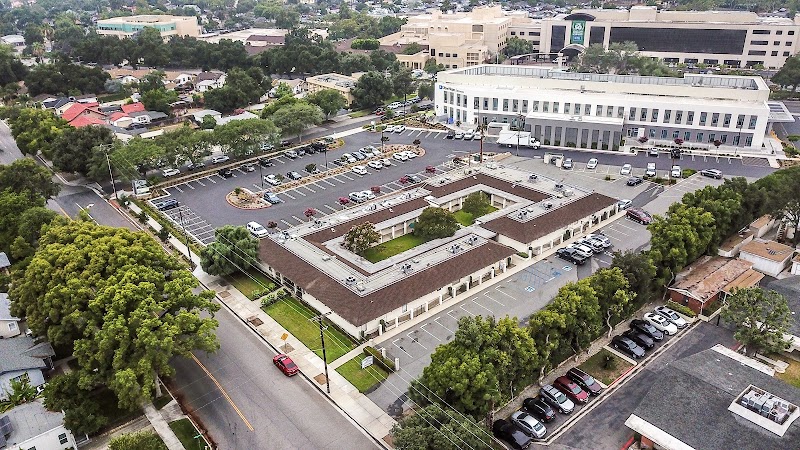
How is Upland Rehabilitation And Staffed?

CMS rates UPLAND REHABILITATION AND CARE CENTER's staffing level at 4 out of 5 stars, which is above average compared to other nursing homes. Staff turnover is 39%, compared to the California average of 46%. This relatively stable workforce can support continuity of care.

What Have Inspectors Found at Upland Rehabilitation And?

State health inspectors documented 33 deficiencies at UPLAND REHABILITATION AND CARE CENTER during 2019 to 2025. These included: 33 with potential for harm.
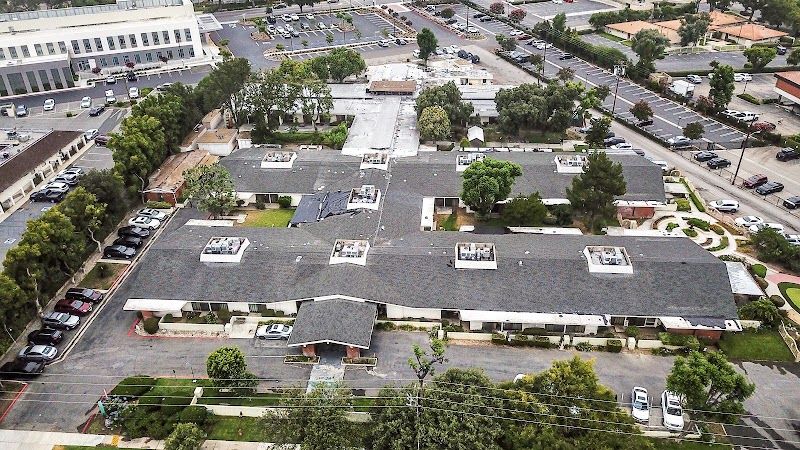
Who Owns and Operates Upland Rehabilitation And?

UPLAND REHABILITATION AND CARE CENTER is owned by a for-profit company. For-profit facilities operate as businesses with obligations to shareholders or private owners. The facility is operated by THE ENSIGN GROUP, a chain that manages multiple nursing homes. With 206 certified beds and approximately 186 residents (about 90% occupancy), it is a large facility located in UPLAND, California.
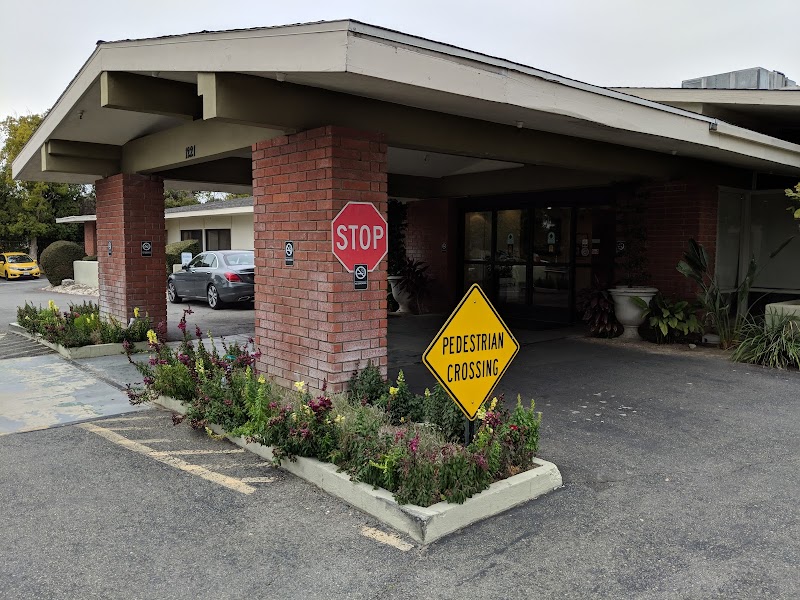
How Does Upland Rehabilitation And Compare to Other California Nursing Homes?

Compared to the 100 nursing homes in California, UPLAND REHABILITATION AND CARE CENTER's overall rating (4 stars) is above the state average of 3.2, staff turnover (39%) is near the state average of 46%, and health inspection rating (3 stars) is at the national benchmark.

What Should Families Ask When Visiting Upland Rehabilitation And?

Based on this facility's data, families visiting should ask: "Can I visit during a mealtime to observe dining assistance and food quality?" "How do you handle medical emergencies, and what is your hospital transfer rate?" "Can I speak with family members of current residents about their experience?"

Is Upland Rehabilitation And Safe?

Based on CMS inspection data, UPLAND REHABILITATION AND CARE CENTER has a clean safety record: no substantiated abuse findings (meaning no confirmed cases of resident harm), no Immediate Jeopardy citations (the most serious violation level indicating risk of serious injury or death), and is not on the Special Focus Facility watch list (a federal program monitoring the lowest-performing 1% of nursing homes). The facility has a 4-star overall rating and ranks #1 of 100 nursing homes in California. While no facility is perfect, families should still ask about staff-to-resident ratios and recent inspection results during their visit.

Do Nurses at Upland Rehabilitation And Stick Around?

UPLAND REHABILITATION AND CARE CENTER has a staff turnover rate of 39%, which is about average for California nursing homes (state average: 46%). Moderate turnover is common in nursing homes, but families should still ask about staff tenure and how the facility maintains care continuity when employees leave.

Was Upland Rehabilitation And Ever Fined?

UPLAND REHABILITATION AND CARE CENTER has no federal fines on record. CMS issues fines when nursing homes fail to meet care standards or don't correct problems found during inspections. The absence of fines suggests the facility has either maintained compliance or corrected any issues before penalties were assessed. This is a positive indicator, though families should still review recent inspection reports for the full picture.

Is Upland Rehabilitation And on Any Federal Watch List?

UPLAND REHABILITATION AND CARE CENTER is not on any federal watch list. The most significant is the Special Focus Facility (SFF) program, which identifies the bottom 1% of nursing homes nationally based on persistent, serious quality problems. Not being on this list means the facility has avoided the pattern of deficiencies that triggers enhanced federal oversight. This is a positive indicator, though families should still review the facility's inspection history directly.