VILLA MESA CARE CENTER
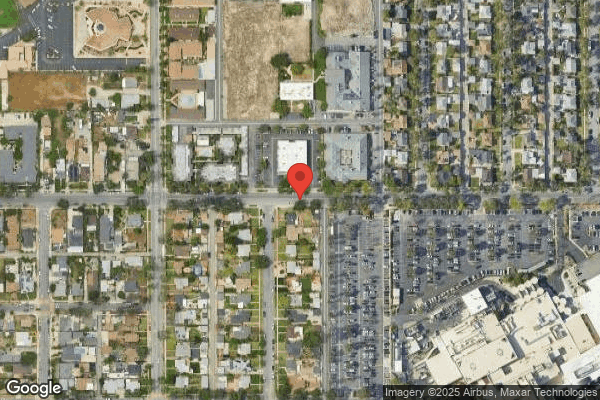
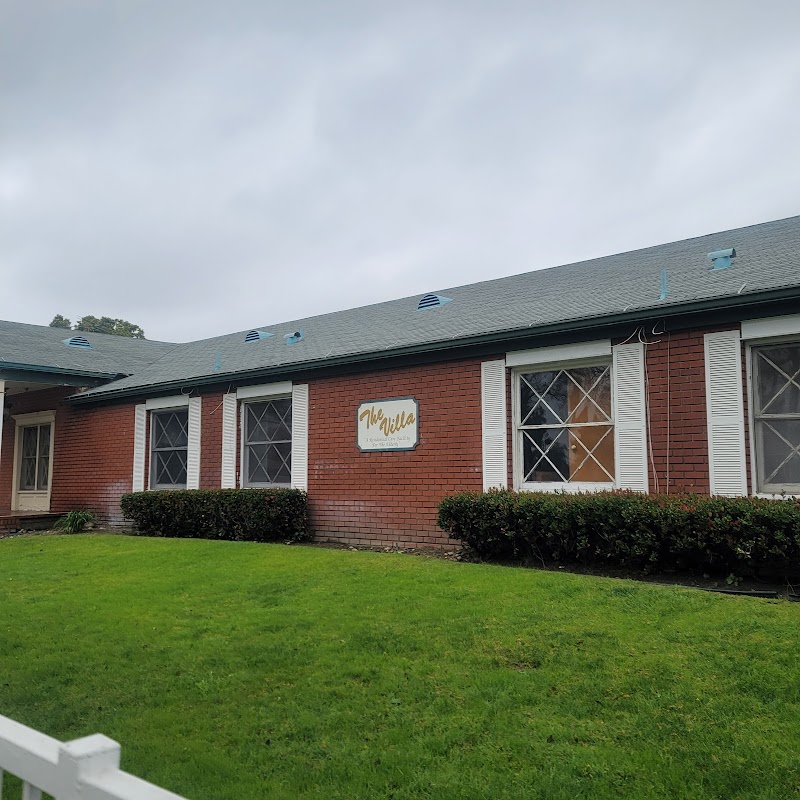
867 E. 11TH STREET, UPLAND, CA 91786 (909) 985-1981
For profit - Limited Liability company 99 Beds P&M MANAGEMENT Data: November 2025
Trust Grade
70/100
#495 of 1155 in CA
Last Inspection: October 2024

Within standard 12-15 month inspection cycle. Federal law requires annual inspections.

Overview

Villa Mesa Care Center in Upland, California, has a Trust Grade of B, indicating it is a good facility, though not without its concerns. Ranked #495 out of 1,155 in California, it sits comfortably in the top half of state facilities, and #37 out of 54 in San Bernardino County, meaning only a few local options are better. The facility is improving, having reduced its number of issues from 5 in 2023 to 3 in 2024, but it still faces challenges, particularly with staffing, which received a poor rating of 1 out of 5 stars and has a high turnover rate of 52%, compared to the state average of 38%. On a positive note, there have been no fines, which is encouraging, and the facility has better RN coverage than 81% of similar facilities, allowing for better oversight of resident care. However, recent inspections revealed issues such as a failure to complete required pre-admission screenings for several residents and inadequate conditions, like a leaking ceiling that posed safety risks. Additionally, there were concerns about medication management, including delays in insulin availability and improper documentation of controlled substances, which could lead to serious health risks. Overall, while there are strengths in areas like oversight and no fines, families should weigh these against the staffing challenges and specific incidents reported.

Trust Score
B
70/100
In California
#495/1155
Top 42%
Safety Record
Low Risk
No red flags
Inspections
Getting Better
5 → 3 violations
Staff Stability
⚠ Watch
52% turnover. Above average. Higher turnover means staff may not know residents' routines.
Penalties
✓ Good
No fines on record. Clean compliance history, better than most California facilities.
Skilled Nurses
⚠ Watch
Each resident gets only 18 minutes of Registered Nurse (RN) attention daily — below average for California. Fewer RN minutes means fewer trained eyes watching for problems.
Violations
⚠ Watch
23 deficiencies on record. Higher than average. Multiple issues found across inspections.
★★★★☆
4.0
Overall Rating
★☆☆☆☆
1.0
Staff Levels
★★☆☆☆
2.0
Care Quality
★★★★★
5.0
Inspection Score
Stable
2023: 5 issues
2024: 3 issues

The Good

  • Full Sprinkler Coverage · Fire safety systems throughout facility
  • No fines on record

Facility shows strength in fire safety.

The Bad

Staff Turnover: 52%

Near California avg (46%)

Higher turnover may affect care consistency

Chain: P&M MANAGEMENT

Part of a multi-facility chain

Ask about local staffing decisions and management

The Ugly 23 deficiencies on record

Dec 2024 1 deficiency
CONCERN (D) 📢 Someone Reported This

A family member, employee, or ombudsman was alarmed enough to file a formal complaint

Potential for Harm - no one hurt, but risky conditions existed

Pharmacy Services (Tag F0755)

Could have caused harm · This affected 1 resident

**NOTE- TERMS IN BRACKETS HAVE BEEN EDITED TO PROTECT CONFIDENTIALITY** Based on observation, interview, and record review, the facility failed to maintain an accurate record of Norco (a controlled me...

Read full inspector narrative →
**NOTE- TERMS IN BRACKETS HAVE BEEN EDITED TO PROTECT CONFIDENTIALITY** Based on observation, interview, and record review, the facility failed to maintain an accurate record of Norco (a controlled medication that combines two types of drugs, acetaminophen and hydrocodone, for pain management) for one of five sample residents (Resident 4) when a Licensed Vocational Nurse (LVN1) administered Norco to Resident 4 and failed to document. This failure had the potential in delaying the recognition of possible diversion of a control medication. Findings: During a review of Resident 1 Face Sheet (contain resident demographic), the Face Sheet indicated Resident 1 was admitted to the facility on [DATE], with a diagnosis that included Hemiparesis (one-sided muscle weakness), Dysphagia (difficulty swallowing), Hypertensive (high blood pressure) heart disease. A review of Resident 4's Orders, dated November 30, 2024, indicated, Norco 5-325 milligram (mg-unit dosing medication, a combination of 325 mg of acetaminophen and 5 mg of hydrocodone) was ordered to be given as needed for moderate pain (pain scale to evaluate pain level of patients). A review of the controlled drug log for Resident 4 indicated that Narco oral tablets, 5-325 mg, were administered on the following dates and times: December 1, 2024, at 09:10; December 2, 2024, at 01:50, 09:00, and 21:52; December 3, 2024, at 03:30 and 08:30; December 4, 2024, at 05:20; December 5, 2024, at 04:25 and 09:00; December 6, 2024, at 02:45 and 09:00; December 7, 2024, at 09:00; December 8, 2024, at 09:00; December 10, 2024, at 05:90; December 11, 2024, at 09:00; December 12, 2024, at 04:36 and 09:00; and December 13, 2024, at 05:30. A review of Resident 4's eMAR indicated that Narco oral tablets, 5-325 mg, were administered on the following dates and times: December 2, 2024, at 0116 hours; December 2, 2024, at 2126 hours; December 3, 2024, at 0329 hours; December 3, 2024, at 0814 hours; December 4, 2024, at 0518 hours; December 5, 2024, at 0425 hours; December 6, 2024, at 0243 hours; December 10, 2024, at 0544 hours; December 12, 2024, at 0436 hours; and December 13, 2024, at 0519 hours. During concurrent telephone interview and record review on December 17, 2024 at 11:08 AM, with the Director of Nursing (DON 1), Resident 4's eMAR and controlled drug book were reviewed. The DON 1 confirmed that on the following dates and times-December 1, 2024, at 9:00 AM; December 2, 2024, at 9:00 AM; December 5, 2024, at 9:00 AM; December 6, 2024, at 9:00 AM; December 7, 2024, at 9:00 AM; December 8, 2024, at 9:00 AM; December 11, 2024, at 9:00 AM; and December 12, 2024, at 9:00 AM-medications were documented as administered in the controlled drug book but were not recorded in the eMAR. Additionally, she emphasized that LVN1 should be aware that when administering narcotics, it is essential to sign both the eMAR and the controlled drug book. During concurrent telephone interview and record review on December 17, 2024 at 11:26 AM with LVN 1. The eMAR and controlled drug book for Resident 4 were examined. LVN 1 confirmed that she had recorded in the control book the administration of Narco to Resident 4, but did not sign the eMAR for these administrations on the following dates and times: December 1, 2024, at 0900; December 2, 2024, at 0900; December 5, 2024, at 0900; December 6, 2024, at 0900; December 7, 2024, at 0900; December 8, 2024, at 0900; December 11, 2024, at 0900; and December 12, 2024, at 0900. LVN 1 indicated that, according to policy, it is mandatory to sign the eMAR whenever medication is administered, and both the eMAR and the Narcotic Control Book must be signed for narcotics. She emphasized that failing to sign the eMAR when administering medication is unacceptable. LVN 1 further stated the fact that she didn't sign the eMAR was a coincidence. She claimed to have signed the eMAR for other medications, but she was unable to provide an explanation for why it was a coincidence that she did not sign the eMAR for narcotics alone. She acknowledged that the signatures on the eMAR are essential for verifying that medications have been administered, while the signatures in the Narcotic Control Book are necessary to ensure accurate medication counts. A review of the facility Policy & Procedure (P&P) titled, Documentation of Medication Administration indicated, .I. A nurse or certified medication aide (where applicable) documents all medications administered to each resident on the resident's medication administration record (MAR). 2. Administration of medication is documented immediately after it is given .
Oct 2024 1 deficiency
CONCERN (D) 📢 Someone Reported This

A family member, employee, or ombudsman was alarmed enough to file a formal complaint

Potential for Harm - no one hurt, but risky conditions existed

Accident Prevention (Tag F0689)

Could have caused harm · This affected 1 resident

**NOTE- TERMS IN BRACKETS HAVE BEEN EDITED TO PROTECT CONFIDENTIALITY** Based on observation, interview, and record review, the facility failed to adhere to its safety and supervision of resident ' s ...

Read full inspector narrative →
**NOTE- TERMS IN BRACKETS HAVE BEEN EDITED TO PROTECT CONFIDENTIALITY** Based on observation, interview, and record review, the facility failed to adhere to its safety and supervision of resident ' s policy when one of three sampled residents (Resident 1) was not adequately supervised following two fall incidents within 48-hour period. This failure resulted in Resident 1 sustaining a pelvic fracture during the latest fall incident. Findings: During a review of Resident 1 ' s Progress Notes, with a date range from 9/28/2024 to 10/29/2024. The progress note indicated, Resident 1 had a witnessed fall incident on October 7, 2024, at 8:20 a.m. which occurred in the hallway. Further review of the records indicated that Resident 1 had another fall which is classified as unwitnessed (without being seen by a care professional or a resident who can accurately described the event) on October 9, 2024, at 4:30 a.m., also occurring in the hallway. During an observation on 10/28/2024, at 12:45 p.m., it was noted that the resident ' s room, which is 110 during the two recent fall incidents. This room is located far from the nurse ' s station and is not always visible from the nurse ' s view. During an interview on 10/28/2024, at 1:28 p.m., with the Assistant Administrator, (AA) 1, it was emphasized that Resident 1 was admitted as a high risk for fall, indicating the need for closer monitoring. This could have been managed by placing his room closer to the nurse ' s station. Resident 1 was in room [ROOM NUMBER] during the last two fall incidents. room [ROOM NUMBER] is located in situated in the corner and is not easily visible from the nurses ' station. AA 1 agreed that Resident 1 should have been positioned closer to the nurses ' station for better monitoring. During a review of the facility ' s policy and procedure (P&P) titled, Safety and Supervision of Residents, dated July 2017, the P&P indicated, Resident supervision is a core component of the systems approach to safety. The type and frequency of resident supervision is determined by the individual resident ' s assessed needs and identified hazards in the environment.
Oct 2024 1 deficiency
CONCERN (E)

Potential for Harm - no one hurt, but risky conditions existed

Deficiency F0645 (Tag F0645)

Could have caused harm · This affected multiple residents

**NOTE- TERMS IN BRACKETS HAVE BEEN EDITED TO PROTECT CONFIDENTIALITY** Based on interview, record review, and facility policy review, the facility failed to ensure a preadmission screening and reside...

Read full inspector narrative →
**NOTE- TERMS IN BRACKETS HAVE BEEN EDITED TO PROTECT CONFIDENTIALITY** Based on interview, record review, and facility policy review, the facility failed to ensure a preadmission screening and resident review (PAASRR) screening was completed prior to admission to the facility for 3 (Residents #22, #42, and #86) of 5 sampled residents reviewed for PASARR screening. Findings included: A facility policy titled, Pre-admission Screening Resident Review Level I, revised10/2018, specified, Policy: The State of California has adopted a process to submit Pre-admission Screening Resident Review electronically. All facilities must complete the [PASARR] by midnight of the date of admission. The policy revealed IX. The BOM [Business Office Manager] will review the status of [PASARR] daily before Stand-Up Meeting to review if new admissions' [PASARR] have been completed. X. The BOM will report during Stand-Up Meeting the status of the [PASARR(s)]. The policy indicated, XII. The admission Coordinator/Case Manager will ensure that the [PASARR] is part of the admission mini packet. XIII. The facility Administrator will ensure any incomplete [PASARR(s)] are completed that day. If the person who initiated the [PASARR] is not there the following date to complete it, it must be completed by a [PASARR] Administrator. According to the policy, XV. The Medical Records admission Audit will include [PASARR] completion. 1. An admission Record revealed the facility admitted Resident #22 on 07/01/2024. According to the admission Record, the resident had a medical history that included diagnoses of schizoaffective disorder, post-traumatic stress disorder (PTSD), and anxiety disorder. An admission Minimum Data Set (MDS), with an Assessment Reference Date (ARD) of 07/08/2024, revealed Resident #22 had Brief Interview for Mental Status (BIMS) Score of 13, which indicated the resident had intact cognition. The MDS indicated the resident had active diagnoses to include anxiety disorder, schizophrenia, and PTSD. Resident #22's Patient Care Plan: Anxiety included a problem/need statement dated 07/01/2024, that indicated the resident had behaviors of anxiety due to diagnoses of schizoaffective disorder and PTSD that manifested by rapid mood changes. Resident #22's medical record revealed no documented evidence the facility completed a Level I PASARR Screening prior to admission of the resident to the facility. During an interview on 10/01/2024 at 11:14 AM, the MDS Coordinator stated the resident's PASARR was never transferred from their previous facility, and the facility never received a PASARR for Resident #22. 2. An admission Record revealed the facility admitted Resident #86 on 08/01/2024. According to the admission Record, the resident had a medical history that included diagnoses of schizophrenia and anxiety disorder. An admission [NAME] Data Set (MDS), with an Assessment Reference Date (ARD) of 08/30/2024, revealed Resident #86 had Brief Interview for Mental Status (BIMS) Score of 12, which indicated the resident had moderate cognitive impairment. The MDS indicated the resident had active diagnoses to include anxiety disorder, depression, and schizophrenia. Resident #86's care plan included a problem/need statement dated 08/27/2024, that indicated the resident had schizophrenia. The care plan revealed the goal was for the resident to receive specialized services as recommended by a Level II determination evaluation report as indicated and coordinated by the interdisciplinary team. Resident #86's Preadmission Screening and Resident Review Level I Screening, dated 07/10/2024, revealed Resident #86 had diagnosis of dementia psychosis and had been prescribed Seroquel. The Level I PASARR screening revealed the resident was positive for a serious mental illness and a Level II screening was required. Resident #86's medical record revealed no evidence to indicate a Level II screening was conducted. During an interview on 10/01/2024 at 10:20 AM, the MDS Coordinator stated he did not ensure a new PASARR for Resident #86 was submitted. 3. An admission Record indicated the facility admitted Resident #42 on 08/03/2024. According to the admission Record, the resident had a medical history that included diagnoses of paranoid schizophrenia and severe major depressive disorder with psychotic symptoms. An admission Minimum Data Set (MDS), with an Assessment Reference Date (ARD) of 08/07/2024, revealed Resident #42 had a Brief Interview for Mental Status (BIMS) score of 14, which indicated the resident had intact cognition. The MDS revealed the resident had active diagnoses to include depression and schizophrenia. A typed document from the California Department of Health Care Services dated 08/04/2024, indicated a Level II mental health evaluation was not required due to an Exempted Hospital Discharge. According to the document, if Resident #42 remained in the nursing facility longer than 30 days, the facility must resubmit a new Level I screening on the 31st day. Resident #42's medical record revealed no documented evidence the facility submitted a new Level I screening for the resident on the 31st day after admission to the facility. During an interview on 10/02/2024 at 1:52 PM, the MDS Coordinator stated he was not aware he should resubmit a Level I screening within certain times frames. The MDS Coordinator acknowledged a Level I screening was not resubmitted for Resident #42. During an interview on10/02/2024 at 2:15 PM, the Director of Nursing (DON) stated she was not involved in the PASARR process. The DON stated she expected PASARR screenings to be completed accurately and submitted/resubmitted timely. During an interview on 10/02/2024 at 2:24 PM, the Administrator stated she was not involved in the PASARR process, but expected PASARR screenings to be completed accurately and timely.
Oct 2023 1 deficiency
CONCERN (D) 📢 Someone Reported This

A family member, employee, or ombudsman was alarmed enough to file a formal complaint

Potential for Harm - no one hurt, but risky conditions existed

Notification of Changes (Tag F0580)

Could have caused harm · This affected 1 resident

**NOTE- TERMS IN BRACKETS HAVE BEEN EDITED TO PROTECT CONFIDENTIALITY** Based on interview and record review the facility failed to report a change of condition and document in the medical records for...

Read full inspector narrative →
**NOTE- TERMS IN BRACKETS HAVE BEEN EDITED TO PROTECT CONFIDENTIALITY** Based on interview and record review the facility failed to report a change of condition and document in the medical records for one of four clinically compromised residents (Resident 1). This has the potential to exclude the family and responsible party of (Resident 1) to actively participate in the plan of care related to the resident's change of condition. Findings: During a review of Resident 1 ' s Face Sheet (general demographics) on October 19, 2023, the document indicated Resident 1 was admitted to the facility on [DATE], with diagnosis that included Hypertension (high blood pressure), Hyperlipidemia (high concentration of fats in blood), Hypothyroidism (low thyroid gland activity), Schizophrenia (mental illness that affect the way a person thinks, feels and behaves), Bipolar Disorder (mental illness by alternating periods of elation and depression). During a review of Resident 1 ' s Face Sheet indicated, Responsible Party, Second Contact [Name of daughter with phone number provided], Third Contact [Name of daughter with phone number provided]. During a review of Resident 1 ' s History and Physical Examination (H&P), the H&P dated February 2023, indicated, .This resident (Resident 1): .B. does NOT have the capacity to understand and make decisions. Reason: A&O x1 (Alert and oriented x 1). During a concurrent interview and record review on October 19, 2023, at 12:30 PM, with the Assistant Director of Nurse (ADON), the Physician Order dared October 11, 2023, indicated, May transfer to [Name of hospital] for Eval Due to episodes of increased confusion Decreased PO (by mouth) intake with 7 days bed hold. During a concurrent interview and record review on October 19, 2023, at 12:30 PM, with the Assistant Director of Nurse (ADON), Departmental Notes, dated October 11, 2023, by a licensed vocational nurse (LVN) indicated, .Res (Resident) pick up by arrange transportation arrange by the SSD (Social Services Director) to LADMC (Los Angeles Downtown Medical Center) for eval. Res awake, alert, no c/o (complaint of) pan noted. All needs attended well. The ADON, the ADON stated, When there is a change in condition and a transfer to the hospital, the responsible is notified of the change in condition and the transfer to the hospital. She further stated she expected the nurse to have notified the responsible party and recorded in the resident ' s medical records. During a review of the facility ' s policy and procedure (P&P), titled, Change in a Resident ' s Condition or Status, dated, May 2017, the P&P indicated, Policy Statement: Our facility shall promptly notify the resident, his or her Attending Physician, and representative (sponsor) of changes in the resident ' s medical/mental condition and/or status (e.g., changes in level of care, billing/payments, resident rights, etc . Policy Interpretation and Implementation . 4. Unless otherwise instructed by the resident, a nurse will notify the resident ' s representative when . d. It is necessary to transfer the resident to a hospital/treatment center.). During a review of the facility ' s policy and procedure (P&P), titled, Charting and Documentation, dated, July 2017, the P&P indicated, Policy Statement: All services provided to the resident, progress toward the care plan goals, or any changes in the resident ' s medical, physical, functional or psychosocial condition, shall be documented in the resident ' s medical record. The medical record should facilitate communication between the interdisciplinary team regarding the resident ' s condition and response to care. Policy Interpretation and Implementation . 7. Documentation of procedures and treatments will include care-specific details, including. a. The date and time the procedure/treatment was provided . f. Notification of family physician or other staff, if indicated; and g. The signature and title of the individual documenting.
Jun 2023 1 deficiency
CONCERN (D) 📢 Someone Reported This

A family member, employee, or ombudsman was alarmed enough to file a formal complaint

Potential for Harm - no one hurt, but risky conditions existed

Medical Records (Tag F0842)

Could have caused harm · This affected 1 resident

**NOTE- TERMS IN BRACKETS HAVE BEEN EDITED TO PROTECT CONFIDENTIALITY** Based on interview, and record review, the facility failed to document an assessment (monitor for medical changes) for one of th...

Read full inspector narrative →
**NOTE- TERMS IN BRACKETS HAVE BEEN EDITED TO PROTECT CONFIDENTIALITY** Based on interview, and record review, the facility failed to document an assessment (monitor for medical changes) for one of three residents (Resident 3) after a fall. This failure had the potential for Resident 3's overall medical condition to decline and go undetected by the facility. Findings: An abbreviated survey was conducted on May 24, 2023, at 5:47 AM to investigate a complaint regarding Quality of Care. During review of Residents 3's Face sheet (general demographics), the document indicated Resident 3 was admitted to the facility on [DATE], with diagnoses to include: diabetes (body doesn't produce enough insulin) and heart failure (heart doesn't pump enough blood for your body,) During a review of the clinical record for Resident 3, the SBAR (Communication Form for changes in conditions) dated May 22, 2023, at 9:50 PM, indicated The change in condition . Resident 3 had an unwitnessed fall. Resident fell inside the room when transferring himself from one wheelchair to another wheelchair. He complained that he hit his head and complained of right hip pain. Doctor notified. Resident refused to go to the doctor. During an interview and concurrent record review of Resident 3's clinical records with Registered Nurse (RN 1), on May 24, 2023, at 6:43 AM, RN 1 stated, I didn't know resident 3 had a fall. I didn't know he fell. We are supposed to be doing neuro checks when there is an unwitnessed fall. Honestly, I don't know how we were documenting on him after a fall. There is no neuro check sheet. The documentation we do, if unwitnessed, we do neuro checks. I have not made any notes regarding Resident 3's fall. During a review of the clinical records for Resident 3 with the Director of Nursing on May 24, 2023, at 2:22 PM, the DON stated The RN didn't know resident 3 was status post fall. He should have known, and he should have been doing neuro checks for the safety of the resident and per policy. The facility could not provide documentation that RN 1 completed neuro checks and or monitoring for medical changes after Resident 3's fall. The facility policy and procedure titled Change in Residents Condition or Status dated May 2017, indicated, .8. The nurse will record in the resident's medical record information relative to changes in the resident's medical/mental condition or status . The facility policy and procedure titled Falls dated March 2018, indicated, .2. The nurse shall assess and document/report the following: vital signs; Neurological status; and pain .
Jun 2023 1 deficiency
CONCERN (D) 📢 Someone Reported This

A family member, employee, or ombudsman was alarmed enough to file a formal complaint

Potential for Harm - no one hurt, but risky conditions existed

Quality of Care (Tag F0684)

Could have caused harm · This affected 1 resident

**NOTE- TERMS IN BRACKETS HAVE BEEN EDITED TO PROTECT CONFIDENTIALITY** Based on observation, interview, and record review, the facility failed to follow their policy and procedure to ensure the call ...

Read full inspector narrative →
**NOTE- TERMS IN BRACKETS HAVE BEEN EDITED TO PROTECT CONFIDENTIALITY** Based on observation, interview, and record review, the facility failed to follow their policy and procedure to ensure the call lights were answered in a timely manner to provide care and services for two of three residents (Resident 1 and Resident 2). This failure had the potential to place two clinically compromised Residents (Resident 1 and Resident 2) health and safety at risk when residents were left soiled, and their activities of daily living were not met in a timely manner. Findings: 1. During a review of Resident 1's clinical record, the face sheet (contains demographic and medical information), indicated Resident 1 was admitted on [DATE], with diagnoses which includes: stroke affecting the right side, visual loss, and muscle wasting. During a review of the clinical record for Resident 1, the history and physical, dated May 18, 2023, indicated This resident: has the capacity to understand and make decisions. In an interview with Resident 1, on May 24, 2023, at 6:07 AM, Resident 1 stated, I've sat here with a wet diaper for over two hours, and nobody came in to change me. It takes forever for them to come in and answer the call light. 2. During a review of Resident 2's clinical record, the face sheet (contains demographic and medical information), indicated Resident 2 was admitted on [DATE], with diagnoses which includes: Depression and chest pain. During a review of the clinical record for Resident 2, the Brief Interview for Mental Status (BIMS- screening tool to identify and monitor cognitive decline), dated March 8, 2023, indicated, Resident 2's score was a 15, which indicated Resident 1 did not have a mental impairment. In an interview with Resident 2 on May 24, 2023, at 7:55 AM, Resident 2 stated, I put on the call light, and they didn't come until the next shift. Weekends are really bad. I had diarrhea a couple weekends ago and I had to wait and an hour and a half a couple of times. I went three times that night. During a review of the clinical records, the care plans indicated: 1. Resident 1's care plan dated May 16, 2023, indicated Resident 1 has an activity of daily living deficit (tasks of everyday life) related to a stroke. Problem: Extensive assist with toileting, and bed mobility. Plan: Have call light within reach and staff to answer promptly. 2. Resident 2's care plan dated January 6, 2023, indicated Resident 2 has an activity of daily living deficit related to morbid obesity. Problem: Extensive assist with toileting, bed mobility and hygiene. Plan: Have call light within reach and staff to answer promptly. During an interview with Director of Staff Development (DSD), on May 24, 2023, at 1:15 PM, DSD stated, Call lights should take a few minutes to answer. It may take 15 to 20 minutes. DSD stated further, it is not ok to take an hour to answer a call light. Everyone needs to be changed at the appropriate time. During an interview with the Director of Nursing on May 24, 2023, at 2:22 PM, DON stated, Call lights. It should take them 3 to 5 minutes to answer the call light. They should not be taking an hour to answer the call light. It's not good patient care. It is unacceptable. Anything could happen. The call lights are to be answered so they could assist, to meet the residents needs. The facility policy and procedure titled, Answering the Call Light dated October 2010, indicated Purpose. The purpose of this procedure is to respond to the resident's request and needs. General Guidelines .5. When the resident is in bed or confined to a chair be sure the call light is within easy reach of the resident .8. Answer the resident's call as soon as possible .
Mar 2023 1 deficiency
CONCERN (E) 📢 Someone Reported This

A family member, employee, or ombudsman was alarmed enough to file a formal complaint

Potential for Harm - no one hurt, but risky conditions existed

Safe Environment (Tag F0921)

Could have caused harm · This affected multiple residents

Based on observation, interview, and record review, the facility failed to ensure residents, staff and the public were provided a safe, functional, sanitary, and comfortable environment when the ceili...

Read full inspector narrative →
Based on observation, interview, and record review, the facility failed to ensure residents, staff and the public were provided a safe, functional, sanitary, and comfortable environment when the ceiling towards the back hallway from west station, was observed to be patched with plywood due to rain. This failure had the potential to result in jeopardizing the health and safety of the public, staff, and clinically compromised residents. Finding: An unannounced visit was made to the facility on March 23, 2023, at 4:50 PM, to investigate a complaint about leakages in the facility. During an inspection of the facility on March 23, 2023, at 5:00 PM, the ceiling towards the back hallway from west station was observed to be patched with plywood. There were two yellow safety cones on the floor, Caution wet floor. During an interview with the Assistant Director of Nursing (ADON) on March 23, 2023, at 5:02 PM, the ADON confirmed the ceiling towards the back hallway from west station was leaking. The ADON stated, It was leaking during the rain yesterday, and the maintenance man put the patch until it is fixed tomorrow when it is not raining. During an interview with the Administrator (ADM) on March 23, 2023, at 5:45 PM, the ADM confirmed the ceiling towards the back hallway from west station was leaking. The ADM stated, It was happened during the rain. The patched ceiling is temporary until we can fix it when it is not raining. During a phone interview with the Maintenance Personnel, on March 27, at 2:11 PM, he confirmed the ceiling towards the back hallway from west station was leaking. The maintenance personnel further stated, I put the patch to the ceiling until we can fix the leaking. We had someone come to look at it today to fix it when it is not raining. During a review of the facility ' s policy and procedure titled, Maintenance Service, revised December 2009, indicated, maintenance service shall be provided to all areas of the building, grounds, and equipment . Maintenance Service, indicated, Maintaining the building in good repair and free from hazards . Establishing priorities in providing repair service.
Mar 2023 1 deficiency
CONCERN (D) 📢 Someone Reported This

A family member, employee, or ombudsman was alarmed enough to file a formal complaint

Potential for Harm - no one hurt, but risky conditions existed

Notification of Changes (Tag F0580)

Could have caused harm · This affected 1 resident

Based on interview and record review the facility failed to follow their Policy when the licensed nurse failed to notify responsible party and document in medical record for one of three sampled Resid...

Read full inspector narrative →
Based on interview and record review the facility failed to follow their Policy when the licensed nurse failed to notify responsible party and document in medical record for one of three sampled Residents (Resident 1). This failure has the potential to exclude the family and responsible party ( RP1) of Resident 1 to actively participate in the plan of care related to the resident's room change. During a concurrent interview and record review, on 3/14/2023, at 3:42 p.m. with Assistant Director of Nursing (ADON), ADON stated that there was no documentation on Resident 1 ' s medical records regarding moving Resident 1 to a different room and no documentation of Responsible Party being notified. During a review of the facility's policy and procedure (P&P) titled, Room change/Roommate assignment, revised May 2017, the P&P indicated, Prior to changing a room or roommate assignments all parties involved in the changed/assignment (e.g., residents and their representatives (sponsors)) will be given advance notice of such change.
Dec 2022 1 deficiency
CONCERN (D) 📢 Someone Reported This

A family member, employee, or ombudsman was alarmed enough to file a formal complaint

Potential for Harm - no one hurt, but risky conditions existed

ADL Care (Tag F0677)

Could have caused harm · This affected 1 resident

**NOTE- TERMS IN BRACKETS HAVE BEEN EDITED TO PROTECT CONFIDENTIALITY** Based on observation, interview, and record review, the facility failed to ensure residents who are unable to carry out their ac...

Read full inspector narrative →
**NOTE- TERMS IN BRACKETS HAVE BEEN EDITED TO PROTECT CONFIDENTIALITY** Based on observation, interview, and record review, the facility failed to ensure residents who are unable to carry out their activities of daily living (ADL- bathing, dressing, transfer), were provided, two baths a week for two of three sampled residents (Resident 2 and Resident 3) when: 1. Resident 2 did not receive baths on June 2, 2022, and June 6, 2022, as scheduled. 2. Resident 3 did not receive a bath on June 4, 2022, as scheduled. These failures resulted in Resident 2 and Resident 3 not receiving the necessary care to maintain good grooming and personal hygiene which created the potential for odors, poor hygiene, and embarrassment. Findings: An unannounced visit was made to the facility on June 7, 2022, at 11:44 AM, to investigate a complaint regarding quality of care and treatment. 1.A review of Resident 2's face sheet (includes demographics) indicated, Resident 2 was re-admitted to the facility on [DATE], with diagnoses of Neuropathy (nerve damage), chronic kidney disease (kidneys cannot filter blood as well as they should), and heart failure (heart is unable to pump the blood to meet the body's needs.) During an observation and concurrent interview with Resident 2, on June 7, 2022, at 12:46 PM, Resident 2 was alert, awake and was able to communicate her needs. Resident 2 stated, I don't get a shower two times a week. I don't get a bed bath either. I have not been given a bath in a week. Resident 2 confirmed that baths had not been given two times a week as scheduled. During a review of the Shower Schedule Record for Resident 2, the Shower Schedule undated, indicated, Resident 2 was scheduled to receive a bath or a shower twice a week. During a record review of the Minimum Data Set (MDS – Minimum Data Set, an assessment tool) for Resident 2, dated April 8, 2022, indicated: 1. Section C0500 BIMS (brief interview for mental status) was coded as 8, indicating moderately impaired cognition. 2. Section G Functional Status, Activities of Daily Living (ADL) Assistance. Section G120. Bathing indicated, Resident 2 needed physical help with bathing. A review of the ADL [Activities of Daily Living] flow sheet for the month of June 2022, indicated, Resident 2 had not received a shower two times a week for the month of June. ADL Flow sheet was coded as X (ADL activity itself did not occur) on June 2, 2022, and June 6, 2022. During a concurrent interview and record review with a Licensed Vocational Nurse (LVN 1), on June 7, 2022, at 1:37 PM, LVN 1 stated, Certified Nursing assistants (CNA's) are to give a shower or a bath two times a week. There is no documentation that the showers or baths were given this month to Resident 2. After reviewing Resident 2's medical records, LVN 1 further stated, there was no documented evidence of Resident 2 refusing a bath or shower for the month of June. The facility could not provide documentation to indicate Resident 2 was given a bath twice a week as scheduled. During an interview with the Assistant Director of Nursing (ADON) on June 7, 2022, at 1:52 PM, the ADON stated, The ADL flow sheet for Resident 2 states that she did not get a shower or a bath this month. Resident 2 should have received two showers this month. I don't know why Resident 2 didn't get the showers. The ADON confirmed the showers were not given twice weekly. No other documentation could be provided to indicate Resident 2 received baths twice a week for the month of June 2022 as scheduled. 2. A review of Resident 3's face sheet (includes demographics) indicated, Resident 3 was admitted to the facility on [DATE], with diagnoses of chronic obstructive disease (damages the lungs and makes it hard to breathe), depression (feeling of sadness) and anxiety (feeling of worry.) During an observation and concurrent interview with Resident 3, on June 7, 2022, at 12:54 PM, Resident 3 was alert, awake and was able to communicate her needs. Resident 3 stated, I didn't get my bath. I feel dirty. I sweat. I don't feel fresh. I am to receive a bath twice a week on Wednesday and Saturday. Resident 3 confirmed that baths had not been given two times a week as scheduled. During a review of the Shower Schedule Record for Resident 3, the Shower Schedule undated, indicated, Resident 3 was scheduled to receive a bath or a shower twice a week. During a record review of the Minimum Data Set (MDS – Minimum Data Set, an assessment tool) for Resident 3, dated March 10, 2022, indicated: 1. Section C0500 BIMS (brief interview for mental status) for Resident 2 was a 15, indicating intact cognition. 2. Section G Functional Status, Activities of Daily Living (ADL) Assistance. Section G120. Bathing indicated Resident 2 needed physical help with bathing. A review of the ADL [Activities of Daily Livin]) flow sheet for the month of June 2022, indicated, Resident 3 did not receive a shower two times a week for the month of June. During a concurrent interview and record review with a Licensed Vocational Nurse (LVN 1), on June 7, 2022, at 1:37 PM, LVN 1 stated, Certified Nursing assistants (Cna's) are to give a shower or a bath two times a week. There is no documentation that the showers or baths were given this month to Resident 3. After reviewing Resident 3's medical records, LVN 1 further stated, there was no documented evidence of Resident 3 refusing a bath or shower for the month of June. The facility could not provide documentation to indicate resident 3 was given a bath twice a week as scheduled. During an interview with the Assistant Director of Nursing (ADON) on June 7, 2022, at 1:52 PM, ADON stated, The ADL flow sheet for Resident 3 states that she did not get a shower or a bath this month. Resident 3 should have received two showers this month. I don't know why Resident 3 didn't get the showers. The ADON confirmed the showers were not given twice weekly. No other documentation could be provided to indicate Resident 3 received baths twice a week for the month of June 2022 as scheduled. The facility policy and procedure titled, Bath, Shower/Tub dated February 2018, indicated The purposes of this procedure are to promote cleanliness, provide comfort to the resident and to observe the condition of the resident's skin . Documentation 1. The date and time the shower/tub was performed. 2. The name and title of the individual who assisted the resident with the shower/tub bath 5. If the resident refused the shower/tub bath, the reason.
Nov 2021 8 deficiencies
CONCERN (D)

Potential for Harm - no one hurt, but risky conditions existed

Deficiency F0557 (Tag F0557)

Could have caused harm · This affected 1 resident

**NOTE- TERMS IN BRACKETS HAVE BEEN EDITED TO PROTECT CONFIDENTIALITY** Based on observation, interview, and record review, the facility failed to ensure dignity, respect, and privacy for one of two s...

Read full inspector narrative →
**NOTE- TERMS IN BRACKETS HAVE BEEN EDITED TO PROTECT CONFIDENTIALITY** Based on observation, interview, and record review, the facility failed to ensure dignity, respect, and privacy for one of two sampled residents reviewed for urinary catheters (Resident 80) when Resident 80's urinary catheter (flexible tube inserted into the bladder to drain urine) bag, was not covered with a dignity bag. This failure had the potential to compromise Resident 80's dignity and violate his right to privacy. Findings: During a review of Resident 80's clinical record, the face sheet (contains demographic and medical information), indicated, Resident 80 was admitted to the facility on [DATE], with diagnoses that included neuromuscular dysfunction of bladder (condition in which a person lacks bladder control due to a brain, spinal cord, or nerve condition) and epilepsy (disorder in which brain activity becomes abnormal, causing seizures). A review of Resident 80's Physicians Order Sheet, dated October 16, 2021, indicated, Resident 80 had an order for a urinary catheter. A review of Resident 80's Care Plan for Foley Catheter/Suprapubic Catheter revised October 16, 2021, indicated Provide privacy as needed. During a concurrent observation and interview, on November 16, 2021 at 10:25 AM, in Resident 80's room, Resident 80 was lying in bed, in a semi-upright position. His urinary catheter bag (bag that collects urine) was hanging on the side of the bed. It was uncovered and visible to public view. Resident 80 was alert, and oriented to himself and to place. He stated he did not know why he has a urinary catheter. An observation and interview with a Licensed Vocational Nurse (LVN 2) on November 16, 2021, at 2:49 PM, in Resident 80's room. She acknowledged Resident 80's urinary bag was uncovered and stated, urinary catheter bags should be covered with a dignity bag (urinary catheter bag cover used to conceal contents of the bag) to promote, respect, dignity and privacy for the residents. LVN 2 stated, they are just like us . They are humans. During a concurrent interview and record review, with the Director of Nursing (DON), on November 17, 2021, at 8:28 AM, the DON reviewed the facility's policy and procedure titled, Quality of Life - Dignity, revised August 2009, which indicated, 11. Demeaning practices and standards of care that compromise dignity are prohibited. Staff shall promote dignity and assist residents as needed by: a. Helping the resident to keep urinary catheter bags covered . and stated the facility did not follow their policy.
CONCERN (D)

Potential for Harm - no one hurt, but risky conditions existed

Deficiency F0558 (Tag F0558)

Could have caused harm · This affected 1 resident

**NOTE- TERMS IN BRACKETS HAVE BEEN EDITED TO PROTECT CONFIDENTIALITY** Based on observation, interview, and record review, the facility failed to ensure resident's needs were accommodated for one of ...

Read full inspector narrative →
**NOTE- TERMS IN BRACKETS HAVE BEEN EDITED TO PROTECT CONFIDENTIALITY** Based on observation, interview, and record review, the facility failed to ensure resident's needs were accommodated for one of two sampled residents when Resident 11's call light was not within reach. This failure had the potential to negatively affect Resident 11's health and safety. Findings: During a review of Resident 11's clinical record, the face sheet (contains demographic and medical information) indicated Resident 11 was admitted to the facility on [DATE], with diagnoses that included hemiplegia (muscle weakness or a complete or partial loss of muscle function on one side of the body) and left wrist contracture (tightening of the muscles, tendons, skin, and tissues that causes the joints to shorten and become very stiff). A review of Resident 11's Care Plan for ADL (Activities of Daily Living), revised November 6, 2021, indicated, Have call light within reach and staff to answer promptly. During an observation and concurrent interview on November 16, 2021, at 11:05 AM, in Resident 11's room, Resident 11 was in bed on a semi -upright position. He was trying to place a plastic cup on top of his overbed table. He stated he could not reach his overbed table and stated, I need help. He was prompted to use his call light, however, his call light was dangling on top of his oxygen concentrator (device which delivers oxygen), and was not within his reach. A concurrent observation and interview with the Central Supply Staff (CSS) on November 16, 2021, at 11:15 AM, in Resident 11's room was conducted. The CSS confirmed, Resident 11's call light was not within his reach, and stated it should have been placed close to him in case of any emergency. A concurrent interview and record review was conducted with the Director of Nursing (DON), on November 17, 2021, at 9:46 AM. The DON reviewed the facility's policy and procedure titled Answering the Call Light revised October 2010, which indicated, .5. When the resident is in bed or confined to a chair be sure the call light is within each reach of the resident. She stated the policy was not followed. She stated that all call lights should be within reach and easily accessible to the residents.
CONCERN (D)

Potential for Harm - no one hurt, but risky conditions existed

Assessment Accuracy (Tag F0641)

Could have caused harm · This affected 1 resident

**NOTE- TERMS IN BRACKETS HAVE BEEN EDITED TO PROTECT CONFIDENTIALITY** Based on interview, and record review, the facility failed to accurately code the Minimum Data Set (MDS - facility care assessme...

Read full inspector narrative →
**NOTE- TERMS IN BRACKETS HAVE BEEN EDITED TO PROTECT CONFIDENTIALITY** Based on interview, and record review, the facility failed to accurately code the Minimum Data Set (MDS - facility care assessment tool), for one of two residents reviewed for resident assessment (Resident 12) when Resident 12's MDS, dated [DATE], did not indicate Resident 12's correct first name. This failure had the potential to result in unmet care needs for Resident 12 which can negatively affect her health and safety. Findings: During a review of Resident 12's closed clinical records, it indicated Resident 12 was admitted to the facility on [DATE], with diagnoses of epilepsy (brain disorder causes seizures) and Alzheimer's disease (a progressive brain disorder that affects memory and thinking). Resident 12 was discharged to another facility on August 31, 2021. A concurrent interview and review of Resident 12's clinical records were conducted with the MDS Nurse on November 19, 2021, at 10:13 AM. She reviewed Resident 12's MDS, dated [DATE], under Section A (Identification Information), and stated Resident 12's first name was incorrect. The MDS Nurse further stated she did not know how it happened. During a follow up interview with the MDS Nurse, on November 19, 2021, at 10:21 AM, the MDS Nurse reviewed CMS's (Centers for Medicare and Medical Services) Centers RAI Version 3.0 Manual, revised October 2019, and stated the manual was not followed correctly. A review of CMS's RAI (Resident Assessment Instrument) Version 3.0 Manual, revised October 2019, Page A-13, indicated Resident's name as it appears on the Medicare card. If the resident is not enrolled in the Medicare program, use the resident's name as it appears on a Medicaid card or other government-issued document.
CONCERN (D)

Potential for Harm - no one hurt, but risky conditions existed

Deficiency F0726 (Tag F0726)

Could have caused harm · This affected 1 resident

**NOTE- TERMS IN BRACKETS HAVE BEEN EDITED TO PROTECT CONFIDENTIALITY** Based on observation, interview, and record review, the facility failed to demonstrate competency in administration of medicatio...

Read full inspector narrative →
**NOTE- TERMS IN BRACKETS HAVE BEEN EDITED TO PROTECT CONFIDENTIALITY** Based on observation, interview, and record review, the facility failed to demonstrate competency in administration of medication when a Licensed Vocational Nurse (LVN 1) administered multiple medications via Gastrostomy Tube (G Tube - a tube used for feeding and medication administration) was performed for one of five residents on tube feeding (Resident 9). This failure can result in an occlusion of the feeding tube, a reduced drug effect, or drug toxicity. These potential adverse (serious) outcomes can jeopardize the health and safety of the resident. Findings: During a review of Resident 9's clinical record, the face sheet (contains demographic information) indicated Resident 9 was readmitted to the facility on [DATE] with the diagnoses of diverticulosis (presence of abnormal pouches in the bowel wall causes inflammation), dysphagia (difficulty in swallowing) and dementia (a brain disorder that causes impairment in memory personality and reasoning). Further review indicated Resident 9 had a GT. An observation of a medication administration was conducted on November 18, 2021, at 8:42 AM, Licensed Vocational Nurse (LVN 1) administered GT medications without checking the placement and patency of the G Tube. LVN 1 administered all GT medications together without separating them individually. She used the syringe plunger to push all GT medications, instead of administering medications separately through gravity. An interview was conducted with LVN 1 on November 18, 2021, at 9:01 AM. She stated she should have verified the placement and patency of the GT prior to administering medication. LVN 1 stated she should have administered them separately. She further stated the standard of practice for administering GT medications was by gravity, and no forced pressure were to be used. During an interview with the Infection Preventionist (IP), on November 18, 2021, at 9:15 AM, the IP stated, each medication should be crushed and administered separately through the GT. During a concurrent interview and record review with the Director of Nursing (DON), on November 18, 2021, at 1:21 PM, the DON stated licensed nurses are expected to check the placement and patency of the GT prior to medication administration. The DON stated all GT medication are supposed to be crushed and administered separately by gravity without any force. The DON reviewed Resident 9's Physician Orders for the month of November 2021 and confirmed there was no physician order to crush all medications together. A review of the facility's policy and procedure (P&P) Administering Medications through an Enteral Tube revised on November 2018, indicated, Purpose: The purpose of this procedure is to provide guidelines for the safe administration of medications through an enteral tube (GT). Steps in the procedure: 6. Verify placement of feeding tube. 10. Administer each medication separately. 12. Administer medication by gravity flow. A review of the facility's undated document Charge Nurse- LVN Job Description, indicated Specific Job Functions: Administer and document medications and treatments in compliance with facility policy and procedure .
CONCERN (D)

Potential for Harm - no one hurt, but risky conditions existed

Unnecessary Medications (Tag F0759)

Could have caused harm · This affected 1 resident

**NOTE- TERMS IN BRACKETS HAVE BEEN EDITED TO PROTECT CONFIDENTIALITY** Based on observation, interview, and record review, the facility failed to ensure its medication error rate was below five perce...

Read full inspector narrative →
**NOTE- TERMS IN BRACKETS HAVE BEEN EDITED TO PROTECT CONFIDENTIALITY** Based on observation, interview, and record review, the facility failed to ensure its medication error rate was below five percent when a Licensed Nurse crushed all medications together and administered via Gastrostomy Tube (G Tube - a tube that is placed directly into the stomach through an abdominal wall incision for the administration of medications, food and fluids) together for one of five residents on tube feeding (Resident 9). This failure had the potential to alter the desired effect of the medication to the resident by causing occlusion of the G Tube and jeopardize her health and safety. Findings: During a review of Resident 9's clinical record, the face sheet (contains demographic information) indicated Resident 9 was readmitted to the facility on [DATE] with the diagnoses of diverticulosis (presence of abnormal pouches in the bowel wall causes inflammation), dysphagia (difficulty in swallowing) and dementia (a brain disorder that causes impairment in memory personality and reasoning). During a medication administration observation with Licensed Vocational Nurse (LVN 1), for Resident 9 was conducted on November 18, 2021, at 8:42 AM. LVN 1 removed eight different medications from the bubble pack (medication card with individual doses of medication inside small plastic bubbles), crushed them, combined them on one medication cup, and administered them, without checking the patency and placement of the G Tube. The medications were pushed with a syringe through the G Tube. A subsequent interview was conducted with LVN 1 on November 18, 2021, at 9:01 AM. She stated she should have verified the placement and patency of the G Tube prior to administering medicine. LVN 1 stated she should have administered them separately. She further stated the standard of practice for administering G Tube medications was by gravity, and no forced pressure were to be used. During an interview with the Infection Preventionist (IP), on November 18, 2021, at 9:15 AM, the IP stated, each medication should be crushed and administered separately through the G Tube. During a concurrent interview and record review with the Director of Nursing (DON), on November 18, 2021, at 1:21 PM, the DON stated licensed nurses are expected to check the placement and patency of the G Tube prior to medication administration. The DON stated all G Tube medicines were supposed to be crushed and administered separately by gravity without any force. The DON reviewed resident 9's Physician Orders for the month of November 2021 and confirmed there was no physician order to crush all medications together. During a concurrent interview and record review with the Director of Nursing (DON), on November 18, 2021, at 1:25 PM, the DON reviewed facility's policy and procedure (P&P) , Administering Medications through an Enteral Tube revised in November 2018, and the DON acknowledged that the facility did not follow this P&P for administering medications through GT. A review of the facility's P&P Administering Medications through an Enteral Tube revised on November 2018, indicated, Purpose: The purpose of this procedure is to provide guidelines for the safe administration of medications through an enteral tube (GT). Steps in the procedure: 6. Verify placement of feeding tube. 10. Administer each medication separately. 12. Administer medication by gravity flow.
CONCERN (D)

Potential for Harm - no one hurt, but risky conditions existed

Medical Records (Tag F0842)

Could have caused harm · This affected 1 resident

**NOTE- TERMS IN BRACKETS HAVE BEEN EDITED TO PROTECT CONFIDENTIALITY** Based on interview, and record review, the facility failed to ensure accurate documentation on discharged arrangement was provid...

Read full inspector narrative →
**NOTE- TERMS IN BRACKETS HAVE BEEN EDITED TO PROTECT CONFIDENTIALITY** Based on interview, and record review, the facility failed to ensure accurate documentation on discharged arrangement was provided for one of four sampled residents reviewed for closed records (Resident 20). This failure had the potential for Resident 20 to receive inconsistent care coordination and unmet care needs. Findings: During a telephone interview with Resident 20, on November 16, 2021, at 9:51 AM, Resident 20 stated she was supposed to be discharged from the facility last October 27, 2021, instead of November 11, 2021. She further stated her discharge was postponed because there was a delay on the delivery of her Durable Medical Equipment (DME- equipment and supplies ordered by a health care provider for everyday or extended use to complete one's daily activities, such as wheelchairs, walker, bedside commode et al). A review of Resident 20's closed medical record, the face sheet (contains demographic and medical information) indicated, Resident 20 was admitted to the facility on [DATE], with diagnoses that included osteoarthritis (wearing down of the protective tissue at the ends of bones) and epilepsy (disorder in which brain activity becomes abnormal, causing seizures). Further review indicated she was discharged home on November 14, 2021. A review of Resident 20's Physician's Order Sheet, dated October 22, 2021, indicated, Resident to discharge home with daughter on 10/29/21 with [Name of Home Health Agency]. May have DME of bedside commode and 4-wheel walker. A review of Resident 20's Social Services Notes, dated November 12, 2021 at 12:50 PM, indicated, SSD spoke with daughter, [Name of Resident 20's daughter] in regard to DME delivery. DMEs will be delivered today by 5 pm the latest. After notifying daughter DMEs will be delivered home as oppose to facility per daughters request. Daughter mentioned she will be picking up resident for D/C (discharge) on Sunday before 2 pm. A review of Resident 20's Nurses Note, dated November 14, 2021 at 2:11 PM, indicated, resident dc home at 2:02 pm with daughter and son present via transportation, VS (Vital Signs) WNL (Within Normal Limits), med (medication) given and discharge instructions given, copy of paperwork given. Resident educated on parameter of BP (Blood Pressure) meds, all belonging signed form sent home with 1 week supply of meds. Will continue to monitor. A concurrent interview and review of Resident 20's clinical record was conducted with the Social Services Director (SSD) on November 18, 2021, at 2:33 PM. The SSD stated Resident 20 was supposed to be discharged on October 28, 2021, but her daughter requested for it to be moved on a later date. She stated she had arranged for her home health on October 22, 2021 and DMEs on November 4, 2021. She further stated there were issues obtaining Resident 20's physician's order for the DMEs. She stated they received it on November 10, 2021. The SSD reviewed Resident 20's medical record and was unable to find documentation of her discharge arrangements for home health and she had provided in lieu of Resident 20's discharge. She stated she did not completely document. She further stated We [staff] were supposed to document everything regarding the residents because at times like . this it is proof that we have worked something for them. A concurrent interview and review of the facility's policy and procedure titled Charting and Documentation revised July 2017, was conducted with the Director of Nursing (DON) on November 19, 2021, at 1:41 PM. The DON stated the SSD did not follow the policy. She further stated all services provided to the resident needs to be documented. A review of the facility's policy and procedure titled Charting and Documentation revised July 2017, indicated, All services provided to the resident, progress toward the care plan goals, or any changes in the resident's medical physical, functional or psychosocial condition, shall be documented in the resident's medical record . 3. Documentation in the medical record will be objective (not opinionated or speculative), complete, and accurate.
CONCERN (E)

Potential for Harm - no one hurt, but risky conditions existed

Pharmacy Services (Tag F0755)

Could have caused harm · This affected multiple residents

**NOTE- TERMS IN BRACKETS HAVE BEEN EDITED TO PROTECT CONFIDENTIALITY** Based on observation, interview, and record review, the facility failed to implement their medication administration policy and ...

Read full inspector narrative →
**NOTE- TERMS IN BRACKETS HAVE BEEN EDITED TO PROTECT CONFIDENTIALITY** Based on observation, interview, and record review, the facility failed to implement their medication administration policy and procedure when the facility: 1. Failed to ensure Resident 39's insulin medication (medication to treat high blood glucose) was readily available for use. This failure had the potential to cause delay of treatment, which can cause negative effects to the overall health of Resident 39. 2. Failed to implement their policy and procedure involving special handling and storage for protecting and securing resident's-controlled medications (drug or other substance that is tightly controlled by the government because it may be abused or cause addiction) for one of two sampled residents reviewed for pain (Resident 38) when a licensed nurse did not immediately document when she administered a controlled drug to Resident 38. This failure had the potential for abuse or misuse of medications and possible drug diversion (transfer of any legally prescribed controlled drug from the individual for whom it was prescribed to another person for any illicit use). 3. Failed to remove insulin (medication that regulates the amount of sugar in the blood) that belonged to a discharged Resident (Resident 442) from the medication refrigerator located in Nursing Station-West. This failure had the potential to cause medication error and infection control issue if medication is advertency used for another resident. Findings: 1. During a review of Resident 39's clinical record, the face sheet (contains demographic information) indicated Resident 39 was readmitted to the facility on [DATE], with diagnoses that included type 2 diabetes (chronic condition that affects how the body processes blood sugar), and end stage renal disease ( a disease which causes irreversible kidney failure). A review of Resident 39's Physician's Order Sheet dated October 19, 2021, indicated, she had an order to receive 10 units of Lantus (type of insulin medication) every day at 6:30 AM. Further review indicated it should not be given if her blood sugar was below 100. During an observation on November 18, 2021, at 6:01 AM, a Licensed Vocational Nurse (LVN 4) checked Resident 39's blood sugar and obtained a result of 171. (She had an order to receive insulin medication if it was 100 and above.) She searched for Resident 39's insulin from the medication cart and stated she could not find it. An interview was conducted with LVN 4 on November 18, 2021 at 6:20 AM. She verified Resident 39's insulin was not available. During a follow-up interview with LVN 4, on November 18, 2021, at 7:45 AM, she stated reorders should be faxed to the pharmacy three days prior to completion of the medication. She stated, she was not able to find documentation that Resident 39's insulin had been refilled. A telephone interview was conducted with the Pharmacist on November 18, 2021, at 9:48 AM. The Pharmacist stated the Director of Nursing (DON) called the pharmacy to reorder Resident 39's insulin earlier. The Pharmacist further stated the last reorder received for Resident 39's insulin was September 9, 2021. During a concurrent interview and record review with the DON, on November 18, 2021, at 9:55 AM, the DON reviewed the facility's policy and procedure (P&P) titled ORDERING AND RECEIVING MEDICATIONS FROM [Name of PHARMACY], dated April 2021, which indicated The facility shall maintain accurate records of medication order and receipt . d. Refills of medications should be called to the pharmacy 3 to 4 days in advance of need to assure an adequate supply is on hand . The DON acknowledged the policy was not followed. 2. During a review of Resident 38's clinical record, the face sheet indicated, Resident 38 was admitted to the facility on [DATE], with diagnoses that included sciatica (pain that radiates from lower back through hips and buttocks and down each leg) and chronic obstructive pulmonary disease (lung disorder). A review of Resident 38's Physician's Order Sheet, dated October 28, 2021, indicated, Resident 38 was prescribed by his physician to receive Norco (controlled pain medication) 5-325 tablet 1 tabs by mouth every 8 hours routine for pain management . A review of Resident 38's Medication Administration Record (MAR) for November 2021 indicated, Resident 38's routine order for Norco was being administered at 6 AM, 2 PM, and 10 PM. An inspection of Medication Cart 3 was conducted with a Licensed Vocational Nurse (LVN 5) on November 18, 2021 at 6:51 AM. LVN 5 reviewed Resident 38's Norco Narcotic and Controlled Substances Count Sheet (accountability record for controlled medications), and stated there should be seven tablets on the bubble pack (small package enclosing goods in transparent dome-shaped plastic on a flat cardboard backing). She examined Resident 38's Norco bubble pack, and stated there were six tablets left instead of seven. She stated she has not documented when she administered Resident 38's Norco at 6 AM (approximately 51 minutes ago) in the accountability record. She further stated, I forgot to sign for it [Resident 38's Norco Narcotic and Controlled Substances Count Sheet]. During further interview with LVN 5, on November 18, 2021 at 7:09 AM, she stated the facility practice was to sign the Narcotic and Controlled Substances Count Sheet right after you pull out a controlled medication. She further stated it was important to do this so you don't lose count and to ensure residents were receiving it [controlled medication]. A concurrent interview and record review with the Director of Nursing (DON) was conducted on November 19, 2021, at 10:02 AM. She reviewed the facility's policy and procedure titled Controlled Medications dated April 2021, and stated it was not followed. She further stated the expectation was for licensed nurses to sign immediately the Narcotic and Controlled Substance Count sheet after pulling the controlled medication. A review of the facility's policy and procedure titled Controlled Medications dated April 2021, indicated When a controlled medication is administered, the licensed nurse administering the medication shall immediately enter the following information on the accountability record: 1) Date and time of administration 2) Amount administered 3) Signature of the nurse administering the dose, completed after the medication is actually administered . 3. During a medication storage inspection in Nursing Station-West on November 18, 2021, at 6:40 AM, with the Director of Nursing (DON). An open vial of Admelog (Brand name of Insulin Lispro)- Insulin Lispro (blood sugar medication) 100 units/milliliter (ml-a unit of measurement) labeled with Resident 442's name was found in the refrigerator. The DON stated the medication belonged to a discharged resident, Resident 442. A review of Resident 442's face sheet indicated, Resident 442 was admitted to the facility on [DATE], and was discharged on September 13, 2021. A review of Resident 442's Physician's Order Sheet dated August 18, 2021, indicated Humalog- Insulin Lispro 100 unit/ml vial - inject 0-12 units subcutaneously (under the skin) four times a day [before meals and at bedtime]. During a follow up interview and record review with the DON, on November 18, 2021 at 8:22 AM, she stated medications for discharged residents were to be removed from the medication refrigerator and placed in the designated disposal bin. She acknowledged the finding and stated the staff did not follow the facility's policy and procedure on proper removal and disposal of discontinued medication which had the potential to be used for another resident. A review of the facility's policy and procedure (P&P), titled Discontinued Medications-Disposal dated November 2020, the P&P indicated, When non-controlled medications are discontinued by physician order, a resident is transferred or discharged and does not take medications with him/her, or in the event of resident's death, these medications shall be sequestered from all other medications in a central but secure place with the facility, and held for pick-up by personnel from a licensed reverse distributor such as medical waste services.
CONCERN (E)

Potential for Harm - no one hurt, but risky conditions existed

Infection Control (Tag F0880)

Could have caused harm · This affected multiple residents

**NOTE- TERMS IN BRACKETS HAVE BEEN EDITED TO PROTECT CONFIDENTIALITY** Based on observation, interview and record review, the facility failed to implement infection control and prevention measures wh...

Read full inspector narrative →
**NOTE- TERMS IN BRACKETS HAVE BEEN EDITED TO PROTECT CONFIDENTIALITY** Based on observation, interview and record review, the facility failed to implement infection control and prevention measures when: 1. Resident 56's soiled Nasal Canula (NC- a tubing to deliver oxygen in small amount through nostrils) was not properly disinfected or cleaned before applying back to the resident. 2. Resident 437's peripheral intravenous catheter (PIV, a small hollow tube inserted into a vein for administration of medication, fluids, or blood products) and dressing were not replaced. 3. Trash bins overflowed, and soiled isolation gowns stuck out from the trash bin lid covers in three out of six rooms in the yellow zone (a designated area for symptomatic, suspected COVID-19( a viral infection affecting the respiratory system), and residents awaiting test results; COVID-19 exposed residents; and newly admitted or re-admitted residents under observation for COVID-19 and/or with unknown COVID-19 vaccination status, or declined COVID-19 vaccination). These deficient practices had the potential to promote development and spread of communicable diseases and infections in the facility in a highly susceptible population of 78. Findings: 1. During a medication administration observation, on November 18, 2021, at 8:02 AM, Resident 56 was sitting on her bed, watching television. She was alert, oriented, and able to communicate her needs. Her NC was on the floor. Her oxygen concentrator (device that supplies oxygen) was turned on. A concurrent observation and interview were conducted with a Licensed Vocational Nurse (LVN 1) on November 18, 2021, at 8:15 AM. She confirmed the NC was on the floor while the oxygen concentrator was on. LVN 1 picked up the NC from the floor and placed it on top of Resident 56's bed and continued to pass medication. She disinfected the front part of the NC, however she did not disinfect the back part of the NC. LVN 1 reapplied the same N/C to Resident 56's nostrils. A review of Resident 56's Face Sheet (contains demographic information) indicated, Resident 56 was readmitted on [DATE], with diagnoses of heart failure (a chronic progressive condition, where heart cannot pump adequate blood and cause fluid overload and shortness of breath), anemia (low red blood cells in the blood) and respiratory disorders. A review of Resident 56's Physician Orders for the month of November 2021, indicated, May use oxygen at 2-4 L(Liter- unit of measurement)/min (minute) via nasal canula or face mask for oxygen saturation below 92% as needed. If oxygen is delivered at 3L/min or above, humidifier must be applied . During an interview with the Infection Preventionist (IP), on November 18, 2021, at 9:11 AM, the IP stated it was not acceptable to pick up the NC from the floor and placed back to the resident even if the NC was cleaned. She further stated employees were supposed to change the whole set and place it in a labeled transparent bag when not in use. A review of the facility's Policy and Procedure (P&P) Infection Control Guidelines for All Nursing Procedures revised on August 2012, indicated, General guidelines: 1. Standard precautions will be used in the care of all residents in all situation regardless of suspected or confirmed presence of infectious diseases. Standard precautions applied to blood, body fluids, secretions, and excretions regardless of whether or not they contain visible blood, non-intact skin, and or mucous membranes. 2. During a review of Resident 437's clinical record, the face sheet indicated, Resident 437 was readmitted on [DATE], with diagnoses that included diabetes mellitus (a condition that impairs body's ability to process blood sugar) and hypertension (high blood pressure). A review of Resident 437's Physician's Order Sheet, dated November 11, 2021, at 2:00 PM, indicated, Resident 437 had an order to receive Invanz (antibiotic used for bacterial infections) 1 gm (gram- unit of measurement) Intravenous (into the vein) daily for seven days for Extended Spectrum Beta Lactamase (ESBL) urine (infection in any part of the urinary system). During a concurrent observation and interview with the Registered Nurse (RN 1), on November 17, 2021, at 9:08 AM, Resident 437's PIV line was on her right forearm. Her PIV dressing was dated 11/11/21 (November 11, 2021, six days ago). RN 1 stated the date on the dressing indicated when the PIV catheter was last inserted. A dried, black-colored stain was noted around the PIV insertion site underneath the transparent dressing. RN 1 stated the stain could possibly be dried blood. She stated PIV catheter and dressing were usually replaced every 72 hours and as needed unless there was a physician's order to extend use due to poor venous access. RN 1 stated, . if PIV catheter and dressing were not replaced, it could potentially result in an infection. A concurrent interview and review of Resident 437's clinical record was conducted with the Director of Nursing (DON) on November 17, 2021, at 4:23 PM. The DON stated there was no physician's order to extend use of Resident 437's PIV catheter. She further stated Resident 437's PIV catheter and dressing were not replaced. The DON stated that it was important to replace the catheter and change the dressing timely to minimize the risk of infections. During a review of the facility's policy and procedure (P&P), titled Guidelines for Preventing Intravenous Catheter-Related Infections revision dated August 2014, the P&P indicated, Replacement of IV Catheters: 3. A peripheral short catheter can stay in place up to 96 hours in an adult resident unless there is suspected contamination, complication, or therapy is discontinued . 4. If a catheter is left in place longer than 96 hours, obtain a physician's order to keep catheter in place and document rationale for leaving the catheter in place Catheter Site Dressing Regimens: 1. Change initial dressing after catheter placement within 24 hours . 7. Change the transparent, semi-permeable membrane (TSM) [transparent film] dressing on a peripheral short catheter when site is rotated or compromised . 3. During an observation on November 16, 2021, at 11:27 AM, the trash bin in Room [103] was overflowing with the lid cover not completely closed. During an observation on November 16, 2021 at 12:50 PM, the trash bin in Room [102] was overflowing with used isolation gowns sticking out from the lid cover. During an observation on November 16, 2021 at 2:44 PM, the trash bin in Room [106] was overflowing with used isolation gowns sticking out from the lid cover. During a concurrent observation and interview with a Certified Nursing Assistant (CNA 1) on November 16, 2021, at 2:46 PM, CNA 1 acknowledged the findings. She stated staff should ensure soiled Personal Protective Equipment (PPE) were discarded properly in the trash bin and lid covers must completely closed. A concurrent observation and interview were conducted with a Licensed Vocational Nurse (LVN 2) on November 16, 2021 at 3 PM. LVN 2 acknowledged the trash bins in Rooms [102, 103, and 106], in the yellow zone were overflowing. She confirmed used isolation gowns were sticking out from the trash bin lids. LVN 2 stated this practice was not acceptable, and that staff were expected to properly discard PPEs in the trash bins. She further stated staff should inform the licensed nurse or housekeeping when the trash bins in resident rooms were full. During an interview with Infection Preventionist (IP), on November 19, 2021, at 9:00 AM, she stated trash bins should not be overflowing and emptied as needed. She further stated the findings were not acceptable practices and were an infection control concern. The facility was unable to provide a policy and procedure related to PPE/trash disposal.
Oct 2019 6 deficiencies
CONCERN (D)

Potential for Harm - no one hurt, but risky conditions existed

Report Alleged Abuse (Tag F0609)

Could have caused harm · This affected 1 resident

**NOTE- TERMS IN BRACKETS HAVE BEEN EDITED TO PROTECT CONFIDENTIALITY** Based on interview, and record review, the facility failed to report a fall for one of five sampled Residents (Resident 32), whe...

Read full inspector narrative →
**NOTE- TERMS IN BRACKETS HAVE BEEN EDITED TO PROTECT CONFIDENTIALITY** Based on interview, and record review, the facility failed to report a fall for one of five sampled Residents (Resident 32), when the resident had a fall which resulted in a hip fracture. This failure resulted in the potential for abuse for Resident 32 and other residents to go uninvestigated of the cause. Findings: During a review of Resident's 32's clinical records, the face sheet (contains demographic information) indicated Resident 32 was admitted to the facility on [DATE], with diagnosis that included hypertension (abnormal high blood pressure), diabetes type 2 (your body does not produce insulin), hyperlipidemia (your blood has too much cholesterol), hypothyroid (thyroid gland does not produce thyroid hormone and a history of falls. During a review of the facilities Incident Log dated July 27, 2019, thru October 27, 2019, indicated Resident 32 had five unwitnessed falls. 1. August 4, 2019 unwitnessed fall 2. August 7, 2019 unwitnessed fall 3. September 4, 2019 unwitnessed fall 4. September 27, 2019 unwitnessed fall 5. October 12, 2019 unwitnessed fall During a review of the clinical record for Resident 32, the Nurses Notes, dated October 12, 2019, at 1:04 PM, indicated .the alarm sounded and when the charge nurse turned around the resident was laying on her right side by the foot of the bed facing the doorway. Resident was assessed, bump noted the right side of her head with no pain upon palpitation. Pain noted to right knee upon palpitation. Resident was assisted back to bed. VS (vital signs) obtained and staff remained with the resident at bedside. Notified [the name of the doctor] and order given to send the resident out to the hospital . During a review of Resident 32's Operative Report dated October 13, 2019, indicated she underwent a surgical procedure named Fixation of the right pertrochanteric hip fracture (break along the base of the femoral neck of the hip bone) for the fracture caused from the above mentioned fall. During an interview with the Administrator 1, on October 31, 2019, at 8:20 AM, the Administrator confirmed that the incident on October 12, 2019 was not reported timely(incident was reported after nine (9) days of incident). During a review of the facilities Job Description for Charge Nurse Registered Nurse/Licensed Vocational Nurse (LVN), undated, indicated 'Specific Job Functions' . (16). Follows incident/accident policy for appropriate response, recording and reporting .
CONCERN (D)

Potential for Harm - no one hurt, but risky conditions existed

Comprehensive Care Plan (Tag F0656)

Could have caused harm · This affected 1 resident

**NOTE- TERMS IN BRACKETS HAVE BEEN EDITED TO PROTECT CONFIDENTIALITY** Based on observation, interview, and record review, the facility failed to ensure an individualized comprehensive care plan (spe...

Read full inspector narrative →
**NOTE- TERMS IN BRACKETS HAVE BEEN EDITED TO PROTECT CONFIDENTIALITY** Based on observation, interview, and record review, the facility failed to ensure an individualized comprehensive care plan (specific interventions to provide effective and person-centered care to meet the resident's needs) was initiated for one of three sampled residents (Resident 32) when Resident 32 had four unwitnessed falls within two months. This failed practice had a potential for inadequate management of Resident 32's safety needs and health. Findings: During a review of Resident's 32's clinical records, the face sheet (contains demographic information) indicated Resident 32 was admitted to the facility on [DATE], with diagnosis that included hypertension (abnormal high blood pressure), diabetes type 2 (your body does not produce insulin), hyperlipidemia (your blood has too much cholesterol), and a history of falls. During a review of the facilities Incident Log dated July 27, 2019, thru October 27, 2019, indicated Resident 32 had four unwitnessed falls. 1. August 4, 2019 unwitnessed fall 2. August 7, 2019 unwitnessed fall 3. September 4, 2019 unwitnessed fall 4. September 27, 2019 unwitnessed fall A review of Resident 32's clinical record indicated, the first documented evidence of care plan for fall was dated as September 27, 2019 (after the fourth fall). During an interview with the Medical Records Assistant (MR 1), on October 30, 2019, at 8:05 AM, MR 1 was unable to produce documentation for care plans for each unwitnessed fall of Resident 32. MR 1 stated she reviewed the entire clinical record and could not find documentation. During an interview with the Administrator on October 31 2019 at 8:20 AM, the Administrator confirmed she was not able to produce care plans for each unwitnessed fall. During a review of the facilities Job Description Licensed Vocational Nurse Charge Nurse (LVN), undated, Specific Responsibilities .(15). Develop individual, written plan of care that indicates the care to be given, objectives to be accomplished, the professional discipline responsible for each element of care and a measurable, time-limited goal .
CONCERN (D)

Potential for Harm - no one hurt, but risky conditions existed

Deficiency F0761 (Tag F0761)

Could have caused harm · This affected 1 resident

**NOTE- TERMS IN BRACKETS HAVE BEEN EDITED TO PROTECT CONFIDENTIALITY** Based on observation, interview, and record review, the facility failed to ensure Resident 84's discontinued and expired insulin...

Read full inspector narrative →
**NOTE- TERMS IN BRACKETS HAVE BEEN EDITED TO PROTECT CONFIDENTIALITY** Based on observation, interview, and record review, the facility failed to ensure Resident 84's discontinued and expired insulin injection (medication to control blood sugar) was removed from one of two medication carts reviewed for medication storage. This failure had the potential for Resident 84 to experience an adverse reaction (undesired harmful effect) from the expired insulin, affecting health and wellbeing of Resident 84. Findings: During a medication cart inspection on [DATE], at 5:59 AM, with the Licensed Vocational Nurse (LVN 1), the medication cart had a Regular insulin vial (a medication to reduce the high blood sugar) with an open date of [DATE] for Resident 84. A review of Resident 84's Facesheet (demographical data), indicated Resident 84 was admitted to the facility on [DATE], with diagnoses that included diabetes mellitus (increased blood sugar). During a concurrent interview and record review of Resident 84's Medication Administration Record (MAR) dated [DATE], with LVN 1, LVN 1 verified that Resident 84 had a physician order for Regular insulin before each meal to control blood sugar and the order was discontinued on [DATE] (two weeks ago). LVN 1 acknowledged that the insulin was expired as it was more than 28 days from the date it was opened (expired 14 days ago). LVN 1 further stated expired and discontinued medications should be removed from the medication cart. During an interview with the Administrator (ADM) on [DATE], at 6:30 AM, the ADM stated expired and discontinued medication should be removed from the cart immediately for proper disposal. The facility's policy and procedure titled, Storage of Medications, revised on [DATE], indicated Policy Interpretation and Implementation: .4. The facility shall not use discontinued, outdated, or deteriorated drugs or biological. All such drugs shall be returned to the pharmacy or destroyed.
CONCERN (E)

Potential for Harm - no one hurt, but risky conditions existed

Deficiency F0604 (Tag F0604)

Could have caused harm · This affected multiple residents

**NOTE- TERMS IN BRACKETS HAVE BEEN EDITED TO PROTECT CONFIDENTIALITY** 2. During an observation with Resident 32, on October 27, 2019, at 8:39, observed the CNA feeding Resident 32, observed a tab al...

Read full inspector narrative →
**NOTE- TERMS IN BRACKETS HAVE BEEN EDITED TO PROTECT CONFIDENTIALITY** 2. During an observation with Resident 32, on October 27, 2019, at 8:39, observed the CNA feeding Resident 32, observed a tab alarm (a pull-string that attaches magnetically to the alarm with the garment clip on the resident) attached to Resident 32's gown. During a review of the clinical record for Resident 32's, the Physical Restraint/Device Assessment dated August 2, 2019, indicated the document did not have a check mark indicating Resident 32 was using a bed or chair alarm. During a review of the clinical record for Resident 32's, the 'Interdisciplinary Care Conference Summary dated August 5, 2019, indicated IDT (Interdisciplinary Team) . NRSB (non-release seat belt) while up on a wheelchair due to poor safety awareness . During a review of the clinical record for Resident 32's, the 'Interdisciplinary Care Conference Summary dated August 8, 2019, indicated IDT (Interdisciplinary Team) .continue use of NRSB when resident is up on wheelchair due to poor safety awareness, make sure NRSB is on properly and snug . During a review of the clinical record for Resident 32's, the 'Interdisciplinary Care Conference Summary dated August 15, 2019, indicated IDT (Interdisciplinary Team) .tab alarm while in bed to alert nursing of unassisted mobility, NRSB (non-release seat belt) while up on a wheelchair due to poor safety awareness . During a review of the clinical record for Resident 32's, the 'Interdisciplinary Care Conference Summary dated August 16, 2019, indicated IDT (Interdisciplinary Team) .tab alarm while in bed to alert nursing of unassisted mobility, NRSB (non-release seat belt) while up on a wheelchair due to poor safety awareness . During a review of the clinical record for Resident 32's, the 'Interdisciplinary Care Conference Summary dated September 4, 2019, indicated IDT (Interdisciplinary Team) . continue use of tab alarm while resident is in bed to alert nursing of unassisted mobility . During a review of the clinical record for Resident 32's, the 'Interdisciplinary Care Conference Summary dated September 27, 2019, indicated IDT (Interdisciplinary Team) . continue use of tab alarm while resident is in bed to alert nursing of unassisted mobility . During an interview with the Administrator, on October 30, 2019, at 3:12 PM, the Administrator confirmed that there was not a doctors' order for a tab alarm until October 20, 2019 and also stated You do not need an order for a tab alarm. During a review of the facility policy and procedure titled, Use of Restraints revised December 2007, indicated .9. Restraints shall only be used upon the written order of a physician and after obtaining consent from the resident and/or representative (sponsor). The order shall include the following; a. The specific reason for the restraint (as it relates to the resident's medical symptom) b. How the restraint will be used to benefit the resident's medical symptom) c. The type of restraint, and period of time for the use of the restraint . Based on observation, interview, and record review, the facility failed to ensure residents were free from physical restraints (restricts freedom of movement) by having no restraint assessment, physician orders, and consent for two of six sampled residents (Resident 13 & 32 ) when, 1. Resident 13 had no Non Releasing Seat Belt (NRSB- wheel chair belt) physician order and consent for use of a seat belt while in the chair. 2. Resident 32 had no physician order for a tab alarm (the alarm with garment clip attached to the resident) and NRSB. These failures had the potential to compromise health and safety of Residents by causing accidents and/or even death. Findings: 1. During an observation and concurrent interview on October 30, 2019, at 11:10 AM, Resident 13 was sitting in the wheel chair, reading a book, and had a NRSB wrapped around his waist. Resident 13 stated he was unaware of why he had a wheel chair belt on and he was able to call for help when needed. A review of Resident 13's Face Sheet (demographic data) indicated Resident 13 was originally admitted to the facility on [DATE] and readmitted on [DATE], with the diagnoses of bipolar disorder (mood swings), convulsion (sudden movement of the limb and body), and muscle atrophy (muscle wasting). A review of Resident 13's Minimum Data Set (MDS- resident assessment), dated September 4, 2019, Section C-Cognitive Patterns (memory test) indicated twelve of fifteen (score from 12-15 indicated intact cognitive level) and Section P-Restraints indicated no NRSB was used for Resident 13. During an interview on October 30, 2019, at 11:20 AM, with the Certified Nursing Assistant (CNA 3), CNA 3 acknowledged that she applied a NRSB for Resident 13 to prevent falls while sitting in the wheelchair. During an interview on October 30, 2019, at 11:37 AM, in Resident 13's room, with the Licensed Vocational Nurse (LVN 5), LVN 5 acknowledged that Resident 13 had a NRSB applied and Resident 13 did not have any indication (symptoms that suggest medical necessity) to apply a physical restraint. During a concurrent record review of Resident 13's Physician Orders dated October 2019 and care plan dated October 21, 2019, with LVN 5, LVN 5 verified that there were no physician order and care plan for applying a NRSB while sitting in the wheel chair. LVN 5 further stated there was no NRSB assessment done for Resident 13. During an interview on October 30, 2019, at 11:43 AM, with the Director of Nursing, the DON acknowledged there were no NRSB assessment, physician orders, and care plan initiated for Resident 13. The DON further stated if the resident was unable to release the NRSB by himself, consent should be obtained from the resident or resident representative. The facility's policy and procedure titled, Physical Restraint Application, revised on October 2010, indicated Purpose: The purpose of this procedure is to provide safety or postural support of a resident to prevent injury to the resident or others when the resident has medical symptoms that warrant the use of restrains .Preparation: 1. Verify physician's order for the use of restraints . The facility's policy and procedure titled, Use of Restrains, revised on December 2007, indicated Policy Interpretation and Implementation: .5. Restrain may only be used if/when the resident has a specific medical symptom that cannot be addressed by another less restrictive intervention .6. Prior to placing a resident in restrains, there shall be a pre-restraining assessment and review to determine the need for restrains .
CONCERN (E)

Potential for Harm - no one hurt, but risky conditions existed

Food Safety (Tag F0812)

Could have caused harm · This affected multiple residents

Based on observation, interview, and record review, the facility failed to ensure food was prepared, stored, served or distributed safely in accordance with sanitary food preparation and storage pract...

Read full inspector narrative →
Based on observation, interview, and record review, the facility failed to ensure food was prepared, stored, served or distributed safely in accordance with sanitary food preparation and storage practices for dietary services when: 1) The hot water temparature at staff's hand washing sink was registered as ninety degrees Fahrenheit (F)-unit of temperature measurement), 2) Containers used for food service were not air dried and was available to use, 3) Dinnerware was found dirty and stacked and was available to use, and 4) Dietary staff did not have facial hair covered with a beard guard. These failures had the potential to contaminate resident food sources that can cause foodborne illness in a vulnerable population of 85 residents receiving dietary services, resulting in severe resident harm, and even death. Findings: 1. During an observation and concurrent interview on October 27, 2019, at 8:16 AM, of the kitchen with Dietary [NAME] (DC 1), the staff hot water faucet for handwashing purposes felt cool after letting the hot water run for one to two minutes. DC 1 checked the hot water temperature and verified it read 90 degrees F. During an interview on October 28, 2019, at 8:22 AM, with the Registered Dietician (RD), the RD stated the hot water for staff hand washing needs to be adequate temperature of at least 100 degrees F. The RD further stated inadequate hot water temperature could cause a risk of cross contamination of bacteria to the residents. During an interview on October 30, 2019, at 9:08 AM, with the Infection Preventionist (IP 1), the IP stated staff hot water temperature was measured at 90 degrees F which is an insufficient temperature for hand washing and the hot water temperature needs to be over 100 degrees F to remove bacteria from hands. A review of the facility's Guideline/In-Service Manual titled Personal Hygiene dated 2010 indicated To wash hands: . 2. Wet hands thoroughly under warm running water (as warm as tolerated, usually 110-115 degrees F). 2. During an observation and concurrent interview on October 27, 2019, at 8:57 AM, in the kitchen with DC 1, three out of four pitchers were found on a shelf with water residue in the bottom of the pitchers. DC 1 stated these pitchers were stored ready for use and should not be stored wet. DC 1 further stated this could be a possible source of infection to the residents. During an interview on October 27, 2019, at 2:54 PM, with Dietary Supervisor (DS 1), DS 1 acknowledge if dishes were wet and stored ready for use this could cause a risk of infection from bacteria to the residents. During an interview on October 28, 2019, at 8:22 AM, with the RD, the RD stated pitchers should be stored dry to avoid a risk of cross contamination of infection to the residents. A review of the facility's Guidelines/In-Service Manual, dated 2010 titled Warewashing indicated Warewashing Machine Operation Guidelines: Air-dry all items., and indicated Storing Clean Dishes and Utensils - They should be covered or otherwise protected from dirt and condensation. A review of the facilities Policy and Procedure titled, Preventing Foodborne Illness - Food Handling, with a revised date of July 2014 indicated Policy Statement; Food will be stored, prepared, handled and served so that the risk of foodborne illness is minimized, and indicated Policy Interpretation and Implementation: . 9. All food service equipment and utensils will be sanitized according to current guidelines . 3. During an observation and concurrent interview on October 27, 2019, at 8:57 AM, in the kitchen with DC 1, three out of ten small bowls were found stacked and ready for use with dried dirty residue which could be scratched off with a fingernail. DC 1 stated these bowls were used for serving resident food and should have been stored clean to prevent possible source of infection to the resident. During an interview on October 27, 2019, at 2:54 PM, with DS 1, DS 1 stated if dishes were dirty and stacked ready for use this could be a potential for bacteria causing infection to the residents. During an interview on October 28, 2019, at 8:22 AM, with the RD, the RD stated dishes ready to use for resident food should be clean to prevent possibility of risk for cross contamination of bacteria to the residents. Review of the facilities policy and procedure entitled, Preventing Foodborne Illness-Food Handling with a revised date of July 2014, indicated Policy Statement: Food will be stored, prepared, handled and served so that the risk of foodborne illness is minimized, and indicated Policy Interpretation and Implementation; . 9. All food service equipment and utensils will be sanitized according to current guidelines . 4. During an observation on October 29, 2019, at 7:20 AM, in the kitchen with Dietary Aide (DA 1), DA 1 was not wearing a beard guard to cover his facial hair. During a concurrent interview DA 1 acknowledged he should be wearing a beard guard to cover his facial hair to prevent his facial hair from falling off during handling of food and cause cross contamination of infection to the residents. During an interview on October 29, 2019, at 7:22 AM, with the Dietary Supervisor (DS 2), DS 2 acknowledged DA 1 has a beard which should be covered with a beard guard to prevent his hair from falling off in the kitchen causing the potential for cross contamination of bacteria to the residents. During an interview on October 30, 2019, at 8:15 AM, the RD stated a beard should be covered in the kitchen to prevent a risk of hair falling onto food or food preparation areas including dishes which is a potential for contamination and infection borne illnesses to the residents. Review of the policy and procedure entitled, Preventing Foodborne Illness - Employee Hygiene and Sanitary Practices, with a revised date of October 2008, indicated Policy Interpretation and Implementation: . 12. Hair nets or caps and/or beard restraints must be worn to keep hair from contacting exposed food, clean equipment, utensils and linens.
CONCERN (E)

Potential for Harm - no one hurt, but risky conditions existed

Infection Control (Tag F0880)

Could have caused harm · This affected multiple residents

**NOTE- TERMS IN BRACKETS HAVE BEEN EDITED TO PROTECT CONFIDENTIALITY** Based on observation, interview, and record review, the facility failed to ensure infection control and infection prevention was...

Read full inspector narrative →
**NOTE- TERMS IN BRACKETS HAVE BEEN EDITED TO PROTECT CONFIDENTIALITY** Based on observation, interview, and record review, the facility failed to ensure infection control and infection prevention was practiced when: 1) Oxygen tubing (used to deliver supplemental oxygen) was not dated for one of five sampled residents (Resident 23) and, 2) Gastric tube (a tube inserted into the stomach to deliver nutrition) dressing was soiled and outdated in one of four sampled residents (Resident 23). These failures had the potential for exposure of bacterial infection in a vulnerable population, resulting in severe resident harm, and even death. Findings: 1. During an observation and concurrent interview on October 27, 2019, at 9:48 AM, with the Licensed Vocational Nurse (LVN 5), the oxygen tubing had no date for Resident 23. LVN 5 acknowledged oxygen tubing should be dated and changed once per week to prevent a respiratory infection to the resident. A review of Resident 23's Face Sheet (demographic data) indicated Resident 23 was originally admitted to the facility on [DATE] and readmitted on [DATE], with diagnosis that included cerebral infarction (a reduced blood and oxygen supply to the brain), aphasia (inability to speak), and hypertensive heart disease (heart condition caused by the heart working under increased pressure). During an interview on October 30, 2019, at 9:08 AM, with Infection Preventionist (IP 1), IP 1 stated oxygen tubing should be changed and dated every Sunday to prevent respiratory infection to the resident. During an interview on October 31, 2019, at 10:49 AM, with the Administrator (ADM) and the Director of Nursing (DON) they both stated an undated oxygen tubing could be a potential for causing respiratory infection. Review of the facility policy and procedure entitled, Department (Respiratory Therapy) - Prevention of Infection, with a revised date of November 2011, indicated Infection Control Considerations Related to Oxygen Administration: . 7. Change the oxygen cannula and tubing every seven days (7), or as needed. 2. During an observation and concurrent interview on October 27, 2019, at 9:53 AM, with LVN 5, Resident 23's gastric tube dressing was visibly soiled and dated October 20, 2019. LVN 5 acknowledge the gastric tube dressing should be changed daily and if not done could pose a risk of infection for the resident. Review of a physicians' order dated September 27, 2019, for Resident 23, indicated Enteral Feed Order: Cleanse G-Tube site with normal saline, pat dry, apply Triple ATB (antibiotic (a medicine that inhibits the growth of or destroys microorganisms (bacteria) Ointment and cover with dry dressing Q (every) Day. During an interview on October 30, 2019, at 9:08 AM, with IP 1, IP 1 stated a gastric tube dressing being outdated and found soiled is a potential for infection to the resident. During an interview on October 31, 2019, at 10:49 AM, with the ADM and the DON, they both stated the gastric tube dressing should be changed per physician order and as needed to prevent an infection at the insertion site. A review of the facility document entitled, Licensed Vocational Nurse Job Description, dated May, 2008, indicated Specific Job Functions: General; Performs tests, treatments, and procedures as ordered by the physician . A review of the facilities policy and procedure entitled, Dressings, Dry/Clean dated as revised on September 2013, indicated Preparation 1. Verify that there is a physician's order for this procedure.
Understanding Severity Codes (click to expand)
Life-Threatening (Immediate Jeopardy)
J - Isolated K - Pattern L - Widespread
Actual Harm
G - Isolated H - Pattern I - Widespread
Potential for Harm
D - Isolated E - Pattern F - Widespread
No Harm (Minor)
A - Isolated B - Pattern C - Widespread

Questions to Ask on Your Visit

  • "Can I speak with families of current residents?"
  • "What's your RN coverage like on weekends and overnight?"

Our Honest Assessment

Strengths
  • • No major safety red flags. No abuse findings, life-threatening violations, or SFF status.
  • • No fines on record. Clean compliance history, better than most California facilities.
Concerns
  • • 23 deficiencies on record. Higher than average. Multiple issues found across inspections.
Bottom line: Mixed indicators with Trust Score of 70/100. Visit in person and ask pointed questions.

About This Facility

What is Villa Mesa's CMS Rating?

CMS assigns VILLA MESA CARE CENTER an overall rating of 4 out of 5 stars, which is considered above average nationally. Within California, this rating places the facility higher than 99% of the state's 100 nursing homes. This rating reflects solid performance across the metrics CMS uses to evaluate nursing home quality.
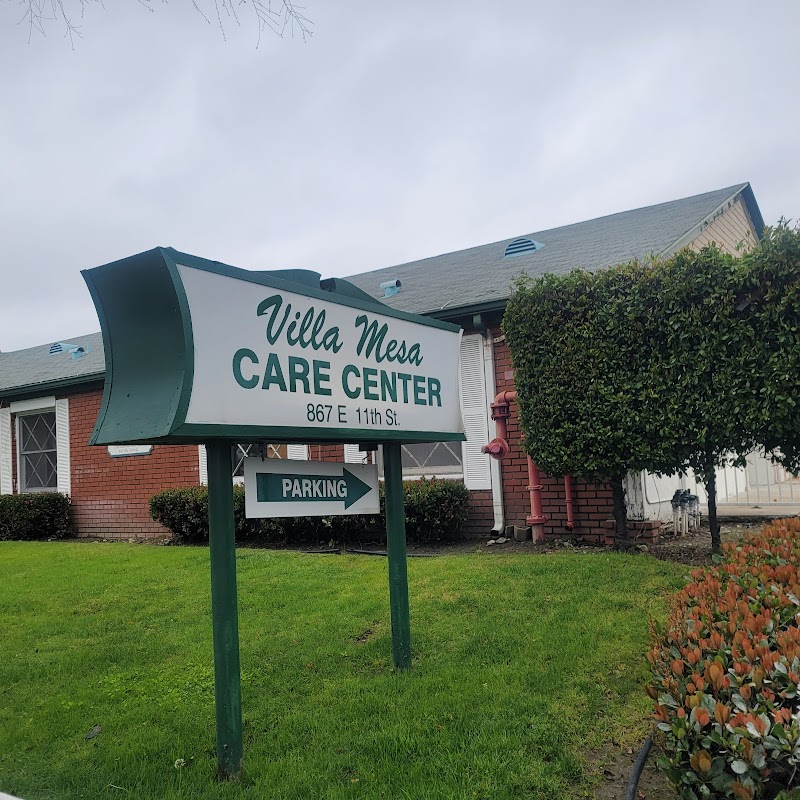
How is Villa Mesa Staffed?

CMS rates VILLA MESA CARE CENTER's staffing level at 1 out of 5 stars, which is much below average compared to other nursing homes. Staff turnover is 52%, compared to the California average of 46%. RN turnover specifically is 71%, which is notably high. RNs provide skilled clinical oversight, so turnover in this role can affect medical care quality.

What Have Inspectors Found at Villa Mesa?

State health inspectors documented 23 deficiencies at VILLA MESA CARE CENTER during 2019 to 2024. These included: 23 with potential for harm.
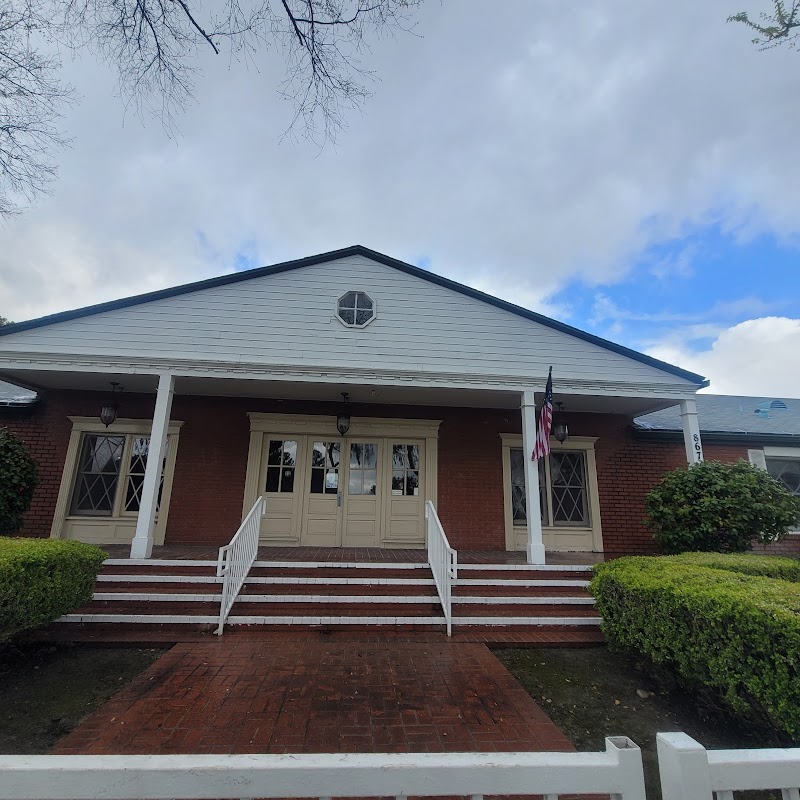
Who Owns and Operates Villa Mesa?

VILLA MESA CARE CENTER is owned by a for-profit company. For-profit facilities operate as businesses with obligations to shareholders or private owners. The facility is operated by P&M MANAGEMENT, a chain that manages multiple nursing homes. With 99 certified beds and approximately 94 residents (about 95% occupancy), it is a smaller facility located in UPLAND, California.
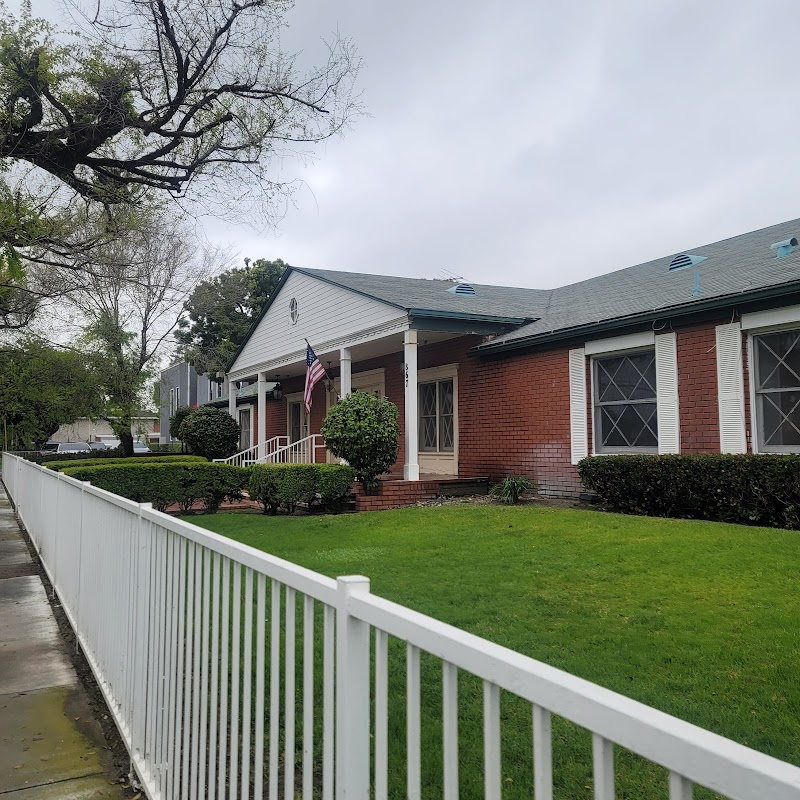
How Does Villa Mesa Compare to Other California Nursing Homes?

Compared to the 100 nursing homes in California, VILLA MESA CARE CENTER's overall rating (4 stars) is above the state average of 3.2, staff turnover (52%) is near the state average of 46%, and health inspection rating (5 stars) is much above the national benchmark.

What Should Families Ask When Visiting Villa Mesa?

Based on this facility's data, families visiting should ask: "Can you walk me through typical staffing levels on day, evening, and night shifts?" "Can I visit during a mealtime to observe dining assistance and food quality?" "How do you handle medical emergencies, and what is your hospital transfer rate?" "Can I speak with family members of current residents about their experience?" These questions are particularly relevant given the below-average staffing rating.

Is Villa Mesa Safe?

Based on CMS inspection data, VILLA MESA CARE CENTER has a clean safety record: no substantiated abuse findings (meaning no confirmed cases of resident harm), no Immediate Jeopardy citations (the most serious violation level indicating risk of serious injury or death), and is not on the Special Focus Facility watch list (a federal program monitoring the lowest-performing 1% of nursing homes). The facility has a 4-star overall rating and ranks #1 of 100 nursing homes in California. While no facility is perfect, families should still ask about staff-to-resident ratios and recent inspection results during their visit.

Do Nurses at Villa Mesa Stick Around?

VILLA MESA CARE CENTER has a staff turnover rate of 52%, which is 6 percentage points above the California average of 46%. Moderate turnover is common in nursing homes, but families should still ask about staff tenure and how the facility maintains care continuity when employees leave.

Was Villa Mesa Ever Fined?

VILLA MESA CARE CENTER has no federal fines on record. CMS issues fines when nursing homes fail to meet care standards or don't correct problems found during inspections. The absence of fines suggests the facility has either maintained compliance or corrected any issues before penalties were assessed. This is a positive indicator, though families should still review recent inspection reports for the full picture.

Is Villa Mesa on Any Federal Watch List?

VILLA MESA CARE CENTER is not on any federal watch list. The most significant is the Special Focus Facility (SFF) program, which identifies the bottom 1% of nursing homes nationally based on persistent, serious quality problems. Not being on this list means the facility has avoided the pattern of deficiencies that triggers enhanced federal oversight. This is a positive indicator, though families should still review the facility's inspection history directly.