VACAVILLE CONVALESCENT & REHAB
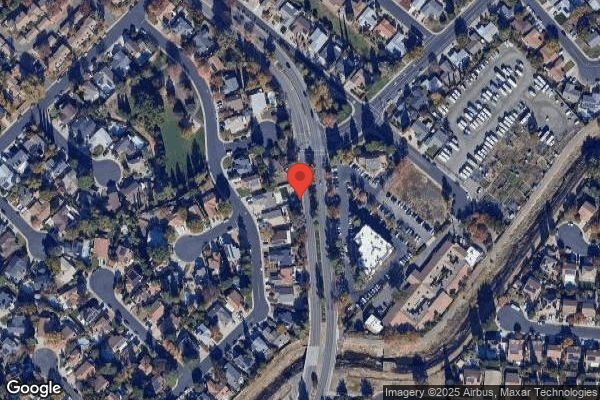
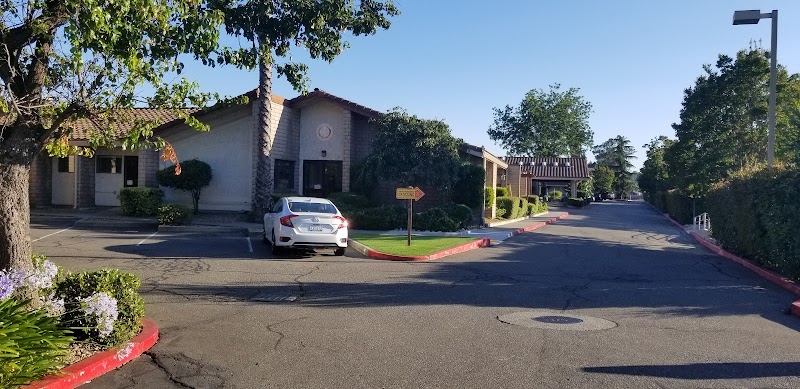
585 NUT TREE COURT, VACAVILLE, CA 95687 (707) 449-8000
For profit - Corporation 120 Beds Independent Data: November 2025
Trust Grade
58/100
#705 of 1155 in CA
Last Inspection: December 2024

Within standard 12-15 month inspection cycle. Federal law requires annual inspections.

Overview

Vacaville Convalescent & Rehab has a Trust Grade of C, which means it is average and positioned in the middle of the pack among nursing homes. It ranks #705 out of 1155 facilities in California, placing it in the bottom half, and #6 out of 7 in Solano County, indicating that only one local option is better. The facility's trend is worsening, with the number of issues increasing from 4 in 2022 to 12 in 2024. While staffing turnover is notably low at 0%, which is a good sign, the facility received fines totaling $7,976, which is average for the state. Specific concerns include loose pills found in medication storage, inadequate infection prevention practices, and a failure to provide mandatory abuse training for staff, which could potentially harm residents. Overall, the facility has strengths in staffing stability but significant weaknesses in compliance and safety practices.

Trust Score
C
58/100
In California
#705/1155
Bottom 39%
Safety Record
Low Risk
No red flags
Inspections
Getting Worse
4 → 12 violations
Staff Stability
○ Average
Turnover data not reported for this facility.
Penalties
○ Average
$7,976 in fines. Higher than 71% of California facilities. Some compliance issues.
Skilled Nurses
○ Average
RN staffing data not reported for this facility.
Violations
⚠ Watch
29 deficiencies on record. Higher than average. Multiple issues found across inspections.
★★★☆☆
3.0
Overall Rating
★☆☆☆☆
1.0
Staff Levels
★★★☆☆
3.0
Care Quality
★★★★☆
4.0
Inspection Score
Stable
2022: 4 issues
2024: 12 issues

The Good

  • Full Sprinkler Coverage · Fire safety systems throughout facility
  • No fines on record

Facility shows strength in fire safety.

The Bad

3-Star Overall Rating

Near California average (3.1)

Meets federal standards, typical of most facilities

Federal Fines: $7,976

Below median ($33,413)

Minor penalties assessed

The Ugly 29 deficiencies on record

Dec 2024 8 deficiencies
CONCERN (D)

Potential for Harm - no one hurt, but risky conditions existed

Deficiency F0655 (Tag F0655)

Could have caused harm · This affected 1 resident

Based on observation, interview, and record review, the facility failed to ensure baseline care plans (instructions needed to provide effective and person-centered care of the resident that meet profe...

Read full inspector narrative →
Based on observation, interview, and record review, the facility failed to ensure baseline care plans (instructions needed to provide effective and person-centered care of the resident that meet professional standards of quality care) were developed and implemented within 48 hours of admission for one (1) out of 21 sampled residents (Resident 238) when Resident 238 had been ordered anti-seizure medication without related seizure monitoring and care plan. This failure had the potential to place Resident 238 at risk for unmet care needs. Findings: A review of Resident 238's admission record indicated Resident 238 was admitted to the facility in November of 2024, with diagnoses including a fracture of the left femur (a thigh bone) and a fall with subsequent encounter (aftercare). A review of Resident 238's Medication Administration Record (MAR - a daily documentation record used by a licensed nurse to document medications and treatments given to a resident) for November and December of 2024 indicated order initiated on 11/19/24 for Divalproex Sodium 250 MG (milligram, unit of mass) two times a day for seizure prevention, with medication marked as given daily per order with few occasional exceptions due to refusals. No orders for monitoring seizure symptoms were found in the record. A review of Resident 238's Care Plan History indicated no care plans specific to seizure monitoring. A review of Resident 238's Physician's Progress Note, dated 11/19/24, indicated, [Brand medication name] (Divalproex) 250 mg tablet, delayed release . Give 1 tablet by mouth two times a day for Seizure Prevention (Do not crush) During a concurrent interview and record review on 12/5/24 at 2:59 p.m. with the Licensed Nurse (LN 3, Unit Manager) Resident 238's orders and care plans were reviewed and LN 3 confirmed that Resident was on divalproex for seizures, had no seizure monitoring in place and no seizure specific care plan. LN 3 stated that she expected residents on anti-seizure medications to be monitored for seizures and to have a corresponding care plan. During an interview on 12/6/24 at 12:06 p.m. with the Director of Nursing (DON), DON stated that for residents on anti-seizure medications, she expected seizure monitoring and a seizure-specific care plan to be implemented. A review of facility policy and procedure (P&P) titled, Seizures and Epilepsy- Clinical Protocol, dated November 2018, indicated, The physician and staff will help identify individuals who have a history of seizure or epilepsy, and individuals who are receiving antiepileptic medications for any reason; for example, seizure prophylaxis after a recent stroke or treatment for behavioral symptoms related to dementia . In addition, the nurse shall assess and document/report the following . Neurological assessment . Change in level of consciousness . Any seizure activity in detail (location, duration, severity, recurrence, etc.) . Injury occurring with seizure . Monitoring . The staff and physician will monitor the progress of individuals with a new seizure or a seizure disorder and will modify interventions accordingly. They should document periodically and objectively the presence or absence of seizure activity . For Individuals who have been seizure-free for an extended time, the physician will periodically consider tapering antiepileptic medications especially when their initial use was for idiopathic seizures, an underlying acute medical cause was corrected, or seizure prophylaxis had been initiated in the absence of an identifiable structural cortical [brain region] lesion. A review of facility P&P titled, Care Plans - Baseline, dated March 2022, indicated, A baseline plan of care to meet the resident's immediate health and safety needs is developed for each resident within forty-eight (48) hours of admission. The baseline care plan includes instructions needed to provide effective, person-centered care of the resident that meet professional standards of quality care and must include the minimum healthcare information necessary to properly care for the resident including, but not limited to the following: a. Initial goals based on admission orders and discussion with the resident/representative; b. Physician orders .
CONCERN (D)

Potential for Harm - no one hurt, but risky conditions existed

Deficiency F0658 (Tag F0658)

Could have caused harm · This affected 1 resident

Based on interview and record review the facility failed to provide services according to professional standards when anticoagulant (medications that prevent or reduce blood clotting) monitoring was n...

Read full inspector narrative →
Based on interview and record review the facility failed to provide services according to professional standards when anticoagulant (medications that prevent or reduce blood clotting) monitoring was not in place for Resident 63. This failure had the potential to put Resident 63 at risk for having complications related to excessive bleeding. Findings: A review of an admission record indicated Resident 63 was admitted to the facility in February 2023 with diagnoses including pulmonary embolism (blood clot in an artery in the lung), embolism and thrombosis of the left leg (a blood clot blocks or narrows an artery in the leg). During a review of Resident 63's, Medication Administration Record, on 12/4/24 at 10:04 a.m., the record indicated Resident 63 was receiving apixaban (medication that decreases the clotting ability of the blood) tablet twice a day. The record did not indicate an order to monitor side effects such as excessive bleeding or bruising. During a review of Resident 63's Care Plan, on 12/4/24 at 10:05 a.m., it did not indicate an anticoagulant monitoring care plan. During an interview and record review on 12/5/24 at 11:08 a.m., with Licensed Nurse 1 (LN 1), LN 1 confirmed that there were not any orders or a care plan for anticoagulant monitoring. She stated that not having the care plan can put the resident at risk for not being monitored for side effects of apixaban and any signs of bleeding may be missed. During an interview on 12/5/24 at 12:14p.m., with the Director of Nursing (DON), the DON stated that her expectations are that all residents on anticoagulants have orders to monitor side effects and an anticoagulant monitoring care plan, not having them can lead to residents not being monitored for bleeding. During a review of the facility's policy titled, Anticoagulation - Clinical Protocol, dated 2001, indicated, staff and physician will monitor for possible complications . and . If an individual on anticoagulation therapy shows signs of evidence of bleeding, the nurse will discuss the situation with the physician . During a review of the facility's policy titled, Care Plans, Comprehensive Person-Centered , revised March 2022, indicated, .care plan includes measurable objectives and .establishing the expected goals and outcomes of care.
CONCERN (D)

Potential for Harm - no one hurt, but risky conditions existed

Respiratory Care (Tag F0695)

Could have caused harm · This affected 1 resident

Based on observation, interview, and record review, the facility failed to provide respiratory care services consistent with professional standards of care and facility policy, for one (1) resident (R...

Read full inspector narrative →
Based on observation, interview, and record review, the facility failed to provide respiratory care services consistent with professional standards of care and facility policy, for one (1) resident (Resident 240), out of 21 sampled residents, when: 1. Resident 240's nasal cannula (NC- nasal cannula, special tubing that delivers gas to the nostrils) was unlabeled with a date it was changed; and 2. facility's orders and practices in changing humidifier bottle (a bottle of distilled water inserted into an oxygen delivery system to add moisture when being administered oxygen) and nasal cannula were not in agreement with facility's policy. These failures increased the risk for resident 240 to develop respiratory infections. Findings: A review of Resident 240's admission record indicated that Resident 240 was admitted to the facility in November of 2024 with diagnoses including respiratory failure with hypoxia (problems with breathing and low oxygen levels). A review of Resident 240's order summary report (OSR), dated 12/6/24, included the following active orders: O2 [oxygen gas] at 2 L/min [liters per minute, rate] via NC as needed for shortness of breath, chest pain, O2 saturation less than 90% .]. Initiated on 11/23/24. O2 at 2-3 L/min via NC continuously every shift. Initiated on 12/4/24. Change Humidifier Bottle &Tubing [NC] When O2 Used - Clean Filters of O2 Concentrators with Warm Soap Water, Pat Dry & Replace on O2 Concentrator when Changing Humidifier Bottle every night shift every 5 day(s). Initiated 12/4/24. During a concurrent observation and interview on 12/4/24 at 3:58 p.m., with the Infection Preventionist (IP), the IP stated NC and humidifier bottle should each be labeled with dates when first used/opened and changed on a weekly basis. IP entered Resident 240's room and confirmed that Resident 240's NC was not labeled, and the humidifier bottle was labeled with date 12/3. During an interview on 12/5/24 at 9:21 a.m. with Licensed Nurse (LN 3, Unit Manager). LN 3 stated the facility's practice was to change humidifier bottle and NC together and date only the bottle. LN 3 confirmed Resident 240 had an order to change the bottle and nasal cannula every 5 days. During concurrent observation and interview on 12/5/24 at 9:40 a.m. with Resident 240 lying in bed with NC applied and oxygen running at 2L/min. Resident 240 stated that she had been on continuous oxygen therapy via NC since she was admitted to the facility. There was still no date labeled observed on NC and the humidifier bottle was still labeled 12/3. In an interview on 12/5/24 at 9:46 a.m. with Licensed Nurse (LN 5), LN 5 stated that she was taking care of Resident 240, and the resident was on oxygen therapy via NC since admission. LN 5 also stated that she expected NC tubing and humidifier bottle to be changed every 3 days and they should be labeled with dates separately. During concurrent observation and interview on 12/6/24 at 9:50 a.m. with LN 5 in Resident 240's room. LN 5 confirmed observation that Resident 240's NC tubing was still not labeled with a date and the humidifier bottle was still labeled 12/3. LN 5 stated the bottle and tubing should be changed every 5 days, and they each should be labeled with dates. In an interview on 12/6/24 at 9:59 a.m. with the Director of Nursing (DON), the DON confirmed the humidifier bottle and NC are expected to each be labeled and the facility's practice of changing bottle and tubing as one unit was not in agreement with the policy that required bottle changes every 24 hours and tubing changes every 7 days. A review of facility policy and procedure titled, Departmental (Respiratory Therapy) - Prevention of Infection, undated, indicated, The purpose of this procedure is to guide prevention of infection associated with respiratory therapy tasks and equipment . Distilled water used in respiratory therapy must be dated and initialed when opened, and discarded after twenty-four (24) hours . Infection Control Considerations Related to Oxygen Administration . [NAME] bottle with date and initials upon opening and discard after twenty-four (24) hours . Change the oxygen cannula and tubing every seven (7) days, or as needed .
CONCERN (D)

Potential for Harm - no one hurt, but risky conditions existed

Deficiency F0744 (Tag F0744)

Could have caused harm · This affected 1 resident

Based on interview and record review, the facility failed to develop a comprehensive dementia (a progressive state of decline in mental abilities) care plan for one out of 21 sampled residents (Reside...

Read full inspector narrative →
Based on interview and record review, the facility failed to develop a comprehensive dementia (a progressive state of decline in mental abilities) care plan for one out of 21 sampled residents (Resident 57), when there was no dementia care plan for Resident 57. This deficient practice had the potential to delay dementia treatments and services needed for Resident 57. Findings: A review of Resident 57's admission record indicated the resident was admitted to the facility in October 2024, with diagnoses that include senile degeneration of the brain (decline in cognitive function) and dementia. A review of Resident 57's Minimum Data Set (MDS- a federally mandated resident assessment tool), dated 10/18/24, indicated the resident has moderate cognitive impairment and non-Alzheimer's (a disease characterized by a progressive decline in mental abilities) dementia. During a concurrent interview and record review on 12/5/24 at 1:54 p.m., with Licensed Nurse 1 (LN 1), Resident 57's care plans were reviewed. LN 1 confirmed there was not a dementia care plan for Resident 57. LN 1 stated that the care plan is important to assess the resident properly, informs staff how to interact with the resident, what behaviors to monitor and what are appropriate interventions for the resident. During an interview on 12/5/24 at 3:59 p.m., with the Director of Nursing (DON), the DON stated she expected that residents with dementia have a dementia care plan, so staff knows how to monitor and interact with the resident and implement proper interventions. During a review of the facility's policy titled, Care Plans, Comprehensive Person-Centered, revised March 2022, indicated, .care plan includes measurable objectives and timetables to meet the resident's psychosocial and functional needs . and, .services that are to be furnished to attain or maintain the resident's highest practicable mental, and psychosocial well-being .
CONCERN (E)

Potential for Harm - no one hurt, but risky conditions existed

Deficiency F0761 (Tag F0761)

Could have caused harm · This affected multiple residents

Based on observation, interview, and record review, the facility failed to ensure that medications were stored according to accepted professional principles for a census of 82 residents, when loose pi...

Read full inspector narrative →
Based on observation, interview, and record review, the facility failed to ensure that medications were stored according to accepted professional principles for a census of 82 residents, when loose pills were found in a medication cart and medication refrigerators were not maintained. This deficiency had the potential for residents to have an increased risk of receiving compromised medications. Findings During a concurrent observation and interview on 12/4/24 at 2:07 p.m., with Licensed Nurse 2 (LN 2) of north hall medication cart A, 8 loose pills were found in the bottom of the medication drawer. LN 3 confirmed the presence of the loose pills and stated that loose pills could be accidently given to residents. During a concurrent observation and interview on 12/4/24 at 2:31p.m. of north station medication room with LN 1, LN 1 confirmed the medication refrigerator was: 1. noted to have thick ice buildup which prevented the freezer door to be opened, 2. puddles of water were seen at the bottom of the fridge and shelving, and 3. damage was noted on the external areas of the fridge. LN 1 stated that if the fridge is not working and maintained properly medications could be compromised and the residents could potentially receive ineffective medications or experience a reaction. During a concurrent observation and interview on 12/4/24 at 2:51 p.m., with LN 3 in the south station medication room. LN 3 confirmed the medication fridge thermometer indicated a temperature of 24 Fahrenheit (F - a unit of measure), and the medication fridge temperature expected range is 36-46 F. LN 3 stated that the medication fridge temperature is out of range which could potentially damage the medication and cause it to be ineffective. During an interview on 12/5/24 at 12:14p.m. with the Director of Nursing (DON), the DON stated loose pills shouldn't be in the cart and should be disposed of appropriately. The DON added, nurses are responsible for monitoring temperatures and general fridge maintenance such as cleaning and defrosting the fridge. During a review of the facility's policy and procedure titled, Medication labelling and storage, dated 2001, indicated, .the facility stores all medications .under proper temperature . and, .nursing staff is responsible for maintaining medication storage and preparation areas in a clean, safe, and sanitary manner .
CONCERN (E)

Potential for Harm - no one hurt, but risky conditions existed

Infection Control (Tag F0880)

Could have caused harm · This affected multiple residents

**NOTE- TERMS IN BRACKETS HAVE BEEN EDITED TO PROTECT CONFIDENTIALITY** Based on observation, interview, and record review, the facility failed to maintain infection prevention and control practices t...

Read full inspector narrative →
**NOTE- TERMS IN BRACKETS HAVE BEEN EDITED TO PROTECT CONFIDENTIALITY** Based on observation, interview, and record review, the facility failed to maintain infection prevention and control practices to help prevent the development and transmission of communicable diseases and infections when: 1. The wound treatment nurse (TN): took a container of medication from a resident's room and put back in the clean supply cart, failed to sanitize equipment between uses for different residents, and did not label wound dressings. 2. Housekeeping staff did not perform hand hygiene between cleaning different resident rooms and the same mop and sanitizing solution was used to clean multiple rooms. 3. Enhanced Barrier Precautions were not applied for residents with wounds and indwelling medical devices. These failures had the potential to result in infection spread among a facility census of 82 residents. Findings: 1. During wound treatment observation on 12/4/24 commencing at 1:55 p.m., the TN was observed providing wound care to Resident 141 and Resident 242. The TN brought supplies including scissors and an entire container of powdered nystatin (an antifungal medication) into Resident 141's room. The TN removed old dressings, that were not labeled with date or initials, from both knees of Resident 141. The TN used scissors to trim new dressings and applied new dressings to the knee wounds, but the TN did not label new dressings with a date or initials. The TN applied the nystatin powder to Resident 141's groin area, and then placed the nystatin container back in the treatment supply cart with other clean supplies. The TN took the scissors from Resident 141's room and placed them on the top of the treatment supply cart without disinfecting them. The TN removed four clean packages of dressings and placed them on top of the treatment supply cart where they touched the potentially contaminated scissors. The TN then took the four packages of dressings from the top of the treatment supply cart into Resident 242's to do a dressing change. The TN removed old dressings from Resident 242's right leg, old dressings were not labeled with date or initials, and then applied new dressings without labeling with date or initials. In an interview on 12/4/24 at 2:45 p.m., the TN admitted he took the entire nystatin powder container from Resident 141's room back to the clean cart. The TN acknowledged he was not supposed to bring the entire nystatin powder container into the resident's room and should have taken a small portion in a disposable medication cup for use inside the resident's room. The TN confirmed the old dressings, that were removed from both Resident 141 and 242, were not labeled with dates or initials, and he did not label new dressings as expected. The TN confirmed that he did not use readily available disinfectant wipes to sanitize the scissors that were brought from Resident 141's room nor did he sanitize the top of the treatment cart between providing treatments to two different residents. In an interview on 12/6/24 at 9:59 a.m. with the Director of Nursing (DON), the DON stated entire medication containers should not be taken into resident rooms but rather the needed dose must be taken into the room in a disposable medication cup. The DON added, medication containers that have been taken into the residents' rooms should not be brought back to the clean supply cart. The DON also stated she expected wound dressings to be labeled with date and initials and reusable equipment, including scissors and a treatment supply cart surface, must be sanitized between different residents with provided disinfecting wipes. A review of facility policy and procedure (P&P) titled, Dressings, Dry/Clean, undated, indicated, The purpose of this procedure is to provide guidelines for the application of dry, clean dressings . The following equipment and supplies will be necessary when performing this procedure . Clean dressing(s); Cleaning solution, as ordered; Tape; Scissors; and Personal protective equipment (e.g., gowns, gloves, mask, etc., as needed) . Clean bedside stand, Establish a clean field . Label tape or dressing with date, time, and initials. Place on clean field. Using the clean technique, open other products . Apply the ordered dressing and secure it with tape or bordered dressing per order. (Note: Use nonallergenic tape as indicated.) Label with date and initials to top of dressing . 2. During an observation on 12/5/24 commencing at 8:21 a.m., Housekeeper 1 (HK 1) was observed cleaning resident rooms. HK 1 took the mop from the mop bucket with sanitizing solution and mopped the floor in RM [ROOM NUMBER]. After moping room [ROOM NUMBER], HK 1 put the mop with the mop head back into the bucket with sanitizing solution. Then, without conducting hand hygiene or changing the mop head, HK 1 went to clean the floor in room [ROOM NUMBER]. HK 1 took the mop from the bucket with sanitizing solution, mopped the floor in room [ROOM NUMBER], and placed the mop back into the solution bucket. In an interview on 12/5/24 at 8:29 a.m. HK 1 confirmed that he did not perform hand hygiene when he moved from room [ROOM NUMBER] to room [ROOM NUMBER] and he used the same mop head and solution to clean both rooms. He stated that he routinely uses the same mop head and sanitizing solution to clean three to four rooms. During an observation on 12/5/24 commencing at 9:57 a.m. HK 2 was observed working in room [ROOM NUMBER]. HK 2 grabbed the mop with the wet mop head and mopped the floors in room [ROOM NUMBER]'s restroom. Then HK 2 placed the mop in a sanitizing bucket with a solution. HK 2 then grabbed gloves and the basket with cleaning supplies and went to room [ROOM NUMBER] to clean inside that restroom. In an interview on 12/5/24 at 9:57 a.m. HK 2 stated she uses the same mop head and solution to clean 5 restrooms before changing the solution. In an interview on 12/6/24 commencing at 9:59 a.m. DON agreed that using the same mop head and sanitizing solution in multiple rooms increases the risk of cross-contamination. She also stated she expected housekeeping staff to perform hand hygiene between different rooms. A review of facility P&P titled Cleaning and Disinfecting Residents' Rooms, dated August 2013, indicated, Disinfecting (or detergent) solutions will be prepared as needed and replaced with fresh solution frequently . Floor mopping solution will be replaced every three resident rooms, or changed no less often than at 60-minute intervals . Perform hand hygiene after removing gloves . Change mop solution water at least every three (3) rooms, or as necessary . 3. In an interview on 12/4/24 at 3:58 p.m., the Infection Preventionist (IP) stated that Enhanced Barrier Precautions (EBP, a set of infection control measures that use gowns and gloves to reduce the spread of multidrug-resistant organisms-MDROs during high contact care activities). Was used by the facility only on residents colonized or having a history of MDROs. During concurrent observation and interview on 12/6/24 at 9:09 a.m. in the facility's hallways with Licensed Nurse 3 (LN 3, Unit Manager). LN 3 stated that residents on EBP had a red dot against their name on the room entry signage. LN 3 provided a list of 10 residents with in-dwelling medical devices. Six (6) reviewed residents were not placed on EBP. LN 3 stated that she was not aware that these residents had to be placed on EBP. In an interview on 12/6/24 at 9:59 a.m. the DON confirmed EBP should have been implemented, but had not been, for residents with wounds and in-dwelling devices. A review of facility P&P titled, Enhanced Barrier Precautions, dated August 2022, indicated, Enhanced barrier precautions (EBPs) are utilized to prevent the spread of multi-drug resistant organisms (MDROs) to residents . EBPs are indicated (when contact precautions do not otherwise apply) for residents with wounds and/or indwelling medical devices regardless of MDRO colonization .
CONCERN (E)

Potential for Harm - no one hurt, but risky conditions existed

Deficiency F0947 (Tag F0947)

Could have caused harm · This affected multiple residents

Based on interviews and record reviews, the facility failed to ensure all Certified Nursing Assistants (CNAs) were provided mandatory abuse training when documentation for the required training was un...

Read full inspector narrative →
Based on interviews and record reviews, the facility failed to ensure all Certified Nursing Assistants (CNAs) were provided mandatory abuse training when documentation for the required training was unavailable for the 13 CNAs assigned to the night (NOC) shift. This failure had the potential for all 82 residents in facility to experience physical, mental, or psychosocial harm. Findings: During an interview on 12/04/24 at 4:21 p.m. with the DSD, the DSD stated in-services were scheduled two times a week on Tuesday's and Thursday's from 2:30 p.m. to 3:30 p.m. When questioned if the DSD provided in-services to the NOC shift staff, the DSD did not provide a response. During an interview on 12/05/24 at 8:09 a.m. with the DSD, the DSD stated she tracked staff participation for required in-services by ensuring staff write their name and signature on a sign in sheet accompanying the in-service. The DSD confirmed the mandatory abuse prevention training had not been provided during 2024. During an interview on 12/05/24 at 10:58 a.m., When requested the NOC shifts training records, the DSD admitted , I don't provide in-services to the NOC shift staff .I make sure they get the information, but they don't sign a sign in sheet or attend in-services in person. During a review of the facility's policy and procedure (P&P) titled, In-Service Training, Nurse Aide, revised August 2022, the P&P indicated, All nurse aide personnel participate in regular in-service education .Required training topics for all staff (including nurse aides) included: c. abuse, neglect and exploitation of residents .Nurse aid participation in training is documented by the staff development coordinator, or his or her designee and includes: the date and time of the training, the topic of the training, the method used for training, a summary of the competency assessment and the hours of training completed.
MINOR (C)

Minor Issue - procedural, no safety impact

Staffing Information (Tag F0732)

Minor procedural issue · This affected most or all residents

Based on observations, interviews, and record reviews the facility failed to ensure complete nurse staffing data was displayed and accessible for residents and visitors, for a census of 82 residents, ...

Read full inspector narrative →
Based on observations, interviews, and record reviews the facility failed to ensure complete nurse staffing data was displayed and accessible for residents and visitors, for a census of 82 residents, when actual hours worked was not displayed. This failure had the potential to mislead residents and visitors of the actual hours worked by staff responsible for providing direct care to residents. Findings: During an observation on 12/4/24 at 2:50 p.m. at the North Nursing station, the Daily Staffing form was displayed. The form included the number of Licensed Nurses (LN) and Certified Nursing Assistants (CNA) scheduled for each of the facility's shifts. However, the form did not include the actual hours worked by the LNs and CNAs, who are directly responsible for resident care. During a concurrent observation and interview on 12/4/24 at 3:20 p.m., at the North Nursing station, with the Medical Records Director (MRD), the MRD confirmed the Daily Staffing form displayed did not include the total number and actual hours worked per shift for LNs or CNAs. The MRD stated, I never thought I had to post the actual hours .I've never posted it since I've been [working] here. During a concurrent interview and record review on 12/5/24 at 1:32 p.m., with the Administrator (ADM), the daily Staffing form was reviewed. The ADM confirmed the form did not include the actual hours worked per shift for LNs or CNAs providing direct care. During a review of the facility's policy and procedure (P&P) titled, Posting Direct Care Daily Staffing Numbers, revised August 2022, the P&P indicated, .Our facility will post on a daily basis for each shift, nurse staffing data, including the number of nursing personnel responsible for providing direct care to residents .Shift staffing information is recorded on a form for each shift. The information recorded on the form shall include the following .The actual time worked during that shift for each category and type of nursing staff . total number of licensed and non-licensed nursing staff working for the posted shift .
Sept 2024 1 deficiency
CONCERN (D) 📢 Someone Reported This

A family member, employee, or ombudsman was alarmed enough to file a formal complaint

Potential for Harm - no one hurt, but risky conditions existed

Free from Abuse/Neglect (Tag F0600)

Could have caused harm · This affected 1 resident

**NOTE- TERMS IN BRACKETS HAVE BEEN EDITED TO PROTECT CONFIDENTIALITY** Based on interview and record review, the facility failed to ensure one resident (Resident 1) of two sampled residents was free ...

Read full inspector narrative →
**NOTE- TERMS IN BRACKETS HAVE BEEN EDITED TO PROTECT CONFIDENTIALITY** Based on interview and record review, the facility failed to ensure one resident (Resident 1) of two sampled residents was free of abuse when Resident 2 slapped Resident 1 on the back. This failure resulted in an increase in Resident 1's potential for social withdrawal and fear for his safety. Findings: A review of an admission record indicated Resident 1 was admitted to the facility in 2023 with diagnoses which included syncope (fainting) and collapse and dementia (a chronic condition which results in a decline in the person ' s ability to think, remember, and reason). A review of a Minimum Data Set (MDS, an assessment tool) dated 8/2/24 indicated Resident 1 had a score of 10 on a Brief Interview for Mental Status (BIMS, a questionnaire used to determine if a person's cognition (the process of thinking) is intact. A score of 15 suggests intact cognition). A review of an admission record indicated Resident 2 was admitted to the facility in 2022 with diagnoses which included orthopedic aftercare (care after surgery involving the musculoskeletal system) and hypertension (high blood pressure). A review of an MDS dated [DATE] indicated Resident 2 had a BIMS score of 14. A review of Resident 2's progress note dated 7/8/24 at 1:45 a.m. indicated, At [1:20 a.m.] .Resident [2] .[had] an outburst/angry behavior towards the roommate [Resident 1] about his disturbance of sleep caused by the roommate [Resident 1] .Resident [2] stated that he is really fed up and had enough of his patience and can't deal with it anymore . A review of Resident 1's progress note, dated 7/8/24 at 4:04 a.m. indicated, At [1:20 a.m.] Resident [1] was moved out of the room d/t [due to] the roommate [Resident 2] complaint of sleep disturbance .While the 2 CNA [Certified Nursing Assistants] assigned was assisting the Resident [1], they witnessed the aggressive behavior of the roommate [Resident 2] approached the Resident [1] yelling at him and slapping Resident [1] on his upper back while saying to him that he already had enough of the noise and being disturb [sic] on his sleep . A review of Resident 1's care plan initiated on 7/8/24 indicated Resident 1 had the potential to experience social withdrawal and fear for his safety related to an incident of aggression from his roommate, Resident 2. In an interview on 9/30/24 at approximately 4:50 p.m., Resident 2 confirmed he had slapped Resident 1 on the back. Resident 2 stated Resident 1 had become annoying one night when he tried to get some sleep because Resident 1 kept getting out of bed and was not following the staff's instructions. Resident 2 stated he had gotten frustrated and lost his temper. In an interview on 9/30/24 at approximately 5:13 p.m., CNA 1 confirmed she had witnessed Resident 2 hit Resident 1. The CNA 1 stated Resident 1 had gotten out of bed and was confused so CNA 1 and another CNA tried to redirect Resident 1 back to bed; however, Resident 2 woke up, got into his wheelchair, and hit Resident 1. The CNA 1 stated Resident 2 seemed angry when he hit Resident 1 and Resident 2 stated he was tired of Resident 1's behavior. A review of the facility's policy titled Abuse Prevention and the Reporting of Alleged Abuse and Suspicion of Crime revised on November 2016, indicated, .Each resident has the right to be free of .verbal .physical, mental abuse .Residents must not be subjected to abuse by anyone, including, but not limited to .other residents .
Apr 2024 1 deficiency
CONCERN (E) 📢 Someone Reported This

A family member, employee, or ombudsman was alarmed enough to file a formal complaint

Potential for Harm - no one hurt, but risky conditions existed

Infection Control (Tag F0880)

Could have caused harm · This affected multiple residents

**NOTE- TERMS IN BRACKETS HAVE BEEN EDITED TO PROTECT CONFIDENTIALITY** Based on observation, interview and record review, the facility failed to implement guidance and recommendations to prevent the ...

Read full inspector narrative →
**NOTE- TERMS IN BRACKETS HAVE BEEN EDITED TO PROTECT CONFIDENTIALITY** Based on observation, interview and record review, the facility failed to implement guidance and recommendations to prevent the spread of Covid 19 infections to 18 out of 54 residents, Residents 1, 2, 3, 4, 5, 6, 7, 8, 9, 10, 11, 12, 13, 14, 15, 18, 19, 20, one (1) contractor and one (1) staff when: 1) The facility did not screen staff and visitors for any sign and symptoms of fever and cough before entering the facility. The staff, visitors and residents did not wear a N95 mask in the facility. The facility continued communal dining, activity, and physical therapy sessions. 2) The facility did not inform the Local Department Public Health in a timely manner when a Covid-19 outbreak, three (3) or more confirmed residents with Covid-19, occurred on 4/1/24. The facility reported the outbreak on 4/2/24. The facility did not inform the State Department of Public Health (CDPH) of the Covid-19 outbreak. 3) The facility did not screen residents and staff for Covid-19, who were exposed to Covid-19, as recommended by State and Center for Disease Control (CDC) Guidance. The facility did not have a current Policy & Procedure (P&P) for Prevention of Covid-19 infection. These failures resulted in an outbreak of Covid-19 to 18 residents, one (1) contractor and one (1) staff, from 3/29/24 – 4/7/24. Resident 15, who contracted Covid-19, was transferred to emergency room for dehydration due to Covid-19 infection and low blood pressure. Findings: (1) During a concurrent observation and interview on 4/5/24 at 10:45 a.m., upon entrance to the facility, there was a box of facial masks on the stand and hand hygiene solution; visitors and staff walked in hallways not wearing masks and did not use hand hygiene. The Director of Nursing (DON), was asked whether wearing masks was mandatory. The DON stated, No, we encouraged them to wear masks. When the ADM was asked if the facility had an assigned staff to screen staff and visitors in the front desk, the ADM stated, No. The ADM stated they had residents who were confirmed for Covid-19 infection as well as one contracted staff. The IP stated she followed the guidelines under the Policy & Procedures for Covid-19. The IP stated she did not conduct Covid-19 tests to exposed residents and staff if they did not present symptoms of cough or colds. The IP stated it was not required to conduct Covid-19 tests to exposed residents or staff. During a concurrent interview and record review on 11/8/24 at 11 a.m., the Director of Nursing (DON) and IP reviewed the names of residents who were Covid-19 positive, with the corresponding room assignments from 3/29/24 until 4/7/24. The DON stated there were fifteen (15) residents who were positive for Covid-19. As off today, 4/8/24, the Infection Preventionist (IP) stated, currently there were a total of six (6) residents who were positive for Covid-19 infection. The IP stated an additional three residents converted to positive for Covid 19. Resident 20 and one active staff converted positive for Covid-19. The IP stated it was not mandatory for residents, staff, and visitors to wear facial masks in the facility. The IP stated it was only mandatory to wear facial masks for staff and visitors when entering the isolation room of residents who were positive for Covid-19 infection. The IP stated residents would be out of isolation after six days without symptoms and after finishing the medication for Covid-19. During a concurrent observation and interview on 4/8/24 at 12 p.m., with the IP and DON, while on a tour of the facility, a family member (wife) put on an isolation gown outside a resident room, and the IP assisted and helped her put on her face shield. The wife entered the room (an isolation room with Covid 19) to visit Resident 12. This Surveyor immediately asked the IP if the wife wore an appropriate mask to protect herself from Covid-19 infection. The IP checked the mask the wife wore and then asked wife to change her mask to N95 (protective mask to wear for Covid-19 isolation). The activity room had residents present without wearing masks. The community dining room was filled with residents without wearing masks. Staff in the dining room wore regular masks, not N95. The Physical Therapist was actively treating residents without wearing masks in the Physical Therapy room. During an interview on 4/8/24 at 12:30 p.m. in the ADM ' s office with the ADM, the IP and the DON, the IP was asked what guidance she followed for Covid-19 prevention. The IP stated she followed the Covid-19 Guidance by the State. The IP stated the reason she did not test all residents was because of psychosocial concerns. The IP stated the State and CDC guidelines provided only, recommendation to conduct Covid-19 tests to exposed residents, it did not say, required. The IP stated that fit testing for N95 was done in 2022. The IP stated the fit testing was not done yearly. When asked if this outbreak was reported to the State Public Health, the IP stated, No only to the Local Public Health thru, Spot (computer reporting to LPH). When the DON was asked if she conducted exposed residents from any other source of airborne infection such as Tuberculosis (TB), the DON stated, Yes to detect if anyone was infected with TB to prevent the spread of infection and treat it accordingly. The ADM stated the Policy & Procedures (P&P) they followed was the letter from the Director of State Public Health. A review of the Policy & Procedure (P&P) titled, Infection Prevention and Control Program, dated 10/2018), indicated: An infection prevention and control program (IPCP) are established and maintained to provide a safe, sanitary and comfortable environment and to help prevent the development and transmission of communicable diseases and infections. Under Policy Interpretation and implementation: 1) The infection prevention and control program are developed to address the facility-specific infection control needs and requirements identified in the facility assessment and the infection control risk assessment. The program is reviewed annually and updated as necessary 4) the elements of the infection prevention and control program consist of coordination/oversight, policies/procedures, surveillance, data analysis, antibiotic stewardship, outbreak management, prevention of infection, and employee health and safety 10) Outbreak Management B) Outbreak management is a process that consists of . 3) preventing the spread to other residents; 4) reporting the information to appropriate public health authorities 9) recommending new or revised policies to handle similar events in the future. During an interview on 4/8/2024 at 3:55 p.m., Licensed Nurse (LN) D stated she provided in-services for Personal Protective Equipment (PPE). LN D stated everyone was responsible to teach the family how to put on and remove PPE. LN D stated, residents who were treated for Covid-19 were isolated for five days, did not repeat the Covid-19 test, and they only tested if residents had symptoms or family asked to do a test for their loved ones. LN D stated Resident 15, who tested positive for Covid-19 was transferred to emergency room (ER) today for low blood pressure 87/60 (normal blood pressure value 120/80), pulse at 111 (normal pulse 60-100), no fever, with mild shortness of breath. Resident 15 refused to wear a mask. LN D stated she called the ER, and was informed Resident 15 would be admitted in the hospital due to low blood pressure and a fast heart rate. During a telephone interview on 4/10/2024 at 2 p.m., the Local Public Health Epidemiologist (LPH) stated the facility must follow the most stringent regulations and guidelines for prevention of Covid-19 in Long Term Care facilities (LTC). The LPH stated the facility reported an outbreak of Covid 19 in their facility, dated 4/2/24, via the, SPOT portal (electronically-reported Covid 19). The LPH stated they provided the facility with LPH outbreak guidance as well. The LPH was asked if they helped the facility when an outbreak occurred,and the LPH stated the facility did not ask for an assistance. (2) A review of the IP ' s list of residents who were confirmed positive for Covid-19 as follows: 3/29/24-Resident 1, positive for Covid 4/01/24-Residents 3, 5, 7, 18 4/02/24-Residents 2, 6, 19, 10 4/03/24-Residents 11, 9 4/04/24-Residents 8, 12 4/05/24-Resident 4 4/06/24-Resident 13 4/7/24-Resident 14, & Resident 15 4/8/24- Resident 20 The IP did not provide a list of names of staff and the contractor who were positive for Covid-19 in the facility. The IP provided list of residents who were exposed with no Covid-19 tests done. A review of the Local Public Health Recommendations for the Prevention and Control of Viral Respiratory illness in Long Term Care Facilities, dated 10/23, indicated under definition of outbreak of Covid-19: >3 people with confirmed diagnostic test for Covid-19 within seven days who are epi-linked to the facility. Discontinue group activities, unless necessary. Discuss with Local Public Health any group activity/therapy that needed to continue. Close communal dining; serve meals in resident rooms (3) During an interview on 4/8/2024 at 12: 40, the ADM submitted to this Surveyor a letter from the Director of State Public Health. The ADM stated this was the facility ' s Policy & Procedure that was used. A letter from the Director of State Public Health, dated 1/09/24, addressed to, Public Health Officials, Healthcare Provider and Laboratories, under the subject, Updated Covid-19 Testing Guidance, indicated, under, Who should have diagnostic testing? Diagnostic testing is recommended for all people with new symptoms of Covid-19 .Diagnostic testing is recommended for exposed people without symptoms who are at higher-risk of severe Covid-19 infection and may benefit from treatment if infected or who have contact with people at high risk for severe infection. What is diagnostic screening testing? Diagnostic screening testing is testing of people without symptoms or known exposure to detect Covid-19 early, stop transmission, and prevent outbreak or control outbreaks. When the ADM was asked whether the facility tested the exposed residents and staff for Covid-19, the ADM stated the facility did not test exposed residents without symptoms. The facility only tested residents with symptoms of Covid-19. The ADM stated, since the State and Center for Disease Control (CDC), recommended not required to test exposed residents, We don ' t have to follow recommendations. The ADM submitted a copy of facility ' s committee-approved Policy & Procedure titled, Covid-Manual, dated 4/20/23. The ADM identified the, Mitigation Plan for Recommendations for testing as the facility's Covid-Manual. The ADM stated the facility did not use the Mitigation Plan anymore because it was obsolete. The ADM presented the All-Facility Letter (AFL) 22-13.1, dated 10/5/22, which indicated, This AFL is no longer in effect and is for historical purposes only. Please refer to the most recent CDC guidance. A review of the email response from the IP, dated 4/12/24 at 4:31 p.m., the IP stated she received the Local Public Health Guidance for Covid-19 in October 2023. When the IP was asked which guidance the facility followed when it had multiple guidance's in hand, the IP replied, We follow the most recent. During a telephone interview on 4/13/24 at 10 a.m., a hospital staff member stated Resident 15 was admitted on [DATE], for low blood pressure, a fast heart rate, and dehydration due to a Covid-19 infection. A review of Guidelines from California Department of Public Health (CDPH) Health Association-Infection Program indicated, Recommendations for Prevention and Control of COVID-19, Influenza, and Other Respiratory Viral Infections in California Skilled Nursing Facilities – 2023-24. This CDPH guidance aligns with the Centers for Disease Control and Prevention (CDC) Viral Respiratory Pathogens Toolkit for Nursing Homes (www.cdc.gov/longtermcare/prevention/viral-respiratory-toolkit.html).
Feb 2024 2 deficiencies
CONCERN (D) 📢 Someone Reported This

A family member, employee, or ombudsman was alarmed enough to file a formal complaint

Potential for Harm - no one hurt, but risky conditions existed

Investigate Abuse (Tag F0610)

Could have caused harm · This affected 1 resident

Based on interview and record review, the facility failed to maintain documentation that an alleged abuse violation was thoroughly investigated. This failure to maintain documentation of an abuse inve...

Read full inspector narrative →
Based on interview and record review, the facility failed to maintain documentation that an alleged abuse violation was thoroughly investigated. This failure to maintain documentation of an abuse investigation had the potential to delay implementation of corrective action(s) to protect the resident from further abuse and/or emotional harm. Findings: Record Review of admission Record for Resident 1 indicated admission was on 12/13/23 and pertinent diagnoses are Other Specified Fracture of Unspecified Pubis, Subsequent Encounter for Fracture with Routine Healing and Anxiety Disorder Unspecified. During an interview on 2/20/24 at 12:14 p.m. with the Director of Nursing (DON), the DON stated Licensed Nurse A received an order for Resident 1 for a catheter (a flexible tube inserted through a narrow opening into a body cavity, particularly the bladder, for removing fluid) collection of urine for a urinalysis (a lab test of urine to determine the presence of a urinary tract infection) on 12/27/23. During an interview on 2/20/24 at 12:30 p.m. with the Administrator, the Administrator stated he talked with Licensed Nurse A after he was notified that resident 1 believed she was sexually assaulted during the catheter procedure. Administrator stated he was the Abuse Coordinator, and he did not routinely report alleged abuse until after he had investigated it. Administrator stated he did not believe any abuse occurred, so he did not report the allegation. Administrator stated he did not have any written record of his investigation. During an interview on 2/20/24 at 1:25 p.m. with the Assistant Director of Nursing (ADON), the ADON stated she became aware during a Care Conference on 12/29/23 of Resident 1's allegation that she was sexually assaulted during a catheter procedure. The ADON stated she investigated the allegation. The ADON and the facility did not provide any documentation of an investigation. During an interview on 2/20/24 at 1:45 p.m. with the Administrator, the Administrator stated he did an internal investigation of the allegation. During an interview on 2/21/24 at 10:55 a.m. with the Social Services Director (SSD), SSD stated she attended the Care Conference for Resident 1 on 12/29/23. DDS stated the alleged abuse of Resident 1 was discussed. SSD stated the Assistant director of Nursing (ADON) took notes during the meeting. SSD further stated that each discipline documented their own notes. A record review of a document titled Interdisciplinary Team Conference Notes dated effective 12/29/23 at 11:03 a.m. and signed by the ADON, included a summary of discussion for each discipline. Under paragraph V., section 1. Nursing summary states .reviewed all family .concerns and follow up in place . No further documentation of abuse allegation was provided by the facility. A record review of a policy and procedure, titled Abuse Training and Reporting Policy dated May 2003, Paragraph 5, Investigation states, Staff members will be trained to report anything that may cause injury toa resident .If abuse is suspected, the Administrator and /or Abuse Coordinator must be notified and an investigation is initiated. Record received from the Administrator who indicated it was the current policy.
CONCERN (E) 📢 Someone Reported This

A family member, employee, or ombudsman was alarmed enough to file a formal complaint

Potential for Harm - no one hurt, but risky conditions existed

Report Alleged Abuse (Tag F0609)

Could have caused harm · This affected multiple residents

Based on interview and record review, the facility failed to report one incident of resident abuse to authorities within the required two-hour time frame after the allegation was made. This failure to...

Read full inspector narrative →
Based on interview and record review, the facility failed to report one incident of resident abuse to authorities within the required two-hour time frame after the allegation was made. This failure to report an allegation of abuse within the Federally mandated requirement of two hours, had the potential to result in ongoing resident abuse and physical, mental, and /or emotional harm, and prevented the State Agency from conducting a timely investigation into the allegation. Findings: Record Review of admission Record for Resident 1 indicated admission was on 12/13/23 and pertinent diagnoses are Other Specified Fracture of Unspecified Pubis, Subsequent Encounter for Fracture with Routine Healing and Anxiety Disorder Unspecified. During an interview on 2/20/24 at 12:14 p.m. with the Director of Nursing (DON), the DON stated Licensed Nurse A received an order for Resident 1 for a catheter (a flexible tube inserted through a narrow opening into a body cavity, particularly the bladder, for removing fluid) collection of urine for a urinalysis (a lab test of urine to determine the presence of a urinary tract infection) on 12/27/23. During an interview on 2/20/24 at 12:14 p.m. with the DON, the DON further stated that Resident 1's Family Member 1 reported at a Care Conference (meeting of facility management staff, resident and family, if indicated) on 12/29/24 that Resident 1 believed she was sexually assaulted during the catheter procedure. During an interview on 2/20/24 at 12:30 p.m. with the Administrator, the Administrator stated he talked with Licensed Nurse A after he was notified that resident 1 believed she was sexually assaulted during the catheter procedure. Administrator stated he was the Abuse Coordinator, and he did not routinely report alleged abuse until after he had investigated it. Administrator stated he did not believe any abuse occurred, so he did not report the allegation. During an interview on 2/20/24 at 1:25 p.m. with the Assistant Director of Nursing (ADON), the ADON stated she became aware during a Care Conference on 12/29/23 of Resident 1's allegation that she was sexually assaulted during a catheter procedure. The ADON stated she investigated the allegation. During an interview on 2/20/24 at 1:45 p.m. with the Administrator, the Administrator stated he did an internal investigation of the allegation. Administrator further stated he had 24 hours to report abuse to the State Agency. During an interview on 2/21/24 at 10:20 a.m. with Family Member 1, Family Member 1 stated he visited Resident 1 on 12/28/23 and Resident 1 told him she had been held down and sexually assaulted during the night. Family Member 1 stated he was the Responsible Party (decision maker) for Resident 1. During an interview on 2/21/24 at 10:20 a.m. with Family Member 1, Family Member 1 stated he attended a Care Conference for Resident 1 on 12/29/23. The Care Conference was attended by Family Member 1, Family Member 2, the ADON, the Social Services Director, and the Physical Therapy Manager. Family Member 1 expressed concerns about Resident 1's sexual assault allegation. Family Member 1 stated that Resident 1 continued to suffer trauma from the event. During an interview on 2/21/24 at 10:55 a.m. with the Director of Social Services (DSS), the DSS stated she was present at the Care Conference for Resident 1 on 12/29/23. The DSS stated Family Member 1 discussed Resident 1's allegation of sexual assault during the meeting. During an interview on 2/21/24 at 3:58 p.m. with the Manger of PT Services (MPT), the MPT stated she attended a Care Conference for Resident 1 on 12/29/23. The MPT stated during the Care Conference Family Member 1 stated Resident 1 told him she was held down and then assaulted. During an interview on 2/22/24 at 12:15 p.m. with Licensed Nurse B, an employee of a Home Health Agency, Licensed Nurse B stated Resident 1 was her Home Health client after she left the facility. Licensed Nurse B stated Resident 1 said she may have been sexually assaulted at the facility. Resident 1 reported this to Licensed Nurse B on 2/6/24. Licensed Nurse B stated Resident 1 appeared to be traumatized. Licensed Nurse B reported the abuse allegation to Adult Protective Services on 2/6/24. During an interview on 2/22/24 at 2:20 p.m. with Licensed Nurse A, Licensed Nurse A stated she reported allegations of abuse to the DON. Licensed Nurse A stated she had 24 hours to report alleged abuse. During an interview on 2/22/24 at 2:32 p.m. with the DON, the DON stated we reported alleged abuse right away if we felt it needed to be reported. DON stated regulations said to report within 24 hours. A record review of a policy and procedure, titled Abuse Training and Reporting Policy dated May 2003, Paragraph #7, Part A states, The Administrator and or designee will oversee the abuse policy, conduct a thorough investigation, and notify the appropriate agencies within 24 hours .The required ' State of California Report of Suspected Dependent/Elder Abuse (SOC 341)' form will be submitted to the appropriate agencies within 2 working days. Record received from the Administrator who indicated it was the current policy.
Dec 2022 4 deficiencies
CONCERN (E)

Potential for Harm - no one hurt, but risky conditions existed

Deficiency F0582 (Tag F0582)

Could have caused harm · This affected multiple residents

**NOTE- TERMS IN BRACKETS HAVE BEEN EDITED TO PROTECT CONFIDENTIALITY** Based on interview and record review, the facility failed to provide the Skilled Nursing Advanced Beneficiary Notice of Noncover...

Read full inspector narrative →
**NOTE- TERMS IN BRACKETS HAVE BEEN EDITED TO PROTECT CONFIDENTIALITY** Based on interview and record review, the facility failed to provide the Skilled Nursing Advanced Beneficiary Notice of Noncoverage (SNF-ABN, a notice provided to Medicare recipients informing them of the upcoming end of Medicare reimbursement for a particular medical service) to the responsible parties for two of three sampled residents (Residents 47 and 62) receiving Medicare Part A benefits, when facility stated they did not know the facility had to provide a SNF-ABN. This failure did not ensure resident rights to appeal the non-coverage determination and had the potential to expose each resident to unnecessary financial liability associated with receiving non-covered services (e.g., services not covered by Medicare Part A). Findings: RESIDENT 47 During a record review for Resident 47, the Face sheet (A one-page summary of important information about a resident) indicated Resident 47 was readmitted on [DATE], with diagnoses including Benign Neoplasm of Meninges (tumor that grows from the meninges, the protective membranes that cover the brain and spinal cord), Dementia (impaired ability to remember, think, or make decisions that interferes with doing everyday activities) and Cardiomyopathy (disease of the heart muscle in which the heart loses its ability to pump blood effectively). During a record review for Resident 47, the Minimum Data Set (MDS, an assessment tool completed by clinical staff), dated 11/04/2022, indicated Resident 47 started receiving Medicare benefits at the facility as of 10/29/2022. The MDS indicated Resident 47 received Physical Therapy and Occupational Therapy. Review of the Centers for Medicaid & Medicare Services (CMS) form titled SNF (Skilled Nursing Facility) Beneficiary Notification Review indicated that 12/6/22 was Resident 47's last day of coverage for Medicare Part A services (Nursing and Rehab services either Physical Therapy, Occupational and Speech therapy). The form indicated the facility had initiated Resident 47's discharge from Medicare Part A Services when the resident's benefit days had not exhausted (e.g., the resident had skilled benefit days remaining). Further, the form indicated facility staff did not provide the SNF-ABN form to Resident 47 because the resident had already been discharged from the facility. During an interview and concurrent record review with SSD (Social Service Director) E on 12/15/2022, at 9:30 a.m., SSD E was asked reason why the SNF-ABN was not provided to Resident 47, and SSD E stated Resident 47 was discharged from the facility after she received the Notice of Medicare Non-Coverage (NOMNC, a form completed by the facility to notify a resident of his or her right to a decision of non-coverage for services). During concurrent review of the electronic health record for Resident 47 with SSD E, SSD E verified Resident 47 was still admitted in the facility. When SSD E was asked when facility staff should issue the SNF-ABN form to the residents, SSD E stated she had never provided the SNF-ABN form to residents and did not know what the form looked like. Also, SSD stated she did not know she had to issue a SNF-ABN if the resident expected to stay at the facility after the last day of Medicare coverage. SSD E stated Business Office Manager (BOM) F was responsible for discussing with residents or a resident's representative about their potential financial obligations after the issuance of the NOMNC. During an interview with BOM (Business Office Manager) F on 12/15/2022, at 9:45 a.m., BOM F was asked who was responsible for issuing a SNF-ABN form to residents or their representatives, BOM F stated SSD E would issue the notices and BOM F was responsible for retaining resident-signed notices. RESIDENT 62 During a record review for Resident 62, the Face sheet indicated Resident 62 was admitted on [DATE] with diagnoses including Left Femur Fracture (a break in the thigh bone), Hypertension (High Blood Pressure) and Chronic Obstructive Pulmonary Disease (COPD, diseases that cause airflow blockage and breathing-related problems). During a record review for Resident 62, the MDS, dated [DATE], indicated Resident 62 began receiving Medicare benefits at the facility as of 10/17/2022. The MDS indicated Resident 62 received Orthopedic aftercare (e.g, the care provided after initial treatment of femur fracture has been performed, to aid the healing or recovery phase, or for the long-term consequences of the disease) at the facility. Review of the form SNF Beneficiary Notification Review indicated Resident 62's last covered day of Medicare Part A Services was on 11/19/2022. The form indicated the facility initiated Resident 62's discharge from Medicare Part A Services when his benefit days were not exhausted. The facility indicated a SNF-ABN form was not provided to Resident 62 as the resident had been discharged from the facility and did not receive non-covered services. During an interview and concurrent record review with SSD E on 12/15/2022, at 9:30 a.m., SSD E was asked why the SNF-ABN was not provided to Resident 62, and SSD E stated Resident 62 was discharged from the facility after he received the NOMNC. After review of the electronic health record for Resident 62 with SSD E, SSD E verified Resident 62 was still in the facility. Review of the Medicare Claims Processing Manual Chapter 30 - Financial Liability Protections, revised 1/21/2022, indicated: A [SNF-ABN] is evidence of beneficiary knowledge about the likelihood of a Medicare denial, for the purpose of determining financial liability for expenses incurred for extended care items or services furnished to a beneficiary and for which Medicare does not pay. If Medicare is expected to deny payment (entirely or in part) on the basis of one of the exclusions listed in §70 of this chapter for extended care items or services that the SNF furnishes to a beneficiary, a [SNF-ABN] must be given to the beneficiary in order to transfer financial liability for the item or service to the beneficiary. Retrieved from https://www.cms.gov/Regulations-and-Guidance/Guidance/Manuals/Downloads/clm104c30.pdf
CONCERN (E)

Potential for Harm - no one hurt, but risky conditions existed

Assessment Accuracy (Tag F0641)

Could have caused harm · This affected multiple residents

**NOTE- TERMS IN BRACKETS HAVE BEEN EDITED TO PROTECT CONFIDENTIALITY** Based on interview and record review, the facility failed to ensure the Minimum Data Set (MDS, an assessment tool completed by c...

Read full inspector narrative →
**NOTE- TERMS IN BRACKETS HAVE BEEN EDITED TO PROTECT CONFIDENTIALITY** Based on interview and record review, the facility failed to ensure the Minimum Data Set (MDS, an assessment tool completed by clinical staff) was accurately completed for five of five sampled residents (Resident 4, 50, 8, 29, and 42) when Residents 4, 50, 8, 29, and 42 did not receive follow-up Pneumococcal vaccination as recommended by the Centers for Disease Control and Prevention (CDC) but the MDS for each resident indicated their Pneumococcal vaccination was up-to-date. This failure resulted to residents not getting the recommended Pneumococcal vaccine, putting each at-risk for increased respiratory infection. (Reference F883). Findings: RESIDENT 4 During a record review for Resident 4, the Immunization Record indicated Resident 4 received PCV13 (PneumoConjugate, a version of pneumococcal vaccine) on 3/27/2015. The Immunization Record indicated Resident 4 was past due for Pneumococcal 23, since 5/22/2015. During a record review for Resident 4, Section O0300 of the MDS, dated [DATE], indicated Resident 4's Pneumococcal vaccination was up-to-date. RESIDENT 50 During a record review for Resident 50, the Immunization Record indicated Resident 50 received PCV13 on 11/06/2017. The Immunization Record indicated Resident 50 was past due for Pneumococcal 23, since 1/01/2018. During a record review for Resident 50, Section O0300 of the MDS, dated [DATE], indicated Resident 50's Pneumococcal vaccination was up-to-date. RESIDENT 8 During a record review for Resident 8, the Immunization Record indicated Resident 8 received PCV13 on 12/22/2016. The Immunization Record indicated Resident 8 was past due for Pneumococcal 23, since 2/16/2017. During a record review for Resident 8, Section O0300 of the MDS, dated [DATE], indicated Resident 8's Pneumococcal vaccination was up-to-date. RESIDENT 29 During a record review for Resident 29, the Immunization Record did not indicate Resident 29 received Pneumococcal vaccine. The Immunization Record indicated Resident 29 was past due for Pneumococcal 23, since 10/26/1991. During a record review for Resident 29, Section O0300 of the MDS, dated [DATE], indicated Resident 29's Pneumococcal vaccination was up-to-date. RESIDENT 42 During a review of the document titled Pneumococcal Immunization Informed Consent indicated Resident 42 received Pneumococcal vaccine few years ago. During a record review for Resident 42, the Immunization Record did not indicate Resident 42 received Pneumococcal vaccine. During a record review for Resident 42, Section O0300 of the MDS, dated [DATE], indicated Resident 42's Pneumococcal vaccination was up-to-date. During an interview and concurrent record review with the MDS Coordinator (MDSC) on 12/16/2022, at 9:25 a.m., the MDSC was asked how she reviewed data related to a resident's Pneumococcal vaccination status and entered that data into residents' medical records. The MDSC stated she would either get the information through resident interview or record review. The MDSC stated residents over [AGE] years old would be given a one-time dose of Pneumococcal vaccine and she recorded each administered dose in the resident's MDS, indicating resident's Pneumococcal vaccination was up-to-date. The MDSC stated she was not aware of CDC or ACIP recommendations that PPSV23 (pneumococcal polysaccharide vaccine, which can protect against 23 types of pneumococcal bacteria) should be administered at least one year after a resident received PCV13. Review of the Long Term Care Facility Resident Assessment Instrument 3.0 User's Manual Version 1.17.1, effective October 2019, under Section O0300: Pneumococcal Vaccine, indicated: 'Up to date' in item O0300A means in accordance with current Advisory Committee on Immunization Practices (ACIP) recommendations. Review of the Pneumococcal Vaccine Timing for Adults indicated, CDC recommends 1 dose of PPSV23 at age [AGE] years or older. Administer a single dose of PPSV23 at least 1 year after PCV13 was received. Their pneumococcal vaccinations are complete. https://www.cdc.gov/vaccines/vpd/pneumo/downloads/pneumo-vaccine-timing.pdf
CONCERN (E)

Potential for Harm - no one hurt, but risky conditions existed

Deficiency F0658 (Tag F0658)

Could have caused harm · This affected multiple residents

**NOTE- TERMS IN BRACKETS HAVE BEEN EDITED TO PROTECT CONFIDENTIALITY** Based on interview and record review, the facility failed to follow the physician's Protocol for Constipation for one of 5 sampl...

Read full inspector narrative →
**NOTE- TERMS IN BRACKETS HAVE BEEN EDITED TO PROTECT CONFIDENTIALITY** Based on interview and record review, the facility failed to follow the physician's Protocol for Constipation for one of 5 sampled residents (Resident 280), causing Resident 280 to not have a bowel movement (BM) for eight days in a row. This had the potential for Resident 280's abdomen feeling full and bloated, and cause pain, hemorrhoids (swollen veins in your lower rectum) and unexplained weight loss, which could lead to Resident 280 being hospitalized . Findings: A review of Resident 280's admission Record, dated 12/15/22, indicated Resident 228 was admitted on [DATE], with a diagnosis including dementia (impaired ability to remember, think, or make decisions that interferes with doing everyday activities), gastro-esophageal reflex disease (GERD, a chronic disease where stomach acid goes up into the esophagus (the muscular tube through which food passes from the throat to the stomach), causing inflammation and pain), dysphagia (swallowing difficulties), altered mental status, severe sepsis (infection causes organ damage) with septic shock (a life-threatening condition that happens when your blood pressure drops to a dangerously low level after an infection), amongst others. A review of Resident 280's admission MDS (Minimum Data Set, a clinical assessment of the resident's functional capabilities and helps staff identify health problems), dated 12/12/22, indicated Resident 280 was not able to complete the BIMS (Brief Interview of Mental Status) interview, he had a memory problem, and Resident 280's cognitive skills were moderately impaired (when a person has trouble remembering, learning new things, concentrating, or making decisions that affect their everyday life). Resident 280 needed one-person physical assist with toilet use (how resident uses the toilet room, commode, bedpan, transfers on/off toilet, cleanses self after elimination), was frequently incontinent of urine, and bowel continence was not rated (meant resident did not have a bowel movement for the entire 7 days). A review of Resident 280's Admit/Readmit Screener - V2, dated 12/6/22, indicated Resident 280 was totally dependent on staff assistance for toilet use and Resident 280 had a small, formed BM last night (12/5/22), which was the day before he was admitted to the facility. A review of Resident 280's Bowel and Bladder Elimination, dated 12/6-12/15/22, indicated Resident 280 had not had a BM since he was admitted on [DATE], total of eight days. A review of Resident 280's Skilled Nursing Assessment, dated 12/8/22 at 1:05 a.m. and 12:02 p.m., indicated Resident 280's bowel function was unchanged. incontinent of BM, and bowel sounds were present. Resident 280's Skilled Nursing assessment dated [DATE] at 12:45 a.m., indicated Resident 280's bowel function was unchanged and bowel sounds were present. Resident 280's Skilled Nursing Assessment, date 12/10/22 at 5:29 p.m. and 12/11/22 at 3:22 p.m., indicated Resident 280's bowel function was unchanged. Resident 280's Skilled Nursing Assessment, dated 12/12/22 at 3:06 p.m., 12/13/22 at 3:54 p.m., and 12/14/22 at 3:03 p.m., indicated Resident 280's bowel function was not assessed. Resident 280's Skilled Nursing Assessment, date 12/15/22 at 3:44 p.m., indicated Resident 280 had bowel sounds and was constipated (condition of the bowels in which the stool is dry and hardened and evacuation is difficult and infrequent). A review of Resident 280's Medication Review Report, dated 12/6/2022, indicated Resident 280 was to be given Colace 100 mg (milligrams) one tablet by mouth prn (as needed) for constipation, two to three times per day. Resident 280 was to be given MOM (Milk of Magnesia) 30 ml every 24 hours prn for constipation. Resident 280 was to be given a Bisacodyl suppository (form of medication that is inserted into the rectum), every 24 hours prn for constipation if MOM is ineffective. A review of Resident 280's MAR (Medication Administration Record), dated 12/2022, indicated Resident 280 was given Colace 100 mg by mouth on 12/10/22 at 7:53 a.m., the fourth day after no BM. No other medication for constipation was given to Resident 280 until 12/14/22 at 5:16 p.m., when MOM 30 ml by mouth was given, eight days after no BM. Resident 280 had not been given the MOM until the surveyor had pointed out to the DON and Licensed Staff A Resident 280 had not had a BM in eight days. A review of Resident 280's Nurse's Progress Notes, dated 12/6/22 - 12/15/22, indicated Resident 280's issue with constipation was not addressed until 12/15/22 at 11:54 a.m., whereby the nurse indicated Resident 280 had not had a BM, Resident 280's physician was aware, and interventions were in place. During a concurrent interview and MAR review on 12/14/22 at 5:07 p.m., the Director of Nursing (DON) stated Resident 280 was given Colace 100 mg one tablet by mouth for constipation on 12/10, which was the fourth day of no BM. The DON stated a resident would normally be started on the physician's bowel care orders addressing constipation after the third day of no BM. The DON stated the resident would be given Colace first and if Colace did not work, MOM would be given. The DON stated the nurse giving report to the oncoming nurse should have made the nurse aware Resident 280 was having an issue with constipation. The DON stated if the Colace and MOM did not work, the nurse should have given Resident 280 the Bisacodyl suppository. The DON stated it was the nurse's responsibility to make sure a resident was having a BM routinely. The DON stated there was no Policy and Procedure on Bowel Care for constipation; it was a Standard Nursing Practice to make sure a resident has a BM routinely. During an interview on 12/14/22 at 5:11 p.m., Licensed Staff A stated she had not been informed by the A.M. nurse giving her report about Resident 280 not having a BM since he was admitted on [DATE], eight days ago. During an interview on 12/15/22 at 11:00 a.m., Unlicensed Staff B stated she if the resident had not had a BM by the second and third day, she would inform the resident's nurse. During an interview on 12/15/22 at 11:05 a.m., Licensed Staff C stated if a resident did not have a BM after one day, she would give them a stool softener or a laxative such as Senna. Licensed Staff C stated if the stool softener and laxative did not work by the next day, she would give the resident MOM per the physician's order. Licensed Staff C stated if the MOM did not work, she would give the resident a suppository. Licensed Staff C stated there was an electronic tab alerting the nurse in regard to the resident not having a BM in so many days. Licensed Staff C stated the oncoming nurse should have been notified about a resident not having a BM by the nurse giving them report and/or by the CNA caring for the resident, and by the charge nurse. Licensed Staff C stated the nurses should have been charting in the resident's Nurse's Progress Notes about the resident having issues with constipation and what the nurse had done to address the issue. Licensed Staff C stated normally the CNA would make her aware of the resident not having a BM daily. Licensed Staff C stated if the resident was not having a routine BM and it had been several days, she would assess the resident for abdominal extension, bowel sounds, and pain. Licensed Staff C stated the resident's physician should be notified if the medication ordered for constipation did not help the resident have a BM. Licensed Staff C stated a resident should have been started on the physician's Bowel Protocol for constipation if a resident had not had a BM in six days and the physician should have been made aware. During an interview on 12/15/22 at 11:10 a.m., Licensed Staff D stated Resident 280's wife stated Resident 280 had a BM the Saturday before his admission, which was 12/5/22. Licensed Staff D stated if a resident had not had a BM by the third day, she would start giving the resident the stool softener first and then MOM if the stool softener did not give results per the physician's orders. Licensed Staff D stated if no medication ordered for constipation was helping the resident have a BM, she would check the resident's abdomen for bowel sounds, abdominal extension, and abdominal pain. Licensed Staff D stated she would then call the resident's physician. Licensed Staff D stated normally the CNA would let the resident's nurse know if the resident had not had a BM that day. Licensed Staff D stated the nurse giving report to the oncoming nurse should let the nurse know the resident had not had a BM in so many days. Licensed Staff D stated Resident 280's nurse should have documented in the Nurse's Progress Notes about what had been done to help Resident 280 have a BM and the results, if any. Licensed Staff D stated if a resident refused medication to treat their constipation, the nurse should have documented. The facility job description titled, Charge Nurse, dated 7/10/17, indicated: . Essential Duties and Responsibilities include the following: . Supervises and evaluates all direct resident care provided by nursing staff to ensure adherence to facility guidelines and initiates corrective action as necessary . Conducts resident rounds daily initiating corrective action as necessary and reports problem areas to nurse supervisor promptly. Provides oncoming charge nurse with concise, accurate report and takes follow-up action as necessary. Assumes responsibility for compliance with federal, state and local regulations within the station on the assigned shift of duty . The facility job description titled, Certified Nurses Aide, dated 7/10/17, indicated: Summary: Cares for patients and performs basic nursing tasks directed toward the safety, comfort, personal hygiene and protection of patients in convalescent facility, under direction and supervision of (licensed) nursing and medical staff, by performing the following duties. Must possess a genuine interest and concern for geriatric and disabled persons . Assist patients need for elimination with correct use of bedpan, commode, urinal . Be aware of routine measures to prevent constipation . Records and reports observations .
CONCERN (E)

Potential for Harm - no one hurt, but risky conditions existed

Deficiency F0883 (Tag F0883)

Could have caused harm · This affected multiple residents

**NOTE- TERMS IN BRACKETS HAVE BEEN EDITED TO PROTECT CONFIDENTIALITY** Based on interviews and records review, the facility failed to offer the pneumococcal vaccine recommended by the Advisory Commit...

Read full inspector narrative →
**NOTE- TERMS IN BRACKETS HAVE BEEN EDITED TO PROTECT CONFIDENTIALITY** Based on interviews and records review, the facility failed to offer the pneumococcal vaccine recommended by the Advisory Committee on Immunizations Practices (ACIP- provides advice and guidance to CDC [Centers for Disease Control] regarding use of vaccines and related agents for control of vaccine-preventable diseases) for five of five sampled residents (Resident 4, 50, 8, 29, and 42). This failure had the potential risk for residents to acquire and transmit pneumococcal bacteria that could result to serious respiratory infections. Findings: RESIDENT 4 During a record review for Resident 4, the Face sheet (A one-page summary of important information about a resident) indicated Resident 4 was admitted on [DATE] with diagnoses including Dementia (impaired ability to remember, think, or make decisions that interferes with doing everyday activities), Hypertension (High Blood Pressure) and Spondylosis (abnormal wear on the cartilage and bones of the neck). Resident 4 was [AGE] years old. During a record review for Resident 4, the Immunization Record indicated Resident 4 received PCV13 (PneumoConjugate) on 3/27/2015. The Immunization Record indicated Resident 4 was past due for Pneumococcal 23 since 5/22/2015. RESIDENT 50 During a record review for Resident 50, the Face sheet indicated Resident 50 was admitted on [DATE] with diagnoses including Dementia, Anxiety (intense, excessive, and persistent worry and fear about everyday situations) and Depression (a mental disorder characterized by a persistently depressed mood and long-term loss of pleasure or interest in life). Resident 50 was [AGE] years old. During a record review for Resident 50, the Immunization Record indicated Resident 50 received PCV13 on 11/06/2017. The Immunization Record indicated Resident 50 was past due for Pneumococcal 23 since 1/01/2018. RESIDENT 8 During a record review for Resident 8, the Face sheet indicated Resident 8 was admitted on [DATE] with diagnoses including Diabetes (chronic [long-lasting] health condition that affects how body turns food into energy), Chronic Kidney Disease (CKD - gradual loss of kidney function) and Dementia. Resident 8 was [AGE] years old. During a record review for Resident 8, the Immunization Record indicated Resident 8 received PCV13 on 12/22/2016. The Immunization Record indicated Resident 8 was past due for Pneumococcal 23 since 2/16/2017. RESIDENT 29 During a record review for Resident 29, the Face sheet indicated Resident 29 was admitted on [DATE] with diagnoses including Congestive Heart Failure (CHF - blood often backs up and fluid can build up in the lungs, causing shortness of breath ), Hypertension and Dementia. Resident 29 was [AGE] years old. During a record review for Resident 29, the Immunization Record did not indicate Resident 29 received Pneumococcal vaccine. The Immunization Record indicated Resident 29 was past due for Pneumococcal 23 since 10/26/1991. RESIDENT 42 During a record review for Resident 42, the Face sheet indicated Resident 42 was admitted on [DATE] with diagnoses including Malignant Neoplasm of Prostate (cancer of the prostate gland), Anemia (condition in which the body does not have enough healthy red blood cells) and Anxiety. Resident 42 was [AGE] years old. During a review of the document titled Pneumococcal Immunization Informed Consent indicated Resident 42 received Pneumococcal vaccine few years ago. During a record review for Resident 42, the Immunization Record did not indicate Resident 42 received Pneumococcal vaccine. During an interview with the Medical Director on 12/15/2022 at 1:36 p.m., when asked about the resident's pneumococcal vaccination status, the Medical Director stated he was not aware that resident's did not get the recommended Pneumococcal vaccine. He stated nurses would have to let him know if the resident's pneumococcal vaccine was not up to date. The Medical Director stated he would coordinate with the facility and start giving the Pneumococcal vaccine according to ACIP recommendation. During a record review and concurrent interview with the Infection Preventionist Nurse (IPN) on 12/15/2022 at 1:55 p.m., the IPN verified the immunization record for Residents 4, 50, 8, 29 and 42 indicated the residents did not receive the recommended Pneumococcal vaccine. The IPN stated she was not aware of the ACIP Pneumococcal vaccine recommendation therefore residents were not offered of the PPSV23 (pneumococcal polysaccharide vaccine - protects against 23 types of pneumococcal bacteria) ; however, she stated the facility will start working on the consents to be sent to the residents and to the resident's representatives. During an interview with the Director of Nursing (DON) on 12/16/22 at 9:14 a.m., the DON stated she was not aware of the ACIP Pneumococcal vaccine recommendation. The DON stated they had called the pharmacy and confirmed the vaccine is available and now working on getting the consent from the residents and resident's representatives. DON stated the vaccines have already been ordered. When the DON was asked about the risks for the residents of not having the right Pneumococcal vaccine, she stated residents were prone for Pneumonia (lung inflammation caused by bacterial or viral infection). Review of the Facility policy and procedure titled Influenza and Pneumococcal Vaccinations of Residents revised in 11/2016 indicated, All residents will be offered vaccinations that aid in preventing infectious diseases unless the vaccine is medically contraindicated, or the resident has already been vaccinated. The Centers for Disease Control and Prevention (CDC) recommended Pneumococcal vaccination for adults [AGE] years old and older; adults 19 through [AGE] years old with certain underlying medical condition or other risk factor including: Generalized malignancy, Alcoholism, Chronic Heart Disease, Chronic Liver Disease, Chronic Lung Disease, Cigarette Smoking, Diabetes Mellitus, CDC recommended revaccination of PPSV23 at least 1 year after PCV13 (Pneumococcal conjugate vaccine) dose and at least 5 years after any PPSV23 dose for resident over [AGE] years old with underlying medical condition. https://www.cdc.gov/vaccines/vpd/pneumo/downloads/pneumo-vaccine-timing.pdf
May 2019 13 deficiencies
CONCERN (D)

Potential for Harm - no one hurt, but risky conditions existed

Deficiency F0578 (Tag F0578)

Could have caused harm · This affected 1 resident

**NOTE- TERMS IN BRACKETS HAVE BEEN EDITED TO PROTECT CONFIDENTIALITY** Based on interview and medical record review, the facility failed to obtain a copy of an advance directive for one of 21 final s...

Read full inspector narrative →
**NOTE- TERMS IN BRACKETS HAVE BEEN EDITED TO PROTECT CONFIDENTIALITY** Based on interview and medical record review, the facility failed to obtain a copy of an advance directive for one of 21 final sampled residents (Resident 27) and one nonsampled resident (Resident 10). This had the potential for the residents' advanced care planning decisions regarding their health care and treatment options not being honored. Findings: 1. Medical record review for Resident 10 was initiated on 5/13/19. Resident 10 was admitted to the facility on [DATE]. Review of Resident 10's Advance Directive Acknowledgement form dated 10/28/18, showed Resident 10 had executed an advance directive. Review of Resident 57's medical record failed to show a copy of Resident 10's advance directive was obtained or an attempt was made to obtain a copy of Resident 10's advance directive. On 5/14/19 at 1340 hours, an interview and concurrent medical record review was conducted with the SSD. The SSD stated if a resident had formulated an advance directive the facility would obtain a copy of the advance directive and place the copy in the resident's medical record. The SSD verified Resident 10's medical record did not contain a copy of Resident 10's advance directive or documentation showing staff had attempted to obtain a copy. 2. Medical record review for Resident 27 was initiated on 5/13/19. Resident 27 was readmitted to the facility on [DATE]. Review of the Quarterly MDS dated [DATE], showed Resident 27 was moderately impaired in cognition. Review of the Advance Directive Acknowledgment form dated 7/28/18, showed Resident 27 had executed an advance directive. However, there was no documentation in the resident's medical record to show a copy of Resident 27's advance directive was obtained or requested. On 5/14/19 at 1356 hours, an interview and concurrent medical record review was conducted with LVN 1. LVN 1 reviewed Resident 27's current and previous medical records and verified she could not find a copy of the advance directive.
CONCERN (D)

Potential for Harm - no one hurt, but risky conditions existed

Deficiency F0604 (Tag F0604)

Could have caused harm · This affected 1 resident

**NOTE- TERMS IN BRACKETS HAVE BEEN EDITED TO PROTECT CONFIDENTIALITY** Based on observation, interview, and medical record review, the facility failed to ensure one of 21 final sampled residents (Res...

Read full inspector narrative →
**NOTE- TERMS IN BRACKETS HAVE BEEN EDITED TO PROTECT CONFIDENTIALITY** Based on observation, interview, and medical record review, the facility failed to ensure one of 21 final sampled residents (Resident 13) was free from a physical restraint. The facility utilized a position change alarm while Resident 13 was in bed, which resulted in Resident 13 being afraid to move to avoid setting off the alarm. Findings: On 5/13/19 at 0900 hours, Resident 13 was observed lying in bed with bilateral side rails elevated. A position change alarm (bed alarm) was observed on each side of Resident 13's bed. On 5/14/19 at 0753 and 0816 hours, an observation and concurrent interview was conducted with Resident 13. Resident 13 was observed lying flat in bed with bilateral side rails elevated. A position change alarm was observed on each side of Resident 13's bed. Resident 13 stated she was not aware what the two alarms were for. Resident 13 stated there were a couple of times when the alarm went off and .it scared the hell out of me. When asked how the alarm went off, Resident 13 stated she changed position in bed and the magnetic tab from the alarm pulled off triggering the alarm. Resident 13 stated she tried to stay in the same position while in bed so as not to trigger the alarm. Medical record review for Resident 13 was initiated on 5/13/19. Resident 13 was readmitted to the facility on [DATE]. Review of Resident 13's quarterly MDS dated [DATE], showed Resident 13 was cognitively intact. Review of the medical record failed to show a physician's order for the use of bilateral bed alarms. Review of the plan of care showed a care plan problem dated 4/2/19, to address Resident 13's risk for falls. The interventions included to use the pressure and personal alarms in the chair and bed. On 5/15/19 at 1103 hours, an interview was conducted with CNA 1. CNA 1 stated Resident 13 was capable of repositioning herself in bed. CNA 1 stated Resident 13 had two position change alarms in place while she was in bed or chair for safety. CNA 1 explained one was a pull-tab alarm (a string is attached magnetically to the alarm and clipped to the resident's clothing) and the other one was a pressure alarm (a pressure-sensitive pad is placed underneath the resident). CNA 1 stated these devices were used for Resident 13's safety because one night Resident 13 was found sleep walking. On 5/15/19 at 1113 hours, an observation of Resident 13 was conducted with CNA 1. Resident 13 was observed lying flat in bed and there was a pull-tab alarm observed on the left side of Resident 13's bed. The alarm was connected by a string clipped to Resident 13's clothing (at her shoulder area.) The string was observed to not be long enough for Resident 13 to move in bed without setting off the alarm (the string was taut and there was no slack). Another alarm was observed on the right side of Resident 13 and connected to a pressure pad underneath the resident. Resident 13 stated she could not move because she did not want the alarms to go off. Resident 13 was observed to move slightly to her right which caused the string magnet pull from the alarm box; this caused the alarm to go off. Resident 13 startled, her face turned red, and she became tearful. CNA 1 immediately placed the string magnet back in place to stop the alarm from sounding and consoled Resident 13. Resident 13 stated, .why do I have that? I am not going anywhere. On 5/15/19 at 1120 hours, the DON was informed of the above observation. The DON stated Resident 13 was not supposed to have the pull-tab alarm while she was in bed. On 5/15/19 at 1143 hours, an interview and concurrent medical record review for Resident 13 was conducted with LVN 6. LVN 6 verified Resident 13 had two bed alarms. LVN 6 stated Resident 13 needed both alarms because the personal alarm or the tab alarm could alert the staff a lot quicker than the pressure alarm. LVN 6 could not locate a physician's order for the use of pull-tab alarm or the pressure alarm for Resident 13. LVN 6 could not find documentation to show an assessment was completed for the use of the two alarms for Resident 13. On 5/17/19 at 0847 hours, a follow-up interview was conducted with the DON. The DON stated the facility did not have a policy for the use of the pull-tab alarm or the pressure alarm.
CONCERN (D)

Potential for Harm - no one hurt, but risky conditions existed

Comprehensive Care Plan (Tag F0656)

Could have caused harm · This affected 1 resident

**NOTE- TERMS IN BRACKETS HAVE BEEN EDITED TO PROTECT CONFIDENTIALITY** Based on observation, interview, and medical record review, the facility failed to develop a comprehensive person-centered plan ...

Read full inspector narrative →
**NOTE- TERMS IN BRACKETS HAVE BEEN EDITED TO PROTECT CONFIDENTIALITY** Based on observation, interview, and medical record review, the facility failed to develop a comprehensive person-centered plan of care to reflect the individual care needs for one of 21 final sampled residents (Resident 27). The facility failed to develop a care plan to address Resident 27's impaired vision, hearing impairment, and use of oxygen. This failure posed the risk of not providing appropriate, consistent, and individualized care to Resident 27. Findings: On 5/13/19 at 1030 hours, Resident 27 was observed in bed, receiving oxygen at two liters per minute via a nasal cannula (flexible tubing used to deliver oxygen via the nostrils). Medical record review for Resident 27 was initiated on 5/13/19. Resident 27 was readmitted to the facility on [DATE]. Review of the physician's order summary report showed a physician's order dated 8/25/18, to administer oxygen at two liters per minute through a nasal cannula every shift. Review of the MDS dated [DATE], showed Resident 27 had mild visual impairment and moderate hearing impairment. Documentation showed the resident's visual function hearing impairment were to be addressed in Resident 27's plan of care. However, review of Resident 27's plan of care failed to show any documentation to identify the resident's oxygen use, visual and hearing impairment. On 5/14/19 at 1401 hours, an interview and concurrent medical record review for Resident 27 was conducted with the MDS Coordinator. The MDS Coordinator reviewed the resident's medical record and confirmed there was no care plan problem(s) to address Resident 27's use of oxygen use, impaired vision or hearing loss.
CONCERN (D)

Potential for Harm - no one hurt, but risky conditions existed

Deficiency F0692 (Tag F0692)

Could have caused harm · This affected 1 resident

**NOTE- TERMS IN BRACKETS HAVE BEEN EDITED TO PROTECT CONFIDENTIALITY** Based on observation, interview, medical record review, and facility P&P review, the facility failed to ensure one of 21 final s...

Read full inspector narrative →
**NOTE- TERMS IN BRACKETS HAVE BEEN EDITED TO PROTECT CONFIDENTIALITY** Based on observation, interview, medical record review, and facility P&P review, the facility failed to ensure one of 21 final sampled residents (Resident 95) who had significant weight loss received care and services to maintain acceptable nutritional status and her usual body weight. The facility failed to ensure the intake (percentage of meal consumed) of Resident 95's Boost Glucose Control (dietary supplement) was measured and documented. The facility also failed to ensure the RD's recommendations were implemented in a timely manner. These failures had the potential to place Resident 95 at risk for further unplanned weight loss. Findings: a. Review of the facility's P&P titled Weight Management Guidelines revised 11/17/17, showed residents with significant weight variance should be identified and appropriate interventions implemented. On 5/13/19 at 1505 hours, Resident 95 was observed seated in wheelchair in her room with a container of chocolate flavored Boost Glucose Control supplement on her bedside table. Resident 95 was asked if she had finished the Boost supplement. Resident 95 stated she only took a sip of the Boost supplement because it was too sweet and she did not like the chocolate flavor. Resident 95 stated she had informed staff she did not like the chocolate flavored Boost supplement and they were supposed to replace it with a vanilla flavored supplement, but they have been bringing her the chocolate flavored supplement every day. Resident 95 stated she had lost about six or seven pounds since being admitted to the facility. Medical record review for Resident 95 was initiated on 5/14/19. Resident 95 was admitted to the facility on [DATE]. Review of the Weight and Vitals Summary showed Resident 95 weighed 105 pounds on admission [DATE]). On 5/13/19, approximately three weeks later, Resident 95 weighed 95 pounds, which was a 9.52% loss. Review of the Progress Notes showed an entry by the RD dated 5/1/19, showing Resident 95 was underweight per the Body Mass Index standards. The RD's recommendation was to provide Resident 95 Boost Glucose Control supplement two times a day (between meals) and record the percentage consumed on the Medication Administration Record to avert additional weight loss and promote gradual weight gain until Resident 95 returned to her usual body weight. Review of the Medication Review Report showed a physician's order dated 5/1/19, for the nurses to give Resident 95 one can of Boost Glucose Control supplement two times a day and to record the percentage consumed. Review of Resident 95's Medication Administration Record for May 2019, failed to show documentation of the percentage of the Boost Glucose Control supplement that was consumed by Resident 95 from 5/1 to 5/14/19. On 5/14/19 at 1433 hours, an interview and concurrent medical record review was conducted with the RD. The RD stated the purpose of the Boost Glucose Control supplement was to offset Resident 95's weight loss. The RD verified the nurses were supposed to give Resident 95 the Boost Glucose Control supplement in between meals and document how much the resident consumed as a percentage on the Medication Administration Record. The RD stated it was important to document the percentage consumed because it was a way to track calorie consumption to determine the effectiveness of the supplement. The RD verified there was no documentation of the percentage of the Boost Glucose Control supplement that was consumed by Resident 95. b. Review of Resident 95's Progress Notes showed an entry by the RD dated 5/9/19, showing Resident 95 received Boost Glucose Control supplement twice a day; however, the RD recommended to change the supplement to vanilla flavored Ensure as the resident reported she did not like chocolate. Review of the Medication Review Report showed a physician's order dated 5/14/19, to discontinue the chocolate flavored Boost Glucose Control supplement and give Resident 95 one Ensure supplement two times a day. The RD's recommendation was not implemented until five days later. Review of the Weights and Vitals Summary showed Resident 95 weighed 97 pounds on 5/8/19. On 5/13/19, Resident 95 weighed 95 pounds, which was a two-pound weight loss over one week. On 5/14/19 at 1433 hours, an interview and concurrent medical record review was conducted with the RD. The RD stated she would communicate her recommendations to the physician and carry out the physician's orders by the next day if the physician was in agreement with her recommendations. The RD verified she did not communicate her recommendation to change the chocolate flavored Boost supplement to vanilla flavored Ensure to the physician until five days after she documented her recommendation on Resident 95's assessment. Cross reference to F806, example #5.
CONCERN (D)

Potential for Harm - no one hurt, but risky conditions existed

Respiratory Care (Tag F0695)

Could have caused harm · This affected 1 resident

**NOTE- TERMS IN BRACKETS HAVE BEEN EDITED TO PROTECT CONFIDENTIALITY** 2. On 5/13/19 at 0904 hours, Resident 27 was observed in bed, receiving oxygen at two liters per minute through a nasal cannula....

Read full inspector narrative →
**NOTE- TERMS IN BRACKETS HAVE BEEN EDITED TO PROTECT CONFIDENTIALITY** 2. On 5/13/19 at 0904 hours, Resident 27 was observed in bed, receiving oxygen at two liters per minute through a nasal cannula. The nasal cannula tubing was dated 3/31. The nasal cannula was connected to a humidifier bottle dated 5/9/19. On 5/13/19 at 0910 hours, LVN 2 observed Resident 27's tubing and verified the nasal cannula was not changed since 3/31/19, even though the humidifier was changed on 5/9/19. LVN 2 stated the nasal cannula should have been changed every five days as ordered. Medical record review for Resident 27 was initiated on 5/13/19. Resident 27 was readmitted to the facility on [DATE]. Review of the Order Summary Report showed a physician's order dated 7/27/18, to change the humidifier bottle and tubing every five days. Review of the Medication Administration Record for May 2019, showed the humidifier bottle and tubing were scheduled to be changed every five days on the night shift. The humidifier bottle and tubing was signed as changed on 5/3, 5/8, and 5/13/19. However, the tubing was labeled 3/31/19. 3. On 5/13/19 at 0915 hours, Resident 90 was observed in bed, receiving oxygen at two liters per minute through a nasal cannula. The nasal cannula tubing was dated 4/28/19. The nasal cannula was connected to a humidifier bottle dated 5/12/19. On 5/13/19 at 0918 hours, the DSD observed Resident 90 and verified above findings. Medical record review for Resident 90 was initiated on 5/13/19. Resident 90 was admitted to the facility on [DATE]. Review of the Order Summary Report showed a physician's order dated 1/12/16, to change the humidifier bottle and tubing every five days. Review of the Medication Administration Record for May 2019, showed the humidifier bottle and tubing were scheduled to be changed every five days on the night shift. The humidifier bottle and tubing was signed as changed on 5/3, 5/8, and 5/13/19; however, the tubing was observed to be dated 4/28/19 Based on observation, interview, medical record review, and facility P&P review, the facility failed to provide the necessary treatments to three of 21 final sampled residents (Residents 83, 27, and 90) receiving respiratory therapy. * The facility failed to ensure Resident 83 received the necessary care for breathing treatment via a CPAP machine. * The facility failed to ensure Resident 27 and 90's nasal cannulas (tubing with two prongs used to deliver oxygen via the nostrils) were changed every five days in accordance with the physician's orders. These failures had the potential to negatively impact the residents' medical conditions. Findings: 1. Review of the facility's P&P titled CPAP/BIPAP Support dated 3/15, showed the staff is to clean the machine with with warm, soapy water and rinse at least once a week and as needed. The policy showed the washable filter needs to be rinsed under running water once a week to remove dust and debris. The CPAP mask, nasal pillows, and tubing are to be cleaned daily by placing in warm, soapy water and soaking or agitating for five minutes in a mild detergent and to rinse with warm water and allow it to air dry between uses. Medical record review for Resident 83 was initiated on 5/13/19. Resident 83 was admitted to the facility on [DATE]. Review of Resident 83's physician's order dated 5/13/19, showed Resident 83 had a CPAP machine on while asleep. On 5/13/19 at 1151 hours, an interview and observation of Resident 83's CPAP machine was conducted. LVN 5 was asked when the last time Resident 83's CPAP machine mask and tubing were cleaned and the filter was changed. LVN 5 stated there was an outside company to change it. LVN 5 acknowledged there was no date identified or documented to show when this was done. On 5/13/19 at 1210 hours, an interview and concurrent P&P review was conducted with RN 2. RN 2 was asked if there was any documentation to show when Resident 83's CPAP machine and tubing were cleaned and the filter was changed. RN 2 was unable to find any documentation show when the last time Resident 83's CPAP machine and tubing were last cleaned or a cleaning schedule. RN 2 stated the resident's plan of care should include the care and cleaning of the CPAP machine.
CONCERN (D)

Potential for Harm - no one hurt, but risky conditions existed

Deficiency F0757 (Tag F0757)

Could have caused harm · This affected 1 resident

Based on observation, interview, and medical record review, the facility failed to ensure one nonsampled resident (Resident 506) was free from unnecessary medications. * The facility failed to ensure ...

Read full inspector narrative →
Based on observation, interview, and medical record review, the facility failed to ensure one nonsampled resident (Resident 506) was free from unnecessary medications. * The facility failed to ensure Resident 506's blood pressure medications had adequate monitoring or parameters for its use. When interviewed, the licensed nurses gave conflicting information regarding when they would administer or hold the resident's blood pressure medications. This had the potential for the resident to receive unnecessary medication and develop significant side effects such as hypotension (abnormally low blood pressure). Findings: Review of The Food and Drug Administration's (FDA) drug product information for Laxis, showed Lasix, when combined with angiotensin converting enzyme inhibitors (ACE inhibitors), may lead to severe hypotension. Changes in blood pressure must be carefully monitored when Lasix is used with other antihypertensive drugs. Review of Lexicomp (an online drug reference) showed concurrent drug therapy issues related to the use of hydralazine and nifedipine included drug to drug interactions that may potentially cause significant interactions, requiring additional monitoring. The drug reference showed nifedipine may enhance the hypotensive effects of beta blockers. For hydralazine, the drug interactions included other blood pressure lowering agents, which may enhance the hypotensive effect of hydralazine. On 5/15/19 at 0809 hours, a medication administration observation for Resident 506 was conducted with RN 1. RN 1 prepared and administered Resident 506's medications, which included the following: - one tablet of carvedilol (blood pressure medication belonging to the drug class beta blockers) 3.125 mg, - one tablet of Lasix (diuretic with antihypertensive effects) 20 mg, - one tablet of lisinopril (blood pressure medication belonging to the drug class ACE inhibitors) 10 mg, and - one tablet of nifedipine ER (blood pressure medication) 60 mg. Review of the Medication Review Report showed physician's orders dated: - 5/3/19, to administer one tablet of nifedipine ER 60 mg one time a day for hypertension, - 5/3/19, to administer one tablet of lisinopril 10 mg one time a day for hypertension, and - 5/4/19, to administer one tablet of hydralazine 50 mg every eight hours for hypertension. The Medication Review Report failed to show parameters of when to hold the blood pressure medications (i.e. hold if the systolic blood pressure or heart rate was below a specified number). Review of Resident 506's plan of care showed a care plan problem dated 5/4/19, to address the resident being on diuretic therapy (Lasix). The goal was for Resident 506 to be free of any discomfort or adverse side effects of diuretic therapy. The interventions included many other medications may interact with antihypertensives to potentiate their effect and to monitor for interactions/adverse consequences. On 5/15/19 at 0904 hours, an interview was conducted with the ADON. The ADON stated medications such as Lasix, lisinopril, and nifedipine, among other medications, could cause hypotension. The ADON stated parameters for medications were determined by the physician and the nurses could contact the physician to obtain parameters for the blood pressure medications. On 5/16/19 at 0957 hours, an interview was conducted with the Medical Director. The Medical Director was asked about polypharmacy (the simultaneous use of multiple drugs to treat a single ailment or condition). The Medical Director stated parameters of when to administer or hold certain medications depended on the resident's condition and history, but it was good and/or safe practice to have parameters in place for the blood pressure medications. On 5/16/19 at 1428 hours, an interview was conducted with RN 1. RN 1 was asked when would she administer or hold Resident 506's blood pressure medications. RN 1 stated she would use her nursing judgement to determine when she would hold the resident's blood pressure medications. On 5/16/19 at 1454 hours, an interview was conducted with LVN 4. LVN 4 was asked when would she administer or hold the resident's blood pressure medications. LVN 4 stated each resident was different and she would hold the resident's blood pressure medications if the systolic blood pressure was less than 110 or 100 mmHg.
CONCERN (D)

Potential for Harm - no one hurt, but risky conditions existed

Medication Errors (Tag F0758)

Could have caused harm · This affected 1 resident

**NOTE- TERMS IN BRACKETS HAVE BEEN EDITED TO PROTECT CONFIDENTIALITY** Based on interview, medical record review, and facility document review, the facility failed to ensure one of 21 sampled residen...

Read full inspector narrative →
**NOTE- TERMS IN BRACKETS HAVE BEEN EDITED TO PROTECT CONFIDENTIALITY** Based on interview, medical record review, and facility document review, the facility failed to ensure one of 21 sampled residents (Resident 16) was free from unnecessary psychotropic medications. The facility failed to follow physician's order and accurately monitor the number of behavioral episodes associated with the use of Depakote (a medication used to treat symptoms of bipolar disorder) for Resident 16. These failures had the potential for affecting the resident's well- being and quality of life. Findings: Medical record review for Resident 16 was initiated on 5/13/19. Resident 16 was readmitted to the facility on [DATE]. Review of Resident 16's Medication Review report showed a physician's order dated 5/20/19, to administer Depakote 500 mg one tablet twice a day by mouth for bipolar disorder with delusions manifested by becoming agitated, irritable, and accusing staff of being rough. Review of Resident 16's Medication Administration Record for February, March, and April of 2019, showed entries to monitor behaviors of delusions manifested by accusatory statements towards staff and hopeless statements. In addition, the behaviors were coded as follows: 0 = No behaviors 1 = Delusions manifested by accusatory statements towards staff 2 = Hopeless statements Review of Resident 16's Psychotropic Summary Sheet used to document the total number behavior episodes per shift of agitation, irritability, and staff being rough showed Resident 16 had no behaviors for the month of February, March, and April 2019. Review of Resident 16's Medication Administration Record for April 2019, showed one entry with a coding of 1 and two entries with a coding of 2. Resident 16 had no documented behaviors for the month of February and March of 2019. The number of episodes of Resident 16's Medication Administration Record for the month of April 2019 was inconsistent with the numbers documented on the Psychotropic Summary Sheet. On 5/15/19 at 0806 hours, an interview and concurrent medical record review was conducted with LVN 1. LVN 1 verified the above findings and stated they needed to contact the physician to obtain specific behavior monitoring for the use of Depakote.
CONCERN (D)

Potential for Harm - no one hurt, but risky conditions existed

Deficiency F0806 (Tag F0806)

Could have caused harm · This affected 1 resident

**NOTE- TERMS IN BRACKETS HAVE BEEN EDITED TO PROTECT CONFIDENTIALITY** 5. On 5/13/19 at 1505 hours, Resident 95 was observed seated in wheelchair in her room with a container of chocolate flavored Bo...

Read full inspector narrative →
**NOTE- TERMS IN BRACKETS HAVE BEEN EDITED TO PROTECT CONFIDENTIALITY** 5. On 5/13/19 at 1505 hours, Resident 95 was observed seated in wheelchair in her room with a container of chocolate flavored Boost Glucose Control supplement on her bedside table. Resident 95 was asked if she had finished the Boost supplement. Resident 95 stated she only took a sip of the Boost because it was too sweet and she did not like chocolate flavor Boost. Resident 95 stated she had informed facility staff she did not like the chocolate flavored Boost and they were supposed to replace it with a vanilla flavored supplement. Resident 95 stated the staff kept bringing her chocolate flavored supplement every day. Review of Resident 95's plan of care showed a care plan problem dated 4/21/19, to address the potential for altered nutritional pattern related to and as evidenced by weekly weight losses. The interventions included to honor Resident 95's food preferences. Review of the Progress Notes showed an entry by the RD dated 5/19/19, showing Resident 95 stated she did not like chocolate. The RD recommended to discontinue the chocolate flavored Boost supplement and start providing Resident 95 with vanilla flavored Ensure. The Progress Notes showed the RD updated Resident 95's food preferences. Cross reference to F692. 3. On 5/13/19 at 0826 hours, Resident 27 was observed in her room with her breakfast tray in front of her. Her waffles had syrup on them. Resident 27 stated she could not eat the waffles because someone had pour syrup on them and she had informed facility staff she disliked syrup. Review of Resident 27's meal ticket showed she did not link syrup on her waffles. 4. On 5/13/19 at 0817 hours, a breakfast observation was conducted for Resident 33 who was in her room. Review of the meal ticket showed Resident 33 preferred to have bacon everyday. Resident 33's breakfast meal did not contain bacon. Resident 33 stated she did not receive bacon for breakfast. CNA 1 verified Resident 33's breakfast meal did not include bacon. Based on observation, interview, medical record review, and facility P&P review, the facility failed to ensure the food preferences were honored for five of 21 sampled residents (Resident 83, 93, 27, 33, and 95). * Resident 83 did not like scrambled eggs but was served scrambled eggs. * Resident 93 did not like prune juice but was served prune juices. * Resident 27 disliked syrup on her waffles, but her waffles had syrup on. * Resident 33 preferred to have bacon everyday but was not serve bacon for breakfast. * Resident 95 did not like chocolate flavored nutritional supplements but was served them several times. These had the potential to negatively impact the residents' nutritional intake and negatively impact the residents' feeling of being respected by staff. Findings: 1. Review of facility's P&P titled Resident Food Preferences dated 11/15 showed if the resident refused or is unhappy with his or her diet, the staff will create a care plan that the resident is satisfied with and agrees to comply with. On 5/14/19 at 0801 hours, Resident 83 stated she did not like or eat scrambled or powered eggs; however, almost everyday, she was served scrambled or powered eggs. Resident 83 stated she had informed the staff multiple times, but they still served the eggs. Observation of Resident 83's breakfast tray identified pancakes and eggs. CNA 2 came into Resident 83's room and acknowledged Resident 83 disliked scrambled eggs but had it on her breakfast tray. Resident 83 stated she did not understand why they served her eggs when they knew she would not eat them. On 5/15/19 at 0820 hours, an interview was conducted with CNA 2. CNA 2 was asked if she had informed the dietary staff or any licensed nurse about Resident 83's dislike for scrambled eggs. CNA 2 stated she had not informed anyone. Medical record review for Resident 83 was initiated on 5/13/19. Resident 83 was admitted to the facility on [DATE]. Review of Resident 83's plan of care identified several care plan problems to address Resident 83's nutritional need and poor oral intake. However, there was no documentation why she had a poor oral intake or that she disliked eggs. 2. On 5/14/19 at 0827 hours, Resident 93 was observed to have prune juice on her breakfast tray. Resident 93 stated she did not like prune juice. Resident 93 stated she took stool softener and has been having very soft stools. CNA 3 aware of it and would follow up with it. On 5/15/19 at 0825 hours, Resident 93 meal tray was observed with an unopened can of prune juice. Resident 93 stated, yes it was on her meal tray and she had informed facility staff on several occasions that she dislikes prune juice. CNA 4 confirmed Resident 93's meal tray contained prune juice.
CONCERN (D)

Potential for Harm - no one hurt, but risky conditions existed

Garbage Disposal (Tag F0814)

Could have caused harm · This affected 1 resident

Based on observation and interview, the facility failed to ensure the garbage and refuse were properly stored in one of one dumpsters on two days. Failure of the facility to keep the garbage covered h...

Read full inspector narrative →
Based on observation and interview, the facility failed to ensure the garbage and refuse were properly stored in one of one dumpsters on two days. Failure of the facility to keep the garbage covered had the potential to attract pests/rodents that carried diseases. Findings: On 5/13/19 at 0806 hours, an observation and concurrent interview was conducted with the Food Service Director. One of one dumpsters located outside of the facility adjacent to the building was observed with the lids propped open by trash bags full of garbage, preventing the lids from fully closing. The Food Service Director verified the findings. On 5/15/19 at 0745 hours, an observation and concurrent interview was conducted with the Food Service Director. One on one dumpsters located outside of the facility adjacent to the building was observed with the lids propped open by trash bags full of garbage, preventing the lids from fully closing. The Food Service Director verified the findings. On 5/16/19 at 1500 hours, an interview was conducted with the Administrator. The Administrator stated the trash company emptied the garbage dumpsters once per day with the exception of Sunday. The Administrator stated the facility could contact the trash company for additional garbage disposal as needed.
CONCERN (D)

Potential for Harm - no one hurt, but risky conditions existed

Antibiotic Stewardship (Tag F0881)

Could have caused harm · This affected 1 resident

Based on interview, medical record review, facility document review, the facility failed to maintain an antibiotic stewardship program designed to reduce the use of unnecessary antibiotics. The facili...

Read full inspector narrative →
Based on interview, medical record review, facility document review, the facility failed to maintain an antibiotic stewardship program designed to reduce the use of unnecessary antibiotics. The facility failed to ensure three nonsampled residents (Resident 30, 101, and A) who were prescribed antibiotics for pneumonia, upper respiratory tract infection, and urinary tract infection met McGeer Criteria (criteria used by long-term care facilities to determine a true infection) to prevent unnecessary antibiotic use. This failure posed a risk of the residents continued use of inappropriate antibiotics and developing antibiotic resistant organisms. Findings: According to the CDC, overuse and misuse of antibiotics is a major cause of increases in drug-resistant bacteria. Every time a person takes antibiotics, sensitive bacteria are killed, but resistant ones may be left to grow and multiply. Antibiotic resistance is one of the most urgent threats to the public's health. Review of the McGeer Criteria for Long Term Surveillance Definitions for Infections for urinary tract infections showed two criteria must be present: 1. Signs or symptoms of dysuria (pain when urinating), swelling or tenderness of the testes, epididymis, or prostate; fever or leukocytosis with excessive blood in the urine, new or marked increase in continence, urgency or frequency. In the absence of fever, suprapubic pain, excessive bleeding in the urine, or new or increase in incontinence, urgency, or in frequency. 2. Microscopic sub-criteria of at least 100,000 (colonies) of no more than two species of microorganisms in a urine sample. Review of the McGeer Criteria for Long Term Surveillance Definitions for Infections for bronchitis showed three criteria must be present: 1. Interpretation of chest radiograph (x-ray) not performed or negative results for pneumonia or new infiltrates, 2. At least two of the following respiratory sub-criteria: a. New or increased cough; b. New or increased sputum production, c. Oxygen saturation less than 94% on room air or a reduction in oxygen saturation of greater than 3% from baseline; d. New or changed lung examination abnormalities; e. Pleuritic chest pain; f. Respiratory rate of or greater than 25 breaths per minute. 3. At least one of the constitutional criteria Review of the McGeer Criteria for Long Term Surveillance Definitions for Infections for Pneumonia showed the resident must have a chest x-ray demonstrating pneumonia or a new infiltrate and must have at least one of the following, 1. New or increased cough; 2. Oxygen saturation less than 94 percent, pleuritic chest pain; 3. Fever; 4. New or increased sputum production; 5. New or changed lung exam abnormalities; 6. Respiratory rate greater than 25 per minute; 7. At least one of the constitutional criteria (see table for Constitutional Criteria). On 5/16/19 at 1058 and at 1415 hours, an interview and concurrent facility document review was conducted with the DSD who was also the facility's Infection Control Preventionist (ICP). The ICP stated the facility utilized McGeer's Criteria for residents who were suspected of having an infection and for residents who were prescribed antibiotics to determine if a true infection exists. The ICP stated if a resident did not meet McGeer's Criteria, the nurse was to call and inform the physician. When asked how she was monitoring for antibiotic stewardship, the ICP stated she would go to each nurses' station and review a log for antibiotic use, and review each resident's medical record and determine if the antibiotic use followed McGeer's criteria. Then she would use this information to complete the line listing for reporting. A review of January and February 2019 Infection Control Surveillance Logs were reviewed with the ICP using the surveillance monitoring tool. The ICP verified Residents 30, 101, and C's conditions did not meet McGeer's Criteria as infections and the facility did not notify the physician of these findings.
CONCERN (E)

Potential for Harm - no one hurt, but risky conditions existed

Deficiency F0700 (Tag F0700)

Could have caused harm · This affected multiple residents

**NOTE- TERMS IN BRACKETS HAVE BEEN EDITED TO PROTECT CONFIDENTIALITY** 8. On 5/13/19 at 0804 and 1504 hours, Resident 96 was observed in bed with bilateral side rails elevated at the head. Medical re...

Read full inspector narrative →
**NOTE- TERMS IN BRACKETS HAVE BEEN EDITED TO PROTECT CONFIDENTIALITY** 8. On 5/13/19 at 0804 and 1504 hours, Resident 96 was observed in bed with bilateral side rails elevated at the head. Medical record review for Resident 96 was initiated on 5/13/19. Resident 96 was admitted to the facility on [DATE]. Review of Resident 96's medical record failed to show documentation alternatives were attempted prior to the use of the elevated side rails and failed to show documentation the risks and benefits of the side rails were identified and reviewed with the resident and/or the resident's representative. On 5/15/19 at 1413 hours, an interview and concurrent medical record review was conducted with RN 2. Review of the Physical Restraints/Assistive Device Assessment/Consent dated 4/21/19, for the use of bilateral quarter side rails failed to show documentation alternatives were attempted prior to the use of the elevated side rails. The section under The following risks and benefits have been discussed with the resident . failed to identify what the risks and benefits of the side rails were. RN 2 verified the above findings and stated the facility did not attempt alternatives prior to using side rails. 9. On 5/13/19 at 0817 and on 5/14/19 at 1318 hours, Resident 504 was observed lying in bed with bilateral side rails elevated at the head. Medical record review for Resident 504 was initiated on 5/13/19. Resident 96 was admitted to the facility on [DATE]. Review of Resident 504's medical record failed to show documentation alternatives were attempted prior to the use of the elevated side rails and failed to show documentation the risks and benefits of the side rails were identified and reviewed with the resident and/or the resident's representative. On 5/15/19 at 1413 hours, an interview and concurrent medical record review was conducted with RN 2. Review of the Physical Restraints/Assistive Device Assessment/Consent dated 5/4/19, for the use of bilateral quarter side rails failed to show documentation alternatives were attempted prior to the use of the elevated side rails. The section under The following risks and benefits have been discussed with the resident . failed to identify what the risks and benefits of the side rails were. RN 2 verified the above findings and stated the facility did not attempt alternatives prior to using side rails. 6. On 5/13/19 at 0900 hours, an observation and concurrent interview was conducted with Resident 2. Resident 2 was observed lying in her bed with bilateral side rails elevated at the head of the bed. Resident 2 stated she used the side rails for repositioning herself in bed and to transfer in and out of bed. Medical record review for Resident 2 was initiated on 5/13/19. Resident 2 was admitted to the facility on [DATE], and readmitted on [DATE]. There was no documentation found to show alternatives were attempted prior to the use of side rails. Review of the physician's order dated 10/23/18, showed an order for side rails to be elevated for bed mobility. Review of Resident 2's History and Physical dated 10/25/18, showed Resident 2 had a history of a stroke with decreased strength on the left side of her body. Review of Resident 2's care plan problem titled Potential for Injury revised 2/11/19, showed Resident 2 was at risk for injury due to generalized weakness and gait/balance problems. On 5/14/19 at 1515 hours, an observation was conducted of Resident 2. Resident 2 was observed lying in her bed asleep with bilateral side rails elevated at the head of the bead. On 5/15/19 at 0852 hours, an observation was conducted of Resident 2. Resident 2 was observed lying in her bed with bilateral side rails elevated at the head of the bed. On 5/15/19 at 1105 hours, an interview and concurrent medical record review for Resident 2 was conducted with the DON. Review of Resident 2's Physical Restrains/Assistive Device Assessment/Consent form dated 10/23/18, showed a section to document alternatives considered and offered prior to assistive device (side rail) utilization. The documentation under the alternatives to side rails section only showed a physician's order was obtained for the use of side rails, and failed to show any alternatives were attempted prior to the use of elevated side rails. The DON verified alternatives were not attempted prior to the use of side rails for Resident 2. 7. On 5/14/19 at 0802 hours, an observation was conducted of Resident 31. Resident 31 was observed lying in her bed with bilateral side rails elevated at the head of the bed. Medical record review for Resident 31 was initiated on 5/13/19. Resident 31 was admitted to the facility on [DATE]. Resident 31's medical record failed to show alternatives were attempted prior to the use of side rails. Review of the physician's order dated 5/25/18, showed an order for side rails to be elevated for bed mobility. Review of Resident 31's History and Physical dated 1/7/19, showed Resident 31 had a diagnosis of dementia with behavioral disturbance. Review of Resident 31's care plan problem titled Potential for Falls related to dementia, with a target date of 6/6/19, showed an intervention for side rails to be elevated, and a goal for Resident 31 to remain free from fall related injury. On 5/15/19 at 0841 hours, an observation was conducted of Resident 31. Resident 31 was observed lying in her bed asleep with bilateral side rails elevated at the head of the bed. On 5/15/19 at 1000 hours, an interview was conducted with CNA 3. CNA 3 stated Resident 31 used her side rails to assist with transferring in and out of bed. On 5/15/19 at 1051 hours, an interview and concurrent medical record review was conducted with the DON. Review of Resident 31's Physical Restrains/Assistive Device Assessment/Consent form dated 5/28/18, showed a section to document alternatives considered and offered prior to assistive device (side rail) utilization. The documentation under the alternatives to side rails section showed n/a and failed to show alternatives were attempted prior to the use of elevated side rails. The DON verified alternatives were not attempted prior to the use of side rails for Resident 31. Based on observation, interview, medical record review, and facility P&P review, the facility failed to ensure 10 of 21 final sampled residents (Residents 2, 13, 16, 17, 27, 31, 82, 87, 96, and 504) remained free from accident hazards due to the use of elevated side rails. * The facility failed to attempt alternative measures and review the risks and benefits with each resident and/or the resident's representative prior to the use of elevated side rails for Residents 2, 13, 16, 27, 31, 82, 87, 96, and 504. * The facility failed to follow the physician's order to elevate Resident 17's side rails during care only. These had the potential to put the residents at risk for entrapment and serious injury. Findings: Review of the FDA issued a Safety Alert entitled Entrapment Hazards with Hospital Bed side rails. Residents most at risk for entrapment are those who are frail or elderly or those who have conditions such as agitation, delirium, confusion, pain, uncontrolled body movement, hypoxia, fecal impaction, or acute urinary retention, etc., that may cause them to move about the bed or try to exit from the bed. Entrapment may occur when a resident is caught between the mattress and bed rail or in the bed rail itself. Review of the facility's P&P titled Proper Use of Side Rails revised 12/2016, showed the use of side rails as an assistive device will be addressed in the resident's care plan. Less restrictive interventions will be incorporated in the care planning. Documentation will indicate if less restrictive approaches are not successful, prior to considering the use of side rails. The risks and benefits of side rails will be considered for each resident. 1. Medical record review for Resident 27 was initiated on 5/13/19. Resident 27 was admitted to the facility on [DATE]. Review of the quarterly MDS dated [DATE], showed Resident 27 had moderately impaired cognition. On 5/13/19 at 1030 hours, Resident 27 was observed in bed with bilateral side rails (at the head of the bed). The right side rail was observed elevated, while the left side rail was down. On 5/14/19 at 1316 hours, Resident 27 was observed lying in bed with elevated bilateral side rails. Review of the Order Summary Report showed a physician's order dated 7/27/18, for half side rails up for bed mobility - non restrictive. Review of the Physical Restraints/Assistive device Assessment/Consent dated 7/27/18, showed Resident 27's responsible party signed a consent for the use of quarter length side rails for bed mobility. There were no documentation to show alternative measures were attempted prior to the use of the elevated side rails. The area to document the risk and benefits were discussed with the resident and/or responsible party failed to show what the risk and benefits were reviewed. Review of Resident 27's plan of care showed a care plan problem to address the potential for falls. One of the interventions included bilateral half side rails to be elevated. On 5/15/19 at 1404 hours, an interview and concurrent medical record review was conducted with LVN 6. LVN 6 stated Resident 27 had bilateral quarter side rails were used for bed mobility. LVN 6 stated the facility did not have half side rails and they did considered quarter length side rails as the least restrictive device. LVN 6 verified there were no alternative measures attempted for Resident 27 and the risk and benefits identified prior to the use of elevated side rails for Resident 27. 2. On 5/13/19 at 0912 hours, Resident 87 was observed lying in bed with bilateral elevated side rails (from the head of the bed up to the waist level, measured 36.5 inches in length). Medical record review for Resident 87 was initiated on 5/13/19. Resident 87 was admitted to the facility on [DATE]. Review of Resident 87's quarterly MDS dated [DATE], showed Resident 87 had moderately impaired cognition. Review of a physician's order dated 7/31/18, showed to provide quarter length elevated side rails for bed mobility - non restrictive. Review of the CNA's Documentation Survey Report for May 2019, showed Resident 87 required limited to total assistance of one person for bed mobility. Review of the Physical Restraints/Assistive device Assessment/Consent dated 7/27/18, showed the questions for alternatives considered and offered, and risks and benefits discussed, were answered N/A (not applicable). Review of Resident 87's plan of care showed a care plan problem to address the potential for falls. One of the interventions included bilateral quarter side rails to be elevated. On 5/15/19 at 1425 hours, an interview and concurrent medical record review was conducted with LVN 1. LVN 1 reviewed the medical record and verified there were no alternative measures attempted and risks and benefits were not reviewed prior to the use of side rails for Resident 87. 3. On 5/13/19 at 0900 hours, Resident 13 was observed lying in bed with bilateral side rails elevated. Medical record review for Resident 13 was initiated on 5/13/19. Resident 13 was admitted to the facility on [DATE]. Review of the History and Physical dated 11/4/18, showed Resident 13's physician identified the resident did not have the capacity to understand or make decisions. Review of the CNA's Documentation Survey Report for May 2019 showed Resident 13 required limited to extensive assistance of one to two persons for bed mobility. Review of the Physical Restraints/Assistive device Assessment/Consent dated 11/2/18, showed Resident 13 signed the consent for the use of elevated quarter side rails. The questions for alternatives considered and offered prior to the use of side rails was answered N/A. There was no documentation to show what risk and benefits were reviewed with Resident 13 prior to the use of the side rails. Review of Resident 13's plan of care showed a care plan problem dated 11/2/18, to address the potential for falls. One of the interventions included bilateral quarter side rails to be elevated. On 5/15/19 at 1359 hours, an interview and concurrent medical record review was conducted with LVN 6. LVN 6 reviewed the medical record and verified there were no alternative measures attempted and risks and benefits were not reviewed prior to the use of side rails for Resident 13. 4. On 5/13/19 at 0840 hours, Resident 82 was observed lying in bed with bilateral side rails elevated (from the head of the bed up to the waist level, measured at 36.5 inches in length). Medical record review for Resident 82 was initiated on 5/13/19. Resident 82 was admitted to the facility on [DATE]. Review of Resident 82's quarterly MDS dated [DATE], showed Resident 82 had moderately impaired cognition. Review of the Medication Review Report showed a physician's order dated 7/10/17, for quarter elevated side rails up for bed mobility - non restrictive. Review of the CNA's Documentation Survey Report for May 2019, showed Resident 82 required extensive to total assistance of one to two persons for bed mobility. Review of Resident 82's plan of care showed a care plan problem dated 1/26/16, to address the potential for falls. One of the interventions included bilateral quarter side rails to be elevated. There was no documentation alternative measures were attempted prior to the use of elevated side rails. On 5/15/19 at 1406 hours, an interview and concurrent medical record review for Resident 82 was conducted with LVN 6. LVN 6 verified there were no alternative measures attempted and risks and benefits were not reviewed prior to the use of side rails for Resident 82. 5. On 5/13/19 at 0924 hours, Resident 17 was observed lying in bed with bilateral side rails elevated. Medical record review for Resident 17 was initiated on 5/13/19. Resident 17 was admitted to the facility on [DATE]. Review of resident 17's quarterly MDS dated [DATE], showed resident 17 was moderately cognitively impaired. Review of the Medication Review Report showed a physician's order dated 6/7/12, for quarter side rails to be elevated only during care. On 5/14/19 at 1317 hours, Resident 17 was observed lying in bed with bilateral side rails elevated. There was no staff in the room providing care to Resident 17. On 5/16/19 at 0826 hours, an interview was conducted with CNA 6. CNA 6 stated she kept the side rails elevated whenever Resident 17 was in bed to keep Resident 17 from falling. On 5/16/19 at 0845 hours, an interview and concurrent medical record review was conducted with LVN 6. LVN 6 was informed and verified above findings. 10. On 5/13/19 at 0814, 1011, and 1515 hours, on 5/14/19 at 1320 and 1518 hours, and again on 5/15/19 at 0918, 1401 hours, Resident 16 was observed lying in bed with bilateral side rails elevated. Medical record review for Resident 16 was initiated on 5/13/19. Resident 16 was originally admitted to the facility on [DATE] and readmitted on [DATE]. Review of Resident 16's care plan problem titled at risk for falls dated 5/14/15, and revised on 3/6/18, showed Resident 16 was at risk for falls related to deconditioning, gait/balance problems, history of falls and stroke. Review of Resident 16's Physical Restraints/ Assistive Device Assessment/ Consent dated 5/20/19, showed the following: - Alternatives considered and offered prior to restrictive and assistive device utilization: ¼ side rails for bed mobility. - Risks and benefits discussed with the resident and the responsible part relating to restrictive and assistive device utilization: ¼ side rails for bed mobility. - Resident and responsible party signature area(s) was blank. On 5/15/19 1511 hours, an interview and concurrent medical record review was conducted with LVN 1. LVN 1 verified the above findings. When asked about the alternatives prior to the use of side rails. LVN 1 stated there were not any alternative interventions attempted prior to the implementation of side rails for Resident 16. When asked if the risks and benefits were discussed on the use of side rails, LVN 1 stated no.
CONCERN (E)

Potential for Harm - no one hurt, but risky conditions existed

Unnecessary Medications (Tag F0759)

Could have caused harm · This affected multiple residents

**NOTE- TERMS IN BRACKETS HAVE BEEN EDITED TO PROTECT CONFIDENTIALITY** Based on observation, interview, medical record review, and facility P&P review, the facility failed to ensure the medication er...

Read full inspector narrative →
**NOTE- TERMS IN BRACKETS HAVE BEEN EDITED TO PROTECT CONFIDENTIALITY** Based on observation, interview, medical record review, and facility P&P review, the facility failed to ensure the medication error rate was below 5%. The facility's medication error rate was 10%. Three of three licensed nurses (RN 1, and LVNs 2 and 3) were found to have made errors during the medication administration observation. * The facility failed to ensure Resident 506's blood pressure and heart rate were taken prior to being administered carvedilol (blood pressure medication). This failure had the potential to cause Resident 506 to become bradycardic (abnormally slow heart rate) and/or hypotensive (abnormally low blood pressure). * LVN 3 failed to administer one medication as ordered by the physician for Resident 48. * LVN 2 failed to follow the manufacturer's specifications in the administration of an anti-diabetic medication to Resident 36. These failures had the potential to negatively affect the residents' health. Findings: 1. Review of the facility's P&P titled Administering Medications revised date 12/12 showed medications shall be administered in a safe and timely manner, and as prescribed. The following information must be checked/verified for each resident prior to administering medications: -allergies to medications, and -vital signs, if necessary. On 5/15/19 at 0809 hours, a medication administration observation for Resident 506 was conducted with RN 1. RN 1 prepared and administered Resident 506's medications, including one tablet of carvedilol 3.125 mg. RN 1 was not observed obtaining Resident 506's blood pressure and heart rate prior to administering the carvedilol. Medical record review for Resident 506 was initiated on 5/15/19. Resident 506 was admitted to the facility on [DATE]. Review of the Medication Review Report showed a physician's order dated 5/3/19, to administer one tablet of carvedilol 3.125 mg two times a day for chronic diastolic (congestive) heart failure. The physician's order showed to hold the carvedilol if the systolic blood pressure was less than 100 mmHg or if the pulse was less than 50 beats per minute. On 5/15/19 at 0823 hours, an interview was conducted with RN 1. RN 1 verified she did not check Resident 506's blood pressure and heart rate prior to administering the carvedilol to the resident. RN 1 verified she should have checked Resident 506's blood pressure and heart rate prior to administering Resident 506 the carvedilol. 2. On 5/15/19 at 0809 hours, a medication pass observation was conducted with LVN 3 on the North Station. LVN 3 was observed preparing and administering the following oral medications to Resident 48: - aspirin (used for stroke prevention) 81 mg one tablet - multivitamins with minerals one tablet - vitamin C 500 mg one tablet - vitamin D 1000 iu two tablets - duloxetine hydrochloride (nerve pain medication) 60 mg one capsule - metformin (anti-diabetic medication) 1000 mg one tablet - benazepril (blood pressure medication) 20 mg one tablet - metoprolol tartrate (blood pressure medication) 25 mg half tablet This was a total of 8 1/2 pills. Review of the Order Summary report showed a physician's order dated 5/13/19, for gabapentin 100 mg one tablet by mouth once a day. Review of the Medication Administration Record for May 2019 showed gabapentin 100 mg was scheduled to be given daily at 0800 hours and showed it had been signed out and administered by LVN 3 on 5/15/19. However, this medication was not included in 8 1/2 pills administered to Resident 48 on 5/15/19 at 0809 hours. On 5/15/19 at 0906 and at 1041 hours, LVN 3 was informed and verified gabapentin 100 mg tablet was not administered to Resident 48. LVN 3 stated the gabapentin tablet was not in her medication cart and they were still looking for it. On 5/15/19 at 1534 hours, the DON was informed of and acknowledged above the findings. 3. On 5/15/19 at 0825 hours, a medication pass observation was conducted at the North Station with LVN 2. LVN 2 was observed preparing Resident 36's medication of metformin hydrochloride 500 mg one tablet. The label in the bubble pack for metformin hydrochloride tablet showed to take with food. LVN 2 was observed asking Resident 36 if she had eaten her breakfast. Resident 36 stated she ate a little because she had a .stomach problem. LVN 3 did not ask what time Resident 36 eaten her breakfast. LVN 3 proceeded to administer Resident 36's oral medications. According to Lexi-comp (a reference guide for healthcare professionals), metformin tablet should be administered with a meal to decrease gastro-intestinal upset. Review of Resident 36's annual MDS dated [DATE], showed Resident 36 had no cognitive impairment. On 5/15/19 at 0855 hours, an interview was conducted with Resident 36. When asked what time she ate her breakfast that morning, Resident 36 looked at the clock in her room and stated she ate a little after 0730 hours but she had not eaten much as much as she normally did because of her stomach was upset. On 5/15/19 at 1152 hours, LVN 2 was informed and acknowledged the findings.
CONCERN (E)

Potential for Harm - no one hurt, but risky conditions existed

Food Safety (Tag F0812)

Could have caused harm · This affected multiple residents

**NOTE- TERMS IN BRACKETS HAVE BEEN EDITED TO PROTECT CONFIDENTIALITY** Based on observation and interview, the facility failed to ensure food safety requirements were met in the kitchen as evidenced ...

Read full inspector narrative →
**NOTE- TERMS IN BRACKETS HAVE BEEN EDITED TO PROTECT CONFIDENTIALITY** Based on observation and interview, the facility failed to ensure food safety requirements were met in the kitchen as evidenced by: * Food items stored in the walk-in refrigerator were not labeled with a received date or an expiration date. * Food items stored in the walk-in freezer were observed on the floor. These failures had the potential to cause food borne illnesses in a medically vulnerable population of residents who consumed food from the kitchen. Findings: Review of the CMS 672 Resident Census and Conditions of Residents completed by the facility dated 5/13/19, showed 101 of 101 residents residing in the facility received food prepared in the kitchen. On 5/13/19 at 0730 hours, an initial tour of the kitchen was conducted with the Food Service Director. The following observations were made: a. The walk-in refrigerator was observed with the following unlabeled (no expiration date or date received) food items: - 1 box containing 25 lbs of [NAME] potatoes. - 1 box containing 30 lbs of red potatoes. - 1 box containing 15 sweet potatoes. - 1 box containing 20 pears. b. The Food Service Director verified the potatoes and pears were not labeled with a date received or an expiration date. The Food Service Director stated the facility practice required kitchen staff to label food items stored in the refrigerator with the date received, and based on the received date, staff then referenced the facility food storage guideline to determine the shelf life of the food. The Food Service Director stated the purpose of this facility practice was to avoid serving residents expired food. The walk-in freezer was observed with the following food items stored on the floor: - 1 box containing 49.85 lbs of boneless pork loin. - 1 box containing approximately 5 lbs of hash browns. The Food Service Director verified the findings. The Food Service Director stated food should not have been stored on the freezer floor, as it was not good practice, due to infection control and decreased air flow.
Understanding Severity Codes (click to expand)
Life-Threatening (Immediate Jeopardy)
J - Isolated K - Pattern L - Widespread
Actual Harm
G - Isolated H - Pattern I - Widespread
Potential for Harm
D - Isolated E - Pattern F - Widespread
No Harm (Minor)
A - Isolated B - Pattern C - Widespread

Questions to Ask on Your Visit

  • "Can I speak with families of current residents?"
  • "What's your RN coverage like on weekends and overnight?"

Our Honest Assessment

Strengths
  • • No major safety red flags. No abuse findings, life-threatening violations, or SFF status.
Concerns
  • • 29 deficiencies on record. Higher than average. Multiple issues found across inspections.
  • • Grade C (58/100). Below average facility with significant concerns.
Bottom line: Mixed indicators with Trust Score of 58/100. Visit in person and ask pointed questions.

About This Facility

What is Vacaville Convalescent & Rehab's CMS Rating?

CMS assigns VACAVILLE CONVALESCENT & REHAB an overall rating of 3 out of 5 stars, which is considered average nationally. Within California, this rating places the facility higher than 0% of the state's 100 nursing homes. This mid-range rating indicates the facility meets federal standards but may have areas for improvement.
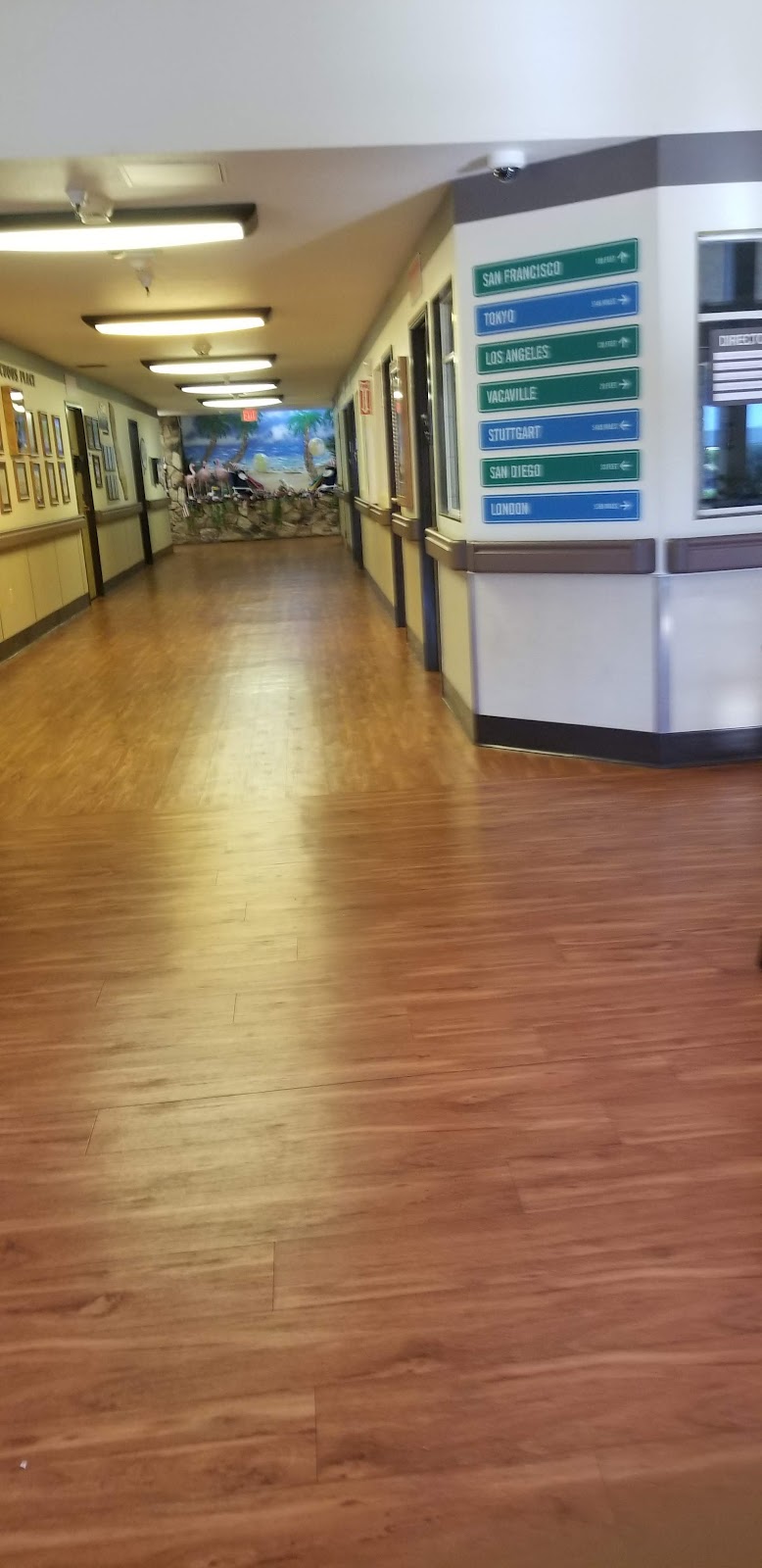
How is Vacaville Convalescent & Rehab Staffed?

CMS rates VACAVILLE CONVALESCENT & REHAB's staffing level at 1 out of 5 stars, which is much below average compared to other nursing homes.

What Have Inspectors Found at Vacaville Convalescent & Rehab?

State health inspectors documented 29 deficiencies at VACAVILLE CONVALESCENT & REHAB during 2019 to 2024. These included: 28 with potential for harm and 1 minor or isolated issues.
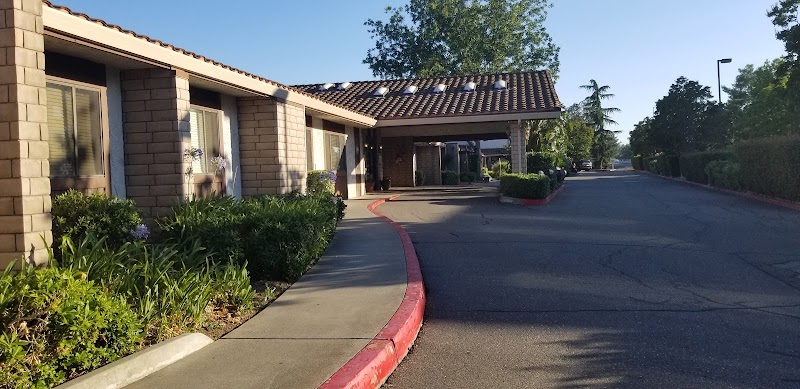
Who Owns and Operates Vacaville Convalescent & Rehab?

VACAVILLE CONVALESCENT & REHAB is owned by a for-profit company. For-profit facilities operate as businesses with obligations to shareholders or private owners. The facility operates independently rather than as part of a larger chain. With 120 certified beds and approximately 87 residents (about 72% occupancy), it is a mid-sized facility located in VACAVILLE, California.
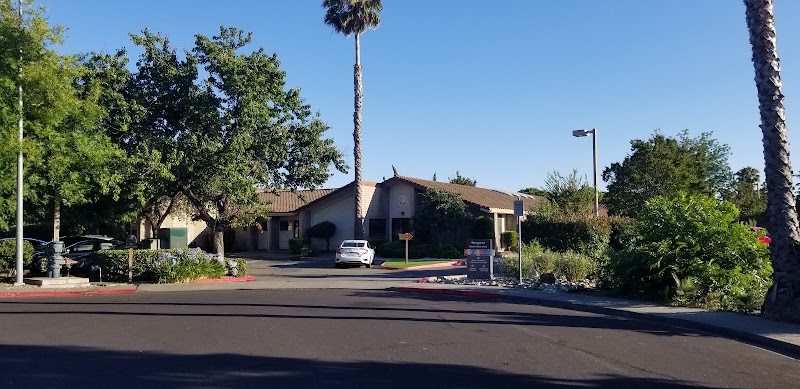
How Does Vacaville Convalescent & Rehab Compare to Other California Nursing Homes?

Compared to the 100 nursing homes in California, VACAVILLE CONVALESCENT & REHAB's overall rating (3 stars) is below the state average of 3.1 and health inspection rating (4 stars) is above the national benchmark.

What Should Families Ask When Visiting Vacaville Convalescent & Rehab?

Based on this facility's data, families visiting should ask: "Can you walk me through typical staffing levels on day, evening, and night shifts?" "Can I visit during a mealtime to observe dining assistance and food quality?" "How do you handle medical emergencies, and what is your hospital transfer rate?" "Can I speak with family members of current residents about their experience?" These questions are particularly relevant given the below-average staffing rating.

Is Vacaville Convalescent & Rehab Safe?

Based on CMS inspection data, VACAVILLE CONVALESCENT & REHAB has a clean safety record: no substantiated abuse findings (meaning no confirmed cases of resident harm), no Immediate Jeopardy citations (the most serious violation level indicating risk of serious injury or death), and is not on the Special Focus Facility watch list (a federal program monitoring the lowest-performing 1% of nursing homes). The facility has a 3-star overall rating and ranks #100 of 100 nursing homes in California. While no facility is perfect, families should still ask about staff-to-resident ratios and recent inspection results during their visit.

Do Nurses at Vacaville Convalescent & Rehab Stick Around?

VACAVILLE CONVALESCENT & REHAB has not reported staff turnover data to CMS. Staff turnover matters because consistent caregivers learn residents' individual needs, medications, and preferences. When staff frequently change, this institutional knowledge is lost. Families should ask the facility directly about their staff retention rates and average employee tenure.

Was Vacaville Convalescent & Rehab Ever Fined?

VACAVILLE CONVALESCENT & REHAB has been fined $7,976 across 1 penalty action. This is below the California average of $33,159. While any fine indicates a compliance issue, fines under $50,000 are relatively common and typically reflect isolated problems that were subsequently corrected. Families should ask what specific issues led to these fines and confirm they've been resolved.

Is Vacaville Convalescent & Rehab on Any Federal Watch List?

VACAVILLE CONVALESCENT & REHAB is not on any federal watch list. The most significant is the Special Focus Facility (SFF) program, which identifies the bottom 1% of nursing homes nationally based on persistent, serious quality problems. Not being on this list means the facility has avoided the pattern of deficiencies that triggers enhanced federal oversight. This is a positive indicator, though families should still review the facility's inspection history directly.