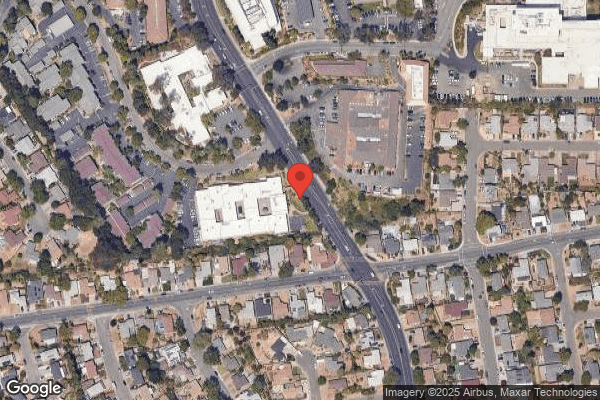

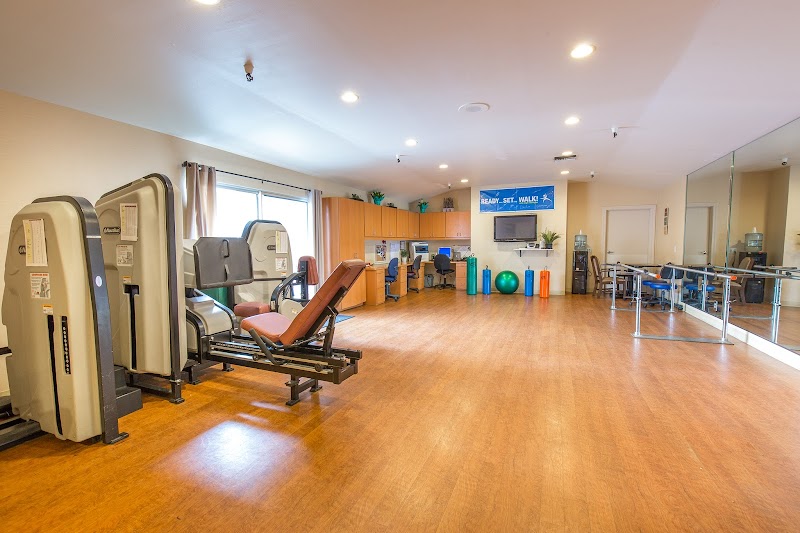

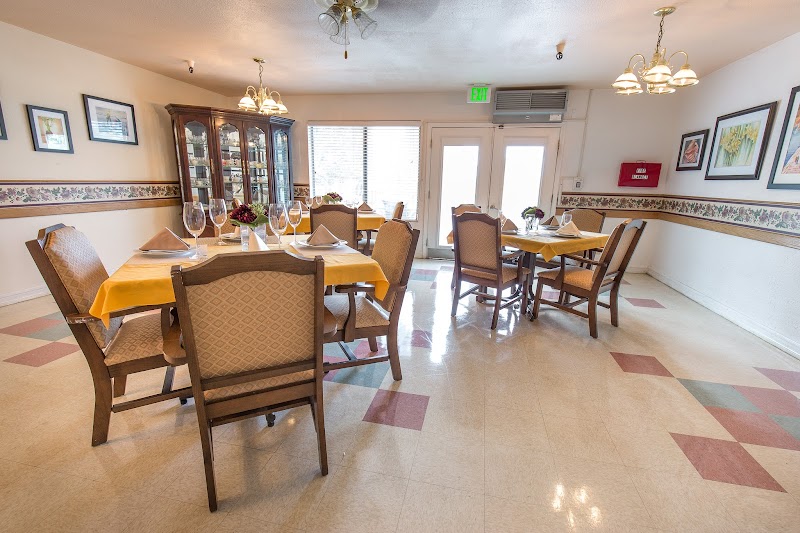
Solano Post Acute

2200 TUOLUMNE STREET, VALLEJO, CA 94589 (707) 644-7401
For profit - Limited Liability company 166 Beds WINDSOR Data: November 2025
Trust Grade
20/100
#918 of 1155 in CA
Last Inspection: December 2024

Within standard 12-15 month inspection cycle. Federal law requires annual inspections.

Overview

Solano Post Acute in Vallejo, California has received a Trust Grade of F, indicating significant concerns about the quality of care provided at the facility. Ranking #918 out of 1155 in California places it in the bottom half, and it has the lowest rank of #7 out of 7 facilities in Solano County. While the facility is showing signs of improvement, reducing issues from 30 in 2024 to 14 in 2025, it still faces serious challenges. Staffing is a relative strength with a rating of 4 out of 5 stars and a turnover rate of 37%, which is slightly below the state average, but the facility has been fined a concerning $73,177, higher than 80% of California facilities. Specific incidents include failures to properly address residents' care plans, leading to multiple falls and injuries, and a lack of adequate personal hygiene services for one resident, resulting in skin conditions. While there are some strengths, the overall quality of care raises significant concerns for families considering this facility.

Trust Score
F
20/100
In California
#918/1155
Bottom 21%
Safety Record
High Risk
Review needed
Inspections
Getting Better
30 → 14 violations
Staff Stability
○ Average
37% turnover. Near California's 48% average. Typical for the industry.
Penalties
✓ Good
$73,177 in fines. Lower than most California facilities. Relatively clean record.
Skilled Nurses
○ Average
Each resident gets 33 minutes of Registered Nurse (RN) attention daily — about average for California. RNs are the most trained staff who monitor for health changes.
Violations
⚠ Watch
93 deficiencies on record. Higher than average. Multiple issues found across inspections.
★★☆☆☆
2.0
Overall Rating
★★★★☆
4.0
Staff Levels
★★★★★
5.0
Care Quality
★☆☆☆☆
1.0
Inspection Score
Stable
2024: 30 issues
2025: 14 issues

The Good

  • 4-Star Staffing Rating · Above-average nurse staffing levels
  • 5-Star Quality Measures · Strong clinical quality outcomes
  • Full Sprinkler Coverage · Fire safety systems throughout facility
  • No fines on record
  • Staff turnover below average (37%)

    11 points below California average of 48%

Facility shows strength in staffing levels, quality measures, fire safety.

The Bad

2-Star Overall Rating

Below California average (3.1)

Below average - review inspection findings carefully

Staff Turnover: 37%

Near California avg (46%)

Typical for the industry

Federal Fines: $73,177

Well above median ($33,413)

Moderate penalties - review what triggered them

Chain: WINDSOR

Part of a multi-facility chain

Ask about local staffing decisions and management

The Ugly 93 deficiencies on record

4 actual harm
Aug 2025 2 deficiencies
CONCERN (D) 📢 Someone Reported This

A family member, employee, or ombudsman was alarmed enough to file a formal complaint

Potential for Harm - no one hurt, but risky conditions existed

Report Alleged Abuse (Tag F0609)

Could have caused harm · This affected 1 resident

Based on interview and record review, the facility failed to report an alleged abuse within the prescribed time frame within two hours for one of four residents (Resident 1), when the resident's alleg...

Read full inspector narrative →
Based on interview and record review, the facility failed to report an alleged abuse within the prescribed time frame within two hours for one of four residents (Resident 1), when the resident's allegations of inappropriate touching by another resident and a staff member was not reported to the state agency after the charge nurse was notified.This failure resulted to the delayed investigation of the allegation and had the potential to result in Resident 1's emotional and psychological distress.Resident 1 was admitted to the facility in the summer of 2025 with multiple diagnoses which included left and right hemiplegia (left and right-side paralysis) and dysarthria (difficulty speaking).During a review of the Minimum Data Set (MDS - a federally mandated resident assessment tool), dated 6/29/25, the MDS indicated Resident 1 had no memory impairment.During a review of Resident 1's SBAR (Situation, Background, Assessment, Recommendation) Communication Form and Progress Notes (PN), dated 8/5/25, the SBAR and PN indicated that on 8/3/25, Resident 1 reported that a male resident allegedly kissed her forehead while she was asleep and also alleged that an X-ray tech touched her inappropriately in her shoulder, forehead and breast and called her beautiful.During a review of the SOC 341 (Report of Suspected Dependent Adult/Elder Abuse) which involved Resident 1 as the victim, the SOC 341 indicated that the report was received on 8/5/25 at 11:20 p.m.During a review of the SOC 341 which involved Resident 1 as the victim, dated 8/5/25, the SOC 341 indicated that the faxed report was received by the state agency on 8/5/25 at 12:47 p.m.During a review of the 5-day investigation letter received from the facility, dated 8/11/25, the letter indicated that on 8/3/25, Resident 1 reported to the charge nurse that another resident kissed her forehead while she was asleep.During an interview on 8/15/25 at 11:20 a.m. with the Administrator (ADM), the ADM confirmed that Resident 1 reported on 8/3/25 that another resident inappropriately kissed her forehead while she was asleep and a staff member inappropriately touched her shoulder and breast. The ADM confirmed that all staff can report any form of abuse or abuse allegations according to policy and procedures.During an interview on 8/15/25 at 11:45 a.m. with Resident 1, Resident 1 indicated that she notified the nurse on 8/3/25 about being inappropriately touched on her arm, forehead, and breast, and indicated she felt uncomfortable and felt ignored and stated she was disappointed in the facility's lack of urgency.During an interview on 8/15/25 at 1:30 p.m. with Certified Nursing Assistant 1 (CNA 1), CNA 1 stated that all abuse allegations, witnessed or unwitnessed, should be reported according to the facility's protocol, and stated, I witnessed [Resident 1] her crying in her room after the incident.During an interview on 8/15/24 at 3:07 p.m. with Registered Nurse 1 (RN 1), RN 1 stated that if she observed abuse or received a report from a resident, she would immediately report the incident to her supervisor within two hours.During a review of the facility's policy and procedure (P&P) titled, Abuse Investigation and Reporting, dated 2017, the P&P indicated that Reporting: 1. All alleged violations involving abuse.mistreatment.will be reported by the facility administrator or their designee, to the following persons or agencies: a. The State Licensing/certification agency responsible for surveying/licensing the facility. 2. All alleged violations of abuse. will be reported immediately, but no later than: a. Two (2) hours if the alleged violation involves abuse.twenty-four (24) hours if the alleged violation does not involve abuse AND has not resulted in serious.injury.
CONCERN (D) 📢 Someone Reported This

A family member, employee, or ombudsman was alarmed enough to file a formal complaint

Potential for Harm - no one hurt, but risky conditions existed

Investigate Abuse (Tag F0610)

Could have caused harm · This affected 1 resident

Based on observation, interview and record review, the facility failed to timely investigate and report the results of investigation of abuse allegations within five days for one of four sampled resid...

Read full inspector narrative →
Based on observation, interview and record review, the facility failed to timely investigate and report the results of investigation of abuse allegations within five days for one of four sampled residents (Resident 1), when Resident 1 complained of being inappropriately touched by another resident and by a staff member.This failure resulted to the delayed investigation of the allegation and had the potential to result in Resident 1's emotional and psychological distress and further abuse. Resident 1 was admitted to the facility in the summer of 2025 with multiple diagnoses which included left and right hemiplegia (left and right-side paralysis) and dysarthria (difficulty speaking).During a review of the Minimum Data Set (MDS - a federally mandated resident assessment tool), dated 6/29/25, the MDS indicated Resident 1 had no memory impairment.During a review of Resident 1's SBAR (Situation, Background, Assessment, Recommendation) Communication Form and Progress Notes (PN), dated 8/5/25, the SBAR and PN indicated that on 8/3/25, Resident 1 reported that a male resident allegedly kissed her forehead while she was asleep and also alleged that an X-ray tech touched her inappropriately in her shoulder, forehead and breast and called her beautiful.During a review of the 5-Day Investigation Letter in which Resident 1 was involved as the victim, dated 8/11/25, the letter indicated, On 8/3/25, Resident 1 reported to the charge nurse that a [staff name].touched her arm and her breast.During a review of the Staff to Resident 5-Day investigation Letter in which Resident 1 was involved as the victim, the letter indicated the report was received on 8/11/25 at 4:04 p.m., eight days after the Resident 1's allegation.During a review of the Resident-to-Resident 5-Day Investigation Letter which Resident 1 was involved as the victim, the letter indicated the report was received on 8/11/25 at 4:15 p.m., eight days after the Resident 1's allegation.During an interview on 8/15/25 at 11:20 a.m. with the Administrator (ADM), the ADM confirmed Resident 1 reported the allegations of inappropriate touching by another resident to the nurse and the inappropriate touching by a staff member on 8/3/25. The ADM confirmed he was the primary investigator and was expected to follow facility investigation policy. The ADM indicated the investigation was not done in a timely manner.During an interview on 8/15/25 at 11:45 a.m. with Resident 1, Resident 1 indicated that she notified the nurse on 8/3/25 about being inappropriately touched on her arm, forehead, and breast, and indicated she felt uncomfortable and felt ignored, and stated she was disappointed in the facility's lack of urgency.During an interview on 8/15/25 at 1:30 p.m. with Certified Nursing Assistant 1 (CNA 1), CNA 1 stated that all abuse allegations, witnessed or unwitnessed, should be reported according to the facility's protocol and documented, and stated, I witnessed [Resident 1] her crying in her room after the incident.During an interview on 8/15/24 at 3:07 p.m. with Registered Nurse 1 (RN 1), RN 1 stated that if she observed abuse or received a report from a resident, she would immediately report the incident to her supervisor within two hours.During a review of the facility's policy and procedure (P&P) titled, Abuse Investigation and Reporting dated 2017, the P&P indicated, Reporting: .5. The Administrator, or their designee, will provide the appropriate agencies.with a written report of the finding of the investigation within five (5) working days of the occurrence of the incident.
Jul 2025 1 deficiency
CONCERN (D) 📢 Someone Reported This

A family member, employee, or ombudsman was alarmed enough to file a formal complaint

Potential for Harm - no one hurt, but risky conditions existed

Accident Prevention (Tag F0689)

Could have caused harm · This affected 1 resident

Based on interview and record review the facility failed to ensure one of three sampled residents (Resident 1) was free from accident hazards when Resident 1 eloped (the act of leaving a facility unsu...

Read full inspector narrative →
Based on interview and record review the facility failed to ensure one of three sampled residents (Resident 1) was free from accident hazards when Resident 1 eloped (the act of leaving a facility unsupervised and without prior authorization) from the facility. This failure had the potential for Resident 1 to be at risk of injury including heat or cold exposure, dehydration, medical complications, and being struck by a motor vehicle. Findings: During a review of Resident 1's admission record (AR), the AR indicated, Resident 1 was admitted to the facility September 2016 with multiple diagnoses which included schizophrenia (a mental illness that can affect thoughts, mood, and behavior). During a review of Resident 1's care plan (CP), revised 5/30/24, the CP indicated, .the resident has behaviors r/t [related to] schizophrenia .currently with delusions .Interventions .anticipate . resident's needs . During an interview with Director of Nursing (DON) on 7/2/25 at 9:35 a.m., the DON stated Resident 1 eloped from the facility on 6/29/25 at approximately 2:00 p.m. The DON acknowledged there was a risk of injury when the resident eloped from the facility. The DON further stated the expectation was for elopement to not happen. During an interview on 7/2/25 at 10:03 a.m. with Resident 1, Resident 1 confirmed he eloped from the facility on 6/29/25. Resident 1 stated he left the facility because he saw an actress he knew and wanted to follow her. During an interview on 7/2/25 at 10:34 a.m. with the Receptionist (RECP), the RECP stated she worked at the front desk when Resident 1 eloped from the facility on 6/29/25. The RECP further stated she notified staff when she realized Resident 1 was not sitting on the front patio and was not in the facility. The RECP further stated she did not know how long Resident 1 was missing from the facility. During a review of Resident 1's Interdisciplinary Care Conference (IDT) note, dated 6/30/25, the IDT note indicated, .Resident left the facility premises on Sunday June 29, 2025 without informing any of the staff member, therefore ended up being an elopement . During a follow up interview on 7/2/25 at 11:30 a.m. with the DON, the DON acknowledged Resident 1's schizophrenia diagnosis put him at risk for elopement and that it was the facility's responsibility to keep residents safe. During a review of the facility's policy and procedure (P&P) titled, Elopement, revised 2/21/25, the P&P indicated, .The residents .at risk for elopement receive adequate supervision to prevent accidents, and receive care in accordance with their person-centered plan of care addressing the unique factors contributing to .elopement risk .
Apr 2025 1 deficiency
CONCERN (D) 📢 Someone Reported This

A family member, employee, or ombudsman was alarmed enough to file a formal complaint

Potential for Harm - no one hurt, but risky conditions existed

Deficiency F0658 (Tag F0658)

Could have caused harm · This affected 1 resident

Based on observation, interview and record review, the facility failed follow their policy and procedures (P&P) and to assure that services being provided met professional standards of quality for one...

Read full inspector narrative →
Based on observation, interview and record review, the facility failed follow their policy and procedures (P&P) and to assure that services being provided met professional standards of quality for one of four residents, (Resident 1), when a Licensed Nurse (LN 1) administered medication four hours late, improperly disposed of medication and incorrectly documented these errors. These deficient practices had the potential to cause harm and have a negative impact on the intended therapeutic effect of the medications. Findings: A review of Resident 1 ' s admission Record, the admission Record indicated, Resident 1 was admitted in January of 2025, with diagnoses that included Rhabdomyolysis (rare muscle injury where your muscles break down), Bariatric surgery status, (patient had undergone a bariatric procedure, such as gastric banding or bypass), and Hypomagnesemia (low magnesium levels in the blood. Magnesium is an essential mineral for energy production, muscle and nerve function, bone health and blood pressure regulation). During a concurrent observation and interview with LN 1 at Nurses Station 2, on 4/24/25 at 1:40 p.m., LN 1 stated Resident 1 had not taken her scheduled medications doses at 8 a.m. and 9 a.m. LN 1 accessed her medication cart, removed Resident 1 ' s medications from the cart, placed them inside a medication cup, poured MiraLAX into another cup, and instructed Resident 1 to take her medications. Resident 1 took all her medications except for the MiraLAX, and the LN 1 disposed of the MiraLAX in the trash. LN 1 confirmed Resident 1 ' s medications were administered late and that she disposed of the MiraLAX in the trash. LN 1 stated that it was not good practice to dispose of medications in the trash because the medication could be removed and ingested by a person it was not intended for and could have a harmful effect on them. During an interview with the Director of Nursing (DON) on 4/24/25 at 3:59 p.m., the DON confirmed LN 1 administered Resident 1 ' s medications after the scheduled time. The DON stated her expectation was for the nurses to follow the physician ' s order and to inform the physician if the resident refused to take their medications. The DON stated LN 1 should not have disposed of the medication in the trash as they were trained to discard medications in their drug buster container (drug disposal system) inside their medication carts. The DON emphasized the importance of properly disposing medications as the medications may cause damaging effects to a resident if taken without a physician ' s order. During a review of Resident 1 ' s Medication Administration Record (MAR) on 4/24/25, the MAR indicated Resident 1 ' s following medications were scheduled to be given every day at 8 a.m.: Ascorbic Acid (Vitamin C), Calcium Citrate (helps build strong bones), Vitamin D, Docusate Sodium (laxative), Ferrous Gluconate (iron supplement), Folic Acid (also known as Vitamin B9), Magnesium Oxide (supplement used to treat migraine and constipation), Multi Vitamin, MiraLAX, and Sennosides (stool softener). The following medications for Resident 1 were scheduled to be given every day at 9 a.m.: Pantoprazole Sodium (reduces the amount of acid in the stomach), B-12 (Vitamin), Vitamin D, Vitamin A, and Thiamin HCL (Vitamin). A further review of the MAR for April indicated that all medications scheduled for 8 a.m. and 9 a.m. on 4/24/25 were inaccurately documented by LN 1 as given timely and not when they were actually administered at 1:40 p.m. The 8 a.m. dose of MiraLAX from 4/24/25 was documented as given when it had been disposed. During a phone interview with the Assistant Director of Nursing (ADON) on 4/29/25 at 3:55 p.m., the ADON confirmed as documented in Resident 1 ' s MAR, there was a check mark and initial of LN 1 on 4/24/25 at 8 a.m., which indicated MiraLAX was consumed by Resident 1. The ADON stated, it is not safe to indicate a certain task was performed if it was not done. A review of the facility ' s P&P, titled, Physician Order, dated 3/22/22, indicated, . VIII. the Licensed Nurse receiving the order will be responsible for documenting and implementing the order . A review of the facility ' s P&P, titled, Discarding and Destroying Medications, dated November 2022, indicated, Medications that cannot be returned to the dispensing pharmacy (e.g., non unit-dose medications, medication refused by the resident, and/or medications left by residents upon discharge) are disposed of in accordance with federal, and state and local regulations governing management of non-hazardous pharmaceuticals, hazardous waste and controlled substances .
Mar 2025 1 deficiency
CONCERN (D) 📢 Someone Reported This

A family member, employee, or ombudsman was alarmed enough to file a formal complaint

Potential for Harm - no one hurt, but risky conditions existed

Report Alleged Abuse (Tag F0609)

Could have caused harm · This affected 1 resident

Based on interview and record review, the facility failed to ensure an injury of unknown source was reported within the required timeframe for one of five sampled residents (Resident 2) when an injury...

Read full inspector narrative →
Based on interview and record review, the facility failed to ensure an injury of unknown source was reported within the required timeframe for one of five sampled residents (Resident 2) when an injury of unknown source was reported to the California Department of Public Health (CDPH) the following day. This failure of timely reporting had the potential to cause a delayed response by enforcement agencies to ensure resident safety. Findings: A review of a facility document, dated 3/21/25 and received by the CDPH on 3/21/25, indicated an injury of unknown source occurred when Resident 2 obtained a broken left wrist on 3/20/25. During an interview, on 3/28/25 at 1:00 p.m., with the Director of Nursing (DON) and Administrator (ADM), DON and ADM stated they did not know an injury of unknown source, that resulted in serious bodily injury, should have been reported within two hours. During a review of the facility ' s policy and procedure (P&P) titled, Abuse, Neglect, Exploitation or Misappropriation- Reporting and Investigating, undated, the P&P indicated injury of unknown source should be reported within two of hours of serious bodily injury.
Mar 2025 1 deficiency
CONCERN (D) 📢 Someone Reported This

A family member, employee, or ombudsman was alarmed enough to file a formal complaint

Potential for Harm - no one hurt, but risky conditions existed

Deficiency F0557 (Tag F0557)

Could have caused harm · This affected 1 resident

Based on observation, interview, and record review, the facility failed to ensure respect and dignity for two of seven sampled residents (Resident 4 and Resident 7), when staff did not label Resident ...

Read full inspector narrative →
Based on observation, interview, and record review, the facility failed to ensure respect and dignity for two of seven sampled residents (Resident 4 and Resident 7), when staff did not label Resident 4 and Resident 7's clothing. This failure had the potential to result in the residents' clothing being lost. Findings: During a review of Resident 4's face sheet (front page of the chart that contains a summary of basic information about the resident), the face sheet indicated, Resident 4 was admitted to the facility October 2024 with multiple diagnoses which included atrial fibrillation (a heart rhythm disorder that causes an irregular heartbeat). Resident 4's Minimum Data Set (MDS – a federally mandated resident assessment tool), dated 10/24/24, indicated Resident 4 was cognitively intact. During a review of Resident 7's face sheet, the face sheet indicated, Resident 7 was admitted to the facility December 2021 with multiple diagnoses which included osteoarthritis (a progressive disorder of the joints, caused by a gradual loss of cartilage) of left hip. During an interview on 3/21/25 at 9:04 a.m., with Resident 4, Resident 4 stated he had issues with his clothing being lost after being sent to the facility laundry. Resident 4 also stated he recently lost two pairs of grey sweatpants that his wife purchased for him. Resident 4 further stated the sweatpants were sent to the facility laundry without being labeled. During an interview on 3/21/25 at 10:05 a.m., with Certified Nursing Assistant 1 (CNA 1), CNA 1 stated resident clothing should be labeled. CNA 1 acknowledged there was an issue with missing laundry in the facility when clothing was not labeled. During an interview on 3/21/25 at 11:06 a.m., with the Laundry Supervisor (LS), LS stated clothing should be inventoried and labeled upon admission and when new clothes were brought in by family or purchased by resident. LS further stated CNAs should make sure clothing were labeled before being brought to the facility laundry. During a concurrent observation and interview on 3/21/25 at 11:15 a.m., with the Director of Staff Development (DSD), in Resident 7's room, DSD confirmed three shirts, and one pair of pants were not labeled with Resident 7's name. DSD stated the clothing should have been labeled by staff. During a concurrent observation and interview on 3/21/25 at 11:20 a.m., with DSD in Resident 4's room, DSD confirmed one flannel jacket was not labeled with Resident 4's name. DSD stated there is a risk for clothing to be lost if they are not labeled. During a review of the facility's policy and procedure (P&P), titled, Personal Clothing, revised 6/2016, the P&P indicated, .all clothing for residents must be labeled .follow-up is needed to ensure that any clothing brought in by families .is also labeled properly .staff needs to remember to check for lost labels or faded writing on a regular basis . During a review of the facility P&P titled, Resident's Rights, dated February 2021, the P&P indicated, .these rights include the resident's rights to .be treated with respect, kindness, and dignity .
Mar 2025 2 deficiencies
CONCERN (D) 📢 Someone Reported This

A family member, employee, or ombudsman was alarmed enough to file a formal complaint

Potential for Harm - no one hurt, but risky conditions existed

Deficiency F0658 (Tag F0658)

Could have caused harm · This affected 1 resident

Based on observation, interview, and record review, the facility failed to safely administer medications in accordance with acceptable professional standards of quality for one of five sampled residen...

Read full inspector narrative →
Based on observation, interview, and record review, the facility failed to safely administer medications in accordance with acceptable professional standards of quality for one of five sampled residents (Resident 1), when Resident 1 was found in his room with unattended medications at his bedside table. This failure decreased the facility's potential to prevent medication errors. Findings: A review of Resident 1's admission record, dated 3/5/25, indicated Resident 1 was admitted to the facility in the fall of 2024. A review of Resident 1's Minimum Data Set (MDS – a federally mandated resident assessment tool), dated 1/25/25, indicated Resident 1 was cognitively intact and had no memory issues. A review of Resident 1's care plan, dated 3/5/25, indicated no care plans related to self-administration of medications. A review of Resident 1's Order Summary Report (OSR, a summary of all physician and care-related orders), dated 3/5/25, indicated no orders for self-administration of oral medications. During a concurrent observation and interview on 3/5/25 at 10:11 a.m. with Resident 1 in his room, no staff were observed supervising Resident 1, and two medication cups were on top of his bedside table. One cup contained two similar-looking small white pills, and another cup contained eight different-looking pills. Resident 1 stated nurses were overworked and were dropping his medications for weeks without observing him taking them. Resident 1 also stated one or two of the medications in the cups were controlled substances and his roommate had dementia (a progressive state of decline in mental abilities) and was occasionally touching his bedside table. During an interview on 3/5/25 at 10:32 a.m. with Licensed Nurse 1 (LN 1), LN 1 confirmed she provided Resident 1's medications earlier and stated she was supposed to watch Resident 1 take them. LN 1 also stated Resident 1 did not have any order for self-administration of medications. During an interview on 3/5/25 at 4:46 p.m. with the Director of Nursing (DON), DON confirmed Resident 1 was not assessed for self-administration of medications and LN 1 was supposed to observe Resident 1 taking his medications before leaving the room. DON further stated leaving the medications unsupervised in the room was unacceptable. A review of the facility's policy and procedure titled, Administering Medications, revised in April 2019, indicated, . Medications are administered in accordance with prescriber orders, including any required time frame . The individual administering the medication initials the resident's MAR [Medication Administration Record] on the appropriate line after giving each medication and before administering the next ones . Residents may self-administer their own medications only if the Attending Physician, in conjunction with the Interdisciplinary Care Planning Team, has determined that they have the decision-making capacity to do so safely .
CONCERN (D) 📢 Someone Reported This

A family member, employee, or ombudsman was alarmed enough to file a formal complaint

Potential for Harm - no one hurt, but risky conditions existed

Infection Control (Tag F0880)

Could have caused harm · This affected 1 resident

Based on observation, interview, and record review, the facility failed to implement infection control practices for a census of 150 residents, when Licensed Nurse 1 (LN 1) did not conduct hand hygien...

Read full inspector narrative →
Based on observation, interview, and record review, the facility failed to implement infection control practices for a census of 150 residents, when Licensed Nurse 1 (LN 1) did not conduct hand hygiene after leaving Resident 1's room. This failure decreased the facility's potential to prevent the spread of infections among residents. Findings: A review of Resident 1's admission record, dated 3/5/25, indicated Resident 1 was admitted to the facility in the fall of 2024. During an observation on 3/5/25 at 10:11 a.m. two medication cups were placed unattended on top of Resident 1's bedside table. During a concurrent observation and interview on 3/5/25 at 10:32 a.m. with Licensed Nurse 1 (LN 1), LN 1 was observed bringing eight medication bubble packs to Resident 1's room then placing them on top of Resident 1's bed. LN 1 compared the bubble packs' medications to the contents of medication cups on the bedside table; then left Resident 1's room without conducting hand hygiene and returned the medication bubble packs back into the medications cart. LN 1 confirmed she did not conduct hand hygiene upon exiting Resident 1's room and stated retuning contaminated medication bubble packs back into the clean medications cart increased the risk for spread of infection. During an interview on 3/5/25 at 4:46 p.m. with the Director of Nursing (DON), DON agreed that staff have to conduct hand hygiene upon exiting residents' rooms and stated bringing medication packs that touched surfaces inside Resident 1's room back to the medications cart presented a risk of cross-contamination. A review of the facility's Policy and Procedure (P&P) titled, Administering Medications, revised in April 2019, indicated, Staff follows established facility infection control procedures . handwashing, antiseptic technique, gloves, isolation precautions . for the administration of medications, as applicable. A review of the facility's P&P titled, Handwashing/Hand Hygiene, dated 9/18/23, indicated, All personnel shall follow the handwashing/hand hygiene procedures to help prevent the spread of infections to other personnel, residents, and visitors . Use an alcohol-based hand rub . Before and after contact with the resident . After contact with blood, body fluids, visibly contaminated surface or after contact with objects in the resident room .
Feb 2025 3 deficiencies
CONCERN (D) 📢 Someone Reported This

A family member, employee, or ombudsman was alarmed enough to file a formal complaint

Potential for Harm - no one hurt, but risky conditions existed

Deficiency F0710 (Tag F0710)

Could have caused harm · This affected 1 resident

Based on interview and record review, the facility failed to ensure that residents' medical care was supervised by a physician for one out of eight sampled residents (Resident 5) when the facility did...

Read full inspector narrative →
Based on interview and record review, the facility failed to ensure that residents' medical care was supervised by a physician for one out of eight sampled residents (Resident 5) when the facility did not notify Resident 5's physician when Resident 5 refused blood draw and diagnostic test. This failure had the risk for Resident 5's physician to not be aware about Resident 5's condition and for Resident 5 to not receive appropriate and timely treatment. Findings: A review of Resident 5's clinical record indicated Resident 5 was admitted January of 2024 and had diagnoses that included metabolic encephalopathy (a condition where the brain does not function properly due to an underlying metabolic imbalance), diabetes mellitus (a disorder characterized by difficulty in blood sugar control and poor wound healing), and dementia (a progressive state of decline in mental abilities). A review of Resident 5's Minimum Data Set (MDS– a federally mandated resident assessment tool) Cognitive Patterns, dated 5/13/24, indicated Resident 5 had a Brief Interview for Mental Status (BIMS- a tool to assess cognition) score of 6 out of 15 which indicated Resident 5 had a severely impaired cognition. A review of Resident 5's care plan intervention, initiated 1/7/24, indicated, Observe and evaluate types of changes in cognitive status .decision making ability, ability to express self, ability to understand others, impulsivity, mental status and notify physician as needed. A review of Resident 5's Clinical Physician Order, dated 4/29/24, indicated, CBC [complete blood count- common blood test that measures the number and types of blood cells], CMP [comprehensive metabolic panel- a blood test that measures various substances in the body to assess overall health and detect potential medical conditions], Ammonia level [measures the amount of ammonia in your blood] R/T [related to] falls, R/O [rule out] abnormalities .one time only . A review of Resident 5's Clinical Physician Order, dated 4/29/24, indicated, Cervical spine (back of the neck) and right hand X-rays (2 views) r/t [related to] pain .one time only . A review of Resident 5's Progress Notes, dated 4/30/24, indicated, Spoke with resident's daughter [RP 5] to update on res [resident's] refusal to allow for blood draws and x-ray to rule out injuries and abnormalities, infections .Refused by resident. CBC, CMP, Ammonia level R/T falls, R/O abnormalities. Cervical spine (back of the neck) and right hand X-rays (2 views) r/t pain. A review of Resident 5's progress notes did not indicate that Resident 5's refusal for blood draw and X-ray test were communicated to his physician. During a phone interview on 2/11/25 at 1:27 p.m. with Responsible Party (RP) 5, RP 5 stated Resident 5 had lacked oversight of a physician during his stay in the facility. During a concurrent interview and record review on 2/18/25 at 3:58 p.m. with the Director of Nursing (DON), Resident 5's clinical records were reviewed. The DON confirmed that there was no evidence that Resident 5's refusal for blood draw and X-ray were communicated to his physician. The DON stated the physician should be notified if the resident refused the ordered laboratory and diagnostic test. A review of the facility's policies and procedures (P&P) titled, Physician Services and Visit, dated 3/22/22, indicated, The Facility must ensure that all residents admitted to or accepted for care by the Facility are under the care of a physician selected by the resident or the resident's representative .A. Physician services include, but are not limited to: .i. The resident's Attending Physician participation in the resident's assessment and care planning, monitoring changes in resident's medical status, and providing consultation or treatment when called by the Facility .v. Providing written and signed orders for .care, diagnostic tests, and treatment of patients by others. A review of the facility's P&P titled, Physician Services and Visit, revised 12/21, indicated, 1. Federal and state laws guarantee certain basic rights to all residents of this facility. These rights include the resident's right to: .aj. equal access to quality care .
CONCERN (D) 📢 Someone Reported This

A family member, employee, or ombudsman was alarmed enough to file a formal complaint

Potential for Harm - no one hurt, but risky conditions existed

Deficiency F0772 (Tag F0772)

Could have caused harm · This affected 1 resident

Based on interview and record review, the facility failed to provide quality and timely laboratory services for one out of eight sampled residents (Resident 5) when Resident 5's laboratory tests order...

Read full inspector narrative →
Based on interview and record review, the facility failed to provide quality and timely laboratory services for one out of eight sampled residents (Resident 5) when Resident 5's laboratory tests ordered on l/8/24 and 2/16/24 were not done. This failure had the risk for the facility to be not aware about critical laboratory values of Resident 5 and for Resident 5 to not receive appropriate and timely treatment. Findings: A review of Resident 5's clinical record indicated Resident 5 was admitted January of 2024 and had diagnoses that included metabolic encephalopathy (a condition where the brain does not function properly due to an underlying metabolic imbalance), diabetes mellitus (a disorder characterized by difficulty in blood sugar control and poor wound healing), and dementia (a progressive state of decline in mental abilities). A review of Resident 5's Minimum Data Set (MDS– a federally mandated resident assessment tool) Cognitive Patterns, dated 5/13/24, indicated Resident 5 had a Brief Interview for Mental Status (BIMS- a tool to assess cognition) score of 6 out of 15 which indicated Resident 5 had a severely impaired cognition. A review of Resident 5's care plan intervention, initiated 1/7/24, indicated, Labs [laboratory tests] as ordered and report results to MD [physician]. A review of Resident 5's Clinical Physician Order, dated 1/8/24, indicated, CBC [complete blood count- common blood test that measures the number and types of blood cells], CMP [comprehensive metabolic panel- a blood test that measures various substances in the body to assess overall health and detect potential medical conditions], HBA1C [hemoglobin A1C- test is a blood test that measures your average blood sugar level over the past 2–3 months], VITAMIN D [measures the levels of vitamin D in your blood], TSH [Thyroid-Stimulating Hormone Test- used to measure thyroid hormone in the blood] and lipid panel [a blood test that measures the amount of fat in the blood] .one time only for labs until 1/8 A review of Resident 5's Clinical Physician Order, dated 2/16/24, indicated, CBC, CMP, HBA1C, VITAMIN D LEVEL .one time only until 2/16 . A review of Resident 5's progress notes did not indicate that the ordered laboratory test on 1/8/24 and 2/16/24 were done. During a phone interview on 2/11/25 at 1:27 p.m. with Responsible Party (RP) 5, RP 5 stated Resident 5's ordered laboratory tests were not being done. During a concurrent interview and record review on 2/18/25 at 3:58 p.m. with the Director of Nursing (DON), Resident 5's clinical records were reviewed. The DON confirmed that the facility did not have the results of Resident 5's ordered laboratory test on 1/8/24 and 2/16/24. The DON stated she did not know what happened, if the tests were done or why the facility did not have the results of the tests. The DON further stated all ordered laboratory tests should be done because it's a doctor's order and it would assess the patient's health status to know the needed treatment. A review of the facility's policies and procedures (P&P) titled, Physician Services and Visit, dated 3/22/22, indicated, The Facility must ensure that all residents admitted to or accepted for care by the Facility are under the care of a physician selected by the resident or the resident's representative .A. Physician services include, but are not limited to: .v. Providing written and signed orders for .care, diagnostic tests, and treatment of patients by others. A review of the facility's P&P titled, Physician Services and Visit, revised 12/21, indicated, 1. Federal and state laws guarantee certain basic rights to all residents of this facility. These rights include the resident's right to: .aj. equal access to quality care .
CONCERN (E) 📢 Someone Reported This

A family member, employee, or ombudsman was alarmed enough to file a formal complaint

Potential for Harm - no one hurt, but risky conditions existed

Infection Control (Tag F0880)

Could have caused harm · This affected multiple residents

Based on observation, interview, and record review, the facility failed to follow and maintain an effective infection prevention and control program for a census of 153 residents when: 1. A facility s...

Read full inspector narrative →
Based on observation, interview, and record review, the facility failed to follow and maintain an effective infection prevention and control program for a census of 153 residents when: 1. A facility staff exited a droplet isolation precaution room (an isolation precaution implemented when a patient infected with a pathogen which is transmittable through air droplets by coughing, sneezing, talking, and close contact with an infected patient's breathing) and removed his used gloves and isolation gown in the hallway where staff and residents were passing by; 2. Two facility staff did not change their N95 mask respirator (a type of mask that filters up to 95% of particles in the air) upon exiting a droplet isolation precaution room; and, 3. A facility staff entered a droplet isolation precaution room and assisted a COVID19 positive resident without using eye protection. These failures resulted in an increased risk for cross-contamination (movement or transfer of harmful bacteria from one person, object, or place to another), potential exposure of residents to germs, and may cause infection among residents, staff, and visitors. Findings: 1. During an observation on 2/18/25 at 11:28 a.m., Room (room number) had a red STOP sign posted on the wall, on the bottom of the room number which indicated, DROPLET PRECAUTIONS .EVERYONE MUST: Clean their hands, including before entering and when leaving the room .Make sure their eyes, nose and mouth are fully covered before room entry .Remove face protection before room exit. During an observation on 2/18/25 at 11:29 a.m. in room (room number), the housekeeping staff (HKS) came out of room (room number) wearing an N95 mask, gown and gloves. The HKS then removed his used gloves and isolation gown in the hallway. At the time the HKS removed his gloves and gown outside room (room number), there were residents and staff passing by in the hallway. During an interview on 2/18/25 at 11:33 a.m. with HKS, HKS stated he went inside Room (room number) to clean and that he was aware that the room was a droplet isolation precaution room. The HKS confirmed that he removed his used gloves and isolation gown in the hallway, outside room (room number). During an interview on 2/18/25 at 3:28 p.m. with the Infection Preventionist (IP), the IP stated that used gloves and gown should be taken off before getting out of the room to prevent spread of germs. A review of the facility's policies and procedures (P&P) titled, Coronavirus Disease (COVID-19) - Using Personal Protective Equipment, dated 5/2023, indicated, 2. When caring for a resident with suspected or confirmed SARS-Cov-2 infection, personnel who enter the room of the resident will adhere to standard precaution s and use of NIOSH-approved N95 or equivalent or higher-level respirator, gown, gloves, and eye protection .c. Gloves: .3.Gloves are removed and discarded before leaving the resident room or care area .d. Gowns: .3. Gown is removed and discarded in a dedicated container for waste or linen before leaving the resident room or care area . 2. During an observation on 2/18/25 at 11:29 a.m. in Room (room number), HKS was cleaning the room and Certified Nurse Assistant (CNA) 1 was observed assisting a resident in bed A. Both HKS and CNA 1 came out of the room and did not change their used N95 mask. During an interview on 2/18/25 at 11:33 a.m. with HKS, HKS confirmed that he did not change his used N95 mask after exiting room (room number). During an interview on 2/18/25 at 11:40 a.m. with CNA 1, CNA 1 confirmed that she did not change her used N95 mask after exiting room (room number). During an interview on 2/18/25 at 3:28 p.m. with the IP, the IP stated that staff should remove and discard the used N95 mask after exiting an isolation room and should wear a new one. A review of the facility's P&P titled, Coronavirus Disease (COVID-19) - Using Personal Protective Equipment, dated 5/2023, indicated, 2. When caring for a resident with suspected or confirmed SARS-Cov-2 infection, personnel who enter the room of the resident will adhere to standard precaution s and use of NIOSH-approved N95 or equivalent or higher-level respirator, gown, gloves, and eye protection. a. Respirator: .2. Disposable respirators are removed and discarded after exiting the resident's room or care area and closing the door . 3. During an observation on 2/18/25 at 11:29 a.m. in Room (room number), CNA 1 was observed wearing an N95 mask, gloves, and gown and was assisting the resident in bed A. During an interview on 2/18/25 at 11:40 a.m. with CNA 1, CNA 1 stated she was aware that Resident in room (room number) bed A tested positive for COVID19. CNA 1 confirmed that she assisted the resident but did not wear face shield or any eye protection. During an interview on 2/18/25 at 12:15 p.m. with the IP, the IP stated resident in Room (room number) bed A tested positive for COVID19. During an interview on 2/18/25 at 3:28 p.m. with the IP, the IP stated that staff should wear face shield or eye protection when directly giving care to a resident who tested positive for COVID19. During an interview on 2/18/25 at 3:58 p.m. with the Director of Nursing (DON), the DON stated that staff should properly follow proper wearing and removal of personal protective equipment (PPE) such as N95 mask, gloves, gown and face shield or eye protection to prevent and control the spread of infection. A review of the facility's P&P titled, Coronavirus Disease (COVID-19) - Using Personal Protective Equipment, dated 5/2023, indicated, 2. When caring for a resident with suspected or confirmed SARS-Cov-2 infection, personnel who enter the room of the resident will adhere to standard precaution s and use of NIOSH-approved N95 or equivalent or higher level respirator, gown, gloves, and eye protection .b. Eye Protection: 1. Eye protection (i.e. [in example], goggles or a face shield that covers the front and sides of the face) is applied upon entry to the resident room or care area .
Feb 2025 1 deficiency
CONCERN (D) 📢 Someone Reported This

A family member, employee, or ombudsman was alarmed enough to file a formal complaint

Potential for Harm - no one hurt, but risky conditions existed

Quality of Care (Tag F0684)

Could have caused harm · This affected 1 resident

Based on observation, interview, and record review, the facility failed to provide quality of care and treatment for one of four sampled residents (Resident 1) when Resident 1 was not informed of medi...

Read full inspector narrative →
Based on observation, interview, and record review, the facility failed to provide quality of care and treatment for one of four sampled residents (Resident 1) when Resident 1 was not informed of medication changes and didn't receive her diuretic (treatment for edema and swelling) medication per assessment, plan of care and physician's order. This failure had the potential to result in a negative outcome. Findings: Resident 1 was admitted to the facility May 2012 with multiple diagnoses which included congestive heart failure (CHF-a heart disorder which causes the heart to not pump the blood efficiently, sometimes resulting in leg swelling). Resident 1's Minimum Data Sheet (MDS - a federally mandated resident assessment tool), dated 1/12/25, indicated Resident 1 had intact cognition. The MDS also indicated Resident 1 was receiving a diuretic, a high-risk drug medication. During a concurrent observation and interview on 2/18/25, at 11:42 a.m., Resident 1 was sitting in her wheelchair receiving oxygen. Resident 1 stated, I was not informed about my [brand name] [diuretic medication] being increased to 80 mg (milligram-unit of measure) and changed for 3 days and now I didn't get my [brand name] [diuretic medication] for a couple days .I have been short of breath and wheezing since this morning. Resident 1 further stated she has been on this diuretic medication long term and has been getting anxiety over sudden medication changes and pressure to verify that the correct medication and dosages were being given to her by the nurses. During a review of Resident 1's Care Plan (CP), dated 3/16/21, indicated, Resident will not experience any signs/symptoms of fluid overload (too much fluid in the body) as evidenced by the absence of . edema and dyspnea (shortness of breath or difficulty breathing). Resident 1 ' s CP's interventions included .medication as ordered. During a review of Resident 1's Medication Administration Record (MAR- a daily documentation record used by a licensed nurse to document medications and treatments given to a resident) dated 2/1/25 to 2/28/25, indicated Furosemide Oral Tablet 40 MG .Give 1 tablet by mouth two times a day . The MAR indicated Resident 1 received the 40 mg dose from 2/1/25-2/11/25. During a review of Resident 1 ' s MAR, indicated Resident 1 ' s diuretic medication dose was increased to 80 mg on 2/11/25 to 2/14/25 with the order which indicated, Furosemide Oral Tablet 40 MG .Give 2 tablet by mouth two times a day .for 3 Days. During a review of Resident 1 ' s MAR, the MAR further indicated that no medication (Furosemide) was administered, and Resident 1 didn't receive her medication (Furosemide) on 2/14/25 at 4p.m. to 2/18/25 as evidenced by no Licensed Nurse initials. During a review of Resident 1 ' s progress notes from 2/1/25 to 2/18/25, indicated, there was no documented evidence of nursing assessment, justification of medication changes and notification to Resident 1 regarding changes of her diuretic medication. During a concurrent observation and interview on 2/18/25 at 12:55 p.m. with Nurse Practitioner (NP), the NP entered Resident 1 ' s room and evaluated Resident 1. NP discussed Resident 1 ' s leg swelling, wheezing and diuretic order. NP confirmed that the 40 mg dose should have been resumed last week after the 80 mg dose was completed. NP acknowledged that Resident 1 missed doses from 2/14/25 to 2/18/25. During a concurrent interview and record review on 2/18/25, at 3:15 p.m., the MAR was reviewed with Licensed Nurse (LN) 1 and confirmed Resident 1 did not receive her diuretic medication from 2/14/25 to 2/18/25. LN 1 acknowledged that she received the new order for the increase dose of Resident 1 ' s diuretic medication. LN 1 confirmed there was no documented evidence of nursing notes and assessment. LN 1 further confirmed that there was no documented evidence that Resident 1 was notified of medication changes. During an interview on 2/18/25, at 4:00 p.m., when asked what the expectations for the LNs regarding receiving physician orders and nursing documentation were, the Director of Nursing (DON) stated that LNs are supposed to make sure the order is correct and administered and follow up with a progress note and notify the resident for any medication changes. DON further stated that any change of condition should be assessed by the LNs and documented. During a review of the facility's policy and procedure (P&P) titled, Physician Orders dated 3/22/22, indicated, Licensed Nurse receiving the order will be responsible for documenting and implementing the order . During a review of the facility's P&P titled, Guidelines for charting and documentation, dated 2001, indicated, Chart all pertinent changes in the resident's condition, reaction to treatments, medication, etc . Documentation should also include: Any time the physician or family is called about the resident and their response; Each time a physician visits the resident; Whenever the level of care changes . During a review of the facility's P&P titled, Change of Condition: Notification of, dated 8/25/2021, indicated A Facility must immediately inform the resident, consult with the Resident's physician and/or NP . when: A need to alter treatment significantly (that is, a need to discontinue or change an existing form of treatment .
Feb 2025 2 deficiencies
CONCERN (D) 📢 Someone Reported This

A family member, employee, or ombudsman was alarmed enough to file a formal complaint

Potential for Harm - no one hurt, but risky conditions existed

Deficiency F0694 (Tag F0694)

Could have caused harm · This affected 1 resident

Based on observation, interview and record review, the facility failed to follow the physician's order for a dressing change around an Intravenous Central Line (IVCL, flexible tube inserted into a vei...

Read full inspector narrative →
Based on observation, interview and record review, the facility failed to follow the physician's order for a dressing change around an Intravenous Central Line (IVCL, flexible tube inserted into a vein to the heart and used to administer medications or nutrition) every 7 days for one of four sampled residents, Resident 1. This deficient practice may potentially cause a life-threatening infection to Resident 1. Findings: A review of Resident 1's admission Record, indicated, Resident 1 was admitted in the facility on 1/24/25 with diagnoses that included Necrotizing Fasciitis (flesh eating bacteria), severe sepsis with septic shock (life-threatening condition when an infection spreads throughout the body and causes a dangerously low blood pressure) and gangrene (a serious condition where tissue dies due to a lack of blood supply). A review of Resident 1's Brief Interview for Mental Status, (BIMS, tool used to identify cognitive conditions) Section C, showed a score of 14, which indicated he was cognitively intact. During a concurrent observation and interview in Resident 1's room on 2/12/25 at 1:55 p.m., with Licensed Nurse 2 (LN 2), Resident 1's IVCL dressing on his right upper arm was dated 1/24/25. LN 2 confirmed the dressing of Resident 1's IVCL was not changed since 1/24/25, and stated per facility's policy and procedure, the dressing should have been changed every 7 days to prevent the occurrence of an infection at the site. LN 2 further stated, she did not check the dressing to determine if it needed to be changed before initiating the antibiotic infusion to Resident 1. During an interview on 2/12/25 at 2 p.m., with Resident 1, Resident 1 stated, the dressing to his right upper arm was done in the hospital and was never change since he was admitted here in the facility. During an interview on 2/12/25 at 3:30 p.m., with the Director of Nursing (DON), the DON stated, she expected the Registered Nurses (RN) to change the dressing every 7 days per policy and physician's order. During an interview on 2/13/25 at 1:52 p.m., with LN 3, LN 3 stated, she infused Resident 1's antibiotic thru his IVCL and did not check the date written on the dressing before she infused the antibiotics. LN 3 further stated, per policy and physician's order, they are supposed to change the dressing every 7 days to prevent possible infection. During an interview on 2/13/25 at 2:10 p.m., with LN 4, LN 4 stated, she infused Resident 1's antibiotic thru his IVCL and did not change the dressing as indicted in their policy. LN 4 further stated, she should have followed the physician's order to change the dressing every 7 days to prevent occurrence of infection. During a review of the Resident 1's Order Summary Report, [physician orders] indicated, . IV Central Lines active orders #1 Dressing change Q [every] 7 days & PRN [as needed] . order date 01/24/2025 . During a review of Resident 1's MEDICATION ADMINISTRATION RECORD, dated 1/1/25 to 1/31/25, Resident 1's antibiotic was started on 1/25/25 and given intravenously (IV, given directly into a person's vein). During a review of Resident 1's MEDICATION ADMINISTRATION RECORD, dated 2/1/25 to 2/28/25, Resident 1 continued to receive his antibiotic as ordered by the physician. During a review of Resident 1's Progress Notes, dated 1/2425, indicated, .Resident is on IV ATB [antibiotic, name of drug] every 8 hours. IV midline on right upper arm, single lumen . A review of the facility's policy and procedure titled, Physician Orders, effective date 3/22/22, indicated, . VIII. the Licensed Nurse receiving the order will be responsible for documenting and implementing the order. Medication/treatment orders will be transcribed onto the appropriate resident administration record ., IX. Supplies/medications required to carry out the physician order will be ordered . A review of the facility's policy and procedure titled, PICC DRESSING CHANGE [Peripherally Inserted Central Catheter], dated June 2018, indicated . I. To Be Performed By: RN ' s and IV [intravenous] Certified LVN's according to state law and facility policy . B. Dressing changes sing transparent dressings are performed: . At least weekly .
CONCERN (D) 📢 Someone Reported This

A family member, employee, or ombudsman was alarmed enough to file a formal complaint

Potential for Harm - no one hurt, but risky conditions existed

Deficiency F0761 (Tag F0761)

Could have caused harm · This affected 1 resident

**NOTE- TERMS IN BRACKETS HAVE BEEN EDITED TO PROTECT CONFIDENTIALITY** Based on observation, interview and record review, the facility failed to properly discard a used syringe for one of four sample...

Read full inspector narrative →
**NOTE- TERMS IN BRACKETS HAVE BEEN EDITED TO PROTECT CONFIDENTIALITY** Based on observation, interview and record review, the facility failed to properly discard a used syringe for one of four sampled Residents (Resident 1), when the used syringe was observed on Resident 1's bedside table. This failure had the potential for Resident 1 and facility staff to accidentally poke themselves and cause injury. Findings: A review of Resident 1's admission Record, indicated, Resident 1 was admitted to the facility on [DATE] with diagnosis that included Necrotizing Fasciitis (flesh eating bacteria), severe Sepsis with septic Shock (life-threatening condition when an infection spreads throughout the body and causes a dangerously low blood pressure) and gangrene (a serious condition where tissue dies due to a lack of blood supply). A review of Resident 1's Brief Interview for Mental Status, (BIMS, tool used to identify cognitive conditions) Section C, indicated Resident 1 was cognitively intact. During a concurrent observation and interview at resident 1's room, with Licensed Nurse 1 (LN 1), on 2/12/25 at 1:15p.m., a used syringe was left unattended on Resident 1's bedside table. LN 1 acknowledged she gave Resident 1 his injection and left the syringe on his bedside table. LN 1 confirmed she should have discarded the syringe after use in the sharps container (container used to safely dispose of needles). During an interview on 2/12/25 at 3:30 p.m., with the Director of Nursing (DON), the DON stated, her expectations from the nurses was to discard used syringes in the sharps containers. A review of the facility's policy and procedure, titled Subcutaneous Injections, revised March 2011, indicated, . The following equipment and supplies will be necessary when performing this procedure . 6. Sharps container; and . 15. Discard uncapped needle and syringe into designated sharps container .
Dec 2024 11 deficiencies
CONCERN (D)

Potential for Harm - no one hurt, but risky conditions existed

Assessment Accuracy (Tag F0641)

Could have caused harm · This affected 1 resident

Based on interview and record review, the facility failed to ensure an accurate Minimum Data Set (MDS - an assessment tool used to guide care) assessment for one out of 31 sampled residents (Resident ...

Read full inspector narrative →
Based on interview and record review, the facility failed to ensure an accurate Minimum Data Set (MDS - an assessment tool used to guide care) assessment for one out of 31 sampled residents (Resident 254), when Resident 254's admission MDS oxygen (O2) therapy assessment was inaccurate. This failure resulted in inaccurate health status data for Resident 254 and the potential for Resident 254 to not achieve his highest practicable well-being. Findings: During a review of Resident 254's clinical record, Resident 254 was admitted November of 2024 and had diagnoses that included pneumonitis (a general inflammation of the lungs that makes it difficult to breathe), need for assistance with personal care, hemiplegia (complete loss of the ability to move one side of the body), hemiparesis (partial weakness of one side of the body), and congestive heart failure (a condition in which the heart cannot pump oxygen-rich blood efficiently to the rest of the body). During a review of Resident 254's MDS Cognitive Patterns, dated 11/29/24, Resident 254 had moderately impaired cognition (mental process of acquiring knowledge and understanding). A review of Resident 254's MDS Special Treatments, Procedures, and Programs, dated 11/29/24 indicated Resident 254 did not have O2 therapy on admission and while he was a resident in the facility. During a review of Resident 254's Nurses Progress Note, dated 11/22/24, indicated, Received resident in bed awake .On oxygen (O2) support at 2 LPM (lpm- unit of measurement for oxygen administration) via nasal cannula (a small plastic tube, which fits into the person's nostrils for providing supplemental oxygen) . During an observation on 12/2/24 at 11:07 a.m. at Resident 254's room, Resident 254 was observed to be using O2 delivered using a nasal cannula with O2 concentrator (machine) set at 2 liters per minute. During a concurrent interview and record review on 12/4/24 at 4:16 p.m. with the MDS Coordinator (MDSC), Resident 254's clinical records were reviewed. The MDSC confirmed that Resident 254's admission MDS O2 therapy assessment inaccurate and reflected Resident 254's O2 therapy use on admission and while he was a resident in the facility. The MDSC stated, .I made a mistake. I'll change it. The MDSC further stated she would expect MDS assessments to be accurate. During an interview on 12/5/24 at 9:33 a.m. with the Director of Nursing (DON), the DON stated that she expected that MDS assessments were done timely and should accurately reflect the resident's status and condition. During a review of the facility's policies and procedures (P&P) titled, Resident Assessments, revised 10/2023, indicated, Information in the MDS assessments will consistently reflect information in the progress notes, plans of care and resident observation/interviews.
CONCERN (D) 📢 Someone Reported This

A family member, employee, or ombudsman was alarmed enough to file a formal complaint

Potential for Harm - no one hurt, but risky conditions existed

Deficiency F0658 (Tag F0658)

Could have caused harm · This affected 1 resident

Based on observation, interview and record review, the facility failed to ensure two of 31 sampled residents (Resident 97 and Resident 103) received care which met professional standards when: 1. Fami...

Read full inspector narrative →
Based on observation, interview and record review, the facility failed to ensure two of 31 sampled residents (Resident 97 and Resident 103) received care which met professional standards when: 1. Family reported to licensed nurse that Resident 103 had an injury of unknown origin on 12/2/24 and was not documented in the nursing notes until 12/3/24; and 2. The facility did not obtain authorization for physical therapy treatment. These failures resulted in inaccurate assessment documentation and had the potential to result in unmet nursing needs for Resident 103 and had the potential to cause a decline in Resident 97's activities of daily living (ADLs - routine tasks/activities such as bathing, dressing and toileting a person performs daily to care for themselves) and worsening weakness. Findings: 1. During a review of Resident 103's admission Record indicated she was admitted in early 2023 with diagnosis of Alzheimer's Disease (a disease characterized by a progressive decline in mental abilities). During a review of Resident 103's clinical record included the following documents: A Minimum Data Set (MDS- a federally mandated resident assessment tool), dated 5/26/24, indicated Resident 103 had severe memory impairment. A Body Check Assessment, dated 12/2/24, completed by Licensed Nurse 2 (LN 2), indicated body check completed with no skin issues. A Weekly Summary Documentation, dated 12/2/24, completed by LN 2, indicated no to the question Resident has skin issues. A progress note, dated 12/3/24 and written by LN 2 indicated Resident 103 had bruises on the right arm and hospice made aware. During a review of Resident's 103 nursing assessments for 12/2/24 and 12/3/24 had no documented evidence that a change of condition assessment was done by LN 2. During a concurrent observation and interview, on 12/2/24 at 11:36 a.m., Resident 103 was lying in bed talking to herself in her own language. Resident 103's right forearm was observed to have a greenish, yellow discoloration. Resident 103's daughter stated that she has been gone for a week and nursing staff did not notify her of change of condition. Resident 103's daughter confirmed that she spoke with LN 2 to find out about new skin issue that morning. During an interview, on 12/3/24 at 12:42 p.m., LN 2 confirmed that Resident 103's daughter reported the new skin issue while in Resident 103's room on 12/2/24. During a concurrent record review and interview, on 12/4/24 at 8:20 a.m., the Director of Nursing (DON) acknowledged that a bruise was a change of condition for the resident. The DON further stated that when there is a change of condition, the family and doctor should also be notified. The DON reviewed Resident 103's Body Check and Weekly Assessment and confirmed that it did not address the discoloration on her right forearm. The DON acknowledged that the assessment documentation was not accurate. During a review of the facility's policy and procedure (P&P) titled Skin integrity Management, dated 5/26/21, indicated Staff continually observes and monitors patients for changes and implements revisions to the plan of care .Identify patient's skin integrity status and need for prevention intervention or treatment .through review of all appropriate assessment . During a review of the facility's P&P titled, Notification of Change of Condition, dated 8/25/21, indicated to ensure residents, family, legal representative, and physicians are informed of changes in resident's condition. 2. During a review of Resident 97's face sheet (front page of the chart that contains a summary of basic information about the resident), the face sheet indicated Resident 97 was admitted to the facility July 2022 with multiple diagnoses which included muscle weakness and cerebral palsy (group of conditions that affect movement and posture). During a review of Resident 97's MDS, dated 11/15/24, the MDS indicated Resident 97 had an impairment in upper and lower range of motion and was dependent with most ADLs. During a review of Resident 97's care plan, initiated 5/19/23, the care plan indicated Resident 97 had a deficit in ADL self-care. The care plan indicated the goal was for resident to improve level of function. The care plan indicated that interventions included PT (physical therapy)/OT (occupational therapy) evaluation and treatment. During a review of Resident 97's physician orders, dated 11/14/24, the physician orders indicated .PT (physical therapy) for 2 weeks d/t (due to) weakness . During an interview on 12/3/24 at 2:39 p.m. with physical therapist (PT), the PT stated Resident 97 was not on the physical therapy caseload. PT further stated he was not sure why physical therapy evaluation was not done. PT further stated the expectation was for physical therapy to be initiated between 24-48 hours after an order was received. PT further stated there was a risk for ADL decline, falls, and contractures when physical therapy was not initiated after it was ordered. During an interview on 12/3/24 at 2:47 p.m. with the Clinical Coordinator (CC), the CC stated Resident 97 requested physical therapy on 11/14/24 and a physician order was entered that day. The CC further stated an insurance authorization was needed for Resident 97 to receive physical therapy. The CC further stated the facility did not follow up on obtaining a physical therapy authorization. The CC further stated Resident 97 did not receive therapy as a result of the facility not following up with physical therapy order. The CC further stated there was a risk for resident's weakness to worsen when physical therapy orders were not initiated within 72 hours. During an interview on 12/4/24 at 8:07 a.m. with Resident 97, Resident 97 stated she requested physical therapy on 11/14/24 because she had not received physical therapy in several months and would become bedbound if she did not continue being active. During an interview on 12/4/24 at 9:07 a.m. with DON, the DON stated that new orders should be implemented as soon as possible. The DON further stated orders that the need of an insurance authorization should be followed up on right away. The DON further stated there was a risk for resident harm if orders were not followed up on. During a review of the facility's P&P, titled Physician Orders, dated 3/22/2022 the P&P indicated, .the Licensed Nurse .will be responsible for documenting and implementing the order . During a review of the undated document titled, Nursing Practice Act Rules and Regulations, the document indicated, Article 2. Scope of Regulation 2725 (b). The practice of nursing within the meaning of this chapter means those functions, including basic health care, that help people cope with difficulties in daily living that are associated with their actual or potential health or illness problems or the treatment thereof, and that require a substantial amount of scientific knowledge or technical skill, including all of the following: (1) Direct and indirect patient care services that ensure the safety, comfort, personal hygiene, and protection of patients; and the performance of disease prevention and restorative measures. (Nursing Practice Act Rules and Regulations Issued by Board of Registered Nursing- Stated of California Department of Consumer Affairs).
CONCERN (D)

Potential for Harm - no one hurt, but risky conditions existed

Deficiency F0806 (Tag F0806)

Could have caused harm · This affected 1 resident

Based on observation, interview, and record review, the facility failed to provide food that accommodates resident's needs and preferences for two out of 31 sampled residents (Resident 130 and Residen...

Read full inspector narrative →
Based on observation, interview, and record review, the facility failed to provide food that accommodates resident's needs and preferences for two out of 31 sampled residents (Resident 130 and Resident 240) when: 1. Resident 130 was not served coffee during the 12/3/24 breakfast meal; and, 2. Facility did not accommodate Resident 240's preference of decaffeinated (decaf) coffee. These failures had the potential to negatively affect Resident 130 and Resident 240's meal intake. Findings: 1. During a review of Resident 130's clinical record indicated Resident 130 was admitted November of 2024 and had diagnoses that included diabetes mellitus (a chronic condition causing too much sugar in the blood), need for assistance with personal care, and muscle weakness. During a review of Resident 130's Minimum Data Set (MDS- an assessment tool used to guide care) Cognitive Patterns, dated 11/11/24, indicated Resident 130 had an intact cognition (mental process of acquiring knowledge and understanding). During a concurrent observation, interview, and meal ticket review on 12/3/24 at 9:55 a.m. with Resident 130, at Resident 130's room, Resident 130 was observed being served his breakfast meal which did not include coffee. Resident 130 confirmed the observation and stated he always wanted coffee with his breakfast meal, but staff did not always give him coffee. Resident 130's meal ticket was checked and indicated, .BREAKFAST Tue [Tuesday] -12/3/2024 .COFFEE .8-FL OZ [Fluid ounce- unit of measurement] .LIkes .Beverage Pref [Preference]: .Coffee . During a concurrent observation, interview, and meal ticket review on 12/3/24 at 10 a.m. with Licensed Nurse 5 (LN 5), at Resident 130's room, LN 5 confirmed that Resident 130 was not served coffee. LN 5 also confirmed that coffee was listed in Resident 130's breakfast meal ticket for 12/3/24. During an interview on 12/3/24 at 10:40 a.m. with Resident 130, at Resident 130's room, Resident 130 stated he never received his coffee for breakfast. Resident 130 further stated he felt frustrated and tired of always asking staff for coffee since the staff already knows that he always wants to have coffee with his breakfast meal. During an interview on 12/5/24 at 9:08 a.m. with the Registered Dietician (RD), the RD stated that coffee should be given by the Certified Nurse's Assistants (CNAs). The RD further stated that she would expect that coffee will be given to the resident if it is in the meal ticket. During an interview on 12/5/24 at 9:33 a.m. with the Director of Nursing (DON), the DON stated, .If it's [coffee] in the [meal] ticket, it should be served . 2.During a review of Resident 240's clinical record indicated Resident 240 was admitted November of 2024 and had diagnoses that included diabetes mellitus, need for assistance with personal care, and Alzheimer's disease (a progressive disease that destroys memory and other important mental functions causing memory loss and confusion). During a review of Resident 240's MDS Cognitive Patterns, dated 11/16/24, indicated Resident 240 had a moderately impaired cognition. During an interview on 12/2/24 at 1:02 p.m. with Resident 240, at Resident 240's room, Resident 240 stated she liked decaf coffee and had told facility staff about it, but the facility did not serve decaf. During a concurrent observation and interview on 12/4/24 at 8:49 a.m. with CNA 1, at nurses' station 2, the coffee cart was observed to have two dispensers, one for regular coffee and one for warm water. CNA 1 confirmed the observation and stated if a resident did not like the regular coffee, they would give tea to the resident. CNA 1 further stated they would go ask for decaf in the kitchen. During an interview on 12/4/24 at 8:55 a.m. with the RD, at the kitchen, the RD stated currently they did not serve decaf in the facility. The RD also stated she was aware about a newly admitted resident who preferred decaf coffee. The RD further stated she told the Dietary Manager Assistant (DMA) about a newly admitted resident's preference of decaf coffee but was not sure if they had ordered it. During an interview on 12/4/24 at 8:58 a.m. with the DMA, at the kitchen, the DMA stated he was not aware about a resident wanting decaf coffee and that they only serve regular coffee in the facility. The DMA also stated he did not order decaf coffee because decaf cost more than regular coffee. The DMA further stated that he would expect that if a resident preferred decaf coffee, then it should be provided to the resident. During an interview on 12/5/24 at 9:08 a.m. with the RD, the RD stated she was aware about Resident 240's preference of decaf coffee. The RD further stated that food and beverage preferences of residents should be catered. During an interview on 12/5/24 at 9:33 a.m. with the DON, the DON stated, . [Facility staff should] Honor [resident's] food preferences. A review of the facility's policies and procedures titled, Resident Food Preferences, revised 7/2017, indicated, 2. The Dietary Department will provide residents with meals consistent with their preferences, as indicated on their tray card. a. If a preferred item is not available, a suitable substitute should be provided.
CONCERN (E)

Potential for Harm - no one hurt, but risky conditions existed

Deficiency F0558 (Tag F0558)

Could have caused harm · This affected multiple residents

**NOTE- TERMS IN BRACKETS HAVE BEEN EDITED TO PROTECT CONFIDENTIALITY** Based on observation, interview, and record review, the facility failed to ensure resident needs were accommodated for four of 3...

Read full inspector narrative →
**NOTE- TERMS IN BRACKETS HAVE BEEN EDITED TO PROTECT CONFIDENTIALITY** Based on observation, interview, and record review, the facility failed to ensure resident needs were accommodated for four of 31 sampled residents (Resident 11, Resident 96, Resident 28, and Resident 234), when the residents did not have their call lights within reach. This failure had the potential to result in residents not attaining their highest practicable physical, psychosocial, and emotional well-being. Findings: 1. During a review of Resident 11's face sheet (front page of the chart that contains a summary of basic information about the resident), the face sheet indicated, Resident 11 was admitted to the facility May 2012 with multiple diagnoses which included Parkinson's Disease (a progressive disease of the nervous system marked by tremor, muscular rigidity, and slow, imprecise movements) and Macular Degeneration (a disease that causes central vision loss). During a review of Resident 11's Minimum Data Set (MDS - a federally mandated resident assessment tool), dated 11/15/24, the MDS indicated Resident 11 needed substantial assistance with Activities of Daily Living (ADLs- routine tasks/activities such as bathing, dressing and toileting a person performs daily to care for themselves). During a review of Resident 11's Nursing Evaluation (NE), dated 11/26/24, the NE indicated Resident 11 was visually impaired. During a review of Resident 11's care plan, initiated 10/7/24, the care plan indicated Resident 11 was a fall risk. The care plan indicated interventions to prevent falls that included, .place call light within reach .remind resident to use call light when attempting to ambulate (walk) or transfer . During a concurrent observation and interview on 12/2/24 at 9:46 a.m. with Resident 11, Resident 11 was sitting in a wheelchair by the foot of her bed. Resident 11's call light was at the head of her bed. Resident 11 requested assistance and was unable to locate her call light. Resident 11 stated she was legally blind and she could not see or reach the call light on her bed. During a concurrent observation and interview on 12/3/24 at 9:10 am with Resident 11 and Certified Nursing Assistant 3 (CNA 3), Resident 11 sat in a wheelchair by the foot of her bed. Resident 11's call light was wrapped around the bed's right side rail. Resident 11 stated she could not see or reach her call light. CNA 3 confirmed that Resident 11 could not see and reach the call light. During a review of the facility's policy and procedure (P&P), titled Quality of Life- Accommodation of Needs, dated August 2009, the P&P indicated, .resident's individual needs .including the need for adaptive devices and modifications to the physical environment .shall be evaluated .in order to accommodate individual needs .adaptations may be made to the physical environment .staff shall arrange .items so that they are in easy reach of resident . During a review of the facility's P&P titled, Call Light, Answering, dated 4/1/2019, the P&P indicated, .make sure call cords are placed within the resident's reach at all times .when the residents is out of bed, call cord will be clipped to the bedspread in such a way as to be available to wheelchair bound resident . 2. During a review of Resident 96's face sheet, the face sheet indicated, Resident 96 was admitted to the facility July 2022 with multiple diagnoses which included hemiplegia (total paralysis of the arm, leg, and trunk on the same side of the body) affecting the left side. During a review of Resident 96's MDS dated [DATE], the MDS indicated Resident 96 needed substantial assistance with ADLs and had an impairment in upper and lower range of motion. During a review of Resident 96's care plan, initiated 10/8/22, the care plan indicated Resident 96 was a fall risk. The care plan indicated interventions to prevent falls that included, .be sure the resident's call light is within reach and encourage resident to use it for assistance as needed. The resident needs prompt response to all requests for assistance . During a concurrent observation and interview on 12/2/24 at 9:15 a.m. with Resident 96 and CNA 6, Resident 96 was lying in bed and requested assistance with her breakfast tray. Resident 96's call light was laying on the floor next to left side of her bed. Resident 96 stated she had a stroke and could not move the left side of her body. Resident 96 stated she could not reach her call light. CNA 6 confirmed Resident 96's call light was on the floor and not within Resident 96's reach. During a review of the facility's P&P titled, Resident Rights, dated December 2021, the P&P indicated, .federal and state law guarantee certain basic rights to all residents .these rights include .be treated with respect, kindness, and dignity . 3. During a review of Resident 28's clinical record indicated Resident 28 was admitted November of 2020 and had diagnoses that included dysarthria (a speech disorder that makes it difficult to speak), tremor (an involuntary, rhythmic shaking or twitching movement), dementia (impairment of the ability to remember, think, or make decisions that interferes with everyday activities, and need for assistance with personal care. During a review of Resident 28's care plan (CP), last revised 11/3/22, the CP indicated, The resident has an ADL Self Care Performance Deficit r/t [related to] .Dementia .tremor, weakness. A review of Resident 28's care plan intervention, dated 9/16/21, indicated, Requires x1 staff assist with most ADLs. During a review of Resident 28's care plan, last revised 11/16/22, indicated, [Resident 28] is at risk for falls and injuries due to the following risk factors: decline in functional status .poor safety awareness, unsteady gait, hx [history] of falls . A review of Resident 28's care plan intervention, dated 12/9/20, indicated, Have call light within reach of resident. During a concurrent observation and interview on 12/2/24 at 11:37 a.m. with Resident 28, at Resident 28's room, Resident 28 was observed lying in bed, awake, and her call light button was on the floor. Resident 28 stated she could not reach her call light button. During a concurrent observation and interview on 12/2/24 at 11:39 a.m. with CNA 2, at Resident 28's room, CNA 2 confirmed the observation that Resident 28's call button was on the floor and was not within Resident 28's reach. CNA 2 stated Resident 28 was able to use her call light button when she needed help. 4. During a review of Resident 234's clinical record indicated Resident 234 was admitted November of 2024 and had diagnoses that included history of falling, need for assistance with personal care, and abnormalities of gait and mobility. During a review of Resident 234's MDS - Cognitive Patterns, dated 11/24/24, indicated Resident 234 had a moderately impaired cognition (mental process of acquiring knowledge and understanding). A review of Resident 234's MDS Functional Abilities and Goals, dated 11/24/24, indicated Resident 234 required setup or clean-up assistance with eating, substantial/maximal assistance with oral hygiene, and was dependent with toileting hygiene, shower/bathing, Upper and lower body dressing, and putting on/ taking off footwear. During review of Resident 234's CP, dated 11/22/24, the CP indicated, Resident is at risk for falls: Impaired mobility. A review of Resident 234's CP intervention, dated 11/22/24, indicated, Place call light within reach while in bed or close proximity to the bed .When resident is in bed, place all necessary personal items within reach. During a concurrent observation and interview on 12/2/24 at 9:34 a.m. with Resident 234, at Resident 234's room, Resident 234 was observed lying in bed with the head of the bed slightly elevated, awake, and his call button was hanging on the back side of his bed. Resident 234 stated he did not know where his call light button was, so he had been waiting for a staff to come because he needed to use his bed pan. When pointed out that his call light button was hung on the back side of his bed, Resident 234 stated he could not reach it. During a concurrent observation and interview on 12/2/24 at 9:39 a.m. with Clinical Coordinator (CC), at Resident 28's room, the CC confirmed the observation that Resident 234's call button was not within Resident 234's reach and stated, No, it's [resident's call light button] not supposed to be like that [not within resident's reach]. The CC further stated residents' call light button should be within their reach so they could use it if they need help or in cases of emergency. During an interview on 12/5/24 at 9:33 a.m. with the Director of Nursing (DON), the DON stated that residents' call light buttons were supposed to be within the residents' reach. During an interview on 12/5/24 at 11:27 a.m. with Assistant Director of Staff Development (ADSD), ADSD stated the expectation was for call lights to be within residents' reach. ADSD further stated there was a risk for falls and resident needs not being met if call lights are not within reach. During a review of the facility's P&P titled, CALL LIGHT, ANSWERING, dated 4/1/2019, the P&P indicated, .make sure call cords are placed within the resident's reach at all times .
CONCERN (E)

Potential for Harm - no one hurt, but risky conditions existed

Respiratory Care (Tag F0695)

Could have caused harm · This affected multiple residents

**NOTE- TERMS IN BRACKETS HAVE BEEN EDITED TO PROTECT CONFIDENTIALITY** Based on observation, interview, and record review, the facility failed to ensure three of 31 sampled residents (Resident 11, Re...

Read full inspector narrative →
**NOTE- TERMS IN BRACKETS HAVE BEEN EDITED TO PROTECT CONFIDENTIALITY** Based on observation, interview, and record review, the facility failed to ensure three of 31 sampled residents (Resident 11, Resident 254, and Resident 280) received respiratory care consistent with professional standards of practice, physician orders, and care plans, when: 1. Resident 11 did not receive oxygen as ordered and as care planned; 2. Resident 280's nasal cannula (a small plastic tube, which fits into the person's nostrils for providing supplemental oxygen) was not in place; and 3. Resident 254 had no physician's order for oxygen therapy and nasal cannula was not in place. These failures caused Resident 11 to experience shortness of breath and had the potential to result in respiratory distress for Resident 11, Resident 254, and Resident 280. Findings: 1. During a review of Resident 11's face sheet (front page of the chart that contains a summary of basic information about the resident), the face sheet indicated, Resident 11 was admitted to the facility May 2012 with multiple diagnoses which included Chronic Obstructive Pulmonary Disease (COPD - a chronic lung disease causing difficulty breathing). During a review of Resident 11's care plan, initiated 5/19/23, the care plan indicated Resident 11 had difficulty breathing .interventions included, .give oxygen therapy as ordered .monitor .difficulty breathing . During a review of Resident 11's physician orders, dated 10/24/24, the physician orders indicated, .oxygen at 2L/min (liters per minute -measurement of how much oxygen should be given) via nasal cannula .titrate (measure and adjust) oxygen saturation (O2 sat- a measurement of how much oxygen the blood is carrying as a percentage) .every shift . During a concurrent observation and interview on 12/2/24 at 9:46 a.m. with Resident 11 and Certified Nursing Assistant 3 (CNA 3), Resident 11 was sitting in a wheelchair by the foot of her bed. Resident 11 was not wearing a nasal cannula or receiving oxygen. Resident 11 stated that she did not receive oxygen for the past 30 minutes and she was short of breath. CNA 3 confirmed Resident 11 was not receiving oxygen and should have been receiving oxygen 2L/min. CNA 3 further stated the last time she saw Resident 11 receiving oxygen was before breakfast. During an interview on 12/5/24 at 11:27 a.m. with Assistant Director of Staff Development (ADSD), ADSD stated the expectation was for oxygen orders to be followed. ADSD further stated there was a risk for shortness of breath, confusion and loss of consciousness when oxygen orders were not followed. During a review of the facility's undated policy and procedure (P&P), titled Oxygen Administration, the P&P indicated, .review the physician's orders .for oxygen administration .review the resident's care plan .oxygen therapy is administered .nasal cannula . 2. During a review of an admission Record indicated Resident 280 was admitted to the facility in late 2024 with multiple diagnosis of acute respiratory failure with hypoxia and cerebral infarction (CVA-stroke, loss of blood flow to a part of the brain) affecting right side. A review of MDS, dated [DATE], indicated Resident 280 had severe cognitive impairment. Further review of the MDS indicated that Resident 280 was on oxygen therapy and on hospice care (compassionate care for people who are near the end of life provided at the person's home or within a health care facility). During an observation on 12/2/24 at 9:30 a.m., Resident 280 was lying in bed with eyes closed. The nasal cannula was found under resident's chin. During a concurrent observation and interview on 12/2/24 at 10:29 a.m., Resident 280 was lying in bed without the nasal cannula in nostril. The oxygen tubing was found under resident's chin. Infection Preventionist (IP) confirmed that the nasal cannula was not in Resident 280's nostril. IP confirmed resident should be on oxygen. IP further stated that the risks of not having the oxygen correctly placed would lead to low oxygen levels and shortness of breath. During a review of Resident 280's Order Summary Report, dated 11/29/24, the Order Summary Report indicated that Resident 280 was on Oxygen at 2 liters/min via nasal cannula .Continuously every shift for SOB (shortness of breath) related to pneumonia (an infection/inflammation in the lungs). During a review of Resident 280's Care Plan, dated 12/2/24, indicated no documented evidence that an oxygen therapy care plan was initiated upon admission. During an interview on 12/4/24 at 8:05 a.m., with Director of Nursing (DON), the DON stated that the risks of not having oxygen on was that the resident could have low levels of oxygen. During a review of the facility's P&P titled, Medication Administration revised October 2017, the P&P indicated, Medications are administered in accordance with prescriber orders. 3. A review of Resident 254's clinical record indicated Resident 254 was admitted November of 2024 and had diagnoses that included pneumonitis (a general inflammation of the lungs that makes it difficult to breathe), need for assistance with personal care, hemiplegia (complete loss of the ability to move one side of the body) and hemiparesis (partial weakness of one side of the body), and congestive heart failure (a condition in which the heart cannot pump oxygen-rich blood efficiently to the rest of the body). A review of Resident 254's MDS Cognitive Patterns, dated 11/29/24, indicated Resident 254 had a moderately impaired cognition (mental process of acquiring knowledge and understanding). During a concurrent observation and interview on 12/2/24 at 11:07 a.m. with Resident 254, at Resident 254's room, Resident 254 was observed to be using oxygen delivered using a nasal cannula with oxygen concentrator (machine) set at 2 liters per minute. Both prongs of the nasal cannula were observed on the left cheek of Resident 254 and were not inserted into his nose. Resident 254 stated he could not reposition and insert the prongs of the nasal cannula into his nose. During a concurrent observation and interview on 12/2/24 at 12:46 p.m. with the IP, at Resident 254's room, the IP confirmed that Resident 254 was using oxygen delivered using a nasal cannula with prongs that were not inserted into Resident 254's nose. The IP stated Resident 254's oxygen therapy should be continuously delivered. The IP further stated the nasal cannula prongs should be inserted in Resident 254's nose so Resident 254 could get the oxygen. During a review of Resident 254's Nurses Progress Note, dated 11/22/24, indicated, Received resident in bed awake .On oxygen support at 2 LPM via nasal cannula. A review of Resident 254's physician's orders indicated Resident 254 had no active physician's order for oxygen therapy from 11/22/24 to 12/2/24. During a concurrent interview and record review on 12/4/24 at 4:21 p.m. with the DON, Resident 254's clinical records were reviewed. The DON confirmed that Resident 254 had no active physician's order for oxygen therapy from 11/22/24 to 12/2/24. The DON stated she would expect that there should be an active physician's order of oxygen therapy for a resident as part of professional standards. During an interview on 12/5/24 at 9:33 a.m. with the DON, the DON stated staff should always make sure that there was a physician's order for oxygen therapy and that staff should always make sure that the oxygen delivery method is placed properly so the resident could receive oxygen properly. A review of the facility's P&P titled, Oxygen Administration, dated 1/31/23, indicated, Preparation .1. Verify that there is a physician's order for this procedure .General Guidelines .1. Oxygen therapy is administered by way of an oxygen .nasal cannula .b. The nasal cannula is a tube that is placed approximately one-half inch into the resident's nose
CONCERN (E)

Potential for Harm - no one hurt, but risky conditions existed

Pharmacy Services (Tag F0755)

Could have caused harm · This affected multiple residents

Based on observation, interview, and record review the facility failed to ensure safe and effective pharmaceutical services for a census of 155 residents when: 1. Resident 71 and Resident 255's contro...

Read full inspector narrative →
Based on observation, interview, and record review the facility failed to ensure safe and effective pharmaceutical services for a census of 155 residents when: 1. Resident 71 and Resident 255's controlled drug (drug with potential for abuse) use and removal signed out from Controlled Drug Record (CDR- a paper log of controlled drug removal for administration to resident) was not documented in their Medication Administration Record (MAR-a legal document that list administered drugs) and Resident 53's controlled drug use documented in the MAR was not accurately signed out in Resident 53's CDR, 2. Resident 11 received 15 doses of insulin (a medication used to treat high blood glucose level) past the discard date and Resident 71 received 16 doses of expired medication, 3. Hazardous medications (drugs that can cause harm to the body when handled unsafely) were stored in the medication carts with no hazardous drug and warning label on how to be handled by nursing staff and, 4. Resident 8's medication was not administered for two days. These failed practices may contribute to unsafe medication use and handling, and risk of controlled drug diversion. Findings: 1a. During a review of Resident 71's clinical record indicated Resident 71 was admitted February of 2020 and had diagnoses that included hemiplegia (complete loss of the ability to move one side of the body) and hemiparesis (partial weakness of one side of the body), contracture (shortening and hardening) of muscle in multiple sites, and low back pain. A review of Resident 71's Minimum Data Set (MDS- an assessment tool used to guide care) Cognitive Patterns, dated 9/8/24, indicated Resident 71 had an intact cognition (mental process of acquiring knowledge and understanding). During a review of Resident 71's physician's order, dated 6/6/22, indicated, oxyCODONE-Acetaminophen [a medication for pain which contains a combination of Oxycodone; a controlled pain medication, and Acetaminophen; a potent pain reliever] 5-325 MG [milligrams- unit of measurement] Give 1 tablet by mouth every 12 hours as needed for breakthrough pain . During a random audit of Resident 71's MAR and the CDR for oxycodone/APAP, for the month of November 2024, indicated nursing staff did not document oxycodone/APAP administration on the MAR when signed out from CDR on 11/26/24 at 3 p.m. 1b. During a review of Resident 255's clinical record indicated Resident 71 was admitted November of 2024 and had diagnoses that included rhabdomyolysis (a serious medical condition that occurs when muscle tissue breaks down causing muscle pain, stiffness, or aching), and need for assistance with personal care. A review of Resident 255's MDS Cognitive Patterns, dated 11/10/24, indicated Resident 255 had an intact cognition. During review of Resident 255's physician's order, dated 11/3/24, indicated, Norco [a medication for pain which contains a combination of Hydrocodone; a controlled pain medication, and Acetaminophen; a potent pain reliever that increases the effects of hydrocodone] Oral Tablet 5-325 MG .Give 1 tablet by mouth every 6 hours as needed for moderate-severe pain related to RHABDOMYOLYSIS. During a random audit of Resident 255's MAR and the CDR for Hydrocodone/APAP, for the month of November 2024, indicated nursing staff did not document Hydrocodone/APAP administration on the MAR when signed out from CDR on 11/20/24 at 9:02 a.m., and 11/24/24 at 1:56 p.m. 1c. During a review of Resident 53's clinical record indicated Resident 53 was admitted October of 2024 and had diagnoses that included chronic pain syndrome (condition that involves persistent pain that lasts for weeks to years), and need for assistance with personal care. A review of Resident 53's MDS Cognitive Patterns, dated 10/25/24, indicated Resident 255 had intact cognition. During a review of Resident 53's physician's order, dated 10/18/24, indicated, Methadone .[a controlled pain medication] Oral Tablet 10 MG .Give 1 tablet by mouth two times a day related to CHRONIC PAIN SYNDROME. During a random audit of Resident 53's MAR and the CDR for methadone, for the month of December 2024, indicated the methadone 10 mg administration documented in the MAR of Resident 12 on 12/1/24 at 8 p.m. and 12/2/24 at 8 a.m. was not accurately signed out in Resident 12's CDR. During a concurrent interview and record review on 12/4/24 at 3:49 p.m. with the Director of Staff Development (DSD), Resident 71 and Resident 255's CDR and MAR for November 2024 and Resident 53's CDR and MAR for December 2024 were reviewed. The DSD confirmed the finding of Resident 71's oxycodone/APAP being signed out of the CDR but was not documented on the MAR on 11/26/24 at 3 p.m. The DSD also confirmed the finding of Resident 255's Hydrocodone/APAP being signed out of the CDR but was not documented on the MAR on 11/20/24 at 9:02 a.m., and 11/24/24 at 1:56 p.m. The DSD further confirmed the finding of Resident 53's methadone 10 mg administration being documented in the MAR but was not accurately signed out in the CDR on 12/1/24 at 8 p.m. and 12/2/24 at 8 a.m. The DSD stated she would expect that staff were signing both CDR and MAR accurately as part of controlled drug accountability. During a phone interview on 12/5/24 at 9:21 a.m. with the Consultant Pharmacist (CP), the CP stated facility staff should be signing both CDR and MAR accurately for proper controlled drug handling and tracking. During an interview on 12/5/24 at 9:33 a.m. with the Director of Nursing (DON), the DON stated, .The process should be, take it out [of the medication container], sign it in the record [CDR], give [administer] it [to the resident], and then sign the MAR. The DON further stated the controlled drug count will be off if staff will not be signing both CDR and MAR and there would be risk for controlled drug diversion (illegal distribution and/or abuse of prescription drugs). During a review of the facility's policies and procedures (P&P) titled, Controlled Substances, revised 11/2022, indicated, 1. Controlled substance inventory is monitored and reconciled to identify loss or potential diversion in a manner that minimizes the time between loss/diversion and detection/follow-up. 2. The system of reconciling the receipt, dispensing, and disposition of controlled substances includes the following: a. Records of personnel access and usage; b. Medication administration records . 3. Nursing staff count controlled medication inventory at the end of each shift, using these records to reconcile the inventory count. 4. The nurse coming on duty and the nurse going off duty make the count together and document and report any discrepancies to the director of nursing services. During a review of the facility's P&P titled, MEDICATION ADMINSITRATION-GENERAL GUIDELINES, dated 10/2017, indicated, c. Documentation 1) The individual who administers the medication dose records the administration on the resident's MAR directly after the medication is given .In no case should the individual who administered the medication report off-duty without first recording the administration of any medication. 2a.During a review of Resident 11's clinical record indicated Resident 11 was admitted October of 2024 and had diagnoses that included diabetes mellitus (a chronic condition causing too much sugar in the blood), Parkinson's disease (a brain disorder that causes unintended or uncontrollable movements), and dementia (memory loss that interferes with daily functions). During a review of Resident 11's physician's order, dated 11/10/24, indicated, Humulin R [a man-made insulin that is used to control high blood sugar] Injection Solution 100 UNIT/ML [Unit/milliliters- unit of measurement] . Inject as per Sliding scale .subcutaneously [beneath the skin] before meals and at bedtime related to .DIABETES MELLITUS . During a concurrent medication cart inspection and interview on 12/2/24 at 3:45 p.m. with Licensed Nurse (LN) 1 of 100 Hallway medication cart, an opened bottle of Humulin R for Resident 11 was found stored in the medication cart labeled, . (DISCARD ON 28TH DAY AFTER OPENING) .DATE OPENED 10-29-24 .ONCE BOTTLE IS OPENED, DISCARD UNUSED MEDICATION AFTER 11-26-24 . No other bottle of Humulin R for Resident 16 was found in 100 Hallway medication cart. LN 1 confirmed the observation. LN 1 agreed that this would mean Resident 11 would have received Humulin R passed the discard date from 11/27/24 to 12/2/24. LN 1 stated the insulin passed the discard date should be thrown out. During a review of Resident 11's MAR for November 2024 and December 2024 indicated Resident 11 received Humulin R as follows: 11/27/24 at 11:30 a.m.- 2 units 11/27/24 at 5:30 p.m.- 8 units 11/28/24 at 11:30 a.m.- 2 units 11/28/24 at 5:30 p.m.- 6 units 11/29/24 at 7:30 a.m.- 2 units 11/29/24 at 11:30 a.m.- 2 units 11/29/24 at 5:30 p.m.- 2 units 11/29/24 at 9 p.m.- 2 units 11/30/24 at 7:30 a.m.- 2 units 11/30/24 at 5:30 p.m.- 8 units 11/30/24 at 9 p.m.- 4 units 12/1/24 at 11:30 a.m.- 2 units 12/1/24 at 5:30 p.m.- 4 units 12/1/24 at 9 p.m.- 4 units 12/2/24 at 11:30 a.m.- 4 units 2b. During a review of Resident 71's clinical record indicated Resident 71 was admitted February of 2020 and had diagnoses that included major depressive disorder (persistently depressed mood or loss of interest in activities, causing significant impairment in daily life) and insomnia (difficult to fall or stay asleep). A review of Resident 71's MDS Cognitive Patterns, dated 9/8/24, indicated Resident 71 had an intact cognition. During a review of Resident 71's physician's order, dated 11/10/24, indicated, busPIRone . [a medication used to treat feeling of fear, dread, and uneasiness] Oral Tablet 5 MG .Give 1 tablet by mouth three times a day for general anxiety [a feeling of fear, dread, and uneasiness of the unknown] . During a concurrent medication cart inspection and interview on 12/3/24 at 12:29 p.m. with LN 3 of 300 Hallway medication cart, a bubble pack (a form of packaging where an individual pushes individually sealed tablets through the foil to remove the medication) of buspirone for Resident 71 was found stored in the medication cart labeled, .Exp [expiration date] 11/27/24 . No other bubble pack of buspirone for Resident 71 was found in 300 Hallway medication cart. LN 3 confirmed the observation. LN 3 agreed that this would mean Resident 71 would have received the expired buspirone from 11/28/24 to 12/3/24. LN 3 stated administering expired medications could negatively affect the resident's health. During a review of Resident 71's MAR for November 2024 and December 2024 indicated Resident 71 received buspirone three times daily from 11/28/24 to 12/2/24 and the morning dose on 12/3/24 which made it a total of 16 doses. During an interview on 12/5/24 at 8:50 a.m. with the DSD, the DSD stated when a staff finds an expired or passed the discard date medication, the staff should have checked the facility's automatic medication dispensing system or should have called the pharmacy to order that medication. The DSD also stated it is not allowed to take or share medication from another resident. The DSD further stated she would expect the expired/passed discard date medications to be discarded and residents should not receive expired medication. During a phone interview on 12/5/24 at 9:21 a.m. with the CP, the CP stated facility staff should not be administering expired/passed the discard date medications to residents because the medication efficacy (effectiveness) is affected, and the medication might not work as well. During an interview on 12/5/24 at 9:33 a.m. with the DON, the DON stated, .It's [administering expired or passed the discard date medication] not good. We [facility staff] have to look [for the expiration date/ discard date] before administering [the] medication. During a review of the facility's P&P titled, STORAGE OF MEDICATIONS, revised 4/2008, indicated, M. Outdated .medications .are immediately removed from stock, disposed of according to procedure for medication disposal, and reordered from the pharmacy if a current order exists. 3. During a concurrent medication cart inspection and interview on 12/3/24 at 12:02 p.m. with LN 2 of 700 Hallway medication cart, a bottle of liquid medication called Valproic Acid (a medication used to treat mood disorder or uncontrolled brain activity) in a dark colored bottle was found in the bottom drawer. The Valproic bottle did not have a hazardous drug warning label for safe handling. A small, printed label on the bottle indicated, .IF YOU BECOME PREGNANT DO NOT TAKE THIS DRUG . LN 2 confirmed the observation. LN 2 stated she was not aware that the medication was hazardous and agreed that it needs a label on how to safely handle the medication. During a concurrent medication cart inspection and interview on 12/3/24 at 12:29 p.m. with LN 3 of 300 Hallway medication cart, a bottle of liquid medication called Valproic Acid in a dark colored bottle was found in the bottom drawer. The Valproic Acid bottle did not have a hazardous drug warning label for safe handling. A small, printed label on the bottle indicated, .IF YOU BECOME PREGNANT DO NOT TAKE THIS DRUG . LN 3 confirmed the observation. LN 3 stated the bottle should have a visible hazardous drug label and safe handling instructions so staff would be aware how to handle the drug properly. During a phone interview on 12/5/24 at 9:21 a.m. with the CP, the CP stated that Valproic Acid bottle should have a clear and visible hazardous drug label on it for the safety of the nurses handling the medication. During an interview on 12/5/24 at 9:33 a.m. with the DON, the DON stated that Valproic Acid is a potent medication and a visible hazardous drug label on it would make sure that the nurse handling the medication would be alerted on how to handle the medication safely and properly. During a review of The Centers for Disease Control and Prevention's (CDC- the national public health agency of the United States) National Institute for Occupational Safety and Health (NIOSH- a federal agency sets standard of safety in health care) online document titled, Managing Hazardous Drug Exposures: Information for Healthcare Settings, dated 4/2023, indicated Many .drugs intended for individual use can be hazardous to healthcare workers with potential occupational exposure to those who handle, prepare, dispense, administer, or dispose of these drugs. Workplace exposure to hazardous drugs can result in negative acute and chronic health effects in healthcare workers including adverse reproductive outcomes .PPE (or Personal Protective Equipment, items like glove or mask) provides worker protection to reduce exposure to hazardous drugs .Efforts should be made to reduce all worker exposures to hazardous drugs. Occupational exposure to hazardous drugs merits serious consideration, as workers may be exposed daily to multiple hazardous drugs over many years. NIOSH suggests careful precautions and safeguards to protect workers, fetuses, and breastfed infants. Further review of the document indicated to use double glove for handling oral liquid form of the hazardous medications as directed. (https://www.cdc.gov/niosh/docket/review/docket233c/pdfs/2023-130.pdf) A review of CDC's NIOSH online document titled, NIOSH List of Antineoplastic and Other Hazardous Drugs in Healthcare Settings, 2016, dated 9/2016, indicated Valproic Acid was included in their list of hazardous drugs that could cause severe reproductive effects. (https://www.cdc.gov/niosh/docs/2016-161/pdfs/2016-161.pdf) 4. During a review of Resident 8's admission Record, indicated resident was admitted to the facility in late 2019 with diagnosis of malignant neoplasm of right female breast (breast cancer). During a review of Resident 8's physician order, dated 10/3/24, indicated, Letrazole oral tablet (medication for breast cancer) MALIGNANT NEOPLASM .RIGHT FEMALE BREAST.] . During a review of Resident 8's MAR, dated 12/2/24 and 12/3/24, indicated Letrazole was not administered. During a review of Resident 8's Progress Notes, dated 11/5/24 to 12/5/24 found no documented evidence on pharmacy follow up and doctor notification of missed doses. During an interview on 12/2/24 at 11:50 a.m., with Resident 8, Resident 8 stated that she missed her morning dose of Letrazole because the medication was unavailable in the medication cart. Resident 8 stated It hurts me and disturbs me that my medication was missed. During a concurrent observation and interview on 12/3/24 at 12:42 p.m., Letrazole medication card was not in the medication cart. LN 2 stated she called pharmacy yesterday and medication still was not delivered. LN 2 confirmed that the medication was for cancer and the resident could be at increased risk for infection if not given. LN 2 acknowledged that Resident 8 did not receive medication for two days. During an interview on 12/4/20 at 8:30 a.m. with the DON, the DON confirmed that LN 2 did not notify the doctor when Resident 8 missed her medications. During a review of the facility's P&P titled, MEDICATION ADMINSITRATION-GENERAL GUIDELINES, dated 10/2017, indicated, Medications are administered as prescribed in accordance with good nursing principles and practices .Personnel authorized to administer medications do so only after they have familiarized themselves with the medication. During a review of the facility's P&P titled, Medication Orders, the P&P indicated, The prescriber is contacted for direction when medication will not be available.
CONCERN (E)

Potential for Harm - no one hurt, but risky conditions existed

Deficiency F0761 (Tag F0761)

Could have caused harm · This affected multiple residents

Based on observation, interview, and record review, the facility failed to ensure medications were properly labeled and stored in accordance with the facility's policies and procedures (P&P), and acce...

Read full inspector narrative →
Based on observation, interview, and record review, the facility failed to ensure medications were properly labeled and stored in accordance with the facility's policies and procedures (P&P), and accepted professional principles for a census of 155 when: 1. A total of 5 loose pills were found in 100 hallway medication cart, 700 hallway medication cart, and 400-Odd Hallway med cart; 2a. Two opened insulin medication (a medication used to treat high blood glucose level) passed the discard date were found stored in 100 hallway medication cart; 2b. An expired bubble pack (a form of packaging where an individual pushes individually sealed tablets through the foil to remove the medication) of buspirone (a medication used to treat feeling of fear, dread, and uneasiness) was found stored in 300 hallway medication cart; 3. An unused insulin medication was found stored in 100 hallway medication cart; and, 4. Five eye medications, an insulin, and three semaglutide medications (a medication used to treat high blood sugar and for long term weight management) were found stored in 300 hallway medication cart without an opened date label. These failures resulted in Resident 11 receiving insulin medication past the discard date and Resident 71 receiving expired buspirone medication, had the potential for diversion of the loose medications, and for residents to receive medication that was expired or with unsafe or reduced potency. Findings: 1. During a concurrent medication cart inspection and interview on 12/2/24 at 3:45 p.m. with Licensed Nurse (LN) 1 of 100 Hallway medication cart, two loose pills were found inside the medication cart. LN 1 confirmed the observation and stated he was not sure what medications were the loose pills. During a concurrent medication cart inspection and interview on 12/3/24 at 12:02 p.m. with LN 2 of 700 Hallway medication cart, one loose pill was found inside the medication cart. LN 2 confirmed the observation and stated there should not be a loose pill in the medication cart. During a concurrent medication cart inspection and interview on 12/4/24 at 11:38 a.m. with LN 4 of 400-odd Hallway medication cart, two loose pills were found inside the medication cart. LN 4 confirmed the observation. During a phone interview on 12/5/24 at 9:21 a.m. with the Consultant Pharmacist (CP), the CP stated it would not be ideal to have loose pills in medication carts because of the risk that the loose pills would fall on the floor and resident might pick it up and take it. During an interview on 12/5/24 at 9:33 a.m. with the Director of Nursing (DON), the DON stated there should be no loose tablets in medication carts because staff would not know which resident would get the medication. During a review of the facility's P&P titled, STORAGE OF MEDICATIONS, revised 4/2008, indicated, Medications and biologicals are stored safely, securely, and properly .A. The provider pharmacy dispenses medications in containers that meet legal requirements .Medications are kept in these containers . 2a. During a concurrent medication cart inspection and interview on 12/2/24 at 3:45 p.m. with LN 1 of 100 Hallway medication cart, two opened insulin medications prescribed for specific residents which were passed the discard date were found stored in 100 hallway medication cart. One had a discard date of 11/29/24 and the other one had a discard date of 11/26/24. LN 1 confirmed the observation and stated the insulins passed the discard dates should be thrown out. 2b. During a concurrent medication cart inspection and interview on 12/3/24 at 12:29 p.m. with LN 3 of 300 Hallway medication cart, a bubble pack of buspirone prescribed for a specific resident was found stored in the medication cart. The medication was labeled, .Exp [expiration date] 11/27/24 . LN 3 confirmed the observation and stated expired medications should not be stored in medication carts because it could be given to the resident. During a phone interview on 12/5/24 at 9:21 a.m. with the CP, the CP stated staff should always check the discard or expiration date because of the risk of administering unsafe medications to residents. During an interview on 12/5/24 at 9:33 a.m. with the DON, the DON stated medications that are past the discard date or expiration date should not be stored in the medication carts and should be discarded. During a review of the facility's P&P titled, STORAGE OF MEDICATIONS, revised 4/2008, indicated, M. Outdated .medications .are immediately removed from stock, disposed of according to procedure for medication disposal, and reordered from the pharmacy if a current order exists. 3. During a concurrent medication cart inspection and interview on 12/2/24 at 3:45 p.m. with LN 1 of 100 Hallway medication cart, an unused insulin medication was found stored in 100 hallway medication cart with a label that indicated, Refrigerate until used .Once in use, store at room temperature. LN 1 confirmed the observation and stated the unused insulin should be refrigerated because it could affect the efficacy (ability to produce a desired or intended result) of the medication. During a phone interview on 12/5/24 at 9:21 a.m. with the CP, the CP stated unused insulins should be stored in the refrigerator so the medication is stored per requirements (last longer refrigerated). During an interview on 12/5/24 at 9:33 a.m. with the DON, the DON stated staff should follow the storage label of the insulin medication. During a review of the facility's P&P titled, STORAGE OF MEDICATIONS, revised 4/2008, indicated, K. Medications requiring refrigeration .are kept in a refrigerator . 4. During a concurrent medication cart inspection and interview on 12/3/24 at 12:29 p.m. with LN 3 of 300 Hallway medication cart, five eye medications, an insulin, and three semaglutide medications prescribed to specific residents were found stored in the medication cart without an opened date label. The label of the eye medications and insulin indicated, .DISCARD UNUSED PORTION AFTER 28 DAYS . The opened date and discard date label of the semaglutide medications were left blank. LN 3 confirmed the observation and stated staff should label the medications with its opened date so staff would know when to discard the medications. During a phone interview on 12/5/24 at 9:21 a.m. with the CP, the CP stated there should have been an opened date label of the medications so staff would know when to discard the medication, which was usually after 28 days of opening the medication. During an interview on 12/5/24 at 9:33 a.m. with the DON, the DON stated staff should always label eye medications, insulins, and semaglutide with its open date because the medications need to be discarded after 28 days. During a review of the facility's P&P titled, STORAGE OF MEDICATIONS, revised 4/2008, indicated, Medications and biologicals are stored safely, securely, and properly, following manufacturer's recommendations or those of the supplier .
CONCERN (E)

Potential for Harm - no one hurt, but risky conditions existed

Menu Adequacy (Tag F0803)

Could have caused harm · This affected multiple residents

Based on observation, interview, and record review, the facility failed to ensure 11 of 31 sampled residents' (Resident 1, Resident 8, Resident 50, Resident 57, Resident 77, Resident 91, Resident 96, ...

Read full inspector narrative →
Based on observation, interview, and record review, the facility failed to ensure 11 of 31 sampled residents' (Resident 1, Resident 8, Resident 50, Resident 57, Resident 77, Resident 91, Resident 96, Resident 97, Resident 238, Resident 239, and Resident 240's) meal tray ticket (guidance to staff on what to serve for a meal to a resident) was accurate and followed. This failure had the potential to negatively impact all 11 residents' nutritional status, and not provided meals consistent with their preferences. Findings: During a review of Resident 1's admission Record, the admission Record indicated, Resident 1 was admitted in the facility on 12/1/23 with diagnosis that included Hypertensive Heart and Chronic Kidney Disease (damage kidney) with Heart Failure. During a review of Resident 8's admission Record, the admission Record indicated, Resident 8 was admitted in the facility on 10/3/24 with diagnosis that included Severe Sepsis with Septic Shock (life-threatening condition that occurs when a severe infection causes organ damage). During a review of Resident 50's admission Record, the admission Record indicated, Resident 50 was admitted in the facility on 9/25/19 with diagnosis that included Acute Posthemorrhagic Anemia (acute blood loss). During a review of Resident 57's admission Record, the admission Record indicated, Resident 57 was admitted in the facility on 7/23/24 with diagnosis that included Severe Sepsis with Septic Shock. During a review of Resident 77's admission Record, the admission Record indicated, Resident 77 was admitted in the facility on 2/24/22 with diagnosis that included Pulmonary Hypertension (serious medical condition where the blood pressure in the arteries of the lungs becomes abnormally high). During a review of Resident 91's admission Record, the admission Record indicated, Resident 91 was admitted in the facility on 10/13/24 with diagnosis that included Hypertensive Heart and Chronic Kidney Disease. During a review of Resident 96's admission Record, the admission Record indicated, Resident 96 was admitted in the facility on 7/24/22 with diagnosis that included Congestive Heart Failure (chronic condition, the heart can't pump enough blood to meet the body's needs). During a review of Resident 97's admission Record, the admission Record indicated, Resident 97 was admitted in the facility on 7/26/24 with diagnosis that included Anemia (blood disorder). During a review of Resident 238's admission Record, the admission Record indicated, Resident 238 was admitted in the facility on 7/26/24 with diagnosis that included Hypertensive Heart and Chronic Kidney Disease. During a review of Resident 239's admission Record, the admission Record indicated, Resident 239 was admitted in the facility on 7/26/24 with diagnosis that included Atherosclerotic Heart Disease of Native Coronary Artery (plaque buildup in the arteries (blood vessels). During a review of Resident 240's admission Record, the admission Record indicated, Resident 240 was admitted in the facility on 11/9/24 with diagnosis that included Spinal Stenosis, Lumbar Region (narrowing of the spinal canal in the lower back) During a concurrent tray line (a traditional food service in which trays are assembled on an assembly line for delivery) observation, record review and interview in the kitchen with Dietary Manager Assistant (DMA) on 12/3/24 at 12:50 pm., observed the residents' meal tray tickets did not match what was on the residents' meal plates for Resident 1, Resident 8, Resident 50, Resident 57, Resident 77, Resident 91, Resident 96, Resident 97, Resident 238, Resident 239, and Resident 240. The DMA confirmed they served pork loin for lunch today, and all 11 residents mentioned they disliked pork. The DMA further stated, they have not updated the facility's system yet to reflect the meal on their plates and the meal tray tickets. The DMA acknowledged the food written in the meal ticket and the food on the residents' meal plates should match. During a review of Resident 1's meal tray ticket, dated 12/3/24, indicated, Resident 1 .Dislikes: Pork, Tomato . During a review of Resident 8's meal tray ticket, dated 12/3/24, indicated, Resident 8 .Dislikes: Pork . During a review of Resident 50's meal tray ticket, dated 12/3/24, indicated, Resident 50 .Dislikes: Fish, Pork . During a review of Resident 57's meal tray ticket, dated 12/3/24, indicated, Resident 57 .Dislikes: Pork, Pineapple . During a review of Resident 77's meal tray ticket, dated 12/3/24, indicated, Resident 77 Dislikes: Pork, Fish . During a review of Resident 91's meal tray ticket, dated 12/3/24, indicated, Resident 91 Dislikes: Beef, Milk, Egg Pork . During a review of Resident 96's meal tray ticket, dated 12/3/24, indicated, Resident 96 Dislikes: Ham, Fish, Pork . During a review of Resident 97's meal tray ticket, dated 12/3/24, indicated, Resident 97 Dislikes: Pork During a review of Resident 238's meal tray ticket, dated 12/3/24, indicated, Resident 238 Dislikes: Beef, Pork During a review of Resident 239's meal tray ticket, dated 12/3/24, indicated, Resident 239 Dislikes: Pork, Beef . During a review of Resident 240's meal tray ticket, dated 12/3/24, indicated, Resident 240 Dislikes: Pasta, Beef, Pork . During an interview on 12/4/24 at 3:45 p.m., with the Director of Nursing (DON), the DON stated the meal ticket, and the meal tray should match when served to the residents. During an interview on 12/4/24 at 11 a.m., with the Registered Dietitian (RD), RD stated the residents' meal tickets, and their meal tray should match. During a review of the facility's policy and procedure, titled Resident Food Preferences, revised July 2027, indicated, .2. The Dietary Department will provide residents with meals consistent with their preferences, as indicated on their tray card .
CONCERN (E)

Potential for Harm - no one hurt, but risky conditions existed

Deficiency F0804 (Tag F0804)

Could have caused harm · This affected multiple residents

**NOTE- TERMS IN BRACKETS HAVE BEEN EDITED TO PROTECT CONFIDENTIALITY** Based on observation, interview and record review, the facility failed to provide palatable, attractive, and appetizing food at ...

Read full inspector narrative →
**NOTE- TERMS IN BRACKETS HAVE BEEN EDITED TO PROTECT CONFIDENTIALITY** Based on observation, interview and record review, the facility failed to provide palatable, attractive, and appetizing food at preferred temperatures for eight of 31 sampled residents (Resident 1, Resident 8, Resident 15, Resident 39, Resident 60, Resident 83, Resident 121, and Resident 130), when, residents stated the food was cold, bad, and late. These failures resulted in residents' dissatisfaction with their meals and had the potential for decreased food intake leading to unplanned weight loss, nutritional deficiencies, and delayed healing from illness or injury. Findings: 1. During a review of Resident 1's admission Record, the admission Record indicated Resident 1 was admitted late 2023 with diagnoses which included hypertensive heart (high blood pressure that affects the heart) and chronic kidney disease (damaged kidney). During a review of Resident 1's Minimum Data Set (MDS, a federally mandated resident assessment tool), dated 8/26/24, the MDS indicated Resident 1 had intact cognition (mental process of acquiring knowledge and understanding). During an interview on 12/3/24 at 2:47 p.m. with Resident 1, Resident 1 stated the food was cold, especially breakfast. Resident 1 stated the facility did not want to buy a cart warmer to keep food warm. Resident 1 stated that meals were cold because the kitchen served the food late to the residents. 2. During a review of Resident 8's admission Record, the admission Record indicated, Resident 8 was admitted to the facility in late 2019 with diagnosis of malignant neoplasm of right female breast (breast cancer). During a review of the MDS, dated [DATE], the MDS indicated Resident 8 had intact cognition. During an interview on 12/2/24 at 11:50 a.m., with Resident 8, Resident 8 stated meals were served cold, especially breakfast. During an observation on 12/3/24 at 9:00 a.m., Resident 8's breakfast had not been delivered by the kitchen. 3. During a review of Resident 15's admission Record, the admission Record indicated, Resident 15 was admitted to the facility on [DATE] with diagnoses which included diabetes (low blood sugar level) and dehydration. During a review of Resident 15's MDS, dated [DATE], the MDS indicated Resident 8's cognition level was moderately impaired. During an interview on 12/2/24 at 10:05 a.m., with Resident 15, Resident 15 stated the food was bad and he never ate the food served by the facility. Resident 15 further stated his family brought him food every day. 4. During a review of Resident 39's admission Record, the admission Record indicated, Resident 39 was admitted to the facility on [DATE] with diagnoses which included diabetes and chronic kidney disease. During a review of Resident 39's MDS, dated [DATE], the MDS indicated Resident 8 had intact cognition. During an interview on 12/2/24 at 9:45 a.m., with Resident 39, Resident 39 stated, Food is lousy prepared and super cold. Resident 39 wished the facility had a better way to keep the food warm. 5. During a review of Resident 60's admission Record, the admission Record indicated, Resident 60 was admitted to the facility on [DATE] with diagnoses which included diabetes and end stage renal disease (terminal illness of the kidney). During a concurrent observation and interview on 12/2/24 at 2:40 p.m., with Resident 60 and Licensed Nurse 3 (LN 3), LN 3 delivered Resident 60's lunch meal tray and placed it on his bedside table. When asked, Resident 60 accurately identified self, current location, confirmed and stated, They just served his lunch. Resident 60 stated breakfast was normally cold, and he did not have a choice but to eat it. 6. During a review of Resident 83's admission Record, the admission Record indicated, Resident 83 was admitted to the facility on [DATE] with diagnosis such as chronic kidney disease and pressure ulcer (skin breakdown). During a review of Resident 83's MDS, dated [DATE], the MDS indicated Resident 83's cognition level was moderately impaired. During an interview on 12/2/24 at 9:35 a.m., with Resident 83, Resident 83 stated, Food tastes like crap, it's cold all the time, all the time. 7. During a review of Resident 121's admission Record, the admission Record indicated, Resident 121 was admitted to the facility on [DATE] with diagnosis such as end stage renal disease and benign prostatic hyperplasia (enlarged prostate). During a review of Resident 121's MDS, dated [DATE], the MDS indicated Resident 121's cognition level was moderately impaired. During an interview on 12/2/24 at 9:50 a.m., with Resident 121, Resident 121 stated, the food tasted like garbage. During an interview with LN 5 on 12/2/24 at 11 a.m., LN 5 indicated [Hall's name/unit] was the last hall to received food, and stated, The [breakfast]meal cart came today at 10 a.m. Most residents' complained meals were always late. LN 5 stated she wished the kitchen will make some changes and deliver meals on time because some residents complained about late meals. During an interview with Certified Nursing Assistant 5 (CNA 5) on 12/2/24 at 11:05 a.m., CNA 5 stated breakfast was delivered at 10 a.m. today, the breakfast meal cart was announced overhead and ready to be picked up from the kitchen, Yes, I picked up the cart from the kitchen. CNA 5 further stated the meal carts were late most of the time, and some residents complained they were hungry while waiting for their breakfast. During a test tray service on 12/2/24 at 2:50 p.m., in the [Hall/unit] hall with RD and Regional RD performed temperature checks on the test tray. Meat/loin 92.4 F; beans 92. 4 F; coleslaw 84.7 F; puree pork 84.7 F; cream soup 121.6 F; puree cobbler 83.3 F; coffee 113.0 F; cold milk 56.4 F; cold juice 58.1 F. RD wrote down the same temperature reading as the surveyor's reading and confirmed the hot food temperatures were cold and not at the recommended temperatures. 8. A review of Resident 130's admission Record, the admission Record indicated, Resident 130 was admitted November of 2024 and had diagnoses which included diabetes mellitus, need for assistance with personal care, and muscle weakness. During a review of Resident 130's MDS dated [DATE], the MDS indicated, Resident 130 had an intact cognition. During a concurrent observation and interview on 12/3/24 at 9:47 a.m. with LN 5, in front of Resident 130's room, LN 5 was observed getting Resident 130's breakfast meal inside the meal delivery cart, and stated, It's [inside of the meal delivery cart] cold. LN 5 confirmed the inside ambient temperature of the meal delivery cart was cold. and stated, It's supposed to be warm to keep the food warm. LN 5 was then delivered the breakfast meal to Resident 130. During a concurrent observation and interview on 12/3/24 at 9:55 a.m. with Resident 130 at Resident 130's room, Resident 130 was observed being served his breakfast meal which included a serving of cereal, a sausage patty, a pancake, and a glass of milk. Resident 130 then took a bite of the pancake and stated the food was cold. Resident 130 further stated he wanted his food to be warm and he did not want to eat his breakfast meal because it was no longer warm. During an interview on 12/4/24 at 11 a.m., with the Registered Dietician (RD), the RD confirmed the meals were serve very late on Monday [12/2/24] and Tuesday [12/3/24]. The RD further stated my expectations for breakfast's first cart should be out of the kitchen at 7:15 a.m., and first cart for lunch should be out at 12 noon. The RD acknowledged some residents complained the food was cold and tasted like garbage. During an interview on 12/4/24 at 3:45 p.m. with the Director of Nursing (DON), the DON stated she expected the kitchen staff to follow the facility's meal service times as scheduled for breakfast, lunch, and dinner. During an interview on 12/5/24 at 9:08 a.m. with the RD, the RD stated, It's [cold food] not palatable [pleasant to eat] .It's also a danger hazard if it's been out for too long . The RD further stated that she would expect all warm food to be warm when served. During an interview on 12/5/24 at 9:33 a.m. with the DON, the DON stated warm meals should be served warm. During a review of the facility's policy and procedure (P&P) titled Food Receiving and Storage, undated, the P&P indicated, 1. Critical Control Point means a specific point, procedure, or step in food preparation and serving process at which control can be exercised to reduce, eliminate, or preven [sic] the possibility of food safety hazard. Some operational steps that are critical to control in facilities to prevent or eliminate food safety hazards are thawing, cooking, cooling, holding, reheating of foods . During a review of the facility's P&P titled, Meal Service Times, undated, the P&P indicated, . Breakfast 7:30 am - 8:30 am During a review of the facility's P&P titled, Meal Service Times, undated, the P&P indicated, . Lunch 12:00 pm - 1:00 pm .
CONCERN (E)

Potential for Harm - no one hurt, but risky conditions existed

Food Safety (Tag F0812)

Could have caused harm · This affected multiple residents

Based on observation, interview and record review the facility failed to store, and distribute food in accordance with professional standards for food service safety for a census of 155 residents when...

Read full inspector narrative →
Based on observation, interview and record review the facility failed to store, and distribute food in accordance with professional standards for food service safety for a census of 155 residents when: 1. Several staff did not wear hair nets and did not perform hand hygiene upon entering the kitchen: a. Maintenance Director (MDir); b. Registered Dietician (RD); c. [name of company] food delivery driver; and e. Dietary Manager Assistant (DMA) 2. Assorted expired food products were found in the walk-in freezer and dry storage room: a. Opened container of mayonnaise with net contents of 3.78 lbs., unlabeled with open and use by date; b. Expired cilantro in a plastic bag dated 11/25/24; c. Expired corn meal in bag with a net weight of 25 lbs. with use by date 8/13/24; d. Expired [brand name] Iced Tea in a box with a net weight of 6 lbs. with use by date 10/17/24; and e. Expired 2 plastic containers of raisins with use by date 11/1/24. These failures had potential to cause food-borne illness in a highly susceptible residents who received food from the kitchen. Findings: 1. a. During a concurrent observation and interview with the MDir on 12/2/24 at 8:15 a.m., MDir came from outside/parking lot, entered the kitchen through the back door #3, and walked straight out of main door. He did not wear a hair net and did not perform hand hygiene. When asked, he stated, I was just passing by. MDir acknowledged he should have washed his hands and worn a hair net when he entered the kitchen to comply with their policy and procedure and infection control purposes. b. During a concurrent observation and interview with the RD on 12/2/24 at 8:20 a.m., the RD entered the kitchen from the main door, went straight to the tray line area and spoke with the dietary staff, and did not wash her hands. The RD confirmed she should have washed her hands to promote infection prevention. c. During a concurrent observation and interview with the RD and DMA on 12/2/24 at 8:45 a.m., a food delivery driver of [name of company], with mustache and long beard past his chin, came inside the kitchen through door #3 and brought in a dolly stacked with boxes of food supplies. He did not wash his hands and did not wear hair and facial hair nest. DMA confirmed, the delivery driver should have worn hair and facial hair nets to comply with the facility's policy and procedure for sanitary practices. d. During a concurrent observation and interview with the DMA on 12/2/24 at 9:26 a.m., in the kitchen, the DMA did not wear a facial hair net. He stated, he should have worn a facial hair net to prevent hair from contacting the food. The DMA also clarified there were 3 entry/exit door in the kitchen. Door #1/main door, door #2, staff used to bring dirty carts/trays, and door #3 for deliveries. During a review of the facility's policy and procedure (P&P) titled, Preventing Foodborne Illness - Employee Hygiene and Sanitary Practices, dated November 2022, the P&P indicated, .Hand Washing/Hand Hygiene 1. Employees must wash their hands .c. whenever entering or re-entering the kitchen .1. Hair nets or caps and/or beard restraints are worn when cooking, preparing or assembling food to keep hair from contacting exposed food . 2. a/b During a concurrent observation and interview with the RD and DMA on 12/2/24 at 8:30 a.m., in the walk-in freezer, found an opened container of mayonnaise, unlabeled of open and use by date. Also found, an expired bag of cilantro dated 11/25/24. DMA stated, the mayonnaise should have been labeled so the staff were aware when to throw it, and the cilantro should have been disposed of on its expiration date as it may cause foodborne illness to the residents. c/d/e. During a concurrent observation and interview with the RD and DMA on 12/2/24 at 8:50 a.m., in the Dry Storage Room, found expired corn meal in a bag; expired [brand name] Iced Tea in a box; and expired 2 plastic containers of raisins. DMA acknowledged and stated, these food items were expired and should have been discarded. The DMA stated he regularly checked the stocks for expiration date and cannot explain how he missed those expiration dates. During a review of the facility's P&P titled, Food Receiving and Storage, undated, the P&P indicated, . Food shall be received and stored in a manner that complies with safe food handling practices .All foods stored in the refrigerator or freezer are covered, labeled, and dated . On 12/4/24 at 11 a.m., Surveyor requested the facility's policy and procedure regarding expired food products but according to the RD, the facility did not have a policy and procedure for expired food products.
CONCERN (E)

Potential for Harm - no one hurt, but risky conditions existed

Infection Control (Tag F0880)

Could have caused harm · This affected multiple residents

**NOTE- TERMS IN BRACKETS HAVE BEEN EDITED TO PROTECT CONFIDENTIALITY** Based on observation, interview and record review, the facility failed to ensure infection prevention measures were implemented ...

Read full inspector narrative →
**NOTE- TERMS IN BRACKETS HAVE BEEN EDITED TO PROTECT CONFIDENTIALITY** Based on observation, interview and record review, the facility failed to ensure infection prevention measures were implemented for a census of 155 when: 1.Personal Protective Equipment (PPE- clothing and equipment that is worn or used to provide protection against hazardous substances and/or environments) was not worn by housekeeping staff when cleaning a room with Enhanced Barrier Precautions (EBP) (infection control intervention designed to reduce transmission of multidrug-resistant organisms [MDROs- bacteria that resist treatment with more than one antibiotic] that requires gown and glove use); 2.Staff was observed putting dirty linen into the clean linen storage closet; 3. Resident 1, 36, and 58 urinals were observed stored on the floor with no date or resident label; 4. Residents' non-pharmaceutical (not medication related) personal belongings were found stored in the medication carts next to pharmaceutical products; and, 5. A shared glucometer (a device which measures blood sugar using blood from the fingertip) was not sanitized properly after use of two residents (Resident 104 and Resident 15). These failures had the potential to cause the spread of infection among a vulnerable resident population. Findings: 1.During an observation on 12/3/24 at 10:30 a.m., Resident room [ROOM NUMBER] was designated as Enhanced Barrier precautions with a yellow sign posted at its door. Resident PPE bins were located hanging outside the room door. Housekeeper 1 (HK 1) was observed inside room mopping the floor and cleaning surfaces. HK 1 came out of the room and passed by two other staff members putting on PPE before entering room [ROOM NUMBER]. HK 1 looked at them and stated I did not know it was that kind of room. During an interview on 12/4/24 at 10:23 a.m., with HK 1, HK 1 confirmed that he bypassed the sign and should have worn PPE while cleaning the room. During an interview on 12/4/24 at 3:57 p.m., with the Infection Preventionist (IP), the IP stated that the expectation of housekeeping staff is to wear PPE while cleaning resident rooms that have Enhanced Barrier Precautions. During a review of a facility sign titled, STOP, Enhanced Barrier Precautions, indicated, Providers and staff must . Wear gloves and a gown .cleaning the environment. During a review of the facility's Policy and Procedure (P&P) titled, Enhanced Barrier Precautions, undated, the P&P indicated, It is the policy of this facility to implement enhanced standard/barrier precautions for the prevention of transmission of multidrug-resistant organisms .Wear gowns and gloves while performing the following tasks .involving contact with environmental surfaces likely contaminated by the resident. 2.During an observation on 12/3/24 at 10:34 a.m., with Certified Nursing Assistant 1 (CNA 1) observed walking down the hallway carrying new linens. The new linens were touching CNA 1's uniform. CNA 1 observed going back into the linen closet and placing all the linens back unto the shelf. Afterwards, CNA1 went to ask housekeeping staff for a plastic bag. CNA1 then used the plastic bag to put the linens she previously returned into the bag. During an interview on 12/4/24 at 10:26 a.m., with CNA 1, CNA 1 confirmed that all new linen should be placed in a plastic bag while walking down the hallway. CNA1 stated she forgot to get a plastic bag before handling new linen out of the closet. CNA 1 confirmed that she put dirty linen in the clean linen closet. During an interview on 12/4/24 at 4:00 p.m., with the IP, the IP stated that CNA 1 should have discarded the linen because it made contact with staff clothing. The IP further stated the CNA should not have put the dirty linen back into the closet due to risk of cross contamination. The IP further stated the dirty linens could carry microorganisms back to the residents. 3.During a review of Resident 36's admission Record indicated Resident 36 was admitted late 2024 with diagnosis of end stage renal disease (ESRD -irreversible kidney failure) and dependence on renal dialysis (a treatment to cleanse the blood of wastes and extra fluids artificially through a machine when the kidney(s) have failed.) During an observation on 12/2/24 at 9:03 a.m., resident 36 was lying in bed asleep. One urinal observed to be hanging at the foot of the bed with dark yellow liquid. The urinal was out of reach from the resident. The urinal also contained no date or label. During a review of Resident 1's admission Record indicated Resident 1 was admitted late 2023 with diagnosis of hypertensive heart (high blood pressure that affects the heart) and chronic kidney disease. During an observation on 12/2/24 at 10:20 a.m., Resident 1 was lying in bed asleep. Two urinals were found on the floor with no date or labels. One urinal contained dark yellow liquid and the second was empty. During an observation on 12/2/24 at 3:19 p.m., Resident 1 was not in the room. Two empty urinals were found on the floor with no date or labels. During a review of Resident 58's admission Record indicated Resident 58 was admitted early 2021 with diagnosis of type 2 diabetes mellitus (DM-a disorder characterized by difficulty in blood sugar control and poor wound healing). During an observation on 12/4/24 at 10:24 a.m., Resident 58 was not in the room. One urinal containing dark yellow liquid was found on the floor. The urinal could be seen from outside the resident door and also be seen from the hallway. During a concurrent interview and review of date stamped pictures taken of urinals on 12/4/24 at 4:15 p.m., with IP, the IP stated if a urinal was not labeled with a resident identifier and the date it was initially used, there would be a risk for residents to use each other's urinal. The IP further stated that staff would not know who the urinal was for. The IP further stated that urinals stored on the floor was a risk for infection control if urine was spilled. During a review of the facility's P&P titled, Cleaning and Disinfecting of Resident-Care Items and Equipment, revised September 2022, indicated, Single resident-use items are cleaned/disinfected between uses by a single resident and disposed of afterwards (e.g., .urinals). 4. During a concurrent medication cart inspection and interview on 12/3/24 at 12:29 p.m. with LN 3 of 300 Hallway medication cart, a wireless earphone in a bedazzled charging case and a set of personal keys were found stored next to oral and eye medications. LN 3 confirmed the observation. LN 3 stated she does not know who owns those personal items in the cart. LN 3 further stated personal items should not be stored in medication carts for infection control. During a concurrent medication cart inspection and interview on 12/4/24 at 11:38 a.m. with LN 4 of 400-odd Hallway medication cart, a cell phone labelled with a resident's room number and name, a music player connected to a black earphone, a pink wallet, and cash were found stored next to the controlled medications (medications with high potential for abuse or addiction). LN 4 confirmed the observation. LN 4 stated those were personal items of the residents. During an interview on 12/5/24 at 8:54 a.m. with the IP, the IP stated that medication carts should be kept clean and personal items should not be stored in it for infection control. During a phone interview on 12/5/24 at 9:21 a.m. with the Consultant Pharmacist (CP), the CP stated it was not best practice to store personal items inside medication carts. During an interview on 12/5/24 at 9:33 a.m. with the Director of Nursing (DON), the DON stated that staff should not store any personal items inside the medication carts because there would be a risk the personal items might contaminate the medications. During a review of the facility's P&P titled, STORAGE OF MEDICATIONS, revised 4/2008, indicated, Medications and biologicals are stored safely, securely, and properly .N. Medication storage areas are kept clean and free from clutter . 5. During a medication administration observation on 12/4/24 at 11:50 a.m., LN 5 took a shared glucometer and supplies in Resident 104's room to measure Resident 104's blood sugar level. LN 5 used a lancet (a sharp piercing device) to pierce Resident 104's finger to get blood and then applied the blood to the test strip that was attached to the glucometer. After reading the result, LN 5 went out of Resident 104's room, discarded the used lancet and test strip, and wiped the shared glucometer using one wipe of [Brand name] GERMICIDAL DISPOSABLE WIPES (the wipe with chemicals the facility is using to disinfect surfaces), quickly (less than 10 seconds), which dried-up immediately, to clean the glucometer's outer surface, then placed it inside the medication cart next to other supplies. During a subsequent medication administration observation on 12/4/24 at 12 noon, LN 5 again took a shared glucometer and supplies in Resident 15's room to measure the blood sugar of Resident 15. LN 5 pierced Resident 15's finger using a new lancet to get blood and then applied the blood to the new test strip that was attached to the glucometer. After reading the result, LN 5 went out of Resident 15's room, discarded the used lancet and test strip, and again wiped the shared glucometer using one wipe of [Brand name] GERMICIDAL DISPOSABLE WIPES, quickly (less than 15 seconds), which dried-up immediately, to clean the glucometer's outer surface, then placed it back inside the medication cart next to other supplies. During an interview on 12/4/24 at 12:15 p.m. with LN 5, LN 5 confirmed the two subsequent observations of her cleaning the shared glucometer quickly (less than 10-15 seconds) in between use of two residents. LN 5 stated the shared glucometer needed to be cleaned for two (2) minutes to sanitize it properly and prevent cross contamination. During an interview on 12/5/24 at 8:54 a.m. with the IP, the IP stated that the facility's shared glucometer should be disinfected properly after each resident's use. The IP further stated the shared glucometer should remain visibly wet for 2 minutes when using the [Brand name] GERMICIDAL DISPOSABLE WIPES to disinfect it properly. During an interview on 12/5/24 at 9:44 a.m. with the DON, the DON stated staff should clean the shared glucometer thoroughly. The DON further stated that there would be a risk of spreading infection to the residents if the shared glucometer was not sanitized properly. During a review of the facility's P&P titled, Glucometer Cleaning, undated, indicated, .3. ALL glucometers that will be shared by multiple patients will be thoroughly wiped with disinfectant and allowed air dry after every use and between every patient . During a review of the label of [Brand name] GERMICIDAL DISPOSABLE WIPES, undated, indicated, . DISINFECTS IN 2 MINUTES .TO DISINFECT AND DEODORIZE HARD, NONPOROUS SURFACES: If present, use a wipe to remove visible soil prior to disinfecting. Unfold a clean wipe and thoroughly wet surface. Allow surface to remain wet for two (2) minutes. Let air dry. During a review of the facility's P&P titled, Policies and Procedures- Infection Prevention and Control, undated, the P&P indicated, the facility .maintain a safe, sanitary .environment .to help prevent and manage transmission of diseases and infections.
Sept 2024 3 deficiencies
CONCERN (D) 📢 Someone Reported This

A family member, employee, or ombudsman was alarmed enough to file a formal complaint

Potential for Harm - no one hurt, but risky conditions existed

Safe Environment (Tag F0584)

Could have caused harm · This affected 1 resident

Based on observation, interview and record review, the facility failed to provide clean and non-soiled privacy curtains and failed to ensure the windows were clean and washed, in one of three resident...

Read full inspector narrative →
Based on observation, interview and record review, the facility failed to provide clean and non-soiled privacy curtains and failed to ensure the windows were clean and washed, in one of three resident rooms occupied by Residents 2 and 3. These failures resulted in Residents 2 and 3 living in an unclean environment. Findings: During an interview on 8/30/24, at 10:35 a.m., Resident 2 stated Resident rooms are not cleaned daily, and that, you are lucky if your room gets cleaned twice a week. Resident 2 further reported the windows were not washed regularly and were dirty. During a concurrent observation, the windows in Resident 2's room were visibly dirty. During the same interview, Resident 2's roommate, Resident 3, endorsed Resident 2's complaints about the cleanliness of their room. During an observation on 8/30/24, at 1:55 p.m., the privacy curtains around Residents 2's and 3's beds were dirty and stained. During a concurrent interview, Resident 2 stated the privacy curtains had not been washed in months. A review of the Resident Council's minutes for the month August 2024, dated 8/21/24, indicated, under, DISCUSSION OF OLD/UNFINISHED BUSINESS, that Residents complained about rooms not being cleaned. During an interview on 8/30/24, at 2 p.m., the Administrator was asked for the facility's policy and procedure on housekeeping, but none was provided. During an interview on 8/30/24, at 2:05 p.m., the Housekeeping Director (HD) stated Resident rooms were cleaned daily, seven days a week. The HD stated staff maintained logs of room cleaning. The HD was requested to provide these logs for the month of August 2024. A review of these logs indicated Residents 2's and 3's room was last cleaned on 8/23/24.
CONCERN (D) 📢 Someone Reported This

A family member, employee, or ombudsman was alarmed enough to file a formal complaint

Potential for Harm - no one hurt, but risky conditions existed

Report Alleged Abuse (Tag F0609)

Could have caused harm · This affected 1 resident

Based on interview and record review, the facility failed to report an allegation of abuse within two hours to the Department and failed submit an investigative summary of the abuse allegation within ...

Read full inspector narrative →
Based on interview and record review, the facility failed to report an allegation of abuse within two hours to the Department and failed submit an investigative summary of the abuse allegation within five working days to the Department, for one of two abuse allegations. These failures had the potential to delay the Department's investigation of the abuse allegation. Findings: A review of Form SOC 341 - Report of Suspected Dependent Adult/Elder Abuse (SOC 341), dated 10/16/23, indicated Certified Nursing Assistant (CNA) A verbally abused Resident 1 on 10/12/23. The SOC 341 indicated the facility reported the incident to the Department on 10/14/23, via voicemail. The SOC 341 further indicated a fax transmission sheet reflected the SOC 341 was faxed to the Department on 10/16/23 at 12:16 p.m. A review of the facility's investigative report of the abuse allegation, dated 10/20/23, indicated the facility became aware of the abuse allegation on 10/12/23. A review of the investigative report indicated a fax transmission sheet showing it was faxed to the Department on 10/25/23 at 1:45 p.m. During interviews on 8/29/24, at 3:48 p.m., and 8/30/24, at 2 p.m., the Administrator confirmed the information on the SOC 341 and in the investigative report. The Administrator was asked for evidence the allegation of abuse was reported to the Department within two hours and the investigative report was submitted within five working days. The Administrator stated he did not have an explanation for the late reporting of the abuse allegation and late submission of the investigative report to the Department. A review of the facility's policy and procedure titled, Abuse Prohibition Policy and Procedure, dated 2/23/21, indicated the facility staff would report all allegations of abuse within two hours of the incident and submit an investigative report of the incident within five working days of the incident.
CONCERN (D) 📢 Someone Reported This

A family member, employee, or ombudsman was alarmed enough to file a formal complaint

Potential for Harm - no one hurt, but risky conditions existed

Accident Prevention (Tag F0689)

Could have caused harm · This affected 1 resident

**NOTE- TERMS IN BRACKETS HAVE BEEN EDITED TO PROTECT CONFIDENTIALITY** Based on observation, interview and records review, the facility failed to complete a Fall Risk Assessment for one (Resident 4) ...

Read full inspector narrative →
**NOTE- TERMS IN BRACKETS HAVE BEEN EDITED TO PROTECT CONFIDENTIALITY** Based on observation, interview and records review, the facility failed to complete a Fall Risk Assessment for one (Resident 4) of four residents (Resident 4, Resident 5, Resident 6, Resident 7) prior to developing interventions to reduce the risk of falls. This failure had the potential for facility staff not knowing what appropriate and personalized interventions to implement to prevent residents from falls that may result in injuries. Findings: On 7/8/24, the Department received a report from the facility on Resident 4's fall with resulting injury, on 7/6/24. A review of Resident 4's facesheet indicated she was admitted to the facility on [DATE], for an after effect of stroke, encephalopathy (group of medical conditions causing brain dysfunction), history of fall from slipping, tripping, and stumbling without striking against an object, need for assistance with personal care, and difficulty in walking amongst other disease conditions. Further review of facility documents, titled: Progress Notes, dated 7/6/24, 9:50 AM, and, Interdisciplinary (IDT- usually composed of the Director of Nursing, Social Services Supervisor, Activities Supervisor, Director of Rehabilitation, facility Physician, and Administrator) Fall, dated 7/9/24, 10:25 AM, indicated Resident 4 had an unwitnessed fall on the morning of 7/6/24, and was sent to the acute hospital for evaluation. Further review of Resident 4's EMR (Electronic Medical Record) on 9/4/24 at 2:48 PM, indicated there was no Fall Risk Assessment completed for Resident 4. During an interview on 9/4/24, at 3:41 PM, with the Director of Nursing (DON), when asked when Fall Risk Assessment were supposed to be conducted, she responded upon admission and during IDT fall meetings - after a fall incident, when contributing factors were identified, interventions were assessed for effectiveness, and the fall care plan was reviewed and revised as appropriate. During continued interview on 9/4/24, at 3:44 PM, when asked why a Fall Risk Assessment documentation was not found among Resident 4's medical records, the DON responded: The nurse who assessed Resident 4 on admission filled out the wrong report form (Daily Charting) instead of the Nursing Evaluation V2. The DON clarified that the Daily Charting did not include a Fall Risk Assessment, whereas the Nursing Evaluation V2 had a section for Fall Risk Assessment. A review of the facility's policy titled: Fall Management, dated effective 5/26/21, indicated, Patients will be assessed for falls as part of the nursing assessment process. Those determined to be at risk will receive appropriate interventions to reduce risk and minimize injury.
Jul 2024 2 deficiencies
CONCERN (D) 📢 Someone Reported This

A family member, employee, or ombudsman was alarmed enough to file a formal complaint

Potential for Harm - no one hurt, but risky conditions existed

Resident Rights (Tag F0550)

Could have caused harm · This affected 1 resident

Based on interviews and record reviews, the facility did not ensure: 1. Resident 1 got to her medical appointment for one out of three sampled residents (Resident 1). 2. Resident 1 and her Responsible...

Read full inspector narrative →
Based on interviews and record reviews, the facility did not ensure: 1. Resident 1 got to her medical appointment for one out of three sampled residents (Resident 1). 2. Resident 1 and her Responsible Party (RP, an appointed person who could act on behalf of the resident) was notified the facility was not able to procure transportation going to and from the medical appointment, for one out of three sampled residents (Resident 1). These failures could lead to miscommunication, frustration and could be a safety risk due to delayed care and treatment. Findings: A review of Resident 1's face sheet (demographics) indicated an admission date of 6/6/21. Her diagnoses included Hyperlipidemia (HLP, an elevated level of lipids -- fats, like cholesterol and triglycerides, in your blood), Major Depression (a serious mental disorder that negatively affects how you feel, think, act, and perceive the world) and Anxiety (a feeling of fear, dread, and uneasiness). Resident 1's Brief Interview for Mental Status (BIMS, a mandatory tool used to screen and identify the cognitive condition of residents), dated 6/5/24, score was 13, indicating intact cognition (a term for the mental processes that take place in the brain, including thinking, attention, language, learning, memory and perception). Resident 1 required the assistance of staff when performing her Activities of Daily Living (ADLs, the tasks of everyday life. Basic ADLs include eating, dressing, getting into or out of a bed or chair, taking a bath or shower, and using the toilet). During an interview on 7/2/24 at 1:46 p.m., Unlicensed Staff A stated, if a resident had a medical appointment, the facility should arrange transportation if requested by the family, per the facility's policy. Unlicensed Staff A stated, if the facility could not provide transportation or was not able to ensure a resident could get to her appointment, the resident or the RP should be notified. Unlicensed Staff A stated, not being able to be at a medical appointment could be a safety issue for the resident. Unlicensed Staff A stated residents would feel frustrated and upset if they were not able to be at their medical appointment. During an interview on 7/2/24 at 2:44 p.m., the Social Services Assistant 1 (SSA 1), stated it was the Social Services (SS) department that would schedule transportation for the resident to get to and from their appointments. SSA 1 stated it was the facility's policy to assist residents in securing transportation to and from their medical appointments. SSA 1 stated, if the facility was not able to secure transportation for a medical appointment, this information should be communicated to the resident and/or her RP. During an interview on 7/2/24 at 2:36 p.m., Licensed Staff B stated the resident or their RP should be notified if the resident was not able to be at their medical appointment. Licensed Staff B stated, not notifying the resident or RP timely could lead to miscommunication, and the resident feeling frustrated and upset. Licensed Staff B stated, missed medical appointment might lead to a resident's condition to worsen. During an interview on 7/2/24 at 3:59 p.m., SSA 2, when Resident 1's daughter came to the Care Conference on 6/7/24 at 1 p.m., the daughter stated her mom had a medical appointment on that day. SSA 2 stated Resident 1's daughter gave the medical appointment information for 6/7/24, to the Director of Nursing (DON). SSA 2 stated she did not receive this medical appointment information from the DON. SSA 2 stated the medical appointment was for the Physician to assess Resident 1's on and off bouts of diarrhea. SSA 2 stated she was not made aware of this appointment ahead of time, so there was no transportation arranged for Resident 1 to go to and from this medical appointment. SSA 2 stated it was the facility's responsibility to ensure residents got to their medical appointments. SSA 2 stated, if a resident was not able to go to the medical appointment for any reason, the facility should notify and communicate with the resident or RP the reason why the resident could not get to their scheduled medical appointment. SSA 2 stated, not notifying the resident or the RP about the reason why the facility was unable to get them to their appointment could result in the resident or the RP to feel upset and angry, especially if they were not notified timely of why the resident was not able to go to the medical appointment for any reason. SSA 2 stated a resident missing a medical appointment could be a safety risk for the resident and their symptoms could worsen. SSA 2 stated the medical appointment could catch something that would prevent a resident's symptoms from worsening. During an interview on 7/2/24 at 4:17 p.m., Licensed Staff C stated, missed medical appointments could be a safety risk for the resident. Licensed Staff C stated it was the facility's policy to ensure residents got to their medical appointments. Licensed Staff C stated, if a resident was not able to go to their medical appointment, the facility should notify the resident or the RP timely of why the resident was not able to go to their scheduled medical appt. During an interview on 7/2/24 at 4:36 p.m., the DON stated Resident 1's daughter made a medical appointment for 6/7/24, and she had given this information to the Administrator. The DON was unable to recall the date when Resident 1's daughter handed her the medical appointment information and could not recall the date when she gave the medical appointment information to the Administrator. The DON stated it was the facility's policy to provide or arrange transportation to and from residents' medical appointments. The DON stated Resident 1 was a [Medical Organization] recipient and did not need to go to the medical appointment as arranged by Resident 1's daughter. When asked if she had mentioned this to Resident 1's daughter, and if Resident 1's daughter agreed for Resident 1 not to go to the scheduled medical appointment at Kaiser, the DON stated, No. The DON stated the facility did not communicate with Resident 1 or her daughter that Resident 1 would not be able to go to her scheduled medical appointment on 6/7/24, because the facility was not able to arrange transportation to and from her medical appointment. A review of the facility's policy and procedure (P&P) titled, Transportation, Social Services, revised 12/2008, the P&P indicated, The facility shall help arrange transportation for residents as needed .social services will help the resident as needed to obtain transportation.
CONCERN (E) 📢 Someone Reported This

A family member, employee, or ombudsman was alarmed enough to file a formal complaint

Potential for Harm - no one hurt, but risky conditions existed

Smoking Policies (Tag F0926)

Could have caused harm · This affected multiple residents

**NOTE- TERMS IN BRACKETS HAVE BEEN EDITED TO PROTECT CONFIDENTIALITY** Based on observations, interviews, and record reviews, the facility failed to implement its smoking policy (a facility's set of ...

Read full inspector narrative →
**NOTE- TERMS IN BRACKETS HAVE BEEN EDITED TO PROTECT CONFIDENTIALITY** Based on observations, interviews, and record reviews, the facility failed to implement its smoking policy (a facility's set of ideas or a plan for action for smoking) and failed to follow the smoking interventions identified in the Smoking Risks Assessment form (an assessment carried out for people who smoke) and smoking care plan (CP, a formal process that correctly identifies existing needs and recognizes a client's potential needs or risks created for individual residents), for two out of two sampled residents (Residents 1 and 2), to promote safety while they were smoking. These failures were a safety hazard and could result in accidents, burns and smoke inhalation injuries. Findings: A review of Resident 1's face sheet (demographics) indicated she was initially admitted to the facility on [DATE], with the diagnoses of Bipolar disorder (a disorder that causes extreme mood swings which include emotional highs-mania or hypermania and lows-depression), Heart Failure (HF, occurs when the heart muscle does not pump blood as well as it should), and Chronic Obstructive Pulmonary Disease (COPD, a common lung disease causing restricted airflow and breathing problems). Resident 1's Brief Interview for Mental Status (BIMS, a mandatory tool used to screen and identify the cognitive condition of residents), dated 3/12/24, score was 15, indicating intact cognition (the mental action or process of acquiring knowledge and understanding through thought, experience, and the senses). Resident 1's Smoking Evaluation, dated 7/9/24, indicated supervised smoking was required. Resident 1's smoking CP, dated 7/9/24, indicated Resident 1 may smoke with supervision, and Resident 1's smoking materials were kept in the Nursing Station. A review of Resident 2's face sheet indicated he was initially admitted to the facility on [DATE], with diagnoses of Multiple Sclerosis (MS, a disease in which the immune system eats away at the protective covering of nerves, resulting in nerve damage that disrupts communication between the brain and the body), Quadriplegia (a form of paralysis that affects all four limbs, plus the torso), and Muscle Weakness. Resident 2's BIMS, dated 6/17/24, score was 15, indicating intact cognition. His smoking evaluation, dated 7/15/24, indicated he required supervised smoking. Resident 2's smoking CP, dated 12/7/23, indicated he was allowed to smoke three times a day with staff supervision, and all cigarettes and lighters were kept in the Social Services office. During an interview on 7/15/24 at 3:08 p.m., Resident 1 stated the facility allowed residents to smoke based on these schedules 8:30-9:00 a.m., 1:30-2:00 p.m., and 3:30 to 4:00 p.m. Resident 1 stated the facility also provided a staff member to supervise residents while they were smoking. Resident 1 stated the smoking area was at the patio outside the [NAME] Room. Resident 1 stated she kept her own smoking materials such as cigarettes and lighters for months now although the facility should be keeping them. Resident 1 stated staff knew about this. Resident 1 stated sometimes she and other residents smoked without staff supervision. Resident 1 stated it was not the residents' fault if the facility was not able to provide a staff member to supervise them while they were smoking. During an interview on 7/15/24 at 3:15 p.m., Licensed Staff A stated it was the facility's policy to ensure residents were supervised by staff when they were smoking, and the Social Services Department kept the residents' smoking materials. Licensed Staff A stated this was the smoking policy and was for residents' safety. Licensed Staff A stated residents were not allowed to keep their smoking materials, such as cigarettes and lighters, for safety measures. Licensed Staff A stated, if residents were smoking with no staff supervision, and if residents were keeping their smoking materials, then the facility policy was not followed, and it could result in accidents, injuries and burns. During an interview on 7/15/24 at 3:26 p.m., Unlicensed Staff B stated the residents were not allowed to keep their cigarettes and lighters, and residents would need to be supervised by staff when they were smoking, no exceptions. Unlicensed Staff B stated this was the facility's smoking policy. Unlicensed Staff B stated it was the facility's policy to ensure there was staff to supervise residents when they smoked. Unlicensed Staff B stated, if the residents kept their cigarettes and lighters and were not supervised by staff when they were smoking, it meant the facility policy was not followed. Unlicensed Staff B stated it was a safety issue and could result in accidents and injuries. During an interview on 7/15/24 at 3:29 p.m., Smoking Attendant C (SA C) stated the smoking schedule was 8:30 to 9:00 a.m., 1:30-2:00 p.m. and 4:00 to 4:30 p.m. SA C stated the facility policy was to ensure residents were supervised by staff while they were smoking, and the Activity Department kept their cigarettes and lighters. SA C stated residents were not allowed to smoke by themselves and were not allowed to keep their smoking materials, no exception, per the facility's smoking policy. SA C stated if these were not done, it meant the facility smoking policy was not followed. SA C stated this was a safety issue which could result in accidents and injuries. During an interview on 7/15/24 at 3:46 p.m., the Activity Director Assistant (ADA) stated it was the facility's responsibility to ensure staff was present when residents were smoking. The ADA stated it was the facility's policy to ensure residents were supervised by staff while they were smoking. The ADA stated the Activity Department kept the residents' cigarettes and lighters. The ADA stated this was for residents' safety to avoid accidents, burns and injuries. During an interview on 7/15/24 at 3:48 p.m., Unlicensed Staff E stated, per the facility's smoking policy, it was the facility's responsibility to ensure a staff was supervising residents when they were smoking, and residents were not allowed to keep their cigarettes and lighters. Unlicensed Staff E stated these were done to ensure residents' safety to prevent injuries, accidents and burns. During an interview on 7/15/24 at 3:58 p.m., Unlicensed Staff F stated it was the facility's policy to ensure residents were supervised by staff when they were smoking. Unlicensed Staff F stated residents were not allowed to keep their cigarettes and lighters. Unlicensed Staff F stated this was for residents' safety to avoid accidents and burns. During an interview on 7/15/24 at 4:03 p.m., Licensed Staff G stated it was the facility's responsibility to provide supervision to the residents while they were smoking. Licensed Staff G stated residents were not allowed to keep their cigarettes and lighters. Licensed Staff G stated it was for residents' safety and to avoid accidents and burn injuries. During an interview on 7/15/24 at 4:16 p.m., Resident 2 stated the facility was not consistent in providing staff to supervise them when they were smoking. Resident 2 stated staff knew he sometimes smoked without supervision, and that he kept his own cigarettes and lighter. Resident 2 stated everything was good if SA C was in the facility but if he was not, then it became an issue. Resident 2 also confirmed he kept his own cigarettes and lighter. Resident 2 stated staff did not ask to keep his cigarettes and lighter. During an interview on 7/15/24 at 4:45 p.m., the Director of Nursing (DON) confirmed residents needed staff supervision when they were smoking, and staff kept residents' cigarettes and lighters. The DON stated this was for resident safety. A review of the facility's policy and procedure (P&P) titled, Smoking, effective date of 8/9/22, the P&P indicated, It is the policy of this facility to accommodate residents who desire to smoke by taking reasonable precaution and providing a safe environment for them .Interdisciplinary Team [a group of dedicated healthcare professionals who work together to provide you with the care you need] will develop individualized plan for safe storage, use of smoking materials, assistance and required supervision if necessary for residents who smokes, this is documented on residents' smoking evaluation and residents' plan of care.
Jun 2024 1 deficiency
CONCERN (D) 📢 Someone Reported This

A family member, employee, or ombudsman was alarmed enough to file a formal complaint

Potential for Harm - no one hurt, but risky conditions existed

Report Alleged Abuse (Tag F0609)

Could have caused harm · This affected 1 resident

Based on interviews and record reviews, the facility failed to ensure for one out of two sampled residents (Resident 2): 1. An abuse allegation was reported timely. 2. Staff were aware of the abuse al...

Read full inspector narrative →
Based on interviews and record reviews, the facility failed to ensure for one out of two sampled residents (Resident 2): 1. An abuse allegation was reported timely. 2. Staff were aware of the abuse allegation reporting time frame. 3. The alleged staff was suspended after an abuse allegation was made. These failures were a safety risk and could result in the abuse to continue and had Resident 2 feeling scared and upset. Findings: A review of Resident 2 ' s face sheet (demographics) indicated an admission date of 6/6/21. Her diagnoses included Hyperlipidemia (HLP, an elevated level of lipids (fats, like cholesterol and triglycerides, in your blood), Major Depression (a serious mental disorder that negatively affects how you feel, think, act, and perceive the world) and Anxiety (a feeling of fear, dread, and uneasiness). Resident 2 ' s Brief Interview for Mental Status (BIMS, a mandatory tool used to screen and identify the cognitive condition of residents), dated 3/15/24, score was 14, indicating intact cognition (a term for the mental processes that takes place in the brain, including thinking, attention, language, learning, memory and perception). Resident 2 required the assistance of staff when performing her Activities of Daily Living (ADLs, the tasks of everyday life. Basic ADLs include eating, dressing, getting into or out of a bed or chair, taking a bath or shower, and using the toilet). During an interview on 6/4/24 at 4:35 p.m., Licensed Staff A stated an abuse allegation should be reported within 24 hours from when the allegation was made. Licensed Staff A stated, not reporting an abuse allegation immediately could result in a resident being fearful, sad and frustrated. Licensed Staff A stated, if an abuse allegation was not reported timely, it could be a risk for the abusive behavior to continue. Licensed Staff A stated, if an allegation was made against a staff, the alleged staff should be asked to go home to prevent further interaction with the resident or other residents. Licensed Staff A stated this was for residents ' safety. During an interview on 6/4/24 at 5:45 p.m., the Director of Nursing (DON) stated that on Sunday, 5/19/24, Resident 2 spoke to the nurse about how her CNA was rough to her during care. When asked if this incident should have been reported by the facility to the appropriate agencies timely, she stated, Yes. When asked if this allegation was reported to the appropriate agencies timely, she stated, No. The DON verified this abuse allegation was not reported to the appropriate agencies until Monday, 5/20/24. The DON verified the alleged CNA should have been asked to go home on 5/19/24, after the abuse allegation was made, however the alleged CNA was allowed to continue working at the facility. The DON stated the alleged CNA did not go to work beginning 5/20/24. During an interview on 6/4/24 at 6 p.m. Licensed Staff B stated an abuse allegation should be reported within 24 hours after an allegation was made. Licensed Staff B stated, if an abuse allegation was made against staff, this staff should be suspended right there and then until further investigation. Licensed Staff B stated, not reporting an abuse allegation timely could result for the abuse to continue and could lead to residents ' feeling afraid, fearful, and upset. During an interview on 6/4/24 at 6:02 p.m., Unlicensed Staff F stated an allegation of abuse should be reported to the appropriate agencies within 24 hours after an allegation was made. Unlicensed Staff F stated alleged staff should not be allowed to work at the facility, pending investigation. Unlicensed Staff F stated, not reporting an abuse allegation timely and allowing the alleged staff to continue working at the facility, was a safety risk and could result in the abuse to continue. During an interview on 6/4/24 at 6:06 p.m. Unlicensed Staff G stated an abuse allegation should be reported to the appropriate agencies within 24 hours. Unlicensed Staff G stated, not reporting an abuse allegation timely could result for the abuse to continue. Unlicensed Staff G stated, if a resident made an abuse allegation against staff, this staff should be sent home and not allowed to continue working at the facility pending further investigation During an interview on 6/5/24 at 8:58 a.m., the Administrator verified the abuse allegation was reported late and was not reported to the appropriate agencies until 5/20/24. The Administrator stated staff was aware about the abuse allegation on 5/19/24, but did not report to the Administrator or the DON about the incident. The Administrator stated, on 5/20/24, when he and the DON was made aware of the abuse allegation, that was when they reported this allegation to the Ombudsman (an official who investigates complaints), the State and the local police. When asked if the alleged staff should be allowed to continue working at the facility after an abuse allegation was made, the Administrator stated the alleged staff should have been suspended pending investigation. A review of the facility ' s policy and procedure (P&P), titled, Abuse Prohibition, review date 2/23/21, the P&P indicated, the employee alleged to have committed the act of abuse will be immediately removed from duty pending investigation . upon receiving information concerning a report of suspected or alleged abuse, the CED or designee will report the allegations involving abuse not later than 2 hours after an allegation was made.
May 2024 1 deficiency
CONCERN (D) 📢 Someone Reported This

A family member, employee, or ombudsman was alarmed enough to file a formal complaint

Potential for Harm - no one hurt, but risky conditions existed

Accident Prevention (Tag F0689)

Could have caused harm · This affected 1 resident

**NOTE- TERMS IN BRACKETS HAVE BEEN EDITED TO PROTECT CONFIDENTIALITY** Based on observation, interview and record review, the facility failed to provide adequate supervision during resident smoking s...

Read full inspector narrative →
**NOTE- TERMS IN BRACKETS HAVE BEEN EDITED TO PROTECT CONFIDENTIALITY** Based on observation, interview and record review, the facility failed to provide adequate supervision during resident smoking sessions to reduce the risk of elopement. This failure resulted in one of one sampled residents (Resident 10) from being able to elope from the facility, potentially causing great bodily injury. Findings: During a review of Resident 10 ' s, admission Record, dated 12/19/23, indicated Resident 10 had been admitted to the facility on [DATE], with a history of chronic obstructive pulmonary disease (a group of diseases that block airflow and make it difficult to breathe), acute respiratory failure with hypoxia (a condition where you do not have enough oxygen in the tissues in your body), congestive heart failure (a long-term condition that happens when your heart cannot pump blood well enough to give your body a normal supply) and moderate dementia (a general term for the impaired ability to remember, think, or make decisions that interferes with doing everyday activities). A review of Resident 10 ' s admission MDS (Minimum Data Set, a clinical assessment process provides a comprehensive assessment of the resident's functional capabilities and helps staff identify health problems), dated 1/8/24, indicated Resident 10 had a BIMS (Brief Interview of Mental Status) score of 7, which indicated Resident 10 was moderately to severely cognitively impaired. During a review of Resident 10 ' s, Progress Note, dated 1/11/24, Resident 10 was indicated to be found wandering and attempting to go outside. The Progress Note indicated Resident 10 was found have a cigarette wrapper on his lap, since his friend had brought him cigarettes. The Progress Note indicated Resident 10 would be considered for a Wander Guard, due to his (mental) deficits and need for further observation if he went outside. During a review of Resident 10 ' s, Progress Note, dated 1/23/24, indicated Resident 10 entered the [NAME] Room (activity/dining room where residents had to enter to then gain access to the outdoor patio area reserved for smoking) and then patio where Resident 10 was indicated to walk off or eloped from facility grounds. A Code Yellow was initiated, and Resident 10 was located on Tuolumne Street, close by a facility with a higher level of care. A review of, Progress Note, dated 1/23/24, after the elopement, Resident 10 was indicated to be on elopement precautions, and Resident 10 was unaware of the potential harm regarding his behavior. Resident 10 ' s room was subsequently changed to be closer the nursing station. During a concurrent observation and interview on 2/6/24 at 10:26 a.m., with Resident 10, he was in his room, laying on top of his made bed with a patient care gown on. Resident 10 stated he did smoke and indicated he would go outside at each smoking session every day. Resident 10 stated he did not communicate very well, and indicated he did not remember leaving the facility or why he might want to leave the facility. During an interview on 2/6/24 at 10:37 a.m., with Activity Assistant B (AAB), AAB indicated the Activity Department provided supervision for resident smokers in the building. AAB indicated, by pointing to the outside patio adjacent to the [NAME] dining room, would the space allocated for residents to smoke. The outdoor patio area was noted to have a fenced enclosure with a gate and steps to access the back parking area behind the facility. AAB indicated the number of residents who smoked could vary from five to fifteen, it just depended. AAB indicated there was an alarm for the Wander Guard (system which a resident would wear a device which would alarm if they attempted to leave the facility through an exit fit with the alarm detection device) at the exit of the [NAME] dining room. AAB indicated staff would, disarm, or turn off the alarm so any resident wearing the device would not activate the alarm. AAB indicated, since he used to smoke, he would usually be the designated smoking supervisor as the other activity assistants did not like supervising the smoking sessions. AAB indicated when it was his day off, someone else would be assigned to supervise the smoking sessions. During an interview on 2/6/24 at 11:38 a.m., with Activity Assistant C (AAC), AAC indicated the Activity Department supervised the smokers, and there has been no set schedule within the department about who would supervise. AAC indicated she could not do it very well since the smoke created migraines. AAC indicated she was not aware of Resident 10 leaving the smoking area. During a concurrent observation and interview on 2/13/24 at 9:24 a.m., with Activity Assistant D (AAD), AAD was supervising the residents smoking on the back patio area. The smoking area had a fire extinguisher, smoking apron and receptacles to extinguish cigarettes. AAD indicated she was not aware of the incident when Resident 10 left the smoking area. During an interview on 2/13/24 at 11:35 a.m., with Activity Director A (ADA), ADA indicated the Activity Department supervised the residents while they were out on the patio smoking in the designated smoking area. ADA indicated there was no set schedule or assignment from the Activity Department as to who would supervise; the team just worked it out. ADA indicated that many times she would supervise the residents during the designated smoking time. ADA indicated she was not aware of Resident 10 eloping during the smoke break; her staff had no knowledge and did not indicate that had occurred during the smoking session. During a concurrent interview and record review on 2/21/24 at 2:08 p.m., with Assistant Director of Nursing (ADON), Resident 10 ' s, Progress Note, dated 1/11/24, indicated Resident 10 was observed to be found wandering and attempting to go outside while noticing the elements for smoking on his lap. The Progress Note indicated Resident 10 should be evaluated for a Wander Guard and supervised if going outside. Resident 10 ' s, Progress Note, dated 1/23/24, indicated Resident 10 had walked through the patio area (adjacent to the [NAME] Room and through the smoking area), and walked off facility grounds and was found approximately two blocks away. The ADON indicated she was working the day Resident 10 left the facility, and the alarms did not go off as they should have when Resident 10 left the facility. The ADON indicated the alarms were tested after Resident 10 had been returned safely, and the alarms were functioning appropriately. The ADON indicated Resident 10 was found on the street approximately 30 minutes after the smoking session and agreed it could have taken 30 minutes for him to walk slowly and be at the spot on the street where he was found. The ADON indicated there was no connection between the time Resident 10 eloped from the facility and the smoking session. A policy on supervision during smoking was requested, and facility was unable to provide one.
May 2024 1 deficiency
CONCERN (D) 📢 Someone Reported This

A family member, employee, or ombudsman was alarmed enough to file a formal complaint

Potential for Harm - no one hurt, but risky conditions existed

Deficiency F0776 (Tag F0776)

Could have caused harm · This affected 1 resident

**NOTE- TERMS IN BRACKETS HAVE BEEN EDITED TO PROTECT CONFIDENTIALITY** Based on interviews and record reviews, the facility failed to arrange for the appropriate mode of transportation service for on...

Read full inspector narrative →
**NOTE- TERMS IN BRACKETS HAVE BEEN EDITED TO PROTECT CONFIDENTIALITY** Based on interviews and record reviews, the facility failed to arrange for the appropriate mode of transportation service for one of two sampled residents, Resident 1, when she needed a consult with an OB/GYN (Obstetrics/ Gynecology- An OB/GYN, meaning obstetrician gynecologist, is a medical doctor who combines two disciplines: obstetrics and gynecology. Gynecology is the care of a woman's reproductive organs and health. Obstetrics involves the treatment of pregnant women, including the delivery of babies), as ordered by Physician A, due to vaginal bleeding. This failure had the potential to result in an undiagnosed cause of the bleeding and could affect the health and well-being of Resident 1. Findings: A review of Resident 1's, Order Summary Report, active orders as of 1/5/24, indicated a prescriber (doctor) wrote an order on 12/9/23, to monitor Resident 1 for vaginal bleeding. A review of Resident 1's, Electronic Medical Records, indicated that on 12/9/23, at 11:36 a.m., LVN B (Licensed Vocational Nurse B) received an order from Physician A that Resident 1 was scheduled to be seen by an OB/GYN doctor at a local hospital on [DATE], at 4:15 p.m. A review of Resident 1's, Progress Notes, indicated an entry from the facilitiy's former Social Services Director, dated 1/19/24, at 2:40 p.m., which read, SSD (Social Services Director) received a request to call Ombudsman. Telephoned Ombudsman and she has questions about a missed OB/GYN appointment in December. Researched chart and it was previously on 12/26/2023 and there was a problem with transport to this appointment . During a concurrent record review and interview on 5/2/24, at 1:10 p.m., with the facility's current SSD, she stated she saw the order from Physician A and the request for transportation for Resident 1. She stated she was informed by SSA C (Social Services Assistant C) that it was not specified on the transportation request form that Resident 1 needed a gurney (a flat, padded table or stretcher with legs and wheels, for transporting patients or bodies) for this appointment. The current SSD stated Resident 1's OB/GYN appointment was cancelled and rescheduled for 1/9/24. A review of a facility document titled, (Name of Facility) Medical Appointment & Transportation Referral Form, dated 12/9/23, indicated Resident 1 would need a gurney service for transport. During an interview on 5/2/24, at 2:42 p.m., with SSA C, she stated the process for scheduling a transportation service for a resident who was going out for an appointment was, the nurse who received the order would fill out the request for transportation form and place this on the Social Services binder. SSA C stated when she received the filled-out form for this appointment for 12/26/23, it was not checked-off on the form if Resident 1 would need a wheelchair or a gurney transport service. SSA C stated she was the one who checked-off the box indicating a need for gurney transport after the fact, when Resident 1 was not able to go to the appointment. SSA C stated the nurse who made the transportation request should have checked-off the box on the form which indicated the need for a gurney transport. During an interview on 5/2/24, at 2:59 p.m., LVN B, stated that she transcribed (entered) the order for Resident 1's OB/GYN appointment to the electronic records. LVN B stated she filled out the request for transportation form and placed it on the Social Services binder. LVN B stated she wrote the date, time, and location of Resident 1's upcoming appointment on 12/26/23. LVN B stated it was not her responsibility to check-off what equipment Resident 1 would be using during the transport. During an interview on 5/6/24, at 10:34 a.m., with the Director of Nursing (DON), she stated her expectation with transportation arrangements following a doctor's order was that the nurse would transcribe the order and make a request to the Social Services department, and the Social Services department would follow-up with the nursing department to know what kind of equipment the resident needed for the appointment. During an interview on 5/6/24, at 10:51 a.m., with the facility's interim Administrator, he stated his expectation, with regards to the transportation arrangements for medical appointments, was that the Social Services staff would work in collaboration with the Nursing Services staff for the transportation needs of the residents. A review of a facility policy and procedure (P&P) titled, Transportation, Social Services, dated December 2008, indicated, Our facility shall help arrange transportation for residents as needed. A review of a facility police and procedure (P&P) titled, Transportation, Diagnostic Services, dated December 2008, indicated, Should it become necessary for the facility to provide transportation, the Social Service Designee will be responsible for arranging the transportation through the business office.
Apr 2024 1 deficiency
CONCERN (D) 📢 Someone Reported This

A family member, employee, or ombudsman was alarmed enough to file a formal complaint

Potential for Harm - no one hurt, but risky conditions existed

Free from Abuse/Neglect (Tag F0600)

Could have caused harm · This affected 1 resident

**NOTE- TERMS IN BRACKETS HAVE BEEN EDITED TO PROTECT CONFIDENTIALITY** Based on interview and records review, the facility failed to ensure one of 12 residents (Resident 1) was free from abuse when R...

Read full inspector narrative →
**NOTE- TERMS IN BRACKETS HAVE BEEN EDITED TO PROTECT CONFIDENTIALITY** Based on interview and records review, the facility failed to ensure one of 12 residents (Resident 1) was free from abuse when Resident 2 hit Resident 1 during an altercation. This failure had the potential to cause pain, physical harm, or mental anguish to Resident 1. Findings: On 2/5/24 at 12:07 PM, the Department received a report of a resident-to-resident altercation between Resident 1 and Resident 2 at the facility. A review of SOC 341 (a report of suspected dependent adult/elder abuse) dated 2/5/24 sent by the Social Services Director (SSD), indicated the incident happened in the evening of 2/3/24 when Resident 1 reported he was yelling for his nurse when Resident 2 came into his room and told him to shut up. Both residents had exchange of words and Resident 2 hit Resident 1 ' s face. During an interview on 4/12/24, at 1:21 PM Resident 1 stated he does not remember the incident with Resident 2. During a review of the annual Minimum Data Set (MDS - a federal required clinical assessment of all residents ' functional capabilities in Medicare and Medicaid certified nursing homes helping nursing home staff identify health problems) dated 3/8/24, indicated Resident 1 was cognitively intact with a Brief Interview for Mental Status (BIMS - a mandatory tool used to screen and identify the cognitive condition of residents upon admission into a long term care facility) score of 13 which indicated a moderate memory problem. During an interview on 4/12/24, at 2:08 PM, Resident 2 stated Resident 1 was a very violent man and threatened facility staff. Resident 2 stated Resident 1 wanted his television turned on loud at night. Resident 2 had tried to ask Resident 1 to keep the television down but Resident 1 tried to punch him. Resident 2 stated he hit Resident 1. A review of the quarterly MDS dated [DATE], indicated Resident 2 was cognitively intact with a BIMS score of 15. A review of the facility ' s policy, titled: Abuse prohibition & prevention policy and procedure and reporting reasonable suspicion of a crime policy and procedure, revised 8/22 indicated, .each resident has the right to be free from abuse .and mistreatment. Residents must not be subjected to abuse by anyone, including .other residents, and any other individuals. Based on interview and records review, the facility failed to ensure one of 12 residents (Resident 1) was free from abuse when Resident 2 hit Resident 1 during an altercation. This failure had the potential to cause pain, physical harm, or mental anguish to Resident 1. Findings: On 2/5/24 at 12:07 PM, the Department received a report of a resident-to-resident altercation between Resident 1 and Resident 2 at the facility. A review of SOC 341 (a report of suspected dependent adult/elder abuse) dated 2/5/24 sent by the Social Services Director (SSD), indicated the incident happened in the evening of 2/3/24 when Resident 1 reported he was yelling for his nurse when Resident 2 came into his room and told him to shut up. Both residents had exchange of words and Resident 2 hit Resident 1's face. During an interview on 4/12/24, at 1:21 PM Resident 1 stated he does not remember the incident with Resident 2. During a review of the annual Minimum Data Set (MDS - a federal required clinical assessment of all residents' functional capabilities in Medicare and Medicaid certified nursing homes helping nursing home staff identify health problems) dated 3/8/24, indicated Resident 1 was cognitively intact with a Brief Interview for Mental Status (BIMS - a mandatory tool used to screen and identify the cognitive condition of residents upon admission into a long term care facility) score of 13 which indicated a moderate memory problem. During an interview on 4/12/24, at 2:08 PM, Resident 2 stated Resident 1 was a very violent man and threatened facility staff. Resident 2 stated Resident 1 wanted his television turned on loud at night. Resident 2 had tried to ask Resident 1 to keep the television down but Resident 1 tried to punch him. Resident 2 stated he hit Resident 1. A review of the quarterly MDS dated [DATE], indicated Resident 2 was cognitively intact with a BIMS score of 15 . A review of the facility's policy, titled: Abuse prohibition & prevention policy and procedure and reporting reasonable suspicion of a crime policy and procedure , revised 8/22 indicated, .each resident has the right to be free from abuse .and mistreatment. Residents must not be subjected to abuse by anyone, including .other residents, and any other individuals.
Apr 2024 2 deficiencies
CONCERN (D) 📢 Someone Reported This

A family member, employee, or ombudsman was alarmed enough to file a formal complaint

Potential for Harm - no one hurt, but risky conditions existed

Notification of Changes (Tag F0580)

Could have caused harm · This affected 1 resident

**NOTE- TERMS IN BRACKETS HAVE BEEN EDITED TO PROTECT CONFIDENTIALITY** Based on interviews and record reviews, the facility failed to: 1. document and perform a root cause analysis on how one out of ...

Read full inspector narrative →
**NOTE- TERMS IN BRACKETS HAVE BEEN EDITED TO PROTECT CONFIDENTIALITY** Based on interviews and record reviews, the facility failed to: 1. document and perform a root cause analysis on how one out of two sampled residents (Resident 1) sustained the bruising (an injury that doesn't break the skin but results in some discoloration) on her eye; and, 2. ensure it provided immediate notification and consult with the physician, when one out of two sampled residents (Resident 1) was noted with bruising on her eye area. These failures could result in serious outcomes, medical complications, transfer to hospital and death. Findings: A review of Resident 1's face sheet indicated she was admitted to the facility on [DATE], with diagnoses of Chronic Pain, Fracture of the left humerus (left upper arm bone) and Repeated Falls. Her Minimum Data Sheet Assessment (MDS, a federally-mandated process for clinical assessment of all residents in Medicare and Medicaid certified nursing homes), dated 1/29/24, Brief Interview for Mental Status (BIMS, a mandatory tool used to screen and identify the cognitive condition of residents) score was 14, indicating intact cognition (the mental action or process of acquiring knowledge and understanding through thought, experience, and the senses). Her MDS assessment also indicated there was a functional limitation on her upper and lower extremity (limb) and required moderate to maximal assistance when performing her Activities of Daily Living (ADL, activities related to personal care such as bathing or showering, dressing, getting in and out of bed or a chair, walking, using the toilet). Resident 1 was totally dependent on staff when toileting and showering, with lower body dressing and putting on/taking shoes off. During an interview on 4/10/24 at 1:55 p.m., when asked if bruising around the eye area should be documented, investigated, and reported to the physician, Unlicensed Staff A stated, Yes. When asked what could happen if a bruising around the eye area was not investigated and was not reported to the physician, Unlicensed Staff A stated a resident's condition could get worse. During an interview on 4/10/24 at 1:59 p.m., Licensed Staff B stated bruising around the eye area should always be documented, investigated, care planned and reported to the physician. Licensed Staff B stated, not knowing where the bruising was from was a safety issue. Licensed Staff B stated, not notifying the physician about bruising could lead to delayed care and neurological issues. During an interview on 4/10/24 at 2:33 p.m., Unlicensed Staff C stated bruising around the eye area was a concern and should be investigated and reported to the physician. Unlicensed Staff C stated, if the bruising around the eye area was not monitored or investigated, it could be a safety issue and could place the resident at risk for further injury. During an interview on 4/10/24 at 2:37 p.m., the Assistant Director of Nursing (ADON) stated that based on Resident 1's admission note, dated 1/22/24, the admission note did not indicate Resident 1 had bruising on her face and eyes when she was admitted at the facility. The ADON stated she was not sure about the exact date and which eye had the discoloration. The ADON stated bruising on the eye area needed to be monitored closely and had to be reported to the physician. The ADON stated this was a change in condition and would need to have a root cause analysis (RCA, an approach for identifying the underlying causes of an incident so that the most effective solutions can be identified) and should be care planned. The ADON stated, not reporting bruising in the eye area to the physician was a safety risk because this could worsen and could result in neurological (anything that has to do with the nervous system, the brain, spinal cord, or nerves) issues. During an interview on 4/10/24 at 3:19 p.m., the Infection Preventionist stated she recalled Resident 1 had a bruise on her eye but could not recall which eye specifically. The IP stated Resident 1 did not have bruising on her eyes when she was admitted . The IP stated the bruising on her eye was after her fall. The IP stated bruising was a change of condition (COC, a change in the resident's health or functioning) and should be monitored, documented, care planned and reported to the physician. The IP stated if the bruising on the eye area was not monitored, it was a safety risk that could lead staff to miss an important neurological change. The IP stated, if the bruising on the eye was not reported to the physician right away, it could lead to missed treatment and the issue could worsen. During an interview on 4/10/24 at 3:40 p.m., Licensed Staff D stated Resident 1 did not have bruising on her eye area when she was admitted to the facility. Licensed Staff D stated bruising on the eye area should be investigated, monitored, care planned and reported to the physician. Licensed Staff D stated, if staff did not know where the bruising was from, it could lead to residents' acquiring more bruises in the future. Licensed Staff D stated it was important to monitor bruising to the eye area to catch neurological changes and to implement safety precautions. Licensed Staff D stated if the bruising was not reported to the physician, it could lead to delayed treatment and worst-case scenario, death. During a telephone interview on 4/15/24 at 2:35 p.m., Licensed Staff D verified she could not find documentation regarding Resident 1's bruising on her eye area. Licensed Staff D verified she could not find documentation Resident 1 had a bruise on her eye upon admission. Licensed Staff D verified there was also no care plan created for Resident 1's bruising on her eye. Licensed Staff D stated she could not find documentation the physician was notified of the bruising on Resident 1's eye area. Licensed Staff D stated, bruising on the eye was considered a COC and as such should be monitored, assessed, documented, care planned and reported to the physician. During a telephone interview on 4/15/24 at 2:40 p.m., the ADON verified there was no documentation regarding Resident 1's bruising on her eye. The ADON stated the bruising on her eye was not care planned, as well. The ADON stated, bruising on the eye was a COC and should be monitored, assessed, care planned and reported to the physician. The ADON stated there was no documentation to indicate the physician was notified of the bruising on Resident 1's eye area. The ADON stated, not monitoring bruising on the eye area could lead to missed neurological symptoms that could put residents ' safety at risk. During a telephone interview on 4/17/24 at 11:37 a.m., the DON stated the facility did not have a policy and procedure specific for bruising. The DON stated the facility used the Skin Integrity Management Policy and Procedure (P&P) when addressing bruising. Based on the facility's P&P titled, Skin Integrity Management, effective date 5/26/21, the P&P indicated the implementation of an individual patients' skin integrity management occurs within the care delivery process .staff continue to observe and monitor patients changes and implements revision to the plan of care as needed .perform observations and measurements upon initial identification of altered skin integrity .notify physician . A request for facility's P&P for COC was requested but was not provided.
CONCERN (D) 📢 Someone Reported This

A family member, employee, or ombudsman was alarmed enough to file a formal complaint

Potential for Harm - no one hurt, but risky conditions existed

Accident Prevention (Tag F0689)

Could have caused harm · This affected 1 resident

**NOTE- TERMS IN BRACKETS HAVE BEEN EDITED TO PROTECT CONFIDENTIALITY** Based on interviews and record reviews, the facility failed to ensure residents' needs were anticipated and frequently needed it...

Read full inspector narrative →
**NOTE- TERMS IN BRACKETS HAVE BEEN EDITED TO PROTECT CONFIDENTIALITY** Based on interviews and record reviews, the facility failed to ensure residents' needs were anticipated and frequently needed items, such as water, was within reach for one out of two sampled residents (Resident 1), which resulted in Resident 1's fall on 1/31/24. This fall incident resulted in a small cut on her left index finger. This fall could also put Resident 1 at risk for further fracture (a break in the bone) and pain. Findings: A review of Resident 1's face sheet indicated she was admitted to the facility on [DATE], with a diagnosis of Chronic Pain, Fracture of the left humerus (left upper arm bone) and Repeated Falls. Her Minimum Data Sheet Assessment (MDS, a federally-mandated process for clinical assessment of all residents in Medicare and Medicaid certified nursing homes), dated 1/29/24, Brief Interview for Mental Status (BIMS, a mandatory tool used to screen and identify the cognitive condition of residents) score was 14, indicating intact cognition (the mental action or process of acquiring knowledge and understanding through thought, experience, and the senses). Her MDS assessment also indicated there was a functional limitation on her upper and lower extremity (limb) and required moderate to maximal assistance when performing her Activities of Daily Living (ADL, activities related to personal care such as bathing or showering, dressing, getting in and out of bed or a chair, walking, using the toilet). Resident 1 was totally dependent on staff when toileting and showering, with lower body dressing and putting on/taking shoes off. A review of Resident 1's At Risk for Fall care plan (CP, a road map for the care of a patient) included a medication record review, as needed, providing verbal cues, reminding Resident 1 to use call light when attempting to ambulate and transfer. A review of Resident 1's Interdisciplinary (IDT, a group of health care professionals with various areas of expertise who work together toward the goals of the residents) Fall, dated 1/31/24, indicated her functional status as requiring assistance with bed mobility, toileting, transfer and personal hygiene. During an interview on 4/11/24 at 1:55 p.m., Unlicensed Staff A stated, to prevent falls, staff should follow the residents' care plan (CP, a road map for the care of a patient), staff should ensure residents were monitored frequently at least every two hours and incontinence care provided at least every two hours and as needed. Licensed Staff A stated staff should also anticipate residents' needs, all frequently used items should be within residents reach and items should be placed on their good side or side that had no impairment. Unlicensed Staff A stated, not doing these could increase residents ' risk for falls, and residents could get hurt and injured. During an interview on 4/11/24 at 1:59 p.m., Licensed Staff B stated residents were assessed upon admission for fall risk. Licensed Staff B stated fall care plans should be followed to decrease risk of fall incidents. Licensed Staff B stated, to prevent falls, staff should monitor residents frequently at least every two hours, provide incontinence care every two hours or as often as needed, anticipate residents' needs and to place frequently-used items by residents' good side or side that had no impairment. Licensed Staff B stated, if these were not done, it could result in falls. During an interview on 4/10/24 at 2:33 p.m., Unlicensed Staff C stated, to prevent falls, staff should anticipate residents' needs, monitor residents every two hours, provide incontinence care every two hours or as needed and ensure frequently-used items were placed on the resident's uninjured side. Unlicensed Staff C stated, if these were not done, it could result in fall and injury. During an interview on 4/10/24 at 2:33 p.m., Unlicensed Staff C stated, to prevent falls, staff should anticipate residents' needs, monitor residents every two hours, provide incontinence care every two hours or as needed and ensure frequently-used items were placed on the resident's uninjured side. Unlicensed Staff C stated, if these were not done, it could result in fall and injury. The ADON stated Resident 1 was a high fall risk due to frequent falls, impaired balance and medications. The ADON stated Resident 1 fell on 1/31/24, when she was reaching for water on her table, then she lost her balance and was found on the floor lying on her left side. The ADON stated Resident 1 was a high fall risk, and to decrease risk of Resident 1 falling, staff should follow Resident 1's care plan. The ADON stated the fall policy was to monitor residents closely every two hours, provide incontinence care every two hours or as needed and to put frequently-used items within residents' reach. The ADON stated the water should be placed on Resident 1's right side since this was her good side and the left arm was in a soft cast. The ADON stated the fall could have been prevented. When asked if it was possible the water was not within Resident 1's reach and was placed on the table on her left side, she stated, Yes. The ADON stated Resident 1 might have turned on her left side to try to reach for her water using her right hand, she then lost her balance and fell. During an interview on 4/10/24 at 3:19 p.m., the Infection Preventionist stated it was the facility's fall policy to ensure residents were monitored closely every two hours and to place commonly-used items within residents' reach, on the side that had no impairment. When asked if it was possible Resident 1's fall was caused due to water not being within Resident 1's reach, the IP stated it was possible. When asked if this fall could have been prevented, she stated, Yes. During a telephone interview on 4/15/24 at 2:43 p.m., the ADON stated, as far as she could remember there was no record to indicate a medication regimen review for falls was completed by the Pharmacist, there were no record to indicate Resident 1 was being monitored frequently every two hours and no record to indicate Resident 1's water was within her reach when she fell. A review of the facility's policy and procedure (P&P) titled, Fall Management, effective date 5/26/21, the P&P indicated those at risk will receive appropriate interventions to reduce risk of falling.
Feb 2024 5 deficiencies
CONCERN (D) 📢 Someone Reported This

A family member, employee, or ombudsman was alarmed enough to file a formal complaint

Potential for Harm - no one hurt, but risky conditions existed

Deficiency F0557 (Tag F0557)

Could have caused harm · This affected 1 resident

**NOTE- TERMS IN BRACKETS HAVE BEEN EDITED TO PROTECT CONFIDENTIALITY** Based on observation, interview and record review, the facility did not ensure one of three sampled residents (Resident 1) was t...

Read full inspector narrative →
**NOTE- TERMS IN BRACKETS HAVE BEEN EDITED TO PROTECT CONFIDENTIALITY** Based on observation, interview and record review, the facility did not ensure one of three sampled residents (Resident 1) was treated with respect and dignity, when one staff member (Licensed Staff A) refused to wait for Resident 1 to be ready for medication administration and attempted to pull away the prepared medication before Resident 1 could take it. Resident 1 stated Licensed Staff A grabbed and squeezed her right arm, in an act of anger, while trying to remove the medication cup from Resident 1 ' s hand, although the veracity of this act was inconclusive. This finding had the potential to result in serious harm, and feelings of impotence, frustration, and sadness to Resident 1. Findings: Record review indicated Resident 1 was admitted to the facility on [DATE], with medical diagnoses including Diabetes Mellitus (A chronic disease characterized by high levels of blood sugar) and Chronic Pain Syndrome (Ongoing pain lasting longer than three months), according to the Facility Face Sheet (Facility demographic). Record review of Resident 1 ' s MDS (Minimum Data Sheet-An assessment tool), dated 1/06/24, indicated her BIMS (Brief Interview of Mental Status-A cognition [the mental action or process of acquiring knowledge and understanding through thought, experience, and the senses] assessment) score was 15, which indicated her cognition was intact (A score of 1-7 indicates the cognition is severely impaired, 8-12 indicates the cognition is moderately impaired, and 13-15 indicates the cognition is intact). Record review of a Facility-Reported Incident received by the DEPARTMENT on 1/08/24, indicated, Resident [Resident 1] reported charge nurse [Licensed Staff A] grabbed a medication out of her hand, and resident claims that the nurse grabbed her arm. Charge nurse denies and says that she did not touch her arm or wrist. She said it was a controlled medication and resident was refusing to return to her or take in front of her. Charge nurse claims that she did not physically touch patient. She only took the medication cup with the Norco (A controlled narcotic medication to treat severe pain) in it away from her as she was refusing to take the medication. During an interview with Resident 1 on 1/17/24 at 10:45 a.m., she stated that the night of 1/05/24, at around 7 p.m., she was in bed, and had requested a pain pill. Resident 1 stated that when Licensed Staff A came to administer the medication, she (Resident 1) was playing a game on her cell phone and asked her (Licensed Staff A) to wait a couple of seconds while she finished her game, to be able to take the medication. Resident 1 stated Licensed Staff A did not want to wait and attempted to take the medication back, so she (Resident 1) grabbed the medication cup from the bedside table, with her left hand. According to Resident 1, Licensed Staff A approached her to remove the medication cup from Resident 1 ' s left hand, and before she could do that, Resident 1 grabbed the medication cup with her right hand. According to Resident 1, Licensed Staff A walked around Resident 1 ' s bed to attempt to take away the medication from Resident 1 ' s right hand, but Resident 1 grabbed the cup with her left hand again before it could be picked up by Licensed Staff A. At this time, according to Resident 1, Licensed Staff A grabbed her right forearm and squeezed it very hard with her right hand hurting her, in an act of anger for not being able to take away the medication. Resident 1 stated that, at that moment, she threw the medication on the floor and told Licensed Staff A, You are hurting me, to which Licensed Staff A responded, No, I ' m not. Resident 1 stated this caused a bruise to develop, and she had taken photographs with her cellphone as evidence. Resident 1 stated she also developed acute pain as a result of this injury, which she considered abuse. In the photographs, a round bruise that appeared to be 3/4 inch in length by ¾ inch in width, round, purplish-blue, was clearly visible on one of her forearms, although it could not be concluded which arm it was. These photographs were taken on 1/06/24 at 1:50 a.m., approximately 6.5 hours after the incident occurred. Record review of a facility report titled, eINTERACT Change in Condition Evaluation, dated 1/05/24 at 7:48 p.m., indicated Resident 1 had acute pain in the right posterior lower arm, or forearm, but did not indicate the causative factor of this pain. Record review of a nursing note, dated 1/06/24 at 3:59 a.m., indicated, C/o (Complained of) 7/10 [right]arm pain and requested for PRN (As needed) pain medication. Record review of a facility document titled, Daily Documentation, dated 1/04/24 at 9:05 a.m., (Prior to the incident) indicated Resident 1 did not have any skin injuries, wounds or issues on her body, including her arms. Record review of a laboratory blood draw, dated 1/04/24, indicated Resident 1 had a lab drawn on 1/04/24, which could have caused a bruise to develop. During an interview with Licensed Staff A on 2/02/24 at 11:35 a.m., she confirmed having a discussion with Resident 1 the evening of 1/05/24, but stated she [Licensed Staff A] never physically touched Resident 1. Licensed staff A stated Resident 1 wanted her to leave the medication sitting on her bedside table to take later, and she [Unlicensed Staff A] was not allowed to do that, so she attempted to take it back, which culminated in Resident 1 throwing the medication on the floor. Licensed Staff A stated she was immediately removed from the facility after the incident but was now allowed to come back to work. During an interview with Unlicensed Staff B on 2/07/24 at 11:45 a.m., she stated she did hear yelling inside Resident 1 ' s room the night of 1/05/24, and saw Resident 1 and Licensed Staff A having a discussion about the administration of Resident 1 ' s medication, but did not stay there the entire time, as she had things to attend to. Unlicensed Staff B stated she was standing in the hallway of the facility, and when she looked inside Resident 1 ' s room, she did not see Licensed Staff A touching Resident 1, but then left. When asked if she saw Resident 1 throwing the medication on the floor, Unlicensed Staff B stated she did not see that, which indicated that by the time Unlicensed Staff B walked away from the area of visibility, the possible grabbing or Resident 1 ' s arm had not occurred yet. During an interview with Resident 2 on 2/02/24 at 10 a.m., she stated remembering the night of the incident, and stated the curtain between her bed and Resident 1 ' bed was partially closed, blocking part of her line of sight, but she did see Licensed Staff A bending over Resident 1. Resident 2 also stated she clearly heard Resident 1 saying, You put your hands on me, but did not actually see Licensed Staff A grabbing Resident 1 ' s arm. Resident 2 stated she did not feel Resident 1 was treated with respect and dignity, as Licensed Staff A was very inflexible, not wanting to wait a second for Resident 1 to be ready to take her medication. Record review of Resident 2 ' s MDS, dated [DATE], indicated her BIMS score was 14, which indicated her cognition was intact. Record review of the facility policy titled, RESIDENT BILL OF RIGHTS, dated May of 2011, indicated, Patients shall have the right: To be treated with consideration, respect and full recognition of dignity and individuality, including privacy in treatment and in care of personal needs.
CONCERN (D) 📢 Someone Reported This

A family member, employee, or ombudsman was alarmed enough to file a formal complaint

Potential for Harm - no one hurt, but risky conditions existed

Investigate Abuse (Tag F0610)

Could have caused harm · This affected 1 resident

**NOTE- TERMS IN BRACKETS HAVE BEEN EDITED TO PROTECT CONFIDENTIALITY** Based on interview and record review, the facility failed to thoroughly investigate an alleged violation, in response to an alle...

Read full inspector narrative →
**NOTE- TERMS IN BRACKETS HAVE BEEN EDITED TO PROTECT CONFIDENTIALITY** Based on interview and record review, the facility failed to thoroughly investigate an alleged violation, in response to an allegation of staff-to-resident abuse, for one of three residents (Resident 1). This finding had the potential to result in incidents of abuse to other residents of the facility. Findings: Record review indicated Resident 1 was admitted to the facility on [DATE], with medical diagnoses including Diabetes Mellitus (A chronic disease characterized by high levels of blood sugar) and Chronic Pain Syndrome (Ongoing pain lasting longer than three months), according to the Facility Face Sheet (Facility demographic). Record review of Resident 1 ' s MDS (Minimum Data Sheet-An assessment tool), dated 1/06/24, indicated her BIMS (Brief Interview of Mental Status-A cognition [the mental action or process of acquiring knowledge and understanding through thought, experience, and the senses] assessment) score was 15, which indicated her cognition was intact (A score of 1-7 indicates the cognition is severely impaired, 8-12 indicates the cognition is moderately impaired, and 13-15 indicates the cognition is intact). Record review of a Facility-Reported Incident, received by the DEPARTMENT on 1/08/24, indicated, Resident [Resident 1] reported charge nurse (Licensed Staff A) grabbed a medication out of her hand, and resident claims that the nurse grabbed her arm. Charge nurse (Licensed Staff A) denies and says that she did not touch her arm or wrist. She said it was a controlled medication and resident was refusing to return to her or take in front of her. Charge nurse claims that she did not physically touch patient. She only took the medication cup with the Norco (Controlled narcotic medication to treat severe pain) in it away from her as she was refusing to take the medication. Record review of a facility report titled, eINTERACT Change in Condition Evaluation, dated 1/05/24 at 7:48 p.m., indicated Resident 1 had acute pain in the right posterior lower arm, or forearm. During an interview with Resident 2 on 2/02/24 at 10 a.m., she stated remembering the night of the incident. Resident 2 stated the curtain was partially closed between her bed and Resident 1 ' s bed, blocking part of her line of sight, but she did see Licensed Staff A bending over Resident 1. Resident 2 also stated she clearly heard Resident 1 saying, You put your hands on me. Resident 2 stated she did not feel Resident 1 was treated with respect and dignity. Resident 2 was asked if anybody other than this Surveyor, had asked her what happened the night of this incident. Resident 2 stated nobody had approached her other than the Surveyor to ask about this incident. Record review of Resident 2 ' s MDS, dated [DATE], indicated her BIMS score was 14, which indicated her cognition was intact. Record review of the facility investigation for abuse, dated 1/12/24 (7 days after the incident occurred), indicated there were two witnesses to the incident other than Licensed Staff A and Resident 1. These witnesses were Unlicensed Staff B and Resident 2, however, the investigation did not indicate Resident 2 was interviewed, as the page to document this interview was left blank. This investigation also indicated there were no injuries noted, and did not include any photographic evidence, or was mentioned in the change of condition report, dated 1/05/24 at 7:48 p.m., that indicated Resident 1 had acute pain to the right forearm. The conclusion of this report, indicated, This is not substantiated. During an interview on 2/06/24 at 11:08 a.m., the Administrator confirmed he had conducted the investigation for alleged abused for Resident 1 (Dated 1/12/24, above). The Administrator stated he had not taken any photographs of Resident 1 ' s arm after the incident. When asked what caused the pain to Resident 1 ' s arm, he was unable to respond. When asked the reason he did not interview Resident 2 during his investigation, the Administrator stated he tried, but she [Resident 2] was not in the mood to be interviewed, which contradicted Resident 2 ' statement on 2/02/24 at 10 a.m., that nobody other than the Surveyor had asked her what happened regarding the incident on 1/05/24, involving Resident 1. When asked if Licensed Staff A (Alleged perpetrator) continued to work at the facility, the Administrator stated she did, but had now been reassigned to a different area of the building. Record review of the undated facility policy titled, Abuse Prohibition Policy and Procedure, indicated, initiate an investigation within 2 hours of an allegation of abuse that focuses on: whether abuse or neglect occurred and to what extent .clinical examination for signs of injuries .The investigation will be thoroughly documented. Ensure that documentation of witnessed interviews is included.
CONCERN (D) 📢 Someone Reported This

A family member, employee, or ombudsman was alarmed enough to file a formal complaint

Potential for Harm - no one hurt, but risky conditions existed

ADL Care (Tag F0677)

Could have caused harm · This affected 1 resident

**NOTE- TERMS IN BRACKETS HAVE BEEN EDITED TO PROTECT CONFIDENTIALITY** Based on interview and record review, the facility failed to ensure one of three sampled residents (Resident 3) was provided wit...

Read full inspector narrative →
**NOTE- TERMS IN BRACKETS HAVE BEEN EDITED TO PROTECT CONFIDENTIALITY** Based on interview and record review, the facility failed to ensure one of three sampled residents (Resident 3) was provided with activities of daily living (ADLs Activities related to personal care such as dressing, bathing and toileting), when Unlicensed Staff C did not provide incontinence care (Cleaning the skin and changing the soiled undergarments and clothing of people with bowel or bladder incontinence [inability to control urination and defecation]), and repositioning, for more than two hours during the night shift of 12/17/23-12/28/23, even though she had been notified that Resident 3 needed to be cleaned-up. This finding had the potential to result in shame, impotence, and the development of pressure ulcers (Injuries caused by pressure on the skin) to Resident 3. Findings: Record review of a Facility-Reported Incident received by the DEPARTMENT on 12/20/23, indicated, SSD (Social Services Director) was asked to interview roommate of [Resident 3], who has verbalized today that on Sunday, 12/17/2023, she witnessed that her roommate (Resident 3) was laying in feces from 11:00 pm until 2:30 am without being changed. [Resident 3] is unable to self-advocate and her roommate (Resident 4) feels compelled to advocate for her. During an interview on 2/02/24 at 9:30 a.m., Resident 4 stated Resident 3 was not being assisted with incontinence care and repositioning often enough. Resident 4 stated she told Unlicensed Staff C (Assigned to Resident 3) on 12/17/23 at 10 p.m., that Resident 3 was soiled with feces, based on the unpleasant smell and wet bed, and despite being told, Unlicensed Staff C did not provide incontinence care or repositioning to Resident 3 until around 1:30 a.m. on 12/18/23 (3.5 hours later). Resident 4 stated Resident 3 was not changed or repositioned every two hours, and this happened daily at nighttime. In addition, Resident 4 stated that nothing had been done to improve ADL services even after she notified the SSD (On 12/19/23) of this incident that occurred the night of 12/17/23-12/18/23. Record review of Resident 4 ' s MDS, dated [DATE], indicated her BIMS score was 15, which indicated her cognition was intact. Record review indicated Resident 1 was admitted to the facility on [DATE], with medical diagnoses including Malignant Neoplasm of Bladder (Bladder cancer), and Vascular Dementia (Problems with reasoning, planning, judgment, memory and other thought processes caused by brain damage from impaired blood flow to the brain), according to the Facility Face Sheet (Facility demographic). Record review of Resident 3 ' s MDS (Minimum Data Sheet-An assessment tool), dated 11/15/23, indicated her BIMS (Brief Interview of Mental Status-A cognition [the mental action or process of acquiring knowledge and understanding through thought, experience, and the senses] assessment) score was 00, which indicated her cognition was severely impaired (A score of 1-7 indicates the cognition is severely impaired, 8-12 indicates the cognition is moderately impaired, and 13-15 indicates the cognition is intact). Record review of a facility document titled, [Name of Facility] Follow Up Question Report 12/27/2023-12/27/2023, indicated Resident 3 was dependent on staff for bed mobility (Rolling left and right) and toileting. Record review of a care plan for prevention of pressure ulcers, initiated on 10/07/21, indicated, [Resident 3] Has higher risk/potential for pressure ulcer development r/t (Related to) decreased mobility/incontinence. One of the interventions for this care plan indicated, good nutrition and frequent repositioning. Record review of another care plan for urinary incontinence, initiated on 10/16/21, for Resident 3, included the following interventions, Check at least every 2-4 hours for incontinence. Wash, rinse, and dry soiled areas .Provide with adult briefs/pull ups/pads and change prn (As needed). Record review of a facility document titled, eINTERACT Change in Condition Evaluation, dated 12/07/23 at 3:31 p.m., indicated Resident 3 had developed MASD (Moisture associated skin damage-Redness and softening of the skin due to moisture) to the right buttock. Record review of a care plan for Resident 3, initiated on 12/27/23 (20 days after the discovery of MASD to Resident 3 ' s buttock area), indicated the MASD was to the left buttock (Not the right as indicated by the report, dated 12/07/23) and included the following interventions, Assist resident in turning and reposition every 2 hrs (Hours). Record review of Resident 3 ' s ADL record for the month of December 2023, indicated that from 12/14/23 to 12/31/23, Resident 3 received assistance with bowel & bladder incontinence care, and bed repositioning for night shift only on two nights (On the night of 2/16/23-2/17/23 and the night of 12/19/23-12/20/23). This record, however, did not indicate how many times Resident 3 was provided with bed repositioning and incontinence care on these two nights. From 12/20/23 to 12/31/23, there was no documentation Resident 3 received these services. On the night of 12/17/23-12/18/23, there was no documentation Resident 3 received incontinence care or repositioning during the night shift. During a phone interview on 2/02/24 at 1:40 p.m., Unlicensed Staff C denied the allegation made by Resident 4 on 12/19/23, and stated the night of 12/17/23-12/18/24, she changed and repositioned Resident 3 at 10:45 p.m., returned around midnight, checked Resident 3 again and proceeded to reposition her. Unlicensed Staff C stated she checked Resident 3 and repositioned her again at 2:30 a.m. on 2/18/24, and 4:30 a.m., on 2/18/24. Unlicensed Staff C stated she documented the ADLs provided to Resident 3 the night of 12/17/23-12/18/23, but could not explain the reason this documentation was not in the ADL record. During an interview with Resident 1 on 2/02/24, she stated it often took more than hours for night shift staff to change her adult brief or help her with repositioning in bed. Record review of Resident 1 ' s MDS, dated [DATE], indicated her BIMS score was 15, which indicated her cognition was intact. During an interview with Resident 2, on 2/02/24 at 10 a.m., she stated twice she was left soiled with urine for four hours, which caused her to saturate the bed with fluid. Resident 2 also stated once she was left soiled with feces for two hours. Resident 2 stated t his made her feel mad and uncomfortable. Record review of Resident 2 ' s MDS, dated [DATE], indicated her BIMS score was 14, which indicated her cognition was intact. During an interview with the Director of Nursing (DON) on 2/02/24 at 10:15 a.m., she stated Unlicensed Staff were required to document the ADLs they provided the residents. During an interview with the Assistant Director of Nursing (ADON) on 2/02/24 at 2:21 p.m., she stated that at night, incontinence care services varied based on the residents ' preferences, as they (Facility staff) wanted to promote a good night ' s rest and did not want to wake up the residents every two hours, but repositioning had to be done every two hours for dependent residents. During an interview with the Medical Records Director on 2/06/23 at 11 a.m., she stated there was no facility policy on repositioning residents. Record review of the facility policy titled, PERINEAL / INCONTINENT CARE, last revised on 11/2012 (Over 11 years ago), described the process for providing incontinence care but did not indicate how often it should be provided. Record review of the undated facility policy titled, Risk Factors for Pressure Ulcers, indicated the risk factors for development of pressure ulcers included, Immobility .Incontinence.
CONCERN (E) 📢 Someone Reported This

A family member, employee, or ombudsman was alarmed enough to file a formal complaint

Potential for Harm - no one hurt, but risky conditions existed

Deficiency F0692 (Tag F0692)

Could have caused harm · This affected multiple residents

**NOTE- TERMS IN BRACKETS HAVE BEEN EDITED TO PROTECT CONFIDENTIALITY** Based on interview and record review, the facility did not ensure one five sampled residents (Resident 5), with excessive weight...

Read full inspector narrative →
**NOTE- TERMS IN BRACKETS HAVE BEEN EDITED TO PROTECT CONFIDENTIALITY** Based on interview and record review, the facility did not ensure one five sampled residents (Resident 5), with excessive weight loss, was provided with adequate care to prevent further weight loss. This resident lost 19% of her admission body weight in less than four months. This had the potential to result in harm and could have contributed to Resident 5 ' s death at the facility. Findings: Record review indicated Resident 5 was admitted to the facility on [DATE], with medical diagnosis including Chronic Respiratory Failure (A condition that results in the inability to effectively exchange carbon dioxide and oxygen, and induces chronically low oxygen), Severe Protein-Calorie Malnutrition (A condition that occurs when someone loses weight, due to inadequate protein and calorie intake) and Anemia (A condition in which the body does not have enough healthy red blood cells to carry oxygen through the body), according to the facility Face Sheet (Facility demographic). Record review of Resident 5's weights indicated Resident 5 had a trend of significant weight loss at the facility. In less than four months living at the facility, Resident 5 had lost 19% of her admission weight. The weights recorded were the following: 7/12/23 (upon admission)-139.6 lbs. 7/15/23-131.5 lbs. (5.8% weight loss from admission weight) 8/01/23-125.2 lbs. (10.3% weight loss from admission weight) 9/02/23-106 lbs. (24% weight loss from admission weight) From 9/02/23 to 10/13/23, Resident 5 went from 106 lbs. to 128.2 lbs., a 20.9% weight gain, but on 11/01/23, according to Resident 5 ' s weight report, her weight dropped to 113 lbs., which accounted for a weight loss of 19% from her admission body weight. Record review of a care plan for nutritional problems, including unintentional weight loss and inadequate intake, initiated on 7/12/23, contained the following interventions, Assist with meals as need .Diet as ordered, monitor PO% (Percentage of meals consumed) .Notify MD (Medical Doctor) of significant weight loss changes. During a concurrent interview and record review with Registered Dietician D (RD D) and the Director of Nursing (DON) on 2/06/24 at 10:15 a.m., RD D was asked what percentage of weight loss was considered significant weight loss. RD D stated that a loss of 5% or 5 pounds in one month, 7.5% in 3 months or 10% in 6 months was considered significant weight loss. RD D stated that the expectations for staff when a resident lost significant body weight were the following: · The nursing staff had to initiate a change in condition (COC) report and notify the Medical Doctor and Registered Dietician of the weight loss. · The Interdisciplinary Team would meet and discuss the issue. They would also update/revise the care plan for weight loss. During the interview on 2/06/24 at 10:15 a.m., RD D and the DON were asked to review Resident 5 ' s documentation to see if they could find a revised/updated care plan and COC report after the weight loss on 7/15/23 (5.8% weight loss from admission weight). The DON and RD D were unable to find a COC report documented or an updated/revised care plan after this weight loss of 5.8%. RD D and the DON were then asked to review the weight loss documented on 8/01/23 (125.2 lbs., 10.3% weight loss from admission weight). RD D indicated there was no documentation indicating a COC report for weigh loss was created after 8/01/23, there was no documentation the doctor was notified of the weight loss, and the care plan was not revised, no nutritional assessments were conducted, and no new interventions to prevent further weight loss were documented. RD D and the DON were then asked to review the weight loss documented on 9/02/23 (106 lbs., a weight loss of 24% of the admission body weight). RD D indicated there was no documentation indicating a COC report for weigh loss was created after 9/02/23, until 9/21/23, there was no documentation the doctor was notified of the weight loss on 9/02/23, the care plan was not revised, no nutritional assessments were conducted, and no new interventions to prevent further weight loss were documented at that time. According to RD D, on 11/01/23, when Resident 5 ' s weight was documented as 133 lbs., (a 19% weight loss from the initial admission body weight), the facility did notify the physician, initiate a COC report, revise the care plan and conduct a nutritional assessment, unfortunately Resident 5 passed away at the facility on 11/06/23. The cause of death was not documented in Resident 5 ' s medical record. During the interview with RD D and the DON on 2/06/23 at 10:15 a.m., RD D stated being aware that they had issues with weight loss, including missing COC reports for residents with significant weight loss, and lack of physician notifications. RD D stated the Registered Dieticians who worked with Resident 5 were no longer employed by the facility. Record review of the facility policy titled, Nutrition (Impaired)/Unplanned Weight Loss-Clinical Protocol, last revised in September, 2017, indicated, The nursing staff will monitor and document the weight and dietary intake of residents in a format which permits comparisons over time .The staff will report to the physician significant weight gains or losses or any abrupt or persistent change from baseline appetite or food intake .The staff and physician will identify pertinent interventions based on identified causes and overall resident condition, prognosis and wishes .The physician and staff will monitor nutritional status, an individual ' s response to interventions, and possible co
CONCERN (E) 📢 Someone Reported This

A family member, employee, or ombudsman was alarmed enough to file a formal complaint

Potential for Harm - no one hurt, but risky conditions existed

Medical Records (Tag F0842)

Could have caused harm · This affected multiple residents

**NOTE- TERMS IN BRACKETS HAVE BEEN EDITED TO PROTECT CONFIDENTIALITY** Based on interview and record review, the facility failed to ensure clinical documentation for one of three sampled residents (R...

Read full inspector narrative →
**NOTE- TERMS IN BRACKETS HAVE BEEN EDITED TO PROTECT CONFIDENTIALITY** Based on interview and record review, the facility failed to ensure clinical documentation for one of three sampled residents (Resident 3) was complete and accurate, when activities of daily living (ADLs-Activities related to personal care such as dressing, bathing and toileting) were not documented for Resident 3 several days of December 2023. The documentation did not reflect Resident 3 ' s care and services provided by unlicensed staff to ensure information was available to facilitate communication among the Interdisciplinary Team. This finding had the potential to result in inability for administrative and regulatory staff to monitor the provision of essential ADLs to Resident 3. Findings: Record review of a report received by the DEPARTMENT on 12/20/23, indicated, SSD (Social Services Director) was asked to interview roommate of [Resident 3], who has verbalized today that on Sunday, 12/17/2023, she witnessed that her roommate (Resident 3) was laying in feces from 11:00 pm until 2:30 am without being changed. [Resident 3] is unable to self-advocate and her roommate (Resident 4) feels compelled to advocate for her. During an interview on 2/02/23 at 9:30 a.m., Resident 4 stated Resident 3 was not being assisted with incontinence care and repositioning often enough. Resident 4 stated she told Unlicensed Staff C (Assigned to Resident 3) on 12/17/23 at 10 p.m., that Resident 3 was soiled with feces, based on the unpleasant smell and wet bed, and despite being told, Unlicensed Staff C did not provide incontinence care or repositioning to Resident 3 until around 1:30 a.m. on 12/18/23 (3.5 hours later). Resident 4 stated Resident 3 was not changed or repositioned every two hours, and this happened daily at nighttime. In addition, Resident 4 stated nothing had been done to improve ADL services even after she notified the SSD (On 12/19/23) of this incident that occurred the night of 12/17/23-12/18/23. Record review indicated Resident 1 was admitted to the facility on [DATE], with medical diagnoses including Malignant Neoplasm of Bladder (Bladder cancer) and Vascular Dementia (Problems with reasoning, planning, judgment, memory and other thought processes caused by brain damage from impaired blood flow to the brain), according to the Facility Face Sheet (Facility demographic). Record review of a facility document titled, [Name of Facility] Follow Up Question Report 12/27/2023-12/27/2023, indicated Resident 3 was dependent on staff for bed mobility (Rolling left and right) and toileting. Record review of Resident 3 ' s ADL record for the month of December 2023, indicated that from 12/14/23 to 12/31/23, Resident 3 received assistance with bowel & bladder incontinence care and bed repositioning for night shift only on two nights (On the night of 12/16/23-12/17/23 and 12/19/23-12/20/23). This record, however, did not indicate how many times Resident 3 was provided with bed repositioning and incontinence care on these two nights. From 12/20/23 to 12/31/23, there was no documentation Resident 3 received these services. On the night of 12/17/23-12/18/23, there was no documentation indicating Resident 3 received incontinence care or repositioning during the night shift. During a concurrent interview and record review with the Medical Records Director (MRD) on 2/06/23 at 11:20 a.m., she confirmed there were a lot of empty boxes in the December 2023, ADL record for Resident 3. The MRD stated she was responsible for auditing the residents ' records to ensure the documentation was complete and had already notified the Director of Staff Development, who no longer worked at the facility, about this issue with the ADL records. The MRD was asked to provide a policy on clinical documentation on 2/06/23 at 9:20 a.m. The undated facility policy titled, Nursing Documentation, was provided by the MRD on 2/06/23 at 11 a.m. This policy indicated, Nurses are always expected to document high-quality nursing documentation that fully explains the care and education provided and follows all regulatory bodies ' regulatory guidelines, but this policy did not talk about the clinical documentation requirements by staff who were not nurses, such as unlicensed personnel. During an interview with the Director of Nursing on 2/02/24 at 10:15 a.m., she stated Unlicensed Staff were required to document the ADLs they provided the residents.
Jan 2024 2 deficiencies 1 Harm
SERIOUS (G) 📢 Someone Reported This

A family member, employee, or ombudsman was alarmed enough to file a formal complaint

Actual Harm - a resident was hurt due to facility failures

ADL Care (Tag F0677)

A resident was harmed · This affected 1 resident

Based on observation, interviews, and record reviews, the facility did not provide one of three sampled residents, Resident 1, a resident who was unable to carry out some ADLs (Activities of Daily Liv...

Read full inspector narrative →
Based on observation, interviews, and record reviews, the facility did not provide one of three sampled residents, Resident 1, a resident who was unable to carry out some ADLs (Activities of Daily Living- e. g. showers, bed baths, etc.), the necessary services to maintain good grooming and personal hygiene, when Resident 1 reported to this surveyor that the last shower she got was approximately a year ago, and was not given any explanation why she was only getting bed baths instead of showers. This failure resulted physical harm to Resident 1 as evidenced by the presence of skin conditions such as rashes, open lesions, and dry and scaly skin. Findings: A review or Resident 1's MDS (Minimum Data Set- a standardized assessment tool that measures health status in nursing home residents), dated 12/13/23, indicated on Section C (Cognitive Patterns) that Resident 1 had a BIMS (Brief Interview for Mental Status) score of 14, meaning she had no cognitive (relating to or involving the processes of thinking and reasoning) impairment. A review of Resident 1's MDS Section GG (Functional abilities and Goals), dated 12/20/23, under Letter E, Showers/bathe self: The ability to bathe self, including washing, rinsing, and drying self (includes washing of back and hair), does not include transferring in/out of tub/shower, indicated that Resident 1 needed substantial/maximal (Helper does MORE THAN HALF the effort) assistance. Under letter F. Upper body dressing: The ability to dress and undress above waist including fasteners (e. g. buttons, zippers, etc.) if applicable, it indicated Resident 1 needed substantial/maximal assistance. Under letter G. Lower body dressing: The ability to dress and undress below the waist, including fasteners, does not include footwear, it indicated Resident 1 was dependent (Helper does ALL of the effort. Resident (Resident 1) does none of the effort to complete the activity) on staff assistance. During an interview on 12/8/23, at 10:40 a.m., with Resident 1, she stated that the last actual shower she got was about a year ago and had reported this to a family member. Resident 1 stated that the staff had no explanation why she was not getting showers. Resident 1 stated that the rashes on her forearms and other skin issues were caused by not getting showers. During an interview on 12/8/23, at 1:05 p.m., with Certified Nursing Assistant A (CNA A), he stated that when he started working at this facility, the staff had been giving Resident 1 a bed bath so that was what he was doing when he got assigned to Resident 1. CNA A stated he gave Resident 1 a bed bath yesterday, (12/7/23) and noticed that Resident 1 had blisters on legs, stomach, and forearms. CNA A stated that Resident 1 told him that she probably got these because nobody has been giving her bed baths. CNA A stated when a staff gave a resident a shower or a bed bath, that CNA would fill out a shower sheet and place this on the shower binder. A review of a facility document titled, Shower Schedule, undated, indicated even numbered rooms gets showers on AM (morning shift) and odd numbered rooms gets showers on PM (afternoon shift). Based on this document, since Resident 1 resided on an even numbered room on bed C she would get showers twice a week on Wednesdays and Saturdays. On 1/5/24, at 2 p.m., the Director of Nursing (DON) stated that Resident 1 had agreed to have her skin checked by the surveyor and agreed to have pictures of her wounds taken by the surveyor. During a concurrent observation and interview on 1/5/24, at 2:43 p.m., with Resident 1, assisted by CNA B, Resident 1 verified that she did agree to have the surveyor check her skin issues and take pictures if needed. The observation revealed open skin lesions on bilateral (both) forearms, upper and lower legs, and abdomen; red, raw, rash on her left abdominal fold, abdomen, and left hip, dry, scaly skin on both feet. No pressure ulcers observed during this skin inspection. (Photographic evidence of the skin issues were taken during this skin inspection). During a concurrent record review and interview on 1/5/24, at 4:10 p.m., with the DON, she provided all the shower sheets for Resident 1 from September 6, 2023 to January 2, 2024, which indicated the following dates when showers/bed baths were performed on Resident 1: 1. 9/6/23 2. 9/20/23 3. 9/23/23 4. 9/30/23 5. 10/11/23 6. 10/14/23 7. 10/25/23 8. 11/1/23 9. 11/15/23 10. 11/22/23 11. 12/9/23 12. 12/13/23 13. 12/16/23 14. 12/20/23 15. 1/2/24 The record indicated that Resident 1 would sometimes get showers/bed baths 17 days (11/22/23-12/9/23) in between, sometimes 14 days between (9/6/23-9/20/23 and 11/1/23-11/15/23) showers/bed baths. The DON's stated her expectation was that staff who performed the showers/ bed baths document that activity. The shower sheets indicated that the assessment data (e. g. reddened areas, sores, etc.) on Resident 1's skin obtained during the showesr/ bed baths, were not thoroughly filled out. The DON stated she was aware that if the showers/bed baths were not documented, then it meant that it did not happen. During a follow-up interview on 1/12/24, at 9:30 a.m., with CNA A, he stated that when a resident agreed to have a shower or refused to have shower, he would make a shower sheet, indicating if the shower was done or refused, and he would give this shower sheet to the licensed nurse for signature. He stated he would then place the shower sheet in the shower binder. During an interview on 1/12/24, at 9:38 a.m., with CNA C, she stated Resident 1 uses a mechanical lift for transfers. CNA C stated that residents get 2 (two) showers per week on their scheduled shower days and may request a shower or bed bath on Sundays. CNA C stated that she would fill out a shower sheet whether the resident agreed to have a shower or refused the shower and report to the licensed nurse if the resident refused the shower. CNA C stated that she would place the shower sheet signed by the licensed nurse on the shower binder. During an interview on 1/12/24, at 9:59 a.m., with Licensed Nurse D, she stated before she signed the shower sheet that stated the resident refused a shower schedule, she would talk to the resident and offer a bed bath. Licensed Nurse D stated that if the resident refused the bed bath, she would sign the shower sheet and document the shower or bed bath refusal on the nursing progress notes. Licensed Nurse D stated that the CNA would then file the shower sheet on the shower binder. Licensed Nurse D stated, Resident 1 needed 2-3 staff assistance with transfers using a mechanical lift. Licensed Nurse D stated, Resident 1 was totally dependent on staff assistance for showers/bed baths. A review of Resident 1's Progress Notes, dated 12/7/23 to 1/5/24, indicated that only one entry, a LATE ENTRY, on 12/20/23, Resident 1 refused a shower and was given a bed bath. Licensed Nurse D was not the author of this nursing note. A review of a facility procedure titled, Bath, Shower/Tub, dated February 2018, indicated, The purpose of this procedure are to promote cleanliness, provide comfort to the resident, and to observe the condition of the resident's skin. The general guidelines indicated: 1. Be sure that the bath area is at comfortable temperature for the resident. 2. Stay with the resident throughout the bath. Never leave the resident unattended in the tub or shower. 3. Use the emergency call light for assistance, if needed. 4. When transporting the resident to and from the bath area, make sure that the resident is covered and his or her privacy is maintained. Documentation: 1. The date and time the shower/tub bath was performed. 2. The name and title of the individual (s) who assisted the resident with the shower/tub bath. 3. All assessment data (e. g. any reddened areas, sores, etc. on the resident's skin) obtained during the shower/ tub bath. 4. How the resident tolerated the shower/tub bath 5. If the resident refused the shower/ tub bath, the reason why and the intervention taken. 6. The signature and title of the person recording the data. A review of a facility policy and procedure (P&P) titled, Activities of Daily Living (ADLs), Supporting, dated March 2018, indicated under policy, Residents will be provided with care, treatment, and services as appropriate to maintain or improve their ability to carry out activities of daily living (ADLs). Residents who are unable to carry out activities of daily living independently will receive the services necessary to maintain good nutrition, grooming and personal and oral hygiene.
CONCERN (E) 📢 Someone Reported This

A family member, employee, or ombudsman was alarmed enough to file a formal complaint

Potential for Harm - no one hurt, but risky conditions existed

Food Safety (Tag F0812)

Could have caused harm · This affected multiple residents

Based on observation and interview, the facility failed to ensure food items were stored in a manner that complied with food handling practices to prevent food-borne illness (illness caused by the ing...

Read full inspector narrative →
Based on observation and interview, the facility failed to ensure food items were stored in a manner that complied with food handling practices to prevent food-borne illness (illness caused by the ingestion of contaminated food or beverages), when two expired items (cereals and onions), beyond their, Use by dates, were not removed from the dry storage area of the kitchen. This failure had the potential to result in the rapid growth of pathogenic (capable of causing disease) microorganisms (e. g. bacteria, virus etc.) that could cause food-borne illnesses and could affect the residents of the facility. Findings: During an observation on 12/8/23, at 12:20 p.m., inside the facility ' s dry storage area of the kitchen, two food items (cereals and onions) stored in bins (large containers), with, Use by dates of 12/1/23, were not removed from the dry storage area. (Pictures taken of the, Use by dates). During an interview on 12/8/23, at 12:20 p.m., with the Assistant Dietary Manager, he stated he expected the kitchen staff to change the stickers when new supplies were delivered. He stated that it was on him to have checked the, Use by dates of the food items in the kitchen. A review of a facility policy and procedure (P&P) titled, Food Receiving and Storage, dated November 2022, indicated in the policy statement, Foods shall be received and stored in a manner that complies with safe food handling practices. Under policy interpretation and implementation, it indicated, Dry foods that are stored in bins are removed from original packaging, labeled and dated (use by date). Such food is rotated using a first in-first out system.
Jan 2024 1 deficiency
CONCERN (D) 📢 Someone Reported This

A family member, employee, or ombudsman was alarmed enough to file a formal complaint

Potential for Harm - no one hurt, but risky conditions existed

Report Alleged Abuse (Tag F0609)

Could have caused harm · This affected 1 resident

Based on interviews and record reviews, the facility failed to report an abuse allegation to the law enforcement agency for one out of two sampled residents (Resident 1). This failure could lead to ri...

Read full inspector narrative →
Based on interviews and record reviews, the facility failed to report an abuse allegation to the law enforcement agency for one out of two sampled residents (Resident 1). This failure could lead to risk of ongoing abuse and could put residents ' safety at risk. Findings: During a review of Resident 1 ' s face sheet (demographics), it indicated she was 73 years-old with diagnoses of Dysphagia (difficulty swallowing), Hyperlipidemia (HLP, your blood has too many lipids (or fats), such as cholesterol and triglycerides) and Type 2 Diabetes Mellitus (DM, a condition that happens because of a problem in the way the body regulates and uses glucose or sugar as a fuel). Her Minimum Data Sheet Assessment (MDS, a standardized assessment tool that measures health status in nursing home residents), dated 9/6/23, Brief Interview for Mental Status Assessment (BIMS, a screen used to assist with identifying a resident's current cognition and to help determine if any interventions need to occur) score was 15, indicating intact cognition (the conscious and unconscious processes involved in thinking, perceiving, and reasoning). Resident 1 needed extensive assistance of one staff when performing her Activities of Daily Living (ADL ' s, activities related to personal care. They include bathing or showering, dressing, getting in and out of bed or a chair, walking, using the toilet, and eating). Resident 1 needed physical help, limited to transfers only, during showers. On 12/19/23, Resident 1 alleged that about months ago, Unlicensed Staff A turned off the faucet while she was still taking a shower. Resident stated she felt abused and rushed to finish her shower. During an interview on 1/2/24 at 10:37 a.m., Unlicensed Staff B stated abuse allegations should be reported to the State, the Ombudsman (one that investigates, reports on, and helps settle complaints) and the police within two hours, per facility policy. If not reported timely or if not reported at all, residents ' safety could be at risk. During an interview on 1/2/24 at 11:50 a.m., the Social Services Director (SSD) stated she did not report the incident to the police because it was not a physical abuse, and Resident 1 did not sustain an injury. During an interview on 1/2/24 at 12:06 p.m., the Director of Nursing (DON) stated abuse allegations should be reported to the State, the Ombudsman and the police within two hours. The DON stated police should be called for resident safety. The DON stated, if the police was not called, the facility ' s abuse policy was not followed, and the residents ' safety could be at risk. During an interview on 1/2/24 at 12:09 p.m., the SSD stated she called the police department and verified there was no call logged on their department on 12/19/23, about an abuse allegation report from the facility. The SSD stated this meant the facility did not call the police to report an abuse allegation and their abuse policy was not followed. The DSD stated not calling the abuse allegation to the police could compromise residents ' safety. During an interview on 1/2/24 at 12:20 p.m. Licensed Staff C stated all abuse allegations had to be reported to the police, the Ombudsman, and the State within two hours. If an abuse allegation was not reported within two hours or if the abuse allegation was not reported to the police, it could compromise residents ' safety. During an interview on 1/2/24 at 12:22 p.m., Unlicensed Staff D stated abuse allegations should be reported to the State, the Ombudsman, and the local police within two hours to ensure residents ' safety. Unlicensed Staff D stated, if an abuse allegation was not reported within two hours and was not reported to the police, then the facility ' s abuse policy was not followed, and residents ' safety could be at risk. During an interview on 1/2/24 at 12:30 p.m., the DON verified Resident 1 ' s abuse allegation was not reported to the police. A review of the facility ' s policy and procedure (P&P) titled, Abuse Prohibition Policy and Procedure, dated 2/3/21, the P&P indicated to report allegations involving abuse (physical, verbal, sexual and mental) not later than two hours after an allegation was made .notify the local law enforcement (police), Ombudsman, Licensing District Office (the department responsible for issuing or renewing licenses) and other agencies as required.
Nov 2023 2 deficiencies
CONCERN (D) 📢 Someone Reported This

A family member, employee, or ombudsman was alarmed enough to file a formal complaint

Potential for Harm - no one hurt, but risky conditions existed

Report Alleged Abuse (Tag F0609)

Could have caused harm · This affected 1 resident

**NOTE- TERMS IN BRACKETS HAVE BEEN EDITED TO PROTECT CONFIDENTIALITY** Based on interviews and records review, the facility failed to follow its policy and report an alleged violation of abuse within...

Read full inspector narrative →
**NOTE- TERMS IN BRACKETS HAVE BEEN EDITED TO PROTECT CONFIDENTIALITY** Based on interviews and records review, the facility failed to follow its policy and report an alleged violation of abuse within two hours to the California Department of Public Health (CDPH), when Licensed Staff A witnessed Resident 2 kick Resident 1 ' s left leg. This failure had the potential to prevent the State Department to ensure a complete investigation was initiated timely. Findings: Review of the Face sheet (A one-page summary of important information about a resident) indicated Resident 2 was admitted on [DATE], with diagnosis including but not limited to: Major Depressive Disorder (a mental disorder characterized by a persistently depressed mood and long-term loss of pleasure or interest in life); and Schizophrenia (a serious mental illness that interferes with a person's ability to think clearly, manage emotions, make decisions, and relate to others). Review of the Minimum Data Set (MDS -health status screening and assessment tool used for all residents). dated 7/30/23. indicated Resident 2 had a BIMS score of 08 out of 15 points (Brief Interview for Mental Status - a 15-point cognitive, relating to the mental process involved in knowing, learning, and understanding things - screening measure which evaluates memory and orientation. A score of 13 to 15 is cognitively intact, 08 to 12 is moderately impaired, and 00 to 07 is severe impairment). Review of the Progress Notes titled, Health Status Note, dated 9/17/2023 at 11:04 a.m., indicated, at around 10:30 a.m., on 9/17/23, Licensed Staff A and another Licensed Staff were standing near the nursing station when Resident 2 was observed walking at the hallway. The Progress Note indicated Licensed Staff A approached Resident 2 to offer help; however, Resident 2 suddenly kicked the other Licensed Staff ' s right thigh. The Progress Note indicated Resident 2 moved to Resident 1 ' s direction and kicked Resident 1 ' s leg. Review of the CDPH form titled, Intake Information, printed on 9/21/23, indicated CDPH received a Facility-Reported Incident on 9/18/23 at 2:22 p.m., regarding Resident 2 kicking Resident 1 ' s left leg on 9/17/23. During an interview with the SSD on 9/22/23 at 11:45 a.m., when asked about the incident on 9/17/23, involving Resident 1 and Resident 2, the SSD stated she learned about the incident on 9/18/23 at 1:15 p.m. The SSD stated she immediately notified the police; CDPH and Ombudsman. When the SSD was asked about the facility policy on abuse reporting, she stated incidents must be reported within two hours after the incident. During an interview with Licensed Staff A on 9/22/23 at 11:55 a.m., Licensed Staff A stated, on 9/17/23 at around 10:30 a.m., he and another nurse were standing in front of the medication cart when Resident 2 came out of his room. Licensed Staff A stated he asked Resident 2 what he needed; however, instead of answering Licensed Staff A, Resident 2 kicked the other Licensed Staff ' s thigh and went straight to Resident 1 and kicked Resident 1 ' s left leg. Licensed Staff A stated both residents were separated immediately. Licensed Staff A stated the Administrator and the DON were notified immediately after the incident via phone call. When Licensed Staff A was asked about the facility policy regarding abuse reporting, Licensed Staff A stated incidents of abuse must be reported to the police, Ombudsman (an official who investigates complaints against businesses, public entities, or officials) and CDPH immediately and no later than two hours after the incident. When Licensed Staff A was asked who was responsible for reporting alleged violations of abuse to the CDPH, Licensed Staff A stated nurses were responsible for reporting when incidents happened on the weekend. When Licensed Staff A was asked if he reported the incident involving Resident 1 and Resident 2 to the CDPH, he stated, No. Licensed Staff A stated the Social Service Director (SSD) kept the SOC 341 form (this form documents the information given by the reporting party on the suspected incident of abuse or neglect of an elder or dependent adult) in her office and was responsible for completing the form. During an interview with the Infection Preventionist (IP) on 9/22/23 at 1:29 p.m., the IP stated staff recently received training on abuse reporting. She stated all staff were educated that all staff were mandated reporters and were expected to report any form of abuse. She stated the facility had a binder at the nurses ' station with instructions on how, when and who to report an abuse incident. The IP stated the binder also contained SOC 341 forms for staff to fill out. Review of the Facility policy and procedure titled, Abuse Prohibition and Prevention Policy and Procedure and Reporting Reasonable Suspicion of a Crime In The Facility Policy and Procedure, revised on 3/2018, indicated: - Facility Staff, owners, operators, managers, agents, and contractors are Mandatory Reporters; - The Facility will report allegations of abuse, neglect, exploitation, or mistreatment, including injuries of unknown source and misappropriation of resident property even if no reasonable suspicion: Immediately-no later than 2 hours-all abuse (actual, alleged or potential) OR results in serious bodily injury; and no later than 24 hours-all other conduct (actual, alleged, or potential neglect mistreatment, misappropriation of property, and injuries of unknown source) AND did not result in serious bodily injury. - Reporting timeframes are based on real (clock) time, not business hours to: Facility Administrator, State Survey Agency, Law Enforcement and Ombudsman.
CONCERN (E) 📢 Someone Reported This

A family member, employee, or ombudsman was alarmed enough to file a formal complaint

Potential for Harm - no one hurt, but risky conditions existed

Deficiency F0559 (Tag F0559)

Could have caused harm · This affected multiple residents

**NOTE- TERMS IN BRACKETS HAVE BEEN EDITED TO PROTECT CONFIDENTIALITY** Based on observation, interviews and records review, the facility failed to provide verbal or written notice to three of three s...

Read full inspector narrative →
**NOTE- TERMS IN BRACKETS HAVE BEEN EDITED TO PROTECT CONFIDENTIALITY** Based on observation, interviews and records review, the facility failed to provide verbal or written notice to three of three sampled residents (Resident 1, 3, and 4) or their representatives before changing rooms for Residents 1, 2, and 3. This failure prevented the Residents or their representatives to exercise their right to agree or disagree with the room change or choose a room according to their preference. Findings: Resident 1 Review of the Face sheet (A one-page summary of important information about a resident) indicated, Resident 1 was admitted on [DATE], with diagnoses including but not limited to: Right Femur Fracture (a break in the thigh bone); Fracture of the orbital floor (bones of the rim of your eye socket push back); and Need For Assistance with Personal Care. Review of the Minimum Data Set (MDS -health status screening and assessment tool used for all residents). dated 7/09/23. indicated Resident 1 had a BIMS score of 04 out of 15 points (Brief Interview for Mental Status - a 15-point cognitive (relating to the mental process involved in knowing, learning, and understanding things) screening measure that evaluates memory and orientation. A score of 13 to 15 is cognitively intact, 08 to 12 is moderately impaired, and 00 to 07 is severe impairment). Review of the Progress Note titled. Social Services Progress Notes. dated 9/18/23 at 2:29 p.m., indicated Resident 2 broke the window on 9/17/23 at around 2:30 a.m which frightened Resident 1. The Progress Note indicated Resident 1 was immediately moved to another room. The Progress Note indicated, at approximately 10:30 am on 9/18/23, Resident 2 kicked Resident 1 ' s left leg. The Progress Note indicated Resident 1 was considered for another room change. During an interview with Licensed Staff A on 9/22/23 at 12:01 p.m., Licensed Staff A stated he initiated the room change for Resident 1 after the incident with Resident 2. When Licensed Staff A was asked if he informed Resident 1 or his Responsible Party of the room change, Licensed Staff A stated Resident 1 requested the room change; however, when Licensed Staff A was asked if he documented in Resident 1 ' s record indicating Resident 1 requested the room change, Licensed Staff A stated, No. During an interview with the Social Service Director (SSD) on 10/03/23 at 12:38 p.m., when asked about the facility ' s room change policy, the SSD stated she would notify either the resident or his/her representative about the planned room change during weekdays and would document by completing the form, Room Change Notification. The SSD stated, for room changes on the weekend or during after hours, the nurses were responsible to inform and obtain consent from the resident or his/her representative about the room change and were expected to document in the resident ' s record. Review of the electronic record for Resident 1 and concurrent interview with the SSD on 10/03/23 at 1:01 p.m., indicated Resident 1 had room changes on: 7/07/23; 8/04/23; 8/29/23 and 9/18/23. When the SSD was asked if Resident 1 or his representative consented to the room changes, she stated the room change on 9/18/23, was emergent due to his roommate being aggressive towards him; however, when the SSD was asked if Resident 1 consented the room change; she stated she was not involved with Resident 1 ' s room change. The SSD reviewed Resident ' s progress notes and stated there was no documentation Resident 1 or his representative was informed or consented of the room changes; however, she stated she completed the, Notification of Room Change, on 8/04/23, per the resident ' s request. During an observation and interview with Resident 1 on 10/03/23 at 1:34 p.m., Resident 1 was lying on his bed, awake. When asked if the facility informed him of the room change, he stated, No. He stated his new room was okay; however, Resident 1stated he would prefer to be home. Resident 3 Review of the Face sheet indicated Resident 3 was admitted on [DATE], with diagnoses including, but not limited to: Major Depressive Disorder (a mental disorder characterized by a persistently depressed mood and long-term loss of pleasure or interest in life); and Anxiety Disorder (intense, excessive, and persistent worry and fear about everyday situations). Review of the MDS, dated [DATE], indicated Resident 3 had a BIMS score of 15 out of 15 points. Review of the electronic record for Resident 3 and concurrent interview with the SSD on 10/03/23 at 12:38 p.m., indicated Resident 3 had room changes on: 7/06/23; 7/28/23; 8/07/23; 8/08/23; 8/20/23 and 9/25/23. When the SSD was asked about the reason for Resident 3 ' s room changes, she stated Resident 3 had multiple room changes due to her conflicts with her roommates; however, when the SSD was asked if Resident 3 was informed and consented to the room changes, she stated she had one room change notification completed on 7/28/23. The SSD reviewed Resident 3 ' s progress notes and stated there was no record indicating Resident 3 was informed and was agreeable to the room changes. Resident 4 Review of the Face sheet indicated Resident 4 was admitted on [DATE], with diagnoses including but not limited to: Dementia (impaired ability to remember, think, or make decisions that interferes with doing everyday activities); and Chronic Obstructive Pulmonary Disease (COPD - diseases that cause airflow blockage and breathing-related problems). Review of the MDS, dated [DATE], indicated Resident 4 had a BIMS score of 00 out of 15 points. Review of the electronic record for Resident 4 and concurrent interview with the SSD on 10/03/23 at 12:51 p.m., indicated, Resident 4 had room changes on: 7/19/23; 8/16/23; and 8/18/23. The SSD reviewed Resident 4 ' s progress notes and stated there were no documentation indicating Resident 4 or his representative were informed and consented to the room changes. Review of the Facility policy titled, Room Change/ Roommate Assignment, revised on 6/2017, indicated: - Prior to making a room change or roommate assignment, all parties involved in the change/assignment (i.e., Resident, their representative, current or prospective roommate) will be notified of the change. - The notice of a change in room or roommate assignment may be oral or in writing or both and will include the reason(s) for such change. - When making a change in room or roommate assignment, the resident and his/her needs and preferences will be considered, and in so far as practical. - Documentation of room change will be included in the resident ' s medical record.
Nov 2023 5 deficiencies 2 Harm
SERIOUS (G) 📢 Someone Reported This

A family member, employee, or ombudsman was alarmed enough to file a formal complaint

Actual Harm - a resident was hurt due to facility failures

Investigate Abuse (Tag F0610)

A resident was harmed · This affected 1 resident

Based on interviews and record reviews, the facility failed to ensure: 1. an abuse allegation was investigated for one out of three sampled residents (Resident 1) on two separate occasions on these da...

Read full inspector narrative →
Based on interviews and record reviews, the facility failed to ensure: 1. an abuse allegation was investigated for one out of three sampled residents (Resident 1) on two separate occasions on these dates: 2/2023 and 9/19/23; and, 2.facility staff was aware of the correct reporting time frame for abuse allegations. These failures put the residents at risk for further potential abuse as the alleged perpetrator had continued access to the alleged victim and/or other vulnerable residents. It also resulted in Resident 1 feeling abused, angry, upset, and unsafe. Findings: During a review of Resident 1 ' s face sheet (demographics), it indicated she was 61 years-old with a diagnoses of Sacrum (the bottom of the spine and is a triangular-shaped bone) Pressure Ulcer stage 4 (PU, the most serious type of pressure ulcer. These ulcer extend below the subcutaneous fat into your deep tissues, including muscle, tendons, and ligaments and in more severe cases, they can extend as far down as the cartilage or bone), Epilepsy (a brain disorder in which a person has repeated seizures- a sudden change in the electrical and chemical activity in the brain, over time) and Anxiety disorder (a persistent and excessive worry that interferes with daily activities). Her Minimum Data Sheet Assessment (MDS, a standardized assessment tool that measures health status in nursing home residents), dated 7/12/23, Brief Interview for Mental Status Assessment (BIMS, a screen used to assist with identifying a resident's current cognition and to help determine if any interventions need to occur) score was 15, indicating intact cognition (the conscious and unconscious processes involved in thinking, perceiving, and reasoning). Resident 1 needed staff assistance when performing her Activities of Daily Living (ADL ' s, activities related to personal care. They include bathing or showering, dressing, getting in and out of bed or a chair, walking, using the toilet, and eating). During an interview on 8/15/23 at 1:32 p.m., Resident 1 stated her right hand and right shoulder was injured last 2/2023, while she was being changed by a female Certified Nursing Assistant (CNA, staff that helps patients with direct health care needs, often under the supervision of a nurse). Resident 1 stated the CNA, while attempting to clean her, turned her on her right side forcefully and abruptly, her right shoulder and right hand hit the bedrail. Resident 1 stated, when the CNA turned her forcefully on her right side, her right shoulder and right hand was smashed in the bed rails. Resident 1 stated she was grateful she did not have to work with this CNA after this incident. Resident 1 stated she was unsure whether this CNA continued to work with other residents after this incident. Resident 1 stated she reported this incident but could not recall the nurse she reported this incident to. Resident 1 stated she was not aware of the outcome of this complaint. Resident 1 stated she felt angry and upset about this incident, but mostly she felt unsafe. Resident 1 stated she did not even receive an apology from the CNA nor the Administrator. During an interview on 8/15/23 at 3:07 p.m., the Director of Nursing (DON) stated she could not recall an incident between Resident 1 and a CNA, where Resident 1was abruptly and forcefully turned by the alleged CNA on her right side while cleaning her and in doing so, Resident 1 hit her right shoulder and right hand on her bed rail. The DON stated this appeared to be an abuse allegation. The DON stated incidents like this should be reported to the State, the Ombudsman (usually appointed by the government, often with a significant degree of independence, to investigate complaints and attempt to resolve them, usually through recommendations (binding or not) or mediation) and the local law enforcement. The DON stated she would look for any records pertaining to this incident. During an interview on 8/31/23 at 1:45 p.m., the Assistant Director of Nursing (ADON) stated the incident between Resident 1 and the CNA was an abusive situation. The ADON stated she did not find any documentation pertaining to this incident. The ADON also stated she did not find any report to the State, the Ombudsman, and the local law enforcement about this abuse allegation. The ADON stated abuse allegations should be investigated fully. The ADON stated, if a CNA turned Resident 1 on her side forcefully and abruptly, that behavior was unacceptable. The ADON stated, if an abuse allegation was not reported and investigated, it could lead to the alleged perpetrator's continued access to residents. The ADON stated residents ' safety would be at risk. During an interview on 8/31/23 at 2:10 p.m. the Director of Staff Development (DSD) stated the incident between Resident 1 and the CNA should be treated as an abuse allegation and should have been reported to the State, the Ombudsman and local law enforcement. The DSD stated this incident should have been investigated as well. The DSD stated, if this allegation was not investigated and reported, then the facility policy was not followed. The DSD stated this endangered the residents because alleged perpetrators could have continued access to the residents. The DSD stated not investigating and reporting this allegation could result in this incident occurring again. The DSD stated this could also result in residents losing faith in staff and would think staff did not care. The DSD stated residents should feel and be safe at the facility all the time. During an interview on 8/31/23 at 3:05 p.m., Licensed Staff A stated, if a staff turned and repositioned a resident abruptly and forcefully and the resident ended up hitting her shoulder on the bed rail, this incident would be considered an abuse allegation. Licensed Staff A stated abuse allegations should be reported to the State, Ombudsman and the local law enforcement within 24 hours of discovery. Licensed Staff A stated, if an abuse allegation was not investigated and reported, the abuse could happen again. Licensed Staff A stated residents could be harmed. During an interview on 8/31/23 at 3:06 p.m., Licensed Staff B stated it was an abuse allegation if a staff turned and repositioned resident abruptly and forcefully and the resident ended up hitting her shoulder on the bed rail. Licensed Staff B stated this should be reported to the local law enforcement, the Ombudsman, and the State within 24 hours. Licensed Staff B stated, if an abuse allegation was not investigated and reported, residents would feel nobody cared. Licensed Staff B stated it would put the resident ' s safety at risk. During an interview on 8/31/23 at 4:10 p.m., the Administrator stated the incident that occurred between Resident 1 and a CNA was considered to be an abuse allegation and should have been reported to the State, the Ombudsman and the local law enforcement. The Administrator stated he was not aware of this allegation, and the DON also did not mention anything about this allegation to him. The Administrator stated, since there appeared to be no information about this allegation, the DON should have initiated the investigation when she found out about it. The Administrator stated he would investigate and report this incident to the State, the Ombudsman, and the local law enforcement. During an interview on 8/31/23 at 4:15 p.m., Licensed Staff C stated an abuse allegation time frame for reporting was within 24 hours. Licensed Staff C stated, if an abuse allegation was not reported or investigated, it could put residents ' safety at risk. During an interview on 8/31/23 at 4:20 p.m., the ADON stated abuse allegations should be reported within 24 hours. The ADON stated, if the abuse allegation was not investigated and reported, it could lead to further abuse, and the abusive behavior would continue. The ADON stated it also posed a risk the abuse could happen to another resident. The ADON stated this put the residents at risk for harm. During an interview on 8/31/23 at 4:30 p.m., the Social Services Director (SSD) stated the time frame for abuse reporting was within 24 hours. The SSD stated it did not matter how long ago the abuse allegation occurred, abuse allegations still needed to be investigated. The SSD stated the goal was to keep residents safe. The SSD stated, if an abuse allegation was not reported and investigated, it could lead to continued abuse. The SSD stated residents would feel they did not matter and would lose trust in the staff. The SSD stated staff abruptly and forcefully turning a resident on her side, which resulted in the resident hitting her shoulder and hand on the bedrail was an abuse allegation and should have been reported to the State, the Ombudsman and the local law enforcement. During an interview on 9/25/23 at 3:35 p.m. Resident 1 stated on the morning of 9/19/23, Unlicensed Staff J from the registry (a staff provided by an agency who receives compensation from a third party to work at a nursing care institutions) came at 7 a.m., to ask if she could change Resident 1 ' s brief. Resident 1 stated she refused because she was changed at 5 a.m., and she was still dry at that time when Unlicensed Staff J asked to change her brief. Resident 1 stated Unlicensed Staff J threatened that if she did not allow her to change her brief at that time, Unlicensed Staff J would not go back to change her brief for the entire shift. Resident 1 stated when she refused to be changed, Unlicensed Staff J also told her, Let God be with you. Resident 1 stated this made her upset and angry. Resident 1 stated she reported this incident to Licensed Staff F at around 7:30 a.m. or 8:30 a.m. Resident 1 stated, after talking to Licensed Staff F, her care was transferred to another staff. Resident 1 stated her brief was finally changed at around 2:20 p.m. Resident 1 stated her roommate knew about this incident. Resident 1 stated she felt abused by Unlicensed Staff J. During an interview on 9/25/23 at 4:30 p.m., Resident 5 confirmed an incident between Unlicensed Staff J and Resident 1. Resident 5 stated Unlicensed Staff J asked to change Resident 1 ' s brief in the morning but Resident 1 refused. Resident 5 stated Unlicensed Staff J threatened she would not be back to change Resident 1 ' s briefs at all during her shift if she would not allow her to change her brief right at that moment. Resident 5 stated this made her upset. During an interview on 9/25/23 at 4:58 p.m., the DON stated staff telling a resident they would not be back to change her brief the entire shift was unacceptable, constituted a threat and should have been reported to the State, the Ombudsman and local law enforcement. The DON stated, if this was not reported, there could be a potential for this to occur with other residents and the abuse could continue. During a telephone interview on 9/26/23 at 3:26 p.m., the Administrator stated he was made aware about the incident between Resident 1 and Unlicensed Staff J when the DON notified him yesterday. He stated as soon as the DON reported this allegation to him, he already initiated the investigation and had submitted the SOC 341 to the Ombudsman and the State. The administrator stated Resident 1 ' s allegation was supported by Resident 5. When asked why the nurse did not recognize this incident as an allegation of abuse, the Administrator had no answer. During a telephone interview on 9/26/23 at 4:27 p.m., the DON stated, prior to me reporting the incident between Resident 1 and Unlicensed Staff J, she was not able to find any documentation on Resident 1 ' s chart about this incident. The DON stated there was no SOC 341 completed for this allegation. The DON stated this incident was not investigated and was not reported to the State, the Ombudsman and the local law enforcement. When asked if this meant the facility was not in compliance with the abuse regulation and per their policy, the DON stated, Yes. The DON stated Unlicensed Staff J was allowed to finish her shift on 9/19/23. During the sign-in sheet morning shift record review, dated 9/19/23, it indicated Resident 1 was under the care of Licensed Staff F and Unlicensed Staff J. During a telephone interview on 9/29/23 at 3:55 p.m., the DON confirmed Unlicensed Staff J was allowed to work at the facility and had continued access to their residents even after the incident with Resident 1 on 9/19/23. The DON verified Unlicensed Staff J worked on these dates: 9/19/23, 9/23/23, 9/24/23, 9/25/23, 9/26/23 and 9/27/23, for a total of six days. Based on the facility ' s policy and procedure (P&P) titled, Abuse Prohibition and Prevention Policy and Procedure, revised 3/2018, the P&P indicated under section F. Investigation, all incidents of suspected or alleged abuse will be promptly investigated .under section G, Reporting/Response, the facility will report allegations of abuse even if there ' s no reasonable suspicion .immediately-no later than two hours for all abuse (actual, alleged or potential) OR results in serious bodily injury.
SERIOUS (G) 📢 Someone Reported This

A family member, employee, or ombudsman was alarmed enough to file a formal complaint

Actual Harm - a resident was hurt due to facility failures

Pressure Ulcer Prevention (Tag F0686)

A resident was harmed · This affected 1 resident

**NOTE- TERMS IN BRACKETS HAVE BEEN EDITED TO PROTECT CONFIDENTIALITY** Based on observation, investigation and record review, the facility failed to ensure residents were receiving care to prevent pr...

Read full inspector narrative →
**NOTE- TERMS IN BRACKETS HAVE BEEN EDITED TO PROTECT CONFIDENTIALITY** Based on observation, investigation and record review, the facility failed to ensure residents were receiving care to prevent pressure ulcers and did not develop pressure ulcers, for one out of three sampled residents (Resident 1). This failure resulted in Resident 1 acquiring a Stage 4 pressure ulcer (PU, the most serious type of pressure ulcer. This ulcer extends below the subcutaneous fat into your deep tissues, including muscle, tendons, and ligaments and in more severe cases, they can extend as far down as the cartilage or bone) on her sacrum (the bottom of the spine and is a triangular-shaped bone) which at one point got infected and was treated with debridement (the removal of dead (necrotic) or infected skin tissue to help a wound heal), antibiotics (medicines that fight infections caused by bacteria in humans and animals by either killing the bacteria or making it difficult for the bacteria to grow and multiply. Bacteria are germs.) and vacuum-assisted closure (VAC, an alternative method of wound management, which uses the negative pressure to prepare the wound for spontaneous healing or by lesser reconstructive options). This failure also led to the development of a Stage 3 pressure ulcer (PU that extend through the skin into deeper tissue and fat but do not reach muscle, tendon, or bone) on both of her legs. Resident 1 stated these pressure sores left her feeling depressed. Findings: During a review of Resident 1 ' s face sheet (demographics), it indicated she was 61 years-old with a diagnoses of Sacrum Pressure Ulcer Stage 4, Epilepsy (a brain disorder in which a person has repeated seizures- a sudden change in the electrical and chemical activity in the brain, over time) and anxiety disorder (a persistent and excessive worry that interferes with daily activities). Her Minimum Data Sheet Assessment (MDS, a standardized assessment tool that measures health status in nursing home residents), dated 7/12/23, Brief Interview for Mental Status Assessment (BIMS, a screen used to assist with identifying a resident's current cognition and to help determine if any interventions need to occur) score was 15, indicating intact cognition (the conscious and unconscious processes involved in thinking, perceiving, and reasoning). Resident 1 ' s MDS skin condition assessment, dated 7/28/22, indicated she had no pressure sores when she was initially admitted . Resident 1 needed staff assistance when performing her Activities of Daily Living (ADL ' s, activities related to personal care. They include bathing or showering, dressing, getting in and out of bed or a chair, walking, using the toilet, and eating). During an observation on 8/15/23 at 10:50 a.m., Resident 1 was in bed, lying on her back. During an interview on 8/15/23 at 12 p.m., Licensed Staff E stated the facility policy for wound prevention included turning and repositioning every two hours and briefs checked and changed every two hours and as needed. Licensed Staff E stated one of the reasons residents got pressure sores was due to the resident not being turned or repositioned every two hours or more often as needed and residents being left sitting in their soiled briefs for long periods of time. Licensed Staff E stated pressure sores on sacrums or buttocks could get infected if a resident was left soiled and soaked in urine for prolonged periods. During an interview on 8/15/23 at 12:08 p.m., Licensed Staff C stated the facility policy for pressure ulcer prevention was to check and change residents' briefs every two hours and as needed and turn and reposition residents every two hours. Licensed Staff C stated urinary tract infections (UTI, a common infections that happen when bacteria, often from the skin or rectum [anus], enter the urethra [the tube that lets urine leave your bladder and your body] and infect the urinary tract [the body's drainage system for removing urine]) and pressure sore infections could be caused by residents not being cleaned on time and being left soaking in urine or feces for prolonged periods. During an interview on 8/15/23 at 12:21 p.m., Resident 2 stated staff did not turn and reposition her every two hours and staff certainly do not check and change her brief every two hours. Resident 2 stated staff were lying if they said residents were being turned and repositioned every two hours and briefs were changed every two hours. Resident 2 stated there were a couple of times where she was left soaked in urine and feces for a long time. During a concurrent observation and interview on 8/15/23 at 12:30 p.m., Resident 1 was in bed, still lying on her back. Resident 1 stated she had not been turned or repositioned by staff since this morning. Resident 1 requested to sit in a wheelchair during the interview. Licensed Staff F stated there was no wheelchair assigned for Resident 1. Licensed Staff F stated Resident 1 was always lying in bed. Licensed Staff F stated it had been a while since Resident 1 was seen sitting on a wheelchair. Licensed Staff F stated Resident 1 was not assigned her own wheelchair and had not been sitting in a wheelchair for a long time. Licensed Staff F stated Resident 1 was usually just in bed. During an interview on 8/15/23 at 12:33 p.m., Unlicensed Staff G stated the development of pressure sores on the sacrum could be caused by residents sitting in their urine or feces for prolonged periods and staff not turning or repositioning residents frequently. Unlicensed Staff G stated this could also cause infection of the pressure ulcer. Unlicensed Staff G stated the facility ' s policy for pressure ulcer prevention included changing or checking residents' briefs every two hours and as needed and turn and reposition residents every two hours and as needed. During an interview on 8/15/23 at 12:39 p.m., Licensed Staff F stated for pressure ulcer prevention, it was the facility ' s policy to turn and reposition residents and check and change briefs every two hours and as needed. Licensed Staff F stated residents could develop infections and pressure sores due to residents being left soiled in feces or urine for prolonged periods and not being turned and repositioned every two hours or more often as needed, timely and consistently. During a concurrent observation and interview on 8/15/23 at 12:53 p.m., Resident 3 stated she had a bowel movement and was waiting for staff to clean her and change her brief. Resident 3 was thankful she did not have a pressure ulcer on her back and buttocks. Resident 3 stated it was uncomfortable sitting in her feces. Resident 3 stated she had been sitting in her feces for over 20 minutes. Resident 3 stated staff did not check and change residents' briefs every two hours and as needed. Resident 3 stated she pressed her call button so staff could come and clean her up. Resident 3 stated she would be lucky if there was anyone passing by who she could call attention to so she could get cleaned and changed. Resident 3 stated staff did not turn and reposition her every two hours and as needed. Resident 3 stated staff usually left her soaking wet or soiled in feces for prolonged periods. Resident 3 stated this really made her angry. During an interview on 8/15/23 at 1:05 p.m., Unlicensed Staff H stated it was the facility ' s pressure ulcer prevention policy that residents be turned, repositioned, briefs checked and changed every two hours and more often as needed. Unlicensed Staff H stated one of the reasons residents develop pressure sores, infected wounds and UTIs was because residents were being left soaked in feces or urine for prolonged periods. During a concurrent observation and interview on 8/15/23 at 1:32 p.m., Resident 1 came into the conference room sitting in a wheelchair, no pressure relieving device on the chair was noted. Resident 1 stated she had clear skin, free of wound and pressure sores when she was initially admitted at the facility last year. Resident 1 stated she developed a pressure sore on her buttocks in the facility. Resident 1 stated the reason she developed a pressure sore on her buttocks was because staff were leaving her soiled in feces and soaked in urine for prolonged periods. Resident 1 also stated she was not being turned and positioned every two hours. Resident 1 stated that aside from the pressure ulcer on her buttocks, she also had a pressure ulcer on both of her legs now. Resident 1 stated the pressure ulcer on her buttocks developed, worsened and got infected when she had COVID (an infectious disease caused by the SARS-CoV-2 virus) last year. Resident 1 stated during that time, staff barely came into her room, and she was frequently left soiled and soaked in urine for prolonged periods. Resident 1 stated there was also no turning and repositioning going on at that time. Resident 1 recalled the pressure sore on her back was very painful. Resident 1 stated it was depressing knowing she had pressure ulcers on her body. Resident 1 stated staff did not really ask her if she wanted to sit in a wheelchair, so she was always lying on her bed. Resident 1 stated she did not even have a wheelchair to use anyway even if she requested to sit up in a wheelchair. During an interview on 8/15/23 at 3:07 p.m., the Director of Nursing (DON) stated it was the facility ' s policy to ensure residents were being checked and changed every two hours and as needed and turned and repositioned every two hours or more frequently if needed, to prevent pressure sores and wound infections from developing. The DON stated, not being turned frequently and being left soiled in feces or soaked in urine for long periods of time, could result in pressure ulcer development, wound infection, and UTIs to name a few. During a concurrent interview, and record review of progress notes, admission notes and Braden Scale (a tool that could be used to identify patients at-risk for pressure ulcers) for Predicting Pressure Sore Risk, on 8/31/23 at 1:45 p.m., the assistant Director of Nursing (ADON) stated Resident 1 was initially admitted on [DATE], with no pressure sores or wounds. The ADON stated Resident 1 ' s Braden Scale score, dated 7/21/22, was 15, indicating she was at risk for developing pressure sores. The ADON stated Resident 1 developed her pressure sores at the facility. The ADON stated that sometime in 8/2022, Resident 1 developed a Stage 2 pressure ulcer on her buttocks. The ADON stated Resident 1 had altered mental status and was running a temperature on 9/14/22, and Resident 1 was then sent out to the hospital for further evaluation and treatment. While at the hospital, Resident 1 ' s temperature was 99.8, and she was tachycardic (heart rate over 100 beats a minute), indicating Sepsis- highest suspicion was for infection related to her sacral pressure ulcer, which was treated with Zosyn and vancomycin antibiotic while she was at the hospital. While at the hospital, she also underwent bedside debridement (the removal of dead (necrotic) or infected skin tissue to help a wound heal) on 9/15/22, followed by botox (Botulinum toxin A (BTX-A) can be injected subcutaneously to improve the local blood supply, to reduce pain, and to promote wound healing) and debridement on the same day in the operating room under anesthesia (the use of medicines to prevent pain during surgery and other procedures) .The ADON stated Resident 1 was readmitted on [DATE], with a diagnosis of community-acquired Stage 4 pressure ulcer on her sacrum and Sepsis. The ADON stated Resident 1 was ordered to receive antibiotics for at least 12 more days, a total of at least two weeks of antibiotic therapy. The ADON stated Resident 1 was also discharged from the hospital with wound VAC to treat her sacral pressure ulcer. The ADON stated the facility ' s policy to prevent pressure ulcer development was to check and change briefs every two hours and as needed and to turn and reposition residents every two hours or more frequently as needed. The ADON stated, if residents were not being turned and repositioned frequently or were being left soaked in urine or soiled for prolonged periods, then the facility policy was not followed. The ADON stated these could also contribute to residents developing pressure sores and wound infections. During an interview on 8/31/23 at 2:10 p.m., the Director of Staff Development (DSD) stated the facility policy was to ensure residents were turned and repositioned every two hours and checked and changed every two hours and as needed. The DSD stated, if these were not being done, the facility policy was not followed. The DSD stated, if residents were not turned and repositioned every two hours, their briefs not checked and changed every two hours and as needed, and were being left soiled in feces and soaked in urine for long periods of time, it could lead to pressure ulcer development, UTIs and wound infections. During an interview on 8/31/23 at 3:07 p.m., Licensed Staff B stated Resident 1 developed her pressure ulcers at the facility. Licensed Staff B stated Resident 1 ' s pressure ulcer developed due to decline in mobility. Licensed Staff B stated Resident 1 was bed bound. Licensed Staff B stated Resident 1 admission Braden score was 15, indicating she was at risk for developing pressure ulcer. Licensed Staff B stated if a resident was not being turned and repositioned every 2 hours or more frequently if needed or if residents were being left soaked and soiled for prolonged period, it could contribute to the development of pressure ulcer. During a concurrent interview, admission note, Braden Scale for Predicting Pressure Sore Risk and care plan record review on 8/31/23 at 3:09 p.m., Licensed Staff A and B stated Resident 1 was admitted on [DATE], with clear skin, free of wounds or pressure ulcers and her Braden score then was 15, indicating she was at risk for developing pressure ulcers. Licensed Staff A and B stated that on 8/17/22, Resident 1 developed a Stage 2 pressure ulcer (partial thickness loss of dermis (skin) presenting as a shallow open ulcer with a red or pink wound bed, without slough (a yellow/white material in the wound bed) on her buttocks measuring 2.0 centimeter (cm, a unit of measurement) by 1.07 cm. Licensed Staff B stated Resident 1 would refuse to get up from bed. When asked if she was aware Resident 1 did not even have an assigned wheelchair for her to use, Licensed Staff B was silent. Licensed Staff B stated that at the moment, she could not locate a care plan or a nursing note or a log addressing Resident 1 ' s refusals to get up in bed or to be turned and repositioned frequently, prior to Resident 1 acquiring the pressure ulcer on her sacrum. A review of Resident 1 ' s IDT notes and Skin and Wound notes indicated staff first noted an open area on Resident 1 ' s left buttocks on 8/17/22. On 9/9/22, it was noted Resident 1 ' s open area on her buttocks had yellow gray tissue on the wound bed however, staff did not stage the wound. On 9/10/22, the documentation indicated Resident 1 now had a wound on her sacrum but was not staged, and finally on 9/18/23, staff documented Resident 1 ' s wound on sacrum was a Stage 4. The documentation indicated the first time a right leg discoloration appeared was on 3/8/23. On 3/9/23, it indicated there was a new wound on her left calf. On 3/17/23, it indicated Resident 1 was readmitted to the facility, and there was a documentation the wound on Resident 1 ' s left and right posterior calf was Deep Tissue Injury (DTI- purple or maroon localized area of discolored intact skin or blood-filled blister (a pocket of fluid between the upper layers of skin) due to damage of underlying soft tissue from pressure and/or shear). There was no documentation for Resident 1 ' s left calf on 3/24/23, 3/30/23, 3/31/23, 4/14/23, 4/21/23. The note on 5/5/23, indicated Stage 4 wound on her sacrum, and the DTI to her left lower extremity was stalled (stable). There was no documentation on Resident 1 ' s right calf wound. A Skin and Wound note, dated 5/18/23, indicated Resident 1 had a Stage 4 pressure sore on her sacrum measuring 2.98 centimeter (cm, a unit of measurement) by 1.95 cm x 0.5 cm. and an unstageable pressure ulcer, due to eschar and slough on both posterior legs, right calf measuring 2.92 cm by 2.33 cm and left calf measuring 0.74 cm by 0.56 cm. The IDT skin note on 8/18/23, indicated right and left posterior leg pressure ulcers were now at Stage 3. A review of Resident 1 ' s MDS assessment, dated 7/28/22, indicated she had no pressure ulcer when she was initially admitted to the facility. Resident 1 ' s succeeding MDS assessments indicated she had acquired a pressure ulcer at the facility. Resident 1 ' s MDS, dated [DATE], indicated she had one unstageable pressure ulcer due to slough and/or eschar. Resident 1 ' s MDS assessment on 10/2/22, indicated she had one Stage 4 pressure sore. Resident 1 ' s MDS assessments, dated 3/28/23 and 4/11/23, indicated she had one Stage 4 pressure ulcer and one unstageable pressure sore due to deep tissue injury. Resident 1 ' s MDS assessment, dated 7/12/23, indicated she had one Stage 4 pressure ulcer and two unstageable pressure ulcers due to slough and eschar. A review of Resident 1 ' s Weekly Skin checks, dated 8/24/22, 8/31/22, 9/7/22, 10/15/22, 10/17/22, 10/20/22, 10/24/22, 10/31/22, 11/7/22, 11/14/22, 11/21/22, 11/28/22, 12/5/22, 12/12/22, 1/18/23, 1/25/23, 2/1/23, 2/10/23, 2/17/23, 2/24/23, 3/3/23, 3/10/23, 3/17/23, 3/24/23, 3/31/23, 4/8/23, 4/15/23, 4/22/23, 4/28/23, 5/27/23, 6/2/23, 6/9/23, 6/16/23, 6/23/23, 6/30/23, 7/7/23, 7/14/23, 7/21/23, 7/28/23, 8/4/23 and 8/11/23, indicated staff were not measuring Resident 1 ' s wounds. A review of Resident 1 ' s weekly skin checks on 8/24/22, 8/31/23 and 9/27/22, indicated she had a pressure ulcer on her left buttock. There was no mention of a Stage 2 pressure sore on Resident 1 ' s left buttock after 9/27/22. It was not until 10/15/22, that the weekly skin check indicated Resident 1 had a Stage 4 pressure sore on her sacrum. A review or Resident 1 ' s Wound IDT indicated there was no IDT note for the Stage 2 pressure ulcer on her buttocks. The IDT note did not indicate an option on how staff would address Resident 1 when she refused care, and there was no discussion of why Resident 1 was refusing care. The IDT did not discuss how to prevent Resident 1 from acquiring and worsening of pressure sores. Further review of Resident 1 ' s wound IDT notes indicated there were missing weekly IDT notes for the weeks of 8/10/23, 7/27/23, 6/30/23, 6/9/23, 4/27/23, 4/7/23, 10/20/22, 10/26/22, 10/7/22, 9/14/22, 9/1/22, 9/6/22, 8/24/22 and 8/3/22. The IDT notes did not evaluate the basis of Resident 1 ' s refusals, and the identification and evaluation of potential alternative to address the refusals were not discussed. A review of Resident 1 ' s care plan (a form where you can summarize a person's health conditions, specific care needs, and current treatments), dated 10/27/22, indicated staff would monitor Resident 1 ' s wound for increase in size; however, Resident 1 ' s weekly progress notes indicated there were no wound measurements on these dates: 8/31/23, 8/25/23, 8/18/23, 8/4/23, 7/21/23, 7/14/23, 7/7/23, 6/23/23, 6/16/23, 6/2/23, 5/26/23, 5/19/23, 4/21/23, 4/14/23, 3/31/23, 3/24/23, 3/20/23, 3/17/23, 3/9/23, 3/8/23, 3/3/23, 3/1/23, 2/28/23, 2/24/23, 2/23/23, 2/17/23, 2/10/23, 2/3/23, 1/27/23, 1/20/23, 1/13/23, 1/6/23, 12/28/23, 12/23/22, 12/16/22, 12/9/22, 12/2/22, 11/25/22, 11/24/23, 11/18/23, 11/14/22, 11/11/22, 11/10/22, 11/4/22, 11/3/22, 10/17/22, 10/14/22, 10/12/22, 9/22/22, 9/19/22, 9/13/22, 9/12/22, 9/11/22, 9/10/23, 8/21/22, 8/20/22, 8/18/22, and 8/18/22. Further review of Resident 1 ' s care plan indicated it did not have interventions in place to address Resident 1 ' s refusal of care, prior to her acquiring a pressure sore. During an interview on 9/12/23 at 11:32 a.m., Licensed Staff A stated the IDT met every Fridays with the DON, ADON, Registered Dietician (RD), and the treatment nurse. Licensed Staff A stated it was the facility ' s policy to complete IDT skin meetings weekly. Licensed Staff A stated sometimes they were not able to complete the IDT skin weekly documentations. A review of the facility ' s policy and procedure (P&P) titled ,Pressure Injury Wound Guidelines Risk Assessment, revised 6/2018, the P&P indicated it was the facility ' s philosophy to ensure that resident ' s skin is assessed and appropriate interventions are developed and implemented to maintain skin integrity, promote healing and prevent avoidable skin breakdown. A review of the facility ' s policy and procedure (P&P) titled, Pressure Ulcer Risk Assessment, revised 11/2012, the P&P indicated pressure ulcers are usually formed when a resident remains in the same position for an extended period of time .pressure ulcers are often made worse by continual pressure, heat moisture .nurses will conduct skin assessment at least weekly to identify changes .if the resident is refusing care, an evaluation of the basis of the refusal, and the identification and evaluation of potential alternative is indicated.
CONCERN (D) 📢 Someone Reported This

A family member, employee, or ombudsman was alarmed enough to file a formal complaint

Potential for Harm - no one hurt, but risky conditions existed

Deficiency F0676 (Tag F0676)

Could have caused harm · This affected 1 resident

**NOTE- TERMS IN BRACKETS HAVE BEEN EDITED TO PROTECT CONFIDENTIALITY** Based on observation, interviews and record reviews, the facility failed to provide consistent showers, per facility schedule, f...

Read full inspector narrative →
**NOTE- TERMS IN BRACKETS HAVE BEEN EDITED TO PROTECT CONFIDENTIALITY** Based on observation, interviews and record reviews, the facility failed to provide consistent showers, per facility schedule, for four out of four sampled residents (Residents 1, 2, 3 and 4). This failure resulted in residents looking unkempt, dirty and feeling frustrated. It also put residents at risk for feeling anxious, itchy and irritable and residents could develop skin infections, wounds and skin disease. Findings: During a review of Resident 1 ' s face sheet (demographics), it indicated she was 61 years-old with a diagnoses of Sacrum (the bottom of the spine and is a triangular-shaped bone) Pressure Ulcer stage 4 (PU, the most serious type of pressure ulcer. These ulcer extend below the subcutaneous fat into your deep tissues, including muscle, tendons, and ligaments and in more severe cases, they can extend as far down as the cartilage or bone), Epilepsy (a brain disorder in which a person has repeated seizures- a sudden change in the electrical and chemical activity in the brain, over time) and Anxiety disorder (a persistent and excessive worry that interferes with daily activities). Her Minimum Data Sheet Assessment (MDS, a standardized assessment tool that measures health status in nursing home residents), dated 7/12/23, Brief Interview for Mental Status Assessment (BIMS, a screen used to assist with identifying a resident's current cognition and to help determine if any interventions need to occur) score was 15, indicating intact cognition (the conscious and unconscious processes involved in thinking, perceiving, and reasoning). Resident 1 needed staff assistance when performing her Activities of Daily Living (ADL ' s, activities related to personal care. They include bathing or showering, dressing, getting in and out of bed or a chair, walking, using the toilet, and eating). Resident 1 was totally dependent on staff during bathing. A review of the shower schedule indicated Resident 1 was scheduled to receive showers every Tuesday and Friday morning. During a review of Resident 2 ' s face sheet, it indicated she was 84 years-old with a diagnoses of Depression (a constant feeling of sadness and loss of interest, which stops you doing your normal activities), Hypertension (high blood pressure) and Asthma (a chronic (long-term) condition that affects the airways in the lungs). Resident 2 ' s MDS, dated [DATE], BIMS score was 15 indicating intact cognition. Resident 2 required an extensive assistance of two staff when performing her ADL ' s. Resident 2 was dependent on staff during bathing. A review of the shower schedule indicated Resident 2 was scheduled to receive showers every Monday and Thursday morning. During a review of Resident 3 ' s face sheet, it indicated she was 82 years-old with a diagnoses of Depression, Hypertension and Asthma. Resident 2 ' s MDS, dated [DATE], BIMS score was 15 indicating intact cognition. Resident 3 required an extensive assistance of two staff when performing her ADL ' s. Resident 3 was totally dependent on staff during bathing. A review of the shower schedule indicated Resident 3 was scheduled to receive showers every Wednesday and Saturday afternoon. During a review of Resident 4 ' s face sheet, it indicated he was 66 years-old with a diagnoses of Hypertension, Hyperlipidemia (high cholesterol, an excess of lipids or fats in your blood) and Malnutrition (the condition that develops when the body is deprived of vitamins, minerals and other nutrients it needs to maintain healthy tissues and organ function). His MDS, dated [DATE], BIMS score was 15 indicating intact cognition. Resident 4 required limited to extensive assistance of one staff when performing his ADL ' s. Resident 4 needed staff assistance on the physical part of bathing. A review of the shower schedule indicated Resident 4 was scheduled to receive showers every Wednesday and Saturday afternoon. During an interview on 8 /15/23 at 12 p.m., Licensed Staff E stated the facility shower policy was to provide residents with showers (a place in which a person bathes under a spray of typically warm or hot water) twice a week. Licensed Staff E stated, if residents were not receiving showers twice a week as scheduled, it could lead to residents developing skin disease and residents would feel uncomfortable. Licensed Staff E stated showers were different from bed bath (done to help wash someone who cannot get out of bed). Licensed Staff E stated staff should only be using the code on the shower sheet to indicate whether residents received a shower or refused a shower. Licensed Staff E stated showers were scheduled twice a week while a bed bath was expected to be given daily. Licensed Staff E stated, receiving showers as scheduled promoted residents ' wellbeing. During an interview on 8/15/23 at 12:08 p.m., Licensed Staff C stated the facility policy was for residents to receive showers twice a week. Licensed Staff C stated, if residents were not receiving showers twice a week as scheduled, then it would mean the facility policy was not followed. Licensed Staff C stated it could result in residents having skin disease, skin infections and their confidence would be low. Licensed Staff C stated bed baths were different from showers. Licensed Staff C stated a bed bath was expected to be performed by staff daily. During a concurrent observation and interview on 8/15/23 at 12:21 p.m., Resident 2 was in bed awake. Resident 2 appeared unkempt and had blackish colored material under her fingernails. Resident 2 ' s hair appeared oily. Resident 2 stated she could not recall when the last time was, she received a shower. Resident 2 stated staff gave her a bed bath, but she preferred showers because her hair got oily, and showers made her feel good. Resident 2 stated staff said she could not be showered either because they were short-staffed, or they did not have a sling (a soft fabric tool that wrapped around a person's body or part of a person's body to assist staff in transferring them to another area or activity) to use for transferring her from bed to the shower chair. During an interview on 8/15/23 at 12:33 p.m., Unlicensed Staff G stated the facility policy was to give residents showers twice a week. Unlicensed Staff G stated showers and bed baths were two different things. Unlicensed Staff G stated showers were scheduled twice a week, but a bed bath was offered every day. Unlicensed Staff G stated residents not receiving showers per schedule placed them at risk for skin issues and infections. Licensed Staff G stated residents would also be irritable, itchy and would look dirty if they were not receiving showers regularly. During an interview on 8/15/23 at 12:39 p.m., Licensed Staff F stated the facility policy was to provide residents with showers twice a week and if this was not done, then the facility was not in compliance. Licensed Staff F stated it was important for resident to receive showers as scheduled so they felt comfortable. Licensed Staff F stated, if residents were not receiving showers, it could lead to skin disease, wound development, and infection. During a concurrent observation and interview on 8/15/23 at 12:53 p.m., Resident 3 appeared unkempt, and her hair was oily. Resident 3 smelled of urine and bowel movement. Resident 3 stated she could not recall ever receiving showers twice a week. Resident 3 stated she could not recall when the last time was, she had shower. Resident 3 stated she got tired of asking for showers since staff would only tell her, Later, we're busy or we ' re short staffed. During an interview on 8/15/23 at 1:05 p.m., Unlicensed Staff H stated residents were supposed to receive showers twice a week. Unlicensed Staff H stated bed baths were different from showers. Unlicensed Staff H stated bed baths were expected daily. Unlicensed Staff H stated, if residents were not receiving showers twice a week, it could lead to residents feeling anxious, itchy, and irritable. Unlicensed Staff H stated residents could develop infections, wounds, and skin disease if they did not receive showers regularly. During a concurrent observation and interview on 8/15/23 at 1:32 p.m., Resident 1 ' s hair looked oily and both hands have yellow-tinged stains. Resident 1 stated she had not been receiving showers regularly. Resident 1 knew she was scheduled to be showered twice a week but, it ' s not happening. Resident 1 stated she would like to receive showers regularly. During an interview on 8/15/23 at 3:07 p.m., Resident 4 stated he was not receiving his showers regularly. During an interview on 8/15/23 at 3:07 p.m., the Director of Nursing (DON) stated residents should be receiving showers twice a week and as needed. The DON stated showers and bed baths were different. The DON stated showers were scheduled, and bed baths should be given daily. The DON stated staff were expected to document whether a resident received a shower or not. The DON stated, if staff were not providing showers as scheduled for the residents, it meant the facility policy was not followed. The DON stated it could result in skin issues and infections. During an interview on 8/31/23 at 1:45 p.m., the Assistant Director of Nursing (ADON) stated Resident 1 recently had a Care Conference (CC, held for every person receiving health care in a care facility. They help the care team share information and work together to meet the person's needs) with the team, and one of her complaints was she was not receiving showers as scheduled. The ADON stated they were going to fix this issue. The ADON stated showers were different from bed baths. The ADON stated bed baths should be given daily. The ADON stated the facility policy was for residents to receive showers twice a week. The ADON stated, if residents were not receiving showers regularly, it could lead to skin issues and infections. The ADON stated residents should have a dignified existence. During an interview on 8/31/23 at 2:10 p.m., the Director of Staff Development stated showers and bed baths were two different things. The DSD stated the facility policy was for residents to receive showers twice week. The DSD stated, if residents were not receiving showers regularly, it could lead to residents ' loss of self-esteem. The DSD stated residents could also be itchy, feel miserable and uncomfortable. The DSD stated this could also lead to wound development, skin issues and infections. A review of Resident 1 ' s shower schedule and shower sheet indicated she was scheduled to receive showers every Tuesday and Friday morning. Resident 1 ' s shower sheet indicated she should have received nine showers each month on 6/2023, 7/2023 and 8/2023. Resident 1 only received two showers in 6/2023, on these dates: 6/6/23 and 6/30/23. Resident 1 only received four showers in 7/2023, on these dates: 7/4/23, 7/7/23, 7/25 /23 and 7/28/23. Resident 1 only received three showers in 8/2023, on these dates: 8/15/23, 8/25/23 and 8/23/23. A review of Resident 2 ' s shower schedule and shower sheet indicated she was scheduled to receive showers every Monday and Thursday morning. Resident 2 was supposed to receive nine showers for the month of 8/2023, but only received two showers on these dates: 8/3/23 and 8/17/23. A review of Resident 3 ' s shower schedule and shower sheet indicated she was scheduled to receive a shower every Wednesday and Saturday afternoon. Resident 3 was supposed to receive eight showers for the month of 6/2023, but only received three showers on these dates: 6/7/23, 6/10/23 and 6/14/23. Resident 3 received a total of two showers for the month of 7/2023, on these dates: 7/15/23 and 7/22/23. Resident 3 received a total of two showers for the month of 8/2023, on these dates: 8/19/23 and 8/20/23. A review of Resident 4 ' s shower schedule and shower sheet indicated he was scheduled to receive a shower every Wednesday and Saturday afternoon. Resident 4 was supposed to receive nine showers for the month of 8/2023, but only received a total of six showers on these dates: 8/2/23, 8/5/23, 8/13/23, 8/16/23, 8/23/23 and 8/30/23. A review of the facility ' s policy and procedure (P&P) titled, Bathing, revised 11/2012, the P&P indicated it was the policy of the facility to ensure residents were kept
CONCERN (E) 📢 Someone Reported This

A family member, employee, or ombudsman was alarmed enough to file a formal complaint

Potential for Harm - no one hurt, but risky conditions existed

Quality of Care (Tag F0684)

Could have caused harm · This affected multiple residents

**NOTE- TERMS IN BRACKETS HAVE BEEN EDITED TO PROTECT CONFIDENTIALITY** Based on observations, interviews and record reviews, the facility failed to ensure it provide needed care and services that wer...

Read full inspector narrative →
**NOTE- TERMS IN BRACKETS HAVE BEEN EDITED TO PROTECT CONFIDENTIALITY** Based on observations, interviews and record reviews, the facility failed to ensure it provide needed care and services that were resident-centered, in accordance with the residents' preferences, and professional standards of practice, for four out of six sampled residents (Residents 1, 5, 6 and 7) when: 1. staff would leave medications at residents ' bedside, would crush medications without a physician order and would not notify residents of medication changes (Residents 1 and 6); 2. the facility did not have an adequate supply of towels and linens readily available for residents' use (Residents 1, 5, 6 and 7); 3. staff were not providing consistent oral care for the residents (Residents 1 and 5); and, 4) staff were on their phones or using an ear bud while providing care to the residents (Resident 1, 5 and 7). These failures led residents to feel annoyed, upset and frustrated. It also led to Resident 1 feeling like her rights were not honored. Findings: During a review of Resident 1 ' s face sheet (demographics), it indicated she was 61 years-old with a diagnoses of Sacrum (the bottom of the spine and is a triangular-shaped bone) Pressure Ulcer stage 4 (PU, the most serious type of pressure ulcer. These ulcer extend below the subcutaneous fat into your deep tissues, including muscle, tendons, and ligaments and in more severe cases, they can extend as far down as the cartilage or bone), Epilepsy (a brain disorder in which a person has repeated seizures- a sudden change in the electrical and chemical activity in the brain, over time) and Anxiety disorder (a persistent and excessive worry that interferes with daily activities). Her Minimum Data Sheet Assessment (MDS, a standardized assessment tool that measures health status in nursing home residents) dated 7/12/23, Brief Interview for Mental Status Assessment (BIMS, a screen used to assist with identifying a resident's current cognition and to help determine if any interventions need to occur) score was 15, indicating intact cognition (the conscious and unconscious processes involved in thinking, perceiving, and reasoning). Resident 1 needed staff assistance when performing her Activities of Daily Living (ADL ' s, activities related to personal care. They include bathing or showering, dressing, getting in and out of bed or a chair, walking, using the toilet, and eating). During a review of Resident 5 ' s face sheet, it indicated she was 66 years-old with a diagnoses of Essential Hypertension (abnormally high blood pressure that's not the result of a medical condition), Type 2 Diabetes Mellitus (a disease that occurs when your blood glucose, also called blood sugar, is too high) and Hyperlipidemia (an elevated level of lipids — like cholesterol and triglycerides, in your blood). Her MDS, dated [DATE], BIMS score was 15, indicating intact cognition. Resident 5 needed extensive assistance of one staff when performing her ADLs. During a review of Resident 6 ' s face sheet, it indicated he was 68 years-old with a diagnoses of Essential Hypertension, Type 2 Diabetes Mellitus and Anxiety disorder (a persistent and excessive anxiety and worry about activities or events). His MDS, dated [DATE], BIMS score was 15, indicating intact cognition. Resident 6 needed limited assistance of one staff when performing his ADLs. During a review of Resident 7 ' s face sheet, it indicated she was 73 years-old with a diagnoses of Type 2 Diabetes Mellitus, Hyperlipidemia and Dysphagia (swallowing difficulties). Her MDS, dated [DATE], BIMS score was 15, indicating intact cognition. Resident 7 needed extensive assistance of one staff when performing her ADLs. 1) During an interview on 9/25/23 at 10:07 a.m., Licensed Staff K stated Resident 1 remained able to make decisions for herself. During an interview on 9/25/23 at 10:09 a.m., Licensed Staff K stated nurses should always follow the physician's order. Licensed Staff K stated residents or their Responsible Party (RP, person responsible for your care or bills) should be notified of medication changes either the dose, route, frequency, or instruction since this was a resident ' s right. Licensed Staff K stated crushing a medication would need a physician order. Licensed Staff K stated a resident would only receive crushed medications if there was a physician order for it, per facility policy. Licensed Staff K stated a nurse crushing a medication for a resident who had no problem swallowing, was a dignity issue. Licensed Staff K stated nurses should not leave medications at the bedside, for safety reasons. During an interview on 9/25/23 at 10:33 a.m., Licensed Staff L stated staff must follow physician ' s orders. Licensed Staff L stated crushing a medication required a physician order. Licensed Staff L stated a medication crushed without the physician order meant they were not in compliance. Licensed Staff K stated residents could only receive medications that were crushed if there was a physician order for it, per facility policy. Licensed Staff K stated this was a dignity issue. Licensed Staff L stated nurses should not leave medications at the bedside, for safety. During an interview on 9/25/23 at 11:58 a.m., Resident 6 stated medications were frequently left at his bedside especially if the usual nurse assigned to his wing was off. Resident 6 stated this meant there was no nurse present to ensure he took his medications and was able to swallow his medications safely. Resident 6 stated there were incidents in the past where staff did not notify him of medication changes, and he got really upset. Resident 6 stated it was not right nurses did not inform the residents if there were changes in their medications. During an interview on 9/25/23 at 12:50 p.m., the Infection Preventionist Nurse (IPN) stated medications to be administered to the residents should have a valid physician order. The IPN stated medication order changes should always be communicated to the residents or their RP because this was their right. The IPN stated, if residents or RPs were not notified of medication order changes, it meant the resident's right was not upheld. The IPN stated nurses did not leave medications at the bedside to ensure resident safety. The IPN stated this could lead to residents' losing trust of the nurses and could lead to safety issues such as accidents, over-medication (patient takes unnecessary or excessive medications) or under-medication (when patients are receiving less than the prescribed dose or are receiving their medication less often than prescribed). The IPN stated the physician had to order medications to be crushed before a nurse could crush a medication. The IPN stated, giving residents a crushed medications when they did not need it to be crushed, was a dignity and a safety issue. The IPN stated residents could refuse the medication and this could lead to under-medication. During an interview on 9/25/23 at 3:58 p.m., Resident 1 stated sometimes staff would leave her medications at the bedside. Resident 1 stated, if her usual nurse was off or on vacation, the nurses replacing them would crush all her meds. Resident 1 stated she had no issue with swallowing and was able to take her medications whole with no issue at all. Resident 1 stated nurses would not notify her of changes in her medications. Resident 1 stated, at one point she was taking eight tablets of Depakote (a prescription medicine used to treat seizures- sudden, uncontrolled burst of electrical activity in the brain) 125 milligrams (mg, a unit of mass or weight) to meet the 1000 mg dose of the ordered Depakote. Resident 1 stated eight tablets of Depakote 125 mg was equal to two tablets of Depakote 500 mg, but eight tablets was a lot of pills. Resident 1 stated if the doctor had changed the direction order for her Depakote, staff should have notified her of the change so she could at least decide if she would be okay taking eight tablets versus two tablets. Resident 1 stated she expected staff to notify her of any changes in her medications but unfortunately no one talked to her about this change. Resident 1 stated her right was not honored and it was frustrating. During an interview on 9/25/23 at 4:47 p.m., the Director of Nursing (DON) stated all medication changes needed to be discussed with the resident or their RP, prior to administration. The DON stated it was the residents' right to know any changes in their medications. The DON stated, if staff did not notify a resident of changes in their medications, then the residents' right was not honored. The DON stated they would need an order to crush a resident's medication. The DON stated nurses crushing medications without a physician ' s order could be a safety issue. The DON stated nurses should not leave medications at residents ' bedsides, for safety purposes. The DON stated there was no documentation in Resident 1 ' s chart that would indicate staff had discussed the order change for her Depakote, where Resident 1 would now be receiving eight capsules of Depakote 125 mg versus two tabs of Depakote 500. When asked if staff should have discussed this with Resident 1, the DON stated, They should have. During a physician orders summary record review, dated 9/27/23, it indicated Resident 1 did not have an order to crush her medications. During a review of the facility ' s policy and procedure (P&P) titled, Medication Administration- General Guidelines, dated 4/2008, the P&P indicated medications are administered as prescribed in accordance with good nursing principles and practices and only by person legally authorized to do so medications are administered in accordance with the written orders of the attending physician. 2) During an interview on 9/25/23 at 10:47 a.m., Licensed Staff L stated she heard complaints from staff and residents about not having enough towels/linens for residents' use. Licensed Staff L stated inadequate towel and linen supplies could result in residents reusing a dirty towel and linen which was an infection control issue. During an interview on 9/25/23 at 12:03 p.m., Resident 6 stated the facility usually lacked clean towels and linens to be used on residents. Resident 6 stated housekeeping was terrible and frequently would not have clean linen and towels ready for residents to use. Resident 6 stated the administration knew about this towel and linen shortage as it had been discussed in the past, but nothing had changed and it was still an issue. Resident 6 stated this was frustrating. During an interview on 9/25/23 at 12:04 p.m., Resident 7 stated the facility frequently lacked clean towels and linens readily available for residents' use. Resident 7 stated last Saturday, the Certified Nursing Assistant (CNA) assigned to her did not change her linen after she took a shower. Resident 7 stated linens were changed into clean ones after showers. Resident 7 stated her CNA told her, there were no clean linen available. Resident 7 stated she was forced to reuse a dirty linen. Resident 7 stated this was unacceptable and made her feel annoyed and frustrated. During an interview on 9/25/23 at 1:06 p.m., the IP stated residents' beds were stripped after every showers and as needed. The IP stated the administration was aware of the linen and towel shortage. The IP stated the facility was working on improving timeliness of receiving clean linens and towels from the laundry staff. The IP stated, if there were not enough clean linens or towels readily available for residents use, it could lead to residents feeling irritable, dirty and frustrated. During an interview on 9/25/23 at 2:18 p.m., the Activity Assistant (AA) stated she received reports about lack of clean linen and towels readily available for residents use. The AA stated this issue was discussed in the past but unfortunately has not been resolved yet. During an interview on 9/25/23 at 3:03 p.m., Resident 1 stated the facility did not have enough clean linens to use for residents. Resident 1 stated she did not like that there were no clean linens and towels readily available for residents use. Resident 1 stated this was frustrating because it happened multiple times not only to her but to other residents as well. During a Resident Council Minutes record review on 9/27/23 at 4:42 p.m., the Resident Council Minutes, dated 9/20/23, indicated residents had complained of not having enough towels and linens to use despite the facility ordering more linens and towels on 8/16/23. The housekeeping supervisor note, dated 9/20/23, indicated CNAs hoarding linens and towels was an ongoing issue. During a review of the facility's policy and procedure (P&P) titled, Laundry Department, Infection Control, dated 1/10/19, the P&P indicated there shall be a designated par inventory of linen in circulation to ensure a continuous flow through the laundry and resident areas. During an interview on 9/25/23 at 4:24 p.m., Resident 5 stated she got frustrated when there were no clean towels or linens readily available for residents' use. Resident 5 stated she experienced this and was left soiled with her feces for a long time. Resident 5 stated it was frustrating to hear staff say, Well you ' re just gonna have to wait because there was no available linen for me to use while I ' m cleaning you. During an interview on 9/25/23 at 2:41 p.m, the DON stated she was aware about residents ' complaint of not having enough clean towels or linens readily available for residents' use. The DON stated, not having clean linens or towels readily available for residents ' use could lead to residents using dirty or wet linen which could lead to the development of pressure sores. The DON stated this was an infection control issue. 3) During an interview on 9/25/23 at 11:39 a.m, Unlicensed Staff I stated residents ' teeth were supposed to be brushed after breakfast and dinner, per facility policy. Unlicensed Staff I stated the CNAs charting did not include whether residents ' teeth were being brushed so there was no way to validate whether a resident ' s teeth were brushed. Unlicensed Staff I stated, if residents ' teeth were not being brushed twice a day, then the facility policy was not followed, and this could lead to rotten teeth, bad breath or infection. During an interview on 9/25/23 at 12:07 p.m., Unlicensed Staff M stated it was the facility ' s policy to brush residents ' teeth twice a day. Unlicensed Staff M stated, if this was not being done, then facility ' s policy was not followed. Unlicensed Staff M stated this could lead to cavities, rotting teeth and toothaches. During an interview on 9/25/23 1:11 p.m., the IP stated the facility policy for providing oral care was after every meal, three times a day and as needed. The IP stated, if this was not done, then the facility ' s policy was not followed. The IP stated this could lead to dental caries, bad breath and infection. During an interview on 9/25/23 at 2:39 p.m., the DON stated oral care was provided depending on resident ' s needs. The DON was not sure about the facility ' s policy on oral care. The DON stated, if residents ' teeth were not being brushed regularly, residents could end up with tooth decay, cavities and oral infection. During an interview on 9/25/23 at 2:50 p.m., Resident 1 stated the facility staff did not provide consistent oral care. Resident 1 stated the last time staff brushed her teeth was last Friday. Resident 1 stated she was upset about this and was worried about tooth decay and rotten teeth. During an interview on 9/25/23 at 4:24 p.m., Resident 5 stated staff did not regularly provide oral care. Resident 5 stated some staff did, but a lot of staff did not. When asked how she felt about this, Resident 5 stated, it was annoying but that ' s just how it is. During a telephone interview on 9/29/23 at 3:55 p.m., the DON stated the facility ' s ADL charting for CNAs did not have a specific charting for when staff brushed residents' teeth. The DON stated the ADL charting had multiple categories but there was no way to specifically know if a staff brushed residents ' teeth. A review of the facility ' s policy and procedure titled, Teeth, Brushing, revised 11/2012, it indicated each resident receives adequate services to attain or maintain their highest practicable well-being, including services aimed at promoting good oral hygiene. 4) During an interview on 9/25/23 at 10:49 a.m., Licensed Staff L stated there were still some staff who would be on their phone or would wear a wireless ear bud while providing care to the residents even though this had been discussed with the staff in the past. Licensed staff L stated, if staff were wearing an ear bud or staff were on their phone while providing care, it could lead to staff not focusing on residents' needs. Licensed Staff L stated this could result in residents ' unmet needs. During an interview on 9/25/23 at 11:43 a.m., Unlicensed Staff I stated in the past, residents frequently complained of staff being on their phone or wearing a wireless ear buds while providing care to the residents. Unlicensed Staff I stated sometimes there were still some staff who wore wireless ear buds while providing care to the residents. Unlicensed Staff I stated this could lead to residents feeling upset, unimportant, and angry that staff were not paying attention to their needs. During an interview on 9/25/23 at 12:04 p.m., Resident 7 stated she had observed staff using wireless ear buds while providing care. Resident 7 stated staff tended to be on their phones at night. Resident 7 stated this was very frustrating because it usually ended up with staff not really paying attention to their needs. Resident 7 thought this also led to late provision of care. During an interview on 9/25/23 at 12:12 p.m., the IPN stated staff was observed to be on their phones or wearing wireless ear buds in the past. The IPN stated there were still some staff caught doing this, but it was not as frequent as before. She stated staff being on their phones or wearing a wireless ear bud during residents' care could lead to residents' unmet needs. During an interview on 9/25/23 at 1:50 p.m., Licensed Staff K stated there were some staff who sometimes would be caught being on their phone or wearing a wireless ear bud while providing a resident ' s care, but it was not as frequent as before. Licensed Staff K stated if staff were on their phones or wearing a wireless ear bud while providing care, it could lead to residents not receiving quality care. During an interview on 9/25/23 at 2:13 p.m., the AA stated she had residents complained to her about staff being on their phones or wearing wireless ear buds while providing care. The AA stated this practice could lead to residents' immediate care not being met. The AA stated this could also result in staff not paying attention to residents which could lead to decreased quality of care. During an interview on 9/25/23 at 2:42 p.m., the DON stated staff were not allowed to be on their phones or wear wireless ear buds while on duty at work. The DON stated, staff being on their phones or wearing a wireless ear bud could lead to staff being distracted which could result in decreased quality of care. During a Resident Council Minutes record review on 9/27/23 4:48 p.m., the Resident Council Minutes, dated 7/19/23, it indicated residents had already complained about staff using their phones when on duty at night shift. The Nursing response form, dated 7/19/23, did not indicate what the managers actions were to prevent staff from using their personal cellphones while on duty at work. During an interview on 9/25/23 at 2:50 p.m., Resident 1 stated staff were observed to use a wireless ear bud while providing care to the residents. Resident 1 stated this happened again yesterday. Resident 1 stated this was frustrating. Resident 1 stated staff should provide 100% focused attention to the residents they were caring for. A policy for staff usage of personal cellphones and wireless ear buds while proving care, was requested but the facility indicated it did not have one.
CONCERN (E) 📢 Someone Reported This

A family member, employee, or ombudsman was alarmed enough to file a formal complaint

Potential for Harm - no one hurt, but risky conditions existed

Deficiency F0725 (Tag F0725)

Could have caused harm · This affected multiple residents

**NOTE- TERMS IN BRACKETS HAVE BEEN EDITED TO PROTECT CONFIDENTIALITY** The facility failed to ensure there were sufficient Certified Nursing Assistants (CNAs) to provide nursing care to the residents...

Read full inspector narrative →
**NOTE- TERMS IN BRACKETS HAVE BEEN EDITED TO PROTECT CONFIDENTIALITY** The facility failed to ensure there were sufficient Certified Nursing Assistants (CNAs) to provide nursing care to the residents for 27 out of 31 days, for the month of 8/2023. This insufficient staffing led to complaints of four out of four sampled residents (Resident 1, 2, 3 and 4 ) about not receiving showers, delayed provision of care, late response to call lights (an alerting device for nurses or other nursing personnel to assist a patient when in need), residents being left soaked in urine and feces and residents feeling upset, angry, humiliated and frustrated. Findings: During a review of Resident 1 ' s face sheet (demographics), it indicated she was 61 years-old with a diagnoses of Sacrum (the bottom of the spine and is a triangular-shaped bone) Pressure Ulcer stage 4 (PU, the most serious type of pressure ulcer. These ulcer extend below the subcutaneous fat into your deep tissues, including muscle, tendons, and ligaments and in more severe cases, they can extend as far down as the cartilage or bone), Epilepsy (a brain disorder in which a person has repeated seizures- a sudden change in the electrical and chemical activity in the brain, over time) and Anxiety disorder (a persistent and excessive worry that interferes with daily activities). Her Minimum Data Sheet Assessment (MDS, a standardized assessment tool that measures health status in nursing home residents), dated 7/12/23, Brief Interview for Mental Status Assessment (BIMS, a screen used to assist with identifying a resident's current cognition and to help determine if any interventions need to occur) score was 15, indicating intact cognition (the conscious and unconscious processes involved in thinking, perceiving, and reasoning). Resident 1 need staff assistance when performing her Activities of Daily Living (ADL ' s, activities related to personal care. They include bathing or showering, dressing, getting in and out of bed or a chair, walking, using the toilet, and eating. Resident 1 was dependent on staff during bathing. During a review of Resident 2 ' s face sheet, it indicated she was 84 years-old with a diagnoses of Depression (a constant feeling of sadness and loss of interest, which stops you doing your normal activities), Hypertension (high blood pressure) and Asthma (a chronic (long-term) condition that affects the airways in the lungs). Resident 2 ' s MDS, dated [DATE], BIMS score was 15, indicating intact cognition. Resident 2 required an extensive assistance of two staff when performing her ADL ' s. Resident 2 was dependent on staff during bathing. During a review of Resident 3 ' s face sheet, it indicated she was 82 years-old with a diagnoses of Depression, Hypertension and Asthma. Resident 3 ' s MDS, dated [DATE], BIMS score was 15, indicating intact cognition. Resident 3 required an extensive assistance of two staff when performing her ADL ' s. Resident 3 was totally dependent on staff during bathing. During a review of Resident 4 ' s face sheet, it indicated he was 66 years-old with a diagnoses of Hypertension, Hyperlipidemia (high cholesterol, an excess of lipids or fats in your blood.) and Malnutrition (the condition that develops when the body is deprived of vitamins, minerals and other nutrients it needs to maintain healthy tissues and organ function). His MDS, dated [DATE], BIMS score was 15, indicating intact cognition. Resident 4 required limited to extensive assistance of one staff when performing his ADL ' s. Resident 4 needed staff assistance in the physical part of bathing. During an interview on 8 /15/23 at 12 p.m., Licensed Staff E stated there were issues with CNA staffing. Licensed Staff E stated frequent short-staffing could lead to staff and residents getting stressed. Licensed Staff E stated staffing shortages could lead to late provision of care or care not being rendered at all, which could make residents upset and angry. Licensed Staff E stated short-staffing could also be a reason why staff were unable to answer call lights promptly. When asked how soon a staff should answer a call light, Licensed Staff E responded, as soon as possible. During an interview on 8/15/23 at 12:08 p.m., Licensed Staff C stated the facility was frequently short of CNAs. Licensed Staff C stated frequent staff shortages could result to multiple complaints from the residents. Licensed Staff C stated short-staffing could lead to delay in provision of care or sometimes no care provided at all for the residents. Licensed Staff C stated staff shortages could also be a reason why residents would be left soiled with urine or feces for a long time. Licensed Staff C stated residents could feel they were not receiving the proper care if there was a staff shortage. Licensed Staff C stated residents could get mad and frustrated and sometimes lash out. When asked if short-staffing could also be a factor in staff not answering call lights promptly, Licensed Staff C stated, Yes. When asked how soon a staff should staff answer a call light, Licensed Staff C said, as soon as possible. During an interview on 8/15/23 at 12:21 p.m., Resident 2 stated the facility was frequently short-staffed. Resident 2 stated she frequently had to wait for a long time before staff answered her call light. Resident 2 stated this was very frustrating. Resident 2 stated there were a couple of times she had to wait for over 30 minutes before staff came to answer her call light, and she was left soaked in urine and feces. Resident 2 stated this was humiliating. Resident 2 stated when she asked the staff why it took her a long time to answer her call light, the CNA said, Sorry, we're short-staffed, I have 20 residents to care for today. Resident 2 stated it scared her that an emergency could happen, and there would be no staff available to help her. During an interview on 8/15/23 at 12:33 p.m., Unlicensed Staff G stated there were issues with staffing and it could be improved. Unlicensed Staff G stated staff shortages put a lot on the staff plate which could result in residents not getting the adequate care or proper care they deserved. Unlicensed Staff G stated short-staffing could also lead to residents being left soaked in urine or feces for a long period of time. During an observation on 8/15/23 at 12:39 p.m., the call light in a resident room was on. During an interview on 8/15/23 at 12:39 p.m., Licensed Staff F stated the facility was short-staffed. Licensed Staff F stated short-staffing could lead to staff burn out and residents not receiving quality care. Licensed Staff F stated short-staffing could lead to unsafe care being rendered to the residents. During an observation on 8/15/23 at 12:48 p.m., the call light in the same resident room was still on. During an observation on 8/15/23 at 12:53 p.m., this call light was still on. During an interview on 8/15/23 at 12:53 p.m., Resident 3 stated she had a bowel movement and was waiting for staff to clean and change her. Resident 3 stated that a good example for a long wait time was right now, where she had been sitting on her feces for about 20 minutes. Resident 3 stated it was uncomfortable sitting in her feces. Resident 3 stated the facility was frequently short-staffed. Resident 3 stated she had to wait for a long time for staff to answer her call light. Resident 3 stated she pressed her call light so staff could clean her up because she had a bowel movement. Resident 3 stated she would be lucky if there was anyone passing by that she could call attention to so she could get changed. Resident 3 stated, I bet they were short-staffed again. Resident 3 stated it was very frustrating, and she got scared that a medical emergency could occur, and nobody could get to her timely. During an observation on 8/15/23 at 1 p.m., the call light in another resident room was on. During an observation on 8/15/23 at 1:01 p.m., the call light in the previous room was answered by Unlicensed Staff H. The total wait time for staff to answer the call light in that room was 22 minutes. During an interview on 8/15/23 at 1:05 p.m., Unlicensed Staff H stated the facility was short-staffed. Unlicensed Staff H stated short-staffing could lead to staff burn out and residents not receiving quality care or sometimes not receiving care at all. During an observation on 8/15/23 at 1:10 p.m., the call light in the second resident room was still on. During an observation on 8/15/23 at 1:12 p.m., the call light in this room was still on. During an observation on 8/15/23 at 1:18 p.m., the call light was still on. During an observation on 8/15/23 at 1:20 p.m., the call light was answered. Total wait time was 20 minutes. During an interview on 8/15/23 at 1:32 p.m., Resident 1 stated the facility would hire CNAs, and these CNAs would leave within six months. Resident 1 stated the facility did not have enough CNAs to care for the residents at the facility. Resident 1 stated she knew about short-staffing because staff would tell her. Resident 1 stated, for example, a nurse or a CNA would come in and tell her they were short-staffed because so and so called in. Resident 1 stated the facility sometimes would get a registry, but these CNAs were not trained. Resident 1 stated she had to wait for about 20 to 30 minutes before staff answered her call light. Resident 1 stated staff would tell her they were busy, and they were short-staffed. Resident 1 stated, staff not answering call light timely and knowing the facility was short-staffed, was annoying, upsetting and frustrating. During an interview on 8/15/23 at 3:07 p.m., Resident 4 stated the facility was frequently short-staffed. Resident 4 stated, due to facility ' s short-staffing, his call lights were answered anywhere between 30 minutes to an hour. Resident 4 stated it made him feel worried as to what could happen to him if there was a medical emergency. Resident 4 stated, I wonder what could happen to me then? Resident 4 stated, due to short staffing, staff were overwhelmed, and they were not able to provide adequate care for their residents. Resident 4 stated that sometimes a CNA would have 20 residents to care for on their shift. Resident 4 stated staff told him they were short-staffed when he asked why it took them a while to answer his call light. Resident 4 stated this was frustrating. During an interview on 8/15/23 at 3:10 p.m., the Director of Nursing (DON) stated call lights should be answered as soon as possible. The DON stated a wait time of 15 minutes or more for staff to answer a call light was unacceptable. The DON stated, not answering a call light as soon as possible, was a safety issue and could lead to accidents and falls. During an interview on 8/31/23 at 1:45 p.m., the Assistant Director of Nursing (ADON) stated she did not think the facility was short-staffed. The ADON stated, in order to ensure the facility was adequately staffed, each CNAs had about eight to nine residents each, on morning shift, about 14 residents each, on the afternoon shift and about 16 residents each, on night shift. During an interview on 9/12/23 at 10:24 a.m., Unlicensed Staff I stated the facility was sometimes short-staffed. Unlicensed Staff I stated short-staffing could lead to care not being provided to the residents at all. Unlicensed Staff I stated residents could feel like staff did not want to provide care for them, and residents could feel angry and frustrated. During an interview on 9/12/23 at 10:27 a.m., the Staffing Coordinator stated she had a staffing ladder that she used to calculate her patient per day (PPD, based on an average acuity level of the whole) but it was not the one the facility approved or provided. The Staffing Coordinator also stated she did not use the facility assessment when staffing the facility. The Staffing Coordinator stated sometimes she did not meet the state requirement of 2.4 PPD for the CNAs. The Staffing Coordinator stated, if there were short-staffing issues, it could lead to residents receiving their care late, or not receiving care at all. During the 8/2023 sign-in sheet record review, the sign-in sheet indicated the facility did not meet the staffing needs for 27 out of 31 days for the CNAs based on the statement by the ADON on 8/31/23 at 1:45 p.m., where she stated, that in order to ensure the facility was adequately staffed, each CNAs had about eight to nine residents each, on morning shift, about 14 residents each, on the afternoon shift and about 16 residents each, on night shift. The sign-in sheets record indicated the CNA staffing was not met on these dates: on 8/1/23, the CNAs had about 11 to 12 residents each, to care for on the morning shift and about 18 to 19 residents each, on the afternoon shift. On 8/2/23, the CNAs had about 11 to 12 residents each, to care for on the morning shift and 16 to 18 residents each, on the afternoon shift. On 8/3/23, the CNAs had about 12 to 13 residents each, to care for on the morning shift and about 16 to 21 residents each, on the afternoon shift. On 8/4/23, the CNAs had about nine to ten residents each, to care for on the morning shift, and there was one CNA who had 16 residents to care for on the afternoon shift. On 8/5/23, the CNAs had about 15 to 18 residents each, to care for on the afternoon shift. On 8/6/23, the CNAs had about nine to ten residents each to care for on the morning shift. On 8/7/23, the CNAs had about 10 to 12 residents each, to care for on the morning shift and 15 to 19 residents each, to care for on the afternoon shift. On 8/8/23, the CNAs had about ten to 11 residents each, to care for on the morning shift and about 16 to 17 residents each, to care for on the afternoon shift. On 8/9/23, the CNAs had about 11 to 12 residents each, to care for on the morning shift. On 8/10/23, the CNAs had about nine to ten residents each, to care for on the morning shift. On 8/12/23, the CNAs had about 11 to 12 residents each, to care for in the morning shift. On 8/14/23, the CNAs had about ten to 11 residents each, to care for on the morning shift, and one CNAs had 15 residents to care for on the afternoon shift. On 8/16/23, the CNAs had about 11 to 12 residents each, to care for on the morning shift. On 8/17/23, one CNA had ten residents to care for on the morning shift and about 16-17 residents each, to care for on the afternoon shift. On 8/18/23, the CNAs had about 15 residents each, to care for, and one CNA had 16 residents to care for on the afternoon shift. On 8/19/23, some CNAs had about 10 residents each to care for, one CNA had 11 residents to care for on the morning shift and had about 15-17 residents each, to care for on the afternoon shift. On 8/20/23, the CNAs had about ten to 12 residents each, to care for on the morning shift, and some CNAs had about 15 residents each, to care for, and one CNA had 17 residents to care for on the afternoon shift. On 8/21/23, one CNA had ten residents to care for, while another CNA had 11 residents to care for on the morning shift. On 8/22/23, one CNA had ten residents to care for on the morning shift, and one CNA had 15 residents to care for on the afternoon shift. On 8/23/23, CNAs had about 11 to 13 residents each, to care for on the morning shift and about 16-19 residents each, to care for on the afternoon shift. On 8/24/23, some CNAs had about ten residents each, to care for on the morning shift, and three CNAs had 15 residents each, to care for on the afternoon shift. On 8/25/23, the CNAs had about 11 to 12 residents each, to care for, and one CNA had 15 residents to care for on the morning shift and about 20 to 21 residents each, on the afternoon shift. On 8/26/23, the CNAs had about ten to 13 residents each, to care for on the morning shift and about 20 to 22 residents each, to care for on the afternoon shift. On 8/27/23, the CNAs had about ten to 11 residents each, to care for on the morning shift, and one CNA had 15 residents to care for on the afternoon shift. On 8/28/23, one CNA had about ten residents, another CNA had 11 residents each, to care for on the morning shift, and three CNAs had 15 residents each, to care for on the afternoon shift. On 8/29/23, the CNAs had about 15 to 17 residents each, to care for on the afternoon shift. On 8/30/23, eight CNAs had ten residents each, to care for on the morning shift, and five CNAs had 15 residents each, to care for on the afternoon shift. A review of the Facility Assessment (purpose of the assessment is to determine what resources are necessary to care for residents competently during both day-to-day operations and emergencies), undated, which could be used to figure out the facility staffing, indicated it did not have the information on how many nurses or CNAs were needed daily, per shift, to ensure there was adequate staff to care for the residents. A review of the facility ' s policy and procedure (P&P) titled, Nurse Staffing Policy and Procedure, revised 7/1/2019, the P&P indicated, it was the policy of the facility to provide sufficient nursing staff with appropriate competencies and skill sets to provide nursing and related services to assure residents safety .a staffing guide is used to ensure staff sufficiency. A review of the facility ' s policy and procedure (P&P) titled, Call Light, Answering, revised 4/1/2019, the P&P indicated it was the facility ' s policy that each resident's call light be answered in a reasonable and timely manner.
Sept 2023 3 deficiencies
CONCERN (D) 📢 Someone Reported This

A family member, employee, or ombudsman was alarmed enough to file a formal complaint

Potential for Harm - no one hurt, but risky conditions existed

Infection Control (Tag F0880)

Could have caused harm · This affected 1 resident

**NOTE- TERMS IN BRACKETS HAVE BEEN EDITED TO PROTECT CONFIDENTIALITY** Based on observation, interview and record review, the facility failed to practice infection prevention and control, when two Ce...

Read full inspector narrative →
**NOTE- TERMS IN BRACKETS HAVE BEEN EDITED TO PROTECT CONFIDENTIALITY** Based on observation, interview and record review, the facility failed to practice infection prevention and control, when two Certified Nursing Assistants (CNAs) did not handle soiled linens and practice hand gloving properly. These failures had the potential to result to spread infections, disease outbreak, further deterioration of clinical problems or death among facility residents. Findings: During an observation on 6/19/23, at 11:26 a.m., CNA B was in room [ROOM NUMBER] walking towards the door of the room holding soiled linens she took from room [ROOM NUMBER]. CNA B was holding the soiled linens against her chest before she dumped the soiled linens in the soiled linen barrel by the door of room [ROOM NUMBER]. During an interview on 6/19/23, at 11:29 a.m., CNA B, when asked how she was supposed to properly handle soiled linens, CNA B stated she realized she was supposed to bag the soiled linens, hold the soiled linens away from her body and deposit it in the soiled linen bin. During an observation on 6/19/23, at 12:33 p.m., CNA C was speaking with a nurse outside the linen closet in Hall 400. CNA C opened the linen closet with her gloved right hand, took clean linens out and brought the linens inside room [ROOM NUMBER]. When CNA C came out from room [ROOM NUMBER], she removed her gloves then threw the gloves in the trash bin of a med cart in the hallway adjacent to room [ROOM NUMBER]. CNA C did not use alcohol hand rub (AHR) or wash her hands before she proceeded to enter the Rehabilitation Room across the hallway. During an interview on 6/19/23, at 12:42 p.m., the Infection Preventionist (IP) Nurse provided a copy of the facility policies on Infection Prevention and Control and Handling Soiled Linens. The IP Nurse stated CNA B already informed her about the observation in room [ROOM NUMBER] and subsequent interview. The IP Nurse stated soiled linen should be held away from the body not letting it touch clothing. During a follow-up interview 6/19/23, at 2:16 p.m., when asked about the proper use of gloves upon leaving a resident's room, the IP Nurse stated staff should remove gloves and use AHR or wash hands, and CNA C should not have gloves on while in the hallway. During an interview on 6/19/23, at 2:26 p.m., CNA C stated she was in a hurry as she was preparing the bed for an admission. CNA C stated she knew she should have removed her gloves when she went out of the room. CNC C stated she forgot to remove her gloves. A review of the facility's policy and procedure titled, Handling soiled linen, revised 1/10/19, indicated, consider all soiled linen contaminated and handle as little as possible .hold linen away from your body and place carefully in the linen barrel. A review of the facility's policy and procedure titled, Wearing non-sterile glove, revised 1/10/19, indicated, non-sterile gloves will be worn when it is likely that hands will be in contact with body substances .non-sterile gloves will be changed, and hands washed between caring for residents. The policy further indicated, before leaving a resident's room, remove gloves.
CONCERN (E) 📢 Someone Reported This

A family member, employee, or ombudsman was alarmed enough to file a formal complaint

Potential for Harm - no one hurt, but risky conditions existed

Quality of Care (Tag F0684)

Could have caused harm · This affected multiple residents

**NOTE- TERMS IN BRACKETS HAVE BEEN EDITED TO PROTECT CONFIDENTIALITY** Based on observation, interview and record reviews, the facility failed to provide care and services to 6 of 14 residents (Resid...

Read full inspector narrative →
**NOTE- TERMS IN BRACKETS HAVE BEEN EDITED TO PROTECT CONFIDENTIALITY** Based on observation, interview and record reviews, the facility failed to provide care and services to 6 of 14 residents (Resident 3, Resident 5, Resident 6, Resident 9, Resident 10, and Resident 14) according to professional standards, when Resident 3, Resident 5, Resident 6, Resident 9, and Resident 10 were left sitting in their wheelchairs or in their wet adult diapers for long periods or told to go in their adult diapers while waiting to be helped or cleaned; and Resident 14's call light button was left inaccessible to call for assistance. This failure resulted in a skin breakdown, restricting a resident from participating in activities she loved to attend, making her feel, cranky, and another resident having difficulty dealing with being told to go in her diapers, and other residents feeling insulted, horrible, upset, feeling alone and the only one dealing with staff problem, and putting another resident in danger of accidents and other untoward incidents. Findings: During an observation and subsequent interview on 5/18/23, at 2:34 p.m., Resident 3 was half slouched, half seated in his bed and trying his best to sit up straight without success. When asked how provision of care was, Resident 3 stated he did not get help as soon as he wished, but eventually staff would come to help him. Resident 3 stated staff told him to, Go, (urinate or defecate in the adult diaper) and they would clean him after they were done with other residents. A review of Resident 3's admission Minimum Data Set (MDS - is part of the federally-mandated process for clinical assessment of all residents in Medicare and Medicaid certified nursing homes generating a comprehensive assessment of each resident's functional capabilities and helps nursing home staff identify health problems), dated 4/30/23, indicated his Basic Interview for Mental Status score was 14 (BIMS - mandatory tool used to screen and identify the cognitive condition of residents upon admission into a long term care facility. The patient can score 0 to 15 points on the test. A score of 13 to 15 suggests the patient is cognitively intact, 8 to 12 suggests moderately impaired and 0 to 7 suggests severe impairment), and he had incontinence (loss of control of his bladder and bowel). During an interview on 5/18/23, at 4:20 p.m., Resident 5 stated she developed a bedsore in the facility because she sat in her wheelchair for a long time. Resident 3 stated after lunch she would ask to go back to her room, but staff would respond they must pass water pitchers to residents, or as soon as they got help or to wait for the afternoon shift. Resident 3 stated when she called for assistance to turn in bed, it took hours for staff to respond. When asked how she was affected by the bedsore, Resident 3 stated it makes her cranky not to be able to sit down, play Bingo, do other things she loved to do, or just get out of the room. Resident 5 stated, when she asked to be cleaned, her Certified Nursing Assistant (CNA) told her to go in her diaper. Resident 5 stated staff attended to her after they had passed water, obtained vital signs of other residents, or before change of shift. Resident 5 stated CNAs provided care according to their schedule not according to the needs of the resident. Resident 5 further stated CNAs would say they would be back, then they would turn off the call button light, and just let you wait. A review of Resident 5's quarterly MDS, dated [DATE], indicated her BIMS score was 15, and she had incontinence of her bladder and bowel. During an interview on 6/6/23, at 1:44 p.m., Resident 6 stated when she went to the patio and later wanted to return to her room to use the toilet, she was told by her CNA to go in her adult diaper. Resident 6 stated she found that hard to deal with. Resident 6 stated that today she sat in her wheelchair from 9:30 a.m. until 11:30 a.m. Resident 6 stated, except for three CNAs, the other CNAs, who had attended to her, had told her to go in her diaper. A review of Resident 6's MDS, dated [DATE], indicated her BIMS score was 15 and she had incontinence of her bladder and bowel. During an observation on 6/7/23 at 10:56 a.m., the call light in a resident room was activated. At 11:01 a.m., a female CNA went inside the room, the light outside the room went off, and the CNA came out. During an interview at 11:03 a.m., Resident 9 stated she asked for cough drops, and she had been wet and calling for an hour to get cleaned. Resident 9 stated she once called the facility number to request assistance, but they hung up on her. She felt insulted. Her thumb hurt just hanging on to the call button calling for assistance, but CNAs just passed by her room. Resident 9 stated she itched from lying on her wet adult diapers and wet gown, but she could not do anything except to scratch the wet skin on her back and side. Resident 9 stated she had to wait two hours for assistance most mornings and evenings. During a follow-up interview at 11:30 a.m., Resident 9 stated nobody came back to give her cough drops or clean her. At 12:17 p.m., Resident 9 stated she had been cleaned and it only took a few minutes. At a follow-up interview at 1:40 p.m., Resident 9 stated almost every morning she was wet and could not understand why the evening shift seldom came in to check on her. Resident 9 stated she had to ask for a washcloth to clean her face and get changed to clean clothes. Resident 9 stated when she was cleaned around lunchtime, her adult diaper was changed, and she was cleaned down there but since her gown looked dry it was not changed. She preferred to have a change of gown every day. A review of Resident 9's MDS dated [DATE], indicated her BIMS score was 10, and she was incontinent of her bladder and bowel. During an interview on 6/7/23, at 11:11 a.m., Resident 10 stated this was a bare facility compared to the hospital where there were more people who cared. Resident 10 stated this place lacked communication. She would ask a question and staff would respond, I will send somebody or she would ask, Did you to talk to somebody? She stated she felt horrible! Once she timed how long staff responded to her call for assistance, and it took her an hour of waiting. Resident 10 stated she could hear other patients calling, Nurse, where are you? and she thought she was just the only one having difficulty getting assistance. During a follow-up interview on 6/7/23 at 11:49 a.m., Resident 10 stated she had been wet since earlier in the morning and had not been cleaned yet. Resident 10 stated, twice a week she had to wait for the morning shift CNA to clean her. A review of Resident 10's MDS, dated [DATE], indicated she had a BIMS score of 15, and was incontinent of bladder and bowel. During an observation and interview on 6/19/23, at 12:24 p.m., Resident 14 was asked to press his call light, however, he was unable to access the call light button because the cord was trapped between the mattress and bed rail, and the call button was under the mattress. During a follow-up observation on 6/20/23 at 2:22 p.m., with the Assistant Director of Nursing (ADON), the ADON was asked to accompany this Surveyor to check if Resident 14 had easy access to his call light button. The ADON acknowledge the call light cord was found wrapped around the right-side rail of the bed trapped between mattress and bed rail. During an interview on 6/20/23 at 2:24 p.m., with CNA-A and ADON, CNA-A stated Resident 14 would go to his bedroom door and called anyone to help him or used his call light. When asked how she ensured Resident 14's call light of was accessible, CNA-A stated she changed Resident 14's bedding today and clipped the call button to the bed cover. When CNA-A was told Resident 14's call bell was left inaccessible to Resident 14 since the day before, CNA-A did not acknowledge what was observed but the ADON stated she would ensure staff were in-serviced on ensuring call lights were accessible to residents all the time. A review of the facility's policy and procedure titled, Answering call light, revised 4/1/2019, indicated, It is the policy of Windsor Healthcare that each resident call light will be answered in a reasonable and timely manner to meet the needs of the residents. The policy further indicated, All staff will promptly attend to residents requesting assistance, and to make sure call cords are always placed within the residents' reach. A review of the facility's policy and procedure titled, Routine Resident Care, revised 11/2012, indicated it is the policy of the facility to provide basic care tasks to each resident based on resident needs. The policy further indicated to assist residents requiring help with toileting, providing incontinent care to each resident after each incontinent episode, include washing the resident with soap and water, using pre-moistened disposable cloths or perineal cleansing solution, and changing any soiled clothing and/or linens.
CONCERN (E) 📢 Someone Reported This

A family member, employee, or ombudsman was alarmed enough to file a formal complaint

Potential for Harm - no one hurt, but risky conditions existed

Deficiency F0688 (Tag F0688)

Could have caused harm · This affected multiple residents

**NOTE- TERMS IN BRACKETS HAVE BEEN EDITED TO PROTECT CONFIDENTIALITY** Based on interview and record review, the facility failed to provide appropriate services to maintain or improve mobility when t...

Read full inspector narrative →
**NOTE- TERMS IN BRACKETS HAVE BEEN EDITED TO PROTECT CONFIDENTIALITY** Based on interview and record review, the facility failed to provide appropriate services to maintain or improve mobility when the Restorative Nursing Program (RNA program - nursing interventions that promote the resident's ability to adapt and adjust to living as independently and safely as possible) did not provide gait training (training to improve the ability to stand and walk) using a wide based quad cane (cane with a metal base with four feet attached) with the left upper extremity to ambulate (walk) 20 feet with minimum to moderate assistance and close wheelchair follow (pushing a wheelchair closely behind a resident who is training to improve the ability to walk), to maintain the strength of Resident 10's right arm and lower legs. This failure resulted to Resident 10 not getting out of bed for more than three weeks and feeling furious and frustrated. Findings: During an interview on 6/7/23, at 11:49 a.m., Resident 10 stated she was furious about the fact that for four weeks a cane and wheelchair were placed in her room, but nobody ever came in to answer her question about when she can use them. Resident 10 stated her feet have not touched the floor. A review of Resident 10's face sheet (a resident demographic), indicated, Resident 10 was admitted on [DATE] for routine healing of a fracture (break) of the right humerus (upper arm bone). A review of the Physical Therapy (PT) Therapist progress and Discharge summary dated [DATE] indicated Resident 10 started physical therapy on 4/30/23 and ended on 5/19/23. Resident 10's RNA program referral dated 5/18/23 indicated she was discharged from physical therapy to the RNA program to maintain her current level of function through gait training utilizing a wide based quad cane device with her left upper extremity to ambulate 20 feet with minimum to moderate assistance and close wheelchair follow. The referral indicated the concern was a decline in Resident 10's current level of function secondary to a non-weight bearing (not putting any weight through the limb) right upper extremity with precautions for fall risk, and low activity tolerance. A review of the RNA program documentation printed on 6/23/23 at 2:23 p.m., from Point Click Care (PCC - computer software for electronic documentation of services provided to facility residents with a 30-day look-back), and the Treatment administration record (TAR) for 3/23, indicated no gait training utilizing a wide based quad cane device with her left upper extremity to ambulate 20 feet with minimum to moderate assistance and close wheelchair follow for Resident 10 happened. During an interview on 6/20/23, at 12:14 p.m., the Director of Rehabilitation (DOR) stated Resident 10 was discharged from physical therapy because she had reached maximum status of her upper extremities, but her lower extremities were weak. Per the DOR, Resident 10 was discharged pending weight bearing status (the amount of weight that can safely be placed on the body part) evaluation by her physician and orders for continued physical and occupational therapy (PT - medical treatment used to restore function and movement, such as standing, walking, and moving different body parts, and OT - use of occupation and meaningful activities with specific goals to help patients of all ages to prevent, lessen, or adapt to disabilities). Resident 10 was placed on RNA program and restarted on PT and OT on 6/12/23 and 6/13/23 respectively after her physician visit. During an interview on 7/3/23, at 4:41 p.m., Restorative Nursing Assistant E (RNA E) stated a Physical or Occupational Therapist (PT/OT) completes the RNA Program referral form and discuss with the RNA the specific restorative care to be performed and the frequency for the residents discharged to the RNA program. RNA E stated she recalled Resident 10 was discussed with the RNAs and was expected to be added in the RNA task in PCC but Resident 10 was not added in the RNA tasks (place in PCC for RNAs to document performance of care like range of motion (ROM - full movement potential of a joint), splint or brace assistance, bed mobility, transfer, walking, dressing and/or grooming, eating and/or swallowing, etc. to a resident). When Resident 10's name was added to PCC, she was placed in the Certified Nursing Assistants' (CNAs) tasks (place in PCC where general CNA's tasks like feeding, bathing, taking vital signs, serving meals, making beds, keeping rooms clean, setting up medical equipment, assisting with medical procedures, answering calls for help, and observing changes in patient's condition or behavior were to be documented). When finally Resident 10 was moved to the RNA task, it was too late for the RNAs to provide the prescribed RNA care as Resident 10 already had orders to resume her rehabilitation program. During an interview on 7/5/23, at 9:44 a.m., RNA F stated when a resident is discharged to the RNA program, PT or OT shows them how to work with the resident. RNA F stated the Assistant Director of Staff Development (ADSD) was supposed to add Resident 10's name in the RNA task but despite repeated reminders, Resident 10 could not be found in the RNA task in PCC. RNA F stated the ADSD had added Resident 10 in the CNA task because they found Resident 10's name in the CNA task, not in the RNA task. During an interview on 7/5/23, at 10:31 a.m., the Director of Staff Development (DSD) stated she did not know much about the RNA program, it is the ADSD who is actively involved in the RNA program. The DSD stated the DOR, RNAs and ADSD meet on Mondays to discuss residents in the RNA program. During a concurrent interview on 7/5/23, at 10:44 a.m., with the DSD and ADSD, the ADSD stated the DOR communicate the goal and interventions for a resident referred to the RNA program. She took on the role of inputting the residents name in PCC, make progress notes like non-compliance or not meeting goals to track the residents progress for review during the RNA weekly meetings. The ADSD stated the DOR communicated the RNA referral of Resident 10 on 5/18/23 and she placed the resident's name in PCC on 5/28/23. When asked why the delay in adding Resident 10 to the RNA task, and was the resident not discussed during the Monday meeting following the referral, the ADSD stated she was in the Monday meeting on 5/22/23 following the referral of the resident but Resident 10 was not discussed during the meeting. During an interview on 7/6/23, at 10:51 a.m., the DOR stated they usually request 3 days a week of restorative care for residents they discharge to the RNA program. A review of the physical therapy Discharge summary dated [DATE] indicated, Resident 10 was discharged from physical therapy able to transfer from bed to chair and from sitting to standing with minimum assistance and able to ambulate on a level surface 20 feet using a wide based quad cane. A review of the physical therapy assessment dated [DATE] when Resident 10 was to resume therapy indicated, Resident 10 required maximum assistance to transfer to and from bed and transfer from sitting to standing. The assessment further indicated Resident 10 was unable to ambulate (zero distance) on a level surface compared to when she discharged from therapy on 5/19/23. A review of the undated facility policy titled Restorative nursing program and documentation indicated, restorative nursing program shall be provided to the residents with restorative needs or in conjunction with formalized rehabilitation therapy (structured activities designed to restore function of a body part based on an individual plan of care prescribed by a physician and administered by a professional physical, occupational or speech therapist). The policy further indicated, restorative nursing programs generally are initiated when a resident is discharged from formalized physical, occupational, or speech rehabilitation to maintain or improve a resident's abilities and that the resident's activities of daily living (ADL - refer to people's daily self-care activities) and ROM, will not deteriorate unless the deterioration was unavoidable.
Jun 2023 4 deficiencies
CONCERN (E) 📢 Someone Reported This

A family member, employee, or ombudsman was alarmed enough to file a formal complaint

Potential for Harm - no one hurt, but risky conditions existed

Comprehensive Care Plan (Tag F0656)

Could have caused harm · This affected multiple residents

**NOTE- TERMS IN BRACKETS HAVE BEEN EDITED TO PROTECT CONFIDENTIALITY** Based on interview and record review, the facility failed to develop and implement a comprehensive person-centered care plan con...

Read full inspector narrative →
**NOTE- TERMS IN BRACKETS HAVE BEEN EDITED TO PROTECT CONFIDENTIALITY** Based on interview and record review, the facility failed to develop and implement a comprehensive person-centered care plan consistent with residents ' rights, when: 1. One (1) of three (3) sampled residents (Resident 1) with high pain levels, did not have a comprehensive person-centered care plan for pain management created promptly as facility staff developed one until Resident 1 was transferred to a General Acute Care Hospital (GACH) for pain issues, and the one developed did not mention non-pharmacological (Interventions not consisting of medications) interventions to help Resident 1 with pain control. This had the potential to result in lack of information to facility staff on techniques and interventions to control Resident 1 ' s pain to tolerable levels, which could have prevented an emergency room (ER) visit, and pain and suffering to Resident 1. 2. One (1) of three (3) sampled residents (Resident 1), whose blood glucose (blood sugar) levels reached critical readings in multiple occasions, did not have a comprehensive care plan for hypoglycemia (low blood sugar) and hyperglycemia (high blood sugar) promptly, and the ones developed did not indicate what actions to take if Resident 1 ' s blood sugar reached critical levels. This had the potential to result in lack of information to facility staff on what to do if Resident 1 ' s blood glucose levels were too high or too low, which could have led to emergencies, preventable hospitalizations and death to Resident 1. Findings: Record review indicated Resident 1 was admitted to the facility on [DATE] with medical diagnoses including Injuries of Left Lower Leg, Type 1 Diabetes Mellitus (A chronic disease characterized for high levels of blood sugar) and Absence of Right Leg Below the Knee, according to the facility Face Sheet (Facility demographic). Record review of Resident 1 ' s MDS (Minimum Data Sheet-An assessment tool) dated 3/19/23 indicated his BIMS (Brief Interview of Mental Status-A cognition [ the mental action or process of acquiring knowledge and understanding through thought, experience, and the senses] assessment) score was 14, which indicated his cognition was intact (A score of 1-7 indicates the cognition is severely impaired, 8-12 indicates the cognition is moderately impaired, and 13-15 indicates the cognition is intact). 1. Record review of the Medication Administration Record (MAR) for March, 2023, indicated Resident 1 ' s blood glucose readings were 503 on 3/10/23, 477 on 3/11/23, 300 on 3/13/23, 393 on 3/14/23, 354 on 3/15/23, 297 on 3/16/23, 420 on 4/17/23, and 548 (at 8:00 a.m.) on 3/18/23 (The American Diabetes Association considers the normal range of fasting blood glucose for diabetic adults to be 80–130 mg/dL [Milligrams per deciliter]). During an interview on 5/09/23 at 9:00 a.m., the Director of Nursing (DON) was asked to provide all care plans on diabetes management. She provided the documents requested by e-mail on 5/09/23 at 12:52 p.m. Record review of a care plan initiated on 3/18/23 after Resident 1 suffered an episode of hyperglycemia (high blood glucose levels), indicated, Finger Stick Blood Sugar (FSBS) as ordered with regular insulin sliding scale. Record review of Resident 1 ' s MAR for March, 2023, indicated Resident 1 was prescribed Novolog insulin, a short-acting or regular insulin (insulin that starts working 30 minutes after injection), but also Glargine, a long-acting insulin (insulin that starts working 2 to 4 hours after injection), which was not mentioned in the care plan. The care plan was not resident-centered or specific. This care plan was initiated on 3/18/23, 10 days after an initial episode of hyperglycemia was noted, (Resident 1 ' s blood glucose was documented as 503 on the MAR for March 2023). Episodes of hyperglycemia were documented almost on a daily basis as indicated in Resident 1 ' s MAR for March, 2023, yet, it was not until 3/18/23 when the first care plan for this issue was initiated. Record review of a care plan initiated on 4/02/23 for hypoglycemia (low blood glucose levels), did not indicate what to do if Resident 1 was having an episode of hypoglycemia. Record review of a care plan for hypo/hyperglycemia initiated on 4/27/23 did not indicate how to care for Resident 1, or what interventions to take if Resident 1 was having an episode of hyperglycemia, or hypoglycemia. It also did not indicate to check and/or recheck blood glucose levels as necessary. This care plan was created by MDS Coordinator. During a concurrent interview and record review with the MDS Coordinator on 6/01/23 at 9:50 a.m., she stated nurses on the floor were supposed to create care plans after identifying a trend in hyperglycemia such as the one documented in Resident 1 ' s March MAR in which blood glucose levels were documented significantly above normal levels almost daily, starting on March 10, 2023. She also confirmed the care plans did not indicate what to do if Resident 1 was having an episode of hypo or hyperglycemia and stated they should contain that information. 2. Record review of Resident 1 ' s MAR for March 2023, indicated his pain level on 3/18/23 was 9 (Pain scale from 0 to 10, in which 0 indicates no pain, and 10 is the worst pain suffered in a person ' s lifetime), his pain level on 3/19/23 was 10, his pain level on 3/20/23 was 9, his pain level on 3/21/23 was 8, his pain level on 3/22/23 was 7, and his pain level on 3/23/23 was 7. Record review indicated a change in condition was documented on 4/12/23 for Resident 1, due to uncontrolled pain. The document titled, SBAR Communication Form, indicated, Intensity of Pain (rate on scale of 1-10, w with 10 being the worst): 10 .Resident verbalized to charge nurse that he would like to be transferred out to the acute care hospital bc (because) he feels increased pain .notified MD (Medical Doctor), and resident was transferred out to the acute care as requested. This document indicated the physician was notified at 7:00 a.m. on 4/12/23. Record review of Resident 1 ' s MAR for April, 2023, indicated Resident 1 ' s pain levels were 7 on 4/13/23, 7 on 4/14/23, 7 on 4/15/23, 8 on 4/16/23, 8 on 4/17/23 and 10 on 4/19/23. During an interview on 5/09/23 at 9:00 a.m., the DON was asked to provide all care plans on pain management. The DON provided the requested documents by e-mail on 5/09/23 at 12:52 p.m. Record review of the only care plan for pain for Resident 1 initiated on 4/27/23 did not indicate any non-pharmacological interventions to manage Resident 1 ' s pain. This care plan did not indicate what specific medications helped relieve Resident 1 ' s pain and was not resident-centered. According to Resident 1 ' s MAR for March 2023, high levels of pain were documented almost since admission to the facility in March, yet it took the facility more than a month to develop a care plan for pain. Even after a change of condition was initiated for uncontrolled pain on 4/12/23, a care plan for pain was not created. Resident 1 continued to experience high levels of pain after the change in condition on 4/12/23 as noted in the April 2023 ' s MAR, and the care plan was not revised. This care plan initiated on 4/27/23 was created by the MDS Coordinator. During an interview with the MDS Coordinator on 6/01/23 at 9:50 a.m., she stated not knowing the reason the care plan for pain was initiated until 4/27/23. She also stated she was just trying to catch up with care plans, as she was alone and did not have a helper during the time Resident 1 ' s care plan for pain was created. The MDS Coordinator confirmed the care plan for pain did not include any non-pharmacological interventions. She also stated care plans were supposed to be created by the Licensed Nurses assigned to the residents upon identifying a change of condition (such as the one documented for uncontrolled pain on 4/12/23 for Resident 1). Record review of the facility policy titled, CARE PLAN GOALS AND OBJECTIVES, last revised in November of 2012, indicated, Care plans will incorporate goals and objectives which lead to the resident ' s highest obtainable level of function .Goals and/or objectives are reviewed and revised: When there has been a significant change in the resident ' s condition; b. When the resident has been readmitted to the facility from a hospital/rehabilitation stay.
CONCERN (E) 📢 Someone Reported This

A family member, employee, or ombudsman was alarmed enough to file a formal complaint

Potential for Harm - no one hurt, but risky conditions existed

Deficiency F0658 (Tag F0658)

Could have caused harm · This affected multiple residents

**NOTE- TERMS IN BRACKETS HAVE BEEN EDITED TO PROTECT CONFIDENTIALITY** Based on interview and record review, the facility failed to ensure Licensed Nurses followed professional standards of practice ...

Read full inspector narrative →
**NOTE- TERMS IN BRACKETS HAVE BEEN EDITED TO PROTECT CONFIDENTIALITY** Based on interview and record review, the facility failed to ensure Licensed Nurses followed professional standards of practice for one of three sampled residents (Resident 1), when blood glucose (Blood sugar) readings for Resident 1 were consistently high and staff did not notify the physician that the blood glucose management plan was ineffective, as the days progressed without blood sugar control. In addition, care plans for high blood glucose were not comprehensive or resident centered. This finding had the potential to result in serious diabetes complications, including death for Resident 1. Findings: Record review indicated Resident 1 was admitted to the facility on [DATE] with medical diagnoses including Injuries of Left Lower Leg, Type 1 Diabetes Mellitus (A chronic disease characterized for high levels of blood sugar) and Absence of Right Leg Below the Knee, according to the facility Face Sheet (Facility demographic). Record review of Resident 1 ' s MDS (Minimum Data Sheet-An assessment tool) dated 3/19/23 indicated his BIMS (Brief Interview of Mental Status-A cognition [the mental action or process of acquiring knowledge and understanding through thought, experience, and the senses] assessment) score was 14, which indicated his cognition was intact (A score of 1-7 indicates the cognition is severely impaired, 8-12 indicates the cognition is moderately impaired, and 13-15 indicates the cognition is intact). Record review of the Medication Administration Record (MAR) for March, 2023, indicated Resident 1 ' s blood glucose readings were 503 on 3/10/23, 477 on 3/11/23, 300 on 3/13/23, 393 on 3/14/23, 354 on 3/15/23, 297 on 3/16/23, 420 on 4/17/23, and 548 (at 8:00 a.m.) on 3/18/23 (The American Diabetes Association considers the normal range of fasting blood glucose for diabetic adults to be 80–130 mg/dL). During an interview on 5/09/23 at 9:00 a.m., the Director of Nursing (DON) was asked to provide all care plans on diabetes management. The DON provided the requested documents by e-mail on 5/09/23 at 12:52 p.m. Record review indicated the DON was requested to provide all changes in condition for Resident 1 throughout his stay at the facility, by e-mail on 5/26/23 at 10:40 p.m. The DON provided the documents requested by e-mail on 5/26/23 at 6:54 p.m. Record review indicated only one change in condition was documented for high blood glucose levels, and this was on 3/18/23. The document titled, SBAR Communication Form, indicated, Resident [Resident 1] BS [Blood sugar] reading HI [High] on glucometer (A blood glucose meter to measure and display the amount of glucose in the blood). Checked twice with different Glucometer, still high. No (Sic) Notified, receive an order for additional 5 units of Novolog, Insulin (medication to regulate blood glucose) given as order. BS re-check in 1 hour went down to 343. Checked again went down to 179. This form indicated the physician was notified on 3/18/23 at 6:50 p.m. of the high blood glucose levels. Record review of a care plan initiated on 3/18/23 after Resident 1 suffered the episode of hyperglycemia (high blood glucose levels), indicated, Finger Stick Blood Sugar (FSBS) as ordered with regular insulin sliding scale. Record review of Resident 1 ' s MAR for March, 2023, indicated Resident 1 was prescribed Novolog insulin, a short-acting or regular insulin (insulin that starts working 30 minutes after injection), but also Glargine, a long-acting insulin (insulin that starts working 2 to 4 hours after injection), which was not mentioned in the care plan. The care plan was not resident-centered or specific. This care plan was initiated on 3/18/23, 10 days after an initial episode of hyperglycemia was noted, (Resident 1 ' s blood glucose was documented as 503 on the MAR for March 2023). Episodes of hyperglycemia were documented almost on a daily basis as indicated in Resident 1 ' s MAR for March, 2023, yet, it was not until 3/18/23 when the first care plan for this issue was initiated. Record review of a care plan initiated on 4/02/23 for hypoglycemia (low blood glucose levels), did not indicate what to do if Resident 1 was having an episode of hypoglycemia. Record review of a care plan for hypo/hyperglycemia initiated on 4/27/23 did not indicate how to care for Resident 1, or what interventions to take if Resident 1 was having an episode of hyperglycemia, or hypoglycemia. It also did not indicate to check, and/or recheck blood glucose levels as necessary. This care plan was created by MDS Coordinator. During a concurrent interview and record review with the MDS Coordinator on 6/01/23 at 9:50 a.m., she stated nurses on the floor were supposed to create care plans after identifying a trend in hyperglycemia such as the one documented in Resident 1 ' s March MAR in which blood glucose levels were documented significantly above normal levels almost daily, starting on March 10, 2023. She also confirmed the care plans did not indicate what to do if Resident 1 was having an episode of hypo or hyperglycemia and stated they should have that information. Record review of the MAR for April 2023 indicated blood glucose readings for Resident 1 were 414 on 4/04/23, 304 on 4/06/23, 400 on 4/10/23, 338 on 4/11/23, 388 on 4/12/23, 384 on 4/16/23, 430 on 4/18/23 and 466 on 4/19/23. There was no documentation the physician was notified of these high readings, nor was another change in condition initiated after the one on 3/18/23. During a concurrent interview and record review with the Director of Staff Development (DSD) on 6/01/23, she stated the physician needed to be notified when a resident ' s blood glucose levels were above 350. She stated that immediately when Resident 1 was noted to have a blood glucose of 503 on the day of admission, 3/10/23, the physician needed to have been notified. The DSD stated a care plan for Diabetes management needed to have been initiated immediately, and mentioned she would work on providing in-services to the staff about it. During an interview with Resident 1 on 5/09/23 at 9:20 a.m., he stated his blood sugars were all over the place and he was often administered his insulin late. Resident 1 stated he was not trying to die at the facility, but it seemed they (staff) were trying to kill him. Resident 1 also stated at nighttime his blood glucose was very low, and the facility had no snacks to give him to bring the blood glucose levels back up. Resident 1 stated he tried to stay awake all night because he was afraid that he if drifted off to sleep he would get into a diabetic coma. Record review of the facility policy titled, BLOOD GLUCOSE MONITORING AND QUALITY CONTROL, last revised in November of 2012, indicated, If the blood glucose result is abnormal or beyond the established ranges ordered by the physician: a. Notify the physician for further orders. B. Repeat the test if a false result may have occurred .Notify the physician and initiate treatment of symptomatic hypoglycemia or blood glucose value less than 60 mg/dl or as ordered by the physician. Document blood glucose level on the clinical record. Notify the physician and responsible party if the blood glucose level is outside of the ordered parameters. Record review of the facility policy titled, CHANGE OF CONDITION, RESIDENT, last revised in November of 2017, indicated, It is the policy of this facility to identify, inform the physician and resident or resident representative, and intervene to provide medical or nursing care for a resident experiencing an acute medical change of condition in a timely and effective manner.
CONCERN (E) 📢 Someone Reported This

A family member, employee, or ombudsman was alarmed enough to file a formal complaint

Potential for Harm - no one hurt, but risky conditions existed

Deficiency F0697 (Tag F0697)

Could have caused harm · This affected multiple residents

**NOTE- TERMS IN BRACKETS HAVE BEEN EDITED TO PROTECT CONFIDENTIALITY** Based on interview and record review, the facility failed to ensure 1 of 3 sampled residents (Resident 1) received adequate pain...

Read full inspector narrative →
**NOTE- TERMS IN BRACKETS HAVE BEEN EDITED TO PROTECT CONFIDENTIALITY** Based on interview and record review, the facility failed to ensure 1 of 3 sampled residents (Resident 1) received adequate pain management consistent with nursing standards of practice and the facility policy. Licensed nurses did not notify Resident 1's physician when his pain was routinely high (#7-9 out of 10 on the pain scale; Pain Scale: a tool health care professionals utilize to help assess a person's pain; the pain scale is from 0 to 10, where 0 is no pain, and 10 is the worst pain imaginable) and Nursing staff did not develop, and revise when needed, a person-centered care plan addressing pain for Resident 1. These failures contributed to Resident 1 having to be transferred to a General Acute Care Hospital (GACH) for unmanageable pain on 4/12/23 and had the potential to result in distress and suffering to Resident 1. Findings: Record review indicated Resident 1 was admitted to the facility on [DATE] with medical diagnoses including Injuries of Left Lower Leg, Type 1 Diabetes Mellitus (A chronic disease characterized for high levels of blood sugar) and Absence of Right Leg Below the Knee, according to the facility Face Sheet (Facility demographic). Record review of Resident 1 ' s MDS (Minimum Data Sheet-An assessment tool) dated 3/19/23 indicated his BIMS (Brief Interview of Mental Status-A cognition [ the mental action or process of acquiring knowledge and understanding through thought, experience, and the senses] assessment) score was 14, which indicated his cognition was intact (A score of 1-7 indicates the cognition is severely impaired, 8-12 indicates the cognition is moderately impaired, and 13-15 indicates the cognition is intact). Record review of Resident 1 ' s Medication Administration Record (MAR) for March 2023, indicated his pain level on 3/18/23 was 9, his pain level on 3/19/23 was 10, his pain level on 3/20/23 was 9, his pain level on 3/21/23 was 8, his pain level on 3/22/23 was 7, and his pain level on 3/23/23 was 7. Record review of a Skin/Wound Note dated 4/12/23 at 1:27 p.m., indicated, The resident [Resident 1] was sent out to ED (Emergency Department of an acute care hospital) for further evaluation due to pain management and an increase of pain. Record review indicated the Director of Nursing (DON) was requested to provide all changes in condition for Resident 1 throughout his stay at the facility, by e-mail on 5/26/23 at 10:40 p.m. The DON provided the documents requested by e-mail on 5/26/23 at 6:54 p.m. Record review indicated only one change in condition was documented for uncontrolled pain for Resident 1, and this was on 4/12/23, almost three weeks after continuous documentation of severe levels of pain for Resident 1 in the March and April MARs. The change in condition document titled, SBAR Communication Form, indicated, Intensity of Pain (rate on scale of 1-10, with 10 being the worst): 10 .Resident verbalized to charge nurse that he would like to be transferred out to the acute care hospital bc (because) he feels increased pain .notified MD (Medical Doctor), and resident was transferred out to the acute care as requested. This document indicated the physician was notified at 7:00 a.m. on 4/12/23. There was no documentation indicating the physician was notified of Resident 1 ' s uncontrolled levels of pain, on any other day than on April 12, 2023, during the change in condition. Record review of Resident 1 ' s MAR for April 2023, indicated Resident 1 ' s pain levels were 7 on 4/13/23, 7 on 4/14/23, 7 on 4/15/23, 8 on 4/16/23, 8 on 4/17/23 and 10 on 4/19/23. During an interview on 5/09/23 at 9:00 a.m., the DON was asked to provide all care plans on pain management. The DON provided the documents requested by e-mail on 5/09/23 at 12:52 p.m. Record review of the only care plan for pain for Resident 1 initiated on 4/27/23 did not indicate any non-pharmacological (not involving medications) interventions to manage Resident 1 ' s pain. This care plan did not indicate what specific medications helped relieve Resident 1 ' s pain and was not resident-centered. According to Resident 1 ' s MAR for March 2023, high levels of pain were documented almost since admission to the facility in March, yet it took the facility more than a month to develop a care plan for pain. Even after a change of condition was initiated for uncontrolled pain on 4/12/23, a care plan for pain was not created. Resident 1 continued to experience high levels of pain after the change in condition on 4/12/23 as noted in the April 2023 ' s MAR, and the care plan was not revised. This care plan initiated on 4/27/23 was created by the MDS Coordinator. During an interview with the MDS Coordinator on 6/01/23 at 9:50 a.m., she stated not knowing the reason the care plan for pain was initiated until 4/27/23. She also stated she was just trying to catch up with care plans, as she was alone and did not have a helper during the time Resident 1 ' s care plan for pain was created. The MDS Coordinator confirmed the care plan for pain did not include any non-pharmacological interventions. She also stated care plans were supposed to be created by the Licensed Nurses assigned to the residents upon identifying a change of condition (such as the one documented for uncontrolled pain on 4/12/23 for Resident 1). Record review of Resident 1 ' s MAR for March 2023, indicated Norco (A medication used to treat moderate to severe pain) 5-325 mg (Milligrams) tablet was given on 3/21/23 at 2:02 p.m. for a pain level of 7. Reassessment of the pain indicated the new pain level was unknown. On 3/26/23, Resident 1 ' s pain level was documented as 8, therefore, he received a tablet of oxycodone acetaminophen 5-325 mg (A medication used to treat moderate to severe pain). The pain reassessment for this medication was also documented as u which stands for unknown according to the chart codes. It could not be determined if the pain medication was effective in relieving pain in these two occasions. During an interview with Resident 1 on 5/09/23 at 9:20 a.m., he stated he received pain medication late, and usually experienced a pain level of 10. Resident 1 stated one time the Licensed Nurse was so late with his pain medication that he had to call an ambulance to be transferred to a hospital. He also stated he was not pre-medicated prior to physical therapy. Resident 1 stated sometimes he had to go to physical therapy in excruciating pain. Record review of the facility policy titled, PAIN MANAGEMENT, last revised in November of 2017, indicated, This facility recognizes a patient ' s right to be free of pain and promotes pain relief through the use of the Pain Management Plan during the patients duration of stay at the facility to help the patient attain or maintain his or her highest practicable level of well-being to prevent or manage pain to the extent possible .Staff are able to: c. Manage or prevent pain, consistent with the comprehensive assessment and plan of care, current professional standards of practice, and the patient ' s goals and preferences .The licensed nurse communicates the adequacy of pain management and/or changes in pain significance to the physician at admission and as needed based on assessment and reassessment date throughout the patient stay.
CONCERN (E) 📢 Someone Reported This

A family member, employee, or ombudsman was alarmed enough to file a formal complaint

Potential for Harm - no one hurt, but risky conditions existed

Medical Records (Tag F0842)

Could have caused harm · This affected multiple residents

**NOTE- TERMS IN BRACKETS HAVE BEEN EDITED TO PROTECT CONFIDENTIALITY** Based on interview and record review, the facility failed to ensure clinical documentation for one of three sampled residents (R...

Read full inspector narrative →
**NOTE- TERMS IN BRACKETS HAVE BEEN EDITED TO PROTECT CONFIDENTIALITY** Based on interview and record review, the facility failed to ensure clinical documentation for one of three sampled residents (Resident 1) was complete and accurate when medication administration and pain assessments and reassessments were not documented in general or documented incorrectly. This failure could have been the result of Resident 1 not getting his scheduled medications for one day (on 3/24/23) and had the potential to result in an inaccurate representation of the condition of Resident 1 among the interdisciplinary team which could have triggered incorrect decisions and poor quality of care. Findings: Record review indicated Resident 1 was admitted to the facility on [DATE] with medical diagnoses including Injuries of Left Lower Leg, Type 1 Diabetes Mellitus (A chronic disease characterized for high levels of blood sugar) and Absence of Right Leg Below the Knee, according to the facility Face Sheet (Facility demographic). Record review of Resident 1 ' s MDS (Minimum Data Sheet-An assessment tool) dated 3/19/23 indicated his BIMS (Brief Interview of Mental Status-A cognition [ the mental action or process of acquiring knowledge and understanding through thought, experience, and the senses] assessment) score was 14, which indicated his cognition was intact (A score of 1-7 indicates the cognition is severely impaired, 8-12 indicates the cognition is moderately impaired, and 13-15 indicates the cognition is intact). Record review of Resident 1 ' s Medication Administration Record (MAR) for March, 2023, indicated most of Resident 1 ' s medications on 3/24/23 were not given as ordered, as the boxes to indicate administration of the medications were left empty. Some of the medications included Metropolol (a medication to lower blood pressure), Plavix (A blood thinner medication to help prevent heart attacks and strokes), and Glargine insulin (a medication to help regulate blood sugar levels). The MAR did not indicate Resident 1 ' s Pregabalin for pain was given on 3/24/23 either, or his Novolog insulin (medication to regulate blood sugar levels). In addition, Resident 1 ' s pain on 3/24/23 was not recorded, although his pain levels were documented as high as 7 and 9 on other days of March 2023. The MAR did not indicate Resident 1 received his ordered Metoprolol on 3/27/23 and 3/30/23 as the boxes to indicate administration were crossed out by an X. No blood pressures were documented on these days either. The MAR for March 2023 did not indicate Resident 1 ' s pain was monitored on 3/28/23 as the box was left empty. Record review of Resident 1 ' s MAR for March 2023 indicated no fasting blood sugars were documented on 3/24/23 at 7:00 a.m., and 11:30 a.m., although on other days of March, fasting blood sugars had reached levels as high as 503 (on 3/10/23) and 548 (On 3/18/23). Record review of Resident 1 ' s MAR for March 2023, indicated Norco (A medication used to treat moderate to severe pain) 5-325 mg (Milligrams) tablet was given on 3/21/23 at 2:02 p.m. for a pain level of 7. Reassessment of the pain indicated the new pain level was unknown. On 3/26/23, Resident 1 ' s pain level was documented as 8, therefore, he received a tablet of oxycodone acetaminophen 5-325 mg (A medication used to treat moderate to severe pain). The pain reassessment for this medication was also documented as u which stands for unknown according to the chart codes. It could not be determined if the pain medication was effective in relieving pain in these two occasions. During an interview with the Director of Nursing on 6/01/23 at 11:45 a.m., she was asked for the contact information of the Licensed Nurse that was assigned to Resident 1 for morning shift on 3/24/23, to inquire about the missing documentation on Resident 1 ' s MAR. The DON stated this Licensed Nurse had just resigned from the job on Monday (5/29/31). The DON stated this Licensed Nurse had received disciplinary actions for lack of documentation during his employment at the facility. During a concurrent interview and record review with the Director of Staff Development (DSD) on 6/01/23 at 10:20 a.m., she stated all clinical documentation was required to be complete and accurate. The DSD reviewed and confirmed all the missing documentation mentioned above. She was asked who was responsible for checking or monitoring to ensure clinical documentation was complete and accurate. The DSD stated Medical Records was supposed to check it, but when inquired if the Medical Records Director could be interviewed, the DSD stated she had resigned recently, therefore, they did not have a Medical Records person at the moment. Record review of the facility policy titled, DOCUMENTATION, last revised in November of 2012, indicated, It is the policy of [Name of Facility] that nursing personnel will maintain complete and accurate documentation, in accordance with State and Federal Guidelines .All documentation will be completed as required for each resident .Documentation will include assessments of residents, interventions taken and weekly progress notes reflecting the resident ' s progress, or lack of progress toward the goals of the written Care Plan .All physician contact will be documented in the Clinical Record .complete documentation for any change in the resident condition, interventions and resident response.
Mar 2023 2 deficiencies
CONCERN (E) 📢 Someone Reported This

A family member, employee, or ombudsman was alarmed enough to file a formal complaint

Potential for Harm - no one hurt, but risky conditions existed

Comprehensive Care Plan (Tag F0656)

Could have caused harm · This affected multiple residents

**NOTE- TERMS IN BRACKETS HAVE BEEN EDITED TO PROTECT CONFIDENTIALITY** Based on observation, interview and record review, the facility failed to create comprehensive care plans for 2 of 3 sampled res...

Read full inspector narrative →
**NOTE- TERMS IN BRACKETS HAVE BEEN EDITED TO PROTECT CONFIDENTIALITY** Based on observation, interview and record review, the facility failed to create comprehensive care plans for 2 of 3 sampled residents (Resident 1 & Resident 2), when: 1. Resident 1 suffered a fall with fracture at the facility, and the care plan for fall prevention was updated after this fall, but it was not comprehensive, or resident centered. In addition, no care plan was created for care of the fracture, and; 2. Resident 2 suffered a fall with fracture at the facility, and no care plan was created for care of the fracture. These findings had the potential to result in further falls for Resident 1, lack of information available to staff on how to care for Resident 1 and Resident 2 ' s fractures, and harm to both residents as a result of this lack of guidance. Findings: 1. Resident 1 Record review indicated Resident 1 was admitted to the facility on [DATE], with medical diagnoses including Diabetes Mellitus (A chronic disease characterized by high levels of blood sugar), and Chron ' s Disease (A type of inflammatory bowel disease that causes swelling of the tissues in the digestive tract), according to the facility Face Sheet (Facility demographic). Record review of Resident 1 ' s MDS (Minimum Data Sheet-An assessment tool), dated 11/20/22, indicated her BIMS (Brief Interview of Mental Status-A cognition [the mental action or process of acquiring knowledge and understanding through thought, experience, and the senses] assessment) score was 3, which indicated her cognition was severely impaired (A score of 1-7 indicates the cognition is severely impaired, 8-12 indicates the cognition is moderately impaired, and 13-15 indicates the cognition is intact). Record review of a Health Status Note, dated 11/03/22 at 3:13 p.m., indicated, Resident [Resident 1] found sitting on floor next to her bed in the room. Resident c/o (Complained of) pain at left lower leg and able to move her upper and lower extremities .Resident sent to [General Acute Care hospital] at 2.15 (Sic) pm (2:15 p.m.) for further eval (Evaluation). Record review of an admission Summary note, dated 11/06/22 at 7:41 p.m., indicated, readmitted a 93/y/o female [Resident 1] .via gurney with admitting diagnosis of Right femur (Thigh bone) intertrochanteric (A type of hip fracture) Fx (Fracture). Record review of a care plan for falls created on 11/04/22, after the fall with fracture, included the following interventions, low bed, fall mats, increased visual checks, Notified MD (Medical Doctor), Notified RP (Representative of the patient), Send Resident to [General Acute Care Hospital] for further eval. During a concurrent interview and record review with the DON on 3/02/23 at 9:10 a.m., after reviewing the care plan of the fall that ocurred on 11/03/22, the DON was asked if she felt this care plan was comprehensive, resident centered, and based on the causative factors of Resident 1's fall. The DON stated it was not. The low bed and fall mats were aimed at reducing harm if another fall occurred, but not on preventing another fall. There was no way to identify if the facility had increased visual checks as there was no log or documentation of the visual checks. This was confirmed by Licensed Staff B during an interview on 3/02/23 at 9:20 a.m. During an interview with the DON on 3/02/23 at 9:10 a.m., she was asked to provide the care plan for care of Resident 1's fracture, which resulted from the fall on 11/03/22. During another interview with the DON on 3/02/23 at 11:15 a.m., she stated there was no care plan for care of Resident 1 ' s fracture. The DON stated a resident with a fracture was required to have a care plan for how to care for the fracture. 2. Resident 2 Record review indicated Resident 2 was admitted to the facility on [DATE], with medical diagnoses including Osteoarthritis (A degenerative joint disease, in which the tissues in the joint break down over time) and History of Falling, according to the facility Face Sheet. Record review of a report sent to the Department by the Administrator, on 1/02/23, indicated, On 12/27/2022 around 10:30PM, resident [Resident 2] had an unwitnessed fall in her room and was found on the floor sitting in an upright position with right knee flexed. According to the CNA (Certified Nursing Assistant) who could translate Tagalog, resident stated that she was trying to reach for her bag on top of her table .Resident was sent out to [General Acute Care Hospital] that same night 12/27/22 at 11:00PM. Upon readmit back to facility on 01/01/2023, X-rays showed resident had a closed fracture (When the bone is broken, but the skin is intact) of distal end of femur (Thigh bone, distal end is the area right above the knee joint). During an observation on 3/02/23 at 9:48 a.m., two CNAs were providing care to Resident 2. A brace was holding the fractured leg in place during the process of repositioning Resident 2 in bed. During an interview with the DON on 3/02/23 at 9:10 a.m., she was asked to provide the care plan for care of Resident 2's fracture, which resulted from the fall on 12/27/22. During another interview with the DON on 3/02/23 at 11:15 a.m., she stated there was no care plan for care of Resident 2 ' s fracture. The DON stated a resident with a fracture was required to have a care planfor how to care for the fracture. Record review of the facility policy titled, FALLS MANAGEMENT, last revised in November of 2012, indicated, Recent falls will be reviewed daily by a designated facility fall team, to evaluate cause, determine additional strategies as needed to prevent recurrence for each resident and further revise the care plan if needed. Record review of the facility policy titled, CARE PLAN GOALS AND OBJECTIVES, last revised in November of 2012, indicated, Care plans will incorporate goals and objectives which lead to the resident ' s highest obtainable level of function .Goals and/or objectives are: a. Resident oriented; c. Measurable .Goals and/or objectives are reviewed and revised: a. When there has been a significant change in the resident ' s condition; b. When the resident has been readmitted to the facility from a hospital.
CONCERN (E) 📢 Someone Reported This

A family member, employee, or ombudsman was alarmed enough to file a formal complaint

Potential for Harm - no one hurt, but risky conditions existed

Accident Prevention (Tag F0689)

Could have caused harm · This affected multiple residents

**NOTE- TERMS IN BRACKETS HAVE BEEN EDITED TO PROTECT CONFIDENTIALITY** Based on observation, interview and record review, the facility failed to assess one of three sampled residents (Resident 3) for...

Read full inspector narrative →
**NOTE- TERMS IN BRACKETS HAVE BEEN EDITED TO PROTECT CONFIDENTIALITY** Based on observation, interview and record review, the facility failed to assess one of three sampled residents (Resident 3) for elopement (Resident escape/unauthorized departure, without staff knowledge, from the facility), per facility policy and failed to create a care plan for prevention of elopement, which led to Resident 3 eloping from the facility on 1/27/23. After this incident, a care plan was developed which indicated Resident 3 would be provided with a wander guard (Bracelets residents wear which alert staff when residents approach monitored exit doors), to prevent future incidents of elopement, but the wander guard was not being worn by Resident 3 on 3/02/23, during an observation. This failure had the potential to result in further incidents of elopement, which could cause harm and possible death to Resident 3. Findings: Record review indicated Resident 3 was admitted to the facility on [DATE], with medical diagnoses including Dementia (Impaired ability to remember, think, or make decisions, which interferes with doing everyday activities) with Behavioral Disturbance (Agitation including verbal and physical aggression, and wandering [A wondering resident is one who is actively/purposely looking to leave the facility as well as one who may inadvertently attempt to leave the facility due to a cognitive impairment) and Schizophrenia (A serious mental disorder in which people interpret reality abnormally), according to the facility Face Sheet (Facility demographic). Record review of Resident 3 ' s MDS (Minimum Data Sheet-An assessment tool) dated 12/25/22, indicated her BIMS (Brief Interview of Mental Status-A cognition [the mental action or process of acquiring knowledge and understanding through thought, experience, and the senses] assessment) score was 6, which indicated her cognition was severely impaired (A score of 1-7 indicates the cognition is severely impaired, 8-12 indicates the cognition is moderately impaired, and 13-15 indicates the cognition is intact). Record review of a facility document titled, eINTERACT Change in Condition Evaluation V5, dated 1/27/23 at 2:27 p.m., indicated Resident 3 eloped from the facility on 1/27/23. This document also indicated, This writer was informed by CNA (Certified Nursing Assistant) she [Resident 3] was unable to be found. This writer paged Code Yellow (Code to search for missing residents) for all staff to search for resident in building and outside. Patient was found by DON (Director of Nursing) outside a building towards the community about 2 blocks away. This writer did a head to toe assessment on resident. No findings noted. Record review of a care plan for prevention of elopement was created on 1/27/23, after the elopement. This care plan indicated a wander alert device (Wander guard) was placed on Resident 3 ' s left wrist. During a concurrent observation and interview on 3/02/23 at 10 a.m., Resident 3 could not remember anything about the elopement on 1/27/23. She appeared very confused and was fidgeting around with her hands. When asked if she had a wander guard on, or a bracelet, she stated she did not. No wander guard was seen anywhere on her body. During a concurrent observation and interview on 3/02/23 at 10:11 a.m., Licensed Staff A checked for the wander guard on Resident 1 ' s wrists and ankles. Licensed Staff A confirmed Resident 3 was not wearing a wander guard, as she should. Licensed Staff A stated she would notify the DON immediately. During a concurrent interview and record review with the DON on 3/02/23 at 9:10 a.m., she was asked to provide all of Resident 3's wandering risk assessments completed before the elopement on 1/27/23. The Medical Records Director provided the documents requested, on 3/02/23 at 11:10 a.m. The last wandering risk assessment completed was on 3/31/17 at 10:41 a.m., and indicated Resident 3 was at moderate risk for wandering. During an interview with the DON on 3/02/23 at 11:15 a.m., she was asked if a care plan was created before Resident 3 ' s elopement on 1/27/23, to prevent these types of incidents, since Resident 3 was determined to be at moderate risk for wandering on the last wandering assessment, completed on 3/31/17. The DON stated the only elopement prevention care plan was the one created on 1/27/23, after the elopement. The DON was asked how often residents at risk for wandering were supposed to be reassessed. The DON stated facility policy had to be followed on this. The DON was also asked if it was required to develop a care plan for elopement prevention for a resident determined to be at moderate risk for wandering. The DON stated it was required. Record review of the facility policy titled, ELOPEMENT PREVENTION, last revised in November of 2012, indicated, A wandering resident is recognized as one who is actively/purposely looking to leave the facility as well as one who may inadvertently attempt to leave the facility due to a cognitive impairment .Upon admission, residents who are cognitively impaired and independently mobile by wheelchair or ambulation .will have an elopement risk evaluation completed .If the resident is determined to be at risk for elopement upon admission or during their stay, the facility will have their care plan updated with a goal with approaches to ensure safety .Resident ' s (Sic) who are identified with an elopement risk, will be reviewed no less often than quarterly to ensure ongoing evaluation and adequate plans of care.
Feb 2023 1 deficiency
CONCERN (D) 📢 Someone Reported This

A family member, employee, or ombudsman was alarmed enough to file a formal complaint

Potential for Harm - no one hurt, but risky conditions existed

Deficiency F0658 (Tag F0658)

Could have caused harm · This affected 1 resident

Based on observation, interview, and record review, the facility failed to administer medications according to professional standards when one of three sampled residents (Resident 1) was given the wro...

Read full inspector narrative →
Based on observation, interview, and record review, the facility failed to administer medications according to professional standards when one of three sampled residents (Resident 1) was given the wrong medication. This failure could potentially result in Resident 1 experiencing symptoms of chronic obstructive pulmonary disease (a group of diseases that cause airflow blockage and breathing-related problems; symptoms include shortness of breath, wheezing, or a chronic cough). Findings: During an observation on 2/3/23 at 9:53 a.m., Licensed Nurse A prepared to give medications to Resident 1. Licensed Nurse A removed fluticasone propionate nasal spray from the medication cart. During an observation on 2/3/23 at 10:10 a.m., Licensed Nurse A opened the sealed container of fluticasone proprionate nasal spray at Resident 1's bedside. Resident 1 commented that it looked different to him. Licensed Nurse A stated it was the correct medication and administered one spray of fluticasone propionate nasal spray to each of Resident 1 ' s nostrils. During a record review on 2/3/23 at 11 a.m., Resident 1's physician orders included an order dated 1/31/23, Fluticasone-Salmeterol Aerosol Powder Breath Activated 250-50 mcg (micrograms, a unit of measure)/dose 1 puff inhale orally two times a day related to Chronic Obstructive Pulmonary Disease with (Acute) Exacerbation. Resident 1's physician orders did not include an order for fluticasone proprionate nasal spray. During an interview on 2/3/23 at 12 p.m., Director of Nursing (DON) stated it was her expectation that nurses look at the medication and compare it to the eletronic medical record to make sure it is the right patient, the right drug, the right route at the right time to prevent medication errors. During an interview on 2/3/23 at 1:18 p.m., when queried, DON stated Resident 1 getting the wrong medication could potentially cause unwanted respiratory changes. He might request his PRN (as needed) inhaler which would mean taking more medications than necessary. Review of facility policy and procedure Medication Administration - General Guidelines, dated 10/2017, indicated, Medications are administered in accordance with written orders of the attending physician.
Dec 2022 1 deficiency
CONCERN (D) 📢 Someone Reported This

A family member, employee, or ombudsman was alarmed enough to file a formal complaint

Potential for Harm - no one hurt, but risky conditions existed

Investigate Abuse (Tag F0610)

Could have caused harm · This affected 1 resident

**NOTE- TERMS IN BRACKETS HAVE BEEN EDITED TO PROTECT CONFIDENTIALITY** Based on observation, interview and record review, facility failed to appropriately respond to resident abuse allegations for on...

Read full inspector narrative →
**NOTE- TERMS IN BRACKETS HAVE BEEN EDITED TO PROTECT CONFIDENTIALITY** Based on observation, interview and record review, facility failed to appropriately respond to resident abuse allegations for one out of two residents sampled for abuse (Resident 1), when Resident 1's abuse allegation was not promptly reported, documented and investigated, and the facility failed to suspend from duty the staff member who was the alleged perpetrator. These failures had the potential to result in further abuse of Resident 1, and other vulnerable residents, from the staff member. Findings: During a review of Resident 1's facesheet (demographics), it indicated he was 68 years-old, admitted at the facility on 5/17/22. His diagnoses includes Dementia (a general term for the impaired ability to remember, think, or make decisions which interferes with doing everyday activities.), Schizophrenia (a mental disorder characterized by disruptions in thought processes, perceptions, emotional responsiveness, and social interactions) and Bipolar disorder (a mental illness that causes unusual shifts in mood, energy, activity levels, concentration, and the ability to carry out day-to-day tasks). His Minimum Data sheet (MDS, a comprehensive, standardized assessment of each resident's functional capabilities and health needs) assessment, dated 10/20/22, indicated a Brief Interview for Mental Status (BIMS, a screen used to assist with identifying a resident's current cognition and to help determine if any interventions need to occur) score of 2, indicating severe cognitive impairment. His MDS also indicated he had no symptoms of Psychosis and had no episodes of rejecting care. His functional status indicated he required extensive assistance of one staff with his activities of daily living (ADL's, tasks of everyday life which include eating, dressing, getting into or out of a bed, taking a bath or shower, and using the toilet). During a review of Resident 2's facesheet (demographics), it indicated he was 67 years-old and was initially admitted to the facility on [DATE]. His diagnoses included Type 2 Diabetes Mellitus (a disease that occurs when your blood glucose, also called blood sugar, is too high), Anxiety disorder (a type of mental health condition that interfere with your ability to function) and Major Depressive disorder (a mood disorder that causes a persistent feeling of sadness and loss of interest). His Minimum Data sheet (MDS, a comprehensive, standardized assessment of each resident's functional capabilities and health needs) assessment, dated 11/25/22, indicated his BIMS score was 15, indicating intact cognition. His MDS assessment also indicated he had no mood or behavioral issues. It also indicated he was mostly supervised or need limited assistance of one staff when performing his ADL's. During a concurrent observation and interview on 12/13/22 at 10:52 a.m., Resident 1 was awake in bed. When asked if he recalled any incident where staff was rough with him during care, Resident 1 stated he recalled a, female black fat woman, caring for him during daytime, who was rough and was rushing to clean him up. Resident 1 stated this alleged staff yelled at him and was accusatory. Resident 1 stated this alleged staff accused him of creating more work for her. Resident 1 stated the alleged staff told him to be quiet when he said, Stop, as she was hurting him during care. Resident 1 stated the alleged staff just continued to clean him up. Resident 1 stated the alleged staff was cleaning him up so bad his knee bled. Resident 1 stated he did not recall her name. Resident 1 stated he did not feel safe at the facility but would not go into details. Resident 1 stated, if he thought about it, he would go nuts. During an interview on 12/13/22 at 11 a.m., Licensed Staff A stated, once an abuse allegation was made against staff, the alleged staff should not care for other residents at the facility or the resident who made the allegation, for safety purposes. Licensed Staff A stated complaints of being rough during care, feeling rushed during care, were considered an abuse that needed to be reported right away. During an investigation on 12/13/22 at 11:07 a.m., Licensed Staff B stated abuse allegations should be reported to the Administrator immediately. Licensed Staff B stated the goal was to keep residents safe. Licensed Staff B stated complaints of being rough during care or being rushed, were considered abuse allegations, and alleged staff should not be allowed to care for this resident or other residents, pending investigation. During an interview on 12/13/22 at 11:23 a.m., Unlicensed Staff C stated complaints of being rough during care, being rushed or yelling, was abusive behavior. She stated that once an allegation like these were reported, the alleged staff should be removed from the schedule and should not care for the resident who made the allegation, for safety purposes. She stated, allowing the alleged staff to work after an allegation was made, was a safety risk. Unlicensed Staff C stated it could result in residents feeling frustrated, upset, disrespected and neglected. During an interview on 12/13/22 at 11:27 a.m., Unlicensed Staff D stated reports of being rough, being rushed, and yelled at, was abusive behavior. Unlicensed Staff D stated, once an abuse allegation was made, the alleged staff should be taken off schedule, pending investigation. During an interview on 12/13/22 at 11:34 a.m., Licensed Staff E stated Resident 1 was alert with intermittent (coming and going at intervals) confusion. Licensed Staff E stated Resident 1 was cooperative with care as long as you answered his questions and explained procedures before performing them. Licensed Staff E stated Resident 1 had no history of making up stories or allegations. Licensed Staff E stated Resident 1 had no history of hurting staff or residents. Licensed Staff E stated allegations of abuse should be reported immediately. Licensed Staff E stated complaints of being rough, being rushed during care or being yelled at, were considered abuse. Licensed Staff E stated, if this occurred, the alleged staff should be removed from the schedule and not allowed to care for the facility residents, pending further investigation. Licensed Staff E stated, if the alleged staff was allowed to work with residents at the facility, there was a chance the abuse could continue. She stated this could lead to residents feeling angry and frustrated. During an interview on 12/13/22 at 11:43 a.m., Resident 2 stated he could not recall the exact date when the incident happened, but stated he recalled the incident occurred after he filed a grievance (unrelated to the abuse allegation) to Social Services. Resident 2 stated he reported the incident to Licensed Staff F first, then to the Administrator the following day. He stated he wanted to speak to the Administrator so he could file a grievance against Unlicensed Staff L on behalf of Resident 1. Resident 2 stated the Administrator told him this was an abuse allegation. Resident 2 stated Unlicensed Staff L (he was not too sure of her name but would be able to identify her) was in charge of taking care of him and Resident 1. He stated this incident happened in the afternoon shift. Resident 2 stated Resident 1 was receiving a bed bath when the incident occurred. Resident 2 stated he was sitting in his wheelchair, talking to his friend over the phone, and his back was to Resident 1's bed. Resident 2 stated he could hear Resident 1 saying, Aw, aw, aw, stop, you are hurting me. He stated he heard Unlicensed Staff L said, Be quiet! Resident 2 stated he told her not to talk to Resident 1 that way and to be gentle when providing him with his bed bath. He stated Unlicensed Staff L responded by giving him a dirty look. Resident 2 stated he checked on Resident 1 after the alleged staff left. He stated he noticed a blood stain on Resident 1's blanket. Resident 2 stated Resident 1 allowed him to check where the blood was coming from. Resident 2 stated Unlicensed Staff L was cleaning him so hard that the scab on Resident 1's left knee fell off, and he started to bleed. Resident 2 stated he reported this incident and the bleeding knee, to Licensed Staff F, the nurse on duty at that time. He stated Licensed Staff F did not even check the knee and just walked away. Resident 2 stated Licensed Staff F did not do anything. Resident 2 stated the Administrator was in the building the following day and that was when he reported this incident to him. Resident 2 stated the Administrator told him Unlicensed Staff L would be suspended and not be allowed back to the facility, pending investigation. Resident 2 stated he was surprised to see Unlicensed Staff L in the facility for the next two days after he made the complaint. During a concurrent observation and interview on 12/13/22 at 12 p.m., Licensed Staff E verified Resident 1 had an exposed healing wound below his left knee. During an interview on 12/13/22 at 12:28 p.m., the Social Services (SS) Regional Consultant verified there was no SS Director in the facility for the last three months, and she was only at the facility to help out. The SS Consultant stated alleged staff should be immediately suspended, pending investigation, per facility policy. During a concurrent interview and staffing Sign-In Sheet review on 12/13/22 at 12:49 p.m., Licensed Staff G stated complaints of being rushed and being rough during care, were considered abuse. She stated abuse allegations were considered a change of condition. Licensed Staff G stated, per facility policy, nurses were expected to monitor and document the resident's status and ill effects from the abuse, every shift for at least 72 hours. She stated the goal was to keep residents safe, so the alleged CNA would have to be removed from the assignment immediately and suspended pending further investigation. She verified, based on the staffing Sign-In Sheet, Unlicensed Staff L worked at the facility on 12/2/22, 12/3/22 and 12/4/22, after an allegation of abuse was made against her. Licensed Staff G stated Unlicensed Staff L should had been taken off the schedule and not allowed to care for the resident who made the complaint, or any other residents for that matter. She stated, allowing her back to care for the residents was a safety risk. She stated it could result in continuing abuse, and residents would feel sad, unimportant and scared. During an interview on 12/13/22 at 1:13 p.m., Unlicensed Staff H stated complaints of being yelled at, being rough or being rushed during care, were considered abusive behavior. Unlicensed Staff H stated the alleged staff should be removed from the schedule, pending investigation, for safety purposes. She stated, allowing the alleged staff to continue working, could lead to residents feeling fearful, angry, sad and frustrated. During an interview on 12/13/22 at 1:53 p.m., Licensed Staff I stated reports of feeling rushed, being yelled at or being rough during care, were considered abuse. She stated the alleged staff should be taken off the schedule, pending investigation. She stated, allowing alleged staff access to residents could be a safety issue and could lead to residents feeling afraid, sad and frustrated. Licensed Staff I also stated the alleged staff's abusive behavior could continue. She stated, reports of abuse were considered a change of condition. She stated nurses should monitor and chart for the resident's status and ill effects from the alleged abuse, every shift for the next 72 hours after an allegation was made. During a concurrent interview, Staff Sign-In Sheet, Nursing documentation and Social Services documentation record review on 12/13/22 at 2:15 p.m., the Assistant Director of Nursing (ADON) stated the facility policy was to suspend the alleged CNA, pending the abuse investigation. The ADON verified Unlicensed Staff L continued to work with Residents 1 and 2 after an allegation of abuse was made against her. He verified Unlicensed Staff L also worked the following days on 12/2/22, 12/3/22 and 12/4/22, based on the time clock sheet. He stated, allowing Unlicensed Staff L access to residents could lead to further abuse. He stated this could cause residents to become fearful and sad. The ADON verified the abuse allegation was a change of condition, and the facility policy was for nurses to monitor and document the resident's status and ill effects from the alleged abuse, for the next 72 hours after an allegation of abuse was made. The ADON stated SS should monitor for resident's status, daily for the next 72 hours. He verified there were no nursing notes about the alleged abuse on 12/1/22, and for the next 72 hours. He also verified there were no SS notes about the abuse allegation. He said this indicated the facility policy was not followed. During an interview on 12/14/22 at 10:25 a.m., Licensed Staff J stated complaints staff were rough during care, were considered abuse, and the alleged staff should be suspended, per facility policy. She stated, allowing alleged staff to work, pending investigation, was a safety risk for the resident, since abusive behavior may continue. She stated this would create fear to residents, or residents might feel unsafe at the facility or residents might feel they do not matter. During an interview on 12/14/22 at 10:41 a.m., the Social Services Assistant (SSA) verified she did not document this abuse allegation. The SSA stated there was no Social Services documentation to indicate SS had monitored Resident 1 for ill effects from the alleged incident. The SSA verified the policy was for SS to monitor residents for ill effects from the abuse incident, for 72 hours. During an interview on 12/14/22 at 1:32 p.m., Licensed Staff F verified she did not recall the exact time the abuse allegation was reported to her by Resident 2. Licensed Staff F stated Resident 2 reported Unlicensed Staff L, who was caring for Resident 1 at that time, was rough when she was giving him a bed bath. She verified she did not report this incident to the Administrator. Licensed Staff F also verified she did not check Resident 2's report about Resident 1's bleeding knee. She stated she was sorry but she was just really busy. Licensed Staff F stated she did not change Unlicensed Staff L's assignment after Resident 2 made the abuse allegation. She verified Resident 1 and Resident 2 continued to be under the care of the Unlicensed Staff L. Licensed Staff F stated she was able to check on Resident 1's knee the day after the alleged incident and saw there was a bandaid below Resident 1's left knee. Licensed Staff F verified she did not document the abuse allegation nor notify the doctor and the RP of this incident. She stated, complaints of staff being rough during care, were abuse allegations, and Unlicensed Staff L should have been taken off the schedule and not allowed to further care for Residents 1 and 2. She verified, even though Resident 2 made the allegation against the staff, he and Resident 1 remained under the care of the alleged staff for the entire shift. When asked why, Licensed Staff F stated she was sorry but she was really busy at that time. During an interview on 12/15/22 at 10:30 a.m., the Administrator verified the allegation was reported to him, not by the nurse who initially received the report, but was reported to him by Resident 2. The Administrator stated he was not sure of the exact date and time, but stated the allegation was reported to him by Resident 2, as he was already leaving the building. He stated Resident 2 reported Unlicensed Staff L was handling Resident 1 inappropriately, that she was too rough when she was cleaning him up. The Administrator stated Resident 2 initially wanted to only file a grievance, but he told him this rose to the level of abuse. The Administrator stated, after conducting interviews and speaking to the Registry Management, he deemed it appropriate for Unlicensed Staff L to continue working at the facility. However, he stated the plan was for Unlicensed Staff L not be assigned to care for Resident 1 and Resident 2. When asked about scheduling the alleged staff, the Administrator stated he did not know the alleged staff came to work on Saturday morning, which was frustrating. When asked if he knew the charge nurse knew about this incident and had allowed Unlicensed Staff L to finish her shift, the Administrator was silent. He stated he did not suspend Unlicensed Staff L based on the fact that he did not feel she was a threat to the residents. He stated, suspending Unlicensed Staff L could cause the facility to not meet the staffing needs to care for the residents. When asked if he was able to investigate the bleeding left knee concern related to Unlicensed Staff L handling Resident 1 roughly, he responded, What does that have to do with it? The Administrator was not aware the incident occurred while Unlicensed Staff L was providing a bed bath to Resident 1 and thought it occurred during incontinence care. When asked why he wrote on his SOC 341 report that Unlicensed Staff L was suspended, his response was he did not make the entry, and stated it was the ADON who wrote it. Review of the SOC 341 (a form which documents the information given by the Reporting Party on the suspected incident of abuse or neglect of an elder or dependent adult) indicated the Reporting Party was the Administrator which also had his signature. When asked about the 5-day Report, stating the alleged staff would not be allowed back to the facility until the investigation was completed, the Administrator stated the 5-day Report was completed by another Administrator. Review of the 5-day Report indicated he was the author of the report. During an interview on 12/15/22 at 1:08 p.m., Licensed Staff I verified Unlicensed Staff L's assignment was not changed even after Resident 2 reported the allegation to Licensed Staff F. Licensed Staff I stated this indicated the alleged staff continued to care for Resident 1 and Resident 2 after an allegation against Unlicensed Staff L was made. During an interview on 12/15/22 at 3:11 p.m., Unlicensed Staff L stated she could not recall the exact date when this incident occurred. Unlicensed Staff L stated, from her recollection, on the day this allegation occurred, she was providing Resident 1 a bed bath. Unlicensed Staff L verified she had seen scattered scabs on Resident 1's legs and left knee. She stated that at no time when she was giving Resident 1 a bed bath, did he complain of her being rough. Licensed Staff L stated there was no request from Resident 1 to stop the bed bath because she was hurting him. She stated, when she was finished giving him a bed bath, Resident 1 even thanked her. She stated, at around 8:30 p.m., she came back to Resident 1's room to do her rounds. Unlicensed Staff L stated she found Resident 2 looking under Resident 1's blanket and accused her of being rough with Resident 1 during the bed bath and leaving him with scars. She stated she reported this allegation to the nurse on duty, Licensed Staff F. Unlicensed Staff L stated Licensed Staff F did not do anything. Unlicensed Staff L verified Resident 1 and Resident 2 remained under her care despite the allegation made by Resident 2. Unlicensed Staff L verified Licensed Staff F did not change her assignment after she reported about Resident 2's allegation. She verified she finished her shift. She stated the Administrator did not talk to her about the allegation. She stated, the following night after the allegation was made against her, Licensed Staff F asked her to write a statement about the alleged incident. She stated facility management did not talk to her about the allegation. She verified she was not suspended from work. Unlicensed Staff L verified she continued to work at the facility, uninterrupted, and as scheduled. During a review of facility's policy and procedure (P&P), titled, Abuse Prohibition and Prevention Policy and Procedure and Reporting Reasonable Suspicion of Crime In the Facility Policy and Procedure, revised 3/2018, the P&P indicated the facility would .report allegations of abuse, even if no reasonable suspicion, immediately, no later than 2 hours all abuse (actual, alleged or potential) .if the suspected perpetrator is an employee, the employee will be immediately removed from the care or the vicinity of the residents .suspend the employee until the investigation is complete. During a review of facility's policy and procedure (P&P), titled, Change of Condition, Resident, revised 11/2017, the P&P indicated assessments and interventions were documented in the clinical records every shift for 72 hours, as needed. Based on observation, interview and record review, facility failed to appropriately respond to resident abuse allegations for one out of two residents, sampled for abuse (Resident 1), when Resident 1's abuse allegation was not promptly reported, documented and investigated, and the facility failed to suspend from duty the staff member who was the alleged perpetrator.
Apr 2022 10 deficiencies 1 Harm
SERIOUS (H)

Actual Harm - a resident was hurt due to facility failures

Accident Prevention (Tag F0689)

A resident was harmed · This affected multiple residents

**NOTE- TERMS IN BRACKETS HAVE BEEN EDITED TO PROTECT CONFIDENTIALITY** Based on observation, interview and record review, the facility failed to keep four residents safe when: 1. The facility did not...

Read full inspector narrative →
**NOTE- TERMS IN BRACKETS HAVE BEEN EDITED TO PROTECT CONFIDENTIALITY** Based on observation, interview and record review, the facility failed to keep four residents safe when: 1. The facility did not revise the plan of care to reflect the IDT (interdisciplinary team) recommendations and did not assess the effectiveness of the interventions to prevent two out of six sampled residents (Resident 15 and Resident 19) from falling as evidenced by: a.) Resident 15 had eight falls within a 11-month period from 4/1/21 to 3/9/22. Resident 15 sustained a hip fracture from the fall on 11/17/21 which required Resident 15 to be sent to an acute care hospital and underwent a surgical repair of the hip fracture. After 11/17/21, Resident 15 had two more falls on 2/25/22 and 3/9/22; and b.) Resident 19 had four falls during a 10-month period from 5/26/21 to 3/10/22. Resident 19 sustained a hip fracture and a bump on the back of her head on 11/24/21 which required Resident 19 to be sent to an acute hospital for evaluation. Resident 19 had one more fall after 11/24/21. 2. The facility did not have an active plan to diminish aimless wandering for two out of two sampled residents (Resident 12 and Resident 55) who were prone to wandering (common behavior in Alzheimer's or dementia disease where an individual was prone to potential injury). These failures resulted in resident-to-resident altercations. These failures also had the potential to result in elopement (resident leaves the facility without facility awareness), physical injuries or even death. Findings: 1a. During a review of Resident 15's, admission Record, dated 8/16/17, indicated Resident 15 had been admitted to the facility on [DATE] with a history of high blood pressure, dementia (a group of thinking and social symptoms that interferes with daily functioning), falls and cognitive communication deficit. During a review of Resident 15's quarterly Minimum Data Set (MDS) (clinical assessment process which provides a comprehensive assessment of the resident's functional capabilities and helps staff identify health problems), dated 8/16/21, indicated Resident 15's Brief Interview of Mental Status (BIMS) of 00 (severely cognitively (memory and thinking skills) impaired) and needed one-person physical assistance to transfer from the bed to wheelchair and or toilet. During a review of Resident 15's, Plan of Care dated 8/21/20, Resident 15 had been identified as high risk for falls related to confusion, incontinence, unaware of safety needs and impulsivity. Interventions dated 8/21/20 included: anticipate and meet Resident 15's needs, be sure Resident 15's call light was within reach and continue to remind to use call light, educate Resident 15 about safety reminders, encourage Resident 15 to participate in activities which promote exercise and physical activity for strengthening and improved mobility, and fall protocol. Evidence Related to Fall 1 A review of Resident 15's, Nursing Progress Notes, dated 4/2/21 indicated Resident 15 had an unwitnessed fall without injury. During a review of Resident 15's, Plan of Care dated 4/2/21, indicated Resident 15 had a fall on 4/1/21. The interventions indicated on the Plan of Care were to continue at risk plan, continue neurological assessment checks, monitor her for pain, bruises or change in mental status for the next 72 hours and report to the doctor any changes. No new interventions to prevent further falls were indicated other than immediate first aide needs with regards to suspected injury. Evidence Related to Fall 2 A review of Resident 15's, Nursing Progress Notes, dated 4/6/21, indicated by nursing staff that Resident 15 had slid from her bed to the floor onto her bottom. The nursing progress note indicated Resident 15 was assessed by the nurse and did not have an injury. A review of Resident 15's, Plan of Care, dated 4/6/21, indicated Resident 15 had a fall due to poor balance, unsteady gait and poor safety awareness, the interventions were to continue at risk plan, document. Interventions for monitoring and identifying potential injury was included in the plan of care. A new intervention which was added on 4/6/21, indicated to keep floor mats at the side of her bed for safety. Previously identified interventions to prevent falls were not identified regarding the effectiveness of preventing the fall on 4/6/21. Evidence Related to Fall 3 During a review of Resident 15's, Nursing Progress Notes, dated 6/30/21, indicated Resident 15 had an unwitnessed fall in the hallway. The nursing progress note indicated Resident 15 was found lying on her back with both arms on her side. Nursing staff assessed Resident 15 and indicated there were no injuries and she was assisted back to her bed. During a review of Resident 15's, Nursing Interdisciplinary Team Fall Investigation Notes, dated 6/30/21, indicated Resident 15 did not have an injury and the Plan of Care had been updated. A review of Resident 15's, Plan of Care dated 6/30/21 indicated an updated intervention was having frequent reminders on safety awareness or frequent monitoring. Nothing further to explain or clarify how often frequent reminds or frequent monitoring would be carried out. Resident 15's plan of care did not address interventions which were not working to keep her from falling. Interventions associated with monitoring for identifying potential immediate injury were included. Evidence Related to Fall 4 During a review of Resident 15's, Nursing Progress Notes, dated 8/14/21, indicated Resident 15 had a fall and was found on the side of her bed, sitting on the floor. Resident 15 was assessed and indicated to have no injuries because of the fall. A review of Resident 15's, Plan of Care, dated 8/14/21, indicated a new intervention of placing the bed in the lowest position was added to the plan of care. Resident 15's current interventions to keep from fall further was not addressed in the plan of care. Evidence Related to Fall 5 During a review of Resident 15's, Nursing Progress Notes, dated 9/7/21, indicated Resident 15 had a fall on 9/7/21. A review of Resident 15's, Interdisciplinary Team Fall Investigation Notes, dated 9/7/21, indicated Resident 15 was observed by staff sitting on the floor mat at bedside with no injury indicated. The interdisciplinary fall investigation notes indicated Resident 15's plan of care had been updated. No explicit update to Resident 15's plan of care was identified. A review of Resident 15's, Plan of Care dated 9/7/21, indicated Resident 15 had a fall, but there were no new interventions added to prevent Resident 15 from falling to her plan of care other than immediate first aide monitoring for potential identification of injury. Resident 15's plan of care did not address the effectiveness of the interventions which was in place to prevent her from falling. Evidence Related to Fall 6 During a review of Resident 15's, Nursing Progress Notes, dated 11/17/21, indicated Resident 15 was being monitored for an unwitnessed fall where she had been complaining of pain to her right lower extremity. Resident 15 was unable to bear weight on her right lower extremity so a portable x-ray (a test which produces images of the structures inside of the body, particularly the bones) was ordered. A review of Resident 15's, Interdisciplinary Team Fall Investigation Notes, dated 11/18/21 indicated Resident 15 was found on the floor of her room, laying on her right side. Resident 15 was assisted back to bed. Resident 15 had complained of pain to right hip/leg area and was given pain medication. Conclusion of Interdisciplinary Team Fall Investigation Notes indicated Resident 15 should be educated on the use of the call light, she continued to require frequent redirection and reminders to ask for assistance, frequent visual monitoring, keep the call light within reach while in bed, to continue with the toilet program in place to prevent falls related to incontinence (inability of the body to control urine or defecation), keep floor mats at bedside and bed in low position. During a review of Resident 15's, Nursing Progress Notes, dated 11/18/21, indicated Resident 15 had a broken hip/leg bone and was sent to a higher level of care by ambulance. During a review of Resident 15's, Nursing Progress Notes dated 11/29/21, indicated Resident 15 had returned to the facility after having surgery to repair her broken hip. During a review of Resident 15's, Plan of Care dated 11/17/21, indicated she had fallen and suffered a right hip fracture. New interventions added to Resident 15's plan of care indicated the nurse practitioner was notified and x-rays were ordered, frequent visual monitoring (no further definition was indicated on the plan of care) A review of Resident 15's BIM assessment dated [DATE] indicated she consistently had difficulty with focusing attention or being able to keep track of what has been said. Resident 15 was indicated to have consistent disorganized (rambling, irrelevant conversation, illogical flow of ideas and unpredictable switching from subject to subject) thinking. Evidence Related to Fall 7 During a review of Resident 15's, Nursing Progress Notes, dated 2/25/22, indicated Resident 15 was found on the floor of her room. Resident 15 was indicated to be trying to get up from her bed, no injury was assessed by nursing staff. During a review of Resident 15's, Plan of Care, there was no indication Resident 15 had fallen. There were no new interventions included in the plan of care. Evidence Related to Fall 8 During a review of Resident 15's, Nursing Progress Notes, dated 3/9/22, indicated Resident 15 had an unwitnessed fall in her room. Resident 15 was assessed by nursing staff and did not have any injuries. A review of Resident 15's, Plan of Care, dated 3/10/22, indicated Resident 15 had a fall with no injury related to poor balance, unsteady gait and poor safety awareness. New intervention dated 3/10/22 indicated to provide Resident 15 with activities which promote exercise and strength building where possible (no further clarification was provided in Resident 15's plan of care). During an observation on 4/6/22 at 8:32 a.m., in Resident 15's room, she was observed to be laying in her bed, wearing a patient gown and unable to have a conversation by not acknowledging greeting or answering any questions. During an interview on 4/6/22 at 9:33 a.m., with Staff H, she stated Resident 15 was very sneaky and would often try to get out of bed without using the call light. Staff H stated Resident 15 would attempt to get out of bed multiple times during the shift, when she knew the staff was down the hallway busy with other residents. Staff H stated after Resident 15 had the fall and broke her hip, she did not understand she was not strong enough to get out of bed by herself. Staff H stated Resident 15 did not have any safety awareness to understand that she could hurt herself if she tried to get out of bed without help but would continue to try and get out of bed. Staff H stated she was unsure why Resident 15 would attempt to get out of bed, since many times Resident 15 would just say she didn't know why. During an interview on 4/6/22 at 4:55 p.m., with Activity Director (AD), she stated Resident 15 used to get up and attend activities but not since she went to the hospital (due to broken hip). AD stated Resident 15 would be visited daily by someone from the Activity Department and the activity included delivering a piece of paper with information on it titled, Daily Chronicle. AD could not explain a specialized activity program for Resident 15 or if Resident 15 could read the information on the paper. During an interview on 4/12/22 at 10:06 a.m., with Staff J, she stated Resident 15 used to attempt to get out of bed all day until Resident 15 went to the hospital (for broken hip) now she hardly gets out of bed. During an interview on 4/6/22 at 3: 41 p.m., with Nurse N, he stated he was not that familiar with Resident 15 since he had not worked at the facility for very long (less than six months) and did not see Resident 15 out of bed. During a concurrent interview and record review on 4/8/22 at 2:43 p.m., with Director of Nursing (DON), she stated the usual process for when a resident suffers a fall would be to conduct a fall investigation, place the resident on the Falling Star Program for 90 days and if after that time frame there wasn't a fall, the resident would be taken off the program. DON stated after a resident falls, the results of the investigation would determine recommendations, but those recommendations would not always be included as interventions on the resident's plan of care. Resident 15's falls were reviewed from the nursing progress notes and care plan. DON stated the frequent safety checks identified on Resident 15's plan of care for the fall on 6/30/21, meant that when other staff were walking past Resident 15, they would check on her to see if she was okay and not falling. DON stated frequent checks was not something the staff would document on Resident 15 or check on her at specific times during the shift. Resident 15's fall on 8/14/21 was reviewed and the fall was indicated to be on her plan of care. DON stated the fall on 8/14/21 was an example of when the recommendations from the fall investigation were not captured on Resident 15's plan of care. DON could not explain how that might impact Resident 15's plan of care. DON stated Resident's fall on 9/7/21 did not include new interventions to keep her from falling further. DON stated after Resident 15 fell on [DATE], when she returned from the hospital the staff were supposed to check on her every 2-3 hours to offer to go the bathroom. DON stated she could not find any record of Resident 15's fall on 2/25/22. DON stated she could not think of additional interventions to keep Resident 15 from falling and thought the facility had exhausted all measures to keep her safe from falling. DON stated there were no new interventions or assessment of interventions which were or were not working to prevent Resident 15 from falling on 3/9/22. DON stated she had not thought of increased supervision and did not think of providing more supervision would keep Resident 15 from continuing to fall. DON stated Resident 15 had zero safety awareness and thought the facility was keeping her safe from falling. 1b. During a review of Resident 19's, admission Record, dated 8/16/17, indicated Resident 19 had been admitted to the facility on [DATE]. Resident 19 was admitted with a history of falling, cognitive communication disorder (caused by brain injury resulting in difficulty with thinking and how someone uses language) and high blood pressure. A review of Resident 19's Annual Minimum Data Set (MDS) (a clinical assessment process that provides a comprehensive assessment of the resident's functional capabilities and helps staff identify health problems), dated 8/27/21, indicated Resident 19 had a BIMS (Brief interview of Mental Status) of 00 which indicates severely impaired cognition (memory and thinking skills) impaired and needed one-person physical assistance with transferring or moving between bed and walker or walker to toilet. During a review of Resident 19's Plan of Care dated 12/3/19 indicated Resident 19 was considered a moderate risk for falls related to impaired mobility, history of falls, medication, and deconditioning (refers to all the physical, mental and social consequences associated with inactivity and being sedentary for a long period of time). Interventions dated 12/3/19 included: anticipate and meet the resident's needs, be sure the resident's call light was within reach and encourage the resident to use for assistance as needed. Resident needs prompt response to all requests for assistance, ensure that the resident was wearing appropriate footwear and follow facility fall protocol. Evidence Related to Fall 1 During a review of Resident 19's, Nursing Progress Notes, dated 5/26/21 indicated Resident 19 had an unwitnessed fall where she was found in her room sitting next to her bed with her walker (assistive device used in the aid of walking for balance and stability) in front of her. Nursing staff assessed Resident 15 and indicated there was no injury. During a review of Resident 19's, Interdisciplinary Team Fall Investigation, dated 5/26/21, indicated Resident could verbalize that she slid down to the floor from the bed but did not hit her head. Recommendations included: frequent reminder to press call light, remove clutter and encourage to keep area clean and clear During a review of Resident 19's, Plan of Care, there was no indication on the 27-page document there was a fall on 5/26/21. Evidcence related to Fall 2 During a review of Resident 19's, Nursing Progress Notes, dated 11/22/21, indicated Resident 19's roommate was wheeling herself out of the room and into the hallway calling out for help because Resident 19 had fallen. Nursing staff found Resident 19 sitting on the floor next to the restroom. Nursing staff assessed Resident 19 and found no major injury. During a review of Resident 19's, Interdisciplinary Team Fall Investigation dated 11/22/21 indicated Resident 19's roommate stated Resident 19 had fallen after she returned from the bathroom. The fall investigation indicated Resident 19 had some skin abrasions (surface layer of the skin had been broken). Recommendations indicated Resident 19 should be encouraged to use her walker when ambulating short and long distances. During a review of Resident 19's, Plan of Care dated 11/22/21 indicated Resident 19 had a fall on 11/22/21 with additional interventions to remove clutter from resident's room, to use walker when ambulating and continue with toileting program. Interventions were not assessed for effectiveness to keep Resident 19 from further falls. Evidence Related to Fall 3 During a review of Resident 19's, Nursing Progress Notes, dated 11/24/21 indicated Resident 19 was found on the floor facing the opposite of the bathroom door. Resident 19 complained of right hip pain and observed to have a bump on the back of her head. The doctor/nurse practitioner was notified, and x-rays were ordered to rule out fracture. During a review of Resident 19's, Nursing Progress Notes dated 11/24/21, indicated Resident 19 had a broken hip and was sent to a higher level of care to be further evaluated. During a review of Resident 19's, Plan of Care dated 11/24/21, indicted there were no new interventions and no indication the interventions had been assessed for effectiveness in reducing falls. Evidence Related to Fall 4 During a review of Resident 19's, Nursing Progress Notes, dated 3/10/22 indicated Resident 19 had a fall. During a review of Resident 19's, Nursing Progress Notes, dated 3/11/22 indicated Resident 19 was sent to a higher level of care for further evaluation and no significant findings including no broken bones was found so Resident 19 was transferred back to the facility. During a review of Resident 19's, Plan of Care, dated 3/21/22, indicated Resident 19 had a fall on 3/10/22. No new interventions were indicated on the plan of care and the effectiveness of interventions was not evaluated. During an interview on 4/6/22 at 9:37 a.m., with Staff H, she stated she was aware of Resident 19 falling out of bed and indicated Resident 19 had fallen out of bed three or four times in one shift. Staff H stated she could not remember which date. Staff H stated she remembered a long time ago when the facility had a program to document special charting on what a resident was doing at certain time periods of the day like every hour or every two hours. Staff H stated the facility does not do that now and could not remember when the practice was discontinued. During an interview on 4/12/22 at 9:44 a.m., with Nurse G, she stated she was new to the facility and not familiar with Resident 19's falls and had not known that she had three falls since November 2021. During an interview on 4/12/22 at 10:06 a.m., with Staff J, she stated Resident 19 was always getting up out of bed by herself and falling but she had not taken care of her since she has been on the 200 hallway (hallways correspond to resident room numbers). During a concurrent interview and record review on 4/8/22 at 3:10 p.m., with DON, she stated the fall on 5/26/21 had been discussed in a fall meeting but the recommendations had not been updated to the plan of care. The DON stated the fall on 11/22/21 had the use of a walker added to the plan of care. DON stated Resident 19 had already been using a walker, but the staff were to encourage her to use the walker when getting out of bed and she would not do that. DON stated due to Resident 19's diagnosis and disease process, she will not be able to grasp the safety awareness. DON stated there were no further interventions to add to Resident 19's plan of care. During a review of the facility's policy and procedure titled, Falls Management, dated 11/2012, 2. New or existing residents scoring as high risk will have intervention implemented to reduce the potential for falls outline in their plan of care 6. Recent falls will be reviewed daily by a designated facility fall team, to evaluate cause, determine additional strategies as needed to prevent recurrence for each resident and further revise the care if needed. The fall team may document their findings or recommendations on an IDT (Interdisciplinary Team) note or on a fall investigative tool per facility protocol. 2a. During a review of Resident 12's, admission Record, Resident 12 was admitted to the facility on [DATE] with a history of dementia (a group of thinking and social symptoms that interferes with daily functioning), delirium (serious disturbance in mental abilities that results in confused thinking and reduced awareness of surroundings), alcohol abuse (a chronic disease which can damage brain function) and high blood pressure. A review of Resident 12's quarterly MDS (minimum data set, a clinical assessment process provides a comprehensive assessment of the residents' functional capabilities and helps staff identify health problems), dated 12/6/21 indicated Resident 12's BIM (Brief Interview of Mental Status) of 3 (severely cognitively impaired), able to move between locations in wheelchair independently and requires one person assistance in transferring to wheelchair. During an interview on 4/4/22 at 12:02 p.m., with Resident 97, he stated there was a woman (resident) in a wheelchair who comes around and takes stuff off people's bed, whatever was not nailed down and it's horrible. Resident 97 stated he thought her name was [Resident 12's name] or something like that and if he didn't yell for her to get out, then she would get away with it. During an interview on 4/4/21 at 4:28 p.m., with Resident 41, he stated there was a resident named [Resident 12] who goes into everyone's rooms and steals stuff. Resident 41 stated one time Resident 12 tried to take a quilt off his bed and she could be violent, kicking and hitting you for trying to protect your stuff. During an interview on 4/5/22 at 11:50 a.m., with Resident 89, he stated [Resident 12] would come in (resident room) and steals stuff from him. Resident 89 stated, [Resident 12] comes in her wheelchair and just grabs anything that's on his bed or nightstand. Resident 89 stated no one watches her to keep her from doing this and when she comes into his room, he would have to yell or they (staff) won't do anything. During an observation on 4/5/22 at 3:09 p.m., with Resident 12, she was observed in her wheelchair moving about the facility unsupervised, she went into room [ROOM NUMBER] (not Resident 12's room) and muffled yelling was heard and then Resident 12 exited the room. No staff were present during this observation. During an interview on 4/6/22 at 8:56 a.m., with Staff H, she stated Resident 12 wanders. Staff H stated they cannot manage her and keep an eye on her. Staff H stated Resident 12 does not listen when one tries to redirect her, she can get mad and start hitting and kicking. Staff H stated the staff would try to intervene when Resident 12 was in another resident's room before an altercation would occur. Staff H stated it would be very hard to redirect Resident 12 because she believes this place was hers and they (other residents) are in her room. Staff H stated Resident 12 does not have a routine sleeping schedule, some nights she wanders and doesn't sleep at all. Staff H stated Resident 12 can get into her wheelchair by herself and some days she might ask for assistance. During a concurrent observation and interview on 4/6/22 at 3:41 p.m., with Nurse M, Resident 12 purposefully bumped into Nurse M to request coffee. Nurse attempted to redirect Resident 12 and she left for a few moments. At 3:42 p.m., Resident 12 bumped into Nurse M again, requesting coffee and Nurse M attempted to redirect Resident 12. At 3:46 p.m., Resident 12 bumped into Nurse M for a third time, requesting coffee. Nurse M stated he did not have coffee and offered Resident 12 water which was on the medication cart where the interview was taking place. Resident 12 drank a few sips of water and then gave Nurse M back the cup of water. Resident 12 then proceeded to enter another resident's room, so Nurse M then paused the interview to redirect Resident 12 out of the other resident's room and there was yelling observed. Resident 12 did exit the room and proceeded down the hallway independently. Nurse M then returned to interview and stated when the staff were busy, no one would be watching Resident 12, it was impossible. Nurse M stated, Resident 12 did not have a set sleeping schedule and the staff would assist to Resident 12 to go to bed and then she might sleep for a few hours and then get back up and start wandering the halls. At 3:51 p.m., Resident 12 returned to Nurse M to request coffee but more upset during this encounter by continuing to position her wheelchair to collide with Nurse M's legs and Nurse M continued to keep a distance while attempting to redirect Resident 12. Resident 12 then attempted to hit Nurse M while he was setting boundaries to not hit him and then poured Resident 12 another cup of water. Nurse M stated Resident 12 does have a Wanderguard (device which alarms when it comes in contact to an area which will notify staff to redirect the resident for safety), but Resident 12 will not wear it so it is on her wheelchair. Nurse M then exited the interview to physically escort Resident 12 to her nurse to have her blood sugar tested. During an interview on 4/6/22 at 4:37 p.m., with Activity Director (AD), she stated Resident 12 usually sleeps in the mornings and sometimes attends activities in the afternoon but does not stay for the entire activity. AD stated Resident 12 would attend an activity and remain with the activity if there was a staff member who worked with her directly, since Resident 12 could not take direction toward a group. During an observation on 4/7/22 at 10:09 a.m., with Resident 12, she was observed wandering throughout the facility and was observed going into room [ROOM NUMBER] where yelling was observed and then staff intervened and redirected Resident 12 out of the room. Resident 12 was observed to state she wanted coffee and would not be redirected. Resident 12 was observed to attempt to kick staff. During an interview on 4/7/22 at 4:08 p.m., with Staff O, she stated Resident 12 was always in and out of other resident rooms and she would be hard to redirect. Staff O stated every day is different with Resident 12 in terms of her sleeping schedule, some days she might go to bed at 11:00 p.m., or 12:00 a.m., but Resident 12 would not sleep through the night. Staff O stated the staff would put Resident 12 to bed, then she would get up, the staff would put her to bed again and again she would get out of bed and into her wheelchair by herself. Staff O stated if they were too busy to meet Resident 12's needs immediately then she might take her (soiled) brief off and throw it around to get the attention of the staff. Staff O stated Resident 12 does not like it when her roommates use the bathroom in the room and would yell at them not use it and Resident 12 might try and kick the resident who was using the bathroom. Staff O stated, Resident 12 can get violent with her roommates because the other roommate would yell and kick back at Resident 12. During an interview on 4/8/22 at 1:58 p.m., with Staff L, she stated everyone watches out for Resident 12 to redirect her after she goes into another resident's room. Staff L stated it's hard to watch Resident 12 when the staff are busy in resident rooms providing care because they could not see what she was doing. During an interview on 4/12/22 at 10:06 a.m., with Staff J, she stated Resident 12 required a lot of supervision and if the staff did not watch her, Resident 12 would enter another resident's room which would prompt them to yell at her to get out. Staff J stated if she would hear yelling regarding Resident 12 being in another resident room, she would have to hurry up care being conducted and then rush to intervene with Resident 12. Staff J stated if there was no intervention then it would get physical with Resident 12 and another resident. Staff J stated other residents do not like it when Resident 12 goes into their rooms because she takes stuff and then yells at them for being in their own room, it is very hard. During an interview on 4/8/22 at 3:25 p.m., with Director of Nursing (DON), she stated the residents in hallway 100 had requested a Velcro mesh type barrier for each door to keep Resident 12 from wandering into other resident's room on that hallway. DON stated Resident 12 may drink coffee all day, but it is decaffeinated and does not keep her up all night. DON stated Resident 12's plan of care consists of redirecting her and trying to promote quiet time in the afternoon but Resident 12 does not take naps. DON stated Resident 12 belongs in a Dementia unit and her family does not want to move out of the facility. During an interview on 4/12/22 at 12:05 p.m., with Medical Doctor P (MD P), she stated Resident 12 had been evaluated for medications and behaviors about her wandering. MD P stated she was aware the staff would have to verbally and even physical redirect Resident 12 to keep her safe. MD P stated she thought Resident 12's wandering behaviors had stabilized, (meaning the behaviors had not gotten worse nor better, just the same). During a review of Nursing Progress Notes, Change in Condition, dated 6/14/21 indicated staff heard yelling from a resident room while in another room providing care. The progress note indicated the staff quickly went to the room where the yelling was coming from and found Resident 12 exiting the room with her hand on her face. The progress note indicated Resident 12 stated the resident in the room had hit her and he should not have been in that room. The progress note indicated Resident 12 was assessed for injury and escorted back to her room. During a review of Nursing Progress Notes, Change in Condition, dated 7/4/21, indicated Resident 12 was observed in hallway being slapped by another resident. Progress note indicated Resident 12 has a history of constantly having to be taken out of other residents' rooms and staff asking her to not speak badly or be verbally abusive to other residents. During a review of Behavior Note, dated 8/31/21 indicated Resident 12 was in another resident's room where she threw water on the resident after they told her she could not come into
CONCERN (D)

Potential for Harm - no one hurt, but risky conditions existed

Deficiency F0559 (Tag F0559)

Could have caused harm · This affected 1 resident

Based on observations, interviews, and record reviews, the facility failed to ensure that one of one sampled resident, Resident 110, was given prior notice in writing that he was going to have a new r...

Read full inspector narrative →
Based on observations, interviews, and record reviews, the facility failed to ensure that one of one sampled resident, Resident 110, was given prior notice in writing that he was going to have a new roommate. This failure resulted in Resident 110 feeling angry and being disrespected. This failure also had the potential to result in physical or psychological harm to Resident 1 because the new roommate, Resident 120, had a history of physically aggressive behavior. Findings: During a review of Resident 110's clinical record, the MDS (Minimum Data Set) quarterly review assessment, dated 12/27/21, indicated on Section C, that Resident 110 had a BIMS (Brief Interview for Mental Status) score of 15, indicating that he had no cognitive impairment. The MDS indicated on Section I that Resident 110 had quadriplegia (Quadriplegia refers to paralysis from the neck down, including the trunk, legs, and arms). During a review of Resident 110's Care Plan, initiated on 8/3/21, the care plan indicated, Resident 110 had the potential to experience psychological distress due to physical altercation with other resident. The care plan indicated Resident 110 was seen by an in-house psychologist in the past and noted that he had Adjustment Disorder with Depressed Mood. During a concurrent observation and interview on 4/7/22, at 3:50 p.m., with Resident 110 in his room, Resident 110 stated he was not given prior notice before a resident, Resident 120, was transferred to his room. Resident 110 stated he felt he had no control over the situation, was angry that he was not given prior notice, and felt disrespected. During a review of Resident 120's clinical record, a progress note authored by Staff D on 3/22/22, indicated, Resident (Resident 120) had a physical aggression interaction with roommate in roommate's bed. During an interview on 4/8/22, at 11:14 a.m., with the facility Administrator, the Administrator stated that it was her expectation that residents who will be receiving new roommates should be notified in advance. During an interview on 4/8/22, at 11:44 a.m., with the Social Sevices Director (SSD), she was asked if there was documentation that Resident 110 was given an advanced notice prior to receiving a new roommate, she stated that there was no documentation.
CONCERN (D)

Potential for Harm - no one hurt, but risky conditions existed

Deficiency F0730 (Tag F0730)

Could have caused harm · This affected 1 resident

Based on interview and record review, the facility failed to ensure performance review of every nurse aide at least once every 12 months and provide regular in-service training that comply with the re...

Read full inspector narrative →
Based on interview and record review, the facility failed to ensure performance review of every nurse aide at least once every 12 months and provide regular in-service training that comply with the requirement education for Unlicensed Staff H. This failure had the potential to result in poor quality of work, lack of job knowledge and injury to residents due to lack of training. Findings: During an interview on 6/7/2022 at 11:25 a.m., Management Staff G stated Unlicensed Staff H (CNA) was hired on 4/3/2018. Management Staff G stated, Unlicensed Staff H was on leave from 10/18/21 through 3/1/2022. Management Staff G stated, Unlicensed Staff H did not have a reorientation or retraining before starting to work as a CNA on 4/10/22. During a telephone interview on 6/7/2022 at 11:30 a.m., Management Staff J (Senior Regional Human Resource) stated when a staff went on leave, it was not a separation from employment even the staff did not return on a designated date. Management Staff J stated, Unlicensed Staff H did not require an orientation or background check prior to working with residents. During an interview on 6/7/2022 at 11:32 a.m., Management Staff P (Administrator) stated, Unlicensed Staff H signed a job description upon return. Unlicensed Staff H received directions during huddle (staff meeting before starting work). During an interview on 6/7/2022 at 2:20 p.m., Management Staff O (DSD) stated, Unlicensed Staff H did not have any records that an Abuse Training was provided during his employment beginning on 4/3/18. During an interview on 6/7/2022 at 2:22 p.m., Management Staff A (Director of Nursing DON) stated, Unlicensed Staff H was assigned to be a sitter (constant monitor) for two residents, Resident 19 & Resident 15. During an interview on 6/7/2022 at 4:05 p.m., Management Staff O stated, according to Human Resources (HR), Unlicensed Staff H did not have a performance evaluation since 2018. During an interview on 6/7/2022 at 4:10 p.m., Management Staff G stated, HR did not have any performance evaluation for Unlicensed Staff H. During a telephone interview on 6/8/22 at 3:10 p.m., Unlicensed Staff H stated, he was on leave from 10/2021 until 3/2022 then returned to work on 4/10/22. Unlicensed Staff H stated, he did not get any in-service or reorientation before started to work on 4/10/22. Unlicensed Staff H stated he did not receive any abuse prevention training. Unlicensed Staff H stated he did not recall having a job appraisal review since he started to work on 2018. He stated he was assigned to be a sitter (to closely watched residents) for two residents, Resident 15, and Resident 19. Unlicensed Staff H stated his work as a sitter consist of watching residents with every movement to prevent fall, change linen, all the required care for residents and write reports. A review of the Policy & Procedure titled Performance Evaluations undated revealed, Performance evaluations will generally be conducted annually, on or around your anniversary date. Performance evaluations will include factors such as the quality and quantity of the work performed, knowledge of the job, customer service, initiative, and commitment to facility goals. Performance evaluations are designed to help you become aware of progress, areas of improvement and objectives or goals for future work performance.
CONCERN (D)

Potential for Harm - no one hurt, but risky conditions existed

Unnecessary Medications (Tag F0759)

Could have caused harm · This affected 1 resident

Based on observations, interview and record review, the facility failed to ensure medication error rate was below 5% when Nurse G did not follow the doctor's order regarding administration of medicati...

Read full inspector narrative →
Based on observations, interview and record review, the facility failed to ensure medication error rate was below 5% when Nurse G did not follow the doctor's order regarding administration of medication for Resident 29 which resulted to two medication administration errors out of 28 administration opportunities (7.14%). This failure had the potential to compromise the absorption of the medication and the risk of developing localized infection of the mouth for Resident 29. Findings: 1. During an interview and concurrent observation in Resident 29's room on 04/06/22 at 9:20 a.m., Resident 29 was in bed, her breakfast tray was on top of her overbed table. Resident 29 stated she just had breakfast. Nurse G handed Resident 29 her medicines that included Levothyroxine (thyroid medicine) in a medicine cup. Resident 29 took all her pills with water. During a clinical record review of the Doctor's order dated 12/31/21, indicated to give Levothyroxine thirty minutes before breakfast. During record review and concurrent interview with Nurse G on 04/06/22 at 3:39 p.m. Nurse G verified the levothyroxine order indicated, give 30 minutes before breakfast. Nurse G stated she was aware that Resident 29 already had breakfast. Nurse G stated she would normally administer the levothyroxine 30 minutes before meals. 2. During an observation on 04/06/22 at 9:22 a.m. in Resident 29's room, Nurse G handed the QVAR oral inhaler (help control and prevent asthma) to Resident 29 without instructing Resident 29 on how to self-administer. Resident 29 self-administered two puffs of the inhaler, removed the inhaler from her mouth right away and did not rinse mouth with water after medication administration. During a clinical record review of the Doctor's order dated 12/31/21, indicated, QVAR 2 puffs, inhale orally. Rinse mouth with water after use. During record review and concurrent interview with Nurse G on 04/06/22 at 3:39 p.m. Nurse G verified the Doctor's Order for QVAR indicated, Rinse mouth with water after use. Nurse G verified that she did not instruct Resident 29 on how to properly administer the QVAR oral inhaler. She stated Resident 29 was provided with water and cup to rinse and spit after use of the oral inhaler. Review of the Facility policy and procedure titled Medication Administration - General Guidance indicated: Medications are administered in accordance with written orders of the attending physician. Medications are administered within 60 minutes of scheduled time (1 hour before and 1 hour after), except before or after meal orders, which are administered based on mealtimes.
CONCERN (E)

Potential for Harm - no one hurt, but risky conditions existed

Resident Rights (Tag F0550)

Could have caused harm · This affected multiple residents

**NOTE- TERMS IN BRACKETS HAVE BEEN EDITED TO PROTECT CONFIDENTIALITY** During a review of the intake received on 12/21/21 at 4:13 p.m. indicated Resident 275 stated staff never responded to the call ...

Read full inspector narrative →
**NOTE- TERMS IN BRACKETS HAVE BEEN EDITED TO PROTECT CONFIDENTIALITY** During a review of the intake received on 12/21/21 at 4:13 p.m. indicated Resident 275 stated staff never responded to the call light. Resident 275 stated he was left sitting in his own feces for hours. During an interview on 4/04/22 at 11:40 a.m. with Resident 1, Resident 1 stated CNAs took a long time to answer her call light. Resident 1 stated she asked her CNA to change her adult brief on 4/3/22 at around 10:30 p.m. but she was not changed until 2:00 a.m. Resident 1 stated she had incontinence rashes from the past. Resident 1's MDS (an assessment tool completed by clinical staff to identify potential resident problems, strengths, and preferences) dated 3/14/22, indicated Resident 1 had a BIMS score of 13 (Brief Interview for Mental Status - a 15-point cognitive screening measure that evaluates memory and orientation. A score of 13 - 15 is cognitively intact, 08 - 12 is moderately impaired, and 00 - 07 is severe impairment). During an interview on 4/04/22 at 11:48 a.m. with Resident 85, Resident 85 stated CNAs took a long time to answer her call light. Resident 1 stated she had incontinence rash that was very uncomfortable and very itchy. Resident 85's MDS dated [DATE] indicated Resident 85 had a BIMS score of 13, which indicated Resident 85' is cognitively intact. During an interview on 4/08/22 at 11:49, with Staff S, Staff S stated she would answer the call light right away, depending on what she was doing; she would still answer the light and let the resident know she would get back to her as soon as she was done assisting other residents. During a review of the Policy and Procedure titled, Routine Resident Care, revised and dated 11/2012, indicated: basic nursing care tasks will be provided for each resident based on resident needs. The tasks are associated with the resident's personal cleanliness, . elimination, comfort . The procedure indicated: bathe each resident daily .as needed or desired .or shower at least twice weekly. The procedure further indicated: assist residents requiring help with toileting . and Provide incontinence care to each resident after each incontinence episode. During a review of the Policy and Procedure titled, Accommodation of Needs, revised and dated 11/2012, indicated: the facility to recognize and promote the residents' rights to receive services .to assist residents in maintaining independent functioning, dignity, and wellbeing. Based on interview and record review, the facility failed to ensure that 7 of 8 sampled residents (Resident 114, Resident 27, Resident 72, Resident 80, Resident 1, Resident 85, and Resident 275) were treated with respect and dignity when the facility staff did not attend to residents or call lights in a timely manner. This failure resulted in: 1. Resident 72 felt miserable after not having her regular showers and had incontinence in her brief, 2. Resident 80 and Resident 275 felt very bad after being left soiled in their brief, 3. Residents 114, Resident 27, waited 30 minutes or more for assistance, and 4. Resident 1 and Resident 85 developed incontinence rash. This failure also resulted in discomfort for Residents 85, feelings of loss of dignity for Resident 72, Resident 80, and Resident 275. Findings: During an interview on 11/23/21, at 1:34 p.m., with Resident 114, Resident 114 stated that it always took 30 minutes to one hour for staff to respond to calls or request for assistance. Resident 114 stated this was true for both afternoon and morning shift. Resident 114 stated call lights were working but staff were not responding. During an interview on 11/23/21, at 2:26 p.m., with Resident 27, Resident 27 stated that it took 5 minutes to maybe an hour for staff to respond to a call light. Resident 27 stated this was true for evening or night shift. During an interview on 11/23/21, at 2:33 p.m., with Resident 72, Resident 72 stated that staff would come in in five minutes to respond to the call light and say, they will inform her CNA (certified nursing assistant), then another will come in and say they are at lunch, it can take up to 2 hours wait. Resident 72 stated the night shift had the most excuses. Resident 72 stated she missed her showers every other week because they did not have enough staff. Resident 72 further stated she had several times peed and felt crappy. During an interview on 11/23/21, at 3:06 p.m., with Resident 80, Resident 80 stated it took more than 30 minutes or a little longer for staff to respond to her call light. Resident 80 stated there was no difference among the shifts. Resident 80 stated that one time she had diarrhea; she was calling for assistance to the bathroom, but staff took a long time to come. Resident 80 stated she had soiled herself with diarrheic stools. Resident 80 stated that staff apologized, but she felt bad. During an interview on 11/23/21, at 2:49 p.m., with Staff E, Staff E stated she had 10-16 residents assigned to her. Staff G stated a manageable resident load for her would be 12, so she can dedicate time and converse with residents. During an interview on 11/23/21 at 11:25 a.m., with Nurse F, Nurse F stated she had 30-35 residents assigned to her at any day. Nurse F stated that it would be very difficult to manage this many residents to provide care in addition to a Nurse trainee shadowing her.
CONCERN (E)

Potential for Harm - no one hurt, but risky conditions existed

ADL Care (Tag F0677)

Could have caused harm · This affected multiple residents

**NOTE- TERMS IN BRACKETS HAVE BEEN EDITED TO PROTECT CONFIDENTIALITY** Based on observation, interview and record review, the facility failed to provide appropriate hygiene to two residents (Resident...

Read full inspector narrative →
**NOTE- TERMS IN BRACKETS HAVE BEEN EDITED TO PROTECT CONFIDENTIALITY** Based on observation, interview and record review, the facility failed to provide appropriate hygiene to two residents (Resident 37 and 89) out of five sampled residents. This failure resulted in residents having dirty fingernails and not being provided showers per their individual preferences. Findings: 1.During a review of Resident 37's, admission Record, dated 4/7/21, indicated Resident 37 was admitted to the facility on [DATE], with a history of stroke (damage to the brain from interruption of its blood supply), aphasia ( a language disorder caused by damage in a specific area of the brain that control language, effecting a person's ability to communicate) and diabetes (a group of diseases that result in too much sugar in the blood). During a review of Resident 37's, quarterly Minimum Data Set (MDS, clinical assessment process which provides a comprehensive assessment of the resident's functional capabilities and helps staff identify health problems.), dated 11/24/21, indicated Resident 37's, Brief Interview of Mental Status, (BIMS) of 14 (minimal to zero cognitive impairment) and Resident 37 required total dependence on staff to perform bating activity. During a concurrent interview and record review on 4/4/22 at 2:12 p.m., Resident 37 nodded yes to preferring a shower and shook his head no in response when asked if had been getting showers. Resident 37 was observed to be sitting up in bed, wearing a patient gown and had long fingernails growing past the nail bed with visible dirt under the nail area. During a review of Resident 37's, Shower Task dated 2/22, indicated Resident 37 was assisted with three showers (2/4/22, 2/8/22 and 2/15/22) out of a potential of eight showers possible. The shower documentation indicated Resident 37 refused to have a shower once (2/18/22) and the task was not completed on the following dates: 2/1/22,2/4/22,2/11/22,2/22/22 and 2/25/22. There was no indication why the shower task had not been completed. During a review of Resident 37's, Shower Task, dated 3/22, indicated Resident 37 had one shower (3/4/22) out eight showers possible. The shower documentation indicated 37 refused to have a shower three times (3/8/22, 3/18/22 and 3/29/22) and there was documentation Resident 37 did not have a shower on the following days (3/1/22, 3/11/22 and 3/25/22), but it was unclear why the shower task had not been completed. During an interview on 4/6/22 at 08:56 a.m., with Staff H, she stated Resident 37 was able to communicate with her by nodding yes or shaking his head no. Staff H stated she was not sure if Resident 37 preferred bed baths or showers, she just always gave him a bed bath and had never asked him what his preference would be. During an interview on 4/12/22 at 9:44 a.m., with Nurse G, she stated she was not aware of Resident 37's preference between a shower or bed bath and was apologetic that she was not very familiar with Resident 37. During an interview on 4/12/22 at 10:06 a.m., with Staff J, she stated she was not aware of Resident 37's preference for a shower or bed bath. Staff J stated she had never asked Resident 37 what his preference would be. During an interview on 4/12/22 at 10:24 a.m., with Nurse F, she stated she was not aware of a practice whereby the staff would notify nursing if a resident refused a shower. Nurse F stated she did not know if Resident 37 had a preference between bed baths or showers and was apologetic that she was not more familiar with Resident 37. During a review of Resident 37's, Care Plan, dated 4/14/21, was reviewed of 26 pages and there was no indication Resident 37 had been assessed for preference of shower or individual needs regarding his daily care of teeth, nails, showers, bed baths, shaving and clothing choices. 2. During a review of Resident 89's, admission Record, dated 8/14/18, indicated Resident 89 was admitted to the facility on [DATE] with a history of depression (a mental health disorder characterized by persistently depressed mod or loss of interest in activities, causing significant impairment in daily life) and hypothyroid (a condition in which the thyroid gland in the body does not produce enough thyroid hormone resulting in loss of energy and dry skin) During a review of Resident 89's annual Minimum Data Set (MDS) (clinical assessment process which provides a comprehensive assessment of the resident's functional capabilities and helps staff identify health problems), dated 8/22/21, indicated Resident 89's Brief Interview Mental Status (BIMS) of 9 (minimal cognitive memory and thinking skills impaired) and needed extensive assistance in performing bathing tasks. During a concurrent interview and observation on 4/4/22 at 11:05 a.m., with Resident 89, he stated he preferred showers rather than bed baths but had not had a shower in many, many days. Resident 89 stated he could not remember when the last time he had a shower and stated he might get a shower once a week but would prefer to have a shower twice a week. Resident 89 was observed to be wearing a patient gown, his hair was very short, with a wiry texture and his fingernails were long, growing over the nail bed and dirt was visible under the nails. Resident 89 stated the staff did not care about him. During a review of Resident 89's Shower Task dated 3/22, indicated Resident 89 had four showers out of eight possible (3/14/22, 3/17/22, 3/21/22 and 3/24/22). The shower documentation for Resident 89 indicated he did not have showers provided on the following dates: 3/3/22, 3/10/22 and he refused a shower on 3/31/22 but there was no indication why Resident 89 did not have his showers on dates listed. During a review of Resident 89's, Shower Task, dated 4/22, indicated Resident 89 did not have a shower within the first 7 days of 4/22. During an interview on 4/6/22 at 8:56 a.m., with Staff H, she stated Resident 89 used to get up and was given showers but since he had come back from the hospital, he has not been getting them. Staff H stated since Resident 89 had a feeding tube, it was not possible to give Resident 89 a shower so he would be given a bed bath. Staff H stated to give Resident 89 a shower now would consist of obtaining a nurse to disconnect the feeding tube and that would take too much time, so that was why he only had bed baths. During an interview on 4/8/22 at 1:58 p.m., with Staff L, she stated Resident 89 should be getting his showers since he liked them. Staff L stated if a resident does not get their shower on the assigned day of the week and shift then the next shift would do it until the resident has their shower. Staff L stated she had not taken care of Resident 89 in a long time so she could not speak to how often he was getting his showers within the last few months. During an interview on 4/12/22 at 9:44 a.m., with Nurse G, she stated she was not very familiar with Resident 89 and was not aware of his preference for showers and did not know if Resident 89 had been getting his showers or not. During an interview on 4/8/22 at 3:35 p.m., with Director of Nursing (DON), she stated if staff were unable to give a resident a shower on their assigned day and shift then the next shift would take care of it and thought residents were getting their showers. During a review of the facility's policy and procedure titled, Resident Care, Routine, dated 11/12, indicated, 1. Bathe each resident daily, to include a partial sponge and/ or partial bed bath as needed or desired, and a full tub bath, bed bath or shower at least twice weekly. Tub baths or showers are scheduled for each resident and are given at various times .(2) Monitor cleanliness of fingernails of all residents daily, and trip nails for residents not al risk for associated problems (i.e., Licensed Nurse to trim diabetic's nails) Assist resident to dress in street clothes daily during morning routine.
CONCERN (E)

Potential for Harm - no one hurt, but risky conditions existed

Pharmacy Services (Tag F0755)

Could have caused harm · This affected multiple residents

Based on interviews and record review, the facility failed to ensure two signatures were documented on the controlled drug count sheet for one of three months record of disposed controlled drugs. This...

Read full inspector narrative →
Based on interviews and record review, the facility failed to ensure two signatures were documented on the controlled drug count sheet for one of three months record of disposed controlled drugs. This failure had a potential to result in diversion (the transfer of a controlled substance or other medication from a lawful to an unlawful channel of distribution or use) of controlled drugs. Findings: During an interview and concurrent record review and with the Director of Nursing (DON) on 04/07/22 at 9:03 a.m. regarding process of controlled drug (drug that may be abused or cause addiction) disposition, the DON stated she and the pharmacist did the drug destruction and both signed the drug count sheets. Review of the narcotic count sheets for March indicated pharmacist signed on 3/24/2022, there was no DON signature. The DON stated she was popping the medications after pharmacist verified numbers of meds to be destroyed. DON stated she did not have the time to co-sign the count sheets. During an interview with the Pharmacist on 04/12/22 at 11:12 a.m. regarding controlled drug disposition, the Pharmacist stated he and the DON would double check the drug count sheets against the bubble pack (medications dispensed in special packages) / medication bottle if both have matching quantity of drugs to be disposed. The Pharmacist stated he and the DON would sign off from the drug count sheets and the DON would file it in a binder. Review of the Facility policy and procedure titled Controlled Medication Disposal indicated, Medications included in the Drug Enforcement Administration (DEA) classification as controlled substances are subject to special handling, storage, disposal, and recordkeeping in the facility in accordance with federal and state laws and regulations.
CONCERN (E)

Potential for Harm - no one hurt, but risky conditions existed

Drug Regimen Review (Tag F0756)

Could have caused harm · This affected multiple residents

Based on interview and record review, the facility failed to develop and implement policies and procedures to address the steps in the Medication Regimen Review (MRR) process (a review conducted by th...

Read full inspector narrative →
Based on interview and record review, the facility failed to develop and implement policies and procedures to address the steps in the Medication Regimen Review (MRR) process (a review conducted by the Consultant Pharmacist of all medications given to all residents in order to identify incidents of adverse consequences, potential drug interactions, ineffective therapy and duplicate therapy). These failures resulted in the Consultant Pharmacist's recommendations for 2 out of 5 residents selected for review due to potential unnecessary medications (Resident 12 and Resident 39) were not acted on and had the potential to result in ineffective treatment, overdose, and increased incidents of adverse consequences for all 145 residents in the facility. Findings: During an interview with the Director of Nursing (DON), on 4/07/22, at 5:10 p.m., she stated she was responsible for overseeing the facility's MRR (a thorough evaluation of the medication regimen of a resident, with the goal of promoting positive outcomes and minimizing adverse consequences and potential risks associated with medication) process. The DON stated the Pharmacy Consultant completed the MRR for every resident every month and emailed the results to the facility. The DON stated she printed the MRRs and separated them into 3 types. The DON stated recommendations addressed to [brand] doctors went into one binder for their review. The DON stated the recommendations addressed to the Medical Director went into a separate binder for review. The DON stated the recommendations that could be implemented without doctor's approval were filed into the resident's chart. The DON stated the floor nurse was expected to implement the recommendations for their residents. The DON stated that was the facility's MRR procedure. The DON stated there was no monitoring process to ensure the doctor reviewed and acted upon every resident's MRR. The DON stated there was no process to monitor how many MRRs were carried out in the resident's medical chart. The DON stated the facility did not have a procedure that included actions taken when the attending physician did not act on identified irregularities, or when the attending physician was also the medical director. The DON stated she could potentially reprint all recommendations and compare those to every resident's Electronic Medical Record (EMR) to ensure they were carried out. The DON stated, currently, reconciliation of the monthly MRRs were not being done. During a review of the Consultant Pharmacists Medication Regimen Review, dated 1/17/22, indicated medication irregularities were identified in Resident 39's EMR. The document recommended the addition of behavior and side effect monitoring for the use of sertraline (a medication used to manage and treat major depressive disorder), Zyprexa (an atypical antipsychotic medication used in the treatment of bipolar disorder and schizophrenia) and trazodone (a medication that increases the level of the chemical serotonin in the brain). During a review of the electronic medical record (EMR) for Resident 39, the Physician Orders section indicated all orders listed were active as of 2/1/22. The physician's orders did not indicate an order to monitor for side effects of Zyprexa. The physician's orders did not indicate an order to monitor for the specific behaviors that warranted Zyprexa use. During a review of the Consultant Pharmacists Medication Regimen Reviews for Resident 39, 7 out of 7 recommendations for the same medication irregularity were not acted on. The documents indicated a physician's order for a prescription topical medication was missing the location to apply the medication as well as the amount of medication to use. During a review of the EMR for Resident 39, there was no indication the physician had reviewed the Consultant Pharmacists Medication Regimen Reviews. The EMR had no indication the Medical Director had reviewed the Consultant Pharmacists Medication Regimen Reviews. During an interview with the DON, on 4/7/22, at 5:30 p.m., All MRRs for Resident 12 were requested. The DON stated she could review the records and provide copies for each month. During a review of the clinical record for Resident 12, there was no documentation to show Consultant Pharmacists Medication Regimen Review had been completed for 6 out of 6 months reviewed. The facility policy and procedure titled, Consultant Pharmacist Services Provider Requirements, effective 10/2017, indicated the consultant pharmacist would review the medication regimen of each resident at least monthly. The policy indicated the consultant pharmacist would incorporate federally mandated standards of care in addition to other applicable professional standards. The policy indicated the review would be documented in the resident medical record. During an interview with Nurse M on 4/8/22, at 1 p.m., she stated the facility did not have a policy or procedure that indicated a process for resident MMR monitoring or evaluation.
CONCERN (E)

Potential for Harm - no one hurt, but risky conditions existed

Medication Errors (Tag F0758)

Could have caused harm · This affected multiple residents

**NOTE- TERMS IN BRACKETS HAVE BEEN EDITED TO PROTECT CONFIDENTIALITY** Based on interview and record review, the facility failed to ensure 2 out of 5 residents selected for mediation review (Resident...

Read full inspector narrative →
**NOTE- TERMS IN BRACKETS HAVE BEEN EDITED TO PROTECT CONFIDENTIALITY** Based on interview and record review, the facility failed to ensure 2 out of 5 residents selected for mediation review (Resident 12 and Resident 39) were free from unnecessary medications (any medication when used in excessive dose, for excessive duration, without adequate monitoring, without adequate indications for its use, in the presence of adverse consequences, or any combinations of the reasons stated) when the facility did not document adequate indications for the use of the medication, did not monitor adverse side effects or residents' behaviors for one medication, and did not act on the pharmaceutical recommendations. This failure had the potential to result in increased risk for movement disorders, falls with injury, cerebrovascular adverse events (commonly referred to as stroke), and increased risk of death. Findings: During a review of the Electronic Medical Record (EMR) for Resident 12, the admission Record, printed 4/11/22, indicated Resident 12 was admitted to the facility on [DATE]. The record indicated Resident 12 had active diagnosis of unspecified dementia with behavioral disturbance and anxiety disorder, unspecified. During a review of the EMR for Resident 12, the admission Record, printed 4/11/22, indicated a new medical diagnosis of unspecified psychosis not due to a substance or known physiological condition was added the medical billing code list on 11/8/21. During a review of the EMR for Resident 12, reviewed on 4/7/22, the Physician's Progress's Notes and the Physicians Assessments sections showed no indication an evaluation or diagnose statement had been added to the EMR by a licensed professional with the legal authority to diagnose. During a review of the EMR for Resident 12, the History & Physical section, dated 1/19/22, indicated Seroquel (an antipsychotic medicine that works by changing the actions of chemicals in the brain) give 25 milligrams (mg a unit of measurement) one time daily at bedtime as needed to treat paranoid delusions. The Active Problems section indicated Resident 12 had a diagnosis of dementia with behavioral disturbance. The section indicated she is calm on current meds. During a review of the EMR for Resident 12, the Physicians Orders section, dated 1/31/22, indicated Seroquel Tablet 25 mg give 25mg by mouth at bedtime for psychosis and delusions manifested by physical aggression and delusional thoughts. During a review of the EMR for Resident 12, reviewed on 4/7/22, the record showed no indication that the facility or pharmacy staff had clarified Resident 12's Seroquel order. The record had no indication the physician changed the indication for use from paranoid delusions to physical aggression and delusional thoughts. During a concurrent interview and record review on 4/12/22, at 12:07 p.m., with the MDS Nurse, she reviewed Resident 12's EMR and stated target behaviors were documented on the Medication Administration Report (MAR). The MDS Nurse reviewed the MAR and stated there were 0 episodes of delusional thoughts in the past 3 months. During an interview with the Director of Nursing (DON), on 4/7/22, at 5:30 p.m., request made for documentation to show rationale for the addition of psychosis in Resident 12's active diagnosis list. An additional request was made for documentation that showed all nonpharmacological interventions used to treat the behaviors of physical aggression, delusional thoughts, and intrusiveness. At the time of the interview the DON was unable to show such documentation. As of 4/12/22 at 4 p.m. the facility was unable to provide requested documentation. During a review of the electronic medical record (EMR) for Resident 39, The admission Record indicated Resident 39 was admitted to the facility on [DATE]. The admission Record indicated Active Medical Diagnoses of unspecified dementia with behavioral disturbance and anxiety disorder on the date of admission. The admission record indicated cognitive communication deficit, major depressive disorder, recurrent, unspecified, and unspecified psychosis not due to a substance or known physiological condition were diagnoses added after admission. During a review of the Consultant Pharmacists Medication Regimen Review, dated 1/17/22, indicated medication irregularities were identified in Resident 39's EMR. The document recommended the addition of behavior and side effect monitoring for the use of sertraline (a medication used to manage and treat major depressive disorder), Zyprexa (an atypical antipsychotic medication used in the treatment of bipolar disorder and schizophrenia) and trazodone (a medication that increases the level of the chemical serotonin in the brain). During a review of the electronic medical record (EMR) for Resident 39, the Physician Orders section indicated all orders listed were active as of 2/1/22. The physician's orders did not indicate an order to monitor for side effects of Zyprexa. The physician's orders did not indicate an order to monitor for the specific behaviors that warranted Zyprexa use. During a review of the EMR for Resident 39, the orders section indicated all active orders as of 2/02/22. The orders indicated monitoring for the side effects of Zyprexa had not been added to resident 39's record. The orders indicated monitoring for the behaviors Zyprexa was prescribed for had not been added to the EMR. During an interview and concurrent record review, on 4/08/22, at 2:58 p.m., with the Social Services Director (SSD) she stated the recommendations were based on the committees' review of all records, documents, and speaking with staff. The SSD stated after a full review the committee made recommendations concerning psychotropic medication (any drug that affects brain activities associated with mental processes and behavior) use. The SSD stated recommendations included nonpharmacological interventions. The SSD stated the committee could request a physician or psychologist consult. The SSD stated they provided counseling for families to support them and the resident. The SSD stated the committee did not include actions deemed within the nursing or medical scope, since those were out of the professional scope of the committee members. During a review if the facility document titled, Psychotropic Review, dated 10/10/21, the report indicated Resident 39 had an order for trazadone. the document indicated a request to consider adding monitor hours of sleep. The report indicated for the months of August and September there was no monitoring for episodes of inability to sleep. During a review if the facility document titled, Psychotropic Review, dated 10/10/21, the report indicated Resident 39 had an order for Sertraline HCL 125mg tablet give one time a day for Major Depressive Disorder. The report indicated the indication for use was feeling sad or tearful. The report indicated for the months of August and September and October Resident 39 had 0 episodes. During a review of the Consultant Pharmacists Medication Regimen Review, dated 2/17/22, indicated a recommendation was made for Resident 39. The review indicated Resident 39 had an order for Sertraline 125 mg for major depressive disorder. The review indicated a recommendation for Resident 39 to attempt a gradual dose reduction (GDR) of medication to reduce the risk of unwanted side effects of medications. The review showed no indication that the physician had acted upon the recommendation. During a review if the facility document titled, Psychotropic Review, dated 10/10/21, the report indicated Resident 39 had a new order for Zyprexa 10mg tablet give 1 tablet every day for delusional disorder related to Psychosis. The report indicated a recommendation to change Resident 39's indication for use from combative behavior to physical outbursts. The report indicated a recommendation to add monitoring for physical outbursts to the MAR. During an interview and concurrent record review with the Director of Nursing (DON), on 4/07/22, at 5 p.m., she reviewed the EMR for Resident 39. The DON stated Resident 39 had an active diagnosis of dementia. The DON reviewed the EMR and confirmed Resident 39 was prescribed the antipsychotic medication Zyprexa. The DON was unable to provide documentation to show the facility was monitoring for side effects of Zyprexa. The DON was unable to show the Black Box Warning was added to Resident 39's EMR. The DON reviewed the MARs and stated she did not see a GDR attempt on Resident 39's record. The DON stated she expected any Medication Regimen Reviews (MRR) created by the pharmacist would have been acted on or acknowledged with a response by the MD. The DON was unable to provide any documentation to show what, if any, MRR's had been created for Resident 39. A request was made for all documentation that showed the physician or other licensed professional with the authority to diagnose evaluation or visit note of any report that addressed the new diagnosis of Psychosis. A request was made for all documentation that showed MRR reports and their outcomes for Resident 39. A request was made for the monthly active orders recapitulation reports for the previous 3 months. During a review of the EMR for Resident 39, on 4/11/22, 10:16 a.m., the physician orders form indicated the physician wrote medication order as r/t delusional disorder no assessment was provided in the EMR. The facility was unable to provide any documentation to show evaluation. The facility policy and procedure titled, Consultant Pharmacist Services Provider Requirements, effective 10/2017, indicated activities that the consultant pharmacist or off-site pharmacist performed included, but was not limited to: a resident's drug regimen must be free of unnecessary drugs. The policy indicated an unnecessary drug was any drug when used in: i. Excessive dose (including a duplicate drug) ii. Excessive duration m. Without adequate monitoring iv. Without adequate indication for its use v. In the presence of adverse consequences which indicate the dose should be reduced or discontinued, or vi. Any combination of the above. The facility policy and procedure titled, Psychotropic Medication Management, revised 10/24/2017, indicated residents who have not used psychotropic drugs are not given these drugs unless the medication was necessary to treat a specific condition as diagnosed and documented in the EMR. The policy indicated medication effects would be monitored and documented on the medication administration record, to include targeted behavior monitoring, and monitoring for adverse effects. The policy indicated Residents who use psychotropic drugs receive gradual dose reductions, and behavioral interventions, unless clinically contraindicated, in an effort to discontinue these drugs.
CONCERN (F)

Potential for Harm - no one hurt, but risky conditions existed

Infection Control (Tag F0880)

Could have caused harm · This affected most or all residents

Based on observations, interviews, and record reviews, the facility failed to implement measures to reduce the risk of disease and infection transmission when the surrounding area of the trash compact...

Read full inspector narrative →
Based on observations, interviews, and record reviews, the facility failed to implement measures to reduce the risk of disease and infection transmission when the surrounding area of the trash compactor across the kitchen had puddle of brownish-yellow water and trash accumulation with a dead rat under the trash compactor. This failure had the potential to contaminate the foods prepared in the kitchen that could result to a widespread infection/disease for residents. Findings: During an observation on 6/6/22 at 12:57 p.m., a strong sewer-like smell noted while this writer was walking by outside of the kitchen. A puddle of brownish-yellow water and trash accumulation with a dead rat visible under the trash compactor across the kitchen door was observed. Dried water tracks also observed from the compactor through the parking lot at the right side of the building. During an observation on 6/6/22 at 5:10 p.m. a strong sewer-like smell noted while this writer was walking by outside of the kitchen. A puddle of brownish-yellow water trash accumulation with a dead rat visible under the trash compactor across the kitchen door was observed. Dried water tracks also observed from the compactor through the parking lot at the right side of the building. A big rat was also observed running away from under the trash compactor to the bushes. During an observation on 6/7/22 at 9:15 a.m., a strong sewer-like smell noted while this writer was walking by outside of the kitchen. A puddle of brownish-yellow water trash accumulation with a dead rat visible under the trash compactor across the kitchen door was observed. Dried water tracks also observed from the compactor through the parking lot at the right side of the building. During an observation and concurrent interview with Management Staff F on 6/7/22 at 2:37 p.m., Management Staff F verified there was a puddle of brownish-yellow water and an accumulation of trash with a dead rat under the trash compactor. Management Staff F stated they would hose it out and pick up the garbage every Monday when the garbage was collected. Management Staff F stated the garbage was collected on 6/6/22 (Monday). He stated he missed the garbage collection and was not able to clean under the trash compactor. Management Staff F verified the dried water tracks were from the trash compactor. When asked what are the risks of an unsanitary environment, Management Staff F stated, it could spread infection. During an observation and concurrent interview with Management Staff C on 6/7/22 at 5:04 p.m., Management Staff C verified there was a puddle of brownish-yellow water and an accumulation of trash with a dead rat under the trash compactor. Management Staff C stated the maintenance department was responsible in maintaining a sanitary environment outside of the building. Management Staff C stated the designated red zone for COVID (a highly contagious respiratory disease) positive residents was next to the kitchen. When the facility had a red zone, food come out from the kitchen back door passing by the trash compactor to get to the redzone back door. Management Staff C stated leaving the surroundings of the compactor unsanitary could potentially contaminate the food prepared in the kitchen which could be a source of infection/disease to multiple residents. Review of the Facility policy and procedure titled Environmental Services Infection Prevention and Control revised on 1/10/19 indicated, It is the policy of the Care Center that effective environmental sanitation is required to reduce the hazards of exposure to contaminated air, dust, furnishings, equipment and other fomites. Effective maintenance of a good hygienic environment will assist in reducing the number of microorganisms which might cause these hazards. The care center will implement effective systems of environmental sanitation, including a regular cleaning schedule of all areas.
Apr 2019 21 deficiencies
CONCERN (D)

Potential for Harm - no one hurt, but risky conditions existed

Resident Rights (Tag F0550)

Could have caused harm · This affected 1 resident

**NOTE- TERMS IN BRACKETS HAVE BEEN EDITED TO PROTECT CONFIDENTIALITY** Based on observation, interview and record review, the facility failed to ensure that residents were treated with dignity and re...

Read full inspector narrative →
**NOTE- TERMS IN BRACKETS HAVE BEEN EDITED TO PROTECT CONFIDENTIALITY** Based on observation, interview and record review, the facility failed to ensure that residents were treated with dignity and respect when: 1) An Unlicensed Staff refused to follow up on a resident's request to have his toilet cleaned, 2) An Unlicensed Staff was observed assisting a resident with his meal, in an upstanding position. These failures could have resulted in feelings of loss of control, sadness, and hopelessness for the residents involved in these situations. Findings: Dining: During dining observation on 4/8/19 at 12:14 p.m., Unlicensed Staff N was observed in the upstanding position while assisting a dependent resident with his meal. The resident was sitting in a wheelchair, while the standing Unlicensed Staff N was spoon-feeding him while looking down at the resident, in one of the facility's dining rooms. Licensed Nurse E, who also observed the situation, immediately brought an extra chair and asked Unlicensed Staff N to sit down while feeding the resident. During an interview on 4/08/19 at 2:20 p.m., Unlicensed Staff N confirmed standing up while feeding the resident on 4/8/19 at 12:14 p.m. Unlicensed Staff N stated that she was tall and liked to stretch her legs, therefore she stood up and sat down while feeding residents. Resident 23: Resident 23, a [AGE] year-old male, was admitted to the facility on [DATE] with Medical Diagnoses including Cervical Spinal Cord Injury and Need for Assistance with Personal Care, according to the facility's Face Sheet. Resident 23's MDS (U.S. federally mandated process for clinical assessment of all residents in Medicare or Medicaid certified nursing homes) dated 1/8/19 indicated Resident 23's BIMS (Brief Interview for Mental Status-a structured evaluation aimed at evaluating aspects of cognition in residents in Medicare or Medicaid certified nursing homes) score was 15, which indicated Resident 23's cognition was intact. During an interview on 4/8/19 at 3:35 p.m., Resident 23 stated that he told Unlicensed Staff O at 3:10 p.m., that his toilet was soiled and requested to have it cleaned up. According to Resident 23, the Unlicensed Staff O responded, That's not my job. Resident 23 stated that just a week earlier, the toilet was stained and soiled for the entire week. He kept telling unlicensed personnel about the toilet stains, and they kept telling him, It's not my job. During an observation on 4/8/19 at 3:40 p.m., it was noted that the toilet had stains of yellow/brown matter on the bowl and the seat. During an interview on 4/8/19 at 4:40 p.m., Unlicensed Staff O confirmed having stated, That's not my job when Resident 23 requested to have his toilet cleaned. Unlicensed Staff O stated, Sometimes I say that, indicating that it was not her first time responding to a resident's request in that manner. She stated that it was just a tiny stain and she did not have scrubber. Unlicensed Staff O indicated she did not follow up with housekeeping, and stated, I have been looking for them (housekeeping). During an interview on 4/10/19 at 3:05 p.m., the DON stated that if a resident informed an unlicensed staff that a toilet was soiled, the unlicensed staff was required to notify housekeeping. During an interview on 4/09/19 at 3:02 p.m., Resident 23 stated that Unlicensed Staff O had refused to clean his toilet several times. Resident 23 stated that his toilet was not cleaned on 4/8/19 until 6:30 p.m., approximately three and a half hours after he made the request to Unlicensed Staff O. Resident 23 indicated that he shared the toilet with two roommates who frequently soiled the toilet. The facility's undated document titled, Your Rights and Protections as a Nursing Home Resident, indicated, You have the right to be treated with dignity and respect .You have the right to make a complaint to the staff of the nursing home, or any other person, without fear of punishment. The nursing home must address the issue promptly.
CONCERN (D)

Potential for Harm - no one hurt, but risky conditions existed

Safe Environment (Tag F0584)

Could have caused harm · This affected 1 resident

Based on observation, interview and record review, the facility failed to follow up on a lost clothing report for 1 of 28 sampled residents. The resident did not recieve replacment clothing or compens...

Read full inspector narrative →
Based on observation, interview and record review, the facility failed to follow up on a lost clothing report for 1 of 28 sampled residents. The resident did not recieve replacment clothing or compensation for the loss. 64 lost clothing report. Findings: During an observation and interview on 4/8/19 at 10:43 AM in resident's 64's room she stated, I am missing some of my clothes and no one is trying to locate them. resident 64 stated she is missing one T Shirt with a Lavender Skull on it along with one red sweater. resident 64 stated that she had two of her T Shirts away but they are not the items she has reported missing. During an observation and interview on 4/8/19 at 1100 AM in resident 64 room, Unlicensed Staff W was folding residents 64 clothes and hanging them up. Unlicensed Staff W stated, the resident told her that she had lost 2 pieces of clothing and Unlicensed Staff W let the SSD (Social Services Designee) know about 3 weeks ago. Unlicensed Staff W, stated that the resident is always very particular about having a CNA mark her clothes with a permanent sharpie. Unlicensed Staff W also stated, resident 64 had never refused to have her clothes be marked for identification. She wanted them marked so they don't get lost. During an interview on 4/9/19 at 11:10 AM in SSD's office she stated that resident 64 gave her clothes away and also refused to mark her name on them causing them to get lost. When HFEN inquired if the resident 64 notified her about her missing clothing she said she had notified the facility about a month ago. When asked for documentation of the report that was made. SSD stated, I will be back with it what I have documented. During an interview on 4/9/19 at 11:40 AM in the SSD's office the SSD produced a computerized document dated 4/9/19 at 11:33 PM stating that the resident gave her clothes away and refused to let anyone mark her clothes. During an interview in the laundry department with Unlicensed Staff X, on 4/11/19 at 12:00 PM she stated the resident told her 3 weeks ago that she had lost some of her garments and she informed the SSD. The SSD had no log book notation for the two T shirts that the resident reported missing. The Facilities Policy entitled, Theft & Loss of resident's Personal Property procedure Page 2/2 # 11 reflected the resident will be encouraged to report loss or theft of personal property as soon as possible to the Social Services Designee, Charge Nurse or Administrator. #12 The Social Service Director and/or nursing staff will diligently look for reported lost stolen items throughout the facility. #13 The Social Service Director will maintain a log book which Theft and Loss Reports of action taken on the theft/loss of property with value of $25.00 or more will be filed. These reports will be retained for a year. #15 Upon completion of the investigation, the Social Service Director is responsible for notifying the resident representative of the results of the investigation and for taking corrective action.
CONCERN (D)

Potential for Harm - no one hurt, but risky conditions existed

Transfer Notice (Tag F0623)

Could have caused harm · This affected 1 resident

Based on interview and record review, the facility failed to send a copy of Notice of Discharge or Transfer to the representative of the Office of the State Long-Term Care (LTC) Ombudsman [a public ad...

Read full inspector narrative →
Based on interview and record review, the facility failed to send a copy of Notice of Discharge or Transfer to the representative of the Office of the State Long-Term Care (LTC) Ombudsman [a public advocate (official) is an official who is charged with representing the interests of the public by investigating and addressing complaints of maladministration or a violation of rights] for two residents: Resident 66, who was transferred to an acute care facility and Resident 111, who was discharged to home. This failure had the potential for Resident 111 being inappropriately discharged and Resident 66 and Resident 111 not being provided an advocate who could inform them of their rights and options before being discharge to home or transferred to the acute care facility. Findings: A record review of Resident 111's Discharge Planning Review v1.1, signed 4/2/19 and Nurse's Progress Note, dated 4/2/19 indicated Resident 111 was discharged to home on 4/2/19, but there was no indication, a Notice of Discharge was sent to the Ombudsman's office prior to Resident 111's discharge to home. A record review of Resident 66's eInteract Transfer Form V5, dated 4/1/19, Nurse's Progress Notes, dated 4/1/19, and Physician's Orders, dated 4/1/19, indicated Resident 66 was transferred to the ED (Emergency Department) for admission to the acute care facility on 4/1/19 for debridement (the process of removing nonliving tissue from pressure ulcers, burns, and other wounds) of right heel ulcer (open sore), but there was no indication a Notice of Transfer was sent to the Ombudsman's office prior to Resident 66's transfer to the acute care facility on 4/1/19. A Nurse's Progress Note, dated 4/10/19, indicated Resident 66 did not return to the facility until 4/10/19. During an interview on 4/12/19 at 11:03 a.m., SSD stated she could not find any documentation indicating the Ombudsman's office was notified of Resident 66 being transferred to the acute care facility on 4/1/19. SSD stated to be honest she was not aware the Ombudsman's office needed to be notified if a resident was transferred to the ED and then was admitted to the hospital. SSD stated she could not find any documentation indicating the Ombudsman's office was notified of Resident 111's discharge to home, which took place on 4/2/19. SSD stated Resident 111's discharge was facility driven, and she should have notified the Ombudsman's office prior to Resident 111's discharge to home. A document titled All Facility Letter (17-27) Summary, dated 12/26/17, based on Health and Safety Code (HSC) section 1439.6, which indicated Long Term Care (LTC) facilities were to notify the local LTC Ombudsman at the same time notice is provided to the resident or resident's representatives when a facility-initiated transfer or discharge occurred. The facility must send a notice to the local Ombudsman for any transfer or discharge that is initiated by the facility, whether or not the resident agrees with the facility's decision.
CONCERN (D)

Potential for Harm - no one hurt, but risky conditions existed

Assessment Accuracy (Tag F0641)

Could have caused harm · This affected 1 resident

Based on observation, interview and record review, for 1 of 28 sampled residents the facility failed to provide accurate assessments when: Facility failed to provide consistent adequate free water ass...

Read full inspector narrative →
Based on observation, interview and record review, for 1 of 28 sampled residents the facility failed to provide accurate assessments when: Facility failed to provide consistent adequate free water assessment and delivery through Resident 62's Gastroenterology tube (feeding tube in stomach) as per physician's order. This failure placed resident 62 at risk for dehydration. Findings: During an observation on 4/9/19 at 8:30 AM Resident 62's dual chamber feeding tube was noted to have an empty bag of Diabetic Source (tube feeding solution) hanging with a full bag of free water equivalent to a 1000ml. The tube feeding was dated and labeled but the water was not dated and labeled. When resident 62 was asked if anyone had given him manual water administration with a large syringe through his tube in his stomach he responded no. During an observation and concurrent interview on 4/9/19 at 8:40 AM Licensed Nurse C was asked if the tube feed Diabetic Source had free water in it. Licensed Nurse C responded no. License Nurse C stated the water bag hanging in addition to the DiabetSource was full and had 1000ml in it. When Licensed Nurse C was asked to verify the water infused and tube feeding infused via the pump Licensed Nurse C found 1350ml of tube feed infused but zero water boluses were programed and therefore zero water had infused into resident 62. Licensed Nurse C stated that the closed system was hung on 4/8/19 at 2PM and the water should have been preprogrammed in the pump to go in at 75ml an hour the same rate as the tube feed. During an interview on 4/9/19 at 3 PM Licensed Nurse D was asked if she could explain how the tube feeding was going to be administered to resident 62. She said I have had this resident for the last week but I do not know how to work this pump. Licensed Nurse D was asked how she would know that the 1350ml tube feed would be delivered along with the 1702ml of water. License Nurse D was unaware of the water content in the tube feed Diabetic source and also did not know at what rate the water should be infusing. She was not sure if it was administered by syringe or a pump bolus that should be infused. When Licensed Nurse D was asked about how much water the resident is to receive she said, (a bolus=150ml of water given every 6 hours) or the water can also be infused on a continuous basis at 75ml / hour. Licensed Nurse D said she was not taught how the pump works. When Licensed Nurse D was asked to access the Intake and Output Record Licensed Nurse D stated she did not know how to access the input and output record. During an interview on 4/12/19 at 10:30 at AM in resident's 62's room the ADON was asked if she could display the last total amount given on the pump for feeding and water. She accessed the pump history to show the tube feed amount given, along with the water given in the last 18 hours. When the ADON clicked on the water total for last 18 hours it was zero. There was 900 ml of water remaining in the water bag hanging with the tube feed and an empty tube feed bag that had infused at total of 1350ml which the pump recorded. During the interview with the ADON she was asked how resident 62 was supposed to get 1702 ml of water over 18 hours. She responded by saying, well he gets a bolus (preprogrammed water through the pump which is schedule for 150ml to be infused every 6 hours) but she did not know how to check the water infused history nor could she explain why there was still a credit of 900ml. ADON went on to say that the pump history clears automatically when the pump is turned on and off. When the pump was turn on and off the tube feeding amount infused was not cleared and it showed zero water infused. During an interview on 4/12/19 at 1100 AM the License Dietician F stated that the tube feed Diabetic Source has 1100 ml of free water in it. During Record Review of facility documents on 4/8/12 at 10AM physician order dated 2/28/19 revealed Resident 62 was to be given 1350ml of tube feeding Diabetic Source and 1702 ml of free water through the feeding tube. Tube feed and water was to be turned on at 2 PM and off at 8AM. When the HR Staff competency files were reviewed License Nurse D had no competencies on how to use the pump. On 4/12/19 at 3PM and observed a full bag of water and full bag of tube feeding hanging. When asked Licensed Nurse D how the pump is programmed so resident 62 would get his water boluses over the 18 hours, her response was I do not know how to check it to see if it is programmed right. She continued to say, Both the water and the tube feeding are supposed to be set at 75ml per hour to run separately for a total of 150ml/hr. Both are hung at the same time. During an interview on 4/12/19 at 4PM with the Administrator the Enteral Feeding pump operating instructions were requested. On page 19 it gives instructions on how to program the water bolus. On Page 11 it gives detail instructions on how to load the cassette after the tube feed and boluses have been programmed into the pump. On page 12 it speaks about how the pump settings are never cleared when the pump is turned on and off. Page 12 specifically outlines how the user has to actually hold down the clear button to clear the pump history.
CONCERN (D)

Potential for Harm - no one hurt, but risky conditions existed

Deficiency F0655 (Tag F0655)

Could have caused harm · This affected 1 resident

**NOTE- TERMS IN BRACKETS HAVE BEEN EDITED TO PROTECT CONFIDENTIALITY** Based on observation, interview, and record review, the facility failed to develop baseline care plans for two of 29 sampled res...

Read full inspector narrative →
**NOTE- TERMS IN BRACKETS HAVE BEEN EDITED TO PROTECT CONFIDENTIALITY** Based on observation, interview, and record review, the facility failed to develop baseline care plans for two of 29 sampled residents (Residents 330 and 431). The baseline care plan for Resident 330 did not include interventions for pressure ulcer (bedsore) prevention, and the baseline care plan for Resident 431 did not address risk for falls. This had the potential to lead to pressure ulcers in a vulnerable resident when staff did not have an adequate plan in place to prevent pressure ulcers, and this resulted in a resident falling and suffering a broken hip. Findings: During an observation and concurrent interview on 4/9/19 at 11:39 a.m., Resident 330 was lying in bed with eyes closed. Resident 330 had abrasions and bruising to his face. A tube feeding pump was administering formula through a tube that went under the bed covers. Resident 330's mother was at his bedside, and stated Resident 330 was not able to speak for himself. Resident 330's mother stated she stayed at his bedside as much as she could and only left at night so she could sleep. Resident 330's mother stated when he arrived at the facility from the hospital four days ago, a staff member mentioned he needed to be on an air mattress to prevent bedsores, but no one had ever gotten him one. She confirmed he was on the same standard mattress as when he arrived. When asked if he had any bed sores, she stated not yet, but he will if he stays here. She stated he was not getting turned every two hours and his brief was only changed twice a day. During a review of Resident 330's record, Resident 330's face sheet revealed he was admitted on [DATE] from an acute care hospital, and discharged back to the acute care hospital on 4/9/19. Resident 330 had multiple diagnoses including traumatic subdural hemorrhage (bleeding in the outermost covering of the brain) with loss of consciousness, fracture of orbital floor (broken bone under the eye), zygomatic fracture (broken cheek bone), left mandible fracture (broken jaw bone), and pedestrian on foot injured in collision with car, pick-up truck or van. Review of Resident 330's Initial Baseline Care Plan, dated 4/5/19, revealed, under section titled Skin Integrity Concerns, Resident 330 had been designated at High risk for skin problems on the Braden Scale (an assessment tool used to determine risk for pressure ulcers). Under subsection titled Skin Integrity Prevention Goals and Interventions was a list of goals and interventions with empty check boxes next to them. None of the goals or interventions had been checked to be included in the care plan. A comprehensive care plan for pressure ulcer prevention was found in Resident 330's record, dated 4/11/19, two days after Resident 330 was transferred back to the hospital. During a record review and concurrent interview on 4/12/19 at 2:02 p.m., MDS Nurse A stated a care plan for a resident who was at risk for pressure ulcers should include interventions such as: make sure the resident is clean and dry, reposition every two hours, check skin daily, low air-loss mattress, look at protein levels (an indication of nutrition status), check bony prominences (areas of the body where bones are close to the surface of the skin). MDS Nurse A confirmed Resident 330's skin integrity care plan needed more interventions, and stated We need to work on better care plans. Resident 431 was re-admitted to the facility on [DATE]. Resident 431's initial Baseline Care Plan dated 2/26/19 documented admission date, representative's name, telephone number and the advanced directive question. Fall risk assessment dated [DATE] indicated resident High Risk for falls with a score of 21. Resident 431's care plan with initiation date of 2/27/19 did not include a plan for the risk of falls. Resident 431's Fall scene investigation report dated 3/7/19 documented Resident 431 had a fall and was transferred out to Emergency Department. Review of facility policy titled Care Plan, Baseline and Comprehensive, reviewed 11/2017, revealed, 1. A baseline care plan will be implemented within 48 hours of admission. 2. Addresses immediate resident needs .
CONCERN (D)

Potential for Harm - no one hurt, but risky conditions existed

Deficiency F0657 (Tag F0657)

Could have caused harm · This affected 1 resident

**NOTE- TERMS IN BRACKETS HAVE BEEN EDITED TO PROTECT CONFIDENTIALITY** Based on observation, interview and record review, the facility failed to revise a Nursing Plan of Care on pressure ulcers for 1...

Read full inspector narrative →
**NOTE- TERMS IN BRACKETS HAVE BEEN EDITED TO PROTECT CONFIDENTIALITY** Based on observation, interview and record review, the facility failed to revise a Nursing Plan of Care on pressure ulcers for 1 of 7 sampled residents. This failure could have placed Resident 91 at risk for the progression or complications of a pressure ulcer (Injury to the skin and underlying tissue resulting from prolonged pressure on the skin) stage 3 (A pressure ulcer that involves the full thickness of the skin and may extend into the subcutaneous tissue layer). Findings: Resident 91, a [AGE] year-old female, was initially admitted to the facility on [DATE] with Medical Diagnoses including Congestive Heart Failure (A condition where the heart does not pump blood as well as it should) and Chronic Obstructive Pulmonary Disease (A chronic inflammatory lung disease that causes obstructed airflow from the lungs), according to the facility's Face Sheet. Resident 91's MDS (U.S. federally mandated process for clinical assessment of all residents in Medicare or Medicaid certified nursing homes) dated 3/9/19 indicated Resident 91's BIMS (Brief Interview for Mental Status-a structured evaluation aimed at evaluating aspects of cognition in residents in Medicare or Medicaid certified nursing homes) score was 11, which indicated Resident 91's cognition was moderately impaired. Resident 91's MDS also indicated she was totally dependent on staff for toilet use, and required extensive assistance with bed mobility, transfers, and personal hygiene. Nursing Notes dated 3/1/19 at 11:54 a.m. indicated, Stage 3 pressure ulcer noted on resident's coccyx (A triangular arrangement of bone that makes up the very bottom portion of the spine below the sacrum). Resident 91 had a Nursing Plan of Care initiated on 3/29/19, that indicated, Resident has high risk/or at risk for pressure ulcer development or skin impairment r/t Braden Scale Score of 14, Cognitive Impairment. This Nursing Plan of Care did not mention the pressure ulcer stage 3 on Resident 91's coccyx. There were no other Nursing Plans of Care for pressure ulcers, or skin conditions, for Resident 91. Resident 91's Weekly Summary dated 3/16/19 at 2:03 a.m. indicated, General Skin Conditions: Pressure Ulcers. A Dietary/Nutritional Progress Note dated 3/20/19 at 8:05 p.m. indicated, Skin, Per nursing (3/20/19), stage 3 PU (Pressure Ulcer) on coccyx. Yet, the Nursing Plan of Care for pressure ulcer development was not revised for Resident 91. During an interview on 4/11/19 at 10:36 a.m., Treatment Nurse C, stated that Resident 91 was admitted to the facility with a stage 3 pressure ulcer. She stated that she could create new care plans or update care plan for wounds as well as Licensed Nurses on the floor. During an interview on 4/11/19 at 3:50 p.m., the MDS coordinator, stated that Licensed Nurses were trained on care planning but did not always do it. The facility policy titled, CARE PLAN, Baseline and Comprehensive, last revised on 11/2017 indicated, A comprehensive person-centered care plan consistent with residents rights will include measureable objectives and time frames to meet a resident's medical, nursing, and mental and psychosocial needs that are identified in the comprehensive assessment. The comprehensive care plan must describe the following: Services that are to be furnished to attain or maintain the resident's highest practicable physical, mental, and psychosocial well-being.
CONCERN (D)

Potential for Harm - no one hurt, but risky conditions existed

Deficiency F0675 (Tag F0675)

Could have caused harm · This affected 1 resident

Deficiency Text Not Available

Read full inspector narrative →
Deficiency Text Not Available
CONCERN (D)

Potential for Harm - no one hurt, but risky conditions existed

Deficiency F0676 (Tag F0676)

Could have caused harm · This affected 1 resident

**NOTE- TERMS IN BRACKETS HAVE BEEN EDITED TO PROTECT CONFIDENTIALITY** Based on interview and record review, the facility failed to ensure that incontinent care was provided to 1 unsampled resident f...

Read full inspector narrative →
**NOTE- TERMS IN BRACKETS HAVE BEEN EDITED TO PROTECT CONFIDENTIALITY** Based on interview and record review, the facility failed to ensure that incontinent care was provided to 1 unsampled resident for several hours. This had the potential to cause skin breakdown, discomfort, and dignity issues to Resident 26. Findings: Resident 26, an [AGE] year-old female, was admitted to the facility on [DATE] with Medical Diagnoses including Cerebrovascular Disease (A group of conditions that can lead to a cerebrovascular event, such as a stroke. These events affect the blood vessels and blood supply to the brain), Abnormalities of Gait and Mobility and Diabetes Mellitus Type 2, according to the facility's Face Sheet. Resident 26's MDS (U.S. federally mandated process for clinical assessment of all residents in Medicare or Medicaid certified nursing homes) dated 1/8/19, indicated Resident 26's BIMS (Brief Interview for Mental Status-a structured evaluation aimed at evaluating aspects of cognition in residents in Medicare or Medicaid certified nursing homes) score was 14, which indicated Resident 26's cognition was intact. Resident 26's MDS also indicated Resident 26 required extensive assistance with toilet use and personal hygiene. An anonymous report received by the DEPARTMENT during survey on 4/12/19 at 10:30 a.m. indicated Resident 26 was not provided incontinent care on 4/11/19 from around 2:30 p.m. to 8:30 p.m., and was left wet for several hours. Resident 26's Bowel and Bladder Continence Logs for March and April of 2019 indicated Resident 26 was incontinent of bowel and bladder. The Bowel Continence Log indicated Resident 26 was provided continence care at 4:01 a.m., and 1:28 p.m. on 4/11/19. No other bowel continence care was documented on 4/11/19. The Bladder Continence Log indicated Resident 26 was provided continence care at 4:01 a.m., and 11:14 a.m. on 4/11/19. No other bladder continence care was documented on 4/11/19. The documentation indicated Resident 26 did not get bowel or bladder continence care on 4/11/19 after 1:28 p.m. During an interview on 4/12/19 at 2:14 p.m., Resident 26 stated that she had not received continent care on 4/11/19 from around 2:00 p.m. to 8:30 p.m. Resident 26 confirmed that she was soiled for several hours. During an interview on 4/12/19 at 2:30 p.m., the DON stated that an unlicensed staff from a registry agency was assigned to Resident 26's care on 4/11/19 for PM(evening) shift. This unlicensed staff was not working for the facility on 4/12/19. The DON stated that the facility did not keep phone numbers of registry staff. The DON provided the registry agency's phone number. The DON reviewed the incontinence care documentation for Resident 26 on 4/11/19. The DON stated that when she noticed incomplete documentation, she called registry staff and asked them to come back to the facility and finish their required documentation. The DON stated she would call the registry agency to have the unlicensed staff assigned to Resident 26 on 4/11/19 for PM shift come back and finish her incontinent care documentation. The registry agency was contacted by phone on 4/12/19 at 2:35 p.m. but was unable to be reached. The unlicensed staff who worked with Resident 26 on 4/11/19 for PM could not be interviewed. Kozier and Erb's FUNDAMENTALS of Nursing, 8th Edition (Educational Nursing Book) dated 2008, indicated, Skin that is continually moist becomes macerated (softened). Urine that accumulates on the skin is converted to ammonia, which is very irritating to the skin. Because both skin irritation and maceration predispose the client to skin breakdown and ulceration, the incontinent person requires meticulous skin care.
CONCERN (D)

Potential for Harm - no one hurt, but risky conditions existed

Deficiency F0808 (Tag F0808)

Could have caused harm · This affected 1 resident

Based on observation, interview, and record review, the facility did not follow the physician order for fluid restriction for one resident on dialysis. Not following the physician order had the potent...

Read full inspector narrative →
Based on observation, interview, and record review, the facility did not follow the physician order for fluid restriction for one resident on dialysis. Not following the physician order had the potential to cause a fluid overload in the resident which had the potential to adversly affect the resident's heart and lungs. Findings: During an observation of tray line in the kitchen on 4/10/19 at 11:30 a.m., the white dietary paper for Resident 92 indicated a Renal Diet with Fluid Restriction but did not indicate the amount of fluid allowed for each meal. Resident 92 received two 4-ounce glasses of fluid on his tray for a total of 8 ounces or 240 cc (cubic centemeters, a unit of measure) of fluid. During a review of Resident 92's medical record on 4/11/19, the Physician's Orders section indicated an order for fluid restriction dated 3/18/18 of 1000 cc per 24-hour period. The allotment for Dietary at Lunch was 120 cc or 4 ounces. During an interview on 4/12/19 at 10:15 a.m., when advised that Resident 92's white dietary paper did not indicate the amount of fluid allowed for each meal, the Dietary Manager stated he would update the white paper for Resident 92. During a review of facility policies on 4/12/19, the policy titled Dietary Service Roles and Responsibilites revised January 2013 indicated that one of the duties is to inspect special diet trays to assure that the correct diet is served to the residents.
CONCERN (D)

Potential for Harm - no one hurt, but risky conditions existed

Medical Records (Tag F0842)

Could have caused harm · This affected 1 resident

**NOTE- TERMS IN BRACKETS HAVE BEEN EDITED TO PROTECT CONFIDENTIALITY** Based on observation, interview, and record review, the facility failed to ensure that the administration of supplemental oxygen...

Read full inspector narrative →
**NOTE- TERMS IN BRACKETS HAVE BEEN EDITED TO PROTECT CONFIDENTIALITY** Based on observation, interview, and record review, the facility failed to ensure that the administration of supplemental oxygen was documented for 1 of 7 sampled residents. This lack of documentation could have prevented a comprehensive review of the Resident 22's supplemental oxygen needs as it did not reflect accurately the administration of oxygen. Findings: Resident 22, a [AGE] year-old male, was admitted to the facility on [DATE] with medical diagnoses including Diabetes Mellitus and Chronic Obstructive Pulmonary Disease (A chronic inflammatory lung disease that causes obstructed airflow from the lungs), according to the facility's Face Sheet. Resident 22's MDS (U.S. federally mandated process for clinical assessment of all residents in Medicare or Medicaid certified nursing homes) dated 1/16/19, indicated Resident 22's BIMS (Brief Interview for Mental Status-a structured evaluation aimed at evaluating aspects of cognition in residents in Medicare or Medicaid certified nursing homes) score was 14 which indicated Resident 22's cognition was intact. During an observation and interview on 4/8/19 at 3:05 p.m., Resident 22 was observed sitting in his wheelchair, using supplemental oxygen at two liters per minute via nasal cannula (A device consisting of a lightweight tube used to deliver supplemental oxygen or increased airflow to a patient in need of respiratory help) from a small oxygen tank placed on the back of his wheelchair. During record review on 4/12/19 at 2:00 p.m., it was noted that Resident 22's oxygen administration was not documented on his electronic medical record. Resident 22 had a physician's order that indicated, Oxygen at 2L/min (liters per minute) for shortness of breath, chest pain, oxygen saturation of <90% (Blood oxygen saturation less than 90 percent) as needed, active on 4/8/19. The order was transcribed into Resident 22's Respiratory Treatment Administration Record for April of 2019. There was no documentation that facility staff administered supplemental oxygen to Resident 22, and yet, he was observed using supplemental oxygen. During an interview on 4/12/19 at 2:15 p.m., Licensed Nurse U stated that Resident 22 was on continuous supplemental oxygen from an oxygen concentrator or a portable tank. When asked why the oxygen administration was not being documented, she stated that she did not know, but it was probably because Resident 22 was not on supplemental oxygen as needed, but on continuous oxygen. During an interview on 4/12/19 2:20 p.m., Licensed Nurse E stated that she did not know why the oxygen administration was not documented, and indicated that Resident 22 was not on continuous oxygen, but on a PRN (as needed) oxygen order. During an interview on 4/12/19 at 4:05 p.m., Director of Staff Development (DSD) stated that the facility's expectation was to document supplemental oxygen administration. DSD stated that he did not know why licensed staff did not document the administration of supplemental oxygen to Resident 22. DSD stated he trained licensed staff on documentation requirements, not only in class but on the floor as well. Review of the American Nurses Association (a professional organization for nurses) document titled Principles for Nursing Documentation, dated 2010, revealed, Clear, accurate, and accessible documentation is an essential element of safe, quality, evidence-based nursing practice. Nurses practice across settings at position levels from the bedside to the administrative office; the registered nurse . [is] responsible and accountable for the nursing documentation that is used throughout the organization.
CONCERN (E)

Potential for Harm - no one hurt, but risky conditions existed

Deficiency F0574 (Tag F0574)

Could have caused harm · This affected multiple residents

Based on interview and record review, the facility failed to inform residents of how to contact the DEPARTMENT. As a result, residents did not know the phone number or contact information to submit a ...

Read full inspector narrative →
Based on interview and record review, the facility failed to inform residents of how to contact the DEPARTMENT. As a result, residents did not know the phone number or contact information to submit a complaint or concern, placing them in a vulnerable position unable to obtain assistance from the DEPARTMENT when needed. Findings: During Resident Council Meeting on 4/9/19 at 10:01 a.m., none of the twelve residents that attended the meeting stated having knowledge of how to contact the DEPARTMENT. The residents stated they were informed by the facility on how to contact the Ombudsman but not the DEPARTMENT. Some residents requested business cards with the DEPARTMENT's contact information. During an observation on 4/9/19 at 11:30 a.m., it was noted that the DEPARTMENT's contact information was posted by the entrance to the facility, in an 11 in(inches) x 8.5 in document. The contact information was posted, but the residents had not been informed of where to find it. During an interview on 4/10/19 at 2:56 p.m., Resident 109, stated that she almost always attended the resident council meetings unless she was sick, since July of 2018. Resident 109 stated that she had never been informed of how to contact the DEPARTMENT to file a complaint. Resident 109's BIMS (Brief Interview for Mental Status-a structured evaluation aimed at evaluating aspects of cognition in residents in Medicare or Medicaid certified nursing homes) dated 3/10/19 was scored 14, which indicated her cognition was intact. During an interview on 4/10/19 at 11:25 a.m., the Activities Director stated that she conducted the Resident Council Meetings and discussed residents' rights. She stated that she did not remember ever informing the residents of how to formally complain to the DEPARTMENT. She stated that she did talk about how to contact the Ombudsman. She stated that she had worked for the facility as the Activities Director for 15 years. During a second interview on 4/10/19 at 11:59 a.m., the Activities Director stated that during Resident Council Meetings, she discussed where to find the survey binder. According to her, that was the only time she mentioned the DEPARTMENT to the residents. The facility's Medical Records Department was requested to provide the policy on informing residents how to contact the DEPARTMENT, on 4/11/19 at 10:00 a.m. The Medical Records Department indicated that there was no policy on informing the residents how to contact the DEPARTMENT.
CONCERN (E)

Potential for Harm - no one hurt, but risky conditions existed

Comprehensive Care Plan (Tag F0656)

Could have caused harm · This affected multiple residents

**NOTE- TERMS IN BRACKETS HAVE BEEN EDITED TO PROTECT CONFIDENTIALITY** Based on observation, interview, and record review, the facility failed to develop comprehensive, person-centered care plans for...

Read full inspector narrative →
**NOTE- TERMS IN BRACKETS HAVE BEEN EDITED TO PROTECT CONFIDENTIALITY** Based on observation, interview, and record review, the facility failed to develop comprehensive, person-centered care plans for six of 29 sampled residents (Resident 331, Resident 110, Resident 93, Resident 91, Resident 22 and Resident 81.) This could potentially result in residents receiving inadequate care when staff do not know the residents' goals, or what interventions the residents need to ensure their well-being. Findings: During an observation and interview on 4/9/19 at 11:25 a.m., Resident 331 sat in a wheelchair in his room receiving oxygen through a nasal cannula (flexible plastic tubing that delivers oxygen directly into the nostrils) from an oxygen tank on the back of the wheelchair. Resident 331 had a bandage on his right forearm that he stated was covering the site used for dialysis. Resident 331 stated he had pain over his left chest. During a review of Resident 331's medical record, Resident 331's face sheet revealed Resident 331 was admitted from an acute care hospital on 3/19/19. Review of Resident 331's hospital discharge summary revealed his hospitalization included a thoracentesis (a procedure that drains excess fluid from around the lung) on 2/20/19, a pacemaker implantation to the left chest on 3/4/19, dialysis started on 3/13/19, and treatment for tuberculosis found in the pleural fluid (fluid around the lung). Review of Resident 331's medication administration record revealed he had received Norco (a narcotic pain medication) on 4/4/19, 4/5/19, 4/6/19 and 4/7/19. His corresponding pain score was documented as six or seven (on a scale of one to 10 where a score of one is mild pain and 10 is severe pain). Review of Resident 331's care plans revealed no care plans for oxygen, a pacemaker, dialysis, or pain. During a record review and concurrent interview on 4/12/19 at 2:02 p.m., MDS Coordinator stated her department develops the care plans for the residents in the facility. MDS Coordinator confirmed, Resident 331's medical record did not contain care plans for his oxygen, pacemaker, dialysis, or pain. When queried about whether Resident 331 should have a care plan for dialysis, MDS Coordinator confirmed they normally care plan for dialysis. When queried about an oxygen care plan, MDS Coordinator stated, Absolutely, and stated Resident 331 should also have a care plan for his pacemaker, his pain, and the side effects of his pain medication. During a review of Resident 110's medical record, Resident 110's face sheet revealed an admit date of 3/8/19. Resident 110's physician orders revealed an order, dated 3/9/19, for Lovenox (a blood thinner injection) to be given daily for prevention of blood clots. Review of Resident 110's care plans revealed no care plan for the Lovenox or blood thinners. During a record review and concurrent interview on 4/12/19 at 9:46 a.m., Licensed Staff B confirmed Resident 110's medical record did not contain a care plan for the Lovenox or blood thinners. When queried, Licensed Staff B stated blood thinners were usually care planned. Resident 93, a [AGE] year-old female, was initially admitted to the facility on [DATE] with Medical Diagnoses including Type 2 Diabetes Mellitus with Diabetic Chronic Kidney Disease and Pressure Ulcer (An injury to the skin and underlying tissue resulting from prolonged pressure on the skin) of the Sacral (Bottom of the spine) Region, according to the facility's Face Sheet. Resident 93's MDS (U.S. federally mandated process for clinical assessment of all residents in Medicare or Medicaid certified nursing homes) dated 3/8/19 indicated Resident 93's BIMS (Brief Interview for Mental Status-a structured evaluation aimed at evaluating aspects of cognition in residents in Medicare or Medicaid certified nursing homes) score was 14, which indicated Resident 93's cognition was intact. According to a Skin/Wound Note dated 1/10/19 at 2:44 p.m., an unstageable pressure ulcer (Ulcers covered with slough or eschar) was noted in Resident 93's right heel. This was the first time this pressure ulcer was documented by the facility. During record review on 4/11/19 at 2:33 p.m., it was noted that Resident 93 did not have a Nursing Plan of Care for the unstageable pressure ulcer to the right heel noted on 1/10/19. Nursing Notes dated 2/22/19 at 12:53 p.m., indicated the pressure ulcer to Resident 93's right heel became infected. Nursing Notes dated 3/5/19 at 3:54 p.m., indicated Resident 93 was diagnosed with osteomyelitis of the right foot (infection of the bone) and underwent an above the knee amputation of her right foot. During an interview on 4/11/19 at 1:07 p.m., Treatment Nurse C stated that Resident 93's pressure ulcer to the right heel was discovered at an acute care facility, where Resident 93 was transferred for another condition. The treatment nurse stated that the MDS Nurses or admission Nurses should have created the Nursing Care Plan for the heel pressure ulcer when Resident 93 was transferred back to the facility. During an interview on 4/11/19 at 3:50 p.m., the MDS Coordinator stated that Nursing Plan of Care for the pressure ulcer to the right heel needed to be completed by the Treatment Nurse. The MDS Coordinator stated that she did not do care plans for pressure ulcers because she did not assess them. The MDS Coordinator confirmed that the right heel wound was not mentioned in Resident 93's comprehensive Nursing Care Plans. Resident 91, a [AGE] year-old female, was initially admitted to the facility on [DATE] with Medical Diagnoses including Congestive Heart Failure (A condition where the heart does not pump blood as well as it should) and Chronic Obstructive Pulmonary Disease (a chronic inflammatory lung disease that causes obstructed airflow from the lungs), according to the facility's Face Sheet. Resident 91's MDS dated [DATE] indicated Resident 91's BIMS score was 11 which indicated Resident 91's cognition was moderately impaired. Resident 91's Medication Administration Record for the month of April 2019, indicated Resident 91 had a Physician's Order for oxygen administration. The order, active on 4/8/19, indicated, Oxygen at 2L/min (2 liters per minute) for shortness of breath, oxygen saturation <90% (Blood oxygen saturation less than 90 percent) as needed for Shortness of Breath. During record review on 4/11/19 at 2:33 p.m., it was noted that Resident 91 did not have a Nursing Plan of Care for her Chronic Obstructive Pulmonary Disease (COPD), or the administration of supplemental oxygen. During an interview on 4/11/19 at 3:50 p.m., the MDS Coordinator stated that residents with COPD with an order for oxygen administration required a Nursing Plan of Care. The MDS coordinator confirmed that there was no Nursing Plan of Care addressing Resident 91's COPD or supplemental oxygen administration. The MDS Coordinator stated that Licensed Nurses were trained on care planning but did not always do it. Resident 22, a [AGE] year-old male, was admitted to the facility on [DATE] with Medical Diagnoses including Pneumonia, Type 2 Diabetes Mellitus, and Chronic Obstructive Pulmonary Disease, according to the facility's Face Sheet. Resident 22's MDS dated [DATE] indicated Resident 22's BIMS score was 14, which indicated Resident 22's cognition was intact. Resident 22 had a physician's order that indicated, Oxygen at 2L/min for shortness of breath, chest pain, oxygen saturation of <90% as needed, active on 4/8/19. The order was transcribed into Resident 22's April 2019 Respiratory Treatment Administration Record. Resident 22's Order Summary Report dated 4/11/19 indicated he had an order for Glipizide (Blood glucose lowering drug) 10 mg, two tablets, twice a day and Metformin HCI (Blood glucose lowering drug) 20 mg, two tablets twice a day for hyperglycemia (High blood glucose levels). During record review on 4/11/19 at 2:33 p.m., it was noted that Resident 22 did not have a Nursing Plan of Care for his Chronic Obstructive Pulmonary Disease, the administration of supplemental oxygen or Diabetes Mellitus. During an interview on 4/11/19 at 3:50 p.m., the MDS Coordinator, stated that COPD with oxygen administration, and Diabetes Mellitus required a Nursing Plan of Care. She confirmed that there were no care plans for COPD or Diabetes Mellitus for Resident 22. The MDS Coordinator stated that the Licensed Nurses were trained on care planning but they did not always do it. Resident 81's MDS dated [DATE] indicated resident had a Stage 4 pressure ulcer. Resident 81's MDS dated 11/2018 indicated resident had a Stage 4 pressure ulcer. The MDS from 3/2/19 after returning from the hospital indicated resident had a Stage 4 Pressure Ulcer. Resident 81's Nursing Care Plan initiated 11/22/18 did not document a care plan and related interventions for Preventative, Risk of Pressure Ulcer and /or Care of Pressure Ulcer. The care plan was updated 3/11/19 to include a care plan covering Care of Pressure Ulcer. The facility policy titled, CARE PLAN, Baseline and Comprehensive, last revised on 11/2017 indicated, A comprehensive person-centered care plan consistent with resident's rights will include measureable objectives and time frames to meet a resident's medical, nursing, and mental and psychosocial needs that are identified in the comprehensive assessment. The comprehensive care plan must describe the following: Services that are to be furnished to attain or maintain the resident's highest practicable physical, mental, and psychosocial well-being.
CONCERN (E)

Potential for Harm - no one hurt, but risky conditions existed

Deficiency F0658 (Tag F0658)

Could have caused harm · This affected multiple residents

Based on interview and document review the licensed nurses were not properly documenting administration of Intravenous medications, (IV), drugs given through the bloodstream. This occurred for 2 of 2 ...

Read full inspector narrative →
Based on interview and document review the licensed nurses were not properly documenting administration of Intravenous medications, (IV), drugs given through the bloodstream. This occurred for 2 of 2 residents on IV medications, (Residents 2 and 123.) This failure could be interpreted to show that a nurse acted outside their scope of practice. Findings: Resident 2's Medication Administration Record (MAR) for 4/2019 indicated she was to be given Vancomycin 1-gram IV once a day. This medication was signed on the MAR as given by a LVN (Licensed Vocational Nurse) on 4/1, 4/2, 4/3, and 4/8. Resident 2's Progress notes did not have eMAR note documentation on 4/1 about a RN (Registered Nurse) hanging the Vancomycin. Resident 2's Progress notes on 4/2, and 4/3 had eMAR notes documenting that Vancomycin was given by a RN. An eMAR progress note on 4/8/19 indicated, IV administered by RN. Resident 123's MAR for 4/2019 indicated he was to be given Ceftriaxone 2-Grams IV and Vancomycin 2-Grams IV once a day. Ceftriaxone was signed on the MAR as given by a LVN on 4/6 and 4/7/19. Resident 123's Progress notes did not have eMAR notes on 4/6 and 4/7/19 to document that a RN hung the Ceftriaxone. Vancomycin was signed on the MAR by a LVN on 4/5, 4/6, 4/7 and 4/8/19. Resident 123's Progress notes had an eMAR note on 4/8/19 documenting the Vancomycin was given by an RN. During an interview on 4/9/19 at 10:30 AM, Licensed Nurse H stated he documented the IV medication for Resident 2 on the Medication Administration Record (MAR) because he knew that the medication had been given. Licensed Nurse H stated that he wrote a progress note to document the medication had been given by an RN. During an interview on 4/10/19 at 10:35 AM, License Nurse G stated she has signed the IV medication on the MAR for her residents and also has written progress notes to document the medication had been given by an RN. During an interview with Licensed Nurse L on 4/10/19 at 10:40 AM, she stated that she documents the administration of IV medications right after she hangs the medication. She stated she has never seen or heard of an LVN hanging the IV medication. The facilities procedure Medication Administration- General Guidelines dated 4/2008 indicated Medications are administered only by licensed nursing . or other personnel authorized by state laws and regulations to administer medications. Documentation is to be done by the residents MAR is initialed by the person administering the medication in the space provided under the date on the line for that specific medication dose administration. Initials on each MAR are verified with a full signature in the space provided on the MAR.
CONCERN (E)

Potential for Harm - no one hurt, but risky conditions existed

Pressure Ulcer Prevention (Tag F0686)

Could have caused harm · This affected multiple residents

**NOTE- TERMS IN BRACKETS HAVE BEEN EDITED TO PROTECT CONFIDENTIALITY** Based on interview, and record review the facility failed to do adequate skin checks of vulnerable residents Resident 34 and Res...

Read full inspector narrative →
**NOTE- TERMS IN BRACKETS HAVE BEEN EDITED TO PROTECT CONFIDENTIALITY** Based on interview, and record review the facility failed to do adequate skin checks of vulnerable residents Resident 34 and Resident 93 which resulted in one resident acquired a Stage 2 pressure ulcer and one resident acquiring a Stage 4 Pressure Ulcer which resulted in a below the knee amputation. Findings: Resident 34's Minimum Data Set, (MDS) Assessment tool used by Nursing homes, (dated 10/21/018 indicated Resident 34 had a Stage 3 pressure Ulcer acquired in the facility. The Skin and Wound Evaluation form dated 11/13/19 documented that a Left Buttock stage 3 Pressure Ulcer had resolved. Resident 34's MDS dated [DATE] indicated Resident 34 did not have a Pressure Ulcer. Resident 34's weekly nursing assessments under the section for skin indicated no skin issues. Resident 34's medical record had weekly skin checks for 9/14/18, 11/14/18 1/21/19 and then on 3/21/19. No other weekly skin checks were documented. Resident 34's medical record included A SBAR Communication form (a cheat sheet to use for notifying the doctor,) dated 1/27/19 indicated Resident 34 developed a Stage 2 Pressure Ulcer to the sacrum. Resident 93, a [AGE] year-old female, was initially admitted to the facility on [DATE] with Medical Diagnoses including Type 2 Diabetes Mellitus with Diabetic Chronic Kidney Disease and Pressure Ulcer of the Sacral (Bottom of the spine) Region, according to the facility's Face Sheet. Resident 93's MDS (U.S. federally mandated process for clinical assessment of all residents in Medicare or Medicaid certified nursing homes) dated 3/8/19 indicated Resident 93's BIMS (Brief Interview for Mental Status-a structured evaluation aimed at evaluating aspects of cognition in residents in Medicare or Medicaid certified nursing homes) score was 14, which indicated Resident 93's cognition was intact. Resident 93's MDS also indicated she was totally dependent on staff for transfers and toilet use, and required extensive assistance with bed mobility and personal hygiene. During an interview on 4/09/19 at 8:40 a.m., Resident 93 stated that she developed a pressure ulcer (Pressure ulcers are localized areas of tissue necrosis that typically develop when soft tissue is compressed between a bony prominence and an external surface for a long period of time. Ulcers covered with slough or eschar are by definition unstageable) on the foot (referring to the right heel), which caused her foot to be amputated. Resident 93 stated that facility staff were not checking her feet and she could not check herself. Resident 93 stated that she was wearing pressure relieving boots, but the boots were not placed on correctly, and this led to the development of the pressure ulcer to the right heel. During an interview on 4/11/19 at 10:36 a.m., Treatment Nurse C, stated that Resident 93 was transferred to an acute care facility in January of 2019. The acute care facility discovered Resident 93's pressure ulcer to her right heel. Treatment Nurse C confirmed that Resident 93 was wearing pressure relieving boots on her feet. Treatment Nurse C stated that Licensed Staff were responsible for doing a weekly skin check on residents. During an interview on 4/12/19 at 8:35 a.m., Resident 93 stated that she was admitted to an acute care facility on 1/6/19 due to an infection to another pressure ulcer. While at the emergency room of the acute care facility, staff took her pressure relieving boots off, and discovered the unstageable pressure ulcer to the right heel. She stated that she developed the right heel pressure ulcer in the nursing facility because facility staff failed to take off her boots and assess her heels, even during bed baths. She stated that she had no sensation to her foot, therefore could not feel the pressure ulcer. She stated she was very angry about it, because eventually she lost her foot. Nursing Notes dated 1/6/19 at 11:24 a.m., indicated Resident 93 was sent to the emergency room of an acute care facility. An earlier progress note dated 1/6/19 at 9:52 a.m. indicated the resident had purulent sanguineous drainage from a right buttock pressure ulcer. Resident 93's Weekly Skin Check dated 1/3/19 at 3:42 a.m. did not mention the right heel pressure ulcer. The facility document titled, SNF/NF to Hospital Transfer Form dated 1/6/19, indicated Resident 93 had pressure ulcers to her sacral area, right hip and right buttock, but the document did not mention the right heel pressure ulcer. A Podiatrist Consult Note dated 1/7/19 at 3:28 p.m. from the acute care facility where Resident 93 was transferred on 1/6/19, indicated, Well adhered eschar (A slough or piece of dead tissue that is cast off from the surface of the skin) over left heel measuring approximately 5 x 4 cm with macerated (Softened) borders and epidermolysis (Loosening of the epidermis with extensive blistering). No purulence or active drainage noted. Post-debridement (The removal of damaged tissue from a wound) also revealed a well adhered eschar .Podiatry consulted to evaluate newly discovered Right plantar heel wound. A photograph of the right heel was printed in the consult. It showed a blackened wound covering most of Resident 93's heel. A wound/ostomy care note dated 1/8/19 at 11:59 a.m. from the acute care facility where Resident 93 was transferred on 1/6/19, indicated, Community Acquired Unstageable Pressure Injury to the right heel: Firm, stable eschar with an outlying area of fluctuance (When the wound is palpated, there is a wave-like feeling), total area measures 7.0 cm x 10.0 cm. A Nursing Note dated 1/9/19 at 9:03 p.m. indicated Resident 93 returned to the nursing facility from the acute care facility on 1/9/19. A Skin/Wound Note dated 1/10/19 at 2:44 p.m. indicated, Right heel with unstageable pressure ulcer with measurements of 2.7 cm length and 2.9 cm width, 100% eschar, wound bed is soft and baggy. There was no documentation of the right heel pressure wound prior to this Skin/Wound Note on 1/10/19 by the nursing facility, corroborating Resident 93's statement that the wound was discovered at the acute care facility where she was hospitalized from [DATE] to 1/9/19. During an interview on 4/11/19 at 1:07 p.m., Treatment Nurse C stated that for an unstageable pressure ulcer to develop and show, it takes one week to two weeks. That statement could have indicated that the pressure ulcer to the right heel, which was first documented on 1/7/19 by the acute care facility, developed at the nursing facility one to two weeks prior to being discovered, yet the nursing facility did not note it. The late discovery of the pressure wound to the right heel may have caused a delay in treatment. Record Review indicated that Resident 93 did not have another Weekly Skin Check until 1/24/19 (Last Weekly Skin Check was dated 1/3/19), even though she had been at the acute care facility for only three days, from 1/6/19 to 1/9/19, and had been noted to have a new pressure ulcer to the right heel. During an interview on 4/12/19 at 9:09 a.m., the DON stated not knowing if the right heel pressure ulcer developed at the nursing facility. During an interview on 4/12/19 at 8:42 a.m. Unlicensed Staff P, stated that most of the unlicensed personnel that worked with Resident 93 in December of 2018 were from a registry agency. During an interview on 4/12/19, the DON stated that Licensed Nurses performed weekly skin checks, yet there were no documented weekly skin checks for Resident 93 from 1/3/19 to 1/24/19. Nursing Notes dated 2/22/19 at 12:53 p.m. indicated the wound to Resident 93's right heel became infected. Nursing Notes dated 3/5/19 at 3:54 p.m., indicated Resident 93 was diagnosed with osteomyelitis of the right foot (infection of the bone) and underwent an above the knee amputation of her right foot. During an interview on 4/12/19 at 10:02 a.m., Licensed Nurse G stated the residents' skin assessments were done by the staff nurses according to a list of room numbers that were scheduled to be done each day. Licensed Nurse G stated ideally the day shift nurse would do the skin assessments, but if that nurse was not able to complete an assessment, the nurse on the next shift was expected to do it and so on as long as it got done by the end of the day. Licensed Nurse G stated the skin assessments were documented under the weekly summary. During an interview on 4/12/19 at 10:08 a.m., Licensed Nurse H stated if a CNA (certified nursing assistant) found a skin issue during care, they would notify the staff nurse. The staff nurse would fill out a change of condition document and notify the treatment nurse so that they can measure the wound. The wound was then monitored for 72 hours for any changes and the staff nurse made sure the wound ended up in the weekly summary. During an interview on 4/12/19 at 10:43 a.m., Director of Nursing (DON) stated the nurses did skin assessments weekly. The Medical Records department did audits daily to make sure the assessments that were due the day before were completed. Licensed Nurse E stated the medical records department brought the audit to the daily stand up meeting. If any assessments were not completed, the Interdisciplinary Team would assign individuals to follow through, and DON would ensure the outstanding assessment were completed at the end of her day. The facility policy titled, PRESSURE ULCER RISK ASSESSMENT last revised on 11/2012 indicated, Routinely assess and document the condition of the resident's skin per facility wound and skin care program for any signs and symptoms of irritation or breakdown. Immediately report any signs of a developing pressure ulcer to the supervisor .Skin will be assessed for the presence of developing pressure ulcers on a weekly basis or more frequently if indicated .Nurses will conduct skin assessments at least weekly to identify changes.
CONCERN (E)

Potential for Harm - no one hurt, but risky conditions existed

Respiratory Care (Tag F0695)

Could have caused harm · This affected multiple residents

**NOTE- TERMS IN BRACKETS HAVE BEEN EDITED TO PROTECT CONFIDENTIALITY** 3) During an observation with concurrent interview on 4/9/19 at 11:30 a.m., Resident 105 stated that his CPAP machine was not ho...

Read full inspector narrative →
**NOTE- TERMS IN BRACKETS HAVE BEEN EDITED TO PROTECT CONFIDENTIALITY** 3) During an observation with concurrent interview on 4/9/19 at 11:30 a.m., Resident 105 stated that his CPAP machine was not holding him because it was set at eight when it should be set at nine or 10. During review of Resident 105's medical record on 4/9/19, the Physician's Orders section indicated that the CPAP setting was 9 cmH20 P (centimeters of water pressure, a unit of measure)/ 8 hours at bedtime and prn [as needed]. During an interview on 4/9/19 at 3 p.m., the Director of Nursing stated that the CPAP company had been notified and the technician would come to the facility to adjust the strength of the CPAP machine. During a review of facility policies on 4/11/19, the policy titled Oxygen, revised 11/2012, did not address the use of a CPAP machine by a resident while in the facility. Under the section Procedures for Documentation, the policy indicated the following: Obtain or verify physician's order. Based on observation, interview, and record review, the facility did not provide respiratory care to meet the needs of four of 26 sampled residents (Resident 22, 34, 230, and 105) when: 1) Resident 22's and Resident 34's oxygen tanks were not changed before empty, 2) Resident 230's oxygen humidifier was dry and received a higher amount of oxygen than was ordered, and 3) Resident 105's CPAP (Continuous Positive Airway Pressure, device used to administer constant air flow at a predetermined level of pressure) was not set at prescribed pressure. These failures have the potential for residents to not get oxygen needed to maintain their highest level of physical and mental health. Findings: 1) Resident 34, a [AGE] year-old female was admitted to the facility on [DATE] with medical diagnoses including Pneumonia, Acute Respiratory Failure, Chronic Obstructive Pulmonary Disease (A chronic inflammatory lung disease that causes obstructed airflow from the lungs) and Difficulty Walking, according to the facility's Face Sheet. Resident 34's MDS (U.S. federally mandated process for clinical assessment of all residents in Medicare or Medicaid certified nursing homes) dated 1/10/19 indicated Resident 34's BIMS (Brief Interview for Mental Status-a structured evaluation aimed at evaluating aspects of cognition in residents in Medicare or Medicaid certified nursing homes) score was 10, which indicated Resident 34's cognition was moderately impaired. During a concurrent observation and interview on 4/8/19 at 12:30 p.m., Resident 34 was observed in the dining room, using supplemental oxygen from a small oxygen tank through a nasal cannula (A device consisting of a lightweight tube used to deliver supplemental oxygen or increased airflow to a patient in need of respiratory help). The needle of her oxygen regulator (A device designed to regulate or lower oxygen pressure from a cylinder to levels that can be safely used by the patient) was noted to be pointing to a red area, close to zero, that indicated refill. Licensed Nurse E stated that the expectation was to change the oxygen tank when the needle was pointing at any part of the red area that indicated refill. Resident 34 stated that she was still feeling oxygen coming through the nasal cannula. When asked how licensed staff would have determined that the oxygen tank needed to be changed if not alerted, Licensed Nurse E stated that Resident 34 was still feeling oxygen coming through her nasal cannula, therefore Resident 34 would have notified staff when she was no longer getting oxygen (from the oxygen tank). Resident 22, a [AGE] year-old male, was admitted to the facility on [DATE] with medical diagnoses including Diabetes Mellitus and Chronic Obstructive Pulmonary Disease, according to the facility's Face Sheet. Resident 22's MDS dated [DATE] indicated Resident 22's BIMS score was 14 which indicated Resident 22's cognition was intact. During an observation and interview on 4/8/19 at 3:05 p.m., Resident 22 was observed sitting in his wheelchair, using supplemental oxygen at two liters per minute via nasal cannula from a small oxygen tank placed in the back of his wheelchair. The oxygen regulator had the needle of the regulator pointing at a red area that indicated refill. The needle was very close to pointing at zero (amount of oxygen left in oxygen tank). During the interview, Resident 22 stated that his tank had, ran out of oxygen a couple of times. Resident 22 stated that when he was unable to feel any oxygen through the nasal cannula, he alerted facility staff. During a second observation and interview on 4/8/19 3:31 p.m., Resident 22's oxygen tank appeared to be empty. The needle was now pointing at zero. Resident 22 indicated he was still receiving oxygen from the nasal cannula attached to the oxygen tank. Resident 22 stated he ran out of oxygen once at the end of a shift and told the nurses about it. During an interview on 4/8/19 at 3:47 p.m., Assistant Director of Nursing (ADON) confirmed that the oxygen regulator's needle was pointing at zero, but stated the needle would have to be completely off the red refill area to be empty. ADON stated that every shift the licensed nurses checked the oxygen tanks, as well as throughout the shift. ADON stated that the licensed nurses were required to change the oxygen tanks when they were empty. During an interview on 4/11/19 at 9:45 a.m., Licensed Staff Y stated that she checked oxygen tanks when she first set up the oxygen delivery system for the day. If the oxygen tank was full, she checked it every two hours. If the oxygen tank was not full, she checked it every hour. Licensed Staff Y stated that licensed staff did not document the oxygen tank checks. Licensed Staff Y indicated that there was no log to document the oxygen tanks' checks when the tanks were in use. During a phone interview on 4/11/19 at 11:47 a.m., the manager of the company that provided the oxygen tanks to the facility, stated that when an oxygen tank regulator's needle pointed at zero, the oxygen tank was considered empty. She stated that the needle did not have to be below the red refill area to be empty. The manager also stated that the oxygen tank could be changed any time before it reached zero, because once it pointed at zero, it was considered empty. The facility policy titled OXYGEN, last revised on 11/2012, indicated, It is the policy of this facility to provide oxygen support via appropriate delivery device, in a safe manner to prevent accidents, to maintain adequate oxygenation to the respiratory compromised resident and to assure proper oxygen administration during any emergency situation of respiratory distress. Replace cylinders when contents read below 500 per square inch (psi). 2) During an observation and concurrent interview on 4/9/19 at 10:34 at a.m., Resident 230 had the call light on. Resident 230 was coughing and crying saying, someone please help me. Resident stated my throat and nose hurt so bad along with my sinuses. They are so dry. Resident 230 also stated, my son was here yesterday and he let the staff know my water bottle on my oxygen was completely dry and they did nothing about it. It has been dry for two days now. During observation of the oxygen equipment, it was noted the oxygen flow meter was set at 4L (Liters, the unit of measurement used to indicate how much oxygen per minute the patient is receiving) and the humidification bottle was completely empty. During an interview on 4/9/19 at 10:55 a.m., Licensed Nurse I was asked what the facility's policy was on changing the oxygen humidification. Licensed Nurse I stated she was not sure, and will have to check the policy. During a review of Resident 230's medical record on 4/9/19 at 11:30 a.m., a physician's order for oxygen, dated 3/30/19, had been written for 2L. Reviewing the record further, there was no previous order to administer the oxygen at 4L. During an interview on 4/9/19 at 11:40 a.m., in Resident 230's room, Licensed Staff V verified the oxygen order indicated Resident 230 should be on oxygen at 2L. The facility policy titled OXYGEN, last revised on 11/2012, indicated, Oxygen is a drug, and excessive levels may be harmful due . Excessive flow rates are to be avoided . and may cause considerable pain and dryness in the frontal sinuses. B. Verify physician's order .
CONCERN (E)

Potential for Harm - no one hurt, but risky conditions existed

Deficiency F0725 (Tag F0725)

Could have caused harm · This affected multiple residents

Based on observation, interview and record review, the facility failed to answer call lights in a timely manner for several residents. This kept the residents needs uncommunicated to the staff, potent...

Read full inspector narrative →
Based on observation, interview and record review, the facility failed to answer call lights in a timely manner for several residents. This kept the residents needs uncommunicated to the staff, potentially placing them at risk for neglect and harm. Findings: During the Resident Council Meeting on 4/9/19 at 10:01 a.m., five of twelve residents complained about the timeliness of call light response. The complaints indicated the call lights took from thirty minutes to several hours to be answered. Residents in different wings of the facility were interviewed in regards to call light response time. During an interview on 4/10/19 at 2:56 p.m., Resident 109 stated that the call light took half an hour to be answered during the day, and up to five hours to be answered during the night. She stated that facility staff told her that it was because they did not have enough employees at night. Resident 109's BIMS (Brief Interview for Mental Status-a structured evaluation aimed at evaluating aspects of cognition in residents in Medicare or Medicaid certified nursing homes) dated 3/10/19 was scored 14, which indicated her cognition was intact. During an interview on 4/09/19 at 9:09 a.m., Resident 72 stated that sometimes it took up to an hour for staff to respond to call lights. Resident 72's BIMS dated 2/28/19 was scored 15, which indicated her cognition was intact. During an interview on 4/9/19 at 11:53 a.m., a family member of Resident 110 stated the weekend staffing was woeful. She stated she had to wait an hour for staff to respond when she pressed the call light, or she had to go up and down the hall, even looking in offices, for help. During an interview on 4/8/19 at 3:35 p.m. Resident 23 stated that call lights took one hour to two hours to answered at night. During a second interview on 4/09/19 at 3:02 p.m., Resident 23 stated that his roommates had to wait from 12:00 a.m. to 4:00 a.m. for their call lights to be answered at night. Resident 23's BIMS dated 1/8/19 was scored 15, which indicated his cognition was intact. During an observation with concurrent interview on 4/8/19 at 10:30 a.m., Resident 105 stated that call light response depended on who was on duty. Resident 105 stated that on the previous day during the day shift he got no response when he put on his call light but today, so far, the response had been good. During an observation with concurrent interview on 4/8/19 at 10:40 a.m., Resident 123 stated that the call light response time varied from 45 minutes to no response at all for all shifts. During a review of the residents' medical records on 4/12/19, THe MDS indicated the following: Resident 105: understands and is understood. BIMS 15/15. Resident 123: understands and is understood. BIMS 13/15. During a concurrent observation and interview on 4/12/19 2:17 p.m., Resident 332 stated that her call button had not been working for four to five days. Resident 332's BIMS dated 4/2/19 was scored 13, which indicated her cognition was intact. Resident 332 was asked to pressed her button, and it was observed that the light outside her room did not light up, as it did in other rooms when the button was pressed. Director of Nursing (DON) was notified, and confirmed that when Resident 332's call bell button was pushed, the light outside the resident's room did not light up . During an interview on 4/12/19 at 2:57 p.m., Resident 332 stated that her call light button had not worked since Wednesday 4/10/19. She stated that she had pushed it several times since Wednesday and nobody had responded. She stated being concerned about emergencies. The facility policy titled, CALL LIGHT, ANSWERING, last revised on 4/1/19 indicated, each resident call light will be answered in a reasonable and timely manner to meet the needs of the residents .All staff will promptly attend to residents requesting assistance. If the assigned nurse/aide is caring for another resident, another co-worker will answer the resident's light .In the event of call light malfunction, notify maintenance and obtain alternate call bell device.
CONCERN (E)

Potential for Harm - no one hurt, but risky conditions existed

Deficiency F0804 (Tag F0804)

Could have caused harm · This affected multiple residents

**NOTE- TERMS IN BRACKETS HAVE BEEN EDITED TO PROTECT CONFIDENTIALITY** Based on observation, interview, and record review, the facility failed to provide palatable meals for four of seven sampled res...

Read full inspector narrative →
**NOTE- TERMS IN BRACKETS HAVE BEEN EDITED TO PROTECT CONFIDENTIALITY** Based on observation, interview, and record review, the facility failed to provide palatable meals for four of seven sampled residents and one unsampled resident at the facility (Resident 93, Resident 22, Resident 78, and Resident 12). This had the potential to cause unplanned weight loss and nutritional problems to the resident population of the facility. Findings: During Resident Council Meeting on 4/9/19 at 10:01 a.m., four of twelve residents complained about food. The complaints included inappropriate temperatures of the meals, lack of variety, and palatability issues. Residents in different wings of the facility were interviewed in regards to food palatability. Resident 93, a [AGE] year-old female, was initially admitted to the facility on [DATE] with medical diagnoses including Type 2 Diabetes Mellitus with Diabetic Chronic Kidney Disease and Pressure Ulcer (Injury to skin and underlying tissue resulting from prolonged pressure on the skin) of the Sacral (Bony structure that is located at the base of the lumbar vertebrae) Region, according to the facility's Face Sheet. Resident 93's MDS (U.S. federally mandated process for clinical assessment of all residents in Medicare or Medicaid certified nursing homes) dated 3/8/19 indicated Resident 93's BIMS (Brief Interview for Mental Status-a structured evaluation aimed at evaluating aspects of cognition in residents of Medicare or Medicaid certified nursing homes) score was 14 which indicated Resident 93's cognition was intact. During an interview on 4/12/19 at 8:35 a.m., Resident 93 stated she was on a regular diet. Resident 93 stated that the food was terrible, especially the vegetables, which were always overcooked and mushy. Resident 22, a [AGE] year-old male, was admitted to the facility on [DATE] with medical diagnoses including Diabetes Mellitus and Chronic Obstructive Pulmonary Disease (A chronic inflammatory lung disease that causes obstructed airflow from the lungs), according to the facility's Face Sheet. Resident 22's MDS dated [DATE] indicated Resident 22's BIMS score was 14, which indicated Resident 22's cognition was intact. During an interview on 4/08/19 at 3:04 p.m., Resident 22 stated that the food was not appetizing sometimes. He also stated that the food was not warm enough. Resident 78, an [AGE] year-old female was admitted to the facility on [DATE] with Medical Diagnoses including Congestive Heart Failure (A condition where the heart does not pump blood as well as it should) and Respiratory Failure, according to the facility's Face Sheet. Resident 78's MDS dated [DATE] indicated Resident 78's BIMS score was 13, which indicated Resident 78's cognition was intact. During an interview on 4/11/19 at 10:25 a.m., Resident 78 stated that the quality of the food was very poor. She also stated, It's not good nutrition. Resident 78 indicated that the vegetables were overcooked, mushy and flavorless. Resident 12 Resident 12, a [AGE] year-old male was admitted to the facility on [DATE] with Medical Diagnoses including Multiple Sclerosis (A long-term disease that attacks the central nervous system, affecting the brain, spinal cord, and optic nerves) and Paraplegia (paralysis of the legs and lower body), according to the facility's Face Sheet. Resident 12's MDS dated [DATE] indicated Resident 12's BIMS score was 15, which indicated Resident 12's cognition was intact. During an observation with concurrent interview on 4/8/19 at 10 a.m., Resident 12 stated that the food was always cold and the portions small. During an interview on 4/11/19 at 4:07 p.m., Resident 12 stated that the food was terrible and had no taste. Resident 12 stated that on 4/11/19 for lunch time, there was no hot plate. The vegetables were overcooked and mushy. Resident 12 presented some photographs taken with his personal cell phone of dinner meals he had been served for the last few months. One of the photographs showed a tray with the dinner plate containing cooked beans, a piece of meat and a slice of white bread. There were no vegetables, salad, or any other sides dishes visible. Another photograph showed a tray with a dinner plate containing two slices of wheat bread and a portion of meat. There was no salad, vegetables or side dishes visible, only a cup of canned peach slices and a cup of juice. Resident 12's meal tickets were visible in the photographs, indicating that the meals had been served by the facility. Resident 12 stated that he only ate soups at night as a result of the food being so bad. The facility policy titled, Dietary Service Roles & Responsibilities, last revised in January of 2013 indicated, [Dietary Service] Prepares meals in accordance with planned menus, standardized recipes, therapeutic diets and authorized substitutions. Reviews menus prior to preparation of food. Prepares and serves meals that are palatable and appetizing in appearance.
CONCERN (E)

Potential for Harm - no one hurt, but risky conditions existed

Deficiency F0806 (Tag F0806)

Could have caused harm · This affected multiple residents

Based on observation, interview, record review, and policy review, the facility did not ensure that residents' food preferences were honored. Not honoring residents' food preferences had the potential...

Read full inspector narrative →
Based on observation, interview, record review, and policy review, the facility did not ensure that residents' food preferences were honored. Not honoring residents' food preferences had the potential to result in decreased food intake by the residents. Decreased food intake had the potential to cause residents to not maintain their highest level of functioning and well being. Findings: During an observation with concurrent interview on 4/9/19 at 11 a.m., Resident 15 stated in writing that she was not lactose intolerant and wanted to receive milk on her meal tray. Resident 15's meal tray white paper indicated that she was lactose intolerant. The white paper also indicated that she wanted milk at meals. The white paper on the meal tray lists a resident's type of diet, allergies, likes, and dislikes. Resident 15 stated in writing that she wanted cranberry juice with each meal, a boiled egg at lunch, and liked all potatoes except mashed potatoes. The white paper indicated that Resident 15 disliked eggs and potatoes and did not list cranberry juice as a requested item. During an observation with concurrent interview on 4/9/19 at 9:15 a.m., Resident 60 stated that she would like eggs for breakfast but did not get them. Resident 60 stated that she disliked tomato soup, 3-bean salad, and beets but got them on her tray. The white paper on Resident 60's tray indicated that she liked eggs, but there was no indication that she disliked tomato soup, 3-bean salad, or beets. During an observation with concurrent interview on 4/9/19 at 8:30 a.m., Resident 9 stated that she wanted scrambled egg for breakfast but she was not getting any eggs. The white paper on Resident 9's tray indicted that she disliked eggs. During an observation with concurrent interview on 4/9/19 at 9:30 a.m., Resident 109 stated that she was not allergic to eggs and wanted scrambled eggs on Monday, Wednesday, and Friday. The white paper on Resident 109's tray indicated that she was allergic to eggs. During an interview on 4/9/18 at 10:30 a.m., Resident 105 stated that his preferences were honored approximately 50% of the time. Resident 105 stated that he disliked yogurt and bacon but liked scrambled eggs. Resident 105's white paper was not available for review at the time of his interview. During an observation of tray line in the kitchen on 4/9/19 at 11:30 a.m., Resident 8 received puree brussel sprouts on her tray. Resident 8's white paper indicated that she did not like brussel sprouts. [NAME] T removed the brussel sprouts when notified of the error but did not provide a serving of the substitute vegetable which was carrots. Tray line is the time that the kitchen staff prepares all the food plates for all the residents for the meal. During a review of residents' medical records on 4/12/19, the Minimum Data Set (MDS), which is an assessment of more than 450 items designed to assess the functional status, mood, and medical conditions of Nursing Home residents, and the Brief Interview for Mental Status (BIMS) which is a tool to assess a resident's attention, orientation, and ability to recall new information indicated the following: Resident 15: understands and is understood. BIMS 15/15. Resident 105: understands and is understood. BIMS 15/15 Resident 9: understands and is understood. BIMS 14/15 Resident 109: understands and is understood. BIMS 14/15 Resident 60: understands and is undersstood. BIMS 15/15 During a review of facility policies on 4/12/19, the policy titled Food Preferences, revised 2/1/19, indicated that individual eating habits and preferences were accommodated whenever possible. The policy indicated that updating was done as a resident's needs changed and through quarterly review. During an interview on 4/12/19 at 10:15 a.m., the Dietary Manager stated that the discrepancies on the white papers of the discussed Residents 15, 105, 9, 109, and 60 would be corrected and the preferences confirmed and updated.
CONCERN (E)

Potential for Harm - no one hurt, but risky conditions existed

Deficiency F0865 (Tag F0865)

Could have caused harm · This affected multiple residents

Based on interview and record review, the facility's QAPI (quality assurance and performance improvement) committee did not identify care planning as a quality improvement project. This could potentia...

Read full inspector narrative →
Based on interview and record review, the facility's QAPI (quality assurance and performance improvement) committee did not identify care planning as a quality improvement project. This could potentially affect residents' quality of life when the facility did not have a system in place to ensure the residents have adequate plans for their care. Findings: During an interview on 4/12/19 at 2:55 p.m., Administrative Staff K stated the QAPI committee prioritized issues brought to them. If the issue was easy to fix, the committee would fix it right away. Otherwise they try to work on five issues at a time. Licensed Nurse E confirmed general care planning was not an issue the QAPI committee was working on. Administrative Staff K stated, There has been no self-discovery about that (general care planning). Review of 29 sampled residents' care plans revealed seven residents had no care plans or inadequate care plans for care areas pertinent to their health and well-being. Review of facility document titled Quality Assurance Performance Improvement Plan, dated 11/2/18, revealed, QAPI activities will be integrated across all of our care service areas. Our staff will work together to identify opportunities for improvement to better meet the needs of our residents.
CONCERN (E)

Potential for Harm - no one hurt, but risky conditions existed

Infection Control (Tag F0880)

Could have caused harm · This affected multiple residents

Based on observation, interview, and record review, the facility failed to ensure that infection control principles were followed when: 1) A staff member was observed wearing artificial nails while as...

Read full inspector narrative →
Based on observation, interview, and record review, the facility failed to ensure that infection control principles were followed when: 1) A staff member was observed wearing artificial nails while assisting a resident with his meal, 2) Black matter was noted in the kitchen vents, 3) The treatment nurse did not maintain clean technique during a dressing change, 4) No handwashing was observed between resident care. This had the potential to place residents at risk for food borne illness and spread of infections. Findings: During an observation on 4/8/19 at 12:14 p.m., Unlicensed Staff N was observed wearing artificial nails while assisting a resident with his meal. Unlicensed Staff was observed spoon-feeding the resident with her ungloved hands. During an interview on 4/08/19 at 2:20 p.m., Unlicensed Staff N confirmed wearing acrylic nails on top of her regular nails. She stated that artificial nails were not allowed at the facility. She indicated that she did not always do patient care as she worked doing staffing, but occasionally did patient care. Unlicensed Staff N stated, I do patient care here and there. During an interview on 4/11/19 at 12:41 p.m., Director of Staff Development (DSD) confirmed that acrylic nails were considered artificial nails and were prohibited by the facility. The DSD provided a document from the employee handbook reviewed during new employee orientation that indicated, For infection control purposes, direct care givers may not wear nail overlays (artificial nails) of any type including, but not limited to, press on nails, silk, linen, gels, or any other type of nail overlays. During Medication Pass Observation on 4/11/19 at 9:23 a.m. Licensed Nurse L administered medications to a resident and returned to the medication cart, then went into another resident's room to talk with the person, then returned to the medication cart. She adjusted her hair and then pulled out a spoon and went into the room to give the spoon to the resident. Next she pulled out a blood pressure cuff, and then was seen using hand sanitizer before cleaning the blood pressure cuff. During an observation with concurrent interview on 4/8/19 at 10 a.m. in the kitchen, there was a vent on either side of the screened back door. The Dietary Manager stated that he did not think either vent was functional and did not know their purpose. The Dietary Manager stated he would ask the Maintenance Supervisor to inspect the vents and determine their purpose. Each vent, when a slat was wiped with an alcohol swab, showed an unidentified black substance on the swab. During an observation with concurrent interview on 4/10/19 at 11:30 a.m., the vents had been replaced with new vents. The Dietary Manager stated that he had confirmed that they were just vents with the Maintenance Supervisor. During an observation with concurrent interview on 4/10/19 at 10 a.m., Treatment Nurse C, while preparing to do a dressing change with clean technique, took three pairs of clean gloves from the glove box and placed them in the pocket of her smock. Clean technique is the routine use of handwashing and wearing of non-sterile gloves to minimize the transmission of microscopic organisms such as bacteria and viruses that cause infection and disease. When asked if placing clean gloves in the pocket of a shirt or smock is considered acceptable clean technique, Treatment Nurse C did not respond with an answer. During a review of facility policies on 4/12/19, the policy titled Dressings, Non-Sterile, revised 11/2012, did not indicate that it was acceptable clean technique to put clean gloves in the pocket of clothing of any kind before putting the gloves on the hands. The facility's policy titled, Hand Hygiene P & P, last revised on 1/10/19, indicated, Employees are required to wash their hands thoroughly: Between patients between procedures on the same patient, after touching objects that may be soiled and after removing gloves .Employees providing direct patient care are not permitted to wear acrylic or silk artificial nails. These nails have been shown to harbor germs.
CONCERN (F)

Potential for Harm - no one hurt, but risky conditions existed

Food Safety (Tag F0812)

Could have caused harm · This affected most or all residents

**NOTE- TERMS IN BRACKETS HAVE BEEN EDITED TO PROTECT CONFIDENTIALITY** Based on observation, interview, and policy review, the facility did not maintain sanitary conditions in the kitchen. Not mainta...

Read full inspector narrative →
**NOTE- TERMS IN BRACKETS HAVE BEEN EDITED TO PROTECT CONFIDENTIALITY** Based on observation, interview, and policy review, the facility did not maintain sanitary conditions in the kitchen. Not maintaining sanitary conditions had the potential to result in contamination of food items by disease causing organisms such as bacteria, viruses, and fungus. Findings: During an observation on 4/8/19 at 10:15 a.m., dish racks for dishes to wash in the automatic dish washing machine were left on the floor. During a follow up observation on 4/9/19 at 11 a.m., dish racks were left on the floor. During an interview on 4/12/19 at 10:15 a.m., when advised that the dish racks were on the floor, the Dietary Manager stated that nothing should be on the floor. During an observation with concurrent interview on 4/9/19 at 11 a.m., Dietary Aide Q tested the sanitizing solution in the red bucket (used to clean hard surfaces in the kitchen) with an expired test strip, Expiration 12/1/2017. Dietary Aide Q dipped the strip into the solution for one second. The solution was Eco Lab Multi Quat Sanitizer, an ammonia solution. The instructions on the test strip indicated to leave the strip in the solution for ten seconds. The test strip registered 100 ppm ( parts per million) for the solution. The concentration recommended by the manufacturer is 200-400 ppm for the solution. Dietary Aide Q notified the Dietary Manager of the incorrect concentration. During an observation and concurrent interview on 4/11/19 at 9:45 a.m., Dietary Aide R did not have his apron tied. The apron was hanging in front of him touching equipment. The Dietary Manager stated that the apron should be tied and told Dietary Aide R to tie his apron. During an observation with concurent interview on 4/8/19 at 11 a.m., the following items in the dry storage room had expired, according to the dates on the bins, which indicated the date received and date of expiration: [NAME] Sugar Free Cookies 2/14 3/15/19 Potato Chips 2/4 3/5/19 Vanilla Wafers 1/03/19 3/3/19 Honey Grahams 4/1 6/1 Rice Krispies 2/4 3/15/19 Shortbread cookies 2/4 3/5/19 No year was indicated on the Honey [NAME] bin. Cook S stated that the items were used quickly and the Time Received Dates and the Use By Dates were not kept up in his absence. During an interview on 4/12/19 at 10:15 a.m. in the kitchen, the Dietary Manager was not wearing a hairnet or a cap to cover his hair. When asked about the lack of a hairnet or cap to cover his hair, the Dietary Manager did not respond. During a review of facility policies on 4/12/19, the policy titled Sanitizers or Germicides, revised July 2013, did not address testing the sanitizing solution in the red bucket. The policy titled Dress Code for Dietary Department Employees, revised July 2013, indicated for men the following: a hat for hair, if hair is short, and a hair net, if hair is long (over ears or longer). The policy titled Dietary Service Roles and Responsibilities, revised January 2013, did not address the dating of items in the dry storage area.
Understanding Severity Codes (click to expand)
Life-Threatening (Immediate Jeopardy)
J - Isolated K - Pattern L - Widespread
Actual Harm
G - Isolated H - Pattern I - Widespread
Potential for Harm
D - Isolated E - Pattern F - Widespread
No Harm (Minor)
A - Isolated B - Pattern C - Widespread

Questions to Ask on Your Visit

  • "Can I speak with families of current residents?"
  • "What's your RN coverage like on weekends and overnight?"

Our Honest Assessment

Strengths
  • • 37% turnover. Below California's 48% average. Good staff retention means consistent care.
Concerns
  • • Multiple safety concerns identified: 4 harm violation(s), $73,177 in fines. Review inspection reports carefully.
  • • 93 deficiencies on record, including 4 serious (caused harm) violations. Ask about corrective actions taken.
  • • $73,177 in fines. Extremely high, among the most fined facilities in California. Major compliance failures.
  • • Grade F (20/100). Below average facility with significant concerns.
Bottom line: Trust Score of 20/100 indicates significant concerns. Thoroughly evaluate alternatives.

About This Facility

What is Solano Post Acute's CMS Rating?

CMS assigns Solano Post Acute an overall rating of 2 out of 5 stars, which is considered below average nationally. Within California, this rating places the facility higher than 0% of the state's 100 nursing homes. A rating at this level reflects concerns identified through health inspections, staffing assessments, or quality measures that families should carefully consider.

How is Solano Post Acute Staffed?

CMS rates Solano Post Acute's staffing level at 4 out of 5 stars, which is above average compared to other nursing homes. Staff turnover is 37%, compared to the California average of 46%. This relatively stable workforce can support continuity of care.

What Have Inspectors Found at Solano Post Acute?

State health inspectors documented 93 deficiencies at Solano Post Acute during 2019 to 2025. These included: 4 that caused actual resident harm and 89 with potential for harm. Deficiencies causing actual harm indicate documented cases where residents experienced negative health consequences.

Who Owns and Operates Solano Post Acute?

Solano Post Acute is owned by a for-profit company. For-profit facilities operate as businesses with obligations to shareholders or private owners. The facility is operated by WINDSOR, a chain that manages multiple nursing homes. With 166 certified beds and approximately 155 residents (about 93% occupancy), it is a mid-sized facility located in VALLEJO, California.

How Does Solano Post Acute Compare to Other California Nursing Homes?

Compared to the 100 nursing homes in California, Solano Post Acute's overall rating (2 stars) is below the state average of 3.1, staff turnover (37%) is near the state average of 46%, and health inspection rating (1 stars) is much below the national benchmark.

What Should Families Ask When Visiting Solano Post Acute?

Based on this facility's data, families visiting should ask: "Can I visit during a mealtime to observe dining assistance and food quality?" "How do you handle medical emergencies, and what is your hospital transfer rate?" "Can I speak with family members of current residents about their experience?"

Is Solano Post Acute Safe?

Based on CMS inspection data, Solano Post Acute has a clean safety record: no substantiated abuse findings (meaning no confirmed cases of resident harm), no Immediate Jeopardy citations (the most serious violation level indicating risk of serious injury or death), and is not on the Special Focus Facility watch list (a federal program monitoring the lowest-performing 1% of nursing homes). The facility has a 2-star overall rating and ranks #100 of 100 nursing homes in California. While no facility is perfect, families should still ask about staff-to-resident ratios and recent inspection results during their visit.

Do Nurses at Solano Post Acute Stick Around?

Solano Post Acute has a staff turnover rate of 37%, which is about average for California nursing homes (state average: 46%). Moderate turnover is common in nursing homes, but families should still ask about staff tenure and how the facility maintains care continuity when employees leave.

Was Solano Post Acute Ever Fined?

Solano Post Acute has been fined $73,177 across 2 penalty actions. This is above the California average of $33,811. Fines in this range indicate compliance issues significant enough for CMS to impose meaningful financial consequences. Common causes include delayed correction of deficiencies, repeat violations, or care failures affecting resident safety. Families should ask facility leadership what changes have been made since these penalties.

Is Solano Post Acute on Any Federal Watch List?

Solano Post Acute is not on any federal watch list. The most significant is the Special Focus Facility (SFF) program, which identifies the bottom 1% of nursing homes nationally based on persistent, serious quality problems. Not being on this list means the facility has avoided the pattern of deficiencies that triggers enhanced federal oversight. This is a positive indicator, though families should still review the facility's inspection history directly.