
Terrace Post Acute

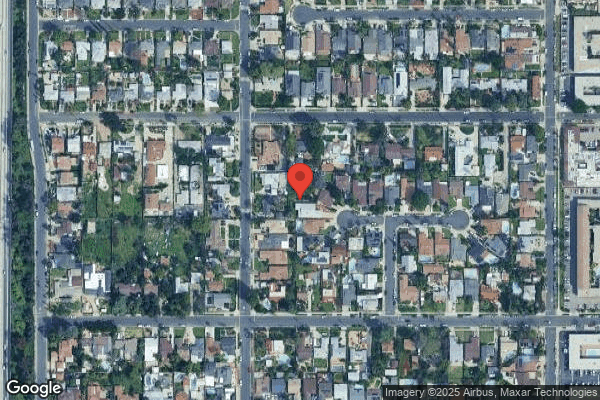
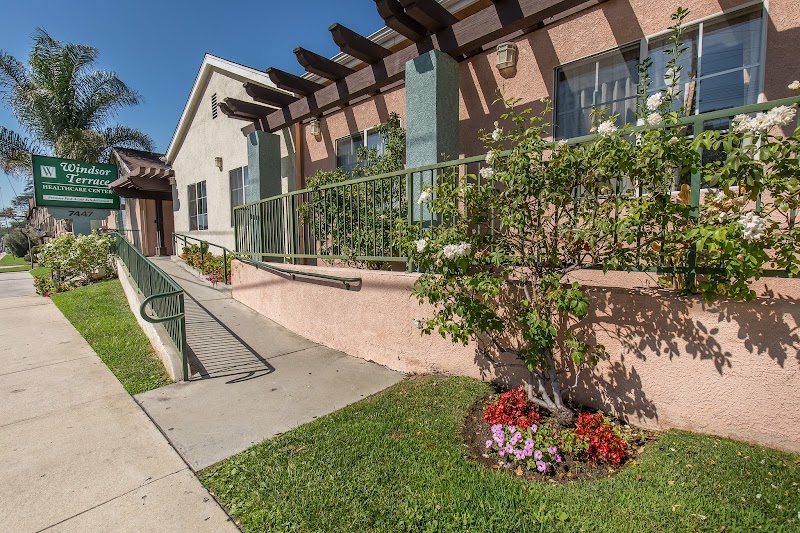
7447 SEPULVEDA BLVD, VAN NUYS, CA 91405 (818) 787-3400
For profit - Corporation 133 Beds WINDSOR Data: November 2025 2 Immediate Jeopardy citations
Trust Grade
0/100
#1141 of 1155 in CA
Last Inspection: November 2024

Within standard 12-15 month inspection cycle. Federal law requires annual inspections.

Overview

Terrace Post Acute in Van Nuys, California has a Trust Grade of F, which indicates significant concerns regarding the quality of care provided. The facility ranks #1141 out of 1155 in California and #359 out of 369 in Los Angeles County, placing it in the bottom half of all facilities in the area. Although the trend is improving, with issues decreasing from 28 in 2024 to 9 in 2025, the facility still faces serious challenges. Staffing is rated average with a turnover of 34%, which is slightly better than the state average, and RN coverage is also average. However, the facility has accumulated fines totaling $94,094, which is concerning and suggests ongoing compliance problems. Specific incidents reported include failure to provide appropriate dietary supervision for a resident at risk of aspiration, where staff served food that contradicted dietary restrictions, and delays in addressing significant weight loss for another resident due to inadequate follow-up from staff. While there are some strengths in staffing stability, the overall poor trust grade and critical issues highlight the need for careful consideration.

Trust Score
F
0/100
In California
#1141/1155
Bottom 2%
Safety Record
High Risk
Review needed
Inspections
Getting Better
28 → 9 violations
Staff Stability
○ Average
34% turnover. Near California's 48% average. Typical for the industry.
Penalties
⚠ Watch
$94,094 in fines. Higher than 87% of California facilities, suggesting repeated compliance issues.
Skilled Nurses
⚠ Watch
Each resident gets only 20 minutes of Registered Nurse (RN) attention daily — below average for California. Fewer RN minutes means fewer trained eyes watching for problems.
Violations
⚠ Watch
108 deficiencies on record. Higher than average. Multiple issues found across inspections.
★☆☆☆☆
1.0
Overall Rating
★★★☆☆
3.0
Staff Levels
★★★★☆
4.0
Care Quality
★☆☆☆☆
1.0
Inspection Score
Stable
2024: 28 issues
2025: 9 issues

The Good

  • 4-Star Quality Measures · Strong clinical quality outcomes
  • Full Sprinkler Coverage · Fire safety systems throughout facility
  • No fines on record
  • Staff turnover below average (34%)

    14 points below California average of 48%

Facility shows strength in quality measures, fire safety.

The Bad

1-Star Overall Rating

Below California average (3.1)

Significant quality concerns identified by CMS

Staff Turnover: 34%

12pts below California avg (46%)

Typical for the industry

Federal Fines: $94,094

Well above median ($33,413)

Moderate penalties - review what triggered them

Chain: WINDSOR

Part of a multi-facility chain

Ask about local staffing decisions and management

The Ugly 108 deficiencies on record

2 life-threatening 4 actual harm
Aug 2025 1 deficiency
CONCERN (E) 📢 Someone Reported This

A family member, employee, or ombudsman was alarmed enough to file a formal complaint

Potential for Harm - no one hurt, but risky conditions existed

Pharmacy Services (Tag F0755)

Could have caused harm · This affected multiple residents

**NOTE- TERMS IN BRACKETS HAVE BEEN EDITED TO PROTECT CONFIDENTIALITY** Based on interview and record review, the facility failed to ensure a resident on morphine sulfate (strong pain medication used ...

Read full inspector narrative →
**NOTE- TERMS IN BRACKETS HAVE BEEN EDITED TO PROTECT CONFIDENTIALITY** Based on interview and record review, the facility failed to ensure a resident on morphine sulfate (strong pain medication used to treat moderate to severe pain) was not administered the medication after it had expired for one of three sampled residents (Resident 1).This deficient practice resulted in Resident 1 receiving a medication after its expiration date and had the potential for the medication to be ineffective.During a review of Resident 1's admission Record, the admission Record indicated the facility admitted the resident on [DATE] with diagnoses that included quadriplegia (paralysis [complete or partial loss of muscle function] of all four limbs) and hypotension (low blood pressure- condition where the force of blood against the artery walls is lower than normal). During a review of Resident 1's Minimum Data Set (MDS - a resident assessment tool) dated [DATE], the MDS indicated Resident 1's cognition (the process of acquiring knowledge and understanding through thought, experience, and the senses) was intact. The MDS indicated Resident 1 was totally dependent on staff with eating, oral hygiene, toileting hygiene, and personal hygiene.During a review of Resident 1's Order Summary Report, the Order Summary Report indicated an order for morphine sulfate oral solution 10 milligrams/5 milliliters (mg/mL- units of measurement), give five (5) ml by mouth every eight (8) hours as needed for leg/knee pain give for severe pain level 7-10/10 (numerical scale used to measure pain with 0 being no pain and 10 being the worst pain), ordered [DATE].During a concurrent observation and interview on [DATE] at 2:25 p.m., with Licensed Vocational Nurse 1 (LVN 1), observed Resident 1's morphine sulfate bottle. LVN 1 stated that Resident 1's morphine sulfate expired on [DATE].During a review of Resident 1's Medication Administration Record (MAR- a daily documentation record used by a licensed nurse to document medications and treatments given to a resident) for 7/2025, the MAR indicated morphine sulfate was administered to Resident 1 on [DATE], [DATE], and [DATE].During a concurrent interview and record review on [DATE] at 3:26 p.m., with the Director of Nursing (DON), reviewed Resident 1's MAR for 7/2025. The DON stated Resident 1 was administered morphine sulfate on [DATE], [DATE], and [DATE]. The DON stated that morphine sulfate should not have been administered because Resident 1's morphine sulfate expired on [DATE]. The DON stated that before licensed nurses administer any medication, licensed nurses should always check the expiration date of all medications being administered. The DON stated if licensed nurses find that a medication is expired during medication administration, the medication found to be expired should be removed from the medication cart and reordered from the pharmacy. The DON stated the expired medication should not be administered to the residents because an expired medication may not have the potency the medication needs to be effective.During a review of the facility's policy and procedure (P&P) titled, Administering Medications, review date [DATE], the policy indicated medications are administered in a safe and timely manner, and as prescribed. The expiration/beyond use date on the medication label is checked prior to administering.
Aug 2025 1 deficiency
CONCERN (D) 📢 Someone Reported This

A family member, employee, or ombudsman was alarmed enough to file a formal complaint

Potential for Harm - no one hurt, but risky conditions existed

Deficiency F0711 (Tag F0711)

Could have caused harm · This affected 1 resident

Based on interview and record review, the facility failed to ensure that a resident's physician assistant (PA - a licensed healthcare professional who practices medicine on a team with physicians) com...

Read full inspector narrative →
Based on interview and record review, the facility failed to ensure that a resident's physician assistant (PA - a licensed healthcare professional who practices medicine on a team with physicians) completed a comprehensive History and Physical (H&P - a formal comprehensive assessment by a healthcare professional that involves a resident interview, physical examination and documentation of findings. The H&P serves as the foundation for diagnosing a resident's condition, formulating a treatment plan, and guiding subsequent medical care.) Examination for one of three sampled residents (Resident 1) by failing to include an assessment of mental status (assessment of a resident's mental capacity which includes cognition, mood behavior and perceptions). This deficient practice resulted in an incomplete evaluation of the residents' overall condition, had the potential for inconsistent care coordination due to incomplete H&P and a delay in care and services.During a review of Resident 1's admission Record, the admission Record indicated the facility admitted the resident on 8/7/2025 with diagnoses that included nondisplaced intertrochanteric fracture of left femur (a break in the upper part of the of the left thigh bone), respiratory failure (a life threatening medical condition where your lungs can't get enough oxygen into the blood or remove enough carbon dioxide from the blood, preventing body organs from functioning properly) and metabolic encephalopathy (a condition where the brain cannot function properly because of a problem with the body's metabolism [the process by which your body converts food and drinks into energy]). During a review of Resident 1's Minimum Data Set (MDS- a federally mandated resident assessment tool) dated 8/10/2025, the MDS indicated Resident 1's cognition (mental action or process of acquiring knowledge and understanding through thought, experience, and the senses) was moderately impaired. The MDS further indicated that Resident 1 needed supervision from staff with eating, oral hygiene and personal hygiene and maximum assistance from staff with toileting hygiene, shower or bathing and lower body dressing. During a review of Resident 1's H&P dated 8/8/2025, the H&P did not include any documentation indicating that Resident 1's PA assessed Resident 1's mental status. During a concurrent interview and record review on 8/19/2025 at 4:25 p.m., with the Director of Nursing (DON), the DON reviewed Resident 1's H&P dated 8/8/2025. The DON stated that Resident 1's H&P was incomplete and that PA should have included a mental status assessment. The DON further stated that the resident's mental status is critical as a baseline when developing an appropriate plan of care. During a review of the facility's policy and procedures (P&P) titled Physician Services and Visit, last reviewed on 1/16/2025, indicated, Physician services include, but are not limited to the resident's attending physician participation in the resident's assessment and care planning, monitoring changes in resident's medical status, and providing consultation or treatment when called by the Facility, including but not limited to resident evaluations including a written report of a physical examination with 5 days prior to admission or within 72 hours following admission,
May 2025 1 deficiency
CONCERN (D) 📢 Someone Reported This

A family member, employee, or ombudsman was alarmed enough to file a formal complaint

Potential for Harm - no one hurt, but risky conditions existed

Pharmacy Services (Tag F0755)

Could have caused harm · This affected 1 resident

Based on interview and record review, the facility failed to ensure accurate documentation of the administration of medications for one of three sampled residents (Resident 1), by failing to document ...

Read full inspector narrative →
Based on interview and record review, the facility failed to ensure accurate documentation of the administration of medications for one of three sampled residents (Resident 1), by failing to document the administration and refusal of Resident 1's medications on the Medication Administration Record (MAR - a report detailing the medications administered to a resident by the licensed nurse in the facility). This deficient practice had the potential to result in medication errors and/or drug diversion (illegal distribution or abuse of prescription drug). Findings: During a review of Resident 1's admission Record, the admission Record indicated the facility admitted Resident 1 on 2/26/2021 with diagnoses that included quadriplegia (paralysis [complete or partial loss of muscle function] of all four limbs), muscle wasting and atrophy (partial or complete wasting away of a body part), and anxiety disorder (mental health condition characterized by persistent and excessive worry, fear, and nervousness that can interfere with daily life). During a review of Resident 1's History and Physical (H&P - a formal assessment by a healthcare provider that involves a resident interview, physical exam, and documentation of findings) dated 10/1/2024, the H&P indicated Resident 1 had the capacity to understand and make decisions. During a review of Resident 1's Minimum Data Set (MDS - a resident assessment tool) dated 3/2/2025, the MDS indicated Resident 1 had intact cognition (the mental action or process of acquiring knowledge and understanding through thought, experience, and the senses). The MDS further indicated Resident 1 was dependent on staff for eating, oral hygiene, personal hygiene, upper body dressing toileting hygiene and showering and bathing. During a review of Resident 1's MAR for 5/1/2025 - 5/31/2025, the MAR indicated Resident 1 had scheduled medications that were due during the evening shift (3 p.m. - 11 p.m.) of 5/18/2025, which included: 1. Baclofen (muscle relaxant) tablet 10 milligrams (mg- unit of measurement) two (2) tablets. 2. Diclofenac sodium external gel (a medication used to treat pain of the joints). 3. Docusate sodium (a medication used for stool softener) capsule 250 mg. 4. Fluorometholone suspension (a medication used for swelling, redness or itching of the eyes) 0.1% eye drops for both eyes. 5. Hiprex (a medication to prevent urinary tract infections [an infection in any part of the urinary system]) tablet one (1) gram (gm- unit of measurement). 6. Methocarbamol (a medication used for muscle relaxation) tablet 500 mg two (2) tablets. 7. Pepcid (a medication used to decrease stomach acid production) tablet 20 mg. 8. Simethicone (a medication used to relieve the symptoms of gas, including uncomfortable or painful pressure, fullness, and bloating) tablet 80 mg two (2) tablets. 9. Sodium Chloride tablet (commonly known as salt tablets, are used in medicine to treat or prevent sodium loss) 1 gm. Resident 1's MAR dated 5/18/2025 indicated the evening shift, 3 p.m. to 11 p.m., was left blank with no indication if Resident 1 received the scheduled medication or if Resident 1 refused the medication. During an interview on 5/19/2025 at 12:10 p.m., with Resident 1, Resident 1 stated there is always confusion on who will be giving his medications during the evening shift, 3 p.m. to 11 p.m. Resident 1 stated he does not like that he has to remind the nurses to give him his evening medications, so he ends up refusing most of his medications for the evening shift. During an interview on 5/19/2025 at 3:20 p.m., with the Director of Nursing (DON), the DON stated Registered Nurse 1 (RN 1) was assigned to administer Resident 1's medication on 5/18/2025 for the evening shift, 3 p.m. to 11 p.m., but RN 1 had forgot to sign off on Resident 1's MAR. The DON stated that per facility protocol, the nurse administering the medication should document on the MAR immediately after administering the medication so there is no confusion about whether the medication was administered or not. The DON further stated even refusals need to be documented on the MAR. During an interview on 5/19/2025 at 3:33 p.m., with RN 1, RN 1 stated that she was the licensed nurse assigned to administer medications for Resident 1 during the evening shift, 3 p.m. to 11 p.m., on 5/18/2025. RN 1 stated that she offered Resident 1 his evening medication, but he only took his simethicone and refused the rest of the evening medications. RN 1 stated that after she administered medication to Resident 1 there was an emergency in the facility that she had to deal with which caused her to forget to document on Resident 1's MAR. RN 1 stated the proper procedure would be to administer the medication and document on the MAR right after administering the medication. During a review of the facility's policy and procedure titled, Administering Medications, last revised 4/2019, the policy indicated it is the policy of the facility to ensure medications are administered in a safe and timely manner and as prescribed. The policy and procedure further indicated the individual administering the medication initials the resident's MAR on the appropriate line after giving each medication and administering the next ones. If the drug is withheld, refused, or given at a time other than the scheduled time, the individual administering the medication shall document accordingly.
May 2025 2 deficiencies
CONCERN (D) 📢 Someone Reported This

A family member, employee, or ombudsman was alarmed enough to file a formal complaint

Potential for Harm - no one hurt, but risky conditions existed

Deficiency F0697 (Tag F0697)

Could have caused harm · This affected 1 resident

**NOTE- TERMS IN BRACKETS HAVE BEEN EDITED TO PROTECT CONFIDENTIALITY** Based on interview and record review the facility to: 1. Ensure timely communication and management of a resident's pain for one...

Read full inspector narrative →
**NOTE- TERMS IN BRACKETS HAVE BEEN EDITED TO PROTECT CONFIDENTIALITY** Based on interview and record review the facility to: 1. Ensure timely communication and management of a resident's pain for one of three sampled residents (Resident 3) when on 5/5/2025 at around 10:00 a.m. Certified Nurse Assistant 1 (CNA 1) failed to report Resident 3's complaint of headache to a licensed nurse. 2. Ensure a pain risk assessment was completed quarterly (12/2024 and 3/2025) for one of three sampled residents (Resident 3) as per facility policy. These deficient practices resulted in a delay in assessment and pain relief for Resident 3 and had the potential to result in Resident 3 experiencing unnecessary pain and discomfort. Findings: 1. During a review of Resident 3's admission Record, the admission Record indicated the facility originally admitted Resident 3 on 6/3/2014 and re-admitted on [DATE] with diagnoses that included chronic pain syndrome (persistent pain that lasts for months or longer and can significantly impact a person's daily life). During a review of Resident 3's Minimum Data Set (MDS- a resident assessment tool) dated 3/18/2025, the MDS indicated that Resident 3 had unclear speech and had severely impaired cognition (mental action or process of acquiring knowledge and understanding through thought, experience, and senses) skills for daily decision making. The MDS further indicated Resident 3 required supervision or touching assistance with eating and oral hygiene and partial or moderate assistance from staff with toileting hygiene, dressing and personal hygiene. During a review of Resident 3's Pain Evaluation Form dated 9/5/2024, timed at 8:52 a.m., the Pain Evaluation indicated that Resident 3 had chronic (persisting for a long time or constantly recurring) pain onset. During an observation on 5/5/2025 at 8:40 a.m., in Resident 3's room, observed Resident 3 in bed with her call light within reach. During an observation on 5/5/2025 at 11:35 a.m., in Resident 3's room, observed Resident 3 in bed with her call light within reach. During an observation on 5/5/2025 at 2:01 p.m., in Resident 3's room, observed Resident 3 in bed with her call light within reach. During an interview on 5/5/2025 at 2:25 p.m., with CNA 1, when asked if Resident 3 was taken out of bed for the day, CNA 1 stated Resident 3 did not get out of bed for the day because Resident 3 reported to CNA 1 that Resident 3 had a headache, and that Resident 3 felt cold. CNA 1 stated that because Resident 3 reported she (Resident 3) had a headache, CNA 1 did not assist Resident 3 out of bed. CNA 1 continued to state that CNA 1 reported Resident 3's headache to Licensed Vocational Nurse 1 (LVN 1). During an interview on 5/5/2025 at 2:45 p.m., with LVN 1, LVN 1 stated that he (LVN 1) was not aware that Resident 3 complained of a headache. LVN 1 continued to state that LVN 1 was only made aware of Resident 3's headache after CNA 1 was interviewed. LVN 1 stated that CNA 1 should have communicated to him (LVN 1) Resident 3's complaint of headache timely. LVN 1 stated if he (LVN 1) had knowledge of Resident 3's complaint of headache earlier, LVN 1 would have assessed Resident 3 and offered Resident 3 pain medication to relieve Resident 3's headache. During an interview on 5/5/2025 at 2:51 p.m., with CNA 1, CNA 1 stated that she (CNA 1) did not inform LVN 1 of Resident 3's headache. CNA 1 stated that while CNA 1 was providing morning care to Resident 3 at around 10:00 a.m., Resident 3 complained of a headache. CNA 1 stated that she (CNA 1) was going to inform LVN 1 of Resident 3's headache however, it slipped her (CNA 1) mind when she was called by another resident for assistance. CNA 1 continued to state that she (CNA 1) should have informed the licensed nurse (LVN 1) when Resident 3 complained of headache. CNA 1 stated that she (CNA 1) is supposed to notify licensed nurses when residents complain of pain immediately so that residents can be evaluated by the licensed nurses and residents can be given pain medication for their comfort. During an interview on 5/5/2025 at 3:45 p.m., with the Director of Nursing (DON), the DON stated that CNA 1 should have informed LVN 1 of Resident 3's complaint of headache for proper assessment, to provide pain medication as needed, and for pain monitoring. The DON stated by reporting the resident's complaint of pain to a licensed nurse, the staff can ensure timely pain assessment and pain intervention, thereby avoiding prolonged or unnecessary pain or discomfort for the resident. The DON stated all residents should be pain free. A review of the facility provided policy and procedure titled Pain Management, reviewed date 1/16/2025, indicated under purpose: to maintain the highest possible level of comfort for Residents by providing a system, to identify, assess, treat, and evaluate pain. Facility staff will report any observation or communication of pain to the nurse responsible for that resident. 2. During a concurrent interview and record review on 5/6/2025 at 2:57 p.m., with the DON, the DON stated that pain risk assessments are done upon admission, quarterly (every three months), and as needed if a resident complains of any new onset of pain. The DON reviewed Resident 3's pain risk assessments, the DON stated that the last documented pain risk assessment was done on 9/5/2024. The DON stated that Resident 3's pain risk assessment should have been reviewed and completed in 12/2024 and in 3/2025. The DON continued to state that the MDS Nurse (MDSN) is responsible for reviewing the pain risk assessment which is included in the MDS quarterly assessment. When asked about the importance of a pain risk assessment, the DON stated that it is a tool the facility uses to thoroughly assess a resident's pain and helps the facility implement a better plan of care to address and effectively manage residents' pain so residents can be pain free. A review of the facility provided policy and procedure titled Pain Management, reviewed date 1/16/2025, indicated residents will be evaluate as part of the nursing assessment process for the presence of pain upon admission/re-admission, quarterly, with any change in pain status, and as required by the state thereafter.
CONCERN (D) 📢 Someone Reported This

A family member, employee, or ombudsman was alarmed enough to file a formal complaint

Potential for Harm - no one hurt, but risky conditions existed

Pharmacy Services (Tag F0755)

Could have caused harm · This affected 1 resident

**NOTE- TERMS IN BRACKETS HAVE BEEN EDITED TO PROTECT CONFIDENTIALITY** Based on interview and record review, the facility failed to implement its policy and procedure for Administering Medications fo...

Read full inspector narrative →
**NOTE- TERMS IN BRACKETS HAVE BEEN EDITED TO PROTECT CONFIDENTIALITY** Based on interview and record review, the facility failed to implement its policy and procedure for Administering Medications for one of three sampled residents (Resident 1) by failing to document Resident 1's medication refusals (total of seven refusals on 4/22/2025) of Golytely (an oral solution indicated for bowel cleansing prior to colonoscopy [a diagnostic procedure used to examine the inner lining of the large intestine using a flexible, lighted tube]) and failing to ensure Resident 1's physician was made aware of Resident 1's refusals of the Golytely Oral Solution on 4/22/2025. This deficient practice may result in inadequate bowel cleansing making it hard to see the colon lining clearly during the colonoscopy which may lead to missed diagnosis such as inflammation and increased risk of procedure complications due to poor visibility. Findings: During a review of Resident 1's admission Record, the admission Record indicated the facility originally admitted Resident 1 on 3/7/2025 and readmitted on [DATE] with diagnoses that included chronic ulcerative recto sigmoiditis (prolonged inflammation involving the lower end of the colon [longest part of the intestine) with fistula (abnormal passage or connection between two parts of the body that don't normally connect), malignant neoplasm of sigmoid colon (a cancerous tumor that has formed in the sigmoid colon [a part of the large intestine]) and vascular dementia (refers to changes to memory, thinking, and behavior resulting from conditions that affect the blood vessels in the brain). During a review of Resident 1's Minimum Data Set (MDS- a resident assessment tool) dated 3/23/2025, the MDS indicated that Resident 1 had clear speech, able makes self understood, and had the ability to understand others. The MDS indicated Resident 1 had moderately impaired cognition (mental action or process of acquiring knowledge and understanding through thought, experience, and senses) skills for daily decision making. The MDS further indicated Resident 1 required setup or clean-up assistance with eating, partial or moderate assistance with oral hygiene, and was dependent on staff with toileting hygiene, shower or bathing and lower body dressing. During a review of Resident 1's Physician's Order dated 4/15/2025, timed at 10:40 a.m., the Physician's Order indicated an appointment for colonoscopy procedure on 4/23/2025. During a review of Resident 1's Physician's Order dated 4/15/2025, timed at 10:47 a.m., the Physician's Order indicated to administer Golytely Oral Solution Reconstituted (refers to a powdered medication that has been mixed with water to create a drinkable solution before it can be ingested or administered) 236 grams (gm- unit of mass). Give eight (8) ounces (oz - unit of weight) by mouth one time only for colonoscopy preparation for one (1) day. Drink one (eight oz glass) of Golytely Oral Solution every 15 minutes until it is gone. During a review of Resident 1's Medication Administration Record (MAR - a legal record of all medications and treatments administered to a resident) for 4/2025, the MAR indicated Resident 1 received (on 4/22/2025 at 2:12 p.m.) Golytely Oral Solution Reconstituted 236 grams. Give eight oz by mouth one time only for colonoscopy preparation for one day. Drink one (eight oz glass) of Golytely Oral Solution every 15 minutes until it is gone. During a review of Resident 1's Nurses Progress Note dated 4/22/2025, timed at 11:15 p.m., the Nurses Progress Note indicated the resident (Resident 1) refuses to finish the Golytely Oral solution and had only finished two-thirds (2/3 - two out of three equal parts of a whole) of the jug. During an interview on 5/2/2025 at 4:55 p.m., with Resident 1's Family Member (FM), the FM stated that Resident 1 was not given her (Resident 1's) medication (referring to Golytely Oral Solution) correctly as ordered by Resident 1's physician. FM 1 further stated because Resident 1's medication was not given correctly, Resident 1's colonoscopy procedure had to be rescheduled. During a concurrent interview and record review on 5/5/2025 at 12:20 p.m., with MDS Nurse 1 (MDSN 1), MDSN 1 reviewed Resident 1's Physician's Order dated 4/15/2025 and Resident 1's MAR dated 4/22/2025. MDSN 1 stated that Resident 1 had an order on 4/15/2025 for Golytely Oral Solution to be started on 4/22/2025 for colonoscopy preparation. MDSN 1 continued to state that Resident 1 had a colonoscopy appointment scheduled for 4/23/2025. MDSN 1 stated that Resident 1 was administered the Golytely Oral Solution on 4/22/2025 at 2:12 p.m. During a concurrent interview and record review on 5/5/2025 at 12:54 p.m., with MDSN 1, MDSN 1 reviewed Resident 1's Nurses Progress Note dated 4/22/2025 timed at 11:15 p.m. MDSN 1 stated that when residents refuse medication, licensed nurses are to document the refusal and inform the resident's physician of the refusal. MDSN 1 reviewed Resident 1's Nursing Progress Notes and Change of Condition (COC- when there is a sudden change in a resident's condition) notes for 4/22/2025 and stated that there is no documentation found indicating that Resident 1's physician was made aware of Resident 1's refusals of Golytely Oral Solution. During a concurrent interview and record review on 5/5/2025 at 1:02 p.m., with the Director of Nursing (DON), the DON reviewed Resident 1's Nurses Progress Note dated 4/22/2025. The DON stated that there is no documented evidence found that Resident 1's physician was made aware of Resident 1's refusals of Golytely Oral Solution. The DON stated Resident 1's physician should have been made aware of the Golytely Oral Solution because Resident 1 needed to finish the whole jug in preparation of Resident 1's colonoscopy. The DON stated Resident 1 was sent to her (Resident 1's) colonoscopy appointment on 4/23/2025. However, the colonoscopy procedure was not done because Resident 1 did not finish the Golytely Oral solution and had to reschedule for 4/25/2025. During an interview on 5/5/2025 at 3:22 p.m. with Licensed Vocational Nurse 2 (LVN 2), LVN 2 stated that she (LVN 2) worked on 4/22/2025, 3:00 p.m. to 11:00 p.m. shift. LVN 2 stated that on 4/22/2025, LVN 2 received report from the 7:00 a.m. to 3:00 p.m. shift nurse that Resident 1 was administered the Golytely Oral Solution. LVN 2 stated that LVN 2 was to continue administering the Golytely Oral Solution, eight oz, every 15 minutes until the whole jug is done. Resident 1 drank the first two cups that were offered. LVN 2 stated that when LVN 2 offered more, Resident 1 refused to drink the Golytely Oral Solution. LVN 2 continued to state that LVN 2 did not inform Resident 1's physician of the refusals. LVN 2 stated she (LVN 2) informed the Registered Nurse Supervisor (RNS) on shift. When asked how many times Resident 1 refused the Golytely Oral Solution, LVN 2 stated that Resident 1 refused seven times. LVN 2 stated that she did not inform Resident 1's physician because she had informed the RNS. LVN 2 further stated that LVN 2 did not document Resident 1's refusals of medication. When asked why LVN 2 did not document refusals, LVN 2 stated she (LVN 2) thought the RNS would do it. During an interview on 5/5/2025 at 3:35 p.m., with the DON, the DON stated that LVN 2 should have documented each time Resident 1 refused her Golytely Oral Solution and either the licensed nurse (LVN 2) or RNS should have informed Resident 1's physician. The DON continued to state that the Golytely Oral Solution was supposed to prepare Resident 1 for her colonoscopy and because it was not completed, the procedure was affected, and Resident 1 was not able to go through with the procedure. The DON stated Resident 1's physician should have been made aware so that licensed nurses (LVN 2 or RNS) would have received further instructions regarding Resident 1's refusal and medication management. During a review of the facility policy and procedure titled Administering Medications, review date 1/16/2025, indicated medications are administered in a safe and timely manner, and as prescribed. Medications are administered in accordance with prescriber orders, including any required time frame. Medication administration times are determined by resident need and benefit. If a drug is withheld, refused, or given at a time other than the scheduled time, the individual administering the medication shall document accordingly.
Mar 2025 1 deficiency
CONCERN (D) 📢 Someone Reported This

A family member, employee, or ombudsman was alarmed enough to file a formal complaint

Potential for Harm - no one hurt, but risky conditions existed

Deficiency F0676 (Tag F0676)

Could have caused harm · This affected 1 resident

**NOTE- TERMS IN BRACKETS HAVE BEEN EDITED TO PROTECT CONFIDENTIALITY** Based interview and record review, the facility failed to ensure one of three sampled residents (Resident 1) who were unable to ...

Read full inspector narrative →
**NOTE- TERMS IN BRACKETS HAVE BEEN EDITED TO PROTECT CONFIDENTIALITY** Based interview and record review, the facility failed to ensure one of three sampled residents (Resident 1) who were unable to carry out activities of daily living (ADL-routine tasks/activities such as bathing, dressing and toileting a person performs daily to care for themselves) received the necessary services to maintain good personal hygiene. This deficient practiced resulted in Resident 1 having long facial hair and overgrown fingernails and had the potential to negatively impact Resident 1's quality of life. Findings: During a review of Resident 1 ' s admission record (facesheet) dated 2/5/2025, the admission Record indicated, Resident 1 was admitted to the facility on [DATE] with diagnoses that included pneumonia (an infection/inflammation in the lungs), type 2 diabetes (DM-a disorder characterized by difficulty in blood sugar control and poor wound healing), sepsis (a life-threatening blood infection), urinary (UTI-an infection in the bladder tract infection/urinary tract), and hypertension (HTN-high blood pressure). During a review of Resident 1 ' s minimum data set (MDS - a standardized assessment and care planning tool) dated 2/8/2025, the MDS indicated Resident 1 ' s cognition (ability to think and make decisions) was moderately impaired. The MDS further indicated that Resident 1 required moderate assistance by staff for oral hygiene and dependent on staff for toileting hygiene and showering. During a review of Resident 1 ' s ADL log (a documentation tool completed by staff to record activities of daily living that were completed), dated February 2025 , the ADL log indicated, Resident 1 ' s personal hygiene including combing hair, brushing teeth, shaving and washing and drying face and hands was completed by the staff daily. During an interview on 3/4/2025 at 9:40 a.m. with Responsible Party (RP) 1, RP 1 stated that Resident 1 was admitted to the facility on [DATE] after being hospitalized for several weeks. RP 1 stated that RP 1 requested for ADL care to be provided to Resident 1 upon admission. RP 1 stated that Resident 1 remained admitted in the facility until 2/13/2025 and was not provided ADL care including facial grooming and trimming of fingernails by staff. During an interview on 3/6/2025 at 3:00 p.m. with the Director of Staff Development (DSD), the DSD stated that Certified Nursing Assistants (CNA) are required to provided ADL care to residents on daily basis. The DSD stated that CNAs are responsible to provide grooming to residents including shaving and trimming of the fingernails. During an interview on 3/7/2025 at 10:10 a.m., CNA 1 stated that she was assigned to Resident 1 several times during the day shift (7 a.m. to 3 p.m.) during Resident 1 ' s admission to the facility. CNA 1 stated that she did not provide facial grooming and trimming of the fingernails to Resident 1. During an interview with on 3/7/2025 at 11:15 a.m. with the Director of Nursing (DON), DON stated that the correct process for ADL care is for residents to have ADL care performed by the CNA staff, which includes, showering, shaving, trimming of fingernails, and oral care including bushing of the teeth. DON confirmed Resident 1 should have had facial grooming and fingernail trimming completed during his admission to the facility. The DON confirmed that if a resident does refuse ADL care than it should be documented on the ADL log to reflect that the resident did refuse the care. During a review of the facility policy and procedure (P&P) titled Activities of Daily Living with a revision date of 1/16/2025, the policy and procedure indicated, residents will be provided with care, treatment and services appropriate to maintain or improve their ability to carry out activities of daily living. Residents who are unable to carry out activities of daily living independently will receive the services necessary to maintain good nutrition, grooming and personal and oral hygiene .Appropriate care and services will be provided for residents who are unable to carry out ADLs independently, with the consent of the resident in accordance with the plan of care, including appropriate support and assistance with hygiene (bathing, dressing, grooming, and oral care).
Feb 2025 1 deficiency
CONCERN (D) 📢 Someone Reported This

A family member, employee, or ombudsman was alarmed enough to file a formal complaint

Potential for Harm - no one hurt, but risky conditions existed

Infection Control (Tag F0880)

Could have caused harm · This affected 1 resident

**NOTE- TERMS IN BRACKETS HAVE BEEN EDITED TO PROTECT CONFIDENTIALITY** Based on observation, interview, and record review the facility failed to implement the facility's infection control policy by f...

Read full inspector narrative →
**NOTE- TERMS IN BRACKETS HAVE BEEN EDITED TO PROTECT CONFIDENTIALITY** Based on observation, interview, and record review the facility failed to implement the facility's infection control policy by failing to ensure staff wore appropriate PPEs (Personal Protective Equipment- equipment worn to minimize exposure to hazards that cause serious workplace injuries and illnesses) while in an isolation room of a resident who tested positive for respiratory syncytial virus (a common respiratory virus that infects the nose, throat, and lungs) for one of two sampled residents (Resident 2) This deficient practice had the potential to result in the spread of infection placing residents, staff, and visitors at risk to be infected with respiratory syncytial virus (a common respiratory virus that infects the nose, throat, and lungs) and becoming seriously ill, leading to hospitalization and/or death. Findings: During a review of Resident 2's admission Record, the admission Record indicated the resident was admitted to the facility on [DATE] with diagnoses including shortness of breath and respiratory syncytial virus. During a review of Resident 2's Minimum Data Set (MDS - a resident assessment tool) dated 1/19/2025, the MDS indicated the resident had intact cognition (the mental action or process of acquiring knowledge and understanding through thought, experience, and the senses). During a review of Resident 2 ' s order summary report, the order summary report indicated an order dated 2/6/2025 for contact and droplet isolations. During a review of Resident 2 ' s laboratory (lab) test results collected on 2/6/2025 at 9:58 p.m., the lab test result indicated Resident 2 tested positive for respiratory syncytial virus. During an observation on 2/8/2025 at 11:29 a.m., observed Certified Nursing Assistant 1 (CNA 1) enter Resident 2 ' s room, a contact and droplet precaution room, wearing a well fitted mask, gloves and gown. CNA 1 was not wearing a face shield. During an interview with CNA 1 on 2/8/2025 at 11:32 a.m., CNA 1 stated when entering a contact and droplet precaution room CNA 1 is supposed to wear a face mask, gown, gloves, and a face shield. CNA 1 stated that CNA 1 did not wear a face shield before entering Resident 2 ' s because there was no face shield in the isolation cart in front of Resident 2 ' s room. CNA 1 stated that a face mask, gown, gloves, and face shield should be worn before entering Resident 2's room to help protect the resident and staff from infection. During an observation and concurrent interview in front of Resident 2 ' s room with CNA 1 on 2/8/2025 at 11:33 a.m., observed CNA 1 open the three drawers in the isolation cart in front of Resident 2 ' s room. CNA 1 stated there are no face shields in the isolation cart. During an interview with the Infection Preventionist (IP) on 2/8/2025 at 12:08 p.m., the IP stated that all staff entering a droplet isolation room should wear full PPEs which include, gown, gloves, face mask, and face shield to prevent the spread of infection. During a review of the facility ' s policy and procedure titled Infection Prevention and Control, revised on 12/2023, the policy and procedure indicated the facility adopted infection prevention and control policies and procedures are intended to help maintain a safe, sanitary, and comfortable environment and to help prevent and manage transmission of disease and infections. During a review of the facility provided policy and procedure titled Isolation- Categories of Transmission-Based Precautions, revised 9/2022, indicated under contact precautions staff and visitors wear gloves when entering the room. Staff and visitors wear disposable gown upon entering the room and remove before leaving the room. Under Droplet precautions masks are worn when entering the room. Gloves, gown, and goggles are worn if there is risk of spraying respiratory secretions.
Jan 2025 2 deficiencies
CONCERN (D) 📢 Someone Reported This

A family member, employee, or ombudsman was alarmed enough to file a formal complaint

Potential for Harm - no one hurt, but risky conditions existed

Deficiency F0694 (Tag F0694)

Could have caused harm · This affected 1 resident

Based on observation, interview, and record review, the facility failed to label and date a resident's intravenous (IV-the infusion of liquid substances directly into a vein) antibiotic (medications u...

Read full inspector narrative →
Based on observation, interview, and record review, the facility failed to label and date a resident's intravenous (IV-the infusion of liquid substances directly into a vein) antibiotic (medications used to treat infections) medication bag per the facility's policy for one of three sampled residents (Resident 1). This deficient practice had the potential for medication administration errors. Findings: During a review of Resident 1's admission Record, the admission Record indicated the facility admitted the resident on 2/26/2021 with diagnoses that included quadriplegia (paralysis [complete or partial loss of muscle function] of all four limbs), hypertension (high blood pressure [the force of the blood pushing on the blood vessel walls is too high]), and muscle wasting (weakening, shrinking, and loss of muscle). During a review of Resident 1's History and Physical (H&P- a formal assessment by a healthcare provider that involves a resident interview, physical exam, and documentation of findings) dated 10/1/2024, the H&P indicated Resident 1 had the capacity to understand and make decisions. During a review of Resident 1's Minimum Data Set (MDS - a resident assessment tool) dated 12/2/2024, the MDS indicated Resident 1's cognition (ability to think and make decisions) was intact. The MDS further indicated that Resident 1 required total dependence on staff for assistance with activities of daily living (ADLs - activities related to personal care). During a review of Resident 1's Medication Administration Record (MAR, a report detailing the medications administered to a resident by the licensed nurse in the facility) dated 1/2025, the MAR indicated Resident 1 had a physician order for cefepime hydrochloride (a medication used to treat infections) two (2) grams (gm-unit of measurements) IV two times a day starting on 1/28/2025. During an observation on 1/29/2025 at 1:50 p.m., observed Resident 1's cefepime hydrochloride IV bag located next to Resident 1's bed without the date, time, and signature of the nursing staff that administrated the cefepime hydrochloride. During a concurrent observation and interview on 1/29/2025 at 2:00 p.m., with the Director of Nursing (DON), observed Resident 1's cefepime hydrochloride IV bag located next to Resident 1's bed. The DON confirmed by stating that Resident 1's cefepime hydrochloride should have had the registered nurses' initials, date, and time labeled on the medication when it was administered. The DON stated that the correct process when administering an IV medication is for the nurse to initial the mediation and put the date and time that the medication is administered. During a review of the facility's policy and procedure (P&P) titled, Continuous Infusion of Medications and Solutions, with a facility approval date of 1/16/2025, the policy indicated this is to be performed by registered nurses and IV certified licensed vocational nurses according to state law and facility policy .Label medication/solution container and administration set with, date and time and nurse's initials.
CONCERN (D) 📢 Someone Reported This

A family member, employee, or ombudsman was alarmed enough to file a formal complaint

Potential for Harm - no one hurt, but risky conditions existed

Deficiency F0772 (Tag F0772)

Could have caused harm · This affected 1 resident

Based on interview and record review the facility failed to ensure one of three sampled residents (Resident 3) received laboratory services as ordered by the physician. This deficient practice had the...

Read full inspector narrative →
Based on interview and record review the facility failed to ensure one of three sampled residents (Resident 3) received laboratory services as ordered by the physician. This deficient practice had the potential for Resident 3 to have decreased quality of care, delay in care and services, and decreased quality of life. Findings: During a review of Resident 3's admission Record, the admission Record indicated the facility readmitted the resident on 3/1/2024 with diagnoses that included multiple sclerosis (MS- a chronic, progressive disease involving damage to the nerve cells in the brain and spinal cord), type two (2) diabetes (a chronic condition that affects the way the body processes blood glucose [sugar]), and bipolar disorder (mental disorder that causes unusual shifts in mood, energy, activity levels, concentration, and the ability to carry out day-to-day tasks). During a review of Resident 3's History and Physical (H&P- a formal assessment by a healthcare provider that involves a resident interview, physical exam, and documentation of findings) dated 3/2/2024, the H&P indicated Resident 3 had the capacity to understand and make decisions. During a review of Resident 3's Minimum Data Set (MDS - a resident assessment tool) dated 12/6/2024, the MDS indicated Resident 3's cognition (ability to think and make decisions) was intact. The MDS further indicated that Resident 3 required total dependence on staff for assistance with activities of daily living (ADLs - activities related to personal care). During a review of Resident 3's physician order dated 11/15/2024, the physician order indicated an order for a laboratory order for Hemoglobin A1c (HbA1c-is a blood test that shows what your average blood sugar level was over the past two to three months) to be drawn. During an interview on 1/29/2025 at 2:30 p.m., with Resident 3, Resident 3 stated that his physician had ordered a HbA1c, but the facility had not drawn it. During a concurrent interview and record review on 1/30/2025 at 1:30 p.m., with the Director of Nursing (DON), reviewed Resident 3's physician order for HbA1c dated 11/15/2024. The DON stated that Resident 3 did have a physician order on 11/15/2024 for a HbA1c, but it was not completed. The DON stated that when a physician orders a laboratory test to be completed, the nursing staff will place the physician order and complete a laboratory requisition form and place it in the laboratory binder for the laboratory technician to complete the blood draw. The DON stated that she is unsure why Resident 3's HbA1c was not completed. The DON stated that it should have been completed at the time of the physician order. During a review of the facility's policy and procedure (P&P) titled, Physician Orders, with a facility approval date of 1/16/2025, the policy indicated the purpose of the facility P&P is to ensure that all physician orders are complete and accurate .the medical records department will verify that physician orders are complete, accurate and clarified as necessary .lab orders will include the name of the test desired, the frequency and reason for the test and associated diagnosis.
Dec 2024 1 deficiency
CONCERN (D) 📢 Someone Reported This

A family member, employee, or ombudsman was alarmed enough to file a formal complaint

Potential for Harm - no one hurt, but risky conditions existed

Medical Records (Tag F0842)

Could have caused harm · This affected 1 resident

**NOTE- TERMS IN BRACKETS HAVE BEEN EDITED TO PROTECT CONFIDENTIALITY** Based on interview and record review the facility failed to maintain medical records in accordance with accepted professional st...

Read full inspector narrative →
**NOTE- TERMS IN BRACKETS HAVE BEEN EDITED TO PROTECT CONFIDENTIALITY** Based on interview and record review the facility failed to maintain medical records in accordance with accepted professional standards for one of three sampled residents (Resident 1) by failing to complete the admission assessment form titled, Nursing Documentation Evaluation (a form that is used by nursing staff to document the initial assessment of a resident) upon Resident 1's admission to the facility. This deficient practice had the potential to negatively affect the overall care provided to Resident 1. Findings: During a review of Resident 1's admission Record, the admission Record indicated Resident 1 was admitted to the facility on [DATE] with diagnoses that including sepsis (a life-threatening blood infection), chronic obstructive pulmonary disease (COPD-a chronic lung disease causing difficulty in breathing), parkinsonism (a progressive disease of the nervous system marked by tremor, muscular rigidity, and slow, imprecise movement), and morbid obesity (excessive overweight). During a review of Resident 1's Minimum Data Set (MDS - a resident assessment tool) dated 9/20/2024, the MDS indicated, Resident 1's cognition (the mental action or process of acquiring knowledge and understanding through thought, experience, and the sense) was moderately impaired. Resident 1 required set up assist with eating, and dependent on staff for toileting, showering, and lower body dressing. During a review of Resident 1's History and Physical (H&P) dated 9/15/2024, the H&P indicated Resident 1 can make needs known but cannot make medical decisions. During a review of Resident 1's initial assessment form titled Nursing Documentation Evaluation dated 9/15/2024, the form was left blank. During an interview on 12/17/2024 at 12:25 p.m. with Registered Nurse Supervisor (RNS) 1, RNS 1 stated that she was the admitting nurse for Resident 1 when the resident was admitted to the facility. RNS 1 stated that when a resident is admitted to the facility the RNS is responsible in completing the admission assessment. RNS 1 stated that the Nursing Documentation Evaluation form should have been completed for Resident 1 at the time of admission. RNS 1 stated that she forgot to complete the Nursing Documentation Evaluation for Resident 1 at the time of admission. During an interview on 12/17/2024 at 12:35 p.m. with the Director of Nursing (DON), the DON stated that when a resident is admitted to the facility the correct process is for the RNS to complete the initial assessment of the resident and to complete all the required admission forms including the Nursing Documentation Evaluation. DON stated that RNS 1 should have completed the Nursing Documentation Evaluation form for Resident 1 upon admission. The DON stated that the Nursing Documentation Evaluation will assist with providing a detailed plan of care for the resident upon admission. During a review of the facility policy and procedure (P&P) titled Nursing Documentation with a review date of 1/25/2024, the P&P indicated the purpose of the policy is to communicate patient's status and provide complete, comprehensive, and accessible accounting of care and monitoring provided .Nursing documentation will follow the guidelines of good communication and be concise, clear, pertinent, and accurate based on the resident's condition, situation and complexity. Documentation for subsequent and/or routine care and procedures may be completed by exception or the use of a checklist, flow charts, or other documentation tools. Clinical judgment is used to determine the need for additional data collection and/or more frequent documentation.
Dec 2024 1 deficiency
CONCERN (D) 📢 Someone Reported This

A family member, employee, or ombudsman was alarmed enough to file a formal complaint

Potential for Harm - no one hurt, but risky conditions existed

Pharmacy Services (Tag F0755)

Could have caused harm · This affected 1 resident

Based on interview and record review, the facility failed to ensure accurate documentation of the administration of medications for one of three sampled residents (Resident 1), by failing to document ...

Read full inspector narrative →
Based on interview and record review, the facility failed to ensure accurate documentation of the administration of medications for one of three sampled residents (Resident 1), by failing to document the refusal of Resident 1's medications on the Medication Administration Record (MAR, a report detailing the medications administered to a resident by the licensed nurse in the facility). These deficient practices had the potential to result in medication errors and/or drug diversion (illegal distribution or abuse of prescription drug). Findings: During a review of Resident 1's admission Record, the admission Record indicated the facility admitted Resident 1 on 2/26/2021 with diagnoses that included quadriplegia (paralysis [complete or partial loss of muscle function] of all four limbs), hypertension (high blood pressure [the force of the blood pushing on the blood vessel walls is too high]), anxiety (intense, excessive, and persistent worry and fear about everyday situations), and muscle spasm (sudden, involuntary and painful contractions [tightening, shortening, or lengthening] of muscle). During a review of Resident 1's History and Physical (H&P- a formal assessment by a healthcare provider that involves a resident interview, physical exam, and documentation of findings) dated 10/1/2024, indicated Resident 1 has the capacity to understand and make decisions. During a review of Resident 1's Minimum Data Set (MDS - a resident assessment tool) dated 9/1/2024, the MDS indicated Resident 1's cognition (the mental action or process of acquiring knowledge and understanding through thought, experience, and the sense) was intact. The MDS indicated Resident 1 was dependent on staff for eating, oral hygiene, personal hygiene, upper body dressing toileting hygiene and showering and bathing. During a review of Resident 1's MAR dated 11/2024, the MAR indicated Resident 1 had scheduled medications that were due on 11/25/2024 and 11/26/2024 during the evening shift (3 p.m.-11 p.m.), which included: 1. Baclofen (a medication used to treatment muscle spasticity [abnormal muscle tightness dye to prolonged muscle contraction]) 10 milligrams (mg- unit of measurement). 2. Diclofenac sodium external gel (a medication used to treat pain of the joints). 3. Docusate sodium (a medication used for stool softener) 250 mg. 4. Fluorometholone suspension (a medication used to try swelling, redness or itching of the eyes) 0.1% eye drops for both eyes. 5. Hiprex tablet (a medication to prevent urinary tract infections [an infection in any part of the urinary system]) one (1) gram (gm- unit of measurement). 6. Methocarbamol (a medication used for muscle relaxation) tablet 500 mg two (2) tablets. 7. Pepcid (a medication used to decrease stomach acid production) tablet 20 mg. Resident 1's MAR dated 11/25/2024 and 11/26/2024, indicated the evening shift, 3 p.m. to 11 p.m., was left blank with no indication if Resident 1 received the scheduled medication or if Resident 1 refused the medication. During an interview on 12/5/2024 at 2:00 p.m., with Resident 1, Resident 1 stated that he was not provided medication but unsure of the exact date. Resident 1 stated that there are times he will refuse his scheduled medications. During an interview on 12/6/2024 at 12:25 p.m., with Registered Nurse 1 (RN 1), RN 1 confirmed by stating she was the nurse for Resident 1 on 11/26/2024 for part of the evening shift from 3 p.m. to 7p.m. RN 1 stated that Resident 1 had refused his medications on 11/26/2024 during her shift from 3 p.m. to 7 p.m. RN 1 stated that she should have documented the refusal of Resident 1's medications on the MAR. During a concurrent interview and record review on 12/6/2024 at 1:15 p.m., with the Director of Nursing (DON), reviewed Resident 1's MAR dated 11/25/2024 and 11/26/2024. The DON confirmed by stating that Resident 1 has a history of refusing scheduled medications and when Resident 1 refuses medications, the correct process for the nursing staff is to document the refusal on the MAR. The DON stated that on 11/25/2024 and 11/26/2024, nursing staff should have documented Resident 1's refusal of medications for the 3 p.m. to 11 p.m. shift. During a review of the facility's policy and procedure titled, Administering Medications, with a revision date 1/10/2024, the policy indicated medications are administered in a safe and timely manner and as prescribed .If a drug is withheld, refused, or given at time other than the scheduled time, the individual administering the medication shall document accordingly .The individual administering the medication initials the resident's MAR on the appropriate line after giving each medication and before administering the next ones.
Nov 2024 12 deficiencies
CONCERN (D)

Potential for Harm - no one hurt, but risky conditions existed

Deficiency F0578 (Tag F0578)

Could have caused harm · This affected 1 resident

Based on interview and record review, the facility failed to keep a copy of a resident's Advance Directive (a legal document indicating resident preference on end-of-life treatment decisions) in the m...

Read full inspector narrative →
Based on interview and record review, the facility failed to keep a copy of a resident's Advance Directive (a legal document indicating resident preference on end-of-life treatment decisions) in the medical record for one (Resident 4) out of 29 sampled residents. This deficient practice had the potential to create confusion, which could lead to conflict with the resident's wishes regarding his/her health care. Findings: During a review of Resident 4's admission Record, the record indicated the facility originally admitted the resident on 4/4/2013 and readmitted the resident on 11/2/2022 with diagnoses including Parkinsonism (a general term for a group of conditions that cause similar motor symptoms, such as tremors, rigidity, and slow movement), chronic obstructive pulmonary disease (COPD-a chronic lung disease causing difficulty in breathing), bipolar disorder (sometimes called manic-depressive disorder; mood swings that range from the lows of depression to elevated periods of emotional highs), schizophrenia (a mental illness that is characterized by disturbances in thought), dementia (a progressive state of decline in mental abilities), and malignant neoplasm of the breast (breast cancer). During a review of Resident 4's Minimum Data Set (MDS - a resident assessment tool), dated 10/29/2024, the MDS indicated the resident had intact cognition (thought processes) and required moderate assistance from staff for most activities of daily living (ADLs- activities such as bathing, dressing and toileting a person performs daily). During a review of Resident 4's Advance Directive Acknowledgement Form, signed by the resident on 12/7/2022, the form indicated the resident had an Advance Directive. During a review of Resident 4's Advance Directive Acknowledgement Form, signed by the resident on 8/28/2024, the form indicated the resident had an Advance Directive. During a review of Resident 4's Social Services Assessment and Documentation form, dated 2/1/2024, the form indicated that the resident had an Advance Directive, but there was no copy in the medical record. During a review of Resident 4's Social Services Assessment and Documentation form, dated 10/9/2024, the form indicated that the resident had an Advance Directive, but there was no copy in the medical record. On 11/21/2024 at 8:33 a.m., during a concurrent interview and record review, reviewed an email communication between the facility and Resident 4's son, dated 2/2/2024, with the Social Services Director (SSD). In the email, the resident's son indicated he had already sent the facility a copy of the Advance Directive three times. When asked to provide the copy of the resident's Advance Directive, the SSD stated she could not find it anywhere in the resident's medical record. The SSD stated it was important to have a copy of residents' Advance Directives so that in the event a resident was not able to make health care decisions, someone else would be designated to make the decisions. The SSD stated that an Advance Directive contained the resident's wishes for their health care, and if it was not available in the resident's medical record, then it could possibly result in confusion of what the resident's wishes were in the event of an emergency. On 11/21/2024 at 9:48 a.m., during an interview, the Director of Nursing (DON) stated it was important to keep a copy of the resident's Advance Directive in his/her medical record because it lays out how the resident want's his/her care to be provided in case of an emergency or change in condition. The DON stated that an Advance Directive indicated who would be the assigned decision maker when the resident was not able to make decisions for him/herself. The DON stated it was important to have a copy available of the Advance Directive in addition to the Physician Orders for Life-Sustaining Treatment (POLST - a medical order that allows patients to specify their preferences for end-of-life care) form because the information on both forms may be different, and the facility could end up providing different care from what is specified in the Advance Directive. The DON stated this could possibly violate the resident's right to make decisions about his/her own health care. During a review of the facility's policy and procedure titled, Advance Directives, last reviewed and revised on 9/3/2024, the policy indicated that the purpose of an Advance Directive was to provide residents with the opportunity to make decisions regarding their health care. A copy of the Advance Directive is maintained as part of the resident's medical record.
CONCERN (D) 📢 Someone Reported This

A family member, employee, or ombudsman was alarmed enough to file a formal complaint

Potential for Harm - no one hurt, but risky conditions existed

Free from Abuse/Neglect (Tag F0600)

Could have caused harm · This affected 1 resident

Based on interview and record review, the facility failed to protect the resident's right to be free from verbal abuse (a type of abuse that uses language) for one of three sampled residents (Resident...

Read full inspector narrative →
Based on interview and record review, the facility failed to protect the resident's right to be free from verbal abuse (a type of abuse that uses language) for one of three sampled residents (Resident 89) when on 11/01/2024, Resident 88 screamed at Resident 89 I will kill you. This deficient practice resulted in Resident 89 being subjected to verbal abuse while under the care of the facility. Residents who are subjected to verbal abuse are at increased risk for low self-esteem (when someone lacks confidence in themselves and their abilities), anxiety (a feeling of fear, dread, and uneasiness), depression (mood disorder that causes a persistent feeling of sadness and loss of interest in activities for long periods of time) and social isolation (when someone has few or no social connections or support and lacks relationships with others). Findings: During a review of Resident 89's admission Record, the admission Record indicated the facility initially admitted Resident 89 on 7/28/2023 and readmitted the resident on 3/14/2024 with diagnoses including quadriplegia (a form of paralysis that affects all four limbs, plus the torso) and chronic pain syndrome (experiencing ongoing pain that last for a long time). During a review of Resident 89's Minimum Data Set (MDS - a resident assessment tool), dated 9/17/2024, the MDS indicated that the resident's cognitive skills (ability to understand and make decisions) were intact (not affected). The MDS indicated that Resident 89 required setup and clean-up assistance for dressing, transferring, oral hygiene, and showering. The MDS indicated that Resident 89 required maximal assistance with toileting hygiene. During a review of Resident 89's Change in Condition Evaluation form (CIC), dated 11/1/2024, the form indicated that Resident 89 and Resident 88 were loudly exchanging words on the patio and that Resident 89 was removed due to threatening Resident 88. During a review of Resident 89's Interdisciplinary (IDT) Care Conference form, dated 11/4/2024, the form indicated that Resident 89 was involved in a verbal altercation with Resident 88 on 11/01/2024. During an interview on 11/19/2023 at 4:05 PM, with Resident 89, Resident 89 stated that Resident 88 was screaming at him (resident does not remember the date) on the patio. During a review of Resident 88's admission Record, the admission Record indicated the facility initially admitted Resident 88 on 4/3/2023 and readmitted the resident on 7/29/2024 with diagnoses including acute osteomyelitis (an infection in the bone) of right and left foot and ankle, heart failure (heart muscle cannot pump enough blood to meet the body's needs), and acute respiratory failure (a condition in which your blood does not have enough oxygen causing shortness of breath and difficulty breathing, often caused by a disease or injury). During a review of Resident 88's Minimum Data Set (MDS - a resident assessment tool), dated 10/2/2024, the MDS indicated that the resident's cognitive skills (ability to understand and make decisions) were intact (not affected). The MDS indicated Resident 88 required supervision or touching assistance for eating, oral and personal hygiene, and upper body dressing; as well as moderate assistance with showering, lower body dressing, and walking 50 feet. During a review of Resident 88's Care Plan (a document that outlines the actions and interventions needed to address a resident's health and care needs), dated 10/28/2024, the care plan indicated that Resident 88 had the potential to demonstrate verbally abusive behaviors. The care plan interventions indicated for a Certified Nursing Assistant to monitor, and document observed behavior and attempted interventions in a behavior log. During an interview on 11/20/2024 at 4:23 PM with Registered Nurse 3 (RN 3), RN 3 stated Resident 88 had a history of having anger outburst directed at another resident and was verbally abusive due to ineffective coping skills. RN 3 stated she created a care plan on 10/28/2024 addressing Resident 88's potential to demonstrate verbally abusive behavior with an intervention for the Certified Nursing Assistant (CNA) to monitor, document observed behavior and attempted interventions in the behavior log. During an interview on 11/20/2024 at 4:20 p.m., with Registered Nurse 2, (RN 2) stated that on 11/01/2024 after lunch she heard loud screaming coming from the patio. RN 2 stated that when she went to investigate, she witnessed Resident 88 yelling at Resident 89, I will kill you. RN 1 stated she separated the residents immediately and Resident 88 was sent to General Acute Care Hospital 1 (GACH 1) for further evaluation. During a concurrent interview and record review on 11/21/2024 at 1:35 PM with Certified Nursing Assistant 4 (CNA 4), Resident 88 could be very aggressive and would scream loudly. CNA 4 stated she was not aware Resident 88 was under behavioral monitoring. During an interview on 11/21/2024 at 1:40 p.m., with Licensed Vocational Nurse 6 (LVN 6), LVN 6 stated when she was doing her last rounds on 11/01/2024 at 1 PM, she heard loud screaming coming from the patio and when she went to investigate, she witnessed Resident 88 screaming at Resident 89, I will kill you. LVN 6 stated she was not aware Resident 88 was under behavioral monitoring. During an interview on 11/21/2024 at 1:50 PM, the Administrator (ADM), the ADM stated that on 11/1/2024, around 1 PM, she witnessed an anger outburst from Resident 88 against Resident 89 on the patio. The ADM stated that it was the first time a verbal altercation happened between Resident 88 and Resident 89, and that it should not have occurred according to the abuse policy and regulations. During a review of the facility's current policy and procedure titled Abuse Prohibition Policy and Procedure, last revised 9/3 2024, indicated: Healthcare Centers prohibit abuse residents have the right to be free from abuse . The Center will provide adequate supervision when the risk of resident-to-resident altercation is suspected.
CONCERN (D)

Potential for Harm - no one hurt, but risky conditions existed

Deficiency F0657 (Tag F0657)

Could have caused harm · This affected 1 resident

**NOTE- TERMS IN BRACKETS HAVE BEEN EDITED TO PROTECT CONFIDENTIALITY** Based on interview and record review, the facility failed to ensure two of two sampled residents (Resident 69 and 12) were invit...

Read full inspector narrative →
**NOTE- TERMS IN BRACKETS HAVE BEEN EDITED TO PROTECT CONFIDENTIALITY** Based on interview and record review, the facility failed to ensure two of two sampled residents (Resident 69 and 12) were invited and participated in Interdisciplinary Team (IDT - a group of professionals with different areas of expertise who work together to achieve a common goal for the resident) care plan meetings (a written document that summarizes a resident's needs, goals, and care/treatment) investigated under the care area of care planning. These deficient practices violated the residents' right to be included in developing a resident-centered care plan and a missed opportunity in obtaining the cooperation of the resident which had the potential to result in failure in the delivery of necessary care and services. Findings: a. During a review of Resident 69's admission Record, the admission Record indicated the facility originally admitted the resident on 1/23/2023 and readmitted the resident on 7/7/2023, with diagnoses that included but not limited to, gastroesophageal reflux disease (stomach contents flow backward, up into the esophagus, the tube that carries food from your throat into stomach) and osteoporosis (a disease that causes bones to become weak and more likely to break). During a review of Resident 69's Minimum Data Set (MDS - a resident assessment tool), dated 11/1/2024, the MDS indicated the resident's cognitive (the mental action or process of acquiring knowledge and understanding through thought, experience, and the senses) skills for daily decision making was intact and required moderate assistance from staff for toileting hygiene, dressing and personal hygiene. During a concurrent interview and record review on 11/20/2024 at 11:57 a.m., with Licensed Vocational 3 (LVN 3), reviewed Resident 69's Interdisciplinary Care Conference dated 10/8/2024. The review indicated that Resident 69's IDT Care Conference (IDT-CC) was attended by the Director of Nursing, Director of Rehabilitation, and the Registered Dietitian. LVN 3 stated that the IDT-CC was to discuss Resident 69's weights. LVN 3 stated that the IDT should have included Resident 69 in the meeting and find out from Resident 69 if she has any food preferences that is compatible with her dietary order and restrictions. LVN 3 stated that IDT-CC objective is to develop a resident-centered care plan that would accommodate Resident 69's suggestions to achieve the goal of addressing Resident 69's weight loss problem. b. During a review of Resident 12's admission Record, the admission Record indicated the facility originally admitted the resident on 7/4/2018 and readmitted the resident on 3/1/2024, with diagnoses that included but not limited to, muscle weakness and type 2 diabetes mellitus (a chronic condition that affects the way the body processes blood glucose [sugar]). During a review of Resident 12's MDS dated [DATE], the MDS indicated the resident's cognitive skills for daily decision making was intact and dependent on staff for toileting hygiene, shower, putting on/taking off footwear and personal hygiene. During a concurrent interview and record review on 11/21/2024 at 10:37 a.m., with Registered Nurse 1 (RN 1), reviewed Resident 12's Interdisciplinary Care Conference dated 9/13/2024 and 9/27/2024 regarding Skin Alterations and other concerns. RN 1 stated that the department heads from nursing, dietary, activities, and rehabilitation services participated in the IDT meeting on these two dates. RN 1 stated that they should have invited or included Resident 12 in the meetings of 9/13/2024 and 9/27/2024 and consider Resident 12's goals for his treatment and consider Resident 12's input. RN 1 stated the care plan developed for the resident must be resident-centered to ensure the resident's participation in achieving the goals of the care plan. RN 1 stated that Resident 12's treatment goals for his stage four (4) pressure ulcer (full-thickness skin and tissue loss that exposes bone, tendon, muscle, or other tissue) of right buttock may not heal and can lead to infection without the resident's cooperation such as his preference for sitting on his wheelchair for prolong period. During a review of the facility's policy and procedure titled, Care Planning-Interdisciplinary Team, last reviewed on 9/3/2024, the policy indicated, Interdisciplinary team is responsible for the development of resident care plans .The IDT includes but is not limited to: to the extent practicable, the resident and/or the resident's representative .
CONCERN (D)

Potential for Harm - no one hurt, but risky conditions existed

Deficiency F0658 (Tag F0658)

Could have caused harm · This affected 1 resident

Based on observation, interview and record review, the facility failed to meet the professional standards of care for one (Resident 72) out of 29 sampled residents by failing to check the resident's r...

Read full inspector narrative →
Based on observation, interview and record review, the facility failed to meet the professional standards of care for one (Resident 72) out of 29 sampled residents by failing to check the resident's respiration rate (a number of breaths a person takes per minute) before administering Gabapentin (medication used to control seizures and for neuropathic pain [a pain caused by damage to the nervous system]) as ordered by the physician. This deficient practice had the potential to result in Resident 72 having unintended complications related to the administration of Gabapentin, such as respiratory depression (condition when breathing is too slow or too shallow). Findings: During a review of Resident 72's admission Record, the admission Record indicated the facility initially admitted Resident 72 on 9/5/2021 and readmitted the resident on 3/24/2023 with diagnoses including cerebrovascular disease (a condition that affect blood flow to your brain), epileptic seizures (a sudden electrical storm in the brain that causes temporary disruptions in a person's body functions, like movements, awareness, or sensation), and major depressive disorder (a mental health disorder characterized by persistently depressed mood or loss of interest in activities, causing significant impairment in daily life). During a review of Resident 72's Minimum Data Set (MDS - a federally mandated resident assessment tool), dated 11/1/2024, the MDS indicated the resident had severely impaired cognition (severely damaged mental abilities, including remembering things, making decisions, concentrating, or learning). The MDS further indicated that Resident 72 was dependent on the assistance of two or more helpers for eating, showering, toileting and personal hygiene, dressing, chair-to-bed transfer, and was not able to walk. During a review of Resident 72's Order Summary Report, dated 11/1/2024, the Order Summary Report indicated a physician order for Gabapentin oral tablet: give 900 milligrams (mg-unit of measurement) by mouth two times a day, hold if perspiration is less than 12, dated 2/22/24. During a medication administration observation on 11/20/2024 at 8:50 AM in Resident 72's room, observed Licensed Vocational Nurse 9 (LVN 9) administering Gabapentin to Resident 72 without checking Resident 72's respiration rate. During an interview on 11/20/2024 at 9:43 AM with LVN 9, LVN 9 stated that she missed checking Resident 72's respiration rate before administering Gabapentin to Resident 72. During an interview on 11/20/2024 at 11:20 AM with the Director of Nursing (DON), the DON stated that failure to follow a physician's order may lead to complications related to Gabapentin administration such as respiratory depression. The DON stated that according to the facility's policy, LVNs should always follow the physician's orders and check residents' vital signs (body temperature, blood pressure, pulse, and respiration [breathing] rate) as ordered. During a review of the facility policy titled Administering Medications, last reviewed on 9/23/2024, the policy indicated Medications are administered in accordance with prescribed orders .The following information is checked/verified for each resident prior to administering medications: a. Allergies to medications
CONCERN (D)

Potential for Harm - no one hurt, but risky conditions existed

Quality of Care (Tag F0684)

Could have caused harm · This affected 1 resident

**NOTE- TERMS IN BRACKETS HAVE BEEN EDITED TO PROTECT CONFIDENTIALITY** Based on interview and record review, the facility failed to clarify (contacting the physician to obtain additional details abou...

Read full inspector narrative →
**NOTE- TERMS IN BRACKETS HAVE BEEN EDITED TO PROTECT CONFIDENTIALITY** Based on interview and record review, the facility failed to clarify (contacting the physician to obtain additional details about an existing order) fingerstick (a way to check the blood sugar by inserting a small needle into a finger) orders with the physician which indicated the resident was to receive a fingerstick seven times a day instead of the usually prescribed four times a day. This deficient practice had the potential to result in pain from excessive finger sticks. Findings: During a review of Resident 78's Face Sheet, the Face Sheet indicated the resident was admitted to the facility on [DATE] and re-admitted on [DATE] with diagnoses that included diabetes mellitus (high blood sugar). During a review of Resident 78' s Minimum Data Set (MDS, a resident assessment tool), dated 9/24/2024, the MDS indicated Resident 78 was severely impaired in cognition (the process of acquiring knowledge and understanding through thought, experience, and the senses) with skills required for daily decision making. The MDS indicated Resident 78 required supervision (helper provides verbal cues) with oral hygiene and eating. During a review of Resident 78's Physician's Orders, the Physician Orders indicated the following orders: -Insulin Aspart Injection Solution (a medication to lower blood sugar) 100 unit/milliliters (unit/ml, a unit of measure for insulin), inject as per sliding scale subcutaneously (into the fat under the skin) before meals (QAC, before every meal; from Latin quaque ante cibum) and hour of sleep (HS, bedtime); for diabetes mellitus; rotate injection sites: -If blood sugar is less than (<) 70, give orange juice eight ounces (a unit of measurement for liquids) and notify the physician. - if 150 - 199 mg/dL, give 3 units. - if 200 - 249 mg/dL, give 5 units. - if 250 - 299 mg/dL, give 8 units. - if 300 - 349 mg/dL, give 10 units. - if blood sugar is greater than (>) 400 mg/dL, notify the physician, dated 6/25/2024. -Finger stick blood glucose QAC and HS; call the physician if blood sugar is less than 60 milligrams mg/dL or blood sugar > 400 mg/dL every six hours for diabetes Accu-Checks (a brand of glucose monitoring system), dated 6/25/2024. -Finger stick blood glucose QAC and HS; call the physician if blood sugar is less than 60 mg/dL or blood sugar greater than 400 mg/dL before meals and at bedtime, dated 6/25/2024 and discontinued same day. -Order for Resident 78 transfer to GACH 1 for G-Tube (a plastic tube inserted into the stomach for residents to receive medications and nourishment for those having swallowing problems) removal, dated 6/21/2024. During a review of Resident 78's Medication Administration Record (MAR, a report detailing the drugs administered to a patient by the licensed nurses), dated 06/2024 to 11/2024, the MAR indicated that the resident had finger sticks conducted Q6H for the following times: 12 a.m., 6 a.m., 12 p.m., and 6 p.m. and for QAC and HS for the following times: 7:30 a.m., 11:30 a.m., 4:30 p.m., and 9 p.m. The 11:30 a.m. and the 12 p.m. times had the same value on all days which indicated the blood sugar was taken once for 11:30 a.m and 12:00 p.m. time periods. This practice indicated the following times that Resident 78's blood sugar was taken more than the usual four times a day for a total of 158 days as indicated in the following: June 2024 5 days July 2024 31 days August 2024 31 days September 2024 30 days October 2024 31 days November 2024 20 days During a concurrent interview and record review with Licensed Vocational Nurse 3 (LVN 3) on 11/21/2024 at 11:42 a.m., reviewed Resident 78's 11/2024 MAR. When asked why Resident 78 was receiving finger sticks for QAC, HS, and every six hours, LVN 3 stated they did not know. During a concurrent interview and record review with the Director of Nurses (DON) on 11/21/2024 at 1:23 p.m., reviewed Resident 78's Physician's Orders and the facility's policy and procedure titled, Medication Utilization and Prescribing - Clinical Protocol, last reviewed 9/03/2024. The DON confirmed Resident 78 received finger sticks QAC, HS, and every six hours which was more than the usual QAC and HS time frames. The DON stated Resident 78 had a G-Tube had self-removed the G-Tube approximately 6/21/2024 and physician and family decided not to re-insert the G-tube. The DON stated the Q6H finger stick order was when Resident 78 was on a G-tube but should be discontinued because Resident 78 eats by mouth now. The DON stated this was a duplicate order and should have been caught after the decision not to re-insert the G-tube. The DON stated Resident 78's nurse practitioner (a registered nurse with advanced training and education and writes orders under the physician's guidance) was notified earlier on 11/21/2024 who prescribed an order to conduct finger sticks only for QAC and HS. The DON stated the excess finger sticks could put Resident 78 at risk for increased pain in the finger sticks and it is important to make sure orders are reviewed to make sure duplicate orders are caught. The DON stated finger sticks would be included in the staff monthly review for duplicate orders although not specifically mentioned in the policy and procedure titled, Medication Utilization and Prescribing - Clinical Protocol. During an interview with LVN 7 on 11/21/2024 at 1:35 p.m., LVN 7 stated they take Resident 78's blood sugar at 7:30 a.m. and 11:30 a.m. for the 7 a.m. to 3 p.m. shift, and if they work the 3 p.m. to 11 p.m. shift, then they take the blood sugar at 4 p.m., 6 p.m., and 8 p.m. LVN 7 stated Resident 78 had complained about getting a finger stick so many times. LVN 7 stated it is the physician's order, and they are required to follow the order. During a phone interview with Resident 78's Nurse Practitioner 1 (NP 1) on 11/21/2024 at 2:38 p.m., the NP stated the fingerstick Q6H order was when Resident 78 had a G-Tube. NP 1 stated, since Resident 78 is currently eating and does not have the G-Tube, the order should be for QAC and HS. NP 1 stated they were not aware Resident had been receiving finger sticks for Q6H and QAC and HS. During a review of the facility's policy and procedures entitled, Medication Utilization and Prescribing - Clinical Protocol, last reviewed 9/03/2024, the document indicated the physician and staff will evaluate the effectiveness and effects of the medications in a resident's regimen. The policy and procedure indicated based on input from the staff and resident, the physician will adjust medications based on their efficacy (the ability to produce a desired or intended result), indications and the continued presence of clinically significant risks.
CONCERN (D)

Potential for Harm - no one hurt, but risky conditions existed

Accident Prevention (Tag F0689)

Could have caused harm · This affected 1 resident

**NOTE- TERMS IN BRACKETS HAVE BEEN EDITED TO PROTECT CONFIDENTIALITY** b. During a review of Resident 51's admission Record, the admission Record indicated the facility originally admitted the reside...

Read full inspector narrative →
**NOTE- TERMS IN BRACKETS HAVE BEEN EDITED TO PROTECT CONFIDENTIALITY** b. During a review of Resident 51's admission Record, the admission Record indicated the facility originally admitted the resident on 7/31/2024 and readmitted the resident on 8/12/2024 with diagnoses including displaced intertrochanteric fracture of the left femur (broken hip bone), displaced fracture of the surgical neck of the left humerus (a severe injury where the upper arm bone is broken near the shoulder joint), and subsequent encounter after a specified fall. During a review of Resident 51's History and Physical (H&P - a comprehensive assessment of a resident that includes taking a detailed medical history from the resident and performing a physical examination to gather information about their current health condition), dated 8/14/2024, the H&P indicated the resident had the capacity to understand and make decisions. During a review of Resident 51's MDS dated [DATE], the MDS indicated the resident had moderately impaired cognition (thought processes) and required moderate assistance from staff for most activities of daily living (ADLs - activities related to personal care). During a review of Resident 51's physician's orders, dated 11/18/2024, the physician's orders indicated an order to place the resident on fall precautions by providing a low bed position, tab alarm in bed or in wheelchair, and a floor mattress. Check for placement every shift. During a review of Resident 51's care plan (a document that summarizes a resident's needs, goals, and care/treatment) for high risk for falls, initiated on 11/18/2024, the care plan indicated a goal that the risk for fall to occur will be minimized by the review date. During a concurrent observation and interview on 11/19/2024 at 3:47 p.m., with Certified Nursing Assistant 1 (CNA 1), observed Resident 51 inside her room and awake in her wheelchair. When asked if Resident 51 had a tab alarm on her wheelchair, CNA 1 stated she did not see a tab alarm on Resident 51's wheelchair. During a concurrent observation and interview on 11/20/2024 at 8:35 a.m., with Certified Nursing Assistant 2 (CNA 2), observed Resident 51 in bed eating breakfast. When asked if Resident 51 had a tab alarm on her bed and floor mats, CNA 2 stated she (CNA 2) did not see a tab alarm on Resident 51's bed or floor mats. During an interview on 11/21/2024 at 9:40 a.m., with the Director of Nursing (DON), the DON stated that if the physician placed an order for Resident 51 to be placed on fall precautions and to be provided with a tab alarm while in bed or in the wheelchair and a floor mat, then the facility should have provided Resident 51 with these items. The DON stated the nurses should also be monitoring for the placement of these devices. The DON stated the physician placed the order to decrease the chance of Resident 51 suffering another fall or another injury from a fall. The DON stated that if these devices were not in place, as ordered by the physician, then it increased Resident 51's potential for another injury from a fall. During a review of the facility's policy and procedure titled, Fall Management, last reviewed and revised on 9/3/2024, the policy indicated that patients will be assessed for falls risk as part of the nursing assessment process. Those determined to be at risk will receive appropriate interventions to reduce risk and minimize injury. Based on observation, interview, and record review, the facility failed to: 1. Ensure a resident's bed was in low position per physician's orders for one of five sampled residents (Resident 32) investigated under the care area of accidents. 2. Provide a resident who was at high risk for falls with a tab alarm (a safety device used primarily in healthcare settings to alert caregivers when a patient attempts to get out of bed or chair without assistance) and floor mats (a cushioned floor pad designed to help prevent injury should a person fall) as ordered by the physician for one of five sampled residents (Resident 51) investigated under the care area of accidents. These deficient practices had the potential to place the residents at increased risk of sustaining a fall with injuries. Findings: a. During a review of Resident 32's admission Record, the admission Record indicated that the facility admitted the resident on 9/16/2024 with diagnoses that included type two (2) diabetes mellitus (a chronic condition that affects the way the body processes blood glucose [sugar]), history of falling, and dementia (decline in memory or other thinking skills severe enough to reduce a person's ability to perform everyday activities). During a review of Resident 32's Minimum Data Set (MDS - a resident assessment tool), dated 9/8/2024, indicated the resident's cognitive (the mental action or process of acquiring knowledge and understanding through thought, experience, and the senses) skills for daily decision making was impaired and required assistance from staff for toileting, shower, dressing, and for personal hygiene. During a review of Resident 32's physician's orders, the physician's orders indicated an order for low height bed every shift, dated 6/18/2024. During a concurrent observation and interview on 11/18/2024 at 11:16 a.m., with Licensed Vocational Nurse 4 (LVN 4), observed Resident 32 sleeping in bed with their bed raised up. LVN 4 confirmed by stating that the Resident 32's bed was placed in high position and stated that it should be lower to prevent serious injury in the event of a fall. LVN 4 stated that Resident 32 could get hurt if she fell. During a concurrent interview and record review on 11/20/2024 at 11:09 a.m., with Licensed Vocational Nurse 2 (LVN 2), reviewed Resident 32's Fall Risk assessment dated [DATE]. Resident 32's Fall Risk assessment dated [DATE], indicated that Resident 32 is a high fall risk and according to LVN 2 the bed should be in low position to prevent serious injury in the event of a fall. During a review of the facility's policy and procedure titled, Fall Management, last reviewed on 9/3/2024, the policy indicated, Patients will be assessed for falls risk as part of the nursing assessment process. Those determined to be at risk will receive appropriate interventions to reduce risk and minimize injury .
CONCERN (D)

Potential for Harm - no one hurt, but risky conditions existed

Respiratory Care (Tag F0695)

Could have caused harm · This affected 1 resident

**NOTE- TERMS IN BRACKETS HAVE BEEN EDITED TO PROTECT CONFIDENTIALITY** Based on interview and record review, the facility failed to ensure that residents who needed respiratory treatment (the health ...

Read full inspector narrative →
**NOTE- TERMS IN BRACKETS HAVE BEEN EDITED TO PROTECT CONFIDENTIALITY** Based on interview and record review, the facility failed to ensure that residents who needed respiratory treatment (the health care discipline that specializes in the promotion of optimum cardiopulmonary function and health and wellness) were provided such care consistent with professional standards of practice to one out of three sampled residents (Residents 84) when Resident 84's nebulizer (a small machine that turns liquid medicine into mist that can be easily inhaled) tubing was not labeled with the date it was last changed. This deficient practice had the potential to cause respiratory infection to Resident 84 Findings: During a review of Resident 84's admission Record, the admission Record indicated that the facility initially admitted Resident 84 on 11/25/2022 and readmitted the resident on 7/30/2024 with diagnoses including acute respiratory failure (a condition in which your blood doesn't have enough oxygen causing shortness of breath and difficulty breathing, often caused by a disease or injury), and chronic obstructive pulmonary disease (a common lung disease that makes it difficult to breathe), and encephalopathy (a brain disorder that caused recurring seizures). During a review of Resident 84's Minimum Data Set (MDS - a federally mandated resident assessment tool) dated 11/5/2024, the MDS indicated that the resident had mildly impaired cognition (a slight decline in mental abilities, memory and completing complex tasks). The MDS further indicated that Resident 84 needed supervision or touch up assistance for dressing, oral hygiene, and moderate assistance for showering. During a review of Resident 84's Physician Order, the Physician Order indicated an order dated 10/11/2024, for Ipratropium- Albuterol Solution (medication used as oral inhalation to prevent wheezing [a high-pitched [NAME] sound that occurs when the airways in the lungs are narrowed or blocked]) 0.5-2.5 ml/mg (unit of measurement), three (3) ml (unit of volume) inhale orally (through the mouth) two times a day for shortness of breath. During a concurrent observation and interview on 11/20/2024 at 10:00 AM in Resident 84's room with Licensed Vocational Nurse 6 (LVN 6), observed the nebulizer machine on Resident 84's bedside table with the tubing not labeled with the date it was last changed. LVN 6 stated that the nebulizer tubing should be changed and labeled every seven (7) days to prevent the resident from developing respiratory infections. During an interview on 11/20/2024 at 10:45 AM with the Infection Preventionist (IP), the IP stated that the nebulizer tubing should be changed every seven (7) days on Wednesday by the Licensed Vocational Nurses and labeled with the date it was last changed to prevent Resident 84 from developing respiratory infections. During an interview on 11/20/2024 at 11:20 PM with the Director of Nursing (DON), the DON stated that nebulizer tubing should be changed every seven (7) days and labeled with the date it was last changed. The DON further stated that the failure to change the nebulizer tubing according to the facility policy could have caused a respiratory infection to Resident 84. During a review of the facility policy and procedure (P&P) titled Changing of Nasal Cannula/Oxygen Tubing, last reviewed on 9/3/2024, the P&P indicated, It is the policy of this facility to change nasal canula and tubing weekly and as needed.
CONCERN (E)

Potential for Harm - no one hurt, but risky conditions existed

Comprehensive Care Plan (Tag F0656)

Could have caused harm · This affected multiple residents

**NOTE- TERMS IN BRACKETS HAVE BEEN EDITED TO PROTECT CONFIDENTIALITY** c. During a review of Resident 96's admission Record, the admission Record indicated the facility originally admitted the reside...

Read full inspector narrative →
**NOTE- TERMS IN BRACKETS HAVE BEEN EDITED TO PROTECT CONFIDENTIALITY** c. During a review of Resident 96's admission Record, the admission Record indicated the facility originally admitted the resident on 3/31/2024 and readmitted the resident on 7/12/2024 with diagnoses including acute pyelonephritis (occurs as a complication of an ascending urinary tract infection that spreads from the bladder to the kidneys), type 2 diabetes (a long-term condition in which the body has trouble controlling blood sugar and using it for energy), and atrial fibrillation (a heart condition that causes an irregular and often abnormally fast heart rate). The admission Record indicated Resident 96's primary language is Hungarian. During a review of Resident 96's Minimum Data Set (MDS - a standardized assessment and care screening tool), dated 10/24/2024, the MDS indicated the resident had moderately impaired cognition (thought processes) and required maximal assistance from staff for most activities of daily living (ADLs - basic tasks that people do every day to survive and be well). On 11/18/2024 at 11:15 p.m., during a concurrent observation and interview, in Resident 96 's room with Licensed Vocational Nurse (LVN), Resident 96 was observed in the bed and was not able to communicate in English. LVN stated that she uses translation services by telephone to communicate with the resident. When asked by surveyor what language Resident 96 speaks, LVN 6 was not able to answer. On 11/19/2024 at 11:00 a.m., during concurrent interview and record review , Resident 96's electronic record was reviewed by Licensed Vocational Nurse (LVN 2) . When asked to see the care plans (a document that outlines a patient's health information, conditions, treatments, care services, and goals) addressingr the resident's language barrier, LVN 2 stated she could not find any. On 11/20/2024 at 11:10 a.m., during concurrent interview and record review, Resident 96's social service assessment form dated 10/24/2024 was reviewed by Social Service Director (SSD). The SSD stated that document indicated that Resident 96 speaks limited English and prefers for a family member to translate. On 11/20/2024 at 11:20 a.m., during an interview with the Director of Nursing (DON), the DON stated that when a resident has a language barrier, then there should be a care plan for it. The DON stated it was important to have a care plan for language barrier in place so that all disciplines who are caring for the resident will know what language he speaks and how to assist the resident. The DON stated if care plans were not in place, then the staff would not be able to address the resident's needs. During a review of the facility's policy and procedure titled, Care Plan Comprehensive, last reviewed and revised on 9/3/2024, the policy indicated that an individualized comprehensive care plan that includes measurable objectives and timetables to meet the resident's medical, physical, mental, and psychosocial needs shall be developed for each resident. The comprehensive care plan includes the services that are to be furnished to attain or maintain the resident's highest practicable physical, mental, and psychosocial well-being. Assessments of residents are ongoing and care plans are reviewed and revised as information about the resident and the resident's condition change. d. During a review of Resident 88's admission Record, the admission Record indicated that the facility initially admitted Resident 88 on 4/3/2023 and readmitted the resident on 7/29/2024 with diagnoses including acute osteomyelitis (an infection in the bone) of the right and left foot and ankle, heart failure (when heart muscle cannot pump enough blood to meet the body's needs), and acute respiratory failure (a condition in which your blood doesn't have enough oxygen causing shortness of breath and difficulty breathing, often caused by a disease or injury). During a review of Resident 88's Minimum Data Set (MDS - a federally mandated resident assessment tool), dated 10/2/2024, the MDS indicated that the resident's cognitive skills (ability to understand and make decisions) were intact (not affected). The MDS indicated that Resident 88 required supervision or touching assistance for eating, oral and personal hygiene, and upper body dressing; as well as moderate assistance with showering, lower body dressing, and walking 50 feet. The MDS indicated that Resident 88 was using corrective glasses. During concurrent interview and record review on 11/20/2024 at 11:00 a.m., with Licensed Vocational Nurse (LVN 2), Resident 88's care plans were reviewed. LVN 2 was asked if Resident 88 had a care plan addressing the resident's vision. LVN 2 stated she could not find any. During an interview on 11/20/2024 at 11:20 a.m., with the Director of Nursing (DON), the DON stated Resident 88 should have a care plan for impaired vision because the resident was diagnosed with cataracts (the clouding of the eye's lens that can cause blurry, hazy, or double vision, and difficulty seeing at night). The DON stated if care plans were not in place, then the staff would not be able to address the resident's vision needs. During a review of the facility's policy and procedure titled, Care Plan Comprehensive, last reviewed and revised on 9/3/2024, the policy indicated that an individualized comprehensive care plan that includes measurable objectives and timetables to meet the resident's medical, physical, mental, and psychosocial needs shall be developed for each resident. The comprehensive care plan includes the services that are to be furnished to attain or maintain the resident's highest practicable physical, mental, and psychosocial well-being. Assessments of residents are ongoing and care plans are reviewed and revised as information about the resident and the resident's condition change. Based on interview and record review, the facility failed to develop and implement a person-centered care plan (a document that summarizes a resident's needs, goals, and care/treatment) for four of five sampled residents (Resident 51, 86, 96, and 88) by failing to: 1. Develop a care plan addressing Resident 51's use of lorazepam (medication used to treat anxiety disorder [a condition that causes excessive feelings of fear, worry, dread, or uneasiness that can interfere with daily life]) and venlafaxine (medication used to treat depression [a serious mental illness that can cause a persistent low mood, loss of interest, and other symptoms that affect how a person feels, thinks, and acts]). 2. Develop a care plan addressing Resident 86's use of quetiapine (antipsychotic- a medication used to treat psychosis [a mental condition in which thought, and emotions are so affected that contact is lost with external reality]). 3. Develop a care plan addressing Resident 96's language barrier. 4. Develop a care plan addressing Resident 88's decline in vision These deficient practices had the potential to delay the provision of necessary care and services to the residents. Findings: a. During a review of Resident 51's admission Record, the admission Record indicated the facility originally admitted the resident on 7/31/2024 and readmitted the resident on 8/12/2024 with diagnoses including anxiety disorder and depression. During a review of Resident 51's History and Physical (H&P- a formal assessment by a healthcare provider that involves a resident interview, physical exam, and documentation of findings), dated 8/14/2024, the H&P indicated the resident had the capacity to understand and make decisions. During a review of Resident 51's Minimum Data Set (MDS - a resident assessment tool), dated 11/15/2024, the MDS indicated the resident had moderately impaired cognition (thought processes) and required maximal assistance from staff for most activities of daily living (ADLs - activities related to personal care). During a concurrent interview and record review on 11/20/2024 at 4:07 p.m., with Licensed Vocational Nurse 2 (LVN 2), reviewed Resident 51's physician's orders and care plans dated 7/31/2024 to 11/20/2024. LVN 2 stated Resident 51 had an order for lorazepam 0.5 milligrams (mg - metric unit of measurement) via gastrostomy tube (GT - a small tube that delivers nutrition, fluids, and medicine directly into the stomach through a small incision in the abdomen) twice a day (BID) for anxiety manifested by an inability to relax, ordered on 11/18/2024. LVN 2 stated Resident 51 also had an order for venlafaxine 75 mg GT BID for depression manifested by persistent diminished interest/pleasure in ADLs, ordered on 10/26/2024. When asked to see the care plans for Resident 51's use of lorazepam and venlafaxine, LVN 2 stated she could not find any care plans. During an interview on 11/21/2024 at 9:43 a.m., with the Director of Nursing (DON), the DON stated that when a resident is on a psychotropic medication (medications capable of affecting the mind, emotions, and behavior) there should be a care plan for it. When asked when a care plan should be developed, the DON stated it should be developed by the licensed nurse as soon as a new order is received. The DON stated it was important to have a care plan in place so that all disciplines who are caring for the resident will be on the same page on what to monitor and how to assist the resident. The DON stated if care plans were not in place, then the staff would not be able to address the resident's needs. During a review of the facility's policy and procedure titled, Care Plan Comprehensive, last reviewed and revised on 9/3/2024, the policy indicated that an individualized comprehensive care plan that includes measurable objectives and timetables to meet the resident's medical, physical, mental, and psychosocial needs shall be developed for each resident. The comprehensive care plan includes the services that are to be furnished to attain or maintain the resident's highest practicable physical, mental, and psychosocial well-being. Assessments of residents are ongoing and care plans are reviewed and revised as information about the resident and the resident's condition change. b. During a review of Resident 86's admission Record, the admission Record indicated the facility admitted the resident on 7/17/2024 with diagnoses including hemiplegia (one-sided paralysis [complete or partial loss of muscle function]). During a review of Resident 86's H&P, dated 7/17/2024, the H&P indicated that the resident can make needs known but cannot make medical decisions. During a review of Resident 86's MDS, dated [DATE], the MDS indicated the resident had moderately impaired cognition and was dependent on staff for most ADLs. During a concurrent interview and record review on 11/20/2024 at 1:59 p.m., with LVN 2, reviewed Resident 86's physician's orders and care plans dated 7/17/2024 to 11/20/2024. LVN 2 stated Resident 86 had an order for quetiapine 25 mg by mouth (PO) BID for unspecified psychosis manifested by auditory hallucinations (hearing voices or noises that don't exist in reality), ordered on 11/15/2024. When asked to see the care plan for quetiapine, LVN 2 stated she could not find a care plan. During an interview on 11/21/2024 at 9:43 a.m., with the Director of Nursing (DON), the DON stated that when a resident is on a psychotropic medication (medications capable of affecting the mind, emotions, and behavior) there should be a care plan for it. When asked when a care plan should be developed, the DON stated it should be developed by the licensed nurse as soon as a new order is received. The DON stated it was important to have a care plan in place so that all disciplines who are caring for the resident will be on the same page on what to monitor and how to assist the resident. The DON stated if care plans were not in place, then the staff would not be able to address the resident's needs. During a review of the facility's policy and procedure titled, Care Plan Comprehensive, last reviewed and revised on 9/3/2024, the policy indicated that an individualized comprehensive care plan that includes measurable objectives and timetables to meet the resident's medical, physical, mental, and psychosocial needs shall be developed for each resident. The comprehensive care plan includes the services that are to be furnished to attain or maintain the resident's highest practicable physical, mental, and psychosocial well-being. Assessments of residents are ongoing and care plans are reviewed and revised as information about the resident and the resident's condition change.
CONCERN (E)

Potential for Harm - no one hurt, but risky conditions existed

Medication Errors (Tag F0758)

Could have caused harm · This affected multiple residents

Based on interview and record review, the facility failed to monitor a resident for side effects and behavioral episodes for the use of quetiapine (antipsychotic- a medication used to treat psychosis ...

Read full inspector narrative →
Based on interview and record review, the facility failed to monitor a resident for side effects and behavioral episodes for the use of quetiapine (antipsychotic- a medication used to treat psychosis [a mental condition in which thought, and emotions are so affected that contact is lost with external reality]) for one of five sampled residents (Resident 86) investigated under the care area of unnecessary medications. This deficient practice had the potential to place the resident at increased risk of taking an unnecessary medication and experiencing adverse side effects (undesired harmful effect resulting from a medication or other intervention). Findings: During a review of Resident 86's admission Record, the record indicated the facility admitted the resident on 7/17/2024 with diagnoses including hemiplegia (one-sided paralysis [complete or partial loss of muscle function]). During a review of Resident 86's History and Physical (H&P- a formal assessment by a healthcare provider that involves a resident interview, physical exam, and documentation of findings), dated 7/17/2024, the record indicated that the resident can make needs known but cannot make medical decisions. During a review of Resident 86's Minimum Data Set (MDS - a resident assessment tool), dated 10/18/2024, the MDS indicated that the resident had moderately impaired cognition (thought processes) and was dependent on staff for most activities of daily living (ADLs - activities related to personal care). During a review of Resident 86's physician's orders, the physician's orders indicated the following orders: - Administer quetiapine 25 milligrams (mg - metric unit of measurement) by mouth (PO) two times a day (BID) for unspecified psychosis manifested by auditory hallucinations (the perception of sounds or voices that aren't actually there), ordered on 11/15/2024. - Monitor episodes of unspecified psychosis manifested by auditory hallucination every shift, ordered on 11/15/2024. - Monitor side effects related to unspecified psychosis: dry mouth, constipation, blurry vision, disorientation/confusion, difficulty urinating, hypotension (low blood pressure), dark urine, yellow skin, nausea and vomiting, lethargy (a state of feeling exhausted, lacking energy, and having little mental alertness), drooling, extrapyramidal symptoms (EPS - a group of side effects that can occur when taking certain medications, especially antipsychotic drugs), weight gain, and loss of appetite every shift, ordered on 11/15/2024. During a concurrent interview and record review on 11/20/2024 at 4:11 p.m., with Licensed Vocational Nurse 2 (LVN 2), reviewed Resident 86's Medication Administration Record (MAR - a report detailing the drugs administered to a resident by a healthcare professional) dated 11/2024. LVN 2 stated Resident 86 received quetiapine 25 mg on the following dates and times: - 11/17/2024 at 5 p.m. - 11/18/2024 at 9 a.m. - 11/18/2024 at 5 p.m. - 11/19/2024 at 9 a.m. - 11/19/2024 at 5 p.m. - 11/20/2024 at 9 a.m. When asked to provide documentation that the licensed nurses were monitoring for side effects and behavioral episodes for Resident 86, LVN 2 stated she could not find any documentation indicating that the nurses were monitoring for side effects and behavioral episodes. During an interview on 11/21/2024 at 9:52 a.m., with the Director of Nursing (DON), the DON stated it was important to monitor behavioral episodes if a resident was taking an antipsychotic medication in order to determine if the dosage needed to be adjusted. The DON stated that, in addition, nurses needed to monitor for adverse side effects so it could be reported to the physician and necessary changes could be made to the dosage. The DON stated if the nurses did not monitor for either of these, then the resident may possibly be receiving an unnecessary medication. During a review of the facility's policy and procedure titled, Antipsychotic Medication Use, last reviewed and revised on 9/3/2024, the policy indicated the staff will observe, document, and report to the attending physician information regarding the effectiveness of any interventions, including antipsychotic medications. Nursing staff shall monitor for and report any of the following side effects and adverse consequences of antipsychotic medications to the attending physician .
CONCERN (E)

Potential for Harm - no one hurt, but risky conditions existed

Deficiency F0760 (Tag F0760)

Could have caused harm · This affected multiple residents

**NOTE- TERMS IN BRACKETS HAVE BEEN EDITED TO PROTECT CONFIDENTIALITY** Based on interview, and record review, the facility failed to ensure residents were free from any significant medication errors ...

Read full inspector narrative →
**NOTE- TERMS IN BRACKETS HAVE BEEN EDITED TO PROTECT CONFIDENTIALITY** Based on interview, and record review, the facility failed to ensure residents were free from any significant medication errors for one (Resident 78) of five residents investigated for unnecessary medications by failing to follow the hold parameters (indications when to hold a blood pressure medication because the blood pressure is too low) for lisinopril (medication to treat high blood pressure) as ordered by the physician. This deficient practice had the potential to cause complications such as low blood pressure and syncope (fainting) and, possible requirement of hospitalization. Findings: During a review of Resident 78's Face Sheet, the Face Sheet indicated the resident was admitted to the facility on [DATE] and re-admitted on [DATE] with diagnoses that included hypertension (HTN, high blood pressure). During a review of Resident 78' s Minimum Data Set (MDS, a resident assessment tool), dated 9/24/2024, the MDS indicated Resident 78 was severely impaired in cognition (the process of acquiring knowledge and understanding through thought, experience, and the senses) with skills required for daily decision making. The MDS indicated Resident 78 required supervision (helper provides verbal cues) with oral hygiene and eating. During a review of Resident 78's Physician's Orders, the Physician Orders indicated an order, dated 621/2024 for lisinopril tablet, give one tablet one time a day for HTN; hold for systolic blood pressure (SBP, how much pressure the blood is exerting against the artery walls when the heart beats) less than 110 millimeters of mercury (mm Hg, a unit of measure, normal reference range is less than 120 mm Hg). During a review of Resident 78's Care Plan (CP) for Decreased Cardiac Output (how much blood is pumped by the heart in one minute, indicator of heart function), initiated on 10/27/2023, the CP indicated a goal that the resident will have effective cardiac function. The care plan indicated interventions to administer medications as prescribed, and to evaluate blood pressure. During a review of Resident 78's Medication Administration Record (MAR, a report detailing the drugs administered to a patient by the licensed nurses) dated 11/01/2024 to 11/20/2024, the MAR indicated that on 11/04/2024 at 9 a.m., lisinopril was given to Resident 78, and the blood pressure taken before the medication administration was 98/65. During a concurrent interview and record review with Licensed Vocational Nurse 6 (LVN 6) on 11/20/2024 at 2:45 p.m., reviewed Resident 78's 11/2024 MAR. LVN 6 stated she marked the MAR as having given the lisinopril but would not have given for that blood pressure. However, LVN 6 stated she (LVN 6) could not remember the events on that date and time and could not confirm that the medication was held on 11/04/2024. LVN 6 stated the importance of following physician's parameters for blood pressure administration is to make sure the blood pressure medication does not drop the blood pressure more than it already is. During a concurrent interview and record review with the Director of Nurses (DON) on 11/21/2024 at 8:26 a.m., reviewed Resident 78's 11/2024 MAR. The DON confirmed that the lisinopril was administered and should not have been given. The DON stated it is important to hold the lisinopril to prevent decreasing the blood pressure further. During a review of the facility's policy and procedure (P&P) titled, Medication Administration, last reviewed on 9/03/2024, the P&P indicated all medications are administered in accordance with the physician's orders.
CONCERN (E)

Potential for Harm - no one hurt, but risky conditions existed

Food Safety (Tag F0812)

Could have caused harm · This affected multiple residents

Based on observation, interview, and record review, the facility failed to ensure proper food handling and storage practices by failing to: 1. Ensure a bin full of zucchini and a bin full of cantalou...

Read full inspector narrative →
Based on observation, interview, and record review, the facility failed to ensure proper food handling and storage practices by failing to: 1. Ensure a bin full of zucchini and a bin full of cantaloup found inside the walk-in refrigerator were labeled with the date they were received. 2. Ensure an open bag of dry pasta and an open bag of tostadas found inside the dry storage room were labeled with the date they were opened. These deficient practices had the potential to place 114 out of 116 residents who receive food from the facility kitchen at risk for foodborne illness (illness caused by the ingestion of contaminated food or beverages). Findings: During a concurrent observation and interview on 11/18/2024 at 7:51 a.m., with [NAME] 1, observed the facility's walk-in refrigerator. Observed a plastic bin full of zucchini with no label of when it was received. Observed a plastic bin full of cantaloup with no label of when it was received. [NAME] 1 verified by stating that neither bin had a label on it and stated they should have been labeled with the date they were received. Observed the facility's dry storage room with the Maintenance Supervisor (MS). Observed an open bag of dry pasta with no label for when it was opened. Observed an open bag of tostadas with no label for when it was opened. The MS verified by stating the MS could not find a label for when both the bag of dry pasta and bag of tostadas were opened. During an interview on 11/21/2024 at 9:25 a.m., with the Dietary Supervisor (DS), the DS stated that all the food should be labeled with the date they were received and the date they were opened. The DS stated the purpose of labeling the food was to ensure that staff knew how long a particular item had been in the refrigerator or opened. The DS stated that food can expire or spoil if not used within a certain time frame, which could cause foodborne illness to residents. During a review of the facility's policy and procedure titled, Food Receiving and Storage, last reviewed and revised on 9/3/2024, the policy indicated that food shall be received and stored in a manner that complies with safe food handling practices. Dry food that are stored in bins are removed from original packaging, labeled, and dated (use by date). Such foods are rotated using a first in - first out system. All foods stored in the refrigerator or freezer are covered, labeled, and dated.
CONCERN (E)

Potential for Harm - no one hurt, but risky conditions existed

Infection Control (Tag F0880)

Could have caused harm · This affected multiple residents

**NOTE- TERMS IN BRACKETS HAVE BEEN EDITED TO PROTECT CONFIDENTIALITY** Based on observation, interview, and record review, the facility failed to: 1. Ensure Licensed Vocational Nurse 9 (LVN 9) remove...

Read full inspector narrative →
**NOTE- TERMS IN BRACKETS HAVE BEEN EDITED TO PROTECT CONFIDENTIALITY** Based on observation, interview, and record review, the facility failed to: 1. Ensure Licensed Vocational Nurse 9 (LVN 9) removed gloves and performed hand hygiene in between cleaning a resident's eyes and after cleaning a resident's eye and opening a new package of supplies and ensure LVN 9 removed gloves and performed hand hygiene in between administering eye drops to both eyes for one of five sampled residents (Resident 72) investigated under the care area of infection control. These deficient practices had the potential to cause cross contamination (unintentional transfer of bacteria/germs or other contaminants from one surface to another) between Resident 72's eyes and from Resident 72 to other residents. 2. Ensure a trash bin used for Personal Protective Equipment (equipment designed to protect the wearer from injury or the spread of illness or infection such as gloves and gowns) was provided to two of 23 residents who were on Enhance Barrier Precaution (EBP- a method of using PPE to reduce the spread of pathogens between residents in skilled nursing facilities). This deficient practice had the potential to increase the risk of spreading infection among residents. 3. Ensure a resident's nasal cannula oxygen tubing (a medical device used to deliver supplemental oxygen to a resident through two small prongs that are inserted into the nostrils) was changed weekly as indicated in the facility's policy and procedure for one of four sampled residents (Resident 87) investigated under the care area of infection control. This deficient practice had the potential to place the resident at increased risk of contracting an infection. Findings: During a review of Resident 72's admission Record, the admission Record indicated that the facility initially admitted Resident 72 on 9/5/2021 and readmitted the resident on 3/24/2023 with diagnoses including cerebrovascular disease (a condition that affect blood flow to your brain), epileptic seizures (disorder that causes recurring seizures [sudden, uncontrolled body movements and changes in behavior that occur because of abnormal electrical activity in the brain]), and major depressive disorder (mood disorder that causes a persistent feeling of sadness and loss of interest). During a review of Resident 72's Minimum Data Set (MDS - a resident assessment tool), dated 11/1/2024, the MDS indicated that the resident had severely impaired cognition (thought processes). The MDS further indicated that Resident 72 was dependent on the assistance of two or more helpers for eating, showering, toileting and personal hygiene, dressing, chair-to-bed transfer, and was not able to walk. During a review of Resident 72's Order Summary Report , dated 11/1/2024, the Order Summary Report indicated the following physician orders: - OcuSoft eyelid cleansing external pad (eyelid cleanser to clean, comfort, and soothe irritated eyelids) to apply to both eyes topically two times a day in both eyes, dated 3/24/2023. - Cyclosporine (medication used for dry eye syndrome [condition that occurs when your eyes don't produce enough tears or the tears they produce don't work properly]), ophthalmic emulsion 0.05% (unit of concentration measurement) one (1) drop in both eyes two times a day, dated 7/13/2023. During a medication administration observation on 11/20/2024 at 8:50 a.m., in Resident 72's room, observed LVN 9 administering OcuSoft eyelid cleansing external pad and Cyclosporine 0.05% eye emulsion one (1) drop to both of Resident 72's eyes. LVN 9 performed hand hygiene, put gloves on, prepared two cleansing pads and an Ocusoft foam container at Resident 72's bedside table. LVN 9 then performed hand hygiene, put gloves on, pumped a small amount of Ocusoft foam onto two cleansing pads. LVN 9 cleaned Resident 72's right eye lid with the first pad, did not remove their gloves, and cleaned Resident 72's left eye lid with a second pad. Observed LVN 9 not removing her gloves after cleaning Resident 72's eyelids and then opened a clean bag of cleansing pads. LVN 9 pumped more OcuSoft foam and cleaned Resident 72's left eyelid again. LVN 9 then removed the gloves, performed hand hygiene, put new gloves on, and administered Cyclosporine 0.05% eye emulsion one (1) drop in Resident 72's right eye. LVN 9 did not remove the gloves or perform hand hygiene and proceeded to administer Cyclosporine 0.05% eye emulsion one (1) drop in Resident 72's left eye. During an interview on 11/20/2024 at 9:43 a.m., with LVN 9, LVN 9 stated that she was not aware that she had to clean her hands after touching a resident and before opening a clean bag of cleansing pads. LVN 9 stated she did not know that she had to remove gloves and clean her hands in between eyes when administering eye drops to both eyes of a resident. During an interview on 11/20/2024 at 10:45 a.m., with the Infection Preventionist (IP), the IP stated that according to the facility's policies, during the administration of eye drops in both eyes, LVN 9 should have washed and dried her hands thoroughly to prevent cross contamination of infection between left and right eye. The IP stated that LVNs should perform hand hygiene after touching residents to prevent the spread of infection among residents. During an interview on 11/20/2024 at 11:20 a.m., with the Director of Nursing (DON), the DON stated that failure to properly perform hand hygiene during administration of eye drops for Resident 72 may lead to cross contamination of infection between the resident's left and right eyes. The DON stated not cleaning the hands after the touching a resident may lead to the spread of infection among the other residents. During a review of the facility's policy and procedure titled, Installation of Eye Drops, last reviewed on 9/23/2024, the policy indicated, Should both eyes require instillation, wash and dry your hands thoroughly before treating each eye. During a review of the facility's policy and procedure titled, Hand washing/Hand hygiene, last reviewed on 9/23/2024, the policy indicated, This facility considers hand hygiene the primary means to prevent the spread of infection .Use an alcohol-based hand rub containing at least 62% alcohol. a. before and after contact with resident. 3. During a review of Resident 87's admission Record, the admission Record indicated the facility admitted the resident on 10/8/2024 with diagnoses including morbid (severe) obesity (is when you weigh more than 80 to100 pounds above your ideal body weight) due to excess calories. During a review of Resident 87's Minimum Data Set (MDS - a resident assessment tool), dated 10/14/2024, the MDS indicated the resident had intact cognition (thought processes) and required maximal assistance for staff for most activities of daily living (ADLs - activities related to personal care). During a review of Resident 87's physician's orders, dated 10/9/2024, the physician's orders indicated an order indicated to provide the resident with oxygen at two (2) liters per minute (LPM - unit of measurement) via nasal cannula as needed for sleep apnea (a sleep disorder that causes people to repeatedly stop or shallowly breathe while sleeping). During an observation on 11/18/2024 at 10:23 a.m., observed Resident 87 awake in bed. Observed Resident 87 receiving oxygen at 2 LPM via nasal cannula with the tubing dated 11/6/2024. During a concurrent observation and interview on 11/18/2024 at 10:34 a.m., with Registered Nurse 4 (RN 4), RN 4 verified by stating that Resident 87's nasal cannula oxygen tubing was dated 11/6/2024. RN 4 stated that the night shift nurses were supposed to change residents' oxygen tubing every week on Wednesdays. During an interview on 11/21/2024 at 9:34 a.m., with the Infection Preventionist (IP), the IP stated that residents' oxygen tubing were supposed to be changed every Wednesday. The IP stated it was important to change residents' oxygen tubing weekly and as needed for infection control purposes. The IP stated they want to ensure that residents' oxygen tubing were clean and not soiled because an unclean tubing could harbor bacteria and increase the risk for residents developing a respiratory infection. During a review of the facility's policy and procedure titled, Changing of Nasal Cannula/Oxygen tubing, last reviewed and revised on 9/3/2024, the policy indicated it is the policy of the facility to change the nasal cannula and oxygen tubing weekly and as needed, if the nasal cannula is visibly soiled or damaged. 2. During a review of Resident 3's admission Record, the admission Record indicated the facility originally admitted the resident on 1/5/2018 and readmitted the resident on 2/1/2024 with diagnoses that included hypertension (high blood pressure [the force of the blood pushing on the blood vessel walls is too high]) and heart failure (a serious condition that occurs when the heart can't pump enough blood and oxygen to the body's organs). During a review of Resident 3's MDS dated [DATE], the MDS indicated the resident had the ability to understand others and the ability to make self-understood. The MDS indicated Resident 3 required partial/moderate assistance from staff for lower body dressing putting on/taking off footwear and personal hygiene. During a review of Resident 33's admission Record, the admission Record indicated the facility originally admitted the resident on 5/9/2024 and readmitted the resident on 8/22/2024 with diagnoses that included muscle wasting and type two (2) diabetes mellitus (a chronic condition that affects the way the body processes blood glucose [sugar]). During a review of Resident 33's MDS dated [DATE], the MDS indicated the resident had the ability to understand others and the ability to make self-understood. The MDS indicated Resident 33 required partial/moderate assistance from staff for lower body dressing putting on/taking off footwear and personal hygiene. During a concurrent observation and interview on 11/18/2024 at 10:50 a.m., with the IP, the IP stated that residents are placed on EBP if they have wounds, have a urinary catheter (a flexible tube inserted into the bladder and left in place to continuously drain urine into a collection bag), and on enteral feeding via gastrostomy tube (a method of providing nutrition to the body through a feeding tube that delivers liquid food directly to the stomach or small intestine). The IP stated that staff who will provide bedside care, such as wound treatments, diaper change, or any tasks that requires direct contact between the residents and staff must wear full PPE. The IP stated that used PPE are discarded when exiting a room that is on EBP to prevent the spread of infection. The IP stated all rooms on EBP will have a trash bin placed inside the room directly before the door for used PPE. The IP stated that they do not allow staff to bring used PPE outside of the resident's room to prevent infection. The IP stated that other residents will be at risk for infection if the PPE is brought and discarded outside of the room. The IP verified by stating that Resident 3 and 33's shared room had no trash bin provided when there was a clear signage by Resident 3 and 33's door that the occupants of the room are on EBP. During a review of the facility's policy and procedure titled, Enhanced Barrier Precautions (EBP`s), last reviewed and revised on 9/3/2024, the policy indicated, It is the policy of this facility to implement enhanced standard/barrier precautions for the prevention of transmission of multi-drug resistant organism (MDROs) .position a trash can inside the resident room and near the exit for discarding PPE after removal, prior to exit of the room or before providing for another resident in the same room .
Nov 2024 1 deficiency
CONCERN (D) 📢 Someone Reported This

A family member, employee, or ombudsman was alarmed enough to file a formal complaint

Potential for Harm - no one hurt, but risky conditions existed

Infection Control (Tag F0880)

Could have caused harm · This affected 1 resident

Based on observation, interview, and record review the facility failed to implement and maintain an infection control program for one out of six sampled residents (Resident 3) by failing to label the ...

Read full inspector narrative →
Based on observation, interview, and record review the facility failed to implement and maintain an infection control program for one out of six sampled residents (Resident 3) by failing to label the urinal bottle (a container used to collect urine and is made for either male or female anatomy) with the name and room number of Resident 3. This deficient practice had the potential for cross contamination (the physical movement or transfer of harmful bacteria from one person, object, or place to another) and to spread infection among residents. Findings: During a review of Resident 3's admission Record, the admission Record indicated the facility originally admitted the resident on 12/28/2023 with diagnoses that included atherosclerotic heart disease (hardening of the arteries [blood vessels that carry away blood away from the heart]) of native (natural or original) coronary (heart) artery without angina pectoris (chest pain), anemia (when red blood cells is lower than normal), and hypertension (high blood pressure [the force of the blood pushing on the blood vessel walls is too high]). During a review of Resident 3's Minimum Data Set (MDS- a resident assessment tool), dated 10/3/2024, the MDS indicated that Resident 3 was cognitively intact (the mental action or process of acquiring knowledge and understanding through thought, experience, and the senses) and required moderate to maximal assistance from staff for transfer, dressing, toilet use, personal hygiene, and bathing. During a concurrent observation and interview on 11/12/2024 at 2:25 p.m., with the Director of Nursing (DON), observed a urinal bottle without a label, hanging on the right upper side rail of Resident 3's bed. The DON stated staff should have labeled the urinal bottle with the name and room number of the resident because it is an infection control issue and to prevent switching of urinals with other residents which could lead to an infection. During a review of the facility's policy and procedure titled, Standard Precautions, last reviewed on 1/25/2024, the policy indicated it is the policy of this facility to implement standard precautions (set of infection control practices that are used to prevent the spread of disease that can be transmitted through contact with blood, body fluids, and other bodily substances) to the care of all residents in all situations regardless of suspected or confirmed presence of infectious disease. Resident care equipment soiled with blood, body fluids, secretions, and excretions are handled in a manner that prevents skin and mucous membrane (membrane that lines various cavities in the body of an organism and covers the surface of internal organs) exposure, contamination of clothing, and transfer of microorganisms (organism that can be seen only through a microscope) to other residents and environments. Reusable equipment is not used for the care of more than one resident until it has been appropriately cleaned and reprocessed. During a review of the facility's policy and procedure titled, Infection Prevention and Control, last revised on 1/25/2024, the policy indicated the facility adopted infection prevention and control policies and procedures are intended to help maintain a safe, sanitary, and comfortable environment and to help prevent and manage transmission of diseases and infections. The objectives of the infection prevention and control policies and procedures are to monitor, prevent, detect, investigate, and control infections in the facility.
Oct 2024 1 deficiency
CONCERN (D) 📢 Someone Reported This

A family member, employee, or ombudsman was alarmed enough to file a formal complaint

Potential for Harm - no one hurt, but risky conditions existed

Pharmacy Services (Tag F0755)

Could have caused harm · This affected 1 resident

**NOTE- TERMS IN BRACKETS HAVE BEEN EDITED TO PROTECT CONFIDENTIALITY** Based on observation, interview, and record review the facility failed to reorder, refill and administer one of three sampled re...

Read full inspector narrative →
**NOTE- TERMS IN BRACKETS HAVE BEEN EDITED TO PROTECT CONFIDENTIALITY** Based on observation, interview, and record review the facility failed to reorder, refill and administer one of three sampled residents (Resident 3) Lidoderm Patch (medication applied to the skin used to treat pain) timely. This deficient practice resulted in delay in the delivery of medication for Resident 3. Resident 3 did not receive the Lidoderm Patch as ordered by the physician which had the potential for Resident 3 to have increased level of pain, discomfort, and decreased quality of life. Findings: During a review of Resident 3's admission Record indicated Resident 3 was admitted to the facility on [DATE] with diagnoses that included hypertension (HTN- high blood pressure), epilepsy (brain disorder that causes episodes of abnormal electrical activity in the brain that can cause temporary changes in behavior, consciousness [the state of being awake and aware of one's surroundings ], movement, or sensations), depression (a mood disorder that causes a persistent feeling of sadness and loss of interest), periodontitis (a chronic inflammatory condition that affects the tissues surrounding the teeth) and muscle wasting. During a review of Resident 3's Minimum Data Set (MDS - a federally mandated resident assessment tool) dated 8/5/2024 indicated, Resident 1's cognition (the mental action or process of acquiring knowledge and understanding through thought, experience, and the sense) was intact. The MDS indicated Resident 3 required moderate assistance with toileting hygiene and bathing. During a review of Resident 3's Physician Order dated 10/12/2024 indicated Lidoderm Patch five (5) percent (%), apply to back pain topically (on the skin) in the morning (at 9:00 a.m.) for pain management, and remove at bedtime. During a concurrent medication administration observation and interview on 10/23/2024 at 9:50 a.m. with Licensed Vocational Nurse 1 (LVN 1) and with Resident 3, observed LVN 1 looking for Resident 3's Lidoderm Patch in the medication cart. LVN 1 stated that the facility does not have Resident 3's Lidoderm Patch available and would need to order it from the pharmacy. LVN 1 stated that normally the nurse will reorder the medication prior to using the last available medication so that there is no delay in the resident receiving the medication. During an interview on 10/23/2024 at 11:40 a.m. with Resident 3, Resident 3 stated that she has a history of having back pain and is using the Lidoderm patch when she has increased pain. During an interview on 10/25/2024 at 10:00 a.m. with the Director of Nursing (DON), the DON stated that the charge nurses are responsible for reordering medications from the pharmacy prior to a resident using the last dose. The DON stated that the medications should be ordered when there are five doses left so that the pharmacy will have time to deliver the medication and that there will be no disruption in medication administration. The DON stated that Resident 3's, Lidoderm patch was reordered from the pharmacy (on 10/23/2024) and that the doctor was notified. The DON stated Resident 3 received the Lidoderm Patch on 10/23/2024 at 4:00 p.m. A review of the facility policy and procedure (P&P) titled Administering Medications with a revision date of 1/2024, indicated, medications are administered in a safe and timely manner, and as prescribed .Medications are administered in accordance with prescriber orders, including any required time frame. A review of the facility P&P titled Medication Ordering and Receiving from Pharmacy with a revision date of 1/2024, indicated Medications are related products are received from the dispensing pharmacy on a timely basis. The facility maintains accurate records of medications order and receipt .Ordering medications from the dispensing pharmacy .If not automatically refilled by the pharmacy .Reorder medication five days in advance of need to assure an adequate supply is on hand .The nurse who reorders the medication is responsible for notifying the pharmacy of changes in directions for use. The refill order is called in, faxed, or otherwise transmitted to the pharmacy.
Oct 2024 1 deficiency
CONCERN (D) 📢 Someone Reported This

A family member, employee, or ombudsman was alarmed enough to file a formal complaint

Potential for Harm - no one hurt, but risky conditions existed

Deficiency F0773 (Tag F0773)

Could have caused harm · This affected 1 resident

Based on interview and record review, the facility failed to ensure laboratory results were communicated with the physician timely for one of three sampled residents (Resident 4). This deficient pract...

Read full inspector narrative →
Based on interview and record review, the facility failed to ensure laboratory results were communicated with the physician timely for one of three sampled residents (Resident 4). This deficient practice had the potential to delay necessary care and services for the resident. Findings: During a review of Resident 4's admission record, the document indicated the facility readmitted the resident on 9/16/2024 with diagnoses that included paroxysmal atrial fibrillation (an irregular, often rapid heart rate that commonly causes poor blood flow), cardiomyopathy (condition makes it hard for the heart to deliver blood to the body), and sepsis (a life-threatening complication of an infection) due to Escherichia coli (E. coli - a type of bacteria that normally lives in your intestines). During a review of Resident 4's Minimum Data Set (MDS-a standardized assessment and screening tool) dated 9/23/2024, the document indicated the resident's cognition (the mental action or process of acquiring knowledge and understanding through thought, experience, and the senses) was intact. The MDS indicated Resident 4 required substantial/maximal assistance with toileting hygiene and required supervision/ touching assistance with personal hygiene. During a review of Resident 4's physician's order, the document indicated an order for STAT (immediately) urinalysis (UA- a test of your urine) and Culture and Sensitively (C+S- a lab procedure that determines which antibiotic or other medicine is best to treat an infection), ordered 9/18/2024. During a review of Resident 4's Lab Results dated 9/19/2024, the document indicated urinalysis result: Leukoesterase (an enzyme found in white blood cells [type of cell that is a part of the body's immune system] that can be detected in a urine sample to indicate a possible urinary tract infection [UTI, an infection in any part of the urinary system] or other infection). Result: Large. During a review of Resident 4's Lab Results dated 9/21/2024, the document indicated urine culture result: E. coli. During a concurrent interview and record review on 10/3/2024 at 11:45 a.m., with the Director of Nursing (DON), reviewed Resident 4's UA lab result report dated 9/19/2024 and 9/21/2024 and Resident 4's nursing progress notes dated 9/19/2024-9/21/2024. The DON stated that the facility received Resident 4's UA lab result report on 9/19/2024 which indicated abnormal lab results. The DON reviewed Resident 4's nursing progress notes dated 9/19/2024-9/20/2024 and stated that there is no documented evidence that the physician was made aware of the lab results. The DON continued to state that after receiving a lab result, licensed nurses are to inform the physician of lab results and licensed nurses document that it was done. The DON stated it is important to document that the physician was made aware so that the proper interventions can be done for the residents. The DON further stated if it was not documented it was not done. The DON further stated that since the order was for a UA and C+S, licensed nurses should have made the physician aware after the results of the UA were received so that the physician will make the determination if the physician would like to wait for the results of the C+S. The DON further reviewed Resident 4's lab result report dated 9/21/2024. The DON stated that the facility received Resident 4's C+S results on 9/21/2024. The DON reviewed Resident 4's nursing progress notes dated 9/21/2024 and stated that there is no documented evidence that the physician was made aware of the lab results received on 9/21/2024. The DON stated that the physician was not made aware of the lab results until 9/22/2024. The DON continued to state that staff should have made the physician aware on 9/21/2024 when labs were received. The DON stated staff should have made the physician aware sooner so that interventions could have been initiated promptly. During a review of the facility-provided policy and procedure titled, Lab and Diagnostic Test Results, reviewed 1/25/2024, the policy indicated when test results are reported to the facility, a nurse will first review the results. If staff who first receive or review lab and diagnostic tests results cannot follow the remainder of this procedure for the reporting and documenting the results and their implementations, another nurse in the facility (supervisor, charge nurse, etc.) should follow or coordinate the procedure. A nurse will identify the urgency of communicating with the Attending Physician based on physician request, the seriousness of any abnormality, and the individual's current condition. Under options for physician notification: Facility staff should document information about when, how, and to whom the information was provided and the response.
Sept 2024 3 deficiencies
CONCERN (D) 📢 Someone Reported This

A family member, employee, or ombudsman was alarmed enough to file a formal complaint

Potential for Harm - no one hurt, but risky conditions existed

Deficiency F0558 (Tag F0558)

Could have caused harm · This affected 1 resident

Based on observation, interview, and record review, the facility failed to ensure call lights (a device used by a resident to signal his/her need for assistance from staff) were within residents' reac...

Read full inspector narrative →
Based on observation, interview, and record review, the facility failed to ensure call lights (a device used by a resident to signal his/her need for assistance from staff) were within residents' reach while in bed for two of three sampled residents (Resident 2 and Resident 3). This deficient practice had the potential to delay the provision of services and the residents' needs not being met. Findings: a. During a review of Resident 2's admission Record, the document indicated the facility admitted the resident on 9/6/2024 with diagnoses that included dysphagia (difficulty swallowing), muscle weakness, and difficulty in walking. During an observation on 9/17/2024 at 7:55 a.m., observed Resident 2 in bed and yelling in Spanish. Observed Resident 2's call light not within reach and on the floor. During a concurrent observation and interview on 9/17/2024 at 7:57 a.m., with Certified Nursing Assistant 3 (CNA 3) in Resident 2's room, observed Resident 2 in bed. Observed Resident 2's call light not within reach and on the floor. Observed CNA 3 pickup Resident 2's call light from the floor and place the call light within Resident 2's reach. When asked what Resident 2 was yelling, CNA 3 stated that Resident 2 was yelling I need to use the restroom. During an interview on 9/17/2024 at 7:58 a.m., with the Infection Preventionist (IP), the IP stated that call lights should always be within residents' reach for safety. The IP continued to state that residents should not be yelling or calling out for help or assistance. b. During a review of Resident 3's admission Record, the document indicated the facility readmitted the resident on 4/21/2024 with diagnoses that included hypertension (high blood pressure [the force of the blood pushing on the blood vessel walls is too high]), abnormal posture, and difficulty walking. During a review of Resident 3's Minimum Data Set (MDS- a standardized assessment and care planning tool) dated 9/5/2024, the document indicated Resident 3 had unclear speech, usually made self-understood, and usually had the ability to understand others. The MDS indicated Resident 3 required supervision or touching assistance with eating and oral hygiene and required partial/moderate assistance with toileting hygiene and personal hygiene. During an observation on 9/17/2024 at 8:07 a.m., observed Resident 3 in bed and calling out in Spanish. Observed Resident 3's call light not within Resident 3's reach. Observed Resident 3's call light coiled and hanging behind Resident 3's headboard. During a concurrent observation and interview on 9/17/2024 at 8:09 a.m., with CNA 4, in Resident 3's room, observed Resident 3 in bed. Observed Resident 3's call light not within reach and coiled and hanging behind Resident 3's headboard. Observed CNA 4 grabbing Resident 3's call light from behind Resident 3's headboard, uncoiled the call light and straitened it out and place Resident 3's call light within Resident 3's reach. CNA 4 stated that call lights should always be within reach incase residents need something they can call our attention and for safety. When asked what Resident 3 was saying in Spanish, CNA 4 stated Resident 3 was saying help. During an interview on 9/17/2024 at 12:07 p.m., with the Director of Nursing (DON), the DON stated that residents' call lights should always be within reach in case the resident needs something they can call for assistance and for safety. During a review of the facility-provided policy and procedure titled, Answering the Call Light, last reviewed 1/25/2024, the policy indicated the purpose of this procedure is to ensure timely responses to the resident's request and needs. Ensure that the call light is accessible to the resident when in bed.
CONCERN (D) 📢 Someone Reported This

A family member, employee, or ombudsman was alarmed enough to file a formal complaint

Potential for Harm - no one hurt, but risky conditions existed

Pressure Ulcer Prevention (Tag F0686)

Could have caused harm · This affected 1 resident

Based on interview and record review, the facility failed to ensure one of three sampled residents (Resident 1) who is at risk of developing a pressure ulcer/injury (injury to skin and underlying tiss...

Read full inspector narrative →
Based on interview and record review, the facility failed to ensure one of three sampled residents (Resident 1) who is at risk of developing a pressure ulcer/injury (injury to skin and underlying tissue resulting from prolonged pressure on the skin) was repositioned. This deficient practice had the potential to place Resident 1 at risk of developing a pressure ulcer/injury. Findings: During a review of Resident 1's admission Record, the document indicated the facility originally admitted the resident on 2/26/2021 with diagnoses that included quadriplegia (paralysis [complete or partial loss of muscle function] of all four limbs), polyneuropathy (when multiple peripheral nerves [a network of nerves that run throughout the head, neck, and body] become damaged), and pain in left knee. During a review of Resident 1's Minimum Data Set (MDS - a standardized assessment and care planning tool) dated 6/1/2024, the document indicated Resident 1's cognitive skills (refers to conscious mental activities including thinking, reasoning, understanding, learning, and remembering) for daily decision making was intact. The MDS indicated Resident 1 was dependent with eating, oral hygiene, toileting hygiene, and personal hygiene. During a review of Resident 1's Braden Scale for Predicting Pressure Sore Risk (a tool to help health professionals, especially nurses, assess a resident's risk of developing a pressure ulcer) dated 6/30/2024, the document indicated a score of 15, indicating mild risk. During a review of Resident 1's Care Plan (a written document that summarizes a resident's needs, goals, and care/treatment titled, Preventative: Resident has high risk/or at risk for pressure ulcer development or skin impairment related to bladder & bowel impairment, limited mobility . revised on 4/13/2024, the document indicated an order to reposition every two (2) hours or as determined turning/repositioning plan when in bed/chair. During a review of Resident 1's Order Summary Report, the document indicated an order for LAL (Low Air Loss - designed to distribute the resident's body weight over a broad surface area and help prevent skin breakdown) mattress for skin integrity management, every shift, ordered on 9/5/2023. During an interview on 9/16/2024 at 8:30 a.m., with Resident 1, Resident 1 stated that no one likes to reposition Resident 1. Resident 1 continued to state that he is a two-person assist and no one is available to help his assigned certified nursing assistant (CNA) to reposition him during the 11 p.m. -7 a.m. shift. Resident 1 stated that his assigned CNA for the 11 p.m. -7 a.m. shift on 8/26/2024 did not reposition him. During an interview on 9/17/2024 at 6:43 a.m., with Certified Nursing Assistant 2 (CNA 2), CNA 2 stated that she was the assigned CNA for Resident 1 during the 11 p.m. -7 a.m. shift on 9/16/2024. CNA 2 stated she did not reposition Resident 1 during her shift because Resident 1 didn't tell her to. CNA 2 stated that she only moved Resident 1's legs the way he tells CNA 2 to. CNA 2 stated that CNA 2 only does what Resident 1 asks her to do. CNA 2 stated that CNA 2 should be turning and repositioning Resident 1 every two (2) hours to help prevent any ulcers from forming, but CNA 2 did not have anyone to assist her because Resident 1 is a two-person assist. CNA 2 further stated that CNA 2 just does what Resident 1 tells her to do. During an interview on 9/17/2024 at 9:56 a.m., with CNA 5, CNA 5 stated that she was the assigned CNA for Resident 1 during the 11 p.m. -7 a.m. shift on 8/26/2024. CNA 5 stated she did not reposition Resident 1 during her shift. When asked why CNA 5 did not reposition Resident 1 during her shift, CNA 5 stated Resident 1 requires a two-person assist and she does not turn Resident 1 unless Resident 1 asks. CNA 5 stated that Resident 1 does not usually ask to be turned and repositioned. CNA 5 continued to state that CNA 5 only does what Resident 1 tells her to do. When asked if CNA 5 offered Resident 1 to be turned or repositioned, CNA 5 stated that she did not. During an interview on 9/17/2024 at 12:16 p.m., with the Director of Staff Development (DSD), the DSD stated that residents should be turned and repositions every two (2) hours and as needed to help prevent the formation of pressure injuries. The DSD stated staff should be offering and explaining to residents the importance of turning and repositioning. The DSD continued to state that staff should not be waiting on residents to tell them to be repositioned and should be offering. During an interview on 9/17/2024 at 12:46 p.m., with the Director of Nursing (DON), the DON stated that turning and repositioning is to help prevent pressure injuries and to maintain skin integrity. The DON stated staff should not have to wait for residents to tell them to turn and reposition residents. The DON stated facility staff should be offering to turn and reposition residents and educate residents on the importance of turning and repositioning. During a review of the facility's policy and procedure titled, Turning a Resident on His/Her Side Away From You, last reviewed 1/25/2024, the policy indicated the purposes of this procedure are to provide comfort to the resident, to prevent skin irritation and breakdown, and to promote good body alignment. The following information should be recorded in the resident's medical record: 1. The date and time that care was given. 2. The name and title of the individual(s) who assisted with the care. 3. The position in which resident was placed. 4. The reason for changing the resident's position. 5. If and how the resident participated in the procedure or any changes in the resident ability to participated in the procedure. 6. Any problems or complaints made by the resident related to the procedure. 7. If the resident refused the treatment, the reason(s) why and the intervention taken. The policy further indicated to notify the supervisor if the resident refuses the care and report other information in accordance with facility policy and professional standards. During a review of the facility's policy and procedure titled, Positioning/Transfer and Changing Resident with Airloss Mattress, undated, the policy indicated positioning, repositioning, transferring, and changing a resident is a primary responsibility of nursing assistant. However, all nursing staff are expected to assist. Under procedure for positioning/transferring a resident in bed indicated, two staff CNAs or nurses or combination of the two must perform procedure. Explain procedure to resident.
CONCERN (E) 📢 Someone Reported This

A family member, employee, or ombudsman was alarmed enough to file a formal complaint

Potential for Harm - no one hurt, but risky conditions existed

Pharmacy Services (Tag F0755)

Could have caused harm · This affected multiple residents

Based on interview and record review, the facility failed to ensure the Medication Administration Record (MAR, a report detailing the medications administered to a resident by the licensed nurses) coi...

Read full inspector narrative →
Based on interview and record review, the facility failed to ensure the Medication Administration Record (MAR, a report detailing the medications administered to a resident by the licensed nurses) coincided with the Controlled Drug Record (CDR- accountability record of medications that are considered to have a strong potential for abuse) and entries were accurately documented per facility policy for one of three sampled residents (Resident 1). This deficient practice had the potential to result in medication error and/or drug diversion (illegal distribution or abuse of prescription drug). Findings: During a review of Resident 1's admission Record, the document indicated the facility originally admitted the resident on 2/26/2021 with diagnoses that included quadriplegia (paralysis [complete or partial loss of muscle function] of all four limbs), polyneuropathy (when multiple peripheral nerves [a network of nerves that run throughout the head, neck, and body] become damaged), anxiety (intense, excessive, and persistent worry and fear about everyday situations), and pain in left knee. During a review of Resident 1's Minimum Data Set (MDS - a standardized assessment and care planning tool) dated 6/1/2024, indicated Resident 1's cognitive skills (refers to conscious mental activities including thinking, reasoning, understanding, learning, and remembering) for daily decision making was intact. The MDS indicated Resident 1 was dependent with eating, oral hygiene, toileting hygiene, and personal hygiene. a. During a review of Resident 1's Order Summary Report, the document indicated an order for tramadol hydrochloride oral tablet (medication used to treat moderate to severe pain), give 50 milligrams (mg- unit of measurement) by mouth every eight (8) hours as needed for left knee pain mid-severe pain. If after one hour still mid-severe pain, may have another 50 mg of tramadol, ordered on 9/6/2024. During an interview on 9/17/2024 at 11:36 a.m., with the Director of Staff Development (DSD), the DSD stated that after administering a narcotic (a drug or other substance that affects mood or behavior) medication, licensed nurses are to document on the MAR that the medication was administered and document on the CDR the time the medication was administered. The DSD stated that the MAR and the CDR should mirror each other. During a concurrent interview and record review on 9/17/2024 at 12:22 p.m., with the Director of Nursing (DON), reviewed Resident 1's CDR form for tramadol 50 mg and MAR dated 9/2024. The DON stated tramadol 50 mg was documented on the CDR on 9/9/2024 at 10:18 a.m. and was not documented on the MAR. The DON stated that when administering narcotic pain medication, the licensed nurse should first assess for pain, document on the CDR, administer the medication, then document on the MAR. The DON stated that that the CDR is not the MAR and documenting on the CDR is the process to ensure that that actual narcotic medication count is accurate. The DON further stated that licensed nurses must document on the MAR to indicate that the medication was actually given. b. During a review of Resident 1's Order Summary Report, the document indicated an order for Ativan tablet (medication used for anxiety), give one (1) mg by mouth every eight (8) hours as needed for anxiety for 90 days manifested by inability to relax, ordered on 6/28/2024. During a concurrent interview and record review on 9/17/2024 at 12:34 p.m., with the DON, reviewed Resident 1's CDR form for Ativan 1 mg and MAR dated 9/2024. The DON stated Ativan tablet 1 mg was documented on the CDR on 9/9/2024 at 7:41 a.m. and 9/11/2024 at 10:53 p.m., and was not documented on the MAR. The DON continued to state that on 9/10/2024 at 7:38 p.m., Ativan tablet 1 mg was administered, however not documented on the CDR. The DON stated that that the CDR is not the MAR. The DON stated licensed nurses should be following the facility's policy and procedure on medication administration. During a review of the facility's policy and procedure titled, Administering Medication, last reviewed 1/25/2024, the policy indicated medications are administered in a safe and timely manner, and as prescribed. The individual administering the medication initials the resident's MAR on the appropriate line after giving each medication and before administering the next ones. During a review of the facility's policy and procedure titled, Controlled Substances, last reviewed 1/25/2024, the policy indicated the facility complies with all laws, regulation, and other requirements related to handling, storage, disposal, and documentation of controlled medications. Controlled substances inventory is monitored and reconciled to identify loss or potential diversion in a manner that minimizes the time between loss/diversion and detection/follow up. The system of reconciling the receipt, dispensing and disposition of controlled substances includes the following: a. Records of personal access and usage; b. Medication administration records; c declining inventory records; and d. destruction, waste and return to pharmacy records.
Sept 2024 1 deficiency
CONCERN (D) 📢 Someone Reported This

A family member, employee, or ombudsman was alarmed enough to file a formal complaint

Potential for Harm - no one hurt, but risky conditions existed

Deficiency F0697 (Tag F0697)

Could have caused harm · This affected 1 resident

Based on interview and record review the facility failed to implement the facility's policy on pain as evidenced by failing to ensure a pain risk assessment was completed quarterly (every three months...

Read full inspector narrative →
Based on interview and record review the facility failed to implement the facility's policy on pain as evidenced by failing to ensure a pain risk assessment was completed quarterly (every three months) and for new onset of pain on 9/4/2024 for one of three sampled residents. (Resident 1) This deficient practice had the potential to result in Resident 1 not maintaining Resident 1's highest possible level of comfort. Findings: During a review of Resident 1's admission Record indicated the facility originally admitted the resident on 2/26/2021 with diagnoses that included quadriplegia (paralysis [complete or partial loss of muscle function] of all four limbs), polyneuropathy (when multiple peripheral nerves [a network of nerves that run throughout the head, neck, and body] become damaged), and pain in left knee. During a review of Resident 1's Minimum Data Set (MDS - a standardized assessment and care planning tool) dated 6/1/2024, indicated Resident 1's cognitive skills (refers to conscious mental activities including thinking, reasoning, understanding, learning, and remembering) for daily decision making was intact. The MDS indicated Resident 1 was dependent with eating, oral hygiene, toileting hygiene, and personal hygiene. During a review of Resident 1's Change of Condition (when there is a sudden change in a resident's health) Evaluation form dated 9/4/2024 timed at 1:58 p.m., indicated that on 9/4/2024, Resident 1 complained of pain and was observed with inflammation on the left knee. During a concurrent interview and record review on 9/9/2024 at 9:21 a.m., with Registered Nurse 1 (RN 1), RN 1 reviewed Resident 1's Pain Assessment from 2023 to 2024. RN 1 stated that Pain Assessments are to be done upon admission, quarterly, and as needed if resident complains of any new onset of pain. RN 1 stated that the last Pain Assessment documented was on 9/5/2023 at 8:59 a.m. RN 1 stated that a quarterly assessment should have been done in the month of December 2023 and every 3 months thereafter. RN 1 continued to state that Resident 1's Pain Risk Assessment should have also been completed for Resident 1's new onset of pain on 9/4/2024 and should have been reassessed using the Pain Assessment tool. When asked about the importance of a pain risk assessment, RN 1 stated that it is a tool the facility uses to thoroughly assess a resident's pain and helps the facility implement a better plan of care. A review of the facility's policy and procedure titled Pain- Clinical Protocol, reviewed date 1/25/2024, indicated the physician and staff will identify individuals who have pain or who are at risk for having pain. This includes reviewing known diagnosis and conditions that commonly cause pain. It also includes a review for any treatments that the resident currently is receiving for pain including complementary and non-pharmacologic treatments. The nursing staff will assess each individual for pain upon admission to the facility, at the quarterly review, whenever there is a significant change in condition, and when there is onset of new pain or worsening of existing pain. With the input from the resident to the extent possible, the physician and staff will establish goals of pain treatment.
Sept 2024 1 deficiency
CONCERN (D) 📢 Someone Reported This

A family member, employee, or ombudsman was alarmed enough to file a formal complaint

Potential for Harm - no one hurt, but risky conditions existed

Accident Prevention (Tag F0689)

Could have caused harm · This affected 1 resident

**NOTE- TERMS IN BRACKETS HAVE BEEN EDITED TO PROTECT CONFIDENTIALITY** Based on interview and record review, the facility failed to accurately assess one of three sampled residents (Resident 1) for e...

Read full inspector narrative →
**NOTE- TERMS IN BRACKETS HAVE BEEN EDITED TO PROTECT CONFIDENTIALITY** Based on interview and record review, the facility failed to accurately assess one of three sampled residents (Resident 1) for elopement (leaving the facility without notice or permission) risk, when on 8/31/2024, Resident 1 left the facility's premises without staff supervision. This deficient practice had the potential for Resident 1 not to be monitored for elopement and may result in harm, injury and or death. Findings: During a review of Resident 1's admission Record indicated the facility originally admitted Resident 1 on 8/31/2012 and readmitted on [DATE] with diagnoses that included Parkinsonism disease (disorder of the central nervous system [made up of the brain and spinal cord] that affects movement, often including tremors), dysphagia (difficulty in swallowing), difficulty in walking, bipolar disorder (a mental illness that causes unusual shifts in a person's mood, energy, activity levels and concentration), and hypertension (elevated blood pressure). During a review of Resident 1's Minimum Data Set (MDS - a comprehensive assessment and screening tool) dated 7/3/2024, indicated that Resident 1's cognition (the mental action or process of acquiring knowledge and understanding through thought, experience, and the senses) was intact. The MDS indicated Resident 1 required set up assistance with eating, supervision with oral hygiene, moderate assistance with toileting hygiene and dependent on staff for showering and dressing. The MDS further indicated that Resident 1 required supervision when using his motorized wheelchair. During a review of Resident 1's Change of Condition (COC- a sudden deviation from a resident's health status) Form dated 8/31/2024 indicated, Resident 1 left (the facility) without a pass (an order from the physician to leave the facility) on 8/31/2024 at 5:20 p.m. During a review or Resident 1's Elopement Evaluation Form, completed by Registered Nurse Supervisor (RNS) 1, dated 9/1/2024 (upon re-admission) indicated that Resident 1 did not have a history of actual elopement or attempted elopement in the past. During an interview on 9/5/2024 at 12:55 p.m., with RNS 1, RNS 1 stated that she completed the Elopement Evaluation Form for Resident 1 on 9/1/2024. RNS 1 confirmed the finding and stated that she marked no when asked if the resident (Resident 1) had a history of actual elopement or attempted elopement. RNS 1 stated that she should have indicated that Resident 1 had a history of actual elopement or attempted elopement. During an interview on 9/5/2024 at 1:10 p.m., with the Director of Nursing (DON), the DON stated that when completing resident assessments, the assessment must be accurate. The DON confirmed that the Elopement Evaluation Form completed on 9/1/2024 by RNS 1 for Resident 1 was not accurate. The DON stated that the Elopement Evaluation Form should have noted that Resident 1 did have a history of elopement or attempted elopement on 8/31/2024. A review of the facility policy and procedure titled Elopement of Resident last revised on 7/12/2023 indicated residents will be evaluated for elopement risk upon admission, re-admission, quarterly and with a change in condition as part of the clinical assessment process. Those determined to be at risk will receive appropriate interventions to reduce risk and minimize injury. A review of the facility policy and procedure titled Nursing Documentation dated 6/27/2022 indicated, the purpose of the policy is to communicate patient's status and provide complete, comprehensive, and accessible accounting of care and monitoring provided .Nursing documentation will follow the guidelines of good communication and be concise, clear, pertinent, and accurate based on the resident's condition, situation, and complexity.
Jul 2024 1 deficiency
CONCERN (E) 📢 Someone Reported This

A family member, employee, or ombudsman was alarmed enough to file a formal complaint

Potential for Harm - no one hurt, but risky conditions existed

Medical Records (Tag F0842)

Could have caused harm · This affected multiple residents

Based on interview and record review, the facility failed to maintain complete and accurate medical records for one of five sampled residents (Resident 2) by failing to follow the documentation instru...

Read full inspector narrative →
Based on interview and record review, the facility failed to maintain complete and accurate medical records for one of five sampled residents (Resident 2) by failing to follow the documentation instructions for the monitoring of side effects from Buspar (medication indicated to treat anxiety [feelings of worry, or fear that are strong enough to interfere with one's daily activities]). This deficient practice resulted in Resident 2's Medication Administration Record (MAR - a report detailing the medications administered to a resident) for 7/2024 being inaccurate and had the potential to result in confusion regarding Resident 2's condition. Findings: During a review of Resident 2's admission Record, the admission Record indicated that the facility admitted Resident 2 on 12/23/2023 with diagnoses that included major depressive disorder (persistent feeling of sadness) and Alzheimer's disease (affects memory, thinking, and behavior, symptoms eventually grow severe enough to interfere with daily tasks). During a review of Resident 2's Minimum Data Set (MDS- a standardized assessment and screening tool) dated 6/4/2024, the MDS indicated Resident 2's cognition (mental action or process of acquiring knowledge and understanding through thought, experience, and the senses) was severely impaired. The MDS further indicated that Resident 2 was dependent on staff with toileting hygiene, shower and or bathing, upper and or lower body dressing, and transfer. During a review of Resident 2's Physician Order, an order for Buspar Oral Tablet five (5) milligram (mg- unit of weight measurement) by mouth one time a day for anxiety manifested by inability to keep still and to monitor side effects every shift by documenting zero 0 for none, or use the first letters of SDAP; S=Sedation (a state of calmness or sleepiness caused by certain medications), D=Dizziness (the feeling of being unbalanced or unsteady), A=Ataxia (a loss of muscle control that may lead to a lack of balance and coordination and trouble walking), and P=Paradoxical Excitation (an unintended response to a medication, it can result in excessive movements, talkativeness, irritability, and/or excitement) dated 6/28/2024. During a review of Resident 2's MAR for 7/2024, the MAR indicated the use of only check marks as documentation for the monitoring of Buspar side effects on the following dates: 1. 7/1/24 2. 7/2/24 3. 7/4/24 4. 7/5/24 5. 7/6/24 6. 7/7/24 7. 7/8/24 8. 7/9/24 9. 7/11/24 10. 7/12/24 11. 7/14/24 12. 7/15/24 13. 7/17/24 14. 7/19/24 15. 7/20/24 16. 7/22/24 17. 7/23/24 During a concurrent interview and record review with Licensed Vocational Nurse 4 (LVN 4) on 7/25/2024 at 4 p.m., LVN 4 reviewed Resident 2's MAR for 7/2024 and stated that LVN 4 only documented the monitoring of side effects of Buspar for Resident 2 using a check mark on 7/14/24. LVN 4 stated that there were multiple other entries for Resident 2's side effect monitoring for Buspar in the MAR that only utilized a check mark. LVN 4 stated that because there was no other documentation than a check mark for the monitoring of side effects related to Buspar for Resident 2 on 7/14/24, LVN 4 was unable to recall if Resident 2 exhibited any signs and symptoms of side effects from Buspar. LVN 4 stated that it was important to monitor the side effects of medications such as Buspar which are a type of psychotropic medications (any medications that affect brain activities associated with mental processes and behavior) to determine the effectiveness of the medication and to help the physician decide to either continue, discontinue, or change the medication. During a concurrent interview and record review with the Director of Nursing (DON) on 7/25/2024 at 4:45 p.m., the DON reviewed Resident 2's MAR for 7/2024 and stated that nurses should monitor Buspar side effects every shift for Resident 2 and document with notations; 0 for none, and the first letters S for sedation, D for dizziness, A for ataxia, and P for paradoxical excitation. The DON stated that staff did not document the monitoring appropriately for Buspar side effects for Resident 2. During a review of the facility policy and procedure (P&P), titled Nursing Documentation, dated 6/27/2022, last reviewed on 1/25/2024, the P&P indicated that it is the policy of the facility that nursing documentation will be concise, clear, pertinent, and accurate based on the resident's condition, situation, and complexity.
Jul 2024 1 deficiency
CONCERN (E) 📢 Someone Reported This

A family member, employee, or ombudsman was alarmed enough to file a formal complaint

Potential for Harm - no one hurt, but risky conditions existed

Pharmacy Services (Tag F0755)

Could have caused harm · This affected multiple residents

Based on observation, interview, and record review, the facility failed to administer medications in a safe manner for one of six sampled residents (Resident 1), by administering an eye drop medicatio...

Read full inspector narrative →
Based on observation, interview, and record review, the facility failed to administer medications in a safe manner for one of six sampled residents (Resident 1), by administering an eye drop medication beyond the use date or opened date. This deficient practice had the potential to result in eye infection and cause irritation to the eye due to the administration of eye drop medication beyond the use date or opened date. Findings: A review of Resident 1 ' s admission Record indicated the facility admitted the resident on 5/13/2024 with diagnoses that included respiratory failure (a serious condition that makes it difficult to breathe on your own), type 2 diabetes mellitus (a condition that happens because of a problem in the way the body regulates and uses sugar as a fuel), and chronic bronchitis (inflammation [swelling] and irritation of the bronchial tubes [airways that carry air to and from the air sacs in the lungs]). A review of Resident 1's Minimum Data Set (MDS - a standardized assessment and care planning tool), dated 5/24/2024, indicated Resident 1 had severely impaired cognition (a mental action or process of acquiring knowledge and understanding) and required maximum assistance from staff with eating, oral hygiene, upper body dressing, and personal hygiene. The MDS indicated Resident 1 was dependent with staff on toileting hygiene, bathing, and lower body dressing. A review of Resident 1 ' s Physician ' s Order, dated 5/21/2024, indicated to instill Cromolyn Sodium (a medication used to treat allergy symptoms [such as itching burning, watering, redness] that affects the eyes) Ophthalmic (relating to the eye) Solution 4%, one (1) drop in both eyes four times a day. During a concurrent observation and interview on 7/5/2024 at 1:00 p.m. with Licensed Vocational Nurse 1 (LVN 1), inside Medication Cart 1, observed Resident 1 ' s Cromolyn Sodium Ophthalmic Solution eye drop with an open date of 5/23/2024 (43 days from when the eye drop was opened). LVN 1 confirmed the open date of Resident 1 ' s Cromolyn Sodium Ophthalmic Solution eye drop and stated that a new Cromolyn Sodium Ophthalmic Solution eye drop should have been ordered and should have not been administered past the 28th day (6/20/2024) from opening the eye drop. LVN 1 stated administering eye medications beyond the 28thday or expiration date may cause irritation to the eye and may lead to eye infection. During a review of Resident 1 ' s Medication Administration Record (MAR - a report detailing the medications administered to the resident) from 7/1/2024 to 7/5/2024 indicated Resident 1 received Cromolyn Sodium Ophthalmic Solution 4%, one (1) drop in both eyes on the following dates: - 7/1/2024 at 9:00 a.m., 1:00 p.m., 5:00 p.m., and 9:00 p.m. - 7/2/2024 at 9:00 a.m., 1:00 p.m., 5:00 p.m., and 9:00 p.m. - 7/3/2024 at 9:00 a.m., 1:00 p.m., 5:00 p.m., and 9:00 p.m. - 7/4/2024 at 9:00 a.m., 1:00 p.m., 5:00 p.m., and 9:00 p.m. - 7/5/2024 at 9:00 a.m. During an interview on 7/5/2024 at 3:25 p.m. with the Registered Nurse (RN) Supervisor, the RN Supervisor stated that eye drop medications are supposed to be ordered and replaced prior to the 28th day from the day it was opened to prevent eye infection. The RN Supervisor stated after 28 days the eye drop medication loses its effectiveness. A review of the facility ' s policy and procedure titled, Administering Medications, last reviewed on 1/25/2024, indicated that medications are administered in a safe and timely manner, and as prescribed; the expiration or beyond use date on the medication label is checked prior to administering; when opening a multi-dose container, the date opened is recorded on the container.
May 2024 1 deficiency
CONCERN (D) 📢 Someone Reported This

A family member, employee, or ombudsman was alarmed enough to file a formal complaint

Potential for Harm - no one hurt, but risky conditions existed

Notification of Changes (Tag F0580)

Could have caused harm · This affected 1 resident

Based on interview and record review, the facility failed to notify one of three sampled residents (Resident 1) physician, when on 5/19/2024, Resident 1's blood pressure (BP - pressure of circulating ...

Read full inspector narrative →
Based on interview and record review, the facility failed to notify one of three sampled residents (Resident 1) physician, when on 5/19/2024, Resident 1's blood pressure (BP - pressure of circulating blood against the walls of blood vessels, normal range less than 120/80 millimeters of mercury [mmHg - unit of measure]) was low and Licensed Vocational Nurse 1 (LVN 1) failed to administer Atenolol (a medication used to treat hypertension [high blood pressure]) due to parameters (specific measurements or factors used such as to hold medications if out of range) being out of range. These deficient practices had the potential to cause a delay of obtaining appropriate medical treatment and interventions for which could have resulted in a negative impact to Resident 1's well-being. Findings: A review of Resident 1's admission Record indicated the facility admitted Resident 1 on 5/3/2024 with diagnoses that included hypertension and atrial fibrillation (an irregular, rapid heart rhythm). A review of Resident 1's Minimum Data Set (MDS - a standardized assessment and care-planning tool), dated 5/7/2024, indicated Resident 1's cognition (ability to think and make decisions) was intact. The MDS further indicated Resident 1 needed maximum assistance from staff with oral hygiene, upper body dressing, and bed mobility (movement) of rolling left and right. The MDS indicated Resident 1 was dependent on staff with toileting hygiene, bathing, and lower body dressing. A review of Resident 1's Physician's Order dated 5/5/2024, indicated to administer Atenolol 50 milligrams (mg- unit of measure) one (1) tablet orally one time a day for hypertension, with parameters to hold if systolic BP (SBP - indicates how much pressure your blood is exerting against your artery walls when the heart contracts) is less than (<) 100 mmHg or heart rate (HR - number of times your heart beats per minute [bpm], normal range for adult is 60 to 100 bpm) is < 60 bpm. A review of Resident 1's Medication Administration Record (MAR - a document of the medications administered to a resident on a day-to-day basis) for 5/2024, indicated that LVN 1 held (medication not given due to parameters being out of range) Atenolol on 5/19/2024 at 9:00 a.m. and documented 'not given' however the SBP and HR results obtained were not documented. During a concurrent interview and record review with Director of Nursing (DON) on 5/24/2024 at 1:14 p.m., the DON reviewed Resident 1's physician orders dated 5/5/2024 for Atenolol and the MAR for 5/2024. The DON stated that on 5/19/2024, LVN 1 should have document what the actual SBP reading, and pulse rate were in Resident 1's progress notes when LVN 1 held the administration of Atenolol at 9:00 a.m. The DON stated LVN 1 should have also notified Resident 1's physician the reason why Atenolol was not given. During a concurrent interview and record review with LVN 1 on 5/28/2024 at 4:20 p.m., LVN 1 reviewed Resident 1's physician orders dated 5/5/2024 for Atenolol and the MAR for 5/2024. LVN 1 stated that LVN 1 did not administer the Atenolol as ordered to Resident 1 on 5/19/2024 at 9:00 a.m. due to the low SBP reading obtained that was out of range. LVN 1 stated she did not document the actual SBP reading, or pulse rate obtained on 5/19/2024 and did not notify Resident 1's physician. LVN 1 was unable to recall Resident 1's specific SBP result and pulse rate result. LVN 1 stated that she should have notified the physician of Resident 1's low SBP so that the physician can decide how to manage and treat Resident 1's low SBP. During an interview with Resident 1's Physician (Physician 1) on 5/28/2024 at 4:29 p.m., Physician 1 stated that if a medication was held due to a low SBP, Physician 1 would determine treatment depending on the resident's condition. Physician 1 further stated treatment for low SBP may include administering intravenous (IV- within a vein) fluids to increase a low BP, or to monitor the BP for further changes. Physician 1 stated he did not receive a report from the facility staff and was not aware that Resident 1's Atenolol had been held on 5/19/2024 at 9:00 a.m. due to the low SBP. A review of the facility's policy and procedure titled, Change in Condition: Notification of, dated 8/25/2021 and last reviewed on 2/25/2024, indicated, To ensure residents, family, legal representatives, and physicians are informed of changes in the resident's condition. A facility must immediately inform the resident, consult with the Resident's physician and/or NP (Nurse Practitioner - a nurse who has advanced clinical education and training, so share many of the same duties as doctors) and notify, consistent with his/her authority, Resident Representative where there is: A need to alter treatment significantly (that is, a need to discontinue or change an existing form of treatment due to adverse consequences, or to commence a new form of treatment); or a decision to transfer or discharge the Resident from the Center.
May 2024 1 deficiency
CONCERN (D) 📢 Someone Reported This

A family member, employee, or ombudsman was alarmed enough to file a formal complaint

Potential for Harm - no one hurt, but risky conditions existed

Medical Records (Tag F0842)

Could have caused harm · This affected 1 resident

Based on interview and record review, the facility failed to maintain complete and accurate medical records for one of three sampled residents (Resident 1) by failing to ensure licensed nurses did sig...

Read full inspector narrative →
Based on interview and record review, the facility failed to maintain complete and accurate medical records for one of three sampled residents (Resident 1) by failing to ensure licensed nurses did signed the Medication Administration Record (MAR - a report detailing the drugs administered to a resident by a healthcare professional) for Resident 1 on 5/1/2024 during the 3:00 p.m. to 11:00 p.m. shift. This deficient practice resulted in Resident 1's medical records being inaccurate and had the potential to result in confusion regarding Resident 1's condition and what care and services were provided to Resident 1. Findings: A review of Residents 1' admission Record indicated the facility admitted Resident 1 on 2/26/2021 with diagnoses that included quadriplegia (paralysis [inability to move] of all four limbs [arms and legs] or of the entire body below the neck), polyneuropathy (a disease of the nerves [cables that carry electrical impulses between your brain and the rest of your body]), muscle spasm ( a sudden, involuntary movement in one or more muscles), hypertension (high blood pressure), anxiety disorder (disorder involves persistent and excessive worry that interferes with daily activities), protein calorie malnutrition (the state of inadequate intake of food). A review of Resident 1's Minimum Data Set (MDS- a standardized assessment and screening tool), dated 3/4/2024, indicated Resident 1 had intact cognition (mental action or process of acquiring knowledge and understanding through thought, experience, and the senses). The MDS further indicated Resident 1 was dependent on staff with eating, oral hygiene, toileting hygiene, shower/bathing, upper and lower body dressing and personal hygiene. A review of Resident 1's physician order indicated the following orders: a) Baclofen (medication used to treat muscle spasm) 10 milligrams (mg- unit of measure) give two (2) tablets by mouth four times a day, with a start date of 10/15/2022. b) Docusate Sodium (medication used to treat constipation [inability to have a bowel movement]) 250 mg give one (1) capsule by mouth every evening shift, with a start date of 7/29/2023. c) Fluorometholone suspension (eye drops that treat redness and irritation) 0.1 percent (%- unit of measure) instill (administer) one (1) drop in both eyes three times a day, with a start date of 10/15/2022. d) Nepro (a nutritional supplement) give eight (8) ounces (oz- unit of measure) by mouth at bedtime with a start date of 6/14/2021. A review of Resident 1's MAR for 5/1/2024 indicated no documentation for the following medications: a) Baclofen 10mg at 4:00 p.m. and 10:00 p.m. b) Docusate Sodium 250 mg for evening c) Flurometholone suspension drops for 5:00 p.m. d) Nepro eight oz at 10:00 p.m. During a concurrent interview and record review on 5/13/2024 at 2:15 p.m., with the Director of Nursing (DON), reviewed Resident 1's MAR for 5/1/2024. DON stated after reviewing Resident 1's MAR for 5/1/2024, that there was no documentation to indicate if the following medications were given or refused by Resident 1: a) Baclofen 10mg at 4 p.m. and 10 p.m. b) Docusate Sodium 250 mg for evening, c) Flurometholone suspension drops for 5 p.m. d) Nepro eight oz at 10 p.m. The DON stated that if Resident 1 refused the medications on 5/1/2024 for the 3:00 p.m. to 11:00 p.m. shift, the assigned licensed nurse (Registered Nurse 2 [RN 2]) should have documented the refusal in Resident 1's MAR. A review of the facility's policy and procedure titled, Nursing Documentation, dated 6/27/2022, indicated timely entry of documentation must occur as soon as possible after the provision of care and in conformance with time frames for completion as outlined by other policies and procedures.
May 2024 2 deficiencies
CONCERN (D) 📢 Someone Reported This

A family member, employee, or ombudsman was alarmed enough to file a formal complaint

Potential for Harm - no one hurt, but risky conditions existed

Free from Abuse/Neglect (Tag F0600)

Could have caused harm · This affected 1 resident

**NOTE- TERMS IN BRACKETS HAVE BEEN EDITED TO PROTECT CONFIDENTIALITY** Based on interview and record review, the facility failed to protect the resident ' s right to be free from verbal abuse (harsh ...

Read full inspector narrative →
**NOTE- TERMS IN BRACKETS HAVE BEEN EDITED TO PROTECT CONFIDENTIALITY** Based on interview and record review, the facility failed to protect the resident ' s right to be free from verbal abuse (harsh and insulting language directed at a person) for one of four sampled residents (Resident 1), when on 5/4/2024, Resident 2 verbally abused and threatened Resident 1. This deficient practice resulted in Resident 1 being subjected to verbal abuse by Resident 2 while under the care of the facility and had the potential to result in Resident 1 ' s emotional distress and restlessness (inability to rest or relax). Findings: A review of Resident 1 ' s admission Record indicated the facility originally admitted Resident 1 on 3/26/2024 and readmitted Resident 1 on 4/8/2024 with diagnoses that included epilepsy (a common condition that affects the brain and causes frequent seizures [a sudden and temporary change in the electrical and chemical activity in the brain which leads to a change a person ' s movement, behavior, and level of awareness]) and diabetes mellitus (a group of diseases that affect how the body uses blood sugar). A review of Resident 1 ' s Minimum Data Set (MDS - a standardized assessment and care planning tool) dated 4/18/2024 indicated Resident 1 ' s cognition (ability to think and make decisions) was moderately impaired. The MDS further indicated that Resident 1 was dependent on staff with self-care for eating, toileting, and personal hygiene. A review of Resident 1 ' s Change in Condition (COC - when there is a sudden change in a resident ' s health) Evaluation Form dated 5/4/2024 timed at 4:15 p.m., indicated that on 5/4/2024, Resident 1 tried to open the privacy curtain between Resident 1 and Resident 2 (roommate) in order to check the clock for the time. The COC further indicated that Resident 2 believed that Resident 1 was spying on Resident 2. The COC indicated that Resident 2 then told Resident 1 that Resident 2 was going to put his (Resident 2) genitalia (malae reproductive organ) inside Resident 1 ' s mouth. A review of Resident 1 ' s Care Plan (Untitled) dated 5/4/2024 indicated that Resident 1 was at potential/risk to exhibit psycho-social distress (emotional suffering) related to verbal altercation with Resident 2. The goal was for Resident 1 not to experience psycho-social distress. A review of Resident 2 ' s admission Record indicated the facility admitted Resident 2 on 1/12/2023 and readmitted Resident 2 on 3/15/2024 with diagnoses that included chronic kidney disease (a condition in which the kidneys are damaged and cannot filter blood as well as they should). A review of Resident 2 ' s MDS dated [DATE] indicated Resident 2 had intact cognition. The MDS further indicated that Resident 2 needed supervision from staff with oral hygiene and toileting hygiene. The MDS further indicated Resident 2 needed moderate assistance from staff with movements for rolling left and right on the bed, sitting to lying on the bed and sitting to standing from the side of the bed. A review of Resident 2 ' s COC Evaluation Form dated 5/4/2024 timed at 4:22 p.m., indicated that on 5/4/2024, Resident 2 told Resident 1 that Resident 2 would put his (Resident 2) genitalia inside Resident 1 ' s mouth. A review of Resident 2 ' s Care Plan (Untitled) dated 5/4/2024 indicated that Resident 2 was at potential/risk to exhibit psycho-social distress related to verbal altercation with Resident 1; Resident 1 alleged that Resident 2 would put Resident 2 ' s reproductive organ inside Resident 1 ' s mouth when Resident 1 tried to open the privacy curtain between Resident 1 and Resident 2. The goal was for Resident 2 not to experience psycho-social distress. During an interview with Resident 1 on 5/7/2024 at 9:36 a.m., in Resident 1 ' s room with the Admissions director (AD) per Resident 1 ' s request for translation, Resident 1 stated that he (Resident 1) was unable to recall the exact date, but is able to recall that Resident 2 stated that he (Resident 2) would put his (resident 2) genitalia inside Resident 1 ' s mouth because Resident 1 attempted to pull the privacy curtain in order to check the time on the clock. Resident 1 stated that he (Resident 1) did not say anything back to Resident 2 because Resident 1 was shocked and felt threatened. During an interview with Resident 2 on 5/7/2024 at 12:20 p.m., Resident 2 stated that on 5/4/2024, Resident 2 was so upset and told Resident 1 that Resident 2 was going to put his genitalia inside Resident 1 ' s mouth if Resident 1 kept on opening the privacy curtain. During an interview with the Director of Nursing (DON) on 5/7/2024 at 1:08 p.m., the DON stated that on 5/4/2024, Resident 2 verbally abused and threatened Resident 1 A review of the facility ' s policy and procedure (P&P) titled, Resident Rights, revised 2/23/2021 and last reviewed on 1/25/2024, indicated, Federal and state laws guarantee certain basic rights to all residents of this facility. These rights include the resident ' s right to ., be free from abuse, neglect, misappropriation (wrongful use) of property A review of the P&P titled, Abuse Prohibition, revised December/2021 and last reviewed on 1/25/2024, indicated, To ensure that Center staff are doing all that is within their control to prevent occurrence of abuse, mistreatment, neglect .,
CONCERN (E) 📢 Someone Reported This

A family member, employee, or ombudsman was alarmed enough to file a formal complaint

Potential for Harm - no one hurt, but risky conditions existed

Deficiency F0919 (Tag F0919)

Could have caused harm · This affected multiple residents

**NOTE- TERMS IN BRACKETS HAVE BEEN EDITED TO PROTECT CONFIDENTIALITY** Based on observation, interview, and record review, the facility failed to ensure the resident call system (a tool that allows r...

Read full inspector narrative →
**NOTE- TERMS IN BRACKETS HAVE BEEN EDITED TO PROTECT CONFIDENTIALITY** Based on observation, interview, and record review, the facility failed to ensure the resident call system (a tool that allows residents to communicate with nurses that they are in of need assistance)was functioning for five of seven sampled residents (Resident 1, 3, 5, 6, and 7). This deficient practice placed the resident at risk of inability to summon health care workers as needed to receive assistance that may include urgent care. Findings: 1. A review of Resident 1 ' s admission Record indicated the facility originally admitted Resident 1 on 3/26/2024 and readmitted Resident 1 on 4/8/2024 with diagnoses that included epilepsy (a common condition that affects the brain and causes frequent seizures [a sudden and temporary change in the electrical and chemical activity in the brain which leads to a change a person ' s movement, behavior, and level of awareness]) and diabetes mellitus (DM - a group of diseases that affect how the body uses blood sugar). A review of Resident 1 ' s Minimum Data Set (MDS - a standardized assessment and care planning tool) dated 4/18/2024 indicated Resident 1 ' s cognition (ability to think and make decisions) was moderately impaired. The MDS further indicated that Resident 1 was dependent on staff with self-care for eating, toileting and personal hygiene. 2. A review of Resident 3 ' s admission Record indicated the facility admitted Resident 3 on 4/22/2024 with diagnoses that included Parkinson ' s disease (a brain disorder that causes unintended or uncontrollable movements, such as shaking, stiffness, and difficulty with balance and coordination). A review of Resident 3 ' s MDS dated [DATE] indicated Resident 3 had intact cognition. The MDS further indicated that Resident 3 needed maximum assistance from staff with toileting and hygiene. 3. A review of Resident 5 ' s admission Record indicated the facility admitted Resident 5 on 4/29/2024 with diagnoses that included chronic kidney disease (a condition in which the kidneys are damaged and cannot filter blood as well as they should). A review of Resident 5 ' s MDS dated [DATE] indicated Resident 5 ' s cognition was moderately impaired. The MDS further indicated that Resident 5 needed maximum assistance from staff with toileting and hygiene. 4. A review of Resident 6 ' s admission Record indicated the facility admitted Resident 6 on 1/11/2023 with diagnoses that included DM. A review of Resident 6 ' s MDS dated [DATE] indicated Resident 6 ' s cognition was moderately impaired. The MDS further indicated that Resident 6 was dependent on staff with self-care for toileting and hygiene. , 5. A review of Resident 7 ' s admission Record indicated the facility originally admitted Resident 7 on 7/31/2021 and readmitted Resident 7 on 12/26/2023 with diagnoses that included acute pulmonary (relating to the lungs) edema (swelling caused by fluid in your body's tissues). A review of Resident 7 ' s MDS dated [DATE] indicated Resident 7 ' s cognition was moderately impaired. The MDS further indicated that Resident 7 needed supervision from staff with toileting and personal hygiene. During an interview with Resident 1 on 5/7/2024 at 10:09 a.m., Resident 1 stated that Resident 1 felt that the call light was not working at times due to the long waiting periods when requesting assistance from staff. During a concurrent observation and interview with Registered Nurse 2 (RN 2) on 5/7/2024 at 10:11 a.m., observed that the call light above Resident 1 and Resident 3 ' s room was illuminated. Observed that the corresponding light for Resident 1 and Resident 3 ' s room at the call light panel located at Nursing Station 1 (NS 1) was not illuminated. RN 2 stated that the call light panel at NS 1 was not functioning as there was no light illuminated to alert staff that Resident 1 and or Resident 3 needed assistance. During a concurrent observation and interview with Registered Nurse 1 (RN 1) on 5/7/2024 at 10:21 a.m., RN 1 checked if the call light above Resident 5, Resident 6, and Resident 7 ' s rooms door was functioning. RN 1 stated that the call light above Resident 5, Resident 6, and Resident 7 ' s room was illuminated but the corresponding light on the call light panel at NS 1 was not illuminated. During an interview with RN 2 on 5/7/2024 at 10:35 a.m., RN 2 stated that when a resident presses the call light inside the resident ' s room, the light above the resident ' s door will illuminate. RN 2 stated that the corresponding light at the call light panel at the nursing station should also illuminate at the same time to alert staff that a resident needs assistance. RN 2 further stated that if the call system was not working appropriately, staff would not be immediately alerted that a resident needs assistance. During an interview with the Director of Nursing (DON) on 5/7/2024 at 1:20 p.m., the DON stated that if the call light panel is not functioning, staff might be delayed with assisting residents with their needs. A review of the facility ' s policy and procedure (P&P) titled, Answering the Call Light, revised September/2022 and last reviewed on 1/25/2024, indicated, The purpose of this procedure is to ensure timely responses to the resident ' s requests and needs Be sure that the call light is plugged in and functioning at all times Report all defective call light to the nurse supervisor promptly.
Dec 2023 22 deficiencies 1 Harm
SERIOUS (G)

Actual Harm - a resident was hurt due to facility failures

Deficiency F0692 (Tag F0692)

A resident was harmed · This affected 1 resident

**NOTE- TERMS IN BRACKETS HAVE BEEN EDITED TO PROTECT CONFIDENTIALITY** Based on observation, interview, and record review, the facility failed to ensure one of six sampled residents (Resident 60) mai...

Read full inspector narrative →
**NOTE- TERMS IN BRACKETS HAVE BEEN EDITED TO PROTECT CONFIDENTIALITY** Based on observation, interview, and record review, the facility failed to ensure one of six sampled residents (Resident 60) maintained acceptable parameters of nutritional status (desirable body weight) and did not experience unplanned severe weight loss (a body weight loss of greater than five [5] percent [% - unit of measure] of weight in one months' time) by: 1. Failing to ensure Resident 60 was immediately seen by the Registered Dietitian 1 (RD 1) when the resident was identified as having experienced a five pounds (lbs.- unit of measure) weight loss on 9/4/2023. RD 1 did not assess Resident 60 until 9/10/2023, six (6) days later. 2. Failing to ensure Resident 60's Pro-Stat (a liquid food supplement that contains extra protein indicated for increased protein needs related to malnutrition and promotes weight stabilization) recommended by RD 1 on 9/10/2023 was carried out and implemented. The Pro-Stat was not started until 9/18/2023, eight (8) days later. 3. Failing to ensure Resident 60's enteral feeding (providing nutrition that is delivered through a tube placed into the stomach) recommendation by Registered Dietitian 2 (RD 2) was carried out and implemented. The recommendations were not started until 13 days later. On 9/15/2023, RD 2 recommended to change Resident 60's feeding formula and gastrostomy tube (G-tube - a flexible tube surgically inserted through the abdomen into the stomach for feeding, fluid, and medication administration) feeding rate from Isosource 1.5 (a type of feeding formula [nutrition that is delivered through a tube placed in the stomach] dense in calories and protein so that it supplies more of what the body needs in each serving, making it suitable for those with limited fluid tolerance) 50 milliliters (ml - unit of measure) per hour (hr. - unit of time) to Isosource High Nitrogen (Isosource HN - a high protein feeding formula providing 1.2 calories per ml and 54 grams [gm - unit of measure] of protein per 1000 ml) to run at 70 ml/hr. to meet Resident 60's daily nutritional intake and prevent further weight loss. 4. Failing to ensure the facility obtained a Complete Metabolic Panel (CMP - a blood test that indicate how the body is functioning including an indication of a resident's nutritional status) for Resident 60 as ordered by the physician on 10/9/2023. These deficient practices resulted in Resident 60 experiencing severe weight loss of 20 lbs., which was the equivalent of 16% of the resident's body weight from 8/31/2023 to 9/25/2023 and placed Resident 60 at risk for further weight loss. Findings: 1. A review of Resident 60's Facesheet (admission record) indicated the facility admitted the resident on 8/30/2023 and readmitted on [DATE] with diagnoses that included respiratory failure (a serious condition that makes it difficult to breathe on your own), diabetes mellitus (a health condition in which the amount of sugar in the blood is elevated), dysphagia (difficulty swallowing), dementia (impaired ability to remember, think, or make decisions that interferes with doing everyday activities) and presence of a gastrostomy tube (G-Tube- a flexible tube surgically inserted through the abdomen into the stomach for feeding, fluid and medication administration). A review of Resident 60' s Minimum Data Set (MDS - a standardized assessment and care screening tool), dated 11/25/2023, indicated Resident 60 had a severely impaired cognition (ability to think and make decision). The MDS indicated Resident 60 was dependent on staff (helper does all the effort) for eating, toileting, dressing, and personal hygiene. A review of Resident 60's Weights Summary Log indicated the following: a. 8/31/2023 124 lbs. b. 9/4/2023 119 lbs. c. 9/8/2023 119 lbs. d. 9/11/2023 110 lbs. e. 9/15/2023 110 lbs. f. 9/19/2023 107 lbs. g. 9/22/2023 107 lbs. h. 9/25/2023 104 lbs. i. 9/28/2023 104 lbs. j. 10/2/2023 106 lbs. k. 10/9/2023 106 lbs. l. 10/12/2023 106 lbs. m. 10/16/2023 104 lbs. n. 10/19/2023 104 lbs. o. 10/23/2023 103 lbs. A review of Resident 60's Mini Nutritional Assessment with an effective date of 9/1/2023 indicated Resident 60 scored five points (Score indicator of zero [0] to seven [7] points mean the resident is malnourished [poor nutrition]). A review of Resident 60's untitled Care Plan related to enteral feeding, with an initiated date of 9/6/2023, indicated Resident 60 requires enteral feeding and must maintain nutritional status via tube feeding. The Ideal Body Weight (IBW) range was 131 lbs. to 159 lbs. A review of Resident 60's Physician's Order dated 9/7/2023, timed at 12:45 p.m., indicated an order for RD Consult. A review of Resident 60's Nutritional Assessment Form dated 9/10/2023, timed at 6:44 p.m., completed by RD 1, indicated Resident 60 had a five pound weight loss in one week (. Resident 60's weight had decreased from 124 lbs. on 8/31/2023 to 119 lbs. on 9/4/2023. The Nutritional Assessment Form further indicated enteral feeding was the sole source of Resident 60's nutrition. The Nutritional Assessment Form indicated the current (as of 9/10/2023) enteral feeding is not adequate to meet Resident 60's nutrient needs. The dietary recommendations included to: a. Increase the current enteral feeding to Isosource 1.5 at the rate of 50 cc/hr for 20 hours to provide the total G-tube feeding volume of 1000 ml and 1500 Kilocalorie (Kcal - unit of energy where 1 kcal equals 1000 calories). During a concurrent interview and record review with the Director of Nursing (DON) on 12/1/2023 at 1:27 p.m., Resident 60's Nutritional Assessment Form dated 9/10/2023 and Resident 60's Weights Summary Log from 8/31/2023 to 9/4/2023 were reviewed. The DON stated that it is the facility's process that once a resident has been identified with weight loss, licensed nurses are to inform the resident's physician and the facility's registered dietitian. When the DON was asked how come the registered dietitian did not assess Resident 60 for the resident's five lbs. weight loss in four days (8/31/2023 to 9/4/2023) until 9/10/2023, which was six days from when the facility had first identified the weight loss on 9/4/2023; the DON was unable to respond. A review of the facility's policy and procedure titled, Weight Assessment and Intervention with a revised date of 3/2022, last reviewed by the facility on 10/26/2023 indicated it is the policy of the facility to monitor resident weights for undesirable or unintended weight loss. Any verified weight change of five (5) % or more since the last weight assessment, nursing will immediately notify the dietitian in writing. The policy indicated that the threshold for significant unplanned and undesired weight loss will be based on the following criteria: - One month: five % weight loss is significant; greater than five % is severe. A review of the facility's policy and procedure titled, Weight Management, dated 8/25/2021, last reviewed by the facility on 10/26/2023, indicated in the event of a patterned or significant, unplanned weight loss of at least two (2) % in a week (or three lbs. weight loss), five (5) % in 30 days (or five lbs. weight loss), a resident's attending physician and dietetics professional will be notified by licensed nursing staff. The dietetics professional will assess the resident, document the assessment, and make recommendations in the resident's medical record. 2. A review of Resident 60's Nutritional Assessment Form, dated 9/10/2023, timed at 6:44 p.m. completed by RD 1 indicated Resident 60 experienced a five pound weight loss in one week. Resident 60's weight had decreased from 124 lbs. on 8/31/2023 to 119 lbs. on 9/4/2023. The Nutritional Assessment Form further indicated enteral feeding was the sole source of Resident 60's nutrition. The Nutritional Assessment Form indicated the current (as of 9/10/2023) enteral feeding is not adequate to meet Resident 60's nutrient needs. The dietary recommendations included to add Pro-Stat 30 ml BID (twice a day) to provide an additional 30 grams (g - unit of measure), 200 kcals/day to meet nutritional needs. A review of Resident 60's Physician Orders with an order date of 9/18/2023 and start date of 9/18/2023 indicated to give Pro-Stat oral liquid 30 ml by mouth two times a day for supplement. During a concurrent interview and record review with the DON on 12/1/2023 at 1:30 p.m., Resident 60's Nutritional Assessment Form dated 9/10/2023 and Resident 60's Physician Orders for Pro-Stat dated 9/18/2023 were reviewed. When the DON was asked how come Resident 60's Pro-Stat was not ordered and started until 9/18/2023 (eight days after RD 1 had recommend), the DON was unable to respond. A review of the facility's policy and procedure titled, Weight Management, dated 8/25/2021, last reviewed by the facility on 10/26/2023, indicated in the event of a patterned or significant, unplanned weight loss of at least two (2) % in a week (or three lbs. weight loss), five (5) % in 30 days (or five lbs. weight loss, a resident's attending physician and dietetics professional will be notified by licensed nursing staff. The dietetics professional will assess the resident, document the assessment, and make recommendations in the resident's medical record. Request laboratory work if necessary. 3. A review of Resident 60's Physician's Order dated 9/10/2023, with a start date of 9/11/2023, indicated to provide Isosource 1.5 formula at 50 ml/hr. via G-tube for 20 hrs. via G-tube feeding pump (a device that delivers the tube feeding formula with the ability to set the rate [speed] at which the formula is administered to a resident). Start infusion (introduction of liquid) at 2:00 p.m. and to turn off the feeding at 10:00 a.m. or until total volume is completed. A review of Resident 60's Dietary Nutritional Progress Notes dated 9/15/2023, timed at 1:01 p.m., indicated Resident 60, who is on enteral feeding, was noted with a 14 lbs. weight loss in two weeks. Resident 60's weight had decreased from 124 lbs. on 8/31/2023 to 110 lbs. on 9/15/2023. RD 2 recommended to change the type of Resident 60's feeding formula and G-tube feeding rate from Isosource 1.5 at 50 ml/hr. for 20 hrs. to Isosource HN at 70 ml/hr. for 20 hrs. to provide the total G-tube feeding volume of 1400 ml, 1680 kcal and 75.6 gm of protein per day to meet Resident 60's daily nutritional intake and prevent further weight loss. A review of Resident 60's Physician's Order dated 9/28/2023 (13 days after RD 2's recommendation) indicated to provide Isosource 1.5 formula (feeding formula not changed to recommended Isosource HN) at 70 ml/hr. via G-tube for 20 hrs. via G-tube feeding pump. Start infusion at 12:00 p.m. and to turn off the feeding at 8:00 a.m. or until total volume is completed. During a concurrent interview and record review with the DON on 12/1/2023 at 1:35 p.m., Resident 60's Dietary Nutritional Progress Notes dated 9/15/2023 and Resident 60's Physician Orders dated 9/10/2023 and 9/28/2023 were reviewed. When the DON was asked how come Resident 60's feeding formula was not changed from Isosource 1.5 to Isosource HN and the G-tube feeding rate was not increased from 50 ml/hr. to 70 ml/hr. until 9/28/2023 (13 days after RD 2 recommendations), the DON was unable to respond. The DON stated that by the facility implementing dietary recommendations days after they are initially recommended placed Resident 60 at risk for further weight loss which could then result in a decline in overall health and require hospitalization. A review of the facility's policy and procedure titled, Weight Management, dated 8/25/2021, last reviewed by the facility on 10/26/2023, indicated in the event of a patterned or significant, unplanned weight loss of at least two (2) % in a week (or three lbs. weight loss), five (5) % in 30 days (or five lbs. weight loss, a resident's attending physician and dietetics professional will be notified by licensed nursing staff. The dietetics professional will assess the resident, document the assessment, and make recommendations in the resident's medical record. 4. A review of Resident 60's Physician Orders dated 10/9/2023 indicated to obtain a CMP blood test on 10/10/2023. During a concurrent interview and record review with the DON on 12/1/2023 at 1:27 p.m., Resident 60's Physician Orders for CMP dated 10/9/2023 and Resident 60's laboratory results for 10/10/2023 were reviewed. There was no CMP result found and there was no documented evidence found that a CMP was obtained for Resident 60 on 10/10/2023. The DON was unable to explain why there was no CMP drawn for Resident 60 on 10/10/2023 as ordered by the physician. A review of the facility's policy and procedure titled, Weight Management, dated 8/25/2021, last reviewed by the facility on 10/26/2023, indicated in the event of a patterned or significant, unplanned weight loss of at least two (2) % in a week (or three lbs. weight loss), five (5) % in 30 days (or five lbs. weight loss, a resident's attending physician and dietetics professional will be notified by licensed nursing staff. The dietetics professional will assess the resident, document the assessment, and make recommendations in the resident's medical record. Request laboratory work if necessary.
CONCERN (D)

Potential for Harm - no one hurt, but risky conditions existed

Resident Rights (Tag F0550)

Could have caused harm · This affected 1 resident

**NOTE- TERMS IN BRACKETS HAVE BEEN EDITED TO PROTECT CONFIDENTIALITY** Based on observation, interview, and record review, the facility failed to promote resident`s dignity by failing to ensure resid...

Read full inspector narrative →
**NOTE- TERMS IN BRACKETS HAVE BEEN EDITED TO PROTECT CONFIDENTIALITY** Based on observation, interview, and record review, the facility failed to promote resident`s dignity by failing to ensure resident`s fingernails are trimmed and not dirty for one (Resident 106) of one sampled resident investigated under the Care Area- Dignity. This deficient practice had the potential to affect the resident's sense of self-worth and self-esteem. Findings: A review of Resident 106's admission Record indicated the resident was originally admitted to the facility on [DATE] and readmitted on [DATE], with diagnoses that included chronic kidney disease (gradual loss of kidney function), type two diabetes mellitus (a group of diseases that result in too much sugar in the blood), and hypertension (high blood pressure [when the force of blood flowing through your blood vessels, is consistently too high]). A review of Resident 106's Minimum Data Set (MDS - a standardized assessment and care screening tool), dated 8/1/2023, indicated the resident's cognitive (the mental action or process of acquiring knowledge and understanding through thought, experience, and the senses) skills for daily decision making was intact and required limited assistance for dressing, eating, personal hygiene and extensive assistance with bed mobility, transfer, and toilet use. During a concurrent observation and interview on 11/27/23 at 10:33 a.m., observed Resident 106 awake in bed and able to answer questions when interviewed. Resident 106 stated he gets showered once a week. Observed Resident 106's fingernails on both hands were long and dirty with black substances under the tip of the nails. Resident 106 stated that he wants his fingernails trimmed and cleaned. During an interview on 11/27/2023 at 11:25 a.m., with the Director of Nursing (DON), the DON stated that she had followed-up with Resident 106 after she was made aware that Resident 106 required nail trimming and confirmed by stating that Resident 106's fingernails were long and dirty. The DON stated that fingernails are cleaned to promote the resident's dignity, so they are well groomed and are neat in appearance. A review of the facility's policy and procedure titled, Dignity, last reviewed on 10/26/2023, indicated, Each resident shall be cared for in a manner that promotes and enhances his or her sense of well-being, level of satisfaction with life, and feelings of self-worth and self-esteem .
CONCERN (D)

Potential for Harm - no one hurt, but risky conditions existed

Notification of Changes (Tag F0580)

Could have caused harm · This affected 1 resident

Based on observation, interview and record review, the facility failed to follow its policy and procedure by failing to notify the physician immediately on 11/28/2023 regarding one of three sampled re...

Read full inspector narrative →
Based on observation, interview and record review, the facility failed to follow its policy and procedure by failing to notify the physician immediately on 11/28/2023 regarding one of three sampled residents (Resident 269) continued right eye discharge. This deficient practice had the potential to negatively affect the delivery of care and services to Resident 269. Findings: A review of Resident 269's admission Record indicated the facility admitted the resident on 11/13/2023 with diagnoses including congestive heart failure (CHF-chronic condition in which the heart doesn't pump blood as well as it should), anemia (low number of red blood cells), and kidney failure (a medical condition in which the kidneys lose the ability to remove waste and balance fluids). A review of Resident 269's Minimum Data Set (MDS-a standardized assessment and screening tool) dated 11/23/2023, indicated the resident had intact cognition (ability to think and make decisions). A review of Resident 269's physician's order dated 11/20/2023, indicated the resident had an order for ciprofloxacin hydrochloride (antibiotic-medication used to treat an infection) 0.3%, instill two drops in right eye every four hours for conjunctivitis (inflammation or infection of the eyeball and inner eyelid) until 11/24/2023. During a concurrent observation and interview on 11/28/2023 at 11:30 a.m., with Licensed Vocational Nurse 1 (LVN 1), observed Resident 269's right eye with yellow discharges. LVN 1 stated that Resident 269 already had an order for antibiotic eye drops. During a concurrent observation, interview, and record review on 11/29/2023 at 10:20 a.m., with the Director of Nursing (DON), observed Resident 269's right eye. The DON stated Resident 269 had yellow discharge on the right eye. The DON stated that the order for antibiotic eye drops was discontinued on 11/24/2023. The DON stated Resident 269 continued to have yellow discharge on the right eye and the physician should have been notified on 11/28/2023 when Resident 269 was observed with yellow discharge on the right eye. A review of the facility's policy and procedure titled, Notification of Change of Condition, reviewed on 10/26/2023, indicated that the purpose of the policy was to ensure residents, family, level representatives and physicians are informed of changes in the resident's cognition. It also indicated that a facility must immediately inform the resident, consult with the resident's physician and/or Nurse Practitioner (NP), and notify, consistent with his/her authority, Resident Representative when there is a need to alter treatment significantly (that is, a need to discontinue or change an existing form of treatment due to adverse consequences, or to commence a new form of treatment).
CONCERN (D)

Potential for Harm - no one hurt, but risky conditions existed

Comprehensive Care Plan (Tag F0656)

Could have caused harm · This affected 1 resident

**NOTE- TERMS IN BRACKETS HAVE BEEN EDITED TO PROTECT CONFIDENTIALITY** Based on observation, interview, and record review, the facility failed to develop and implement a person-centered care plan (a ...

Read full inspector narrative →
**NOTE- TERMS IN BRACKETS HAVE BEEN EDITED TO PROTECT CONFIDENTIALITY** Based on observation, interview, and record review, the facility failed to develop and implement a person-centered care plan (a document designed to facilitate communication among members of the care team that summarizes a resident's health conditions, specific care needs, and current treatments) for two of seven sampled residents (Resident 15 and 73) by failing to: 1. Develop a comprehensive care plan for Resident 15's oxygen use. 2. Develop a comprehensive care plan for Resident 73's hypertension (high blood pressure [when the force of blood flowing through your blood vessels, is consistently too high]) diagnosis. These deficient practices had the potential to result in a delay in or lack of delivery of care and services and miscommunication among the care team regarding the residents' needs. Findings: a. A review of Resident 15's admission Record indicated the facility admitted the resident on 7/13/2022 and readmitted the resident on 6/21/2023 with diagnoses that included urinary tract infection (UTI, an infection in the urinary system), major depressive disorder (persistent feelings of sadness and loss of interest that can interfere with daily living), and heart failure (a condition in which the heart cannot pump enough blood to meet the body's needs). A review of Resident 15's Minimum Data Set (MDS - an assessment and screening too) dated 10/8/2023, indicated the resident had the ability to make himself understood and had the ability to understand others. The MDS further indicated the resident required moderate assistance with toileting, bathing, dressing, and transferring from chair to bed. A review of Resident 15's physician's order dated 7/5/2023, indicated an order for oxygen via nasal cannula (NC, device used to deliver supplemental oxygen or increased airflow to a patient or person in need of respiratory help) at two (2) liters per minute (LPM, a unit of measurement), as needed (PRN) for oxygen saturation (a measurement of blood oxygen concentration, normal oxygen saturation is 95-100%) less than 92%. During an observation on 11/27/2023 at 10:55 a.m., observed Resident 15 lay in bed with 2 LPM of oxygen administered via NC. During a concurrent observation and interview on 11/27/2023 at 11:10 a.m., with the Minimum Data Set Nurse (MDS Nurse), the MDS Nurse observed and confirmed by stating that Resident 15 was lying in bed with 2 LPM of oxygen being administered via NC. During an observation, interview, and record review on 11/28/2023 at 1:46 p.m., with Licensed Vocational Nurse 5 (LVN 5), reviewed Resident 15's physician's orders. LVN 5 stated Resident 15 had an order to administer oxygen if Resident 15's oxygen saturation was below 92%. LVN 5 observed and confirmed by stating that Resident 15 was lying in bed with 2 LPM of oxygen being administered via NC. During a concurrent interview and record review on 11/28/2023 at 1:57 p.m., with Licensed Vocational Nurse 4 (LVN 4), reviewed Resident 15's care plans dated from 6/21/2023 to 11/28/2023. LVN 4 stated when a resident uses oxygen in the facility there should be a care plan. LVN 4 stated there was no documented evidence of a care plan for Resident 15's oxygen use. LVN 4 sated the importance of care plans is to communicate the resident's care and the appropriate interventions. LVN 4 stated without a care plan the resident's care may not be properly managed. During a concurrent interview and record review on 11/30/2023 at 10:45 a.m., with the Director of Nursing (DON), reviewed the facility's policy and procedure regarding oxygen use and Resident 15's care plans dated from 6/21/2023 to 11/28/2023. The DON stated care plans are used for resident issues and include interventions for the problem and a goal that is measurable. The DON stated a care plan for oxygen should be made when the resident is started on oxygen. The DON stated the importance of a care plan for Resident 15 was to guide the interventions and monitor his respiratory status and usage of oxygen. The DON stated the facility's policy was not followed because there was not a care plan for Resident 15's PRN oxygen use. A review of the facility's policy and procedure titled, Care Plans, Comprehensive Person-Centered, last reviewed 10/26/2023, indicated a comprehensive, person-centered care plan that includes measurable objectives and timetables to meet the resident's physical, psychosocial and functional needs is developed and implemented for each resident. The comprehensive, person-centered care plan is developed within seven days of the completion of the required MDS assessment and no more than 21 days after admission. The comprehensive care plan includes measurable objectives and timeframes; describes the services that are to be furnished to attain or maintain the resident's highest practicable physical, mental, and psychosocial well-being; includes the residents stated goals, and reflects currently recognized standards of practice for problem areas and conditions. A review of the facility's procedure titled, Oxygen Administration, last reviewed 10/26/2023, indicated the purpose of the procedure is to provide guidelines for safe oxygen administration. Review the resident's care plan to assess for any special needs of the resident. b. A review of Resident 73's admission Record indicated the resident was originally admitted to the facility on [DATE] and readmitted on [DATE], with diagnoses that included chronic kidney disease (gradual loss of kidney function), type two diabetes mellitus (a chronic condition that affects the way the body processes blood glucose [sugar]), and hypertension. A review of Resident 73's MDS, dated [DATE], indicated the resident's cognitive (the mental action or process of acquiring knowledge and understanding through thought, experience, and the senses) skills for daily decision making was intact and required extensive assistance for bed mobility, dressing, toilet use, and bathing. During a concurrent interview and record review on 11/29/2023 at 3:19 p.m., with the Director of Nursing (DON), reviewed Resident 73's care plans dated 9/7/2023-11/29/2023 and Resident 73's physician's order for carvedilol (used to treat hypertension) 25 milligrams (mg- a unit of measurement) by mouth two times a day for hypertension, dated 11/21/2023. The DON stated there was no care plan in place for the management of Resident 73's hypertension diagnosis. The DON stated that a care plan will outline the risk factors including potential side effects of the hypertensive medication carvedilol, management of the side effects and include interventions to ensure the resident is safe with the use of the medication. The DON stated that without a care plan, Resident 73 may potentially be at risk for side effects of carvedilol including hypotension (low blood pressure), which could lead to dizziness and result to a fall with injury. A review of the facility's policy and procedure titled, Care Plans, Comprehensive Person-Centered, last reviewed 10/26/2023, indicated a comprehensive, person-centered care plan that includes measurable objectives and timetables to meet the resident's physical, psychosocial and functional needs is developed and implemented for each resident. The comprehensive, person-centered care plan is developed within seven days of the completion of the required MDS assessment and no more than 21 days after admission. The comprehensive care plan includes measurable objectives and timeframes; describes the services that are to be furnished to attain or maintain the resident's highest practicable physical, mental, and psychosocial well-being; includes the residents stated goals, and reflects currently recognized standards of practice for problem areas and conditions.
CONCERN (D)

Potential for Harm - no one hurt, but risky conditions existed

Deficiency F0676 (Tag F0676)

Could have caused harm · This affected 1 resident

**NOTE- TERMS IN BRACKETS HAVE BEEN EDITED TO PROTECT CONFIDENTIALITY** Based on observation, interview, and record review, the facility failed to ensure a visually impaired resident was seen by an op...

Read full inspector narrative →
**NOTE- TERMS IN BRACKETS HAVE BEEN EDITED TO PROTECT CONFIDENTIALITY** Based on observation, interview, and record review, the facility failed to ensure a visually impaired resident was seen by an ophthalmologist (eye care specialist who is a doctor of medicine) as per the optometry (specialized health care profession that involves examining the eyes and relate structures for defects or abnormalities) consult done on 10/4/2023 for one of one sampled resident (Resident 106) reviewed under the care area Communication and Sensory. This deficient practice resulted in a delay in the provision of necessary care and services for Resident 106. Findings: A review of Resident 106's admission Record indicated the resident was originally admitted to the facility on [DATE] and readmitted on [DATE], with diagnoses that included chronic kidney disease (gradual loss of kidney function), type two diabetes mellitus (a group of diseases that result in too much sugar in the blood), and hypertension (high blood pressure [when the force of blood flowing through your blood vessels, is consistently too high]). A review of Resident 106's Minimum Data Set (MDS - a standardized assessment and care screening tool), dated 8/1/2023, indicated the resident's cognitive (the mental action or process of acquiring knowledge and understanding through thought, experience, and the senses) skills for daily decision making was intact and required limited assistance for dressing, eating, personal hygiene and extensive assistance with bed mobility, transfer, and toilet use. During an interview on 11/27/2023 10:33 a.m., with Resident 106, Resident 106 stated he cannot see and is waiting for consultation for his cataract (clouding of the normally clear lens of the eye). During a concurrent interview and record review on 11/29/2023, with the Director of Nursing (DON), reviewed Resident 106's MDS Section B dated 8/1/2023 and Optometry Consult dated 10/4/2023. Section B of the MDS indicated that Resident 106 was assessed as having severely impaired vision. Resident 106's Optometry Consult dated 10/4/2023, indicated the plan was a referral for ophthalmology (branch of medicine concerned with the diagnosis and treatment of disorders of the eyes) consultation. The DON stated that as of this time, Resident 106 has not been seen by an ophthalmologist. The DON stated that the ophthalmology consult should have been done earlier. The DON stated that she does not know why it was delayed and that it can be frustrating for the resident if he cannot perform his activities of daily living due to visual impairment. A review of the facility's policy and procedure titled, Sensory Impairments- Clinical Protocol, last reviewed on 10/26/2023, indicated, The staff and physician will identify approaches to help the resident improve or compensate for sensory deficits . for example, they may refer visually impaired individuals for a vision evaluation and/or corrective lenses .
CONCERN (D)

Potential for Harm - no one hurt, but risky conditions existed

ADL Care (Tag F0677)

Could have caused harm · This affected 1 resident

**NOTE- TERMS IN BRACKETS HAVE BEEN EDITED TO PROTECT CONFIDENTIALITY** Based on observation, interview, and record review, the facility failed to ensure a resident who required assistance with nail t...

Read full inspector narrative →
**NOTE- TERMS IN BRACKETS HAVE BEEN EDITED TO PROTECT CONFIDENTIALITY** Based on observation, interview, and record review, the facility failed to ensure a resident who required assistance with nail trimming was provided care and services to maintain good personal hygiene for one of one sampled resident (Resident 106) investigated under activities of daily living (ADL- activities related to personal care). This deficient practice had the potential to result in a negative impact on the resident's self- esteem due to an unkempt appearance. Findings: A review of Resident 106's admission Record indicated the resident was originally admitted to the facility on [DATE] and readmitted on [DATE], with diagnoses that included chronic kidney disease (gradual loss of kidney function), type two diabetes mellitus (a group of diseases that result in too much sugar in the blood), and hypertension (high blood pressure [when the force of blood flowing through your blood vessels, is consistently too high]). A review of Resident 106's Minimum Data Set (MDS - a standardized assessment and care screening tool), dated 8/1/2023, indicated the resident's cognitive (the mental action or process of acquiring knowledge and understanding through thought, experience, and the senses) skills for daily decision making was intact and required limited assistance for dressing, eating, personal hygiene and extensive assistance with bed mobility, transfer, and toilet use. During a concurrent observation and interview on 11/27/23 at 10:33 a.m., observed Resident 106 awake in bed and able to answer questions when interviewed. Resident 106 stated he gets showered once a week. Observed Resident 106's fingernails on both hands were long and dirty with black substances under the tip of the nails. Resident 106 stated that he wants his fingernails trimmed and cleaned. During an interview on 11/27/2023 at 11:25 a.m., with the Director of Nursing (DON), the DON stated that residents are scheduled for shower twice a week and the days depends on their bed assignments. The DON stated nursing assistants are the ones providing nailcare unless the resident is diabetic (person with diabetes) in which case, the licensed nurses trim the nails, and a podiatrist (a medical specialist who helps with problems that affect your feet or lower legs) would trim the toenails. The DON stated that she had followed-up with Resident 106 after she was made aware that Resident 106 required nail trimming and confirmed by stating that Resident 106's fingernails were long and dirty. The DON stated that fingernails are cleaned for infection control specially if a resident is eating with their hands. The DON stated that it also promotes the resident's dignity if they are well groomed and are neat in appearance. A review of the facility's policy and procedure titled, Resident Care, Routine, last reviewed on 10/26/2023, indicated, It is the policy of this facility that basic nursing care tasks will be provided for each resident based on resident needs. These tasks are associated with the resident's personal cleanliness, routine activities of daily living, nutrition, elimination, comfort, activity, rest and sleep. All these nursing activities may be modified to suit each resident's preference and individual needs .monitor cleanliness of fingernails of all residents daily, and trim nails for residents not at risk for associated problems (i.e., Licensed Nurse to trim diabetics' nails) . CROSS Reference with F550.
CONCERN (D)

Potential for Harm - no one hurt, but risky conditions existed

Deficiency F0687 (Tag F0687)

Could have caused harm · This affected 1 resident

**NOTE- TERMS IN BRACKETS HAVE BEEN EDITED TO PROTECT CONFIDENTIALITY** Based on observation, interview and record review, the facility failed to ensure two of three sampled residents (Resident 112 an...

Read full inspector narrative →
**NOTE- TERMS IN BRACKETS HAVE BEEN EDITED TO PROTECT CONFIDENTIALITY** Based on observation, interview and record review, the facility failed to ensure two of three sampled residents (Resident 112 and 269) received foot care and treatment. This deficient practice placed residents at risk to acquire a foot infection when toenails were not properly assessed and treated by licensed nurses and podiatrist (a person who treat disorders of the foot, ankle, and related structure of the leg). Findings: a. A review of Resident 112's admission Record indicated the facility admitted the resident on 10/14/2023 with diagnoses including acute and chronic respiratory failure (condition in which not enough oxygen passes from your lungs into your blood), pneumonitis (inflammation of the lungs), and atrial fibrillation (irregular heartbeat). A review of Resident 112's Minimum Data Set (MDS-a standardized assessment and screening tool) dated 10/20/2023, indicated the resident had intact cognition (ability to think and make decisions). The MDS indicated that resident needed moderate assistance with personal hygiene. During a concurrent observation and interview on 11/27/2023 at 9:18 a.m., observed Resident 112's bilateral (having or relating to two sides) toenails. Resident 112 was observed with long sharp toenails. Resident 112 stated that nobody had cut his toenails since he was admitted to the facility. During an interview on 11/30/2023 at 4:08 p.m., with the Social Services Assistant (SSA), the SSA stated that Resident 112 did not have any record that the resident was seen by the podiatrist since admission. During an interview on 11/29/2023 at 4:05 p.m., with the Director of Nursing (DON), the DON stated that since Resident 112 did not have any history of diabetes (a chronic [lasting a long time] condition that affects the way the body processes blood glucose [sugar]), the licensed nurses and certified nursing assistants can cut the resident's toenails. A review of the facility's policy and procedure titled, Foot Care, reviewed on 10/26/2023, indicated residents receive appropriate care and treatment in order to maintain mobility and foot health. It also indicated that trained staff may provide routine foot care (e.g., toenail clipping) within professional standards of practice for resident without complicating disease processes. b. A review of Resident 269's admission Record indicated the facility admitted the resident on 11/13/2023 with diagnoses including congestive heart failure (CHF-chronic condition in which the heart doesn't pump blood as well as it should), anemia (low number of red blood cells), and kidney failure (a medical condition in which the kidneys lose the ability to remove waste and balance fluids). A review of Resident 269's MDS dated [DATE], indicated the resident had intact cognition. During a concurrent observation and interview on 11/27/2023 at 8:41 a.m., observed Resident 269's bilateral toenails. Resident 269 was observed with long and curvy toenails. Resident 269 stated that nobody had cut his toenails since he was admitted to the facility. Resident 269 also stated he was barefoot because he can't wear shoes because of the long toenails. During an interview on 11/30/2023 at 1:30 p.m., with the SSA, the SSA stated that resident 269 was not seen by the podiatrist since admission. During an interview on 11/29/2023 at 4:05 p.m., with the DON, the DON stated that since Resident 269 did not have any history of diabetes, the licensed nurses and certified nursing assistants can cut the resident's toenails. A review of the facility's policy and procedure titled, Foot Care, reviewed on 10/26/2023, indicated residents receive appropriate care and treatment in order to maintain mobility and foot health. It also indicated that trained staff may provide routine foot care (e.g., toenail clipping) within professional standards of practice for resident without complicating disease processes.
CONCERN (D)

Potential for Harm - no one hurt, but risky conditions existed

Accident Prevention (Tag F0689)

Could have caused harm · This affected 1 resident

Based on observation, interview, and record review, the facility failed to ensure residents received adequate assistance devices and monitoring to prevent accidents for one of four sampled residents (...

Read full inspector narrative →
Based on observation, interview, and record review, the facility failed to ensure residents received adequate assistance devices and monitoring to prevent accidents for one of four sampled residents (Resident 17) investigated for Accidents, by failing to ensure the floor mats (thick, soft material designed to reduce the impact of a fall) were in place. This deficient practice had the potential to result in injuries from a fall to Resident 17. Findings: A review of Resident 17's admission Record indicated the facility admitted the resident on 1/20/2021 and readmitted the resident on 9/15/2022 with diagnoses that included Parkinsonism (a term to describe a collection of movement symptoms including stiffness, walking difficulties, balance problems, and tremors), dementia (general term for loss of memory, language, problem-solving and other thinking abilities that are severe enough to interfere with daily life), and epilepsy (chronic disorder that causes recurrent seizures [abnormal electrical activity in the brain]). A review of Resident 17's Minimum Data Set (MDS - an assessment and screening too) dated 10/11/2023, indicated the resident usually had the ability to make self-understood and had the ability to understand others. The MDS further indicated the resident required moderate assistance with toileting, bathing, dressing, transferring from chair to bed, and walking. A review of Resident 17's physician's order dated 7/26/2023, indicated an order for bilateral (having or relating to two sides) floor mats for fall precautions, every shift. A review of Resident 17's Care Plan titled, Risk for Falls, Post Fall, initiated on 6/20/2023, indicated to utilize devices as appropriate to ensure safety (i.e., bed mats [floor mats]). During an observation on 11/27/2023 at 9:10 a.m., observed Resident 17 lay in bed with the bed in low position and no floor mats at bedside. During a concurrent observation and interview on 11/28/2023 at 8:23 a.m., with Certified Nursing Assistant 1 (CNA 1), observed Resident 17 lying in bed with no floor mats at bedside. CNA 1 stated Resident 17's bed was in the low position because she moves a lot. CNA 1 stated Resident 17 used to have floor mats, but they have not been in place for about a week. CNA 1 stated somebody must have removed the floor mats. During a concurrent interview and record review on 11/28/2023 at 8:45 a.m., with Licensed Vocational Nurse 5 (LVN 5), reviewed Resident 17's physician's orders. LVN 5 stated Resident 17 had a physician's order for bilateral floor mats and stated they should be in place. LVN 5 stated the fall mats were to prevent further injury in case the resident fell. During a concurrent interview and record review on 11/30/2023 at 10:45 a.m., with the Director of Nursing (DON), reviewed the facility's policy and procedure regarding fall prevention. The DON stated Resident 17 had fallen while admitted to the facility and the resident should have floor mats in place to prevent injury if she fell again. The DON stated the floor mats reduced the risk of injury during a fall because they provided a cushion instead of hitting the hard surface. The DON stated without the floor mats there was increased risk for injuries like skin bruising, pain, and the potential for a more serious injury like a fracture (broken bone). The DON stated the facility's policy and procedure was not followed because the floor mats were not in place. A review of the facility's policy and procedure titled, Fall Management, last reviewed 10/26/2023, indicated based on previous evaluations and current data, the staff will identify interventions related to the resident's specific risks and causes to try to prevent the resident from falling and to minimize complications from falling. The staff, with the input of the attending physician, will implement a resident-centered fall prevention plan to reduce the specific risk factors of falls for each resident at risk or with a history of falls.
CONCERN (D)

Potential for Harm - no one hurt, but risky conditions existed

Deficiency F0694 (Tag F0694)

Could have caused harm · This affected 1 resident

Based on observation, interview and record review, the facility failed to administer parenteral fluids (medical technique that administers fluids, medications, and nutrients directly into a person's v...

Read full inspector narrative →
Based on observation, interview and record review, the facility failed to administer parenteral fluids (medical technique that administers fluids, medications, and nutrients directly into a person's vein) for one of three sampled residents (Resident 271), consistent with professional standards of practice and in accordance with the facility's policy and procedure. This deficient practice had the potential to place Resident 271 at risk for complications and a central line-associated blood stream infection (CLABSI- a serious infection that occurs when germs enter the bloodstream through the central line). Findings: A review of Resident 271's admission Record indicated the facility admitted the resident on 11/10/2023 with diagnoses including diverticulitis (inflammation of the intestine), urinary tract infection (UTI- infection of the urinary system), and extended spectrum beta lactamase (ESBL- enzymes [proteins that help speed up metabolism] produced by bacteria that make them resistance to antibiotic) resistance. A review of Resident 271's Minimum Data Set (MDS-a standardized assessment and screening tool) dated 11/22/2023, indicated the resident had moderately impaired cognition (ability to think and make decisions). A review of Resident 271's physician's order dated 11/24/2023, indicated an order for sodium chloride (chemical name for salt) intravenous (IV, within a vein) solution 0.9%, give 50 milliliters per hour (ml/hr- unit of measurement) in the afternoon for hydration for three days for four hours only. During a concurrent observation and interview on 11/27/2023 at 9:00 a.m., with the Director of Nursing (DON), observed Resident 271's sodium chloride IV bag and tubing. The DON stated that there was no date on the sodium chloride IV bag for when it was administered and there was no date on the IV tubing for when it was changed. The DON stated that the licensed nurse needs to write down the date when the IV bag was administered and when the IV tubing was changed. During an interview on 11/29/2023 at 8:18 a.m., with the DON, the DON stated that IV tubing and IV solution should be changed every 24 hours. The DON stated that it was important to put the date when the IV solution and the IV tubing was prepared prior to administering so the following licensed nurse would know when to change it. The DON further stated that if there was no date, the nurses would not know when it would need to be changed and could potentially place resident at risk for infection. A review of the facility's policy and procedure titled, General Policies for IV Therapy, reviewed on 10/26/2023, indicated that IV tubing will be changed every 72 hours for continuous therapy and every 24 hours for intermittent. It also indicated that IV tubing will be labeled with date, time and nurse hanging the tubing. It also indicated that nurse administering the IV fluid and are to include the nurse's initials, date, and time.
CONCERN (D)

Potential for Harm - no one hurt, but risky conditions existed

Respiratory Care (Tag F0695)

Could have caused harm · This affected 1 resident

Based on observation, interview, and record review, the facility failed to provide respiratory care services consistent with professional standards of practice for one of three sampled residents (Resi...

Read full inspector narrative →
Based on observation, interview, and record review, the facility failed to provide respiratory care services consistent with professional standards of practice for one of three sampled residents (Resident 15) investigated for Respiratory Care by failing to ensure Resident 15 was monitored for as needed (PRN) oxygen use. These deficient practices had the potential to cause a delay in or lack of delivery of care and services including the treatment of disease processes causing shortness of breath. Findings: A review of Resident 15's admission Record indicated the facility admitted the resident on 7/13/2022 and readmitted the resident on 6/21/2023 with diagnoses that included urinary tract infection (UTI, an infection in the urinary system), major depressive disorder (persistent feelings of sadness and loss of interest that can interfere with daily living), and heart failure (a condition in which the heart cannot pump enough blood to meet the body's needs). A review of Resident 15's Minimum Data Set (MDS - an assessment and screening too) dated 10/8/2023, indicated the resident had the ability to make himself understood and had the ability to understand others. The MDS further indicated the resident required moderate assistance with toileting, bathing, dressing, and transferring from chair to bed. A review of Resident 15's physician's orders dated 7/5/2023, indicated an order for oxygen via nasal cannula (NC, device used to deliver supplemental oxygen or increased airflow to a patient or person in need of respiratory help) at two (2) liters per minute (LPM, a unit of measurement), PRN for oxygen saturation less than 92 %. During a concurrent observation and interview on 11/27/2023 at 11:10 a.m., with the Minimum Data Set Nurse (MDS Nurse), the MDS Nurse observed and confirmed by stating that Resident 15 was lying in bed with 2 LPM of oxygen being administered via NC. During a concurrent observation, interview, and record review on 11/28/2023 at 1:46 p.m., with Licensed Vocational Nurse 5 (LVN 5), reviewed Resident 15's physician's orders, Weights and Vital Signs (measurements of the body's most basic functions) Summary for 11/2023, and Medication Administration Record (MAR- a record of all medications taken by a resident on a day-to-day basis) dated 11/2023. LVN 5 stated Resident 15 had an order to administer oxygen if the oxygen saturation was below 92%. LVN 5 observed and confirmed by stating that Resident 15 was lying in bed with 2 LPM of oxygen administered via NC. LVN 5 stated oxygen is considered a medication and the PRN usage of oxygen should be monitored and documented in the MAR. LVN 5 reviewed Resident 15's MAR dated 11/2023 and stated there was no documentation for monitoring the use of oxygen. During a concurrent interview and record review on 11/28/2023 at 3:20 p.m., with the Director of Nursing (DON), reviewed Resident 15's physician's orders and MAR dated 11/2023. The DON stated PRN oxygen use should be documented in the MAR because it is considered a medication and should be monitored and documented every shift and as needed. The DON stated the order was entered into the computer incorrectly and did not appear on the MAR. During a concurrent interview and record review on 11/30/2023 at 10:45 a.m., with the DON, reviewed the facility's policy and procedure regarding oxygen use. The DON stated the MAR is a guide and provides documented proof that staff are providing care ordered by the physician. The DON stated the MAR is used by the interdisciplinary team (IDT- healthcare team members working collaboratively to set goals and make decisions) to verify the care provided. The DON stated without documentation of PRN oxygen usage in Resident 15's MAR, the team does not know how often oxygen was administered and the resident's oxygen needs are not being monitored. The DON stated the facility's policy was not followed. A review of the facility's policy and procedure titled, Oxygen Administration, last reviewed 10/26/2023, indicated the purpose of the procedure is to provide guidelines for safe oxygen administration. Verify that there is a physician order for the procedure. Review the order for oxygen administration. Review the resident's care plan to assess for any special needs of the resident. After completing the oxygen setup or adjustment, the following information should be recorded in the resident's medical record: -the date and time the procedure was performed. -the name and title of the individual who performed the procedure. -the rate of oxygen flow, route, and rationale. -the frequency and duration of the treatment. -the reason for PRN administration. -all assessment data obtained before, during, and after the procedure. -the signature and title of the person recording the data.
CONCERN (D)

Potential for Harm - no one hurt, but risky conditions existed

Deficiency F0806 (Tag F0806)

Could have caused harm · This affected 1 resident

**NOTE- TERMS IN BRACKETS HAVE BEEN EDITED TO PROTECT CONFIDENTIALITY** Based on observation, interview, and record review, the facility failed to ensure resident's food preferences are considered and...

Read full inspector narrative →
**NOTE- TERMS IN BRACKETS HAVE BEEN EDITED TO PROTECT CONFIDENTIALITY** Based on observation, interview, and record review, the facility failed to ensure resident's food preferences are considered and accommodated for one of two sampled residents (Resident 58). This deficient practice placed the resident at risk for decreased meal intake which could result in weight loss or malnutrition (lack of sufficient nutrients in the body). Findings: A review of Resident 58's admission Record indicated the facility originally admitted the resident on 9/20/2018 and readmitted on [DATE], with diagnoses that included chronic kidney disease (gradual loss of kidney function), hypotension (low blood pressure), and history of falling. A review of Resident 58's Minimum Data Set (MDS - a standardized assessment and care screening tool), dated 9/27/2023, indicated the resident's cognitive (the mental action or process of acquiring knowledge and understanding through thought, experience, and the senses) skills for daily decision making was intact and required limited assistance for dressing, eating, toilet use, personal hygiene and bathing. During a concurrent observation and interview on 11/28/2023 at 9:10 a.m., observed Resident 58 sitting on a wheelchair in his room with his breakfast tray placed on top of a bedside table. Resident 58 stated that he had two eggs and had requested for a sausage every morning but have not gotten them. Resident 58 stated he needs more protein for breakfast since he does not eat much for lunch and dinner. During an interview on 11/28/23 2:45 p.m., with the Dietary Supervisor (DS), the DS stated that the residents' likes, dislikes, food allergies and food texture are noted on their meal tickets. The DS stated food preferences are also accommodated if not contrary to their diet order and the DS stated he makes rounds to interview residents regarding food preferences. The DS stated that residents are provided with a slip of paper where they can write special requests for food. The DS was informed that Resident 58 had some concerns regarding preferences for breakfast. The DS stated he will check on the resident to find out his concerns and determine his food preferences. During a follow-up interview on 11/30/2023 at 1:22 p.m., with the DS, the DS stated that he had not visited Resident 58 after being made aware of Resident 58's food preferences. The DS stated that he should have followed-up with the resident when it was brought to his attention regarding food preferences. The DS stated it is important for the resident to enjoy their meals and it is also part of their rights as a resident to have their food preferences honored. The DSD stated that the resident's food preferences must be honored otherwise it is a violation of their rights if it is not honored and provided it complies with their diet orders. A review of the facility's policy and procedure titled, Nutritional Assessment, last reviewed on 10/26/2023, indicated, The nutritional assessment will be conducted by the multidisciplinary team and shall identify at least the following components .food preferences and dislikes (including flavors, textures, and forms) .
CONCERN (D)

Potential for Harm - no one hurt, but risky conditions existed

Deficiency F0813 (Tag F0813)

Could have caused harm · This affected 1 resident

**NOTE- TERMS IN BRACKETS HAVE BEEN EDITED TO PROTECT CONFIDENTIALITY** Based on observation, interview, and record review, the facility failed to ensure left over food brought from outside was stored...

Read full inspector narrative →
**NOTE- TERMS IN BRACKETS HAVE BEEN EDITED TO PROTECT CONFIDENTIALITY** Based on observation, interview, and record review, the facility failed to ensure left over food brought from outside was stored in the refrigerator or discarded for one of one sampled resident (Resident 73). This deficient practice had the potential to result in foodborne illness (also called food poisoning, illness caused by eating contaminated food) for Resident 73. Findings: A review of Resident 73's admission Record indicated the facility originally admitted the resident on 3/15/2023 and readmitted on [DATE], with diagnoses that included chronic kidney disease (gradual loss of kidney [organ that removes waste products from the blood and produces urine] function), type two (2) diabetes mellitus (a chronic condition that affects the way the body processes blood glucose [sugar]), and hypertension. A review of Resident 73's Minimum Data Set (MDS - a standardized assessment and care screening tool), dated 9/12/2023, indicated the resident's cognitive (the mental action or process of acquiring knowledge and understanding through thought, experience, and the senses) skills for daily decision making was intact and required extensive assistance for bed mobility, dressing, toilet use, and bathing. During a concurrent observation and interview on 11/27/23 at 11:16 a.m., with Resident 73, observed Resident 73 in his room and observed a plastic container containing green salad and a plastic container containing a piece of rotisserie chicken on top of Resident 73's bedside drawer. When asked, Resident 73 stated that the salad and chicken were brought by his wife the night before and that he will eat it later. During a concurrent observation and interview on 11/27/23 at 11:52 a.m., with Nurse Consultant 1 (NC 1), in Resident 73's room, NC 1 stated that with food brought from home, the staff would determine and inform the resident if the food is contrary to their diet order. NC 1 stated that left-over food should be refrigerated and must be discarded within 24 hours. NC 1 stated that if the food is not refrigerated overnight, it may spoil and may cause food borne illness. NC 1 was told by Resident 73 that the container of salad and a piece of chicken was from last night and then informed the resident that it needs to be refrigerated. A review of the facility's policy and procedure titled, Food Brought by Family/Visitors, last reviewed on 10/26/2023, indicated, Food brought to the facility by visitors and family is permitted. Facility staff will strive to balance resident choice and a homelike environment with the nutritional and safety needs of residents .perishable foods are stored in a re-sealable container with tightly fitting lids in refrigerator. Containers are labeled with the resident's name, the item and the 'use by' date . potentially hazardous food that are left out for the resident without a source of heat or refrigeration longer than two (2) hours are discarded .
CONCERN (D)

Potential for Harm - no one hurt, but risky conditions existed

Antibiotic Stewardship (Tag F0881)

Could have caused harm · This affected 1 resident

Based on interview and record review, the facility failed to implement its antibiotic stewardship program (a coordinated program that promotes the appropriate use of drugs used to treat infections, in...

Read full inspector narrative →
Based on interview and record review, the facility failed to implement its antibiotic stewardship program (a coordinated program that promotes the appropriate use of drugs used to treat infections, including antibiotics [a medicine that inhibits the growth of or destroys bacteria or germs]) by failing to conduct infection surveillance (a systematic collection of data to track infection which is collected when a resident has certain signs and symptoms that could be a bacterial infection) and complete the infection control reporting form once signs and symptoms of infection were identified and antibiotics were initiated for one of five sampled residents (Resident 271). This deficient practice had the potential for Resident 271 to develop antibiotic resistance from unnecessary or inappropriate antibiotic use for future infections. Findings: A review of Resident 271's admission Record indicated the facility admitted the resident on 11/10/2023 with diagnoses that included urinary tract infection (UTI, an infection in any part of the urinary system) and extended spectrum beta lactamase (ESBL- enzymes [proteins that help speed up metabolism] produced by bacteria that make them resistance to antibiotic). A review of Resident 271's Minimum Data Set (MDS, a standardized assessment and care screening tool), dated 11/22/2023, indicated Resident 2 was moderately impaired in cognition (the process of acquiring knowledge and understanding through thought, experience, and the senses) with skills required for daily decision making. The MDS indicated Resident 271 required maximum assistance (helper does more than half the effort) with dressing and toileting. A review of Resident 271's Urinalysis (analysis of the urine) and Culture and Sensitivity (a test to see if bacteria is present in the urine), dated 11/16/2023, indicated Resident 271 was positive for ESBL in the urine. A review of Resident 271's physician's order dated 11/19/2023, indicated an order for ceftazidime (an antibiotic) one gram (gm, a unit of mass) intravenously (IV, meaning the medication will be administered through a vein) every 12 hours for ESBL in the urine, for 10 days. A review of Resident 271's Situation, Background, Assessment, and Recommendation form (SBAR, a form filled out by licensed nursing staff for the purpose of communicating to other members of the health care team, including a resident's doctor), dated 11/19/2023, indicated Resident 271 had a urinalysis and urine culture and sensitivity, was positive for ESBL, and the physician was contacted and ordered ceftazidime. A review of Resident 271's Surveillance Data Collection Form (form filled out when a resident has signs or symptoms of infection and started on antibiotics) for Residents with an Indwelling Catheter (tube inserted into the urinary system to help the emptying of the bladder [part of the urinary tract]), dated 11/19/2023, indicated Resident 271 had a fever and was positive for ESBL. The form indicated Resident 271 was started on ceftazidime on 11/19/2023. During a concurrent interview and record review on 11/29/2023 at 10:00 a.m., with the Infection Preventionist Nurse (IPN), the IPN stated Resident 271 does not have an indwelling catheter and the Surveillance Data Collection Form filled out was incorrect. The IPN showed the Surveillance Data Collection Form for a Resident Without an Indwelling Catheter. The IPN stated that according to the form, Resident 271 did not satisfy the McGeer's Criteria (certain signs and symptoms of an infection that are recommended to be present to establish a true infection and prescribe an antibiotic medication; this is to ensure one does not receive an unnecessary medication) because the resident only met one of two criteria and Resident 271's physician should have been made aware. A review of the facility's policy and procedure titled, Antibiotic Stewardship, reviewed 10/26/2023, indicated if based on McGeer's Criteria, the IP determines criteria is not met for indication of the antimicrobial use, the resident's primary physician will be notified and the antibiotic may be discontinued by physician's orders.
CONCERN (E)

Potential for Harm - no one hurt, but risky conditions existed

Deficiency F0578 (Tag F0578)

Could have caused harm · This affected multiple residents

**NOTE- TERMS IN BRACKETS HAVE BEEN EDITED TO PROTECT CONFIDENTIALITY** 1.c. A review of Resident 27's admission Record indicated the facility admitted the resident on 9/9/2012 and readmitted the resi...

Read full inspector narrative →
**NOTE- TERMS IN BRACKETS HAVE BEEN EDITED TO PROTECT CONFIDENTIALITY** 1.c. A review of Resident 27's admission Record indicated the facility admitted the resident on 9/9/2012 and readmitted the resident on 6/9/2023 with diagnoses that included diabetes mellitus, end stage renal disease (a medical condition in which a person's kidneys stop functioning on a permanent basis), and hemiplegia and hemiparesis (mild to severe loss of strength or paralysis on one side of the body) following cerebral infarction (stroke, when blood flow to the brain is blocked or there is sudden bleeding in the brain). A review of Resident 27's MDS dated [DATE], indicated the resident had the ability to make herself understood and had the ability to understand others. During a concurrent interview and record review on 11/29/2023 at 11:05 a.m., with the Social Services Designee (SSD), reviewed Resident 27's Advance Directive Acknowledgement form dated 12/8/2022. The SSD stated the AD Acknowledgement form is completed when it is discussed at admission to indicate if the resident has or does not have an AD. The SSD stated it is discussed to ensure the resident or representative was informed of their right to formulate an AD. The SSD stated if the resident indicated they have an AD, it would be available in the resident's chart. The SSD stated Resident 27's AD Acknowledgement form dated 12/8/2022 was not complete because it was not signed by a witness and there were no initials to indicate the resident, or their representative were provided written materials about the right to accept or refuse medical treatment and to indicate they were informed of the right to formulate an AD. During a concurrent interview and record review on 11/30/2023 at 8:20 a.m., with the Director of Nursing (DON), reviewed the facility's policy and procedure regarding AD. The DON stated the admitting nurse will discuss the AD when the resident is admitted , and the social services department would follow-up and complete the AD Acknowledgement form. The DON stated it was important to complete the form with a witness to ensure they document that the resident understands their right to formulate an AD and to accept or refuse medical treatment. The DON stated the social services department would document any follow-up that occurred regarding the AD. The DON stated ADs are scanned into the resident's chart when they are received so they are easily retrievable for nurses. The DON stated if a resident indicated they had an AD and it was not available, staff would not know the resident's wishes. The DON stated the facility's policy and procedure was not followed when Resident 27's AD acknowledgement form was not completed. A review of the facility's policy and procedure titled, Advance Directive, last reviewed on 10/26/2023, indicated, Prior to or upon admission of a resident, the social services director or designee inquires of the resident, his/her family members and/or his or her legal representative, about the existence of any written advance directives .the resident or representative is provided with written information concerning the right to refuse or accept medical or surgical treatment and to formulate an advance directive if he or she chooses to do so . 2.a. A review of Resident 33's admission Record indicated the facility admitted the resident on 9/14/2016 and readmitted the resident on 6/30/2017 with diagnoses that included epilepsy (chronic disorder that causes recurrent seizures [abnormal electrical activity in the brain]), paraplegia (partial or complete paralysis of the lower half of the body with involvement of both legs), and hypertension. A review of Resident 33's MDS dated [DATE], indicated the resident had the ability to make him understood and had the ability to understand others. During a concurrent interview and record review on 11/29/2023 at 11:05 a.m., with the SSD, reviewed Resident 33's undated Advance Directive Acknowledgement form. The SSD stated Resident 33's AD Acknowledgement form was not complete because it was not signed by a witness, it was undated, and there were no initials to indicate the resident or their representative was provided written materials about the right to accept or refuse medical treatment and to indicate they were informed of the right to formulate an AD. The SSD stated the form indicated the resident had executed an Advance Directive, but there was no documented evidence it was available in the resident's chart or followed-up on. The SSD stated the importance of ensuring the AD was available for resident's that indicated they had one, was to know the resident's wishes and ensure they were followed. During an interview on 11/29/2023 at 11:30 a.m., with Resident 33, the resident stated he had an AD and probably already gave it to facility staff. During a concurrent interview and record review on 11/30/2023 at 8:20 a.m., with the DON, reviewed the facility's policy and procedure regarding AD. The DON stated the admitting nurse will discuss the AD when the resident is admitted , and the social services department would follow-up and complete the AD Acknowledgement form. The DON stated it was important to complete the form with a witness to ensure they document that the resident understands their right to formulate an AD and to accept or refuse medical treatment. The DON stated the social services department would document any follow-up that occurred regarding the AD. The DON stated ADs are scanned into the resident's chart when they are received so they are easily retrievable for nurses. The DON stated if a resident indicated they had an AD and it was not available, staff would not know the resident's wishes. The DON stated the facility's policy and procedure was not followed when Resident 33's AD was not available in the resident's chart. A review of the facility's policy and procedure titled, Advance Directive, last reviewed on 10/26/2023, indicated, If the resident or the resident's representative has executed one or more advance directive(s), or executes one upon admission, copies of these documents are obtained and maintained in the same section of the residents medical record and are readily retrievable by any facility staff. 2.b. A review of Resident 12's admission Record indicated the facility admitted the resident on 7/4/2018 and readmitted the resident on 5/18/2023 with diagnoses that included multiple sclerosis (a chronic and progressive disorder that impacts the brain, spinal cord, and optic nerves [a nerve at the back of your eye that connects to your brain]), diabetes mellitus, and quadriplegia. A review of Resident 12's MDS dated [DATE], indicated the resident had the ability to make him understood and had the ability to understand others. The MDS further indicated the resident required extensive assistance with bed mobility, eating, toilet use, and personal hygiene. During a concurrent interview and record review on 11/29/2023 at 11:05 a.m., with the SSD, reviewed Resident 12's undated Advance Directive Acknowledgement form. The SSD stated the form indicated Resident 12 had executed an Advance Directive, but there was no documented evidence it was available in the resident's chart or followed up on. The SSD stated the importance of ensuring the AD was available for resident's that indicated they had one, was to know the resident's wishes and ensure they were followed. During an interview on 11/29/2023 at 11:30 a.m., with Resident 12, the resident stated he thought he provided an AD to facility staff. During a concurrent interview and record review on 11/30/2023 at 8:20 a.m., with the DON, reviewed the facility's policy and procedure regarding AD. The DON stated the admitting nurse will discuss the AD when the resident is admitted , and the social services department would follow-up and complete the AD Acknowledgement form. The DON stated it was important to complete the form with a witness to ensure they document that the resident understands their right to formulate an AD and to accept or refuse medical treatment. The DON stated the social services department would document any follow-up that occurred regarding the AD. The DON stated ADs are scanned into the resident's chart when they are received so they are easily retrievable for nurses. The DON stated if a resident indicated they had an AD and it was not available, staff would not know the resident's wishes. The DON stated the facility's policy and procedure was not followed when Resident 12's AD was not available in the resident's chart. A review of the facility's policy and procedure titled, Advance Directive, last reviewed on 10/26/2023, indicated, If the resident or the resident's representative has executed one or more advance directive(s), or executes one upon admission, copies of these documents are obtained and maintained in the same section of the residents medical record and are readily retrievable by any facility staff. 2.c. A review of Resident 17's admission Record indicated the facility admitted the resident on 1/20/2021 and readmitted the resident on 9/15/2022 with diagnoses that included Parkinsonism (a term to describe a collection of movement symptoms including stiffness, walking difficulties, balance problems, and tremors), dementia (general term for loss of memory, language, problem-solving and other thinking abilities that are severe enough to interfere with daily life), and epilepsy. A review of Resident 17's MDS dated [DATE], indicated the resident usually had the ability to make self-understood and had the ability to understand others. The MDS further indicated the resident required moderate assistance with toileting, bathing, dressing, transferring from chair to bed, and walking. During a concurrent interview and record review on 11/29/2023 at 11:05 a.m., with the SSD, reviewed Resident 17's Advance Directive Acknowledgement form dated 12/7/2023. The SSD stated the form indicated the resident had executed an Advance Directive, but there was no documented evidence it was available in the resident's chart or followed-up on. The SSD stated the importance of ensuring the AD was available for resident's that indicated they had one, was to know the resident's wishes and ensure they were followed. During a concurrent interview and record review on 11/30/2023 at 8:20 a.m., with the DON, reviewed the facility's policy and procedure regarding AD. The DON stated the admitting nurse will discuss the AD when the resident is admitted , and the social services department would follow-up and complete the AD Acknowledgement form. The DON stated it was important to complete the form with a witness to ensure they document that the resident understands their right to formulate an AD and to accept or refuse medical treatment. The DON stated the social services department would document any follow-up that occurred regarding the AD. The DON stated ADs are scanned into the resident's chart when they are received so they are easily retrievable for nurses. The DON stated if a resident indicated they had an AD and it was not available, staff would not know the resident's wishes. The DON stated the facility's policy and procedure was not followed when Resident 17's AD was not available in the resident's chart. A review of the facility's policy and procedure titled, Advance Directive, last reviewed on 10/26/2023, indicated, If the resident or the resident's representative has executed one or more advance directive(s), or executes one upon admission, copies of these documents are obtained and maintained in the same section of the residents medical record and are readily retrievable by any facility staff. 2.d. A review of Resident 20's admission Record indicated the facility admitted the resident on 2/26/2021, with diagnoses that included quadriplegia (paralysis that affects all a person's limbs and body from the neck down), hypertension, and anxiety disorder (persistent and excessive worry that interferes with daily activities). A review of Resident 20's Minimum Data Set (MDS - a standardized assessment and care screening tool) dated 9/5/2023, indicated the resident's cognitive (the mental action or process of acquiring knowledge and understanding through thought, experience, and the senses) skills for daily decision making was intact and totally dependent on staff for bed mobility, dressing, toilet use, personal hygiene and bathing. During a concurrent interview and record review on 11/30/2023 at 11:00 a.m., with the Director of Nursing (DON), reviewed Resident 20's Advance Directive Acknowledgement form which indicated that the resident had an AD dated year 2022. Upon review of Resident 20's electronic medical and printed medical records, the DON was not able to locate where the AD was kept or filed. The DON stated that the AD should be in the resident's medical records because it will create confusion as to the resident's wishes regarding his care during emergencies. A review of the facility's policy and procedure titled, Advance Directive, last reviewed on 10/26/2023, indicated, If the resident or the resident's representative has executed one or more advance directive(s), or executes one upon admission, copies of these documents are obtained and maintained in the same section of the residents medical record and are readily retrievable by any facility staff. 2.e. A review of Resident 97's admission Record indicated that the facility originally admitted the resident on 12/20/2022 and readmitted the resident on 4/10/2023, with diagnoses that included dysphagia (difficulty swallowing), type 2 diabetes mellitus, and hypertension. A review of Resident 97's MDS dated [DATE], indicated the resident's cognitive skills for daily decision making was intact and required limited assistance for dressing, eating, personal hygiene and extensive assistance with bed mobility, transfer and toilet use. During a concurrent interview and record review on 11/29/2023 at 9:32 a.m., with the Assistant Director of Nursing (ADON), reviewed Resident 97's Physician's Orders for Life-Sustaining Treatment (POLST- a portable medical order form that records patients' [resident's] treatment wishes so that emergency personnel know what treatments the resident wants in the event of a medical emergency) dated 4/10/2023. Resident 97's POLST dated 4/10/2023 indicated that the resident has an AD dated year 2022. Upon review of Resident 97's electronic medical and printed medical records, the ADON was not able to locate where the AD was kept or filed. The ADON stated she cannot locate the AD and stated it is important for the AD to be readily available in case of emergency because they can then determine the wishes of the resident pertaining to their care. A review of the facility's policy and procedure titled, Advance Directive, last reviewed on 10/26/2023, indicated, If the resident or the resident's representative has executed one or more advance directive(s), or executes one upon admission, copies of these documents are obtained and maintained in the same section of the residents medical record and are readily retrievable by any facility staff. 2.f. A review of Resident 1's admission Record indicated the facility originally admitted the resident on 7/10/2022 and readmitted the resident on 10/5/2023 with diagnoses including enterocolitis (inflammation of the intestines), diabetes mellitus, and anxiety disorder. A review of Resident 1's MDS dated [DATE], indicated the resident had intact cognition (ability to think and make decisions). A review of Resident 1's Advance Directive Acknowledgment form dated 12/7/2020, indicated the resident had executed an advance directive. During a concurrent interview and record review on 11/29/2023 at 11:37 a.m., with the Social Services Assistant (SSA), reviewed Resident 1's AD form dated 12/7/2020. The SSA stated the AD form indicated Resident 1 had executed an AD. The SSA stated that they were not able to find a copy of Resident 1's AD in her medical records. A review of the facility's policy and procedure titled, Advance Directive, last reviewed on 10/26/2023, indicated, If the resident or the resident's representative has executed one or more advance directive(s), or executes one upon admission, copies of these documents are obtained and maintained in the same section of the residents medical record and are readily retrievable by any facility staff. 2.g. A review of Resident 54's admission Record indicated the facility admitted the resident on 10/10/2023 with diagnoses including urinary tract infection (UTI, an infection in the urinary system), diabetes mellitus, and fracture (broken bone) of the right leg. A review of Resident 54's MDS dated [DATE], indicated the resident had intact cognition. A review of Resident 54's Advance Directive Acknowledgment form dated 11/7/2023, indicated the resident had executed an advance directive. During a concurrent interview and record review on 11/29/2023 at 12:56 p.m., with the SSA, reviewed Resident 54's AD form dated 11/7/2023. The SSA stated that Resident 54 executed an advance directive. The SSA stated that she was not able to find a copy of Resident 54's advance directive in her medical chart. A review of the facility's policy and procedure titled, Advance Directive, last reviewed on 10/26/2023, indicated, If the resident or the resident's representative has executed one or more advance directive(s), or executes one upon admission, copies of these documents are obtained and maintained in the same section of the residents medical record and are readily retrievable by any facility staff. 2.h. A review of Resident 112's admission Record indicated the facility admitted the resident on 10/14/2023 with diagnoses including acute and chronic respiratory failure (condition in which not enough oxygen passes from your lungs into your blood), pneumonitis (inflammation of the lungs), and atrial fibrillation (irregular heartbeat). A review of Resident 112's MDS dated [DATE], indicated the resident had intact cognition. During a concurrent interview and record review on 11/29/2023 at 11:36 a.m., with the SSA, reviewed Resident 112's AD acknowledgement form dated 11/3/2023. The SSA stated that according to Resident 112's AD form, Resident 112 had executed an advance directive. The SSA stated that there was no record of Resident 112's copy of the advance directive. A review of the facility's policy and procedure titled, Advance Directive, last reviewed on 10/26/2023, indicated, If the resident or the resident's representative has executed one or more advance directive(s), or executes one upon admission, copies of these documents are obtained and maintained in the same section of the residents medical record and are readily retrievable by any facility staff. Based on interview and record review, the facility failed to ensure the resident's right to request, refuse, and or discontinues treatment and formulate an advance directive (AD, written statement of a person's wishes regarding medical treatment made to ensure those wishes are carried out should the person be unable to communicate) for 11 of 19 sampled residents (Resident 1, 54, 112, 27, 33, 12, 17, 20, 73, 106, and 97) investigated for ADs by: 1. Failing to ensure Resident 73, 106, and 27 was informed of their right to formulate an Advanced Directive and were provided written materials about the right to accept or refuse medical treatment. 2. Failing to ensure the AD was available and easily retrievable for Resident 20, 97, 33, 12, 17, 1, 54, 112 who indicated they had an AD. These deficient practices had the potential to result in residents' wishes not being known and/or followed and confusion in the care and services provided placing residents at further risk of receiving unwanted treatment and not receiving appropriate care based on their wishes. Findings: 1. a. A review of Resident 73's admission Record indicated the facility originally admitted the resident on 3/15/2023 and readmitted on [DATE], with diagnoses that included chronic kidney disease (gradual loss of kidney [organ that removes waste products from the blood and produces urine] function), type two (2) diabetes mellitus (a chronic condition that affects the way the body processes blood glucose [sugar]), and hypertension (high blood pressure [when the force of blood flowing through your blood vessels, is consistently too high]). A review of Resident 73's Minimum Data Set (MDS - a standardized assessment and care screening tool), dated 9/12/2023, indicated the resident's cognitive (the mental action or process of acquiring knowledge and understanding through thought, experience, and the senses) skills for daily decision making was intact and required extensive assistance for bed mobility, dressing, toilet use, and bathing. During a concurrent interview and record review on 11/30/2023 at 10:04 a.m., with the Director of Nursing (DON), reviewed Resident 73's medical records for documented evidence of advance directives from 9/7/2023 to 11/30/2023. The DON stated that since the time of admission, there was no documentation that Resident 73 was offered or was given information on his rights to formulate an AD. The DON stated that assistance should have been offered if the resident wanted to execute an AD and it is the facility's policy to do so. A review of the facility's policy and procedure titled, Advance Directive, last reviewed on 10/26/2023, indicated, Prior to or upon admission of a resident, the social services director or designee inquires of the resident, his/her family members and/or his or her legal representative, about the existence of any written advance directives .the resident or representative is provided with written information concerning the right to refuse or accept medical or surgical treatment and to formulate an advance directive if he or she chooses to do so . 1.b. A review of Resident 106's admission Record indicated that the facility originally admitted the resident on 4/20/2023 and readmitted the resident on 6/14/2023, with diagnoses that included chronic kidney disease, type 2 diabetes mellitus, and hypertension. A review of Resident 106's MDS dated [DATE], indicated the resident's cognitive skills for daily decision making was intact and required limited assistance for dressing, eating, personal hygiene and extensive assistance with bed mobility, transfer, and toilet use. During a concurrent interview and record review on 11/30/23 at 10:06 a.m., with the DON, reviewed Resident 106's medical records for documented evidence of advance directives from 6/14/2023 to 11/30/2023. The DON stated that since the time of admission, there was no documentation that Resident 106 was offered or was given information on his rights to formulate an advance AD. The DON stated that assistance should have been offered if the resident wants to execute an AD and it is the facility's policy to do so. A review of the facility's policy and procedure titled, Advance Directive, last reviewed on 10/26/2023, indicated, Prior to or upon admission of a resident, the social services director or designee inquires of the resident, his/her family members and/or his or her legal representative, about the existence of any written advance directives .the resident or representative is provided with written information concerning the right to refuse or accept medical or surgical treatment and to formulate an advance directive if he or she chooses to do so .
CONCERN (E)

Potential for Harm - no one hurt, but risky conditions existed

Pharmacy Services (Tag F0755)

Could have caused harm · This affected multiple residents

**NOTE- TERMS IN BRACKETS HAVE BEEN EDITED TO PROTECT CONFIDENTIALITY** 3.a. A review of Resident 76's admission Record indicated the facility admitted the resident on 1/20/2023 and was readmitted on ...

Read full inspector narrative →
**NOTE- TERMS IN BRACKETS HAVE BEEN EDITED TO PROTECT CONFIDENTIALITY** 3.a. A review of Resident 76's admission Record indicated the facility admitted the resident on 1/20/2023 and was readmitted on [DATE] with diagnoses including pain due to prosthetic (relating to an artificial body part) device, diabetes mellitus, and pulmonary edema (excess fluid in the lungs). A review of Resident 76's MDS dated [DATE], indicated the resident had intact cognition. A review of Resident 76's physician's order dated 9/1/2023, indicated an order for hydrocodone-acetaminophen (medication used for moderate to severe pain) tablet 5-325 mg, give one tablet by mouth every six hours as needed for moderate to severe pain. A review of Resident 76's CDR for hydrocodone-acetaminophen 5-325 mg indicated the medication was removed from the medication cart on the following dates and times: - 11/10/2023 at 9:00 p.m. - 11/16/2023 at 5:00 p.m. - 11/18/2023 at 9:00 p.m. - 11/19/2023 at 11:00 a.m. During a concurrent interview and record review on 11/29/2023 at 2:03 p.m., with the DON, reviewed Resident 76's CDR and MAR for the month of 11/2023. The DON stated that the CDR and the MAR should match. The DON further stated that the licensed nurses documented on the CDR when the medication was removed from the locked narcotic storage of the medication cart and the licensed nurses documented on the MAR when the medication was administered. The DON stated that there was no documentation on the MAR of hydrocodone-acetaminophen 5-325 mg being administered on the following dates and times: - 11/10/2023 at 9:00 p.m. - 11/16/2023 at 5:00 p.m. - 11/18/2023 at 9:00 p.m. - 11/19/2023 at 11:00 a.m. 3.b. A review of Resident 91's admission Record indicated the facility admitted the resident on 7/19/2023 and was readmitted on [DATE] with diagnoses including polyneuropathy (when the nerves that are located outside of the brain and spinal cord are damaged), osteoarthritis (type of arthritis [inflammation of the joints] that occurs when flexible tissue at the ends of the bone wears down) of left knee, and atrial fibrillation (irregular heartbeat). A review of Resident 91's MDS dated [DATE], indicated the resident had severely impaired cognition. A review of Resident 91's physician's order dated 11/5/2023, indicated an order for hydrocodone-acetaminophen 10-325 mg, give one tablet orally every four hours as needed for severe pain and left toe pain. A review of Resident 91's CDR for hydrocodone-acetaminophen 10-325 mg indicated the medication was removed from the medication cart on the following dates and times: - 11/6/2023 at 10:30 a.m. - 11/6/2023 at 7:00 p.m. - 11/8/2023 at 5:00 p.m. - 11/11/2023 at 6:00 p.m. - 11/15/2023 at 6:00 p.m. - 11/19/2023 at 6:00 p.m. - 11/20/2023 at 8:00 p.m. - 11/23/2023 at 9:00 p.m. - 11/27/2023 at 10:36 a.m. During a concurrent interview and record review on 11/29/2023 at 2:10 p.m., with the DON, reviewed Resident 91's CDR and MAR for the month of 11/2023. The DON stated that the CDR and the MAR should match. The DON further stated that the licensed nurses documented on the CDR when the medication was removed from the locked narcotic storage of the medication cart and the licensed nurses documented on the MAR when the medication was administered. The DON stated that there was no documentation on the MAR of hydrocodone-acetaminophen 10-325 mg being administered on the following dates and times: - 11/6/2023 at 10:30 a.m. - 11/6/2023 at 7:00 p.m. - 11/8/2023 at 5:00 p.m. - 11/11/2023 at 6:00 p.m. - 11/15/2023 at 6:00 p.m. - 11/19/2023 at 6:00 p.m. - 11/20/2023 at 8:00 p.m. - 11/23/2023 at 9:00 p.m. - 11/27/2023 at 10:36 a.m. 3.c. A review of Resident 114's admission Record indicated the facility admitted the resident on 10/19/2023 with diagnoses including fracture (broken bone) of left arm, pain due to prosthetic devices, and aftercare for orthopedic (relating to the branch of medicine with the correction of deformities of bones and muscles) aftercare. A review of Resident 114's MDS dated [DATE], indicated the resident had intact cognition. A review of Resident 114's physician's order dated 10/19/2023, indicated an order for oxycodone hydrochloride (medication used for moderate to severe pain), five (5) mg give one tablet by mouth every six hours as needed for moderate to severe pain. A review of Resident 114's CDR for oxycodone hydrochloride 5 mg indicated the medication was removed from the medication cart on 11/17/2023 at 6:40 a.m. During a concurrent interview and record review on 11/29/2023 at 2:15 p.m., with the DON, reviewed Resident 114's CDR and MAR for the month of 11/2023. The DON stated that the CDR and the MAR should matched. The DON further stated that the licensed nurses documented on the CDR when the medication was removed from the locked narcotic storage of the medication cart and the licensed nurses documented on the MAR when the medication was administered. The DON stated that there was no documentation on the MAR of oxycodone hydrochloride 5 mg being administered on 11/17/2023 at 6:40 a.m. A review of the facility's policy and procedure titled, General Guidelines for Medication Administration, reviewed on 10/26/2023, indicated that medications are administered as prescribed in accordance with good nursing principles and practices and only by persons legally authorized to do so. It also indicated that when as needed medications are administered the following documentation is provided: Date and time of administration, medication, dose, route of administration . A review of the facility's policy and procedure titled, Controlled Medications, reviewed on 10/26/2023, indicated that medications included in Drug Enforcement Administration (DEA, agency responsible for enforcing the controlled substances laws and regulations of the United States) classification as controlled substances are subject to special handling, storage, disposal, and recordkeeping in the facility in accordance with federal and state law and regulations. It also indicated that when a controlled medication is administered, the license nurse administering the medication immediately enters the following information on the accountability record and the medication administration record: Date and time of administration Amount administered. Signature of the nurse administering the dose on the accountability record at the time the medication is removed from the supply. Initials of the nurse administering the dose on the MAR after the medication is administered. Based on observation, interview, and record review, the facility failed to: 1. Ensure residents received medications in accordance with professional standards of practice by failing to ensure the medications a resident received before going to a general acute care hospital (GACH, or simply hospital) would also be received upon returning from the GACH for two of 21 sampled residents (Resident 169 and Resident 111). 2. Ensure a resident received the prescribed 9 a.m. scheduled application of Refresh Eye Ointment (an eye medication to keep the eyes from becoming dry) during the medication pass observation on 11/28/2023 for one of five sampled residents (Resident 45). These deficient practices resulted in the omission of medications which could have resulted in severe health complications. 3. Ensure the Controlled Drug Record (CDR- accountability record of medications that are considered to have a strong potential for abuse) coincided with the Medication Administration Records (MAR) for three of five sampled residents (Resident 76, 91 and 114). These deficient practices had the potential to result in medication error and/or drug diversion (illegal distribution or abuse of prescription drug). Findings: 1.a. A review of Resident 169's admission Record indicated the facility admitted the resident on 12/24/2021 and re-admitted on [DATE] with diagnoses that included hyperlipidemia (high cholesterol), osteoporosis (brittle bones), and peptic ulcer (an open sore or raw area in the lining of the stomach or intestine). A review of Resident 169's Minimum Data Set (MDS, a standardized assessment and care screening tool), dated 11/1/2023, indicated Resident 169 was cognitively (the process of acquiring knowledge and understanding through thought, experience, and the senses) intact with skills required for daily decision making. The MDS indicated Resident 169 needed setup or clean-up assistance (helper only sets up or cleans up) with eating and oral hygiene. During a concurrent observation and interview on 11/27/2023 at 9:25 a.m., with Resident 169, Resident 169 stated she was prescribed an eye medication for glaucoma (condition of increased pressure within the eyeball, causing gradual loss of sight) before being discharged to the GACH. Resident 169 stated, upon return from the GACH, she was not taking the eye medication. Resident 169 stated she thought she should be on this medication. A review of Resident 169's Care Plan for Impaired Visual Function, initiated 11/29/2023, indicated Resident 169 had glaucoma. The care plan indicated a goal that Resident 169 will have no acute (recent onset) eye problems through the review date. The care plan indicated an intervention to report to the physician any acute eye problems. A review of Resident 169's Care Plan for Osteoporosis, initiated 11/27/2023, indicated a goal that the resident will remain free of injuries related to osteoporosis through the review date. The care plan indicated an intervention to give medications as ordered. During a concurrent interview and record review on 11/28/2023 at 3:10 p.m., with the Infection Preventionist Nurse (IPN), reviewed Resident 169's GACH Medication Reconciliation/Physician Order Form (a list of medications that the admitting licensed nurse reviews with the physician, and the physician decides to continue or discontinue the medication), dated 11/23/2023 2:26 p.m. The IPN stated there was no glaucoma medication to check continue or discontinue on Resident 169's GACH Medication Reconciliation Form. The IPN stated the process is the admitting licensed nurse receives the reconciliation form from the GACH, and then calls a resident's physician to read the medications on the form. The IPN stated the physician decides if he wants to continue or discontinue the medication. Reviewed the discharge instructions, dated [DATE] 12:57 p.m. with the IPN with a section titled, Home Medications, and below a heading, Continue these medications. Rocklatan eye drops (used to treat glaucoma) and timolol maleate/dorzolam eye drops (Cosopt [brand name] used to treat glaucoma) were indicated under this heading. The IPN stated she would check what medications Resident 169 was prescribed before discharge to the hospital and contact Resident 169's physician to see if he wanted to continue them. During a concurrent interview and record review on 11/28/2023 at 3:30 p.m., with Registered Nurse 1 (RN 1), reviewed Resident 169's GACH Medication Reconciliation/Physician Form. RN 1 stated this form was the document used when she spoke with Resident 169's physician to see which medications were to be continued. During a concurrent interview and record review on 11/30/23 at 11:19 a.m., with the IPN, reviewed Resident 169's GACH Reconciliation Form dated 11/23/2023 and Resident 169's Physician Order Summary dated 11/15/2023. The following medications on the Physician Order Summary that were not on the GACH Reconciliation Form were as follows: - Cosopt PF ophthalmic (relating to the eye) solution (used to treat increased eye pressure caused by glaucoma) 2-2.0.5%, instill one (1) drop in both eyes two times a day for glaucoma, ordered 10/3/2023. - Rocklatan ophthalmic solution 0.02-0.0005%, instill 1 drop in both eyes one time a day for glaucoma, ordered 4/27/2023. - Fish oil capsule (dietary source of omega-3 fatty acids) 500 milligrams (mg, a unit of measure), give 1,000 mg by mouth one time a day for supplement, ordered 12/24/2021. - Oyster shell calcium/D (combination used to prevent or treat low blood calcium levels) tablet 500-5 mg-microgram (mcg, a unit of measure), give one tablet by mouth two times a day for supplement; take with food, ordered 8/31/2022. - Simethicone (used to reduce bloating, discomfort or pain caused by excessive gas) tablet 125 mg, give one tablet by mouth four times a day for dyspepsia (upset stomach), ordered 6/25/2022. - Lidocaine hydrochloride-benzyl alcohol cream (used to numb the surface of a body part), apply to lower back topically one time a day for pain management, ordered 12/24/2021. - Zyrtec (used to treat allergies) tablet, give 10 mg by mouth as needed for allergy and itching; give one time a day for itching, ordered 6/25/2022. The IPN stated there was no re-admission reconciliation policy. The IPN stated it was important to follow-up with Resident 169's physician for these medications. The IPN stated if Resident 169 did not receive the glaucoma medications, the pressure in the eye could build up. The IPN stated if Resident 169 did not receive supplements, there is a potential for broken bones and if the resident did not receive the fish oil medication, it could result in a higher cholesterol (type of fat that helps your body perform many important functions) level. The IPN stated Resident 169's physician re-ordered the glaucoma medications: Cosopt and Rocklatan on 11/29/2023. 1.b. A review of Resident 111's admission Record indicated the facility admitted the resident on 7/26/2023 and re-admitted on [DATE] with diagnoses that included hyperlipidemia, hypertension (high blood pressure [when the force of blood flowing through your blood vessels, is consistently too high]), stroke (when blood flow to the brain is blocked or there is sudden bleeding in the brain), and muscle wasting and atrophy (loss of muscle and decrease in the size of muscle). A review of Resident 111's MDS dated [DATE], indicated Resident 45 was moderately impaired in cognition with skills required for daily decision making. The MDS indicated Resident 111 was dependent on staff (helper does all the effort) for dressing, and personal hygiene. A review of Resident 111's Care Plan for hypertension, initiated 10/20/2023, indicated a goal that Resident 111 will remain free of complications related to hypertension. The care plan indicated an intervention to give anti-hypertensive medications as ordered. A review of Resident 111's Care Plan for anticoagulant (medication to thin the blood and less likely to form clots), initiated 8/23/2023, indicated Resident 111 will be free from adverse reactions related to anticoagulant use. The care plan indicated an intervention to teach the resident to take the medication at the same time each day. A review of Resident 111's Care Plan for coronary (heart) artery disease, initiated 9/23/2023, indicated a goal that Resident 111 will be free from complications of cardiac problems. The care plan indicated to give medications to control the cholesterol level. During a concurrent interview and record review on 12/1/2023 at 10 a.m., with the Director of Nursing (DON), reviewed Resident 111's GACH Medication Reconciliation Form dated 11/4/2023, Resident 111's Physician Order Summary, dated 10/23/2023 before discharge to the hospital, and Resident 111's Physician Order Summary for 11/6/2023. The following medications were prescribed before going to the hospital on [DATE] but were not on the GACH Medication Reconciliation Form, and thus not on the 11/6/2023 Physician Order Summary: - Atorvastatin calcium (used to treat high cholesterol) tablet 80 mg, give one tablet via gastrostomy tube (G-Tube, a plastic tube placed in a resident's stomach to receive nutrition and medication for those with swallowing problems) at bedtime for hyperlipidemia, ordered 10/20/2023. - Carvedilol (used to treat high blood pressure) tablet 3.125 mg, give one tablet via G-Tube two times a day for hypertension, ordered 10/20/23. - Clopidogrel bisulfate (used to prevent heart attacks and strokes in persons with heart disease) tablet 75 mg, give one tablet via G-Tube one time a day for deep vein thrombosis (DVT, a clot that forms in the leg veins) prophylaxis (prevention), ordered 10/20/2023. - Folic acid (vitamin that helps the body make healthy new cells) one mg tablet, give one tablet via G-Tube one time a day for supplement, ordered 10/20/2023. - Prostat liquid (concentrated liquid protein medical food), give 30 ml via G-Tube one time a day for supplement, ordered 10/20/2023. The DON stated Resident 111 could be at risk for high cholesterol, unstable blood pressure, DVT, and further muscle wasting which could cause a decline in health and hospitalization. The DON stated she would clarify with Resident 111's physician what medications he wanted to continue or discontinue. During a concurrent interview and record review on 12/1/2023 at 7:39 a.m., with the Administrator (ADM), reviewed the green form titled, Attention admission Nurse. The ADM stated the facility does not have a policy and procedure for re-admission reconciliation process but stated the facility is putting in a new process so that medications are not missed. A review of the Attention admission Nurse Form indicated to be sure to review the hospital discharge medication reconciliation and compare it against the medication the resident was receiving prior to the hospital transfer. The form indicated if there are any discrepancies with previous orders, to call the physician for clarification and document in the resident's record. During an interview on 12/1/2023 at 8:21 a.m., with the DON, the DON stated the facility refined the re-admission process so the licensed nurses will do better to make sure all medications are accounted for. 2. A review of Resident 45's admission Record indicated the facility admitted the resident on 11/11/2016 and re-admitted on [DATE] with diagnoses that included quadriplegia (paralysis to all four limbs) and dry eye syndrome (when the eyes do not provide enough liquid tears). A review of Resident 45's MDS dated [DATE], indicated Resident 45 was severely impaired in cognition with skills required for daily decision making. The MDS indicated Resident 45 was dependent on staff for toileting, dressing, and personal hygiene. A review of Resident 45's physician's orders dated 10/3/2023, indicated an order for Refresh ophthalmic ointment (provides lubrication to the eyes), instill one application in both eyes four times a day for dry eye syndrome. A review of Resident 45's Medication Administration Record (MAR) for the month of 11/2023, indicated Resident 45 did not receive the 9 a.m. and 1 p.m. dose of Refresh eye ointment on 11/28/2023, but received again starting at the 5 p.m. dose. During a medication pass observation on 11/28/23 at 10:13 a.m., with Licensed Vocational Nurse 6 (LVN 6), observed LVN 6 administering medications to Resident 45. When it was time to give the Refresh eye ointment, LVN 6 looked in the medication cart and did not see the medication there. LVN 6 stated she would notify Resident 45's physician that it is not available to administer and would call the pharmacy to have them send the Refresh eye ointment. During an interview on 11/28/2023 at 2:30 p.m., with LVN 6, LVN 6 stated Resident 45's Refresh eye ointment had not arrived yet and she was unable to give the 9 a.m. and the 1 p.m. doses. LVN 6 stated it is important for Resident 45 to have the medication so that her eyes will not become dry and her eyes will not get irritated. During an interview on 12/1/2023 at 2:30 p.m., with the DON, the DON stated she was not sure why the Refresh eye ointment was not in the medication cart but the licensed nurses should send the notice to the pharmacy before the medication runs out. The DON stated it was important so Resident 45 would not have dry and irritated eyes. A review of the facility's policy and procedure titled, Medication Administration - General Guidelines, reviewed 10/26/2023, indicated medications are administered in accordance with written orders of the attending physician. The policy and procedure indicated medications are administered within 60 minutes of scheduled time (one hour before and one after after).
CONCERN (E)

Potential for Harm - no one hurt, but risky conditions existed

Deficiency F0757 (Tag F0757)

Could have caused harm · This affected multiple residents

Based on observation, interview, and record review the facility failed to ensure residents were free of unnecessary medication for one of five sampled residents (Residents 82) investigated for Unneces...

Read full inspector narrative →
Based on observation, interview, and record review the facility failed to ensure residents were free of unnecessary medication for one of five sampled residents (Residents 82) investigated for Unnecessary Medications by failing to ensure carvedilol (medication to treat high blood pressure [the force of the blood pushing on the blood vessel walls is too high]) and midodrine (medication to treat low blood pressure [the force of the blood pushing on the blood vessel walls is too low]) were not scheduled to be administered at the same time. This deficient practice had the potential to result in the resident receiving unnecessary medication potentially causing too low or too high blood pressure and injury to the resident. Findings: A review of Resident 12's admission Record indicated the facility admitted the resident on 7/4/2018 and readmitted the resident on 5/18/2023 with diagnoses that included multiple sclerosis (a chronic and progressive disorder that impacts the brain, spinal cord, and optic nerves [a nerve at the back of your eye that connects to your brain]), diabetes mellitus (a chronic condition that affects the way the body processes blood glucose [sugar]), quadriplegia (paralysis below the neck including both arms and legs), and hypertension (HTN, high blood pressure. A review of Resident 12's Minimum Data Set (MDS - an assessment and screening too) dated 9/24/2023, indicated the resident had the ability to make him understood and had the ability to understand others. The MDS further indicated the resident required extensive assistance with bed mobility, eating, toilet use, and personal hygiene. A review of Resident 12's physician's orders indicated the following orders: - Midodrine oral tablet 10 milligrams (mg, a unit of measurement), give one tablet by mouth three times a day (TID) for hypotension (low blood pressure), hold (do not give) if SBP is greater than 110 mmHg. - Carvedilol oral tablet 12.5 mg, give one tablet by mouth two times a day for HTN, hold if SBP is less than 110 mmHg or heart rate is less than 60 beats per minute (BPM). During a concurrent interview and record review on 11/29/2023 at 9:44 a.m., with Licensed Vocational Nurse 4 (LVN 4), reviewed Resident 12's physician orders and Medication Administration Record (MAR - a record of all medications taken by a resident on a day-to-day basis) for 11/2023. LVN 4 stated Resident 12 takes midodrine to raise his blood pressure and carvedilol to lower his blood pressure because his blood pressure fluctuates from high to low due to the resident's medical condition. LVN 4 stated midodrine is administered three times a day but is not given if the resident's SBP is higher than 110 mmHg. LVN 4 stated carvedilol is administered three times a day and would not be administered if the resident's SBP is lower than 110 mmHg. LVN 4 stated midodrine and carvedilol are scheduled to be administered together at 9 a.m. and 5 p.m., daily, but only one medication should be given due to the hold parameters. A review of the Medication Administration Record dated 11/2023 indicated the following: - On 11/1/2023 at 5 p.m., Resident 12's SBP was 106 mmHg and carvedilol and midodrine were administered. - On 11/2/2023 at 5 p.m., Resident 12's SBP was 122 mmHg and carvedilol and midodrine were administered. - On 11/5/2023 at 9 a.m., Resident 12's SBP was 123 mmHg and carvedilol and midodrine were administered. - On 11/8/2023 at 5 p.m., Resident 12's SBP was 90 mmHg and carvedilol and midodrine were administered. - On 11/10/2023 at 5 p.m., Resident 12's SBP was 123 mmHg and carvedilol and midodrine were administered. - On 11/12/2023 at 9 a.m., Resident 12's SBP was 132 mmHg and carvedilol and midodrine were administered. - On 11/12/2023 at 5 p.m., Resident 12's SBP was 123 mmHg and carvedilol and midodrine were administered. - On 11/13/2023 at 5 p.m., Resident 12's SBP was 109 mmHg and carvedilol and midodrine were administered. - On 11/15/2023 at 9 a.m., Resident 12's SBP was 124 mmHg and carvedilol and midodrine were administered. - On 11/15/2023 at 5 p.m., Resident 12's SBP was 123 mmHg and carvedilol and midodrine were administered. - On 11/17/2023 at 5 p.m., Resident 12's SBP was 128 mmHg and carvedilol and midodrine were administered. - On 11/22/2023 at 9 a.m., Resident 12's SBP was 124 mmHg and carvedilol and midodrine were administered. - On 11/22/2023 at 5 p.m., Resident 12's SBP was 124 mmHg and carvedilol and midodrine were administered. - On 11/25/2023 at 5 p.m., Resident 12's SBP was 124 mmHg and carvedilol and midodrine were administered. -On 11/26/2023 at 5 p.m., Resident 12's SBP was 102 mmHg and carvedilol and midodrine were administered. - On 11/28/2023 at 5 p.m., Resident 12's SBP was 123 mmHg and carvedilol and midodrine were administered. LVN 4 stated when carvedilol was administered with a SBP less than 110 mmHg, it could have resulted in a drop in blood pressure causing dizziness and possibly unresponsiveness resulting in transfer to the hospital or even death. LVN 4 stated when midodrine was administered with a SBP greater than 110 mmHg, it could have resulted in raising the resident's blood pressure too high resulting in cardiac issues, chest pain, and possible hospitalization or death. LVN 4 stated carvedilol and midodrine scheduled routinely and administered at the same time, should have been clarified with the physician because it was confusing and led to the medications being given together unnecessarily. During an interview on 11/30/2023 at 7:24 a.m., with LVN 3, LVN 3 stated she had been administering midodrine and carvedilol since 5/2023 and had thought about calling the physician to clarify the orders, but she did not. LVN 3 stated she knows if the resident's SBP is low to hold the carvedilol and if the SBP is high to hold the midodrine, but in nursing what is written is what was given. During an interview on 11/30/2023 at 10:45 a.m., with the Director of Nursing (DON), the DON stated she was made aware of an issue regarding Resident 12's midodrine and carvedilol. The DON stated both medications were ordered with hold parameters and the administering nurse makes sure to administer with the appropriate blood pressure to ensure the resident's blood pressure does not increase or decrease. The DON stated when midodrine was given out of parameters, the resident's blood pressure could raise too high resulting in headaches or a change of condition resulting in possible hospitalization. The DON stated when carvedilol was given out of parameters the resident's blood pressure could drop too low resulting in dizziness and falls. A review of the facility's policy and procedure titled, Medication Administration-General Guidelines, last reviewed 10/26/2023, indicated medications are administered as prescribed in accordance with good nursing principles and practices and only by persons legally authorized to do so. Personnel authorized to administer medications do so only after they have familiarized themselves with the medication. Medications are administered in accordance with written orders of the attending physician. The individual who administers the medication dose records the administration on the resident's MAR directly after the medication is given.
CONCERN (E)

Potential for Harm - no one hurt, but risky conditions existed

Deficiency F0760 (Tag F0760)

Could have caused harm · This affected multiple residents

Based on observation, interview, and record review, the facility failed to ensure residents were free from any significant medication errors for one of five sampled residents (Residents 82) investigat...

Read full inspector narrative →
Based on observation, interview, and record review, the facility failed to ensure residents were free from any significant medication errors for one of five sampled residents (Residents 82) investigated for Unnecessary Medications by: 1.Failing to ensure carvedilol (medication to treat high blood pressure [the force of the blood pushing on the blood vessel walls is too high]) was administered in accordance with the physician's order to hold (do not give) for a systolic blood pressure (SBP, measures the pressure in your arteries [pathway that carries blood away from the heart]) less than 110 millimeters of mercury (mmHg, u unit of measurement). 2. Failing to ensure midodrine (medication to treat low blood pressure [the force of the blood pushing on the blood vessel walls is too low]) was administered in accordance with the physician's order to hold for a SBP greater than 110 mmHg. This deficient practice had the potential to result in the resident receiving unnecessary medication potentially causing too low or too high blood pressure and injury to the resident. Findings: A review of Resident 12's admission Record indicated the facility admitted the resident on 7/4/2018 and readmitted the resident on 5/18/2023 with diagnoses that included multiple sclerosis (a chronic and progressive disorder that impacts the brain, spinal cord, and optic nerves [a nerve at the back of your eye that connects to your brain]), diabetes mellitus (a chronic condition that affects the way the body processes blood glucose [sugar]), quadriplegia (paralysis below the neck including both arms and legs), and hypertension (HTN, high blood pressure). A review of Resident 12's Minimum Data Set (MDS - an assessment and screening too) dated 9/24/2023, indicated the resident had the ability to make him understood and had the ability to understand others. The MDS further indicated the resident required extensive assistance with bed mobility, eating, toilet use, and personal hygiene. A review of Resident 12's physician's orders indicated the following orders: - Midodrine oral tablet 10 milligrams (mg, a unit of measurement), give one tablet by mouth three times a day (TID) for hypotension (low blood pressure), hold (do not give) if SBP is greater than 110 mmHg. - Carvedilol oral tablet 12.5 mg, give one tablet by mouth two times a day for HTN, hold if SBP is less than 110 mmHg or heart rate is less than 60 beats per minute (BPM). During a concurrent interview and record review on 11/29/2023 at 9:44 a.m., with Licensed Vocational Nurse 4 (LVN 4), reviewed Resident 12's physician's orders and Medication Administration Record (MAR - a record of all medications taken by a resident on a day-to-day basis) for 11/2023. LVN 4 stated Resident 12 takes midodrine to raise his blood pressure and carvedilol to lower his blood pressure because his blood pressure fluctuates from high to low due to the resident's medical condition. LVN 4 stated midodrine is administered three times a day but is not given if the resident's SBP is higher than 110 mmHg. LVN 4 stated carvedilol is administered three times a day and would not be administered if the resident's SBP is lower than 110 mmHg. A review of the MAR dated 11/2023 indicated the following: - On 11/1/2023 at 5 p.m., Resident 12's SBP was 106 mmHg and carvedilol was administered outside of hold parameters. - On 11/2/2023 at 5 p.m., Resident 12's SBP was 122 mmHg and midodrine was administered outside of hold parameters. - On 11/5/2023 at 9 a.m., Resident 12's SBP was 123 mmHg and midodrine was administered outside of hold parameters. - On 11/5/2023 at 1 p.m., Resident 12's SBP was 118 mmHg and midodrine was administered outside of hold parameters. - On 11/8/2023 at 5 p.m., Resident 12's SBP was 90 mmHg and carvedilol was administered outside of hold parameters. - On 11/10/2023 at 5 p.m., Resident 12's SBP was 123 mmHg and midodrine was administered outside of hold parameters. - On 11/12/2023 at 9 a.m., Resident 12's SBP was 132 mmHg and midodrine was administered outside of hold parameters. - On 11/12/2023 at 5 p.m., Resident 12's SBP was 123 mmHg and midodrine was administered outside of hold parameters. - On 11/13/2023 at 5 p.m., Resident 12's SBP was 109 mmHg and carvedilol was administered outside of hold parameters. - On 11/15/2023 at 9 a.m., Resident 12's SBP was 124 mmHg and midodrine was administered outside of hold parameters. - On 11/15/2023 at 1 p.m., Resident 12's SBP was 124 mmHg and midodrine was administered outside of hold parameters. - On 11/15/2023 at 5 p.m., Resident 12's SBP was 123 mmHg and midodrine was administered outside of hold parameters. - On 11/17/2023 at 5 p.m., Resident 12's SBP was 128 mmHg and midodrine was administered outside of hold parameters. - On 11/22/2023 at 9 a.m., Resident 12's SBP was 124 mmHg and midodrine was administered outside of hold parameters. - On 11/22/2023 at 1 p.m., Resident 12's SBP was 124 mmHg and midodrine was administered outside of hold parameters. - On 11/22/2023 at 5 p.m., Resident 12's SBP was 124 mmHg and midodrine was administered outside of hold parameters. - On 11/25/2023 at 5 p.m., Resident 12's SBP was 124 mmHg and midodrine was administered outside of hold parameters. -On 11/26/2023 at 5 p.m., Resident 12's SBP was 102 mmHg and carvedilol was administered outside of hold parameters. - On 11/28/2023 at 5 p.m., Resident 12's SBP was 123 mmHg and midodrine was administered outside of hold parameters. LVN 4 stated carvedilol was administered when it should have been held. LVN 4 stated when carvedilol was administered with a SBP less than 110 mmHg, it could have resulted in a drop in blood pressure causing dizziness and possibly unresponsiveness resulting in transfer to the hospital or even death. LVN 4 stated midodrine was administered when is should have been held. LVN 4 stated when midodrine was administered with a SBP greater than 110 mmHg, it could have resulted in raising the resident's blood pressure too high resulting in cardiac issues, chest pain, and possible hospitalization or death. During a concurrent interview and record review on 11/30/2023 at 7:24 a.m., with LVN 3, reviewed Resident 12's physician's orders and MAR for 11/2023. LVN 3 stated she cared for and administered Resident 12's medications. LVN 3 reviewed Resident 12's MAR for 11/2023 and noted the MAR indicated she administered midodrine and carvedilol outside of the physician ordered parameters on the following dates and times: - On 11/2/2023 at 5 p.m., LVN 3 stated midodrine was administered with SBP 122 mmHg and it should have been held. - On 11/5/2023 at 9 a.m., LVN 3 stated midodrine was administered with SBP 123 mmHg and it should have been held. - On 11/5/2023 at 1 p.m., LVN 3 stated midodrine was administered with SBP 118 mmHg and it should have been held. - On 11/10/2023 at 5 p.m., LVN 3 stated midodrine was administered with SBP 123 mmHg and it should have been held. - On 11/12/2023 at 5 p.m., LVN 3 stated midodrine was administered with SBP 123 mmHg and it should have been held. - On 11/13/2023 at 5 p.m., LVN 3 stated carvedilol was administered with SBP 109 mmHg and it should have been held. - On 11/15/2023 at 5 p.m., LVN 3 stated midodrine was administered with SBP 123 mmHg and it should have been held. - On 11/17/2023 at 5 p.m., LVN 3 stated midodrine was administered with SBP 128 mmHg and it should have been held. - On 11/28/2023 at 5 p.m., LVN 3 stated midodrine was administered with SBP 123 mmHg and it should have been held. LVN 3 stated she knows if the resident's SBP is low to hold the carvedilol and if the SBP is high to hold the midodrine, but in nursing what is written is what was given. During a concurrent interview and record review on 11/30/2023 at 10:45 a.m., with the Director of Nursing (DON), reviewed the facility's policy and procedure regarding medication administration. The DON stated she was made aware of an issue regarding Resident 12's midodrine and carvedilol. The DON stated both medications were ordered with hold parameters and the administering nurse makes sure to administer with the appropriate blood pressure to ensure the resident's blood pressure does not increase or decrease. The DON stated when midodrine was given out of parameters, the resident's blood pressure could raise too high resulting in headaches or a change of condition resulting in possible hospitalization. The DON stated when carvedilol was given out of parameters the resident's blood pressure could drop too low resulting in dizziness and falls. The DON stated the facility's policy was not followed because Resident 12's medications were not administered in accordance with the written orders. A review of the facility's policy and procedure titled, Medication Administration-General Guidelines, last reviewed 10/26/2023, indicated medications are administered as prescribed in accordance with good nursing principles and practices and only by persons legally authorized to do so. Personnel authorized to administer medications do so only after they have familiarized themselves with the medication. Medications are administered in accordance with written orders of the attending physician. The individual who administers the medication dose records the administration on the resident's MAR directly after the medication is given.
CONCERN (E)

Potential for Harm - no one hurt, but risky conditions existed

Deficiency F0761 (Tag F0761)

Could have caused harm · This affected multiple residents

**NOTE- TERMS IN BRACKETS HAVE BEEN EDITED TO PROTECT CONFIDENTIALITY** Based on observation, interview and record review, the facility failed to ensure medication and biologicals were stored with cur...

Read full inspector narrative →
**NOTE- TERMS IN BRACKETS HAVE BEEN EDITED TO PROTECT CONFIDENTIALITY** Based on observation, interview and record review, the facility failed to ensure medication and biologicals were stored with currently accepted professional standards for two of six medication carts (Medication Cart 1 and Medication Cart 2) investigated during the Medication Storage task by failing to: 1.Ensure six unopened insulin (a medication to treat diabetes mellitus [a chronic condition that affects the way the body processes blood sugar]) pens (an injection device with a needle that delivers insulin) were not stored in Medication Cart 2 for four of four sampled residents (Resident 27, 36, 86, and 93). 2. Ensure one opened tube of muscle rub (a medication used on the skin to treat minor aches and pains) and one opened bottle of Aspercreme Lidocaine (a medication used on the skin to stop itching and pain) were labeled with a resident identifier, and two opened bottles of glucometer (medical device for determining the approximate concentration of glucose in the blood) Assure Control Solution (solutions used to test the glucometer for proper function) were labeled with the opened date, and were not stored in Medication Cart 2. These deficient practices had the potential to compromise the therapeutic effectiveness of insulin, result in mismanagement of diabetes in residents, and result in cross contamination (the transfer of bacteria or viruses from one person to another) between residents. 3. Ensure three opened ipratropium-albuterol inhalation solutions (medication to help relieve shortness of breath) were labeled with an open date found in Medication Cart 1 for three of three sampled residents (Resident 51, 91, and 112). 4. Ensure one of four sampled residents (Resident 55) Latanoprost Emulsion eye drop (medications for glaucoma [condition of increased pressure within the eyeball, causing gradual loss of sight]) found in Medication Cart 1 was labeled with an open date according to manufacture guidelines. 5. Ensure to label a resident's name on the ipratropium inhalation solution found in Medication Cart 1. These deficient practices had the potential to compromise the therapeutic effectiveness of the medications being received for Residents 51, 55, 91 and 112 and could have possibly lead to health complications resulting in hospitalization. Findings: 1.a. A review of Resident 27's admission Record indicated the facility admitted the resident on [DATE] and readmitted the resident on [DATE] with diagnoses that included diabetes mellitus (a chronic condition that affects the way the body processes blood glucose [sugar]), end stage renal disease (a medical condition in which a person's kidneys [organs that remove waste products from the blood and produce urine] stop functioning on a permanent basis), and hemiplegia and hemiparesis (mild to severe loss of strength or paralysis on one side of the body) following cerebral infarction (stroke, when blood flow to the brain is blocked or there is sudden bleeding in the brain). A review of Resident 27's Minimum Data Set (MDS - an assessment and screening too) dated [DATE], indicated the resident had the ability to make herself understood and had the ability to understand others. A review of Resident 27's physician's orders indicated the following orders: - Insulin glargine (a long-acting insulin) subcutaneous (below the skin) solution pen-injector 100 unit/milliliters (mL, a unit of measurement), inject 25 units subcutaneously two times a day for diabetes, dated [DATE]. - Insulin aspart (a rapid acting insulin) subcutaneous solution pen-injector 100 unit/ mL, inject as per sliding scale (the amount of insulin to be administered changes up or down based on the blood sugar) before meals and at bedtime for diabetes, dated [DATE]. During a medication storage observation on [DATE] at 4:11 p.m., with Licensed Vocational Nurse 3 (LVN 3), observed Medication Cart 2. LVN 3 stated all prescribed medications in the cart must be labeled with the name of the specific resident it was prescribed for and the open date if it is multidose (contains more than one dose). The following was observed in Medication Cart 2: - One unopened insulin glargine SoloStar pen 3 mL, labeled for Resident 27 with a sticker to refrigerate until used. - One unopened insulin aspart pen 3 mL, labeled for Resident 27 with a sticker to refrigerate until used. LVN 3 stated the insulin pens for Resident 27 were not opened and stated all unopened insulin pens must be stored in the refrigerator until used. LVN 3 stated all insulin stored in the medication cart must be labeled with an open date because they expire after 28 days when stored at room temperature. LVN 3 stated the insulin pens should have been stored in the refrigerator since they were unopened. LVN 3 stated the purpose of storing unopened insulin pens in the refrigerator is to keep the patency of the medication because once opened and out of the refrigerator the insulin is only good for 28 days. During a concurrent interview and record review on [DATE] at 10:45 a.m. with the Director of Nursing (DON), the DON reviewed the facility's policy and procedure regarding medication storage and stated all medications should be labeled and stored according to manufacture instructions. The DON stated residents with diabetes need insulin to control their blood sugar and prevent hyperglycemia (high blood sugar). The DON stated unopened insulin pens must be stored in the refrigerator until opened. The DON stated once insulin is stored in the medication cart it is only good for 28 days and then must be discarded. The DON stated if insulin is used past the expiration date it loses its effectiveness and could result in mismanagement of a resident's blood sugar. A review of the facility's policy and procedure titled, Medication Labeling and Storage, last reviewed [DATE], indicated the facility stores all medications and biologicals in locked compartments under proper temperature, humidity, and light controls. The nursing staff is responsible for maintaining medication storage and preparation areas in a clean, safe, and sanitary manner. Medications requiring refrigeration are stored in a refrigerator located in the medication room at the nurse's station or other secured location. A review of the facility's policy and procedure titled, Storage of Medications, last reviewed [DATE] indicated medications and biologicals are stored safely, securely, and properly following the manufacture's recommendations or those of the supplier. Medications requiring refrigeration or kept in a refrigerator with a thermometer to allow temperature monitoring. A review of the manufacture's guidelines for Novolog (aspart) Insulin, dated 11/2021, indicated 3 mL unopened Novolog FlexPens should be stored in a refrigerator between 36 to 46 degrees Fahrenheit (unit of temperature). Unopened and opened NovoLog FlexPens stored at room temperature should be thrown away after 28 days. A review of the manufacture's guidelines for Lantus (glargine) Insulin, dated 2022, indicated 3 mL unopened glargine SoloStar pens should be stored in a refrigerator between 36 to 46 degrees Fahrenheit. Unopened and opened glargine SoloStar pens stored at room temperature and should not be used after 28 days. 1.b A review of Resident 36's admission Record indicated the facility admitted the resident on [DATE] with diagnoses that included diabetes mellitus with chronic kidney disease (a medical condition in which a person's kidneys do not function properly). A review of Resident 36's MDS dated [DATE], indicated the resident had the ability to make herself understood and had the ability to understand others. A review of Resident 36's physician's orders indicated the following orders: - Insulin lispro (a rapid acting insulin) injection solution, 100 unit/mL inject subcutaneously per sliding scale before meals for diabetes, dated [DATE]. - Lantus (i.e., insulin glargine) solution, inject 41 units subcutaneously one time a day for diabetes, dated [DATE]. During a medication storage observation on [DATE] at 4:11 p.m., with LVN 3, observed Medication Cart 2. LVN 3 stated all prescribed medications in the cart must be labeled with the name of the specific resident it was prescribed for and the open date if it is multidose. The following was observed in Medication Cart 2: - One unopened insulin lispro pen 3 mL, labeled for Resident 36 with a sticker to refrigerate until used. - One unopened insulin Lantus SoloStar pen 3 mL, labeled for Resident 36 with a sticker to refrigerate until used. LVN 3 stated the insulin pens for Resident 36 were not opened and stated all unopened insulin pens must be stored in the refrigerator until used. LVN 3 stated all insulin stored in the medication cart must be labeled with an open date because they expire after 28 days when stored at room temperature. LVN 3 stated the insulin pens should have been stored in the refrigerator since they were unopened. LVN 3 stated the purpose of storing unopened insulin pens in the refrigerator is to keep the patency of the medication because once opened and out of the refrigerator the insulin is only good for 28 days. During a concurrent interview and record review on [DATE] at 10:45 a.m. with the DON, the DON reviewed the facility's policy and procedure regarding medication storage and stated all medications should be labeled and stored according to manufacture instructions. The DON stated residents with diabetes need insulin to control their blood sugar and prevent hyperglycemia (high blood sugar). The DON stated unopened insulin pens must be stored in the refrigerator until opened. The DON stated once insulin is stored in the medication cart it is only good for 28 days and then must be discarded. The DON stated if insulin is used past the expiration date it loses its effectiveness and could result in mismanagement of a resident's blood sugar. A review of the facility's policy and procedure titled, Medication Labeling and Storage, last reviewed [DATE], indicated the facility stores all medications and biologicals in locked compartments under proper temperature, humidity, and light controls. The nursing staff is responsible for maintaining medication storage and preparation areas in a clean, safe, and sanitary manner. Medications requiring refrigeration are stored in a refrigerator located in the medication room at the nurse's station or other secured location. A review of the facility's policy and procedure titled, Storage of Medications, last reviewed [DATE] indicated medications and biologicals are stored safely, securely, and properly following the manufacture's recommendations or those of the supplier. Medications requiring refrigeration or kept in a refrigerator with a thermometer to allow temperature monitoring. A review of the manufacture's guidelines for lispro (Humalog) Insulin, revised 8/2023, indicated 3 mL unopened Humalog KwikPens should be stored in a refrigerator between 36 to 46 degrees Fahrenheit. When stored at room temperature humalog KwikPens can only be used for a total of 28 days, including both not in use (unopened) and in-use (opened) storage time. A review of the manufacture's guidelines for Lantus (glargine) Insulin, dated 2022, indicated 3 mL unopened glargine SoloStar pens should be stored in a refrigerator between 36 to 46 degrees Fahrenheit. Unopened and opened glargine SoloStar pens stored at room temperature and should not be used after 28 days. 1.c. A review of Resident 86's admission Record indicated the facility admitted the resident on [DATE] with diagnoses that included diabetes mellitus and chronic obstructive pulmonary disease (COPD, is a chronic inflammatory lung disease that causes obstructed airflow from the lungs). A review of Resident 86's MDS dated [DATE], indicated the resident usually had the ability to make herself understood and usually had the ability to understand others. A review of Resident 86's physician's orders indicated the following orders: - Humalog (i.e., insulin Lispro) solution 100 unit/mL, inject subcutaneously per sliding scale one time a day before breakfast for diabetes, dated [DATE]. During a medication storage observation on [DATE] at 4:11 p.m., with LVN 3, observed Medication Cart 2. LVN 3 stated all prescribed medications in the cart must be labeled with the name of the specific resident it was prescribed for and the open date if it is multidose. The following was observed in Medication Cart 2: - One unopened insulin Humalog KwikPen 3 mL, labeled for Resident 86 with a sticker to refrigerate until used. LVN 3 stated the insulin pen for Residents 86 was not opened and stated all unopened insulin pens must be stored in the refrigerator until used. LVN 3 stated all insulin stored in the medication cart must be labeled with an open date because they expire after 28 days when stored at room temperature. LVN 3 stated the insulin pen should have been stored in the refrigerator since it was unopened. LVN 3 stated the purpose of storing unopened insulin pens in the refrigerator is to keep the patency of the medication because once opened and out of the refrigerator the insulin is only good for 28 days. A review of the facility's policy and procedure titled, Medication Labeling and Storage, last reviewed [DATE], indicated the facility stores all medications and biologicals in locked compartments under proper temperature, humidity, and light controls. The nursing staff is responsible for maintaining medication storage and preparation areas in a clean, safe, and sanitary manner. Medications requiring refrigeration are stored in a refrigerator located in the medication room at the nurse's station or other secured location. During a concurrent interview and record review on [DATE] at 10:45 a.m. with the DON, the DON reviewed the facility's policy and procedure regarding medication storage and stated all medications should be labeled and stored according to manufacture instructions. The DON stated residents with diabetes need insulin to control their blood sugar and prevent hyperglycemia (high blood sugar). The DON stated unopened insulin pens must be stored in the refrigerator until opened. The DON stated once insulin is stored in the medication cart it is only good for 28 days and then must be discarded. The DON stated if insulin is used past the expiration date it loses its effectiveness and could result in mismanagement of a resident's blood sugar. A review of the facility's policy and procedure titled, Storage of Medications, last reviewed [DATE] indicated medications and biologicals are stored safely, securely, and properly following the manufacture's recommendations or those of the supplier. Medications requiring refrigeration or kept in a refrigerator with a thermometer to allow temperature monitoring. A review of the manufacture's guidelines for lispro (Humalog) Insulin, revised 8/2023, indicated 3 mL unopened Humalog KwikPens should be stored in a refrigerator between 36 to 46 degrees Fahrenheit. When stored at room temperature humalog KwikPens can only be used for a total of 28 days, including both not in use (unopened) and in-use (opened) storage time. 1.d. A review of Resident 93's admission Record indicated the facility admitted the resident on [DATE] and readmitted the resident on [DATE] with diagnoses that included diabetes mellitus with chronic kidney disease. A review of Resident 93's MDS dated [DATE], indicated the resident had the ability to make herself understood and had the ability to understand others. A review of Resident 93's physician's orders indicated the following orders: - Insulin aspart injection solution 100 unit/mL, inject subcutaneously per sliding scale before meals and at bedtime for diabetes, dated [DATE]. During a medication storage observation on [DATE] at 4:11 p.m., with LVN 3, observed Medication Cart 2. LVN 3 stated all prescribed medications in the cart must be labeled with the name of the specific resident it was prescribed for and the open date if it is multidose. The following was observed in Medication Cart 2: - One unopened insulin aspart pen 3 mL, labeled for Resident 93 with a sticker to refrigerate until used. LVN 3 stated the insulin pen for Residents 93 was not opened and stated all unopened insulin pens must be stored in the refrigerator until used. LVN 3 stated all insulin stored in the medication cart must be labeled with an open date because they expire after 28 days when stored at room temperature. LVN 3 stated the insulin pen should have been stored in the refrigerator since it was unopened. LVN 3 stated the purpose of storing unopened insulin pens in the refrigerator is to keep the patency of the medication because once opened and out of the refrigerator the insulin is only good for 28 days. During a concurrent interview and record review on [DATE] at 10:45 a.m. with the DON, the DON reviewed the facility's policy and procedure regarding medication storage and stated all medications should be labeled and stored according to manufacture instructions. The DON stated residents with diabetes need insulin to control their blood sugar and prevent hyperglycemia (high blood sugar). The DON stated unopened insulin pens must be stored in the refrigerator until opened. The DON stated once insulin is stored in the medication cart it is only good for 28 days and then must be discarded. The DON stated if insulin is used past the expiration date it loses its effectiveness and could result in mismanagement of a resident's blood sugar. A review of the facility's policy and procedure titled, Medication Labeling and Storage, last reviewed [DATE], indicated the facility stores all medications and biologicals in locked compartments under proper temperature, humidity, and light controls. The nursing staff is responsible for maintaining medication storage and preparation areas in a clean, safe, and sanitary manner. Medications requiring refrigeration are stored in a refrigerator located in the medication room at the nurse's station or other secured location. A review of the facility's policy and procedure titled, Storage of Medications, last reviewed [DATE] indicated medications and biologicals are stored safely, securely, and properly following the manufacture's recommendations or those of the supplier. Medications requiring refrigeration or kept in a refrigerator with a thermometer to allow temperature monitoring. A review of the manufacture guidelines for Novolog (aspart) Insulin, dated 11/2021, indicated 3 mL unopened Novolog FlexPens should be stored in a refrigerator between 36 to 46 degrees Fahrenheit. Unopened and opened NovoLog FlexPens stored at room temperature should be thrown away after 28 days. 2. During a medication storage observation on [DATE] at 4:11 p.m., with LVN 3, observed Medication Cart 2. LVN 3 stated all prescribed medications in the cart must be labeled with the name of the specific resident it was prescribed for and the open date if it is multidose. The following was observed in Medication Cart 2: - One opened and unlabeled medication tube of muscle rub. LVN 3 stated the medication was not labeled to identify the resident who was receiving the medication, but it should have been. - One opened and unlabeled bottle of Aspercreme lidocaine. LVN 3 stated the medication was not labeled to identify the resident who was receiving the medication, but it should have been. - Two opened bottles of Assure Control Solution not labeled with the open date. LVN 3 stated the bottles should be labeled with an open date to know when they expired. LVN 3 reviewed the Assure Control Solution manufacture insert dated 2022 and stated the solution expired 90 days after opening. During a concurrent interview and record review on [DATE] at 10:45 a.m. with the DON, the DON reviewed the facility's policy and procedure regarding medication storage and stated all medications should be labeled and stored according to manufacture instructions. The DON stated the importance of labeling medication for a specific resident was to ensure it was used only for the resident it was ordered for. The DON stated medication ordered for a specific resident is supplied by that resident and is intended for the indication it was ordered for. The DON stated all Assure Control Solution bottles should be labeled with the date opened because they must be disposed of 90 days after opening. The DON stated if expired control solution was used it may result in not being able to determine if the glucometer readings are accurate resulting in mismanagement of blood sugar in diabetic residents. The DON stated when diabetic residents blood sugar is mismanaged it could result in residents getting sicker leading to delays in wound healing for example. A review of the facility's policy and procedure titled, Medication Labels, last reviewed [DATE] indicated nonprescription medications not labeled by the pharmacy are kept in the manufactures original container and identified with the resident's name. A review of the facility provided Assure Dose Control Solutions manufacture instructions, dated 3/2014, indicated to use the control solution within 90 days of first opening. It is recommended to write the date of opening on the control solution bottle label (Date Opened) as a reminder to dispose of the opened solution after 90 days. 3.a. A review of Resident 51's admission Record indicated the facility admitted the resident on [DATE] with diagnoses including Coronavirus disease-2019 [COVID-19, a highly contagious viral infection that can trigger respiratory tract infection]), hypertension (high blood pressure [when the force of blood flowing through your blood vessels, is consistently too high]), and history of falling. A review of Resident 51's MDS dated [DATE], indicated the resident had moderately impaired cognition (ability to think and make decisions). A review of Resident 51's physician's order dated [DATE], indicated an order for ipratropium-albuterol inhalation solution, one unit inhale orally every six hours for shortness of breath for three days. During a concurrent observation and interview on [DATE] at 11:12 a.m., with Licensed Vocational Nurse 2 (LVN 2), observed Medication Cart 1 was observed. LVN 2 stated that Resident 51's ipratropium-albuterol solution was open and was not labeled with an open date. A review of ipratropium-albuterol solution manufacturer's guideline indicated that once the foil pouch was opened, the vials could be used for up to 30 days. A review of the facility's policy and procedure titled, Medication Labeling and Storage, reviewed on [DATE], indicated the facility stores all medications and biologicals in locked compartments under proper temperature, humidity, and light control. It also indicated that labeling of medications and biologicals dispensed by the pharmacy is consistent with applicable federal and state requirements and currently accepted pharmaceutical practices. It further stated that the medication label includes at a minimum: A. Medication name B. Prescribed dose C. Strength D. Expiration date E. Resident name F. Route of administration G. Appropriate instruction and precautions. 3.b. A review of Resident 91's admission Record indicated the facility originally admitted the resident on [DATE] and was readmitted on [DATE] with diagnoses including polyneuropathy (when the nerves that are located outside of the brain and spinal cord are damaged), osteoarthritis (type of arthritis [inflammation of the joints] that occurs when flexible tissue at the ends of the bone wears down) of left knee, and atrial fibrillation (irregular heartbeat). A review of Resident 91's MDS dated [DATE], indicated the resident had severely impaired cognition. A review of Resident 91's physician's order dated [DATE], indicated an order for ipratropium-albuterol solution three (3) ml, inhale orally via nebulizer (device used to administer medication the form of a mist inhaled into the lungs) every four hours for shortness of breath and wheezing (whistling sound you make when your airway is partially blocked). During a concurrent observation and interview on [DATE] at 11:12 a.m., with LVN 2, observed Medication Cart 1. LVN 2 stated that Resident 91's ipratropium-albuterol solution was open and was not labeled with an open date. A review of ipratropium-albuterol solution manufacturer's guideline indicated that once the foil pouch was opened, the vials could be used for up to 30 days. A review of the facility's policy and procedure titled, Medication Labeling and Storage, reviewed on [DATE], indicated the facility stores all medications and biologicals in locked compartments under proper temperature, humidity, and light control. It also indicated that labeling of medications and biologicals dispensed by the pharmacy is consistent with applicable federal and state requirements and currently accepted pharmaceutical practices. It further stated that the medication label includes at a minimum: A. Medication name B. Prescribed dose C. Strength D. Expiration date E. Resident name F. Route of administration G. Appropriate instruction and precautions. 3.c. A review of Resident 112's admission Record indicated the facility admitted the resident on [DATE] with diagnoses including acute and chronic respiratory failure (condition in which not enough oxygen passes from your lungs into your blood), pneumonitis (inflammation of the lungs), and atrial fibrillation (irregular heartbeat). A review of Resident 112's MDS dated [DATE], indicated the resident had intact cognition. A review of Resident 112's physician's order dated [DATE], indicated an order for ipratropium-albuterol inhalation solution 3 ml, inhale orally via nebulizer three times a day for acute respiratory failure. During a concurrent observation and interview on [DATE] at 11:12 a.m., with LVN 2, observed Medication Cart 1. LVN 2 stated that Resident 112's ipratropium-albuterol solution was open and was not labeled with an open date. A review of ipratropium-albuterol solution manufacturer's guideline indicated that once the foil pouch was opened, the vials could be used for up to 30 days. A review of the facility's policy and procedure titled, Medication Labeling and Storage, reviewed on [DATE], indicated the facility stores all medications and biologicals in locked compartments under proper temperature, humidity, and light control. It also indicated that labeling of medications and biologicals dispensed by the pharmacy is consistent with applicable federal and state requirements and currently accepted pharmaceutical practices. It further stated that the medication label includes at a minimum: A. Medication name B. Prescribed dose C. Strength D. Expiration date E. Resident name F. Route of administration G. Appropriate instruction and precautions. 4.A review of Resident 55's admission Record indicated the facility admitted the resident on [DATE] with diagnoses including Parkinsonism (brain conditions that cause slowed movements, stiffness, and tremors), glaucoma, and osteoporosis (weak bones). A review of Resident 55's MDS dated [DATE], indicated resident had intact cognition. A review of Resident 55's physician's order dated [DATE], indicated an order for latanoprost emulsion solution 0.0005%, instill one drop in both eyes at bedtime for glaucoma. During a concurrent observation and interview on [DATE] at 11:12 a.m. with LVN 2, observed Medication Cart 1. LVN 2 stated that Resident 55's latanoprost emulsion solution eye drop did not have an open date. A review of latanoprost emulsion solution manufacturer's guideline indicated that once a bottle is opened for use, it may be stored at room temperature for six weeks. A review of the facility's policy and procedure titled, Medication Labeling and Storage, reviewed on [DATE], indicated the facility stores all medications and biologicals in locked compartments under proper temperature, humidity, and light control. It also indicated that labeling of medications and biologicals dispensed by the pharmacy is consistent with applicable federal and state requirements and currently accepted pharmaceutical practices. It further stated that the medication label includes at a minimum: A. Medication name B. Prescribed dose C. Strength D. Expiration date E. Resident name F. Route of administration G. Appropriate instruction and precautions. 5. During a concurrent observation and interview on [DATE] at 11:12 a.m., with LVN 2, observed Medication Cart 1. LVN 2 stated that a container of ipratropium-albuterol solution was outside of the manufacturer's box and did not have name of a resident. LVN 2 stated that each medication should have a resident's name. A review of ipratropium-albuterol solution manufacturer's guideline indicated that once the foil pouch was opened, the vials could be used for up to 30 days. A review of the facility's policy and procedure titled, Medication Labeling and Storage, reviewed on [DATE], indicated the facility stores all medications and biologicals in locked compartments under proper temperature, humidity, and light control. It also indicated that labeling of medications and biologicals dispensed by the pharmacy is consistent with applicable federal and state requirements and currently accepted pharmaceutical practices. It further stated that the medication label includes at a minimum: A. Medication name B. Prescribed dose C. Strength D. Expiration date E. Resident name F. Route of administration G. Appropriate instruction and precautions.
CONCERN (E)

Potential for Harm - no one hurt, but risky conditions existed

Laboratory Services (Tag F0770)

Could have caused harm · This affected multiple residents

**NOTE- TERMS IN BRACKETS HAVE BEEN EDITED TO PROTECT CONFIDENTIALITY** b. A review of Resident 269's admission Record indicated the facility admitted the resident on 11/13/2023 with diagnoses includi...

Read full inspector narrative →
**NOTE- TERMS IN BRACKETS HAVE BEEN EDITED TO PROTECT CONFIDENTIALITY** b. A review of Resident 269's admission Record indicated the facility admitted the resident on 11/13/2023 with diagnoses including congestive heart failure (CHF-chronic condition in which the heart doesn't pump blood as well as it should), anemia (low red blood cells), and kidney failure (a medical condition in which the kidneys lose the ability to remove waste and balance fluids). A review of Resident 269's MDS dated [DATE], indicated the resident had intact cognition. A review of Resident 269's physician's order dated 11/14/2023, indicated an order for CBC, CMP, UA and urine C&S, hemoglobin A1C, PSA, BNP, and ammonia level. A review of Resident 269's physician's order dated 11/17/2023, indicated an order to follow-up with the CBC, CMP, UA and urine C&S, A1C, PSA, BNP and ammonia level. During a concurrent interview and record review on 11/28/2023 at 11:02 a.m., with Licensed Vocational Nurse 1 (LVN 1), reviewed Resident 269's lab tests from 11/14/2023 to 11/28/2023 and the physician's order dated 11/14/2023 and 11/17/2023. LVN 1 stated that he was not able to find any result for CBC, CMP, UA and C&S, PSA, A1C, BNP and ammonia level. LVN 1 also stated that there was no lab requisition (lab request form) for the labs. LVN 1 stated that he was not able to tell whether the blood tests ordered on 11/14/2023 and 11/17/2023 were done. LVN 1 also stated that there was no refusal of laboratory tests in Resident 269's progress notes for 11/14/2023. A review of Resident 269's Laboratory Values, dated 11/28/2023, indicated a CBC, CMP, UA and urine C&S, A1C, PSA, BNP and ammonia level were drawn on 11/28/2023 at 11:55 a.m. During a concurrent interview and record review on 11/29/2023 at 9:48 a.m., with the DON, reviewed Resident 269's physician's orders dated 11/14/2023 and 11/17/2023 and laboratory results dated [DATE]. The DON stated that the lab collected the lab tests that were ordered by the physician from 11/14/2023 on 11/28/2023. The DON stated that the licensed nurses should have followed-up regarding the lab tests ordered on 11/14/2023 and again on 11/17/2023. The DON stated that the risk of not doing the labs ordered by the physician, was a potential in a delay in care and necessary treatment for any abnormal lab results. The DON also stated if the labs were done sooner, the physician would have been notified right away and any abnormal results would be treated right away. A review of the facility's policy and procedure titled, Lab and Diagnostic Test Results, reviewed on 10/26/2023, indicated the physician will identify and order diagnostic lab testing based on the resident's diagnostic and monitoring needs. It also indicated that the staff will process test requisitions and arrange for tests. Based on interview and record review, the facility failed to draw (obtain) laboratory (lab) tests in a timely manner as ordered by the physician for two of two sampled residents (Resident 60 and Resident 269) by failing to: 1. Ensure Resident 60's order for a complete metabolic panel (CMP, a group of labs that indicate how the body is functioning including an indication of the nutritive status), was drawn when ordered. The CMP was not drawn until 15 days after it was ordered by the resident's physician. 2. Ensure Resident 269's order for complete blood count (CBC, a test that counts the cells that make up your blood), CMP, Urinalysis (UA-urine test) and urine culture and sensitivity (C&S-test to diagnose an infection), hemoglobin A1C, prostate-specific antigen (PSA-blood test to screen for prostate cancer), Brain Natriuretic Peptide (BNP- test used to detect heart failure [(heart is not pumping as well as it should be]), and ammonia level (test to diagnose and monitor the liver) were drawn when ordered. The CBC, CMP, UA and urine C&S, hemoglobin A1C, PSA, BNP, and ammonia level were not drawn until 14 days after it was ordered by the resident's physician. This deficient practice had the potential in a delay of necessary care and services for Resident 60 and 269. Findings: a. A review of Resident 60's admission Record indicated the facility admitted the resident on 8/30/2023 and re-admitted on [DATE] with diagnoses that included dysphagia (difficulty swallowing), muscle wasting and atrophy (loss of muscle and decrease in the size of muscle), and presence of a gastrostomy tube (G-Tube, a plastic tube placed in a resident's stomach to receive nutrition for those with swallowing problems). A review of Resident 60's Minimum Data Set (MDS, a standardized assessment and care screening tool), dated 11/25/2023, indicated Resident 60 was severely impaired in cognition (the process of acquiring knowledge and understanding through thought, experience, and the senses) with skills required for daily decision making. The MDS indicated Resident 60 was dependent on staff (helper does all the effort) for toileting, dressing, and personal hygiene. A review of Resident 60's physician's orders indicated the following: - Draw labs complete blood count (CBC, a test that counts the cells that make up your blood), comprehensive metabolic panel (CMP- blood tests that gives information about the body's fluid balance, level of electrolytes, and how well the kidneys and liver are working ), phosphorus and magnesium (minerals that are required for body functions), hemoglobin A1C (or simply A1C, blood tests that measures the average blood sugar levels over the past three months), and thyroid-stimulating hormone (TSH, which is important for body metabolism) on 10/10/2023, one time, ordered 10/09/2023. - Draw labs CBC-with differential (with diff, extensive blood test that examines various aspects of your blood) and CMP on 10/26/2023, one time, ordered 10/26/2023. A review of Resident 60's Laboratory Values, dated 10/10/2023, indicated a CBC, phosphorus, magnesium, hemoglobin A1C, and TSH were drawn. There was no indication a CMP was drawn on 10/10/2023. A review of Resident 60's Laboratory Values, dated 10/26/2023, indicated a CBC-with diff and CMP were drawn. During a concurrent interview and record review on 12/01/2023 at 1:27 p.m., with the Director of Nursing (DON), reviewed Resident 60's labs and lab orders. The DON was unable to explain why the CMP ordered on 10/9/2023 was not completed until 10/26/2023. The DON stated there was a potential to result in a decline in health and hospitalization. A review of the facility's policy and procedure titled, Lab and Diagnostic Test Results, reviewed on 10/26/2023, indicated the physician will identify and order diagnostic lab testing based on the resident's diagnostic and monitoring needs. It also indicated that the staff will process test requisitions and arrange for tests.
CONCERN (E)

Potential for Harm - no one hurt, but risky conditions existed

Food Safety (Tag F0812)

Could have caused harm · This affected multiple residents

Based on observation, interview, and record review, the facility failed to follow proper and safe food handling practices by failing to: 1. Ensure food items not in their original containers were labe...

Read full inspector narrative →
Based on observation, interview, and record review, the facility failed to follow proper and safe food handling practices by failing to: 1. Ensure food items not in their original containers were labeled and dated. 2. Ensure personal belongs of kitchen staff, including bags and food items, were not kept in the kitchen area. These deficient practices had the potential to place 104 out of 109 residents living in the facility at risk for foodborne illnesses (refers to illness caused by the ingestion of contaminated food or beverages). Findings: During a kitchen inspection on 11/27/23 at 7:59 a.m., with Dietary Aide 1 (DA1), observed in the dry storage room one plastic bag of hamburger buns partly used and one plastic bag of hotdog buns partly used with no delivery dates, no open dates, and no use by dates. Also in the storage room was a plastic container containing cornflakes with no label and no use by date. During a concurrent observation and interview on 11/27/2023 at 8:48 a.m., with the Dietary Supervisor (DS), the DS was shown the partly used hamburger buns, the partly used hotdog buns, and the container of cornflakes. The DS stated that the buns are frozen and when they are taken out from the refrigerator they must be dated and labeled with an open date and use by date. The DS stated the buns are to be used only for three days and beyond three days it is no longer safe for consumption, and it might already have mold. The DS stated that the container with cornflakes must also be dated for the same reason and that it must not be used beyond the use by date. The DS stated that foods that are beyond their use by date may cause food borne illnesses to the residents. Observed with the DS, two black bags and bread kept in the kitchen area which the DS stated are properties of the kitchen staff. The DS stated he will instruct the staff to place their personal belongings in the employee lounge. During an interview on 11/30/2023 at 11:09 a.m., with the Director of Nursing (DON), the DON stated that personal belongings of the kitchen staff must not be placed in the kitchen area because it can contaminate the food preparation area and it is for infection prevention. A review of the facility's policy and procedure titled, Food Receiving and Storage, last reviewed on 10/26/2023, indicated, Foods shall be received and stored in a manner that complies with safe food handling practices .dry foods that are stored in bins are removed from original packaging, labeled and dated ('use by' date), such foods are rotated using a 'first in-first out' system .
CONCERN (E)

Potential for Harm - no one hurt, but risky conditions existed

Infection Control (Tag F0880)

Could have caused harm · This affected multiple residents

**NOTE- TERMS IN BRACKETS HAVE BEEN EDITED TO PROTECT CONFIDENTIALITY** c. A review of Resident 15's admission Record indicated the facility admitted the resident on 7/13/2022 and readmitted the resid...

Read full inspector narrative →
**NOTE- TERMS IN BRACKETS HAVE BEEN EDITED TO PROTECT CONFIDENTIALITY** c. A review of Resident 15's admission Record indicated the facility admitted the resident on 7/13/2022 and readmitted the resident on 6/21/2023 with diagnoses that included urinary tract infection (UTI, an infection in the urinary system), major depressive disorder (persistent feelings of sadness and loss of interest that can interfere with daily living), and heart failure (a condition in which the heart cannot pump enough blood to meet the body's needs). A review of Resident 15's MDS dated [DATE], indicated the resident had the ability to make himself understood and had the ability to understand others. The MDS further indicated the resident required moderate assistance with toileting, bathing, dressing, and transferring from chair to bed. A review of Resident 15's physician's order dated 7/5/2023, indicated an order for oxygen via nasal cannula (NC, device used to deliver supplemental oxygen or increased airflow to a patient or person in need of respiratory help) at two (2) liters per minute (LPM, a unit of measurement), as needed (PRN) for oxygen saturation (a measurement of blood oxygen concentration, normal oxygen saturation is 95-100%) less than 92%. During an observation on 11/27/2023 at 10:55 a.m., observed Resident 15 lying in bed with 2 LPM of oxygen administered via NC. Observed the NC tubing and humidification not labeled. During a concurrent observation and interview on 11/27/2023 at 11:10 a.m., with the MDS Nurse, the MDS Nurse observed and confirmed by stating Resident 15 was on 2 LPM of oxygen being administered via NC. The MDS Nurse stated the NC and humidification bottle were not labeled. The MDS Nurse stated the NC and humidification bottle are changed weekly and labeled with the date changed to prevent respiratory infection. The MDS Nurse stated she did not know when the last time the NC and humidification bottle were changed because they were not dated. During an interview on 11/27/2023 at 3:29 p.m., with the DON, the DON stated oxygen tubing is changed weekly and must be labeled with the date to know when it was last changed. The DON stated the importance of labeling and changing weekly was for infection control because it could potentially cause a respiratory infection if not changed weekly. During a concurrent interview and record review on 11/30/2023 at 10:45 a.m., with the DON, the facility's policy and procedure regarding oxygen use was reviewed. The DON stated the policy did not specifically indicate the frequency to change the oxygen tubing and humidification, but it was a standard of practice provided by the facility consultants to change it weekly. A review of the facility's policy and procedure titled, Infection Prevention and Control Program, last reviewed 10/26/2023, indicated an infection prevention and control program is established and maintained to provide safe, sanitary and comfortable environment and to help prevent the development and transmission of communicable diseases and infections. A review of the facility's policy and procedure titled, Oxygen Administration, last reviewed 10/26/2023, indicated the purpose of the procedure is to provide guidelines for safe oxygen administration. Based on observation, interview and record review, the facility failed to maintain infection control practices by failing to: 1. Ensure facility staff and visitors were wearing isolation gowns and gloves while in a contact isolation room (used when a resident has an infectious disease that may be spread by touching either the resident or other resident care equipment) for two of two sampled residents (Resident 59 and 271). 2. Ensure Resident 271's who was on contact isolation had an isolation cart and contact isolation sign posted at the entrance door. These deficient practices had the potential to result in the spread of diseases and infection to other residents. 3. Ensure one of three sampled residents (Resident 15) nasal cannula (NC, device used to deliver supplemental oxygen or increased airflow to a patient or person in need of respiratory help) and humidification bottle (water is combined with the normal flow of oxygen, reducing sensations of dryness in the upper airways) were labeled and dated. This deficient practice had the potential to cause contamination of the oxygen tubing by infectious microorganisms leading to respiratory distress. Findings: a. A review of Resident 59's admission record indicated the facility admitted the resident on 11/17/2018 and readmitted the resident on 11/27/2023 with diagnoses including urinary tract infection (UTI- infection in the urinary system), heart failure (condition when heart does not pump effectively), and pneumonitis (inflammation of the lungs). A review of Resident 59's History and Physical dated 9/22/2023, indicated the resident had fluctuating capacity to understand and make decisions. A review of Resident 59's physician's order dated 11/28/2023, indicated an order for contact isolation (used when a patient has an infectious disease that may be spread by touching either the patient or other objects the patient has handled) due to being positive for extended spectrum beta lactamase (ESBL- enzymes [proteins that help speed up metabolism] produced by bacteria that make them resistance to antibiotic). During an observation on 11/28/2023 at 2:09 p.m., observed contact isolation signs and isolation carts (store personal protective equipment [PPE- specialized clothing or equipment worn by an employee for protection against infectious materials] outside of resident's rooms that have been deemed an infection risk) in front of Resident 59's entrance door. Observed a visitor sitting next to Resident 59 without a gown and gloves on. During a concurrent observation and interview on 11/28/2023 at 2:11 p.m., with Licensed Vocational Nurse 2 (LVN 2), observed Resident 59's visitor sitting next to Resident 59 inside the room. LVN 2 immediately told the visitor to wear gowns and gloves before and while inside Resident 59's room. LVN 2 stated that Resident 59 was readmitted with contact isolation because he was positive for ESBL of the urine. During an interview on 11/30/2023 at 8:55 a.m., with the Infection Preventionist Nurse (IPN), the IPN stated that it was the licensed nurse's responsibility to let the visitor know what PPE needs to be worn prior to entering the contact isolation room. The IPN stated that if the visitor entered the contact isolation room without the proper PPE, there was a potential to place the visitors and other residents at risk for infection. b. A review of Resident 271's admission Record indicated the facility admitted the resident on 11/10/2023 with diagnoses including diverticulitis (inflammation of the intestine), UTI, and ESBL resistance. A review of Resident 271's Minimum Data Set (MDS-a standardized assessment and screening tool) dated 11/22/2023, indicated the resident had moderately impaired cognition (ability to think and make decisions). A review of Resident 271's physician's order dated 11/22/2023, indicated an order for contact isolation due to positive for ESBL. During a concurrent observation and interview on 11/27/2023 at 8:43 a.m., with the Minimum Data Set Nurse (MDS Nurse), the MDS Nurse stated that the isolation cart in front of Resident 271's room was not for Resident 271 and moved it to another room. The MDS Nurse stated that Resident 271 was not on isolation since there was no contact isolation sign posted at the door. During an observation on 11/27/2023 at 9:00 a.m., with the Director of Nursing (DON) and the Assistant Director of Nursing (ADON), observed inside Resident 271's room, the ADON administering Resident 271's antibiotic (medication used to fight bacterial infections). Observed the DON and the ADON not wearing gowns and gloves. During an interview on 11/28/2023 at 8:29 a.m., with the ADON, the ADON stated that on 11/27/2023, she was not aware that Resident 271 was on contact isolation because there was no isolation cart and contact isolation sign posted at the entrance door. The ADON stated that when she checked Resident 271's chart, she found out that Resident 271 was on contact isolation because of the ESBL of the urine. The ADON stated that if there was an isolation cart and contact isolation sign posted at the entrance door, she would have not entered the room without gowns and gloves. The ADON stated that it had the potential to place other residents at risk for infection. During a concurrent interview and record review on 11/29/2023 at 8:10 a.m., with the Director of Nursing (DON), reviewed Resident 271's physician's order dated 11/22/2023 for contact isolation. The DON stated that on 11/27/2023, she was not aware that Resident 271 was on contact isolation because there was no isolation cart and contact isolation signs posted at the entrance door. The DON stated that Resident 271 should have had an isolation cart and contact isolation sign posted at the entrance door since 11/22/2023. The DON stated that it was important to have contact isolation signs and an isolation cart by the entrance door of any contact isolation room so that staff and visitors would know what is needed to be worn prior to entering the contact isolation room. The DON stated that if the licensed nurses and visitors entered the room with no gowns and gloves, there was a potential to place other residents at risk for infection. During an interview on 11/30/2023 at 8:55 a.m., with the IPN, the IPN stated that Resident 271 was on contact isolation since 11/22/2023. The IPN stated that Resident 271 should have had a contact isolation sign and isolation cart by the entrance door so staff and visitors would know what they need to wear before entering the contact isolation room. The IPN stated that if there was no contact isolation sign and isolation cart at the entrance door, there was a potential to place other residents at risk for infection. A review of the facility's policy and procedure titled, Categories of Transmission-Based Precautions, reviewed on 10/26/2023, indicated transmission based precautions (TBP- additional measures used to help stop the spread of germs from one person to another) are initiated when resident develops signs and symptoms of a transmissible infections; arrives for admission with symptoms of infection or has a laboratory confirmed infection; and is at risk of transmitting the infection to other residents. It also indicated that when a resident is placed on TBP, appropriate notification is placed on the room entrance door and on the front of the chart so that personnel and visitors are aware of the need for the type of precaution. The signage informs the staff of the type of Centers for Disease Control (CDC- government agency that protects the public's health) precautions, instructions for use of Personal Protective Equipment and or instructions to see a nurse before entering the room.
MINOR (B)

Minor Issue - procedural, no safety impact

Deficiency F0638 (Tag F0638)

Minor procedural issue · This affected multiple residents

**NOTE- TERMS IN BRACKETS HAVE BEEN EDITED TO PROTECT CONFIDENTIALITY** Based on interview and record review, the facility failed to ensure the quarterly Minimum Data Set (MDS - a comprehensive standa...

Read full inspector narrative →
**NOTE- TERMS IN BRACKETS HAVE BEEN EDITED TO PROTECT CONFIDENTIALITY** Based on interview and record review, the facility failed to ensure the quarterly Minimum Data Set (MDS - a comprehensive standardized assessment and screening tool) was completed within the required time frame for one of two sampled residents (Resident 100). This deficient practice had the potential to negatively affect the provision of necessary care and services. Findings: A review of Resident 100's admission Record indicated the facility originally admitted the resident on 1/18/2023 and readmitted on [DATE] with diagnoses that included hypertension (high blood pressure [when the force of blood flowing through your blood vessels, is consistently too high]) and dysphagia (difficulty swallowing). A review of Resident 100's MDS dated [DATE], indicated the resident had the ability to make self-understood and had the ability to understand others. A review of the Centers for Medicare and Medicaid Services (CMS - a federal agency within the United States Department of Health and Human Services [HHS] that administers the Medicare program) Final Validation Report for Resident 100 with a target date of 4/16/2023, indicated, Assessment Completed Late: Z0500B (assessment completion date) is more than 14 days after A2300 (assessment reference date [ARD]). During a concurrent interview and record review on 11/29/2023 at 1:05 p.m., with the Minimum Data Set Nurse (MDS Nurse), reviewed Resident 100's MDS dated [DATE]. Resident 100's MDS dated [DATE] indicated an ARD of 4/16/2023 and an Assessment Completed Date (Section Z0500 B) of 5/7/2023, also signed on 5/7/2023. The MDSN stated that the Assessment Completed Date should have been 4/30/2023, which is 14 days from the ARD. The MDSN stated that they were late in completing Resident 100's Quarterly MDS. A review of the MDS 3.0 Resident Assessment Instrument (RAI) Manual dated 10/2023, indicated that the quarterly MDS must be completed no later than 14 calendar days after the ARD.
Nov 2023 1 deficiency
CONCERN (D) 📢 Someone Reported This

A family member, employee, or ombudsman was alarmed enough to file a formal complaint

Potential for Harm - no one hurt, but risky conditions existed

Pharmacy Services (Tag F0755)

Could have caused harm · This affected 1 resident

Based on interview and record review, the facility failed to implement their facility's medication administration policy by failing to ensure: 1. Registered Nurse 1 (RN 1) administered the medication ...

Read full inspector narrative →
Based on interview and record review, the facility failed to implement their facility's medication administration policy by failing to ensure: 1. Registered Nurse 1 (RN 1) administered the medication Midodrine (a medication that works by constricting the blood vessels and increasing blood pressure [BP]) as ordered, for one of three sampled residents (Resident 1). 2. Registered Nurse 3 (RN 3) signed the Medication Administration Record (MAR- a report detailing the medications administered to a resident by a healthcare professional) after administering Midodrine to one of three sampled residents (Resident 1) on 11/7/2023. These deficient practices had the potential to result in medication errors and had the potential to result in confusion on the delivery of care and services. Findings: 1. A review of Resident 1's admission Record indicated the facility admitted the resident on 2/26/2021 with diagnoses that included quadriplegia (paralysis [complete or partial loss of muscle function] of all four limbs [arms and legs]) and hypotension (low blood pressure). A review of Resident 1's Minimum Data Set (MDS - standardized assessment and care planning tool) dated 9/5/2023, indicated Resident 1's cognitive (refers to conscious mental activities including thinking, reasoning, understanding, learning, and remembering) skills for daily decision making was intact. The MDS indicated Resident 4 was totally dependent with bed mobility, transfer and requires extensive assistance from staff with dressing, eating, toilet use, and personal hygiene. A review of Resident 1's Order Summary Report indicated Midodrine 10 milligrams (mg- unit of measurement). Give 1 tablet by mouth for hypotension to be given if systolic blood pressure (SBP-measures the pressure in your arteries when your heart beats) is less than (<) 100 millimeters of mercury (mmHg- unit of measurement) three times a day as needed. Order date: 8/31/2023. A review of Resident 1's Order Summary Report indicated a physician's order that licensed nurses may give Midodrine to Resident 1 without assessing blood pressure if Resident 1 is upset. Order date: 8/31/2023. A review of Resident 1's Order Summary Report indicated for facility staff to monitor Resident 1's blood pressure every six (6) hours for the use of Midodrine. Order date: 3/4/2021. A review of Resident 1's care plan titled The resident has hypotension related to quadriplegia, last revised on 11/16/2023, indicated under interventions with a date of 8/31/2023, may give Midodrine to Resident 1 without assessing blood pressure if resident gets upset and to administer medications as ordered. During an interview with Resident 1 on 11/17/2023 at 1:30 pm., Resident 1 stated that he needed his Midodrine after Certified Nursing Assistant (CNA 2) took his blood pressure. When asked if Resident 1 could recall the date of the incident, Resident 1 stated that he cannot recall the exact date, however, Resident 1 stated that he remembers that the registered nurse supervisor was a new hire and would not administer his medication. During an interview with RN 1 on 11/20/2023 at 11:24 a.m., RN 1 stated that she is a new hire (about 3 weeks), to the facility for the 11:00 p.m. to 7:00 a.m. shift. RN 1 stated that on 11/4/2023 during the 11:00 pm. to 7:00 a.m. shift, CNA 2 informed her that Resident 1's BP was low (unable to recall exact BP reading). RN 1 stated that she entered Resident 1's room to recheck the resident's BP, however, Resident 1 refused. RN 1 continued to state that she did not administer Midodrine because she did not feel comfortable and did not feel it was safe to administer Midodrine to Resident 1 if she did not first check the resident's BP. RN 1 further stated that she was not aware that Resident 1 had an order to administer the Midodrine without having to take his BP. During an interview with Medical Doctor 1 (MD 1) on 11/20/2023 at 1:15 p.m., MD 1 stated that the facility cannot force any resident to allow staff to obtain the resident's BP. MD 1 stated that with Resident 1's diagnosis of quadriplegia and hypotension, MD 1 stated that it is safe to administer Midodrine without taking Resident 1's BP. During an interview with the Director of Nursing (DON) on 11/20/2023 at 2:00 p.m., the DON stated that RN 1 should have administered Resident 1's Midodrine because there was a doctor's order to administer the medication even if Resident 1's BP was not taken. 2. During an interview and concurrent record review with Registered Nurse 2 (RN 2) on 11/20/2023 at 4:06 p.m., RN 2 reviewed Resident 1's November 2023 MAR. RN 2 stated that on 11/7/2023 during the 11:00 p.m. to 7:00 a.m. shift, Resident 1's BP was document as 91 over (/) 71 mmHg. RN 2 further reviewed Resident 1's MAR for 11/7/2023 and stated that there was no documented evidence on the MAR that Midodrine was administered to Resident 1 on 11/7/2023 during the 11:00 p.m. to 7:00 a.m. shift, for Resident 1's BP of 91/71 mmHg. During an interview and concurrent record review with the DON on 11/21/2023 at 10:30 a.m., Resident 1's Medication Administration Note dated 11/7/2023 at 12:31 a.m. was reviewed. The DON stated that Resident 1's Medication Administration Note dated 11/7/2023 at 12:31 a.m. indicated that RN 3 administered the ordered dose of Midodrine to Resident 1. The DON stated that RN 3 did not sign the MAR. The DON stated that licensed nurses should follow the pour, pass, sign policy. A review of the facility's policy and procedure titled Medication Administration, last reviewed by the facility on 2/16/2023, indicated medications are administered as prescribed in accordance with good nursing principles. Under administration: Medications are administered in accordance with written orders as the attending physician. Under documentation: The individual who administered the medication dose records the administration on the resident's MAR directly after the medication is given.
Oct 2023 4 deficiencies 2 Harm
SERIOUS (G) 📢 Someone Reported This

A family member, employee, or ombudsman was alarmed enough to file a formal complaint

Actual Harm - a resident was hurt due to facility failures

Free from Abuse/Neglect (Tag F0600)

A resident was harmed · This affected 1 resident

**NOTE- TERMS IN BRACKETS HAVE BEEN EDITED TO PROTECT CONFIDENTIALITY** Based on interview and record review, the facility failed to protect the resident ' s right to be free from physical abuse (deli...

Read full inspector narrative →
**NOTE- TERMS IN BRACKETS HAVE BEEN EDITED TO PROTECT CONFIDENTIALITY** Based on interview and record review, the facility failed to protect the resident ' s right to be free from physical abuse (deliberately aggressive or violent behavior with the intention to cause harm) for one of four sampled residents (Resident 1) when on 9/28/2023, Resident 2 threw a pack of cigarettes at Resident 1 causing skin abrasion (skin scrapes) to the right side of Resident 1 ' s face, adjacent (next to) to Resident 1 ' s right eye which needed first aid (immediate care given to an injured or suddenly ill person) and daily wound treatments. This deficient practice resulted in Resident 1 being subjected to physical abuse by Resident 2 while under the case of the facility and caused Resident 1 to report feeling depressed (constant feeling of sadness and loss of interest, which stops a person from doing normal activities), with symptoms of sadness, irritability, frustration, agitation (unpleasant state of emotions), restlessness (inability to rest or relax) and anxiety (feeling of worry, nervousness or uneasiness) because of the altercation with Resident 2. Findings: A review of Resident 1 ' s admission Record indicated the facility originally admitted Resident 1 on 5/31/2023 and readmitted Resident 1 on 9/13/2023 with diagnoses that included end stage renal disease (a condition in which the kidneys permanently fail to work) and dependence on renal dialysis (a treatment to clean your blood when your kidneys are not able to). A review of Resident 1 ' s Minimum Data Set (MDS, a standardized assessment and care planning tool) dated 9/18/2023 indicated Resident 1 had intact cognition (ability to think and make decisions) and required extensive assistance from staff with transfers, walking, dressing, toilet use and limited assistance from staff with bed mobility and personal hygiene. A review of Resident 1 ' s Change in Condition (COC- when there is a sudden change from a resident ' s health) Evaluation Form dated 9/28/2023, indicated that on 9/28/2023 at around 9:30 a.m., Resident 1 was at the smoking area watching videos on his cell phone when Resident 2 threw a pack of cigarettes at Resident 1, hitting the right orbital side (by the eye) of his face. The COC Evaluation Form indicated that Housekeeping Manager (HM) intervened and separated Resident 1 and Resident 2. The COC Evaluation Form further indicated Resident 1 received pain medication and that an ice compress (ice pack) was applied on Resident 1 ' s right side of the face. A review ofResident 1 ' s Physician Order dated 9/28/2023, indicated a treatment for Resident 1 ' s abrasion to the right side of the face adjacent to the eye by cleansing the site with normal saline (NS - solution composed of salt and water), pat dry, apply antibiotic ointment (a medication used to prevent and treat skin infections caused by cuts or scrapes) and leave it open to air daily for seven days. A review of Resident 1 ' s Skin and Wound Evaluation Report dated 9/28/2023, timed at 2:40 p.m. indicated Resident 1 sustained an abrasion on the right eye with a length of 3.0 centimeters (cm – a unit of measurement) and a width of 0.3 cm. A review of Resident 1 ' s Psychology (scientific study of the human mind and its functions especially those affecting behavior) Progress Notes dated 9/29/2023, indicated that Resident 1 reported feeling depressed with symptoms of sadness, irritability, frustration, agitation, restlessness, and anxiety because of the altercation with Resident 2. The Psychology Progress Notes further indicated Resident 1 was provided with emotional support by listening, validation of feelings, anger management skills, self-care encouragement and relaxation to minimize trauma (a deeply distressing or disturbing experience) due to the altercation with Resident 2. A review of Resident 2 ' s admission Record indicated the facility originally admitted Resident 2 on 9/14/2016 and readmitted Resident 2 on 6/30/2017 with diagnoses that included bipolar disorder (a mental illness that causes unusual shifts in a person's mood, energy, activity levels, and concentration), anxiety disorder (a mental condition characterized by persistent and excessive worry or fear that interferes with daily activities) and psychosis (collection of symptoms that affect the mind, where there has been some loss of contact with reality). A review of Resident 2 ' s MDS dated [DATE] indicated Resident 2 had intact cognition. The MDS indicated that Resident 2 needed supervision with transfers and was independent with locomotion (movement or ability to move from one place to another) and used a wheelchair as a mobility device. A review of Resident 2 ' s COC Evaluation Form dated 9/28/2023, indicated that on 9/28/2023 at around 9:30 a.m. there was an altercation between Resident 1 and Resident 2. The COC Evaluation Form further indicated that Resident 2 claimed he was hit by Resident 1. A review of Resident 2 ' s Nursing Progress Notes dated 9/28/2023 indicated that on 9/28/2023 at around 9:30 a.m. Resident 2 claimed Resident 1 was the first to initiate contact when Resident 1 hit Resident 2 ' s forehead with Resident 1 ' s hand. The Nursing Progress Notes further indicated that Resident 2 then threw his pack of cigarettes at Resident 1 ' s face as a response to being hit in the head by Resident 1. The Nursing Progress Note further indicated that Resident 2 denied any pain and began complaining about Resident 1 ' s behavior and its relation to Resident 1 ' s birthplace (outside the country). During an interview with Resident 1 on 10/6/2023 at 9:04 a.m., Resident 1 stated that on the day of the incident (9/28/2023), he (Resident 1) was just watching his cell phone in the smoking patio and suddenly Resident 2 threw a pack of cigarettes hitting him on the face. Resident 1 denied hitting Resident 2. Resident 1 stated he felt frustrated because he did not do anything wrong. Resident 1 stated that felt further frustrated because he was no longer allowed to go to the same smoking area where the incident had taken place. Resident 1 stated that he now must use a different smoking area which Resident 1 felt was unfair. Resident 1 stated he has been thinking over and over why the incident happened. Resident 1 stated that after the incident with Resident 2 that occurred on 9/28/2023, Resident 1 now feels depressed and humiliated. Resident 1 stated that he encounters Resident 2 in the hallways from time to time and wished he did not have to see Resident 2 again because Resident 2 reminded him of the incident which affects him emotionally. During an interview with the HM on 10/6/2023 at 9:53 a.m., the HM stated that on 9/28/2023 at around 9:30 a.m., she witnessed the incident that occurred between Resident 1 and Resident 2. HM stated she was assigned to supervise the facility ' s smoking patio on 9/28/2023 from 9 a.m. to 10 a.m. HM stated that Resident 1 was watching something on his cell phone, sitting in his wheelchair not talking to anybody. HM stated that Resident 2 was sitting in his wheelchair about seven feet (ft – unit of measurement) away from Resident 1. HM stated that suddenly Resident 2 threw something at Resident 1 that landed at Resident 1 ' s right side of face. HM stated that she immediately went to separate Resident 1 and Resident 2., HM stated that Resident 2 then began using racial slurs (an extremely offensive and socially unacceptable term targeted at a group of people such as an ethnicity) at Resident 1 and at her (HM). During an interview with the Assistant Administrator (AADM) on 10/10/2023 at 4:32 p.m., AADM stated the action of Resident 2 throwing a pack of cigarettes at Resident 1 was likely done with purpose to harm Resident 1. A review of the facility ' s policy and procedure (P&P) titled, Abuse Prohibition Policy and Procedure, revised on 2/23/2021 and reviewed on 2/16/2023, indicated the facility prohibits abuse for all residents. The purpose of the policy was to ensure the staff are doing all that is within their control to prevent occurrences of abuse. A review of the facility ' s P&P titled, Resident Rights reviewed on 2/16/2023, indicated it was the resident ' s right to be free from abuse.
SERIOUS (G) 📢 Someone Reported This

A family member, employee, or ombudsman was alarmed enough to file a formal complaint

Actual Harm - a resident was hurt due to facility failures

Respiratory Care (Tag F0695)

A resident was harmed · This affected 1 resident

**NOTE- TERMS IN BRACKETS HAVE BEEN EDITED TO PROTECT CONFIDENTIALITY** Based on interview and record review, the facility failed to ensure one of three sampled residents (Resident 5) received the bi-...

Read full inspector narrative →
**NOTE- TERMS IN BRACKETS HAVE BEEN EDITED TO PROTECT CONFIDENTIALITY** Based on interview and record review, the facility failed to ensure one of three sampled residents (Resident 5) received the bi-level positive airway pressure (BiPAP, a device that helps with breathing, it delivers air and added oxygen through a mask on the face; the device helps open the lungs with air pressure, it uses a lower pressure when exhaling than when inhaling) machine therapy as ordered by the physician. As a result, on [DATE] at 6:15 a.m. Resident 5 was found unresponsive (a person cannot be aroused by voice, command, or to deep stimulation) by Licensed Vocational Nurse 2 (LVN 2) initiated cardiopulmonary resuscitation (CPR, an emergency procedure consisting of chest compressions often combined with artificial ventilation [a process in which air is forced into and out of the lungs of a person who has stopped breathing] to restore the blood circulation and breathing) and called paramedics (trained personnel that provide urgent medical care to people who are injured or ill). The paramedics pronounced Resident 5's death at the facility on [DATE] at 6:20 a.m. Findings: A review of Resident 5's admission Record indicated the facility originally admitted Resident 5 on [DATE] and re-admitted Resident 5 on [DATE] with diagnoses that included obstructive sleep apnea (OSA - a disorder in which a person frequently stops breathing due to collapse of the upper airway during sleep), nocturnal (at night time) dependence on supplemental oxygen (therapy that helps people with lung disease or breathing problems get the oxygen [a colorless, odorless gas, an essential component of air] their bodies need to function), fibromyalgia (a chronic disorder that causes pain and tenderness throughout the body, as well as fatigue and trouble sleeping), type 2 diabetes (a condition that happens because of a problem in the way the body regulates and uses sugar as a fuel), severe obesity (overweight - abnormal, or excessive accumulation of body fat), and obesity hypoventilation syndrome ([NAME] - a breathing disorder that affects some people who have obesity), daytime hypoventilation [breathing at an abnormally slow rate]), and sleep-disordered breathing [serious sleep disorder in which breathing repeatedly stops and starts.]). A review of Resident 5's Minimum Data Set (MDS, a standardized assessment and care-planning tool), dated [DATE], indicated Resident 5 was able to communicate, make needs known, make decisions, and remember. The MDS further indicated that Resident 5 needed extensive assistance from two staff with bed mobility, transfers, dressing, toilet use, and personal hygiene. A review of Resident 5's GACH 1 Discharge Summary Form, dated [DATE], indicated Resident 5 presented to the emergency room (ER- a medical treatment facility specializing in emergency medicine) for evaluation of altered mental status (AMS - a change in mental function), low grade fever (a body temperature between 99.5 degree Fahrenheit [°F-unit of measure] and 100.3°F; normal body temperature is considered to be 98.6 °F), and desaturation (drop in blood oxygen levels). The GACH 1 Discharge Summary Form indicated that Resident 5 required nocturnal BiPAP and as needed; however, the compliance at the Skilled Nursing Facility (SNF) is unknown. The GACH 1 Discharge Summary Form further indicated that the paramedics found her with an oxygen saturation level (amount of oxygen in blood, normal oxygen saturation level is between 95 percent [%- unit of measure] and 100%) of 78% on room air (without supplemental oxygen) and unresponsive. The discharge instructions for Resident 5 included to continue BiPAP at night. A review of the Physician's Orders for Resident 5 upon readmission to the facility on [DATE], indicated the following: 1. BiPAP continuously at night and as needed for respiratory distress. The BiPAP settings (initial settings on a BiPAP machine usually start around eight to 10 and can go up to 24 centimeter of water (cmH2O - unit of measure) for inhalation and two to four up to 20 cmH2O for exhalation), respiratory rate (the number of breaths a person takes per minute, normal respiratory rate for healthy adults is between 12 to 20 breaths per minute), fraction of inspired oxygen (FiO2 - concentration or percentage of oxygen in the air that is inhaled by a person) and the type of mask were not indicated. In addition, there were no physician's order to monitor the use and functioning of the BiPAP machine. 2. Oxygen at four (4) liters per minute (LPM- unit of measure) via nasal canula (NC - a medical device that delivers extra oxygen through a tube and into the nose) continuous every shift due to OSA. 3. Monitor oxygen use and placement every shift. 4. Administer Narcan (a medication used to revive someone during an overdose from many prescription pain medications) nasal liquid four (4) milligrams (mg - unit of measure) one spray in both nostrils (nose openings) as needed for opioid (a medication used to manage and treat pain) overdose. A review of Resident 5's Nursing Progress dated [DATE], timed at 4:46 a.m., indicated Physician 1 was informed of the BiPAP machine malfunctioning with a new order to monitor Resident 5's oxygen saturation levels and to transfer Resident 5 to the General Acute Care Hospital (GACH) if the oxygen saturation level is below 90%. A review of Resident 5's Respiratory Flowsheet Form (RFF) dated [DATE], timed at 3:30 p.m. indicated a broken piece from the tubing was found on Resident 5's BiPAP machine. The RFF further indicated the facility will contact the equipment company to obtain new tubing for Resident 5's BiPAP machine. A review of Resident 5's Nursing Progress Notes dated [DATE], timed at 3:46 a.m., indicated Resident 5 was being monitored because the BiPAP machine was not working. Further review of Resident 5's Nursing Progress Notes dated [DATE], timed at 7:58 a.m. and 11:23 p.m. indicated Resident 5 was being monitored for any changes in condition because the BiPAP machine was not working. A review of Resident 5's Nursing Progress Notes dated [DATE], timed at 11:01 p.m. indicated the BiPAP machine was not yet repaired. A review of Resident 5's Nursing Progress Notes dated [DATE], timed at 3:18 p.m., indicated Resident 5 was found unresponsive, with weak, irregular pulse rate (a measurement of the heart rate, or the number of times the heart beats per minute [bpm - unit of measure]) of 127 bpm and shallow respirations of 16 breaths per minute. Physician 1 was notified and ordered to administer Narcan twice prior to paramedics' arrival. The Nursing Progress Notes indicated Resident 5 was placed on oxygen therapy at 15 lpm via oxygen tank with a non-rebreather mask (a device used to assist in the delivery of oxygen therapy). At around 3:38 p.m. the paramedics came and took Resident 5 to General Acute Care Hospital 2 (GACH 2). A review of the Physician's Order for Resident 5, dated [DATE], timed at 3:20 p.m. indicated to transfer Resident 5 to a GACH due to unresponsiveness and desaturation. A review of Resident 5's Nursing Progress Notes indicated a late entry (any documentation that is recorded in a resident's medical record beyond 24 to 48 hours of the incident) entered on [DATE] for [DATE] at 3:38 p.m. (before Resident 5 went to GACH 2), indicated Physician 1 provided the BiPAP settings (BiPAP of 18/5, Respiratory Rate of 24, FiO2 of 30%) and the type of respiratory mask (full mask) to use (since [DATE] the order was not clarified for the type of masks and settings). During a review of Resident 5's care plans from [DATE] to [DATE], there were no care plans found regarding Resident 5's BiPAP machine that includes the use, monitoring and functioning of the BiPAP machine. A review of Resident 5's GACH 2's Discharge summary dated [DATE], indicated Resident 5 presented to GACH 2 for evaluation of AMS and desaturation with an oxygen level of 50%. The GACH 2's Discharge Summary further indicated that Resident 5 needed a BiPAP machine for use at night, but the BiPAP machine had not been working for the last couple of weeks (at the SNF). A review of Resident 5's Physician's Order dated [DATE], upon Resident 5's readmission to the facility on [DATE], indicated to resume previous orders from Resident 5's previous admission on [DATE]. A review of Resident 5's Care Plan developed on [DATE] for the use of BiPAP machine, indicated that nursing staff would be instructed as needed for proper mask placement and that Resident 5 would be instructed on how to use the BiPAP machine. A review of Resident 5's Nursing Progress Notes, dated [DATE], indicated: - On [DATE] at 2:02 a.m., Resident 5 was on Oxygen at four LPM via NC. The use of the BiPAP machine was not documented. - On [DATE] at 4:40 a.m., Resident 5 was sleeping with Oxygen at four LPM via NC and did not have difficulty beathing. The use of the BiPAP machine was not documented. - On [DATE] at 6:15 a.m., Resident 5 was found in her room, unresponsive, no palpable pulses (no heart rate that can be felt by touch), unable to obtain the blood pressure (BP - the pressure of blood) and no readable oxygen saturation level. Code blue (an emergency code used to describe the critical status of a patient) was called and CPR was started while paramedics arrived. Paramedics pronounced Resident 5 dead at 6:20 a.m. On [DATE] at 1:10 p.m., during a telephone interview with LVN 2, LVN 2 stated she routinely worked the night shift and provided care to Resident 5. LVN 2 stated Resident 5 receives oxygen therapy continuously via NC and the BiPAP only sometimes during the night because Resident 5 did not want to have BiPAP late night. LVN 2 stated that Resident 5 would disconnect the BiPAP machine. When LVN 2 was asked where Resident 5's use of the BiPAP was documented, LVN 2 stated it should be documented in either the Medication Administration Record (MAR- a document of the medications administered to a resident on a day-to-day basis) or the Treatment Administration Record (TAR- a document of the healthcare treatments provided to a resident on a day-to-day basis). LVN 2 stated she did not document Resident 5's refusal to use BiPAP machine and she did not notify Physician 1 about Resident 5's refusal to use BiPAP machine. LVN 2 stated that she could not find documentation to indicate Resident 5's BiPAP machine was routinely checked. On [DATE] at 2:11 p.m., during an interview with Physician 1, Physician 1 stated that he was the attending physician for Resident 5. Physician 1 stated that residents have the right to refuse care, services, or treatments, however, the licensed nurses should have informed the resident's physician of the refusal of treatment. Physician 1 stated that he had not been made aware by the licensed nurses that Resident 5 was refusing to use the BiPAP machine. Physician 1 further stated that had he known that Resident 5 refused to use BiPAP during the night, he would have transferred Resident 5 to the General Acute Care Hospital (GACH). During a concurrent interview and record review with the Director of Nursing (DON) on [DATE] at 3:00 p.m., Resident 5's Physician Orders dated [DATE] and [DATE] for Resident 5's BiPAP were reviewed. The DON stated that she reviewed Resident 5's Nursing Progress Notes, MAR, TAR, and Respiratory Notes including RFF from [DATE] to [DATE].The DON stated that there were no documented evidence indicating that the licensed nurses monitored Resident 5's BiPAP use during the night. The DON stated that there was no documented evidence of Resident 5's BiPAP refusal, and there was no documented evidence that Physician 1 was made aware of Resident 5's noncompliance with the prescribed BiPAP usage. During a concurrent interview and record review with Case Manger (CM) on [DATE] at 3:31 p.m., Resident 5's Physician Orders dated [DATE] and [DATE] for BiPAP use were reviewed. CM stated that the licensed nurses did not select the option in the electronic medical records that would allow for Resident 5's BiPAP order to be placed in Resident 5's MAR or TAR to monitor the residents BiPAP usage. CM stated that as a result, it was not transcribed or carried out in Resident 5's MAR or TAR to monitor and document Resident 5's BiPAP usage at night, the resident's response to oxygen therapy, and to monitor the functioning of the BiPAP. During a concurrent interview and record review with the DON on [DATE] at 3:41 p.m., Resident 5's care plans related to Risk for Altered Respiratory Status with a revised date of [DATE] and the care plan for the BiPAP machine use initiated on [DATE] were reviewed. The DON stated that there was no care plan developed for Resident 5's non-compliance of BiPAP usage. During an interview with Registered Nurse 2 (RN 2) on [DATE] at 6:15 p.m. RN 2 stated she was the RN who re-admitted Resident 5 on [DATE]. RN 2 stated she did not clarify Resident 5's BiPAP setting levels and type of mask to be used with Physician 1. RN 2 stated she forgot and that she should have verified with Physician 1 Resident 5's BiPAP setting levels including the type of mask to prevent Resident 5 from having a change in condition such as respiratory issues that could lead to hospitalization. A review of the facility's policy and procedure (P&P) titled, Continuous Positive Airway Pressure (CPAP - a machine that uses mild air pressure to keep breathing airways open while you sleep) / BiPAP Support and Cleaning, last reviewed on [DATE], indicated that the purpose of the policy is to improve arterial (involving or relating to your arteries and the movement of blood through your body) oxygenation in residents with respiratory insufficiency (when something keeps your body from getting oxygen into your blood), obstructive sleep apnea, or restrictive/obstructive lung disease ( conditions that make it hard to exhale all the air in your lungs) and promote resident comfort and safety. The policy further indicated that only a qualified and properly trained nurse or respiratory therapist should administer oxygen through a CPAP/BiPAP mask. The policy continued to indicate for staff to review the physician's order to determine the oxygen concentration and flow and pressure for the machine . the BiPAP delivers CPAP but allows separate pressure settings, one for Expiratory Positive Airway Pressure (EPAP- pressure delivered while the resident is exhaling) and one for Inspiratory Positive Airway Pressure (IPAP- pressure delivered while the resident is inhaling). The policy indicated that staff is to set the settings on the machine as prescribed. Staff is to conduct a general assessment (including vital signs [measurement of the body's most basic functions], oxygen saturation, respiratory, circulatory, and gastrointestinal status) prior to procedure Document the time the BiPAP was started, duration of the therapy, the mode, and settings for the BiPAP, the oxygen concentration and flow, how the resident tolerated the procedure, and the resident's oxygen saturation during therapy. The policy indicates for staff to notify the physician if the resident refuses the procedure.
CONCERN (D) 📢 Someone Reported This

A family member, employee, or ombudsman was alarmed enough to file a formal complaint

Potential for Harm - no one hurt, but risky conditions existed

Notification of Changes (Tag F0580)

Could have caused harm · This affected 1 resident

**NOTE- TERMS IN BRACKETS HAVE BEEN EDITED TO PROTECT CONFIDENTIALITY** Based on interview and record review, the facility failed to notify the attending physician when one of three sampled residents ...

Read full inspector narrative →
**NOTE- TERMS IN BRACKETS HAVE BEEN EDITED TO PROTECT CONFIDENTIALITY** Based on interview and record review, the facility failed to notify the attending physician when one of three sampled residents (Resident 5) was non-compliant with the use of the ordered oxygen (O2) therapy with a bi-level positive airway pressure (BiPAP, a device that helps with breathing, it delivers air and added oxygen through a mask on the face; the device helps open the lungs with air pressure, it uses a lower pressure when exhaling than when inhaling) machine for obstructive sleep apnea (OSA - a disorder in which a person frequently stops breathing due to collapse of the upper airway during sleep). This deficient practice had the potential for the physician not knowing about the resident's unused BiPAP at night and could have potentially delayed necessary interventions. Findings: A review of Resident 5 ' s admission Record indicated the facility originally admitted Resident 5 on 3/7/2019 and re-admitted Resident 5 on 7/11/2023 with diagnoses that included OSA, nocturnal (at night time) dependence on supplemental oxygen (therapy that helps people with lung disease or breathing problems get the oxygen [a colorless, odorless gas, an essential component of air] their bodies need to function), fibromyalgia (a chronic disorder that causes pain and tenderness throughout the body, as well as fatigue and trouble sleeping), type 2 diabetes (a condition that happens because of a problem in the way the body regulates and uses sugar as a fuel), severe obesity (overweight - abnormal, or excessive accumulation of body fat), and obesity hypoventilation syndrome ([NAME] - a breathing disorder that affects some people who have obesity), daytime hypoventilation [breathing at an abnormally slow rate]), and sleep-disordered breathing [serious sleep disorder in which breathing repeatedly stops and starts.]). A review of Resident 5 ' s Minimum Data Set (MDS, a standardized assessment and care-planning tool), dated 5/29/2023, indicated Resident 5 was able to communicate, make needs known, make decisions, and remember. The MDS further indicated that Resident 5 needed extensive assistance from two staff with bed mobility, transfers, dressing, toilet use, and personal hygiene. A review of the Physician ' s Orders for Resident 5 upon readmission to the facility on 7/11/2023, indicated to administer among other medications: 1. BiPAP continuously at night and as needed for respiratory distress. The BiPAP settings (initial settings on a BiPAP machine usually start around eight to 10 and can go up to 24 centimeter of water (cmH2O – unit of measure) for inhalation and two to four up to 20 cmH2O for exhalation), respiratory rate (the number of breaths a person takes per minute, normal respiratory rate for healthy adults is between 12 to 20 breaths per minute), fraction of inspired oxygen (FiO2 - concentration or percentage of oxygen in the air that is inhaled by a person) and the type of mask were not indicated. In addition, there were no physician ' s order to monitor the use and functioning of the BiPAP machine. 2. Oxygen at four (4) liters per minute (LPM- unit of measure) via nasal canula (NC – a medical device that delivers extra oxygen through a tube and into the nose) continuous every shift due to OSA. On 10/6/2023 at 1:10 p.m., during a telephone interview with LVN 2, LVN 2 stated she routinely worked the night shift and provided care to Resident 5. LVN 2 stated Resident 5 receives oxygen therapy continuously via NC and the BiPAP only sometimes during the night because Resident 5 did not want to have BiPAP late night. LVN 2 stated that Resident 5 would disconnect the BiPAP machine. When LVN 2 was asked where Resident 5 ' s use of the BiPAP was documented, LVN 2 stated it should be documented in either the Medication Administration Record (MAR- a document of the medications administered to a resident on a day-to-day basis) or the Treatment Administration Record (TAR- a document of the healthcare treatments provided to a resident on a day-to-day basis). LVN 2 stated she did not document Resident 5 ' s refusal to use BiPAP machine and she did not notify Physician 1 about Resident 5 ' s refusal to use BiPAP machine. LVN 2 stated that she could not find documentation to indicate Resident 5 ' s BiPAP machine was routinely checked. On 10/6/2023 at 2:11 p.m., during an interview with Physician 1, Physician 1 stated that he was the attending physician for Resident 5. Physician 1 stated that residents have the right to refuse care, services, or treatments, however, the licensed nurses should have informed the resident ' s physician of the refusal of treatment. Physician 1 stated that he had not been made aware by the licensed nurses that Resident 5 was refusing to use the BiPAP machine. Physician 1 further stated that had he known that Resident 5 refused to use BiPAP during the night, he would have transferred Resident 5 to the General Acute Care Hospital (GACH). A review of the facility ' s policy and procedure (P&P) titled, Change in Condition: Notification of, dated 8/25/2021 and reviewed on 2/16/2023, indicated, To ensure residents, family, legal representatives, and physicians are informed of changes in the resident ' s condition. A facility must immediately inform the resident, consult with the Resident ' s physician and/or NP (Nurse Practitioner - a nurse who has advanced clinical education and training, so share many of the same duties as doctors) and notify, consistent with his/her authority, Resident Representative where there is: A need to alter treatment significantly (that is, a need to discontinue or change an existing form of treatment due to adverse consequences, or to commence a new form of treatment); or a decision to transfer or discharge the Resident from the Center.
CONCERN (E) 📢 Someone Reported This

A family member, employee, or ombudsman was alarmed enough to file a formal complaint

Potential for Harm - no one hurt, but risky conditions existed

Comprehensive Care Plan (Tag F0656)

Could have caused harm · This affected multiple residents

**NOTE- TERMS IN BRACKETS HAVE BEEN EDITED TO PROTECT CONFIDENTIALITY** Based on interview and record review, the facility failed to develop a person-centered care plan (a plan for an individual's spe...

Read full inspector narrative →
**NOTE- TERMS IN BRACKETS HAVE BEEN EDITED TO PROTECT CONFIDENTIALITY** Based on interview and record review, the facility failed to develop a person-centered care plan (a plan for an individual's specific health needs and desired health outcomes) for one of three sampled residents (Resident 5) by: 1. failing to ensure a care plan was developed for Resident 5 ' s noncompliance with the usage of the physician ordered bi-level positive airway pressure (BiPAP, a device that helps with breathing, it delivers air and added oxygen through a mask on the face; the device helps open the lungs with air pressure, it uses a lower pressure when exhaling than when inhaling) machine at night for obstructive sleep apnea (OSA - a disorder in which a person frequently stops breathing due to collapse of the upper airway during sleep). 2. failing to ensure Resident 5 ' s person-centered care plan was resident specific and included interventions such as checking the resident ' s oxygen saturation (O2 sat- the amount of oxygen in the blood, normal range is 95 percent [%-unit of measure]to 100%) routinely, monitoring the BiPAP machine for malfunctioning, notifying Physician 1 of any problems related to the use of the BiPAP machine, effectiveness of the BiPAP use. These deficient practices had the potential to result in a delay in or lack of delivery of care and services. Findings: A review of Resident 5 ' s admission Record indicated the facility originally admitted Resident 5 on 3/7/2019 and re-admitted Resident 5 on 7/11/2023 with diagnoses that included OSA, nocturnal (at night time) dependence on supplemental oxygen (therapy that helps people with lung disease or breathing problems get the oxygen [a colorless, odorless gas, an essential component of air] their bodies need to function), fibromyalgia (a chronic disorder that causes pain and tenderness throughout the body, as well as fatigue and trouble sleeping), type 2 diabetes (a condition that happens because of a problem in the way the body regulates and uses sugar as a fuel), severe obesity (overweight - abnormal, or excessive accumulation of body fat), and obesity hypoventilation syndrome ([NAME] - a breathing disorder that affects some people who have obesity), daytime hypoventilation [breathing at an abnormally slow rate]), and sleep-disordered breathing [serious sleep disorder in which breathing repeatedly stops and starts.]). A review of Resident 5 ' s Minimum Data Set (MDS, a standardized assessment and care-planning tool), dated 5/29/2023, indicated Resident 5 was able to communicate, make needs known, make decisions, and remember. The MDS further indicated that Resident 5 needed extensive assistance from two staff with bed mobility, transfers, dressing, toilet use, and personal hygiene. A review of the Physician ' s Orders for Resident 5 upon readmission to the facility on 7/11/2023, indicated to administer among other medications: 1. BiPAP continuously at night and as needed for respiratory distress. The BiPAP settings (initial settings on a BiPAP machine usually start around eight to 10 and can go up to 24 centimeter of water (cmH2O – unit of measure) for inhalation and two to four up to 20 cmH2O for exhalation), respiratory rate (the number of breaths a person takes per minute, normal respiratory rate for healthy adults is between 12 to 20 breaths per minute), fraction of inspired oxygen (FiO2 - concentration or percentage of oxygen in the air that is inhaled by a person) and the type of mask were not indicated. In addition, there were no physician ' s order to monitor the use and functioning of the BiPAP machine. 2. Oxygen at four (4) liters per minute (LPM- unit of measure) via nasal canula (NC – a medical device that delivers extra oxygen through a tube and into the nose) continuous every shift due to OSA. A review of Resident 5 ' s Care Plan developed on 8/8/2023 for the use of CPAP / BiPAP machine, indicated as a goal for the resident not to have any complications using the machine. The interventions that nursing staff would be instructed as needed for proper mask placement and that Resident 5 would be instructed on how to use the device. On 10/6/2023 at 1:10 p.m., during a telephone interview with LVN 2, LVN 2 stated she routinely worked the night shift and provided care to Resident 5. LVN 2 stated Resident 5 receives oxygen therapy continuously via NC and the BiPAP only sometimes during the night because Resident 5 did not want to have BiPAP late night. LVN 2 stated that Resident 5 would disconnect the BiPAP machine. When LVN 2 was asked where Resident 5 ' s use of the BiPAP was documented, LVN 2 stated it should be documented in either the Medication Administration Record (MAR- a document of the medications administered to a resident on a day-to-day basis) or the Treatment Administration Record (TAR- a document of the healthcare treatments provided to a resident on a day-to-day basis). LVN 2 stated she did not document Resident 5 ' s refusal to use BiPAP machine and she did not notify Physician 1 about Resident 5 ' s refusal to use BiPAP machine. LVN 2 stated that she could not find documentation to indicate Resident 5 ' s BiPAP machine was routinely checked. On 10/10/2023 at 3:41 p.m., during an interview and record review, the DON reviewed Resident 5 ' s care plans related to sleep apnea initiated on 11/24/2022 and revised on 5/8/2023, and the care plan for the use of the BIPAP machine initiated on 8/8/2023. The DON stated Resident 5 ' s clinical record did not have a care plan addressing the resident ' s non-compliance of BiPAP use at night, there was no evidence Resident 5 was provided education and risks and benefits from her refusal to use the BiPAP machine. The DON stated that there was no documented care plan addressing the need of checking the O2 saturation routinely, monitoring the BiPAP machine for malfunctioning, notifying Physician 1 of any problems related to the use of the BiPAP machine, effectiveness of the BiPAP use. A review of the facility ' s policy and procedure (P&P) titled, Care Plan, Baseline and Comprehensive, dated 11/2017 and reviewed on 2/16/2023, indicated, It is the policy of this facility to develop, upon admission and following completion of the admission Nursing Assessment, an interim a comprehensive care plan for the resident A comprehensive person-centered care plan consistent with resident ' s rights will include measurable objectives and time frames to meet a resident ' s medical, nursing, mental, and psychosocial needs that are identified in the comprehensive assessment. The comprehensive care plan must describe the following: . Services that are to be furnished to attain or maintain the resident ' s highest practicable physical, mental and psychosocial well-being . Any services that would otherwise be required but are not provided due to the resident ' s exercise rights including the right to refuse treatment.
Aug 2023 2 deficiencies
CONCERN (D) 📢 Someone Reported This

A family member, employee, or ombudsman was alarmed enough to file a formal complaint

Potential for Harm - no one hurt, but risky conditions existed

Pharmacy Services (Tag F0755)

Could have caused harm · This affected 1 resident

Based on interview and record review, the facility failed to ensure that one of three sampled residents (Resident 4) received prescribed medications (tizanidine-used to treat muscle spasms) as ordered...

Read full inspector narrative →
Based on interview and record review, the facility failed to ensure that one of three sampled residents (Resident 4) received prescribed medications (tizanidine-used to treat muscle spasms) as ordered by the physician and the medication was readily available. This deficient practice had the potential to result in Resident 4 experiencing side effects (undesirable effect of a drug) such as increased muscle spasms, and a delay in care and services. Findings: A review of Resident 4's admission Record indicated the facility admitted the resident on 2/26/2021 with diagnoses that included quadriplegia (paralysis [complete or partial loss of muscle function] of all four limbs), other muscle spasm (involuntary contractions of a muscle, typically harmless and temporary, but can be painful), and anxiety disorder (feelings of worry or fear that are strong enough to interfere with one's daily activities). A review of Resident 4's Minimum Data Set (MDS - standardized assessment and care planning tool) dated 6/5/2023, indicated Resident 4's cognitive (refers to conscious mental activities including thinking, reasoning, understanding, learning, and remembering) skills for daily decision making was intact. The MDS indicated Resident 4 was totally dependent with bed mobility, transfer and requires extensive assistance with dressing, eating, toilet use, and personal hygiene. A review of Resident 4's Order Summary Report indicated tizanidine tablet 4 milligrams (mg- a unit of measurement) give two (2) tablets by mouth every eight (8) hours as needed for muscle relaxer. Hold for sedation (the use of a drug or other means to make someone calm or to make them go to sleep) and call medical doctor (MD) for further direction, ordered 10/17/2022. A review of Resident 4's Medication Administration Record (MAR) for 8/2023 indicated Resident 4 did not receive tizanidine tablet 4 mg give 2 tablets by mouth every 8 hours as needed for muscle relaxer on 8/28/2023 during the 7 a.m.-3 p.m. shift. A review of Resident 1's Progress Notes dated 8/28/2023 at 10:30 a.m., indicated call to pharmacy to refill tizanidine tablet 4 mg give 2 tablets by mouth every 8 hours as needed for muscle relaxer. Will be processed today as per pharmacy to expedite. During an interview on 8/31/2023 at 10:35 p.m., with Resident 1, Resident 1 stated that on 8/28/2023 during the morning shift 7 a.m.-3p.m., Resident 1 requested tizanidine. Resident 1 stated that he did not receive his medication that he asked for because the facility ran out of his medication. During an interview on 8/31/2023 at 11:57 a.m., with Licensed Vocational Nurse 1 (LVN 1), LVN 1 stated that on 8/28/2023, during the 7 a.m.-3 p.m. shift, Resident 1 requested for his tizanidine. LVN 1 stated that Resident 1 did not receive his tizanidine per his request because the facility ran out of his medication. LVN 1 stated LVN 1 had reordered Resident 1's medication on 8/24/2023 because there were only four doses left, however the medication did not arrive on time. LVN 1 stated Resident 1's tizanidine order is not a routine medication and is administered on an as needed basis. LVN 1 stated that Resident 1's medication is not automatically refilled from the pharmacy and is the responsibility of the charge nurses to order the medication when there are only four doses left. LVN 1 continued to state that the charge nurses should have followed up on the reordering of the medication. During an interview on 8/31/2023 at 12:05 p.m., with the Assistant Director of Nursing (ADON), the ADON stated medications that are ordered to be administered on an as needed bases should be ordered when there are two-three doses left. The ADON further stated that it is the responsibility of the charge nurses to follow-up on medication refills. A review of the facility-provided policy and procedure titled, Ordering and Receiving Medications from the Dispensing Pharmacy, last reviewed on 2/16/2023, indicated medications and related products are received from the dispensing pharmacy on a timely basis .If not automatically refilled by the pharmacy, repeat medications (refills) are written on a medication order form/ordered by peeling the bottom part of the pharmacy label and placing it in the appropriate area on the order form provided by the pharmacy for that purpose and ordered as follows: Reorder medication five days in advance of need to assure an adequate supply is on hand.
CONCERN (D) 📢 Someone Reported This

A family member, employee, or ombudsman was alarmed enough to file a formal complaint

Potential for Harm - no one hurt, but risky conditions existed

Infection Control (Tag F0880)

Could have caused harm · This affected 1 resident

Based on observation, interview, and record review, the facility failed to implement infection control policy and procedures by failing to: 1. Ensure appropriate signages were placed outside resident...

Read full inspector narrative →
Based on observation, interview, and record review, the facility failed to implement infection control policy and procedures by failing to: 1. Ensure appropriate signages were placed outside resident rooms that were under isolation for one of four sampled residents (Resident 4). 2. Ensure a staff member donned (put on) a gown and gloves prior to entering an isolation room for one of four sampled residents (Resident 4). This deficient practice has the potential to spread infection and cross contamination among other residents. Findings: A review of Resident 4's admission Record indicated the facility admitted the resident on 2/26/2021 with diagnoses that included quadriplegia (paralysis [complete or partial loss of muscle function] of all four limbs), other muscle spasm (involuntary contractions of a muscle, typically harmless and temporary, but can be painful), and anxiety disorder (feelings of worry or fear that are strong enough to interfere with one's daily activities). A review of Resident 4's Minimum Data Set (MDS- an assessment and care screening tool), dated 6/5/2023, indicated Resident 4's cognitive (refers to conscious mental activities including thinking, reasoning, understanding, learning, and remembering) skills for daily decision-making is intact. The MDS indicated Resident 4 was totally dependent with bed mobility, transfers, dressing, toilet use, and personal hygiene. A review of Resident 4's physician's orders dated 8/28/2023, indicated an order for contact precautions (precautions to prevent the spread of germs by direct or indirect contact with the resident or the resident's environment), every shift. a. During a concurrent observation and interview on 8/29/2023, at 12:16 p.m., with the Infection Preventionist (IP), observed a sign outside of Resident 4's room indicating droplet precautions (precautions to prevent germs that can be spread to others by speaking, sneezing, or coughing). The IP stated that Resident 4 was on transmission-based precautions (measures used to help stop the spread of germs from one person to another) for contact isolation. The IP stated the signage that was posted outside of Resident 4's room was incorrect, and the signage should indicate contact precautions. The IP continued to state that she needs to change the signage posted. When asked what the importance is of posting the appropriate signage, the IP stated that the appropriate signage is important to be posted so that staff and visitors are aware of the infectious (contagious) disease that the resident has, to prevent the spread of the infection. A review of the facility's policy and procedure titled, Isolation- Categories of Transmission-Based Precautions, revised 9/2022, indicated when a resident is placed on transmission-based precautions, appropriate notification is placed on the room entrance door and on the front of the chart so that personnel and visitors are aware of the need for and the type of precautions. The signage informs the staff of the Centers for Disease Control and Prevention (CDC- nation's leading science-based, data-driven, service organization that protects the public's health) precautions, instructions for use of Personal Protective Equipment (PPE- specialized clothing or equipment worn by an employee for protection against infectious materials), and/or instructions to see a nurse before entering the room. b. During an observation on 8/29/2023 at 12:17 p.m., observed Resident 4's room light, located above Resident 4's room door, turn on and observed the IP enter Resident 4's room without donning PPE. During an interview on 8/29/2023 at 12:19 p.m., with the IP, the IP stated that she should have donned a gown and gloves prior to entering Resident 4's room because Resident 4 is on contact isolation for an infection. A review of the facility's policy and procedure titled, Isolation- Categories of Transmission-Based Precautions, revised 9/2022, indicated transmission-based precautions are initiated when a resident develops signs and symptoms of a transmissible infection; arrives for admission with symptoms of an infection; or has a laboratory confirmed infection; and is at risk of transmitting the infection to other residents .Transmission based precautions are additional measures that protect staff, visitors and other residents from becoming infected. Under contact precautions: Contact precautions are implemented for residents known of suspected to be infected with microorganisms that can be transmitted by direct contact with the resident or indirect contact with environmental surfaces or resident-care items in the resident's environment .Staff and visitors wear gloves when entering the room .Staff and visitors wear a disposable gown upon entering the room and remove before leaving the room and avoid touching potentially contaminated surfaces with clothing after gown is removed.
Aug 2023 2 deficiencies
CONCERN (D) 📢 Someone Reported This

A family member, employee, or ombudsman was alarmed enough to file a formal complaint

Potential for Harm - no one hurt, but risky conditions existed

Deficiency F0573 (Tag F0573)

Could have caused harm · This affected 1 resident

Based on interview and record review, the facility failed to provide one of three sampled residents (Resident 3) with a copy of a tuberculosis (TB - a bacterial disease that usually attacks the lungs)...

Read full inspector narrative →
Based on interview and record review, the facility failed to provide one of three sampled residents (Resident 3) with a copy of a tuberculosis (TB - a bacterial disease that usually attacks the lungs) test result upon request. This deficient practice violated Resident 3 ' s rights to obtain copies of clinical records when requested. Findings: A review of Resident 3 ' s admission Record indicated; the facility admitted the resident on 5/13/2022 with diagnoses including hypertension (high blood pressure). A review of Resident 3 ' s History and Physical dated 9/29/2022, indicated that the resident had the capacity to understand and make decisions. A review of Resident 3 ' s Minimum Data Set (MDS - a standardized assessment and care screening tool) dated 5/20/2023, indicated that the resident is able to understand others and is able to be understood by others. The MDS further indicated that Resident 3 required extensive assistance from staff with bed mobility, transfer, dressing, and toilet use. A review of Resident 3 ' s Immunization Reports indicated that Resident 3 had two TB tests. One on 9/29/2022 and a second on 7/21/2023, both of which were noted with a negative (no TB detected) result. On 8/17/2023 at 11:21 a.m., during an interview, Resident 3 stated that he requested a copy of his TB test results several weeks ago to various facility staff, but the facility did not provide him with the requested test results. Resident 3 stated that he wanted to have his TB test results for future reference incase needed if he were to return back to his community. On 8/17/2023 at 1:45 p.m., during a concurrent interview and record review, Registered Nurse 1 (RN 1) reviewed Resident 3 ' s Immunization Reports and stated that Resident 3 had two TB tests done, one on 9/29/2022 and a second on 7/21/2023. RN 1 stated that Resident 3 had requested for a copy of his TB test results about a week ago, but RN 1 was not able to provide it to the resident because she was busy the day he requested the test results. On 8/17/2023 at 2:20 p.m., during a concurrent interview and record review, the Director of Nursing (DON) reviewed Resident 3 ' s Immunization Reports and stated that RN 1 should have provided a copy of Resident 3 ' s TB test results upon receiving the request. A review of the facility ' s policy and procedure revised on 9/3/2015 and reviewed on 2/16/2023, titled Resident Access to Protected Health Information (PHI) indicated, The facility recognizes the resident ' s right to have access to his/her PHI maintained . If the resident and/or their personal representative requests a copy of the resident ' s medical record, the HIPAA Privacy Officer will provide the resident and/or personal representative with a copy of the medical record within two (2) working days after receiving the written request.
CONCERN (D) 📢 Someone Reported This

A family member, employee, or ombudsman was alarmed enough to file a formal complaint

Potential for Harm - no one hurt, but risky conditions existed

Deficiency F0760 (Tag F0760)

Could have caused harm · This affected 1 resident

Based on interview and record review, the facility failed to ensure one of three sampled residents (Resident 3) received a two (2)-step tuberculin Skin Test (TST- a test to determine if a resident is ...

Read full inspector narrative →
Based on interview and record review, the facility failed to ensure one of three sampled residents (Resident 3) received a two (2)-step tuberculin Skin Test (TST- a test to determine if a resident is infected with tuberculosis [TB - a bacterial disease that usually attacks the lungs]; a two-step is defined as two TST done within one month of each other) as ordered by the physician. This deficient practice had the potential to spread infection among staff and other residents. Findings: A review of Resident 3 ' s admission Record indicated; the facility admitted the resident on 5/13/2022 with diagnoses including hypertension (high blood pressure). A review of Resident 3 ' s History and Physical dated 9/29/2022, indicated that the resident had the capacity to understand and make decisions. A review of Resident 3 ' s Minimum Data Set (MDS - a standardized assessment and care screening tool) dated 5/20/2023, indicated that the resident is able to understand others and is able to be understood by others. The MDS further indicated that Resident 3 required extensive assistance from staff with bed mobility, transfer, dressing, and toilet use. A review of Resident 3 ' s physician ' s orders indicated the following orders. 1. Administer tuberculin purified protein derivative (Tuberculin PPD – a combination of proteins that are used in the diagnosis of tuberculosis) 0.1 milliliter (ml – a unit of measure) intradermally (situated within or between the layers of the skin) one time a day for TB screening as a first step, read in 48 hours, if negative, give a second step in seven days from the first dose, ordered on 5/13/2022. 2. Administer tuberculin PPD 0.1 ml intradermally one time a day for TB screening as a first step, read in 48 hours, if negative, give a second step in seven days from the first dose, ordered on 9/29/2022 3. Administer tuberculin PPD 0.1 ml intradermally one time a day for TB screening as a first step, read in 48 hours, if negative, give a second step in seven days from the first dose, ordered on 7/21/2023. A review of Resident 3 ' s Immunization Reports indicated that Resident 3 had two TB tests on 9/29/2022 and 7/21/2023, both test results were noted to be negative (no TB detected). On 8/17/2023 at 11:31 a.m., during a concurrent interview and record review, Registered Nurse 1 (RN 1) reviewed Resident 3 ' s Immunization Reports and stated the facility never completed two-step TSTs for Resident 3. On 8/17/2023 at 12:58 p.m., during a concurrent interview and record review, Infection Preventionist 1 (IP 1) reviewed Resident 3 ' s physician ' s orders for two (2) step TB tests dated 5/13/2023, 9/29/2022, and 7/21/2023 as well as Resident 3 ' s Medication Administration Records (MAR) for the month of May/2022, September/2022, October/2022, and July/2023. IP 1 stated after that the facility did not complete a two-step TST for Resident 3 as ordered by the physician on 5/13/2023, 9/29/2022, and 7/21/2023. A review of the facility ' s policy and procedure revised on April/2019 and reviewed on 2/16/2023 titled Administering Medications indicated, Medications are administered in a safe and timely manner, and as prescribed Medications are administered in accordance with prescriber orders, including any required time frame. A review of the facility ' s policy and procedure revised on 1/10/2019 and reviewed on 2/16/2023, titled Resident Screening for Tuberculosis indicated, New Resident TST: A second (two-step) TST should be administered one to three weeks after the initial TST for residents whose first TST is negative and who have no documentation of a negative TST within 12 months of admission.
Jul 2023 2 deficiencies
CONCERN (D) 📢 Someone Reported This

A family member, employee, or ombudsman was alarmed enough to file a formal complaint

Potential for Harm - no one hurt, but risky conditions existed

Free from Abuse/Neglect (Tag F0600)

Could have caused harm · This affected 1 resident

**NOTE- TERMS IN BRACKETS HAVE BEEN EDITED TO PROTECT CONFIDENTIALITY** Based on observations, interviews, and record review, the facility failed to protect the resident's right to be free from neglec...

Read full inspector narrative →
**NOTE- TERMS IN BRACKETS HAVE BEEN EDITED TO PROTECT CONFIDENTIALITY** Based on observations, interviews, and record review, the facility failed to protect the resident's right to be free from neglect (the failure to provide care and services necessary to avoid physical harm, pain, mental anguish, or emotional distress) for one of three sampled residents (Resident 1) by failing to ensure Registered Nurse 1 (RN 1), who was the assigned licensed nurse for Resident 1, provide care and services in accordance with physician orders and plan of care to Resident 1 on the morning shift (7:00 a.m. to 3:00 p.m.) of 7/21/2023. This deficient practice resulted in Resident 1 being neglected when he was not being assessed, monitored, or provided with due prescribed medications for the morning shift on 7/21/2023 which compromised the health and safety of Resident 1. Findings: A review of the Resident 1 ' s admission Record indicated the resident was admitted to the facility on [DATE] with diagnoses that included quadriplegia (paralysis [inability to move] below the neck), muscle spasms (a sudden, unexpected tightening of one or more muscles), and urinary tract infection (UTI, an infection in any part of the urinary system). A review of Resident 1 ' s History and Physical dated 10/12/2022, indicated the resident had capacity to understand and make decisions. A review of Resident ' s Minimum Data Set (MDS - an assessment and care screening tool) dated 6/5/2023, indicated Resident 1 had the ability to understand others and had the ability to make himself understood. The MDS further indicated the resident was totally dependent on staff for bed mobility, transfer, dressing, toilet use, and personal hygiene. A review of Resident 1 ' s Physician Orders indicated the following orders: 1. Cranberry (a dietary supplement [any vitamin, mineral, herbal product, or other ingestible preparation that is added to the diet to benefit health] to decrease risk for UTIs) tablet (tab) 450 milligrams (mg, a unit of measurement), give one tab by mouth every day for supplement, dated 7/18/2023. 2. Ascorbic acid (vitamin c, a dietary supplement to prevent low levels of vitamin c in the body) tab, give 500 mg by mouth for supplement, dated 8/17/2022. 3. Xarelto (rivaroxaban, an anti-coagulant [a medication used to prevent blood clots which is a hardening clump of blood]) tab 20 mg, give one tab by mouth one time a day for DVT prophylaxis (PPx, prevention), dated 1/6/2023. 4. Docusate Sodium (Colace, a medication used to prevent constipation [difficulty in emptying the bowels]) liquid, give 250 mg by mouth every 12 hours for constipation, dated 9/26/2022. 5. Hiprex (methenamine hippurate, a medication used to prevent UTIs) tab one gram (gm, a unit of measurement) give one tab by mouth two times a day for UTI PPx, dated 9/5/2022. 6. Mucinex (a medication used to relieve cough) oral tab extended release 600 mg, give one tab by mouth two times a day for chronic cough, dated 7/17/2023. 7. Pepcid AC (famotidine, a medication used to reduce the amount of acid in the stomach) oral tablet 20 mg by mouth two times a day for gas and or stomach discomfort, dated 6/13/2023. 8. Sodium chloride (salt, a dietary supplement used to treat low levels of sodium in the body) tab one gm, give one tab by mouth two times a day for supplement, dated 5/21/2023. 9. Fluorometholone suspension (a medication used to treat eye inflammation or injury) 0.1 prevent (% -a unit of measurement) instill (put a substance into something in the form of liquid drops) one drop in both eyes three times a day for redness and irritation, dated 9/1/2022. 10. Baclofen (a medication used to treat muscle spasms) tab 10 mg, give two tablets by mouth four times a day for muscle spasm, dated 10/15/2022. 11. Methocarbamol (a medication used to treat muscle spasms) tablet 500 gm, give two tablets by mouth four times a day for muscle spasm, dated 10/8/2022. 12. Monitor for signs and symptoms (s/s) of DVT, sudden shortness of breath (SOB, the sensation of difficulty breathing), chest pain or discomfort that worsens when you take a deep breath or when you cough, feeling lightheaded or dizzy, fainting (loss of consciousness), rapid pulse, rapid breathing, and coughing up blood. If symptoms occur notify Medical Doctor (MD), every shift, dated 5/24/2023. 13. Monitor s/s of UTI. Burning at site, pelvic (the bones at the bottom of your spine, below your waist and above your legs) pain, fever, chills, fowl smelling urine, cloudy urine, blood in urine, sediment in urine, etc. Contact MD as appropriate, every shift, dated 3/2/2023. 14. Monitor for unusual bleeding or bruising every shift secondary to anti-coagulant use, every shift, dated 2/26/2021. 15. Observe for central nervous system depression. Observe for the following: euphoria (extreme happiness), drowsiness, mental confusion, dizziness, respiratory depression, vomiting, urinary retention (inability to empty bladder of urine) and hypotension (low blood pressure), every shift, dated 10/21/2021. A review of a facility untitled document dated 7/21/2023 indicated that the staffing assignment (a method by which resident care load is distributed among the nursing personnel) for 7/21/2023 morning shift assigned Registered Nurse 1 to administer medications and monitor Resident 1. During a concurrent observation and interview on 7/25/2023 at 10:25 a.m. with Resident 1, observed Resident 1 lying in bed using a mouth stick (an assistive device designed for people unable to move their hands) on his cell phone. Resident 1 stated on 7/21/2023 he called the receptionist on his cell phone multiple times and asked her to overhead page his assigned licensed nurse to come to his room and give him his due medications. Resident 1 stated that despite multiple phone calls to the facility on 7/21/23, his assigned licensed nurse did not come into his room, and he did not get his prescribed due morning shift (7:00 a.m. to 3:00 p.m.) medications. During a concurrent interview and record review on 7/25/2023 at 11:40 a.m. with Licensed Vocational Nurse 1 (LVN 1), LVN 1 reviewed Resident 1 ' s Medication Administration Record (MAR-a flow sheet where licensed nurses document medications provided to a resident daily) dated 7/21/2023 and Resident 1 ' s Progress Notes dated 7/21/2023. LVN 1 stated that if there are blank boxes on the MAR next to a date, time and medication, then that means the assigned licensed nurse did not document the medication as administered or refused . LVN 1 stated if there is no documented evidence, then it means the medications were not given to Resident 1. LVN 1 stated Resident 1 ' s MAR dated 7/21/2023 and Progress Notes from 7/21/2023,indicated there was no documented evidence that the following medications were administered to or refused by Resident 1: 1. At 8 a.m., Famotidine 20 mg tab. 2. At 9 a.m., Cranberry 450 mg tab. 3. At 9 a.m., Rivaroxaban 20 mg tab. 4. At 9 a.m., Docusate Sodium 250 mg. 5. At 9 a.m., Hiprex one gm tab. 6. At 9 a.m., Mucinex 600 mg tab. 7. At 9 a.m., Sodium Chloride one gm. 8. At 10 a.m., Baclofen 10 mg tab. 9. At 10 a.m., Methocarbamol 500 mg two tabs. 10. At 1 p.m., Fluorometholone suspension eye drops. 11. At 2 p.m., Ascorbic Acid 500 mg tab. 12. At 2 p.m., Multivitamin tab. LVN 1 stated that while she was the assigned Licensed Vocational Nurse (LVN) to Resident 1 on 7/21/23 for the morning shift, Registered Nurse 1 (RN 1) was assigned to administered due prescribed medications to Resident 1 for the morning shift of 7/21/23. During a concurrent interview and record review on 7/25/2023 at 2 p.m. with the Director of Nursing (DON), the DON reviewed Resident 1 ' s MAR dated 7/21/2023 and Progress Notes dated 7/21/23. The DON stated RN 1 was assigned to administer medications and monitor Resident 1 on 7/21/2023 during the morning shift. The DON stated Resident 1 ' s MAR and progress notes dated 7/21/23 indicated that there was no documented evidence that Resident 1 ' s morning shift due medications were administered, nor was there evidence indicated that Resident 1 refused his morning shift due medications for 7/21/23. During an interview on 7/25/2023 at 2:36 p.m. with RN 1, RN 1 stated that for the morning shift of 7/21/2023, he was not assigned to licensed nurse for Resident 1. RN 1 stated that he did not administer medications to Resident 1 on 7/21/2023 for the morning shift because the licensed vocational nurse is responsible for administering medications to Resident 1. RN 1 stated that the only time he even entered Resident 1 ' s room on 7/21/2023 during the morning shift was at 3:00 p.m. RN 1 stated that when he attempted to enter Resident 1 ' s room on 7/21/2023 at 3:00 p.m. During a concurrent interview and record review on 7/25/2023 at 3:30 p.m. with the DON, the DON reviewed Resident 1 ' s MAR dated 7/21/23 and the facility ' s untitled document dated 7/21/2023. The DON stated the untitled document is the facility ' s staffing assignment for Resident 1. The DON stated that for 7/21/23, RN 1 was assigned to administer medications and monitor Resident 1 for the morning shift. DON stated that LVN 1 was Resident 1 ' s assigned LVN, also known as charge nurse, for 7/21/23 for the morning shift. DON stated that while LVNs are typically the nurses that administer the majority of medications to a resident, LVN 1 was not assigned to give medications to Resident 1 on 7/21/23 because Resident 1 refused for LVN 1 to administer medications to him. The DON stated RN 1 has been assigned to Resident 1 for many weeks and was instructed to speak with Resident 1 at the beginning of the shift to learn the resident ' s preferences for the shift. The DON reviewed Resident 1 ' s MAR for 7/21/23 and stated that it was important for Resident 1 to be treated with Xarelto because the resident was at risk of developing DVTs due to immobility from quadriplegia. The DON stated it was important for Resident 1 to be treated with docusate sodium because he was at risk of constipation due to immobility and medication usage, and he needs a stool softener to keep his bowel movements regular. The DON stated it was important for Resident 1 to be treated with Hiprex because the resident has a history of recurrent UTIs and Hiprex prevents UTIs and associated complications. The DON stated it was important for Resident 1 to be treated with Baclofen and Methocarbamol because the resident is quadriplegic and prone to muscle spasms that can be very uncomfortable. The DON stated Resident 1 should be monitored for medication usage and side effects according to his care plans and monitoring should be documented on the MAR. The DON reviewed the MAR dated 7/21/2023 and stated on the 7/21/2023 morning shift, there was no documented evidence that any of the following required monitoring for Resident 1 was done RN 1: 1. Monitoring for s/s of DVT. 2. Monitoring for unusual bleeding or bruising related to anticoagulant usage. 3. Monitoring for increased central nervous system depression. 4. Monitoring for s/s UTI. During an interview on 7/25/2023 at 3:45 p.m. with RN 1 with the DON present, RN 1 stated that on 7/21/2023 the only time he entered Resident 1 ' s room was a at 3:00 p.m. RN 1 then stated that he was mixed up and that he in fact did enter Resident 1 ' s room on 7/21/2023 at the start of his morning shift, but that he was kicked out of the room by Resident 1. RN 1 stated that he was not aware that he was the assigned nurse to provide medications and monitor Resident 1 on 7/21/2023 for the morning shift. During an interview on 7/25/2023 at 4 p.m. with the DON, the DON stated she did not know why RN 1 stated that he was unaware that he was the assigned nurse to give medications and monitor Resident 1 for 7/21/23 for the morning shift. The DON stated that she personally instructed RN 1 to give medications and to monitor Resident 1 on 7/21/2023 and that RN 1 was aware that he was the assigned medication nurse for Resident 1. The DON stated she is not sure why RN 1 stated he was not aware he was assigned medication nurse to Resident 1 because he has been providing care to Resident 1 in this way for weeks. The DON stated on 7/21/2023, RN 1 was the assigned nurse for Resident 1, but RN 1 did not provide the necessary care and services for Resident 1. The DON stated the facility has the responsibility to ensure care is provided to the residents. During a concurrent interview and record review on 7/28/2023 at 3:15 p.m. with the DON, the DON reviewed the facility policy and procedure regarding abuse. The DON stated the facility policy did not define neglect, but when she looked up the definition of neglect online, she indicated that neglect is defined as the failure of the facility, its employees or service providers to provide goods or services to a resident that are necessary to avoid physical harm, pain, mental anguish, or emotional distress. The DON stated on the 7/21/2023 a.m. shift Resident 1 ' s medications and monitoring services were not provided to the resident. The DON stated by definition, not providing the necessary services meets the definition of neglect. The DON stated RN 1 was the person responsible for ensuring those services were provided to Resident 1 and he did not. A review of the facility policy and procedure titled, Abuse Prohibition and Prevention Policy and Procedure, last reviewed 2/16/2023 indicated the facility prohibits and prevents abuse, neglect, exploitation, misappropriation of property, and mistreatment. Each resident has the right to be free from neglect. The facility will maintain adequate staffing on all shifts to ensure the needs of the resident are met. The facility will have the structures and process to provide the needed care and services to all residents.
CONCERN (E) 📢 Someone Reported This

A family member, employee, or ombudsman was alarmed enough to file a formal complaint

Potential for Harm - no one hurt, but risky conditions existed

Pharmacy Services (Tag F0755)

Could have caused harm · This affected multiple residents

**NOTE- TERMS IN BRACKETS HAVE BEEN EDITED TO PROTECT CONFIDENTIALITY** Based on observation, interview, and record review, the facility failed to ensure that licensed nurses administered prescribed d...

Read full inspector narrative →
**NOTE- TERMS IN BRACKETS HAVE BEEN EDITED TO PROTECT CONFIDENTIALITY** Based on observation, interview, and record review, the facility failed to ensure that licensed nurses administered prescribed due medications for one of three sampled residents (Resident 1) on 7/21/2023 during the morning shift (7 a.m. to 3 p.m.). This deficient practice resulted in Resident 1 not being provided his physician ordered medications on 7/21/2023 during the morning shift, which compromised the health and safety of Resident 1. Findings: A review of the Resident 1 ' s admission Record indicated the resident was admitted to the facility on [DATE] with diagnoses that included quadriplegia (paralysis [inability to move] below the neck), muscle spasms (a sudden, unexpected tightening of one or more muscles), and urinary tract infection (UTI, an infection in any part of the urinary system). A review of Resident 1 ' s History and Physical dated 10/12/2022, indicated the resident had capacity to understand and make decisions. A review of Resident ' s Minimum Data Set (MDS - an assessment and care screening tool) dated 6/5/2023, indicated Resident 1 had the ability to understand others and had the ability to make himself understood. The MDS further indicated the resident was totally dependent on staff for bed mobility, transfer, dressing, toilet use, and personal hygiene. A review of Resident 1 ' s Physician Orders indicated the following orders: 1. Cranberry (a dietary supplement [any vitamin, mineral, herbal product, or other ingestible preparation that is added to the diet to benefit health] to decrease risk for UTIs) tablet (tab) 450 milligrams (mg, a unit of measurement), give one tab by mouth every day for supplement, dated 7/18/2023. 2. Ascorbic acid (vitamin c, a dietary supplement to prevent low levels of vitamin c in the body) tab, give 500 mg by mouth for supplement, dated 8/17/2022. 3. Xarelto (rivaroxaban, an anti-coagulant [a medication used to prevent blood clots which is a hardening clump of blood]) tab 20 mg, give one tab by mouth one time a day for DVT prophylaxis (PPx, prevention), dated 1/6/2023. 4. Docusate Sodium (Colace, a medication used to prevent constipation [difficulty in emptying the bowels]) liquid, give 250 mg by mouth every 12 hours for constipation, dated 9/26/2022. 5. Hiprex (methenamine hippurate, a medication used to prevent UTIs) tab one gram (gm, a unit of measurement) give one tab by mouth two times a day for UTI PPx, dated 9/5/2022. 6. Mucinex (a medication used to relieve cough) oral tab extended release 600 mg, give one tab by mouth two times a day for chronic cough, dated 7/17/2023. 7. Pepcid AC (famotidine, a medication used to reduce the amount of acid in the stomach) oral tablet 20 mg by mouth two times a day for gas and or stomach discomfort, dated 6/13/2023. 8. Sodium chloride (salt, a dietary supplement used to treat low levels of sodium in the body) tab one gm, give one tab by mouth two times a day for supplement, dated 5/21/2023. 9. Fluorometholone suspension (a medication used to treat eye inflammation or injury) 0.1 prevent (% -a unit of measurement) instill (put a substance into something in the form of liquid drops) one drop in both eyes three times a day for redness and irritation, dated 9/1/2022. 10. Baclofen (a medication used to treat muscle spasms) tab 10 mg, give two tablets by mouth four times a day for muscle spasm, dated 10/15/2022. 11. Methocarbamol (a medication used to treat muscle spasms) tablet 500 gm, give two tablets by mouth four times a day for muscle spasm, dated 10/8/2022. A review of a facility untitled document dated 7/21/2023 indicated that the staffing assignment (a method by which resident care load is distributed among the nursing personnel) for 7/21/2023 morning shift assigned Registered Nurse 1 to administer medications and monitor Resident 1. A review of a facility untitled document dated 7/21/2023 indicated that the staffing assignment (a method by which resident care load is distributed among the nursing personnel) for 7/21/2023 morning shift assigned Registered Nurse 1 to administer medications and monitor Resident 1. During a concurrent observation and interview on 7/25/2023 at 10:25 a.m. with Resident 1, observed Resident 1 lying in bed using a mouth stick (an assistive device designed for people unable to move their hands) on his cell phone. Resident 1 stated on 7/21/2023 he called the receptionist on his cell phone multiple times and asked her to overhead page his assigned licensed nurse to come to his room and give him his due medications. Resident 1 stated that despite multiple phone calls to the facility on 7/21/23, his assigned licensed nurse did not come into his room, and he did not get his prescribed due morning shift (7:00 a.m. to 3:00 p.m.) medications. During a concurrent interview and record review on 7/25/2023 at 11:40 a.m. with Licensed Vocational Nurse 1 (LVN 1), LVN 1 reviewed Resident 1 ' s Medication Administration Record (MAR-a flow sheet where licensed nurses document medications provided to a resident daily) dated 7/21/2023. LVN 1 stated that if there are blank boxes on the MAR next to a date, time and medication, then that means the assigned licensed nurse did not document the medication as administered or refused . LVN 1 stated if there is no documented evidence that a medication is administered, then it means the medications were not given to Resident 1. LVN 1 stated Resident 1 ' s MAR dated 7/21/2023 indicated there was no documented evidence that the following medications were administered to or refused by Resident 1: 1. At 8 a.m., Famotidine 20 mg tab. 2. At 9 a.m., Cranberry 450 mg tab. 3. At 9 a.m., Rivaroxaban 20 mg tab. 4. At 9 a.m., Docusate Sodium 250 mg. 5. At 9 a.m., Hiprex one gm tab. 6. At 9 a.m., Mucinex 600 mg tab. 7. At 9 a.m., Sodium Chloride one gm. 8. At 10 a.m., Baclofen 10 mg tab. 9. At 10 a.m., Methocarbamol 500 mg two tabs. 10. At 1 p.m., Fluorometholone suspension eye drops. 11. At 2 p.m., Ascorbic Acid 500 mg tab. 12. At 2 p.m., Multivitamin tab. LVN 1 stated that while she was the assigned Licensed Vocational Nurse (LVN) to Resident 1 on 7/21/23 for the morning shift, Registered Nurse 1 (RN 1) was assigned to administered due prescribed medications to Resident 1 for the morning shift of 7/21/23. During a concurrent interview and record review on 7/25/2023 at 2 p.m. with the Director of Nursing (DON), the DON reviewed Resident 1 ' s MAR dated 7/21/2023. The DON stated RN 1 was assigned to administer medications and monitor Resident 1 on 7/21/2023 during the morning shift. The DON stated Resident 1 ' s MAR indicated that there was no documented evidence that Resident 1 ' s morning shift due medications were administered, nor was there evidence indicated that Resident 1 refused his morning shift due medications for 7/21/23. During an interview on 7/25/2023 at 2:36 p.m. with RN 1, RN 1 stated that for the morning shift of 7/21/2023, he was not assigned to administer medications to Resident 1. RN 1 stated that he did not administer medications to Resident 1 on 7/21/2023 for the morning shift because the licensed vocational nurse is responsible for administering medications to Resident 1. RN 1 stated that the only time he even entered Resident 1 ' s room on 7/21/2023 during the morning shift was at 3:00 p.m. RN 1 stated that when he attempted to enter Resident 1 ' s room on 7/21/2023 at 3:00 p.m. During a concurrent interview and record review on 7/25/2023 at 3:30 p.m. with the DON, the DON reviewed Resident 1 ' s MAR dated 7/21/23 and the facility ' s untitled document dated 7/21/2023. The DON stated the untitled document is the facility ' s staffing assignment for Resident 1. The DON stated that for 7/21/23, RN 1 was assigned to administer medications to Resident 1 for the morning shift. DON stated that LVN 1 was Resident 1 ' s assigned LVN, also known as charge nurse, for 7/21/23 for the morning shift. DON stated that while LVNs are typically the nurses that administer the majority of medications to a resident, LVN 1 was not assigned to give medications to Resident 1 on 7/21/23 because Resident 1 refused for LVN 1 to administer medications to him. The DON stated RN 1 has been assigned to Resident 1 for many weeks and was instructed to speak with Resident 1 at the beginning of the shift to learn the resident ' s preferences for the shift. The DON reviewed Resident 1 ' s MAR for 7/21/23 and stated that it was important for Resident 1 to be treated with Xarelto because the resident was at risk of developing DVTs due to immobility from quadriplegia. The DON stated it was important for Resident 1 to be treated with docusate sodium because he was at risk of constipation due to immobility and medication usage, and he needs a stool softener to keep his bowel movements regular. The DON stated it was important for Resident 1 to be treated with Hiprex because the resident has a history of recurrent UTIs and Hiprex prevents UTIs and associated complications. The DON stated it was important for Resident 1 to be treated with Baclofen and Methocarbamol because the resident is quadriplegic and prone to muscle spasms that can be very uncomfortable. During an interview on 7/25/2023 at 3:45 p.m. with RN 1 with the DON present, RN 1 stated that he was not aware that he was the assigned nurse to provide medications to Resident 1 on 7/21/2023 for the morning shift. During an interview on 7/25/2023 at 4 p.m. with the DON, the DON stated she did not know why RN 1 stated that he was unaware that he was the assigned nurse to give medications and monitor Resident 1 for 7/21/23 for the morning shift. The DON stated that she personally instructed RN 1 to give medications and to monitor Resident 1 on 7/21/2023 and that RN 1 was aware that he was the assigned medication nurse for Resident 1. The DON stated she is not sure why RN 1 stated he was not aware he was assigned medication nurse to Resident 1 because he has been providing care to Resident 1 in this way for weeks. The DON stated on 7/21/2023, RN 1 was the assigned nurse for Resident 1, but RN 1 did not provide the necessary care and services for Resident 1. The DON stated the facility has the responsibility to ensure care is provided to the residents. A review of the facility policy and procedure titled, Medication Administration - General Guidelines, last reviewed 2/16/2023 indicated medications are administered as prescribed in accordance with good nursing principles and practices and only by persons legally authorized to do so. The facility has sufficient staff to allow administering of medications without unnecessary interruptions.
Jun 2023 1 deficiency
CONCERN (D) 📢 Someone Reported This

A family member, employee, or ombudsman was alarmed enough to file a formal complaint

Potential for Harm - no one hurt, but risky conditions existed

Safe Environment (Tag F0584)

Could have caused harm · This affected 1 resident

Based on interview and record review, the facility failed to ensure one of three sampled residents (Resident 1) was provided with a comfortable room temperature. On 6/27/2023, Resident 1 complained to...

Read full inspector narrative →
Based on interview and record review, the facility failed to ensure one of three sampled residents (Resident 1) was provided with a comfortable room temperature. On 6/27/2023, Resident 1 complained to the Social Services Assistant (SSA) that room temperature felt hot and stuffy and was not addressed and followed up by the SSA. This deficient practice had the potential to impact the resident's quality of life in accordance with their preference and comfortability. Findings: A review of Resident 1's admission Record indicated the facility admitted the resident on 2/26/2021 with diagnoses including quadriplegia (paralysis that affects person's limb and body from the neck down), anxiety disorder (mental disorder that has excessive and persistent worry and fear about everyday situations), muscle spasm (involuntary contractions of a muscle) and tracheostomy (surgical incision in the windpipe that provides an alternative airway for breathing). A review of Resident 1's Minimum Data Set (MDS - a standardized assessment and care-screening tool), dated 6/5/2023 indicated the resident had the ability to make self-understood and had the ability to understand others. The MDS indicated Resident 1 needed total dependence with bed mobility and transferring. The MDS also indicated Resident 1 needed extensive assistance with dressing, eating, toilet use, and personal hygiene. During an interview on 6/28/2023 at 10:35 a.m., with Resident 1, Resident 1 stated that on 6/27/2023 at around 9:00 a.m., Resident 1 reported to the SSA that his room was feeling hot and stuffy. Resident 1 stated that he requested for her to turn down the temperature of the air conditioning in his room. Resident 1 stated he waited all day for someone in the facility to get back to him, but no one did. During an interview on 6/28/2023 at 11:41 a.m., with the SSA, the SSA stated that on 6/27/2023 at around 9:00 a.m., she was informed by Resident 1 that his room was feeling hot and stuffy. The SSA stated she did not inform the maintenance department or anyone in the facility about Resident 1's room feeling hot and stuffy because she got busy and forgot. The SSA stated she should have placed a work order in the maintenance computer log, when she received Resident 1's concern regarding room temperature preference, so that the maintenance department can fix the temperature issue. When asked if she did a follow up visit with Resident 1 regarding the temperature of his room, the SSA stated that she did not follow up with the resident because she was too busy. The SSA stated that she should have followed up with the resident before the end of the day to make sure that his preference regarding his room temperature of his room was addressed. During a concurrent interview and record review on 6/28/2023 at 12:55 p.m., with the Maintenance Supervisor (MS), reviewed the computerized maintenance log. The MS stated the maintenance department did not receive any workorders on 6/27/2023 regarding Resident 1's room temperature. During an interview on 6/28/2023 at 4:40 p.m., with the Administrator (ADM), the ADM stated that all staff are aware to place any maintenance related concerns into the facility's computer maintenance log. The ADM stated the computer maintenance log will alert the maintenance department almost immediately so that the maintenance department can fix anything that needs to be fixed timely. A review of the facility's policy and procedure titled, Room Temperature, last reviewed on 2/16/2023, indicated to provide a comfortable and safe temperature level, the air temperature will be measured in resident's rooms .Temperature will be measured and will be logged weekly and as needed. A review of the facility's policy and procedure titled, Maintenance Repair, last reviewed on 2/16/2023, indicated it is the responsibility of all staff members to report and document any repairs or maintenance related issues on the repair/maintenance log . It is the responsibility of the Maintenance department to ensure that all requests for repairs or maintenance are performed in a timely manner. A review of the facility's policy and procedure titled, Quality of Life, last reviewed on 2/16/2023, indicated residents will be cared for in a manner and in an environment that promotes maintenance or enhancement of each resident's quality of life.
Jun 2023 1 deficiency
CONCERN (E) 📢 Someone Reported This

A family member, employee, or ombudsman was alarmed enough to file a formal complaint

Potential for Harm - no one hurt, but risky conditions existed

Deficiency F0760 (Tag F0760)

Could have caused harm · This affected multiple residents

Based on observation, interview, and record review, the facility failed to ensure that licensed nurses followed the manufacturer's instructions for Lovenox (a blood thinner medication) which indicated...

Read full inspector narrative →
Based on observation, interview, and record review, the facility failed to ensure that licensed nurses followed the manufacturer's instructions for Lovenox (a blood thinner medication) which indicated to rotate (alternate the injection site so that it is not given in the same place each time) the injection site when administering the medication for one of three sampled residents (Resident 1). This failure had to potential to place Resident 1 at increased risk for injection site bruising ( a type of injury that happens when blood vessels [the channels through which blood is distributed to body tissues] underneath the surface of the skin are damaged). Findings: A review of Resident 1's admission Record (Face sheet) indicated the facility admitted the resident on 4/27/2023 with a diagnosis including but not limited to mental confusion. A review of Resident 1's Minimum Data Set (a tool for resident assessment), dated 5/2/23, indicated that Resident 1 had the ability to think clearly, and had severely impaired short-term memory. A review of Resident 1's Physician's order, dated 5/19/23, indicated for Resident 1 to receive Lovenox 40 milligram (mg-unit of measure) in 0.4 milliliter (ml-unit of measure) 1 syringe subcutaneously (beneath, or under, all the layers of the skin) one time a day for deep vein thrombosis (DVT- when a blood clot forms in one or more of the deep veins in the body, usually in the legs) prevention. A review of Resident 1's Medication Administration Record (MAR- a report that serves as a legal record of the medication administered to a resident) for May 2023 indicated that Licensed Vocational Nurse 1 (LVN 1) injected Resident 1's ordered medication of Lovenox as followed: 1. On 5/1/2023 LVN 1 administered Lovenox into Resident 1's right upper abdominal quadrant 2. On 5/2/2023 LVN 1 administered Lovenox into Resident 1's right upper abdominal quadrant 3. On 5/3/2023 LVN 1 administered Lovenox into Resident 1's right upper abdominal quadrant 4. On 5/5/2023 LVN 1 administered Lovenox into Resident 1's right upper abdominal quadrant 5. On 5/6/2023 LVN 1 administered Lovenox into Resident 1's right upper abdominal quadrant 6. On 5/7/2023 LVN 1 administered Lovenox into Resident 1's right upper abdominal quadrant A review of Resident 1's Change of Condition form (COC- a sudden clinically important deviation from a resident ' s baseline health), dated 5/18/23, indicated Resident 1 had bruising on her abdomen. During an observation on 5/31/23, 4:10 PM, observed Resident 1 in her room. Upon visual observation Resident 1 noted with areas of purplish discolorations the resident ' s left lower abdomen (stomach). During a concurrent interview and record review on 6/6/23 at 4:00 PM, the Director of Staff Development (DSD) reviewed the manufacturer's instructions for Lovenox and Resident 1's MAR for May 2023. The DSD stated that according to the manufacturer of Lovenox, licensed nurses should not inject the medication into the same injection site consecutively. The DSD stated that licensed nurses should alternate the injection site of Lovenox when administering the medication to a resident. The DSD stated that LVN 1 should not have used the same injection site for Resident 1 when administering Lovenox to the resident on the following dates: 1. On 5/1/2023 LVN 1 administered Lovenox into Resident 1's right upper abdominal quadrant 2. On 5/2/2023 LVN 1 administered Lovenox into Resident 1's right upper abdominal quadrant 3. On 5/3/2023 LVN 1 administered Lovenox into Resident 1's right upper abdominal quadrant 4. On 5/5/2023 LVN 1 administered Lovenox into Resident 1's right upper abdominal quadrant 5. On 5/6/2023 LVN 1 administered Lovenox into Resident 1's right upper abdominal quadrant 6. On 5/7/2023 LVN 1 administered Lovenox into Resident 1's right upper abdominal quadrant The DSD stated that administering Lovenox without rotating the injection site is incorrect. The DSD stated that not rotating the injection site as per manufacturer's instructions could cause Resident 1 to experience irritation, bruising, and bleeding beneath the skin at the site of injection. A review of the manufacturer's guidelines for Lovenox, dated 2022 indicated to alternate injection sites between the left and right anterolateral (positions at the top of the left and right sides of the abdomen) and left and right posterolateral (positions at the bottom of the left and right sides of the abdomen) abdominal wall. A review of the facility's policy titled Subcutaneous Medication Administration, dated 2015, indicated, G. Select the appropriate site for injection.
May 2023 2 deficiencies
CONCERN (E) 📢 Someone Reported This

A family member, employee, or ombudsman was alarmed enough to file a formal complaint

Potential for Harm - no one hurt, but risky conditions existed

Deficiency F0691 (Tag F0691)

Could have caused harm · This affected multiple residents

Based on observation, interview, and record review the facility failed to follow their policy and procedure and failed to ensure one of three sampled residents (Resident 1) received urostomy (a surgic...

Read full inspector narrative →
Based on observation, interview, and record review the facility failed to follow their policy and procedure and failed to ensure one of three sampled residents (Resident 1) received urostomy (a surgically created stoma [opening] in the abdomen wall through which urine passes) site care consistent with accepted professional standards and practices by failing to ensure: 1. Urostomy site treatment was administered on 4/1/2023, 4/5/2023, 4/12/2023, 4/15/2023, 4/22/2023, and 4/29/2023. 2. Treatment Nurse 1 (TN 1) did not sign the Treatment Administration Record (TAR – a record of a specific care related to a wound or surgical site provided to a resident by a health care professional) indicating that TN 1 provided urostomy site treatment on 4/1/2023, 4/5/2023, 4/12/2023, 4/15/2023, 4/22/2023 and 4/29/2023, when treatment was not provided. This deficient practice had the potential to result in skin breakdown, infection, delay in care and services, and hospitalization of the resident. Findings: A review of Resident 1 ' s admission Record indicated the facility admitted the resident on 5/24/2019 and readmitted the resident on 10/4/2020 with diagnoses that included end stage renal disease (ESRD, a medical condition in which the kidneys do not function properly) malignant neoplasm (cancerous tumor [a solid mass of tissue that forms when abnormal cells group together] of the bladder, acquired absence of other parts of the urinary tract (system to remove urine from the body). A review of Resident 1 ' s History and Physical, dated 1/19/2023, indicated the resident had the capacity to understand and make decisions. A review of Resident 1 ' s Minimum Data Set (MDS – an assessment and screening tool) dated 4/5/2023, indicated the resident had the ability to understand others and had the ability to make herself understood. The MDS further indicated the resident required supervision with bed mobility, transfers, walking, dressing, eating, and personal hygiene and limited assistance with toilet use. The MDS indicated Resident 1 had an ostomy (a surgically created stoma in the abdomen wall). A review of Resident 1 ' s Physician Orders indicated a treatment order for the following: 1. Urostomy site: cleanse with normal saline (NS, a cleaning solution), pat dry, and apply urostomy bag (a special bag that is attached to the skin around the stoma and is used to collect urine) every week and as needed for loss of integrity (leaking of collection bag), every day shift every Wednesday and Saturday, dated 12/21/2022. A review of Resident 1 ' s Care Plan titled, (Resident 1) is at risk for bowel and bladder incontinence related to bladder cancer, use of urostomy, initiated on 1/12/2021, indicated the resident would remain free from skin breakdown and the resident ' s risk for septicemia (sepsis, a life-threatening complication from infection) would be minimized/prevented via prompt recognition and treatment. During a concurrent observation and interview on 5/9/2023, at 12:45 p.m., with Resident 1, inside Resident 1 ' s room, Resident 1 stated she has a urostomy covered with a collection bag. Surveyor observed Resident 1 ' s urostomy collection bag on the right lower abdomen. Resident 1 stated the collection bag must be changed routinely, when the skin gets irritated (damaged), or there is a leak. Resident 1 stated that there was an incident (unable to recall exact date) where TN 1 refused to come change the urostomy collection bag when it was leaking because TN 1 said she was busy. Resident 1 stated that since the incident, Resident 1 has refused to allow TN 1 to provide urostomy care for maybe three months. During an interview on 5/9/2023, at 4:30 p.m. with Licensed Vocational Nurse 2 (LVN 2), LVN 2 stated she was caring for Resident 1 and knows her well. LVN 2 stated Resident 1 only wants Treatment Nurse 2 (TN 2) to provide Resident 1 ' s urostomy care. LVN 2 stated TN 1 does not change the urostomy bag for Resident 1 because the resident refuses TN 1. During a concurrent interview and record review on 5/10/2023 at 1:45 p.m., with TN 2, Resident 1 ' s physician orders and TAR, dated April 2023, were reviewed. TN 2 stated Resident 1 gets urostomy site treatment each week on Wednesday and Saturday; and then as needed. When Resident 1 ' s TAR dated April 2023 was reviewed by TN 2, TN 2 stated that the TAR indicates TN 1 as having provided Resident 1 with urostomy site treatment for April 2023 on 4/1/2023, 4/5/2023, 4/12/2023, 4/15/2023, 4/22/2023, and 4/29/2023. During a concurrent interview and record review on 5/12/2023 at 1:35 p.m., with TN 1, Resident 1 ' s TAR and Progress Notes for April 2023 were reviewed. TN 1 stated she had not provided Resident 1 with urostomy site care for about six months. TN 1 stated that Resident 1 did not like her and refused to let TN 1 to provide urostomy site care. TN 1 reviewed Resident 1 ' s TAR dated April 2023 and Resident 1 ' s progress notes for April 2023 and stated Resident 1 ' s TAR and Progress Notes for April 2023 indicated the following: 1. On 4/1/2023, urostomy site care was administered by TN 1 on the day shift and there was no documented evidence that Resident 1 refused care or that care was provided by another nurse. 2. On 4/5/2023, urostomy site care was administered by TN 1 on the day shift and there was no documented evidence that Resident 1 refused care or that care was provided by another nurse. 3. On 4/12/2023, urostomy site care was administered by TN 1 on the day shift and there was no documented evidence that Resident 1 refused care or that care was provided by another nurse. 4. On 4/15/2023, urostomy site care was administered by TN 1 on the day shift and there was no documented evidence that Resident 1 refused care or that care was provided by another nurse. 5. On 4/22/2023, urostomy site care was administered by TN 1 on the day shift and there was no documented evidence that Resident 1 refused care or that care was provided by another nurse. 6. On 4/29/2023 urostomy site care was administered by TN 1 on the day shift and there was no documented evidence that Resident 1 refused care or that care was provided by another nurse. TN 1 then stated, she did not provide urostomy care to Resident 1 on 4/1/2023, 4/5/2023, 4/12/2023, 4/15/2023, 4/22/2023, and 4/29/2023. TN 1 stated that she accidentally documented on Resident 1 ' s TAR that she provided urostomy site treatment for April 2023. TN 1 stated it is important to accurately document in the medical records so that it can also accurately reflect the care provided to the resident. TN 1 stated if Resident 1 did not get the care needed there could potentially be urostomy site skin breakdown or bag dislodgement. During an interview on 5/12/2023 at 3 p.m. with TN 1, TN 1 was asked how it was possible that TN 1 repeatedly documented on accident that TN 1 provided urostomy site care to Resident 1 for April 2023. TN 1 stated it was not an accident, and that she did not know why she signed Resident 1 ' s TAR for 2023 indicated that she provided the resident with urostomy site care. TN 1 stated that she was sorry. TN 1 stated it was not right for her to sign Resident 1 ' s TAR for April 2023 indicated that she provided urostomy site care because she did not provide the care herself. TN 1 stated the facility practice for documenting administration of treatments is the nurse who provides the treatment documents in the TAR on the day it was completed. During a concurrent interview and record review on 5/15/2023 at 11:25 a.m., with the Director of Nursing (DON), the DON reviewed Resident 1 ' s physician orders, TAR dated April 2023, and Progress Notes for April 2023. The DON stated the facility did not have a policy and procedure specifically for urostomy care, but the standard of practice was to provide the care per physician orders and the nurse that provided the treatment documents the administration in the TAR. The DON stated Resident 1 ' s TAR for April 2023 indicated that TN 1 provided urostomy site treatment on 4/1/2023, 4/5/2023, 4/12/2023, 4/15/2023, 4/22/2023, and 4/29/2023. The DON stated she was standing behind TN 1 when she heard TN 1 tell the surveyor that she did not provide urostomy site treatment in April 2023 to Resident 1. The DON stated if a nurse documents that they provided care for a resident, but they did not provide that care, then the nurse is falsifying the record because it was not true. During a concurrent interview and record review on 5/15/2023 at 1:05 p.m., with the DON, the DON reviewed the facility policy and procedures titled, Medication and Treatment Administration Record, last reviewed 2/2023, and the facility policy and procedures titled, Documentation, last reviewed 2/2023. The DON stated it was the facility policy to administer treatments as prescribed by the physician and the nurse that administers the treatment is to record their initials in the TAR. The DON stated the policy and procedure for treatment administration was not followed by TN 1. The DON stated the facility policy for documentation was that nursing personnel would maintain complete and accurate documentation and all documentation would be factual. The DON stated the facility policy and procedures for documentation was not followed by TN 1. During a review of the facility ' s policy and procedure titled, Medication and Treatment Administration Record, last reviewed 2/2023, indicated medications and treatments shall be administered as prescribed by the physician and shall be recorded by the responsible licensed nurse as the medication and /or treatment is provided. administered as prescribed. The nurse that administers the medication or treatment is to record his/her initials in the appropriate box on the MAR (medication administration record) and/or TAR. When a resident refuses a routine medication or treatment or such is withheld, the explanation is to be recorded in accordance with the facilities electronic medical record system. During a review of the facility ' s policy and procedure titled, Documentation, last reviewed 2/2023, indicated it is the facility ' s policy that nursing personnel will maintain complete and accurate documentation, in accordance with State and Federal Guidelines. All documentation will be completed as required for each resident. Documentation entries will be factual and specific.
CONCERN (E) 📢 Someone Reported This

A family member, employee, or ombudsman was alarmed enough to file a formal complaint

Potential for Harm - no one hurt, but risky conditions existed

Medical Records (Tag F0842)

Could have caused harm · This affected multiple residents

Based on observation, interview and record review, the facility failed to maintain accurate and complete medical records in accordance with accepted professional standards and practices for one of thr...

Read full inspector narrative →
Based on observation, interview and record review, the facility failed to maintain accurate and complete medical records in accordance with accepted professional standards and practices for one of three sampled residents (Resident 1) when Treatment Nurse 1 (TN 1) willfully falsify entries (when a staff knowingly documents that a certain care or services was provided to the resident despite the fact that they did not provide the care or service themselves) in Resident 1 ' s Treatment Administration Record (TAR- a record of a specific care related to a wound or surgical site provided to a resident by a health care professional ) indicating that TN 1 provided urostomy (a surgically created stoma (opening) in the abdomen wall through which urine passes) site treatment on 4/1/2023, 4/5/2023, 4/12/2023, 4/15/2023, 4/22/2023, and 4/29/2023. This deficient practice resulted in inaccurate and incomplete resident medical care information for Resident 1 and had the potential to result in confusion with the care and services for Resident 1 which could place the resident at risk for not receiving appropriate care. Findings: A review of Resident 1 ' s admission Record indicated the facility admitted the resident on 5/24/2019 and readmitted the resident on 10/4/2020 with diagnoses that included end stage renal disease (ESRD, a medical condition in which the kidneys do not function properly) malignant neoplasm (cancerous tumor [a solid mass of tissue that forms when abnormal cells group together] of the bladder, acquired absence of other parts of the urinary tract (system to remove urine from the body). A review of Resident 1 ' s History and Physical, dated 1/19/2023, indicated the resident had the capacity to understand and make decisions. A review of Resident 1 ' s Minimum Data Set (MDS – an assessment and screening tool) dated 4/5/2023, indicated the resident had the ability to understand others and had the ability to make herself understood. The MDS further indicated the resident required supervision with bed mobility, transfers, walking, dressing, eating, and personal hygiene and limited assistance with toilet use. The MDS indicated Resident 1 had an ostomy (a surgically created stoma in the abdomen wall). A review of Resident 1 ' s Physician Orders indicated a treatment order for the following: 1. Urostomy site: cleanse with normal saline (NS, a cleaning solution), pat dry, and apply urostomy bag (a special bag that is attached to the skin around the stoma and is used to collect urine) every week and as needed for loss of integrity (leaking of collection bag), every day shift every Wednesday and Saturday, dated 12/21/2022. A review of Resident 1 ' s Care Plan titled, (Resident 1) is at risk for bowel and bladder incontinence related to bladder cancer, use of urostomy, initiated on 1/12/2021, indicated the resident would remain free from skin breakdown and the resident ' s risk for septicemia (sepsis, a life-threatening complication from infection) would be minimized/prevented via prompt recognition and treatment. During a concurrent observation and interview on 5/9/2023, at 12:45 p.m., with Resident 1, inside Resident 1 ' s room, Resident 1 stated she has a urostomy covered with a collection bag. Surveyor observed Resident 1 ' s urostomy collection bag on the right lower abdomen. Resident 1 stated the collection bag must be changed routinely, when the skin gets irritated (damaged), or if there is a leak. Resident 1 stated that there was an incident (unable to recall exact date) where TN 1 refused to come change the urostomy collection bag when it was leaking because TN 1 said she was busy. Resident 1 stated that since the incident, Resident 1 has refused to allow TN 1 to provide urostomy care. Resident 1 stated she has refused to allow TN 1 to provide urostomy care for maybe three months. During an interview on 5/9/2023, at 4:30 p.m. with Licensed Vocational Nurse 2 (LVN 2), LVN 2 stated that she is familiar with Resident 1 and knows the resident well. LVN 2 stated Resident 1 only wants Treatment Nurse 2 (TN 2) to provide the resident ' s urostomy care. LVN 2 stated TN 1 does not change the urostomy bag for Resident 1 because the resident refuses TN 1. During a concurrent interview and record review on 5/10/2023 at 1:45 p.m., with TN 2, Resident 1 ' s physician orders and TAR, dated April 2023, were reviewed. TN 2 stated Resident 1 gets urostomy site treatment each week on Wednesday and Saturday; and then as needed. When Resident 1 ' s TAR dated April 2023 was reviewed by TN 2, TN 2 stated that the TAR indicates TN 1 as having provided Resident 1 with urostomy site treatment for April 2023 on 4/1/2023, 4/5/2023, 4/12/2023, 4/15/2023, 4/22/2023, and 4/29/2023. During a concurrent interview and record review on 5/12/2023 at 1:35 p.m., with TN 1, Resident 1 ' s TAR and Progress Notes for April 2023 were reviewed. TN 1 stated she had not provided Resident 1 with urostomy site care for about six months. TN 1 stated that Resident 1 did not like her and refused to let TN 1 to provide urostomy site care. TN 1 reviewed Resident 1 ' s TAR dated April 2023 and Resident 1 ' s progress notes for April 2023 and stated Resident 1 ' s TAR and Progress Notes for April 2023 indicated the following: 1. On 4/1/2023, urostomy site care was administered by TN 1 on the day shift and there was no documented evidence that Resident 1 refused care or that care was provided by another nurse. 2. On 4/5/2023, urostomy site care was administered by TN 1 on the day shift and there was no documented evidence that Resident 1 refused care or that care was provided by another nurse. 3. On 4/12/2023, urostomy site care was administered by TN 1 on the day shift and there was no documented evidence that Resident 1 refused care or that care was provided by another nurse. 4. On 4/15/2023, urostomy site care was administered by TN 1 on the day shift and there was no documented evidence that Resident 1 refused care or that care was provided by another nurse. 5. On 4/22/2023, urostomy site care was administered by TN 1 on the day shift and there was no documented evidence that Resident 1 refused care or that care was provided by another nurse. 6. On 4/29/2023 urostomy site care was administered by TN 1 on the day shift and there was no documented evidence that Resident 1 refused care or that care was provided by another nurse. TN 1 then stated, she did not provide urostomy care to Resident 1 on 4/1/2023, 4/5/2023, 4/12/2023, 4/15/2023, 4/22/2023, and 4/29/2023. TN 1 stated that she accidentally documented on Resident 1 ' s TAR that she provided urostomy site treatment for April 2023. TN 1 stated it is important to accurately document in the medical records so that it can also accurately reflect the care provided to the resident. TN 1 stated if Resident 1 did not get the care needed there could potentially be urostomy site skin breakdown or bag dislodgement. During an interview on 5/12/2023 at 3 p.m. with TN 1, TN 1 was asked how it was possible that TN 1 repeatedly documented on accident that TN 1 provided urostomy site care to Resident 1 for April 2023. TN 1 stated it was not an accident, and that she did not know why she signed Resident 1 ' s TAR for 2023 indicated that she provided the resident with urostomy site care. TN 1 stated that she was sorry. TN 1 stated it was not right for her to sign Resident 1 ' s TAR for April 2023 indicated that she provided urostomy site care because she did not provide the care herself. TN 1 stated the facility practice for documenting administration of treatments is the nurse who provides the treatment documents in the TAR on the day it was completed. During a concurrent interview and record review on 5/15/2023 at 11:25 a.m., with the Director of Nursing (DON), the DON reviewed Resident 1 ' s physician orders, TAR dated April 2023, and Progress Notes for April 2023. The DON stated the facility did not have a policy and procedure specifically for urostomy care, but the standard of practice was to provide the care per physician orders and the nurse that provided the treatment documents the administration in the TAR. The DON stated Resident 1 ' s TAR for April 2023 indicated that TN 1 provided urostomy site treatment on 4/1/2023, 4/5/2023, 4/12/2023, 4/15/2023, 4/22/2023, and 4/29/2023. The DON stated she was standing behind TN 1 when she heard TN 1 tell the surveyor that she did not provide urostomy site treatment in April 2023 to Resident 1. The DON stated if a nurse documents that they provided care for a resident, but they did not provide that care, then the nurse is falsifying the record because it was not true. During a concurrent interview and record review on 5/15/2023 at 1:05 p.m., with the DON, the DON reviewed the facility policy and procedures titled, Medication and Treatment Administration Record, last reviewed 2/2023, and the facility policy and procedures titled, Documentation, last reviewed 2/2023. The DON stated it was the facility policy to administer treatments as prescribed by the physician and the nurse that administers the treatment is to record their initials in the TAR. The DON stated the policy and procedure for treatment administration was not followed by TN 1. The DON stated the facility policy for documentation was that nursing personnel would maintain complete and accurate documentation and all documentation would be factual. The DON stated the facility policy and procedures for documentation was not followed by TN 1. During a review of the facility ' s policy and procedure titled, Medication and Treatment Administration Record, last reviewed 2/2023, indicated medications and treatments shall be administered as prescribed by the physician and shall be recorded by the responsible licensed nurse as the medication and /or treatment is provided. administered as prescribed. The nurse that administers the medication or treatment is to record his/her initials in the appropriate box on the MAR (medication administration record) and/or TAR. When a resident refuses a routine medication or treatment or such is withheld, the explanation is to be recorded in accordance with the facilities electronic medical record system. During a review of the facility ' s policy and procedure titled, Documentation, last reviewed 2/2023, indicated it is the facility ' s policy that nursing personnel will maintain complete and accurate documentation, in accordance with State and Federal Guidelines. All documentation will be completed as required for each resident. Documentation entries will be factual and specific.
Apr 2023 2 deficiencies
CONCERN (E) 📢 Someone Reported This

A family member, employee, or ombudsman was alarmed enough to file a formal complaint

Potential for Harm - no one hurt, but risky conditions existed

Respiratory Care (Tag F0695)

Could have caused harm · This affected multiple residents

Based on observation, interview, and record review the facility failed to ensure respiratory care was provided consistent with professional standards of practice for one of four sampled residents (Res...

Read full inspector narrative →
Based on observation, interview, and record review the facility failed to ensure respiratory care was provided consistent with professional standards of practice for one of four sampled residents (Resident 1). The facility failed to: 1. Ensure Licensed Vocational Nurse 3 (LVN 3) obtained a physician ' s order for supplemental oxygen (O2) on 3/17/2023 when LVN 3 administered O2 to Resident 1. 2. Ensure Resident 1 ' s physician ' s order for O2, dated 3/20/2023, included the route of delivery and liter per minute (LPM, a unit of measurement for supplemental oxygen delivery). 3. Ensure O2 use monitoring was documented for Resident 1. 4. Ensure a Care Plan for O2 for Resident 1. These deficient practices had the potential to result in unnecessary administration of oxygen, a treatment that could potentially cause harm to residents when contraindicated (a condition which makes a particular treatment or procedure potentially inadvisable). Findings: A review of Resident 1 ' s admission Record indicated the facility admitted the resident on 3/8/2023 with diagnoses including fracture (break in the bone) of the head and neck of the left femur (bone in the upper leg), multiple myeloma (cancer of plasma cells [cells found in bone marrow] that may cause a decrease in red and white blood cells) relapse (a deterioration of health after a period of improvement), pulmonary toxoplasmosis (a lung infection caused by a parasite), and other nonspecific abnormal findings of the lung field. The admission Record further indicated Resident 1 was diagnosed with Coronavirus disease 2019 [COVID-19, an infectious disease caused by the SARS-CoV-2 virus] on 3/15/2023 during her stay in the facility. A review of Resident 1 ' s History and Physical, dated 3/10/2023, indicated the resident had the capacity to understand and make decisions. A review of Resident 1 ' s Minimum Data Set (MDS – an assessment and screening too) dated 3/15/2023, indicated the resident had the ability to understand others and had the ability to make herself understood. The MDS indicated the resident required oxygen (o2) therapy within the last 14 days prior to admission. A review of Resident 1 ' s Physician Orders indicated a telephone order for O2 via O2 concentrator (a device that removes oxygen from the air and delivers higher levels of O2 as supplement to a resident) to keep O2 greater than (>) 90 percent (%, a unit of measurement for O2 saturation [O2 sat, amount of oxygen in the blood]) on room air, every four hours, as needed for shortness of breath (SOB), dated 3/20/2023. During an interview on 4/5/2023 at 9 a.m., Resident 1 ' s family member (FM 1) stated Resident 1 was diagnosed with COVID-19 on 3/15/2023. FM 1 stated Resident 1 did not require O2 upon admission to the facility. FM 1 stated Resident 1 was discharged to the hospital on 5/27/2023 and was administered O2 during her stay at the facility. During an interview on 4/11/2023 at 9:35 a.m., Licensed Vocational Nurse 1 (LVN 1) stated she cared for Resident 1 when the resident was positive for COVID-19. LVN 1 stated she did not remember when the resident started using O2, but she was on it after leaving the red zone (a covid positive area of the facility). During an interview and record review on 4/11/2023 at 10:10 a.m., the Infection Preventionist (IP) reviewed Resident 1 ' s physician orders and Weight ' s and Vitals Summary form. The IP stated Resident 1 ' s Weight ' s and Vitals Summary form indicated the following: -on 3/17/2023 at 6:13 a.m. Resident 1 ' s O2 sat was 94 % with O2 via nasal cannula (NC, flexible tubing with two hallow prongs that delivers supplemental oxygen from an oxygen concentrator or tank to a resident ' s nostrils). - on 3/17/2023 at 11:52 a.m. Resident 1 ' s o2 sat was 96% with O2 via NC. - on 3/26/2023 at 11:39 a.m. Resident 1 ' s o2 sat was 96% with O2 via NC. - on 3/27/2023 at 3:35 a.m. Resident 1 ' s o2 sat was 97% with O2 via NC. The IP stated there should always be an order when a resident is administered O2. The IP stated there was no documented evidence Resident 1 had an order for O2 on 3/17/2023 or the physician was notified. The IP stated Resident 1 had an order for O2 dated 3/20/2023, but it was not complete. The IP stated the order did not indicate a delivery method or amount (LPM) of O2 to be delivered. The IP stated it was important to have a complete order because an order is specific for a resident and their needs. During an interview and record review on 4/12/2023 at 10:57 a.m., the Nurse Practitioner (NP) stated Resident 1 did not require supplemental oxygen upon admission. The NP stated supplemental oxygen can be used in an emergency, but there must be an assessment to determine the need. If the physician determines a need, an order will be given to include a delivery method, rate, and parameters regarding saturation levels and the frequency whether continuous or as needed. The NP reviewed Resident 1 ' s order for O2 and stated it was missing the delivery method and parameters. During an interview and record review on 4/12/2023 at 12:05 p.m., the Director of Nursing (DON) reviewed Resident 1 ' s History and Physical, Physician Orders, Progress Notes, medication administration record (MAR), and Care Plans (CP). The DON stated Resident 1 was admitted to the facility and did not require supplemental oxygen upon admission. The DON stated the following: - a Health Status Progress Note dated 3/17/2023 at 5:07 a.m. indicated Resident 1 ' s O2 sat was 94% on two LPM. The DON stated there was no documented evidence there was a physician ' s order for O2 on 3/17/2023. - Resident 1 ' s physicians order for O2, dated 3/20/2023, did not indicate a route of administration. The DON stated all residents on supplemental O2 should be monitored for O2 use and documented in the MAR. The DON stated Resident 1 was placed on O2 as needed for SOB, but there was no documented evidence of monitoring for O2 administration. The DON stated all residents on supplemental oxygen should have a CP. The DON stated there was no documented evidence of a CP for O2 use for Resident 1, but there should have been. The DON stated the importance of CPs is staff use them to provide resident specific care and they are a tool for interdisciplinary communication in providing appropriate services. The DON stated if there was not an order initially, then not a complete order, monitoring, or a CP it makes it difficult to see if appropriate care is being provided to the Resident. During an interview on 4/12/2023 at 1:20 p.m., LVN 3 stated he cared for Resident 1 and the resident was occasionally on supplemental O2. LVN 3 stated on 3/17/2023 Resident 1 requested to be put on O2 and there was a tank and NC at bedside. LVN 3 stated Resident 1 was stable, and he tried to explain she did not need the O2, but she demanded it. LVN 3 stated he applied the O2 via NC to Resident 1. LVN 3 stated he did not check to see if Resident 1 had an order for O2 prior to or after administration, but he should have. LVN 3 stated the process for administering O2 to a resident was to inform the physician and family, get an order, and make a CP for O2 use. LVN 3 stated the importance of checking for an order for O2 was for patient safety and O2 should not be given to residents who do not have a need for it. LVN 3 stated O2 is a medication and cannot be given without an order because residents could potentially develop further complications, especially if they have acute or chronic conditions and it may be contraindicated. During an interview and record review on 4/12/2023 at 3:40 p.m., RN 1 stated she cared for Resident 1 while she was in the red zone and the resident ' s husband complained Resident 1 was SOB. RN 1 stated the O2 concentrator had been in Resident 1 ' s room since admission. RN 1 stated she called the physician and received and entered an order for O2 for Resident 1. RN 1 reviewed Resident 1 ' s O2 order and stated the order did not indicate a method of delivery or amount to be delivered. RN 1 stated the order was incomplete. RN 1 stated the importance of having a complete order is O2 is a medication and the order should include a dose and route of administration. RN 1 stated it was her responsibility to initiate a CP for O2 and she did not do it because she was busy and forgot. During an interview on 4/12/2023 at 4:30 p.m., the DON reviewed the facility policy and procedure regarding O2 administration and stated O2 monitoring would be documented on the MAR and was indicated in the policy to document on the treatment sheet. The DON stated the policy and procedure for oxygen administration was not followed for O2 use by Resident 1. A review of the facility policy and procedure titled, Oxygen (Emergency/Documentation/Humidifier/Precautions/Mode of Delivery/Storage/Use/Transporting), last reviewed 2/2023, indicated it is the policy of the facility to provide oxygen support via appropriate delivery device, in a safe manner to prevent accidents, to maintain adequate oxygenation to the respiratory compromised resident and to assure proper oxygen administration. The procedure for emergency oxygen administration includes the following: oxygen may be administered at 2 liters/minute, without a physician ' s order, during an acute respiratory emergency or complaint of severe shortness of breath. Notify physician as soon as possible. If the resident has an urgent or life-threatening need call 911, and then immediately notify physician and follow physician ' s orders for oxygen. The procedure for documentation: 1.Obtain or verify physician ' s order. Written orders for oxygen therapy are to include: a. Mode of delivery b. Liter flow rate c. Duration of therapy, i.e. continuous, prn shortness of breath, or per specific oxygen saturation range, as specified by the physician. 2.Document oxygen administration procedure on the treatment sheet every shift for continuous oxygen, and prn entry with prn oxygen use. The use of oxygen will be included on the care plan. Document effectiveness on resident ' s respiratory status with the weekly Licensed Nurse progress notes. 3.Document acute episodes of respiratory distress, including respiratory assessment, resident response to treatment and notifications made to physician, resident or responsible party. Oxygen is a drug, and excessive levels may be harmful. Although a C.N.A. may obtain and set up oxygen supplies, oxygen will be administered by a Licensed Nurse. The procedure for oxygen administration via NC is to verify a physician ' s order, obtain the equipment, apply the NC, and change the oxygen cannula and tubing weekly.
CONCERN (E) 📢 Someone Reported This

A family member, employee, or ombudsman was alarmed enough to file a formal complaint

Potential for Harm - no one hurt, but risky conditions existed

Deficiency F0760 (Tag F0760)

Could have caused harm · This affected multiple residents

Based on observation, interview, and record review the facility failed to ensure residents were free from repeated significant medication error when Paxlovid (Trademark) (an antiviral therapy that con...

Read full inspector narrative →
Based on observation, interview, and record review the facility failed to ensure residents were free from repeated significant medication error when Paxlovid (Trademark) (an antiviral therapy that consists of two separate medications packaged together and used to treat mild to moderate Coronavirus disease 2019 [COVID-19, an infectious disease caused by the SARS-CoV-2 virus]) was not administered per pharmacy labeled instructions for one of four sampled residents (Resident 1). This deficient practice had the potential to result in worsening COVID-19 infection symptoms resulting in hospitalization and possible death. Findings: A review of Resident 1 ' s admission Record indicated the facility admitted the resident on 3/8/2023 with diagnoses that included fracture (break in the bone) of the head and neck of the left femur (bone in the upper leg), multiple myeloma (a cancer of plasma cells [cells found in bone marrow] that may cause a decrease in red and white blood cells) relapse (a deterioration of health after a period of improvement), pulmonary toxoplasmosis (a lung infection caused by a parasite), and other nonspecific abnormal findings of the lung field. The admission Record further indicated Resident 1 was diagnosed with COVID-19 during a stay at the facility with an onset date of 3/15/2023. A review of Resident 1 ' s History and Physical, dated 3/10/2023, indicated the resident had the capacity to understand and make decisions. A review of Resident 1 ' s Minimum Data Set (MDS – an assessment and screening too) dated 3/15/2023, indicated the resident had the ability to understand others and had the ability to make herself understood. The MDS further indicated the resident required extensive staff assistance with bed mobility, dressing, and toilet use. A review of Resident 1 ' s Physician Orders indicated a telephone order for the following: - Paxlovid (Trademark) (150/100) oral tablet therapy pack 10 (number of pills in pack) times (x) 150 milligrams (mg, a unit of measurement) and 10 x 100 mg (nirmatrelvir [an antiviral medication used to treat COVID infection] – ritonavir [a medication used to increase the levels of nirmatrelvir in the body), give one tablet by mouth one time a day for covid for five days, dated 3/15/2023. During an interview on 4/5/2023 at 9 a.m., Resident 1 ' s family member (FM 1) stated Resident 1 was diagnosed with COVID-19 on 3/15/2023 and was prescribed Paxlovid (Trademark). FM 1 stated the label on the Paxlovid (Trademark) medication indicated to give three tablets two times a day, in the morning and evening, for five days until the medication was finished. FM 1 stated Resident 1 discharged to the hospital on 3/27/2023 and FM 1 received Resident 1 ' s Paxlovid (Trademark) medication and the evening tablets remained in the package indicating they were not administered to Resident 1. FM 1 stated Resident 1 left the facility in worse condition than when she arrived and required hospitalization. A review of Resident 1 ' s Paxlovid (Trademark) co-pack (nirmatrelvir tablets co-packaged with ritonavir tablets) pharmacy label, with a fill date of 3/15/2023, indicated to take two tablets of nirmatrelvir 150 mg (=300 gm) and 1 tablet ritonavir 100 mg by mouth two times a day for five days. The label further indicated unless directed by a physician, all medication must be finished. During an interview on 4/11/2023 at 9:35 a.m., Licensed Vocational Nurse 1 (LVN 1) stated she cared for Resident 1 when the resident was positive for COVID-19. LVN 1 stated she administered Paxlovid (Trademark) to Resident 1. LVN 1 stated the pharmacy label instructions indicated to administer the medication in the morning and the evening. LVN 1 stated she administered the morning dose. LVN 1 stated the Paxlovid (Trademark) medication came in a box with five foil packets divided by two colors, blue for the evening dose and yellow for the morning dose. LVN 1 stated the process for administering medication was to open the MAR (medication administration record) and compare the medication label to the order on the MAR. LVN 1 stated the MAR and label are compared to ensure the medication and the MAR have the right resident, right drug, right dose of medication, right route of administration, and right time (reconcile). LVN 1 stated the MAR and label also indicate a frequency. LVN 1 stated if a discrepancy is identified the pharmacy and physician should be notified for clarification. LVN 1 stated she compared the Paxlovid (Trademark) label and the MAR and she does not remember seeing a discrepancy. LVN 1 stated if Resident 1 missed the evening doses of Paxlovid (Trademark) the potential outcome could be the medication would not be effective and the resident could need hospitalization. During an interview and record review on 4/11/2023 at 10:10 a.m., the Infection Preventionist (IP) reviewed Resident 1 ' s physician orders, MAR, and progress notes. The IP stated Resident 1 tested positive for covid on 9/15/2023 and the Nurse Practitioner (NP) assessed the resident and gave her a verbal order for Paxlovid (Trademark) for Resident 1. The IP stated she entered and transmitted the order to the pharmacy for Paxlovid (Trademark) one tablet daily. The IP stated she verified the order with the NP. The IP reviewed the Physician ' s Progress Note by the NP, dated 3/15/2023, and stated it indicated the Paxlovid (Trademark) was to be ordered for pharmacy to dose. The IP stated pharmacy to dose indicates the pharmacy would determine the correct dose and frequency. The IP stated the NP did not tell her to enter the order for pharmacy to dose. The IP stated when the order was sent to the pharmacy it was also entered into the MAR as one tablet daily. The IP stated nurses use the MAR when administering medication to document the date and time the medication was administered. The IP stated if the pharmacy changed the Paxlovid (Trademark) order dose or frequency, the nurse receiving the medication from the pharmacy delivery person should have reviewed the medication label and the MAR, clarified any discrepancies with the physician, and changed the order in the MAR to match the label.The IP reviewed Resident 1's MAR and stated there was no documented evidence Resident 1 ' s Paxlovid (Trademark) was administered in the evening. The IP stated the medication label should have been compared with the MAR during every administration over the five-day course and the order should have been clarified if the MAR did not match the label. The IP stated if the full dose of Paxlovid (Trademark) was not administered residents can develop complications from COVID-19 that could possibly result in death. During on interview on 4/12/2023 at 9:05 a.m., LVN 2 stated she administered the morning dose of Paxlovid (Trademark) to Resident 1 and it should have been administered twice a day. LVN 2 stated she followed the instructions on the label because the MAR was not very specific. During an interview and record review on 4/12/2023 at 10:57 a.m., the Nurse Practitioner (NP) stated Paxlovid is a medication given to mitigate COVID-19 infection for patients at high risk to help prevent complications. The NP stated the medication is a five-day course of two different medications and it (the foil packet) is color coded for day and evening doses. The NP reviewed Resident 1 ' s clinical record and stated the progress note indicated she ordered Paxlovid (Trademark) for pharmacy to dose. The NP stated she was at home when she sent a text message to the IP to place the order for Paxlovid (Trademark). The NP stated she did not give verbal instructions to the IP regarding dosage and frequency. The NP stated the IP should have put the order in for pharmacy to dose and called the pharmacy for specific information including the correct dose and frequency. The NP stated the IP took the verbal order, did not ask questions, and she believed the medication was administered. The NP stated if the resident did not get the full dose of Paxlovid (Trademark) it could result in exacerbation of covid symptoms leading to hospitalization. During an interview and record review on 4/12/2023 at 12:05 p.m., the Director of Nursing (DON) stated she was made aware by FM 1 of a possible discrepancy in Resident 1 ' s Paxlovid (Trademark) administration. The DON stated the order indicated for Paxlovid (Trademark) to be administered one tablet a day for five days, but the label indicated three tablets twice a day for five days. The DON stated the medication should have been reconciled by the nurse who received the medication from the pharmacy. The DON stated the discrepancy should have been identified every time the medication was administered when the MAR and order was checked using the seven rights of medication administration. The DON stated there were six opportunities to reconcile the medication and the discrepancy was not identified, but it should have been. The DON stated the importance of receiving the full dose of Paxlovid (Trademark) was to get the full intended effect to decrease complications of COVID-19 and to prevent serious complications. During an interview and record review on 4/12/2023 at 2:30 p.m. the DON reviewed Resident 1 ' s Paxlovid (Trademark) pharmacy label and physician ' s order and stated the label clearly did not match the order. The DON stated the pharmacy should have called, but there was no documented evidence they did. The DON stated the medication was not given per labeled instructions and was considered a medication error. The DON stated the facility policy and procedure regarding medication administration was not followed. A review of the facility policy and procedure titled, ' Physician Orders, Accepting, Transcribing and Implementing, last reviewed 2/16/2023, indicated Licensed nursing personnel will ensure that telephone and verbal orders will be recorded and implemented. All physician orders are to be complete and clearly defined to ensure accurate implementation. Licensed nursing shall verify each order for completeness, clarity and appropriateness of doses. A review of the facility policy and procedure titled, ' Medication Ordering and Receiving from Pharmacy, last reviewed 2/16/2023, indicated medications and related products are received from the dispensing pharmacy on a timely basis. The facility maintains accurate records of medication order and receipt. Medication orders are written on a medication order form (i.e. telephone order sheet, etc) provided by the pharmacy or written in the chart by the physician or authorized personnel and transmitted to the pharmacy. The written entry includes date ordered, whether the order is new or refill, resident ' s name, medication name and strength (when indicated), directions for use, name of pharmacy supplier. A licensed nurse receives medications delivered to the facility and documents that the delivery was received and was secure on the medication delivery receipt. The Licensed nurse verifies medications received and directions for use with eh medication order form and/or physician ' s order. The Licensed nurse promptly reports discrepancies and omissions to the issuing pharmacy and the charge nurse/supervisor. A review of the facility policy and procedure titled, ' Medication Administration – General Guidelines, last reviewed 2/16/2023, indicated medications are administered as prescribed in accordance with good nursing principles and practices and only by persons legally authorized to do so. Personnel authorized to administer medications do so only after they have familiarized themselves with the medication. Medications are prepared only by licensed nursing, medical, pharmacy or other personnel authorized by state laws and regulations to prepare medications. Prior to administration, the medication and dosage schedule on the resident ' s medication administration record (MAR) is compared with the medication label. The individual who administers the medication dose records the administration on the resident ' s MAR directly after the medication is given. At the end of each medication pass, the person administering the medications reviews the MAR to ensure necessary doses were administered and documented. The residents MAR is initialed by the person administering the medication in the space provided under the date, and on the line for that specific medication dose administration.
Apr 2023 4 deficiencies
CONCERN (D) 📢 Someone Reported This

A family member, employee, or ombudsman was alarmed enough to file a formal complaint

Potential for Harm - no one hurt, but risky conditions existed

Pressure Ulcer Prevention (Tag F0686)

Could have caused harm · This affected 1 resident

Based on interview and record review the facility failed to ensure residents were turned and repositioned per resident's request for one of three sampled residents (Resident 1). This failure had the p...

Read full inspector narrative →
Based on interview and record review the facility failed to ensure residents were turned and repositioned per resident's request for one of three sampled residents (Resident 1). This failure had the potential to place Resident 1 at risk for developing a pressure injury (also named pressure sores or bedsores, are injury to skin and underlying tissue resulting from prolonged pressure on the skin). Findings: A review of Resident 1's admission Record indicated the facility admitted the resident on 2/26/2021 with diagnoses that included quadriplegia (paralysis [inability to move] that affects limbs and body from the neck down), other muscle spasm (involuntary contractions of a muscle, typically harmless and temporary, but can be painful), anxiety disorder (feelings of worry or fear that are strong enough to interfere with one's daily activities), encounter for attention to tracheostomy (surgical procedure which consists of making an opening on the front of the neck to access the trachea (windpipe) for the person to breathe). A review of Resident 1's Minimum Data Set (MDS - standardized assessment and care-planning tool) dated 12/7/2022, indicated the resident was able to reason, understand, learn, and remember) . The MDS indicated Resident 1 was totally dependent on staff with bed mobility, transfer and requires extensive assistance with dressing, eating, toilet use, and personal hygiene. A review of Resident 1's Braden Scale for predicting pressure sore risk (a tool to help health professionals assess a patient's risk of developing a pressure ulcer) dated 3/6/2023 indicated a score of 12 which was considered high risk. A review of Resident 1's care plan developed on 3/1/2021, for the resident's high risk/potential for pressure ulcer development related to disease process, immobility, incontinence (loss of bladder control), included in the interventions monitoring, reminding, assistance to turn/reposition at least every 2 hours, more often as needed or requested. During an interview with Resident 1 on 3/13/2023 at 6:35 a.m., Resident 1 stated during the night shift (11 p.m. to 7 a.m.) he requested Certified Nursing Assistant 3 (CNA 3) to turned him in bed (reposition). CNA 3 got assistance from CNA 2, but he did not like CNA 2. CNA 3 left the room and did not return to turn Resident 1. On 3/13/2023 at 7:03 a.m., during an interview, CNA 3 confirmed she was the assigned CNA for Resident 1 during the 11-7 shift. CNA 3 stated Resident 1 asked to be repositioned at around 1:30 a.m. CNA 3 stated she brought CNA 2 to assist her in turning Resident 1, but the resident did not want CNA 3. CNA 3 stated she did not try to find anyone else to assist to turn Resident 1. On 3/14/2023 at 12:16 p.m., during an interview, the Assistant Director of Nursing (ADON) stated residents should be turned and repositions every 2 hours and as needed to help prevent the formation of pressure injuries. A review of a facility provided policy and procedure titled Preventative Interventions Guidelines , revised 6/2018, indicated based on the individuals identified risk factors, the following preventative interventions should be considered: Consider all bed bound residents with limited mobility and wheelchair bound residents as at risk for pressure injuries; Provide turning and repositioning to individuals at risk for pressure ulcers; specifically, those who have impaired mobility and/or impaired sensation.
CONCERN (D) 📢 Someone Reported This

A family member, employee, or ombudsman was alarmed enough to file a formal complaint

Potential for Harm - no one hurt, but risky conditions existed

Deficiency F0727 (Tag F0727)

Could have caused harm · This affected 1 resident

Based on interview and record review, the facility failed to ensure the services of a registered nurse (RN) were provided twenty-four hours a day, seven days per week. On 3/12/2023 during the 11-7 shi...

Read full inspector narrative →
Based on interview and record review, the facility failed to ensure the services of a registered nurse (RN) were provided twenty-four hours a day, seven days per week. On 3/12/2023 during the 11-7 shift the facility did not have an RN in the facility. This failure resulted in an inadequate RN staffing and lack of direct RN clinical oversight for the residents. Findings: On 3/13/2023 at 6:13 a.m., during an interview, Licensed Vocational Nurse 1 (LVN 1) stated that during LVN 1's shift, the facility did not have a RN supervisor in the facility. On 3/13/2023 at 6:50 a.m., during an interview, LVN 2 stated the facility did not have an RN supervisor during the 11-7 shift. On 3/14/2023 at 11:48 a.m., during an interview with the Assistant Director of Nursing (ADON) and a concurrent review of the Nursing Staffing Assignment and Sign-in Sheet dated 3/12/2023, 11-7 shift, the ADON stated the facility did not have an RN on the 11-7 shift. On 3/14/2023 at 3:00 p.m., during an interview, the Administrator stated they were unable to find RN coverage for 3/12/2023 11-7 shift because the RN that was scheduled to work quit on the spot without giving time to find replacement. A review of the facility provided policy and procedure titled, Nurse Staffing Policy and Procedure , revised 7/1/2019, indicated except when waived, the facility will use the services of a Registered Nurse for at least 8 consecutive hours a day, 7 days a week. A review of the facility provided Facility Assessment Tool, updated on 7/22/2022, indicated under Staffing plan: Staff- Licensed nurses providing direct care: RN Supervisor- 1 on each shift.
CONCERN (D) 📢 Someone Reported This

A family member, employee, or ombudsman was alarmed enough to file a formal complaint

Potential for Harm - no one hurt, but risky conditions existed

Pharmacy Services (Tag F0755)

Could have caused harm · This affected 1 resident

Based on interview and record review, the facility failed to ensure one of three sampled residents (Resident 1) received prescribed medications Baclofen (treat muscle spasticity) and Methocarbamol (tr...

Read full inspector narrative →
Based on interview and record review, the facility failed to ensure one of three sampled residents (Resident 1) received prescribed medications Baclofen (treat muscle spasticity) and Methocarbamol (treat muscle spasms and pain) as ordered by the physician. This deficient practice had the potential to result in Resident 1 experiencing side effects such as increased spasticity, headache, nausea, tremors (involuntary shaking or movement, ranging from slight to severe, and commonly affecting hands, legs, face, head, or vocal cords), stomach cramps, and muscle twitching. Findings: A review of Resident 1's admission Record indicated the facility admitted the resident on 2/26/2021 with diagnoses including quadriplegia (paralysis [inability to move] that affects all limbs and body from the neck down), other muscle spasm (Involuntary contractions of a muscle, typically harmless and temporary, but can be painful), anxiety disorder (feelings of worry or fear that are strong enough to interfere with one's daily activities), encounter for attention to tracheostomy (surgical airway management procedure which consists of making an incision on the anterior aspect of the neck and opening a direct airway through an incision in the trachea (windpipe)). A review of Resident 1's Minimum Data Set (MDS - standardized assessment and care planning tool) dated 12/7/2022, indicated Resident 1 cognitive (refers to conscious mental activities including thinking, reasoning, understanding, learning, and remembering) skills for daily decision making was intact. The MDS indicated Resident 1 was totally dependent with bed mobility, transfer and requires extensive assistance with dressing, eating, toilet use, and personal hygiene. A review of the Physician's Order for Resident 1, dated 10/8/2022, indicated to give Methocarbamol 500 milligrams (mg) give 2 tablets by mouth four times a day for muscle spasm. A review of the Physician's Order for Resident 1 dated 10/15/2022 indicated to give Baclofen 10 milligram (mg) give 2 tablets by mouth four times a day for muscle spasm. A review of Resident 1's Medication Administration Record (MAR) from 3/1/2023 to 3/31/2023, indicated Methocarbamol and Baclofen were not given on 3/13/2023 at 4 a.m. During an interview with Resident 1 on 3/13/2023 at 6:35 a.m., Resident 1 stated that he did not receive his 4:00 a.m. scheduled medications. On 3/13/2023 at 6:50 a.m., during an interview, Licensed Vocational Nurse 2 (LVN 2) stated Resident 1 did not receive his scheduled 4:00 a.m. medications because Resident 1 did not want him (LVN 2) to administer his medications. LVN 2 stated Resident 1 wanted the Registered Nurse (RN) Supervisor to administer his medications but there was no RN supervisor on shift. When asked if LVN 2 asked another licensed nurse to try to administer Resident 1's medications, LVN 2 stated he did not ask anyone else. During an interview with the Assistant Director of Nursing (ADON) on 3/14/2023 at 11:52 a.m., the ADON stated that all medications should be administered to residents per physicians' order. A review of the facility provided policy and procedure titled Medication Administration- General Guidelines , dated 4/2008, indicated medications are administered as prescribed in accordance with good nursing principles and practices and only by persons legally authorized to do so.
CONCERN (E) 📢 Someone Reported This

A family member, employee, or ombudsman was alarmed enough to file a formal complaint

Potential for Harm - no one hurt, but risky conditions existed

Deficiency F0688 (Tag F0688)

Could have caused harm · This affected multiple residents

Based on observation, interview, and record review, the facility failed to provide Restorative Nursing Assistance (RNA, a program designed to ensure each resident maintains their physical and function...

Read full inspector narrative →
Based on observation, interview, and record review, the facility failed to provide Restorative Nursing Assistance (RNA, a program designed to ensure each resident maintains their physical and functional abilities) for one of 27 sampled residents (Resident 8) during a Quality-of-Care investigation. This deficient practice had the potential to result in a decline in mobility and range of motion for Resident 8. Findings: During an observation and interview on 3/29/2023 at 11:45 am, observed Resident 8 sitting up in bed. Resident 8 stated she had been in the facility for two months. Resident 8 stated she cannot walk and requires assistance getting in and out of bed. Resident 8 stated she was not getting therapy anymore and was she just sitting there in the bed waiting to get her prosthesis (an artificial device to replace a body part). The resident stated she does not get any (physical) therapy (PT, a medical treatment used to restore functional movements, such as standing, walking, and moving different body parts) in her room, but her roommate does. A review of Resident 8 ' s admission Record indicated the facility admitted the resident on 1/23/2023 with diagnoses that included fracture (a break in the bone) of the lower end of the left femur (the upper bone of the leg), absence of the right lower leg above the knee, abnormal posture, and lack of coordination. A review of Resident 8 ' s History and Physical, dated 1/26/2023, indicated the resident had the capacity to understand and make decisions. A review of Resident 8 ' s Minimum Data Set (MDS - a standardized assessment and care screening tool), dated 1/29/2023, indicated Resident 8 had the ability to make self-understood and had the ability to understand others. The MDS indicated Resident 8 required extensive staff assistance with bed mobility, transfer, dressing, and toilet use. A review of Resident 8 ' s Physician Orders indicated an order for RNA for active assisted range of motion (AAROM) to the left lower extremity as tolerated, dated 3/9/2023. During an interview and record review on 3/29/2023 at 2:10 pm, Restorative Nursing Assistant 1 (RNA 1) stated she cared for Resident 8 and the resident refused to be weighed. RNA 1 stated Resident 8 had never done RNA and she was not sure if there was an order for RNA services. RNA 1 reviewed Resident 8 ' s clinical chart and stated there was no RNA task in Resident 8 ' s chart. RNA 1 stated the RNA task is used to document that RNA was completed and that is how she knows a resident needs RNA. RNA 1 stated if there was no task, then RNA was not done for Resident 8. During an interview and record review on 3/29/2023 at 2:40 pm, the Director of Staff Development (DSD) stated the facility practice is when a resident is discharged from PT, there will be a new treatment order for RNA services. The DSD stated the RNA order is entered into the computer by the PT or the DSD, the DSD will then create a task in the computer that the RNA uses to document completion of the treatment. The DSD reviewed Resident 8 ' s clinical record and stated there was an order for RNA services dated 3/9/2023, but he did not enter the order. The DSD stated there was no documented evidence that RNA services were completed for Resident 8. The DSD stated it was his responsibility to create the task in the computer, but he did not. The DSD stated he was new to the position of DSD, and he was behind. The DSD stated it was important to make sure residents get their ordered RNA treatments to prevent contractures and decline (in mobility). During an interview and record review on 3/29/2023 at 2:50 pm, the Rehabilitation Director (RD) reviewed Resident 8 ' s Physical Therapy Discharge Summary and stated there was a plan for the resident to discharge from the facility, but when she did not discharge RNA was ordered. The RD stated if Resident 8 did not receive RNA as ordered, there was a potential for a change in mobility and there could be a risk for falls and decline in function. The RD stated she would screen Resident 8 to make sure there was no decline. The RD stated the importance of RNA for Resident 8 was to preserve her current level of function and prevent further decline. During an interview and record review on 3/30/2023 at 11:10 am, the Director of Nursing (DON) stated she was made aware that Resident 8 had missed RNA treatments. The DON stated the importance of residents receiving RNA services as ordered was so a resident ' s function did not deteriorate and they remained functional at the highest capacity. The DON stated there was a potential for Resident 8 to have muscle wasting (if RNA services were missed). The DON reviewed the facility policy and procedure and stated the policy indicated RNA should be provided, and the policy was not followed. A review of the facility policy and procedure titled, Restorative Nursing Documentation, last reviewed 2/16/2023, indicated the Restorative Nursing Program shall be provided to the residents when he or she is admitted to the facility with restorative needs, but is not a candidate for formalized rehabilitation therapy, or when restorative needs arise during the course of a longer-term stay, or in conjunction with formalized rehabilitation therapy. Generally, restorative nursing programs are initiated when a resident is discharged from formalized physical, occupational, or speech rehabilitation. The interdisciplinary team shall provide the residents with the appropriate treatment, and attention to maintain or improve his/her abilities and that the resident ' s activities of daily living, and range of motion, will not deteriorate unless the deterioration was unavoidable.
Mar 2023 1 deficiency
CONCERN (D) 📢 Someone Reported This

A family member, employee, or ombudsman was alarmed enough to file a formal complaint

Potential for Harm - no one hurt, but risky conditions existed

Resident Rights (Tag F0550)

Could have caused harm · This affected 1 resident

Based on observation, interview, and record review, the facility failed to ensure staff were not standing over the resident while assisting them to eat for one of four sampled residents (Resident 4). ...

Read full inspector narrative →
Based on observation, interview, and record review, the facility failed to ensure staff were not standing over the resident while assisting them to eat for one of four sampled residents (Resident 4). This deficient practice had the potential to affect the self-esteem, self-worth, and sense of independence for Resident 4. Findings: A review of Resident 4's admission Record indicated the facility admitted the resident on 11/19/2021, with diagnoses including metabolic encephalopathy (broad term for any brain disease that alters brain function or structure), epilepsy (A disorder in which nerve cell activity in the brain is disturbed, causing seizures (a sudden, uncontrolled burst of electrical activity in the brain)), and dysphagia (difficulty swallowing foods or liquids). A review of Resident 4 ' s Minimum Data Set (MDS - a standardized assessment and care-screening tool), dated 6/21/2023, indicated Resident 4 had severely impaired cognition. The MDS indicated Resident 4 was totally dependent with bed mobility, dressing, eating, toilet use, and personal hygiene. A review of the Physician's Order for Resident 4 ' s, dated 7/8/2022, indicated one-on-one (1:1) feeding assist with meals. During a meal observation on 3/10/2023 at 12:32 p.m., in Resident 4 ' s room, the resident was in bed and Certified Nursing Assistant 1 (CNA 1) was assisting Resident 1. CNA 1 was standing by Resident 1 ' s right side hovering over Resident 4. There was no chair by Resident 4 ' s bed. During an interview with CNA 1 on 3/10/2023 at 1:00 p.m., CNA 1 confirmed he was standing while assisting Resident 4 with lunch. CNA 1 stated he was aware he should be sitting down at resident ' s eye level while assisting residents to eat. CNA 1 stated that he was assisting another resident with lunch and left the chair in another resident ' s room. CNA 1 state they should be sitting down at eye level while assisting residents to eat to show the resident respect. During an interview with the Assistant Director of Nursing (ADON) on 3/14/2023 at 12:25 p.m., the ADON stated that staff should be sitting down when assisting residents to eat to make sure staff are watching the residents while chewing to avoid aspiration. Staff should also be at eye level with the residents to show respect and dignity. A review of the facility provided policy and procedure titled, Resident Rights, dated 11/2017, indicated this facility shall provide each resident the right to a dignified existence, self-determination, and communication with and access to persons and services inside and outside the facility. This facility shall promote the exercise of rights for all residents, including those who face barriers, such as communication problems, hearing problems and cognitions limits, in the exercise of these rights. A review of the facility provided policy and procedure titled, Privacy/Dignity, revised 10/24/2017, indicated all employees shall treat residents, families, and visitors, and fellow workers with kindness, respect, and dignity. Always ensure privacy and/or dignity of resident is respected during care. A review of the facility provided policy and procedure titled, Feeding a Resident, dated 11/2012, indicated residents will be fed in a safe and comfortable manner that promotes adequate nutrition and reduces the risk for aspiration.
Mar 2023 1 deficiency
CONCERN (D) 📢 Someone Reported This

A family member, employee, or ombudsman was alarmed enough to file a formal complaint

Potential for Harm - no one hurt, but risky conditions existed

Deficiency F0943 (Tag F0943)

Could have caused harm · This affected 1 resident

Based on interview and record review, the facility failed to ensure one of three sampled registry (staffing company) staff, Registry Certified Nursing Assistant (CNA) 1 was provided with abuse trainin...

Read full inspector narrative →
Based on interview and record review, the facility failed to ensure one of three sampled registry (staffing company) staff, Registry Certified Nursing Assistant (CNA) 1 was provided with abuse training and the facility's abuse training policy prior to care for residents as indicated in the facility's policy. This deficient practice had the potential to place residents at risk of abuse. Findings: On 3/2/2023 at 3:40 p.m., during an interview, the Director of Staff Development (DSD) stated registry CNAs were provided abuse training as part of their orientation to our facility. Abuse training consisted of going through a 14-page packet and watching a video about types of abuse. Within the 14-page packet there was a pre-test completed before watching the video and a post-test registry CNAs took after watching the video. The pre-test would gauge how much CNAs knew about abuse and the post-test would show learning from the video. Abuse training was done prior to having registry CNAs work on the floor. There was also a document registry CNAs would sign acknowledging receiving the abuse policy. Registry CNAs would come to the facility early so that abuse training and other trainings could be completed. On 3/2/2023 at 3:45 p.m., during an interview with the DSD and concurrent review of Registry CNA 1's employee file, the DSD stated there was no abuse pre and post-test were not completed and there was no evidence the Abuse policy was provided to Registry CNA 1. The DSD further stated the abuse training for registry CNAs were done by the Assistant DSD. On 3/2/2023 at 3:55 p.m., during an interview, the Administrator (ADM) stated DSD provided training to registry CNAs as part of orientation before caring for the residents. A review of the facility's policy and procedures titled, Registry/Temporary Staff, revised 11/2012, indicated registry employees will be oriented to the facility and resident care. Facility employees responsible for the orientation of registry personnel will be educated regarding the facility's process for registry personnel orientation.
Mar 2023 2 deficiencies
CONCERN (D) 📢 Someone Reported This

A family member, employee, or ombudsman was alarmed enough to file a formal complaint

Potential for Harm - no one hurt, but risky conditions existed

Deficiency F0558 (Tag F0558)

Could have caused harm · This affected 1 resident

Based on observation, interview and record review, the facility failed to ensure the resident ' s call light was within reach for one of four sampled residents (Resident 2). This deficient practice pl...

Read full inspector narrative →
Based on observation, interview and record review, the facility failed to ensure the resident ' s call light was within reach for one of four sampled residents (Resident 2). This deficient practice placed the resident at risk of inability to summon health care workers as needed to receive the assistance that may include urgent care. Findings: A review of Resident 2 ' s admission Record indicated, the facility admitted the resident on 1/17/2023 with diagnoses including heart failure (a condition that develops when a heart doesn't pump enough blood for the body's needs). A review of Resident 2 ' s Minimum Data Set (MDS - a standardized assessment and care screening tool) dated 1/24/2023, indicated that the resident understood others and was understood by others. Resident 2 required extensive assistance by two persons physical assist with bed mobility, transfer, and dressing. A review of Resident 2 ' s Care Plan for activities of daily living (ADLs) self-care performance deficit related to impaired balance and limited mobility, one of the interventions was to encourage the resident to use bell to call for assistance. On 2/17/2023 at 11:27 a.m., during a concurrent observation and interview, Resident 2 ' s call light was on the floor under the headboard. Resident 2 stated that he could not get his call light at that moment, and if he needed staff ' s assistance, he needed to call them out with his voice, then they might hear his voice, and he would raise his voice louder if staff did not response promptly. On 2/17/2023 at 11:43 a.m., during a concurrent observation and interview, Certified Nursing Assistant 1 (CNA 1) verified Resident 2 ' s call light was on the floor. CNA 1 stated the last time she checked Resident 2 ' s call light, it was breakfast time around 9 am, but the call light should be always in reach for emergency needs and easily accessible for the resident to communicate with staff at any time when needed. On 2/17/2023 at 3:50 p.m., during an interview, the Assistant Director of Nursing (ADON) stated the residents ' call light should be always within reach for safety reasons, and it should be easily accessible for the residents when they needed. A review of the facility ' s policy and procedures revised 4/1/2019, titled Call Light, Answering indicated, It is the policy of the facility that each resident call light will be answered in a reasonable and timely manner to meet the needs of the residents Instruct each resident in the use of call light system upon their admission to the facility. Make sure call cords are placed within the resident ' s reach at all times Place the call light within reach of the resident.
CONCERN (D) 📢 Someone Reported This

A family member, employee, or ombudsman was alarmed enough to file a formal complaint

Potential for Harm - no one hurt, but risky conditions existed

Notification of Changes (Tag F0580)

Could have caused harm · This affected 1 resident

Based on interview and record review, the facility failed to notify the resident's representative (RR) about the resident ' s room change prior to changing the room for one out of four sampled residen...

Read full inspector narrative →
Based on interview and record review, the facility failed to notify the resident's representative (RR) about the resident ' s room change prior to changing the room for one out of four sampled residents (Resident 1). This deficient practice violated Resident 1 ' s right to have the same bed when returned to the facility after three nights of hospitalization, and the facility changed Resident 1 ' s room without notifying the RR. Findings: A review of Resident 1 ' s admission Record indicated, the facility admitted the resident on 11/16/2022 with diagnoses including bipolar disorder (a disorder associated with episodes of mood swings ranging from depressive lows to manic highs) and anxiety disorder (a mental health disorder characterized by feelings of worry, anxiety, or fear that are strong enough to interfere with one's daily activities). A review of Resident 1 ' s Minimum Data Set (MDS - a standardized assessment and care-screening tool) dated 11/23/2022, indicated the resident usually understood others and was usually understood. Resident 1 required extensive assistance by two-person physical assist with bed mobility and transfer. A review of Resident 1 ' s Census List dated 2/17/2023, indicated Resident 1 was transferred to a hospital on 1/25/2023 and return on 1/28/2023. On 2/16/2023 at 3:50 p.m., during an interview, Family 1 stated that when Resident 1 returned after a three-day hospitalization, the resident was placed in a different room and his father ' s bed was given out to another resident. The facility did not inform him that his father ' s room would be changed to a different room that was farther from the nurse station. On 2/17/2023 at 2:40 p.m., during an interview, the Admissions Director stated that the Social Services Department was in charge for the room change notifications, so that she did not notify the room change to the resident ' s family. On 2/17/2023 at 3:55 p.m., during an interview, the Assistant Director of Nursing (ADON) stated that the same bed will be held for at least seven days when the facility transferred the resident to the hospitals, and the facility should notify the room change to the resident and/or family before changing the rooms. On 2/17/2023 at 4:15 p.m., during a concurrent interview and record review, the Social Services Director (SSD) reviewed the facility policy and procedures (P&P) titled Room Change/Room Assignment and stated, she was unaware of that the same room should be held for the seven days from the discharge date , but the Admissions Department was in charge for the room changes, so she did not inform about the room changes to Resident 1 ' s family. A review of the facility ' s P&P dated October 2014, titled Bed-Hold & Readmission indicated, During the requested seven days bed-hold period, the resident ' s the same room and the same bed will be held. A review of the facility ' s P&P dated June 2017, titled Room change/Roommate Assignment indicated, Prior to making a room change or roommate assignments, all parties involved in the change/assignment (i.e., Resident, their representative, current or prospective roommate) will be notified of the change Documentation of room change will be included in the resident ' s medical record.
Feb 2023 2 deficiencies
CONCERN (D) 📢 Someone Reported This

A family member, employee, or ombudsman was alarmed enough to file a formal complaint

Potential for Harm - no one hurt, but risky conditions existed

Deficiency F0657 (Tag F0657)

Could have caused harm · This affected 1 resident

Based on interview and record review the facility failed to update and revise a comprehensive person-centered care plan with specific interventions for one of three sampled residents (Resident 1), who...

Read full inspector narrative →
Based on interview and record review the facility failed to update and revise a comprehensive person-centered care plan with specific interventions for one of three sampled residents (Resident 1), who frequently refused medications from certain licensed staff. This deficient practice had the potential to negatively affect the delivery of care and services for Resident 1. Findings: A review of the Resident 1's admission Record indicated the facility admitted the resident on 2/26/2021 with diagnoses including quadriplegia (paralysis that affects person's limb and body from the neck down), anxiety disorder (mental disorder that has excessive and persistent worry and fear about everyday situations), muscle spasm (involuntary contractions of a muscle) and tracheostomy (surgical incision in the windpipe that provides an alternative airway for breathing). A review of Resident 1's Minimum Data Set (MDS - a standardized assessment and care-screening tool), dated 12/7/2022 indicated the resident was oriented, able to verbalize needs and make decisions. The MDS indicated Resident 1 needed total dependence with bed mobility and transferring. The MDS also indicated Resident 1 needed extensive assistance with dressing, eating, toilet use, and personal hygiene. A review of Resident 1's Care Plan in regards to resident had preferred time scheduled for each medication, created on 10/21/2021 and last revised on 2/16/2023, indicated a goal to explain the risk and benefits for identification and will follow facility's protocol. It also indicated to continue to encourage nurses to identify resident and picture through Point Click Care (PCC-system that the facility uses for their electronic health records). The interventions were to continue to identify patient with the picture through PCC system with another staff, will continue to encourage and/or offer patient to wear an identification band, and will provide comfort. A review of Resident 1's physician orders were as followed: 1. Xarelto (blood thinner) tablet 20 milligrams (mg- unit of measure), give 20 mg by mouth one time a day for deep vein thrombosis (DVT- blood clot) prophylaxis (action taken to prevent disease) taken with breakfast, order date 1/6/2023. 2. Docusate sodium (stool softener) liquid, give 250 mg by mouth every 12 hours for constipation (condition in which a person has uncomfortable or infrequent bowel movements), order date 2/26/2021. 3. Hiprex (medication used to prevent or control chronic urinary tract infections [UTI-bladder infection]) 1 gram (g- unit of measure) give one tablet by mouth two times a day for urinary tract infection prophylaxis, order date 9/5/2022. 4. Sodium Chloride (electrolyte supplement) 1 tablet 1 gm, give one tablet by mouth two times a day for supplement, order date 5/21/2022. 5. Fluorometholone (medication used to reduce the swelling of the eye) suspension 0.1% instill one drop in both eyes three times a day for redness and irritation, order date 8/31/2022. 6. Baclofen (medication that relieves muscle spasm) tablet 10 mg, give two tablets by mouth four times a day for muscle spasm, order date 8/17/2022. 7. Methocarbamol (medication that treat muscle spasm and pain) tablet 500 mg, give two tablets by mouth four times a day for muscle spasm, order date 10/7/2022. 8. Ascorbic acid (vitamin C) tablet, give 500 mg by mouth in the evening for supplement, order date 11/28/2022. 9. Cranberry (supplement) tablet 450 mg, give one tablet by mouth one time a day for supplement, order date 8/15/2022. 10. Multivitamin (supplement) tablet, give one tablet by mouth every evening with minerals, order date 8/17/2022. A review of Resident 1's Medication Administration Record (MAR) dated 1/23/2023, indicated documentation was blank for the following medications: 1. Xarelto tablet 20 mg, give 20 mg by mouth one time a day for DVT prophylaxis taken with breakfast due at 9:00 a.m. 2. Docusate Sodium liquid give 250 mg by mouth every 12 hours for constipation due at 9:00 a.m. 3. Hiprex tablet one gram, give one tablet by mouth two times a times a day for UTI prophylaxis due at 9:00 a.m. 4. Sodium Chloride tablet one gm, give one tablet by mouth two times a day supplement due at 9:00 a.m. 5. Flurometholone suspension 0.1% instill one drop in both eyes three times a day for redness and irritation due at 9:00 a.m. 6. Baclofen tablet 10 mg, give two tablets by mouth four times a day for muscle spasm due at 10:00 a.m. 7. Methacarbamol tablet 500 mg, give two tablets by mouth four times a day for muscle spasm due at 10:00 a.m. 8. Ascorbic acid tablet give 500 mg by mouth in the evening for supplement due at 2:00 p.m. 9. Cranberry tablet 450 mg, give one tablet by mouth one time a day for supplement due at 2:00 p.m. 10. Multivitamin tablet give one tablet by mouth in the evening with minerals due at 2:00 p.m. During an interview on 2/2/2023 at 11:00 a.m., with Resident 1, Resident 1 stated that on 1/23/2023, somebody assigned him a nurse that does not know him. Resident 1 stated he requested for Registered Nurse 1 (RN 1) that day to give him his medication instead, but nobody came in. Resident 1 stated he kept calling that day, but nobody came in to give his medications. Resident 1 stated he would have taken the medications if RN 1 gave it to him. During a concurrent interview and record review on 2/2/2023 at 3:01 p.m., with Registered Nurse 1 (RN 1), reviewed Resident 1's MAR for the month of 1/2023. RN 1 stated Resident 1 had a history of refusing medications. RN 1 stated she was the supervisor on 1/23/2023 and that a registry nurse was assigned to Resident 1 on 1/23/2023. RN 1 also stated she was busy with another resident when LVN 1 and Resident 1 were calling her. RN 1 stated when she called LVN 1 back after lunch, she stated that she did not need to give the medication to Resident 1. RN 1 stated Resident 1 had specific nurses that he likes and would take his medications if he likes the nurse. RN 1 also stated she would have given the medications to Resident 1 if Resident 1 requested it. RN 1 stated Resident 1 should have a care plan for refusal of medications so that staff that do not know the resident, will be able to know how to deal with the resident if he refused. During an interview on 2/18/2023 at 10:30 a.m., with Registered Nurse 2 (RN 2), RN 2 stated Resident 1 had a tendency of refusing medications if he does not like the charge nurse. RN 2 also stated that Resident 1 usually asks for another charge nurse or registered nurse supervisor to get the medications and then he will take his medications. During a concurrent interview and record review on 2/20/2023 at 11:52 a.m., with the Assistant Director of Nursing (ADON), reviewed Resident 1's care plan. The ADON stated Resident 1's care plan was not relevant to the resident's issue/problem. The ADON stated it should be updated and should have an intervention specific to the resident's issue. The ADON also stated that the care plan should be updated if the interventions were not working. A review of the facility's policy and procedure titled, Care Plan-Baseline and comprehensive, with revised date of 11/2017, indicated that a comprehensive person-centered care plan consistent with resident's rights will include measurable objectives and time frames to meet a resident's medical, nursing, and mental and psychosocial needs that are identified in the comprehensive assessment. The comprehensive care plan must describe the following: · Services that are to be furnished to attain or maintain the resident's highest practicable physical, mental, and psychosocial well-being. · Any services that would otherwise be required but are not provided due to the resident's exercise of rights including the right to refuse treatment. · Resident preferences and potential for future discharge including appropriate referrals.
CONCERN (E) 📢 Someone Reported This

A family member, employee, or ombudsman was alarmed enough to file a formal complaint

Potential for Harm - no one hurt, but risky conditions existed

Pharmacy Services (Tag F0755)

Could have caused harm · This affected multiple residents

Based on interview and record review, the facility failed to implement its pharmaceutical policy and procedures for one of three sampled residents (Resident 1) by failing to ensure Licensed Vocational...

Read full inspector narrative →
Based on interview and record review, the facility failed to implement its pharmaceutical policy and procedures for one of three sampled residents (Resident 1) by failing to ensure Licensed Vocational Nurse 1 (LVN 1) and Registered Nurse 1 (RN 1) administered medications per Resident 1's request. This deficient practice violated Resident 1's right and had the potential to place resident at risk for not receiving the benefit of the medication ordered. Findings: A review of the Resident 1's admission Record indicated the facility admitted the resident on 2/26/2021 with diagnoses including quadriplegia (paralysis that affects person's limb and body from the neck down), anxiety disorder (mental disorder that has excessive and persistent worry and fear about everyday situations), muscle spasm (involuntary contractions of a muscle) and tracheostomy (surgical incision in the windpipe that provides an alternative airway for breathing). A review of Resident 1's Minimum Data Set (MDS - a standardized assessment and care-screening tool), dated 12/7/2022 indicated the resident was oriented, able to verbalize needs and make decisions. The MDS indicated Resident 1 needed total dependence with bed mobility and transferring. The MDS also indicated Resident 1 needed extensive assistance with dressing, eating, toilet use, and personal hygiene. A review of Resident 1's physician orders were as followed: 1. Xarelto (blood thinner) tablet 20 milligrams (mg- unit of measure), give 20 mg by mouth one time a day for deep vein thrombosis (DVT- blood clot) prophylaxis (action taken to prevent disease) taken with breakfast, order date 1/6/2023. 2. Docusate sodium (stool softener) liquid, give 250 mg by mouth every 12 hours for constipation (condition in which a person has uncomfortable or infrequent bowel movements), order date 2/26/2021. 3. Hiprex (medication used to prevent or control chronic urinary tract infections [UTI-bladder infection]) 1 gram (g- unit of measure) give one tablet by mouth two times a day for urinary tract infection prophylaxis, order date 9/5/2022. 4. Sodium Chloride (electrolyte supplement) 1 tablet 1 gm, give one tablet by mouth two times a day for supplement, order date 5/21/2022. 5. Fluorometholone (medication used to reduce the swelling of the eye) suspension 0.1% instill one drop in both eyes three times a day for redness and irritation, order date 8/31/2022. 6. Baclofen (medication that relieves muscle spasm) tablet 10 mg, give two tablets by mouth four times a day for muscle spasm, order date 8/17/2022. 7. Methocarbamol (medication that treat muscle spasm and pain) tablet 500 mg, give two tablets by mouth four times a day for muscle spasm, order date 10/7/2022. 8. Ascorbic acid (vitamin C) tablet, give 500 mg by mouth in the evening for supplement, order date 11/28/2022. 9. Cranberry (supplement) tablet 450 mg, give one tablet by mouth one time a day for supplement, order date 8/15/2022. 10. Multivitamin (supplement) tablet, give one tablet by mouth every evening with minerals, order date 8/17/2022. A review of Resident 1's Medication Administration Record (MAR) dated 1/23/2023, indicated documentation was blank for the following medications: 1. Xarelto tablet 20 mg, give 20 mg by mouth one time a day for DVT prophylaxis taken with breakfast due at 9:00 a.m. 2. Docusate Sodium liquid give 250 mg by mouth every 12 hours for constipation due at 9:00 a.m. 3. Hiprex tablet one gram, give one tablet by mouth two times a times a day for UTI prophylaxis due at 9:00 a.m. 4. Sodium Chloride tablet one gm, give one tablet by mouth two times a day supplement due at 9:00 a.m. 5. Flurometholone suspension 0.1% instill one drop in both eyes three times a day for redness and irritation due at 9:00 a.m. 6. Baclofen tablet 10 mg, give two tablets by mouth four times a day for muscle spasm due at 10:00 a.m. 7. Methacarbamol tablet 500 mg, give two tablets by mouth four times a day for muscle spasm due at 10:00 a.m. 8. Ascorbic acid tablet give 500 mg by mouth in the evening for supplement due at 2:00 p.m. 9. Cranberry tablet 450 mg, give one tablet by mouth one time a day for supplement due at 2:00 p.m. 10. Multivitamin tablet give one tablet by mouth in the evening with minerals due at 2:00 p.m. A review of Resident 1's Progress Notes dated 1/23/2023, did not indicate documentation that medications were refused for the 7 a.m.-3 p.m. shift. A review of Resident 1's Care Plan in regards to resident had a preference with staff working with him for both certified nursing assistant and charge nurse, created on 7/27/2021 and last revised on 6/10/2022, indicated a goal that the resident will have no complications and miscommunications with staff. The interventions were to accommodate resident request for staff preference as facility is able to do so, explain to resident that facility will make all attempts to ensure he has a staff who he requests as they are available, and to require two people to avoid conflict and miscommunication between staff and resident. During an interview on 2/2/2023 at 11:00 a.m., with Resident 1, Resident 1 stated that on 1/23/2023, somebody assigned him a nurse that does not know him. Resident 1 stated he requested for Registered Nurse 1 (RN 1) that day to give him his medication instead, but nobody came in. Resident 1 stated he kept calling that day, but nobody came in to give his medications. Resident 1 stated he would have taken the medications if RN 1 gave it to him. During a concurrent interview and record review on 2/2/2023 at 11:36 a.m., with Assistant Director of Nursing (ADON), reviewed Resident 1's MAR dated 1/23/2023. The ADON stated that there was no administration record for the medications. The ADON also stated that if Resident 1 refused medications from the charge nurse, the registered nurse usually offers the medications, and he will take it. During an interview on 2/2/2023 at 12:36 p.m., with the Director of Nursing (DON), the DON stated if Resident 1 refused the medication from the assigned nurse, the assigned nurse should ask the registered nurse supervisor to give the medications and if he still refused, it should be documented that both the assigned nurse and the registered nurse supervisor attempted to give the medications and resident still refused. During an interview on 2/2/2023 at 3:01 p.m., with RN 1, RN 1 stated she was the supervisor on 1/23/2023 and that a registry nurse was assigned to Resident 1 on 1/23/2023. RN 1 also stated she was busy with another resident when LVN 1 and Resident 1 were calling her. RN 1 stated when she called LVN 1 back after lunch, she stated that she did not need to give the medication to Resident 1. RN 1 stated Resident 1 had specific nurses that he likes and would take his medications if he likes the nurse. RN 1 also stated she would have given the medications to Resident 1 if Resident 1 requested it. During an interview on 2/18/2023 at 10:30 a.m., with Registered Nurse 2 (RN 2), RN 2 stated Resident 1 had a tendency of refusing medications if he does not like the charge nurse. RN 2 also stated Resident 1 usually asks for another charge nurse or registered nurse supervisor to get the medications and then he will take his medications. A review of the facility's policy and procedure titled, Resident rights, dated 11/2017, indicated that the facility shall provide each resident the right to a dignified existence, self-determination, and communication with and access to persons and services inside and outside the facility. A review of facility's policy and procedure titled, Medication Administration-General Guidelines, dated 4/2008, indicated, medications are administered as prescribed in accordance with good nursing principles and practices and only by persons legally authorized to do so. It also indicated that if a dose of regularly scheduled medication is withheld, refused, or given at other than the scheduled time, the space provided on the front of the MAR for the dosage administration is initialed and circled. An explanatory note is entered on the reverse side of the record.
Dec 2022 5 deficiencies 2 IJ
CRITICAL (J) 📢 Someone Reported This

A family member, employee, or ombudsman was alarmed enough to file a formal complaint

Immediate Jeopardy (IJ) - the most serious Medicare violation

Free from Abuse/Neglect (Tag F0600)

Someone could have died · This affected 1 resident

**NOTE- TERMS IN BRACKETS HAVE BEEN EDITED TO PROTECT CONFIDENTIALITY** Based on interview and record review, the facility failed to ensure Certified Nursing Assistant 1 (CNA 1) and Dietary Aid 1 (DA ...

Read full inspector narrative →
**NOTE- TERMS IN BRACKETS HAVE BEEN EDITED TO PROTECT CONFIDENTIALITY** Based on interview and record review, the facility failed to ensure Certified Nursing Assistant 1 (CNA 1) and Dietary Aid 1 (DA 1) did not act negligently (a situation in which not enough care or attention is provided to someone or something) towards one of five sampled residents (Resident 1), who was prescribed a regular, no salt added, soft and bite-size texture, regular consistency diet (a diet that contains food that is cut into smaller pieces, soft, easy to chew, with lower amounts of salt), and was at risk for aspiration (when something enters your airway or lungs), when: 1. DA 1 prepared a chef ' s salad (a salad of lettuce and other raw [crunchy] vegetables topped with slices of meat, cheese, croutons [bread that is hardened due to being fried or toasted], and hard-boiled eggs) for Resident 1, which contained croutons and raw lettuce, both of which are not allowed based on the resident ' s dietary restrictions. 2. CNA 1 failed to first verify with a licensed nurse, that the prepared chef ' s salad was within Resident 1 dietary restrictions, prior to serving the salad to Resident 1. These deficient practices resulted in Resident 1 choking (to stop breathing because something is blocking your throat) while eating the provided chef ' s salad that did not adhere to his dietary restrictions on 12/2/22. Resident 1 required abdominal thrusts (a technique in first aid to dislodge a foreign body in a person's airway by applying sudden upward pressure on the upper abdomen) and cardiopulmonary resuscitation (CPR- an emergency life-saving procedure that is done when someone's breathing, or heartbeat has stopped). Resident 1 was revived (regained life) and transferred to the General Acute Care Hospital (GACH). While at the GACH, the resident coded (abrupt loss of heart function) multiple times, required intubation (placement of a flexible plastic tube into the trachea [a tube structure in the body that carries air] to maintain an open airway), and then expired (died) on 12/4/2022. On 12/8/22 at 5:58 p.m., the State Survey Agency called an Immediate Jeopardy (IJ-a situation in which the facility ' s noncompliance with one or more requirements of participation has caused, or is likely to cause, serious injury, harm, impairment, or death to a resident) in the presence of the Administrator (ADM) and the Director of Nursing (DON) due to the facility's failure to ensure a resident was kept free from neglect when facility staff provided food to Resident 1 that was contraindicated to the resident ' s prescribed diet. On 12/9/22 at 4:43 p.m., the ADM provided an IJ Removal Plan which included the following summarized actions: 1. On 12/2/22, The facility began an investigation into the choking incident involving Resident 1, including interviews, record review, and follow up with the hospital and responsible party (RP). 2. DA 1 was suspended pending investigation on 12/5/22. DA 1 was scheduled to be terminated on 12/9/22, however voluntarily resigned from her position on 12/8/22. 3. CNA 1 was verbally counseled on 12/5/22 and received final written warning on 12/8/22 for failure to ensure that the food he obtained for Resident 1 was first checked by a licensed nurse to ensure it was within the residents ' dietary restrictions prior to serving it to the resident. 4. ln-service was initiated by ADM/ Registered Dietician (RD)/Dietary Manager (DM) on 12/5/22 for dietary staff regarding resident diets, textures and what is allowed for each; as well as the process to follow, to validate diet orders prior to providing any food requests or substitutions requested by residents or staff to ensure that residents receive the correct texture diet. 5. ln-service was initiated for facility staff by Director of Staff Development (DSD)/designee on 12/3/22 regarding the process to request food substitutes for residents and that all food must be checked by licensed nurses to confirm diet order and tray accuracy prior to serving it to residents. 6. ln-service was initiated on 12/5/22 for facility staff by RD/DON/designee on the different food textures and the potential consequences of providing the wrong texture to residents. 7. Notifications were made by ADM on 12/8/22 to facility staff regarding the facility ' s system changes with regards to dietary restrictions and verification of prescribed diet to supplement the in-person in-services. 8. ln-service was initiated for facility staff by DSD/designee on 12/5/22 regarding the choking and code status of residents. 9. Quality Assurance and Performance Improvement (QAPI- data driven approach to quality improvement) meeting was held on 12/5/22 to review incident and review/revise action plan (plan containing actions to achieve a goal). 10. The facility conducted audits of meal services on 12/7/22 and 12/8/22 to ensure that appropriate meals have been provided according to each resident's physician ordered diet. No additional concerns have been identified at this time. 11. Direct care staff was surveyed by DON/designee on 12/8/22 to determine if any residents receiving modified diets are known to request foods that may be inconsistent with their diet order or texture. Four (4) residents were identified. Interdisciplinary Team (IDT - a group of members from different disciplines working collaboratively, with a common purpose, to set goals, make decisions and share resources and responsibilities) meetings were held with these four (4) residents on 12/9/22 to determine residents' specific requests and concerns regarding their diets, inform primary physician and develop a resident-specific plan of care. 12. Review of physician diet orders, tray tickets and resident care plans was initiated on 12/9/22 to validate that all are accurate and consistent related to diet textures. 13. Documentation log for alternates and food request was initiated on 12/9/22 to ensure that food substitutes/meals have food provided that is consistent with each resident's physician orders and that physician's ordered diets are reconciled (checked to ensure the order is the same as what is being provided to the resident) with the meals and food served to the residents. Any food requested that is not consistent with diet order will be referred to RD to meet with resident, provide education to resident about ordered diet, initiate IDT meeting, referral to speech therapy, and follow up with primary physician if needed and ensure care plan is updated to reflect any changes made. 14. ADM initiated in-service on 12/9/22 for RD and IDT regarding the process to be followed if residents are identified as requesting food not consistent with diet order. 15. DON/ Designee will continue in-service of staff regarding the proper process for providing meals including the process of providing alternative substitute menu options. 16. Meal Tray Accuracy log initiated on 12/9/22 to ensure that meals provided the nursing units are checked against the diet orders to ensure appropriate food items are served. Log will be completed in kitchen as trays are being prepared and then again by licensed nurses prior to food being served to residents on the unit. In-service was initiated on 12/8/22 for dietary staff and licensed nurses regarding use of the Meal Tray Accuracy log form. 17. DON/ Designee will continue in-service for the licensed nurses and Certified Nursing Assistant s (CNAs)that food items provided to the residents will be checked by the licensed nurse prior to providing to the residents. 18. On 12/8/22, DON/designee initiated in-service for facility staff regarding the importance of the resident environment remaining as free of accident hazards as is possible; that each resident receives adequate supervision and assistance devices to prevent accidents, and a review of how this standard was not met with regards to the choking incident of Resident 1. 19. QAPI meeting with Governing Board (oversees the operations of the facility) scheduled for 12/9/22 to review action plan and root cause analysis. 20. Meal Tray Accuracy log will be completed by dietary staff and licensed nurses to ensure that meals provided to the nursing units are checked against the diet orders to ensure appropriate food items are served. Administrator/designee will review these logs weekly for three months to ensure that compliance is consistently met and review for any trends. 21. Documentation log for alternates and food request will be completed by dietary staff to ensure that food substitutes/meals have food provided that is consistent with each resident's physician orders and that physician's ordered diets are reconciled with the meals and food served to the residents. Administrator/designee will review these logs weekly for three months to ensure that compliance is consistently met and that any requests made that is not consistent with diet order have been referred to RD for appropriate follow up. 22. Audit will be done weekly for three months by DM/designee of physician diet orders, tray tickets for current residents, and for 10 random resident care plans to validate that they are accurate and consistently related to diet textures. Immediate correction will be made as needed and reported to ADM. 23. Audit findings will be reported to the QAPI Committee. During the monthly QAPI meetings, the QAPI Committee will review any issues or concerns identified to determine the effectiveness of facility efforts and to provide feedback and program modification if needed for three months or until compliant. 24. An action plan with the above stated action items, education, and audits will be submitted to the Quality Assurance (QA) Committee for continued monitoring to ensure that the facility remains in compliance with the requirements for residents' right to be free from abuse, neglect, and misappropriation of resident property. On 12/10/2022 at 2:23 p.m., while onsite and after verifying the facility ' s full implementation of the IJ removal plan, the State Survey Agency accepted the IJ Removal Plan and removed the Immediate Jeopardy in the presence of the ADM and the DON. Findings: A review of Resident 1 ' s admission Record indicated Resident 1 was admitted on [DATE] and readmitted on [DATE], with diagnoses that included dysphagia (difficulty swallowing), chronic obstructive pulmonary disease (COPD - a lung disease that causes obstructed airflow from the lungs, making it hard to breathe), and type 2 diabetes mellitus (the body ' s inability to regulate sugar levels in the blood). A review of Resident 1 ' s Minimum Data Set (MDS, a standardized assessment and care planning tool) dated 11/12/22 indicated Resident 1 had moderately impaired cognition (ability to think and make decisions). The MDS also indicated Resident 1 was on a mechanically altered diet (a type of diet where the texture is modified to help people who have difficulty with chewing and swallowing). A review of Resident 1 ' s Physician ' s Order Summary Report indicated a physician ' s order dated 6/14/22 for a regular, no salt added, soft and bite-size texture, regular consistency diet. A review of Resident 1 ' s Tray Card for 12/2/22 - Lunch, indicated Resident 1 was on a no added salt diet, soft and bite-sized texture, and thin liquids. A review of Resident 1 ' s Change in Condition Evaluation dated 12/2/22 indicated Resident 1 was eating his lunch and then choked (to stop breathing because something is blocking your throat). Resident 1 ' s Change in Condition Evaluation further indicated the resident became cyanotic (a bluish coloration of the skin caused by lack of oxygen), Heimlich maneuver (an emergency rescue procedure for application to someone choking on a foreign object) and suctioning (the use of suction to remove debris or body fluids from an airway) was initiated, 911(the number that you call to contact the emergency services) was called, and Resident 1 was taken to the GACH. A review of the facility ' s Employee Corrective Action Notice for DA 1, dated 12/5/22, indicated that DA 1 reviewed Resident 1 ' s diet tray card and noted that the resident was on a soft and bite-sized diet. The Employee Corrective Action Notice indicated that despite reading Resident 1 ' s tray card for their dietary restrictions, DA 1 still provided a chef ' s salad for the resident. The Employee Corrective Action Notice further indicated that the chef ' s salad contained raw vegetables and croutons, both of which are not allowed on Resident 1 ' s soft and bite sized diet. A review of the facility ' s Employee Corrective Action Notice for CNA 1 dated 12/8/22, indicated CNA 1 obtained a salad for Resident 1 per the resident ' s request but failed to follow the facility process of having a licensed nurse check the food before serving it to the resident. The Employee Corrective Action Notice further indicated that the salad served to Resident 1 did not follow the resident ' s physician ordered diet restrictions that included that need for soft, bite-sized food. During an interview with the DON on 12/8/22 at 2:25 p.m., the DON stated on 12/2/22, Resident 1 was served food that was not part of his prescribed diet . The DON stated Resident 1 was on a prescribed diet that required soft, bite-sized food, but was served a chef ' s salad that had raw vegetables and dry croutons. The DON stated Resident 1 had requested for CNA 1 to get him a salad. DON stated that DA 1 provided a chef ' s salad to CNA 1, who then served it to Resident 1. DON stated that as a result of being served a chef ' s salad that included raw vegetables and dry croutons, Resident 1 ended up choking. During an interview with Certified Nursing Assistant 2 (CNA 2) on 12/8/22 at 2:58 p.m., CNA 2 stated she was in the dining room during lunch time on 12/2/22. CNA 2 stated that around 12:30 p.m., when she was walking around the dining room checking on the residents, she saw Resident 1 coughing, gasping for air, with his hands around his neck, indicating he was choking. CNA 2 stated she proceeded to perform abdominal thrusts on Resident 1 while screaming for help. CNA 2 stated Licensed Vocational Nurse 1 (LVN 1) came into the dining room and took over with the abdominal thrusts and asked CNA 2 to get a suction machine (medical device that is primarily used for removing obstructions). CNA 2 stated on her way to get the suction machine, she asked the receptionist to call 911. CNA 2 stated that by the time she went back to the dining room, Resident 1 was on the floor with staff performing CPR on him. During an interview with DM on 12/8/22 at 3:40 p.m., the DM stated that when she interviewed DA 1 after Resident 1 ' s choking incident on 12/2/22 and DA 1 admitted that she gave CNA 1 a chef ' s salad even though she saw that Resident 1 ' s tray card indicated that he was on a soft, bite-sized diet. The DM stated a chef ' s salad consisted of raw lettuce, raw tomatoes, shredded cheese, pieces of ham, slices of boiled egg and croutons. The DM stated that DA 1 should have known a chef ' s salad was not allowed for a resident on a soft, bite-sized diet since it had hard, crunchy ingredients like the raw lettuce and croutons. DM stated that the raw lettuce and croutons were not safe for a resident on a soft, bite-sized diet. The DM stated if DA 1 had any questions, she should have asked the DM prior to giving the salad to CNA 1. The DM stated that serving Resident 1 food items not allowed on his prescribed diet put him at risk for choking. The DM stated that DA 1 had many years of experience as a Dietary Aide and should have known that the salad was not part of a soft, bite-sized diet. The DM stated that DA 1 prepared a chef ' s salad for Resident 1, knowing that it was not part of his prescribed diet was very neglectful. During an interview with CNA 1 on 12/8/22 at 4:10 p.m., CNA 1 stated that during lunch time on 12/2/22, Resident 1 informed him that he didn ' t like his food and requested for a salad from the kitchen. CNA 1 stated he took Resident 1 ' s tray card to the kitchen, presented it to DA 1, and informed DA 1 that Resident 1 was requesting a salad. CNA 1 stated that DA 1 looked at the tray card and then handed him a chef ' s salad. CNA 1 stated he brought the salad back to the dining room and served it to Resident 1 without having a licensed nurse check the food to verify that the salad prepared was within the resident ' s dietary restrictions. CNA 1 stated he did not verify the salad with a licensed nurse because there were no licensed nurses in or around the dining room at the time, and it was already the end of lunch. CNA 1 stated he understands that he bypassed a safety check, but he was just trying to get Resident 1 the food that he wanted so that the resident could eat. CNA 1 stated that he thought the salad would be okay to serve to Resident 1 because he trusted that DA 1 looked at the tray card to make sure the food given was part of Resident 1 ' s diet. During an interview with the DON on 12/9/22 at 4:21 p.m., the DON stated that the facility has numerous safety protocols in place to ensure residents are served only food that is part of their physician prescribed diet. The DON stated DA 1 should have checked the tray card carefully and only provide food that is within Resident 1 ' s dietary restrictions. The DON then stated that CNA 1 should have ensured a licensed nurse checked the food before serving it to Resident 1. The DON stated that unfortunately DA 1 and CNA 1 bypassed the facility ' s safety protocols which is neglectful. DON stated that Resident 1 choked as a result of DA1 and CNA 1 bypassing safety protocols. A review of the GACH ' s Discharge Summary Report dated 12/6/22 indicated that Resident 1 was brought in to the GACH for respiratory distress (trouble breathing) after being found hypoxic (low levels of oxygen in the body). The form further indicated that Resident 1 had pulmonary (relating to the lungs) findings suspicious for pneumonia (severe inflammation of the lungs). Resident 1 decompensated (decline in health) after arrival to GACH and coded three times before being transferred to Intensive Care Unit (ICU- a part of a hospital where patients who are extremely ill or very badly injured are looked after constantly). The discharge summary further indicated that Resident 1 suffered cardiac arrest but did survive. The report went on to state that Resident 1 did want further escalation of care and ultimately expired. A review of the facility ' s policy and procedure titled, Abuse Prohibition and Prevention, revised August 2022, indicated the facility prohibits and prevents abuse, neglect, exploitation, misappropriation of property and mistreatment.
CRITICAL (J) 📢 Someone Reported This

A family member, employee, or ombudsman was alarmed enough to file a formal complaint

Immediate Jeopardy (IJ) - the most serious Medicare violation

Accident Prevention (Tag F0689)

Someone could have died · This affected 1 resident

**NOTE- TERMS IN BRACKETS HAVE BEEN EDITED TO PROTECT CONFIDENTIALITY** Based on interview and record review, the facility failed to ensure one of five sampled residents (Resident 1), who was prescrib...

Read full inspector narrative →
**NOTE- TERMS IN BRACKETS HAVE BEEN EDITED TO PROTECT CONFIDENTIALITY** Based on interview and record review, the facility failed to ensure one of five sampled residents (Resident 1), who was prescribed a regular, no salt added, soft and bite-size texture, regular consistency diet (a diet that contains food that is cut into smaller pieces, soft, easy to chew, with lower amounts of salt), and was at risk for aspiration (when something enters your airway or lungs), was provided with appropriate supervision to keep the resident free from accidents and hazards by failing to ensure Certified Nursing Assistant 1 (CNA 1) first verified with a licensed nurse, that the chef ' s salad (a salad of lettuce and other raw [crunchy] vegetables topped with slices of meat, cheese, croutons [bread that is hardened due to being fried or toasted], and hard-boiled eggs) prepared by Dietary Aide 1 (DA 1) was within Resident 1 ' s dietary restrictions, prior to serving the salad to Resident 1. The salad contained croutons and raw lettuce, both of which are not allowed based on the resident ' s dietary restrictions. This deficient practice resulted in Resident 1 choking (to stop breathing because something is blocking your throat) while eating the provided chef ' s salad that did not adhere to his dietary restrictions on 12/2/22. Resident 1 required abdominal thrusts (a technique in first aid to dislodge a foreign body in a person's airway by applying sudden upward pressure on the upper abdomen) and cardiopulmonary resuscitation (CPR- an emergency life-saving procedure that is done when someone's breathing, or heartbeat has stopped). Resident 1 was revived (regained life) and transferred to the General Acute Care Hospital (GACH). While at the GACH, the resident coded (abrupt loss of heart function) multiple times, required intubation (placement of a flexible plastic tube into the trachea [a tube structure in the body that carries air to maintain an open airway), and then expired (died) on 12/4/22. On 12/8/22 at 5:58 p.m., the State Survey Agency called an Immediate Jeopardy (IJ-a situation in which the facility ' s noncompliance with one or more requirements of participation has caused, or is likely to cause, serious injury, harm, impairment, or death to a resident) in the presence of the Administrator (ADM) and the Director of Nursing (DON) due to the facility's failure to ensure a resident was kept free from hazard when facility staff provided food to Resident 1 that was contraindicated to the resident ' s prescribed diet. On 12/9/22 at 4:43 p.m., the ADM provided an IJ Removal Plan which included the following summarized actions: 1. On 12/2/22, the facility began an investigation into the choking incident involving Resident 1, including interviews, record review, and follow up with the hospital and responsible party (RP). 2. DA 1 was suspended pending investigation on 12/5/22. DA 1 was scheduled to be terminated on 12/9/22, however voluntarily resigned from her position on 12/8/22. 3. CNA 1 was verbally counseled on 12/5/22 and received final written warning on 12/8/22 for failure to ensure that the food he obtained for Resident 1 was first checked by a licensed nurse to ensure it was within the residents ' dietary restrictions prior to serving it to the resident. 4. ln-service was initiated by ADM/ Registered Dietician (RD)/Dietary Manager (DM) on 12/5/22 for dietary staff regarding resident diets, textures and what is allowed for each; as well as the process to follow, to validate diet orders prior to providing any food requests or substitutions requested by residents or staff to ensure that residents receive the correct texture diet. 5. ln-service was initiated for facility staff by Director of Staff Development (DSD)/designee on 12/3/22 regarding the process to request food substitutes for residents and that all food must be checked by licensed nurses to confirm diet order and tray accuracy prior to serving it to residents. 6. ln-service was initiated on 12/5/22 for facility staff by RD/DON/designee on the different food textures and the potential consequences of providing the wrong texture to residents. 7. Notifications were made by ADM on 12/8/22 to facility staff regarding the facility ' s system changes with regards to dietary restrictions and verification of prescribed diet to supplement the in-person in-services. 8. ln-service was initiated for facility staff by DSD/designee on 12/5/22 regarding the choking and code status of residents. 9. Quality Assurance and Performance Improvement (QAPI- data driven approach to quality improvement) meeting was held on 12/5/22 to review incident and review/revise action plan (plan containing actions to achieve a goal). 10. The facility conducted audits of meal services on 12/7/22 and 12/8/22 to ensure that appropriate meals have been provided according to each resident's physician ordered diet. No additional concerns have been identified at this time. 11. Direct care staff was surveyed by DON/designee on 12/8/22 to determine if any residents receiving modified diets are known to request foods that may be inconsistent with their diet order or texture. Four (4) residents were identified. Interdisciplinary Team (IDT - a group of members from different disciplines working collaboratively, with a common purpose, to set goals, make decisions and share resources and responsibilities) meetings were held with these four (4) residents on 12/9/22 to determine residents' specific requests and concerns regarding their diets, inform primary physician and develop a resident-specific plan of care. 12. Review of physician diet orders, tray tickets and resident care plans was initiated on 12/9/22 to validate that all are accurate and consistent related to diet textures. 13. Documentation log for alternates and food request was initiated on 12/9/22 to ensure that food substitutes/meals have food provided that is consistent with each resident's physician orders and that physician's ordered diets are reconciled (checked to ensure the order is the same as what is being provided to the resident) with the meals and food served to the residents. Any food requested that is not consistent with diet order will be referred to RD to meet with resident, provide education to resident about ordered diet, initiate IDT meeting, referral to speech therapy, and follow up with primary physician if needed and ensure care plan is updated to reflect any changes made. 14. ADM initiated in-service on 12/9/22 for RD and IDT regarding the process to be followed if residents are identified as requesting food not consistent with diet order. 15. DON/designee will continue in-service of staff regarding the proper process for providing meals including the process of providing alternative substitute menu options. 16. Meal Tray Accuracy log initiated on 12/9/22 to ensure that meals provided the nursing units are checked against the diet orders to ensure appropriate food items are served. Log will be completed in kitchen as trays are being prepared and then again by licensed nurses prior to food being served to residents on the unit. In-service was initiated on 12/8/22 for dietary staff and licensed nurses regarding use of the Meal Tray Accuracy log form. 17. DON/designee will continue in-service for the licensed nurses and Certified Nursing Assistant ' s (CNAs) that food items provided to the residents will be checked by the licensed nurse prior to providing to the residents. 18. On 12/8/22, DON/designee initiated in-service for facility staff regarding the importance of the resident environment remaining as free of accident hazards as is possible; that each resident receives adequate supervision and assistance devices to prevent accidents, and a review of how this standard was not met with regards to the choking incident of Resident 1. 19. QAPI meeting with Governing Board (oversees the operations of the facility) scheduled for 12/9/22 to review action plan and root cause analysis. 20. Meal Tray Accuracy log will be completed by dietary staff and licensed nurses to ensure that meals provided to the nursing units are checked against the diet orders to ensure appropriate food items are served. Administrator/designee will review these logs weekly for three months to ensure that compliance is consistently met and review for any trends. 21. Documentation log for alternates and food request will be completed by dietary staff to ensure that food substitutes/meals have food provided that is consistent with each resident's physician orders and that physician's ordered diets are reconciled with the meals and food served to the residents. Administrator/designee will review these logs weekly for three months to ensure that compliance is consistently met and that any requests made that is not consistent with diet order have been referred to RD for appropriate follow up. 22. Audit will be done weekly for three months by DM/designee of physician diet orders, tray tickets for current residents, and for 10 random resident care plans to validate that they are accurate and consistently related to diet textures. Immediate correction will be made as needed and reported to ADM. 23. Audit findings will be reported to the QAPI Committee. During the monthly QAPI meetings, the QAPI Committee will review any issues or concerns identified to determine the effectiveness of facility efforts and to provide feedback and program modification if needed for three months or until compliant. 24. An action plan with the above stated action items, education, and audits will be submitted to the Quality Assurance (QA) Committee for continue monitoring to ensure that the facility remains in compliance with the requirements for resident environment to remain as free of accident hazards as is possible and that each resident receives adequate supervision and assistive devices to prevent accidents. On 12/10/2022 at 2:23 p.m., while onsite and after verifying the facility ' s full implementation of the IJ removal plan, the State Survey Agency accepted the IJ Removal Plan and removed the Immediate Jeopardy in the presence of the ADM and the DON. Findings: A review of Resident 1 ' s admission Record indicated Resident 1 was admitted on [DATE] and readmitted on [DATE], with diagnoses that included dysphagia (difficulty swallowing), chronic obstructive pulmonary disease (COPD - a lung disease that causes obstructed airflow from the lungs, making it hard to breathe), and type 2 diabetes mellitus (the body ' s inability to regulate sugar levels in the blood). A review of Resident 1 ' s Minimum Data Set (MDS, a standardized assessment and care planning tool) dated 11/12/22 indicated Resident 1 had moderately impaired cognition (ability to think and make decisions). The MDS also indicated Resident 1 was on a mechanically altered diet (a type of diet where the texture is modified to help people who have difficulty with chewing and swallowing). A review of Resident 1 ' s Physician ' s Order Summary Report indicated a physician ' s order dated 6/14/22 for a regular, no salt added, soft and bite-size texture, regular consistency diet. A review of Resident 1 ' s Tray Card for 12/2/22 - Lunch, indicated Resident 1 was on a no added salt diet, soft and bite-sized texture, and thin liquids. A review of Resident 1 ' s Change in Condition Evaluation dated 12/2/22 indicated Resident 1 was eating his lunch and then choked. Resident 1 ' s Change in Condition Evaluation further indicated the resident became cyanotic (a bluish coloration of the skin caused by lack of oxygen), Heimlich maneuver (an emergency rescue procedure for application to someone choking on a foreign object) and suctioning (the use of suction to remove debris or body fluids from an airway) was initiated, 911(the number that you call to contact the emergency services) was called, and Resident 1 was taken to the GACH. A review of the facility ' s Employee Corrective Action Notice for DA 1, dated 12/5/22, indicated that DA 1 reviewed Resident 1 ' s diet tray card and noted that the resident was on a soft and bite-sized diet. The Employee Corrective Action Notice went on to state that despite reading Resident 1 ' s tray card for their dietary restrictions, DA 1 still provided a chef ' s salad for the resident. The Employee Corrective Action Notice further indicated that the chef ' s salad contained raw vegetables and croutons, both of which are not allowed on Resident 1 ' s soft and bite sized diet. A review of the facility ' s Employee Corrective Action Notice for CNA 1 dated 12/8/22, indicated CNA 1 obtained a salad for Resident 1 per the resident ' s request but failed to follow the facility process of having a licensed nurse check the food before serving it to the resident. The Employee Corrective Action Notice further indicated that the salad served to Resident 1 did not follow the resident ' s physician ordered diet restrictions that included the need for soft, bite-sized food. During an interview with the DON on 12/8/22 at 2:25 p.m., the DON stated on 12/2/22, Resident 1 was served food that was not part of his prescribed diet. The DON stated Resident 1 was on a prescribed diet that required soft, bite-sized food, but was served a chef ' s salad that had raw vegetables and dry croutons. The DON stated Resident 1 had requested for CNA 1 to get him a salad. DON stated that DA 1 provided a chef ' s salad to CNA 1, who then served it to Resident 1. DON stated that as a result of being served a chef ' s salad that included raw vegetables and dry croutons, Resident 1 ended up choking. During an interview with Certified Nursing Assistant 2 (CNA 2) on 12/8/22 at 2:58 p.m., CNA 2 stated she was in the dining room during lunch time on 12/2/22. CNA 2 stated that around 12:30 p.m., when she was walking around the dining room checking on the residents, she saw Resident 1 coughing, gasping for air, with his hands around his neck, indicating he was choking. CNA 2 stated she proceeded to perform abdominal thrusts on Resident 1 while screaming for help. CNA 2 stated Licensed Vocational Nurse 1 (LVN 1) came into the dining room and took over with the abdominal thrusts and asked CNA 2 to get a suction machine (medical device that is primarily used for removing obstructions). CNA 2 stated on her way to get the suction machine, she asked the receptionist to call 911. CNA 2 stated that by the time she went back to the dining room, Resident 1 was on the floor with staff performing CPR on him. During an interview with DM on 12/8/22 at 3:40 p.m., the DM stated that when she interviewed DA 1 after Resident 1 ' s choking incident on 12/2/22 and DA 1 admitted that she gave CNA 1 a chef ' s salad even though she saw that Resident 1 ' s tray card indicated that he was on a soft, bite-sized diet. The DM stated a chef ' s salad consisted of raw lettuce, raw tomatoes, shredded cheese, pieces of ham, slices of boiled egg and croutons. The DM stated that DA 1 should have known a chef ' s salad was not allowed for a resident on a soft, bite-sized diet as it contained hard , crunchy ingredients like the raw lettuce and croutons. DM stated that the raw lettuce and croutons were not safe for a resident on a soft, bite-sized diet. The DM stated if DA 1 had any questions, she should have asked the DM prior to giving the salad to CNA 1. The DM stated that serving Resident 1 food items not allowed on his prescribed diet put him at risk for choking. The DM stated that DA 1 had many years of experience as a Dietary Aide and should have known that the salad was not part of a soft, bite-sized diet. During an interview with CNA 1 on 12/8/22 at 4:10 p.m., CNA 1 stated that during lunch time on 12/2/22, Resident 1 informed him that he did not like his food and requested for a salad from the kitchen. CNA 1 stated he took Resident 1 ' s tray card to the kitchen, presented it to DA 1, and informed DA 1 that Resident 1 was requesting a salad. CNA 1 stated that DA 1 looked at the tray card and then handed him a chef ' s salad. CNA 1 stated he brought the salad back to the dining room and served it to Resident 1 without having a licensed nurse check the food to verify that the salad prepared was within the resident ' s dietary restrictions. CNA 1 stated he did not verify the salad with a licensed nurse because there were no licensed nurses in or around the dining room at the time, and it was already the end of lunch. CNA 1 stated he understands that he bypassed a safety check, but he was just trying to get Resident 1 the food that he wanted so that the resident could eat. CNA 1 stated that he thought the salad would be okay to serve to Resident 1 because he trusted that DA 1 looked at the tray card to make sure the food given was part of Resident 1 ' s diet. During an interview with the DON on 12/9/22 at 4:21 p.m., the DON stated that the facility has numerous safety protocols in place to ensure residents are served only food that is part of their physician prescribed diet. The DON stated DA 1 should have checked the tray card carefully and only provide food that is within Resident 1 ' s dietary restrictions. The DON then stated that CNA 1 should have ensured a licensed nurse checked the food before serving it to Resident 1. The DON stated that unfortunately DA 1 and CNA 1 bypassed the facility ' s safety protocols. DON stated that Resident 1 choked as a result of DA1 and CNA 1 bypassing safety protocols. A review of the GACH ' s Discharge Summary Report dated 12/6/22 indicated that Resident 1 was brought in to the GACH for respiratory distress (trouble breathing) after being found hypoxic (low levels of oxygen in the body). The form further indicated that Resident 1 had pulmonary (relating to the lungs) findings suspicious for pneumonia (severe inflammation of the lungs). Resident 1 decompensated (decline in health) after arrival to GACH and coded three times before being transferred to Intensive Care Unit (ICU- a part of a hospital where patients who are extremely ill or very badly injured are looked after constantly). The discharged summary further indicated that Resident 1 suffered cardiac arrest. The report went on to state that Resident 1 did want further escalation of care and ultimately expired. A review of the facility ' s policy and procedure titled, Nutrition Services for All Residents, revised on 10/24/17 indicated that the resident ' s nutritional status and their nutritional needs will be assessed. A nutritional program specific to their needs will be planned and implanted. A review of the facility ' s policy and procedure titled, Diet Tray Card, revised January 2013, indicated the diet card ' s primary purpose is to inform the dietary staff how to assemble the resident ' s meal tray and provide caregivers with mealtime information. The policy and procedure further indicate that the facility is to ensure that food items served are consistent with tray card information.
SERIOUS (G) 📢 Someone Reported This

A family member, employee, or ombudsman was alarmed enough to file a formal complaint

Actual Harm - a resident was hurt due to facility failures

Menu Adequacy (Tag F0803)

A resident was harmed · This affected 1 resident

**NOTE- TERMS IN BRACKETS HAVE BEEN EDITED TO PROTECT CONFIDENTIALITY** Based on interview and record review, the facility failed to ensure the prescribed diet was followed for one of five residents r...

Read full inspector narrative →
**NOTE- TERMS IN BRACKETS HAVE BEEN EDITED TO PROTECT CONFIDENTIALITY** Based on interview and record review, the facility failed to ensure the prescribed diet was followed for one of five residents reviewed (Resident 1), when the facility served the resident, who was on a regular, no salt added, soft and bite-size texture, regular consistency diet (a diet that contains food that is cut into smaller pieces, soft, easy to chew, with lower amounts of salt), and was at risk for aspiration (when something enters your airway or lungs), a chef ' s salad (a salad of lettuce and other raw [crunchy] vegetables topped with slices of meat, cheese, croutons [bread that is hardened due to being fried or toasted], and hard-boiled eggs), which contained croutons and raw lettuce, both of which are not allowed based on the resident ' s dietary restrictions. This deficient practice resulted in Resident 1 choking (to stop breathing because something is blocking your throat) while eating the provided chef ' s salad that did not adhere to his dietary restrictions on 12/2/22. Resident 1 required abdominal thrusts (a technique in first aid to dislodge a foreign body in a person's airway by applying sudden upward pressure on the upper abdomen) and cardiopulmonary resuscitation (CPR- an emergency life-saving procedure that is done when someone's breathing, or heartbeat has stopped). Resident 1 was revived (regained life) and transferred to the General Acute Care Hospital (GACH). While at the GACH, the resident coded (abrupt loss of heart function) multiple times, required intubation (placement of a flexible plastic tube into the trachea [a tube structure in the body that carries air] to maintain an open airway), and then expired (died) on 12/4/22. Findings: A review of Resident 1 ' s admission Record indicated Resident 1 was admitted on [DATE] and readmitted on [DATE], with diagnoses that included dysphagia (difficulty swallowing), chronic obstructive pulmonary disease (COPD - a lung disease that causes obstructed airflow from the lungs, making it hard to breathe), and type 2 diabetes mellitus (the body ' s inability to regulate sugar levels in the blood). A review of Resident 1 ' s Minimum Data Set (MDS, a standardized assessment and care planning tool) dated 11/12/22 indicated Resident 1 had moderately impaired cognition (ability to think and make decisions). The MDS also indicated Resident 1 was on a mechanically altered diet (a type of diet where the texture is modified to help people who have difficulty with chewing and swallowing). A review of Resident 1 ' s Physician ' s Order Summary Report indicated a physician ' s order dated 6/14/22 for a regular, no salt added, soft and bite-size texture, regular consistency diet. A review of Resident 1 ' s Tray Card for 12/2/22 - Lunch, indicated Resident 1 was on a no added salt diet, soft and bite-sized texture, and thin liquids. A review of Resident 1 ' s Change in Condition Evaluation dated 12/2/22 indicated Resident 1 was eating his lunch and then choked. Resident 1 ' s Change in Condition Evaluation further indicated the resident became cyanotic (a bluish coloration of the skin caused by lack of oxygen), Heimlich maneuver (an emergency rescue procedure for application to someone choking on a foreign object) and suctioning (the use of suction to remove debris or body fluids from an airway) was initiated, 911(the number that you call to contact the emergency services) was called, and Resident 1 was taken to the GACH. A review of the facility ' s Employee Corrective Action Notice for DA 1, dated 12/5/22, indicated that DA 1 reviewed Resident 1 ' s diet tray card and noted that the resident was on a soft and bite-sized diet. The Employee Corrective Action Notice went on to state that despite reading Resident 1 ' s tray card for their dietary restrictions, DA 1 still provided a chef ' s salad for the resident. The Employee Corrective Action Notice further indicated that the chef ' s salad contained raw vegetables and croutons, both of which are not allowed on Resident 1 ' s soft and bite sized diet. A review of the facility ' s Employee Corrective Action Notice for CNA 1 dated 12/8/22, indicated CNA 1 obtained a salad for Resident 1 per the resident ' s request but failed to follow the facility process of having a licensed nurse check the food before serving it to the resident. The Employee Corrective Action Notice further indicated that the salad served to Resident 1 did not follow the resident ' s physician ordered diet restrictions that included the need for soft, bite-sized food. During an interview with the DON on 12/8/22 at 2:25 p.m., the DON stated on 12/2/22, Resident 1 was served food that was not part of his prescribed diet. The DON stated Resident 1 was on a prescribed diet that required soft, bite-sized food, but was served a chef ' s salad that had raw vegetables and dry croutons. The DON stated Resident 1 had requested for CNA 1 to get him a salad. DON stated that DA 1 provided a chef ' s salad to CNA 1, who then served it to Resident 1. DON stated that as a result of being served a chef ' s salad that included raw vegetables and dry croutons, Resident 1 ended up choking. During an interview with Certified Nursing Assistant 2 (CNA 2) on 12/8/22 at 2:58 p.m., CNA 2 stated she was in the dining room during lunch time on 12/2/22. CNA 2 stated that around 12:30 p.m., when she was walking around the dining room checking on the residents, she saw Resident 1 coughing, gasping for air, with his hands around his neck, indicating he was choking. CNA 2 stated she proceeded to perform abdominal thrusts on Resident 1 while screaming for help. CNA 2 stated Licensed Vocational Nurse 1 (LVN 1) came into the dining room and took over with the abdominal thrusts and asked CNA 2 to get a suction machine (medical device that is primarily used for removing obstructions). CNA 2 stated on her way to get the suction machine, she asked the receptionist to call 911. CNA 2 stated that by the time she went back to the dining room, Resident 1 was on the floor with staff performing CPR on him. During an interview with DM on 12/8/22 at 3:40 p.m., the DM stated that when she interviewed DA 1 after Resident 1 ' s choking incident on 12/2/22 and DA 1 admitted that she gave CNA 1 a chef ' s salad even though she saw that Resident 1 ' s tray card indicated that he was on a soft, bite-sized diet. The DM stated a chef ' s salad consisted of raw lettuce, raw tomatoes, shredded cheese, pieces of ham, slices of boiled egg and croutons. The DM stated that DA 1 should have known a chef ' s salad was not allowed for a resident on a soft, bite-sized diet because it included hard, crunchy ingredients like the raw lettuce and croutons. DM stated that the raw lettuce and croutons were not safe for a resident on a soft, bite-sized diet. The DM stated if DA 1 had any questions, she should have asked the DM prior to giving the salad to CNA 1. The DM stated that serving Resident 1 food items not allowed on his prescribed diet put him at risk for choking. The DM stated that DA 1 had many years of experience as a Dietary Aide and should have known that the salad was not part of a soft, bite-sized diet. During an interview with CNA 1 on 12/8/22 at 4:10 p.m., CNA 1 stated that during lunch time on 12/2/22, Resident 1 informed him that he did not like his food and requested for a salad from the kitchen. CNA 1 stated he took Resident 1 ' s tray card to the kitchen, presented it to DA 1, and informed DA 1 that Resident 1 was requesting a salad. CNA 1 stated that DA 1 looked at the tray card and then handed him a chef ' s salad. CNA 1 stated he brought the salad back to the dining room and served it to Resident 1 without having a licensed nurse check the food to verify that the salad prepared was within the resident ' s dietary restrictions. CNA 1 stated he did not verify the salad with a licensed nurse because there were no licensed nurses in or around the dining room at the time, and it was already the end of lunch. CNA 1 stated he understands that he bypassed a safety check, but he was just trying to get Resident 1 the food that he wanted so that the resident could eat. CNA 1 stated that he thought the salad would be okay to serve to Resident 1 because he trusted that DA 1 looked at the tray card to make sure the food given was part of Resident 1 ' s diet. During an interview with the DON on 12/9/22 at 4:21 p.m., the DON stated that the facility has numerous safety protocols in place to ensure residents are served only food that is part of their physician prescribed diet. The DON stated DA 1 should have checked the tray card carefully and only provide food that is within Resident 1 ' s dietary restrictions. The DON then stated that CNA 1 should have ensured a licensed nurse checked the food before serving it to Resident 1. The DON stated that unfortunately DA 1 and CNA 1 bypassed the facility ' s safety protocols. DON stated that Resident 1 choked as a result of DA1 and CNA 1 bypassing safety protocols. A review of the GACH ' s Discharge Summary Report dated 12/6/22 indicated that Resident 1 was brought in to the GACH for respiratory distress (trouble breathing) after being found hypoxic (low levels of oxygen in the body). The form further indicated that Resident 1 had pulmonary (relating to the lungs) findings suspicious for pneumonia (severe inflammation of the lungs). Resident 1 decompensated (decline in health) after arrival to GACH and coded three times before being transferred to Intensive Care Unit (ICU- a part of a hospital where patients who are extremely ill or very badly injured are looked after constantly). The discharged summary further indicated that Resident 1 suffered cardiac arrest. The report went on to state that Resident 1 did want further escalation of care and ultimately expired. A review of the facility ' s policy and procedure titled, Nutrition Services for All Residents, revised on 10/24/17 indicated that the resident ' s nutritional status and their nutritional needs will be assessed. A nutritional program specific to their needs will be planned and implanted. A review of the facility ' s policy and procedure titled, Diet Tray Card, revised January 2013, indicated the diet card ' s primary purpose is to inform the dietary staff how to assemble the resident ' s meal tray and provide caregivers with mealtime information. The policy and procedure further indicate that the facility is to ensure that food items served are consistent with tray card information.
CONCERN (D) 📢 Someone Reported This

A family member, employee, or ombudsman was alarmed enough to file a formal complaint

Potential for Harm - no one hurt, but risky conditions existed

Employment Screening (Tag F0606)

Could have caused harm · This affected 1 resident

Based on interview and record review, the facility failed to ensure they did not hire an employee who was found guilty of abuse by a court of law for one of seven facility staff members [Certified Nur...

Read full inspector narrative →
Based on interview and record review, the facility failed to ensure they did not hire an employee who was found guilty of abuse by a court of law for one of seven facility staff members [Certified Nursing Assistant (CNA 1)]. This deficient practice had the potential to place the residents in the facility at risk for abuse. Findings: During an interview and concurrent record review on 12/9/2022 at 5:00 p.m. with the facility ' s Administrator (ADM), she provided a copy of CNA 1 ' s background check report. During a record review on 12/10/2022 at 9:40 a.m., CNA 1 ' s background check report with completed date of 6/1/2022, indicated the following: · Name and date of birth matching CNA 1 · Charge type: Misdemeanor (a type of offense punishable under criminal law) · Charge: Corporal injury inflicted upon spouse (willfully inflicting a physical injury resulting in a traumatic condition on an intimate partner) · Disposition (Outcome of an arrest or prosecution): Guilty · Disposition date: 1/16/2020 · Sentence (punishment for a crime): Jail 364 days During an interview and concurrent record review on 12/10/2022 at 10:00 a.m., the ADM stated that during the pre-employment background checks process, the applicant will be sent a link through email to submit their information to run through the background check system. Once this has been completed, the results of the background check report are sent to the staff who sent the applicant the online link to submit their information. The ADM stated that this process is usually done by the Director of Staff Development (DSD) and does not recall why she sent him the link instead of the DSD. The ADM further stated that she sent CNA 1 the link for the background check, so she was the one who received the results of his background check report. ADM stated the background checks are done prior to hiring to review and make sure everything is clear, and if there are any concerns then the regional Human Resources will further review prior to making any decisions to employ the applicant. The ADM stated she does not recall discussing his criminal background information indicated on his background check report. The ADM stated she must have missed reviewing the information. The ADM stated she may have sent the information to the Human Resources to review and the decision to hire CNA 1 may have been cleared and approved by them. During an interview on 12/12/2022 at 11:55 a.m., the ADM stated she could not locate any documentation or correspondence between her and the Human Resources to indicate that the background information for CNA 1 was reviewed and approved for employment. The ADM stated that if she saw this information on his background prior to his employment she would not have hired him to work at the facility. ADM stated that she should have reviewed the information more thoroughly and that CNA 1 should not have been employed. A review of the facility ' s policies and procedures titled, Abuse Prohibition and Prevention and Policy and Procedure, dated 8/2022, indicated that facility will not employ or otherwise engage individuals who have been found guilty of abuse by a court of law.
CONCERN (D) 📢 Someone Reported This

A family member, employee, or ombudsman was alarmed enough to file a formal complaint

Potential for Harm - no one hurt, but risky conditions existed

Deficiency F0801 (Tag F0801)

Could have caused harm · This affected 1 resident

Based on interview and record review, the facility failed to follow their policies and procedures to ensure an annual competency check (a method to measure the employee ' s performance based on object...

Read full inspector narrative →
Based on interview and record review, the facility failed to follow their policies and procedures to ensure an annual competency check (a method to measure the employee ' s performance based on objective data) was done for one of six facility staff members [Dietary Aide 1 (DA 1)]. This deficient practice had the potential to place residents at risk for not receiving adequate dietary aide services. Findings: A review of DA 1's personnel file indicated DA 1 was hired as a dietary aide by the facility on 1/7/2009. During an interview on 12/10/2022 at 11:55 a.m., the Dietary Manager (DM 1) stated that it is the task and role of the dietary manager to do the annual assessment of the roles of her staff. DM 1 stated that she is responsible to ensure that dietary aides are competent to do their jobs. DM 1 stated that she did not know that DA 1 did not have a competency check done after 2019 and that she should have reviewed DA 1 ' s records to ensure this was done. During an interview on 12/12/2022 at 11:55 a.m., the Administrator (ADM) verified that DA 1 ' s latest competency check done was dated 8/30/2019. The ADM stated she could not find any competency checks that were done for years 2020, 2021, and 2022. The ADM stated that DA 1 should have had competency checks annually to ensure they had the skills and abilities to do their jobs. ADM stated the dietary manager is responsible for performing competency checks. The ADM stated it is the policy of the facility to ensure competency checks are done annually for all staff in the facility including dietary aides. A review of the job description titled, Dietary Aide, updated 7/2011, indicated the primary purpose of this position is to provide assistance in all dietary functions as directed and in accordance with established dietary policies and procedures. A review of the facility ' s policies and procedures titled, Knowledge and Skills Competency Evaluation, dated revised 5/2015, indicated that the purpose of the policy is to provide a method to measure the employee ' s performance based on objective data. The knowledge and skill competencies are evaluated upon hire, annually thereafter and as needed.
Dec 2022 1 deficiency
CONCERN (D) 📢 Someone Reported This

A family member, employee, or ombudsman was alarmed enough to file a formal complaint

Potential for Harm - no one hurt, but risky conditions existed

Report Alleged Abuse (Tag F0609)

Could have caused harm · This affected 1 resident

Based on interview and record review, the facility failed to report allegation of resident-to-resident altercation within two hours to the State Survey Agency (the Department), Ombudsman (a person who...

Read full inspector narrative →
Based on interview and record review, the facility failed to report allegation of resident-to-resident altercation within two hours to the State Survey Agency (the Department), Ombudsman (a person who investigates, reports on complaints of residents against the facility) and law enforcement agency for two of three sampled residents (Resident 1 and Resident 2). On 11/21/2022 at 12:30 p.m., Certified Nursing Assistant 1 (CNA 1) heard Resident 1 saying if you do that again I will hurt you more to Resident 2. This deficient practice result in a delay of notifying the necessary agencies and placed the resident at risk for further abuse. Findings: A review of Resident 1 ' s admission Record (Face Sheet) indicated the facility admitted the resident on 5/23/2022 with diagnoses including acute respiratory failure (condition in which not enough oxygen passes the lungs into your blood) with hypoxia (low oxygen level in the blood stream), dementia (a decline in memory, language, problem-solving and other thinking skills that affect a person's ability to perform everyday activities) and hypertension (uncontrolled elevated blood pressure). A review of Resident 1 ' s Minimum Data Set (MDS - a standardized assessment and care- screening tool) dated 8/29/2022, indicated Resident 1 ' s cognitive (mental action or process of acquiring knowledge and understanding) skills for daily decisions were moderately impaired. The MDS indicated Resident 1 required limited assistance for moving in bed, transferring to bed to chair, toilet use and personal hygiene. A review of Resident 1 ' s Change of Condition (COC) dated 11/21/2022 indicated Resident 1 was involved with a resident-to-resident altercation. A review of Resident 1 ' s Progress Note dated 11/21/2022 indicated Licensed Vocational Nurse 1 (LVN 1) was notified by Certified Nursing Assistant 1 (CNA 1) that Resident 1 grabbed Resident 2 ' s wrist in the afternoon at 12:30 p.m. A review of Resident 2 ' s admission Record indicated the facility admitted the resident on 6/25/2019 with diagnoses including chronic kidney disease (gradual loss of kidney function), hypertension and psychosis (a condition that affects the way your brain processes information and causes you to lose touch with reality, and you might see, hear, or believe things that are not real). A review of Resident 2 ' s History and Physical dated 3/23/2022, indicated the resident do not have capacity to understand and make decisions. A review of Resident 2 ' s Minimum Data Set (MDS - a standardized assessment and care- screening tool) dated 9/1/2022, indicated Resident 2 required limited assistance for moving in bed, transferring to bed to chair, toilet use and personal hygiene. A review of Resident 2 ' s Change of Condition (COC) dated 11/21/2022 indicated Resident 2 was a victim of physical abuse. During an interview on 12/2/2022 at 11:16 p.m., the Assistant Director of Nursing (ADON) stated CNA 1 reported to LVN 1 the resident-to-resident altercation on 11/21/2022 at 12:30 p.m. but reported to DON at 6 p.m. ADON stated LVN 1 did not report the incident of abuse and the incident should have been reported timely. During an interview on 12/12/2022 at 12:55 p.m., CNA 1 stated on 11/21/2022 at 12:30 p.m., she was at the nurse ' s station when she heard somebody screamed in Spanish saying, you ' re going to break my arm. CNA 1 stated she went to the room and saw Resident 1 standing so close to Resident 2 and Resident 1 said I ' m going to hurt you more while Resident 2 was rubbing his right arm. CNA 1 stated she notified LVN 1 who proceeded to see both residents inside the room while she went back to the nurse ' s station. CNA 1 stated she told LVN 1 to report to Administrator (ADM). CNA 1 stated at 5 p.m., she saw LVN 2 and asked if there was a report made about an allegation of abuse between two resident. CNA 1 stated it was her fault, she thought LVN 1 would make the report to the ADM, Ombudsman, and law enforcement. CNA 1 stated she should have reported directly to ADM to protect Resident 1 from Resident 2. During an interview on 12/12/2022 at 1:10 p.m., LVN 2 stated CNA 1 reported the resident-to-resident altercation to her on 11/21/2022 at 5 p.m. LVN 2 stated she then reported to the Director of Nursing (DON). LVN 2 stated she did not receive any report of resident-to-resident abuse from LVN 1. LVN 2 stated all allegations of abuse need to be reported immediately to prevent injury and for resident safety. A review of facility ' s policy and procedure titled, Abuse Prohibition and Prevention Policy and Procedure and Reporting Reasonable Suspicion of a Crime Policy and Procedure dated 8/2022, indicated, The facility will report allegation of abuse, neglect, exploitation, misappropriation of property, and/or mistreatment including injuries of unknown origin even if no reasonable suspicion immediately-no later than 2 hours-all abuse (actual, alleged or potential) or results in serious bodily injury to facility administrator, State Survey Agency, law enforcement, and Ombudsman.
Dec 2022 1 deficiency
CONCERN (D) 📢 Someone Reported This

A family member, employee, or ombudsman was alarmed enough to file a formal complaint

Potential for Harm - no one hurt, but risky conditions existed

Infection Control (Tag F0880)

Could have caused harm · This affected 1 resident

Based on observation, interview, and record review, the facility failed to ensure one of three sampled staff, Case Manager 1 (CM 1) who works as a Infection Preventionist (IP-responsible for making su...

Read full inspector narrative →
Based on observation, interview, and record review, the facility failed to ensure one of three sampled staff, Case Manager 1 (CM 1) who works as a Infection Preventionist (IP-responsible for making sure healthcare workers and residents are doing all the things they should to prevent infection) wore N95 mask (filters at least 95% of particles) while speaking to Driver 1 inside a room. This deficient practice has the potential to result in the spread of the Coronavirus 2019 (COVID-19, highly contagious respiratory disease is thought to spread from person to person through droplets released when an infected person coughs, sneezes or talks. It may also be spread by touching a surface with the virus on it and then touching one ' s mouth, nose, or eyes) to all staff and residents. Findings: During an observation, on 11/18/2022 at 8:50 a.m., observed CM 1 sitting inside her office talking and facing Driver 1 in the table closely. Observed CM 1 ' s N95 mask hanging on her neck not covering her nose and mouth. During an interview, on 11/18/2022 at 8:52 a.m., CM 1 stated she was just finishing some paper works and should not remove her N95 mask especially with another staff close by since they had an outbreak of COVID-19. CM 1 stated wearing N95 was important for infection control. During an interview, on 11/18/2022 at 9:31 a.m., Registered Nurse 1 (RN 1) stated staff were not allowed to remove N95 unless they were taking their break within six feet apart distance from another staff since the facility had a COVID-19 outbreak. RN 1 stated wearing N95 masks helped to prevent the spread of COVID-19 to staff and residents. During an interview, on 11/18/2022 at 9:35 a.m., Driver 1 stated he was in the CM room and saw CM 1 remove her N95 mask and let it hang on her neck. Driver 1 stated they must always keep their N95 mask on especially if they were close to another staff to prevent the spread of COVID-19. During an interview, on 11/18/2022 at 10:23 a.m., the Director of Nursing (DON) stated all staff needed to wear N95 when inside the facility to prevent the spread of infection. DON stated they had one positive resident and two positive staff. A review of facility ' s COVID -19 Mitigation Plan, dated 10/17/2022, indicated, All staff, regardless of vaccination status, must always wear a medical-grade surgical/procedure mask or N95 respirator for universal source control while they are in the facility. All staff, regardless of vaccination status, must adhere to physical distancing of at least 6 feet throughout the facility while on facility premises including break rooms and in common areas, including when not providing resident care.
Nov 2022 1 deficiency
CONCERN (D) 📢 Someone Reported This

A family member, employee, or ombudsman was alarmed enough to file a formal complaint

Potential for Harm - no one hurt, but risky conditions existed

Deficiency F0773 (Tag F0773)

Could have caused harm · This affected 1 resident

Based on interview and record review, the facility failed to ensure abnormal tests results were immediately reported to the physician. On 2/7/2002, abnormal tests reports were received and not relayed...

Read full inspector narrative →
Based on interview and record review, the facility failed to ensure abnormal tests results were immediately reported to the physician. On 2/7/2002, abnormal tests reports were received and not relayed to the ordering physician. This deficient practice had the potential to cause a delay of obtaining the necessary medical care. Findings: A review of Resident 1 ' s admission Record (Face Sheet) indicated the facility admitted the resident on 8/28/2021 with diagnoses including concussion (traumatic brain injury caused by bump, blow or jolt in the head or by a hit to the body that causes the head and brain to move rapidly back and forth), diabetes (uncontrolled elevated blood sugar), acute kidney failure ( a condition in which the kidneys suddenly cannot filter waste from the blood) and chronic (long term) kidney disease. A review of Resident 1 ' s History and Physical exam, dated 2/4/2022, indicated Resident 1 did not have capacity to understand and make decisions. A review of Resident 1 ' s Minimum Data Set (MDS - a standardized assessment and care-screening tool) dated 3/3/2022 indicated the resident needed extensive assistance from staff for all activities of daily living (ADLs-personal hygiene, bed mobility, dressing, and transfers). Resident 1 was always incontinent (unable to control) bowel and bladder functions. A review of the Physician ' s Order for Resident 1, dated 2/4/2022, indicated to obtain basic metabolic panel (BMP - blood test to evaluate body ' s fluid balance and how well the kidneys are working) on 2/7/2022. A review of Resident 1 ' s laboratory result, dated 2/7/2022 timed at 3:05 p.m., indicated Registered Nurse 1 (RN 1) reviewed the laboratory test results which reported Resident 1 ' s blood urea nitrogen (BUN - measures the amount of nitrogen in the blood) was elevated at 71 milligrams (mg)/deciliters (dl) with a reference range from 7 to 25 mg/dl. Resident 1 ' s creatinine (product of muscle breakdown that is filtered by the kidney and passed in urine) was elevated at 2.61 mg/dl with a reference range from 0.70 to 1.30 mg/dl. A review of Resident 1 ' s nursing Progress Notes, dated 2/7/2022 after the abnormal laboratory results were received, indicated no documentation the physician was promptly informed of the abnormal laboratory results. During an interview on 10/28/2022 at 3:55 p.m., RN 1 stated she did not remember Resident 1 and if she had called the physician, she would have documented it in Resident 1 ' s medical record. On 10/19/2022 at 2:14 p.m., during an interview with the Director of Nursing (DON) and a concurrent review of Resident 1 ' s clinical record, the DON was unable to find documentation the physician was informed of Resident 1 ' s blood tests results on 2/7/2022.
Nov 2022 12 deficiencies
CONCERN (D)

Potential for Harm - no one hurt, but risky conditions existed

Resident Rights (Tag F0550)

Could have caused harm · This affected 1 resident

Based on observation, interview, and record review, the facility failed to ensure Certified Nursing Assistant 1 (CNA 1) sat at eye level to a resident while feeding the resident for one (Resident 21) ...

Read full inspector narrative →
Based on observation, interview, and record review, the facility failed to ensure Certified Nursing Assistant 1 (CNA 1) sat at eye level to a resident while feeding the resident for one (Resident 21) out of one sampled resident investigated for dignity. This deficient practice had the potential to affect the resident's sense of self-worth and self-esteem. Findings: A review of Resident 21's admission Record indicated the facility admitted the resident on 10/28/2021, with diagnoses including cerebral infarction (occurs as a result of disrupted blood flow to the brain), dysphagia (difficulty swallowing), and dementia (loss of memory, language, problem-solving, and other thinking abilities that are severe enough to interfere with daily life). A review of Resident 21's Minimum Data Set (MDS - a standardized assessment and care screening tool), dated 8/4/2022, indicated the resident was severely impaired in cognitive (the mental action or process of acquiring knowledge and understanding through thought, experience, and the senses) skills for daily decision making and was totally dependent on staff for bed mobility, transfers, locomotion on and off the unit, dressing, and toilet use. The MDS also indicated the resident required extensive assistance from staff for eating. A review of Resident 21's Order Summary Report (summary of physicians' orders) indicated a physician's order, dated 7/8/2022, to provide one-to-one assistance with feeding. On 11/8/2022 at 8:19 a.m., during a concurrent observation and interview, observed CNA 1 standing while feeding Resident 21. The resident's bed was in the lowest position. Observed resident having to look up in order to get food into her mouth. CNA 1 stated the CNAs received in-service training that they should be sitting at eye level while feeding residents. CNA 1 stated she usually sat while feeding the resident, but the chair she normally used was not in the resident's room, and that is why she was not sitting down. On 11/10/2022 at 1 p.m., during an interview, Certified Nursing Assistant 2 (CNA 2) stated the facility provided in-service training (training intended for those actively engaged in a profession or activity) to CNAs on how to feed residents. CNA 2 stated CNAs should be sitting while feeding residents because they should be at eye level with the resident. On 11/10/2022 at 1:04 p.m., during an interview, Certified Nursing Assistant 3 (CNA 3) stated CNAs should be sitting while feeding residents so that the resident does not feel rushed while eating. On 11/10/2022 at 1:47 p.m., during an interview, the Director of Staff Development (DSD) stated she in-serviced the CNAs on how to feed residents. The DSD stated that CNAs should be sitting at eye level with the resident so that the resident would have a sense of dignity. On 11/10/2022 at 2:05 p.m., during an interview, the Director of Nursing (DON) stated that when CNAs are assisting residents with eating, they should be sitting at eye level so that the resident could take his/her time eating. A review of the facility's policy and procedures titled, Privacy/Dignity, last reviewed on 2/16/2022, indicated that all employees shall treat residents' families and visitors, and fellow workers with kindness, respect, and dignity. Always ensure privacy and/or dignity of residents is respected during care and during conversation with residents.
CONCERN (D) 📢 Someone Reported This

A family member, employee, or ombudsman was alarmed enough to file a formal complaint

Potential for Harm - no one hurt, but risky conditions existed

Report Alleged Abuse (Tag F0609)

Could have caused harm · This affected 1 resident

Based on interview and record review, the facility failed to implement its policies and procedures (P&P) for reporting all allegations of abuse immediately within two hours of being made aware for one...

Read full inspector narrative →
Based on interview and record review, the facility failed to implement its policies and procedures (P&P) for reporting all allegations of abuse immediately within two hours of being made aware for one of two sampled residents (Resident 13). This deficient practice resulted in a delay of notifying the necessary agencies and may have placed the residents at risk for further abuse. Findings: A review of Resident 13's admission Record indicated the facility admitted the resident on 7/4/2018 and readmitted the resident on 10/20/2022 with diagnoses including schizophrenia (a serious mental disorder in which a person interprets reality abnormally) and anxiety disorder (mental health disorder characterized by feelings of worry, anxiety, or fear that are strong enough to interfere with one's daily activities). A review of Resident 13's Minimum Data Set (MDS - a standardized assessment and care screening tool), dated 10/25/2022 indicated the resident had the ability to make self-understood and understand others. The MDS indicated Resident 13 required total assistance from staff with bed mobility, transfer, toilet use, and bathing; required limited assistance with eating and personal hygiene. A review of Resident 13's Progress Notes, dated 11/6/2022 at 2:00 a.m., indicated that Licensed Vocational Nurse 4 (LVN 4) documented that Resident 13 stated that his left leg was in pain due to a 7:00 to 3:00 p.m. shift Certified Nursing Assistant (CNA) constantly hurting him during care. LVN 4 documented that Registered Nurse 2 (RN 2) was informed to evaluate the resident's leg. A review of Resident 13's Progress Notes, dated 11/6/2022 at 3:38 a.m., indicated that RN 2 documented that the resident reported a pain level of seven (pain rated at seven [7] or higher out of 10 is considered severe pain on a pain scale from zero to ten where ten is the worst possible pain) on his left lower extremity (leg). RN 2 further documented that the resident stated the pain on his left leg was caused by his CNA. A review of Resident 13's Progress Notes, dated 11/6/2022 at 10:09 a.m., Licensed Vocational Nurse 5 (LVN 5) documented the resident reported that Certified Nursing Assistant 5 (CNA 5) twisted his left foot in the morning of 11/5/2022. A review of Resident 13's Progress Notes, dated 11/6/2022 at 10:43 a.m., indicated that LVN 5 documented that a message was left to the State Survey Agency (the Department) at 10:20 a.m. and the ombudsman (a person who investigates complaints against an institution and seek resolutions to those complaints) at 10:25 a.m. LVN 5 documented Local Law Enforcement (LLE) was called at 10:43 a.m. During an interview on 11/10/2022 at 8:35 a.m., the ADM stated the allegation of abuse made by Resident 13 should have been reported immediately within two hours of the resident informing the staff regarding the allegation of abuse. The ADM stated the problem of not reporting within two hours of being made aware of the abuse allegation is that it left the resident at risk for further abuse. During an interview on 11/10/2022 at 8:57 a.m., the DON stated that the facility's reporting policy for reporting allegations of abuse is that all allegations are to be reported to the Department, Ombudsman, and LLE within two hours of being informed about the allegation. During a telephone interview on 11/10/2022 at 3:25 p.m., RN 2 stated she received a report from LVN 4 about Resident 13 complaining of left leg pain and alleging CNA 5 was rough with him during care on 11/5/2022. RN 2 stated she did not report the allegation because she forgot about the two-hour reporting time frame. RN 2 stated not reporting timely and accordingly placed Resident 13's safety at risk. A review of the facility's P&P, titled, Abuse Prohibition & Prevention Policy and Procedure and Reporting Reasonable Suspicion of a Crime Policy and Procedure, dated 2/16/2022, indicated, the facility will report allegations of abuse, neglect, exploitation, misappropriation of property, and/or mistreatment including injuries of unknown origin even if no reasonable suspicion: WHEN - Immediately - no later than two (2) hours - all abuse (actual, alleged, or potential) OR results in serious bodily injury .
CONCERN (D)

Potential for Harm - no one hurt, but risky conditions existed

Deficiency F0625 (Tag F0625)

Could have caused harm · This affected 1 resident

**NOTE- TERMS IN BRACKETS HAVE BEEN EDITED TO PROTECT CONFIDENTIALITY** Based on interview and record review, the facility failed to complete a notice of bed-hold (when a nursing home holds a bed when...

Read full inspector narrative →
**NOTE- TERMS IN BRACKETS HAVE BEEN EDITED TO PROTECT CONFIDENTIALITY** Based on interview and record review, the facility failed to complete a notice of bed-hold (when a nursing home holds a bed when resident goes into the hospital) written notice of return when the resident was transferred to the general acute care hospital (GACH), for two out of two sampled residents (Residents 5 and 44). This deficient practice could lead to a transfer of the resident to another skilled nursing facility not of the resident's or responsible party's preference. Findings: a. A review of Resident 5's Face Sheet indicated the resident was originally admitted to the facility, on 4/4/2013, and readmitted on [DATE], with diagnoses that included left occipital condyle fracture (an injury due to a fall that involve articulation between the base of the skull and the cervical spine), Parkinson's disease (a brain problem that causes unintended or uncontrollable movements, such as shaking, stiffness, and difficulty with balance and coordination), polyneuropathy (a condition that result in a damage to the nerves outside of the brain and spinal cord which causes weakness, numbness and pain, usually in the hands and feet), Dementia (a condition in the brain characterized by impaired ability to remember, think, or make decisions that interferes with doing everyday activities). A review of the Resident 5's Minimum Data Set (MDS-a standardized assessment and care screening tool), dated 10/16/2022, indicated the resident had an intact cognition (mental action or process of acquiring knowledge and understanding). The MDS indicated Resident 5 required limited assistance from staff with eating, transfers, locomotion on and off unit, and toilet use, and extensive assistance with all other activities of daily living (ADLs - basic tasks that must be accomplished every day for an individual to thrive). A review of Resident 5's Situation Background Assessment, Review and Notify (SBAR-a technique that can be used to facilitate prompt and appropriate communication), dated 10/29/2022 at 3:10 p.m., indicated the resident was found face down on the floor next to her bed at 2:55 p.m. The record further indicated, on 10/29/2022 at 3:00 p.m., a nursing staff notified the physician of the fall and transferred the resident to GACH via 911 for evaluation. During a concurrent record review and interview, on 11/10/2022 at 10:00 a.m., the Admissions Director (AD) stated there was no documented evidence found on Resident 5's medical record that a seven-day bed hold notification was completed at the time of transfer or as soon as possible. The AD stated there should have been a bed hold notification consent obtained from the family member (resident representative). A review of Resident 5's Health Status Note (Nurse's Note), dated 10/29/2022, written by the licensed nursing staff indicated the resident was transferred to the GACH on 10/29/2022 at 3:20 p.m., however, there was no documented evidence that the licensed nursing staff discussed the bed hold option with family members (responsible party). During an interview, on 11/10/2022 at 10:50 a.m., the Director of Nursing (DON) stated there should have been a seven-day bed hold notification form signed by either the resident or responsible party in Resident 5's medical record to ensure that the resident still had a bed available when they come back. A review of the facility's policy titled, Bed Hold, last reviewed on 2/16/2022 and revised 4/2017, indicated that all residents and their representatives must be given notice of bed hold options at the time of hospitalization or therapeutic leave. A review of facility's policy titled, Bed-Hold & Readmission, indicated bed hold consent will be given to residents upon admission, transfer to a GACH or therapeutic leave, and when there are changes in the bed hold policy. b. A review of Resident 44's Face Sheet indicated the resident was admitted to the facility, on 9/28/2022, with diagnoses that included syncope and collapse (medical term for fainting or passing out when there's not enough blood flowing to the brain, history of falling, essential Hypertension (abnormally high blood pressure that's not the result of a medical condition). A review of the Resident 44's MDS, dated [DATE], indicated the resident had the ability to understand others and make herself understood. The MDS indicated the resident required supervision with eating, limited assistance from staff with personal hygiene, totally dependent with bathing and locomotion on and off unit, and extensive assistance with all other activities of daily living (ADLs - basic tasks that must be accomplished every day for an individual to thrive). A review of Resident 44's SBAR, dated 10/30/2022 at 10:00 p.m., indicated the resident started having labored breathing and desaturating (the condition of a low blood oxygen concentration). The record further indicated, on 10/30/2022 at 9:30 p.m., a nursing staff notified the physician of the change of the condition and transferred the resident to the GACH via 911 for evaluation. During a concurrent record review and interview, on 11/10/2022 at 10:00 a.m., the Admissions Director (AD) stated there was no documented evidence found on Resident 44's medical record a seven-day bed hold notification was completed at the time of transfer or as soon as possible. The AD stated there should have been a bed hold notification consent obtained from the family member (resident representative). A review of Resident 44's Health Status Note (Nurse's Note), indicated there was no documented evidence the licensed nursing staff discussed the bed hold option with family members (responsible party). During an interview, on 11/10/2022 at 10:50 a.m., the DON stated there should have been a seven-day bed hold notification form signed by either the resident or responsible party in Resident 44's medical record to ensure that the resident still has a bed available when they come back. A review of the facility's policy titled, Bed Hold, last reviewed on 2/16/2022 and revised 4/2017, indicated that all residents and their representatives must be given notice of bed hold options at the time of hospitalization or therapeutic leave. A review of facility's policy titled, Bed-Hold & Readmission, indicated bed hold consent will be given to residents upon admission, transfer to a GACH or therapeutic leave, and when there are changes in the bed hold policy.
CONCERN (D)

Potential for Harm - no one hurt, but risky conditions existed

Deficiency F0655 (Tag F0655)

Could have caused harm · This affected 1 resident

Based on interview and record review, the facility failed to ensure a base line care plan (reflects residents' stated goals and objectives and include interventions that address their needs) was compl...

Read full inspector narrative →
Based on interview and record review, the facility failed to ensure a base line care plan (reflects residents' stated goals and objectives and include interventions that address their needs) was completed during admission within 48 hours, for one (Resident 22) out of 25 sampled residents investigated for baseline care plans. This deficient practice had the potential for delayed provision of necessary care and services. Findings: A review of Resident 22's Face Sheet indicated the facility admitted the resident, on 12/24/2021, with diagnoses that included paraplegia (paralysis of the lower body) and cauda equina syndrome (when the nerve roots in the lower spine are compressed, cutting off sensation and movement). A review of Resident 22's Minimum Data Set (MDS - a standardized assessment and care screening tool), dated 10/3/2022, indicated the resident had intact cognition (thought process) and was totally dependent on staff for bed mobility and toilet use. On 11/10/2022 at 8:43 a.m., during a concurrent interview and record review, the Minimum Data Set Nurse 2 (MDSN 2) stated that the resident's baseline care plan had been initiated upon admission, however, it was left blank. On 11/10/2022 at 2:05 p.m., during an interview, the Director of Nursing (DON) stated that a baseline care plan should be completed by the Interdisciplinary Team (IDT - a team of different types of staff that work together to share expertise, knowledge, and skills to impact on patient care) upon admission or within 48 hours of admission so we would know how to care for the resident. A review of the facility's policy and procedures titled, Care Plan, Baseline and Comprehensive, last revised on 2/16/2022, indicated a baseline care plan will be implemented within 48 hours of admission. The baseline care plan will address immediate resident needs including initial goals based on admission orders, physician orders, dietary orders, therapy services, social services, and the Preadmission Screening and Resident Review (PASARR - a federal program intended to prevent individuals with mental illness, intellectual disability, or related conditions from being inappropriately placed in a Medicaid certified nursing facility for long-term care) recommendations, if applicable.
CONCERN (D)

Potential for Harm - no one hurt, but risky conditions existed

Tube Feeding (Tag F0693)

Could have caused harm · This affected 1 resident

Based on observation, interview, and record review, the facility failed to provide appropriate treatment and services to prevent complications of enteral feeding (a form of nutrition that is delivered...

Read full inspector narrative →
Based on observation, interview, and record review, the facility failed to provide appropriate treatment and services to prevent complications of enteral feeding (a form of nutrition that is delivered into the digestive system as a liquid) by failing to ensure the enteral feeding bag, tubing, and syringe were properly labeled for one out of one sampled resident (Resident 50) investigated under the care area of tube feeding. This deficient practice had the potential to place Resident 50 at risk for complications of enteral feeding such as diarrhea or vomiting which may lead to dehydration. Findings: A review of Resident 50's admission Record (a document that gives a patient's information at a quick glance) indicated the facility admitted the resident on 11/11/2016 and readmitted the resident on 8/18/2022 with diagnoses that included quadriplegia (a symptom of paralysis that affects all a person's limbs and body from the neck down), encephalopathy (refers to any disturbance of the brain's functioning that leads to problems like confusion and memory loss), aphasia (a language disorder that affects a person's ability to communicate), gastrostomy (g-tube, a flexible tube inserted through the abdominal wall that directly delivers nutrition to the stomach). A review of Resident 50's Minimum Data Set (MDS - an assessment and care screening tool) dated 10/19/2022 indicated the resident had severely impaired cognition (the mental action or process of acquiring knowledge and understanding through thought, experience, and the senses), and required total assistance from staff for bed mobility, transfers, dressing, eating, toilet use, and personal hygiene. The MDS also indicated the resident had functional limitation in range of motion on both sides of upper and lower extremities. A review of Resident 50's Order Summary Report, indicated: - Enteral Feed Order: Diabetisource (a nutritionally complete tube feeding formula) per g-tube via enteral pump 25 milliliters (ml, a unit of measurement) per hour (ml/hr) for 22 hours, on at 12 p.m., off at 8 a.m., or until volumetric dose is completed, order dated 8/20/2022 A review of Resident 50's Care Plan (CP) titled, Resident 50 requires tube feeding related to dysphagia, revised on 8/3/2021, indicated the resident will remain free of side effects or complications related to tube feeding. The CP further indicated to monitor, document, report to physician as needed abdominal pain, distention, tenderness, diarrhea, nausea, vomiting, and dehydration. During an observation on 11/7/2022 at 10:38 a.m., Resident 50 was asleep in bed with enteral feeding pump running (infusing) Diabetisource at 25 ml/hr. Did not observe the following: 1. Date and time the enteral feeding bag was started 2. Date on the tubing when it was changed and initials of the licensed nurse (LN) who changed the tubing 3. Date the syringe was changed During an interview on 11/7/2022 at 10:43 a.m., Licensed Vocational Nurse 1 (LVN 1) validated that the enteral feeding bag did not indicate the date and time it was started, the tubing was not labeled with the date and the LN's initials, and the syringe did not indicate the date it was changed. LVN 1 stated that feeding bag, tubing, and syringe should have been labeled properly so the LN would know when they were last changed and if the formula in the bag is still good. LVN 1 stated formula bags are good for 24 hours only. During an interview on 11/10/2022 at 10:30 a.m., the Director of Nursing (DON) stated feeding bags are only good for 48 hours. The DON stated the bags, tubing, and syringe should have been labeled properly so the LN would know when they were started and how long it's been in place. The DON further stated the date and time indicates if the feeding is still viable and resident might be getting a formula that's not good anymore. A review of the facility's policy and procedure titled, Enteral Nutrition Documentation/Supplies/Site Care, last reviewed on 2/16/2022, indicated to label the new enteral bottle with the date and time hung, resident's name and nurse's initials, and syringe sets are changed daily and dating the syringe container to prevent complications.
CONCERN (D)

Potential for Harm - no one hurt, but risky conditions existed

Medication Errors (Tag F0758)

Could have caused harm · This affected 1 resident

Based on interview and record review, the facility failed to: 1. Establish parameters for monitoring the ongoing need for olanzapine (an antipsychotic drug used to improve mood, thoughts, and behavior...

Read full inspector narrative →
Based on interview and record review, the facility failed to: 1. Establish parameters for monitoring the ongoing need for olanzapine (an antipsychotic drug used to improve mood, thoughts, and behaviors) and fluoxetine (a type of drug used to treat depression [mood disorder that causes a persistent feeling of sadness and loss of interest]) for one of five sampled residents (Resident 88) investigated under the care area of unnecessary medications. 2. Ensure a gradual dose reduction (GDR - is the stepwise tapering of a dose to determine symptoms, conditions, or risks can be managed by a lower dose or if the dose or medication can be discontinued) for olanzapine and fluoxetine were attempted for one of five sampled residents (Resident 88) investigated under the care area of unnecessary medications. These deficient practices had placed Resident 88 at risk for unnecessary use or inappropriate dose of psychotropic (drug capable of affecting the mind, emotions, and behavior) medications. Findings: 1.a. A review of Resident 88's admission Record indicated the facility originally admitted the resident on 9/17/2021 and readmitted the resident on 11/26/2021 with diagnoses including bipolar disorder (a mental illness that causes unusual shifts in mood, energy, activity levels, concentration, and the ability to carry out day-to-day tasks), anxiety disorder, and major depressive disorder (a mood disorder that causes a persistent feeling of sadness and loss of interest). A review of Resident 88's Minimum Data Set (MDS - a standardized assessment and care screening tool), dated 9/21/2022 indicated the resident had a severe cognitive (conscious mental activities including thinking, reasoning, understanding, learning, and remembering) impairment. The MDS indicated Resident 88 required one-person limited assistance with bed mobility, transfer, dressing, eating, toilet use, and personal hygiene; and required total assistance with bathing. A review of Resident 88's Order Summary Report, dated 11/2022, indicated a physician's order for olanzapine 10 milligrams (mg-unit of measure) by mouth two times a day related to bipolar disorder manifested by mood swing from calm to impulsiveness, had an order and start date of 2/14/2022. A review of Resident 88's Medication Regimen Review (MRR - a thorough evaluation of the medication regimen of a resident, with the goal of promoting positive outcomes and minimizing adverse consequences and potential risks associated with medication), dated 6/14/2022 indicated a pharmacist recommendation for a GDR for olanzapine. There was no documented evidence an effort was made for a GDR for olanzapine. 1.b. A review of Resident 88's Order Summary Report, dated 11/2022, indicated a physician's order for fluoxetine 20 mg by mouth once a day for depression manifested by verbalization of sadness, had an order date of 2/14/2022 and start date of 2/15/2022. A review of Resident 88's MRR, dated 9/16/2022 indicated a pharmacist recommendation for a GDR for fluoxetine. There was no documented evidence an effort was made for a GDR for fluoxetine. A review of Resident 88's Psychotropic Summary Sheet (when completed, would have indicated information about a resident's total behavior episodes and adverse reactions from a specific time period) for olanzapine and fluoxetine indicated no information regarding the resident's behavioral data. During an interview on 11/10/2022 at 2:21 p.m., the Director of Nursing (DON) stated without the monthly summary of Resident 88's behavior, there was no information to determine if a gradual dose reduction (GDR) would be indicated and if the resident was still receiving the appropriate dose. A review of the facility's assessment tool, titled, Psychoactive & Sedative/Hypnotic Assessment Tool, indicated, Directions: For all psychoactives (i.e., any medication used to modify mood or behavior), as well as sedative/hypnotics (sleep-inducing medication), please complete this form to document interdisciplinary team (IDT) assessments of these medications as well as documenting all dose reduction attempts . A review of Resident 88's Psychoactive & Sedative/Hypnotic Assessment Tool for olanzapine and fluoxetine indicated no evidence of any attempts for dose reduction. The form was incomplete (blank). During an interview on 11/10/2022 at 2:21 p.m., the DON stated pharmacy recommendations are reported to primary physician for approval or disapproval and the purpose of MRR was to review the medications to ensure the resident was receiving proper medication and a medication was necessary. The DON stated the purpose of GDR was to ensure the resident gradually reduces from the medication and eventually be discontinued from the medication. The DON stated without GDR, Resident 88 was placed at risk for unnecessarily receiving antipsychotic medication which could cause potential harm due to the side effects of antipsychotic medications. A review of the facility's policies and procedures (P&P), titled, Medication Regimen Review (Monthly Report), dated 2/16/2022, indicated, The consultant pharmacist performs a comprehensive medication regimen review (MRR) at least monthly. The MRR includes evaluating the resident's response to medication therapy to determine that the resident maintains the highest practicable level of functioning and prevents or minimizes adverse consequences related to medication therapy . E. Recommendations are acted upon and documented by the facility staff and or the prescriber. 1) Physician accepts and acts upon suggestion or rejects and provides and explanation for disagreeing by the next physician visit . A review of the facility's P&P, titled, Psychotropic Medication Use, dated 2/16/2022, indicated, A psychotropic drug is any medication that affects brain activities associated with mental processes and behavior, which includes but is not limited to antipsychotics . 4. All medications used to treat behaviors must have a clinical indication and be used in the lowest possible dose to achieve the desired therapeutic effect. All residents receiving medications used to treat behaviors should be monitored for: a. efficacy b. risks c. benefits d. harm or adverse consequences . 5b. Gradual dose reduction is used in an effort to discontinue antipsychotics. 5c. GDR may be considered clinically contraindicated for reasons that include, but that are not limited to: i. The resident's target symptoms returned or worsened after the most recent attempt at a GDR within the facility; and ii. The physician has documented the clinical rationale for why any additional attempted dose reduction at that time would be likely to impair the resident's function or increase distressed behavior . 10. Facility staff should monitor resident's behavior pursuant to facility policy using behavioral monitoring chart or behavioral assessment record for residents receiving psychotropic medication for Behavioral or Psychological of Symptoms (BPSD) .
CONCERN (D)

Potential for Harm - no one hurt, but risky conditions existed

Deficiency F0761 (Tag F0761)

Could have caused harm · This affected 1 resident

**NOTE- TERMS IN BRACKETS HAVE BEEN EDITED TO PROTECT CONFIDENTIALITY** Based on observation, interview and record review, the facility failed to ensure that 20 vials (a small cylindrical container ma...

Read full inspector narrative →
**NOTE- TERMS IN BRACKETS HAVE BEEN EDITED TO PROTECT CONFIDENTIALITY** Based on observation, interview and record review, the facility failed to ensure that 20 vials (a small cylindrical container made of glass, used to hold liquid medicines) of haloperidol (Haldol - a medicine used to treat certain types of mental disorders) was properly labeled with the resident's name when stored in the medication cart reviewed during the Medication Storage and labeling facility task. This deficient practice had the potential to place the residents at risk for receiving medications that may have become ineffective or toxic due to improper storage leading to health complications and negative outcomes. Findings: During an inspection of Med room [ROOM NUMBER] and concurrent interview with the Assistant Director of Nursing (ADON) on 11/9/2022 at 9:38 a.m., one box of haloperidol 5 milligrams (mg - a unit of mass or weight) per milliliters (ml - a unit of volume for liquids) containing 20 vials with an expiration date of 1/2023 was found inside a drawer labeled intravenous supplies. The medication box did not have a sticker that indicated for which it belongs to. The ADON stated the medication should have been labeled properly with the resident's name on the box locked in the medication cart. During an interview on 11/9/2022 at 9:42 a.m., the Director of Nursing (DON) stated that the 20 vials of haloperidol should have been labeled and stored properly. A review of the facility's policy and procedure titled, Vials and Ampules of Injectable Medications, reviewed 2/16/2022, indicated, injectable medications are used in accordance with the manufacturer's recommendations or the pharmacy's directions for storage, use, and disposal. The policy also indicated vials and ampules sent from the pharmacy are kept in the box with the label on the outside.
CONCERN (E)

Potential for Harm - no one hurt, but risky conditions existed

Deficiency F0558 (Tag F0558)

Could have caused harm · This affected multiple residents

Based on observation, interview, and record review, the facility failed to: 1. Ensure residents' call light was within reach for two (Residents 29 and 50) out of five sampled residents investigated fo...

Read full inspector narrative →
Based on observation, interview, and record review, the facility failed to: 1. Ensure residents' call light was within reach for two (Residents 29 and 50) out of five sampled residents investigated for accommodation of needs. 2. Ensure staff answered residents' call lights (device used by a patient to signal his or her need for assistance from professional staff) in a timely manner for three (Residents 101, 85, and 2) out of five sampled residents investigated for accommodation of needs. These deficient practices had the potential to delay necessary care and services to the residents and placed the residents at risk for injury and fall due to residents not being able to call for staff assistance. Findings: a. A review of Resident 29's admission Record indicated the facility originally admitted the resident on 11/10/201 and readmitted the resident on 10/25/2020, with diagnoses including Parkinson's disease (a brain disorder that causes unintended or uncontrollable movements such as shaking and difficulty with balance and coordination) and history of falling. A review of Resident 29's Minimum Data Set (MDS - a standardized assessment and care screening tool), dated 10/14/2022, indicated the resident was able to make self-understood and was able to understand others. The MDS indicated Resident 29 required one-person extensive assistance with bed mobility, dressing, eating, toilet use, and personal hygiene; required two-person extensive assistance during transfers and required total assistance during bathing. A review of Resident 29's Care Plan, initiated on 10/23/2020 and revised on 8/7/2022, indicated the resident is at risk for falls related to gait (walking or foot movements) or balance problems, on psychoactive drug (psychoactive drug - a drug that affects how the brain works and causes changes in mood, awareness, and behavior), and Parkinson's disease. The Care Plan indicated to ensure Resident 29's call light was within reach and encourage the resident to use it for assistance as needed. During an observation on 11/7/2022 at 9:53 a.m., in Resident 29's room, observed the resident's call light hanging on the wall. During a concurrent observation and interview on 11/7/2022 at 9:57 a.m., in Resident 29's room, observed with Certified Nursing Assistant 2 (CNA 2) the resident's call light was hanging on the wall. CNA 2 stated Resident 29's call light was not supposed to be hanging on the wall and was supposed to be within Resident 29's reach so that the resident could use it when she needed help. During an interview on 11/10/2022 at 9:50 a.m., the Director of Nursing (DON) stated call lights should always be within a resident's reach and should not be hanging on the wall. The DON stated Resident 29's call light hanging on the wall placed the resident at risk for not being able to reach staff in the event of an emergency or when the resident needed help. The DON stated Resident 29's call light being out of reach placed the resident at risk for injury if the resident attempted to take care of herself when no one comes to help such as going to the bathroom by herself. A review of the facility's policies and procedures (P&P), titled, Accommodation of Needs, dated 2/16/2022, indicated, It is the policy of Windsor Healthcare to recognize and promote the residents' rights to receive services in the facility with reasonable accommodations of individual needs and preferences, except when the health or safety of the individual or other residents would be endangered. 1. Reasonable accommodations are those adaptations of the facility's physical environment and staff behaviors to assist residents in maintaining independent functioning, dignity, and well being . b. A review of Resident 50's admission Record (a document that gives a patient's information at a quick glance) indicated the facility originally admitted the resident on 11/11/2016 and was readmitted the resident on 8/18/2022, with diagnoses including quadriplegia (a symptom of paralysis that affects all a person's limbs and body from the neck down), encephalopathy (refers to any disturbance of the brain's functioning that leads to problems like confusion and memory loss), and aphasia (a language disorder that affects a person's ability to communicate). A review of Resident 50's Minimum Data Set (MDS - an assessment and care screening tool) dated 10/19/2022, indicated the resident had severely impaired cognition (the mental action or process of acquiring knowledge and understanding through thought, experience, and the senses) and required total assistance from staff for bed mobility, transfers, dressing, eating, toilet use, and personal hygiene and has impairment in functional limitation in range of motion on both sides of upper and lower extremities. A review of Resident 50's care plan for risk for falls related to poor communication or comprehension (ability to understand), initiated on 9/11/2020, indicated to have the call light within reach and needs prompts response for assistance. A review of another care plan for communication problem related to expressive aphasia (a disorder characterized by partial loss of the ability to although comprehension sometimes remains intact) initiated on 10/9/2019 and revised on 9/11/2020, indicated to keep Resident 50's call light within reach. During an observation on 11/7/2022 at 10:38 a.m., Resident 50 was asleep in bed. Observed resident's call light (a device used by a patient to signal his or her need for assistance from professional staff) hanging from the left upper bed rail. During an interview on 11/7/2022 at 10:43 a.m., Licensed Vocational Nurse 1 (LVN 1) validated that the call light was hanging from the left upper bed rail. LVN 1 stated the call light should have been within the resident's reach for safety and to ensure the resident's needs were being met. During an interview on 11/10/2022 at 10:30 a.m., the Director of Nursing (DON) stated call lights should be within resident's reach regardless of the resident's ability to use the call light. The DON stated it is important to keep the call light within reach to ensure safety and to ensure that the resident's needs were being met. A review of the facility's policy and procedure titled, Call Light, Answering, last reviewed on 2/16/2022, indicated the call light will be answered in a reasonable and timely manner to meet the needs of the residents. The policy and procedure indicated to make sure call cords are placed within resident's reach at all times. c. A review of Resident 101's admission Record indicated the facility originally admitted the resident on 4/8/2021 and readmitted the resident on 10/2/2022 with a diagnosis of hemiplegia (paralysis on one side of the body) and hemiparesis (weakness or inability to move one side of the body). A review of Resident 101's Minimum Data Set (MDS - a standardized assessment and care screening tool), dated 10/14/2022, indicated the resident had intact cognition (thought process). The MDS indicated the resident was totally dependent on staff for bed mobility and required extensive assistance for transfers, dressing, toilet use, and personal hygiene. A review of Resident 101's care plans (contains relevant information about a patient's diagnosis, the goals of treatment, the specific nursing orders, and an evaluation plan), initiated on 7/20/2021, indicated the resident was at risk for falls related to hemiplegia and hemiparesis. The goal indicated that the resident will be free of falls through the review date. Among some of the interventions listed was to ensure that the resident's call light is within reach and encourage the resident to use it for assistance as needed. The resident needs prompt response to all requests for assistance. On 11/7/2022 at 9:30 a.m., during an interview, Resident 101 stated she usually had to wait 2 - 3 hours to get her incontinence pad (a small, impermeable multi-layered sheet with high absorbency used as a precaution against fecal or urinary incontinence [inability to control the bowel or bladder]) on all shifts because staff would come into her room, turn off the call light, and not come back. Resident 101 stated the staff would tell her that her assigned Certified Nursing Assistant (CNA) was currently on break or not available. On 11/8/2022 at 10:01 a.m., during the resident council meeting (an independent group of long-term care facility residents who typically meet at a minimum of once a month to discuss concerns and suggestions in the facility and to plan activities that are important to them), two out of 10 residents complained of call light issues. On 11/10/2022 at 1 p.m., during an interview, Certified Nursing Assistant 2 (CNA 2) stated the facility provided in-services (training intended for those actively engaged in a profession or activity) to the CNAs about call lights. CNA 2 stated the facility taught the CNAs that call lights should always be placed within reach of the resident and that call lights should be answered right away even if they are not the CNA assigned to the resident. On 11/10/2022 at 1:04 p.m., during an interview, Certified Nursing Assistant 3 (CNA 3) stated the facility provided in-services about call lights. CNA 3 stated the facility taught the CNAs that call lights should always be placed within reach of the resident and that call lights should be answered right away even if they are not the CNA assigned to the resident. On 11/10/2022 at 1:47 p.m., during an interview, the Director of Staff Development (DSD) stated she in-serviced her staff about call lights. The DSD stated she instructed the staff that they should never pass a room when the call light is on, even if they are not the CNA assigned to the resident. The DSD stated that if they do answer the call light, and they are not the CNA assigned to the resident, they should communicate the needs of the resident to the assigned staff. The DSD stated there is no specific timeframe in which to answer the call light, however it should be answered promptly. On 11/10/2022 at 2:05 p.m., during an interview, the Director of Nursing (DON) stated that call lights should be answered within minutes because it is important to meet the residents' needs timely. A review of the facility's policy and procedures titled, Call Light, Answering, last revised on 2/16/2022, indicated it is the policy of Windsor Healthcare that each resident call light will be answered in a reasonable and timely manner to meet the needs of the residents. All staff will promptly attend to residents requesting assistance. If the assigned nurse/aide is caring for another resident, another co-worker will answer the resident's light. Listen to the resident's request. If the request is not urgent and cannot be addressed immediately, agree on a return time acceptable to the resident. Accommodate the resident's request as permitted. If you are uncertain as to whether or not a request can be fulfilled or if you cannot fulfill the resident's request, ask the staff/charge nurse for assistance. If you have promised the resident you will return with an item or information, do so promptly. d. A review of Resident 85's admission Record indicated the facility originally admitted the resident on 1/12/2022 and readmitted the resident on 10/3/2022 with diagnoses including respiratory failure (a serious condition making it difficult to breathe on your own) with hypoxia (low levels of oxygen in the body's tissues), congestive heart failure (when the heart doesn't pump as well as it should), and difficulty in walking. A review of Resident 85's Minimum Data Set (MDS - a standardized assessment and care screening tool), dated 10/20/2022, indicated the resident had moderately impaired cognition (thought process) and required extensive assistance from staff for dressing, toilet use, and personal hygiene. A review of Resident 85's care plans (contains relevant information about a patient's diagnosis, the goals of treatment, the specific nursing orders, and an evaluation plan), initiated on 4/23/2022, indicated the resident is high risk for falls. The goal indicated that the resident will be free of falls through the review date. Among some of the interventions listed was to ensure the resident's call light was within reach and encourage the resident to use it for assistance as needed. The resident needs prompt response to all requests for assistance. On 11/7/2022 at 10:12 a.m., during an interview, Resident 85 stated it took staff an hour to answer her call light on all shifts. Resident 85 stated that staff would come into her room, turn off the call light, and not come back. On 11/8/2022 at 10:01 a.m., during the resident council meeting (an independent group of long-term care facility residents who typically meet at a minimum of once a month to discuss concerns and suggestions in the facility and to plan activities that are important to them), two out of 10 residents complained of call light issues. On 11/10/2022 at 1 p.m., during an interview, Certified Nursing Assistant 2 (CNA 2) stated the facility provided in-services (training intended for those actively engaged in a profession or activity) about call lights. CNA 2 stated the facility taught the CNAs that call lights should always be placed within reach of the resident and that call lights should be answered right away even if they are not the CNA assigned to the resident. On 11/10/2022 at 1:04 p.m., during an interview, Certified Nursing Assistant 3 (CNA 3) stated the facility provided in-services about call lights. CNA 3 stated the facility taught the CNAs that call lights should be answered right away even if they are not the CNA assigned to the resident. On 11/10/2022 at 1:47 p.m., during an interview, the Director of Staff Development (DSD) stated she in-serviced her staff about call lights. The DSD stated she instructed the staff that they should never pass a room when the call light is on, even if they are not the CNA assigned to the resident. The DSD stated that if they do answer the call light, and they are not the CNA assigned to the resident, they should communicate the needs of the resident to the assigned staff. The DSD stated there is no specific timeframe in which to answer the call light, however it should be answered promptly. On 11/10/2022 at 2:05 p.m., during an interview, the Director of Nursing (DON) stated that call lights should be answered within minutes because it is important to meet the residents' needs timely. A review of the facility's policy and procedures titled, Call Light, Answering, last revised on 2/16/2022, indicated it is the policy of Windsor Healthcare that each resident call light will be answered in a reasonable and timely manner to meet the needs of the residents. All staff will promptly attend to residents requesting assistance. If the assigned nurse/aide is caring for another resident, another co-worker will answer the resident's light. Listen to the resident's request. If the request is not urgent and cannot be addressed immediately, agree on a return time acceptable to the resident. Accommodate the resident's request as permitted. If you are uncertain as to whether or not a request can be fulfilled or if you cannot fulfill the resident's request, ask the staff/charge nurse for assistance. If you have promised the resident you will return with an item or information, do so promptly. e. A review of Resident 2's Face Sheet (admission Record) indicated the facility admitted the resident on 7/10/2022 with diagnoses including anxiety (feelings of uneasiness) and difficulty walking. A review of Resident 2's Minimum Data Set (MDS, a standardized assessment and care screening tool), dated 10/07/2022, indicated Resident 2 was moderately impaired in cognition (the process of acquiring knowledge and understanding through thought, experience, and the senses) with skills required for daily decision making. The MDS indicated Resident 2 required one-person limited assistance (resident highly involved in activity; staff provide guided maneuvering of limbs or other non-weight-bearing assistance) with bed mobility, transfer, walking, and personal hygiene. A review of Resident 2's Care Plan for Risk for Falls, initiated 8/01/2022, indicated Resident 2 was at risk for falls. The Falls Care Plan indicated a goal that Resident 2 will be free of falls through the review date. The Falls Care Plan indicated the intervention for staff to keep the call light within reach and answer promptly. During an interview and observation during the resident council meeting, on 11/08/2022 at 10:01 a.m., Resident 2 stated it takes staff over 20 minutes to answer her call light. Resident 2 stated this occurred during all shifts and on the weekends. On 11/10/2022 at 1:47 p.m., during an interview, the Director of Staff Development (DSD) stated she in-serviced her staff about call lights. The DSD stated she instructed the staff that they should never pass a room when the call light is on, even if they are not the CNA assigned to the resident. The DSD stated that if they do answer the call light, and they are not the CNA assigned to the resident, they should communicate the needs of the resident to the assigned staff. The DSD stated there is no specific timeframe in which to answer the call light, however it should be answered promptly. On 11/10/2022 at 2:05 p.m., during an interview, the Director of Nursing (DON) stated that call lights should be answered within minutes because it is important to meet the residents' needs timely. A review of the facility's policy and procedures titled, Call Light, Answering, last revised on 2/16/2022, indicated it is the policy of Windsor Healthcare that each resident call light will be answered in a reasonable and timely manner to meet the needs of the residents. All staff will promptly attend to residents requesting assistance. If the assigned nurse/aide is caring for another resident, another co-worker will answer the resident's light. Listen to the resident's request. If the request is not urgent and cannot be addressed immediately, agree on a return time acceptable to the resident. Accommodate the resident's request as permitted. If you are uncertain as to whether or not a request can be fulfilled or if you cannot fulfill the resident's request, ask the staff/charge nurse for assistance. If you have promised the resident you will return with an item or information, do so promptly.
CONCERN (E)

Potential for Harm - no one hurt, but risky conditions existed

Deficiency F0578 (Tag F0578)

Could have caused harm · This affected multiple residents

**NOTE- TERMS IN BRACKETS HAVE BEEN EDITED TO PROTECT CONFIDENTIALITY** h. A review of Resident 90's Face Sheet indicated the facility originally admitted the resident, on [DATE] and readmitted the re...

Read full inspector narrative →
**NOTE- TERMS IN BRACKETS HAVE BEEN EDITED TO PROTECT CONFIDENTIALITY** h. A review of Resident 90's Face Sheet indicated the facility originally admitted the resident, on [DATE] and readmitted the resident on [DATE], with diagnoses including chronic kidney disease (CKD - a condition in which the kidneys are damaged and cannot filter blood as well as they should) and dysphagia (difficulty swallowing). A review of Resident 90's POLST indicated the following: - Section A (If patient has no pulse and is not breathing - check one: attempt cardiopulmonary resuscitation (CPR - a lifesaving technique that is useful in medical emergencies) or Do Not Resuscitate (DNR/allow natural death). There was no information indicated in section A. - Section B (Medical Interventions). There was no information indicated in section B. - Section C (Artificially Administered Nutrition). There was no information indicated in section C. - Section D (Information and Signatures). Section D indicated Medical Doctor 1's (MD 1) signature, dated [DATE], but did not indicate a signature of the resident or the resident's representative. The POLST indicated that it must be completed by a healthcare provider based on patient preferences and medical indications and that it must be signed by a physician and the patient or decisionmaker to be valid. A review of Resident 90's MDS, dated [DATE], indicated the resident had a POLST form in chart that had incomplete sections A through D. A review of Resident 90's Order Summary Report, dated [DATE], indicated neither attempt CPR nor DNR. During a concurrent interview and record review, on [DATE] at 11:11 a.m., the Assistant Director of Nursing (ADON) stated Resident 90's POLST was not filled out but signed by MD 1 and this was not a right practice. The ADON stated upon admission, Resident 90 should have been asked what his wishes were and if the resident was not alerted, the facility should have asked the resident's decisionmaker what their wishes were for the resident. The ADON stated the POLST allowed the facility to know what to do in an event of an emergency. The ADON stated an incomplete POLST meant that it did not indicate Resident 90's wishes, and this placed the resident at risk for delay in care during an emergency. During a concurrent interview and record review, on [DATE] at 11:27 a.m., the SSD stated Resident 90's POLST was incomplete. The SSD stated nursing department was responsible for completing the POLST form and if there were any concerns, nursing department was to notify social services department for follow up. The SSD stated if Resident 90 had a wish to be DNR this would not be carried out accordingly because Resident 90's POLST was incomplete which would make the resident be treated as full code (full treatment) automatically. The SSD stated Resident 90 was not alert or oriented. The SSD stated she was not sure what was in their policy when a resident is not alert or oriented, but her best guess was to check if Resident 90 can be conserved which meant to send paperwork to the state and see if the state can appoint a decisionmaker for the resident. During a concurrent interview and record review, on [DATE] at 12:23 p.m., the DON stated Resident 90's POLST was incomplete, and this was not the right procedure. The DON stated upon admission, nursing and social worker complete the POLST followed by care planning where the facility would meet with the resident or resident representative within 72 hours to finalize the POLST; the physician then reviews and validates the resident's wishes. A review of the facility's policies and procedures (P&P), titled, Advance Directives/DNR/Withholding Treatment, dated [DATE], indicated, To respect each resident's right to participate in and/or make his/her treatment decision . If a written Advance Directive does not exist and the resident is unable to make a health care decision, the facility, in consultation with the resident's family and physician, takes action in accordance with state guidelines and regulations . On admission, the resident or substitute decision-maker will be notified of Residents Rights under State law to accept or refuse treatment and to formulate an Advance Directive . Based on interview and record review, the facility failed to offer residents assistance with formulating an Advance Directive (AD - a legal document telling the doctor one's wishes about their healthcare in the event they cannot make the decision for themselves) upon admission for twelve (Residents 5, 12, 22, 23, 39, 41, 49, 90, 92, 94, 95, and 413) out of 20 sample residents investigated for advance directives. These deficient practices had the potential to cause conflict due to a lack of communication regarding residents' wishes regarding their medical treatment. Findings: a. A review of Resident 5's Face Sheet indicated the resident was originally admitted to the facility, on [DATE] and readmitted on [DATE], with diagnoses that included left occipital condyle fracture (an injury due to a fall that involve articulation between the base of the skull and the cervical spine), Parkinson's disease (a brain problem that causes unintended or uncontrollable movements, such as shaking, stiffness, and difficulty with balance and coordination), polyneuropathy (a condition that result in a damage to the nerves outside of the brain and spinal cord which causes weakness, numbness and pain, usually in the hands and feet), and dementia (a condition in the brain characterized by impaired ability to remember, think, or make decisions that interferes with doing everyday activities). A review of Resident 5's History and Physical, dated [DATE], indicated the resident had fluctuating capacity to understand and make decisions. A review of the Resident 5's Minimum Data Set (MDS-a standardized assessment and care screening tool) assessment, dated [DATE], indicated the resident had an intact cognition (mental action or process of acquiring knowledge and understanding). The MDS indicated Resident 5 required limited assistance from staff with eating, transfers, locomotion on and off unit, and toilet use, and extensive assistance with all other activities of daily living (ADLs - basic tasks that must be accomplished every day for an individual to thrive). A review of the Physician Orders for Life-Sustaining Treatment (POLST - a portable medical order form that records patients' treatment wishes so that emergency personnel know what treatments the patient wants in the event of a medical emergency), signed by the physician, dated [DATE], indicated formulation of advance directives were not discussed or offered to Resident 5. The record was not signed by the resident or resident representative. During a concurrent interview and record review, on [DATE] at 10:14 a.m., the Social Services Director (SSD) validated there was no documented evidence that the AD was discussed with resident or resident representative. The SSD stated the facility did not have an Advance Directive Acknowledgement Form and only used the POLST. SSD stated nursing and social services were responsible to complete the form. SSD stated it was important to complete the POLST and discuss formulation of an AD with the resident or representative to respect resident wishes in the event of an emergency. During a concurrent interview and record review, on [DATE] at 11:00 a.m., the Director of Nursing (DON) confirmed that the POLST was not completed and there was no documented evidence that formulation of AD was offered to the resident or representative. The DON stated that the facility did not have an Advanced Directive Acknowledgement Form and completion of the POLST should have been discussed with the resident or representative and documented in the clinical record. A review of the facility's policy and procedure titled, Advanced Directives/DNR/Withholding Treatment, indicated that on admission the resident or substitute decision maker will be notified to formulate an Advance Directive. Residents who have not executed an AD are asked if they would like one prepared and will be provided information by the Social Services (SS). The SS ensures that a copy of the AD is obtained for the resident's clinical record. b. A review of Resident 12's Face Sheet indicated the resident was originally admitted to the facility, on [DATE] and was readmitted on [DATE], with diagnoses that included acute respiratory failure (a condition when you don't have enough oxygen flowing in your blood characterized by difficulty breathing, anxiety, or confusion), type 2 diabetes mellitus (a condition in which your blood sugar levels are too high), and congestive heart failure (a condition in which the heart doesn't pump blood as efficiently as it should causing fluid buildup in the feet, arms, lungs, and other organs). A review of Resident 12's History and Physical, dated [DATE], indicated the resident did not have the capacity to understand and make decisions. A review of the Resident 12's MDS, dated [DATE], indicated the resident had severe impairment with cognition (mental action or process of acquiring knowledge and understanding). The MDS also indicated Resident 12 required limited assistance from staff with eating, totally dependent with locomotion on and off unit, and extensive assistance with all other ADLs. A review of the POLST, signed by the physician dated [DATE], indicated formulation of advance directives were not discussed or offered to Resident 12's representative and was not signed by the resident or resident representative. During a concurrent interview and record review, on [DATE] at 10:14 a.m., the SSD validated there was no documented evidence that the AD was discussed with resident or resident representative. The SSD stated the facility did not have an Advance Directive Acknowledgement Form and only used the POLST. SSD stated nursing and social services were responsible to complete the form. SSD also stated it was important to complete the POLST and discuss formulation of an AD with the resident or representative to respect resident wishes in the event of an emergency. During a concurrent interview and record review, on [DATE] at 11:00 a.m., the DON confirmed that the POLST was not completed and there was no documented evidence that formulation of AD was offered to the resident or representative. The DON stated that the facility did not have an Advanced Directive Acknowledgement Form and completion of the POLST should have been discussed with the resident or representative and documented in the clinical record. A review of the facility's policy and procedure titled, Advanced Directives/DNR/Withholding Treatment, revised 11/2012 and last reviewed [DATE] indicated that on admission the resident or substitute decision maker will be notified to formulate an Advance Directive. Residents who have not executed an AD are asked if they would like one prepared and will be provided information by the Social Services (SS). The SS ensures that a copy of the AD is obtained for the resident's clinical record. c. A review of Resident 95's Face Sheet indicated the resident was originally admitted to the facility, on [DATE] and was readmitted on [DATE], with diagnoses that included Huntington's disease (an inherited condition that stops parts of the brain working properly over time causing uncontrolled movements, emotional problems, and loss of thinking ability [cognition]), and chorea (a neurological disorder characterized by jerky involuntary movements affecting especially the shoulders, hips, and face). A review of the Resident 95's MDS, dated [DATE], indicated the resident had an intact cognition. The MDS also indicated Resident 95 required extensive assistance from staff with bathing, and limited assistance with all other ADLs. A review of the POLST, signed by the physician and resident or resident representative was not dated by staff. The POLST also indicated that formulation of advance directives was not discussed or offered to the resident or resident representative. During a concurrent interview and record review, on [DATE] at 10:14 a.m., the SSD validated there was no documented evidence that the AD was discussed with resident or resident representative. The SSD stated the facility did not have an Advance Directive Acknowledgement Form and only used the POLST. SSD stated nursing and social services were responsible to complete the form. SSD also stated it was important to complete the POLST and discuss formulation of an AD with the resident or representative to respect resident wishes in the event of an emergency. During a concurrent interview and record review, on [DATE] at 11:00 a.m., the DON confirmed that the POLST was not completed and there was no documented evidence that formulation of AD was offered to the resident or representative. The DON stated that the facility did not have an Advanced Directive Acknowledgement Form and completion of the POLST should have been discussed with the resident or representative and documented in the clinical record to validate resident's wishes. A review of the facility's policy and procedure titled, Advanced Directives/DNR/Withholding Treatment, revised 11/2012 and last reviewed [DATE] indicated that on admission the resident or substitute decision maker will be notified to formulate an Advance Directive. Residents who have not executed an AD are asked if they would like one prepared and will be provided information by the Social Services (SS). The SS ensures that a copy of the AD is obtained for the resident's clinical record. i. A review of Resident 39's Face Sheet indicates the resident was readmitted to the facility, on [DATE], with diagnoses that included cerebral infarction (a result of disrupted blood flow to the brain due to problems with the blood vessels that supply it. A lack of adequate blood supply to brain cells deprives them of oxygen and vital nutrients which can cause parts of the brain to die off), acute kidney failure (a condition in which the kidneys stop working and are not able to remove waste and extra water from the blood or keep body chemicals in balance) and chronic pulmonary edema (a condition caused by too much fluid in the lungs. This fluid collects in the many air sacs in the lungs, making it difficult to breathe). A review of Resident 39's MDS, dated [DATE] indicated Resident 39 understood others and could make self-understood. During a record review on [DATE] at 1:06 p.m., both paper chart and computer chart indicated that there was no documentation of Resident 39, or their representative were provided written information regarding the resident`s right to formulate an advance directive. The POLST form was not signed by doctor. j. A review of Resident 49's Face Sheet indicated the facility originally admitted the resident, on [DATE] and readmitted the resident on [DATE], with diagnoses that included acute (happens suddenly) on chronic systolic (congestive) heart failure (heart can't pump enough blood to meet your body's demands), diabetes mellitus (disease associated with abnormally high levels of the sugar glucose in the blood), and hypothyroidism (a common condition where the thyroid doesn't create and release enough thyroid hormone into your bloodstream. This makes your metabolism slow down). A review of Resident 49's MDS, dated [DATE] indicated that Resident 49 understood others and could make self-understood. During a record review, on [DATE] at 12:59 p.m., both paper chart and computer chart indicated that there was no documentation of Resident 49, or their representative were provided written information regarding the resident`s right to formulate an advance directive. The POLST was not signed by doctor. k. A review of Resident 92's Face Sheet indicated the facility admitted the resident, on [DATE], with diagnoses that included cerebral infarction, hyperlipidemia (high cholesterol, means you have too many lipids (fats) in your blood), and essential (primary) hypertension (high or raised blood pressure, is a condition in which the blood vessels have persistently raised pressure). A review of Resident 92's MDS, dated [DATE] indicated that Resident 92 rarely and or never could understand others and rarely and or never could make self-understood. During a record review, on [DATE] at 1:03 p.m., both paper chart and computer chart indicated that there was no documentation of Resident 92, or their representative were provided written information regarding the resident`s right to formulate an advance directive. l. A review of Resident 413's Face Sheet indicated the facility admitted the resident, on [DATE], with diagnoses that included hypovolemic shock (an emergency condition in which severe blood or other fluid loss makes the heart unable to pump enough blood to the body), essential (primary) hypertension (high or raised blood pressure, is a condition in which the blood vessels have persistently raised pressure), and venous thrombosis (when the blood clot blocks a vein) and embolism (block in an artery caused by blood clots or other substances, such as fat globules, infected tissue, or cancer cells) During a record review, on [DATE] at 12:58 p.m., both paper chart and computer chart indicated that there was no documentation of Resident 413, or their representative were provided written information regarding the resident`s right to formulate an advance directive. During a concurrent record review and interview, on [DATE] at 3:55 p.m., the SSD confirmed Resident 39, Resident 49, Resident 92, and Resident 413 did not have an advanced directive in chart. SSD stated that if there was no advanced directive or signed POLST staff would not know how to provide the care the resident requested and would not be respecting the residents' rights. During an interview, on [DATE] at 12:55 p.m., the DON stated advanced directives were important so that the entire team was aware of the residents wants and needs based on their end-of-life care. A review of the facility's policy and procedures titled Advanced Directive/DNR/Withholding Treatment last revised on [DATE] indicated when appropriate, the facility makes every attempt to implement, with the resident and/or resident's family, the health care directives set forth previously in the resident's Advanced Directive. 1. On admission, the resident or substitute decision-maker will be notified of Residents Rights to accept or refuse treatment and to formulate an Advanced Directive. 2. Each resident is asked at time of admission if he/she has executed an Advanced Directive. If the resident answers yes a copy of the Advanced Directive is obtained and placed in the resident's Clinical Record. 3. Residents who are competent at the time of admission and who have not previously executed an Advanced Directive are asked if they would like on prepared. d. A review of Resident 22's Face Sheet indicated the facility admitted the resident, on [DATE], with diagnoses that included paraplegia (paralysis of the lower body) and cauda equina syndrome (when the nerve roots in the lower spine are compressed, cutting off sensation and movement). A review of Resident 22's MDS, dated [DATE], indicated the resident had intact cognition and was totally dependent on staff for bed mobility and toilet use. On [DATE] at 8:26 a.m., during a concurrent interview and record review, Minimum Data Set Nurse 2 (MDSN 2) stated she could not find any documentation in the resident's medical record indicating that the right to formulate an advance directive was discussed with the resident upon admission. Upon review of the resident's undated POLST, MDSN 2 verified that the section about advance directives was left blank. On [DATE] at 12:51 p.m., during an interview, the Social Services Director (SSD) stated the resident did not have an advance directive, and whatever was on the POLST was the only documentation they had. The SSD stated that, upon admission, nurses were responsible for making sure the POLST was filled out, and then during the quarterly Interdisciplinary Team (IDT - a team of different types of staff that work together to share expertise, knowledge, and skills to impact on patient care) meeting, Social Services would discuss advance directives with the resident. On [DATE] at 2:05 p.m., during an interview, DON stated that the right to formulate an advance directive should have been discussed with residents and/or their responsible party upon admission so that the facility could properly honor the resident's request in the event that something was to happen. A review of the facility's policy and procedures titled, Advance Directives/Do Not Resuscitate (DNR)/Withholding Treatment, last reviewed on [DATE], indicated that on admission, the resident or substitute decision-maker will be notified of Residents Rights under State law to accept or refuse treatment and to formulate an advance directive. e. A review of Resident 41's Face Sheet indicated the facility originally admitted the resident, on [DATE] and readmitted on [DATE], with diagnoses that included cerebral infarction (disrupted blood flow to the brain), chronic respiratory failure (when the lungs cannot get enough oxygen into the blood), and tracheostomy status (hole in the windpipe that provides an alternative airway for breathing). A review of Resident 41's MDS, dated [DATE], indicated the resident had intact cognition and required limited assistance from staff for ADLs. On [DATE] at 8:56 a.m., during a concurrent interview and record review, MDSN 2 stated she could not find any documentation in the resident's medical record indicating that advance directives were discussed with the resident upon admission. On [DATE] at 12:51 p.m., during an interview, the SSD stated that, just recently, during the resident's quarterly IDT meeting, the resident stated she had a will. The SSD stated they have requested for the resident's son to provide them with a copy. The SSD stated that, upon admission, nurses were responsible for making sure the POLST was filled out, and then during the quarterly IDT meeting, Social Services would discuss advance directives with the resident. On [DATE] at 2:05 p.m., during an interview, the DON stated that the right to formulate an advance directive should have been discussed with residents and/or their responsible party upon admission so that the facility could properly honor the resident's request in the event that something were to happen. A review of the facility's policy and procedures titled, Advance Directives/Do Not Resuscitate (DNR)/Withholding Treatment, last reviewed on [DATE], indicated that on admission, the resident or substitute decision-maker will be notified of Residents Rights under State law to accept or refuse treatment and to formulate an advance directive. f. A review of Resident 94's Face Sheet indicated the facility admitted the resident, on [DATE], with diagnoses that included encephalopathy (disease in which the functioning of the brain is affected by some agent or condition). A review of Resident 94's MDS, dated [DATE], indicated the resident had intact cognition and required supervision for all ADLs. On [DATE] at 9:06 a.m., during a concurrent interview and record review, MDSN 2 stated she could not find any documentation in the resident's medical record indicating that the right to formulate an advance directive was discussed with the resident upon admission. On [DATE] at 12:51 p.m., during an interview, the SSD stated the resident was just recently offered the option to formulate an advance directive, but was not offered it upon admission. The SSD stated that, upon admission, nurses were responsible for making sure the POLST was filled out, and then during the quarterly IDT meeting, Social Services would discuss advance directives with the resident. On [DATE] at 2:05 p.m., during an interview, the DON stated that the right to formulate an advance directive should have been discussed with residents and/or their responsible party upon admission so that the facility could properly honor the resident's request in the event that something were to happen. A review of the facility's policy and procedures titled, Advance Directives/Do Not Resuscitate (DNR)/Withholding Treatment, last reviewed on [DATE], indicated that on admission, the resident or substitute decision-maker will be notified of Residents Rights under State law to accept or refuse treatment and to formulate an advance directive. g. A review of Resident 23's face Sheet indicated the facility originally admitted the resident, on [DATE] and readmitted the resident on [DATE] with diagnoses that included Parkinson's disease. A review of Resident 23's MDS, dated [DATE], indicated the resident had severely impaired cognition (thought process) and required extensive assistance from staff for transfers, dressing, and toilet use. On [DATE] at 11:50 a.m., during a concurrent interview and record review, MDSN 2 stated she could not find any documentation in the resident's medical record indicating that the resident's daughter was informed of her right to formulate an advance directive upon admission. On [DATE] at 12:51 p.m., during an interview, the SSD stated she was unsure if advance directives were discussed with the resident and her responsible party upon admission, but they discussed it with them just recently during her quarterly meeting. The SSD stated that, upon admission, nurses were responsible for making sure the POLST was filled out, and then during the quarterly IDT meeting, Social Services would discuss advance directives with the resident. On [DATE] at 2:05 p.m., during an interview, the DON stated that the right to formulate an advance directive should have been discussed with residents and/or their responsible party upon admission so that the facility could properly honor the resident's request in the event that something were to happen. A review of the facility's policy and procedures titled, Advance Directives/Do Not Resuscitate (DNR)/Withholding Treatment, last reviewed on [DATE], indicated that on admission, the resident or substitute decision-maker will be notified of Residents Rights under State law to accept or refuse treatment and to formulate an advance directive.
CONCERN (E)

Potential for Harm - no one hurt, but risky conditions existed

Comprehensive Care Plan (Tag F0656)

Could have caused harm · This affected multiple residents

c. A review of Resident 88's admission Record indicated the facility admitted the resident on 9/17/2021 and readmitted the resident on 11/26/2021 with diagnoses including dipolar disorder (a mental il...

Read full inspector narrative →
c. A review of Resident 88's admission Record indicated the facility admitted the resident on 9/17/2021 and readmitted the resident on 11/26/2021 with diagnoses including dipolar disorder (a mental illness that causes unusual shifts in mood, energy, activity levels, concentration, and the ability to carry out day-to-day tasks), anxiety disorder (a mental disorder characterized by feelings of excessive uneasiness and apprehension), and unspecified dementia (a loss of memory, language, problem-solving and other thinking abilities that are severe enough to interfere with daily life). A review of Resident 88's Minimum Data Set (MDS - a standardized assessment and care screening tool), dated 9/21/2022 indicated the resident had a severe cognitive impairment. The MDS indicated Resident 88 required one-person limited assistance with bed mobility, transfer, dressing, eating, toilet use, and personal hygiene; and required total assistance with bathing. A review of Resident 88's Order Summary Report, dated 11/2022, indicated olanzapine 10 milligrams (mg-unit of measure) by mouth two times a day related to bipolar disorder manifested by mood swing from calm to impulsiveness had an order and start date of 2/14/2022. During a concurrent interview and record review on 11/10/2022 at 1:13 p.m., the Director of Nursing (DON) stated Resident 88 did not have a care plan for olanzapine. The DON stated a care plan is used to guide the interdisciplinary team (a group of people including but not limited to nursing, social services, dietary, activities, the resident, and the resident representative that meet to discuss and create a resident's plan of care) regarding daily care for the resident. The DON stated without the care plan, the resident could potentially not receive the specific care needed as appropriate. The DON further stated without the care plan, staff may not be aware of appropriate monitoring and reporting to psychiatrist as needed. A review of the facility's policies and procedures (P&P), titled, Care Plan, Baseline and Comprehensive, dated 2/16/2022, indicated, It is the policy of this facility to develop, upon admission and following completion of the admission Nursing Assessment, an interim and comprehensive care plan for the resident . 4. A comprehensive person-centered care plan consistent with resident rights will include measurable objectives and time frames to meet a resident's medical, nursing, and mental and psychosocial needs that are identified in the comprehensive assessment . b. A review of Resident 32's admission Record indicated the facility admitted the resident on 4/24/2015 and readmitted the resident on 7/11/2022, with diagnoses including type 2 diabetes mellitus (DM 2 - a chronic condition that affects the way the body processes blood sugar [glucose]) with diabetic neuropathy (a type of nerve damage that can occur with diabetes including pain and numbness in the legs and feet). A review of Resident 32's Minimum Data Set (MDS, a standardized assessment and care screening tool) dated 9/8/2022 indicated the resident had intact cognition (thinking process). A review of resident 32's Order Summary Report, indicated the following: 1. Levemir solution (insulin detemir)100 units per milliliter (units per ml - unit of measurement) inject 26 units subcutaneously (administered under the skin) one time a day for DM 2. Call physician if blood sugar is 60 or less, order dated 7/13/2022. 2. Humalog solution (insulin lispro) inject as per sliding scale (a scale with insulin dosage variations to be administered based on blood sugar levels): if 0-150 = 0, 151-200 = 2 units, 201-250 = 4 units, 251-300 = 6 units, 301-350 = 8 units, 351-400 = 10 units. Greater than 400, call physician. Inject subcutaneously before meals and at bedtime, order dated 7/22/2022. A review of Resident 32's Medication Administration Record (MAR) dated between 11/1/2022 to 11/9/2022 indicated the resident received the Levemir and Humalog as ordered by the physician. During a concurrent interview and record review of Resident 32's medical records on 11/9/2022 at 3:45 p.m., the Minimum Data Set Nurse 1 (MDSN 1) validated that there was no care plan for Levemir and Humalog for Resident 32. MDSN 1 stated that there should have been a care plan to help provide guidance with the implementation of care. A review of the facility's policy and procedure titled, Care Plan, Baseline and Comprehensive, last reviewed on 2/16/2022, indicated it is the policy of the facility to develop comprehensive care plan for the resident and will include measurable objectives and time frames to meet a resident's needs identified in the comprehensive assessment. The procedure indicated the care plan must include services that are to be provided to attain or maintain the resident's highest practicable, physical, mental, and psychosocial well-being. Based on observation, interview, and record review, the facility failed to initiate a person-centered care plan (contains relevant information about a patient's diagnosis, the goals of treatment, the specific nursing orders, and an evaluation plan) for three (Resident 40, Resident 32, Resident 88) out of 25 sampled residents investigated for comprehensive care plans for the following: 1. Addressing Resident 40's preference to have her low air loss mattress (LAL - mattress designed to prevent and treat pressure injuries [injuries to the skin and underlying tissue resulting from prolonged pressure on the skin]) at a specific setting. 2. Addressing Resident 32's use of insulin detemir (medication used to control high blood sugar in adults and children with diabetes [a chronic condition that affects the way the body processes blood sugar]) and insulin lispro (medication used to control diabetes). 3. Addressing Resident 88's use of olanzapine (an antipsychotic drug used to improve mood, thoughts, and behaviors). These deficient practices had the potential to result in inconsistent implementation of the care plan that involved implementation of measurable goals and actions to monitor residents' use of potentially unnecessary medications. The deficient practice of not placing a LAL mattress to resident's setting had the potential to result in pressure injuries (sores caused by prolonged pressure on the skin). Findings: a. A review of Resident 40's admission Record indicated the facility originally admitted the resident on 5/19/2022 and readmitted the resident on 8/19/2022 with diagnoses that included severe protein-calorie malnutrition (severe wasting from lack of proper nutrition). A review of Resident 40's Minimum Data Set (MDS - a standardized assessment and care screening tool), dated 8/25/2022, indicated the resident had severely impaired cognition (thought process) and required extensive assistance from staff for bed mobility, locomotion on and off the unit, dressing, toilet use, and personal hygiene. On 11/7/2022 at 9:36 a.m., during an observation, observed Resident 40 awake in bed. The resident's LAL mattress was on and set to 50 pounds (lbs - unit of measuring weight). Observed a sticker indicating to have the setting on 250 lbs. On 11/7/2022 at 9:40 a.m., during a concurrent interview and record review, Licensed Vocational Nurse 6 (LVN 6) stated the resident weighs 170 lbs. On 11/7/2022 at 9:47 a.m., during a concurrent observation and interview, Licensed Vocational Nurse 2 (LVN 2) verified that the resident's LAL mattress was currently set to 50 lbs. When LVN 2 asked the resident if she was comfortable with the current setting, the resident stated she liked the softness of the mattress as it was. When asked to verify if the resident's preference was included in her care plans, LVN 2 verified there was no care plan addressing the resident's preferred LAL mattress setting. On 11/10/2022 at 2:05 p.m., during an interview, the Director of Nursing (DON) stated the resident's preference for her LAL mattress setting should have been care planned. The DON stated the LAL mattress is usually set according to the resident's weight, but the resident's preference could also be taken into consideration. A review of the facility's policy and procedures titled, Care Plan, Baseline and Comprehensive, last revised on 2/16/2022, indicated that a comprehensive person-centered care plan consistent with residents' rights will include measurable objectives and time frames to meet a resident's medical, nursing, and mental and psychosocial needs that are identified in the comprehensive assessment. The comprehensive care plan must describe the following: Resident preferences and potential for future discharge including appropriate referrals.
CONCERN (E)

Potential for Harm - no one hurt, but risky conditions existed

Food Safety (Tag F0812)

Could have caused harm · This affected multiple residents

Based on observation, interview, and record review, the facility failed to store food in a sanitary manner to prevent growth of microorganisms that could cause foodborne illness ([food poisoning] is c...

Read full inspector narrative →
Based on observation, interview, and record review, the facility failed to store food in a sanitary manner to prevent growth of microorganisms that could cause foodborne illness ([food poisoning] is caused by consuming contaminated food, beverages, or water and can be a variety of bacteria, parasites, viruses and/or toxins) for residents in the facility by not: 1. Ensuring to store food with labeled opened, cooked, and expiration dates. 2. Ensuring food items were not expired. These deficient practices had the potential to result in pathogen (viruses, bacteria, parasites are biological agents that can cause a foodborne illness) exposure to residents and placed residents at risk for developing foodborne illness symptoms including upset stomach, stomach cramps, nausea, vomiting, diarrhea, and fever and can lead to other serious medical complications and hospitalization. Findings: a. During a concurrent observation and interview during the initial kitchen tour on 11/9/2022 at 8:10 a.m., with the Dietary Supervisor (DS) and the Registered Dietician (RD), observed the following: 1. Oatmeal in clear container that indicated it was opened on 10/17/2022 with no expiration date 2. Cornflake's cereal in clear container with no open date or expiration date 3. Cheerios/Raisin Bran/Rice Crispies (brand names of cereals) with date of 11/8/2022 which did not indicate what that date was for, and expiration date 11/2022 4. A metal container of bread rolls, undated (with no date) 5. Unopened Bakers Source Fudge Brownie Mix (a commercial mix for making brownies) with received date of 5/25/2022 and expiration date of 4/12/2022 6. A block of half used low moisture mozzarella cheese with receive date 7/27/2022 with package expiration date of 8/29/2022. 7. Cooked items: pork, rice, pasta in metal containers dated 11/8/2022; the dates did not specify if they were dates when they were cooked, when they were stored, or when they will expire. 8. Apple sauce container with dates 7/14/2022 and 9/8/2022 with no indication if the dates referred to were opened dates or expiration dates. The DS and the RD verbally acknowledged items were in fact missing the accurate labeling; items should include received date, opened date, expiration date; cooked items should have the date food items were cooked and stored; and they should be able to know when food items expire. The DS stated that the mozzarella was expired. During a concurrent observation and interview, during the tray line service on 11/9/2022 at 11:29 a.m., observed the hamburger bread with blue/green spot on edge of bread being placed on plate. The DS verified that the hamburger bun indeed had mold and item was discarded. During an interview on 11/10/2022 at 11:06 a.m., with the DS, the DS stated facility has a staff who is responsible of labeling dates when items are received, opened, and expiration dates on items to ensure they catch expired items. The DS stated if staff open items, they must mark items with the open dates. The DS stated that items that are cooked and placed into metal container should have the cooked date, date that it was placed in freezer, and use by date (last date for the use of the product). The DS stated for items that do not have expiration date, those items can go bad and can cause food borne illnesses. During an interview on 11/10/2022 at 12:32 p.m., with the Director of Nursing (DON), the DON stated for items in the kitchen that are not labeled with accurate date, the staff would not know if item were appropriate to use, and there can be a risk for anything to happen like gastrointestinal upset, illness, and food poisoning. The DON stated that expired cheese and hamburger bread could get residents sick, and the nutrients would not be good. The DON stated applesauce container did not appear to have been washed since 7/14/2022. The DON stated stickers should be removed and container should be washed before adding new applesauce. The DON stated mixing new container of applesauce with old applesauce in a container that has not been washed can be a risk for residents to get sick. A review of the facility's policy and procedures titled, Labeling and Dating of Food, last revised on 2/16/2022, indicated all food will be dated, labeled, and prepared for storage to prevent contamination, deterioration, and dehydration.
CONCERN (E)

Potential for Harm - no one hurt, but risky conditions existed

Infection Control (Tag F0880)

Could have caused harm · This affected multiple residents

**NOTE- TERMS IN BRACKETS HAVE BEEN EDITED TO PROTECT CONFIDENTIALITY** Based on observation, interview, and record review, the facility failed to follow infection control guidelines by: 1. Failing to...

Read full inspector narrative →
**NOTE- TERMS IN BRACKETS HAVE BEEN EDITED TO PROTECT CONFIDENTIALITY** Based on observation, interview, and record review, the facility failed to follow infection control guidelines by: 1. Failing to discard used intravenous (IV - into or connected to a vein [a blood vessel that carries blood to the heart]) medication properly for one of one sampled resident (Resident 46). This deficient practice placed the resident at risk for exposure to contaminated medication. 2. Failing to store and change a handheld nebulizer (HHN- a machine that turns liquid medication into a fine mist) according to the facility's policies and procedures (P&P) for one of one sampled resident (Resident 46). This deficient practice placed Resident 46 at risk for further infection. 3. Failing to ensure the medication storage room was free from potentially contaminated items for one out of two sampled medication storage rooms (Med room [ROOM NUMBER]) reviewed during Medication Storage and Labeling facility task. This deficient practice had the potential for cross contamination (unintentional transfer of bacteria/germs or other contaminants from one surface to another) with the medications, and for the potential for the residents to receive contaminated medications. 4. Failing to ensure staff labeled a urinal (bottle for urination) and two wash basins found inside residents' shared bathrooms with the residents' names and room numbers for seven (Residents 22, 68, 16, 78, 21, 30, and 79) out of nine sampled residents investigated for infection control. This deficient practice had the potential to cause cross contamination and increase the residents' risk for contracting an infection. 5. Failing to observe infection control measures when two out of seven staff were observed in the kitchen not wearing a hairnet and not washing hands when entering the kitchen during tray line services. This deficient practice had the potential to result in contamination of residents' food through cross contamination (bacteria or other microorganisms are unintentionally transferred from one substance or object to another with harmful effect). Findings: a.1. A review of Resident 46's admission Record indicated the facility admitted the resident on 5/27/2020 and readmitted the resident on 12/2/21 with diagnoses including chronic obstructive pulmonary disease (COPD - a group of diseases that cause airflow blockage and breathing related problems) and type 2 diabetes mellitus (a condition that affects the way the body regulates and uses blood sugar). A review of Resident 46's Minimum Data Set (MDS - a standardized assessment and care screening tool), dated 9/19/2022 indicated resident had the ability to make self-understood and understand others. The MDS indicated Resident 46 required one-person extensive assistance with bed mobility, dressing, toilet use, and personal hygiene; required two-person extensive assistance during transfer and required total assistance with bathing. A review of Resident 46's Order Summary Report, dated 11/2022, indicated a physician order for cefepime (a type of drug used to treat bacterial infection) 1 gram (gm-unit of measure) IV every 12 hours for congestion and cough for seven days. During an observation on 11/7/2022 at 9:37 a.m., in Resident 46's room, observed a used IV medication attached to a tubing on an empty bed next to the resident's bed. During a concurrent observation and interview on 11/7/2022 at 9:40 a.m., in Resident 46's room, observed with Licensed Vocational Nurse 2 (LVN 2) a used IV medication on an empty bed next to the resident's bed. LVN 2 stated the medication was an IV cefepime dated 11/6/2022. LVN 2 stated this was not a right practice as this was considered an infection control issue and the used IV medication should have been discarded properly. During an interview on 11/10/2022 at 9:11 a.m., the Director of Nursing (DON) stated once an IV medication was used and finished, the medication label was to be removed, placed the label in a shredder, and disposed of the used IV medication into a sharp's container. The DON stated leaving a used IV medication on a bed did not follow the facility's infection control policy. The DON stated the empty bed had become contaminated and could place a resident who may lie on the bed at risk for infection. During an interview on 11/10/2022 at 2:40 p.m., the Infection Preventionist (IP) nurse stated a used IV medication was considered dirty and should have been discarded properly and not on an empty bed. The IP Nurse stated placing a used IV medication on an empty bed violated the facility's infection control measures. a.2. During an observation on 11/7/2022 at 11:47 a.m., in Resident 46's room, observed a HHN dated 10/12 on the resident's bedside table. During a concurrent observation and interview on 11/7/2022 at 11:57 a.m., in Resident 46's room, observed with Licensed Vocational Nurse 3 (LVN 3) a HHN dated 10/12 on the resident's bedside table. LVN 3 stated this practice placed the resident at risk for more infection since the resident was already on antibiotic (a type of drug used to treat infections caused by bacteria and other microorganisms) for cough and congestion. LVN 3 stated the HHN should have been changed weekly, should not have been on the resident's bedside table, and should have been placed in a bag. A review of Resident 46's Medication Administration Record (MAR) from 11/3/2022 6 p.m. to 11/7/2022 12 p.m., indicated the resident received a total of 16 doses of ipratropium-albuterol (a type of drug used to treat and prevent wheezing and shortness of breath and is given via a nebulizer) solution every 6 hours for congestion/cough. b. During an observation of Med room [ROOM NUMBER] on 11/9/2022 at 9:30 a.m., with the Assistant Director of Nursing (ADON), observed one pair of eyeglasses, one book, and one magazine inside one of the drawers of the medication storage room. During an interview, on 11/9/2022 at 9:36 a.m., the ADON confirmed that one pair of eyeglasses, one book, and one magazine were found inside one of the drawers of the medication storage room. The ADON stated, the items should have not been in the medication storage room due to possible cross contamination of medication or supplies. The ADON also stated it was an infection control issue. During an interview, on 11/9/2022 at 9:43 a.m., the Director of Nursing (DON) confirmed that one pair of eyeglasses, one book, and one magazine were found inside one of the drawers of the medication storage room. The DON stated the items should have not been in the medication storage room due to possible cross contamination of medication or supplies and it was an infection control issue. e.1. During a concurrent observation and interview on 11/9/2022 at 12:02 p.m., of the kitchen tray line service, observed Certified Nursing Assistant (CNA 6) enter the kitchen and go straight to the tray line and asked Kitchen Staff (KS 1) for a tray. CNA 6 did not wash her hands or placed a hairnet on. KS 1 asked CNA 6 to wait outside kitchen and not to cross red line (indicating a restricted area for kitchen staff only). KS 1 stated only kitchen staff are allowed to be in the kitchen. KS 1 further stated that CNA 6 did not wash hands or have a hair net on which is an issue with infection control since staff need to wash hands and wear hairnets when working with food. e.2. During an observation on 11/9/2022 at 12:12 p.m., of the kitchen tray line service, observed Kitchen Staff 2 (KS 2) enter the kitchen and did not wash hands or apply a hair net. The Dietary Supervisor (DS) walked over to KS 2 and escorted him out of the kitchen. The DS stated that KS 2 was her kitchen staff member who was off the clock. DS further stated KS 2 should have not been in the kitchen a risk for infection control. During an interview on 11/10/2022 at 11:06 a.m., with the DS, the DS stated that CNA 6 and KS 2 should have not been in the kitchen without hairnet. The DS stated it is a concern that staff do not wear hairnets; staff can have hair flying in the food and it is an infection issue. During an interview on 11/10/2022 at 12:32 p.m. with the Director of Nursing (DON), the DON stated only kitchen staff should be in the kitchen and kitchen staff should be washing hands and always wearing hairnets. The DON stated it's an infection control issue if staff is in the kitchen without hairnets. During an interview on 11/10/2022 at 1:50 p.m., with the Infection Preventionist Nurse (IP), the IP stated staff entering the kitchen would be an infection control issue because they work in a dirty area handling items and going to an area that is clean, especially because it deals with food. The IP stated she will in-service (educate) staff. During an interview on 11/10/2022 at 2:03 p.m., with Certified Nursing Assistant (CNA 6), CNA 6 stated she was aware that she was not supposed to cross the red line. CNA 6 stated she has been trained and told not to enter the kitchen. CNA 6 stated she was not supposed to be in kitchen because there are concerns with infection control. A review of the facility's policy and procedures (P&P) titled, Infection Control - Disposable Respiratory Equipment, dated 2/16/2022, indicated, All residents receiving respiratory care will be given a separate and complete set up. No items will be shared by residents. No disposable equipment will be recycled. Disposable equipment must be labeled with the resident's name and date . The following equipment shall be changed every week on a scheduled basis or sooner if soiled or malfunctioning: Hand Held Nebulizers . All equipment changed shall be dated with the date of change . A review of the facility's policy and procedure titled, Storage of Medications, reviewed 2/16/2022, indicated, the facility shall store all drugs and biologicals safely, securely, and properly and the medication storage areas are kept clean. A review of the facility's policy and procedures titled, Environmental Services Infection Prevention & Control, last revised on 2/16/2022, indicated it is the policy of the Care Center (facility) that effective environmental sanitation is required to reduce the hazards of exposure to contaminated air, dust, furnishings, equipment, and other fomites (objects or materials which are likely to carry infection, such as clothes, utensils, and furniture). Special procedures will be observed for safe handling of infected or contaminated equipment and areas in accordance with accepted standards of practice. A review of the facility policy and procedures titled Dress Code, last revised on 2/16/2022, indicated the dietary department employees adhere to a health care center dress code that facilitates safe, sanitary, meal production and service and presents a professional appearance. Policy further indicates the dress code as a hair net for hair, if hair is long, beards and mustaches which are not closely cropped and neatly trimmed should be covered. c.1. A review of Resident 22's admission Record indicated the facility admitted the resident on 12/24/2021 with diagnoses that included paraplegia (paralysis of the lower body) and cauda equina syndrome (when the nerve roots in the lower spine are compressed, cutting off sensation and movement). A review of Resident 22's Minimum Data Set (MDS - a standardized assessment and care screening tool), dated 10/3/2022, indicated the resident had intact cognition (thought process) and was totally dependent on staff for bed mobility and toilet use. c.2. A review of Resident 30's admission Record indicated the facility admitted the resident on 7/14/2018 with diagnoses that included dementia (loss of memory, language, problem-solving and other thinking activities severe enough to interfere with daily life) and severe protein-calorie malnutrition (severe wasting). A review of Resident 30's Minimum Data Set (MDS - a standardized assessment and care screening tool), dated 8/4/2022, indicated the resident had severely impaired cognition (thought process) and required extensive assistance from staff for bed mobility, transfers, locomotion on and off the unit, dressing, toilet use, and personal hygiene. c.3. A review of Resident 16's admission Record indicated the facility admitted the resident on 1/26/2022 with diagnoses that included chronic ulcer (underlying tissue damage or trauma causing skin loss and leaving a raw wound that takes a long time to heal) of the left calf, encephalopathy (disease in which the functioning of the brain is affected by some agent or condition), morbid obesity (a complex chronic condition in which a person has a body mass index [measure of body fat based on height and weight] of 40 or higher), dementia, adult failure to thrive (syndrome of weight loss, decreased appetite and poor nutrition, and inactivity), and muscle wasting and atrophy (loss of skeletal muscle mass). A review of Resident 16's MDS, dated [DATE], indicated the resident had intact cognition. The MDS indicated the resident was totally dependent on staff for toilet use and required extensive assistance for bed mobility, dressing, and personal hygiene. c.4. A review of Resident 68's admission Record indicated the facility originally admitted the resident on 11/27/2019 and readmitted the resident on 2/3/2021 with diagnoses that included cerebral infarction (disrupted blood flow to the brain), protein-calorie malnutrition, encounter for attention to gastrostomy (an opening into the stomach from the abdominal wall), and age-related cognitive decline. A review of Resident 68's MDS, dated [DATE], indicated the resident had severely impaired cognitive skills for daily decision making. The MDS indicated the resident was totally dependent on staff for transfers, dressing, and eating, and required extensive assistance for bed mobility, toilet use, and personal hygiene. c.5. A review of Resident 21's admission Record indicated the facility admitted the resident on 10/28/2021 with diagnoses that included cerebral infarction, dysphagia (difficulty swallowing), and dementia. A review of Resident 21's MDS, dated [DATE], indicated the resident was severely impaired in cognitive skills for daily decision making and was totally dependent on staff for bed mobility, transfers, locomotion on and off the unit, dressing, and toilet use. The MDS also indicated the resident required extensive assistance from staff for eating. On 11/7/2022 at 10:41 a.m., during a concurrent observation and interview, observed an unlabeled wash basin inside the bathroom shared by Residents 22, 30, 16, 68, and 21. Certified Nursing Assistant 5 (CNA 5) verified that the wash basin was unlabeled and stated he would get rid of it. On 11/10/2022 at 1 p.m., during an interview, Certified Nursing Assistant 2 (CNA 2) stated that wash basins and urinals should be labeled with the resident's name and room number, so they knew to whom it belonged to. On 11/10/2022 at 1:47 p.m., during an interview, the Director of Staff Development (DSD) stated it was important to label urinals and wash basins with the resident's name and room number for infection control purposes. On 11/10/2022 at 2:05 p.m., during an interview, the Director of Nursing (DON) stated that urinals and wash basins should be labeled with the resident's name and room number to prevent cross contamination among residents. d.1. A review of Resident 79's admission Record indicated the facility admitted the resident on 9/19/2021 with diagnoses that included psychosis (condition that affects the mind, where there has been some loss of contact with reality) and legal blindness (occurs when a person has central visual acuity [vision that allows a person to see straight ahead] of 20/200 or less in his/her better eye with correction). A review of Resident 79's Minimum Data Set (MDS - a standardized assessment and care screening tool), dated 9/23/2022, indicated the resident had severely impaired cognition (thought process) and required extensive assistance from staff for toilet use. d.2. A review of Resident 78's admission Record indicated the facility admitted the resident on 1/22/2021 with diagnoses that included cerebral infarction (occurs as a result of disrupted blood flow to the brain), Parkinson's disease (a progressive disorder that affects the nervous system and the parts of the body controlled by the nerves), and Alzheimer's disease (a brain disorder that slowly destroys memory and thinking skills). A review of Resident 78's MDS, dated [DATE], indicated the resident had severely impaired cognitive skills for daily decision making and required extensive assistance from staff for bed mobility, walking in the room and in the corridor, locomotion on and off the unit, dressing, toilet use, and personal hygiene. On 11/7/2022 at 10:08 a.m., during a concurrent observation and interview, observed an unlabeled urinal at Resident 78's bedside. Observed an unlabeled wash basin inside the shared resident bathroom. Certified Nursing Assistant 3 (CNA 3) verified that the urinal and wash basin were not labeled. CNA 3 stated that when residents are given a new urinal or wash basin, they should be labeled with the resident's name and room number. On 11/10/2022 at 1 p.m., during an interview, Certified Nursing Assistant 2 (CNA 2) stated that wash basins and urinals should be labeled with the resident's name and room number, so they knew to whom it belonged to. On 11/10/2022 at 1:47 p.m., during an interview, the Director of Staff Development (DSD) stated it was important to label urinals and wash basins with the resident's name and room number for infection control purposes. On 11/10/2022 at 2:05 p.m., during an interview, the Director of Nursing (DON) stated that urinals and wash basins should be labeled with the resident's name and room number to prevent cross contamination among residents.
Nov 2022 2 deficiencies
CONCERN (D) 📢 Someone Reported This

A family member, employee, or ombudsman was alarmed enough to file a formal complaint

Potential for Harm - no one hurt, but risky conditions existed

Free from Abuse/Neglect (Tag F0600)

Could have caused harm · This affected 1 resident

Based on interview and record review, the facility failed to protect one of three sampled (Resident 1) of the resident's right to be free from physical abuse by Resident 2. Staff witnessed Resident 2 ...

Read full inspector narrative →
Based on interview and record review, the facility failed to protect one of three sampled (Resident 1) of the resident's right to be free from physical abuse by Resident 2. Staff witnessed Resident 2 throw water at Resident 1 twice on 10/03/2022 at around 10:40 p.m. This deficient practice resulted on Resident 1 being subjected to physical abuse while under the care of the facility. Findings: A review of Resident 1 ' s admission Record (Face Sheet) indicated the facility admitted the resident on 1/20/2021, with diagnoses including Parkinson ' s (a progressive disorder of the nervous system that affects movement), epilepsy (repeatedly un-controlled electrical activity in the brain, which may produce a jerking movement of a part or the entire body), dementia (a decline in memory, language, problem-solving and other thinking skills that affect a person's ability to perform everyday activities) and anxiety (a group of mental illnesses that cause constant fear and worry). A review of Resident 1 ' s History and Physical dated 9/20/2022, indicated the resident does not have capacity to understand and make decisions. A review of Resident 1 ' s Minimum Data Set (MDS-a standardized assessment and care-planning tool) dated 9/19/2022, indicated Resident 1 ' s cognitive skills for daily decisions making were severely impaired. The MDS indicated Resident 1 required limited assistance from staff for bed mobility and personal hygiene and needed extensive assist for transfers, dressing and toilet use. A review of Resident 1 ' s Change in Condition (CIC) Evaluation form (document that describes a change in the resident ' s health or functioning) dated 10/03/2022 at 10: 51 p.m., indicated a witnessed physical abuse. A review of Resident 1 ' s Progress Notes (PN) dated 10/03/2022 at 10:51 p.m., Licensed Vocational Nurse 1 (LVN 1) documented that she heard Resident 2 being verbally aggressive towards Resident 1 due to her light turned on. The PN also indicated that she saw Resident 2 threw water at Resident 1. A review of Resident 2 ' s admission Record (Face Sheet) indicated the facility admitted the resident on 5/27/2020, with diagnoses including chronic obstructive pulmonary disease (COPD-a chronic inflammatory lung disease that causes obstructed airflow from the lungs), diabetes (uncontrolled elevated blood sugar) and bipolar (mood disorder that causes symptoms, such as depression or mania great excitement, false impression, and over activity). A review of Resident 2 ' s History and Physical dated 12/08/2021, indicated the resident has capacity to understand and make decisions. A review of Resident 2 ' s Minimum Data Set (MDS-a standardized assessment and care-planning tool) dated 9/19/2022, indicated Resident 2 ' s cognitive skills for daily decisions making is intact. The MDS indicated Resident 2 required extensive assistance from staff for all activities of daily living (ADLs - personal hygiene, bed mobility, dressing, and transfers). During an interview on 10/07/2022 at 8:41 a.m., with Resident 2, Resident 2 stated her roommate always had the lights on and it is hard to sleep at night. Resident 2 stated she talk to Resident 1 to turn off the light, but she refused. Resident 2 admitted throwing water at Resident 1 twice because she wouldn ' t let her sleep. During an interview on 10/07/2022 at 08:45 a.m., with LVN 2, LVN2 stated it was around 10:40 p.m., on 10/03/2022, when Registered Nurse 1 (RN 1) called her and informed her that Resident 2 opened the curtain and threw water at Resident 1 two times for not turning off the light. During an interview on 10/07/2022 at 03:02 p.m., with LVN 1, LVN 1 stated on 10/3/2022 towards the end of her shift from 3 p.m. to 11 p.m., she was standing in front of the nurse ' s station when she heard Resident 2 yelling and when she went inside the room, she saw Resident 2 pulled the curtain and threw water at Resident 1. LVN 1 stated she called CNA 1 and reported to RN 1. LVN 1 stated as they were trying to calm Resident 2, she threw another small cup of water again. LVN 1 stated Resident 1 was abused by Resident 2 that time. During an interview on 10/07/2022 at 04:27 p.m., with CNA 1, CNA 1 stated she was called to the room to explain to Resident 1 in Spanish if she can turn the light off, CNA 1 stated Resident 1 agreed but turned the light on again. CNA 1 stated when RN 1 came with LVN 1, Resident 2 got mad and threw another water at Resident 1. CNA 1 stated the incident is a physical abuse towards Resident 1 that ' s why she move the resident to another room away from Resident 2. During an interview on 10/11/2022 at 10:32 a.m., with RN 1, RN 1 stated, LVN 1 informed her of the incident. RN 1 stated she went to the room and saw Resident 1 ' s right shoulder, clothes, linen and the floor between the resident is wet. RN 1 stated the incident is abuse towards Resident 1 as she cannot depend herself. During an interview on 10/11/22 at 11:00 am with the Administrator (ADM), ADM admitted that Resident 2 abused Resident 1 when she threw water at her. A review of facility ' s policy and procedure titled, Abuse Prohibition and Prevention Policy and Procedure and Reporting Reasonable Suspicion of a Crime in the Facility Policy and Procedure, dated 03/2018, indicated, Each resident has the right to be free from abandonment, mental/emotional, isolation, involuntary seclusion, verbal, physical, financial, sexual, neglect, and misappropriation of property. Residents must not be subjected to abuse by anyone, including but not limited to, facility staff, other residents, consultants or volunteers, staff of other agencies serving the resident, family members or legal guardian, friends or other individuals.
CONCERN (D) 📢 Someone Reported This

A family member, employee, or ombudsman was alarmed enough to file a formal complaint

Potential for Harm - no one hurt, but risky conditions existed

Deficiency F0757 (Tag F0757)

Could have caused harm · This affected 1 resident

Based on interview and record review, the facility failed to ensure one of three sampled residents (Resident 1) were monitored for the side effects of the following medications as indicated in the car...

Read full inspector narrative →
Based on interview and record review, the facility failed to ensure one of three sampled residents (Resident 1) were monitored for the side effects of the following medications as indicated in the care plan. 1. Namenda (medication used to treat dementia-a decline in memory, language, problem-solving and other thinking skills that affect a person's ability to perform everyday activities) 2. Lexapro (medication used to treat depression-mood problem causing a persistent feeling of sadness and loss of interest) 3. Remeron (medication used to treat depression). 4. Eliquis (medication used to treat and prevent blood clot) This deficient practice had the potential to place the resident at risk for unnecessary medication and undetected side effects. Findings: A review of Resident 1 ' s admission Record (Face Sheet) indicated the facility admitted the resident on 01/20/2021, with diagnoses including Parkinson ' s (a progressive disorder of the nervous system that affects movement), epilepsy (repeatedly un-controlled electrical activity in the brain, which may produce a jerking movement of a part or the entire body), dementia (a decline in memory, language, problem-solving and other thinking skills that affect a person's ability to perform everyday activities) and depression (mood problem causing a persistent feeling of sadness and loss of interest). A review of Resident 1 ' s History and Physical dated 09/20/2022, indicated the resident does not have capacity to understand and make decisions. A review of Resident 1 ' s Minimum Data Set (MDS-a standardized assessment and care-planning tool) dated 09/19/2022, indicated Resident 1 ' s cognitive skills for daily decisions making were severely impaired. The MDS indicated Resident 1 required limited assistance from staff for bed mobility and personal hygiene and needed extensive assist for transfers, dressing and toilet use. A review of Resident 1 ' s Care Plan dated 1/21/2021, indicated resident is at risk for bleeding. A review of Resident 1 ' s Care Plan on mood problem related to anxiety and depression dated 2/25/2021, indicated an intervention to monitor/document for side effects and effectiveness. A review of Resident 1 ' s Physician Order, dated 9/15/2022 indicated the resident was to receive the following medications. a. Namenda (medication used to treat dementia) five milligrams (mg-unit of measure) one tablet by mouth one time a day. b. Lexapro (medication used to treat depression-) ten mg., one tablet by mouth one a day. c. Remeron (medication used to treat depression) 15 mg., one tablet by mouth at bedtime. d. Eliquis (medication used to treat and prevent blood clot) 2.5 mg., two tablets by mouth two times a day for deep vein thrombosis prophylaxis (prevent the formation of blood clot in the veins). A review of Resident 1 ' s Medication Administration Record (MAR-flowsheet that indicates medications given to a resident) dated 10/2022 indicated there was no documentation of monitoring for the use of Namenda, Lexapro, Remeron and Eliquis. During an interview on 10/11/2022 at 9:40a.m., with Licensed Vocational Nurse 3 (LVN 3), LVN 3 stated Resident 1 is on Namenda, Lexapro, Remeron and Eliquis and should be monitored for the side effect of each medication. LVN 3 stated there was no monitoring of all four medications in 10/2022 MAR. During an interview 10/11/2022 at 10:14 a.m., with the Director of Nursing (DON), DON stated residents who takes Namenda, Lexapro, Remeron and Eliquis should be monitored for the side effect of each medication to ensure that medication is still effective. During an interview on 10/11/2022 at 11 a.m., with the Administrator (ADM), ADM stated they do not have a policy for the use of Eliquis. A review of facility ' s policy and procedure, titled Psychotropic Medication Management, dated 10/24/2017, indicated, Medication effects will be monitored and documented on the medication administration record, to include targeted behavior monitoring, and monitoring for adverse effects when the medication is used.
Understanding Severity Codes (click to expand)
Life-Threatening (Immediate Jeopardy)
J - Isolated K - Pattern L - Widespread
Actual Harm
G - Isolated H - Pattern I - Widespread
Potential for Harm
D - Isolated E - Pattern F - Widespread
No Harm (Minor)
A - Isolated B - Pattern C - Widespread

Questions to Ask on Your Visit

  • "What changes have you made since the serious inspection findings?"
  • "What safeguards are in place to prevent abuse and neglect?"
  • "Can I speak with families of current residents?"
  • "What's your RN coverage like on weekends and overnight?"

Our Honest Assessment

Strengths
  • • 34% turnover. Below California's 48% average. Good staff retention means consistent care.
Concerns
  • • Multiple safety concerns identified: Federal abuse finding, 2 life-threatening violation(s), 4 harm violation(s), $94,094 in fines, Payment denial on record. Review inspection reports carefully.
  • • 108 deficiencies on record, including 2 critical (life-threatening) violations. These warrant careful review before choosing this facility.
  • • $94,094 in fines. Extremely high, among the most fined facilities in California. Major compliance failures.
  • • Grade F (0/100). Below average facility with significant concerns.
Bottom line: This facility has a substantiated abuse finding. Extreme caution advised. Explore alternatives.

About This Facility

What is Terrace Post Acute's CMS Rating?

CMS assigns Terrace Post Acute an overall rating of 1 out of 5 stars, which is considered much below average nationally. Within California, this rating places the facility higher than 0% of the state's 100 nursing homes. A rating at this level reflects concerns identified through health inspections, staffing assessments, or quality measures that families should carefully consider.

How is Terrace Post Acute Staffed?

CMS rates Terrace Post Acute's staffing level at 3 out of 5 stars, which is average compared to other nursing homes. Staff turnover is 34%, compared to the California average of 46%. This relatively stable workforce can support continuity of care. RN turnover specifically is 56%, which is notably high. RNs provide skilled clinical oversight, so turnover in this role can affect medical care quality.

What Have Inspectors Found at Terrace Post Acute?

State health inspectors documented 108 deficiencies at Terrace Post Acute during 2022 to 2025. These included: 2 Immediate Jeopardy (the most serious level, indicating potential for serious harm or death), 4 that caused actual resident harm, 101 with potential for harm, and 1 minor or isolated issues. Immediate Jeopardy findings are rare and represent the most serious regulatory concerns. They require immediate corrective action.

Who Owns and Operates Terrace Post Acute?

Terrace Post Acute is owned by a for-profit company. For-profit facilities operate as businesses with obligations to shareholders or private owners. The facility is operated by WINDSOR, a chain that manages multiple nursing homes. With 133 certified beds and approximately 122 residents (about 92% occupancy), it is a mid-sized facility located in VAN NUYS, California.

How Does Terrace Post Acute Compare to Other California Nursing Homes?

Compared to the 100 nursing homes in California, Terrace Post Acute's overall rating (1 stars) is below the state average of 3.1, staff turnover (34%) is significantly lower than the state average of 46%, and health inspection rating (1 stars) is much below the national benchmark.

What Should Families Ask When Visiting Terrace Post Acute?

Based on this facility's data, families visiting should ask: "What changes have been made since the serious inspection findings, and how are you preventing similar issues?" "What safeguards and monitoring systems are in place to protect residents from abuse or neglect?" "Can I visit during a mealtime to observe dining assistance and food quality?" "How do you handle medical emergencies, and what is your hospital transfer rate?" These questions are particularly relevant given the facility's Immediate Jeopardy citations and the substantiated abuse finding on record.

Is Terrace Post Acute Safe?

Based on CMS inspection data, Terrace Post Acute has documented safety concerns. The facility has 1 substantiated abuse finding (meaning confirmed case of resident harm by staff or other residents). Inspectors have issued 2 Immediate Jeopardy citations (the most serious violation level indicating risk of serious injury or death). The facility has a 1-star overall rating and ranks #100 of 100 nursing homes in California. Families considering this facility should ask detailed questions about what corrective actions have been taken since these incidents.

Do Nurses at Terrace Post Acute Stick Around?

Terrace Post Acute has a staff turnover rate of 34%, which is about average for California nursing homes (state average: 46%). Moderate turnover is common in nursing homes, but families should still ask about staff tenure and how the facility maintains care continuity when employees leave.

Was Terrace Post Acute Ever Fined?

Terrace Post Acute has been fined $94,094 across 1 penalty action. This is above the California average of $34,020. Fines in this range indicate compliance issues significant enough for CMS to impose meaningful financial consequences. Common causes include delayed correction of deficiencies, repeat violations, or care failures affecting resident safety. Families should ask facility leadership what changes have been made since these penalties.

Is Terrace Post Acute on Any Federal Watch List?

Terrace Post Acute is not on any federal watch list. The most significant is the Special Focus Facility (SFF) program, which identifies the bottom 1% of nursing homes nationally based on persistent, serious quality problems. Not being on this list means the facility has avoided the pattern of deficiencies that triggers enhanced federal oversight. This is a positive indicator, though families should still review the facility's inspection history directly.