THE CARE CENTER ON HAZELTINE, LLC
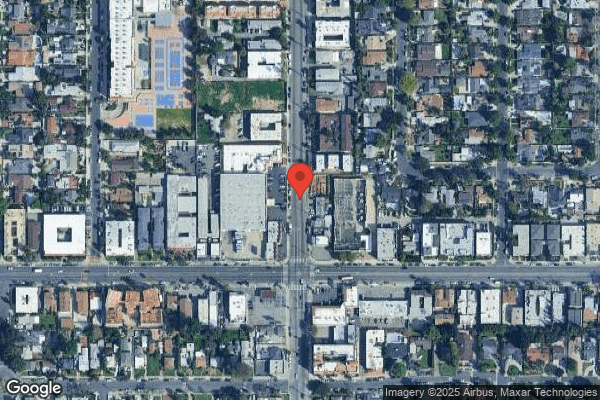
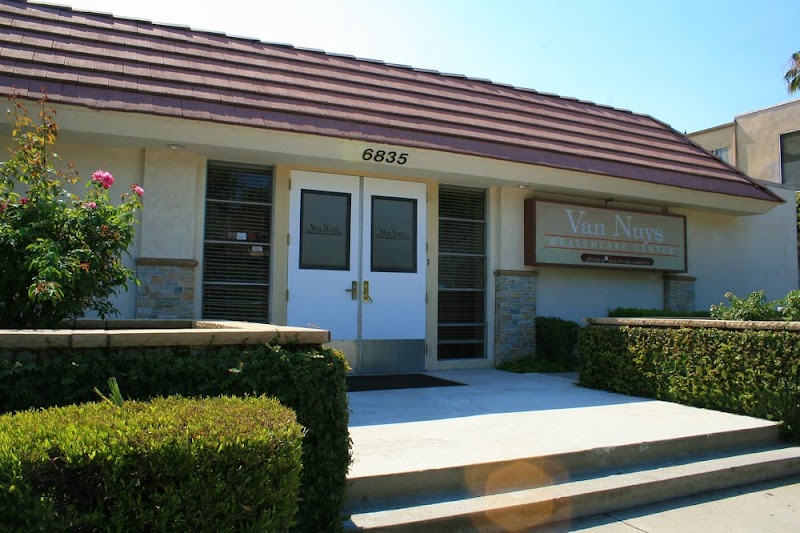
6835 HAZELTINE AVE., VAN NUYS, CA 91405 (818) 997-1841
For profit - Limited Liability company 58 Beds ABBY GL, LLC Data: November 2025
Trust Grade
28/100
#693 of 1155 in CA
Last Inspection: November 2024

Within standard 12-15 month inspection cycle. Federal law requires annual inspections.

Overview

The Care Center on Hazeltine, LLC has a Trust Grade of F, indicating significant concerns and a poor reputation. With a state rank of #693 out of 1155, they are in the bottom half of California facilities, and they rank #142 out of 369 in Los Angeles County, suggesting only a few local options are better. The facility is worsening, with issues increasing from 13 in 2023 to 14 in 2024, which raises red flags for potential residents. While staffing is a strength with a rating of 4 out of 5 stars and only 28% turnover, there were serious incidents of physical abuse between residents, leading to injuries and required medical attention. Additionally, the facility has concerning fines of $71,450, higher than 93% of California facilities, and has failed to follow proper care standards in administering medications, which can lead to adverse health effects.

Trust Score
F
28/100
In California
#693/1155
Bottom 40%
Safety Record
High Risk
Review needed
Inspections
Getting Worse
13 → 14 violations
Staff Stability
✓ Good
28% annual turnover. Excellent stability, 20 points below California's 48% average. Staff who stay learn residents' needs.
Penalties
⚠ Watch
$71,450 in fines. Higher than 79% of California facilities, suggesting repeated compliance issues.
Skilled Nurses
⚠ Watch
Each resident gets only 22 minutes of Registered Nurse (RN) attention daily — below average for California. Fewer RN minutes means fewer trained eyes watching for problems.
Violations
⚠ Watch
37 deficiencies on record. Higher than average. Multiple issues found across inspections.
★★★☆☆
3.0
Overall Rating
★★★★☆
4.0
Staff Levels
★★★★★
5.0
Care Quality
★★☆☆☆
2.0
Inspection Score
Stable
2023: 13 issues
2024: 14 issues

The Good

  • 4-Star Staffing Rating · Above-average nurse staffing levels
  • 5-Star Quality Measures · Strong clinical quality outcomes
  • Low Staff Turnover (28%) · Staff stability means consistent care
  • Full Sprinkler Coverage · Fire safety systems throughout facility
  • No fines on record
  • Staff turnover is low (28%)

    20 points below California average of 48%

Facility shows strength in staffing levels, quality measures, staff retention, fire safety.

The Bad

3-Star Overall Rating

Near California average (3.1)

Meets federal standards, typical of most facilities

Federal Fines: $71,450

Well above median ($33,413)

Moderate penalties - review what triggered them

Chain: ABBY GL, LLC

Part of a multi-facility chain

Ask about local staffing decisions and management

The Ugly 37 deficiencies on record

2 actual harm
Nov 2024 1 deficiency
CONCERN (D) 📢 Someone Reported This

A family member, employee, or ombudsman was alarmed enough to file a formal complaint

Potential for Harm - no one hurt, but risky conditions existed

Abuse Prevention Policies (Tag F0607)

Could have caused harm · This affected 1 resident

Based on interview and record review the facility failed to implement its policy and procedure titled Abuse Prohibition and Prevention Program, for one of three sampled residents (Resident 1) by faili...

Read full inspector narrative →
Based on interview and record review the facility failed to implement its policy and procedure titled Abuse Prohibition and Prevention Program, for one of three sampled residents (Resident 1) by failing to ensure Licensed Vocational Nurse 1 (LVN 1) was not assigned to Resident 1 after an allegation of emotional abuse was made. This deficient practice resulted to Resident 1 feeling uncomfortable and had the potential to place Resident 1 at risk for further abuse that could have resulted in Resident 1 needing additional care or emotional support. Findings: During a review of Resident 1's admission Record, the admission Record indicated the facility admitted Resident 1 on 9/17/2024 with diagnoses including, but not limited to, chronic obstructive pulmonary disease (COPD-a chronic lung disease causing difficulty in breathing) with exacerbation (an increase in the severity of the disease) and generalized muscle weakness. During a review of Resident 1's Minimum Data Set (MDS - a resident assessment tool), dated 10/31/2024, the MDS indicated the resident had intact cognition (the mental action or process of acquiring knowledge and understanding through thought, experience, and the senses). The MDS indicated Resident 1 was dependent on staff with toileting hygiene, shower/bathing, and dressing. During a review of Resident 1's Change of Condition (COC- a significant change in resident's health status) form, dated 11/7/2024, timed at 8:41 a.m., the COC indicated Resident 1 reported an allegation of emotional abuse. During a review of the facility's Investigation Conclusion Report dated 11/13/2024 indicated Resident 1 alleged that LVN 1 (while providing care and treatment) told Resident 1 that she (Resident 1) was taking too long and that everyone was laughing at her (Resident 1). The Investigation Conclusion Report indicated LVN 1 was suspended on 11/7/2024 due to the allegation and while the investigation is ongoing. The Investigation Conclusion Report further indicated LVN 1 will no longer be assigned to Resident 1 moving forward. During a phone interview on 11/19/2024 at 9:44 a.m. with Family Member 1 (FM 1) and FM 2, FM 1 stated Resident 1 had asked Licensed Vocational Nurse 1 (LVN 1) for a kind word and LVN 1 replied that she would not say anything kind and laughed at her. FM 1 stated LVN 1 then told Resident 1 everyone makes fun of her. FM 2 stated they (FM 1 and FM 2) learned about this incident on 11/7/2024, then spoke to the Administrator (ADM) about it and ADM stated LVN 1 would no longer come into Resident 1's room or provide care for Resident 1 again. However, FM 2 stated LVN 1 did go into Resident 1's room and gave Resident 1 her medications on at least one more occasion after the discussion with ADM on 11/7/2024. During a concurrent interview and record review on 11/19/2024 at 12:34 p.m. with LVN 1, Resident 1's Medication Administration Record (MAR - a daily documentation record used by a licensed nurse to document medications and treatments given to a resident) dated 11/2024 indicated LVN 1 administered medications to Resident 1 on 11/10/2024. LVN 1 stated she (LVN 1) was suspended on 11/7/2024, but the Director of Nursing (DON) called her the next day and said she (LVN 1) was able to come back, but she would need to bring another staff member in the room with her if she needed to care for Resident 1. LVN 1 stated she did give Resident 1 her (Resident 1's) medications on 11/10/2024 with a registered nurse (not specified) present in the resident's room with her. During a concurrent interview and record review on 11/19/2024 at 2:32 p.m. with the ADM, the facility's Investigation Conclusion Report dated 11/13/2024 was reviewed. The ADM stated Resident 1 preferred for LVN 1 to not be Resident 1's nurse moving forward however, he (ADM) had spoken to Resident 1 on 11/9/2024 and Resident 1 was okay with LVN 1 providing care if another staff member was present. During a follow-up phone interview on 11/19/2024 at 3:53 p.m. with FM 1, FM 2, and Resident 1, Resident 1 stated when she (Resident 1) spoke with ADM before LVN 1 had returned to work, she (Resident 1) told ADM she (Resident 1) did not want LVN 1 anywhere near her or in her room anymore. Resident 1 stated she was told that LVN 1 would not care for her any longer. Resident 1 stated no one informed her (including ADM) that LVN 1 might be assigned to her care and treatment, and that another staff member would be present with LVN 1. Resident 1 stated she (Resident 1) never agreed to that. Resident 1 stated she (Resident 1) felt uncomfortable because LVN 1 was assigned to her again and administered her medications after Resident 1 verbalized she (Resident 1) does not want LVN 1 anywhere near her. During an interview on 11/19/2024 at 4:19 p.m. with the DON, the DON stated if Resident 1 is uncomfortable with LVN 1, the facility should have not assigned LVN 1 to Resident 1. The DON further stated there would always be at least one other nurse available that could give Resident 1's medications or care for her. During an interview on 11/19/2024 at 4:27 p.m. with the ADM, the ADM stated if a resident is not comfortable with a nurse, the facility should accommodate the resident's needs and preference and not have the nurse work with the resident anymore. During a review of the facility's policy and procedure (P&P) titled, Abuse Prohibition and Prevention Program, last revised in 4/2024, the P&P indicated it is the facility's policy to ensure protection for the health, welfare and rights of each resident residing in the facility and to assure the facility is doing all that is within its control to prevent occurrences of abuse.
Nov 2024 11 deficiencies 1 Harm
SERIOUS (G) 📢 Someone Reported This

A family member, employee, or ombudsman was alarmed enough to file a formal complaint

Actual Harm - a resident was hurt due to facility failures

Free from Abuse/Neglect (Tag F0600)

A resident was harmed · This affected 1 resident

**NOTE- TERMS IN BRACKETS HAVE BEEN EDITED TO PROTECT CONFIDENTIALITY** Based on interview and record review the facility failed to protect the resident's right to be free from physical abuse (deliber...

Read full inspector narrative →
**NOTE- TERMS IN BRACKETS HAVE BEEN EDITED TO PROTECT CONFIDENTIALITY** Based on interview and record review the facility failed to protect the resident's right to be free from physical abuse (deliberately aggressive or violent behavior with the intention to cause harm by one resident towards another) for one of three sampled residents (Resident 33) when on 11/3/2024 at 7:00 a.m., Resident 47 (roommate) threw a cup at Resident 33 hitting Resident 33's forehead. This deficient practice resulted in Resident 33 being subjected to physical abuse by Resident 47 while under the care of the facility. Resident 33 sustained a laceration (a deep cut or tear in the skin) on the forehead and required transfer to General Acute Care Hospital 1 (GACH 1). Resident 1 received sutures (a stitch or a row of stitches holding together the edges of a wound). Based on the Reasonable Person Concept (the usual behavior of an average person under the same circumstances), due to Resident 33's severely impaired cognition (the mental action or process of acquiring knowledge and understanding through thought, experience, and the senses) and medical condition, an individual subjected to physical abuse may have physical pain, psychological pain (mental or emotional) effects including feelings of hopelessness (a feeling or state of despair or lack of hope), helplessness (the belief that there is nothing that anyone can do to improve a bad situation, and humiliation (the feeling of being ashamed or losing respect for own self). Findings: a. During a review of Resident 33's Face Sheet (admission record), the Face Sheet indicated the facility admitted Resident 33 on 10/06/2023 with diagnoses including dementia (a progressive state of decline in mental abilities) and psychosis (a severe mental condition in which thought, and emotions are so affected that contact is lost with reality). During a review of Resident 33's Minimum Data Set (MDS - a resident assessment tool), dated 10/10/2024, the MDS indicated Resident 33 had severely impaired cognition. The MDS indicated Resident 33 was dependent (helper does all the effort; resident does none of the effort to complete the activity) on staff with dressing, toileting, and personal hygiene. During a review of Resident 33's Situation, Background, Assessment, Recommendation Report (SBAR- a form used to facilitate prompt communication regarding a change in a resident's health condition), dated 11/3/2024, the SBAR indicated on 11/3/2024 at 7:00 a.m., Resident 33's roommate (Resident 47) acted aggressively towards Resident 33, hit the resident (Resident 33) with a plastic cup which caused Resident 33 to sustain a laceration measuring four (4) centimeters (cm, a unit of measure in length). The SBAR indicated a Certified Nursing Assistant (CNA [CNA 4]) found Resident 33 bleeding on his face. The SBAR indicated 911 (emergency number used to request emergency assistance) was called due to the laceration continuously bleeding, paramedics (a person who is trained to give medical help in emergency situations) came at 7:18 a.m. and took over the care. During a review of Resident 33's Nursing Progress Notes, dated 11/3/2024, the Nursing Progress Notes indicated on 11/3/2024 at 7:18 a.m., the paramedics came and took over Resident 33's care. The Nursing Progress Note indicated the paramedics took Resident 33 to GACH 1 for further evaluation. During a review of Resident 33's GACH 1 emergency room Discharge summary, dated [DATE], the discharge summary indicated Resident 33 received treatment for a four cm forehead laceration between the eyes, which was repaired with sutures. During a review of Resident 33's Nursing Progress Notes, dated 11/3/2024 at 2:05 p.m., the Nursing Progress Notes indicated Resident 33 returned from GACH 1 with six stitches on the mid (middle area) forehead. During a review of Resident 33's Physician's Orders, dated 11/3/2024, the Physician Orders indicated an order to cleanse the mid forehead laceration with sutures with normal saline (a salty solution used for cleaning wounds), pat dry, paint with betadine (used to reduce the risk of infection), and cover with a dry dressing (a dressing that absorbs moisture from a wound), every day shift for 14 days. During a review of Resident 33's Care Plan (CP) for Abuse, created 11/03/2024, the CP indicated Resident 33 received physical aggression (any behavior which involves attacking another person with the intent of harming) from the roommate. The care plan indicated a goal that Resident 33 will not have any negative outcomes related to the altercation through the next review. The care plan indicated interventions including informing local law enforcement, notifying the physician, and for nursing department to monitor for signs of emotional distress (a general term for a range of negative emotional reactions that can result from a stressful event or situation). b. During a review of Resident 47's Face Sheet, the Face Sheet indicated the facility admitted Resident 47 on 8/28/2024 and re-admitted on [DATE] with diagnoses including schizophrenia (a mental illness that is characterized by disturbances in thought). During a review of Resident 47's MDS, dated [DATE], the MDS indicated Resident 47 had intact cognition. The MDS indicated Resident 47 required supervision or touching assistance (helper provides verbal cues and/or touching/steadying as resident completes an activity) with oral hygiene, dressing, and wheeling self in wheelchair. During a review of Resident 47's SBAR, dated 11/3/2024, the SBAR indicated Resident 47 initiated physical aggression towards another resident. The SBAR indicated Resident 47 complained the roommate (Resident 33) repeatedly called him the N-word, which upset him and verbalized (told) throwing the plastic cup at the roommate (Resident 33). The SBAR indicated when Resident 47 was asked if he is aware that the roommate is bleeding because of the laceration Resident 33 sustained from his (Resident 47's) action; Resident 47 stated, I don't care, nobody can call me the N-word. During a review of Resident 47's Social Services Progress Note, dated 11/4/2024, the Social Services Progress Note indicated the Social Services Director (SSD) spoke with Resident 47 regarding the incident on 11/3/2024 with his old roommate (Resident 33). The Social Services Progress Note indicated that Resident 47 stated that he (Resident 47) threw his empty coffee cup at his roommate (Resident 33) because he (Resident 33) repeatedly called him (Resident 47) the N-word and he (Resident 47) felt insulted, so he threw the cup at him (Resident 33). During a review of Resident 47's CP for Physical Aggression, created 11/3/2024, the CP indicated Resident 47 will not have any negative outcomes related to altercation through next review date. The Care Plan indicated interventions to provide one-to-one (when one staff is assigned to monitor one resident at all times) monitoring by a CNA. During an interview with Licensed Vocational Nurse 3 (LVN 3) on 11/05/2024 at 8:23 a.m., LVN 3 stated she (LVN 3) went to the room of Resident 33 and Resident 47 on 11/3/2024 at approximately 7:00 a.m. at the start of the 7:00 a.m. to 3:00 p.m. shift. LVN 3 stated Resident 33 was bleeding continuously to the mid-forehead despite the application of a pressure dressing (a bandage that applies pressure to a wound to help it heal). LVN 3 stated Resident 47 was in the room and stated, he (Resident 33) kept calling me the N-word, so I hit him with a cup. LVN 3 stated 911 was called, the paramedics arrived and took Resident 33 to the GACH 1. LVN 3 stated Resident 47 was moved to a different room from Resident 33. LVN 3 stated Resident 33 returned from GACH 1 at approximately 2:30 p.m. with sutures in his forehead. LVN 3 stated this incident is being treated as physical abuse and that a CNA is monitoring Resident 47, at all times. During an interview with Resident 47 on 11/05/2024 at 11:20 a.m., Resident 47 stated he hit Resident 33 with a coffee cup because he (Resident 33) called him the N-word. Resident 47 stated police came to the facility and stated he (Resident 47) had every right to do what he did. During an interview with the Director of Nursing (DON) on 11/07/2024 at 9:19 a.m., the DON stated the physical abuse allegation was substantiated (to show something to be true, or to support a claim with facts) because Resident 47 stated he hit Resident 33 because he became offended when Resident 33 called him the N-word. The DON stated it is important to keep residents safe from abuse to protect the residents and keep them from injury. During an interview with the Administrator (ADM) on 11/07/2024 at 1:59 p.m., the ADM stated the abuse allegation was substantiated because Resident 47 acted willfully (done intentionally, or on purpose) when he threw the cup at Resident 33. During a review of the facility ' s policy and procedure (P&P) titled, Abuse Prevention and Prohibition Program, last reviewed on 10/29/2024, the P&P indicated the residents have the right to be free from mistreatment, neglect (fail to care for properly), abuse The policy and procedure indicated facility staff must not permit anyone to engage in verbal, mental, sexual, or physical abuse, neglect, mistreatment, misappropriation (unauthorized, improper, or unlawful use) of resident property, or deprivation of goods necessary to attain or maintain physical, mental, and psychosocial well-being.
CONCERN (D)

Potential for Harm - no one hurt, but risky conditions existed

Comprehensive Care Plan (Tag F0656)

Could have caused harm · This affected 1 resident

Based on interview, and record review, the facility failed to develop and implement a comprehensive person-centered care plan (a plan of care that summarizes a resident's health conditions, specific c...

Read full inspector narrative →
Based on interview, and record review, the facility failed to develop and implement a comprehensive person-centered care plan (a plan of care that summarizes a resident's health conditions, specific care and services facility staff need to provide a resident to promote healing and prevent a worsening of a condition, and current treatments) to meet the resident`s needs for one of five sampled residents (Resident 14) by failing to develop and implement a comprehensive person-centered care plan addressing Resident 14`s problem with communication. This deficient practice had the potential to result in Resident 14 not being able to communicate requests, needs or concerns which could lead to inadequate care of Resident 14. Findings: During a review of Resident 14's admission Record, the admission Record indicated the facility admitted the resident on 5/11/2023, with diagnoses including unspecified dementia (a progressive state of decline in mental abilities) , repeated falls, dysphagia (swallowing difficulties), and depression (a mood disorder that causes a persistent feeling of sadness and loss of interest and can interfere with your daily activities of living). During a review of Resident 14's Minimum Data Set (MDS -a federally mandated resident assessment tool) dated 8/8/2024, the MDS indicated the resident`s cognitive skills (the brain's ability to think, read, learn, remember, reason, express thoughts, and make decisions) for daily decision making was severely impaired (never/rarely made decisions). The MDS indicated that Resident 14 was dependent on staff (helper does all of the effort) for oral hygiene, showering/bathing, upper and lower body dressing, toileting hygiene, and personal hygiene. The MDS indicated Resident 14`s preferred language was Armenian, and he would want or need an interpreter to communicate with a doctor or healthcare staff. During a review of Resident 14`s physician History and Physical (H&P) dated 6/25/2024, the H&P indicated that the resident did not have the capacity to understand and make decisions. During a review of Resident 14`s Psychosocial Assessment/Social History/Discharge Planning Form dated 8/8/2024, it indicated Resident 14`s primary language is Armenian, and Resident 14 is able to speak Armenian and some English. The Psychosocial Assessment/Social History/Discharge Planning Form indicated Resident 14 needed an interpreter to communicate with a doctor or a health care staff. During a review of Resident 14's Care Plan (CP-a document that outlines how a patient's health care needs will be met) on communication problem due to dementia, initiated on 2/24/2024, the CP indicated that the resident was at risk for decline (gradually become worse) in communication skills. The care plan goal for the resident was to be able to make his basic needs known on a daily basis. The care plan interventions were to anticipate and meet the resident`s needs, monitor the effectiveness of communication strategies and assistive devices, use communication techniques which enhance (increase) interaction and to use alternative communication tools as needed such as communication book/board, writing pad, gestures (a movement of the body that expresses an attitude), signs, and pictures. During a concurrent observation and interview on 11/4/2024 at 9:33 a.m., inside Resident 14's room, Resident 14 was not present. Certified Nursing Assistant 1 (CNA 1) who was inside Resident 14`s room stated that Resident 14 was in the activity room. CNA1 stated Resident 14 is confused and can be aggressive towards staff members, speaks Armenian. and is able to say couple of words in English. CNA1 stated that he (CNA 1) is unable to communicate with Resident 14 because Resident 14 does not seem to understand English. CNA1 stated a communication board with pictures and signs is required for residents who do not speak English. CNA1 started looking for a communication board/device at Resident 14`s bedside. However, he did not find one. During a concurrent observation and interview on 11/4/2024 at 9:55a.m. inside the activity room, Resident 14 was observed sitting on his wheelchair, drinking coffee. Resident 14 was able to answer simple questions in Armenian asked by the surveyor. Resident 14 did not have a communication board/device with him. During an observation on 11/5/2024 at 11:30 a.m., inside the activity room, Resident 14 was observed sitting on his wheelchair and an Armenian communication board/device was attached to the resident`s wheelchair. During a concurrent interview and record review on 11/6/2024 at 1:44 p.m., with MDS Coordinator (MDSC), Resident 14`s care plans were reviewed. The MDSC stated Resident 14 is Armenian speaking and he (Resident 14) is unable to speak English fluently. The MDSC stated that she (MDSC) is in charge of developing and updating residents` care plans in the facility. The MDSC stated Resident 14`s care plan for communication was not person centered for him (Resident 14) because the care plan did not indicate the specific language that he (Resident 14) speaks. The MDSC stated there is no care plan developed for Resident 14 indicating that he (Resident 14) speaks Armenian. The MDSC stated the Armenian communication board/device was placed on Resident 14`s wheelchair after the surveyor noticed that there was no communication board available for Resident 14 at his bedside or on his wheelchair. The MDSC stated he missed developing a person-centered care plan for Resident 14 `s inability to communicate. The MDSC stated the potential outcome of not developing a person-centered care plan for residents who have communication problems and English is not their primary language is the inability to address the appropriate care and services that they need. During a review of the facility's policy and procedure (P&P) titled, Develop-Implement comprehensive Care Plans, revised on 03/2023, the P&P indicated that the facility develops a person-centered comprehensive care plans that are culturally competent and trauma-informed, developed and implemented to meet his or her preferences and goals, and address the resident`s medical, physical, mental, and psychosocial needs. Care plans must be person-centered and reflect the resident`s goals for admission and desired outcomes, interventions that reflect the resident`s cultural preferences, values, and practices.
CONCERN (D)

Potential for Harm - no one hurt, but risky conditions existed

Deficiency F0676 (Tag F0676)

Could have caused harm · This affected 1 resident

Based on observation, interview, and record review, the facility failed to ensure one of three sampled residents (Resident 14) was provided a communication device or board (a tool that includes pictur...

Read full inspector narrative →
Based on observation, interview, and record review, the facility failed to ensure one of three sampled residents (Resident 14) was provided a communication device or board (a tool that includes pictures that help residents communicate their healthcare and every-day needs to facility staff) in his preferred language. This deficient practice had the potential to prevent the resident from communicating with the staff and receiving care in a timely manner. Cross reference F656 Findings: During a review of Resident 14's admission Record, the admission Record indicated the facility admitted the resident on 5/11/2023, with diagnoses including unspecified dementia (a progressive state of decline in mental abilities) , repeated falls, dysphagia (swallowing difficulties), and depression (a mood disorder that causes a persistent feeling of sadness and loss of interest and can interfere with your daily activities of living). During a review of Resident 14's Minimum Data Set (MDS -a federally mandated resident assessment tool) dated 8/8/2024, the MDS indicated the resident`s cognitive skills (the brain's ability to think, read, learn, remember, reason, express thoughts, and make decisions) for daily decision making was severely impaired (never/rarely made decisions). The MDS indicated that Resident 14 was dependent on staff (helper does all of the effort) for oral hygiene, showering/bathing, upper and lower body dressing, toileting hygiene, and personal hygiene. The MDS indicated Resident 14`s preferred language was Armenian, and he would want or need an interpreter to communicate with a doctor or healthcare staff. During a review of Resident 14`s physician History and Physical (H&P) dated 6/25/2024, the H&P indicated that the resident did not have the capacity to understand and make decisions. During a review of Resident 14`s Psychosocial Assessment/Social History/Discharge Planning Form dated 8/8/2024, the form indicated Resident 14`s primary language is Armenian, and Resident 14 is able to speak Armenian and some English. The Psychosocial Assessment/Social History/Discharge Planning Form indicated Resident 14 needed an interpreter to communicate with a doctor or a health care staff. During a review of Resident 14's Care Plan (CP-a document that outlines how a patient's health care needs will be met) on initiated on 2/24/2024, the CP indicated that the resident had a communication problem due to dementia and was at risk for decline (gradually become worse) in communication skills. The care plan goal for the resident was to be able to make his basic needs known on a daily basis. The care plan interventions were to anticipate and meet the resident`s needs, monitor the effectiveness of communication strategies and assistive devices, use communication techniques which enhance (increase) interaction and to use alternative communication tools as needed such as communication book/board, writing pad, gestures (a movement of the body that expresses an attitude), signs, and pictures. During a concurrent observation and interview on 11/4/2024 at 9:33 a.m., inside Resident 14's room, Resident 14 was not present. Certified Nursing Assistant 1 (CNA 1) who was inside Resident 14`s room stated that Resident 14 was in the activity room. CNA1 stated Resident 14 is confused and can be aggressive towards staff members, speaks Armenian. and is able to say couple of words in English. CNA1 stated that he (CNA 1) is unable to communicate with Resident 14 because Resident 14 does not seem to understand English. CNA1 stated a communication board with pictures and signs is required for residents who do not speak English. CNA1 started looking for a communication board/device at Resident 14`s bedside. However, he did not find one. During a concurrent observation and interview on 11/4/2024 at 9:55a.m. inside the activity room, Resident 14 was observed sitting on his wheelchair, drinking coffee. Resident 14 was able to answer simple questions in Armenian asked by the surveyor. Resident 14 did not have a communication board/device with him. During an observation on 11/5/2024 at 11:30 a.m., inside the activity room, Resident 14 was observed sitting on his wheelchair and an Armenian communication board/device was attached to the resident`s wheelchair. During a concurrent interview and record review on 11/6/2024 at 1:44 p.m., with MDS Coordinator (MDSC), Resident 14`s care plans were reviewed. The MDSC stated Resident 14 is Armenian speaking and he (Resident 14) is unable to speak English fluently. The MDSC stated that she (MDSC) is in charge of developing and updating residents` care plans in the facility. The MDSC stated Resident 14`s care plan for communication was not person centered for him (Resident 14) because the care plan did not indicate the specific language that he (Resident 14) speaks. The MDSC stated there is no care plan developed for Resident 14 indicating that he (Resident 14) speaks Armenian. The MDSC stated the Armenian communication board/device was placed on Resident 14`s wheelchair after the surveyor noticed that there was no communication board available for Resident 14 at his bedside or on his wheelchair. The MDSC stated he missed developing a person-centered care plan for Resident 14 `s inability to communicate. The MDSC stated the potential outcome of not providing a communication board/device for a non-English speaking resident is inability to understand the resident and provide care for him. During an interview on 11/7/2024 at 11:16 a.m., with the Director of Nursing (DON), the DON stated staff are required to provide a communication board or device to the residents who do not speak English in the language that they speak. The DON stated Resident 14 was not provided a communication device/board in his primary language. The DON stated the potential outcome of not providing a communication board/device to the residents who do not speak English is the inability to communicate with the resident accurately and understand his needs.
CONCERN (D)

Potential for Harm - no one hurt, but risky conditions existed

Deficiency F0761 (Tag F0761)

Could have caused harm · This affected 1 resident

**NOTE- TERMS IN BRACKETS HAVE BEEN EDITED TO PROTECT CONFIDENTIALITY** Based on observation, interview, and record review, the facility failed to discard a medicated ointment belonging to Resident 8 ...

Read full inspector narrative →
**NOTE- TERMS IN BRACKETS HAVE BEEN EDITED TO PROTECT CONFIDENTIALITY** Based on observation, interview, and record review, the facility failed to discard a medicated ointment belonging to Resident 8 from one of one inspected treatment carts after the resident had been discharged . This deficient practice resulted in the facility staff still being able to access a discharged resident's medication. Findings: During a review of Resident 8's admission Record, the admission Record indicated the resident was originally admitted to the facility on [DATE] and readmitted on [DATE] with diagnoses including congestive heart failure (CHF-a heart disorder which causes the heart to not pump the blood efficiently, sometimes resulting in leg swelling) and dementia (a progressive state of decline in mental abilities). The admission Record indicated Resident 8 was discharged on 10/26/2024. During a review of Resident 8's History and Physical (H&P), dated 7/30/2024, the H&P indicated Resident 8 does not have the capacity to understand and make decisions. During a review of Resident 8's physician's orders, a discontinued order dated 6/27/2024 indicated to insert one application of Preparation H ointment rectally as needed up to four times a day for hemorrhoids. During an observation on 11/5/2024 at 11:06 a.m. with Treatment Nurse (TN) 1, Resident 8's Preparation H ointment was inside the treatment cart. During a concurrent observation and interview on 11/5/2024 at 2:20 p.m. with the Director of Nursing (DON), Resident 8's Preparation H ointment was in the discarded medications area. The DON stated when a resident is discharged a nurse should remove the medications from the medication and treatment carts and she will put them aside and discard them. During a concurrent interview and record review on 11/6/2024 at 4:26 p.m. with the Director of Nursing (DON), the DON stated Resident 8 was discharged so the Preparation H ointment should be discarded and not on the treatment cart. During a review of the facility's policy and procedure (P&P) titled, Disposal of Medications and Medication-Related Supplies, last reviewed on 10/29/2024, the P&P indicated unused, unwanted, and non-returnable medications should be removed from their storage area and secured until destroyed. The P&P also indicated medications left in the facility after a resident's discharge should be destroyed.
CONCERN (D)

Potential for Harm - no one hurt, but risky conditions existed

Menu Adequacy (Tag F0803)

Could have caused harm · This affected 1 resident

**NOTE- TERMS IN BRACKETS HAVE BEEN EDITED TO PROTECT CONFIDENTIALITY** Based on observation, interview, and record review, the facility failed to meet the nutritional needs for one of three sampled r...

Read full inspector narrative →
**NOTE- TERMS IN BRACKETS HAVE BEEN EDITED TO PROTECT CONFIDENTIALITY** Based on observation, interview, and record review, the facility failed to meet the nutritional needs for one of three sampled residents (Resident 12) by failing to provide a fortified diet (a food that has extra nutrients [important substances you get from food that help your body survive and grow] added to it) as ordered by the physician. This deficient practice had the potential to result in Resident 12's decreased nutritional intake and weight loss. Findings: During a review of Resident 12's admission Record, the admission Record indicated that the facility originally admitted the resident on 8/25/2014, and readmitted on [DATE], with diagnoses including dysphasia (swallowing difficulties), anorexia (an eating disorder that causes people to weigh less than is considered healthy for their age and height), unspecified dementia (impaired ability to remember, think, or make decisions that interferes with doing everyday activities), and schizophrenia (a disorder that affects a person's ability to think, feel, and behave clearly) . During a review of Resident 12's Minimum Data Set (MDS - a federally mandated resident assessment tool) dated 10/25/2024, the MDS indicated the resident`s cognitive skills (brain's ability to think, read, learn, remember, reason, express thoughts, and make decisions) for daily decision making was severely impaired (never/rarely made decisions). The MDS indicated Resident 12 was dependent to staff (helper does all of the effort) for eating, oral hygiene, showering/bathing, toileting hygiene, and personal hygiene. The MDS indicated Resident 12 did not have a weight loss of 5% or more within the last month nor did it indicate Resident 12 had a weight loss of 10% or more in the last six months. During a review of Resident 12's Physician Order dated 9/14/2024, the order indicated that the resident should be provided with a diet which includes a regular pureed textured (a smooth texture with no lumps), fortified, and large portioned meals with a moderately thick consistency fluid (fluids that are thicken than regular, still pourable but flows more slowly like honey). During a review of Resident 12`s Nutritional assessment dated [DATE], the assessment indicated that the resident`s current weight was normal within his Ideal Body Weight Range (IBWR-a target weight based on your height and gender). However, the assessment indicated that Resident 12 had a gradual weight loss of nine pounds (lbs.- a unit of weight) within the last year. The assessment further indicated that Resident 12 had a good appetite, and his food intake was 75% and higher. During a review of Resident12's Care Plan (written guide that organizes information about the resident's care) initiated on 9/14/2024, the care plan indicated that the resident had a regular diet, pureed texture, moderately thick consistency, fortified and large portion diet. The care plan goal was to adhere (follow) to the diet as ordered by the physician. The care plan interventions were to monitor the resident`s meal intake, provide a diet as ordered, and to provide the resident with his food preference so long as it does not conflict with his treatment plan. During a concurrent observation and interview on 11/5/2024 at 12:24 p.m., at Resident 12`s bedside with the Dietary Supervisor (DS), Resident 12 was observed lying on his bed. Resident 12's lunch food tray was observed placed on the resident`s side table. Resident 12`s lunch menu ticket indicated a pureed, fortified, and large portioned diet. Resident 12`s lunch tray included pureed vegetables, pureed cheese ravioli, and pureed bread. The DS stated that Resident 12`s lunch tray was not a fortified diet as ordered by the physician. The DS stated that residents who are ordered to have a fortified diet should have received mashed potatoes with gravy in addition to their regular diet today. The DS stated that Resident 12 did not receive mashed potatoes with gravy on his tray. The DS returned the lunch tray to the kitchen. During a concurrent observation and interview on 11/5/2024 at 12:29 p.m. in the kitchen, [NAME] 1 observed Resident 12`s lunch tray and lunch menu ticket. [NAME] 1 stated Resident 12's tray does not include mashed potatoes with gravy. [NAME] 1 stated that Resident 12 was required to receive fortified large portion pureed food. [NAME] 1 stated that a fortified diet was not provided to Resident 12. During an interview on 11/5/2024 at 12:33 p.m., with Registered Nurse 1 (RN 1), RN 1 stated that she checked the residents` food trays today against their physician orders prior to distributing them. RN1 stated Resident 12 has already received his fortified diet for lunch and consumed it (fortified diet lunch). RN 1 then walked inside Resident 12`s room with the DS and observed that there was no food tray at Resident 12`s bedside. The DS informed RN 1 that he returned Resident 12`s lunch tray to the kitchen because the meal was not fortified. RN1 stated she checked Resident 12`s lunch tray before distribution. However, she did not confirm that if it was a fortified meal. RN1 stated the physician ordered a fortified diet for Resident 12 because he is at risk for weight loss. RN 1 stated the potential outcome of not providing the ordered fortified diet is weight loss. During a concurrent interview and record review on 11/5/2024 at 2:10 p.m., with the facility`s Registered Dietician (RD-a health professional who has special training in diet and nutrition), Resident 12`s Nutritional Assessments, weights, and Physician Orders were reviewed. RD stated that Resident 12`s diet order is fortified large portion meals. The RD stated that the potential outcome of not providing fortified meals to a resident who is recovering from a weight loss is not following the physician`s order and possible additional weight loss. During an interview on 11/7/2024 at 1:30 p.m., with the Director of Nursing (DON), the DON stated that the facility is required to serve meals based on the residents` physician orders. The DON stated Resident 12 was not provided with a fortified diet as ordered by his physician. The DON further stated the potential outcome of not serving fortified diet to a resident as ordered by the physician is inability to meet the resident`s nutritional needs which could lead to weight loss. During a review of the facility's policy and procedure (P&P), titled Food and Nutritional Services, revised March 2023, the P&P indicated the facility provides each resident with a nourishing, palatable, well-balanced diet that meets his or her daily nutritional and special dietary needs, taking into consideration the preferences of each resident. The facility has an ongoing communication and coordination among and between staff within all departments to ensure the resident assessment, care plan and food and nutrition services meet each resident`s daily nutritional and dietary needs and choices. During a review of the facility's policy and procedure titled Assisted Nutrition and Hydration, revised March 2023, the P&P indicated the purpose of this policy is to provide nutritional and hydration care and services to each resident, consistent with the resident`s comprehensive assessment. Provide a therapeutic diet that takes in to account the resident`s clinical condition, and preferences, when there is a nutritional indication. Therapeutic diet is ordered by the physician or other delegated provider that is part of treatment for a disease or clinical condition to eliminate, decrease or increase certain substances in the diet, or to provide mechanically altered food when indicated.
CONCERN (E)

Potential for Harm - no one hurt, but risky conditions existed

Deficiency F0658 (Tag F0658)

Could have caused harm · This affected multiple residents

Based on observation, interview, and record review, the facility failed to provide care in accordance with professional standards by failing to rotate (a method to ensure repeated injections are not a...

Read full inspector narrative →
Based on observation, interview, and record review, the facility failed to provide care in accordance with professional standards by failing to rotate (a method to ensure repeated injections are not administered in the same area) subcutaneous (fatty area beneath the skin) administration sites of insulin (a hormone that lowers blood sugar) for one (Resident 30) of five sampled residents investigated for unnecessary medications. This deficient practice had the potential for adverse effects (undesired harmful effect resulting from a medication) of same site subcutaneous administration of insulin such as lipodystrophy (when fat cells accumulate under the skin from repeated injections in the same place). Findings: During a review of Resident 30's Face Sheet (admission record), the Face Sheet indicated the facility admitted the resident on 9/11/2023 with diagnoses that included diabetes mellitus (high blood sugar). During a review of Resident 's Minimum Data Set (MDS, a federally mandated resident assessment tool), dated 9/12/2024, the MDS indicated Resident 30 was cognitively (the process of acquiring knowledge and understanding through thought, experience, and the senses) intact with skills required for daily decision making. The MDS indicated Resident 30 required setup help (helper sets us or cleans up; resident completes activity) with eating. The MDS indicated Resident 30 receives insulin injections. During a review of Resident 30's Care Plan (CP) for Diabetes Mellitus, the CP indicated a goal the resident will remain free from complications related to diabetes through the review date. The care plan indicated an intervention to rotate insulin injection sites. During a review of Resident 30's Physician's Orders, the documents indicated the following: - Insulin Glargine Subcutaneous Solution Pen-injector 100 units per milliliter (unit/ml, a unit of measure for insulin), inject 34 units subcutaneously at bedtime for diabetes mellitus; rotate sites, dated 7/16/2024. - Insulin Glargine Subcutaneous Solution Pen-injector 100 units/ml, inject 46 units subcutaneously one time a day for diabetes mellitus, give before breakfast, dated 7/16/2024. - Novolog FlexPen Subcutaneous Solution Pen-injector 100 unit/ml, inject as per sliding scale subcutaneously before meals and at bedtime for diabetes mellitus; rotate injection sites: -If 0 - 200 milligrams per deciliter (mg/dL, a unit of measure for blood sugar) give no units. - if BS is less than 70 mg/dL, give orange juice and call the physician - if 201 - 250 mg/dL, give 3 units. - if 251 - 300 mg/dL, give 4 units. - if 301 - 350 mg/dL, give 6 units. - if 351 - 400 mg/dL, give 9 units. - if 401 - 450 mg/dL, give 12 units - if blood sugar is greater than 401, notify the physician, dated 2/28/2024. - Novolog FlexPen Subcutaneous Solution Pen-injector 100 unit/ml, inject as per sliding scale subcutaneously before meals and at bedtime for diabetes mellitus; rotate injection sites: - if 0 - 200 milligrams per deciliter (mg/dL, a unit of measure for blood sugar) give no units. - if BS is less than 70 mg/dL, give orange juice and call the physician - if 201 - 250 mg/dL, give 4 units. - if 251 - 300 mg/dL, give 6 units. - if 301 - 350 mg/dL, give 8 units. - if 351 - 400 mg/dL, give 10 units. - if 401 - 450 mg/dL, give 12 units - if blood sugar is greater than 401, notify the physician, dated 10/07/2024. During a review of Resident 30's Location of Administration Record, dated 10/01/2024 to 10/31/2024, the Location of Administration Record indicated insulin administered on the following dates and sites: - On 10/01/2024 at 5:48 p.m., insulin was administered on the abdomen on the left upper quadrant (left upper part of the abdomen). - On 10/01/2024 at 9:25 p.m., insulin was administered on the abdomen on the left upper quadrant. - On 10/07/2024 at 5:41 a.m., Novolog FlexPen insulin was administered on the abdomen on the left upper quadrant. - On 10/07/2024 at 5:42 a.m., Glargine insulin was administered on the abdomen on the left upper quadrant. - On 10/08/2024 at 6:31 a.m., Glargine insulin was administered on the abdomen on the right upper quadrant. - On 10/08/2024 at 10:21 p.m., Glargine insulin was administered on the abdomen on the right upper quadrant. - On 10/15/2024 at 6:31 a.m., Glargine insulin was administered on the abdomen on the right upper quadrant. - On 10/15/2024 at 9:36 p.m., Glargine insulin was administered on the abdomen on the right upper quadrant. - On 10/24/2024 at 5:38 a.m., Glargine insulin was administered on the abdomen on the right lower quadrant. - On 10/24/2024 at 5:38 a.m., Novolog FlexPen insulin was administered on the abdomen on the right lower quadrant. - On 10/25/2024 at 11:50 a.m., Novolog insulin was administered on the abdomen on the left upper quadrant. - On 10/25/2024 at 5:53 p.m., Novolog insulin was administered on the abdomen on the left upper quadrant. - On 10/26/2024 at 4:25 p.m., Novolog insulin was administered on the abdomen on the right lower quadrant. - On 10/26/2024 at 9:26 p.m., Novolog insulin was administered on the abdomen on the right lower quadrant. - On 10/29/2024 at 5:32 p.m., Novolog insulin was administered on the abdomen on the right lower quadrant. - On 10/29/2024 at 9:40 p.m., Novolog insulin was administered on the abdomen on the right lower quadrant. - On 10/31/2024 at 6:16 a.m., Glargine insulin was administered on the abdomen on the right lower quadrant. - On 10/31/2024 at 6:16 a.m. Novolog insulin was administered on the abdomen on the right lower quadrant. During an observation and interview with Resident 30 on 11/04/2024 at 9:30 a.m., Resident 30 stated she receives insulin. When asked if staff rotate the insulin injection sites, she stated she gets the injections in her stomach but did not know that the injection sites need to be rotated. During an interview and observation with Licensed Vocational Nurse 2 (LVN 2) on 11/06/2024 at 1:49 p.m., observed the computer charting at a computer terminal at one of the medication carts for the MAR (also known as eMAR). LVN 2 demonstrated how to see the last three instances of where the insulin was given on a resident. The LVN 2 stated it is the practice of the facility to rotate insulin injection sites. During a concurrent record review and interview with LVN 5 on 11/07/2024 at 7:25 a.m., reviewed Resident 30's 10/2024 MAR. LVN 5 stated he gave insulin without rotating sites on 10/07/2024, 10/24/2024, and 10/31/2024. LVN 5 stated Resident 30 lifts their shirt and indicates the place to administer the insulin. LVN 5 stated he has not educated Resident 30 on the importance of rotating insulin injection sites. LVN 5 stated it is important to rotate insulin injection sites to not cause a fatty lump or irritate the skin. During a concurrent interview and record review with the Director of Nursing (DON) on 11/07/2024 at 1:22 p.m., reviewed Resident 30's 10/2024 MAR. The DON confirmed that the instances in which the insulin infection sites were not rotated. The DON stated it is the policy to rotate injection sites for residents who are prescribed insulin. The DON stated this is important to avoid causing lipodystrophy. A review of the facility's policy and procedure titled, Insulin Administration, last reviewed 10/29/2024, indicated insulin injection sites should be rotated to reduce the risk of damaging the skin tissue.
CONCERN (E)

Potential for Harm - no one hurt, but risky conditions existed

Deficiency F0757 (Tag F0757)

Could have caused harm · This affected multiple residents

**NOTE- TERMS IN BRACKETS HAVE BEEN EDITED TO PROTECT CONFIDENTIALITY** Based on interview and record review, the facility failed to ensure residents who receive apixaban (a medication that treats and...

Read full inspector narrative →
**NOTE- TERMS IN BRACKETS HAVE BEEN EDITED TO PROTECT CONFIDENTIALITY** Based on interview and record review, the facility failed to ensure residents who receive apixaban (a medication that treats and helps prevents blood clots in the heart and blood vessels) were accurately monitored for side effects (an often harmful and unwanted effect) for one of six sampled residents (Resident 13). This deficient practice had the potential to result in Resident 13 experiencing adverse side effects (unwanted, uncomfortable, or dangerous effects that a drug may have) from the anticoagulant including unusual bruising (a mark on the skin that occurs when small, bleeding from the gums or nose, and having blood in the stool. Findings: During a review of Resident 13's admission Record, the admission Record indicated the resident was originally admitted to the facility on [DATE] and readmitted on [DATE] with diagnoses including, but not limited to, epilepsy (a brain disorder that causes seizures [sudden, uncontrolled electrical disturbances in the brain which can cause uncontrolled jerking, blank stares, and loss of consciousness]), acute kidney failure (when the kidneys suddenly cannot filter waste products from the blood), atrial fibrillation (an irregular, often rapid heart rate that commonly causes poor blood flow), and dementia (a progressive state of decline in mental abilities). During a review of Resident 13's History and Physical (H&P), dated 7/7/2024, the H&P indicated Resident 13 does not have the capacity to understand and make decisions. During a review of Resident 13's Minimum Data Set Minimum Data Set (MDS - a federally mandated resident assessment tool), dated 9/13/2024, the MDS indicated the resident had severely impaired cognition (thought processes) and was dependent on staff for all activities of daily living (ADLs- routine tasks/activities such as bathing, dressing and toileting a person performs daily to care for themselves). During a review of Resident 13's physician's orders, the orders indicated the following orders: 1. Apixaban 2.5 milligram (mg) tablet: give one tablet twice a day for atrial fibrillation, dated 9/8/2024. 2. Apixaban: monitor for signs and symptoms of bleeding (abnormal or unexplained bruising, petechiae, internal bleeding, nosebleeds, bleeding gums, abnormal bleeding), dated 9/8/2024. During a review of Resident 13's care plan (a document that summarizes a patient's health conditions, treatments, and care needs), titled The resident has high risk for bleeding, bruising, and/or skin discoloration related to anticoagulant therapy apixaban ., revised on 9/8/2024, the care plan indicated to monitor, document, and report to the doctor signs and symptoms of anti-coagulant complications including bruising. During a concurrent interview and record review on 11/6/2024 at 3:39 p.m. with Licensed Vocational Nurse (LVN) 4, Resident 13's SBAR (situation, background, assessment, recommendation-a communication tool used by healthcare workers when there is a change of condition among the residents) dated 10/16/2024 and Medication Administration Record (MAR - a daily documentation record used by a licensed nurse to document medications and treatments given to a resident) dated 10/1/2024-10/31/2024 were reviewed. The SBAR indicated Resident 13 had bruising to the right knee and right toes. The 10/2024 MAR did not indicate Resident 13 experienced any bruising in October 2024. LVN 4 stated bruising should be documented each shift in the MAR under the order to monitor for signs and symptoms of bleeding and bruising and she could not explain why there is bruising noted in Resident 13's SBAR but not in the MAR. LVN 4 stated if bruising is present but not properly documented it could affect the resident because apixaban can cause bruising as a side effect and they might need to notify the doctor and possibly hold the medication. During an interview on 11/6/2024 at 4:26 p.m. with the Director of Nursing (DON), the DON stated Resident 13's bruising should have been documented in the MAR. The DON stated they may not be able to accurately inform the physician of all side effects of the medication if the side effects are not all documented. During a concurrent interview and record review on 11/7/2024 at 3:01 p.m. with the DON, the manufacturer's guidelines for apixaban provided by the facility, dated December 2012, was reviewed. The DON stated they do not have a facility policy regarding anticoagulant side effect monitoring, but they do follow the manufacturer's guidelines. The manufacturer's guidelines indicated apixaban can cause bleeding and bruising and any unusual bleeding should be evaluated and reported to a physician.
CONCERN (E)

Potential for Harm - no one hurt, but risky conditions existed

Medication Errors (Tag F0758)

Could have caused harm · This affected multiple residents

**NOTE- TERMS IN BRACKETS HAVE BEEN EDITED TO PROTECT CONFIDENTIALITY** Based on interview and record review, the facility failed to ensure a resident was free from unnecessary psychotropic drugs (any...

Read full inspector narrative →
**NOTE- TERMS IN BRACKETS HAVE BEEN EDITED TO PROTECT CONFIDENTIALITY** Based on interview and record review, the facility failed to ensure a resident was free from unnecessary psychotropic drugs (any drug that affects behavior, mood, thoughts, or perception in excessive dose, excessive duration, without adequate monitoring) for one of six sampled residents (Residents 10) by failing to ensure Resident 10 received the correct dose of duloxetine (medication that is used to treat depression [a persistent feeling of sadness or a lack of interest in outside stimuli]) as ordered by the physician. This deficient practice resulted in an administration of excessive dose of duloxetine to Resident 10 and had the potential to place the resident at risk for significant adverse consequence (unwanted, uncomfortable, or dangerous effects that a drug may have) from the use of unnecessary psychotropic drug, which could result to impairment (being weakened) or decline (gradually become less) in the resident's mental, physical condition, functional, and psychosocial status. Findings: During a review of Resident 10's admission Record, the admission Record indicated the facility originally admitted the resident on 6/1/2020, and readmitted on [DATE], with diagnoses including major depressive disorder (characterized by a persistent feeling of sadness or a lack of interest in outside stimuli), difficulty in walking, and type two diabetes mellitus (a disorder characterized by difficulty in blood sugar control). During a review of Resident 10's Minimum Data Set (MDS- a federally mandated resident assessment tool) dated 8/20/2024, the MDS indicated the resident`s cognitive skills (the brain's ability to think, read, learn, remember, reason, express thoughts, and make decisions) for daily decision making was moderately impaired (decisions poor, cues/supervision required). The MDS indicated that Resident 10 was feeling down, tired, was depressed, and experiencing low levels of energy. The MDS further indicated that Resident 10 was taking antidepressant medication (medication used to treat depression). During a review of Resident 10`s physician History and Physical (H&P) dated 2/5/2024, the H&P indicated that the resident had the capacity to understand and make decisions. During a review of Resident 10`s Physician Order dated 4/18/2024, the order indicated to administer duloxetine oral capsule 30 milligrams (mg-a unit of measure of mass) by mouth once a day for depression manifested by crying episodes. Further review of Resident 10`s physician orders indicated that the order for duloxetine 30 mg once a day was discontinued on 5/15/2024 and was changed to duloxetine 20 mg once a day with a start date of 5/16/2024. During a review of Resident 10`s Note to Attending Physician/Prescriber Form dated 5/15/2024, the note indicated that the facility`s consultant pharmacist (a healthcare specialist who provides expert advice on medications and pharmaceutical services, including patient safety) recommended a Gradual Dose Reduction (GDR- the stepwise tapering of a dose to determine if symptoms, conditions, or risks can be managed by a lower dose or if the dose or medication can be discontinued) for duloxetine 30 mg. The note further indicated that Resident 10`s Nurse Practitioner (NP- a nurse who has advanced clinical education and training in administering patient care) agreed with the GDR and then ordered duloxetine 20 mg to be administered by mouth once a day. During a review of Resident 10`s care plan, initiated on 4/18/2024, the care plan indicated that the resident is taking duloxetine 30 mg manifested by crying episodes. The care plan indicated that Resident 10 was at risk for adverse reactions of the medication. The care plan further indicated that a GDR was done, and Resident 10 is currently taking duloxetine 20 mg by mouth daily. The care plan goal for the resident was to not experience adverse side effect of this medication. The care plan interventions were to administer the medication as ordered by the physician, encourage verbalization of needs, fears, and concerns, encourage to join activities of interest to divert the attention (to turn the attention away) positively, and to monitor side effects of anti-depressant during every shift such as headache, dizziness, tremors (shaking in part of body), and dry mouth. During a review of Resident 10`s Medication Administration Record (MAR - a record of mediations administered to residents) for November 2024, indicated that the resident received duloxetine 20 mg from 11/1/2024 to 11/4/2024. During an observation of the medication administration for Resident 10 on 11/5/2024 at 9:06 a.m., Licensed Vocational Nurse 2 (LVN 2) checked duloxetine medication bubble pack (a card that packages doses of medication within small, clear, or light-resistant, plastic bubbles that is punched out to administer to a resident) against Resident 10`s MAR. LVN 2 stated, Resident 10 is required to receive duloxetine 20 mg per her physician`s order, however, the existing bubble pack for duloxetine was for 30 mg. LVN 2 stated that based on the available count of duloxetine in the bubble pack, it appears that Resident 10 was administered 30 mg of duloxetine instead of 20 mg as ordered by the physician. LVN 2 stated Resident 10 was medicated with a greater dose than ordered by her physician. LVN 2 stated she is not going to administer 30 mg of duloxetine and will contact the pharmacy to instead receive the 20 mg of duloxetine which is the correct dose. During a concurrent interview and record review on 11/5/2025 at 9:15 a.m., with the Director of Nursing (DON), Resident 10`s physician orders, MAR, facility`s pharmacy proof of delivery form for October 2024, and bubble pack for duloxetine were reviewed. The DON stated Resident 10`s duloxetine order was changed from 30 mg to 20 mg on 5/15/2024, because the facility`s pharmacy consultant recommended GDR. The DON stated Resident 10 has been receiving duloxetine 20 mg since 5/16/2024. The DON stated the pharmacy delivered duloxetine 30 mg for Resident 10 instead of the of 20 mg on 10/11/2024. The licensed nurses have been administering duloxetine 30 mg to Resident 10 instead of 20 mg for 21 days based on the count on the bubble pack. The DON stated licensed staff are required to check the dosage of medication against physician order to ensure the correct dose of medication is being administered. The DON stated the potential outcome of administering the incorrect dose of duloxetine is over medicating and exposing the resident to possible adverse reactions of the medication such as drowsiness (feeling of being sleepy), and dry mouth. During a review of the facility`s policy and procedure (P&P) titled Medication Administration-General Guidelines, reviewed on 10/29/2024, the P&P indicated that five rights-right resident, right drug, right dose, right route, and right time, are applied for each medication being administered. A triple check of these five rights is recommended at three steps in the process of preparation of a medication for administration, when the medication is selected, when the dose is removed from the container and finally just after the dose id prepared and the medication put away. Prior to administration, the medication and dosage schedule on the resident`s MAR and compared with the medication label. If the label and MAR are different and the container is not flagged indicating a change in directions or if there is any other reason to question the dosage or directions, the physician`s orders are checked for the correct dosage schedule. During a review of the facility`s policy and procedure titled Medication Errors, revised March 2024, the P&P indicated that the facility ensures that its residents are free from any significant medication errors, and that its medication error rates are not five percent or greater.
CONCERN (E)

Potential for Harm - no one hurt, but risky conditions existed

Deficiency F0760 (Tag F0760)

Could have caused harm · This affected multiple residents

**NOTE- TERMS IN BRACKETS HAVE BEEN EDITED TO PROTECT CONFIDENTIALITY** Based on observation, interview, and record review the facility failed to ensure a resident was free from significant medication...

Read full inspector narrative →
**NOTE- TERMS IN BRACKETS HAVE BEEN EDITED TO PROTECT CONFIDENTIALITY** Based on observation, interview, and record review the facility failed to ensure a resident was free from significant medication error by failing to administer the correct dose of duloxetine (medication used to treat depression [a persistent feeling of sadness or a lack of interest in outside stimuli]) as ordered by the physician for one of three sample residents (Resident 10). This deficient practice resulted in an administration of excessive dose of duloxetine to Resident 10 and had the potential to place the resident at risk for significant adverse consequence (unwanted, uncomfortable, or dangerous effects that a drug may have) from the use of unnecessary psychotropic drug, which could result to impairment (being weakened) or decline (gradually become less) in the resident's mental, physical condition, functional, and psychosocial status. Cross reference F758 Findings: During a review of Resident 10's admission Record, the admission Record indicated the facility originally admitted the resident on 6/1/2020, and readmitted on [DATE], with diagnoses including major depressive disorder (characterized by a persistent feeling of sadness or a lack of interest in outside stimuli), difficulty in walking, and type two diabetes mellitus (a disorder characterized by difficulty in blood sugar control). During a review of Resident 10's Minimum Data Set (MDS - a federally mandated resident assessment tool) dated 8/20/2024, the MDS indicated the resident`s cognitive skills (the brain's ability to think, read, learn, remember, reason, express thoughts, and make decisions) for daily decision making was moderately impaired (decisions poor, cues/supervision required). The MDS indicated that Resident 10 was feeling down, tired, was depressed, and experiencing low levels of energy. The MDS further indicated that Resident 10 was taking antidepressant medication (medication used to treat depression). During a review of Resident 10`s physician History and Physical (H&P) dated 2/5/2024, the H&P indicated that the resident had the capacity to understand and make decisions. During a review of Resident 10`s Physician Order dated 4/18/2024, the order indicated to administer duloxetine oral capsule 30 milligrams (mg-a unit of measure of mass) by mouth once a day for depression manifested by crying episodes. Further review of Resident 10`s physician orders indicated that the order for duloxetine 30 mg once a day was discontinued on 5/15/2024 and was changed to duloxetine 20 mg once a day with a start date of 5/16/2024. During a review of Resident 10`s Note to Attending Physician/Prescriber Form dated 5/15/2024, the note indicated that the facility`s consultant pharmacist (a healthcare specialist who provides expert advice on medications and pharmaceutical services, including patient safety) recommended a Gradual Dose Reduction (GDR- the stepwise tapering of a dose to determine if symptoms, conditions, or risks can be managed by a lower dose or if the dose or medication can be discontinued) for duloxetine 30 mg. The note further indicated that Resident 10`s Nurse Practitioner (NP- a nurse who has advanced clinical education and training in administering patient care) agreed with the GDR and then ordered duloxetine 20 mg to be administered by mouth once a day. During a review of Resident 10`s care plan initiated on 4/18/2024, indicated that the resident is taking duloxetine 30 mg manifested by crying episodes. The care plan indicated that Resident 10 was at risk for adverse reactions of the medication. The care plan further indicated that a GDR was done, and Resident 10 is currently taking duloxetine 20 mg by mouth daily. The care plan goal for the resident was to not experience adverse side effect of this medication. The care plan interventions were to administer the medication as ordered by the physician, encourage verbalization of needs, fears, and concerns, encourage to join activities of interest to divert the attention (to turn the attention away) positively, and to monitor side effects of anti-depressant during every shift such as headache, dizziness, tremors (shaking in part of body), and dry mouth. During a review of Resident 10`s Medication Administration Record (MAR - a record of mediations administered to residents) for November 2024, indicated that the resident received duloxetine 20 mg from 11/1/2024 to 11/4/2024. During an observation of the medication administration for Resident 10 on 11/5/2024 at 9:06 a.m., Licensed Vocational Nurse 2 (LVN 2) checked duloxetine medication bubble pack (a card that packages doses of medication within small, clear, or light-resistant, plastic bubbles that is punched out to administer to a resident) against Resident 10`s MAR. LVN 2 stated, Resident 10 is required to receive duloxetine 20 mg per her physician`s order, however, the existing bubble pack for duloxetine was for 30 mg. LVN 2 stated that based on the available count of duloxetine in the bubble pack, it appears that Resident 10 was administered 30 mg of duloxetine instead of 20 mg as ordered by the physician. LVN 2 stated Resident 10 was medicated with a greater dose than ordered by her physician. LVN 2 stated she is not going to administer 30 mg of duloxetine and will contact the pharmacy to instead receive the 20 mg of duloxetine which is the correct dose. During a concurrent interview and record review on 11/5/2025 at 9:15 a.m., with the Director of Nursing (DON), Resident 10`s physician orders, MAR, facility`s pharmacy proof of delivery form for October 2024, and bubble pack for duloxetine were reviewed. The DON stated Resident 10`s duloxetine order was changed from 30 mg to 20 mg on 5/15/2024, because the facility`s pharmacy consultant recommended GDR. The DON stated Resident 10 has been receiving duloxetine 20 mg since 5/16/2024. The DON stated the pharmacy delivered duloxetine 30 mg for Resident 10 instead of the of 20 mg on 10/11/2024. The licensed nurses have been administering duloxetine 30 mg to Resident 10 instead of 20 mg for 21 days based on the count on the bubble pack. The DON stated licensed staff are required to check the dosage of medication against physician order to ensure the correct dose of medication is being administered. The DON stated if a licensed nurse administers the incorrect dose of a medication, it is considered medication error. The DON stated medication error occurred when licensed nurses administered Resident 10 doluxetine 30 mg instead of duloxetine 20 mg. The DON stated the potential outcome of administering the incorrect dose of duloxetine is over medicating and exposing the resident to possible adverse reactions of the medication such as drowsiness (feeling of being sleepy), and dry mouth. During a review of the facility`s policy and procedure titled Medication Errors, revised March 2024, indicated that the facility ensures that its residents are free from any significant medication errors, and that its medication error rates are not five percent or greater. During a review of the facility`s policy and procedure (P&P) titled Medication Administration-General Guidelines, reviewed on 10/29/2024, the P&P indicated that five rights-right resident, right drug, right dose, right route, and right time, are applied for each medication being administered. A triple check of these five rights is recommended at three steps in the process of preparation of a medication for administration, when the medication is selected, when the dose is removed from the container and finally just after the dose id prepared and the medication put away. Prior to administration, the medication and dosage schedule on the resident`s MAR and compared with the medication label. If the label and MAR are different and the container is not flagged indicating a change in directions or if there is any other reason to question the dosage or directions, the physician`s orders are checked for the correct dosage schedule.
CONCERN (E)

Potential for Harm - no one hurt, but risky conditions existed

Food Safety (Tag F0812)

Could have caused harm · This affected multiple residents

Based on observation, interview, and record review the facility failed to ensure a safe and sanitary environment and food storage practices in the kitchen when: 1. A single sausage patty was observed ...

Read full inspector narrative →
Based on observation, interview, and record review the facility failed to ensure a safe and sanitary environment and food storage practices in the kitchen when: 1. A single sausage patty was observed exposed and unwrapped on top of an open box containing an unsealed bag of the same sausage patties in Freezer 1. 2. An undated bottle of Gatorade belonging to a staff member was stored in Refrigerator 2. 3. Shelves intended to hold clean trays were observed stained, with crumbs and dust. 4. Two plastic bins holding clean utensils were observed with reddish food residue and crumbs and placed on dusty shelves. These deficient practices had the potential to place the facility residents at risk for foodborne illness (illness caused by food contaminated with bacteria, viruses, and other toxins) and to result in harmful bacteria growth and cross contamination (transfer of harmful bacteria from one place to another). Findings: During an initial kitchen tour on 11/4/2024 at 7:45 a.m., with [NAME] 1, observed an unwrapped sausage patty on top of an open box containing an unsealed bag of the same sausage patties in the Freezer 1. [NAME] 1 immediately discarded the exposed sausage patty and stated that the bag inside the box was not sealed, and all the sausages were exposed in Freezer 1. [NAME] 1 stated food stored in the freezer must be properly wrapped and sealed to prevent freezer burn (a condition of discoloration or other damage caused to frozen food by evaporation [liquid turns into a gas], typically due to inadequate packaging or storage conditions in the freezer]). [NAME] 1 removed the sausage patty box and disposed of it. During a concurrent observation and interview on 11/4/2024 at 7:45 a.m., in the facility`s kitchen with [NAME] 1, an undated bottle of Gatorade was observed in Refrigerator 2. [NAME] 1 stated the bottle that was left in the refrigerator belongs to one of the staff. [NAME] 1 stated that personal food or drinks are not allowed in the kitchen refrigerator. Observed [NAME] 1 discard the Gatorade bottle. During a concurrent observation and interview on 11/4/2024 at 8:00 a.m. with [NAME] 1, shelves intended to hold clean trays were observed stained, with crumbs and dust. Two plastic bins holding clean utensils were observed with reddish food residue and crumbs and placed on dusty shelves. [NAME] 1 stated the shelves and utensil bins are dirty and dusty. [NAME] 1 stated the potential outcome of dirty kitchen shelves and utensil bin is cross-contamination. During an interview on 11/4/2024 at 12:45 p.m., with Dietary Supervisor (DS), the DS stated food in the freezer must be properly wrapped and sealed to prevent freezer burn. The DS stated personal food or drinks are not permitted to be stored in the kitchen refrigerator or freezer. The DS stated the kitchen staff do not clean the kitchen over the weekend and he (DS) is the one cleaning the kitchen when he arrives to the facility on Mondays. The DS stated the potential outcome of an unclean and unsanitary kitchen environment is cross contamination and infection. During a review of the facility`s policy and procedure (P&P) titled Food Storage, revised on 9/1/2021, the P&P indicated that food items will be stored, thawed, and prepared in accordance with good sanitary practice. Foods to be frozen should be stored in their original containers if designed for freezing. Foods to be frozen should be store in airtight containers or wrapped in heavy-duty aluminum foil, special laminated papers, or plastics. During a review of the facility`s policy and procedure titled Cleaning Schedule, revised on 7/1/2016, the P&P indicated that the dietary staff would maintain a sanitary environment in the dietary department by complying with the routine cleaning schedule developed by Dietary Manager. The Dietary Manager will develop a cleaning schedule that includes the frequency of which equipment, and areas are to be cleaned. The Dietary Manager monitors the cleaning schedule to ensure compliance.
CONCERN (E)

Potential for Harm - no one hurt, but risky conditions existed

Infection Control (Tag F0880)

Could have caused harm · This affected multiple residents

**NOTE- TERMS IN BRACKETS HAVE BEEN EDITED TO PROTECT CONFIDENTIALITY** Based on observation, interview, and record review, the facility failed to maintain infection control practices when Licensed Vo...

Read full inspector narrative →
**NOTE- TERMS IN BRACKETS HAVE BEEN EDITED TO PROTECT CONFIDENTIALITY** Based on observation, interview, and record review, the facility failed to maintain infection control practices when Licensed Vocational Nurse 1 (LVN 1) did not wash hands between administering medications via gastrostomy tube (also known as a G-Tube, is a flexible that is inserted through the abdominal wall and into the stomach to provide nutrition and fluids) and giving an insulin (a hormone that lowers the level of sugar in the body) injection to Resident 32. This deficient practice had the potential to cause Resident 32 to develop an infection. Findings: During a review of Resident 32's admission Record, the admission Record indicated the resident was originally admitted to the facility on [DATE] and readmitted on [DATE] with diagnoses including, but not limited to, anemia (a condition where the body does not have enough healthy red blood cells), colon cancer, and vascular dementia (a progressive state of decline in mental abilities that occurs when the blood supply to the brain is disrupted). During a review of Resident 32's History and Physical (H&P), dated 10/5/2024, the H&P indicated Resident 32 does not have the capacity to understand and make decisions. During a concurrent observation and interview on 11/6/2024 at 9:54 a.m. with Licensed Vocational Nurse (LVN) 1, LVN 1 did not wash his hands after giving Resident 32 medications via G-tube and before donning gloves to prepare to give Resident 32 an injection. LVN 1 went to give Resident 32 the insulin injection when the surveyor stopped him and inquired about hand hygiene practices. LVN 1 stated he should have washed his hands after giving the medications via the gastrostomy tube and before donning gloves to give the injection. LVN 1 stated he should wash his hands to maintain infection control. During a concurrent interview and record review on 11/6/2024 at 4:26 p.m. with the Director of Nursing (DON), the facility's policy and procedure (P&P) titled Medication Administration-General Guidelines, last reviewed on 10/29/2024, indicated the person administering medications adheres to good hand hygiene, which includes washing hands thoroughly before and after coming into direct contact with a resident and administration of medications given via enteral tubes. The DON stated hands should be washed after giving medications via a gastrostomy tube for infection control purposes.
Mar 2024 1 deficiency 1 Harm
SERIOUS (G) 📢 Someone Reported This

A family member, employee, or ombudsman was alarmed enough to file a formal complaint

Actual Harm - a resident was hurt due to facility failures

Free from Abuse/Neglect (Tag F0600)

A resident was harmed · This affected 1 resident

**NOTE- TERMS IN BRACKETS HAVE BEEN EDITED TO PROTECT CONFIDENTIALITY** Based on interview and record review, the facility failed to protect the resident's right to be free from physical abuse (delibe...

Read full inspector narrative →
**NOTE- TERMS IN BRACKETS HAVE BEEN EDITED TO PROTECT CONFIDENTIALITY** Based on interview and record review, the facility failed to protect the resident's right to be free from physical abuse (deliberately aggressive or violent behavior with the intention to cause harm) for two of five sampled residents (Resident 1 and Resident 2) when on 3/10/2024 Certified Nurse Assistant 2 (CNA 2) witnessed Resident 2 punch Resident 1 in the stomach area; and then Resident 1 punch Resident 2's right side of the face. This deficient practice resulted in Resident 1 and Resident 2 being subjected to physical abuse while under the care of the facility. Resident 2 sustained skin abrasions (when the surface layers of the skin have been broken) to the right side of the forehead (the part of the face above the eyes), the nose bridge (upper part of the nose) and right side of the nose crease (the part of the nose directly under the bridge) that needed first aid (initial assistance and care given to a resident who has been injured) and daily wound treatments. Findings: A review of Resident 1's admission Record indicated the facility originally admitted Resident 1 on 4/4/2023 and readmitted the resident on 2/23/2024 with diagnoses that included schizoaffective disorder (a mental illness that can affect your thoughts, mood and behavior). A review of Resident 1's Minimum Data Set (MDS - a standardized assessment and care planning tool) dated 2/29/2024 indicated Resident 1's cognition (ability to think and make decisions) was moderately impaired. The MDS further indicated that Resident 1 required supervision from staff with toileting hygiene, upper and lower body dressing, personal hygiene and with mobility (movement). A review of Resident 1's Change of Condition (COC - when there is a sudden change in a resident's health) Form dated 3/10/2024 timed at 7:05 a.m., indicated that on 3/10/2024 at 7:05 a.m., Resident 1 initiated physical aggression towards Resident 2 while in the hallway (in front of Resident 1's room). A review of Resident 1's Care Plan (untitled) dated 3/10/2024 indicated that Resident 1 was at risk for emotional distress due to Resident 1 being involved in a physical aggression with Resident 2. The goal was for Resident 1 not to have any negative outcome related to the altercation. A review of Resident 2's admission Record indicated the facility admitted Resident 2 on 12/29/2023 with diagnoses that included bipolar disorder (a mental illness that causes unusual shifts in mood, ranging from extreme highs [mania or manic episode] to lows (depression or depressive episode]), schizophrenia (a mental disorder in which a person interpret reality abnormally), psychosis (collection of symptoms that affect the mind, where there has been some loss of contact with reality). A review of Resident 2's MDS dated [DATE] indicated Resident 2 had intact cognition and required supervision from staff with toileting hygiene, upper and lower body dressing, and moderate assistance from staff with mobility. A review of Resident 2's COC Form dated 3/10/2024 timed at 7:05 a.m., indicated that on 3/10/2024 at 7:05 a.m., Resident 2 received physical aggression from Resident 1. Resident 2 sustained abrasions on the right side of forehead and on the nose bridge. The COC Form further indicated Resident 2 complained of pain with a pain rating of three (3) out of 10 on a pain scale from 0 to10 (where 10 is the worst possible pain) to his lower back. A review of Resident 2's Wound Assessment Report dated 3/10/2024, timed at 10:30 a.m. indicated Resident 2 sustained the following injuries: 1. skin abrasion on the right side of forehead with a length of four (4) centimeters (cm - a unit of measurement) and a width of 0.2 cm 2. skin abrasion to the nose bridge with a length of 0.4 cm and a width of 0.4 cm 3. skin abrasion to the right side of nose crease with a length of 0.2 cm and a width of 0.2 cm. A review of Resident 2's Physician Order Summary dated 3/10/2024, indicated the following orders: 1. Right side of forehead skin abrasion: Cleanse with Normal Saline (NS - a liquid solution used to cleanse wounds) pat dry, then, apply Triple Antibiotic Ointment (a medication used to prevent and treat skin infections caused by cuts or scrapes) and leave it open to air daily for 14 days. 2. Nose bridge skin abrasion: Cleanse with NS, pat dry, then, apply Triple Antibiotic Ointment and leave it open to air daily for 14 days. 3. Right side of nose skin abrasion: Cleanse with NS, pat dry, then, apply Triple Antibiotic Ointment and leave it open to air daily for 14 days. A review of Resident 2's Care Plan (untitled) dated 3/10/2024 indicated that Resident 2 was at risk for emotional distress due to Resident 2 being involved in a physical aggression with Resident 1. The goal was for Resident 2 not to have any negative outcome related to the altercation. During an interview on 3/22/2024 at 12:03 p.m., with Resident 1, Resident 1 stated that he does not recall the date of the physical altercation but remembers a guy (referring to Resident 2) hitting him on his mouth. During an interview on 3/22/2024 at 12:20 p.m., with Resident 2, Resident 2 stated that about two weeks ago while in the facility hallway, Resident 1 punched Resident 2. During a concurrent interview and record review on 3/22/2024 at 1:04 p.m., with the Administrator (ADM) and the Director of Nursing (DON), the ADM and the DON reviewed the video feed of the facility's surveillance recording with a date and time stamped of 3/10/2024 at 6:57:39 a.m. through 3/10/2024 at 7:02:00 a.m. The video recording shows Resident 2 punching Resident 1 in the stomach area with a closed fist. The video then shows Resident 1 punching Resident 2 in the face multiple times. The video then shows two staff (identified by the ADM as CNA 2 and Licensed Vocational Nurse 1 [LVN 1]) run towards Resident 1 and Resident 2 and separating the residents. The ADM stated that physical contact occurred between Resident 1 and Resident 2. During an interview with CNA 2 on 3/22/2024 at 2:02 p.m., CNA 2 stated that on 3/10/2024, CNA 2 saw Resident 1 and Resident 2 punching each other. made a closed fist and started punching each other. CNA 2 further stated this was the first time he witnessed an actual physical abuse. During a follow-up interview on 3/22/2024 at 3:38 p.m. with the DON, the DON stated that the video recording regarding the altercation on 3/10/2024 between Resident 1 and Resident 2 confirmed that physical abuse occurred between Resident 1 and Resident 2. A review of the facility's policy and procedure (P&P) titled, Abuse- Resident to Resident Altercation last reviewed by the facility on 2/27/2024, indicated, each resident has the right to be free from abuse and neglect from resident-to-resident altercations
Jan 2024 1 deficiency
CONCERN (D) 📢 Someone Reported This

A family member, employee, or ombudsman was alarmed enough to file a formal complaint

Potential for Harm - no one hurt, but risky conditions existed

Deficiency F0757 (Tag F0757)

Could have caused harm · This affected 1 resident

Based on interview and record review, the facility failed to ensure there was an adequate indication for the use of permethrin cream (a medication used to treat scabies [a condition caused by tiny ins...

Read full inspector narrative →
Based on interview and record review, the facility failed to ensure there was an adequate indication for the use of permethrin cream (a medication used to treat scabies [a condition caused by tiny insects called mites] that infest and irritate a person's skin) and ivermectin (a medication that treats infections caused by roundworms, threadworms, and other parasites [organism that lives on or in a host organism and gets its food from or at the expense of its host]) for one of three sampled residents (Resident 1). This deficient practice had the potential to result in the use of unnecessary medication and cause adverse side effects (an undesired harmful effect resulting from a medication or other intervention) such as burning, itching, numbness, rash, redness, stinging, swelling of the skin, weakness, uncontrollable shaking of a part of the body, and chest discomfort. Findings: A review of Resident 1's admission Record indicated the facility readmitted Resident 1 on 3/22/2023 with diagnoses that included chronic obstructive pulmonary disease (refers to a group of diseases that cause airflow blockage and breathing-related problems), personal history of other diseases of the digestive system, and schizoaffective disorder (is a mental health condition with symptoms of both schizophrenia [a disorder that affects a person's ability to think, feel, and behave clearly] and mood disorders [described by marked disruptions in emotions]). A review of Resident 1's Minimum Data Set (MDS- a standardized assessment and screening tool) dated 6/9/2023 indicated Resident 1's cognitive (knowledge and understanding through thought, experience, and senses) skills for daily decision making was intact. The MDS also indicated Resident 1 was independent with bed mobility, transfer, locomotion on and off unit, dressing, eating, toilet use, and personal hygiene. A review of Resident 1's Dermatology (branch of medicine dealing with the skin) Note dated 5/23/2023, indicated a diagnosis of dermatitis (a common condition that causes swelling and irritation of the skin) unspecified. A review of Resident 1's physician's orders dated 5/23/2023, indicated an order for permethrin cream 5%, apply to neck to toes topically one time a day for dermatitis unspecified for four weeks. Apply from neck to toes at 9 p.m. Leave on for 12 hours then shower at 9 a.m. A review of Resident 1's physician's orders dated 5/23/2023, indicated an order for ivermectin oral tablet, give 15 milligrams (mg- unit of measurement) by mouth one time a day every Wednesday for dermatitis unspecified for four weeks. A review of Resident 1's Lab Results Report, reported date 6/8/2023, indicated scabies exam result: no sarcoptes scabei (itch mite that causes scabies) seen. During a concurrent interview and record review on 12/14/2023 at 11:00 a.m., with the Infection Preventionist (IP), reviewed Resident 1's Treatment Administration Record (TAR) for 6/2023, Medication Administration Record (MAR) for 5/2023 and 6/2023, and progress notes and dermatology notes for 5/2023. The IP stated that there was no documented evidence that Resident 1 had a diagnosis of scabies. The IP stated the facility administered permethrin cream to Resident 1 on 6/2/23 and administered ivermectin 15 mg on 5/24/2023, 5/31/2023, and 6/7/2023. The IP stated that both medications were ordered by the dermatologist (physician who specializes in treating the skin, hair, and nails) which is why the medications were administered. The IP stated Resident 1 was diagnosed with dermatitis and stated permethrin is a medication used for scabies. During an interview on 12/14/2023 at 11:22 a.m., with the Director of Nursing (DON), the DON stated that Resident 1 had a rash, which is why the dermatologist prescribed the permethrin cream and the ivermectin. The DON stated that Resident 1 did not have a diagnosis of scabies. A review of the facility's policy and procedure titled, Unnecessary Drugs, revised 3/2023, indicated each resident shall be free of unnecessary drugs. Under guidelines: Unnecessary drugs include but not limited to medications used: b. For excessive duration; d. without adequate indications; f. any combinations of the aforementioned reasons. A review of an article in MedlinePlus titled, Permethrin Cream, copyrighted 2023, indicated permethrin is used to treat scabies (mites that attach themselves to the skin) in adults and children 2 months of age and older. A review of an article in MedlinePlus titled Ivermectin, copyrighted 2023, indicated ivermectin is used to treat strongyloidiasis (threadworm; infection with a type of roundworm that enters the body through the skin, moves through the airways and lives in the intestines). Ivermectin is also used to control onchocerciasis (river blindness; infection with a type of roundworm that may cause rash, bumps under the skin, and vision problems including vision loss or blindness).
Nov 2023 12 deficiencies
CONCERN (D)

Potential for Harm - no one hurt, but risky conditions existed

Resident Rights (Tag F0550)

Could have caused harm · This affected 1 resident

Based on observation, interview, and record review, the facility failed to promote one of three sampled resident's (Resident 4) dignity by failing to ensure Certified Nursing Assistant (CNA 1) was not...

Read full inspector narrative →
Based on observation, interview, and record review, the facility failed to promote one of three sampled resident's (Resident 4) dignity by failing to ensure Certified Nursing Assistant (CNA 1) was not standing over Resident 4 while assisting the resident with feeding. This deficient practice had the potential to affect the resident's sense of self-worth and self-esteem. Findings: A review of Resident 4's admission Record indicated the facility admitted the resident on 5/8/2023 with diagnoses including toxic encephalopathy (a disturbance of normal brain function) and dysphagia (difficulty swallowing). A review of Resident 4's Minimum Data Set (MDS - a standardized assessment and care screening tool), dated 8/12/2023, indicated the resident had severely impaired cognition (the mental action or process of acquiring knowledge and understanding through thought, experience, and the senses) and was totally dependent on staff for bed mobility, transfers, dressing, eating, toilet use, and personal hygiene. During a concurrent observation and interview on 11/18/2023 at 12:31 p.m., observed Resident 4 awake in bed. Observed CNA 1 standing next to Resident 4's bed while assisting the resident with eating. Observed CNA 1 not at eye level with Resident 4. Observed a fold-up chair behind Resident 4's bed. When asked if she had been in-serviced (training, as in special courses, workshops, etc., given to employees in connection with their work to help them develop skills) by the facility on how to assist residents with feeding, CNA 1 stated yes, she had been in-serviced before and knew she should be sitting at eye level with residents while feeding them. CNA 1 stated she had forgotten to do so. During an interview on 11/19/2023 at 2:32 p.m., with the Director of Staff Development (DSD), the DSD stated when she in-services staff about how to feed residents, she tells them they should be seated at eye level next to the resident. The DSD stated it was important for staff to be at eye level with residents while assisting them with eating so they can watch to make sure residents are not having difficulty swallowing. The DSD stated it was also important to maintain residents' sense of dignity. The DSD stated residents can possibly feel rushed if staff stand over them while assisting them with eating. A review of the facility's policy and procedure titled, Dignity and Respect, last revised on 3/2023, indicated each resident shall be cared for in a manner that promotes and enhances quality of life, dignity, respect, and individuality. The intent of the policy is to provide staff with guidelines to ensure residents are treated with kindness, respect, and dignity. The facility will make every effort to assist each resident in exercising his/her rights to assure that the resident is always treated with respect, kindness, and dignity .Residents shall be treated with dignity and respect at all times. Treated with dignity means the resident will be assisted in maintaining and enhancing his or her self-esteem and self-worth.
CONCERN (D)

Potential for Harm - no one hurt, but risky conditions existed

Deficiency F0578 (Tag F0578)

Could have caused harm · This affected 1 resident

**NOTE- TERMS IN BRACKETS HAVE BEEN EDITED TO PROTECT CONFIDENTIALITY** Based on interview and record review, the facility failed to ensure there was documented evidence that education about an advanc...

Read full inspector narrative →
**NOTE- TERMS IN BRACKETS HAVE BEEN EDITED TO PROTECT CONFIDENTIALITY** Based on interview and record review, the facility failed to ensure there was documented evidence that education about an advanced directive (written document that indicated a person's wishes regarding medical treatment if that person is no longer able to communicate) was provided for one of three residents (Resident 17) investigated under the Advance Directives care area. This deficient practice violated Resident 17's and/or their representatives' right to be fully informed of the option to formulate an advance directive and had the potential to cause conflict due to lack of communication regarding Residents 17's wishes about their medical treatment. Findings: A review of Resident 17's admission Record indicated the resident was admitted on [DATE] with diagnosis the included fibromyalgia (a chronic [long-lasting] disorder that causes pain and tenderness throughout the body), encounter to palliative care (specialized medical care for people TV living with a serious illness), muscle weakness, and moderate calorie malnutrition (lack of sufficient nutrients in the body). A review of Resident 17's Minimum Data Set (MDS-a standardized assessment and care screening tool) dated 10/13/2023 indicated the resident's cognition (refers to conscious mental activities including thinking, reasoning, understanding, learning, and remembering) was severely impaired. The MDS indicated that Resident 17 was dependent with eating, toileting, and personal hygiene. During a concurrent interview and record review on 11/19/2023 at 2:47 p.m., with the Social Services Director (SSD), reviewed Resident 17's medical record in regards to advance directive documentation. The SSD stated that upon admission, she will ask the resident or resident's responsible party if the resident has an advanced directive. If the resident does not have an advance directive, the SSD stated they she will discuss and educate the resident and their responsible party of advanced directives and will assist in formulating an advanced directive. The SSD stated that she was not able to find documented evidence that an advanced directive was discussed and that education about an advanced directive was provided to Resident 17 and their responsible party. When asked about the importance of informing residents and their responsible party about advanced directives, the SSD stated it is important because it is the resident's right to form an advanced directive. A review of the facility's policy and procedure titled, Advance Directives, reviewed date 9/25/2023, indicated patients have the right to make decisions concerning their care, including the right to accept or refuse medical or surgical treatment, and the right to formulate advance directives as permitted under state statutory and case law .Staff will document in the patient's medical record whether the adult patient has executed any advance directives .All staff involved in the patient's care will be informed of the patient's advance directive .If the patient does not have any advance directives but would like additional information, such information will be provided by staff.
CONCERN (D)

Potential for Harm - no one hurt, but risky conditions existed

Safe Environment (Tag F0584)

Could have caused harm · This affected 1 resident

Based on observation, interview, and record review the facility failed to provide a safe, clean comfortable and homelike environment for one of one sampled resident (Resident 35) by failing to repair ...

Read full inspector narrative →
Based on observation, interview, and record review the facility failed to provide a safe, clean comfortable and homelike environment for one of one sampled resident (Resident 35) by failing to repair peeling paint in the restroom door and failing to ensure that there was no hole in the drywall above Resident 35's bed. This deficient practice had the potential to negatively affect the residents' comfort and well-being. Findings: A review of the Resident 35's admission Record indicated the facility admitted the resident on 11/19/2022 with diagnoses that included muscle weakness (a decrease in muscle strength), type 2 diabetes mellitus (a chronic condition that affects the way the body processes blood sugar), and dehydration (an abnormal loss of water from the body). A review of Resident 35's Minimum Data Set (MDS - a standardized assessment and care-screening tool), dated 8/26/2023 indicated the resident had clear speech, usually makes self-understood, and usually understand others. The MDS indicated that the resident required extensive assistance with bed mobility, dressing, and personal hygiene. During an observation on 11/18/2023 at 8:52 a.m. inside Resident 35's room, observed Resident 35 sleeping. Upon closer inspection of the room, observed a two by one inch irregular hole in the wall close to Resident 35's headboard and peeling paint on the restroom door. During an interview on 11/19/23 at 2:26 p.m., the Director of Nursing (DON) stated that resident`s rooms should have no holes in the wall and no peeling paint in any part of the room. The DON stated that she was made aware that Resident 35`s room had a hole in the wall, and peeling paints in the toilet area. DON stated she verified by observing firsthand the hole in the wall and the peeling paint inside Resident 35's room. The DON stated that if a resident's surrounding is not clean or presentable, it can affect the resident`s dignity. A review of the facility`s policy and procedure titled, Homelike Environment, last revised on 3/2023, indicated that the facility strives to provide a personalized, homelike environment which recognizes the individuality and autonomy of the resident it is the responsibility of all facility staff to create a homelike environment and promptly address any cleaning needs .
CONCERN (D)

Potential for Harm - no one hurt, but risky conditions existed

Comprehensive Care Plan (Tag F0656)

Could have caused harm · This affected 1 resident

**NOTE- TERMS IN BRACKETS HAVE BEEN EDITED TO PROTECT CONFIDENTIALITY** Based on observation, interview and record review, the facility failed to develop and implement a comprehensive person-centered ...

Read full inspector narrative →
**NOTE- TERMS IN BRACKETS HAVE BEEN EDITED TO PROTECT CONFIDENTIALITY** Based on observation, interview and record review, the facility failed to develop and implement a comprehensive person-centered care plan (a written course of action that helps a patient achieve outcomes that improve their quality of life) with measurable goals and objectives including person-centered interventions addressing a resident's hearing loss problem for one of one sampled resident (Resident 44) investigated under the care area Communication-Sensory. This deficient practice had the potential to negatively affect the delivery of care and services to Resident 44. Findings: A review of Resident 44's admission Record indicated the facility admitted the resident on 6/10/2022, with diagnoses that included hypertension (high blood pressure), muscle weakness, and dementia (impaired ability to remember, think, or make decisions that interferes with doing everyday activities). A review of Resident 44's Minimum Data Set (MDS - a standardized assessment and care screening tool), dated 6/15/2023, indicated the resident's cognitive (the mental action or process of acquiring knowledge and understanding through thought, experience, and the senses) skills for daily decision making were intact and required limited assistance for bed mobility, dressing, toilet use, and personal hygiene. The MDS indicated Resident 44 had minimal difficulty with hearing. A review of Resident 44's Ear, Nose and Throat (ENT) consult dated 9/12/2023 indicated a reason for the consult was that of hearing loss. The ENT consultation indicated that the resident was referred for an audiogram (a chart that shows the results of a hearing test). During a resident council interview on 11/18/23 at 9:58 a.m., observed Resident 44 talking loud and off topic. When Resident 44 was asked a question, another resident attendee seated beside the resident, would repeat the statement and would frequently repeat what was discussed during the interview. When Resident 44 was asked aloud if he can hear, the resident stated that he has a hearing problem and does not have a hearing aid. During a concurrent interview and record review on 11/19/2023 at 1:38 p.m., with the Director of Nursing (DON), reviewed Resident 44's MDS dated [DATE], wherein the resident was assessed to have minimal difficulty with hearing. The DON stated that Resident 44's hearing loss problem can affect his dignity and his ability to communicate, which could lead to frustration. The DON stated that when the Resident 44 was assessed with having minimal difficulty with hearing on 6/15/2023, the facility should have developed a care plan to put in place interventions to address his communication deficit. A review of the facility's policy and procedure titled, Treatment/Devices to Maintain Hearing/Vision, last revised on 3/2023, indicated The facility provides care and services to ensure that residents receive proper treatment and assistive devices to maintain vision and hearing abilities .the intent of the regulation is to ensure the facility assists the resident in gaining access to vision and hearing services by making appointments and arranging for transportation . A review of the facility's policy and procedure titled, Comprehensive Care Plans-Timing, last revised on 3/2023, indicated Each resident shall have a person-centered, comprehensive care plan, developed, reviewed, and revised by the facility`s interdisciplinary team including the resident and resident representative, if applicable .
CONCERN (D)

Potential for Harm - no one hurt, but risky conditions existed

Deficiency F0676 (Tag F0676)

Could have caused harm · This affected 1 resident

Based on interview and record review, the facility failed to ensure one of one sampled (Resident 44) resident investigated under the care area communication and sensory was provided a medical hearing ...

Read full inspector narrative →
Based on interview and record review, the facility failed to ensure one of one sampled (Resident 44) resident investigated under the care area communication and sensory was provided a medical hearing consult promptly (the resident had been waiting approximately two months) after the resident was assessed to have a hearing loss problem. This deficient practice resulted in a delay in delivering the necessary care and services to maintain the resident`s ability to communicate. Findings: A review of Resident 44's admission Record indicated the facility admitted the resident on 06/10/2022 with diagnoses that included hypertension (high blood pressure), muscle weakness, and dementia (impaired ability to remember, think, or make decisions that interferes with doing everyday activities). A review of Resident 44`s Minimum Data Set (MDS - a standardized assessment and care screening tool), dated 06/15/2023, indicated the resident`s cognitive (the mental action or process of acquiring knowledge and understanding through thought, experience, and the senses) skills for daily decision making were intact and the resident required limited assistance for bed mobility, dressing, toilet use, and personal hygiene. The MDS indicated that the resident had minimal difficulty with hearing. A review of Resident 44`s Ear, Nose and Throat (ENT) consult dated 9/12/2023 indicated a reason for consult was for hearing loss. The ENT consultation indicated that the resident was referred for audiogram (a chart that shows the results of a hearing test). During a resident council interview on at 11/18/23 09:58 a.m., observed Resident 44 talking loudly. When Resident 44 was asked aloud if he can hear, the resident stated that he has a hearing problem and does not have a hearing aid. During an interview on 11/19/2023 at 1:38 p.m., with the Director of Nursing (DON), the DON stated that Resident 44 has an upcoming appointment with the hearing center. The DON was not able to explain why there was such a delay in obtaining Resident 44's hearing assessment as there was an order to complete an audiogram on 9/12/2023. The DON stated that a resident`s hearing loss problem can affect their dignity and their ability to communicate which could lead to frustration. A review of the facility`s policy and procedure title Treatment/Devices to Maintain Hearing/Vision, last revised on March 2023, indicated that the facility provides care and services to ensure that residents receive proper treatment and assistive devices to maintain vision and hearing abilities .the intent of the regulation is to ensure the facility assists the resident in gaining access to vision and hearing services by making appointments and arranging for transportation .
CONCERN (D)

Potential for Harm - no one hurt, but risky conditions existed

Pressure Ulcer Prevention (Tag F0686)

Could have caused harm · This affected 1 resident

Based on observation, interview, and record review, the facility failed to ensure one of one sampled residents (Resident 11) had on bilateral (both sides) heel protectors (device that can help prevent...

Read full inspector narrative →
Based on observation, interview, and record review, the facility failed to ensure one of one sampled residents (Resident 11) had on bilateral (both sides) heel protectors (device that can help prevent and treat heel pressure sores), as ordered by the physician, investigated for pressure ulcer/injury (a skin injury that occurs when an area of skin is under constant or prolonged pressure). This deficient practice placed the resident at risk of discomfort and development of new pressure ulcers. Findings: A review of Resident 11's admission Record indicated the facility originally admitted the resident on 7/31/2015 and readmitted the resident on 2/7/2021 with diagnoses including dementia (loss of memory, language, problem-solving and other thinking abilities that are severe enough to interfere with daily life). A review of Resident 11's Minimum Data Set (MDS - a standardized assessment and care screening tool), dated 8/12/2023, indicated the resident had severely impaired cognition (the mental action or process of acquiring knowledge and understanding through thought, experience, and the senses) and was totally dependent on staff for bed mobility, transfers, locomotion on and off the unit, dressing, eating, toilet use, and personal hygiene. A review of Resident 11's physician's orders, dated 4/30/2023, indicated to apply bilateral feet heel protectors every shift for skin management. A review of Resident 11's care plan (a written document that details a patient's needs, goals, and treatments), initiated on 12/26/2022, indicated the resident has a higher risk/potential for pressure ulcer development related to disease process. Resident has a history of ulcers, immobility, and incontinence (loss of bowel or bladder control). The goal indicated that the resident will have intact skin, free of redness, blisters, or discoloration by/through the review date. One of the interventions listed was to apply bilateral feet protectors as ordered. During a concurrent observation and interview on 11/19/2023 at 3:37 p.m., with Registered Nurse 1 (RN 1), observed Resident 11 awake in bed. Observed both of Resident 11's heels on the bed and without heel protectors on. RN 1 confirmed by stating Resident 11 did not have bilateral heel protectors on and stated the resident should have had heel protectors on. During an interview on 11/19/2023 at 4:31 p.m., with the Director of Nursing (DON), the DON stated heel protectors were important to prevent the development of skin breakdown. The DON stated if staff did not apply the resident's heel protectors as ordered, it increases the resident's risk of developing a pressure ulcer. A review of the facility's policy and procedure titled, Skin Assessment, last reviewed on 3/2023, indicated the policy is intended to provide staff guidelines to reduce the potential for residents to develop pressure ulcers/injuries (PU/PIs) unless clinically unavoidable and that the facility provides care and services consistent with professional standards of practice to: -Promote the prevention of pressure ulcer/injury development; -Promote the healing of existing pressure ulcers/injuries (including prevention of infection to the extent possible); and -Prevent development of additional pressure ulcer/injury. -The sacrum (a triangular bone at the base of the spine, above the tailbone) and heels should be inspected for pressure related concerns and are the areas of greatest vulnerability.
CONCERN (D)

Potential for Harm - no one hurt, but risky conditions existed

Deficiency F0883 (Tag F0883)

Could have caused harm · This affected 1 resident

Based on interview and record review, the facility failed to implement the facility's pneumococcal vaccine (prevents infection from pneumonia [infection that infects one of both lungs]) policy by fail...

Read full inspector narrative →
Based on interview and record review, the facility failed to implement the facility's pneumococcal vaccine (prevents infection from pneumonia [infection that infects one of both lungs]) policy by failing to ensure one of five sampled residents (Resident 36) was provided education regarding the pneumococcal vaccine. This deficient practice had the potential for Resident 36 to not be aware of the risks and benefits of the pneumococcal vaccine. Findings: A review of Resident 36's admission Record indicated the facility readmitted the resident on 4/15/2021 with diagnoses that included encounter for attention to gastrostomy (an opening into the stomach from the abdominal wall, made surgically for the introduction of food), type two diabetes mellitus (a condition that affects the way the body processes blood sugar) with hyperglycemia (high blood sugar), and dysphagia (difficulty swallowing). A review of Resident 36's Minimum Data Set (MDS- a standardized assessment and screening tool) dated 9/19/2023, indicated Resident 36 had intact cognitive (refers to conscious mental activities including thinking, reasoning, understanding, learning, and remembering) skills for daily decision making. The MDS indicated Resident 36 was totally dependent with bed mobility, transfer, dressing, eating, toilet use, and personal hygiene. During a concurrent interview and record review on 11/19/2023 at 5:00 p.m., with the Infection Preventionist (IP), reviewed Resident 36's immunization record. The IP stated that Resident 36 refused the pneumococcal vaccine. The IP stated that prior to the administration of any vaccine, education will be provided to the resident and/or responsible party. The IP stated education will be provided verbally and a vaccine information sheet will also be provided to the resident and/or responsible party. The IP continued to state that documentation is completed in the resident's medical record indicating education was provided. The IP stated that there was no documented evidence that education was provided to Resident 36 or to Resident 36's responsible party regarding the pneumococcal vaccine. The IP further stated that if there is no documentation of the education provided, then the education was not done because there is no proof. A review the facility's policy and procedure titled Pneumococcal Disease Prevention, reviewed date 9/25/2023, indicated before offering a pneumococcal vaccine, each resident or the resident's legal representative receives education regarding the benefits and potential side affects of the immunization. The policy continues to indicate that the resident's medical record includes documentation that indicates, at a minimum, the following: That the resident or resident's legal representative was provided education regarding the benefits and potential side effects of the pneumococcal vaccine. That that resident was given a copy of IC-20-Form C-PPSV/PCV-Informed Consent/Refusal (consent used to provide residents and resident representatives with information regarding the risk and benefits of a vaccine) which is to be placed in the resident's medical record.
CONCERN (E)

Potential for Harm - no one hurt, but risky conditions existed

ADL Care (Tag F0677)

Could have caused harm · This affected multiple residents

**NOTE- TERMS IN BRACKETS HAVE BEEN EDITED TO PROTECT CONFIDENTIALITY** c. A review of Resident 49's admission Record indicated the resident was originally admitted to the facility on [DATE] with diag...

Read full inspector narrative →
**NOTE- TERMS IN BRACKETS HAVE BEEN EDITED TO PROTECT CONFIDENTIALITY** c. A review of Resident 49's admission Record indicated the resident was originally admitted to the facility on [DATE] with diagnoses that included seizures (a burst of uncontrolled electrical activity between brain cells that causes temporary abnormalities in muscle tone or movements, behaviors, sensations or states of awareness), Alzheimer's disease (a progressive disease that destroys memory and other important mental functions), and unspecified dementia (a group of thinking and social symptoms that interferes with daily functioning). A review of Resident 49's MDS dated [DATE], indicated that Resident 49's cognitive skills for daily decision making was severely impaired. The MDS also indicated that Resident 49 required extensive assistance with bed mobility, dressing, and personal hygiene. A review of Resident 49's Care Plan titled, ADL: Resident 49 requires assistance in personal hygiene indicated an intervention to assist with maintaining good personal hygiene every shift and as needed. During an observation on 11/18/2023 at 11:39 a.m., observed Resident 49 with long and dirty fingernails. During a concurrent observation and interview on 11/18/2023 at 11:46 a.m., with Certified Nursing Assistant 1 (CNA 1), observed Resident 49's nails and CNA 1 described Resident 49's fingernails as long and dirty. CNA 1 stated that residents' nails should not be long and should be kept short. CNA 1 continued to state that she will go cut Resident 49's nails. A review of the facility`s policy and procedure titled, ADL Care Provided for Dependent Residents, last revised on 3/2023, indicated, A resident who is unable to carry out activities of daily living receives the necessary services to maintain good nutrition, grooming, and personal hygiene. Based on observation, interview and record review, the facility failed to ensure a resident's fingernails was not dirty and has no black substances under the tip of the nails for three of three sampled residents (Resident 10, 43, and 49) investigated under activities of daily living. This deficient practice had the potential to result in a negative impact on the resident's self- esteem due to an unkempt appearance. Findings: a. A review of Resident 10's admission Record indicated the resident was originally admitted to the facility on [DATE] and readmitted on [DATE], with diagnoses including muscle weakness, chronic obstructive pulmonary disease (refers to a group of diseases that cause airflow blockage and breathing-related problems), and schizophrenia (a serious mental illness that affects how a person thinks, feels, and behaves). A review of Resident 10's Minimum Data Set (MDS - a standardized assessment and care screening tool), dated 10/31/2023, indicated the resident had severely impaired cognition (the mental action or process of acquiring knowledge and understanding through thought, experience, and the senses) with skills for daily decision making and required assistance for bed mobility, dressing, toilet use, and personal hygiene. During a concurrent observation and interview 11/18/23 at 9:36 a.m., with Registered Nurse 2 (RN 2), observed Resident 10 in bed with long and dirty fingernails on both hands. RN 2 verified the observation and stated that Resident 10's fingernails were long and had black substances under the tip of the nails and required trimming. During an interview on 11/19/2023 at 9:09 a.m., with the Director of Nursing (DON), the DON stated that grooming includes bed bath, shower, shaving facial hair, brushing the resident's teeth and fingernail trimming. The DON stated that proper grooming promotes the resident's dignity. A review of the facility's policy and procedure titled, Activities of Daily Living (ADL- activities related to personal care) Care Provided for Dependent Residents, last revised on 3/2023, indicated A resident who is unable to carry out activities of daily living receives the necessary services to maintain good nutrition, grooming, and personal hygiene. b. A review of Resident 43's admission Record indicated the resident was originally admitted to the facility on [DATE] and readmitted on [DATE], with diagnoses that included muscle weakness, chronic obstructive pulmonary disease (refers to a group of diseases that cause airflow blockage and breathing-related problems), and history of falling. A review of Resident 43's MDS dated [DATE], indicated the resident had moderately impaired cognitive (the mental action or process of acquiring knowledge and understanding through thought, experience, and the senses) skills for daily decision making and required assistance for bed mobility, dressing, toilet use, and personal hygiene. During a concurrent observation and interview on 11/18/2023 at 8:52 a.m., with RN 2, observed Resident 43 laying in bed, awake and able to respond when interviewed. Observed Resident 43's fingernails to be long, untrimmed and with black substances under the tip of the nails. Resident 43 stated that he likes his fingernails to be short. RN 2 verified the observation and stated that Resident 43's fingernails were long and had black substances under the tip of the nails. RN 2 stated that nursing assistants provide bedside care including trimming the residents' nails if they are not diabetic (person with diabetes [a condition that affects the way the body processes blood sugar]). RN 2 stated that untrimmed fingernails can potentially cause skin breakdown if residents were to scratch themselves. RN 2 stated that Resident 43 eats with his hands and if his nails were dirty, it may place the resident at risk for infection. A review of the facility's policy and procedure titled, ADL Care Provided for Dependent Residents, last revised on 3/2023, indicated, A resident who is unable to carry out activities of daily living receives the necessary services to maintain good nutrition, grooming, and personal hygiene.
CONCERN (E)

Potential for Harm - no one hurt, but risky conditions existed

Medication Errors (Tag F0758)

Could have caused harm · This affected multiple residents

**NOTE- TERMS IN BRACKETS HAVE BEEN EDITED TO PROTECT CONFIDENTIALITY** 2. A review of Resident 11's admission Record indicated the facility originally admitted the resident on 7/31/2015 and readmitte...

Read full inspector narrative →
**NOTE- TERMS IN BRACKETS HAVE BEEN EDITED TO PROTECT CONFIDENTIALITY** 2. A review of Resident 11's admission Record indicated the facility originally admitted the resident on 7/31/2015 and readmitted the resident on 2/7/2021 with diagnoses including dementia (loss of memory, language, problem-solving and other thinking abilities that are severe enough to interfere with daily life), depression (a serious mental illness that can cause a persistent feeling of sadness and loss of interest), schizophrenia, psychosis (a mental disorder characterized by a disconnection from reality), anxiety disorder (a mental health disorder characterized by feelings of worry, anxiety, or fear that are strong enough to interfere with one's daily activities), and post-traumatic stress disorder (a disorder in which a person has difficulty recovering after experiencing or witnessing a terrifying event). A review of Resident 11's MDS, dated [DATE], indicated the resident had severely impaired cognition (the mental action or process of acquiring knowledge and understanding through thought, experience, and the senses) and was totally dependent on staff for bed mobility, transfers, locomotion on and off the unit, dressing, eating, toilet use, and personal hygiene. A review of Resident 11's physician's order dated 11/5/2023, indicated an order for Ativan 0.5 mg one tab by mouth (PO) every eight (8) hours as needed for anxiety manifested by inconsolable (unable to be comforted) screaming/yelling for 90 days. A review of Resident 11's care plan (a written document that details a patient's needs, goals, and treatment), initiated on 12/26/2022, indicated the resident was on Ativan related to anxiety manifested by inconsolable screaming and yelling. The goal indicated the resident will have no adverse side effects from medication use. Among some of the interventions listed was to use non-pharmacological approaches: (1) Encourage to verbalize feelings (needs/concerns); (2) Encourage family to participate in care; (3) Encourage to attend daily activities; (4) Provide a quiet & calm environment with diversion like listening to music and watching television; (5) Teach resident relaxation techniques or deep breathing exercises; (6) Redirect & provide gentle reality orientation; (7) Other as needed. On 11/19/2023 at 1:34 p.m., during an interview with Registered Nurse 1 (RN 1), RN 1 stated that Resident 11 was receiving Ativan 0.5 mg, one tablet by mouth every eight hours as needed for anxiety manifested by inconsolable (unable to be comforted) screaming and yelling for 90 days, since 11/5/2023. On 11/19/2023 at 2 p.m., during a concurrent interview and record review, reviewed Resident 11's 11/2023 Medication Administration Record (MAR - a report detailing the drugs administered to a resident by a healthcare professional) with RN 1. RN 1 stated that on the following dates and times, Resident 11 received Ativan 0.5 mg but did not receive non-pharmacological interventions prior to medication administration: 11/1/2023 at 1:56 a.m. and 5:04 p.m. 11/4/2023 at 8:23 a.m. 11/5/2023 at 4:59 p.m. 11/9/2023 at 7:52 p.m. 11/19/2023 at 11:15 a.m. RN 1 stated it was important to attempt non-pharmacological interventions prior to administering psychotropic medications because the medications can cause residents to experience side effects. On 11/19/2023 at 4:33 p.m., during an interview, the DON stated it was important to try non-pharmacological interventions before giving residents psychotropic medications because, if the intervention is effective, then the risk of a residents experiencing side effects from psychotropic medications can be minimized. The DON stated some of the side effects residents can experience from psychotropic medications include sedation, dizziness, and extrapyramidal symptoms (increased motor tone, changes in the amount and velocity of movement, and involuntary motor activity). A review of the facility's policy and procedure titled, Non-Pharmacological Intervention Management, last reviewed on 3/2023, indicated the purpose of the policy was to provide staff with non-pharmacological interventions which support the resident to attain or maintain his or her highest practicable well-being. Based on interview and record review, the facility failed to: 1. Ensure the attending physician assess and documented in the resident`s medical record the rationale for extending Ativan (medication is used to treat anxiety [(intense, excessive, and persistent worry and fear about everyday situations]) for 30 additional days for one of two sampled residents (Resident 47) reviewed for Unnecessary Medications. 2. Provide non-pharmacological interventions (health interventions that are not primarily based on medication) to Resident 11 prior to administering as needed (prn) Ativan on multiple dates for one (Resident 11) of five sampled residents investigated for unnecessary medications. These deficient practices had the potential to result in unnecessary medications and had the potential to result in adverse reaction or impairment in the resident's mental or physical condition. Findings: 1. A review of Resident 47's admission Record indicated the facility admitted the resident on 10/20/2023, with diagnoses that included encephalopathy (any disease that affects the whole brain and alters its structure or how it works, and causes changes in mental function), hypertension (high blood pressure), and schizophrenia (a disorder that affects a person's ability to think, feel, and behave clearly). A review of Resident 47`s Minimum Data Set (MDS - a standardized assessment and care screening tool), dated 10/26/2023, indicated the resident had moderately impaired cognitive (the mental action or process of acquiring knowledge and understanding through thought, experience, and the senses) skills for daily decision making and required assistance for bed mobility, dressing, toilet use, and personal hygiene. A review of Resident 47`s order for Ativan, dated 10/20/23, indicated to give one (1) tablet 0.5 milligram (mg-unit of measure) by mouth every six hours as needed for anxiety for 14 days. A review of Resident 47`s order for Ativan, dated 11/5/2023, indicated to give one (1) tablet 0.5 mg by mouth every six hours as needed for anxiety for 30 days. During a concurrent interview and record review with the Director of Nursing (DON) on 11/19/2023, reviewed Resident 47`s physician`s progress notes from to 11/19/2023. The DON stated that there was no documented evidence by the physician regarding the rationale for extending Resident 47's order for Ativan for another 30 days. The DON stated that a resident assessment and evaluation is required if a psychotropic medication (medications that affect the mind, emotions, and behavior) is extended. The DON stated that the physician would be able to determine the risks and benefits of extending or discontinuing a psychotropic medication for a resident during the assessment. The DON stated that Ativan`s side effects include dizziness and sedation which can potentially placed the resident at risk for fall and injury. A review of the facility`s policy and procedure titled, Dignity and Respect Psychoactive Medications, last revised on 3/2023, indicated, When reducing or eliminating the use of the medication may be contraindicated, the clinical record shall reflect the rational for the continued administration of the medication.
CONCERN (E)

Potential for Harm - no one hurt, but risky conditions existed

Deficiency F0761 (Tag F0761)

Could have caused harm · This affected multiple residents

Based on observation, interview, and record review, the facility: 1. Failed to document temperatures for the medication refrigerator. 2. Failed to ensure a bottle of Bismuth Subsalicylate (medication ...

Read full inspector narrative →
Based on observation, interview, and record review, the facility: 1. Failed to document temperatures for the medication refrigerator. 2. Failed to ensure a bottle of Bismuth Subsalicylate (medication used to treat diarrhea [loose, watery and possibly more-frequent bowel movements]) that was labeled open on 11/17/2020 (approximately three years ago) was discarded. 3. Failed to ensure a bottle of Milk of Magnesia (medication to treat an upset stomach) was labeled with its open date (the date at which a new medication is first opened). These deficient practices had the potential to compromise the therapeutic effectiveness medication. Findings: 1. During a concurrent interview and record review on 11/17/2023 at 5:53 p.m. with Licensed Vocational Nurse 1 (LVN 1), LVN 1 reviewed the facility's Medication Refrigerator temperature log for 10/2023 and 11/2023. LVN 1 stated that facility staff should document the temperature of the refrigerator at the start and the end of each shift. LVN 1 reviewed the Medication Refrigerator temperature log for 10/2023 and 11/2023 and stated that there was no documentation of refrigerator temperatures for the following dates: a. 10/31/2023 for the 3-11p.m. shift b. 11/17/2023 for the 7-3 p.m. shift. During an interview with the Director of Nursing (DON) on 11/19/2023 at 7:07 p.m., the DON stated that it is important to monitor and document refrigerator temperatures to ensure that medications stored inside the refrigerator keep its potency. The DON stated that the facility does not have a policy specific monitoring the medication refrigerator. A review of the facility's policy and procedure titled, Storage of Medications, review date 9/25/2023, indicated medications and biologicals are stored safely, secured, and properly .Medications requiring refrigeration or temperatures between 2° Celsius (° C, a measurement of temperature [36° Fahrenheit (°F, a measurement of temperature)]) and 8°C (46° F) are kept in a refrigerator with a thermometer to allow temperature monitoring. 2. During a concurrent observation and interview on 11/17/2023 at 5:56 p.m., observed Medication Cart 1 with LVN 1. Observed inside Medication Cart 1 was a bottle of Bismuth Subsalicylate with an open date of 11/17/2020. LVN 1 stated that the bottle of Bismuth Subsalicylate should have been discarded because it was opened three (3) years ago. LVN 1 stated that medications should be discarded approximately 30 days after their open date. During an interview with the DON on 11/19/2023 at 7:07 p.m., the DON stated that it is important to label house supply bottles with their open dates to remind staff when to discard the medication bottle. 3. During a concurrent observation and interview on 11/17/2023 at 5:56 p.m., observed Medication Cart 1 with LVN 1. Observed inside Medication Cart 1 was an open bottle of Milk of Magnesia without an open date documented. LVN 1 stated that the medication bottle of Milk of Magnesia was open however it did not have an open date written on the bottle. LVN 1 stated that house supply (over the counter medications that can be used for multiple residents) liquid medications should be disposed after 30 days of opening the bottle for residents' safety. During an interview with the DON on 11/19/2023 at 7:07 p.m., the DON stated the DON stated that it is important to label house supply medication bottles with their open dates to remind staff when to discard the medication bottle. When asked for the facility policy on labeling house medication bottles with the open dates, the DON stated that the facility does not have a policy specific on labeling house medication bottles with their open date. A review of the facility's policy titled Medication Label, review date 9/25/2023, indicated staff will assure that the resident medications are appropriately labeled.
CONCERN (E)

Potential for Harm - no one hurt, but risky conditions existed

Infection Control (Tag F0880)

Could have caused harm · This affected multiple residents

Based on observation, interview, and record review, the facility failed to implement infection control practices by: 1. Failing to ensure one of three sampled staff (Maintenance Assistant [MA]) did no...

Read full inspector narrative →
Based on observation, interview, and record review, the facility failed to implement infection control practices by: 1. Failing to ensure one of three sampled staff (Maintenance Assistant [MA]) did not wear gloves while walking in the facility's hallway. 2. Failing to ensure one of three sampled staff (Certified Nursing Assistant 2 [CNA 2]) removed their used gloves prior to exiting a resident room and failing to ensure CNA 2 performed hand hygiene (washing of hands) after removing a set of gloves. 3. Failing to ensure the facility's Infection Preventionist (IP) was able to articulate the facility's water management process to reduce the risk of Legionnaire's disease (a severe form of pneumonia [lung inflammation usually caused by infection]). 4. Facility failed to ensure the water management program was reviewed by the Infection Control Committee on an annual basis. These deficient practices had the potential to spread infection and cross contamination (the physical movement or transfer of harmful bacteria [germs] from one person, object, or place to another) among staff and other residents. Findings: 1. During an observation on 11/18/2023, at 9:33 a.m., observed MA walking through the facility's hallway wearing a pair of gloves. During a concurrent observation and concurrent interview with MA on 11/18/2023, at 9:34 a.m., MA stated that he was presently wearing gloves while in the hallway, and that MA's gloves are clean because he has not been inside a resident's room. When asked if MA is supposed to wear gloves in the facility's hallway, MA stated that he is not supposed to wear gloves in the hallway because of infection control concerns. During an interview with the Infection Preventionist (IP), on 11/19/2023 at 4:28 p.m., the IP stated that staff should not be wearing gloves in the hallway even if staff have not entered a room for infection control. 2. During an observation on 11/18/2023, at 9:46 a.m., observed CNA 2 exit a resident's room wearing gloves. Observed CNA 2 then removed the pair of gloves and disposed the gloves at a trash receptacle attached to a medication cart. CNA 2 was observed not performing hand hygiene. During an interview with CNA 2 on 11/18/2023 at 9:55 a.m., CNA 2 stated that she did not remove her used gloves prior to exiting a resident's room. CNA 2 stated that she should have removed her gloves prior to exiting the resident's room and disposed the used gloves inside the resident's room. CNA 2 continued to state that after removing her gloves and disposing them she should have performed hand hygiene because it is important for infection control purposes. During an interview with the Infection Preventionist (IP), on 11/19/2023 at 4:28 p.m., the IP stated that the proper procedure of removing used gloves is to remove used gloves prior to exiting a resident's room, dispose the used gloves in the trash bin that's located inside the resident's room, and then perform hand hygiene by washing hands with soap and water or using hand sanitizer to prevent the spread of germs and for infection control. A review of the facility's policy and procedure titled Infection Prevention and Control Program, review date 9/25/2023, indicated the facility's infection control policies and procedures are intended to facilitate maintaining a safe, sanitary, and comfortable environment and to help prevent and manage transmission of diseases and infection. The facility's infection control policies and procedures apply to all facility staff, consultants, contractors, residents, visitors, volunteer workers, and the general public. A review of the facility's policy and procedure titled Hand Hygiene, review date 9/25/2023, indicated all facility staff are trained and regularly in-serviced on the importance of hand hygiene in preventing the transmission of healthcare associated infections. Facility staff must perform hand hygiene procedures in the following circumstances: A. Wash hands with soap and water: viii. In between glove changes. B. Alcohol-based hand hygiene products can and should be used to decontaminate hands: ii. Immediately upon exiting a resident occupied area (e.g., before exiting into a common area such as a corridor) regardless of glove use; V. After removing personal protective equipment (PPE) and before moving to another resident in the same room or exiting the room. Hand hygiene is always the final step after removing and disposing of personal protective equipment. 3. During an interview with the IP on 11/19/2023 at 4:39 p.m., the IP was asked to describe the facility's water management program. The IP was unable to articulate the facility's water management program and stated she does not know anything about the facility's water management program. The IP stated that the water management program was the responsibility of the maintenance department. During an interview with the Director of Nursing (DON) on 11/19/2023 at 7:08 p.m., the DON stated that it is the responsibility of the IP to have knowledge of the facility's water management because Legionnaire's disease is a reportable disease and is part of the infection prevention and control program. A review of the facility's policy and procedure titled Infection Prevention and Control Program, review date 9/25/2023, indicated the facility establishes and maintains an infection control program designed to provide a safe, sanitary, and comfortable environment and to help prevent the development and transmission of disease and infection in accordance with Federal and State regulations. 4. During an interview and concurrent record review with the IP on 11/19/2023 at 6:56 p.m., the IP stated that the Infection Control Committee meets annually (once a year). The IP reviewed the facility's document titled Infection Control Committee, Minutes of Meeting, dated 5/15/2023. When asked if the water management program was reviewed and discussed during the Infection Control Committee meeting on 5/15/2023, the IP stated that the water management program was not reviewed or discussed because she was not aware that the water management program had to be reviewed or discussed during the annual Infection Control Committee meetings. When asked what the importance of reviewing and discussing the water management program with the Infection Control Committee, the IP was unable to answer. The facility's policy and procedure titled Legionella, review dated 9/25/2023, indicated the water management program will be reviewed by the Infection Control Committee no less than annually.
CONCERN (E)

Potential for Harm - no one hurt, but risky conditions existed

Antibiotic Stewardship (Tag F0881)

Could have caused harm · This affected multiple residents

Based on interview and record review, the facility failed to implement the facility's antibiotic stewardship program (a coordinated program that promotes the appropriate use of drugs used to treat inf...

Read full inspector narrative →
Based on interview and record review, the facility failed to implement the facility's antibiotic stewardship program (a coordinated program that promotes the appropriate use of drugs used to treat infections, including antibiotics [a medicine that inhibits the growth of or destroys bacteria or germs]) by failing to ensure the facility's monthly surveillance monitoring report was completed for 9/2023 and 10/2023. This deficient practice had the potential for residents to develop antibiotic resistance from unnecessary or inappropriate antibiotic use for future infections. Findings: During a concurrent interview and record review on 11/17/2023 at 7:29 p.m., with the Infection Preventionist (IP), the IP stated that the antibiotic stewardship program is a program that monitors the antibiotics used in the facility to ensure residents are appropriately prescribed antibiotics. The IP stated when the facility receives a physician's order for antibiotics for a resident, the licensed nurse will then fill out a surveillance date collection form (a systematic collection of data to track infection which is collected when a resident has certain signs and symptoms that could be a bacterial infection). The IP continued to state that at the end of each month, the IP will collect and review all the surveillance date collection forms to monitor and track residents who were prescribed antibiotics. The IP stated this information collected is used to create a monthly surveillance report. When asked to see the monthly surveillance reports for 2023, the IP was unable to provide documented evidence that the monthly surveillance reports were completed for 9/2023 and 10/2023. When asked why 9/2023 and 10/2023 have not been completed, the IP stated that she has been so behind and has not found the time to complete the surveillance monitoring reports. A review of the facility's policy and procedure titled, Antibiotic Stewardship Program, review date 9/25/2023, indicated the Antibiotic Stewardship Program (ASP) is designed to promote appropriate use of the antibiotics while optimizing the treatment of infections, and simultaneously reducing the possible adverse events associated with antibiotic use. The IP will analyze infection surveillance data and monitor the adherence to the ASP and create a report to the Consultant Pharmacist identifying the number of residents on antibiotics that did not meet the criteria for active infection and suggest appropriate overall changes to make a successful, well-rounded program. Under Tracking: The IP will be responsible for review of infection surveillance and multidrug-resistant organism (MDRO- organism at are resistant to three or more classes of antimicrobial drugs) tracking. The IP will measure and report outcomes and success rate at monthly/quarterly Infection Control Committee (ICC) meetings.
Aug 2023 1 deficiency
CONCERN (E) 📢 Someone Reported This

A family member, employee, or ombudsman was alarmed enough to file a formal complaint

Potential for Harm - no one hurt, but risky conditions existed

Free from Abuse/Neglect (Tag F0600)

Could have caused harm · This affected multiple residents

**NOTE- TERMS IN BRACKETS HAVE BEEN EDITED TO PROTECT CONFIDENTIALITY** Based on interview, and record review, the facility failed to protect resident's right to be free from physical abuse (deliberat...

Read full inspector narrative →
**NOTE- TERMS IN BRACKETS HAVE BEEN EDITED TO PROTECT CONFIDENTIALITY** Based on interview, and record review, the facility failed to protect resident's right to be free from physical abuse (deliberately aggressive or violent behavior with the intention to cause harm) by Resident 1 for three of five sampled residents (Resident 2, Resident 3, and Resident 4). On 8/1/2023, facility staff witnessed Resident 1 hit Resident 2, Resident 3, and Resident 4. This deficient practice resulted in Resident 2, Resident 3, and Resident 4 being subjected to physical abuse by Resident 1 while under the case of the facility and had the potential to cause emotion harm which could result to a feeling of low self-esteem and self-worth. Findings: 1. A review of Resident 1's admission Record indicated the facility admitted the resident on 7/6/2023 with diagnoses that included schizoaffective disorder (mental health condition with symptoms of schizophrenia [a mental condition in which one sees or hears people or things that do not exist] and a mood disorder [mental health condition that mainly affects your emotional state]) and other specified anxiety disorders (intense, excessive, and persistent worry and fear about everyday situations). A review of Resident 1's Minimum Data Set (MDS, a standardized assessment and care screening tool), dated 7/10/2023, indicated Resident 1 had severely impaired cognition (the process of acquiring knowledge and understanding through thought, experience, and the senses). The MDS indicated Resident 1 usually made self-understood and usually had the ability to understand others. The MDS also indicated Resident 1 required one-person limited assistance (resident highly involved in activity; staff provide guided maneuvering of limbs or other non-weight-bearing assistance) with bed mobility, transfer, and walking. A review of Resident 1's Nursing Progress Notes dated 8/1/2023, indicated that on 8/1/2023 at approximately 4:45 p.m., Registered Nurse 1 (RN 1) was at the nurse's station when noises were heard coming from the activity room. The note indicated that RN 1 immediately went to the activity room along with Certified Nursing Assistant 1 (CNA 1). The progress note indicated RN 1 observed Resident 1 behind Resident 4 and struck him with an open hand behind his head. The progress note indicated CNA 1 immediately went and separated Resident 1 from Resident 4. The progress note indicated Activity Assistant 1(AA 1) told RN 1 that Resident 1 had struck Resident 2 on the ears with an open hand. The note indicated that when AA 1 called for help while attending to Resident 2, Resident 1 turned and ran to Resident 3 and stuck Resident 3 with an open hand by the ears. The note indicated that when AA 1 tried to intervene, Resident 1 ran to Resident 4 and struck him with an open hand behind the head. The note indicated that Resident 1 was transferred to the General Acute Care Hospital (GACH, or simply hospital) at approximately 9:35 p.m. for behavioral evaluation. 2. A review of Resident 2's admission Record indicated the facility admitted the resident on 5/11/2023 with diagnoses that included dementia (the loss of cognitive functioning such as thinking, remembering, and reasoning to such an extent that it interferes with a person's daily life and activities) and depression (feelings of sadness). A review of Resident 2's MDS, dated [DATE], indicated Resident 2 was severely impaired in cognition. The MDS indicated Resident 2 usually made self-understood and usually had the ability to understand others. The MDS also indicated Resident 2 required one-person extensive assistance (resident involved in activity, staff provide weight-bearing support) with transfer, walking, dressing, and eating. A review of Resident 2's Nursing Progress Notes, dated 8/1/2023, indicated, on 8/1/2023, at 4:45 p.m., RN 1 was at the nurse's station when RN 1 heard noise coming from the Activity Room. RN 1 then immediately went to the activity room along with CNA 1. The progress note indicated AA 1 told RN 1 that Resident 1 struck Resident 2 by the ear with an open hand. 3. A review of Resident 3's admission Record indicated the facility admitted the resident on 11/18/2016 and readmitted on [DATE] with diagnoses that included dementia and bipolar disorder (mental illness that causes unusual shifts in a person ' s mood, energy, activity levels, and concentration). A review of Resident 3's MDS, dated [DATE], indicated Resident 3 had severely impaired cognition. The MDS indicated Resident 3 usually made self-understood and usually had the ability to understand others. The MDS also indicated Resident 3 required one-person, extensive assistance with transfer, dressing, and personal hygiene. A review of Resident 3's Nursing Progress Notes, dated 8/1/2023, indicated that on 8/1/2023, at 4:45 p.m., RN 1 was at the nurse's station when noises were heard coming from the Activity Room. RN 1 then immediately went to the activity room along with CNA 1. The progress note indicated that while AA 1 was tending to Resident 2, Resident 1 ran to Resident 3 and struck Resident 3 with an open hand by the ears. 4. A review of Resident 4's admission Record indicated the facility admitted the resident on 6/28/2023 with diagnoses that included dementia. A review of Resident 4's MDS, dated [DATE], indicated Resident 4 had severely impaired cognition. The MDS indicated Resident 4 made self-understood and had the ability to understand others. The MDS also indicated Resident 4 required one-person, extensive assistance with transfer, walking, dressing, and personal hygiene. A review of Resident 4's Nursing Progress Notes, dated 8/1/2023, indicated that on 8/1/2023 at 4:45 p.m., RN 1 was at the nurse's station when noises were heard coming from the Activity Room. The note indicated that RN 1 immediately went to the activity room along with CNA 1. The progress note indicated that RN 1 observed Resident 1 strike Resident 4 behind the head with an open hand. The progress note indicated CNA 1 immediately went and separated Resident 1 from Resident 4. During an interview on 8/2/2023 at 1:11 p.m., with AA 1, AA 1 stated that he observed Resident 1 approach Resident 2, and slapped Resident 2 on both ears. AA 1 stated that he yelled for help. AA 1 stated that he went to Resident 2 to help her, at which point Resident 1 then ran to Resident 3 and slapped Resident 3 on both ears. AA 1 stated that Resident 1 then ran to Resident 4 and hit Resident 4 on the back of his head. AA 1 stated, RN 1 and CNA 1 ran into the room at that time. AA 1 stated that CNA 1 took Resident 1 away from the activity room. During an interview on 8/2/2023 at 1:40 p.m., with RN 1, RN 1 stated she was at the nurses ' station on 8/1/2023, when she heard a noise from the activity room. RN 1 stated she ran to the activity room along with CNA 1. RN 1 stated that when she arrived at the activity room, she witnessed Resident 1 behind Resident 4, striking him behind the head with an open hand. RN 1 stated she and CNA 1 went to Resident 1 to stop her from hitting anyone else. RN 1 stated she was told by AA 1, that Resident 1 had hit Resident 2 and Resident 3. RN 1 stated that her observation of Resident 1 hitting Resident 4 was a form of physical abuse. During an interview on 8/2/2023 at 3:12 p.m., with CNA 1, CNA 1 stated that on 8/1/2023, he heard a noise coming from the activity room. CNA 1 stated that after he ran to the activity room, CNA 1 saw Resident 1 hit Resident 4 on the back of the head. CNA 1 stated he separated Resident 1 from all other residents and escorted her to the small dining room. During an interview on 8/7/2023 at 3:50 p.m., with the Administrator (ADMIN), the ADMIN stated he was the abuse coordinator of the facility. The ADMIN stated that physical abuse is any action towards other residents with willful (deliberate or purposeful) intent to cause harm. The ADMIN stated that on 8/1/2023 at 4:45 p.m., AA 1 witnessed Resident 1 with bilateral (both) open palms, use both palms to hit Resident 2's left and right ear. The ADMIN stated that Resident 1 then turned to Resident 3, and with bilateral open palms, hit Resident 3's left and right ear. The ADMIN stated that AA 1 then separated Resident 1 and Resident 3. The ADMIN stated as Resident 1 began walking away, Resident 1 then with an open palm, made physical contact with the back of Resident 4's head. The ADMIN stated the incident where in Resident 1 slapped the three other residents (Resident 2, Resident 3, and Resident 4) was not abuse because Resident 1 is cognitively impaired. When the ADMIN was asked to clarify if Resident 1 hit or slapped Resident 2, Resident 3, and Resident 4, the ADMIN stated, this is not the type of slap when someone is being disrespectful. When asked to further clarify the statement, the ADMIN stated a slap must have force to be considered a slap. When the ADMIN was asked if a resident who intended to slap another resident, but because they are frail and weak, could not slap a resident with force, would that slap not be classified as abuse because of the lack of force. The ADMIN stated, a slap is a slap. The ADMIN then stated that Resident 1 did not slap the other three residents, but it was physical contact. When the ADMIN was asked to define physical contact, the ADMIN stated physical contact is physical touch. When the ADMIN was asked why the facility reported to the Department that on 8/1/2023 at 4:45 p.m., Resident 1 had slapped Resident 2, Resident 3 and Resident 4, the ADMIN stated the incident was initially reported to him by his staff as a slap. The ADMIN stated that upon his own investigation, the conclusion was made that Resident 1 did not slap the other residents because a slap would be classified as a hit or strike due to force. The ADMIN stated the use of force is when the physical contact is vigorous and powerful and will most likely result in a scream. When the ADMIN was asked if a resident screaming would be necessary to make the determination that an incident is to be considered abuse, the ADMIN stated that a resident would scream because of the force. When the Admin was asked how he would classify an incident if a resident was hit forcefully but did not scream, the ADMIN stated, who wouldn ' t scream? The ADMIN stated when Resident 1 with bilateral open palm, used both palms to contact Resident 2's left and right ear, and then again used both palms to contact Resident 3's left and right ear, and lastly making physical contact with Resident 4's back of the head with a singular open palm, ADMIN stated he would classify the action as an elegantly flapping of hands. The ADMIN further stated that the physical contact that Resident 1 made with Resident 2, Resident 3 and Resident 4 on 8/1/2023 could also be considered gracefully caressing. When asked if Resident 1 using his bilateral open palms to slap Resident 2's left and right ear, using his bilateral open palms to slap Resident 3's left and right ear, and using one hand with an open palm to slap the back of Resident 4's head, was intentional, the ADMIN stated Resident 1 making physical contact with Resident 2, Resident 3 and Resident 4 was not an accident. The ADMIN stated the physical contact made by Resident 1 towards Resident 2, Resident 3, and Resident 4 on 8/1/2023 was purposeful. A review of the facility ' s policy and procedure titled, Abuse Prevention Program, reviewed 10/25/2022, indicated the residents have the right to be free from abuse which includes physical abuse. The policy and procedure indicated, as part of resident abuse prevention, the administration will protect the resident from abuse by anyone including facility staff and other residents.
Jan 2022 10 deficiencies
CONCERN (D)

Potential for Harm - no one hurt, but risky conditions existed

Resident Rights (Tag F0550)

Could have caused harm · This affected 1 resident

**NOTE- TERMS IN BRACKETS HAVE BEEN EDITED TO PROTECT CONFIDENTIALITY** Based on observation, interview, and record review, the facility failed to ensure Certified Nursing Assistant 4 (CNA 4) was sitt...

Read full inspector narrative →
**NOTE- TERMS IN BRACKETS HAVE BEEN EDITED TO PROTECT CONFIDENTIALITY** Based on observation, interview, and record review, the facility failed to ensure Certified Nursing Assistant 4 (CNA 4) was sitting at eye level while assisting Resident 30 with feeding for one (Resident 30) out of one resident investigated for dignity. This deficient practice had the potential to affect the resident's sense of self-esteem and self-worth. Findings: A review of the admission Record indicated Resident 30 was admitted to the facility, on 04/26/2012 and readmitted on [DATE], with diagnoses that included generalized muscle weakness, contracture (permanent tightening of the muscles, tendons, skin, and nearby tissues that causes the joints to shorten and become very stiff, preventing normal movement of a joint or other body part) of muscles in multiple sites, Parkinson's disease (progressive nervous system disorder that affects movement), unspecified dementia (general term for loss of memory, language, problem-solving and other thinking abilities that were severe enough to interfere with daily life) without behavioral disturbance, and adult failure to thrive (syndrome of weight loss, decreased appetite and poor nutrition, and inactivity, often accompanied by dehydration, depressive symptoms, impaired immune function, and low cholesterol). A review of the Minimum Data Set (MDS - a standardized assessment and care screening tool), dated 12/27/2021, indicated Resident 30 was severely impaired in cognitive (mental action or process of acquiring knowledge and understanding through thought, experience, and the senses) skills for daily decision making and was totally dependent on staff for bed mobility, transfers, locomotion on the unit, dressing, eating, toilet use, and personal hygiene. During a concurrent observation and interview, on 01/04/2022 at 12:45 p.m., CNA 4 was standing next to Resident 30's bed assisting the resident with lunch. Resident 30's bed was in a low position. CNA 4 was not at eye level with the resident and had to stoop down to feed the resident. Upon interview, CNA 4 stated she sometimes used a stool to sit while feeding residents. CNA 4 looked around the room and could not find a chair, so she asked another staff member to retrieve one for her. During an interview, on 01/06/2022 at 11:01 a.m., CNA 3 stated he learned he should explain to residents what was on their meal tray and to sit with them at eye level while feeding them. During an interview, on 01/07/2022 at 8:07 a.m., the Director of Staff Development (DSD) stated she provided inservices to CNAs regarding assisting residents with feeding. The DSD stated some of the interventions included sitting residents in an upright position while feeding and being at eye level with residents by sitting in a chair, taking their time with feeding, and ensuring that residents were chewing their food. The DSD stated the purpose of having CNAs sit at eye level with residents was to give residents a sense of security and a sense of not being rushed while eating. During an interview, on 01/07/2022 at 8:35 a.m., the Director of Nursing (DON) stated she sometimes provided inservices to CNAs regarding assisting residents with feeding. The DON stated she taught the CNAs to make sure they were sitting at eye level with the residents while feeding them. The DON stated it was important to sit at eye level with the resident while feeding them in order to give them a sense of dignity and to assess if the resident was able to swallow. The DON stated CNAs should not be towering over residents while feeding them. A review of the facility's policy titled, Privacy and Dignity, revised on 07/01/2016, indicated the purpose of the policy was to ensure that care and services provided by the facility promote and/or enhance privacy, dignity, and overall quality of life. The facility's policy is to promote resident care in a manner and in an environment that maintains or enhances dignity and respect, in full recognition of each resident's individuality. Procedures include for staff to assist the resident in maintaining self-esteem and self-worth. The facility also promotes independence and dignity in dining.
CONCERN (D)

Potential for Harm - no one hurt, but risky conditions existed

Deficiency F0655 (Tag F0655)

Could have caused harm · This affected 1 resident

Based on interview and record review, the facility failed to ensure a written summary of baseline care plan that included a list of medications ordered by the physician, was provided to one (Resident ...

Read full inspector narrative →
Based on interview and record review, the facility failed to ensure a written summary of baseline care plan that included a list of medications ordered by the physician, was provided to one (Resident 48) of five resident reviewed for unnecessary medications. This deficient practice had the potential to result in a delay or lack of delivery of care and services for Resident 48. Findings: A review of the admission Record indicated Resident 48 was admitted to the facility, on 12/09/2021, with diagnoses including muscle weakness, hypertension (high blood pressure), and dysphagia (difficulty swallowing). A review of the Minimum Data Set (MDS, a resident care screening and assessment tool), dated 12/13/2021, indicated Resident 48's cognition (mental action or process of acquiring knowledge and understanding) was moderately impaired. A review of the Physician Progress Notes, dated 12/11/2021, indicated Resident 48 was competent to make his own medical decisions and had was cognitively intact. During a concurrent interview and record review, on 01/05/2021 at 10:47 a.m., with the Director of Nursing (DON), Resident 48's baseline care plan, dated 10/09/2021, was reviewed. The baseline care plan indicated Resident 48 was admitted with multiple medications. The DON stated the base line care plan did not indicate what medications were ordered by the physician for the resident when he was admitted to the facility. During a follow-up interview, on 01/05/2022 at 04:42 p.m., the DON stated there was no documented evidence that the facility provided the resident a written summary of the baseline care plan. The DON stated the facility should have provided Resident 48 a written copy of the baseline care plan, so the resident was aware of his plan of care. A review of the facility policy titled, Care Planning, revised on 11/01/2017, indicated the facility will develop a person-centered Baseline Care Plan for each resident within 48 hours of admission. The Baseline Care Plan will include at least the following information: Physician orders. Once the baseline care plan is completed, the facility must provide the resident and/or the resident's representative with a written summary of the baseline care plan that includes: Summary of medications and dietary instructions.The Baseline Care Plan summary must be provided to the resident and/or the resident's representative by the time the Comprehensive Care Plan is completed. The Baseline Care Plan will be updated to reflect changes in the resident's condition or needs occurring prior to the development of the Comprehensive Care Plan.
CONCERN (D)

Potential for Harm - no one hurt, but risky conditions existed

Comprehensive Care Plan (Tag F0656)

Could have caused harm · This affected 1 resident

Based on observation, interview and record review, the facility failed to implement a care plan (CP-a care plan helps nurses and other care team members organize aspects of patient care according to a...

Read full inspector narrative →
Based on observation, interview and record review, the facility failed to implement a care plan (CP-a care plan helps nurses and other care team members organize aspects of patient care according to a timeline) addressing the residents` need for assistance with activities of daily living (ADL- term used in healthcare to refer to people's daily self-care activities), for two out of two sampled residents investigated under the care area comprehensive care plans (Residents 38 and 51). This deficient practice resulted in the delay of nursing services for the residents. Findings: a. A review of the admission Record indicated Resident 38 was admitted to the facility, on 08/28/2021, with diagnoses that included muscle weakness, hyperlipidemia (an abnormally high concentration of fats in the blood), and osteoarthritis (degeneration of joint cartilage and the underlying bone, most common from middle age onward. It causes pain and stiffness, especially in the hip, knee, and thumb joints). A review of the Minimum Data Set (MDS- a standardized assessment and screening tool), dated 12/15/2021, indicated Resident 38's cognitive skills (cognition refers to conscious mental activities, and include thinking, reasoning, understanding, learning, and remembering) for daily decision making was severely impaired. The MDS indicated Resident 38 required extensive assistance for transfers, toilet use, and was totally dependent on staff for personal hygiene and bathing. A review of Resident 38`s ADL Care Plan, created on 9/23/2021, indicated the resident required assistance with bed mobility, transfers, dressing, eating, toilet use, personal hygiene, and bathing. Included in the care plan intervention were for staff to place the resident's call light within reach and to be answered promptly. During an observation and interview, on 1/03/22 at 4:05 p.m., there was a voice heard loudly stating Help, help, help coming from Resident 38`s room. Licensed Vocational Nurse (LVN 2) was observed in close proximity of the resident`s room and LVN 2 went inside the room to check on the resident. After LVN 2 left the room, Resident 38 was heard shouting again asking for help. Upon entering the room, Resident 38 was observed in bed and he/she requested to have the overbed table with a water pitcher on top to be placed closer for her/him to reach. The call light was observed to be placed on the side table beyond Resident 38` reach. Certified Nurse Assistant (CNA5) then entered the room and moved the overbed table closer to the resident. CNA then reached for the call light alarm from the side table and placed the call light alarm in the bed by the resident`s side. CNA 5 stated that call light should be placed within reach of the resident. A review of the facility`s undated titled Care Planning, indicated that each resident`s comprehensive care plan will describe the services that are to be furnished to attain or maintain the resident`s highest practicable physical, mental and psychosocial well-being. b. A review of the admission Record indicated Resdient 51 was admitted to the facility, on 09/07/2019 with diagnoses that included muscle weakness, benign prostatic hyperplasia (prostate gland enlargement), and schizophrenia (disorder that affects a person's ability to think, feel, and behave clearly). A review of the Minimum Data Set (MDS- a standardized assessment and screening tool), dated 11/17/2021, indicated Resident 51's cognitive skills for daily decision making was severely impaired. The MDS indicated Resident 51 was totally dependent on staff for transfer, dressing, eating, toilet use, personal hygiene, and bathing. During an observation and interview, on 01/03/2022 at 3:38 p.m., LVN 2 stated certified nurse assistants were the ones providing nail care as part of their daily task. LVN 2 confirmed Resident 51`s fingernails were indeed long and dirty and required trimming. During an interview, on 1/03/22 03:42 p.m., the DON confirmed after conducting a bedside observation of Resident 51's fingernails, that they were long and dirty with black substances under the nailbed. A review of the ADL Care Plan, created on 05/29/2020, indicated Resident 51 required assistance in the following, including but not limited to, bed mobility, transfers, dressing, eating, toilet use, personal hygiene, and bathing. A review of the facility`s undated policy titled Grooming Care of the Fingernails and Toenails, indicated that nail care is given to clean and keep the nails trimmed.
CONCERN (D)

Potential for Harm - no one hurt, but risky conditions existed

Deficiency F0657 (Tag F0657)

Could have caused harm · This affected 1 resident

**NOTE- TERMS IN BRACKETS HAVE BEEN EDITED TO PROTECT CONFIDENTIALITY** Based on observation, interview, and record review, the facility failed to update the care plan after an anticoagulant medicatio...

Read full inspector narrative →
**NOTE- TERMS IN BRACKETS HAVE BEEN EDITED TO PROTECT CONFIDENTIALITY** Based on observation, interview, and record review, the facility failed to update the care plan after an anticoagulant medication was discontinued for one out of one resident (Resident 28) investigated under the care area of skin conditions. This deficient practice had the potential to result in inconsistent implementation of the care plan that may lead to a delay in or lack of delivery of care and services. Findings: A review of the admission Record indicated Resident 28 was admitted to the facility, on 01/13/2012 and readmitted on [DATE], with diagnoses that included hepatic failure (loss of liver function), type 2 diabetes mellitus (a chronic condition that affects the way the body processes blood sugar) and atrial fibrillation (an irregular, often rapid heart rate that commonly causes poor blood flow. A review of the Minimum Data Set (MDS-a standardized assessment and screening tool), dated 11/20/2021, indicated Resident 28 had severely impaired cognition (mental action or process of acquiring knowledge and understanding). The MDS indicated Resident 28 did not receive an anticoagulant (medication that help prevent blood clot) medication during the seven day look back period (time frame for observation). A review of the History and Physical (H&P), dated 11/09/2021, indicated Resident 28 did not have the capacity to understand and make decisions. A review of Resident 28's care plan, initiated on 02/18/2020, indicated the resident hds high risk for bleeding, bruising, and/or skin discoloration related to anticoagulant therapy: Apixaban tablet, with interventions including administer medications as ordered and monitor for side effects, handle resident during care and administer Vitamin C. During a concurrent observation and interview, on 01/05/2022 at 03:28 p.m., with Registered Nurse 1 (RN 1), blackish discolorations were on Resident 28's right upper arm and posterior right upper arm. RN 1 stated the change in skin condition was new and she would check if the resident was receiving an anticoagulant medication. During a concurrent interview and record review, on 01/05/2022, at 04:26 p.m., with the Director of Nursing (DON), Resident 28's care plan, physician orders, progress and assessment notes were reviewed. The DON stated the physician ordered Apixaban tablet 2.5 milligrams (mg) by mouth two times a day for atrial fibrillation on 03/08/2021 but the medication was discontinued on 07/26/2021. The DON stated the care plan should have been updated to ensure staff was aware of the change in the resident's plan of care. A review of the physician order, dated 07/26/2021, indicated Apixaban tablet 2.5 milligrams (mg) by mouth two times a day for atrial fibrillation was discontinued due to Resident 28 had an episode of coffee ground-colored vomitus (matter that has been vomited). A review of the facility policy titled, Care Planning, revised on 11/01/2017, indicated a Licensed Nurse will initiate the Care Plan, and the plan will be finalized in accordance with OBRA (Omnibus Budget Reconciliation Act) /MDS guidelines and updated as indicated for change in condition, onset of new problems, resolution of current problems, and as deemed appropriate by clinical assessment and judgment on an needed basis. .
CONCERN (D)

Potential for Harm - no one hurt, but risky conditions existed

ADL Care (Tag F0677)

Could have caused harm · This affected 1 resident

Based on observation, interview, and record review, the facility failed to ensure one out of one resident (Resident 51) was provided care and services to maintain good grooming and personal hygiene. T...

Read full inspector narrative →
Based on observation, interview, and record review, the facility failed to ensure one out of one resident (Resident 51) was provided care and services to maintain good grooming and personal hygiene. This deficient practice had the potential for Resident 51 to have a negative impact on his/her self-esteem and self-worth. Findings: A review of the admission Record indicated Resident 51 was admitted to the facility, on 09/07/2019, with diagnoses that included muscle weakness, benign prostatic hyperplasia (prostate gland enlargement), and schizophrenia (disorder that affects a person's ability to think, feel, and behave clearly). A review of the Minimum Data Set (MDS- a standardized assessment and screening tool),dated 11/17/2021, indicated Resident 51's cognitive skills (cognition refers to conscious mental activities, and include thinking, reasoning, understanding, learning, and remembering) for daily decision making was severely impaired. The MDS indicated Resident 51 was totally dependent on staff for transfer, dressing, eating, toilet use, personal hygiene, and bathing. During an observation and interview, on 01/03/2022 at 3:38 p.m., Licensed Vocational Nurse 2 (LVN 2) stated certified nurse assistants were the ones providing nail care as part of their daily task. LVN 2 confirmed Resident 51`s fingernails were long and dirty and required trimming. During an interview, on 1/03/22 03:42 p.m., the Director of Nursing (DON) confirmed after conducting a bedside observation that Resident 51's fingernails were long, dirty, and with black substances under the nailbed. DON stated that unkept nails was a dignity and infection control issue. A review of Resident 51`s ADL Care Plan, created on 05/29/2020, indicated the resident required assistance with bed mobility, transfers, dressing, eating, toilet use, personal hygiene, and bathing. A review of the facility`s undated policy titled Grooming Care of the Fingernails and Toenails, indicated that nail care is given to clean and keep the nails trimmed. A review of the facility`s undated policy titled Activities of Daily Living, indicated in the guidelines that each resident is given the appropriate treatment and services to maintain or improve his or her ability to carry out the activities of daily living, including hygiene- bathing, dressing, grooming, and oral care.
CONCERN (D)

Potential for Harm - no one hurt, but risky conditions existed

Deficiency F0760 (Tag F0760)

Could have caused harm · This affected 1 resident

**NOTE- TERMS IN BRACKETS HAVE BEEN EDITED TO PROTECT CONFIDENTIALITY** Based on interview and record review, the facility failed to follow physician`s order to hold administration of Amlodipine Besyl...

Read full inspector narrative →
**NOTE- TERMS IN BRACKETS HAVE BEEN EDITED TO PROTECT CONFIDENTIALITY** Based on interview and record review, the facility failed to follow physician`s order to hold administration of Amlodipine Besylate (lowers blood pressure by relaxing the blood vessels so the heart does not have to pump as hard) if heart rate is less than 60 beats per minute for one of one (Resident 26) sampled resident. This deficient practice placed the resident at risk for inadequate blood pressure management which can cause hypotension (low blood pressure) and lead to dizziness, weakness, fainting and a risk of injury from falls. Findings: A review of Resident 26`s admission Record indicated the resident was admitted to the facility on [DATE] with diagnoses of, including but not limited to, muscle weakness, hyperlipidemia (an abnormally high concentration of fats in the blood), and hypertension (high blood pressure). A review of Resident 26's Minimum Data Set (MDS- a standardized assessment and screening tool) dated 11/15/2021, indicated that Resident 26's cognitive skills (cognition refers to conscious mental activities, and include thinking, reasoning, understanding, learning, and remembering) for daily decision making is severely impaired. The MDS also indicated that Resident 26 required limited assistance for dressing, toilet use and extensive assistance for personal hygiene, and bathing. A review of Resident 26`s physician`s order dated 11/11/2021, indicated an order to administer Amlodipine Besylate Tablet 10 milligram (mg), 1 tablet by mouth one time a day for hypertension (high blood pressure) and hold if SBP (measures the force your heart exerts on the walls of your arteries each time it beat) is less than 100 mmHg ( millimeters of mercury) or heart rate less than 60 beats per minute. A review of Resident 26`s Medication Administration Records (MAR- the report that serves as a legal record of the drugs administered to a patient at a facility by a health care professional) indicated the following: 1. August 14, 2021- Amlodipine Besylate Tablet 10 mg administered when the heart rate was 57 beats per minute. 2. September 03, 2021- Amlodipine Besylate Tablet 10 mg administered when the heart rate was 58 beats per minute. 3. September 04 , 2021- Amlodipine Besylate Tablet 10 mg administered when the heart rate was 58 beats per minute. 4. December 02, 2021- Amlodipine Besylate Tablet 10 mg administered when the heart rate was 58 beats per minute. 5. December 03, 2021- Amlodipine Besylate Tablet 10 mg administered when the heart rate was 53 beats per minute. On 01/06/22 at 11:06 a.m., during the MAR review and concurrent interview, the Director of Nursing ( DON) stated that blood pressure reading and heart rate should be obtained first prior to giving the blood pressure medication. According to the DON, if there is a parameter set for the blood pressure medication order, it has to be followed and hold the medication if the SBP is below 100 mmHG or when heart rate is below 60. Per DON, if these parameters are ignored, it could lead to syncope (temporary loss of consciousness caused by a fall in blood pressure) or other adverse effect from hypotension which could lead to falls and injury. A review of the facility`s undated policy and procedure, titled Medication Administration, indicated that the facility must ensure that physician`s orders are followed and medications are administered safely and accurately to the correct patient. Drugs and treatment are to be administered only as ordered by the physician.
CONCERN (E)

Potential for Harm - no one hurt, but risky conditions existed

Quality of Care (Tag F0684)

Could have caused harm · This affected multiple residents

**NOTE- TERMS IN BRACKETS HAVE BEEN EDITED TO PROTECT CONFIDENTIALITY** c. A review of Resident 12's admission Record indicated the resident was originally admitted to the facility on [DATE] and readm...

Read full inspector narrative →
**NOTE- TERMS IN BRACKETS HAVE BEEN EDITED TO PROTECT CONFIDENTIALITY** c. A review of Resident 12's admission Record indicated the resident was originally admitted to the facility on [DATE] and readmitted on [DATE] with diagnoses that included adult failure to thrive (a syndrome of weight loss, decreased appetite and poor nutrition, and inactivity, often accompanied by dehydration, depressive symptoms, impaired immune function, and low cholesterol), dehydration (a dangerous loss of body fluid caused by illness, sweating, or inadequate intake), type 2 diabetes mellitus (an impairment in the way the body regulates and uses sugar [glucose] as a fuel) with hyperglycemia (high blood sugar), and unspecified protein-calorie malnutrition (when the body does not get enough nutrients). A review of Resident 12's Minimum Data Set (MDS - a standardized assessment and care screening tool), dated 10/20/2021, indicated the resident had severe impairment in cognition (the mental action or process of acquiring knowledge and understanding through thought, experience, and the senses) and required extensive assistance from staff for bed mobility, locomotion on the unit, dressing, eating, toilet use, and personal hygiene. The MDS also indicated the resident received insulin (a hormone created by your pancreas that controls the amount of glucose in your bloodstream at any given moment). A review of Resident 12's Order Summary Report (a breakdown of all physicians' orders placed within a specified time period), dated 01/07/2022, indicated a physician's order, dated 04/17/2021, for an accucheck (test used to measure blood glucose level) twice a day (BID) every morning and at bedtime related to type 2 diabetes mellitus with hyperglycemia. The order indicated to notify the physician (MD) if the blood sugar (BS) was less than 70 milligrams (mg)/deciliter (dl) or greater than 200 mg/dl. The Order Summary Report also indicated a physician's order, dated 01/07/2022, for Levemir (insulin) pen-injector (an injection device with a needle that delivers insulin into the subcutaneous [the innermost layer of skin] tissue) 100 units/milliliter (ml), inject 65 units subcutaneously one time a day for type 2 diabetes mellitus. The order indicated to rotate sites and notify the MD if BS is less than 70 mg/dl or greater than 200 mg/dl. A review of Resident 12's care plan (contains all of the relevant information about a patient's diagnoses, the goals of treatment, the specific nursing orders [including what observations are needed and what actions must be performed], and a plan for evaluation), initiated on 04/18/2021, indicated the resident was at risk for hypo/hyperglycemia (low/high blood glucose) related to a diagnosis of diabetes mellitus. The care plan indicated the goal that the resident will have no complications related to diabetes through the review date. Among some of the interventions listed was to administer diabetes medication as ordered by the doctor and to monitor and document for side effects and effectiveness. On 01/06/2022 at 10:20 a.m., during a concurrent interview and record review, Minimum Data Set Nurse 1 (MDSN 1) verified that the resident had a physician's order to notify the MD if the resident's blood glucose was greater than 200 mg/dl. Upon review of the resident's December 2021 and January 2022 Medication Administration Records (MAR - the report that serves as a legal record of the drugs administered to a patient at a facility by a health care professional), confirmed the following: 1. The resident's blood glucose on 12/02/2021 was 287 mg/dl. 2. The resident's blood glucose on 12/09/2021 was 234 mg/dl. 3. The resident's blood glucose on 12/16/2021 was 235 mg/dl. 4. The resident's blood glucose on 12/27/2021 was 202 mg/dl. 5. The resident's blood glucose on 01/05/2022 was 273 mg/dl. When asked if the nurse had notified the doctor on any of the aforementioned dates that the resident's blood glucose was greater than 200 mg/dl, MDSN 1 stated he could not find any documentation that the physician was ever notified. On 01/06/2022 at 11:50 a.m., during an interview, MDSN 1 stated he had searched some more in the resident's medical record but could not find any documentation anywhere that the physician had been notified of the resident's blood glucose being greater than 200 mg/dl. On 01/07/2022 at 8:35 a.m., during an interview, the Director of Nursing (DON) stated it was important for the licensed nurses to follow the physicians' orders of notifying them when a resident's blood glucose was outside of parameters in order to be able to evaluate if the medication was not working for the resident. A review of the facility's policy and procedure titled, Diabetic Care, revised on 05/01/2020, indicated the purpose of the policy was to provide a protocol for the immediate treatment of hypoglycemia and hyperglycemia in residents diagnosed with diabetes and to improve the quality of care delivered to residents with diabetes. The policy indicated that blood glucose levels will be monitored at specific intervals as ordered by the attending physician. Procedures indicate that the licensed nurse will monitor the resident's blood glucose per the attending physician's order and will administer medication as indicated. In any case where the resident's blood sugar is less than 70 or greater than 350, the attending physician must be notified unless otherwise noted on the physician's order. b. A review of Resident 51's admission Record indicated the resident was admitted to the facility on [DATE] with diagnoses of, including but not limited to, muscle weakness, benign prostatic hyperplasia- prostate gland enlargement), and schizophrenia (a disorder that affects a person's ability to think, feel, and behave clearly). A review of Resident 51's Minimum Data Set (MDS- a standardized assessment and screening tool) dated 11/17/2021, indicated that Resident 51's cognitive skills (cognition refers to conscious mental activities, and include thinking, reasoning, understanding, learning, and remembering) for daily decision making is severely impaired. The MDS also indicated that Resident 51 is totally dependent on staff for transfer, dressing, eating, toilet use, personal hygiene, and bathing. A review of Resident 51`s physician`s order dated 12/20/2021, indicated an order for enteral feeding (a way of delivering nutrition directly to your stomach) every shift Fibersource HN 1.2 calories (Fibersource HN is a nutritionally complete tube feeding formula with fiber.) at 75 ml per hour for twenty hours to provide 1500 ml/1800 kilocalories (kcal- the amount of heat required to raise the temperature of one kilogram of water one degree Celsius). Start infusion at 2-3 p.m. and continue for 20 hours or until total volume is complete. A review of Fibersource HN 1.2 calories label, indicated that the following information should be written: 1. Patient 2. Room number 3. Date/Time Started 4. Tube Feeding Order (infusion rate) On 1/03/2022 at 4:05 p.m., observed Resident 51 laying in bed with G-tube feeding formula hanging on an IV pole ( a device that keep intravenous bags full of medicine or fluid in place). Upon closer inspection of the enteral feeding formula (Fibersource HN) label, indicated that the tube feeding order were not transcribed on the label to indicate the infusion rate. On 1/03/22 04:18 p.m., during a concurrent observation and interview, the Director of Nursing (DON) went into the resident`s room and confirmed that the label on the G-tube feeding formula has no inscription with regards the order or infusion rate. According to the DON, the feeding bag should have the date, time hanged, and rate or order on the label. The DON added that if those information are lacking then they cannot verify if the amount infused is consistent with the physician`s order. Per DON, they would not be able to determine if the infusion rate is what is ordered by the doctor if it`s not written on the label, and consequently the dietitian will not be able to accurately assess the nutritional need of the resident. A review of the facility`s undated policy and procedure, titled Assisted Nutrition and Hydration, indicated that the facility monitors each resident upon admission and periodically to ensure that a resident maintains acceptable parameters of nutritional status; is offered sufficient fluid intake to maintain proper hydration and health; and is offered a therapeutic diet when ordered. Based on observation, interview, and record review the facility failed to: 1. To monitor and document skin discolorations to resident's right upper arm and promptly notify the physician of the change of condition for one (Resident 28) of one resident investigated under the care area of ski conditions. This deficient practice had the potential to result in a delay or lack of delivery of care and services to Resident 28. 2. Failed to indicate the hang time of the Gastrostomy Tube Feeding (GTF-a feeding tube is a medical device used to provide nutrition to people who cannot obtain nutrition by mouth, are unable to swallow safely, or need nutritional supplementation) nutrition formula for one (Resident 51) out of one resident investigated under the care area Tube Feeding. This deficient practice had the potential to result in inaccurate computation of the total formula infused for a certain number of hours that can lead to resident not meeting the amount or quantity required for his/her nutritional needs. 3. Ensure licensed nurses notified the physician when Resident 12's blood glucose (the main sugar found in the blood) was greater than 200 milligrams (mg)/deciliter (dl), as ordered by the physician, for one (Resident 12) out of three residents investigated for quality of care. This deficient practice had the potential to cause Resident 12 complications from diabetes (a long-lasting health condition that affects how the body turns food into energy) and not receive the proper diabetes care and treatment needed. Findings: a. A review of the admission Record indicated Resident 28 was initially admitted to the facility on [DATE], and was most recently readmitted on [DATE], with diagnoses including, hepatic failure (loss of liver function), type 2 diabetes mellitus (a chronic condition that affects the way the body processes blood sugar) and atrial fibrillation (an irregular, often rapid heart rate that commonly causes poor blood flow. A review of Resident 28's Minimum Data Set (MDS-a standardized assessment and screening tool) dated 11/20/2021, indicated the resident had severely impaired cognition (mental action or process of acquiring knowledge and understanding). The MDS indicated the resident required extensive assistance from staff with Activities of Daily Living (ADLs). A review of Resident 28' care plan initiated on 09/21/2020, indicated the resident has a high risk for pressure ulcer development or skin impairment related to poor PO (by mouth) intake, limited mobility. The interventions included identify, document potential causative factors and eliminate/resolve where possible. During an observation on 01/03/2022 at 03:59 p.m., observed Resident 28 in bed with blackish-purplish skin discolorations to her right upper arm. During a concurrent observation and interview on 01/05/2022, at 03:28 p.m., with Registered Nurse 1 (RN 1), pointed to RN 1 presence of blackish-purplish discoloration to Resident 28's right upper arm and posterior right upper arm. RN 1 stated the change in skin condition is new and she will notify the physician of the change of condition. During an interview on 01/05/2022 at 04:26 p.m., with the Director of Nursing (DON), the DON stated that if staff observe changes in skin condition, he or she will notify the Charge Nurse and the Charge Nurse will do an assessment and will notify the physician and the resident's responsible party. The DON stated a change in the resident's condition should be identified and addressed right away to ensure there is no delay in treatment. A delay in treatment could place the resident at risk for further skin breakdown, pain and discomfort. A review of the facility policy and procedure titled, Change of Condition Notification, revised on 01/01/20217, indicated the purpose of the policy and procedure is to ensure residents, family, legal representatives, and physicians are informed of changes in the resident's condition in a timely manner. The Licensed Nurse will assess the resident's change of condition and document the observations and symptoms. The Attending Physician will be notified timely with the resident's change in condition. Notification to the Attending Physician will include a summary of the condition change and assessment of the resident's vital signs and system review focusing on the condition and/or signs and symptoms for which the notification is required. The Licensed Nurse will notify the resident, the resident's responsible party, or the family/surrogate decision- makers of any changes in the resident's condition as soon as possible
CONCERN (E)

Potential for Harm - no one hurt, but risky conditions existed

Deficiency F0726 (Tag F0726)

Could have caused harm · This affected multiple residents

Based on review of personnel file and In- Service Education ([I-SE] a type of education that is provided to the employees while they are on the job to improve their working capacity and efficiency)- A...

Read full inspector narrative →
Based on review of personnel file and In- Service Education ([I-SE] a type of education that is provided to the employees while they are on the job to improve their working capacity and efficiency)- Attendance Record/Sign-in Sheet and interview, the facility failed to: 1. Ensure In-Service Education- Attendance Record/Sign-in Sheet indicates the date of the in-service and has the signature of the staff providing the in-service for the following topics: 1. Customer service, answering call light in a timely manner. 2. Wheelchair Cleaning and Resident Clothing. 3. Hygiene- oral care, shower, nail trimming and shaving. 2 Ensure an initial staff competency in skills and techniques necessary to care for residents' needs were conducted upon hire. This was evident in four out of 4 new employees (hired within the last six months). These deficient practices placed the residents at risk for not receiving the appropriate care and services necessary to meet their medical, physical, mental, and psychosocial needs. Findings: On 01/06/2022 at 02:12 p.m., four new employee personnel files were reviewed in the presence of Director of Staff Development (DSD) for review of staff competency as follows: a. Certified Nursing Assistant 6 (CNA 6) was hired on 11/23/2021. CNA 6's file did not contain documented evidence of a completion of CNA competency skills checks upon hire at the time of review. b. Certified Nursing Assistant 7 ( CNA 7) was hired on 11/23/2021. CNA 7's file did not contain documented evidence of a completion of CNA competency skills checks upon hire at the time of review. c. LVN 3 was hired on 11/22/2021. LVN 3's file did not contain documented evidence of a completion of Licensed Nurse competency skills checks upon hire at the time of the review. d. LVN 4 was hired on 11/26/2021. LVN 4's file did not contain documented evidence of a completion of Licensed Nurse competency skills checks upon hire at the time of the review. On 01/06/2022 at 02:12 p.m., during an interview the Director of Staff Development (DSD) stated that competency skills check list is to be completed for every employee prior to working to ensure that the staff is competent to deliver care to residents in the nursing home. On 01/07/22 at 09:10 a.m., during a concurrent interview and record review, Director of Nursing (DON) stated that the Director of Staff Development (DSD) provides in-service education on multiple topics and identifies training requirements of staff, including but not limited to, infection prevention control, care of residents with diagnoses of dementia, and abuse prevention training. According to the DON, the DSD will also coordinate with department heads regarding training needs of staff in their department. Per DON, the DSD also initiates the hiring of employees and ensure new hires are provided orientation, training, and evaluation of skills competency before they are allowed to work on the floor. Upon review of the I-SE attendance record and sign-in sheet, the DON stated that for the in-service to be complete it must indicate the name of the staff with their signature and the date the in-service was conducted. A review of facility`s Facility Assessment, revised on 03/2021 indicated that our facility evaluates our process to ensure staff are competent and are accurately practicing identified competencies both during day-to-day and emergency operations through/by ensuring that all necessary staff members are trained upon hire and then at least annually if we determine that a staff member has not met competency requirements we- re-educate the staff member until competency is met.
CONCERN (E)

Potential for Harm - no one hurt, but risky conditions existed

Deficiency F0761 (Tag F0761)

Could have caused harm · This affected multiple residents

Based on observation, interview and record review, the facility failed to implement its policy and procedure for storage of medications requiring refrigeration by failing to ensure the medication refr...

Read full inspector narrative →
Based on observation, interview and record review, the facility failed to implement its policy and procedure for storage of medications requiring refrigeration by failing to ensure the medication refrigerator's temperature was kept between 36-46 degrees Fahrenheit (temperature scale). This deficient practice had the potential to place the residents at risk for receiving medications that have become ineffective or toxic due to improper storage leading to health complications and negative outcomes. Findings: During a concurrent observation and interview on 01/04/2022 at 09:28 a.m., with the Director of Nursing (DON), in the Medication Room, observed Medication Refrigerator's temperature at 49 degrees Fahrenheit. The medications that were observed stored in the refrigerator include insulin, tuberculin, flu vaccine, and intravenous emergency kit medications. The DON stated the refrigerator's temperature should be between 36-46 degrees Fahrenheit. The DON asked the Maintenance Director (MD) to place another thermometer in the refrigerator. During a follow-up concurrent observation and interview, on 01/05/2022 at 10:31 a.m., with the DON, in the Medication Room, observed the following refrigerator temperatures: Thermometer #1 read at 28 degrees Fahrenheit Thermometer #2 read at 30 degrees Fahrenheit The DON stated the temperatures are not within range for storage of medications requiring refrigeration. The DON also stated there is potential for medications to lose their effectivity due to storage in temperatures that were not in the appropriate range. A review of facility policy and procedure titled, Medication Storage in the Facility, updated on 01/2017, indicated, medications and biologicals are stored safely, securely, and properly, following manufacturer's recommendations or those of the supplier. Medications requiring refrigeration or temperatures between 36 degrees Fahrenheit and 46 degrees Fahrenheit are kept in a refrigerator with a thermometer to allow temperature monitoring.
CONCERN (E)

Potential for Harm - no one hurt, but risky conditions existed

Infection Control (Tag F0880)

Could have caused harm · This affected multiple residents

**NOTE- TERMS IN BRACKETS HAVE BEEN EDITED TO PROTECT CONFIDENTIALITY** Based on observation, interview, and record review, the facility failed to: 1. Ensure Certified Nursing Assistant 1 (CNA 1) did ...

Read full inspector narrative →
**NOTE- TERMS IN BRACKETS HAVE BEEN EDITED TO PROTECT CONFIDENTIALITY** Based on observation, interview, and record review, the facility failed to: 1. Ensure Certified Nursing Assistant 1 (CNA 1) did not pull her N95 mask (a respiratory protective device designed to achieve a very close facial fit and very efficient filtration of airborne particles) down below her nose while inside a yellow zone (residents who have been exposed to COVID, have an unknown exposure and are negative, have refused COVID testing, or have been admitted from another facility) resident room for three (Residents 206, 207, and 208) out of six residents investigated for infection control. 2. Ensure a Licensed Nurse performed handwashing for one (Resident 42) of four residents observed for medication administration. 3. Ensure the urinals (bottle used for urination) were labeled with the resident's name and room number for two (Residents 14 and 42) out of six residents investigated for infection control. This deficient practice had the potential for the spread of infections to residents, staff, and visitors. Findings: a. A review of Resident 206's admission Record indicated the resident was originally admitted to the facility on [DATE] and readmitted on [DATE] with a diagnosis of contact with and (suspected) exposure to coronavirus (COVID-19 - an infectious disease caused by the SARS-CoV-2 virus). A review of Resident 206's Minimum Data Set (MDS - a standardized assessment and care screening tool), dated 12/31/2021, indicated the resident was severely impaired in cognition (the mental action or process of acquiring knowledge and understanding through thought, experience, and the senses) and required extensive assistance from staff for bed mobility, transfers, dressing, eating, toilet use, and personal hygiene. A review of Resident 206's Order Summary Report (shows a breakdown of all physicians' orders placed within a specified time period) indicated a physician's order, dated 12/30/2021, for the resident to be placed on contact/droplet isolation/precaution (Contact precautions are used when you have harmful germs that can spread when people touch you or your environment. Droplet precautions are for patients who have germs that can spread when they cough or sneeze.) due to COVID-19 exposure/person under investigation (PUI - refers to a person who had been in close contact with a person with confirmed infection or/and may have been to a place where there is an outbreak) (Yellow - residents who have been exposed to COVID, have an unknown exposure and are negative, have refused COVID testing, or have been admitted from another facility) every shift. A review of Resident 207's admission Record indicated the resident was originally admitted to the facility on [DATE] and readmitted on [DATE] with a diagnosis of contact with and (suspected) exposure to COVID-19. A review of Resident 207's MDS, dated [DATE], indicated the resident was cognitively intact and required extensive assistance from staff for dressing and toilet use, and limited assistance for bed mobility, transfers, walking in the room, locomotion on the unit, and personal hygiene. A review of Resident 207's Order Summary Report indicated a physician's order, dated 12/30/2021, to place the resident in contact/droplet isolation/precaution due to COVID-19 exposure/PUI (yellow) every shift. A review of Resident 208's admission Record indicated the resident was originally admitted to the facility on [DATE] and readmitted on [DATE] with a diagnosis of contact with and (suspected) exposure to COVID-19. A review of Resident 208's MDS, dated [DATE], indicated the resident had moderately impaired cognition and required supervision from staff for bed mobility, transfers, walking in the room and corridor, locomotion on and off the unit, dressing, eating, and toilet use. A review of Resident 208's Order Summary Report indicated a physician's order, dated 12/30/2021, indicated to place the resident on contact/droplet isolation/precaution due to COVID-19 exposure/PUI (yellow) every shift. On 01/04/2022 at 8:09 a.m., during a concurrent observation and interview, observed Residents 206, 207, and 208 in bed in their room. Certified Nursing Assistant 1 (CNA 1) was sitting in a chair at the foot of Resident 206's bed. CNA 1 had on a gown, a face shield, and an N95 mask. Observed CNA 1's N95 (a respiratory protective device designed to achieve a very close facial fit and very efficient filtration of airborne particles) mask pulled down below her nose. Upon interview, CNA 1 stated she was a registry sitter (A registry is a list of nurses who are legally licensed and trained to practice nursing. A sitter is an in-room monitor for patients in a hospital or other health care facility who is trained to observe and assist patients). During the interview, CNA 1 pulled her N95 mask under her chin to speak. On 01/07/2022 at 8:07 a.m., during an interview, the Director of Staff Development (DSD) stated she provides inservices (a professional training or staff development effort, where professionals are trained and discuss their work with others in their peer group) to the CNAs as well as registry staff on how to don/doff (putting on/taking off) personal protective equipment (PPE - clothing and equipment that is worn or used in order to provide protection against hazardous substances or environments). When asked what she teaches during her inservices regarding PPE use, the DSD stated she taught CNAs that, once inside the resident's room, they should keep their face shield and mask on at all times for the purpose of infection control. On 01/07/2022 at 8:35 a.m., during an interview, the Director of Nursing (DON) stated she sometimes assisted the DSD with providing inservices to CNAs and registry staff. When asked what she teaches CNAs regarding PPE use, the DON stated she taught her staff that they must keep their masks on at all times once they've entered the yellow zone for infection control. A review of the facility's policy and procedure titled, Personal Protective Equipment, revised on 10/2021, indicated that facility staff should wear a face mask when performing any task that may involve the splashing of blood or body fluids into the nose or mouth and when the use of eyewear is indicated. b. A review of Resident 42's admission Record indicated the resident was admitted to the facility on [DATE], with diagnoses including cerebral infarction, acute respiratory failure, and Type 2 diabetes mellitus (a chronic condition that affects the way the body processes blood sugar). A review of Resident 42's Minimum Data Set (MDS-a standardized assessment and screening tool) dated 12/05/2021, indicated the resident had severely impaired cognition. The MDS indicated the resident required limited assistance in most care areas of Activities of Daily Living. During a medication administration observation on 01/05/2022 at 09:00 a.m., with Licensed Vocational Nurse 2 (LVN 2), observed LVN 2 wearing gloves while cleaning the blood pressure cuff, stethoscope, and over bed table with sanitizing wipes. LVN 2 observed contact time for sanitizing wipes for two minutes and proceeded to take Resident 42's blood pressure without doffing the gloves and performing hand hygiene and changing into new gloves. LVN 2 changed gloves multiple times while she administered six medications to Resident 42 but was not observed performing hand hygiene (washing hands or applying alcohol-based hand sanitizer) in between glove changes. During an interview on 01/05/2022 at 09:33 a.m., LVN 2 stated she should have changed gloves and performed hand hygiene after cleaning the blood pressure equipment and over bed table and perform hand hygiene each time she changes gloves to minimize spread of germs, bacteria and spread of infection. During an interview on 01/05/2011 at 10:17 a.m., with the Director of Nursing (DON), the DON stated hand hygiene should be observed in between glove changes to prevent the spread of infections, prevent transmission of health care associated infections and coronavirus disease-19 (COVID-19, a highly contagious viral infection that can trigger respiratory tract infection). A review of facility policy and procedure titled, Hand Hygiene, revised on 10/2021, indicated the facility considers hand the primary means to prevent the spread of infections. Facility staff, visitors, and volunteers must perform hand hygiene in circumstance including in between glove changes. Alcohol-based hand hygiene products can be and should be used to decontaminate hands in the following circumstances including after removing personal protective equipment (PPE) and before moving to another resident in the same room or exiting the room. c. A review of Resident 14's admission Record indicated the resident was admitted to the facility on [DATE] with diagnoses that included unspecified dementia (a general term for loss of memory, language, problem-solving and other thinking abilities that are severe enough to interfere with daily life) with behavioral disturbance and contact with and (suspected) exposure to coronavirus (COVID-19 - an infectious disease caused by the SARS-CoV-2 virus). A review of Resident 14's Minimum Data Set (MDS - a standardized assessment and care screening tool), dated 10/24/2021, indicated the resident had severely impaired cognition (the mental action or process of acquiring knowledge and understanding through thought, experience, and the senses) and required supervision from staff for bed mobility, transfers, walking in the room and in the corridor, locomotion on and off the unit, eating, and toilet use. A review of Resident 42's admission Record indicated the resident was admitted to the facility on [DATE] with diagnoses that included schizophrenia (a disorder that affects a person's ability to think, feel, and behave clearly) and contact with and (suspected) exposure to COVID-19. A review of Resident 42's MDS, dated [DATE], indicated the resident was severely impaired in cognition and required limited assistance from staff for bed mobility, transfers, dressing, toilet use, and personal hygiene. On 01/04/2022 at 9:18 a.m., during a concurrent observation and interview, observed Resident 14's urinal (bottle used to collect urine) on the floor with urine inside it. The urinal was not labeled with the resident's name or room number. Certified Nursing Assistant 2 (CNA 2) verified that the urinal was not labeled. Observed Resident 42 asleep in bed. Resident 42's urinal also observed on the floor with urine inside it. The urinal was not labeled with the resident's name or room number. CNA 2 verified that Resident 42's urinal also was not labeled. On 01/06/2022 at 11:01 a.m., during an interview, CNA 3 stated that CNAs receive inservices regarding infection control. CNA 3 stated they are taught to label resident urinals and bed pans (device that allow people to have a bowel movement or urinate while they are in bed) with the resident's name and room number so they do not get mixed up. On 01/06/2022 at 11:25 a.m., during an interview, Registered Nurse 1 (RN 1) stated that resident urinals should be labeled with the resident's name, room number, and date it was provided to the resident. RN 1 stated that urinals should also be changed at least once a week for infection control. On 01/07/2022 at 8:07 a.m., during an interview, the Director of Staff Development (DSD) stated that resident urinals should be labeled with the resident's room number and should be changed weekly and as needed. The DSD stated it was important to label urinals with the resident's room number for infection control, so they do not get mixed up with other residents'. On 01/07/2022 at 8:35 a.m., during an interview, the Director of Nursing (DON) stated it was important to label residents' urinals and bed pans with the resident's room number to ensure infection control. A review of the facility's policy and procedure titled, Urinal and Bedpan-Offering and Removing, revised on 07/15/2015, indicated for staff to observe (standard) universal precautions or other infection control standards as indicated.
Understanding Severity Codes (click to expand)
Life-Threatening (Immediate Jeopardy)
J - Isolated K - Pattern L - Widespread
Actual Harm
G - Isolated H - Pattern I - Widespread
Potential for Harm
D - Isolated E - Pattern F - Widespread
No Harm (Minor)
A - Isolated B - Pattern C - Widespread

Questions to Ask on Your Visit

  • "What safeguards are in place to prevent abuse and neglect?"
  • "Can I speak with families of current residents?"
  • "What's your RN coverage like on weekends and overnight?"

Our Honest Assessment

Strengths
  • • 28% annual turnover. Excellent stability, 20 points below California's 48% average. Staff who stay learn residents' needs.
Concerns
  • • Multiple safety concerns identified: Federal abuse finding, 2 harm violation(s), $71,450 in fines, Payment denial on record. Review inspection reports carefully.
  • • 37 deficiencies on record, including 2 serious (caused harm) violations. Ask about corrective actions taken.
  • • $71,450 in fines. Extremely high, among the most fined facilities in California. Major compliance failures.
  • • Grade F (28/100). Below average facility with significant concerns.
Bottom line: This facility has a substantiated abuse finding. Extreme caution advised. Explore alternatives.

About This Facility

What is The On Hazeltine, Llc's CMS Rating?

CMS assigns THE CARE CENTER ON HAZELTINE, LLC an overall rating of 3 out of 5 stars, which is considered average nationally. Within California, this rating places the facility higher than 0% of the state's 100 nursing homes. This mid-range rating indicates the facility meets federal standards but may have areas for improvement.
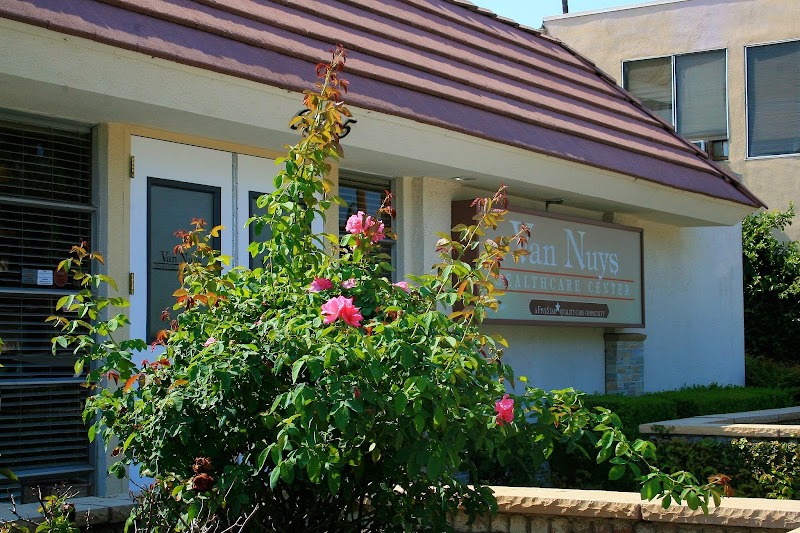
How is The On Hazeltine, Llc Staffed?

CMS rates THE CARE CENTER ON HAZELTINE, LLC's staffing level at 4 out of 5 stars, which is above average compared to other nursing homes. Staff turnover is 28%, compared to the California average of 46%. This relatively stable workforce can support continuity of care.

What Have Inspectors Found at The On Hazeltine, Llc?

State health inspectors documented 37 deficiencies at THE CARE CENTER ON HAZELTINE, LLC during 2022 to 2024. These included: 2 that caused actual resident harm and 35 with potential for harm. Deficiencies causing actual harm indicate documented cases where residents experienced negative health consequences.
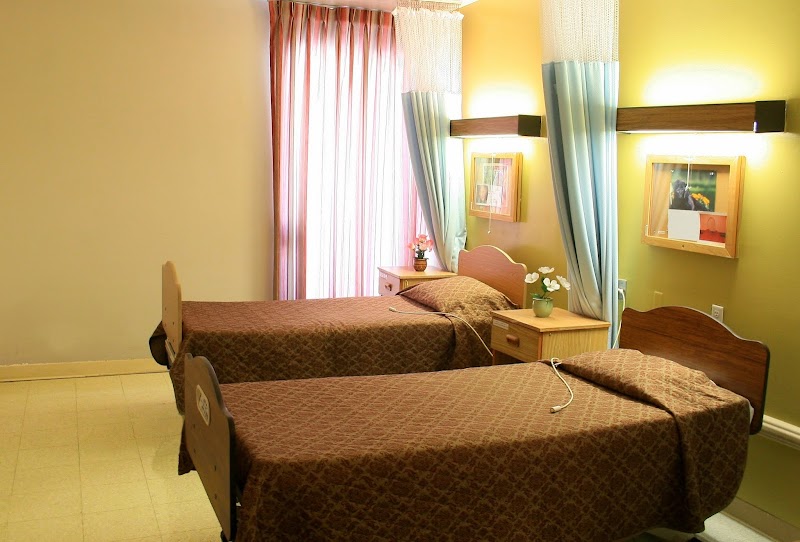
Who Owns and Operates The On Hazeltine, Llc?

THE CARE CENTER ON HAZELTINE, LLC is owned by a for-profit company. For-profit facilities operate as businesses with obligations to shareholders or private owners. The facility is operated by ABBY GL, LLC, a chain that manages multiple nursing homes. With 58 certified beds and approximately 53 residents (about 91% occupancy), it is a smaller facility located in VAN NUYS, California.

How Does The On Hazeltine, Llc Compare to Other California Nursing Homes?

Compared to the 100 nursing homes in California, THE CARE CENTER ON HAZELTINE, LLC's overall rating (3 stars) is below the state average of 3.1, staff turnover (28%) is significantly lower than the state average of 46%, and health inspection rating (2 stars) is below the national benchmark.

What Should Families Ask When Visiting The On Hazeltine, Llc?

Based on this facility's data, families visiting should ask: "What safeguards and monitoring systems are in place to protect residents from abuse or neglect?" "Can I visit during a mealtime to observe dining assistance and food quality?" "How do you handle medical emergencies, and what is your hospital transfer rate?" "Can I speak with family members of current residents about their experience?" These questions are particularly relevant given the substantiated abuse finding on record.

Is The On Hazeltine, Llc Safe?

Based on CMS inspection data, THE CARE CENTER ON HAZELTINE, LLC has documented safety concerns. The facility has 1 substantiated abuse finding (meaning confirmed case of resident harm by staff or other residents). The facility has a 3-star overall rating and ranks #100 of 100 nursing homes in California. Families considering this facility should ask detailed questions about what corrective actions have been taken since these incidents.

Do Nurses at The On Hazeltine, Llc Stick Around?

Staff at THE CARE CENTER ON HAZELTINE, LLC tend to stick around. With a turnover rate of 28%, the facility is 18 percentage points below the California average of 46%. Low turnover is a positive sign. It means caregivers have time to learn each resident's needs, medications, and personal preferences. Consistent staff also notice subtle changes in a resident's condition more quickly. Registered Nurse turnover is also low at 29%, meaning experienced RNs are available to handle complex medical needs.

Was The On Hazeltine, Llc Ever Fined?

THE CARE CENTER ON HAZELTINE, LLC has been fined $71,450 across 2 penalty actions. This is above the California average of $33,793. Fines in this range indicate compliance issues significant enough for CMS to impose meaningful financial consequences. Common causes include delayed correction of deficiencies, repeat violations, or care failures affecting resident safety. Families should ask facility leadership what changes have been made since these penalties.

Is The On Hazeltine, Llc on Any Federal Watch List?

THE CARE CENTER ON HAZELTINE, LLC is not on any federal watch list. The most significant is the Special Focus Facility (SFF) program, which identifies the bottom 1% of nursing homes nationally based on persistent, serious quality problems. Not being on this list means the facility has avoided the pattern of deficiencies that triggers enhanced federal oversight. This is a positive indicator, though families should still review the facility's inspection history directly.