Coastal View Healthcare Center
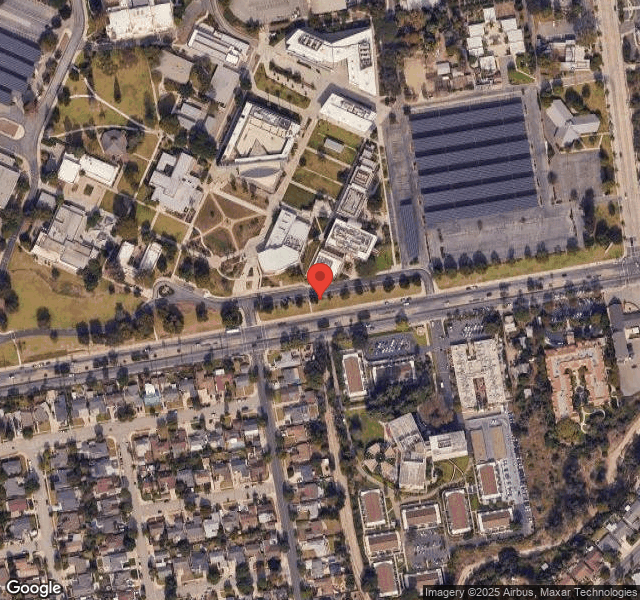

4904 Telegraph Road, Ventura, CA 93003 (805) 642-4101
For profit - Limited Liability company 96 Beds THE MANDELBAUM FAMILY Data: November 2025
Trust Grade
66/100
#331 of 1155 in CA
Last Inspection: October 2024

Within standard 12-15 month inspection cycle. Federal law requires annual inspections.

Overview

Coastal View Healthcare Center has a Trust Grade of C+, indicating that it is slightly above average, but not without its concerns. Ranked #331 out of 1,155 facilities in California, it is in the top half of state options, and #11 out of 19 in Ventura County, meaning only a few local facilities are rated higher. The facility is on an improving trend, having reduced issues from 10 in 2024 to 6 in 2025, and it has a good staffing rating with a turnover rate of 25%, significantly lower than the state average. However, the center has incurred $8,278 in fines, which is concerning as it reflects some compliance issues, and while it has more RN coverage than 77% of California facilities, there have been serious incidents, such as failing to properly reassess a resident after multiple falls, potentially leading to increased risks, and issues with safe food handling practices. Overall, while there are notable strengths, families should weigh these against the facility's weaknesses.
Trust Score
C+
66/100
In California
#331/1155
Top 28%
Safety Record
Moderate
Needs review
Inspections
Getting Better
10 → 6 violations
Staff Stability
✓ Good
25% annual turnover. Excellent stability, 23 points below California's 48% average. Staff who stay learn residents' needs.
Penalties
✓ Good
$8,278 in fines. Lower than most California facilities. Relatively clean record.
Skilled Nurses
✓ Good
Each resident gets 48 minutes of Registered Nurse (RN) attention daily — more than average for California. RNs are trained to catch health problems early.
Violations
⚠ Watch
37 deficiencies on record. Higher than average. Multiple issues found across inspections.
★★★★☆
4.0
Overall Rating
★★★★☆
4.0
Staff Levels
★★★★★
5.0
Care Quality
★★★☆☆
3.0
Inspection Score
Stable
2024: 10 issues
2025: 6 issues

The Good

  • 4-Star Staffing Rating · Above-average nurse staffing levels
  • 5-Star Quality Measures · Strong clinical quality outcomes
  • Low Staff Turnover (25%) · Staff stability means consistent care
  • Full Sprinkler Coverage · Fire safety systems throughout facility
  • No fines on record
  • Staff turnover is low (25%)

    23 points below California average of 48%

Facility shows strength in staffing levels, quality measures, staff retention, fire safety.

The Bad

Federal Fines: $8,278

Below median ($33,413)

Minor penalties assessed

Chain: THE MANDELBAUM FAMILY

Part of a multi-facility chain

Ask about local staffing decisions and management

The Ugly 37 deficiencies on record

1 actual harm
Apr 2025 4 deficiencies 1 Harm
SERIOUS (G) 📢 Someone Reported This

A family member, employee, or ombudsman was alarmed enough to file a formal complaint

Actual Harm - a resident was hurt due to facility failures

Accident Prevention (Tag F0689)

A resident was harmed · This affected 1 resident

**NOTE- TERMS IN BRACKETS HAVE BEEN EDITED TO PROTECT CONFIDENTIALITY** Based on interview and record review, the facility failed to provide a safe environment and care services for 1 of 3 residents (...

Read full inspector narrative →
**NOTE- TERMS IN BRACKETS HAVE BEEN EDITED TO PROTECT CONFIDENTIALITY** Based on interview and record review, the facility failed to provide a safe environment and care services for 1 of 3 residents (Resident 3) in accordance with the facility's policies and procedures related to falls by failing to: - Provide Resident 3, after three incidents of falls, a post fall re-assessment and revision of care plan after each fall incident - Notify/alerted a physician that Resident 3 was on an anticoagulant (blood thinner) medication that increased the risk of bleeding. These deficient practices placed Resident 3 at an increased risk of complications. Findings: A review of Resident 3's medical record revealed a [AGE] year-old male, admitted to the facility on [DATE], with diagnoses that included unspecified Atrial fibrillation (AFib -a common heart rhythm disorder that required blood-thinning medication to prevent blood clots) and generalized weakness. Resident 3 had three falls during the afternoon and evening and ultimately passed away the following morning on 1/28/25. During a review of Resident 3's Fall Risk Evaluation dated 1/24/2025, this indicated Resident 3's fall risk score was 17. A score of 10 and greater indicated the resident should be considered at high risk for potential falls. During a review of Resident 3's care plan: Risk for Falls/ Injury dated 1/24/25 indicated Resident 3 was at risk for further falls/injury related poor balance/gait, limited mobility, history of falls. During a review of Resident 3's Order Summary Report dated 1/24/25, this indicated to ambulate with assistance every shift. During a review of Resident 3's Initial Nursing History and assessment dated [DATE], this indicated Resident 3's functional status: A. Transfers-Able to transfer with 2 persons, B: Ambulation -able to ambulate with 2 persons, with device (front wheel walker- FWW). During a review of Resident 3's care plans (CP), which outlined the specific care required and to be provided, titled, Risk for Bleeding/Ecchymosis [bruising], dated 1/24/25, the CP indicated, At risk for bleeding/Ecchymosis r/t [related to] .use of anticoagulant medication . Heparin Sodium .Handle resident gently and carefully during positioning and transfers. During a review of the facility's Monthly Falls Tracking Sheet dated 1/25, this indicated Resident 3 fell on 1/27/25 three times. During a review of Resident 3's SBAR (situation, background, appearance, review and notify), dated 1/27/25 at 3 p.m., the SBAR indicated, SITUATION . unwitnessed fall .1/27/25 .BACKGROUND . Medication Alerts . [none indicated] .REVIEW AND NOTIFY . [physician name] made aware .1/27/25 . 1:15 p.m. During a review of Resident 3's SBAR, dated 1/27/25 at 3:55 p.m., the SBAR indicated, SITUATION .1/28/25 late entry for 1/27/25 .witnessed fall .BACKGROUND . Medication Alerts . [none indicated] .REVIEW AND NOTIFY . Primary Care Clinician Notified [none indicated]. During a review of Resident 3's SBAR, dated 1/27/25 at 7:55 p.m., the SBAR indicated, SITUATION . 1/28/25 late entry for 1/27/25 . witnessed fall . BACKGROUND . Medication Alerts . [none indicated] .REVIEW AND NOTIFY .Primary Care Clinician . [none indicated] During a review of Resident 3's Order Summary Report (Orders), dated 1/28/25, indicated: - Monitor for S/S [signs and symptoms] of bleeding .and notify MD and Family promptly. Order date 1/24/25. - Aspirin [used to prevent platelets from producing substances that promote clotting] 81 [81 milligrams] Oral Tablet Delayed Release (Aspirin) Give 1 tablet by mouth one time a day for CVA (stroke) PPX (prophylaxis (to prevent)' Order date 1/24/25. - Heparin Sodium (Porcine) [used to slow down the body's clotting process] Injection Solution 5000 UNIT/ML [milliliter] (Heparin Sodium (Porcine)) Inject 5000 unit subcutaneously [into the fatty layer just beneath the skin] every 12 hours for DVT [deep vein thrombosis (blood clot)] PPX. Order date 1/24/25. During a concurrent interview and record review on 2/6/25 at 5:49 p.m. with a licensed nurse (LN2), the facility's text, dated 1/27/25 at 2:12 p.m. was reviewed. LN2 stated that the physician was not informed of Resident 3's use of heparin. LN2 further stated that this information should have been communicated to the physician. During an interview on 2/6/24 at 5:55 p.m. with LN4, LN4 stated they did not notify the physician about the second and third fall because it would typically be expected for the physician to order an x-ray or refer a resident to the hospital following the first fall when Resident 3 said he hit his head against the siderails, especially if the resident is on a blood thinner like heparin, when asked why they did not notify the physician about the second and third falls. LN4 further stated there was less concern about the additional falls after the first fall, as Resident 3 had not undergone an x-ray or been sent to the hospital. During a concurrent interview and record review on 2/6/25 at 7:55 p.m., with the Director of Nursing (DON), the facility's P&P titled, Falls by A Resident, was reviewed. The DON further stated being unaware of a form called Post-Fall Assessment as referenced in the P&P. There was no evidence of documentation that Resident 3's CPs had been updated and post fall re-assessments have been completed. During a review of Resident 3's progress notes dated 1/28/25, this indicated that around 6 a.m., Resident 3 was found unresponsive, unable to obtain vital signs, cardiopulmonary resuscitation initiated, 911 was called, paramedics took over and called time of death at 6:39 a.m. During a concurrent interview and record review on 2/13/25 at 2:37 p.m. with Resident 3's physician (PHY), PHY stated the messages did not indicate Resident 3 was on heparin. The PHY further stated not recalling that Resident 3 was on Heparin, when asked if Resident 3 being on a blood thinner would have resulted with sending the resident to the emergency room (ER), the PHY stated, I don't know. The PHY further stated, Well hindsight, referencing Resident 3's death the morning after the fall with head injury. The PHY also stated of not being informed about Resident 3's second or third fall incidents. During a review of the facility's policy and procedure (P&P) titled, Falls by A Resident, dated 7/2017, P& P indicated, Significant information should be reported to the resident's attending physician and documented in the resident's clinical record. During a review of the facility's policy and procedure (P&P) titled, Change of Condition, dated 3/21, the P&P indicated, It is the policy of this facility that any changes in a resident's condition be thoroughly assessed .A thorough assessment will include all important information related to the resident .Should assist the physician in determining the course of clinical management for the resident.
CONCERN (D) 📢 Someone Reported This

A family member, employee, or ombudsman was alarmed enough to file a formal complaint

Potential for Harm - no one hurt, but risky conditions existed

Assessment Accuracy (Tag F0641)

Could have caused harm · This affected 1 resident

**NOTE- TERMS IN BRACKETS HAVE BEEN EDITED TO PROTECT CONFIDENTIALITY** Based on interview, record review and policy and procedure, facility failed to assure that each resident receives an accurate as...

Read full inspector narrative →
**NOTE- TERMS IN BRACKETS HAVE BEEN EDITED TO PROTECT CONFIDENTIALITY** Based on interview, record review and policy and procedure, facility failed to assure that each resident receives an accurate assessment, reflective of the resident's status at the time of the assessment when 10 of 10 sampled residents (Residents 1, 2, 3, 10, 11, 12, 13, 14, 15, 16, and 17), did not have vital signs monitored as prescribed by the physician for COVID-19 prevention. This failure had the potential to result in delayed assessment to detect COVID-19 symptoms, increased risk of exposure and spread within the facility, compromised care for residents, and heightened the vulnerability of residents to severe health outcomes. Findings: According to Fundamentals of Nursing ([NAME] et al; Elsevier: 2023 p. 318), Unit 4 Professional Standards in Nursing Practice .A code of ethics is a set of guiding principles that all members of a profession accept .The word responsibility refers to a willingness to respect one's professional obligations and to follow through. As a nurse you are responsible for your actions, the care you provide, and the tasks that you delegate to others .Accountability refers to answering for your own actions. You ensure that your professional actions are explainable to your patients and your employer. During a review of the facility's P&P titled, Vital Signs, Weights, Height, dated 1/14, the P&P indicated,Vital signs shall be taken and recorded in accordance with the resident's condition, current treatment plan, and as prescribed by the attending physician. During a review of Resident 1's Order Summary Report (Orders), the Orders indicated, Order Date .12/4/24 .Monitor Vital Signs every shift for COVID-19 Precaution. During a review of Resident 1's Medication Administration Record (MAR), dated January 2025, the MAR indicated that Resident 1 had duplicate vital sign entries recorded on the following occasions: · 1/10/25: Evening shift (3 p.m. to 11 p.m.) and the night shift (11 p.m. to 7 a.m.) on the same date: Blood Pressure (BP) 127/61, Temperature (T) 97.3°F, Pulse (P) 74, Respirations (R) 17, (S) 97%. · 1/11/25: Evening shift and 1/12/25 evening shift: BP 137/61, T 97.3°F, P 74, R 18, S 97%. · 1/15/25: Evening shift and night shift on the same date: BP 122/68, T 97.8°F, P 78, R 18, S 97%. During a review of Resident 2's Orders, the Orders indicated, Order Date .12/13/24 . Monitor Vital Signs every shift for COVID-19 precaution. During a review of Resident 2's MAR, dated January 2025, the MAR indicated that Resident 2 had duplicate vital sign entries recorded on the following occasions: · 1/1/25: Evening shift (3 p.m. to 11 p.m.) and day shift (7 a.m. to 3 p.m.) recorded BP 126/72, T 97.2°F, P 74, R 17, S 97%. · 1/3/25: Night shift (11 p.m. to 7 a.m.) and evening shift recorded BP 128/66, T 97.5°F, P 72, R 17, S 97%. · 1/4/25: Evening shift and day shift recorded BP 136/74, T 97.7°F, P 79, R 18, S 97%. · 1/6/25: Evening shift and day shift recorded BP 140/70, T 97.4°F, P 84, R 17, S 97%. · 1/10/25: Night shift and evening shift recorded BP 126/70, T 97.5°F, P 76, R 17, S 98%. · 1/12/25: Night shift and evening shift recorded BP 126/68, T 97.5°F, P 64, R 16, S 96%. · 1/13/25: Night shift and evening shift recorded BP 128/71, T 97.2°F, P 76, R 17, S 98%. · 1/14/25: Night shift and evening shift recorded BP 131/72, T 97°F, P 78, R 17, S 98%. · 1/15/25: Night shift and day shift recorded BP 124/74, T 97.3°F, P 83, R 17, S 97%. · 1/17/25: Evening shift and day shift recorded BP 124/74, T 97.6°F, P 78, R 17, S 97%. · 1/19/25: Night shift and evening shift recorded BP 124/76, T 97.5°F, P 64, R 16, S 97%. · 1/20/25: Night shift and evening shift recorded BP 128/76, T 97.2°F, P 76, R 18, S 98%. · 1/22/25: Night shift and evening shift recorded BP 130/74, T 97.6°F, P 82, R 17, S 97%. · 1/25/25: Night shift and evening shift recorded BP 131/75, T 97.2°F, P 76, R 17, S 97%. · 1/27/25: Night shift and evening shift recorded BP 127/73, T 97°F, P 79, R 18, S 97%. During a review of Resident 3's Orders, the Orders indicated, Order Date .1/24/25 . Monitor Vital Signs every 4 hours for COVID-19 Precaution for 14 days. During a review of Resident 3's MAR, dated January 2025, the MAR indicated that Resident 3 had duplicate vital sign entries recorded on the following occasions: 1/24/25: 8 p.m. and 4 p.m. recorded BP 112/82, T 97.3°F, P 63, R 17, S 99%. 1/25/25: 12 a.m. and 8 p.m. on 1/24/25 recorded BP 112/82, T 97.3°F, P 63, R 17, S 99%. 12 p.m. and 8 a.m. recorded BP 139/78, T 97.6°F, P 68, R 17, S 98%. 1/26/25: 4 a.m. and 12 a.m. recorded BP 126/72, T 97.2°F, P 84, R 17, S 97%. 1/27/25: 12 a.m. and 8 p.m. on 1/26/25 recorded BP 128/76, T 97.6°F, P 74, R 18, S 96%. 4 a.m. and 12 a.m. recorded BP 128/76, T 97.6°F, P 74, R 18, S 96%. 8 p.m. and 4 p.m. recorded BP 149/61, T 97.3°F, P 79, R 17, S 95%. 1/28/25: 12 a.m. and 8 p.m. on 1/27/25 recorded BP 149/61, T 97.3°F, P 79, R 17, S 95%. 4 a.m. and 12 a.m. recorded BP 149/61, T 97.3°F, P 79, R 17, S 95%. During a review of Resident 10's Orders, the Orders indicated, Order Date .1/12/25 . Order Summary: Monitor Vital Signs every 4 hours for COVID-19 Precaution for 14 days THEN every shift for COVID-19 Precaution. During a review of Resident 10's MAR, dated January 2025, the MAR indicated that Resident 10 had duplicate vital sign entries recorded on the following occasions: 1/13/25: 8 p.m. and 4 p.m. recorded BP 129/64, T 97.3°F, P 79, R 17, S 95%. 1/14/25: 8 p.m. and 4 p.m. recorded BP 136/64, T 97.3°F, P 71, R 17, S 95%. 1/15/25: 12 p.m. and 8 a.m. recorded BP 114/65, T 97.1°F, P 72, R 18, S 96%. 1/16/25: 12 a.m. and 8 p.m. recorded BP 132/77, T 97.5°F, P 78, R 17, S 97%. 4 a.m. and 12 a.m. recorded BP 132/77, T 97.5°F, P 78, R 17, S 97%. 12 p.m. and 8 a.m. recorded BP 136/69, T 97.8°F, P 71, R 18, S 97%. 8 p.m. and 4 p.m. recorded BP 128/70, T 97.5°F, P 70, R 17, S 97%. 1/17/25: 12 p.m. and 8 a.m. recorded BP 110/66, T 97.8°F, P 68, R 17, S 96%. 8 p.m. and 4 p.m. recorded BP 116/61, T 97.3°F, P 79, R 18, S 95%. · 1/18/25: 12 p.m. and 8 a.m. recorded BP 111/66, T 97.4°F, P 68, R 17, S 97%. 8 p.m. and 4 p.m. recorded BP 120/69, T 97.3°F, P 74, R 18, S 95%. · 1/19/25: 12 p.m. and 8 a.m. recorded BP 119/62, T 97.8°F, P 72, R 17, S 96%. 8 p.m. and 4 p.m. recorded BP 129/59, T 97.3°F, P 87, R 18, S 97%. 1/21/25: 12 a.m. and 8 p.m. on 1/20/25 recorded BP 112/56, T 97.6°F, P 73, R 17, S 96%. 4 a.m. and 12 a.m. recorded BP 112/56, T 97.6°F, P 73, R 17, S 96%. 8 p.m. and 4 p.m. recorded BP 109/64, T 97.3°F, P 89, R 18, S 96%. · 1/22/25: 12 a.m. and 8 p.m. on 1/21/25 recorded BP 109/64, T 97.3°F, P 89, R 18, S 96%. 4 a.m. and 12 a.m. recorded BP 109/64, T 97.3°F, P 89, R 18, S 96%. 12 p.m. and 8 a.m. recorded BP 115/65, T 97.6°F, P 70, R 17, S 97%. 8 p.m. and 4 p.m. recorded BP 118/72, T 97°F, P 69, R 17, S 97%. 1/23/25: 12 a.m. and 8 p.m. on 1/22/25 recorded BP 118/72, T 97°F, P 69, R 17, S 97%. 4 a.m. and 12 a.m. recorded BP 118/72, T 97°F, P 69, R 17, S 97%. 12 p.m. and 8 a.m. recorded BP 114/62, T 97.5°F, P 72, R 18, S 96%. 8 p.m. and 4 p.m. recorded BP 106/61, T 97.3°F, P 89, R 17, S 95%. 1/24/25: 12 a.m. and 8 p.m. on 1/23/25 recorded BP 106/61, T 97.3°F, P 89, R 17, S 95%. 4 a.m. and 12 a.m. recorded BP 106/61, T 97.3°F, P 89, R 17, S 95%. 12 p.m. and 8 a.m. recorded BP 117/63, T 97.5°F, P 72, R 18, S 96%. 8 p.m. and 4 p.m. recorded BP 122/64, T 97.3°F, P 78, R 17, S 95%. 1/25/25: 12 p.m. and 8 a.m. recorded BP 118/65, T 97.6°F, P 70, R 17, S 96%. 1/26/25: 4 a.m. and 12 a.m. recorded BP 101/63, T 97.4°F, P 76, R 18, S 98%. Night shift and 4 p.m. recorded BP 106/60, T 97.3°F, P 68, R 16, S 95%. 1/27/25: Night shift and evening shift recorded BP 106/61, T 97.3°F, P 79, R 17, S 95%. During a review of Resident 11's Orders, the Orders indicated, Order Date .1/22/25 . Order Summary: Monitor Vital Signs every 4 hours for COVID-19 Precaution for 14 days THEN every shift for COVID-19 Precaution. During a review of Resident 11's MAR, dated January 2025 and February 2025, the MAR indicated that Resident 11 had duplicate vital sign entries recorded on the following occasions: 1/23/25: 4 p.m. and 12 p.m. recorded BP 136/74, T 97.4°F, P 76, R 18, S 98%. 8 p.m. and 4 p.m. recorded BP 136/74, T 97.4°F, P 76, R 18, S 98%. 1/24/25: 4 a.m. and 12 a.m. recorded BP 154/94, T 97.2°F, P 74, R 16, S 98%. 12 p.m. and 8 a.m. recorded BP 146/70, T 97.9°F, P 70, R 20, S 96%. o 8 p.m. and 4 p.m. recorded BP 131/66, T 97.8°F, P 64, R 16, S 100%. 1/25/25: 4 a.m. and 12 a.m. recorded BP 124/76, T 97.8°F, P 74, R 18, S 98%. 1/26/25: 12 p.m. and 8 p.m. recorded BP 128/70, T 97.8°F, P 70, R 18, S 97% 1/27/25: 4 a.m. and 12 a.m. recorded BP 121/62, T 98.4°F, P 71, R 18, S 98%. 8 p.m. and 4 p.m. recorded BP 146/70, T 97.5°F, P 70, R 17, S 98%. 1/28/25: 8 p.m. and 4 p.m. recorded BP 139/66, T 98.1°F, P 77, R 18, S 97%. 1/29/25: 12 a.m. and 1/28/25 at 8 p.m. recorded BP 139/66, T 98.1°F, P 77, R 18, S 97%. 4 a.m. and 12 a.m. recorded BP 139/66, T 98.1°F, P 77, R 18, S 97%. 8 p.m. and 4 p.m. recorded BP 164/79, T 97.7°F, P 88, R 18, S 98%. 1/30/25: 12 p.m. and 8 a.m. recorded BP 138/78, T 97.9°F, P 88, R 18, S 97%. 1/31/25: 12 p.m. and 8 a.m. recorded BP 118/72, T 97.9°F, P 80, R 18, S 98%. 2/1/25: o 4 a.m. and 12 a.m. recorded BP 140/78, T 97.9°F, P 88, R 20, S 97%. 12 p.m. and 8 a.m. recorded BP 138/75, T 98.1°F, P 75, R 19, S 98%. 8 p.m. and 4 p.m. recorded BP 141/78, T 97.8°F, P 87, R 20, S 98%. 2/2/25: 4 a.m. and 12 a.m. recorded BP 138/76, T 97.5°F, P 78, R 18, S 97%. 2/3/25: 12 p.m. and 8 a.m. recorded BP 135/73, T 97.4°F, P 78, R 19, S 97%. During a review of Resident 12's Orders, the Orders indicated, Order Date .2/3/25 .Order Summary: Monitor Vital Signs every 4 hours for COVID-19 Precaution for 14 days THEN every shift for COVID-19 Precaution. During a review of Resident 12's MAR, dated February 2025, the MAR indicated that Resident 12 had duplicate vital sign entries recorded on the following occasions: 2/4/25: 4 a.m. and 12 a.m. recorded BP 131/74, T 98.4°F, P 76, R 16, S 97%. 2/5/25: 4 a.m. and 12 a.m. recorded BP 128/70, T 97.6°F, P 70, R 18, S 97%. 8 p.m. and 4 p.m. recorded BP 94/64, T 97.8°F, P 78, R 18, S 96%. 2/6/25: 12 p.m. and 8 a.m. recorded BP 117/67, T 97.7°F, P 74, R 16, S 95%. 2/8/25: 8 p.m. and 4 p.m. recorded BP 100/62, T 97.8°F, P 90, R 18, S 96%. 2/10/25: 4 a.m. and 12 a.m. recorded BP 120/82, T 97.6°F, P 88, R 20, S 97%. 8 p.m. and 4 p.m. recorded BP 112/70, T 97.5°F, P 97, R 17, S 97%. 2/11/25: 8 p.m. and 4 p.m. recorded BP 94/57, T 97.4°F, P 88, R 20, S 95%. 2/13/25: 12 p.m. and 8 a.m. recorded BP 107/80, T 97.9°F, P 90, R 18, S 96%. 2/14/25: 8 p.m. and 4 p.m. recorded BP 122/71, T 97.5°F, P 81, R 18, S 96%. During a review of Resident 13's Orders, the Orders indicated, Order Date .2/3/25 .Order Summary: Monitor Vital Signs every 4 hours for COVID-19 Precaution for 14 days THEN every shift for COVID-19 Precaution. During a review of Resident 13's MAR, dated February 2025, the MAR indicated that Resident 13 had duplicate vital sign entries recorded on the following occasions: 2/4/25: o 12 p.m. and 8 a.m. BP 127/85, T 97.3°F, P 79, R 18, S 97%. o 8 p.m. and 4 p.m. BP 132/65, T 97.3°F, P 84, R 19, S 97%. 2/8/25: 4 a.m. and 12 a.m. BP 130/74, T 97.6°F, P 85, R 18, S 97%. 2/9/25: 4 a.m. and 12 a.m. BP 124/67, T 97.6°F, P 88, R 20, S 98%. 2/10/25: 4 a.m. and 12 a.m. BP 137/78, T 97.3°F, P 76, R 20, S 98%. 2/14/25: 8 p.m. and 4 p.m. BP 126/75, T 97.5°F, P 80, R 18, S 97%. 2/15/25: 12 a.m. and 2/14/25 at 8 p.m. BP 126/75, T 97.5°F, P 80, R 18, S 97%. 4 a.m. and 2/14/25 at 12 a.m. BP 126/75, T 97.5°F, P 80, R 18, S 97%. o12 p.m. and 8 a.m. BP 130/72, T 97.6°F, P 70, R 21, S 97%. 2/17/25: 4 a.m. and 12 a.m. BP 119/78, T 97.9°F, P 78, R 19, S 99%. 2/28/25: night and evening BP 112/70, T 97.8°F, P 98, R 18, S 97%. During a review of Resident 14's Orders, the Orders indicated, Order Date .1/11/25 . Order Summary: Monitor Vital Signs every 4 hours for COVID-19 Precaution for 14 days THEN every shift for COVID-19 Precaution. During a review of Resident 14's MAR, dated January 2025, the MAR indicated that Resident 14 had duplicate vital sign entries recorded on the following occasions: 1/11/25: 8 p.m. and 4 p.m. BP 149/65, T 97.3°F, P 61, R 17, S 98%. 1/12/25: 12 p.m. and 8 a.m. BP 136/64, T 97.4°F, P 70, R 17, S 96%. 8 p.m. and 4 p.m. BP 149/68, T 97.3°F, P 68, R 18, S 98%. 1/13/25: 8 p.m. and 4 p.m. BP 152/66, T 97.3°F, P 56, R 17, S 97%. 1/14/25: 8 p.m. and 4 p.m. BP 155/82, T 97.3°F, P 61, R 17, S 96%. 1/15/25: 12 p.m. and 8 a.m. BP 121/66, T 97.7°F, P 78, R 17, S 96%. 1/16/25: 4 a.m. and 12 a.m. BP 136/62, T 98.3°F, P 62, R 16, S 98%. 12 p.m. and 8 a.m. BP 136/64, T 97.4°F, P 70, R 17, S 96%. 8 p.m. and 4 p.m. BP 122/70, T 97.5°F, P 70, R 17, S 97%. 1/17/25: 12 p.m. and 8 a.m. BP 116/78, T 97.8°F, P 74, R 17, S 96%. 8 p.m. and 4 p.m. BP 152/62, T 97.3°F, P 79, R 18, S 97%. 1/18/25: 12 p.m. and 8 a.m. BP 129/70, T 97.5°F, P 70, R 18, S 96%. 8 p.m. and 4 p.m. BP 146/64, T 97.3°F, P 87, R 17, S 95%. 1/19/25: 8 p.m. and 4 p.m. BP 147/64, T 97.3°F, P 74, R 18, S 95%. 1/21/25: 12 a.m. and 1/20/25 8 p.m. BP 159/56, T 97.3°F, P 69, R 17, S 96%. 8 p.m. and 4 p.m. BP 146/61, T 97.3°F, P 89, R 18, S 96%. 1/22/25: 4 a.m. and 12 a.m. BP 135/82, T 98.6°F, P 77, R 16, S 98%. 12 p.m. and 8 a.m. BP 124/66, T (missing), P 66, R 18, S 97%. 1/23/25: 4 a.m. and 12 a.m. BP 127/62, T 97.1°F, P 72, R 17, S 97%. 12 p.m. and 8 a.m. BP 121/71, T 76°F (?), P 76, R 19, S 96%. 8 p.m. and 4 p.m. BP 142/64, T 97.6°F, P 89, R 17, S 97%. 1/24/25: 12 a.m. and 1/23/25 8 p.m. BP 142/64, T 97.6°F, P 89, R 17, S 97%. 12 p.m. and 8 a.m. BP 116/65, T 97.5°F, P 65, R 17, S 97%. 8 p.m. and 4 p.m. BP 139/64, T 97.3°F, P 74, R 18, S 96%. 1/25/25: 4 a.m. and 12 a.m. BP 125/62, T 98.3°F, P 84, R 16, S 98%. 12 p.m. and 8 a.m. BP 119/76, T 97.6°F, P 68, R 17, S 97%. 1/26/25: night shift and evening shift BP 132/72, T 97.5°F, P 74, R 18, S 96%. 1/27/25 at night shift and evening shift BP 142/64, T 97.3°F, P 79, R 17, S 96%. During a review of Resident 15's Orders, the Orders indicated, Order Date .1/13/25 . Order Summary: Monitor Vital Signs every 4 hours for COVID-19 Precaution for 14 days THEN every shift for COVID-19 Precaution. During a review of Resident 15's MAR, dated January 2025 and February 2025, the MAR indicated that Resident 15 had duplicate vital sign entries recorded on the following occasions: 1/14/25: 4 a.m. and 12 a.m. BP 102/55, T 97.5°F, P 70, R 17, S 96%. 12 p.m. and 8 a.m. BP 120/67, T 97.5°F, P 76, R 18, S 97%. 8 p.m. and 4 p.m. BP 124/74, T 97.5°F, P 72, R 17, S 98%. 1/15/25: 12 a.m. and 1/14/25 8 p.m. BP 124/74, T 97.5°F, P 72, R 17, S 98%. 4 a.m. and 12 a.m. 124/74, T 97.5°F, P 72, R 17, S 98%. 8 p.m. and 4 p.m. 115/66, T 97.8°F, P 72, R 16, S 97%. 1/16/25: 4 a.m. and 12 a.m. BP 100/64, T 97.8°F, P 70, R 18, S 95%. 8 p.m. and 4 p.m. BP 119/67, T 97.4°F, P 70, R 17, S 96%. 1/17/25: 12 a.m. and 1/16/25 8 p.m. BP 119/67, T 97.4°F, P 70, R 17, S 96%. 1/18/25: 12 p.m. and 8 a.m. BP 117/68, T 97.6°F, P 70, R 17, S 97%. 1/19/25: 4 a.m. and 12 a.m. BP 122/67, T 97.6°F, P 68, R 18, S 96%. 1/20/25: 4 a.m. and 12 a.m. BP 98/58, T 98°F, P 68, R 16, S 95%. 8 p.m. and 4 p.m. BP 114/62, T 97.2°F, P 75, R 17, S 97%. 1/21/25: 4 a.m. and 12 a.m. BP 125/67, T 97.2°F, P 75, R 17, S 97%. 1/22/25: 4 a.m. and 12 a.m. BP 112/60, T 97.2°F, P 77, R 18, S 97%. 1/24/25: 4 a.m. and 12 a.m. BP 100/60, T 97.8°F, P 68, R 18, S 96%. 8 p.m. and 4 p.m. BP 125/70, T 97.2°F, P 72, R 17, S 97%. 1/25/25: 4 a.m. and 12 a.m. BP 118/66, T 97.5°F, P 70, R 17, S 97%. 1/26/25: 4 a.m. and 1/27/25 12 a.m. BP 134/72, T 97.5°F, P 74, R 18, S 97%. 8 a.m. and 4 a.m. BP 134/72, T 97.5°F, P 74, R 18, S 97%. 1/27/25: 4 a.m. and 12 a.m. BP 112/61, T 97.4°F, P 68, R 17, S 97%. 2/1/25: evening shift and day shift BP 116/74, T 97.3°F, P 70, R 17, S 97%. night shift and evening shift BP 116/74, T 97.3°F, P 70, R 17, S 97%. During a review of Resident 16's Orders, the Orders indicated, Order Date .1/15/25 . Order Summary: Monitor Vital Signs every 4 hours for COVID-19 Precaution for 14 days THEN every shift for COVID-19 Precaution.During a review of Resident 16's MAR, dated January 2025 and February 2025, the MAR indicated that Resident 16 had duplicate vital sign entries recorded on the following occasions: 1/17/25: 4 a.m. and 1/17/25 12 a.m. BP 134/78, T 97.6°F, P 99, R 20, S 97%. 1/18/25: 4 a.m. and 1/18/25 12 a.m. BP 131/81, T 98.6°F, P 98, R 18, S 98%. 1/19/25: 12 p.m. and 1/19/25 4 a.m. BP 122/76, T 97.8°F, P 100, R 18, S 97%. 1/21/25: 12p.m. and 1/21/25 4 a.m. BP 117/72, T 97.4°F, P 70, R 20, S 98%. 8 p.m. and 1/21/25 4 p.m. BP 152/82, T 97.6°F, P 100, R 21, S 96%. 1/22/25: 12 p.m. and 1/22/25 4 a.m. BP 120/72, T 98°F, P 92, R 18, S 97%. 1/26/25: 4 a.m. and 1/26/25 12 a.m. BP 111/66, T 97.6°F, P 77, R 21, S 98%. 12 p.m. and 1/26/25 4 a.m. BP 131/69, T 97.6°F, P 81, R 21, S 98%. 1/27/25: 4 a.m. and 1/27/25 12 a.m. BP 108/66, T 97.2°F, P 64, R 18, S 97%. 1/28/25: 8 p.m. and 1/28/25 4 p.m. BP 132/72, T 97.6°F, P 80, R 18, S 98%. 1/29/25: 12 p.m. and 1/29/25 4 p.m. BP 119/62, T 97.5°F, P 89, R 18, S 98%. 1/31/25: night shift and 1/31/25 day shift BP 126/73, T 97.5°F, P 78, R 19, S 98%. 2/9/25: night shift and 2/9/25 evening shift BP 128/61, T 97.3°F, P 82, R 20, S 97%. 2/11/25: evening shift and 2/11/25 day shift BP 126/74, T 97.5°F, P 80, R 18, S 98%. 2/14/25: night shift and 2/14/25 evening shift BP 139/65, T 97.8°F, P 78, R 20, S 97%. During a review of Resident 17's Orders, the Orders indicated, Order Date .1/15/25 . Order Summary: Monitor Vital Signs every 4 hours for COVID-19 Precaution for 14 days THEN every shift for COVID-19 Precaution. During a review of Resident 17's MAR, dated January 2025 and February 2025, the MAR indicated that Resident 17 had duplicate vital sign entries recorded on the following occasions: 1/15/25: 8 p.m. and 4 p.m. BP 98/60, T 97.9°F, P 78, R 20, S 96%. 1/16/25: 4 a.m. and 1/15/25 8 p.m. BP 98/60, T 97.9°F, P 78, R 20, S 96%. 1/17/25: 8 p.m. and 4 p.m. BP 138/88, T 97.8°F, P 68, R 18, S 98%. 1/18/25: 12 p.m. and 8 a.m. BP 119/63, T 97.9°F, P 63, R 18, S 97%. 8 p.m. and 4 p.m. BP 100/60, T 98°F, P 60, R 18, S 97%. 1/19/25: o 4 a.m. and 12 a.m. BP 115/72, T 97.6°F, P 82, R 16, S 96%. o 8 p.m. and 4 p.m. BP 122/62, T 97.7°F, P 85, R 18, S 97%. 1/20/25: 12 p.m. and 8 a.m. BP 118/60, T 97.9°F, P 78, R 17, S 97%. 1/21/25: 4 a.m. and 12 a.m. BP 130/66, T 97.6°F, P 83, R 16, S 96%. 8 p.m. and 4 p.m. BP 139/74, T 97.3°F, P 68, R 17, S 97%. 1/22/25: 12 a.m. and 4 p.m. BP 139/74, T 97.3°F, P 68, R 17, S 97%. 4 a.m. and 12 a.m. BP 139/74, T 97.3°F, P 68, R 17, S 97%. 12 p.m. and 8 a.m. BP 121/66, T 97.8°F, P 74, R 18, S 96%. 8 p.m. and 4 p.m. BP 126/72, T 97.1°F, P 79, R 17, S 98%. 1/23/25: 12 a.m. and 01/22/25 8 p.m. BP 126/72, T 97.1°F, P 79, R 17, S 98%. 4 a.m. and 12 a.m. BP 126/72, T 97.1°F, P 79, R 17, S 98%. 12 p.m. and 8 a.m. BP 119/76, T 97.5°F, P 78, R 18, S 97%. 8 p.m. and 4 p.m. BP 124/63, T 97.3°F, P 62, R 17, S 96%. 1/24/25: 12 a.m. and 01/23/25 8 p.m. BP 124/63, T 97.3°F, P 62, R 17, S 96%. 12 p.m. and 8 a.m. BP 119/69, T 97.6°F, P 78, R 17, S 98%. 8 p.m. and 4 p.m. BP 124/61, T 97.3°F, P 74, R 18, S 96%. 1/25/25: 4 a.m. and 12 a.m. BP 126/62, T 98.3°F, P 77, R 18, S 98%. 12 p.m. and 8 a.m. BP 117/76, T 97.6°F, P 78, R 17, S 96%. 1/26/25: 4 a.m. and 12 a.m. BP 130/74, T 97.5°F, P 74, R 16, S 97%. 1/27/25: 4 a.m. and 12 a.m. BP 128/68, T 97.3°F, P 74, R 16, S 96%. 8 p.m. and 4 p.m. BP 129/61, T 97.3°F, P 79, R 17, S 96%. 1/28/25: 8 p.m. and 4 p.m. BP 129/64, T 97.3°F, P 74, R 17, S 96%. 1/29/25: 12 p.m. and 8 a.m. BP 122/67, T 97.8°F, P 70, R 17, S 97%. 2/5/25: evening shift and day shift BP 120/64, T 97.6°F, P 65, R 16, S 98%. 2/8/25: night shift and evening shift BP 122/67, T 97.2°F, P 79, R 19, S 97%. 2/9/25: night shift and 02/09/25 at evening shift BP 130/72, T 97.5°F, P 77, R 16, S 97%. 2/13/25:t night shift and 02/13/25 at evening shift BP 118/61, T 97.3°F, P 74, R 18, S 97%. 2/20/25: night shift and 02/20/25 at evening shift BP 124/64, T 97.6°F, P 68, R 18, S 97%. 2/21/25: night shift and 02/21/25 at evening shift BP 122/64, T 97.3°F, P 79, R 18, S 98%. 2/25/25: Evening shift and 02/25/25 at day shift BP 121/69, T 97.3°F, P 74, R 17, S 96%. Night shift and 02/25/25 at evening shift BP 121/69, T 97.3°F, P 74, R 17, S 96%. During an interview on 3/12/25 at 3:05 p.m. with a licensed nurse (LN3), LN3 stated, It's not possible to have exactly the same vital signs recorded four, eight, and twelve hours apart. During an interview on 3/12/25 at 3:45 p.m. with the Director of Nursing (DON), DON stated it is probably not possible to have duplicated vital signs. DON also stated, judgment should be used, and vital signs should be repeated if they were found to be identical. During an interview on 3/13/25 at 7:45 a.m. with the Administrator (ADM), the ADM stated the previous night, the DON and the ADM discovered the use previous vitals option on the MAR computer screen. They worked with corporate that night to have the option removed from the MAR charting area, ensuring it is no longer available for nurses to use. During a concurrent interview and record review on 3/22/25 at 2:30 p.m. with LN9, the MARs for Residents 11, 12, 13, 16, and 17, dated January 2025 and February 2025, were reviewed. The MARs indicated, duplicate vital signs documented with LN9 ' s initials. LN9 stated they had maybe, utilized the insert previous vitals option on the MARs when entering the vital signs. LN9 further stated that knowingly entering inaccurate information could be regarded as falsifying medical records. LN9 additionally stated the proper procedure is to follow the doctor ' s orders. During a concurrent interview and record review on 3/22/25 at 3 p.m. with LN8, the MARs for Residents 11, 12, 15, 16, and 17, dated January 2025 and February 2025, were reviewed. The MARs indicated, duplicate vital signs documented with LN8's initials. LN8 stated the use previous vitals option was available for use. LN8 further stated discomfort discussing the matter, after which the interview was concluded. During a concurrent interview and record review on 3/22/25 at 3:20 p.m. with LN16, the MARs for Residents 2, 13, and 15, dated January 2025 and February 2025, were reviewed. The MARs indicated, duplicate vital signs documented with LN16's initials. LN16 stated the MARs had an option to insert previous vitals, which had resulted in the duplication of vital signs. LN16 further stated that the doctor's orders required the monitoring of vital signs, and the duplication of vital signs was not in compliance with those orders. During a concurrent interview and record review on 3/22/25 at 4 p.m. with LN17, the MAR for Resident 15, dated January 2025, was reviewed. The MAR indicated, duplicate vital signs documented with LN17's initials. LN17 stated they did not recall whether they had used the insert previous vitals option on the MAR. LN17 also stated they do not review previously recorded vitals, stating, I don't like to get into other nurses' business. However, LN17 agreed that good nursing practice when monitoring vital signs involves reviewing previous vital signs to identify any concerns that may need to be reported to the doctor. During an interview and record review on 3/22/25 at 4:45 p.m. with LN11, the MAR for Resident 2, dated January 2025, was reviewed. The MAR indicated, duplicate vital signs documented with LN11's initials. LN11 stated, I don't know how that happened. During an interview and record review on 3/23/25 at 10:05 p.m. with LN18, the MAR for Resident 16, dated January 2025, was reviewed. The MAR indicated, duplicate vital signs documented with LN18's initials. LN18 stated, I may have inserted the last recorded vital signs. LN18 further stated the doctor's orders for monitoring vital signs as part of COVID-19 prevention should have been followed. During an interview and record review on 3/23/25 at 10:45 p.m. with LN20, the MARs for Residents 3, 10, 11, 13, 15, 16, and 17, dated January 2025 and February 2025, were reviewed. The MARs indicated, duplicate vital signs documented with LN20's initials. LN20 stated they had used the insert previous vitals option available on the MAR due to high workload, noting that newly admitted residents required vital sign monitoring every four hours, which exceeded what could reasonably be completed in a single shift. LN20 further stated awareness of documenting inaccurate vital signs. LN20 also stated it was like falsifying medical records. During an interview and record review on 3/23/25 at 11:10 p.m. with LN14, the MARs for Residents 10, 11, 12, 13, 14, 16, and 17, dated January 2025 and February 2025, were reviewed. The MARs indicated, duplicate vital signs documented with LN14 ' s initials. LN14 stated they had used the insert previous vitals option. LN14 further stated vital sign monitoring was a doctor's order and admitted they should have followed the doctor order. LN14 also stated they were aware that duplicating the vital signs was like falsifying medical information. LN14 explained this occurred due to the volume of work exceeding what could be completed within the shift. During an interview and record review on 3/23/25 at 11:45 p.m. with LN6, the MARs for Residents 1, 2, 3, 10, 11, 13, 14, 15, 16, and 17, dated January 2025 and February 2025, were reviewed. The MARs indicated, duplicate vital signs documented with LN6's initials. LN6 stated that they had used the insert previous vitals option. LN6 further stated they resorted to this method to save time, noting that newly admitted residents required vital sign monitoring every four hours and citing an inability to complete all tasks within the shift. Several attempts were made to interview licensed nurses (LN4, LN5, LN7, LN10, LN12, LN13, LN15, LN19, and LN21) and to review the MARs dated January 2025 and February 2025 for Resident ' s 1, 2, 3, 10, 11, 12, 13, 14, 15, 16, and 17, which contained duplicate vital signs documented with their initials. However, these individuals were unavailable for interview.
CONCERN (D) 📢 Someone Reported This

A family member, employee, or ombudsman was alarmed enough to file a formal complaint

Potential for Harm - no one hurt, but risky conditions existed

Deficiency F0657 (Tag F0657)

Could have caused harm · This affected 1 resident

**NOTE- TERMS IN BRACKETS HAVE BEEN EDITED TO PROTECT CONFIDENTIALITY** Based on interviews, record reviews and facility policy and procedure, the facility failed to ensure three of three sampled resi...

Read full inspector narrative →
**NOTE- TERMS IN BRACKETS HAVE BEEN EDITED TO PROTECT CONFIDENTIALITY** Based on interviews, record reviews and facility policy and procedure, the facility failed to ensure three of three sampled residents (Residents 1, 2, and 3), had their care plans (CP - written document that outlines the specific nursing interventions and goals for a patient's care, based on their assessed needs and diagnoses) revised to include the fall prevention recommendations made by the Interdisciplinary Team (IDT -a health care team familiar with the resident and their needs). These failures resulted in Residents 1, 2, and 3's evolving needs for fall prevention not being met and potentially leading to preventable falls. Findings: During a review of the facility's Monthly Falls Tracking Sheet (MFTS), dated 12/24 and 1/25, the MFTS indicated: - Resident 1 fell on 1/4/25 and 1/13/25. - Resident 2 fell on [DATE], 12/11/24, 12/31/24, 1/7/25, and 1/27/25. - Resident 3 fell on 1/27/25 three times. During a review of Resident 1's IDT Conference (IDTC), dated 1/6/2025, the IDTC indicated, Date of Incident: 1/4/2025 .Time of Incident: 8:30 pm .IDT meeting conducted to discuss resident on S/P [status post] fall and risk for fall and contributing factors that can cause falls resulting in injury .IDT Recommendations include .2. Continue Bed in lowest position when resident in bed .4. To use non-skid socks . 8. Treatment as ordered . 10. Bowel and Bladder re-training program. During a review of Resident 1's IDTC, dated 1/14/2025, the IDTC indicated, Date of Incident: 1/13/2025 .Time of Incident: 8:45 AM .IDT meeting conducted to discuss resident on S/P fall and risk for fall and contributing factors that can cause falls resulting in injury .IDT Recommendations include .2. Continue Bed in lowest position when resident in bed .4. To use non-skid socks. During a review of Resident 1's CPs, titled: - Risk for Falls/Injury, dated 11/20/24, last updated 1/13/25, - Impaired Physical Mobility, dated 11/20/24, last updated 11/24/24, and - Fall, dated 1/4/25, last updated 1/4/25, The CPs indicated IDTC recommendations made on 1/6/25, numbered 2, 4, 8, and 10, and IDTC recommendations made on 1/14/25, numbered 2 and 4, were not incorporated into the CPs. During a concurrent interview and record review on 2/6/25 at 7:55 p.m. with the Director of Nursing (DON), the facility's P&P titled, Falls by A Resident, was reviewed. The DON also reviewed Resident 1's IDTCs dated 1/6/25 and 1/14/25, as well as the CPs titled, Risk for Falls/Injury, dated 11/20/24, Impaired Physical Mobility, dated 11/20/24, and Fall, dated 1/4/25. The DON stated recommendations 2, 4, 8, and 10 from the IDTC on 1/6/25 and recommendations 2 and 4 from the IDTC on 1/14/25 were not incorporated into any of the care plans. The DON also stated recommendation 8 from the IDTC on 1/6/25 should have specified the ordered treatment. Additionally, the DON stated being unaware of a form called Post-Fall Assessment as referenced in the P&P, and there was no documentation confirming Resident 1's CPs had been updated. 2. during a review of Resident 2's IDTC, dated 12/11/24, the IDTC indicated, Date of Incident: 12/10/24. Time of Incident: 5:15 pm .IDT meeting conducted to discuss resident on S/P fall and risk for fall and contributing factors that can cause falls resulting in injury .IDT Recommendations include .2. Continue Bed in lowest position when resident in bed. 3. Continue to anticipate needs, provide clutter-free environment at all times. 4. Continue to use non-skid socks. 5. Continue Floor Mat to both sides of bed. During a review of Resident 2's IDTC, dated 12/12/24, the IDTC indicated, Date of Incident: 12/11/24. Time of Incident: 1:15 pm .IDT meeting conducted to discuss resident on S/P fall and risk for fall and contributing factors that can cause falls resulting in injury .IDT Recommendations include .2. Continue Bed in lowest position when resident in bed. 3. Continue to anticipate needs, provide clutter-free environment at all times. 4. Continue to use non-skid socks. 5. Continue Floor Mat to both sides of bed .9. Bolster Mattress to each side of bed. During a review of Resident 2's IDTC, dated 1/2/25, the IDTC indicated, Date of Incident: 12/31/24. Time of Incident: 10:15 AM .IDT meeting conducted to discuss resident on S/P fall and risk for fall and contributing factors that can cause falls resulting in injury .IDT Recommendations include .2. Continue Bed in lowest position when resident in bed. 3. Continue to anticipate needs, provide clutter-free environment at all times. 4. Continue to use non-skid socks. 5. Continue Floor Mat to both sides of bed .9. Bolster Mattress to each side of bed. 10. X-ray for pain to neck. During a review of Resident 2's IDTC, dated 1/8/25, the IDTC indicated, Date of Incident: 1/7/25. Time of Incident: 7:30 pm .IDT meeting conducted to discuss resident on S/P fall and risk for fall and contributing factors that can cause falls resulting in injury .IDT Recommendations include .2. Continue Bed in lowest position when resident in bed. 3. Continue to anticipate needs, provide clutter-free environment at all times. 4. Continue to use non-skid socks. 5. Continue Floor Mat to both sides of bed .9. Bolster Mattress to each side of bed. 10. Bed against the wall. During a review of Resident 2's IDTC, dated 1/28/25, the IDTC indicated, Date of Incident: 1/27/25. Time of Incident: 6:40 pm .IDT Recommendations include .2. Continue Bed in lowest position when resident in bed. 3. Continue to anticipate needs, provide clutter-free environment at all times. 4. Continue to use non-skid socks. 5. Continue Floor Mat to both sides of bed .9. Bolster Mattress to each side of bed. 10. Bed against the wall continue .12. X-ray to Left hand. During a review of Resident 2's CPs, titled, Impaired Physical Mobility, dated 11/23/24, last updated 11/24/24, and Fall, dated 1/27/25, last updated 1/27/25, the CP's indicated the IDTC recommendations made on 12/11/24 numbered 2-5, 12/12/24 numbered 2-5 and 9, 1/2/25 numbered 2-5 and 9-10, 1/8/25 numbered 2-5 and 9-10, and 1/28/25 numbered 2-5, 9-10, and 12, were not incorporated into the CPs. During a concurrent interview and record review on 2/6/25 at 7:55 p.m. with DON, the DON reviewed Resident 2's IDTC dated 12/11/24; 12/12/24; 1/2/25; 1/8/25; and 1/28/25, as well as CPs titled Impaired Physical Mobility, dated 11/23/24, and Fall, dated 1/27/25. DON stated none of the IDT meeting recommendations were included in the CPs, though they should have been. DON further stated there was an absence of documentation indicating that Resident 2's CPs had been updated. c. During a review of Resident 3's IDTC, dated 1/28/2025, the IDTC indicated, Date of Incident: 1/27/2025. Time of Incident: 1:00 pm . IDT meeting conducted to discuss resident on S/P fall and risk for fall and contributing factors that can cause falls resulting in injury . IDT Recommendations include .2. Continue Bed in lowest position when resident in bed .4. Continue to use non-skid socks. During a review of Resident 3's IDTC, dated 1/29/2025, the IDTC indicated, Date of Incident: 1/27/2025. Time of Incident: 3:40 pm . IDT meeting conducted to discuss resident on S/P fall and risk for fall and contributing factors that can cause falls resulting in injury . IDT Recommendations include .2. Continue Bed in lowest position when resident in bed . 4. Continue to use non-skid socks. During a review of Resident 3's IDTC, dated 1/29/2025, the IDTC indicated, Date of Incident: 1/27/2025. Time of Incident: 7:40 pm .IDT meeting conducted to discuss resident on S/P fall and risk for fall and contributing factors that can cause falls resulting in injury . IDT Recommendations include .2. Continue Bed in lowest position when resident in bed . 4. Continue to use non-skid socks. During a review of Resident 3's CPs, titled, Impaired Physical Mobility, dated 1/24/25, last updated 1/27/25, Risk for Falls/Injury, dated 1/24/25, last updated 1/27/25, and Fall, dated 1/27/25, last updated 1/27/25, the CP's indicated the IDTC recommendations made on 1/28/25 numbered 2 and 4, 1/29/25 numbered 2 and 4, and 1/29/25 numbered 2 and 4, were not incorporated into the CPs. During a concurrent interview and record review on 2/6/25, at 8:30 p.m., the DON reviewed Resident 3's IDTCs dated 1/28/25 and 1/29/25 along with CPs titled, Impaired Physical Mobility, dated 1/24/25; Risk for Fall/Injury, dated 1/24/25; and Fall, dated 1/27/25. DON stated not all recommendations were incorporated into the CPs and stated they should have been included. During a review of the facility's policy and procedure (P&P) titled, Falls by A Resident, dated 7/17, the P&P indicated, It is the policy of the facility that if a resident sustains a fall . A care plan or and update to an existing care plan will then be generated .Purpose: A post fall assessment will also be completed .Procedure: The licensed nurse will complete the form . Document on the post fall assessment that the care plan was updated to reflect an action plan or approaches developed for prevention of falls.
CONCERN (D) 📢 Someone Reported This

A family member, employee, or ombudsman was alarmed enough to file a formal complaint

Potential for Harm - no one hurt, but risky conditions existed

Deficiency F0919 (Tag F0919)

Could have caused harm · This affected 1 resident

Based on observation, interview, and record review, the facility failed to ensure timely responses to resident call lights. This failure had the potential for resident's needs going unmet and heighte...

Read full inspector narrative →
Based on observation, interview, and record review, the facility failed to ensure timely responses to resident call lights. This failure had the potential for resident's needs going unmet and heightened the likelihood of falls within the facility. Findings: During a review of the facility's policy and procedure (P&P) titled, Call Lights, dated 1/2017, the P&P indicated, It is the policy of the facility to respond to the resident's requests and needs .Call lights should be answered promptly. During an observation on 2/3/25 at 3:42 p.m., in the hallway between room two and the nursing station, call lights for rooms two, three, and eight were illuminated on the nursing station panel and accompanied by a loud buzzing noise. At 3:50 p.m., the call light for room three remained unanswered. During an interview on 2/3/25 at 4 p.m. with a respiratory therapist (RT), RT stated that they sometimes answer call lights, explaining that this occurs when residents require suctioning, a procedure used to clear the airway and facilitate breathing. During an interview on 2/3/25, at 4:05 p.m., with Resident 6, Resident 6 stated that there is all the time an issue with staff responding to call lights. Resident 6 further stated that it typically takes 30 minutes to receive a response. During a concurrent observation and interview on 2/3/25, at 4:20 p.m., a licensed nurse (LN1) was present at the nursing station while the call light panel was actively buzzing for room six. LN1 did not respond to the call light and stated, I have three certified nursing assistants (CNAs) today. However, no CNAs were observed in the vicinity during this time. During an interview on 2/3/25, at 4:28 p.m., with LN1, LN1 was questioned about not responding to the prolonged buzzing of the call light for room six. LN1 rolled their eyes, took a deep breath, and stated, First of all, I'm doing an admission. LN1 offered no additional explanation. During an interview on 2/6/25, at 4:50 p.m., with the Director of Nursing (DON), DON stated that the expectation is for call lights to be answered timely, with timely defined as within five minutes. DON further stated that all staff members are responsible for responding to call lights.
Feb 2025 1 deficiency
CONCERN (D) 📢 Someone Reported This

A family member, employee, or ombudsman was alarmed enough to file a formal complaint

Potential for Harm - no one hurt, but risky conditions existed

Comprehensive Care Plan (Tag F0656)

Could have caused harm · This affected 1 resident

**NOTE- TERMS IN BRACKETS HAVE BEEN EDITED TO PROTECT CONFIDENTIALITY** Based on observation, interview, and record review, the facility failed to implement a fall care plan intervention and follow ph...

Read full inspector narrative →
**NOTE- TERMS IN BRACKETS HAVE BEEN EDITED TO PROTECT CONFIDENTIALITY** Based on observation, interview, and record review, the facility failed to implement a fall care plan intervention and follow physician orders for one of two sampled residents (Resident 1). This failure had the potential for Resident 1 to experience negative outcomes in the event of a fall. Findings: A review of records indicated, Resident 1 was admitted to the facility on [DATE], from the acute care hospital with diagnoses that includes Chronic Respiratory Failure (a long-term condition where the lungs cannot adequately exchange oxygen and carbon dioxide), Aphasia (disorder that affects a person's ability to communicate effectively), Anxiety disorder (group of mental health conditions characterized by excessive fear or worry). During a concurrent observation and interview, on 2/14/25, at 3:54 p.m., with Licensed Nurse (LN 1) inside Resident 1's room, no floor mats were observed on either side of Resident 1's bed. The LN 1 examined the room and verbalized there were no floor mats to either side of Resident 1's bed. During a concurrent interview and record review, on 2/14/25, at 3:56 p.m., with the Director of Nursing (DON 1), Resident 1's medical record was reviewed. Resident 1's physician orders indicated an order for Floor Mats to both sides of the bed every shift. Resident 1's Care Plan indicated Resident 1 was At risk for further falls/injury related to: limited mobility, poor balance, lack of awareness, cognitive deficit, communication deficit, decreased endurance, incontinence, unsteady gait. Resident 1's Care Plan further indicated an intervention of Floor mattress to both side of the bed as ordered. The DON 1 reviewed Resident 1's physician orders and Care Plan and verbalized Resident 1 should have had floor mats to both sides of Resident 1's bed. During an interview on 2/14/25, at 4:02 p.m., with LN 1, the LN 1 reviewed Resident 1's physician orders and Care Plan and verbalized Resident 1 should have had floor mats to both sides of Resident 1's bed. During a review of the facility's policy and procedure titled Comprehensive Care Planning dated 3/19, indicated It is the policy of this facility that a comprehensive resident-centered care plan be developed for each resident that includes measurable objectives and timeframes to meet each resident's medical, nursing and mental and psychosocial needs that are identified in the comprehensive assessment.
Feb 2025 1 deficiency
CONCERN (D) 📢 Someone Reported This

A family member, employee, or ombudsman was alarmed enough to file a formal complaint

Potential for Harm - no one hurt, but risky conditions existed

Deficiency F0697 (Tag F0697)

Could have caused harm · This affected 1 resident

**NOTE- TERMS IN BRACKETS HAVE BEEN EDITED TO PROTECT CONFIDENTIALITY** Based on interview, record review, and facility policy and procedure, the facility failed to ensure pain medication orders were ...

Read full inspector narrative →
**NOTE- TERMS IN BRACKETS HAVE BEEN EDITED TO PROTECT CONFIDENTIALITY** Based on interview, record review, and facility policy and procedure, the facility failed to ensure pain medication orders were followed to ensure adequate pain management for one of two sampled residents (Resident 1). This failure resulted in Resident 1 experiencing unnecessary pain. Findings: During a review of Resident 1's Clinical Record, the Clinical Record indicated, Resident 1 was admitted to the facility on [DATE] from a hospital with a diagnosis of rectal abscess (a collection of pus in the tissues around the rectum) and a newly placed colostomy (surgical opening through the abdomen) general muscle weakness, difficulty walking, legally blind and major depressive disorder (a common and serious mental health condition characterized by persistent feelings of sadness, hopelessness, and loss of interest or pleasure in activities). During an interview 2/26/25 at 1:30 p.m. with Resident 1, Resident 1 stated his pain medication takes a long time to work, and he feels his pain is not well managed in the facility which is causing him to be more hopeless. During a review of Resident 1's Physician Order, dated 2/24/2025, the Order indicated, Oxycodone HCI (an opioid to treat moderate to severe pain) Oral Tablet 5 MG (milligrams) give 1 tablet by mouth every 4 hours as needed for moderate to severe pain of 4-10/10 on pain scale. During a review Resident 1's Order Summary Report, dated 2/4/25, the Order Summary Report indicated, monitor for Pain Level: Pain Rating Scale as follows: 0- None, 1-3: Mild, 4-7: Moderate, 8-10: Severe During a review of Resident 1's Medication Administration Record (MAR), dated 2/1/25 - 2/28/25, the MAR indicated, Tylenol Tablet 325 MG (Acetaminophen) to give 2 tablets by mouth every 4 hours as needed for Mild Pain of 1-3/10 not to exceed (NTE) 3 grams of acetaminophen in 24 hours. During review of Resident 1's Care Plan, dated 2/1/25, the Care Plan indicated, to give medication as ordered to Resident 1. During an interview on 2/26/25 at 2:05 p.m., with Certified Nursing Assistant (CNA), CNA explained whenever Resident 1 complained of pain, charge nurses were notified immediately. During an interview on 2/26/25 at 2:15 p.m. with Licensed Nurse (LN), LN confirmed Resident 1 was receiving pain medication and the Oxycodone was to be given every 4 hours as needed per pain scale level. During a concurrent interview and record review on 2/26/25 at 4:10 p.m., with Director of Nursing (DON), Resident 1's Medication Administration Record (MAR) dated from 2/1/25 - 2/28/25 was reviewed. The MAR indicated, Tylenol 325 mg 2 tablets was given on 2/5/25 for a pain scale level of 5 and on 2/26/25 Tylenol 325 mg was also given for a pain scale level of 4. DON acknowledged the pain medication orders were not followed as ordered to manage Resident 1's pain. During a review of the facility's Policy and Procedure (P&P) titled, Pain Management Protocol, revised 10/2020, the P&P indicated, Purpose. 1. Assessing pain and evaluating response to pain management interventions using a standard pain management scale and/or a description of non-verbal signs and symptoms of pain, to relieve pain, which can increase mobility, ADL (activities of daily living) participation, cooperation, relieve anxiety or agitation. 2. Educating staff, residents and families regarding pain management. 3. Recognizing that PRN (as needed) medication may be given around the clock. 4. Intervening to treat pain before the pain becomes severe.
Dec 2024 1 deficiency
CONCERN (D) 📢 Someone Reported This

A family member, employee, or ombudsman was alarmed enough to file a formal complaint

Potential for Harm - no one hurt, but risky conditions existed

Deficiency F0675 (Tag F0675)

Could have caused harm · This affected 1 resident

**NOTE- TERMS IN BRACKETS HAVE BEEN EDITED TO PROTECT CONFIDENTIALITY** Based on observation, interview, and record review, the facility failed to ensure one resident (Resident 1) received hygiene car...

Read full inspector narrative →
**NOTE- TERMS IN BRACKETS HAVE BEEN EDITED TO PROTECT CONFIDENTIALITY** Based on observation, interview, and record review, the facility failed to ensure one resident (Resident 1) received hygiene care when the resident continually refused care and this was not reported to the doctor or resonsible party. This failure had the potential to result in Resident 1's hygiene needs not being met and sustaining skin complications. Findings: During a review Resident 1's documents, the documents indicated, Resident 1 was admitted on [DATE] with diagnoses that included, Dementia (condition characterized by impairment such as memory loss and judgment) and Other Behavioral Disturbance (manifestation of dementia categorized by mood disorders, sleep disorders, psychotic disorders and agitation). During a concurrent observation, interview, and record review on 12/30/24 at 1:45 p.m. with Resident 1, Resident 1 was in bed and was not interviewable in English due to Resident 1 only spoke Cantonese. Review of Resident 1's Brief Interview for Mental Status ([BIMS] - test, which is used to evaluate a person's cognitive status indicated Resident 1 had a BIMS score of 2. BIMS scores range from 0 to 15, with higher scores indicating better cognitive function There were cue cards available to Resident 1 in English and Chinese (Cantonese) characters translating simple words such as pain, change diaper, water, prepared by the Resident 1's daughter. During an interview on 12/30/24, at 1:45 p.m., with Resident 2, Resident 2 stated often observes and hears nurses assist Resident 1 to the bathroom and attempt to clean/change Resident 1's diapers. However, Resident 1 refuses to be changed and refuses showers as well. Resident 2's BIMS score was 14. During an interview on 12/30/24 at 1:50 p.m. with Resident 3, Resident 3 corroborated what Resident 2 said. Resident 3's BIMS score was 14. During a review of Resident 1's Care Plan (CP), dated 12/26/24, the CP indicated, Problem/Concern - At risk for injury/decline in condition D/T RESIDENT'S PREFERENCE for NON-COMPLIANCE. WHICH INCLUDES: medication, Activities of Daily Living (ADL) assistance, showers, skin care, peri care. Interventions included, Report non-compliance to MD. Review of Resident 1's nurses' notes indicated, there were no notifications to Resident 1's doctor regarding the non-compliance. Further review of Resident 1's CP indicated, no revision(s) were made to the CP to reflect the constant refusal of care/non-compliance. During an interview on 12/30/24 at 2:10 p.m. with Licensed Nurse (LN 1), LN 1 stated Resident 1 is non-compliant, constantly refuses medications and care. During an interview on 12/30/24 at 2:15 p.m. with Certified Nurse Aid (CNA 1), CNA 1 stated regularly takes care of Resident 1 and Resident 1 refuses diaper changes, and the refusal is reported to the Licensed Nurses (LNs). CNA 1 further stated, We cannot type any narrative notes in our charting. During an interview on 12/30/24 at 2:20 p.m. with complainant, complainant stated is aware (Resident 1) is non-compliant with care. Complainant further stated the facility has been instructed (complainant) Resident 1 refuses care. The dates from 12/21/24 through 12/25/24 that Resident 1 refused diaper change, (complainant) never received any call or notification about the refusal/non-compliance for a diaper change. During an interview on 12/30/24 at 3:25 p.m. with the DSD (Director of Staff Development), DSD confirmed all CNAs who have taken care of Resident 1 were unable to document Resident 1's non-compliance to care since there was no system for the CNAs to document narrative reports or a system in place to document concerns. During an interview on 12/30/24, at 4:15 p.m., with the director of nursing (DON), DON explained that CNAs are to report refusal of care to Licensed Nurses (LN). LN then assess the resident, document a change of condition (COC), notify the responsible party, and document, revise the care plan, and notify the doctor. DON further explained a change of condition (COC) is initiated for consistent refusal of care. Then, the DON reviews the documents. DON acknowledged this did not happen in the five days Resident 1 refused a diaper change. During a review of Resident 1's IDT (Interdisciplinary Team)/Care Plan Conference Summary, dated 10/30/24, the IDT indicated, no further IDT was done when Resident 1 had continuously been non-compliant with care and manifested behavioral irregularities. During a review of the facility's policy and procedure (P&P) titled, Activities of Daily Living, Care Resident Monitoring, and Scope of Services, dated 06/2022, the P&P indicated, Policy: It is the policy of the facility that each resident receive, and the facility must provide the necessary care and services to attain or maintain the highest practicable physical, mental, and psychological well-being consistent with the resident's comprehensive assessment and plan of care . Procedure: Ensure that the following ADL functions are monitored, supervised, and assisted with and or provided to the Resident population that the facility is servicing to include but not limited to: Bathing/Showering and or personal hygiene . The person conducting the routine check shall report promptly to the Nurse Supervisor/Charge Nurse any change in the resident's condition and/or medical needs . If the certified nursing assistants identify any change in a resident's condition, they are to notify the licensed nurse immediately . The facility will provide hygiene.
Oct 2024 7 deficiencies
CONCERN (D)

Potential for Harm - no one hurt, but risky conditions existed

Deficiency F0578 (Tag F0578)

Could have caused harm · This affected 1 resident

Based on interview and record review, the facility failed to ensure that a current copy of an advanced directive was in one out of 21 sampled residents (Resident 71) medical record. This failure had t...

Read full inspector narrative →
Based on interview and record review, the facility failed to ensure that a current copy of an advanced directive was in one out of 21 sampled residents (Resident 71) medical record. This failure had the potential to result in inaccurate treatment or intervention during an emergency medical situation. Findings: During a concurrent interview and record review on 10/16/24 at 8:52 a.m. with Licensed Nurse (LN 1), Resident 71's medical record was reviewed. Resident 71's advanced health care directive (a legal document stating a person's wishes for medical care if the person is unable to communicate his/her wishes), dated 10/12/2017, indicated choice not to prolong life. Resident 71's Physician Orders for Life-Sustaining Treatment (POLST) dated 6/27/24, indicated primary goal of prolonging life by all medically effective means. LN 1 verbalized Resident 71's advanced health care directive did not match Resident 71's POLST and it should match. During a concurrent interview and record review on 10/16/24 at 11:10 a.m., with the Director of Nursing (DON), Resident 71's medical record was reviewed. The DON verbalized Resident 71 filled out the advanced health care directive upon admission, and it was later changed in the POLST. The DON stated, The advanced directive should be updated when the POLST was done to reflect resident and family representative wishes and it was not. During a review of the facility's policy and procedure titled, Advanced Directives, dated 04/2017, indicated, It is the policy of the facility that a resident may develop an advance directive relative to his/her refusal of medical or surgical treatment, which will be followed in accordance with this policy and procedure and current State law. During a review of the facility's policy and procedure titled, POLST - Physician Orders for Life Sustaining Treatment, dated 01/2017, indicated, admission or Social Service staff will review the POLST form for completeness .and confirm that the wishes for life sustaining treatment indicated in the document remain the wishes of the resident/healthcare surrogate. This complete, fully executed POLST form is a legal physician order and is immediately actionable. Once the POLST form is reviewed, it is copied, and placed in the Advance Directive section of the resident's clinical record, along with a copy of the resident's advance directive .If the POLST conflicts with the resident's previously expressed healthcare instructions or advance directive, then to the extent of the conflict, the most recent expression of the resident's wishes are to be honored .Nursing will inform the resident's primary care physician of his/her healthcare decisions as documented on the Advance Directive/Preferred Intensity of Care and obtain the appropriate orders to support the resident/healthcare surrogate's wishes.
CONCERN (D)

Potential for Harm - no one hurt, but risky conditions existed

Deficiency F0700 (Tag F0700)

Could have caused harm · This affected 1 resident

**NOTE- TERMS IN BRACKETS HAVE BEEN EDITED TO PROTECT CONFIDENTIALITY** Based on observation, interview, and record review, the facility failed to review the risks and benefits of bed rails with the r...

Read full inspector narrative →
**NOTE- TERMS IN BRACKETS HAVE BEEN EDITED TO PROTECT CONFIDENTIALITY** Based on observation, interview, and record review, the facility failed to review the risks and benefits of bed rails with the resident or resident representative and obtain informed consent prior to installation (a process in which a healthcare provider educates a patient about the risks, benefits, and alternatives of a given procedure or treatment) was obtained prior to the use of bed rails for one of 21 sampled residents (Resident 25). This failure had the potential for Resident 25 to experience negative outcomes. Finding: During a review of Resident 24's, Face Sheet (FS), dated 10/15/22, the FS indicated, Resident 25 was a [AGE] year-old, who was admitted to the facility on [DATE], with admitting diagnoses including dementia (the loss of cognitive functioning, thinking, remembering, and reasoning), and chronic kidney disease (kidneys are damaged and can't filter blood properly). During an observation on 10/14/24, at 12:05 p.m., Resident 25 was observed in bed, alert and awake with bilateral quarter side rails were raised in the middle section of the bed. During a review of Resident 25's Care Plan (CP), dated 12/30/23, the CP indicated, Siderails/Bedrails, Resident/family aware of the benefits and potential risks associated with the use of side rails or bedrails to include entrapment. Approaches and Plan: Obtain informed consent from resident or responsible party for anything attached to a normal bed. During a concurrent record review and interview, on 10/15/24, at 4:15 p.m., with Registered Nurse (LN) 2, LN 2 confirmed that informed consent was not obtained prior to installation the siderails for Resident 25. The LN 2 further verbalized that informed consent would need to be obtained immediately. During a review of the facility's policy and procedure (P&P) titled, Informed Consent, dated 4/2017, the P&P indicated in part, Obtain the informed consent of the resident for purpose of prescribing, ordering or increasing an order for a medication, or the use of siderails for the resident as a restraints, enabler, or assistive device, or the use of anything attached to a normal bed.
CONCERN (D)

Potential for Harm - no one hurt, but risky conditions existed

Deficiency F0761 (Tag F0761)

Could have caused harm · This affected 1 resident

**NOTE- TERMS IN BRACKETS HAVE BEEN EDITED TO PROTECT CONFIDENTIALITY** Based on observation, interview, and record review, the facility failed to label/date a multidose vial once opened. This failure...

Read full inspector narrative →
**NOTE- TERMS IN BRACKETS HAVE BEEN EDITED TO PROTECT CONFIDENTIALITY** Based on observation, interview, and record review, the facility failed to label/date a multidose vial once opened. This failure had the potential for an expired product to be administered to a resident. Findings: During an observation and concurrent interview, on [DATE], starting at 10:00 a.m., with licensed nurse (LN 2) the west side medication storage room's medication refrigerator was inspected. Inside the refrigerator was one vial of tuberculin purified protein derivative (PPD) (used in a skin test to diagnose tuberculosis). The box containing the vial was open, and the vial's cap had been removed indicating use. The LN 2 verbalized the vial should have had a yellow sticker on it, indicating the date opened, but it did not. The product box indicated Discard opened product after 30 days. During a review of facility's policy and procedure titled Preparation and General Guidelines dated 4/08, indicated in part The date opened and the initials of the first person to use the vial are recorded on multi-dose vials (on the vial label or an accessory label affixed for that purpose).
CONCERN (D)

Potential for Harm - no one hurt, but risky conditions existed

Food Safety (Tag F0812)

Could have caused harm · This affected 1 resident

Based on observation and interview, the facility failed to ensure proper sanitary and food handling practices were observed while preparing food when: 1. A male employee, Dietary 1, with facial hair a...

Read full inspector narrative →
Based on observation and interview, the facility failed to ensure proper sanitary and food handling practices were observed while preparing food when: 1. A male employee, Dietary 1, with facial hair and without a beard net working in the kitchen. 2.Observed cook 1 preparing meatballs using an ice cream scoop while the container of seasoned ground beef was in a rectangular metal tray, observed inside the kitchen sink. 3. Observed Dietary 1 pushing trash can on wheels where food scraps were disposed around the kitchen without a cover/lid. This failure had the potential to result in the outbreak of foodborne illnesses (caused by eating food that has been contaminated with bacteria, viruses, or parasites). Findings: 1. On 10/14/24, @ 8:40 a.m., observed a male employee, Dietary 1, with facial hair and without a beard net working in the kitchen. Dietary supervisor (DS) said they did not have beard nets available. On 10/15/24, at 10 a.m., observed Dietary 1 without a beard net working in the kitchen. On 10/16/24, at 1 p.m., observed Dietary 1 without a beard net working in the kitchen. In an interview with the DS, on 10/16/24, at 10 a.m., DS said she ordered beard nets and is expecting delivery any time soon. When asked why Dietary 1 was still working in the kitchen without a beard net substitute in lieu of the arrival of the ordered beard net, DS did not have an answer. 2. On 10/14/24, at 9:05 a.m., observed cook 1 preparing meatballs using an ice cream scoop. Container of seasoned ground beef was in a rectangular metal tray which was observed inside the kitchen sink. [NAME] 1 scooped the ground beef with an ice cream scooper from the rectangular metal tray from inside the kitchen sink and scooped out the ground beef on a tray located at the side of the kitchen sink. When asked if that was where they prepared food, DS said they use the sink area for food preparation when the sink is not in use. DS added that the food preparation area was located near the steamers and the surface gets hot, that is why they utilize the kitchen sink area for food preparation. In a follow up interview with the Registered Dietician (RD), on 10/15/24, at 1 p.m., RD concurred that kitchen employees with facial hair should be wearing a beard net. RD also concurred food should not be prepared in the kitchen sink. RD stated, They are not supposed to prepare food in the sink. 3. On 10/14/24, at 9:30 a.m., observed Dietary 1 pushing trash can on wheels around the kitchen without a cover/lid. Trash can was where food scraps were disposed of. Dietary 1 was observed wheeling the uncovered trash can around the kitchen, collecting/emptying other trash cans around the kitchen into the uncovered trash can. DS confirmed that the trash can should have been covered.
CONCERN (D)

Potential for Harm - no one hurt, but risky conditions existed

Infection Control (Tag F0880)

Could have caused harm · This affected 1 resident

Based on observation, interview, and record review, the facility failed to clean and disinfect a glucometer (an instrument that measures the concentration of glucose in the blood). This failure had th...

Read full inspector narrative →
Based on observation, interview, and record review, the facility failed to clean and disinfect a glucometer (an instrument that measures the concentration of glucose in the blood). This failure had the potential to spread disease to residents. Findings: During a concurrent observation and interview, on 10/14/24, at 3:28 p.m., with licensed nurse (LN 3), and licensed nurse (LN 4), a medication cart was inspected. Inside the medication cart a glucometer was observed having red stains on it. The LN 3 and the LN 4 confirmed the red substance on the glucometer and verbalized the glucometer was stored into the medication cart dirty and needed to be cleaned and disinfected. During a review of the facility's policy and procedure titled Cleaning and Disinfecting Glucometers dated 1/17, indicated in part It is the policy of this facility to properly clean and disinfect glucometers between resident use.
CONCERN (E)

Potential for Harm - no one hurt, but risky conditions existed

Deficiency F0658 (Tag F0658)

Could have caused harm · This affected multiple residents

**NOTE- TERMS IN BRACKETS HAVE BEEN EDITED TO PROTECT CONFIDENTIALITY** Based on observation, interview, and record review, the facility failed to obtain a physician order for siderails for one of 21 ...

Read full inspector narrative →
**NOTE- TERMS IN BRACKETS HAVE BEEN EDITED TO PROTECT CONFIDENTIALITY** Based on observation, interview, and record review, the facility failed to obtain a physician order for siderails for one of 21 sampled residents (Resident 25). This failure had the potential for Resident 25 to experience negative outcomes, while receiving care in the facility. Findings: During a review of Resident 24's, Face Sheet (FS), dated 10/15/22, the FS indicated, Resident 25 was a [AGE] year-old, who was admitted to the facility on [DATE], with admitting diagnoses including dementia (the loss of cognitive functioning, thinking, remembering, and reasoning), and chronic kidney disease (kidneys are damaged and can't filter blood properly). During an observation on 10/14/24, at 12:05 p.m., Resident 25 was observed in bed, alert and awake with bilateral quarter side rails were raised in the middle section of the bed. During a review of Resident 25's Care Plan (CP), dated 12/30/23, the CP indicated, staff were to Obtain Physician's order for the use of anything attached to a normal bed. During a concurrent interview and record review, on 10/15/24, at 4:00 p.m. with Licensed Nurse (LN) 2, Resident 25's Physician Order were reviewed. The physician recap orders dated and signed by the physician on 9/30/24, did not show orders for the use of bilateral quarter side rails. LN 2 confirmed that there was no doctor's order for the use of both side rails for Resident 25 while in bed. LN 2 further verbalized that she would call the doctor to place an order for the side rails. During a review of the facility's policy and procedure (P&P) titled, Siderails or Bed Rails, dated 9/2017, the P&P indicated, The use of anything attached to a normal bed (one-fourth rails as an enabler, grab bar attached to the bed, any assistive device, etc.) requires a comprehensive assessment, physician's order, informed consent and a care plan to address the use.
CONCERN (E)

Potential for Harm - no one hurt, but risky conditions existed

Deficiency F0804 (Tag F0804)

Could have caused harm · This affected multiple residents

Based on observation, interview and record review, the facility failed to ensure to provide daily nutritional needs were met for 72 of 92 residents when they failed to follow the recipe card for makin...

Read full inspector narrative →
Based on observation, interview and record review, the facility failed to ensure to provide daily nutritional needs were met for 72 of 92 residents when they failed to follow the recipe card for making meatballs for the meatball sub sandwiches being served to the residents on regular diets. This failure resulted in food with inadequate nutritional value and had the potential to result in weight loss of residents. Findings: On 10/14/24, at 9:05 a.m. during an interview with a facility cook (Cook 1) and the Dietary Supervisor (DS) and a concurrent observation in the kitchen, [NAME] 1 was observed preparing food for lunch. A review of the menu for October 14-20, 2024, revealed a meatball sandwich was to be served for part of the lunch meal on 10/14/24. When asked for how many residents he was preparing for, [NAME] 1 stated, for 72 residents. A review of the recipe revealed, Recipe: Meatball Sandwich, indicating the following ingredients and their measurements for 72 residents. Ground beef 11 lbs. (pounds) 4 oz. (ounces) and Italian seasoning 3/8 cup. Cook 1 was asked how he prepared the meatballs. [NAME] 1 said he used 1 bag of ground beef which weighed 10 lbs. to prepare the recipe for the meatball sandwich. When asked where he got the 1 lb. and 4 oz. to complete the required recipe measurement of 11 lbs. and 4 oz., [NAME] 1 did not have an answer. The DS was asked to show the ground beef packaging that was used by [NAME] 1 in preparing the meatballs. The DS produced a package form the walk-in freezer indicating, Frozen Ground Beef 5 lbs. The DS was asked if there was any other ground beef in different packaging the facility used aside from what she showed. The DS stated, No. This is the only ground beef we have. The DS confirmed the ground beef prepared for the meatballs to feed 72 residents was 5 lbs. instead of the required recipe amount of 11 lbs. 4 oz. the DS agreed this altered the nutritional value of the meatball subs being served to the 72 residents on regular diets. Further review of the recipe indicated, Italian Dressing 3/8 cup. [NAME] 1 was asked to demonstrate how to measure 3/8 cup of Italian Dressing. [NAME] 1 produced a measurement cup calibrated at 1 cup. [NAME] 1 said he used 3 full cups to come up with 3/8 cup. A second cook (Cook 2) was also asked to demonstrate how to measure 3/8 cup. [NAME] 2 said she used the 1 cup measuring utensil and estimated 3/8 of a cup. Inspection of the 1 cup measuring utensil revealed there were no calibration marks for anything other than one cup. Cooks 1 and 2 both stated they did not know how to accurately measure 3/8 of a cup. The DS confirmed the kitchen did not have proper and complete measuring utensils. During a review of the facility's policy and procedure (P&P) titled, FOOD PREPARATION, dated 2023,the P&P indicated in part, 2. Recipes are specific as to portion yield, method of preparation, quantities of ingredients, and time and temperature guidelines. During a review of the facility's P&P titled, Dietary - Food and Nutrition Preparation and Service, dated 1/2017, the P&P indicated in part, Each resident will be provided a nourishing, palatable, well-balanced diet that meets their daily nutritional and dietary needs while taking into account the preferences of the resident. The facility will employ sufficient staff, including the designation of a director of food and nutrition service with appropriate competencies and skills.
Sept 2024 1 deficiency
CONCERN (D) 📢 Someone Reported This

A family member, employee, or ombudsman was alarmed enough to file a formal complaint

Potential for Harm - no one hurt, but risky conditions existed

Assessment Accuracy (Tag F0641)

Could have caused harm · This affected 1 resident

Based on and interview and record review for one of three sampled resident (Resident 1)'s MDS (Minimum Data Set ((MDS) - an assessment tool for residents in a nursing homes) the facility failed to ass...

Read full inspector narrative →
Based on and interview and record review for one of three sampled resident (Resident 1)'s MDS (Minimum Data Set ((MDS) - an assessment tool for residents in a nursing homes) the facility failed to assessment that must accurately reflect the resident's status for wandering (to move from place to place without a set path) behavior and wander alarm used for one of two sampled residents (Resident 1) was not accuratey document upon assessment when MDS indicated: 1. Resident 1 ' s MDS assessment for wandering behavior indicated that resdient had no behavior exhibited. 2. Resident 1 ' s MDS assessment for an alarm indicated that Resident 1 used the alarm daily from the 7-day look-back period requirement. These failures creates a situation whereby Resident 1 ' assessment did not reflect current satus which can delay and affect tratment. Findings: 1. During a review of the facility ' s policy and procedure (P&P) on MDS titled, Resident Assessment Instrument (RAI), dated 10/2019, the P&P indicated, Coding instruction for E0900 (Wandering - Presence & Frequency) Code 0, behavior not exhibited .Code 1, behavior of this type occurred 1-3 days .Code 2, behavior of this type occurred 4-6 days, but less than daily .Code 3, behavior of this type occurred daily. During a review of Resident 1 ' s MDS section E (an assessment for presence and frequency of wandering behavior with an ARD (Assessment Reference Date) of 8/30/24, the MDS section E was coded 0 indicating Resident 1 had no episode of wandering in the facility. During a review of the document titled, SBAR (Situation Background Assessment Recommendation - an assessment tool for a change in condition), dated 8/29/24, the SBAR indicated that on 8/29/24, Resident 1 had an episode of wandering behavior. During a review of the Order Summary Report (OSR), dated 8/29/24, the OSR indicated that a wanderguard was ordered by the physician for Resident 1 and to check the wanderguard (an electronic device that monitors resident movement and alerts the staff through an audible sound when movement is detected) for placement and functionality every shift. During an interview on 9/5/24, at 3:30 p.m. with the Licensed Vocational Nurse (LN 1), LN 1 confirmed that Resident 1 had an episode of wandering behavior on 8/29/24 and an attempt to go out of the facility ' s front door. LN 1 indicated that a was ordered by the physician and was placed on Resident 1 ' s right ankle on 8/29 after the RP (responsible party) consented for the use of the device. During a concurrent record review and interview on 9/10/24, at 10:15 a.m. with the MDS Coordinator, the RAI instruction for coding wandering behavior in section E of the MDS was reviewed. Minimum Data Set Cordinator (MDSC) aknowledged being responsible for the accuracy of residents ' assessments she completed before transmitting to Centers for Medicare & Medicaid Services (CMS). The MDSC further acknowledged the incorrect assessment for wandering behavior in Resident 1 ' s MDS assessment. 2. During a review of the P&P on MDS for alarms (RAI manual coding instruction), dated 10/2019, the P&P indicated, An alarm is any physical or electronic device that monitors resident movement and alerts the staff, by either audible or inaudible means, when movement is detected. Identify all alarms that were used at any given time (day or night) during the 7-day look back period .Code 0, not used: if the device was not used during the 7-day look-back period. Code 1 used less than daily: if the device was used less than daily. Code 2, used daily: if the device was used on a daily basis during the look-back period. During a review of Resident 1 ' s MDS section P (an assessment for alarms), ARD 8/30/24, the MDS section P was coded 2 indicating Resident 1 had used the alarm daily during the 7-day look-back period. During a review of the document titled, SBAR (Situation Background Assessment Recommendation - an assessment tool for a change in condition), dated 8/29/24, the SBAR indicated that on 8/29/24, Resident 1 had an increased restlessness, combativeness, and episode of wandering behavior and placement of wanderguard (an electronic device that monitors resident movement and alerts the staff through an audible sound when movement is detected) was recommended by the primary clinician completing the SBAR. During a review of the Order Summary Report (OSR), dated 8/29/24, the OSR indicated that a placement of a wanderguard was ordered by the physician due to Resident 1 ' s poor safety awareness as manifested by Resident 1 trying to leave the facility and to check for wanderguard placement and functionality every shift. During a review of the document titled, Facility Consent for Use of Device (FCFUD), dated 8/29/24, the FCFUD was signed by the RP on 8/29/24. During a review of the plan of care for risk for wandering/elopement (CP), dated 8/29/24, the CP indicated, that the Resident 1 was at risk for episode of wandering/elopement from the facility due to episode of wandering around the facility and a wanderguard bracelet was implemented. During an interview on 9/5/24, at 3:30 p.m. with the Licensed Vocational Nurse (LN 1), LN 1 s confirmed that a wanderguard was ordered by the physician on 8/29 and was placed on Resident 1 ' s right ankle after the RP consented to the use of the device the same day it was ordered. During a concurrent record review and interview on 9/10/24, at 10:15 a.m. with the MDSC, the RAI instruction for coding an alarm in section P of the MDS was reviewed. MDSC acknowledged being responsible for the accuracy of residents ' assessments she completed before transmitting to CMS. The MDSC further acknowledged the incorrect assessment for the alarm device used for Resident 1 indicating that the correct coding should have been 1, used less than daily instead of 2, that the device was used daily.
Jan 2024 1 deficiency
CONCERN (D) 📢 Someone Reported This

A family member, employee, or ombudsman was alarmed enough to file a formal complaint

Potential for Harm - no one hurt, but risky conditions existed

Medical Records (Tag F0842)

Could have caused harm · This affected 1 resident

**NOTE- TERMS IN BRACKETS HAVE BEEN EDITED TO PROTECT CONFIDENTIALITY** Based on record review, interview and facility policy and procedure (P/P), the facility failed to ensure one of three sampled re...

Read full inspector narrative →
**NOTE- TERMS IN BRACKETS HAVE BEEN EDITED TO PROTECT CONFIDENTIALITY** Based on record review, interview and facility policy and procedure (P/P), the facility failed to ensure one of three sampled residents (Resident 1) health record was current and accurate with good medical and professional practice based on the service provided when: 1. Resident 1 ' s medical record fall history assessments documentation remained inconsistent. 2. Resident 1 ' s bowel and bladder (B&B) training assessment documentation remained inconsistent. This facility failure resulted Resident 1 ' s medical record not reflecting accurate fall assessments and bowel and bladder (B&B) assessments and had the potential for Resident 1 to not receive adequate care to meet Resident 1 ' s needs. Findings: During a review of Resident 1 ' s Face Sheet ( A face sheet is a document that gives a patient's information at a quick glance) indicated, resident was admitted to the facility on [DATE], with a diagnosis that included Chronic obstructive pulmonary disease (COPD - a disease that causes airflow blockage and breathing-related problems), Heart failure (a condition that develops when the heart doesn't pump enough blood for the body's needs) and Type 2 1. During a review of Resident 1 ' s fall risk evaluation (FRE), dated 12/14/23, the FRE indicated, in part, history of falls in the past 3 months with score=4 indicating 3 or more falls in the 3 past months. During a review of Resident 1 ' s rehabilitation screening form (RSF), dated 12/15/23, the RSF indicated, No to #6 the resident has a history of falls in the last year. A review of Resident 1 ' s physical therapy evaluation and treatment (PTET), dated 12/15/23, the PTET indicated, No History of falls in the past year. A review of Resident 1 ' s occupational therapy evaluation and treatment (OTET), dated 12/15/23, the OTET indicated, No to History of falls in the past year. A review of Resident 1 ' s IDT care plan conference summary (CPC), dated 12/19/23, the CPC indicated, No to Fall history prior to admission. A review of Resident 1 ' s Rehabilitation screening for admission (RSA), dated 12/21/23, the RSA indicated, N/A to #6 the resident has a history of falls in the last year. During a review of Resident 1 ' s Minimum Data Set (MDS) (a standardized, comprehensive assessment of an adult's functional, medical, psychosocial, and cognitive status) Section J, dated 12/21/23, the MDS indicated, No to fall history on admission - fall in the last month/fall or fall in the last 2-6 months. During an interview on 1/29/24 at 1:10 p.m., with ADMIN, ADMIN indicated that for all of these documents, the history of falls should have been completed as a 'Yes' and matching because Resident 1 did had an history of falls. And stated I admit to the mistake that staff, the therapist and mds have to look at the whole record .overall there ' s a discrepancy. 2. During a review of Resident 1 ' s initial nursing history and assessment (NHA), dated 12/14/23, the NHA indicated, in part, will participate in bowel and bladder (B&B) training. A review of Resident 1 ' s Resident care plan (RCP), dated 12/14/23, the RCP indicated, in part, B&B toileting plan - is blank. A review of Resident 1 ' s bowel and bladder assessment (BBA), dated 12/14/23, the BBA indicated, in part, bladder profile - always continent. Bowel profile - always continent. During a review of Resident 1 ' s bowel and bladder assessment (BBA), dated 12/15/23, the BBA indicated, in part, complete after 72 hour evaluation. Evaluation - incontinent of bladder and bowel, proceed to evaluate candidate for bladder and bowel program. During a concurrent interview on 1/29/24 at 1:10 p.m., with ADMIN and LN 5, ADMIN stated, The initial assessment should be will not participate in bowel and bladder because the patient was continent. And LN 5 stated, I was probably in a hurry and mistakenly checked it. A review of the facility ' s policy and procedure (P&P) titled, Record content - documentation principles, dated 4/10, the P&P indicated, .Policy. Health records shall be kept for each resident and the content shall be in compliance with the licensing and certification governmental agency requirements and professional standards . 4. Resident's health record shall be current and kept in detail consistent with good medical and professional practice based on the service provided to each resident.
Nov 2023 2 deficiencies
CONCERN (D) 📢 Someone Reported This

A family member, employee, or ombudsman was alarmed enough to file a formal complaint

Potential for Harm - no one hurt, but risky conditions existed

Deficiency F0726 (Tag F0726)

Could have caused harm · This affected 1 resident

**NOTE- TERMS IN BRACKETS HAVE BEEN EDITED TO PROTECT CONFIDENTIALITY** Based on interview and record review, the facility failed to ensure staff has completed their annual skill competencies on the f...

Read full inspector narrative →
**NOTE- TERMS IN BRACKETS HAVE BEEN EDITED TO PROTECT CONFIDENTIALITY** Based on interview and record review, the facility failed to ensure staff has completed their annual skill competencies on the following topics: Mechanical Ventilation (a machine that assists a patient to breathe), Oral and Dental Assessments, Licensed Nurse Checklist, Neurological Care (care to patients with brain or neurological problems), Enteral Feeding (nutritional support through a feeding tube) and Skills Check List. This facility failure had the potential for residents to receive sub-standard quality of care. Findings: During a concurrent interview and record review on 10/18/23 at 2:15 pm with the administrator (ADM), the Oral/Dental Assessment Competency, Neurological Care Competency, Licensed Nurse Checklist, Enteral Feeding Competency, and Skill Check List, competencies indicated, no signature or date of the instructor. The ADM acknowledged the competencies were not complete and ADM stated my expectation is competencies should be complete. According to Fundamentals of Nursing ([NAME] et al.; Elsevier: 2021, p.203), The first element of critical thinking is competence-in this case, competence in the use of the nursing process. Competence also involves the ability to perform nursing skills (e.g., hands-on procedures, physical examination techniques) proficiently. During a concurrent interview and record review on 10/18/23 at 2:22 P.M. with the sub-acute consultant (SAC), Respiratory Care Key Competency Checklist Ventilator (Competency), dated 7/7/23 was reviewed. The Competency did not indicate if the performance criteria was actual or simulated by encircling a yes or no. The SAC stated the competency was not complete and it should be. During a review of the facility's policy and procedure (P&P) titled, Annual Respiratory Competencies [undated], indicated in part Policy: All respiratory care providers will participate in an annual competency program to ensure the safe and effective delivery of services Procedure: Each respiratory care provider will show evidence of continued competency each year by the successful completion of the following: Competencies will be completed on an annual basis and kept in each care providers HR file.
CONCERN (D) 📢 Someone Reported This

A family member, employee, or ombudsman was alarmed enough to file a formal complaint

Potential for Harm - no one hurt, but risky conditions existed

Deficiency F0839 (Tag F0839)

Could have caused harm · This affected 1 resident

Based on record review, and interview, the facility failed to ensure staff received annual mechanical ventilation (a machine that helps a patient breathe when he or she cannot breathe on his or her ow...

Read full inspector narrative →
Based on record review, and interview, the facility failed to ensure staff received annual mechanical ventilation (a machine that helps a patient breathe when he or she cannot breathe on his or her own) competencies according to policy and procedure. This facility failure had the potential for residents on ventilators to receive sub-standard quality of care. Findings: During a concurrent interview and record review on 10/18/23 at 2:15 pm with the administrator (ADM), the Respiratory Care Key Competency Checklist Ventilator (Competency), dated 11/2/22 was reviewed. The Competency did not indicate if the performance criteria was simulated by encircling a yes or no. The ADM acknowledged the competencies were not complete and ADM stated my expectation is competencies should be complete. During a concurrent interview and record review on 10/18/23 at 2:22 pm with the sub-acute consultant (SAC), the Respiratory Care Key Competency Checklist Ventilator (Competency), dated 11/2/22 was reviewed. The Competency did not indicate if the performance criteria was simulated by encircling a yes or no. The SAC stated the competency was not complete and it should be. During a review of the facility's policy and procedure titled, Annual Respiratory Competencies [undated], indicated in part Policy: All respiratory care providers will participate in an annual competency program to ensure the safe and effective delivery of services Procedure: Each respiratory care provider will show evidence of continued competency each year by the successful completion of the following: Competencies will be completed on an annual basis and kept in each care providers HR file.
Mar 2023 1 deficiency
CONCERN (D) 📢 Someone Reported This

A family member, employee, or ombudsman was alarmed enough to file a formal complaint

Potential for Harm - no one hurt, but risky conditions existed

Deficiency F0655 (Tag F0655)

Could have caused harm · This affected 1 resident

**NOTE- TERMS IN BRACKETS HAVE BEEN EDITED TO PROTECT CONFIDENTIALITY** Based on interview and record review, the facility failed to ensure a baseline care plan for bladder and bowel incontinence, was...

Read full inspector narrative →
**NOTE- TERMS IN BRACKETS HAVE BEEN EDITED TO PROTECT CONFIDENTIALITY** Based on interview and record review, the facility failed to ensure a baseline care plan for bladder and bowel incontinence, was completed within 48 hours of admission for one of 2 sampled residents (Resident 1). This facility failure had the potential for a delay in treatment and interventions. Findings: During a review of Resident 1's admission Summary indicated, Resident 1 admission date of 2/13/23. Resident 1 was admitted with diagnoses including: [NAME] (dark sticky feces containing partly digested blood), and a UTI (Urinary tract infection, the urinary system includes the kidneys, ureters, bladder, and urethra), and a history of being incontinent of B&B (inability to control the flow of urine from the bladder (urinary incontinence) or the escape of stool from the rectum (fecal incontinence). During a review of Resident 1's care plan, dated 2/14/23, no care plan was initiated for bladder and bowel incontinence within 48 hours of admission. During an interview on 3/7/23 at 10:15 a.m. with Resident 1, Resident 1 confirmed she was incontinent and had been wearing adult briefs since admission. During an interview on 3/7/23 at 5:05 p.m. with Resident 1, when Resident 1 was asked about the toileting program, Resident 1 stated, No one has asked if I want to go the restroom or if I want a bed pan or anything . During an interview and a concurrent record review with the Assistant Administrator, (ADM 1), on 3/07/23, at 5:40 p.m. ADM 1 verified there was no baseline care plan done for bladder and bowel incontinence for Resident 1 upon admission. The ADM 1 further stated, the baseline care plan should have been completed within 48 hours of the resident's admission according to the facility ' s policy and procedures. During a review of the facility's policy and procedure titled, Baseline Care Plan dated 10/20/2017, the policy and procedure indicated, Policy: It is the policy of the facility that a baseline care plan be developed and implemented for each resident within 48 hours of admission.
May 2022 12 deficiencies
CONCERN (D)

Potential for Harm - no one hurt, but risky conditions existed

Deficiency F0552 (Tag F0552)

Could have caused harm · This affected 1 resident

Based on interview and record review the facility failed to ensure evidence was in place that informed consents (authorization from residents or responsible party) were obtained and completed prior to...

Read full inspector narrative →
Based on interview and record review the facility failed to ensure evidence was in place that informed consents (authorization from residents or responsible party) were obtained and completed prior to the administration of psychotropic medication ( medications that affects behavior, mood, thoughts,or perception) in one resident (Resident 190). This failure had the potential to deny the resident the opportunity to know the risks and benefits of taking the medications which is part of the resident's right to know. Findings: During a review of the clinical record for Resident 190, the physician orders indicated the following orders: 5/4/22- Trazodone Hcl Tablet 150mg 1 tablet by mouth at bedtime for depression for verbalization of sadness. 5/11/22 -Lorazepam (for anxiety) 1mg to give 1 tablet give by mouth every 6 hours as needed for nausea and vomitting. Further review of the clinical record indicated, the Facility Verification of Informed Consent of Resident 190 for the medications Trazadone and Lorazepam, were with missing signature, name, date of the physician who obtained the consents. No other documentation was located in the resident's clinical record indicating the medications ordered were discussed with the resident or responsible party or when the consents were obtained. During an interview on 05/20/22, at 11:07 a.m.,the Director of Nursing (DON) indicated, Resident 190's Facility Verification of Informed Consent was missing the date,signature,name of the physician who obtained the consents. The DON stated,I made this form and we don't need those information. Review of the facility policy and procedure titled Informed Consent revised 9/2018, indicated in part . It is the policy of the facility that if the attending physician, physician assistant (PA) or nurse practitioner (NP) of a resident prescribes, orders, or increases an order for a psychotherapeutic medication . the physician, PA or NP or facility shall do the following: The attending physician, PA or NP must obtain the informed consent of the resident . for purposes of prescribing, ordering or increasing an order for a medication . the facility can either have the licensed healthcare practitioner who ordered the psychotherapeutic medication obtain the informed consent from the resident or obtain a copy of the current informed consent from the facility where the therapy was started . it is the responsibility of the physician, PA or NP who orders psychotherapeutic medication to obtain the resident . informed consent prior to the initiation of therapy.
CONCERN (D)

Potential for Harm - no one hurt, but risky conditions existed

Deficiency F0565 (Tag F0565)

Could have caused harm · This affected 1 resident

**NOTE- TERMS IN BRACKETS HAVE BEEN EDITED TO PROTECT CONFIDENTIALITY** Based on interview and record review, the facility failed to ensure: 1. Representatives of the office of the state long-term ca...

Read full inspector narrative →
**NOTE- TERMS IN BRACKETS HAVE BEEN EDITED TO PROTECT CONFIDENTIALITY** Based on interview and record review, the facility failed to ensure: 1. Representatives of the office of the state long-term care Ombudsman were informed or notified of the residents ongoing and recurring resident council meetings (RCM). This failure has the potential for residents to have no patient advocate present when conducting their council meetings especially when airing their concerns regarding care in the facility. 2. The Resident council meeting minutes (RCMM) presented by the facility to the resident council (RC) president to be signed and dated should be on the month and date the RCM was conducted to prevent back dating. This failure has the potential for the RC president to not know exactly what RCMM dates the signature requested is for with risk for fraudulent recordings of the RCMM. 3. Residents issues, and concerns are reflected consistently on the RCM, and relayed to proper management personnel for resolution, with outcomes, and follow ups documented in the RCM document. This failure has the potential for residents concerns to be ignored by facility management affecting the care they received. Findings: 1. During an observation of the facility's resident council meeting (RCM) conducted on 5/18/22 at 11a.m., the meeting was attended by 10 residents with the ombudsman in attendance. The meeting was presided by the resident council president (RCP). During an interview on 5/18/22 at 12:15 p.m., the ombudsman indicated not being invited to the facility's RCMs since january of this year. The Ombudsman further indicated the facility is falsifying the RCM minutes. During an interview on 5/19/22 at 10:37 a.m., the RCP indicated the facility's RCMs started this year (2022) on february, march, and april and the ombudsman was not present. The RCP further indicated not knowing the ombudsman could be invited to the RCMs. During an interview on 5/19/22 at 4:18 p.m., the Activities Director (ACT), ACT stated the Ombudsman was not invited to the RCMs. The ACT stated, I forgot to follow up with the ombudsman. During a review of the Resident Council Meetings minutes (RCMM) dated 2/23/22 and 3/24/22, and 4/26/22, the RCMM had no documentation of the ombudsman presence in the council meetings. 2. During an interview on 05/19/22 12:25 PM, the RCP indicated the facility's Director of Nursing (DON) and ACT went to the RCP's bedside with three documents for the RCP to sign today (5/19/22).The RCP further indicated being informed by the DON and ACT, they would write the dates after the resident signed the document where it reads resident council. During a review of the RCMM dated 2/23/22, 3/24/22, and 4/26/22, the RCMM were signed and dated 4/26/22 and 5/19/22 . During an interview on 5/19/22 at 12:25 p.m.,the RCP confirmed just signing the three documents of RCMM today (5/19/22). 3.During an interview at the RCM on 5/19/22 at 11: 07 a.m., the RCP and Resident 46 indicated not being fully aware how to file a gievance if needed. The RCP further indicated the following concerns discussed in the RCMS : - Certified Nurse Assistants (CNAs) not treating residents with dignity and respect. -Delayed call light response. - Improper disposal of briefs. - No weekend activities. -Poor follow up for appointments. Resident 46 indicated for scheduled appointments, when the facility transportation has some issues residents appointments gets cancelled with delays in rescheduling. Resident 63 indicated if the service van has no available spots, Resident 63 must pay $100 to use private carriers. During a review of the RCM dated 2/23/22, 3/24/22, and 4/26/22, the RCM dated 3/24/22 under nursing stated in part 2 people stated wanting to know what a [NAME] does, , wants the DON to explain to them, will invite DON to next meeting in part ., social services no issues. The RCM dated 4/26/22 under nursing and had no answer or response to the issues discussed or stated in the RCM dated 3/24/22 under nursing and social services remains with no issues. During a concurrent interview and record review on 5/19/22 at 12:25 p.m., with the RCP, the RCM for 2/23/22, 3/24/22, and 4/26/22 were discussed. The RCP indicated the documentation did not reflect most of the discussion during the RCMs and did not addressed if previous issues were resolved or not. During an interview on 5/20/22 at 2:48 p.m. with the Social Service Designee (SSD), the SSD indicated the grievances filed were mostly for loss of belongings, roommate issues, and food allergies. SSD stated, I wasn't aware there were grievances in the resident council meeting, I attend only if invited when residents would ask about social service issues.
CONCERN (D)

Potential for Harm - no one hurt, but risky conditions existed

MDS Data Transmission (Tag F0640)

Could have caused harm · This affected 1 resident

**NOTE- TERMS IN BRACKETS HAVE BEEN EDITED TO PROTECT CONFIDENTIALITY** Based on interview and record review the facility failed to ensure a completed Minimum Data Set (MDS, an assessment tool) was tr...

Read full inspector narrative →
**NOTE- TERMS IN BRACKETS HAVE BEEN EDITED TO PROTECT CONFIDENTIALITY** Based on interview and record review the facility failed to ensure a completed Minimum Data Set (MDS, an assessment tool) was transmitted in a timely manner for three residents (Residents 12,3 and 2). This facility failure resulted in non-compliance with the regulatory requirements for MDS transmission.and with the potential for records unaccountablility of resident ' s whereabouts and current conditions. Findings: Review of the facility ' s MDS transmittal records on 5/19/22 at 9:10 AM, indicated Resident 12 ' s MDS assessment target date was 4/11/22, MDS assessment was transmitted on 5/16/22. Resident 3 ' s MDS assessment target date was 4/7/22, MDS assessment was transmitted on 5/16/22. Resident 2 ' s MDS assessment target date was 2/21/22, MDS assessment was transmitted on 5/15/22. All transmission dates are over the 14 day submission window. During an interview on 5/19/22 at 10:09, the MDS nurse acknowledged transmission dates for the three residents were over the 14 day submission window. Center for Medicare and Medicaid Services (CMS) Resident Instrument Manual dated [DATE] indicated MDS must be transmitted electronically no later than 14 days after MDS completion date.
CONCERN (D)

Potential for Harm - no one hurt, but risky conditions existed

Assessment Accuracy (Tag F0641)

Could have caused harm · This affected 1 resident

**NOTE- TERMS IN BRACKETS HAVE BEEN EDITED TO PROTECT CONFIDENTIALITY** Based on interview and record review, the facility failed to accurately assess and code the Minimum Data Set (MDS-resident care ...

Read full inspector narrative →
**NOTE- TERMS IN BRACKETS HAVE BEEN EDITED TO PROTECT CONFIDENTIALITY** Based on interview and record review, the facility failed to accurately assess and code the Minimum Data Set (MDS-resident care assessment tool) for three out of 24 sampled residents when: 1. Resident 46's Section I (Active diagnoses) was not documented accurately 2. Resident 58's Section I (Active diagnoses) was not documented accurately 3. Resident 25's Section O (Special treatments, procedures, and programs) were not documented accurately This failure resulted in the documentation of inaccurate assessments and had potential of unmet care needs for Resident 46, Resident 58, and Resident 25. Findings: 1. During a concurrent observation and interview on 5/17/22, at 10:46 a.m., with Resident 46, Resident 46 was observed sitting in his wheelchair wearing a right arm brace. Resident 46 verbalized he had a stroke and has right sided paralysis but had use of his left side. During a review of Resident 46's admission Record dated 2/7/2020, indicated Resident 46 had diagnosis of cerebral infarction (stroke) due to embolism of left middle cerebral artery (blood clot to the left part of brain), difficulty in walking, and muscle weakness. During a review of Resident 46's Care Plan for Joint Mobility dated 2/22/21, indicated concern or problem: alteration in joint mobility as evidenced by: limitations noted to Right arm and Right leg, and at risk for further unavoidable decline in ROM (range of motion) secondary to: CVA (stroke) with right sided hemiplegia. During a concurrent interview and record review on 5/19/22, at 3:02 p.m., with MDS coordinator (MDS 1) and MDS coordinator (MDS 2), Resident 46's MDS dated [DATE] was reviewed. Section I (Active Diagnoses) under neurological section, CVA (stroke) box was checked but hemiplegia (severe or complete loss of strength or paralysis on one side of body) box was not checked, it was blank. Both MDS 1 and MDS 2 acknowledged the MDS assessment was not documented accurately, and the hemiplegia box should have been checked. During a concurrent interview and record review on 5/19/22, at 3:04 p.m., with MDS coordinator (MDS 1) and MDS coordinator (MDS 2), Resident 46's MDS dated [DATE] was reviewed. Section I (Active Diagnoses) under neurological section, CVA (stroke) box was checked but hemiplegia (severe or complete loss of strength or paralysis on one side of body) box was not checked, it was blank. Both MDS 1 and MDS 2 acknowledged the MDS assessment was not documented accurately, and the hemiplegia box should have been checked. During a review of the facility's policy and procedure titled, Resident Assessment Instrument (RAI) Process, dated 4/2017, indicated in part . The facility will utilize the Resident Assessment (RAI) process for the accurate assessment of each resident's functional capacity and health status .the facility will use the RAI MDS 3.0 Manual as a reference tool .the RAI process will be completed in accordance with the MDS-RAI required assessment summary and the MDS assessment reporting schedule .each MDS section will be completed by the responsible individual designated .each CAA (Care Area Assessment) will be completed by the responsible individual as designated. 2. During an interview on 5/17/22, at 11:35 a.m., with Resident 58, Resident 58 verbalized she could not walk and has multiple Sclerosis (a chronic disease affecting the brain and spinal cord where the immune system eats away at the protective covering of the nerves and results in nerve damage) Resident 58 verbalized she was receiving physical therapy. Resident 58 verbalized would like to go farther with rehabilitation services and would like to be able to go from sitting to standing. During a review of Resident 58's admission Record dated 10/20/19, indicated Resident 58 had diagnosis of spastic quadriplegic cerebral palsy and multiple sclerosis. During a concurrent interview and record review on 5/19/22, at 3:11 p.m., with MDS coordinator (MDS 1) and MDS coordinator (MDS 2), Resident 58's MDS dated [DATE] was reviewed. Section I (Active Diagnoses) under neurological section, Multiple Sclerosis (MS) box was not checked, it was blank. Both MDS 1 and MDS 2 acknowledged the MDS assessment was not documented accurately, and the Multiple Sclerosis box should have been checked. 3. During a review of the facility's policy and procedure titled, Resident Assessment Instrument (RAI) Process. dated 04/2017, indicated in part, Policy: The facility will utilize the Resident Assessment Instrument (RAI) process for the accurate assessment of each resident's functional capacity and health status. During a review of Resident 25's MDS (Minimum Data Set, a part of a federally mandated process for clinical assessment of all residents in Medicare and Medicaid certified nursing homes), Section O- Special Treatments, Procedures, and Programs, dated March 07, 2022, indicated in part . 2. While a Resident: Performed while a Resident of this facility and within the last 14 days. Cancer Treatments: A. Chemotherapy, B. Radiation. Respiratory Treaatments: C. Oxygen Theraoy, D. Suctioning, E. Tracheostomy care, F. Invasive Mechanical Ventilator ( ventilator or respirator). Other: H. IV medications, I. Transfusions, J. Dialysis. During an interview on 5/18/22, at 5:05 P.M., with MDS 1, MDS 1 stated, I most likely had a busy day and I was doing more than 1 thing and was clicking thinking it was in the NO section. I saw you going into her room yesterday and thought I better check her MDS and did a modification. She only has suctioning anf trach care.
CONCERN (D)

Potential for Harm - no one hurt, but risky conditions existed

Comprehensive Care Plan (Tag F0656)

Could have caused harm · This affected 1 resident

Based on interview and record review the facility failed to 1. Develop an appropriate person-centered care plan when Resident 60 was NPO (nothing by mouth), on G-tube (gastrostomy tube-a tube inserte...

Read full inspector narrative →
Based on interview and record review the facility failed to 1. Develop an appropriate person-centered care plan when Resident 60 was NPO (nothing by mouth), on G-tube (gastrostomy tube-a tube inserted through the belly that brings nutrition directly to the stomach) feedings, and had weight loss. 2. Ensure an intervention of high calorie snacks, on Resident 187's IDT nutritional care plan, was implemented. These failures had the potential for unmet nutritional needs and weight loss for Resident 60 and Resident 187, and risk of aspiration for Resident 60. Findings: 1. During a review of Resident 60's monthly weights indicated on 1/29/22 Resident 60's weight was 144 pounds, on 2/1/22 weight was 144 pounds, on 3/8/22 weight was 141 pounds, on 4/5/22 weight was 139 pounds, on 5/3/22 weight was 137 pounds, which was a 4.86% weight loss in 5 months. During a review of Residents 60's Order Summary Report indicated Resident 60 was NPO, on Enteral (nutrition administered through a feeding tube) feed order three times a day for enteral nutrition bolus two cans of Jevity 1.5 (liquid protein/fiber fortified formula), and one time a day at 8 p.m., bolus 2 cans of Jevity 1.5. During a review of Resident 60's Long Term Care-Plan for Tube feeding dated 10/15/21, indicated concern or problem: resident dependent on G-tube feeding for nutrition and hydration due to dysphagia, and at risk for aspiration due to being on tube feeding. The care plan interventions included formula as ordered, monitor for tolerance, keep head of bed elevated, monitor weight routinely. During a review of Resident 60's Short Term Care-Plan for weight loss dated 5/4/22, indicated concern or problem: weight loss two pounds due to CVA (stroke). The care plan goals indicated resident will maintain ideal or usual body weight by re-eval date. The care plan interventions included provide dietary supplements as ordered, offer snacks as tolerated, respect resident's choice of food preferences, offer substitutes, encourage resident's family to bring in home-cooked food, provide assistance with meals as needed. During a concurrent interview and record review on 5/18/22, at 4:40 p.m., with licensed nurse (LN 1), Residents 60's Short Term Care-Plan for weight loss was reviewed. LN 1 acknowledged Resident 60 was NPO and on G-tube feedings. LN 1 verbalized Resident 60 should not be getting food, food supplements, or snacks. LN 1 acknowledged the weight loss care plan was wrong and not person-centered. During a review of the facility's policy and procedure titled, Comprehensive Care Planning, dated 3/2019, indicated in part . It is the policy of this facility that a comprehensive resident-centered care plan be developed for each resident that includes measurable objectives and time frames to meet each resident's medical, nursing, mental, and psychosocial needs that are identified in the comprehensive assessment .the plan of care must include measurable objectives and time frames and describe services that are to attain or maintain the resident's highest practicable level of well-being. 2. During a review of Resident 187's Nutrition Risk Assessment (NRA), dated 3/16/22, the NRA indicated, Resident 187 was assessed at a total score of 10. The directions on the NRA indicated, If the total score is 10 or greater, the resident should be considered as HIGH RISK for malnutrition and dehydration. A prevention protocol should be initiated immediately and documented in the care plan. During a review of Resident 187's interdisciplinary (IDT) Nutrition Resident Care Plan (NRCP), dated 3/16/22, the NRCP indicated, Interventions .High calorie snacks in between meals . During a review of Resident 187's Weight Summary (WS), the WS listed the following weights: 3/23/22 - 114 lbs (pounds) 3/29/22 - 110 lbs 4/5/22 - 108 lbs 4/19/22 -109 lbs 5/4/22 - 109 lbs 5/10/22 - 111 lbs During an interview on 05/18/22, at 09:30 AM., with Certified Nursing Assistant (CNA) 2, CNA 2 stated, some residents are care planned to have snacks and they will come labeled with their individual names, but also the snack carts have more snacks that can be offered to other residents. During a concurrent interview and record review on 05/18/22, at 09:37 AM., with dietary services supervisor (DSS), DSS stated, the Registered Dietitian gives her a list of residents who are care planned to have snacks in between meals. DSS printed out the list of resident names who the kitchen would prepare a snack for specifically labeled with the resident's name. DSS verified there were 5 resident's care planned to have snacks at 10 AM and 2 PM, and Resident 187 was not on the list. DSS verified the 8 PM snack schedule had eight residents care planned to have a snack, plus instructions for dietary staff to add eleven other general snacks, in case a resident requested a snack at 8 PM. DSS verified Resident 187 was not on the list. During a concurrent interview and record review on 05/18/22 at 04:22 PM., with DSS, DSS reviewed Resident 187's NRCP, dated 3/16/22, and acknowledged the check mark under Interventions for High calorie snacks in between meals. DSS stated, Resident 187 should have been on the list for a scheduled snack labeled specifically with her name for CNAs to provide since it was on Resident 187's NRCP. During a concurrent interview and record review on 05/18/22, at 04:44 PM., with Licensed Nurse (LN) 7, LN 7 stated, he developed the NRCP, dated 3/16/22. LN 7 verified he marked high calorie snacks in between meals as a nutrition intervention for Resident 187, and did not communicate it to the kitchen. During a review of Resident 187's Did resident take a snack? (snack) form, located in Resident 187's electronic health record (EHR), the snack form indicated, 'No' was marked six times, and 'Not Applicable' was marked eighteen times, during the period of 5/1/22 through 5/17/22. During an interview on 05/19/22 at 09:15 AM., with Resident 187, Resident 187 stated, she was not receiving snacks and that she wanted to receive snacks. During a concurrent interview and record review on 05/19/22, at 09:51 AM., with Certified Nursing Assistant (CNA) 3, CNA 3 reviewed the available options in the EHR to document snacks which were; Yes, No, Resident Not Available, Resident Refused, or Not Applicable. CNA 3 stated, We put 'No' when a snack was not sent, when we don't have a snack to give. During a review of Resident 187's Nutrition/Dietary Note (NDN), dated 4/13/22, the NDN indicated, Nursing indicates resident is c/o [complaint of] hunger . During an interview on 05/19/22, at 11:30 AM., DSS verified there are general snacks available to other residents upon request, when a snack is not specifically care planned and labeled with a resident's name, the general snacks consist of graham crackers, saltines or ritz crackers. DSS confirmed snacks come from the kitchen. During a review of the facility's policy and procedure (P&P) titled, Comprehensive Care Planning, dated 3/2019, the P & P indicated in part . , The care plan must include services that are to be provided to attain or maintain the resident's highest level of well-being .
CONCERN (D)

Potential for Harm - no one hurt, but risky conditions existed

Menu Adequacy (Tag F0803)

Could have caused harm · This affected 1 resident

Based on observation, interview and record review, the facility failed to ensure the planned menu and/or meal tray card (guidance to staff on what to serve for a meal to a resident) was accurate and f...

Read full inspector narrative →
Based on observation, interview and record review, the facility failed to ensure the planned menu and/or meal tray card (guidance to staff on what to serve for a meal to a resident) was accurate and followed for two of 24 sampled residents pertaining to: 1. A health shake order for Resident 187. 2. A low-potassium diet for Resident 7. This facility failure had the potential to not meet the resident's nutritional needs per the planned menu and/or planned meal tray card. Findings: 1. During a concurrent observation and interview on 05/18/22, at 12:33 PM., with Dietary Aide (DA) 1, in the kitchen, DA 1 was observed to place Resident 187's meal tray onto the meal delivery cart. DA 1 was asked to remove Resident 187's meal tray from the meal delivery cart and check it for accuracy. DA 1 reviewed Resident 187's meal tray card that included directions to provide a H. Shake Chocolate (a health shake to provide increased calories and protein), and compared the meal tray card to items on Resident 187's meal tray. DA 1 then proceeded to inform Dietary Aide (DA) 2 that the chocolate health shake was missing. During a review of Resident 187's Physician Orders (PO), dated 3/30/2022, the PO indicated, Health Shake 4 oz. [ounces] with meals for Nutrition supplement Chocolate flavor. During an interview on 5/18/22, at 12:55 PM., with DSS, DSS verified dietary staff should follow the directions on the meal tray card, prior to the meal delivery cart leaving the kitchen. During a review of the facility's policy and procedure (P&P) titled, Tray Card System, dated 2018, the P & P indicated, Policy: Each meal tray at breakfast, lunch and dinner will have a tray card which designates the resident's name, diet, food dislikes, food requests, allergies, beverage preference and portion size . 2. During a concurrent observation and interview on 05/18/22, at 12:48 PM., with dietary services supervisor (DSS), in the kitchen, DSS was asked to remove Resident 7's meal tray from the meal delivery cart and check it for accuracy. DSS reviewed Resident 7's meal tray card that included Diet: NAS [no added salt], Low Potassium [a mineral]. DSS observed spinach and mashed potatoes on Resident 7's lunch meal tray, and verified those foods were not appropriate for a low potassium diet order. During a concurrent interview and record review on 05/18/22, at 12:52 PM., with DSS, DSS reviewed posted guidance located on trayline shelving that indicated Low Potassium Diet (1-2.5 gms [grams per day] .AVOID: .potatoes .spinach . During an observation on 05/18/22, at 12:52 PM., in the kitchen, DSS was observed to instruct the cook (Cook 1) to served mixed vegetables, instead of spinach. Resident 7's lunch meal tray was observed to have meatloaf, mixed vegetables, bread, dessert and a beverage when placed back on the meal delivery cart. There was no alternative provided for Resident 7 to replace the mashed potatoes that were not allowed on the low-potassium diet. During a concurrent interview and record review on 05/18/22, at 12:55 PM., with DSS, DSS reviewed Resident 7's meal tray card that listed Magic Cup (a frozen nutrition supplement to increase calories and protein) under likes. DSS observed there was not a Magic Cup placed on Resident 7's meal tray. DSS was asked to explain the process or action a dietary aide should take on tray line when a Magic Cup is listed as a like on the meal tray card. DSS stated, it could be a physician's order or a resident preference and that she wouldn't know until she looked in the medical record (for Resident 7). DSS proceeded to review Resident 7's medical record. DSS stated, there was not an order for Magic Cup, and that it should not have been on Resident 7's meal tray card. Further, DSS verified that dietary aides are to follow the directions on the meal tray card and would not have access to the medical record, in order to clarify. During a concurrent interview and record review on 05/18/22, at 03:30 PM., DSS reviewed the planned menu spreadsheet that listed meal plans for lunch that day for regular, mechanical soft, pureed, 2 gm sodium, and consistent carbohydrate diet (for diabetics) orders, which included meatloaf, mashed potatoes, spinach, bread, dessert, and a beverage for lunch. DSS stated, there was not a menu, planned in advance, for a low potassium diet on the therapeutic spreadsheet provided to dietary staff. DSS verified it was a routine diet utilized at the facility, and said they just have the Low Potassium Diet guide that lists Allowed foods, and Avoid foods. During a review of Resident 7's Physician Orders (PO), dated 5/03/2022, the PO indicated, Diet: Mechanical Soft [easy to chew/swallow foods] NAS Low K+ [potassium] Diet . During a review of the facility's policy and procedure (P&P) titled, Menu Planning, dated 2020, the P & P indicated, Menus and cook's spreadsheets are to be dated and posted in the kitchen .two weeks in advance. The menus are planned to meet nutritional needs of residents in accordance with established national guidelines, Physician's orders ., The menus provide a variety of foods in adequate amount each meal .
CONCERN (D)

Potential for Harm - no one hurt, but risky conditions existed

Medical Records (Tag F0842)

Could have caused harm · This affected 1 resident

Based on record review and interview the facility failed to ensure resident's care of being turned every 2 hours was accurately documented as care planned in the medical record of one resident of 24 s...

Read full inspector narrative →
Based on record review and interview the facility failed to ensure resident's care of being turned every 2 hours was accurately documented as care planned in the medical record of one resident of 24 sampled residents (resident 42). This failure had the potential for the resident's condition and care to be misrepresented. Findings: During a review of the clinical record for Resident 42 indicated a care plan (approaches, interventions for implementation) for limited mobility. The clinical record further indicated turning and repositioning should be done every 2 hours. During a review of the facility's turning and repositioning documentation for Resident 42 indicated: 5/13/22 -turning and repositioning done at 6:47 AM. 5/14/22 - turning and repositioning at 6 AM. 5/15/22 -turning and repostioning done up to 2 PM. 5/16/22 -last documentation was at 6:53 AM. 5/17/22 - the resident was turned and repositioned every 2 hours up 8:21 PM. No other documentation for that day. The facility policy and procedure titled Certified Nursing Assistant Documentation dated 10/2015 indicated in part The certified nursing assistants are required to have daily documentation. The information from the 7-3 and 3-11 shift provides the following information: . Bed mobility, how the resident moves to and from a lying position turns to side to side The following activities of daily living documentation are required of the certified nursing assistants on the 11-7 shift Bed mobility. During an interview on 5/18/22 at 4:05 PM, the director of staff development (DSD) acknowledged Resident 42 ' s turning and positioning was not documented correctly
CONCERN (D)

Potential for Harm - no one hurt, but risky conditions existed

Infection Control (Tag F0880)

Could have caused harm · This affected 1 resident

Based on observation, interview, and record review the facility failed to maintain infection control practices when: 1. A nasal cannula and tubing for oxygen administration for one resident (Resident ...

Read full inspector narrative →
Based on observation, interview, and record review the facility failed to maintain infection control practices when: 1. A nasal cannula and tubing for oxygen administration for one resident (Resident 188) was found on the floor and there was no date on the tubing. 2. A shower chair that is shared between residents had red smear marks on it. These facility failures had the potential to result in cross-contamination (the transfer of harmful bacteria) that could impact residents' health and safety and cause preventable HAIs (Healthcare Associated Infections) for residents in an already compromised condition. Findings: 1. During an observation and concurrent interview on 5/17/22, at 10:57 am, licensed nurse (LN 1) confirmed Resident 188's nasal cannula and oxygen tubing was on the floor. LN 1 also confirmed tubing was not dated. During an interview on 05/19/22, at 11:33 am, LN 2 confirmed oxygen tubing should be changed every 7 days as needed - there should be a label that has the date. During a review of the facility policy titled, Oxygen Concentrators revised 6/2017, indicated in part . Cannulas should be replaced weekly. 2. During an observation on 5/17/22, at 11:30 a.m., in Resident 58's bathroom, a shower chair was observed stored over the toilet. Red smear marks were observed on the back of the shower chair and did not appear clean. During a concurrent observation and interview on 5/17/22, at 11:33 a.m., with certified nurse assistant (CNA 4) and licensed nurse (LN 4), in Resident 58's bathroom, the shower chair was observed. Both CNA 4 and LN 4 verbalized the shower chair is shared between the residents in this room and should be cleaned in between use. Both CNA 4 and LN 4 acknowledged the red smear marks on the shower chair and verbalized the shower chair was not clean, it was dirty. Both CNA 4 and LN 4 further verbalized the shower chair needed to be cleaned. During a review of the facility's policy and procedure titled, Infection Control DME (durable medical equipment), dated 10/11, indicated in part . It is the policy of this facility to properly and routinely sanitize durable medical equipment (DME) .when available, the manufacturer's instructions will be followed for cleaning non-critical care items .in the absence of manufacturer's cleaning instructions, the following will be used to clean and disinfect these items between use: bleach wipes or germicidal wipes will be used for DME after each use .it is the responsibility of the nursing personnel to properly and routinely sanitize DME after each use.
CONCERN (E)

Potential for Harm - no one hurt, but risky conditions existed

Deficiency F0658 (Tag F0658)

Could have caused harm · This affected multiple residents

3. During a review of Resident 31's electronic medical record, Resident 31's history and physical (H&P) dated 5/17/2022, the H&P indicated Resident 31 is a resident of Coastal View due to anoxic brain...

Read full inspector narrative →
3. During a review of Resident 31's electronic medical record, Resident 31's history and physical (H&P) dated 5/17/2022, the H&P indicated Resident 31 is a resident of Coastal View due to anoxic brain injury (caused by a complete lack of oxygen to the brain, which results in the death of brain cells after approximately four minutes of oxygen deprivation) secondary to pulseless electrical activity (a clinical condition characterized by unresponsiveness and impalpable pulse in the presence of sufficient electrical discharge) and currently tracheostomy (an incision in the windpipe made to relieve an obstruction to breathing) and gastrostomy (an opening into the stomach from the abdominal wall, made surgically for the introduction of food) dependent. Review of the Occupational Therapy (OT) evaluation and plan of treatment, certification period 3/5/2022 to 4/1/2022 indicated Risk factors: Due to documented physical impairments and associated functional deficits, without skilled therapeutic intervention, the patient is at risk for: increased pain, increased tone, limiting functional movement, further decline in function and decreased skin integrity. During a concurrent interview and record review on 5/18/2022, at 1130a.m., with occupational therapist (OT1) states Resident 31 is not a candidate for a hand roll or splint at this time because his joints are very stiff and cannot be opened enough to make a roll fit. OT1 stated she recommended restorative nursing assistant (RNA) services and a new order has been placed for 5/16/2022 for RNP (restorative nursing program) for BUE (bilateral upper extremities)/ BLE (bilateral lower extremities) PROM (passive range of motion) 5x/wk (five times per week) or as tolerated by pt (patient) for contracture prevention one time a day. During a record review on 05/20/22, at 10:51 a.m., documentation could not be located of RNA services being completed as ordered on Resident 31. During an interview on 05/20/22, at 11:00 a.m., with RNA1, RNA1 stated she was not aware of the RNA services order for Resident 31 placed on 5/16/2022. RNA1 stated she never received the order or was notified by the therapy team. RNA1 further stated Resident 31 did not receive any treatments that week. During an interview on 05/20/22, at 11:30 a.m., with LN4, LN4 stated he was not aware of the RNA services order. LN4 stated, I will be honest, It's been a whirlwind, I did not check if it was done. An interview was conducted on 05/20/22, at 12:05 p.m., with OT1 and the assistant to the director of nursing (ADON). OT1 stated The order was sitting in a pile on my desk. I didn't have time to reach out to the RNA team and give to them. 99.9% of the time I always communicate. I am sorry, it has been so hectic. The ADON stated the expectation was for OT1 to make the RNA team aware for the order, We are sorry it did not get done. The facility policy and procedure titled, Restorative Nursing Assistant, dated 9/2016, indicated in part, if the resident is screened and it is determined that the resident could benefit from a referral for services by the RNA, the resident's attending physician is to be contacted for a physician order. If the resident receives rehabilitation services and it is determined that the resident is to be referred to RNA services at the completion of therapy, the appropriate referral form will be completed by the therapist and the therapy department will provide caregiver training to the RNA . 4. During an observation and concurrent interview on 5/17/22 at 4:15 PM ,licensed nurse (LN3) was administering medication via GT to Resident 42 inside the resident's room. The head part of the resident's bed was noted to be flat without the raised head angle. LN3 then proceeded to restart the resident's held GT formula with the head of the bed being flat. LN3 acknowledged the resident was lying flat in bed and the GT formula should have not been started. Review of the facility's policy and procedure titled Gastronomy Tube Feeding via Continuous Pump dated 1/2017 indicated Always keep the resident ' s bed elevated more than 30 degrees or as directed by physician ' s order. Based on observation, interview, and record review, the facility failed to ensure: 1.Resident 46 received the Restorative Nursing Assistant (RNA) treatments per physician orders. 2. Resident 58 received the RNA treatments as ordered by the physician. 3. Resident 31 Occupational Therapy recommendation for RNA exercises was relayed to the attending physician for orders. 4. Resident 42 received proper Gastrostomy Feeding (GT- nutritional tubing inserted in the abdomen) care per facility's policy and procedure. These failures placed Residents 46, 58, and 31 at increased risk for decreased muscle strength, decreased range of motion, contractures and possible decline in function, and Resident 42 at risk for aspiration (feeding formula to lungs). Findings: 1.During a concurrent observation and interview on 5/17/22, at 10:46 a.m., Resident 46 was observed sitting in a wheelchair wearing a right arm brace. The resident indicated having a stroke , with weakness to the right body, able to use the left sided arm, leg, and hand, had physical therapy before and now on RNA treatments. Resident 46 further indicated having RNA treatments three times a week but sometimes the staff are too busy to do the treatments and when the facility is short-staffed, no RNA treatments are not done. During a review of Residents 46's RNA Treatment Orders indicated orders for : - Ambulation practice with platform walker wearing right AFO (ankle foot orthodic) brace each day three times a week as tolerated. -AAROM (active assisted range of motion) exercises to LUE (left upper extremity). -PROM (passive range of motion) exercises to RUE (right upper extremity) five times a week as tolerated. During a review of Resident 46's RNA Treatment Record dated 4/2022 indicated for the week of : 4/1-4/7 Resident 46 received ambulation practice one time that week and AAROM to LUE and PROM to RUE one time that week. 4/8-4/14 Resident 46 received ambulation practice two times that week and AAROM to LUE and PROM to RUE two times that week. 4/15-4/21 Resident 46 received ambulation practice two times that week and AAROM to LUE and PROM to RUE two times that week. 4/22-4/28 Resident 46 received ambulation practice one time that week and AAROM to LUE and PROM to RUE one time that week. During a review of Resident 46's RNA Treatment Record dated 5/2022 indicated for the week of : 5/1-5/7 Resident 46 received ambulation practice two times that week and AAROM to LUE and PROM to RUE two times that week. 5/8-5/14 Resident 46 received ambulation practice two times that week and AAROM to LUE and PROM to RUE two times that week. During a concurrent interview and record review on 5/19/22, at 11:30 a.m., with restorative nurse assistant (RNA 1) and restorative nurse assistant (RNA 2), Resident 46's RNA Treatment Records dated 4/2022 and 5/2022 were reviewed. Both RNA 1 and RNA 2 acknowledged Resident 46 was not getting ambulation practice three times a week, and not getting AAROM to LUE and PROM to RUE five times a week. RNA 1 and RNA 2 further acknowledged the physician treatment orders were not being followed for the month of 4/2022 and 5/2022, and should be. Both RNA 1 and RNA 2 verbalized they are frequently short-staffed at the facility and are pulled to do the certified nurse assistant (CNA) job duties. RNA 1 and RNA 2 further verbalized when pulled to do CNA work, are unable to do the RNA treatments for the residents. 2. During an interview on 5/17/22, at 11:35 a.m., with Resident 58, the resident indicated not able to walk and has multiple Sclerosis (a chronic disease affecting the brain and spinal cord where the immune system eats away at the protective covering of the nerves and results in nerve damage. Resident 58 further indicated receiving physical therapy before , now on RNA and receives the RNA treatment sometimes only when there is enough staff. During a review of Residents 58's RNA Treatment Orders indicated orders of -AAROM to BUE (bilateral upper extremities) each day three times a week as tolerated. -PROM to AAROM exercises to BLE (bilateral lower extremities) while sitting on wheelchair each day five times a week as tolerated. During a review of Resident 58's RNA Treatment Record dated 4/2022 indicated for the week of : 4/1-4/7 Resident 58 received AAROM to BUE one time that week and PROM to AAROM to BLEs , while on wheel chair, one time that week. 4/8-4/14 Resident 58 received AAROM to BUE one time that week and PROM to AAROM to BLEs , while on wheel chair, one time that week. 4/15-4/21 Resident 58 received AAROM to BUE two times that week and PROM to AAROM to BLEs , while on wheel chair, two times that week. 4/22-4/28 Resident 58 received AAROM to BUE two times that week and PROM to AAROM to BLEs , while on wheel chair, two times that week. During a review of Resident 58's RNA Treatment Record dated 5/2022 indicated for the week of : 5/1-5/7 Resident 58 received AAROM to BUE two times that week and PROM to AAROM to BLEs , while on wheel chair, two times that week. 5/8-5/14 Resident 58 received AAROM to BUE two times that week and PROM to AAROM to BLEs , while on wheel chair, two times that week. During a concurrent interview and record review on 5/19/22, at 10:00 a.m., with restorative nurse assistant (RNA 1) and restorative nurse assistant (RNA 2), Resident 58's RNA Treatment Records dated 4/2022 and 5/2022 were reviewed. Both RNA 1 and RNA 2 acknowledged Resident 58 was not getting AAROM to BUE three times a week, and not getting PROM to AAROM to BLEs , while on wheel chair, five times a week. RNA 1 and RNA 2 further acknowledged the physician treatment orders were not being followed for the month of 4/2022 and 5/2022, and should be. Both RNA 1 and RNA 2 verbalized they are frequently short-staffed at the facility and are pulled to do the certified nurse assistant (CNA) job duties. RNA 1 and RNA 2 further verbalized when pulled to do CNA work, are unable to do the RNA treatments for the residents.
CONCERN (E)

Potential for Harm - no one hurt, but risky conditions existed

Deficiency F0725 (Tag F0725)

Could have caused harm · This affected multiple residents

Based on interview and record review the facility failed to ensure staffing for restorative nursing assistants (RNA- personnels trained to render range of motion exercises to residents as ordered by t...

Read full inspector narrative →
Based on interview and record review the facility failed to ensure staffing for restorative nursing assistants (RNA- personnels trained to render range of motion exercises to residents as ordered by the physician) was adequate to render the treatments as ordered by the physician for the residents. This failure had resulted to residents missing RNA treatments placing them at risk for contratures, and decreased mobility. Findings: Cross reference with Tag F658. 1. Residents 46's RNA Treatment Orders ambulation practice with platform walker wearing right AFO (ankle foot orthodic) brace each day three times a week as tolerated. Resident 46 to receive AAROM (active assisted range of motion) exercises to LUE (left upper extremity) and PROM (passive range of motion) exercises to RUE (right upper extremity) five times a week as tolerated. During a review of Resident 46's RNA Treatment Record dated 4/2022 indicated for the week of : 4/1-4/7 Resident 46 received ambulation practice one time that week and AAROM to LUE and PROM to RUE one time that week. 4/8-4/14 Resident 46 received ambulation practice two times that week and AAROM to LUE and PROM to RUE two times that week. 4/15-4/21 Resident 46 received ambulation practice two times that week and AAROM to LUE and PROM to RUE two times that week. 4/22-4/28 Resident 46 received ambulation practice one time that week and AAROM to LUE and PROM to RUE one time that week. During a review of Resident 46's RNA Treatment Record dated 5/2022 indicated for the week of : 5/1-5/7 Resident 46 received ambulation practice two times that week and AAROM to LUE and PROM to RUE two times that week. 5/8-5/14 Resident 46 received ambulation practice two times that week and AAROM to LUE and PROM to RUE two times that week. During a concurrent interview and record review on 5/19/22, at 11:30 a.m., with restorative nurse assistant (RNA 1) and restorative nurse assistant (RNA 2), Resident 46's RNA Treatment Records dated 4/2022 and 5/2022 were reviewed. Both RNA 1 and RNA 2 acknowledged Resident 46 was not getting ambulation practice three times a week, and not getting AAROM to LUE and PROM to RUE five times a week. RNA 1 and RNA 2 further acknowledged the physician treatment orders were not being followed for the month of 4/2022 and 5/2022, and should be. Both RNA 1 and RNA 2 verbalized they are frequently short-staffed at the facility and are pulled to do the certified nurse assistant (CNA) job duties. RNA 1 and RNA 2 further verbalized when pulled to do CNA work, are unable to do the RNA treatments for the residents. 2. Residents 58's RNA Treatment Orders indicated Resident 58 to receive AAROM to BUE (bilateral upper extremities) each day three times a week as tolerated. Resident 58 to receive PROM to AAROM exercises to BLE (bilateral lower extremities) while sitting on wheelchair each day five times a week as tolerated. During a review of Resident 58's RNA Treatment Record dated 4/2022 indicated for the week of : 4/1-4/7 Resident 58 received AAROM to BUE one time that week and PROM to AAROM to BLEs , while on wheel chair, one time that week. 4/8-4/14 Resident 58 received AAROM to BUE one time that week and PROM to AAROM to BLEs , while on wheel chair, one time that week. 4/15-4/21 Resident 58 received AAROM to BUE two times that week and PROM to AAROM to BLEs , while on wheel chair, two times that week. 4/22-4/28 Resident 58 received AAROM to BUE two times that week and PROM to AAROM to BLEs , while on wheel chair, two times that week. During a review of Resident 58's RNA Treatment Record dated 5/2022 indicated for the week of : 5/1-5/7 Resident 58 received AAROM to BUE two times that week and PROM to AAROM to BLEs , while on wheel chair, two times that week. 5/8-5/14 Resident 58 received AAROM to BUE two times that week and PROM to AAROM to BLEs , while on wheel chair, two times that week. During a concurrent interview and record review on 5/19/22, at 10:00 a.m., with restorative nurse assistant (RNA 1) and restorative nurse assistant (RNA 2), Resident 58's RNA Treatment Records dated 4/2022 and 5/2022 were reviewed. Both RNA 1 and RNA 2 acknowledged Resident 58 was not getting AAROM to BUE three times a week, and not getting PROM to AAROM to BLEs , while on wheel chair, five times a week. RNA 1 and RNA 2 further acknowledged the physician treatment orders were not being followed for the month of 4/2022 and 5/2022, and should be. Both RNA 1 and RNA 2 verbalized they are frequently short-staffed at the facility and are pulled to do the certified nurse assistant (CNA) job duties. RNA 1 and RNA 2 further verbalized when pulled to do CNA work, are unable to do the RNA treatments for the residents. During an interview on 5/19 22 at 2:53 PM, the assistant director of nursing (ADON) indicated the facility has a waiver for certified nursing assistants (CNA). During an interview on 5/19/22 at 3:35 PM, the director of staff development (DSD) indicated there are 2 separate schedules for RNA and CNA. Occasionally the DSD had to pull RNA from the schedule to work as CNAs. The DSD indicated when the RNA is pulled from the RNA schedule, the RNA wont be able to give RNA treatments to residents. During a record review on 5/20/22 at 12:05 PM, the RNA and CNA schedules indicated for the month of April 2022. There are 8 days when RNAs were pulled from their schedule to work as CNAs. For the month of May 2022, there are 4 days when the RNAs were pulled from their schedule to work as CNAs. The facility waiver for CNA staffing dated June28,2021 indicated the facility shall employ and schedule additional staff as needed to ensure quality resident care based on the needs of the individual residents and to ensure compliance with all applicable state and federal staffing requirements.
CONCERN (E)

Potential for Harm - no one hurt, but risky conditions existed

Deficiency F0804 (Tag F0804)

Could have caused harm · This affected multiple residents

Based on observation, interview, and record review, the facility failed to ensure meals were palatable to ensure resident's satisfaction for one of 24 sampled residents (Resident 63), and for approxim...

Read full inspector narrative →
Based on observation, interview, and record review, the facility failed to ensure meals were palatable to ensure resident's satisfaction for one of 24 sampled residents (Resident 63), and for approximately five to six residents who attend a dining committee as reported by the Dietary Services Supervisor (DSS). Findings: During a concurrent observation and interview on 05/17/22, at 11:15 AM., with a cook (Cook 1), in the kitchen, [NAME] 1 was observed to prepare mashed potatoes for an alternative choice for the lunch meal for puree diet. [NAME] 1 added an unmeasured amount of powdered potatoes to boiling water. [NAME] 1 then placed the mashed potatoes in a container and put on the steam table for hot holding until trayline began at 11:45 PM. [NAME] 1 was asked if there was a recipe to guide [NAME] 1 on how to prepare the puree mashed potatoes. [NAME] 1 stated he follows the directions on the container of mashed potatoes. The dietary services supervisor (DSS) was present and agreed. During a concurrent interview and review of the directions located on the carton of Complete Instant Mashed Potatoes, on 5/17/22 at 11:30 AM., the directions indicated, Three Easy Steps: 1. Measure boiling water and salt into a 4 [inch] deep steamtable pan. 2. Stir in Chef Masters mix. 3. Using a wire whip, mix to desired consistency. Salt 3/4 TBSP (tablespoon), boiling water 1 GAL (gallon), Chef Masters Mix 1 3/4 LB. (pounds), Servings 50 (servings to serve 50 people). The carton of instant mashed potatoes also indicated, Add butter for creamier potatoes . [NAME] 1, in the presence of the DSS, verified he had not added salt, butter or any seasoning to the mashed potatoes. DSS acknowledged the directions on the box were not very helpful for them as they were preparing six servings, and the directions on the carton were for 50 servings. During a concurrent interview and record review on 5/17/22 at 11:35 A.M.,with DSS, DSS stated they also had a recipe titled Recipe: Mashed Potatoes (Packaged). The recipe indicated, Mashed Potatoes (Packaged) Follow your packaged mashed potato recipe. Ingredients: Mashed Potatoes - prepared 1 QT (Quart), Serves 8. DSS verified the facility lacked a standardized recipe for preparing the instant mashed potatoes that were clear, and included specific direction as to quantity of seasoning (such as salt) to use. During a review of the facility's policy and procedure (P&P) titled, Menu Planning, dated 2020, the P & P indicated, Procedures. 4. Standardized recipes adjusted to appropriate yield shall be maintained and used in food preparation. 5. Registered Dietitian is to use the approval form . During an interview on 05/17/22, at 11:25 AM., with Resident 63, Resident 63 stated, the food at the facility was bland and tasteless. Resident 63 stated, Eighty-three percent of the time people bring me outside food because I can not stand the food here. When we ask for a meal alternative it is also bland, boring and repetitive. Resident 63 stated, she was not on a therapeutic, restricted diet. During a concurrent observation and interview on 05/18/22, at 1:14 PM., with Licensed Nurse (LN) 1, at nursing station West, LN 1 observed a lunch test tray meal. LN 1 tasted the mashed potatoes that were located on the test tray, for a regular diet, and was asked if they were bland. LN 1 stated, Well, I like them, but I like bland food. During an interview on 05/19/22, at 09:05 AM., with DSS, DSS stated, she was aware residents' had complaints about bland food. DSS stated the facility began to provide Mrs. Dash seasoning packets, that began last year, on the coffee carts that were provided to Certified Nursing Assistant's to provide to resident's upon request. DSS stated, she was aware resident complaints about bland food remained unresolved as she hears their complaints during weekly dining committee meetings, in which five to six residents attend. She stated she feels the current menu and recipe system is generally low sodium and does not offer a lot of seasonings but she needed to follow the recipes. DSS stated, she has informed the Registered Dietitian about the concerns of residents' indicating the food is bland, and verified there have been no modifications to the recipes or menus to help improve resident satisfaction with the food. During a review of the facility's policy and procedure (P&P) titled, Menu Planning, dated 2020, the P & P indicated, Menus are planned to consider: A. The religious, cultural, and ethnic needs of the resident population, as well as input received from residents and resident groups.
CONCERN (F)

Potential for Harm - no one hurt, but risky conditions existed

Food Safety (Tag F0812)

Could have caused harm · This affected most or all residents

Based on observation, interview, and record review, the facility failed to ensure safe food handling when: 1. TCS foods (Time-Temperature Control for Safety - food that requires time-temperature contr...

Read full inspector narrative →
Based on observation, interview, and record review, the facility failed to ensure safe food handling when: 1. TCS foods (Time-Temperature Control for Safety - food that requires time-temperature control to prevent the growth of bacteria) were not consistently and accurately cooled down. 2. Raw poultry was not thawed safely. 3. Food items were unlabeled and/or undated in the refrigerator in the kitchen, and in the refrigerator adjacent to the nursing station that stored resident food brought in from the outside. These failures had the potential to place the residents at risk for developing a foodborne illness. Findings: 1. During a concurrent observation and interview on 05/17/22, at 09:20 AM, with a [NAME] (Cook) 1, in the walk-in refrigerator in the kitchen, [NAME] 1 observed a large container of potato salad, undated. [NAME] 1 stated, the potato salad was for the resident's lunch that day. [NAME] 1 stated he cooked the potatoes yesterday, and forgot to label with a date. [NAME] 1 stated after boiling the potatoes yesterday, he placed them on ice and took the temperature which was 138 degrees F (Fahrenheit). [NAME] 1 stated he had not taken any further temperatures of the potatoes, until this morning and it was 41 degrees F. [NAME] 1 was asked for the cool down log, and [NAME] 1 stated, he did not have a cool down log. During a concurrent observation and interview on 05/17/22, at 09:51 AM, with the dietary services supervisor (DSS), in the walk-in refrigerator in the kitchen, DSS observed the large container of potato salad. DSS observed a container labeled rice, prepared 5/11 use by 5/16. DSS stated, We have to throw that away. I usually do it when I come in the morning and I just got here. DSS was asked if there was a cool down log. During an interview on 05/17/22, at 10:01 AM, with DSS, DSS stated, she could not find a cool down log for the potatoes and rice. The DSS was asked to show any previous cool down logs and she stated she discards them. DSS stated she personally checked the temperature of the potatoes yesterday and it was 78 degrees F when placed on ice and put in the refrigerator, and was 41 degrees F two hours later. DSS repeated she knows the potato salad was safe to serve and repeated her interview above. She stated she should have documented the cool down on the cool down log yesterday. DSS verified that leftover cooked rice should have been on a cool down log, and was not. During a concurrent observation and interview on 05/18/22, at 10:21 AM., with DSS, in the kitchen, DSS observed a Cool Down Log posted at the trayline area (location where meals are assembled). DSS stated she filled out the log after it was identified the potato salad and rice were not on a cool down log. DSS reviewed the column for the potato salad and stated it indicated the potato salad was cooled on 5/16/22 at 6:20 AM from 138 degrees F, to 78 degrees F at 7:20 AM to 40 degrees F at 8:20 AM. The directions located on the Cool Down Log included, Temp at 2 hours or less/Time, if 70 degrees or less, you have 4 more hours to get temp 41 degrees or less . DSS verified the directions for cool down were not followed when there was no temperature to show the potatoes were 70 degrees F or less two hours after the initial cool down process began. During a review of the facility's policy and procedure (P&P) titled, Cooling and Reheating Potentially Hazardous Foods (PHF) also called Time/Temperature Control for Safety (TCS), dated 2018, the P & P indicated, Policy: Cooked potentially hazardous foods shall be cooled and reheated in a method to ensure food safety. Potentially hazardous foods include: a food of animal origin that is raw or heat-treated: a food of plant origin that is heat treated .This list includes .cooked rice, .potatoes .Procedure: When potentially hazardous cooked food will not be served right away it must be cooled as quickly as possible. The method is: The Two-Stage Method; Cool cooked food from 140 degrees F to 70 degrees F within two hours. Then cool from 70 degrees F to 41 degrees F or less in an additional four hours for a total cooing time of six hours ., Remember to date and label ., When cooling down food, use the Cool Down Log to document proper procedure. The FNS [food and nutrition services] Director will visually monitor the food service employees and review and sign all logs prior to filling. Keep logs on file for one year . 2. During a concurrent observation and interview on 05/17/22, at 10:05 AM, with a [NAME] (Cook 1), in the kitchen, [NAME] 1 observed raw poultry submerged in water, located in a bin in a food production sink, without running water. [NAME] 1 then proceeded to turn on the water faucet to flow over the raw chicken. [NAME] 1 stated he was thawing the chicken for the resident's lunch that day. [NAME] 1 stated the raw chicken had been thawing in the same pool of water, without running water, for about an hour. [NAME] 1 stated it was ten pounds of raw chicken that was currently thawed completely. DSS asked [NAME] 1 how he thawed the raw chicken and verified the raw chicken was not thawed correctly. During a review of the facility's policy and procedure (P&P) titled, Food Preparation, dated 2018, the P & P indicated, Policy: Thawing of Meats, Procedure: Thawing meat properly can be done in these .ways: 3. Submerge under running, potable water at a temperature of 70 degrees F or lower, with a pressure sufficient to flush away loose particles . During a review of FDA Food Code Annex (FCA), dated 2017, FCA indicated, Improper thawing provides an opportunity for surviving bacteria to grow to harmful numbers and/or produce toxins. (3-501.13) 3a. During a concurrent observation and interview on 05/17/22, at 09:22 AM, with a [NAME] (Cook) 1, in the walk-in refrigerator in the kitchen, [NAME] 1 observed a bin of raw meat, with meat juices in the bin, located on the lower shelf. [NAME] 1 verified there was no date to indicate when the meat was pulled from the freezer. [NAME] 1 stated he pulled the meat from the freezer yesterday, and should have dated it. During a concurrent observation and interview on 05/17/22, at 10:03 AM, the dietary services supervisor (DSS) verified with [NAME] 1 that the bin of thawing meat was undated. DSS confirmed the bin of thawing meat should have been dated with a pull date from the freezer, in order to monitor the amount of days the meat would be in its thawed state. During a review of the facility's policy and procedure (P&P) titled, Food Preparation, dated 2018, the P & P indicated, Policy: Thawing of Meats. Procedure: Thawing meat properly can be done in these .ways: 1. In a refrigerator at 41 degrees F or colder. Allow 2 to 3 days to defrost, depending on quantity and total weight of meat. Label defrosting meat with pull and use by date . 3b. During a concurrent observation and interview on 05/17/22, at 03:15 PM., with Certified Nursing Assistant (CNA) 1, Licensed Nurse (LN) 4, in the presence of Licensed Nurse (LN) 3, located in a room at nursing West station, CNA 1 observed a refrigerator and stated it was the refrigerator used to store food brought in from family or visitors for residents. LVN 4 opened the refrigerator and observed a bag labeled with a resident's room number 32A (Resident 47), LVN 4 stated, Sushi was in the bag. LVN 4 stated the bag should have been labeled with a date, and was not. LVN 4 observed a half eaten subway sandwich, labeled with a room number 27B (Resident 86), and LVN 4 stated, it was not dated. LVN 4 stated there were five individual sized, unopened containers of yogurts with a manufacturer's date of 6/18/22. LVN 4 stated she did not know what resident those were for because they were not labeled with a resident's name, and should have been. LVN 4 stated either a nurse or a CNA was able to directly put the food in the refrigerator, and it was that individual's responsibility to label and date the food items. During a review of a sign posted on the refrigerator, the sign indicated, Attention Please: Resident Food Items Must Be Stored In The Resident Refrigerator At The [NAME] Station ONLY. During a review of another sign posted on the refrigerator, the sign indicated, Attention: This Refrigerator Is For Patient Foods Only, Any Items Placed In This Refrigerator Must Be Labeled With Date & Patient's Name- No Exceptions, Unlabeled Items Must Be Discarded After 72 Hours. During a review of the facility's policy and procedure (P&P) titled, Bringing In Food For A Resident, dated 2018, the P & P indicated, If you plan to bring food into the facility for a resident, please be sure to follow these food safety suggestions. Food or beverages should be labeled and dated to monitor for food safety. Food or beverages in the original containers marked with manufacturer expiration dates and unopened, need to be marked with resident's name ., Food or beverage items without a manufacturer's expiration date will be dated upon arrival in the facility and thrown away two days after the date marked, or if frozen 30 days. Foods in unmarked or unlabeled containers will be marked with the current date and the resident's name ., Prepared foods, beverages, or perishable foods that require refrigeration will be marked with the date food was opened and resident's name .Unused food will be discarded within 2 days and if kept frozen, 30 days .
Dec 2019 6 deficiencies
CONCERN (D)

Potential for Harm - no one hurt, but risky conditions existed

Grievances (Tag F0585)

Could have caused harm · This affected 1 resident

Based on interview and record review the facility failed to ensure residents concerns, grievances were documented and addressed for one of one sampled residents (Resident 222). This failure had the po...

Read full inspector narrative →
Based on interview and record review the facility failed to ensure residents concerns, grievances were documented and addressed for one of one sampled residents (Resident 222). This failure had the potential to have resident care issues go unresolved. Findings: During an interview on 12/18/2019 at 10:08 AM, Resident 222 indicated having concerns regarding a treatment nurse on 12/14/19 to 12/15/19 . The resident further indicated telling a facility staff about the concerns but nobody showed up to follow up with the resident. During an interview and concurrent record review on 12/18/2019 at 10:35 AM, the assistant director of nursing (ADON) indicated not being aware of Resident 222's concerns. The ADON was unable to locate any documentation regarding the resident's concern about the treatment nurse on 12/14/2019 - 12/15/2019. During an interview on 12/18/2019 at 11:55 AM, the certified nursing assistant (CNA 1) indicated Resident 222 wanted to talk to a supervisor on 12/15/19 regarding concerns over the treatment nurse on 12/14/19 -12/15/19. CNA 1 further indicated having no awareness what the concerns were, but nevertheless informed the Registered Nurse Supervisor (RNS) of the resident's request. During an interview on 12/18/2019 at 3:45 PM, the RNS acknowledged being informed by CNA 1 of Resident 222's request to see a supervisor. The RNS indicated seeing the resident, but failed to ask what the resident's concerns were, and did not document that the resident had concerns . The facility policy and procedure titled Grievance Procedure dated 1/2017 indicated the facility will assist residents, their responsible parties, other interested family members or advocates in filling grievances or complaints. During an interview on 12/19/2019 at 3:35 PM, the director of nursing (DON) acknowledged a grievance should have been filed for the resident.
CONCERN (D)

Potential for Harm - no one hurt, but risky conditions existed

Comprehensive Care Plan (Tag F0656)

Could have caused harm · This affected 1 resident

Based on interview and record review, the facility failed to ensure: 1.Resident 33's careplan for cloudy urine was implemented. This failure had the potential for the resident to developed a urine in...

Read full inspector narrative →
Based on interview and record review, the facility failed to ensure: 1.Resident 33's careplan for cloudy urine was implemented. This failure had the potential for the resident to developed a urine infection with delayed intervention. 2. Resident 69's care plan related to pain management was developed within 48 hours after admission. This failure had a potential for staff not having guidelines on managing Resident 69's pain. Findings: 1. Review of the facility policy titled Comprehensive Care Planning, dated 10/17, indicated, The care plan must include services that are to be provided to attain or maintain the resident's highest level of well-being and any services that have been recommended. During a review of the clinical record for Resident 33, the SBAR Communication Form (facility's communication tool regarding a resident's condition) dated 11/27/19, indicated cloudy urine in catheter. The nurses notes dated 11/27/19 indicated a physician order for urinalysis (UA- urine analysis test to determine presence of infection) and the careplan dated 11/27/19 stated Cloudy urine observed in catheter, carry out MD (physician) orders. During further review of Resident 33's clinical record, no documentation was located about the implementation of the careplan. No record of a UA was found done, as ordered by the physician on 11/27/19. During a concurrent interview and record review with a licensed nurse (LN 2) and the Director of Nursing (DON) on 12/19/19, at 2:33 PM, LN 2 and the DON acknowledged the physician order for UA was not carried out. 2. Review of the clinical record for Resident 69 on 12/18/19, at 3:13 PM, indicated an admission date of 10/19/19. Diagnoses including difficulty in walking, muscle weakness, and respiratory failure. On 10/19/19 the physician ordered Acetaminophen 160 mg/ 5 ml every 6 hours PRN (as needed) for mild to severe pain. The Medication Administration Record (MAR) dated 12/2019, indicated the Acetaminophen PRN ordered, and the pain status for Resident 69 was monitored every shift. The care plan for pain management could not be located in the clinical record. Concurrent interview with the Assistant Director of Nursing (ADON) verified the finding, and confirmed no care plan was initiated for pain management. The facility's policy titled Comprehensive Care Planning dated 10/17 indicated, A baseline care plan with minimum healthcare information will be developed and implemented within 48 hours of admission.
CONCERN (D)

Potential for Harm - no one hurt, but risky conditions existed

Deficiency F0790 (Tag F0790)

Could have caused harm · This affected 1 resident

Based on interview and record review, the facility failed to ensure dental services were provided for one of 18 sampled residents (Resident 45). This facility failure had the potential to result in in...

Read full inspector narrative →
Based on interview and record review, the facility failed to ensure dental services were provided for one of 18 sampled residents (Resident 45). This facility failure had the potential to result in infection, pain, or difficulty chewing. Findings: Review of the clinical record for Resident 45 on 12/20/19 indicated the resident is edentulous (toothless), and the last dental exam was 6/29/2017. Care plan dated 8/15/2019 indicated refer for dental consult and follow up as needed. No documentation for dental appointment and referral were located in the resident's clinical record. During an interview on 12/20/2019 at 11:22, the director of nursing (DON) acknowledged the last dental exam for the resident was 6/29/2017. During an interview on 12/20/2019 at 11:25 AM, social services (SS) indicated no dental appointment was made for this year. The facility policy and procedure titled Dental Services dated 1/2017 indicated the facility will provide or obtain routine and emergency dental services to meet the needs of each resident.
CONCERN (D)

Potential for Harm - no one hurt, but risky conditions existed

Infection Control (Tag F0880)

Could have caused harm · This affected 1 resident

**NOTE- TERMS IN BRACKETS HAVE BEEN EDITED TO PROTECT CONFIDENTIALITY** Based on observation, interview, and record review, the facility failed to implement proper infection control practices when: 1....

Read full inspector narrative →
**NOTE- TERMS IN BRACKETS HAVE BEEN EDITED TO PROTECT CONFIDENTIALITY** Based on observation, interview, and record review, the facility failed to implement proper infection control practices when: 1. A certified nursing assistant (CNA 1) who had declined a flu vaccination was not wearing a mask in a patient care area. 2. Nasal cannula tubing (a plastic tube that delivers additional oxygen to residents) found on the floor, was reconnected for resident use and not discarded. These facility failures had the potential for residents to be exposed to the flu and for the spread of infection. Findings: 1. During a review of the Influenza Vaccine Declination on 12/19/19 at 2:42 PM indicated certified nursing assistant (CNA 1) declined the flu vaccination. During an observation and concurrent interview with the director of staff development (DSD) on 12/19/19, at 3:19 PM., CNA 1 was observed exiting room [ROOM NUMBER], with her mask off, hanging around her neck. DSD acknowledged CNA 1 should be wearing a mask which covers her nose and mouth while in a patient care area. During a review of a facility acknowledgement form on 12/19/19, the form indicated Please be advised that as of November 1, 2019 if you decline to receive your annual flu shot, you MUST wear a mask at all times during your shift. CNA 1 signed the form on 11/21/19. 2. During an observation on 12/17/2019 at 3:58 PM, Resident 16 was seated on the side of the bed, wearing a nasal cannula. The end of the nasal cannula tubing was observed to be disconnected from the oxygen concentrator, and was lying on the floor. A licensed nurse (LN 3) acknowledged the end of the nasal cannula tubing was on the floor. LN 3 reconnected the nasal cannula tubing to the oxygen concentrator without replacing it with a new one. During an interview on 12/20/2019 at 9:55 AM, the director of nursing (DON) indicated LN 3 should have replaced the nasal cannula tubing with a new one for proper infection control purposes.
CONCERN (E)

Potential for Harm - no one hurt, but risky conditions existed

Deficiency F0658 (Tag F0658)

Could have caused harm · This affected multiple residents

**NOTE- TERMS IN BRACKETS HAVE BEEN EDITED TO PROTECT CONFIDENTIALITY** Based on interview and record review, the facility failed to ensure nursing services rendered to residents meet professional sta...

Read full inspector narrative →
**NOTE- TERMS IN BRACKETS HAVE BEEN EDITED TO PROTECT CONFIDENTIALITY** Based on interview and record review, the facility failed to ensure nursing services rendered to residents meet professional standards of quality care when : 1. A physician order for a urinalysis ((UA- urine analysis test to determine presence of infection) was carried out for one sampled resident (Resident 33). This failure had the potential to result in Resident 33 having discomfort from a urinary tract infection with delayed intervention. 2. Resident 222's concerns for treatment were assessed and addressed. This failure had the potential to impact care rendered with no follow up. Findings: 1. According to [NAME] and Perry's, Fundamentals of Nursing, eighth edition, on page 336, Nurses follow physicians' orders unless they believe the orders are in error or harm clients. During a review of the clinical record for Resident 33, the SBAR Communication Form (facility's communication tool regarding a resident's condition) dated 11/27/19, indicated, cloudy urine in catheter. The nurses notes dated 11/27/19 indicated a physician order for urinalysis (UA- urine analysis test to determine presence of infection). Further review of the resident's clinical record, indicated no notes and documentation regarding a UA test done on 11/27/19 as ordered by the physician. The nurses notes and physician order dated 12/8/19 at 8 PM, indicated the UA was re-ordered again by the physician as STAT (immediately). During a concurrent interview and record review with Licensed Nurse (LN 2) and the Director of Nursing (DON), on 12/19/19, at 2:33 PM, LN 2 and the DON acknowledged the physician order for UA on 11/27/19 was not carried out. Both DON and LN 2 confirmed since the UA was not done it was reordered again as STAT on 12/8/19. 2. According to the American Nurses Association Code of Ethics with Interpretative Satements 2015 by Silver Spring MD, stated in part Provision 1: Provision 2: The nurse's primary committment is to the patient, whether an individual family, group, community,or population, Provision 3: The nurse promotes, advocates for and protects the rights, health and safety of the patient in part. During an interview on 12/18/2019 at 10:08 AM, Resident 222 indicated having concerns regarding a treatment nurse on 12/14/19 to 12/15/19 . The resident further indicated telling a facility staff about the concerns but nobody showed up to follow up with the resident. During an interview on 12/18/2019 at 11:55 AM, the certified nursing assistant (CNA 1) indicated Resident 222 wanted to talk to a supervisor on 12/15/19 regarding concerns over the treatment nurse on 12/14/19 -12/15/19. CNA 1 further indicated having no awareness what the concerns were but nevertheless informed Registered Nurse Supervisor (RNS) of the resident's request. During an interview on 12/18/2019 at 3:45 PM, the RNS acknowledged being informed by CNA 1of Resident 222's request to see a supervisor. The RNS indicated seeing the resident but failed to ask what the resident's concerns were and did not document that the resident was with concerns . The facility policy and procedure titled Grievance Procedure dated 1/2017 indicated the facility will assist residents, their responsible parties, other interested family members, or advocates in filling grievances or complaints. During an interview on 12/18/2019 at 3:45 PM, the RNS acknowledged being told by CNA 1 about Resident 222 wanting to speak to a supervisor regarding concerns and issues for the treatment nurse on 12/14/19 to 12/15/19. The RNS indicated going to the resident's room but did not ask what was the concern all about.
CONCERN (E)

Potential for Harm - no one hurt, but risky conditions existed

Food Safety (Tag F0812)

Could have caused harm · This affected multiple residents

Based on observation, interview, and record review, the facility failed to ensure safe food handling, and safe food storage practices when they failed to: 1) Use correct test strips to test sanitizing...

Read full inspector narrative →
Based on observation, interview, and record review, the facility failed to ensure safe food handling, and safe food storage practices when they failed to: 1) Use correct test strips to test sanitizing buckets. 2) Label outside food for residents. 3) Monitor used scoop handles did not touch food. These failures had the potential to result in residents developing foodborne illness. Findings: 1) During an observation and concurrent interview with the Dietary Aide (DA) on 12/17/17, at 3:41 PM, in the kitchen, the DA used the chlorine test strips to test two sanitizing buckets, one at the dirty dish washing station and one at the clean sink station, the DA stated the reading was 10ppm (parts per million) but it should be between 100 -200ppm. The DA could not verbalize that Hydrion test strips (sanitizer papers) should be used not chlorine test strips. Confirmed with DA wrong test strips used. Review of the facility policy titled, Sanitation, dated 2015, indicated in part . Each employee shall know how to operate and clean all equipment in his specific work area. The Dietary Supervisor is responsible for instructing employees in the fundamentals of sanitation in food service and for training employees to use appropriate techniques. Sanitizing solutions should be changed when they become visibly dirty, or when concentration becomes less than 200ppm, or after cleaning areas used in the preparation of raw meat, fish, or poultry. The strength of the solution will be tested each time it is used. 2) During an observation, and concurrent interview with a licensed nurse (LN 1) on 12/17/19, at 4:45 PM, at the west station refrigerator, two cupcakes and one container of cream cheese was not labeled with the date or resident's name. LN 1 confirmed all items should be labeled with the resident name and date. Review of the facility policy titled, Facility Rules dated 1/8/01, indicated, Personal items should be marked prior to bring them to the facility with the resident's first and last name and all food items must be dated. 3) During an observation and concurrent interview with the Kitchen Supervisor (KS) on 12/18/19, at 11:58 am, used scoop handles slid into a food container with potatoes on the steam table. The KS confirmed used scoop handles should not touch food. Review of the Food Code 2017 section 3-304.11 indicated in part . Food that comes into contact directly or indirectly with surfaces that are not clean and sanitized is liable to such contamination. The handles of utensils, even if manipulated with gloved hands, are particularly susceptible to contamination.
Understanding Severity Codes (click to expand)
Life-Threatening (Immediate Jeopardy)
J - Isolated K - Pattern L - Widespread
Actual Harm
G - Isolated H - Pattern I - Widespread
Potential for Harm
D - Isolated E - Pattern F - Widespread
No Harm (Minor)
A - Isolated B - Pattern C - Widespread

Questions to Ask on Your Visit

  • "Can I speak with families of current residents?"
  • "What's your RN coverage like on weekends and overnight?"

Our Honest Assessment

Strengths
  • • 25% annual turnover. Excellent stability, 23 points below California's 48% average. Staff who stay learn residents' needs.
Concerns
  • • 37 deficiencies on record, including 1 serious (caused harm) violation. Ask about corrective actions taken.
Bottom line: Mixed indicators with Trust Score of 66/100. Visit in person and ask pointed questions.

About This Facility

What is Coastal View Healthcare Center's CMS Rating?

CMS assigns Coastal View Healthcare Center an overall rating of 4 out of 5 stars, which is considered above average nationally. Within California, this rating places the facility higher than 99% of the state's 100 nursing homes. This rating reflects solid performance across the metrics CMS uses to evaluate nursing home quality.
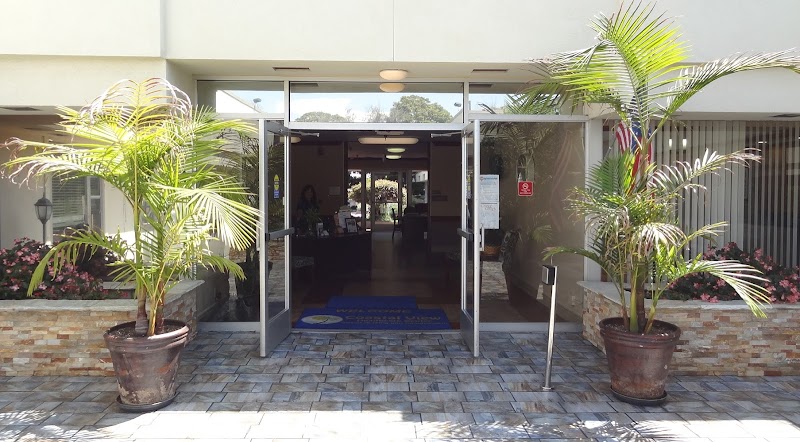
How is Coastal View Healthcare Center Staffed?
CMS rates Coastal View Healthcare Center's staffing level at 4 out of 5 stars, which is above average compared to other nursing homes. Staff turnover is 25%, compared to the California average of 46%. This relatively stable workforce can support continuity of care.

What Have Inspectors Found at Coastal View Healthcare Center?

State health inspectors documented 37 deficiencies at Coastal View Healthcare Center during 2019 to 2025. These included: 1 that caused actual resident harm and 36 with potential for harm. Deficiencies causing actual harm indicate documented cases where residents experienced negative health consequences.

Who Owns and Operates Coastal View Healthcare Center?

Coastal View Healthcare Center is owned by a for-profit company. For-profit facilities operate as businesses with obligations to shareholders or private owners. The facility is operated by THE MANDELBAUM FAMILY, a chain that manages multiple nursing homes. With 96 certified beds and approximately 86 residents (about 90% occupancy), it is a smaller facility located in Ventura, California.

How Does Coastal View Healthcare Center Compare to Other California Nursing Homes?

Compared to the 100 nursing homes in California, Coastal View Healthcare Center's overall rating (4 stars) is above the state average of 3.2, staff turnover (25%) is significantly lower than the state average of 46%, and health inspection rating (3 stars) is at the national benchmark.

What Should Families Ask When Visiting Coastal View Healthcare Center?

Based on this facility's data, families visiting should ask: "Can I visit during a mealtime to observe dining assistance and food quality?" "How do you handle medical emergencies, and what is your hospital transfer rate?" "Can I speak with family members of current residents about their experience?"

Is Coastal View Healthcare Center Safe?

Based on CMS inspection data, Coastal View Healthcare Center has a clean safety record: no substantiated abuse findings (meaning no confirmed cases of resident harm), no Immediate Jeopardy citations (the most serious violation level indicating risk of serious injury or death), and is not on the Special Focus Facility watch list (a federal program monitoring the lowest-performing 1% of nursing homes). The facility has a 4-star overall rating and ranks #1 of 100 nursing homes in California. While no facility is perfect, families should still ask about staff-to-resident ratios and recent inspection results during their visit.

Do Nurses at Coastal View Healthcare Center Stick Around?

Staff at Coastal View Healthcare Center tend to stick around. With a turnover rate of 25%, the facility is 20 percentage points below the California average of 46%. Low turnover is a positive sign. It means caregivers have time to learn each resident's needs, medications, and personal preferences. Consistent staff also notice subtle changes in a resident's condition more quickly. Registered Nurse turnover is also low at 20%, meaning experienced RNs are available to handle complex medical needs.

Was Coastal View Healthcare Center Ever Fined?

Coastal View Healthcare Center has been fined $8,278 across 1 penalty action. This is below the California average of $33,162. While any fine indicates a compliance issue, fines under $50,000 are relatively common and typically reflect isolated problems that were subsequently corrected. Families should ask what specific issues led to these fines and confirm they've been resolved.

Is Coastal View Healthcare Center on Any Federal Watch List?

Coastal View Healthcare Center is not on any federal watch list. The most significant is the Special Focus Facility (SFF) program, which identifies the bottom 1% of nursing homes nationally based on persistent, serious quality problems. Not being on this list means the facility has avoided the pattern of deficiencies that triggers enhanced federal oversight. This is a positive indicator, though families should still review the facility's inspection history directly.