Victoria Care Center
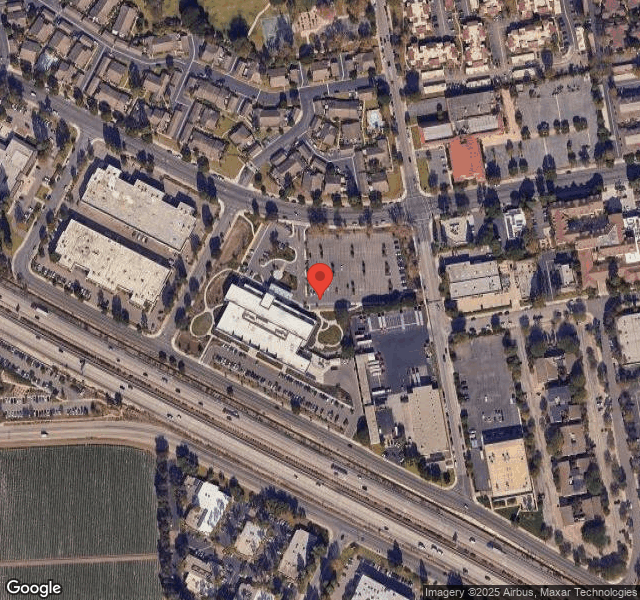

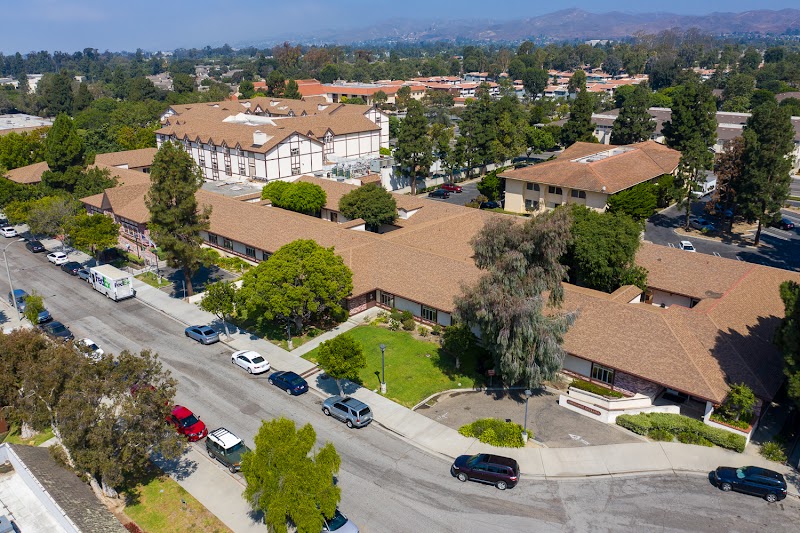
5445 Everglades Street, Ventura, CA 93003 (805) 642-1736
For profit - Limited Liability company 188 Beds THE ENSIGN GROUP Data: November 2025
Trust Grade
80/100
#261 of 1155 in CA
Last Inspection: February 2025

Within standard 12-15 month inspection cycle. Federal law requires annual inspections.

Overview

Victoria Care Center in Ventura, California, has a Trust Grade of B+, which means it is recommended and above average compared to other facilities. It ranks #261 out of 1,155 in California, placing it in the top half of state facilities, and #8 out of 19 in Ventura County, indicating only seven local options are better. Unfortunately, the facility’s trend is worsening, with reported issues increasing from 5 in 2024 to 13 in 2025. Staffing is a relative strength, with a 4 out of 5-star rating and a turnover rate of 30%, which is below the California average, suggesting staff stability and familiarity with residents. On the downside, there have been concerning incidents reported, such as a resident not being repositioned regularly despite their care plan requiring it, which increases the risk of pressure sores. Another resident did not receive prescribed antibiotics promptly, which could lead to serious health complications. Additionally, the facility failed to administer a blood thinner as ordered, potentially putting a resident at risk for life-threatening conditions. Overall, while Victoria Care Center has strengths in staffing and overall rating, families should be aware of the increasing number of health and safety concerns.
Trust Score
B+
80/100
In California
#261/1155
Top 22%
Safety Record
Low Risk
No red flags
Inspections
Getting Worse
5 → 13 violations
Staff Stability
○ Average
30% turnover. Near California's 48% average. Typical for the industry.
Penalties
✓ Good
No fines on record. Clean compliance history, better than most California facilities.
Skilled Nurses
⚠ Watch
Each resident gets only 23 minutes of Registered Nurse (RN) attention daily — below average for California. Fewer RN minutes means fewer trained eyes watching for problems.
Violations
⚠ Watch
28 deficiencies on record. Higher than average. Multiple issues found across inspections.
★★★★★
5.0
Overall Rating
★★★★☆
4.0
Staff Levels
★★★★★
5.0
Care Quality
★★★★☆
4.0
Inspection Score
Stable
2024: 5 issues
2025: 13 issues

The Good

  • 4-Star Staffing Rating · Above-average nurse staffing levels
  • 5-Star Quality Measures · Strong clinical quality outcomes
  • Full Sprinkler Coverage · Fire safety systems throughout facility
  • No fines on record
  • Staff turnover below average (30%)

    18 points below California average of 48%

Facility shows strength in staffing levels, quality measures, fire safety.

The Bad

Staff Turnover: 30%

16pts below California avg (46%)

Typical for the industry

Chain: THE ENSIGN GROUP

Part of a multi-facility chain

Ask about local staffing decisions and management

The Ugly 28 deficiencies on record

Jul 2025 1 deficiency
CONCERN (D) 📢 Someone Reported This

A family member, employee, or ombudsman was alarmed enough to file a formal complaint

Potential for Harm - no one hurt, but risky conditions existed

Deficiency F0658 (Tag F0658)

Could have caused harm · This affected 1 resident

**NOTE- TERMS IN BRACKETS HAVE BEEN EDITED TO PROTECT CONFIDENTIALITY** Based on interview and record review, the facility failed to ensure one of two sampled residents (Resident 2) was administered C...

Read full inspector narrative →
**NOTE- TERMS IN BRACKETS HAVE BEEN EDITED TO PROTECT CONFIDENTIALITY** Based on interview and record review, the facility failed to ensure one of two sampled residents (Resident 2) was administered Cipro (antibiotic used to treat infections) within a reasonable amount of time after a new order. This facility failure had the potential to result in the progression of the infection to a severe infection or sepsis (a life-threatening infection). Findings: During a review of Resident 2's Progress Note (PN), dated 6/27/25 at 8:22 a.m., the PN indicated, Change in Condition . FOUL SMELLING URINE. During a review of Resident 2's PN, dated 6/27/25 at 4:20 p.m., the PN indicated, While passing meds resident noted with foul smelling urine. During a review of Resident 2's Physicians Order (PO), dated 6/27/25 at 4:53 p.m., the PO indicated a new order for Cipro to be given twice a day for a urinary tract infection (UTI). An additional note indicated it was for the same day delivery from the pharmacy. Review of Resident 2's Care Plan (CP) titled, [Resident 2's name] has foul smelling urine, initiated 6/27/25, the CP indicated, Interventions [action to be taken to improve the situation] . Cipro . Give 1 tablet by mouth two times a day for UTI for 7 days. Review of Resident 2's Medication Administration Record (MAR), dated Jun 2025, the MAR indicated a new order for Cipro dated 6/27/25 at 8:44 p.m. The MAR also indicated an x in the block for the 6/27/25 at 5 p.m. dose. There was no other mark to indicate that the Cipro was administered on 6/27/25 or that the administration time was adjusted for the first dose. Review of [NAME] et al., eleventh edition, Elsevier, Fundamentals of Nursing, page 643, in the section titled, Medication Administration, indicated, Each agency has a recommended time schedule for medications ordered at frequent intervals. You can alter these recommended times if necessary or appropriate. During a concurrent interview and record review on 7/3/25 at 4:15 p.m. with the Assistant Director of Nursing (ADON), Resident 2's PN dated 6/27/25 at 8:22 a.m. and 4:20 p.m., PO dated 6/27/25 at 4:53 p.m., and MAR dated Jun 2025 were reviewed. ADON stated the Cipro was not taken out of the Emergency Medication Kit because the nurse was waiting for the delivery of the Cipro from the pharmacy. ADON also stated the computer automatically inputs the time to give the Cipro and that was why Resident 2 did not receive the first dose of the medicine until the next day. The nurse did not adjust the time of the first dose. ADON further stated the facility will educate the nurses to adjust the time of the first dose when appropriate. During a review of the facility's policy and procedure (P&P) titled, Emergency Medication/Medication Shortages/Unavailable Medications, dated 11/2024, the P&P indicated, If the medication dose is to be administered as an emergency or within 4 hours, per physician's order, and is not immediately available in the resident's medications supply, facility nurse should immediately obtain the medication from the Emergency Medication Supply to administer the dose . If the next available delivery causes delay or a missed dose in the resident's medication schedule, facility nurse should obtain the medication from the Emergency Medication Supply to administer the dose.
Apr 2025 1 deficiency
CONCERN (D) 📢 Someone Reported This

A family member, employee, or ombudsman was alarmed enough to file a formal complaint

Potential for Harm - no one hurt, but risky conditions existed

Deficiency F0658 (Tag F0658)

Could have caused harm · This affected 1 resident

**NOTE- TERMS IN BRACKETS HAVE BEEN EDITED TO PROTECT CONFIDENTIALITY** Based on interview and record review, the facility failed to follow physician's orders for Lovenox (Enoxaparin Sodium Injection-...

Read full inspector narrative →
**NOTE- TERMS IN BRACKETS HAVE BEEN EDITED TO PROTECT CONFIDENTIALITY** Based on interview and record review, the facility failed to follow physician's orders for Lovenox (Enoxaparin Sodium Injection- an anticoagulant/blood thinner), for one of two sampled residents (Resident 1). This facility failure had the potential to result in life-threatening condition. Findings: According to Fundamental of Nursing, by [NAME] and [NAME], Eighth Edition, on page 336, under the section, Physicians' Orders indicated, Nurses follow physician orders unless they believe the orders are in error or harm patients. During a review of Resident 1's admission record from acute hospital, dated 3/05/25 indicated, a post-operative diagnosis of deep vein thrombosis (DVT, blood clot in the vein ) and pulmonary embolism (PE, blood clot in the lungs). The hospital discharge summary included physician orders for Lovenox 100 mg to be administered subcutaneously every 12 hours. During a review of the electronic medication administration record (eMAR) and physician orders from 3/05/25 through 3/31/25 indicated, Resident 1 missed six doses of Lovenox from 3/05/25 to 3/8/25.There was also no documentation of physician notification regarding the unavailability or delay of the ordered medication. During an interview with the nurse supervisor (NS) on 3/25/25 at 10:31 a.m., the NS stated that if a medication is unavailable, nursing staff are expected to notify the pharmacy and the physician for further direction. During an interview with the director of nursing (DON) on 3/25/25 at 10:50 am, the DON acknowledged the physician should have been notified once the nurses learned the medication was unavailable. During a review of the facility policy and procedure titled Medication Orders dated 9/2010, indicated . the prescriber shall be contacted for direction when delivery of a medication will be delayed, or the medication is not available.
Feb 2025 7 deficiencies
CONCERN (D)

Potential for Harm - no one hurt, but risky conditions existed

Resident Rights (Tag F0550)

Could have caused harm · This affected 1 resident

**NOTE- TERMS IN BRACKETS HAVE BEEN EDITED TO PROTECT CONFIDENTIALITY** 2. During an interview on 2/24/25 at 11:25 a.m. in room [ROOM NUMBER]A with Resident 240, Resident 240 stated, Sometimes have to...

Read full inspector narrative →
**NOTE- TERMS IN BRACKETS HAVE BEEN EDITED TO PROTECT CONFIDENTIALITY** 2. During an interview on 2/24/25 at 11:25 a.m. in room [ROOM NUMBER]A with Resident 240, Resident 240 stated, Sometimes have to wait an hour, for staff to respond to call light requests. Resident 240 further stated this made her feel embarrassed, frustrated, and angry since she sometimes had to void in her bed and on herself. During review of room [ROOM NUMBER]A's call light use log, Nurse Call Activity Report (NCAR), dated 2/21/25 to 2/27/25, the NCAR indicated: - On 2/21/25, at 7:30 a.m., the call duration (time resident's call light was answered) was 12:23 (12 minutes and 23 seconds). - On 2/21/25, at 8:37 a.m., the call duration was 48:59. - On 2/21/25, at 12:21 p.m., the call duration was 13:10. - On 2/21/25, at 8:34 p.m., the call duration was 31:17. - On 2/22/25, at 9:13 a.m., the call duration was 18:17. - On 12/243/25, at 1:12 a.m., the call duration was 19:25. - On 2/23/25, at 7:41 a.m., the call duration was 15:25. - On 2/23/25, at 1:35 p.m., the call duration was 20:50. - On 2/23/25, at 3:49 p.m., the call duration was 13:34. - On 2/23/25, at 8:29 p.m., the call duration was 20:19. - On 2/23/25, at 9:19 p.m., the call duration was 36:38. - On 2/24/25, at 9:34 a.m., the call duration was 15:39. - On 2/24/25, at 11:03 a.m., the call duration was 14:49. - On 2/24/25, at 2:06 p.m., the call duration was 12:27. - On 2/24/25, at 1:41 p.m., the call duration was 15:24. - On 2/25/25, at 5:19 p.m., the call duration was 13:01. - On 2/25/25, at 7:37 p.m., the call duration was 36:59. - On 2/26/25, at 6:03 a.m., the call duration was 14:10. - On 2/26/25, at 8:34 p.m., the call duration was 34:58. - On 2/26/25, at 9:33 p.m., the call duration was 27:36. 3. During an interview on 2/24/25 at 11:37 a.m. in room [ROOM NUMBER]A with Resident 66, Resident 66 stated, Night shift [11 p.m. - 7 a.m.] has the worse call light response than mid shift [3 p.m.- 11 p.m.]. Resident 66 further stated, I have to wait an hour more or less for someone from the staff to respond to the call light. Resident 66 also stated this made Resident 66 feel angry, frustrated, in pain, hungry, thirsty, and embarrassed since Resident 66 had no choice but to do Business, in the bed. During a review of room [ROOM NUMBER]A's NCAR,) dated 2/15/25 to 2/26/25, the NCAR indicated: - On 2/16/25, at 6:24 a.m., the call duration was 20:04. - On 2/16/25, at 10:57 p.m., the call duration was 14:18. - On 2/17/25, at 3:22 a.m., the call duration was 15:38. - On 2/17/25, at 9:00 a.m., the call duration was 43:41. - On 2/17/25, at 10:26 a.m., the call duration was 31:15. - On 2/17/25, at 11:32 a.m., the call duration was 24:52. - On 2/17/25, at 7:40 a.m., the call duration was 14:31. - On 2/18/25, at 10:19 a.m., the call duration was 14:04. - On 2/19/25, at 7:43 a.m., the call duration was 14:50. - On 2/19/25, at 10:01 a.m., the call duration was 26:36. - On 2/19/25, at 4:12 p.m., the call duration was 25:17. - On 2/19/25, at 7:35 p.m., the call duration was 21:28. - On 2/20/25, at 5:04 a.m., the call duration was 14:08. - On 2/20/25, at 10:51 a.m., the call duration was 17:29. - On 2/20/25, at 6:25 p.m., the call duration was 24:10. - On 2/20/25, at 11:35 p.m., the call duration was 23:31. - On 2/21/25, at 4:04 a.m., the call duration was 16:04. - On 2/21/25, at 5:52 a.m., the call duration was 14:40. - On 2/21/25, at 10:59 a.m., the call duration was 19:16. - On 2/21/25, at 1:27 p.m., the call duration was 14:35. - On 2/21/25, at 3:25 p.m., the call duration was 12:52. - On 2/21/25, at 7:59 p.m., the call duration was 13:38. - On 2/22/25, at 12:13 a.m., the call duration was 12:49. - On 2/22/25, at 10:48 a.m., the call duration was 18:13. - On 2/22/25, at 1:32 p.m., the call duration was 16:55. - On 2/22/25, at 7:30 p.m., the call duration was 13:58. - On 2/22/25, at 7:46 a.m., the call duration was 11:08. - On 2/23/25, at 10:35 a.m., the call duration was 15:03. - On 2/23/25, at 3:11 p.m., the call duration was 50:54. - On 2/23/25, at 4:25 p.m., the call duration was 18:19. - On 2/23/25, at 6:35 p.m., the call duration was 18:04. - On 2/23/25, at 7:20 p.m., the call duration was 25:56. - On 2/23/25, at 8:56 p.m., the call duration was 26:46. - On 2/25/25, at 3:14 p.m., the call duration was 20:59. - On 2/26/25, at 6:27 a.m., the call duration was 12:00. During a review of the facility's P&P titled, Call Light/Bell, dated 11/21, the P&P indicated in part, POLICY: It is the policy of this facility to provide the resident a means of communication with nursing staff . PROCEDURES: 1. Answer the light/bell within a reasonable time. During a concurrent interview and record review on 2/27/25 at 10:20 a.m. with the Director of Nursing (DON), Rooms 121A and 120A's NCARs were reviewed. DON stated a reasonable expectation for call light response time was 10 minutes. DON further stated call light response times of 40 to 50 minutes was unacceptable. Based on observation, interview, and record review, the facility failed to ensure it promoted and maintained dignity and respect for three of four sampled residents (Residents 110, 240 , and 66) when: 1. Resident 110, confidential medical information was publicly displayed. This failure resulted in a violation of their right to dignity. 2. Resident 240, call light was not answered timely. This failure resulted in feeling embarrassed, frustrated, and angry. 3. Resident 66, call light was not answered timely. This failure resulted in feeling angry, frustrated, in pain, hungry, thirsty, and embarrassed. Findings: During a review of the facility's policy and procedure (P&P) titled, Dignity and Respect, dated 11/24, the P&P indicated, It is the policy of this facility that all residents be treated with kindness, dignity and respect. 1. During an observation on 2/24/25 at 11:57 a.m. in Resident 110's room, there was an orange Swallow Guide (SG) posted at the head of their bed. The SG identified Resident 110's name and specific treatment details including diet texture, head and body positioning, details on where to place solids in their mouth, consistency of liquids, not to lie flat for 30 minutes after eating/drinking, and aspiration precautions (preventing food/liquids from entering the lungs). During an interview on 2/25/25 at 4:45 p.m. with the Administrator (ADM), ADM stated the SG at the head of Resident 110's bed should be covered.
CONCERN (D)

Potential for Harm - no one hurt, but risky conditions existed

Deficiency F0578 (Tag F0578)

Could have caused harm · This affected 1 resident

**NOTE- TERMS IN BRACKETS HAVE BEEN EDITED TO PROTECT CONFIDENTIALITY** Based on interview and record review, the facility failed to ensure one of eight sampled residents (Resident 69), had the most c...

Read full inspector narrative →
**NOTE- TERMS IN BRACKETS HAVE BEEN EDITED TO PROTECT CONFIDENTIALITY** Based on interview and record review, the facility failed to ensure one of eight sampled residents (Resident 69), had the most current Physician Orders for Life-Sustaining Treatment (POLST) a form designed to improve resident care by creating a portable medical order form that records residents' treatment wishes so that emergency personnel know what treatments the resident wants in the event of a medical emergency. This failure had the potential to result in Resident 69's end of life wishes not to be honored. Findings: During a review of the facility's policy and procedure (P&P) titled, Advanced Directives, POLST, dated 11/24, the P&P indicated, Resident or surrogate decision maker will be offered and assisted by facility staff . to complete a POLST (Physician's Orders for Life Sustaining Treatment) document to formulate decisions regarding Life Sustaining Treatment. A copy of this document will be in the Medical Record of resident. During a review of Resident 69's POLST, dated [DATE], in Resident 69's paper medical record at the nursing station, the POLST indicated, Selective Treatment - goal of treating medical conditions while avoiding burdensome measures. In addition to treatment described in Comfort-Focused Treatment, use medical treatment, IV antibiotics, and IV fluids as indicated. Do not intubate [insertion of a breathing tube down the throat into the lungs to provide oxygen to the body]. During a review of Resident 69's Physician Order (Order), dated [DATE] at 1:33 p.m., the Order indicated, CPR/Attempt Resuscitation. Trial period of full treatment. Trial period of nutrition, including feeding tubes. During a review of Resident 69's POLST, dated [DATE], in Resident 69's electronic Health Record (eHR), the POLST indicated, Trial Period of Full Treatment . primary goal of prolonging life by all medical effective means. In addition to treatment described in Selective Treatment and Comfort-Focused Treatment, use intubation, advanced airway interventions, mechanical ventilation [using a machine to deliver air into and out of the lungs. During a concurrent interview and record review on [DATE] at 10:21 a.m. with a licensed nurse (LN2), Resident 69's paper POLST, dated [DATE], and electronic POLST, dated [DATE] were reviewed. LN2 stated the paper copy and electronic copy of the POLST do not match and they should. During a concurrent interview and record review on [DATE] at 10:30 a.m. with a Minimum Data Set licensed nurse (MDS1), Resident 69's electronic POLST, dated [DATE], POLST dated [DATE], and paper POLST, dated [DATE] were reviewed. MDS1 stated the three documents do not match and they should.
CONCERN (D)

Potential for Harm - no one hurt, but risky conditions existed

Deficiency F0657 (Tag F0657)

Could have caused harm · This affected 1 resident

**NOTE- TERMS IN BRACKETS HAVE BEEN EDITED TO PROTECT CONFIDENTIALITY** Based on interview and record review, the facility failed to ensure one of one sampled resident (Resident 106), was involved in ...

Read full inspector narrative →
**NOTE- TERMS IN BRACKETS HAVE BEEN EDITED TO PROTECT CONFIDENTIALITY** Based on interview and record review, the facility failed to ensure one of one sampled resident (Resident 106), was involved in review and revision of their care plan during the interdisciplinary (IDT) meeting of health professionals who plan and coordinate resident care meeting. This failure resulted in Resident 106 not being given the right to participate in deciding treatment options. Findings: During a review of the facility's policy and procedure (P&P) titled, Care Planning/Interdisciplinary Team Conference, dated 11/24, the P&P indicated, To the extent possible, the resident, the resident's family and/or responsible party should participate in the development of the care plan . Every effort will be made to schedule care plan meetings to accommodate the availability of the resident and family or responsible party. During an interview on [DATE] at 10:07 a.m. with Resident 106, Resident 106 stated not understanding why the facility does not invite her to the IDT meeting. During a concurrent interview and record review on [DATE] at 11:35 a.m. with a social services designee (SSD), Resident 106's IDT - Care Plan Review (IDTCPR), dated [DATE] ay 9:16 a.m. was reviewed. SSD stated SSD spoke with Resident 106 before the IDTCPR meeting. SSD also stated Resident 106 was not at the IDTCPR meeting. SSD further stated SSD did not review the IDTCPM changes with Resident 106. During a concurrent interview and record review on [DATE] at 11:50 a.m. with a minimum data set nurse assessment coordinator (MDS2), Resident 106's IDTCPR, dated [DATE] at 9:16 a.m. was reviewed. MDS2 stated, 'We never have the resident present at the meeting. MDS2 also stated the resident is never at the care plan meeting, adding, It's just been that way. MDS2 further stated after the IDTCPR meeting the revisions to the care plan are not reviewed with the resident. MDS2 finally stated the IDTCPR should have been reviewed with Resident 106 and it wasn't. During a concurrent interview and record review on [DATE] at 12:10 p.m. with the Director of Nursing (DON), Resident 106's IDTCPR, dated [DATE] at 9:16 a.m. was reviewed. DON stated Resident 106 was not at the meeting and not able to agree with or be informed of the IDT results. DON further stated all residents should be at the care plan meeting if they are able to.
CONCERN (D)

Potential for Harm - no one hurt, but risky conditions existed

Medical Records (Tag F0842)

Could have caused harm · This affected 1 resident

**NOTE- TERMS IN BRACKETS HAVE BEEN EDITED TO PROTECT CONFIDENTIALITY** Based on interview and record review, the facility failed to maintain complete and accurate medical records in accordance with p...

Read full inspector narrative →
**NOTE- TERMS IN BRACKETS HAVE BEEN EDITED TO PROTECT CONFIDENTIALITY** Based on interview and record review, the facility failed to maintain complete and accurate medical records in accordance with professional standards and practices for two of four sampled residents (Residents 93 and 13) when: 1. The facility did not maintain a complete, accurately documented, readily accessible, and systematically organized room transfer form for Resident 93's relocation. 2. The facility failed to monitor Resident 13's depression and mood as ordered by the physician. These failures had the potential to impact resident rights, care planning, and the provision of appropriate care due to inaccurate or incomplete documentation. Findings: 1. During a concurrent observation and interview on 2/24/25 at 10:47 a.m., with Resident 93, in room [ROOM NUMBER]A, Resident 93 stated, was transferred from room [ROOM NUMBER] to room [ROOM NUMBER] on 2/13/25, without prior notification (verbal or written) from the facility and without signing any consent. Resident 93 stated she did not sign any document attesting to her giving her consent for a room change. During an interview on 2/26/25 at 9:57 a.m. with the Director of Nursing (DON), the DON confirmed the room transfer was done on 2/13/25. Resident 93 was transferred from room [ROOM NUMBER] to room [ROOM NUMBER]. A new admit resident (+COVID-19) needed to be on isolation and room [ROOM NUMBER] was the only available room for isolation. DON added Resident 93 was informed verbally by staff prior to transfer and it is documented in the nursing progress note dated 2/14/25. The DON admitted prior notice was not given to Resident 93 since the new admit resident's positive COVID-19 diagnosis was discovered when the facility did test upon resident's arrival in the facility. Facility did not receive any report from the hospital of the new admit resident being positive for COVID-19. During a concurrent record review and interview on 2/26/25 at 10:05 a.m. with the DON, the facility Policy and Procedure (P&P) titled, Notification of Room or Roommate, dated 11/2024,was reviewed and indicated in part, POLICY: It is the policy of this facility that the resident has the right to notification of room or roommate changes and to agree prior to the change taking place. PROCEDURES: 1. The Notification of Room or Roommate Change form is to be completed and used to document that the resident has been given written advanced notification of room or roommate change. Review of the provided Notification of Room or Roommate Change form was instead titled, STATUS CHANGE. The bottom of the form required a signature from the resident. The DON concurred there was a discrepancy where in the P&P indicated Notification of Room or Roommate Change form where as the facility was using a form titled STATUS CHANGE. The DON also concurred to the following: that no advance notification was given to Resident 93, that Resident 93 did not sign the form/consent since the facility practice was for the licensed staff to fill out the form without obtaining the resident(s) signature, that no STATUS CHANGE form was filled out by the staff for Resident 93's room transfer. 2. During an interview on 2/24/25 at 2:56 p.m., Resident 13 stated is taking medication for his mood. During a review of Resident 13's Health Record, indicated Resident 13 had orders for: Depakote (drug used to treat mood disorder) oral tablet delayed release (Divalproex) 250 milligrams (mg) order date 2/11/25 - give 250 mg by mouth 2 times a day for mood disorder manifested by constant yelling. Sertraline (drug used to treat depression) oral tablet 37.5 mg, order date 2/12/25 - give 37.5 mg by mouth one time a day every Monday, Wednesday and Sunday for depression. Trazodone tablet (drug used to treat depression) 75 mg, order date 2/10/25 - give 75 mg by mouth at bedtime every Monday, Wednesday and Sunday for depression manifested by inability to sleep. Monitor episodes of depression manifested by inability to sleep, tally by hashmarks Trazodone every evening and night shift. Order date 11/11/21. Monitor episodes of mood disorder by constant yelling with apparent reason by hasmarks Divalproex every shift. Order date 5/1/21. Monitor episodes of depression manifested by verbalization of sadness, tally by hashmarks Sertraline every shift. Order date 5/1/21. During a review of Resident 13's Health Record, the Health Record indicated, no documentation for monitoring for episode of depression and mood disorder on PM shift on 2/13/25 and 2/14/25. During an interview on 2/26/25 at 12:08 p.m., with the DON, the DON acknowledged monitoring was not documented. During a review of the facility policy and procedure (P&P) titled, Documentation and Charting-General, dated 11/2024, the P&P indicated, A complete account of the resident's care, treatment, response to the care, signs symptoms, etc., as well as the progress of the resident's care in an accurate and chronological order.
CONCERN (D)

Potential for Harm - no one hurt, but risky conditions existed

Infection Control (Tag F0880)

Could have caused harm · This affected 1 resident

**NOTE- TERMS IN BRACKETS HAVE BEEN EDITED TO PROTECT CONFIDENTIALITY** 3. During an observation on 2/24/25 at 9:40 a.m. in room [ROOM NUMBER]A, Resident 232 had an undated nasal cannula, humidifier, ...

Read full inspector narrative →
**NOTE- TERMS IN BRACKETS HAVE BEEN EDITED TO PROTECT CONFIDENTIALITY** 3. During an observation on 2/24/25 at 9:40 a.m. in room [ROOM NUMBER]A, Resident 232 had an undated nasal cannula, humidifier, and was missing a plastic storage bag to secure the nasal cannula when not in use. During an observation on 2/24/25 at 10:47 a.m. in room [ROOM NUMBER]A, Resident 93's nebulizer was in the bottom drawer. The nebulizer mask and the tubing were undated. There was no plastic storage bag to secure the nebulizer mask and tubing when not in use. During an observation on 2/25/25 at 9:09 a.m. in room [ROOM NUMBER]A, Resident 244, Med Nurse (MN 1) dropped the plastic wrap of a Lidocaine patch, picked it up from the floor, threw the plastic wrap in the trash, did not change gloves, and proceeded to administer the Lidocaine patch to Resident 244. During an interview on 2/25/25 at 3 p.m. with the Infection Preventionist Nurse (IPN -specialized nurse who focuses on preventing the spread of infectious disease within the healthcare facility), the IPN concurred with the findings. During an interview on 2/27/25 at 10:20 a.m. with the DON, when asked about the frequency of O2 tubing, nebulizer tubing, plastic storage bags and mask changes, DON said everything is done once a week and they should be labeled upon change. During a review of the facility Policy and Procedure (P&P) titled, Oxygen/Nebulization Therapy, dated 11/2024, the P&P indicated in part, Weekly tubing and storage bag changes, for both Oxygen and Nebulization tubing/masks with appropriate labeling. 4. During an observation on 2/26/25 at 10:30 a.m. Resident 434's right medial wound care treatment with Treatment Nurse (TN 2) was observed. TN 2 with a new pair of gloves removed the soiled dressing and placed them in the garbage receptacle. TN 2 then removed the pair of dirty gloves, placed them in a garbage receptacle, and put on clean gloves without washing her hands. TN 2 proceeded to provide treatment to the wound, applied the skin protectant then grabbed the clean dressing and covered Residents 434's wound without removing her dirty gloves or performing hand hygiene after the treatment. During an interview on 2/26/25 at 10:45 a.m. with TN 2, TN 2 acknowledged not washing her hands in between glove changes and not removing her soiled gloves after completing the treatment before touching the clean dressing and applying it to Resident 434. During a review of the facility's policy and procedure (P&P) titled, Wound Care and Treatment Guidelines, dated 11/2024, the P&P indicated, The use of gloves does not replace the need to wash or sanitize hands. Hand washing must be done before treatment is initiated, after soiled dressing are removed, and after completing the treatment. Based on observation, interview, and record review, the facility failed to adhere to Infection Prevention and Control Program (IPCP) when: 1. Staff failed to follow Enhanced Barrier Precautions (EBP) when providing care for one sampled resident (Resident 682). 2. Staff failed to follow infection control protocols while assisting two unsampled residents (Residents 12 and Resident 94) with feedings. 3. Staff failed to label oxygen tubing, nebulizer mask, and nebulizer tubing for two sampled residents (Residents 232 and 93) and did not change contaminated gloves for one unsampled resident (Resident 240), which did not align with infection control protocols. 4. Staff failed to perform handwashing during wound care for one sampled resident (Resident 434). These failures had the potential to result in the spread of organisms from staff members to other vulnerable residents. Findings: 1. During an observation on 2/24/25 at 10:21 a.m. of care to Resident 682, staff Occupational Therapist (OT 1) and Physical Therapist (PT 1) were observed providing direct care to Resident 682, wearing gloves and masks. Signage from Center for Disease Controls (CDC) outside of Resident 682's room indicated, Resident 682 was on Enhanced Barrier Precautions (EBP: a set of infection control measures that use gowns and gloves to reduce the spread of multidrug-resistant organisms (MDROs). EBP are used in nursing homes and other long term care facilities). During an interview on 2/24/25 at 10:32 a.m. with Director of Nursing (DON), the DON stated it was the expectation If providing direct patient care for staff to wear gloves and gowns. During an interview 2/24/25 at 10:44 a.m. with OT 1 and PT 1, OT 1 and PT 1 stated they had not been wearing gowns when providing initial direct patient care to Resident 682. During a review of the facility's policy and procedure (P&P) titled, IPCP and Transmission-Based Precautions, dated 3/2024, the P&P indicated, Enhanced Barrier Precautions (EBP) used in conjunction with standard precautions and expand the use of PPE (Personal Protective Equipment: protects healthcare workers and patients form the spread of infection) through the use of gown and gloves during high-contact resident activities that provide opportunities for indirect transfer of MDROs to staff hands and clothing then indirectly transferred to resident . 2. During an observation on 2/24/25 at 11:57 a.m. in the Dining Hall, Certified Nurse Assistant (CNA1) was feeding two unsampled residents (Residents 94 and 12). CNA 1 was using right hand for both residents and while alternating, placed utensil on tray between feedings. During an interview on 2/24/25 at 12:07 p.m. with the DON, the DON stated there should be one staff member to one resident when assisting with feeding. During a review of the facility's P&P titled, Feeding the Dependent Resident, dated 11/24, the P&P indicated, One staff member may feed two residents when needed while following these guidelines: Infection Control guidelines are to be followed as to prevent cross contamination. During a review of the facility's P&P titled, Hand Hygiene, dated 10/22, the P&P indicated, Use of an alcohol- based hand rub containing at least 62% alcohol or . soap (antimicrobial or non-antimicrobial) and water for the following situations . (b) Before and after direct contact with residents . (p) Before and after assisting a resident with meals .
CONCERN (D)

Potential for Harm - no one hurt, but risky conditions existed

Safe Environment (Tag F0921)

Could have caused harm · This affected 1 resident

Based on observation and interview, the facility failed to ensure to provide a functional and comfortable environment for residents when pull cords for overhead night lights were missing. This failure...

Read full inspector narrative →
Based on observation and interview, the facility failed to ensure to provide a functional and comfortable environment for residents when pull cords for overhead night lights were missing. This failure resulted in denying residents the use of a night light and had the potential to result in adverse consequences during nighttime hours, including increased fall risk. Findings: During an initial tour observation on 2/24/25 at 9:40 a.m. the following residents rooms/beds were missing a night light pull cord: Rooms 109A, 110A, 113A, 113B, 114A, 114B, 115A, 116A, 116B, 118A, 118B, 119B, 120A, 121A, 124A, and 125A. During an interview on 2/25/25 at 12:41 p.m. in the Administrators office, with the Director of Maintenance (DM) and the Assistant Maintenance (AM), both DM and AM confirmed pull cords for the night lights were missing in the identified residents rooms.
CONCERN (E)

Potential for Harm - no one hurt, but risky conditions existed

Comprehensive Care Plan (Tag F0656)

Could have caused harm · This affected multiple residents

**NOTE- TERMS IN BRACKETS HAVE BEEN EDITED TO PROTECT CONFIDENTIALITY** 3. During an interview on 2/25/25 at 3:30 p.m.,with Resident 5, Resident 5 stated she had multiple sclerosis (chronic autoimmune...

Read full inspector narrative →
**NOTE- TERMS IN BRACKETS HAVE BEEN EDITED TO PROTECT CONFIDENTIALITY** 3. During an interview on 2/25/25 at 3:30 p.m.,with Resident 5, Resident 5 stated she had multiple sclerosis (chronic autoimmune disease that affects the central nervous system). When asked if she was repositioned/turned every two hours, Resident 5 stated that she was not regularly turned and repositioned. During a review of Resident 5's Health Record, dated 1/31/25 to 2/25/25, the Health Record indicated, turning and repositioning monitoring every shift. There are multiple eight days) during various shifts where no documentation was recorded for turning and repositioning. During a review of Resident 5's Care Plan (CP), the CP indicated, a CP titled, Physical mobility, at risk for further decline in ADL (activities of daily living) self care performance related to multiple sclerosis, UTI (urinary track infection) and COPD (chronic obstructive pulmonary disease), with an intervention for Bed Mobility - requires limited to extensive 1-2 assistance with turning and repositioning. During an interview on 2/26/25 at 12:09 p.m. with the Director of Nursing (DON), the DON acknowledged that multiple shifts were missing documentation for Resident 5's turning and repositioning. During a review of the facility's policy and procedure (P&P) titled, Turning and Repositioning System, dated 06/2024, the P&P indicated, 1. Turning and positioning schedule will be dependent on each resident's needs. Residents with current pressure injury or at a higher risk for developing pressure injuries will be repositioned on a more frequent basis. 2. All residents who are at risk for skin breakdown and who require repositioning will have an individualized Care Plan developed and carried out. 3. Turning will be monitored by supervising staff. 4. Turning and repositioning will be documented by cerfified nursing assistant in the electronic health records. 4. During a review of Resident 36's admission Record (AR), the AR indicated, Resident 36 was admitted on [DATE] with diagnoses including end-stage renal disease (kidneys have completely stopped working) and was placed on renal dialysis (treatment that removes waste and excess fluid from the blood). During an interview on 2/25/25 at 8:30 a.m. with Resident 36, Resident 36 stated that she gets hungry during her dialysis treatment, but no one has offered her sack lunch (a lunch that's prepared ahead of time and packed in a bag) or snacks to take with her to her. During a review of Resident 36's Physician Order (PO), dated 2/7/25, the PO indicated, Sack of lunch during dialysis days. During an interview on 2/26/25 at 2:00 p.m. with CNA 3, CNA 3 stated that sack lunch was not offered to Resident 36's because she leaves for dialysis after lunch. During a concurrent interview and record review on 2/26/25 at 3:00 p.m. with DON, DON stated that Resident 36 should have sack lunches when going to dialysis as ordered by the doctor and outlined in the care plan. 5. During a review of Resident 121's admission Record (AR), the AR indicated, Resident 121 was admitted on [DATE] with diagnoses including toxic encephalopathy (brain becomes damaged due to the presence of toxins), and abnormalities of gait and mobility (irregular patterns in walking and movement). During a review of Resident 121's Physician Order (PO), dated 1/10/2025, the PO indicated, offload bilateral heels with pillows. During concurrent observations and interview on 2/25/25 at 11:30 a.m. with Infection Preventionist (IP) in Resident 121's room, Resident 121 was observed with no pillows under their heels. IP stated there should have been pillows. During an interview on 2/25/25 at 11:40 a.m. with Licensed Nurse (LN) 2, LN 2 stated pillows should have been placed under the Resident 121's heels to offload pressure. During a concurrent interview and record review on 2/25/25 at 3:00 p.m. with DON, Resident 121's care plans were reviewed. DON acknowledged there was no care plan documentation addressing the use of pillows to offloads heels. DON further stated that staff must follow the physician's order, and that care plan should have aligned with the order. During a review of the facility's policy and procedure (P&P) titled, Care Planning, dated 11/2024, the P&P indicated, Based on the interdisciplinary review, the care plan will be implemented, with ongoing revision as needed. Based on observation, interview and record review the facility failed to ensure: 1. Care plan interventions were implemented for three of 38 sampled resident's (Residents 61, 123 and 138). 2. Medication administration and interventions were completed as identified in the care plan for one of 38 sampled residents (Resident 682). 3. Consistent turning and repositioning of one of 38 sampled residents (Resident 5). 4. A snack was provided during Dialysis (treatment that removes waste and excess fluid from the body) days for one of 38 sampled residents (Resident 36). 5. Pillows were placed to offload pressure from heels for one of 38 sampled residents (Resident 121). This failure had the potential to result in the needs of residents not being met. Findings: 1. During a review of Resident 61's admission Record (AR), dated 02/25/25, the AR indicated, Resident 61 was admitted [DATE] with diagnoses including but not limited to, anemia (not having enough healthy red blood cells), difficulty in walking, need for assistance with personal care, unspecified dementia (a general term for a group of brain disorders that cause a progressive decline in memory, thinking, reasoning, and problem-solving). During a review of Resident 61's Facility Order Summary Report, for active orders dated 02/25/25, the Order Summary indicated, an order dated 06/11/24 for foot cradle every shift for skin maintenance. During a review of Resident 61's Treatment Administration Record (TAR), dated 02/25/25, the TAR indicated, the following interventions were not implemented: - APP (alterrnate pressure) Mattress every shift for skin maintenance order date 05/02/24 and D/C (discontinued) 02/11/25 on 02/08/25 for 1500 (3:00 p.m.). - Foot cradle every shift for skin maintenance for 1500 on 02/08/25. During a review of Resident 123's AR, dated 02/25/25, the AR indicated, Resident 123 was admitted [DATE] with diagnoses including but not limited to, hemiplegia (a condition that involves partial or complete paralysis (inability to move) and weakness on one side of the body) unspecified affecting left nondominant side, epilepsy (seizure disorder) unspecified, sleep apnea (sleep disorder with repeated episodes shallow or no breathing during sleep), dysphasia (problem with speech resulting from brain disease or damage) following unspecified cardiovascular disease (group of conditions that affect blood flow to the brain), personal history of transient ischemic attack (TIA - or a stroke, a temporary interruption of blood flow to the brain) and cerebral infarction (blood flow to the brain is blocked) without residual deficits. During a review of Resident 123's Facility Order Summary Report, dated 02/25/25, the Order Summary indicated orders dated as follows: - 07/27/23 - H/S (bedtime) monitor QS (every shift) side effects of medication: . Zolpidem (medication used for insomnia to aid in sleep). - 07/27/23 - H/S non-pharma logical interventions . Zolpidem every shift. - 08/24/23 - Monitor for episodes of insomnia. - 07/12/23 - Pain, non-pharma logical interventions . every shift ordered 07/12/23. - 11/25/24 - Apply CPAP/BIPAP (Device that delivers continuous pressure used with sleep apnea) Trilogy Evo (type of device) settings . at bedtime for sleep apnea and remove per schedule. - 11/21/24 - Apply oxygen via nasal canula (tube placed in the nose used to give oxygen) at 2 LPM (liters per minute - amount of oxygen delivered) to maintain O2 (oxygen) saturation greater than 92% (unit of measure) at bedtime and remove per schedule. - 01/28/25 - Bilateral (both sides) grab bars up in bed to aid in bed mobility every shift. - 07/12/24 - BIPAP/CPAP/AVAP at HS (bedtime) and PRN (as needed) per settings. - 11/21/24 - Check O2 sat (saturation or amount) every shift. - 02/07/24 - Monitor episodes of combativeness during are . q (every) shift. - 02/07/24 - Monitor episodes of verbal aggression towards staff q shift. - 07/12/23 - Monitor for seizure activity every shift. - 07/12/23 - Monitor level of pain q shift. - 07/12/23 - Right internal shunt (a tube implanted in brain to drain excess fluid) to side of head extending to neck . every shift. During a review of Resident 123's Medication Administration Report/Treatment Administration Record (MAR/TAR), dated 02/25/25 at 12:03 p.m., the MAR/TAR indicated, several interventions were not completed including: - Apply oxygen via nasal canula at 2 LPM to maintain O2 saturation greater than 92% at bedtime and remove per schedule for 02/18/25 and 02/19/25. - BIPAP/CPAP/AVAP at HS and PRN per settings . for 02/18/25 and 02/19/25. - Monitor for episodes of insomnia . on 02/18/25 and 02/19/25. - H/S monitor QS side effects of medication: . Zolpidem at 1500 (3:00 p.m.) for 02/18/25 and 02/19/25. - H/S non-pharma logical interventions . Zolpidem at 1500 for 02/18/25 and 02/19/25. - Pain, non-pharma logical interventions . every shift at 1500 for 02/18/25 and 02/19/25. - Bilateral (both sides) bars up in bed to aid in bed mobility every shift at 1500 for 02/18/25 and 02/19/25. - Check O2 sat every shift at 1500 for 02/18/25 and 02/19/25. - Monitor episodes of combativeness during . q shift at 1500 for 02/18/25 and 02/19/25. - Monitor episodes of verbal aggression towards staff q shift at 1500 for 02/18/25 and 02/19/25. - Monitor for seizure activity every shift at 1500 for 02/18/25 and 02/19/25. - Monitor level of pain q shift . at 1500 for 02/18/25 and 02/19/25. - Right internal shunt to side of head extending to neck . every shift at 1500 for 02/19/25. During a review of Resident 138's AR, dated 02/25/25, the AR indicated Resident 138 was admitted [DATE] with diagnosis including but not limited to, hemiplegia and hemiparesis following unspecified cerebrovascular disease affecting right dominant side, dysphagia following cerebral infarction, and need for assistance with personal care. During a review of Resident 138's MAR, dated 02/25/25, the MAR indicated, several interventions were not implemented including: - Up to chair for meals on 02/18/25, 02/19/25 and 02/22/25. - Pain, non-pharmacological (no medication) intervention . on 02/18/25, 02/19/25 and 02/22/25. - Bilateral grab bars up in bed to aid in bed mobility on 02/18/25, 02/19/25 and 02/22/25. - Head of bed elevated to 30 degrees on 02/18/25, 02/19/25 and 02/22/25. - House supplement with meals for nutritional support . for the 1700 (5:00 p.m.) shift on 02/18/25 and 02/19/25. - Monitor for s/sx (signs and symptoms) of bleeding R/T (related to) anticoagulation/antiplatelet therapy (medications that reduce the risk of blood clots) for the 1500 shift on 02/18/25, 02/19/25 and 02/22/25. - Monitor level of pain q (every) shift . for 1500 shift on 02/18/25, 02/19/25 and 02/22/25. - One side of bed against the wall per family request every shift for 1500 on 02/18/25, 02/19/25 and 02/22/25. - Pad alarm in bed to remind resident not to get up unassisted every shift for 1500 shift on 02/18/25, 02/19/25 and 02/22/25. - Pad alarm in wheelchair to remind resident not to get up unassisted every shift for 1500 shift on 02/18/25, 02/19/25 and 02/22/25. - Weight Bearing as tolerated left leg every shift for 1500 shift on 02/18/25, 02/19/25 and 02/22/25. - Weight Bearing as tolerated right leg every shift for 1500 shift on 02/18/25, 02/19/25 and 02/22/25. During a review of Resident 138's Facility Order Summary Report, dated 02/25/25, the Order Summary indicated, orders were dated as follows: - 10/22/23 - Up to chair for meals every evening shift. - 10/22/23 - Pain Non-pharmacological intervention done. - 10/22/23 - Bilateral grab bars up in bed to aid in bed mobility. - 10/22/23 - Head of bed elevated to 30 degrees every shift. - 10/22/23 - Monitor for s/sx of bleeding r/t anticoagulation/antiplatelet therapy q shift. Notify MD if any of the following s/sx . - 10/22/23 - Monitor level of pain q shift using the following scale . - 02/05/25 - One side of bed against the wall . - 10/22/23 - Pad alarm in bed to remind resident not to get up unassisted. - 10/22/23 - Pad alarm in wheelchair to remind resident not to get up unassisted. - 10/22/23 - Weight bearing as tolerated left leg every shift. - 10/22/23 - Weight bearing as tolerated right leg every shift. During review of facility's policy and procedure (P&P) titled, Care Planning, dated 11/2024, the P&P indicated in part, POLICY: . a comprehensive Person-Centered Care Plan for each resident based on the resident's needs to attain or maintain his or her highest practicable physical, mental, and psychosocial well-being . 5. Based on the interdisciplinary review, the care plan will be implemented, with ongoing revisions as needed . During a concurrent interview and record review on 02/26/25 at 11:22 a.m. with Director Staff Development (DSD), Residents 61, 123, and 138's Order Summary Report and MAR/TARs, dated 02/25/25, were reviewed. The MAR/TARs indicated, missing multiple interventions on dates noted for residents. DSD stated for Residents 61, 123, and 138 the MAR/TAR for these residents had missing documentation [as noted on dates listed]. DSD stated nursing is to document interventions daily as ordered by physician and confirmed orders were written for the interventions not completed. 2. During a review of Resident 682's Medical Record, indicated, Resident 682 is [AGE] years old, was transferred to the facility on 2/10/2025 from an Acute Care Hospital after undergoing right hip fracture repair on 2/4/2025. Resident 682's most significant past medical history was Type 2 Diabetes, Chronic Kidney Disease and Hypertension. During Resident 682's admission he has been followed by physician for abnormal kidney function studies. During a concurrent observation and interview on 2/25/25 at 09:30 a.m. with Resident 682, a liter (1000 milliliters) of 0.45% Sodium Chloride intravenous (IV: Intravenous refers to a way of giving a drug or other substance through a needle or tube inserted into a vein) was infusing by gravity and approximately 500 milliliters remained in solution bag. Resident 682 stated .[facility] tell me I'm dehydrated (not having the normal amount of water in your body that is needed). During a review of Resident 682's Care Plan, dated 2/17/25, the care plan indicated, a focus problem of elevated BUN (BUN: Blood Urea Nitrogen assesses kidney function and indicate hydration status. Elevated BUN can indicate dehydration). Interventions revised on 2/24/25 indicated, Sodium Chloride Intravenous Solution 0.45% (Sodium Chloride). Use 60 cc (cubic centimeter equivalent to 1 milliliter) intravenously, every shift for elevated BUN for 3 days ** ADD ANOTHER X 2 LITERS. During a concurrent interview and record review on 2/25/25 at 3:58 p.m. with Licensed Vocational Nurse (LVN 1), Resident 682's electronic health record for intake (the amount of food and drink a person consumes) and output, dated 2/25/25 was reviewed. The intake for a.m. was documented as 240/. LVN 1 stated, RN documents IV hydration and further stated could not see what fluid was being documented. During a review of Resident 682's Medical Order, dated 2/24/25 at 19:18 p.m. (7:18 p.m.) the Medical Order indicated, Sodium Chloride Intravenous Solution 0.45% - 60 cc for elevated BUN for 3 days **Add another x 2 Liters. During a concurrent interview and record review on 2/26/25 at 10:47 a.m. with Registered Nurse (RN 1), Resident 682's Electronic Health Record, dated 2/25/25 was reviewed. RN 1 confirmed there was no documentation entry for IV infusing on 2/25/25. RN 1 confirmed there was no supplemental documentation or progress notes. During a concurrent interview and record review on 2/26/25 at 11:37 a.m. with RN 1, Resident 682's IV Medication Administration Record, dated 2/24/25 and 2/25/25 were reviewed. The IV medication administration record indicated, no staff documentation for night shift of 2/24/25, or day shift of 2/25/25. RN 1 stated the documentation areas for the IV administration should contain a check mark with the staff's initials and confirmed those documentation areas were empty.
Jan 2025 2 deficiencies
CONCERN (D) 📢 Someone Reported This

A family member, employee, or ombudsman was alarmed enough to file a formal complaint

Potential for Harm - no one hurt, but risky conditions existed

Notification of Changes (Tag F0580)

Could have caused harm · This affected 1 resident

Based on interview and record review, the facility failed to ensure the resident representative was notified promptly of a resident's fall for one of two sampled residents (Resident 1). This failure r...

Read full inspector narrative →
Based on interview and record review, the facility failed to ensure the resident representative was notified promptly of a resident's fall for one of two sampled residents (Resident 1). This failure resulted in Resident 1's representative having delayed involvement in decision making regarding Resident 1's care. Findings: During a review of the facility's policy and procedure (P&P) titled, Fall Management System, dated 01/2022, the P&P indicated, Resident representative shall be notified of the fall and the resident status. During a review of Resident 1's Progress Notes (PN1), dated 1/23/25 at 3:45 a.m., the PN1 indicated, @0318 [3:18 a.m.] . Resident had unwitnessed fall . Resident stated that he sat down in his bed, get up to get ready for work, waiting for the transit and slid down from bed going to the floor, noted with confusion and forgetfulness. During a review of the facility's policy and procedure (P&P) titled, Change of Condition Reporting/Documentation, dated 2023, the P&P indicated, The responsible party will be notified in the event resident is not able to make decisions that there has been a change in the resident's condition and what steps are being taken. During a review of Resident 1's PN2, dated 1/23/25 at 8:39 a.m., the PN2 indicated, .@0608 [6:08 a.m.] this writer call [Resident Representative name and relationship] and notified of the incident of the unwitnessed fall and [physician's name] order to send to [hospital name] ER [emergency room] secondary to anticoagulant [medication that stops the blood from clotting too easily] therapy. Communicate details on what had happened and this writer, provide an active listening [full attention] about all [Resident Representative name] concerns and worries about Resident current health challenges, this writer accommodates [Resident Representative name] demand that Resident needs to be send out right away, that this situation is a matter of life and death. During a concurrent interview and record review on 1/23/25 at 5:20 p.m. with the Director of Nursing (DON), Resident 1's PN1 and PN2 were reviewed. DON stated Resident 1's Representative should have been notified at the time of the fall.
CONCERN (D) 📢 Someone Reported This

A family member, employee, or ombudsman was alarmed enough to file a formal complaint

Potential for Harm - no one hurt, but risky conditions existed

Deficiency F0713 (Tag F0713)

Could have caused harm · This affected 1 resident

Based on interview and record review, the facility failed to ensure the physician responded promptly to notification of a resident's fall for one of two sampled residents (Resident 1). This failure re...

Read full inspector narrative →
Based on interview and record review, the facility failed to ensure the physician responded promptly to notification of a resident's fall for one of two sampled residents (Resident 1). This failure resulted in Resident 1's delayed transfer to the emergency room (ER) after a fall. Findings: During a review of the facility's policy and procedure (P&P) titled, Physician Services, dated 11/2023, the P&P indicated, Physician services include, but are not limited to . Advice, treatment, and determination of appropriate level of care needed for each resident. During a review of Resident 1's Progress Notes (PN1), dated 1/23/25 at 3:45 a.m., the PN1 indicated, @0318 [3:18 a.m.] . Resident had unwitnessed fall . Writer communicates with [physician name] awaiting for response. During a review of Resident 1's PN2, dated 1/23/25 at 8:39 a.m., the PN2 indicated, @0608 [6:08 a.m.] . [physician name] responded and order to send out Resident to [hospital name] ER [emergency room] for further evaluation and treatment. During a concurrent interview and record review on 1/28/25 at 2:30 p.m., with the Director of Nursing (DON), Resident1's PN1 and PN2 were reviewed. DON stated the physician did not return the nurses call for three hours. DON further stated the expectation is for the physician to return a call promptly.
Jan 2025 2 deficiencies
CONCERN (D) 📢 Someone Reported This

A family member, employee, or ombudsman was alarmed enough to file a formal complaint

Potential for Harm - no one hurt, but risky conditions existed

Deficiency F0658 (Tag F0658)

Could have caused harm · This affected 1 resident

**NOTE- TERMS IN BRACKETS HAVE BEEN EDITED TO PROTECT CONFIDENTIALITY** Based on interview and record review, the facility failed to ensure one of two sampled residents (Resident 1), had their antibio...

Read full inspector narrative →
**NOTE- TERMS IN BRACKETS HAVE BEEN EDITED TO PROTECT CONFIDENTIALITY** Based on interview and record review, the facility failed to ensure one of two sampled residents (Resident 1), had their antibiotic (medication used to treat an infection) administered without interruption following a transfer from an acute care facility (hospital) to the skilled nursing facility (nursing home). This failure had the potential to result in Resident 1's antibiotic treatment being less effective and/or prolonging treatment. Findings: During a review of the facility's policy and procedure (P&P) titled, Continuum of Care, dated 11/2023, indicated, Initiate any treatments . necessary at the time of admission per transfer orders .Initiate medications and treatment orders. Resident 1 was a [AGE] year-old female admitted to the facility on [DATE] for aftercare following knee replacement surgery. During a review of Resident 1's Individualized Patient Discharge Instructions and Plan (IPDIP), dated 1/18/25, at 3:36 p.m., The IPDIP indicated, Visit Summary . New Medications . sulfamethoxazole-trimethoprim (Bactrim DS) [antibiotic] 1 Tab [tablet] Oral 2 times a day for 5 Days. Last Dose: 1/18/25 at 10 AM. During a review of Resident 1's Progress Note (PN1), dated 1/18/25, at 7:49 p.m., the PN1 indicated, admission Note . admitted [AGE] year-old female to room [ROOM NUMBER]A at 1615 [4:15 p.m.] . On ATB [antibiotic] therapy for surgical incision PPX x 5 day. During a review of Resident 1's Order Summary Report (OSR), dated 1/18/25, the OSR indicated, Bactrim DS Tablet 800-160 MG (Sulfamethoxazole Trimethoprim) Give 1 tablet by mouth two times a day for R [right] KNEE SURGICAL INCISION INFECTION PPX for 5 Days. During a review of Resident 1's Medication Administration Record (MAR), dated 1/2025, the MAR indicated, Bactrim DS Tablet 800-160 MG (Sulfamethoxazole Trimethoprim) Give 1 tablet by mouth two times a day for R [right] KNEE SURGICAL INCISION INFECTION PPX for 5 Days . Sat [Saturday] . 18 [date] . 1700 [5 p.m.] . X [not given]. During a review of Resident1's Progress Notes (PN2), dated 1/19/25, at 7:01 a.m., the PN2 indicated, Physician admission Progress Note . 65 YOF [year old female] . cellulitis [bacterial infection of the skin] at incision [surgical] site . PLAN . complete antibiotic for cellulitis. During a concurrent interview and record review on 1/28/25, at 2:45 p.m., with the Director of Nursing (DON), Resident 1's IPDIP, PN1, OSR, MAR, and PN2 were reviewed. DON stated the second dose of Bactrim DS should have been given on 1/18/25 and was not.
CONCERN (D) 📢 Someone Reported This

A family member, employee, or ombudsman was alarmed enough to file a formal complaint

Potential for Harm - no one hurt, but risky conditions existed

Pharmacy Services (Tag F0755)

Could have caused harm · This affected 1 resident

**NOTE- TERMS IN BRACKETS HAVE BEEN EDITED TO PROTECT CONFIDENTIALITY** Based on interview and record review, the facility failed to ensure one of two residents (Resident 1), was provided antibiotic (...

Read full inspector narrative →
**NOTE- TERMS IN BRACKETS HAVE BEEN EDITED TO PROTECT CONFIDENTIALITY** Based on interview and record review, the facility failed to ensure one of two residents (Resident 1), was provided antibiotic (medication used to treat an infection) on discharge from the facility. This failure resulted in concern for Resident 1's Representative (RR) at the time of discharge. Findings: During a review of the facility's policy and procedure (P&P) titled, Medication Orders, dated 09/10, the P&P indicated, The prescriber shall be contacted for direction when delivery of a medication will be delayed or the medication is not available. During a review of Resident 1's Order Summary Report (OSR), dated 1/18/25, the OSR indicated, Bactrim DS [antibiotic] Tablet 800-160 MG (Sulfamethoxazole Trimethoprim) Give 1 tablet by mouth two times a day for R [right] KNEE SURGICAL INCISION INFECTION. During a review of the facility's Screenshot (SS), dated 1/18/25, at 7:21 p.m., the SS indicated the facility sent a fax to the pharmacy requesting the Bactrim DS. During a review of Resident 1's Medication Administration Record (MAR), dated 1/2025, the MAR indicated, D/C [discharge] TO HOME .WITH MEDS .Mon [Monday] .20 [date] .X [not given]. During a review of Resident1's Progress Note (PN), dated 1/20/25, at 9:54 p.m., the PN indicated, Discharge Summary-Nursing . RECEIVED ORDERS TO D/C RESIDENT . HAVING QUESTIONS ABOUT RESIDENT'S MEDICATION WHICH WAS ATB [antibiotic] BACTRIM DS 800-160MG WHICH TO THEIR CONCERN WAS HOW TO GET MEDICATION SINCE PHARMACY DID NOT DELIVER IT YET . RESIDENT LEFT THE FACILITY AT 1150AM. During a concurrent interview and record review on 1/28/25, at 2:45 p.m., with the DON, Resident 1's OSR, SS, MAR, and PN were reviewed. DON stated the Bactrim DS was not available to send home with Resident 1 and it should have been. DON further stated the pharmacy was not meeting Resident 1's medication needs.
Oct 2024 2 deficiencies
CONCERN (D) 📢 Someone Reported This

A family member, employee, or ombudsman was alarmed enough to file a formal complaint

Potential for Harm - no one hurt, but risky conditions existed

Comprehensive Care Plan (Tag F0656)

Could have caused harm · This affected 1 resident

Based on interview and record review, the facility failed to ensure two of two sampled residents (Residents 1 and 2), had interventions (actions to be taken) on their care plans (an outline of the car...

Read full inspector narrative →
Based on interview and record review, the facility failed to ensure two of two sampled residents (Residents 1 and 2), had interventions (actions to be taken) on their care plans (an outline of the care the facility will provide to the resident) related to pressure ulcers(bedsores) to include: a) Ensuring heels of the feet were offloaded (the practice of reducing pressure) from the bed for Residents 1 and 2. b) Identifying a frequency for turning and repositioning (helping move or reposition to relieve pressure) for Residents 1 and 2. c) Identified an amount of fluid intake for Resident 2. These failures resulted in worsening of a pressure ulcer (Resident 2), had the potential to result in worsening of pressure ulcers (Resident 1) and fluid overload (too much water [Resident 1]). Findings: During a review of the facility's policy and procedure (P&P) titled, Pressure Ulcer/Non-pressure Ulcer, dated 11/2023, the P&P indicated, Information regarding the presence of pressure ulcer(s) may be considered a significant change depending on stage of pressure ulcer . and care plan will be completed. This must be done as soon as a pressure ulcer(s) is identified. a) Review of the National Pressure Injury Advisory Panel (NPIAP) website, https://cdn.ymaws.com/npiap.com/resource/resmgr/online_store/1a._pressure-injury-preventi.pdf, accessed on 10/17/24, indicated, Pressure Injury Prevention Points . REPOSITIONING AND MOBILIZATION . Ensure that the heels are free from the bed. During a review of Resident 1's Care Plan (CP), titled, [Resident 1 name] has Left heel blanchable (skin becomes pale or white after pressure is applied)redness at risk for skin breakdown (Upon Admission), dated 4/9/24, the CP did not include an intervention to offload the heel from pressure causing surfaces. During a review of Resident 2's CP, titled, [Resident 2 name] has Right heel redness at risk for skin breakdown (Upon Admission), dated 7/7/24, the CP did not include an intervention to offload the heel from pressure causing surfaces. During a review of Resident 2's CP, titled, [Resident 2 name] has Left heel redness at risk for skin breakdown (Upon Admission), dated 7/7/24, the CP did not include an intervention to offload the heel from pressure causing surfaces. During a concurrent interview and record review on 10/16/24 starting at 2 p.m. with Assistant Director of Nursing (ADON), Residents 1 and 2's CPs were reviewed. ADON stated the interventions do not include offloading the heels and they should. b) Review of the National Pressure Injury Advisory Panel (NPIAP) website, https://cdn.ymaws.com/npiap.com/resource/resmgr/online_store/1a._pressure-injury-preventi.pdf, accessed on 10/17/24, indicated, Choose a frequency for turning based on the support surface in use, the tolerance of skin for pressure and the individual ' s preferences. During a review of Resident 1's CP titled, [Resident 1 name] has pressure ulcer (SACROCOCCYGEAL [tailbone] STAGE 2 [partial-thickness skin loss]) r/t [related to] limited mobility, dated 12/14/23, the CP indicated, Interventions . Turn and reposition. During a review of Resident 2's CP titled, [Resident 2 name] has pressure ulcer (Right Buttock, Stage 1 [redness, skin intact]) r/t limited mobility, at risk for skin breakdown (Upon Admission), dated 7/4/24, the CP did not include an intervention for turning and repositioning. During a review of Resident 2's CP titled, [Resident 2 name] has pressure ulcer (Left Buttock, Stage 1) r/t limited mobility, at risk for skin breakdown (Upon Admission), dated 7/7/24, the CP did not include an intervention for turning and repositioning. During a review of Resident 2's CP titled, Has potential for pressure ulcer development r/t bed mobility problem, incontinence, advanced age, HOB [head of bed] elevated, DX (diagnosis): CHF (congestive heart failure [heart pumping problem]) / Resp. [respiratory] failure/ Cardiomegaly (enlarged heart)/ Pulmonary (lung) edema (fluid buildup in the lungs)/ Rhinovirus (common cold)/ Pulmonary HTN (high blood pressure in the lungs)/ Pleural effusion (buildup of fluid around the lungs) / Crest Syndrome (autoimmune disease)/ CAD (heart disease)/ HTN (high blood pressure)/ BPH (enlarged prostate)/ Vit B12 anemia (lack of healthy red blood cells)/ Anxiety/ depression, dated 7/10/24, the CP indicated, Interventions . Needs monitoring/reminding/assistance to turn/reposition. During a concurrent interview and record review on 10/16/24 starting at 2 p.m. with Assistant Director of Nursing (ADON), Residents 1 and 2's CPs were reviewed. ADON stated the interventions do not include a frequency for turning and repositioning and they should. c) During a review of Resident 2's Physician Order (PO), dated 7/4/24 at 8:13 p.m., the PO indicated, 1500 ML (milliliters) FLUID RESTRICTION BREAKDOWN AS FOLLOWS: AM/NURSING 360ML AM/DIETARY 240ML PM/NURSING 360ML LUNCH MEAL DIETARY 120ML NOC/Nursing 180ML DINNER DIETARY 240 ML every shift, During a review of Resident 2's CP titled, [Resident 2 name] has pressure ulcer (Right Buttock, Stage 1) r/t limited mobility, at risk for skin breakdown (Upon Admission), dated 7/4/24, the CP indicated, Interventions . Encourage fluid intake and assist to keep skin hydrated. During a concurrent interview and record review on 10/16/24 starting at 2 p.m. with Assistant Director of Nursing (ADON), Resident 2's PO and CP were reviewed. ADON stated the intervention was not resident specific because it did not include the amount of fluid to be encouraged and it should.
CONCERN (D) 📢 Someone Reported This

A family member, employee, or ombudsman was alarmed enough to file a formal complaint

Potential for Harm - no one hurt, but risky conditions existed

Medical Records (Tag F0842)

Could have caused harm · This affected 1 resident

**NOTE- TERMS IN BRACKETS HAVE BEEN EDITED TO PROTECT CONFIDENTIALITY** Based on interview and record review, the facility failed to ensure one of two sampled residents (Resident 2) had an accurately ...

Read full inspector narrative →
**NOTE- TERMS IN BRACKETS HAVE BEEN EDITED TO PROTECT CONFIDENTIALITY** Based on interview and record review, the facility failed to ensure one of two sampled residents (Resident 2) had an accurately documented skin assessment. This failure resulted in Resident 2 having an inaccurate resident care history. Findings: During a review of Resident 2's admission Record (AR), the AR indicated Resident 2 was admitted to the facility on [DATE] and discharged on 8/23/24. Resident 2's primary diagnosis was Congestive heart failure (heart cannot pump enough blood to meet the body ' s needs). During a review of Resident 2's Initial admission Record (IAR), dated 7/4/24 at 7:18 p.m., the IAR indicated, Perineal (area between the anus and genitals) redness . bilateral groin (area where the upper thighs meet the lowest part of the abdomen) redness . bilateral buttocks (gluteal) redness. During a review of Resident 2's Change in Condition Evaluation (CiCE), dated 8/19/24, the CiCE indicated, OPEN BED SORE TO COCCYX [tail bone area] . This started on 8/19/24 . Skin Evaluation . No changes observed. During a review of Resident 2's Skin Pressure Ulcer Weekly (SPUW), dated 8/22/24 at 7:39 p.m., the SPUW indicated, Pressure Ulcer Review SITE 1 . Initial Eval . Present on admission . Yes . Onset Date . 8/18/24 . Site . Coccyx. During a concurrent interview and record review on 10/16/24 at 3 p.m. with the Assistant Director of Nursing (ADON), Resident 2's SPUW, CiCE and IAR were reviewed. The IAR indicated the coccyx pressure ulcer (PU) was not present on admission. The CiCE indicated the coccyx PU started on 8/19/24. The SPUW indicated the coccyx PU was present on admission and date of onset was 8/18/24. ADON stated the date of onset was 8/19/24 and the SPUW was an error. During a review of the facility's policy and procedure (P&P) titled, Documentation and Charting, dated 11/2023, the P&P indicated, It is the policy of this facility to provide . A complete account of the resident's care, treatment, response to the care, signs, symptoms, etc., as well as the progress of the resident's care in an accurate and chronological/timely manner.
Jul 2024 1 deficiency
CONCERN (D) 📢 Someone Reported This

A family member, employee, or ombudsman was alarmed enough to file a formal complaint

Potential for Harm - no one hurt, but risky conditions existed

Report Alleged Abuse (Tag F0609)

Could have caused harm · This affected 1 resident

Based on interview and record review, the facility failed to report to the California Department of Public Health (CDPH) allegation of abuse timely for one of two sampled residents (Resident 1). This ...

Read full inspector narrative →
Based on interview and record review, the facility failed to report to the California Department of Public Health (CDPH) allegation of abuse timely for one of two sampled residents (Resident 1). This failure had the potential to delay investigation and affect physical and psychosocial well-being of the resident. Findings: On 7/19/24 at 3:30 p.m., CDPH received a facsimile (FAX) letter from Assistant Administrator (AADM). The letter was to inform CDPH of Resident 1 ' s allegation of being .pinched and had her hair pulled by her CNA (Certified Nursing Assistant) Facility indicated date of alleged event on 7/17/24. No physical harm to resident was noted and is safe at this time. During a review of Resident 1's Nursing Progress Note, dated 7/17/24 at 6:35 p.m., Resident 1 reported to Charge Nurse, her assigned CNA physically abused her. The progress note also indicated the Charge Nurse immediately reported the claim to the Nurse Practitioner, Director of Nursing (DON), and Administrator. During an interview on 7/19/24 at 12:15 p.m. with DON, DON confirmed the alleged abuse was not reported timely, stating, in hindsight we should have reported it to CDPH within 24 hours. During a review of facility ' s policy and procedure (P&P) titled, Abuse: Prevention of and Prohibition Against, dated 1/16/24, the P&P indicated, Allegations of abuse, neglect, misappropriation of resident property, or exploitation will be reported outside the Facility and to the appropriate State or Federal agencies in the applicable timeframe's, as per this policy and applicable regulations.
Jul 2024 1 deficiency
CONCERN (D) 📢 Someone Reported This

A family member, employee, or ombudsman was alarmed enough to file a formal complaint

Potential for Harm - no one hurt, but risky conditions existed

Comprehensive Care Plan (Tag F0656)

Could have caused harm · This affected 1 resident

**NOTE- TERMS IN BRACKETS HAVE BEEN EDITED TO PROTECT CONFIDENTIALITY** Based on interview and record review, the facility failed to ensure one of three sampled residents (Resident 1) had a comprehens...

Read full inspector narrative →
**NOTE- TERMS IN BRACKETS HAVE BEEN EDITED TO PROTECT CONFIDENTIALITY** Based on interview and record review, the facility failed to ensure one of three sampled residents (Resident 1) had a comprehensive care plan developed and implemented for a resident to include specific food preference of a Kosher (a term applied to any food that complies with dietary rules in Judaism [religion]) diet. This failure resulted in Resident 1 receiving foods that are not considered Kosher and the potential for Resident 1's nutritional needs not being met. Findings: During a telephone interview with Resident 1 on 06/28/24 at 4:32 p.m. Resident 1 verbalized that he was discharged home from facility 06/27/24. Resident 1 expressed he eats a Kosher diet and the Registered Dietician (RD) and the Dietary Supervisor (DS) when he was admitted on [DATE]. Resident 1 verbalized that staff gave him ham and cheese sandwiches on several occasions, stating these [ham and cheese sandwich] are not Kosher; I can't eat meat and cheese in he same meal. During a record review of Resident 1's Dietary Assessment that was completed by the RD, dated 06/07/24, indicated, Preference: follows Kosher diet, likes toasted bagel, cream cheese, sunny side up egg. Food dislikes Fish, Ham, Pork, Chicken, Tomato products, Bacon, Sausage, Ham. During a record review of Resident 1's Nutritional Care Plan (NCP), the NCP indicated, Increased risk for malnutrition or potential nutritional problem . that was initiated on 06/07/24. Interventions to the Nutritional Care Plan were revised by the RD on 06/28/27, a day after resident 1's discharge. Interventions added include, Honor resident rights to make personal dietary choices and provide dietary education as needed; KOSHER DIET; will complete menu with resident on a weekly basis. During a concurrent interview and record review of Resident 1's Nutritional Care Plan on 07/02/24 at 1:12 p.m. with the Director of Nursing (DON). The DON acknowledged that Resident 1 had an increased risk for malnutrition or potential nutritional problems related to, BMI (body mass index - a screening for weight categories that may lead to health problems) less than 19 percent. The DON acknowledged that Resident 1's care plan was revised by the RD on 06/28/24. The DON acknowledged that these revisions were not on the care plan prior to 06/28/24 and that Resident 1 had been discharged home 06/27/24. A review of the facilities Policy and Procedure (P&P) titled Care Planning dated 2021 states, It is the policy of this facility that the interdisciplinary team (IDT) shall develop a comprehensive Person-Centered Care Plan for each resident based on resident's needs to attain or maintain his or her higher practicable physical, mental, and psychosocial well-being. Under the heading of Purpose . 4. The care plan is developed by the IDT which includes, but not limited to the following professionals: .C. Dietary Supervisor/Dietician . The Care Plan will reflect the Interdisciplinary approach to Person-Centered Care and considering the different individual needs or concerns identified during the assessment process of the resident.
Jun 2024 1 deficiency
CONCERN (D) 📢 Someone Reported This

A family member, employee, or ombudsman was alarmed enough to file a formal complaint

Potential for Harm - no one hurt, but risky conditions existed

Resident Rights (Tag F0550)

Could have caused harm · This affected 1 resident

**NOTE- TERMS IN BRACKETS HAVE BEEN EDITED TO PROTECT CONFIDENTIALITY** Based on interview and record review, the facility failed to ensure one of two sampled residents (Resident 1) had their rights p...

Read full inspector narrative →
**NOTE- TERMS IN BRACKETS HAVE BEEN EDITED TO PROTECT CONFIDENTIALITY** Based on interview and record review, the facility failed to ensure one of two sampled residents (Resident 1) had their rights protected when a Certified Nursing Assistant (CNA) was rude to them. This failure resulted in Resident 1 becoming agitated and wanting to leave the facility. Findings: Resident 1 was admitted to the facility on [DATE] from an acute care hospital for rehabilitation therapy (therapy to improve the ability to perform activities of daily living) after surgery on their gallbladder. Resident 1 has a history of bipolar disorder (a mental disorder) and anxiety disorder. During an interview on 6/4/24 at 1:45 p.m. with the Director of Nursing (DON), DON stated the CNA was heard using foul language and telling Resident 1, I don't [foul word] work for you. I work for [NAME] Care. They need to move you to another unit. During a review of Resident 1's Nursing Progress Note (NPN), dated 6/2/24 at 7:45 p.m., the NPN indicated, Resident 1 was restless and had emotional distress due to an argument between Resident 1 and CNA. Resident 1 was upset to the point where Resident 1 wanted to leave the facility. During a review of Resident 1's Psychiatric Progress Note (PPN), dated 6/3/24 at 5:08 p.m., the PPN indicated, Resident 1 stated the CNA was shouting and being very rude. During a review of the facility's policy and procedure (P&P) titled, Residents Rights, dated 12/2023, the P&P indicated, The Resident has the right . To be treated with consideration, respect, and full recognition of his or her dignity and individuality.
Dec 2023 1 deficiency
CONCERN (D) 📢 Someone Reported This

A family member, employee, or ombudsman was alarmed enough to file a formal complaint

Potential for Harm - no one hurt, but risky conditions existed

Deficiency F0553 (Tag F0553)

Could have caused harm · This affected 1 resident

**NOTE- TERMS IN BRACKETS HAVE BEEN EDITED TO PROTECT CONFIDENTIALITY** Based on interview and record review, the facility failed to ensure one of two sampled residents (Resident 2), had their signifi...

Read full inspector narrative →
**NOTE- TERMS IN BRACKETS HAVE BEEN EDITED TO PROTECT CONFIDENTIALITY** Based on interview and record review, the facility failed to ensure one of two sampled residents (Resident 2), had their significant family invited to participate in the development of their care plan. This failure resulted in Resident 2 and their spouse (Family) not knowing what to expect for discharge. Findings: During a review of the facility's policy and procedure (P&P) titled, Care Planning, dated 7/2021, the P&P indicated, To the extent possible, the resident, the resident's family and/or responsible party should participate in the development of the care plan. During a review of Resident 2 admission record indicated, Resident 2 was admitted to the facility on [DATE] with a primary diagnosis of displaced intertrochanteric fracture of right femur (hip fracture). Resident 2 uses oxygen continuously and receives physical therapy (to improve the injury) and occupational therapy (to improve performance of activities required in daily life). During a review of Resident 2's Minimum Data Set ((MDS) a standardized assessment tool), dated [DATE], the MDS indicated, Resident 2's Brief Interview for Mental Status ((BIMS) a brief screener that aids in detecting cognitive impairment) score was 13 (cognitively intact). During a review of Resident 2's Care Plan (CP) titled, [Resident 2 Name] plan is to be discharged home, dated [DATE], the CP indicated, Establish a pre-discharge plan with the resident, family/caregivers and evaluate progress and revise plan as needed. During a review of Resident 2's IDT- Care Plan Review (IDT-CPR), dated [DATE], the IDT-CPR indicated, Resident / Patient Name . [Resident 2 Name] . Resident participated in the development and review of his/ her plan of care: Yes . Resident Representative . [Resident 2 Name] . Resident Representative participated in the development and review of the resident's plan of care: Yes. During an interview on [DATE] at 3:15 p.m. with Resident 2 and Family, Resident 2 stated he expected to be discharged in about a month. Resident 2 also stated he had never attended or been invited to attend a care planning meeting (a meeting with the professional care team to plan care based on the resident's assessed needs and goals). Family stated they would like to have a meeting to find out what will be needed at home and services available to them. Family further stated they might need basic things like a potty chair and walker or wheelchair. Family added they will need to have arrangements for oxygen during the day and night. Resident 2 added, Nothing like that has been discussed. During a concurrent interview and record review on [DATE] at 4:20 p.m. with Social Services Director (SSD), Resident 2's IDT-CPR, dated [DATE] was reviewed. The IDT-CPR indicated Resident 2 was listed as the family representative. SSD stated there was no note in Resident 2's medical record that indicated who was invited to the IDT-CPR meeting as the resident representative. SSD further stated, I'm not sure if we are supposed to document it. During an interview on [DATE] at 1:30 p.m. with Director of Nursing (DON2), DON2 stated the expectation is for the resident representative to be notified about the care plan meeting and the notification will be recorded in the resident's medical record.
Oct 2023 2 deficiencies
CONCERN (D)

Potential for Harm - no one hurt, but risky conditions existed

Assessment Accuracy (Tag F0641)

Could have caused harm · This affected 1 resident

Based on record review, interviews, facility policy review, and document review, the facility failed to ensure a Minimum Data Set (MDS) accurately reflected the use of an antipsychotic medication for ...

Read full inspector narrative →
Based on record review, interviews, facility policy review, and document review, the facility failed to ensure a Minimum Data Set (MDS) accurately reflected the use of an antipsychotic medication for 1 (Resident #48) of 5 sampled residents reviewed for unnecessary medications. Findings included: A review of a facility policy titled, Resident Assessment Instrument/MDS, updated July 2023, revealed, 4. During each assessment period, the IDT [Interdisciplinary Team] will gather data to complete all sections of the MDS. Persons involved may include (but are not limited to) Nurses, Social Services, Dietary, Activities and Therapists. The policy also specified, 7. Each person completing a section of the MDS attests to its accuracy by affixing his/her electronic signature to that section of the MDS. A review of the Centers for Medicare & Medicaid Services Long-Term Care Facility Resident Assessment Instrument [RAI] 3.0 User's Manual dated October 2019, indicated Steps for Assessment 1. Review the resident's medication administration records to determine if the resident received an antipsychotic medication since admission/entry or reentry or the prior OBRA [Omnibus Budget Reconciliation Act] assessment whichever is more recent. The manual further indicated, *Code 0, no: if antipsychotics were not received and *Code 1, yes: if antipsychotics were received on a routine basis only. A review of an admission Record revealed the facility admitted Resident #48 on 07/22/2023 with diagnoses that included anxiety disorder, dementia, and psychosis. A review of Resident #48's Order Summary Report revealed an order with a start date of 07/22/2023 for olanzapine (an antipsychotic medication) 2.5 milligrams, give one tablet by mouth at bedtime for psychosis manifested by anger outbursts. A review of Resident #48's care plan initiated on 07/22/2023, indicated the resident had a diagnosis of psychosis manifested by anger outbursts. Interventions included administration of olanzapine at bedtime. A review of Resident #48's admission MDS, with an Assessment Reference Date (ARD) of 07/28/2023, revealed Resident #48 did not receive antipsychotic medication since admission. Per the MDS, MDS Coordinator #5 completed the medication section of Resident #48's admission MDS. A review of Resident #48's July 2023 Medication Administration Record revealed evidence the resident routinely received olanzapine each day from 07/22/2023 through 07/31/2023. During an interview on 10/18/2023 at 11:26 AM, the Director of Staff Development (DSD) said she trained for approximately three months and now worked as one of four MDS Coordinators in the facility. After review of Resident #48's admission MDS, the DSD said the resident's admission MDS should have indicated the resident received an antipsychotic since admission. During an interview on 10/18/2023 at 12:18 PM, MDS Coordinator #5 indicated Resident #48, who had been on antipsychotics since their admission into the facility, should have had their MDS coded as yes for receiving antipsychotics. MDS Coordinator #5 indicated he must have coded it no by mistake. During an interview on 10/19/2023 at 10:58 AM, the Director of Nursing stated her expectation was the MDS assessments should accurately reflect the resident's status. During an interview on 10/19/2023 at 11:14 AM, the Administrator stated he expected the MDS Coordinators to follow the RAI Manual to ensure the MDS assessment accurately reflected the resident's status.
CONCERN (D)

Potential for Harm - no one hurt, but risky conditions existed

ADL Care (Tag F0677)

Could have caused harm · This affected 1 resident

Based on observations, interviews, record review, and facility policy review, the facility failed to provide nail care to 1 (Resident #122) of 2 sampled residents reviewed for assistance with activiti...

Read full inspector narrative →
Based on observations, interviews, record review, and facility policy review, the facility failed to provide nail care to 1 (Resident #122) of 2 sampled residents reviewed for assistance with activities of daily living (ADLs). Findings included: A review of a facility policy titled, ADL, Services to carry out, revised in October 2022, revealed, It is the policy of this facility that residents are given the appropriate treatment and services to maintain or improve his/her abilities. The policy further indicated, 2. Residents who are unable to carry out activities of daily living (ADL) will receive necessary services, on a daily basis and on as needed basis, to maintain: *Good nutrition *Grooming *Personal hygiene *Oral hygiene Grooming and Personal Hygiene include Nail Care, Shaving, Hair care, Bathing, Showering, Toileting and personal facial make up, among others. 3. Nail care will be offered on Sundays and rescheduled per preference of resident and as needed. A review of an admission Record revealed the facility admitted Resident #122 on 03/17/2021 with diagnoses that included muscle weakness, chronic atrial fibrillation, and type two diabetes mellitus. A review of a quarterly Minimum Data Set (MDS), with an Assessment Reference Date (ARD) of 09/07/2023, revealed Resident #122 had a Brief Interview for Mental Status (BIMS) score of 7, which indicated the resident had severe cognitive impairment. According to the MDS, the resident required extensive assistance of one person with personal hygiene. A review of Resident #122's care plan initiated on 0413/2021, indicated the resident had potential skin integrity impairment. Interventions directed staff to keep the resident's fingernails short. During a concurrent observation and interview on 10/16/2023 at 11:27 AM, Resident #122 was observed in bed with long and jagged nails that extended over the tip of the resident's nails about a quarter inch in length to a half inch in length. Resident #122 stated their fingernails were long and they did not like them like they were, and it had been a while since they had been cut. During a concurrent observation and interview on 10/16/2023 at 11:29 AM, Licensed Vocational Nurse (LVN) #2 observed Resident #122's fingernails and stated the resident's nails were long and jagged and needed to be cut. Per LVN #2. she did not know the last time Resident #122 had their fingernails cut. LVN #2 stated certified nursing assistants (CNAs) were responsible for cutting residents' nails. LVN #2 stated she expected residents' fingernails to be trimmed and cut. During a concurrent observation and interview on 10/16/2023 at 11:39 AM, CNA #3 stated she was Resident #122's CNA during the week on days that she worked. CNA #3 stated nail care was supposed to be done when needed and indicated she had provided Resident #122 personal care but did not see the resident's long and jagged nails. She stated the resident's nails needed to be cut and expected them to be cut and trimmed to maintain good hygiene. During an interview on 10/19/2023 at 8:56 AM, the Director of Nursing (DON) stated nail care was provided on Sundays and as needed. She stated the CNAs should document nail care in the resident's electronic health record under the task for nail care. The DON reviewed Resident #122's nail care task for the last 30 days and stated she did not see documentation to indicate nail care was provided. The DON stated she expected a resident's fingernails to be trimmed and cut. During an interview on 10/19/2023 at 9:24 AM, the Administrator stated any nursing staff could cut the residents' fingernails; however, CNAs were primarily responsible for nail care. He stated during daily rounds, the CNAs should look at the residents' fingernails and cut and trim them when needed. The Administrator stated he expected residents' fingernails to be trimmed and maintained.
Jul 2023 1 deficiency
CONCERN (D) 📢 Someone Reported This

A family member, employee, or ombudsman was alarmed enough to file a formal complaint

Potential for Harm - no one hurt, but risky conditions existed

Free from Abuse/Neglect (Tag F0600)

Could have caused harm · This affected 1 resident

**NOTE- TERMS IN BRACKETS HAVE BEEN EDITED TO PROTECT CONFIDENTIALITY** Based on interview and record review, the facility failed to follow its abuse policy and procedure (P&P) for one of three sample...

Read full inspector narrative →
**NOTE- TERMS IN BRACKETS HAVE BEEN EDITED TO PROTECT CONFIDENTIALITY** Based on interview and record review, the facility failed to follow its abuse policy and procedure (P&P) for one of three sampled residents (Resident A), when the resident reported an employee (Certified Nursing Assistant-CNA 1), whacked the resident on the shoulder on 6/16/23, and CNA 1 was not removed but continued to care for Resident A the rest of the shift (6/17/23) and two other shifts (6/18/23 and 6/19/23). This failure resulted in Resident A feeling low, experiencing pain, and had the potential to result in more abuse. Findings: During a review of facility ' s P&P titled, Nursing Administration, undated, the P&P indicated, . PROTECTION - If a resident incident is reported, discovered, or suspected where the health, welfare or safety of the residents is involved, this facility will take the following steps to prevent further potential abuse while the investigation is in progress; . 2. If the suspected perpetrator is an employee: a. Remove employee immediately from the care of any resident. During a review of Resident A ' s History and Physical (H/P), dated 2/14/22, the H&P indicated, Resident A was admitted to the facility on [DATE] with diagnoses including Acute Respiratory Failure (Difficulty breathing on own), Chronic Obstruction Pulmonary Disease (COPD-inability to breath properly secondly to blocked airways) and Obstructive Sleep Apnea. Resident A ' s H&P, dated 2/25/23, indicated, the Medical Doctor (MD) noted Resident A has the capacity to understand and make decisions. During an interview on 6/20/23, at 10:31 a.m., with Resident A, Resident A verbalized, CNA 1 was frustrated and took the frustration out on resident. Resident A further verbalized, when CNA 1 came to resident ' s room after waiting for help, CNA 1 took their fist and kind of whacked resident sort of hard on shoulders with fist. Resident A verbalized, did not feel any pain when CNA 1 whacked shoulder initially, but later started feeling the pain, especially when trying to rotate the shoulder, it felt a little sore. Resident A further verbalized, feeling so low when, CNA 1 came into resident ' s room after the incident was reported to the administrator. During an interview on 6/20/23, at 10:10 a.m., with the Administrator (Adm 1), Admin 1 verbalized, Resident A had reported to the previous Administrator (Adm 2) that CNA 1 whacked Resident A on the shoulder and resident felt the CNA 1 was trying to hurt the resident. During an interview on 6/20/23, at 10: 35 a.m., with CNA 1, CNA 1 verbalized on 6/16/23 late morning time, CNA 1 was busy with another resident, CNA 1 heard Resident A's voice across the room, screaming for help. CNA 1 further explained, going to the the resident's room to ask what the resident needed, when Resident A mentioned, wanting to use the bathroom. CNA 1 verbalized helping Resident A, and then leaving. Later, Adm 2 approached CNA 1 and reported that Resident A complained CNA 1 hit the resident. CNA 1 confirmed, not being sent home but continued to care for the resident. CNA stated, I continued the same assignment the whole shift with Resident A, the next day, and until today. During a concurrent interview and record review, on 6/20/23, at 11:15 a.m., with the Director of Nursing (DON) and Adm 1, the document titled, Daily Staffing Schedule, dated 6/16/23, was reviewed. The schedule indicated, CNA 1 was on duty 6/17/23 day shift, 6/18/23 night shift and 6/20/23 day shift. DON confirmed the schedule, and CNA 1 had the same assignment with Resident A .The DON and ADM 1 agreed, the facility would have changed CNA 1 assignment.
May 2023 1 deficiency
CONCERN (D) 📢 Someone Reported This

A family member, employee, or ombudsman was alarmed enough to file a formal complaint

Potential for Harm - no one hurt, but risky conditions existed

Deficiency F0658 (Tag F0658)

Could have caused harm · This affected 1 resident

Based on observation, interview and record review, the facility failed to provide services which meet professional standards of quality for one of two sampled residents (Resident 1) after an out facil...

Read full inspector narrative →
Based on observation, interview and record review, the facility failed to provide services which meet professional standards of quality for one of two sampled residents (Resident 1) after an out facility doctor ' s appointment when facility did not follow up with Resident 1 ' s physician treatment orders following a skin biopsy procedure (removal of tissue) completed at the doctor ' s office during the appointment. This failure resulted in Resident 1 ' s care and treatment for scabies (a contagious skin disease marked by itching and small raised red spots, caused by the itch mite) being delayed, and had the potential to spread scabies to other residents and staff. Findings: A review on 5/12/23 10:55 a.m., of Resident 1's clinical records showed Resident had a dermatology appointment dated for 4/28/23 with an outside facility dermatologist. A review of Dermatologist Progress Notes (DPN) from doctor ' s office appointment dated 4/28/23, indicated, Resident 1 had a biopsy procedure on the right medial suprascapular area. Further review of the DPN showed, Resident 1 had a differential diagnosis (the process for identifying a disease) of Psoriasis (a skin condition causing cells to multiple too quickly causing skin to become scaly and inflamed) . Scabies and Tinea (ring worm) on this day. A review of Resident 1's clinical records from the dermatology office appointment dated 4/28/23, revealed Resident 1 had a Biopsy with new orders for post operative care. Review of the Nursing Progress Notes (NPN), dated 4/28/23, indicated there was no documentation of skin biopsy procedure follow up care and treatment when Resident 1 returned from the dermatology appointment. During an interview with the treatment nurse (TXN) on 5/17/23 at 1:10 p.m., TXN stated when a resident returned from a doctor ' s appointment, the nurse checks for new doctor ' s order, the primary doctor is notified of the new orders with the family. The resident is assessed for any changes and the nurse documents in the nursing progress notes, and a weekly IDT note will be initiated with a care plan. During an interview with the Infection Preventionist (IP) on 5/12/23, at 11:35 a.m., the IP explained that the process when a resident goes out for appointment was that the nurse would sent the Face Sheet ( a document that shows a quick glance of resident records), a latest history and physical, medication list, a blank copy of the MD progress note and the doctor ' s telephone order. However when Resident 1 came to the facility, he came back with a blank progress note and a blank doctor ' s phone order. IP further explained, usually when resident goes for appointment., if there was a doctor ' s order, the doctor would write on the paper provided. During an interview with the Infection Preventionist (IP) on 5/12/23, at 11:35 a.m., IP stated a topical prescription medication (Permethrin ointment- used to prevent and treat scabies) for Resident 1 ' s was received on 5/3/23 five days after Resident 1's dermatology appointment for suspected scabies. The IP acknowledged she had requested the DPN on 5/3/23. During an interview with the Director of Nursing (DON) on 5/17/23, at 1:35 p.m., DON confirmed there was no documentation to show Resident 1 ' s skin biopsy procedure wound care treatment orders were followed up on following Resident 1's doctor ' s appointment upon Resident 1's return to the facility. The DON confirmed the facility should have followed up with the outside doctor's office upon Resident 1's return to clarify if Resident 1 needed any further wound care and treatment post biopsy. According to ANA's (American Nurses' Association) book titled, Principles for Nursing Documentation (Guidance for Registered Nurses), copyright 2010, the guidance indicated, Clear, accurate, and accessible documentation is an essential element of safe, quality, evidence-based nursing practice. Documentation of nurses' work is critical as well for effective communication with each other and with other disciplines .Nurses document their work and outcomes for a number of reasons: the most important is for communicating within the health care team and providing information for other professionals .to support the ability of the health care team to ensure informed decisions and high-quality care in the continuity of patient care.
Jan 2023 1 deficiency
CONCERN (D) 📢 Someone Reported This

A family member, employee, or ombudsman was alarmed enough to file a formal complaint

Potential for Harm - no one hurt, but risky conditions existed

Medical Records (Tag F0842)

Could have caused harm · This affected 1 resident

Based on interview and record review, the facility failed to ensure one of two sampled residents (Resident 1), had documentation to reflect an accurate medical record regarding Resident 1's change of ...

Read full inspector narrative →
Based on interview and record review, the facility failed to ensure one of two sampled residents (Resident 1), had documentation to reflect an accurate medical record regarding Resident 1's change of skin condition. This failure resulted in Resident 's medical record not reflecting a change of skin condition when it was noticed by a family member and reported to a staff member of the facility. Findings: During a review of the facility's policy and procedure (P&P) titled, Documentation and Charting, dated 05/2020, the P&P indicated in part, It is the policy of this facility to provide: 1. A complete account of the resident's care, treatment, response to care, signs, symptoms, etc., as well as the progress of the resident's care in an accurate and chronological manner, 2. Guidance to the physician in prescribing appropriate medications and treatments, 4. Nursing service personnel with a record of the physical .status of the resident. 19. Skin lesions: Documentation pertaining to skin lesions .should include: A. Specific location of the skin care problem. C. Documentation that skin surfaces are looked at regularly for the resident at risk or residents exhibiting any rash, irritation, or other skin problem. 20. Special observations and monitoring: Documentation pertaining to special observations and monitoring should include: Date and time observation made. B. Name of the person reporting the observation. G. Signature and title of person recording the data. During a review of Resident 1's dermatologist notes, dated 10/12/22, the dermatologist notes indicated, shaved biopsy was done on a lesion on Resident 1's left mandibular angle and left medial infraclavicular chest to rule out Basal Cell Carcinoma (BSS) (disease caused by uncontrolled division of abnormal cells in the body), and Squamous Cell Carcinoma (SCC)(disease caused by uncontrolled division of abnormal cells in the body), respectively. Pathology report on 10/17/22, confirmed the diagnosis of BSS of left mandibular angle and SCC on left medial infraclavicular chest. During a review of the email communication record received by the Director of Rehabilitation (DOR) on 6/14, at 8:59 a.m., the email communication document indicated, the Resident 1's spouse (RP) asking the DOR to notify the physician to get in touch with the RP to discuss the three moles on Resident 1's chest. The DOR responded to the RP's email on 6/14, at 1:55 p.m., informing the RP of the physician's recommendation for a dermatology consultation. During an interview on 12/27/22, at 11:10 a.m., with the DOR, the DOR acknowledged receiving an e mail from Resident 1's spouse (RP) on 6/14, at 8:59 a.m., and responding to the email same day, at 1:55 p.m. During an interview on 12/27/22, at 11:25 a.m., with the DOR, the DOR stated, I could not remember if I informed nursing. I don't think I have to do the documentation when someone ask me to relay a message, and I never do in the past. I am here to do the rehab., and I am not a nurse. I assumed the doctor should be documenting concerns like that. During an interview on 12/27/22, at 2:48 p.m., with the Assistant Director of Nursing (ADON), the ADON verbalized, resident or family concerns must be address to appropriate department, and should be documented on resident's clinical record. During an interview on 12/15/22, at 5:30 p.m. with the Director of Nursing (DON), the DON verbalized, she had reviewed Resident 1's chart, and there was no documentation of RP's concern regarding any skin condition prior to the dermatology appointment.
Dec 2022 2 deficiencies
CONCERN (D) 📢 Someone Reported This

A family member, employee, or ombudsman was alarmed enough to file a formal complaint

Potential for Harm - no one hurt, but risky conditions existed

Abuse Prevention Policies (Tag F0607)

Could have caused harm · This affected 1 resident

Based on observation, interview, and record review, the facility failed to implement their abuse prevention policy and procedure (P&P) for one of 2 sampled residents (Resident 1), when: 1. The potenti...

Read full inspector narrative →
Based on observation, interview, and record review, the facility failed to implement their abuse prevention policy and procedure (P&P) for one of 2 sampled residents (Resident 1), when: 1. The potential sexual abuse was not reported immediately or within two hours to the local law enforcement agency, California Department of Public Health District Office ((DO) State Licensing Agency) , or the ombudsman (resident advocate), 2. The potential sexual abuse was not thoroughly documented, and 3. Steps to prevent further potential abuse were not followed. For Resident 1, this facility failure had the potential to result in continued sexual abuse and potential psychosocial (mental health) harm. Findings: 1. During a review of the facility ' s P&P titled, Abuse Prevention Program, dated 11/2020, the P&P indicated, All alleged incidents of abuse . are to be reported to State Licensing Agency immediately . are to be reported immediately to the Ombudsman/local law enforcement via phone and follow-up in writing. Review of the ca.gov website, Your Legal Duty - Reporting Elder and Dependent Adult Abuse (ca.gov), accessed on 11/10/2022, indicated, . all health practitioners and all employees in a long-term health care facility are mandated reporters . An employee SHALL report a known or suspected instance of abuse if he or she .receive information . or an elder or dependent adult discloses or describes an incident that reasonably appears to constitute abuse . You are required to make a report . Reporting is an INDIVIDUAL DUTY. By law, a supervisor or administrator CANNOT prevent a staff member from reporting elder or dependent adult abuse. Neither can mandated reporters hand this responsibility over to another staff member. Mandated reporters must report the incident themselves, they must follow through and no one can alter this legal responsibility . Even if you have reasonable doubts or concerns, it is best to err on the side of caution and the law and file the report. During a record review of Resident 1's Psychology Note and Treatment Plan (Psych Note), dated 10/31/22, the Psych Note indicated, Resident 1 is Good communicator, excellent memory. During a concurrent observation and interview on 11/04/22, at 11:49 a.m., with Resident 1, Resident 1 stated, about five or six days ago, [Certified Nursing Assistant (CNA1) name] touched me. Resident 1 demonstrated how CNA1 touched her by pointing to her vaginal area. Resident 1 then stated, I did not tell any staff until I had an Itch, and thought it was a STD (sexually transmitted disease). Resident 1 additionally stated the names of the staff she did tell about CNA1 touching her were CNA2, Licensed Nurse (LN1), Assistant Administrator (AADM), Director of Nursing (DON), and CNA3. During a record review of Resident 1 ' s Nursing Progress Note (NPN), dated 11/02/22: - At 9 a.m., the NPN, authored by Assistant Director of Nursing (ADON), indicated, [Resident 1 name] thinks she was touched by male CNA. - At 4:52 p.m., the NPN, authored by DON, indicated, At 0730 AM today, resident commented to the charge Nurse that a male staff while providing peri care touched her in her private area . According to staff member being accused of inappropriate touching, resident have verbalized sexually inappropriate comments to him. During an interview on 11/04/22, starting at 12:54 p.m., with AADM, AADM stated: - On 11/02/22, at 7:53 a.m., AADM received a cell phone call from the DON about Resident 1 ' s allegation - On 11/02/22, at about 8:30 a.m., AADM interviewed Resident 1 - On 11/02/22 DON and the Director of Staff Development (DSD) also interviewed Resident 1 - On 11/02/22, at 9:28 a.m., AADM reported their findings to the Administrator (ADM). The ADM instructed AADM to interview LN2 - On 11/02/22, After lunch, AADM interviewed LN2. LN2 reported to AADM Resident 1 was touched on her, Breast and privates - On 11/02/22 DSD interviewed CNA1 - AADM did not notify the local law enforcement, DO, or ombudsman. During an interview on 11/04/22, at 2:22 p.m., with ADM, ADM stated, There was no allegation of abuse, as the reason why he did not report to the local law enforcement, DO, or ombudsman. 2. During a review of the facility's P&P titled, Abuse Prevention Program, dated 11/2020, the P&P indicated, All alleged violations are reported to the administrator/Designee immediately and thoroughly investigated . A person shall not knowingly . destroy or render unavailable a report. During an interview on 11/04/22, starting at 12:54 p.m., with AADM, AADM stated, I was writing notes, during the interview with Resident 1. AADM further stated he took notes, In case we had to file a report. AADM aditionally stated, AADM shredded his notes of the investigation. 3. During a review of the facility's P&P titled, Abuse Prevention Program, dated 11/2020, the P&P indicated, PROTECTION . If a resident incident is reported, discovered or suspected, where the health, welfare or safety of the residents is involved, this facility will take the following steps to prevent further potential abuse . Remove employee immediately from the care of any resident. During a review of Resident 1's NPN, dated 11/02/22, at 4:52 p.m., authored by the DON, the NPN indicated, The particular CNA who is her [Resident 1] current object of affection will no longer be assigned to her. During a concurrent interview and record review on 11/04/22, at 2:22 p.m., with ADM, the facility ' s Nursing Staffing Assignment and Sign-In Sheet (Assignment Sheets), dated 11/02/22 and 11/03/22were reviewed. The Assignment Sheets indicated, on 11/02/22 and 11/03/22, during the 3 p.m. to 11 p.m. shift, CNA1 was assigned to care for Resident 1. ADM reviewed the Assignment Sheets and stated, Ya, CNA1 was assigned to care for Resident 1 on 11/02/22 and 11/03/22. During a review of Resident 1's Psychiatric Note (PN), dated 11/10/22, the PN indicated, CNA [CNA1] no longer to deliver personal care to pt [patient] as a plan .to ensure pt safety.
CONCERN (D) 📢 Someone Reported This

A family member, employee, or ombudsman was alarmed enough to file a formal complaint

Potential for Harm - no one hurt, but risky conditions existed

Report Alleged Abuse (Tag F0609)

Could have caused harm · This affected 1 resident

Based on observation, interview, and record review, the facility failed to ensure one of 2 sampled residents (Resident 1), alleged violation (a situation that is reported by the staff or resident but ...

Read full inspector narrative →
Based on observation, interview, and record review, the facility failed to ensure one of 2 sampled residents (Resident 1), alleged violation (a situation that is reported by the staff or resident but has not yet been investigated) of potential sexual abuse was: 1. Reported within two hours after the allegation was made to the California Department of Public Health (CDPH) district office ((DO) State Licensing Agency), local law enforcement, and long-term care (LTC) ombudsman (an advocate for residents ' rights and quality of care in nursing homes) and 2. Identified as potential abuse. For Resident 1, this facility failure resulted in the delayed reporting of the alleged incident of abuse and delayed oversight by the DO for the protection of Resident 1. Findings: 1. During a review of the facility's policy and procedure (P&P) titled, Abuse Prevention Program, dated 11/2020, the P&P indicated, All alleged incidents of abuse . are to be reported to State Licensing Agency immediately . The facility must follow-up in writing . All allegations of abuse . are to be reported immediately to the Ombudsman/local law enforcement via phone and follow-up in writing. During a review of CDPH All Facilities Letter (AFL) a letter to licensed or certified California health facilities that may include changes in requirements that may affect the health facility) 21-26 (AFL number 26 in 2021), dated 7/26/21, the AFL indicated, This AFL reminds facilities of mandated reporting requirements of abuse . is vital in protecting the health and welfare of one of California ' s most vulnerable populations . facilities must report any instance of suspected or alleged abuse . a mandated reporter must file a report if they have observed, obtained knowledge of, or suspect abuse . Call local law enforcement immediately, but no later than two hours after the allegation is made. File a written or electronic report to the LTC ombudsman, local law enforcement, and DO within two hours. Review of the ca.gov website, Your Legal Duty - Reporting Elder and Dependent Adult Abuse (ca.gov), accessed on 11/10/2022, indicated, All health practitioners and all employees in a long-term health care facility are mandated reporters . An employee SHALL report a known or suspected instance of abuse . if you .receive information . or an elder or dependent adult discloses or describes an incident that reasonably appears to constitute abuse, You are required to make a report. Reporting is an INDIVIDUAL DUTY. By law, a supervisor or administrator CANNOT prevent a staff member from reporting elder or dependent adult abuse. Neither can mandated reporters hand this responsibility over to another staff member. Mandated reporters must report the incident themselves, they must follow through and no one can alter this legal responsibility . Even if you have reasonable doubts or concerns, it is best to err on the side of caution and the law and file the report. During a concurrent observation and interview on 11/04/22, at 11:49 a.m., with Resident 1, Resident 1 stated, about five or six days ago, [Certified Nursing Assistant (CNA1) name] touched me. Resident 1 demonstrated how CNA1 touched her by pointing to her vaginal area. Resident 1 then stated, I did not tell any staff until I had an, Itch, and thought it was a, STD (sexually transmitted disease). Resident 1 additionally stated, the names of the staff she did tell about CNA1 touching her were CNA2, Licensed Nurse (LN1), Assistant Administrator (AADM), Director of Nursing (DON), and CNA3. During a record review of Resident 1's Psychology Note and Treatment Plan (Psych Note), dated 10/31/22, the Psych Note indicated, Resident 1 is, Good communicator, excellent memory. During a record review of Resident 1's Nursing Progress Note (NPN), dated 11/02/22: - At 9 a.m., the NPN, authored by Assistant Director of Nursing (ADON), indicated, [Resident 1 name] thinks she was touched by male CNA. - At 4:52 p.m., the NPN, authored by DON, indicated, At 0730 AM today, resident commented to the charge Nurse that a male staff while providing peri care touched her in her private area . According to staff member being accused of inappropriate touching, resident have verbalized sexually inappropriate comments to him. During an interview on 11/04/22, starting at 12:54 p.m., with AADM, AADM stated: - On 11/02/22, at 7:53 a.m., AADM received a cell phone call from the DON about Resident 1's allegation - On 11/02/22, at about 8:30 a.m., AADM interviewed Resident 1 - On 11/02/22 DON and the Director of Staff Development (DSD) also interviewed Resident 1 - On 11/02/22, at 9:28 a.m., AADM reported their findings to the Administrator (ADM). The ADM instructed AADM to interview LN2 - On 11/02/22, After lunch, AADM interviewed LN2. LN2 reported to AADM Resident 1 was touched on her, Breast and privates - On 11/02/22 DSD interviewed CNA1 - AADM did not notify the local law enforcement, DO, or ombudsman. During an interview on 11/04/22, at 2:22 p.m., with ADM, ADM stated, There was no allegation of abuse, as the reason why he did not report to the local law enforcement, DO, or ombudsman. 2. Review of the ca.gov website, Your Legal Duty - Reporting Elder and Dependent Adult Abuse (ca.gov), accessed on 11/10/2022, indicated, Physical Abuse means any of the following . Sexual assault, that means any of the following . Sexual battery [sexual contact or touching of another ' s intimate parts, whether clothed or unclothed]. During an interview on 11/04/22, at 2:22 p.m., with ADM, ADM stated, I wouldn ' t say I was concerned, about what Resident 1 said, We just wanted to know more about what [Resident 1 name] said. ADM stated, the policy for the investigation for the allegation of abuse would not be pertinent to this incident, Because there was no allegation or suspicion of abuse.
Apr 2021 2 deficiencies
CONCERN (D)

Potential for Harm - no one hurt, but risky conditions existed

Food Safety (Tag F0812)

Could have caused harm · This affected 1 resident

Based on observation, interview, and record review, the facility failed to maintain food safety systems when they failed to ensure: 1. A thermometer was placed on the inside of a refrigerator in the k...

Read full inspector narrative →
Based on observation, interview, and record review, the facility failed to maintain food safety systems when they failed to ensure: 1. A thermometer was placed on the inside of a refrigerator in the kitchen to measure the inside refrigerator temperature, and 2. Food in the dry storage areas was labeled, dated, and stored securely. These failures had the potential for growth of microorganisms and contamination of food, which could lead to foodborne illnesses in the facility's vulnerable population. Findings: 1. During an observation and concurrent interview on 04/12/21, at 9:45 a.m., with a Dietary Aide (DA1) and the registered dietitian (RD), a refrigerator identified as Refrigerator #10 in the facility kitchen, did not have a thermometer on the inside to monitor refrigerator temperature. The DA1 and the RD both acknowledged a thermometer is to be inside the refrigerator to monitor temperature. During a review of the facility policy and procedure titled, Record of Refrigerator Temperatures, dated 09/01/2014, the policy and procedure indicated, All refrigerators should be provided with a thermometer so that daily readings can be taken. 2. During an observation and concurrent interview on 04/12/21, at 10:00 a.m., with the RD, bulk containers of opened rice and sugar stored in the dry storage area of the kitchen were observed to be without a label indicating the date they were opened. There was a box of liquid thickener without a label indicating the date first opened. Additionally, the lids on the bulk containers were not secure. The RD acknowledged lids are to be secure on any containers of opened food. The RD further confirmed the containers are to labeled with the open date. During a review of the facility's policy and procedure titled, Food Storage, dated 01/12/2016, the policy and procedure indicated in part, Any opened products should be placed in seamless plastic or glass containers with tightly-fitting lids and labeled and dated. Lids need to be tight fitting and in good condition.
CONCERN (D)

Potential for Harm - no one hurt, but risky conditions existed

Medical Records (Tag F0842)

Could have caused harm · This affected 1 resident

**NOTE- TERMS IN BRACKETS HAVE BEEN EDITED TO PROTECT CONFIDENTIALITY** Based on observation, interview, and record review, the facility failed to ensure three of 5 sampled residents (Resident 16, 71,...

Read full inspector narrative →
**NOTE- TERMS IN BRACKETS HAVE BEEN EDITED TO PROTECT CONFIDENTIALITY** Based on observation, interview, and record review, the facility failed to ensure three of 5 sampled residents (Resident 16, 71, 126), had accurate documentation in the medical record of the care provided to them. 1. For Resident 126, this facility failure resulted in an inaccurate Minimum Data Set ((MDS) a standardized tool for care management) assessment of the restorative nursing assistance ((RNA) care to maintain or regain physical well-being) services provided and had the potential to affect care needs and outcome. 2. For Resident 16, 71, and 126, this facility failure resulted in inaccurate documentation of turning and repositioning services provided and had the potential to result in not being repositioned at least every two hours to relieve pressure and prevent bed sores (injury to the skin and underlying tissue). Findings: 1. Review of the facility policy titled, Restorative Care revised 05/2019, indicated in part, Restorative care will be provided to each resident according to his/her individual needs and desires as determined by assessment and interdisciplinary care planning. Restorative services shall address each individual resident's level of functioning. There are two levels to address including a. improvement and b. maintenance. Documentation of RNA services is specific to facility's documentation practices. During an observation on 4/12/21 at 10:58 a.m., in room [ROOM NUMBER]B, Resident 126 was observed with contractures on bilateral upper and lower extremities. Record review indicated, Resident 126 initially admitted to the facility on [DATE]. Her diagnoses included multiple sclerosis, pressure ulcer of sacral region stage 4, chronic pain syndrome and age- related physical debility. Record Review of the initial, Assessment Record dated 6/20/19, indicated Resident 126 had contracture on bilateral arms and limitation in range of motion in bilateral arms, hands, legs and feet. Review of the physician order dated 9/18/20, indicated, RNA/CNA(Restorative Nursing Assistant/Certified Nursing Assistant) QD (every day) 3X/WK(three times a week) for ROM to bilateral upper and lower extremities as tolerated. Review of Resident 126's comprehensive care plan included a problem/need related to her further decline in physical functioning with interventions including range of motion as ordered, RNA/CNA QD 3X/WK for ROM (range of motion) to Bilateral upper/lower extremities as tolerated, and to monitor/document/report any changes, any potential for improvement, expected course and declines in function. Record review of the, Restorative Nursing record, dated from 9/2020 to 04/2021, indicated the RNA noted Resident 126 received passive range of motion to bilateral upper and lower extremities as tolerated three times a week. Review of the Quarterly Minimum Data Set (MDS) assessment dated [DATE] indicated: - Resident 126's cognition is severely impaired. -Resident 126 was total dependent on eating, toileting, bathing and required extensive assist on bed mobility, transfer, dressing and personal hygiene. -Resident 126 has impairment on both upper and lower extremities. -The Section O (special treatments, procedures, and programs) of the MDS indicated the resident was not involved in the facility's restorative nursing program in the last 7 calendar days. Review of the Quarterly Minimum Data Set (MDS) assessment dated [DATE] indicated: -Resident 126's cognition is severely impaired. -Resident 126 was total dependent on eating, toileting, bathing and required extensive assist on bed mobility, transfer, dressing and personal hygiene. -Resident 126 has impairment on both upper and lower extremities. -The Section O (special treatments, procedures, and programs) of the MDS indicated the resident was not involved in the facility's restorative nursing program in the last 7 calendar days. Review of the admission Minimum Data Set (MDS) assessment dated [DATE] indicated: -Resident 126's cognition is severely impaired. -Resident 126 was total dependent on eating, toileting, bathing and required extensive assist on bed mobility, dressing and personal hygiene. -Resident 126 has impairment on both upper and lower extremities. -The Section O (special treatments, procedures, and programs) of the MDS indicated the resident was not involved in the facility's restorative nursing program in the last 7 calendar days. During record review and concurrent interview on 4/15/21 at 10:37 a.m., the Restorative Nursing record dated from 9/2020 to 04/2021 was reviewed with the CNA1. She explained the RNA noted, Resident 126 received passive range of motion (PROM) to bilateral upper and lower extremities 3X/WK as tolerated. The record did not address improvement in and maintenance of Resident 126's present level of functioning nor how many minutes it was performed each day. During a review of Resident 126's MDS records and concurrent interview with the MDS nurse, the MDS nurse explained the MDS did not reflect the restorative nursing services provided because the RNAs were not recording if the program was performed for at least 15 minutes a day. During an interview with the RNA 1 and concurrent interview with the physical therapist (PT) on 4/15/21 at 12:13 p.m., the restorative program for Resident 126 was discussed. RNA1 explained the treatment is usually performed at least 15 minutes and she confirmed she did not record how many minutes it was performed each day. She further explained, the physical therapist instructed her how to perform the ROM but did not indicate to record the minutes. The PT explained she instructed the RNAs on how to perform the ROM treatment but did not teach them on how to document the treatment performed. 2. During a review of the facility's policy and procedure (P&P) titled, Turning and Repositioning System, dated 11/2019, the P&P indicated, 1. Turning and repositioning schedule will be dependent on each resident's needs .2. All residents who are at risk for skin breakdown and who require repositioning will have an individualized Care Plan developed and carried out. 3. Turning will be monitored by supervising staff. 4. Turning and repositioning will be documented by Certified Nursing Assistants in the Electronic record. During a concurrent observation and interview on 4/14/21, at 8:58 a.m., in Resident 16's room, Resident 16 was observed lying on their back. Resident 16 stated staff help him turn and reposition, As often as I need it. Resident 16 also stated he is not able to reposition without help. During a concurrent interview and record review on 4/15/21, at 9:49 a.m., with the Director of Nursing (DON), Resident 16's Care Plan initiated 9/23/18, titled, At risk for skin breakdown, was reviewed. The DON stated the Care Plan indicated an intervention (action to be taken) to turn and reposition at least every two hours and as needed. During a concurrent interview and record review on 4/15/21, at 10:56 a.m., with a Certified Nursing Assistant (CNA3), CNA3 reviewed Resident 16's task titled, Turn and Reposition, CNA3 stated, QShift, means to document at least every shift. CNA3 also stated some residents have every two hour documentation, adding, I don't know why. During a concurrent interview and record review on 4/15/21, at 11:23 a.m., with a licensed nurse (LN4), LN4 reviewed Resident 16's task titled, Turn and Reposition. LN4 stated, A green check mark, appears when the charting is completed. LN4 further stated they rely on the green check mark to supervise care provided to Resident 16. LN4 agreed the charting frequency for Resident 16 indicated QShift. LN4 stated they would not know if resident 16 was turned and repositioned every two hours from the documentation entered in the medical record. Record review of, Task: Turned and Repositioned, for Resident 71 and Resident 126 dated 3/17/21 to 4/15/21, indicated lack of consistent documentation reflecting every two hours repositioning of the residents. During an interview with the CNA1 on 4/15/21 at 10:37 AM, Resident 71's and Resident 126's turning documentation were discussed, the CNA1 confirmed lack of consistent turning/repositioning for Resident 71 and Resident 126 from 3/17/21 to 4/15/21 and concurred it should have been documented every two hours.
Understanding Severity Codes (click to expand)
Life-Threatening (Immediate Jeopardy)
J - Isolated K - Pattern L - Widespread
Actual Harm
G - Isolated H - Pattern I - Widespread
Potential for Harm
D - Isolated E - Pattern F - Widespread
No Harm (Minor)
A - Isolated B - Pattern C - Widespread

Questions to Ask on Your Visit

  • "Can I speak with families of current residents?"
  • "What's your RN coverage like on weekends and overnight?"

Our Honest Assessment

Strengths
  • • Grade B+ (80/100). Above average facility, better than most options in California.
  • • No major safety red flags. No abuse findings, life-threatening violations, or SFF status.
  • • No fines on record. Clean compliance history, better than most California facilities.
  • • 30% turnover. Below California's 48% average. Good staff retention means consistent care.
Concerns
  • • 28 deficiencies on record. Higher than average. Multiple issues found across inspections.
Bottom line: Generally positive indicators. Standard due diligence and a personal visit recommended.

About This Facility

What is Victoria Care Center's CMS Rating?

CMS assigns Victoria Care Center an overall rating of 5 out of 5 stars, which is considered much above average nationally. Within California, this rating places the facility higher than 99% of the state's 100 nursing homes. This rating reflects solid performance across the metrics CMS uses to evaluate nursing home quality.
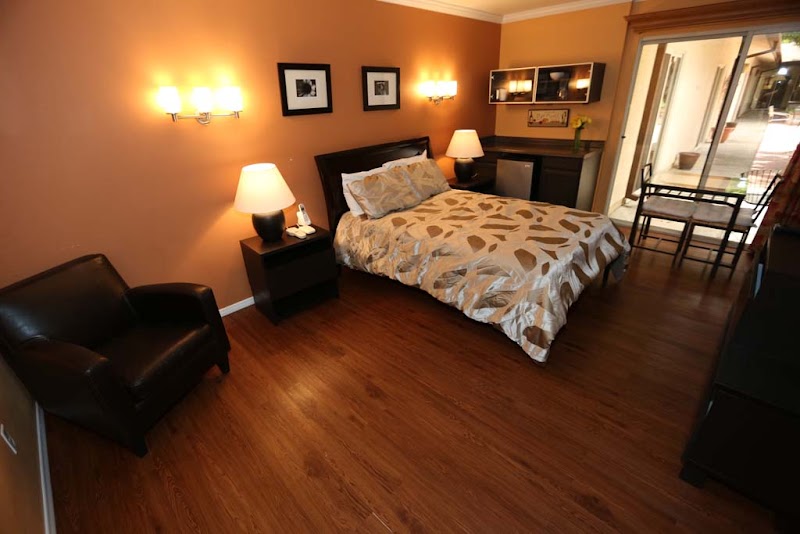
How is Victoria Care Center Staffed?

CMS rates Victoria Care Center's staffing level at 4 out of 5 stars, which is above average compared to other nursing homes. Staff turnover is 30%, compared to the California average of 46%. This relatively stable workforce can support continuity of care.

What Have Inspectors Found at Victoria Care Center?

State health inspectors documented 28 deficiencies at Victoria Care Center during 2021 to 2025. These included: 28 with potential for harm.

Who Owns and Operates Victoria Care Center?

Victoria Care Center is owned by a for-profit company. For-profit facilities operate as businesses with obligations to shareholders or private owners. The facility is operated by THE ENSIGN GROUP, a chain that manages multiple nursing homes. With 188 certified beds and approximately 177 residents (about 94% occupancy), it is a mid-sized facility located in Ventura, California.

How Does Victoria Care Center Compare to Other California Nursing Homes?

Compared to the 100 nursing homes in California, Victoria Care Center's overall rating (5 stars) is above the state average of 3.2, staff turnover (30%) is significantly lower than the state average of 46%, and health inspection rating (4 stars) is above the national benchmark.

What Should Families Ask When Visiting Victoria Care Center?

Based on this facility's data, families visiting should ask: "Can I visit during a mealtime to observe dining assistance and food quality?" "How do you handle medical emergencies, and what is your hospital transfer rate?" "Can I speak with family members of current residents about their experience?"

Is Victoria Care Center Safe?

Based on CMS inspection data, Victoria Care Center has a clean safety record: no substantiated abuse findings (meaning no confirmed cases of resident harm), no Immediate Jeopardy citations (the most serious violation level indicating risk of serious injury or death), and is not on the Special Focus Facility watch list (a federal program monitoring the lowest-performing 1% of nursing homes). The facility has a 5-star overall rating and ranks #1 of 100 nursing homes in California. While no facility is perfect, families should still ask about staff-to-resident ratios and recent inspection results during their visit.

Do Nurses at Victoria Care Center Stick Around?

Victoria Care Center has a staff turnover rate of 30%, which is about average for California nursing homes (state average: 46%). Moderate turnover is common in nursing homes, but families should still ask about staff tenure and how the facility maintains care continuity when employees leave.

Was Victoria Care Center Ever Fined?

Victoria Care Center has no federal fines on record. CMS issues fines when nursing homes fail to meet care standards or don't correct problems found during inspections. The absence of fines suggests the facility has either maintained compliance or corrected any issues before penalties were assessed. This is a positive indicator, though families should still review recent inspection reports for the full picture.

Is Victoria Care Center on Any Federal Watch List?

Victoria Care Center is not on any federal watch list. The most significant is the Special Focus Facility (SFF) program, which identifies the bottom 1% of nursing homes nationally based on persistent, serious quality problems. Not being on this list means the facility has avoided the pattern of deficiencies that triggers enhanced federal oversight. This is a positive indicator, though families should still review the facility's inspection history directly.