DELTA HEALTHCARE & WELLNESS CENTER, LP
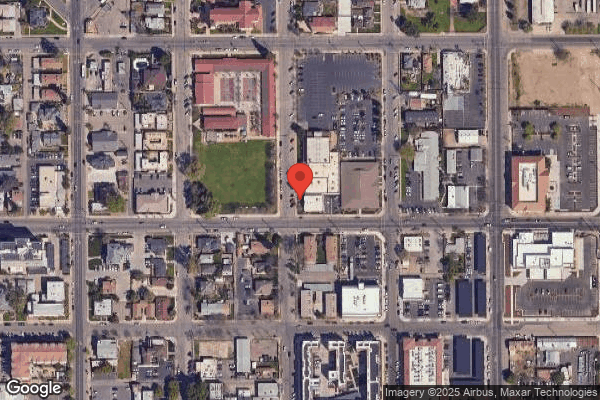
514 NORTH BRIDGE STREET, VISALIA, CA 93291 (559) 732-8614
For profit - Partnership 44 Beds SHLOMO RECHNITZ Data: November 2025
Trust Grade
80/100
#64 of 1155 in CA
Last Inspection: May 2025

Inspected within the last 6 months. Data reflects current conditions.

Overview

Delta Healthcare & Wellness Center in Visalia, California has a Trust Grade of B+, indicating it is above average and recommended for families considering care options. The facility ranks #64 out of 1,155 in California, placing it in the top half, and it is the highest-rated facility out of 16 in Tulare County. However, there has been a concerning trend of worsening issues, increasing from 5 in 2024 to 13 in 2025. While staffing is average with a 3/5 star rating and a turnover rate of 40%, there is less RN coverage than 90% of California facilities, which could impact the quality of care. Importantly, there were no fines recorded, which is a positive sign. Specific incidents noted include unsafe medication administration practices, such as failing to check a resident's heart rate before giving medication, and a lack of proper food labeling, which poses a risk for foodborne illness. Overall, while there are strengths in the facility's ranking and absence of fines, the increasing number of health and safety concerns should be carefully considered.

Trust Score
B+
80/100
In California
#64/1155
Top 5%
Safety Record
Low Risk
No red flags
Inspections
Getting Worse
5 → 13 violations
Staff Stability
○ Average
40% turnover. Near California's 48% average. Typical for the industry.
Penalties
✓ Good
No fines on record. Clean compliance history, better than most California facilities.
Skilled Nurses
⚠ Watch
Each resident gets only 16 minutes of Registered Nurse (RN) attention daily — below average for California. Fewer RN minutes means fewer trained eyes watching for problems.
Violations
⚠ Watch
29 deficiencies on record. Higher than average. Multiple issues found across inspections.
★★★★★
5.0
Overall Rating
★★★☆☆
3.0
Staff Levels
★★★★★
5.0
Care Quality
★★★★☆
4.0
Inspection Score
Stable
2024: 5 issues
2025: 13 issues

The Good

  • 5-Star Quality Measures · Strong clinical quality outcomes
  • Full Sprinkler Coverage · Fire safety systems throughout facility
  • No fines on record
  • Staff turnover below average (40%)

    8 points below California average of 48%

Facility shows strength in quality measures, fire safety.

The Bad

Staff Turnover: 40%

Near California avg (46%)

Typical for the industry

Chain: SHLOMO RECHNITZ

Part of a multi-facility chain

Ask about local staffing decisions and management

The Ugly 29 deficiencies on record

Aug 2025 3 deficiencies
CONCERN (D) 📢 Someone Reported This

A family member, employee, or ombudsman was alarmed enough to file a formal complaint

Potential for Harm - no one hurt, but risky conditions existed

Deficiency F0573 (Tag F0573)

Could have caused harm · This affected 1 resident

Based on interview and record review, the facility failed to follow its policy and procedure (P&P) when medical records were not provided to the responsible party (R/P) for one of 18 sampled residents...

Read full inspector narrative →
Based on interview and record review, the facility failed to follow its policy and procedure (P&P) when medical records were not provided to the responsible party (R/P) for one of 18 sampled residents (Resident 1) as requested. This failure resulted in Resident 1's R/P not being provided with Resident 1's medical records. Findings:During a review of Resident 1's Durable Power of Attorney (DPA) dated 8/18/12, the DPA indicated, I, (Resident 1).hereby appoint (Family Member 1) .as my attorney-in-fact ( Agent) to exercise the powers and discretions described below.My Agent's powers shall include, but not be limited to, the power to.have access to my healthcare and medical records and statements regarding billing, insurance and payments.During a review of Resident 1's Resident Request for Access to Protected Health Information (RRAPHI) dated 4/13/25, the RRAPHI indicated, (Resident 1).I would like to access and inspect my Protected Health Information (PHI) .I would like the facility to send a copy of my PHI to (FM1).I would like a summary of my requested PHI.Signature (FM 1).During an interview on 7/28/25 at 10:56 a.m. with Medical Records Supervisor (MRS), MRS stated when there was a medical records request, the request was submitted in writing to her and the request was forwarded to corporate and corporate determines whether or not the medical record can be released. MRS stated Resident 1's medical records were requested on 4/13/25 by FM 1. MRS stated the request was denied due to the facility not having the DPA on file. MRS stated the DPA was provided to the facility and the medical record was still not provided to FM 1. During a review of the facility's policy and procedure (P&P) titled, Resident Access to PHI (Protected Health Information) dated 11/1/15, the P&P indicated, All requests by a resident or a resident's personal representative for access to PHI must be directed to the HIAA Privacy Officer.Time and manner of Access a. The HIPAA Privacy Officer will allow the resident and/or their personal representative to access to inspect the resident's medical record at the facility within twenty-four (24) hours of receipt of a written request for access, excluding weekends and holidays. b. If the resident and/or their personal representative requests a copy of the resident's medical record, the HIPPA Privacy Office will provide the resident and/or their personal representative with a copy of the medical record within two (2) working days after receiving the written request.
CONCERN (D) 📢 Someone Reported This

A family member, employee, or ombudsman was alarmed enough to file a formal complaint

Potential for Harm - no one hurt, but risky conditions existed

Deficiency F0620 (Tag F0620)

Could have caused harm · This affected 1 resident

Based on interview and record review, the facility failed to provide an itemized statement per the admission agreement to one of 18 sampled (Resident 1) residents when requested. This failure had the ...

Read full inspector narrative →
Based on interview and record review, the facility failed to provide an itemized statement per the admission agreement to one of 18 sampled (Resident 1) residents when requested. This failure had the potential for Resident 1 to be unaware of services she was being billed for. Findings:During a review of Resident 1's monthly statements dated 5/31/25, 6/20/25, and 7/20/25, the monthly statements did not include an itemized billing.During an interview on 8/6/25 at 10:48 a.m. with Family Member (FM) 1, FM 1 stated he had requested an itemized bill from the facility and it had not been provided. During an interview on 8/6/25 at 1:42 p.m. with Administrator, Administrator stated FM 1 had requested an itemized bill indicating how much Resident 1 was being charged for each service. Administrator stated FM 1 was provided with a generic statement that did not indicate the individual service charge. Facility policy requested and none provided.During a review of the facility's California Standard admission Agreement for Skilled Nursing Facilities and Intermediate Care Facilities (CSAASNFICF) undated, the CSAASNFICF indicated, The resident shall receive a monthly, itemized statement of all charges incurred by the resident.
CONCERN (D) 📢 Someone Reported This

A family member, employee, or ombudsman was alarmed enough to file a formal complaint

Potential for Harm - no one hurt, but risky conditions existed

Deficiency F0849 (Tag F0849)

Could have caused harm · This affected 1 resident

Based on interview and record review, the facility failed to collaborate care with hospice (specialized form of medical care provided to individuals with terminal illness) for one of 18 sampled reside...

Read full inspector narrative →
Based on interview and record review, the facility failed to collaborate care with hospice (specialized form of medical care provided to individuals with terminal illness) for one of 18 sampled residents (Resident 1) when a pressure ulcer (injury to skin and underlying tissue resulting from prolonged pressure on the skin) was identified to Resident 1's lower back by hospice, and the facility was unaware. This failure had the potential for Resident 1's pressure ulcer to go untreated and worsen.Findings:During a review of Resident 1's Hosp SN Visit (HSV-hospice documentation) dated 5/16/25, the HSV indicated, Integumentary (skin) Status.Wounds 1 lower back pressure ulcer/injury, stage 2-partial thickness skin loss of exposed dermis, observable, most problematic pressure ulcer/injury.cleanse with DWS (dermal wound spray-used to clean wounds) and pat dry. Apply hydrogel (medication used to promote healing) to wound bed and cover with pink Allevyn sacral dressing for extra padding. Change Mondays and Thursdays or PRN soiling/dislodgement.date first identified.5/16/25.During a review of Resident 1's Order Summary Report (OSR) dated 5/1/25-5/31/25, the OSR indicated there were no physician orders for treatment of a stage 2 to the lower back.During a review of Resident 1's Treatment Administration Record (TAR) dated 5/1/25-5/31/25, the TAR indicated there were no treatments administered to a stage 2 to the lower back.During an interview on 8/21/25 at 3:17 p.m. with Licensed Vocational Nurse (LVN) 1, LVN 1 stated when Resident 1 was admitted to hospice on 5/16/25, she was Resident 1's nurse and hospice did not report that Resident 1 had stage 2 to her lower back. LVN 1 stated when the hospice nurse identified the stage 2 pressure ulcer they should have reported it to the facility.During a concurrent interview and record review, on 8/21/25 at 2:58 p.m. with Director of Nursing (DON), Resident 1's clinical record was reviewed. DON was unable to provide documentation of stage 2 to Resident 1's lower back being identified or treated by the facility. DON stated hospice did not report a stage 2 pressure ulcer to the nurse and the facility did not receive any treatment orders from the hospice nurse regarding a stage 2 pressure ulcer.During an interview on 8/27/25 at 3:56 p.m. with DON, DON stated hospice was expected to communicate any skin issues identified to the nurse. DON stated when a stage 2 to the lower back was identified on Resident 1 it should have been reported to the nurse. During a review of the facility's policy and procedure (P&P) titled Hospice Care of Residents dated 1/1/12, the P&P indicated, If the resident and/or surrogate decision maker decides to utilize hospice care.The hospice and facility will collaborate on a care plan for the resident.facility and hospice staff will collaborate on a regular basis concerning the resident's care.Documentation.Hospice notes will be included in the facility progress notes.nursing staff will be informed of any changes recommended by the hospice staff.
May 2025 10 deficiencies
CONCERN (D)

Potential for Harm - no one hurt, but risky conditions existed

Deficiency F0557 (Tag F0557)

Could have caused harm · This affected 1 resident

**NOTE- TERMS IN BRACKETS HAVE BEEN EDITED TO PROTECT CONFIDENTIALITY** Based on interview and record review, the facility failed to ensure one of one sampled resident (Resident 196), was assisted to ...

Read full inspector narrative →
**NOTE- TERMS IN BRACKETS HAVE BEEN EDITED TO PROTECT CONFIDENTIALITY** Based on interview and record review, the facility failed to ensure one of one sampled resident (Resident 196), was assisted to the bathroom when she asked for help. This failure resulted in Resident 196 being frustrated and had the potential for increased incontinence (inability to control urination and/or bowel) and decreased mobility. Findings: During an interview on [DATE] at 12:20 p.m. with Resident 196, Resident 196 stated when she came back from her dialysis treatment yesterday, she asked the staff to help her go to the bathroom for a bowel movement. Resident 196 stated the staff told her to wait and poop in her pants and staff will change her afterwards. Resident 196 stated she felt frustrated, and she would have gone to the bathroom if she could. Resident 196 stated she just pooped in her diaper because she could not do anything. During a review of Resident 196's Care Plan Report (CPR), undated, the CPR indicated, Resident 196 was on a B&B (bowel and bladder) management program: Staff to offer and assist with toileting Q2 -[every 2 hours] and as needed. During a review of Resident 196's Order Summary Report (OSR), dated [DATE], the OSR indicated Resident 196's Weight bearing status: WBAT [weight bearing as tolerated] LLE [left lower extremity] and pt [patient] can weight bear as tolerated through left elbow and use a platform walker. During a review of the facility's policy and procedure (P&P) titled, Bowel and Bladder Training/Toileting Program, dated [DATE], the P&P indicated, E. bowel and bladder retraining program: use of a timed schedule for voiding/bowel movement based on the Resident' identified need and routine in order to maximize control of their bowel and bladder function as much as possible. During a review of the facility's P&P titled, Resident's Rights, dated [DATE], the P&P indicated, Residents of skilled nursing facilities have a number of rights under state and federal law. The facility will promote and protect those rights . employees are to treat all resident with kindness, respect, and dignity and honor the exercise of residents' rights. II. The Facility makes every effort to assist each resident in exercising his/her rights by providing the following services: A. The Facility's Staff encourages residents to participate in planning their daily care routines.
CONCERN (D)

Potential for Harm - no one hurt, but risky conditions existed

Deficiency F0578 (Tag F0578)

Could have caused harm · This affected 1 resident

Based on interview and record review, the facility failed to ensure documentation of the Advance Directive (legal document outlining a person's healthcare and end of life wishes should the person beco...

Read full inspector narrative →
Based on interview and record review, the facility failed to ensure documentation of the Advance Directive (legal document outlining a person's healthcare and end of life wishes should the person become unable to verbalize those wishes) status was accurate for one of four sampled residents (Resident 10). This failure resulted in an inaccurate medical record and had the potential for Resident 10's healthcare wishes not to be honored. Findings: During a concurrent interview and record review on 5/14/25 at 10:48 a.m. with Social Services Director (SSD) 1 and SSD 2, Resident 10's medical record was reviewed. SSD 1 stated the Physician's Order for Life Sustaining Treatment (POLST) dated 1/20/20, indicated No Advance Directive. The Social Services Progress Notes dated 1/24/25 indicated, Advance Directive . a. Yes [has an advance directive] on file. SSD 1 stated she was unable to find a copy of Resident 10's advance directive. During a review of the facilities policy and procedure (P&P) titled, Advance Directive dated 7/31/24, the P&P indicated, Advance Directive Information . c. During the Social Service Assessment process, the Director of Social Services or Designee will also ask the resident if they have a written advance directive. d. If the resident has an Advance Directive, the Facility shall request a copy of the document from the resident or the resident's representative . e. If a copy is provided by the resident or the resident's representative, it will be placed in the medical record. A copy of the facility's documentation policy was requested, none was provided.
CONCERN (D)

Potential for Harm - no one hurt, but risky conditions existed

Deficiency F0628 (Tag F0628)

Could have caused harm · This affected 1 resident

Based on interview and record review, the facility failed to communicate a nurse-to-nurse report when transferring a resident to the hospital for one of two sampled residents (Resident 1). This failur...

Read full inspector narrative →
Based on interview and record review, the facility failed to communicate a nurse-to-nurse report when transferring a resident to the hospital for one of two sampled residents (Resident 1). This failure resulted in the hospital not having any of Resident 1's medical or surgical history. Findings: During a concurrent interview and record review on 5/14/25 at 11:12 a.m. with Social Services Director (SSD) 1, Resident 1's Medical Record (MR) was reviewed. SSD 1 stated Resident 1 was transferred to the hospital for labored breathing. The Physician Order dated 4/12/25 at 11 a.m. indicated, send to ED [emergency department] for eval[uation] and treat as needed one time only for labored breathing for 1 Day. The SNF/NF [Skilled Nursing Facility/Nursing Facility] to Hospital Transfer Form (HTF), dated 4/11/25, indicated, the form was completed and reviewed by Licensed Vocational Nurse (LVN) 4. The HTF indicated, Report Called in By (name/title) was filled in with na [not applicable] and Report Called in to (name/title) was filled in with na. During a concurrent interview and record review on 5/14/25 at 11:46 a.m. with LVN 2, Resident 1's HTF was reviewed. LVN 2 stated the form needs to be completed when transferring a resident to the hospital. A nursing documentation policy and procedure was requested and none was provided.
CONCERN (D)

Potential for Harm - no one hurt, but risky conditions existed

Deficiency F0655 (Tag F0655)

Could have caused harm · This affected 1 resident

Based on observation, interview, and record review, the facility failed to ensure one of one sampled resident (Resident 196), was administered oxygen according to physician's order. This failure had t...

Read full inspector narrative →
Based on observation, interview, and record review, the facility failed to ensure one of one sampled resident (Resident 196), was administered oxygen according to physician's order. This failure had the potential to result in Resident 196 to experience hypoxia (low levels of oxygen in the body) or hyperoxia (high level of oxygen in the body). Findings: During a concurrent observation and interview on 5/12/25 at 10:03 a.m. with Resident 196 in her room, Resident 196's oxygen setting on the oxygen concentrator was 5 LPM (liters per minute). Resident 196 stated it was always at 3 LPM. During an interview on 5/12/25 at 12:41 p.m. with Licensed Vocational Nurse (LVN) 1, LVN 1 stated Resident 196's oxygen setting order was 2 LPM. During a concurrent observation and interview on 5/12/25 at 12:42 p.m. with Certified Nursing Assistant (CNA) 1 in the Yellow Hallway, CNA 1 was wheeling Resident 196 with an oxygen tank behind the wheelchair. CNA 1 stated the oxygen was set at 2 LPM. Resident 196 told CNA 1 her oxygen was supposed to be at 3 LPM. During a review of Resident 196's Order Summary Report (OSR), dated 5/13/25, the OSR indicated, Oxygen 3 LPM Via Nasal Cannula Continuously every day and night shift for COPD (Chronic Obstructive Pulmonary Disease - lung disease where airflow is restricted). During a review of the facility's policy and procedure (P&P) titled, Oxygen Therapy, dated November 2017, the P&P indicated, I. Administration of Oxygen A. Administer oxygen per physician orders.
CONCERN (D)

Potential for Harm - no one hurt, but risky conditions existed

Pressure Ulcer Prevention (Tag F0686)

Could have caused harm · This affected 1 resident

Based on observation, interview, and record review, the facility failed to accurately assess the skin of one of four sampled residents (Resident 31). This failure resulted in skin breakdown and pain f...

Read full inspector narrative →
Based on observation, interview, and record review, the facility failed to accurately assess the skin of one of four sampled residents (Resident 31). This failure resulted in skin breakdown and pain for Resident 31. Findings: During an interview on 5/13/25 at 10:35 a.m. with Family Member (FM) 1, FM 1 stated Resident 31 was dependent on staff for positioning and repositioning in bed. FM 1 stated Resident 31 had arthritis which caused her a lot of pain. FM 1 stated Resident 31 would usually lay on her left side because it was less painful for her. FM 1 stated Resident 31 had sores and redness on her left ear, left outer ankle, left outer foot, and right inner foot. During a review of Resident 31's admission Record (AR) dated 12/22/22, the AR indicated Resident 31's diagnoses included, OTHER ABNORMALITIES OF GAIT [manner of walking] AND MOBILITY . MUSCLE WEAKNESS . DEAF NONSPEAKING . RHEUMATOID ARTHRITIS [body's immune system attacks the lining of the joints causing pain and swelling]. During a concurrent interview and record review on 5/14/25 at 3:45 p.m. with Social Services Director (SSD) 1 and SSD 2, Resident 31's Medical Record (MR) was reviewed. SSD 1 stated she was unable to find any documentation indicating any pressure injuries (PI) or skin issues. During a concurrent observation and interview on 5/14/25 at 3:52 p.m. with Licensed Vocational Nurse (LVN) 1, in Resident 31's room, LVN 1 stated Resident 31 did not have any PIs or skin issues. LVN 1 used a white board to ask Resident 31 for permission to assess her skin and Resident 31 agreed to the assessment. LVN 1 examined Resident 31's left ear which had a permanent inward bend of the helix (curved part of outer ear). Inside the left helix was an open red and draining wound the size of a pencil eraser. LVN 1 touched the area with a tissue and Resident 31, who was non-verbal, pulled away and cried out in pain. LVN 1 then assessed Resident 31's feet. Resident 31 had a red nickel-sized area on her outer left ankle, which was partly covered in a scab, a dime-sized red area on the left outer area of the left foot near the small toe, and a red dime-sized area on the inner right foot near the big toe. Resident 31 wrote on her communication board that she had skin issues on her ear and feet for two months. LVN 1 stated certified nursing assistants (CNA) are supposed to report any resident skin issues noted during baths or showers. LVN 1 stated LVNs assess for any skin changes when weekly head-to-toe physical evaluations are completed. During an interview on 5/14/25 at 4:42 p.m. with Director of Nursing (DON), DON stated LVNs are expected to complete a weekly head-to-toe assessment of each resident and document any unusual findings on the weekly Long Term Care Evaluation. DON stated CNAs should document any unusual findings on the shower sheet (non-permanent part of the resident's MR which is used to communicate concerns from the CNA staff to the nursing staff). During an interview on 5/14/25 at 4:45 p.m. with LVN 2, LVN 2 stated nurses complete a head-to-toe assessment of each resident weekly. During a concurrent interview and record review on 5/15/25 at 10:49 a.m. with Director of Staff Development (DSD), Resident 31's Skin Monitoring: Comprehensive CNA Shower Review [SMCSR] documentation was reviewed, and the following was noted: SMCSR dated 3/4/25, Visual Assessment indicated no abnormal skin findings. SMCSR dated 3/7/25, Visual Assessment indicated no abnormal skin findings. SMCSR dated 3/11/25, Visual Assessment indicated no abnormal skin findings. SMCSR dated 3/14/25, Visual Assessment indicated no abnormal skin findings. SMCSR dated 3/18/25, Visual Assessment indicated no abnormal skin findings. SMCSR dated 3/21/25, Visual Assessment indicated no abnormal skin findings. SMCSR dated 3/25/25, Visual Assessment indicated no abnormal skin findings. SMCSR dated 3/28/25, Visual Assessment indicated no abnormal skin findings. SMCSR dated 4/1/25, Visual Assessment indicated no abnormal skin findings. SMCSR dated 4/15/25, Visual Assessment indicated no abnormal skin findings. SMCSR dated 4/18/25, Visual Assessment indicated no abnormal skin findings. SMCSR dated 4/22/25, Visual Assessment indicated no abnormal skin findings. SMCSR dated 4/25/25, Visual Assessment indicated no abnormal skin findings. SMCSR dated 5/2/25, Visual Assessment indicated no abnormal skin findings. SMCSR dated 5/9/25, Visual Assessment indicated no abnormal skin findings. SMCSR dated 5/13/25, Visual Assessment indicated no abnormal skin findings. DSD stated her expectation was for CNAs to document any discoloration, open areas on the skin, redness, scratches, scabs, folds, knees, under female resident's breasts, or other pressure points. During a review of Resident 31's Long Term Care Evaluation [weekly comprehensive nursing assessment] dated 3/23/25, 3/30/25, 4/6/25, 4/13/25, 4/20/25, 4/27/25, and 5/4/25 indicated Skin changes since last evaluation . No. The Skin Check dated 3/16/25, 3/23/25, 3/30/25, 4/6/25, 4/13/25, 4/20/25, 4/27/25, 5/4/25, and 5/11/25 indicated, 1. Skin Check . 8. No skin issues [was marked]. The Minimum Data Set [MDS- comprehensive assessment tool] Section M - Skin Conditions dated 4/25/25, indicated, Risk of Pressure Ulcers/Injuries 1. Yes and Unhealed Pressure Ulcers/Injuries . Does this resident have one or more unhealed pressure ulcers/injuries? 0. No. During a review of the facility's policy and procedure (P&P) titled, Licensed Nurse Weekly Progress Notes dated 10/9/24, the P&P indicated, POLICY: Weekly nurses' progress notes will be written by licensed personnel on each resident, specific to the psychological, emotional, social, spiritual, and recreational needs and consistent with the Plan of Care. PURPOSE: To reflect observations of the resident's response to their environment, physical limitations, independent activities, dependency status, behavioral changes, skin problems, dietary problems and restorative measures to characterize the functional status of progression and/or regression. During a review of the facility's P&P titled, Pressure Injury Prevention, dated 7/31/24, the P&P indicated, 5. Staff will observe for any signs of potential or active pressure injury daily. 6. A weekly skin check will be completed and documented in the medical record. A nursing documentation P&P was requested, none was provided.
CONCERN (D)

Potential for Harm - no one hurt, but risky conditions existed

Accident Prevention (Tag F0689)

Could have caused harm · This affected 1 resident

Based on interview and record review, the facility failed to follow its policy and procedure (P&P) titled, Comprehensive Person-Centered Care Planning for one of four sampled residents (Resident 10). ...

Read full inspector narrative →
Based on interview and record review, the facility failed to follow its policy and procedure (P&P) titled, Comprehensive Person-Centered Care Planning for one of four sampled residents (Resident 10). This failure resulted in Resident 10 falling and sustaining a broken femoral neck (bone that connects upper leg to hip) bone. Findings: During a concurrent interview and record review on 5/14/25 at 10:02 a.m. with Social Services Director (SSD) 1 and SSD 2, Resident 10's Medical Record (MR) was reviewed. SSD 1 stated Resident 10 had an unwitnessed fall on 3/17/25 in her bathroom while attempting to self-toilet. Care Plan Report (CP), dated 2/13/25, indicated, Resident 10 was at risk for falls r/t [related to] impaired mobility and unsteadiness in gait [manner of walking]. The Physician Orders (PO), dated 3/17/25, at 11:15 a.m., indicated, Transfer to acute [hospital] for further evaluation related to Fracture [sic] of the left hip. The Discharge Documentation (DD), dated 3/22/25, indicated, Resident 10 was diagnosed with a Fracture [break] of femoral neck, left [side], requiring surgery to repair. During a review of Resident 10's MR, The CP, dated 2/13/25, indicated, Goal [:] the resident will be free of falls . Intervention [:] Ensure that The [sic] resident is wearing appropriate footwear when ambulating [walking] or mobilizing [moving] in w/c [wheelchair]. The Post Fall Evaluation (PFE), dated 3/17/25, indicated, 9. Reason for fall Resident [10] wearing fuzzy socks with no grip. The Progress Notes (PN), dated 3/17/25, at 1:31 p.m., indicated, Fall Details: Date/Time of Fall: 03/17/2025 7:15 AM Fall was not witnessed. Fall occurred in the bathroom. Resident was attempting to self toilet at the time of the fall. Reason for the fall was evident. Reason for fall: Resident wearing fuzzy socks with no grip. During a review of the facilities P&P titled, Comprehensive Person-Centered Care Planning dated 9/7/23, the P&P indicated, a. The baseline care plan must include the minimum healthcare information necessary to properly care for each resident immediately upon their admission. It should address resident-specific health and safety concerns to prevent decline or injury, and would identify needs for supervision, behavioral interventions, and assistance with activities of daily living, as necessary. B. The Baseline Care Plan Summary will be developed and implemented, using the necessary combination of problem specific care plans, within 48 hours of the resident's admission . 4 . b. Additional changes or updates to the resident's comprehensive care plan will be made on the assessed needs of the resident.
CONCERN (D)

Potential for Harm - no one hurt, but risky conditions existed

Deficiency F0698 (Tag F0698)

Could have caused harm · This affected 1 resident

Based on observation, interview and record review, the facility failed to ensure one of one sampled resident (Resident 196), post dialysis (mechanical removal of toxins in the blood when the kidneys n...

Read full inspector narrative →
Based on observation, interview and record review, the facility failed to ensure one of one sampled resident (Resident 196), post dialysis (mechanical removal of toxins in the blood when the kidneys no longer function adequately) access care was done timely. This failure had the potential for Resident 196's dialysis access to develop an infection or stenosis (narrowing of a vein or artery) which can cause prolonged bleeding and dialysis access failure. Findings: During a review of Resident 196's Order Summary Report (OSR), dated 5/13/25 the OSR indicated Resident 196 had an order to go to dialysis treatment every Monday, Wednesday, and Friday. During a concurrent observation and interview on 5/13/25 at 11:26 a.m. with Resident 196 in her room, Resident 196's dialysis dressing was on her left upper arm and asked Family Member (FM) 2 to take off the dressing. Resident 196 stated the staff was supposed to remove the dressing after her dialysis treatment on 5/12/25. During an interview on 5/15/25 at 12:14 p.m. with Licensed Vocational Nurse (LVN) 3, LVN 3 stated Resident 196's dialysis access dressing should be removed two hours after Resident 196 returned from her dialysis treatment. During an observation on 5/15/25 at 12:17 p.m. in Resident 196's room, her dialysis access dressing remained on her left upper arm from her dialysis treatment on 5/14/25. During a review of the facility's policy and procedure (P&P) titled, Dialysis Management dated 1/25/24, the P&P indicated, 4. Vascular Access Site.viii. Dressing will be changed in accordance with Attending Physician's Order. Resident 196's post dialysis evaluations for 5/12/25 and 5/14/25 were requested and none were provided.
CONCERN (E)

Potential for Harm - no one hurt, but risky conditions existed

Unnecessary Medications (Tag F0759)

Could have caused harm · This affected multiple residents

Based on observation, interview, and record review, the facility failed to ensure a medication error rate of less than five percent for two of five sampled residents (Resident 33 and Resident 6). This...

Read full inspector narrative →
Based on observation, interview, and record review, the facility failed to ensure a medication error rate of less than five percent for two of five sampled residents (Resident 33 and Resident 6). This failure resulted in Resident 33 and Resident 6 receiving medications unsafely and had the potential for adverse outcomes. Findings: During an observation on 5/15/25 at 8:46 a.m. with Licensed Vocational Nurse (LVN) 2 in Resident 33's room. LVN 2 administered Lisinopril (used to treat high blood pressure, heart failure, and to improve survival after a heart attack) 5 milligrams (mg), Carvedilol (used to treat heart failure and high blood pressure) 3.125 mg, and Spironalactone (used to treat high blood pressure, heart failure, and fluid retention) 25 mg, by mouth to Resident 33. LVN 2 did not take Resident 33's heart rate or blood pressure before administering the medications. During an observation on 5/15/25 at 8:55 a.m. with LVN 2 in Resident 6's room, LVN 2 administered Amlodipine (used to treat high blood pressure and certain types of chest pain) 5 mg by mouth to Resident 6. LVN 2 did not take Resident 6's heart rate or blood pressure before administering the medication. During an interview on 5/15/25 at 9:26 a.m. with LVN 2, LVN 2 stated she did not take heart rates or blood pressures before administering medications to Resident 33 or Resident 6. During a review of Resident 33's Medical Record (MR), the Physician Order (PO) dated 10/9/24 at 10:59 a.m. indicated Lisinopril Oral Tablet 5 MG . Give 1 tablet by mouth one time a day for HTN [hypertension- high blood pressure] Obtain Bp [blood pressure]. If sbp [systolic blood pressure- top number when reading a blood pressure] below 100 hold [medication] and notify MD [physician]. If sbp above 180 administer [medication] and notify [MD]. Carvedilol Oral Tablet 3.125 MG . Give 1 tablet by mouth two times a day for HTN obtain Bp. If sbp is below 100 OR pulse [heart rate] below 60 Hold [medication] and notify [MD]. If sbp is above 180 administer [medication] and notify MD. Spironolactone Oral Tablet 25 MG . Give 1 tablet by mouth one time a day for HTN obtain bp & pulse. If sbp is below 100 Hold [medication] and notify MD, if sbp above 180 administer [medication] and notify MD. During a review of Resident 6's MR, the PO dated 2/27/25 at 6:15 p.m. indicated, amlodipine Besylate Oral Tablet 5 MG . Give 1 tablet by mouth one time a day for HTN[,] LVN to obtain BP, hold [medication] for SBP < [less than] 100 or pulse < 60 hold [medication] and notify MD. If SBP is greater than 180 administer [medication] and notify MD. During a review of the facility's policy and procedure (P&P) titled, Medication - Administration dated 1/1/12, the P&P indicated, Purpose to ensure the accurate administration of medications for residents in the facility . C. Tests and taking of vital signs, upon which administration of medications or treatments are conditioned, will be performed as required and the results recorded. i. When administration of the drug is dependent upon vital signs or testing, the vital signs/testing will be completed prior to administration of the medication and recorded in the medical record i.e. BP, pulse, finger stick blood glucose monitoring etc.
CONCERN (E)

Potential for Harm - no one hurt, but risky conditions existed

Infection Control (Tag F0880)

Could have caused harm · This affected multiple residents

Based on observation, interview, and record review, the facility failed to implement infection control standards for two of eight residents (Resident 7 and Resident 21). This failure had the potential...

Read full inspector narrative →
Based on observation, interview, and record review, the facility failed to implement infection control standards for two of eight residents (Resident 7 and Resident 21). This failure had the potential to spread illness to residents, staff, and visitors. Findings: During an observation and interview on 5/13/25 at 9:38 a.m. with Physical Therapist (PT) 1 in hallway, trash cans were not in the rooms and two were noted in the hallway. PT 1 exited Resident 7's isolation room with a soiled isolation gown rolled up in her hands. PT 1 crossed the hallway to dispose of the gown in the hallway trash can. PT 1 stated, There isn't a trash can in the room big enough for soiled personal protective equipment [PPE- gowns, gloves, and masks used to prevent the spread of infection]. During a concurrent observation and interview on 5/13/25 at 9:44 a.m. with Hospice Aide (HA), in Resident 21's room, which had transmission-based precautions (TBP-placed for residents who are documented or are suspected of having communicable diseases or infections that can be transmitted to others) signage and a PPE cart outside of the room's entrance. HA stated she worked for a hospice agency, and came twice a week to bathe, dress, and make Resident 21's bed. HA was not wearing PPE and entered and exited Resident 21's room multiple times. During an interview on 5/13/25 at 9:49 a.m. with Infection Preventionist (IP), IP stated anyone going into rooms with TBP signage should follow the instructions. IP stated the facility should have notified the Hospice agency about the facility having a norovirus (highly contagious virus in the stomach that causes diarrhea and vomiting) outbreak on 5/12/25 that resulted in multiple rooms being placed on TBP. During an interview on 5/13/25 at 9:52 a.m. with HA, HA stated she put on PPE when she first entered the room, but she did not re-gown or re-glove when she re-entered the room multiple times. During a review of the facility's policy and procedure (P&P) titled, Resident Isolation-Categories of Transmission-Based Precaution, dated 1/1/12, the P&P indicated, To ensure that transmission-based precautions are used when caring for residents with communicable diseases or transmittable infections. Standard precautions are used when caring for residents at all times regardless of their suspected or confirmed infection status. Transmission-based precautions are used accordingly when caring for residents who are documented or are suspected of having communicable diseases or infections that can be transmitted to others. Procedure: . I. Transmission-based precautions are used whenever measures more stringent than standard precautions are needed to prevent or control the spread of infection. III. Contact Precautions A. Contact precautions are implemented for residents known or suspected to be infected or colonized with microorganisms that are transmitted by direct contact with the resident or indirect contact with environmental surfaces or resident-care items in the resident's environment. i. examples of infections requiring Contact Precautions include, but are not limited to: a. Gastrointestinal, respiratory, skin, or wound infections . C. iii. Gloves are removed before leaving the room and hands are washed immediately with an antimicrobial agent or a waterless antiseptic agent. iv. After gloves are removed and hands are washed, the potentially contaminated environmental surfaces or items in the resident's room are not touched. D. Gown ii. The gown is removed and hand hygiene is performed before leaving the resident's environment. iii. After removing the gown, clothing is not allowed to contact potentially contaminated environmental surfaces.
CONCERN (F)

Potential for Harm - no one hurt, but risky conditions existed

Food Safety (Tag F0812)

Could have caused harm · This affected most or all residents

Based on observation, interview, and record review, the facility failed to ensure food items were used by the discard date, dated when opened, and labeled. This failure had the potential to cause food...

Read full inspector narrative →
Based on observation, interview, and record review, the facility failed to ensure food items were used by the discard date, dated when opened, and labeled. This failure had the potential to cause foodborne illness (illness caused by the ingestion of contaminated food or beverages) to the residents. Findings: During a concurrent observation and interview on 5/12/25 at 9:01 a.m. with Certified Dietary Manager (CDM) in the kitchen, there was a large container with brown liquid that was not labeled. CDM stated it was iced tea, and it should be labeled. During a concurrent observation and interview on 5/12/25 at 9:03 a.m. with CDM in the kitchen, there were three pitchers of juice with no labels in the refrigerator. CDM stated there should be a label with the date of when the juice was poured into the pitchers. During a concurrent observation and interview on 5/12/25 at 9:05 a.m. with CDM in the kitchen, there were opened, unlabeled containers of mayonnaise and ranch dressing in the refrigerator. CDM stated the containers should be labeled with a date when opened. During a concurrent observation and interview on 5/12/25 at 9:07 a.m. with CDM in the kitchen, there was a container of Worcestershire sauce with no label in the refrigerator. CDM stated the containers should be labeled with a date when opened. During a concurrent observation and interview on 5/12/25 at 9:10 a.m. with CDM in the kitchen, there was a half full container of 2% milk and a carton of liquid eggs with no open date labels in the refrigerator. CDM stated the containers should be labeled with a date when opened. During a concurrent observation and interview on 5/12/25 at 9:19 a.m. with CDM in the storage room, there was an opened bag of vanilla wafers on the shelf. CDM stated the bag should be sealed with an open date label. During a concurrent observation and interview on 5/12/25 at 9:20 a.m. with CDM in the storage room, there was a tray of cinnamon rolls with a use by date of 5/10/25. CDM stated the cinnamon rolls should have been thrown away. During a review of the facility's policy and procedure (P&P) titled, Food storage and Handling, dated 2022, the P&P indicated, All items will be correctly labeled and dated.
Feb 2024 5 deficiencies
CONCERN (D)

Potential for Harm - no one hurt, but risky conditions existed

Deficiency F0658 (Tag F0658)

Could have caused harm · This affected 1 resident

Based on observation, interview, and record review, the facility failed to provide services which meet professional standards of quality for one of 20 sampled residents (Resident 18) when Resident 18 ...

Read full inspector narrative →
Based on observation, interview, and record review, the facility failed to provide services which meet professional standards of quality for one of 20 sampled residents (Resident 18) when Resident 18 was not administered oxygen (O2) per physician orders. This failure resulted in Resident 18 not receiving oxygen. Findings: During a concurrent observation and interview on 2/5/24 at 10:05 a.m. with Licensed Vocational Nurse (LVN) 1 in Resident 18's room, Resident 18 was lying down in bed and her nasal cannula (tube that goes in your nose and delivers oxygen) was in her nose. Upon checking the concentrator (machine that gives oxygen) the concentrator was off. LVN 1 stated Resident 18 should have continues oxygen on, and Resident 18's concentrator was off. During review of Resident 18's Order Summary Report (OSR) dated 2/6/2024, the OSR indicated, Oxygen 2 LPM [liter per minute] via nasal cannula every shift SOB [shortness of breath] R/T [Related to] every shift for SOB while in bed. During an interview on 2/6/24 at 2:28 p.m. with Director of Nursing (DON), DON stated expectation is to have oxygen concentrator on if resident has an order for oxygen. During a review of the facility's policy and procedure (P&P) titled, Oxygen Therapy, dated 2017, the P&P indicated, To ensure the safe storage and administer of oxygen in the Facility.A. Administer oxygen per physician orders.
CONCERN (D)

Potential for Harm - no one hurt, but risky conditions existed

Deficiency F0727 (Tag F0727)

Could have caused harm · This affected 1 resident

Based on interview and record review, the facility failed to ensure a Registered Nurse (RN) was scheduled and on duty eight hours a day, seven days a week. This failure had the potential for resident ...

Read full inspector narrative →
Based on interview and record review, the facility failed to ensure a Registered Nurse (RN) was scheduled and on duty eight hours a day, seven days a week. This failure had the potential for resident care to be negatively impacted. Findings: During an interview on 2/8/24 at 8:26 a.m. with Director of Nursing (DON), DON stated we have a RN who works on the weekends but does not work the full eight hours, or consistently works on the weekends. DON stated she has to come in a lot on the weekends especially on Sundays, and sometimes there is no coverage. During a concurrent interview and record review on 2/8/24 at 8:48 a.m. with Director of Staff Development (DSD), the facility's Census and Direct Care Service Hours Per Patient Day (DHPPD) dated 8/6/2023, 8/12/23, 8/13/23, 8/20/23, 9/3/23, 9/10/23, 9/16/23, 9/17/23, 9/30/23, 12/22/23, 12/24/23, and 12/30/23 were reviewed. DSD stated we have a weekend RN, but she does not come in on all weekends. DSD verified there was no RN on duty for the above dates.
CONCERN (D)

Potential for Harm - no one hurt, but risky conditions existed

Deficiency F0761 (Tag F0761)

Could have caused harm · This affected 1 resident

Based on observation, interview, and record review, the facility failed to remove expired medication from the medication cart. This failure had the potential to result in medications administered not ...

Read full inspector narrative →
Based on observation, interview, and record review, the facility failed to remove expired medication from the medication cart. This failure had the potential to result in medications administered not to be effective. Findings: During a concurrent observation and interview with Licensed Vocational Nurse (LVN) 1, on 2/6/24 at 8:55 a.m. in the hallway at the green medication cart, the following expired medications were found in the cart: Artificial tear solutions (eye drops-lubricate dry eyes) opened on 10/25/23. Morphine Sulfate (Pain medication) liquid un-opened expired on 9/19/23. Hyoscyamine (Decrease acid production in the stomach) 0.125 mg (milligram-unit of measurement) tablet expired on 12/12/23. LVN 1 verified the findings. During an interview on 2/6/24 at 2:18 p.m. with Director of Nursing (DON), DON stated expectation is to audit cart every day and when nurses find expired medications in their cart, they turn in to me (DON). During a review of the facility's policy and procedure (P&P) titled, MEDICATION STORAGE IN THE FACILITY, dated 2014, the P&P indicated, Medications and biologicals are stored safely, securely, and properly, following manufacturer's recommendations or those if the supplier. The medication supply is accessible only to licensed nursing personnel, pharmacy personnel, or staff members lawfully authorized to administer medications.S. All Ophthalmic and Otic medications are to be dated upon opening and discarded 30 days after opening. Date open sticker can be attached to the container that the medication is stored in.(a) Unless otherwise specified in the individual monograph, or in the absence of stability data to the contrary, such beyond-use date shall be not later than (a) the expiration date on the manufacturer's container or (b) one year from the date the drug is dispensed, whichever is earlier.
CONCERN (D)

Potential for Harm - no one hurt, but risky conditions existed

Antibiotic Stewardship (Tag F0881)

Could have caused harm · This affected 1 resident

Based on interview and record review, the facility failed to ensure appropriate use of an antibiotic (medication used to treat infection) for one of 20 sampled residents (Resident 99). This failure ha...

Read full inspector narrative →
Based on interview and record review, the facility failed to ensure appropriate use of an antibiotic (medication used to treat infection) for one of 20 sampled residents (Resident 99). This failure had the potential for unnecessary antibiotic usage leading to antibiotic resistant bacteria (Antimicrobial resistance happens when germs like bacteria and fungi develop the ability to defeat the drugs designed to kill them). Findings: During a concurrent interview and record review, on 2/7/24 at 10:17 a.m., with Infection Prevention Nurse (IPN), the facility's Infection Surveillance Monthly Report (ISMR), dated February 2024 was reviewed. The ISMR indicated Resident 99 had an onset date of 1/25/24, Infection: UTI (urinary tract infection), signs and symptoms: Dysuria (discomfort while urinating), Fatigue/Malaise (tiredness), New or marked increase in frequency, New or marked increase in urgency, Urinary complaints. IPN stated the resident, Resident 99, received the ordered medication Macrobid (antibiotic) as prescribed and completed the medication on 2/1/24. During a review of Resident 99's Pharmacy Order Summary (PO), dated January 2024, the PO indicated Resident 99 was prescribed Macrobid Oral Capsule 100 mg (milligram) Give 1 Tablet by mouth two times a day for UTI for 7 days. Order states: completed. Order date: 1/25/24. Start date: 1/25/24. End date: 2/1/24. During a concurrent interview and record review on 2/7/24 at 10:20 a.m. with IPN, Resident 99's Urine Culture (UC- a laboratory test check for bacteria or other germs in a urine sample), dated January 24, 2024, was reviewed. The UC indicated, four or more organisms (bacteria) present. IPN stated the sensitivity (a test to see what antibiotic will work best to treat the infection) results were not obtained, we should have obtained the sensitivity results to know if the Macrobid was the appropriate antibiotic. During a review of the facility's policy and procedure (P&P) titled, Antibiotic Stewardship, dated May 20, 2021, the P&P indicated, The Facility will implement an Antibiotic Stewardship Program (ASP) to promote the appropriate use of antibiotics optimizing the treatment of infection, reducing the threat of antibiotic resistance, reducing adverse events associated with antibiotic use and improve the outcomes for Residents.
CONCERN (D)

Potential for Harm - no one hurt, but risky conditions existed

Deficiency F0912 (Tag F0912)

Could have caused harm · This affected 1 resident

**NOTE- TERMS IN BRACKETS HAVE BEEN EDITED TO PROTECT CONFIDENTIALITY** Based on interview and record review, the facility failed to provide the minimum square footage as required by regulation in 16 ...

Read full inspector narrative →
**NOTE- TERMS IN BRACKETS HAVE BEEN EDITED TO PROTECT CONFIDENTIALITY** Based on interview and record review, the facility failed to provide the minimum square footage as required by regulation in 16 of the facility's resident bedrooms. This failure had the potential to provide insufficient space in the event of an actual emergency. Findings: During a concurrent interview and record review on 2/8/24 at 8:25 a.m. with Administrator, the facility's floor plan (FP) and facility census (FC) dated 2/5/24 was reviewed. The FP and FC indicated the following rooms did not provide the minimum square footage (sq. ft.) as required by regulation (80 sq. ft. per resident for multi occupation rooms). room [ROOM NUMBER]: 152 sq. ft. - two residents room [ROOM NUMBER]: 223 sq. ft. - three residents room [ROOM NUMBER]: 151 sq. ft. - two residents room [ROOM NUMBER]: 225 sq. ft. - three residents room [ROOM NUMBER]: 151 sq. ft. - two residents room [ROOM NUMBER]: 225 sq. ft. - three residents room [ROOM NUMBER]: 225 sq. ft. - three residents room [ROOM NUMBER]: 151 sq. ft. - two residents room [ROOM NUMBER]: 224 sq. ft. - three residents room [ROOM NUMBER]: 153 sq. ft. - two residents room [ROOM NUMBER]: 225 sq. ft. - three residents room [ROOM NUMBER]: 151 sq. ft. - two residents room [ROOM NUMBER]: 151 sq. ft. - two residents room [ROOM NUMBER]: 151 sq. ft - two residents room [ROOM NUMBER]: 150 sq. ft - two residents room [ROOM NUMBER]: 247 sq. ft - three residents Administrator stated she had not received a waiver for less than 80 square foot per Resident.
Mar 2022 11 deficiencies
CONCERN (D)

Potential for Harm - no one hurt, but risky conditions existed

Resident Rights (Tag F0550)

Could have caused harm · This affected 1 resident

Based on interview and record review, the facility failed to maintain the dignity of one of 28 sampled residents (Resident 28), when Resident 28 was not assisted to the bathroom in time and had to uri...

Read full inspector narrative →
Based on interview and record review, the facility failed to maintain the dignity of one of 28 sampled residents (Resident 28), when Resident 28 was not assisted to the bathroom in time and had to urinate and had a bowel movements in his briefs (adult absorbent undergarments). This failure resulted in Resident 28 feeling embarrassed. Findings: During an interview on 3/21/22, at 12:50 PM, with Resident 28's wife (Family Member -FM) 1, FM 1 stated, Resident 28 could feel sensation to empty his bowel and bladder. FM 1 stated, Resident 28 will put on his call light to ask for assistance to the bathroom, but the facility staff do not assist him in time and then he (Resident 28) has to go in his diaper. FM 1 stated, when this happened, Resident 28 told her it made him feel embarrassed. During an interview and record review on 3/24/22, at 11:59 AM, with Director of Nursing (DON), Resident 28's medical record was reviewed. Resident 28's Clinical admission Evaluation (CAE), dated 2/15/22, the CAE indicated, Resident 28 was assessed on admission to be continent [able to sense and control elimination of urine and/or bowel] of bladder. DON stated, Resident 28 would sometimes use the urinal (plastic container for urine kept at male resident's bedside). Resident 28's Baseline Care Plan (BCP), dated 2/16/22, the BCP indicated, Resident 28 was frequently incontinent (unable to sense and control elimination of urine and/or bowel) of bladder, and occasionally incontinent of bowel. DON verified, neither the CAE nor the BCP asked for the Resident 28's personal preferences regarding toileting. Resident 28's Tasks documentation, Resident 28's Bladder Elimination (BE), dated 3/5/22 to 3/19/22, the BE indicated, Resident 28 was incontinent of urine 21 times and continent of urine 34 times. During a review of Resident 28's Tasks documentation, Resident 28's Bowel Elimination (BE2), dated 3/5/22 to 3/19/22, the BE2 indicated, Resident 28 was incontinent of bowel nine times and continent of bowel nine times. DON stated, Resident 28 was not on a bowel and bladder management program. DON stated, it was her expectation for staff to assist residents to the bathroom as needed. During a review of the facility's document titled, Resident Rights Under Federal Regulations (RRUFR), undated, the RRUFR indicated, Facility shall protect and promote the rights of each resident, including each of the following rights: 1. The resident has a right to a dignified existence, self-determination, and communication with and access to persons and services inside and outside Facility. During a review of the facility's policy and procedure (P&P) titled, Resident Rights, dated 1/1/12, the P&P indicated, Residents of skilled nursing facilities have a number of rights under state and federal law. The Facility will promote and protect those rights. Resident's [sic] have freedom of choice, as much as possible, about how they wish to live their everyday lives and receive care, subject to the Facility's rules and regulations and applicable state and federal laws governing the protection of resident health and safety. Employees are to treat all residents with kindness, respect, and dignity and honor the exercise of resident's rights.IV. In order to facilitate resident choices, Facility Staff will.Gather information about the resident's personal preferences on initial assessment and periodically thereafter, and document these preferences in the medical record. During a review of the facility's P&P titled, Bowel and Bladder Management Program, dated 9/18/12, the P&P indicated, It is the policy of this facility to ensure that an Elder [resident] who is incontinent of bladder receives appropriate treatment and services to prevent urinary tract infections and to restore/maintain as much normal bladder function as possible.2. A bowel and bladder (B&B) assessment shall be completed on all Elders within 14 days of admission and PRN [as needed]. If incontinence problems are identified, every effort will be made to determine the predisposing factors contributing to incontinence or risk for incontinence and whether or not the condition is reversible or irreversible.
CONCERN (D)

Potential for Harm - no one hurt, but risky conditions existed

Deficiency F0578 (Tag F0578)

Could have caused harm · This affected 1 resident

Based on interview and record review, the facility failed to ensure two of 28 sampled residents (Resident 3 and Resident 32) were informed of their Advance Directive (AD- written statement of a person...

Read full inspector narrative →
Based on interview and record review, the facility failed to ensure two of 28 sampled residents (Resident 3 and Resident 32) were informed of their Advance Directive (AD- written statement of a person's wishes regarding medical treatment and end of life decisions, made to ensure those wishes are carried out should the person become unable to communicate their wishes) options. This failure had the potential for residents end of life wishes to not be honored. Findings: During a concurrent interview and record review on 3/23/22, at 12:02 PM, with Director of Admissions (DA), Resident 32's Record of admission Authorization (RAA), dated 5/13/16 was reviewed. Question 11 of the RAA indicated, Advance Directives: I have been informed in writing of the facility's policy(ies) regarding implementation of medical directives, of my right to draw up a Living Will or other directive for medical treatment including a Durable Power of Attorney for Health Care Decisions and my right to refuse or accept medical treatment. Neither of the Yes or No response boxes were marked. DA verified, Resident 32's RAA did not have a markable option to indicate if Resident 32 already had an AD, if Resident 32 wanted more information on AD, or wanted to execute an AD. DA verified, there was no AD in Resident 32's medical record. During a concurrent interview and record review on 3/23/22, at 12:45 PM, with DA, Resident 3's RAA, dated 12/16/20, was reviewed. Question 11 of Resident 3's RAA indicated, Advance Directives: I have been informed in writing of the facility's policy(ies) regarding implementation of medical directives, of my right to draw up a Living Will or other directive for medical treatment including a Durable Power of Attorney for Health Care Decisions and my right to refuse or accept medical treatment. The Yes or No response boxes were marked yes. DA verified, Resident 3's RAA did not have a markable option to indicate if Resident 3 already had an AD, if Resident 3 wanted more information on AD, or wanted to execute an AD. DA verified, there was no AD in Resident 3's medical record. During a review of the facility's policy and procedure (P&P) titled, Advance Directives, dated 7/18, the P&P indicated, I. admission A. Upon admission, the admission Staff or designee will provide written information to the resident concerning his or her right to make decisions concerning medical care, including the right to accept or refuse medical or surgical treatment, and the right to formulate advance directives.
CONCERN (D)

Potential for Harm - no one hurt, but risky conditions existed

MDS Data Transmission (Tag F0640)

Could have caused harm · This affected 1 resident

Based on interview and record review, the facility failed to ensure the Minimum Data Set (MDS - resident assessment and care screening tool) discharge assessment was transmitted within the required ti...

Read full inspector narrative →
Based on interview and record review, the facility failed to ensure the Minimum Data Set (MDS - resident assessment and care screening tool) discharge assessment was transmitted within the required time frame for one of one sampled resident (Resident 1). This failure had the potential to negatively affect the provision of necessary care and services for Resident 1. Findings: During a review of Resident 1's MDS - Discharge Assessment (MDS-DA), dated 10/9/21, Resident 1's MDS-DA indicated, Resident 1's admission date (entry date to the facility) was on 9/13/21 and Resident 1's assessment completion date was on 10/22/21. Resident 1's discharge date from the facility was 10/9/21. During an interview on 3/23/22, at 3 PM, with MDS Nurse (MDSN), MDSN stated, Resident 1's MDS-DA was submitted late, it should have been transmitted 14 days after completion date. MDSN stated, Yes, it is a tag. During a review of the Centers for Medicare and Medicaid Services [CMS - a federal agency within the United States Department of Health and Human Services that administers Medicare program & works in partnership with state governments] Submission Report (CMS-SR), dated 3/23/22, CMS-SR indicated, Resident 1's Discharge MDS assessment was submitted on 3/23/22. The CMS-SR indicated, the assessment submission date was more than 14 days after Z0500B (RN signature) was signed and completed. During a review of the facility's policy and procedure (P&P) titled RAI-OBRA (Resident Assessment Institute - Omnibus Budget Reconciliation Act) required Assessment Summary, dated 10/19, the P&P indicated, Discharge Assessment -return not anticipated [non-comprehensive] completion date was no later than discharge date plus (+) 14 calendar days.transmission date was no later than MDS completion date + 14 calendar days.
CONCERN (D)

Potential for Harm - no one hurt, but risky conditions existed

Accident Prevention (Tag F0689)

Could have caused harm · This affected 1 resident

**NOTE- TERMS IN BRACKETS HAVE BEEN EDITED TO PROTECT CONFIDENTIALITY** Based on observation, interview, and record review, the facility failed to implement its policy and procedure for fall preventio...

Read full inspector narrative →
**NOTE- TERMS IN BRACKETS HAVE BEEN EDITED TO PROTECT CONFIDENTIALITY** Based on observation, interview, and record review, the facility failed to implement its policy and procedure for fall prevention program for one of 28 sampled residents (Resident 31), who had incidents of repeated falls. This failure had the potential to result in additional falls with major injuries to Resident 31. Findings: During a concurrent observation and interview, on 3/24/22, at 7:34 AM, with Certified Nursing Assistant (CNA) 1, inside Resident 31's room, Resident 31 was observed sitting up on his wheelchair facing the foot of his bed. Resident 31's call light was laying on his bed, not within Resident 31's reach. A posted white paper on Resident 31's wall indicated, Call, don't fall. CNA 1 stated, Yes, [Resident 31's] call light was not within reach, the call light should be within [Resident 31's] reach so that [Resident 31] can call and safety can be provided. During a concurrent observation and interview, on 3/24/22, at 7:35 AM, with CNA 2, outside Resident 31's room, there was no star observed on Resident 31's door. CNA 2 stated, There should be a star outside [Resident 31's) door, so we would know that [Resident 31] is a fall risk. During a review of Resident 31's admission Record (AR), [undated], Resident 31's AR indicated, Resident 31 was originally admitted to the facility on [DATE] and readmitted on [DATE], with diagnoses including fracture (partial or complete break of the bone) of the lower left end ulna (left wrist) and repeated falls. During a review of Resident 31's Minimum Data Set (MDS - resident screening and assessment tool), dated 2/13/22, Resident 31's MDS indicated, Resident 31's Brief Interview for Mental Status (BIMS- used to assess cognitive status in elderly residents) score was moderately impaired. During an interview on 3/24/22, at 7:56 AM, with the Director of Nursing (DON), DON stated, part of our policy to prevent falls were to place a falling star outside of Resident 31's door and to keep Resident 31's call light within reach. During a review of the facility's policy and procedures (P&P) titled, Fall Prevention Program, dated 10/10/14, the P&P indicated, Purpose: to prevent accidents by providing an environment that is free from hazards over which the facility has control.Procedure: 1. Fall Prevention.c. elders who have frequent falls will be identified by use of star symbol to alert all staff.
CONCERN (D)

Potential for Harm - no one hurt, but risky conditions existed

Incontinence Care (Tag F0690)

Could have caused harm · This affected 1 resident

Based on interview and record review, the facility failed to ensure care was provided to maintain bowel and bladder continence (ability to sense and control elimination of urine and/or bowel) for one ...

Read full inspector narrative →
Based on interview and record review, the facility failed to ensure care was provided to maintain bowel and bladder continence (ability to sense and control elimination of urine and/or bowel) for one of 28 sampled residents (Resident 28), when Resident 28 was not assisted to the bathroom in time and had to urinate and/or have bowel movements in Resident 28's briefs (adult absorbent undergarments). This failure had the potential for Resident 28 to not maintain his level of continence. Findings: During an interview on 3/21/22, at 12:50 PM, with Resident 28's wife (Family Member -FM) 1, FM 1 stated, Resident 28 could feel sensation to empty his bowel and bladder. FM 1 stated, Resident 28 will put on his call light to ask for assistance to the bathroom, but the facility staff did not assist him in time and then he (Resident 28) has to go in his diaper. During an interview and record review, on 3/24/22, at 11:59 AM, with Director of Nursing (DON), Resident 28's medical record was reviewed. The Clinical admission Evaluation (CAE), dated 2/15/22, the CAE indicated, Resident 28 was assessed on admission to be continent of bladder. DON stated, Resident 28 will sometimes use the urinal (plastic container for urine kept at male resident's bedside). Resident 28's Baseline Care Plan (BCP), dated 2/16/22, the BCP indicated, Resident 28 was frequently incontinent [unable to sense and control elimination of urine and/or bowel] of bladder, and occasionally incontinent of bowel. DON verified, neither the CAE nor the BCP asked for Resident 28's personal preferences regarding toileting. During a review of Resident 28's Bladder Elimination documentation (BE1), dated 3/5/22 to 3/19/22, the BE1 indicated, Resident 28 was incontinent of urine 21 times and continent of urine 34 times. Resident 28's Bowel Elimination (BE2), dated 3/5/22 to 3/19/22, the BE2 indicated, Resident 28 was incontinent of bowel nine times and continent of bowel nine times. DON stated, Resident 28 was not on a bowel and bladder management program. DON stated, it was her expectation for staff to assist residents to the bathroom as needed. During a concurrent interview and record review, on 3/24/22, at 3:04 PM, with DON, Resident 28's medical record was reviewed. DON stated, there were no care plans to address Resident 28's bowel and bladder continence maintenance. During a review of the facility's P&P titled, Bowel and Bladder Management Program, dated 9/18/12, the P&P indicated, It is the policy of this facility to ensure that an Elder [resident] who is incontinent of bladder receives appropriate treatment and services to prevent urinary tract infections and to restore/maintain as much normal bladder function as possible.2. A bowel and bladder (B&B) assessment shall be completed on all Elders within 14 days of admission and PRN [as needed]. If incontinence problems are identified, every effort will be made to determine the predisposing factors contributing to incontinence or risk for incontinence and whether or not the condition is reversible or irreversible.
CONCERN (D)

Potential for Harm - no one hurt, but risky conditions existed

Respiratory Care (Tag F0695)

Could have caused harm · This affected 1 resident

**NOTE- TERMS IN BRACKETS HAVE BEEN EDITED TO PROTECT CONFIDENTIALITY** Based on observation, interview, and record review, the facility failed to implement its policy and procedure for Oxygen Adminis...

Read full inspector narrative →
**NOTE- TERMS IN BRACKETS HAVE BEEN EDITED TO PROTECT CONFIDENTIALITY** Based on observation, interview, and record review, the facility failed to implement its policy and procedure for Oxygen Administration for one of 28 sampled residents (Resident 89). This failure had a potential to result in Resident 89's hypoxia (low oxygen levels in the blood). Findings: During a concurrent observation and interview on 3/21/22, at 11:20 AM, inside Resident 89's room, Resident 89 was observed with a nasal cannula (a plastic tube placed into the nose used to deliver supplemental oxygen) in his nose while sitting on his wheelchair. Resident 89's oxygen concentrator's (a medical device that gives extra oxygen) humidifying jar (humidifier bottle - may be used to alleviate a sore, dry and/or bloody nose) was empty of water. Restorative Nursing Assistant (RNA) stated, the humidifying jar should not be empty of water. During a review of Resident 89's, admission Record (AR), [undated], Resident 89's AR indicated, Resident 89 was admitted to the facility on [DATE], with diagnoses including acute respiratory failure (a condition which the blood does not have too much oxygen) and Chronic Obstructive Pulmonary Disease (COPD - a condition involving a constriction of the airways and difficulty in breathing). During a review of Resident 89's Order Summary Report (OSR), dated 3/14/22, Resident 89's OSR indicated, Resident 89's physician ordered Oxygen 2 Liters per minute [LPM - unit of measure per minute] via nasal cannula continuously every shift related to Acute Respiratory Failure.oxygen humidifier bottle and tubing to be changed on Monday & Thursday every night (NOC) shift.monitor oxygen saturation [level of oxygen in the blood] to titrate [a way to adjust and limit potential side effects by taking time to see how the body will react to the drug] to keep above 90% every shift related to hypoxia. During an interview on 3/21/22, at 11:35 AM, with the Director of Nursing (DON), DON stated, the humidifier jar should have water in it and to be checked and changed by night shift licensed nurses and not the CNA [Certified Nursing Assistant] or RNA. During a review of the facility's policy and procedures (P&P) titled Oxygen Administration, dated 3/21/22, the P&P indicated, Steps in Procedure: .12. Check the mask, tank, humidifying jar, etc., to be sure they are in good working order and are securely fastened. Be sure there is water in the humidifying jar and the the water level is high enough that the water bubbles as the oxygen flows through.14. Periodically check water level in humidifying jar.
CONCERN (D)

Potential for Harm - no one hurt, but risky conditions existed

Deficiency F0757 (Tag F0757)

Could have caused harm · This affected 1 resident

**NOTE- TERMS IN BRACKETS HAVE BEEN EDITED TO PROTECT CONFIDENTIALITY** Based on interview and record review, the facility failed to develop/implement a policy for anticoagulant (medication used to pr...

Read full inspector narrative →
**NOTE- TERMS IN BRACKETS HAVE BEEN EDITED TO PROTECT CONFIDENTIALITY** Based on interview and record review, the facility failed to develop/implement a policy for anticoagulant (medication used to prevent blood clots and to prevent stroke) use for two of 28 sampled residents (Resident 31 and Resident 90). This failure had the potential for Resident 31 and Resident 90 to experience unnoticed excessive bleeding and bruising. Findings: During a concurrent interview and record review on 3/23/22, at 9:21 AM, with Licensed Vocational Nurse (LVN) 1, Resident 31's Order Summary Report (OSR), dated 1/31/22 was reviewed. Resident 31's OSR indicated, Resident 31 was to receive Eliquis (anticoagulant medication) tablet 5 milligrams (mg- unit of measure) by mouth two times a day. LVN 1 stated, Resident 31 did not have monitoring for the use of Eliquis medication, we should be monitoring for bleeding or bruising, blood in the urine or in [Resident 31's] feces [stools]. If the signs and symptoms were not monitored, the resident may have excessive bleeding. During a review of Resident 31's admission Record (AR), [undated], Resident 31's AR indicated, Resident 31 was originally admitted to the facility on [DATE] and readmitted on [DATE], with diagnoses including Atrial Fibrilation (A-fib- an irregular and often very rapid heart rhythm that can lead to blood clot in the heart.) During a concurrent interview and record review on 3/23/22, at 9:22 AM, with LVN 1, Resident 90's Order Summary Report (OSR), dated 3/15/22 was reviewed. Resident 90's OSR indicated, Resident 90 was ordered to receive Brilinta (anticoagulant medication) tablet 90 mg by mouth two times a day. LVN 1 stated, Resident 90 did not have monitoring for the use of Brilinta medication, we should be monitoring for bleeding or bruising, blood in the urine or in [Resident 90's] feces [stools]. If the signs and symptoms were not monitored, the resident may have excessive bleeding. During a review of Resident 90's, admission Record (AR), [undated], Resident 90's AR indicated, Resident 90 was admitted to the facility on [DATE], with diagnoses including cerebral infarction (stroke-a blockage or bleed of the blood vessels, either interrupts or reduces the supply of blood to the brain) and hypertension (elevated blood pressure). During an interview on 3/23/22, at 10 AM, with the Director of Nursing (DON), the DON stated, the facility did not have a policy for anticoagulant use.
CONCERN (D)

Potential for Harm - no one hurt, but risky conditions existed

Medication Errors (Tag F0758)

Could have caused harm · This affected 1 resident

**NOTE- TERMS IN BRACKETS HAVE BEEN EDITED TO PROTECT CONFIDENTIALITY** Based on interview and record review, the facility failed to ensure one of 28 sampled residents (Resident 31), who received psyc...

Read full inspector narrative →
**NOTE- TERMS IN BRACKETS HAVE BEEN EDITED TO PROTECT CONFIDENTIALITY** Based on interview and record review, the facility failed to ensure one of 28 sampled residents (Resident 31), who received psychotropic medication (any drug that is capable of affecting mood, emotions and behavior) was adequately monitored, by failing to properly identify the specific targeted behavior for the use of Prozac (a medication used to treat depression). This failure had the potential for Resident 31 to experience adverse side effects related to psychotropic medication including sedation (drowsiness), dizziness, and may lead to falls and injuries. Findings: During a concurrent interview and record review, on 3/23/22, at 9:21 AM, with Licensed Vocational Nurse (LVN) 1, Resident 31's Order Summary Report (OSR), dated 2/1/22, was reviewed. Resident 31's OSR indicated, Resident 31 was ordered to receive Prozac capsule 40 milligrams (mg- unit of measure) one time a day for depression related to major depressive disorder manifested by sadness over loss of life roles. LVN 1 stated, Resident 31 had episodes of being withdrawn and wanted to be left alone in his room. LVN 1 stated, sadness was too general and should be specific to Resident 31's behavior being monitored. During a review of Resident 31's admission Record (AR), [undated], Resident 31's AR indicated, Resident 31 was originally admitted to the facility on [DATE] and readmitted on [DATE], with diagnoses including major depressive disorder (persistently depressed mood) and repeated falls. During a review of the facility's policy and procedures (P&P), titled Behavior/Psychoactive Drug Management, dated 11/18, the P&P indicated, Purpose: to provide environment that supports resident to obtain or maintain the highest physical, mental, and psychosocial well-being.Procedure.v.6. The continued use of the medication and dose of the medication is clinically necessary to treat and manage the symptoms of the disease and the Attending Physician/ Prescriber and/or psychiatrist documents this information.documentation requirements: . iv. Occurrences of behavior for which psychoactive medications are in use will be entered with hash marks (#) on the medication administration record every shift. v. Monthly occurrence of behavior will be tallied and entered on the monthly psychoactive drug management form in addition to any occurrence of adverse reaction.
CONCERN (E)

Potential for Harm - no one hurt, but risky conditions existed

Deficiency F0645 (Tag F0645)

Could have caused harm · This affected multiple residents

Based on interview and record review, the facility failed to accurately complete Preadmission Screening and Resident Review (PASRR- Federal requirement to screen for mental illness and intellectual di...

Read full inspector narrative →
Based on interview and record review, the facility failed to accurately complete Preadmission Screening and Resident Review (PASRR- Federal requirement to screen for mental illness and intellectual disabilities to ensure individuals are placed in nursing homes with appropriate services to meet their needs) Level I Screening, for five of 28 sampled residents (Resident 39, Resident 40, Resident 3, Resident 32, and Resident 28). This failure resulted in a Level II screening not being performed and had the potential for residents to be admitted to the facility without appropriate services available to them. Findings: During a review of Resident 39's PASRR, dated 11/12/21, the PASRR indicated, Section III- Serious Mental Illness Screen 10. Does the individual have a diagnosed mental disorder such as depression, Anxiety, Panic, Schizophrenia/Schizoaffective Disorder [mental disorder causing reality to be interpreted abnormally], Psychotic [disconnection from reality], Delusional [inability to differentiate something real from something imagined] and/or Mood Disorder [depression and/or periods of high energy followed by periods of depression]? The facility answered no. During a review of Resident 39's admission Record (AR), dated 11/12/21, the AR indicated, Schizophrenia, unspecified as one of Resident 39's admission diagnoses. During a review of Resident 40's PASRR, dated 2/25/22, the PASRR indicated, Section III - Serious Mental Illness Screen 10. Does the individual have a diagnosed mental disorder such as Depression, Anxiety, Panic, Schizophrenia/Schizoaffective Disorder, Psychotic, Delusional, and/or Mood Disorder? The facility answered no. During a review of Resident 40's AR, dated 11/12/21, the AR indicated Major Depressive Disorder, Single Episode, Unspecified as one of Resident 40's admission diagnoses. During a review of Resident 28's PASRR, dated 2/16/22, the PASRR indicated, Section III - Serious Mental Illness Screen 10. Does the individual have a diagnosed mental disorder such as Depression, Anxiety, Panic, Schizophrenia/Schizoaffective Disorder, Psychotic, Delusional, and/or Mood Disorder? The facility answered no. During a review of Resident 28's AR, dated 2/15/22, the AR indicated Anxiety Disorder, Unspecified and Major Depressive Disorder, Single Episode, Unspecified as two of Resident 28's admission diagnoses. During a review of Resident 3's PASRR, dated 12/31/20, the PASRR indicated, Section V- Diagnosed Mental Illness 26. Does the resident have a diagnosed mental disorder such as Schizophernia/Schizoaffective Disorder, Psychotic/Psychosis, Delusional, Depression, Mood Disorder, Bipolar, or Panic/Anxiety? There was neither a yes or no response by the facility. During a review of Resident 3's AR, dated 8/30/21, the AR indicated, Major Depressive Disorder, Recurrent, Unspecified and Generalized Anxiety Disorder as two of Resident 3's admission diagnoses. During a review of Resident 32's PASRR, dated 5/13/16, the PASRR indicated, Section V- Diagnosed Mental Illness 26. Does the resident have a diagnosed mental disorder such as Schizophrenia/Schizoaffective Disorder, Psychotic/Psychosis, Delusional, Depression, Mood Disorder, Bipolar, or Panic/Anxiety? The facility response was marked no. During a review of Resident 32's AR, dated 5/13/16, the AR indicated Major Depressive Disorder, Recurrent, Unspecified as one of Resident 32's admission diagnoses. During an interview on 3/23/22, at 9:18 AM, with Director of Admissions (DA). DA stated, she completed all PASRR's, including weekends and holidays which were done remotely from her home. DA stated, she would speak with case managers to get information. DA stated, the questions on the PASRR form were answered with yes or no. DA stated, Level II screenings were triggered by a person being in a mental health facility, taking psychotropics, has schizophrenia or is manic/depressive. DA stated, a potential resident who had Major Depressive Disorder and and was taking an anti-depressant would not trigger a Level II screening, almost everyone has depression. DA stated, not all questions on Level I screening need to be answered and she had never encountered a Level II screening trigger. DA stated, PASRR's need to be completed accurately to make sure the facility can properly care for admitted residents. During an interview on 3/23/22, at 10 AM, with Administrator, Administrator stated, the facility had no process to ensure PASRR's were accurately completed. During a review of the facility's policy and procedure (P&P) titled, Pre-admission Screening Resident Review (PASRR), dated 7/18, the P&P indicated, Purpose.To ensure that all Facility applicants are screened for mental illness and intellectual disability (ID) or a related condition (RC) prior to admission.
CONCERN (E)

Potential for Harm - no one hurt, but risky conditions existed

Deficiency F0727 (Tag F0727)

Could have caused harm · This affected multiple residents

Based on interview and record review, the facility failed to ensure a Registered Nurse (RN) was scheduled and on duty eight hours a day, seven days a week. This failure had the potential for resident ...

Read full inspector narrative →
Based on interview and record review, the facility failed to ensure a Registered Nurse (RN) was scheduled and on duty eight hours a day, seven days a week. This failure had the potential for resident care to be negatively impacted. Findings: During a concurrent interview and record review, on 3/24/22, at 2:43 PM, with the Director of Nursing (DON), the facility's staff schedule titled, Nursing Schedule 2022 (NS), dated 3/22, was reviewed. The NS indicated, only Licensed Vocational Nurses (LVN) were scheduled. DON stated, she was the only RN in the facility and did not always work seven days a week. DON stated, she did not have a printed schedule for herself, and her contract indicated a Monday through Friday schedule, eight hours per day. During the survey entrance conference on 3/21/22, at 9:30 AM, the Administrator stated, the facility did not have any staffing waivers.
MINOR (B)

Minor Issue - procedural, no safety impact

Deficiency F0912 (Tag F0912)

Minor procedural issue · This affected multiple residents

**NOTE- TERMS IN BRACKETS HAVE BEEN EDITED TO PROTECT CONFIDENTIALITY** Based on observation, interview, and record review, the facility failed to provide the minimum square footage as required by reg...

Read full inspector narrative →
**NOTE- TERMS IN BRACKETS HAVE BEEN EDITED TO PROTECT CONFIDENTIALITY** Based on observation, interview, and record review, the facility failed to provide the minimum square footage as required by regulation in 15 of the facility's resident bedrooms. This had the potential to provide insufficient space in the event of an actual emergency. Findings: During a concurrent general observation of the facility, interview, and record review, on 3/24/22, at 6:21 PM, with Administrator, the facility's floor plan (FP) was reviewed. The FP indicated the following rooms did not provide the minimum square footage (sq. ft.) as required by regulation (80 sq. ft. per resident for multi occupation rooms): room [ROOM NUMBER]: 152 sq. ft. - two residents room [ROOM NUMBER]: 223 sq. ft. - three residents room [ROOM NUMBER]: 151 sq. ft. - two residents room [ROOM NUMBER]: 225 sq. ft. - three residents room [ROOM NUMBER]: 151 sq. ft. - two residents room [ROOM NUMBER]: 225 sq. ft. - three residents room [ROOM NUMBER]: 151 sq. ft. - two residents room [ROOM NUMBER]: 225 sq. ft. - three residents room [ROOM NUMBER]: 151 sq. ft. - two residents room [ROOM NUMBER]: 224 sq. ft. - three residents room [ROOM NUMBER]: 153 sq. ft. - two residents room [ROOM NUMBER]: 225 sq. ft. - three residents room [ROOM NUMBER]: 151 sq. ft. - two residents room [ROOM NUMBER]: 151 sq. ft. - two residents room [ROOM NUMBER]: 151 sq. ft. - two residents The Administrator confirmed the resident bedroom sizes on the floor plan. Administrator stated, the facility does not have a current room waiver. Residents had reasonable amounts of privacy, closets and storage were adequate and bedside tables were available. There was sufficient space for nursing care and for residents to ambulate and/or use walkers/wheelchairs. Toilet facilities were accessible.
Understanding Severity Codes (click to expand)
Life-Threatening (Immediate Jeopardy)
J - Isolated K - Pattern L - Widespread
Actual Harm
G - Isolated H - Pattern I - Widespread
Potential for Harm
D - Isolated E - Pattern F - Widespread
No Harm (Minor)
A - Isolated B - Pattern C - Widespread

Questions to Ask on Your Visit

  • "Can I speak with families of current residents?"
  • "What's your RN coverage like on weekends and overnight?"

Our Honest Assessment

Strengths
  • • Grade B+ (80/100). Above average facility, better than most options in California.
  • • No major safety red flags. No abuse findings, life-threatening violations, or SFF status.
  • • No fines on record. Clean compliance history, better than most California facilities.
  • • 40% turnover. Below California's 48% average. Good staff retention means consistent care.
Concerns
  • • 29 deficiencies on record. Higher than average. Multiple issues found across inspections.
Bottom line: Generally positive indicators. Standard due diligence and a personal visit recommended.

About This Facility

What is Delta Healthcare & Wellness Center, Lp's CMS Rating?

CMS assigns DELTA HEALTHCARE & WELLNESS CENTER, LP an overall rating of 5 out of 5 stars, which is considered much above average nationally. Within California, this rating places the facility higher than 99% of the state's 100 nursing homes. This rating reflects solid performance across the metrics CMS uses to evaluate nursing home quality.

How is Delta Healthcare & Wellness Center, Lp Staffed?

CMS rates DELTA HEALTHCARE & WELLNESS CENTER, LP's staffing level at 3 out of 5 stars, which is average compared to other nursing homes. Staff turnover is 40%, compared to the California average of 46%. This relatively stable workforce can support continuity of care.

What Have Inspectors Found at Delta Healthcare & Wellness Center, Lp?

State health inspectors documented 29 deficiencies at DELTA HEALTHCARE & WELLNESS CENTER, LP during 2022 to 2025. These included: 28 with potential for harm and 1 minor or isolated issues.

Who Owns and Operates Delta Healthcare & Wellness Center, Lp?

DELTA HEALTHCARE & WELLNESS CENTER, LP is owned by a for-profit company. For-profit facilities operate as businesses with obligations to shareholders or private owners. The facility is operated by SHLOMO RECHNITZ, a chain that manages multiple nursing homes. With 44 certified beds and approximately 40 residents (about 91% occupancy), it is a smaller facility located in VISALIA, California.

How Does Delta Healthcare & Wellness Center, Lp Compare to Other California Nursing Homes?

Compared to the 100 nursing homes in California, DELTA HEALTHCARE & WELLNESS CENTER, LP's overall rating (5 stars) is above the state average of 3.2, staff turnover (40%) is near the state average of 46%, and health inspection rating (4 stars) is above the national benchmark.

What Should Families Ask When Visiting Delta Healthcare & Wellness Center, Lp?

Based on this facility's data, families visiting should ask: "Can I visit during a mealtime to observe dining assistance and food quality?" "How do you handle medical emergencies, and what is your hospital transfer rate?" "Can I speak with family members of current residents about their experience?"

Is Delta Healthcare & Wellness Center, Lp Safe?

Based on CMS inspection data, DELTA HEALTHCARE & WELLNESS CENTER, LP has a clean safety record: no substantiated abuse findings (meaning no confirmed cases of resident harm), no Immediate Jeopardy citations (the most serious violation level indicating risk of serious injury or death), and is not on the Special Focus Facility watch list (a federal program monitoring the lowest-performing 1% of nursing homes). The facility has a 5-star overall rating and ranks #1 of 100 nursing homes in California. While no facility is perfect, families should still ask about staff-to-resident ratios and recent inspection results during their visit.

Do Nurses at Delta Healthcare & Wellness Center, Lp Stick Around?

DELTA HEALTHCARE & WELLNESS CENTER, LP has a staff turnover rate of 40%, which is about average for California nursing homes (state average: 46%). Moderate turnover is common in nursing homes, but families should still ask about staff tenure and how the facility maintains care continuity when employees leave.

Was Delta Healthcare & Wellness Center, Lp Ever Fined?

DELTA HEALTHCARE & WELLNESS CENTER, LP has no federal fines on record. CMS issues fines when nursing homes fail to meet care standards or don't correct problems found during inspections. The absence of fines suggests the facility has either maintained compliance or corrected any issues before penalties were assessed. This is a positive indicator, though families should still review recent inspection reports for the full picture.

Is Delta Healthcare & Wellness Center, Lp on Any Federal Watch List?

DELTA HEALTHCARE & WELLNESS CENTER, LP is not on any federal watch list. The most significant is the Special Focus Facility (SFF) program, which identifies the bottom 1% of nursing homes nationally based on persistent, serious quality problems. Not being on this list means the facility has avoided the pattern of deficiencies that triggers enhanced federal oversight. This is a positive indicator, though families should still review the facility's inspection history directly.