VALLEY CONVALESCENT HOSPITAL

919 FREEDOM BLVD, WATSONVILLE, CA 95076 (831) 722-3581
For profit - Corporation 59 Beds Independent Data: November 2025
Trust Grade
63/100
#706 of 1155 in CA
Last Inspection: April 2024

Within standard 12-15 month inspection cycle. Federal law requires annual inspections.

Overview

Valley Convalescent Hospital has a Trust Grade of C+, which indicates it is slightly above average but not outstanding. It ranks #706 out of 1155 facilities in California, placing it in the bottom half, while it is #3 out of 7 in Santa Cruz County, meaning there are only two local options that are better. The facility is experiencing a worsening trend, with the number of issues rising significantly from 2 in 2023 to 12 in 2024. Staffing is a strength, rated at 4 out of 5 stars with a turnover rate of 29%, which is better than the state average of 38%. However, there are concerning incidents related to food safety, including staff not following proper food handling procedures and a lack of adequate sanitization practices, which could expose residents to foodborne illnesses. Overall, while there are some strengths in staffing, the facility has significant weaknesses in food safety practices that families should carefully consider.

Trust Score
C+
63/100
In California
#706/1155
Bottom 39%
Safety Record
Low Risk
No red flags
Inspections
Getting Worse
2 → 12 violations
Staff Stability
✓ Good
29% annual turnover. Excellent stability, 19 points below California's 48% average. Staff who stay learn residents' needs.
Penalties
✓ Good
No fines on record. Clean compliance history, better than most California facilities.
Skilled Nurses
⚠ Watch
Each resident gets only 20 minutes of Registered Nurse (RN) attention daily — below average for California. Fewer RN minutes means fewer trained eyes watching for problems.
Violations
⚠ Watch
28 deficiencies on record. Higher than average. Multiple issues found across inspections.
★★★☆☆
3.0
Overall Rating
★★★★☆
4.0
Staff Levels
★★★★☆
4.0
Care Quality
★★★☆☆
3.0
Inspection Score
Stable
2023: 2 issues
2024: 12 issues

The Good

  • 4-Star Staffing Rating · Above-average nurse staffing levels
  • 4-Star Quality Measures · Strong clinical quality outcomes
  • Low Staff Turnover (29%) · Staff stability means consistent care
  • Full Sprinkler Coverage · Fire safety systems throughout facility
  • No fines on record
  • Staff turnover is low (29%)

    19 points below California average of 48%

Facility shows strength in staffing levels, quality measures, staff retention, fire safety.

The Bad

3-Star Overall Rating

Near California average (3.1)

Meets federal standards, typical of most facilities

The Ugly 28 deficiencies on record

Dec 2024 1 deficiency
CONCERN (D) 📢 Someone Reported This

A family member, employee, or ombudsman was alarmed enough to file a formal complaint

Potential for Harm - no one hurt, but risky conditions existed

Report Alleged Abuse (Tag F0609)

Could have caused harm · This affected 1 resident

**NOTE- TERMS IN BRACKETS HAVE BEEN EDITED TO PROTECT CONFIDENTIALITY** Based on interview and record review, the facility failed to submit a report of a full investigation to the State Survey Agency ...

Read full inspector narrative →
**NOTE- TERMS IN BRACKETS HAVE BEEN EDITED TO PROTECT CONFIDENTIALITY** Based on interview and record review, the facility failed to submit a report of a full investigation to the State Survey Agency (SSA) five days after sending an initial report of an altercation between two residents for one of three reported incidents reviewed. This failure resulted in the SSA potentially not receiving a full report of the incident. Review of Resident 1's clinical record indicated Resident 1 was admitted on [DATE] with a diagnosis of dementia (a disorder of the brain which causes loss of memory and function) and heart failure (a disease which affects the heart's ability to pump blood). Review of Resident 2's clinical record indicated Resident 2 was admitted on [DATE] with a diagnosis of Alzheimer's disease (a specific type of dementia) and polyneuropathy (a disorder of the nerve endings which causes feelings of numbness and tingling in the toes and fingers). During a concurrent interview and record review on 10/23/24 at 3:05 PM with the director of Nursing (DON) and the minimum data services (MDS, an assessment that is required for all residents in a skilled nursing facility) coordinator (MDSC), the MDSC said whoever is the person who witnessed the event should be the one to send the initial report to the SSA but that they help to send the initial report. The MDSC also stated she was not aware of a report that was done after five days but that the abuse coordinator would know if there was a report. The Administrator of the facility is the abuse coordinator. During an interview with the Administrator (ADM) on 10/23/24 at 3:33 PM, the ADM confirmed there was no report sent five days after the initial report was sent to the SSA. The ADM also said I did not know about any requirement to send a report after five days and that he wanted to see where in the regulations the requirement for a five day report. Review of facility policy titled Abuse, Neglect, Exploitation or Misappropriation - Reporting and Investigating, last revised September 2022, indicated Within five (5) business days of the incident, the administrator will provide a follow-up investigation report .The follow-up investigation report will provide sufficient information to describe the results of the investigation, and indicate any corrective actions taken if the allegation was verified .The follow-up investigation report will provide as much information as possible at the time of submission of the report.
Apr 2024 11 deficiencies
CONCERN (D)

Potential for Harm - no one hurt, but risky conditions existed

Deficiency F0554 (Tag F0554)

Could have caused harm · This affected 1 resident

**NOTE- TERMS IN BRACKETS HAVE BEEN EDITED TO PROTECT CONFIDENTIALITY** Based on observation, interview and record review, the facility failed to implement their policies on medication self-administra...

Read full inspector narrative →
**NOTE- TERMS IN BRACKETS HAVE BEEN EDITED TO PROTECT CONFIDENTIALITY** Based on observation, interview and record review, the facility failed to implement their policies on medication self-administration (resident takes medication without staff assistance) for one sampled resident (Resident 157) when the facility did not determine that the resident was clinically appropriate and safe to self-administer medications and did not remove an expired medication from the resident's bedside. These failures had the potential for unsafe and improper administration of medications. Findings: Review of Resident 157's admission Record indicated; Resident 157 was admitted to the facility with diagnoses including unspecified abdominal hernia with gangrene (a condition where a portion of the abdominal organs protrudes through a weakened area in the abdominal wall, leading to tissue death), peritoneal adhesions (fibrous bands of tissue that form between organs and tissues in the abdomen). Review of Resident 157's Minimum Data Set (MDS - an assessment tool), dated [DATE], indicated Resident 157's brief interview for mental status (BIMS - an assessment to test a person's cognition level) was 9, (a score of 0 to 7 indicates severe cognitive impairment, 8-12 moderate impairment, 13-15 patient is cognitively intact] which meant Resident 157 had moderately impaired cognition. During an observation and concurrent interview conducted on [DATE], at 2:30 p.m., it was noted that there was a slightly open purse on top of Resident 157's bed containing an inhaler. Upon inspection, it was found to be a Ventolin inhaler (medication to treat difficulty breathing) with an expiration date of [DATE]. Resident 157 confirmed using the inhaler and stated that staff were aware of its presence but had not checked its expiration. Resident 157 reported experiencing difficulty breathing the previous morning and used the expired inhaler, which was ineffective. As a result, Resident 157 was currently receiving supplemental oxygen via concentrator, as indicated by the oxygen at bedside. During an observation and concurrent interview with the Director of Nursing (DON) on [DATE], at 2:50 p.m., the DON confirmed the expiration of the Ventolin inhaler and emphasized the importance for nurses to regularly check medications stored at bedside to ensure they are not expired. The DON informed Resident 157 that the inhaler was expired, while pointing to the date indicated on the inhaler. Resident 157 stated she didn't see it. The DON informed Resident 157 the inhaler was not effective to use, to which Resident 157 insisted it was still usable by rinsing it with water. During an interview and concurrent record review with the DON on [DATE], at 3:05 p.m. it was confirmed there was no IDT (Interdisciplinary Team, a group of health care professionals who help patients to receive the care they need) assessment indicating it was safe for the resident to self-administer medications. Review of facility's policy, revised 2/2021, Self-Administration of Medications, indicated, .the interdisciplinary team (IDT) assesses each resident's cognitive and physical abilities to determine whether self-administering medications is safe and clinically appropriate for the resident. The IDT considers the following factors when determining whether self-administration of medications is safe and appropriate for the resident: a. The medication is appropriate for self-administration; b. The resident is able to read and understand medication labels; c. The resident can follow directions and tell time to know when to take the medications; d. The resident comprehends the medication's purpose, proper dosage, timing, signs of side effects and when to report these to the staff . f. The resident is able to safely and securely store the medication. If it is deemed safe and appropriate for a resident to self-administer medications, this is documented in the medical record and the care plan .Self-administered medications are stored in a safe and secure place, which is not accessible by other residents. If safe storage is not possible in the resident's room, medications of residents permitted to self-administer are stored on a central medication cart or in the medication room. A licensed nurse transfers the unopened medication to the resident when the resident requests them .The nursing staff routinely checks self-administered medications and removes expired, discontinued, or recalled medications .
CONCERN (D)

Potential for Harm - no one hurt, but risky conditions existed

Comprehensive Care Plan (Tag F0656)

Could have caused harm · This affected 1 resident

**NOTE- TERMS IN BRACKETS HAVE BEEN EDITED TO PROTECT CONFIDENTIALITY** Based on interview and record review, the facility failed to develop a care plan (identifies residents' concerns and outlines th...

Read full inspector narrative →
**NOTE- TERMS IN BRACKETS HAVE BEEN EDITED TO PROTECT CONFIDENTIALITY** Based on interview and record review, the facility failed to develop a care plan (identifies residents' concerns and outlines the care and services needed to meet their needs) to address smoking for one of three sampled resident (Resident 255). This failure had the potential to result in the inability to identify the resident's individualized care issues and implement a person-centered care. Findings: Review of Resident 255's clinical record, indicated, Resident 255 was admitted on [DATE] with diagnoses including cellulitis of right lower limb (skin infection that causes redness, swelling and pain in the affected area of the skin), arthritis (swelling and tenderness in one or more joints causing pain or stiffness) due to other bacteria right knee, unspecified right hip open wound and a smoker. There was no care plan developed to address smoking. During an interview with Resident 255 on 4/10/24 at 10:18 a.m., Resident 255 stated he has a schedule to smoke outside the facility at 10:30 a.m. and 1:30 p.m. for 15 minutes, accompanied by a staff. During a concurrent interview and record review on 4/10/24 at 10:37 a.m., with the Director of Nursing (DON), the DON verified that there was no care plan developed for smoking. The DON stated that baseline care plan should be developed within 72 hours after smoking assessment was done. Smoking assessment was done on 4/3/24. During a review of the facility's policy and procedure titled Care Plans - Baseline, dated March 2022, indicated .the comprehensive care plan is developed within 48 hours of the resident's admission and meets the requirements of a comprehensive assessment. During a review of the facility's policy and procedure titled Care Planning-Interdisciplinary Team, dated March 2022, indicated Comprehensive, person-centered care plans are based on resident assessments and developed by an interdisciplinary team (IDT).
CONCERN (D)

Potential for Harm - no one hurt, but risky conditions existed

Deficiency F0700 (Tag F0700)

Could have caused harm · This affected 1 resident

**NOTE- TERMS IN BRACKETS HAVE BEEN EDITED TO PROTECT CONFIDENTIALITY** Based on observation, interview and record review, the facility failed to ensure one of 15 residents (Resident 30) remained free...

Read full inspector narrative →
**NOTE- TERMS IN BRACKETS HAVE BEEN EDITED TO PROTECT CONFIDENTIALITY** Based on observation, interview and record review, the facility failed to ensure one of 15 residents (Resident 30) remained free from accident hazards due to the use of bed rail (side rail) when Resident 30 had the half bed rail raised up without bed rail assessment. This failure had the potential to put Resident 30 at risk for entrapment and serious injury. Findings: Review of Resident 30's face sheet (a document that gives a patient's information at a quick glance), indicated Resident 30 was admitted to the facility on [DATE] with diagnoses including encounter for palliative care (a specialized medical care that focuses on providing relief from pain and other symptoms of a serious illness), unspecified dementia (loss of thinking, remembering, and reasoning skills) and type 2 diabetes mellitus with diabetic nephropathy (a condition with affects the way the body processes blood sugar). During an initial pool observation on 4/8/24 at 8:34 a.m., Resident 30 was not in the room. Half side rails were raised up on the bed. During a concurrent interview and record review on 4/10/24 at 3:50 p.m., with the Director of Nursing (DON), the DON stated that the assessment for side rails was not done. The DON also stated that it should have been done for the safety of the resident. During an interview on 4/10/24 at 3:55 p.m., with Licensed Vocational Nurse (LVN) E, LVN E stated that side rails was used for the safety of the resident and assessment should have been done. During a review of the facility's policy and procedure titled Bed Safety and Bed Rails, undated, indicated The use of bedrails is prohibited unless the criteria for use of bed rails have been met. Prior to the installation or use of full side or bed rails, alternatives to the use of side or bed rails are attempted. Interdisciplinary evaluation includes .b. The resident's risk associated with the use of bed rails.
CONCERN (D)

Potential for Harm - no one hurt, but risky conditions existed

Unnecessary Medications (Tag F0759)

Could have caused harm · This affected 1 resident

Based on observations, interview, and record review, the facility failed to have a medication error rate of less than 5% as evidence of 2 medication errors out of 25 opportunities, resulting in a medi...

Read full inspector narrative →
Based on observations, interview, and record review, the facility failed to have a medication error rate of less than 5% as evidence of 2 medication errors out of 25 opportunities, resulting in a medication error rate of 8% for one of 5 residents (Resident 2) observed during medication administration. Resident 2's eye medications were not administered in accordance with the facility's medication administration guidelines and accepted professional standards of practice. These failures resulted in medications not given as per accepted professional standards of practice, which may negatively affect the resident's health. Findings: During a medication administration observation on 4/10/24 at 04:05 p.m., at Resident 2's bedside, licensed vocational nurse H (LVN H) administered brimonidine (for reduction of pressure in the eye) eye solution to Resident 2, one drop in each eye. Then, LVN H administered the dorzolamide (to treat increased pressure in the eye) eye solution to Resident 2, one drop in each eye. LVN H did not wait between administering different eye medications. During an interview with the director of nursing (DON) on 4/11/24, at 3:00 p.m., the DON stated the nursing staff should wait 5 minutes between giving different eye medications. Review of facility's policy, revised 1/2014, Instillation of Eye drops, indicated, .When administering two or more different eyedrops allow three to five minutes between each application .
CONCERN (E)

Potential for Harm - no one hurt, but risky conditions existed

Respiratory Care (Tag F0695)

Could have caused harm · This affected multiple residents

2b. During an observation on 4/8/24 at 8:23 a.m., Resident 10's oxygen humidifier bottle has no date when it was used. During an observation on 4/8/24 at 9:02 a.m., Resident 16's nasal cannula (a fle...

Read full inspector narrative →
2b. During an observation on 4/8/24 at 8:23 a.m., Resident 10's oxygen humidifier bottle has no date when it was used. During an observation on 4/8/24 at 9:02 a.m., Resident 16's nasal cannula (a flexible tube that contains two-prongs intended to for use inside the nostrils to deliver supplemental oxygen) was dated 3/30/24 and the oxygen humidifier bottle was undated. During an observation on 4/8/24 at 9:07 a.m., Resident 46's oxygen humidifier bottle was undated. During an interview on 4/8/24 at 3:43 p.m., with Licensed Vocational Nurse (LVN) G, LVN G verified the nasal cannula tubing was dated 3/30/24 but the humidifier bottle was undated. LVN G stated the humidifier should have a date on when it was used or changed. During an interview on 4/8/24 at 3:49 p.m., with the Director of Nursing (DON), the DON stated the oxygen tubing are changed weekly and the date must be written on the tubing and the humidifier bottle. During a review of the facility's policy and procedure titled Oxygen Administration, dated October 2010, indicated The purpose of this procedure is to provide guidelines for safe oxygen administration. Based on observation, interview, and record review, the facility failed to follow its Policy and Procedure as well as professional standards of practice regarding oxygen administration for 7 of 8 sampled residents (Resident 2, Resident 10, Resident 16, Resident 23, Resident 25, Resident 46, & Resident 157) when: 1. Resident 23 did not have an oxygen in use sign outside his room 2. Staff did not follow label and promptly replace oxygen humidifiers and/or tubing for Resident 2, Resident 10, Resident 16, Resident 25, Resident 46 & Resident 157. Findings: 1. During an observation on 4/11/24, at 8:54 a.m., Resident 23 was receiving supplemental oxygen in his room. Resident 23's door frame, or anywhere outside his room did not have an oxygen in use sign to alert staff or visitors, oxygen was being used in the room. During an interview on 4/11/24, at 9:01 a.m., with Licensed Vocational Nurse (LVN) F, LVN F stated, Resident 23 is now receiving oxygen since he came back from the hospital. During a review of the facility's Policy and Procedure (P&P) titled, Oxygen Administration, dated 2010, the P&P indicated, The purpose of this procedure is to provide guidelines for safe oxygen administration.The following equipment and supplies will be necessary when performing this procedure: .4. No Smoking/Oxygen in Use signs. 2a. During an observation on 4/8/24, at 10:24 a.m., Resident 2 was sitting in the wheelchair, asleep, and receiving supplemental oxygen in her room. There was no date on the oxygen humidifier bottle. During an observation on 4/9/24, at 12:37 p.m., Resident 157 was observed sitting in the wheelchair, and receiving supplemental oxygen in her room. There was no date on the oxygen humidifier bottle.
CONCERN (E)

Potential for Harm - no one hurt, but risky conditions existed

Menu Adequacy (Tag F0803)

Could have caused harm · This affected multiple residents

**NOTE- TERMS IN BRACKETS HAVE BEEN EDITED TO PROTECT CONFIDENTIALITY** Based on interview and record review, the facility failed to follow standardized recipes and menus approved by the facility's Re...

Read full inspector narrative →
**NOTE- TERMS IN BRACKETS HAVE BEEN EDITED TO PROTECT CONFIDENTIALITY** Based on interview and record review, the facility failed to follow standardized recipes and menus approved by the facility's Registered Dietitian (RD), according to facility policy and standards of practice when: 1) Rice was served instead of noodles for the liberal renal therapeutic diet, 2) The puree diet did not receive an appropriate pureed vegetable for the lunch meal. These failures had the potential to alter the palatability and nutritional value of the food, which could decrease food intake and compromise the resident's nutritional status. Findings: Review of the literature pertaining to malnutrition indicates leading modifiable risk factors of malnutrition in Long-term care (LTC) include poor nutrition, poor food/fluid intake, dependence on others for eating, and impaired mobility. Additional factors that lead to poor oral intake include poor food delivery systems, timing of menu and menu selections ([NAME], K.N.P., [NAME], S.R. & [NAME], C.W. Nutritional Vulnerability in Older Adults: A Continuum of Concerns. [NAME] Nutr Rep 4, 176-184 (2015). 1) During an observation of the lunch meal on 4/8/24 at 11:49 AM, white rice was observed on a resident's plate who was served a Liberal Renal diet, and listed on her tray ticket. Review of the facility document titled Week 2 Monday-Therapeutic Spreadsheets, CYCLE 2 2024, the menu spreadsheet indicated SF noodles were to be served at lunch meal for the Liberal Renal diet. During an interview with the CDM on 4/10/24 at 1:27 PM, CDM stated we had everything in stock this week. When the CDM was asked about substituting the SF noodles from the menu spreadsheet with white rice, the CDM did not provide an explanation for the food substitution. During an interview with the RD on 4/10/24 at 1:27 PM, the RD stated SF noodles stood for sodium-free noodles, and further stated they should have been served to the residents if it was listed on the menu for the Liberal renal diet. 2) During a concurrent observation and interview on 4/9/24 at 1:19 PM, the CDM stated he prepared cooked broccoli and tomatoes combined for the lunch pureed vegetables. The CDM stated he did not follow a standardized recipe for the pureed vegetables he prepared the lunch meal. During a review of the facility document titled Week 2 Tuesday-Therapeutic Spreadsheets, CYCLE 2 2024, the therapeutic menu spreadsheet indicated [ .]Puree/Level 4[ .]Lunch[ .]P Cooked vegetable[ .] During a concurrent interview with the RD and record review on 4/10/24 at 1:27 PM of the Pureed recipe preparation titled Cooked vegetable dated 2002-2024, the policy indicated .Puree diets: OMIT: TOUCH, FIBROUS, COOKED VEGETABLES LIKE .BROCCOLI, CAULIFLOWER . The RD acknowledged the residents should not have received the pureed cooked broccoli and tomato food mixture as their side vegetable. Review of facility policy titled Food Preparation, dated 2018, indicated The facility will use approved recipes, standardized to meet the resident census, and [ .]2. Recipes are specific as to portion yield, method of preparation, amounts of ingredients, and time and temperature guide. Review of facility policy titled Menu Planning, dated 2020, indicated [ .]3. All daily menu changes, with the reason for the change, are to be noted on the back of the kitchen spreadsheet or a logbook[ .]4. The menus are planned to meet nutritional needs of residents in accordance with established national guidelines, Physicians orders and[ .]in accordance with the most recent recommended dietary allowances of the Food and Nutrition Board of the National Research Council[ .]
CONCERN (E)

Potential for Harm - no one hurt, but risky conditions existed

Infection Control (Tag F0880)

Could have caused harm · This affected multiple residents

2b. During an initial pool observation on 4/8/24 at 9:07 a.m., there was no personal protective equipment (PPE) cart outside of Resident 40 and Resident 33's room. During an interview on 4/8/24 at 9:...

Read full inspector narrative →
2b. During an initial pool observation on 4/8/24 at 9:07 a.m., there was no personal protective equipment (PPE) cart outside of Resident 40 and Resident 33's room. During an interview on 4/8/24 at 9:32 a.m., with Licensed Vocational Nurse (LVN) E, LVN E verified that there was no PPE cart outside the room of Residents 40 and 33. During an interview on 4/8/24 at 9:40 a.m., with Infection Preventionist (IP), IP verified that there was no PPE cart outside of the residents' room and that there should be one. According to the Centers for Disease Control and Prevention (CDC) Implementation of Personal Protective Equipment (PPE) Use in Nursing Homes to Prevent Spread of Multidrug-resistant Organisms (MDROs), updated 7/12/22, indicated 1. enhanced barrier precautions (EBP) are an infection control intervention designed to reduce transmission of resistant organisms that employs targeted gown and gloves use during high contact resident care activities; 2. Effective implementation of EBP requires staff training on the proper use of PPE and the availability of PPE and hand hygiene at the point of care. During a review of the facility's policy and procedure titled Personal Protective Equipment-Using Gowns, dated September 2010, indicated When use of a gown is indicated, all personnel must put on the gown before treating or touching the resident. During a review of the facility's policy and procedure titled Personal Protective Equipment-Using Gloves, dated September 2010, indicated When gloves are indicated, use disposable single-use gloves. Based on observation, interview, and record review, the facility failed to implement infection control practices for 4 of 7 sampled residents (Residents 155, 37, 33, and 40) when: 1. Registered Nurse I (RN I) did not perform hand hygiene when handling Resident 155's peripherally inserted central catheter (PICC, used to deliver medications and other treatments directly to the large central veins near the heart); and 2. There were no personal protective equipment (PPE, equipment worn to minimize exposure to hazards that cause serious workplace injuries and illnesses) carts outside residents' room (Residents 37, 33, and 40). These failures had the potential to spread infection in the facility. Findings: 1. During a medication observation on 4/10/24, at 1:50 p.m., in Resident 155's room, the registered nurse I (RN I) administered the Levaquin (antibiotic medication that treats bacterial infections) 750 milligrams (mg, unit of weight) intravenous (IV, administered into a vein) via Resident 155's PICC line, located at resident's left upper arm. Subsequently, RN I touched the overbed table and IV pump (medical device that are used to deliver therapeutic fluids, such as nutrients and medications, into a patient's body) in Resident 155's room. Then, an alarm was heard from the IV pump, indicating air in the line on the IV pump. RN I then disconnected the IV tubing from Resident 155's left upper arm PICC line without performing hand hygiene and applying a new pair of gloves. During a concurrent interview with RN I, she acknowledged that she should have performed hand hygiene prior to handling and disconnecting the IV tubing from Resident 155's PICC line. Review of facility's policy, dated 1/1/19, Hand Hygiene Policy and Procedure, indicated, .3. Handwashing may also be used for routinely decontaminating hands in the following clinical situations: After contact with inanimate objects (including medical equipment) in the immediate vicinity of the patient . 2a. During an observation on 4/8/24, at 9:45 a.m., a signage was posted on Resident 37's door indicating the required PPE before entering the room. However, there was no PPE cart outside Resident 37's room. During a concurrent interview with the infection preventionist (IP), the IP confirmed that PPE was required when providing care to Resident 37, and there should have been a PPE cart available outside Resident 37's room.
CONCERN (F)

Potential for Harm - no one hurt, but risky conditions existed

Deficiency F0800 (Tag F0800)

Could have caused harm · This affected most or all residents

**NOTE- TERMS IN BRACKETS HAVE BEEN EDITED TO PROTECT CONFIDENTIALITY** Based on observations, interviews, and document reviews the facility failed to ensure overall systems in food and nutrition serv...

Read full inspector narrative →
**NOTE- TERMS IN BRACKETS HAVE BEEN EDITED TO PROTECT CONFIDENTIALITY** Based on observations, interviews, and document reviews the facility failed to ensure overall systems in food and nutrition services were maintained according to standards of practice and facility policy when: 1) The Food and Nutrition Services Department staff were unable to correctly demonstrate kitchen tasks in food safety, service, and sanitation tasks, 2) The ice machine was not cleaned according to manufacturer's guidelines, and a 3-compartment sink system for cleaning, rinsing, and sanitizing was not established for operation. 3) Facility approved menus and recipes were not followed for residents with therapeutic diets. 4) The Certified Dietary Manager (CDM) did not have the required state of California education requirements on regulations for dietetic services. These failures potentially exposed the facility's medically vulnerable residents to unsafe and unsanitary practices that could lead to foodborne illness. Cross reference F802, 803, 812 and California Health and Safety Code 1265.4 Findings: 1) Dishmachine sanitizer testing During the initial kitchen tour observation and interview on 4/8/24 at 8:20 A.M. and follow up kitchen observations on 4/8/24 at 1:57 P.M. with the Dishwasher Kitchen Aides (KA B) and KA C, the [NAME] did not demonstrate the correct process to test the sanitizer strength or verbalize the correct sanitizer strength level when they tested the dish machine sanitizer. KA B dipped a test strip into the standing water solution on the dish machine counter and stated it should read 100-200 ppm (parts per million). KA C dipped the test strip in the dish machine solution tank and stated the test strip should read 100 ppm. Review of facility policy titled Dish Washing, dated 2018, indicated The chlorine should read 50-100 on dish surface in final rinse. The proper chlorine level is crucial in sanitizing the dishes. Cooked food Cool down process During an interview on 4/8/24 at 2:19 PM, [NAME] A stated for the cool down process, that the morning cook takes the first temperature and writes it on the log. He said the final cook temperature should be 145 degrees Fahrenheit and up. [NAME] A did not verbalize any time frame for the entire cool down process. [NAME] A stated the final temperature should be between 35-41 degrees Fahrenheit, and that the afternoon cook takes the final temperature before leaving their shift. Review of kitchen records indicated a blank cool down log sheet for April 2024. Review of facility form titled Cool Down Log indicated time intervals to record temperatures and what the goal temperatures should be: Cool down begins at 140 degrees Fahrenheit, at 2 hours temperature should be 70 degrees Fahrenheit or less, and at 6 hours temperature should be 41 degrees Fahrenheit. Review of facility in-service titled Time/Temp control .Cool down logs indicated Cool down cannot exceed 6 hours and that food must reach 70 degrees Fahrenheit within two hours, then 41 degrees Fahrenheit within four hours. 2) Kitchen equipment and cleaning/sanitation systems During a kitchen observation and interview on 4/8/24 at 10:20 AM with the Maintenance Assistant (MNA), the ice machine reservoir (collection) tray had black colored sediments (resembling sand) at the bottom of the tray. The MNA stated he cleaned the ice machine with a bleach and water solution monthly. The MNA further stated he noticed the black residue sediments in the tray for the last three months but did not know what it was. During an interview with the certified dietary manager (CDM), the Registered Dietitian (RD), MNA, and Administrator (ADM) on 4/10/24 at 1:14 PM, the MNA stated he reviewed the ice machine manufacturer's cleaning instructions and stated he did not follow the manufacturer's instructions for cleaning when using the half cup of bleach and half cup of water solution monthly. The RD and ADM acknowledged the manufacturer's guidelines for cleaning and stated it they expected the ice machine to be cleaned correctly according to these instructions. Review of facility policy titled Ice Machine Cleaning manufacturer's dated 2020, indicated Clean inside of ice machine with a sanitizing agent per the manufacturer's instructions. Review of manufacturer's instruction manual (manufacturer is Hoshizaki) indicates the recommended cleaning solution is 8.25% sodium hydrochlorite (chlorine bleach), 0.31 oz (9.2 ml) to 1 gallon water (3.8 L). Review of the 2022 Federal FDA Food Code section 4-602.11 indicated Equipment Food-Contact Surfaces and Utensils. Ice bins and components of ice makers need to be cleaned: (a) At a frequency specified by the manufacturer, or (b) Absent manufacturer specifications, at a frequency necessary to preclude accumulation of soil or mold[ .]Ice makers and ice bins must be cleaned on a routine basis to prevent the development of slime, mold, or soil residues that may contribute to an accumulation of microorganisms[ .] 3) Menus and recipes not followed During multiple kitchen observations of the lunch meal preparation and service on 4/8/24 at 11:49 AM and 4/9/24 at 12:40 PM, the menu and standardized recipes were not followed by kitchens staff. On 4/8/24 at 11:49 AM, white rice was observed as the side dish and a plate served to a resident who received a Liberal Renal diet, which was listed on the Resident's tray ticket. Review of the facility menu titled Week 2 Monday-Therapeutic Spreadsheets, CYCLE 2 2024, the menu spreadsheet indicated SF noodles were to be served at lunch as the side dish for the Liberal Renal diet. During a concurrent observation and interview on 4/9/24 at 1:19 PM, the CDM stated he prepared the lunch pureed vegetables, which was pureed cooked broccoli and tomatoes combined. The CDM stated he did not follow a standardized recipe for the pureed vegetables he prepared the lunch meal. Review of the facility document titled Week 2 Tuesday-Therapeutic Spreadsheets, CYCLE 2 2024, the therapeutic menu spreadsheet indicated [ .]Puree/Level 4[ .]Lunch[ .]P Cooked vegetable[ .] During a concurrent interview with the RD and record review on 4/10/24 at 1:27 PM of the Pureed recipe preparation titled Cooked vegetable dated 2002-2024, the policy indicated .Puree diets: OMIT: TOUCH, FIBROUS, COOKED VEGETABLES LIKE .BROCCOLI, CAULIFLOWER . The RD acknowledged the residents should not have received the pureed cooked broccoli and tomato food mixture as their side vegetable. Review of facility policy titled Food Preparation, dated 2018, indicated The facility will use approved recipes, standardized to meet the resident census, and [ .]2. Recipes are specific as to portion yield, method of preparation, amounts of ingredients, and time and temperature guide. Review of facility policy titled Menu Planning, dated 2020, indicated .3. All daily menu changes, with the reason for the change, are to be noted on the back of the kitchen spreadsheet or a logbook .4. The menus are planned to meet nutritional needs of residents in accordance with established national guidelines .and .in accordance with the most recent recommended dietary allowances of the Food and Nutrition Board of the National Research Council . 4) Title 22 CDM requirements for Oversight of Dietetic Services During an interview on 4/10/24 at 9:45 AM with the Certified Dietary Manager (CDM) and Registered Dietitian (RD), the CDM stated he did not have the required hours of Title 22 education on Dietetic Services. The CDM further stated he has been a CDM for three years and was unfamiliar with the state Title 22 regulations for dietary services. The RD stated she was unaware of this requirement for Food service managers of nursing home healthcare facilities. Review of California Health and Safety Code HSC § 1265.4 indicates The dietetic services supervisor shall have completed at least one of the following education requirements [ .] (4) Is a graduate of a dietetic services training program approved by the Dietary Managers Association and is a certified dietary manager credentialed by the Certifying Board of the Dietary Managers Association, maintains this certification, and has received at least six hours of in-service training on the specific California dietary service requirements contained in Title 22 of the California Code of Regulations prior to assuming full-time duties as a dietetic services supervisor at the health facility.
CONCERN (F)

Potential for Harm - no one hurt, but risky conditions existed

Deficiency F0802 (Tag F0802)

Could have caused harm · This affected most or all residents

Based on observation, interview and record review, the facility did not ensure staff performed their job functions competently according to standards of practice when: 1) Two kitchen aides did not kno...

Read full inspector narrative →
Based on observation, interview and record review, the facility did not ensure staff performed their job functions competently according to standards of practice when: 1) Two kitchen aides did not know how to properly test the level of dishwasher sanitizer. 2) One kitchen aide dumped trash can debris into the wash/rinse compartment of the 2-compartment sink with dirty dishes in them. 3) One cook did not know how to properly calibrate thermometers meant to test food temperatures. 4) One cook did not properly verbalize the cooldown process. 5) One prep cook/diet aide did not know how to properly prepare cold foods such as tuna salad or chicken salad. 6) One kitchen aide was seen washing his hands with only water after taking a bag of garbage out of the kitchen, and then touching dishes needing to be cleaned. These failures to adhere to standards of practice had the potential to expose vulnerable residents to food borne illnesses. Cross reference: F812 Findings: 1) During an initial kitchen tour observation on 4/8/24 at 8:20 AM, kitchen aide (KA) B was seen testing the parts per million (PPM) for dishwasher sanitizer by dipping the testing strip in standing water on the counter near the dishwashing machine. KA B stated the dishmachine sanitizer was between 100 and 200, but it should be 200 ppm. KA B stated 200 ppm was good. During a follow-up kitchen observation and interview on 4/8/24 at 1:57 PM, KA C was seen testing the PPM for dishwasher sanitizer by dipping the testing strip in standing water in the dishwashing machine compartment. KA C stated The strip says it's 200. It's supposed to be 100, referring to the acceptable level of PPM. Review of facility policy titled Dish Washing, dated 2018, indicated The chlorine should read 50-100 on dish surface in final rinse. The proper chlorine level is crucial in sanitizing the dishes. Review of document Job Description Kitchen Aide, date not listed, indicated the Kitchen Aide's duties include Follow Federal and State long term care regulations and Dietary Department policies and procedures, Follow defined safety codes while performing all duties, and Follow defined Infection Control procedures. 2) During an observation and interview on 4/8/24 at 1:57 PM, KA C was seen taking a garbage can out to the dumpster area, then returning with the garbage can to the kitchen, and then dumping debris and liquid in the garbage can into the second compartment of a 2-compartment dishwashing sink. The second compartment had dishes and utensils sitting at the bottom. KA C stated I usually spray the trash can with bleach and wipe it. But today I couldn't find it so I used the sink. I didn't realize there were still dishes in there. Review of document Job Description Kitchen Aide, date not listed, indicated the Kitchen Aide's duties include Follow Federal and State long term care regulations and Dietary Department policies and procedures, Follow defined safety codes while performing all duties, and Follow defined Infection Control procedures. 3) During an initial kitchen tour observation and interview on 4/8/24 at 9:58 AM, [NAME] A was seen calibrating a thermometer. [NAME] A stated he does not typically calibrate the thermometer. [NAME] A further stated he thinks the thermometer should be 30 degrees or something if its calibrated. Review of facility in-service titled Time/Temp control, thermometer calibration, cool down logs indicated Thermometers can lose their accuracy-need to calibrate-Boiling point method: 212 degrees F-Ice point: 32 degrees F. The sign-in sheet was dated 11/9/23. Review of document Job Description Cook, date not listed, indicated the Cook's duties include Monitor temperature of hot and cold foods through food preparation and service to ensure that established temperature goals are met prior to steam table transfer and maintained throughout meal service, and Follow defined safety codes while performing all duties. Review of the 2022 Federal Food and Drug Administration (FDA) Food Code, section 4-204.112 titled Temperature Measuring Devices indicates The importance of maintaining time/temperature control for safety foods at the specified temperatures requires that temperature measuring devices be easily readable. The inability to accurately read a thermometer could result in food being held at unsafe temperatures. Temperature measuring devices must be appropriately scaled per Code requirements to ensure accurate readings. 4) During an interview on 4/8/24 at 2:19 PM, [NAME] A stated for the cool down process, that the morning cook takes the first temperature and writes it on the log. He said the final cook temperature should be 145 degrees Fahrenheit and up. [NAME] A did not verbalize any time frame for the entire cool down process. [NAME] A stated the final temperature should be between 35-41 degrees Fahrenheit, and that the afternoon cook takes the final temperature before leaving their shift. Review of kitchen records indicated a blank cool down log sheet for April 2024. Review of facility form titled Cool Down Log indicated time intervals to record temperatures and what the goal temperatures should be: Cool down begins at 140 degrees Fahrenheit, at 2 hours temperature should be 70 degrees Fahrenheit or less, and at 6 hours temperature should be 41 degrees Fahrenheit. Review of the 2022 Federal FDA Food Code, section 3-501.14, titled Cooling indicates Cooked TIME/TEMPERATURE CONTROL FOR SAFETY FOOD shall be cooled: (1) Within 2 hours from 135 degrees F to 70 degrees F; and (2) Within a total of 6 hours from 135 degrees F to 41 degrees F or less . 5) During an interview with the preparatory [NAME] (Prep) on 4/9/24 at 12:34 PM, Prep stated the way he prepares tuna salad or chicken salad is: He gets the cans from the storage room, then mixes in mayonnaise and eggs (if available), mixes it in a container and then puts it in the refrigerator. He did not specify time intervals or the use of cooling techniques. Review of facility in-service titled Time/Temp control, thermometer calibration, cool down logs indicated Cool down cannot exceed 6 hours and that food must reach 70 degrees Fahrenheit within two hours, then 41 degrees Fahrenheit within four hours. Review of facility in-service titled Time/Temp control, thermometer calibration, cool down logs indicated Chicken, tuna, egg, pasta, potato salad-to be prepared and COOL-DOWN procedure must be implemented and logged. Review of document Job Description Dietary Aide, date not listed, indicated the Dietary Aide's duties include Provide assistance to the cook in the preparation and service of meals and beverage carts, Follow defined safety codes while performing all duties . Review of the 2022 Federal FDA Food Code, Section 3-501.14 Cooling indicates Time/Temperature control for Safety Food shall be cooled within 4 hours to 41 F or less if prepared from ingredients at ambient temperature, such as canned tuna[ .] Review of the 2022 Federal FDA Food Code, section 3-501.15, titled Cooling Methods indicates Cooling shall be accomplished in accordance with the time and temperature criteria specified .by using one or more of the following methods (1) Placing the food in shallow pans; (2) Separating the food into smaller or thinner portions; (3 )Using rapid cooling equipment (4) stirring the food in a container placed in an ice water bath; (5) Using containers that facilitate heat transfer; (6) Adding ice as an ingredient; or (7) Other effective methods 6) During an observation and interview on 4/9/24 at 11:23 AM, KA B was seen washing his hands only with water after handling a garbage bag. KA B stated he was supposed to wash his hands with water and soap. During an interview with the certified dietary manager (CDM) and registered dietitian (RD) on 4/10/24 at 1:27 PM, both the CDM and RD stated they expected the staff in the kitchen to perform their jobs correctly to prevent cross contamination. Review of facility policy titled Hand Washing Procedure, dated 2020, indicated hands need to be washed after touching trash can or lid. Review of facility policy also indicated Use warm running water (100-108F) and soap, preferably from a dispenser. Review of the 2022 Federal FDA Food Code, section 2-301.14, titled When to Wash indicates FOOD EMPLOYEES shall clean their hands and exposed portions of their arms as specified under section 2-301.12, immediately before engaging in FOOD preparation including working with exposed FOOD, clean EQUIPMENT and UTENSILS, and unwrapped SINGLE-SERVICE and SINGLE-USE ARTICLES and: (A) After touching bare human body parts other than clean hands and clean, exposed portions of arms; (B) After using the toilet room; (C) After caring for or handling SERVICE ANIMALS or aquatic animals as specified in section 2-403.11(B); (D) Except as specified in 2-401.11(B), after coughing, sneezing, using a handkerchief or disposable tissue, using tobacco, eating, or drinking; (E) After handling soiled EQUIPMENT or UTENSILS; (F) During FOOD preparation, as often as necessary to remove soil and contamination and to prevent cross contamination when changing tasks; (G) When switching between working with raw FOOD and working with READY-TO-EAT FOOD; (H) Before donning gloves to initiate a task that involves working with FOOD; and (I) After engaging in other activities that contaminate the hands.
CONCERN (F)

Potential for Harm - no one hurt, but risky conditions existed

Food Safety (Tag F0812)

Could have caused harm · This affected most or all residents

Based on observation, interview and record review, the facility did not ensure food safety practices were followed according to facility policy and standards of practice when: 1) A dirty cooking utens...

Read full inspector narrative →
Based on observation, interview and record review, the facility did not ensure food safety practices were followed according to facility policy and standards of practice when: 1) A dirty cooking utensil was stored with clean utensils. 2) The ice machine reservoir tray had black colored debris in the tray and was not sanitized correctly. 3) Food in the walk-in refrigerator was not labeled with an opened-on date and use-by date. 4) The kitchen did not have a 3-compartment sink system for manually washing, rinsing, and sanitizing dishes. 5) The 2-compartment sink the kitchen uses for dishwashing does not have an air gap which prevents backflow of dirty water. 6) The Low temperature dish machine did not reach 120 degrees Fahrenheit consistently over three cycles. These failures had the potential to expose vulnerable residents to potential contaminants that may cause food borne illnesses. Cross reference F800 and F802 Findings: 1) During an initial kitchen tour observation on 4/8/24 at 8:20 AM, a whisk with brown food debris on it was seen hanging off the side of the tray line area with other cooking utensils. During an interview with Kitchen Aide (KA) B and the Certified Dietary Manager (CDM) on 4/8/24 at 8:21 AM, KA B said the whisk was a little dirty. The CDM acknowledged the whisk was dirty and should not have been stored with the clean utensils. Review of facility policy titled Dish Washing, dated 2018, indicated All dishes will be properly sanitized through the dishwasher [ .] Gross food particles shall be removed by careful scraping and pre-rinsing in running water. Review of the 2022 Federal Food and Drug Administration (FDA) Food Code Section 4-601.11. Equipment, Food-Contact Surfaces[ .] and Utensils indicates (A) EQUIPMENT FOOD-CONTACT SURFACES and UTENSILS shall be clean to sight and touch[ .] 2) During an observation on 4/8/24 at 10:20 AM, the Maintenance Assistant (MNA) opened the ice machine in the kitchen and removed the reservoir tray. Black colored sediment residue was seen in the tray. During an interview with the MNA on 4/8/24 at 10:20 AM, the MNA stated he cleaned the ice machine every month using a bleach and water solution and changed the water filters every three months. The MNA also stated every time he opened the ice machine to clean and sanitize it, he always saw the black sediment in the reservoir tray. During an interview with the certified dietary manager (CDM), the Registered Dietitian (RD), MNA, and Administrator (ADM) on 4/10/24 at 1:14 PM, the MNA stated he reviewed the ice machine manufacturer's cleaning instructions and stated he did not follow the manufacturer's instructions for cleaning when using the half cup of bleach and half cup of water solution monthly. The RD and ADM acknowledged the manufacturer's guidelines for cleaning and stated they expected the ice machine to be cleaned correctly according to these instructions. Review of facility policy titled Ice Machine Cleaning manufacturer's dated 2020, indicated Clean inside of ice machine with a sanitizing agent per the manufacturer's instructions. Review of manufacturer's instruction manual (manufacturer is Hoshizaki) indicates the recommended cleaning solution is 8.25% sodium hydrochlorite (chlorine bleach), 0.31 oz (9.2 ml) to 1 gallon water (3.8 L). Review of the 2022 Federal FDA Food Code section 4-602.11 indicated Equipment Food-Contact Surfaces and Utensils. Ice bins and components of ice makers need to be cleaned: (a) At a frequency specified by the manufacturer, or (b) Absent manufacturer specifications, at a frequency necessary to preclude accumulation of soil or mold[ .]Ice makers and ice bins must be cleaned on a routine basis to prevent the development of slime, mold, or soil residues that may contribute to an accumulation of microorganisms[ .] 3) During the initial kitchen tour observation on 4/8/24 at 7:51 AM, two unopened plastic bags of broccoli were found in the walk-in refrigerator with an expiration date of 4/1/24. During the initial kitchen tour observation on 4/8/24 at 8:51 AM, a tray of fruit cups was seen in a smaller refrigerator with no labels either on the fruit cups or on the tray. During an interview with CDM on 4/8/24 at 8:51 AM, CDM stated that all food, including snacks in the smaller refrigerator, must be labeled with an opened date and a use-by date. Review of facility policy titled Labeling and Dating of Foods, dated 2020, indicated Produce is to be dated with received date, Newly opened food items will need to be closed and labeled with an open date and used by the date that follows guidelines, and All prepared foods need to be covered, labeled and dated. Items can be dated individually or in bulk stored on a tray with masking tape if going to be used for meal service (i.e., salads, drinks, and other miscellaneous items for tray line)[ .] Review of the 2022 Federal FDA Food Code section 3-501.17 (A) (B) (C) (D) indicates the day the original container is opened in the food establishment shall be counted as Day 1[ .]The date marked shall not exceed a manufacturer's use-by date .mark the date or day of preparation, with a procedure to discard the food on or before the last date or day by which the food must be consumed on the premises[ .] 4) During an initial kitchen tour observation on 4/8/24 at 8:20 AM, there was a 2-compartment sink with dirty pots and utensils in a soapy solution inside the left compartment and a few silverware in the right compartment. During an interview with CDM on 4/8/24 at 8:25 AM, the CDM stated the left compartment was used for washing dishes, and the right compartment was used for rinsing dishes. The CDM stated he did not know about needing three compartments. Review of the 2022 Federal FDA Food Code section 4-301.12, titled Manual Warewashing, Sink Compartment Requirements, the code indicated, (A)[ .] a sink with at least 3 compartments shall be provided for manually washing, rinsing, and SANITIZING EQUIPMENT and UTENSILS [ .] (E) A 2-compartment sink may not be used for WAREWASHING operations where cleaning and SANITIZING solutions are used for a continuous or intermittent flow of KITCHENWARE or TABLEWARE in an ongoing WAREWASHING process[ .] Review of facility police titled 3 Compartment Procedure for Manual Dish Washing, dated 2018, indicated Three compartment sink washing procedures are to be initiated when [ .] the dish machine registers low water temperature and in the case of only a two-compartment sink, a third bin is necessary[ .] 5) During an initial kitchen tour observation on 4/8/24 at 8:25 AM, the 2-compartment sink, ice machine, and vegetable washing sink did not have air gaps for the prevention of backflow. During an interview with CDM on 4/8/24 at 8:25 AM, the CDM said he did not know anything about the need for an air gap. During an interview with the MNA on 4/8/24 at 10:30 AM, the MNA stated he was unaware of how the air gap system works for the pipes underneath the sink system or other locations like an ice machine. Review of the 2022 Federal FDA Food Code, section 5-402.11(A), the code indicates A direct connection may not exist between the sewage system and a drain originating from equipment in which food, portable equipment or utensils are placed[ .]. Review of facility policy titled Accident Prevention-Safety Precautions, dated 2018, indicated An air gap is the most reliable backflow prevention device. It is the physical separation of the potable and non-potable water supply systems by air space[ .]. During the initial kitchen tour observation and interview on 4/8/24 at 8:30 AM with the Kitchen aide (KA) B, the KA B was seen running the dish machine, and the temperature gauge thermometer was between 110-120 degrees Fahrenheit during the first and second cycles. KA B stated the thermometer temperature on the dish machine should be 120-150. 6) During a kitchen observation and interview on 4/8/24 at 1:57 PM, KA C was seen running the dish machine more than two times to reach the proper wash temperature. On the third time the dish machine cycle was run, the temperature registered at 120 degrees Fahrenheit. KA C stated the temperature of the dish machine should be 120-200 degrees and I need to run the dishwasher again since it just hit 120 one time. Review of facility policy titled Dish Washing, dated 2018, indicated Low-temperature machine: If you do not have the manufacturer's recommendations, use the machine at a range of 120 to 140F, and If you do not achieve the proper temperature or chlorine level, resort to the MANUAL METHOD OF DISH WASHING.
CONCERN (F)

Potential for Harm - no one hurt, but risky conditions existed

Staffing Data (Tag F0851)

Could have caused harm · This affected most or all residents

Based on observation, interview, and record review, the facility failed to submit the required Payroll Based Journaling (PBJ) staffing information to the Centers for Medicare and Medicaid Services (CM...

Read full inspector narrative →
Based on observation, interview, and record review, the facility failed to submit the required Payroll Based Journaling (PBJ) staffing information to the Centers for Medicare and Medicaid Services (CMS), for the last quarter of 2023 (October, November, & December). This failure to submit the required data, staffing hours and census information, can inhibit the facility's ability to determine an adequate level of staff is working at a given time, leading to inadequate care of residents. Findings: During a review of the PBJ Staffing Data Report for facility, dated October 1- December 31, 2023, the PBJ report indicated, Failed to submit data for the quarter. During an interview on 4/10/24, at 9:28 a.m., with Payroll Clerk (PC) D, PC D stated, she is in charge of submitting the data to CMS for the PBJ. PC D stated, she was late to submit the data for the last quarter, October 1st-Decemeber 31st, 2023 and did not submit the data before February 14th. During a review of the facility's Policy & Procedure (P&P) titled, Reporting Direct Care Staffing Information (Payroll-Based Journal), dated 2022, the P&P indicated, Staffing information is collected daily and reported for each fiscal quarter no later than 45 days after the end of the reporting period. Dates are as follow: Fiscal Quarter 1, Date Range October 1-December 31, Submission Deadline February 14.
Aug 2023 2 deficiencies
CONCERN (D)

Potential for Harm - no one hurt, but risky conditions existed

Deficiency F0883 (Tag F0883)

Could have caused harm · This affected 1 resident

**NOTE- TERMS IN BRACKETS HAVE BEEN EDITED TO PROTECT CONFIDENTIALITY** Based on interview and record review, the facility failed to offer and administer pneumococcal vaccine (PV, immunization against...

Read full inspector narrative →
**NOTE- TERMS IN BRACKETS HAVE BEEN EDITED TO PROTECT CONFIDENTIALITY** Based on interview and record review, the facility failed to offer and administer pneumococcal vaccine (PV, immunization against bacteria that causes pneumonia [a lung infection]) for one of five sampled residents (Resident 2) in accordance with the current Centers for Disease Control and Prevention (CDC) recommendations. This failure had the potential to compromise the resident's health. Findings: Review Resident 2's clinical record indicated Resident 2 was admitted to the facility on [DATE] with diagnoses including diabetes mellitus type 2 (a chronic condition that affects the way the body processes blood sugar), acute respiratory failure with hypoxia, secondary hypertension (high blood pressure), bradycardia (abnormally slow heart rate). Review of Resident 2' Minimum Data Set (MDS, functional and clinical assessment tool), dated 10/10/22, indicated the resident had a brief interview for mental status (BIMS) score of 13 (a score of 13 indicated the resident was cognitively intact). Review of Resident 2's immunization report indicated Resident 2 received pneumococcal polysaccharide vaccine 23 (PPSV23, used to protect adults against 23 types of pneumonia bacteria) on 12/21/2012 and 10/06/2018, but was not offered an additional pneumococcal dose at least 1 year after receiving these. There was no indication that Resident 2 received pneumococcal conjugate vaccine 20 (PCV 20, protects against 20 types of pneumococcal bacteria) or pneumococcal conjugate vaccine 15 (PCV 15, protects against 15 types of pneumococcal bacteria that commonly cause serious infection in adults), which should be administered at least 1 year after as recommended by CDC. The CDC's guidance titled Vaccines and Preventable Diseases (https://www.cdc.gov/vaccines/vpd/pneumo/downloads/pneumo-vaccine-timings.pdf), last reviewed 3/15/23, indicated for adults 65 years or older who have only received PPSV23, the CDC recommends to give 1 dose of PCV 15 or PVC20. The PCV15 or PCV20 dose should be administered at least 1 year after the most recent PPSV23 vaccination. Review of the CDC's Pneumococcal Vaccination: Summary of Who and When to Vaccinate indicated increased risk of exposure to pneumococcal infections among people 65 years or older, who are living in nursing homes or other long-term care facilities and have chronic medical conditions such as diabetes. During an interview with the Infection Preventionist (IP) on 8/17/23 at 10:35 a.m., she stated upon admission, she would screen the residents to see if they were vaccinated or not. She stated the residents would have to sign a form for consent or refusal of vaccination. The IP further stated she would keep offering the vaccine if the resident continued to refuse and would have family involved. During a concurrent interview and record review with facility's IP on 8/17/2023 at 1:40 p.m., the IP stated she used the CDC's recommendations for PPSV23, dated [DATE]. During a concurrent interview and record review with the IP on 8/17/2023 at 2:30 p.m., she stated she was not aware of the CDC's recommendations to offer and administer PCV 15 or PVC20. The PCV15 or PCV20 dose should be administered at least 1 year after the most recent PPSV23 vaccination. Review of the facility's policy and procedure (P&P) titled, Immunization plan and protocol, date revised 3/31/2023, the P&P indicated, Each patient will be offered the Pneumococcal immunization unless medically contraindicated, refused or already immunized during this time frame.
CONCERN (E)

Potential for Harm - no one hurt, but risky conditions existed

Infection Control (Tag F0880)

Could have caused harm · This affected multiple residents

**NOTE- TERMS IN BRACKETS HAVE BEEN EDITED TO PROTECT CONFIDENTIALITY** Based on observation, interview and record review, the facility failed to implement infection control and prevention practices w...

Read full inspector narrative →
**NOTE- TERMS IN BRACKETS HAVE BEEN EDITED TO PROTECT CONFIDENTIALITY** Based on observation, interview and record review, the facility failed to implement infection control and prevention practices when: 1. Licensed vocational nurse A (LVN A) did not follow the correct procedure when disinfecting the blood pressure cuff (a cuff that is wrapped around the arm to measure blood pressure). 2. Physical Therapist Assistant (PTA) did not disinfect a walker after use by another resident and wearing gloves in the hallway; and 3. The door to an isolation room was left open. These failures had the potential to result in transmission and spread of infection in the facility. Findings: 1. During an observation on 8/16/23, at 9:39 a.m., in Resident 1's room, LVN A was observed taking Resident 1's blood pressure (BP). LVN A did not disinfect the BP cuff before and after using it. During an interview with LVN A on 8/16/23, at 9:42 a.m., she confirmed she did not disinfect the BP cuff before and after using it on Resident 1. During an interview on 8/16/23, at 1:40 p.m., with the assistant director of nursing (ADON), she stated the nurse was supposed to disinfect the BP cuff before and after using it to prevent the spread of infection. During an interview on 8/17/23, at 10:35 a.m., with the Infection Preventionist (IP), she stated the cleaning or sanitizing of medical equipment (BP cuff, glucometer, walker) was supposed to be done after each use. A review of the facility's policy and procedure titled Cleaning and Disinfecting of Resident- Care Items and Equipment, revised September 2022, indicated, Reusable items are cleaned and disinfected or sterile between residents. 2. During an observation, on 8/16/23, at 9:50 A.M., the PTA was seen wearing gloves while walking in the hallway and going to the dining area. He then came out of the dining area holding a walker without the gloves. He then proceeded to enter a resident's room with the walker. Cleaning and disinfecting of the equipment were not performed. During an interview, on 8/16/23, at 1:00 P.M., with PTA, he stated he does not have the time to answer some questions because he was going to see his patients. During an interview, on 8/17/23, at 10:32 A.M., with IP, she stated that cleaning or disinfecting of medical equipment like walker are done before and after each use by residents. She also stated that gloves are used for direct patient care and changed in between tasks. She further stated that use and wearing of gloves in the hallway are never permitted or allowed. During an interview, on 8/17/23, at 1:44 P.M., with Occupational Therapist Assistant (OTA), she stated that per protocol, equipment like walker was disinfected before and after each use by a resident using bleach wipes or CaviWipes depending on the condition of the resident. Must perform hand washing before putting gloves and after removal. She also stated that gloves are never worn in the hallway. Review of facility's Cleaning and Disinfection of Resident-Care Items and Equipment policy, revised 9/2022, indicated Durable medical equipment is cleaned and disinfected before reuse by another resident. Review of facility's Hand Hygiene Policy and Procedure, dated 1/1/2019, indicated Remove gloves promptly after use, before touching non-contaminated items and environmental surfaces, and before caring for another resident. 3. During an observation, on 8/17/23, at 1:40 P.M., the door of the Covid-19 isolation room was open. Resident 3 was admitted on [DATE] with a diagnosis of Covid-19 and muscle weakness. Tested positive for Covid-19 on 8/8/23. During an interview, on 8/17/23, at 1:43 P.M., with Certified Nursing Assistant (CNA B), she stated that hand hygiene and personal protective equipment must be worn before entering the isolation room. She also stated that the door must be always closed. During an interview, on 8/17/23, at 1:45 P.M., with CNA C, she stated that the door of the isolation room for Covid-19 should be closed. During an interview, on 8/17/23, at 2:18 P.M., with Registered Nurse (RN D), she stated that the door of the Covid-19 isolation room should be closed always. During an interview, on 8/17/23, at 2:30 P.M., with IP, she stated that in Covid-19 isolation room, personal protective equipment was provided and placed by the door. Hand hygiene are performed. Donning and gloving are performed outside. Waste receptacles are provided. She also stated that the door of the room must be closed. Review of facility's Policy and Procedure for Preventing Spread of Covid-19, indicated The isolation room will be separated from the other rooms with door closed.
Jul 2022 4 deficiencies
CONCERN (D)

Potential for Harm - no one hurt, but risky conditions existed

Comprehensive Care Plan (Tag F0656)

Could have caused harm · This affected 1 resident

**NOTE- TERMS IN BRACKETS HAVE BEEN EDITED TO PROTECT CONFIDENTIALITY** Based on interview and record review, the facility failed to develop and implement care plans for two of 14 sampled residents (R...

Read full inspector narrative →
**NOTE- TERMS IN BRACKETS HAVE BEEN EDITED TO PROTECT CONFIDENTIALITY** Based on interview and record review, the facility failed to develop and implement care plans for two of 14 sampled residents (Resident 8 and 23) when: 1. for Resident 8, fall care plan was not updated and properly implemented; 2. for Resident 23, care plan for a new diagnosis was not developed. These failures had the potential for inaccurate development and implementation of a personalized and resident-centered care plans that would address the residents' identified concerns and needs. Findings: 1. Review of Resident 8's clinical record indicated she was admitted on [DATE] and had diagnoses of odontoid fracture (neck bone fracture), abnormalities of gait and mobility, hypertension (high blood pressure), and type 2 diabetes mellitus (high blood sugar). Review of Resident 8's Progress notes indicated she fell on 4/28/22. Review of Resident 8's Fall IDT Follow-Up dated 4/29/22 indicated New Interventions of Q15 minute visual checks. Review of Resident 8's fall care plan indicated it was not updated with the new interventions. During an interview and concurrent record review with the director of staff development (DSD) on 7/28/22 at 2:35 p.m., she confirmed Resident 8's fall care plan was not updated with the new interventions from the Fall IDT Follow-Up dated 4/29/22. The DSD stated the fall care plan should have been updated with the new interventions. Review of Resident 8's Follow Up question Reports indicated Visual Checks - Every 15 Minutes were documented the visual checks were performed by the certified nurse assistants (CNAs) during their 30 minutes lunch breaks. During an interview and concurrent record review with the DSD on 7/28/22 at 10:46 a.m., she confirmed CNAs documented the visual checks were performed during their lunch breaks. The DSD confirmed the CNAs were not able to perform the visual checks during their lunch breaks. During an interview and concurrent record review with CNA E on 7/28/22 at 2:05 p.m., she confirmed she was assigned to Resident 8 on 4/29/22 and 4/30/22. CNA E confirmed she documented she performed the visual checks during her lunch break, but she did not perform the visual checks during her lunch breaks. During an interview and concurrent record review with CNA F on 7/28/22 at 2:59 p.m., she confirmed she was assigned to Resident 8 on 4/29/22 and documented she performed the visual checks during her lunch break, but she did not perform the visual checks during her lunch break. 2. Review of Resident 23's clinical record indicated she was sent to acute hospital on 4/9/22 for abdominal pain and readmitted to the facility on [DATE] with a diagnosis of gastritis ( inflammation of the lining of the stomach ). During an interview and concurrent record review with the minimum data set nurse (MDSN) on 7/28/22 at 9:42 a.m., Resident 23's care plan was reviewed .The MDSN stated Resident 23's care plan indicated Gastroesophageal reflux disease (GERD, long-term condition in which acid from the stomach comes up into the esophagus) but did not indicate Resident 23's gastritis .The MDSN stated Resident 23 's diagnosis of gastritis should be part of her care plan . Review of the facility's undated policy, Care Plan Policy & Procedure, indicated the facility must develop and implement a baseline care plan for each resident that includes the instructions needed to provide effective and person-centered care of the resident that meet professional standards of quality care , the baseline careplan must be developed within 48 hours of a resident's admission or 24 hours of any new diagnosis/ or issues.
CONCERN (D)

Potential for Harm - no one hurt, but risky conditions existed

ADL Care (Tag F0677)

Could have caused harm · This affected 1 resident

Review of Resident 6's admission record indicated he was admitted to the facility with a diagnosis of urinary tract infection (UTI). Review of Resident 6's minimum data set (MDS, an assessment tool) ...

Read full inspector narrative →
Review of Resident 6's admission record indicated he was admitted to the facility with a diagnosis of urinary tract infection (UTI). Review of Resident 6's minimum data set (MDS, an assessment tool) dated 7/3/22, indicated he had a BIMS ( Brief Interview for Mental Status) of 2 (0-7 severe cognitive impairment ) and he was total dependent with personal hygiene. During an observation and concurrent interview with registered nurse B (RN B) on 7/28/22 at 2:52 p.m., Resident 6's nails have black residue under his long fingernails. RN B stated Resident 6 was not diabetic and acknowledged his fingernails were dirty and need to be cleaned and trimmed . During an interview with the certified nursing assistant C (CNA C) on 7/28/22 at 3:00 p.m., she stated she was assigned for Resident 6 on 7/28/22 and she checked his nails. CNA C stated she can clean the nails but she needed to ask his nurse. Review of the facility's undated policy ,Nail Hygiene Policy and Procedure, indicated this policy is to ensure that all residents receive nail hygiene in a timely manner.
CONCERN (E)

Potential for Harm - no one hurt, but risky conditions existed

Food Safety (Tag F0812)

Could have caused harm · This affected multiple residents

Based on observation, interview and record review, the facility failed to ensure food and utensils were stored and prepared in accordance with professional standards for safety, when pans (metal conta...

Read full inspector narrative →
Based on observation, interview and record review, the facility failed to ensure food and utensils were stored and prepared in accordance with professional standards for safety, when pans (metal container) were not air dried before storing, storage rack for the knives was uncleaned and floor inside the pantry was left wet. These failures had the potential to cause the growth of microorganisms which could cause foodborne illness (illness caused by food or water contaminated with bacteria, viruses, parasites or toxins) and cross contamination of food that could affect the 54 residents residing and consuming food at the facility. Findings: During the initial kitchen tour observation on 7/25/2022 at 1:15 p.m., there were four wet one third size pans stored in the shelf inside the pantry (dry storage room) and uncleaned storage rack for knives where five knives were placed. During the interview on 7/25/2022 at 1:31 p.m. with the dietary manager (DM), he acknowledged that pans should be air dried first after washing before storing them in the storage shelf inside the pantry. He also stated that the knives should be stored in a clean storage rack at all times. During a pantry observation and concurrent interview with the DM on 7/25/2022 at 2:00 p.m., the floor underneath the shelf where the wet pans were stored was also wet. DM verified that pantry floors should be dried and cleaned all the time. During an interview with the dietician (DT) on 7/29/2022 at 10:35 a.m., she verified that pans should be air dried before they are stored in the pantry shelves, storage rack for knives should always be cleaned or replaced with a new storage rack if needed and kitchen floors should always be cleaned and dried. Review of the facility's policy and procedure, Food and Nutrition Services, RDs for Healthcare, Inc.; Dishwashing, dated 2018, indicated, Dishes are to be air dried in racks before stacking and storing. Review of the facility's procedure, Food and Nutrition Services, RDs for Healthcare, Inc.; Sanitation, dated 2018, indicated, All utensils, counters, shelves and equipment shall be kept clean; maintained in good repair. Review of the facility's policy and procedure, Food and Nutrition Services, RDs for Healthcare, Inc.; Storeroom, dated 2018, indicated, The general cleanliness and care of the storeroom and supplies are important to ensure safe wholesome food. The floor, shelves and equipment must be kept clean by setting up, maintaining and monitoring a regular cleaning schedule. Routine inspection must be made to ensure cleanliness and high standards of sanitation. Review of the facility's policy and procedure, Food and Nutrition Services, RDs for Healthcare, Inc.; General Appearance of Food and Nutrition Department: Floors, dated 2018, indicated, Wipe up all spills as they occur. Use caution signs on wet floors. The wet floor should not be walked on until it is thoroughly dry.
CONCERN (E)

Potential for Harm - no one hurt, but risky conditions existed

Infection Control (Tag F0880)

Could have caused harm · This affected multiple residents

4. During a medication administration observation on 7/26/2022 at 8:34 A.M., in Resident 34's room, RN B was observed administering eight oral medications to Resident 34 with her gloved hands. Then, u...

Read full inspector narrative →
4. During a medication administration observation on 7/26/2022 at 8:34 A.M., in Resident 34's room, RN B was observed administering eight oral medications to Resident 34 with her gloved hands. Then, using left gloved hand, she touched Resident's lower eyelids to instill the Systane (medication for dry eye) eye drop into each eye with her right hand. Next, using the same gloved hands, RN B opened an alcohol prep pad, took the alcohol swab to clean the resident's left upper arm site, and injected insulin (medication to lower blood sugar) into the site with an insulin pen. During an interview with RN B on 7/26/2022 at 8:38 A.M., she stated she used the same gloves during the entire medication administration, and acknowledged she should have changed gloves before administering the eye drops and before injecting the insulin. During an interview with the IP on 7/29/2022 at 11:05 A.M., she stated the nurses should change their gloves and wash their hands between each task when performing multitasks. Review of the facility's undated Hand Hygiene Policy and Procedures, indicated effective hand hygiene reduces the incidence of healthcare-associated infections. Change gloves during patient care if moving from a contaminated body site to a clean body site, remove gloves promptly after use .Decontaminate hands after removing gloves . Review of the facility's undated policy and procedure, N95 Fit Testing , indicated the purpose of this policy is to ensure staffs have the proper N95 face mask in the case of a facility outbreak requiring an N95 mask to prevent the spread of respiratory virus . The IP will ensure staffs are using the N95 mask they were using were fit tested to use. 3. During a kitchen observation and concurrent interview with cook D (CD) on 7/27/2022 at 8:55 a.m.,CD's N95 mask kept falling below his nose. CD verified that his N95 mask did not fit him properly and he needed to change it. During an interview with the dietary manager (DM) on 7/27/2022 at 9:05 a.m., he verified that CD's N95 mask did not fit him properly and needed to be changed. During an interview with the IP on 7/29/2022 at 11:09 a.m., the IP verified that staffs including cooks should wear a properly fitted N95 masks and should be changed if it did not fit them well. During an interview with the director of nursing (DON) on 7/29/2022 at 11:12 a.m., the DON verified that staffs should be wearing well fitted N95 masks and they should replace their N95 masks if they did not fit them properly. Based on observation, interview and record review, the facility failed to implement infection control practices when : 1. Staffs were double masking using an N95 mask (disposable filtering facepiece respirator); 2. For Resident 38, her enteral feeding bag did not have a label and was left open; 3. A kitchen staff was not wearing proper N95 mask; and 4. A staff did not perform hand hygiene in between task during medication pass observation. These failures had the potential to spread infections, and compromise resident's health and safety especially when the facility had on-going Covid -19 outbreak (a new strain of virus that can cause mild to severe respiratory illness). Findings : 1. During an observation and concurrent interview with activity assistant (AA) on 7/25/22 at 1:51 p.m., AA was in the dining area with residents. AA had face shield and two masks on, a white mask covering a blue mask . AA stated she was wearing an N95 (white mask) and was fit tested . During a follow up interview with AA on 7/28/22 at 8:31 a.m., she stated she knew she did not have to wear another mask with an N95 mask but she thought two masks would give her more protection . During an observation and concurrent interview with licensed vocational nurse A (LVN A ) on 7/25/22 at 2:15 p.m., LVN A was wearing a face shield and two masks on , a white mask covering a blue mask. LVN A stated she had an N95 mask (white mask) and another mask on because N95 irritates her . During an interview with the infection preventionist (IP) on 7/28/22 at 11:32 a.m., she stated staffs were fit tested for N95 and the process did not include wearing another mask. The IP also stated the AA tested positive for Covid-19 on 7/28/22. 2. Review of Resident 38's physician order dated 6/21/22, indicated enteral feeding at 55 Jevity 1.0 x 20 hours, 918 millimeter (ml,a type of unit measurement) free water . During an observation on 7/27/22 at 8:33 a.m., Resident 38's enteral feeding pump (a device used to deliver nutrition to the stomach using a tube) was running at 55cc/ hr. The enteral feeding bag with the feeding formula had no label and left open on top. During a follow-up observation and interview with registered nurse B (RN B) on 7/27/22, RN B confirmed the above observation . RN B stated she went for her nursing rounds but did not notice the missing label and the enteral feeding bag was left open. RN B stated the enteral feeding was running since the evening shift .
Dec 2019 10 deficiencies
CONCERN (D)

Potential for Harm - no one hurt, but risky conditions existed

Deficiency F0552 (Tag F0552)

Could have caused harm · This affected 1 resident

**NOTE- TERMS IN BRACKETS HAVE BEEN EDITED TO PROTECT CONFIDENTIALITY** Based on interview and record review, the facility failed to ensure two of 8 residents (26 and 46) had completed informed consen...

Read full inspector narrative →
**NOTE- TERMS IN BRACKETS HAVE BEEN EDITED TO PROTECT CONFIDENTIALITY** Based on interview and record review, the facility failed to ensure two of 8 residents (26 and 46) had completed informed consents (written permission before implementing a healthcare intervention) prior to initiating psychotropic medication (medication capable of affecting the mind, emotions, and behavior). These failures resulted in the residents receiving psychotropic medications without being informed about their risks and side effects. Findings: 1. Review of Resident 26's admission Record indicated he was admitted with diagnoses including paranoid schizophrenia (a chronic mental disorder in which a person hears voices or sound effects and believes everyone is out to cause harm), depression disorder (a mood disorder that causes a persistent feeling of sadness and loss of interest), and anxiety disorder (frequent intense, excessive, and persistent worry and fear about everyday situations). Review of Resident 26's physician order indicated he had an order for clozapine (a drug used to treat schizophrenia) 350 milligrams (mg, a metric unit of mass) every day, started on 4/25/18, and 200 mg every day, started on 4/26/18, for schizophrenia, and Zoloft (a drug used to treat depression) 100 mg every day, started on 9/13/17, for depression. Review of Resident 26's clinical record indicated the informed consents for clozapine and Zoloft did not have the dosage and the frequency. During an interview with the director of nursing (DON) on 12/11/19 at 4:57 p.m., she confirmed the informed consents for clozapine and Zoloft did not have the dosage and the frequency. The DON stated she would obtain the new ones. 2. Review of Resident 46's admission Record indicated she was admitted on [DATE] with diagnosis of insomnia (persistent problems falling and staying asleep). Review of Resident 46's physician order indicated she had an order for trazodone (a drug used to decrease insomnia) 50 mg at bedtime for insomnia, started on 12/6/18. Review of Resident 46's clinical record indicated the informed consent for trazodone did not have the frequency. During an interview with the director of nursing (DON) on 12/11/19 at 5:02 p.m., she confirmed the informed consent for trazodone did not have the frequency. The facility's undated policy, Informed Consent, indicated The facility shall verify informed consent prior to the administration of psychotherapeutic medications .
CONCERN (D)

Potential for Harm - no one hurt, but risky conditions existed

Deficiency F0561 (Tag F0561)

Could have caused harm · This affected 1 resident

Based on observation, interview, and record review, the facility failed to ensure one of 14 sampled residents (Resident 47) interdisciplinary team (IDT, a coordinated group of experts from several dif...

Read full inspector narrative →
Based on observation, interview, and record review, the facility failed to ensure one of 14 sampled residents (Resident 47) interdisciplinary team (IDT, a coordinated group of experts from several different fields who work together toward a common business goal) promote resident self-determination when Resident 47 was incapable in decision making. This failure had the potential not meeting the resident's needs and maintain the highest practical level of the resident. Findings: Review of Resident 47's undated face sheet indicated she was the responsible party (RP, making a decision) with diagnoses including Huntington's disease (hereditary disorder with mental and physical deterioration), ataxia (the loss of full control of bodily movements), dysphagia (difficulty in swallowing), and lack of coordination. Review of Resident 47's minimum data set (MDS, an assessment tool) dated 8/30/2019, indicated she had a brief interview of mental status (BIMS, a structured cognitive test) score of 3 (severe cognitive impairment). Review of Resident 47's physician's history and physical dated 10/28/19, indicated Resident 47 was incapable of understanding rights and responsibilities. Review of Resident 47 interdisciplinary care conference dated 11/28/19, indicated there was no family member participated or invited in the IDT conference meeting. During an observation and concurrent interview with registered nurse C (RN C) on 12/11/19 at 8:51 a.m., Resident 47 observed lying on bed and not responding when asked. RN C stated Resident 47 was not oriented and would only looked at the person when asked. During an interview with the social service director (SSD) on 12/11/19 at 9:12 a.m., she confirmed Resident 47 was incapable in decision making and the family member should have make a decision for Resident 47. The SSD stated the IDT missed it in regards with Resident 47 decision maker. Review of the facility's 2/2010 policy, Care Team Conference, indicated the functions and responsibilities of the team was to ensure each resident's meets professional standards of quality objectives, timetables, meet the resident's needs, maintain the highest practical, physical, mental, and psycho-social well-being.
CONCERN (D)

Potential for Harm - no one hurt, but risky conditions existed

Deficiency F0582 (Tag F0582)

Could have caused harm · This affected 1 resident

Based on interview and record review, the facility failed to issue a Notice of Medicare Non-Coverage (NOMNC, notice informing the resident that Medicare Part A services will end) for one of three resi...

Read full inspector narrative →
Based on interview and record review, the facility failed to issue a Notice of Medicare Non-Coverage (NOMNC, notice informing the resident that Medicare Part A services will end) for one of three residents (Resident 26). The facility also failed to issue a Skilled Nursing Facility Advance Beneficiary Notice of Non-Coverage (SNF ABN, notice that transfers potential financial liability) for Resident 26 in a timely manner. These failures had the potential to compromise the resident's right to appeal (apply for reversal of) the decision to discontinue Medicare Part A services. Findings: Review of Resident 26's clinical record indicated his last day of Medicare Part A services was on 12/6/19. Further review of Resident 26's record indicated he continued to live in the facility after his last day of Medicare Part A services. The facility completed the SNF Beneficiary Protection Notification Review form (Form CMS-20052) for Resident 26 and submitted the form to the survey team. The form indicated the facility initiated Resident 26's discharge from Medicare Part A services when benefits were not exhausted. The facility provided a copy of Resident 26's SNF ABN, but did not provide a copy of a NOMNC. During an interview with the front desk receptionist (FDR) on 12/11/19 at 9:44 a.m., she confirmed she was responsible for issuing the NOMNC and SNF ABN. The FDR confirmed she did not issue a NOMNC for Resident 26. The FDR explained she was unaware the facility needed to issue a NOMNC if they already issued a SNF ABN. According to The Centers for Medicare & Medicaid Services (CMS.gov), skilled nursing facilities are required to provide a Notice of Medicare Non-Coverage (NOMNC) to Medicare health plan enrollees when their Medicare covered service(s) are ending. Review of Resident 26's SNF ABN, indicated the resident may have to pay out of pocket for PT (Physical Therapy) beginning on 12/7/19. The form indicated the resident was to make an informed decision on whether to continue or discontinue these services. Further review of the SNF ABN indicated the facility did not provide this information to Resident 26's representative (person designated to make decisions on behalf of the resident) until 12/11/19, five days after Medicare stopped paying for PT services. According to the Medicare Claims Processing Manual, revised 3/8/19, written notices must be issued far enough in advance so that the beneficiary can make a rational, informed decision without undue pressure.
CONCERN (D)

Potential for Harm - no one hurt, but risky conditions existed

Comprehensive Care Plan (Tag F0656)

Could have caused harm · This affected 1 resident

Based on interview, and record review, the facility failed to develop and implement a care plan (it provides direction on the type of nursing care the individual may need) for three of 14 sampled resi...

Read full inspector narrative →
Based on interview, and record review, the facility failed to develop and implement a care plan (it provides direction on the type of nursing care the individual may need) for three of 14 sampled residents (18, 29, and 33). For Residents 18 and 29, the Eliquis (anticoagulant, blood thinner) medication care plan was not developed, signs and symptoms of bleeding was not monitored. For Resident 33, the pacemaker (a small device that was placed in the chest or abdomen to help control abnormal heart rhythms) care plan was not implemented and Escitalopram Oxalate (antidepressant medication) care plan was not developed. These failures had the potential to result in the inability to identify the resident's individualized care issues and implement person-centered care plans to address their respective identified needs. Findings: 1. Review of Resident 18's clinical record indicated she had diagnoses including atrial fibrillation (an irregular and rapid heart rate), long term use of anticoagulant, diabetes (increase in blood sugar), and presence of cardiac pacemaker. Review of Resident 18's physician orders dated 11/20/19, indicated to give Eliquis 2.5 milligrams (mg, unit of measurement) one tablet by mouth every Monday, Wednesday and Friday and Eliquis 2.5 mg one tablet by mouth two times a day every Tuesday, Thursday, Saturday, and Sunday. During an interview and record review with licensed vocational nurse A (LVN A) on 12/11/19 at 10:21 a.m., she stated there was no care plan for Eliquis and there was no monitoring for signs and symptoms of bleeding for Resident 18. 2. Review of Resident 29's clinical record indicated he had diagnoses including atrial fibrillation, hypertension (increase in blood pressure), atherosclerotic heart disease, (a disease in which plaque builds up inside your arteries) and disorder of circulatory system. Review of Resident 29's physician order dated 11/1/9, indicated to give Eliquis tablet 2.5 mg by mouth twice daily. During an interview and record review with LVN A on 11/1/19 at 9:01 a.m., she stated there was no care plan for Eliquis. LVN A stated licensed nurses should have initiated the care plan and monitored the signs and symptoms of bleeding for Resident 29. 3. Review of Resident 33's clinical record indicated he had diagnoses including hypertension, atrial fibrillation, diabetes, dementia (memory problem), heart failure (a condition in which the heart can't pump enough blood to meet the body's needs), and depressive disorder (a persistent feeling of sadness and loss of interest). Review of Resident 33's pacemaker care plan related to atrial fibrillation dated 11/8/19, indicated to monitor, document, report to the physician as needed any signs and symptoms of altered cardiac output, pacemaker malfunction such as pulse rate lower than the programmed rate and lower than baseline blood pressure. During an interview with registered nurse C (RN C) on 12/11/19 at 10:32 a.m., she stated she was not aware about the pulse rate setting of the pacemaker and baseline blood pressure to check for the malfunction of the pacemaker. During an interview with the assistant director of nursing (ADON) on 12/11/19 at 10:47 a.m., she confirmed there was no monitoring for pacemaker malfunction and when was the last time cardiologist checked the pacemaker. The ADON stated the licensed nurses should have called the cardiologist regarding the pacemaker information such as pulse rate setting and the baseline blood pressure. The ADON also stated the pacemaker care plan should have been followed and implemented. 4. Review of Resident 33's physician order dated 11/8/19, indicated to give Escitalopram Oxalate 20 mg one tablet by mouth once daily. During an interview with the ADON on 12/11/19 at 9:42 a.m., she stated there was no Escitalopram Oxalate care plan for Resident 33. The ADON also stated the licensed nurse should have developed the Escitalopram Oxalate care plan. Review of the facility's 2/2010 policy, Care Planning, indicated a comprehensive care plan should have been developed and care plan would be implemented. Review of the facility's undated policy, Anticoagulation Therapy Policy, indicated safe and effective individualized anticoagulation therapy should have been provided for all residents in order to reduce risk of adverse drug events.
CONCERN (D)

Potential for Harm - no one hurt, but risky conditions existed

Pressure Ulcer Prevention (Tag F0686)

Could have caused harm · This affected 1 resident

**NOTE- TERMS IN BRACKETS HAVE BEEN EDITED TO PROTECT CONFIDENTIALITY** Based on observation, interview and record review, the facility failed to ensure services were provided to prevent and/or heal p...

Read full inspector narrative →
**NOTE- TERMS IN BRACKETS HAVE BEEN EDITED TO PROTECT CONFIDENTIALITY** Based on observation, interview and record review, the facility failed to ensure services were provided to prevent and/or heal pressure ulcers (damage to the skin or underlying tissue as a result of prolonged pressure) for three of four residents (Residents 10, 51, and 154) when: 1. For Resident 51, licensed nurses did not obtain pressure ulcer measurements; 2. For Resident 10, the licensed nurse did not follow the physician order for pressure ulcer treatment; and 3. For Resident 154, facility staff did not follow the physician order for heel protectors (device applied to the feet to minimize pressure on the heels). Failure to obtain measurements had the potential to compromise the facility's ability to determine whether Resident 51's pressure ulcers were increasing or decreasing in size. Failure to follow physician orders had the potential to result in worsening pressure ulcers for Residents 10 and 154. Findings: 1. Review of Resident 51's clinical record indicated he was admitted on [DATE] and had the diagnoses of osteomyelitis (inflammation of the bone, usually due to infection), diabetes (disease that causes high blood sugar), and paraplegia (paralyzed legs and lower body). Review of Resident 51's Admit/Readmit Screener, dated 11/26/19, indicated he was admitted to the facility with a suspected deep tissue injury (SDTI, discolored intact skin or blood-filled blister due to damage of underlying tissue from pressure or shear) on the right great toe; a stage 1 pressure ulcer (intact skin with non-blanchable redness) on the left heel; and a stage 2 pressure ulcer (partial thickness loss of skin presenting as a shallow open ulcer) on the left hip. The section of the Admit/Readmit Screener where the nurse was supposed to document the measurements of the pressure ulcers was left blank. Review of Resident 51's Weekly Pressure Ulcer Progress Reports, dated 11/26/19 and 12/4/19, also indicated Resident 51 had a SDTI on the right great toe, a stage 1 pressure ulcer on the left heel, and a stage 2 pressure ulcer on the left hip. On both of these Weekly Pressure Ulcer Reports, the sections where the nurses were supposed to document the measurements of the pressure ulcers were left blank. In addition to the electronic health record, Resident 51's paper chart was reviewed. There were no documented pressure ulcer measurements in the paper chart. During an interview with the assistant director of nursing (ADON) on 12/10/19 at 11:32 a.m., she explained the nurses should assess pressure ulcers initially, and then weekly thereafter. The ADON confirmed these assessments should include pressure ulcer measurements. During an interview and concurrent record review with licensed vocational nurse A (LVN A) on 12/10/19 at 11:43 a.m., LVN A reviewed Resident 51's Weekly Pressure Ulcer Progress Reports from 11/26/19 and 12/4/19 and confirmed there were no documented pressure ulcer measurements. LVN A stated the measurements should be there. Review of the facility's undated document, Pressure Ulcer Treatment, indicated to measure the pressure ulcer(s) length, width and depth. The document further indicated, Signs of healing (i.e., decreased size and depth of the ulcer, decreased drainage) should be evident after 2 to 4 weeks of treatment. Notify the physician if any evidence of deterioration is noted. The document also indicated that all assessment data obtained when inspecting the pressure ulcer(s) should be documented in the resident's medical record. Review of the facility's policy dated 2/10/10, Skin Management: Intact and Impaired indicated pressure ulcers are measured weekly. 2. Review of Resident 10's admission Record indicated she was admitted with diagnoses including diseases of pancreas, obstruction of bile duct, and overweight. Review of Resident 10's physician order, started on 12/5/19, indicated she had an order to clean pressure ulcer (injuries to skin and underlying tissue resulting from prolonged pressure on the skin) on her coccyx (a small triangular bone at the base of the spinal column) with wound cleanser, pat dry, apply skin protectant to peri-wound (tissue surrounding a wound), allow to dry, apply dressing, and then apply skin protectant to where dressing meets skin every day. During an observation on 12/11/19 at 1:57 p.m., certified nursing assistants opened Resident 10's diaper and Resident 10's coccyx pressure ulcer was opened to air, no dressing. During a concurrent interview with treatment nurse D (TN D), she observed Resident 10's coccyx pressure ulcer and confirmed it had no dressing on. During a treatment observation on 12/11/19 at 2:05 p.m., TN D cleansed Resident 10's coccyx pressure ulcer with wound cleanser, patted dry. Then TN D applied skin protectant on the wound instead of to peri-wound, allowed to dry, applied the dressing, and applied the skin protectant around the dressing. During an interview with TN D on 12/11/19 at 2:12 p.m., TN D confirmed she applied skin protectant on the wound. TN D reviewed Resident 10's physician order and stated she should have applied skin protectant around the wound and not on the wound. Review of the California Board of Registered Nursing website, California Business and Professions Code, Division 2, Chapter 6, Article 2, Section 2725(b)(2), indicated registered nurses should ensure the safety, protection of residents; administration of medications, and therapeutic agents, necessary to implement a treatment, disease prevention, ordered by and within the scope of the licensure of a physician. 3. Review of Resident 154's admission Record indicated she was admitted with diagnoses including adult failure to thrive (a decrease in mental and physical ability), thalassemia (a blood disorder that impacts the ability of the blood to get oxygen to the body's organs), and severe protein-calorie malnutrition. Review of Resident 154's clinical record indicated she had a pressure ulcer on her left heel. Review of Resident 154's physician order, started on 8/20/19, indicated she had an order for heel protector (a medical device usually constructed of foam, air-cushioning, gel, or fiber-filling, and is designed to offload pressure from the heel to help prevent pressure ulcers on the heel) on her left heel and right heel all the times. During observations on 12/11/19 at 1:26 p.m., 2:49: p.m. and 3:10 p.m., Resident 154 was lying in bed and she did not have heel protectors on her heels. During an interview with registered nurse C (RN C) on 12/11/19 at 3:14 p.m., she observed Resident 154's feet and confirmed Resident 154 did not have heel protectors on. RN C stated Resident 154 should have heel protectors on her heels. The facility's undated policy, Pressure Ulcer Treatment, indicated Use protective pressure reducing devices as ordered.
CONCERN (D)

Potential for Harm - no one hurt, but risky conditions existed

Deficiency F0688 (Tag F0688)

Could have caused harm · This affected 1 resident

**NOTE- TERMS IN BRACKETS HAVE BEEN EDITED TO PROTECT CONFIDENTIALITY** 2. Review of Resident 49's clinical record indicated she was admitted on [DATE] and had the diagnosis of Parkinson's disease (pr...

Read full inspector narrative →
**NOTE- TERMS IN BRACKETS HAVE BEEN EDITED TO PROTECT CONFIDENTIALITY** 2. Review of Resident 49's clinical record indicated she was admitted on [DATE] and had the diagnosis of Parkinson's disease (progressive nervous system disorder that affects movement and commonly causes muscle stiffness). Review of Resident 49's minimum data set (MDS, an assessment tool), dated 11/29/19, indicated she had limitations in range of motion (ROM, full movement potential of a joint) in both upper extremities (shoulders, elbows, wrists or hands). Review of Resident 49's undated activities of daily living (ADL) care plan indicated, palm protector with finger separators as ordered. Review of Resident 49's physician order, dated 7/10/19, indicated Resident to wear on both hands palm protectors with finger separators as tolerated 24/7 (24 hours a day, seven days a week) except during daily hygiene/grooming and skin checks. During an observation on 12/11/19 at 10:40 a.m., Resident 49 was lying in bed and was holding a small, rolled up towel in the palm of each hand. She was not wearing any device, on either hand, that separated her fingers. During an observation and concurrent interview with the occupational therapist assistant (OTA) on 12/11/19 at 10:58 a.m., the OTA looked at the rolled up towels in Resident 49's hands and stated, he did not believe they were palm protectors with finger separators. During an observation and concurrent interview with the assistant director of nursing (ADON) on 12/11/19 at 11:04 a.m., the ADON confirmed Resident 49 was not wearing palm protectors with finger separators. During an interview with certified nursing assistant B (CNA B) on 12/11/19 at 11:08 a.m., she stated Resident 49 was able to tolerate wearing palm protectors with finger separators. CNA B confirmed she was the one who put the rolled up towels in Resident 49's hands instead of the palm protectors with finger separators. Based on observation, interview, and record review, the facility failed to ensure two of 12 residents (20 and 49) received therapy devices as ordered when: 1. Resident 20's physician order for right hand/wrist splint was not entered into the restorative nursing assistant (RNA) system; and 2. Resident 49 did not receive palm protectors. These failures had the potential to decrease residents' range of motion (ROM) and increase residents's risk for contracture. Findings: 1. Review of Resident 20's admission Record indicated he was admitted with diagnoses including hemiplegia (paralysis of one side of the body) and hemiparesis (weakness of one side of the body), and muscle wasting and atrophy (a significant shortening of the muscle fibers and a loss of overall muscle mass). Review of Resident 20's physician order, started on 11/9/19, indicated he had a RNA order for left and right hand/wrist splints to be put on in the morning and remove after four hours. During an observation on 12/11/19 at 10:24 a.m., RNA E put the splint on Resident 20's left hand/wrist but she did not put the splint on for his right hand/wrist. During a concurrent interview, RNA E stated she had the splint order for Resident 20's left hand/wrist, but she did not have the splint order for his right hand/wrist in the RNA system. During an interview with the medical records (MR) on 12/11/19 at 2:56 p.m., she reviewed Resident 20's clinical record and confirmed she did not enter the splint order for Resident 20's right hand/wrist into the RNA system.
CONCERN (D)

Potential for Harm - no one hurt, but risky conditions existed

Accident Prevention (Tag F0689)

Could have caused harm · This affected 1 resident

**NOTE- TERMS IN BRACKETS HAVE BEEN EDITED TO PROTECT CONFIDENTIALITY** Based on interview and record review, the facility failed to ensure the safety for one of one resident (Resident 38) when he was...

Read full inspector narrative →
**NOTE- TERMS IN BRACKETS HAVE BEEN EDITED TO PROTECT CONFIDENTIALITY** Based on interview and record review, the facility failed to ensure the safety for one of one resident (Resident 38) when he was a smoker and the facility did not assess his smoking capability. This failure had the potential to put Resident 38 at risk for injury and other residents' lives endangered. Findings: Review of Resident 38's admission Record indicated he was admitted on [DATE] with diagnoses including Parkinson's disease (a movement disorder, trembling of hands, arms, legs, jaw and face, slowness of movement, and poor balance and coordination), and nicotine (an oily liquid that is the chief active component of tobacco) dependence. Review of the smoking residents indicated Resident 38 was a smoker at the facility. During an interview with Resident 38 on 12/11/19 at 2:01 p.m., he stated he has been smoking two days a week. Review of Resident 38's clinical record indicated Resident 38 did not have a smoking assessment. During an interview with medical records (MR) on 12/11/19 at 3:10 p.m., she reviewed Resident 38's clinical record and confirmed Resident 38 did not have a smoking assessment. During an interview with the director of nursing (DON) on 12/11/19 at 4:12 p.m., she confirmed Resident 38 did not have a smoking assessment. The facility's policy dated 11/1/19, Resident-Safe Smoking, indicated Perform (and document) appropriate assessments for residents who want to smoke (including items such as manual dexterity (skill and ease in using the hands), hand-eye coordination, safety awareness, cognition, etc.) to determine if a resident is capable of smoking with supervision.
CONCERN (D)

Potential for Harm - no one hurt, but risky conditions existed

Pharmacy Services (Tag F0755)

Could have caused harm · This affected 1 resident

**NOTE- TERMS IN BRACKETS HAVE BEEN EDITED TO PROTECT CONFIDENTIALITY** Based on observation, interview and record review, the facility failed to ensure medications from two of seven emergency kits (e...

Read full inspector narrative →
**NOTE- TERMS IN BRACKETS HAVE BEEN EDITED TO PROTECT CONFIDENTIALITY** Based on observation, interview and record review, the facility failed to ensure medications from two of seven emergency kits (e-kits) were replaced in a timely manner. This failure had the potential to result in medications not being available during emergency situations. Also, the facility failed to identify a potential drug interaction for one of 14 residents (Resident 20). This failure had the potential to negatively affect the resident's health and well-being. Findings: 1. During an observation on 12/9/19 at 8:15 a.m., an e-kit containing injectable medications (administered with a needle and syringe) was inspected. The medication list on the container indicated the e-kit should have had two vials (small cylindrical containers) of ceftriaxone (medication used to treat infection) 1 gram (gm, unit of dose measurement) and one vial of heparin (blood thinner) 10000 units per milliliter (u/ml, unit of dose measurement). Upon inspection, the e-kit had zero vials of ceftriaxone 1 gm and zero vials of heparin 10000 u/ml. Review of the Emergency Drug Usage Report indicated the two vials of ceftriaxone 1 gm were removed from the e-kit on 11/20/19. The Emergency Drug Usage Report also indicated the one vial of heparin 10000 u/ml was removed from the e-kit on 12/2/19. During an interview with the assistant director of nursing (ADON) on 12/9/19 at 8:36 a.m., she acknowledged the two vials of ceftriaxone 1 gm and the one vial of heparin 10000 u/ml were removed from the e-kit on the above dates and had not yet been replaced. During an observation on 12/9/19 at 8:40 a.m., an e-kit containing controlled medications (medications that are tightly controlled by the government because they may be abused or cause addiction) was inspected. The medication list on the container indicated the e-kit should have had eight tablets of lorazepam (medication used to treat anxiety) 0.5 milligrams (mg, unit of dose measurement) and four tablets of zolpidem (medication used to treat sleeping difficulty) 5 mg. Upon inspection, the e-kit had seven tablets of lorazepam 0.5 mg and three tablets of zolpidem 5 mg. Review of the Emergency Drug Usage Report indicated one tablet of lorazepam 0.5 mg was removed from the e-kit on 11/23/19. The Emergency Drug Usage Report also indicated one tablet of zolpidem 5 mg was removed from the e-kit on 12/2/19. During an interview with the ADON on 12/9/19 at 8:46 a.m., she acknowledged that one tablet of lorazepam 0.5 mg and one tablet of zolpidem 5 mg were removed from the e-kit on the above dates and had not yet been replaced. The ADON explained the nurses were supposed to reorder the medications on the same day they were removed from the e-kit. During an interview with the consultant pharmacist (CP) on 12/11/19 at 3:38 p.m., he explained that medications removed from the e-kit must be replaced within 72 hours. Review of the facility's 9/2010 policy, Medication Ordering and Receiving From Pharmacy Provider, indicated, Upon removal of any medication or supply item from the emergency kit, the nurse documents the medication or item used on an emergency kit log. One copy of this information should be immediately faxed to the pharmacy with the original prescriber order or refill request form. 2. Review of Resident 20's admission Record indicated he was admitted with anemia (a condition in which the blood has a lower-than-normal amount of red blood cells due to not getting enough iron or certain vitamins, or taking certain medicines or treatments). Review of Resident 20's Medication Administration Record (MAR) indicated he had been administered calcium (used to prevent or treat low blood calcium levels) 600 milligrams (mg, a metric unit of mass) two times a day at 8 a.m. and 4 p.m. started on 2/22/17, and ferrous sulfate (iron, a mineral that the body needs to produce red blood cells and is used to prevent or treat low blood iron levels) 325 mg daily at 8 a.m. started on 2/23/17. The MAR also indicated that since 2/23/17, ferrous sulfate and calcium had been given to Resident 20 daily at the same time at 8 a.m. During a telephone interview with the consultant pharmacist (CP) on 12/11/19 at 3:37 p.m., he stated if ferrous sulfate and calcium were administered at the same time, the absorption of iron would be less. According to Lexicomp (www.[NAME].com), a nationally recognized drug information resource, the concurrent use of calcium and ferrous sulfate led to a drug-drug interaction (DDI) of Risk Rating D, which was a significant interaction and required therapy modification. The effect of the DDI was that the calcium may decrease the absorption of oral preparations of iron salts. It indicated the iron absorption was decreased an average of 60% when given as ferrous sulfate and co-administered with calcium. Lexicomp also indicated to separate the administrations of these medications so it may minimize the potential for significant interaction.
CONCERN (D)

Potential for Harm - no one hurt, but risky conditions existed

Medication Errors (Tag F0758)

Could have caused harm · This affected 1 resident

Based on interview and record review, the facility failed to ensure one of eight residents (Resident 46) was free from unnecessary psychotropic drugs (medication capable of affecting the mind, emotion...

Read full inspector narrative →
Based on interview and record review, the facility failed to ensure one of eight residents (Resident 46) was free from unnecessary psychotropic drugs (medication capable of affecting the mind, emotions, and behavior) when she did not receive gradual dose reduction (GDR) attempts for Lexapro (a drug used to treat depression, a persistent feeling of sadness and loss of interest) and Wellbutrin (a drug used to treat depression). Findings: Review of Resident 46's physician order indicated she had been on Lexapro 10 milligrams (mg, a metric unit of mass) every day since 3/12/19 and Wellbutrin 150 mg every day since 6/1/19 for depression. Review of Resident 46's clinical record indicated there were no GDR attempts found for Lexapro and Wellbutrin. During an interview with the medical records (MR) on 12/11/19 at 4:59 p.m., she reviewed Resident 46's clinical record and confirmed there was no GDR attempts for Lexapro and Wellbutrin. During an interview with the director of nursing (DON) on 12/11/19 at 5:02 p.m., she confirmed Resident 46 did not receive GDR attempts for Lexapro and Wellbutrin. The facility's undated policy, Psychotropic Medications - Gradual Dose Reduction, indicated Attempt a gradual dose reduction (GDR) decrease or discontinuation of psychotropic medications after no more than three months unless clinically contraindicated. Gradual dose reduction must be attempted for two separate quarters (with at least one month between attempts). Gradual dose reduction must be attempted annually thereafter or as the resident's clinical condition warrants.
CONCERN (E)

Potential for Harm - no one hurt, but risky conditions existed

Food Safety (Tag F0812)

Could have caused harm · This affected multiple residents

Based on observation, interview, and record review, the facility failed to ensure sanitary conditions were maintained in the food services when: 1. The refrigerator temperature log was not checked twi...

Read full inspector narrative →
Based on observation, interview, and record review, the facility failed to ensure sanitary conditions were maintained in the food services when: 1. The refrigerator temperature log was not checked twice daily on 12/1/19, 12/7/19, and 12/8/19; 2. Undated opened liquid egg carton, undated and unlabeled tray of red jelly in the walk-in refrigerator; 3. Undated opened bag of garlic bread; 4. One big dented can of enchilada sauce; and 5. The ice machine had a yellow color substance in the interior part of the ice machine. These failures had the potential to result in cross contamination and cause a food-borne illness (illness caused by food or water contaminated with bacteria, viruses, parasite, or toxins). Findings: 1. During an observation and interview with the cook 12/9/19 at 8:16 a.m., the refrigerator temperature log was not checked twice daily on 12/1/19, 12/7/19, and 12/8/19. The [NAME] stated the refrigerator temperature log should be checked twice daily. 2. During an observation with the cook on 12/9/19 at 8:19 a.m., an undated liquid egg in a carton and an undated/unlabeled red jelly jar were in the walk-in refrigerator. 3. During an observation with the cook on 12/9/19 at 8:38 a.m., an undated opened bag of garlic bread was in the refrigerator 4. During an observation with the cook on 12/9/19 at 8:42 a.m., one big dented can of enchilada sauce was in the dry storage. During an interview with the RD on 12/10/19 at 11:11 a.m., she confirmed the liquid egg carton should have been dated and the red jelly jar should have been dated and labeled. The RD stated the garlic bread should have been dated and the big can of enchilada sauce should have been separated from the remaining stocks. Review of the facility's 2018 policy, Procedure for Refrigerated Storage, indicated a temperature would be logged twice daily by a designated employee upon opening of the kitchen and upon closing of the kitchen. Leftovers would be covered, labeled, and dated. Review of the facility's 2018 policy, Food Storage-Dented Cans, indicated dented cans should be separated from remaining stock and placed in a specified labeled area for return. 5. During an observation and concurrent interview with the cook on 12/10/19 at 11:05 a.m., observed a yellow substance in the interior part of the ice machine. [NAME] confirmed there was a yellow substance in the interior part of the ice machine. During an observation and interview with the RD on 12/10/19 at 11:10 a.m., she confirmed the yellow substance was ice-build up and there should have been no yellow substance in the interior part of the ice machine. According to the FDA Food Code 2017 as specified in paragraph 3-305.11(A)(1) and (2), Food Storage, indicated food shall be protected from contamination by storing the food in a clean, dry location where it was not exposed to dust or other contamination.
Understanding Severity Codes (click to expand)
Life-Threatening (Immediate Jeopardy)
J - Isolated K - Pattern L - Widespread
Actual Harm
G - Isolated H - Pattern I - Widespread
Potential for Harm
D - Isolated E - Pattern F - Widespread
No Harm (Minor)
A - Isolated B - Pattern C - Widespread

Questions to Ask on Your Visit

  • "Can I speak with families of current residents?"
  • "What's your RN coverage like on weekends and overnight?"

Our Honest Assessment

Strengths
  • • No major safety red flags. No abuse findings, life-threatening violations, or SFF status.
  • • No fines on record. Clean compliance history, better than most California facilities.
  • • 29% annual turnover. Excellent stability, 19 points below California's 48% average. Staff who stay learn residents' needs.
Concerns
  • • 28 deficiencies on record. Higher than average. Multiple issues found across inspections.
Bottom line: Mixed indicators with Trust Score of 63/100. Visit in person and ask pointed questions.

About This Facility

What is Valley Convalescent Hospital's CMS Rating?

CMS assigns VALLEY CONVALESCENT HOSPITAL an overall rating of 3 out of 5 stars, which is considered average nationally. Within California, this rating places the facility higher than 0% of the state's 100 nursing homes. This mid-range rating indicates the facility meets federal standards but may have areas for improvement.
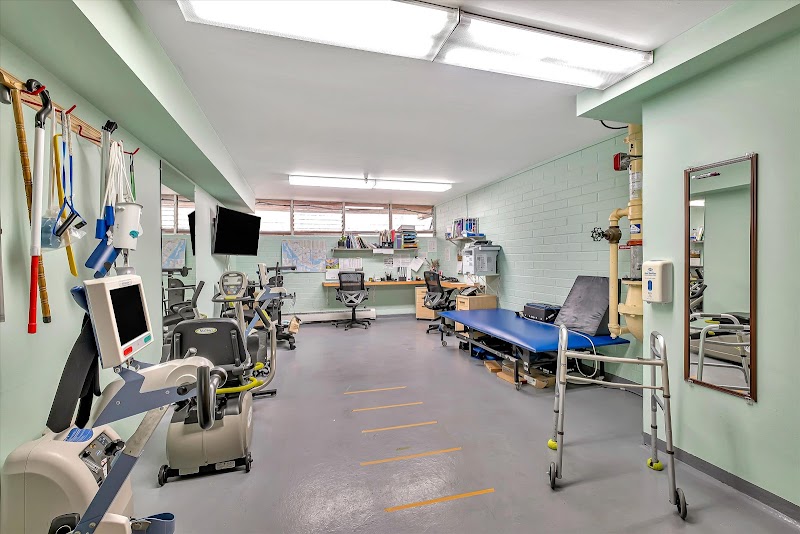
How is Valley Convalescent Hospital Staffed?

CMS rates VALLEY CONVALESCENT HOSPITAL's staffing level at 4 out of 5 stars, which is above average compared to other nursing homes. Staff turnover is 29%, compared to the California average of 46%. This relatively stable workforce can support continuity of care. RN turnover specifically is 57%, which is notably high. RNs provide skilled clinical oversight, so turnover in this role can affect medical care quality.

What Have Inspectors Found at Valley Convalescent Hospital?

State health inspectors documented 28 deficiencies at VALLEY CONVALESCENT HOSPITAL during 2019 to 2024. These included: 28 with potential for harm.
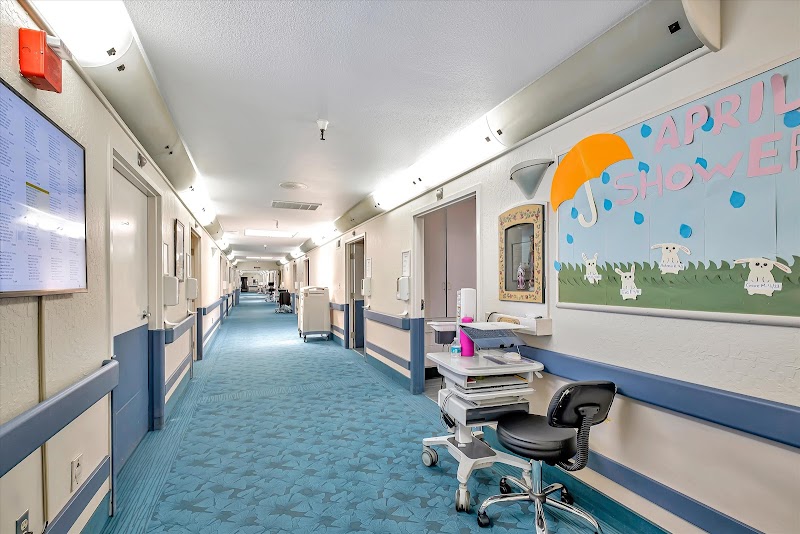
Who Owns and Operates Valley Convalescent Hospital?

VALLEY CONVALESCENT HOSPITAL is owned by a for-profit company. For-profit facilities operate as businesses with obligations to shareholders or private owners. The facility operates independently rather than as part of a larger chain. With 59 certified beds and approximately 56 residents (about 95% occupancy), it is a smaller facility located in WATSONVILLE, California.
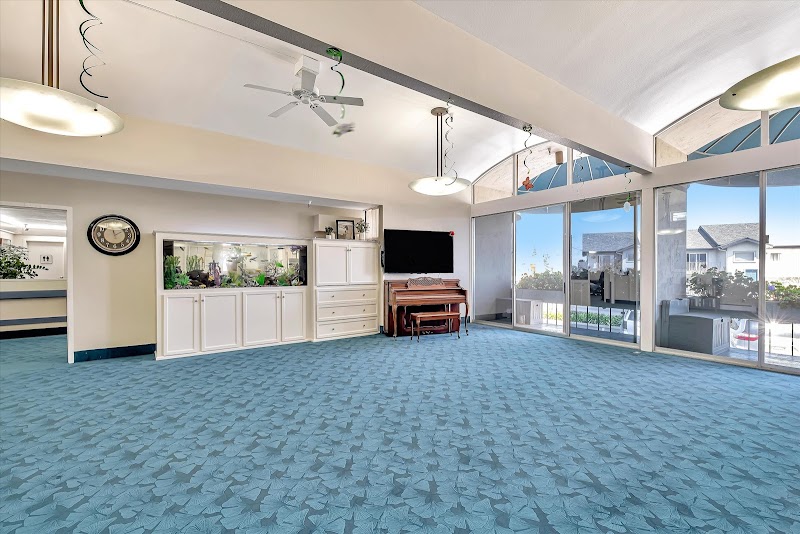
How Does Valley Convalescent Hospital Compare to Other California Nursing Homes?

Compared to the 100 nursing homes in California, VALLEY CONVALESCENT HOSPITAL's overall rating (3 stars) is below the state average of 3.1, staff turnover (29%) is significantly lower than the state average of 46%, and health inspection rating (3 stars) is at the national benchmark.

What Should Families Ask When Visiting Valley Convalescent Hospital?

Based on this facility's data, families visiting should ask: "Can I visit during a mealtime to observe dining assistance and food quality?" "How do you handle medical emergencies, and what is your hospital transfer rate?" "Can I speak with family members of current residents about their experience?"

Is Valley Convalescent Hospital Safe?

Based on CMS inspection data, VALLEY CONVALESCENT HOSPITAL has a clean safety record: no substantiated abuse findings (meaning no confirmed cases of resident harm), no Immediate Jeopardy citations (the most serious violation level indicating risk of serious injury or death), and is not on the Special Focus Facility watch list (a federal program monitoring the lowest-performing 1% of nursing homes). The facility has a 3-star overall rating and ranks #100 of 100 nursing homes in California. While no facility is perfect, families should still ask about staff-to-resident ratios and recent inspection results during their visit.

Do Nurses at Valley Convalescent Hospital Stick Around?

Staff at VALLEY CONVALESCENT HOSPITAL tend to stick around. With a turnover rate of 29%, the facility is 17 percentage points below the California average of 46%. Low turnover is a positive sign. It means caregivers have time to learn each resident's needs, medications, and personal preferences. Consistent staff also notice subtle changes in a resident's condition more quickly.

Was Valley Convalescent Hospital Ever Fined?

VALLEY CONVALESCENT HOSPITAL has no federal fines on record. CMS issues fines when nursing homes fail to meet care standards or don't correct problems found during inspections. The absence of fines suggests the facility has either maintained compliance or corrected any issues before penalties were assessed. This is a positive indicator, though families should still review recent inspection reports for the full picture.

Is Valley Convalescent Hospital on Any Federal Watch List?

VALLEY CONVALESCENT HOSPITAL is not on any federal watch list. The most significant is the Special Focus Facility (SFF) program, which identifies the bottom 1% of nursing homes nationally based on persistent, serious quality problems. Not being on this list means the facility has avoided the pattern of deficiencies that triggers enhanced federal oversight. This is a positive indicator, though families should still review the facility's inspection history directly.