BEACON HEALTHCARE CENTER
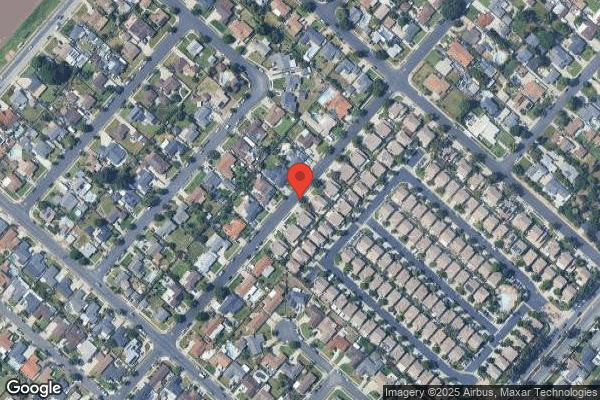
919 N SUNSET AVE, WEST COVINA, CA 91790 (626) 962-4489
For profit - Corporation 54 Beds NAHS Data: November 2025
Trust Grade
78/100
#23 of 1155 in CA
Last Inspection: November 2024

Within standard 12-15 month inspection cycle. Federal law requires annual inspections.

Overview

Beacon Healthcare Center in West Covina, California, has a Trust Grade of B, indicating it is a good choice among nursing homes, but not the best. It ranks #23 out of 1,155 facilities in California, placing it in the top half, and #4 out of 369 in Los Angeles County, meaning only three local options are better. The facility is improving, with a decrease in issues from 14 in 2023 to 12 in 2024. However, staffing is a weakness, rated at 2 out of 5 stars with a turnover rate of 36%, which is slightly better than the state average. There have been $9,750 in fines, suggesting some compliance issues, and RN coverage is concerning, as it is less than 85% of other California facilities. Specific incidents noted by inspectors include a failure to provide privacy curtains during incontinence care, which could affect residents' dignity, and issues with food handling, such as unlabeled and undated food items in the freezer that could lead to foodborne illnesses. Additionally, care plans were not appropriately followed for residents, potentially risking their physical and psychosocial health. Overall, while there are notable strengths, such as excellent health inspection and quality measures ratings, the facility has areas that need improvement.

Trust Score
B
78/100
In California
#23/1155
Top 1%
Safety Record
Low Risk
No red flags
Inspections
Getting Better
14 → 12 violations
Staff Stability
○ Average
36% turnover. Near California's 48% average. Typical for the industry.
Penalties
✓ Good
$9,750 in fines. Lower than most California facilities. Relatively clean record.
Skilled Nurses
⚠ Watch
Each resident gets only 19 minutes of Registered Nurse (RN) attention daily — below average for California. Fewer RN minutes means fewer trained eyes watching for problems.
Violations
⚠ Watch
35 deficiencies on record. Higher than average. Multiple issues found across inspections.
★★★★★
5.0
Overall Rating
★★☆☆☆
2.0
Staff Levels
★★★★★
5.0
Care Quality
★★★★☆
4.0
Inspection Score
Stable
2023: 14 issues
2024: 12 issues

The Good

  • 5-Star Quality Measures · Strong clinical quality outcomes
  • Full Sprinkler Coverage · Fire safety systems throughout facility
  • No fines on record
  • Staff turnover below average (36%)

    12 points below California average of 48%

Facility shows strength in quality measures, fire safety.

The Bad

Staff Turnover: 36%

10pts below California avg (46%)

Typical for the industry

Federal Fines: $9,750

Below median ($33,413)

Minor penalties assessed

Chain: NAHS

Part of a multi-facility chain

Ask about local staffing decisions and management

The Ugly 35 deficiencies on record

Nov 2024 11 deficiencies
CONCERN (D)

Potential for Harm - no one hurt, but risky conditions existed

Assessment Accuracy (Tag F0641)

Could have caused harm · This affected 1 resident

**NOTE- TERMS IN BRACKETS HAVE BEEN EDITED TO PROTECT CONFIDENTIALITY** Based on observation, interview, and record review, the facility failed to ensure a Minimum Data Set (MDS, a standardized assess...

Read full inspector narrative →
**NOTE- TERMS IN BRACKETS HAVE BEEN EDITED TO PROTECT CONFIDENTIALITY** Based on observation, interview, and record review, the facility failed to ensure a Minimum Data Set (MDS, a standardized assessment and care-screening tool) was accurately completed for one of one sampled resident (Residents 99). Resident 99's MDS did not accurately reflect the resident's hearing abilities and limitations. This deficient practice had the potential for Resident 99 not to receive necessary treatment and/or services. Cross Referenced with F676 Findings: During a review of Resident 99's admission Record (AR), the AR indicated Resident 99's was admitted to the facility on [DATE] with diagnoses that included intestinal obstruction (blockage in the intestine), hydronephrosis (swelling of the kidneys), atelectasis (complete or partial collapse of the lungs) and lack of coordination. During a review of Resident 99's Minimum Data Set (MDS - a federally mandated resident assessment tool) dated 10/4/2024, the MDS indicated Resident 99 was cognitively intact (able to make decisions) and had adequate (no difficulty in normal conversation, social interaction) with hearing. The MDS also indicated Resident 99 did not use hearing aid or other hearing appliance. During an observation and concurrent interview with Resident 99 at the resident's bedside, on 11/15/2024 at 2:30 p.m. and on 11/16/2024 at 8:54 a.m., Resident 99 was asked questions by the surveyor. The surveyor was standing at the foot of Resident 99's bed. Resident 99 gestured to the surveyor to come closer to the resident's ear and stated, I can't hear you, come closer to me. The surveyor needed to speak within 1 foot of Resident 99's ear for the resident to hear the questions asked. During an interview with Family Member 2 (FM 2) on 11/16/2024 at 2:12 p.m. FM 2 stated Resident 99 was hard of hearing prior to admission to the facility. During an interview with Certified Nursing Assistant 1 (CNA 1), on 11/16/2024 at 3:23 p.m., CNA 1 stated Resident 99 could not hear well and often asks CNA 1 to come closer in order for Resident 99 to read CNA 1's lips while talking. CNA 1 also stated Resident 99 did not have hearing aids or any devices to assist with hearing. During an interview with the Activities Director (AD) on 11/16/2024 at 3:31 p.m., the AD stated Resident 99 was hard of hearing and AD would sit close to the resident to communicate. During an observation and concurrent interview at Resident 99's bedside, with the MDS coordinator (MDSC), on 11/16/2024 at 3:40 p.m., MDSC attempted to speak with Resident 99 from the foot of the resident's bed. Resident 99 pointed to her ear and gestured for MDSC to come closer stating I can't hear you.' MDSC walked towards Resident 99's head of bed and communicated with Resident 99. MDSC stated MDSC needed to speak about 10 inches from Resident 99's ear in order for the resident to hear the MDSC. The MDSC stated Resident 99 was hard of hearing. During the same observation, a concurrent record review of Resident 99's admission MDS was reviewed. The MDSC stated Resident 99's MDS indicated the resident had adequate hearing and the MDS was not accurate. MDSC stated, the resident's MDS assessment needed to be accurate in order for the facility to provide quality of care for Resident. 99. During an interview with Registered Nurse 1 (RN 1), on 11/16/2024 at 3:47 p.m., RN 1 stated Resident 99 was hard of hearing. RN 1 stated if a resident was admitted with hard of hearing, RN 1 would check if the resident utilized hearing aids, would provide temporary aids to ensure hearing, and would inform the resident's physician for a possible Ear Nose and Throat (ENT- a medical professional who specializes in diagnosing, treating, and preventing diseases and conditions of the ear, nose, and throat) consult to determine the cause of the hearing loss. RN 1 stated the ability to hear was important because Resident 99 needed to be informed of all aspects of the resident's care. During an interview and concurrent record review of Resident 99's chart, with LVN 1, on 11/16/2024 at 3:54 p.m., LVN 1 stated Resident 99 was hard of hearing. LVN 1 stated upon admission of a resident who was hard of hearing, licensed staff needed to determine if the resident used a hearing aid and inform the physician. LVN 1 stated LVN 1 did not inform Resident 99's physician that the resident was HOH, and there was no ENT consult ordered for Resident 99. LVN 1 stated hearing was important because that was how the resident communicated with others in order for staff to know the resident's needs. During a review of the facility's Policy and Procedure (P&P), titled Care of Hearing-Impaired Resident, revised 2/2024, the P&P indicated staff will assist hearing impaired resident to maintain effective communication with clinician, caregivers, other resident and visitors. Staff will assist the resident (or representative) with locating available resources To obtain needed services. When interacting with the hearing impaired or deaf residents, staff will implement the following: evaluate the resident's preferred method of communication (lip reading, tablet) with staff and other residents. Provide pencil and paper or tablet to communicate in writing. During a review of the facility's P &P titled Resident Assessment, revised on 9/2023, the P&P indicated all persons who have completed any portion of the MDS resident assessment form must sign the document attesting to the accuracy of such information. During a review of the facility's undated MDSC's - Job Description, the MDSC's job description indicated to evaluate each resident's condition and pertinent medical data to determine any need for special assessment activities . Complete accurate coding of the MDS with information obtained via medical record review as well as observation and interview with facility staff, resident and family members.
CONCERN (D)

Potential for Harm - no one hurt, but risky conditions existed

Deficiency F0676 (Tag F0676)

Could have caused harm · This affected 1 resident

**NOTE- TERMS IN BRACKETS HAVE BEEN EDITED TO PROTECT CONFIDENTIALITY** Based on observation, interview, and record review, the facility failed to ensure one of one sampled resident (Resident 99) rece...

Read full inspector narrative →
**NOTE- TERMS IN BRACKETS HAVE BEEN EDITED TO PROTECT CONFIDENTIALITY** Based on observation, interview, and record review, the facility failed to ensure one of one sampled resident (Resident 99) received necessary treatment to prevent a decline, maintain or improve Resident 99's hearing abilities and quality of life. This deficient practice had the potential to result in Resident 99's decline in hearing, social interaction, and overall quality of life. Findings: During a review of Resident 99's admission Record (AR), the AR indicated Resident 99's was admitted to the facility on [DATE] with diagnoses that included intestinal obstruction (blockage in the intestine), hydronephrosis (swelling of the kidneys), atelectasis (complete or partial collapse of the lungs) and lack of coordination. During a review of Resident 99's Minimum Data Set (MDS - a federally mandated resident assessment tool) dated 10/4/2024, the MDS indicated Resident 99 was cognitively intact (able to make decisions) and had adequate (no difficulty in normal conversation, social interaction) with hearing. The MDS also indicated Resident 99 did not wear hearing aid or other hearing appliance. During a review of Resident 99's Admission/readmission Screener dated 9/24/2024 completed by Licensed Vocational Nurse 1 (LVN 1), the Admission/readmission Screener indicated Resident 99 had highly impaired hearing. During an observation and concurrent interview with Resident 99 at the resident's bedside, on 11/15/2024 at 2:30 p.m. and on 11/16/2024 at 8:54 a.m., Resident 99 was asked questions by the surveyor. The surveyor was standing at the foot of the resident's bed. Resident 99 gestured for the surveyor to come closer to the resident's ear and stated, I can't hear you, come closer to me. The surveyor needed to speak within 1 foot of Resident 99's ear for the resident to hear the questions asked. During an interview with Family Member 2 (FM 2) on 11/16/2024 at 2:12 p.m. FM 2 stated Resident 99 was hard of hearing prior to admission to the facility. During an interview with Certified Nursing Assistant 1 (CNA 1), on 11/16/2024 at 2:23 p.m., CNA 1 stated Resident 99 could not hear well and often asks CNA 1 to come closer in order for Resident 99 to read CNA 1's lips while talking. CNA 1 also stated Resident 99 did not have hearing aids or any devices to assist with hearing. During an interview with the Activities Director (AD) on 11/16/2024 at 3:31 p.m., the AD stated Resident 99 was hard of hearing and AD would sat close to the resident to communicate. During an interview with Registered Nurse 1 (RN 1), on 11/16/2024 at 3:47 p.m., RN 1 stated Resident 99 was hard of hearing. RN 1 stated if a resident was admitted with hard of hearing, RN 1 would check if the resident utilized hearing aids, would provide temporary aids to ensure hearing, and would inform the resident's physician for a possible Ear Nose and Throat (ENT- a medical professional who specializes in diagnosing, treating, and preventing diseases and conditions of the ear, nose, and throat) consult to determine the cause of the hearing loss. RN 1 stated the ability to hear was important because Resident 99 needed to be informed of all aspects of the resident's care. During an interview and concurrent record review of Resident 99's chart, with LVN 1, on 11/16/2024 at 3:54 p.m., LVN 1 stated Resident 99 was hard of hearing. LVN 1 stated upon admission of a resident who was hard of hearing, licensed staff needed to determine if the resident used a hearing aid and inform the physician. LVN 1 stated LVN 1 did not inform Resident 99's physician that the resident was HOH, and there was no ENT consult ordered for Resident 99. LVN 1 stated hearing was important because that was how the resident communicated with others in order for staff to know the resident's needs. During a review of the facility's Policy and Procedure (P&P) titled Care of Hearing-Impaired Resident, revised on 2/2024, the P&P indicated staff will assist hearing impaired resident to maintain effective communication with clinician, caregivers, other resident and visitors. Staff will assist the resident (or representative) with locating available resources To obtain needed services. When interacting with the hearing impaired or deaf residents, staff will implement the following: evaluate the resident's preferred method of communication (lip reading, tablet) with staff and other residents. Provide pencil and paper or tablet to communicate in writing. During a review of the facility's P&P titled Resident Assessment, revised on 9/2023, the P&P indicated all persons who have completed any portion of the MDS resident assessment form must sign the document attesting to the accuracy of such information.
CONCERN (D)

Potential for Harm - no one hurt, but risky conditions existed

Pressure Ulcer Prevention (Tag F0686)

Could have caused harm · This affected 1 resident

Based on observation, interview, and record review, the facility failed to properly apply a pressure relief boot (PRB) for one of three sampled residents (Resident 2) who had a pressure ulcer (localiz...

Read full inspector narrative →
Based on observation, interview, and record review, the facility failed to properly apply a pressure relief boot (PRB) for one of three sampled residents (Resident 2) who had a pressure ulcer (localized injury to the skin and or underlying tissue usually over a bony prominence because of pressure or pressure in combination with shear and/or friction) on Resident 2's right heel. This failure had the potential to worsen Resident 2's pressure ulcer. Findings: During a review of Resident 2's admission Record (AR), the AR indicated the facility admitted Resident 2 on 10/1/2024 with diagnoses including pressure-induced deep tissue damage (a pressure injury, occurs when the tissue between the heel bone and the skin is compressed and deformed by pressure, shear, or strain) of right heel, type 2 diabetes mellitus (a chronic condition that affects the way the body processes blood sugar), and cognitive communication deficit (reduced awareness and ability to initiate and effectively communicate needs). During a review of Resident 2's Minimum Data Set (MDS, a resident assessment tool), dated 10/4/2024, the MDS indicated Resident 2 was moderately impaired in cognitive skills (decisions poor; cue/supervision required). The MDS indicated Resident 2 was dependent on staff for bathing, toileting, and dressing. The MDS indicated Resident 2 had multiple pressure injuries. During a review of Resident 2's IDT (Interdisciplinary Team) - Skin integrity Review, dated 10/11/2024, the IDT indicated Resident 2 had pressure injury to Resident 2's right heel. The IDT indicated nursing interventions included to float Resident 2's heel. During a concurrent observation and interview on 11/16/2024 at 9:36 a.m. with Licensed Vocational Nurse (LVN) 1, Resident 2's PRB was observed to be on Resident 2's right foot incorrectly. The PRB was on Resident 2's foot upside-down. The surveyor asked LVN 1 if she noticed anything wrong with how Resident 2's right foot looked. LVN 1 stated she did not see anything wrong. LVN 1 removed the PRB from Resident 2's right foot and showed the surveyor the dressing on Resident 2's right heel. LVN 1 replaced the PRB in an upside-down position. The surveyor asked if the PRB was on Resident 2's right foot correctly. LVN 1 stated the PRB was on Resident 2's right foot correctly. The surveyor pointed out the tag on the PRB which showed an image of foot in the PRB. LVN 1 then confirmed the PRB was not properly applied to Resident 2's right foot. LVN 1 stated LVN 1 had never received training from the facility on how to apply the PRB to residents (in general). LVN 1 stated LVN 1 did not know who had incorrectly applied the PRB to Resident 2's right foot. During a concurrent observation and interview on 11/16/2024 at 10:49 a.m. with the Treatment Nurse (TN), Resident 2's right heel was observed. Resident 2 was wearing a PRB on the resident's right foot. The TN stated Resident 2 had a deep tissue injury (DTI, a form of pressure injury). The TN stated the purpose of the PRB to relieve pressure off Resident 2's right heel. The TN stated Resident 2 had an ulcer (an open sore) on Resident 2's right heel. The TN stated if Resident 2's right heel was not protected from pressure, Resident 2 might experience a delay in the resident's ulcer healing, or the pressure injury could worsen. The TN stated if the PRB was applied the wrong way to Resident 2's foot, Resident 2's right heel would not be provided proper pressure relief. During a concurrent interview and record review on 11/17/2024, at 8:58 a.m. with the Director of Nursing (DON), Resident 2's care plan titled, Pressure Injury; Rt Heel ., dated 10/4/2024, the care plan indicated, may have heel protector. The DON stated that residents (in general) with pressure sores on their heels need the intervention of offloading pressure from the heel. The DON stated the PRB provided the intervention to offloading pressure from the heel. During a review of the facility's policy and procedure (P&P) titled, Prevention of Pressure Injuries, revised September 2023, the P&P indicated, Review the resident's care plan and identify the risk factors as well as the interventions designed to reduce or eliminate those considered modifiable.
CONCERN (D)

Potential for Harm - no one hurt, but risky conditions existed

Respiratory Care (Tag F0695)

Could have caused harm · This affected 1 resident

**NOTE- TERMS IN BRACKETS HAVE BEEN EDITED TO PROTECT CONFIDENTIALITY** Based on observation, interview, and record review, the facility failed to ensure one of one sampled resident (Resident 100) who...

Read full inspector narrative →
**NOTE- TERMS IN BRACKETS HAVE BEEN EDITED TO PROTECT CONFIDENTIALITY** Based on observation, interview, and record review, the facility failed to ensure one of one sampled resident (Resident 100) who received oxygen therapy, was provided safety in accordance with the facility's Policy and Procedure (P&P) on oxygen administration and professional standards of practice by ensuring a cautionary sign was posted on the resident's door indicating oxygen was in use. This deficient practice placed Resident 100's safety at risk regarding oxygen use. Findings: During a review of Resident 100's admission Record (AR), the AR indicated Resident 100 was admitted to the facility on [DATE] with diagnoses that included compression fracture of the vertebra (a break in a bone in the spine), hypertension (elevated blood pressure) and hyperlipidemia (abnormally high concentration of fats in the blood). During a review of Resident 100's Physician Orders (PO) dated 11/12/2024, the PO indicated for Resident 100 to receive oxygen at two (2) liters per minute (L/min) via nasal cannula (NC- tube which on one end splits into two prongs which are placed in the nostrils to deliver oxygen) continuously to keep oxygen saturation (amount of oxygen carried in blood) above 93 percent (%). During a review of Resident 100's Minimum Data Set (MDS - a federally mandated resident assessment tool) dated 11/15/2024, the MDS indicated Resident 100 had severely impaired cognition (mental action or process of acquiring knowledge and understanding). The MDS indicated Resident 100 was dependent with staff with eating, oral hygiene, toilet hygiene, showers, and upper and lower body dressing. During an observation on 11/15/2024 at 6:36 pm, Resident 100 was asleep lying in bed connected to an oxygen machine with a nasal cannula. Resident 100's room did not have a sign posted to indicate oxygen was in used in the room and that smoking was prohibited. During a concurrent observation and interview on 11/15/2024 at 6:40 pm with Licensed Vocational 2 (LVN 2) in Resident 100's room, Resident 100 was asleep lying in bed with a NC, connected to an oxygen machine. LVN 2 stated there was no sign posted on Resident 100's door to indicate oxygen was in used in the room. LVN 2 stated there should be a smoking sign to remind visitors or other residents that oxygen was in use and be cautious. During an observation and concurrent interview with the Director of Staff Development (DSD) on 11/15/2024 at 6:45pm, outside Resident 100's room, the DSD stated oxygen in use sign should be posted at the entrance door of the resident receiving oxygen therapy for fire safety because oxygen was combustible (flammable). During a review of the facility's P&P titled, Oxygen Administrator, revised 3/2024, P&P indicated the purpose of the procedure is to provide guidelines for safe oxygen administration. Equipment and Supplies: The following equipment and supplies will be necessary when performing this procedure: No Smoking/Oxygen in Use signs.
CONCERN (D)

Potential for Harm - no one hurt, but risky conditions existed

Deficiency F0697 (Tag F0697)

Could have caused harm · This affected 1 resident

**NOTE- TERMS IN BRACKETS HAVE BEEN EDITED TO PROTECT CONFIDENTIALITY** Based on observation, interview, and record review, the facility failed to properly assess resident's pain for one of one sample...

Read full inspector narrative →
**NOTE- TERMS IN BRACKETS HAVE BEEN EDITED TO PROTECT CONFIDENTIALITY** Based on observation, interview, and record review, the facility failed to properly assess resident's pain for one of one sampled resident (Resident 23) during a medication pass observation. This deficient practice had the potential to negatively affect Resident 23's physical comfort and psychosocial well-being. Findings: During a review of the admission Record, the admission Record indicated Resident 23 was admitted to the facility on [DATE] with diagnosis including Dementia (a progressive state of decline in mental abilities) and anxiety (a feeling of fear, dread, and uneasiness that can be a normal reaction to stress). During a review of the Minimum Data Set (MDS - a resident assessment tool) dated 10/28/2024, indicated Resident 23's cognitive (mental action or process of acquiring knowledge and understanding) skills for daily decisions was moderately impaired. The MDS indicated Resident 1 required moderate to maximal assistance from staffs for toileting/personal hygiene, upper and lower body dressing. A review of Resident 23's Order Summary indicated physician ordered the following: i. Dated 4/23/2024, Pain evaluation ever shift for pain scale 0-10 (score of 0 means no pain, and 10 means the worst pain you have ever felt) ii. Dated 9/2/2024, Acetaminophen (Tylenol, medication used to treat minor aches and pains, and reduces fever) 325 milligrams (mg - unit of measurement) give two tablets mouth every four hours as needed for pain scale of 1-3 (mild pain). iii: Dated 9/2/2024, Tramadol HCL oral table 50 mg, give 1 tablet by mouth every 24 hours as needed for pain scale of 7-10 (severe pain). During a concurrent observation of medication pass and an interview with Licensed Vocational Nurse (LVN) 3 on 11/17/2024 from 9:04 a.m. to 9:10 a.m., LVN 3 was observed administering the morning medication to Resident 23. LVN 3 asked Resident 23 Are you ok? Resident 23 stated I have a stomachache. LVN 3 stated Maybe you need to go to the bathroom more, the CNA reported to me you had a BM (bowel movement) today. LVN 3 stated, LVN 3 did not assess Resident 23 for pain when Resident 23 complained of pain due to Resident 23 always complaining of back pain when the resident was in a sitting position. LNV 3 stated Resident 23 would start to complain of pain when Resident 23 sat on the wheelchair for a while (for a short time). During a review of the facility's policy and procedures (P&P) titled, Pain Assessment and Management, revised on 11/2024, the P&P indicated, The purposes of this procedure are to help the staff identify pain in the resident, and to develop interventions that are consistent with the resident's goals and needs and that address the underlying causes of pain. The P&P indicated the pain management program is based on a facility-wide commitment to appropriate assessment and treatment of pain, based on professional standards of practice, the comprehensive care plan, and the residents' choices related to pain management. The P&P indicated steps in the procedure included: a. Recognizing pain. b. Assessing Pain. c. Identifying the cause of pain. d. Defining Goals and appropriate interventions. e. Implementing pain management strategies. f. Monitoring and modifying approaches of the pain management.
CONCERN (D)

Potential for Harm - no one hurt, but risky conditions existed

Staffing Information (Tag F0732)

Could have caused harm · This affected 1 resident

Based on interview and record review, the facility failed to post actual worked nursing hours at the start of each shift for one of three dates (11/14/2024) according to the facility's policy and proc...

Read full inspector narrative →
Based on interview and record review, the facility failed to post actual worked nursing hours at the start of each shift for one of three dates (11/14/2024) according to the facility's policy and procedure (P&P) titled, Consumer Information, revised 1/18/2023. This failure had the potential to result inaccurately reflecting the actual nurses providing direct care to the residents. Findings: During a concurrent interview and record review on 11/17/2024 at 9:19 a.m. with the Director of Staff Development (DSD), the facility's Census and Direct Care Service Hours Per Patient Day (DHPPD), dated 11/14/2024 and Projection of Nursing Hours, dated 11/14/2024 were reviewed. The DHPPD indicated the actual total Certified Nursing Assistant (CNA) direct care service hours for 11/14/2024 was 92.34 hours. The Projection of Nursing Hours indicated there was supposed to be 97.5 hours of CNA direct care service hours scheduled for 11/14/2024. The DSD stated a Daily Direct Care Staffing was posted at Nurses Station 1. The Projection of Nursing Hours indicated there were supposed to be 4 CNA's working on the second shift. The DSD stated 3 CNAs worked the entire second shift and 1 CNA only worked 3 hours during the second shift. The DSD stated the DSD posted a Projection of Nursing Hours document by the nurse's station every evening for the following day's nursing hours. The DSD stated the posted nursing hours was just the projection and was not changed when a staff person where to call off. During a review of the facility's P&P titled, Consumer Information, revised 1/18/2023, the P&P indicated, The following consumer information shall be posted: 1. Posting of: . g. Staffing, based on resident census, the number of nursing staff on duty for each shift (staff to resident ratio), including registered nurses, licensed vocational nurses, certified nurse aides, any staff who provide direct care to residents or who supervise those giving direct care. h. The facility will post the nurse staffing data on a daily basis at the beginning of each shift. i. Data will be posted as follows: 1) Clear and readable format 2) In a prominent place readily accessible to residents and visitors ii. Posting will include: 1) Facility name 2) The current date 3) The total number and the actual hours worked by the following categories of licensed and licensed nursing staff directly responsible for resident care per shift: a) Registered nurses b) Licensed practical nurses or licensed vocational nurses (as defined under State Law) c)Certified Nurse Assistants 4) Resident census .
CONCERN (D)

Potential for Harm - no one hurt, but risky conditions existed

Deficiency F0757 (Tag F0757)

Could have caused harm · This affected 1 resident

Based on interview and record review the facility failed to ensure one of five sampled residents (Resident 149) was reviewed for the McGeer's criteria (criteria used for retrospectively counting true ...

Read full inspector narrative →
Based on interview and record review the facility failed to ensure one of five sampled residents (Resident 149) was reviewed for the McGeer's criteria (criteria used for retrospectively counting true infections. To meet the criteria for definitive infection, more diagnostic information [e.g., positive laboratory tests] is often necessary) when Resident 149 was receiving antibiotics (medications that fight bacterial infections). This deficient practice had the potential for Resident 149 from receiving unnecessary antibiotic. Findings: During a review of Resident 149's admission Record, the admission Record indicated Resident 149 was admitted to the facility 11/14/2024 with diagnoses including spastic quadriplegic cerebral palsy (a severe form of cerebral palsy where all four limbs [arms and legs] are affected by increased muscle stiffness, resulting in significant limitations in movement and often causing difficulties with walking, speaking, and other daily activities) and contracture (a stiffening/shortening at any joint that reduces the joint's range of motion) of the right and left hips, right and left knees, left elbow and left wrist. During a review of Resident 149's Physician's Order Summary (POS), the POS indicated Resident 149 has an order for Cefepime Hydrochloride (Cefepime HCL, medication used to treat a bacterial infection. Cefepime is indicated to treat gram-positive and gram-negative bacterial infections susceptible to its antimicrobial activity) Solution 1 gram (gm)/50 milliliter (ml) intravenously (via vein) every 8 hours for sepsis for 7 days. During a review of Resident 149's Antibiotic Surveillance Data Collection dated 11/17/2024, the Antibiotic Surveillance Data Collection indicated Resident 149 did not have the McGeer's criteria indicating antibiotic use. During a concurrent interview and record review on 11/17/2024 at 4:25 p.m., with the Infection Prevention Nurse (IPN), the IPN stated Resident 149 was prescribed Cefepime HCL in the hospital, but the admission nurse did not fill out the McGeer's criteria for Resident 149. The IPN stated she encourage the nurses (in general) to fill up the McGeer's criteria for the residents. During a review of the facilities policy and procedure (P&P) titled Antibiotic Stewardship revised dated December/2022, the P&P indicated, Antibiotics will be prescribed and administered to residents under the guidance of the facility's antibiotic stewardship program. The P&P indicated if an antibiotic is indicted and appropriate indicates of the use of antibiotic include criteria met for clinical definition of active infection or suspected sepsis (McGreer's criteria and pathogen susceptibility, based on culture and sensitivity to antimicrobial.
CONCERN (D)

Potential for Harm - no one hurt, but risky conditions existed

Deficiency F0804 (Tag F0804)

Could have caused harm · This affected 1 resident

Based on observation, interview, and record review the facility failed to prepare food by method that conserved flavor, texture, and appearance by servicing at a safe temperature. During a tray-line o...

Read full inspector narrative →
Based on observation, interview, and record review the facility failed to prepare food by method that conserved flavor, texture, and appearance by servicing at a safe temperature. During a tray-line observation, soup temperature from the requested test tray measured at 120 degrees Fahrenheit (F, a scale of temperature) for one of one facility kitchen. This deficient practice had the potential to result in meal dissatisfaction, decreased intake, and placed the residents at risk for unplanned weight loss. Findings: During an initial facility tour on 11/15/2024 at 8:38 p.m., complaints about the texture and flavor and temperature of the food were identified. During a review of the facility's menu, black bean soup was to be served on 11/16/2024 with the evening's dinner. During an observation and interview in the facility's kitchen [NAME] 1 (C1) on 11/16/2024 at 4:42 p.m., black bean soup was observed in the tray line. C1 stated black bean soup will be served with dinner. During the test tray tasting and observation on 11/16/2024 at 5:45 p.m. with the Dietary Supervisor (DS), the black bean soup temperature was taken. The black bean soup temperature was 120 degrees Fahrenheit. During the same observation and interview, the DS stated the black bean soup temperature was lukewarm (only moderately warm; tepid) and was not within acceptable temperatures. The DS stated the quality of food can improve and residents can get sick if food was served outside acceptable temperatures. During a review of the facility's Policy and Procedure (P&P) titled Meal Service dated 2023, the P&P indicated meal that meets the nutritional needs of the resident will be served in an accurate and efficient manner and served the appropriate temperatures. Hot food serving temperature must be at or above minimum holding temperature of 140 degrees Fahrenheit (F). Food Items: soups and hot beverages serving temperatures = 170F to 190F.
CONCERN (D)

Potential for Harm - no one hurt, but risky conditions existed

Deficiency F0847 (Tag F0847)

Could have caused harm · This affected 1 resident

Based on interview and record review, the facility failed to ensure one of three sampled residents (Resident 2), who signed an Arbitration Agreement (Binding Arbitration Agreement), had the capacity t...

Read full inspector narrative →
Based on interview and record review, the facility failed to ensure one of three sampled residents (Resident 2), who signed an Arbitration Agreement (Binding Arbitration Agreement), had the capacity to understand and make an informed decision. This failure had the potential to result in Resident 2 to not be able to make an informed decision and/or Resident 2's rights to be denied. Findings: During a review of Resident 2's admission Record (AR), the AR indicated the facility admitted Resident 2 on 10/1/2024 with diagnoses including pressure-induced deep tissue damage (occurs when the tissue between the heel bone and the skin is compressed and deformed by pressure, shear, or strain) of right heel, type 2 diabetes mellitus (a chronic condition that affects the way the body processes blood sugar), and cognitive communication deficit (reduced awareness and ability to initiate and effectively communicate needs). During a review of Resident 2's Minimum Data Set (MDS, a resident assessment tool) dated 10/4/2024, the MDS indicated Resident 2 was moderately impaired in cognitive skills (decisions poor; cue/supervision required). The MDS indicated Resident 2 was dependent on staff for bathing, toileting, and dressing. During an interview on 11/16/2024 at 2:15 p.m. with Resident 2, the surveyor asked Resident 2 if Resident 2 understood what an arbitration agreement was. Resident 2 stated an arbitration agreement meant Resident 2 would let Resident 2's daughter (FM 1) spend FM 1's time at the office. Resident 2 was not able to explain what an arbitration agreement was. The surveyor explained what an arbitration agreement was. Resident 2 stated Resident 2 does not remember anyone at the facility telling Resident 2 what an arbitration agreement was. During an interview on 11/16/2024 at 2:22 p.m. with FM 1 (who was at the bedside of Resident 2 when surveyor was interviewing Resident 2), FM 1 stated Resident 2 thinks Resident 2 worked at the facility most days. FM 1 stated Resident 1 came to the facility from a General Acute Care Hospital (GACH). FM 1 stated Resident 2 was very confused at the GACH, and that Resident 2 had not fully recovered from the confusion. FM 1 stated FM 1 was currently going through the process of getting Power of Attorney over Resident 2 because Resident 2 was not able to care for himself. FM 1 stated Resident 2 should not make medical decisions for himself. During a concurrent interview and record review on 11/16/2024 at 3:36 p.m. with the Case Manager (CM), Resident 2's Arbitration Agreement, signed 10/7/2024 was reviewed. The Arbitration Agreement indicated Resident 2 signed the document on 10/7/2024. The CM stated the CM explained arbitration agreement to Resident 2 and that Resident 2 signed the Arbitration Agreement. During a concurrent interview and record review on 11/16/2024 at 4:17 p.m. with the MDS Coordinator (MDSC), Resident 14's MDS was reviewed. The MDSC confirmed the MDS indicated Resident 2 was moderately impaired in cognitive skills. The MDSC stated moderate impairment meant Resident 2 made poor decisions. During a concurrent interview and record review on 11/17/2024 at 8:17 a.m. with Licensed Vocational Nurse (LVN) 1, Resident 2's Alert Charting, dated 10/7/2024 was reviewed. The Alert Charting indicated, LVN 1 documented, . (Resident 2) is alert x2 with confusion and forgetfulness.No altered mental status to baseline. LVN 1 stated when LVN 1 documented, No altered mental status to baseline, LVN 1 meant that Resident 2's confusion and forgetfulness was unchanged from the previous shifts in which LVN 1 took care of Resident 2. LVN 1 stated Resident 2 was forgetful, and that sometimes Resident 2 would ramble. During a review of the facility's policy and procedure (P&P) titled, Consents - admission & General, revised 11/15/2023, the P&P indicated, Residents have the right to consent to treatment and other consents specified by the facility at the time of admission and throughout their stay . The P&P indicated, The resident shall be presumed to have capacity unless otherwise documented in the clinical record, thus all consents will be signed by the resident in those cases where the resident has the capacity to sign and/or the physical ability to sign. Where that is not the case, the person either legally authorized or designated representative may sign on behalf of the resident. The P&P indicated, Any Arbitration Agreement shall be separate from the Standard admission Agreement .
CONCERN (E)

Potential for Harm - no one hurt, but risky conditions existed

Deficiency F0583 (Tag F0583)

Could have caused harm · This affected multiple residents

**NOTE- TERMS IN BRACKETS HAVE BEEN EDITED TO PROTECT CONFIDENTIALITY** Based on observation and record review, the facility failed to ensure two of two sampled residents (Residents 7 and 15), were pr...

Read full inspector narrative →
**NOTE- TERMS IN BRACKETS HAVE BEEN EDITED TO PROTECT CONFIDENTIALITY** Based on observation and record review, the facility failed to ensure two of two sampled residents (Residents 7 and 15), were provided privacy curtains for the residents during incontinence care. These failures prevented Residents 7 and 15 from having privacy during care and had the potential to affect Residents 7 and 15's dignity and self-worth. Findings: a. During a review of Resident 7's admission Record, the admission Record indicated Resident 7 was admitted to the facility on [DATE] with diagnoses including encephalopathy (a disease in which the functioning of the brain is affected by some agent or condition [such as viral infection or toxins in the blood]), dysphagia (difficulty swallowing), and contracture (a stiffening/shortening at any joint that reduces the joint's range of motion) of the right and left hips, right knee and right and left ankles. During a review of Resident 7's Care Plan (CP) titled Activities of Daily Living (ADLs, activities related to personal care, initiated 6/24/2024, the CP indicated the goal was for Resident 7 to increase ADLs independently. The interventions indicated to provide Resident 7 with assistance and encourage all efforts at independence. During a review of review of Resident 7's Minimum Data Set (MDS, a resident assessment tool), dated 9/30/2024, the MDS indicated Resident 7 had moderate impaired cognition (ability to think, understand, learn, and remember). The MDS indicated Resident 7 depended (helper does all the effort or the assistance of two or more helpers is required for the resident to complete the activity) on staff for ADLs. During an observation for an incontinence care for Resident 7, Resident 7's curtain was not completely closed during the incontinent care. b. During a review of Resident 15's admission Record, the admission Record indicated Resident 15 was initially admitted to the facility on 1/30 /2022 and readmitted on [DATE] with diagnoses including dysphagia, abnormal posture, and unsteadiness on feet. During a review of Resident 15's MDS, dated [DATE], the MDS indicated Resident 15 had an intact cognition and depended on staff for toileting hygiene. During an observation for an incontinence care for Resident 15, Resident 15's curtain was not closed during the incontinent care. During a review of the facility's Policy and Procedure (P&P) titled, Dignity, revised on 11/2023, the P&P indicated for facility staff to promote, maintain, and protect resident privacy, including bodily privacy during assistance with personal care and during treatment. During a review of the facility's P&P titled, Quality of Life-Dignity, revised on 11/2023, indicated the facility staff shall promote, maintain, and protect resident privacy, including bodily privacy during assistance with personal care and during treatment procedures. The P&P indicated treated with dignity means the resident will be assisted in maintaining and enhancing his or her self-esteem and self-worth.
CONCERN (E)

Potential for Harm - no one hurt, but risky conditions existed

Food Safety (Tag F0812)

Could have caused harm · This affected multiple residents

Based on observation, interview, and record review, the facility failed to ensure safe and sanitary food handling service. During initial tour of the kitchen on 11/15/24, one open bag of frozen pattie...

Read full inspector narrative →
Based on observation, interview, and record review, the facility failed to ensure safe and sanitary food handling service. During initial tour of the kitchen on 11/15/24, one open bag of frozen patties and one open frozen bag of eggrolls were unlabeled and undated in the facility freezer for one of one facility kitchen. This deficient practice had the potential to result in foodborne illnesses (illness caused by consuming contaminated food or beverages) to the residents. Findings: During an initial tour of the kitchen on 11/15/24 at 5:24 pm, with the Dietary Supervisor (DS), one open bag of four hamburger patties and one opened bag of eggrolls were observed inside the facility freezer. The DS stated open food items should be labeled and dated to determine the food item in the bags and to determine the good by date of the food to prevent possible food borne illness to the residents. During a review of the facility's Policy and Procedure (P&P) titled, Procedure for Frozen Storage: Freezer Storage, dated 2023, the P&P indicated all frozen food should be labeled and dated. During a review of the facility's P&P titled, Labeling and Dating of Foods, dated 2023, the P&P indicated All food items in the storeroom refrigerator, and freezer need to be labeled and dated. Newly opened food items will need to be closed and labeled with an open date and used by date .
May 2024 1 deficiency
CONCERN (D) 📢 Someone Reported This

A family member, employee, or ombudsman was alarmed enough to file a formal complaint

Potential for Harm - no one hurt, but risky conditions existed

Medical Records (Tag F0842)

Could have caused harm · This affected 1 resident

Based on interview and record review, the facility failed to ensure complete documentation regarding discharge planning was done for one of three sampled residents (Resident 1). This deficient practic...

Read full inspector narrative →
Based on interview and record review, the facility failed to ensure complete documentation regarding discharge planning was done for one of three sampled residents (Resident 1). This deficient practice had the potential to not provide full information regarding the discharge plans that were discussed for Resident 1. Findings: During a review of Resident 1's admission Record (AR), the AR indicated the facility admitted Resident 1 on 1/22/2024, with diagnoses of non-pressure chronic ulcer (non-healing open sore caused by poor circulation) of the left heel and midfoot (middle of the foot) with unspecified severity (unknown how severe), local infection of the skin and subcutaneous tissue (deepest layer of the skin), and type 2 diabetes mellitus (characterized by high levels of blood sugar in the blood). During a review of Resident 1's Minimum Data Set (MDS, a standardized assessment and care screening tool), dated 1/25/2024, the MDS indicated Resident 1 had the ability to understand others and was understood by others. The MDS indicated Resident 1 was dependent (helper does all of the effort) with toileting, lower body dressing, and putting on and taking off footwear. During a review of Resident 1's late entry Social Service Note (SSN), dated 4/8/2024 at 3:50 pm, the SSN indicated Family Member 1 (FM 1) met with the interdisciplinary team (IDT) to discuss Resident 1's discharge plan. The SSN indicated FM 1 would like assistance with long term placement to another skilled nursing facility (SNF). The SSN indicated assistance for a board and care option was offered to FM 1 but FM 1 stated would like to try a SNF first. The SSN did not indicate if the option to remain in the facility, which was also a long-term care facility, was offered or discussed with FM 1. During an interview on 5/30/2024 at 2:28 pm and on 6/3/2024 at 12:17 pm, with the Director of Social Services (DSS), the DSS stated when she spoke to FM 1 regarding discharge planning, DSS stated she discussed with FM 1 the options regarding placement for Resident 1. DSS stated she discussed and offered the option of Resident 1 staying at the current facility since the facility was also a long-term care facility. DSS stated she did not document anything in Resident 1's medical record that the option to stay at the facility was discussed during discharge planning. The DSS stated it was very important to document any assessments and discussion regarding options, because if it was not documented, it did not happen. During a review of the facility's policy and procedure (P&P) titled, Charting and Documentation, revised in March 2023, the P&P indicated all services provided to the resident, progress toward the care plan goals, or any changes in the resident's medical, physical, functional, or psychosocial condition, shall be documented in the resident's medical record. The medical record should facilitate communication between the interdisciplinary team regarding the resident's condition and response to care . Documentation in the medical record will be objective (not opinionated or speculative), complete, and accurate.
Dec 2023 1 deficiency
CONCERN (D) 📢 Someone Reported This

A family member, employee, or ombudsman was alarmed enough to file a formal complaint

Potential for Harm - no one hurt, but risky conditions existed

Deficiency F0573 (Tag F0573)

Could have caused harm · This affected 1 resident

**NOTE- TERMS IN BRACKETS HAVE BEEN EDITED TO PROTECT CONFIDENTIALITY** Based on interview and record review, the facility failed to follow their policy and procedure (P&P) titled, Resident Access to ...

Read full inspector narrative →
**NOTE- TERMS IN BRACKETS HAVE BEEN EDITED TO PROTECT CONFIDENTIALITY** Based on interview and record review, the facility failed to follow their policy and procedure (P&P) titled, Resident Access to Records, by not providing a copy of medical records within the policy ' s time frame for one of three sampled residents' (Resident 1) responsible party (RP, a person responsible for paying resident's bills or making healthcare decisions). This failure resulted in Resident 1 ' s RP ' s rights being violated when the facility did not provide access to Resident 1 ' s medical records within 48 hours. from 10/30/23 to 12/8/23 (total of 39 days). Findings: During a review of Resident 1 ' s admission Record indicated Resident 1 was admitted to the facility on [DATE]. Resident 1 ' s diagnoses included urinary tract infection (an infection when bacteria gets into the urinary system [system that removes waste from the blood, in the form of urine]) and acute pancreatitis (a condition where the pancreas [organ that regulates digestion and blood sugar] becomes inflamed [swollen] over a short period of time). The RP was listed in the admission Record as the first contact person in an emergency. During a review of Resident 1 ' s Minimum Data Set (MDS, a standardized resident screening and care-planning tool) dated 10/27/23, indicated Resident 1 had the ability to understand others and was understood by others. During a review of Resident 1 ' s Discharge Assessment, dated 10/30/23, indicated the facility transferred Resident 1 to a general acute care hospital (GACH) on 10/30/23, due to Resident 1 being unresponsive. During a review of the RP ' s letter sent to the facility, dated 10/30/23, indicated the RP ' s written request was for Resident 1 ' s medical records from 10/26/23 to 10/30/23. The RP ' s letter indicated Resident 1 was unable to sign due to Resident 1 had passed away. During an interview on 12/8/23 at 12:11 pm, the Director of Medical Records (DMR) stated, she remembered the RP ' s request for Resident 1 ' s medical records but she forgot to provide the RP the medical records. The DMR stated, the facility ' s policy was to provide medical records within 48 hours. During a review of the facility ' s P&P titled, Resident Access to Records, revised on 1/21/2019, indicated the facility and/or its business associates or subcontractors of the business associate will provide access to any adult resident or any resident ' s authorized representative to inspect, to obtain copies or a summary explanation of health information/records, whether maintained electronically or manual, located in one or more designated record sets, in form and format requested, when possible. The policy indicated the facility was to make records available for inspection by the resident or the resident ' s representative within 24 hours of request (excluding weekends and holidays). The facility was to send requested copies of the record by mail with return receipt requested within 48 hours (excluding weekends and holidays) of the receipt of a valid written request.
Nov 2023 11 deficiencies
CONCERN (D)

Potential for Harm - no one hurt, but risky conditions existed

Assessment Accuracy (Tag F0641)

Could have caused harm · This affected 1 resident

**NOTE- TERMS IN BRACKETS HAVE BEEN EDITED TO PROTECT CONFIDENTIALITY** Based on interview and record review, the facility failed to ensure a Minimum Data Set (MDS, an assessment and screening tool) w...

Read full inspector narrative →
**NOTE- TERMS IN BRACKETS HAVE BEEN EDITED TO PROTECT CONFIDENTIALITY** Based on interview and record review, the facility failed to ensure a Minimum Data Set (MDS, an assessment and screening tool) was coded correctly for two of two sampled residents (Resident 36 and Resident 32). a.Resident 36 was discharged to home and the Minimum Data Set (MDS, an assessment and screening tool) dated 10/11/23 was coded as Resident 36 being discharged to the hospital. b. Resident 32's primary language was Thai and was documented as English in the MDS dated [DATE]. This failure resulted in inaccuracy of Resident 36 and 32's MDS clinical status and had the potential to result in both residents to not receive the necessary care and services. Findings: a.During a review of Resident 36's admission Record, the AR indicated Resident 36 was admitted to the facility on [DATE] with diagnoses that included hypertension (increased blood pressure) and dysphagia (difficulty swallowing). During a review of Resident 36's Transfer/Discharge Report, signed 10/11/23, the Transfer/Discharge Report indicated Resident 36 was discharged to Resident 36's son's house on 10/11/23. During a review of Resident 36's MDS, dated [DATE], the MDS indicated Resident 36 was discharged to the hospital. During an interview on 11/18/23 at 5:07 pm., the MDS coordinator (MDSC) stated Resident 36 was discharged home on [DATE]. The MDSC stated the MDSC made a mistake when coding Resident 36 as being discharged to the hospital in Resident 36's MDS. The MDSC stated Resident 36's MDS should have been coded as discharged home. The MDSC stated it was important to code Resident 36's MDS correctly to make sure Resident 36 received necessary care and services. b. During a review of Resident 32's AR, the AR indicated Resident 32 was admitted to the facility on [DATE] with diagnoses that included glaucoma (group of eye conditions that can cause blindness) and type II diabetes mellitus (DM2- a disease that results in elevated levels of sugar in the blood). The AR indicated Resident 32's primary language was Thai. During a review of Resident 32's MDS, dated [DATE], the MDS indicated Resident 32's preferred language was English. The MDS indicated Resident 32 had moderately impaired cognition (ability to understand and process information). Resident 32 required substantial/maximal assistance (helper does more than half the effort. Helper lifts or holds trunk or limbs and provides more than half effort) with eating, oral hygiene, and upper body dressing. Resident 32 was dependent (helper does all the effort) with toileting hygiene, showers/bathing self, lower body dressing, putting on/taking off footwear, and personal hygiene. During an interview on 11/17/2023 at 3:48 pm., with Resident 32's responsible party (RP 1), RP 1 stated Resident 32 could not speak enough English to communicate in clear sentences. During an interview on 11/18/2023 at 3:31 pm., with Resident 32 (the Los Angeles County Interpreter Services was used), Resident 32 stated Resident 32 only understood a little English and could not communicate Resident 32's needs well to the facility staff. Resident 32 stated staff did not speak Thai or use a Thai interpreter when communicating with Resident 32. Resident 32 stated this situation made it hard to tell staff what was wrong with Resident 32. During a concurrent interview and record review on 11/19/2023 at 9:27 am., with the MDSC, the MDSC reviewed Section A of Resident 32's MDS dated [DATE]. The MDSC stated Resident 32's primary language was documented as English in the MDS. The MDSC stated Resident 32's primary language was not English, but was Thai. The MDSC stated the MDSC was not sure if Resident 32 understood the MDSC. The MDSC stated it was important to make an accurate assessment in Resident 32's MDS so Resident 32 could be cared for the way Resident 32 wanted and needed. During an interview on 11/19/2023 at 11:01 am., with the Director of Staffing Development (DSD), the DSD stated it was possible Resident 32's needs were not being met because Resident 32 could not effectively speak English to staff. During a review of the facility's policy and procedure (P&P), titled, Comprehensive Assessments, revised March 2022, the P&P indicated, a significant error is an error in an assessment where the resident's overall clinical status is not accurately represented (i.e., miscoded) on the erroneous assessment and/or results in an inappropriate plan of care.
CONCERN (D)

Potential for Harm - no one hurt, but risky conditions existed

Accident Prevention (Tag F0689)

Could have caused harm · This affected 1 resident

**NOTE- TERMS IN BRACKETS HAVE BEEN EDITED TO PROTECT CONFIDENTIALITY** Based on observation, interview, and record review, the facility failed to ensure safety measures were implemented, for one of t...

Read full inspector narrative →
**NOTE- TERMS IN BRACKETS HAVE BEEN EDITED TO PROTECT CONFIDENTIALITY** Based on observation, interview, and record review, the facility failed to ensure safety measures were implemented, for one of two sampled residents (Resident 26) and as indicated in the facility's policy and procedure (P&P), when Resident 26's bed pad alarm (device that alerts staff when a resident gets out of bed) was turned off. Resident 26 was at high risk for falls and had a history of multiple falls. This failure had the potential to result in injury and a physical decline to Resident 26. Findings: During a review of Resident 26's admission Record (AR), the AR indicated Resident 26 was admitted to the facility on [DATE] and readmitted on [DATE] with diagnoses that included urinary tract infection (UTI, an infection in any part of the urinary system, including the kidneys, bladder, or urethra), type 2 diabetes mellitus (a chronic condition that affects the way the body processes blood sugar), and dementia (a group of thinking and social symptoms that interferes with daily functioning). During a review of Resident 26's Minimum Data Set (MDS, a standardized assessment and care screening tool), dated 9/29/23, the MDS indicated Resident 26 was moderately impaired in cognitive skills (the ability to make daily decisions). The MDS indicated Resident 26 required extensive assistance (resident involved in activity, staff provide weight-bearing support) from staff for transfers, dressing, and personal hygiene. During a concurrent interview and record review on 11/18/23 at 2:35 pm., with the MDS Coordinator (MDSC), Resident 26's care plan titled The Resident is at Risk for Fall or Injury Due to: dated 9/27/23 was reviewed. The MDSC stated the care plan indicated Resident 26 should have a bed pad alarm when in bed. During a concurrent observation and interview on 11/18/23 at 2:59 pm., with the MDSC, Resident 26's bed pad alarm was observed. Resident 26 was asleep in Resident 26's bed and the bed pad alarm was turned off. The MDSC confirmed the alarm was turned off. The MDSC stated the alarm needed to be turned on to ensure Resident 26's safety and to prevent falls. The MDSC stated if the facility staff did not follow safety interventions, then Resident 26 could fall again. During a review of Resident 26's Order Summary Report, the Order Summary Report indicated there was an order, dated 10/23/23, for Resident 26 to have a bed alarm when in bed. During a review of Resident 26's IDT-Incident Review, dated 10/23/23, the IDT-Incident Review indicated Resident 26 fell on [DATE]. The review indicated Resident 26 had poor safety judgement, impaired memory, and was at very high risk for falls. The review indicated a recommendation to place an alarm in bed for Resident 26's safety. During a review of the facility's P&P titled, Fall Prevention and Management, revised March 2023, the P&P indicated, the staff and physician will identify pertinent interventions to try to prevent subsequent falls. During a review of the facility's P&P titled, Personal Alarms, revised May 2023, the P&P indicated, Least restrictive measures will be initiated to promote safety based on known or identified risk factors (i.e. pressure activated alarms).
CONCERN (D)

Potential for Harm - no one hurt, but risky conditions existed

Deficiency F0692 (Tag F0692)

Could have caused harm · This affected 1 resident

**NOTE- TERMS IN BRACKETS HAVE BEEN EDITED TO PROTECT CONFIDENTIALITY** Based on observation, interview, and record review, the facility failed to ensure nutritional care and services were provided to...

Read full inspector narrative →
**NOTE- TERMS IN BRACKETS HAVE BEEN EDITED TO PROTECT CONFIDENTIALITY** Based on observation, interview, and record review, the facility failed to ensure nutritional care and services were provided to one of two sampled Residents (Resident 29). Resident 29, who had experienced weight loss, did not receive his supplement of ice cream with his lunch tray as ordered by the physician. This failure had the potential to result in further weight loss to Resident 29. Findings: During a review of Resident 29's admission Record (AR), the AR indicated Resident 29 was admitted to the facility on [DATE] and readmitted on [DATE] with diagnoses including hemiplegia and hemiparesis (muscle weakness or partial paralysis on one side of the body) following cerebral infarction (also called ischemic stroke, occurs as a result of disrupted blood flow to the brain), hypertension (high blood pressure), and dysphagia (difficulty swallowing foods or liquids). During a review of Resident 29's Minimum Data Set (MDS, a standardized assessment and care screening tool), dated 9/19/23, the MDS indicated Resident 26 had no impairment in cognitive skills (the ability to make daily decisions). The MDS indicated Resident 29 required extensive assistance (resident involved in activity, staff provide weight-bearing support) from staff for transfers, dressing, and personal hygiene. During a concurrent observation and interview on 11/18/23 at 12:33 pm., with Resident 29, Resident 29 was lying in bed eating his lunch. Resident 29 stated the facility did not include ice cream in Resident 29's meal. Resident 29's lunch tray was observed, and the tray did not contain ice cream. During a concurrent interview and record review on 11/18/23 at 12:43 pm., with the Dietary Supervisor (DS), Resident 29's diet card (included with the meal tray) was reviewed. The diet card did indicate ice cream should be given with lunch and dinner. The DS stated if Resident 29's diet was changed and ice cream had to be included with lunch and dinner, a diet communication notice (to indicate change) was sent to the kitchen. The DS stated Resident 29's diet card needed to be updated especially if Resident 29 was losing weight. During a review of Resident 29's IDT-Weight Change Review-V2, dated 10/9/23, the IDT-Weight Change Review-V2 indicated Resident 29 experienced weight loss. The IDT-Weight Change Review-V2 indicated there was a recommendation by the interdisciplinary team (IDT, a group of health care professionals with various areas of expertise who work together toward the goals of the resident) to give Resident 29 ice cream with his lunch and dinner. During a review of Resident 29's physician order, dated 10/11/23, the physician order indicated Resident 29 was to receive ice cream with his lunch and dinner. During a review of the facility's P&P titled, Nutrition Care, reviewed May 2023, the P&P indicated, It is the policy of this facility to ensure the resident receives adequate nutrition by providing the diet and supplements as ordered by the physician, provide assistance with eating as needed.
CONCERN (D)

Potential for Harm - no one hurt, but risky conditions existed

Drug Regimen Review (Tag F0756)

Could have caused harm · This affected 1 resident

**NOTE- TERMS IN BRACKETS HAVE BEEN EDITED TO PROTECT CONFIDENTIALITY** Based on interview and record review, the facility failed to act upon the pharmacist medication regimen review (MRR, a thorough ...

Read full inspector narrative →
**NOTE- TERMS IN BRACKETS HAVE BEEN EDITED TO PROTECT CONFIDENTIALITY** Based on interview and record review, the facility failed to act upon the pharmacist medication regimen review (MRR, a thorough evaluation of the medication regimen of a resident, with the goal of promoting positive outcomes and minimizing adverse consequences associated with medication.) recommendation to not use insulin sliding scale (a sliding scale varies the dose of insulin based on blood glucose level. The higher the blood glucose the more insulin to take) for one of five sampled residents (Resident 14). This deficient practice had the potential for the resident receiving unnecessary mediations and not maintaining the resident's highest practicable level of physical, mental and psychosocial well-being and prevents or minimizes adverse consequences related to medication therapy to the extent possible. Findings: During a review of Resident 14's admission Record indicated Resident 14 was readmitted on [DATE], with diagnoses that included type 2 diabetes mellitus (high levels of sugar in the blood) and dysphagia (difficulty swallowing). During a review of Resident 14's Minimum Data Set (MDS, a resident assessment and care screening tool) dated 9/13/23, indicated Resident 14 had clear speech, usually understood others and usually made self-understood. During a review of the facility's Consultant Pharmacist's Medication Regimen Review (MRR) dated 9/17/23, indicated Resident 14 was using insulin aspart (a form of rapid acting insulin) sliding scale (scale followed, dose of insulin varies based on blood sugar levels) order frequently. The MMR indicated the continued or long-term need for sliding scale insulin for non-emergency coverage may indicate inadequate blood sugar control. Please request the medical doctor to evaluate for possible medication adjustment in an effort to minimize the need of the sliding scale insulin and potentially discontinue in the future. Per the MRR, the change also decreased nursing touch points to aid in infection control and increased the time that the nursing staff had for other direct patient care activities. During a review of Resident 14's Progress Notes from 9/16/23 to 11/17/23, indicated that there was no documented nurse's notes that indicated Resident 14's medical doctor was notified of the consultant pharmacist's MRR recommendation regarding insulin aspart sliding scale. During a review of Resident 14's Order Summary Report, dated 11/18/23, indicated, Resident 14 had a physician's order, dated 4/11/23, tha indicated insulin aspart sliding scale. During a concurrent interview and Resident 14's medical record review on 11/18/23 at 11:49 am., Director of Nursing (DON) stated, the DON was the responsible person for handling MRRs. The DON stated, consultant pharmacist performed MRRs every month and emailed the MRR reports and recommendations to the DON. The DON stated, there was no documentation in Resident 14's medical record indicating the pharmacist's recommendation regarding insulin aspart sliding scale was reported to Resident 14's medical doctor. The DON stated, it was important to report the pharmacist' recommendation to the Resident 14's doctor to avoid unnecessary medication administration, for Resident 14's safety, and to prevent or minimize adverse consequences related to medication therapy. During a review of the facility's policy and procedure (P& P), titled, Consultant Pharmacist Reports, updated January 2022, indicated Findings and recommendations are reported to the director of nursing and the attending physician. Resident-specific irregularities and/or clinically significant risks resulting from or associated with medications are documented in resident's active record and reported to the DON, and/or prescriber as appropriate. Recommendations are acted upon and documented by the facility staff and or the prescriber.
CONCERN (D)

Potential for Harm - no one hurt, but risky conditions existed

Deficiency F0761 (Tag F0761)

Could have caused harm · This affected 1 resident

**NOTE- TERMS IN BRACKETS HAVE BEEN EDITED TO PROTECT CONFIDENTIALITY** Based on observation, interview, and record review, the facility failed to discard a Lantus insulin (long-acting medication used...

Read full inspector narrative →
**NOTE- TERMS IN BRACKETS HAVE BEEN EDITED TO PROTECT CONFIDENTIALITY** Based on observation, interview, and record review, the facility failed to discard a Lantus insulin (long-acting medication used to regulate blood sugar levels) vial, for one of four sampled residents (Resident 18), during medication administration observation and according to the facility's policies and procedures (P&P). This failure had the potential to result in Resident 18 to experience adverse reactions (any unexpected or dangerous reaction to a medication) due to the administration of the expired medication. Findings: During a review of Resident 18's admission Record (AR), the AR indicated Resident 18 was admitted to the facility on [DATE] with multiple diagnoses including type 2 diabetes mellitus (DM, a chronic condition that affects the way the body processes blood sugar) and dementia (a group of thinking and social symptoms that interferes with daily functioning). During a review of Resident 18's Minimum Data Set (MDS, a standardized assessment and care screening tool), dated [DATE], the MDS indicated Resident 18 was moderately impaired in cognitive skills (the ability to make daily decisions). The MDS indicated Resident 18 required assistance from staff for eating, dressing, and personal hygiene. During a concurrent observation and interview on [DATE] at 8:08 am., with LVN 1, Resident 18's medication administration was observed. LVN 1 drew up 26 units, (unit of measurement) from a multi-dose Lantus insulin vial. The insulin vial had an open date of [DATE]. LVN 1 took the insulin into Resident 18's room along with Resident 18's other medications. Before LVN 1 could give Resident 18 the Lantus insulin injection, the surveyor stopped LVN 1 from administering the medication and asked how long the insulin was good for once the vial was opened. LVN 1 stated the insulin was good for 28 days after the vial was opened. LVN 1 stated Resident 18 could have an adverse reaction, or the medication might not be effective if LVN 1 had given the expired medication. During a concurrent interview and record review on [DATE] at 9:27 am with the Director of Nursing (DON), the facility's P&P titled, Appendix 3: Requirements for Specific medications & Reagents, revised [DATE]. The DON confirmed the P&P indicated Lantus Insulin vials expired 28 days after the vial was opened. During a review of Resident 18's Order Summary Report, the Order Summary Report indicated Resident 18 had a physician order, dated [DATE], for Lantus solution 100 unit per milliliter (ML, unit of measurement), 26-units administered by injection subcutaneously (SQ, injection to the layer between skin and muscle) one time a day. During a review of the facility's P&P titled, Administering Medication, revised [DATE], the P&P indicated, The expiration/beyond use date on the medication label is checked prior to administering. When opening a multi-dose container, the date opened is recorded on the container.
CONCERN (D)

Potential for Harm - no one hurt, but risky conditions existed

Menu Adequacy (Tag F0803)

Could have caused harm · This affected 1 resident

**NOTE- TERMS IN BRACKETS HAVE BEEN EDITED TO PROTECT CONFIDENTIALITY** Based on observation, interview and, record review, the facility failed to prepare meals that met resident preferences and aller...

Read full inspector narrative →
**NOTE- TERMS IN BRACKETS HAVE BEEN EDITED TO PROTECT CONFIDENTIALITY** Based on observation, interview and, record review, the facility failed to prepare meals that met resident preferences and allergy status for one of four sampled residents (Resident 2)as inicated in the facility's policy and procedure (P&P), titled, Nutrition Care. This failure had the potential to affect Resident 2's dietary intake and result in Resident 2 to experience an allergic response and cause a physical decline to Resident 2. Findings: During a review of Resident 2's admission Record (AR), the AR indicated Resident 2 was readmitted on [DATE], with diagnoses that included fracture of superior rim of left pubis (edge of hip bones) and hypertension (increased blood pressure). During a review of Resident 2's Minimum Data Set (MDS, a resident assessment and care screening tool) dated 11/3/23, indicated Resident 2 had clear speech, ability to understand others and make self-understood. Resident 2 had intact cognition (ability to think, remember and reasoning). During an interview on 11/17/23, at 2:27 pm., Resident 2 stated Resident 2 had lactose intolerance (a common digestive problem where the body is unable to digest lactose, a type of sugar mainly found in milk and dairy products) and Resident 2 did not like citrus juice. Resident 2 stated Resident 2 had diarrhea and abdominal pain if Resident 2 consumed dairy products. Resident 2 stated Resident 2 made the dietary supervisor aware of Resident 2'd food allergies and preferences, but the kitchen still provided meals that contained dairy ingredients and sometimes milk. During an observation on 11/17/23, at 5:53 pm., in Resident 2's room, Resident 2's dinner tray was on Resident 2's bedside table. Resident 2's tray card (a card on the food tray with detailed food information) indicated, Resident 2 was on mechanic soft (designed for people who have trouble chewing and swallowing), no added salt, and controlled carbohydrate diet (CCHO, consistent carbohydrate, keeps carb consumption at a steady level, through every meal and snack to prevent blood sugar spikes or falls.) Resident 2's tray card indicated, Resident 2 had eight ounces of juice and disliked milk. Resident 2's tray card was for breakfast, lunch, and dinner. During a record review of Resident 2's nutrition assessment dated [DATE], indicated Resident 2 had lactose intolerance and preferred no citrus. During an interview on 11/17/23, at 6 pm., the Dietary Supervisor (DS) stated the DS performed Resident 2's nutrition assessment on 11/2/23. The DS stated the DS forgot the assessment, so the DS did not write Resident 2's food preferences on Resident 2's meal card. The DS stated, not carrying out the Resident 2's food preferences could affect the Resident 2's dietary intake and cause a change in the resident's health condition. During a review of the facility's P&P, titled, Nutrition Care, dated 2022, indicated The resident's food allergy and food preferences should be placed on the profile care and identified on the tray card.
CONCERN (D)

Potential for Harm - no one hurt, but risky conditions existed

Food Safety (Tag F0812)

Could have caused harm · This affected 1 resident

Based on observation and interview, the facility failed to ensure sanitary practices were followed by one of three sampled staff (Dietary Aid, DA 1). On 11/17/23, DA 1 did not wear a hairnet (netting ...

Read full inspector narrative →
Based on observation and interview, the facility failed to ensure sanitary practices were followed by one of three sampled staff (Dietary Aid, DA 1). On 11/17/23, DA 1 did not wear a hairnet (netting over the hair to keep hair from contacting exposed food, clean equipment and utensils) during the handling and preparation of food. This failure had the potential to result in foodborne illnesses (illness caused by food contaminated with bacteria) from pathogens (organism that cause disease) that could have been on the hair and land on exposed food fed to residents who ate food orally (by mouth). Findings: During an observation on 11/17/2023 at 1:13 pm., DA 1 was observed handing food in the kitchen and at the table located next to the stove. DA 1 was wrapping tortillas in plastic wrap (thin, transparent film that adheres to surfaces and itself used for the storage of food) and was not wearing a hairnet as indicated in the facility's policy and procedure (P&P) titled, Sanitation and Infection Control. During an interview on 11/17/2023 at 11:17 am, DA 1 stated DA 1 was not wearing a hairnet because the tortillas needed to be put away really quick. DA 1 stated hairnets were supposed to be worn so DA 1 would not get hair in the residents' (in general) food. DA 1 stated hairnets were worn as a part of food safety practices. During an interview on 11/17/2023 at 1:20 pm., with the Assistant Dietary Supervisor (ADS), the ADS stated, all staff were supposed to wear the appropriate gear when working in the kitchen for safe food handling and to prevent food-borne illnesses or staff getting hair in the residents' food. During an interview on 11/17/2023 at 1:22 pm., with the Dietary Supervisor (DS), the DS stated hairnets were required to be worn upon entering the kitchen. The DS stated hairnets were worn as a preventative measure to keep residents safe from getting staff hair in the resident's food. The DS stated hairnets aided in the prevention of food-borne illness. During a review of the facility's P&P, titled, Sanitation and Infection Control, dated 2018, the P&P indicated food and nutrition service employees would be instructed on the relationship between personal hygiene and food safety, including the association of hand contact personal habits, behaviors, and food employees' health to food borne illness. The P&P indicated a hairnet and/or head covering, which completely covered all hair, should be worn during meal preparation and service.
CONCERN (D)

Potential for Harm - no one hurt, but risky conditions existed

Infection Control (Tag F0880)

Could have caused harm · This affected 1 resident

**NOTE- TERMS IN BRACKETS HAVE BEEN EDITED TO PROTECT CONFIDENTIALITY** Based on observation, interview and record review, the facility failed to follow infection control practices for one of four sam...

Read full inspector narrative →
**NOTE- TERMS IN BRACKETS HAVE BEEN EDITED TO PROTECT CONFIDENTIALITY** Based on observation, interview and record review, the facility failed to follow infection control practices for one of four sample residents (Resident 19) when Resident 19's urine drainage bag (urinary bag, attaches to a catheter [tube] that is inside your bladder to collect urine.) was observed touching the floor on 11/17/23, as indicated by the facility's policy and procedure P&P titled, Catheter Care, Urinary. This failure had the potential to result in a urinary tract infection (UTI, an infection in any part of the urinary system.) to Resident 19. Findings: During a review of Resident 19's admission Record (AR), the AR indicated Resident 19 was readmitted to the facility on [DATE], with diagnoses that included pneumonia (lung inflammation caused by bacterial or viral infection), sepsis (life-threatening complication of an infection) and immunodeficiency (failure of the immune system to protect the body adequately from infection, due to the absence or insufficiency of some component process or substance). During a review of Resident 19's Minimum Data Set (MDS, a resident assessment and care screening tool) dated 10/4/23, indicated Resident 19 had no speech, was rarely or never understood and was rarely or never made self-understood. Resident 19 was dependent (helper does all of the effort to complete the activity, the assistance of 2 or more helpers is required) for eating, toileting hygiene, and chair/bed-to-chair transfers. During a concurrent observation and interview on 11/17/23 at 2:51 pm., Resident 19 was lying in bed with eyes closed. Resident 19 was placed in a transmission-based precautions room by himself for contact precautions (precautions taken for diseases spread by direct or indirect contact). Resident 19 had a urinary bag hanging from the bedrail, and the bag was touching floor. Director of Staff Development (DSD) stated Resident 19 was on contact precaution because Resident 19 had Extended Spectrum Beta-Lactamase (ESBL, Beta-lactamases are enzymes produced by some bacteria that may make them resistant to some antibiotics.), an infection in the urine. The DSD stated Resident 19's urinary bag should not touch the floor to prevent bacteria from entering the urinary track. The DSD stated if that happened, it would casuse Resident 19's health condition to worsen. During a review of the facility's P&P titled, Catheter Care, Urinary, revised September 2022, indicated, the purpose of this procedure is to prevent catheter-associated urinary track infections. Be sure the catheter tubing and drainage bag are kept off the floor.
CONCERN (E)

Potential for Harm - no one hurt, but risky conditions existed

Comprehensive Care Plan (Tag F0656)

Could have caused harm · This affected multiple residents

**NOTE- TERMS IN BRACKETS HAVE BEEN EDITED TO PROTECT CONFIDENTIALITY** Based on observation, interview, and record review, the facility failed to develop and implement care plans (CP) that met the ne...

Read full inspector narrative →
**NOTE- TERMS IN BRACKETS HAVE BEEN EDITED TO PROTECT CONFIDENTIALITY** Based on observation, interview, and record review, the facility failed to develop and implement care plans (CP) that met the needs of two of two sampled residents (Residents 17 and 32) as indicated in the facility's policy and procedure, titled, Care Plans, Comprehensive Person-Centered. a. The facility did not follow interventions inidicated in Resident 17's Pressure Injury CP. Resident 17 was not repositioned every two hours as indicated in Resident 17's CP. b. b. Resident 32's CP for communication skills did not include appropriate interventions that addressed Resident 32's problem areas. Resident 32 did not speak English only spoke Thai and Resident 32 could not see the communication board indicated in the CP due to glaucoma (a group of eye conditions that can cause blindness). These failures had the potential to result in a psychosocial and physical decline to Residents 17 and Resident 32. Cross Reference F676 Findings: a. During a review of Resident 32's admission Record (AR), the AR indicated Resident 17 was admitted to the facility on [DATE] at 8:21 pm., with diagnoses including generalized muscle weakness (weakness of the muscles) and pressure ulcer (an injury that breaks down the skin and underlying tissue when an area of skin is placed under pressure) of sacral ((portion of the spine between the lower back and tailbone) stage 1, and glaucoma. During a review of Resident 17's Minimum Data Set (MDS- a standardized resident assessment and care screening tool), dated 9/7/2023, the MDS indicated Resident 17 had moderately impaired cognition (ability to understand and process information). Resident 17 required supervision (oversight, encouragement, or cueing) with eating. Resident 17 required extensive assistance (resident involved activity, staff provide weight-bearing support) with bed mobility, dressing, toilet use, and personal hygiene. During a review of Resident 17's care plan dated 7/17/2023, the CP indicated Resident 17 was at high risk for developing pressure injuries (PIs, localized damage to the skin and underlying tissue, primarily caused by prolonged pressure on the skin, shear (mechanical force that causes skin to break of), or friction [surfaces rub against each other]), bruising and other types of skin breakdown related to reduced mobility, thin and fragile skin. The interventions included to assess Resident 17's skin during care, use pressure relieving devices as needed and turn and reposition every two hours and as needed when in bed or using the wheelchair. During a concurrent observation and interview on 11/17/2023 at 5:31 pm., Resident 17 was observed sitting on the wheelchair in the dining room, waiting for dinner and the wheelchair was reclined. Resident 17 stated Resident 17's bottom (buttocks) hurt because Resident 17 had been in the same position all day. Resident 17 stated Resident 17 had been on Resident 17's back all day. During a concurrent observation and interview on 11/18/2023 at 4:25 pm., with Licensed Vocational Nurse (LVN) 3, LVN 3 observed Resident 17. LVN 3 stated Resident 17 was in supine position in bed. LVN 3 stated there was no pillow under Resident 17's buttock. LVN 3 observed Resident 17's sacral pressure and stated the pressure ulcer was a healing wound. LVN 3 stated Resident 17 was supposed to be turned and repositioned every two hours so Resident 17 did not develop a new pressure injury and for healing of the PIs. LVN 3 stated repositioning for residents was supposed to take place during the odd hours of the day. LVN 3 stated Resident 17 was on the wheelchair for at least four hours during earlier that morning. LVN 3 stated LVN 3 was not sure how to reposition a resident who was in a wheelchair for an extended period of time. LVN 3 stated Resident 17 should have been repositioned at 11 am, 1 pm and 3 pm today. LVN 1 stated it was important to follow Resident 17's care plan for safety of residents. During an interview on 11/18/2023 at 4:46 pm, with Certified Nurse Assistant (CNA) 1, CNA 1 stated CNA 1 repositioned the residents (in general) every two to three hours. CNA 1 stated between 9:00 am and 11 am, all residents were repositioned to the right side. CNA 1 stated all residents were put on their backs at 11 am so they could eat lunch. CNA 1 stated when residents were in a wheelchair, CNA 1 put a pillow under their arms, shoulders, or knees, but not under back or bottom. CNA 1 stated Resident 17 was already in the wheelchair at 11 am that morning and CNA 1 did not reposition Resident 17. CNA 1 stated it was important to make sure the residents were repositioned appropriately to ensure they did not get pressure injuries and remained safe. During an interview on 11/19/2023 at 10:12 am., with the Director of Staffing Development (DSD), the DSD stated residents were supposed to be repositioned every two hours and as needed every day. The DSD stated if a CP indicated to reposition a resident every two hours, the CP needed to be followed. The DSD stated not following the CP could result in Resident 17 to develop new pressure injuries. During a concurrent observation and interview on 11/18/2023 at 10:26 am., Resident 17 was observed sitting on the wheelchair. The wheelchair was reclined. Resident 17 was in the dining room watching a movie. Resident 17 stated Resident 17's bottom hurt. During a concurrent observation and interview on 11/18/2023 at 3:15 pm., Resident 17 was observed lying in bed and in supine (back of body to the bed) position. Resident 17 stated staff put Resident 17 on one side after lunch but Resident 17 could not remember what side. Resident 17 stated other than one repositioning, Resident 17 had been laying on Resident 17's back or sitting on the wheelchair. b. During a review of Resident 32's AR, the AR indicated Resident 32 was admitted to the facility on [DATE], with diagnoses that included glaucoma (group of eye diseases that can vision and blindness by damaging the optic nerve) and type II diabetes mellitus (DM2- A condition that happens because of a problem in the way the body regulates and uses sugar as fuel). The AR indicated Resident 32's primary language was Thai. During a review of Resident 32's MDS, dated [DATE], the MDS indicated Resident 32 had moderately impaired cognition. Resident 32 required substantial/maximal assistance (helper does more than half the effort, helper lifts or holds trunk or limbs and provides more than half effort) with eating, oral hygiene, and upper body dressing. Resident 32 was dependent (helper does all of the effort. Resident 32 did none of the effort. Helper lifts or holds trunk or limbs and provides less than half the effort) toileting hygiene, showers/bathing self, lower body dressing, putting on/taking off footwear, and personal hygiene. During a review of Resident 32's CP dated 10/21/2023, the CP indicated Resident 32 was at risk for decline in communication skills. The CP indicated Resident 32 had impaired/altered communication pattern due to a language barrier, Resident 32's native language was Thai. The goal indicated Resident 32's needs would be attended to and met accordingly through the next review date. The interventions included the use of a communication board as needed, involve in activities that which did not depend on Resident 32's ability to communicate like music, parties, and movies, monitor for understanding and repeat as needed, and use short phrases and questions which required yes/no answers. During an interview on 11/17/2023 at 3:48 pm., with Resident 32's responsible party (RP 1), RP 1 stated Resident 32 could not speak enough English to communicate in clear sentences and RP 1 felt concerned for Resident 32. RP 1 stated Resident 32 could not use a communication board to communicate because Resident 32 had glaucoma and could not see. RP 1 stated RP 1 was worried staff would miss information because of the language barrier. During an observation on 11/17/2023 at 4:42 pm., of Resident 32 and Certified Nurse Assistant (CNA) 1, CNA 1 was observed speaking to Resident 32 in English. CNA 1 asked Resident 32, Do you need anything? How are you? Do you need to 'peepee'? Resident 32 nodded head once in up and down motion. Resident 32 did not answer the questions orally. CNA 1 exited the room without receiving answers to the questions asked. The use of a phone was not used to translate from English to Thai. During an interview on 11/17/2023 at 4:49 pm., CNA 1 stated CNA 1 did not speak English well. CNA 1 stated Resident 32 understood English just fine. CNA 1 stated CNA 1 was unsure what Resident 32's primary language was. CNA 1 stated when caring for Resident 32, Resident 32 was always spoken to in English. CNA 1 stated CNA 1 could only translate for Spanish-speaking residents. CNA 1 stated CNA 1 did not use a phone to translate when speaking to Resident 32. CNA 1 stated the use of a communication board was not used for Resident 32 because Resident 32 could not see. During a concurrent observation and interview on 11/18/2023 at 3:31 pm., with Resident 32, Using Los Angeles County Interpreter Services, Identification Number 14320, Thai translation, Resident 32 stated Resident 32 could only understand a little English and could not communicate Resident 32's needs to staff well. Resident 32 stated staff did not speak Thai or use a Thai interpreter when communicating, and this made it hard to tell staff what was really wrong with Resident 32. Resident 32 stated, I feel like I am not being heard correctly. Resident 32 stated all of the activities provided to Resident 32 were in English, not in Thai. Resident 32 stated that none of the staff asked Resident 32 if Resident 32 understood what was being told to Resident 32. Resident 32 stated staff assume Resident 32 understands as much as is spoken to Resident 32 by staff. CNA 1 entered the Resident 32's room. CNA 1 asked in English if Resident 32, How are you, do you need anything? Resident 32 looked at CNA 1 but did not answer the questions. CNA 1 walked away. Resident 32 stated Resident 32 did not understand CNA 1. During a concurrent observation and interview on 11/18/2023 at 3:57 pm, with Licensed Vocational Nurse (LVN) 2, LVN 2 was observed speaking to Resident 32 in English. LVN 2 asked Resident 32, Are you in pain? Where is your pain? Resident 32 replied with the word, pain. LVN 2 stated Resident 32 could communicate English in very simple terms, not in full sentences. LVN 1 stated if a resident's primary language was not English, staff were supposed to call family or many use Google (translation service on phone) Translate. LVN 2 stated LVN 2 was not 100% (percent) sure Resident 32 could understand LVN 2 when speaking English to Resident 32. During a concurrent observation and interview on 11/18/2023 at 4:09 pm., LVN 3 was observed speaking to Resident 32 about medications. LVN 3 asked Resident 32 if Resident 32 wanted Tylenol (pain medication used to treat mild pain). LVN 3 asked Resident 32 if Resident 32 was agreeable to being given blood pressure medication (medications used to treated elevated blood pressure). LVN 3 stated when speaking to Resident 32, LVN 3 spoke slowly in English. LVN 3 stated the protocol for limited English Proficiency (LEP) residents like Resident 32 was to use family to translate or google translate. LVN 3 stated LVN 3 was not sure if the facility had translation services for staff. LVN 3 stated Resident 32's primary language was Thai and could not be fully sure that Resident 32 understood LVN 3 when speaking to Resident 32 in English. LVN 3 stated LVN 3 did not use family or Google translate to speak to Resident 32 when discussing medication being given to Resident 32. During a concurrent interview and record review on 11/19/2023 at 11:01 am., the DSD reviewed Resident 32's CP. The DSD stated Resident 32's primary language was Thai and that a communication board that was indicated in the CP was not effective because of Resident 32's medical condition. The DSD stated the CP did not indicate to use of translation or interpreter services when communicating with Resident 32 but should have. The DSD stated staff were supposed to follow Resident 32's CP for communication. The DSD stated staff were supposed to use their personal phones to communicate with residents who were LEP. The DSD stated it was possible that Resident 32's needs were not being met because staff were not using Google translate when speaking to Resident 32. The DSD stated not using google translate would make Resident 32 not feel heard. The DSD stated the facility did not use an official translation or interpretation service. During an interview on 11/19/2023 at 1:45 pm., with the Director of Nursing, the DON stated all CP needed to meet the needs of residents and if they were not effective, they needed to be reevaluated and revised. The DON stated that use of a communication board as an intervention for a resident who could not see was not effective. The DON stated care plan interventions needed to ensure residents were receiving the most updated care and that the interventions maintained or improved the residents' quality of life. During a review of the facility's policy and procedure (PP) titled, Care Plans, Comprehensive Person-Centered, Revised 3/2022, indicated a comprehensive, person-centered care plan that included measurable objectives and timetables to meet the residents' physical, psychosocial, and functional needs is developed and implemented for each resident. The PP indicated care plans were derived from a thorough analysis of the information gathered as part of the comprehensive assessment. The PP indicated care plan interventions are chosen only after data gathering, proper sequencing of events, careful considerations of the relationship between the resident's problem areas and their causes, and relevant clinical decision making. The PP indicated when possible, interventions addressed the underlying sources of the problem areas, not just the symptoms or triggers.
CONCERN (E)

Potential for Harm - no one hurt, but risky conditions existed

Deficiency F0676 (Tag F0676)

Could have caused harm · This affected multiple residents

**NOTE- TERMS IN BRACKETS HAVE BEEN EDITED TO PROTECT CONFIDENTIALITY** Based on observation, interview, and record review, the facility failed to ensure one of two sampled residents (Resident 32), wh...

Read full inspector narrative →
**NOTE- TERMS IN BRACKETS HAVE BEEN EDITED TO PROTECT CONFIDENTIALITY** Based on observation, interview, and record review, the facility failed to ensure one of two sampled residents (Resident 32), who had limited English proficiency (LEP), received translation support and services by the facility according to the facility's policy and procedure (PP) titled, Translation and/or interpretation of Facility Services, by failing to when Resident 32's primary language was Thai (language of Thailand) and the facility spoke English to Resident 32. This failure had the potential in Resident 32 not to be able to communicate basic needs and had the potential to result in Resident 32 to suffer a physcial and psychosocial decline. Cross Reference F656 Findings: a. During a review of Resident 32's AR, the AR indicated Resident 32 was admitted to the facility on [DATE], with diagnoses that included glaucoma (group of eye diseases that can vision and blindness by damaging the optic nerve) and type II diabetes mellitus (DM2- A condition that happens because of a problem in the way the body regulates and uses sugar as fuel). The AR indicated Resident 32's primary language was Thai. During a review of Resident 32's MDS, dated [DATE], the MDS indicated Resident 32 had moderately impaired cognition. Resident 32 required substantial/maximal assistance (helper does more than half the effort, helper lifts or holds trunk or limbs and provides more than half effort) with eating, oral hygiene, and upper body dressing. Resident 32 was dependent (helper does all of the effort. Resident 32 did none of the effort. Helper lifts or holds trunk or limbs and provides less than half the effort) toileting hygiene, showers/bathing self, lower body dressing, putting on/taking off footwear, and personal hygiene. During a concurrent observation and interview on 11/18/2023 at 3:31 pm., with Resident 32, Using Los Angeles County Interpreter Services, Identification Number 14320, Thai translation, Resident 32 stated Resident 32 could only understand a little English and could not communicate Resident 32's needs to staff well. Resident 32 stated staff did not speak Thai or use a Thai interpreter when communicating, and this made it hard to tell staff what was wrong with Resident 32. Resident 32 stated, I feel like I am not being heard correctly. Resident 32 stated all the activities provided to Resident 32 were in English, not in Thai. Resident 32 stated that none of the staff asked Resident 32 if Resident 32 understood what was being told to Resident 32. Resident 32 stated staff assumed Resident 32 understood as much as was spoken to Resident 32 by staff. CNA 1 entered the Resident 32's room. CNA 1 asked in English if Resident 32, How are you, do you need anything? Resident 32 looked at CNA 1 but did not answer the questions. CNA 1 walked away. Resident 32 stated Resident 32 did not understand CNA 1. During an interview on 11/17/2023 at 3:48 pm., with Resident 32's responsible party (RP 1), RP 1 stated Resident 32 could not speak enough English to communicate in clear sentences and RP 1 felt concerned for Resident 32. During an observation on 11/17/2023 at 4:42 pm., of Resident 32 and Certified Nurse Assistant (CNA) 1, CNA 1 was observed speaking to Resident 32 in English. CNA 1 asked Resident 32, Do you need anything? How are you? Do you need to 'peepee'? Resident 32 nodded head once in up and down motion. Resident 32 did not answer the questions orally. CNA 1 exited the room without receiving answers to the questions asked. The use of a phone was not used to translate from English to Thai. During an interview on 11/17/2023 at 4:49 pm., CNA 1 stated CNA 1 did not speak English well. CNA 1 stated Resident 32 understood English just fine. CNA 1 stated CNA 1 was unsure what Resident 32's primary language was. CNA 1 stated when caring for Resident 32, Resident 32 was always spoken to in English. CNA 1 stated CNA 1 could only translate for Spanish-speaking residents. CNA 1 stated CNA 1 did not use a phone to translate when speaking to Resident 32. During a concurrent observation and interview on 11/18/2023 at 3:31 pm., with Resident 32, Using Los Angeles County Interpreter Services, Identification Number 14320, Thai translation, Resident 32 stated Resident 32 could only understand a little English and could not communicate Resident 32's needs to staff well. Resident 32 stated staff did not speak Thai or use a Thai interpreter when communicating, and this made it hard to tell staff what was wrong with Resident 32. Resident 32 stated, I feel like I am not being heard correctly. Resident 32 stated all the activities provided to Resident 32 were in English, not in Thai. Resident 32 stated that none of the staff asked Resident 32 if Resident 32 understood what was being told to Resident 32. Resident 32 stated staff assume Resident 32 understands as much as is spoken to Resident 32 by staff. CNA 1 entered the Resident 32's room. CNA 1 asked in English if Resident 32, How are you, do you need anything? Resident 32 looked at CNA 1 but did not answer the questions. CNA 1 walked away. Resident 32 stated Resident 32 did not understand CNA 1. During a concurrent observation and interview on 11/18/2023 at 3:57 pm, with Licensed Vocational Nurse (LVN) 2, LVN 2 was observed speaking to Resident 32 in English. LVN 2 asked Resident 32, Are you in pain? Where is your pain? Resident 32 replied with the word, pain. LVN 2 stated Resident 32 could communicate English in very simple terms, not in full sentences. LVN 1 stated if a resident's primary language was not English, staff were supposed to call family or many use Google (translation service on phone) Translate. LVN 2 stated LVN 2 was not 100% (percent) sure Resident 32 could understand LVN 2 when speaking English to Resident 32. During a concurrent observation and interview on 11/18/2023 at 4:09 pm., LVN 3 was observed speaking to Resident 32 about medications. LVN 3 asked Resident 32 if Resident 32 wanted Tylenol (pain medication used to treat mild pain). LVN 3 asked Resident 32 if Resident 32 was agreeable to being given blood pressure medication (medications used to treated elevated blood pressure). LVN 3 stated when speaking to Resident 32, LVN 3 spoke slowly in English. LVN 3 stated the protocol for limited English Proficiency (LEP) residents like Resident 32 was to use family to translate or google translate. LVN 3 stated LVN 3 was not sure if the facility had translation services for staff. LVN 3 stated Resident 32's primary language was Thai and could not be fully sure that Resident 32 understood LVN 3 when speaking to Resident 32 in English. LVN 3 stated LVN 3 did not use family or Google translate to speak to Resident 32 when discussing medication being given to Resident 32. During an interview on 11/19/2023 at 11:01 am, with the DSD, The DSD stated staff were supposed to use their personal phones to communicate with residents who were LEP. The DSD stated it was possible that Resident 32's needs were not being met because staff were not using Google translate when speaking to Resident 32. The DSD stated not using google translate would make Resident 32 not feel heard. The DSD stated the facility did not use an official translation or interpretation service. During an interview on 11/19/2023 at 11:26 am, the Social Services Director (SSD) stated the facility's language access program was the use of Google Translate by staff for residents who required translation. The SSD stated the language access program should be implemented for Resident 32. The SSD stated not using the language access program for Resident 32 could make Resident 32 feel bad and not have needs communicated which could lead to medical decline. During a review of the facility's PP titled, Translation and/or Interpreation of Facility Services, revised 11/8:20 pm, the PP indicated the facility's language access program will ensure that the individuals with LEP shall have meaningful access to information and services provided by the facility. The PP indicated that providing meaningful access to serviced provided by the facility required that LEP residents' needs and questions were accurately communicated to the staff, and that oral interpretation services would therefore include interpretation from the LEP residents' primary language back to English. The PP indicated that in order to provide meaningful access to services provided by the facility, translation and/or interpretation must be provided in a way that is culturally relevant and appropriate to the LEP individual. During a review of the PP titled, Language Barrier, Communication, Revised 11/8:20 pm, the PP indicated the facility will ensure that residents with LEP shall have meaningful access to information and services provided by the facility. The PP indicated to use a phone app for translation. The PP indicated the Activity Director or Social Services would coordinate the language access program when needed.
CONCERN (E)

Potential for Harm - no one hurt, but risky conditions existed

Deficiency F0947 (Tag F0947)

Could have caused harm · This affected multiple residents

Based on interview and record review, the facility failed to ensure in-service training was completed for one of one Certified Nursing Assistants (CNA 2). This failure had the potential to result in t...

Read full inspector narrative →
Based on interview and record review, the facility failed to ensure in-service training was completed for one of one Certified Nursing Assistants (CNA 2). This failure had the potential to result in the residents with diagnoses of Dementia (a decline in mental ability) to not receive proper care and services and result in a decline in physical health. Findings: During a review of the facility's 2023 Annual In-Service Calendar for C.N.A, the calendar indicated, Dementia training or definition was scheduled in January 2023. During a review of the facility's In-Service Meeting Minutes (the Minutes), dated 1/6/23, the minutes indicated the topic for the training was Dementia. The Minutes indicated CNA 2 did not attend the training. During an interview on 11/18/23, at 2:55 pm., Director of Staff Development (DSD) stated the DSD was the person that provided Dementia in-service on 1/6/23. The DSD stated all staff should attend regular scheduled in-service training including Dementia. The DSD stated the DSD did not know CNA 2 did not attend the training. DSD stated he did not have a system in place to check and make sure all staffs attended required training. The DSD stated it was important for staff to receive regular training to promote the resident's (in general) quality of care and safety. During a review of the facility's policy and procedure titled In-Service Training Program, revised 9/2021, indicated All personnel are required to attend regularly to scheduled in-service training classes.
May 2023 1 deficiency
CONCERN (D) 📢 Someone Reported This

A family member, employee, or ombudsman was alarmed enough to file a formal complaint

Potential for Harm - no one hurt, but risky conditions existed

Abuse Prevention Policies (Tag F0607)

Could have caused harm · This affected 1 resident

Based on interview and record review, the facility failed to ensure a background check (a process a person or company uses to verify that an individual is who they claim to be, confirms the validity o...

Read full inspector narrative →
Based on interview and record review, the facility failed to ensure a background check (a process a person or company uses to verify that an individual is who they claim to be, confirms the validity of someone's criminal record, education, employment history, and other activities from their past) was conducted, for one of three sampled staff (Certified Nursing Assistant 1, CNA 1) as indicated in the facility's Policy and Procedure (P&P) titled, Abuse, Neglect, Exploitation and Misappropriation Prevention Program. This failure resulted in compromised safety for all residents at the facility and had the potential to result in resident abuse. Findings: During a review of the Employee Information Form, effective date 2/1/23, indicated, CNA 1 was transferred from Sister Facility 1 to the facility. During a record review and concurrent interview on 5/16/23, at 2:43 pm., with the Director of Staff Development (DSD), the DSD stated CNA 1's date of hire was 2/1/23. The DSD stated, there was no background check in CNA 1's employee file. The DSD stated it was important to make sure background checks were kept in the employee files to ensure file completeness prior to hiring staff members and to make sure the staff did not have a criminal history which would place the residents at risk for abuse. During an interview on 5/16/23, at 4:30 pm, the Administrator (ADM) stated the facility did not have a background check on file for CNA 1. During a review of the facility's P&P titled, Abuse, Neglect, Exploitation and Misappropriation Prevention Program, revised April 2021, the P&P indicated interpretation and implementation included development and implementation of policies and protocols to prevent and identify abuse and mistreatment of residents. The P&P indicated the facility was to conduct employee background checks.
Jan 2023 1 deficiency
CONCERN (D) 📢 Someone Reported This

A family member, employee, or ombudsman was alarmed enough to file a formal complaint

Potential for Harm - no one hurt, but risky conditions existed

Resident Rights (Tag F0550)

Could have caused harm · This affected 1 resident

Based on interviews and record review, the facility failed to protect and promote the rights of one of three sampled residents (Resident 1) by failing to have Resident 1 assessed by a licensed healthc...

Read full inspector narrative →
Based on interviews and record review, the facility failed to protect and promote the rights of one of three sampled residents (Resident 1) by failing to have Resident 1 assessed by a licensed healthcare provider for mental and physical capacity to keep his own car keys. Resident 1 ' s car caught fire on 5/3/2022 while parked in the facility ' s parking lot and the car key was kept in the facility ' s safe. This deficient practice resulted in Resident 1 to experience significant anxiety and had the potential to cause emotional trauma to Resident 1. Findings: A review of Resident 1 ' s admission Record indicated the facility admitted the resident on 4/18/2022 with diagnoses including type II diabetes mellitus (chronic condition that affects the way the body processes blood sugar), traumatic subarachnoid and subdural hemorrhage (bleeding in the brain), and schizophrenia (mental health disorder affecting a person ' s ability to think, feel or behave clearly). A review of Resident 1 ' s Inventory of Personal Effects, initially dated 4/18/2022, included keys but did not include Resident 1 ' s car after facility staff (Director of Maintenance and the Medical Records Director) picked it up from Outpatient Clinic 1 (OC 1) and parked it in the facility ' s parking lot on 4/28/2022. A review of Resident 1 ' s clinical record, titled History and Physical, dated 4/19/2022, indicated Healthcare Provider 1 (HCP 1) determined Resident 1 had the capacity to understand and make decisions. A review of Resident 1 ' s Minimum Data Set (MDS, a standardized resident screening and care-planning tool), dated 4/21/2022, indicated the resident had the ability to express ideas and wants and to understand others. The MDS indicated Resident 1 needed extensive assistance with bed mobility, transfer, walking in room, dressing, toilet use, personal hygiene, and bathing. A review of Resident 1 ' s clinical records, titled Nurse Practitioner (NP- a nurse who is qualified to treat certain medical conditions without the direct supervision of a doctor) Note, dated 5/4/2022 and timed at 6:57 p.m., HCP 2 documented the following: a. Resident 1 was having increased worry, anxiety, and restlessness since he has no car anymore and worried about how to pay for it as he is on a fixed income. b. The incident when Resident 1 ' s car caught fire increased Resident 1 ' s paranoia and being hypervigilant. Resident 1 believed someone was out to get him and has been preoccupied with finding out who was responsible for the fire and trying to reclaim damages. A review of the City ' s Fire Department letter to the Administrator, dated 8/11/2022, indicated it was suspected this fire incident to have been a result of an intentionally set fire. The letter indicated there was no evidence that any person or facility staff was identified to be responsible or participated in the fire incident. During an interview on 12/22/2022 at 2:38 p.m., Admissions Coordinator (AC) stated Resident 1 wanted to pick up his car because OC 1 had been calling and pressuring him to move his car from OC 1 ' s parking lot after it was left there prior to Resident 1 ' s hospitalization. AC stated Resident 1 said he did not have any family members nor friends to pick up the car. AC stated due to safety reasons, Resident 1 was not allowed to go to OC 1 and the Administrator authorized AC, Director of Maintenance (DOM), and the Medical Records Director (MRD) to pick up Resident 1 ' s car from OC 1 on 4/28/2022. AC stated Resident 1 did not sign any written document indicating the facility would not be held liable for any car damage or loss while parked in the facility ' s parking lot. AC stated she did not add the car in Resident 1 ' s inventory of belongings. AC stated there was no documented evidence indicating Resident 1 understood and agreed Resident 1 ' s car keys would be kept in the Administrator ' s Office due to fear that Resident 1 would drive the car and cause injury to self or others. AC stated Resident 1 verbalized understanding he could not drive at that time. AC stated Resident 1 had no previous attempts or verbalizations of wanting to leave the facility prior to picking up the car from OC 1. During a telephone interview on 12/23/2022 at 10:09 a.m., Licensed Vocational Nurse 1 (LVN 1) stated during Resident 1 ' s admission interdisciplinary team meeting, dated 4/19/2022, Resident 1 did not inform the facility staff about a car left in OC 1 ' s parking lot. During a concurrent review of Resident 1 ' s clinical records, LVN 1 stated there was no documented evidence about Resident 1 ' s car before it caught fire on 5/3/2022. During a telephone interview on 12/23/2022 at 10:59 a.m., LVN 3 stated, while in the facility, Resident 1 was alert and oriented and she did not witness Resident 1 yelling, with aggressive behavior, nor verbalizing or attempting to leave the facility. During a telephone interview on 12/23/2022 at 1:40 p.m., Social Worker 1 (SW 1) stated she had recommended that the facility staff only obtain the food and other items needed by Resident 1 in the car, but she did not know how Resident 1 persuaded the Administrator to pick up the car from OC 1. SW 1 stated she was not aware of any verbal or written agreement between the facility and Resident 1, indicating that Resident 1 ' s car would be parked in the facility ' s parking lot, but the facility would not be held liable for any damage or loss. During a telephone interview on 12/23/2022 at 3:31 p.m., the Administrator stated Resident 1 was very adamant about getting his car from OC 1. The Administrator stated Resident 1 stated OC 1 was pressuring him to move his car and no family or friend was available to get and drive the car. The Administrator stated, over the phone, he agreed to pick up Resident 1 ' s car from OC 1 and then instructed AC, MRD and DOM to pick up the car on 4/28/2022. The Administrator stated he instructed the DOM not to give the car keys to Resident 1 because it was not safe for Resident 1 to drive. The Administrator stated he did not get a chance to have a healthcare provider assess if Resident 1 was mentally and physically stable to keep his car keys. The Administrator stated when he came back to work at the facility on 5/2/2022, Resident 1 requested to have his car keys, but the Administrator told him he would give it to him on 5/3/2022. However, the Administrator stated Resident 1 ' s car caught fire in the early morning on 5/3/2022. During a telephone interview on 1/9/2023 at 4:38 p.m., Resident 1 stated the facility did not explain the reason/s the facility staff or Administrator would not give him his car keys. Resident 1 stated he did not sign any document/s that the car was added to his inventory of belongings for safekeeping purposes. Resident 1 stated the facility did not explain that the facility was not liable for any car damage or loss. Resident 1 stated if he had known the facility would not be liable for any car damage or loss, he would have asked his friend to get his car from OC 1 and park it elsewhere. Resident 1 stated he has not been able to work and obtain enough income due to the loss of his car. A review of the facility ' s Policy and Procedures, titled Resident Rights, dated 12/2020, indicated the following, but limited to, resident rights: a. Self-determination b. Exercise rights as a resident of the facility and as a resident or citizen of the United States c. Be supported by the facility in exercising his or her rights d. Be informed about his or her rights and responsibilities In addition, a review of the facility ' s Policy and Procedures, titled Personal Property, dated 3/2021, indicated the resident ' s personal belongings must be inventoried and documented upon admission and updated as necessary. The policy indicated the residents are permitted to retain and use personal possessions as space permits, unless doing so would infringe on the rights or health and safety of other residents.
Dec 2022 9 deficiencies
CONCERN (D)

Potential for Harm - no one hurt, but risky conditions existed

Safe Environment (Tag F0584)

Could have caused harm · This affected 1 resident

**NOTE- TERMS IN BRACKETS HAVE BEEN EDITED TO PROTECT CONFIDENTIALITY** Based on observation, interview, and record review, the facility failed to provide a room with a homelike environment for one of...

Read full inspector narrative →
**NOTE- TERMS IN BRACKETS HAVE BEEN EDITED TO PROTECT CONFIDENTIALITY** Based on observation, interview, and record review, the facility failed to provide a room with a homelike environment for one of 16 sampled residents (Resident 193): a. Resident 193 did not have private closet space for his clothes. b. Resident 193 did not have a bathroom in his room. These deficient practices had the potential for the resident to not feel comfortable in a homelike environment in the facility. Findings: A review of Resident 193's Face Sheet (a record of admission) indicated the resident was admitted to the facility on [DATE] with diagnoses that included urinary tract infection (UTI, an infection in any part of the urinary system, including the kidneys, bladder, or urethra), spinal stenosis (the spaces in the spine narrow and create pressure on the spinal cord and nerve roots), and hypokalemia (a lower than normal potassium level in the bloodstream). A review of Resident 193's History and Physical (H&P), dated 11/11/2022, indicated the resident was alert and oriented X 3 (indicates capacity to make decisions regarding medical treatment). During an observation Resident 193's room on 12/3/2022 at 4:50 pm, 4 shirts and 2 pairs of pants were hanging on hangers attached to a grab bar next to a sink. The room did not have a closet to hang up Resident 193's clothes items. During an observation and interview on 12/3/2022 at 4:52 PM, a bedside commode was next to the wall at the foot of Resident 193's bed. Resident 193 stated staff assist him to use the bedside commode if he needs to use a toilet. Resident 193 confirmed his room did not have a bathroom. During an observation and interview on 12/03/22 at 5:28 PM, the Director of Nursing (DON) verified Resident 193's room did not have a closet for the resident's personal clothing. The DON stated a missing closet in the room was not a homelike environment for the resident. The DON confirmed Resident 193's room did not have a bathroom for the resident to use. The DON stated the resident may feel uncomfortable which could cause stress to the resident. A review of the facility's policy and procedure titled, Homelike Environment, revised February 2021, indicated residents are provided with a safe, clean, comfortable, and homelike environment.
CONCERN (D)

Potential for Harm - no one hurt, but risky conditions existed

Comprehensive Care Plan (Tag F0656)

Could have caused harm · This affected 1 resident

Based on interview and record review, the facility failed to develop and implement a plan of care for one of 16 sampled residents (Resident 93). This deficient practice had the potential for Resident ...

Read full inspector narrative →
Based on interview and record review, the facility failed to develop and implement a plan of care for one of 16 sampled residents (Resident 93). This deficient practice had the potential for Resident 93 not to receive appropriate nursing interventions. Findings: A review of Resident 93's admission Record indicated the facility admitted the resident on 11/25/2022 with diagnoses including dementia (loss of memory and other mental abilities severe enough to interfere with daily life), and muscle weakness. A review of Resident 93's History and Physical (H&P) dated 11/26/2022, indicated the resident did not have the capacity to understand and make decisions. A review of Resident 93's Minimum Data Set (MDS, a standardized assessment and care planning tool), dated 11/28/2022, indicated the resident was severely impaired in cognitive skills for daily decision making (never/rarely made decisions) and was totally dependent on staff for personal hygiene. A review of Resident 93's SBAR Communication Form dated 11/28/2022, timed at 11:13 pm, indicated the resident had vaginal bleeding. A review of Resident 93's Lab Result Report, dated 11/29/2022, indicated the resident's hemoglobin (a protein in the red blood cells that carries oxygen from the lungs to the rest of the body) result was 8.6 (low, the laboratory form indicated the normal range for a hemoglobin level was from 11.5 to 15.0) grams per deciliter (g/dl, a measure of density). During an interview and a review of Resident 93's medical record on 12/3/22 at 2:32 pm, Registered Nurse 2 (RN 2) stated there was no care plan developed for the resident regarding Resident 93's hemoglobin laboratory results and vaginal bleeding. RN 2 stated a care plan needed to be developed to manage Resident 93's needs. A review of the facility's Care Plans, Comprehensive Person-Centered policy and procedure with a revised date of March 2022, indicated a comprehensive person-centered care plan that included measurable objectives and timetables to meet the resident's physical, psychosocial and functional needs was developed and implemented for each resident.
CONCERN (D)

Potential for Harm - no one hurt, but risky conditions existed

Quality of Care (Tag F0684)

Could have caused harm · This affected 1 resident

**NOTE- TERMS IN BRACKETS HAVE BEEN EDITED TO PROTECT CONFIDENTIALITY** Based on interview and record review, the facility failed to monitor and assess two of two sampled residents (Residents 40 and 9...

Read full inspector narrative →
**NOTE- TERMS IN BRACKETS HAVE BEEN EDITED TO PROTECT CONFIDENTIALITY** Based on interview and record review, the facility failed to monitor and assess two of two sampled residents (Residents 40 and 93) for 72 hours, as indicated in the facility's policy and procedure by failing to: a. Monitor Resident 40 during the night shift on 9/11/2022 after the resident's admission on [DATE]. b. Monitor Resident 93 after the resident's change of condition (COC, a sudden clinically important deviation from a patient's baseline in physical, cognitive, behavioral, or functional domains) during the night shift on 11/29/2022, 11/30/2022, and 12/1/2022. These deficient practices had the potential for Residents 40 and 93 not to receive appropriate treatment timely. Cross reference F656 for Resident 93 Findings: a. A review of Resident 40's admission Record indicated the facility admitted the resident on 9/10/2022 with diagnoses including traumatic subdural hemorrhage (collection of blood in the brain) and repeated falls. A review of Resident 40's Progress Notes, dated 9/10/2022, timed at 9:11 pm, indicated the facility admitted the resident. A review of Resident 40's Minimum Data Set (MDS, a standardized assessment and care planning tool), dated 9/13/2022, indicated the resident had moderately impaired cognition ( ability to understand) and required extensive assistance for personal hygiene. A review of Resident 40's History and Physical (H&P) dated 9/15/2022, indicated the resident did not have the capacity to understand and make decisions. During a review of Resident 40's closed medical records on 12/4/22, at 9:38 am, the MDS nurse stated the facility admitted the resident on 9/10/2022 at 9:11 pm. The MDS nurse stated the resident needed to be monitored and assessed for 72 hours every shift after the resident was admitted . The MDS nurse stated the resident was not monitored on 9/11/2022 during the night shift and that there was no documented evidence. The MDS nurse stated the licensed nurses (in general) needed to assess Resident 40 and summarize how the resident was doing. b. A review of Resident 93's admission Record indicated the facility admitted the resident on 11/25/2022 with diagnoses including dementia (loss of memory and other mental abilities severe enough to interfere with daily life), and muscle weakness. A review of Resident 93's History and Physical dated 11/26/2022, indicated the resident did not have the capacity to understand and make medical decisions. A review of Resident 93's MDS dated [DATE], indicated the resident was severely impaired in cognitive skills for daily decision making (never/rarely made decisions) and was totally dependent on staff for personal hygiene. A review of Resident 93's SBAR Communication Form dated 11/28/2022, timed at 11:13 pm, indicated the resident had vaginal bleeding A review of Resident 93's Lab Result Report, dated 11/29/2022, indicated the resident's hemoglobin (a protein in the red blood cells that carries oxygen from the lungs to the rest of the body) result was 8.6 (low the laboratory form indicated the normal range for a hemoglobin level was from 11.5 to 15.0) grams per deciliter (g/dl, a measure of density). During an interview and a review of Resident 93's medical record on 12/3/22 at 2:32 pm, Registered Nurse 2 (RN 2) stated the resident was not monitored during the night shift on 11/29/2022, 11/30/2022, and 12/1/2022 after the resident's COC on 11/29/2022. RN 2 stated Resident 93 needed to be monitored during all three shifts to observe the resident's medical condition. A review of the facility's Change in a Resident's Condition or Status, with a revised date of May 2020, indicated the nurse would record in the resident's medical record information relative to changes in the resident's medical/mental condition or status with follow up observation of resident's condition for 72 hours.
CONCERN (D)

Potential for Harm - no one hurt, but risky conditions existed

Tube Feeding (Tag F0693)

Could have caused harm · This affected 1 resident

Based on observation, interview, and record review, the facility failed to ensure one of one sampled resident (Resident 10)'s enteral feeding (delivery of liquid nutrients through a tube directly into...

Read full inspector narrative →
Based on observation, interview, and record review, the facility failed to ensure one of one sampled resident (Resident 10)'s enteral feeding (delivery of liquid nutrients through a tube directly into the gastrointestinal tract) tube was labeled as indicated in the facility's policy and procedure. This deficient practice had the potential to transmit infectious microorganisms and increase the risk of infection to Resident 10. Findings: A review of Resident 10's Facesheet (admission Record) indicated the facility admitted the resident on 2/17/2022 with diagnoses including dysphagia (difficulty swallowing) and disease of stomach and duodenum (first part of the small intestine that connects to the stomach). A review of Resident 10's History and Physical (H & P) dated 2/18/2022 indicated the resident had fluctuating capacity to understand and make decisions. A review of Resident 10's Minimum Data Set (MDS, a comprehensive standardized assessment and care-screening tool), dated 9/6/2022, indicated Resident 10 had severely impaired cognition (mental action or process of acquiring knowledge and understanding). The MDS indicated Resident 10 required extensive (resident involved in activity and staff provide non weight bearing support) assistance with one person assist for bed mobility, transfer, toilet, dressing and personal hygiene. A review of Resident 10's Physician's Order dated 10/24/2022, indicated, Isosource 1.5 at 40 millimeter (ml) per hour (hr) for 20 hours to provide 800 ml per 1200 kilocalories (kcal) to run from 2 pm to 10 am or until volume limit was completed. During a concurrent observation and interview on 12/2/2022, at 5:16 pm, Licensed Vocational Nurse 2 (LVN 2) observed Resident 10's enteral feeding tube was undated. LVN 2 stated the enteral feeding tube should be dated and changed everyday. LVN 2 stated if the enteral tubing was undated, there was no way of identifying that it was changed and can cause infection to the resident. A review of the facility's Policy and Procedure (P&P) titled,Enteral Feedings revised November 2018 indicated to change administration sets for open-system enteral feedings at least every 24 hours, or as specified by the manufacturer.
CONCERN (D)

Potential for Harm - no one hurt, but risky conditions existed

Deficiency F0694 (Tag F0694)

Could have caused harm · This affected 1 resident

**NOTE- TERMS IN BRACKETS HAVE BEEN EDITED TO PROTECT CONFIDENTIALITY** Based on observation, interview, and record review, the facility failed to ensure the midline (also called a midline catheter, i...

Read full inspector narrative →
**NOTE- TERMS IN BRACKETS HAVE BEEN EDITED TO PROTECT CONFIDENTIALITY** Based on observation, interview, and record review, the facility failed to ensure the midline (also called a midline catheter, is a long, thin, flexible tube that is inserted into a large vein in the upper arm) access ports were covered with disinfecting caps (cap placed on end of access port to prevent contamination of the midline) for one of one sampled resident (Resident 192). This deficient practice had the potential to cause bacterial organisms to grow in the midline and enter the resident's blood stream, leading to a potentially life-threatening infection. Findings: A review of Resident 192's Face Sheet (a record of admission) indicated the resident was admitted to the facility on [DATE] with diagnoses that included type 2 diabetes mellitus (a chronic condition that affects the way the body processes blood sugar), pneumonia (infection that inflames air sacs in one or both lungs), and urinary tract infection (UTI, an infection in any part of the urinary system, including the kidneys, bladder, or urethra). A review of Resident 192's History and Physical (H&P) dated 11/30/2022 indicated the resident had the capacity to understand and make decisions. During an observation and interview, on 12/2/22 at 5:26 PM, Registered Nurse (RN) 1 verified Resident 192 had a midline intravenous (IV) access in her right arm. RN 1 verified that the midline IV access ports were missing the disinfecting caps to cover. RN 1 stated if the midline access ports were not covered, the midline could be a source of infection. A review of Resident 192's Monthly Order Summary Report for December 2022 indicated an order to monitor the midline insertion site every shift for signs and symptoms of infection. A review of the facility's Policy and Procedure titled, Intravenous Administration, revised March 2022, indicated when IV infusions are completed, staff are to place a sterile cap on the end of the tubing.
CONCERN (D)

Potential for Harm - no one hurt, but risky conditions existed

Deficiency F0757 (Tag F0757)

Could have caused harm · This affected 1 resident

**NOTE- TERMS IN BRACKETS HAVE BEEN EDITED TO PROTECT CONFIDENTIALITY** Based on observation, interview and record review, the facility failed to assess and monitor the side effects (unwanted effects ...

Read full inspector narrative →
**NOTE- TERMS IN BRACKETS HAVE BEEN EDITED TO PROTECT CONFIDENTIALITY** Based on observation, interview and record review, the facility failed to assess and monitor the side effects (unwanted effects of medication) of Xarelto (anticoagulant - blood thinner to prevents blood clot to form) for the presence of skin discolorations and or bleeding for one of five sampled residents for unnecessary medications (Resident 14) in a total resident sample of 16. These deficient practices had the potential for Resident 14 to experience adverse side effects without adequate assessment and monitoring. Findings: A review of Resident 14's admission Record indicated the resident was admitted to the facility on [DATE] with diagnoses of long term use of anticoagulants, heart failure (failure of the heart to pump blood to meet the body's demand), and diabetes (a chronic condition that affects the way the body processes blood sugar). A review of Resident 14's care plan, dated 8/20/2020, indicated Resident 14 was at risk for bleeding. The care plan interventions included to monitor for bleeding, ecchymosis (discoloration of the skin resulting from bleeding underneath, typically caused by bruising), hematoma (a collection of blood outside the blood vessels), hematuria (presence of blood in the urine), hematemesis (vomiting out of blood), and other signs and symptoms of bleeding and refer to Medical Doctor (primary physician). A review of Resident 14's Physician order, dated 8/29/2022 indicated Xarelto (Rivaroxaban) 2.5 milligrams (mg) one tablet by mouth, twice daily for deep vein thrombosis (DVT a medical condition that occurs when a blood clot forms in a deep vein) prophylaxis (measures designed to preserve health). A review of Resident 14's Minimum Data Set (MDS, a comprehensive standardized assessment and care-screening tool), dated 10/2/2022, indicated Resident 14 was cognitively intact (mental action or process of acquiring knowledge and understanding), required extensive (resident involved in activity and staff provide non weight bearing support) assistance with one person assist for bed mobility, transfer, toilet dressing and personal hygiene. During a concurrent record review and interview on 12/3/2022 at 10:04 am, the MDS Nurse stated, there were no clinical documentation that shows Resident 14 was assessed and monitored for bleeding. The MDS nurse stated, it was important to monitor residents on blood thinner to know if they had adverse side effects for residents were high risk for bleeding or skin discoloration. During a concurrent observation and interview on 12/3/2022, at 10:09 am, with Treatment Nurse 1 (T 1), Resident 14 was observed to have a purplish discoloration of 2 centimeter (cm, unit of measurement) by 1 cm in left wrist. T 1 stated, there was no clinical documentation that Resident 14 was assessed and monitored for skin discolorations. T 1 stated, it was important to monitor the resident for skin discoloration and bleeding. During a concurrent record review and interview, on 12/4/2022 at 8:27 am, the Director of Nursing (DON) stated, there were no clinical documentation that indicated Resident 14 was assessed and monitored for bleeding. The DON stated, it was important to monitor residents on blood thinner to know if they had adverse side effects. A review of the facility's policy and procedure titled, Anticoagulant - Clinical Protocol, dated 11/2018, indicated as part of the initial assessment, the physician and staff will identify individuals who are currently anticoagulated to assess for any signs or symptoms related to adverse drug reactions due to the medication alone or in combination with other medications.
CONCERN (D)

Potential for Harm - no one hurt, but risky conditions existed

Medical Records (Tag F0842)

Could have caused harm · This affected 1 resident

Based on interview and record review, the facility failed to document and monitor the meal intake percentages for one of one sampled residents for nutrition (Resident 40) in a total resident sample of...

Read full inspector narrative →
Based on interview and record review, the facility failed to document and monitor the meal intake percentages for one of one sampled residents for nutrition (Resident 40) in a total resident sample of 16, as indicated in the facility's Nutrition Care policy and procedure. For Resident 40, the facility did not have documented evidence of the resident's meal intake percentages for breakfast and lunch on 9/12/022 and 9/13/2022. This deficient practice had the potential to result in miscommunication among health care providers regarding Resident 40's meal intake percentages. Findings: A review of Resident 40's admission Record indicated the facility admitted the resident on 9/10/2022 with diagnoses including traumatic subdural hemorrhage (collection of blood in the brain) and repeated falls. A review of Resident 40's Minimum Data Set (MDS, a standardized assessment and care planning tool), dated 9/13/2022, indicated the resident had moderately impaired cognition (able to make decisions) and required extensive assistance for personal hygiene. A review of Resident 40's History and Physical dated 9/15/2022, indicated the resident did not have the capacity to understand and make decisions. During a concurrent record review and interview, on 12/4/2022 at 9:49 am, the MDS nurse and the Director of Staff Development (DSD) both stated, there was no documented evidence to show how much food the resident ate on 9/12/2022 an 9/13/2022 for breakfast and lunch. The MDS nurse stated, the Certified Nursing Assistants needed to document how much Resident 40 ate every meal to monitor the resident's intake of food and note any meal intake concerns. A review of the facility's policy and procedure titled, Nutrition Care, revised 10/20/2021, indicated Certified Nursing Assistant would record the percentage of all food and fluid intake in the resident's medical record thru the use of electronic format for each meal. A review of the facility's policy and procedure titled, Charting and Documentation, revised July 2021, indicated all services provided to the residents, progress toward the care plan goals, or any changes in the resident's medical, physical, functional or psychosocial condition, should be documented in the resident's medical record.
CONCERN (E)

Potential for Harm - no one hurt, but risky conditions existed

Respiratory Care (Tag F0695)

Could have caused harm · This affected multiple residents

**NOTE- TERMS IN BRACKETS HAVE BEEN EDITED TO PROTECT CONFIDENTIALITY** Based on observation, interview, and record review, the facility failed to ensure three of four sampled residents for respirator...

Read full inspector narrative →
**NOTE- TERMS IN BRACKETS HAVE BEEN EDITED TO PROTECT CONFIDENTIALITY** Based on observation, interview, and record review, the facility failed to ensure three of four sampled residents for respiratory care (Resident 192, 34, and 14) in a total resident sample of 16, were provided with appropriate respiratory care: a. For Resident 192, who was receiving oxygen (O2) via a nasal cannula (NC, a tubing used to deliver O2), the NC tubing and humidifier bottle were not dated. b. For Resident 34, the facility failed to ensure to have a suction machine (medical equipment that is used to remove obstructions from a person's airway, such as mucus, saliva, blood, or secretions to help people breathe by maintaining a clean airway) at the resident's bedside as ordered by the resident's physician. c. for Resident 14, the O2 tubing was not dated. These deficient practices had the potential for residents to experience infections and/or respiratory distress (sudden change in breathing abilities). Findings: a. A review of Resident 192's admission Record indicated the resident was admitted to the facility on [DATE] with diagnoses that included type 2 diabetes mellitus (a chronic condition that affects the way the body processes blood sugar), pneumonia (infection that inflames air sacs in one or both lungs), and urinary tract infection (UTI, an infection in any part of the urinary system, including the kidneys, bladder, or urethra). A review of Resident 192's History and Physical (H&P), dated 11/30/2022, the H&P indicated that the resident had the capacity to understand and make decisions. A review of Resident 192's monthly Order Summary Report for December 2022 indicated to change the O2 tubing every week on Sunday and as needed. During a concurrent observation and interview, on 12/02/22 at 5:23 PM, Licensed Vocational Nurse 1 (LVN 1) verified that Resident 192's NC tubing and O2 humidifier bottle were not dated. LVN 1 stated, they needed to be dated because they should be changed every seven days. LVN 1 stated, if the O2 tubing and humidifier bottles are not changed every seven days, then there was a risk they can get contaminated and cause the resident to get an infection. A review of the facility's policy and procedure titled, Oxygen Administration, revised October 2020, indicated to verify that there was a physician's order for the procedure and to review the physician's orders. c. A review of Resident 14's admission Record indicated the resident was admitted to the facility on [DATE] with diagnoses including chronic obstructive disease (COPD- a long-term exposure to irritants that damage the lungs and airways, heart failure (failure of the heart to pump blood to meet the body's demand), and diabetes (a chronic condition that affects the way the body processes blood sugar). A review of Resident 14's Physician Order dated 5/27/2021, indicated to change the NC one time a day every Sunday. A review of Resident 14's Physician Order dated 4/29/2022, indicated to apply oxygen at two (2) liters per minute (l/min) via nasal cannula as needed to maintain oxygen saturation (how efficiently blood is carrying oxygen to the extremities furthest from the heart, including arms and legs) above 92% as needed for COPD. A review of Resident 14's MDS dated [DATE], indicated Resident 14 was cognitively intact, required extensive (resident involved in activity and staff provide non weight bearing support) assistance with one person assist for bed mobility, transfer, toilet dressing and personal hygiene. During a concurrent observation and interview on 12/2/2022 at 5:40 PM with LVN 2, Resident 14's NC tubing was not labeled with Resident 14's name and date when the NC tubing was changed. LVN 2 stated, it was important that the tubing should be labeled to identify that the equipment was designated to the resident. During an interview on 12/3/2022, at 9:15 AM, the Director of Nursing (DON) stated, it was important to label the NC tubing to know when was the tubing was changed to prevent spread of infection. A review of the facility's policy and procedure titled,Oxygen Administration, revised October 2020, indicated to verify that there was a physicians order for this procedure and to review the physician's orders or facility protocol for oxygen administration. b. A review of Resident 34's admission Record indicated the facility admitted the resident on 10/5/2022 with diagnoses including dysphagia (difficulty in swallowing food or liquid) and malignant neoplasm (cancer) thyroid gland (makes and stores hormones that help regulate the heart rate, blood pressure, body temperature, and the rate at which food is converted into energy). A review of Resident 34's Minimum Data Set (MDS, a standardized assessment and care planning tool), dated MDS dated [DATE], indicated the resident had intact cognition (able to make decisions) and required extensive assistance from staff for personal hygiene. A review of Resident 34's Order Summary Report dated 11/6/2022, indicated for the resident to have a suction machine at bedside. The orders indicated the resident may suction self as needed. During a concurrent observation and interview, on 12/4/2022 at 1 PM, with the MDS nurse, Resident 34 was awake alert sitting on a recliner chair. Resident 34 stated, she requested for the suction machine since the facility admitted her and the staff did not provide the suction machine. The MDS nurse stated, there was no suction machine at Resident 34's bedside. A review of the facility's policy and procedure titled, Suctioning Upper Airway (Oral Pharyngeal Suctioning), revised October 2020, indicated the purpose of the procedure was to clear the upper airway of mucous secretions and prevent the development of respiratory distress.
CONCERN (E)

Potential for Harm - no one hurt, but risky conditions existed

Infection Control (Tag F0880)

Could have caused harm · This affected multiple residents

Based on observation, interview, and record review, the facility failed to follow infection control practices in accordance with the facility's policy and procedures by failing to: a. Ensure personal ...

Read full inspector narrative →
Based on observation, interview, and record review, the facility failed to follow infection control practices in accordance with the facility's policy and procedures by failing to: a. Ensure personal protective equipment (PPE refers to protective clothing, helmets, gloves, face shields, goggles, facemasks and/or respirators or other equipment designed to protect the wearer from injury or the spread of infection or illness) were kept clean and placed in an isolation cart and not hanging together in the shelf at the laundry area. b. Ensure to have a monitoring log for cleaning and disinfecting of high touch areas in the facility's red zone (an area dedicated for residents who are Corona Virus 19 [COVID-19, a respiratory illness that can spread from person to person] positive). These deficient practices had the potential to transmit infectious microorganisms and increase the risk of infection for the residents. Findings: a. During a concurrent observation and interview, on 12/3/2022 at 4:42 pm, with Infection Preventionist (IP nurse who helps prevent and identify the spread of infectious agents like bacteria and viruses in a healthcare environment), five facemasks and one N95 mask (a respiratory protective device designed to achieve a very close facial fit and very efficient filtration of airborne particles) were touching each other hanging in the shelf. The IP stated, facemasks and N95 should not be hanging anywhere and should be placed in an isolation cart. The IP stated, those masks were left open in the air and already contaminated and might spread infection. During an interview on 12/04/2022 at 8:32 am, Director of Nursing (DON) stated, there should be no mask hanging or any PPEs hanging in the shelf. The DON stated, those mask might have been there for a long time and might spread infection when used. A review of the facility's undated policy and procedure titled, COVID-19 Mitigation Plan, indicated the protocol was to provide guidance to the facility staff on how to manage and prevent spread of COVID-19 infection in the facility. b. During a concurrent observation and interview, on 12/3/2022 at 5:11 pm, Licensed Vocational Nurse 3 (LVN 3) stated, she disinfected the high touch areas every two hours but did not have any clinical documentation or any form that she documented the disinfecting for cleaning and disinfecting of the high touch areas in the red zone. LVN 3 stated, it was important to have a monitoring log for high touch areas to know when the areas were cleaned and disinfected to prevent the spread of infection. During an interview on 12/04/2022 at 8:31 am, DON stated, there should be a monitoring log that the staff were supposed to sign every time high touch areas were cleaned and disinfected. The DON stated, it was important to have a monitoring log for disinfecting high touch areas for the staff to know when it was disinfected and to prevent spread of infection. A review of the facility's policy and procedure titled, Standard of Residents Room Cleaning and Terminal Cleaning, revised on 4/22/2022, indicated high touch area including door knobs, hand rails, nursing station, hallways, outside windows are cleaned at least three times a day. A review of Los County Department of Public Health Guidelines for Preventing and Managing COVID -19 in Skilled Nursing Facilities, updated 3/31/2022, indicated facilities must have a plan to ensure proper cleaning and disinfection of environmental surfaces including frequently touched surfaces such as light switches, bed rails, bedside tables, devices and equipment in resident rooms. http://publichealth.lacounty.gov/acd/ncorona2019/healthfacilities/snf/prevention/#updates
Understanding Severity Codes (click to expand)
Life-Threatening (Immediate Jeopardy)
J - Isolated K - Pattern L - Widespread
Actual Harm
G - Isolated H - Pattern I - Widespread
Potential for Harm
D - Isolated E - Pattern F - Widespread
No Harm (Minor)
A - Isolated B - Pattern C - Widespread

Questions to Ask on Your Visit

  • "Can I speak with families of current residents?"
  • "What's your RN coverage like on weekends and overnight?"

Our Honest Assessment

Strengths
  • • No major safety red flags. No abuse findings, life-threatening violations, or SFF status.
  • • 36% turnover. Below California's 48% average. Good staff retention means consistent care.
Concerns
  • • 35 deficiencies on record. Higher than average. Multiple issues found across inspections.
Bottom line: Generally positive indicators. Standard due diligence and a personal visit recommended.

About This Facility

What is Beacon Healthcare Center's CMS Rating?

CMS assigns BEACON HEALTHCARE CENTER an overall rating of 5 out of 5 stars, which is considered much above average nationally. Within California, this rating places the facility higher than 99% of the state's 100 nursing homes. This rating reflects solid performance across the metrics CMS uses to evaluate nursing home quality.

How is Beacon Healthcare Center Staffed?

CMS rates BEACON HEALTHCARE CENTER's staffing level at 2 out of 5 stars, which is below average compared to other nursing homes. Staff turnover is 36%, compared to the California average of 46%. This relatively stable workforce can support continuity of care.

What Have Inspectors Found at Beacon Healthcare Center?

State health inspectors documented 35 deficiencies at BEACON HEALTHCARE CENTER during 2022 to 2024. These included: 35 with potential for harm.

Who Owns and Operates Beacon Healthcare Center?

BEACON HEALTHCARE CENTER is owned by a for-profit company. For-profit facilities operate as businesses with obligations to shareholders or private owners. The facility is operated by NAHS, a chain that manages multiple nursing homes. With 54 certified beds and approximately 40 residents (about 74% occupancy), it is a smaller facility located in WEST COVINA, California.

How Does Beacon Healthcare Center Compare to Other California Nursing Homes?

Compared to the 100 nursing homes in California, BEACON HEALTHCARE CENTER's overall rating (5 stars) is above the state average of 3.2, staff turnover (36%) is significantly lower than the state average of 46%, and health inspection rating (4 stars) is above the national benchmark.

What Should Families Ask When Visiting Beacon Healthcare Center?

Based on this facility's data, families visiting should ask: "Can you walk me through typical staffing levels on day, evening, and night shifts?" "Can I visit during a mealtime to observe dining assistance and food quality?" "How do you handle medical emergencies, and what is your hospital transfer rate?" "Can I speak with family members of current residents about their experience?" These questions are particularly relevant given the below-average staffing rating.

Is Beacon Healthcare Center Safe?

Based on CMS inspection data, BEACON HEALTHCARE CENTER has a clean safety record: no substantiated abuse findings (meaning no confirmed cases of resident harm), no Immediate Jeopardy citations (the most serious violation level indicating risk of serious injury or death), and is not on the Special Focus Facility watch list (a federal program monitoring the lowest-performing 1% of nursing homes). The facility has a 5-star overall rating and ranks #1 of 100 nursing homes in California. While no facility is perfect, families should still ask about staff-to-resident ratios and recent inspection results during their visit.

Do Nurses at Beacon Healthcare Center Stick Around?

BEACON HEALTHCARE CENTER has a staff turnover rate of 36%, which is about average for California nursing homes (state average: 46%). Moderate turnover is common in nursing homes, but families should still ask about staff tenure and how the facility maintains care continuity when employees leave.

Was Beacon Healthcare Center Ever Fined?

BEACON HEALTHCARE CENTER has been fined $9,750 across 1 penalty action. This is below the California average of $33,176. While any fine indicates a compliance issue, fines under $50,000 are relatively common and typically reflect isolated problems that were subsequently corrected. Families should ask what specific issues led to these fines and confirm they've been resolved.

Is Beacon Healthcare Center on Any Federal Watch List?

BEACON HEALTHCARE CENTER is not on any federal watch list. The most significant is the Special Focus Facility (SFF) program, which identifies the bottom 1% of nursing homes nationally based on persistent, serious quality problems. Not being on this list means the facility has avoided the pattern of deficiencies that triggers enhanced federal oversight. This is a positive indicator, though families should still review the facility's inspection history directly.