CLARA BALDWIN STOCKER HOME FOR WOMEN
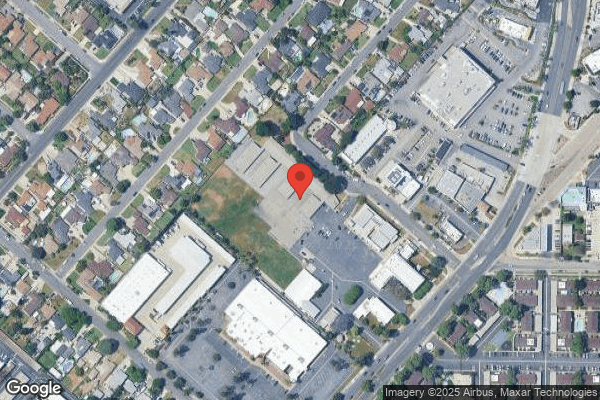
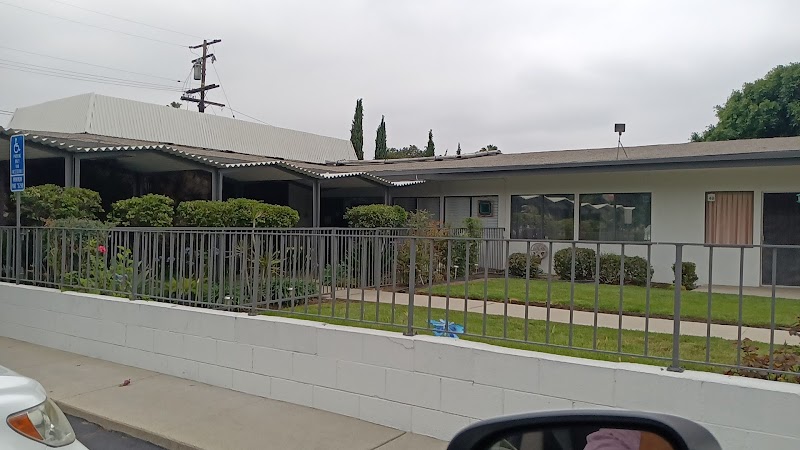
527 S VALINDA AVENUE, WEST COVINA, CA 91790 (626) 962-7151
Non profit - Other 48 Beds Independent Data: November 2025
Trust Grade
45/100
#552 of 1155 in CA
Last Inspection: November 2024

Within standard 12-15 month inspection cycle. Federal law requires annual inspections.

Overview

Clara Baldwin Stocker Home for Women has a Trust Grade of D, indicating below-average performance with some concerns about care quality. It ranks #552 out of 1,155 facilities in California, placing it in the top half, and #97 out of 369 in Los Angeles County, meaning only a few local options are better. The facility is showing signs of improvement, as issues decreased from 17 in 2024 to just 1 in 2025. However, staffing is a concern, with a rating of 2 out of 5 stars and a turnover rate of 55%, which is higher than the state average. Additionally, the facility has incurred fines totaling $26,943, which is higher than 83% of California facilities, indicating potential compliance issues. On the positive side, the quality measures rating is excellent at 5 out of 5 stars, and there are some areas of strength in care. However, specific incidents noted by inspectors include a failure to adequately monitor a resident with abdominal pain, which could have serious health implications, and not ensuring that call lights were within reach for residents, potentially affecting their comfort and safety. Overall, while there are some strengths, families should weigh these concerns carefully when considering this facility.

Trust Score
D
45/100
In California
#552/1155
Top 47%
Safety Record
Moderate
Needs review
Inspections
Getting Better
17 → 1 violations
Staff Stability
⚠ Watch
55% turnover. Above average. Higher turnover means staff may not know residents' routines.
Penalties
⚠ Watch
$26,943 in fines. Higher than 93% of California facilities. Major compliance failures.
Skilled Nurses
⚠ Watch
Each resident gets only 12 minutes of Registered Nurse (RN) attention daily — below average for California. Fewer RN minutes means fewer trained eyes watching for problems.
Violations
⚠ Watch
80 deficiencies on record. Higher than average. Multiple issues found across inspections.
★★★☆☆
3.0
Overall Rating
★★☆☆☆
2.0
Staff Levels
★★★★★
5.0
Care Quality
★★☆☆☆
2.0
Inspection Score
Stable
2024: 17 issues
2025: 1 issues

The Good

  • 5-Star Quality Measures · Strong clinical quality outcomes
  • Full Sprinkler Coverage · Fire safety systems throughout facility
  • No fines on record

Facility shows strength in quality measures, fire safety.

The Bad

3-Star Overall Rating

Near California average (3.1)

Meets federal standards, typical of most facilities

Staff Turnover: 55%

Near California avg (46%)

Frequent staff changes - ask about care continuity

Federal Fines: $26,943

Below median ($33,413)

Moderate penalties - review what triggered them

Staff turnover is elevated (55%)

7 points above California average of 48%

The Ugly 80 deficiencies on record

1 actual harm
Feb 2025 1 deficiency
CONCERN (D) 📢 Someone Reported This

A family member, employee, or ombudsman was alarmed enough to file a formal complaint

Potential for Harm - no one hurt, but risky conditions existed

Infection Control (Tag F0880)

Could have caused harm · This affected 1 resident

Based on interview and record review, the facility failed to follow its policy and procedure (P&P) titled N95 Fit Testing, (N95 respirator, a device designed to protect the wearer from hazardous parti...

Read full inspector narrative →
Based on interview and record review, the facility failed to follow its policy and procedure (P&P) titled N95 Fit Testing, (N95 respirator, a device designed to protect the wearer from hazardous particles in the air such as fumes gases and viruses) by failing to ensure one of four sample staff [Certified Nurse Assistant 4 (CNA 4)] was fit tested for an N95 respirator mask upon hire. This failure had the potential to result in the spread of Coronavirus 2019 (COVID-2019, a severe respiratory illness caused by a virus and spread from person to person) and other airborne diseases to the residents, staff, and visitors. Findings: During an interview on 2/25/25 at 12:30 pm with CNA 4, CNA 4 stated, CNA 4 began working at the facility on 2/3/25 and CNA 4 has not been fit tested for the N95 mask. During a concurrent interview and record review on 2/25/25 at 12:45 pm with the Director of Staff Development (DSD), the facility's P&P titled, N95 Fit Testing, was reviewed. The P&P indicated All employees to the facility must be in accordance with the provisions of Occupational Safety and Health Administration (OSHA's) Respiratory Protection Standard (29CFR 1910.134) and on the criteria set by the Medical Director of Arbor Environment. Each employee will be fit tested annually and upon hire on the use of the proper N95 respirator. The DSD stated, the DSD should have fit tested CNA 4 before 2/3/25 per P&P titled, N95 Fit Testing. The DSD stated, I did not. During an interview with the Director on Nurse (DON) on 2/25/25 at 1:30 pm, the DON stated each employee will be fit tested annually and upon hire on the use of the proper N95 respirator. During a interview with the IPN on 2/25/25 at 1:50 pm, the IPN stated the importance of fit testing is to prevent transmission of airborne diseases employees to residents or employees to employees and it (fit testing) should had been done before employee was assigned work with the residents.
Nov 2024 12 deficiencies
CONCERN (D)

Potential for Harm - no one hurt, but risky conditions existed

Comprehensive Assessments (Tag F0636)

Could have caused harm · This affected 1 resident

**NOTE- TERMS IN BRACKETS HAVE BEEN EDITED TO PROTECT CONFIDENTIALITY** CROSS REFERENCE - F656 and F676 Based on interview and record review, the facility failed to develop a comprehensive communicati...

Read full inspector narrative →
**NOTE- TERMS IN BRACKETS HAVE BEEN EDITED TO PROTECT CONFIDENTIALITY** CROSS REFERENCE - F656 and F676 Based on interview and record review, the facility failed to develop a comprehensive communication assessment for Resident 2 who primarily spoke Arabic, as indicated in the facility's policy and procedure. This deficient practice had the potential to result in Resident 2 being unable to communicate the residents needs and wants and not receive individualized care to meet the resident's medical, nursing, and mental and psychosocial needs that would have been identified in the language assessment. Findings: During a review of the admission Record indicated Resident 2 was admitted to the facility on [DATE] with diagnosis that included hemiplegia and hemiparesis (cause weakness or paralysis on one side of the body), dysphagia (difficulty swallowing), psychosis (loss of contact with society) and hearing loss. During a review of the Minimum Data Set (MDS, a resident assessment and care-screening tool), dated 8/23/2024, the MDS indicated Resident 2 needed or wanted an interpreter to communicate with a doctor or health care staff due to Arabic was the resident's preferred language. The MDS indicated Resident 2 sometimes understood (limited concrete request) and sometimes understood others (respond to simple direct communication). Resident 2 was dependent (helper does all the effort) with showering, toilet hygiene, dressing, and sit to lying position. During an observation and concurrent interview with Resident 2 with Certified Nurse Assistant 5 (CNA 5), while at the resident's bedside, on 11/25/2024 at 11:08 am, Resident 2 was attempting to communicate with CNA 5. CNA 5 stated Resident 2 did not speak English and continued to attempt to communicate with the resident without using any form of communication tool. CNA 5 stated CNA 5 communicated with Resident 2 by facial grimacing, pointing at items and the resident nodding her head. During an interview and concurrent observation inside Resident 2's room, on 11/26/2024 at 12:14pm, with Licensed Vocational Nurse 4 (LVN 4) Resident 2 was observed in bed eating lunch. Resident 2 was observed attempting to communicate with LVN 4, speaking in Arabic while pointing at his food. LVN 4 attempted to communicate with Resident 2 in English. However, LVN 4 stated Resident 2 only spoke Arabic and did not use any tool to communication with Resident 2. LVN4 stated it was important to provide a form of communication with Resident 2 so the resident can tell us (staff) his needs and wants. During an interview and record review of Resident 2's paper and electronic chart, on 11/26/2024 at 1:15 pm, a Registered Nurse (IPN) stated communication was important to inform the staff of basic needs, such as water. IPN stated Resident 2 was not assessed regarding the resident ability and preferred way of communication. IPN stated Resident 2 only spoke and communicated in Arabic and there should have been a communication assessment done upon admission addressing his preferred language to communicate, so we (staff) can really know what is going on with the resident and provide the proper care the resident needs. IPN stated without a communication tool, the staff is just guessing. During a review of the facility's undated policy titled admission Assessment and Follow Up: Role of the Nurse, indicted the purpose of this procedure is to gather information about the resident's physical, emotional, cognitive, and psychosocial condition upon admission for the purposes of managing the resident, initiating the care plan, and completing required assessment instruments . Conduct a physical assessment, including the following systems: Eyes, Ears, Nose and Throat. During a review of the facility's policy titled Translation and/or Interpretation of Facility Services, dated 11/2020, indicated the facility's language access program will ensure that individuals with limited English Proficiency (LEP) shall have meaningful access to information and services provided by the facility. When encountering LEP individuals, staff members will conduct the initial language assessment (e.g., I speak cards) and notify the staff person in charge of the language access program.
CONCERN (D)

Potential for Harm - no one hurt, but risky conditions existed

Comprehensive Care Plan (Tag F0656)

Could have caused harm · This affected 1 resident

**NOTE- TERMS IN BRACKETS HAVE BEEN EDITED TO PROTECT CONFIDENTIALITY** Based on observation, interview and record review, the facility failed to develop or implement an individualized person-centere...

Read full inspector narrative →
**NOTE- TERMS IN BRACKETS HAVE BEEN EDITED TO PROTECT CONFIDENTIALITY** Based on observation, interview and record review, the facility failed to develop or implement an individualized person-centered care plan for one of one sampled resident (Resident 2) who only spoke and understood Arabic (language of the Arabs) as indicated in the facility's policy. This failure had the potential to result in unmet individual needs and not receiving the necessary care and services for Resident 2 to achieve an optimal level of function and had the potential to affect the resident's physical well-being. CROSS REFERENCE - F636 and F676 Findings: During a review of the admission Record of Resident 2, the admission record indicated Resident 2 was admitted to the facility on [DATE] with diagnosis that included hemiplegia and hemiparesis (cause weakness or paralysis on one side of the body), dysphagia (difficulty swallowing), psychosis (loss of contact with society) and hearing loss. During a review of the Minimum Data Set (MDS, a resident assessment and care-screening tool), dated 8/23/2024, indicated Resident 2 needed or wanted an interpreter to communicate with a doctor or health care staff due to Arabic was the resident's preferred language. The MDS indicated Resident 2 sometimes understood (limited concrete request) and sometimes understood others (respond to simple direct communication). Resident 2 was dependent (helper does all the effort) with showering, toilet hygiene, dressing, and sit to lying position. During an observation and concurrent interview with Resident 2 with Certified Nurse Assistant 5 (CNA 5), while at the resident's bedside, on 11/25/2024 at 11:08 am, Resident 2 was attempting to communicate with CNA 5. CNA 5 stated Resident 2 did not speak English and continued to attempt to communicate with the resident without using any form of communication tool. CNA 5 stated CNA 5 communicated with Resident 2 by facial grimacing, pointing at items and the resident nodding her head. During an interview and concurrent observation inside Resident 2's room, on 11/26/2024 at 12:14pm, with Licensed Vocational Nurse 4 (LVN 4) Resident 2 was observed in bed eating lunch. Resident 2 was observed attempting to communicate with LVN 4, speaking in Arabic while pointing at his food. LVN 4 attempted to communicate with Resident 2 in English. However, LVN 4 stated Resident 2 only spoke Arabic and did not use any tool to communicate with Resident 2. LVN 4 stated it was important to provide a form of communication with Resident 2 so the resident can tell us (staff) his needs and wants. During an interview and concurrent record review with the Registered Nurse (IPN), of Resident 2's paper and electronic charts, on 11/26/2024 at 1:13 pm, IPN stated Resident 2 did not have a care plan regarding communication. IPN stated Resident 2 should have had a communication care plan so staff will know the type of language the resident spoke and/or the type of tool used to communicate with the resident. During a review of the facility's policy titled Care Plans - Baseline, revised on 12/2016, the baseline care plan will be used until for each resident that includes the instructions needed to provide effective and person-centered care of the resident that meet the professional standards of quality care.
CONCERN (D)

Potential for Harm - no one hurt, but risky conditions existed

Deficiency F0676 (Tag F0676)

Could have caused harm · This affected 1 resident

**NOTE- TERMS IN BRACKETS HAVE BEEN EDITED TO PROTECT CONFIDENTIALITY** Based on observation, interview and record review, the facility failed to ensure one of one sampled resident (Resident 2) was pr...

Read full inspector narrative →
**NOTE- TERMS IN BRACKETS HAVE BEEN EDITED TO PROTECT CONFIDENTIALITY** Based on observation, interview and record review, the facility failed to ensure one of one sampled resident (Resident 2) was provided a communication tool or resources to effectively communicate his needs. Resident 2 who spoke Arabic (language of the Arabs), was not provided a communication tool. These deficient practices had the potential to result in the resident's care needs not being effectively conveyed to the staff which could lead to a decline in the resident's quality of life. Cross reference with F636 and F656 Findings: During a review of the admission Record indicated Resident 2 was admitted to the facility on [DATE] with diagnosis that included hemiplegia and hemiparesis (cause weakness or paralysis on one side of the body), dysphagia (difficulty swallowing), psychosis (loss of contact with society) and hearing loss. During a review of Resident 2's Minimum Data Set (MDS, a resident assessment and care-screening tool), the MDS dated [DATE], indicated Resident 2 needed or wanted an interpreter to communicate with a doctor or health care staff due to Arabic was the resident's preferred language. The MDS indicated Resident 2 sometimes understood (limited concrete request) and sometimes understood others (respond to simple direct communication). Resident 2 was also dependent (helper does all the effort) with showering, toilet hygiene, dressing, and sit to lying position. During an observation and concurrent interview with Resident 2 and Certified Nurse Assistant 5 (CNA 5), while at the resident's bedside, on 11/25/2024 at 11:08 am, Resident 2 was attempting to communicate with CNA 5. CNA 5 stated Resident 2 did not speak English and continued to attempt to communicate with the resident without using any form of communication tool. CNA 5 stated CNA 5 communicated with Resident 2 by facial grimacing, pointing at items and the resident nodding her head. During an interview and concurrent observation inside Resident 2's room, on 11/26/2024 at 12:14pm, with Licensed Vocational Nurse 4 (LVN 4) Resident 2 was observed in bed eating lunch. Resident 2 was observed attempting to communicate with LVN 4, speaking in Arabic while pointing at his food. LVN 4 attempted to communicate with Resident 2 in English. LVN 4 stated, I will call your daughter. LVN 4 did not use any tool to communication with Resident 2. LVN 4 stated it was important to provide a form of communication with Resident 2 so the resident can tell us (staff) his needs and wants. During an interview with a Registered Nurse (IPN), on 11/24/2024 at 1:15 pm, IPN stated communication was important to determine what the resident needs; if the resident was in pain or needed water. During a review of the facility's policy, Translation and/or Interpretation of Facility Services, revised on 11/2020, the policy indicated the facility 's language access program will ensure that individuals with limited English proficiency (LEP) shall have meaningful access to information and services provided by the facility. Family members and friends shall not be relied upon to provide interpretation services for the resident . During a review of the facility's undated policy titled Interpreter Policy and Procedure, the policy indicated the Facility will assist in providing interpreter services to the resident. Upon admission, staff will identify residents in need of interpreter services; use communication board.
CONCERN (D)

Potential for Harm - no one hurt, but risky conditions existed

Accident Prevention (Tag F0689)

Could have caused harm · This affected 1 resident

**NOTE- TERMS IN BRACKETS HAVE BEEN EDITED TO PROTECT CONFIDENTIALITY** Based on observation, interview and record review, the facility failed to ensure one of two sampled residents (Resident 191) who...

Read full inspector narrative →
**NOTE- TERMS IN BRACKETS HAVE BEEN EDITED TO PROTECT CONFIDENTIALITY** Based on observation, interview and record review, the facility failed to ensure one of two sampled residents (Resident 191) who received hemodialysis (a treatment to cleanse the blood of wastes and extra fluids artificially through a machine when the kidney(s) have failed) had been provided with an emergency kit at the resident's bedside. This deficient practice had the potential to delay treatment to Resident 191 when needed during an emergency. Findings: During a review of Resident 191's admission Record, (AR) , the AR indicated Resident 191 was admitted on [DATE] with diagnoses that included end stage renal disease (ESRD, irreversible kidney failure) dependence on hemodialysis and type 2 diabetes mellitus (disorder characterized by difficulty in blood sugar control and poor wound healing) During a review of Resident 191's History and Physical, (H&P) dated 11/23/2024, the H&P indicated Resident 191 did not have decision making capacity. The H&P, indicated Resident 191 could independently bathe, feed, and dress self. During a review of Resident 191's Order Summary Report, (OSR) with active orders as of 11/26/2024, the OSR, indicated Resident 191 required hemodialysis every Monday, Wednesday, and Friday from 1:30 PM to 5:30 PM. During a concurrent observation and interview 11/26/2024 at 10:01 AM with Licensed Vocational Nurse (LVN) 2 in Resident 191's room, LVN 2 could not find the emergency kit in Resident's 191's bedside drawers or closet and stated Resident 191 should have the emergency kit but did not. LVN 2 stated the purpose of the emergency kit was to have it available to the residents quickly during emergencies and the dressings inside the kit would be used to stop any potential bleeding from the resident's dialysis site. During a concurrent interview and record review on 11/27/2024 at 7:00 AM with Director of Nursing (DON), the facility's policy and procedure (P&P) Hemodialysis Access Care, dated 9/2010 was reviewed. The P&P indicated under Care Immediately Following Dialysis Treatment, 4. If there is major bleeding from the site (post-dialysis), apply pressure to insertion site and contact emergency services and dialysis center. Verify that clamps are closed on lumens. This is a medical emergency. Do no leave resident alone until emergency services arrive. DON stated the passage does not specifically mention an emergency kit, but it was necessary to have one at the bedside because the resident cannot be left alone if they begin to bleed.
CONCERN (D)

Potential for Harm - no one hurt, but risky conditions existed

Incontinence Care (Tag F0690)

Could have caused harm · This affected 1 resident

**NOTE- TERMS IN BRACKETS HAVE BEEN EDITED TO PROTECT CONFIDENTIALITY** Based on observation, interview and record review, the facility failed to provide, restore, or improve normal bladder function f...

Read full inspector narrative →
**NOTE- TERMS IN BRACKETS HAVE BEEN EDITED TO PROTECT CONFIDENTIALITY** Based on observation, interview and record review, the facility failed to provide, restore, or improve normal bladder function for one of two sampled residents (Resident 92) whose urinary indwelling foley catheter (a tube that removes urine from the bladder to a collection bag) was observed with the presence of sediments (cells, debris and other solid matter in urine). This deficient practice had the potential to result in catheter related complications such as urinary tract infection (UTI, an infection in any part of the urinary system, the kidneys, bladder, or urethra). Findings: During a review of Resident 92's admission Record (AR), the admission record indicated the resident was admitted to the facility on [DATE] with diagnosis that included Alzheimer's Disease (disease causing memory loss and other mental functions), psychosis (abnormal condition of the mind that involves a loss of contact with reality), and hypertension (elevated blood pressure). During a review of Resident 92's Second 90 Day Physician Recertification of Terminal Illness, dated 11/1/2024, the recertification indicated the resident was awake and oriented to person (himself) only. During a review of Resident 92's physician's orders, the orders indicated an indwelling foley catheter was ordered for Resident 92 due to uropathy (urine flow is blocked) and to change the indwelling catheter or foley bag as needed. During an observation and concurrent interview with Licensed Vocational Nurse 5 (LVN 5), on 11/25/2024 at 12:33 pm, Resident 92 was in bed, the resident's foley catheter tubing was observed with dark amber color with sediments in the urine. LVN 5 stated sediments in the foley can harm the resident as it may indicate a form of infection. LVN 5 stated Resident 92's physician should have been informed to determine what was causing the resident's urine to be dark with sediments. During an interview with a Registered Nurse (IPN), on 11/26/2024 at 1:30 pm, the IPN stated foley catheter care was done daily. The IPN stated sediments should not be in Resident 92's urine as it was a sign of infection. During a record review of Resident 92's care plan titled Foley Cather for Uropathy,, dated 11/20/2024, the care plan indicated the resident will show no signs and symptoms of urinary infection (an infection in any part of the urinary system including the kidneys) as part of the facility's goal. The listed interventions included to monitor/record/report to the physician symptoms of pain, burning, blood tinge urine, cloudiness as part of the facility's intervention. A review of the facility's policy titled Catheter Care - Urinary, revised on 9/2014, the policy indicated the purpose of the procedure was to prevent catheter-associated urinary tract infections and indicated to observe the resident for complications associated with urinary catheters, to check the urine for unusual appearance (color, blood, etc.). Observe for other signs and symptoms of urinary tract infection . and report findings to the physician or supervisor immediately.
CONCERN (D)

Potential for Harm - no one hurt, but risky conditions existed

Deficiency F0698 (Tag F0698)

Could have caused harm · This affected 1 resident

**NOTE- TERMS IN BRACKETS HAVE BEEN EDITED TO PROTECT CONFIDENTIALITY** Based on observation, interview and record review, the facility failed to ensure one of two sampled residents (Resident 191) wh...

Read full inspector narrative →
**NOTE- TERMS IN BRACKETS HAVE BEEN EDITED TO PROTECT CONFIDENTIALITY** Based on observation, interview and record review, the facility failed to ensure one of two sampled residents (Resident 191) who received hemodialysis (a treatment to cleanse the blood of wastes and extra fluids artificially through a machine when the kidney(s) have failed) had been provided with an emergency kit at the resident's bedside. This deficient practice had the potential to delay treatment to Resident 191 when needed during an emergency. Findings: During a review of Resident 191's admission Record, (AR), the AR indicated Resident 191 was admitted on [DATE] with diagnoses that included end stage renal disease (ESRD, irreversible kidney failure) dependence on hemodialysis and type 2 diabetes mellitus (disorder characterized by difficulty in blood sugar control and poor wound healing) During a review of Resident 191's History and Physical, (H&P) dated 11/23/2024, the H&P indicated Resident 191 did not have decision making capacity. The H&P, indicated Resident 191 could independently bathe, feed, and dress self. During a review of Resident 191's Order Summary Report, (OSR) with active orders as of 11/26/2024, the OSR, indicated Resident 191 required hemodialysis every Monday, Wednesday, and Friday from 1:30 PM to 5:30 PM. During a concurrent observation and interview 11/26/2024 at 10:01 AM with Licensed Vocational Nurse (LVN) 2 in Resident 191's room, LVN 2 could not find the emergency kit in Resident's 191's bedside drawers or closet and stated Resident 191 should have the emergency kit but did not. LVN 2 stated the purpose of the emergency kit was to have it available to the residents quickly during emergencies and the dressings inside the kit would be used to stop any potential bleeding from the resident's dialysis site. During a concurrent interview and record review on 11/27/2024 at 7:00 AM with Director of Nursing (DON), the facility's policy and procedure (P&P) Hemodialysis Access Care, dated 9/2010 was reviewed. The P&P indicated under Care Immediately Following Dialysis Treatment, 4. If there is major bleeding from the site (post-dialysis), apply pressure to insertion site and contact emergency services and dialysis center. Verify that clamps are closed on lumens. This is a medical emergency. Do no leave resident alone until emergency services arrive. DON stated the passage does not specifically mention an emergency kit, but it was necessary to have one at the bedside because the resident cannot be left alone if they begin to bleed.
CONCERN (D)

Potential for Harm - no one hurt, but risky conditions existed

Medication Errors (Tag F0758)

Could have caused harm · This affected 1 resident

**NOTE- TERMS IN BRACKETS HAVE BEEN EDITED TO PROTECT CONFIDENTIALITY** Based on interview and record review, the facility failed to ensure Resident 20's fluoxetine (medication used to treat depressio...

Read full inspector narrative →
**NOTE- TERMS IN BRACKETS HAVE BEEN EDITED TO PROTECT CONFIDENTIALITY** Based on interview and record review, the facility failed to ensure Resident 20's fluoxetine (medication used to treat depression) had clinical justification as to why gradual dose reduction (GDR) was contraindicated and adequately define the indication for fluoxetine. This deficient practice had the potential to overmedicate Resident 20 with unnecessary medication. Findings: During a review of Resident 20's admission Record, (AR), the AR indicated Resident 20 was admitted on [DATE] and readmitted on [DATE] with diagnoses included dementia (a progressive state of decline of mental abilities) with behavioral disturbance and mild, recurrent major depressive disorder (persistent feeling of sadness and loss of interest). During a review of Resident 20's Care Plan (CP, document that summarizes a resident's health conditions, specific care needs and current treatments) titled Resident is resistive to care and refusing care related to Dementia, dated 12/26/2023 the CP indicated interventions to give clear explanations of all care activities prior to and as they occur during each contact. The CP interventions further indicated if resident resists ADLs, reassure resident, leave, and return 5-10 minutes later and try again. During a review of Resident 20's Minimum Data Set (MDS -a resident assessment tool) dated 8/28/2024, indicated Resident 20 had severe cognitive (ability to think, reason, plan) impairment. The MDS, indicated Resident 20's mood did not have symptoms of feeling little interest or pleasure in doing things or feeling down, depressed, or hopeless. The MDS indicated Resident 20 did not have physical or verbal behaviors directed at self or others such as hitting, scratching, screaming, or disruptive sounds. The MDS indicated Resident 20 was dependent (helper does all the effort) for bathing and toileting hygiene. During a review of the consultant pharmacist's medication regimen review for Resident 20 Note to Attending Physician/ Prescriber, (NTAP) dated 9/16/2024, the NTAP indicated Resident 20 was due to be evaluated for a gradual dose reduction of fluoxetine. The NTAP further indicated the prescriber's response which was an x written into the checkbox labeled Agree. During a review of Resident 20's Order Summary Report, (OSR) dated with active orders as of 11/26/2024, the OSR, indicated to give fluoxetine 20 milligrams (unit of measurement) tablet orally once in the evening for depression manifested by refusal to participate with activities of daily living (ADL). During an interview on 11/27/2024 at 9:26 AM with Certified Nurse Assistant (CNA) 1, CNA 1 stated Resident 20 was mostly confused but did not show sad expressions or verbalize being sad. CNA 1 stated Resident 20 will sometimes refuse certain activities but will usually agree to them when asked again later. During an interview on 11/27/2024 at 9:56 AM with Licensed Vocational Nurse (LVN) 2, LVN 2 stated Resident 20 has dementia and sometimes refuses care such as getting changed. LVN 2 further stated LVN 2 didn't think Resident 20 had shown signs of depression and had not verbalized being sad, had sad expressions or crying. LVN 2 stated an example where Resident 20 did not want to be changed because Resident 20 stated it was cold. LVN 2 stated at that time after leaving Resident 20 and coming back at a later time, Resident 20 would agree to be changed. During an interview on 11/27/2024 at 10:45 AM with Director of Nursing (DON), the DON stated during an informal conversation, Resident 20's prescriber did not want to reduce the current dose of fluoxetine as recommended by the consultant pharmacist but did not have any documentation from the prescriber to show why it would be clinically contraindicated. The DON stated the prescriber did not want to reduce the dosage of two psychotropic medications at the same time because the prescriber believed it (reduce the dosage) might lead to worsening behavior from Resident 20. The DON stated Resident 20's behavior included refusing care, refusing medication, and hitting staff. The DON stated the documentation from the prescriber is needed to justify why Resident 20 is contraindicated from a gradual dose reduction and to make sure the resident is not overmedicated. DON stated DON could not find documentation of non-pharmacological interventions used prior to starting Resident 20 on fluoxetine. The DON stated the indication for refusing to participate in ADL care was not clear and could be depression or another underlying cause. During a review of the facility's policy and procedure (P&P) titled, Psychotropic Medication Use, dated 6/2021 the P&P indicated the facility should not use psychotropic medications to address behaviors without first determining if there is a medical, physical, functional, psychological, social, or environmental cause of the resident's behaviors.
CONCERN (D)

Potential for Harm - no one hurt, but risky conditions existed

Deficiency F0761 (Tag F0761)

Could have caused harm · This affected 1 resident

**NOTE- TERMS IN BRACKETS HAVE BEEN EDITED TO PROTECT CONFIDENTIALITY** Based on observation, interview, and record review, the facility failed to ensure that all drugs/medications used in the facilit...

Read full inspector narrative →
**NOTE- TERMS IN BRACKETS HAVE BEEN EDITED TO PROTECT CONFIDENTIALITY** Based on observation, interview, and record review, the facility failed to ensure that all drugs/medications used in the facility were labeled properly and/or discarded in accordance with professional standards of practice for one of two sampled medication carts (Med Cart 2). This deficient practice had the potential for residents to be administered (the act of giving a treatment, such as a drug, to a patient) with ineffective medications and potentially compromise the health, safety, and well-being of the residents. Findings: During a concurrent observation and interview on 11/26/24 at 11:02 a.m. with Licensed Vocational Nurse (LVN) 2 Med Cart 2 had the following stored: 1. Multiple opened house supply (over the counter) medications marked with an opened date (date medication was opened and used) stored in the first drawer except for an opened bottle of a Geri Care (brand name) Stool Softener 100 mg (milligrams, a unit of measurement) 200 Softgels with a manufacturer's expiration (exp) date of 2026/02 that was not marked with an opened date. 2. An opened bottle of Geri Care One-Day Multi-Vitamin 200 Tablets marked with an opened date of 8/14/24, with a manufacturer's exp date of 2025/11. 3. An opened box of Alka-Seltzer (brand name) Buffered aspirin (NSAID) Pain reliever/fever reducer 6 Effervescent Tablets (3 - 2 count pouches), not marked with an opened date, with a manufacturer's exp date of 2026/July. Inside the box, there were 3 pouches as follow: 1 unopened pouch with a manufacturer's exp date of 2026/[DATE], 1 unopened pouch with a manufacturer's exp date of 2026/[DATE], and 1 opened pouch with a manufacturer's exp date of 2026/[DATE] and 1 tablet inside the pouch. LVN 2 stated, staff did not have to date the house supply drugs with an opened date since staff followed the manufacturer's exp date. LVN 2 could not indicate a reason why all the opened house supply drugs stored in the first drawer of Med Cart 2 had an opened date and not the opened bottle of the Geri Care Stool Softener 100 mg 200 Softgels with a manufacturer's exp date of 2026/02 and the opened box of Alka-Seltzer Buffered aspirin (NSAID) Pain reliever/fever reducer 6 Effervescent Tablets (3 - 2 count pouches) with a manufacturer's exp date of 2026/Jul and inside the box were 3 pouches that included 1 unopened pouch with a manufacturer's exp date of 2026/[DATE], 1 unopened pouch with a manufacturer's exp date of 2026/[DATE] and 1 opened pouch with a manufacturer's exp date of 2026/[DATE] with 1 tablet inside. LVN 2 proceeded to put all 3 pouches back into it's box and returned the box in Med Cart 2. During an interview on 11/26/24 at 12:44 p.m. with the Director of Nursing (DON), the DON stated, labeling house supply drugs with an opened date and checking the manufacturer's exp date were part of the facility's protocol for house supply drugs. The DON stated, labeling with an opened date was important to ensure the house supply drugs were not past the recommended due date which was usually ninety (90) days from opening even though the manufacturer's exp date is ok to ensure the medication was still effective. During a concurrent observation and interview on 11/26/24 at 4:36 p.m. with LVN 6, the same opened box of Alka-Seltzer Buffered aspirin (NSAID) Pain reliever/fever reducer 6 Effervescent Tablets (3 - 2 count pouches) with a manufacturer's exp date of 2026/Jul and inside the box were 3 pouches that included 1 unopened pouch with a manufacturer's exp date of 2026/[DATE], 1 unopened pouch with a manufacturer's exp date of 2026/[DATE] and 1 opened pouch with a manufacturer's exp date of 2026/[DATE] with 1 tablet inside was stored inside Med Cart 2. LVN 6 stated, the opened pouch of Alka-Seltzer Buffered aspirin (NSAID) Pain reliever/fever reducer should have been discarded for infection control. LVN 6 stated, staff labeled house supply drugs with an opened date to let staff know when the house supply drugs needed to be replaced and to alert staff when the manufacturer's exp date is getting close. During a review of the facility's policy and procedure (P&P) titled, Labeling of Medication Containers, revised April 2019, the P&P indicated, all medications maintained in the facility were properly labeled in accordance with current state and federal guidelines and regulations.
CONCERN (E)

Potential for Harm - no one hurt, but risky conditions existed

Deficiency F0558 (Tag F0558)

Could have caused harm · This affected multiple residents

**NOTE- TERMS IN BRACKETS HAVE BEEN EDITED TO PROTECT CONFIDENTIALITY** Based on observation, interview, and record review, the facility failed to provide reasonable accommodation to meet residents ne...

Read full inspector narrative →
**NOTE- TERMS IN BRACKETS HAVE BEEN EDITED TO PROTECT CONFIDENTIALITY** Based on observation, interview, and record review, the facility failed to provide reasonable accommodation to meet residents needs for two of two sampled residents (Residents 21 and 25) by failing to ensure that the call light was within reach for both residents. These deficient practices resulted in delayed provision of services and had the potential to negatively impact the psychosocial well-being of Residents 21 and 25. Findings: a. During a review of Resident 21's admission Record (AR), the AR indicated the facility admitted Resident 21 on 8/7/2024, with diagnoses including anxiety disorder, and failure to thrive (when an older adult has a loss of appetite, eats and drinks less than usual, loses weight, and is less active than normal). During a review of Resident 21's Minimum Data Set (MDS, a resident assessment tool), dated 11/13/2024, the MDS indicated Resident 21 had severe cognitive (the ability to think and process information) impairment. The MDS indicated Resident 21 required substantial/maximal assistance (helper does more than half the effort) with activities of daily living (ADL, term used in healthcare that refers to self-care activities) and required supervision or touching assistance (helper provides verbal cues and/or touching/steadying and/or contact guard assistance as resident completes activity) with mobility. During a concurrent observation and interview with Resident 21 on 11/25/2024 at 11:18 AM, Resident 21's call light was tucked below the bed mattress and not within reach. Resident 21 stated she's wet and needs to be changed. Resident 21 stated the resident could not call for assistance. b. During a review of Resident 25's AR, the AR indicated the facility admitted Resident 25 on 8/25/2024, with diagnoses including urinary tract infection (UTI, a condition in which bacteria invade and grow in the urinary tract), muscle weakness, anxiety disorder, and history of falling. During a review of Resident 25's MDS, dated [DATE], the MDS indicated Resident 25 had severe cognitive impairment. The MDS indicated Resident 25 was dependent (helper does all the effort) with ADL and required substantial/maximal assistance with mobility. During an observation on 11/25/2024 at 10:49 AM, Resident 25's call light was hooked around the small dresser drawer located next to Resident 25's bed and was not within reach. During an interview on 11/25/2024 at 1:08 PM, with Certified Nurse Assistant (CNA) 2, CNA 2 stated that call lights ensure resident safety and should be always within reach. CNA 2 stated call lights allowed residents to communicate their needs. CNA 2 stated that the call lights for Residents 21 and 25 weren't within reach and should have been easily accessible in case the residents (Residents 21 and 25) needed help. During an interview on 11/27/2024 at 11:17 AM, with the Director of Nursing (DON), the DON stated that call lights are a critical communication tool for residents to quickly request assistance when needed, which is vital for their safety and well-being, preventing potential falls or complications by allowing them to summon help immediately in case of discomfort, pain, or an emergency. During a review of the facility's Policy and Procedure (P&P) titled, Answering the Call Light, revision dated 3/2021, the P&P indicated that the purpose of this procedure is to ensure timely responses to the resident's requests and needs and when the resident is in bed or confined to a chair be sure the call light is within easy reach of the resident.
CONCERN (E)

Potential for Harm - no one hurt, but risky conditions existed

Quality of Care (Tag F0684)

Could have caused harm · This affected multiple residents

**NOTE- TERMS IN BRACKETS HAVE BEEN EDITED TO PROTECT CONFIDENTIALITY** Based on observation, interview, and record review, the facility failed to ensure residents received treatment and care in accor...

Read full inspector narrative →
**NOTE- TERMS IN BRACKETS HAVE BEEN EDITED TO PROTECT CONFIDENTIALITY** Based on observation, interview, and record review, the facility failed to ensure residents received treatment and care in accordance with professional standards of practice for three of three sampled residents (Residents 15, 23, and 38) by failing to: A. Ensure Resident 15 had padded side rails to prevent injury from potential seizures, per physician's orders. B. Ensure and monitor that hospice staff were signing in and out during visits for Resident 23. C. Ensure Resident 38 physician's orders to obtain a STAT (right now, immediate) chest x-ray (images of inside the body) were followed. These deficient practices resulted in the failure to the delivery of necessary care and services for Residents 12, 23 and 24. Findings A. During a review of Resident 15's admission Record (AR), the AR indicated the facility admitted Resident 15 on 6/25/2019, and re-admitted on [DATE], with diagnoses including seizures (a temporary episode of abnormal electrical activity in the brain that causes a person to experience changes in their body and behavior), hypertension (a condition where the pressure of blood in your blood vessels is consistently too high), and dementia (a group of neurological conditions that cause a decline in mental functioning, such as thinking, remembering, and reasoning). During a review of Resident 15's History and Physical (H&P), dated 12/23/2023, indicated Resident 15 did not have the capacity to understand and make decisions. A review of the Care Plan dated 3/6/2024, the Care Plan that Resident 15 used bilateral padded half side rails to prevent potential injury during seizure episodes. The Care Plan goal indicated that Resident 15 would not have injury related to side rail use. During a review of Resident 15's Minimum Data Set (MDS, a resident assessment tool), dated 9/17/2024, the MDS indicated Resident 15 was dependent (helper does all the effort) with activities of daily living (ADL, term used in healthcare that refers to self-care activities) and dependent with mobility. A review of the Bed Rail assessment dated [DATE], the Bed Rail Assessment indicated had an alteration in safety awareness due to cognitive decline. A review of the Order Summary Report dated 11/26/2024, the Order Summary Report indicated that Resident 15 had an active order to have bilateral padded siderails to prevent potential injury/injuries during seizures episodes. During an observation on 11/26/2024 at 3:45 PM, Resident 15 had no bilateral padded side rails. During an interview on 11/26/2024 at 3:59 PM, with Licensed Vocational Nurse (LVN) 3, LVN 3 stated that all orders should be carried out and orders that are not cut and dry (a term used to indicate clear and definite situation) should be clarified with the physician immediately. LVN 3 stated that Resident 15 did not have bilateral padded side rails to her bed for her safety. LVN 3 stated that padded side rails are used as a safety measure to prevent serious injuries in case of seizure activity and Resident 15 should have had bilateral padded side rails. During an interview on 11/27/2024 at 11:17 AM, with the Director of Nursing (DON), the DON stated that all physician orders should be carried out and should be done in a timely manner. The DON stated that carrying out physician orders ensures the patient receives the most appropriate treatment plan based on their medical needs, which can significantly improve their health outcomes by minimizing complications. The DON stated that clarifying medical orders from the doctor is important to ensure patient safety by preventing errors and minimizing potential harm. During a review of the facility's P&P titled, Safety and Supervision of Residents, revision dated 7/2017, the P&P indicated that the facility strived to make the environment as free from accident hazards as possible. Resident safety and supervision and assistance to prevent accidents are facility-wide priorities. B. During a review of Resident 23's AR, the AR indicated the facility admitted Resident 23 on 5/11/2024, with diagnoses including bacteremia (a condition where bacteria are present in the bloodstream), urinary tract infection (UTI, a condition in which bacteria invade and grow in the urinary tract), and difficulty walking. A review of the Hospice and Palliative Care Staff Assignment dated 5/28/2024, the Hospice and Palliative Care Staff Assignment indicated: 1. The hospice Registered Nurse (RN) would visit Resident 23 at the facility every 14 days and as needed. 2. The hospice LVN would visit Resident 23 at the facility once a week and as needed. 3. The Certified Homemaker-Home Health Aide (CHHA) would visit Resident 23 at the facility three times a week. A review of the Hospice and Palliative Care Staff Sign-In Sheet from dated 5/28/2024 to 10/12/2024, the Staff Sign-In Sheet indicated that the hospice staff had not been signing-in according to the staff assignment frequency. During a review of Resident 23's MDS, dated [DATE], the MDS indicated Resident 23 had severe cognitive (the ability to thin and process information) impairment. The MDS indicated Resident 23 was dependent with ADL and dependent with mobility. During an interview on 11/26/2024 at 10:28 AM, with the Registered Nurse (RN), the RN stated that the hospice staff had not been signing in consistently as indicated by the staff assignment sign-in sheet. The RN stated that it was important that the hospice staff document their visits in the sign-in sheet as it signifies their official involvement in the resident's care which allows them to collaborate closely with the facility staff to provide specialized end-of-life care. The RN stated that this enhanced the comfort and quality of life for the dying resident. During an interview on 11/27/2024 at 11:17 AM, with the DON, the DON stated that it was important for the facility to ensure that hospice staff always documented their presence, because it allowed for clear communication with the facility staff regarding the patient's care and ensure proper coordination of services between the hospice team and the facility staff. The DON stated that this was important especially when providing end-of-life care to a resident in the facility, because it helped maintain a comprehensive care plan and avoid potential gaps in treatment. During a review of the facility's Policy and Procedure (P&P) titled, Hospice Program, revision dated 7/2017, the P&P indicated Hospice providers who contract with the facility are held responsible for meeting the same professional standards and timelines of service as any contracted individual or agency associated with the facility. The P&P indicated The Facility ensures that facility staff provide orientation on the policies and procedures of the facility, including resident rights, appropriate forms, and record keeping requirements, to hospice staff furnishing care to residents. C. During a review of Resident 38's AR, the AR indicated Resident 38 was admitted to the facility on [DATE] with diagnosis that included respiratory failure (a serious condition that happens when your lungs cannot get enough oxygen into your blood), acute congestive heart failure (CHF, heart doesn't pump enough blood for your body's needs), hemiplegia and hemiparesis (cause weakness or paralysis on one side of the body) and diabetes (uncontrolled blood sugar levels in the blood). During a review of Resident 38's MDS, dated [DATE], the MDS indicated Resident 38 had severe cognitive impairment, and was dependent with oral and toilet hygiene, roll from left to right, and chair/bed/toilet transfers. During a review of Resident 38's physicians orders, dated 10/4/2024, indicated for a STAT chest x-ray due to cough was ordered for the resident. During a review of Resident 38's Medication Administration Record (MAR), indicated a STAT chest x-ray was ordered on 10/4/2024 at 12:15 pm, by the resident's physician. During an interview and concurrent record review with the Director of Nursing (DON), on 11/26/2024 at 9:22 am, the DON stated Resident 38's STAT chest x-ray was not done. DON stated, it has been an issue with the x-ray company (diagnostic imaging [images of inside the body] company), we ask for STAT and the technician will come four to six hours later. DON stated physician orders should be followed as ordered to provide the right care for the resident. The DON stated STAT orders should be done within two hours to determine if any immediate interventions are needed and for the physician to decide or change the plan of care. During a review of the facility's undated P&P, titled Carrying Out Physician's Order, indicated to use physician order to communicate directions for ancillary services and required diagnostic (x-ray) test. During a review of the facility's P&P titled, Physician Orders, with an effective of 3/22/2022, indicated the facility will ensure that all physician orders are complete and accurate. Multiple efforts were made in attempt to obtain a policy regarding following physician's orders throughout the survey, however, the requested policy was not submitted for review.
CONCERN (E)

Potential for Harm - no one hurt, but risky conditions existed

Food Safety (Tag F0812)

Could have caused harm · This affected multiple residents

Based on observation, interview and record review, the facility failed to ensure personal beverages for employees were not stored in one of two kitchen refrigerators (Refrigerator 1). This deficient ...

Read full inspector narrative →
Based on observation, interview and record review, the facility failed to ensure personal beverages for employees were not stored in one of two kitchen refrigerators (Refrigerator 1). This deficient practice had the potential for cross contamination and placed the residents at risk for foodborne illness (illness caused by the ingestion of contaminated food or beverages). Findings: During a concurrent observation and interview on 11/25/2024 at 9:35 AM with the Dietary Supervisor (DS) two Starbucks beverages with plastic open tops were observed in the refrigerator next to resident food items. The DS stated the two beverages belonged to employees and they should not be stored in the refrigerator due to the potential for cross contamination. During a review of the facility's policy and procedure (P&P) titled, Employee Meals, dated 2018, the P&P indicated food brought by employees from outside the facility shall not be kept in the facility's refrigerator in the kitchen.
CONCERN (E)

Potential for Harm - no one hurt, but risky conditions existed

Infection Control (Tag F0880)

Could have caused harm · This affected multiple residents

**NOTE- TERMS IN BRACKETS HAVE BEEN EDITED TO PROTECT CONFIDENTIALITY** Based on observation, interview, and record review, the facility failed to maintain its infection prevention and control program...

Read full inspector narrative →
**NOTE- TERMS IN BRACKETS HAVE BEEN EDITED TO PROTECT CONFIDENTIALITY** Based on observation, interview, and record review, the facility failed to maintain its infection prevention and control program for 5 of 5 sampled residents (Residents 11, 23, 34, 241 and 242) by failing to ensure: A. The urinals were stored in shared restrooms for Residents 23, 34, 241 and 242 were properly labeled. B. Licensed Vocational Nurse (LVN) 2 disinfected (to thoroughly clean something by using a special chemical solution that kills germs like bacteria and viruses on a surface) the pill counting tray before and after use for Resident 11. C. Ensure the facility had sufficient hand hygiene supply and resources in the laundry area. D. Housekeeping Supervisor (HS) performed hand hygiene after touching the dumpster. These deficient practices had the potential to transmit infectious microorganisms and increase the risk of infection to Residents 11, 23, 34, 241 and 242 and other residents and staff in the facility. Findings: A1. During a review of Resident 23's admission Record (AR), the AR indicated the facility admitted Resident 23 on 5/11/2024, with diagnoses including bacteremia (a condition where bacteria are present in the bloodstream), urinary tract infection (UTI, a condition in which bacteria invade and grow in the urinary tract), and difficulty walking. During a review of Resident 23's Minimum Data Set (MDS, a resident assessment tool), dated 8/20/2024, the MDS indicated Resident 23 had severe cognitive (the ability to think and process information) impairment. The MDS indicated Resident 23 was dependent (helper does all the effort) with activities of daily living (ADL, term used in healthcare that refers to self-care activities) and dependent with mobility. A2. During a review of Resident 34's AR, the AR indicated the facility admitted Resident 34 on 10/24/2024, with diagnoses including encephalopathy (a serious health problem that affects brain function or structure), type 2 diabetes mellitus (T2DM, a disease that occurs when your blood glucose [blood sugar], is too high), and chronic kidney disease (CKD, a condition where the kidneys are damaged and can't filter blood properly). During a review of Resident 34's MDS, dated [DATE], the MDS indicated Resident 34 had severe cognitive impairment. The MDS indicated Resident 34 was dependent with ADL and dependent with mobility. A3. During a review of Resident 241's AR, the AR indicated the facility admitted Resident 241 on 11/19/2024, with diagnoses acute kidney failure (AKI, is where your kidneys suddenly stop working properly), type 2 diabetes mellitus (T2DM, a disease that occurs when your blood glucose [blood sugar], is too high), and chronic kidney disease (CKD, a condition where the kidneys are damaged and can't filter blood properly), and lack of coordination. During a review of Resident 241's History and Physical (H&P), dated 11/20/2024, indicated Resident 241 had decision making capacity. The H&P indicated Resident 241 was independent with ADL. A4. During a review of Resident 242's AR, the AR indicated the facility admitted Resident 242 on 11/13/2024, with diagnoses including UTI, metabolic encephalopathy (a change in how your brain works due to an underlying condition), and muscle weakness. During a review of Resident 242's MDS, dated [DATE], the MDS indicated Resident 242 cognition was intact. The MDS indicated Resident 242 was dependent with ADL and required substantial/maximal assistance (helper does more than half the effort and helper lifts or holds trunk or limbs and provides more than half the effort) with mobility. During an observation on 11/25/2024 at 11:31 AM, two urinals were found unlabeled in the shared restroom for Resident 241 and Resident 242. During an observation on 11/25/2024 at 12:07 PM, two urinals were found unlabeled in the shared restroom for Resident 23 and Resident 34. During an interview on 11/25/2024 at 1:16 PM, with Certified Nurse Assistant (CNA) 3, CNA 3 stated that all urinals should be properly labeled with the Resident's initials and room number. CNA 3 stated that this (labeling the urinals) ensures the prevention of cross contamination of infectious diseases. CNA 3 stated that the urinals found in the shared restroom for Resident 23 and Resident 34 were not properly labeled. CNA 3 stated that the urinals found in the shared restroom for Resident 241 and Resident 242 were not properly labeled. During an interview on 11/26/2024 at 09:40 AM, with the Infection Preventionist Nurse (IPN), the IPN stated that all urinals should be easily identifiable and properly labeled with the resident's initials and room number. The IPN stated that this (labeling the urinals) avoids cross-contamination of harmful bacteria from person, object place to another. During a review of the facility's Policy and Procedure (P&P) titled, Infection Prevention and Control Program, dated 9/26/2022, the P&P indicated that the purpose of the infection prevention and control program was established to maintained to provide a safe, sanitary, and comfortable environment and to help prevent the development and transmission of communicable diseases and infections. B. During a review of Resident 11's AR the AR indicated, Resident 11 was admitted to the facility on [DATE] with multiple diagnoses including chronic obstructive pulmonary disease (COPD, a group of lung diseases that block airflow and make it difficult to breathe) with (acute) exacerbation (sudden flare-up), cellulitis (a common, potentially serious bacterial skin infection) of right lower limb and chronic kidney disease (progressive damage and loss of function in the kidneys). During a review of Resident 11's History of Present Illness (H&P), dated 8/22/24, the H&P indicated, Resident 11 had decision making capacities. During a review of Resident 11's Minimum Data Set (MDS, a resident assessment tool), dated 8/28/24, the MDS indicated, Resident 11's BIMS (Brief Interview for Mental Status, an assessment tool used by facilities to screen and identify memory, orientation, and judgement status of the resident) Summary Score for cognitive (ability to think and process information) status was intact. During a review of Resident 11's Record of Controlled Substances (RCS), date received 10/21/24, the RCS indicated, a count of nine (9) tablets of Lorazepam 0.5 mg (milligrams, a unit of measurement). During a review of Resident 11's Order Summary Report (OSR), active orders as of 11/26/24, the OSR indicated, an order for Lorazepam Oral Tablet 0.5 mg Give 1 tablet by mouth every 4 hours as needed for anxiety. During a review of Resident 11's Medication Administration Record (MAR), dated 11/1/24 - 11/30/24, the MAR indicated, Resident 11 was administered (the act of giving a treatment, such as a drug, to a patient) Lorazepam 0.5mg tablet on 11/7/24, 11/17/24, 11/19/24 and 11/21/24. During a concurrent observation and interview on 11/26/24 at 11:02 a.m. with LVN 2, LVN 2 stated, the outgoing and incoming licensed staff would count the controlled drugs for accountability purposes. LVN 2 took out a Creative Living Medical (brand) pill counting tray kept inside Med Cart 2 and poured out Resident 11's Lorazepam tablets into the pill counting tray to verify the count. After LVN 2 verified the correct count of 9 tablets, LVN 2 poured the 9 tablets using the pill counting tray back into the Lorazepam's labeled bottle container then LVN 2 returned the pill counting tray back inside Med Cart 2 without cleaning before and after using the pill counting tray. LVN 2 stated, LVN 2 should have disinfected the pill counting tray before and after use for infection control. C. During a concurrent observation and interview with the HS on 11/26/24 at 1:17 p.m. with the HS, the screened-in section laundry room located outside on the east south side of the facility did not have a sink, hand soap, paper towels or alcohol hand-based sanitizer (AHBS, an over-the-counter hand sanitizer to use when soap and water are not readily available to lower the risk of spreading germs). The laundry room had a faucet about three (3) feet above the ground facing out of the laundry room. The HS Stated the facility washed and dried personal items for the residents. D. During a concurrent observation and interview on 11/26/24 at 1:29 p.m. with the HS outside of the laundry room, a staff (unnamed) came with boxes and the HS opened the lid (with HS's bare hand) of the large dumpster for the staff to throw the boxes into the dumpster. The HS did not perform hand hygiene after touching the dumpster. The HS stated the dumpster was for all the trash from the facility it's the dumpster. The HS stated, the HS should have washed the HS's hands but no sink here after touching the lid of the dumpster it's trash, of course, it's going to be dirty, we don't want germs. The HS stated, there should be at least an alcohol hand sanitizer available, but we wear gloves (referring to when sorting the dirty laundry). During an interview on 11/26/24 at 3:29 p.m. with the Infection Prevention Nurse (IPN), the IPN stated, it was important for staff to clean, wash or disinfect the counting pill tray before and after use for of course infection control. The IPN stated, the counting pill tray could have some residue left from the medication (in general) and potentially cause a drug interaction and/or allergy. The IPN stated, the HS should have performed hand hygiene after touching the trash dumpster for infection control and sanitary reasons. During an interview on 11/27/24 at 9:51 a.m. with the IPN, the IPN stated, staff should perform hand hygiene with soap and water or alcohol-based sanitizer such as after contact with residents even if staff wore gloves to prevent the spread of infection. The IPN stated, the laundry area had no sink for handwashing but should have at least a supply of hand sanitizer. During a review of the facility's policy and procedure (P&P) titled, Handwashing/Hand Hygiene, dated 9/18/23, the P&P indicated, the facility considered hand hygiene the primary means to prevent the spread of infections. The P&P indicated, hand hygiene products and supplies (sinks, soap, towels, alcohol-based hand rub, etc.) should be readily accessible and convenient for staff use to encourage compliance with hand hygiene policies. The P&P indicated the use of gloves did not replace hand washing/hand hygiene.
Sept 2024 2 deficiencies
CONCERN (D) 📢 Someone Reported This

A family member, employee, or ombudsman was alarmed enough to file a formal complaint

Potential for Harm - no one hurt, but risky conditions existed

Infection Control (Tag F0880)

Could have caused harm · This affected 1 resident

**NOTE- TERMS IN BRACKETS HAVE BEEN EDITED TO PROTECT CONFIDENTIALITY** Based on interview and record review the facility failed to implement its policy and procedure (P&P) titled, Isolation (separati...

Read full inspector narrative →
**NOTE- TERMS IN BRACKETS HAVE BEEN EDITED TO PROTECT CONFIDENTIALITY** Based on interview and record review the facility failed to implement its policy and procedure (P&P) titled, Isolation (separation of residents with an infection from residents without an infection) - Categories of Transmission-Based Precautions, when two of two residents (Residents 5 and 6) diagnosed with clostridium difficile (C. diff- a highly contagious bacteria that causes severe diarrhea) infection did not have their own package of incontinent wipes (disposable washcloths or wipes used to cleanse the skin and manage urine and/or stool) inside the isolation room during the night shift (11 pm to 7 am) on 9/30/24. This failure had the potential to spread infection to residents and staff. Findings: 1. During a review of Resident 5's admission Record (AR), the AR indicated Resident 5 was admitted to the facility on [DATE], with diagnoses which included C. diff infection. During a review of Resident 5's Clinical Physician Orders (PO), dated 9/27/24, the PO indicated an order to place Resident 5 on contact isolation (intended to prevent transmission of infectious agents which are spread by direct or indirect contact with the patient or the patient's environment) for C. diff infection. 2. During a review of Resident 6's AR, the AR indicated Resident 6 was admitted to the facility on [DATE], with diagnoses which included C. diff infection. During a review of Resident 6's PO, dated 9/18/24, the PO indicated to place Resident 6 on contact isolation for C. diff isolation. During an interview on 9/30/24 at 6:25 am with Certified Nursing Assistant (CNA) 1, CNA 1 stated CNA 1 and CNA 2 were provided one package of incontinent wipes each to use for the entire night shift. CNA 1 stated CNA 1 did not find any extra incontinent wipes inside Resident 5's and Resident 6's room. CNA 1 stated Resident 5 and Resident 6 were on isolation for C. diff infection. CNA 1 stated CNA 1 did not have enough incontinent wipes to use for the entire shift. During an interview on 9/30/24 at 6:40 am with Licensed Vocational Nurse (LVN) 1, LVN 1 stated CNA 1 and CNA 2 told LVN 1 they did not have enough wipes to use for the entire shift. LVN 1 stated LVN 1 did not know where and how to get more incontinent wipes during the 11 pm to 7 am shift. During an interview on 9/30/24 at 6:56 am with CNA 2, CNA 2 stated CNAs in the facility were provided with only one package of incontinent wipes each to use for their shift. CNA 2 stated most of the time there were no incontinent wipes inside isolation rooms during the 11 pm to 7 am shift. CNA 2 stated CNA 2 did not know if licensed nurses on the 11 pm to 7 am shift were able to get more incontinent wipes. During an interview on 9/30/24 at 7:12 am with LVN 2, LVN 2 stated LVN 2 heard CNA 1 and CNA 2 did not have enough incontinent wipes to use during the 11 pm to 7 am shift. LVN 2 stated LVN 2 did not know where and how to get more incontinent wipes during the 11 pm to 7 am shift. During an interview on 9/30/24 at 8:52 am with CNA 3, CNA 3 stated CNAs in the facility were provided with only one package of 50 incontinent wipes each to use for their shift. CNA 3 stated the housekeeper would leave one package of incontinent wipes in each isolation room first thing in the morning during the day shift (7 am to 3 pm). CNA 3 stated CNAs on the day shift could ask the housekeeper for more incontinent wipes when the CNAs ran out of incontinent wipes. During an interview on 9/30/24 at 11:40 am with the Director of Nursing (DON), the DON stated residents who were on contact isolation for C. diff infection needed to have their own package of incontinent wipes in their rooms. During an interview on 9/30/24 at 12:24 pm with the Infection Prevention Nurse (IPN), the IPN stated residents who were on contact isolation for C. diff infection needed their own package of incontinent wipes in their rooms to avoid spreading infection to other residents in the facility. During an interview on 9/30/24 at 1:33 pm with the Housekeeper (HSK), the HSK stated the HSK put one package of 50 incontinent wipes in each isolation room every morning and provided one package of incontinent wipes to each CNA every shift. The HSK stated when CNAs ran out of incontinent wipes the CNAs could get more from the HSK. The HSK stated in case the HSK was not in the facility, licensed nurses had a key to the storage room where incontinent wipes were kept and could give more incontinent wipes to the CNAs. During a review of the facility's P&P titled, Isolation - Categories of Transmission-Based Precautions, dated 10/2018, the P&P indicated, when residents are placed on transmission-based precautions, non-critical resident-care equipment items will be dedicated to a single resident when possible.
CONCERN (E) 📢 Someone Reported This

A family member, employee, or ombudsman was alarmed enough to file a formal complaint

Potential for Harm - no one hurt, but risky conditions existed

Accident Prevention (Tag F0689)

Could have caused harm · This affected multiple residents

Based on observation, interview, and record review, the facility failed to ensure unauthorized person/s did not enter the facility undetected when: 1. The facility back door remained unlocked to the o...

Read full inspector narrative →
Based on observation, interview, and record review, the facility failed to ensure unauthorized person/s did not enter the facility undetected when: 1. The facility back door remained unlocked to the outside of the facility after dark. 2. Licensed Vocational Nurses (LVNs) 1, 2, 3, and 4 did not know how to lock the facility doors. These failures had the potential to compromise the safety of 37 of 37 residents in the facility and placed the residents at risk for accident hazards and harm. Findings: During an observation on 9/30/24 at 4:25 am, the facility's gate to the staff parking area located in the back of the facility was wide open and allowed entry to the staff parking area and access to the facility back door. There was no one in the staff parking area and the area was not well-lighted. The small gate located just before the facility back door was wide open and allowed easy access to the facility back door which was unlocked. The facility back door easily pulled open and allowed entry to the facility. During an interview on 9/30/24 at 4:31 am with LVN 1, LVN 1 stated the facility back door had been unlocked to the outside every night since LVN 1 started working the 11 pm to 7 am shift 3 weeks ago. LVN 1 stated the gate to the staff parking area was supposed to be locked and opened with a passcode, but it had been left opened and unlocked. LVN 1 stated LVN 1 did not know how to lock the facility back door and did not know how to lock the small gate located just before the back door. During an interview on 9/30/24 at 4:35 am with LVN 2, LVN 2 stated the facility back door had always been unlocked to the outside since LVN 2 started working the 11 pm to 7 am shift 2 months ago. LVN 2 stated the facility front door had always been locked to the outside of the facility and people had to ring the bell for an employee to open the door and allow entry to the facility. During an interview on 9/30/24 at 4:50 am with LVN 2, LVN 2 stated LVN 2 did not know how to lock the facility back door. During an interview on 9/30/24 at 5:50 am with the Director of Nursing (DON), the DON stated the chain to the gate of the staff parking area in the back of the facility broke in September 2024, but the DON did not know the exact date when it broke. The DON stated the gate to the staff parking area in the back was supposed to be locked with a passcode. The DON stated the facility doors must be locked so unauthorized people from the outside did not enter the facility. The DON stated it was important to lock the facility doors for the safety of the property, the residents, and the employees. The DON stated all Certified Nursing Assistants (CNAs) and Licensed Nurses (LNs) needed to know how to lock the facility doors. During an interview on 9/30/24 at 6:25 am with CNA 1, CNA 1 stated the gate to the staff parking area in the back of the facility broke a month ago. CNA 1 stated the small gate located just before the back door and the facility back door had always been unlocked to the outside since CNA 1 started working the 11 pm to 7 am shift 2 ½ months ago. CNA 1 stated it was important to lock the facility doors especially at night for the safety of the residents and the employees. During an interview on 9/30/24 at 6:40 pm with LVN 1, LVN 1 stated LVN 1 heard from LVN 5 someone who was not an employee, a resident, or a resident's family entered the facility through the back door once before, but LVN 1 was unable to provide details of the incident. LVN 1 stated LVN 1 was never shown how to lock facility gates and doors when LVN 1 started working in the facility. During an interview on 9/30/24 at 6:56 am with CNA 2, CNA 2 stated CNA 2 had been working in the facility since 2020. CNA 2 stated facility doors must be locked at night. CNA 2 stated the CNAs did not have access to the key to lock facility doors but the LNs did. During an interview on 9/30/24 at 7:12 am with LVN 2, LVN 2 stated LVN 2 was never shown how to lock facility doors when LVN 2 started working in the facility. LVN 2 stated it was important to lock the doors for employees' and residents' safety, and so outsiders did not go inside the facility. During an interview on 9/30/24 at 8:15 am with LVN 3, LVN 3 stated the facility front doors were always locked and people had to ring the bell for an employee to let them in to the facility. LVN 3 stated the facility doors did not have to be locked during the day shift (7 am to 3:30 pm) because there was always a receptionist. LVN 3 stated it was important to lock the facility doors for the safety of the residents and staff, and to monitor who came in and out of the facility. LVN 3 stated LVN 3 did not know how to lock the facility back door. During an interview on 9/30/24 at 8:52 am with CNA 3, CNA 3 stated facility doors must be locked at night because there were a lot of homeless people who wandered outside the facility. CNA 3 stated it was important to lock facility doors for safety reason. During a concurrent observation and interview on 9/30/24 at 1:11 pm with the Maintenance Assistant (MA), the MA stated licensed nurses were responsible for locking the facility doors at night. The MA stated the key to lock and unlock the facility doors was on a purple lanyard (a cord worn around the neck) key ring kept inside the medication cart in Station 1. LVN 4 handed the purple lanyard key ring to the MA and the MA unlocked and locked the facility front door with one of the keys on the purple lanyard key ring. The MA stated the key to lock/unlock the facility front door was the same key to lock/unlock the facility back door. During an interview on 9/30/24 at 1:20 pm with LVN 3, LVN 3 stated LVN 3 did not know that the key to lock/unlock the facility front door was the same key to lock/unlock the facility back door. During an interview on 9/30/24 at 1:24 pm with LVN 4, LVN 4 stated LVN 4 did not know that one of the keys attached to the purple lanyard key ring was the key to lock/unlock facility doors. LVN 4 stated LVN 4 had seen homeless people around the facility front door before, but the front door was always locked. During a review of the facility's policy and procedure (P&P) titled, Safety and Supervision of Residents, dated 7/2017, the P&P indicated, Our facility strives to make the environment as free from accident hazards as possible. Resident safety and supervision and assistance to prevent accidents are facility-wide priorities .Our facility-oriented approach to safety addresses risks for groups of residents. Safety risks and environmental hazards are identified on an ongoing basis through a combination of employee training, employee monitoring, and reporting processes; QAPI (quality assurance and performance improvement) reviews of safety and incident/accident data; and a facility-wide commitment to safety at all levels of the organization. When accident hazards are identified, the QAPI/safety committee shall evaluate and analyze the cause of the hazards and develop strategies to mitigate or remove the hazards to the extent possible. Employees shall be trained on potential accident hazards and demonstrate competency on how to identify and report accident hazards and try to prevent avoidable accidents. The QAPI committee and staff shall monitor interventions to mitigate accident hazards in the facility and modify as necessary .
Apr 2024 1 deficiency
CONCERN (D) 📢 Someone Reported This

A family member, employee, or ombudsman was alarmed enough to file a formal complaint

Potential for Harm - no one hurt, but risky conditions existed

Safe Transfer (Tag F0626)

Could have caused harm · This affected 1 resident

**NOTE- TERMS IN BRACKETS HAVE BEEN EDITED TO PROTECT CONFIDENTIALITY** Based on interview and record review, the facility failed to readmit one of two sampled residents (Resident 1) to the first avai...

Read full inspector narrative →
**NOTE- TERMS IN BRACKETS HAVE BEEN EDITED TO PROTECT CONFIDENTIALITY** Based on interview and record review, the facility failed to readmit one of two sampled residents (Resident 1) to the first available bed at the Skilled Nursing Facility (SNF) as indicated in the facility policy. This deficient practice resulted in the violation of Resident 1's rights to resume residency at the facility. Findings: During a review of the admission Record (AR), the AR indicated Resident 1 was admitted to the facility on [DATE] with the diagnoses that included Parkinson's Disease (a brain disorder that causes unintended or uncontrollable movements, such as shaking, stiffness, and difficulty with balance and coordination), hyperlipidemia (elevated level of lipids-like cholesterol and triglycerides in blood). During a review of Resident 1's History and Present Illness (H&P- the most formal and complete assessment of the patient and the problem), dated 3/25/2023, the H&P indicated Resident 1 does not have decision making capacities. During a review of the Minimum Data Set (MDS- a comprehensive standardized assessment and screening tool), dated 3/1/2024, the MDS indicated Resident 1's brief interview for mental status (BIMS- standard cognitive assessment scores 00-15) score of 7 indicated Resident 1 had severe cognitive impairment (ability to understand and process information). During a review of Resident 1's Physician Order, dated 4/2/2024, at 8:19 p.m., the Order Details indicated Transfer to General Acute Care Hospital (GACH) for further evaluation d/t (due to) resident's refusal of all oral intake. During a review of the progress notes dated 4/2/2024 at 8:27 p.m., the progress notes indicated ambulance seen picking up Resident 1. During a review of Resident 1's GACH Care Manager (GCM) Notes, dated 4/5/2024, at 3:43 p.m., the multiple access transponder (MAT) health care information system (HCIS) indicated the GCM placed a call to the SNF, and spoke to the facility case manager (FCM) who stated Resident 1 will not be accepted back to the SNF. During an interview on 4/10/2024 at 11:45 a.m., with the Administrator, the Administrator stated on 4/5/2024 Resident 1 was ready to return to the facility from the GACH and our FCM did not accept Resident 1. During an interview on 4/10/2024 at 12 p.m., with FCM, FCM stated on 4/4/2024, I received a call from the GACH social work department, and I informed them there was no bed hold for Resident 1. During an interview on 4/10/2024 at 1 p.m., with the GACH social worker (GSW), the GSW stated GCM placed a call to the SNF and spoke to the FCM on 4/5/2024 at 1:57 p.m., the notes indicate the FCM stated Resident 1 would not be accepted back to the SNF. During an interview on 4/10/2024 at 2:20 p.m., with the Director of Nursing (DON), the DON stated we should not refuse admission to residents returning from the GACH, the only way we are unable to admit the Resident back to the SNF from the GACH is if a resident has a higher acuity of care (their condition is severe and imminently dangerous) and if we are unable to meet those standards, or if the resident is a threat to self or others. Resident 1 should have been re-admitted to the SNF. During an interview on 4/10/2024 at 3 p.m., with the Director of Staff Development (DSD), the DSD stated, FCM should not have refused the re-admission of Resident 1 to the SNF. The SNF should not refuse admission to Residents returning from the GACH, unless we are unable to care for their needs or the Resident is a threat to self or other. During an interview on 4/10/2024 at 4:00 p.m., with the Administrator, the Administrator stated when the GACH social worker manager (GSWM) from the GACH called me I agreed with her and informed FCM to call the GACH and accept Resident 1. During a review of the facility's policy and procedure (P&P) titled, Bed-Holds and Returns, dated March 2017, indicated prior to transfers and therapeutic leaves, residents or resident representatives will be informed in writing of the bed-hold and return policy. The resident will be permitted to return to an available bed in the location of the facility that he or she previously resided. If there is not an available bed in that part, the resident will be given the option to take an available bed in another distinct part of the facility and return to the distinct part when a bed becomes available.
Feb 2024 2 deficiencies
CONCERN (D) 📢 Someone Reported This

A family member, employee, or ombudsman was alarmed enough to file a formal complaint

Potential for Harm - no one hurt, but risky conditions existed

Respiratory Care (Tag F0695)

Could have caused harm · This affected 1 resident

**NOTE- TERMS IN BRACKETS HAVE BEEN EDITED TO PROTECT CONFIDENTIALITY** Based on observation, interview, and record review the facility failed to ensure oxygen tubing was labeled for one of one sample...

Read full inspector narrative →
**NOTE- TERMS IN BRACKETS HAVE BEEN EDITED TO PROTECT CONFIDENTIALITY** Based on observation, interview, and record review the facility failed to ensure oxygen tubing was labeled for one of one sampled resident (Resident 2) who was receiving respiratory therapy by a nasal cannula (N/C, a tube used to deliver oxygen to help with breathing). This deficient practice had the potential to result in Resident 2's oxygen tubing not being changed and could have resulted in infection to Resident 2. Findings: During a review of Resident 2's admission Record (AR), the AR indicated Resident 2 was admitted to the facility on [DATE] with diagnoses that included chronic diastolic (congestive) heart failure (heart doesn't pump blood as well as it should), chronic respiratory failure (condition making it difficult to breath on your own), and dependence on supplemental oxygen (not enough oxygen in your bloodstream to supply organs and tissues). During a review of Resident 2's History & Physical (H&P), dated 2/14/24, the H&P indicated Resident 2 had decision making capacities. During a review of the Order Summary Report (OSR), active orders as of 2/16/24, the OSR included a physician's order, dated 2/16/24, the order indicated to change Resident 2's oxygen tubing and respiratory bag as needed, and every night shift every Sunday. During a concurrent observation and interview on 2/15/24, at 3:16 p.m., with Licensed Vocational Nurse (LVN 1), at Resident 2's bedside, Resident 2 was observed being administered 4 liters (L) of oxygen by nasal cannula while in bed. Resident 2's oxygen tubing was not labeled and LVN 1 stated O2 (oxygen) tubing should be labeled with Resident 2's name, the date, and the time the tubing was changed. LVN 1 stated labelling the oxygen tubing was important [for the facility to] know when the tubbing was put on and we [the staff] can change it when it's done [due to be changed] for infection control [purposes]. During an interview on 2/16/24, at 4:30 p.m., with the Director of Nursing (DON), the DON stated labelling oxygen tubing was part of [following] infection control [practices]. The DON stated the facility policy was to change oxygen tubing every week and stated, how would we [the facility] know when it [oxygen tubing] has been changed? During a review of the facility's policy and procedure, titled, Departmental (Respiratory Therapy)- Prevention of Infection, revised November 2011, indicated the purpose of this procedure is to guide prevention of infection associated with respiratory therapy tasks and equipment, including ventilators, among residents and staff. Change the oxygen cannulae and tubing every (7) days, or as needed.
CONCERN (D) 📢 Someone Reported This

A family member, employee, or ombudsman was alarmed enough to file a formal complaint

Potential for Harm - no one hurt, but risky conditions existed

Deficiency F0697 (Tag F0697)

Could have caused harm · This affected 1 resident

**NOTE- TERMS IN BRACKETS HAVE BEEN EDITED TO PROTECT CONFIDENTIALITY** Based on observations, interviews, and record review the facility failed to ensure proper pain management interventions were in ...

Read full inspector narrative →
**NOTE- TERMS IN BRACKETS HAVE BEEN EDITED TO PROTECT CONFIDENTIALITY** Based on observations, interviews, and record review the facility failed to ensure proper pain management interventions were in place for one of one sampled resident (Resident 3). Resident 3 had penile fungal dermatitis (inflammation of the skin) and the facility put on an adult brief (diaper) on Resident 3 despite Resident 3 having diagnoses of unuria (lack of urine) and oliguria (low urine output) and being continent (ability to control bowel movement) of bowel. This failure resulted in Resident 3 to experience pain and had the potential to result in psychosocial and physical declines to Resident 3. Findings: During a review of Resident 3's admission Record (AR), the AR indicated Resident 3 was admitted to the facility on [DATE] with diagnoses that included Type 2 diabetes mellitus (body has trouble controlling blood sugar and using it for energy), end stage renal disease (kidneys cease functioning on a permanent basis), and anuria and oliguria. During a review of the GACH 1 (general acute care hospital) Summary, dated 2/13/24, the summary indicated Resident 3's active medications included Acetaminophen 650 milligrams (mg, unit of measurement), every six hours by mouth (PO), as needed (PRN), for pain. During a review of Resident 3's Progress Notes, dated 2/13/24 timed at 7:42 p.m., the note indicated Resident 3 was continent of bowel and was anuric due to kidney problems. During a review of the Order Summary Report (OSR), active order as of 2/16/24, included a physician's order dated 2/13/24, the order indicated to monitor pain level every shift and as needed and administer pain medications as ordered. The OSR include another physician's order, dated 2/14/24, the order indicated to give Acetaminophen tablet 325 mg. two tablets by mouth (PO), every six hours as needed for mild to moderate to severe pain 1-10/10 (scale of pain 1 to 10). During a review of Resident 3's History & Physical (H&P), dated 2/14/24, indicated Resident 3 had decision making capabilities. During a review of Resident 3's Skin Impairment Integrity Care Plan related to poor hygiene, initiated 2/14/24, the Care Plan indicated penile fungal dermatitis and the interventions included treatment as ordered, if ineffective notify the physician. During an interview, on 2/16/24, at 2:30 p.m., with the Licensed Vocational Nurse (LVN 2), LVN 2 stated LVN 2 would educate Certified Nursing Assistants and make them aware not to put on a diaper on Resident 3. During a concurrent observation and interview, on 2/15/24, at 2:39 p.m., with Resident 3, Resident 3 was lying in bed, wearing a diaper, and stated Resident 3 had dry skin on the top of Resident 3's penis, and it hurt. Resident 3 stated Resident 3's pain level was an 8 on a pain scale of 0 to10 (10 being the worst pain felt). Resident 3 stated staff (unknown) insisted in Resident 3 wearing a diaper and Resident 3 didn't want to or need to wear a diaper because he did not urinate. Resident 3 stated Resident 3 was able to transfer to the bedside commode. Resident 3 stated wearing a diaper caused Resident 3 pain and the diaper hurt Resident 3's penis. Resident 3 stated Resident 3 told staff but, Resident 3 did not know staff names. During an interview on 2/16/24, at 3:52 p.m., with LVN 3, LVN 3 stated Resident 3's current pain level was a 2 out of 10. LVN 3 stated LVN 3 would call the physician regarding Resident 3 not wearing a diaper and LVN 3 would put a note [in Resident 3's medical record] not to wear a diaper after speaking with the physician. LVN 3 stated Resident 3 was bowel continent. LVN 3 stated Resident 3 wearing a diaper could cause pain and skin breakdown in the irritated penis area. During a review of Resident 3's Medication Administration Record (MAR), dated 2/1/24 to 2/29/24, the MAR indicated Resident 3 was administered 2 tablets of 325 mg Acetaminophen for pain 4 out of 10 on 2/16/24. The MAR did not indicate if the medication (Acetaminophen) was effective. The MAR indicated Resident 3 did not receive pain medication on 2/13/24, 2/14/24, and 2/15/24. The MAR indicated Resident 3 had no pain on 2/16/24. During a review of the facility's P&P, titled, Pain Assessment & Management, revised date March 2020, indicated the pain management program is based on a facility-wide commitment to appropriate assessment and treatment of pain, based on professional standards of practice, the comprehensive care plan, and the resident's choices related to pain management. Pain management is a multidisciplinary care process that includes the following: a. assessing the potential for pain, b. Recognizing presence of pain, d. addressing the underlying causes of pain, g. monitoring the effectiveness of pain interventions, and h. modifying approaches as necessary. Report the following information to physician or practitioner: prolonged, unrelieved pain despite care plan interventions.
Dec 2023 1 deficiency
CONCERN (E) 📢 Someone Reported This

A family member, employee, or ombudsman was alarmed enough to file a formal complaint

Potential for Harm - no one hurt, but risky conditions existed

Infection Control (Tag F0880)

Could have caused harm · This affected multiple residents

Based on observation, interview, and record review, the facility failed to conduct an N95 mask (a respiratory protective device designed to achieve a very close facial fit and very efficient filtratio...

Read full inspector narrative →
Based on observation, interview, and record review, the facility failed to conduct an N95 mask (a respiratory protective device designed to achieve a very close facial fit and very efficient filtration of airborne particles) fit testing (the use of a protocol to evaluate the fit of a respirator on an individual) for two of four sampled staff (Licensed Vocational Nurse 1 [LVN 1] and Certified Nurse Assistant 1 [CNA 1]) upon hire during a Coronavirus (COVID-19, a mild to severe respiratory illness that spread from person to person) outbreak (a sudden increase in occurrences of a disease when cases are in excess of normal expectancy for the location or season) in accordance with the Department of Public Health's (DPH) guidelines and the facility's policy and procedure titled, Fit testing Policy for N95. This deficient practice had the potential to result in the transmission of COVID-19 to the residents, staff, and visitors. Findings: During an interview on 12/6/2023 at 2:50 pm with LVN 1, LVN 1 stated she was not fit tested with the N95 mask when she got hired on 9/9/2023. LVN 1 stated, it was important that N95 should be fit tested to prevent the spread of infection to residents and staff. During an interview on 12/7/2023 at 10:25 am with CNA 1, CNA 1 stated she was not fit tested with N95 upon hire in October 2023. CNA 1 stated, the facility did not offer to do a fit testing on her with the N95 she was using when she was hired. CNA 1 stated, N95 should be fit tested to avoid spread of infection to staff and residents. During an interview on 12/7/2023 at 11:23 am with the Infection Preventionist Nurse (IPN), IPN stated it was important for the staff to be fit tested with N95 mask upon hire, yearly, or as needed to prevent the spread of infection especially there was a COVID-19 outbreak. During an interview on 12/7/2023 at 12:13 pm with the Director of Nursing (DON), DON stated staff should be fit tested upon hire, annually, or as needed to protect themselves and the residents from the spread of infection. During a review of the facility's policy and procedure (P&P) titled, Fit testing Policy for N95, (undated), the P&P indicated, to conduct fit testing of respirator upon hire and yearly thereafter. P&P indicated upon hire, a medical screening for employees will be conducted prior to respiratory fit testing and once cleared, fit testing will be completed for each employee using a qualitative or quantitative fit testing kit. During a review of the local Department of Public Health's Guidelines for Preventing & Managing COVID-19 in Skilled Nursing Facilities, the guidelines indicated all staff must wear fit tested NIOSH-approved N95 respirators per transmission-based precautions for COVID-19 and initial and annual N95 respiratory fit testing is required for all staff per California Division of Occupational Safety and Health (Cal-OSHA). http://publichealth.lacounty.gov/acd/ncorona2019/healthfacilities/snf/prevention/#InfectionPrevention
Nov 2023 18 deficiencies
CONCERN (D)

Potential for Harm - no one hurt, but risky conditions existed

Deficiency F0655 (Tag F0655)

Could have caused harm · This affected 1 resident

**NOTE- TERMS IN BRACKETS HAVE BEEN EDITED TO PROTECT CONFIDENTIALITY** Based on observation, interview, and record review, the facility failed to ensure one of one sampled residents (Resident 183) ha...

Read full inspector narrative →
**NOTE- TERMS IN BRACKETS HAVE BEEN EDITED TO PROTECT CONFIDENTIALITY** Based on observation, interview, and record review, the facility failed to ensure one of one sampled residents (Resident 183) had a baseline care plan (CP provides direction on the type of nursing care an individual needs that include goals of treatment, specific nursing interventions [actions, treatments, procedures, or activities designed to meet an objective] and an evaluation plan) developed and implemented within forty-eight hours of admission. This failure could result in the impediment of continuity of care and lack of communication among staff which could lead to decrease resident safety and safeguard against adverse events that could most likely occur right after admission for Resident 183. Findings: During a review of Resident 183's admission Record indicated, Resident 183 was originally admitted on [DATE] and readmitted on [DATE] with multiple diagnoses including Ogilvie syndrome (a sudden and unexplained paralysis of your colon), malignant neoplasm of prostate (a disease in which cancer cells form in the tissues of the prostate) and other pancytopenia (a person's red and white blood cells and platelets are low). During a review of Resident 183's Minimum Data Set (MDS, a standardized assessment and care screening tool) dated 10/22/23, indicated, Resident 183's cognitive status for daily decision making was intact. During a review of Resident 183's History of Present Illness dated 11/9/23, indicated, Resident 183 had decision making capacities. During a review of Resident 183's Order Summary Report dated 11/9/23, indicated, Resident 183 may have oxygen at 2-3 L/min (liters per minute) via nasal cannula (N/C, a device that delivers extra oxygen through a tube and into your nose) to maintain oxygen saturation (the amount of oxygen that's circulating in your blood) > 95% for SOB (short of breath), may replace nasal cannula weekly and as needed, may replace nasal cannula weekly and as needed every 7 days, and monitor oxygen saturation every shift. During a review of Resident 183's Progress Notes dated 11/9/23 at 2:45 a.m., indicated, Resident 183 was admitted on oxygen at two liters nasal cannula with current saturation of 98%. During review of Resident 183's Medication Administration Record dated 11/2023, indicated, Resident 183 was on oxygen at two to three L/min via N/C since 11/9/23. During an observation on 11/13/23 at 9:57 a.m., Resident 183 was observed resting in bed and receiving two L/min of oxygen via N/C. During a concurrent interview and record review on 11/15/23 at 6:41 a.m. with Licensed Vocational Nurse/Quality Assurance 5 (LVN/QA 5) Resident 183's medical record was reviewed. Resident 183's record did not indicate a baseline care plan to address Resident 183's oxygen use. LVN/QA 5 stated, Resident 183 was not on oxygen when he was originally admitted on [DATE]. LVN/QA 5 stated, when Resident 183 was readmitted on oxygen, the admitting nurse should have created a care plan so staff will know what the resident needs are, and as nurses what we should do, like interventions for the goal. During a concurrent interview and record review on 11/15/23 at 2:18 p.m. with the Registered Nurse/Minimum Data Set (MDS/RN), Resident 183's medical records was reviewed. The MDS/RN stated, a baseline care planned should have been created for Resident 183's use of oxygen within forty-eight hours upon admission. The MDS/RN stated, it was important for a baseline care plan so staff knew, what are the needs of the resident and things that should be done with oxygen like monitoring oxygen saturation. During a review of the facility's undated policy and procedure (P&P) titled, Care Plans-Baseline, indicated, a baseline plan of care to meet the resident's immediate needs shall be developed for each resident within forty-eight (48) hours of admission. The P&P indicated, to assure that the resident's immediate care needs are met and maintained, a baseline care plan will be developed within forty-eight (48) hours of the resident's admission.
CONCERN (D)

Potential for Harm - no one hurt, but risky conditions existed

Deficiency F0675 (Tag F0675)

Could have caused harm · This affected 1 resident

**NOTE- TERMS IN BRACKETS HAVE BEEN EDITED TO PROTECT CONFIDENTIALITY** Based on observation, interview and record review, the facility failed to ensure one of two sampled residents (Resident 184) was...

Read full inspector narrative →
**NOTE- TERMS IN BRACKETS HAVE BEEN EDITED TO PROTECT CONFIDENTIALITY** Based on observation, interview and record review, the facility failed to ensure one of two sampled residents (Resident 184) was provided an environment that promoted Resident 184's well-being by failing to provide Resident 184 with a properly working television (TV) remote control. This failure resulted in a tension between Resident 184 and her roommate and preventing Resident 184 from watching TV that helped distract her from her pain. Findings: During a review of Resident 184's admission Record indicated, Resident 184 was originally admitted on [DATE] and readmitted on [DATE] with multiple diagnoses including neuralgia (pain caused by damaged or irritated nerves) and neuritis (inflammation of a peripheral nerve or nerves, usually causing pain and loss of function), spinal stenosis (narrowing of the spine causing pain) and low back pain. During a review of Resident 184's History of Present Illness dated 11/4/23, indicated, Resident 184 had decision making capacities. During a review of Resident 184's Minimum Data Set (MDS, a standardized assessment and care screening tool) dated 11/10/23, indicated, Resident 184's cognitive status for daily decision making was moderately impaired. The MDS indicated, Resident 184 received prn (as needed) pain medications or was offered and declined and had not received non-medication interventions for pain. During a concurrent observation and interview on 11/13/23 at 9:46 a.m. with Emergency Contact 2 (EC 2), Resident 184 was observed in bed complaining of pain and appeared anxious. Resident 184's portable TV remote control turned on and changed the channels of her TV and the roommate's TV and her roommate, gets testy. EC 2 stated, she had reported the issue of the TV remote to the staff a week ago and again, this past Saturday. EC 2 stated, Resident 184 needed to watch TV because watching it helped Resident 184 distract her from her pain. During a concurrent interview and record review on 11/14/23 at 9:35 a.m. with the Maintenance Supervisor (MS), the facility's Maintenance Log (ML) was reviewed. The MS stated, staff called maintenance to report issues and maintenance staff documents the report in the ML. The ML did not indicate that maintenance was called about Resident 184's TV remote issue being reported. The MS stated, he was aware of other TV remotes controlling both TVs and the issues had been on-going. The MS stated, the facility just got some switchable remotes (remotes that operate separately the TVs in the room without interference) yesterday afternoon. The MS stated, it was important to have a properly working TV remote control since interference affected the residents and would be annoying. During an interview on 11/16/23 at 5:48 p.m. with Certified Nursing Assistant 3 (CNA 3) stated, she had seen TV remote control interference in other rooms and the interference made the residents angry because the remote would turn the channel on both TVs or turned them both on or off at the same time. During a review of the facility's undated policies and procedures (P&P) titled, Quality of Life, indicated, Each resident shall be cared for in a manner that promotes and enhances his or her sense of well-being, quality of life, and feelings of self-worth and self-esteem.
CONCERN (D)

Potential for Harm - no one hurt, but risky conditions existed

Quality of Care (Tag F0684)

Could have caused harm · This affected 1 resident

**NOTE- TERMS IN BRACKETS HAVE BEEN EDITED TO PROTECT CONFIDENTIALITY** Based on interview and record review, the facility failed to follow a physician's order that indicated Restorative Nursing Aide ...

Read full inspector narrative →
**NOTE- TERMS IN BRACKETS HAVE BEEN EDITED TO PROTECT CONFIDENTIALITY** Based on interview and record review, the facility failed to follow a physician's order that indicated Restorative Nursing Aide (RNA, nursing aide program that helps residents to maintain their function and joint mobility) services for one of two sampled residents (Resident 15). This failure had the potential to result in contractures (shortening and hardening of muscles, tendons, or other tissue, often leading to deformity and tightness of the joints) and a physical decline to Resident 15. Cross Reference F688 Findings: During a review of Resident 15's admission Record (AR), the AR indicated Resident 15 was readmitted to the facility on [DATE] with diagnoses that included Type 2 diabetes mellitus (chronic condition affecting the way the body processes blood sugar), acute osteomyelitis (infection of the bones), and immunodeficiency (failure or absence of elements of the immune system). During a review of Resident 15's Minimum Data Set (MDS, a resident assessment and care screening tool) dated 10/20/23, indicated Resident 15 was moderately cognitively (ability to understand and process information) impaired and required substantial maximum assistance with shower and bathing self, and partial to moderate assistance lying to sitting on the side of bed. During a review of the Order Recap Report, date range 10/23/23 to 11/30/23, the Order Recap Report included a physician's order, dated 10/24/23, start date 10/25/23, the order indicated RNA was to perform active range of motion (AROM, performance of ROM of a joint without any assistance or effort of another person) on bilateral lower extremities (both legs) every day, 5 times per week as tolerated by Resident 15. During a review of Resident 15's Documentation Survey Report [RNA record], dated November 2023, the report indicated Resident 15 received AROM services on 11/8/23, 11/11/23, 11/14/23, and on 11/16/23. During an interview and concurrent record review on 11/15/23 at 2 pm., with the Rehabilitation Services Director (RSD), the Physical Therapy Discharge Summary (PTDS), dated 7/29/23 to 10/24/23, was reviewed. The RSD stated the PTDS indicated Resident 15 was discharged from physical therapy (PT) services on 10/24/23 and transferred to RNA services. The RSD stated Resident 15 was no longer receiving PT and residents (in general) were transferred to RNA services for [range of motion [ROM], full movement potential of a joint)] maintenance after a resident reached maximum improvement. During an interview and concurrent record review on 11/15/23, at 2:17 pm., with Certified Nursing Assistant (CNA 4), Resident 15's RNA physician's order, dated 10/24/23 with a start date of 10/25/23, and the November 2023 RNA Record was reviewed. CNA 4 stated CNA 4 provided all RNA services for the residents (in general), including ROM, walking, and bed transfers. CNA 4 stated the process to start RNA services was for the RSD to provide CNA 4 with a RNA physician's order and CNA 4 started RNA services the day CNA 4 was given the order. CNA 4 stated Resident 15's physician's order indicating a start date of 10/25/23 to provide RNA services and perform AROM was not given to CNA 4 by the RSD. CNA 4 stated RNA services did not start until November 2023. During an interview on 11/16/23 at 6:32 p.m., with the Director of Nursing (DON), the DON stated there was no excuse for Resident 15 to not receive RNA services as ordered by the physician and due to Resident 15 being in isolation. The facility was unable to provide documented evidence to indicate Resident 15 received RNA services on October 2023. A review of the facility's policy and procedure (P&P), titled, Physician Orders, revised February 2021, the P&P indicated once a resident is admitted , orders for the resident's immediate care and needs can be provided by a physician and need to be carried out by licensed nurses.
CONCERN (D)

Potential for Harm - no one hurt, but risky conditions existed

Pressure Ulcer Prevention (Tag F0686)

Could have caused harm · This affected 1 resident

**NOTE- TERMS IN BRACKETS HAVE BEEN EDITED TO PROTECT CONFIDENTIALITY** Based on observation, interview, and record review, the facility failed to provide wound care services and treatment in accordan...

Read full inspector narrative →
**NOTE- TERMS IN BRACKETS HAVE BEEN EDITED TO PROTECT CONFIDENTIALITY** Based on observation, interview, and record review, the facility failed to provide wound care services and treatment in accordance with the facility's policy and procedures for one of two sampled residents with pressure ulcers (Resident 183) by failing to ensure Resident 183's low air loss mattress (LAL, special type of mattress used for both the prevention and treatment of pressure ulcer, a localized damage to the skin and underlying soft tissue usually over a bony prominence from prolonged pressure on the skin) was set correctly. This failure could impede in preventing the development of new pressure ulcers or result in reoccurrence of the pressure ulcers for Resident 183. Findings: During a review of Resident 183's admission Record indicated, Resident 183 was originally admitted on [DATE] and readmitted on [DATE] with multiple diagnoses including Ogilvie syndrome (a sudden and unexplained paralysis of your colon), malignant neoplasm of prostate (a disease in which cancer cells form in the tissues of the prostate), other pancytopenia (a person's red and white blood cells and platelets are low), pressure ulcer of sacral (relating to, or lying near the triangular bone located at the base of the spine) region, stage 3 (stage of full-thickness loss of skin that extends to the fat tissues) and pressure ulcer to right and left heals, unstageable. During a review of Resident 183's Minimum Data Set (MDS, a standardized assessment and care screening tool) dated 10/22/23, indicated, Resident 183's cognitive status for daily decision making was intact. The MDS indicated, Resident 183 was at risk of developing pressure ulcers/injuries and had one or more unhealed pressure ulcers/injuries. The MDS indicated, Resident 183 had pressure reducing device for his bed. During a review of Resident 183's History of Present Illness dated 11/9/23, indicated, Resident 183 had decision making capacities. During a concurrent observation and interview on 11/13/23, at 10:05 a.m. with the Registered Nurse/Minimum Data Set (RN/MDS) and Licensed Vocational Nurse/Treatment Nurse 4 (LVN/TX 4), Resident 183 was observed lying in bed on his back on a LAL mattress. The LAL mattress setting was observed to be set at 300 pounds (lbs.). The RN/MDS stated, LAL setting was set according to weight and Resident 183 did not look like he was 300 lbs. The RN/MDS asked Resident 183 his weight. Resident 183 stated, his weight was 190 lbs. LVN/TX 4 stated, the LAL should have been set at 200 lbs. The RN/MDS stated, it was important for the LAL to be set correctly so it was not too firm for Resident's back which defeated the purpose of the LAL mattress. LVN/TX 4 proceeded to adjust the LAL setting to 200 lbs. During an interview on 11/14/23, at 9:47 a.m. LVN/TX 4 stated, the setting on the LAL mattress previously did correlate with Resident 183's weight. LVN/TX 4 stated, it was important to have the right LAL mattress setting for Resident 183's comfort and prevention since Resident 183 had history of pressure ulcers and was prone to further skin breakdowns. During a review of the facility's undated policy and procedures (P&P) titled, Prevention of Pressure Injuries, indicated, monitor air mattresses/low loss air mattresses every shift when in use. The P&P indicated, monitor settings of air mattresses/low loss air mattresses every shift. During a review of the undated LAL operator's manual titled, Med Aire Plus 8, Alternating Pressure and Low Air Loss Mattress Replacement System with Defined Perimeter, indicated, the weight setting buttons can be used to adjust the pressure based on the resident's weight.
CONCERN (D)

Potential for Harm - no one hurt, but risky conditions existed

Deficiency F0688 (Tag F0688)

Could have caused harm · This affected 1 resident

**NOTE- TERMS IN BRACKETS HAVE BEEN EDITED TO PROTECT CONFIDENTIALITY** Based on interview and record review, the facility failed to provide necessary care & services for one of two sampled residents ...

Read full inspector narrative →
**NOTE- TERMS IN BRACKETS HAVE BEEN EDITED TO PROTECT CONFIDENTIALITY** Based on interview and record review, the facility failed to provide necessary care & services for one of two sampled residents (Resident 15). Resident 15 did not receive Restorative Nursing Aide (RNA, nursing aide program that helps residents to maintain their function and joint mobility) services due to Resident 15 being on Coronavirus-19 (COVID-19, highly contagious virus that can affect lungs and airways and spreads form person to person) isolation (staying away/kept away from others). This failure had the potential to result contractures (shortening and hardening of muscles, tendons, or other tissue, often leading to deformity and tightness of the joints) and a physical decline to Resident 15. Cross Reference F684 Findings: During a review of Resident 15's admission Record (AR), the AR indicated Resident 15 was readmitted to the facility on [DATE] with diagnoses that included Type 2 diabetes mellitus (chronic condition affecting the way the body processes blood sugar), acute osteomyelitis (infection of the bones), and immunodeficiency (failure or absence of elements of the immune system). During a review of Resident 15's Minimum Data Set (MDS, a resident assessment and care screening tool) dated 10/20/23, indicated Resident 15 was moderately cognitively (ability to understand and process information) impaired and required substantial maximum assistance with shower and bathing self, and partial to moderate assistance lying to sitting on the side of bed. During a review of the Order Recap Report, date range 10/23/23 to 11/30/23, the Order Recap Report included a physician's order, dated 10/24/23, start date 10/25/23, the order indicated RNA was to perform active range of motion (AROM, performance of ROM of a joint without any assistance or effort of another person) on bilateral lower extremities (both legs) every day, 5 times per week as tolerated by Resident 15. During a review of the Situation, Background, Assessment, Recommendation (SBAR) Communication Form and Progress Note, dated 10/24/23, the SBAR indicated Resident 15 was placed on isolation due to exposure to the roommate who had COVID-19. During a review of Resident 15's Documentation Survey Report [RNA record], dated November 2023, the report indicated Resident 15 received AROM services on 11/8/23, 11/11/23, 11/14/23, and on 11/16/23. During an interview and concurrent record review on 11/15/23 at 2 pm., with the Rehabilitation Services Director (RSD), the Physical Therapy Discharge Summary (PTDS), dated 7/29/23 to 10/24/23, was reviewed. The RSD stated the PTDS indicated Resident 15 was discharged from physical therapy (PT) services on 10/24/23 and transferred to RNA services. The RSD stated Resident 15 was no longer receiving PT and residents (in general) were transferred to RNA services for [range of motion [ROM], full movement potential of a joint)] maintenance after a resident reached maximum improvement. The RSD stated Nursing provided RNA services. During an interview and concurrent record review on 11/15/23, at 2:17 pm., with Certified Nursing Assistant (CNA 4), Resident 15's RNA physician's order, dated 10/24/23 with a start date of 10/25/23, and the November 2023 RNA Record was reviewed. CNA 4 stated CNA 4 provided all RNA services for the residents (in general), including ROM, walking, and bed transfers. CNA 4 stated the process to start RNA services was for the RSD to provide CNA 4 with a RNA physician's order and CNA 4 started RNA services the day CNA 4 was given the order. CNA 4 stated Resident 15's physician's order indicating a start date of 10/25/23 to provide RNA services and perform AROM was not given to CNA 4 by the RSD. CNA 4 stated RNA services were important for our residents so that they can get strong, not contracted (shortening and hardening of muscles, tendons, or other tissue, often leading to deformity and tightness of the joints), keep body mobilized, and walking so the residents did not lose muscle in their legs. During an interview on 11/15/23 at 4:24 p.m., the RSD stated Resident 15 was discharged from rehabilitation services and transferred to RNA services on 10/24/23 but, Resident 15 had Covid-19 and RNA services were not started on 10/24/23. The RSD stated RNA services were important to maintain ROM and the facility wanted to prevent resident declines. During an interview on 11/16/23 at 11:15 a.m., with the Director of Staff Development (DSD), the DSD stated Resident 15 was in isolation for COVID1-19 from 10/24/23 to 10/27/23. During an interview on 11/16/23 at 6:32 p.m., with the Director of Nursing (DON), the DON stated there was no excuse for Resident 15 not to receive RNA services as ordered by the physician and due to Resident 15 being in isolation. The facility was unable to provide documented evidence to indicate Resident 15 received RNA services on October 2023. During a record review of the facility's Policy and Procedure (P&P), titled, Restorative Nursing Services, dated, July 2017, indicated, residents will receive restorative nursing care as needed to help promote optimal safety and independence.
CONCERN (D)

Potential for Harm - no one hurt, but risky conditions existed

Incontinence Care (Tag F0690)

Could have caused harm · This affected 1 resident

**NOTE- TERMS IN BRACKETS HAVE BEEN EDITED TO PROTECT CONFIDENTIALITY** Based on observation, interview, and record review, the facility failed to secure an indwelling catheter (urinary catheter, a tu...

Read full inspector narrative →
**NOTE- TERMS IN BRACKETS HAVE BEEN EDITED TO PROTECT CONFIDENTIALITY** Based on observation, interview, and record review, the facility failed to secure an indwelling catheter (urinary catheter, a tubing inserted through the urethra and into the bladder to drain urine) tube to the leg for one of three sampled resident (Resident 232) in accordance with the facilities policy and procedure (P&P). This failure had the potential to result in a urinary tract infection (UTI, an infection of any part of the urinary system, kidneys, bladder, or urethra) to Resident 232. Findings: During a review of Resident 232's admission Record (AR), the AR indicated Resident 232 was admitted to the facility on [DATE] and readmitted on [DATE] with acute respiratory failure (when the lungs can't get enough oxygen into the blood), type 2 diabetes mellitus (a chronic condition that affects the way the body processes blood sugar), and heart failure (condition in which the heart cannot pump enough blood to all parts of the body). During a review of Resident 232's Minimum Data Set (MDS, a standardized assessment and care screening tool), dated 11/6/23, the MDS indicated Resident 232 was severely impaired in cognitive skills (the ability to make daily decisions). Resident 232 was dependent on staff for eating, dressing, and personal hygiene. During a concurrent observation and interview on 11/14/23 at 7:27 a.m. with Licensed Vocational Nurse (LVN) 1, Resident 232's urinary catheter was observed. The urinary catheter had a Statlock (a device that secures the urinary catheter tube to the resident's leg) applied on Resident 232's left thigh. The Statlock clip was broken and the urinary catheter tube was not secured to Resident 232's leg. LVN 1 stated the Statlock was broken and LVN 1 would replace the Statlock. During a concurrent observation and interview on 11/15/23 at 1:29 p.m. with LVN 1, Resident 232's urinary catheter was observed, the broken Statlock had not been replaced, and the urinary catheter tube was not secured to Resident 232's leg. LVN 1 stated the urinary catheter tube should be secured to Resident 232's leg to ensure the tube did not kink. LVN 1 stated if the tube kinked urine could flow back up and this could cause Resident 232 to get a UTI. During a review of the facility's P&P titled, Catheter Care, Urinary, undated, the P&P indicated, Ensure that the catheter remains secured with a leg strap to reduce friction and movement at the insertion site.
CONCERN (D)

Potential for Harm - no one hurt, but risky conditions existed

Deficiency F0692 (Tag F0692)

Could have caused harm · This affected 1 resident

**NOTE- TERMS IN BRACKETS HAVE BEEN EDITED TO PROTECT CONFIDENTIALITY** Based on interview and record review, the facility failed to ensure the Registered Dietitian (RD) evaluated and monitored weight...

Read full inspector narrative →
**NOTE- TERMS IN BRACKETS HAVE BEEN EDITED TO PROTECT CONFIDENTIALITY** Based on interview and record review, the facility failed to ensure the Registered Dietitian (RD) evaluated and monitored weight loss for two of two sampled residents (Resident 12 and Resident 15). In addition, the facility failed to ensure Interdisciplinary Team (IDT, a team of health care professions who work together to establish plans of care for residents) meetings were held to address weight loss for one of two sampled residents (Resident 12). These failures had the potential to result in further weight loss and physical declines to Residents 12 and Resident 15. Findings: a. During a review of Resident 12's admission Record (AR), the AR indicated Resident 12 was readmitted to the facility on [DATE] with diagnoses that included urinary tract infection (an infection in any part of the urinary system) and altered mental status (change in behavior). During a review of Resident 12's Minimum Data Set (MDS, a resident assessment and care screening tool) dated 10/3/23, indicated Resident 12 was severely cognitively (ability to understand and process information) impaired and required substantial/maximal assistance with dressing, sit to standing, and toilet transfer. During a review of Resident 12's Weights/Vitals in the Electronic Health Record (EHR), dated 5/2/23, 10/3/23, and 11/1/23, the EHR indicated Resident 12's weights were 160 lbs., on 5/2/23, 147 lbs., on 10/3/23, and on 11/1/23 Resident 12 weighed 146 lbs. During a review of Resident 12's Situation, Background, Assessment, Recommendation (SBAR) Communication Form and Progress Note, dated 10/5/23, the SBAR indicated Resident 12 lost 12 lbs., since 9/11/23. During a review of the SBAR Communication Form and Progress Note, dated 11/2/23, the SBAR indicated Resident 12 lost 13 lbs. During an interview and concurrent record review on11/16/23, at 3:49 pm., Resident 12's monthly weights and electronic medical record was reviewed. RN 1 stated there were no RD evaluations or recommendation since that addressed Resident 12's weight loss 5/1/23. RN 1 stated there were no Interdisciplinary Team (IDT, a team of health care professions who work together to establish plans of care for residents) meetings done to address Resident 12's weight loss since 2/15/23. RN 1 stated the purpose of IDT meetings was to gather information from each department and collaborate to find out what interventions would help the residents (in general). RN 1 stated nursing and dietary determined if IDT's were needed to address weight loss issues. b. During a review of Resident 15's AR, the AR indicated Resident 15 was readmitted to the facility on [DATE] with diagnoses that included Type 2 diabetes mellitus (chronic condition affecting the way the body processes blood sugar), acute osteomyelitis (infection of the bones), and immunodeficiency (failure or absence of elements of the immune system). During a review of Resident 15's Weights/Vitals in the Electronic Health Record (EHR), dated 7/31/23 and 11/9/23, the EHR indicated Resident 15's weight on 7/31/23 was 198 lbs. and 179 lbs. on 11/1/23. During a review of the SBAR Communication Form and Progress Note, dated 10/5/23, the SBAR indicated Resident 15 was 173 lbs., and had experienced weight loss. During a review of Resident 15's MDS, dated [DATE], indicated Resident 15 was moderately cognitively impaired and required substantial/maximal assistance with shower & bathing self, partial/moderate assistance lying to sitting on side of bed, and was able to dress independently. During a concurrent interview and record review on 11/16/23, at 3:14 p.m., with RN 1 stated there was no RD notes, evaluation, or recommendations for Resident 15's weight loss. RN 1 stated the RD's last evaluation of Resident 15 was upon admission on [DATE]. During a review of the facility's Policy and Procedure (P&P), titled, Weight Assessment and Intervention, dated September 2008, indicated, the multidisciplinary team will strive to prevent, monitor, and intervene for undesirable weight loss for our residents. The dietitian will review the unit weight record by the 15th of the month to follow individual weight trends over time. Negative trends will be evaluated by the treatment team whether or not the criteria for significant weight change has been met.
CONCERN (D)

Potential for Harm - no one hurt, but risky conditions existed

Respiratory Care (Tag F0695)

Could have caused harm · This affected 1 resident

**NOTE- TERMS IN BRACKETS HAVE BEEN EDITED TO PROTECT CONFIDENTIALITY** Based on observation, interview, and record review, the facility failed to ensure two of two sampled residents (Residents 232 an...

Read full inspector narrative →
**NOTE- TERMS IN BRACKETS HAVE BEEN EDITED TO PROTECT CONFIDENTIALITY** Based on observation, interview, and record review, the facility failed to ensure two of two sampled residents (Residents 232 and 183) were provided with appropriate care and services for oxygen treatment when: a. Resident 232 received 5 L (L, unit of measurement) of oxygen instead of 2-3 L of oxygen by a nasal cannula (a tube used to deliver oxygen to help with breathing) and as indicated by the physician's order. b. Resident 183's oxygen humidifier (a medical device used to humidify supplemental oxygen to prevent the resident's airway from becoming dry) and nasal cannula tubing were not labeled with the date they were changed. These failures had the potential to result in Resident 232 to receive too much oxygen and Resident 183 to develope a respiratory infection. Findings: a.During a review of Resident 232's admission Record (AR), the AR indicated Resident232 was admitted to the facility on [DATE], and readmitted on [DATE] with acute respiratory failure (when the lungs can't get enough oxygen into the blood), type 2 diabetes mellitus (a chronic condition that affects the way the body processes blood sugar), and heart failure (condition in which the heart cannot pump enough blood to all parts of the body). During a review of Resident 232's Minimum Data Set (MDS, a standardized assessment and care screening tool), dated 11/6/23, the MDS indicated Resident 232 was severely impaired in cognitive skills (the ability to make daily decisions). Resident 232 was dependent on staff for eating, dressing, and personal hygiene. During a concurrent observation and interview on 11/14/23 at 7:27 a.m. with Licensed Vocational Nurse (LVN) 1, Resident 232 was wearing an oxygen mask. The oxygen setting was set at 5L. LVN 1 confirmed the physician order was for Resident 232 to receive 2 L by a nasal canula (a tubing used to deliver oxygen through the nares). LVN 1 stated nursing should follow the physician orders to ensure Resident 232 did not receive too much oxygen. LVN 1 stated too much oxygen could cause changes to Resident 232's mental status and confusion. During an interview on 11/14/23 at 10:18 a.m. with the Director of Nursing (DON), the DON stated each resident needed a physician's order before receiving oxygen. The DON stated nurses needed to follow the physician's order and provide the amount of oxygen ordered. The DON stated if the physician's order was to set oxygen at 2 L, then the nurses should not have set the oxygen at 5 L. During a review of Resident 232's Medication Review Report, the Medication Review Report indicated Resident 232 had an order for oxygen at 2L per min to be administered by nasal cannula to maintain oxygen saturation greater than 95 percent for shortness of breath that was ordered on 10/31/23. During a review of Resident 232's Care Plan, titled, The Resident Has Oxygen Therapy R/T [related to] Ineffective Gas Exchange, dated 11/6/23, the Care Plan indicated to give medications as ordered by the physician. The Care Plan indicated the oxygen setting was 2L per min by nasal cannula. During a review of the facility's P&P titled, Oxygen Administration, undated, the P&P indicated, Verify that there is a physician's order for this procedure. Review the physician's order or facility protocol for oxygen administration. b. During a review of Resident 183's AR, the AR indicated, Resident 183 was originally admitted on [DATE] and readmitted on [DATE] with multiple diagnoses including Ogilvie syndrome (a sudden and unexplained paralysis of your colon), malignant neoplasm of prostate (a disease in which cancer cells form in the tissues of the prostate) and other pancytopenia (a person's red and white blood cells and platelets are low). During a review of Resident 183's Minimum Data Set (MDS, a standardized assessment and care screening tool) dated 10/22/23, indicated, Resident 183's cognitive status for daily decision making was intact. During a review of Resident 183's History and Physical dated 11/9/23, indicated, Resident 183 had decision making capacities. During a review of Resident 183's Order Summary Report (OSR) dated 11/9/23, indicated, Resident 183 may have oxygen at 2-3 L/min (liters per minute) via nasal cannula (N/C, a device that delivers extra oxygen through a tube and into your nose) to maintain oxygen saturation (the amount of oxygen that's circulating in your blood) > 95% for SOB (short of breath), may replace nasal cannula weekly and as needed, may replace nasal cannula weekly and as needed every seven days, and monitor oxygen saturation every shift. During a review of Resident 183's Progress Notes dated 11/9/23, indicated, Resident 183 was admitted on two liters oxygen via N/C with current saturation of ninety eight percent. During a concurrent observation and interview on 11/13/23 at 10:05 a.m. with Resident 183 and the Registered Nurse/Minimum Data Set (RN/MDS), Resident 183 was observed lying in bed receiving two L/min oxygen via N/C. The N/C tubing and oxygen humidifier were not labeled or dated. The RN/MDS stated, there should have been a date on the N/C tubing. The RN/MDS stated, the tubing and oxygen humidifier were supposed to be changed every week to prevent any infection and labeling would let the staff know when to change them. Resident 183 stated, he didn't believe the apparatus had been changed, I've had it for a week. During a review of the facility's policies and procedures (P&P) titled, Oxygen Administration via Concentrator, revised 9/1/23, indicated, Label each tubing, mask or nasal cannula and humidifier being used in the oxygen each time they are changed, with a date on a weekly basis.
CONCERN (D)

Potential for Harm - no one hurt, but risky conditions existed

Staffing Information (Tag F0732)

Could have caused harm · This affected 1 resident

Based on observation, interview, and record review, the facility failed to post the number of hours worked by licensed nursing and Certified Nursing Assistant (CNA) staff directly responsible for resi...

Read full inspector narrative →
Based on observation, interview, and record review, the facility failed to post the number of hours worked by licensed nursing and Certified Nursing Assistant (CNA) staff directly responsible for resident care within two hours of the start of each shift, in one of two Nursing Stations (Nursing Station 1), as indicated in the facility's policy and procedure (P&P), titled, Posting Direct Care Daily Staffing Number. This failure resulted in inaccurate nursing hours posted by the facility and had the potential to result in residents and family members obtaining misleading information posted. Findings: During an observation and concurrent interview with the Director of Staff Development (DSD) on 11/14/23 at 2:27 pm., the facility's Daily Nursing Staff Posting, dated 11/14/23, was posted on the wall of Nursing Station 1 and indicated projected (estimated and based on the nursing schedule) nursing hours. The DSD stated projected nursing hours were posted every morning. The DSD stated, only projected hours are [were] posted. During an interview and concurrent record review on 11/14/23 at 2:55 pm., with the Payroll Manager (PM), the facility's Daily Nursing Staff Posting, dated 11/14/23, was reviewed. The PM stated [facility practice] during the week, actual hours worked by the nursing staff were calculated on the next business day. The PM stated on weekends, actual nursing hours worked were calculated the following Monday. The PM stated actual nursing hours worked were not posted and were kept in the facility's back office. During an interview with the Director of Nursing (DON) on 11/16/23 at 4:30 pm., the DON stated actual nursing hours worked should be posted after every shift to ensure the hours met the necessary requirements and the residents and their families were aware of the actual nursing hours. A review of the facility's policy and procedure titled, Posting Direct Care Daily Staffing Number, revised July 2016, indicated within two hours of the beginning of each shift, the number of licensed nurses (RN's, LPN's and LVN's) and the number of unlicensed nursing personnel (CNA's) directly responsible for resident care will be posted in a prominent location (accessible to residents and visitors) and in a clear and readable format. Within two hours of the beginning of each shift, the shift supervisor shall compute the number of direct care staff . The shift supervisor shall date the form, record the census and post the staffing information in the locations designated by the administrator.
CONCERN (D)

Potential for Harm - no one hurt, but risky conditions existed

Deficiency F0760 (Tag F0760)

Could have caused harm · This affected 1 resident

**NOTE- TERMS IN BRACKETS HAVE BEEN EDITED TO PROTECT CONFIDENTIALITY** Based on observation, interview, and record review, the facility failed to ensure residents remined free from significant medica...

Read full inspector narrative →
**NOTE- TERMS IN BRACKETS HAVE BEEN EDITED TO PROTECT CONFIDENTIALITY** Based on observation, interview, and record review, the facility failed to ensure residents remined free from significant medication errors for one of two sampled residents (Resident 4). This failure had the potential to result in an increased risk for adverse effects (unwanted, uncomfortable, or dangerous effects that a medication may have) to Resident 4 and had the potential to result in a negative impact to Resident 4's health and physical well-being. Cross Reference F759 Findings: During a review of an admission Record (AR), the AR indicated Resident 4 was admitted to the facility on [DATE] with diagnoses that included Dementia (a decline in mental ability severe enough to interfere with daily life), hemiplegia (muscle weakness or partial paralysis to one side of the body), and diabetes (elevated blood sugar). A review of a Minimum Data Set (MDS, a resident assessment and care-screening tool), dated 10/31/23, the MDS indicated Resident 4 had severe impaired cognition (ability to understand and process information). The MDS indicated Resident 4 was dependent (staff put in all the effort) with rolling left to right, sit to lying, and going from the chair to bed transfers. During a review of Resident 4's Order Summary Report, included the following physcian orders, - K+ER, dated 8/15/23, the order indicated to administer 10 milliequivalent (MEQ, unit of measurement), 1 tablet by mouth one time a day for supplement. - Amitiza, dated 8/15/23, the order indicated 24 micrograms (mcg, unit of measurement), 1 capsule by mouth two times a day for constipation. During a review of Resident 4's bubble pack (medication packet) for K+ER, 10 MEQ the bubble pack indicated K+ER was not to be chewed or crushed before the medication was administered. During a review of Resident 4's bubble pack for Amitiza 24 mcg. capsule, the bubble pack indicated for the medication to be swallowed whole and to not crush or chew the capsule. During medication administration observation on 11/16/23 at 8:22 am., LVN 1 prepared Resident 4's morning medications that included K+ER and Amitiza. LVN 1 crushed K+ER and emptied the contents of the Amitiza capsule into a cup. LVN 1 walked to Resident 4's bedside and attempted to administer the K+ER and Amitiza to Resident 4. During an interview on 11/16/23 at 9:02 am., LVN 1 stated K+ER should not be crushed and the medication Amitiza be given whole as indicated on the bubble pack. LVN 1 stated medication pharmacy instructions should be followed. During an interview on 11/16/23 at 10:06 am., the Director of Nursing (DON) stated medication pharmacy instructions should be followed and if a medication needed to be crushed, LVN 1 should have clarified [with the pharmacist]. The DON stated medications were effective when administered how the physician ordered them. The DON stated when K+ER was crushed, the effect occurred faster instead of the intended effect and could result in something negative for Resident 4. During a review of the facility's policy and procedure (P&P), titled, Administering Medications, revised on March 2019, indicated medications are administered in a safe and timely manner, and as prescribed. Medications are administered in accordance with prescriber orders . During a review of the National Library of Medicine (NLH, operated by the United States federal government, is the world's largest medical library) of the National Institute of Health (NIH, of the world's foremost medical research centers. An agency of the U.S. Department of Health), undated, indicated administration Instructions: Take Amitiza orally with food and water. Swallow capsules whole and do not break apart or chew. https://dailymed.nlm.nih.gov/dailymed/lookup.cfm?setid=d474ac6a-444d-4aa6-9986-24be6fcf811d During review of the facility's P&P, titled, Crushing Medications, revised on March 2018, indicated medications shall be crushed only when it is appropriate and safe to do so, consistent with physician orders.
CONCERN (D)

Potential for Harm - no one hurt, but risky conditions existed

Deficiency F0800 (Tag F0800)

Could have caused harm · This affected 1 resident

Based on observation, interview, and record review, the facility failed to provide residents with a nourishing, palatable, well-balanced diet when, one of one Kitchen Staff (the Kitchen Staff) served ...

Read full inspector narrative →
Based on observation, interview, and record review, the facility failed to provide residents with a nourishing, palatable, well-balanced diet when, one of one Kitchen Staff (the Kitchen Staff) served residents, who were on pureed diets (foods with a soft, pudding-like consistency), 3 ¼ ounce (oz., unit of measurement) of purred eggs and pureed hashbrowns versus a serving of 4 oz. This failure had the potential to result in unmet nutritional needs for residents that required pureed diets. Findings: During a concurrent observation and interview on 11/15/23 at 7:15 a.m. with the DS, the Kitchen Staff served purred eggs and hashbrowns to resident plates using the green handled scoop. The DS stated the green handled scoop provided 3 ¼ oz of food per serving. During an interview and record review on 11/15/23 at 12:57 p.m. with the DS, the facility's Cooks Spreadsheets, undated, was reviewed. The Cooks Spreadsheets indicated the regular serving size for pureed eggs and hashbrowns was 4 oz. The DS stated the kitchen staff used the wrong size scoop when serving the pureed eggs and hashbrowns. The DS stated they should have used a 4 oz scoop instead. The DS stated using the wrong size ladle could affect the health of the residents by not serving enough food.
CONCERN (E)

Potential for Harm - no one hurt, but risky conditions existed

Deficiency F0578 (Tag F0578)

Could have caused harm · This affected multiple residents

**NOTE- TERMS IN BRACKETS HAVE BEEN EDITED TO PROTECT CONFIDENTIALITY** Based on interview and record review, the facility failed to ensure ten of ten sampled residents (Residents 20, 182, 183, 184, 1...

Read full inspector narrative →
**NOTE- TERMS IN BRACKETS HAVE BEEN EDITED TO PROTECT CONFIDENTIALITY** Based on interview and record review, the facility failed to ensure ten of ten sampled residents (Residents 20, 182, 183, 184, 185, 6, 12,15, 22, and 82) were provided information regarding the right to formulate an advance directive (AD, legal documents that provide instructions for medical care and only go into effect if you cannot communicate your own wishes). This failure had the potential to result in Residents 20, 182, 183, 184, 185, 6, 12,15, 22, and 82 to receive unwanted care and treatment or unnecessary life-sustaining treatment. Findings: a.During a review of Resident 20's admission Record (AR) indicated, Resident 20 was originally admitted on [DATE] and readmitted on [DATE] with multiple diagnoses including type 2 diabetes mellitus (an adult-onset disease that occurs when your blood glucose, also called blood sugar, is too high), essential (primary) hypertension (high blood pressure) and heart failure, unspecified. During a review of Resident 20's History of Present Illness (H&P) dated 10/6/23, indicated, Resident 20 had decision making capacities. During a review of Resident 20's Minimum Data Set (MDS, a standardized assessment and care screening tool) dated 10/18/23, indicated, Resident 20's cognitive (ability to think and reason) status for daily decision making was intact. b.During a review of Resident 182's AR indicated, Resident 182 was admitted on [DATE] with multiple diagnoses including respiratory failure, unspecified with hypercapnia (happens when there is too much carbon dioxide in your blood or not enough oxygen), hypertensive heart disease with heart failure (refers to heart problems) and type 2 diabetes mellitus. During a review of Resident 182's H&P dated 10/28/23, indicated, Resident 182 had decision making capacities. During a review of Resident 182's MDS dated [DATE], indicated, Resident 182's cognitive status for daily decision making was intact. c.During a review of Resident 183's AR indicated, Resident 183 was originally admitted on [DATE] and readmitted on [DATE] with multiple diagnoses including Ogilvie syndrome (a sudden and unexplained paralysis of your colon), malignant neoplasm of prostate (a disease in which cancer cells form in the tissues of the prostate) and other pancytopenia (a person's red and white blood cells and platelets are low). During a review of Resident 183's MDS dated [DATE], indicated, Resident 183's cognitive status for daily decision making was intact. During a review of Resident 183's H&P dated 11/9/23, indicated, Resident 183 had decision making capacities. d.During a review of Resident 184's AR indicated, Resident 184 was originally admitted on [DATE] and readmitted on [DATE] with multiple diagnoses including Parkinson's disease (an age-related degenerative brain condition, meaning it causes parts of your brain to deteriorate), spinal stenosis (narrowing of the spine causing pain) and hypotension (low blood pressure). During a review of Resident 184's H&P dated 11/4/23, indicated, Resident 184 had decision making capacities. During a review of Resident 184's MDS dated [DATE], indicated, Resident 184's cognitive status for daily decision making was moderately impaired. e.During a review of Resident 185's AR indicated, Resident 185 was originally admitted on [DATE] and readmitted on [DATE] with multiple diagnoses including sepsis (a life-threatening complication of an infection), chronic respiratory failure (a condition when the lungs cannot get enough oxygen or too much carbon dioxide in your body) and chronic ischemic heart disease (refers to heart weakening caused by reduced blood flow to your heart). During a review of Resident 185's H&P, dated 11/11/23, indicated, Resident 185 had the capacity to understand and make decisions. During a review of Resident 185's MDS dated [DATE], indicated, Resident 185's cognitive status for daily decision making was severely impaired. During a concurrent interview and record review on 11/14/23 at 6:58 a.m. with Licensed Vocational Nurse 3 (LVN 3), Residents 20, 182, 183, 184 and 185's Physician Orders for Life-Sustaining Treatment (POLST, a form-a standing medical order form that records patient's treatment wishes in the event of a medical emergency) forms were reviewed. Resident 20's undated POLST was consented by Emergency Contact 1 (EC 1). Resident's 182's POLST dated 10/27/23, was signed by Resident 182. Resident 183's POLST dated 11/9/23, was signed by Resident 183. Resident 184's POLST dated 11/7/27, was signed by EC 2. Resident 185's POLST dated 11/10/23, was signed by the Responsible Party (RP). The POLST forms did not include documentation that Residents 20, 182, 183, 184 and 185 were provided information about Advance Directives. Upon review of the medical records of all residents Advance Health Care Directive forms were filed but left blank. LVN 3 stated it was facility practice that upon admission the licensed nurse asked alert residents (in general) or family members (if residents were not alert) to sign the consent (permission for something to happen or agreement to do something) forms for ADs. LVN 3 stated, if a resident had an AD, a copy was filed in the resident's record. LVN 3 stated, it was the Case Manager or Social Service staff who followed up on the AD status. LVN 3 stated, it was important for residents to be provided information about ADs so the facility knew what should be done for residents if anything happened to them. During an interview on 11/14/23 at 10:17 a.m. the Social Services Designee (SSD) stated, it was the SSD who took charge and followed up on AD forms included in admission packets. The SSD admitted that the SSD had not followed up on AD forms. The SSD stated, if information about AD was offered or discussed it was indicated, checked off on the POLST form. The SSD stated, it was important to provide AD information/education to residents (in general) or responsible parties so the facility knew what type of care and treatment the resident wanted and in the event the resident did not have the capacity to understand or capable of making decisions. f. During a review of Resident 6's AR, the AR indicated Resident 6 was readmitted to the facility on [DATE] with diagnoses that included urinary tract infection (an infection in any part of the urinary system), multiple sclerosis (disease in which the immune system eats away at the protective nerve covering), and major depressive disorder (mood disorder causing persistent feelings of sadness). During a review of Resident 6's MDS, dated [DATE], the MDS indicated Resident 6 was severely cognitively impaired and required extensive assistance with mobility and Activities of Daily Living (ADL, term used in healthcare that refers to self-care activities). During a concurrent interview and review of Resident 6's medical record on 11/14/23 at 9:13 am., with Registered Nurse (RN 1), RN 1 stated RN 1 confirmed an Advance Directive was not found in Resident 6's medical record and POLST, dated 10/10/22, did not indicate an Advance Directive was discussed with Resident 6's responsible party. g. During a review of Resident 12's AR, the AR indicated Resident 12 was readmitted to the facility on [DATE] with diagnoses that included urinary tract infection (an infection in any part of the urinary system) and altered mental status (change in behavior). During a review of Resident 12's MDS, dated [DATE], the MDS indicated Resident 12 was severely cognitively impaired and required substantial/maximal assistance with dressing, sit to standing, and toilet transfer. During a concurrent interview and review of Resident 12's medical record with RN 1 on 11/14/23, at 9:42 am., RN 1 stated no completed Advance Directive was found in Resident 12's medical record. RN 1 stated the POLST, dated 10/13/19, did not indicate the option to formulate an Advance Directive was discussed with Resident 12's responsible party. h. During a review of Resident 15's AR, the AR indicated Resident 15 was readmitted to the facility on [DATE] with diagnoses that included Type 2 diabetes mellitus (chronic condition affecting the way the body processes blood sugar), acute osteomyelitis (infection of the bones), and immunodeficiency (failure or absence of elements of the immune system). During a review of Resident 15's MDS, dated [DATE], the MDS indicated Resident 15 was moderately cognitively impaired and required substantial/maximal assistance with shower & bathing self, partial/moderate assistance lying to sitting on side of bed, and was able to dress independently. During a concurrent interview and review of Resident 15's POLST with RN 1, on 11/15/23, at 3:55 p.m., RN 1 stated the POLST did not indicate the option to formulate an AD was discussed with Resident 15 or Resident 15's family. i.During a review of Resident 22's AR, the AR indicated Resident 22 was admitted to the facility on [DATE] with diagnoses that included essential hypertension (high blood pressure) and diabetes (a disease that results in elevated levels of glucose in the blood) mellitus. During a review of Resident 22's MDS, dated [DATE], the MDS indicated Resident 22 had severe impaired cognition. During a concurrent interview and review of Resident 22's medical record with RN 1, on 11/14/23, at 9:32 am., RN 1 stated, ma'am I cannot locate an Advance Directive but here's the POLST. During a review of the POLST, dated 5/1/23, the POLST did not indicate an Advance Directive was discussed with Resident 22 and the facility did not provide documentation that written information about an Advance Directive was provided to Resident 22. j. During a review of Resident 82's AR, the AR indicated Resident 82 was admitted to the facility on [DATE] with diagnoses that included During a review of Resident 82's MDS, dated [DATE], the MDS indicated Resident 82's cognition was intact. During a concurrent interview and record review with RN 1, on 11/14/23, at 9:22 a.m., RN 1 stated RN 1 could not locate an AD for Resident 82. Upon review of the POLST, dated 11/2/23, the POLST did not indicate the option to formulate an AD was discussed with Resident 82's responsible party. During a review of the facility's policy and procedure (P&P) titled, Advance Directives, revised December 2016, indicated: Upon admission, the resident will be provided with written information concerning the right to refuse or accept medical or surgical treatment and to formulate an advance directive if he or she chooses to do so. The P&P indicated, Prior to or upon admission of a resident, the social services director or designee will inquire of the resident, his/her family members and/or his or her legal representative, about the existence of any written advance directives. The P&P further indicated: Information about whether or not the resident has executed an advance directive shall be displayed prominently in the medical record. During a review of the facility's undated P&P titled, Social Services, the P&P indicated, social services provided by the facility's staff included, assisting residents with advance care planning, including but not limited to completion of advance directives (for additional information pertaining to advance directives.)
CONCERN (E)

Potential for Harm - no one hurt, but risky conditions existed

Comprehensive Care Plan (Tag F0656)

Could have caused harm · This affected multiple residents

**NOTE- TERMS IN BRACKETS HAVE BEEN EDITED TO PROTECT CONFIDENTIALITY** c.During a review of Resident 10's AR, the AR indicated Resident 10 was admitted to the facility on [DATE] with multiple diagnos...

Read full inspector narrative →
**NOTE- TERMS IN BRACKETS HAVE BEEN EDITED TO PROTECT CONFIDENTIALITY** c.During a review of Resident 10's AR, the AR indicated Resident 10 was admitted to the facility on [DATE] with multiple diagnoses including urinary tract infection (UTI, an infection in any part of the urinary system, including the kidneys, bladder, or urethra), adult failure to thrive (a decline in older adults that manifests as a downward spiral of health and ability), and history of falling. During a review of Resident 10's Minimum Data Set (MDS, a standardized assessment and care screening tool), dated 10/9/23, the MDS indicated Resident 10 had no impairment in cognitive skills (the ability to make daily decisions). The MDS indicated Resident 10 was dependent on staff for toileting and dressing. During a concurrent interview and record review on 11/16/23 at 11:29 a.m. with Licensed Vocational Nurse (LVN) 2, Resident 10's care plans were reviewed. LVN 2 stated resident 10 did not have a care plan addressing Resident 10's depression (a mood disorder that causes a persistent feelings of sadness and loss of interest). LVN 2 stated a care plan for depression should be created when the physician ordered medication for depression. LVN 2 stated there should be a care plan in place for Resident 10 so that all staff knew how to best care for the resident. LVN 2 stated the care plan was important to know what interventions where needed to address Resident 10's depression. During a review of Resident 10's Order Summary Report, the Order Summary report indicated Resident 10 had an order for Duloxetine (a medication used to treat depression) 60 Milligrams (MG, unit of measurement) one time a day for the treatment of depression. During a review of the facility's undated Policy & Procedure (P&P), titled, Care Plans, Comprehensive Person-Centered, undated, the P&P indicated, a comprehensive, person-centered care plan that includes measurable objectives and timetables to meet the resident's physical and functional needs is developed and implemented for each resident. The comprehensive, person-centered care plan is developed within (7) days of the completion of the required comprehensive assessment (MDS). During a review of the facility's P&P titled, Care Plans, Comprehensive Person-Centered, undated, the P&P indicated, A comprehensive, person-centered care plan that includes measurable objectives and timetables to meet the residents physical, psychosocial and functional needs is developed and implemented for each resident. Based on interview and record review, the facility failed to develop a comprehensive care plan (CP) for three of three sampled residents (Residents 12, 15, and 10). a-b. For Residents 12 and 15, the facility did not include interventions (left blank) in the care plans (CP), titled, Imbalance Nutrition. c. For Resident 10, who was prescribed medication for her depression, the facility did not create a care plan for depression. This failure had the potential to result in no individualized care and a physical decline to Resident 12 and Resident 15. Findings: a.During a review of Resident 12's admission Record (AR), the AR indicated Resident 12 was readmitted to the facility on [DATE] with diagnoses that included urinary tract infection (an infection in any part of the urinary system) and altered mental status (change in behavior). During a review of Resident 12's Weights/Vitals in the Electronic Health Record (EHR), dated 5/2/23, 10/3/23, and 11/1/23, the EHR indicated Resident 12's weights were 160 lbs., on 5/2/23, 147 lbs., on 10/3/23, and on 11/1/23 Resident 12 weighed 146 lbs. During a review of Resident 12's Minimum Data Set (MDS, a resident assessment and care screening tool) dated 10/3/23, indicated Resident 12 was severely cognitively (ability to understand and process information) impaired and required substantial/maximal assistance with dressing, sit to standing, and toilet transfer. During a concurrent interview and record review of Resident 12's CP, titled, Imbalance Nutrition, initiated on 10/5/23, with Registered Nurse 1 (RN 1) on 11/16/23, at 4:12 pm., RN 1 stated Resident 12 had experienced weight loss. RN 1 stated the CP had a problem and a goal indicated but the CP was incomplete because it did not have interventions listed. RN 1 stated the following interventions were appropriate to include on Resident 12's CP: referral to the Registered Dietitian (RD) for further evaluation, referral to Speech Therapy (ST), weekly weights, obtaining Resident 12's food preferences. b. During a review of Resident 15's AR, the AR indicated Resident 15 was readmitted to the facility on [DATE] with diagnoses that included Type 2 diabetes mellitus (chronic condition affecting the way the body processes blood sugar), acute osteomyelitis (infection of the bones), and immunodeficiency (failure or absence of elements of the immune system). During a review of Resident 15's MDS, dated [DATE], indicated Resident 15 was moderately cognitively impaired and required substantial/maximal assistance with shower & bathing self, partial/moderate assistance lying to sitting on side of bed, and was able to dress independently. During a concurrent interview and record review on 11/16/23 at 2:57 p.m., with RN 1, Resident 15's CP, titled, Imbalance Nutrition, initiated 10/5/23 was reviewed. RN 1 stated the CP did not indicate any interventions and the CP was incomplete. RN 1 stated the nurses initiated CPs and it was the responsibility of the Dietary Supervisor (DS) to follow up on the Imbalance Nutrition CP to ensure it was complete. RN 1 stated it was important for a resident's (in general) CP to be comprehensive and complete because the CPs addressed resident problems and included a plan. RN 1 stated interventions were evaluated to find out if they worked or not and if the goal was met. During an interview on 11/16/23 at 5:14 pm., with the Director of Nursing (DON), the DON stated it was important to develop a complete CP because the CP included interventions that were implemented for the resident.
CONCERN (E)

Potential for Harm - no one hurt, but risky conditions existed

Accident Prevention (Tag F0689)

Could have caused harm · This affected multiple residents

**NOTE- TERMS IN BRACKETS HAVE BEEN EDITED TO PROTECT CONFIDENTIALITY** Based on observation, interview, and record review, the facility's interdisciplinary team (IDT, a group of health care professio...

Read full inspector narrative →
**NOTE- TERMS IN BRACKETS HAVE BEEN EDITED TO PROTECT CONFIDENTIALITY** Based on observation, interview, and record review, the facility's interdisciplinary team (IDT, a group of health care professionals with various areas of expertise who work together toward the goals of the resident) failed to reassess fall prevention interventions for one of one sampled resident (Resident 8), according to the facility's policies and procedures (P&P). This failure had the potential to result in injury and a physical decline to Resident 8. Findings: During a review of Resident 8's admission Record (AR), the AR indicated Resident 8 was admitted to the facility on [DATE] with diagnoses that included Parkinson's disease (a brain disorder that causes unintended or uncontrollable movements, such as shaking, stiffness, and difficulty with balance and coordination), essential hypertension (high blood pressure), and unspecified dementia (a group of thinking and social symptoms that interferes with daily functioning). During a review of Resident 8's Minimum Data Set (MDS, a standardized assessment and care screening tool), dated 9/1/23, the MDS indicated Resident 8 was moderately impaired in cognitive skills (the ability to make daily decisions). The MDS indicated Resident 8 required extensive assistance (resident involved in activity, staff provide weight-bearing support) from staff for transfers, dressing, and personal hygiene. The MDS indicated Resident 8 had a fall at the facility. During an interview on 11/16/23 at 3 p.m. with Resident 8, Resident 8 stated Resident 8 had fallen at the facility multiple times. During a concurrent interview and record review on 11/16/23 at 3:38 p.m. with the Director of Nursing (DON), Resident 8's Fall-IDT, dated 11/2/23 was reviewed. the Fall-IDT indicated the IDT did not meet after Resident 8 fell on [DATE]. The DON stated if a resident had multiple falls, the IDT had to meet after every fall to reevaluate the resident's current fall prevention interventions. The DON stated the IDT did not meet after a couple of Resident 8's falls. The DON stated if the IDT did not meet, Resident 8 may not get appropriate interventions to prevent falls. During a review of Resident 8's SBAR [situation, background, assessment, recommendation] Communication Form and Progress Note (SBAR), dated 10/1/23, the SBAR indicated Resident 8 was found sitting on the floor mat in front of Resident 8's bed on 10/1/23. During a review of Resident 8's SBAR, dated 10/30/23, the SBAR indicated Resident 8 had an unwitnessed fall on 10/30/23. During a review of Resident 8's Fall-IDT, dated 10/26/23, the Fall-IDT indicated the IDT did not meet to reassess Residents 8's falls. During a review of the facility's P&P titled, Fall Risk Assessment, revised March 2018, the P&P indicated, The nursing staff, in conjunction with the attending physician, consultant pharmacist, therapy staff, and others, will seek to identify and document resident risk factors for falls and establish a resident-centered falls prevention plan based on relevant assessment information. During a review of the facility's P&P titled, Care Planning - Interdisciplinary Team, undated, the P&P indicated, the facility IDT was responsible for the development of an individualized care plan for each resident.
CONCERN (E)

Potential for Harm - no one hurt, but risky conditions existed

Unnecessary Medications (Tag F0759)

Could have caused harm · This affected multiple residents

**NOTE- TERMS IN BRACKETS HAVE BEEN EDITED TO PROTECT CONFIDENTIALITY** Based on observation, interview, and record review, the facility failed to ensure the medication error rate was less than five p...

Read full inspector narrative →
**NOTE- TERMS IN BRACKETS HAVE BEEN EDITED TO PROTECT CONFIDENTIALITY** Based on observation, interview, and record review, the facility failed to ensure the medication error rate was less than five percent (%, unit of measurement). During a medication administration observation, two of 32 medications were not administered in accordance with pharmacy instructions resulting in a medication error rate of 6.25%. 1.For Resident 4, Licensed Vocational Nurse 1 (LVN 1) crushed potassium chloride extended release (K+ER, medication used to treat low levels of potassium [mineral that the body needs] in the blood) and almost administered the medication to Resident 4. The pharmacy instructions indicated to not crush the medication prior to administration. 2.For Resident 4, LVN 1 removed the contents out of a medication capsule, Amitiza (medication to treat chronic [long standing] constipation) and almost administered the medication to Resident 4. The pharmacy instructions indicated to swallow the medication whole. These failures resulted in an increased risk for adverse effects (unwanted, uncomfortable, or dangerous effects that a medication may have) to Resident 4 and had the potential to result in a negative impact to Resident 4's health and physical well-being. Cross Reference F760 Findings: During a review of an admission Record (AR), the AR indicated Resident 4 was admitted to the facility on [DATE] with diagnoses that included Dementia (a decline in mental ability severe enough to interfere with daily life), hemiplegia (muscle weakness or partial paralysis to one side of the body), and diabetes (elevated blood sugar). A review of a Minimum Data Set (MDS, a resident assessment and care-screening tool), dated 10/31/23, the MDS indicated Resident 4 had severe impaired cognition (ability to understand and process information). The MDS indicated Resident 4 was dependent (staff put in all the effort) with rolling left to right, sit to lying, and going from the chair to bed transfers. During a review of Resident 4's Order Summary Report, included the following physcian orders, - K+ER, dated 8/15/23, start date 8/16/23, the order indicated to administer 10 milliequivalent (MEQ, unit of measurement), 1 tablet by mouth one time a day for supplement. - Amitiza, dated 8/15/23, start date 8/16/23, the order indicated 24 micrograms (mcg, unit of measurement), 1 capsule by mouth two times a day for constipation. During a review of Resident 4's bubble pack (medication packet) for K+ER, 10 MEQ the bubble pack indicated K+ER was not to be chewed or crushed before the medication was administered. During a review of Resident 4's bubble pack for Amitiza 24 mcg. capsule, the bubble pack indicated for the medication to be swallowed whole and to not crush or chew the capsule. During medication administration observation on 11/16/23 at 8:22 am., LVN 1 prepared Resident 4's morning medications that included K+ER and Amitiza. LVN 1 crushed K+ER and emptied the contents of the Amitiza capsule into a cup. LVN 1 walked to Resident 4's bedside and attempted to administer the K+ER and Amitiza to Resident 4. The surveyor stopped LVN 1 from administering the medications. During an interview on 11/16/23 at 9:02 am., LVN 1 stated K+ER should not have been crushed because the medication was an extended release, and the effects of the medication could change when the medication was crushed. LVN 1 stated Amitiza should have been given whole as the original capsule as indicated on the bubble pack. LVN 1 stated medication pharmacy instructions should be followed. During an interview on 11/16/23 at 10:06 am., the Director of Nursing (DON) stated medication pharmacy instructions should be followed and if a medication needed to be crushed, LVN 1 should have clarified [with the pharmacist] first. The DON stated medications were effective when administered how the physician ordered them. The DON stated when crushed for K+ER, the effect occurred faster instead of the intended effect and could result in something negative for Resident 4. During a review of the facility's policy and procedure (P&P), titled, Administering Medications, revised in March 2019, indicated medications are administered in a safe and timely manner, and as prescribed. The P&P indicated medications are administered in accordance with prescriber orders. A review of the facility's P&P, titled, Crushing Medications, revised on March 2018, the P&P indicated medications shall be crushed only when it is appropriate and safe to do so, consistent with physician orders.
CONCERN (E)

Potential for Harm - no one hurt, but risky conditions existed

Food Safety (Tag F0812)

Could have caused harm · This affected multiple residents

**NOTE- TERMS IN BRACKETS HAVE BEEN EDITED TO PROTECT CONFIDENTIALITY** Based on observation, interview, and record review, the facility failed to ensure food safety requirements were followed when, a...

Read full inspector narrative →
**NOTE- TERMS IN BRACKETS HAVE BEEN EDITED TO PROTECT CONFIDENTIALITY** Based on observation, interview, and record review, the facility failed to ensure food safety requirements were followed when, a. two frozen pies located in the freezer and 23 refrigerated blocks of margarine located in the refrigerator were undated in one of one food storage room (Food Storage room [ROOM NUMBER]) according to the facility's policy and procedure (P&P). b. Pureed eggs that were held on one of one steam table (Steam Table 1) had a temperature of 120 degrees Fahrenheit (F, a unit of measurement) and the pureed hash browns that were held on Steam Table 1 had a temperature of 122 degrees F. The facility failed to ensure the temperatures were greater than 140 F. These failures had the potential to result in food-borne illnesses (illness cause by food contaminated with infectious organisms) and a physical decline to all residents residing at the facility. Findings: a.During a concurrent observation and interview on 11/13/23 at 8:35 a.m. with the Dietary Supervisor (DS) in Food Storage room [ROOM NUMBER], two undated frozen pies were observed in the freezer. The DS stated the two pies came out of a box that had an expiration date on it and the pies should have been dated when taken out of the box. The DS stated it was important for the pies to be dated to ensure the facility used the pie before they expired. The DS stated if the pies were served when they were not fresh (expired), the residents could experience diarrhea. During a concurrent observation and interview on 11/13/23 at 8:38 a.m. with the DS in Food Storage room [ROOM NUMBER], 23 blocks of undated margarine were observed in the refrigerator. The DS stated the margarine should be dated to ensure the facility did not serve expired food. During a review of the facility's P&P titled, Procedure for Refrigerated Storage, undated, the P&P indicated, Individual packages of refrigerated or frozen food taken from the original packing box need to be labeled and dated. b. During a concurrent observation and interview on 11/15/23 at 7:15 a.m. with the DS, the DS checked the temperatures for the following foods to be served for breakfast: pureed eggs were 120 F., and the purred hash browns were 122 F. The DS stated the temperatures of the pureed eggs and hashbrowns should be greater than 140 F. During a review of the facility's policy and procedure (P&P) titled, Proper Temperatures for meal Preparation and Service, dated 2012, the P&P indicated the minimum holding temperature for eggs and hashbrowns was 140 F.
CONCERN (E)

Potential for Harm - no one hurt, but risky conditions existed

Infection Control (Tag F0880)

Could have caused harm · This affected multiple residents

**NOTE- TERMS IN BRACKETS HAVE BEEN EDITED TO PROTECT CONFIDENTIALITY** Based on observation, interview, and record review, the facility failed to ensure infection control practices were followed in o...

Read full inspector narrative →
**NOTE- TERMS IN BRACKETS HAVE BEEN EDITED TO PROTECT CONFIDENTIALITY** Based on observation, interview, and record review, the facility failed to ensure infection control practices were followed in one of one laundry room (Laundry room [ROOM NUMBER]) by not ensuring proper temperatures were used when processing resident soiled laundry as indicated in the facility's policy and procedure (P&P), titled Departmental (Environmental Services) - Laundry and Linen. This failure had the potential to result in the spread of infections throughout the facility and negatively impact the health of all residents residing at the facility. Findings: During an observation and concurrent interview of Laundry room [ROOM NUMBER] with Laundry Supervisor (LS), on 11/15/23 at 2:01 pm., the facility's washing machine had non-functioning temperature gauge. The LS stated the LS did not know if the facility's washing machine was a low temperature or a high temperature washer. The LS stated the water temperature for a high temperature wash should be 160 degrees Fahrenheit (F, unit of temperature) but the gauge used to determine the water temperature during wash cycles was broken. The LS stated the LS did not know what the actual water temperatures were during the wash. The LS stated there were no logs to document washer water temperatures. During an interview with the Laundry Assistant/Housekeeper (LH) on 11/15/23 at 2:31 pm, the LH stated a part of the LH's responsibilities was to do the laundry for residents (in general) five days a week. The LH stated the LH did not know what the water temperature of the washing machine was. The LH stated the LH was unaware of any logs used to record the water temperature cycles. The LH stated it was important to know the water temperature during a wash to ensure disinfection of clothes and to kill germs. During an interview with the Director of Nursing (DON) on 11/15/23 at 4:20 pm., the DON stated the words linen and laundry were used interchangeably. The DON stated it was important to monitor the water temperatures of the washer during washes to ensure any potential disease or infections were killed. During a review of the facility's P&P, titled Departmental (Environmental Services) - Laundry and Linen, indicated the purpose of this procedure is to provide a process for the safe and aseptic handling, washing and storage of linen. Washing linen and other soiled items: Laundry may be processed in either low-temperature or high-temperature cycles. For high-temperature processing, wash linen in water that is at least 160 degrees Fahrenheit (F), for a minimum of twenty-five minutes. For low-temperature processing, wash linen in water that is at least 71-77F and use a 125-per million (ppm) chlorine bleach rinse.
CONCERN (E)

Potential for Harm - no one hurt, but risky conditions existed

Antibiotic Stewardship (Tag F0881)

Could have caused harm · This affected multiple residents

**NOTE- TERMS IN BRACKETS HAVE BEEN EDITED TO PROTECT CONFIDENTIALITY** Based on interview and record review, the facility failed to implement the antibiotic stewardship program (promotes the appropri...

Read full inspector narrative →
**NOTE- TERMS IN BRACKETS HAVE BEEN EDITED TO PROTECT CONFIDENTIALITY** Based on interview and record review, the facility failed to implement the antibiotic stewardship program (promotes the appropriate use of antibiotics) for one of four sampled residents (Resident 183). Resident 183 was administered Vancomycin (type of antibiotic) for eight consecutive days and the antibiotic administration did not meet the McGreer's criteria (infection surveillance checklist to determine appropriate antibiotic use). This failure resulted in unnecessary administration of Vancomycin to Resident 183 and had the potential to result in Resident 183 to develop resistance to the antibiotic. Findings: During a review of Resident 183's admission Record (AR), the AR indicated Resident 183 was re-admitted to the facility on [DATE] with diagnoses that included pancytopenia (low levels of all three blood cell types: red blood cells, white blood cells and platelets) and generalized weakness. During a review of Resident 183's Minimum Data Set (MDS, a resident assessment and care-screening tool), dated 10/22/23, the MDS indicated Resident 183 had clear speech and had the ability to understand and be understood by others. The MDS indicated Resident 183 needed maximal assistance (staff does more than half the effort) with rolling from left to right, sit to lying and lying to sit on the side of bed. During a review of Resident 183's Order Summary Report, the report included a physician's orders, dated 11/8/23, start date 11/9/23, end date 11/16/23, the order indicated Vancomycin 125 milligrams (mg, unit of measurement) twice a day for clostridium difficile (C-diff, inflammation of the colon caused by the bacteria) for seven days. During a review of Resident 183's Medication Administration Record (MAR), dated November 2023, the MAR indicated Resident 183 received Vancomycin HCl from 11/9/23 to 11/15/23 for a total of seven days. During a review of Resident 183's Bowel Elimination, record, dated 11/8/23 to 11/15/23, the record indicated Resident 183 had sporadic episodes of loose stools/diarrhea (can be a side effect of antibiotics). During a review of Resident 183's Lab [laboratory] Results Report, collection dates 11/12/23 and on 11/14/23, the reports indicated Resident 183 was tested for C-Diff toxins in Resident 183's stool and C-diff was not detected. During concurrent interview and record review, on 11/15/23 at 1:15 pm., with the Infection Preventionist Nurse (IP), Resident 1's Surveillance Data Collection Form, dated 11/8/23 was reviewed, the form indicated both criteria 1 and 2 must be present to start antibiotic treatment for C-Diff. The IP stated the facility used the McGreer's criteria to determine if antibiotics were used. The IP stated Resident 183 did not meet the criteria to use Vancomycin. The IP stated Resident 183's physician should have been called and asked if Vancomycin should be stopped due to the negative C-diff lab result, the sporadic episodes of diarrhea, and Resident 183 having no symptoms of an infection. The IP stated Resident 183 was being treated for an infection that was not there. During a review of the facility's policy titled Antibiotic Stewardship - Orders for Antibiotic, revised December 2016, indicated antibiotics will be prescribed and administered to residents under the guidance of the facility's antibiotic stewardship program and in conjunction with the facility's general policy or medication utilization and prescribing. Appropriate indications for use of antibiotics include criteria met for clinical definition of active infection or suspected sepsis; and pathogen susceptibility, based on culture and sensitivity to antimicrobial. During a review of the facility's policy titled Antibiotic Stewardship, revised December 2016, indicated antibiotic will be prescribed and administered to resident [NAME] the guidance of the facility's antibiotic stewardship program. The purpose of our antibiotic stewardship program is to monitor the use of antibiotics in our residents.
Oct 2023 3 deficiencies
CONCERN (D) 📢 Someone Reported This

A family member, employee, or ombudsman was alarmed enough to file a formal complaint

Potential for Harm - no one hurt, but risky conditions existed

Deficiency F0558 (Tag F0558)

Could have caused harm · This affected 1 resident

**NOTE- TERMS IN BRACKETS HAVE BEEN EDITED TO PROTECT CONFIDENTIALITY** Based on interviews and record review, the facility failed to ensure the needs of one of five sampled residents (Resident 4) was...

Read full inspector narrative →
**NOTE- TERMS IN BRACKETS HAVE BEEN EDITED TO PROTECT CONFIDENTIALITY** Based on interviews and record review, the facility failed to ensure the needs of one of five sampled residents (Resident 4) was accommodated by answering Resident 4's call light and addressing the reason for her call. This failure had the potential to negatively affect Resident 4's physical and psychosocial well-being due to the delay of provision of services. Cross Reference with F725 Findings: During a review of Resident 4's admission Record (AR), the AR indicated the facility admitted resident on 3/24/2019 and was readmitted on [DATE] with multiple diagnoses including heart failure, severe chronic kidney disease (condition in which the kidneys are damaged and cannot filter blood as well as they should), and fluid overload (too much fluid in your body). During a review of Resident 4's Minimum Data Set (MDS, a standardized resident assessment and care-planning tool), dated 10/16/2023 the MDS indicated Resident 4 did not have an impairment in cognition (ability to understand and process information). During an interview on 10/16/2023 at 12:25 p.m., Resident 4 stated the call light has been an issue with the facility as it would take 30 to 40 minutes for the staff to respond to her call light, especially during the 11 p.m. to 7 a.m. shift. Resident 4 stated staff would come and at times, turn off the call light without addressing the reason for her call. Resident 4 stated staff would at times state he/she would be back but would not, so Resident 4 had to press the call light again. Resident 4 stated this morning (10/16/2023), she requested for some ice chips (to provide hydration and/or satisfy thirst with the least amount of liquid to prevent fluid overload) because she was on a fluid restriction (limited amount of liquid intake each day), and a staff member turned off the call light but never came back. Resident 4 stated after multiple requests from different staff members, she received the ice chips two hours later. During an interview on 10/16/2023 at 4:02 p.m., Licensed Vocational Nurse 1 (LVN 1) stated the nurse staffing shortage makes it difficult to ensure call lights were answered in a timely manner or that more frequent rounding was done by the staff. During an interview on 10/17/2023 at 7:14 a.m., LVN 4 stated answering call lights promptly has been an issue due to being short-staffed with only one licensed nurse and 2 or 3 CNAs during the 11 p.m. to 7 a.m. shift. LVN 4 stated, Answering call lights can be crazy. During a concurrent interview and record review on 10/17/2023 at 7:30 a.m. with the Director of Nursing (DON), the Resident Council Meeting Notes (RCMN) were reviewed. The RCMN for 7/2023 indicated when the residents press the call light, a staff member would walk in and turn off the call light and inform them that the assigned nurse would be with them in a moment, but the residents would still wait after 30 minutes has passed. The RCMN for 7/2023 indicated the Nursing Department must collaborate more with one another when relieving the assigned CNA for a lunch break, instead of telling the residents the assigned CNAs would be with them after their lunch break. The DON stated the issue with call lights was not addressed in 7/2023 by the previous DON. During a telephone interview on 10/17/2023 at 9:35 a.m., LVN 2 stated due to the staffing shortage of the licensed and unlicensed staff and with multiple residents turning on the call light, the CNAs are unable to respond to the call lights promptly. During an interview on 10/17/2023 at 12:15 p.m., the Director of Staff Development (DSD) stated call lights must be answered right away because of the need to know promptly what the resident was asking and/or wanting. During an interview on 10/17/2023 at 2:35 p.m., the DON stated the call lights must be answered within the 5-minute range and the staff must be able to provide for residents' needs. During a review of the facility's policy and procedures (P&P) titled, Answering the Call Light, dated 3/2021, the P&P indicated the following: 1. The facility must ensure timely responses to the resident's requests and needs. 2. When answering the call light, the staff must identify self and politely respond to the resident. 3. If the resident needs assistance, the staff must state the approximate time it would take to respond. 4. If the resident's request is something that could be fulfilled by the staff answering the call light, the task must be completed within 5 minutes, if possible. 5. If you are uncertain as to whether or not a request could be fulfilled or if you could not fulfill the resident's request, the nurse supervisor must be asked for assistance.
CONCERN (E) 📢 Someone Reported This

A family member, employee, or ombudsman was alarmed enough to file a formal complaint

Potential for Harm - no one hurt, but risky conditions existed

Accident Prevention (Tag F0689)

Could have caused harm · This affected multiple residents

Based on interviews and record review, the facility failed to ensure a one-to-one sitter (1:1 sitter, a staff member designated to provide constant observation) was assigned to one of five sampled res...

Read full inspector narrative →
Based on interviews and record review, the facility failed to ensure a one-to-one sitter (1:1 sitter, a staff member designated to provide constant observation) was assigned to one of five sampled residents (Resident 3) as ordered by the physician due to Resident 3 being at high risk for falls on dates 10/14/2023 to 10/15/2023 (2 days). This failure had the potential to increase Resident 3's risks for injury and/or death. Cross Reference with F725 Findings: During a review of Resident 3's admission Record (AR), the AR indicated the facility admitted Resident 3 on 10/8/2023. During a review of Resident 3's Situation-Background-Assessment-Recommendations (SBAR, communication tool used by healthcare workers) Communication Form and Progress Note, dated 10/8/2023, the SBAR indicated Resident 3 had a witnessed fall while walking from the bathroom to his bed with a Certified Nursing Assistant (CNA, unnamed). During a review of Resident 3's physician notes, dated 10/9/2023, the physician notes indicated Resident 3 had worsening Alzheimer's dementia (decline in memory, thinking, behavior, and social skills) and worsening debility (physical weakness). The physician notes indicated Resident 3 had frequent falls and after the most recent fall, Resident 3 had stitches on his left upper eyelid and was found to have subdural hematoma (buildup of blood on the surface of the brain) on 10/9/202. The physician notes indicated Resident 3 was very anxious to leave the bed and go home. During a review of Resident 3's physician orders for October 2023, the physician orders included and indicated the following: 1. On 10/9/2023 at 1:35 p.m. - May have sitter at bedside due to high risk for fall for 72 hours and then reevaluate. 2. On 10/10/2023 at 11:26 a.m. - Discontinue order for sitter as per physician. 3. On 10/14/2023 at 2:44 a.m. - 1:1 sitter regarding safety issues 4. On 10/14/2023 at 11:50 a.m. - 1:1 sitter for 7 p.m. - 7 a.m. regarding safety issues 5. On 10/15/2023 at 9:29 p.m. - 1:1 sitter for 7 p.m. - 7 a.m. for 72 hours then reevaluate regarding safety issues. During a review of Resident 3's Minimum Data Set (MDS, a standardized resident assessment and care-planning tool), dated 10/15/2023, the MDS indicated Resident 3 had severe impairment in cognition (ability to understand and process information). The MDS indicated Resident 3 required substantial/maximal assistance (staff does more than half the effort) with toileting hygiene (ability to maintain perineal hygiene, adjust clothes before and after voiding or having a bowel movement), shower/bathe self (ability to bathe self, including washing, rinsing, and drying self), lower body dressing (ability to dress and undress below the waist), and putting on/taking off footwear (ability to put on and take off socks or other footwear). The MDS indicated Resident 3 required partial/moderate assistance (staff does less than half the effort) with sit to stand, chair/bed-to-chair transfer, and walking within 10 feet. During a review of Resident 3's care plan (CP) regarding Resident 3 found kneeling on the floor, dated 10/15/2023, the CP indicated interventions included a 1:1 sitter. During a review of Resident 3's SBAR, dated 10/16/2023, the SBAR indicated Resident 3 had an unwitnessed fall. The SBAR indicated CNA (unnamed) found Resident 3 kneeling on the floor around 12:20 a.m. During a telephone interview on 10/17/2023 at 9:35 a.m., Licensed Vocational Nurse 2 (LVN 2) stated due to the staffing shortage of the licensed and unlicensed staff, the safety of the residents was affected. LVN 2 stated it was unsafe to be the only licensed nurse during the 11 p.m. - 7 a.m. shift in-charge of approximately 43 residents and tasked to help the 3 CNAs to answer call lights, prevent falls, and be assigned as a 1:1 sitter for Resident 3. LVN 2 stated about 2 days ago, Resident 3 did not have a sitter because they were short-staffed during the shift. LVN 2 stated with multiple residents turning on the call lights, the CNAs were unable to prevent falls and/or respond to the call lights promptly at the same time. During an interview on 10/17/2023 at 10:47 a.m., LVN 3 stated LVN 4 reported on 10/14/2023 that Resident 3 did not sleep throughout the night of 10/13/2023 and was wandering in other residents' room. LVN 3 stated this incident prompted her to request a physician's order for a 1:1 sitter. LVN 3 stated when she called Resident 3's healthcare insurance, she was told that the order for a 1:1 sitter had been approved since 10/9/2023 to 11/8/2023. LVN 3 stated the contracted sitter company had issues sending over a 1:1 sitter to the facility for Resident 3 and started sending a 1:1 sitter on 10/16/2023. LVN 3 stated if the sitter did not show up, the licensed nurse should have followed up. LVN 3 stated while waiting for the designated sitter from Resident 3's healthcare insurance, the facility must ensure a staff member was a designated sitter for Resident 3 per physician's orders. During an interview and concurrent review on 10/17/2023 at 11:02 a.m. with the Director of Staff Development (DSD), the CNA Daily Assignment sheets and Nursing Staffing Assignment and Sign-in Sheets from 10/9/2023 to 10/15/2023 were reviewed. The DSD stated there were only 3 CNAs assigned on 10/14/2023 and 10/15/2023 during the 11 p.m. - 7 a.m. shift and no designated 1:1 sitter for Resident 3. The DSD stated there were not enough CNAs to assign one as a sitter for Resident 3 on 10/14/2023 and 10/15/2023. The DSD stated the facility had an active contract with a Registry agency but did not attempt to request a staff member to ensure sitter coverage for Resident 3. The DSD stated she could have called other staff members from other shifts to ask if they could cover as a sitter for the 7 p.m. - 7 a.m. sitter for Resident 3. During a review of the facility's policy and procedures (P&P), titled Falls and Fall Risk, Managing, dated 3/2018, the P&P indicated the following: 1. The staff must identify interventions related to the resident's specific risks and causes to try to prevent the resident from falling and to try to minimize complications from falling. 2. The staff, with the input of the attending physician, must implement a resident-centered fall prevention plan to reduce the specific risk factor(s) for each resident at risk or with a history of falls. 3. If falling recurs despite initial interventions, staff must implement additional or different interventions, or indicate why the current approach remains relevant. 4. The staff must monitor and document each resident's response to interventions intended to reduce falling or the risks of falling.
CONCERN (E) 📢 Someone Reported This

A family member, employee, or ombudsman was alarmed enough to file a formal complaint

Potential for Harm - no one hurt, but risky conditions existed

Deficiency F0725 (Tag F0725)

Could have caused harm · This affected multiple residents

**NOTE- TERMS IN BRACKETS HAVE BEEN EDITED TO PROTECT CONFIDENTIALITY** Based on interviews and record review, the facility failed to ensure sufficient qualified nursing staff were assigned and provid...

Read full inspector narrative →
**NOTE- TERMS IN BRACKETS HAVE BEEN EDITED TO PROTECT CONFIDENTIALITY** Based on interviews and record review, the facility failed to ensure sufficient qualified nursing staff were assigned and providing nursing care to two of five sampled residents (Residents 3 & 4) in accordance with the facility's policies and procedures and the Facility Assessment by failing to: A. Ensure call lights were answered and addressed in a timely manner with Resident 4's needs. B. Ensure a one-to-one sitter (1:1 sitter, a staff member designated to provide constant observation) was assigned to Resident 3 as ordered by the physician on dates 10/14/2023 to 10/15/2023. These failures had the potential to result in a decline in the Resident 3 & 4's physical and psychosocial well-being due to poor quality of care and staff burnout. Cross Reference with F689 and F558 Findings: A. During a review of Resident 4's admission Record (AR), the AR indicated the facility admitted resident on 3/24/2019 and was readmitted on [DATE] with multiple diagnoses including heart failure, severe chronic kidney disease (condition in which the kidneys are damaged and cannot filter blood as well as they should), and fluid overload (too much fluid in your body). During a review of Resident 4's Minimum Data Set (MDS, a standardized resident assessment and care-planning tool), dated 10/16/2023 the MDS indicated Resident 4 did not have an impairment in cognition (ability to understand and process information). During an interview on 10/16/2023 at 12:25 p.m., Resident 4 stated the call light has been an issue with the facility as it would take 30 to 40 minutes for the staff to respond to her call light, especially during the 11 p.m. to 7 a.m. shift. Resident 4 stated staff would come and at times, turn off the call light without addressing the reason for her call. Resident 4 stated staff would at times state he/she would be back but would not, so Resident 4 had to press the call light again. Resident 4 stated this morning, she requested for some ice chips (to provide hydration and/or satisfy thirst with the least amount of liquid to prevent fluid overload) because she was on a fluid restriction (limited amount of liquid intake each day), and a staff member turned off the call light but never came back. Resident 4 stated after multiple requests from different staff members, she received the ice chips two hours later. Resident 4 stated 11 p.m. to 7 a.m. shifts were short-staffed. During an interview on 10/16/2023 at 4:02 p.m., Licensed Vocational Nurse 1 (LVN 1) stated the nurse staffing shortage makes it difficult to ensure call lights were answered in a timely manner or that more frequent rounding was not done by the staff. During an interview on 10/17/2023 at 7:14 a.m., LVN 4 stated answering call lights promptly has been an issue due to being short-staffed with only 1 licensed nurse and 2 or 3 CNAs during the night shift. LVN 4 stated, Answering call lights can be crazy. During an interview and concurrent review on 10/17/2023 at 7:30 a.m. with the Director of Nursing (DON), the Resident Council Meeting Notes (RCMN) were reviewed. The RCMN for 7/2023 indicated when the residents press on the call light, a staff member would walk in and turn off the call light and inform them that the assigned nurse would be with them in a moment, but the residents would still be waiting after 30 minutes has passed. The RCMN for 7/2023 indicated nursing department must collaborate more with each other if covering for the assigned CNA going on lunch break, instead of telling residents the assigned CNAs would be with them after their lunch break. The DON stated the issue with call lights was not addressed in 7/2023 by the previous DON. During a telephone interview on 10/17/2023 at 9:35 a.m., LVN 2 stated due to the staffing shortage of the licensed and unlicensed staff and with multiple residents turning on the call light, the CNAs are unable to prevent falls and/or respond to the call lights promptly. During an interview on 10/17/2023 at 12:15 p.m., the Director of Staff Development (DSD) stated call lights must be answered right away because of the need to know promptly what the resident was asking and/or wanting. During another interview on 10/17/2023 at 2:35 p.m., the DON stated the call lights must be answered within the 5-minute range and the staff must be able to provide for residents' needs. During a review of the facility's policy and procedures (P&P), titled Answering the Call Light, dated 3/2021, the P&P indicated the following: 1. The facility must ensure timely responses to the resident's requests and needs. 2. When answering the call light, the staff must identify self and politely respond to the resident. 3. If the resident needs assistance, the staff must state the approximate time it would take to respond. 4. If the resident's request is something that could be fulfilled by the staff answering the call light, the task must be completed within 5 minutes, if possible. 5. If you are uncertain as to whether or not a request could be fulfilled or if you could not fulfill the resident's request, the nurse supervisor must be asked for assistance. B. During a review of Resident 3's admission Record (AR), the AR indicated the facility admitted Resident 3 on 10/8/2023. During a review of Resident 3's physician notes, dated 10/9/2023, the physician notes indicated Resident 3 had worsening Alzheimer's dementia (decline in memory, thinking, behavior, and social skills) and worsening debility (physical weakness). The physician notes indicated Resident 3 had frequent falls and after the most recent fall, Resident 3 had stitches on his left upper eyelid and was found to have subdural hematoma (buildup of blood on the surface of the brain) on 10/9/202. The physician notes indicated Resident 3 was very anxious to leave the bed and go home. During a review of Resident 3's physician orders for October 2023, the physician orders included and indicated the following: 1. On 10/9/2023 at 1:35 p.m. - May have sitter at bedside due to high risk for fall for 72 hours and then reevaluate. 2. On 10/10/2023 at 11:26 a.m. - Discontinue order for sitter as per physician 3. On 10/14/2023 at 2:44 a.m. - 1:1 sitter regarding safety issues 4. On 10/14/2023 at 11:50 a.m. - 1:1 sitter for 7 p.m. - 7 a.m. regarding safety issues 5. On 10/15/2023 at 9:29 p.m. - 1:1 sitter for 7 p.m. - 7 a.m. for 72 hours then reevaluate regarding safety issues During a review of Resident 3's Minimum Data Set (MDS, a standardized resident assessment and care-planning tool), dated 10/15/2023, the MDS indicated Resident 3 had severe impairment in cognition (ability to understand and process information). The MDS indicated Resident 3 required substantial/maximal assistance (staff does more than half the effort) with toileting hygiene (ability to maintain perineal hygiene, adjust clothes before and after voiding or having a bowel movement), shower/bathe self (ability to bathe self, including washing, rinsing, and drying self), lower body dressing (ability to dress and undress below the waist), and putting on/taking off footwear (ability to put on and take off socks or other footwear). The MDS indicated Resident 3 required partial/moderate assistance (staff does less than half the effort) with sit to stand, chair/bed-to-chair transfer, and walking within 10 feet. During a telephone interview on 10/17/2023 at 9:35 a.m., Licensed Vocational Nurse 2 (LVN 2) stated due to the staffing shortage of the licensed and unlicensed staff, the safety of the residents was affected. LVN 2 stated it was unsafe to be the only licensed nurse during the 11 p.m. - 7 a.m. shift in-charge of approximately 43 residents and tasked to help the 3 CNAs to answer call lights, prevent falls, and be assigned as a 1:1 sitter for Resident 3. LVN 2 stated about 2 days ago, Resident 3 did not have a 1:1 sitter for safety reasons because they were short-staffed during the shift. LVN 2 stated with multiple residents turning on the call light, the CNAs are unable to ensure safety, prevent falls, and/or respond to the call lights promptly. During an interview on 10/17/2023 at 10:47 a.m., LVN 3 stated LVN 4 reported on 10/14/2023 that Resident 3 did not sleep throughout the night of 10/13/2023 and was wandering in other residents' room. LVN 3 stated this incident prompted her to request a physician's order for a 1:1 sitter. LVN 3 stated when she called Resident 3's healthcare insurance, she was told that the order for 1:1 sitter has been approved since 10/9/2023 to 11/8/2023. LVN 3 stated the contracted sitter company had issues sending over a 1:1 sitter to the facility for Resident 3 and started sending a 1:1 sitter on 10/16/2023. LVN 3 stated if the sitter did not show up, the licensed nurse should have followed up. LVN 3 stated while waiting for the designated sitter from Resident 3's healthcare insurance, the facility must ensure a staff member was a designated sitter for Resident 3 per physician's orders. During an interview and concurrent review on 10/17/2023 at 11:02 a.m. with the Director of Staff Development (DSD), the CNA Daily Assignment sheets and Nursing Staffing Assignment and Sign-in Sheets from 10/9/2023 to 10/15/2023 were reviewed. The DSD stated there were only 3 CNAs assigned on 10/14/2023 and 10/15/2023 during the 11 p.m. - 7 a.m. shift and no designated 1:1 sitter for Resident 3. The DSD stated there were not enough CNAs to assign one as a sitter for Resident 3 on 10/14/2023 and 10/15/2023. The DSD stated the facility has an active contract with a Registry agency, but she did not attempt to request a staff member to ensure a 1:1 sitter was designated for Resident 3. The DSD stated she could have called other staff members from other shifts to ask if they could cover as a 1:1 sitter for the 7 p.m. - 7 a.m. sitter for Resident 3. During a review of the facility's policy and procedures (P&P), titled Nursing Services and Sufficient Staff, dated 8/28/2023, the P&P indicated the facility must provide sufficient staff with appropriate competencies and skill sets to assure resident safety and attain or maintain the highest practicable physical, mental, and psychosocial well-being of each resident. The P&P indicated providing care must include, but not limited to, assessing, evaluating, planning and implementing resident care plans and responding to resident's needs. The P&P indicated the facility's census, acuity, and diagnoses of the resident population must be considered based on the facility assessment. During a review of the facility's policy and procedures (P&P), titled Facility Assessment, dated 8/28/2023, the P&P indicated the facility must conduct and document a facility-wide assessment to determine what resources are necessary to care for its residents competently during both day-to-day operation and emergencies. The P&P indicated facility resources included all personnel, including manager, staff, and volunteers as well as their education and/or training and any competencies related to resident care. The P&P indicated facility resources included contracts, memorandums of understanding, or other agreements with third parties to provide services or equipment to the facility during both normal operations and emergencies.
Aug 2023 1 deficiency
CONCERN (D) 📢 Someone Reported This

A family member, employee, or ombudsman was alarmed enough to file a formal complaint

Potential for Harm - no one hurt, but risky conditions existed

Deficiency F0557 (Tag F0557)

Could have caused harm · This affected 1 resident

**NOTE- TERMS IN BRACKETS HAVE BEEN EDITED TO PROTECT CONFIDENTIALITY** Based on observation, interview and record review, the facility failed to treat one of four sampled residents (Resident 1) lower...

Read full inspector narrative →
**NOTE- TERMS IN BRACKETS HAVE BEEN EDITED TO PROTECT CONFIDENTIALITY** Based on observation, interview and record review, the facility failed to treat one of four sampled residents (Resident 1) lower denture with respect. This deficient practice resulted in the loss of Resident 1's lower denture and in addition, becoming a chocking hazard for Resident 1 who did not have her lower denture to chew her food and affect Resident 1's nutritional (food necessary for health and growth) status. Findings: During a review of Resident 1 ' s admission Records indicated Resident 1 was initially admitted to the facility on [DATE] and re-admitted on [DATE] with diagnoses including dementia (loss of memory, language, problem-solving and other thinking abilities that interferes with daily life) and colitis (swelling of the colon). During a review of Resident 1 ' s Physician Telephone Orders, dated 6/9/2023, indicated Resident 1 was admitted under respite care (a short-term relief for the primary caregiver) for five days. During a review of Resident 1 ' s Physician Telephone Orders dated 6/9/2023, the order indicated Resident 1 was placed on a regular mechanical soft diet. During a review of Resident 1 ' s Clinical admission Evaluation, dated 6/9/2023, the evaluation indicated Resident 1 was admitted to the facility with upper and lower dentures. During a review of Resident 1 ' s Physician Telephone Orders, dated 7/14/2023, the order indicated Resident 1 was admitted under respite care for five days. During a review of Resident 1 ' s Physician Telephone Orders, dated 7/14/2023, the order indicated Resident 1 was placed on a puree diet (a soft pudding-like consistency food given to people who have difficulty chewing). During a review of Resident 1 ' s Inventory of Personal Effects log, dated 7/14/2023, the log indicated Resident 1 had full upper dentures. The record was signed by Resident 1's responsible party (RP) and Certified Nurse Assistant 7 (CNA 7). During an interview on 8/10/2023 at 12:25 p.m. with CNA 1, CNA 1 stated CNA's in general are responsible for filling out the inventory list (also known as the inventory of personal effects), once completed, the list will be given to the charge nurse to verify and let the family or resident sign. CNA 1 stated dentures are included as belonging and must be listed on the inventory. During an interview on 8/10/2023 at 12:45 p.m. with CNA 2, CNA 2 stated inventory lists are filled out for each resident on admission, when resident family's bring belonging(s), and upon resident discharge. CNA 2 stated dentures are considered resident belongings. During an interview on 8/10/2023 at 4:50 p.m. with Licensed Vocational Nurse 2 (LVN 2), LVN 2 stated the charge nurse and the resident or family are required to sign the list to verify the information documented on the inventory list filled out by the resident CNA. LVN 2 stated she could not recall discharging Resident 1 on 6/14/2023 with her dentures. LVN 2 stated she was not informed by the CNA of the missing dentures. During a concurrent interview and record review on 8/11/2023 at 9:55 a.m. with Minimum Data Set (MDS, a standardized assessment and care planning tool) Coordinator, titled Clinical admission Evaluation, dated 6/9/2023 was reviewed. The evaluation notes indicated, Resident 1 had upper and lower dentures. The MDS Coordinator stated it is the CNA ' s responsibilities to complete the inventory list and once it is filled, the list had to be given back to the charge nurse to verify the items and signed . The MDS Coordinator stated Resident 1 ' s admission packet did not have an inventory list and social service notes on file. The MDS Coordinator stated she could not locate any social service notes for 6/9/2023 admission. The MDS Coordinator stated the inventory list of personal effects included resident dentures. The MDS Coordinator denied the knowledge of Resident 1's missing lower denture on discharged . During an interview on 8/11/2023 at 10:42 a.m. with Social Service Designee (SSD), the SSD stated she was familiar with Resident 1. The SSD stated Resident 1 was a respite resident and may have been admitted to the facility twice in the last two months. The SSD denied knowledge of Resident 1's missing denture. The SSD stated she did not receive a missing item report for Resident 1's denture. The SSD stated denture(s) must be replaced immediately upon investigation and when denture(s) are not found. During an interview on 8/11/2023 at 1:20 p.m. with the Director of Nursing (DON), the DON stated in general, the CNA would do the inventory list on admission, during the time family brings in belonging(s) and upon discharge. The DON stated dentures are included as personal effects. The DON stated family and a staff member will sign the list to account for resident belongings brought into the facility. During a review of the facility ' s policy and procedure (P&P) titled Admitting the Resident: Role of the Nursing Assistant, revised date 9/2013, indicated the inventory list must be completed, recorded, signed by staff member and witnessed by family member all of resident personal effects. During a review of facility (P&P) titled Discharging the Resident, revised date 12/2016, indicated residents was reassured that all personal effects will be taken to his or her place of residence. The P&P indicated the personal effect are reviewed by resident and or family with the facility staff and must be signed that all personal effects was received.
Aug 2023 2 deficiencies 1 Harm
SERIOUS (G) 📢 Someone Reported This

A family member, employee, or ombudsman was alarmed enough to file a formal complaint

Actual Harm - a resident was hurt due to facility failures

Quality of Care (Tag F0684)

A resident was harmed · This affected 1 resident

Based on interview and record review, the facility failed to ensure Resident 1 who had history of intestinal obstruction (blockage of the intestine where food and stools [feces] may not be able to mov...

Read full inspector narrative →
Based on interview and record review, the facility failed to ensure Resident 1 who had history of intestinal obstruction (blockage of the intestine where food and stools [feces] may not be able to move freely), constipation (occurs when the bowel movements become less frequent and stools become difficult to pass), and bladder (an organ inside the body that stores urine) neck obstruction (blockage) received care and services to prevent and manage constipation for one of three sampled residents (Resident 1) by failing to: 1. Ensure Registered Nurse 2 (RN 2) assessed Resident 1's abdominal bowel (intestine/gut) sounds (sounds made by the movement of the intestines as they push food through) when Resident 1 complained of abdominal pain (unrated) and when RN 2 observed Resident 1 with abdominal distention (swollen beyond its normal size) on 6/29/2023 as indicated in the facility's Bowel Disorders policy and procedure. 2. Ensure Licensed Vocational Nurse 2 (LVN 2) and Medical Doctor 1 (MD 1) assessed Resident 1's abdominal pain and abdominal distention from 6/29/2023 to 7/8/2023 as indicated in Resident 1's untitled Care Plan, dated 5/20/2023. As a result, on 7/8/2023, Resident 1 had abdominal pain (unrated), abdominal and bladder (an organ inside the body that stores urine until it can be emptied) distention (enlarged/inflamed), tachycardia (fast heartbeat), hypotension (low blood pressure), decreased appetite (reduced desire to eat), and required a transfer to General Acute Care Hospital 2 (GACH 2). Resident 1 required an admission to GACH 2 for evaluation for tachycardia and was diagnosed with severe fecal impaction (the result of constant constipation when stools/feces were stuck inside of the rectum [anus]) causing the bladder outlet/neck obstruction (a blockage at the base of the bladder), urinary tract infection (UTI, an infection in any part of the urinary system), and sepsis (the body ' s overwhelming and life-threatening response to an infection which can lead to tissue damage, organ failure, and death). Cross reference F697 Findings: During a review of Resident 1's GACH 1 record titled, Computerized Tomography (CT scan, a medical imaging/pictures technique used to obtain detailed internal images of the body) of the abdomen (belly), dated 5/13/2023, indicated Resident 1 had a very large stool burden (load) in the rectum (the final section of the large intestine), consistent with constipation, hydronephrosis (swelling of the kidney due to build up of urine), and a severely distended bladder (a condition in which the bladder becomes enlarged or inflamed). During a review of Resident 1's admission Record, indicated the facility admitted Resident 1 on 5/20/2023 with diagnoses that included intestinal obstruction, constipation, and bladder neck obstruction. During a review of Resident 1's untitled Care Plan, dated 5/20/2023, the care plan indicated Resident 1 was at risk for constipation, fecal impaction, and bowel obstruction. The nursing interventions included to document and report signs and symptoms of complications related to constipation such as abdominal distention, changes on bowel sounds, and the necessity of disimpaction (manual removal of feces from the rectum using a lubricated [a substance capable of reducing friction and allow smooth movement] gloved finger) as needed. During a review of Resident 1's History and Physical (H&P), dated 5/23/2023, the H&P indicated Resident 1 did not have the capacity to understand and make decisions. The H&P indicated Resident 1 had a recent hospitalization (unspecified date) due to obstipation (severe or complete constipation). During a review of Resident 1's Minimum Data Set (MDS, a standardized assessment and care planning tool), dated 6/2/2023, the MDS indicated Resident 1 was severely impaired with cognitive (ability to think and process information) skills for daily decision making. The MDS indicated Resident 1 required extensive assistance (resident involved in activity, staff provide weight-bearing support) with one staff for toilet use and personal hygiene. The MDS indicated Resident 1 had bladder and bowel incontinence (inability to hold urine and stool). During a review of Resident 1's Progress Notes, dated 6/29/2023, timed 7:46 am, the Progress Notes indicated Resident 1 had a distended abdomen, and the abdomen was painful to touch (pain unrated). The Progress Notes indicated nursing staff (unidentified) notified MD 1, and MD 1 ordered to perform a straight catheter (thin tube used to insert into the bladder to pass urine from the body) every six hours as needed. During a review of Resident 1's Progress Notes, dated 6/29/2023, timed 10 am, the Progress Notes indicated Resident 1 had 800 milliliters (ml, unit of measurement) of dark urine. During a review of Resident 1's Subjective, Background, Assessment and Recommendation (SBAR, a communication tool between members of the health care team ) Communication Form, dated 6/29/2023, timed 11:29 am, the SBAR indicated Resident 1 had little to no pee, had decreased urine output, urinary retention (a condition when the bladder does not empty all the way during urination [act of passing urine]), distended abdomen, and the abdomen was tender and painful to touch (pain unrated). During a review of Resident 1's Physician's Progress Record dated 7/1/2023, the Progress Notes indicated Resident 1's abdomen was soft, and Resident 1 was stable for discharge. During a review of Resident 1's Physician's Progress Record dated and 7/5/2023, the Progress Notes indicated Resident 1 had urinary retention. The record indicated Resident 1 was ready to discharge and planning for placement. During a review of Resident 1's SBAR Communication Form, dated 7/7/2023, timed 2:21 pm, the SBAR indicated Resident 1 had tachycardia. Resident 1 had a heartbeat of 105 beats per minute (normal heartbeat 60 to 100 per minute), and decreased appetite. The SBAR indicated MD 1 ordered to give Resident 1 ice cream and fruits. During a review of Resident 1's Nursing Progress Notes, dated 7/7/2023 timed 3:11 pm, the notes indicated Resident 1 had tachycardia (heart rate undocumented) and decreased in appetite. The notes indicated MD 1 ordered a bladder scan. During a review of Resident 1's bladder scan/ultrasound result (imaging test that used sound waves to make pictures of organs), dated 7/8/2023, timed 9:30 am, the bladder scan indicated debris (scattered pieces of waste or remains) were identified. The bladder scan/ultrasound result indicated Resident 1 was uncooperative. During a review of Resident 1's Nursing Progress Notes, dated 7/8/2023, timed 6:41 pm, the notes indicated Resident 1 complained of abdominal pain (pain unrated), and Resident 1 had abdominal distention. The notes indicated Resident 1 became hypotensive (low blood pressure) and had tachycardia (heart rate unrated). The notes indicated Licensed Vocational Nurse 2 (LVN 2) notified MD 1 regarding Resident 1's condition (abdominal pain, abdominal distention, hypotensive, tachycardia) and MD 1 ordered to transfer Resident 1 to GACH 2. During a review of Resident 1's SBAR Communication Form, dated 7/8/2023 timed 6:45 pm, indicated Resident 1 complained of midabdominal (in the middle of the abdomen) pain (pain unrated). The SBAR Communication Form indicated Resident 1 stating hurts - hurts and pointing at Resident 1 ' s mid-abdomen. The SBAR Communication Form indicated Resident 1 ' s abdomen was hard to the touch, and Resident 1 had passed soft brown stool (amount was not indicated). During a review of Resident 1's Nursing Progress Notes, dated 7/8/2023, timed 7:30 pm, the notes indicated Resident 1 was transferred to GACH 2 at 7:20 pm. During a review of Resident 1's GACH 2 records titled, Emergency Department General, dated 7/8/2023, timed 7:43 pm, indicated Resident 1 was brought in by ambulance (BIBA) for evaluation of hypotension, tachycardia, bladder distention, and low appetite. The Emergency Department record indicated Resident 1 was admitted for UTI and sepsis. During a review of Resident 1's GACH 2 records titled CT scan of the abdomen and pelvis (lower part of the trunk, between the abdomen and the thigh) Report, dated 7/9/2023, the CT scan report indicated Resident 1 had a severe fecal impaction of the rectosigmoid colon (the end portion of the large intestine before reaching the rectum). The CT scan report indicated the fecal impaction created a mass-effect (pushing/blocking) on the urinary bladder. During a review of Resident 1's GACH 2 Consultation Records, the consultation records indicated the CT scan of the abdomen and pelvis, dated 7/9/2023 showed Resident 1 had severe fecal impaction of the rectosigmoid colon with mass effect on the urinary bladder. The Consultation Records indicated to clear fecal impaction with enemas (fluid inserted into the rectum and lower colon, to stimulate the elimination of feces from the rectum), suppositories (a small solid medication inserted into the rectum to relieve constipation), and oral laxatives (medication to help empty the bowels). During an interview on 7/12/2023, at 12:10 pm, with Certified Nurse Assistant 1 (CNA 1), CNA 1 stated Resident 1 had been refusing her meals (unable to recall dates). During an interview on 7/12/2023, at 12:43 pm, with CNA 2, CNA 2 stated Resident 1 was incontinent of urine and BM. CNA 2 stated Resident 1 could speak short words like pain, hurt, eat, and was able to point things. During a telephone interview on 7/12/2023, at 1:58 pm, with CNA 4, CNA 4 stated she took care of Resident 1 on 7/8/2023 and Resident 1 pushed the breakfast tray away that morning (7/8/2023). CNA 4 stated Resident 1 drunk some juice and refused lunch. CNA 4 stated Resident 1 was crying. CNA 4 stated Resident 1 was very agitated (feeling troubled), and fidgety (restless). CNA 4 stated Resident 1 ' s cries and agitation were getting worst throughout the morning shift. CNA 4 stated she reported Resident 1's condition (crying, fidgeting and agitation) to LVN 2. CNA 4 stated she recalled Resident 1 had a small BM (unidentified date and time) and Resident 1 was saying hurt, hurt and doctor while Resident 1 was pointing to Resident 1's stomach. During an attempted telephone interview with MD 1 on 7/13/2023 at 1:50 pm, MD 1 was not available. During a concurrent interview with RN 2 on 7/13/2023, at 2 pm, and a review of Resident 1's Progress Notes, dated 6/29/2023, RN 2 stated on 6/29/2023 Resident 1 complained of abdominal pain (pain unrated). RN 2 stated Resident 1 had a painful abdominal distention that was hard to the touch. RN 2 stated her assessment was focused on Resident 1's bladder. RN 2 stated she did not assess the causes for constipation, the bowel sounds nor abdominal pain for Resident 1. During a second attempted telephone interview with MD 1, on 7/13/2023, 2:45 pm, MD 1 was not available. During a telephone interview on 7/13/2023, at 2:50 pm, with LVN 2, LVN 2 stated he took care of Resident 1 on the morning shift of 7/7/2023 and 7/8/2023. LVN 2 stated on 7/7/2023, LVN 2 observed Resident 1 had abdominal pain and abdominal distention. LVN 2 stated he assessed Resident 1's abdominal distention but only focused his assessment on Resident 1 ' s urinary tract issues and not on the constipation issues because a CNA (unidentified) reported to him (LVN 2) that Resident 1 had a BM that morning (amount was not indicated). During a concurrent interview on 7/13/2023 at 3:50 pm, and a review of Resident 1's Progress Notes, dated from 6/29/2023 to 7/8/2023 with the Director of Nursing (DON), the DON stated abdominal concern assessment needed to include bowel sounds assessment. The DON stated Resident 1's Progress Notes dated from 6/29/2023 to 7/8/2023 did not have Resident 1's bowel sound assessments. During a telephone interview with MD 1 on 8/1/2023, at 3:15 pm, MD 1 stated Resident 1 was difficult to manage due to Resident 1's intellectual disabilities (ID, a term used when a person has certain limitations in cognitive functioning and skills). MD 1 stated she (MD 1) was not informed of Resident 1 ' s abdominal distention or constipation. MD 1 stated she could not recall if she was informed of Resident 1's abdominal pain. MD 1 stated she was informed of Resident 1 bladder distention. MD 1 stated whatever was written on her progress record was her assessment. MD 1 stated she did not recall assessing Resident 1's bowel sounds. MD 1 stated the steps in abdominal assessment in order included abdominal inspection, palpation (a method of feeling using fingers or hands during physical examination) and auscultation (the act of listening using a stethoscope (a device to listen to the sounds generated internally by the heart, lungs, and abdomen). During a review of facility undated policy and procedure (P&P) titled, Bowel (Lower GIT) Disorders -Clinical Protocol, indicated the abdominal assessment including for staff to listen for bowel sounds in area of suspected ileus (when the intestines stop functioning properly and food, fluids and gas are not able to pass through normally) or obstruction. The P&P indicated the staff and physician will monitor the overall degree or distress, frequency, severity, and the duration of abdominal pain. During a review of facility undated P&P titled, Change in a Resident's Condition or Status, indicated prior to notifying the physician or healthcare provider, the nurses would make detailed observations and gather relevant and pertinent information for the providers, including information prompted by the SBAR.
CONCERN (D) 📢 Someone Reported This

A family member, employee, or ombudsman was alarmed enough to file a formal complaint

Potential for Harm - no one hurt, but risky conditions existed

Deficiency F0697 (Tag F0697)

Could have caused harm · This affected 1 resident

Based on interview and record review the facility failed to manage the pain (pain on the abdomen [belly]) for one of three sampled residents (Resident 1) who had intellectual disabilities (ID, a condi...

Read full inspector narrative →
Based on interview and record review the facility failed to manage the pain (pain on the abdomen [belly]) for one of three sampled residents (Resident 1) who had intellectual disabilities (ID, a condition that limits intelligence and disrupts abilities necessary for living independently) by failing to: 1. Ensure licensed nurses (in general) assessed, implemented pain management strategies, documented, and monitored Resident 1 ' s abdominal pain as indicated in the facility's undated policy and procedure (P&P) titled Pain Assessment and Management. This deficient practice resulted for Resident 1 to experience abdominal pain without interventions. (Cross reference F684) Findings: During a review of Resident 1 ' s admission Record, indicated the facility admitted Resident 1 on 5/20/2023 with diagnoses that included intestinal obstruction (blockage of the intestine where food and stools [feces] may not be able to move freely), constipation (occurs when the bowel movements become less frequent and stools become difficult to pass), and bladder (an organ inside the body that stores urine) neck obstruction (blockage), lack of physiological development in childhood (lack or absence in childhood growth and development including brain, muscle, and senses), Parkinson ' s Disease (a progressive disorder that affects the nervous system and parts of the body controlled by nerves manifested by involuntary shaking [tremors], and history of falling. During a review of Resident 1 ' s untitled care plan dated 5/20/2023, the care plan indicated Resident 1 was at risk for pain and discomfort and the nursing interventions were to monitor and record pain characteristics and administer pain relief medication to Resident 1. During a review of Resident 1 ' s History and Physical (H&P), dated 5/23/2023, the H&P indicated Resident 1 did not have the capacity to understand and make decision. The H&P indicated Resident 1 had intellectual disabilities (ID, a condition that limits intelligence and disrupts abilities necessary for living independently). During a review of Resident 1 ' s Minimum Data Set (MDS, a standardized assessment and care planning tool), dated 6/2/2023, the MDS indicated Resident 1 had severely impaired cognition (ability to think and process information for daily decision making). The MDS indicated Resident 1 required extensive assistance on one staff for bed mobility, transfer to and from bed, chair, wheelchair, dressing, eating, toilet use and hygiene. During a review of Resident 1's Subjective, Background, Assessment and Recommendation (SBAR, a communication tool between members of the health care team ) Communication Form, dated 6/29/2023, timed 11:29 am, the SBAR indicated Resident 1 had little to no pee, had decreased urine output, urinary retention (a condition when the bladder does not empty all the way during urination [act of passing urine]), distended abdomen (swollen beyond its normal size), and the abdomen was tender and painful to touch (pain unrated). During a review of Resident 1 ' s Medication Administration Record (MAR) dated 6/29/2023, the MAR indicated Resident 1 did not have pain. The MAR indicated Resident 1 did not receive pain relief medication. During a review of Resident 1's Nursing Progress Notes, dated 7/8/2023, timed 6:41 pm, the notes indicated Resident 1 complained of abdominal pain (pain unrated), and Resident 1 had abdominal distention. The notes indicated Resident 1 became hypotensive (low blood pressure) and had tachycardia (heart rate unrated). The notes indicated Licensed Vocational Nurse 2 (LVN 2) notified MD 1 regarding Resident 1's condition (abdominal pain, abdominal distention [swollen beyond its normal size], hypotensive [low blood pressure], and tachycardia [fast heartbeat), and MD 1 ordered to transfer Resident 1 to General Acute Care Hospital 2 (GACH 2). During a review of Resident 1's SBAR Communication Form, dated 7/8/2023 timed 6:45 pm, indicated Resident 1 complained of midabdominal (in the middle of the abdomen) pain (pain unrated). The SBAR Communication Form indicated Resident 1 stating hurts - hurts and pointing at Resident 1's mid-abdomen. The SBAR Communication Form indicated Resident 1's abdomen was hard to the touch, and Resident 1 had passed soft brown stool (amount was not indicated). During a review of Resident 1 ' s MAR dated 7/8/2023, the MAR indicated Resident 1 complained of 6 out of 10 ([moderate pain] 1 to 2 least pain, 3 to 4 mild pain, 5 to 6 moderate pain, 7 to 8 increased/severe pain and 9 to 10 excruciating pain) pain level. The MAR indicated Resident 1 did not receive pain relief medication. During a review of Resident 1's Nursing Progress Notes, dated 7/8/2023, timed 7:30 pm, the notes indicated Resident 1 was transferred to GACH 2 at 7:20 pm. During an interview with Certified Nurse Assistant 2 (CNA 2) on 7/12/2023 at 12:43 pm, CNA 2 stated Resident 1 could speak short words like pain, hurt, eat, and was able to point things. During an interview with CNA 3 on 7/12/2023 at 1:35 pm, CNA 3 stated Resident 1 could say the word hurt. During a telephone interview with CNA 4 on 7/12/2023 at 1:58 pm, CNA 4 stated she took care of Resident 1 on 7/8/2023 morning shift (7am to 3pm shift). CNA 4 stated on 7/8/2023 during her morning shift, Resident 1 was very agitated (feeling troubled), crying, fidgety (restless) which was getting worst throughout her shift and reported her observation to Licensed Vocational Nurse 2 (LVN 2). CNA 4 stated she recalled Resident 1 pushed her breakfast tray away that morning, drunk her juice and refused lunch. CNA 4 stated she also recalled Resident 1 pointed to her stomach and was saying hurt, hurt and doctor. During a concurrent interview with RN 2 on 7/13/2023, at 2 pm, and a review of Resident 1's Progress Notes, dated 6/29/2023, RN 2 stated on 6/29/2023 Resident 1 complained of abdominal pain (pain unrated). RN 2 stated Resident 1 had a painful abdominal distention that was hard to the touch. RN 2 stated her assessment was focused on Resident 1's bladder and did not recall giving Resident 1 pain relief medication. RN 2 stated abdominal assessment needed to include assessing the resident for pain. During a concurrent interview and record review of progress notes with Registered Nurse 2 (RN 2) on 7/13/2023 at 2:00 p.m., RN 2 verified and stated she assessed Resident 1 on 6/29/2023. RN 2 stated Resident 1 had a painful abdominal distention that was hard to the touch. RN 2 stated her assessment was focused on Resident 1 bladder issues and did not recall giving her pain medication. RN 2 stated in general, abdominal assessment included assessing resident narcotic use (substance used to treat moderate to severe pain) that caused constipation, assessing resident history of abdominal surgery, and pain. During a telephone interview on 7/13/2023, at 2:50 pm, with LVN 2, LVN 2 stated he took care of Resident 1 on the morning shift of 7/7/2023 and 7/8/2023. LVN 2 stated on 7/7/2023, LVN 2 observed Resident 1 had abdominal pain and abdominal distention. LVN 2 stated he assessed Resident 1's abdominal distention but only focused his assessment on Resident 1's urinary tract issue and could not recall giving pain medication on 7/7/2023 and on 7/8/2023. During a concurrent interview on 7/13/2023 at 3:50 pm, and a review of Resident 1's Progress Notes, dated from 6/29/2023 to 7/8/2023 with the Director of Nursing (DON), the DON stated generally, any resident who complained of pain, the licensed nurses in general, needed to treat the residents (in general) for pain. During a review of facility undated P&P titled Pain Assessment and Management, indicated the purpose of the P&P was to help the staff identify the resident's pain, develop intervention that are consistent with the resident ' s goal and needs and address the underlying cause of pain. The P&P indicated to: to recognize, assess, identify the causes of pain, report to the resident ' s provider, describe goals and appropriate interventions, implement pain management strategies, monitor, and document.
Jun 2023 1 deficiency
CONCERN (D) 📢 Someone Reported This

A family member, employee, or ombudsman was alarmed enough to file a formal complaint

Potential for Harm - no one hurt, but risky conditions existed

Comprehensive Care Plan (Tag F0656)

Could have caused harm · This affected 1 resident

**NOTE- TERMS IN BRACKETS HAVE BEEN EDITED TO PROTECT CONFIDENTIALITY** Based on observation, interview, and record review, the facility failed to ensure one of three sampled resident ' s (Resident 1)...

Read full inspector narrative →
**NOTE- TERMS IN BRACKETS HAVE BEEN EDITED TO PROTECT CONFIDENTIALITY** Based on observation, interview, and record review, the facility failed to ensure one of three sampled resident ' s (Resident 1) care plan (provides direction on the type of nursing care an individual needs that includes goals of treatment, specific nursing interventions [actions, treatments, procedures, or activities designed to meet an objective], and an evaluation plan) for, The resident is High Risk for falls, goals were measurable and appropriate and the interventions for the care plan were revised to reflect the accurate interventions implemented and current status of Resident 1 in accordance with the facility ' s policy and procedures (P&P). This failure resulted in a care plan goal that was not measurable and appropriate and had the potential to result with reimplementation of ineffective interventions for Resident 1 that could cause a decline in Resident 1 ' s physical well-being. Resident 1 fell on 6/12/23 and 6/21/23. Findings: During a review of Resident 1's admission Record indicated, Resident 1 was admitted to the facility on [DATE]. Resident 1 had multiple diagnoses including unspecified fall, dementia (impaired ability to remember, think, or make decisions that interferes with doing everyday activities) and osteoporosis (a condition in which bones become weak and brittle.) During a review of Resident 1 ' s, Fall Risk Evaluation, effective date 6/12/23, timed at 7:30 a.m., indicated, Resident 1 was at risk for falls. During a review of Resident 1 ' s, SBAR (Situation, Background, Assessment, Request-provides a framework for communication between members of the health care team about a resident's condition), dated 6/12/23, timed at 4:30 p.m., indicated, Resident 1 was found laying on her left side next to her bed and complaining of pain in the left wrist. During a review of Resident 1 ' s, Progress Notes, dated 6/13/23, timed at 9 p.m., indicated, Bed alarm placed because she would still continue to get up on her own and ambulates to the bathroom. During a review of Resident 1 ' s Progress Notes, dated 6/15/23, timed at 2:50 p.m., indicated, Tab alarm (another term for bed alarm) is placed to remind resident not to get up unassisted. During a review of Resident 1's Minimum Data Set (MDS, a standardized assessment and care planning tool), dated 6/20/23, indicated, Resident 1's cognitive (ability to think and process information) status was severely impaired, required extensive assistance (resident involved in activity, staff provide weight-bearing support) and one-person physical assistance for transfer (how resident moves between surfaces including to or from: bed, chair, wheelchair, standing position [excludes to/from/bath/toilet]) and locomotion on unit (how resident moved between locations in his/her room and adjacent corridor on same floor). During a review of Resident 1 ' s SBAR dated 6/21/23, timed at 10:37 p.m., indicated, Resident 1 was found sitting on the floor next to the toilet on 6/21/23 at 4:35 p.m. During a concurrent observation and interview on 6/22/23, at 11:24 a.m., with Resident 1, with Certified Nursing Assistant 1(CNA 1) translating, Resident 1 was observed lying in bed with the bed positioned low to the floor, a bedside commode (a portable toilet) and no floor mats (mats designed to help prevent injury from potential falls) and Resident 1 was oriented to name but disoriented to birth. Resident 1 ' s left wrist/hand was supported in a soft splint (a device used for supporting and immobilizing a broken bone and helps reduce pain and swelling [any abnormal enlargement of a body part]) and covered with a bandage (a strip of material used to bind a wound or to protect an injured part of the body) in ace wrap dressing (elasticated bandage). Resident 1 stated, she walked to the bathroom and fell when she came back. Resident 1 could not remember dates when she fell. CNA 1 stated, Resident 1 did not have a bed or pad alarm (a device placed underneath a patient as a means of knowing if a resident was getting up from a bed or chair). CNA 1 stated, Resident 1 did not like to use the bedside commode. During an interview on 6/22/23, at 11:42 a.m., Resident 2 stated, Resident 1 had fallen two times, the second time, happened Wednesday, yesterday. Resident 2 stated, Resident 1 could walk by herself to the restroom when Resident 1 first got to the facility. Resident 2 stated, she could hear Resident 1 ' s, buzzer, (referring to bed alarm) on her bed all morning but didn ' t go off during the time of Resident 1 ' s second fall incident. During an interview on 6/22/23, at 4:03 p.m., Licensed Vocational Nurse (LVN) stated, care plan interventions are important so facility, know how to better take care of the patient, their needs, to provide the best care as possible. During an interview on 6/23/23, at 11:20 a.m., the Director of Nursing (DON) stated, Resident 1 had a bed alarm, but it didn ' t work, cuz she still gets up. The DON stated, they offered a bell to Resident 1 to ring for assistance, but, it did not work also. The DON stated, the bed alarm was discontinued on the morning of 6/21/23. The DON stated, other new interventions added after the first fall incident were, prompted voiding, with the CNA checking Resident 1, to take to the bathroom, every two hours and a placing bedside commode. During a concurrent interview and record review on 6/23/23 at 12:08 p.m., with the DON, Resident 1 ' s care plan titled, The resident is High risk for falls, revised 6/13/23 was reviewed. The care plan indicated, the goal was for Resident 1 to not have episode of serious injury through the review date of 9/10/23. The care plan interventions did not indicate bed alarm, offering a bell to ring for assistance, bedside commode and prompted voiding. The DON stated, the appropriate goal in the care plan for Resident 1 should have been, no falls, and the attempted interventions should have been incorporated in the revised care plan, so staff can go back what the plan of care, what other interventions, worked and what needed to be reevaluated and to show what different interventions facility had tried and get credit for what facility had done. The DON added, she realized the interventions were not indicated, when I saw it (care plan), prior to this interview and record review. During a review of the facility ' s P&P titled, Care Plans, Comprehensive Person-Centered, revised December 2016, the P&P indicated, The care plan interventions are derived from a thorough analysis of the information gathered as part of the comprehensive assessment. The P&P indicated, The comprehensive, person-centered care plan will include measurable objectives. The P&P further indicated, identifying problem areas and their causes, and developing interventions that are targeted and meaningful to the resident, and Assessments of residents are ongoing and care plans are revised as information about the residents and the residents ' conditions change. During a review of the facility ' s P&P titled, Charting and Documentation, revised 2017, the P&P indicated, Documentation in the medical record will be objective (not opinionated or speculative), complete, and accurate.
Jun 2023 15 deficiencies
CONCERN (D) 📢 Someone Reported This

A family member, employee, or ombudsman was alarmed enough to file a formal complaint

Potential for Harm - no one hurt, but risky conditions existed

Resident Rights (Tag F0550)

Could have caused harm · This affected 1 resident

Based on observation, interview, and record review, the facility failed to treat one of 27 sampled residents (Resident 9) with dignity and respect in accordance with the facility's Dignity policy and ...

Read full inspector narrative →
Based on observation, interview, and record review, the facility failed to treat one of 27 sampled residents (Resident 9) with dignity and respect in accordance with the facility's Dignity policy and procedure. This deficient practice had the potential to result in decreased self-esteem and self-worth of Resident 9. Findings: During a review of Resident 9 ' s admission Record, the admission Record indicated the facility admitted Resident 9 on 2/13/2023 and readmitted the resident on 4/4/2023 with diagnoses that included Type 2 Diabetes Mellitus (DM, a medical condition characterized by the body's inability to regulate blood sugar levels), and muscle weakness. During a review of Resident 9 ' s History of Present Illness, dated 4/6/2023, the History of Present Illness indicated Resident 9 was alert, oriented, and cooperative. During a review of Resident 9 ' s Minimum Data Set (MDS, a standardized assessment and care planning tool), dated 4/17/2023, the MDS indicated Resident 9 had an intact cognition (ability to make decisions). During a concurrent observation and interview on 6/8/2023, at 10:31 am, with Resident 9, inside Resident 9 ' s room, Resident 9 was sitting on a wheelchair, awake and stated she (Resident 9) preferred to contact the facility ' s Social Worker (SSD) regarding her transportation to an outside facility. Resident 9 stated the Case Manager/admission Coordinator (CM/AC) made her feel uncomfortable by the way he (CM/AC) would speak to her. Resident 9 stated the CM/AC was a bully, and that his tone of voice was harsh. During an interview on 6/8/2023, at 10:07 am, with Certified Nurse Assistant 1 (CNA 1), CNA 1 stated CM/AC was rude in general with some of the residents (in general). During an interview on 6/8/2023, at 10:55 am, with Licensed Vocational Nurse 2 (LVN 2), LVN 2 stated CM/AC was a little harsh and intimidating, in general with staff and some residents (in general). LVN 2 stated the staff (in general) needed to treat the residents (in general) with respect and dignity. During a review of the undated facility ' s Dignity policy and procedure indicated the residents were treated with dignity and respect. The policy indicated the residents could exercise their rights without interference, coercion (intimidation), discrimination or reprisal from any person or entity associated with the facility.
CONCERN (D) 📢 Someone Reported This

A family member, employee, or ombudsman was alarmed enough to file a formal complaint

Potential for Harm - no one hurt, but risky conditions existed

Deficiency F0624 (Tag F0624)

Could have caused harm · This affected 1 resident

**NOTE- TERMS IN BRACKETS HAVE BEEN EDITED TO PROTECT CONFIDENTIALITY** Based on interview and record review, the facility failed to ensure adequate preparation with clear instructions, sufficient sup...

Read full inspector narrative →
**NOTE- TERMS IN BRACKETS HAVE BEEN EDITED TO PROTECT CONFIDENTIALITY** Based on interview and record review, the facility failed to ensure adequate preparation with clear instructions, sufficient supplies, and accurate and complete transfer documents were provided to one of 27 sampled residents (Resident 19) and/or her Responsible Party 1 (RP 1) prior to Resident 19 ' s transfer to General Acute Care Hospital 1 (GACH 1). This failure had the potential to cause a rapid decline in Resident 19 ' s physical and psychosocial well-being. Findings: During a review of Resident 19 ' s admission Record, it indicated the facility initially admitted the resident on 3/29/2023 with multiple diagnoses including sepsis (life-threatening response of the body to an infection), high blood pressure (BP), hypokalemia (low potassium in the blood), heart failure, atrial fibrillation (condition that causes irregular heart rate), and type 2 diabetes mellitus (a medical condition characterized by the body's inability to regulate blood sugar levels). During a review of Resident 19 ' s physician notes, dated 3/30/2023, it indicated the following: 1. Resident 19 had metastatic cholangiocarcinoma (bile duct cancer that has spread from the place it started) diagnosed in 1/2023 with biliary obstruction after biliary drain placement. 2. Resident 19 had sepsis due to Acinetobacter baumannii (bacteria the cause infections in the blood, urinary tract, lungs, and wounds) in 3/2023 and bile fluid culture was found to have pseudomonas (bacteria that cause infections in the blood, lungs, or other parts of the body after surgery) and enterococcus (bacteria that cause infections that are difficult to treat), which was treated with high-dose antibiotics in 4/2023. 3. Resident 19 with a history of deep vein thrombosis (DVT, blood clot in a deep vein that can cause a stroke or heart attack) of both lower extremities diagnosed on [DATE] and being treated with Eliquis (aka apixaban, anticoagulant, a medication that prevents blood clots) 2.5 milligrams (mg, a unit of measurement) twice a day 4. Resident 19 ' s blood sugar was controlled with glipizide (medication to lower blood sugar). During a review of Resident 19 ' s Minimum Data Set (MDS, a standardized resident assessment and care-planning tool), dated 4/1/2023, the MDS indicated Resident 19 did not have an impairment in cognition (mental action or process of acquiring knowledge and understanding). The MDS indicated Resident 19 preferred a non-English language and needed or wanted an interpreter to communicate with a doctor or health care staff. The MDS indicated Resident 19 required extensive assistance of staff with dressing and bathing and limited assistance (staff to provide guided maneuvering of limbs or other non-weight-bearing assistance) with bed mobility, transfers, locomotion on and off unit, eating, toilet use, and personal hygiene. The MDS indicated Resident 19 ' s balance during transitions and walking was not steady and only able to stabilize with staff assistance. The MDS indicated Resident 19 was always continent of urine (able to voluntarily control urination) but was occasionally incontinent of bowel movements (inability to voluntarily control bowel movements). During a review of Resident 19 ' s Order Summary Report, it indicated the following physician ' s orders: 1. On 4/1/2023 – May transfer Resident 19 to the hospital for biliary drain leakage 2. On 3/29/2023 – May place in contact isolation (is the act of separating a sick individual with a contagious disease from healthy individuals without that contagious disease) daily x 13 days for multi-drug resistant organisms (MDRO, microorganisms, predominantly bacteria, that are resistant to one or more classes of antimicrobial agents). 3. On 3/29/2023 – Administer Ampicillin-Sulbactam sodium (antibiotic) 9 grams intravenously (IV, into the vein) every 8 hours for sepsis for 13 days. 4. On 3/29/2023 – Ciprofloxacin (antibiotic) 500 milligrams tablet orally every 12 hours for sepsis for 13 days. 5. On 3/29/2023 - Minocycline (antibiotic) 100 milligrams capsule orally every 12 hours for 13 days for sepsis. 6. On 3/29/2023 – Administer Apixaban 2.5 milligrams tablet orally two times a day for DVT. 7. On 3/29/2023 – Administer Diltiazem (blood pressure medication) Extended Release 24-hour capsule180 milligrams orally every 12 hours for high blood pressure; hold if systolic blood pressure (BP, blood pushing against the walls of your arteries) less than 110 or heart rate less than 60. 8. On 3/30/2023 - Administer Glipizide Extended Release 24-hour 2.5 milligrams tablet orally two times a day for diabetes mellitus. 9. On 3/29/2023 – Administer Potassium Chloride Extended Release 20 milliequivalent tablet orally every 12 hours for hypokalemia (low potassium). During a review of Resident 19 ' s Medication Administration Records (MAR) and IV Administration Record for 4/2023, it indicated the following medications were not administered on 4/1/2023 as scheduled: 1. At 5 p.m. – Apixaban & Glipizide 2. At 9 p.m. – Ciprofloxacin, Minocycline, Diltiazem, & Potassium Chloride 3. At 2 p.m. and 10 p.m. - Ampicillin-Sulbactam sodium During a review of Resident 19 ' s Health Status Note, dated 4/1/2023, timed at 2:32 p.m., Licensed Vocational Nurse 6 (LVN 6) documented that Resident 19 was noted with biliary leakage to R nephrostomy. The Note indicated the Medical Doctor 2 (MD 2) was notified and MD 2 ordered Resident 19 to be sent out with non-emergent transport to replace nephrostomy. The Note indicated Resident 19 was transported by a Non-Emergency Medical Transportation company at 2:15 p.m. via wheelchair. During a review of Resident 19 ' s Communication Note, dated 4/1/2023, timed at 3:11 p.m., Registered Nurse Supervisor 4 (RNS 4) documented that she spoke to RP 1 regarding Resident 19 ' s transfer to GACH 1 emergency room (ER). The Note indicated RNS 4 explained to RP 1 that the GACH 1 staff from the Operating Room (OR) advised her to bring Resident 19 as an ER visit and will assess patient if needed to change the biliary drain. During an interview on 6/12/2023 at 10:59 a.m., LVN 6 stated Resident 19 was alert and oriented and spoke some English but mainly non-English language. LVN 6 stated Resident 19 had problems with her nephrostomy bag. LVN 6 stated MD 2 did rounds with RNS 4, saw the biliary leakage, and ordered to transfer Resident 19 to the hospital via non-emergent transfer (not via 911 call). LVN 6 stated she was tasked to contact a non-emergency transportation while RNS 4 coordinated the transfer to GACH 1 to replace the nephrostomy tube. LVN 6 stated she provided instructions to the driver via dispatch staff to transport Resident 19 one-way (not roundtrip) to GACH 1 ' s ER. LVN 6 stated she did not fill out any transfer documents for Resident 19. During a telephone interview on 6/12/2023 at 1:20 p.m., RNS 4 stated she called several hospitals before GACH 1 staff advised RNS 4 to transfer Resident 19 as an ER visit to evaluate the biliary leakage, because GACH 1 could not admit Resident 19 directly. RNS 4 stated in her understanding, Resident 19 ' s transfer would be considered as a walk-in ER visit. RNS 4 stated she instructed RP 1 to go to GACH 1 ' s ER. RNS 4 stated she did not transfer Resident 19 with medications or food. RNS 4 stated she started filling out the transfer forms and gave them to LVN 6 to complete. RNS 4 stated LVN 6 should have reviewed the transfer documents if complete and provided report to the transport personnel prior to transferring Resident 19. RNS 4 stated, There was a lot of things happening with the other residents that day. RNS 4 stated she gave the transfer documents she filled out to LVN 6, because she had to take her lunch, and when she came back from lunch, Resident 19 had already left. During an interview and concurrent review on 6/12/2023 at 2:50 p.m., Resident 19 ' s medical records were reviewed. Director of Nursing (DON) stated there was no documented evidence that the transfer form was filled out and placed in Resident 19 ' s chart. DON stated when transferring a resident (in general) to the hospital, the completed transfer form, admission record, and physician ' s orders must be sent with the resident. DON stated completed transfer documents was important to be able to communicate with the receiving facility and to ensure continuity of care and a safe, orderly transfer. DON stated the facility nurse should have contacted GACH 1 ' s ER first to inquire if the specialist doctor would be available for the necessary procedure and if ER could take Resident 19 before contacting the transportation company. DON stated she would not send Resident 19 to the ER if the resident would have to wait for a long time, because it would be unsafe for Resident 19 due to her needs, such as meals, medications, and diaper changes. DON stated the facility nurse should have communicated with MD 2 if the transfer was not possible. During a telephone interview on 6/12/2023 at 5:50 p.m., RP 1 stated she was instructed to go to GACH 1 ' s OR to meet Resident 19, who would be transported via Medical Transport. RP 1 stated when she arrived at GACH 1 ' s OR, she did not see Resident 19 and she was instructed to go to the Radiology Department. RP 1 stated due to her insistence to get the Medical Transport personnel ' s phone number, she was able to communicate with the driver and locate Resident 19, who was waiting in the parking lot of GACH 1 ' s ER with the driver. RP 1 stated the driver told her he was instructed to drop off Resident 19 at GACH 1 ' s ER and handed her the transfer documents, which she and the driver did not know about at the time. RP 1 stated when she checked the documents, they were incomplete and inaccurate and did not indicate the purpose of the Resident 19 ' s GACH 1 visit. RP 1 stated the facility licensed nurse did not provide any GACH 1 contact person. RP 1 stated Resident 19 was only wearing a hospital gown from the facility, a diaper, a jacket, and a pair of non-skid socks. RP 1 stated the facility nurse did not discuss the plan of care, so Resident 19 did not bring her medications, extra clothes, diapers, and food. RP 1 stated she and Resident 19 waited in GACH 1 ' s ER General Waiting Area for approximately 24 hours before getting admitted to the floor. During a review of the facility ' s policy and procedures, titled Transfer or Discharge, Emergency (undated), it indicated the resident must be prepared for the transfer and the transfer form must be sent with the resident when making emergency transfers to the hospital.
CONCERN (D) 📢 Someone Reported This

A family member, employee, or ombudsman was alarmed enough to file a formal complaint

Potential for Harm - no one hurt, but risky conditions existed

ADL Care (Tag F0677)

Could have caused harm · This affected 1 resident

**NOTE- TERMS IN BRACKETS HAVE BEEN EDITED TO PROTECT CONFIDENTIALITY** Based on interview and record review, the facility failed to ensure two of 27 sampled residents (Resident 20 and Resident 21) re...

Read full inspector narrative →
**NOTE- TERMS IN BRACKETS HAVE BEEN EDITED TO PROTECT CONFIDENTIALITY** Based on interview and record review, the facility failed to ensure two of 27 sampled residents (Resident 20 and Resident 21) received toileting assistance. These failures resulted in Resident 20 and Resident 21 to not receive toileting assistance as needed. Findings: During a review of Resident 20 ' s admission Record, the admission Record indicated the facility admitted Resident 20 on 3/30/2023 with diagnoses which included generalized muscle weakness. During a review of Resident 20 ' s Minimum Data Set (MDS, a standardized assessment and care planning tool), dated 4/12/2023, the MDS indicated Resident 20 ' s cognitive (ability to think and reason) skills for decision making was intact and she required extensive assistance of staff to move around in bed, to move to or from bed, chair, wheelchair, or standing position, to move to different locations in the facility, to dress, to eat, to use the toilet, and to maintain personal hygiene (includes combing hair, brushing teeth, shaving, applying make-up, washing/drying face and hands). The MDS indicated Resident 20 was frequently incontinent of urine (inability to control urination) and always incontinent of stool (inability to control bowel movements). During a review of Resident 20 ' s care plan, undated, the care plan indicated Resident 20 had a decline in activities of daily living (ADL, basic self-care tasks which includes bathing or showering, dressing, personal hygiene, getting in and out of bed or a chair, walking, using the toilet, and eating) related to weakness. The care plan indicated a goal for Resident 20 to regain more independence with ADL. The care plan indicated to encourage the resident to participate in ADLs to the fullest extent possible with each interaction. During a review of Resident 21 ' s admission Record, the admission Record indicated the facility admitted Resident 21 on 3/23/2023 with diagnoses which included chronic obstructive pulmonary disease (COPD, a long-term lung condition that makes it hard to breathe). During a review of Resident 21 ' s MDS, dated [DATE], the MDS indicated Resident 21 had moderately impaired cognitive skills for decision making, required extensive assistance of staff to move around in bed, to dress, to eat, and to maintain personal hygiene, and was totally dependent on staff to move to or from bed, chair, wheelchair, or standing position, and to use the toilet. The MDS indicated Resident 21 was always incontinent of urine and stool. During a review of Resident 21 ' s care plan, undated, the care plan indicated Resident 21 had an ADL self-care deficit. The care plan indicated a goal for Resident 21 to regain more independence with ADL. The care plan indicated to encourage the resident to participate in ADLs to the fullest extent possible with each interaction. During an interview on 6/12/2023 at 9:52 am with Resident 20, she stated she needed assistance to use the toilet and had an adult brief (disposable underwear) on. Resident 20 stated she called for toileting assistance before, and three female staff (unidentified), on different occasions (unidentified time), told her to use the disposable underwearr. Resident 20 stated, They told me to just use [my] diaper so I wouldn ' t have to call so much. During an interview on 6/12/2023 at 10:03 am with Certified Nursing Assistant 3 (CNA 3), CNA 3 stated Resident 20 was a little confused. CNA 3 stated she tried to put Resident 20 on the commode (portable toilet that look like a chair and have a bucket-like receptacle beneath it which can be removed for cleaning) before, and Resident 20 couldn ' t hold her urine and urinated on CNA 3. CNA 3 stated for residents who were unsteady on their feet and unsafe to go to the bathroom, it was okay to just tell the resident to use their diaper, tell the resident to call for assistance once they are done, and then she would come and clean the resident. During an interview on 6/12/2023 at 10:25 am with Licensed Vocational Nurse 5 (LVN 5), LVN 5 stated for residents (in general) who were unable to get up to use the bathroom, nursing staff (in general) would offer the bedpan (a container used to collect urine or feces and shaped to fit under a person lying or sitting in bed) and explain why they were not taken to the toilet. LVN 5 stated nursing staff should not tell residents who wanted to use the restroom to just go in their adult brief and residents who had soiled their adult briefs were changed right away. During an interview on 6/12/2023 at 10:38 am with CNA 4, CNA 4 stated when a resident (in general) who required total assistance to get up wants to go to the bathroom, she would explain to the resident that they are not well enough to get up to go to the bathroom yet and offer the bedpan or urinal. CNA 4 stated, residents with soiled diapers were changed as soon as possible. During an interview on 6/12/2023 at 10:48 am with CNA 5, CNA 5 stated when a resident (in general) who was unable to get up out of bed wanted to use the toilet, she would give them an option to use the urinal or the bedpan. CNA 5 stated nursing staff should not tell a resident to just use the disposable underwear because nursing staff wanted the resident (in general) to become more independent. CNA 5 stated a resident with a soiled disposable underwear should be changed as soon as possible. During an interview on 6/12/2023 at 10:55 am with Resident 21, Resident 21 stated he used a disposable underwear and needed assistance with toileting. Resident 21 stated nursing staff normally changed him right away when his disposable underwear was soiled except during the night shift. Resident 21 stated the longest he waited for staff to change his soiled disposable underwear on the night shift shift was four hours. Resident 21 stated he timed how long it took for the night shift to change him by watching the big clock in his room. During an interview on 6/12/2023 at 12:15 pm with CNA 6, CNA 6 stated when a resident asked to go to the bathroom and she was unsure if the resident was able to get up and walk, she would give the resident a choice to use the urinal or the bedpan. CNA 6 stated if the resident is already soiled changed the resident as soon as possible. During an interview on 6/12/2023 at 12:29 pm with Director of Staff Development 2 (DSD 2), DSD 2 stated nursing staff should not tell residents to just use their disposable underwear instead of assisting them to the toilet because we have to encourage the residents to be independent. DSD 2 stated if a resident is continent and able to walk, then they should be assisted to the bathroom. DSD 2 stated if a resident is incontinent and unsafe to go to the bathroom, ask them is they want to use the bedpan or the urinal. DSD 2 stated residents whose disposable underwear were soiled or wet must be changed as soon as possible. DSD 2 said, Four hours is not considered as soon as possible. During a review of the facility ' s policy and procedure (P&P) titled, Supporting Activities of Daily Living (ADL), dated March 2018, the P&P indicated, Residents will be provided with care, treatment, and services as appropriate to maintain or improve their ability to carry out activities of daily living (ADLs). Residents who are unable to carry out activities of daily living independently will receive the services necessary to maintain good nutrition, grooming, and personal and oral hygiene.
CONCERN (D) 📢 Someone Reported This

A family member, employee, or ombudsman was alarmed enough to file a formal complaint

Potential for Harm - no one hurt, but risky conditions existed

Safe Environment (Tag F0921)

Could have caused harm · This affected 1 resident

Based on observation and interview, the facility failed to ensure that the electrical equipment, next to a janitor ' s sink, was protected for an accidental electric shock. In the event water accident...

Read full inspector narrative →
Based on observation and interview, the facility failed to ensure that the electrical equipment, next to a janitor ' s sink, was protected for an accidental electric shock. In the event water accidentally entered the electrical equipment (next to the janitor ' s sink), the staff could sustain an electric shock hazard. There was nothing to prevent the possibility of serious harm to staff from any electric shock hazards. This deficient practice had the potential for the staff to sustain an electric shock hazard. Findings: During a concurrent observation and interview on 6/8/2023 at 11:30 AM with Maintenance Personnel (MP) in the janitor room, observed there is a sink next to the electrical panel. MP stated, the electrical panel for television cables, which was there for years, can ' t remember when. MP stated, if someone wash the mop in the sink near the electrical panel and splash water then that person potentially gets electrocuted (to kill by electric shock). Observed MP measure the distance from the sink to the electrical panel and MP confirmed the distance between the sink to the electrical panel was 22 inches (unit of measurement). During a review of facility ' s undated policy titled Environment Safety of Hazardous Area for Resident/Staff indicated all hazardous areas, devices and equipment in the facility will be identified and addressed appropriately to ensure resident/staff safety and mitigate accident hazards to the extent possible.
CONCERN (E) 📢 Someone Reported This

A family member, employee, or ombudsman was alarmed enough to file a formal complaint

Potential for Harm - no one hurt, but risky conditions existed

Abuse Prevention Policies (Tag F0607)

Could have caused harm · This affected multiple residents

Based on observation, interview, and record review, the facility failed to implement its Abuse Prevention Program policy and procedure by failing to conduct employee background checks prior to employm...

Read full inspector narrative →
Based on observation, interview, and record review, the facility failed to implement its Abuse Prevention Program policy and procedure by failing to conduct employee background checks prior to employment for two of three sampled staff (Certified Nurse Assistant 8 [CNA 8] and Case Manager/admission Coordinator [CM/AC]). This deficient practice had the potential to result in residents to experience abuse. Cross Reference F550 and F725 Findings: During a review of CM/AC's employee file, the employee file indicated CM/AC was hired on 4/22/2013. During a review of a review of Resident 9 ' s admission Record indicated the facility admitted Resident 9 on 2/13/2023 and readmitted the resident on 4/4/2023 with diagnoses that included Type 2 Diabetes Mellitus (DM, a medical condition characterized by the body's inability to regulate blood sugar levels), and muscle weakness. During a review of Resident 9 ' s History of Present Illness, dated 4/6/2023, the History of Present Illness indicated Resident 9 was alert, oriented, and cooperative. During a review of Resident 9 ' s Minimum Data Set (MDS, a standardized assessment and care planning tool), dated 4/17/2023, the MDS indicated Resident 9 had an intact cognition (ability to make decisions. During a review of CNA 8 ' s Employee Time Card, dated 5/21/2023, the Employee Time Card indicated CNA 8 clocked in at 7 am and clocked out at 3:30 pm. During a review of CNA's Background Screening Report dated 5/22/2023 (a day after), the Background Screening Report indicated a background check for CNA 8 was completed. During a concurrent observation and interview on 6/8/2023, at 10:31 am, with Resident 9, inside Resident 9 ' s room, Resident 9 was sitting on a wheelchair, awake and stated CM/AC made her feel uncomfortable by the way he (CM/AC) ssoke to her. Resident 9 stated the CM/AC was a bully, and that his tone of voice was harsh. During an interview on 6/8/2023, at 10:07 am, Certified Nurse Assistant 1 (CNA 1) stated CM/AC was rude in general with some of the residents (in general). During an interview on 6/8/2023, at 10:55 am, with Licensed Vocational Nurse 2 (LVN 2), LVN 2 stated CM/AC was a little harsh and intimidating, in general with staff and some residents (in general). LVN 2 stated the staff (in general) needed to treat the residents (in general) with respect and dignity. During a concurrent interview and a review of facility's staff records on 6/8/2023, at 11:58 am, with the Infection Preventionist Nurse (IPN, nurse who helps prevent and identify the spread of infectious agents like bacteria and viruses in a healthcare environment), the IPN stated CNA 8 was hired on 5/22/2023 and CNA 8 ' s background check was conducted on 5/22/2023 a day after CNA 8 was hired. The IPN stated the CM/AC was hired on 4/22/2013 and there was no documented evidence that a background check was conducted for the CM/AC prior to the CM/AC hire date. The IPN stated he was helping the facility with the roles of the Director of Staff Development (DSD) and with providing wound treatments. The IPN stated he did not know why the background checks for CNA 8 and for the CM/AC were not done prior to employment. The IPN stated it was the responsibility of the DSD to ensure there was a background check done prior to employment to know if the staff had any prior disciplinary actions. During an interview on 6/12/2023, at 11:21 am, with the facility ' s Administrator (ADM), the ADM stated CNA 8 was his wife and CNA 8 worked on 5/21/2023 because the facility was short of CNAs. The ADM stated CNA 8 did not have an orientation and did not have a background check prior to employment on 5/21/2023. The ADM stated he did not reach out to registries (a staffing agency which provide nursing personnel per shift or temporarily) on 5/21/2023 for help and decided to bring CNA 8 to help. The ADM stated he did not know the CM/AC did not have a background check but was aware that the CM/AC had a case with the Licensed Vocation Nurse (LVN Board). During a review of the undated facility ' s Abuse Prevention Program policy and procedure, the policy indicated the facility ' s residents had the right to be free from abuse, neglect misappropriation of resident property and exploitation (manipulation). The policy indicated the facility conducted background checks and would not knowingly employ or otherwise engage any individual who had been found guilty of abuse, neglect, exploitation, misappropriation of property, or mistreatment by a court of law.
CONCERN (E) 📢 Someone Reported This

A family member, employee, or ombudsman was alarmed enough to file a formal complaint

Potential for Harm - no one hurt, but risky conditions existed

Deficiency F0658 (Tag F0658)

Could have caused harm · This affected multiple residents

Based on observation, interview, and record review, the facility failed to ensure all licensed nurses performing wound care in the facility could identify the stages of a pressure sores/injuries (inju...

Read full inspector narrative →
Based on observation, interview, and record review, the facility failed to ensure all licensed nurses performing wound care in the facility could identify the stages of a pressure sores/injuries (injuries to the skin and underlying tissue resulting from prolonged pressure on the skin) and the commonly used treatments for one of one sampled residents (Resient 11). This failure had the potential to cause inaccurate assessments of Residents 11 ' s pressure injuries and incorrect wound care treatments. Cross Reference with F725 Findings: During a review of Resident 11 ' s admission Record, it indicated the facility readmitted the resident on 6/2/2023 with multiple diagnoses including type 2 diabetes mellitus (a medical condition characterized by the body's inability to regulate blood sugar levels) with long-term of use of insulin and gangrene (dead tissue due to lack of blood flow or infection). During a review of Resident 11 ' s Skin/Wound Note, dated 6/3/2023, it indicated the resident had a Stage II pressure injury (shallow open wound due to pressure) to the sacrococcyx (fused bone of sacrum and tailbone). During a review of Resident 11 ' s physician orders, dated 6/11/2023, it indicated to cleanse the sacrococcyx and bilateral (both) buttocks with normal saline (salt solution), pat dry, apply hydrogel (wound dressing that provides a moist environment to promote healing) or calcium alginate dressing (designed to absorb moderate to heavy drainage to promote wound healing) and cover with foam dressing (dressing the absorbs drainage to promote wound healing) every day shift and as needed if soiled for pressure injury for 21 days. During an interview on 6/9/2023 at 10:25 a.m., Treatment Nurse 1 (TXN 1) stated Stage 1 pressure sore indicated excoriation (skin lesion) and an open blister; Stage 2 indicated subcutaneous involvement; Stage 3 indicated muscle tissue involvement; and Stage 4 indicated bone involvement. TXN 1 was unable to state the common treatments for each stage of pressure sores. TXN 1 stated he was uncertain of the mechanism of action of Honey Gel (used to deeply hydrate the wound and prevent bacterial growth to promote healing). During Resident 11 ' s wound care treatment observation on 6/12/2023 at 9:22 a.m., TXN 2 stated Resident 11 ' s pressure sore had muscle exposure, so she would stage the wound Stage 3 pressure sore. TXN 2 stated she would refer Resident 11 to the wound care doctor and order the low air loss mattress (designed to prevent pressure sores) for Resident 11. Resident 11 had scattered skin breakdown on the buttocks area, more on the left side, with mild bleeding and drainage with no foul odors noted. During an interview on 6/12/2023 at 2:50 p.m., Director of Nursing (DON) stated it was important to ensure competent wound care nurses to prevent the deterioration of residents ' wound/s. DON stated inaccurate assessments of the pressure sores could lead to incorrect treatments. During a review of the facility ' s policy and procedures, titled Wound Care (undated), it indicated the following information related to wound care must be documented in the resident ' s medical record: (1) Any change in the resident ' s condition; (2) All assessment data (that is, wound bed color, size, drainage, etc.) obtained when inspecting the wound; and (3) Any problems or complaints made by the resident related to the procedure. The policy indicated that other information must be reported in accordance with the facility policy and professional standards of practice. During a review of the facility ' s Job Description for a Treatment Nurse, it included, but was not limited to, the following duties and responsibilities: 1. Identifies, manages, and treats specific skin disorders and primary and secondary lesions. 2. Provides input on assessment and diagnostic services using techniques including observation, inspection, and palpation. 3. Completes weekly skin assessment of residents and records results with assessment. 4. Provides information to resident and family members on prevention techniques and other ways to maintain or improve general health and psychosocial status of the resident. 5. Provides written and/or oral reports and recommendations to attending physician and completes weekly skin reports for the DON. During a review of a journal article related to advances in wound care from the National Institutes of Health ' s (NIH ' s) National Library of Medicine, titled Review of the Current Management of Pressure Sores, dated 2/1/2018, it indicated the following stages of pressure sores: 1. Stage 1 – non-blanchable erythema (skin does not turn white/blanch when pressed) while skin is intact. 2. Stage 2 – possible blister formation with partial-thickness skin damage 3. Stage 3 – exposed subcutaneous fat with full-thickness skin loss 4. Stage 4– exposed muscles, bones, tendons, or vital organs with skin, subcutaneous, and possibly more tissue loss 5. Unstageable – entire wound base covered with slough and/or eschar with full-thickness skin loss 6. Deep Tissue Injury – unknown level of tissue injured below the skin while the skin is intact The article indicated that pressure ulcer treatments include offloading the offending pressure source, adequate drainage of any areas of infection, debridement of devitalized tissue, and regular wound care to support the healing process. It indicated the following dressings must be chosen depending on the wound being treated: 1. Alginate dressings were ideally used for infected wounds. 2. Foam dressings were ideally used for infected wounds with fragile skin, Stage 1, or prevention of pressure sores 3. Gauze dressings were ideally used for large complex wounds with exudate or biofilm 4. Honey dressings were ideally used for Stage 2 with mild infection 5. Hydrocolloid dressings were ideally used for wounds with minimal discharge, Stage 2 and Stage 3 6. Hydrogel dressings were ideally used for dry or dehydrated wounds or uninfected granulating wounds 7. Silver dressings were ideally used for infected wounds but must be removed after infection is cleared 8. Transparent film dressings were ideally used for Stage I and Stage II without exudates. [Source: https://www.ncbi.nlm.nih.gov/pmc/articles/PMC5792240/]Based on observation, interview, and record review, the facility failed to ensure all licensed nurses performing wound care in the facility could identify the stages of a pressure sore and the commonly used treatments. This failure had the potential to cause inaccurate assessments of the residents ' pressure injuries and incorrect wound care treatments.
CONCERN (E) 📢 Someone Reported This

A family member, employee, or ombudsman was alarmed enough to file a formal complaint

Potential for Harm - no one hurt, but risky conditions existed

Quality of Care (Tag F0684)

Could have caused harm · This affected multiple residents

**NOTE- TERMS IN BRACKETS HAVE BEEN EDITED TO PROTECT CONFIDENTIALITY** Based on interview and record review, the facility failed to ensure one of two sampled residents (Resident 24), who had a histor...

Read full inspector narrative →
**NOTE- TERMS IN BRACKETS HAVE BEEN EDITED TO PROTECT CONFIDENTIALITY** Based on interview and record review, the facility failed to ensure one of two sampled residents (Resident 24), who had a history of congestive heart failure (CHF, a weakened heart condition that causes fluid buildup in the feet, arms, lungs, and other organs) received care, treatment, and services in accordance with professional standards (practices, skills and qualification set forth by a professional body representing a profession or discipline) of practice for CHF by failing to: 1. Transcribe (copy, put into written or printed form) Resident 24 ' s diagnosis of CHF in Resident 24 ' s admission Record, Minimum Data Set (MDS, a resident assessment and care screening tool), and failed to develop the care plan for CHF. 2. Weigh Resident 24 every week for four weeks as indicated in Resident 24 ' s Order Summary Report (OSR, physician orders,) dated 4/12/2023. 3. Monitor Resident 24 ' s fluid intake restriction of 2,000 milliliters (ml, a unit of liquid volume) for 24 hours starting on 5/9/2023. 4. Assess Resident 24 for fluid overload (too much fluid in the body, which causes swelling) such as edema (swelling caused by too much fluid) or congestion (an abnormal or excessive accumulation of body fluid) as indicated in Resident 24 ' s care plan, dated 4/21/2023 for coronary artery disease (CAD, a condition that affects the heart). 5. Ensure the facility ' s Director of Nursing (DON) and Licensed Vocational Nurse 1 (LVN 7) identified Resident 24 ' s Change of Condition (COC, a sudden clinically important deviation from a resident ' s baseline in physical or functional domains), of weakness on 5/30/2023, at 10 am. As a result, Resident 24 did not receive a medical evaluation and treatment for fluid overload from CHF. On 5/30/2023 at 1:35 pm, Resident 24 was lethargic (lack of energy) and required a transfer via emergency services to a General Acute Care Hospital (GACH) where Resident 24 was admitted for fluid overload management and was at risk for harm. Findings: During a review of Resident 24 ' s admission Record, indicated the facility admitted Resident 24 on 4/12/2023 with diagnoses that included atherosclerotic heart disease (narrows the arteries close to the heart) and shortness of breath (difficulty breathing). During a review of Resident 24 ' s dated 4/12/2023, the OSR indicated for nursing staff (in general) to weigh Resident 24 every week for four weeks, and then every month. During a review of Resident 24 ' s History and Physical (H&P) dated 4/13/2023, the H&P indicated Resident 24 ' s diagnosis included CHF. The H&P indicated Resident 24 did not have edema. During a review of Resident 24 ' s Weights Summary, dated 4/13/2023, the Weights Summary indicated Resident 24 weighed 187 pounds (lbs., a unit of weight). During a review of Resident 24 ' s OSR dated 4/16/2023, the OSR indicated for Resident 24 to receive Lasix (water pill that prevents the body from absorbing too much salt,) 40 milligrams (mg, a unit of measurement,) one tablet by mouth two times a day for CAD. During a review of Resident 24 ' s untitled Care Plan related to CAD, dated 4/21/2023, the care plan indicated the interventions were for the licensed nurses (in general) to evaluate and monitor Resident 24 for fluid overload such as edema or congestion (an excessive or abnormal accumulation of blood or other fluid in a body part or blood vessel). The care plan indicated to report to the physician (unidentified) any significant abnormality (not defined). During a review of Resident 24 ' s MDS, dated [DATE], The MDS indicated Resident 24 ' s had intact cognition (ability to understand and process information). The MDS indicated Resident 24 required extensive assistance for bed mobility (how resident moves to and from lying position). The MDS did not indicate Resident 24 had a diagnosis of CHF. During a review of Resident 24 ' s Special Instructions form, dated 5/9/2023, the special instruction form indicated for Resident 24 to be on a 2,000 mls fluid restriction for 24 hours. During a review of Resident 24 ' s Progress Notes, dated 5/30/2023, timed at 10 am, the Progress Notes indicated Resident 24 was conversant but appeared to be weak and complained to be more tired. During a review of Resident 24 ' s Progress Notes, dated 5/30/2023, timed at 12:50 pm, the Progress Notes indicated Resident 24 seemed weak and complaining of being more tired than usual. The notes indicated LVN 1 informed Medical Doctor 1 (MD 1) regarding Resident 24 was week. The Progress Notes indicated MD 1 ordered STAT labs (blood tests used to check if a person ' s health is normal) and chest X-ray (a test that produces images of the structures inside the body such as the bones). During a review of Resident 24 ' s Progress Notes dated, 5/30/2023, timed at 1:30 pm, the Progress Notes indicated MD 1 made rounds and ordered to transfer Resident 24 to a GACH via emergency services (911 phone number to call for emergency services). During a review of Resident 24 ' s Progress Notes, dated 5/30/2023, timed at 1:35 pm, the Progress Notes indicated LVN 1 called 911. During a review of Resident 24 ' s Progress Notes, dated 5/30/2023, timed at 1:50 pm, the Progress Notes indicated emergency services transferred Resident 24 to a GACH. During a review of Resident 24 ' s GACH , Emergency Department (ED) notes, dated 5/30/2023, timed at 2:12 pm, the ED notes indicated Resident 24 ' s labs result were consistent with hypercapnia (too much carbon dioxide [a colorless, odorless gas produced by burning carbon and organic compounds and by respiration] in the blood), elevated ammonia (a chemical made by bacteria in your intestines and your body's cells while you process protein) level, urinary tract infection (UTI, is an infection in any part of the urinary system), and chest X-ray was consistent with fluid overload. During an interview on 6/8/2023, at 3:55 pm, with the Ombudsman, (an official appointed to investigate individuals' complaints against maladministration,) she stated she visited Resident 24 on 5/30/2023 at around 8:30 am. The Ombudsman stated Resident 24 looked bloated, (aswelling or feeling of fullness in the abdomen). The Ombudsman stated she thought that Resident 24 needed to be checked/assessed. and she requested the Director of Nursing (DON) to assess Resident 24. During a concurrent interview and record review on 6/12/2023, at 7:56 AM with LVN 7, LVN 7 stated on 5/30/2023, at 10 am Resident 24 appeared weak, sleepy, and not as active as usual. During an interview on 6/12/2023, at 8:59 am with, MD1, MD 1 stated on 5/30/2023 saw Resident 24 on a routine visit 1. MD 1 stated 5/30/2023 was her first day back to work from ten days ' vacation. MD1 stated Resident 24 did not look good, and she ordered nursing staff (unidentified) to call 911 at approximately 1:30 pm. During an interview on 6/12/2023, at 4:40 pm with Certified Nursing Assistant 1 (CNA1), CNA1 stated on 5/30/2023 in the am before breakfast Resident 24 complained of body ache and Resident 24 ' s feet were swollen as usual. CNA 1 stated she placed about ten pillows for Resident 24 ' s legs and five pillows for Resident 24 ' s head to make Resident 24 comfortable. CNA 1 stated there was no fluid restriction for Resident 24 and Resident 24 would drink about six cups of water or tea during CNA 1 ' s shift (eight hours). During an interview and a review of Resident 24 ' s Progress Notes and H&P notes, dated 5/9/2023, on 6/12/2023, at 5:44 pm, the DON stated she saw Resident 24 with edema on both legs on 5/16/2023 but she could not remember the time. The DON stated she (DON) did not conduct an assessment on the Resident 24 ' s legs edema and did not listen to Resident 24 ' s lungs. The DON stated she did not inform MD 1 regarding Resident 24 ' s had edema on both legs due to MD 1 was on vacation. The DON stated she did not document Resident 24 ' s edema on both legs in Resident 24 ' s Nurses Progress Note. The DON stated she (DON) elevated Resident 24 ' s legs using multiple pillows, but she did not document the interventions in Resident 24 ' s Nurses Progress Notes. The DON stated Resident 24 ' s H&P dated 5/9/2023, indicated Resident 24 had a fluid restriction of 2,000 ml, a unit of liquid volume) in 24 hours. The DON stated there was no documented evidence to show the facility ' s nursing staff (in general) monitored Resident 24 ' s fluid intake and followed Resident 24 ' s fluid restriction. The DON stated the Ombudsman visited Resident 24 on 5/30/2023 and notified her (DON) that Resident 24 did not look good and needed to be assessed. The DON stated she (DON) went to check on Resident 24 and saw that Resident 24 was a little restless. The DON stated Resident 24 requested to see MD 1. The DON stated she did not conduct an assessment on Resident 24 and waited for MD 1 to arrive on 5/30/2023, at 1:30 pm. The DON stated she needed to conduct an assessment, notify MD 1, and document the findings in Resident 24 ' s Progress Notes, but she did not do that. The DON stated fluid overload could cause Resident 24 to be short of breath with other respiratory complication issues. During the concurrent interview and a review of Resident 24 ' s Weight Summary Record for 4/2023 and 5/2023, on 6/12/2023, at 5:45 am, the DON stated the facility ' s nursing staff (unidentified) did not weigh Resident 24 every week as indicated in Resident 24 ' s physician orders. During a concurrent interview and record review on 6/13/2023, at 12:30 pm, with Registered Nurse 2 (RN2/MDSN), RN2/MDSN stated Resident 24 ' s admission Record and MDS did not indicate a diagnosis of CHF. RN 2/MDSN stated she was responsible to transfer Resident 24 ' s diagnosis to the admission Record and the MDS. RN 2/MDSN stated there was no CHF care plan in place for Resident 24. According to the National Library of Medicine ' article titled Congestive Heart Failure (Nursing), indicated, patients/residents usually present with dyspnea (difficulty breathing), fatigue, decreased exercise tolerance, and fluid retention, seen as pulmonary and peripheral edema (a condition caused by too much fluid in the lungs). The article indicated the nursing care plan for patients/residents with CHF should include: 1. relieving fluid overload symptoms. 2. relieving symptoms of anxiety and fatigue. 3. promoting physical activity. 4. increasing medication compliance. 5. decreasing adverse effects of treatment. 6. teaching patients/residents about dietary restrictions. 7. teaching patients/residents about self-monitoring of symptoms. 8. teaching patients/residents about daily weight monitoring. retrieve from https://www.ncbi.nlm.nih.gov/books/nbk574497/ During a review of the facility ' s policy and procedure titled, Congestive Heart Failure – Clinical Protocol, undated, indicated Assessment and Recognition as part of the initial assessment, the physician will help identify, individuals with a history of heart failure (HF) and will clarify, as much as possible, its severity and underlying causes. All active diagnoses: the physician will identify individuals who are receiving medications or medication combinations, associated with treatment for HF; example, diuretic. What symptoms to expect, how often and what weights, renal functional, modify doses of diuretics, determine whether oxygen is needed. During a review of the facility ' s undated policy and procedure titled, Comprehensive Assessments and the Care Delivery Process, indicated Comprehensive assessments will be conducted to assist in developing person-centered care plans. Assessment and information collection includes what, where, and when. The objective of the information collection (assessment) phase is to obtain, organize, and subsequently analyze information about a patient. Gather relevant information from multiple sources, including observation; physical assessment; symptom or condition-related assessments. During a review of the facility ' s undated policy and procedure titled Care Plans, Comprehensive Person-Centered, indicated Policy Statement a comprehensive person-centered care plan that included measurable, objectives and timetables to meet the resident ' s physical, psychosocial and functional needs is developed and implemented for each resident. During a review of the facility ' s undated policy and procedure titled Acute Condition Changes – Clinical Protocol, indicated assessment and recognition the physician will help identify individuals with a significant risk for having acute changes of condition during their stay. The nurse shall assess and document/report the following baseline information Monitoring and follow-up, the staff will monitor and document the resident/patient ' s progress and responses to treatment, and the physician will adjust treatment accordingly.
CONCERN (E) 📢 Someone Reported This

A family member, employee, or ombudsman was alarmed enough to file a formal complaint

Potential for Harm - no one hurt, but risky conditions existed

Deficiency F0688 (Tag F0688)

Could have caused harm · This affected multiple residents

**NOTE- TERMS IN BRACKETS HAVE BEEN EDITED TO PROTECT CONFIDENTIALITY** Based on observation, interview, and record review, the facility failed to provide treatment and services to two of 27 sampled r...

Read full inspector narrative →
**NOTE- TERMS IN BRACKETS HAVE BEEN EDITED TO PROTECT CONFIDENTIALITY** Based on observation, interview, and record review, the facility failed to provide treatment and services to two of 27 sampled residents (Residents 13 & 14) with mobility and range of motion [ROM, full movement potential of a joint (where two bones meet)] concerns. a. For Resident 13, the facility failed to provide Restorative Nursing Care—active assisted range of motion exercises (AAROM, joint receives partial assistance from an outside force) to both upper extremities and active ROM (AROM, movement of a joint through the ROM with effort from the resident) to both lower extremities as ordered and in accordance with the facility ' s policy for Restorative Nursing Services [RNS, nursing program that use a Restorative Nursing Aide (RNA) to help residents maintain their function and joint mobility]. b. For Resident 14, the facility failed to provide Restorative Nursing Care – AROM exercises to both upper extremities as ordered and in accordance with the facility ' s policy for RNP. These failures had the potential to cause a decline in Residents 13 and 14 ' s ROM, including the development and worsening of contractures (deformity and joint stiffness) in both arms and both legs. These failures also had the potential to cause increased pain with movement. Findings: a. During a review of Resident 13 ' s admission Record, it indicated the facility initially admitted the resident on 4/14/2021 with multiple diagnoses including Huntington disease (inherited condition wherein nerve cells in the brain break down, leading to uncontrolled movement of the arms, legs, head, face, and upper body) and other signs and symptoms involving the musculoskeletal system. During a review of Resident 13 ' s Minimum Data Sheet (MDS, a standardized resident screening and care-planning tool), dated 4/21/2023, it indicated Resident 13 had severe impairment in cognition (mental action or process of acquiring knowledge and understanding). The MDS indicated Resident 13 was totally dependent on staff with transfers, locomotion off/on unit, eating, toilet use, personal hygiene, and bathing. During a review of Resident 13 ' s Order Summary Report, it indicated the following RNA orders: 1. On 5/7/2021 – BUE (both upper extremities) AAROM exercises daily 5x per week as tolerated every day shift 2. On 5/11/2021 – AROM exercises to both lower extremities daily 5x per week or as tolerated 3. On 4/28/2022 - RNA to provide left hand roll daily 5x per week as tolerated. During a concurrent observation and interview on 6/9/2023, at 2:38 p.m. with RNA 2, Res 13 was observed lying in bed with a hand roll on the left hand, moderate contracture on the left upper extremity and slight limitations on the right upper extremity. Resident 13 was confused but did not show any evidence of pain, bleeding, bruising, or any distress. RNA 2 stated the right side rails was cushioned to prevent injury when Resident 13 moves her right upper extremity. During a concurrent review and interview on 6/12/2023 at 2:50 p.m. with the Director of Nursing (DON), Resident 13 ' s RNA records indicated the following: May 2023 – RNA was provided 4x per week for all weeks April 2023 – RNA was provided 4x per week for Week 2, RNA was provided 3x for Week 3. DON stated there was no documented evidence explaining why Resident 13 was not provided 5x per week as ordered. DON stated not providing Restorative Nursing Services as ordered could lead to ROM decline. b. During a review of Resident 14 ' s admission Record, it indicated the facility readmitted the resident on 1/16/2023 with multiple diagnoses including dementia (impaired ability to remember, think, or make decisions that interfere with daily activities) and generalized muscle weakness. During a review of Resident 14 ' s MDS, dated [DATE], it indicated the resident had severe impairment in cognition. The MDS indicated Resident 14 was totally dependent on staff with bed mobility, transfers, locomotion off and on unit, toilet use, personal hygiene, and bathing. During a review of Resident 14 ' s Order Summary Report, it indicated the RNA order, dated 1/31/2023, for BUE AROM exercises daily 5x per week as tolerated. During a concurrent observation and interview on 6/9/2023 at 2:43 p.m. with RNA 2, Res 14 was observed lying in bed, confused but with no evidence of pain, bleeding, bruising, or any distress. Resident 14 tolerated RNA exercises to both upper extremities as provided by RNA 2. Resident 14 was observed moving both her lower extremities without staff assistance. RNA 2 stated Resident 14 was not receiving RNA exercises for both of her lower extremities because she was able to move both her lower extremities without difficulty. During a concurrent review and interview on 6/12/2023, at 2:50 p.m., with the Director of Nursing (DON), Resident 14 ' s RNA records indicated the following: May 2023 – RNA was provided 4x per week for Weeks 1 & 2 and 3x for Week 3 April 2023 – RNA was provided 4x for Week 3 During an interview on 6/12/2023, at 2:50 pm, the Director of Nursing (DON) stated there was no documented evidence explaining why Resident 14 was not provided 5x per week as ordered. DON stated not providing RNA services as ordered could lead to ROM decline. During a review of the facility ' s policy and procedures, titled Restorative Nursing Services (undated), it indicated the residents must receive restorative nursing care as needed to help promote optimal safety and independence.
CONCERN (E) 📢 Someone Reported This

A family member, employee, or ombudsman was alarmed enough to file a formal complaint

Potential for Harm - no one hurt, but risky conditions existed

Deficiency F0725 (Tag F0725)

Could have caused harm · This affected multiple residents

Based on observation, interview, and record review, the facility failed to ensure sufficient qualified nursing staff, including certified nursing assistants (CNAs), were assigned to provide nursing ca...

Read full inspector narrative →
Based on observation, interview, and record review, the facility failed to ensure sufficient qualified nursing staff, including certified nursing assistants (CNAs), were assigned to provide nursing care for 27 of 27 sampled residents (Residents 1, 2,3, 4, 5, 6, 7, 8, 9, 10, 11, 12, 13, 14, 15, 16, 17, 18, 19, 20, 21, 22, 23, 24, 25, 26, and 27) in accordance with the facility ' s policy and procedures by failing to: a. Ensure the duties of the Infection Control Nurse (ICN,a nurse who helps prevent and identify the spread of infectious agents like bacteria and viruses in a healthcare environment), Director of Staff Development (DSD) and Treatment Nurse (TXN) were fulfilled due to assigning the roles to one person. b. Certified Nursing Staff requirements were met on 5/21/2023 in accordance with the Facility Assessment. These failures had the potential to result in a decline in the residents ' physical and psychosocial well-being due to poor quality of care and staff burnout. Cross Reference with F607 and F880 Findings: a. During an interview on 6/8/2023 at 10:15 a.m., the IPN stated he started working as the IPN since 6/1/2023. IPN stated he did not receive any report from the previous IPN, so he had to start from scratch. IPN stated he did not start any surveillance of infections in the facility, or any monitoring of the antibiotics being prescribed to the residents. IPN stated he had to cover for the newly appointed DSD, who was on vacation until 7/2023, and cover for the wound care nurse, who was on vacation for a week from 6/5/2023. In addition, IPN stated he has created the schedule for Certified Nursing Assistants (CNAs) as part of his DSD role. IPN stated he has sufficient CNAs to put on the schedule. IPN stated the facility currently does not utilize Registry agencies (provide staff on a contractual basis) for emergency staffing, because many staff were willing to help out. During a concurrent interview and record review on 6/9/2023 at 9:56 a.m. with IPN, the facility ' s job descriptions for the ICN, DSD, and TXN were reviewed. IPN stated he was unable to perform all clinical, administrative, and monitoring duties and responsibilities of the ICN. IPN stated he was unable to perform all of the general duties and responsibilities of the DSD related to orientation, training, and administration. IPN stated he was unable to perform all the duties and responsibilities of the TXN. IPN stated due to the time constraints and multiple roles assigned to him, he was unable to perform fulfill all the duties of each position. During an interview on 6/12/2023 at 2:50 p.m., DON stated ICN must conduct an accurate and complete surveillance of the infections in the facility, including monitoring of the residents with the signs and symptoms of communicable disease and the response to treatments to be able to prevent possible transmission of infections. DON stated DSD not having enough time to identify the learning needs of the staff could lead to incompetent staff related to lack of the necessary in-services. DON stated it was important to ensure competent wound care nurses to prevent the deterioration of residents ' wound/s. DON stated inaccurate assessments of the pressure sores could lead to incorrect treatments. During a review of the facility ' s Job Description for ICN, it included, but was not limited to, the following duties and responsibilities: 1. Performs resident assessments for appropriateness of resident ' s care with regard to infection control and adherence to isolation policies and procedures 2. Performs clinical rounds for surveillance to verify status of resident, treatment, necessary follow-up for care needs and staff development, as well as, to ensure nursing personnel ' s performance are in accordance with the infection control standards 3. Surveillance rounds to examine environmental factors that may impact on infection control issues 4. Reviews culture reports and follow-up procedures 5. Evaluates data for indicators of cause of infection 6. Provides monthly summary of surveillance sheets (Monthly Infection Reports) to the Infection Control Committee. 7. Attends Infection Control Committee meetings and gives a summary of infections as to the type and number of infections acquired by residents and/or staff 8. Monitors staff performance utilizing rounds and review of surveillance reports, nursing progress notes, timeliness of obtaining cultures, and timeliness of physician notification. During a review of the facility ' s Job Description for DSD, it included, but was not limited to, the following duties and responsibilities: 1. Assists in providing job-specific training for all employees 2. Assists in the assessment of the clinical skills of the Certified Nursing Assistant 3. Assists in the assessment of the clinical skills of the Licensed Nursing Staff 4. Assists in the planning and implementation of the orientation process and the continuing education for the new employee During a review of the facility ' s Job Description for TXN, it included, but was not limited to, the following duties and responsibilities: 1. Identifies, manages, and treats specific skin disorders and primary and secondary lesions. 2. Provides input on assessment and diagnostic services using techniques including observation, inspection, and palpation. 3. Completes weekly skin assessment of residents and records results with assessment. 4. Provides information to resident and family members on prevention techniques and other ways to maintain or improve general health and psychosocial status of the resident. 5. Provides written and/or oral reports and recommendations to attending physician and completes weekly skin reports for the DON. During a review of the facility ' s policy and procedures, titled Nursing Services and Sufficient Staff, dated 8/26/2022, it indicated the facility must supply services by sufficient numbers of each of the following personnel types on a 24-hour basis to provide nursing care to all residents in accordance with resident care plans: 1. Except when waived, licensed nurses; and 2. Other nursing personnel, including but not limited to CNAs. b. During an interview on 6/8/2023 at 10:46 a.m., Registered Nurse Supervisor 1 (RNS 1) stated the facility did not have any CNA shortage, because most staff were willing to work half of a shift on top of their regular shift to cover for the shift that was short-staffed. RNS 1 stated there was a day in 5/2023 when 2 CNAs had called in sick and only 1 CNA was present at the start of shift. RNS 1 stated the previous DSD did not respond to her calls, so RNS 1 called the Administrator. RNS 1 stated the Administrator came and brought his family member, CNA 8, who was not yet an employee of the facility at the time, to help out with resident care. RNS 1 stated CNA 8 was an experienced CNA for years and her employment documents were processed after 5/21/2023. RNS 1 stated the facility did not utilize any Registry staff, because they just give meds, walk past the call lights, and don ' t give enough care. During another interview on 6/8/2023 at 11:15 a.m., RNS 1 stated she wanted to clarify her earlier statements as she had forgotten some details. RNS 1 stated CNA 8 did not do resident care and was only instructed to answer call lights and pass the meal trays on 5/21/2023. During an interview on 6/8/2023 at 11:23 a.m., Administrator stated he received a call from CNA 1 on 5/21/2023 to inform him that their morning shift was short of CNAs. Administrator stated he asked CNA 8 if she would be willing to help out and she agreed. Administrator stated when they got to the facility, CNA 8 started working immediately by answering call lights and helping residents get up from bed. Administrator stated she was assigned to an area, changing residents ' incontinence diapers, assisting with showers and other activities of daily living (ADLs, such as, transfers, eating, personal hygiene, toileting, etc.). Administrator stated CNA 8 completed the shift and they both left the facility around 4 p.m. Admin stated CNA 8 was oriented within the following week and has worked again at the facility for 1 or 2 days since then. Administrator stated the facility was not utilizing Registry staff because of having bad experience with them and not being able to financially support Registry staffing. During an interview on 6/8/2023 at 12:57 p.m., Director of Nursing (DON) stated RNS 1 called her early morning of 5/21/2023 to inform her regarding the shortage of CNAs in the morning and DSD 1 not responding to her calls or messages. DON stated when she got to the facility, RNS 1 and CNA 1 were still attempting to find CNAs to come to work. DON stated the Administrator, CNA 8, and Business Office Manager (BOM) arrived at the facility after, but DON stated CNA 8 did not help out with resident care. DON stated when there were 3 CNAs in the facility, she told the Administrator and CNA 8 that staff were okay and they could go home. DON stated the Administrator and CNA 8 left shortly after. During an interview on 6/8/2023 at 2:24 p.m., CNA 9 stated on 5/21/2023, she came to the facility at 10 a.m. because she agreed to work earlier than her usual shift from 2 p.m. - 10 p.m. due to the CNA shortage. CNA 9 stated when she arrived at the facility, CNA 1, CNA 2, and CNA 8 were changing diapers, turning residents, getting residents out of bed, helping with feeding residents, and passing the meal trays to the residents. During an interview on 6/9/2023 at 2:15 p.m., CNA 2 stated on 5/21/2023, CNA 1 was already in the facility when she arrived and was making phone calls to see who would help them. CNA 2 stated Administrator and CNA 8 then arrived at the facility. CNA 2 stated CNA 8 helped the CNAs with passing breakfast trays, changing residents ' diapers and clothes, answering call lights, assisting residents with eating, providing showers, and transferring residents from bed to chair. CNA 2 stated it was her first time to meet CNA 8, and CNA 8 was really good, very attentive to the residents. CNA 2 stated CNA 8 was really good with showers, can change residents ' diapers by herself, and didn ' t ask me for help with turning. CNA 2 stated CNA 8 would ask them who could get out of bed, who could stay in bed, and who could eat. During a concurrent interview and record review on 6/12/2023 at 10:50 a.m., Administrator ' s signed Declaration Statement was reviewed. Administrator stated CNA 8 asked CNA 1 what she could do to help. Administrator stated he had forgotten that he and CNA 8 left the faciity on 5/21/2023 on or before 10:30 a.m. because DON notified them that everything was under control and they could leave. The Administrator stated he did not know why CNA 8 ' s timecard reflected that CNA 8 started at 7 a.m. and left at 3:30 p.m. on 5/21/2023. During an interview on 6/12/2023 at 11:51 a.m., Payroll Staff 1 (PS 1) stated CNA 8 was not officially an employee of the facility when she worked on 5/21/2023 to help out CNAs due to the staffing shortage. PS 1 stated DSD 1 instructed her to put input CNA 8 ' s work hours in the system, although PS 1 did not see any documented evidence of CNA 8 ' s actual sign-in/sign-out. PS 1 stated CNA 8 came the following Monday and PS 1 did the background check for CNA 8 ' s employment at the facility. During a review of the facility ' s Facility Assessment document, titled Facility Capacity and Average Census, dated 8/26/2022, the facility ' s resident capacity was 48 and the average census was 32. During a review of the facility ' s Facility Assessment document, titled Staffing Plan & Individual Staff Assignments, dated 8/26/2022, indicated for facility census of 33-48 residents, there must be 5 CNAs for morning shift. The document indicated for facility census of 32 and below, hours would be reduced (Removing RNS and a CNA from each shift). During a review of the facility ' s policy and procedures, titled Nursing Services and Sufficient Staff, dated 8/26/2022, indicated the facility must provide sufficient staff with appropriate competencies and skill sets to assure resident safety and attain or maintain the highest practicable physical, mental, and psychosocial well-being of each resident. The policy indicated the facility ' s census, acuity, and diagnoses of the resident population would be considered based on the facility assessment. During a review of the facility document, titled CNA Daily Assignment Sheet, dated 5/21/2023, it indicated the census was 42.
CONCERN (E) 📢 Someone Reported This

A family member, employee, or ombudsman was alarmed enough to file a formal complaint

Potential for Harm - no one hurt, but risky conditions existed

Deficiency F0726 (Tag F0726)

Could have caused harm · This affected multiple residents

Based on interview and record review, the facility failed to ensure Treatment Nurse 3 (TXN 3) and Certified Nursing Assistant 3 (CNA 3) had the competency (the capability to apply or use the knowledge...

Read full inspector narrative →
Based on interview and record review, the facility failed to ensure Treatment Nurse 3 (TXN 3) and Certified Nursing Assistant 3 (CNA 3) had the competency (the capability to apply or use the knowledge, skills, and abilities required to successfully perform tasks in the work setting) to perform their job as stated in their job description (a document that clearly states essential job requirements, job duties, job responsibilities, and skills required to perform a specific job) and in accordance with the facility ' s policy and procedure (P&P) when: 1. CNA 3 stated it was acceptable to tell residents (in general) who were unsteady on their feet and unsafe to go to the bathroom to just use their adult brief (disposable underwear) for toileting. 2. CNA 3 stated she was allowed to accept cream from TXN 3 and apply zinc oxide (medication used to treat or prevent minor skin irritations such as burns, cuts, and diaper rash) the cream on residents (in general). 3. DSD 2 was unable to find any competency and/or skills (abilities gained through training and experience) evaluation for CNA 3 and TXN 3. These failures had the potential for residents to receive inadequate care and services and for residents to receive nursing care that is not consistent with the facility ' s policies and procedures. Cross reference F677 Findings: During a review of Resident 20 ' s admission Record, the admission Record indicated the facility admitted Resident 20 on 3/30/2023 with diagnoses which included generalized muscle weakness. During a review of Resident 20 ' s Minimum Data Set (MDS, a standardized assessment and care planning tool), dated 4/12/2023, the MDS indicated Resident 20 ' s cognitive (ability to think and reason) skills for decision making was intact and she required extensive assistance of staff to move around in bed, to move to or from bed, chair, wheelchair, or standing position, to move to different locations in the facility, to dress, to eat, to use the toilet, and to maintain personal hygiene (includes combing hair, brushing teeth, shaving, applying make-up, washing/drying face and hands). The MDS indicated Resident 20 was frequently incontinent of urine (inability to control urination) and always incontinent of stool (inability to control bowel movements). During a review of Resident 20 ' s care plan, undated, the care plan indicated Resident 20 had a decline in activities of daily living (ADL, basic self-care tasks which includes bathing or showering, dressing, personal hygiene, getting in and out of bed or a chair, walking, using the toilet, and eating) related to weakness. The care plan indicated a goal for Resident 20 to regain more independence with ADL. The care plan indicated to encourage the resident to participate in ADLs to the fullest extent possible with each interaction. During an interview on 6/12/2023 at 9:52 am with Resident 20, she stated she needed assistance to use the toilet and had an adult brief on. Resident 20 stated she called for toileting assistance before, and three female staff, on different occasions, have told her to use her adult brief. Resident 20 said, They told me to just use [my] diaper so I wouldn ' t have to call so much. During an interview on 6/12/2023 at 10:03 am with Certified Nursing Assistant 3 (CNA 3), CNA 3 stated Resident 20 was a little confused. CNA 3 stated she tried to put Resident 20 on the commode (portable toilet that look like a chair and have a bucket-like receptacle beneath it which can be removed for cleaning) before, and Resident 20 couldn ' t hold her urine and urinated on CNA 3. CNA 3 stated for residents who were unsteady on their feet and unsafe to go to the bathroom, it was okay to just tell the resident to use their adult brief , tell the resident to call for assistance once they are done, and then she would come and clean the resident. CNA 3 stated whenever she noticed any redness on a resident ' s skin, she would report it to the Charge Nurse and the Treatment Nurse right away, and the Treatment Nurse would provide her a white cream in a small plastic cup to apply on the resident ' s skin. CNA 3 stated she was allowed to apply the white cream on the resident ' s skin. CNA 3 stated TXN 3 gave her a white cream to apply to a resident ' s skin on 6/11/2023. During an interview on 6/12/2023 at 10:25 am with Licensed Vocational Nurse 5 (LVN 5), LVN 5 stated for residents who were unable to get up to use the bathroom, nursing staff would offer the bedpan (a container used to collect urine or feces and shaped to fit under a person lying or sitting in bed) and explain why they were not taken to the toilet. LVN 5 stated nursing staff should not tell residents who wanted to use the restroom to just go in their adult brief and residents who have soiled their adult brief were changed right away. LVN 5 stated Treatment Nurses and other Licensed Nurses may apply cream on residents but are not supposed to give any cream, like zinc oxide (medication used to treat or prevent minor skin irritations such as burns, cuts, and diaper rash), to CNAs. LVN 5 said, Licensed Nurses have to apply zinc oxide ourselves because it ' s medication. During an interview on 6/12/2023 at 10:38 am with CNA 4, CNA 4 stated when a resident who required total assistance to get up wants to go to the bathroom, she would explain to the resident that they are not well enough to get up to go to the bathroom yet and offer the bedpan or urinal. CNA 4 stated, residents with soiled diapers were changed as soon as possible. CNA 4 stated she reports any skin redness to the Treatment Nurse. CNA 4 stated she has not been given any cream to put on a resident by any Licensed Nurse because Licensed Nurses are supposed to apply the cream on the residents. During an interview on 6/12/2023 at 10:48 am with CNA 5, CNA 5 stated when a resident who is unable to get up out of bed wants to use the toilet, she will give them an option to use the urinal or the bedpan. CNA 5 stated nursing staff should not tell a resident to just use the diaper because nursing staff wants the resident to become more independent. CNA 5 stated a resident with a soiled diaper should be changed as soon as possible. CNA 5 stated she notifies the LVN and the Treatment Nurse whenever her residents have redness on their skin so the LVN and/or the Treatment Nurse can apply medicine on the resident ' s skin. CNA 5 said, [The] Treatment Nurse don ' t give medicine to CNAs. [The] Treatment Nurse will put the medicine [on the resident] herself. During an interview on 6/12/2023 at 12:15 pm with CNA 6, CNA 6 stated when a resident asks to go to the bathroom and she was unsure if resident was able to get up and walk, she would give the resident a choice to use the urinal or the bedpan. CNA 6 stated if the resident is already soiled changed the resident as soon as possible. CNA 6 she does not accept cream from the LVN and do not apply cream for the LVN. During an interview on 6/12/2023 at 12:29 pm with Director of Staff Development 2 (DSD 2), DSD 2 stated nursing staff should not tell residents to just use their diaper instead of assisting them to the toilet because we have to encourage the residents to be independent. DSD 2 stated if a resident is continent and able to walk, then they should be assisted to the bathroom. DSD 2 stated if a resident is incontinent and unsafe to go to the bathroom, ask them if they want to use the bedpan or the urinal. DSD 2 stated residents whose diapers are soiled or wet must be changed as soon as possible. DSD 2 said, Four hours is not considered as soon as possible. DSD 2 stated zinc oxide should not be given to CNAs to put on residents because it is ordered by the physician and is considered medication. DSD 2 stated TXN 3 was the Treatment Nurse on 6/11/2023. DSD 2 stated he called TXN 3 and left a message for TXN 3 to call back so he could ask TXN 3 if she provided CNA 3 with zinc oxide for a resident. During an interview on 6/12/2023 at 1:40 pm with TXN 2, TXN 2 stated the facility usually use zinc oxide to treat moisture-associated skin damage (MASD). TXN 2 stated she does not hand zinc oxide to CNAs because CNAs are not allowed to apply zinc oxide. TXN 2 stated only Licensed Nurses can apply zinc oxide because it is considered a medication. During an interview on 6/12/2023 at 3 pm with DSD 2, DSD 2 stated he was unable to find any competency evaluation or skills evaluation for CNA 3 and for TXN 3. DSD 2 stated CNA 3 ' s date of hire (DOH) was 12/12/2022 and TXN ' s DOH was 1/30/2023. DSD 2 stated the skills and competencies of all CNAs and LVNs are evaluated during new employee orientation and are reevaluated every year. During a review of the facility ' s Job Description for CNA, the Job Description indicated, perform all duties as assigned and in accordance with facility ' s established policies and procedures, nursing care procedures and safety rules and regulations. The Job Description indicated, Report any medication found in the resident ' s room. Take to the Charge Nurse immediately. During a review of the facility ' s Job Description for Treatment Nurse – LVN, the Job Description indicated, Provides primary skin care to residents under the medical direction and supervision of residents ' attending physicians, Director of Nursing or Medical Director of facility with an emphasis on treatment and therapy of skin disorders. The Job Description indicated, Complies with all company and departmental policies and procedures. During a review of the facility ' s policy and procedure (P&P) titled, Supporting Activities of Daily Living (ADL), dated March 2018, the P&P indicated, Residents will be provided with care, treatment, and services as appropriate to maintain or improve their ability to carry out activities of daily living (ADLs). Residents who are unable to carry out activities of daily living independently will receive the services necessary to maintain good nutrition, grooming, and personal and oral hygiene. During a review of the facility ' s policy and procedure (P&P) titled, Medication Administration, undated, the P&P indicated, Unlicensed persons may, under the direct supervision of licensed nursing or licensed medical personnel during training and demonstrated evidence of competence, administer . non-legend [allowed to be sold without prescription] topical ointments, creams, lotions and solutions . During a review of the facility ' s P&P titled, Compliance and Ethics, undated, the P&P indicated, All personnel must participate in initial orientation and regularly scheduled in-service training classes provided by the Staff Development program. The P&P indicated staff competencies and performance evaluations are conducted annually and records are filed in the employee ' s personnel file.
CONCERN (E) 📢 Someone Reported This

A family member, employee, or ombudsman was alarmed enough to file a formal complaint

Potential for Harm - no one hurt, but risky conditions existed

Pharmacy Services (Tag F0755)

Could have caused harm · This affected multiple residents

Based on observation, interview, and record review, the facility failed: 1. To identify which facility ' s licensed nurse(s) removed medications from the Emergency Medication Kit (Ekit) for three out ...

Read full inspector narrative →
Based on observation, interview, and record review, the facility failed: 1. To identify which facility ' s licensed nurse(s) removed medications from the Emergency Medication Kit (Ekit) for three out of three residents (Resident 3, Resident 7, and Resident 25). 2. To ensure a licensed nurse removed from the Ekit and administered the correct antibiotic Amoxicillin 500 mg for Resident 3 as prescribed instead of a combination antibiotic, Augmentin (Amoxicillin with Clavulanate) 500 mg on 6/6/2023. 3. To ensure controlled medications of Hydrocodone (a controlled medication for pain) combined with Acetaminophen ([APAP] used to treat mild to moderate pain) awaiting disposal was securely locked with limited access in a cabinet in the Director of Nursing ' s Office. 4. To ensure Consultant Pharmacist provided guidance in all aspects of pharmacy services by failing to ensure safe medication storage of controlled and non-controlled medications, and safe administration of medications to the facility ' s residents. These deficient practices had the potential for unsafe medication storage, administration, medication errors, and lack of accurate accountability of medication usage from the Ekit and increased the risk for controlled medication diversion. Findings: 1. During a concurrent record review and interview on 6/8/2023 at 3:20 PM with MDS/RNS 1 inside of the facility ' s Medication Room on Nursing Station 1, the facility ' s Ekit and usage log was reviewed. MDS/RN 1 stated the Ekits stored in Station 1 ' s Medication Room was used by the facility ' s two Nursing Stations (Station 1 and Station 2) for residents throughout the facility. A review of the Ekit Dose Cards and Usage Log indicated three out of three residents, Resident 3, Resident 7, and Resident 25 was documented to have received medications from the facility ' s Ekit. The Ekit Dose Card and Usage log indicated the following medications were removed from the Ekit for: a. Resident 3 on 6/6/23, Augmentin 500 mg. b. Resident 7, Hydrocodone/APAP 10/325 mg, date of removal from Ekit was not documented. c. Resident 23, Tramadol (controlled medication for pain) 50 mg, date of removal from Ekit was not documented. During an interview on 6/8/2023 at 3:43 PM with MDS/RN 1, MDS/ RN 1 stated she was unable to tell by looking at the Ekit Dose Card and Usage Log which licensed nurse removed the medications for Resident 3, Resident 7, and Resident 23 from the Ekit as there was no nurse ' s name documented. MDS/RN 1 stated there was no date of removal from the Ekit documented on the Ekit Dose Card for Residents 7 and Resident 23. MDS/ RN 1 stated without necessary information included on the Ekit Dose Card and Usage Log there could be miscommunication which could lead to medication errors. A review of the facility ' s undated P&P titled, Emergency Drugs, indicated, Separate records of use shall be maintained for drugs administered from the emergency supply; such records shall include the name and dose of the drug administered, name of the resident, date and time of administration and the signature and title of the person administering the dose. 2. A review of Resident 3 ' s admission Record indicated the facility admitted Resident 3 on 6/6/2023 with diagnoses that included Type 2 Diabetes Mellitus (DM, a medical condition characterized by the body's inability to regulate blood sugar levels), and muscle weakness. A review of Resident 3 ' s physician order dated 6/6/2023, indicated an order for Amoxicillin 500 mg, one capsule by mouth three times a day for UTI (Urinary Tract Infection) until 6/10/2023. A review of Resident 3 ' s History of Present Illness dated 6/7/2023, indicated Resident 3 was alert, oriented to person and place, cooperative, and resident has decision making capacities. During a review of the facility Ekit Dose Card and Usage Log on 6/8/2023 at 3:20 PM with MDS/RNS 1 inside of the facility ' s Medication Room on Nursing Station 1, the facility ' s Ekit and usage log indicated Augmentin 500 mg was removed from the Ekit for Resident 3 on 6/6/2023 instead of Amoxicillin 500 mg as ordered by the physician. During a telephone interview on 6/12/23 at 5:41 PM with the facility ' s Dispensing Pharmacist (DP), DP reviewed orders for Resident 3 and the Ekit usage records for 6/6/2023 and 6/7/2023. DP stated there was no antibiotic order in the computer system for Resident 3. DP stated there was no notification to the pharmacy that Resident 3 received any antibiotic on 6/6/2023 or 6/7/2023 from the Ekit at the facility. During a concurrent interview and record review on 6/12/2023 at 5:48 PM with the Director of Nursing (DON), Resident 3 ' s, 6/2023 physician orders, Medication Administration Record (MAR) , and Ekit Dose Card and Usage Logs were reviewed. DON stated the medication sticker from the Ekit should have been placed on the Ekit Dose Card instead of writing the name of the medication by hand. DON stated the Ekit Dose and together with the physician order should have been faxed to the pharmacy. DON stated the facility did not follow the process for the use of the Ekit and the wrong medication, Augmentin 500 mg, was documented on the Ekit dose card as pulled from the Ekit and administered to the Resident 3. On 6/12/2023 at 5:53 PM during a concurrent interview and review of the contents inside the Ekit located in the Medication Room on Station 1, with the DON, the Ekit was opened and inside was doses of Amoxicillin 250 mg, Augmentin 500 mg, and Augmentin 875 mg. There was no Amoxicillin 500 mg observed inside the Ekit or included on the content list attached to the Ekit. DON stated that Resident 3 receiving Augmentin instead of Amoxicillin was a medication error. A review of the facility ' s undated P&P titled, Medication Administration, indicated, Medications and treatments shall be administered as prescribed. 3. During a concurrent observation and interview on 6/8/2023 at 4:31 PM with the DON inside her office. The DON stated the controlled medications awaiting disposal are stored in a double locked cabinet in her office. Observed in the DON ' s office was a metal chain loosely looped through the cabinet handles with a padlock in such a way that allows space between the cabinet doors and the shelves inside the cabinet. DON unlocked the padlock to the cabinet and Inside of the cabinet was two medications cards labeled to contain Hydrocodone/APAP 5/325 mg for two different residents. DON close the two cabinet doors looping the metal chain through the cabinet handles and placed the padlock back on the metal chain which again created enough space to reach under the loosely locked cabinet doors to the shelves inside the cabinet and remove the two medications cards of controlled medications. DON stated the controlled medications in the cabinet in her office was not secure. DON stated that anyone could have come into the office and removed controlled medications from the cabinet that she thought was securely locked. A review of the undated facility ' s P&P titled, Storage of Medications, indicated, The facility stores all drugs and biologicals in a safe, secure, and orderly manner . Schedule II-V controlled medications are stored in separately locked, permanently affixed compartments. 4. During a telephone interview on 6/9/2023 at 4:15 PM with the facility ' s Pharmacist Consultant (PC), PC stated he provides random medication storage audits during his monthly visits to the facility. PC stated that his monthly visits include reviewing the residents ' clinical records and disposing of controlled medications with the DON. PC stated that glances at the refrigerator to check the temperature and Ekit. PC stated he expected a Nurse Consultant from the dispensing pharmacy to conduct medication storage inspections quarterly. During an interview on 6/9/23 at 4:46 PM with the DON, DON stated that since she started working at the facility three weeks ago, she has not seen a Nurse Consultant, or a Pharmacist Consultant come in and inspect medication storage room or the medication carts. DON stated she has not seen any report from a Nurse Consultant left behind by the previous DON to indicate the last time a Nurse Consultant conducted an inspection of medication storage in the facility. During a follow-up interview on 6/9/2023 at 5:01 PM, with PC, PC stated that he did not receive any reports from the Nurse Consultant and was not aware of the last time a Nurse Consultant was at the facility to inspect the medication storage areas. During a telephone interview on 6/12/2023 at 10:52 AM, with the facility ' s dispensing pharmacy Consultant Coordinator (CC), CC stated the Nurse Consultant was no longer employed with their company. CC stated the last time a Nurse Consultant conducted a medication storage inspection of the facility was sometime last year in 2022. During an interview on 6/12/2023 at 11:34 AM, with the Administrator (ADM) stated that he has worked at the facility since 1/2023 and has not aware of a Nurse Consultant or Consultant Pharmacist inspecting medication storage. ADM stated he has not received or seen any medication storage inspection reports. During an interview on 6/12/2023 at 12:11 PM with PC, PC stated that he was not aware that a Nurse Consultant has not inspected medication storage at the facility since last year. PC stated the dispensing pharmacy or Nurse Consultant does not provide any reports of their visits or their identified concerns. PC stated he will have to work with the DON to create a system of oversight for the facility per contractual agreement. A review of the Consultant Services Agreement signed by PC on 8/16/2021, indicated, Consultant pharmacist shall be responsible for rendering the following services to the facility and agrees to: .Inspect medication storage and administration in the facility .Assist the facility ' s administrative staff in establishing and implementing policies and procedures for the safe and effective distribution, control, and use of drugs; including training of facility staff .Assist the facility in all aspects of improving pharmaceutical and medication related services.
CONCERN (E) 📢 Someone Reported This

A family member, employee, or ombudsman was alarmed enough to file a formal complaint

Potential for Harm - no one hurt, but risky conditions existed

Deficiency F0761 (Tag F0761)

Could have caused harm · This affected multiple residents

2. During an observation on 6/8/2023 at 9:28 am, in Nursing Station 1, the door to the Medication Storage room, labeled Utility Room, was unlocked. There was no licensed nurse found inside and/or in t...

Read full inspector narrative →
2. During an observation on 6/8/2023 at 9:28 am, in Nursing Station 1, the door to the Medication Storage room, labeled Utility Room, was unlocked. There was no licensed nurse found inside and/or in the immediate area surrounding the Medication Storage room. During a concurrent observation and interview on 6/8/2023 at 9:35 am with the Director of Nursing (DON), in the Medication Storage room in Nursing Station 1, the door to the Medication Storage room was unlocked. There was no licensed nurse found inside and/or in the immediate area surrounding the Medication Storage room. Inside the unlocked Medication Storage room, the Emergency Medication Kit (E-kit) cabinet, the refrigerator used to store refrigerated medications, and the cabinet labeled Hold meds (medications on hold) or bed hold (residents in the hospital) were unlocked. The DON stated the Medication Storage room must be locked all the time. During a concurrent observation and interview on 6/8/2023 at 9:44 am with Registered Nurse Supervisor 3 (RNS 3), in the Medication Storage room in Nursing Station 1, the door to the Medication Storage room was unlocked. There was no licensed nurse found inside and/or in the immediate area surrounding the Medication Storage room. RNS 3 stated the Medication Storage room must be kept locked because medications were stored there. RNS 3 stated the Medication Storage room was kept unlocked because the key to unlock the Medication Storage room did not work. RNS 3 stated she had no key to unlock the Medication Storage room. Another door to the Medication Storage room, which led to the hallway across from the Administrator ' s office, was unlocked. The E-kit cabinet inside the unlocked Medication Storage room was unlocked. The E-kit cabinet contained one controlled (drug or other substance that is tightly controlled by the government because it may be abused or cause addiction) Narcotic (opioid, a powerful pain reliever) E-kit, two Oral (PO) E-kits, two Intramuscular (IM, injected into a muscle) E-kits, and two Intravenous (IV, administered into a vein) E-kits. The Narcotic E-kit and the PO E-kit contained the following controlled medications: a. Hydrocodone (a controlled medication for pain) combined with Acetaminophen ([APAP] used to treat mild to moderate pain) b. Hydromorphone (controlled medication for pain) c. Oxycodone (a controlled medication for pain) combined with APAP d. Oxycodone IR (immediate release, the tablet or capsule is formulated to dissolve right away for quick absorption of the drug once swallowed) e. Morphine sulfate IR (controlled medication for pain in immediate release dosage formulation) f. Zolpidem (controlled sleeping pill) g. Lorazepam (controlled antianxiety) h. APAP combined with codeine (controlled medication for pain) i. Tramadol (controlled medication for pain) j. Diphenoxylate/atropine (controlled medication used to treat diarrhea) k. Temazepam (controlled sleeping pill) The PO E-kit contained the following non-controlled medications: a. Amlodipine (used to treat high blood pressure and chest pain) b. Amoxicillin (antibiotic, used to treat bacterial infections) c. Atenolol (used to treat high blood pressure and chest pain) d. Amoxicillin with Clavulanate (antibiotic) e. Benazepril (used to treat high blood pressure) f. Clonidine (used to treat high blood pressure) g. Ciprofloxacin (antibiotic) h. Clindamycin (antibiotic) i. Warfarin (used to treat and prevent blood clots) j. Fluconazole (used to treat fungal or yeast infections) k. Diltiazem (used to treat high blood pressure and chest pain) l. Apixaban (used to treat and prevent blood clots) m. Metronidazole (used to treat infections caused by bacteria or parasites) n. Fludrocortisone (used to control the amount of sodium and fluids in the body) o. Gabapentin (used to treat seizures and nerve pain) p. Glipizide (used to lower blood sugar levels) q. Hydralazine (drug to lower high blood pressure) r. Sitagliptin (used to lower blood sugar levels) s. Sodium Polystyrene Sulfonate suspension (used to treat a high level of potassium in the blood) t. Cephalexin (antibiotic) u. Levetiracetam (used to treat seizures) v. Potassium chloride (used to prevent or treat low levels of potassium) w. Furosemide (drug which increases urine production) x. Levofloxacin (used to treat bacterial infections) y. Lisinopril (used to treat high blood pressure) z. Lopressor (used to treat high blood pressure and chest pain) aa. Losartan (used to treat high blood pressure) bb. Nitrofurantoin (used to treat bacterial urinary tract infections) cc. Metformin (used to treat high blood sugar levels) dd. Midodrine (used to treat low blood pressure) ee. Nitroglycerin (used to treat chest pain) ff. Prednisone (used to treat inflammation and/or suppress the immune system) gg. Omeprazole (used to treat indigestion, heartburn, and acid reflux) hh. Pantoprazole (drug used to treat indigestion, heartburn, and acid reflux) ii. Sulfamethoxazole/trimethoprim (antibiotic) jj. Levothyroxine (a thyroid hormone replacement) kk. Doxycycline (antibiotic) ll. Azithromycin (antibiotic) mm. Ondansetron (used to treat nausea and vomiting) A plastic basket, labeled DC ' d (discontinued) meds, was the on countertop inside the Medication Storage room. The plastic basket contained the following non-controlled medications: a. Levothyroxine b. Omeprazole c. Pravastatin (used to lower cholesterol) d. Furosemide e. Metoprolol (drug to lower blood pressure and heart rate) f. Hydralazine g. Pantoprazole h. Famotidine (used to treat indigestion, heartburn, and acid reflux) i. Gabapentin j. Quetiapine Fumarate (antipsychotic, used to treat certain types of mental disorders) k. Vancomycin (antibiotic) A cabinet labeled Hold meds or bed hold was unlocked and contained the following non-controlled medications: a. Vitamin B12 (keeps the body ' s blood cells and nerve cells healthy, and improve energy levels) b. Ferrous sulfate (used to treat iron deficiency anemia, a lack of red blood cells caused by having too little iron in the body) c. Potassium chloride (used to prevent or treat low levels of potassium) d. Vitamin D3 (helps the body absorb calcium) e. Metoprolol f. Lactulose (used to treat constipation or liver disease) g. Albuterol sulfate inhalation solution (used to prevent and treat wheezing and shortness of breath caused by breathing problems) h. Multiple vials of intravenous antibiotics The medication refrigerator was unlocked and contained the following controlled and non-controlled medications: a. Daptomycin (antibiotic) b. ABHR cream (a combination of lorazepam [antianxiety], diphenhydramine [used to treat allergy symptoms], haloperidol [antipsychotic], and metoclopramide [used to treat nausea and vomiting] mixed as a topical [applied to the skin] cream and used to treat nausea and vomiting) c. Epoetin (used to treat anemia [low red blood cell count]) d. Dronabinol (a controlled drug used to treat nausea and vomiting after treatment with cancer medicine) e. Pneumococcal vaccine f. Novolog 70/30 insulin (a type of insulin used to treat high blood sugar) g. Tuberculin purified protein derivative (ppd, used for skin test to diagnose tuberculosis [TB]) h. Insulin glargine (a type of insulin used to treat high blood sugar) pen i. Influenza vaccine During an observation on 6/8/2023 at 11:52 am with Licensed Vocational Nurse 2 (LVN 2), in Nursing Station 1, LVN 2 was observed trying different keys on her key ring to get inside the Medication Storage room. After LVN 2 unlocked the Medication Storage room door, LVN 2 said, Oh, I do have a key for this room. LVN 2 stated the door to the Medication Storage room in Nursing Station 1 was always kept closed but unlocked. LVN 2 pointed to the E-kit cabinet inside the Medication Storage room and said, What we keep locked is this one. During an observation on 6/8/2023 at 1:43 pm, in Nursing Station 1, two surveyors were able to go inside the Medication Storage room without having to use a key. There was no licensed nurse found inside and/or in the immediate area surrounding the Medication Storage room. During an observation on 6/8/2023 at 3:19 pm, while walking in the hallway towards Nursing Station 1, LVN 2, LVN 3, and LVN 6 walked from Nursing Station 1 and went inside the Medication Storage room without using a key. During an interview on 6/8/2023 at 3:20 pm with RNS 1, in the Medication Storage room in Nursing Station 1, RNS 1 stated all medications come to Nursing Station 1 Medication Storage room for distribution to other locations including Nursing Station 2 Medication Storage room. RNS 1 stated Nursing Station 1 Medication Storage room was the waiting area for medication distribution in the facility and the E-kits inside Nursing Station 1 Medication Storage room were used for both Nursing Station 1 and Nursing Station 2. During an interview on 6/8/2023 at 3:55 pm with RNS 1, in Nursing Station 1 Medication Storage room, RNS 1 stated the Medication Storage room is lockable from inside the room. RNS 1 stated she did not have a key to Nursing Station 1 Medication Storage room, but Maintenance Personnel (MP) had a key to the Medication Storage room. During an interview on 6/8/2023 at 3:56 pm with LVN 3, in Nursing Station 1, LVN 3 stated she did not have a key to the Nursing Station 1 Medication Storage room. During a concurrent observation and interview on 6/8/2023 at 3:57 pm with Housekeeping Supervisor (HKPS), RNS 1, and LVN 3, in Nursing Station 1, they tried multiple keys and stated none of the keys they tried worked to lock the Nursing Station 1 Medication Storage room door. HKPS said, I go into the medication room by myself to sweep, mop and clean the counter. The nurse would be in the hallway. During an interview on 6/8/2023 at 4:09 pm with MP, in Nursing Station 1, MP stated maintenance staff deliver supplies, such as cups and gauze, and place them inside Nursing Station 1 Medication Storage room. MP stated the Medication Storage room should be locked and LVN 3 should have a key to the Medication Storage room. During an interview on 6/8/2023 at 4:19 pm with LVN 1, in Nursing Station 2, LVN 1 stated the Medication Storage room must always be locked so not everyone would have access to it. LVN 1 stated access to the Medication Storage room must be limited because there are important medications for the residents inside the room. LVN 1 stated every time she worked, the Nursing Station 1 Medication Storage room had been unlocked. LVN 1 stated Nursing Station 2 used the E-kit stored in Nursing Station 1 Medication Storage room and used Nursing Station 1 Medication Storage room to dispose of non-controlled medications. During a review of the facility ' s policy and procedure (P&P), titled, Storage of Medications, dated November 2020, the P&P indicated, Drugs and biologicals used in the facility are stored in locked compartments under proper temperature, light, and humidity controls. Only persons authorized to prepare and administer medications have access to locked medications. The P&P indicated, Compartments (including, but not limited to drawers, cabinets, rooms, refrigerator, carts, and boxes) containing drugs and biologicals are locked when not in use. Unlocked medication carts are not left unattended. Medications requiring refrigeration are stored in a refrigerator located in the drug room at the nurses ' station or other secured locations. Medications are stored separately from food and are labeled accordingly. Schedule II-V controlled medications are stored in separately locked, permanently affixed compartments. Access to controlled medication is separate from access to non-controlled medications. 3. During a concurrent observation and interview on 6/8/2023 at 9:44 am with RNS 3, in the Medication Storage room in Nursing Station 1, the E-kit cabinet contained one Narcotic E-kit, two PO E-kits, two IM E-kits, and two IV E-kits. The two IM E-kits had an expiration date of 4/30/2023 and one IV E-kit had an expiration date of 5/31/2023. RNS 3 stated expired E-kits must be replaced. RNS 3 said, I think they [pharmacy] deliver new ones [E-kits] and they [licensed nurses] just never remove the old ones. There were three syringes filled with 10 milliliters (ml, measure of volume) of ABHR cream with an expiration date of 5/4/2023 found inside the medication refrigerator. RNS 3 stated the expired ABHR cream should be discarded. RNS 3 stated expired, outdated, and discontinued medications were usually put in with the discontinued meds for disposal and discarded in 30 days. 4. During a concurrent observation and interview on 6/8/2023 at 4:14 pm with LVN 1, in the Medication Storage room for Nursing Station 2, a clear plastic bag was found in the medication refrigerator labeled for Resident 24. The clear plastic bag contained vials of epoetin with a fill date (the actual date a new or refilled prescription is dispensed but not necessarily delivered to a patient from a pharmacy) of 2/23/2023. LVN 3 stated Resident 24 was no longer a resident of the facility. During a subsequent interview on 6/8/2023 at 4:19 pm with LVN 1, LVN 1 stated medications should be discarded as soon as a resident is discharged from the facility. 5. During a concurrent observation and interview on 6/8/2023 at 9:44 am with RNS 3, in the Medication Storage room in Nursing Station 1, there were two opened tuberculin ppd multidose vials with no open date found in the medication refrigerator. RNS 3 stated the opened tuberculin vials should be labeled with an open date. The medication refrigerator also contained an opened insulin glargine (a type of insulin used to treat high blood sugar) pen with no open date, no resident ' s name, and no prescription label. RNS 3 stated the opened insulin glargine pen should have a resident ' s name, a prescription label, and an open date. According to the manufacturer's product labeling, opened insulin glargine pens should not be refrigerated and should be used or discarded within 28 days of opening. During a concurrent observation and interview on 6/8/2023 at 1:45 pm with LVN 2, and a subsequent observation and interview on 6/8/2023 at 4 pm with LVN 3, while checking the Medication Cart in Nursing Station 1, the following insulin pens were found not labeled with either a resident ' s name, an opened date, and/or a prescription label: a. One opened insulin lispro (a type of insulin used to treat high blood sugar) pen for Resident 5 was not labeled with an open date. According to the manufacturer's product labeling, opened insulin lispro pens should be used or discarded within 28 days of opening. b. One opened inulin aspart (a type of insulin used to treat high blood sugar) pen for Resident 6 was not labeled with an open date. According to the manufacturer's product labeling, opened insulin aspart pens should be used or discarded within 28 days of opening. c. One opened insulin lispro pen with H.D. 8A hand-written on it, was not labeled with a resident ' s name, an open date, and a prescription label. According to the manufacturer's product labeling, opened insulin lispro pens should be used or discarded within 28 days of opening. d. One opened insulin lispro pen for Resident 4 was not labeled with an open date. According to the manufacturer's product labeling, opened insulin lispro pens should be used or discarded within 28 days of opening. e. One opened Humulin 70/30 (a type of insulin used to treat high blood sugar) pen for Resident 3 was not labeled with an open date. According to the manufacturer's product labeling, opened Humulin 70/30 pens should be use or discarded within 10 days of opening. f. One opened Novolin R (a type of insulin used to treat high blood sugar) pen for Resident 3 was not labeled with an open date. According to the manufacturer's product labeling, opened Novolin R pens should be used or discarded within 28 days of opening. g. One opened insulin detemir (a type of insulin used to treat high blood sugar) pen for Resident 5 was not labeled with an open date. According to the manufacturer's product labeling, opened insulin detemir pens should be used or discarded within 42 days of opening. LVN 2 and LVN 3 checked all the insulin pens found in the Medication Cart in Nursing Station 1 and were unable to find open dates on them. LVN 2 and LVN 3 stated opened insulin pens must be labeled with an open date. LVN 2 and LVN 3 were unable to find a resident name and a prescription label for the opened insulin lispro pen with H.D. 8A hand-written on it. LVN 3 stated the opened lispro pen with H.D. 8A hand-written on it was for Resident 4. During a concurrent observation and interview on 6/8/2023 at 4:14 pm with LVN 1, in the Medication Storage room for Nursing Station 2, there was a vial of epoetin and one bottle of latanoprost eye drops (used to lower pressure in the eyes) with no resident ' s name and a prescription label on them, found in the medication refrigerator. LVN 1 stated she could not tell who the epoetin and the latanoprost eye drops belonged to without a label. LVN 1 stated unlabeled medications should not be in the medication refrigerator because it could be used for the wrong patient. LVN 1 stated it was better to discard the medications to make sure the unlabeled medications were not available for resident use. During a concurrent observation and interview on 6/8/2023 at 6:05 pm with RNS 1, while checking the Medication Cart in Nursing Station 2, the following insulin pens were found not labeled with either a resident ' s name, an opened date, and/or a prescription label: a. One opened insulin glargine pen was not labeled with a resident ' s name, an open date, and a prescription label. According to the manufacturer's product labeling, opened insulin glargine pens should be used or discarded within 28 days of opening. b. One opened insulin lispro pen was not labeled with a resident ' s name and a prescription label. RNS 1 stated she did not know why the resident ' s name and prescription label were removed from the opened insulin glargine pen and from the insulin lispro pen. RNS 1 stated the insulin pens should have a prescription label with resident ' s name and an open date. During an interview on 6/8/2023 at 6:14 pm with LVN 1, in Nursing Station 2, LVN 1 stated she was unaware there were unlabeled insulin pens in the Medication Cart in Nursing Station 2. LVN 1 stated she only used labeled insulin pens for residents. During an interview on 6/9/2023 at 11:03 am with the Director of Nursing (DON), the DON stated it is not safe when insulin pens are not labeled with a resident name and prescription label because a licensed nurse could use another resident ' s insulin pen on another resident, could give the wrong insulin, and the wrong dose. The DON stated it is unsafe to not have open dates on medications and insulin pens, and to have expired medications available for use because the medication might already be ineffective. The DON stated giving the wrong insulin and ineffective insulin to residents can result in hyperglycemia (high blood sugar) or hypoglycemia (low blood sugar) and affect the health and safety of the residents. During an interview on 6/9/2023 at 2:49 pm with LVN 3, LVN 3 stated she should not use insulin that is not labeled with a resident ' s name or open date because she could give it to the wrong resident and could give the resident ineffective insulin. LVN 3 stated she should have called the pharmacy and had the pharmacy replace the unlabeled insulin. LVN 3 stated giving diabetic (diabetes, disease that causes high blood sugar) residents ineffective insulin could result in diabetic ketoacidosis (a serious complication of diabetes) and could lead to coma or death. During a review of the facility ' s policy and procedure (P&P), titled, Storage of Medications, dated November 2020, the P&P indicated, Drug containers that have missing, incomplete, improper, or incorrect labels are returned to the pharmacy for proper labeling before storing. Discontinued, outdated, or deteriorated drugs or biologicals are returned to the dispensing pharmacy or destroyed. Based on observation, interview, and record review the facility failed to follow their policy and procedures for safe medication storage and handling by failing to ensure: 1. Disposal of non-controlled medication was conducted in the presence of two licensed nurses. 2. Medication Storage room on Nursing Station 1 was locked with limited access to authorized personnel. 3. Expired medications were not available for use. 4. Medications for residents who were no longer in the facility were returned to the pharmacy. 5. Medications, including opened insulin pens (a device used to give an insulin injection) for Resident 3, Resident 4, Resident 5, and Resident 6, were labeled with a resident ' s name, an opened date, and a prescription label (contains information on how much, how often, and how to take a medication). The deficient practice of failure to securely lock the medication room and accurately document non-controlled medication disposal increased the risk for unauthorized and unlicensed staff, including housekeeping, maintenance, visitors, and residents to have access to controlled and non-controlled prescription medications, with the potential for loss, misuse, and diversion (occurs when medication is redirected from its intended destination for per- sonal use, sale, or distribution to others). Findings: 1. During a concurrent observation and record review on 6/8/2023 at 3:20 PM with a Registered Nurse (MDS/RNS 1) and a Licensed Vocational Nurse (LVN 6) of the facility ' s Medication Room on Nursing Station 1, the facility ' s non-controlled disposition log was reviewed.The non-controlled disposition log was missing nurses ' signature and the date when the medications was destroyed. During an interview on 6/8/2023 at 3:42 PM with LVN 6 in the presence of MDS/RNS 1, LVN 6 stated the non-controlled disposition log was missing the names of the two nurses ' that destroyed the non-controlled medications and the date of destruction. During an interview at 4:05 PM with MDS/RNS 1, MDS 1 stated the facility ' s non-controlled disposition log do not show who disposed of the non-controlled medications. MDS/RNS 1 stated non-controlled medications should be destroyed by two licensed nurses and must include the date the medications were destroyed. A review of the facility ' s undated P&P titled, Discontinued Medications and Hold Medications: Drug Disposition - Non-Controlled Drugs, indicated, All destruction and return procedures shall occur in the presence of two licensed persons employed by the facility.
CONCERN (E) 📢 Someone Reported This

A family member, employee, or ombudsman was alarmed enough to file a formal complaint

Potential for Harm - no one hurt, but risky conditions existed

Deficiency F0837 (Tag F0837)

Could have caused harm · This affected multiple residents

Based on observation, interview, and record review, the facility's Administrator (ADM) failed to implement the facility ' s policies and procedures to effectively manage the facility for one of one sa...

Read full inspector narrative →
Based on observation, interview, and record review, the facility's Administrator (ADM) failed to implement the facility ' s policies and procedures to effectively manage the facility for one of one sampled residients (Resident 13) and two of two staff members [Certified Nurse Assistant 8 (CNA 8) and Case Manager/admission Coordinator (CM/AC)] by failing to ensure: 1. The ADM implement the Unusual Occurrence Reporting policy and procedure when he did not report an investigate Resident 13 ' s unusual occurrence of Fentanyl overdose on 5/22/2023. 2. The ADM implement the Abuse Prevention Program policy and procedure by failing to conduct employee background checks prior to employment for CNA 8 and the CM/AC. 3. The ADM implement the Nursing Services and Sufficient Staff policy and procedure by failing to provide sufficient staff with appropriate competencies and skills sets to assure resident safety. These failures had the potential to jeopardize the Resident 13's safety and quality of care for Resident 13 and other residents. Cross References F607 and F725 Findings: 1. During a review of Resident 13 ' s admission Record, the admission Record indicated the facility admitted Resident 13 on 2/16/2023 with diagnoses that included depression (a mood disorder marked by varying degrees of sadness) and heart failure (a progressive heart disease that affects pumping action of the heart muscles). During a review of Resident 13 ' s Social History form, dated 2/17/2023, the Social History indicated Resident 13 did not use illicit drugs (the use and misuse of illegal and controlled drugs). During a review of Resident 13 ' s Physical Exam form, dated 2/17/2023, the Physical Exam form indicated Resident 13 was cooperative, alert, and oriented. During a review of Resident 13 ' s Progress Notes, dated 5/22/2023, timed at 9:25 pm, the notes indicated Resident 13 ' s roommate called for help and notified LVN 5 that her roommate needed help. The notes indicated Resident 13 appeared to be very lethargic, had profuse (large amount) sweating, verbally not responsive, and was coughing. During a review of Resident 13 ' s Progress Notes, dated 5/22/2023, timed at 9:30 pm, the notes indicated LVN called 911. During a review of Resident 13 ' s Progress Notes, dated 5/22/2023, timed at 9:47 pm, the notes indicated the paramedics transferred Resident 13 to the General Acute Care Hospital (GACH). A review of Resident 13 ' s Progress Notes dated 5/22/2023, timed at 11:15 pm, indicated LVN 5 received a call from the GACH to ask if Resident 13 had access to her medication and if she overdose. The notes indicated Resident 13 did not have access to her medications and witnessed Resident 13 take her routine 5 pm medications. During review of Resident 13 ' s GACH Emergency Department (ED) notes, dated 5/22/2023, timed at 11:52 pm, the ED notes indicated Resident 13 required emergent intubation (insertion of a tube either through the mouth or nose and into the airway to aid with breathing) to protect her airways. The notes indicated Resident 13 ' s toxicology screen (various tests that determine the type and approximate amount of legal and illegal drugs a person has taken) was significant (positive) for opiates and presence of Fentanyl. The notes indicated Resident 13 did not receive Fentanyl in the ED. The notes indicated Resident 13 was admitted for suspected Fentanyl overdose and coma to the ICU for further evaluation. During an interview on 6/9/2023, at 11:03 am, with the facility ' s Director of nursing (DON), the DON stated the facility was aware regarding Resident 13 ' s Fentanyl overdose diagnosed at the hospital. The DON stated the facility did not report to CDPH regarding Resident 13 ' s Fentanyl overdose. The DON stated the facility needed to report any unusual occurrences to the CDPH and needed to investigate to protect other residents. During a telephone interview on 6/9/2023, at 7:55 pm, with Resident 13, Resident 13 stated she did not know how she got the Fentanyl overdose. Resident 13 stated she did not do any illicit drugs and was unsure who would give her Fentanyl. During an interview on 6/12/2023, at 11:21 am, with the facility ' s ADM, the ADM stated he was aware regarding Resident 13 ' s Fentanyl overdose and he did not report to the CDPH. The ADM stated he needed to report and investigate Resident 13 ' s Fentanyl overdose. During a review of the facility ' s undated Unusual Occurrence Reporting policy and procedure, the policy indicated as required by federal or state regulations, our facility reports unusual occurrences or other reportable events which affect the health, safety, or welfare of our residents, employees or visitors. The policy indicated Unusual occurrences shall be reported via telephone to appropriate agencies as required by current law and/or regulations within twenty-four (24) hours of such incident or as otherwise required by federal and state regulations. The policy indicated A written report detailing the incident and actions taken by the facility after the event shall be sent or delivered to the stale agency (and other appropriate agencies as required by law) within forty-eight (48) hours of reporting the event or as required by federal and state regulations. The policy indicated the administration will keep a copy of written reports on file. 2. During a review of the CM/AC's employee file, the employee file indicated the CM/AC was hired on 4/22/2013. During a review of CNA 8 ' s Employee Time Card, dated 5/21/2023, the Time Card indicated CNA 8 clocked in at 7 am and clocked out at 3:30 pm. During a review of CNA 8 Background Screening Report, dated 5/22/2023 (a day after), the report indicated a background check for CNA 8 was completed. During a concurrent interview and a review of facility's staff records on 6/8/2023, at 11:58 am, with the Infection Preventionist Nurse (IPN, nurse who helps prevent and identify the spread of infectious agents like bacteria and viruses in a healthcare environment), the IPN stated CNA 8 was hired on 5/22/2023 and CNA 8 ' s background check was conducted on 5/22/2023 a day after CNA 8 was hired. The IPN stated there was no documented evidence that a background check was conducted for CM/AC prior to his hire date. The IPN stated he was helping the facility with the roles of the Director of Staff Development (DSD) and with providing wound treatments. The IPN stated he did not know why the background checks for CNA 8 and for CM/AC were not done prior to employment. The IPN stated it was the responsibility of the DSD to ensure there was a background check done prior to employment to know if the staff had any prior disciplinary actions. During an interview on 6/12/2023 at 11:21 am, with the ADM, the ADM stated CNA 8 was his wife and CNA 8 worked on 5/21/2023 because the facility was short of CNAs. The ADM stated CNA 8 did not have an orientation and did not have a background check prior to employment on 5/21/2023. The ADM stated he did not reach out to registries (a staffing agency which provide nursing personnel per shift or temporarily) and on 5/21/2023 and just decided to bring CNA 8 to help. The ADM stated he did not know the CM/AC did not have a background check but was aware the CM/AC had a case with the Licensed Vocation Nurse (LVN Board). During a review of the undated facility ' s Abuse Prevention Program policy and procedure, the policy indicated the facility ' s residents had the right to be free from abuse, neglect misappropriation of resident property and exploitation (manipulation). The policy indicated the facility conducted background checks and would not knowingly employ or otherwise engage any individual who had been found guilty of abuse, neglect, exploitation, misappropriation of property, or mistreatment by a court of law. 3. During an interview on 6/12/2023 at 11:51 a.m., Payroll Staff 1 (PS 1) stated CNA 8 was not officially an employee of the facility when she worked on 5/21/2023 to help out CNAs due to the staffing shortage. PS 1 stated DSD 1 instructed her to put input CNA 8 ' s work hours in the system, although PS 1 did not see any documented evidence of CNA 8 ' s actual sign-in/sign-out. PS 1 stated CNA 8 came the following Monday and PS 1 did the background check for CNA 8 ' s employment at the facility. During a review of the facility ' s Facility Assessment document, titled Facility Capacity and Average Census, dated 8/26/2022, the facility ' s resident capacity was 48 and the average census was 32. During a review of the facility ' s Facility Assessment document, titled Staffing Plan & Individual Staff Assignments, dated 8/26/2022, indicated for facility census of 33-48 residents, there must be 5 CNAs for morning shift. The document indicated for facility census of 32 and below, hours would be reduced (Removing RNS and a CNA from each shift). During a review of the facility ' s policy and procedures, titled Nursing Services and Sufficient Staff, dated 8/26/2022, indicated the facility must provide sufficient staff with appropriate competencies and skill sets to assure resident safety and attain or maintain the highest practicable physical, mental, and psychosocial well-being of each resident. The policy indicated the facility ' s census, acuity, and diagnoses of the resident population would be considered based on the facility assessment. During a review of the facility document, titled CNA Daily Assignment Sheet, dated 5/21/2023, it indicated the census was 42.
CONCERN (E) 📢 Someone Reported This

A family member, employee, or ombudsman was alarmed enough to file a formal complaint

Potential for Harm - no one hurt, but risky conditions existed

Infection Control (Tag F0880)

Could have caused harm · This affected multiple residents

**NOTE- TERMS IN BRACKETS HAVE BEEN EDITED TO PROTECT CONFIDENTIALITY** Based on observation, interview, and record review, the facility failed to implement interventions to prevent and control the sp...

Read full inspector narrative →
**NOTE- TERMS IN BRACKETS HAVE BEEN EDITED TO PROTECT CONFIDENTIALITY** Based on observation, interview, and record review, the facility failed to implement interventions to prevent and control the spread of infections in the facility in accordance with their own policies and procedures and national health guidelines for 27 of 27 sampled residents (Residents 1, 2,3, 4, 5, 6, 7, 8, 9, 10, 11, 12, 13, 14, 15, 16, 17, 18, 19, 20, 21, 22, 23, 24, 25, 26, and 27) by failing to: A. Monitor all the infections in the facility and the residents on antibiotics. B. Ensure the staff used gait belts that could be properly cleaned and disinfected in between resident use. C. Implement the policies and procedures related to the Respiratory Protection Program required by The Occupational Safety and Health Administration (OSHA). D. Maintain an accurate and complete listing of the facility ' s personal protective equipment (PPE). E. Ensure specimens containing resident ' s body fluids were not stored in the same refrigerator as the residents ' refrigerator for nourishments. F. Ensure the residents ' refrigerator for nourishments was free of any contaminants from spilled food or fluids. These failures had the potential to result in the increased spread of infections in the facility. Findings: A. During a review of Resident 17 ' s admission Record, it indicated the facility readmitted the resident on 1/3/2023 with multiple diagnoses including osteomyelitis (infection of the bone) of the right ankle and foot and Candidiasis (fungal infection caused by a yeast). During a review of Resident 17 ' s Order Summary Report, it indicated the physician ' s order, dated 1/3/2023, to place the resident on contact isolation for Candida auris (multidrug-resistant yeast). During a review of Resident 18 ' s admission Record, it indicated the facility initially admitted the resident on 5/24/2023 with multiple diagnoses including sepsis (life-threatening reaction of the body to an infection), type 2 diabetes mellitus (chronic condition wherein the body does not produce enough or resists insulin, causing elevated blood sugar), and infection of the surgical site (unspecified). During a review of Resident 18 ' s physician ' s notes, dated 5/25/2023, it indicated the resident had a chronic abdominal abscess (pocket of pus) since 4/2022 and underwent a complex abdominal surgery on 4/26/2023. The physician ' s notes indicated was discharged home on 5/5/2023, was re-hospitalized on [DATE] and was found to a large subphrenic abscess (infected collections above the diaphragm), and was scheduled to complete daptomycin (antibiotic), meropenem (antibiotic), micafungin (antifungal) on 6/20/2023. During an interview on 6/8/2023 at 10:15 a.m., the Infection Preventionist Nurse (IPN) stated he started working as the IPN since 6/1/2023. IPN stated he did not receive any report from the previous IPN, so he had to start from scratch. IPN stated he has not started any surveillance of infections in the facility, or any monitoring of the antibiotics being prescribed to the residents. IPN stated he had to cover for the newly appointed DSD, who was on vacation until 7/2023, and cover for the wound care nurse, who was on vacation for a week from 6/5/2023. During an observation on 6/9/2023 at 8:30 a.m., Resident 17 and Resident 18 were placed in contact isolation (precautions intended to prevent transmission of infectious agents by touching). The Contact Precautions signage was posted outside the door and the isolation cart containing the hand sanitizer, disinfecting wipes, and the personal protective equipment (PPE, specialized clothing or equipment used to prevent contact with hazardous substancea or exposure to communicable diseases) were available prior to entry to the room. During a concurrent interview and record review on 6/9/2023 at 9:56 a.m. with IPN, the facility ' s job description for the Infection Control Nurse (undated) was reviewed. The job description for the Infection Control Nurse indicated the IPN was responsible for the assessment and management of nursing care issues related to infection control, including but not limited to: performing resident assessments for appropriateness of resident ' s care with regard to infection control and adherence to isolation policies and procedures; performing clinical rounds for surveillance to verify status of resident, treatment, and necessary follow-up for care needs and staff development; surveillance rounds to examine the environmental factors that may impact on infection control issues and ensure nursing staff are performing in accordance with infection control standards; reviews culture reports and follow-up procedures; and evaluates data for indicators of cause of infection. IPN stated he has not had the chance to assess who are the residents with signs and symptoms of communicable diseases and who are on antibiotics. IPN stated he did not know the reason why Resident 17 and Res 18 were placed in isolation. During an interview on 6/12/2023 at 2:50 p.m., the Director of Nursing (DON) stated IPN must conduct an accurate and complete surveillance of the infections in the facility, including monitoring of the residents with the signs and symptoms of communicable disease and the response to treatments to be able to prevent possible transmission of infections. During a review of the facility ' s policies and procedures, titled Policies and Practices - Infection Control, dated 7/2014, it indicated the following: 1. The facility has adopted the infection control policies and practices to reflect the facility ' s needs and operational requirements for preventing transmission of infections and communicable diseases as set forth in current Omnibus Budget Reconciliation Act (OBRA), Occupational Safety and Health Administration (OSHA), and Centers for Disease Control and Prevention (CDC) guidelines and recommendations. 2. The objectives of the infection control policies included: a. To prevent, detect, investigate, and control infections in the facility. b. To maintain a safe, sanitary, and comfortable environment for staff, residents, visitors, and the public. c. To maintain records of incidents and corrective actions related to infections. During a review of the Centers for Disease Control and Prevention (CDC) guidance, titled CDC ' s Core Infection Prevention and Control Practices for Safe Healthcare Delivery in All Settings, dated 11/29/2022, indicated the following recommendations: 1. Adherence to infection prevention and control practices is essential in providing safe and high-quality patient care across all settings where healthcare is delivered. 2. Allocate sufficient human and material resources to infection prevention to ensure consistent and prompt action to remove and mitigate infection risks and stop transmission of infections. 3. Assign one or more qualified individuals with training in infection prevention and control to manage the facility ' s infection prevention program. [Source: https://www.cdc.gov/infectioncontrol/guidelines/core-practices/index.html] B. During an observation on 6/9/2023 at 3:26 p.m., Restorative Nursing Aide 2 (RNA 2) was observed using a cloth gait belt around Resident 2 ' s upper torso to assist Resident 2 in getting out of bed. After the RNA exercises, RNA 2 placed the gait belt under her right armpit while she removed her gloves and washed her hands. RNA 2 stated she would use the cloth gait belt only with Resident 2 and would clean and disinfect with the Lysol disinfecting wipes in the hallway. RNA 2 stated she was uncertain if Lysol could effectively disinfect the cloth gait belt, but vinyl gait belts were not available in the facility. During a concurrent observation and interview on 6/12/2023, at 10:02 a.m. with RNA 1, RNA 1 placed a cloth gait belt on top of the paper towel dispenser next to the handwashing sink in a resident ' s room. RNA 1 stated she was able to clean and disinfect the cloth gait belt using the Lysol wipes in the hallway. RNA 1 stated the facility did not provide any vinyl gait belts for use with residents. RNA 1 walked to the Rehab Therapy room and demonstrated where gait belts were stored after use. RNA 1 stated there were no vinyl gait belts available in the Rehab Therapy room. During a concurrent observation and interview on 6/12/2023 at 10:09 a.m. with RNA 1, Occupational Therapy Assistant 1 (OTA 1) was observed walking in the Rehab Therapy room while holding a vinyl gait belt. OTA 1 stated she was using the vinyl gait belt because the material was wipeable with the disinfecting wipes to clean and disinfect after every use. During a concurrent observation and interview on 6/12/2023 at 10:12 a.m. with IP, IPN stated staff was supposed to clean and disinfect the cloth gait belts after every use with the Super Sani-cloth disinfecting wipes, but the label indicated it could be used on hard, non-porous (not permeable to water, air, or other fluids) outside surfaces of equipment. IP also checked the label of the Lysol disinfecting wipes available in the facility and the label indicated, Use only on hard, non-porous surfaces and rinse thoroughly with water to disinfect. IP stated it was important to properly clean and disinfect reusable resident equipment to prevent transmission of infections. During a review of the facility ' s policies and procedures, titled Policies and Practices - Infection Control, dated 7/2014, it indicated that the facility must provide guidelines for the safe cleaning and processing of reusable resident care equipment. During a review of the CDC guidance, titled Selection and Use of Low-Level Disinfectants for Non-Critical Patient-Care Devices, dated 5/24/2019, indicated noncritical medical devices must be disinfected on a regular basis (such as after use on each patient) with an EPA-registered hospital disinfectant using the label ' s safety precautions and use directions. The guidance indicated that all applicable label instructions on EPA-Registered products must be followed by law or user would be liable of any injuries resulting from off-label use. [Source: https://www.cdc.gov/infectioncontrol/guidelines/disinfection/index.html] C. During an interview on 6/9/2023 at 11:48 a.m., IPN stated he was supposed to check and maintain the most updated log of the staff fit-testing since he was designated as the full-time IP on 6/1/2023, but he has not had the chance to do it due to his multiple roles in the facility as acting DSD and acting wound care nurse. During a concurrent interview and record review on 6/9/2023 at 12:35 p.m. with IPN, the most updated log of staff fit-testing was reviewed. The log of staff fit-testing indicated, staff fit-testing log was last updated on 10/21/2022 and 7 current employees had missing fit-testing dates and 6 current employees had fit-testing dated more than a year ago. IP stated rehab staff were not included in the log. IP stated staff fit-testing must be done for all staff upon hire, annually, and as needed due to change in facial features. IP stated he has not gotten the chance to review the log to determine who needs fit-testing. IP stated current fit-testing was important to protect the wearer from the spread of infection. During a review of the facility ' s policy and procedures, titled N95 Fit Testing (undated), it indicated the following: 1. All employees must be fit-tested annually and must wear the N95 they have been approved for. 2. The IP must keep a master list of all the employees that are tested annually. During a review of the CDC guidelines, titled Proper N95 Respirator Use for Respiratory Protection Preparedness, dated 3/16/2020, it indicated that staff who are required to use respiratory protection must undergo fit testing, medical clearance, and training, which are all required elements of a healthcare facility ' s written respiratory protection program required by the Occupational Safety and Health Administration (OSHA) Respiratory Protection standard (29 CFR 1910.134). [Source: https://blogs.cdc.gov/niosh-science-blog/2020/03/16/n95-preparedness/] A review of the OSHA ' s regulations, titled Occupational Safety and Health Standards: Respiratory Protection (29 CFR 1910.134), indicated the following: 1. The facility must develop and implement a written respiratory protection program with required worksite-specific procedures and elements for required respirator use. The facility must designate a program administrator who is qualified by appropriate training or experience that is commensurate with the complexity of the program to administer or oversee the respiratory protection program and conduct the required evaluations of program effectiveness. The facility must include in the program the following provisions, as applicable: a. Procedures for selecting respirators for use in the workplace. b. Medical evaluations of employees required to use respirators. c. Fit testing procedures for tight-fitting respirators. 2. The facility staff must be fit-tested with the same make, model, style, and size of respirator that would be used before a staff would be required to use any respirator. 3. The employer must provide a respirator that is adequate to protect the health of the employee and ensure compliance with all other OSHA statutory and regulatory requirements, under routine and reasonably foreseeable emergency situations. 4. The employer must provide a medical evaluation to determine the employee ' s ability to use a respirator, before the employee is fit tested or required to use the respirator in the workplace. The employer must identify a physician or other licensed health care professional to perform medical evaluations using a medical questionnaire or an initial medical examination that obtains the same information as the medical questionnaire. 5. The employer must establish a record of qualitative and quantitative fit tests administered to an employee, including the name or identification of the employee tested, type of fit test performed, specific make, model, style, and size of the respirator tested, date of test, and pass/fail results for QLFTs or the fit factor and strip chart recording or other recording of the test results for QNFTs. 6. The fit test records must be retained for respirator users until the next fit test is administered. [Source: https://www.osha.gov/laws-regs/regulations/standardnumber/1910/1910.134] D. During a concurrent observation and interview on 6/8/2023 at 10:28 a.m. with IPN, in the PPE Supply Room, there were 3 boxes of gloves, several boxes of COVID-19 antigen tests, and several types of N95 masks. IPN stated the Housekeeping Unit stored the disposable gowns and some of the gloves. IPN stated there was no updated inventory of the PPE supplies in the facility. During a review of the facility ' s policies and procedures, titled Policies and Practices - Infection Control, dated 7/2014, it indicated that the facility must establish guidelines for the availability and accessibility of supplies and equipment necessary for Standard and Transmission-Based Precautions. During a review of the facility ' s COVID-19 Mitigation Plan, dated 5/27/2020, it indicated that the facility must keep an itemized list of all PPE in stock and how long there were expected to last, based on the facility ' s current burn rate (consumption rate) and must update the list frequently. During a review of the CDC guidance, titled Personal Protective Equipment Use Tracking Tools, dated 5/8/2023, it indicated the PPE Burn Rate Calculator and NIOSH PPE Tracker mobile app could help healthcare systems plan, optimize, and track their PPE inventory by estimating how many days a PPE supply would last given the current inventory levels and PPE consumption rate. [Source: https://www.cdc.gov/niosh/topics/pandemic/ppe.html] F. During a concurrent observation and interview on 6/8/2023 at 12:35 p.m., with DON, in Station 1 ' s medication ' s room, a refrigerator labeled Nourishment was observed empty but had a black fluid spilled inside the refrigerator. DON stated she did not know what that spilled fluid was. DON stated licensed nurses were responsible to clean and check the refrigerator temperature of the nourishment refrigerator in the medication room on a daily basis. DON stated the refrigerator needs to be kept clean to prevent the spread of infection. DON stated if a spill stays in the refrigerator without being cleaned up, bacteria could grow and contaminate the food stored in the nourishment refrigerator. DON stated if residents consumed contaminated food, this could cause food poisoning in residents. During a review of facility ' s undated policy, titled Food and Nutrition Services, it indicated Nourishment refrigerators are used by licensed nurse to store any food or liquids that require refrigeration and will be discarded appropriately. The policy indicated each Nourishment refrigerator is cleaned weekly and as needed by licensed nurses. E. During a concurrent observation and interview on 6/8/2023 at 9:35 am with the DON, inside the Medication Storage room in Nursing Station 1, a specimen bottle which contained a light-yellow fluid inside a plastic bag was found on the bottom shelf inside a refrigerator labeled Nourishment. On the top shelf of the Nourishment refrigerator was a turkey wrap sandwich wrapped in clear plastic. The DON moved the specimen bottle inside the refrigerator labeled Lab Specimen. The DON said, Urine specimen should not be with food.
CONCERN (E) 📢 Someone Reported This

A family member, employee, or ombudsman was alarmed enough to file a formal complaint

Potential for Harm - no one hurt, but risky conditions existed

Room Equipment (Tag F0908)

Could have caused harm · This affected multiple residents

Based on interview and record review the facility failed to ensure the blood glucose meters (glucometer, a device used to measure the amount of sugar or glucose in the blood) used on all residents in ...

Read full inspector narrative →
Based on interview and record review the facility failed to ensure the blood glucose meters (glucometer, a device used to measure the amount of sugar or glucose in the blood) used on all residents in the facility were calibrated (checked or tested for accuracy of readings or measurements) according to the manufacturer ' s recommendations. This deficient practice had the potential for the residents ' blood glucose to not be accurately monitored and for residents to receive inaccurate amounts of insulin (medication used to treat high blood sugar) and possibly lead to health complications resulting in hospitalization. Findings: During a concurrent interview and record review on 6/8/2023 at 1:50 pm with Licensed Vocational Nurse 2 (LVN 2), in Nursing Station 1, LVN 2 provided a glucometer calibration record titled, [Brand Name] Blood Glucose Monitoring System: Quality Control Record, dated May 2023, for Nursing Station 1 ' s glucometer. The glucometer calibration record indicated the glucometer for Nursing Station 1 was only calibrated on 5/10/2023, 5/11/2023, 5/14/2023, and on 5/31/2023.LVN 2 reviewed the glucometer calibration record and stated the glucometer was not always calibrated because the results for calibration testing were only recorded on 5/10/2023, 5/11/2023, 5/14/2023, and on 5/31/2023. LVN 2 stated all the glucometers in the facility should be calibrated by the NOC shift (11 pm to 7 am) licensed nurses every night. During a review on 6/9/2023 of the glucometer calibration record titled, [Brand Name] Blood Glucose Monitoring System: Quality Control Record, dated June 2023, for Nursing Station 1 ' s and Nursing Station 2 ' s glucometers, the glucometer calibration records indicated both glucometers were not calibrated on 6/8/2023. During an interview on 6/9/2023 at 7:50 am with Registered Nurse Supervisor 1 (MDS/RNS 1), MDS/RNS 1 stated the glucometer calibration was not done for Nursing Station 2 on 6/8/2023. During a review of the [Brand Name] Blood Glucose Monitoring System Quality Assurance/Quality Control (QA/QC) Reference Manual, dated 3/2014, the Manual indicated, Perform control solution tests in accordance with your state regulatory guidelines. The Manual indicated, Insert test strip as shown. The meter will turn on automatically. The full screen will come on for a moment. Make sure all symbols appear on the screen. The [test] strip symbol and flashing blood drop will automatically be displayed. Note: If both PCS and [alarm symbol] appear on the screen, perform a control solution test. The Manual indicated, Do not use system if control solution result is out of range. Healthcare Professionals: Record result in quality logbook. The Manual indicated, If the QC reminder is set to On in set-up mode, both PCS and [alarm symbol] will appear on the screen. PCS and alarm symbol act as a reminder to perform a control solution test every 24 hours. During a review of the facility ' s Policy and Procedure (P&P) titled, Obtaining a Fingerstick Glucose Level, dated October 2011, the P&P indicated, before obtaining a blood sample to determine the resident's blood glucose level, the licensed nurse must ensure the equipment and devices are working properly by performing any calibrations or checks as instructed by the manufacturer or this facility.
Apr 2023 1 deficiency
CONCERN (D) 📢 Someone Reported This

A family member, employee, or ombudsman was alarmed enough to file a formal complaint

Potential for Harm - no one hurt, but risky conditions existed

Medical Records (Tag F0842)

Could have caused harm · This affected 1 resident

Based on interviews and record review, the facility failed to ensure documentation of care and services provided for one of three sampled residents (Resident 1) were complete and accurate. This defici...

Read full inspector narrative →
Based on interviews and record review, the facility failed to ensure documentation of care and services provided for one of three sampled residents (Resident 1) were complete and accurate. This deficient practice had the potential to lead to errors in, inconsistent and/or delayed treatments and services provided to the resident. Findings: A review of Resident 1 ' s admission Record indicated the facility initially admitted the resident on 8/2/2022 under palliative care (comfort care) with multiple diagnoses including intracranial injury (brain injury), acute respiratory failure, hypokalemia (low potassium in the blood), dehydration, and dysphagia (difficulty swallowing) with presence of gastrostomy (surgical incision on the abdominal wall into the stomach for nutritional support). A review of General Acute Care Hospital 1 ' s (GACH 1 ' s) document for Resident 1, titled Discharge Summary and Orders for Nursing Home, dated 8/1/2022 indicated the following: 1. Resident 1 was seen by palliative care and was transferred to the Skilled Nursing Facility (SNF) under hospice (comfort care not focused on curing the cause of the terminal illness) with comfort care only. 2. Resident 1 had severe brain damage, was bedbound, nonverbal, and unable to follow commands or communicate. 3. Resident 1 ' s family member (FM 1) preferred to transition to comfort care as FM 1 did not feel Resident 1 would want to live in current state/did not feel his quality of life was appropriate. 4. FM 1 did not want to resume gastric tube feedings (GT feedings, nutritional solutions administered through a gastrostomy tube) as Resident 1 transitioned to comfort-focused care. 5. Diet indicated n/a (not applicable) and Tube Feeding indicated none. A review of Hospice Agency 1 ' s (HA 1 ' s) document for Resident 1, titled Comprehensive Nursing Assessment, dated 8/2/2022, indicated the following: 1. Resident 1 ' s diet order was nothing by mouth or NPO. 2. Resident 1 has a GT but FM 1 did not want to start any type of nutrition and would like hospice to focus on comfort measures only. 3. Resident 1 was sleeping most of the time and occasionally opens eyes, nonverbal, lethargic (state of diminished energy, mental capacity, and motivation) 0078`and pale. A review of Resident 1 ' s Physician Orders for Life-Sustaining Treatment (POLST), dated 8/2/2022, indicated the following: 1. Do Not Attempt Resuscitation/DNR (Allow Natural Death) order 2. Comfort-Focused Treatment with the primary goal of maximizing comfort 3. Incomplete form with no signatures and responses related to artificially administered nutrition and advance directives (living will) A review of Resident 1 ' s Dietary Profile, dated 8/2/2022, indicated Resident 1 ' s diet order was GT feeding of Jevity (calorically dense, fiber-fortified therapeutic nutritional formula) at 60 milliliters per hour for 22 hours. A review of Resident 1 ' s Baseline Care Plan, dated 8/2/2022, indicated Resident 1 ' s diet order was Mechanical soft (consists of foods that are blended, mashed, or chopped) regular and Resident 1 eats in own room. A review of Resident 1 ' s Documentation Survey Report for 8/2022 indicated Certified Nursing Assistant (unidentified) documented not applicable for support provided during eating and Resident 1 was on Tube Feeding. A review of Resident 1 ' s care plan related to swallowing problem, initiated on 8/2/2022, indicated Resident 1 required tube feeding and interventions included holding the GT feeding if the aspirated gastric residual was greater than 100 milliliters. In addition, a review of Resident 1 ' s care plan on the swallowing problem with complaints of difficulty or pain with swallowing, coughing or choking during meals or swallowing med, initiated on 8/3/2022, indicated the interventions included informing all staff of Resident 1 ' s special dietary and safety needs, following diet as prescribed, and referring to speech therapist for swallowing evaluation. A review of HA 1 ' s document, titled Discharge Summary, dated 8/3/2022, indicated Resident 1 expired on 8/3/2022. During an interview and a concurrent review of Resident 1 ' s clinical records on 4/28/2023 at 12:01 p.m., the Dietary Supervisor (DS) stated she could not specifically recall Resident 1, but she must have documented in the Dietary Profile Jevity 60 cc/hour based on the physician ' s diet order that she verified in the system at the time. DS stated she would fill out the Dietary Profile as this would alert the Registered Dietitian (RD) to assess the resident (in general). The DS stated she must have documented in the Baseline Care Plan mechanical soft regular because a change in the physician ' s diet order occurred in the resident ' s health records. DS could not explain why Resident 1 ' s physician orders indicated NPO. DS stated the nurses must have read in the hospital ' s discharge orders the tube feeding order but failed to enter the correct physician ' s order in the facility ' s electronic health records. During an interview and a concurrent review of Resident 1 ' s clinical records on 4/28/2023 at 12:33 p.m., Licensed Vocational Nurse 1 (LVN 1) stated SNF nurses would follow the physician ' s order, including the diet order, from the hospice agency/hospice nurse. LVN 1 stated the SNF admitting nurse would enter the hospice physician ' s orders in the facility ' s electronic health records. LVN 1 stated Resident 1 had a GT and was on NPO diet, but Resident 1 did not have a GT feeding ordered. During a concurrent review of Resident 1 ' s physician orders and Medication Administration Records (MAR), LVN 1 stated there was no documented evidence that Resident 1 was administered any GT feedings or was provided with meals. During an interview and a concurrent review of Resident 1 ' s clinical records on 4/28/2023 at 1:41 p.m., the Director of Nursing (DON) stated if he remembered correctly, Resident 1 could not eat and did not have any GT feeding. The DON could not explain why Resident 1 ' s physician orders indicated NPO, but Resident 1 ' s Dietary Profile indicated Jevity 60 cc/hour and Resident 1 ' s Baseline Care Plan indicated mechanical soft regular. The DON stated if wrong information was entered in the dietary slip and the resident (in general) was served a meal tray, the licensed nurse would still verify the diet orders with the meal trays served. The DON stated if tube feeding was required, the orders must be verified by the hospice nurse and the formula must be provided by the hospice agency. The DON stated complete and accurate documentation of the care and services provided to the residents was important to ensure good quality of care by providing consistent and correct treatments and services. A review of the facility ' s policy and procedures, titled Charting and Documentation, dated 7/2017, indicated the following: 1. All services provided to the resident, progress toward the care plan goals, or any changes in the resident ' s medical, physical, functional, or psychosocial condition must be documented in the resident ' s medical record. 2. The medical record must facilitate communication between the interdisciplinary team regarding the resident ' s condition and response to care. 3. Documentation in the medical record must be objective, complete, and accurate.
Apr 2023 1 deficiency
CONCERN (D) 📢 Someone Reported This

A family member, employee, or ombudsman was alarmed enough to file a formal complaint

Potential for Harm - no one hurt, but risky conditions existed

Deficiency F0688 (Tag F0688)

Could have caused harm · This affected 1 resident

Based on observation, interview, and record review, the facility failed to provide range of motion exercises (an activity aimed at improving movement of a specific joint [a point where two bones make ...

Read full inspector narrative →
Based on observation, interview, and record review, the facility failed to provide range of motion exercises (an activity aimed at improving movement of a specific joint [a point where two bones make contact]) to one of the three sampled residents (Resident 1) as indicated on the physician ' s order. Resident 1, Restorative Nursing Assistant (RNA, a Certified Nurse Assistant [CNA] specialized in restorative nursing care that help the residents gain and improve quality of life by increasing strength and mobility) treatments were not provided as ordered from 4/10/2023 to 4/16/2023. This deficient practice may have potentially affected Resident 1's quality of care and quality of life. Findings: A review of Resident 1's admission Record, indicated Resident 1 was initially admitted to the facilitiy on 2/25/2023 with diagnoses included morbid obesity (overweight), diabetes mellitus (DM, a medical condition characterized by the body ' s inability to regulate blood sugar levels), and malaise (a general feeling of discomfort, illness, or lack of well-being). A review of Resident 1's Minimum Data Set (MDS, a standardized assessment and care plan screening tool), dated 3/10/23, indicated Resident 1 cognitive skills (resident ability to understand, remember and make decision) was intact, required extensive assistance (resident involved in activity, staff provide weight-bearing support) for bed mobility, transfer, dressing, and personal hygiene. The resident was totally dependent (full staff performance every time during entire seven-day period) on locomotion on unit and toilet use. The resident skin indicated the presence of Moisture Associated Skin Damage (MASD, and skin erosion [breakdown of the outer layer of the skin] caused by prolong exposure to a source of moisture such as urine, stool and or sweat). A review of Resident 1 ' s Physicians Order, dated 3/23/23 timed 10:24 a.m., indicated an order to begin a custodial care (a non-medical care that helps individual with their activities of daily living (ADL) and to begin RNA program effective 3/28/23. A review of Resident 1 ' s Physician Order, dated 4/10/23, indicated an order to start an RNA Program. A review of Resident 1 ' s care plan titled, RNA program for active assisted range of motion (AAROM, the use of the muscle surrounding the joint to perform the exercise that requires some help from the therapist or equipment) exercises to bilateral (both) lower extremities daily, dated 4/10/2023, indicated an intervention that included RNA program for AAROM to bilateral lower extremities daily five time a week or as tolerated. During a concurrent observation and interview, on 4/17/2023 at 11:30 a.m., Resident 1 was doing foot exercises by herself on her bed. Resident 1 stated, her last physical therapy (PT, a group of health professionals who are trained to treat disease, injury, or deformity by physical methods such as massage, heat treatment, and exercise rather by drugs or surgery) treatment was approximately two to three weeks ago. During a concurrent interview and record review, of the RNA documentation on 4/17/23 at 2:20 p.m., RNA 1 stated, she was given an RNA list this morning to do RNA treatments to four residents. She stated, today her assignment included duties of an RNA and a CNA. She stated, she had provided RNA treatment on three of the four residents and Resident 1 would be her last resident. RNA 1 verified the 4/2023 RNA records had no record of Resident 1 receiving any RNA treatment beginning 4/10/23. During an interview on 4/17/23 at 3:10 p.m., Licensed Vocational Nurse 1 (LVN 1) who was familiar with and was the nurse in charge for Resident 1, stated she was not sure if Resident 1 was on a RNA program and had to double check the order. During an interview on 4/18/23 at 10:20 a.m., RNA 2 stated, she worked last Saturday 4/15/23 as the RNA and was not aware of Resident 1 ' s RNA order. RNA 2 stated, she was the full time RNA staff worked from 6 a.m. to 2 p.m. Tuesdays to Saturdays. She stated, there was an RNA reliever that worked on her days off. She was informed this morning of Resident 1 RNA order. She stated, last week (unable to recall the date), she was pulled to work on the floor as a CNA. RNA 2 stated, she was not aware if RNA treatment were provided to those residents. During a concurrent interview and record review of Resident 1 ' s Physician ' s Summary List for 4/2023 on 4/18/2023 at 12:17 p.m., Registered Nurse 1 (RN 1) verified the RNA treatment order and stated she was not sure why the treatments were not carried out. During an interview on 4/18/23 at 1 p.m., Physical Therapy Aide 1 (PTA 1) stated, Resident 1 had plateaued out her mobility and Resident 1 was discharged on 4/10/2023 from PT treatments. Resident 1 was placed on thr RNA program. A review of facility ' s policy and procedure titled, Restorative Nursing Services, revised 7/2017, indicated residents will receive restorative nursing care as needed to help promote optimal safety and independence.
Mar 2023 1 deficiency
CONCERN (E) 📢 Someone Reported This

A family member, employee, or ombudsman was alarmed enough to file a formal complaint

Potential for Harm - no one hurt, but risky conditions existed

Infection Control (Tag F0880)

Could have caused harm · This affected multiple residents

Based on observation, interview and record review the facility failed to provide a safe, sanitary environment to help prevent the spread of infection during the Coronavirus-19 (COVID-19, a respiratory...

Read full inspector narrative →
Based on observation, interview and record review the facility failed to provide a safe, sanitary environment to help prevent the spread of infection during the Coronavirus-19 (COVID-19, a respiratory illness that can spread from person to person) by failing to esure visitors who entered the facility wore a well-fitted mask (protective barrier covering the mouth and nose) as indicated in the facility ' s policy titled COVID-19 Visitors. This deficient practice had the potential to spread infections to residents, staff, and visitors. Findings: During an observation on 3/13/2023 at 11:15 am, a visible stop signage before entering the building indicated a notice requiring face mask inside the facility. During an interview on 3/13/2023 at 11:50 am, the Infection Preventionist (IP, an individual responsible for the prevention and control program) stated during a facility outbreak (a sudden rise in the number of cases of a disease) all staff and visitors were required to wear a mask while inside the facility. During a concurrent facility tour observation and interview with the IP on 3/13/2023 at 1:20 pm, an unmasked visitors in Room A and Room B were observed sitting on a chair. The rooms side privacy curtain was open exposing the residents (unidentified) and the visitors (unidentified) from the hallway. There were two separate unknown staff who went inside the room. The IP stated all staff were responsible to enforce the masking during a facility outbreak. The IP stated Room A ' s visitor was non-compliant (failure to obey the rules) on wearing a mask. The IP stated a non-compliant visitor (unidentified) had to be asked to leave the building. At 1:45 pm, the same visitors were still in the room not wearing a mask. During an interview on 3/13/2023 at 4:10 pm, the Social Service Designee (SSD) stated the current facility practice during a COVID-19 outbreak, was to communicate with the family and or visitor through signage posted at the main entrance of the building. The SSD stated all staff were responsible in educating the visitor about the mask use especially during an outbreak. During an interview on 3/13/2023 at 4:20 pm, the receptionist stated resident visitation were open. The receptionist stated part of her responsibilities during the screening process included to take the visitors' temperature, making sure visitors were informed there was a COVID-19 outbreak at the facility, offering a voluntary COVID-19 rapid testing (a COVID-19 test that results are available within thirty minutes), and educating visitors to keep mask on while in the facility and the disposal of used mask. During an interview on 3/13/2023 at 4:30 pm, the Director of Nursing (DON) stated all staff were responsible in enforcing and reinforcing mask used for the staff, residents, and visitors. The DON stated if a visitor remained non-compliant, the visitor would be requested to step out of the building. A review of facility ' s policies and procedures (P&P) titled COVID-19 Visitors, revised date 11/2021, indicated indoor visitation during an outbreak investigation are required to adhere to the core principles of Covid-19 infection prevention. The document indicated that during an outbreak investigation, visitors should wear a face covering mask, regardless of vaccination status and conduct the visit in the resident ' s room, if possible. According to the Los Angeles County Department of Public Health for Skilled Nursing Facility (SNF) Guidelines on preventing and managing COVID-19 indoor or in-room visitation requirements, dated 2/1/2023, indicated for residents not on isolation (a state of being in a place that separating from other) included all visitors must wear a well-fitted mask with good filtration (a process of separating suspended solid matter from a liquid not to pass through) throughout the visit when not actively eating or drinking. The guidelines also indicated the resident should also wear well-fitted mask if safe and practical when not actively eating and or drinking. According to an All Facilities Letter (AFL, a letter from the Center for Health Care Quality (CHCQ), Licensing and Certification (L&C) Program to health facilities that are licensed or certified by L&C notifying the SNF ' s of the updated California Department of Public Health (CDPH), Centers for Medicare and Medicaid Services (CMS), and Centers for Disease Control and Prevention (CDC) guidance for improving their infection control and prevention practices to prevent the transmission of Covid-19, including guidance for visitation) 22-07.2, dated 1/23/2023, indicated an indoor in-room visitation shall meet the following conditions: indoor visits must be conducted with both resident and visitor wearing a well-fitted face mask. A review of the facility ' s P&P titled Covid-19 Infection Prevention and Control Measures, revised date 9/2021, indicated the facility follows infection prevention and control practices recommend by the CDC to prevent the transmission of Covid-19 within the facility included the measures of using standard precaution (minimum infection prevention practices that apply to all patient care, regardless of suspected or confirmed infection status, an example of standard precaution are hand washing and use of gloves and mask). A review of the facility ' s P&P titled Infection Preventionist, revised date 10/2016, indicated the IP was responsible for coordination the implementation and updating of the established infection control policies, procedures and practices.
Mar 2023 2 deficiencies
CONCERN (D) 📢 Someone Reported This

A family member, employee, or ombudsman was alarmed enough to file a formal complaint

Potential for Harm - no one hurt, but risky conditions existed

Notification of Changes (Tag F0580)

Could have caused harm · This affected 1 resident

Based on interview and record review, the facility failed to notify the physician for one of four sampled residents (Resident 1) who had a change of condition (COC, a sudden clinically important devia...

Read full inspector narrative →
Based on interview and record review, the facility failed to notify the physician for one of four sampled residents (Resident 1) who had a change of condition (COC, a sudden clinically important deviation from a patient's baseline in physical, cognitive, behavioral, or functional domains), that started on 12/31/2022. On 12/31/2022 and 1/1/2023, Resident 1 refused to eat his meals during breakfast, lunch, and dinner, and the facility did not have evidence the attending physician and responsible party were notified. This deficient practice had the potential for Resident 1 not to receive the necessary care and services. Cross reference F842 Findings: A review of Resident 1 ' s admission Record indicated the facility admitted Resident 1 on 11/21/2022 with diagnoses that included dementia (conditions characterized by impairment of at least two brain functions, memory loss and judgement) and muscle weakness (decreased strength in the muscles). A review of Resident 1 ' s Minimum Data Set (MDS, a standardized assessment and care planning tool), dated 11/27/2022, indicated Resident 1 had a moderately impaired cognition (ability to think and process information) and required extensive assistance (resident involved in activity, staff provide weight-bearing support) with transfer, walking, dressing and toilet use. A review of Resident 1 ' s Progress Notes, dated 12/21/2022 timed 2:25 pm, indicated Resident 1 tested positive for COVID-19 (an infectious disease caused by SARS-CoV-2 virus) antigen (any substance that caused the body to make an immune response against the substance) test. Resident 1 was moved to the red cohort zone (designated area for residents who have confirmed COVID-19). A review of Resident 1 ' s nutritional record (amount eaten) for December and January 2022, indicated Resident 1 refused his meals (breakfast, lunch, and dinner) on 12/31/2022. The record indicated Resident 1 refused lunches on 1/1/2023 and 1/2/2023. A review of Resident 1 ' s Progress Notes, from 12/31/2022 to 1/1/2023, indicated resident ' s meal refusal and its meal substitute. The progress notes had no evidence the attending physician and responsible party were notified. A review of Resident 1 ' s Situation Background Assessment and Recommendation (SBAR) Communication Form dated 1/2/2023 at 7:45 am, indicated Resident 1 had generalized weakness and was lethargic (feels sleepy or fatigued and sluggish). The document indicated Resident 1 ' s physician was notified and ordered for the licensed nursing staff to administer a bolus (administration of a drug or substance given over a short period of time) of intravenous fluids (IVF, a fluid administered directly into a vein). A review of Resident 1 ' s Progress Notes dated 1/2/2023 timed 5 pm, indicated Resident 1 was observed unresponsive, had shallow breathing (breathing difficulty), oxygen saturation (measure of the amount of oxygen-carrying hemoglobin in the blood) of 45 percent (%, unit of measurement and critically low, normal greater than 92%), and was not able to get blood pressure (pressure of the blood in the circulatory system) reading, skin cold to touch and bluish tint fingertips. Emergency services (911, an emergency telephone number) was activated. The resident was transferred to the hospital on 1/2/2023 at 5:32 pm. A review of Resident 1 ' s Emergency Department (ED) Documentation from GACH dated 1/2/2023, indicated Resident 1 was brought by Emergency Medical Services (EMS) with altered level of consciousness (state of reduced alertness or inability to arouse) and hypotension (low blood pressure). The ED documentation indicated EMS administered six doses of epinephrine (a hormone and neurotransmitter) and a fluid bolus to Resident 1 in the field. During an interview on 1/18/2023 at 1:15 pm, Licensed Vocational Nurse 1 (LVN 1) stated Resident 1 was offered a meal substitute like Ensure (a type of nutrition drink that may help people who cannot get all the nutrients they need from food and other drink). The resident continued to refuse his meals. LVN 1 stated the doctor and family were notified on 1/2/2023 (two days after). During an interview on 1/18/2023 at 1:58 pm, the Dietary Supervisor (DS) stated before Resident 1 had COVID-19, Resident 1 would consume 50%-70% of his meals, then it became 20% and up to the point of refusing his meals. DS stated nursing staff needed to inform the attending physician of the change of condition. During a telephone interview on 3/2/2023 at 10:40 am, the Director of Nursing (DON) stated Resident 1 was showing a change of condition on 12/31/2022 when Resident 1 refused to eat for the whole day. The DON stated charge nurse (unidentified) needed to initiate a change of condition, notify the attending physician, and the family member. A review of the facility ' s policy and procedure titled, Change in a Resident ' s Condition or Status, with a revised date of February 2022, indicated facility promptly notifies the resident, his or her attending physician, and the resident representative of changes in the resident ' s medical/mental condition and/or status. The nurse will notify the resident ' s attending physician or physician on call when there has been a significant change in the resident ' s physical/emotional/mental condition; need to alter the resident ' s medical treatment significantly; refusal of treatment or medications two or more consecutive times; need to transfer the resident to a hospital/treatment center; specific instructions to notify the physician of changes in the resident ' s condition. A nurse will notify the resident ' s representative when there is a significant change in the resident ' s physical, mental, or psychosocial status; it is necessary to transfer the resident to a hospital/treatment center.
CONCERN (D) 📢 Someone Reported This

A family member, employee, or ombudsman was alarmed enough to file a formal complaint

Potential for Harm - no one hurt, but risky conditions existed

Medical Records (Tag F0842)

Could have caused harm · This affected 1 resident

Based on interview and record review, the facility failed to maintain complete and accurately documented medical records for one of four sampled residents (Residents 1). This deficient practice had th...

Read full inspector narrative →
Based on interview and record review, the facility failed to maintain complete and accurately documented medical records for one of four sampled residents (Residents 1). This deficient practice had the potential to cause inconsistencies and delay in providing the necessary care and services to Resident 1. Findings: A review of Resident 1 ' s admission Record indicated the facility admitted Resident 1 on 11/21/2022 with diagnoses that included dementia (conditions characterized by impairment of at least two brain functions, memory loss and judgement) and muscle weakness (decreased strength in the muscles). A review of Resident 1 ' s Care Plan, dated 11/21/2022, indicated Resident 1 had an alteration in nutritional status secondary to the diagnosis of dementia and poor appetite. The care plan intervention included to offer the resident substitute for any meal refused or left untouched and to provide adequate hydration. A review of Resident 1 ' s Minimum Data Set (MDS, a standardized assessment and care planning tool), dated 11/27/2022, indicated Resident 1 had a moderately impaired cognition (ability to think and process information) and required extensive assistance (resident involved in activity, staff provide weight-bearing support) with transfer, walking, dressing and toilet use. A review of Resident 1 ' s Documentation Survey Report for Nutrition – Per Request Needed (PRN – meaning not scheduled and given as the need arises) for December 2022, indicated no intake entries when Resident refused dinner meal on 12/1/2022, lunch meal on 12/15/2022, breakfast meal on 12/24/2022, lunch meal on 12/25/2022, breakfast and lunch meals on 12/31/2022. A review of Resident 1 ' s Documentation Survey Report for Nutrition (Amount eaten) for December 2022, indicated Resident 1 refused his dinner meal on 12/1/2022, lunch meal on 12/15/2022, breakfast and lunch meals on 12/23/2022, breakfast meal on 12/24/2022, lunch meal on 12/25/2022, breakfast and lunch meals on 12/31/2022. The report indicated there were no intake entries for breakfast and lunch on 12/18/2022, breakfast, lunch, and dinner on 12/19/2022, and dinners on 12/24/2022, 12/30/2022 and 12/31/2022. A review of Resident 1 ' s Documentation Survey Report for Nutrition for January 2022, indicated Resident 1 refused lunch meals on 1/1/2023 and 1/2/2023. The report indicated no record for PRN nutrition. During an interview and concurrent record review of Resident 1 ' s Documentation Survey Report for Nutrition on 3/13/2023 at 11:50 am, Certified Nursing Assistant 2 (CNA 2) stated she offered substitutes when residents did not like what was in their tray, she would report to the charge nurse when residents refused to eat and document in the Nutrition intervention/task. CNA 2 stated regular meals were documented under Nutrition. Snacks and substitutes or alternatives given were documented under Nutrition PRN. During an interview on 3/13/2023 at 12:17 pm, Licensed Vocational Nurse 4 (LVN 4) stated he would offer substitutes and encourage to eat residents who refused to eat their meals. LVN 4 stated if a resident (in general) continued to refuse, he would inform the resident's doctor, initiate a change of condition, document in the progress notes and endorse to the next shift so the resident can be followed up and monitored every shift. During an interview on 3/13/2023 at 12:32 pm, LVN 1 stated when nothing was documented meant the staff assigned to the resident did not document or did do the task. LVN 1 stated complete and accurate documentation of intake and output were necessary to monitor the resident ' s nutritional and hydration status. During an interview on 3/13/2023 at 1:06 pm, the Director of Staff Development (DSD) stated he gave an in-service training regarding activities of daily living (ADL) documentation to the CNAs to remind them to complete their documentation in the computer, to document accurately and to finish their tasks every shift. DSD stated good documentation was important because it is a part of the resident ' s medical records, a form of communication and a source of information to all staff and clinicians taking care of the resident. DSD stated when there is nothing documented means no recording done because the CNAs forgot, and task not done. During an interview on 3/13/23 at 1:53 pm, the Registered Dietitian (RD) stated meals consumed and fluid intakes were documented in the Nutrition. Snacks and substitutes were documented in the PRN Nutrition or in the progress notes. RD stated she would rely on the staff ' s documentation to gauge the calorie and fluid intake of the residents. A complete, thorough, and accurate documentation would tell how the resident was eating, if snacks or substitutes were offered and hydration status of the resident through his fluid intake and output. During an interview on 3/13/2023 at 3:07 pm, the Director of Nursing (DON) stated a complete and accurate documentation was important to properly monitor Resident 1's nutritional and hydration status. A review of the facility ' s policy and procedure titled, Charting and Documentation, with a revision date of July 2017, indicated all services provided to the resident, progress toward the care plan goals, or any changes in the resident ' s medical, physical, functional, or psychosocial condition, shall be documented in the resident ' s medical record. Documentation in the medical record will be objective, complete and accurate. Certified nursing assistants may only make entries in the resident ' s medical chart as permitted by facility policy. .
Feb 2023 1 deficiency
CONCERN (E) 📢 Someone Reported This

A family member, employee, or ombudsman was alarmed enough to file a formal complaint

Potential for Harm - no one hurt, but risky conditions existed

Safe Environment (Tag F0921)

Could have caused harm · This affected multiple residents

Based on observation, interview, and record review, the facility failed to provide housekeeping services necessary to maintain a sanitary, orderly, and comfortable interior for all 30 resident rooms f...

Read full inspector narrative →
Based on observation, interview, and record review, the facility failed to provide housekeeping services necessary to maintain a sanitary, orderly, and comfortable interior for all 30 resident rooms for two of 31 days in December 2022 (12/29/2022 and 12/30/2022). This deficient practice had the potential to create an unsanitary environment that could affect resident ' s physical well-being. Findings: During an observation on 12/30/2022 at 12:52 pm, Housekeeping Staff 1 (HK 1) was distributing supplies such as gloves and diaper to each room using an open cart, there was no housekeeping cart outside any of the residents' rooms. During an observation on 12/30/2022 at 2:25 pm, there was no housekeeping cart observed outside any of the residents' rooms. During an interview on 12/30/2022 at 3:13 pm, HK 1 stated, she was the only Housekeeper for the day. HK 1 stated, she started work for the day at 7:30 am and leave at 4 pm and there are 30 resident rooms. HK 1 stated, she did not have time to clean any of the residents' rooms. During an interview on 12/30/2022 at 3:28 pm, HK 1 stated, she did laundry today for three hours, then distribute supplies for one hour, and then she would clean the six employee or public bathrooms. HK 1 stated, one housekeeper on the schedule was not enough to ensure all resident rooms were cleaned and there was no schedule for deep cleaning the rooms. During a concurrent review of the Housekeeping Policies and Procedure and interview on 12/30/2022 at 5:44 pm, the Administrator stated. the resident rooms needed to be cleaned daily. The Administrator stated, he was not aware the resident rooms were not cleaned. During an interview on 2/3/2022 at 11:36 pm, the Housekeeping Supervisor (HKS) stated HK 2 resigned as of 11/13/2022 and HK 3 only works part-time, three times a week. The HKS stated, last December 2022, on 12/29/2022 and 12/30/2022, there was only one housekeeper. The HKS stated, the housekeepers would do the laundry for the facility, take out trash and visually check the resident rooms and clean the ones that needed to be cleaned. The HKS stated, there was no daily cleaning of the residents' rooms if there was only one housekeeper scheduled. A review of the December 2022 Housekeeping Schedule indicated there was one housekeeper scheduled on 12/29/2022 and 12/30/2022. A review of the facility map indicated there were 30 resident rooms. A review of the facility ' s Housekeeping Policies and Procedures (P&P) dated July 2008, indicated all horizontal surfaces such as tabletops, window ledges, bedside stands, counters, sinks, tubs, shower floors, toilet seats, floors will be cleaned daily with an acceptable hospital-grade disinfectant/germicide. The P&P indicated all carpets will be vacuumed daily and as needed to maintain a safe, clean and comfortable environment. Doorknobs, handrails, bath rails, sink handles will all be cleaned at least once daily and more often as needed. This is especially important during cold and flu season, to help prevent the transmission of these illnesses from one person to another. Daily dusting will be done to remove possibly organism-laden particles from the air and from surfaces in the resident area.
Dec 2022 15 deficiencies
CONCERN (D)

Potential for Harm - no one hurt, but risky conditions existed

Deficiency F0558 (Tag F0558)

Could have caused harm · This affected 1 resident

**NOTE- TERMS IN BRACKETS HAVE BEEN EDITED TO PROTECT CONFIDENTIALITY** Based on observation, interview, and record review, the facility failed to ensure the call lights (device used by a resident to ...

Read full inspector narrative →
**NOTE- TERMS IN BRACKETS HAVE BEEN EDITED TO PROTECT CONFIDENTIALITY** Based on observation, interview, and record review, the facility failed to ensure the call lights (device used by a resident to signal his or her need for assistance from a professional staff), were accessible and working for three of 16 sampled Residents (Residents 5, 22, and 129) by failing to: a. Ensure the call lights were within reach for Residents 5 and 22. b. Ensure Resident 129's call light was working properly. These deficient practices had the potential for the residents not to receive care promptly. Findings: a. A review of Resident 5's admission Record indicated the facility admitted the resident on 10/23/2022, with diagnoses that included Stage 4 pressure ulcer (localized damage to the skin and/or underlying soft tissue usually over a bony prominence) of the sacral region (tailbone), myocardial infarction (heart attack). A review of Resident 5's Minimum Data Set (MDS - an assessment and care planning tool) dated 10/30/2022, indicated the resident had no cognitive impairment. The MDS indicated the resident required extensive assistance (resident involved in activity, staff provide weight-bearing support) with bed mobility, personal hygiene and totally dependent with toileting. During a concurrent observation and interview on 12/4/2022 at 9:48 am, Resident 5 was laying on his left side, the call light was on his right side under the pillows. Resident 5 stated he could not find his call light. During an interview on 12/4/2022 at 9:50 am, the Director of Staff Development (DSD) stated Resident 5's call light needed to be within the resident's reach or where the residents preferred the call light to be placed. Resident 5 stated he preferred to have the call light wrapped around the right side rail so he could find it on the same place all the time. Resident 5 stated if the call light was place anywhere else, it could get hidden under the pillows or blankets when he would move in bed. A review of Resident 22's admission Record indicated the facility readmitted the resident on 10/5/2022, with diagnoses that included diabetes mellitus (high blood sugar), generalized muscle weakness. A review of Resident 22's MDS dated [DATE], indicated the resident had moderate cognitive impairment. The MDS indicated the resident required moderate assistance with bed mobility, transfers, toileting and personal hygiene. During a concurrent observation and interview on 12/3/2022 at 9:57 am, Resident 22's call light was out of reach. Resident 22 stated he could not reach his call light. During an interview on 12/3/2022 at 11:05 am, Resident 22 stated he would always lose his call light. Resident 22 stated he would prefer to have the call light on his right side near the side rails because his left arm was limited and some of the fingertips on his left hand were amputated. Resident 22 attempted to use the fingers on his left hand to press the call light but he was unable to use it, there was no strength on his fingers to press the call light. During an interview on 12/4/2022 at 9:50 am, the Director of Staff Development stated Resident 5's call light needed to be within the resident's reach or where the residents preferred the call light to be placed. A review of the facility's Policy and Procedure titled Accommodation of Needs dated March 2021, indicated the resident's individual needs and preferences are accommodated to the extent possible, except when the health and safety of the individual or other residents would be endangered. In order to accommodate individual needs and preferences, staff attitudes and behaviors are directed towards assisting the residents in maintaining independence, dignity and well-being to the extent possible and in accordance with the residents' wishes. For example: arranging toiletries and personal items so that they are in easy reach of the resident b. A review of Resident 129's admission Record indicated was admitted on [DATE], with diagnoses that included hemodialysis (is a process of purifying the blood of a person whose kidneys are not working normally), and hypertension (high blood pressure). During an observation on 12/3/2022, at 9:10 am, observed Resident 129 was alert lying on her back in bed. Observed Resident 129 pressed the call light button but the call light was not turned on at the resident's bedside. During an inspection with Certified Nurse Assistant 2 (CNA 2), on 12/3/2022, at 9:15 am, observed CNA 2 adjusted the call light cord at Resident 129's bedside and a concurrent interview CNA 2 stated the call light did not work. A record review titled Maintenance Log, dated 11/12/2022, indicated n communication to fix the call light in Resident 129's room. During an interview with Maintenance supervisor (MS), on 12/5/2022, at 6:04 pm, MS stated he did not check Resident 129's call light. The MS stated no one mentioned to him the call light malfunctioned. A review the facility's undated policy and procedures, Titled Maintenance Service, indicated Maintenance service shall be provided to all areas of the building, grounds, and equipment. Assuring Resident rooms are designed and equipped for adequate nursing care, comfort, and privacy of residents. The Maintenance Director is responsible for developing and maintaining a schedule of maintenance service to assure that the buildings, grounds and equipment are maintained in a safe and operable manner.
CONCERN (D)

Potential for Harm - no one hurt, but risky conditions existed

Deficiency F0578 (Tag F0578)

Could have caused harm · This affected 1 resident

**NOTE- TERMS IN BRACKETS HAVE BEEN EDITED TO PROTECT CONFIDENTIALITY** Based on observation, interview, and record review, the facility failed to follow the facility's policy and procedures to offer ...

Read full inspector narrative →
**NOTE- TERMS IN BRACKETS HAVE BEEN EDITED TO PROTECT CONFIDENTIALITY** Based on observation, interview, and record review, the facility failed to follow the facility's policy and procedures to offer the residents and/or their responsible party to formulate an advance directive (a written instruction, such as a living will or durable power of attorney for health care, recognized under State law) at the time of admission for four of 16 sampled Residents (Residents 5, 11, 21, and 128). This had the potential for the staff to violate the resident's rights to refuse treatment and or implement the preferred medical interventions. Findings: a. A review of Resident 11's admission Record indicated the facility admitted the resident on 7/5/2019, with diagnoses that included dementia (memory loss and judgment) and hypertension (high blood pressure). A review of Resident 11's History and Physical Examination, dated 12/17/2021, indicated Resident 11's did not have the capacity to understand and make decisions. A review of Resident 11's Minimum Data Set (MDS, a standardized assessment and care screening tool) dated 9/23/2022, indicated the resident had a brief interview mental (BIM) score 99 which signifies the resident's cognitive skills for daily decision making was moderately impaired - decisions poor, cues/supervision and required total dependence from staff activities of daily living (ADL). During an observation on 12/3/22, at 9:10 am, Resident 11 was lying on her back in bed and was not interviewable. During an interview and concurrent record review with the Social Services Designee (SSD) on 12/03/2022, at 4:23 pm, she stated she was responsible for the resident's advance directives. SSD stated when a resident was newly admitted (within 72 hours), she needed to implement and advance directive, obtain the resident's consent, and document. SSD sated Resident 11 was admitted on [DATE] and there was no advance directive in the resident's medical record. SSD stated she did not talk with Resident 11's responsible party about the advance directive. b. A review of the admission Record indicated Resident 21 was admitted on [DATE], and readmitted on [DATE] with diagnoses that included right lower quadrant pain (right lower section of the tummy [abdomen]), and constipation (infrequent bowel movements or difficult passage of stools). A review of Resident 21's Minimum Data Set (MDS, a standardized assessment and care screening tool) dated 11/17/2022, indicated the resident had a brief interview mental (BIM) score 15 which signifies the resident's cognitive skills for daily decision making was intact and required independent to extensive assistance from staff activities of daily living (ADL). During an observation on 12/3/2022 at 9:25 am, Resident 21 was lying on her back in bed awake, alert, and oriented. During an interview and a concurrent record review with Director of Staff Development (DSD), on 12/3/22, at 5:46 pm, DSD stated Resident 21 did not have an advance directive in the chart. During an interview and a concurrent record review with the SSD on 12/4/2022, at 2:20 pm, she stated there was no documented evidence in the medical record that she contacted Resident 21 to inquire regarding an existing advance directive. SSD there was no Advance Directive in the resident's chart. c. A review of the admission Record indicated Resident 128 was admitted on [DATE] with diagnoses that included delusional disorders (is a type of mental health condition in which a person can't tell what's real from what's imagined), and major depressive disorder (depressed mood and long-term loss of pleasure or interest in life, often with other symptoms such as disturbed sleep, feelings of guilt or inadequacy, and suicidal thoughts). A review of Resident 128's MDS dated [DATE], indicated the resident had a brief interview mental (BIM) score 14 which signifies the resident's cognitive skills for daily decision making was intact and required supervision to extensive assistance from staff activities of daily living (ADL). During an observation on 12/3/2022 at 10 am, Resident 128 was lying on her back in bed awake, alert, and oriented. During an interview and a concurrent record review with the SSD, on 12/4/2022, at 9:48 am, she stated there was no documented evidence in the medical record that she contacted Resident 128 to inquire regarding an existing advance directive. The Social Service Director stated Resident 128 had no advance directive check in the POLST. and there was no Advance Directive in the chart. A review of the facility's policy and procedure, titled Advance Directives, indicated the advance directives would be respected in accordance with State law and facility policy. The policy indicated upon admission, the resident would be provided with written information concerning the right to refuse or accept medical or surgical treatment and to formulate an advance directive if he or she choose to do so. The policy indicated if the resident was incapacitated and unable to receive information about his or her right to formulate an advance directive, the information may be provided to the resident's legal representative. The policy indicated upon admission of a resident, the social services director or designee would inquire of the resident, his/her family members and/or his or her legal representative, about the existence of any written advance directive.
CONCERN (D)

Potential for Harm - no one hurt, but risky conditions existed

Assessment Accuracy (Tag F0641)

Could have caused harm · This affected 1 resident

**NOTE- TERMS IN BRACKETS HAVE BEEN EDITED TO PROTECT CONFIDENTIALITY** Based on interview and record review, the facility failed to code the Minimum Data Set (MDS, a resident assessment and care scre...

Read full inspector narrative →
**NOTE- TERMS IN BRACKETS HAVE BEEN EDITED TO PROTECT CONFIDENTIALITY** Based on interview and record review, the facility failed to code the Minimum Data Set (MDS, a resident assessment and care screening tool), correctly for one of 16 sampled residents (Resident 19). This deficient practice had the potential for Resident 19 not to receive an accurate assessment. Findings: A review of Resident 19's admission Record indicated the facility admitted the resident on 6/2/2022. A review of Resident 19's progress notes dated 6/2/2022 timed 3:56 am, indicated Resident 19 was admitted at 7 pm with diagnoses including Seizures (a sudden, uncontrolled electrical disturbance in the brain), Parkinson's (a brain disorder that causes unintended or uncontrollable movements, such as shaking, stiffness, and difficulty with balance and coordination) and Schizophrenia (a long-term mental disorder in which a person is withdrawn from reality). A review of Resident 19's MDS dated [DATE], section I for active diagnoses, did not indicate Resident 19 had Schizophrenia. During an interview and concurrent record review with on 12/4/2022 at 9:42 am, MDS Coordinator (MDSC) stated Resident 19's admission record and MDS did not reflect that Resident 19 had a diagnosis of Schizophrenia. MDSC stated it was a mistake, MDS stated the resident's MDS needed to be coded correctly to reflect resident's active diagnoses and admission record should be updated to reflect Resident's current diagnoses too. MDSC stated it was important to code the MDS correctly because it would correlate with Resident 19's plan of care for this specific diagnoses. A review of the facility's policy and procedure titled Resident Assessment, revised November 2019, indicated all persons who have completed any portion of the MDS resident assessment form must sign the document attesting to the accuracy of such information. A review of the facility's policy and procedure titled Electronic Transmission of the MDS, revised November 2019, indicated the MDS coordinator is responsible for ensuring that appropriate edits are made prior to transmitting MDS data and that feedback and validation reports from each transmission are maintained for historical purposes and for tracking.
CONCERN (D)

Potential for Harm - no one hurt, but risky conditions existed

Comprehensive Care Plan (Tag F0656)

Could have caused harm · This affected 1 resident

**NOTE- TERMS IN BRACKETS HAVE BEEN EDITED TO PROTECT CONFIDENTIALITY** Based on observation, interview, and record review, the facility failed to develop and implement a comprehensive, person-centere...

Read full inspector narrative →
**NOTE- TERMS IN BRACKETS HAVE BEEN EDITED TO PROTECT CONFIDENTIALITY** Based on observation, interview, and record review, the facility failed to develop and implement a comprehensive, person-centered care plan for one of two sampled residents (Resident 5) to attain or maintain the highest practicable physical, mental and psychosocial well-being. This deficient practice had the potential for Resident 5 not to receive appropriate nursing interventions. Findings: A review of Resident 5's admission Record indicated the facility admitted the resident on 10/23/2022, with diagnoses that included Stage 4 pressure ulcer (localized damage to the skin and/or underlying soft tissue usually over a bony prominence) of the sacral region (tailbone), myocardial infarction (heart attack). A review of Resident 5's Minimum Data Set (MDS - an assessment and care planning tool) dated 10/30/2022, indicated the resident had no cognitive impairment. The MDS indicated the resident required extensive assistance (resident involved in activity, staff provide weight-bearing support) with bed mobility, personal hygiene and totally dependent with toileting. A review of Resident 5's care plan for Stage 4 pressure ulcer on the sacrococcyx (tail bone) and Stage 3 pressure ulcer (involve full-thickness skin loss) on the left lateral lower leg, indicated the following interventions; administer medications, monitor for side effects, administer treatments, follow facility policies/protocols for the prevention and treatment of skin breakdown, if the resident refused treatment to confer with the resident and try alternative methods to gain compliance. During an interview on 12/3/2022 at 3:18 pm, Resident 5 stated he had a pressure ulcer. A review of Resident 5's admission Skin assessment dated [DATE], indicated Resident 5 had the following pressure ulcers; Stage 4 pressure ulcer of the sacrococcyx. Stage 3 pressure ulcer of the left lower leg. During multiple observations on 12/4/2022, Resident 5 was laying on his left side; At 7:48 am, Resident 5 was laying on his left side At 9:51 am, Resident 5 was laying on his left side eating his breakfast At 11:24 am, Resident 5 was laying on his left side At 12:30 pm, Resident 5 was laying on his left side with a pillow on his right side At 2:59 pm, Resident 5 was laying on his left side. During an interview on 12/4/2022 at 2:32 pm, Certified Nurse Assistant 3 (CNA 3) stated the resident preferred to stay on his left side. CNA 3 stated she was not able to turn him because his incontinent pad did not have to be changed because he had a catheter (urine collection device). CNA 3 stated she checked him before lunch but Resident 5 was asleep. During the same interview Resident 5 stated he preferred to stay on his left side because the pressure ulcer was more towards his right side. Resident 5's son, who was at the bedside stated he still needed to be assisted to reposition off his left side to prevent development of pressure ulcers on the left hip. During a concurrent review of the care plan and interview on 12/5/2022 at 2:44 pm, the Treatment Nurse stated the care plan for the pressure ulcer did not indicate turning and repositioning. The Treatment nurse stated the care plan did not specify Resident 5's preference to stay on his left side and how to reposition the resident to prevent development of new pressure ulcers on the left hip. A review of the facility's Policy and Procedure titled Care Plans, Comprehensive Person-Centered, dated March 2022, indicated a comprehensive, person-centered care plan that includes measurable objectives and timetables to meet the resident's physical, psychosocial and functional needs is developed and implemented for each resident. Care plan interventions are chosen only after data gathering, proper sequencing of events, careful consideration of the relationship between the resident's problem areas and their causes, and relevant clinical decision making.
CONCERN (D)

Potential for Harm - no one hurt, but risky conditions existed

Deficiency F0657 (Tag F0657)

Could have caused harm · This affected 1 resident

Based on observation, interview, and record review, the facility failed to implement the revised care plan following a fall (move downward, typically rapidly and freely without control, from a higher ...

Read full inspector narrative →
Based on observation, interview, and record review, the facility failed to implement the revised care plan following a fall (move downward, typically rapidly and freely without control, from a higher to a lower level), for one of one sampled resident (Resident 180) This deficient practice had the potential for Resident 180 who had an unwitnessed fall to have changes to his neurological status (an ssessment of overall condition of nervous system function) placing the resident at risk for physical injury. Findings: A review of Resident 180's admission Record indicated the facility admitted the resident on 11/29/2022, no diagnoses was indicated on the admission Record. A review of the Minimum Data Set (MDS- an assessment and care planning tool) dated 11/29/2022, indicated the MDS was not yet completed, the resident was a new admission. During a concurrent interview and observation on 12/3/2022, at 10:36 am, Resident 180 stated he fell two nights ago, he woke up and did not know where he was and got up. Resident 180 stated he used the walker (a type of mobility aid that offers stability and support while walking) and walked towards the door and he fell near the door. Resident 180 stated he was admitted to the facility because of this right sciatic pain (pain that radiates from the back into the hip and outer side of the leg) and now had pain on his left wrist due to the fall. Resident 180's left arm was swollen and there was a gauze dressing on the left arm and he was able to move his wrist. A review of Resident 180's care plan for actual fall initiated on 12/1/2022, indicated as one of the interventions to do neurochecks (neurological check - physical examination to identify signs of disorders affecting your brain, spinal cord and nerves), the care plan did not indicate the frequency of the neurocheck. A review of the Communication Form for Fall dated 12/1/2022, indicated Resident 180 had a left forearm skin tear. A review of the Communication Form dated 12/2/2022, indicated Resident 180's daughter reported during her visit that Resident 180 kept saying he was standing even if he was laying in bed. During a concurrent review of Resident 180's chart and an interview on 12/5/2022 at 11:09 am, the MDS Nurse reviewed the online electronic documentation and Resident 180's paper chart, there was no documentation that neurocheck was performed. The MDS Nurse stated since there was no documentation a neurocheck was performed, then it was not completed. The MDS Nurse stated if a fall was not witnessed, it was best practice to conduct a neurocheck every shift to monitor any neurological changes from a fall with possible head trauma. During a concurrent review of Resident 180's chart and interview on 12/5/2022 at 11:54 am, Licensed Vocational Nurse 4 (LVN 4) stated there was no documentation licensed nurses performed neurochecks on Resident 180. LVN 4 stated she did not perform a neurocheck on Resident 180 since it was not endorsed to her and it had been more than 72 hours since the fall when she came back to work on 12/4/2022. During a concurrent review of Resident 180's chart and interview on 12/5/2022 at 11:55 am, the Medical Records Director stated there was no documentation licensed nurses performed neurochecks on Resident 180. A review of the facility's Policy and Procedure titled Assessing Falls and Their Causes, dated March 2018, indicated if a resident has just fallen, or is found on the floor without a witness to the event, evaluate for possible injuries to the head, neck, and extremities. Observe for delayed complications of a fall for approximately 48 hours after a observed or suspected fall, and will document findings in the medical record. A review of the facility's Policy and Procedure titled Care Plans, Comprehensive Person-Centered dated March 2022, indicated the comprehensive, person-centered care plan describes the services that are to be furnished to attain or maintain the resident's highest practicable, physical, mental, and psychosocial well-being. Assessments of residents are ongoing and care plans are revised as information about the residents and the residents' conditions change.
CONCERN (D)

Potential for Harm - no one hurt, but risky conditions existed

ADL Care (Tag F0677)

Could have caused harm · This affected 1 resident

Based on observation, interview and record review, the facility failed to ensure one of two sampled residents (Resident 24) who was unable to carry out activities of daily living received the necessar...

Read full inspector narrative →
Based on observation, interview and record review, the facility failed to ensure one of two sampled residents (Resident 24) who was unable to carry out activities of daily living received the necessary services to maintain good personal hygiene. Resident 24 had long toenails. This deficient practice had the potential for injury and infection. Findings: A review of Resident 24's admission Record indicated the facility admitted Resident 24 on 10/17/2022 with diagnoses including dementia (an overall term for diseases and conditions characterized by a decline in memory, language, problem-solving and other thinking skills that affect a person's ability to perform everyday activities) and anxiety disorder (persistent and excessive anxiety and worry about activities or events). A review of Resident 24's Minimum Data Set (MDS), a resident assessment and care screening tool, indicated Resident 24 had unclear speech, sometimes made self understood and sometimes understood others. Resident 24 required extensive assistance (resident involved in activity, staff provide weight-bearing support) with one person physical assist for transfer, dressing and personal hygiene. During an observation on 12/3/2022, at 9:31am, Resident 24 was sitting on a wheelchair inside his room with both feet touching the floor. Resident 24 had right toenail more than 1 centimeter long and left toenail about 1 centimeter long. During an interview on 12/3/2022 at 2:15 pm, Certified Nursing Assistant 1 (CNA 1) stated Resident 24's toenails were very long and should be cut. CNA 1 stated she reported to charge nurse. During a concurrent interview, Licensed Vocational Nurse 1 (LVN 1) stated she noticed Resident 24's toenails were long, but she was not sure if she reported to Social Service Director (SSD). LVN 1 stated staff did not cut resident's nails, this should be reported to SSD and SSD will request podiatrist (podiatrists are medical professionals who specialize in treating conditions related to the foot, ankle and lower leg) to come to cut nails. LVN 1 stated it was important for Resident 24's personal hygiene, prevent skin problem around nail and infection control. LVN 1 stated it could be dangerous if too long and causing infection if not treated. During an interview on 12/3/2022 at 2:27 pm, SSD stated she did not receive report from nurses that Resident 24's toenails too long. SSD checked Resident 24 and stated Resident 24's toenails should be cut for resident's dignity, quality of life, personal hygiene, infection control and safety purposes. A review of the facility's policy and procedure titled Activities of Daily Living (ADL), Supporting, revised March 2018 indicated, resident who were unable to carry out activities of daily living independently would receive the services necessary to maintain good nutrition, grooming and personal and oral hygiene. A review of the facility's policy and procedure titled Fingernails/Toenails, Care of, revised February 2018 indicated, the purposes of this procedure are to clean the nail bed, to keep nails trimmed and prevent infections. Nail care includes daily cleaning and regular trimming.
CONCERN (D)

Potential for Harm - no one hurt, but risky conditions existed

Quality of Care (Tag F0684)

Could have caused harm · This affected 1 resident

**NOTE- TERMS IN BRACKETS HAVE BEEN EDITED TO PROTECT CONFIDENTIALITY** Based on observation, interview, and record review, the facility failed to identify needed care and services for one of one samp...

Read full inspector narrative →
**NOTE- TERMS IN BRACKETS HAVE BEEN EDITED TO PROTECT CONFIDENTIALITY** Based on observation, interview, and record review, the facility failed to identify needed care and services for one of one sampled Resident (Resident 8) 1. Resident 8 had hand tremors (shaking) and was not identified as a change of condition (COC, a sudden clinically important deviation from a patient's baseline in physical, cognitive, behavioral, or functional domains) 2. Resident 8 had a history of seizures (a sudden, uncontrolled electrical disturbance in the brain that can cause changes in behavior, movements, or feelings, and levels of consciousness), did not have monitoring for seizures and for drug levels of anti-seizure medications. These deficient practices had the potential for Resident 8's tremors to worsen and affect quality of life and had the potential for Resident 8 to develop seizures. Findings: 1. A review of Resident 8's admission Record indicated the facility readmitted the resident on 10/10/2019, with diagnoses that included seizures and dementia (a group of symptoms affecting memory, thinking, and social abilities severe enough to interfere with daily life). A review of Resident 8's Minimum Data Set (MDS - an assessment and care planning tool) dated 10/20/2022, indicated the resident required extensive assistance (resident involved in activity; staff provide weight bearing support A review of Resident 8's History and Physical (H&P) dated 10/13/2022, there was no written notes that indicated Resident 8 had hand tremors. A review of Resident 8's Nurse's Progress Notes dated 10/21/2022, indicated Resident 8 denied weakness, tremors, numbness or tingling. A review of Resident 8's Change of Condition dated 5/11/2022, 6/8/2022, 7/4/2022, 7/14/2022, 7/26/2022, 7/31/2022 and 10/4/2022, indicated there was no change of condition that identified Resident 8 as having hand tremors. During an observation on 12/3/22 at 9:02 am, Resident 2 had hand tremors. During an observation on 12/4/22 at 5:14 pm, with Minimum Data Set Nurse (MDS Nurse - a licensed nurse responsible for assessments), Resident 8 had involuntary, constant hand tremors. During an interview on 12/4/2022 at 5:27 pm, the MDS Nurse stated Resident 8's physician needed to be notified of the resident's hand tremors because it could be a change of condition. A review of the facility's Policy and Procedure titled Change in a Resident's Condition or Status dated February 2021, indicated the facility promptly notifies the resident, his or her attending physician, and the resident representative of changes in the residents medical/mental condition and/or status. The P & P indicated the nurse will record in the resident's medical record information relative to changes in the resident's medical/mental condition or status. A review of the facility's Policy and Procedure titled Seizures and Epilepsy - Clinical Protocol dated November 2018, indicated the staff and physician will monitor for complications related to antiepileptic medications; for example, dizziness, ataxia (poor muscle control that may cause difficulty with walking and balance, hand coordination, speech and swallowing and eye movements). 2. A review of Resident 8's Order Summary Report indicated the resident had an order for Keppra (levetiracetam - medication to prevent seizures) 500 milligrams initiated since admission on [DATE]. A review of Resident 8's Medication Administration Record and Order Summary Report dated 11/1/2022 to 11/30/2022 and 12/1/2022 to 12/4/2022, indicated there was no monitoring for seizures. During an interview on 12/4/2022 at 5:54 pm, the MDS Nurse stated the monitoring for seizures would be helpful in guiding nurses to monitor seizure activity. A review of the facility's Policy and Procedure titled Seizures and Epilepsy - Clinical Protocol dated November 2018, indicated the facility should document periodically and objectively the presence or absence of seizure activity. 3. A review of Resident 8's laboratory results, indicated the facility had not checked the resident's blood level of Keppra. During a review of Resident 8's Order Summary Report and Medication Administration Record and during an interview on 12/4/2022 at 5:54 pm, the MDS Nurse stated there was no regular laboratory test for Keppra level, the MDS Nurse stated best practice would be to monitor Keppra level every 6 months to ensure blood level of Keppra was within the therapeutic level to prevent breakthrough seizures. A review of the facility's Policy and Procedure titled Seizures and Epilepsy - Clinical Protocol indicated the physician would monitor antiepileptic medication blood levels periodically.
CONCERN (D)

Potential for Harm - no one hurt, but risky conditions existed

Deficiency F0694 (Tag F0694)

Could have caused harm · This affected 1 resident

**NOTE- TERMS IN BRACKETS HAVE BEEN EDITED TO PROTECT CONFIDENTIALITY** Based on observation, interview, and record review, the facility failed to ensure one of three sampled residents (Resident 79) r...

Read full inspector narrative →
**NOTE- TERMS IN BRACKETS HAVE BEEN EDITED TO PROTECT CONFIDENTIALITY** Based on observation, interview, and record review, the facility failed to ensure one of three sampled residents (Resident 79) received intravenous catheter (IV, cannular device in venous used to draw blood and give treatments) care and service for the provision of parenteral (delivered intravenously) fluids consistent with professional standards of practice insertion, label and date. This deficient practice had the potential to cause infection to Resident 79 and worsen the resident's health condition. Findings: A review of Resident 79's admission Record indicated Resident 79 was readmitted on [DATE] with diagnoses included hypertension (increased blood pressure) and hemiplegia (weakness or inability to move one side of body). A review Resident 79's Order Summary Report dated 11/30/2022 indicated for Resident 79 to receive Ceftriaxone (antibiotic, medication used to treat infections caused by bacteria and other microorganisms) 1gram intravenously every 24 hours for UTI (urinary trach infection) for 5 days, from 11/29/2022 to 12/4/2022. Order summary report indicated may restart peripheral IV, may extend IV site for poor venous access if no complications are present, change dressing with site change and as needed. During an observation and concurrent interview on 12/3/2022 at 9:02 am, Resident 79 was lying in his bed. Resident 79 had an IV access on the back of his right hand, and there was no label on the dressing that covered and secured the IV. Licensed Vocational Nurse 1 (LVN 1) stated the nurse (unidentified) who inserted the IV site needed to label the covered dressing with insertion date and initial. LVN 1 stated Resident 79 was on an antibiotic IV therapy. LVN 1 stated IV should be changed routinely to prevent potential IV site infection for Resident 79 as bacteria may started to accumulate around the site. LVN 1 stated this was a professional standard of nursing. During an interview on 12/3/2022 at 9:42 am, Registered Nurse 2 (RN 2) stated IV site should be labeled with date and initial right for infection control purposes per facility's policy. A review of the facility's policy and procedure titled Peripheral IV Catheter Insertion revised April 2016, indicated use sterile dressings (transparent or gauze, as appropriate) to cover insertion site. Label on dressing should include date and time of dressing placement, initials, gauge size, and length of catheter.
CONCERN (D)

Potential for Harm - no one hurt, but risky conditions existed

Respiratory Care (Tag F0695)

Could have caused harm · This affected 1 resident

Based on observation, interview, and record review, the facility failed to ensure to follow the facility's Oxygen (O2) policy and procedure for two of two sampled Residents (Residents 20 and 82). Resi...

Read full inspector narrative →
Based on observation, interview, and record review, the facility failed to ensure to follow the facility's Oxygen (O2) policy and procedure for two of two sampled Residents (Residents 20 and 82). Resident 20's and 82's nasal cannulas (NC, flexible plastic tubing used to deliver oxygen through nostrils and the tubing is fitted over the patient's ears) were not labeled. This deficient practice had the potential for the residents to have complications related to inappropriate use of O2 and/or infection. Findings: A review of Resident 20's admission Record indicated the facility admitted Resident 20 on 9/20/2022, with diagnoses that included acute and chronic respiratory failure with hypoxia (may present with shortness of breath, anxiety, confusion, tachypnea, cardiac dysfunction, and cardiac arrest), Gastrostomy status (A surgical opening into the stomach, and used for feeding), and shortness of breath. A review of Resident 20's Minimum Data Set (MDS, a standardized assessment and care screening tool) dated 9/27/2022, indicated the resident had a brief interview mental (BIM) score 4 which signifies the resident's cognitive skills for daily decision making was severely impaired - never/rarely made decisions, and required extensive to total dependence from staff activities of daily living (ADL). Section O, indicated Respiratory Treatment Oxygen therapy while a resident A review of Resident 20's Order Summary Report, recaptupilate for December 2022, indicated may have oxygen at 2-5 liter/minute (L/min) via nasal cannula to maintain oxygen saturation greater then 95% (percentage) for Shortness of Breath (SOB) order date 9/20/2022, may replace nasal cannula every weekly and prn (as needed). The order did not indicate when to change the oxygen tubing. During an observation on 12/3/2022, at 10:22 am, observed Resident 20 lying on bed awake with nasal cannula connected to oxygen tubing at 2L/min via humidifier, and oxygen tubing was not dated. During an observation with Licensed Vocational Nurse 2 (LVN 2), on 12/3/2022, at 2 pm, observed Resident 20's nasal cannula oxygen tubing and was no dated. LVN 2 stated Resident 20's oxygen tubing was not labeled. During an interview with Infection Prevention Nurse (IPN, nurse who helps prevent and identify the spread of infectious agents like bacteria and viruses in a healthcare environment), on 12/04/22, at 7:06 PM, she stated the purpose of date the oxygen tubing is to make sure the tubing will change as ordered. A review of Resident 82's admission Record indicated the facility admitted the resident on 11/30/2022 with diagnosis of paroxysmal atrial fibrillation (irregular heartbeat). A review of Resident 82's Order Summary report dated 11/30/2022, indicated to replace nasal cannula weekly and as needed. During an observation on 12/3/2022 at 10:07am, Resident 82 was laying in his bed. Resident 82 had a NC and receiving oxygen 2 liters through NC. Resident 82's NC did not have a label indicating applied date. During a concurrent interview on 12/3/2022 at 10:07am, Licensed Vocational Nurse 1 (LVN 1) stated Resident 82's NC was not labeled for date started. LVN 1 stated NC should be changed every 7 days per facility's policy. LVN 1 stated labeling NC was important, so staffs know when it was started and change accordingly for infection control purposes. During an interview on 12/5/2022 at 4:23 pm, Director of Nursing (DON) stated NC should be changed based on physician's order. DON stated the facility's policy was to change NC every 7 days for infection control purposes. DON stated bacterial would grow after prolonged use that may cause infection to resident. A review the facility's undated policy and procedures, titled Oxygen Administration, indicated to check the tubing connected to the oxygen cylinder to assure that it is free of kinks. The policy indicated all tubing should be dated and changed weekly.
CONCERN (E)

Potential for Harm - no one hurt, but risky conditions existed

Medication Errors (Tag F0758)

Could have caused harm · This affected multiple residents

**NOTE- TERMS IN BRACKETS HAVE BEEN EDITED TO PROTECT CONFIDENTIALITY** 3. A review of Resident 22's admission Record indicated the facility readmitted the resident on 10/5/2022, with diagnoses that i...

Read full inspector narrative →
**NOTE- TERMS IN BRACKETS HAVE BEEN EDITED TO PROTECT CONFIDENTIALITY** 3. A review of Resident 22's admission Record indicated the facility readmitted the resident on 10/5/2022, with diagnoses that included diabetes mellitus (high blood sugar), generalized muscle weakness. A review of Resident 22's MDS dated [DATE], indicated the resident had moderate cognitive impairment. The MDS indicated the resident required moderate assistance with bed mobility, transfers, toileting and personal hygiene. A review of Resident 22's Order Summary Report as of 12/3/2022 with the MDS, Nurse, indicated the resident was on quetiapine (Seroquel - antipsychotic medication) for continuous crying out with order date on 11/29/2022. During an interview on 12/4/2022 at 6:56 pm, the MDS Nurse (MDS Nurse - a licensed nurse responsible for assessments) stated psychosis was defined as disconnection from reality with the resident exhibiting hallucinations or delusions. The MDS Nurse stated crying out loud was not psychosis. During a concurrent review of Resident 22's admission Notes and Change of Condition and during an interview on 12/4/2022 at 7:08 pm, the MDS Nurse stated Resident 22 was alert, awake, and oriented to name, place and time, Resident 22 was cooperative. The MDS Nurse stated a review of the Change of Condition documentation indicated no behaviors reported prior to starting the Seroquel. During a concurrent review of Resident 22's chart and interview on 12/4/2022 at 7:25 pm, the MDS Nurse stated she could not find a psychiatric consultation for Resident 22 since his admission to the facility. The MDS Nurse stated for residents on psychotropic medications, the best practice would be for the facility to request a psychiatric consultation for Resident 22. During a concurrent review of Resident 22's chart and interview on 12/4/2022 at 7:10 pm, the MDS Nurse stated there was no consent from the resident or resident representative for the use of Seroquel. During an interview on 12/4/2022 at 7:31 pm, Certified Nursing Assistant 3 (CNA 3) stated Resident 22 had no behavior, the resident just wants to take his time and wants to do things by himself. CNA 3 stated Resident 22 never reported seeing people not present or hearing things. Based on observation, interview and record review, the facility failed to ensure 3 of 7 sampled residents (Resident 19, 22 and 24) were free from unnecessary medications by failing to: a. Ensure to obtain a consent when Resident 24's physician increased the dosage of Risperidone (an antipsychotic medicine that works by changing the effects of chemicals in the brain, used to treat mental disorder like schizophrenia- a long-term mental disorder in which a person is withdrawn from reality) for Resident 24. b. Ensure to obtain a consent with agreement to use, indication of use and potential side effects when Resident 19's physician ordered psychotropic medications (any drug that affects behavior, mood, thoughts, or perception), Seroquel (an antipsychotic medicine, it works by changing the actions of chemicals in the brain). There was no during of use when physician prescribed Ativan (a psychotropic medication) as needed (PRN) for Resident 19. c. Ensure to obtain a psychiatric (branch of medicine focused on the diagnosis, treatment and prevention of mental, emotional and behavioral disorders) evaluation and a consent prior the use of Seroquel for Resident 22. These deficient practices had the potential for the residents to receive unnecessary medications, experience side effects of medications. Findings: a. A review of Resident 24's admission Record indicated the facility admitted the resident on 10/17/2022 with diagnoses including dementia (an overall term for diseases and conditions characterized by a decline in memory, language, problem-solving and other thinking skills that affect a person's ability to perform everyday activities) and anxiety disorder (persistent and excessive anxiety and worry about activities or events). A review of Resident 24's Minimum Data Set (MDS, a resident assessment and care screening tool), dated 10/24/2022, indicated Resident 24 had unclear speech, sometimes made self understood and sometimes understood others. Resident 24 required extensive assistance (resident involved in activity, staff provide weight-bearing support) with one person physical assist for transfer, dressing and personal hygiene. A review of Resident 24's Consent for the use of psychoactive medications dated 10/25/2022, indicated Risperidone 2.5mg 1 tablet two times a day for psychosis manifested by continues screaming. A review of Resident 24's Order Summary Report dated 11/30/2022, indicated for Resident 24 to receive Risperidone tablet 4 mg (milligram, a unit of measurement) one tablet by mouth two times a day for psychosis manifested by continue screaming started 11/11/2022. During an interview and concurrent record review on 12/4/2022 at 11 am, Registered Nurse 2 (RN 2) stated Resident 24's physician increased Resident 24's Risperidone dose from 2.5 mg to 4 mg on 11/11/2022. RN 2 stated there was no updated consent in Resident 24's medical record when the resident's physician increased Risperidone from 2.5 mg to 4 mg. RN 2 stated a consent should be obtained when increasing anti-psychotic medications and rational for increased use. RN 2 stated that was resident's right to refuse and to be informed the potential side effect when there was an increase in dose for all anti-psychotic medications to avoid unnecessary psychotic medication for resident. RN 2 stated anti-psychotic medication might cause dizziness, drowsiness and fatigue, should use the lowest possible dosage for resident safety. During an interview on 12/4/2022 at 11:34 am, the Director of Nursing (DON) stated licensed nurses (in general) should check consent before administering psychotropic medication for dosage, indication of use and possible side effects. DON stated any increase dosage of anti-psychotic medication should have a new consent obtained by physician. DON stated Risperidone for Resident 24 could cause dizziness and fatigue, should give the lowest possible dose for the resident's safety. b. A review of Resident 19's admission Record indicated Resident 19 was admitted on [DATE] with diagnoses included seizures (a sudden, uncontrolled electrical disturbance in the brain), Parkinson's (a brain disorder that causes unintended or uncontrollable movements, such as shaking, stiffness, and difficulty with balance and coordination) A review of Resident 19's Progress Notes dated 6/2/2022, timed 3:56am, indicated Resident 19 was admitted at 7 pm with diagnoses and Schizophrenia (a long-term mental disorder in which a person is withdrawn from reality). A review of Resident 19's consent for the use of psychoactive medications dated 6/16/2022 indicated Ativan 0.5 mg every 6 hours by mouth as need and potential side effects of drowsiness, dizziness and loss of coordination. The consent did not indicate targeted behaviors/symptom and duration for use of Ativan. A review of Resident 19's Physician Order indicated Ativan 0.5mg give one tablet by mouth every 6 hours as needed for anxiety was ordered on 6/16/2022 and discontinued on 8/25/2022. A review of Resident 19's consent for use of psychoactive medications dated 6/29/2022 indicated Resident 19 was consented for the use of Seroquel 50mg for psychosis. The consent did not indicate the frequency of using Seroquel, targeted behaviors/symptom and potential side effects. The consent did not indicate if Resident 19's responsible party who signed the consent agreed or disagreed for Seroquel use the respond for agree or disagree was left blank. A review of Resident 19's Medication Administration Record (MAR) from 6/1/2022 to 6/30/2022 indicated there was no monitoring of behaviors/symptom and side effects for using Seroquel and Ativan. During an interview on 12/3/2022 at 3:40 pm, Registered Nurse 1 (RN 1) stated when prescribed psychotropic medication like Seroquel and Ativan, consent should be completed with indication of specific targeted behaviors and symptom that Resident 19 presented, potential side effects, agreed and signed by Resident 19 or his responsible party. RN 1 stated Ativan order for PRN use should include a duration of 14 days initially, reassessed by physician and reorder for continue use if indicated. RN 1 stated nursing staff should monitor Resident 19's behavior and side effects for using Seroquel and Ativan. During an interview on 12/4/2022 at 9:42am, RN 2 stated psychotropic medication use like Seroquel and Ativan should be monitored for behavior symptoms to see effectiveness of the medications to avoid unnecessary medication given to resident, and should be monitored for side effect like drowsiness, dizziness, confusion, stroke or even sudden death. RN 2 stated it was resident's safety. During an interview on 12/4/2022 at 11:34 am, Director of Nursing (DON) stated licensed nurses (in general) should check if a consent was completed before administering psychotropic medication to the resident. DON stated a valid consent for psychotropic medication should include medication name, dose, route, frequency, targeted behaviors, potential side effects and signature from resident or responsible party. DON stated Ativan PRN order should have 14 days duration for initial use and reassessed by physician if order need to be extended. DON stated if resident using anti-psychotropic medication, staffs should monitor resident's behaviors and documented in MAR. DON stated when using ant psychotropic medication, staffs needed to monitor resident behavior to check effectiveness of medication, any side effects including drowsiness, dizziness, decline of health condition and that may prevent or minimize adverse consequences related to medication therapy. A review of the facility's undated policy and procedure titled Antipsychotic Medication Use, indicated the attending physician will identify, evaluate and document, with input from other disciplines and consultants as needed, symptoms that may warrant the use of antipsychotic medications. The policy indicated a consent must be obtained by resident or DPOA (designated power of attorney) prior to administration. The policy indicated all as necessary (PRN) orders for psychotropic medications would only be issued for 14 days. The policy indicated the need to continue PRN orders for psychotropic medications beyond 14 days requires that the practitioner document the rationale for the extended order. The policy indicated the duration of the PRN order will be indicated in the order. The policy indicated PRN orders for antipsychotic medications would not be renewed beyond 14 days unless the healthcare practitioner has evaluated the resident for the appropriateness of that medication. The policy indicated the staff would observe, document, and report to the attending physician information regarding the effectiveness of any interventions, including antipsychotic medications. The policy indicated nursing staff shall monitor for and report any of the following side effects and adverse consequences of antipsychotic medications to the attending physician.
CONCERN (E)

Potential for Harm - no one hurt, but risky conditions existed

Food Safety (Tag F0812)

Could have caused harm · This affected multiple residents

Based on observation, interview, and record review, the facility failed to ensure the ice machine was clean. This deficient practice had potential for food born pathogen (food poisoning) and endanger ...

Read full inspector narrative →
Based on observation, interview, and record review, the facility failed to ensure the ice machine was clean. This deficient practice had potential for food born pathogen (food poisoning) and endanger the residents' health and safety. Findings: During an initial tour observation in the kitchen, on 12/3/2022, at 8:45 am, with the Morning [NAME] (AMC) wiped the ice machine with a paper towel and stated it was black in color. A record review titled Ice Machine Cleaning Calendar 2022, with the Director of Nursing (DON), on 12/5/2022, at 8:50 am, indicated November there were no initial or comments. A record review titled Food & Nutrition: Ice Machine - Cleaning & Sanitizing Log dated December 2022 with DON, DON signed, dated, and timed on 12/3/2022, at 8:50 am, indicated Instructions: Check the ice machine and sanitize the ice scoop daily. Initial upon completion of tasks. If cleaning/repair is required, notify the food services supervisor and/or maintenance. There was not checked and no initial of employee on 12/2/2022. AMC signed dated and time. During an interview with Maintenance Assistant (MA), on 12/4/2022, at 5:41 pm, he stated he was responsible to check and clean the ice machine monthly, ice machine water filter in the back of ice machine change every 6 months. MA stated he did not clean the ice machine in November 2022. A review the facility policy and procedures, titled Ice Machine Cleaning Policy, updated 2014, indicated Ice Machine would be cleaned, rinsed, and air dried on a monthly basis by the Dietary Department. The policy indicated the ice scoop would be washed, sanitized and air dried on a daily basis by the Dietary Department. The policy indicated the water filter would be replaced annually by the Maintenance Department and the air filter would be checked weekly.
CONCERN (E)

Potential for Harm - no one hurt, but risky conditions existed

QAPI Program (Tag F0867)

Could have caused harm · This affected multiple residents

Based on interview and record review, the facility's Quality Assessment and Assurance (QAA, a program that is focused on action plan to correct identified quality deficiencies [a deviation in performa...

Read full inspector narrative →
Based on interview and record review, the facility's Quality Assessment and Assurance (QAA, a program that is focused on action plan to correct identified quality deficiencies [a deviation in performance resulting in an actual or potential undesirable outcome, or an opportunity for improvement]) committee failed to ensure to develop and implement appropriate plans of action to correct identified quality deficiencies-increasing falls (move downward, typically rapidly and freely without control, from a higher to a lower level), during the QAA meeting on 8/31/2022. This deficient practice had the potential for underlying causes or contributing factors of problems not being identified affecting facility-wide process that impact quality of care, quality of life, and resident safety. Findings: A review of the facility's Quality assurance and Performance Improvement (QAPI) second quarterly meeting minutes dated 8/31/2022, indicated QAA committee received incident report for falls for May, June and July 2022. The incident report indicated the facility had 5 falls in May, 7 in June and 8 in July as identified problems. QAPI minutes did not documented a review, analyze, develop and implement appropriate plans of action to correct identified problem of increasing falls. During an interview on 12/05/2022 at 5:01 pm, Administrator (ADM) stated the QAA committee was aware of increasing falls from May 2022 to July 2022 during meeting on 8/31/2022. ADM admitted the QAA committee did not discuss about the causes of these falls, develop a plan of action and implementation. ADM stated it was the QAA committee's responsibility to ensure the facility obtain feedback, use data, take action to conduct structured, systematic investigations and analysis of underlying causes or contributing factors of problems affecting facility-wide processes that impact quality of care, quality of life and resident safety. A review of the facility's undated policy and procedure titled Quality Assurance and Performance Improvement (QAPI) Program-Governance and Leadership, indicated the responsibilities of the QAPI committee were to: collect and analyze performance indicator data and other information. The policy indicated to identify, evaluate, monitor and improve facility systems and processes that support the delivery of care and services. The policy indicated to identify and help to resolve negative outcomes and/or care quality problems identified during the QAPI process. Utilize root cause analysis to help identify where identified problems point to underlying systematic problems. Coordinate the development, implementation, monitoring, and evaluation of performance improvement projects to achieve specific goals.
CONCERN (E)

Potential for Harm - no one hurt, but risky conditions existed

Deficiency F0868 (Tag F0868)

Could have caused harm · This affected multiple residents

Based on interview and record review, the facility's Quality Assessment and Assurance (QAA, a program that is focused on action plan to correct identified quality deficiencies [a deviation in performa...

Read full inspector narrative →
Based on interview and record review, the facility's Quality Assessment and Assurance (QAA, a program that is focused on action plan to correct identified quality deficiencies [a deviation in performance resulting in an actual or potential undesirable outcome, or an opportunity for improvement]) committee failed to ensure to meet at least quarterly or more often as necessary to fulfill the committee's responsibilities to identify and correct quality issues that reported. This deficient practice had the potential for underlying causes or contributing factors of problems not being identified in a timely manner which might affect facility-wide process that impact quality of care, quality of life, and resident safety. Findings: A review of the facility's QAA meeting minutes indicated the facility performed QAA meeting on 3/30/2022 as first quarterly meeting and 8/31/2022 as second quarterly meeting. During an interview on 12/5/2022 at 5:01 pm, Administrator (ADM) stated the facility's QAA committee had two meetings this year, one on 3/31/2022 and one on 8/31/2022. ADM stated he was responsible to organize QAA meeting making sure it was scheduled. ADM stated QAA meeting should hold at least quarterly or as needed to make sure identified quality issues were discussed and corrected in a timely manner to ensure those identified problems were systematically investigated to improve quality of care, quality of life and resident safety. A review of the facility's undated policy and procedure titled Quality Assurance and Performance Improvement (QAPI) Program-Governance and Leadership, indicated the committee met at least quarterly (or more often as necessary). Special meetings may be called by the administrator as needed to present issues that need to be addressed before the next regular scheduled meeting.
CONCERN (E)

Potential for Harm - no one hurt, but risky conditions existed

Infection Control (Tag F0880)

Could have caused harm · This affected multiple residents

Based on interview and record review, the facility failed to ensure to implement the facility's water management program (reduces the risk of water serving as a source of infections in healthcare faci...

Read full inspector narrative →
Based on interview and record review, the facility failed to ensure to implement the facility's water management program (reduces the risk of water serving as a source of infections in healthcare facilities) to prevent legionella. This deficient practice had the potential for legionella (a type of bacteria) to grow in the building's water system. Findings: A review of the facility's Water Management Program dated 2019, indicated the following; Legionella culture test would be conducted semi-annually on both cold and hot water outlets. Legionella culture test would be conducted semi-annually on ice machines. System Cleaning, to complete one On-Line disinfection Procedure and one Off-Line Cleaning and Disinfection Procedure to achieve twice per year system cleaning. A review of the facility's Water Management Program dated 2019, indicated the following decorative water features were identified with water treatment as follows; Outdoor Fountain - chlorine to be applied. Pond - Legionella culture test to be conducted semi-annually During a concurrent review of the facility's Water Management Program and interview, the Maintenance Supervisor (MS) stated there was only one visit this year for Water Treatment on September 2022 and the last one was on April 2021. The MS stated there was no Legionella culture test completed. MS stated there was no water treatment or testing for legionella completed for the outdoor fountain and the pond. A review of the facility's Water Management Program dated 2019, indicated a Maintenance Plan that included Program Review and Confirmation once every 12 months, System Inspection every 90 days, Routine Monitoring once a month and System Cleaning once every 6 months.
CONCERN (E)

Potential for Harm - no one hurt, but risky conditions existed

Deficiency F0883 (Tag F0883)

Could have caused harm · This affected multiple residents

**NOTE- TERMS IN BRACKETS HAVE BEEN EDITED TO PROTECT CONFIDENTIALITY** Based on observation, interview, and record review, the facility failed to implement the influenza and pneumococcal vaccines (in...

Read full inspector narrative →
**NOTE- TERMS IN BRACKETS HAVE BEEN EDITED TO PROTECT CONFIDENTIALITY** Based on observation, interview, and record review, the facility failed to implement the influenza and pneumococcal vaccines (injections to protect against infection) for two of 16 sampled Residents (Residents 11 and 21). This deficient practice had the potential to expose Residents 11 and 21) to infections. Findings: a. A review of Resident 11's admission Record indicated the facility admitted the resident on 7/5/2019, with diagnoses that included dementia (memory loss and judgment) and hypertension (high blood pressure). A review of Resident 11's History and Physical Examination, dated 12/17/2021, indicated Resident 11's does not have the capacity to understand and make decisions. A review of Resident 11's Minimum Data Set (MDS, a standardized assessment and care screening tool) dated 9/23/2022, indicated the resident had a brief interview mental (BIM) score 99 which signifies the resident's cognitive skills for daily decision making was moderately impaired - decisions poor, cues/supervision and required total dependence from staff activities of daily living (ADL). During an observation on 12/3/22, at 9:10 am, Resident 11 was lying on her back in bed not interviewable. A review of a document titled Residents Flu Shot Record 2022, indicated Resident 11's consent was signed. The Columns of Lot#, Expiration Date, Date Given, Location, Adverse Reaction, and Notes/Administered by Name and Title were blank. During a record review with Director of Staff Development (DSD), titled CAIR2 (California Immunization Registrations 2, on 12/3/2022, at 3:57 pm, indicated Resident 11 received influenza vaccine on 10/2/2021. A concurrent interview DSD he stated there was no record for influenza vaccine in the chart, and stated in CAIR2 was not yet given influenza vaccine for Resident 11 for the year 2022. b. A review of the admission Record indicated Resident 21 was admitted on [DATE], and re-admitted on [DATE] with diagnoses that included right lower quadrant pain, and constipation. A review of Resident 21's Minimum Data Set (MDS, a standardized assessment and care screening tool) dated 11/17/2022, indicated the resident had a brief interview mental (BIM) score 15 which signifies the resident's cognitive skills for daily decision making was intact and required independent to extensive assistance from staff activities of daily living (ADL). During an unannounced survey, initial tour observation on 12/3/2022 at 9:25 a.m., Resident 21 was lying on her back in bed awake, alert, and oriented. A review titled Residents Flu Shot Record 2022 indicated Resident 21's consent signed. The Columns of Lot#, Expiration Date, Date Given, Location, Adverse Reaction, and Notes/Administered by Name and Title were blank. A review record with DSD, titled Informed Consent for Influenza Vaccine, on 12/03/2022, at 5:33 pm, indicated Resident 21 signed permission to administer an influenza vaccination dated on 11/9/2022, and facility representative signature and titled dated on 11/9/2022. A review record with DSD, titled Informed Consent for Pneumococcal Vaccine, on 12/3/2022, at 5:33 pm, indicated Resident 21 signed permission to administer a Pneumococcal vaccination dated on 11/9/2022, and facility representative signature and titled dated on 11/9/2022. A concurrent interview DSD, he stated Resident 21 did not receive influenza vaccine and pneumococcal vaccine. During a tour with DSD to station 1 medication storage room, on 12/3/2022, at 5:33 pm, observed medication storage station 1. In refrigerator observed a vial of house supplies Flu vaccine received from pharmacy RX873184 dated 9/30/2022 intact and unopened available. A review the facility policy and procedures, titled Influenza Vaccine Revised March 2022, indicated Employees hired or residents admitted between October 1st and March 31st shall be offered the vaccine within five (5) working days of the employee's job assignment or the resident's admission to the facility. A review the facility policy and procedures, titled Pneumococcal Vaccine, Revised October 2019, indicated will be offered the vaccine series within thirty (30) days of admission to the facility. Pneumococcal vaccination status will be conducted within five (5) working days of the resident's admission if not conducted prior to admission.
Understanding Severity Codes (click to expand)
Life-Threatening (Immediate Jeopardy)
J - Isolated K - Pattern L - Widespread
Actual Harm
G - Isolated H - Pattern I - Widespread
Potential for Harm
D - Isolated E - Pattern F - Widespread
No Harm (Minor)
A - Isolated B - Pattern C - Widespread

Questions to Ask on Your Visit

  • "Can I speak with families of current residents?"
  • "What's your RN coverage like on weekends and overnight?"

Our Honest Assessment

Strengths
  • • Licensed and certified facility. Meets minimum state requirements.
Concerns
  • • 80 deficiencies on record, including 1 serious (caused harm) violation. Ask about corrective actions taken.
  • • $26,943 in fines. Higher than 94% of California facilities, suggesting repeated compliance issues.
  • • Grade D (45/100). Below average facility with significant concerns.
  • • 55% turnover. Above average. Higher turnover means staff may not know residents' routines.
Bottom line: Trust Score of 45/100 indicates significant concerns. Thoroughly evaluate alternatives.

About This Facility

What is Clara Baldwin Stocker Home For Women's CMS Rating?

CMS assigns CLARA BALDWIN STOCKER HOME FOR WOMEN an overall rating of 3 out of 5 stars, which is considered average nationally. Within California, this rating places the facility higher than 0% of the state's 100 nursing homes. This mid-range rating indicates the facility meets federal standards but may have areas for improvement.
How is Clara Baldwin Stocker Home For Women Staffed?

CMS rates CLARA BALDWIN STOCKER HOME FOR WOMEN's staffing level at 2 out of 5 stars, which is below average compared to other nursing homes. Staff turnover is 55%, which is 9 percentage points above the California average of 46%. High turnover can affect care consistency as new staff learn residents' individual needs. RN turnover specifically is 100%, which is notably high. RNs provide skilled clinical oversight, so turnover in this role can affect medical care quality.

What Have Inspectors Found at Clara Baldwin Stocker Home For Women?

State health inspectors documented 80 deficiencies at CLARA BALDWIN STOCKER HOME FOR WOMEN during 2022 to 2025. These included: 1 that caused actual resident harm and 79 with potential for harm. Deficiencies causing actual harm indicate documented cases where residents experienced negative health consequences.
Who Owns and Operates Clara Baldwin Stocker Home For Women?

CLARA BALDWIN STOCKER HOME FOR WOMEN is owned by a non-profit organization. Non-profit facilities reinvest revenue into operations rather than distributing to shareholders. The facility operates independently rather than as part of a larger chain. With 48 certified beds and approximately 42 residents (about 88% occupancy), it is a smaller facility located in WEST COVINA, California.
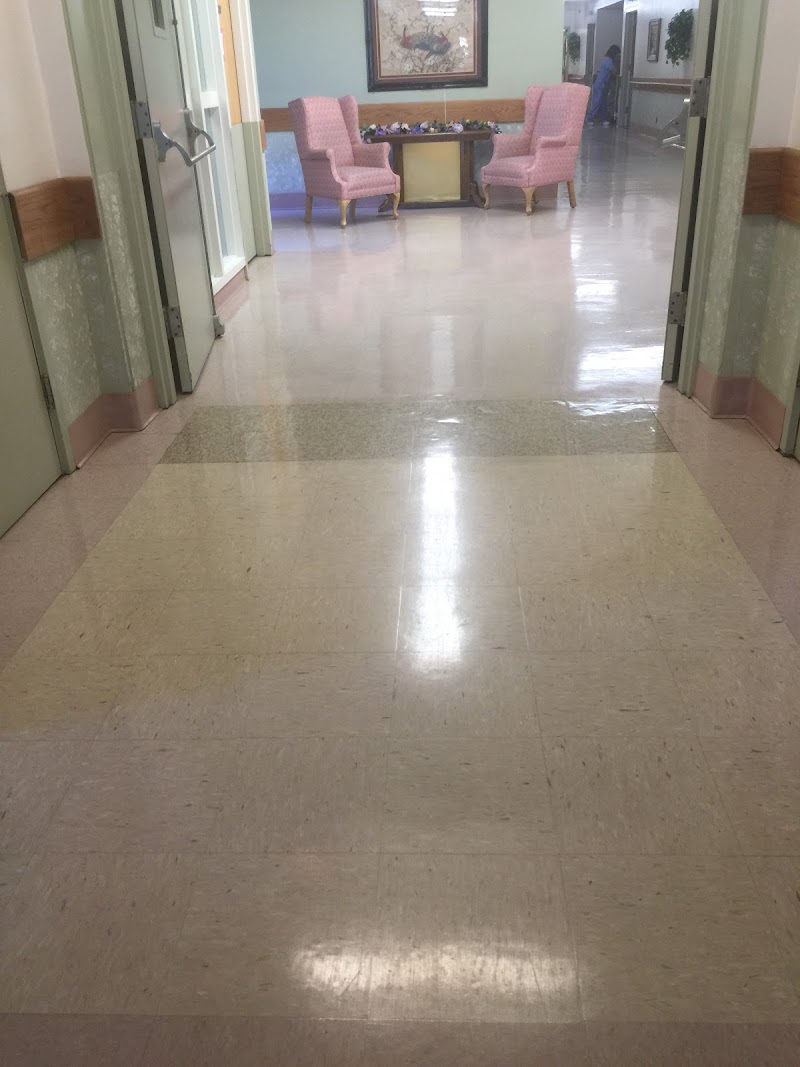
How Does Clara Baldwin Stocker Home For Women Compare to Other California Nursing Homes?

Compared to the 100 nursing homes in California, CLARA BALDWIN STOCKER HOME FOR WOMEN's overall rating (3 stars) is below the state average of 3.1, staff turnover (55%) is near the state average of 46%, and health inspection rating (2 stars) is below the national benchmark.

What Should Families Ask When Visiting Clara Baldwin Stocker Home For Women?

Based on this facility's data, families visiting should ask: "How do you ensure continuity of care given staff turnover, and what is your staff retention strategy?" "Can you walk me through typical staffing levels on day, evening, and night shifts?" "Can I visit during a mealtime to observe dining assistance and food quality?" "How do you handle medical emergencies, and what is your hospital transfer rate?" These questions are particularly relevant given the facility's high staff turnover rate and the below-average staffing rating.

Is Clara Baldwin Stocker Home For Women Safe?

Based on CMS inspection data, CLARA BALDWIN STOCKER HOME FOR WOMEN has a clean safety record: no substantiated abuse findings (meaning no confirmed cases of resident harm), no Immediate Jeopardy citations (the most serious violation level indicating risk of serious injury or death), and is not on the Special Focus Facility watch list (a federal program monitoring the lowest-performing 1% of nursing homes). The facility has a 3-star overall rating and ranks #100 of 100 nursing homes in California. While no facility is perfect, families should still ask about staff-to-resident ratios and recent inspection results during their visit.

Do Nurses at Clara Baldwin Stocker Home For Women Stick Around?

Staff turnover at CLARA BALDWIN STOCKER HOME FOR WOMEN is high. At 55%, the facility is 9 percentage points above the California average of 46%. Registered Nurse turnover is particularly concerning at 100%. RNs handle complex medical decisions and coordinate care — frequent RN changes can directly impact care quality. High turnover means new staff may not know residents' individual needs, medications, or preferences. It can also be disorienting for residents, especially those with dementia who rely on familiar faces. Families should ask: What is causing the turnover? What retention programs are in place? How do you ensure care continuity during staff transitions?

Was Clara Baldwin Stocker Home For Women Ever Fined?

CLARA BALDWIN STOCKER HOME FOR WOMEN has been fined $26,943 across 3 penalty actions. This is below the California average of $33,348. While any fine indicates a compliance issue, fines under $50,000 are relatively common and typically reflect isolated problems that were subsequently corrected. Families should ask what specific issues led to these fines and confirm they've been resolved.

Is Clara Baldwin Stocker Home For Women on Any Federal Watch List?

CLARA BALDWIN STOCKER HOME FOR WOMEN is not on any federal watch list. The most significant is the Special Focus Facility (SFF) program, which identifies the bottom 1% of nursing homes nationally based on persistent, serious quality problems. Not being on this list means the facility has avoided the pattern of deficiencies that triggers enhanced federal oversight. This is a positive indicator, though families should still review the facility's inspection history directly.