WEST COVINA HEALTHCARE CENTER
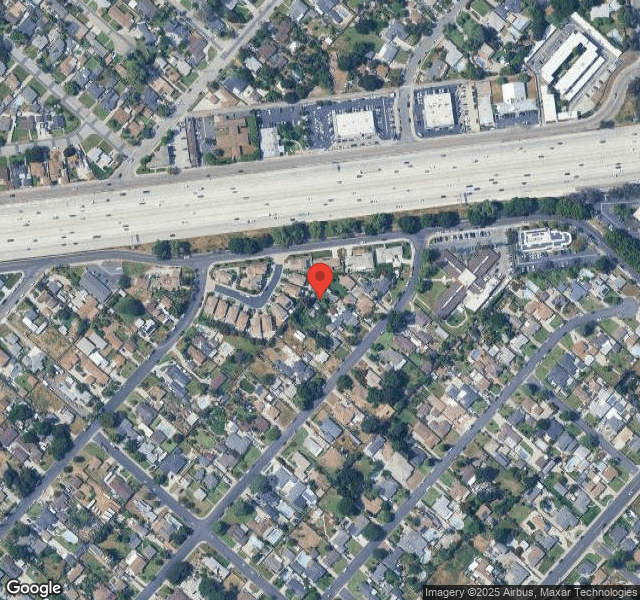
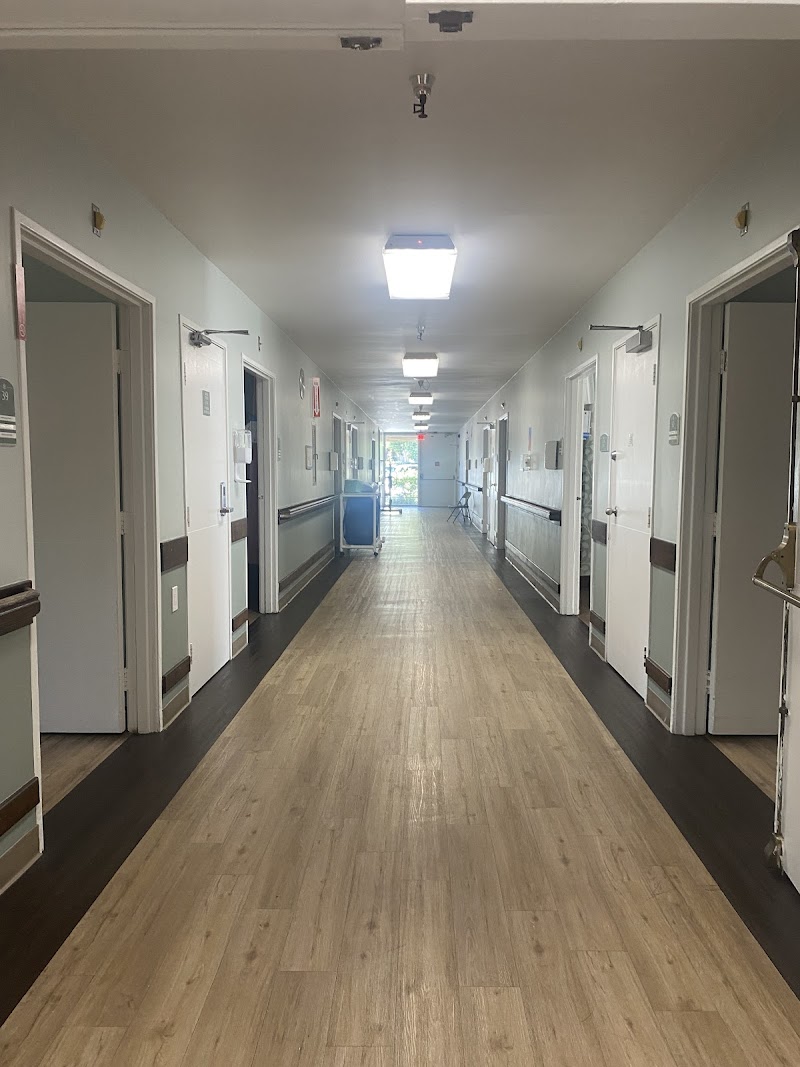
850 S. SUNKIST AVE., WEST COVINA, CA 91790 (626) 962-3368
For profit - Limited Liability company 97 Beds CAMBRIDGE HEALTHCARE SERVICES Data: November 2025
Trust Grade
20/100
#951 of 1155 in CA
Last Inspection: October 2024

Within standard 12-15 month inspection cycle. Federal law requires annual inspections.

Overview

West Covina Healthcare Center has a Trust Grade of F, indicating significant concerns and a poor reputation among nursing homes. They rank #951 out of 1,155 facilities in California, placing them in the bottom half, and #259 out of 369 in Los Angeles County, meaning there are only a few better local options. While the facility's trend is improving, with issues decreasing from 23 in 2024 to just 1 in 2025, they still face serious concerns, including $86,320 in fines, which is higher than 89% of California facilities. Staffing is average, with a 3/5 rating and a turnover rate of 44%, which is on par with the state average. However, there have been serious incidents, such as a medication error where a resident received the wrong medication, resulting in discomfort, and a failure to provide adequate assistance during a transfer, leading to a fall that caused a fracture. Overall, while there are some improvements, families should weigh the facility's weaknesses carefully.

Trust Score
F
20/100
In California
#951/1155
Bottom 18%
Safety Record
High Risk
Review needed
Inspections
Getting Better
23 → 1 violations
Staff Stability
○ Average
44% turnover. Near California's 48% average. Typical for the industry.
Penalties
✓ Good
$86,320 in fines. Lower than most California facilities. Relatively clean record.
Skilled Nurses
⚠ Watch
Each resident gets only 24 minutes of Registered Nurse (RN) attention daily — below average for California. Fewer RN minutes means fewer trained eyes watching for problems.
Violations
⚠ Watch
64 deficiencies on record. Higher than average. Multiple issues found across inspections.
★★☆☆☆
2.0
Overall Rating
★★★☆☆
3.0
Staff Levels
★★★☆☆
3.0
Care Quality
★★☆☆☆
2.0
Inspection Score
Stable
2024: 23 issues
2025: 1 issues

The Good

  • Full Sprinkler Coverage · Fire safety systems throughout facility
  • No fines on record
  • Staff turnover below average (44%)

    4 points below California average of 48%

Facility shows strength in fire safety.

The Bad

2-Star Overall Rating

Below California average (3.1)

Below average - review inspection findings carefully

Staff Turnover: 44%

Near California avg (46%)

Typical for the industry

Federal Fines: $86,320

Well above median ($33,413)

Moderate penalties - review what triggered them

Chain: CAMBRIDGE HEALTHCARE SERVICES

Part of a multi-facility chain

Ask about local staffing decisions and management

The Ugly 64 deficiencies on record

4 actual harm
Jul 2025 1 deficiency
CONCERN (E) 📢 Someone Reported This

A family member, employee, or ombudsman was alarmed enough to file a formal complaint

Potential for Harm - no one hurt, but risky conditions existed

Quality of Care (Tag F0684)

Could have caused harm · This affected multiple residents

**NOTE- TERMS IN BRACKETS HAVE BEEN EDITED TO PROTECT CONFIDENTIALITY** Based on interview and record review, the facility failed to ensure staff response/answer to Residents' call lights in a timely ...

Read full inspector narrative →
**NOTE- TERMS IN BRACKETS HAVE BEEN EDITED TO PROTECT CONFIDENTIALITY** Based on interview and record review, the facility failed to ensure staff response/answer to Residents' call lights in a timely manor for three of three sampled Residents (Residents 1, 2, and 3).These deficient practice violated Residents 1, 2 and 3's rights, delayed in care and services and had the potential to affect Residents 1, 2, and 3's health.Findings:a) During a review Resident 1's, admission record, the admission record indicated Resident 1 was admitted to the facility on [DATE] with diagnoses that included Morbid (Severe) Obesity, Hemiplegia (partial paralysis) and Hemiparesis (weakness or inability to move on one side of the body), and Neuromuscular Dysfunction (muscle weakness due to lack of nerve function) of Bladder.During a review of Resident 1's Minimum Data Set (MDS- a resident assessment tool) dated 7/1/2025, the MDS indicated Resident 1's cognition (ability to understand) was normal. Resident 1 was dependent on staff for person hygiene before and after urinating or having a bowel movement and adjusting clothing. Resident 1 required maximal assistance rolling from left to right and moving from sitting to lying. Resident 1 received scheduled pain medications for occasional pain at an intensity of 7 on a scale of 1 to 10.During a review of Resident 1's Care Plan Report, dated 4/25/2025, the Care Plan indicated staff should keep the call light within reach and answer promptly due to the following health illnesses: diabetes mellitus (a disease that results in too much sugar in the blood), bowel and bladder incontinence (unable to control flow of urine), assistance with bed mobility (able to move freely), toileting (assist with using the bathroom) needs and fall prevention. The actions listed for staff assistance, dated 7/2/2024, included to remind Resident 1 to call for a bedpan, if unable to go to toilet, and to call for assistance with self-care.b) During a review Resident 2's admission record, the admission record indicated Resident 1 was admitted to the facility on [DATE] with diagnoses that included rheumatoid arthritis (a chronic disorder of redness and swelling usually affecting the hands and feet), diabetes mellitus with diabetic polyneuropathy (a disorder that affects nerve function in multiple areas) , spinal stenosis ( the spaces inside the bones of the spine get too small), morbid obesity (too much body fat), and depressive episodes.During a review of Resident 2's MDS, dated [DATE], the MDS indicated Resident 2 has functional limitation in range of motion (full movement of a joint) of the upper and lower extremities and is always incontinent of bowel movements and is dependent on staff to maintain perineal (area of the body between the rectum and the sexual organs) hygiene, adjust clothing before and after voiding (urinating) or having a bowel movement, and getting on and off the toilet.During a review of Resident 2's Care Plan Report, dated 8/16/2025, the care plan indicated keeping the call light within reach and to answer promptly due to the following health illnesses: depression with suicidal thoughts, neuralgia/Neuritis (pain caused by damaged nerves) and migraine (intense head pain) Headaches, chronic pain syndrome, osteoarthritis (type of arthritis that occurs when flexible tissue at the ends of bones wears down) , contractures (shortening and hardening of muscles, tendons, or other tissue leading to deformity and rigidity of joints) of the left and right knee, and sleepiness side effects from antidepressant medications. Resident 2 is to use the call light to notify staff for any care the resident is unable to perform, for pain medications, assistance to the chair, and turning in bed.c) During a review of Resident 3's admission record, the admission record indicated Resident 3 was admitted to the facility on [DATE] with diagnoses that included disease of the pancreas (a large gland, in the belly, that helps digestion and regulates blood sugar), chronic kidney disease, abnormalities of gait (manner of walking), mobility, and end stage renal disease. During a review of Resident 3's MDS, dated [DATE], indicated Resident 3 was dependent on staff for toileting (assist with using the bathroom) and repositioning.A review of the Care Plan Report for Resident 3, dated 4/30/2025, indicated that Resident 3 should have a call light within reach and staff are to answer promptly to address Resident 3's symptoms of pain, bowel incontinence, assistance with toileting, and the risk of falling due to impaired mobility. During an interview on 7/25/2025 at 1:43 p.m., Resident 1 stated, after waiting 1 and 1/2 hours for staff to answer the call light, Resident 1 used a cell phone to call for help, then staff came to help Resident 1 in 15 minutes.During an interview on 7/25/2025 at 2:39 p.m., Resident 3 stated that staff do not respond quickly to call lights. Resident 3 stated quite a few times staff took a long time to provide personal hygiene. Resident 3 stated it is very upsetting and it's uncomfortable.During an interview on 7/25/2025 at 2:47 p.m., Resident 2 stated that call lights are not answered quickly and sometimes there there is only one CNA work on the weekend.During an interview on 7/25/2025 at 3:41 p.m., Resident 2 stated staff do not answer call lights on time. Resident 2 stated I was in pain for two hours, once holding my urine, while waiting for someone to answer my call light. Resident 2 stated I have gotten UTIs in the past due to waiting for call light help. Resident 2 stated when my curtain is pulled back, I can see their (staff's) hands turning it (call light) off without asking what we want.A review of the facility's Resident Council Minutes of Meeting, dated 3/26/25, indicated the call light response needs to improve and timely call light response is a concern of the residents.A review of the facility's policy and procedure titled, Residents Call System, dated September 2022, indicated calls for assistance are answered as soon as possible, but no later than 5 minutes. Urgent requests for assistance are addressed immediately.
Dec 2024 1 deficiency
CONCERN (D) 📢 Someone Reported This

A family member, employee, or ombudsman was alarmed enough to file a formal complaint

Potential for Harm - no one hurt, but risky conditions existed

Report Alleged Abuse (Tag F0609)

Could have caused harm · This affected 1 resident

**NOTE- TERMS IN BRACKETS HAVE BEEN EDITED TO PROTECT CONFIDENTIALITY** Based on interview and record review, the facility failed to follow its policy and procedure (P&P) titled, Abuse Investigation a...

Read full inspector narrative →
**NOTE- TERMS IN BRACKETS HAVE BEEN EDITED TO PROTECT CONFIDENTIALITY** Based on interview and record review, the facility failed to follow its policy and procedure (P&P) titled, Abuse Investigation and Reporting, by failing to report an alleged verbal abuse to the facility's Abuse Coordinator, California Department of Public Health (CDPH), the Ombudsman (an official appointed to investigate individual's complaints and assists in resolution of concerns), and the local law enforcement immediately and within 2 hours on 12/19/2024 for one of five sampled residents (Resident 2) when Resident 2 allegedly called Resident 1 derogatory words. This failure had the potential to subject Resident 1 to potential further abuse from Resident 2. Findings: 1. During a review of Resident 1's admission Record (AR), the AR indicated Resident 1 was originally admitted to the facility on [DATE] with diagnoses that included hypertension (HTN, high blood pressure) and hypothyroidism (thyroid gland does not produce enough thyroid hormones in the body). During a review of Resident 1's History and Physical (H&P, formal document of a medical provider's examination of a patient) dated 10/28/2024, the H&P indicated Resident 1 had the capacity to understand and make decisions. During a review of Resident 1's Change in Condition (COC) Evaluation Form dated 12/23/2024 at 12:16 PM, the COC indicated on 12/19/2024 untimed, Resident 1 reported a male resident came by the door of Resident 1's room and called Resident 1 names. 2. During a review of Resident 2's AR, the AR indicated Resident 2 was originally admitted to the facility on [DATE] with diagnoses that included asthma (chronic lung disease that causes the airways to become narrow), anxiety (feelings of worry or fear), and HTN. During a review of Resident 2's H&P dated 2/22/2024, the H&P indicated Resident 2 can make needs known but cannot make medical decisions. During an interview on 12/27/2024 at 11:13 AM with Resident 1, Resident 1 stated Resident 2 was at the doorway and called Resident 1 derogatory words in Spanish. Resident 1 stated it made Resident 1 feel Real bad . During an interview on 12/27/2024 at 1:33 PM with Certified Nurse Assistant 3 (CNA 3), CNA 3 stated Resident 1 reported to CNA 3 on 12/19/2024 or 12/20/2024 that Resident 2 called Resident 1 bad words in Spanish. CNA 3 stated CNA 3 immediately reported it to LVN 4 the same day. CNA 3 stated Resident 2 allegedly called Resident 1 Venenosa. CNA 3 stated the word would be considered verbal abuse because it is very disrespectful and implying the person was not good. CNA 3 stated CNA 3 did not report the incident to the Administrator (ADM) because the charge nurse reports the incident to the ADM. CNA 3 stated CNA 3 was unsure if the charge nurse reported the incident. CNA 3 stated the risk of not reporting instances of abuse within two hours to the ADM is that the incident could get worse and could escalate to physical abuse. During an interview 12/27/2024 at 1:57 PM with the ADM, the ADM stated LVN 4 was out of the country on vacation. During an interview on 12/27/2024 at 2 PM with Registered Nurse 1 (RN 1), RN 1 stated if a staff member was made aware that a resident was called a derogatory term, the staff member should have notified the ADM because it was considered verbal abuse, contact the Ombudsman, CDPH, and local law enforcement. RN 1 stated the risk of not reporting incidents of abuse to the ADM was putting the safety of residents at risk. During an interview on 12/27/2024 at 2:30 PM with the Assistant Director of Nursing (ADON), the ADON stated staff should have reported the incident to the ADM because the incident was considered alleged verbal abuse. The ADON stated the risk of not reporting immediately was that the incident might reoccur. The ADON stated the facility must do prevention, monitor, and keep residents separated when instances of alleged abuse occur. During an interview on 12/27/2024 at 2:52 PM with the ADM, the ADM stated the ADM was made aware of the incident on 12/23/2024 by Resident 1's family member. The ADM stated staff are to notify both the ADM and the DON for incidents of alleged abuse. The ADM stated the incident on 12/19/2024 would be considered alleged verbal abuse and stated the risk of not reporting the incident was that the facility might fail to protect the resident and do the necessary interventions. During a review of the facility's P&P titled, Abuse Investigation and Reporting revised 7/2017, the P&P indicated alleged violations of abuse are to be reported immediately but no later than two hours if the alleged violation involves abuse.
Oct 2024 12 deficiencies
CONCERN (D)

Potential for Harm - no one hurt, but risky conditions existed

Comprehensive Care Plan (Tag F0656)

Could have caused harm · This affected 1 resident

**NOTE- TERMS IN BRACKETS HAVE BEEN EDITED TO PROTECT CONFIDENTIALITY** b. During a review of Resident 55's AR, the AR indicated the resident was admitted to the facility on [DATE] with diagnoses that...

Read full inspector narrative →
**NOTE- TERMS IN BRACKETS HAVE BEEN EDITED TO PROTECT CONFIDENTIALITY** b. During a review of Resident 55's AR, the AR indicated the resident was admitted to the facility on [DATE] with diagnoses that included End Stage Renal Disease (ESRD -irreversible kidney failure). During a review of Resident 55's History and Physical (H&P) dated 7/3/2024, the H&P indicated Resident 55 had ESRD and was on dialysis (a treatment to cleanse the blood of wastes and extra fluids artificially through a machine when the kidney(s) have failed to function) and Congestive Heart Failure (CHF - a heart disorder which causes the heart to not pump the blood efficiently). During a review of Resident 55's MDS dated [DATE], the MDS indicated Resident 55 had moderately impaired cognition. During an observation on 9/30/24 at 10:29 am in Resident 55's room, Resident 55 was sitting in bed with swelling to both legs. During a review of Resident 55's Order Summary Report (OSR) dated 7/11/2024, the Order Summary Report indicated orders for the following medications with black box warnings (a black box warning indicates that the drug carries a significant risk of serious or even life-threatening adverse effects and was the strongest warning that the U.S. Food and Drug Administration): 1. Furosemide Oral Tablet 40 milligrams (mg- metric unit of measurement), give two tablets by mouth two times a day for edema (swelling from fluid trapped in the tissues). The order was written on 7/1/2024. 2. Tylenol with Codeine #3 Oral Tablet 300-30 mg (Acetaminophen with Codeine); give one tablet by mouth every six hours as needed for pain management. The order was written on 7/2/2024. During a review of Resident 55's Medication Administration Records (MAR) dated 10/1/2024 through 10/31/2024, the MAR indicated Resident 55 was last administered Furosemide 40 mg oral tablets for edema on 10/2/2024 at 9:00 am and Tylenol with Codeine #3 oral tablet 300-30 mg for pain management on 10/2/2024 at 12:45pm. During a concurrent interview and record review on 10/2/2024 at 3:18 pm with Registered Nurse Supervisor 1 (RN Sup 1), Resident 55's care plan was reviewed. The care plan did not indicate/address the regularly scheduled and as needed black-box medications of Furosemide and Tylenol with Codeine #3 for Resident 55. RN Sup 1 stated, Furosemide and Tylenol with Codeine #3 were high risk drugs that could have contraindications or side effects that would affect Resident 55 and necessitated a care plan. RN 1 further stated, without a care plan, nursing staff were unable to closely monitor for side effects, implement proper interventions, set goals, and monitor the resident's progress on these medicines (Furosemide and Tylenol with Codeine #3). During an interview on 10/3/2024 at 9:50 am with the Director of Staff Development (DSD), the DSD stated care plans were needed for medications with black box warnings and were significant because they set goals and timelines for a resident's care. The DSD stated, without care plans for Furosemide and Tylenol with Codeine #3 staff would not know the needed care for the resident, preventing staff from providing the best care possible. The DSD further stated, each resident should have a comprehensive person-centered care plan individualized to their needs. During a review of the facility's policy and procedure (P&P) titled, Care Plans, Comprehensive Person-Centered, last revised 3/2023, the P&P indicated, a comprehensive, person-centered care plan included measurable objectives and timetables to meet the resident's physical, psychosocial and functional needs and was developed and implemented for each resident. The comprehensive, person-centered care plan also described the services that are to be furnished to attain or maintain the resident's highest practicable physical, mental, and psychosocial well-being, and would reflect currently recognized standards of practice for problem areas and conditions. Based on observation, interview and record review, the facility failed to develop a specific and individualized person-centered care plan to meet the resident's needs for two of two sampled residents (Residents 45 and 55). a. A care plan was not developed for Resident 45 with dementia (a progressive state of decline in mental abilities). b. A care plan was not developed for Resident 55 for the use of black box medications - Furosemide (water pill that treats fluid retention) and Tylenol #3 with Codeine 3 (a combination narcotic drug that is used to relieve mild to moderate pain). These failures had the potential to result in inconsistent implementation of the care to Residents 45 and 55. Findings: a. During a review of Resident 45's admission Records (AR), the AR indicated Resident 45 was initially admitted to the facility on [DATE] and was readmitted on [DATE] with diagnoses that included dementia (a progressive state of decline in mental abilities), anxiety (intense, excessive, and persistent worry and fear about everyday situations) and depression (loss of pleasure or interest in activities for long period of time). During a review of Resident 45's Minimum Data Set (MDS, a federally mandated resident assessment tool), dated 7/23/2024, the MDS indicated Resident 45 had severely impaired cognition (ability to understand) and required substantial/maximal assistance (helper did more than half of the effort to complete the activity) with oral and toileting hygiene, shower, upper and lower body dressing, and personal hygiene. During a concurrent interview and record review on 10/1/2024 at 4:13 pm with Registered Nurse Supervisor 1 (RN Sup 1), the care plans for Resident 45 were reviewed. RN Sup 1 stated, there was no care plan developed for dementia for Resident 45. RN Sup 1 stated care plan to address dementia should be developed for Resident 45 to address the problems and monitor if interventions were effective. During an interview on 10/2/2024 at 10:04 am with the Director of Nursing (DON), the DON stated a care plan should be developed for Resident 45 with dementia upon admission, and update during changes of condition, based on diagnosis, medications, assessment, treatment, and diet. The DON stated care plans were updated quarterly and as needed for the staff to determine the interventions and treatment necessary for the care of the resident. During the review of the facility's Policy and Procedure (P&P) titled, Care Plans, Comprehensive Person-Centered, revised March 2023, the P&P indicated, The comprehensive, person-centered care plan is developed within seven (7) days of the completion of the required MDS assessment (Admission, Annual or Significant Change in Status), and no more than 21 days after admission.
CONCERN (D)

Potential for Harm - no one hurt, but risky conditions existed

Quality of Care (Tag F0684)

Could have caused harm · This affected 1 resident

Based on observation, interview and record review, the facility failed to coordinate care with hospice (compassionate care for people near the end of life) provider for one of two sampled residents (R...

Read full inspector narrative →
Based on observation, interview and record review, the facility failed to coordinate care with hospice (compassionate care for people near the end of life) provider for one of two sampled residents (Resident 34) by failing to ensure the Hospice Registered Nurse (HRN) visited Resident 34 on 9/19/24, 9/23/24 and 9/30/24, as scheduled. This deficient practice placed Resident 34 at risk of not receiving appropriate care in a timely manner. Findings: During a review of Resident 34's admission Record (AR), the AR indicated the facility readmitted the resident on 6/28/24, with diagnoses that included Alzheimer's disease (a disease characterized by a progressive decline in mental abilities) and heart failure (also known as congestive heart failure [CHF], is a condition that develops when the heart doesn't pump enough blood for body needs). During a review of Resident 34's Physician Order Sheet (POS) dated 6/28/24, the POS indicated an order for Hospice 1 for diagnosis of CHF. During an observation on 9/30/24 at 10:46 a.m., Resident 34 was sitting in the wheelchair watching television in her room, alert and coherent. Resident 34 had an ongoing oxygen inhalation at four liters (unit of measurement) per minute of oxygen through nasal cannula (a flexible soft tube that delivers extra oxygen through a tube and into the nose). During a concurrent interview and record review on 10/1/24 at 3:38 p.m., the Director of Nursing (DON) stated there was no documented evidence of HRN visit notes for Resident 34 on 9/19/24, 9/23/24 and 9/30/24. The Hospice Sign-In Sheet indicated HRN came to see Resident 34 in the facility on those dates (9/19/24, 9/23/24 and 9/30/24). The DON stated the DON was responsible for monitoring/auditing the scheduled visits of Hospice staff to ensure visit notes for the Hospice resident was done the DON failed to do so. According to the DON, it was important for HRN to document the assessed care needs of Resident 34 and to collaborate with the facility staff regarding Hospice services provided to Resident 34. During a review of the facility's Policy and Procedures (P&P) titled, Hospice Program dated 7/2023, the P&P indicated the facility's DON was designated to coordinate the care provided by the Hospice staff to the Hospice resident in the facility.
CONCERN (D)

Potential for Harm - no one hurt, but risky conditions existed

Pressure Ulcer Prevention (Tag F0686)

Could have caused harm · This affected 1 resident

Based on observation, interview, and record review, the facility failed to promote healing and prevent development of pressure ulcer/injury (localized, pressure-related damage to the skin and/or under...

Read full inspector narrative →
Based on observation, interview, and record review, the facility failed to promote healing and prevent development of pressure ulcer/injury (localized, pressure-related damage to the skin and/or underlying tissue usually over a bony prominence) for one of one sampled resident (Resident 14) by failing to ensure Resident 14 was not lying on the site of the pressure ulcer and was repositioned every two hours while in bed. This deficient practice placed Resident 14 at risk for further skin breakdown, prevent healing of the wound and/or worsen the pressure ulcer. Findings: During a review of Resident 14's admission Record (AR), the AR indicated the facility readmitted the resident on 2/22/23, with diagnoses that included diabetes mellitus (DM-a disorder characterized by difficulty in blood sugar control and poor wound healing) and heart failure (also known as congestive heart failure [CHF], is a condition that develops when the heart doesn't pump enough blood for body needs). During a review of Resident 14's Wound Management Assessment (WMA) dated 2/22/23, the WMA indicated Resident 14 was readmitted to the facility without a pressure ulcer. During a review of Resident 14's WMA dated 3/15/23, the WMA indicated Resident 14 had Stage 2 pressure ulcer of the left buttock and was healed on 3/31/23. During a review of Resident 14's Change in Condition Evaluation (CCE) dated 9/26/24, the CCA indicated Resident 14 had a reopened Stage 2 pressure ulcers of the left and right buttocks. The left buttock pressure ulcer measured 1.5 centimeter (cm-unit of measurement) in length (L) x 0.8 cm in width (W), and the right buttock pressure ulcer measured 2.5 cm (L) x 2 cm (W). During a review of Resident 14's Care Plan (CP) titled, Pressure Ulcer Stage 2 on left buttock and right buttock dated 9/26/24, the CP indicated Resident 14 needed to be turned and repositioned at least every two hours in bed and whenever necessary. During a concurrent observation and interview on 9/30/24 at 10:51 a.m., Resident 14 was lying on his back in bed. Certified Nursing Assistant 1 (CNA1) was present in Resident 14's room. CNA1 stated Resident 14 should be turned and repositioned in bed on right side lying position, back and left side lying position every two hours to heal the pressure ulcer by relieving the pressure off the wound. During an observation on 9/30/24 at 11:52 a.m., 12:55 p.m., and 1:30 p.m., Resident 14 was lying on his back in bed. During a concurrent observation and interview on 9/30/24 at 2:30 p.m., Resident 14 was lying on his back in bed. CNA1 stated CNA 1 was unable to turn and reposition Resident 14 in bed every two hours because CNA 1 was busy providing care to other residents. CNA1 stated CNA 1 repositioned Resident 14 on his back after cleaning Resident 14 at 10 a.m., today (9/30/24). CNA1 further stated Resident 14's pressure ulcer would get bigger if the resident was lying on his back for a long period of time due to poor circulation in the wound. During observations on 10/1/24 at 8:02 a.m., 9:17 a.m., and 10:15 a.m., Resident 14 was lying on his back in bed. During a concurrent observation and interview on 10/1/24 at 11 a.m., Resident 14 was lying on his back in bed. CNA 6 stated Resident 14 should not be repositioned on the site of the pressure ulcer because the pressure ulcer would get worse due to pressure in the wound. During the treatment observation on 10/2/24 at 9:10 a.m., Resident 14 was observed with a Stage 2 pressure ulcer of the right and left buttocks. The right buttock pressure ulcer measured 5 cm (L) x 2.5 cm (W), and the left buttock measured 4.5 cm (L) x 3.5 cm (W). The wound bed (base of the wound) of both buttocks were red in color, no depth.
CONCERN (D)

Potential for Harm - no one hurt, but risky conditions existed

Deficiency F0694 (Tag F0694)

Could have caused harm · This affected 1 resident

**NOTE- TERMS IN BRACKETS HAVE BEEN EDITED TO PROTECT CONFIDENTIALITY** Based on observation, interview, and record review, the facility failed to assure one of one sampled resident (Resident 185) rec...

Read full inspector narrative →
**NOTE- TERMS IN BRACKETS HAVE BEEN EDITED TO PROTECT CONFIDENTIALITY** Based on observation, interview, and record review, the facility failed to assure one of one sampled resident (Resident 185) received care and service for parenteral antibiotic (a drug used to treat infections caused by bacteria and other microorganisms) consistent with professional standards of practice. The PICC line dressing was not labeled with date indicating when the dressing was applied. This failure had the potential to result in infection to the resident and worsen the resident's health condition. Findings: During a review of Resident 185's admission Record (AR), the AR indicated Resident 185 was admitted to the facility on [DATE], with diagnoses that included sepsis (a life-threatening blood infection) and hypertension (high blood pressure). During a review of Resident 185's Physician Order Summary Report (POSR) dated 9/20/2024, the POSR indicated the physician ordered for licensed staff to change Resident 185's PICC line dressing on day shift every Friday. During a review of Resident 185's Minimum Data Set (MDS, a federally mandated resident assessment tool), dated 9/24/2024, the MDS indicated Resident 185 had clear speech, usually understood others, and sometimes made self-understood. The MDS indicated Resident 185 was dependent (helper does all of the effort) for personal hygiene and chair/bed-to-chair transfer. During an observation on 9/30/2024 at 10:07 am, in Resident 185's room, Resident 185 was sitting up in a wheelchair next to the bed. There was a PICC line at Resident 185's right upper arm with dressing gauze covering the insertion site. The PICC line dressing was not labeled with date indicating when the dressing was applied. During a concurrent interview with Registered Nurse Supervisor 1 (RN Sup 1), RN Sup 1 stated, Resident 185 was on Cefazolin Sodium (antibiotic) intravenously daily because Resident 185 had sepsis. RN Sup 1 stated, Resident 185's PICC dressing should be changed and labeled with date so that staff know when the next time to change the dressing. RN Sup 1 stated, PICC line dressing should be changed every seven days or as needed when soiled for infection control purposes. RN Sup 1 stated this measure was for resident's health and safety. RN Sup 1 stated, staff should document in the resident's medical record after each time PICC line dressing was changed. During a review of the facility's Policy and Procedure titled PICC Dressing Change, dated 3/2023, the P&P indicated Change catheter securement device every 7 days and PRN (as needed). Label dressing with date, time, and nurse's initials.
CONCERN (D)

Potential for Harm - no one hurt, but risky conditions existed

Respiratory Care (Tag F0695)

Could have caused harm · This affected 1 resident

Based on observation, interview, and record review, the facility failed to provide necessary care and services for one of one sampled resident (Resident 34) on oxygen therapy (treatment that provides ...

Read full inspector narrative →
Based on observation, interview, and record review, the facility failed to provide necessary care and services for one of one sampled resident (Resident 34) on oxygen therapy (treatment that provides supplemental, or extra oxygen) consistent with professional standards of practice, by failing to follow the physician's order to provide two liters of oxygen through nasal cannula (a flexible soft tube that delivers extra oxygen through a tube and into the nose) to Resident 34. This deficient practice placed Resident 34 at risk for difficulty of breathing and respiratory complications. Findings: During a review of Resident 34's admission Record (AR), the AR indicated the facility readmitted the resident on 6/28/24, with diagnoses that included Alzheimer's disease (a disease characterized by a progressive decline in mental abilities) and heart failure (also known as congestive heart failure [CHF], is a condition that develops when the heart doesn't pump enough blood for body needs). During a review of Resident 34's Physician Order Sheet (POS) dated 6/28/24, the POS indicated an order for licensed staff to provide Resident 34 two liters (unit of measurement) per minute of oxygen through nasal cannula continuously every shift for shortness of breath. During a review of Resident 34's Care Plan (CP) for oxygen therapy dated 8/21/24, the CP indicated Resident 34 will be free of symptoms of respiratory distress by providing continuous oxygen at two liters per During observations on 9/30/24 at 10:46 a.m., 11:45 a.m. and at 2:20 p.m., Resident 34 had ongoing oxygen inhalation at four liters per minute through nasal cannula. During an interview on 10/1/24 at 10:15 a.m., Licensed Vocational Nurse 4 (LVN 4) stated LVN 4 forgot to check if Resident 34's oxygen flow rate was at two liters per minute through nasal cannula when LVN 4 made rounds on 9/30/24 at around 7:25 a.m. LVN 4 stated excessive oxygen inhalation could damage the lungs that would cause difficulty of breathing due to oxygen toxicity (breathing in too much supplemental oxygen). During a review of the facility's Policy and Procedure (P&P) titled, Oxygen Administration dated 2/2024, the P&P indicated oxygen therapy needed to be administered as ordered by the physician to provide safe oxygen administration.
CONCERN (D)

Potential for Harm - no one hurt, but risky conditions existed

Deficiency F0698 (Tag F0698)

Could have caused harm · This affected 1 resident

**NOTE- TERMS IN BRACKETS HAVE BEEN EDITED TO PROTECT CONFIDENTIALITY** Based on interview and record review, the facility failed to perform post (after) hemodialysis (HD, a treatment to cleanse the b...

Read full inspector narrative →
**NOTE- TERMS IN BRACKETS HAVE BEEN EDITED TO PROTECT CONFIDENTIALITY** Based on interview and record review, the facility failed to perform post (after) hemodialysis (HD, a treatment to cleanse the blood of wastes and extra fluids artificially through a machine when the kidney(s) have failed to function) assessment for one of two sampled residents on HD (Resident 186). This failure had the potential to placed Resident 186 at risk for complications from the hemodialysis site. Findings: During a review of Resident 186's admission Record (AR), the AR indicated the resident was admitted to the facility on [DATE] with diagnoses that included End Stage Renal Disease (ESRD, irreversible kidney failure), dependence on renal dialysis (HD) and hypotension (low blood pressure). During a review of Resident 24's Minimum Data Set (MDS, a federally mandated resident assessment tool), dated 9/25/2024, the MDS indicated Resident 186 had clear speech, usually understood others, and made self-understood. Resident 186 required substantial/maximal (helper does more than half the effort) assistance for toileting hygiene, roll left and right, and chair/bed-to-chair transfer. During a review of Resident 186's Dialysis Communication Record (DCR, a medical record used to document a patient's status between the facility and dialysis center including patient information, treatment information, vital signs before, during and after HD) dated 9/30/2024, there was no documentation for post dialysis assessment on 9/30/2024. The post dialysis assessment for 9/30/2024 was left blank. During an interview on 10/1/2024 at 1:56 pm, the Director of Nursing (DON) stated, Resident 186's DCR should be completed right after the resident returned to the facility to ensure the HD access site was free from bleeding and the resident's vital signs were within the resident's baseline. The DON stated all residents on HD should be assessed before and after HD session to ensure the access site dressing was intact without bleeding and there no change of resident's vital signs/condition. During a review of the facility's undated Policy and Procedure (P&P) titled End-Stage Renal Disease, Care of a Resident with, the P&P indicated, Residents with End-Stage Renal Disease (ESRD) will be cared for according to currently recognized standards of care. Staff caring for residents with ESRD, including residents receiving dialysis care outside the facility, shall be trained in the care and special needs of these residents, including the type of assessment data that is to be gathered about the resident's condition on a daily or per shift basis.
CONCERN (D)

Potential for Harm - no one hurt, but risky conditions existed

Safe Environment (Tag F0921)

Could have caused harm · This affected 1 resident

**NOTE- TERMS IN BRACKETS HAVE BEEN EDITED TO PROTECT CONFIDENTIALITY** Based on observation, interview, and record review, the facility failed to keep an electric fan (a powered machine used to creat...

Read full inspector narrative →
**NOTE- TERMS IN BRACKETS HAVE BEEN EDITED TO PROTECT CONFIDENTIALITY** Based on observation, interview, and record review, the facility failed to keep an electric fan (a powered machine used to create a flow of air to cool and ventilate rooms and control humidity) in a safe and sanitary condition for one of one sampled resident (Resident 12). This failure had the potential to affect the resident's quality of life. Findings: During a review of Resident 12's admission Records (AR), the AR indicated Resident 12 was initially admitted to the facility on [DATE] and readmitted on [DATE] with diagnoses that included Chronic Obstructive Pulmonary Disease (COPD, a chronic lung disease causing difficulty in breathing) and asthma (a condition in which a person's airways become inflamed, narrow and swollen). During a review of Resident 12's Minimum Data Set (MDS, a federally mandated resident assessment tool) dated 8/6/2024, the MDS indicated, Resident 12 had intact cognition (ability to understand) and required substantial/maximal assistance (helper did more than half the effort) with oral and toileting hygiene, shower, upper and lower body dressing and personal hygiene. During a concurrent observation and interview on 9/30/2024 at 11:12 am with Resident 12 inside the resident's room, Resident 12 had a white electric fan at bedside. The blades of the electric fan were full of dust. Resident 12 stated the fan blades were dusty and Resident 12 could not remember the last time the fan was cleaned. During an interview on 9/30/2024 at 11:14 am with Housekeeping (HK) staff , HK stated electric fan or any equipment inside the resident's room should be kept clean for infection control. During an interview on 10/1/2024 at 10:56 am with the Maintenance Supervisor (MS), MS stated, any equipment inside the resident's room needed to be clean. MS stated housekeeping staff ( in general) should check and clean any equipment inside the residents' room daily to prevent infection, to keep the residents safe and maintain a good and comfortable environment for the residents. During a review of the facility's Policy and Procedure (P&P) titled, Homelike Environment, revised February 2021, the P&P indicated, The facility staff and management maximizes, to the extent possible, the characteristics of the facility that reflect a personalized, homelike setting including a clean, sanitary and orderly environment.
CONCERN (E)

Potential for Harm - no one hurt, but risky conditions existed

Deficiency F0558 (Tag F0558)

Could have caused harm · This affected multiple residents

**NOTE- TERMS IN BRACKETS HAVE BEEN EDITED TO PROTECT CONFIDENTIALITY** Based on observation, interview, and record review, the facility failed to provide reasonable accommodation of needs for two of ...

Read full inspector narrative →
**NOTE- TERMS IN BRACKETS HAVE BEEN EDITED TO PROTECT CONFIDENTIALITY** Based on observation, interview, and record review, the facility failed to provide reasonable accommodation of needs for two of two sampled residents (Residents 29 and 80) by failing to ensure the resident's call lights (an alerting device for nurses or other nursing personnel to assist a patient when in need) were within reach and appropriate to the resident's physical ability. These deficient practices had the potential for Residents 29 and 80 not to receive necessary care or delayed services to meet their needs. Findings: a. During a review of Resident's 29 admission Records (AR), the AR indicated Resident 29 was admitted to the facility on [DATE] with diagnoses that included Peripheral Vascular Disease (PVD, a slow progressive narrowing of the blood flow to the arms and legs) and osteoarthritis (a progressive disorder of the joints, caused by gradual loss of cartilage). During a review of Resident 29's Minimum Data Set (MDS, a federally mandated resident assessment tool), dated 9/5/2024, the MDS indicated Resident 29 had moderately impaired cognition (ability to understand). Resident 29 required supervision or touching assistance (helper did verbal cues and/or touching/steadying and/or contact guard assistance as resident completes activity) with oral hygiene and partial/moderate assistance (helper did less than half the effort) with toileting hygiene, shower, upper and lower body dressing and personal hygiene. During a review of Resident 29's untitled Care Plan (CP), revised on 9/26/2024, the CP indicated Resident 29 was at risk for self-care deficit and unavoidable falls. The CP interventions included to place the resident's call light for assistance within reach and resident needed prompt response to all request for assistance. During a concurrent observation and interview on 9/30/2024 at 10:11 am with Licensed Vocational Nurse 5 (LVN 5) inside Resident 29's room, Resident 29 was sitting in a wheelchair at the rear part of the bed, holding the bed remote control mistaken as the call light. Resident 29's call light was on the upper part of the bed. Resident 29 stated, I could not reach my call light. LVN 5 stated, the resident's call light should be placed next and close to the resident so the resident could reach and use to call for help when needed for safety. During an interview on 10/2/2024 at 9:53 am with the facility's Director of Nursing (DON), the DON stated, resident's call light should be placed on the strong arm/hand of the resident to use for assistance and during emergency. During a review of the facility's Policy and Procedure (P&P) titled, Call Light, revised January 2024, the P&P indicated, Each resident is provided with a means to call staff directly for assistance from his/her bed, from toileting/bathing facilities and from the floor. Upon admission and as needed, resident call light shall be within reach. Answer the resident call system in a timely manner. b. During a review of Resident 80's AR, the AR indicated Resident 80 was admitted to the facility on [DATE] with diagnoses that including hypertension (HTN-high blood pressure) and lack of coordination. During a review of Resident 42's MDS dated [DATE], the MDS indicated Resident 80 had clear speech, usually understood others and made self-understood. The MDS indicated Resident 80 required substantial/maximal assistance (helper does more than half the effort, helper lifts or holds trunk or limbs and provides more than half the effort) for toilet hygiene and toilet transfer, and partial/moderate assistance (helper does less than half the effort) for sit to lying and chair/bed-to-chair transfer. During a concurrent observation and interview on 9/30/2024 at 10:45 am, in Resident 80's room, Resident 80 was lying in bed. Resident 80's call light was coiled on the wall at the back of Resident 80's head of bed. Resident 80 stated, Resident 80 looked around and did not know where the call light was. Resident 80 saw the call light after being pointed out and stated Resident 80 could not reach the call light. Resident 80 stated, Resident 80 needed to use the call light to ask for help. Treatment Nurse (TN) stated, Resident 80 could not reach the call light while lying in bed. TN stated, the resident's call light should be within reach of the resident to use to call staff for help when needed. TN stated, residents could get hurt trying to get out of bed by themselves if the call light was not within reach. During a review of the facility's Policy and Procedure (P&P) titled, Call Light, revised 1/2024, the P&P indicated Residents are provided with a means to call staff for assistance throught a communication system that directly calls a staff member or a centralized workstation. Upon admission and as needed, resident call light shall be within reach.
CONCERN (E)

Potential for Harm - no one hurt, but risky conditions existed

Deficiency F0578 (Tag F0578)

Could have caused harm · This affected multiple residents

**NOTE- TERMS IN BRACKETS HAVE BEEN EDITED TO PROTECT CONFIDENTIALITY** Based on interview and record review, the facility failed to ensure the resident's Advance Directive (AD, a legal document indic...

Read full inspector narrative →
**NOTE- TERMS IN BRACKETS HAVE BEEN EDITED TO PROTECT CONFIDENTIALITY** Based on interview and record review, the facility failed to ensure the resident's Advance Directive (AD, a legal document indicating resident preference on end-of-life treatment decisions) was discussed, written information was provided to the residents and/or responsible parties and current copy was in the medical chart for three of three sampled residents (Residents 12, 54 and 78) consistent with the facility's policy and procedure on advance directives. These failures had the potential for facility staff to provide medical treatment and services against the resident's will. Findings: a. During a review of Resident 12's admission Records (AR), the AR indicated Resident 12 was initially admitted to the facility on [DATE] and readmitted on [DATE] with diagnoses that included Chronic Obstructive Pulmonary Disease (COPD, a chronic lung disease causing difficulty in breathing) and asthma (a condition in which a person's airways become inflamed, narrow and swollen, which makes it difficult to breathe). During a review of Resident 12's Minimum Data Set (MDS, a federally mandated resident assessment tool), dated 8/6/2024, the MDS indicated Resident 12 had intact cognition (ability to understand) and required substantial/maximal assistance (helper did more than half the effort) with oral and toileting hygiene, shower, upper and lower body dressing and personal hygiene. During a concurrent interview and record review on 10/1/2024 at 9:42 AM with the admission coordinator (AC), Resident 12's Physician Orders for Life-Sustaining Treatment (POLST, a form that contains written medical orders for healthcare professionals regarding specific medical treatments that can or cannot be done to the resident at the end-of-life) dated 8/19/2017 and AD were reviewed. AC stated, Resident 12's POLST indicated Resident 12 did not have an AD. AC stated Resident 12 had no documented evidence that assistance was offered or declined to formulate an AD. AC stated an AD needed to be done every time a resident was admitted to the facility to determine the resident's desires and wishes on how to care for the resident and which representative to make decision on the resident's behalf. b. During a review of Resident 54's AR, the AR indicated Resident 54 was initially admitted to the facility on [DATE] and readmitted on [DATE] with diagnoses that included diabetes mellitus (DM, a disorder characterized by difficulty in blood sugar control and poor wound healing) and dementia (a progressive state of decline in mental abilities). During a review of review of Resident 54's History and Physical (H&P) dated 7/10/2024, the H &P indicated Resident 54 did not have the capacity to understand and make decisions. During a review of Resident 54's MDS dated [DATE], the MDS indicated Resident 54 had severely impaired cognition and required substantial/maximal assistance with eating, oral hygiene, upper and lower body dressing, and personal hygiene. The MDS indicated Resident 54 was dependent (helper did all of the effort, resident did none of the effort to complete the activity) with shower and putting on/taking off footwear. During a concurrent interview and record review on 10/1/2024 at 9:50 am with the AC, Resident 54's POLST dated 7/11/2024 and AD were reviewed. The POLST indicated Resident 54 did not have an AD. AC stated Resident 54 had an AD acknowledgement form which was not signed by the resident's conservator (appointed by a judge to act or make decisions for the person who needs help) since admission. AC stated the AD should be filled out completely and signed every time the resident was admitted to the facility. During an interview on 10/2/2024 at 10:01 am with the facility's Director of Nursing (DON), the DON stated, AD should be filled out with every admission and as needed for the staff to determine the kind of care and treatment the resident preferred and wished while in the facility. During a review of the facility's Policy and Procedure (P&P) titled, Advance Directives, revised September 2023, the P&P indicated, If the resident or representative indicates that he or she has not established advance directives, the facility staff will offer assistance in establishing advance directives. The resident or representative is given the option to accept or decline assistance, and care will not be contingent on either decision. c. During a review of Resident 78's AR, the AR indicated Resident 78 was admitted to the facility on [DATE] and readmitted on [DATE] with diagnoses that included dysphagia (difficult swallowing) and chronic congestive heart failure (CHF-a heart disorder which causes the heart to not pump blood efficiently). During a review of Resident 78's MDS dated [DATE], the MDS indicated Resident 78 had clear speech, usually able to understand others and made self-understood. The MDS indicated Resident 8 had impaired cognition (ability thinking, learning, and understanding). The MDS indicated Resident 78 was dependent (helper does all of the effort; resident does none of the effort to complete the activity) for toilet hygiene and sit to lying. During a review of Resident 78's POLST dated 9/24/2024, the POLST did not indicate whether or not Resident 78 had executed an AD. During an interview on 9/30/2024 at 3:02 pm, Social Service Director (SSD) stated, the POLST form was the only form the facility used to identify if a resident had executed an AD. The SSD stated, there was no documentation for Resident 78 indicating if Resident 78 had an AD. The SSD stated, it was important to identify if Resident 78 had an AD for staff to determine the treatment options for the resident. During a review of the facility's P&P titled Advance Directives, revised 9/2023, the P&P indicated, the social services director of designee inquires of the resident, his/her family members and/or his or her legal representative, about the existence of any written advance directives during the initial assessment.
CONCERN (E)

Potential for Harm - no one hurt, but risky conditions existed

Tube Feeding (Tag F0693)

Could have caused harm · This affected multiple residents

**NOTE- TERMS IN BRACKETS HAVE BEEN EDITED TO PROTECT CONFIDENTIALITY** Based on observation, interview, and record review, the facility failed to provide necessary care and services for gastrostomy t...

Read full inspector narrative →
**NOTE- TERMS IN BRACKETS HAVE BEEN EDITED TO PROTECT CONFIDENTIALITY** Based on observation, interview, and record review, the facility failed to provide necessary care and services for gastrostomy tube (GT, a tube inserted through the abdomen that delivers nutrition directly to the stomach) site as ordered by the physician and as indicated in the plan of care for two of two sampled residents (Residents 45 and 54). These failures had the potential for complications related to tube feedings for Residents 45 and 54. Findings: a. During a review of Resident 45's admission Records (AR), the AR indicated Resident 45 was initially admitted to the facility on [DATE] and readmitted on [DATE] with diagnoses that included dementia (a progressive state of decline in mental abilities), anxiety (intense, excessive, and persistent worry and fear about everyday situations), depression (low mood or loss of pleasure or interest in activities for long period of time) and gastrostomy (a surgical opening fitted with a device to allow feedings to be administered directly to the stomach). During a review of Resident 45's Minimum Data Set (MDS, a federally mandated resident assessment tool), dated 7/23/2024, the MDS indicated Resident 45 had severely impaired cognition (ability to understand) and required substantial/maximal assistance (helper did more than half of the effort to complete the activity) with oral and toileting hygiene, shower, upper and lower body dressing and personal hygiene). The MDS indicated Resident 45 required feeding tube for nutrition. During a review of Resident 45's Order Summary Report (OSR) dated 9/28/2024, the OSR indicated Resident 45 had a physician's order for licensed staff to cleanse the peg-tube site with normal saline (NS), pat to dry and cover with T-drain sponge and secure with tape every day. During a review of Resident 45's Treatment Administration Record (TAR) for September 2024, the TAR indicated Resident 45's peg-tube site dressing was changed on 9/29/2024 and 9/30/2024. During a review of Resident 45's Care Plan (CP) dated 9/30/2024, the CP indicated Resident 45 was at risk for irritation and/or infection related to the GT site. The CP interventions included to provide treatment as ordered and call the medical doctor (MD) if ineffective. During a concurrent observation and interview on 9/30/2024 at 11:27 am with the Infection Preventionist Nurse (IPN- a nurse who helps prevent and identify the spread of infectious disease in the healthcare environment) Resident 45 had a GT site with T-drain dressing dated 9/28/2024. The IPN stated GT site dressing should be changed daily to prevent infection around the site and the stoma (opening). b. During a review of Resident 54's AR, the AR indicated Resident 54 was initially admitted to the facility on [DATE] and readmitted on [DATE] with diagnoses that included diabetes mellitus (DM, a disorder characterized by difficulty in blood sugar control and poor wound healing) and dementia. During a review of Resident 54's History and Physical (H&P) dated 7/10/2024, the H &P indicated Resident 54 did not have the capacity to understand and make decisions. During a review of Resident 54's MDS dated [DATE], the MDS indicated Resident 54 had severely impaired cognition and required substantial/maximal assistance with eating, oral hygiene, upper and lower body dressing, and personal hygiene. The MDS indicated Resident 54 was dependent (helper did all of the effort, resident did none of the effort to complete the activity) with shower and putting on/taking off footwear. During a review of Resident 54's OSR dated 7/10/2024, the OSR indicated Resident 54 had a physician's order for licensed staff to cleanse peg-tube site with normal saline and apply dry dressing daily. During a review of Resident 54's TAR for September 2024, the TAR indicated Resident 54's GT dressing was changed on 9/29/2024 and 9/30/2024. During a concurrent observation and interview on 9/30/2024 at 10:21 am with Certified Nurse Assistant 2 (CNA 2) and CNA 3 inside Resident 54's room, Resident 54 had a GT site with T-drain dressing dated 9/28/2024. Both CNAs stated, Resident 54's GT site dressing was not clean and was falling off/coming out. During an interview on 9/30/2024 at 11:34 am with the facility's Treatment Nurse (TN), TN stated GT site dressing should be changed daily including the weekends to keep away growth of bacteria on the GT site. During the interview on 10/2/2024 at 9:58 am with the facility's Director of Nursing (DON), the DON stated GT site should be checked every day for any signs and symptoms of infection and GT dressing should be changed as ordered by the physician to prevent infection. During a review of the facility's undated Policy and Procedure (P&P) titled, Gastrostomy/Jejunostomy Site Care, the P&P indicated, Perform dressing changes as per physician orders and as needed.
CONCERN (E)

Potential for Harm - no one hurt, but risky conditions existed

Deficiency F0700 (Tag F0700)

Could have caused harm · This affected multiple residents

**NOTE- TERMS IN BRACKETS HAVE BEEN EDITED TO PROTECT CONFIDENTIALITY** Based on observation, interview, and record review, the facility failed to attempt the use of appropriate alternatives to grab b...

Read full inspector narrative →
**NOTE- TERMS IN BRACKETS HAVE BEEN EDITED TO PROTECT CONFIDENTIALITY** Based on observation, interview, and record review, the facility failed to attempt the use of appropriate alternatives to grab bars before its installation for two of two sampled residents (Residents 35 and 14). These deficient practices placed Residents 35 and 14 at risk for entrapment and injury from the use of bedrails. Findings: a. During a review of Resident 35's admission Records (AR), the AR indicated Resident 35 was initially admitted to the facility on [DATE] and readmitted on [DATE] with diagnoses that included hemiplegia (total paralysis of the arm, leg and trunk on the same side of the body), hemiparesis (weakness on one side of the body), and depression (loss of pleasure or interest in activities for long period of time). During a review of Resident 35's Minimum Data Set (MDS, a federally mandated resident assessment tool), dated 7/30/24, the MDS indicated Resident 35 had intact cognition (ability to understand). The MDS indicated Resident 35 was dependent (helper did all of the effort, resident did none of the effort to complete the activity) with oral and toileting hygiene, shower and lower body dressing and required substantial/maximal assistance (helper did more than half the effort) with upper body dressing and personal hygiene. During an observation on 9/30/24 at 10:40 am inside Resident 35's room, Resident 35 was lying in bed on her back with grab bars up on both sides of the bed. Resident 35 was alert and coherent. During a concurrent interview and record review on 10/2/24 at 11:28 am with the Director of Nursing (DON), Resident 35's medical records (chart) and PointClickCare (PCC, a cloud-based software used in long-term and post-acute care facilities) were reviewed. The DON stated, there was no documented evidence that appropriate alternatives were attempted and did not meet the needs of Resident 35 before grab bars were installed. The DON stated all less restrictive and appropriate alternatives should be exhausted and failed prior to the use of bedrails or grab bars to prevent potential entrapment and injury to the resident. b. During a review of Resident 14's AR, the AR indicated the facility readmitted the resident on 2/22/23, with diagnoses that included diabetes mellitus (DM-a disorder characterized by difficulty in blood sugar control and poor wound healing) and heart failure (also known as congestive heart failure [CHF], a condition that develops when the heart doesn't pump enough blood for body needs). During an observation and concurrent interview on 9/30/24 at 10:51 a.m., and 10/1/24 at 8:02 a.m., Resident 14 was lying on his back in bed with grab bars up on both middle sides of the bed frame. The grab bars measured approximately one foot in length with an open gap between the end of the grab bar approximately one foot in width. Resident 14 stated he was not using the grab bars because he cannot turn and reposition in bed by himself. Resident 14 did not know why the grab bars were always up. During a concurrent interview and record review on 10/3/24 at 11:26 a.m., the Director of Nursing (DON) stated grab bars were made of metal material and are accident hazard when used for Resident 14. The DON stated, the grab bars could cause injury and/or death when Resident 14's limb or head was entrapped in between the open space of the grab bar. The DON stated, Resident 14 could have fractured limb, skin bruises or laceration from bumping on the grab bars. The DON stated, Resident 14's medical record did not contain information that appropriate alternatives to grab bars were attempted and evaluated if it did not meet the needs of Resident 14 before the grab bars were applied. During a review of the facility's policy and procedure (P&P) titled, Bed safety and Bed Rails, revised August 2023, the P&P indicated, Bed rails include side rails, safety rails and grab/assist bars. The use of bedrails or side rails (including temporarily raising the side rails for episodic use during care) is prohibited unless the criteria for use of bed rails have been met, including attempts to use alternatives, interdisciplinary evaluation, resident assessment, and informed consent. Prior to the installation or use of a side or bed rail, alternatives to the use of side or bed rails are attempted.
MINOR (B)

Minor Issue - procedural, no safety impact

Deficiency F0912 (Tag F0912)

Minor procedural issue · This affected multiple residents

Based on observation, interview, and record review, the facility failed to ensure 13 out of 38 rooms (Rooms 14, 15, 16, 17, 18, 19, 27, 28, 29, 36, 37, 38 and 39) met the square footage requirement of...

Read full inspector narrative →
Based on observation, interview, and record review, the facility failed to ensure 13 out of 38 rooms (Rooms 14, 15, 16, 17, 18, 19, 27, 28, 29, 36, 37, 38 and 39) met the square footage requirement of 80 square feet (sq. ft.) per resident in multiple resident rooms. This deficient practice had the potential to adversely affect the residents' health, safety, and quality of life. Findings: During an observation on 10/2/2024, from 11:28 am to 1 pm, Rooms 14, 15, 16, 17, 18, 19, 27, 28, 29, 36, 37, 38 and 39 did not meet the minimum requirement of 80 sq. ft. per resident in multiple resident rooms. The residents in these rooms were able to ambulate freely and/or maneuver in their wheelchairs freely. Nursing staff had enough space to provide care to these residents with dignity and privacy. There was space for beds, side tables, dressers, and other medical equipment. During an interview with the Administrator (ADM) on 10/2/2024, at 1:03pm, regarding Rooms 14, 15, 16, 17, 18, 19, 27, 28, 29, 36, 37, 38 and 39 that did not meet the minimum requirement of 80 sq. ft. per resident in multiple resident rooms, the ADM stated the ADM would submit a room wavier for these resident rooms. During a review of the facility's room waiver request dated 10/1/2024, the room waiver request indicated there was ample room to accommodates wheelchairs and other medical equipment, as well as space for mobility and movement of ambulatory residents. There was adequate space for nursing care, and the health and safety of residents occupying these rooms are not in jeopardy. These rooms are in accordance with the special needs of the residents, and do not have an adverse effect on the residents' health and safety or impedes the ability of any resident in the rooms to attain his or her highest practicable well-being. The room waiver showed the following: Room Sq. Ft. Beds 14 234.03 3 15 234.03 3 16 232.23 3 17 234.40 3 18 233.19 3 19 234.89 3 27 233.65 3 28 232.73 3 29 225.50 3 36 232.23 3 37 233.07 3 38 233.93 3 39 233.60 3 The minimum square footage for 3-bed rooms is 240 sq. ft. During interviews with residents both individually and collectively, the residents did not express any concerns regarding the size of their rooms.
Jul 2024 1 deficiency
CONCERN (D) 📢 Someone Reported This

A family member, employee, or ombudsman was alarmed enough to file a formal complaint

Potential for Harm - no one hurt, but risky conditions existed

Quality of Care (Tag F0684)

Could have caused harm · This affected 1 resident

**NOTE- TERMS IN BRACKETS HAVE BEEN EDITED TO PROTECT CONFIDENTIALITY** Based on observation, interview, and record review, the facility failed to provide the necessary care and services as indicated ...

Read full inspector narrative →
**NOTE- TERMS IN BRACKETS HAVE BEEN EDITED TO PROTECT CONFIDENTIALITY** Based on observation, interview, and record review, the facility failed to provide the necessary care and services as indicated in the facility's policies and procedures (P&P) titled, Change in a Resident's Condition or Status and Goals and Objectives, Care Plans for one of three sampled residents (Resident 1) by failing to: 1. Ensure assigned Licensed Vocational Nurses (LVNs) assessed, monitored, and documented Resident 1's left cheek discoloration as a change of condition (COC - clinical change from a resident's baseline in physical, cognitive, behavioral, or functional status) in Resident 1's clinical record. 2. Ensure assigned LVNs developed a care plan (CP - a formal process that outlines the goals, objectives, and evaluation of the nursing care provided for a patient) regarding Resident 1's left cheek discoloration. 3. Ensure assigned LVNs notified Resident 1's physician regarding Resident 1's left cheek discoloration. These deficient practices had the potential for a delay of care and services to Resident 1. Findings: During a review of Resident 1's admission Record (AR), the AR indicated, the facility admitted Resident 1 to the facility on [DATE], with diagnoses of atherosclerotic heart disease of native coronary artery (plaque buildup in the wall of the arteries that supply blood to the heart) without angina pectoris (chest pain or discomfort), heart failure (when the heart cannot pump enough blood) and dementia (the loss of the ability to think, remember, and reason to levels that affect daily life and activities). During a review of Resident 1's Minimum Data Set (MDS, a standardized assessment and care screening tool), dated 6/6/2024, the MDS indicated, Resident 1 was understood by others and had the ability to understand others. The MDS indicated, Resident 1 was dependent (helper did all the effort) with toileting hygiene, showering/bathing self, lower body dressing, and putting on/taking off footwear. During an observation on 7/3/2024 at 11:32 am, in the facility's dining/activity room, Resident 1 was observed with purple discoloration on Resident 1's left cheek. During a review of Resident 1's clinical record, the clinical record indicated no documentation of a COC report and a CP completed by the facility regarding Resident 1's left cheek discoloration. During an interview on 7/3/2024 at 2:31 pm with Certified Nursing Assistant (CNA) 1, CNA 1 stated she saw a discoloration on Resident 1's left cheek on 7/2/2024. CNA 1 stated she informed LVN 1 about the discoloration on 7/2/2024. CNA 1 stated LVN 1 informed her that LVN 1 would complete a report about Resident 1's discoloration. During an interview on 7/3/2024 at 2:46 pm with LVN 1, LVN 1 stated on 7/2/2024, CNA 1 reported to her that Resident 1 had slight redness on the cheek. LVN 1 stated LVN 1 did not remember which side. LVN 1 stated she informed oncoming staff to keep an eye on it. LVN 1 stated Resident 1 had a habit of touching Resident 1's face and LVN 1 had observed it happen at least three to four times. LVN 1 stated there was no COC report done regarding Resident 1's cheek discoloration. LVN 1 stated Resident 1's face looked like Resident 1 had been playing with it. LVN 1 stated the facility needed to develop a CP for Resident 1's behavior of touching the face. During an interview on 7/3/2024 at 2:58 pm with the Assistant Director of Nursing (ADON), the ADON stated a COC should be reported to the physician and be completed as soon as possible. The ADON stated the failure of not reporting and completing the COC would result in Resident 1's condition not being monitored. During an interview on 7/3/2024 at 3:24 pm with the Director of Nursing (DON), the DON stated Resident 1's skin discoloration on the cheek was noted on 7/2/2024 and the COC report should have been done on that day. The DON stated the importance of completing the COC report was so that staff could monitor if Resident 1's skin discoloration was going to get worse. The DON stated a CP needed to be developed at the time a behavior was first noted. The DON stated the facility needed to develop a CP for Resident 1's behavior of rubbing the face. The DON stated with a CP, the facility staff could follow up on the resident's behavior, check the interventions, see what the staff did, and refer to the CP if something went wrong. During a review of the facility's P&P titled, Change in a Resident's Condition or Status, revised in February 2021, the P&P indicated, the facility promptly notified the resident, his or her attending physician, and the resident representative of changes in the resident's medical/mental condition and/or status (e.g., changes in level of care, billing/payments, resident rights, etc.). The P&P indicated, the nurse notified the resident's attending physician or physician on call when there had been a discovery of injuries of an unknown source. The P&P indicated, prior to notifying the physician or healthcare provider, the nurse made detailed observations and gathered relevant and pertinent information for the provider, including (for example) information prompted by the Interact SBAR (Situation-Background-Assessment-Recommendation) Communication Form. During a review of the facility's undated P&P titled, Goals and Objectives, Care Plans, the P&P indicated, care plans incorporated goals and objectives that led to the resident's highest obtainable level of independence. The P&P indicated, care plan goals and objectives were defined as the desired outcome for a specific resident problem. The P&P indicated, care plan goals and objectives were derived from information contained in the resident's comprehensive assessment and were resident oriented, behaviorally stated measurable, and contained timetables to meet the resident's needs in accordance with the comprehensive assessment.
Jun 2024 1 deficiency
CONCERN (D) 📢 Someone Reported This

A family member, employee, or ombudsman was alarmed enough to file a formal complaint

Potential for Harm - no one hurt, but risky conditions existed

Deficiency F0761 (Tag F0761)

Could have caused harm · This affected 1 resident

Based on observation, interview, and record review, the facility failed to ensure safe and secure storage of medications for one of three sampled residents (Resident 2) as indicated in the facility's ...

Read full inspector narrative →
Based on observation, interview, and record review, the facility failed to ensure safe and secure storage of medications for one of three sampled residents (Resident 2) as indicated in the facility's policies and procedures (P&P) titled, Self-Administration of Medications, and Medication Labeling and Storage. This deficient practice had the potential for other residents and unauthorized persons to access Resident 2's medications. Findings: During a review of Resident 2's admission Record (AR), the AR indicated, the facility admitted Resident 2 on 11/22/2021, with diagnoses of hypothyroidism (a condition where the thyroid [a gland that regulates growth and metabolism] does not create and release enough thyroid hormone in the bloodstream), essential (primary) hypertension (a form of high blood pressure that is linked to genetics, poor diet, lack of exercise, and obesity), and type 2 diabetes mellitus (characterized by high levels of blood sugar in the blood). During a review of Resident 2's Minimum Data Set (MDS, a standardized assessment and care screening tool), dated 5/21/2024, the MDS indicated, Resident 2 was understood by others and had the ability to understand others. The MDS indicated, Resident 2 required substantial/maximal assistance (helper lifted or held trunk or limbs and provided more than half the effort) with eating, oral hygiene, toileting hygiene, showering/bathing self, upper and lower body dressing, and personal hygiene. During a concurrent observation and interview on 6/21/2024 at 2:57 pm with Resident 2, in Resident 2's room, there were two bottles of Laxaclear (used to treat constipation), one bottle of Senokot (used to treat constipation), one bottle of vitamin c 500 milligrams (mg - a measure of weight) tablets, and one bottle of MiraFIBER gummies (a source of fiber supplement) at Resident 2's bedside. Resident 2 stated the medications belonged to Resident 2 and Resident 2 was not able to self-administer them. During an interview on 6/21/2024 at 3:06 pm with the Infection Preventionist Nurse (IPN), the IPN stated Resident 2 preferred having/storing the medications at Resident 2's bedside. The IPN stated Resident 2 was unable to move both Resident 2's upper extremities and the licensed nurses had to administer the medications to Resident 2. During an interview on 6/21/2024 at 3:35 pm with the Administrator (ADM), the ADM stated Resident 2 was unable to self-administer medications. The ADM stated it was unsafe to have medications stored at Resident 2's bedside because any other residents could grab the medications from the bedside table. During a review of the facility's P&P titled, Self-Administration of Medications, revised in February 2021, the P&P indicated, any medications found at bedside that were not authorized for self-administration were turned over to the nurse in charge for return to the family or responsible party. During a review of the facility's P&P titled, Medication Labeling and Storage, revised in February 2023, the P&P indicated, the facility stored all medications and biologicals in locked compartments under proper temperature, humidity, and light controls. Only authorized personnel have access to keys.
Jun 2024 1 deficiency
CONCERN (D) 📢 Someone Reported This

A family member, employee, or ombudsman was alarmed enough to file a formal complaint

Potential for Harm - no one hurt, but risky conditions existed

Deficiency F0558 (Tag F0558)

Could have caused harm · This affected 1 resident

**NOTE- TERMS IN BRACKETS HAVE BEEN EDITED TO PROTECT CONFIDENTIALITY** Based on observation, interview, and record review, the facility failed to ensure call lights were within reach for two of three...

Read full inspector narrative →
**NOTE- TERMS IN BRACKETS HAVE BEEN EDITED TO PROTECT CONFIDENTIALITY** Based on observation, interview, and record review, the facility failed to ensure call lights were within reach for two of three sampled residents (Residents 2 and 3). This deficient practice had the potential to result in the delay of care for Residents 2 and 3 when Residents 2 and 3 were unable to reach their call lights to call staff for assistance. Findings: a. During a review of Resident 2's admission Record (AR), the AR indicated the facility originally admitted Resident 2 on 10/3/2023, and most recently admitted the resident on 12/19/2023, with diagnoses of fracture of right femur (a break in the thighbone), muscle weakness, and dysphagia (difficulty swallowing). During a review of Resident 2's Minimum Data Set (MDS, a standardized assessment and care screening tool), dated 3/19/2024, the MDS indicated Resident 2 was usually understood by others and had the ability to usually understand others. The MDS indicated Resident 2 was dependent (helper did all the effort) on staff for toileting hygiene, lower body dressing, putting on and taking off footwear, and personal hygiene. During a concurrent observation and interview on 6/6/2024 at 12:30 pm with Resident 2, Resident 2 was lying in bed and stated, I am hungry. Resident 2's call light was clipped to the bed and was hanging off the bed. Resident 2 could not reach Resident 2's call light. Licensed Vocational Nurse (LVN) 1 walked over to Resident 2's bed and adjusted the call light to be within reach of Resident 2. LVN 1 stated Resident 2 usually used the call light for assistance. b. During a review of Resident 3's AR, the AR indicated the facility admitted Resident 3 on 5/21/2024, with diagnoses of cerebral infarction (stroke - damage to tissues in the brain due to a loss of oxygen to the area), epilepsy (a brain condition that causes repeated seizures [a sudden, uncontrolled burst of electrical activity in the brain]), and dysphagia. During a review of Resident 3's MDS, dated [DATE], the MDS indicated Resident 3 was sometimes understood by others and had the ability to usually understand others. The MDS indicated Resident 3 was dependent on staff for toileting hygiene and showering/bathing self. During an interview on 6/6/2024 at 12:37 pm with Resident 3, Resident 3 stated staff did not check to see if Resident 3's call light was nearby. Resident 3 stated on 6/6/2024, Resident 3's call light was on the floor and Resident 3 could not call for staff to assist. Resident 3 stated Resident 3 tried to shout out for assistance instead. Resident 3 stated sometimes the call light would be clipped to the bed but on the floor, not reachable to Resident 3. During an interview on 6/7/2024 at 3:38 pm with the Administrator (ADM), the ADM stated it was important for call lights to be within reach of the residents so the residents could call for assistance when needed. During a review of the facility's undated policy and procedure (P&P) titled, Call System, Residents, the P&P indicated residents were provided with a means to call for assistance through a communication system that directly calls a staff member or a centralized work station. Each resident was provided with a means to call staff directly for assistance from his/her bed, from toileting/bathing facilities and from the floor. During a review of the facility's undated P&P titled, Answering the Call Light, the P&P indicated the facility ensured that the call light was accessible to the resident when in bed, from the toilet, from the shower or bathing facility and from the floor.
May 2024 2 deficiencies
CONCERN (D) 📢 Someone Reported This

A family member, employee, or ombudsman was alarmed enough to file a formal complaint

Potential for Harm - no one hurt, but risky conditions existed

Comprehensive Care Plan (Tag F0656)

Could have caused harm · This affected 1 resident

Based on interview and record review, the facility failed to develop and implement a person-centered care plan for the use of an antipsychotic medication (medication used to treat psychotic [having se...

Read full inspector narrative →
Based on interview and record review, the facility failed to develop and implement a person-centered care plan for the use of an antipsychotic medication (medication used to treat psychotic [having severe mental illness] disorders]) for one of three sampled residents (Resident 1). This deficient practice had the potential for Resident 1 to not receive the type of care and services necessary for the use of an antipsychotic medication. Findings: During a review of Resident 1's admission Record (AR), the AR indicated the facility admitted Resident 1 on 11/7/2018 with diagnoses of atherosclerotic heart disease of native coronary artery (plaque buildup in the wall of the arteries that supply blood to the heart) without angina pectoris (chest pain or discomfort), heart failure (when the heart cannot pump enough blood) and dementia (the loss of the ability to think, remember, and reason to levels that affect daily life and activities). During a review of Resident 1's Minimum Data Set (MDS, a standardized assessment and care screening tool), dated 4/30/2024, the MDS indicated Resident 1 was understood by others and had the ability to understand others. The MDS indicated Resident 1 had a behavior of having hallucinations (false perceptions in which a person thinks they are seeing, hearing, touching, or tasting something that is not there). During a review of Resident 1's Physician ' s Orders (PO), dated 1/31/2024 at 10 am, the PO indicated Resident 1 had an order of Seroquel (a type of drug used to treat symptoms of psychosis [a severe mental condition in which thought and emotions are so affected that contact is lost with external reality]) 100 milligram ( mg- a measure of weight), 1 tablet by mouth, twice daily routine, for psychosis. During a review of Resident 1's Phone Order (PO), dated 2/8/2024, the PO indicated Resident 1 had an order of Seroquel 200 mg 1 tablet by mouth every 12 hours for psychosis manifested by talking to people that are not there. During a review of Resident 1's clinical records, Resident 1's clinical records indicated there was no care plan for the use of Seroquel 100 mg and 200 mg. During an interview on 5/6/2024 at 4:49 pm, with the Assistant Director of Nursing (ADON), the ADON stated Resident 1 should have had a care plan for the use of antipsychotic medication to address how to provide care, to monitor the medication's side effects, and to know if the medication was effective for Resident 1. During a review of the facility's policy and procedure (P&P) titled, Care Plans, Comprehensive Person-Centered, revised in March 2022, the P&P indicated a comprehensive, person-centered care plan that includes measurable objectives and timetables to meet the resident's physical, psychosocial and functional needs is developed and implemented for each resident . The comprehensive, person-centered care plan: includes measurable objectives and timeframes; describes the services that are to be furnished to attain or maintain the resident's highest practicable physical, mental, and psychosocial well-being, includes the resident's stated goals upon admission and desired outcomes, builds on the resident's strengths, and reflects currently recognized standards of practice for problem areas and conditions.
CONCERN (D) 📢 Someone Reported This

A family member, employee, or ombudsman was alarmed enough to file a formal complaint

Potential for Harm - no one hurt, but risky conditions existed

Medication Errors (Tag F0758)

Could have caused harm · This affected 1 resident

Based on interview and record review, the facility failed to follow its policy and procedure (P&P) titled, Antipsychotic Medication Use, for one of three sampled residents (Resident 1) by: 1. Failing ...

Read full inspector narrative →
Based on interview and record review, the facility failed to follow its policy and procedure (P&P) titled, Antipsychotic Medication Use, for one of three sampled residents (Resident 1) by: 1. Failing to attempt to provide non-pharmacological interventions (referring to treatments that do not involve the use of medications) before starting an antipsychotic (a medication used to treat psychotic [having severe mental illness] disorders) medication. 2. Failing to provide a psychiatric evaluation (a clinical assessment of an individual ' s mental state) for the use of the antipsychotic medication. These deficient practices had the potential to result in the use of an unnecessary medication for Resident 1. Findings: During a review of Resident 1 ' s admission Record (AR), the AR indicated the facility admitted Resident 1 on 11/7/2018 with diagnoses of atherosclerotic heart disease of native coronary artery (plaque buildup in the wall of the arteries that supply blood to the heart) without angina pectoris (chest pain or discomfort), heart failure (when the heart cannot pump enough blood) and dementia (the loss of the ability to think, remember, and reason to levels that affect daily life and activities). During a review of Resident 1 ' s Minimum Data Set (MDS, a standardized assessment and care screening tool), dated 4/30/2024, the MDS indicated Resident 1 was understood by others and had the ability to understand others. The MDS indicated Resident 1 had a behavior of having hallucinations (false perceptions in which a person thinks they are seeing, hearing, touching, or tasting something that is not there). During a review of Resident 1 ' s Physician ' s Orders (PO), dated 1/31/2024 at 10 am, the PO indicated Resident 1 had an order of Seroquel (a type of drug used to treat symptoms of psychosis [a severe mental condition in which thought and emotions are so affected that contact is lost with external reality]) 100 milligram (mg– a measure of weight), 1 tablet by mouth, twice daily routine, for psychosis. During a review of Resident 1 ' s Order, dated 2/8/2024, the Order indicated Resident 1 had an order of Seroquel 200 mg 1 tablet by mouth every 12 hours for psychosis manifested by talking to people that are not there. During a review of Resident 1 ' s Interdisciplinary Team meeting (IDT, a team of health care professional who works with the residents and their families to promote optimal residents care and outcomes) dated 2/9/2024, the IDT indicated Care plan updated. Will refer to psychiatrist for evaluation and treatment as indicated. During a review of Resident 1 ' s clinical records, Resident 1 ' s clinical records indicated there was no care plan for the use of Seroquel 100 mg and 200 mg. Resident 1 ' s clinical records indicated there was no psychiatric evaluation completed in the month of January prior to 1/31/2024 before Seroquel 100 mg was started and no psychiatric evaluation in February prior to or shortly after 2/8/2024 when Seroquel was increased to 200 mg. Resident 1 ' s clinical records indicated psychiatric evaluation was not done until 5/9/2024. Resident 1 ' s clinical records indicated there was no documentation of any non-pharmacological interventions provided for Resident 1 prior to the start of Seroquel 100 mg or 200 mg. During an interview on 5/8/2024 at 10:57 am, with the Assistant Director of Nursing (ADON), the ADON stated a psychiatric evaluation should be done before a resident is started on an antipsychotic medication. The ADON stated a resident ' s behaviors should be monitored and staff should provide non-pharmacological interventions. The ADON stated Resident 1 did not have a psychiatric evaluation. The ADON stated there was nothing documented in Resident 1 ' s clinical records that staff provided non-pharmacological interventions. The ADON stated it was important to document interventions because even if it was done but not documented, it did not happen. During a review of the facility ' s policy and procedure (P&P), titled Antipsychotic Medication Use, revised in July 2022, the P&P indicated the attending physician and other staff will gather and document information to clarify a resident ' s behavior, mood, function, medical condition, specific symptoms, and risks to the resident and others. The attending physician will identify, evaluate, and document, with input from other disciplines and consultants as needed, symptoms that may warrant the use of antipsychotic medications . Pertinent non-pharmacological interventions must be attempted, unless contraindicated, and documented following the resolution of the acute psychiatric situation.
Mar 2024 3 deficiencies 1 Harm
SERIOUS (G) 📢 Someone Reported This

A family member, employee, or ombudsman was alarmed enough to file a formal complaint

Actual Harm - a resident was hurt due to facility failures

Deficiency F0760 (Tag F0760)

A resident was harmed · This affected 1 resident

Based on interview and record review, the facility failed to ensure one of three sampled residents (Resident 1) was free from significant medication error (medication error which causes the resident d...

Read full inspector narrative →
Based on interview and record review, the facility failed to ensure one of three sampled residents (Resident 1) was free from significant medication error (medication error which causes the resident discomfort or jeopardizes the resident health and safety) by failing to: 1. Ensure Licensed Vocational Nurse (LVN) 1 administered fluticasone furoate suspension (Flonase- nasal [nose] spray medication used to treat nasal congestion, sneezing, and runny nose caused by seasonal allergies [body's reaction to normally harmless substances]) instead of Narcan nasal liquid (nasal spray medication used to rapidly reverse the effects of opioid [class of drugs used to treat moderate to severe pain] overdose) to Resident 1 on 3/14/2024 at 7:00 pm. 2. Ensure LVN 1 checked Resident 1's Narcan nasal liquid medication label three times and verified that it was the right medication, right dosage, and right time before administering the medication to Resident 1 as indicated in the facility's policy and procedure (P&P) titled, Administering Medications. As a result, on 3/17/2024 at 7:00 pm, immediately after Resident 1 received the incorrect medication, Resident 1 experienced chest pain, burning sensation of Resident 1's body, and Resident 1 felt like Resident 1 was dying. Resident 1 was transferred to General Acute Care Hospital (GACH) 1 on 3/14/2024 at 7:30 pm for further evaluation and was treated for acute opioid withdrawal (a set of symptoms from the sudden withdrawal or reduction of opioids where previous usage has been heavy and prolonged) induced (caused) by accidental Narcan administration. Cross Reference F726 and F842 Findings: During a review of Resident 1's admission Record (AR), the AR indicated, the facility admitted Resident 1 to the facility on 8/16/2022, with diagnoses of asthma (chronic lung disease caused by inflammation and muscle tightening around the airways), allergic rhinitis (nose irritation, sneezing, watery eyes, and nasal congestion caused by allergic reaction general to environmental factors), acquired absence of right leg above the knee and phantom limb syndrome with pain (the experience of painful sensations in a limb that did not exist). During a review of Resident 1's Physician Order (PO), dated 8/16/2022, the PO indicated, Resident 1 had an order for fluticasone furoate suspension, 27.5 micrograms (mcg- unit of measurement), spray one (1) spray in both nostrils, (nose) two times a day related to adverse (unwanted and harmful) effect of anti-asthmatics (medications that reduced the swelling and tightening in the airways). During a review of Resident 1's Minimum Data Set (MDS- a standardized resident assessment and care screening tool), dated 2/13/2024, the MDS indicated, Resident 1 had intact cognition (ability to think, remember, and reason). The MDS indicated, Resident 1 required supervision or touching assistance (helper provided verbal cues and/or touching/steadying and/or contact guard assistance as resident completed the activity) with oral hygiene, toileting hygiene, showering/bathing self, upper and lower body dressing, putting/taking off footwear, and personal hygiene. During a review of Resident 1's PO, dated 2/20/2024, the PO indicated, Resident 1 had an order for Percocet (a combination medication containing oxycodone [an opioid pain medication] and acetaminophen [medication used to treat mild to moderate pain and fever] oral (by mouth) tablet 5-325 milligrams (mg, unit of measurement), give one (1) tablet by mouth every six (6) hours as needed for moderate to severe pain. During a review of Resident 1's PO, dated 2/14/2024, the PO indicated, Resident 1 had an order for Narcan nasal liquid (Naloxone Hydrochloride [HCl]), one (1) spray in nostril as needed for opioid overdose. During a review of Resident 1's Progress Notes (PN), dated 3/14/2024 at 7:38 pm, the PN indicated, at approximately 7:00 pm, LVN 1 administered nasal spray (unidentified) to Resident 1. The PN indicated, LVN 1 retrieved a box containing nasal spray (naloxone HCl nasal spray) labeled with Resident's 1 name. The PN indicated, immediately after administration of the nasal spray, Resident 1 began to shout and complain of chest pain, burning sensation of Resident 1's body, and felt like Resident 1 was dying. The PN indicated, Resident 1 complained that Resident 1's body was on fire and Resident 1's nose was burning. The PN indicated, Resident 1's blood pressure (BP- the pressure of blood pushing against the walls of the arteries) was 142/94 millimeters of mercury (mmHg- unit of measurement) (Normal BP was 120/80). The PN indicated, the facility called paramedics (healthcare professional trained to give emergency medical care to people who were injured or ill, typically in a setting outside of a hospital). During a review of Resident 1's PO, dated 3/14/2024, the PO indicated an order to transfer Resident 1 to GACH 1 via 911 (emergency medical services) on 3/14/2024 (no time and indication specified). During a review of Resident 1's GACH 1 Emergency Department Exam Narrative (ED Exam), dated 3/14/2024 at 7:47 pm, the ED Exam indicated, Resident 1 was brought in for accidental medication administration of Narcan, eight (8) mg. The ED Exam indicated, Resident 1 was normally on Percocet and occasionally on Morphine (opioid pain medication used to treat moderate to severe pain) for chronic pain. The ED Exam indicated, Resident 1 was very anxious and restless and was in acute withdrawal due to Narcan. The ED Exam indicated, Resident 1's blood pressure was 170/80 mmHg. The ED Exam indicated, Resident 1 was treated with buprenorphine (medication used to treat opioid use disorder), clonidine HCI (medication used to lower blood pressure and heart rate), and intravenous (into a vein) fluids. During an interview on 3/28/2024 at 9:05 am with Resident 1, Resident 1 stated LVN 1 was Resident 1's medication nurse in the afternoon (on 3/14/2024). Resident 1 stated LVN 1 handed Resident 1 a nasal spray medication that did not look familiar to Resident 1. Resident 1 stated Resident 1 explained to LVN 1 that it was not Resident 1's medication, but LVN 1 insisted it was the correct nasal spray medication for Resident 1. Resident 1 stated Resident 1 explained to LVN 1 that Resident 1 normally took Flonase and not Naloxona. Resident 1 stated LVN 1 told Resident 1 to take the medication because it was prescribed to Resident 1 and was due to be taken. Resident 1 stated LVN 1 made Resident 1 take the Narcan. Resident 1 stated immediately after LVN 1 sprayed the Narcan into Resident 1's nostril, Resident 1's body felt like it was burning. Resident 1 stated Resident 1 wanted to remove all of Resident 1's clothes because Resident 1's body felt like it was on fire. Resident 1 stated Resident 1 felt different in Resident 1's head like Resident 1's head was going to explode. Resident 1 stated Resident 1 urinated and vomited on Resident 1's self. Resident 1 stated Resident 1 started to scream and ask for help because Resident 1 felt like Resident 1 was going to die. Resident 1 stated after Resident 1 returned to the facility from GACH 1, Resident 1 still experienced some chest pain and body tingling. Resident 1 stated Resident 1 had never been more scared in Resident 1's entire life than in that moment when Resident 1 received the wrong medication. During an interview on 3/28/2024 at 12:02 pm with LVN 1, LVN 1 stated when giving medications, LVN 1 did not check the medication label on the nasal spray before administering the medication to Resident 1 (on 3/14/2024 at 7 pm). LVN 1 stated LVN 1 normally checked the resident's name, medication order, and matched the information against the medication label to ensure LVN 1 had the right dose of medication, right time, right patient, right medication, and right route of administering the medication. LVN 1 stated on 3/14/2024 at approximately 7 pm, LVN 1 thought LVN 1 was giving Resident 1 Flonase nasal spray. LVN 1 stated LVN 1 had trouble finding the Flonase in the medication cart. LVN 1 stated LVN 1 found a box of nasal spray with Resident 1's name on it but did not look at the name/label of the medication or the bottle of the medication. LVN 1 stated after giving the nasal spray to Resident 1, LVN 1 left Resident 1's room to get Resident 1's prescribed narcotic (medication used to treat moderate to severe pain). LVN 1 stated Resident 1 then wheeled himself into the hallway screaming, My body is on fire. I'm going to die. My chest, my chest! LVN 1 stated Resident 1 vomited. LVN 1 stated at that time, LVN 1 did not know what was happening to Resident 1. LVN 1 stated the desk nurse called 911 (a phone number used to contact the emergency services). LVN 1 stated when the paramedics arrived, the paramedics asked for the medications administered to Resident 1. LVN 1 stated LVN 1 showed the paramedics the box of nasal spray LVN 1 thought was Flonase and administered to Resident 1. LVN 1 stated the paramedics told LVN 1 that LVN 1 gave Resident 1 the Narcan. LVN 1 stated LVN 1 accidentally gave Resident 1 the Narcan. LVN 1 stated it was important to check medication label and bottle to ensure the medication being given was the correct medication. LVN 1 stated not checking the medication bottle/label before giving the medication to Resident 1 caused Resident 1 harm and could have led to Resident 1's death. LVN 1 stated if LVN 1 checked the bottle/label of nasal spray before administering it to Resident 1, the medication error could have been avoided. During a telephone interview on 3/28/2024 at 1:36 pm with Pharmacist Consultant (PC) 1, PC 1 stated Narcan was administered only in the event of a suspected or confirmed opioid overdose situation. PC 1 stated Narcan would be administered if a resident was experiencing respiratory depression (decrease in breathing), lethargy (extreme exhaustion) or unresponsiveness. PC 1 stated Narcan diminished the effects of opioids. PC 1 stated Resident 1 had an adverse response to Narcan because it caused vomiting and hypertension (high blood pressure). PC 1 stated LVN 1 made a medication error because Resident 1 was not experiencing opioid overdose when LVN 1 administered the Narcan to Resident 1. PC 1 stated LVN 1 could have avoided the medication error if LVN 1 followed the five rights of medication administration (right medication, right dose, right time, right route, right patient). During an interview on 3/28/2024 at 4:44 pm with the Director of Nursing (DON), the DON stated the five rights of medication administration needed to be followed during medication pass to ensure mistakes or medication errors were not made. The DON stated if the licensed nurses did not follow the five medication rights, medication errors could be made. The DON stated giving a resident Narcan when not indicated could cause a resident to experience increased heart rate, hypertension, anxiety, agitation, and acute opioid withdrawal. The DON stated LVN 1 did not follow the five rights of medication administration before administering the Narcan to Resident 1. The DON stated the medication error and Resident 1's adverse reaction could have been avoided had LVN 1 followed the five medication rights. During a review of the facility's P&P titled, Administering Medications, revised in 4/2019, the P&P indicated, medications were administered in a safe and timely manner, and as prescribed. The P&P indicated, medications were administered in accordance with prescriber orders, including any required timeframe. The P&P indicated, individuals administering medications checked the label three times to verify the right resident, right medication, right dosage, right time, and right method (route) of administration before giving the medication.
CONCERN (D) 📢 Someone Reported This

A family member, employee, or ombudsman was alarmed enough to file a formal complaint

Potential for Harm - no one hurt, but risky conditions existed

Deficiency F0726 (Tag F0726)

Could have caused harm · This affected 1 resident

Based on interview and record review, the facility failed to ensure all nursing staff had the appropriate skills and competencies (a measurable pattern of knowledge, skills, abilities, behaviors, and ...

Read full inspector narrative →
Based on interview and record review, the facility failed to ensure all nursing staff had the appropriate skills and competencies (a measurable pattern of knowledge, skills, abilities, behaviors, and other characteristics an individual needed to perform work roles or occupational functions successfully) necessary to provide nursing care safely to one of three sampled residents (Resident 1) in accordance with the facility's policy and procedure (P&P) titled, Staffing, Sufficient and Competent Nursing, and Administering Medication by failing to: Ensure Licensed Vocational Nurse (LVN) 1 had demonstrated the skills and proper techniques necessary to care for Resident 1 with regards to medication management and/or medication administration. This deficient practice resulted in Resident 1 receiving an incorrect medication which caused Resident 1 to experience chest pain, burning sensation of Resident 1's body, and Resident 1 felt like Resident 1 was dying. Resident 1 was transferred to General Acute Care Hospital (GACH) 1 on 3/14/2024 at 7:30 pm for further evaluation and was treated for acute opioid withdrawal (a set of symptoms from the sudden withdrawal or reduction of opioids where previous usage has been heavy and prolonged) induced (caused) by accidental Narcan administration. Cross Reference F760 Findings: During a review of Resident 1's admission Record (AR), the AR indicated, the facility admitted Resident 1 to the facility on 8/16/2022, with diagnoses of asthma (chronic lung disease caused by inflammation and muscle tightening around the airways), allergic rhinitis (nose irritation, sneezing, watery eyes, and nasal congestion caused by allergic reaction general to environmental factors), acquired absence of right leg above the knee and phantom limb syndrome with pain (the experience of painful sensations in a limb that did not exist). During a review of Resident 1's Physician Order (PO), dated 8/16/2022, the PO indicated, Resident 1 had an order for fluticasone furoate suspension, 27.5 micrograms (mcg- unit of measurement), spray one (1) spray in both nostrils, (nose) two times a day related to adverse (unwanted and harmful) effect of anti-asthmatics (medications that reduced the swelling and tightening in the airways). During a review of Resident 1's Minimum Data Set (MDS- a standardized resident assessment and care screening tool), dated 2/13/2024, the MDS indicated, Resident 1 had intact cognition (ability to think, remember, and reason). The MDS indicated, Resident 1 required supervision or touching assistance (helper provided verbal cues and/or touching/steadying and/or contact guard assistance as resident completed the activity) with oral hygiene, toileting hygiene, showering/bathing self, upper and lower body dressing, putting/taking off footwear, and personal hygiene. During a review of Resident 1's PO, dated 2/14/2024, the PO indicated, Resident 1 had an order for Narcan nasal liquid (Naloxone Hydrochloride [HCl]), one (1) spray in nostril as needed for opioid overdose. During a review of Resident 1's Progress Notes (PN), dated 3/14/2024 at 7:38 pm, the PN indicated, at approximately 7:00 pm, LVN 1 administered nasal spray (unidentified) to Resident 1. The PN indicated, LVN 1 retrieved a box containing nasal spray (naloxone HCl nasal spray) labeled with Resident's 1 name. The PN indicated, immediately after administration of the nasal spray, Resident 1 began to shout and complain of chest pain, burning sensation of Resident 1's body, and felt like Resident 1 was dying. The PN indicated, Resident 1 complained that Resident 1's body was on fire and Resident 1's nose was burning. The PN indicated, Resident 1's blood pressure (BP- the pressure of blood pushing against the walls of the arteries) was 142/94 millimeters of mercury (mmHg- unit of measurement) (Normal BP was 120/80). The PN indicated, the facility called paramedics (healthcare professional trained to give emergency medical care to people who were injured or ill, typically in a setting outside of a hospital). During an interview on 3/28/2024 at 12:02 pm with LVN 1, LVN 1 stated when giving medications, LVN 1 did not check the medication label on the nasal spray before administering the medication to Resident 1 (on 3/14/2024 at 7 pm). LVN 1 stated LVN 1 normally checked the resident's name, medication order, and matched the information against the medication label to ensure LVN 1 had the right dose of medication, right time, right patient, right medication, and right route of administering the medication. LVN 1 stated on 3/14/2024 at approximately 7 pm, LVN 1 thought LVN 1 was giving Resident 1 Flonase nasal spray. LVN 1 stated LVN 1 had trouble finding the Flonase in the medication cart. LVN 1 stated LVN 1 found a box of nasal spray with Resident 1's name on it but did not look at the name/label of the medication or the bottle of the medication. LVN 1 stated after giving the nasal spray to Resident 1, LVN 1 left Resident 1's room to get Resident 1's prescribed narcotic (medication used to treat moderate to severe pain). LVN 1 stated Resident 1 then wheeled himself into the hallway screaming, My body is on fire. I'm going to die. My chest, my chest! LVN 1 stated Resident 1 vomited. LVN 1 stated at that time, LVN 1 did not know what was happening to Resident 1. LVN 1 stated the desk nurse called 911 (a phone number used to contact the emergency services). LVN 1 stated when the paramedics arrived, the paramedics asked for the medications administered to Resident 1. LVN 1 stated LVN 1 showed the paramedics the box of nasal spray LVN 1 thought was Flonase and administered to Resident 1. LVN 1 stated the paramedics told LVN 1 that LVN 1 gave Resident 1 the Narcan. LVN 1 stated LVN 1 accidentally gave Resident 1 the Narcan. LVN 1 stated it was important to check medication label and bottle to ensure the medication being given was the correct medication. LVN 1 stated not checking the medication bottle/label before giving the medication to Resident 1 caused Resident 1 harm and could have led to Resident 1's death. LVN 1 stated if LVN 1 checked the bottle/label of nasal spray before administering it to Resident 1, the medication error could have been avoided. During a concurrent interview and record review on 3/28/2024 at 2:03 pm with the Director of Staffing Development (DSD), LVN 1's Medication Competency Assessments, dated 3/27/2024, were reviewed. The DSD stated medication management included the five rights of medication administration (right patient, right medication, right dosage, right time, and right route), medication storage, and actual administration of medication to residents. The DSD stated newly hired nurses were educated on medication management. The DSD stated experienced nurses who mentored newly hired nurses were supposed to assess and sign off on the newly hired nurse's Medication Competency Assessments. The DSD stated once the newly hired nurse passed the medication competency assessment, the newly hired nurse could pass/administer medications to residents without the need of a mentor. The DSD stated LVN 1 administered medications to Resident 1 without a mentor on 3/14/2024 when LVN 1 administered naloxone (in error) instead of fluticasone to Resident 1. The DSD stated LVN 1 was not given the medication competency assessments until 3/27/2024. During a concurrent interview and record review on 3/28/2024 at 4:04 pm with the DSD, LVN 1's New Employee Checklist (NEC) dated 2/20/2024, and the facility's P&P titled, Staffing, Sufficient and Competent Nursing, were reviewed. The DSD stated the NEC did not indicate the need for medication management competency. The DSD stated a medication competency assessment was how the DSD checked if a newly hired nurse had the skills and techniques necessary for medication management in accordance with the P&P Staffing, Sufficient and Competent Nursing. The DSD stated it was possible that LVN 1 could have avoided making a medication error on 3/14/2024 with Resident 1 had LVN 1 demonstrated the skills and techniques necessary for medication management. The DSD stated the facility did not follow the facility's P&P on competent staffing and medication management. During an interview on 3/28/2024 at 4:44 pm with the Director of Nursing (DON), the DON stated a newly hired nurse competent in medication management meant the nurse was educated by the facility in medication management before passing medication without a mentor. The DON stated according to the facility's P&P titled, Staffing, Sufficient and Competent Nursing, nurses must demonstrate the skills and techniques necessary for medication administration. The DON stated if staff skills had been assessed and staff was able to demonstrate correct techniques and passed the medication competency assessments, the staff was then competent in medication management. The DON stated LVN 1 was not assessed for medication competency until after LVN 1 made a medication error. The DON stated it was possible LVN 1's medication error on 3/14/2024 could have been avoided had LVN 1's medication management competency been assessed before LVN 1 administered medications without a mentor. During a review of the facility's P&P titled, Administering Medications, revised in 4/2019, the P&P indicated new personnel authorized to administer medications were not permitted to prepare or administer medications until they have been oriented to the medication administration system used by the facility. The P&P indicated, the charge nurse must accompany new nursing personnel on their medications rounds for a minimum of three (3) days to ensure established procedures were followed and proper resident identification methods were learned. During a review of the facility's P&P titled, Staffing, Sufficient and Competent Nursing, revised in 8/2022, the P&P indicated, the facility provided staff with the appropriate skills and competency necessary to provide nursing and related care and services for all residents in accordance with resident care plans and the facility assessment. The P&P indicated, all nursing staff must meet the specific competency requirements of their respective licensure and certification requirements defined by state law. The P&P indicated, staff must demonstrate the skills and techniques necessary to care for resident needs including medication management. The P&P indicated, competency requirements and training for nursing staff were established and monitored by nursing leadership with input from the medical director to ensure that programming for staff training resulted in nursing competency, gaps in education were identified and addressed, tracking or other mechanisms were in place to evaluate effectiveness of training, and that training included critical thinking skills and managing care in a complex environment with multiple interruptions.
CONCERN (D) 📢 Someone Reported This

A family member, employee, or ombudsman was alarmed enough to file a formal complaint

Potential for Harm - no one hurt, but risky conditions existed

Medical Records (Tag F0842)

Could have caused harm · This affected 1 resident

Based on interview and record review, the facility failed to maintain complete and accurately documented medical record for one of three sampled residents (Resident 1) by failing to: Ensure Licensed ...

Read full inspector narrative →
Based on interview and record review, the facility failed to maintain complete and accurately documented medical record for one of three sampled residents (Resident 1) by failing to: Ensure Licensed Vocational Nurse (LVN) 1 documented the administration of Narcan nasal liquid (Naloxone Hydrochloride [HCl]- nasal [nose] spray medication used to rapidly reverse the effects of opioid [class of drugs used to treat moderate to severe pain] overdose) instead of fluticasone furoate suspension (Flonase- nasal spray medication used to treat nasal congestion, sneezing, and runny nose caused by seasonal allergies [body's reaction to normally harmless substances) to Resident 1 on 3/14/2024 at 7 pm. This failure had the potential for Resident 1 to not receive appropriate care and treatment due to an incomplete/inaccurate medical record and could lead to more medication errors. Cross Reference F760 Findings: During a review of Resident 1's admission Record (AR), the AR indicated, the facility admitted Resident 1 to the facility on 8/16/2022, with diagnoses of asthma (chronic lung disease caused by inflammation and muscle tightening around the airways), allergic rhinitis (nose irritation, sneezing, watery eyes, and nasal congestion caused by allergic reaction general to environmental factors), acquired absence of right leg above the knee, and phantom limb syndrome with pain (the experience of painful sensations in a limb that did not exist). During a review of Resident 1's Physician Order (PO), dated 8/16/2022, the PO indicated, Resident 1 had an order for fluticasone furoate suspension, 27.5 micrograms (mcg- unit of measurement), spray one (1) spray in both nostrils (nose), two times a day related to adverse (unwanted and harmful) effect of anti-asthmatics (medications that reduced the swelling and tightening in the airways). During a review of Resident 1's Minimum Data Set (MDS- a standardized resident assessment and care screening tool), dated 2/13/2024, the MDS indicated, Resident 1 had intact cognition (ability to think, remember, and reason). The MDS indicated, Resident 1 required supervision or touching assistance (helper provided verbal cues and/or touching/steadying and/or contact guard assistance as resident completed the activity) with oral hygiene, toileting hygiene, showering/bathing self, upper and lower body dressing, putting/taking off footwear, and personal hygiene. During a review of Resident 1's PO, dated 2/14/2024, the PO indicated, Resident 1 had an order for Narcan nasal liquid (Naloxone HCl), one (1) spray in nostril as needed for opioid overdose. During a review of Resident 1's Progress Notes (PN), dated 3/14/2024 at 7:38 pm, the PN indicated, at approximately 7:00 pm, LVN 1 administered nasal spray (unidentified) to Resident 1. The PN indicated, LVN 1 retrieved a box containing nasal spray (Naloxone HCl nasal spray) labeled with Resident's 1 name. The PN indicated, immediately after administration of the nasal spray, Resident 1 began to shout and complain of chest pain, burning sensation of Resident 1's body, and felt like Resident 1 was dying. The PN indicated, Resident 1 complained that Resident 1's body was on fire and Resident 1's nose was burning. The PN indicated, Resident 1's blood pressure (BP- the pressure of blood pushing against the walls of the arteries) was 142/94 millimeters of mercury (mmHg- unit of measurement) (Normal BP was 120/80). The PN indicated, the facility called paramedics (healthcare professional trained to give emergency medical care to people who were injured or ill, typically in a setting outside of a hospital). During a review of Resident 1's Medication Administration Record (MAR) for March 2024, the MAR indicated LVN 1 administered fluticasone to Resident 1 on 3/14/2024 at 5 pm. During a review of Resident 1's MAR for March 2024, the MAR indicated no documentation that LVN 1 administered the Narcan nasal liquid (Naloxone HCI) to Resident 1 on 3/14/2024 at 7 pm. During a review of Resident 1's PO, dated 3/14/2024, the PO indicated an order to transfer Resident 1 to GACH 1 via 911 (emergency medical services) on 3/14/2024 (no time and indication specified). During a review of Resident 1's GACH 1 Emergency Department Exam Narrative (ED Exam), dated 3/14/2024 at 7:47 pm, the ED Exam indicated, Resident 1 was brought in for accidental medication administration of Narcan, eight (8) mg. The ED Exam indicated, Resident 1 was normally on Percocet (opioid pain medication used to treat moderate to severe pain) and occasionally on Morphine (opioid pain medication used to treat moderate to severe pain) for chronic pain. The ED Exam indicated, Resident 1 was very anxious and restless and was in acute withdrawal due to Narcan. The ED Exam indicated, Resident 1's blood pressure was 170/80 mmHg. The ED Exam indicated, Resident 1 was treated with buprenorphine (medication used to treat opioid use disorder), clonidine HCI (medication used to lower blood pressure and heart rate), and intravenous (into a vein) fluids. During an interview on 3/28/2024 at 9:05 am with Resident 1, Resident 1 stated LVN 1 was Resident 1's medication nurse in the afternoon (on 3/14/2024). Resident 1 stated LVN 1 handed Resident 1 a nasal spray medication that did not look familiar to Resident 1. Resident 1 stated Resident 1 explained to LVN 1 that it was not Resident 1's medication, but LVN 1 insisted it was the correct nasal spray medication for Resident 1. Resident 1 stated Resident 1 explained to LVN 1 that Resident 1 normally took Flonase and not Naloxona. Resident 1 stated LVN 1 told Resident 1 to take the medication because it was prescribed to Resident 1 and was due to be taken. Resident 1 stated LVN 1 made Resident 1 take the Narcan. Resident 1 stated immediately after LVN 1 sprayed the Narcan into Resident 1's nostril, Resident 1's body felt like it was burning. Resident 1 stated Resident 1 wanted to remove all of Resident 1's clothes because Resident 1's body felt like it was on fire. Resident 1 stated Resident 1 felt different in Resident 1's head like Resident 1's head was going to explode. Resident 1 stated Resident 1 urinated and vomited on Resident 1's self. Resident 1 stated Resident 1 started to scream and ask for help because Resident 1 felt like Resident 1 was going to die. Resident 1 stated after Resident 1 returned to the facility from GACH 1, Resident 1 still experienced some chest pain and body tingling. Resident 1 stated Resident 1 had never been more scared in Resident 1's entire life than in that moment when Resident 1 received the wrong medication. During an interview on 3/28/2024 at 12:02 pm with LVN 1, LVN 1 stated on 3/14/2024 at approximately 7 pm, LVN 1 thought LVN 1 was giving Resident 1 Flonase nasal spray. LVN 1 stated LVN 1 had trouble finding the Flonase in the medication cart. LVN 1 stated LVN 1 found a box of nasal spray with Resident 1's name on it but did not look at the name/label of the medication or the bottle of medication. LVN 1 stated after giving the nasal spray to Resident 1, LVN 1 left Resident 1's room to get Resident 1's prescribed narcotic (medication used to treat moderate to severe pain). LVN 1 stated Resident 1 then wheeled himself into the hallway screaming, My body is on fire. I'm going to die. My chest, my chest! LVN 1 stated Resident 1 vomited. LVN 1 stated at that time, LVN 1 did not know what was happening to Resident 1. LVN 1 stated the desk nurse called 911 (a phone number used to contact the emergency services). LVN 1 stated when the paramedics arrived, the paramedics asked for the medications administered to Resident 1. LVN 1 stated LVN 1 showed the paramedics the box of nasal spray LVN 1 thought was Flonase and administered to Resident 1. LVN 1 stated the paramedics told LVN 1 that LVN 1 gave Resident 1 the Narcan. LVN 1 stated LVN 1 accidentally gave Resident 1 the Narcan. LVN 1 stated if a medication was given, it had to be documented in the MAR, even if the medication was given by accident or in error, for safety and accuracy. LVN 1 stated LVN 1 documented that LVN 1 administered fluticasone and not naloxone because LVN 1 thought LVN 1 gave fluticasone. LVN 1 stated LVN 1 forgot to document that LVN 1 administered naloxone to Resident 1 on 3/14/2024 (at approximately 7:00 pm). During an interview on 3/28/2024 at 4:44 pm with the Director of Nursing (DON), the DON stated if a medication was administered to a resident, the medication administration needed to be documented in the MAR so anyone looking at the MAR could see what medications a resident had received. The DON stated documentation needed to be accurate, so the care team would know what medications were given and when for safety purposes. The DON stated not documenting medication administration accurately could lead to more medication errors that could cause adverse side effects and harm a resident. During a review of the facility's policy and procedure (P&P) titled, Charting and Documentation, revised in 7/2017, the P&P indicated, all services provided to a resident should be documented in the resident's medical record. The P&P indicated, the medical record should facilitate communication between the interdisciplinary team regarding the resident's condition and response to care. The P&P indicated, medications administered were to be documented in the resident's medical record. The P&P indicated, documentation in the medical record would be objective, complete, and accurate.
Jan 2024 2 deficiencies 1 Harm
SERIOUS (G) 📢 Someone Reported This

A family member, employee, or ombudsman was alarmed enough to file a formal complaint

Actual Harm - a resident was hurt due to facility failures

Comprehensive Care Plan (Tag F0656)

A resident was harmed · This affected 1 resident

Based on observation, interview, and record review, the facility failed to implement a resident-centered comprehensive care plan to prevent a fall (move downward, typically rapidly and freely without ...

Read full inspector narrative →
Based on observation, interview, and record review, the facility failed to implement a resident-centered comprehensive care plan to prevent a fall (move downward, typically rapidly and freely without control, from a higher to a lower level) for one of five sampled residents (Resident 1) by failing to: Ensure Certified Nursing Assistant (CNA) 1 provided two-person physical assistance (help from two person) when CNA 1 turned Resident 1 to one side while bathing Resident 1 on the bed as indicated in Resident 1's Care Plan titled, Activities of Daily Living (ADL)/Self-Care Deficits, initiated on 10/6/2023, and the facility's policies and procedures titled, Fall and Fall Risk, Managing, and Care Plans, Comprehensive Person-Centered. As a result, on 12/12/2023 at 10:30 AM, Resident 1 fell from Resident 1's bed to the floor. Resident 1 sustained a displaced fracture (bone breaks into two or more pieces and move out of alignment) at the neck of the right subcapital femur (neck of the thighbone). Resident 1 was transferred and admitted to the General Acute Care Hospital (GACH) 1 on 12/12/2023 at 8:15 PM for further evaluation, had a right hip hemiarthroplasty (a type of partial hip replacement surgery that involved replacing half of the hip joint) on 12/14/2023, and remained in GACH 1 for five days. Cross Reference F689 Findings: During a review of Resident 1's admission Record (AR), the AR indicated the facility admitted Resident 1 on 10/3/2023 and readmitted Resident 1 on 12/19/2023, with diagnoses that included morbid obesity (more than 80 to 100 pounds over ideal body weight), muscle weakness, dementia (memory loss which interferes with daily functioning), lack of coordination, and osteoporosis (a condition in which the bones become weak and brittle). During a review of Resident 1's Initial History and Physical (H&P), dated 10/3/2023, the H & P indicated Resident 1 did not have the capacity to understand or make decisions. During a review of Resident 1's Care Plan titled, ADL/Self Care Deficits (ADL CP), initiated on 10/6/2023, the ADL CP indicated Resident 1 required physical assistance from two persons (two staff) for bed mobility (how resident moves to and from lying position, turns side to side, and positions body while in bed). During a review of Resident 1's Minimum Data Set (MDS, a standardized assessment and care planning tool), dated 10/7/2023, the MDS indicated Resident 1 had severely impaired cognition (ability to think and process information). The MDS indicated Resident 1 required substantial/maximal assistance (helper lifted or held trunk or limbs and provided more than half the effort) for showering/bathing and personal hygiene. The MDS indicated Resident 1 depended (helper provided all the effort or the assistance of two or more helpers was required for the resident to complete the activity) on staff (any nursing staff in general) for rolling left and right (the ability to roll from lying on back to left and right side and return to lying on back on the bed). During a review of Resident 1's Progress Notes (PN), dated 12/12/2023, timed at 10:45 AM, the PN indicated at 10:30 AM, CNA 1 notified Licensed Vocational Nurse (LVN) 1 that Resident 1 fell on the floor during Resident 1's care. The PN indicated, CNA 1 instructed Resident 1 to turn to Resident 1's right side, but instead Resident 1 turned to Resident 1's left side and rolled down from the bed to the floor. The PN indicated, Resident 1 complained of pain (unrated) on Resident 1's right hip. The PN indicated, LVN 1 notified Resident 1's Primary Physician (PP) and the PP ordered for Resident 1 to have a stat (immediately) X-ray (pictures of the inside of the body) of the right hip. During a review of Resident 1's Change in Condition Evaluation (COC, a sudden clinically important deviation from a patient's baseline in physical, cognitive, behavioral, or functional domains), dated 12/12/2023, timed at 11:15 AM, the COC indicated on 12/12/2023, Resident 1 fell from the bed to the floor on Resident 1's right side while CNA 1 was providing care to Resident 1. During a review of Resident 1's PN dated 12/12/2023, timed at 7:41 PM, the PN indicated X-ray Company 1 (X-ray Co. 1) had not arrived and Resident 1 continued to complain of pain (unrated) on Resident 1's right hip. The PN indicated the facility transferred Resident 1 to GACH 1 via non-emergency transport. During a review of Resident 1's Skilled Nursing Facilities to Hospital Transfer Form (SNF to Hosp Form), dated 12/12/2023, the SNF to Hosp Form indicated the facility transferred Resident 1 to GACH 1 at 8:15 PM. During a review of Resident 1's GACH 1 Emergency Department Provider Note (ED PN), dated 12/12/2023, timed at 8:20 PM, the ED PN indicated Resident 1 arrived to GACH 1 for evaluation of right hip pain status post (s/p, condition after) fall. The ED PN indicated Resident 1 would be admitted to GACH 1 for further evaluation and care. During a review of Resident 1's GACH 1 Computed Tomography scan (CT scan, medical imaging technique used to obtain detailed internal images of the body) of the right hip report, dated 12/12/2023, timed at 8:22 PM, the CT scan report indicated Resident 1 had a subcapital fracture of the right femur. During a review of Resident 1's GACH 1 Orthopedist (a doctor who specialized on injuries and diseases affecting the bones, muscles, and joints) Consultation (OC), dated 12/14/2023, timed at 2:06 PM, the OC indicated the plan was to proceed with a right hip hemiarthroplasty on 12/14/2023. During a concurrent observation and interview on 1/29/2024 at 3:30 PM with Resident 1 in Resident 1's room, Resident 1 was lying in bed. Resident 1 had an intact, clean, dry, and clear surgical incision on the right hip. Resident 1 was calm and had no signs of facial grimacing. Resident 1 stated Hi, but did not respond to any questions. During an interview on 1/30/2024, at 9:15 AM with Registered Nurse Supervisor (RNS) 1 who worked the night shift from 11 PM to 7 AM on 12/12/2023 (the date Resident 1 fell), RNS 1 stated Resident 1 required total care, but was able to follow simple commands. RNS 1 stated Resident 1 was a heavy resident and required two-person physical assistance for repositioning, cleaning, and changing. RNS 1 stated before RNS 1 ended RNS 1's shift on 12/12/2023, RNS 1 specifically instructed CNA 1 that Resident 1 always needed assistance from two persons for repositioning, changing, and cleaning because Resident 1 was totally dependent on staff (any nursing staff in general) for care. RNS 1 stated Resident 1's fall could have been prevented if CNA 1 asked another staff (any CNA) to assist when providing care to Resident 1. During a telephone interview on 1/30/2024 at 11:25 AM with CNA 1, CNA 1 stated CNA 1 provided Resident 1 a bed bath on 12/12/2023 at around10:30 AM. CNA 1 stated after CNA 1 washed Resident 1's back, CNA 1 asked Resident 1 to turn to Resident 1's right side towards CNA 1 but Resident 1 turned to Resident 1's left side away from CNA 1, and Resident 1 fell from Resident 1's bed to the floor. CNA 1 stated she did not ask for another staff to assist in turning Resident 1 because she had taken care of Resident 1 without assistance several times in the past. CNA 1 stated Resident 1 was able to understand simple commands and could turn with assistance. CNA 1 stated CNA 1 received training on safe resident handling and caring for heavyset (plump/thick) residents upon hire. CNA 1 stated the safest way to change, clean, or reposition Resident 1 was with two staff. CNA 1 stated Resident 1's fall could have been prevented by having another staff to assist when repositioning, cleaning, or changing Resident 1. During a phone interview on 1/30/2024 at 11:45 AM with LVN 1, LVN 1 stated on 12/12/2023, CNA 1 called LVN 1 into Resident 1's room. LVN 1 stated when LVN 1 entered Resident 1's room, LVN 1 saw Resident 1 lying on the floor on Resident 1's right side. LVN 1 stated Resident 1 was lying on the left side of Resident 1's bed facing Resident 1's room door. LVN 1 stated Resident 1 was totally dependent on staff for care and required full assistance for cleaning, eating, and turning. LVN 1 stated Resident 1 could follow simple commands at times. LVN 1 stated Resident 1 had a heavyset body, was unable to move much, and needed two-person assistance for bathing, repositioning, and changing. LVN 1 stated the safest way to turn or clean Resident 1 and prevent a fall was to have another staff help when providing care to Resident 1. During an interview on 1/30/2024 at 2:34 PM with the Director of Rehabilitation (DOR) in the facility's conference room, the DOR stated Resident 1 was heavily built, weighed 183 pounds (lbs., unit of measurement for weight), had poor trunk control, and required two-person total assistance for transfer, repositioning, and changing. The DOR stated CNAs (all CNAs) were informed at the huddles (brief staff meeting) at the beginning of the shift which residents required two-person assistance when providing care. The DOR stated Resident 1 was one of the residents who needed two-person assistance. The DOR stated CNA 1 could have prevented Resident 1's fall if CNA 1 asked for another staff's assistance when CNA 1 turned Resident 1. During an interview on 1/31/2024 at 10 AM with the Director of Nursing (DON) in the facility's conference room, the DON stated Resident 1 fell from Resident 1's bed to the floor on 12/12/2023, at 10:30 AM when CNA 1 asked Resident 1 to turn to Resident 1's right side towards CNA 1, but Resident 1 turned to Resident 1's left side away from CNA 1. The DON stated CNA 1 thought CNA 1 could manage Resident 1 by herself. The DON stated CNA 1 knew Resident 1 needed two-person assistance, but CNA 1 told the DON that CNA 1 had been providing care to Resident 1 without another staff in the past and did not have any issue. The DON stated CNA 1 could have prevented Resident 1's fall if CNA 1 had asked for another staff to assist before providing care to Resident 1. During an interview on 1/31/2024 at 10:30 AM with the Director of Staff Development (DSD), the DSD stated CNAs (in general) were instructed to have another staff to work with when providing care to Resident 1 who needed assistance or were dependent on CNAs for care. The DSD stated the expectation was to have CNA 1 team up with another CNA (any CNA) when providing care to Resident 1. The DSD stated Resident 1 was dependent on staff for care, turning, and repositioning in bed because Resident 1 had lack of coordination, muscle weakness, and was unable to move. The DSD stated Resident 1 needed to be assisted by two staff. The DSD stated CNA 1 needed to ask for assistance from another staff before CNA 1 turned Resident 1 on the bed to prevent the fall. During a review of the facility's policy and procedure (P&P) titled, Fall and Fall Risk, Managing, revised in 3/2018, the P&P indicated based on previous evaluations and current data, staff will identify interventions related to the resident's specific risks and causes to try to prevent the resident from falling. The P&P indicated staff will implement a resident-centered fall prevention plan to reduce the specific risk factor(s) of falls for each resident. During a review of the facility's P&P titled, Care Plans, Comprehensive Person-Centered, revised in 3/2022, the P&P indicated facility's staff in conjunction with the resident and his/her family or legal representative, develops and implements a comprehensive, person-centered care plan for each resident.
CONCERN (D) 📢 Someone Reported This

A family member, employee, or ombudsman was alarmed enough to file a formal complaint

Potential for Harm - no one hurt, but risky conditions existed

Accident Prevention (Tag F0689)

Could have caused harm · This affected 1 resident

Based on observation, interview, and record review, the facility failed to ensure Certified Nursing Assistant 1 (CNA 1) provided care and services to prevent a fall (move downward, typically rapidly a...

Read full inspector narrative →
Based on observation, interview, and record review, the facility failed to ensure Certified Nursing Assistant 1 (CNA 1) provided care and services to prevent a fall (move downward, typically rapidly and freely without control, from a higher to a lower level) for one of five sampled residents (Resident 1) by failing to: Ensure CNA 1 provided two-person physical assistance (help from two person) when CNA 1 turned Resident 1 to one side while bathing Resident 1 on the bed as indicated in Resident 1 ' s Care Plan titled, Activities of Daily Living (ADL)/Self-Care Deficits, initiated on 10/6/2023, and the facility's policies and procedures titled, Fall and Fall Risk, Managing, and Care Plans, Comprehensive Person-Centered. As a result, on 12/12/2023 at 10:30 AM, Resident 1 fell from Resident 1's bed to the floor. Resident 1 sustained a displaced fracture (bone breaks into two or more pieces and move out of alignment) at the neck of the right subcapital femur (neck of the thighbone). Resident 1 was transferred and admitted to the General Acute Care Hospital (GACH) 1 on 12/12/2023 at 8:15 PM for further evaluation, had a right hip hemiarthroplasty (a type of partial hip replacement surgery that involved replacing half of the hip joint) on 12/14/2023, and remained in GACH 1 for five days. Cross Reference F656 Findings: During a review of Resident 1's admission Record (AR), the AR indicated the facility admitted Resident 1 on 10/3/2023 and readmitted Resident 1 on 12/19/2023, with diagnoses that included morbid obesity (more than 80 to 100 pounds over ideal body weight), muscle weakness, dementia (memory loss which interferes with daily functioning), lack of coordination, and osteoporosis (a condition in which the bones become weak and brittle). During a review of Resident 1's Initial History and Physical (H&P), dated 10/3/2023, the H & P indicated Resident 1 did not have the capacity to understand or make decisions. During a review of Resident 1's Care Plan titled, ADL/Self Care Deficits (ADL CP), initiated on 10/6/2023, the ADL CP indicated Resident 1 required physical assistance from two persons (two staff) for bed mobility (how resident moves to and from lying position, turns side to side, and positions body while in bed). During a review of Resident 1's Minimum Data Set (MDS, a standardized assessment and care planning tool), dated 10/7/2023, the MDS indicated Resident 1 had severely impaired cognition (ability to think and process information). The MDS indicated Resident 1 required substantial/maximal assistance (helper lifted or held trunk or limbs and provided more than half the effort) for showering/bathing and personal hygiene. The MDS indicated Resident 1 depended (helper provided all the effort or the assistance of two or more helpers was required for the resident to complete the activity) on staff (any nursing staff in general) for rolling left and right (the ability to roll from lying on back to left and right side and return to lying on back on the bed). During a review of Resident 1's Progress Notes (PN), dated 12/12/2023, timed at 10:45 AM, the PN indicated at 10:30 AM, CNA 1 notified Licensed Vocational Nurse (LVN) 1 that Resident 1 fell on the floor during Resident 1's care. The PN indicated, CNA 1 instructed Resident 1 to turn to Resident 1's right side, but instead Resident 1 turned to Resident 1's left side and rolled down from the bed to the floor. The PN indicated, Resident 1 complained of pain (unrated) on Resident 1's right hip. The PN indicated, LVN 1 notified Resident 1's Primary Physician (PP) and the PP ordered for Resident 1 to have a stat (immediately) X-ray (pictures of the inside of the body) of the right hip. During a review of Resident 1's Change in Condition Evaluation (COC, a sudden clinically important deviation from a patient's baseline in physical, cognitive, behavioral, or functional domains), dated 12/12/2023, timed at 11:15 AM, the COC indicated on 12/12/2023, Resident 1 fell from the bed to the floor on Resident 1's right side while CNA 1 was providing care to Resident 1. During a review of Resident 1's PN dated 12/12/2023, timed at 7:41 PM, the PN indicated X-ray Company 1 (X-ray Co. 1) had not arrived and Resident 1 continued to complain of pain (unrated) on Resident 1's right hip. The PN indicated the facility transferred Resident 1 to GACH 1 via non-emergency transport. During a review of Resident 1's Skilled Nursing Facilities to Hospital Transfer Form (SNF to Hosp Form), dated 12/12/2023, the SNF to Hosp Form indicated the facility transferred Resident 1 to GACH 1 at 8:15 PM. During a review of Resident 1's GACH 1 Emergency Department Provider Note (ED PN), dated 12/12/2023, timed at 8:20 PM, the ED PN indicated Resident 1 arrived to GACH 1 for evaluation of right hip pain status post (s/p, condition after) fall. The ED PN indicated Resident 1 would be admitted to GACH 1 for further evaluation and care. During a review of Resident 1's GACH 1 Computed Tomography scan (CT scan, medical imaging technique used to obtain detailed internal images of the body) of the right hip report, dated 12/12/2023, timed at 8:22 PM, the CT scan report indicated Resident 1 had a subcapital fracture of the right femur. During a review of Resident 1's GACH 1 Orthopedist (a doctor who specialized on injuries and diseases affecting the bones, muscles, and joints) Consultation (OC), dated 12/14/2023, timed at 2:06 PM, the OC indicated the plan was to proceed with a right hip hemiarthroplasty on 12/14/2023. During a concurrent observation and interview on 1/29/2024 at 3:30 PM with Resident 1 in Resident 1's room, Resident 1 was lying in bed. Resident 1 had an intact, clean, dry, and clear surgical incision on the right hip. Resident 1 was calm and had no signs of facial grimacing. Resident 1 stated Hi, but did not respond to any questions. During an interview on 1/30/2024, at 9:15 AM with Registered Nurse Supervisor (RNS) 1 who worked the night shift from 11 PM to 7 AM on 12/12/2023 (the date Resident 1 fell), RNS 1 stated Resident 1 required total care, but was able to follow simple commands. RNS 1 stated Resident 1 was a heavy resident and required two-person physical assistance for repositioning, cleaning, and changing. RNS 1 stated before RNS 1 ended RNS 1's shift on 12/12/2023, RNS 1 specifically instructed CNA 1 that Resident 1 always needed assistance from two persons for repositioning, changing, and cleaning because Resident 1 was totally dependent on staff (any nursing staff in general) for care. RNS 1 stated Resident 1's fall could have been prevented if CNA 1 asked another staff (any CNA) to assist when providing care to Resident 1. During a telephone interview on 1/30/2024 at 11:25 AM with CNA 1, CNA 1 stated CNA 1 provided Resident 1 a bed bath on 12/12/2023 at around10:30 AM. CNA 1 stated after CNA 1 washed Resident 1's back, CNA 1 asked Resident 1 to turn to Resident 1's right side towards CNA 1 but Resident 1 turned to Resident 1's left side away from CNA 1, and Resident 1 fell from Resident 1's bed to the floor. CNA 1 stated she did not ask for another staff to assist in turning Resident 1 because she had taken care of Resident 1 without assistance several times in the past. CNA 1 stated Resident 1 was able to understand simple commands and could turn with assistance. CNA 1 stated CNA 1 received training on safe resident handling and caring for heavyset (plump/thick) residents upon hire. CNA 1 stated the safest way to change, clean, or reposition Resident 1 was with two staff. CNA 1 stated Resident 1's fall could have been prevented by having another staff to assist when repositioning, cleaning, or changing Resident 1. During a phone interview on 1/30/2024 at 11:45 AM with LVN 1, LVN 1 stated on 12/12/2023, CNA 1 called LVN 1 into Resident 1's room. LVN 1 stated when LVN 1 entered Resident 1's room, LVN 1 saw Resident 1 lying on the floor on Resident 1's right side. LVN 1 stated Resident 1 was lying on the left side of Resident 1's bed facing Resident 1's room door. LVN 1 stated Resident 1 was totally dependent on staff for care and required full assistance for cleaning, eating, and turning. LVN 1 stated Resident 1 could follow simple commands at times. LVN 1 stated Resident 1 had a heavyset body, was unable to move much, and needed two-person assistance for bathing, repositioning, and changing. LVN 1 stated the safest way to turn or clean Resident 1 and prevent a fall was to have another staff help when providing care to Resident 1. During an interview on 1/30/2024 at 2:34 PM with the Director of Rehabilitation (DOR) in the facility's conference room, the DOR stated Resident 1 was heavily built, weighed 183 pounds (lbs., unit of measurement for weight), had poor trunk control, and required two-person total assistance for transfer, repositioning, and changing. The DOR stated CNAs (all CNAs) were informed at the huddles (brief staff meeting) at the beginning of the shift which residents required two-person assistance when providing care. The DOR stated Resident 1 was one of the residents who needed two-person assistance. The DOR stated CNA 1 could have prevented Resident 1's fall if CNA 1 asked for another staff's assistance when CNA 1 turned Resident 1. During an interview on 1/31/2024 at 10 AM with the Director of Nursing (DON) in the facility's conference room, the DON stated Resident 1 fell from Resident 1's bed to the floor on 12/12/2023, at 10:30 AM when CNA 1 asked Resident 1 to turn to Resident 1's right side towards CNA 1, but Resident 1 turned to Resident 1's left side away from CNA 1. The DON stated CNA 1 thought CNA 1 could manage Resident 1 by herself. The DON stated CNA 1 knew Resident 1 needed two-person assistance, but CNA 1 told the DON that CNA 1 had been providing care to Resident 1 without another staff in the past and did not have any issue. The DON stated CNA 1 could have prevented Resident 1's fall if CNA 1 had asked for another staff to assist before providing care to Resident 1. During an interview on 1/31/2024 at 10:30 AM with the Director of Staff Development (DSD), the DSD stated CNAs (in general) were instructed to have another staff to work with when providing care to Resident 1 who needed assistance or were dependent on CNAs for care. The DSD stated the expectation was to have CNA 1 team up with another CNA (any CNA) when providing care to Resident 1. The DSD stated Resident 1 was dependent on staff for care, turning, and repositioning in bed because Resident 1 had lack of coordination, muscle weakness, and was unable to move. The DSD stated Resident 1 needed to be assisted by two staff. The DSD stated CNA 1 needed to ask for assistance from another staff before CNA 1 turned Resident 1 on the bed to prevent the fall. During a review of the facility's policy and procedure (P&P) titled, Fall and Fall Risk, Managing, revised in 3/2018, the P&P indicated based on previous evaluations and current data, staff will identify interventions related to the resident's specific risks and causes to try to prevent the resident from falling. The P&P indicated staff will implement a resident-centered fall prevention plan to reduce the specific risk factor(s) of falls for each resident. During a review of the facility's P&P titled, Care Plans, Comprehensive Person-Centered, revised in 3/2022, the P&P indicated facility's staff in conjunction with the resident and his/her family or legal representative, develops and implements a comprehensive, person-centered care plan for each resident.
Nov 2023 1 deficiency
CONCERN (E) 📢 Someone Reported This

A family member, employee, or ombudsman was alarmed enough to file a formal complaint

Potential for Harm - no one hurt, but risky conditions existed

Infection Control (Tag F0880)

Could have caused harm · This affected multiple residents

4. During an observation on 11/28/23 at 9:57 am, Certified Nursing Assistant 1 (CNA1) was ambulating Resident 7 in the hallway using a walker. Resident 7 was not wearing a mask and passed by another r...

Read full inspector narrative →
4. During an observation on 11/28/23 at 9:57 am, Certified Nursing Assistant 1 (CNA1) was ambulating Resident 7 in the hallway using a walker. Resident 7 was not wearing a mask and passed by another resident in the hallway. During an interview on 11/28/23 at 10:00 am, CNA 1 stated he forgot to give Resident 7 a mask before going out of the resident's room. CNA 1 stated mask were provided and worn by residents when outside their room to prevent infection with COVID-19 and prevent the spread of COVID-19 in the facility. During a review of the facility's Mitigation Plan (MP) dated 9/6/23, the MP indicated the guidance that the infection preventionist will follow will be heavily influenced from the local health department (LHD), CDPH, and the CDC. During a review of the local guidelines for preventing and managing COVID-19 in skilled nursing facilities updated 8/11/23, the guidelines indicated when there is an outbreak at the facility, well-fitting masks are strongly recommended for everyone indoors including residents when they are not in their rooms. This includes masking during communal dining and group activities, when not actively eating or drinking. Based on observation, interview, and record review, the facility failed to provide a safe and sanitary environment to prevent the spread of infection during a Coronavirus-19 (COVID-19 an illness caused by a virus that can spread from person to person) outbreak (the occurrence of disease cases more than normal expectancy) in the facility, which started on 11/17/2023, by failing to: 1. Ensure Resident 2 was assessed for COVID-19 symptoms and Resident 2's vital signs (measurement of essential body functions, including pulse rate, respiration [breathing] rate, body temperature, and blood pressure) were monitored at least every 24 hours during the facility's COVID-19 outbreak (OB). 2. Ensure Licensed Vocational Nurse 2 (LVN 2), Certified Nursing Assistant 2 (CNA 2), and CNA 5 correctly wore their N95 mask or respirator (a respiratory protective device designed to achieve a very close facial fit and efficient filtration of airborne particles) while in the resident care area during a COVID-19 OB. 3. Ensure CNA 2 performed hand hygiene before and after resident care. 4. Ensure CNA 1 provided Resident 7 a mask before CNA 1 ambulated Resident 7 in the hallway during a COVID-19 OB. These deficient practices had the potential to spread COVID-19 and or other infections to the residents and staff that could lead to hospitalization and or death. Findings: 1. During a review of Resident 2's admission Record, the admission Record indicated Resident 2 was admitted by the facility on 11/8/2023 with diagnoses which included pneumonia (an infection of the lungs). During a review of Resident 2's Minimum Data Set (MDS, a standardized assessment and care planning tool), dated 11/13/2023, the MDS indicated Resident 2's cognitive (ability to think and reason) skills for decision making was moderately impaired. The MDS indicated Resident 2 was dependent on staff for bathing, dressing, using the toilet, and eating. During a review of Resident 2's Medication Administration Record (MAR), dated 11/1/2023 - 11/30/2023, the MAR indicated Resident 2 was not assessed for COVID-19 symptoms and Resident 2's vital signs were not monitored every 24 hours during the facility's COVID-19 OB. During a concurrent interview and record review with LVN 1 on 11/28/2023 at 1:31 pm, LVN 1 stated COVID-19 symptoms and vital signs monitoring during a COVID-19 OB were documented on the MAR. LVN 1 reviewed Resident 2's MAR, dated 11/1/2023 - 11/30/2023, and was unable to find evidence Resident 2 was assessed for COVID-19 symptoms and Resident 2's vital signs were monitored every 24 hours during the COVID-19 OB. During an interview with the facility's Infection Prevention Nurse (IPN) on 11/28/2023 at 3:15 pm, the IPN stated residents who did not test positive for COVID-19 needed to be assessed for COVID-19 symptoms and have their vital signs checked and documented on the MAR every shift. During a review of the facility's Policy and Procedure (P&P) titled, Coronavirus Disease (COVID-19) - Identification and Management of Ill Residents, dated September 2022, the P&P indicated, Residents are monitored daily for signs of respiratory infection and/or symptoms of COVID-19, including: fever (temperature equal or above 100 degrees Fahrenheit) and/or chills; cough; shortness of breath or difficulty breathing; fatigue; muscle or body aches; headache; new loss of taste or smell; sore throat; congestion or runny nose; nausea or vomiting; and/or diarrhea . 2. During a concurrent observation and interview with LVN 2 on 11/27/2023 at 1:45 pm, LVN 2 was observed with an N95 mask on. The top and bottom straps of LVN 2's N95 mask were both on the back of LVN 2's head and above LVN 2's ears. LVN 2 stated she did not put on her N95 mask correctly because she was just coming back from lunch. LVN 2 stated the correct way to wear an N95 mask was to place the top strap on the back of the top of the head and place the bottom strap on the nape (back of neck). LVN 2 stated it was important to correctly wear an N95 mask to prevent the spread of infection. During a concurrent observation and interview with CNA 2 on 11/27/2023 at 2:31 pm, CNA 2 had N95 mask on. The top and bottom straps of CNA 2's N95 mask were both on the back of CNA 2's head and above CNA 2's ears. CNA 2 stated she did not correctly wear her N95 mask because she placed it on quickly when she came in to report for work. CNA 2 stated it was important to correctly wear an N95 mask to protect her from infections. During a concurrent observation and interview with CNA 5 on 11/27/2023 at 3:54 pm, CNA 5 was walking down the hallway outside residents' rooms towards the nurses' station. The top and bottom straps of CNA 5's N95 mask were both on the back of CNA 5's head and above CNA 5's ears. CNA 5 stated she did correctly wear her N95 mask because she was documenting in a resident's record in the nurses' station. CNA 5 stated she needed to have one strap of the N95 mask under the ear and on the back of her neck. CNA 5 stated she needed to correctly wear the N95 mask to prevent infection. CNA 5 stated she needed to correctly wear the N95 mask when in the nurses' station. During a review of the CDC's COVID-19 - How to Use Your N95 Respirator, updated 3/16/2022, the guideline indicated, Hold the N95 in your hand with the nose piece bar (or foam) at your fingertips. If yours does not have a nose piece, use the text written on it to be sure the top end is at your fingertips. Place the N95 under your chin with the nose piece bar at the top. Pull the top strap over your head, placing it near the crown (the highest point of the head). Then, pull the bottom strap over and place it at the back of your neck, below your ears. Do not crisscross the straps. Make sure the straps lay flat and are not twisted. Place your fingertips from both hands at the top of the nose piece. Press down on both sides of the nose piece to mold it to the shape of your nose. Your N95 must form a seal to your face to work properly. Your breath must pass through the N95 and not around its edges. Jewelry, glasses, and facial hair can cause gaps between your face and the edge of the mask. The N95 works better if you are clean shaven. Gaps can also occur if your N95 is too big, too small, or it was not put on correctly. https://www.cdc.gov/coronavirus/2019-ncov/prevent-getting-sick/use-n95-respirator.html#:~:text=Place%20the%20N95%20under%20your,Do%20not%20crisscross%20the%20straps 3. During an observation on 11/27/2023 at 3:29 pm, CNA 2 washed her hands in the bathroom inside Resident 6's room. After CNA 2 came out of Resident 6's bathroom, CNA 2 picked up Resident 6's used water pitcher and went to the utility room. CNA 2 came out of the utility room with a water pitcher, went back inside Resident 6's room, placed the water pitcher on top of Resident 6's overbed table, and moved the overbed table closer to the bed. CNA 2 came out of Resident 6's room and did not sanitize nor wash her hands. CNA 2 went inside another resident's room to answer the call light without using hand sanitizer or washing her hands. During an interview with CNA 2 on 11/27/2023 at 3:38 pm, CNA 2 stated she needed to sanitize her hands after touching items in the resident's room to prevent the spread of infection. During an interview with the facility's' Director of Nursing (DON) on 11/28/2023 at 4:42 pm, the DON stated all staff were educated on how to correctly wear N95 mask. The DON stated it was important to wear an N95 mask correctly to prevent the spread of COVID-19. The DON stated hand hygiene (cleaning hands by either washing them with soap and water, or by using a hand sanitizer) needed to be performed before and after resident care, and after handling contaminated or soiled equipment. During a review of the facility's Policy and Procedure (P&P) titled, Handwashing/Hand Hygiene, dated August 2019, the P&P indicated to use an alcohol-based hand rub containing at least 62% alcohol; or, alternatively, soap (antimicrobial or non-antimicrobial) and water for the following situations . after handling used dressings, contaminated equipment, etc.after contact with objects (e.g., medical equipment) in the immediate vicinity of the resident .
Oct 2023 10 deficiencies 1 Harm
SERIOUS (G)

Actual Harm - a resident was hurt due to facility failures

Pressure Ulcer Prevention (Tag F0686)

A resident was harmed · This affected 1 resident

**NOTE- TERMS IN BRACKETS HAVE BEEN EDITED TO PROTECT CONFIDENTIALITY** Based on observation, interview, and record review, the facility failed to provide care and services to prevent the development ...

Read full inspector narrative →
**NOTE- TERMS IN BRACKETS HAVE BEEN EDITED TO PROTECT CONFIDENTIALITY** Based on observation, interview, and record review, the facility failed to provide care and services to prevent the development of pressure ulcers/pressure injuries (PU/PI- refers to localized damage to the skin and/or underlying soft tissue usually over a bony prominence or related to a medical or other device) for one of two sampled residents (Resident 22), who was assessed as high risk for developing pressure ulcers, by failing to: 1. Assess Resident 22's skin condition on the buttocks (bottom), coccyx (tail bone), sacral (a triangular shape bone at the bottom of the spine) area, and feet for redness or open sores (injuries that involve a break in the skin and leave the internal tissue exposed) during resident care as indicated in Resident 22's care plan on prevention of pressure ulcer/pressure injury, and the facility's Policy and Procedures titled, Prevention of Pressure Injuries. 2. Float (raise) Resident 22's bilateral (both) heels with pillow while the resident was in bed and during turning and repositioning, as indicated in Resident 22's Care Plan titled, Pressure Ulcer. 3. Apply heel protectors to Resident 22's both heels while in bed, every day shift (7 am to 7 pm) as ordered by the physician on 10/2/23. These deficient practices resulted in Resident 22 developing an avoidable (able to be avoided/prevented) Stage 3 pressure ulcer (full thickness tissue loss, fat tissues may be visible, but bone, tendon, or muscle was not exposed) on the left posterior heel (back of heel) on 10/1/23, and an avoidable deep tissue pressure injury (DTPI- intact skin with localized area of persistent non-blanchable deep red maroon, purple discoloration due to damage of underlying soft tissue) of the buttocks and sacral coccyx area on 10/13/23. Findings: During a review of Resident 22's admission Record, the admission Record indicated Resident 22 was self-responsible (holding oneself accountable). The admission Record indicated the facility admitted Resident 22 on 9/2/23, with diagnoses that included diabetes mellitus (a medical condition characterized by the body's inability to regulate blood sugar levels) and hypertension (high blood pressure). During a review of Resident 22's admission Skin assessment dated [DATE], the admission Skin Assessment indicated Resident 22 was admitted to the facility without pressure ulcer/pressure injury. During a review of Resident 22's Braden Scale for Predicting Pressure Sore Risk (a tool which uses a scoring system to evaluate resident's risk of developing a pressure ulcer), dated 9/2/23, the scale indicated Resident 22 was high risk for developing pressure ulcer. Resident 22 had a Braden Scale score of 11 (a score of 10-12 indicated high risk for developing pressure ulcer). Resident 22 was at high risk for developing pressure ulcer due to very limited sensory perception (ability to respond meaningfully to pressure related discomfort), skin was often moist, confinement to bed, very limited mobility (ability to change and control body position), probable inadequate nutrition (usual food pattern) and potential for friction (mechanical force exerted on the skin that is dragged across any surface) and shear (force on the skin in a direction parallel to the body) problem. During a review of Resident 22's initial care plan for prevention of pressure ulcer/pressure injury, dated 9/2/23, the care plan indicated Resident 22 was at risk for skin breakdown due to needing assistance in bed mobility (ability to move around in bed), diabetes mellitus and low back pain. The care plan interventions included for nursing staff to assess Resident 22's skin condition during care and to report to the physician if redness and/or open area was noted. The care plan interventions also included for nursing staff to ensure no open sores/areas on the resident's feet/toes and to notify the physician promptly for any change in sensation, color, or temperature of resident's lower extremities (legs and feet). During a review of Resident 22's Minimum Data Set (MDS- a standardized assessment and care planning tool) dated 9/6/23, the MDS indicated Resident 22 was assessed with good short and long-term memory recall (process of retrieving information from the past). The MDS indicated Resident 22 required extensive assistance (staff provide weight- bearing support) in bed mobility with one-person physical support and was always incontinent of bowel and bladder (lack of voluntary control over defecation and urination). During a review of Resident 22's Physician's Progress Notes dated 10/1/23, the Physician Notes indicated on 10/1/23, Medical Doctor 1 (MD1) conducted a physical examination of Resident 22's both heels. MD1's assessment of Resident 22's left posterior heel indicated Stage 3 pressure ulcer with surrounding purpura (redness) and no purulent discharge (a thick and milky discharge from the wound). MD1's assessment of Resident 22's Stage 3 pressure ulcer of the left posterior heel did not indicate the size of the pressure ulcer. During a review of Resident 22's Physician's Order dated 10/2/23, the Physician Order indicated for staff to apply heel protectors to Resident 22's both lower extremities (feet) while in bed every day shift. During a review of Resident 22's Care Plan titled, Pressure Ulcer, dated 10/2/23, the care plan indicated Resident 22 had altered skin integrity (health of the skin) related to Stage 3 pressure ulcer of the left posterior heel. The care plan interventions included to float Resident 22's heels with pillow while in bed, apply heel protector to Resident 22's both heels, and to turn and reposition Resident 22 every two hours in bed, and whenever necessary. During observations on 10/10/23 at 10 a.m., 11:15 a.m., 12:25 p.m., and 2:20 p.m., Resident 22 was lying on Resident 22's back while in bed and the residents' both heels were resting directly on the pillow (heels were not floated). Resident 22 was not wearing heel protector until 2:20 p.m. when Resident 22's heel protector was observed only on the left foot. During a concurrent observation and interview on 10/10/23 at 2:20 p.m., Resident 22 was lying on Resident 22's back while in bed, alert and coherent. Certified Nursing Assistant 1 (CNA 1) stated she was the caregiver of Resident 22. Resident 22's heels were observed resting directly on the pillow (heels not floated). Resident 22 was wearing a heel protector only on the left foot. Resident 22 stated, Today (10/10/23) was the third day that the heel protector was applied on Resident 22's left foot. Resident 22's both heels had dry and intact wound dressing. CNA 1 stated she did not know why Resident 22 had wound dressing on both heels. Resident 22 stated, Resident 22 was always lying on his back in bed and was not turned and repositioned every two hours while in bed. Resident 22 stated, Resident 22 did not refuse to be turned or repositioned while in bed. CNA 1 stated she was not made aware by licensed nursing staff (Licensed Vocational Nurses [LVNs] and Registered Nurses [RNs], in general) that Resident 22 needed to be turned and repositioned every two hours while in bed. CNA 1 stated Resident 22's heels should be floated on the pillow to prevent more pressure on the wounds (PU/PI). CNA 1 stated pressure on the PU/PI could worsen the condition of Resident 22's PU/PI due to further skin breakdown for Resident 22. CNA 1 did not turn and reposition Resident 22 to side lying position in bed and the resident's heels were not floated on the pillow before CNA 1 left Resident 22's room after the interview. During observations on 10/11/23 at 9:17 a.m., 10:21 a.m. and 11:45 a.m., 10/12/23 at 11:28 a.m. and 3:15 p.m. and on 10/13/23 at 11:30 a.m., Resident 22 was lying on Resident 22's back while in bed. Resident 22 had bilateral (both) heel protectors, and both heels were resting directly on the mattress (heels were not floated on the pillow). During Resident 22's treatment observation on 10/12/23, at 11:28 a.m., in the presence of Director of Nursing (DON), CNA 1, Treatment Nurse 1 (TN 1) Resident 22 was lying on his back in bed with bilateral heel protectors and the heels were resting directly on the mattress. The DON assessed Resident 22's left posterior heel as unstageable pressure ulcer (UTD- full thickness tissue loss when the stage of PU/PI was not clear due to the PU/PI covered by dead tissue and the base of the PU/PI cannot be seen to determine the stage) with moderate amount of yellow green slough and black color slough in the center of the wound base and the surrounding area of the wound edge was red in color. The DON stated, Resident 22's pressure ulcer had progressed from Stage 3 to UTD. TN 1 measured Resident 22's left posterior heel UTD pressure ulcer as 1.5-centimeter (cm) in length (L) x (by) 1.3 cm in width (W), no depth, no undermining (damage underneath the wound edge in multiple directions) and no tunneling (wound damage in one direction deeply underneath the skin). Resident 22's right heel skin was clear and intact. Resident 22's buttocks and sacral coccyx were observed with deep red colored with intact skin, not moist or shiny. TN 1 measured the reddened skin on Resident 22's buttocks and sacral coccyx area as 9 cm (L) x 16.5 cm (W). During a review of Resident 22's Physician's Order dated 10/12/23 at 12:35 p.m., the Physician's Order indicated for Resident 22 to use low air loss mattress (LAL-a mattress that provides a flow of air to assist in managing the heat and humidity of the skin) for preventative use. During an observation on 10/12/23 at 3:15 p.m., with CNA 2 and TN 1, Resident 22 was lying on his back on a low air loss mattress with bilateral heel protectors and the heels were resting directly on the mattress. TN 1 stated Resident 22 had the LAL mattress to help with the healing of the redness on the buttocks and sacral coccyx while Resident 22 was lying on his back while in bed. During a concurrent interview and record review of Resident 22's clinical record on 10/12/23, at 4:48 p.m. with Licensed Vocational Nurse 1 (LVN 1), LVN 1 stated LVN 1 was doing rounds in the hallway on 10/1/23 at 2 p.m., when Resident 22's granddaughter notified LVN 1 of Resident 22's complaint of pain on the left heel. LVN 1 stated, when LVN 1 entered Resident 22's room, MD 1 was assessing Resident 22's roommate (Resident 23). LVN 1 stated LVN 1 informed MD 1 of Resident 22's left heel pain. LVN 1 stated LVN 1 did not assess Resident 22's skin condition or size of Resident 22's pressure ulcer of the left posterior heel because MD 1 was holding Resident 22's left heel while assessing Resident PI/PU. LVN 1 stated she was not notified by any staff of any changes in Resident 22's skin condition on the resident's buttocks and heels. During observation of Resident 22's buttocks area on 10/13/23 at 11:30 a.m., in the presence of the DON, TN 1, Resident 22 was lying on the right side. Resident 22's buttocks and sacral coccyx areas were purple with skin intact. TN 1 measured Resident 22's purple skin on the buttocks and sacral coccyx areas as 12 cm (L) x 13 cm (W). The DON and TN 1 did not stage the PI on Resident 22's buttocks and sacral coccyx area during the interview. During a concurrent interview and record review of Resident 22's clinical record on 10/13/23 at 1:35 p.m., the DON stated the facility had turning and repositioning schedules every two hours for residents (in general) who were at high risk for skin breakdown, to prevent the development of pressure ulcer/pressure injury. The DON stated, the Charge Nurses LVNs and RNs, in general) were responsible for notifying the CNAs of residents who were assessed as high risks for skin breakdown and needed to be turned and repositioned every two hours while in bed. Resident 22's repositioning schedule did not contain information indicating Resident 22 was turned and repositioned every two hours while in bed, on all shifts from 9/2/23 to 10/12/23. During a concurrent interview and review of the facility's Resident Repositioning Schedule with the DON on 10/13/23 at 5:07 p.m., the DON stated, the written copy of the Resident Repositioning Schedule was placed on the back of each CNA's identification card. The Resident Repositioning Schedule indicated to reposition the resident every two hours as follows: 7-9 am-Back 7-9 pm-Door 9-11 am-Window 9-11 pm-Back 11 am-1pm-Back 11 pm-1 am -Window 1-3 pm-Door 1-3 am-Back 3-5 pm-Window 3-5 am -Door 5-7 pm-Back 5-7 am-Window During a phone interview with MD 1 on 10/13/23, at 6:32 p.m., MD 1 stated he was the physician who assessed Resident 22's left heel on 10/1/23, after MD 1 was made aware by LVN 1 of Resident 22's complaint of pain on the left heel. MD 1 stated Resident 22's wound on the left posterior heel was a pressure ulcer and not a diabetic ulcer. MD 1 stated, I was the first one to discover it (pressure ulcer). During a review of the facility's undated Policy and Procedures (P&P) titled, Prevention of Pressure Injuries, the P&P indicated to inspect the resident's skin daily when performing or assisting with personal care or activities of daily living to identify any signs of pressure injuries, inspect pressure points such as sacrum, heels, buttocks, coccyx, elbows, and to reposition the resident as indicated on the care plan.
CONCERN (D)

Potential for Harm - no one hurt, but risky conditions existed

Deficiency F0578 (Tag F0578)

Could have caused harm · This affected 1 resident

Based on interview and record review, the facility failed to provide written information on the right to formulate an advance directive (a written instruction, recognized under State law relating to t...

Read full inspector narrative →
Based on interview and record review, the facility failed to provide written information on the right to formulate an advance directive (a written instruction, recognized under State law relating to the provision of health care when the individual is incapacitated [lacking the ability to meet essential requirements for physical health, safety, or self-care] ) to one of three sampled residents (Resident 238). This deficient practice had the potential for Resident 238 to not make health care decision in advance to prepare for the time when the resident becomes unable to make decisions. Findings: During a review of Resident 238's admission Record, the admission Record indicated the facility admitted the resident on 8/8/23, with diagnoses that included encephalopathy (a general term describing a disease that affects the function or structure of the brain) and resistance to multiple antibiotics ( medication to treat infection). During a review of Resident 238's Minimum Data Set (MDS - a standardized assessment and care planning tool) dated 10/3/23, the MDS indicated Resident 238 had no cognitive ( ability to understand) impairment. The MDS indicated Resident 238 required setup or clean-up assistance (helper sets up or cleans up; resident completes activity; helper assists only prior to or following the activity) with oral hygiene. The MDS indicated the resident required partial to moderate assistance (helper does less than half the effort, helper lifts, holds or supports trunk or limbs, but provides less than half the effort) from lying to sit on the side of the bed, sit to stand and to walk 10 feet. During a review of Resident 238's medical record, the medical record indicated POLST was on the resident's chart. During a concurrent record review and interview with the Social Services Assistant (SSA) on 10/11/23 at 2 pm, the SSA stated there was no documentation on Resident 238's medical record that information was provided to Resident 238 regarding formulating an advance directive. The SSA stated Advance Directive was important for the facility to know in advance what Resident 238's wishes in case of emergency or if unable to speak for herself. During a review of the facility's Policy and Procedure (P&P) titled Advance Directives dated September 2022, the P&P indicated the resident or representative is provided with written information concerning the right to refuse or accept medical or surgical treatment.
CONCERN (D)

Potential for Harm - no one hurt, but risky conditions existed

ADL Care (Tag F0677)

Could have caused harm · This affected 1 resident

Based on observation, interview and record review the facility failed to provide necessary services to promote oral hygiene for one of one sampled resident (Resident 238.) This deficient practice had ...

Read full inspector narrative →
Based on observation, interview and record review the facility failed to provide necessary services to promote oral hygiene for one of one sampled resident (Resident 238.) This deficient practice had the potential to affect Resident 238's sense of well-being. Findings: During a review of Resident 238's admission Record, the admission Record indicated the facility admitted the resident on 8/8/23, with diagnoses that included encephalopathy (a general term describing a disease that affects the function or structure of the brain) and resistance to multiple antibiotics ( medication to treat infection). During a review of Resident 238's Minimum Data Set (MDS - a standardized assessment and care planning tool) dated 10/3/23, the MDS indicated the resident had no cognitive ( ability to understand) impairment. The MDS indicated Resident 238 required setup or clean-up assistance (helper sets up or cleans up; resident completes activity. Helper assists only prior to or following the activity) with oral hygiene. The MDS indicated Resident 238 required partial to moderate assistance (helper does less than half the effort, helper lifts, holds or supports trunk or limbs, but provides less than half the effort) from lying to sit on the side of the bed, sit to stand and to walk 10 feet. During an interview on 10/11/23 at 9:53 am, Resident 238 stated she did not have any toothbrush since she was transferred to the current room she was residing. During a concurrent observation around Resident 238's surroundings, there was no toothbrush available for Resident 238 to use. During an interview on 10/12/23 10:32 am, Licensed Vocational Nurse 2 (LVN 2) checked inside resident's drawer and found a toothbrush and toothpaste; the toothbrush was sealed inside the plastic bag. LVN 2 placed the toothbrush on Resident 238's table. During a concurrent interview on 10/12/23 at 10:32 am, Resident 238 stated she wanted the toothbrush where she can reach it. Resident 238 stated she could not reach the toothbrush if placed inside the drawer.
CONCERN (D)

Potential for Harm - no one hurt, but risky conditions existed

Deficiency F0679 (Tag F0679)

Could have caused harm · This affected 1 resident

**NOTE- TERMS IN BRACKETS HAVE BEEN EDITED TO PROTECT CONFIDENTIALITY** Based on observation, interview and record review, the facility failed to provide in-room activities based on the resident's act...

Read full inspector narrative →
**NOTE- TERMS IN BRACKETS HAVE BEEN EDITED TO PROTECT CONFIDENTIALITY** Based on observation, interview and record review, the facility failed to provide in-room activities based on the resident's activity assessment for one of two residents (Resident 63.) This deficient practice can lead to low stimulation which can affect Resident 63's physical, emotional and psychosocial well-being. Findings: During a review of Resident 63's admission Record, the admission Record indicated the facility admitted the resident on 10/2/22, with diagnoses that included depression (a mood disorder that causes a persistent feeling of sadness and loss of interest) and urinary tract infection (infection of the bladder or kidneys.) During a review of Resident 63's Activity Participation Review, dated 10/5/23, the Activity Participation Review indicated the resident was alert and verbally responsive and Resident 63 enjoyed sewing, crochet, music, news, and being around animals. The assessment of daily preferences indicated it was very important for Resident 63 to listen to the music she likes and to do her favorite activities. The Summary indicated Activity Staff will continue to provide Resident 63 with 1:1 room visits. During a review of Resident 63's Minimum Data Set (MDS- a standardized assessment and care planning tool) dated 10/9/22, the MDS indicated the resident had severe cognitive ( ability to understand) impairment. The MDS indicated the resident was rarely able to express ideas and wants and sometimes able to understand verbal content. During an observation on 10/10/23 at 11:06 am, Resident 63 was lying in bed. During an observation on 10/10/23 at 3:43 pm, Resident 63 was lying in bed, asleep. During an observation on 10/11/23 at 11:50 am, Resident 63 was lying in bed, asleep. During an observation on 10/12/23 at 8:30 am, Resident 63 was awake, lying on her back with the head of the bed in upright position. During an observation on 10/12/23 at 8:50 am, the Activities Assistant (AA) was standing by the door leading to Resident 63's room talking to Resident 63's roommate. During an observation on 10/12/23 at 8:51 am, the AA left Resident 63's room after standing by the door of Resident 63's room. During an observation on 10/12/23 at 10:14 am, Social Services Director (SSD) was passing out snacks and SSD did not go inside Resident 63's room. During an observation on 10/12/23 from 8:51 am to 11:47 am, the AA did not go back to Resident 63's room. During an interview on 10/13/23 at 2:39 pm, the AA stated she did not go back to provide activities to room [ROOM NUMBER]. During a concurrent interview on 10/13/23 at 3:00 p.m. with AA and record review of Resident 63's Activity Attendance Record dated September 2023, the Activity Attendance Record indicated movie or TV activities were provided on 9/1/23, 9/2/23, 9/3/23, 9/4/23, 9/10/23, 9/15/23, 9/16/23, 9/17/23, 9/20/23, 9/22/23, 9/24/23 and 9/27/23; the rest of the dates on the Activity Attendance Record for the month of September 2023 were blank. AA stated, there was no documentation of activities provided to Resident 63 for October 2023 because of the transition from paper documentation to Point Click Care (electronic health record). The AA stated Resident 63 would mostly sleep and when the resident wakes up, she would watch the show from her roommate's TV. The AA stated she did not know what activities Resident 63 liked to do and she had not provided music therapy or other in-room activities to Resident 63 aside from the TV from Resident 63's roommate. During a review of the facility's undated Policy and Procedure (P&P) titled Activities Evaluation, the P&P indicated the activity evaluation is used to develop an individual activities care plan (separate from or as part of the comprehensive care plan) that will allow the resident to participate in activities of his/her choice and interest. During a review of the facility's P&P titled Activities Program dated June 2018, the P&P indicated activities offered are based on the comprehensive resident-centered assessment and preferences of each resident. The P&P indicated all activities are documented in the resident's medical record.
CONCERN (D)

Potential for Harm - no one hurt, but risky conditions existed

Deficiency F0688 (Tag F0688)

Could have caused harm · This affected 1 resident

Based on observation, interview and record review, the facility failed to provide rehabilitative treatment and services in accordance with the physician's order for one of three sampled resident (Resi...

Read full inspector narrative →
Based on observation, interview and record review, the facility failed to provide rehabilitative treatment and services in accordance with the physician's order for one of three sampled resident (Resident 8). This deficient practice had the potential to lead to further contractures (shortening and hardening of muscles, tendons, or other tissue, often leading to deformity and rigidity of joints). Findings: During a review of Resident 8's admission Record, the admission Record indicated the facility admitted the resident on 11/22/21 with diagnoses that included hereditary motor and sensory neuropathy (refers to damage to the nerves that worsens over time) and depression (a mood disorder that causes a persistent feeling of sadness and loss of interest.) During a review of Resident 8's Minimum Data Set (MDS - a standardized assessment and care planning tool) dated 8/24/23, the MDS indicated Resident 8 had no cognitive (ability to understand) impairment. The MDS indicated Resident 8 required extensive assistance (resident involved in activity, staff provide weight-bearing support) with bed mobility, dressing, eating, toilet use, and personal hygiene and walking did not occur for this resident. During an observation on 10/10/23 at 12:08 p.m., Resident 8 was lying in bed with contractures on all fingers of both the right and left hand. There was no splint on both the right and left hand of Resident 8. During an observation on 10/10/23 at 4:05 p.m., staff were getting ready to assist Resident 8 back to bed and there was no splint observed on both the right and left hand of the resident. During a concurrent observation and interview on 10/11/23 at 11:50 a.m., Resident 8 was not wearing splint on both right and left hand. Resident 8 stated she loves to read stories using her phone and used the index finger (pointer finger) to move the phone screen. Resident 8's index finger was stiff and straight and the rest of the fingers were curled slightly inward. Resident 8 stated the Restorative Nursing Assistant (RNA) did not perform Range of Motion (ROM-full movement potential of a joint [where two bones meet]) exercises today (10/11/23) and yesterday (10/10/23). Resident 8 stated the hand splint was not applied to her on 10/10/23 and 10/11/23. Resident 8 stated, she had ROM exercises and hand splint applied last week but could not remember how many times it was applied on Resident 8. During a review of Resident 8's recapitulated (summary) Physician Orders, the Physician's Orders indicated the following RNA orders: 1. RNA for gentle passive range of motion on Resident 8's bilateral (both) lower extremities ( legs and feet), three times a week or as tolerated every Tuesday, Thursday, and Saturday. The order was dated 10/9/23. 2. RNA for active assist range of motion on Resident 8's bilateral upper extremities (hands and arms) three times a week or as tolerated every Tuesday, Thursday, and Saturday. The order was dated 10/9/23. 3. RNA to apply bilateral resting hand splint to Resident 8 for two hours, five times a week or as tolerated. During a review of Resident 8's RNA documentation on 10/13/23 at 1:30 pm, the RNA documentation indicated PROM exercises was provided to Resident 8's both lower extremities on 10/10/23, AAROM exercises was provided on 10/10/23 and bilateral hand splints were applied on 10/10/23. During a concurrent interview with RNA 1, RNA 1 stated she was planning to provide ROM exercises and splinting to Resident 8 on 10/10/23 but failed to do so. RNA 1 stated she made a mistake on the RNA documentation on 10/10/23. RNA 1 stated she needed to document only the services provided. RNA 1 stated ROM exercises and application of splint were important to prevent Resident 8's hands from getting more stiff and to preserve Resident 8's remaining mobility of her fingers and to prevent contractures. During a review of the facility's Policy and Procedure (P&P) titled Restorative Nursing Services dated July 2017, the P&P indicated residents will receive restorative nursing care as needed to help promote optimal safety and independence. During a review of the facility's P&P titled Charting and Documentation dated July 2017, the P&P indicated the following information needed to be documented in the resident's medical record : treatments or services performed. The P&P indicated documentation in the medical record will be objective, complete, and accurate.
CONCERN (D)

Potential for Harm - no one hurt, but risky conditions existed

Deficiency F0700 (Tag F0700)

Could have caused harm · This affected 1 resident

**NOTE- TERMS IN BRACKETS HAVE BEEN EDITED TO PROTECT CONFIDENTIALITY** b. During a review of Resident 63's admission Record, the admission Record indicated the facility admitted the resident on 10/2/...

Read full inspector narrative →
**NOTE- TERMS IN BRACKETS HAVE BEEN EDITED TO PROTECT CONFIDENTIALITY** b. During a review of Resident 63's admission Record, the admission Record indicated the facility admitted the resident on 10/2/22, with diagnoses that included depression (a mood disorder that causes persistent feeling of sadness and loss of interest) and urinary tract infection (infection of the bladder or kidneys.) During a review of Resident 63's Minimum Data Set (MDS- a standardized assessment and care planning tool) dated 10/9/22, the MDS indicated the resident had severe cognitive ( ability to understand) impairment. The MDS indicated Resident 63 was rarely able to express ideas and wants and sometimes able to understand verbal content. During an observation on 10/10/23 at 11:06 a.m., Resident 63 was lying in bed, facing the right side with bilateral (both) side rails up. During an observation on 10/10/23 at 3:43 p.m., Resident 63 was lying in bed, asleep with bilateral side rails up. During an observation on 10/11/23 at 11:50 a.m., Resident 63 was lying in bed, asleep with bilateral side rails up. During an observation on 10/12/23 at 8:30 a.m., Resident 63 was awake, lying on her back with the head of the bed in upright position with bilateral side rails up. During a review of Resident 63's recapped (summary) Physician Orders as of 10/13/23, the Physician's Order indicated Resident 63 may have half (1/2) bilateral side rails for mobility and repositioning. During a concurrent interview and record review on 10/13/23 at 4:51 pm, the Director of Nursing (DON) stated the facility had not attempted alternatives prior to the use of siderails for Resident 63. The DON stated the only documentation on Resident 63's chart was the use of siderails for mobility or repositioning. Based on observation, interview and record review, the facility failed to attempt the use of appropriate alternatives to bed rails before its installation for two of two sampled residents (Residents 46 and 63). This deficient practice placed Residents 46 and 63 at risk for entrapment and injury from the use of bed rails. Findings: a. During a Review of Resident 46's admission Record, the admission Record indicated the resident was admitted to the facility on [DATE], with diagnoses that included cerebral ischemia (brain injury that results from impaired blood flow to the brain) and hemiplegia (paralysis of one side of the body). During observations on 10/10/23 at 10:35 a.m. and 10/12/23 at 8:40 a.m., Resident 46 was observed lying in bed while watching television. Resident 46's half-length bed rails were up on both sides. Resident 46 was alert and coherent and had left sided weakness. Resident 46 stated his bed rails were always up since admission to the facility. Resident 46 stated he did not know why his bed rails be raised always. During an interview on 10/12/23 at 8:42 a.m., CNA 1 stated, Resident 46's bed rails were installed for the resident to grab the bar while being turned and repositioned in bed by staff. During a concurrent interview and review of the facility's undated Policy and Procedures titled Bed Safety and Bed Rails with the Director of Nursing (DON) on 10/12/23 at 9:50 a.m., the facility's policy for bed rails indicated alternatives to bed rails were to be attempted which included roll guards, foam bumpers, lowering the bed and/or the use of concave mattress to reduce rolling off the bed before its installation for resident use. The DON stated there was no documented evidence that appropriate alternatives to bed rails were attempted before it was installed for Resident 46. The DON stated the use of appropriate alternatives to bed rails were necessary to prevent entrapment of Resident 46's limb or head in between the rail gap that would cause serious injury and/or death of the resident.
CONCERN (D)

Potential for Harm - no one hurt, but risky conditions existed

Deficiency F0725 (Tag F0725)

Could have caused harm · This affected 1 resident

**NOTE- TERMS IN BRACKETS HAVE BEEN EDITED TO PROTECT CONFIDENTIALITY** Based on observation, interview, and record review, the facility failed to ensure sufficient nursing staff was available to prov...

Read full inspector narrative →
**NOTE- TERMS IN BRACKETS HAVE BEEN EDITED TO PROTECT CONFIDENTIALITY** Based on observation, interview, and record review, the facility failed to ensure sufficient nursing staff was available to provide nursing and nursing related services to two of three sampled residents (Resident 8 and Resident 63) when; a. Certified Nursing Assistant 3 (CNA3) failed to provide incontinent care to Resident 8 after each episode of bladder incontinence (unable to hold urine). b. Licensed Vocational Nurse 3 (LVN3) prepared medications on 10/12/23 at 11:06 am for the 9 a.m. scheduled medication for Resident 63. This deficient practice resulted in the failure to provide incontinent care to Resident 8 and administer medications timely to Resident 63. Findings: a. During an interview on 10/10/23 at 12:08 p.m., Resident 8 stated the last time she had incontinent care was on 10/10/23 at 5:30 a.m., and she was incontinent since 10/10/23 at 9 a.m. During an observation on 10/10/23 at 12:27 pm, three Certified Nursing Assistants (unidentified) were inside Resident 8's room, performed incontinent care then assisted the resident out of bed to the wheelchair using the mechanical lift. During an interview on 10/11/23 at 2:29 p.m., Resident 8 stated it would take a long time to find another staff to assist her assigned CNA because two to three CNA's were needed for her incontinent care and transfers. During an interview on 10/11/23 at 2:36 p.m., Certified Nursing Assistant 3 (CNA 3) stated yesterday (10/10/23) Resident 8 cried because CNA 3 could not find another CNA or RNA to help with Resident 8's incontinent care and transfers. CNA 3 stated there was only one RNA and all the other CNA's were busy. CNA 3 stated, during the morning shift yesterday (10/10/23), that was the first incontinent care provided to Resident 8 because no one was available to assist. During an interview on 10/12/23 at 10:17 a.m., Resident 8 stated her adult brief had not been changed this morning. Resident 8 stated, she will wait until later to be changed since she was not too wet. During an observation on 10/12/23 at 11:39 a.m., CNA 4 and CNA 5 performed incontinent care to Resident 8. Resident 8's adult brief was soaked all the way to the disposable liner under Resident 8's adult brief. During an interview with the Director of Nursing (DON) on 10/13/23 at 4:26 p.m., the DON stated staff (in general) needed to monitor the residents ( in general) every 2 hours for incontinence and provide incontinent care. During a review of the facility's Midnight Census Report dated 10/9/23, the report indicated a census of 85 residents with 1 bed hold. During a review of the Staffing Assignment dated 10/10/23 morning (AM) shift, the Staffing Assignment indicated the following staff: 12 Certified Nursing Assistants (CNA) and 1 Restorative Nursing Assistant (RNA). During a review of the Facility assessment dated [DATE], the Facility Assessment indicated the facility had an average daily census of 88 residents with the following staffing needed to provide competent resident support and care daily:12 CNAs and 2 RNAs. b.During an observation on 10/12/23 at 11:06 a.m., LVN 3 checked Resident 63's blood pressure then prepared Resident 63's medications to administer. LVN 3 stated she was currently preparing the 9 a.m. scheduled medications for Resident 63. LVN 3 stated she was assigned to 37 residents today ( 10/12/23) and had to administer medications to 37 residents. During an interview on 10/12/23 at 1:35 p.m., LVN 3 stated medications were to be given within one hour before or one hour after the scheduled time to be administered, as ordered. During a review of the facility's Policy and Procedure (P&P) titled Administering Medications dated April 2019, the P&P indicated medications are administered within one hour of their prescribed time, unless otherwise specified. During a review of the Staffing Assignment on 10/12/23 morning shift, the Staffing Assignment indicated the following staff: Assistant Director of Nursing - 1 Desk Nurse - 1 Charge Nurse -2 Treatment Nurse - 1 Registered Nurse Supervisor - 1 During review of the Facility assessment dated [DATE], the Facility Assessment indicated the facility had an average daily census of 88 residents with the following staffing needed to provide competent resident support and care daily. Assistant Director of Nursing - 1 Full-time Registered Nurse Desk Nurse-1 Full-time Licensed Vocational Nurse Charge Nurse: 3 Full-time Licensed Vocational Nurse Treatment Nurse: 1 Full-time Licensed Vocational Nurse During a review of the facility's Policy and Procedure (P&P) titled Staffing, Sufficient and Competent Nursing dated August 2022, the P&P indicated staffing numbers and the skill requirements of direct care staff are determined by the needs of the residents based on each resident's plan of care, the resident assessments and the facility assessment.
CONCERN (D)

Potential for Harm - no one hurt, but risky conditions existed

Deficiency F0757 (Tag F0757)

Could have caused harm · This affected 1 resident

**NOTE- TERMS IN BRACKETS HAVE BEEN EDITED TO PROTECT CONFIDENTIALITY** Based on interview and record review, the facility failed to ensure one of five sampled residents reviewed for unnecessary medic...

Read full inspector narrative →
**NOTE- TERMS IN BRACKETS HAVE BEEN EDITED TO PROTECT CONFIDENTIALITY** Based on interview and record review, the facility failed to ensure one of five sampled residents reviewed for unnecessary medications, was administered antibiotic (medication to treat infection) with an adequate indication for its use (Resident 61). For Resident 61, there was no antibiotic stewardship done before administering Ciprofloxacin (an antibiotic medication) to ensure Resident 61 met the criteria and has adequate indication for its use. This failure had the potential for the use of antibiotics without adequate indication of use and placed the resident at risk for untoward reactions to medications Findings: During a review of Resident 61's admission record (face sheet), the admission record indicated the resident was originally admitted to the facility on [DATE], and readmitted on [DATE], with diagnoses that included acute cerebrovascular insufficiency (insufficient blood flow to the brain), hemiplegia affecting left dominant side (paralysis of the left side of the body due to brain injury), and Urinary Tract Infection (UTI, is an infection in any part of the urinary system). During a review of Resident 61's Minimum Data Set (MDS, a standardized assessment and care screening tool), dated 8/3/23, the MDS indicated Resident 61 sometimes had the ability to make self-understood and usually understand others. The MDS indicated Resident 61 required extensive assistance from staff for mobility in bed, transfer to and from bed, dressing, eating, toilet use, and personal hygiene. The MDS also indicated Resident 61 received an antibiotic medication. During a review of Resident 61's Physician's Order, the Physician's Order indicated for Resident 61 to receive Ciprofloxacin Oral Tablet 250 milligrams (mg) one tablet via ( through) G-Tube (Gastric Tube, a feeding tube placed through the abdomen into the stomach) two times a day for Urinary Tract Infection for 10 days. The order was written on 7/20/23. During a review of Resident 61's Medication Administration Record (MAR) for the Month of July 2023, the MAR indicated Resident 61 received Ciprofloxacin Oral Tablet 250 mg two times a day for UTI, which started on 7/21/23 until 7/30/23. During an interview with the Infection Prevention Nurse (IP Nurse) on 10/11/23 at 3:30 p.m., the IP Nurse stated, Antibiotic Stewardship (a set of commitments and actions designed to optimize the treatment of infections while reducing the adverse events associated with antibiotic use) program for the facility was incorporated in the facility's electronic recording system in PCC (Point Click Care) in September 2023. IP Nurse stated, before September 2023, the antibiotic stewardship program was documented on paper. IP Nurse stated, she cannot recall starting a surveillance data collection for Resident 61. IP Nurse reviewed both Resident 61's electronic and paper medical record and verified there was no documented evidence that an antibiotic stewardship surveillance data was completed for Resident 61's Ciprofloxacin use for UTI in July 2023. During a review of the facility's Policy and Procedure ( P&P) revised in December 2016, titled Antibiotic Stewardship, the P&P indicated antibiotics will be prescribed and administered to residents under the guidance of the facility's antibiotic stewardship program. The P&P indicated laboratory results and the current clinical situation will be communicated to the prescriber as soon as available to determine if the antibiotic therapy should be started, continued, modified, or discontinued. The P&P did not specify the criteria that should be met for the use of an antibiotics.
CONCERN (E)

Potential for Harm - no one hurt, but risky conditions existed

Incontinence Care (Tag F0690)

Could have caused harm · This affected multiple residents

**NOTE- TERMS IN BRACKETS HAVE BEEN EDITED TO PROTECT CONFIDENTIALITY** b. During a review of Resident 8's admission Record the admission record indicated the facility admitted the resident on 11/22/2...

Read full inspector narrative →
**NOTE- TERMS IN BRACKETS HAVE BEEN EDITED TO PROTECT CONFIDENTIALITY** b. During a review of Resident 8's admission Record the admission record indicated the facility admitted the resident on 11/22/21 with diagnoses that included hereditary motor and sensory neuropathy (refers to damage to the nerves that worsens over time) and depression (a mood disorder that causes a persistent feeling of sadness and loss of interest.) During a review of Resident 8's Minimum Data Set (MDS - a standardized assessment and care planning tool) dated 8/24/23, the MDS indicated Resident 8 had no cognitive(ability to understand) impairment. The MDS indicated Resident 8 required extensive assistance (resident involved in activity, staff provide weight-bearing support,) with bed mobility, dressing, eating, toilet use, and personal hygiene; walking did not occur for Resident 8. During an interview on 10/10/23 at 12:08 p.m., Resident 8 stated the last time she had incontinent care was on 10/10/23 at 5:30 a.m., and she was incontinent since 10/10/23 at 9 a.m. During an observation on 10/10/23 at 12:27 pm, three Certified Nursing Assistants (unidentified) were inside Resident 8's room, performed incontinent care then assisted the resident out of bed to the wheelchair using the mechanical lift. During an interview on 10/11/23 at 2:29 p.m., Resident 8 stated it would take a long time to find another staff to assist her assigned CNA because two to three CNA's were needed for her incontinent care and transfers. During an interview on 10/11/23 at 2:36 p.m., Certified Nursing Assistant 3 (CNA 3) stated yesterday (10/10/23) Resident 8 cried because CNA 3 could not find another CNA or RNA to help with Resident 8's incontinent care and transfers. CNA 3 stated there was only one RNA and all the other CNA's were busy. CNA 3 stated, during the morning shift yesterday (10/10/23), that was the first incontinent care provided to Resident 8 because no one was available to assist. During an interview on 10/12/23 at 10:17 a.m., Resident 8 stated her adult brief had not been changed this morning. Resident 8 stated, she will wait until later to be changed since she was not too wet. During an observation on 10/12/23 at 11:39 a.m., CNA 4 and CNA 5 performed incontinent care to Resident 8. Resident 8's adult brief was soaked all the way to the disposable liner under Resident 8's adult brief. During an interview with the Director of Nursing (DON) on 10/13/23 at 4:26 p.m., the DON stated staff (in general) needed to monitor the residents ( in general) every 2 hours for incontinence and provide incontinent care. During a review of the facility's Policy and Procedure (P&P) titled Activities of Daily Living, Supporting dated March 2018, the P&P indicated residents who are unable to carry out activities of daily living independently will receive the services necessary to maintain good nutrition, grooming and personal and oral hygiene. Based on observation, interview and record review, the facility failed to ensure two of four residents (Residents 8 and 11) reviewed for Bowel and Bladder Incontinence and Catheter use, was provided the necessary care and services to prevent the possible development of Urinary Tract Infection (UTI, is an infection in any part of the urinary system). a. For Resident 11, the facility failed to monitor the urine output in the resident's indwelling urinary catheter for sediments and cloudiness. b. For Resident 8, the facility failed to provide incontinent care after each episode in accordance with the plan of care. These failures had the potential risk for Residents 8 and 11 to develop UTI. Findings: a. During a review of Resident 11's admission record, the admission record indicated Resident 11 was originally admitted to the facility on [DATE], and readmitted on [DATE], with diagnoses that included sepsis ( life threatening complication of an infection), Methicillin Resistant Aureus Staphylococcus infection (MRSA, a type of bacteria that is resistant to several antibiotics[medication for infection]), Obstructive and Reflux Uropathy (a structural or functional hindrance of normal urine flow), Benign Prostatic Hyperplasia (BPH, noncancerous enlargement of the prostate gland), and Acute Kidney Failure (sudden decline in the ability of the kidneys to work and perform their normal functions). During a review of Resident 11's Minimum Data Set (MDS, a standardized assessment and care planning tool), dated 9/8/23, the MDS indicated Resident 11 had the ability to understand others and make self-understood. The MDS indicated Resident 11 required extensive assistance from staff for most of his activities of daily living. The MDS also indicated Resident 11 had an indwelling urinary catheter (a catheter which is inserted into the bladder, via the urethra and remains in place to drain urine). During a review of Resident 11's Physician's Order, the Physician Order indicated resident had the following Foley Catheter (F/C, a common type of indwelling catheter with a soft, plastic or rubber tube that is inserted into the bladder to drain the urine into a collection bag outside of the body) related orders: 1. Order dated 6/23/23, for a F/C, Fr (French unit) #16/10 cubic centimeter (cc), to bed side drainage (BSD) due to diagnosis of obstruction related to BPH and obstruction/reflux uropathy, every shift. 2. Order dated 6/21/23, to monitor F/C urine drainage color and consistency and code 1=yellow/clear, 2=amber, 3=cloudy, 4=blood, 5=pus, 6=foul smell, 7=sediment every shift. 3. Order dated 6/21/23, for F/C care every shift. 4. Order dated 8/30/23, to change F/C and bag as needed (PRN) if leaking, plugged or pulled out, obstruction, excessive sedimentation or when the closed system is compromised. During a review of Resident 11's plan of care for the use of an indwelling catheter, dated 6/21/23 and revised on 9/26/23, the care plan indicated Resident 11 was at risk for the development of complication due to urinary catheter use, including UTI. The plan of care's goal was for Resident 11 to not have signs and symptoms of UTI until the next review on 12/25/23. The care plan interventions included for staff to assess for and record any changes in bladder status; change catheter per physician's order and to observe for and report any signs and symptoms of UTI to the physician. During an observation and concurrent interview with Resident 11 on 10/11/23 at 3:55 p.m., Resident 11 was observed in bed, awake and alert. Resident 11 had an indwelling F/C connected to a drainage bag inside a privacy bag. A small amount of urine drainage was observed in Resident 11's F/C tubing. The urine drainage in the tubing had sediments and was cloudy. Resident 11 stated he was fine and did not have any pain. During an observation and concurrent interview with Resident 11 on 10/12/23 at 3:03 p.m., Resident 11 was observed in bed, awake, and alert. The urine drainage in the F/C tubing of Resident 11 was whitish in color and was cloudy with sediments. Resident 11 stated he was fine and did not have any pain. During an observation of Resident 11 urine drainage and concurrent interview with the Infection Preventionist Nurse (IP Nurse) and Resident 11 on 10/12/23 at 3:38 p.m., the IP Nurse verified urine drainage on Resident 11's F/C tubing had sediments and was cloudy. The urine drainage in the drainage bag was yellowish in color and was slightly cloudy. The IP Nurse stated Resident 11's F/C needed to be flushed and that she will notify the charge nurse. Resident 11 stated currently he does not have abdominal or back pain or discomfort. During an interview with the IP Nurse on 10/12/23 at 3:59 p.m., the IP nurse stated the charge nurse will change Resident 11's F/C and call the notify the resident's physician. During an observation of Resident 11's urine drainage and concurrent interview with Licensed Vocational Nurse 3 (LVN 3) on 10/13/23 at 8:32 a.m., LVN 3 stated she was the charge nurse assigned to Resident 11 this morning. LVN 3 verified Resident 11 had sediments in his F/C tubing and the collection bag contained approximately 200 to 250 milliliters (ml) of slightly cloudy urine. During a review of Resident 11's Medication Administration Record (MAR) for the month of October 2023, the MAR indicated that the color and consistency of Resident 11's F/C urine drainage was not documented from 10/1/23 to 10/13/23. During a review of Resident 11's Urinalysis Report done on 10/12/23 and received by the facility on 10/13/23, the report indicated Resident 11's urine was cloudy and had many bacteria. During a review of the facility's Policy and Procedure (P&P) titled Catheter Care, Urinary revised August 2022, the P&P indicated the purpose of the policy was to prevent urinary catheter-associated complications, including urinary tract infections.The policy and procedure indicated residents with urinary catheters should be observed for signs and symptoms of urinary tract infections findings should be reported to the physician or supervisor immediately. The facility's policy and procedure also indicated that the character of the urine such as color, and clarity (cloudy, solid particles, or blood), and odor should be recorded in the resident's medical record.
MINOR (B)

Minor Issue - procedural, no safety impact

Deficiency F0912 (Tag F0912)

Minor procedural issue · This affected multiple residents

Based on observation, interview and record review, the facility failed to ensure 13 of 38 resident bedrooms met the minimum requirement measurement of 80 square feet (sq. ft.) per resident in multi-be...

Read full inspector narrative →
Based on observation, interview and record review, the facility failed to ensure 13 of 38 resident bedrooms met the minimum requirement measurement of 80 square feet (sq. ft.) per resident in multi-bed occupancy resident bedrooms. Rooms 14, 15, 16, 17, 18, 19, 27, 28, 29, 36, 37, 38, and 39 measured less than 80 sq. ft. per resident in multi-bed occupancy bedrooms as indicated in the facility's Client Accommodation Analysis (square footage measurement of the residents' rooms), signed and dated by the administrator (Admin) on 10/12/23. This deficient practice had the potential to result in inadequate space needed to provide nursing care to the residents. Findings: During a review of the facility's Client Accommodation Analysis Form dated 10/12/23, the Client Accommodation Analysis Form indicated the following rooms did not meet the minimum 80 square feet per resident in multiple resident bedrooms: Room No. No. of Beds Room Square Footage 14 3 234.03 sq ft 15 3 234.03 sq ft 16 3 232.23 sq ft 17 3 234.40 sq ft 18 3 233.19 sq ft 19 3 234.89 sq ft 27 3 233.65 sq ft 28 3 232.73 sq ft 29 3 225.50 sq ft 36 3 232.23 sq ft 37 3 233.07 sq ft 38 3 233.93 sq ft 39 3 233.60 sq ft During an observation and concurrent interview with the facility's Administrator (Admin), on 10/13/23 at 10:33 a.m., the Admin stated the measurements of the 13 rooms on the Client Accommodation Analysis Form did not meet the minimum 80 square feet per resident in multiple resident bedrooms. The Admin stated the facility applied room waiver for these 13 rooms which are in accordance with the special needs of the residents, and that they will not adversely affect the residents' health and safety. During a review of the facility's Room Waiver Request Letter (RWRL) on 10/13/23 at 10:33 a.m. with Admin, the facility's RWRL dated 10/10/23 indicated there were 13 bedrooms that measured less than 80 sq. ft. per resident in multi-bed occupancy. The Admin stated these rooms were in accordance with the special needs of the residents and that they will not adversely affect the residents' health and safety. During an observation of the 13 resident bedrooms of which a waiver was requested (Rooms 14, 15, 16, 17, 18, 19, 27, 28, 29, 36, 37, 38, and 39) on 10/13/23 at 10:33 a.m., there were spaces available and sufficient for the residents' use and movement. There was no adverse effect as to the adequacy of the spaces for nursing care, comfort, and privacy to the residents. There were no residents who expressed any concerns about the room sizes.
Aug 2023 1 deficiency
CONCERN (D) 📢 Someone Reported This

A family member, employee, or ombudsman was alarmed enough to file a formal complaint

Potential for Harm - no one hurt, but risky conditions existed

Report Alleged Abuse (Tag F0609)

Could have caused harm · This affected 1 resident

**NOTE- TERMS IN BRACKETS HAVE BEEN EDITED TO PROTECT CONFIDENTIALITY** Based on interview and record review, the facility failed to report an incident of alleged resident physical abuse for one of th...

Read full inspector narrative →
**NOTE- TERMS IN BRACKETS HAVE BEEN EDITED TO PROTECT CONFIDENTIALITY** Based on interview and record review, the facility failed to report an incident of alleged resident physical abuse for one of three sampled residents (Resident 1) to the California Department of Public Health (State Agency) not later than two hours after the allegation was made. This deficient practice may potentially result in Resident 1 being subjected to additional physical abuse. Findings: During a review of Resident 1 ' s admission Record, the record indicated Resident 1 was admitted on [DATE], with diagnoses that included diabetes mellitus (high blood sugar), hypertension (high blood pressure) and hemiplegia (paralysis of one side of the body). During a review of Resident 1 ' s Minimum Data Set (a standardized assessment and care planning tool) dated 7/5/23, the MDS indicated Resident 1 had short term memory recall problem and required extensive assistance (staff provide weight- bearing support) in most levels of activities of daily living with one-person physical assist. During a review of Resident 1's Licensed Progress Notes dated 7/28/23, the notes indicated Resident 1 left the facility with wife on 7/28/23 at 10:26 a.m. for Dermatology (skin disorder) consult at an acute care hospital. Resident 1's physician advised the resident that after the Dermatology consult, Resident 1 should go to the acute care hospital emergency department due to abnormal laboratory result. During a review of Resident 1's Discharge Summary from acute care hospital dated 7/30/23, the Discharge Summary indicated Resident 1 was admitted on [DATE], for non-traumatic acute kidney injury and Resident 1 was discharged home from acute care hospital on 7/30/23. During a concurrent interview and record review on 8/7/23 at 3:45 p.m., the Admissions Coordinator (AC) stated she was doing her rounds on 7/24/23 when Resident 1 complained on 7/24/23 at around 4 p.m., that a female staff grabbed and threw his right arm with force that made it tear his already injured arm. AC stated she notified the Administrator on 7/24/23 at around 4:15 p.m., regarding Resident 1's allegation of physical abuse. During a concurrent interview and record review on 8/7/23 at 4:10 p.m., the Administrator stated she was notified by the Admissions Coordinator on 7/24/23 at around 4:15 p.m. of Resident 1's allegation that staff threw him in bed which resulted to skin tear of the right arm. Administrator stated allegation of resident abuse was to be reported not later than two hours to California Department of Public Health (CDPH) in accordance with Federal reporting requirement after the allegation was made. The CDPH voicemail transcript dated 7/24/23, indicated CDPH received voicemail message from the Administrator at 9:45 p.m. (5 hours 45 minutes later) reporting Resident 1's allegation of resident abuse. Administrator stated she was unable to notify CDPH within prescribed timeframes of reporting not later than two hours because she was getting more information to determine if Resident 1's allegation of abuse was reportable. Administrator stated immediate reporting of alleged resident abuse would make staff act quickly to protect the resident and start investigation to prevent further resident abuse. During a review of the facility ' s undated policy and procedure (P&P) titled, Abuse, Neglect , Exploitation and Misappropriation Program, the P&P indicated staff to report any allegations within timeframes required by Federal requirements (not later than two hours).
May 2023 2 deficiencies
CONCERN (D) 📢 Someone Reported This

A family member, employee, or ombudsman was alarmed enough to file a formal complaint

Potential for Harm - no one hurt, but risky conditions existed

Safe Environment (Tag F0584)

Could have caused harm · This affected 1 resident

**NOTE- TERMS IN BRACKETS HAVE BEEN EDITED TO PROTECT CONFIDENTIALITY** Based on observation, interview, and record review, the facility failed to ensure: 1. The Environmental Services Director (ESD) ...

Read full inspector narrative →
**NOTE- TERMS IN BRACKETS HAVE BEEN EDITED TO PROTECT CONFIDENTIALITY** Based on observation, interview, and record review, the facility failed to ensure: 1. The Environmental Services Director (ESD) checked the water temperatures in rooms used by residents daily in accordance with the facility's policy and procedures titled, Water Systems and Temperature Control. 2. Five (5) of 19 sampled residents (Resident 2, 3, 5, 6, and 7) were provided bathroom water temperatures within the range of 105 degrees Fahrenheit (°F, scale for measuring temperature) to 115°F in accordance with the facility's policy and procedures titled, Water Systems and Temperature Control. These failures resulted in an uncomfortable water temperature for Resident 2 and had the potential to result in uncomfortable and/or dangerous water temperature for all residents in the facility. Findings: During an interview on 5/30/2023 at 1:30 pm with the ESD, the ESD stated he checked water temperatures in approximately 10 different resident rooms every other week. The ESD stated, water temperatures in resident's bathrooms and shower rooms should be within 105°F and 120°F. During a concurrent observation and interview on 5/30/2023 at 2:07 pm with the ESD, in room [ROOM NUMBER], the ESD checked the water temperature from the bathroom sink. The ESD held the thermometer under the water for two minutes and the thermometer read 102.7°F. The ESD stated, 102.7°F was not within the required water temperature range. During an interview on 5/30/2023 at 2:11 pm with Resident 2, Resident 2 stated she wanted the water temperature checked in room [ROOM NUMBER]. Resident 2 stated, [The] water don't get hot enough even after running it. During a concurrent observation and interview on 5/30/2023 at 2:12 pm with the ESD, in room [ROOM NUMBER], the ESD checked the water temperature from the bathroom sink. The ESD held the thermometer under the water for three minutes and the thermometer read 102.6°F. The ESD stated, 102.6°F was not within the required water temperature range. During a review of the Maintenance Checklist, dated May 2023, the Maintenance Checklist indicated, water temperatures in resident rooms were checked on 5/3/2023 and on 5/17/2023. During a review of the facility's policy and procedures (P&P) titled, Water Systems and Temperature Control, dated 1/1/1999, the P&P indicated, to check water temperatures in rooms used by residents (e.g., bathrooms, showers, etc.) daily. The P&P indicated, periodically check different rooms to ensure that hot water used by residents is heating to 105°F-115°F (or applicable requirement).
CONCERN (D) 📢 Someone Reported This

A family member, employee, or ombudsman was alarmed enough to file a formal complaint

Potential for Harm - no one hurt, but risky conditions existed

Infection Control (Tag F0880)

Could have caused harm · This affected 1 resident

**NOTE- TERMS IN BRACKETS HAVE BEEN EDITED TO PROTECT CONFIDENTIALITY** Based on observation, interview, and record review, the facility failed to ensure the Environmental Services Director (ESD) perf...

Read full inspector narrative →
**NOTE- TERMS IN BRACKETS HAVE BEEN EDITED TO PROTECT CONFIDENTIALITY** Based on observation, interview, and record review, the facility failed to ensure the Environmental Services Director (ESD) performed hand hygiene in accordance with the facility's policy and procedures titled, Handwashing/Hand Hygiene (cleaning hands by either washing them with soap and water, or by using a hand sanitizer). This failure had the potential to spread infection to residents in the facility. Findings: During an observation on 5/30/2023 at 2:05 pm, the ESD did not use an alcohol-based hand rub (ABHR) or wash his hands when the ESD exited room [ROOM NUMBER] after checking the water temperature in the bathroom. During an observation on 5/30/2023 at 2:10 pm, the ESD did not use ABHR or wash his hands when the ESD exited room [ROOM NUMBER] after checking the water temperature in the bathroom. During a concurrent observation and interview on 5/30/2023 at 2:11 pm with the ESD, the ESD was about to go inside room [ROOM NUMBER] without using ABHR or washing his hands until the surveyor reminded the ESD. The ESD used ABHR then went inside room [ROOM NUMBER] to check the water temperature in the bathroom. During an observation on 5/30/2023 at 2:16 pm, the ESD did not use ABHR or wash his hands when the ESD exited room [ROOM NUMBER] after checking the water temperature in the bathroom. During an observation on 5/30/2023 at 2:20 pm, the ESD did not use ABHR or wash his hands when the ESD exited room [ROOM NUMBER] after checking the water temperature in the bathroom. During an observation on 5/30/2023 at 2:25 pm, the ESD did not use ABHR or wash his hands when the ESD exited room [ROOM NUMBER] after checking the water temperature in the bathroom. During an interview on 5/30/2023 at 2:43 pm with the ESD, the ESD stated, I have to sanitize [my hands] after every room. That was my mistake. During an interview on 5/30/2023 at 2:46 pm with the Infection Prevention Nurse (IPN, staff responsible for the facility's infection control and prevention program), the IPN stated employees should perform hand hygiene before going in a resident room, before putting on and after removing personal protective equipment (PPE, protective clothing or equipment worn to protect the wearer from injury or infection), after contact with body fluids, before and after resident care, and after removing gloves. The IPN stated, all employees should practice good infection control and perform hand hygiene. During a review of the facility's policy and procedure (P&P) titled, Handwashing/Hand Hygiene, dated 8/2019, the P&P indicated, This facility considers hand hygiene the primary means to prevent the spread of infection. The policy indicated, Use an alcohol-based hand rub containing at least 62% alcohol; or alternatively, soap (antimicrobial or non-antimicrobial) and water for the following situations: before and after coming on duty; before and after direct contact with residents; before preparing or handling medications; before performing any non-surgical invasive procedures; before and after handling an invasive device (e.g., urinary catheters, IV access sites); before donning sterile gloves; before handling clean or soiled dressings, gauze pads, etc.; before moving from a contaminated body site to a clean body site during resident care; after contact with a resident's intact skin; after contact with blood or bodily fluids; after handling used dressings, contaminated equipment, etc.; after contact with objects (e.g., medical equipment) in the immediate vicinity of the resident; after removing gloves; before and after entering isolation precaution settings; before and after eating or handling food; before and after assisting a resident with meals; and after personal use of the toilet or conducting your personal hygiene.
May 2023 1 deficiency
CONCERN (E) 📢 Someone Reported This

A family member, employee, or ombudsman was alarmed enough to file a formal complaint

Potential for Harm - no one hurt, but risky conditions existed

Infection Control (Tag F0880)

Could have caused harm · This affected multiple residents

Based on observation, interview, and record review, the facility failed to implement interventions to prevent and control the spread of COVID-19 (minor to severe respiratory illness caused by a new vi...

Read full inspector narrative →
Based on observation, interview, and record review, the facility failed to implement interventions to prevent and control the spread of COVID-19 (minor to severe respiratory illness caused by a new virus and spread from person to person) in accordance with the public health guidelines and the facility's policies and procedures by failing to: a. Provide documented evidence of the Infection Preventionist's (IP, staff responsible for the facility's infection prevention and control program) necessary surveillance (the collection, analysis, and dissemination of results for the purpose of prevention) of the COVID-19 outbreak with a complete line listing (a table that contains key information about each case in an outbreak) of COVID-19 positive residents and staff. b. Ensure all staff were fit-tested (a test protocol conducted to verify that a N95 respirator [a respiratory protective device designed to achieve a very close facial fit and very efficient filtration of airborne particles] is both comfortable and provides the wearer with the expected protection) for N95 respirator upon hire and/or annually. c. Establish and implement policies and procedures, including specific fit-testing procedures, related to the respiratory protection program required by The Occupational Safety and Health Administration (OSHA, a federal organization in the United Sates that ensures that employees are safe and healthy within their work environment). These failures resulted in potentially increasing the spread of COVID-19 infection in the facility. Findings: a. During a concurrent interview and record review, on 5/24/2023, at 3:19 p.m., with the Director of Nursing (DON), Line Listing for COVID Exposure (undated), was reviewed. The Line Listing for COVID Exposure indicated the dates of COVID-19 testing, the names of residents who were tested, and the results of COVID-19 testing. The DON stated the Line Listing was not completed by the IP, because the IP was new and just started working in the facility. During a concurrent interview and record review, on 5/26/2023, at 10:47 a.m., with IP, a new, untitled line listing provided by the facility was reviewed. The new, untitled line listing indicated all the resident names, the dates of COVID-19 testing, and their COVID-19 results (positive or negative). IP stated the COVID-19 line listing did not include all the pertinent data related to the outbreak, such as, names of COVID-19 positive residents on isolation, vaccination status, location in the facility, date/s of diagnostic or laboratory tests, the signs/symptoms present, and the outcome to effectively prevent further spread of COVID-19 infection. During a review of the facility's COVID-19 Mitigation Plan (undated), it indicated the following: 1. The facility must ensure the IP reviews guidance and recommendations provided by the Centers for Disease Control and Prevention (CDC, a United States federal government agency whose mission is to protect public health by preventing and controlling disease, injury, and disability), California Department of Public Health (CDPH), and/or local health department (LHD) to maintain consistent situational awareness with highly evolving nature of COVID-19. 2. The IP must maintain a line list of all residents and staff who are confirmed and suspected to be COVID-19 positive. During a review of the local public health department's guidance, titled Coronavirus Disease 2019: Guidelines for Preventing & Managing COVID-19 in Skilled Nursing Facilities, dated 4/27/2023, it indicated the following: 1. Active symptom screening of residents and staff are the basis of infectious disease surveillance. 2. Prompt identification and management of symptomatic individuals (testing and isolation), including those with mild symptoms, can help mitigate transmission. [Source: http://publichealth.lacounty.gov/acd/ncorona2019/healthfacilities/snf/prevention/#testing] During a review of the Centers for Disease Control and Prevention (CDC) guidance, titled Long-Term Care (LTC) Respiratory Surveillance Line List, dated 3/12/2019, indicated the following: 1. The Respiratory Surveillance Line List provides a template for data collection and active monitoring of both residents and staff during a suspected respiratory illness cluster or outbreak at a LTC facility. 2. The information in the columns of the worksheet capture data on the case demographics, location in the facility, clinical signs/symptoms, diagnostic testing results and outcomes. 3. Information gathered on the worksheet must be used to build a case definition, determine the duration of outbreak illness, support monitoring for and rapid identification of new cases, and assist with implementation of infection control measures by identifying units where cases are occurring. [Source: https://www.cdc.gov/longtermcare/pdfs/LTC-Resp-OutbreakResources-P.pdf] b. During a telephone interview on 5/30/2023, at 12:18 p.m., with Certified Nursing Assistant 7 (CNA 7), CNA 7 stated she started working in the facility about a month ago and had been assigned in the Red Zone (designated area of isolation for confirmed COVID-19 residents) during this current COVID-19 outbreak. CNA 7 stated she has not been N95 fit-tested in the facility, although she has been fit-tested at her previous job. CNA 7 was unable to state the specific make, model, style, and size of the N95 she was using at the other facility. During a telephone interview on 5/30/2023, at 4:01 p.m., with the DON, DON stated he had no idea why CNA 7 was not fit-tested for N95 respirator prior to being assigned to the Red Zone. The DON stated even if the staff was fit-tested at her previous job, the staff must still be tested at the facility upon hire and annually to ensure the protection of the staff and limit further spread of the COVID-19 infection. The DON stated there was no facility policy and procedures regarding N95 fit-testing. During a review of the CDC guidelines, titled Proper N95 Respirator Use for Respiratory Protection Preparedness, dated 3/16/2020, it indicated that staff who are required to use respiratory protection must undergo fit testing, medical clearance, and training, which are all required elements of a healthcare facility's written respiratory protection program required by the Occupational Safety and Health Administration (OSHA) Respiratory Protection standard (29 CFR 1910.134). [Source: https://blogs.cdc.gov/niosh-science-blog/2020/03/16/n95-preparedness/] A review of the OSHA's regulations, titled Occupational Safety and Health Standards: Respiratory Protection (29 CFR 1910.134), indicated the following: 1. The facility staff must be fit-tested with the same make, model, style, and size of respirator that would be used before a staff would be required to use any respirator. 2. The employer must provide a respirator that is adequate to protect the health of the employee and ensure compliance with all other OSHA statutory and regulatory requirements, under routine and reasonably foreseeable emergency situations. 3. The employer must provide a medical evaluation to determine the employee's ability to use a respirator, before the employee is fit tested or required to use the respirator in the workplace. The employer must identify a physician or other licensed health care professional to perform medical evaluations using a medical questionnaire or an initial medical examination that obtains the same information as the medical questionnaire. 4. Inadequacies in the employee's knowledge or use of the respirator indicate that the employee has not retained the requisite understanding or skill. 5. The employer must establish a record of qualitative and quantitative fit tests administered to an employee, including the name or identification of the employee tested, type of fit test performed, specific make, model, style, and size of the respirator tested, date of test, and pass/fail results for QLFTs or the fit factor and strip chart recording or other recording of the test results for QNFTs. 6. The fit test records must be retained for respirator users until the next fit test is administered. [Source: https://www.osha.gov/laws-regs/regulations/standardnumber/1910/1910.134] c. During an interview on 5/26/2023, at 9:55 a.m., Occupational Therapy Assistant 1 (OTA 1) stated the DON conducted his fit-testing upon hire. During a concurrent interview and record review on 5/26/2023, at 10:28 a.m., with the DON, fit testing records, dated 2/21/2023 of Occupational Therapist 1 (OT 1), Director of Rehab (DOR), Physical Therapy Assistant 1 (PTA 1), CNA 2, and CNA 1, and fit testing record, dated 4/25/2023, of Occupational Therapy Assistant 1 (OTA 1) were reviewed. The DON stated he signed the blank line on the fit testing records that indicated Fit Test Performed By. The DON stated he did not follow any specific guidelines on how to conduct the fit-testing because the facility did not have a policy regarding fit-testing that included specific procedures on the duration of each step (normal breathing, deep breathing, head side-to-side, head up and down, talking, bending over, normal breathing, and overall fit test) and how to determine if pass or fail. The DON stated if the staff can taste a bitter taste, then it is okay as long as he/she can breathe normal, and no air is leaking out of the sides of the N95. A review of the OSHA's regulations, titled Occupational Safety and Health Standards: Respiratory Protection (29 CFR 1910.134), indicated the following: 1. The facility must develop and implement a written respiratory protection program with required worksite-specific procedures and elements for required respirator use. The facility must designate a program administrator who is qualified by appropriate training or experience that is commensurate with the complexity of the program to administer or oversee the respiratory protection program and conduct the required evaluations of program effectiveness. The facility must include in the program the following provisions, as applicable: a. Procedures for selecting respirators for use in the workplace. b. Medical evaluations of employees required to use respirators. c. Fit testing procedures for tight-fitting respirators.
Mar 2023 1 deficiency
CONCERN (D) 📢 Someone Reported This

A family member, employee, or ombudsman was alarmed enough to file a formal complaint

Potential for Harm - no one hurt, but risky conditions existed

Abuse Prevention Policies (Tag F0607)

Could have caused harm · This affected 1 resident

Based on interview and record review, the facility failed to conduct a background check (a review of a potential employee's criminal, commercial and financial records for convictions of fraud, abuse a...

Read full inspector narrative →
Based on interview and record review, the facility failed to conduct a background check (a review of a potential employee's criminal, commercial and financial records for convictions of fraud, abuse and neglect) and reference check (when potential employers contact previous employers, supervisors, school, and other individuals to verify employment history and skills) prior to hire for one of two employees (Housekeeping 1) in accordance with the facility's abuse policy and procedures. These deficient practices placed the facility at risk for hiring employees with possible convictions of fraud, abuse and neglect and had the potential to put the residents at risk for harm and abuse. Findings: During a concurrent interview with the Director of Staff Development (DSD) and review of Housekeeping 1's employee file on 3/2/2023 at 1:27 pm, the DSD stated Housekeeping 1 was hired on 8/19/2022. The DSD stated there was no documented evidence that background check and reference check were conducted prior to hire of Housekeeping 1. The DSD stated it was important to do background check and reference check before hire to make sure employees did not have any criminal records and were safe to work with the residents. During a concurrent interview and record review on 3/2/2023 at 1:37 pm, the Administrator stated there was no other documented evidence that Housekeeping 1's background check was done prior to hire. The Administrator stated it was important to conduct a background check prior to hire for residents safety and abuse prevention. A review of the facility's policy and procedures titled, Abuse Prevention Program, revised in 8/2021, indicated as part of the resident abuse prevention, the administration will conduct employee background checks prior to hire and will not knowingly employ or otherwise engage in any individual who has: a. Have been found guilty of abuse, neglect, exploitation, misappropriation of property, or mistreatment by a court of law.
Jan 2023 2 deficiencies 1 Harm
SERIOUS (G) 📢 Someone Reported This

A family member, employee, or ombudsman was alarmed enough to file a formal complaint

Actual Harm - a resident was hurt due to facility failures

Deficiency F0688 (Tag F0688)

A resident was harmed · This affected 1 resident

**NOTE- TERMS IN BRACKETS HAVE BEEN EDITED TO PROTECT CONFIDENTIALITY** Based on observation, interview, and record review, the facility failed to provide range of motion exercises (activities aimed a...

Read full inspector narrative →
**NOTE- TERMS IN BRACKETS HAVE BEEN EDITED TO PROTECT CONFIDENTIALITY** Based on observation, interview, and record review, the facility failed to provide range of motion exercises (activities aimed at improving movement of a specific joint, a point where two bones make contact) for one of five sampled residents (Resident 1) as indicated in the physician ' s order and the facility's policy for Resident Mobility (ability to move) and Range of Motion (ROM, full movement potential of a joint). This deficient practice resulted for Resident 1 to experience pain and decline in ROM, that caused stiffness (inability to move easily and without pain) and contractures (deformity and joint stiffness) of Resident 1 ' s right hand and right arm. (Cross Reference F725). Findings: A review of Resident 1 ' s admission Record indicated the facility admitted the resident on 6/12/22, with diagnoses that included cerebral infarction (brain damage due to a loss of oxygen to the area, also known as a stroke) and difficulty in walking. A review of Resident 1 ' s Occupational Therapy (OT, profession aimed to increase or maintain a person's capability of participating in everyday life activities [occupations]) admission Evaluation & Plan of Treatment, dated 6/13/22, indicated Resident 1 ' s right and left upper extremity (arm) ROM were within functional limits (WFL, sufficient joint movement) and no contracture. The OT evaluation indicated Resident 1 had no pain. A review of Resident 1 ' s Occupational Therapy Notes with dates of service from 6/13/22 to 7/15/22, indicated the resident ' s right and left upper extremity ROM were within functional limits (WFL). A review of Resident 1 ' s Plan of Care for Risk for decline in ROM initiated on 8/9/22, indicated for Restorative Nursing Aide Program (RNA, nursing aid program that helps residents to maintain their function and joint mobility) to provide passive range of motion (PROM, therapist or equipment moves the joint through the range of motion with no effort from the resident) to both arms and both legs. A review of Resident 1 ' s Physician Order dated 8/9/22, indicated for RNA to initiate PROM to both arms for the Resident 1 ' s five times a week or as tolerated. A review of Resident 1 ' s RNA Flow Sheet (record of RNA treatment sessions) from 8/9/22 to 11/18/22, indicated ROM exercises to both arms was not provided five times a week according to physician ' s order. Resident 1 ' s RNA Flow Sheet for September 2022 was blank for the following dates: 9/2/22, 9/4/22, 9/9/22, 9/11/22, 9/12/22, 9/18/22, 9/21/22, 9/25/22 and 9/26/22. Resident 1 ' s RNA flow sheet for October and November 2022 were blank from 10/17/22 to 11/18/22. The Flow Sheets were blank and unsigned. A review of Resident 1 ' s Minimum Data set (MDS, a standardized assessment and care planning tool) dated 9/16/22, indicated the resident usually understands and able to make herself understood. The MDS indicated Resident 1 required extensive assistance (the individual would not be able to perform or complete the activity of daily living without another person to aid in performing the complete task, by providing weight-bearing assistance) with bed mobility, transfers between surfaces, dressing, toilet use and personal hygiene and was totally dependent with eating. During an observation of Resident 1 in Resident 1 ' s room and a concurrent interview, on 11/18/22 at 11:16 am, Resident 1 stated she has no therapy here, and she wanted therapy. Resident 1 ' s right side of the body had limited movement and the right hand appeared contracted (limited movement, decrease in size and or range). During an observation of Resident 1 in Resident 1 ' s room and interview on 11/18/22 at 1:53 pm, Resident 1 was awake, lying-in bed. Resident 1 was unable to lift her right arm and right hand. Resident 1 stated, no nurse exercises with me, they have not come to do exercises with me in a long time. Resident 1 was unable to specify how many days she did not receive ROM exercises. During an interview on 11/18/22 at 4:02 pm, the Director of Rehabilitation Services (DOR) stated, Resident 1 was last seen by the OT in July 22 (7/15/22). During an observation of Resident 1 ' s Therapy Screening by the DOR and a concurrent interview on 11/18/22 at 4:50 pm, the DOR assessed Resident 1 ' s arms and legs. Resident 1 ' s right hand was in closed position (like a fist). The DOR attempted to open Resident 1 ' s right hand but was unable to extend the fingers due to stiffness. Resident 1 complained of pain while the DOR attempted to open her right hand. The DOR stated Resident 1 ' s right arm could not raise above 80 degrees (approximately shoulder height) due to Resident 1 ' s complaints of pain. The DOR stated Resident 1 ' s right arm had 80 degrees of shoulder flexion (raising the arm in front of the body and overhead, normal range is 0-180 degrees) and 80 degrees of shoulder abduction (raising the arm to the side and overhead, normal range is 180 degrees). A review of Resident 1 ' s Therapy Screening Form dated 11/18/22, indicated the resident had stiffness on right hand and fingers, painful right shoulder on flexion 0-80 degrees and abduction 0-80 degrees. There was a recommendation for an OT evaluation to determine appropriate splint (material used to restrict, protect, or immobilize a part of the body to support function, assist and/or increase range of motion) and to continue with RNA program. During an interview on 11/18/22 at 5:25 pm and a review of Resident 1 ' s OT admission Evaluation and Treatment (OT Evaluation) dated 6/13/22, the DOR stated during the initial OT evaluation (6/13/22), the ROM in Resident 1 ' s right arm was WFLs. The DOR defined WFLs as having no limitations in ROM, even when performing PROM. During an interview on 11/18/22 at 5:45 pm, and a review of Resident 1 ' s OT Discharge summary, dated [DATE], the DOR stated Resident 1 did not receive PROM exercise after the resident was discharged from OT services (7/15/22). The DOR stated, Resident 1 should be screened for ROM quarterly. The DOR reviewed Resident 1 ' s clinical record and stated there was no quarterly ROM screening completed for Resident 1 since 7/15/22. During an interview on 11/18/22 at 6:21 pm and a review of Resident 1 ' s OT Evaluations (in general), the Medical Records Director (MRD) and the DOR stated Resident 1 did not have any quarterly screening for ROM since Resident 1 was discharged from OT services on 7/15/22. During an interview on 11/18/22 at 6:30 pm, the DOR stated, Resident 1 ' s right arm ' s ROM could have been maintained had PROM exercise been provided consistently (in every case or on every occasion). The DOR stated PROM exercise were not provided as ordered after the OT Department discharged the resident from OT services on 7/15/22. The DOR stated Resident 1 had decreased ROM on right shoulder, right hand, right fingers and right thumb and the resident complained of pain when performing PROM exercises to the resident ' s right arm. The DOR stated Resident 1 would not have right arm pain if ROM exercises were consistently provided. The DOR stated, Resident 1 ' s decline in ROM to the right arm was avoidable and preventable. During an interview on 11/18/22 at 7:28 pm and a review of Resident 1 ' s RNA Flow Sheet dated from 8/9/22 to 11/18/22, the Director of Nursing (DON) stated when the RNA Flow Sheet was blank, unsigned, and not documented, then it was not done. During an interview on 12/8/22 at 1:39 pm, Restorative Nursing Aide 1 (RNA 1) stated, she was the only RNA at the facility. RNA 1 stated, when she could not provide PROM exercise for some residents that she was assigned to perform RNA exercises, she gave them (the residents) off days. During an interview with the facility ' s Administrator on 1/10/23 at 4:15 pm, the facility did not have a policy for monitoring the residents ' ROM and mobility. The Administrator stated the facility monitored the residents ' ROM and mobility using the quarterly MDS. A review of the facility ' s contracted Rehabilitation Agency ' s Policy and Procedure updated 9/5/17, indicated all residents identified needing an assessment of functional status and potential to benefit from rehabilitation services be evaluated in order to determine an appropriate plan of care. Therapeutic goals must meet at least one of the following characteristics to prevent deterioration and sustain function; provide interventions that enable the resident to live at their highest level of independence in the case of a chronic or progressive disability. A review of the facility ' s Policy and Procedure tiled Resident Mobility and Range of Motion, revised July 2017, indicated residents with limited mobility will receive appropriate services, equipment, and assistance to maintain or improve mobility unless reduction in mobility is unavoidable. The policy indicated the residents will not experience an avoidable reduction in range of motion.
CONCERN (E) 📢 Someone Reported This

A family member, employee, or ombudsman was alarmed enough to file a formal complaint

Potential for Harm - no one hurt, but risky conditions existed

Deficiency F0725 (Tag F0725)

Could have caused harm · This affected multiple residents

Based on interview and record review, the facility failed to ensure there was a sufficient number of nursing personnel to provide care and respond to each residents' basic and individual needs. This d...

Read full inspector narrative →
Based on interview and record review, the facility failed to ensure there was a sufficient number of nursing personnel to provide care and respond to each residents' basic and individual needs. This deficient practice resulted in residents' increased wait times for basic needs to be met and had the potential for emergent needs not attended. Findings: During an interview on 11/18/2022 at 11:16 am, Resident 1 stated, she would usually call for the staff to change her incontinent pad. Resident 1 stated, she called at 2 am today for staff to change her pad but the staff did not come. A review of the Staffing Assignment dated 11/17/2022 night shift, indicated there were five Certified Nursing Assistants (CNA ' s), the CNA assigned to Resident 1 was assigned a total of 17 residents. During an interview on 11/18/2022 at 11:49 am, Resident 2 stated, there was not enough staff during the night shift, there would be times 13 residents were assigned to one CNA. Resident 2 stated, he would usually call for assistance to use the urinal because if he attempted to use it by himself, the urine could spill on the bed. He called for assistance last night ( 11/17/2022) and he waited 15 to 20 minutes. Resident 2 stated, he would wait longer that 15 to 20 minutes if staffing was short. A review of the Facility Census dated 11/18/2022 indicated the facility had 85 residents. A review of the Staffing Assignment dated 11/17/2022 night shift, indicated there were five CNA ' s on the night shift. The CNA assigned to Resident 2 was assigned a total of 18 residents. During an interview with Resident 3 on 11/18/2022 at 11:55 am, she stated she would usually call around 3am or 4 am for assistance to use the bedside commode and when she called today at 3am or 4 am, it took 30 minutes for staff to come to assist her. A review of the Staffing Assignment dated 11/17/2022 night shift, indicated there were five CNA ' s on the night shift. The CNA assigned to Resident 3 was assigned a total of 24 residents. A review of the Staffing Assignment on 11/4/2022 (Friday) night shift and on 11/7/2022 (Monday) night shift, indicated there were only three CNA ' s with assignment of 29-31 residents each CNA. A review of the Staffing Assignment on 11/13/2022 (Sunday) night shift, indicated there were only two CNA ' s and each CNA had 44 residents assigned to each CNA. During an interview on 11/18/2022 at 12:25, CNA 1 stated, she worked the day shift. CNA 1 stated, two weeks ago, she had 19 residents. CNA 1 stated yesterday ( 11/17/2022), she had 12 residents. CNA 1 stated, there was not enough staff on Saturdays and Sundays and the facility stopped getting staff from registry two months ago. CNA 1 stated, if staffing was not sufficient then she would have more than nine residents assigned to her, she would rush the care provided to the residents and she would not be able to provide showers and all she could do was changing incontinent pads. CNA 1 stated, she would be able to provide quality care usually with an assignment of eight residents. During an interview on 11/18/2022 at 12:48 pm, CNA 2 stated, the facility was usually short staffed on the weekends. CNA 2 stated, when staffing was not sufficient, it was hard to work because the CNA ' s would not be able to provide the appropriate care to the residents and would not be able to provide showers to the residents. CNA 2 stated, the responsibility of the CNA was to assist residents to brush their teeth, comb the hair, clean the face, provide showers, assist in toileting, changing the clothes, passing trays, changing the incontinent pads. CNA 2 stated, when she would be assigned to more than nine residents, the quality-of-care declines, the resident would have to wait longer for assistance. During an interview on 11/18/2022 at 1:23 pm, Resident 4 stated, she would usually wait for staff to change her incontinent pad approximately 20 minutes but, sometimes the staff would not come back and she would have to walk by herself to the bathroom and she felt scared she might fall. Resident 4 stated, she would not get up at night because she would wear an incontinent pad at night. A review of the Staffing Assignment on 11/5/2022 (Saturday) AM shift indicated the facility had a total census of 91 residents,. There were seven CNA ' s on the AM shift. The Staffing Assignment for the AM shift was as follows; first CNA had 13 resident assignment, second CNA had 13 residents, third CNA had 14 residents, fourth CNA had 14 residents, fifth CNA had 13 residents, sixth CNA had 13 residents, and the seventh CNA had 13 residents. A review of the Staffing Assignment on 11/6/2022 (Sunday) am shift, indicated a total census of 91, there were seven CNA ' s, 13 residents were assigned to each CNA. During a concurrent interview with the Administrator and review of the Facility Assessment on 11/22/2022 at 3:29 pm, the Facility Assessment indicated the average daily census was 82. The assessment indicated the following CNA assignment were needed for each shift: 12 CNA ' s and two RNA ' s for the day shift, eight CNA ' s for the afternoon shift and six CNA ' s for the night shift. The Administrator stated the facility had a waiver and she needed to change the Facility Assessment. During an interview on 11/22/2022 at 3:51 pm, the Administrator stated the staff just need to be efficient and manage their time. A review of the facility ' s approved Resident Needs Waiver dated 7/5/2022, indicated the facility shall schedule and employ additional staff as needed to ensure quality resident care based on the needs of individual residents and to ensure compliance with all applicable state and federal staffing requirements. A review of the facility ' s Policy and Procedure titled, Staffing, Sufficient and Competent Nursing, dated August 2022, indicated staffing numbers and skill requirements of direct care staff are determined by the needs of the residents based on each resident ' s plan of care, the resident assessments and the facility assessment. A review of the facility ' s Facility Assessment reviewed 4/19/2022, indicated the facility had an average daily census of 82. The Facility Assessment indicated the facility needed 12 CNA ' s and two RNA ' s during the day shift and eight CNA ' s on the afternoon shift and six CNA ' s on the night shift.
Dec 2022 1 deficiency
CONCERN (E) 📢 Someone Reported This

A family member, employee, or ombudsman was alarmed enough to file a formal complaint

Potential for Harm - no one hurt, but risky conditions existed

Deficiency F0676 (Tag F0676)

Could have caused harm · This affected multiple residents

**NOTE- TERMS IN BRACKETS HAVE BEEN EDITED TO PROTECT CONFIDENTIALITY** Based on observation, interview and record review, the facility failed to provide showers for three of six sampled residents (Re...

Read full inspector narrative →
**NOTE- TERMS IN BRACKETS HAVE BEEN EDITED TO PROTECT CONFIDENTIALITY** Based on observation, interview and record review, the facility failed to provide showers for three of six sampled residents (Residents 1, 2, & 3) in accordance with resident ' s preferences and the facility ' s Policy and Procedure. This deficient practice had the potential to result in poor hygiene for Residents 1, 2, & 3 which may impact their quality of life. Findings: a. A review of the admission record (face sheet) for Resident 1 indicated the resident was admitted to the facility on [DATE], with diagnoses that included aftercare following joint replacement surgery (removal of the worn cartilage from both sides of the joint, followed by resurfacing of the joint with a metal and plastic replacement implant that looks and functions much like your normal joint). A review of Resident 1 ' s Minimum Data Set (MDS, a standardized assessment and care screening tool) dated 10/22/2022, indicated Resident 1 had adequate hearing, clear speech, and the ability to usually make self-understood and usually understand others. The MDS indicated Resident 1 required extensive assistance from staff for her mobility in bed, transfer to and from bed, locomotion on and off the unit, dressing and personal hygiene. The MDS also indicated Resident 1 was totally dependent on staff for bathing with one-person physical assist. During an interview with Certified Nursing Assistant 1 (CNA 1) on 11/30/2022 at 12:05 PM, CNA 1 stated she had 13 residents assigned to her today. CNA 1 stated she has not given showers to any of her residents yet because she ' s trying to finish providing care for all of them. CNA 1 stated residents who were scheduled for shower today but were not able to take their shower were endorsed to the afternoon (PM) shift. CNA1 stated this happens all the time. During an observation and concurrent interview with Resident 1 on 11/30/2022 at 1:15 PM, Resident 1 was in his room, alert, oriented and ambulatory. Resident 1 stated he has not had a shower for eight days now. Resident 1 stated he needed to have his shower because he has eczema (skin disease). He stated he had been asking staff for his shower, but staff kept telling him it ' s not his scheduled day to take a shower. Resident 1 stated he does not know when his scheduled day to take a shower. A review of Resident 1 ' s documentation report with eight days look back, indicated the following bathing entries for the resident: 11/23/2022 Resident 1 had a shower; with total dependence from staff; with one-person physical assist 11/24/2022 was coded 97 (Not Applicable) 11/25/2022 was coded 97 (Not Applicable) 11/26/2022 Resident had no shower 11/27/2022 was coded 97 (Not Applicable) 11/28/2022 was coded 97 (Not Applicable) 11/29/2022 Resident had a shower; with physical help in part of bathing activity; with one-person physical assist 11/30/2022 Resident had a shower; independent with no help provided; with set up help only. b. A review of the admission record for Resident 2 indicated the resident was admitted to the facility on [DATE], with diagnoses that included osteomyelitis (inflammation or swelling of bone tissue that is usually the result of an infection). A review of Resident 2 ' s MDS dated [DATE], indicated the resident had adequate hearing, clear speech, and the ability to make self-understood and understand others. The MDS indicated Resident 2 required extensive assistance from staff for her mobility in bed, dressing, eating, toilet use and personal hygiene. The MDS also indicated Resident 2 was totally dependent on staff for bathing with one-person physical assist. During an interview with Certified Nursing Assistant 1 (CNA 1) on 11/30/2022 at 12:05 PM, CNA 1 stated she had 13 residents assigned to her today. CNA 1 stated she has not given showers to any of her residents yet because she ' s trying to finish providing care for all of them. CNA 1 stated residents who were scheduled for shower today but were not able to take their shower were endorsed to the afternoon (PM) shift. CNA1 stated this happens all the time. During an observation and concurrent interview with Resident 2 on 11/30/2022 at 1:20 PM, Resident 2 was in his room, in bed alert and oriented. Resident 2 stated that his last shower was on 11/8/2022 and that it was more than a week that he has not had a shower. Resident 2 stated he wanted to have his shower. A review of the physician ' s orders for Resident 2 dated 11/7/2022 indicated to allow resident to shower with shower chair and assistance every three days. A review of Resident 2 ' s documentation report from 11/8/2022 to 11/30/2022 indicated the following bathing entries for the resident: 11/8/2022 Resident not available 11/9/2022 Resident not available 11/10/2022 Resident had a shower; total dependence; with one person assist 11/11/2022 No entry 11/12/2022 No entry 11/13/2022 was coded 97 (Not Applicable) 11/14/2022 Resident had a shower; with physical help in part of bathing activity; with one-person physical assist 11/15/2022 no entry 11/16/2022 was coded 97 (Not Applicable) 11/17/2022 Resident had a shower; total dependence; with one person assist 11/18/2022 Resident had a shower; with physical help in part of bathing activity; with one-person physical assist 11/19/2022 Resident not available (99) 11/20/2022 Resident had a shower; total dependence; with one person assist 11/21/2022 No entry 11/22/2022 was coded 97 (Not Applicable) 11/23/2022 was coded 97 (Not Applicable) 11/24/2022 Resident had a shower; total dependence; with one person assist 11/25/2022 was coded 97 (Not Applicable) 11/26/2022 Resident did not receive shower 11/27/2022 was coded 97 (Not Applicable) 11/28/2022 Resident had a shower; total dependence; with one person assist 11/29/2022 Resident had a shower; with physical help in part of bathing activity; with one-person physical assist 11/30/2022 was coded 97 (Not Applicable) c. A review of the admission record for Resident 3 indicated the resident was admitted to the facility on [DATE], with diagnoses that included hemiplegia (complete loss of strength in the arm, leg, and sometimes face on one side of the body) and hemiparesis (relatively mild loss of strength in the arm, leg, and sometimes face on one side of the body). A review of Resident 3 ' s MDS dated [DATE], indicated Resident 3 had adequate hearing, clear speech, and the ability to usually make self-understood and usually understand others. The MDS indicated Resident 3 required extensive assistance from staff for her mobility in bed, transfer to and from bed, locomotion on and off the unit, dressing and personal hygiene. The MDS also indicated Resident 3 was totally dependent on staff for bathing with two-person physical assist. During an interview with Certified Nursing Assistant 1 (CNA 1) on 11/30/2022 at 12:05 PM, CNA 1 stated she had 13 residents assigned to her today. CNA 1 stated she has not given showers to any of her residents yet because she ' s trying to finish providing care for all of them. CNA 1 stated residents who were scheduled for shower today but were not able to take their shower were endorsed to the afternoon (PM) shift. CNA1 stated this happens all the time. During an observation and concurrent interview with Resident 3 on 11/30/2022 at 1:50 PM, Resident 3 was sitting on his wheelchair, awake and alert. Resident 3 stated staff have not given him a shower since he was admitted on [DATE]. Resident 3 stated that he does not care for showers, as his preference. A review of the physician ' s order for Resident 3 dated 11/7/2022 indicated to allow the resident to shower with shower chair and assistance or sponge bath every three days. A review of Resident 3 ' s documentation report from 10/30/2022 to 11/30/2022 indicated the following bathing entries for the resident: 10/30/2022 No entry 10/31/2022 Resident had a shower; total dependence; with one person assist 11/1/2022 Resident had a shower; total dependence; with one person assist 11/2/2022 Resident had a shower; total dependence; with one person assist 11/3/2022 Resident had a shower; total dependence; with one person assist 11/4/2022 Resident had a shower; with physical help in part of bathing activity; with two-person physical assist 11/5/2022 was coded 97 (Not Applicable) 11/6/2022 Resident had a shower; total dependence with one person assist 11/7/2022 Resident had a shower; total dependence; with one person assist 11/8/2022 Resident had a shower; total dependence; with one person assist 11/9/2022 Resident had a shower; total dependence; with one person assist 11/10/2022 coded 97 (Not Applicable) 11/11/2022 No entry 11/12/2022 No entry 11/13/2022 coded 97 (Not Applicable) 11/14/2022 Resident had a shower; total dependence; with one person assist 11/15/2022 No entry 11/16/2022 No entry 11/17/2022 Resident had a shower; total dependence; with one person assist 11/18/2022 Resident had a shower; total dependence; with one person assist 11/19/2022 Resident had a shower; total dependence; with one person assist 11/20/2022 Resident had a shower; total dependence; with one person assist 11/21/2022 Resident had a shower; total dependence; with one person assist 11/22/2022 was coded 97 (Not Applicable) 11/23/2022 was coded 97 (Not Applicable) 11/24/2022 Resident had a shower; total dependence; with one person assist 11/25/2022 Resident had a shower; with physical help in part of bathing activity; with one person assist 11/26/2022 Resident had a shower; total dependence; with one person assist 11/27/2022 Resident had a shower; total dependence; with one person assist 11/28/2022 Resident had a shower; with physical help in part of bathing activity; with one-person physical assist 11/29/2022 Resident had a shower; total dependence; with one person assist 11/30/2022 No entry A review of the facility ' s policy and procedure titled Activities of Daily Living (ADL), Supporting, revised March 2018, indicated residents will be provided with care, treatment, and services as appropriate. The policy also indicated interventions to improve or minimize a resident ' s functional abilities will be in accordance with the resident ' s assessed needs, preferences, stated goals and recognized standard of practice.
Dec 2022 2 deficiencies
CONCERN (D) 📢 Someone Reported This

A family member, employee, or ombudsman was alarmed enough to file a formal complaint

Potential for Harm - no one hurt, but risky conditions existed

Deficiency F0697 (Tag F0697)

Could have caused harm · This affected 1 resident

**NOTE- TERMS IN BRACKETS HAVE BEEN EDITED TO PROTECT CONFIDENTIALITY** Based on interview and record review, the facility failed to ensure one of nine sampled residents (Resident 1) received pain man...

Read full inspector narrative →
**NOTE- TERMS IN BRACKETS HAVE BEEN EDITED TO PROTECT CONFIDENTIALITY** Based on interview and record review, the facility failed to ensure one of nine sampled residents (Resident 1) received pain management treatment and care in accordance with professional standards of practice and the facility ' s policy. Resident 1 ' s pain characteristics (location, intensity, characteristics, pattern of pain and frequency, timing and duration of pain) was not assessed and documented. This deficient practice had the potential for Resident 1's pain not to be appropriately managed and for the resident to experience prolong pain. Findings: A review of Resident 1's admission Record indicated Resident 1 was re-admitted to the facility on [DATE] with diagnoses that included cerebral infarction (disrupted blood flow and oxygen to the brain), dysphagia (difficulty in swallowing), major depressive disorder (causes feelings of sadness and/or a loss of interest in activities once enjoyed) and bilateral artificial knee joints. A review of Resident 1's Minimum Data Set (MDS, a resident assessment and care-screening tool), dated 7/26/2022, indicated Resident 1 had clear speech, the ability to sometimes understand others (responds to simple, direct communication), needed extensive assistance (staff provide weight-bearing support) with one-person assist with bed mobility (move to and from lying position), transfers (moved to and from bed, chair, wheelchair), toilet use and personal hygiene. A review of Resident 1 ' s physician's orders dated 6/21/2022 indicated for the resident to receive Norco (pain medication) 5/325 milligrams (mg) one tablet every eight hours as needed for severe pain (7-10 on a pain scale of 0-10, 0-no pain and 10 extreme pain) . A review of Resident 1 ' s Medication Administration Record (MAR) for July 2022, indicated Norco was administered to the resident a total of 14 times on 7/2/22, 7/3/22, 7/4/22, 7/7/22, 7/11/22, 7/12/22, 7/13/22, 7/15/22, 7/17/22, 7/18/22, 7/19/22, 7/24/22, 7/25/22, and 7/26/22. The MAR indicated the resident ' s pain level (pain level ranged from 7-10), however, there was no documentation to indicate the location and the characteristic of Resident 1 ' s pain. During a concurrent interview and record review of Resident 1 ' s computer and paper chart on 12/21/2022 at 3:06 pm, Registered Nurse 1 (RN 1) stated there were no documentation as to the location and type of pain the resident experienced and the reason why Norco was given. RN 1 stated, documenting the location and type of pain was important to ensure the resident's needs were addressed, especially for pain. During an interview on 12/21/022 at 3:41 pm. the Assistant Director of Nursing (ADON) stated, it was a nursing standard of practice to document the severity, type, location, and duration of pain for residents. ADON stated it was important for nurses to know how to properly assess and treat the resident ' s pain. A review of the facility ' s Policy and Procedure (P&P) titled, Pain Assessment and Management, revised on 3/2020, indicated the purposes of the procedure were to help the staff identify pain in the resident and to develop interventions that were consistent with the resident ' s goals and needs and that address the underlying cause of pain. The P&P indicated during the comprehensive pain assessment, gather the following information as indicated from the resident: characteristics of pain: location, intensity, characteristics, pattern of pain and frequency, timing and duration of pain. Pain management interventions shall reflect the sources, type and severity of pain.
CONCERN (D) 📢 Someone Reported This

A family member, employee, or ombudsman was alarmed enough to file a formal complaint

Potential for Harm - no one hurt, but risky conditions existed

Deficiency F0726 (Tag F0726)

Could have caused harm · This affected 1 resident

**NOTE- TERMS IN BRACKETS HAVE BEEN EDITED TO PROTECT CONFIDENTIALITY** Based on interview and record review, the facility failed to provide sufficient nursing staff with appropriate competencies to p...

Read full inspector narrative →
**NOTE- TERMS IN BRACKETS HAVE BEEN EDITED TO PROTECT CONFIDENTIALITY** Based on interview and record review, the facility failed to provide sufficient nursing staff with appropriate competencies to provide nursing and related services to residents with cerebral infarctions (CVA, disrupted blood flow and oxygen to the brain). Five of ten interviewed staff members, ( Licensed Vocational Nurse 2 (LVN 2), LVN 3, LVN 4, Certified Nurse Assistant 3 (CNA 3), and CNA 4), did not receive in-service training for cerebral infarction as indicated on the facility in-service (training) calendar and the facility's Policy and Procedures. This deficient practice had the potential to result in inadequate care and services for the residents. Findings: A review of Resident 1's admission Record indicated Resident 1 was re-admitted to the facility on [DATE] with diagnoses that included cerebral infarction, dysphagia (difficulty in swallowing), major depressive disorder (causes feelings of sadness and/or a loss of interest in activities once enjoyed) and bilateral artificial knee joints. A review of Resident 8's admission Record indicated Resident 8 was admitted to the facilty on 3/11/2020 with diagnoses that included cerebral infarction and lack of coordination. A review of Resident 9's admission Record indicated Resident 9 was admitted to the facility on [DATE] with diagnoses that included cerebral infarction and lack of coordination. A review of the facility's training/in-service calendar, submitted by the Director of Staff Development (DSD) indicated the in-service/training for the Care of Stroke Resident was scheduled for 1/27/2022. During an interview on 12/21/2022 at 11:53 am, CNA 3 stated, she had been in-serviced for CVA, maybe two years ago. During an interview on 12/21/2022 at 12:07 pm, LVN 2 stated, he has been working at the facility for one year and was never in-serviced for CVA. LVN 2 stated, it was important to know what updates, if any and that people forget so the yearly in-services will remind staff on what signs and symptoms to look for in a resident with CVA. During an interview on 12/21/2022 at 12:50 pm, LVN 3 stated, she has been working at the facility for five years and does not remember the last time she was in serviced for CVA. During an interview on 12/21/2022 at 1:45 pm, CNA 4 stated, she did not remember the last time she was in-serviced about CVA. During a telephone interview on 12/22/2022 at 10:33 am, LVN 4 stated, she had been working at the facility for six months and never had an in-service for CVA. During an interview on 12/21/2022 at 12:20 pm, the DSD stated, CVA in-services should be given at least once a year for updates, staff awareness of signs and symptoms and provide effective care. During an interview on 12/21/22 at 3:41 pm, the Assistant Director of Nursing (ADON) stated, regularly scheduled in-services for CVA were important so staff will know and familiarize themselves and know what to do, if something were to happen. A review of the facility ' s Facility Assessment (a facility-wide assessment to determine what resources are necessary to care for its residents competently during both day-to-day operations and emergencies) updated on 4/15/2022, listed cerebrovascular attacks, transient ischemic attack (TIA, a brief stroke-like attack) and stroke (damage to the brain from interruption of it blood supply) as common diagnosis/conditions for the residents at the facility. A review of the facility ' s Policy and Procedure titled, Competency of Nursing Staff, revised 10/2017, indicated facility and resident-specific competency evaluations will be conducted upon hire, annually and as deemed necessary based on the facility assessment.
Dec 2022 4 deficiencies
CONCERN (D) 📢 Someone Reported This

A family member, employee, or ombudsman was alarmed enough to file a formal complaint

Potential for Harm - no one hurt, but risky conditions existed

Free from Abuse/Neglect (Tag F0600)

Could have caused harm · This affected 1 resident

**NOTE- TERMS IN BRACKETS HAVE BEEN EDITED TO PROTECT CONFIDENTIALITY** Based on interview and record review, the facility failed to prevent a second incident of abuse to Resident 1 by Resident 2. Thi...

Read full inspector narrative →
**NOTE- TERMS IN BRACKETS HAVE BEEN EDITED TO PROTECT CONFIDENTIALITY** Based on interview and record review, the facility failed to prevent a second incident of abuse to Resident 1 by Resident 2. This deficient practice resulted in Resident 1 feeling his heart pound, body shake, feeling nervous, scared, threatened and had the potential to worsen Resident 1 ' s anxiety disorder (thoughts or beliefs that are hard to control) and depression (mood disorder that causes a persistent feeling of sadness and loss of interest). Findings: A review of Resident 1's admission Record indicated the facility initially admitted the resident on 8/16/22 with diagnoses that included absence of right leg above the knee, anxiety disorder and depression. A review of Resident 1 ' s Minimum Data Set (MDS, a standardized assessment and care-screening tool), dated 10/15/22, indicated the resident ' s cognitive skill was intact (decisions consistent/reasonable) and Resident 1 was unable to walk and used a wheelchair. A review of Resident 2's admission Record indicated the facility initially admitted the resident on 5/9/17 with diagnoses that included cirrhosis of liver (a condition in which your liver is scarred and permanently damaged), left knee osteoarthritis (breakdown of joint cartilage), and anemia (condition in which you lack enough healthy red blood cells to carry adequate oxygen to your body's tissues). A review of Resident 2 ' s MDS dated [DATE], indicated Resident 1 was cognitively intact, required supervision from staff for bed mobility, ambulation, eating, and personal hygiene. On 11/1/22 at 2:10 p.m., during an interview, Resident 1 stated, weeks ago (unknown date) during a bingo game, he and Resident 2 had a verbal altercation. Resident 1 stated, Resident 2 was making rude gestures by flipping off (giving middle finger) and saying bad words. Resident 1 stated weeks passed after the bingo incident and while trying to go back to Resident 1 ' s room, Resident 2 started cussing by saying f--- you and making threatening fist gestures (fist pounding) and kicked Resident 1 ' s left leg while seated in his wheelchair. Resident 1 stated, his room was at the end of the shared hallway with Resident 2. Resident 1 stated, his heart was pounding, his body was shaking, he felt nervous, scared and threatened by Resident 2 because Resident 2 was an angry, aggressive, bigger than him, and he had only one leg. On 11/1/22 at 2:23 p.m., during an interview, the Activities Assistant (AA) stated, on 10/15/22 around 2:30 p.m., during a bingo game, Resident 2 was yelling at Resident 1 for saying, I think he win, and Resident 2 started yelling, I ' m not talking to you, and saying bad words at Resident 1. On 11/1/22 at 2:50 p.m., during an interview, the Activities Director (AD) stated, on 10/23/22, Resident 1 was in his wheelchair and going to his room located in the same hallway, as Resident 2. Resident 2 was sitting in front of his room and there was a verbal altercation between the two residents. The AD stated, both residents were face-to-face, and she was in the middle trying to separate both residents. AD stated, Resident 1 asked Resident 2, why are you mocking me? and Resident 2 continued to say, I'm going to kick you. A review of Resident 1 ' s Interdisciplinary Review (IDT) note, dated 10/24/22, indicated Resident 1 was involved in a physical and verbal altercation with Resident 2 on 10/23/22 at 10:30 a.m. IDT note indicated Resident 2 made fist gestures at Resident 1 and called him names. IDT note also indicated Resident 1 was kicked on his leg by Resident 2. A review of Resident 2's Change of Condition, effective date 10/23/22, indicated Resident 2 was seen kicking Resident 1. On 11/1/22 at 3:55 p.m., during an interview, Resident 1 stated, if staff moved either resident ' s room after the first incident, the second incident could have been avoided. On 11/4/22 at 12:47 p.m., during an interview, the Administrator stated, there was a lack of communication from staff and he was unaware of Resident 1 and 2 ' s incident on 10/15/22. The Administrator stated, after the first altercation between Resident 1 and 2 on 10/15/22, the facility could have potentially moved Resident 1 ' s room, preventing the second incident on 10/23/22 of physical and verbal abuse. A review of the facility ' s revised policy and procedure titled, Abuse Investigation and Reporting, dated 7/2017, indicated if an incident or suspected incident of resident abuse is reported, the Administrator will assign the investigation to an appropriate individual. The Administrator will ensure that any further potential abuse is prevented.
CONCERN (D) 📢 Someone Reported This

A family member, employee, or ombudsman was alarmed enough to file a formal complaint

Potential for Harm - no one hurt, but risky conditions existed

Report Alleged Abuse (Tag F0609)

Could have caused harm · This affected 1 resident

**NOTE- TERMS IN BRACKETS HAVE BEEN EDITED TO PROTECT CONFIDENTIALITY** Based on interview and record review, the facility failed to report an incident of verbal abuse which occurred on 10/15/22, betw...

Read full inspector narrative →
**NOTE- TERMS IN BRACKETS HAVE BEEN EDITED TO PROTECT CONFIDENTIALITY** Based on interview and record review, the facility failed to report an incident of verbal abuse which occurred on 10/15/22, between Resident 1 and 2 to the California Department of Public Health (CDPH) Licensing and Certification within two hours. This deficient practice resulted in the failure to investigate the abuse allegation dated 10/15/22, and resulting in a second incident of abuse on 10/23/22, between Resident 1 and 2, which caused Resident 1 to feel his heart pound, his body shake, feeling nervous, scared and threatened by Resident 2. Findings: A review of Resident 1's admission Record indicated the facility initially admitted the resident on 8/16/22 with diagnoses that included absence of right leg above the knee, anxiety disorder (thoughts or beliefs that are hard to control) and depression (mood disorder that causes a persistent feeling of sadness and loss of interest). A review of Resident 1 ' s Minimum Data Set (MDS, a standardized assessment and care-screening tool), dated 10/15/22, indicated the resident ' s cognitive skill was intact (decisions consistent/reasonable) and Resident 1 was unable to walk and used a wheelchair. A review of Resident 2's admission Record indicated the facility initially admitted the resident on 5/9/17 with diagnoses that included cirrhosis of liver (a condition in which your liver is scarred and permanently damaged), left knee osteoarthritis (breakdown of joint cartilage), and anemia (condition in which you lack enough healthy red blood cells to carry adequate oxygen to your body's tissues). A review of Resident 2 ' s MDS dated [DATE], indicated Resident 1 was cognitively intact, required supervision from staff for bed mobility, ambulation, eating, and personal hygiene. On 11/1/22 at 2:10 p.m., during an interview, Resident 1 stated, weeks ago (unknown date) during a bingo game, he and Resident 2 had a verbal altercation. Resident 1 stated, Resident 2 was making rude gestures by flipping off (giving middle finger) and saying bad words. Resident 1 stated weeks passed after the bingo incident and while trying to go back to Resident 1 ' s room, Resident 2 started cussing by saying f--- you and making threatening fist gestures (fist pounding) and kicked Resident 1 ' s left leg while seated in his wheelchair. Resident 1 stated, his room was at the end of the shared hallway with Resident 2. Resident 1 stated, his heart was pounding, his body was shaking, he felt nervous, scared and threatened by Resident 2 because Resident 2 was an angry, aggressive, bigger than him, and he had only one leg. On 11/1/22 at 2:23 p.m., during an interview, the Activities Assistant (AA) stated, on 10/15/22 around 2:30 p.m., during a bingo game, Resident 2 was yelling at Resident 1 for saying, I think he win, and Resident 2 started yelling, I ' m not talking to you, and saying bad words at Resident 1. The AA stated, abuse allegations need to be reported to the Administrator right away and reported to CDPH within two hours. On 11/1/22 at 2:50 p.m., during an interview, the Activities Director (AD) stated, on 10/23/22, Resident 1 was in his wheelchair and going to his room located in the same hallway, as Resident 2. Resident 2 was sitting in front of his room and there was a verbal altercation between the two residents. The AD stated, both residents were face-to-face, and she was in the middle trying to separate both residents. AD stated, Resident 1 asked Resident 2, why are you mocking me? and Resident 2 continued to say, I'm going to kick you. The AD stated, all staff of the facility are mandated reporters of abuse. AD stated, the AA did not report the 10/15/22 incident between Resident 1 and 2 to the Administrator. On 11/1/22 at 3:11 p.m., during an interview, the Administrator stated, the first time he became aware of the bingo incident between Resident 1 and 2 on 10/15/22, was during the investigation of the incident that occurred on 10/23/22, between Resident 1 and 2. On 11/1/22 at 4:05 p.m., during an interview, the Administrator stated, on 10/15/22, the AA failed to report the abuse allegation between Residents 1 and 2, resulting in the failure to report timely to the CDPH and the failure resulted in a second altercation between the same residents which could have been avoided. A review of the facility revised policy and procedures titled, Abuse Investigation and Reporting, dated 7/2017, indicated if an incident or suspected incident of resident abuse is reported, the Administrator will assign the investigation to an appropriate individual. An alleged violation of abuse will be reported immediately, but not later than two (2) hours if the alleged violation involved abuse.
CONCERN (D) 📢 Someone Reported This

A family member, employee, or ombudsman was alarmed enough to file a formal complaint

Potential for Harm - no one hurt, but risky conditions existed

Deficiency F0773 (Tag F0773)

Could have caused harm · This affected 1 resident

**NOTE- TERMS IN BRACKETS HAVE BEEN EDITED TO PROTECT CONFIDENTIALITY** Based on interview and record review, the facility failed to follow up with laboratory (lab) services for one of three sampled r...

Read full inspector narrative →
**NOTE- TERMS IN BRACKETS HAVE BEEN EDITED TO PROTECT CONFIDENTIALITY** Based on interview and record review, the facility failed to follow up with laboratory (lab) services for one of three sampled residents (Resident 2) by: 1. Failing to follow up on resulted lab results for Resident 2 ' s that were ordered by the primary physician on 10/23/22. Resident 2 ' s ordered laboratory test results had abnormal lab values for glucose (blood sugar- energy source), protein (important for growth of body cells and tissue), red blood cell (RBC- deliver oxygen to body ' s tissue), mean corpuscular volume (MCV- average size of RBC), mean corpuscular hemoglobin (MCH- measures quality of RBC), mean platelet volume (MPV- measures the size of your platelets, which are blood cells that help with clotting), and absolute basophils (white blood cells that the bone marrow makes). This deficient practice resulted in a delay of notifying Resident 2 ' s primary physician of abnormal lab values, potentially causing worsening medical conditions including anemia. Findings: A review of Resident 2's admission Record indicated the facility initially admitted the resident on 5/9/17 with diagnoses that included cirrhosis of liver (a condition in which your liver is scarred and permanently damaged), left knee osteoarthritis (breakdown of joint cartilage), and anemia (condition in which you lack enough healthy red blood cells to carry adequate oxygen to your body's tissues). A review of Resident 2 ' s MDS dated [DATE], indicated Resident 1 was cognitively intact, required supervision from staff for bed mobility, ambulation, eating, and personal hygiene. A review of Resident 2 ' s physician order, dated 10/23/22, indicated labs for complete blood count (CBC- test used to evaluate the overall health and detect a wide range of disorders), comprehensive metabolic panel (CMP- test used to evaluate the body's fluid balance, levels of electrolytes like sodium and potassium, and how well the kidneys and liver are working), and ammonia level (measures the level of ammonia in your blood). On 11/4/22 at 2:51 p.m., during an interview, Licensed Vocational Nurse 3 (LVN 3) stated, Resident 2 had a physician ' s order for lab work to be completed. LVN 3 stated Resident 2 ' s lab results were not available prior to the time of interview because it was not linked to Resident 2 ' s account via Point-Click-Care (PCC- cloud-based healthcare software) nor faxed and filed per protocol. LVN 3 stated, everyday the licensed nurses process test requisitions and file them in the Lab Book for every resident with lab orders. LVN 3 stated, the licensed nurses are to review the Lab Book once a shift. LVN 3 stated, no licensed nurse had followed up on Resident 2 ' s lab results for nine days from 10/26/22 to 11/4/22. LVN 3 stated, labs results are important because it can indicate abnormal levels that can affect the resident's condition. When labs are not followed up promptly and reported to the primary physician, there was a potential for delay in further evaluation and treatment for the resident. LVN 3 stated, Resident 2 had abnormal lab values including increased glucose level, low protein level, low RBC level, high MCV level, high MCH level, low MPV level, and low absolute basophil level which should have been reported to Resident 2 ' s primary physician. A review of Resident 2 ' s Laboratory Requisition Form, dated 10/23/22, indicated Resident 2 ' s blood was drawn for testing on 10/24/22. A review of Resident 2 ' s faxed Diagnostic Laboratories and Radiology Results, dated 11/4/22, indicated Resident 2 ' s CBC and CMP results were reported on 10/25/22 and ammonia results were reported on 10/26/22. A review of the facility ' s revised policy and procedure titled, Lab and Diagnostic Test Results- Clinical Protocol, indicated the staff will process test requisitions and arrange for tests. The laboratory, diagnostic radiology provider, or other testing source will report test results to the facility.
CONCERN (D) 📢 Someone Reported This

A family member, employee, or ombudsman was alarmed enough to file a formal complaint

Potential for Harm - no one hurt, but risky conditions existed

Medical Records (Tag F0842)

Could have caused harm · This affected 1 resident

**NOTE- TERMS IN BRACKETS HAVE BEEN EDITED TO PROTECT CONFIDENTIALITY** Based on interview and record review, the facility failed to accurately represent actual resident ' s status of Change of Condit...

Read full inspector narrative →
**NOTE- TERMS IN BRACKETS HAVE BEEN EDITED TO PROTECT CONFIDENTIALITY** Based on interview and record review, the facility failed to accurately represent actual resident ' s status of Change of Condition (COC- significant change is physical, but with behavioral, psychiatric, or mood-related symptoms, or cognitive abilities) and provided incomplete documentation for two of three sampled residents (Residents 1 and 2) after a verbal and physical altercation on 10/23/22. This deficient practice resulted in misrepresentation of resident ' s actual experiences including real-time vital signs (V/S- clinical measurements, specifically pulse rate, temperature, respiration rate, and blood pressure, that indicate the state of a patient's essential body functions) for Residents 1 and 2 after the verbal and physical altercation, skin assessment for Resident 1, and recommendations of primary physician for Resident 2 ' s new orders. Findings: A review of Resident 1's admission Record indicated the facility initially admitted the resident on 8/16/22 with diagnoses that included absence of right leg above the knee, anxiety disorder (thoughts or beliefs that are hard to control) and depression (mood disorder that causes a persistent feeling of sadness and loss of interest). A review of Resident 1 ' s Minimum Data Set (MDS, a standardized assessment and care-screening tool), dated 10/15/22, indicated the resident ' s cognitive skill was intact (decisions consistent/reasonable) and Resident 1 was unable to walk and used a wheelchair. A review of Resident 2's admission Record indicated the facility initially admitted the resident on 5/9/17 with diagnoses that included cirrhosis of liver (a condition in which your liver is scarred and permanently damaged), left knee osteoarthritis (breakdown of joint cartilage), and anemia (condition in which you lack enough healthy red blood cells to carry adequate oxygen to your body's tissues). A review of Resident 2 ' s MDS dated [DATE], indicated Resident 1 was cognitively intact, required supervision from staff for bed mobility, ambulation, eating, and personal hygiene. A review of Resident 1 ' s COC signed on 10/28/22 by Licensed Vocational Nurse 4 (LVN 4), indicated an effective date of 10/23/22. LVN 4 indicated Resident 1 had an altercation with another resident. LVN 4 indicated Resident 1 ' s vital signs dated 10/28/22. LVN 4 did not indicate an assessment for Resident 1 ' s skin and neurological evaluation. LVN 4 left questions, things that make the condition or symptom worse are and things that make the condition or symptom better are and recommendation of primary clinician, unanswered. A review of Resident 2 ' s COC signed on 10/28/22 by LVN 4, indicated an effective date of 10/23/22. LVN 4 indicated Resident 2 had an altercation with another resident. LVN 4 indicated Resident 2 ' s vital signs dated 10/28/22. LVN 4 left questions, things that make the condition or symptoms better are and recommendation of primary clinician, unanswered. On 11/4/22 at 1:01 p.m., during a concurrent interview and record review, LVN 4 stated, he was unaware of the altercation and was only aware of the event after being told by LVN 3. LVN 4 stated, Resident 1 and 2 ' s COC should have been completed immediately by LVN 3 for the event that occurred between Residents 1 and 2 on 10/23/22. LVN 4 stated, the COC ' s should be completed at the time of event. LVN 4 stated, he was told to complete Resident 1 and 2 ' s COC. LVN 4 stated, the COC he created and dated 10/28/22, did not reflect real-time assessments of resident, including real-time V/S for the purposes of determining if resident ' s experienced elevated (increased) blood pressure (BP- pressure of the blood in the circulatory system) or heart rate (HR- number of times the heart beats within a certain time) to indicate any type of trauma experience at the time of event. LVN 4 stated, the potential for not documenting or assessing residents immediately can lead to other problems, can affect resident ' s mental status ' , physical, and/or exacerbate resident ' s conditions. LVN 4 stated, Resident 1 and 2 ' s progress notes did not have documentation of any assessments completed for either resident by any licensed nurses for 10/23/22. LVN 4 stated, the importance of accurate documentation is to recall events that occurred and should be accurate. A review of the facility ' s revised policy and procedure titled, Charting and Documenting, dated 7/2017, indicated medical record should facilitate communication between the interdisciplinary team regarding the resident ' s condition and response to care. Documentation in the medical record will be objective (not opinionated or speculative), complete, and accurate.
Nov 2022 1 deficiency
CONCERN (D) 📢 Someone Reported This

A family member, employee, or ombudsman was alarmed enough to file a formal complaint

Potential for Harm - no one hurt, but risky conditions existed

Deficiency F0761 (Tag F0761)

Could have caused harm · This affected 1 resident

**NOTE- TERMS IN BRACKETS HAVE BEEN EDITED TO PROTECT CONFIDENTIALITY** Based on interview and record review, the facility failed to properly discard a used empty intravenous piggy back (IVPB, a small...

Read full inspector narrative →
**NOTE- TERMS IN BRACKETS HAVE BEEN EDITED TO PROTECT CONFIDENTIALITY** Based on interview and record review, the facility failed to properly discard a used empty intravenous piggy back (IVPB, a small bag of solution attached to a primary infusion line or intermittent venous access device to deliver medication over a specified period) for one of four sampled residents (Resident 1). Resident 1 had an empty IVPB labeled for another resident on the top of the resident's nightstand. This deficient practice had the potential for cross contamination for the resident. Findings: A review of Resident 1's admission Record indicated the resident initially admitted to the facility on [DATE] and readmitted on [DATE], with diagnoses that included type 2 diabetes mellitus (a chronic condition that affects the way the body processes blood sugar) and encephalopathy (a disease that affects brain structure or function). A review of Resident 1's Minimum Data Set (MDS, a standardized assessment and care-screening tool), dated 09/21/22, indicated the resident sometimes understood others and sometimes made self-understood. The MDS indicated the resident required extensive assistance (resident involved in activity, staff provided weight-bearing support) from staff for On 09/28/22 at 10:12 a.m., during an observation and interview with a Registered Nurse Supervisor 1 (RNS 1), an empty IVPB, dated 09/19/22, was observed on Resident 1's nightstand. RNS 1 stated the IVPB was from a previous discharged resident. RNS 1 stated licensed nurses should have disposed of the empty IVPB once it was completed on 09/19/22. RNS 1 stated the house keeping staff was responsible for keeping the residents' rooms clean and neat. A review of the facility's policy and procedure titled, General Policies for IV Therapy, dated 6/2018, indicated the nurse would respect the privacy and confidentiality of any protected health information (PHI) encountered with IV management of the resident. The nurse would obliterate or block all PHI on all IV bag labels prior to discarding.
Apr 2021 14 deficiencies
CONCERN (D)

Potential for Harm - no one hurt, but risky conditions existed

Deficiency F0558 (Tag F0558)

Could have caused harm · This affected 1 resident

**NOTE- TERMS IN BRACKETS HAVE BEEN EDITED TO PROTECT CONFIDENTIALITY** Based on observation, interview and record review, the facility failed to ensure the call light (bedside button in the resident'...

Read full inspector narrative →
**NOTE- TERMS IN BRACKETS HAVE BEEN EDITED TO PROTECT CONFIDENTIALITY** Based on observation, interview and record review, the facility failed to ensure the call light (bedside button in the resident's room which directs a signal to indicate that the resident has a need or perceived need requiring attention from staff) was within reach of the resident for one of one sampled resident (Resident 34). This deficient practice had the potential for omission of services to meet the resident's needs . Findings: A review of the facility's admission Record indicated Resident 34 was admitted on [DATE] with diagnoses including difficulty walking and dysphagia (difficulty swallowing). A review of the Resident 34's Minimum Data Set (MDS, a resident assessment and care screening tool) dated 3/8/21, indicated the resident had clear speech, sometimes understood others and sometimes made self understood. Resident 34 required extensive assistance (resident involved in activity, staff provide weight-bearing support) with one person physical assist for bed mobility and transfer. Resident 34 was totally dependent (full staff performance every time) with one person assistance for toilet use and personal hygiene. During a observation and concurrent interview on 4/20/21 at 9:53 AM, Resident 34 was sitting on a wheelchair next to the foot of bed. Resident 34's call light was at the head of bed. Resident 34 was trying to get up from the wheelchair with both arms pushed against hand rest and was not able to. Director of Staff Development (DSD) stated Resident 34 was not able to reach her call light from where she sat. DSD stated staff should make sure the call light was within the resident's reach so when she needs help, she can press the call light button. DSD stated the purpose of the call light is to avoid potential accident and provide quality care in a timely manner. DSD stated if residents can not reach their call light to ask for help, they might try to get up and do themselves that might lead to a fall or accidents. A review of Resident 34's Care Plan initiated on 3/3/21 indicated the resident had self care deficit and alteration in comfort due to pain. Interventions included to remind the resident to use call light for assistance, place the call light within reach, answer promptly and encourage to call the nurse for onset of pain. A review of the facility's Policy and Procedure titled Answering the Call Light revised October 10 indicated when the resident is in bed or confined to a chair be sure the call light is within easy reach of the resident.
CONCERN (D)

Potential for Harm - no one hurt, but risky conditions existed

Safe Environment (Tag F0584)

Could have caused harm · This affected 1 resident

**NOTE- TERMS IN BRACKETS HAVE BEEN EDITED TO PROTECT CONFIDENTIALITY** Based on observation, interview and record review, the facility failed to ensure one of two sampled residents (Resident 44) had ...

Read full inspector narrative →
**NOTE- TERMS IN BRACKETS HAVE BEEN EDITED TO PROTECT CONFIDENTIALITY** Based on observation, interview and record review, the facility failed to ensure one of two sampled residents (Resident 44) had a bed in good working condition. The bed control of Resident 44 was not functioning. This deficient practice placed the resident at risk for accidents and injuries. Findings: A review of Resident 44's Face Sheet (admission record) indicated the resident was admitted on [DATE] and readmitted on [DATE] with diagnoses including End-Stage Renal Disease (ESRD- a disease when the person's kidneys cease functioning permanently). A review of Resident 44's History and Physical assessment dated [DATE] indicated the resident had the capacity to understand and make decisions. During an interview on 4/21/21 at 7:10 AM, Resident 44 stated occasionally, she could not lower the head of her bed when she raises it up. The resident pushed a button to raise the head of her bed and pushed another button to lower it down, but she was not able to do so. She stated she reported this problem to the staff two weeks ago but no one came to fix it. Certified Nurse Assistant 1 (CNA 1) was present and witnessed when Resident 44 demonstrated the bed was not functioning. During an interview on 4/22/21 at 8:00 AM, CNA 1 stated she saw Resident 44 demonstrate to the writer that her bed was not functioning properly. She stated that the Maintenance Supervisor (MS) came to the room to fix the bed after the demonstration. During an interview on 4/22/21 at 8:10 AM, MS stated that CNA 3 reported to him yesterday that the bed of Resident 44 was not functioning properly. He stated that he examined the bed and found that the wiring of the bed was faulty, which he repaired immediately. He stated that the bed is now in good working condition. A review of the facility's policy titled, Interior Maintenance: Resident Rooms and Equipment, dated 1/1/1999 indicated that it is the policy of the facility to maintain all fixtures and equipment in the building in good condition in order to provide a safe environment for the residents. The policy indicated that the facility should conduct weekly inspection of resident rooms in order to identify problems that need to be addressed.
CONCERN (D)

Potential for Harm - no one hurt, but risky conditions existed

Assessment Accuracy (Tag F0641)

Could have caused harm · This affected 1 resident

**NOTE- TERMS IN BRACKETS HAVE BEEN EDITED TO PROTECT CONFIDENTIALITY** Based on interview and record review, the facility failed to ensure the Minimum Data Set (MDS, a resident assessment and care sc...

Read full inspector narrative →
**NOTE- TERMS IN BRACKETS HAVE BEEN EDITED TO PROTECT CONFIDENTIALITY** Based on interview and record review, the facility failed to ensure the Minimum Data Set (MDS, a resident assessment and care screening tool) accurately reflect the resident's discharge destination for one of 3 sampled residents (Resident 64). Resident 64, who was discharged home, was coded in the MDS assessment as discharged to acute hospital. This deficient practice had the potential for the resident not to receive interventions to address specific care concerns. Findings: A review of Resident 64's admission Record indicated the resident was admitted to the facility on [DATE] with diagnoses of end stage renal disease (kidneys can no longer function to remove waste and excess water from the body) and diabetes mellitus (a long-term disorder characterized by high blood sugar). A review of the Physician's Order for Resident 64 dated 2/9/21, indicated may discharge (DC) the resident home on 2/9/21. A review of Resident 64's Discharge Summary indicated the resident was discharged to home on 2/9/2021. A review of Resident 64's MDS dated [DATE], indicated the discharge status was to an acute hospital. During a concurrent interview and record review on 4/22/21 at 3:19 PM., Minimum Data Set Coordinator (MDS 1) stated Resident 64 was discharged to home on 2/9/2021. MDS 1 stated the discharge status was incorrectly coded in the MDS assessment as discharged to an acute hospital. During an interview on 4/23/21 at 10:55 AM, the Director of Nursing (DON) stated accurate MDS assessment reflects the facility's rating and addressing the resident's quality of measures and concerns. A review of the facility's Policy and Procedure titled, Resident Assessment Instrument, revised September 2010, indicated the purpose of the assessment is to describe the resident's capability to perform daily life functions and to identify significant impairments in functional capacity. Information derived from the comprehensive assessment helps the staff to plan care that allows the resident to reach his/her highest practicable level of functioning. All persons who have completed any portion of the MDS Resident Assessment Form MUST sign such document attesting to the accuracy of such information.
CONCERN (D)

Potential for Harm - no one hurt, but risky conditions existed

Quality of Care (Tag F0684)

Could have caused harm · This affected 1 resident

**NOTE- TERMS IN BRACKETS HAVE BEEN EDITED TO PROTECT CONFIDENTIALITY** Based on observation, interview and record review, the facility failed to follow the physician's order to apply Sequential Compr...

Read full inspector narrative →
**NOTE- TERMS IN BRACKETS HAVE BEEN EDITED TO PROTECT CONFIDENTIALITY** Based on observation, interview and record review, the facility failed to follow the physician's order to apply Sequential Compression Device (SCD- a device applied to the lower legs to improve blood flow for prevention of Deep Vein Thrombosis [ DVT- blood clot formation] ) for one of one sampled resident (Resident 263). This deficient practice did not provide the needed care and services as ordered and had the potential for further decline in the resident's well-being. Findings: A review of the facility's admission Record indicated Resident 263 was admitted on [DATE] with diagnoses including hypertension (increased blood pressure) and hyperlipidemia (abnormally high concentration fats in the blood). A review of Resident 263's admission Report dated 4/15/21 indicated the resident was admitted with left humerus (a long bone in the arm that runs from the shoulder to the elbow) fracture (break in the bone) resulting from a fall at home. A review of the facility's Order Summary Report for April 2021 indicated Resident 263 had a physician's order for SCD while in bed. During an observation in Resident 263's room on 4/21/21 at 9:15 AM, the resident was lying in bed awake. In a concurrent interview, Resident 263 was able to state her name, where she was and reason why she was transferred to the facility. Resident 263 stated she lived by herself fully independent before admission to the facility. Resident 263 had a 1:1 sitter at her bed side. Resident 263 did not have SCD on her legs. Licensed Vocational Nurse 1 (LVN 1) searched the room and checked the resident's closet and stated there was no SCD for Resident 263. LVN 1 stated Resident 263 refused to use the SCD but verified there was no documentation in the resident's medical record of the refusal. Resident 263 stated she does not know what is a SCD and staff did not educate her about the benefits of SCD. Resident 263 stated she would like to have SCD on her legs after LVN 1 explained to her how SCD works. During an interview on 4/21/21 at 9:34 AM, the Director of Nursing (DON) stated upon receiving the physician's order for SCD, staff should take SCD to the resident, explain to the resident, set it up, and let the resident try it. The DON stated if the resident refused to use it, staff should educate the resident, document in the resident's medical record and if the resident still refuse, the physician should be notified. The DON stated the licensed nurse was responsible for carrying out the physician's order and set up the SCD accordingly. The DON stated SCD promotes circulation of lower extremities for residents who were bed bound or after surgery to prevent DVT. A review of the facility's policy and procedure titled Assistive Devices and Equipment revised January 2020, indicated the facility maintains and supervises the use of assistive devices and equipment for residents.
CONCERN (D)

Potential for Harm - no one hurt, but risky conditions existed

Deficiency F0685 (Tag F0685)

Could have caused harm · This affected 1 resident

**NOTE- TERMS IN BRACKETS HAVE BEEN EDITED TO PROTECT CONFIDENTIALITY** Based on observation, interview and record review, the facility failed to provide assistive communication device for one of one ...

Read full inspector narrative →
**NOTE- TERMS IN BRACKETS HAVE BEEN EDITED TO PROTECT CONFIDENTIALITY** Based on observation, interview and record review, the facility failed to provide assistive communication device for one of one sampled resident (Resident 5) with difficulty of hearing in both ears. This deficient practice placed Resident 5 at risk for miscommunication and delayed care. Findings: A review of the admission Record (face sheet) indicated Resident 5 was admitted on [DATE], with diagnoses including hypertension (high blood pressure) and end stage heart failure (condition when the heart is unable to pump blood adequately to maintain blood flow to meet the body's needs). A review of Resident 5's Minimum Data Set (MDS- a standardized assessment and care planning tool) dated 4/11/21, indicated the resident was assessed with moderate difficulty of hearing in both ears (speaker has to increase volume and speak distinctly). Resident 5 had short and long term memory recall problems. A review of Resident 5's Care Plan dated 11/25/18, indicated the resident was at risk for impaired communication due to hearing problem. The nursing interventions indicated to anticipate Resident 5's needs and to provide communication devices such as board, book, writing tablet and pens. During an observation on 4/20/21 at 9:44 a.m., Resident 5 was sitting on a wheelchair in her room. Resident 5 complained of difficulty of hearing in both ears. She stated she does not have hearing aids and she would like to hear everything. The Director of Staff Development (DSD) did not find any hearing aids or communication device in the resident's bedside drawer. During an observation on 4/22/21 at 9:40 a.m., Certified Nursing Assistant (CNA 5) was talking loud directly at Resident 5's left ear while she was putting on the resident's clothing after giving the resident a shower. CNA 5 stated Resident 5 had difficulty of hearing in both ears. CNA 5 stated Resident 5 had no communication device to use during care. CNA 5 stated she is not aware Resident 5 should have a communication device due to difficulty of hearing. During an interview and concurrent record review on 4/22/21 at 10:12 a.m., Social Service Director (SSD) stated Resident 5 complained that her hearing aids were not useful and she could not hear well. Resident 5's Conservator picked up the resident's hearing aids at the facility in November 2020, for repair. DSD stated Resident 5 was supposed to have a communication board in her room for the staff to communicate during care. DSD was not aware the communication board was not in Resident 5's room. DSD stated the use of communication device for a resident with hearing problem is important to appropriately assess the resident's needs to be able to provide the necessary care and services.
CONCERN (D)

Potential for Harm - no one hurt, but risky conditions existed

Pressure Ulcer Prevention (Tag F0686)

Could have caused harm · This affected 1 resident

**NOTE- TERMS IN BRACKETS HAVE BEEN EDITED TO PROTECT CONFIDENTIALITY** Based on observation, interview and record review, the facility failed to ensure the Low Air Loss (LAL) mattress (mattress that ...

Read full inspector narrative →
**NOTE- TERMS IN BRACKETS HAVE BEEN EDITED TO PROTECT CONFIDENTIALITY** Based on observation, interview and record review, the facility failed to ensure the Low Air Loss (LAL) mattress (mattress that provides alternating pressure and is designed to be used in the prevention, treatment and management of pressure ulcer / injury (a localized damage to the skin and underlying soft tissue caused by intense or prolonged pressure over the site ) was set up accurately according to the physician's order for one of four sampled residents (Resident 50). This deficient practice had the potential risk to worsen the resident's pressure ulcer/injury. Findings: A review of the facility's admission Record indicated Resident 50 was admitted on [DATE] with diagnoses including difficulty in walking, pressure ulcer of sacral region (tailbone area) and hypertension (increased blood pressure). A review of Resident 50's Minimum Data Set (MDS- a resident assessment and care screening tool) dated 3/22/21, indicated Resident 50 had clear speech, understood others and able to make self understood. Resident 50 required limited assistance (resident highly involved in activity, staff provide weight-bearing support) with one person physical assist for bed mobility and personal hygiene. During an observation and concurrent interview on 4/20/21 at 10:26 AM, Resident 50 was lying in bed awake. Resident 50 was on a low air loss mattress. The LAL power motor at the foot board of the bed had led indicator of eight levels. Resident 50's LAL mattress was set at LED level 8 which was the highest/firmest level. Resident 50 stated he was not aware of the different level of settings of LAL. A review of Resident 50's order summary report for March 2021 indicated the physician ordered Low Air Loss Mattress in bed for pressure injury management. Set up at six LED lights from the bottom. During an observation and concurrent interview on 4/20/21 at 12:36 PM, Resident 50 was in bed on LAL mattress set up at LED level 8. The Director of Nursing (DON) stated the treatment nurse was responsible for initial setting of LAL. The DON stated the charge nurse was responsible for daily settings making sure the setting maintains the same according to manufacturer's recommendations. According to the DON, if the physician had specific order for setting the LAL, nurses should follow the doctor's order. DON stated if the resident preferred LAL firmness other than what doctor ordered, the licensed nurse should notify the physician, change the setting accordingly and chart in the resident's medical record. The DON stated Resident 50 was using LAL mattress for prevention of skin breakdown. The DON stated, Resident 50's LAL setting at firmest lever might be too hard for the resident. The DON stated staff should follow the physician's order for Resident 50's LAL mattress settings. A review of the facility's Policy and Procedure titled Support Surface Guidelines revised September 2019 indicated any individual at risk for developing pressure ulcers should be placed on a redistribution support surface, such as foam, static air, gel, or air-loss device, when lying in bed.
CONCERN (D)

Potential for Harm - no one hurt, but risky conditions existed

Deficiency F0688 (Tag F0688)

Could have caused harm · This affected 1 resident

**NOTE- TERMS IN BRACKETS HAVE BEEN EDITED TO PROTECT CONFIDENTIALITY** Based on observation, interview and record review, the facility failed to provide range of motion (ROM) exercises for one of one...

Read full inspector narrative →
**NOTE- TERMS IN BRACKETS HAVE BEEN EDITED TO PROTECT CONFIDENTIALITY** Based on observation, interview and record review, the facility failed to provide range of motion (ROM) exercises for one of one sampled resident (Resident 19). Resident 19 has right sided weakness and he was not receiving ROM for his right upper and lower extremities. This deficient practice placed Resident 19 at risk for development of joint contracture (shortening or hardening of muscles or tissue leading to deformity) in his right upper and lower extremities. Findings: A review of the admission Record (face sheet) indicated Resident 19 was readmitted on [DATE], with diagnoses including hypertension (high blood pressure) and diabetes mellitus (high blood sugar). A review of Resident 19's Minimum Data Set (MDS- a standardized assessment and care planning tool) dated 2/8/21, indicated the resident was assessed with short and long term memory recall problems. He required extensive assistance (staff provide weight- bearing assistance) in most levels of activities of daily living. He has functional limitation in ROM on one side of upper his upper and lower extremities. During an observation on 4/20/21 at 9:30 AM, Resident 19 was sitting on a wheelchair in his room. He was alert and Spanish speaking. The payroll staff (PS) acted as the interpreter for Resident 19. Resident 19 stated he has problem propelling his wheelchair due to his right sided weakness. Resident 19 stated he was not getting ROM exercises for his right upper and lower extremities. During an observation on 4/21/21 at 10:13 AM, Certified Nursing Assistant 1 (CNA 1) assisted Resident 19 to do transfer sit to stand exercise in the wheelchair. Resident 19 had difficulty standing up and he was unable to hold the wheelchair armrest and handrail due to his right sided weakness. CNA 1 stated Resident 19 was not receiving ROM exercises for his right upper and lower extremities. During an interview on 4/21/21 at 10:21 AM, Registered Physical Therapist (RPT) stated the sit to stand exercise in wheelchair would strengthen Resident 19's muscles. RPT stated he did not recommend ROM exercise for Resident 19's right upper and lower extremities to maintain his current ROM because he thought the sit to stand in wheelchair exercise was enough. He stated Resident 19's joint would get tight, have contracture and have loss of muscle tissue (muscle atrophy) when not exercised passively or actively.
CONCERN (D)

Potential for Harm - no one hurt, but risky conditions existed

Deficiency F0694 (Tag F0694)

Could have caused harm · This affected 1 resident

**NOTE- TERMS IN BRACKETS HAVE BEEN EDITED TO PROTECT CONFIDENTIALITY** Based on observation, interview and record review, the facility failed to follow its policy and procedure by failing to write th...

Read full inspector narrative →
**NOTE- TERMS IN BRACKETS HAVE BEEN EDITED TO PROTECT CONFIDENTIALITY** Based on observation, interview and record review, the facility failed to follow its policy and procedure by failing to write the date, time and licensed nurse's initial on the IV (intravenous) dressing label for one of one resident (Resident 364). This deficient practice had the potential for licensed nurses not to change the IV site and/or the IV dressing on time and expose Resident 364's IV site to IV-related infection and contamination. Findings: During an observation on 4/20/2021 at 10:42 AM, Resident 364 was sitting on the chair with an IV access to the left wrist. The resident's IV site did not have a label with date, time, and the license nurse's initial. Resident 364 was receiving Dextrose 5% (a form of sugar) in Water at 50 milliliters (ml) per hour. Resident 364 stated she is receiving IV fluids because she is dehydrated. During an interview on 4/20/2021 at 4:15 PM, Licensed Vocational Nurse (LVN 4) stated Resident 364's IV access was on her left wrist. LVN 4 stated Resident 364 was receiving IV fluids because her Blood Urea Nitrogen level (BUN, test reveals information about how well the kidneys and liver are working) was elevated. During an observation of Resident 364's IV site and a concurrent interview on 4/21/2021 at 10:46 AM, LVN 2 stated Resident 364's IV access site does not have a label with the date, time and the initial of the nurse who started the IV. LVN 2 stated licensed nurse who started the IV need to label the IV dressing to indicate when the IV dressing needed to be changed and replaced to prevent the risk of infection. During an interview on 4/23/2021 at 10:11 AM, the Director of Nursing (DON) stated the IV nurse need to date and initial on the IV dressing after insertion to indicate when it was placed and when it will be changed to prevent infection. A review of Resident 364's admission Record indicated that the resident was admitted to the facility on [DATE] with diagnoses of chronic kidney disease (gradual loss of kidney function) and diabetes mellitus (a long-term disorder characterized by high blood sugar). A review of Minimum Data Set (MDS - a standardized assessment and care planning tool), dated 4/12/2021, indicated Resident 364 had an intact cognition (mental process involved in knowing, learning, and understanding things). Resident 364 required extensive assistance with transfer, on unit locomotion and personal hygiene. Resident 364 needed limited assistance with bed mobility, dressing and toileting. A review of Resident 364's Physician Order dated 4/19/2021, indicated for staff to administer 1 more liter of D5W at 50 cc/hr (cubic centimeter per hour) every shift for 1 day. A review of Resident 364's IV administration record dated from 4/1/2021 to 4/30/2021, indicated IV fluids of D5W at 50 cc/hr was administered on 4/19/2021 to 4/20/2021. A review of the facility's policy and procedure, titled Peripheral Venous Catheter Insertion, dated June 2018, indicated after applying transparent dressing and stabilizing the catheter nursing staff will write date, time, and initials on the dressing label. A review of the facility's policy and procedure, title Peripheral IV Dressing Changes, revised in 9/2011, indicated the purpose of this procedure is to prevent catheter-related infections associated with contaminated, loosened, or soiled catheter-site dressings.
CONCERN (D)

Potential for Harm - no one hurt, but risky conditions existed

Deficiency F0757 (Tag F0757)

Could have caused harm · This affected 1 resident

**NOTE- TERMS IN BRACKETS HAVE BEEN EDITED TO PROTECT CONFIDENTIALITY** Based on observation, interview and record review, the facility failed to ensure the Medication Regimen Review for one of one sa...

Read full inspector narrative →
**NOTE- TERMS IN BRACKETS HAVE BEEN EDITED TO PROTECT CONFIDENTIALITY** Based on observation, interview and record review, the facility failed to ensure the Medication Regimen Review for one of one sampled resident (Resident 36) address the in adequate monitoring for the side effects of the Cymbalta (antidepressant). This deficient practice had the potential to place Resident 36 at risk for experiencing the negative adverse effects of the Cymbalta without being monitor. Finding: A review of Resident 36's admission Records indicated the resident was admitted on [DATE] with diagnoses that included lack of coordination ad other abnormalities of gait and mobility. A review of Resident 36's Physician Order, dated 9/2/20, indicated for staff to administer Cymbalta, capsule delayed release particles, 30 milligrams (mg), give one capsule by mouth at bedtime related to neuralgia (short, recurring pain in a part of the body or along a specific nerve) and neuritis (inflammation of nerves). A review of Resident 36's Physician Order dated 9/2/10, indicated to monitor for sign effect of anti depressant (Cymbalta) such as nausea, vomiting, anxiety, sexual dysfunction , insomnia, dizziness, weight loss or gain, tremors, sweating, drossiness, fatigue, dry mouth, diarrhea, constipation, headaches, and increased risk for fall every day shift. A review of Resident 36's history and physical, dated 10/06/2020, indicated that resident had the capacity to understand and make decisions. A review of Resident 36's Minimum Data Set (MDS-care-screening tool), dated 03/10/2021, indicated Resident 36 has an intact cognition (the ability to think and process information). Resident 36 requires assistance from staff for transfer (moves between surfaces including to or from: bed, chair, wheelchair, or standing position) and bed mobility (moves to and from lying position, turns side to side, and positions body while in bed or alternate sleep furniture). During a review of Resident 36's MAR and an concurrent interview on 04/22/21 at 11:53 AM, the DON stated Resident 36's Cymbalta order was started on 9/2/20 for the diagnosis for neuralgia and neuritis. The DON stated Resident 36 is being monitored for signs and symptoms of possible side effects of the Cymbalta by licensed nurses. Resident 36's MAR indicated there were no monitoring for signs and symptoms of possible side effects of the Cymbalta on 1/20/21 and 3/29/21. A review of Resident 36's Medication Regiment Review (MRR ) dated 1/25/21, 2/22/21 and 3/22/21, indicated the resident's medication regimen review did not have any recommendations from the Pharmacist. During an interview on 04/22/21 at 11:58 AM, the DON stated it is important to follow up with the licensed nurses to determine why the sign effect of the Cymbalta was not being monitored and to follow up with the Physician. During record review of the facility's policy and procedure, titled Medication Administration, undated, indicated that medications should be monitored for side effects and documented, in order to ensure safety and prevent adverse consequences that may occur.
CONCERN (D)

Potential for Harm - no one hurt, but risky conditions existed

Medication Errors (Tag F0758)

Could have caused harm · This affected 1 resident

**NOTE- TERMS IN BRACKETS HAVE BEEN EDITED TO PROTECT CONFIDENTIALITY** Based on observation, interview and record review, the facility failed to monitor specific behavior target symptom for one of fi...

Read full inspector narrative →
**NOTE- TERMS IN BRACKETS HAVE BEEN EDITED TO PROTECT CONFIDENTIALITY** Based on observation, interview and record review, the facility failed to monitor specific behavior target symptom for one of five sampled residents (Resident 58) while the resident was receiving Lexapro (antidepressant, drug capable of affecting the mood, emotions and behavior). This deficient practice placed Resident 58 at risk for adverse drug reaction. Findings: A review of Resident 58's admission Record (face sheet) indicated the resident was admitted on [DATE], with diagnoses that included hypertension (high blood pressure) and chronic obstructive pulmonary disease (COPD-a group of lung diseases that block airflow and make it difficult to breathe). A review of Resident 58's Minimum Data Set (MDS- a standardized assessment and care planning tool) dated 4/5/21, indicated Resident 58 was assessed with good short and long term memory recall ability. The MDS indicated the resident required supervision to limited assistance (staff provide guided maneuvering of limbs or other non-weight bearing assistance) in activities of daily living. A review of Resident 58's Physician Order, dated 12/31/20, indicated for staff to administer Lexapro 7.5 milligram (mg) once a day for depression as manifested by verbal expression of sadness. A review of Resident 58's Medication Administration Record, dated from 4/01/21 through 4/21/21, indicated Resident 58 was monitored every shift for depression as manifested by verbal expression of sadness. The MAR did not indicate the specific target symptom of Resident 58's depression. During an observation with Resident 58 on 4/20/21 at 10:00 AM, the resident was sitting in the wheelchair in his room. Resident 58 talked with other residents and he was cooperative with staff. A concurrent interview was conducted; Resident 58 stated he is not depressed. During an interview and concurrent record review on 4/21/21 at 3:40 PM, LVN 1 stated verbalization of sadness could be due to several reasons and is not a specific behavior target symptom for depression. LVN 1 stated adequate monitoring of specific behavior target symptom is important to properly evaluate the resident if psychotropic medication was effective. LVN 1 stated if the psychotropic medication was not effective, the resident would be benefit from gradual dose reduction.
CONCERN (E)

Potential for Harm - no one hurt, but risky conditions existed

Resident Rights (Tag F0550)

Could have caused harm · This affected multiple residents

**NOTE- TERMS IN BRACKETS HAVE BEEN EDITED TO PROTECT CONFIDENTIALITY** A review of Resident 36's admission Records indicated the resident was admitted on [DATE] with diagnoses including dementia (lon...

Read full inspector narrative →
**NOTE- TERMS IN BRACKETS HAVE BEEN EDITED TO PROTECT CONFIDENTIALITY** A review of Resident 36's admission Records indicated the resident was admitted on [DATE] with diagnoses including dementia (long term and gradual decrease in the ability to think and remember) and colostomy. A review of Resident 8's History and Physical, dated 4/15/2021, indicated the resident does not have the capacity to understand and make decisions. A review of Resident 8's Minimum Data Set (MDS-care-screening tool), dated 1/21/21, did not indicate the resident's cognition. Resident 8 required supervision with transfer (movement between surfaces including to or from: bed, chair, wheelchair, or standing position) and bed mobility (movement to and from lying position, turning side to side and positions body while in bed or alternate sleep furniture). During an observation in Resident 8's room on 4/20/21 at 10:32 AM , Licensed Vocational Nurse 3 (LVN 3) did not provide privacy when assessing Resident 8's stoma site. LVN 3 revealed the area without drawing the curtains or closing the door to the resident's room. During an interview with LVN 3 on 4/20/21 at 10:34 AM, she stated she always provide privacy to the resident by drawing curtains and closing the door but forgot to do it this time. During an interview with the DON on 04/22/21 at 1:32 PM, per facility policy guidelines and protocols, privacy should be provided for all residents by closing doors and drawing curtains. A review of the facility's Policy and Procedure titled Dignity revised February 2020 indicated when providing care for the residents, staff should provide privacy when exposing the residents for procedures by drawing the curtains and/or closing the door. Based on observation, interview and record review, the facility failed to treat two of three sampled residents (Resident 54) with dignity and respect. a. Certified Nurse Assistant 3 (CNA3) was standing over Resident 54 while feeding the resident. b. Licensed Vocational Nurse 3 (LVN 3) failed to provide privacy to Resident 8 by exposing her body while assessing the resident's colostomy stoma (surgical procedure in which an opening (stoma) is formed through an incision in the abdomen. These deficient practices had the potential to compromise the resident's dignity and self worth. Findings: a. A review of Resident 54's Face Sheet (admission record) indicated the resident was admitted on [DATE] with diagnoses including Parkinson's disease (a disorder that affects movement, often including tremors). A review of Resident 54's History and Physical assessment dated [DATE] indicated the resident does not have the capacity to understand and make decisions. A review of Resident 54's Minimum Data Set (MDS,a resident assessment and care-screening tool) dated 94/2/21, indicated the resident was totally dependent and required assistance from staff during meals. During a dining observation on 4/20/21 at 1:15 PM, CNA 3 was observed feeding Resident 54 in bed while she was standing. During a concurrent interview with CNA 3, she was aware that she had to be seated while feeding the resident. During an interview on 4/22/21 at 1:00 PM, CNA 4 stated residents should not be fed while the staff is standing. CNA 4 stated during an in-service, the facility instructed them to always be seated when feeding a resident. During an interview on 04/22/21 at 1:15 PM, the Director of Staff Development (DSD) stated she taught the CNAs during in-services about proper feeding practices, which included not to feed a resident while standing in order to show respect to the resident. A review of the facility's Policy and Procedure titled, Resident Rights, revised December 2016, indicated all employees should treat all residents with kindness, respect, and dignity.
CONCERN (E)

Potential for Harm - no one hurt, but risky conditions existed

Deficiency F0657 (Tag F0657)

Could have caused harm · This affected multiple residents

**NOTE- TERMS IN BRACKETS HAVE BEEN EDITED TO PROTECT CONFIDENTIALITY** Based on interview and record review, the facility failed to revise the comprehensive care plan for one of one sampled resident ...

Read full inspector narrative →
**NOTE- TERMS IN BRACKETS HAVE BEEN EDITED TO PROTECT CONFIDENTIALITY** Based on interview and record review, the facility failed to revise the comprehensive care plan for one of one sampled resident (Resident 8) after the resident was re-admitted back from the hospital with aspiration pneumonia [a type of pneumonia (an infection that inflames the air sacs in one or both lungs) that might occur if a person breathes something in instead of swallowing it] pressure ulcers (localized areas of tissue damage or necrosis that develop because of pressure over a bony prominence) and needs for rehabilitation (the action of restoring someone to health). This deficient practice had the potential for Resident 8 not receiving care and treatment according to the resident's needs. Findings: A review of Resident 8's admission records indicated the resident was admitted to the on 9/22/2020 and readmitted on [DATE] with dementia (a collective term used to describe various symptoms of cognitive decline, such as forgetfulness), heart failure (the heart that cannot keep up with its workload, occurs when the heart muscle doesn't pump blood as well as it should), and history of pressure ulcers. A review of Resident 8's Minimum Data Set (MDS, the resident assessment and care screening tool), dated 01/21/2021, indicated the resident's cognition (ability to think and process information) was severely impair. Resident 8 requires supervision with transfer (moves between surfaces including to or from: bed, chair, wheelchair, or standing position) and bed mobility (moves to and from lying position, turns side to side, and positions body while in bed or alternate sleep furniture). A review of Resident 8's history and physical, dated 04/15/2021, indicated the resident does not have the capacity to understand and make decisions. During the initial observation on 04/20/21 at 10:20 AM, Resident 8 is in bed with head of bed at thirty degrees angle. Resident 8 was on gastrointestinal tube (GT, tube inserted through the belly that brings nutrition directly to the stomach) feeding and three litter of oxygen via nasal cannula. (NC, a device used to deliver supplemental oxygen or increased airflow to a patient or person in need of respiratory help). During an interview on 04/22/21 at 8:33 AM, the DON stated Resident 8 was transferred to the hospital on 4/10/21 due to shortness of breath (SOB), decrease oxygen saturation (the amount of oxygen in the blood) and re-admitted on [DATE] with diagnosis of aspiration pneumonia. During record review on 04/22/21 at 8:49 AM and interview with the DON, she stated there was no care plan for the diagnosis of aspiration pneumonia in the electronic or paper medical chart. She stated every time a resident has a new diagnosis or change of condition, a care plan would be created for the resident to address those changes. During interview and record review on 04/22/21 at 09:34 AM, the DON stated Resident 8 developed a deep tissue pressure injury (DTPI) on 1/28/21 on the right elbow. The treatment nurse at the time developed a change of condition assessment and the care plan were revised to address the resident's change in condition on 1/28/21. During an interview on 04/22/21 at 09:52 AM, the DON stated the resident's right elbow pressure ulcer is unavoidable due to resident being contracted (fixed tightening of muscle, tendons, ligaments, or skin. It prevents normal movement of the associated body part), cognitive impairment due to dementia and cerebral infarction and on GI tube feeding. Resident's DTPI on her right elbow had a change of condition on 2/15/21 due to wound opening up with swelling and erythema. The DON stated the Physician ordered Keflex (antibiotic) 500 milligram (mg) via G-tube TID for 7 days for wound infection. The DON stated the care plan was not updated to address her infection on her right elbow and does not address the physician's orders for Keflex. During an interview and record review on 04/22/21 at 10:18 AM, the DON stated the care plan was not updated or revised to address the infection in her right elbow following the resident's change of condition on 2/15/21. The DON stated the care plan should be revised to address a change in condition such as developing an infection and new doctor's orders to address this change according to the policy and procedures of the facility. The DON stated it is important to update and revise the care plan so it can be determined if the treatment was effective to prevent further infection or worsening of the pressure ulcer. During interview on 04/22/21 at 10:48 AM, the DON stated resident was admitted with contracture and limited range of motion (ROM, the extent of movement of a joint, measured in degrees of a circle) to her upper and lower extremities. During an interview and record review 04/22/21 10:49 AM, the DON stated the resident came back from the hospital on the 4/14/21 resident has not had an order for continuation of physical therapy (PT) or Restorative Nurse Aid services (RNA, restorative nursing care) to address the resident's limited ROM and contracture on upper and lower extremities. The DON stated upon the resident's re-admission from the hospital the doctor should have been notified to resume the resident's orders for therapy to address her limited ROM and contracture. Resident did have physical therapist (PT), occupational therapist (OT), and speech therapist (ST) orders upon admission 9/23/2020. The DON stated the resident received physical therapy and occupational therapy from 9/25/20 to 10/15/20. Last time the resident received PT was on 1/06/21. The DON stated Resident's care plan to follow up with physical therapy or any rehabilitative services have not been updated since then. The resident's care plan should be updated to reflect on her functional needs. A review of the facility's policy, titled Care Plans-Comprehensive Person-Centered, indicated a comprehensive, person-centered care plan that includes measurable objectives and timetables to meet the resident's physical, psychosocial and functional needs is developed and implemented for each resident. The policy indicated the care plan will be updated by the interdisciplinary team when there has been a significant change in the resident's condition; desired outcomes are not met; the resident has been readmitted to the facility from a hospital stay.
CONCERN (E)

Potential for Harm - no one hurt, but risky conditions existed

Pharmacy Services (Tag F0755)

Could have caused harm · This affected multiple residents

Based on interview and record review, the facility failed to ensure the Narcotics (controlled medications or other substance that affects mood or behavior) Count Sheet was signed in/out by licensed nu...

Read full inspector narrative →
Based on interview and record review, the facility failed to ensure the Narcotics (controlled medications or other substance that affects mood or behavior) Count Sheet was signed in/out by licensed nurses during shift change for 3 of 22 days (4/13/21, 4/15/21, and 4/16/21). This deficient practice had the potential for controlled medications to get lost, diverted or accidental exposed. Findings: During an inspection of the facility's Medication Cart 2 on 4/22/21 at 3:19 PM, Medication Cart 2's Narcotic Count Sheet (a form for controlled substance count being recorded by 2 licensed nurses during shift change) for the month of 4/2021 was found with missing signatures on 4/13/21 at 3 PM and at 11 PM; on 4/15/21 at 3 PM; on 4/16/21 at 7 PM and at 3 PM. A concurrent interview was conducted; Licensed Vocational Nurse 6 (LVN 6) stated Narcotic Count Sheet need to be signed in/out every shift by outgoing licensed nurse and incoming licensed nurse, at the same time, after narcotic medication count. LVN 6 stated both licensed nurses need to count the narcotics and sign the Narcotic County Sheet to make sure the narcotics count was correct without discrepancy. During an interview on 4/22/21 at 3:26 PM, the Director of Nursing (DON) stated Narcotic Count Sheet need to be signed in and out by incoming and out going nurses to make sure no discrepancy for narcotics because they are controlled medications. The DON stated there was a risk for drug abuse if staff do not monitored the narcotics correctly. A review of the facility's policy and procedure, titled Controlled Substances, revised in December 2019 indicated controlled substances must be counted upon delivery. The nurse receiving the medication, along with the person delivering the medication, must count the controlled substances together. Both individuals must sign the designated controlled substance record. The policy indicated nursing staff must count controlled medications at the end of each shift. The nurse coming on duty and the nurse going off duty must make the count together. They must document and report any discrepancies to the director of nursing services.
MINOR (B)

Minor Issue - procedural, no safety impact

Deficiency F0912 (Tag F0912)

Minor procedural issue · This affected multiple residents

Based on observation, interview and record review, the facility failed to ensure 13 of 38 rooms (Rooms 14, 15, 16, 17, 18, 19, 27, 28, 29, 36, 37, 38 and 39) met the square footage requirement of 80 s...

Read full inspector narrative →
Based on observation, interview and record review, the facility failed to ensure 13 of 38 rooms (Rooms 14, 15, 16, 17, 18, 19, 27, 28, 29, 36, 37, 38 and 39) met the square footage requirement of 80 square feet (sq. ft.) per resident in multiple resident rooms. This deficient practice has the potential to cause the residents in these rooms not to have enough room for activities of daily living and hinder staff from providing care to the residents. Findings: During the initial observation on 4/21/21, from 1:56 PM to 3 PM, Rooms 14, 15, 16, 17, 18, 19, 27, 28, 29, 36, 37, 38 and 39 did not meet the minimum requirement of 80 sq. ft. per resident. The residents in these rooms were able to ambulate freely and/or maneuver in their wheelchairs freely. Nursing staff had enough space to provide care to these residents with dignity and privacy. There was space for beds, side tables, dressers and other medical equipment. During an interview with the Administrator (ADM) on 4/23/21, at 8:39 AM, regarding these 13 resident rooms that did not meet the minimum requirement of 80 sq. ft. per resident in multiple resident rooms. The ADM stated he would submit a room wavier for these resident rooms. A review of the facility's room waiver dated 4/20/21, indicated that there was enough space for each resident's nursing and the health and safety of the residents occupying these rooms. The room waiver indicated these rooms were in accordance with the needs of the residents, and would not have an adverse effect on the resident's health and safety or impede the ability of any resident to attain his or her highest practicable well-being. The room waiver showed the following: Room Sq. Ft. Beds 14 234.03 3 15 234.03 3 16 232.23 3 17 234.40 3 18 233.19 3 19 234.89 3 27 233.65 3 28 232.73 3 29 225.50 3 36 232.23 3 37 233.07 3 38 233.93 3 39 233.60 3 The minimum square footage for 3-bed rooms is 240 sq. ft. During interviews with residents both individually and collectively, they did not express any concerns regarding the size of their rooms. The Department would be recommending the room waiver for Rooms 14, 15, 16, 17, 18, 19, 27, 28, 29, 36, 37, 38 and 39 as requested by the facility.
Understanding Severity Codes (click to expand)
Life-Threatening (Immediate Jeopardy)
J - Isolated K - Pattern L - Widespread
Actual Harm
G - Isolated H - Pattern I - Widespread
Potential for Harm
D - Isolated E - Pattern F - Widespread
No Harm (Minor)
A - Isolated B - Pattern C - Widespread

Questions to Ask on Your Visit

  • "Can I speak with families of current residents?"
  • "What's your RN coverage like on weekends and overnight?"

Our Honest Assessment

Strengths
  • • 44% turnover. Below California's 48% average. Good staff retention means consistent care.
Concerns
  • • Multiple safety concerns identified: 4 harm violation(s), $86,320 in fines, Payment denial on record. Review inspection reports carefully.
  • • 64 deficiencies on record, including 4 serious (caused harm) violations. Ask about corrective actions taken.
  • • $86,320 in fines. Extremely high, among the most fined facilities in California. Major compliance failures.
  • • Grade F (20/100). Below average facility with significant concerns.
Bottom line: Trust Score of 20/100 indicates significant concerns. Thoroughly evaluate alternatives.

About This Facility

What is West Covina Healthcare Center's CMS Rating?

CMS assigns WEST COVINA HEALTHCARE CENTER an overall rating of 2 out of 5 stars, which is considered below average nationally. Within California, this rating places the facility higher than 0% of the state's 100 nursing homes. A rating at this level reflects concerns identified through health inspections, staffing assessments, or quality measures that families should carefully consider.
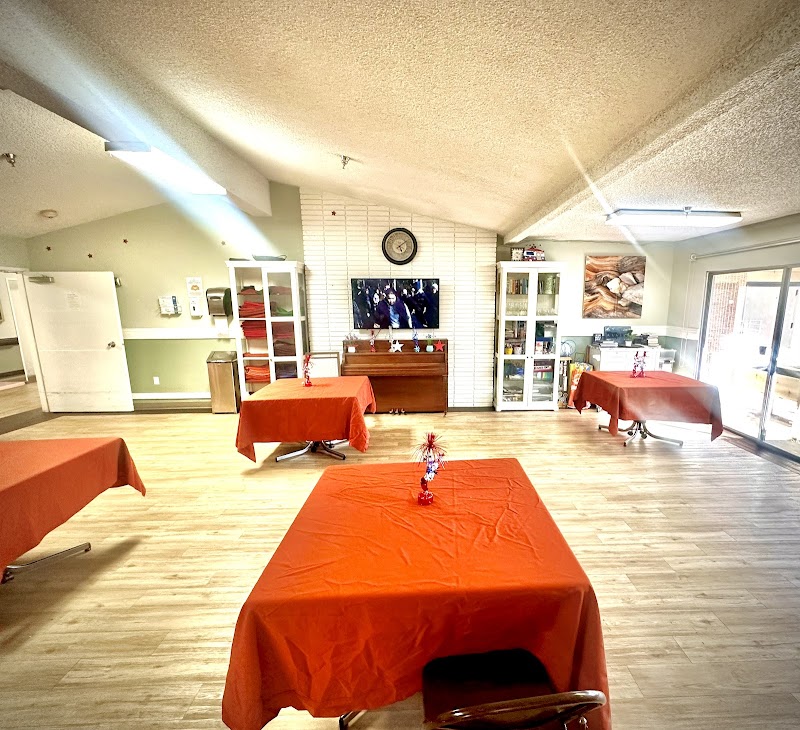
How is West Covina Healthcare Center Staffed?

CMS rates WEST COVINA HEALTHCARE CENTER's staffing level at 3 out of 5 stars, which is average compared to other nursing homes. Staff turnover is 44%, compared to the California average of 46%. This relatively stable workforce can support continuity of care. RN turnover specifically is 67%, which is notably high. RNs provide skilled clinical oversight, so turnover in this role can affect medical care quality.

What Have Inspectors Found at West Covina Healthcare Center?

State health inspectors documented 64 deficiencies at WEST COVINA HEALTHCARE CENTER during 2021 to 2025. These included: 4 that caused actual resident harm, 57 with potential for harm, and 3 minor or isolated issues. Deficiencies causing actual harm indicate documented cases where residents experienced negative health consequences.
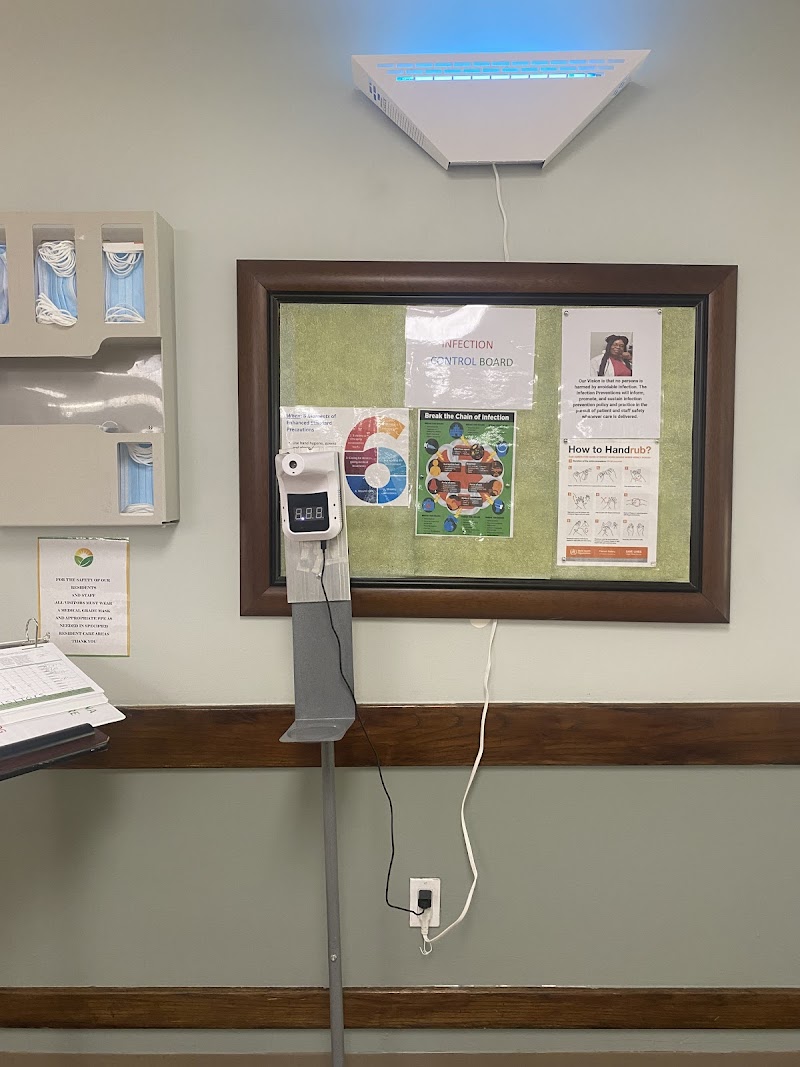
Who Owns and Operates West Covina Healthcare Center?

WEST COVINA HEALTHCARE CENTER is owned by a for-profit company. For-profit facilities operate as businesses with obligations to shareholders or private owners. The facility is operated by CAMBRIDGE HEALTHCARE SERVICES, a chain that manages multiple nursing homes. With 97 certified beds and approximately 87 residents (about 90% occupancy), it is a smaller facility located in WEST COVINA, California.
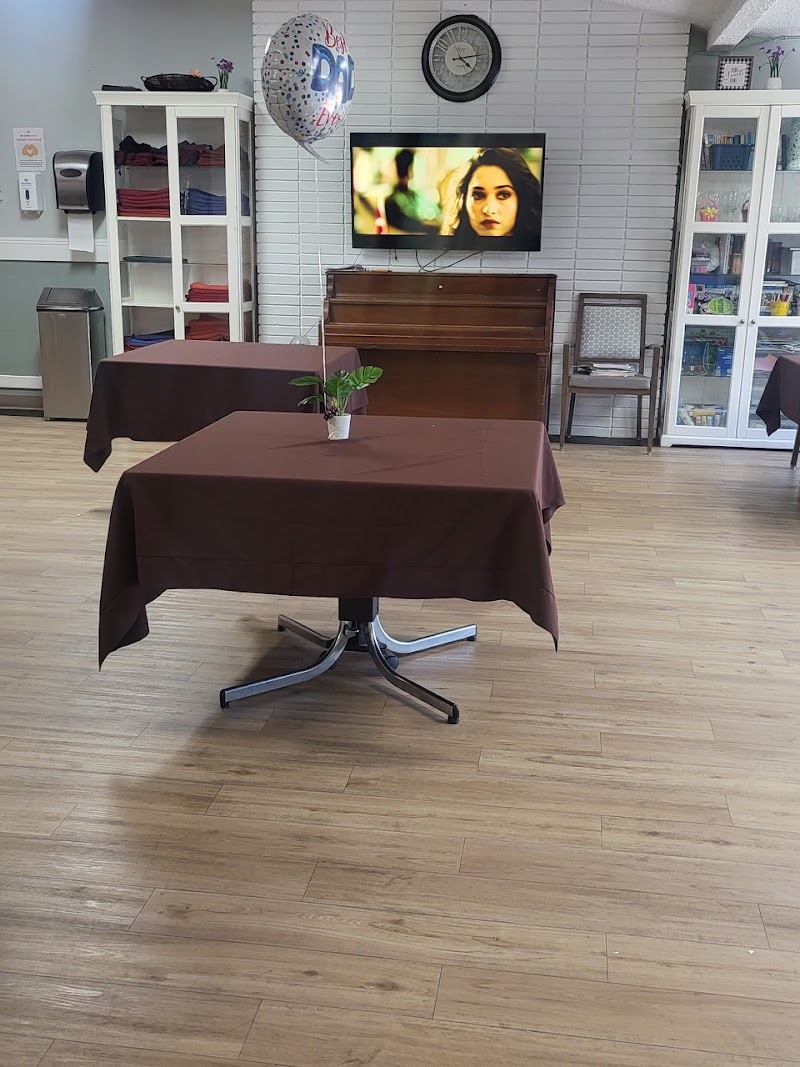
How Does West Covina Healthcare Center Compare to Other California Nursing Homes?

Compared to the 100 nursing homes in California, WEST COVINA HEALTHCARE CENTER's overall rating (2 stars) is below the state average of 3.1, staff turnover (44%) is near the state average of 46%, and health inspection rating (2 stars) is below the national benchmark.

What Should Families Ask When Visiting West Covina Healthcare Center?

Based on this facility's data, families visiting should ask: "Can I visit during a mealtime to observe dining assistance and food quality?" "How do you handle medical emergencies, and what is your hospital transfer rate?" "Can I speak with family members of current residents about their experience?"

Is West Covina Healthcare Center Safe?

Based on CMS inspection data, WEST COVINA HEALTHCARE CENTER has a clean safety record: no substantiated abuse findings (meaning no confirmed cases of resident harm), no Immediate Jeopardy citations (the most serious violation level indicating risk of serious injury or death), and is not on the Special Focus Facility watch list (a federal program monitoring the lowest-performing 1% of nursing homes). The facility has a 2-star overall rating and ranks #100 of 100 nursing homes in California. While no facility is perfect, families should still ask about staff-to-resident ratios and recent inspection results during their visit.

Do Nurses at West Covina Healthcare Center Stick Around?

WEST COVINA HEALTHCARE CENTER has a staff turnover rate of 44%, which is about average for California nursing homes (state average: 46%). Moderate turnover is common in nursing homes, but families should still ask about staff tenure and how the facility maintains care continuity when employees leave.

Was West Covina Healthcare Center Ever Fined?

WEST COVINA HEALTHCARE CENTER has been fined $86,320 across 4 penalty actions. This is above the California average of $33,942. Fines in this range indicate compliance issues significant enough for CMS to impose meaningful financial consequences. Common causes include delayed correction of deficiencies, repeat violations, or care failures affecting resident safety. Families should ask facility leadership what changes have been made since these penalties.

Is West Covina Healthcare Center on Any Federal Watch List?

WEST COVINA HEALTHCARE CENTER is not on any federal watch list. The most significant is the Special Focus Facility (SFF) program, which identifies the bottom 1% of nursing homes nationally based on persistent, serious quality problems. Not being on this list means the facility has avoided the pattern of deficiencies that triggers enhanced federal oversight. This is a positive indicator, though families should still review the facility's inspection history directly.