WEST COVINA MEDICAL CENTER D/P SNF
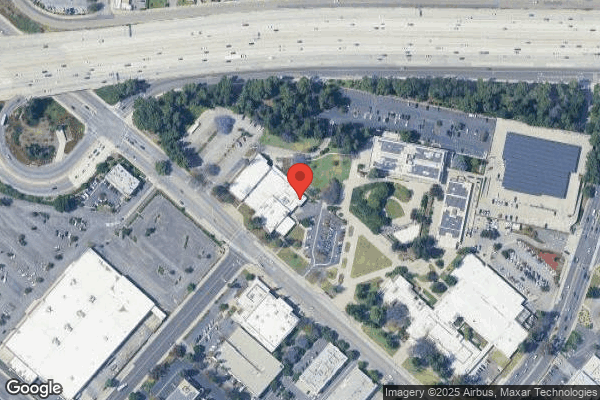
725 S. ORANGE AVENUE, WEST COVINA, CA 91790 (626) 338-8481
For profit - Corporation 33 Beds ROLLINS-NELSON HEALTHCARE MANAGEMENT Data: November 2025
Trust Grade
48/100
#952 of 1155 in CA
Last Inspection: October 2024

Within standard 12-15 month inspection cycle. Federal law requires annual inspections.

Overview

West Covina Medical Center D/P SNF has a Trust Grade of D, indicating below-average performance with several concerns regarding care quality. They rank #952 out of 1155 nursing homes in California, placing them in the bottom half of facilities statewide, and #260 out of 369 in Los Angeles County, suggesting limited better options nearby. The situation is worsening, as the number of reported issues increased from 12 in 2023 to 13 in 2024. Staffing is a relative strength, with a turnover rate of 0%, significantly lower than the state average, and the facility has good RN coverage, exceeding that of 81% of California facilities. However, there are serious shortcomings, including failures to ensure residents' call lights were within reach, risking delays in necessary care, and not properly managing gastrostomy tube care, which could lead to complications for the residents.

Trust Score
D
48/100
In California
#952/1155
Bottom 18%
Safety Record
Low Risk
No red flags
Inspections
Getting Worse
12 → 13 violations
Staff Stability
○ Average
Turnover data not reported for this facility.
Penalties
⚠ Watch
$7,026 in fines. Higher than 83% of California facilities, suggesting repeated compliance issues.
Skilled Nurses
✓ Good
Each resident gets 84 minutes of Registered Nurse (RN) attention daily — more than 97% of California nursing homes. RNs are the most trained staff who catch health problems before they become serious.
Violations
⚠ Watch
32 deficiencies on record. Higher than average. Multiple issues found across inspections.
★★☆☆☆
2.0
Overall Rating
★☆☆☆☆
1.0
Staff Levels
★★★☆☆
3.0
Care Quality
★★★☆☆
3.0
Inspection Score
Stable
2023: 12 issues
2024: 13 issues

The Good

  • Full Sprinkler Coverage · Fire safety systems throughout facility
  • No fines on record

Facility shows strength in fire safety.

The Bad

2-Star Overall Rating

Below California average (3.1)

Below average - review inspection findings carefully

Federal Fines: $7,026

Below median ($33,413)

Minor penalties assessed

Chain: ROLLINS-NELSON HEALTHCARE MANAGEMEN

Part of a multi-facility chain

Ask about local staffing decisions and management

The Ugly 32 deficiencies on record

Oct 2024 13 deficiencies
CONCERN (D)

Potential for Harm - no one hurt, but risky conditions existed

Resident Rights (Tag F0550)

Could have caused harm · This affected 1 resident

**NOTE- TERMS IN BRACKETS HAVE BEEN EDITED TO PROTECT CONFIDENTIALITY** Based on observation, interview, and record review, the facility failed to ensure the resident's indwelling catheter (foley cath...

Read full inspector narrative →
**NOTE- TERMS IN BRACKETS HAVE BEEN EDITED TO PROTECT CONFIDENTIALITY** Based on observation, interview, and record review, the facility failed to ensure the resident's indwelling catheter (foley catheter - thin, sterile tube inserted into the bladder to drain urine into a bag outside the body) bag was covered and provided the resident privacy in accordance with the facility's policy on Urinary Catheter, Insertion and Care for one of one sampled resident (Resident 17). This deficient practice had the potential to result in psychosocial (mental and emotional well-being) decline and lowered self-esteem and self-worth for the resident. Findings: During a review of Resident 17's Face sheet (FS), the FS indicated the facility initially admitted Resident 17 on 12/10/2018 and readmitted on [DATE] with diagnoses that included bladder (stores urine) disorder and urinary tract infection (UTI- infection that affects any part of the urinary tract). During a review of Resident 17's Minimum Data Set (MDS, a federally mandated resident assessment tool) dated 9/17/2024, the MDS indicated Resident 17 had intact cognition (mental action or process of acquiring knowledge and understanding) for daily decision making. The MDS indicated Resident 17 was dependent (helper does all of the effort) with oral hygiene, toileting hygiene, shower/bathing self, upper/lower body dressing, putting on/taking off footwear and personal hygiene. During a review of Resident 17's Physicians Order (PO) dated 9/30/2024, the PO indicated for licensed staff to insert foley catheter French (a type of catheter) 16 (size of the catheter) for neurogenic bladder (impaired bladder function resulting from damage to the nerves that govern the urinary tract). During a review of Resident 17's Care Plan (CP) for foley catheter initiated on 9/30/2024, the CP indicated Resident 17 had a foley catheter for neurogenic bladder. The care plan interventions included for staff to ensure a dignity bag was in placed for Resident 17. During an observation on 10/15/2024 at 10:19 am, inside Resident 17's room, Resident 17 was awake, lying in bed with foley catheter bag hanging on the right side of the bed, uncovered and without a dignity bag (privacy bag). During a concurrent observation and interview on 10/15/2024 at 10:32 am with the facility's Assistant Director of Nursing (ADON), the ADON stated, foley catheter bag needed to be covered with a privacy bag to provide dignity to the resident. During an interview on 10/15/2024 at 10:51 am, Resident 17 stated I want my foley catheter bag inside the privacy bag. During a review of the facility's Policy and Procedure (P&P) titled, Urinary Catheter, Insertion and Care, revised 1/13/2024, the P&P indicated to place the drainage bag inside the dignity bag.
CONCERN (D)

Potential for Harm - no one hurt, but risky conditions existed

Transfer Notice (Tag F0623)

Could have caused harm · This affected 1 resident

Based on interview and record review, the facility failed to notify the State Long Term Care Ombudsman (public advocate) of the Notice of Proposed Transfer and Discharge for one of three sampled resid...

Read full inspector narrative →
Based on interview and record review, the facility failed to notify the State Long Term Care Ombudsman (public advocate) of the Notice of Proposed Transfer and Discharge for one of three sampled resident's (Resident 22) transfer to the General Acute Hospital (GACH) on 8/8/2024 in accordance with facility's policy on Transfer and Discharge (Including Against Medical Advice [AMA].) This deficient practice had the potential to violate Resident 22's right to ensure for an appropriate discharge/transfer from the facility. Findings: During a review of Resident 22's Facesheet (FS), the FS indicated the facility admitted Resident 22 on 4/8/2024 with diagnoses that included encounter for attention to tracheostomy (an opening surgically created through the neck into the windpipe to allow air to fill the lungs) and pneumonia (an infection/inflammation in the lungs). During a review of Resident 22's Minimum Data Set (MDS, a federally mandated resident assessment tool) dated 7/18/2024, the MDS indicated Resident 22 had moderately impaired cognition (mental action or process of acquiring knowledge and understanding) for daily decision making. The MDS indicated Resident 22 was dependent (helper does all of the effort) with oral hygiene, toileting hygiene, shower/bathing self, upper/lower body dressing, putting on/taking off footwear and personal hygiene. During a review of Resident 22's Physicians Order (PO) dated 8/8/2024, the PO indicated to discharge Resident 22 via 9-1-1 (emergency services) for fluctuating oxygen saturation (O2 sat- a measurement of how much oxygen the blood is carrying as a percentage). During a concurrent interview and record review of Resident 22's Medical Records (chart) on 10/17/2024 at 10:58 am with the facility's Medical Records staff (MR), MR stated there was no Notice of Proposed Transfer/Discharge Form completed. The MR stated, there was no clinical documentation that the Notice of Proposed Transfer/Discharge Form was completed, and the State Long Term Care Ombudsman was notified of Resident 22's transfer to GACH on 8/8/2024. During a concurrent interview and record review of Resident 22's chart on 10/17/2024 at 1:22 pm with the facility's Assistant Director of Nursing (ADON), the ADON stated Resident 22 was transferred to GACH via emergency care for fluctuating oxygen saturation on 8/8/2024. The ADON stated the family member and State Long Term Care Ombudsman needed to be notified upon resident's transfer to GACH. The ADON stated the purpose of the notice was to determine where the resident will be transferred. During a review of the facility's Policy and Procedure (P&P) titled Transfer and Discharge Including AMA, dated 7/24/2024, the P&P indicated for emergency transfers/discharges, provide transfer notice as soon as practicable to resident and representative. The P&P indicated, Social Services Director or designee, shall provide notice of transfer to a representative of the State Long-Term Care Ombudsman via monthly visit.
CONCERN (D)

Potential for Harm - no one hurt, but risky conditions existed

Pressure Ulcer Prevention (Tag F0686)

Could have caused harm · This affected 1 resident

**NOTE- TERMS IN BRACKETS HAVE BEEN EDITED TO PROTECT CONFIDENTIALITY** Based on observation, interview, and record review, the facility failed to provide care and services to promote healing of press...

Read full inspector narrative →
**NOTE- TERMS IN BRACKETS HAVE BEEN EDITED TO PROTECT CONFIDENTIALITY** Based on observation, interview, and record review, the facility failed to provide care and services to promote healing of pressure ulcer/injury (PU/PI, localized, pressure-related damage to the skin and/or underlying tissue usually over a bony prominence) for one of one sampled resident (Resident 14), as ordered by the physician. This failure had the potential to result in worsening or re occurrence of pressure injury. Findings: During a review of Resident 14's Face Sheet (FS), the FS indicated Resident 14 was readmitted to the facility on [DATE] with diagnoses that included chronic respiratory failure (a long-term condition that prevents the body from exchanging oxygen and carbon dioxide) and gastrostomy (a surgical opening fitted with a device to allow feedings to be administered directly to the stomach). During a review of Resident 14's Minimum Data Set (MDS, a federally mandated resident assessment tool) dated 9/27/2024, the MDS indicated Resident 14 had no speech, rarely/never understood others, and made self-understood. Resident 14 was dependent (helper does all of the effort) with personal hygiene and showering/bathing self. During a review of Resident 14's Physician Order (PO) dated 10/13/2024, the PO indicated an order for Resident 14's right middle back Stage 2 PU (partial-thickness loss of skin, presenting as a shallow open sore or wound) for licensed staff to clean the PU with normal saline, pat dry, paint with betadine (a topical antiseptic that reduces the risk of infection) and cover with Tegaderm (a transparent medical dressing) every three days for 21 days. During a PU dressing change observation on 10/17/2024 at 10:21 am, in Resident 14's room, Licensed Vocational Nurse 3 (LVN 3) changed the dressing at Resident 14's back. LVN 3 removed an old foam dressing (dated 10/17/2024) from Resident 14's right middle back stage 2 PU. LVN 3 cleaned the PU with normal saline, painted with betadine and covered with Tegaderm. During an interview on 10/17/2024 at 11:14 am, LVN 3 stated, the old dressing that LVN 3 removed from Resident 14's right middle back Stage 2 PU was a foam dressing. LVN 3 stated, the physician's order was to cover the PU with Tegaderm after treatment. LVN 3 stated, the licensed staff who previously did the dressing change/treatment to Resident 14 did not follow physician's order not to cover the PU with foam dressing. LVN 3 stated, licensed staff should follow the physician's order to cover Resident 14's PU with Tegaderm for better wound healing and to prevent worsening and infection of the PU. During an interview on 10/17/2024 at 11:45 am, Assistant Director of Nursing 2 (ADON 2) stated, licensed nursing staff should follow the physician's order to determine the effectiveness of the treatment, for better wound healing and to improve the resident's quality of life. During a review of the facility's Policy and Procedure (P&P) titled Wound Care, effective 7/24/2024, the P&P indicated guidelines for the care of wounds to promote healing, including to verify that there was a physician's order for the procedure. The P&P indicated to use dressing material as indicated.
CONCERN (D)

Potential for Harm - no one hurt, but risky conditions existed

Deficiency F0688 (Tag F0688)

Could have caused harm · This affected 1 resident

**NOTE- TERMS IN BRACKETS HAVE BEEN EDITED TO PROTECT CONFIDENTIALITY** Based on observation, interview, and record review, the facility failed to ensure Restorative Nurse Assistant (RNA, a specialize...

Read full inspector narrative →
**NOTE- TERMS IN BRACKETS HAVE BEEN EDITED TO PROTECT CONFIDENTIALITY** Based on observation, interview, and record review, the facility failed to ensure Restorative Nurse Assistant (RNA, a specialized role for certified nursing assistants that involves training in rehabilitation skills) services was provided to one of one sampled resident (Resident 123) as ordered by the physician. This deficient practice had the potential for a decline in range of motion (ROM, measure of joint flexibility and functionality), stiffness and contractures (a stiffening/shortening at any joint, that reduces the joint's range of motion) for Resident 123. Findings: a. During a review of Resident 123's Face Sheet (FS), the FS indicated, Resident 123 was initially admitted to the facility on [DATE] and readmitted on [DATE] with diagnoses that included chronic respiratory failure (a long-term condition that occurs when the lungs could not exchange enough oxygen and carbon dioxide in the body), and dependence on ventilator (a medical device to help support or replace breathing). During a review of Resident 123's Minimum Data Set (MDS, a federally mandated resident assessment tool) dated 8/22/2024, the MDS indicated Resident 123 had severely impaired cognition (ability to understand) and was dependent (helper did all of the effort, resident did none of the effort to complete the activity) with eating, oral/ toileting hygiene, and personal hygiene. During a review of Resident 123's Care Plan (CP) titled Care Plan for RNA Program dated 9/5/2024, the CP indicated Resident 123 needed RNA maintenance program for range of motion and splint (a medical device that immobilizes the elbow joint to promote healing after an injury or surgery) to help with mobility. The CP indicated Resident 123 had the potential for further decline in range of motion/joint mobility and the plan was for RNA to do passive range of motion (PROM, the movement of a joint when an outside force such as a therapist or machine, moves the joint while the person receiving the exercise is relaxed) exercises on bilateral (both) upper and lower extremities daily, five times a week, as ordered. During a review of Resident 123's Physician Orders (PO) dated 9/8/2024, the PO indicated Resident 123 had an order for left hand roll or carrot (a device used to position severely contracted hands), right hand roll or carrot, and left elbow; RNA to apply 4-6 hours as tolerated, five times a week and PROM to bilateral upper and lower extremities as tolerated daily, five times a week. During a review of Resident 123's Restorative Record (RR) dated 10/15/2024, the RR indicated Resident 123 received RNA services. The RR indicated left/right hand roll or carrot and left elbow splint were applied and the resident received PROM exercises on both upper and lower extremities. During a concurrent observation and interview on 10/15/2024 at 10:58 am with Licensed Vocational Nurse 1 (LVN 1) inside Resident 123's room, LVN 1 stated Resident 123 did not have left and right hand roll or carrot and did not have left elbow splint applied. During a concurrent interview and record review on 10/16/2024 at 12:56 pm with Restorative Nurse Assistant (RNA), the RR dated 10/15/2024 was reviewed. RNA stated, RNA did not apply the left- and right-hand roll and left elbow splint to Resident 123 on 10/15/2024. RNA stated RNA only performed PROM exercises on both upper and lower extremities of Resident 123. RNA stated RNA signed the RR indicating the left/right hand roll and left elbow splint were applied. RNA stated RNA should sign the RR only for the services rendered. During an interview on 10/17/2024 at 11:54 am with the Assistant Director of Nursing 1 (ADON 1) , ADON 1 stated RNA services should be implemented as ordered to prevent further contractures and decrease in range of motion to the resident. During a review of the facility's Policy and Procedure (P&P) titled, Restorative Care, reviewed 1/13/2024, the P&P indicated, The restorative nurse assistant will initial the days the resident is treated on the grid portion of their respective treatment progress forms. If, for any reason the treatment is not given, the reason why, must be documented in the narrative portion. Daily notation that all aspects of treatment were accomplished. This is either done by your initial or signature in a special place.
CONCERN (D)

Potential for Harm - no one hurt, but risky conditions existed

Deficiency F0694 (Tag F0694)

Could have caused harm · This affected 1 resident

**NOTE- TERMS IN BRACKETS HAVE BEEN EDITED TO PROTECT CONFIDENTIALITY** Based on observation, interview, and record review, the facility failed to ensure one of one sampled resident (Resident 14) rece...

Read full inspector narrative →
**NOTE- TERMS IN BRACKETS HAVE BEEN EDITED TO PROTECT CONFIDENTIALITY** Based on observation, interview, and record review, the facility failed to ensure one of one sampled resident (Resident 14) received care and service for parenteral antibiotic (a drug used to treat infections caused by bacteria and other microorganisms) consistent with professional standards of practice to label and date a peripherally inserted intravenous (IV) catheter. This failure had the potential to result in infection to the resident and worsen the resident's overall health condition. Findings: During a review of Resident 14's Face Sheet (FS), the FS indicated Resident 14 was readmitted to the facility on [DATE] with diagnoses that included chronic respiratory failure (a long-term condition that prevents the body from exchanging oxygen and carbon dioxide) and gastrostomy (a surgical opening fitted with a device to allow feedings to be administered directly to the stomach). During a review of Resident 14's Minimum Data Set (MDS, a federally mandated resident assessment tool) dated 9/27/2024, the MDS indicated Resident 14 had no speech, rarely/never understood others, and made self-understood. Resident 14 was dependent (helper does all of the effort) for personal hygiene and showering/bathing self. During a review of Resident 14's Physician Order (PO), dated 10/11/2024, the PO indicated an order for IV saline lock (a small cap or short section of tubing placed at the end of the IV to keep the saline inside). During an observation on 10/15/2024 at 10:25 am, in Resident 14's room, Resident 14 was lying in bed with eyes closed. Resident 14 had an IV site on the left hand, not labeled with insertion date. During a concurrent interview with Assistant Director of Nursing 2 (ADON 2), ADON 2 stated, the IV site should be labeled with date of insertion, so that licensed nurses would know when to change the IV dressing or rotate the IV insertion site for infection control and IV patency. ADON 2 stated, infection in the IV site could worsen the resident's health condition. During a review of the facility's Policy and Procedure (P&P) titled Intravenous Infusion, reviewed 1/13/2022, the P&P indicated Sterile dressing shall be applied over the I.V. site. IV site to be initialed, dated, and timed.
CONCERN (D)

Potential for Harm - no one hurt, but risky conditions existed

Drug Regimen Review (Tag F0756)

Could have caused harm · This affected 1 resident

**NOTE- TERMS IN BRACKETS HAVE BEEN EDITED TO PROTECT CONFIDENTIALITY** Based on interview and record review, the facility failed to act upon the consultant pharmacist's Medication Regimen Review (MRR...

Read full inspector narrative →
**NOTE- TERMS IN BRACKETS HAVE BEEN EDITED TO PROTECT CONFIDENTIALITY** Based on interview and record review, the facility failed to act upon the consultant pharmacist's Medication Regimen Review (MRR) recommendation for one of five sampled residents (Resident 8). This failure had the potential to result in undesirable or non-therapeutic effect of the medication to the resident. Findings: During a review of Resident 8's Face Sheet (FS), the FS indicated Resident 8 was admitted to the facility on [DATE] with diagnoses that included chronic respiratory failure (a long-term condition that prevents the body from exchanging oxygen and carbon dioxide) and gastrostomy (a surgical opening fitted with a device to allow feedings to be administered directly to the stomach). During a review of Resident 8's Minimum Data Set (MDS, a federally mandated resident assessment tool) dated 9/26/2024, the MDS indicated Resident 8 had unclear speech, sometimes understood others, and made self-understood. Resident 8 was dependent (helper does all of the effort) for personal hygiene and showering/bathing self. During a review of Resident 8's Physician Order (PO) for the month of October 2024, the PO indicated Resident 8 was prescribed with Enoxaparin (used to prevent blood clots in blood vessel), 100 milligram (mg- unit of measurement), SQ (subcutaneous, an injection given into the fatty tissue beneath the skin), for Deep Vein Thrombosis (DVT- blood clot forms in a vein, deep within the body) prevention. During a review of the facility's MRR recommendations dated 9/23/2024, the MRR indicated for Resident 8 to consider asking Resident 8's physician for a term of therapy for the use of Lovenox (Enoxaparin). During a review of Resident 8's medical record, there was no documentation indicating Resident 8's MRR for Enoxaparin term of therapy use was carried out. During an interview on 10/16/2024 at 10:46 am, Assistant Director of Nursing 1 (ADON 1) stated, ADON 1 did not act upon the pharmacist's recommendation for Enoxaparin use for Resident 8. ADON 1 stated, the facility would respond to the pharmacist's recommendations within 72 hours. ADON 1 stated, ADON 1 missed the MRR and forgot to contact Resident 8's physician for a term of therapy of Enoxaparin use. ADON 1 stated, Enoxaparin was used for DVT prevention, and the side effect was bleeding. ADON 1 stated, setting up a duration of use of Enoxaparin prevents unnecessary medication given to resident. During a review of the facility's Policy and Procedure (P&P) titled Consultant Pharmacist Reports, subtitled Medication Regimen Review (monthly report), effective 6/2021, the P&P indicated Recommendations are acted upon and documented by the facility staff and or the prescriber.
CONCERN (D)

Potential for Harm - no one hurt, but risky conditions existed

Infection Control (Tag F0880)

Could have caused harm · This affected 1 resident

**NOTE- TERMS IN BRACKETS HAVE BEEN EDITED TO PROTECT CONFIDENTIALITY** Based on observation, interview, and record review, the facility failed to ensure the facility staff used Personal Protection Eq...

Read full inspector narrative →
**NOTE- TERMS IN BRACKETS HAVE BEEN EDITED TO PROTECT CONFIDENTIALITY** Based on observation, interview, and record review, the facility failed to ensure the facility staff used Personal Protection Equipment (PPE- protective clothing, helmets, goggles, or other garments or equipment designed to protect the wearer's body from injury or infection) in accordance with the facility's Policy and Procedure (P&P) on infection prevention and control for one of five sampled residents (Resident 14). This deficient practice had the potential to spread infection and transmission of communicable diseases. Findings: During a review of Resident 14's Face Sheet (FS), the FS indicated Resident 14 was readmitted to the facility on [DATE] with diagnoses that included chronic respiratory failure (a long-term condition that prevents the body from exchanging oxygen and carbon dioxide) and gastrostomy (a surgical opening fitted with a device to allow feedings to be administered directly to the stomach). During a review of Resident 14's Physician Orders (PO) dated 8/13/2024, the PO indicated Resident 14 was on contact isolation (a medical procedure that prevents the spread of infectious diseases caused by microorganisms that can be transmitted through direct or indirect contact with a patient or their environment) for C. Auris (Candida auris, an emerging fungus that can cause severe multidrug-resistant infections). During a review of Resident 14's Minimum Data Set (MDS, a federally mandated resident assessment tool) dated 9/27/2024, the MDS indicated Resident 14 had no speech, rarely/never understood others and made self-understood. Resident 14 was dependent (helper does all of the effort) for personal hygiene and showering/bathing self. During an observation on 10/15/2024 at 10:25 am, in Resident 14's room, Resident 14 was lying in bed. There was a sign posted outside Resident 14's door indicating Resident 14 was on contact isolation. Resident 14 had an IV (intravenous) site at Resident 14's left hand. Outside Resident 14's room, Assistant Director of Nursing 2 (ADON 2) wore mask, gown, and gloves. ADON 2 did not put ADON 2's arms inside the sleeves of the isolation gown when ADON 2 entered Resident 14's room and made direct contact with Resident 14 by checking Resident 14's IV site. ADON 2's coat touched Resident 14's clothes. During a concurrent interview, ADON 2 stated Resident 14 was on contact isolation for C. auris which was a transmittable (communicable) disease. ADON 2 stated, when entering a resident's room with contact isolation and staff planned to make direct contact with the resident, staff should wear PPE properly. ADON 2 stated staff should put arms inside the isolation gown sleeves to avoid direct contact with the resident to prevent the spread of infection. During an interview on 10/17/2024 at 11:55 am, with the Infection Preventionist Nurse (IPN-a nurse who helps prevent and identify the spread of infectious disease in the healthcare environment), the IPN stated, anyone who entered a resident's room with contact isolation should wear proper PPE including mask, gown, and gloves. The IPN stated, staffs should ensure to put arms inside the gown sleeves when making a direct contact with the resident to prevent bacteria being transmitted from one resident to another. During a review of the facility's P&P titled Infection Prevention and Control, revised 7/2022, the P&P indicated gowns are to be worn by visitors and personnel to prevent direct contamination from the patients secretions, excretions or other body fluids. It is the responsibility of nursing personnel to educated and enforce proper gowning practice when relating to physicians, visitors and other hospital personnel involved in patient care.
CONCERN (D)

Potential for Harm - no one hurt, but risky conditions existed

Safe Environment (Tag F0921)

Could have caused harm · This affected 1 resident

**NOTE- TERMS IN BRACKETS HAVE BEEN EDITED TO PROTECT CONFIDENTIALITY** Based on observation, interview, and record review, the facility failed to keep an electric fan (a powered machine used to creat...

Read full inspector narrative →
**NOTE- TERMS IN BRACKETS HAVE BEEN EDITED TO PROTECT CONFIDENTIALITY** Based on observation, interview, and record review, the facility failed to keep an electric fan (a powered machine used to create a flow of air to cool and ventilate rooms and control humidity) in a safe, operating, and sanitary condition for one of one sampled resident (Resident 123). This failure had the potential to affect Resident's 123 quality of life and overall health. Findings: During a review of Resident 123's Face Sheet (FS), the FS indicated Resident 123 was initially admitted to the facility on [DATE] and readmitted on [DATE] with diagnoses that included chronic respiratory failure (a long-term condition that occurs when the lungs could not exchange enough oxygen and carbon dioxide in the body) and dependence on ventilator (a medical device to help support or replace breathing). During a review of Resident 123's Minimum Data Set (MDS, a federally mandated resident assessment tool) dated 8/22/2024, the MDS indicated Resident 123 had severely impaired cognition (ability to understand). The MDS indicated Resident 123 was dependent (helper did all of the effort, resident did none of the effort to complete the activity) with eating, oral/toileting hygiene, and personal hygiene. During a concurrent observation and interview on 10/15/2024 at 10:58 am with Licensed Vocational Nurse 1 (LVN 1) inside Resident 123's room, Resident 123 had a black electric fan at bedside. LVN 1 stated, the black electric fan was wiggly (unstable) when moved, and the vents were dusty and with lint. LVN 1 stated, the electric fan was broken. LVN 1 stated electric fans inside the resident's room should be kept clean to prevent infection and cause respiratory distress on ventilator dependent residents. During an interview on 10/17/2024 at 12:04 pm with the Assistant Director of Nursing (ADON), the ADON stated, housekeeping staff needed to clean any equipment inside the resident's room every day to prevent infection. The ADON stated maintenance staff needed to fix any broken equipment for the safety of the residents. During a review of the facility's Policy and Procedure (P&P) titled, Physical Environment and Space Equipment, dated 10/15/2024, the P&P indicated, The facility will ensure the provision of sufficient space and equipment in dining, health services, recreational, and program areas that enables staff in providing residents with needed services. The facility will maintain all mechanical, electrical, and patient care equipment in a safe operational condition.
CONCERN (E)

Potential for Harm - no one hurt, but risky conditions existed

Deficiency F0558 (Tag F0558)

Could have caused harm · This affected multiple residents

**NOTE- TERMS IN BRACKETS HAVE BEEN EDITED TO PROTECT CONFIDENTIALITY** Based on observation, interview, and record review, the facility failed to provide reasonable accommodation of needs for two of ...

Read full inspector narrative →
**NOTE- TERMS IN BRACKETS HAVE BEEN EDITED TO PROTECT CONFIDENTIALITY** Based on observation, interview, and record review, the facility failed to provide reasonable accommodation of needs for two of two sampled residents (Residents 2 and 123) by failing to ensure the residents' call lights were within reach and appropriate to the resident's physical ability. These deficient practices had the potential for Residents 2 and 123 not to receive necessary care or received delayed services to meet their needs. Findings: a. During a review of Resident 123's Face Sheet (FS), the FS indicated Resident 123 was initially admitted to the facility on [DATE] and readmitted on [DATE] with diagnoses that included chronic respiratory failure (a long-term condition that occurs when the lungs could not exchange enough oxygen and carbon dioxide in the body) and dependence on ventilator (a medical device to help support or replace breathing). During a review of Resident 123's Minimum Data Set (MDS, a federally mandated resident assessment tool) dated 8/22/2024, the MDS indicated Resident 123 had severely impaired cognition (ability to understand). The MDS indicated Resident 123 was dependent (helper did all of the effort, resident did none of the effort to complete the activity) with eating, oral, toileting hygiene, and personal hygiene. During a review of Resident 123's untitled Care Plan (CP) dated 9/5/2024, the CP indicated Resident 123 needed assistance with activities of daily living (ADLs). The CP indicated an approach plan to ensure the call light was within reach of the resident at all times. During a concurrent observation and interview on 10/15/2024 at 11:04 am with Certified Nurse Assistant 1 (CNA 1) inside Resident 123's room, CNA 1 stated, Resident 123's call light was hanging on the wall. CNA 1 stated the resident's call light should be placed closed to the resident's strong arm or hand so the resident could call in case of emergency. b. During a review of Resident 2's FS, the FS indicated Resident 2 was admitted to the facility on [DATE] with diagnoses that included chronic respiratory failure and dependence on ventilator. During a review of Resident 2's untitled CP dated 7/14/2024, the CP indicated Resident 2 needed assistance with ADLs. The CP indicated an approach plan to ensure the call light was within reach of the resident at all times. During a review of Resident 2's MDS dated [DATE], the MDS indicated Resident 2 had an intact cognition. The MDS indicated Resident 2 was dependent with eating, oral, toileting hygiene, shower, upper and body dressing, and personal hygiene. During a concurrent observation and interview on 10/15/2024 at 11:08 am with Licensed Vocational Nurse 2 (LVN 2) inside Resident 2's room, LVN 2 stated, Resident 2's call light was hanging on the wall. LVN 2 stated the resident's call light should be placed on the resident's strong arm or hand so the resident could call for help and staff could address their needs timely. During an interview on 10/17/2024 at 12:04 pm with Assistant Director of Nursing 1 (ADON 1), ADON 1 stated Residents 2 and 123 had a touch sensitive call light because of the residents' medical condition. ADON 1 stated, the resident's call light should be placed on the resident's strong extremity so the resident could call whenever they needed help and staff would attend to their needs timely and immediately. During a review of the facility's Policy and Procedure (P&P) titled, Call Light, reviewed 1/18/2024, the P&P indicated, The patient's call light is always to be placed within his easy reach.
CONCERN (E)

Potential for Harm - no one hurt, but risky conditions existed

Deficiency F0578 (Tag F0578)

Could have caused harm · This affected multiple residents

**NOTE- TERMS IN BRACKETS HAVE BEEN EDITED TO PROTECT CONFIDENTIALITY** Based on interview and record review the facility failed to provide information on Advance Directive (AD- a process of communica...

Read full inspector narrative →
**NOTE- TERMS IN BRACKETS HAVE BEEN EDITED TO PROTECT CONFIDENTIALITY** Based on interview and record review the facility failed to provide information on Advance Directive (AD- a process of communication between individuals and their healthcare agents for future healthcare decisions when individuals are no longer able to make their own healthcare decisions) for three of three sampled residents (Residents 6,14, and 20) in accordance with the facility's policy on Advance Directives. These failures had the potential for facility staff to provide medical treatment against the residents' will. Findings: a. During a review of Resident 20's Face sheet (FS), the FS indicated the facility initially admitted Resident 20 on 8/23/2024 and readmitted on [DATE] with diagnoses that included chronic respiratory failure (a condition in which not enough oxygen passes from the lungs into the blood) and encounter for attention to tracheostomy (surgical opening in the throat in which a tube is placed for the resident's breathing). During a review of Resident 20's Minimum Data Set Minimum Data Set (MDS, a federally mandated resident assessment tool), dated 8/27/2024, the MDS indicated, Resident 20 had severe cognition (mental action or process of acquiring knowledge and understanding) for daily decision making. The MDS indicated Resident 20 was dependent (helper did all of the effort, resident did none of the effort to complete the activity) with oral hygiene, toileting hygiene, shower/bathing self, upper/lower body dressing, putting on/taking off footwear and personal hygiene. During a concurrent interview and record review of Resident 20's medical records (chart) on 10/15/2024 at 11 am with the facility's Assistant Director of Nursing (ADON), the ADON stated she could not find the Advance Directive Acknowledgement Form in Resident 20's chart. The ADON stated, there was no clinical documentation that AD was discussed and identified if Resident 20 had previous AD completed prior to admission. The ADON stated, the form needed to be in the resident's chart for accessibility to determine Resident 20's wants and wishes.b. During a review of Resident 6's FS, the FS indicated Resident 6 was initially admitted to the facility on [DATE] and readmitted on [DATE] with diagnoses that included chronic respiratory failure and dependence on ventilator (a medical device to help support or replace breathing) During a review of Resident 6's MDS dated [DATE], the MDS indicated Resident 6 had severely impaired cognition. The MDS indicated Resident 6 was dependent with eating, oral, toileting hygiene, shower, upper and lower body dressing, and personal hygiene. During a concurrent interview and record review on 10/15/2024 at 11:40 am with the Assistant Director of Nursing 2 (ADON 2), Resident 6's Physician Orders for Life-Sustaining Treatment (POLST, a form that contains written medical orders for healthcare professionals regarding specific medical treatments that can or cannot be done at the end-of-life) dated 11/29/2023 and Advance Directive Acknowledgment of Receipt were reviewed. Resident 6's POLST indicated, Resident 6 did not have an AD. ADON 2 stated there were no documented evidence that the resident and/or responsible party was provided with information on how to formulate an AD and discussed the resident's rights to make decisions regarding care in the facility. ADON 2 stated all residents should have an AD acknowledgement receipt upon admission, for the staff to determine how to provide care to the resident while in the facility. c. During a review of Resident 14's FS, the FS indicated Resident 14 was readmitted to the facility on [DATE] with diagnoses that included chronic respiratory failure and gastrostomy (a surgical opening fitted with a device to allow feedings to be administered directly to the stomach). During a review of Resident 14's MDS dated [DATE], the MDS indicated Resident 14 had no speech, rarely/never understood others and made self-understood. The MDS indicated Resident 14 was dependent with personal hygiene and shower/bathing self. During a review of Resident 14's medical record, there was no AD in the resident's medical record and there was no acknowledgement provided. During a review of the facility's Policy and Procedure (P&P) titled, Advance Directives, reviewed on 1/18/2024, the P&P indicated, upon admission, identify if the resident has an advance directive and if not, determine if the resident wishes to formulate an advance directive. The P&P indicated all advance directive document copies will be obtained and located (identify the same section of the resident's medical record that would be readily retrievable by any facility staff.)
CONCERN (E)

Potential for Harm - no one hurt, but risky conditions existed

Tube Feeding (Tag F0693)

Could have caused harm · This affected multiple residents

**NOTE- TERMS IN BRACKETS HAVE BEEN EDITED TO PROTECT CONFIDENTIALITY** Based on observation, interview, and record review, the facility failed to provide necessary care and services for gastrostomy t...

Read full inspector narrative →
**NOTE- TERMS IN BRACKETS HAVE BEEN EDITED TO PROTECT CONFIDENTIALITY** Based on observation, interview, and record review, the facility failed to provide necessary care and services for gastrostomy tube (GT, a tube inserted through the abdomen that delivers nutrition directly to the stomach) site as ordered by the physician and as indicated in the plan of care for two of three sampled residents (Residents 2 and 123 ). These failures had the potential for complications related to tube feedings for Residents 2 and 123. Findings: a. During a review of Resident 123's Face Sheet (FS), the FS indicated Resident 123 was initially admitted to the facility on [DATE] and readmitted on [DATE] with diagnoses that included chronic respiratory failure (a long-term condition that occurs when the lungs could not exchange enough oxygen and carbon dioxide in the body), dependence on ventilator (a medical device to help support or replace breathing) and gastrostomy (a surgical opening fitted with a device to allow feedings to be administered directly to the stomach) malfunction. During a review of Resident 123's Minimum Data Set (MDS, a federally mandated resident assessment tool) dated 8/22/2024, the MDS indicated Resident 123 had severely impaired cognition (ability to understand) and dependent (helper did all of the effort, resident did none of the effort to complete the activity) with eating, oral/toileting hygiene, and personal hygiene. The MDS indicated Resident 123 required feeding tube for nutrition. During a review of Resident 123's Physician's Orders (PO), dated 9/5/2024, the PO indicated Resident 123 had an order for gastrostomy care with half strength hydrogen peroxide (H2O2) and normal saline (NS, a saltwater solution), pat dry and apply drain sponge every shift. During a review of Resident 123's Care Plan (CP) titled Resident Care Plan for Impaired Skin Integrity dated 9/7/2024, the CP indicated Resident 123 had an impaired skin integrity to the gastrostomy site. The CP indicated to provide good skin care, to keep the affected area clean and dry and to do treatment as ordered. During a review of Resident 123's Treatment Administration Record (TAR), the TAR indicated gastrostomy care was done on 10/14/2024 and 10/15/2024. During a concurrent observation and interview on 10/15/2024 at 10:58 am with licensed vocational nurse (LVN) 1 inside Resident 123's room, Resident 123 had a GT site with dislodged drain sponge dressing. LVN 1 stated the gastrostomy dressing was not clean and the GT site was red and dirty around the stoma. LVN 1 stated Resident 123's GT site should be kept clean and covered with drain sponge dressing to prevent skin irritation and infection. b. During a review of Resident 2's FS, the FS indicated Resident 2 was admitted to the facility on [DATE] with diagnoses that included chronic respiratory failure, dependence on ventilator, and gastrostomy. During a review of Resident 2's PO dated 7/14/2024, the PO indicated Resident 2 had an order for gastrostomy care with half strength H2O2 and NS, pat dry and apply drain sponge every shift. During a review of Resident 2's untitled CP dated 7/14/2024, the CP indicated Resident 2 had an enteral tube for feeding/hydration and/or medication. The CP indicated to keep the affected area clean and dry at all times, perform enteral tube care every shift and as needed when soiled, moist, or falls off and apply a drain sponge around the tube, secure with tape, date and initial dressing. During a review of Resident 2's MDS, dated [DATE], the MDS indicated Resident 2 had intact cognition and dependent with eating, oral/ toileting hygiene, shower, upper and lower body dressing and personal hygiene. The MDS indicated Resident 2 required feeding tube for nutrition. During a review of Resident 2's TAR, dated 10/15/2024, the TAR indicated gastrostomy care was done on 10/14/2024 and 10/15/2024. During a concurrent observation and interview on 10/15/2024 at 11:02 am with LVN 1 inside Resident 2's room, Resident 2 had a GT site with no drain sponge dressing in place and the GT site was not clean. LVN 1 stated Resident 2's GT site should be kept clean and covered with drain sponge dressing to prevent skin irritation and infection. During an interview on 10/17/2024 at 11:59 am with the Assistant Director of Nursing (ADON), the ADON stated GT site should be kept clean as ordered and covered with drain sponge dressing to absorb moist and leaking around the stoma and to prevent skin irritation and infection of the resident. During a review of the facility's Policy and Procedure (P&P) titled, Gastrostomy and PEG Tube Care Of and Changing, dated 1/12/2024, the P&P indicated Apply a 4 x 4 split gauze pad around the tube, and secure with paper tape. Change gauze, render skin care at bedtime or more often when soiled or moist (or per physician order).
CONCERN (E)

Potential for Harm - no one hurt, but risky conditions existed

Respiratory Care (Tag F0695)

Could have caused harm · This affected multiple residents

**NOTE- TERMS IN BRACKETS HAVE BEEN EDITED TO PROTECT CONFIDENTIALITY** Based on observation, interview, and record review, the facility failed to: a. Ensure the oxygen cannula (tubing used to deliver...

Read full inspector narrative →
**NOTE- TERMS IN BRACKETS HAVE BEEN EDITED TO PROTECT CONFIDENTIALITY** Based on observation, interview, and record review, the facility failed to: a. Ensure the oxygen cannula (tubing used to deliver oxygen) was connected to the tracheostomy (a surgical procedure that creates an opening in the neck into the windpipe to help a person breathe) with a T-Bar (a T shaped device) for one of one sampled resident (Resident 4). b. Follow the physician's order for tracheostomy care for one of one sampled resident (Resident 16) These deficient practices placed Residents 4 and 16 at risk for complications of shortness of breath and infection. Findings: a. During a review of Resident 4's Face Sheet (FS), the FS indicated the facility admitted Resident 4 on 3/26/2024 with diagnoses that included encounter for attention to tracheostomy and pneumonia (an infection/inflammation in the lungs). During a review of Resident 4's Physician Order (PO) dated 3/26/2024, the PO indicated an order for licensed staff to apply continuous oxygen at two (2) liters per minute (L/min) via T-bar with humidifier. During a review of Resident 4's Care Plan (CP) for Gas Exchange initiated on 3/26/2024, the CP indicated Resident 4 was at risk for impaired gas exchange related to respiratory failure (a condition when the lungs cannot get enough oxygen into the blood). The care plan interventions included for staff to administer oxygen as ordered. During a review of Resident 4's Minimum Data Set (MDS, a federally mandated resident assessment tool) dated 8/13/2024, the MDS indicated Resident 4 had severely impaired cognition (mental action or process of acquiring knowledge and understanding). The MDS indicated Resident 4 was dependent (helper does all of the effort) with eating, oral hygiene and toileting hygiene. During an observation on 10/15/2024 at 12:18 pm, with Registered Nurse Supervisor 1 (RN 1), Resident 4 was awake, lying in bed. Resident 4's oxygen tubing was observed not connected to the tracheostomy T- bar. The RN 1 stated Resident 4's oxygen tubing needed to be connected to the T-bar for Resident 4 to receive the desired oxygen needed as ordered. During an interview on 10/18/2024 at 8:59 am with the facility's Assistant Director of Nursing (ADON), the ADON stated oxygen tubing needed to be connected to the T-bar to ensure the desired oxygen needed by Resident 4 was administered as ordered. During a record review of the facility's Policy and Procedure (P&P) titled, Oxygen Administration, reviewed on 1/13/2024, the P&P indicated, oxygen therapy is administered as ordered by the physician. The P&P indicated to connect cannula or Tracheostomy piece to humidifier outlet via its connecting tube or corrugated tubing. b. During a review of Resident 16's FS, the FS indicated Resident 16 was readmitted to the facility on [DATE], with diagnoses that included chronic respiratory failure (a long-term condition that prevents the body from exchanging oxygen and carbon dioxide ) and gastrostomy (a surgical opening fitted with a device to allow feedings to be administered directly to the stomach). During a review of Resident 16's Physician Order (PO) dated 9/8/2024, the PO indicated an order for tracheostomy care with 10 percent (%) strength hydrogen peroxide ( H2O2- a chemical compound, a colorless liquid often used as a bleaching agent, antiseptic, and oxidizer) plus normal saline pat dry and apply drain sponge every shift, by Respiratory Therapist (RT- a healthcare professional who treats patients with breathing problems or lung disorders), During a review of Resident 16's MDS dated [DATE], the MDS indicated Resident 16 had unclear speech, rarely/never understood others and made self-understood. Resident 16 was dependent (helper does all of the effort) for personal hygiene and showering/bathing self. During an observation on 10/15/2024 at 10:20 am, in Resident 16's room, Resident 16 was lying in bed. Resident 16 had tracheostomy and the resident's breathing was supported by a ventilator (a machine that helps a person breathe or breathe for a person). During an interview on 10/16/2024 at 12:51 pm, Respiratory Therapist 1 (RT 1) stated, RT 1 used only NS to provide tracheostomy care for Resident 16. RT 1 stated, RT 1 did not use H2O2 plus NS to clean Resident 16's tracheostomy. RT 1 stated, RT 1 was not aware that the physician ordered H2O2 and NS for Resident 16's tracheostomy care. RT 1 stated, RT 1 should check and follow Resident 16's physician's order to use H2O2 to clean Resident 16's tracheostomy. RT 1 stated, H2O2 prevent tracheostomy infection from bacteria accumulating around the surgical opening. RT 1 stated, if the resident's tracheostomy site got infected, the resident could get sepsis (a life-threatening condition that occurs when the body's immune system has an extreme response to an infection or injury) and result in hospitalization. During an interview on 10/16/2024 at 1:18 pm, Respiratory Therapy Supervisor (RTS) stated, RT 1 should check the physician's order first before providing tracheostomy care to Resident 16. RTS stated, H2O2 was used for cleaning to prevent infection. RTS stated, if the resident's tracheostomy was not cleaned properly, the resident could get infected. During a review of the facility's Policy and Procedure (P&P) titled Tracheostomy Stoma (surgical opening) Care, reviewed 1/13/2024, the P&P indicated Clean stoma with hydrogen peroxide and normal saline by wiping gauze from center of stoma outwards and then discard.
CONCERN (E)

Potential for Harm - no one hurt, but risky conditions existed

Food Safety (Tag F0812)

Could have caused harm · This affected multiple residents

Based on observation, interview, and record review, the facility failed to follow it's policy and procedure on storing, preparing, distributing and serving food in accordance with professional standar...

Read full inspector narrative →
Based on observation, interview, and record review, the facility failed to follow it's policy and procedure on storing, preparing, distributing and serving food in accordance with professional standards for food service safety, proper sanitation and food handling practices by failing to ensure: 1. Thawed meat was stored on the top shelf in one of one refrigerator. 2. Stored food items were labeled and dated when it was first opened, in one of three kitchen freezers. These deficient practices had the potential risk for food borne illnesses (infections caused by ingesting contaminated food or beverages). Findings: 1. During an initial tour of the kitchen on 10/15/2024 at 9:34 am, together with Dietary Aid 1 (DA 1), one bag of uncooked meat and one bag of uncooked sausage being thawed were placed on the top shelf of the refrigerator. There were16 pieces of uncovered sliced bread placed on a tray on the second shelf immediately below the uncooked meat and sausage being thawed. The DA 1 stated, thawed meat should not be placed or thawed on top of the bread because blood from the thawed meat and sausage might drip on the bread. 2. During an initial tour of the kitchen on 10/15/2024 at 9:36 am, together with DA 1, one two-pound (lbs.- unit of measurement) bag of whole corn kernel, 20 lbs. of penne pasta and one gallon of liquid marinade did not have a label or date of when it was first opened. DA 1 stated all open food items should be labeled and dated once used and re stored. During an interview on 10/16/2024 at 9:49 am with Dietary Supervisor (DS), the DS stated, bread should not be stored below a raw meat for it could cross contaminate (the process by which bacteria or other microorganisms are unintentionally transferred from one substance or object to another, with harmful effect). The DS stated, all food items needed to have a label with date open to keep track of how long the food item was opened. During an interview on 10/16/2024 at 12:19 pm with the Kitchen District Manager (KDM), the KDM stated uncooked meat could not be mixed with ready to eat food. The KDM stated, bread should not be thawed together with uncooked meat in the refrigerator due to the risk of cross contamination. During a review of the facility's Policy and Procedure (P&P) titled, Food Preparation, dated 1/2021, the P&P indicated thawing in the refrigerator, in a drip-proof container, an in a manner that prevents cross-contamination. During a review of the facility's P&P titled, Food Storage: Cold Foods, dated 1/2021, the P&P indicated all foods will be stored wrapped or on covered containers, labeled and dated, and arranged in a manner to prevent cross contamination. During a review of the facility's P&P titled, Food Storage: Dry Goods, dated on 1/2021, the P&P indicated storage areas will be neat, arranged for easy identification and date marked as appropriate.
Nov 2023 9 deficiencies
CONCERN (D)

Potential for Harm - no one hurt, but risky conditions existed

Room Equipment (Tag F0908)

Could have caused harm · This affected 1 resident

**NOTE- TERMS IN BRACKETS HAVE BEEN EDITED TO PROTECT CONFIDENTIALITY** Based on observation, interview and record review, the facility failed to maintain patient care equipment in safe operating cond...

Read full inspector narrative →
**NOTE- TERMS IN BRACKETS HAVE BEEN EDITED TO PROTECT CONFIDENTIALITY** Based on observation, interview and record review, the facility failed to maintain patient care equipment in safe operating condition for one of two beds inspected and the facility staff did not communicate with the facility Maintenance Department when the bed indicators flashed. This failure had the potential to result in compromised resident's safety. Findings: During an observation of the facility on 11/20/2023 at 8:48 am, while in Resident 6's room, Resident 6 was lying in a bed with multiple LED (light-emitting diode) indicators flashing that included [NAME] 30+(patient's head is elevated more than 30 degrees), low height, bed exit and side rails. During an observation on 11/20/2023 at 3:37 pm, in Resident 6's room, Resident 6's bed had the LED flashing with the same indicators observed from this morning at 8:48 am. During an observation on 11/21/2023 at 9:38 am, in Resident 6's room, Resident 6's bed had the LED flashing with the same indicators observed from yesterday (11/20/2023). During a concurrent observation and interview on 11/21/2023 at 9:42 am, in Resident 6's room, Certified Nursing Assistant 2 (CNA 2) stated she did not pay attention to Resident 6's bed with flashing indicators. CNA 2 stated, flashing bed indicators indicated something was wrong with the bed and needed to be fixed. CNA 2 stated she needed to be more alert with patient care equipment, report to the charge nurse if the bed had flashing indicators and have Maintenance Department check the bed to ensure the equipment was in good working condition for patient's safety. During an interview on 11/21/2023 at 9:50 am, Plant Operation Manager (POM) stated, when the bed alarms/indicators flashed, it indicated the bed had problems/issues. The POM stated the nurses needed to communicate with the Maintenance Department for any problem of patient care equipment including flashing LED alarms in beds. During a review of the facility's Policy and Procedure titled, Maintenance Inspection/Communication, reviewed 4/5/2023, the P&P indicated, Staff shall communicate with the Maintenance Department and identify any broken or malfunctioning equipment in the maintenance log. All maintenance concerns shall be identified in the maintenance log.
CONCERN (E)

Potential for Harm - no one hurt, but risky conditions existed

Abuse Prevention Policies (Tag F0607)

Could have caused harm · This affected multiple residents

Based in interview and record review, three of four sampled staff (Pharmacy Technician 1[PTech 1], Licensed Vocational Nurse 1 [LVN 1] and Registered Nurse 1 [RN 1]) did not know to report allegation ...

Read full inspector narrative →
Based in interview and record review, three of four sampled staff (Pharmacy Technician 1[PTech 1], Licensed Vocational Nurse 1 [LVN 1] and Registered Nurse 1 [RN 1]) did not know to report allegation of abuse to the state agency as indicated in the facility's Policy and Procedure titled Elder and Dependent Adult Abuse. This deficient practice had the potential for employees not to report an abuse incident to the state agency, which could lead to possible harm and risk of further abuse of the residents. Findings: During an interview on 11/21/2023 at 9:31 am, with PTech 1, PTech 1 stated she worked full time for 30 years in the facility. PTech 1 stated she was a mandated reporter and she had to report to Ombudsman if an abuse was witnessed in the facility. RN 1 stated she did not remember that she needed to report any kind of abuse to the State Agency or California Department of Public Health (CDPH) and local law enforcement agency. PTech 1 stated it was important to report to CDPH and enforcement agency because they investigate abuse cases. During an interview on 11/21/2023 at 9:40 am, with LVN 1, LVN 1 stated, she worked full time for one year in the facility. LVN 1 stated she was a mandated reporter. LVN 1 stated she could not remember who else to report abuse aside from the Ombudsman. LVN 1 stated it was important to report to CDPH and law enforcement agency because they were the ones who investigate abuse cases. During an interview on 11/21/2023 at 9:48 am, with RN 1, RN 1 stated, she worked full time for 20 years in the facility. RN 1 stated she was a mandated reporter and should report alleged abuse immediately to the Ombudsman. RN 1 stated she could not remember what other agency to report abuse. RN 1 stated it was important to report to CDPH and law enforcement agency because they investigate abuse cases. During an interview on 11/21/2023 at 2:49 pm with Director of Nursing (DON), the DON stated it was the facility's policy that all staff should report any kind of abuse to the Ombudsman, local law enforcement and CDPH. The DON stated it was important to notify the stage agency, CDPH and ombudsman for any kind of abuse in the facility because they conduct abuse investigations. During a review of the facility's Policy and Procedure (P&P) titled, Abuse, Elder and Dependent Adult revised on 1/13/2022, the P&P, indicated, when an incident of abuse or neglect is alleged or suspected to have occurred in a long-term care facility, the report is made to the Long-Term Care Ombudsman Program and to the local law enforcement agency. The Department of Health is also to be notified. The P&P indicated, if the suspected abuse occurs in a long-term care unit, the mandated reporter must report the incident by telephone within 24 hours to local law enforcement agency and provide a written report to the local Ombudsman and local law enforcement agency.
CONCERN (E)

Potential for Harm - no one hurt, but risky conditions existed

Comprehensive Care Plan (Tag F0656)

Could have caused harm · This affected multiple residents

**NOTE- TERMS IN BRACKETS HAVE BEEN EDITED TO PROTECT CONFIDENTIALITY** b. During a review of Resident 1's admission record, the admission record indicated the facility admitted Resident 1 on 4/22/202...

Read full inspector narrative →
**NOTE- TERMS IN BRACKETS HAVE BEEN EDITED TO PROTECT CONFIDENTIALITY** b. During a review of Resident 1's admission record, the admission record indicated the facility admitted Resident 1 on 4/22/2022 with diagnoses that included elevated white blood cell count (WBC - part of body's immune system that helps to fight infection), and dementia (long term and often gradual decrease in the ability to think and remember, severe enough to affect a person's daily functioning). During a review of Resident 1's MDS dated [DATE], the MDS indicated, Resident 1's cognition for daily decision making was severely impaired. The MDS indicated Resident 1 required total dependence with two-person physical assistance with bed mobility, transfer (how resident moves between surfaces including to or from bed, chair, wheelchair, standing position), dressing, and toilet use. During a review of Resident 1's Physician order, dated 6/15/2022, the physician's order indicated to give Resident 1 Lorazepam (antianxiety [medication to treat anxiety [emotion characterized by feelings of tension, worried thoughts and physical changes]), one (1) milligrams (mg), 1 tablet via gastrostomy tube (GT- a tube inserted through the abdomen that delivers nutrition/medication directly to the stomach) every two hours, as needed for jerking (not for psychotropic [any medication capable of affecting the mind, emotions, and behavior] use). During a concurrent interview and record review on 11/20/2023 at 4:10 pm, with the Assistant Director of Nursing (ADON), Resident 1's medical record was reviewed. The ADON stated a care plan was not developed to address interventions for Resident 1 with behavior of jerking. The ADON stated there was no other clinical documentation that a care plan was developed for Resident 1 to address jerking. The ADON stated, a care plan needed to be developed and interventions should have been implemented to address Resident 1's behavior of jerking. During an interview and concurrent record review on 11/21/2023 at 3:04 pm, with the Director of Nursing (DON), the DON stated a care plan to address Resident 1's behavior of jerking needed to be developed for the staff to know the interventions and necessary treatment the resident needed. During a review of the facility's Policy and Procedure (P&P) titled, Care Planning, reviewed 1/13/2023, the P&P indicated, The purpose of care planning was to improve patient care by identifying significant patient problems. To place this information in a suitable form and kept it in a central location to be utilized by all nursing and ancillary staff. Care plans will be initiated at the time of assessment by the admitting RN. Care plans shall be reviewed quarterly and revised PRN. Based on interview and record review, the facility failed to develop a specific and individualized person-centered care plan (a care plan details why a person is receiving care, assessed health or care needs, medical history, personal details, expected and aimed outcomes, and what care and support will be delivered, how, when and by whom) to meet the resident's needs for three of three sampled residents (Resident 1, Resident 7, and Resident 22). a. A care plan was not developed for Resident 7 with elevated Blood Urea Nitrogen (BUN, the test measures the amount of waste product in the blood from the kidney) and was on Intravenous Fluid (IVF, liquids injected straight into a person's vein to prevent or treat dehydration and electrolyte imbalances) therapy for hydration. b. A care plan was not developed for Resident 1 to address interventions for behavior of jerking as a target behavior for the use of Lorazepam (antianxiety medication). c. A care plan was not developed for Resident 22 with foley catheter (a soft, plastic or rubber tube that is inserted into the bladder to drain the urine). These failures had the potential to result in inconsistent implementation of the care plan that may lead to a delay or lack of delivery of care and services for Residents 1,7, and 22. Findings: a. During a review of Resident 7's Face Sheet (FS), the FS indicated, Resident 7 was readmitted to the facility on [DATE] with diagnoses that included enterocolitis due to clostridium difficile (inflammation of the colon that results from the disruption of normal healthy bacteria in the colon) and benign prostatic hyperplasia (age-associated prostate gland enlargement that can cause difficulty in urination). During a review of Resident 7's Minimum Data Set (MDS, a standardized assessment and care planning tool), dated 8/29/2023, the MDS indicated Resident 7 had both bladder and bowel incontinence (lack of voluntary control over urination or defecation). During a review of Resident 7's Laboratory Report (LR), dated 11/13/2023, the LR indicated Resident 7 had an elevated BUN result of 70 milligrams per deciliter (mg/dl) with normal reference range of 7-20 mg/dl. During a review of Resident 7's Physician's Orders (PO), dated 11/13/2023, the PO indicated Resident 7 had an order of Half (½) Normal Saline (a half-strength normal saline solution indicated for the treatment of dehydration or hypervolemia) at 50 milliliter per hour (ml/hr.) for BUN of 70. During a concurrent interview and record review on 11/20/2023 at 2:51 pm with Registered Nurse Supervisor 1 (RN Sup 1), Resident 7's LR and PO were reviewed. The LR for Resident 7 indicated BUN was elevated. The PO for Resident 7 indicated an order of IVF therapy for BUN of 70. RN Sup 1 stated a care plan was not developed to address interventions for Resident 7 with elevated BUN and on IVF therapy. RN Sup 1 stated, there was no other documented evidence that care plan was developed to address Resident 7's elevated BUN and IVF therapy. RN Sup 1 stated, a care plan should be developed every time there was a change of condition and new orders to monitor if interventions were effective for the resident. During a concurrent interview and record review of Resident 7's clinical record on 11/20/2023 at 3:11 pm with the Assistant Director of Nursing (ADON), the ADON stated, there was no documentation that a care plan was developed to address and monitor the interventions for Resident 7 with elevated BUN and on IVF therapy. During an interview on 11/21/2023 at 2:54 pm with the Director of Nursing (DON), the DON stated a care plan needed to be developed for Resident 7 for the staff to know the interventions and treatment Resident 7 needed and to monitor if Resident 7 was improving or not. During a review of the facility's Policy and Procedure (P&P) titled, Care Planning, dated 1/13/2023, the P&P indicated, The purpose of care planning was to improve patient care by identifying significant patient problems. To place this information in a suitable form and kept it in a central location to be utilized by all nursing and ancillary staff. Care plans will be initiated at the time of assessment by the admitting RN. Care plans shall be reviewed quarterly and revised PRN. c. During a review of Resident 22's Face Sheet, the face sheet indicated Resident 22 was admitted on [DATE], with diagnoses that included neuromuscular dysfunction of the bladder (the nerves and muscles don't work together very well causing the bladder not filled or empty correctly) and dependence on respirator (ventilator, a mechanical device that enables the delivery or movement of air and oxygen into the lungs of a patient whose breathing has ceased, is failing, or inadequate). During a review of Resident 22's MDS dated [DATE], the MDS indicated Resident 22 had unclear speech, rarely/never understood others, and rarely/never made self-understood. Resident 22 was totally dependent (helper does all the effort and resident does none of the effort to complete the activity) for oral hygiene and toileting. The MDS indicated Resident 22 had an indwelling catheter (foley catheter). During a review of Resident 22's Physician Orders for 11/2023, the physician's order indicated Resident 22 was ordered on 10/25/23 foley catheter for neurogenic bladder (lack of bladder control due to a brain, spinal cord, or nerve problem.) During an observation on 11/20/2023, at 9:08 am, Resident 22 was lying in bed. Resident 22 had foley catheter hanging at bed frame. During a concurrent interview and record review of Resident 22's clinical record on 11/20/2023 at 3:24 pm, the Director of Nursing (DON) stated there was no care plan developed to address Resident 22's use of foley catheter. The DON stated the facility needed to develop a care plan for Resident 22 using foley catheter so that staff know the proper care of a resident with foley catheter and be able to identify sign and symptoms to report for any urinary tract infection (UTI- an infection in any part of the urinary system). The DON stated Resident 22 had history of UTI and residents (in general) on foley catheter had the potential to develop UTI. During a review of the facility's Policy and Procedure (P&P) titled, Care Planning, reviewed 1/13/2023, the P&P indicated To improve patient care by identifying significant patient problems. Care plans will be initiated at the time of assessment by the admitting Registered Nurse (RN).
CONCERN (E)

Potential for Harm - no one hurt, but risky conditions existed

Incontinence Care (Tag F0690)

Could have caused harm · This affected multiple residents

**NOTE- TERMS IN BRACKETS HAVE BEEN EDITED TO PROTECT CONFIDENTIALITY** b. During a review of Resident 8's admission record, the admission record indicated the facility admitted Resident 8 on 12/27/20...

Read full inspector narrative →
**NOTE- TERMS IN BRACKETS HAVE BEEN EDITED TO PROTECT CONFIDENTIALITY** b. During a review of Resident 8's admission record, the admission record indicated the facility admitted Resident 8 on 12/27/2022 with diagnoses that included postprocedural (after a procedure) complications and disorders of genitourinary (reproductive and urinary) systems and sepsis. During a review of Resident 8's Physicians Orders, dated 3/2/2023, the physician order indicated to insert foley catheter to Resident 8 for urinary retention. During a review of Resident 8's Care Plan titled, Resident Care Plan for Foley Catheter, initiated on 3/23/2023, the care plan indicated Resident 8 had foley catheter due to neurogenic bladder (bladder does not empty or store urine properly due to neurological condition). The plan of care indicated Resident 8 was at risk for UTI due to foley catheter use. The care plan interventions included for the nursing staff to monitor for signs/symptoms of infection such as fever, pain, burning, or sediments in foley bag and notify physician. During a review of Resident 8's MDS dated [DATE], the MDS indicated Resident 8's cognition (ability to understand) for daily decision making was severely impaired. The MDS indicated Resident 1 required total dependence with two-person physical assistance with bed mobility, transfer (how resident moves between surfaces including to or from bed, chair, wheelchair, standing position), dressing, toilet use and personal hygiene. During an observation on 10/20/2023 at 9:09 am, Resident 8 was asleep in bed. Resident 8 had foley catheter hanging at the left side of the resident's bed frame. Resident 8's foley catheter tubing had white sediments. During an interview on 10/20/2023 at 10:47 am. with Director of Nursing (DON), the DON stated the licensed nurses were monitoring the foley catheter every 8 hours to check for presence of blood or sediments, characteristics of the urine and signs and symptoms of UTI. The DON stated, there was no clinical documentation in Resident 8's clinical records that indicated the resident's urine was monitored for presence of white sediments and signs and symptoms of UTI. During a review of the facility's P&P titled, Urinary Catheter, Insertion and Care, reviewed 4/20/2023, the P&P indicated, any abnormalities observed in the urine must be documented and the physician notified that is presence of sediment, blood, strong odor, color if cloudy or any other observation seen. Based on observation, interview and record review, the facility failed to assess and monitor the presence of white sediments (visible particles in the urine that may contain red or white blood cells, casts, bacteria, fungi, parasites in the urine that could indicate infection or dehydration [fluid deficit]) in the urine for two of two sampled residents (Residents 8 and 22 ) with indwelling catheter (foley catheter - a tube inserted in the bladder to drain urine into a drainage bag), as indicated in the facility's Policy and Procedure, titled Urinary Catheter, Insertion and Care and the resident's care plan for foley catheter. This deficient practice had the potential for Residents 8 and 22 to receive no care or delayed care and treatment for urinary tract infection (UTI, condition in which bacteria invade and grow in any part the urinary system). Findings: a. During a review of Resident 22's Face Sheet, the face sheet indicated Resident 22 was admitted on [DATE], with diagnoses that included neuromuscular dysfunction of bladder (the nerves and muscles don't work together very well causing the bladder to not fill or empty correctly) and dependence on respirator (ventilator, a mechanized device that enables the delivery or movement of air and oxygen into the lungs of a patient whose breathing has ceased, is failing, or is inadequate). During a review of Resident 22's Minimum Data Set (MDS, a resident assessment and care screening tool) dated 11/7/2023, the MDS indicated Resident 22 had unclear speech, rarely/never understood others, and rarely/never made self-understood. Resident 22 was dependent (helper does all of the effort; resident does none of the effort to complete the activity) for oral hygiene and toileting hygiene. The MDS indicated Resident 22 had an indwelling catheter (foley catheter). During a review of Resident 22's Physician Orders for 11/2023, the physician's order indicated Resident 22 was ordered foley catheter on 10/25/23 for neurogenic bladder (lack of bladder control due to a brain, spinal cord, or nerve problem.) During an observation on 11/20/2023, at 9:08 am, Resident 22 was lying in bed. Resident 22 had foley catheter hanging by the bed frame. Resident 22's foley catheter tube and urinary collecting bag had white sediments in it. During an interview on 11/20/2023, at 2:52 pm, Certified Nursing Assistant 2 (CNA 2) stated, she did not pay attention if there was sediment inside Resident 22's urinary tube and bag this morning when she emptied it. After surveyor showed the photo of Resident 22's urinary tube and bag taken this morning, CNA2 stated, the photo indicated there was sediment inside Resident 22's urinary tube and bag. CNA 2 stated she needed to report to the Charge Nurse the presence of sediments because this might be a sign of UTI. CNA 2 stated she needed to report the urine amount, color, odor, and sediments found in the urinary tube/bag of Resident 22 to the Charge Nurse each time she emptied Resident 22's urinary bag to prevent UTI. During an interview on 11/20/2023 at 3:17 pm, Licensed Vocational Nurse 4 (LVN 4) stated, she did not receive report from CNA 2 regarding urine sediments in Resident 22's urinary bag. LVN 4 stated Resident 22 had history of UTI and should be monitored for urine abnormalities including sediments, color, and odor. LVN 4 stated any urine abnormalities should be documented and reported to the physician. LVN 4 stated Resident 22 will develop sepsis (severe infection) if urinary infection was not treated. During a review of the facility's Policy and Procedure titled, Urinary Catheter, Insertion and Care, reviewed 4/20/2023, the P&P indicated Any abnormalities observed in the urine must be documented and the physician notified i.e., presence of sediment, blood, strong odor, color, if cloudy or any other observation seen.
CONCERN (E)

Potential for Harm - no one hurt, but risky conditions existed

Tube Feeding (Tag F0693)

Could have caused harm · This affected multiple residents

**NOTE- TERMS IN BRACKETS HAVE BEEN EDITED TO PROTECT CONFIDENTIALITY** Based on observation, interview, and record review, the facility failed to provide necessary care and services for gastrostomy t...

Read full inspector narrative →
**NOTE- TERMS IN BRACKETS HAVE BEEN EDITED TO PROTECT CONFIDENTIALITY** Based on observation, interview, and record review, the facility failed to provide necessary care and services for gastrostomy tube (GT, a tube inserted through the abdomen that delivers nutrition directly to the stomach) feeding as ordered by the physician and as indicated in the facility's Policy and Procedure (P&P) and plan of care for two of five sampled residents (Residents 11 and 12) by failing to: a. Ensure Resident 11 received the recommended tube feeding formula and amount of gastrostomy tube feeding. b. Ensure to apply drain sponge to the gastrostomy site and anchor the gastrostomy tube of Resident 12. These failures had the potential for complications related to tube feedings for Residents 11 and 12. Findings: a. During a review of Resident 11's Face Sheet, the face sheet indicated Resident 11 was readmitted to the facility on [DATE] with diagnoses that included dependence on ventilator (a machine that support or replace the breathing of an ill or injured person) and dysphagia (difficulty swallowing). During a review of Resident 11's Care Plan (CP) dated 8/31/2023, the CP indicated Resident 11 had a potential for malnutrition and nutritional imbalance secondary to receiving tube feeding secondary to dysphagia. The CP had an approach plan that included to give GT formula as ordered, monitor tolerance to diet and to provide GT feeding as ordered. During a review of Resident 11's Minimum Data Set (MDS, a standardized assessment and care planning tool) dated 10/24/2023, the MDS indicated Resident 11 was on feeding tube for nutrition. During a review of Resident 11's Monthly Nutritional Review (MNR) dated 11/1/2023, the MNR indicated Resident 11 had a low phosphorous (a mineral the body needs to build strong bones and teeth) level and elevated blood urea nitrogen (BUN, the test that measures the amount of urea nitrogen in the blood which is a waste product that the kidneys remove from the blood). The MNR indicated, the Dietary Supervisor (DS) recommended Vital 1.0 (nutrition formula that provides a complete and balanced nutrition) at 50 milliliter/hour (ml/hr., flow rate). During a concurrent observation and interview on 11/20/2023 at 9:30 am with Licensed Vocational Nurse 3 (LVN 3) inside Resident 11's room, Resident 11 had an ongoing feeding formula of Peptamen (a specialized enteral nutrition formula) running at 40 ml/hr. LVN 3 stated, the Peptamen bag had Resident 11's name, rate, and time of 0400. LVN 3 stated the Peptamen bag had no date when it was changed nor started. LVN 3 stated, the feeding formula bottle or bag needed to have the resident's name, date, and time when it was started to determine when to change the formula. LVN 3 stated feeding formula should be changed every 24 hours. During a concurrent interview and record review on 11/20/2023 at 3:28 pm with the Assistant Director of Nursing (ADON), Resident 11's Physician's Order (PO) was reviewed. The PO indicated on 10/9/2023, Resident 11 had an order of Vital 1.0 at 50 ml/hr. The ADON stated Vital 1.0 can be replaced with Peptamen but needed clarification and approval with the dietitian and attending physician. The ADON stated the feeding formula order and rate needed to be clarified with the attending physician. The ADON stated there was no clinical record indicating the order and rate were clarified with the dietitian and attending physician. The ADON stated feeding formula bag or bottle should have the resident's name, rate, date, and time when it was changed. ADON stated feeding formula should be changed every 24 hours because the formula might get spoiled, and the resident might get sick receiving from it. During an interview on 11/22/2023 at 10:52 am with Registered Nurse Supervisor 1 (RN Sup 1), RN Sup 1 stated it was important to clarify the order of the feeding formula and rate with the dietitian to make sure the formula was appropriate to the resident. During a concurrent interview and record review on 11/22/2023 at 11:33 am with the Dietary Supervisor (DS), Resident 11's PO was reviewed. The PO indicated, on 10/4/2023, the Registered Dietitian (RD) recommended Vital HP (high protein, specialized therapeutic nutrition formula) at 50 ml/hr. The DS stated Vital HP was recommended because Resident 11 had low phosphorous level. The PO indicated, on 10/6/2023, Vital HP was not available and discontinued. The RD recommended feeding formula of Peptamen AF (peptide-based, high-protein formula) at 50 ml/hr. The PO indicated, on 10/9/2023, Peptamen was discontinued. Resident 11 had a new order and RD recommendation of Vital 1.0 at 50 ml/hr via GT. The DS stated, DS was not notified that Vital 1.0 was replaced with Peptamen. DS stated there was no order of reducing the rate of feeding from 50 ml/hr to 40 ml/hr. The DS stated giving a different formula and amount will result to weight loss and electrolyte imbalance (too much or not enough of certain minerals in the body). During a review of the facility's Policy and Procedure (P&P) titled, Feeding, Enteral Tube and Pump, dated 4/20/2023, the P&P indicated, Label on the container must state the patient's name, date, feeding name, strength (if full strength is not used) rate and time hung. All tube feedings, when open are to be discarded after 24 hours. Any recommendations as to the adequacy and appropriateness of the enteral feeding are made by the dietitian to the Physician. The appropriateness of enteral nutrition usage will be monitored jointly by Dietary and Pharmacy through the use of approved usage criteria monitoring forms. b. During a review of Resident 12's Face Sheet, the face sheet indicated Resident 12 was readmitted to the facility on [DATE] with diagnoses that included diabetes mellitus (elevated blood sugar level) and dysphagia (difficulty swallowing). During a review of Resident 12's Care Plan (CP) dated 7/17/2023, the CP indicated Resident 12 was at risk for irritation/infection or further irritation/infection on around the g-tube site. The CP had an approach plan that included cleanse GT site daily and as needed (PRN) and to check GT site dressing every shift and as needed for soilage, leaking, or staining. During a review of Resident 12's MDS dated [DATE], the MDS indicated, Resident 12 was on feeding tube for nutrition. During a review of Resident 12's Physician Orders (PO) for November 2023, the PO indicated on 4/12/21, Resident 12 had an order of gastrostomy care with ½ strength H202 (hydrogen peroxide) plus normal saline (NS), pat dry and apply drain sponge every shift. During a review of Resident 12's Treatment Administrative Record (TAR) for November 2023, the TAR indicated Resident 12 had gastrostomy care done and gastrostomy site had drain sponge applied every shift. During a concurrent observation and interview on 11/20/2023 at 9:15 am with Licensed Vocational Nurse (LVN) 3 inside Resident 12's room, Resident 12's GT site did not have a drain sponge dressing applied and was not secured. LVN 3 stated, Resident 12's GT site needed to have a drain sponge dressing applied and secured with tape to prevent from tugging and pulling and to prevent infection. During an interview on 11/20/2023 at 2:05 pm with Registered Nurse Supervisor 1 (RN Sup1), RN Sup 1 stated, Resident 12's GT site needed to have a drain sponge dressing and secured with tape to absorb any drainage or leakage and prevent the gastrostomy tube from irritating Resident 12's skin around the GT site. During a review of the facility's P&P titled, Gastrostomy and PEG Tube Care of And Changing, dated 4/20/2023, the P&P indicated, Assess site for signs and symptoms of infection or excessive granulation formation. For PEG tube, ensure that the disc is aligned next to the skin, without pressure into the skin. Note the distance of the tube from adapter to entrance into the skin, this helps evaluate whether tube has migrated inward or pulled outward. Apply a 4 x 4 split gauze pad around the tube, and secure with paper tape.
CONCERN (E)

Potential for Harm - no one hurt, but risky conditions existed

Deficiency F0694 (Tag F0694)

Could have caused harm · This affected multiple residents

**NOTE- TERMS IN BRACKETS HAVE BEEN EDITED TO PROTECT CONFIDENTIALITY** b. During a review of Resident 20's admission record, the admission record indicated, the facility readmitted Resident 20 on 7/7...

Read full inspector narrative →
**NOTE- TERMS IN BRACKETS HAVE BEEN EDITED TO PROTECT CONFIDENTIALITY** b. During a review of Resident 20's admission record, the admission record indicated, the facility readmitted Resident 20 on 7/7/2022 with diagnoses that included dysphagia (difficulty swallowing), urinary tract infection (UTI, infection in any part the urinary system) and pneumonia (a lung infection). During a review of Resident 20's MDS dated [DATE], the MDS indicated, Resident 20's cognition for daily decision making was severely impaired. The MDS indicated Resident 20 required total dependence with two-person physical assistance with bed mobility, transfer (how resident moves between surfaces including to or from bed, chair, wheelchair, standing position), dressing, eating, toilet use and personal hygiene. During a review of Resident 20's Physicians Order, dated 11/14/2023, the physician's order indicated to start intravenous antibiotics (medication to treat infection) once intravenous access was available. During a review of Resident 20's undated Care Plan titled, IV Therapy Care Plan, the care plan interventions included for nursing staff to rotate peripheral and subcutaneous sites every 96 hours and as needed. During a concurrent observation and interview on 11/20/2023 at 9:40 am with Registered Nurse Supervisor 1 (RN Sup 1), Resident 20 was asleep in bed with IV site not dated when it was inserted. RN Sup 1 stated Resident 20's peripheral IV line should be labeled with date when it was inserted and initial of the nurse who inserted the IV line. RN Sup 1 stated IV line should be changed every 4 days to prevent infection. During an interview on 11/20/2023 at 2:46 pm with the Assistant Director of Nursing (ADON), the ADON stated there was no other clinical documentation in Resident 20's clinical record as to when the IV line was inserted. The ADON stated Resident 20's peripheral IV line should be labeled with the date inserted and initial of the licensed staff who inserted the IV line. The ADON stated, IV site should be dated to identify when to change the IV site to prevent infection. During an interview on 11/21/2023 at 3:01 pm with the Director of Nursing (DON), the DON stated Resident 20's peripheral IV line should be labeled with the date, time and initial of the licensed staff who initiated the IV line. The DON stated, IV site should be changed every 72 hours to 96 hours to prevent infection. During a review of the facility's P&P titled, Peripheral IV Catheter Insertion, revised on April 2016, the P&P indicated, IV site should be changed every 72 hours to prevent infection and phlebitis (inflammation of a vein near the surface of the skin). c. During a review of Resident 7's Face Sheet (FS), the FS indicated, Resident 7 was readmitted to the facility on [DATE] with diagnoses that included enterocolitis due to clostridium difficile (inflammation of the colon that results from the disruption of normal healthy bacteria in the colon) and benign prostatic hyperplasia (age-associated prostate gland enlargement that can cause difficulty in urination). During a review of Resident 7's MDS dated [DATE], the MDS indicated Resident 7 had both bladder and bowel incontinence (lack of voluntary control over urination or defecation). During a review of Resident 7's Laboratory Report (LR), dated 11/13/2023, the LR indicated Resident 7 had an elevated BUN result of 70 milligrams per deciliter (mg/dl) with normal reference range of 7-20 mg/dl. During a review of Resident 7's Physician's Orders (PO), dated 11/13/2023, the PO indicated Resident 7 had an order of Half (½) Normal Saline (a half-strength normal saline solution indicated for the treatment of dehydration or hypervolemia) at 50 milliliter per hour (ml/hr.) for BUN of 70. During a concurrent observation and interview on 11/20/2023 at 8:58 am, with the Licensed Vocational Nurse 3 (LVN 3) inside Resident 7's room, Resident 7 had a peripheral intravenous (IV, a soft, flexible tube placed inside a vein) site on the right leg. The IV site was not dated and timed when it was inserted, not initialed by the one who inserted and the IV site dressing was loose. LVN 3 stated the IV site should be labeled with date and time when it was inserted and initialed with the nurse who inserted the IV line to know when to change the IV site to prevent infection. LVN 3 stated the IV site should be change every 72 to 96 hours. During an interview on 11/20/2023 at 2:42 pm, with Registered Nurse Supervisor 1 (RN Sup 1), RN Sup 1 stated IV sites should be dated and timed when it was inserted and initialed with the nurse who inserted it to know when to change the site. RN Sup 1 stated, IV sites should be changed or rotated every 4 days to prevent infection. During an interview on 11/21/2023 at 2:54 pm with the Director of Nursing (DON), the DON stated IV sites should be dated and timed when it was started and initialed by the one who started. The DON stated, IV sites should be assessed visually and physically for signs of infection daily. The DON stated IV sites should be changed every 72 to 96 hours and monitored if IV site was useable. During a review of the facility's P&P titled, I.V Therapy: Venipuncture, reviewed 1/13/2023, the P&P indicated, I.V. site should be changed every 72 hours to prevent infection and phlebitis from occurring. During a review of the facility's P&P titled, Intravenous Infusion, reviewed 3/18/2023, the P&P indicated, The I.V. site shall be selected following criteria of venipuncture procedure. Sterile dressing shall be applied over the I.V. site. IV site to be initialed, dated, and timed. Based on observation, interview and record review, the facility failed to label and date intravenous catheter (IV, a thin plastic tube inserted into a vein using a needle allowing for the administration of medications, fluids and/or blood products.) for three out of three sampled residents (Resident 21, 20 and 7). These failures had the potential to result in infection to the residents and worsen the residents' health condition. Findings: a. During a review of Resident 21's Face Sheet, the face sheet indicated Resident 21 was admitted on [DATE], with diagnoses that included type 2 diabetes mellitus (a disease that occurs when blood glucose/blood sugar is too high.) and heart failure (a condition that develops when the heart doesn't pump enough blood for the body's needs). During a review of Resident 21's Minimum Data Set (MDS, a resident assessment and care screening tool) dated 10/17/2023, the MDS indicated Resident 21 had no speech, rarely/never understood others, and rarely/never made self-understood. Resident 21 was totally dependent (helper does all the effort and resident does none of the effort to complete the activity) for oral hygiene and rolling from left and right. During a concurrent observation and interview on 11/20/2023 at 8:53 am, Resident 21 was lying in bed. Resident 21 had an IV on her left hand secured and covered by transparent dressing. There was no label and date on Resident 21's IV dressing indicating the date the IV was inserted. Registered Nurse Supervisor 2 (RN Sup 2) stated the licensed nurse who inserted the IV should write insertion date and initial. RN Sup 2 stated the IV should be changed every 72 hours for infection control purposes, and if IV site was not dated, licensed nurses would not know when to change it. During a review of the facility's Policy and Procedure titled, I.V. Therapy: Venipuncture (the puncture of a vein with a needle), reviewed 1/13/2023, the P&P indicated, I.V. site should be changed every 72 hours to prevent infection and phlebitis (inflammation of a vein) from occurring.
CONCERN (E)

Potential for Harm - no one hurt, but risky conditions existed

Deficiency F0726 (Tag F0726)

Could have caused harm · This affected multiple residents

Based on interview and record review, the facility failed to ensure competent nursing staff for two of five staff (Licensed Vocational Nurse 7 [LVN 7], and Registered Nurse Supervisor 3 [RN Sup 3]) by...

Read full inspector narrative →
Based on interview and record review, the facility failed to ensure competent nursing staff for two of five staff (Licensed Vocational Nurse 7 [LVN 7], and Registered Nurse Supervisor 3 [RN Sup 3]) by failing to ensure the Department Manager completed and validated the performance evaluation as indicated in the facility's Policy and Procedure titled Evaluation Process. This deficient practice had the potential for residents not to receive appropriate nursing care and services. Findings: During a concurrent record review and interview on 11/20/2023 at 2:04 pm with the Director of Staff and Development (DSD), LVN 7's employee file was reviewed. The DSD stated LVN 7 worked full time in the facility since 4/22/2021. During a concurrent record review and interview on 11/20/2023 at 2:10 pm with the DSD, RN Sup 3's employee file was reviewed. The DSD stated RN Sup 3 worked full time in the facility since 4/9/2015. During a concurrent record review of the licensed staff's Performance Evaluation and interview on 11/20/2023 at 3:28 pm with the DSD, the DSD stated the Assistant Director of Nursing (ADON) was responsible to complete and validate the performance evaluation for all the licensed staff every year. The DSD stated, it was the ADON who completed and validated the performance evaluation for LVN 7 and RN Sup 3. During a concurrent record review and interview on 11/20/2023 at 4:10 pm with the Human Resource Coordinator (HRC), the HRC stated, she did not know who signed and completed the performance evaluation for LVN 7 and RN Sup 3. HRC stated the person who can access the employee file was the HRC and Nursing Administrator Assistant (NAA). During a concurrent record review and interview on 11/20/2023 at 4:10 pm with the NAA, the NAA stated, she did not know who completed the Performance Evaluation for LVN 7 and RN Sup 3. During a concurrent record review and interview on 11/20/2023 at 3:36 pm with the ADON, the ADON stated she did not complete the performance evaluation for LVN 7 and RN Sup 3. ADON stated These were not my penmanship and signatures; I did not do this. ADON stated, NAA needed to give the ADON the performance evaluation form to complete and discuss in person together with the licensed staff with the result of their performance evaluation. During an interview on 11/21/2023 at 8:48 am with the DON, the DON stated, the ADON needed to complete and validate the performance evaluation for the licensed staff to determine staff were competent to provide the care, treatment, and services the residents needed. During a review of the facility's Policy and Procedure (P&P) titled, Evaluation Process, reviewed 2/17/2022, the P&P indicated at the end of each month, the Human Resource department will notify the Department Manager of evaluations due for the following month. The Manager or Supervisor is to notify the employee of the evaluation at least (yearly) prior to employee's evaluation due date and give them any applicable forms. P&P indicated factors that will be considered in making decisions . are not limited to job performance, achieving preset goals, attendance to work, adherence to workplace policies, etc.
CONCERN (E)

Potential for Harm - no one hurt, but risky conditions existed

Medication Errors (Tag F0758)

Could have caused harm · This affected multiple residents

**NOTE- TERMS IN BRACKETS HAVE BEEN EDITED TO PROTECT CONFIDENTIALITY** b. During a review of Resident 1's admission record, the admission record indicated the facility admitted Resident 1 on 4/22/202...

Read full inspector narrative →
**NOTE- TERMS IN BRACKETS HAVE BEEN EDITED TO PROTECT CONFIDENTIALITY** b. During a review of Resident 1's admission record, the admission record indicated the facility admitted Resident 1 on 4/22/2022 with diagnoses that included elevated white blood cell count (WBC - part of body's immune system that helps to fight infection), and dementia (long term and often gradual decrease in the ability to think and remember, severe enough to affect a person's daily functioning). During a review of Resident 1's Physician order, dated 6/15/2022, the physician's order indicated to give Resident 1 Lorazepam (antianxiety [medication to treat anxiety [emotion characterized by feelings of tension, worried thoughts and physical changes]), one (1) milligrams (mg), 1 tablet via gastrostomy tube (GT- a tube inserted through the abdomen that delivers nutrition/medication directly to the stomach) every two hours, as needed for jerking (not for psychotropic [any medication capable of affecting the mind, emotions, and behavior] use). During a review of Resident 1's MDS dated [DATE], the MDS indicated, Resident 1's cognition for daily decision making was severely impaired. The MDS indicated Resident 1 required total dependence with two-person physical assistance with bed mobility, transfer (how resident moves between surfaces including to or from bed, chair, wheelchair, standing position), dressing, and toilet use. During a concurrent record review and interview on 11/20/2023 at 4:04 pm with the Assistant Director of Nursing (ADON), the ADON stated Facility Verification of Informed Consent was not obtained from Resident 1 or Resident's 1 responsible party for the use of Lorazepam. The ADON stated it was important to have an informed consent for residents receiving psychotropic medications because they have the right to be involved in the care and had the potential to cause adverse (harmful) effect to the residents. During a record review of the facility's P&P titled, Psychotherapeutic Agents and Restraints Review Process, dated 1/13/2023, the P&P indicated the patient/SO will complete the voluntary consent form for physical restraints and/or psychotropic drug therapy. The consent will include the drug and the amount ordered. P&P indicated the physician will sign the informed consent verification for psychotropic drugs and/or restraints and a specific informed consent for antipsychotic medications. Based on interview and record review, the facility failed to obtain a consent for psychotropic medication (any drug that affects behavior, mood, thoughts, or perception) use for two of five sampled residents (Residents 1 and 18). This failure had the potential for Resident 1 and 18 to receive unnecessary medications. Findings: a. During a review of Resident 18's Face Sheet, the face sheet indicated Resident 18 was admitted on [DATE], with diagnoses that included chronic obstructive pulmonary disease (COPD- type of obstructive lung disease characterized by long-term poor airflow) and hypertension (increased blood pressure). During a review of Resident 18's Minimum Data Set (MDS, a resident assessment and care screening tool) dated 8/10/2023, the MDS indicated Resident 18 had unclear speech, sometimes understood others, and sometimes made self-understood. Resident 18 was totally dependent (full staff performance) for bed mobility, dressing and personal hygiene. During a review of Resident 18's Physician Order dated 9/7/2023, the physician's order indicated for Resident 18 to receive Buspar (Buspirone, a medication that treats anxiety) 5 milligrams (mg) twice a day. During a concurrent interview and record review of Resident 18's clinical record on 11/21/2023 at 9:13 am, the Director of Nursing (DON) stated the facility did not obtain a consent before Buspar was administered to Resident 18. The DON stated there was no consent when the physician increased Buspar from 5mg to 7.5 mg on11/14/2023. The DON stated the facility needed to obtain a consent for all psychotropic drugs from residents or their family members to explain the benefits and risks of taking the medication. The DON stated it was Resident 18's right to provide consent and to prevent unnecessary medication given to Resident 18. During a review of the facility's Policy and Procedure (P&P) titled, Psychotherapeutic Agents and restraints Review Process reviewed 1/13/2023, the P&P indicated, The patient/SO (significant others) will complete the Voluntary Consent Form for physical restraints and/or Psychotropic Drug Therapy. The consent will include the drug and the amount ordered. A new consent will be obtained each time the drug is increased.
CONCERN (E)

Potential for Harm - no one hurt, but risky conditions existed

Infection Control (Tag F0880)

Could have caused harm · This affected multiple residents

**NOTE- TERMS IN BRACKETS HAVE BEEN EDITED TO PROTECT CONFIDENTIALITY** Based on observation, interview, and record review, the facility failed to provide safe, and sanitary environment to help preven...

Read full inspector narrative →
**NOTE- TERMS IN BRACKETS HAVE BEEN EDITED TO PROTECT CONFIDENTIALITY** Based on observation, interview, and record review, the facility failed to provide safe, and sanitary environment to help prevent the development and transmission of communicable diseases (one that is spread from one person to another) for three of three sampled residents (Residents 1, 20 and 21) by failing to ensure: a. Registered Nurse Supervisor 2 (RN Sup 2) performed hand hygiene before contact with Resident 1. b. Licensed Vocational Nurse 2 (LVN 2) performed hand hygiene before contact with Resident 20. c. Resident 21's nasal cannula ( tube which on one end splits into two prongs which are placed in the nostrils to deliver oxygen) tubing was labeled and dated. These deficient practices placed the residents at risk for infection. Findings: a. During a review of Resident 1's admission record, the admission record indicated the facility admitted Resident 1 on 4/22/2022 with diagnoses that included elevated white blood cell count (WBC - part of body's immune system helps to fight infection), and dementia (long term and often gradual decrease in the ability to think and remember severe enough to affect a person's daily functioning). During a review of Resident 1's Minimum Data Set (MDS, a standardized assessment and care planning tool), dated 4/26/2023, the MDS indicated, Resident 1's cognition (ability to understand) for daily decision making was severely impaired. The MDS indicated Resident 1 required total dependence with two-person physical assistance with bed mobility, transfer (how resident moves between surfaces including to or from bed, chair, wheelchair, standing position), dressing, and toilet use. During a concurrent observation and interview on 11/20/2023 at 8:41 am with RN Sup 2, Resident 1 was asleep in bed. RN Sup 2 was providing care to Resident 1's roommate. RN Sup 2 did not change gloves and did not perform hand hygiene before touching Resident 1. RN Sup 2 stated, he did not change his gloves and did not perform hand hygiene before touching Resident 1. RN Sup 2 stated he needed to change gloves and perform hand washing between resident contact to prevent the spread of infection and cross contamination (the process by which bacteria or other microorganisms are transferred from one substance or object to another). b. During a review of Resident 20's admission record, the admission record indicated the facility readmitted Resident 20 on 7/7/2022 with diagnoses that included dysphagia (difficulty swallowing), urinary tract infection (UTI, condition in which bacteria invade and grow in any part the urinary system) and pneumonia (a lung infection). During a review of Resident 20's MDS dated [DATE], the MDS indicated Resident 20's cognition for daily decision making was severely impaired. The MDS indicated Resident 20 required total dependence with two-person physical assistance with bed mobility, transfer, dressing, eating, toilet use and personal hygiene. During a review of Resident 20's Care Plan titled, Risk for infections, dated 10/2/2023, the care plan interventions included for nursing staff to practice good infection control. During a review of Resident 20's Physicians Order, dated 11/14/2023, the physician's order indicated to administer Invanz (antibiotic that is used to treat severe infections caused by bacteria) 1 gram (g) daily via intravenous piggyback (also known as IVPB - method of administering medication through an intravenous line) for 7 days for Proteus Mirabilis (bacteria) of the sputum (matter expectorated from the lungs). During a concurrent observation and interview on 11/20/2023 at 9:02 am with LVN 2, Resident 20 was asleep in bed. LVN 2 was performing care to Resident 20's roommate. LVN 2 did not change gloves and did not do hand hygiene before touching Resident 20's gastrostomy tube (GT- a tube inserted through the abdomen that delivers nutrition directly to the stomach). LVN 2 stated, she needed to change gloves and perform hand hygiene before touching Resident 20. LVN 2 stated she needed to change gloves and perform hand washing between resident contacts to prevent the spread of infection. During an interview on 11/20/2023 at 10:23 am with the Assistant Director of Nursing (ADON), the ADON stated staff should change gloves and perform hand hygiene between resident contacts to prevent the spread of infection. During an interview on 11/21/2023 at 3:03 pm with the Director of Nursing (DON), the DON stated staff should perform hand hygiene before and after Resident 20's care to prevent contamination and spread of infection. During a record review of the facility's Policy and Procedure (P&P titled), Infection Prevention and Control Program, dated 4/2023, the P&P indicated all staff shall wash their hands between resident contacts. c. During a review of Resident 21's Face Sheet, the face sheet indicated Resident 21 was admitted on [DATE], with diagnoses that included type 2 diabetes mellitus (a disease that occurs when blood glucose/blood sugar is too high) and heart failure (a condition that develops when heart doesn't pump enough blood for the body's needs). During a review of Resident 21's MDS dated [DATE], the MDS indicated Resident 21 had no speech, rarely/never understood others, and rarely/never made self-understood. Resident 21 was totally dependent (helper does all the effort; resident does none of the effort to complete the activity) for oral hygiene and rolling from left and right. During a concurrent observation and interview with Registered Nurse Supervisor 2 (RN Sup 2) on 11/20/2023 at 8:53 am, Resident 21 was lying in bed. Resident 21 had a tracheostomy (an opening surgically created through the neck into the windpipe to allow air to fill the lungs) with a T-Bar (a T shaped device) and oxygen tubing to provide Resident 21 oxygen. Resident 21's oxygen tube was not labeled. RN Sup 2 stated, there was no label or date on Resident 21's oxygen tubing. During an interview on 11/20/2023 at 2:43 pm, Respiratory Care Therapist 2 (RT 2) stated it was the facility's policy that oxygen tubing needed to be changed every 7 days or as needed when soiled. RT 2 stated respiratory care therapists were in charge of oxygen tubing change. RT 2 stated RTs changed oxygen tubing on specific days based on a changing schedule and should label the tubing with the date it was changed. RT 2 stated labeling the oxygen tube was to prevent infection because microorganism may grow from long time use of the oxygen tubing. During a review of the facility's undated Respiratory Equipment Change Schedule, the schedule indicated, All disposable equipment is single patient use only. All equipment must be properly labeled (date, patient initials, room number). During a review of the facility's Policy and Procedure (P&P) titled, Oxygen Cannula, reviewed 4/13/2023, the P&P indicated, Oxygen tubing/cannulas are to be dated weekly and as needed.
Jan 2023 3 deficiencies
CONCERN (D) 📢 Someone Reported This

A family member, employee, or ombudsman was alarmed enough to file a formal complaint

Potential for Harm - no one hurt, but risky conditions existed

Deficiency F0777 (Tag F0777)

Could have caused harm · This affected 1 resident

**NOTE- TERMS IN BRACKETS HAVE BEEN EDITED TO PROTECT CONFIDENTIALITY** Based on interview and record review, the facility failed to notify the physician of the chest x-ray results for one of two samp...

Read full inspector narrative →
**NOTE- TERMS IN BRACKETS HAVE BEEN EDITED TO PROTECT CONFIDENTIALITY** Based on interview and record review, the facility failed to notify the physician of the chest x-ray results for one of two sampled residents (Resident 1). This deficient practice resulted in the physician's inability to assess Resident 1 to determine Resident 1's overall medical condition and prescribe additional treatment, if necessary. Resident 1 subsequently passed away the next day, [DATE]. Findings: A review of Resident 1's medical record indicated Resident 1 was admitted to the facility on [DATE]. A review of Resident 1's History and Physical (H&P) dated [DATE], indicated Resident 1 was admitted to the facility with diagnoses that included history of chronic respiratory failure (a condition that occurs when the lungs cannot get enough oxygen into the blood or eliminate enough carbon dioxide from the body, pneumonia (infection or inflammation of the lungs), chronic obstructive pulmonary disease (COPD, a group of lung diseases that block airflow and make it difficult to breathe) left rib fracture, motor vehicle accident (MVA), and dysphagia (difficulty swallowing). During an interview on [DATE] at 3:08 pm, registered nurse (RN 1) stated she cared for Resident 1 on [DATE] and stated Resident 1 was awake, alert, and able to verbalize needs in Spanish. Resident 1 had a tracheostomy with a valve. Resident 1 did not complain of pain or discomfort. On [DATE] at 12 PM, Resident 1 complained of cough and requested to be suctioned, but was not completed as RN1 not want to injure Resident 1's airway. RN 1 notified the respiratory therapist and obtained an order for a chest x-ray. RN1 stated, the x-ray was completed during the [DATE] shift. During a concurrent interview and record review of nurse's progress notes, on [DATE] at 1:30 pm, with the registered nurse (RN 2), RN 2 stated Resident 1 passed away during his shift on [DATE] at 5:55 am. RN 2 reviewed the nursing progress notes, and noted a chest x-ray had been done, during the day shift, on [DATE]. RN 2 stated that to his understanding, he assumed that done meant that the everything was completed regarding the x-ray order, results received, and physician notified of the results. RN 2 stated he spoke with RN 1 and RN 1 did not endorse any follow up with the chest x-ray results. RN 2 stated he was told by RN 1 to just file the x-ray results in the Resident's medical record. RN 2 stated there was no documentation indicating that the physician had been notified of the results of the chest x-ray. RN 2 stated there was no documentation in the nurse's communication logbook regarding the chest x-ray results. RN 2 stated chest x-rays results should be reported to the Resident's primary physician (MD 1) and to the pulmonologist (MD 2). During a concurrent interview and review of nurse's progress notes, on [DATE] at 2:20 pm, the charge nurse (CN 1) stated that the physician should be notified of x-ray results as soon as they are available. CN 1 there was no documentation in the Resident 1's medical record indicating the that the physician was notified of the results of the x-ray. CN 1 stated physician should be notified of the x-ray results for interpretation. During an interview, on [DATE] at 2:43 pm, during an interview with the manager of subacute unit (MSAU), MSAU stated the nurse should report the results of the x-ray to the primary physician (MD 1) and to the pulmonologist (MD 2) for Resident 1. MSAU stated MD 1 was not available for interview. During an interview, on [DATE] at 3:12 pm, MD 2 stated Resident 1 was doing good and was stable two days before she passed on [DATE]. MD 2 stated Resident 1 had a complicated history of respiratory failure, tracheostomy (hole that surgeons make through the front of the neck and into the windpipe [trachea]; a tracheostomy tube is placed into the hole to keep it open for breathing), motor vehicle accident, COPD, and a history of two cardiac arrests at an outside facility. MD 2 stated he was not informed of any complaints made by Resident 1, nor was he informed of the results of the chest x-ray on [DATE]. MD 2 reviewed and noted the chest x-results and stated that x-ray results alone do not indicate the overall condition of the resident, one needs to assess for any additional signs and symptoms to determine if the condition is urgent. MD 2 stated if he had been notified, he would have examined Resident 1 and checked for other signs and symptoms, such as fever, cough, altered mental status, and chest pain, used his clinical judgement, and ordered additional treatments, if necessary, but was he not given that opportunity. A review of Resident 1's nursing progress notes, dated [DATE] at 12 pm, indicated Resident 1 appeared to be coughing and spitting but no output, oxygen saturation (measure of how much hemoglobin is currently bound to oxygen compared to how much hemoglobin remains unbound; normal levels are 97% to 100%). Notes indicated, physician was informed of complaint, and chest x-ray was ordered. A review of Resident 1's nursing progress notes, dated [DATE] at 5:33 am, indicated upon entering the room to evaluate Resident 1, Resident 1 was found to be unresponsive, pulse unpalpable. A review of Resident 1's nursing progress notes, dated [DATE] at 5:34 am, indicated a code blue (any patient with an unexpected cardiac or respiratory arrest requiring resuscitation and activation of a hospital-wide alert) was called and cardiopulmonary resuscitation (CPR, emergency life-saving procedures performed when the heart stops beating) was started. A review of Resident 1's nursing progress notes, dated [DATE] indicated: a. At 5:36 am, 911 was called and uninterrupted CPR rendered. b. At 5:42 am, paramedics arrived and took over the Resident. c. At 5:55 am, CPR was terminated by the paramedics . Notified MD 1 and MD 2, and FM 1 of Resident 1's death. A review Resident 1's Radiology Report, dated [DATE], indicated the chest radiograph (x-ray) was performed at 5:35 pm. Report impression indicated, findings compatible with chronic obstructive pulmonary disease (COPD, a group of lung diseases that block airflow and make it difficult to breathe), discoid atelectasis (complete or partial collapse of the lung) in the left lingular (tip or tongue-like projection of the upper lobe of the left lung) lobe, and right lower lobe infiltrate (a substance dense than air, such as pus, blood, or protein, which lingers within the lungs). A review of the facility's policy and procedure titled, Critical Test Results: Communication, dated [DATE] indicated for reporting test results, included the following: A member of the Radiology, Laboratory or Respiratory Department will hand deliver the report to the responsible registered nurse on the unit. The ordering physician is to be notified within 30 minutes by the licensed nurse on the unit. If the ordering physician cannot be reached within 1 hours the reporter should notify in thirty- minute increments in the following sequence: a) the attending physician, b) any consulting physician, c) the appropriate medical staff resource physician (medical or surgical), d) chief of staff. The physician will be asked to read back the results that were reported. This will be documented in the logbook. The documentation will include the physician receiving the information, date, time, that it was read back, and the nurse's name.
CONCERN (D) 📢 Someone Reported This

A family member, employee, or ombudsman was alarmed enough to file a formal complaint

Potential for Harm - no one hurt, but risky conditions existed

Deficiency F0883 (Tag F0883)

Could have caused harm · This affected 1 resident

**NOTE- TERMS IN BRACKETS HAVE BEEN EDITED TO PROTECT CONFIDENTIALITY** Based on interview and record review, the facility failed to administer and document the reason for not administering the pneumo...

Read full inspector narrative →
**NOTE- TERMS IN BRACKETS HAVE BEEN EDITED TO PROTECT CONFIDENTIALITY** Based on interview and record review, the facility failed to administer and document the reason for not administering the pneumococcal vaccine (a vaccine that can prevent some cases of pneumonia [lung infection or inflammation]) for one of two sampled residents (Resident 1). This deficient practice resulted in Resident 1 not receiving the pneumococcal vaccine and no documented reason as to why the vaccine was not administered. This deficient practice had the potential to place Resident 1 at risk of acquiring pneumonia. Findings: A review of Resident 1's medical record indicated Resident 1 was admitted to the facility on [DATE]. A review of Resident 1's History and Physical (H&P) dated 10/4/2022, indicated Resident 1 was a [AGE] year old female admitted to the facility with diagnoses that included history of chronic respiratory failure (a condition that occurs when the lungs cannot get enough oxygen into the blood or eliminate enough carbon dioxide from the body, pneumonia (infection or inflammation of the lungs), left rib fracture, motor vehicle accident (MVA), and dysphagia (difficulty swallowing). A review of Resident 1's Pneumococcal Vaccine Screening and Consent, dated 10/15/2022 at 10:50 am, indicated Resident the vaccine was indicated for Resident 1. Consent was received via telephone call from FM 2. A review of Resident 1's Immunization History Report, indicated Resident 1 last received a pneumococcal vaccine on 5/05/2011. During a concurrent interview and review of Resident 1's vaccination documentation, on 11/23/2022 at 1:19 pm, with registered nurse (RN 1), RN1 stated the facility checks the vaccination status of Residents to determine if any vaccines are needed. RN 1 stated Resident 1 was consented for pneumococcal vaccine on 10/18/2022. RN 1 stated the vaccine was indicated for Resident 1. RN 1 stated Resident 1 did not receive the pneumococcal vaccine and there was no documentation in the medical record indicating the reason why it was not given. RN 1 stated the facility did not have the vaccine. During an interview, on 11/23/2022 at 3:50 pm, with Pharmacist 1, Pharmacist 1 stated Resident 1 did not receive the pneumococcal vaccine because the vaccine was on back-order, and he was waiting for it to arrive. Pharmacist 1 was asked to provide evidence of back-order information. Evidence for back-order results were not provided. A review of the facility's policy and procedure titled, Influenza and Pneumococcal Vaccination, dated 6/2021, indicated this policy establishes guidelines to assure that all patients are appropriately immunized against Streptococcus pneumoniae (a bacteria that causes pneumonia [lung infection or inflammation]) and seasonal influenza (an infection of the nose, throat, and lungs, that spreads easily). During the patient's admission, the immunization history shall be assessed by the registered nurse (RN). If pneumococcal and or/the influenza vaccine is indicated based on the vaccination screening and the patient's risk factors, the vaccine(s) will be administered according to this protocol.
CONCERN (E) 📢 Someone Reported This

A family member, employee, or ombudsman was alarmed enough to file a formal complaint

Potential for Harm - no one hurt, but risky conditions existed

Deficiency F0760 (Tag F0760)

Could have caused harm · This affected multiple residents

**NOTE- TERMS IN BRACKETS HAVE BEEN EDITED TO PROTECT CONFIDENTIALITY** Based on interview and record review, the facility failed to administer the correct dose of insulin, as ordered by the physician...

Read full inspector narrative →
**NOTE- TERMS IN BRACKETS HAVE BEEN EDITED TO PROTECT CONFIDENTIALITY** Based on interview and record review, the facility failed to administer the correct dose of insulin, as ordered by the physician, for two of two sampled residents (Resident 1, and 2). This deficient practice had the potential for improper control of the residents' blood sugar levels. Findings. A review of Resident 1's medical record indicated Resident 1 was admitted to the facility on [DATE]. Resident 1 had a history of diabetes (high blood sugar). A review Resident 1's physician orders, dated 10/3/2022 at 10 pm, indicated order for insulin, lispro (Humalog, medication to reduce sugar levels in the blood) to be given subcutaneous (under the skin) injection, per the sliding scale, as follows, if the blood sugar (BS) level; Less than 121 mg/dl - no insulin to be given 121 - 150 = give 2 Units 151-200 = give 3 Units 201 - 250 = give 5 Units . A review of Resident 1's, Diabetic - Insulin Record, dated 11/1/2022, indicated the blood sugar levels on 11/1/2022. At 12 am, the blood sugar level was 248 mg/dl, 4 Units of Humalog were administered. At 6 am, the blood sugar level was 228 mg/dl, 4 Units of Humalog were administered. At 12 pm, the blood sugar level was 224 mg/dl, 4 Units of Humalog were administered. During a concurrent interview and review on 11/23/2022 at 3:08 pm, with registered nurse (RN 1), Resident 1's Diabetic - Insulin Record and Physician's orders were reviewed. RN 1 stated Resident 1 had a history of diabetes (high blood sugar). RN 1 stated that the sugar levels were checked every six hours and insulin is given per the physician's order. RN 1 verified that Resident 1 had been given the wrong dose of insulin on 11/1/2022. RN 1 stated nurses should follow the physician's order. A review of Resident 2's Face Sheet indicated Resident 2 was admitted to the facility on [DATE]. A review of Resident 2's Physician Orders, dated 11/1/2022, indicated Resident 2 had a history of diabetes. The orders indicated for Resident 2's blood sugar to be checked every six hours with Humalog insulin per sliding scale. 151 - 200 mg/dl = 2 Units 201 - 250 mg/dl = 4 Units 251 - 300 mg/dl = 6 Units . A review of Resident 2's Medication Administration Record, for the month of 11/2022, indicated on 11/1/2022 at 12 am, the blood sugar level was 153 mg/dl and 1 Unit of Humalog was administered. During a concurrent interview and review on 11/23/2022 at 4:40 pm, with licensed vocational nurse (LVN 1), Resident 2's Medical Administration Record (MAR) was reviewed. LVN 1 stated insulin should be given per the doctor's order. LVN 1 stated that Resident 2 was given the wrong dose of insulin and should have received 2 units of instead of 1. A review of facility policy titled Medication Administration, dated 6/2021, indicated a purpose to ensure that medications are safely and accurately administered. Policy indicated, Before administering medications, it is the responsibility of every nurse to do the following: . verify that the medication being administered is at the proper time, in the prescribed dose, and by the correct route .
Dec 2022 7 deficiencies
CONCERN (D)

Potential for Harm - no one hurt, but risky conditions existed

Assessment Accuracy (Tag F0641)

Could have caused harm · This affected 1 resident

**NOTE- TERMS IN BRACKETS HAVE BEEN EDITED TO PROTECT CONFIDENTIALITY** Based on interview and record review, the facility failed to correctly code the Minimum Data Set (MDS, a resident assessment and...

Read full inspector narrative →
**NOTE- TERMS IN BRACKETS HAVE BEEN EDITED TO PROTECT CONFIDENTIALITY** Based on interview and record review, the facility failed to correctly code the Minimum Data Set (MDS, a resident assessment and care screening tool), for one of 12 sampled residents (Resident 13). This deficient practice had the potential for Resident 12 to receive inappropriate care and/or treatment services. Findings: A review of Resident 13's Face Sheet indicated the facility readmitted Resident 13 on 4/12/2021 with diagnoses including chronic respiratory failure (trouble breathing) and adrenocortical insufficiency (adrenal gland not making enough hormone). A review of Resident 13's Physician Orders, dated 4/12/2021, indicated for the resident to receive continuous oxygen at 5 liters per minute via T-Bar (T-shaped tubing connected to an endotracheal tube [flexible plastic tube that is placed through the mouth into the windpipe], used to deliver oxygen therapy to an intubated patient who does not require mechanical ventilation [helps a person to breathe or breathes for the person when the person can not breathe on his/her own]) with humidifier (device that puts moisture into the air). A review of Resident 13's MDS, dated [DATE] indicated Resident 13 had unclear speech, rarely/never understood others and rarely/never made self understood. The MDS indicated Resident 13 had an invasive mechanical ventilator During an observation on 12/6/2022 at 11:22 am, Resident 13 was lying in bed and had her eyes closed. Resident 13 had a tracheostomy (an incision in the windpipe made to relieve an obstruction to breathing) connected to a T-Bar and received 5 liters of oxygen. During an interview on 12/6/2022 at 3:58pm, Clinical Nurse Manager (CNM) stated she worked as an MDS coordinator and was responsible for completing and submitting the MDS. CNM stated she made a mistake when coding Resident 13's MDS. CNM stated Resident 13 was on oxygen T-Bar and not on mechanical ventilation. CNM stated the MDS was consider a resident assessment and needed to be coded right to reflect the resident's health condition and status. CNM stated it was important since MDS was submitted to CMS (Center of Medicare and Medicaid) for billing. A review of the facility's policy and procedure titled Minimum Data Set 3.0 Assessment Completion, Transmission and Validation, revised 2022, indicated the facility used an interdisciplinary approach to complete a comprehensive standardized assessment of each resident's functional capacity as required by OBRA (Omnibus Budget Reconciliation Act). The facility uses an interdisciplinary approach in conducting the completion of a standardized assessment of each resident's functional status to be used for payment purposes as required by the PPS (Prospective Payment System).
CONCERN (D)

Potential for Harm - no one hurt, but risky conditions existed

Deficiency F0657 (Tag F0657)

Could have caused harm · This affected 1 resident

Based on observation, interview, and record review, the facility failed to revise the care plan for one of two sampled residents (Resident 2), for the use of a Low Air Loss mattress (LAL, mattress tha...

Read full inspector narrative →
Based on observation, interview, and record review, the facility failed to revise the care plan for one of two sampled residents (Resident 2), for the use of a Low Air Loss mattress (LAL, mattress that operates using a blower based pump that was designed to circulate a constant flow of air) as a preventive measure for Resident 2's wound management. This deficient practice had the potential for Resident 2 to have a reoccurring pressure injury (a localized damage to the skin and underlying soft tissue usually over a bony prominence and maybe caused by intense or prolonged pressure over the site). Findings: A review of Resident 2's Face Sheet indicated the facility readmitted Resident 2 on 11/23/2022 with diagnoses including anoxic brain damage (harm to brain due to lack of oxygen) and pressure injury of the sacral region (tail bone area of the body, near the lower back and spine). A review of Resident 2's care plan for pressure injury/sore prevention indicated Resident 2 was at risk for development of pressure injuries secondary to impaired cognition. Resident 2's care plan was initiated on 11/23/2021, revised on 2/2022, 5/2022 and 8/2022. Resident 2's approach plan revised on 8/2022 did not indicate LAL mattress as an added intervention for skin management that was ordered on 6/20/2022. A review of Resident 2's Physicians Order, dated 6/20/2022, indicated for the resident to have a LAL mattress for wound management. A review of Resident 2's Minimum Data Set (MDS, a resident assessment and care screening tool), dated 8/28/2022, indicated Resident 2 had unclear speech, understood others and made self understood. Resident 2 required total dependence for bed mobility, transfer, dressing and personal hygiene. During an observation and concurrent interview on 12/6/2022 at 10:54 am, Resident 2 was lying on a LAL mattress in bed watching television (TV). Licensed Nurse 4 (LVN 4) stated the LAL mattress was ordered on 6/20/2022 to prevent the development of a pressure injury for Resident 2. During an interview on 12/8/2022 at 9:13 am, LVN 1 stated Resident 2's care plan needed to be revised as a new intervention after the LAL mattress was ordered on 6/20/2022 for the resident's care. LVN 1 stated Resident 2's care plan needed to be updated or revised quarterly or as needed for communication between different disciplinary team (group of diverse health care professionals from different fieldsfor optimal resident care). A review of the facility's policy and procedure titled Care Planning, with a reviewed date of 1/13/2022, indicated care plans should be reviewed quarterly and revised as needed.
CONCERN (D)

Potential for Harm - no one hurt, but risky conditions existed

Pressure Ulcer Prevention (Tag F0686)

Could have caused harm · This affected 1 resident

Based on observation, interview, and record review, the facility failed to ensure the Low Air Loss (LAL, mattress that operates using a blower based pump that was designed to circulate a constant flow...

Read full inspector narrative →
Based on observation, interview, and record review, the facility failed to ensure the Low Air Loss (LAL, mattress that operates using a blower based pump that was designed to circulate a constant flow of air) for one of two sampled residents (Resident 2) was set up according to the manufacturer's instructions. This deficient practice had the potential for Resident 2 to develop a reoccurring pressure injury (a localized damage to the skin and underlying soft tissue usually over a bony prominence and maybe caused by intense or prolonged pressure over the site). Findings: A review of Resident 2's Face Sheet indicated the facility readmitted the resident on 11/23/2022 with diagnoses including anoxic brain damage (harm to brain due to lack of oxygen) and pressure injury of the sacral region (tail bone area of the body, near the lower back and spine). A review of Resident 2's Physician Order dated 6/20/2022, indicated for the resident to have a LAL mattress for wound management. A review of Resident 2's Minimum Data Set (MDS, a resident assessment and care screening tool), dated 8/28/2022, indicated Resident 2 had unclear speech, understood others and made self understood. Resident 2 required total dependence for bed mobility, transfer, dressing and personal hygiene. A review of Resident 2's weight record, dated 11/5/2022, indicated Resident 2 weighed 152 pounds (lbs.). During an observation and interview on 12/6/2022, at 10:54 am, Resident 2 was lying on a LAL mattress in bed watching television (TV). The resident's LAL mattress had a brand name of Dynarex, with a setting at static mode, and the pressure adjust knob pointed at 350 lbs. Licensed Vocational Nurse 4 (LVN 4) stated LAL mattress in static mode meant full inflation and firm like regular mattress. LVN 4 stated it defeated the purpose of using the LAL mattress and stated the LAL mattress needed to be set at an alternative mode. LVN 4 stated LAL mattress should set up by Resident 2's weight which was 152 lbs as of 11/5/2022. LVN 4 stated correct setting of LAL would promote the best benefit for wound management for Resident 2. LVN 4 stated the facility used LAL mattress for prevention of pressure injury for Resident 2. During an interview on 12/8/2022, at 9:13 am, LVN 1 stated Resident 2 had a pressure injury before, and was at high risk for developing pressure ulcer. LVN 1 stated using a LAL mattress might prevent Resident 2 from developing a pressure injury again. LVN 1 stated LAL mattress should set up according to the manufactorer's recommendations for the benefit of the resident. A review of the facility provided manufactorer's user manual of DynaRest Air Mattress with pump, indicated pressure adjust knob needed to be adjusted by patient's weight. The manual indicated the static mode provided a firm surface that maked it easier for the patient to transfer or reposition.
CONCERN (D)

Potential for Harm - no one hurt, but risky conditions existed

Respiratory Care (Tag F0695)

Could have caused harm · This affected 1 resident

**NOTE- TERMS IN BRACKETS HAVE BEEN EDITED TO PROTECT CONFIDENTIALITY** Based on observation, interview, and record review, the facility failed to follow the facility's policy and procedure to label t...

Read full inspector narrative →
**NOTE- TERMS IN BRACKETS HAVE BEEN EDITED TO PROTECT CONFIDENTIALITY** Based on observation, interview, and record review, the facility failed to follow the facility's policy and procedure to label the oxygen humidifier (device that puts moisture into the air) of resident's name and date when changing the humidifier bottle for one of two sampled residents (Resident 24) on tracheostomy care (a surgically created hole into the trachea [windpipe] so that a tube can be inserted into the opening to assist breathing). This deficient practice placed Resident 24 at risk for respiratory illness due to the possibility of bacterial growth in the water that had been left in the bottle for several days. Findings: A review of Resident 24's admission Record indicated the resident was admitted on [DATE], with diagnoses that included hypertension (high blood pressure) and cerebellar stroke syndrome (inability to walk and problems with coordination and balance). A review of Resident 24's plan of care dated 10/31/2022, indicated the resident had periods of shortness of breath and he needed to use oxygen. The nursing interventions included labeling all tubing and humidifier with date when changed per facility's policy. A review of Resident 24's Minimum Data Set (MDS, a standardized assessment and care planning tool) dated 11/10/2022, indicated the resident was assessed with short and long term memory recall problems. The MDS indicated Resident 24 required total dependence in all levels of activities of daily living with one to two persons physical support. During an observation on 12/6/2022 at 10:50 am, Resident 24 was observed lying on his back in bed and non-interviewable. The resident's tracheostomy tube (a catheter that is inserted into the trachea for maintaining a patent airway) was attached to trach bar (T- shaped tubing used to deliver oxygen therapy) at three liters of oxygen per minute. The resident's humidifier bottle of 500 cubic centimeter (cc, a unit of measurment) sterile water with remaining level of 250 cc was not labeled with the resident's name and the date it was replaced. The Licensed Vocational Nurse 3 (LVN 3) stated the Respiratory Therapist was responsible for changing the humidifier bottle and writing the date on the bottle when it was replaced so that staff would know how long the water was in the bottle to prevent microbial contamination/growth. A review of facility's policy and procedures titled, Changing Disposable Humidifier, dated 10/3/2022, indicated Respiratory Therapist was responsible in changing humidifier bottle and label with patient initial, room number, date, and time assembled.
CONCERN (D)

Potential for Harm - no one hurt, but risky conditions existed

Medication Errors (Tag F0758)

Could have caused harm · This affected 1 resident

**NOTE- TERMS IN BRACKETS HAVE BEEN EDITED TO PROTECT CONFIDENTIALITY** Based on observation, interview, and record review, the facility failed to attempt a gradual dose reduction (GDR, is the stepwis...

Read full inspector narrative →
**NOTE- TERMS IN BRACKETS HAVE BEEN EDITED TO PROTECT CONFIDENTIALITY** Based on observation, interview, and record review, the facility failed to attempt a gradual dose reduction (GDR, is the stepwise tapering of a dose to determine if symptoms, conditions, or risks can be managed by a lower dose or if the dose or medication can be discontinued) for one of four sampled residents (Resident 3) on psychotropic drug (any drug that affects brain activities associated with mental processes and behavior). GDR of Resident 3's Escitalopram (antidepressant drug) was not attempted when the resident's target symptom of verbalization of sadness was not manifested for over three months. In addition, the continuous use of Escitalopram was inadequately indicated for verbalization of sadness due to Resident 3's aphasia (absence of speech). This deficient practice placed Resident 3 at risk for adverse drug reaction (an unintended effect of a medication that is harmful or unpleasant). Findings: A review of Resident 3 's admission Record indicated the resident was admitted on [DATE], with diagnoses that included dependence on ventilator (life support system designed to replace or support normal ventilatory lung function) and chronic obstructive pulmonary disease (COPD, a group of lung diseases that block airflow and make it difficult to breathe). A review of Resident 3's Minimum Data Set (MDS, a standardized assessment and care planning tool) dated 9/15/2022, indicated the resident was assessed with absence of spoken words (no speech) and had short term memory recall problem. Resident 3 required total dependence in all levels of activities of daily living with one to two persons physical support. A review of Resident 3's Medication Administration Record (MAR) dated 12/1-12/8/2022, indicated the resident received Escitalopram 10 milligram (mg, a unit of measurement) through a gastrostomy tube (an opening into the stomach from the abdominal wall, made surgically for the introduction of food and medicine) once a day for the diagnosis of depression as manifested by verbalization of sadness. During an observation on 12/6/2022 at 11 am, Resident 3 was on contact isolation (used to prevent the spread of diseases) for Candida auris (fungal infection) of the axilla and groin. The resident was lying on his back in bed and non-interviewable. The resident's tracheostomy tube (a catheter that is inserted into the trachea [windpipe] for maintaining a patent airway) was attached to the ventilator. During an interview and concurrent review with the Clinical Nurse Manager (CNM) on 12/8/2022 at 12:09 pm, Resident 3's Physician Order Sheet indicated Escitalopram 10 mg was ordered on 8/15/2022, for depression as manifested by verbalization of sadness. The MAR and monthly behavior summary dated 8/15/2022 through 12/8/2022, indicated Resident 3 did not have episodes of verbalization of sadness for over three months. CNM stated the continuous use of Escitalopram for verbalization of sadness was inadequately indicated for Resident 3 because the resident did not have the ability to communicate his feelings of sadness due to absence of speech. There was no documented evidence in the resident's medical record of clinical rationale that an attempt to GDR of Escitalopram would be clinically contraindicated due to target symptom had worsened from the past failed attempt of GDR. A review of the facility's undated policy and procedure titled, Gradual Dose Reduction of Psychotropic Drugs, indicated GDR may be considered clinically contraindicated for reasons that includes: a. Gradual Dose Reduction may be considered clinically contraindicated when the resident's target symptom returned or worsened after the most recent attempt at a GDR within the facility. b. The physician has documented the clinical rationale for why any additional attempted dose reduction would be likely to impair the resident's function or increase distressed behavior.
CONCERN (D)

Potential for Harm - no one hurt, but risky conditions existed

Medical Records (Tag F0842)

Could have caused harm · This affected 1 resident

**NOTE- TERMS IN BRACKETS HAVE BEEN EDITED TO PROTECT CONFIDENTIALITY** Based on interview and record review, the facility failed to ensure one of one sampled resident's (Resident 25) closed record re...

Read full inspector narrative →
**NOTE- TERMS IN BRACKETS HAVE BEEN EDITED TO PROTECT CONFIDENTIALITY** Based on interview and record review, the facility failed to ensure one of one sampled resident's (Resident 25) closed record reviewed had accurate documentation regarding the resident's medical condition on [DATE]. This deficient practice had the potential to result in miscommunication among health care providers and in provision of inconsistent care for Resident 25 Findings: A review of Resident 25's Face Sheet indicated the facility admitted the resident on [DATE] with diagnoses including acute and chronic respiratory failure with hypoxia (a condition that occurs when the lungs cannot get enough oxygen into the blood or eliminate enough carbon dioxide from the body, main symptoms are trouble breathing and fatigue), cutaneous abscess of abdominal wall (a collection of pus in the skin when abdominal cavity or an organ in the abdomen is compromised in some way and bacteria are able to enter) and morbid (severe) obesity (a serious health condition that results from an abnormally high body mass). A review of Resident 25's Neurological Assessment, dated [DATE], was blank for 4 am and 8 am. A review of Resident 25's Nursing Progress Notes, dated [DATE], timed at 9:50 am, indicated Resident 25 was found in her bed unconscious (without awareness, sensation) and pulseless (without a heart beat). The notes indicated a code blue (emergency code used to describe the critical status of a resident) was called, cardiopulmonary resuscitation (CPR, refers to any medical intervention used to restore circulatory and/or respiratory function that has ceased), started. The notes indicated at 9:58 am 911 (emergency services) was called. The notes inidicated at 10:27 am, Resident 25 was declared dead after almost 40 minutes of CPR. During an interview and concurrent record review, Clinical Nurse Manager (CNM) stated Resident 25's Neurological Assessment (an assessment of brain functions and level of consciousness) was considered as a daily flow sheet for the licesned nurses to document vital signs (clinical measurements, specifically pulse rate, temperature, respiration rate, and blood pressure, that indicate the state of a patient's essential body functions), neurological and respiratory assessment, diet, daily care, intake, and output. CNM stated the licensed nurses needed to document daily every 4 hours on the flow sheet. CNM stated Resident 25's flow sheet dated [DATE] did not have documentation for 4 am and 8 am. CNM stated those two entries should not be left blank so the staff would know what was Resident 25's condition on [DATE] before the code blue was called at 9:50 am. A review of the facility's policy and procedure titled Nursing Standard of Care, with a reviewed date of [DATE], indicated the skilled nursing facility/subacute unit nurse would assess the patient upon admission to the unit and document this assessment on admission Form within 4 hours of the patient's arrival to the unit, then every shift and PRN (as necessary) thereafter.
CONCERN (E)

Potential for Harm - no one hurt, but risky conditions existed

Infection Control (Tag F0880)

Could have caused harm · This affected multiple residents

**NOTE- TERMS IN BRACKETS HAVE BEEN EDITED TO PROTECT CONFIDENTIALITY** Based on observation, interview, and record review, the facility failed to implement interventions to prevent and control the sp...

Read full inspector narrative →
**NOTE- TERMS IN BRACKETS HAVE BEEN EDITED TO PROTECT CONFIDENTIALITY** Based on observation, interview, and record review, the facility failed to implement interventions to prevent and control the spread of COVID-19 (Coronavirus disease, a severe respiratory illness caused by virus and spread from person to person) for a census of 24 residents by failing to: 1. Initiate a line listing (a table that contains key information about each case in an outbreak) to keep track of the signs and symptoms of the residents who had been exposed or in-close contact with Licensed Vocational Nurse 6 (LVN 6) and their contacts after LVN 6 tested positive for COVID 19 on [DATE]. 2. Initiate quarantine/isolation (a state, period, or place of isolation in which people that may have been exposed to infectious disease are placed) for the residents who were exposed or in-close contact with LVN 6. 3. Report LVN 6's COVID-19 positive case to the local or public health authorities. 4. Communicate COVID-19 updates and isolation logs during huddles to the staff . These deficient practices had the potential to spread COVID-19 infection to other residents and staff in the facility. Findings: A review of the facility's Nursing Staffing Assignment and Sign-In Sheet, dated [DATE], indicated LVN 6 worked from 7 am to 7 pm and was assigned to eight residents. A review of LVN 6's Rapid COVID-19 antigen test (faster way to detect current COVID-19 infection), dated [DATE], indicated LVN 6 tested positive for COVID-19. During an interview on [DATE] at 10:55 am, Registered Nurse Supervisor 4 (RN Sup 4) stated the facility had a total of 11 residents on isolation (used to prevent the spread of diseases): nine residents were on isolation related to Candida Auris (fungal infection), One resident on isolation for Methicillin-resistant Staphylococcus Aureus (MRSA - an infection caused by a type of staph bacteria that's become resistant to many of the antibiotics used) and one resident on isolation for Extended Spectrum Beta-Lactamase (ESBL - an enzyme found in some strains of bacteria and can't be killed by many of the antibiotics used to treat infections). RN Sup 4 stated there was no resident on quarantine related to COVID-19 exposure. During an observation and concurrent interview on [DATE] at 8:34 am, room [ROOM NUMBER] was on isolation. LVN 1 stated she did not know why room [ROOM NUMBER] was on isolation. LVN 1 stated it was not mentioned during the huddle on [DATE] during the huddle meeting. During an interview on [DATE] at 10:46 am, the Clinical Nurse Manager (CNM) stated rooms 99, 101, 102, and 103 were placed on quarantine on [DATE] because of exposure to a staff who tested positive on COVID-19 on [DATE]. During an interview on [DATE] at 11:10 am, LVN 1 stated the isolation log did not show room [ROOM NUMBER] as an isolation room. LVN 1 stated the nurse supervisors update the log daily. A review of the Isolation Log dated [DATE], indicated room [ROOM NUMBER] was not listed as an isolation room. There were no isolation listed related to COVID-19. During an interview on [DATE] at 10:15 am, RN sup 2 stated it was important to update the isolation log and sign posted outside the resident's room to inform everybody of the kind of isolation to prevent the spread of infection. During an interview on [DATE] at 11:38 am, RN Sup 3 stated, LVN 6 was not feeling well and was working on [DATE]. RN Sup 3 stated LVN 6 tested positive on rapid COVID-19 antigen test. RN Sup 3 stated he did not initiate the quarantine of the residents who were exposed to LVN 6. During an interview on [DATE] at 1:57 pm, the Director of Nursing (DON) stated she should have quarantined the residents who were exposed to LVN 6 and monitored for signs and symptoms of COVID-19. DON stated she did not initiate a line listing and she did not report to the local or public health authorities after an identification of a positive COVID-19 case. During an interview on [DATE] at 12:22 pm, the DON stated line listing was important for contact tracing (process of identifying persons wo may have been exposed to an infected person). DON stated the facility was required to report updates on COVID-19 and other communicable diseases to the local health department daily and weekly. DON stated new updates and COVID-19 information should be communicated to all staff through huddles and isolation log. A review of the Coronavirus Disease 2019 Guidelines for Preventing & Managing COVID-19 in Skilled Nursing Facilities, with an updated date of [DATE], indicated the facility to identify all close contact and determine risk status. Document the contacts on the COVID-19 Line List template and submit to DPH. If a single positive COVID-19 case is identified among either staff or residents, the SNF must immediately conduct contact tracing to identify all residents who may have had close contact with the case(s) and all staff who may have had higher-risk exposures with case(s). Public Health may direct facilities to quarantine the following resident groups in order to mitigate transmission: asymptomatic residents who are close contact, included in group-level or facility-wide post exposure and response testing, new admissions, re-admissions, or returning after leaving the facility >24 hours. A review of Reportable Disease, and Conditions, with a revised date of February 11, 2022, indicated it is the duty of every health care provider, knowing of or in attendance on a case or suspected case of any of the diseases or conditions to report to the local health officer for the jurisdiction where the patient resides. Report by telephone within 1 working day from identification COVID-19 Online Reporting or COVID-19 Death Online Reporting. A review of the facility's Mitigation Plan for COVID-19, with a revised date of [DATE], indicated positive results will be reported to the Los Angeles County Department of Public Health, Acute Communicable Diseases Program within one working day. A review of the facility's policy and procedure titled, Infection Prevention and Control, with a revision date of 5/2022, indicated to provide proper identification, handling and reporting of infections. Have all employees and staff of the hospital educated in infection control and protected from infections through the use of available tests and vaccinations. This also includes continuous education of staff and Implementation of programs aimed at prevention of infections among hospital employees. A review of the Centers for Disease Control and Prevention (CDC) guidance, titled Interim Infection Prevention and Control Recommendations for Healthcare Personnel During the Coronavirus Disease 2019 (COVID-19) Pandemic, updated on [DATE], indicated the following: 1. When performing an outbreak response to a known case, facilities should always defer to the recommendations of the jurisdiction's public health authority. 2. Place residents with suspected or confirmed SARS-CoV-2 infection in a single-person room. 3. The door must be kept closed, if safe to do so. 4. Ideally, the resident should have a dedicated bathroom. [Source: https://www.cdc.gov/coronavirus/2019-ncov/hcp/infection-control-recommendations.html]
Understanding Severity Codes (click to expand)
Life-Threatening (Immediate Jeopardy)
J - Isolated K - Pattern L - Widespread
Actual Harm
G - Isolated H - Pattern I - Widespread
Potential for Harm
D - Isolated E - Pattern F - Widespread
No Harm (Minor)
A - Isolated B - Pattern C - Widespread

Questions to Ask on Your Visit

  • "Can I speak with families of current residents?"
  • "What's your RN coverage like on weekends and overnight?"

Our Honest Assessment

Strengths
  • • No major safety red flags. No abuse findings, life-threatening violations, or SFF status.
Concerns
  • • 32 deficiencies on record. Higher than average. Multiple issues found across inspections.
  • • Grade D (48/100). Below average facility with significant concerns.
Bottom line: Trust Score of 48/100 indicates significant concerns. Thoroughly evaluate alternatives.

About This Facility

What is West Covina Medical Center D/P Snf's CMS Rating?

CMS assigns WEST COVINA MEDICAL CENTER D/P SNF an overall rating of 2 out of 5 stars, which is considered below average nationally. Within California, this rating places the facility higher than 0% of the state's 100 nursing homes. A rating at this level reflects concerns identified through health inspections, staffing assessments, or quality measures that families should carefully consider.

How is West Covina Medical Center D/P Snf Staffed?

CMS rates WEST COVINA MEDICAL CENTER D/P SNF's staffing level at 1 out of 5 stars, which is much below average compared to other nursing homes.

What Have Inspectors Found at West Covina Medical Center D/P Snf?

State health inspectors documented 32 deficiencies at WEST COVINA MEDICAL CENTER D/P SNF during 2022 to 2024. These included: 32 with potential for harm.

Who Owns and Operates West Covina Medical Center D/P Snf?

WEST COVINA MEDICAL CENTER D/P SNF is owned by a for-profit company. For-profit facilities operate as businesses with obligations to shareholders or private owners. The facility is operated by ROLLINS-NELSON HEALTHCARE MANAGEMENT, a chain that manages multiple nursing homes. With 33 certified beds and approximately 22 residents (about 67% occupancy), it is a smaller facility located in WEST COVINA, California.

How Does West Covina Medical Center D/P Snf Compare to Other California Nursing Homes?

Compared to the 100 nursing homes in California, WEST COVINA MEDICAL CENTER D/P SNF's overall rating (2 stars) is below the state average of 3.1 and health inspection rating (3 stars) is at the national benchmark.

What Should Families Ask When Visiting West Covina Medical Center D/P Snf?

Based on this facility's data, families visiting should ask: "Can you walk me through typical staffing levels on day, evening, and night shifts?" "Can I visit during a mealtime to observe dining assistance and food quality?" "How do you handle medical emergencies, and what is your hospital transfer rate?" "Can I speak with family members of current residents about their experience?" These questions are particularly relevant given the below-average staffing rating.

Is West Covina Medical Center D/P Snf Safe?

Based on CMS inspection data, WEST COVINA MEDICAL CENTER D/P SNF has a clean safety record: no substantiated abuse findings (meaning no confirmed cases of resident harm), no Immediate Jeopardy citations (the most serious violation level indicating risk of serious injury or death), and is not on the Special Focus Facility watch list (a federal program monitoring the lowest-performing 1% of nursing homes). The facility has a 2-star overall rating and ranks #100 of 100 nursing homes in California. While no facility is perfect, families should still ask about staff-to-resident ratios and recent inspection results during their visit.

Do Nurses at West Covina Medical Center D/P Snf Stick Around?

WEST COVINA MEDICAL CENTER D/P SNF has not reported staff turnover data to CMS. Staff turnover matters because consistent caregivers learn residents' individual needs, medications, and preferences. When staff frequently change, this institutional knowledge is lost. Families should ask the facility directly about their staff retention rates and average employee tenure.

Was West Covina Medical Center D/P Snf Ever Fined?

WEST COVINA MEDICAL CENTER D/P SNF has been fined $7,026 across 3 penalty actions. This is below the California average of $33,149. While any fine indicates a compliance issue, fines under $50,000 are relatively common and typically reflect isolated problems that were subsequently corrected. Families should ask what specific issues led to these fines and confirm they've been resolved.

Is West Covina Medical Center D/P Snf on Any Federal Watch List?

WEST COVINA MEDICAL CENTER D/P SNF is not on any federal watch list. The most significant is the Special Focus Facility (SFF) program, which identifies the bottom 1% of nursing homes nationally based on persistent, serious quality problems. Not being on this list means the facility has avoided the pattern of deficiencies that triggers enhanced federal oversight. This is a positive indicator, though families should still review the facility's inspection history directly.