WEST HAVEN HEALTHCARE
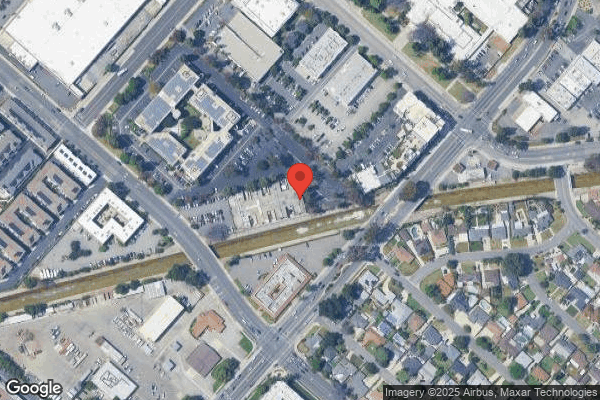
1495 WEST CAMERON AVE., WEST COVINA, CA 91790 (626) 962-4461
For profit - Limited Liability company 99 Beds Independent Data: November 2025
Trust Grade
63/100
#720 of 1155 in CA
Last Inspection: January 2025

Within standard 12-15 month inspection cycle. Federal law requires annual inspections.

Overview

West Haven Healthcare has a Trust Grade of C+, indicating it is slightly above average but not exceptional. With a state rank of #720 out of 1155, this facility is in the bottom half of California nursing homes, and it ranks #149 out of 369 in Los Angeles County, meaning only a few local options are better. The facility is improving, as the number of issues decreased from 21 in 2024 to 19 in 2025. Staffing is a relative strength, with a turnover rate of 25% which is below the California average, but it has less RN coverage than 84% of state facilities, raising concerns about oversight. While there have been no fines, which is a positive sign, recent inspections revealed several issues, including failures to develop appropriate care plans for residents needing intravenous medications and inadequate documentation of medication orders, highlighting areas for potential improvement.

Trust Score
C+
63/100
In California
#720/1155
Bottom 38%
Safety Record
Low Risk
No red flags
Inspections
Getting Better
21 → 19 violations
Staff Stability
✓ Good
25% annual turnover. Excellent stability, 23 points below California's 48% average. Staff who stay learn residents' needs.
Penalties
✓ Good
No fines on record. Clean compliance history, better than most California facilities.
Skilled Nurses
⚠ Watch
Each resident gets only 18 minutes of Registered Nurse (RN) attention daily — below average for California. Fewer RN minutes means fewer trained eyes watching for problems.
Violations
⚠ Watch
53 deficiencies on record. Higher than average. Multiple issues found across inspections.
★★★☆☆
3.0
Overall Rating
★★★☆☆
3.0
Staff Levels
★★★★★
5.0
Care Quality
★★☆☆☆
2.0
Inspection Score
Stable
2024: 21 issues
2025: 19 issues

The Good

  • 5-Star Quality Measures · Strong clinical quality outcomes
  • Low Staff Turnover (25%) · Staff stability means consistent care
  • Full Sprinkler Coverage · Fire safety systems throughout facility
  • No fines on record
  • Staff turnover is low (25%)

    23 points below California average of 48%

Facility shows strength in quality measures, staff retention, fire safety.

The Bad

3-Star Overall Rating

Near California average (3.1)

Meets federal standards, typical of most facilities

The Ugly 53 deficiencies on record

Jul 2025 3 deficiencies
CONCERN (E) 📢 Someone Reported This

A family member, employee, or ombudsman was alarmed enough to file a formal complaint

Potential for Harm - no one hurt, but risky conditions existed

Comprehensive Care Plan (Tag F0656)

Could have caused harm · This affected multiple residents

**NOTE- TERMS IN BRACKETS HAVE BEEN EDITED TO PROTECT CONFIDENTIALITY** Based on interview and record review, the facility failed to develop and implement care plans (CP- a personalized document that ...

Read full inspector narrative →
**NOTE- TERMS IN BRACKETS HAVE BEEN EDITED TO PROTECT CONFIDENTIALITY** Based on interview and record review, the facility failed to develop and implement care plans (CP- a personalized document that outlines a resident's medical and social care needs and the actions required to address them) for four of seven sampled residents (Residents 1, 2, 6, and 7) according to the facility's policy and procedure (P&P) titled, Care Planning, by failing to: 1. Ensure Residents 1 and 6 had CPs developed for the administration of intravenous (IV- soft, flexible tube placed inside a vein to administer fluids and medication directly to the bloodstream) antibiotics (abx- medication that inhibits the growth of or destroys bacteria in the body). 2. Ensure Resident 7 had a CP developed and implemented for the use of peripherally inserted central venous catheter (PICC- a thin, flexible tube inserted into a vein in the upper arm and threaded into a larger vein near the heart). 3. Ensure Resident 2's CP for IV indicated the location of the IV. These failures resulted in Residents 1, 2, 6, and 7 not having an appropriate CP developed or implemented. These failures had the potential for Residents 1, 2, 6, and 7 to not receive the care and services needed for IV services and to treat the residents' medical conditions.Findings: a1. During a review of Resident 1's admission Record (AR), the AR indicated the facility admitted Resident 1 was readmitted on [DATE] with diagnoses that included urinary tract infection (UTI- infection that happen when bacteria enter the urethra, and infect the urinary tract) acute kidney failure (when the kidneys suddenly stop working due to complication of another serious illness), and unspecified hydronephrosis (a condition where urine backs up into the kidneys, causing them to swell, generally caused by infection or obstruction). During a review of Resident 1's Minimum Data Set (MDS- a resident assessment tool) dated [DATE], the MDS indicated Resident 1 had intact cognition (ability to think, remember, and function). The MDS indicated Resident 1 had an active UTI. The MDS indicated Resident 1 was taking an abx. During a review of Resident 1's Order Summary Report (OSR) date range [DATE] to [DATE], the OSR indicated Resident 1 had an order for Cefepime HCl Intravenous Solution (type of abx), two grams (gm- unit of measurement) per 100 milliliters (mL- unit of measurement). The OSR indicated to give Resident 1 one dose daily intravenously every 12 hours for UTI for five days. The OSR indicated to start Cefepime on [DATE]. During a review of Resident 1's untitled Care Plan Report (CPR), the CPR did not indicate Resident 1 had a CP initiated for use of IV abx therapy, Cefepime. a2. During a review of Resident 6's AR, the AR indicated the facility admitted Resident 6 on [DATE] with diagnoses that included candidal sepsis (a severe bloodstream infection caused by Candida [type of fungus], which can lead to organ damage and even death), asthma (chronic lung disease caused by inflammation and muscle tightening around the airways), and end stage renal disease (ESRD- Condition in which the kidneys cease functioning on a permanent basis leading to the need for regular course of long-term dialysis or kidney transplant to maintain life). During a review of Resident 6's OSR, date range from [DATE] to [DATE], the OSR indicated Resident 6 had an IV order for Caspofungin (an antifungal medication, used to treat serious fungal infections), 50 milligrams (mg- unit of measurement)) IV every 24 hours for 12 days for fungal infection to the upper right chest dialysis (treatment to clean one's blood by removing waste and extra fluid when the kidneys are unable to) catheter (line used for dialysis). The OSR indicated the order date was [DATE]. During a review of Resident 6's untitled CPR, the CPR did not indicate Resident 1 had a CP initiated for use of IV antifungal therapy, Caspofungin. During a review of Resident 6's MDS dated [DATE], the MDS indicated that Resident 6 had intact cognition. The MDS indicated Resident 6 was on IV medication and had IV access. b. During a review of Resident 7's AR, the AR indicated the facility admitted Resident 7 on [DATE] and was readmitted on [DATE] with diagnoses that included unspecified sepsis, bacteremia (bacterial infection in the bloodstream), and unspecified respiratory failure (serious condition that makes it breathe on one's own). During a review of Resident 7's OSR, date range from [DATE] to [DATE], the OSR indicated Resident 7 had an IV medication order for Zosyn (type of abx), four and a half (4.5) gm IV via PICC line, every eight hours for five days for sepsis. The order date was [DATE]. During a review of Resident 7's MDS dated [DATE], the MDS indicated Resident 7 had moderately impaired cognition. The MDS indicated Resident 7 had pneumonia (an infection that inflames the air sacs in one or both lungs and may cause a buildup of fluid or pus) and was on abx. During a review of Resident 7's untitled CPR, the CPR did not indicate Resident 7 had a CP initiated for use of PICC. c. During a review of Resident 2's AR, the AR indicated the facility admitted Resident 2 on [DATE] and was readmitted on [DATE] with diagnoses that included sepsis due to Escherichia coli (E. coli- a type of bacteria commonly found in the intestines [gut] and urinary tract), UTI, and bacteremia. During a review of Resident 2's OSR, date range [DATE] to [DATE], the OSR indicated Resident 2 had an IV order for Meropenem (type of abx) one gm, every 12 hours for seven days for (treatment of) extended-spectrum beta-lactamase (ESBL- enzymes produced by certain bacteria that make them resistant to many beta-lactam antibiotics) E. coli bacteremia. During a review of Resident 2's MDS dated [DATE], the MDS indicated Resident 2 had severely impaired cognition. The MDS indicated Resident 2 had a UTI in the last 30 days and was on abx therapy. The MDS indicated Resident 2 had an IV upon admission for abx use. During a review of Resident 2's untitled CPR, the CPR indicated Resident 2 had a CP initiated on [DATE] for at risk for infection and complications related to PIV line. The CP did not indicate the location or site of the PIV. The CP goals indicated Resident 2 would be free form signs and symptoms of infection related to IV line through the review date. The CP goals indicated to check the IV site for patency (openness) and dislodgment (not in the vein), flush (to insert normal saline [NS- a sterile solution of water and sodium chloride (table salt)] IV line with 10 mL of NS before and after IV medications and to flush IV line with 10 mL NS every 12 hours when IV is not in use. During a concurrent interview and record review on [DATE] at 10:19 am, with the MDS Coordinator (MDSC), Residents 1, 2, 6, and 7's CPRs were reviewed. The MDSC stated Resident 7 did not have a CP for (use of) PICC. The MDSC stated Resident 7 should have a CP for use of PICC because staff needed to know what interventions to follow regarding the use. The MDSC stated MDSC could not find the location of Resident 2's PIV in the CPR or in any of Resident 2's records. The MDSC stated Resident 2's CP for PIV needed to indicate the location of the PIV so staff would know where to monitor and assess for complications. The MDSC Residents 1 and 6's CPR did not include a CP for (use of) abx therapy. The MDSC stated all residents on abx therapy needed a CP initiated because residents on abx therapy for being monitored for complications and adverse side effects. During an interview on [DATE] at 2:13 pm, with the Director of Nursing (DON), the DON stated (in general) all residents on IV medications, such as abx, and the IV access needed to be incorporated into the residents' plan of care because there were supposed to be interventions in place to prevent complications. The DON stated all IV CPs needed to indicate the site so staff know where to look and apply the interventions. The DON stated without CPs, the licensed nurses did not have a roadmap to the residents. During a review of the facility's P&P titled, Care Planning, implemented [DATE], the P&P indicated the purpose was to ensure that a comprehensive, person-centered CP was developed for each resident based on individual assessed needs. The P&P indicated the facility would develop a person-centered baseline CP for each resident within 48 hours of admission and would include at least the following information: physician orders, dietary services, therapy services, and social services. The P&P indicated once the baseline CP was completed, the facility must provide the resident and/or the resident's representative with a written summary of the baseline CP that included: initial goals of the resident, summary of medications and dietary instructions, services or treatments to be administered, and updated information on completion of the comprehensive CP, as indicated.
CONCERN (E) 📢 Someone Reported This

A family member, employee, or ombudsman was alarmed enough to file a formal complaint

Potential for Harm - no one hurt, but risky conditions existed

Deficiency F0694 (Tag F0694)

Could have caused harm · This affected multiple residents

**NOTE- TERMS IN BRACKETS HAVE BEEN EDITED TO PROTECT CONFIDENTIALITY** Based on interview and record review, the facility failed to provide clear, complete and signed intravenous (IV- soft, flexible ...

Read full inspector narrative →
**NOTE- TERMS IN BRACKETS HAVE BEEN EDITED TO PROTECT CONFIDENTIALITY** Based on interview and record review, the facility failed to provide clear, complete and signed intravenous (IV- soft, flexible tube placed inside a vein to administer fluids and medication directly to the bloodstream) medication orders, and IV flush (to insert normal saline [NS- a sterile solution of water and sodium chloride (table salt)]) orders according to the facility's policies and procedures (P&P) titled, Medication Orders, Peripheral Catheter (IV) Flushing, and, Continuous Infusion of Medications and Solutions, for seven of seven sampled residents (Residents 1, 2, 3, 4, 5, 6, and 7) by failing to: 1. Ensure Resident 1's Physician Order for Infusion (IV) Therapy (POFIT) dated 6/30/2025, and IV medication administration record (MAR- a report that serves as a legal record of the medications administered to a resident) dated 6/2025 to 7/2025 indicated peripheral (away from the heart) IV flush orders and that licensed nurses (LN) Resident 1's IV was being flushed with 10 milliliters (mL- unit of measurement) NS every 12 hours as indicated. 2. Ensure Resident 2's IV MAR dated 6/2025 indicated when to flush Resident 2's IV according to the POFIT, dated 6/19/2025, and that LNs were flushing Resident 2's IV with 10 mL NS every 12 hours as indicated in the POFIT. 3. Ensure Resident 3's LNs were flushing Resident 3's IV with 10 mL NS every 12 hours as indicated in Resident 3's IV MAR dated 7/2025 and ensure Resident 3's POFIT, dated 7/7/2025 was signed by the physician, indicated peripheral IV flush orders, and indicated an accurate dose of IV medication. 4. Ensure Resident 4's POFIT dated 7/7/2025 was signed by Resident 4's physician. 5. Ensure Resident 5's POFIT dated 5/9/2025 indicated the dose, frequency, and diagnosis for use of IV vancomycin (type of antibiotic [abx- medication that inhibits the growth of or destroys bacteria in the body]), and ensure Resident 5's peripherally inserted central venous catheter (PICC- a thin, flexible tube inserted into a vein in the upper arm and threaded into a larger vein near the heart) was flushed every 12 hours as ordered in Resident 5's POFIT. 6. Ensure Resident 6's IV MAR for 7/2025 indicated to flush Resident 6's IV every 12 hours as ordered by Resident 6's physician in the POFIT dated 7/1/2025. 7. Ensure Resident 7's IV MAR dated 7/2025 indicated the frequency, start and stop dates for use of Zosyn (type of abx). As a result of these failures, Residents 1, 2, 3 and 5, 6's IV or PICC were not flushed every 12 hours as ordered. Residents 3 and 4's POFIT were not signed by their physicians. Resident 7's order for Zosyn did not have a start and stop dates. These failures put Residents 1, 2, 3, 4, 5, 6, and 7 at risk for complications with IV use and medication errors.Findings: a. During a review of Resident 1's admission Record (AR), the AR indicated the facility was readmitted Resident 1 on 6/30/2025 with diagnoses that included urinary tract infection (UTI- infection that happen when bacteria enter the urethra, and infect the urinary tract) acute kidney failure (when the kidneys suddenly stop working due to complication of another serious illness), and unspecified hydronephrosis (a condition where urine backs up into the kidneys, causing them to swell, generally caused by infection or obstruction). During a review of Resident 1's IV MAR dated 6/30/2025 to 7/2025, the IV MAR indicated Resident 1 received one maintenance flush per day from 6/30/2025 to 7/5/2025. During a review of Resident 1's Minimum Data Set (MDS- a resident assessment tool) dated 7/5/2025, the MDS indicated Resident 1 had intact cognition (ability to think, remember, and function). The MDS indicated Resident 1 had an active UTI. The MDS indicated Resident 1 was taking an abx. b. During a review of Resident 2's admission Record (AR), the AR indicated the facility admitted Resident 2 on 7/7/2023 and was readmitted on [DATE] with diagnoses that included sepsis (the body's extreme response to infection and a life-threatening medical emergency) due to Escherichia coli (E. coli- a type of bacteria commonly found in the intestines [gut] and urinary tract), UTI, and bacteremia (bacterial infection in the bloodstream). During a review of Resident 2's IV MAR dated 6/2025, the IV MAR indicated Resident 2 received Meropenem (type of abx) from 6/19/2025 to 6/25/2025. The IV MAR indicated Resident 2 received one maintenance (IV) flush between 3 pm and 11 pm between 6/19/2025 and 6/25/2025. During a review of Resident 2's MDS dated [DATE], the MDS indicated Resident 2 had severely impaired cognition (ability to think, remember, and function). The MDS indicated Resident 2 had a UTI in the last 30 days and was on abx. The MDS indicated Resident 2 had an IV present on admission for abx use. c. During a review of Resident 3's AR, the AR indicated the facility admitted Resident 3 on 7/7/2025 with diagnoses that included pneumonia (PNA- an infection that inflames the air sacs in one or both lungs and may cause a buildup of fluid or pus) due Mycoplasma pneumoniae (type of bacteria), unspecified respiratory failure (serious condition that makes it breathe on one's own) and chronic obstructive pulmonary disease (COPD- lung disease causing restricted airflow and breathing problems). During a review of Resident 3's IV MAR dated 7/2025, the IV MAR indicated Resident 3 received IV medication from 7/8/2025 to 7/13/2025. d. During a review of Resident 4's AR, the AR indicated the facility admitted Resident 4 on 6/26/2025 with diagnoses that included chronic kidney disease (damage to the kidneys so they cannot filter blood the way they should) stage three, and Parkinson's disease (a progressive disease of the nervous system marked by tremor, muscular rigidity, and slow imprecise movement). During a review of Resident 4's MDS dated [DATE], the MDS indicated Resident 3 had intact cognition. The MDS indicated Resident 4 had active PNA, was on abx therapy, and had an IV present on admission. During a review of Resident 4's POFIT dated 7/7/2025, the POFIT indicated Resident 3 was ordered to receive ceftriaxone (type of abx) for treatment of UTI. During a review of Resident 4's IV MAR dated 7/2025, the IV MAR indicated Resident 4 received IV medication from 7/7/2025 to 7/11/2025. e. During a review of Resident 5's AR, the AR indicated the facility admitted Resident 5 on 5/9/2025 with diagnoses that included acute (sudden onset) osteomyelitis (serious infection of the bone that be either be acute or chronic) of the left ankle and foot, type II diabetes mellitus (DM2- A condition that happens because of a problem in the way the body regulates and uses sugar as fuel), and gangrene (dangerous and potentially fatal condition that happens when blood flow to a large area of tissue is cut off, breaks down then dies). During a review of Resident 5's MDS dated [DATE], the MDS indicated Resident 5 had moderately impaired cognition. The MDS indicated Resident 5 had acute osteomyelitis of the left ankle and foot, was taking abx and had IV access. During a review of Resident 5's IV MAR dated 6/2025, the IV MAR indicated Resident 5 received IV cefepime (type of abx) from 6/5/2025 to 6/19/2025. f. During a review of Resident 6's AR, the AR indicated the facility admitted Resident 6 on 7/1/2025 with diagnoses that included candidal sepsis (a severe bloodstream infection caused by Candida [type of fungus], which can lead to organ damage and even death), asthma (chronic lung disease caused by inflammation and muscle tightening around the airways), and end stage renal disease (ESRD- Condition in which the kidneys cease functioning on a permanent basis leading to the need for regular course of long-term dialysis or kidney transplant to maintain life). During a review of Resident 6's IV MAR dated 7/2025, the IV MAR indicated Resident 6 was on IV medication from 7/1/2025 to 7/12/2025. During a review of Resident 6's MDS dated [DATE], the MDS indicated that Resident 6 had intact cognition. The MDS indicated Resident 6 was on IV medication and had IV access. g. During a review of Resident 7's AR, the AR indicated the facility admitted [DATE] and was readmitted on [DATE] with diagnoses that included unspecified sepsis, bacteremia, and unspecified respiratory failure. During a review of Resident 7's IV MAR dated 7/2025, the IV MAR indicated Resident 7 was on Zosyn (type of abx) from 7/12/2025 to 7/16/2025. During a review of Resident 7's MDS dated [DATE], the MDS indicated Resident 7 had moderately impaired cognition. The MDS indicated Resident 7 had PNA and was on abx. During a concurrent interview and record review on 7/17/2025 at 10:19 am, with the MDS Coordinator (MDSC), Residents 1, 2, 3, 4, 5, 6, and 7's IV MAR and POFIT were reviewed. The MDSC stated Resident 1's POFIT dated 6/30/2025 did not indicate peripheral IV flush orders. The MDSC stated the orders were supposed to be filled out by the registered nurse (RN). The MDSC stated according to Resident 1's IV MAR dated 6/2025 to 7/2025, Resident 1 was only receiving one maintenance flush per day. The MDSC stated Resident 1 was supposed to be receive one maintenance flush every 12 hours. The MDSC stated the physician did not sign Resident 1's POFIT dated 6/30/2025. The MDSC stated according to Resident 2's POFIT dated 6/19/2025, LNs were to maintenance flush Resident 2's IV every 12 hours with 10 mL NS. The MDSC stated the physician's signature was missing from the POFIT. The MDSC stated according to the IV MAR dated 6/2025, LNs only maintenance flushed Resident 2's IV with 10 mL NS once a day not every 12 hours as ordered by Resident 2's physician. The MDSC stated Resident 3's POFIT dated 7/7/2025 was missing the physician's signature and did not indicate peripheral IV flush orders. The MDSC stated flush orders should be indicated in the POFIT. The MDSC stated dose of ceftriaxone (type of abx) was written as 29 but the ordered dose was supposed to be for two (2) grams (gm- unit of measurement). The MDSC stated according to Resident 3's IV MAR dated 7/2025 indicated to maintenance flush Resident 3's IV every 12 hours. The MDSC stated LNs were only maintenance flushing Resident 3's IV once a day. The MDSC stated the physician's signature was missing from Resident 4's POFIT dated 7/7/2025. The MDSC stated Resident 5's POFIT dated 5/9/2025 did not indicate what dose and at what frequency Resident 5 was to receive IV vancomycin. The MDSC stated the indicating diagnosis was missing from Resident 5's POFIT. The MDSC stated the physician ordered Resident 5's PICC to be flushed every 12 hours with 10 mL NS. The MDSC stated according to Resident 5's MAR dated 6/2025, LNs were only maintenance flushing Resident 5's PICC once a day. The MDSC stated Resident 6's IV MAR dated 7/2025 was supposed to indicate what maintenance flushes Resident 6 was to receive but was not indicated. The MDSC stated Resident 7's IV MAR dated 7/2025 was supposed to indicate the frequency, start and stop dates for Resident 7's Zosyn order, but were not indicated. The MDSC stated the IV needed to be complete because it was the official medical record. During an interview on 7/17/2025 at 2:13 pm, with the Director of Nursing (DON), the DON stated (in general) the IV MAR was filled out by RNs and needed to indicate the name of the IV medication, dose, frequency, start and stop dates. The DON stated the IV MAR needed to indicate what type of maintenance flush a resident was to received. The DON stated (in general) the POFIT needed to include the facility's name, order date and time, resident name and room/bed number and if the resident has DM or hypertension (condition where the force of blood against artery walls is consistently too high and blood pressure [BP- the pressure circulating blood against the walls of blood vessels; abnormal BP was less than 120/80 millimeters of mercury [mmHg- unit of measurement] and above 140/90 mmHg considered high blood pressure] is consistently high), the physician's name and signature, the LNs signature who obtained the order, resident's allergies, height, weight, laboratory values, and if they receive dialysis (treatment to clean one's blood by removing waste and extra fluid when the kidneys are unable to). The DON stated the IV MAR and POFIT needed to be filled out accurately and completely so all staff know what the IV medication was to avoid medication errors, otherwise it could affect the resident's safety and could lead to complications like hospitalization or even death. The DON stated the POFIT needed to be signed by the physician because they are the ones ordering IV medications and their signatures verifies that what LNs write on the POFIT is correct. The DON stated there should always be maintenance flushes ordered with IVs to ensure patency (openness of IV line). The DON stated the standard of practice was for LNs to flush IVs (peripheral and PICC) every 12 hours and before and after medication administration. The DON stated IVs were not being flushed, the IV lines could become occluded (clogged) and could lead to blood clots and the inability to give medications to the residents, which could delay care or treatment. The DON stated the IV could need to be removed and replaced with a new line that could cause a resident pain or discomfort. The DON stated if there was a delay in care, it could affect the efficacy of the IV medication or complications to the resident's illness. During a review of the facility's P&P titled, Medication Orders, revised 1/2025, the P&P indicated medications were administered only upon clear, complete, and signed order of the person lawfully authorized to prescribe (write medication orders). The P&P indicated medication orders specified the name of the medication, strength (where indicated), dose and dosage form, time or frequency of administration, route of medication, quantity or duration of therapy, and diagnosis or indicated for use. During a review of the facility's P&P titled, Peripheral Catheter Flushing, dated 3/2023, the P&P indicated that RNs and IV certified licensed vocational nurses (LVN) according to state law and facility policy were to perform IV flushing. The P&P indicated flushing was performed to ensure and maintain catheter (IV) patency and to prevent the mixing of incompatible medications/solutions. The P&P indicated a physician's order was required to flush a peripheral catheter. The P&P indicated to verify the physician order (before flushing). The P&P indicated the order must include the flushing agent, volume and frequency. The P&P indicated documentation in the medical record must include the date and time (of the flush), prescribed flushing agents, site assessment, resident response to procedure and/or medication, and resident teaching. During a review of the facility's P&P titled, Continuous Infusion of Medications and Solutions, dated 3/2023, the P&P indicated to verify the physician's order for administering IV medications. The P&P indicated documentation in the medical record included, but was not limited to the date and time, prescribed flushing agents, medication/solution, rate of infusion site assessment, complications and interventions, resident response to procedure and/or medication, and resident teaching
CONCERN (E) 📢 Someone Reported This

A family member, employee, or ombudsman was alarmed enough to file a formal complaint

Potential for Harm - no one hurt, but risky conditions existed

Medical Records (Tag F0842)

Could have caused harm · This affected multiple residents

**NOTE- TERMS IN BRACKETS HAVE BEEN EDITED TO PROTECT CONFIDENTIALITY** Based on interview, and record review, the facility failed to provide concise and clear documentation for six of seven sampled r...

Read full inspector narrative →
**NOTE- TERMS IN BRACKETS HAVE BEEN EDITED TO PROTECT CONFIDENTIALITY** Based on interview, and record review, the facility failed to provide concise and clear documentation for six of seven sampled residents (Residents 2, 3, 4, 5, 6, and 7) according to the facility's policy and procedure (P&P) titled, Documentation- Nursing, by failing to ensure: 1. Ensure Resident 2's intravenous (IV- soft, flexible tube placed inside a vein to administer fluids and medication directly to the bloodstream flush (to insert normal saline [NS- a sterile solution of water and sodium chloride (table salt)]) in the IV Therapy medication administration record (MAR- a report that serves as a legal record of the medications administered to a resident) (IV MAR) were legible (able to clearly read). 2. Ensure Resident 3's medication name and diagnosis in the IVMAR were legible. Ensure Resident 3's medication dose and diagnosis were on the Physician Order for Infusion (IV) Therapy (POFIT) were legible. 3. Ensure Resident 4's allergies, medication dose, and flush times were legible in the IV MAR. 4. Ensure Resident 5's allergies were documented on the IV MAR. 5. Ensure Resident 6's medication name and allergies in the IV MAR were legible. 6. Ensure Resident 7's allergies, IV flush times, and medication order were legible in the IV MAR. As a result of these failures, Residents 2, 3, 4, 5, 6, and 7's medical records were not legible. These failures had the potential for Residents 2, 3, 4, 5, 6, and 7 to receive inaccurate medications and/or doses, experience an allergic reaction to medications, and not receive IV flushes at the appropriate times. Findings: a. During a review of Resident 2's admission Record (AR), the AR indicated the facility admitted Resident 2 on 7/7/2023 and was readmitted on [DATE] with diagnoses that included sepsis due to Escherichia coli (E. coli- a type of bacteria commonly found in the intestines [gut] and urinary tract), urinary tract infection (UTI- infection that happen when bacteria enter the urethra, and infect the urinary tract), and bacteremia (bacterial infection in the bloodstream). During a review of Resident 2's IV MAR dated 6/2025, the IV MAR indicated Resident 2 received Meropenem (type of antibiotic) from 6/19/2025 to 6/25/2025. The IV MAR indicated Resident 2 received one maintenance (IV) flush (type of IV flush that it given at set times) between 3 pm and 11 pm between 6/19/2025 and 6/25/2025. During a review of Resident 2's Minimum Data Set (MDS- a resident assessment too) dated 6/24/2025, the MDS indicated Resident 2 had severely impaired cognition (ability to think, remember, and function). The MDS indicated Resident 2 had a UTI in the last 30 days and was on antibiotic (abx- medication that inhibits the growth of or destroys bacteria in the body) therapy. The MDS indicated Resident 2 had an IV present on admission for abx use. b. During a review of Resident 3's AR, the AR indicated the facility admitted Resident 3 on 7/7/2025 with diagnoses that included pneumonia (PNA- an infection that inflames the air sacs in one or both lungs and may cause a buildup of fluid or pus) due Mycoplasma pneumoniae (type of bacteria), unspecified respiratory failure (serious condition that makes it breathe on one's own) and chronic obstructive pulmonary disease (COPD- lung disease causing restricted airflow and breathing problems). During a review of Resident 3's IV MAR dated 7/2025, the IV MAR indicated Resident 3 received IV medication from 7/8/2025 to 7/13/2025. c. During a review of Resident 4's AR, the AR indicated the facility admitted Resident 4 on 6/26/2025 with diagnoses that included chronic kidney disease (damage to the kidneys so they cannot filter blood the way they should) stage three, and Parkinson's disease (a progressive disease of the nervous system marked by tremor, muscular rigidity, and slow imprecise movement). During a review of Resident 4's MDS dated [DATE], the MDS indicated Resident 3 had intact cognition. The MDS indicated Resident 4 had active PNA, was on abx therapy, and had an IV present on admission. During a review of Resident 4's POFIT dated 7/7/2025, the POFIT indicated Resident 3 was to receive ceftriaxone (type of abx) for treatment of UTI. During a review of Resident 4's IV MAR dated 7/2025, the IV MAR indicated Resident 4 received IV medication from 7/7/2025 to 7/11/2025. d. During a review of Resident 5's AR, the AR indicated the facility admitted Resident 5 on 5/9/2025 with diagnoses that included acute (sudden onset) osteomyelitis (serious infection of the bone that be either be acute or chronic) of the left ankle and foot, type II diabetes mellitus (DM2- A condition that happens because of a problem in the way the body regulates and uses sugar as fuel), and gangrene (dangerous and potentially fatal condition that happens when blood flow to a large area of tissue is cut off, breaks down then dies). During a review of Resident 5's MDS dated [DATE], the MDS indicated Resident 5 had moderately impaired cognition. The MDS indicated Resident 5 had acute osteomyelitis of the left ankle and foot, was taking abx and had IV access. During a review of Resident 5's IV MAR dated 6/2025, the IV MAR indicated Resident 5 received IV cefepime (type of abx) from 6/5/2025 to 6/19/2025. e. During a review of Resident 6's AR, the AR indicated the facility admitted Resident 6 on 7/1/2025 with diagnoses that included candidal sepsis (a severe bloodstream infection caused by Candida [type of fungus], which can lead to organ damage and even death), asthma (chronic lung disease caused by inflammation and muscle tightening around the airways), and end stage renal disease (ESRD- Condition in which the kidneys cease functioning on a permanent basis leading to the need for regular course of long-term dialysis or kidney transplant to maintain life). During a review of Resident 6's IV MAR dated 7/2025, the IV MAR indicated Resident 6 was on IV medication from 7/1/2025 to 7/12/2025. During a review of Resident 6's MDS dated [DATE], the MDS indicated that Resident 6 had intact cognition. The MDS indicated Resident 6 was on IV medication and had IV access. f. During a review of Resident 7's AR, the AR indicated the facility admitted [DATE] and was readmitted on [DATE] with diagnoses that included unspecified sepsis, bacteremia (bacterial infection in the bloodstream), and unspecified respiratory failure. During a review of Resident 7's IV MAR dated 7/2025, the IV MAR indicated Resident 7 was on Zosyn (type of abx) from 7/12/2025 to 7/16/2025. During a review of Resident 7's MDS dated [DATE], the MDS indicated Resident 7 had moderately impaired cognition. The MDS indicated Resident 7 had PNA and was on abx. During a concurrent interview and record review on 7/17/2025 at 10:19 am, with the MDS Coordinator (MDSC), Resident 2, 3, 4, 5, 6, and 7's IV MAR and POFIT were reviewed. The MDSC stated, when filling out the time date on the IV MAR, the treatment time was to be documented on top, and the licensed nurse's initials to be documented below the time. The MDSC stated on Resident 2's IV MAR dated 6/2025, I cannot read what times (Resident 2's) IV was flushed. The MDSC stated on Resident 3's IV MAR dated 7/2025, the IV medication was not legible. The MDSC stated Resident 3 was ordered ceftriaxone. The MDSC stated the MDSC could not read Resident 3's diagnosis for IV. The MDSC stated Resident 3 the diagnosis was supposed to be Mycoplasma pneumoniae. The MDSC stated on Resident 4's IV MAR dated 7/2025, the MDSC could not read was times Resident 4's IV was flushed. The MDSC stated the IV MAR indicated to flush between three and one (referring to times), but the IV MAR should have indicated to flush Resident 4's IV between 3 pm and 11 pm. The MDSC stated, I don't know if the order is being followed because none of the flush times are not legible. The MDSC stated Resident 4's allergies were, Hard to read. The MDSC stated Resident 4 had allergies to non-steroidal anti-inflammatory drugs (NSAIDS- type of medication used to treat mild to moderate pain). The MDSC stated the dose of ceftriaxone was not legible. The MDSC stated, It (the dose) looks a ‘T' and not a number. The MDSC stated it was possible Resident 4 could get the wrong treatment. The MDSC stated on Resident 4's POFIT dated 7/2025, the dose for ceftriaxone was supposed to be one (1) gram (gm- unit of measurement), but looked like seven (7) gm. The MDSC stated on Resident 5's IV MAR dated 6/2025, the IV MAR did not indicate if Resident 5 had any allergies. The MDSC stated if Resident 5 had no known drug allergies (NKDA) it should be indicated in the IV MAR. The MDSC stated on Resident 6's IV MAR dated 7/2025, the IV medication was not legible. The MDSC stated Resident 6 had taken caspofungin (type of medication use to treat fungal infections). The MDSC stated Resident 6 had three allergies documented on the IV MAR that were not legible, but stated Resident 6 had 10 allergies documented in the electronic health record (EHR). The MDSC stated allergies needed to documented in the IV MAR to ensure Resident 6 did not receive any medication Resident 6 was allergic to, develop an allergic reaction and get sick. The MDSC stated for Resident 7's IV MAR dated 7/2025, Resident 7's allergies were not legible. The MDSC stated Resident 7 had allergies to phenytoin (type of medication used to treat seizures [sudden, controlled electrical disturbance in the brain that can cause temporary changes in behavior, movement, consciousness, or sensation]) and latex (type of rubber product). The MDSC stated the flush times on Resident 7's IV MAR from 7/12/2025 to 7/17/2025 were not legible. During an interview on 7/17/2025 at 2:13 pm, with the Director of Nursing (DON), the [NAME] stated all documentation (on the IV MAR and POFIT) needed to be filled out completely and legibly so all staff knew what the IV medication order was to avoid medication errors. The DON stated illegible documentation could affect a resident's safety and could lead to complications like hospitalization or even death. During a review of the facility's P&P titled, Documentation- Nursing, implemented 2/9/2024, the P&P indicated the purpose was to provide documentation of resident status and care given by nursing staff. The P&P indicated nursing documentation would concise, clear, pertinent, and accurate. The P&P indicated MARs were completed with each medication completed.
Mar 2025 2 deficiencies
CONCERN (E) 📢 Someone Reported This

A family member, employee, or ombudsman was alarmed enough to file a formal complaint

Potential for Harm - no one hurt, but risky conditions existed

Deficiency F0726 (Tag F0726)

Could have caused harm · This affected multiple residents

Based on interview and record review, the facility failed to ensure licensed vocational nurses (LVNs) and certified nurse assistants (CNAs) had the competency (the capability to apply or use the knowl...

Read full inspector narrative →
Based on interview and record review, the facility failed to ensure licensed vocational nurses (LVNs) and certified nurse assistants (CNAs) had the competency (the capability to apply or use the knowledge, skills, and abilities required to successfully perform tasks in the work setting) to understand different infection types in the healthcare setting by failing to: 1. Ensure the Infection Prevention Nurse (IPN), Director of Staffing Development (DSD), LVN 3, LVN 4, CNA 4, CNA 5 and Restorative Nurse Assistant/CNA (RNA) 1 were aware that Group A Streptococcus (GAS- bacteria that enters the body and causes an illness and affects the skin and throat) were bacteria (organism that enters the body and cause illness) that could cause infections through respiratory droplets (respiratory particles created when coughing, sneezing, or talking) or direct contact. 2. Ensure CNA 4 and RNA 1 were aware the facility had an active outbreak (OB- sudden rise in the incidence of a disease) of GAS. These failures had the potential to result in widespread infection in the facility. Findings: During an interview on 3/14/2025 at 11:29 am, with the IPN, the IPN stated the facility had an active GAS OB since 2/20/2025 and would be in active GAS OB until 4/8/2025. The IPN stated the IPN had done in-services on GAS and infection control. During a telephone interview on 3/14/2025 at 11:38 pm, with the Public Health Nurse (PHN), the PHN stated the facility's GAS OB started on 2/20/2025 when the PHN visited the facility to provide recommendations. The PHN stated the facility was currently in a GAS OB until 4/8/2025. The PHN stated GAS was a type of bacterial infection. During an interview on 3/14/2025 at 1:14 pm, with CNA 4, CNA 4 stated CNA 4 was not aware the facility had a GAS OB at the time of the interview. CNA 4 stated there was no COVID-19 (infectious disease caused by SARS-CoV-2 virus) in the facility. CNA 4 stated CNA 4 did not know what GAS was. During an interview on 3/14/2025 at 1:28 pm, with RNA 1, RNA 1 stated the facility had a GAS OB, but did not currently have a GAS OB at the time of the interview. RNA 1 stated RNA 1 did not know what type of infection GAS was. During an interview on 3/14/2025 at 1:40 pm, with CNA 5, CNA 5 stated GAS was a virus. During an interview on 3/14/2025 at 1:52 pm, with LVN 3, LVN 3 stated the facility had an active OB of, Strep A virus, until they were cleared by the PHN. During an interview on 3/14/2025 at 2:06 pm, with LVN 4, LVN 4 stated GAS was a fungal infection. LVN 4 stated LVN 4 was in-serviced on GAS when the OB was announced (on 2/20/2025). During an interview on 3/14/2025 at 2:16 pm, with the DSD, the DSD stated the facility currently had an active GAS OB. The DSD stated GAS was a viral throat infection that should be treated like a respiratory infection. During an interview 3/14/2025 at 4:20 pm, with the IPN, the IPN stated both the IPN and DSD provided in-services to staff regarding GAS when the GAS OB was announced on 2/20/2025. The IPN stated GAS was a viral infection that was treated with antibiotics (medication used to treat bacterial infections). During an interview on 3/14/2025 at 4:27 pm, with Registered Nurse Supervisor (RNS) 1, RNS 1 stated GAS was a bacterial infection that was treated with antibiotics. RNS 1 stated if staff did not know what GAS was, did not know what type of infection GAS was, then staff may end up spreading GAS to other residents, who could get sick and end up hospitalized . RNS 1 stated it was important to be educated on the in-services and know what was going on in the facility so staff could keep the residents safe. During a review of the facility's GAS frequently asked questions (FAQ)/fact sheet, undated, the GAS FAQ/fact sheet indicated GAS were bacteria commonly found in the throat and on the skin. During a review of the Centers of Disease Control and Prevention (CDC) website titled, About Group A Strep Infection, updated on 3/1/2024, the website indicated Group A strep bacteria can cause many different types of infections that range from minor to serious. Group A strep bacteria were contagious. Generally, people spread the bacteria to others through respiratory droplets or direct contact. [https://www.cdc.gov/group-a-strep/about/index.html] During a review of the facility's policy and procedure (P&P) titled, Competency Evaluation, dated 8/2017, the P&P indicated it was the facility's policy to perform competency evaluation for all employees. The P&P indicated the competency checklist would include . staff's skills on assessment, evaluation, planning, and implementation of the resident's plan care of care and resident needs, including infection control.
CONCERN (E) 📢 Someone Reported This

A family member, employee, or ombudsman was alarmed enough to file a formal complaint

Potential for Harm - no one hurt, but risky conditions existed

Infection Control (Tag F0880)

Could have caused harm · This affected multiple residents

**NOTE- TERMS IN BRACKETS HAVE BEEN EDITED TO PROTECT CONFIDENTIALITY** Based on observation, interview, and record review, the facility failed to ensure standard infection prevention control practice...

Read full inspector narrative →
**NOTE- TERMS IN BRACKETS HAVE BEEN EDITED TO PROTECT CONFIDENTIALITY** Based on observation, interview, and record review, the facility failed to ensure standard infection prevention control practices (a set of practices that prevent or stop the spread of infections and/or diseases in the healthcare setting) were followed in accordance with the facility ' s policies and procedures (P&P) titled, Hand Hygiene (procedures that included the use of alcohol-based hand rubs [containing 60%–95% alcohol] and hand washing with soap and water), and Enhanced Barrier Precautions (EBP- set of infection control measures that use personal protective equipment [PPE- equipment worn to minimize exposure to a variety of hazards] to reduce the spread of multidrug-resistant organisms [MDRO- organism that is resistant to most antibiotics] by wearing a gown and gloves), and Resident Isolation- Categories of Transmission-Based Precautions (TBP- set of infection control measures that use PPE to reduce the spread of different organisms) for four of four sampled residents by failing to: 1. Ensure the facility posted their Group A Strep (GAS- bacteria that enters the body and causes an illness and affects the skin and throat) Outbreak (OB- sudden rise in the incidence of a disease) Notification Letter (letter that indicates to staff, residents, and visitors the facility has an active OB) at the front door of the facility, and the GAS frequently asked questions (FAQ)/fact sheet, as recommended by the Public Health Nurse (PHN- focuses on promoting and protecting the health of populations by utilizing nursing, social, and public health knowledge, working in communities to prevent disease and improve health outcomes). 2. Ensure Certified Nurse Assistant (CNA) 1 donned (put on) a mask properly and perform hand hygiene while caring for Resident 3. 3. Ensure CNA 2 performed hand hygiene before and after entering Resident1's room who was on EBP. 4. Ensure the facility including LVN 4 educated Resident 4's visitors (Family 1 and Family 2), who was on contact precautions (used to prevent the spread of infections transmitted by direct or indirect contact with a patient or their environment by wearing a gown and gloves) to wear the appropriate PPE while in the room. 5. Ensure LVN 2 donned a mask properly while in the facility. 6. Ensure CNA 3 donned proper PPE before entering Resident 2's room who was on EBP. As a result of these failures, Residents 1, 2, 3 , and 4 were at risk for exposure to infectious agents. These failures had the potential to spread and transmit infectious agents from staff to residents that had the potential to result in widespread infection in the facility. Findings: During a review of Resident 1 ' s admission Record (AR), the AR indicated the facility admitted Resident 1 on 2/12/2025, with diagnoses that included end stage renal disease (ESRD- Condition in which the kidneys cease functioning on a permanent basis leading to the need for regular course of long-term dialysis or kidney transplant to maintain life) and sepsis (the body ' s extreme response to infection and a life-threatening medical emergency). During a review of Resident 1 ' s untitled, undated care plan (CP), the CP indicated Resident 1 had the presence of wounds and indwelling medical devices and needed to be on EBP. The CP interventions included to follow EBP precautions including to use hand hygiene and follow proper infection control practices as indicated. During a review of Resident 1 ' s Minimum Data Set (MDS- a resident assessment tool), dated 2/17/2025, the MDS indicated Resident 1 had moderately impaired cognition (ability to think, remember, and function). The MDS indicated Resident 1 had septicemia (blood poisoning by bacteria). During a review of Resident 2 ' s AR, the AR indicated the facility initially admitted Resident 2 on 6/3/2021 and was readmitted on [DATE], with diagnoses that included ESRD and dependence on renal dialysis (treatment to clean one ' s blood by removing waste and extra fluid when the kidneys are unable to). During a review of Resident 2 ' s MDS dated [DATE], the MDS indicated Resident 2 had moderately impaired cognition. The MDS indicated Resident 2 had a pressure ulcer (an injury that breaks down the skin and underlying tissue when an area of skin is placed under pressure). During a review of Resident 3 ' s AR, the AR indicated the facility admitted Resident 3 on 1/17/2025 with diagnoses that included type II diabetes mellitus (DM2- A condition that happens because of a problem in the way the body regulates and uses sugar as fuel) and chronic kidney disease (damage to the kidneys so they cannot filter blood the way they should). During a review of Resident 3 MDS dated [DATE], the MDS indicated Resident 3 had moderately impaired cognition. During a review of Resident 4 ' s AR, the AR indicated the facility initially admitted Resident 4 2/11/2025 and was readmitted on [DATE], with diagnoses that included ESRD and DM2. During a review of Resident 4 ' s untitled, undated CP, the CP indicated Resident 4 was on contact isolation for methicillin-sensitive Staphylococcus aureus (MSSA- type of bacteria that is sensitive to the antibiotic methicillin). The CP interventions indicated to educate family/visitors regarding isolation precautions. During a review of Resident 4 ' s MDS dated [DATE], the MDS indicated Resident 4 had intact cognition. The MDS indicated Resident 4 had MDRO. a. During an observation on 3/14/2025 at 8:30 am, outside the facility ' s entrance, the facility ' s entrance doors and windows were observed. There was no GAS OB Notification Letter on the facility ' s entrance doors and windows indicating the facility had a GAS OB. During a telephone interview on 3/14/2025 at 11:38 am, with the PHN, the PHN stated the PHN sent the facility the GAS OB Notification Letter on 1/24/2025. The PHN stated the GAS Notification Letter was to be posted at the entrance of the facility so all residents, visitors, and staff could see the facility had an active OB. The PHN stated the PHN recommended the facility provide information to all staff and to post the GAS FAQ/fact sheet where staff and residents could see it. The PHN stated the point of making the GAS FAQ/fact sheet visible was so that anyone at the facility could read information about GAS and be informed. During a concurrent interview and record review on 3/14/2025 at 11:51 am, with the Infection Prevention Nurse (IPN), the PHN recommendations were reviewed. The IPN stated the IPN did not remember needing to post the GAS OB Notification Letter at the entrance of the facility. The IPN stated the GAS FAQ/fact sheet was posted in the breakroom for staff to read. The IPN stated it was important for the GAS OB Notification Letter to be posted at the entrance so anyone walking into the facility will know what was going on in the facility will know how to protect themselves. The IPN stated if residents could not see the GAS FAQ/fact sheet then they would not be informed and may not know how to protect themselves. b. During an observation on 3/14/2025 at 11:17 am, of CNA 1 with Resident 3 in the lobby area, CNA 1 was observed. CNA 1 was observed to walk up towards Resident 3 ' s wheelchair. CNA1 ' s mask was not covering CNA 1 ' s nose and mouth. CNA 1 touched the handles on Resident 3 ' s wheelchair to turn it, then assisted Resident 3 to put on Resident 3 ' s jacket. Resident 3 did not perform hand hygiene before providing care to Resident 3 or after and did not appropriately wear the mask. During an interview on 3/14/2025 at 11:18 am, with CNA 1, CNA 1 stated CNA 1 was supposed to wear a mask while in the facility because the facility had COVID-19 (infectious disease caused by SARS-CoV-2 virus) and that it was protocol. CNA 1 did not state why hand hygiene was important. c. During a concurrent observation and interview on 3/14/2025 at 12:25 pm, CNA 2 was observed at Resident 1 ' s room entrance. An EBP sign was posted next to the door indicating anyone entering the room and upon exiting the room must perform hand hygiene. CNA 2 entered Resident 1 ' s without performing hand hygiene. CNA 2 checked on Resident 1, then exited the room without performing hand hygiene. CNA 2 stated the sign next to Resident 1 ' s room door indicated to perform hand hygiene before entering and upon exiting the room. CNA 1 stated it was important to perform hand hygiene with EBP rooms/residents to stop the spread of infection. d. During a concurrent observation and interview on 3/14/2025 at 12:28 pm, at Resident 4 ' s room, Resident 4 ' s Family 1 and Family 2 were observed. The signed next to Resident 4 ' s door indicated Resident 4 was on contact precautions. Family 1 stated Family 1 and Family 2 were given masks, but stated staff at the facility did not tell Family 1 and Family 2 they were supposed to wear masks, and were supposed to don gown and gloves while visiting Resident 4. During a concurrent observation and interview on 3/14/2025 at 12:30 pm, with LVN 1, outside of Resident 4 ' s room, Family 1 and Family 2 were observed. LVN 1 stated Family 1 and Family 2 were touching the side of Resident 4 ' s bed. LVN 1 stated Family 1 and Family 2 were not wearing a mask, gown, or gloves. LVN 1 stated Resident 4 was on contact precautions for MSSA. LVN 1 stated anyone in the room should be wearing a gown and gloves to prevent the spread of infection. LVN 1 stated visitors could get sick or spread germs to others at home. LVN 1 stated Family 1 and Family 2 should be wearing masks to prevent the spread of infection. LVN 1 stated it was all staffs ' responsibility to remind visitors about precautions. e. During a concurrent observation and interview on 3/14/2025 at 12:36 pm, at the nurses ' station, LVN 2 was observed. LVN 2 was at the computer, with a mask that was pulled down below the nose and mouth. LVN 2 stated LVN 2 was supposed to wear properly wear a mask to help prevent the spread of infection because the facility required it. f. During a concurrent observation and interview on 3/14/2025 at 12:45 pm, at Resident 2 ' s room, CNA 3 was observed. A sign next to the door indicating EBP was posted. CNA 3 was at Resident 2 ' s bedside, touching Resident 2 ' s bedding. CNA 3 was not wearing a gown or gloves, and CNA 3 ' s mask was pulled down below the nose and mouth. CNA 3 stated CNA 3 was supposed to wear a gown and gloves because Resident 2 was on HD and needed to stop the spread of infection to keep Resident 2 safe. CNA 3 stated masks were the facility ' s protocol and were supposed to be, worn all the way. During an interview on 3/14/2025 at 4:12, with IPN, the IPN stated hand hygiene was important so staff would not spread germs from resident to resident and other staff. the IPN stated hand hygiene was the number one way to prevent the transmission of germs. The IPN stated staff were supposed to wear masks while in the facility because it was influenza (flu- respiratory infection caused by the influenza virus) season. The IPN stated wearing masks prevented the spread of infection and was for resident safety. The IPN stated staff should be wearing a gown and gloves if touching residents or in EBP rooms because they could come in contact with body fluids and could be spreading infection to others. The IPN stated visitors were supposed to were a gown and gloves in contact precaution rooms so they would not spread germs or catch an infection. The IPN stated it was everyone ' s responsibility to ensure all visitors and vendors were wearing the appropriate PPE while in the facility and to educate them for not following isolation precautions. The IPN stated it was everyone ' s responsibility to keep the resident ' s safe. During a review of the facility ' s P&P titled, Standard and Enhanced Barrier Precautions, dated 4/1/2025, the P&P indicated the facility would ensure the use of appropriate PPE to improve infection control as required in the care of residents. The P&P indicated EBP should be used during dressing, bathing/showering, transferring, personal hygiene, changing linens, changing briefs or assisting with toileting and device care or use. During a review of the facility ' s P&P titled, Hand Hygiene, dated 2/9/2024, the P&P indicated the facility would ensure that all individuals used appropriate hand hygiene while at the facility. The P&P indicated the facility considered hand hygiene the primary means to prevent the spread of infection. The indicated to perform hand hygiene immediately upon entering and immediately upon exiting a resident occupied area. During a review of the facility ' s P&P titled, Resident Isolation- Categories of TBP, dated 2/9/2024, the P&P the facility would ensure that TBP precautions were used when caring for residents communicable (contagious) diseases or transmittable (spreadable) infections. The P&P indicated TBP were used accordingly when caring for residents who are documented or are suspected of having communicable diseases or infections that can be transmitted to others. The P&P indicated contact precautions were implemented for residents known or suspected to be infected or colonized with microorganisms that are transmitted by direct contact with the resident or indirect contact with environmental surfaces or resident-care items in the resident ' s environment.
Jan 2025 14 deficiencies
CONCERN (D)

Potential for Harm - no one hurt, but risky conditions existed

Resident Rights (Tag F0550)

Could have caused harm · This affected 1 resident

Based on observation, interview and record review, the facility failed to assist the resident meal at eye level for one of one sample resident (Resident 38). This failure had the potential to result i...

Read full inspector narrative →
Based on observation, interview and record review, the facility failed to assist the resident meal at eye level for one of one sample resident (Resident 38). This failure had the potential to result in the Resident 38's dignity was not maintained. Findings: During a review of Resident 38's admission Record (AR), the AR indicated the facility admitted Resident 38 on 6/29/2023, with diagnoses that included Alzheimer's disease (a disease characterized by a progressive decline in mental abilities) and bipolar disorder (sometimes called manic-depressive disorder; mood swings that range from the lows of depression to elevated periods of emotional highs). During a review of Resident 38's Minimum Data Set (MDS, a resident assessment and screening tool), dated 12/25/2024, indicated Resident 38 had clear speech, understood others, and made self-understood. Resident 38 required partial/moderate assistance (helper dose less than half the effort) for upper body dressing and chair/bed-to-chair transfer. During an observation on 1/21/2025 at 10:12 am, in Resident 38's room, Resident 38 was sitting up in bed and the bed was at the lowest position. Certified Nursing Assistant 2 (CNA2) was standing next to Resident 38's bed assisting/feeding Resident 38 with ice cream. CNA 2 was bending over to feed Resident 38. During a concurrent interview, CNA2 stated, Resident 38's bed was at the lowest position for fall risk. CNA2 stated, CNA2 should assist resident feeding at eye level for respect of resident's dignity. During an interview on 1/22/2025 at 3:21 pm, Licensed Vocational Nurse 2 (LVN 2) stated, staffs should feed Resident 38 at eye level for resident's dignity and safety. LVN 2 stated, it was easy for staff to observe if resident was choking when staff assisting/feeding resident meal at eye level. During a review of the facility's policy and procedure titled, Privacy and Dignity, dated 2/9/2024, indicated The facility promotes resident care in a manner and an environment that maintains or enhances dignity and respect, in full recognition of each resident's individuality. The facility promotes independence and dignity in dining.
CONCERN (D)

Potential for Harm - no one hurt, but risky conditions existed

Deficiency F0578 (Tag F0578)

Could have caused harm · This affected 1 resident

**NOTE- TERMS IN BRACKETS HAVE BEEN EDITED TO PROTECT CONFIDENTIALITY** b. During a review of Resident 19's admission Record (AR), the AR indicated the facility readmitted to the facility on [DATE] wi...

Read full inspector narrative →
**NOTE- TERMS IN BRACKETS HAVE BEEN EDITED TO PROTECT CONFIDENTIALITY** b. During a review of Resident 19's admission Record (AR), the AR indicated the facility readmitted to the facility on [DATE] with diagnoses that included hemiplegia and hemiparesis (muscle weakness or partial paralysis on one side of the body), sepsis (a life-threatening complication of an infection), and dementia (thinking and social symptoms that interferes with daily functioning). During a review of Resident 19's Minimum Data Set (MDS, a resident assessment and care screening tool), dated 11/29/24, the MDS indicated Resident 19 was cognitively intact (ability to understand and process thoughts), and required substantial/maximal assistance with chair/bed to chair transfer. The MDS indicated Resident 19 was dependent with shower/bathe self, lower body dressing and needed extensive assistance with mobility and activities of daily living (ADLs). During a review of Resident 19's History & Physical (H&P), dated 4/12/24, the H&P indicated Resident 19 had the capacity to understand and make decisions. During a concurrent interview and record review, on 1/21/25, at 2:58 p.m., with Registered Nurse 1 (RN 1), Resident 19's Physician Orders for Life-Sustaining Treatment (POLST) was reviewed. The POLST indicated Resident 19 did not have an AD. There was no AD Acknowledgment Form found in Resident 19's clinical record. RN 1 stated a copy of the AD Acknowledgement Form should be in the chart indicating resident/responsible party were informed of the resident's rights to accept or refuse treatments and option to formulate an advance directive. During an interview on 1/21/25, at 3:01 p.m., with the Social Services Director (SSD), the SSD stated upon admission/readmission, all residents were asked about advance directive in case there were changes in the residents' care or wishes. The SSD stated if the resident has the capacity to understand and make medical decisions, the resident was asked if he/she want to formulate an AD. The SSD stated if the resident does not have the capacity to understand and make medical decisions, the Resident's responsible party was asked if he/she want to formulate an AD. The SSD stated the copies of the POLST and AD with the resident's wishes and preferences in care should be in the resident's medical record. Based on interview and record review, the facility failed to implement its Policy and Procedure (P&P) on Advance Directives (AD, a legal document indicating resident preference on end-of-life treatment decisions) for two of eight sampled residents (Residents 185 and 19) by failing to ensure Advance Directive Acknowledge (ADA) Forms were completed on admission for Residents 19 and 185. These failures had the potential risk for facility staff to provide medical treatment and services against the will of Residents 19 and 185. Findings: a. During a review of Resident 185's admission Record (AR), the AR indicated the facility admitted Resident 185 on 1/15/2025, with diagnoses that included hypertension (high blood pressure) and Diabetes Mellitus (DM-a disorder characterized by difficulty in blood sugar control and poor wound healing). During a review of Resident 185's Minimum Data Set (MDS, a resident assessment and screening tool), dated 1/20/2025, the MDS indicated Resident 185 had clear speech, understood others, and made self-understood. Resident 185 required partial/moderate assistance (helper dose less than half the effort) for upper body dressing and chair/bed-to-chair transfer. During a review of Resident 185's medical record on 1/21/2024 at 3:44 pm, Resident 185's medical record indicated, there was no AD or ADA available for review. During a concurrent interview with the Social Service Director (SSD), the SSD stated, there was no ADA form in Resident 185's medical record. The SSD stated, completing the ADA form was part of SSD assessment upon resident's admission. The SSD stated, the ADA form should be completed and placed in Resident 185's medical record so nursing staff would know resident's treatment wishes in case of an emergency. The SSD stated, This was resident's right. During an interview on1/21/2025 at 3:58 pm, Licensed Vocational Nurse 2 (LVN 2) stated, LVN 2 could not find a documentation regarding Resident 185's treatment wishes in Resident 185' medical record. LVN 2 stated, without the ADA, staffs would not know Resident 185's medical treatment choices during medical emergency and might treat residents against Resident 185's will. LVN 2 stated, the facility should follow the residents' treatment wished and that was resident's right. During a review of the facility's P&P titled, Advance Directives, dated 2/9/2024, the P&P indicated Upon admission, the admission staff or designee will provide written information to the resident concerning his or her right to make decisions concerning medical care, including the right to accept or refuse medical or surgical treatment, and the right to formulate advance directives.
CONCERN (D)

Potential for Harm - no one hurt, but risky conditions existed

Accident Prevention (Tag F0689)

Could have caused harm · This affected 1 resident

Based on observation, interview and record review, the facility failed ensure the bed grab bar foam pads for seizure (a sudden, uncontrolled electrical disturbance in the brain which can cause uncontr...

Read full inspector narrative →
Based on observation, interview and record review, the facility failed ensure the bed grab bar foam pads for seizure (a sudden, uncontrolled electrical disturbance in the brain which can cause uncontrolled jerking, blank stares, and loss of consciousness) precaution was in good condition for one of two sampled residents (Resident 9). This failure had the potential to put Resident 9 at risk for injury. Findings: During a review of Resident 9's admission Record (AR), the AR indicated the facility admitted Resident 9 on 1/7/2020, with diagnoses that included epilepsy (a chronic neurological condition characterized by recurrent, unprovoked seizures-involuntary movement) and Diabetes Mellitus (DM-a disorder characterized by difficulty in blood sugar control and poor wound healing). During a review of Resident 9's Minimum Data Set (MDS, a resident assessment and screening tool)), dated 12/25/2024, indicated Resident 9 had clear speech, understood others, and made self-understood. Resident 9 required partial/moderate assistance (helper dose less than half the effort) for upper body dressing and chair/bed-to-chair transfer. During an observation on 1/21/2025 at 9:56 am, in Resident 9's room, Resident 9's grab bars at both side of Resident 9's bed were padded with foams. The bed grab bar foam pads were ripped and teared with metal bars exposed. During a review of Resident 9's Order Summary Report (OSR), dated 1/22/2025, the OSR indicated there was an order dated 2/11/2020 to transfer the grab bars to both sides of bed for bed mobility. The OSR indicated for staff to monitor placement and function every shift. The OSR indicated Resident 9 was on Keppra, 500 milligrams (medication to treat epilepticus) by mouth two times a day, and being monitored every shift for episodes of seizure activity. During a review of Resident 9's plan of care (CP), dated 1/11/2024, the CP indicated Resident 9 was at high risk for trauma/injury/falls related to seizure disorder. The interventions including to keep environment free of safety hazards and monitor the side rails and positioning for possible injuries. During an interview on 1/22/2025 at 2:33 pm, Licensed Vocational Nurse 2 (LVN 2), LVN 2 stated, the foams that wrapped around the grab bars on Resident 9's bed were all broken, teared open and exposed the inside metal part. LVN 2 stated, Resident 9 was on seizure medication and being monitored for seizure activities. LVN 2 stated, the padded foams were the precaution to avoid injury when Resident 9 experienced seizure activities, so Resident 9 would not bump Resident 9's body parts to the metal bars causing injuries. LVN 2 stated, the facility should make Resident 9's surrounding environment free from hazards. LVN 2 stated, This is a resident safety issue. During a review of the facility's policy and procedure titled, Safety and Supervision of Residents, dated 7/2024, indicated Our facility strives to make the environment as free from accident hazards as possible. Resident safety, supervision and assistance to prevent accidents are facility-wide priorities. These risk factors and environmental hazards include bed safety.
CONCERN (D)

Potential for Harm - no one hurt, but risky conditions existed

Deficiency F0692 (Tag F0692)

Could have caused harm · This affected 1 resident

**NOTE- TERMS IN BRACKETS HAVE BEEN EDITED TO PROTECT CONFIDENTIALITY** Based on observation, interview, and record review, the facility failed to provide set-up assistance (helper sets up, resident c...

Read full inspector narrative →
**NOTE- TERMS IN BRACKETS HAVE BEEN EDITED TO PROTECT CONFIDENTIALITY** Based on observation, interview, and record review, the facility failed to provide set-up assistance (helper sets up, resident completes the activity) during lunch time for one of one sampled resident (Resident 15). This failure had the potential for Resident 15 to lose weight due to decrease meals/fluid intake, dehydration and electrolyte imbalance. Findings: During a review of Resident 15's admission Record (AR), the AR indicated, Resident 15 was admitted to the facility on [DATE] with diagnoses that included hypertension (high blood pressure), hyperlipidemia (elevated level of lipids like cholesterol and triglycerides), and chronic kidney disease (presence of kidney damage or decreased kidney function). During a review of Resident 15's Minimum Data Set (MDS, a resident assessment tool), dated 11/21/2024, the MDS indicated, Resident 15 had severely impaired cognition (ability to understand). The MDS indicated Resident 15 required set up or clean-up assistance with eating, substantial/maximal assistance (helper did more than half the effort) with oral hygiene and upper body dressing and dependent (helper did all of the effort, resident did none of the effort to complete the activity) with toileting, shower lower body dressing and personal hygiene. During a review of Resident 15's Care Plan (CP), dated 1/10/2025, the CP indicated Resident 15 was at risk for dehydration, malnutrition, and weight loss. The interventions included to assist at mealtime and for all food or fluid offerings, provide for cueing and prompting and to monitor every meal and to assess eating pattern. During an observation and a concurrent interview with Resident 15 on 1/21/2025 at 12:12 pm inside Resident 15's room, Resident 15 was lying in bed, on her back with bed on its lowest position. Resident 15's food tray was on the overbed table. Overbed table was high, and away from the resident. Resident 15 stated she could not reach the table. During a concurrent observation and interview on 1/21/2025 at 12:31 pm with Licensed Vocational Nurse 1 (LVN 1), inside Resident 15's room, the food was still on the overbed table. Overbed table was still high and away from the resident. LVN 1 stated Resident 15 could eat by herself but needed food tray to be set up in front of the resident. LVN 1 stated Resident 15 could not reach the tray and could not stand up. LVN 1 stated the food tray should have been set up when staff delivered the food tray for Resident 15 to enjoy the food while the food was warm. During an interview on 1/23/2025 at 3:50 pm with the Director of Nursing (DON), the DON stated, resident should sit up and food tray should be set up and opened in front of the resident so the resident could eat while food was warm and palatable. The DON stated letting the food tray on the table for a long time change its taste and might affect the resident's appetite which could lead to weight loss. During a review of the facility's policy and procedure titled, Assisting Resident with In-Room Meals, revised 7/2024, the P&P indicated, The resident should be positioned so his or her head and upper body are as upright as possible and with the head tipped slightly forward. If the resident is served his or her meal in bed, use wedges and pillows to achieve a nearly upright position. Place the tray on the overbed table or serving area. Be sure it is adjusted to a comfortable position and height for the resident. Arrange the dishes and silverware so that they can be easily reached by the resident. Once you are certain that you have given the resident adequate assistance, exited the room and allowed the resident to eat his or her meal.
CONCERN (D)

Potential for Harm - no one hurt, but risky conditions existed

Tube Feeding (Tag F0693)

Could have caused harm · This affected 1 resident

**NOTE- TERMS IN BRACKETS HAVE BEEN EDITED TO PROTECT CONFIDENTIALITY** Based on observation, interview, and record review, the facility failed to provide necessary care and services for gastrostomy t...

Read full inspector narrative →
**NOTE- TERMS IN BRACKETS HAVE BEEN EDITED TO PROTECT CONFIDENTIALITY** Based on observation, interview, and record review, the facility failed to provide necessary care and services for gastrostomy tube (GT, a tube inserted through the wall of the abdomen directly into the stomach) site as ordered by the physician and as indicated in the plan of care for one of one sampled resident (Resident 234). This failure had the potential for complications related to tube feeding for Resident 234. Findings: During a review of Resident 234's admission Record (AR), the AR indicated, Resident 234 was initially admitted to the facility on [DATE] and readmitted on [DATE] with diagnoses that included dysphagia (difficulty swallowing) and gastrostomy (a surgical opening fitted with a device to allow feedings to be administered directly to the stomach common foe people with swallowing problems). During a review of Resident 234's Order Summary Report (OSR), dated 12/25/2024, the OSR indicated, Resident 234 had an order for GT site treatment to cleanse with normal saline (NS, a saltwater solution), pat dry, apply calcium alginate (absorbent, non-adherent wound dressing), split gauze dressing (a pre-cut gauze pad with a slit that allows it to fit snugly around tubes and drains) and secure with paper tape daily and as needed if dressing was soiled or dislodged. During a review of Resident 234's Minimum Data Set (MDS, a resident assessment tool), dated 1/13/2025, the MDS indicated, Resident 234 had severely impaired cognition (ability to understand). The MDS indicated Resident 234 required partial/moderate assistance (helper did less than half of the effort) with oral hygiene and upper body dressing, substantial/maximal assistance (helper did more than half the effort) with personal hygiene and dependent (helper did all the effort, resident did none of the effort to complete the activity) with toileting, shower and lower body dressing. The MDS indicated Resident 234 required feeding tube for nutrition. During a review of Resident 234's Care Plan (CP), dated 1/6/2025, the CP indicated, Resident 234 was at risk for skin irritation and infection related to the gastrostomy site. The CP interventions included to inspect the skin around the gastrostomy site for presence of irritation, redness, swelling, discharges/drainage, pain or excess skin growing around the tubes at least daily, to monitor for bleeding, monitor for stomach leakage around the tube and to provide treatment as ordered. During a concurrent observation and interview on 1/21/2025 at 10:02 am with Registered Nurse Supervisor (RN) inside Resident 234's room, Resident 234 was in bed, on his back, and had a GT site with no dressing and bloody drainage around the GT site. RN stated the GT site was not clean. During an interview on 1/21/025 at 10:25 am with the Treatment Nurse (TN), the TN stated GT site dressing changes should be done daily and as needed when soiled and dislodged to maintain skin integrity, for wound healing and to prevent infection around the GT site. During an interview on 1/23/2025 at 4:05 pm with the Director of Nursing (DON), the DON stated, GT site should be clean and covered with a dressing as ordered by the physician to contain any drainage and to prevent skin irritation and infection around the site. During a review of the facility's policy and procedure titled, Feeding Tube-Site Care, dated 2/9/2024, the P&P indicated, The site of a well-established enteral feeding tube will be inspected daily for signs and symptoms of irritation, gastric leakage, or irritation. Place a gauze drainage sponge around the site if needed for irritation, drainage, or leakage.
CONCERN (D)

Potential for Harm - no one hurt, but risky conditions existed

Deficiency F0700 (Tag F0700)

Could have caused harm · This affected 1 resident

**NOTE- TERMS IN BRACKETS HAVE BEEN EDITED TO PROTECT CONFIDENTIALITY** Based on observation, interview, and record review, the facility failed to implement its Policy and Procedure (P&P) on the use o...

Read full inspector narrative →
**NOTE- TERMS IN BRACKETS HAVE BEEN EDITED TO PROTECT CONFIDENTIALITY** Based on observation, interview, and record review, the facility failed to implement its Policy and Procedure (P&P) on the use of grab bars (bars installed on the side of the bed)/bed rails/side rails (adjustable metal or rigid plastic bars attached to the bed) for one of one sampled resident (Resident 237) by failing to: a. Ensure appropriate alternative interventions were attempted and did not meet the needs of Resident 237 before the installation of grab bars. b. Ensure to obtain an informed consent to review the risks and benefits before the installation of grab bars. c. Ensure to develop an individualized person-centered care plan on the use of grab bars to meet the resident's specific needs. These failures placed Resident 237 at risk for entrapment (an event in which resident was caught, trapped, or entangled in the tight spaces around the bed), and injury from the use of grab bars. Findings: During a review of Resident 237's admission Records (AR), the AR indicated, Resident 237 was admitted to the facility on [DATE] with diagnoses that included congestive heart failure (CHF, a heart disorder which causes the heart to not pump the blood efficiently, sometimes resulting in leg swelling) and muscle weakness (lack of muscle strength). During a review of Resident 237's Minimum data Set (MDS, a resident assessment tool), dated 1/19/2025, the MDS indicated, Resident 237 had an intact cognition (ability to understand). During a concurrent observation and interview on 1/21/2025 at 10:42 am with Registered Nurse Supervisor (RN) inside Resident 237's room, Resident 237 was lying in bed on her back with grab bars up on both sides of the bed. Resident 237's bed was in a high position. The RN stated the grab bars were used as enabler for Resident 237's bed mobility. The RN stated Resident 237 was alert and coherent. During a concurrent interview and record review on 1/22/025 at 3 pm with Minimum data Set Coordinator (MDSC), Resident 237's medical records (chart) and PointClickCare (PCC, a cloud-based software used in long-term and post-acute care facilities) were reviewed. The MDSC stated, there were no documented evidence that appropriate alternative interventions were attempted and did not meet the needs of Resident 237 before grab bars were installed, no informed consent was obtained before grab bars were installed and care plan was not developed after grab bars were installed. The MDSC stated appropriate alternative interventions should be attempted before grab bars were installed for the safety of the resident. The MDSC stated Resident 237 should be consented to make sure that the resident understood and educated on the risks and benefits of using grab bars and care plan should be created to ensure staff would provide the proper interventions specific for Resident 237. During an interview on 1/23/2024 at 3:43 pm with the Director of Nursing (DON), the DON stated, the least restrictive, appropriate alternative interventions should be attempted first and did not meet the needs of the resident before grab bars would be installed because of its potential for entrapment and injury to the resident. The DON stated the use of grab bars should be consented first before its installation to make sure that risks and benefits of using grab bars were explained to the resident and understood. The DON stated the used of the grab bars should be care planned to communicate among staff regarding the interventions specific for the resident. The DON stated the grab bars, bed rails and side rails belong to the same category. During a review of the facility's P&P titled, Bed Rails, dated 2/9/2024, the P&P indicated, The Assessment of whether to use bed rails should include an evaluation of the alternatives to the use of bed rail that were attempted and how these alternatives failed to meet the resident's assessed needs. Alternatives that are attempted should be appropriate for the resident, safe and address the medical conditions, symptoms or behavior patterns for which bed a bed rail was considered. If a bed rail is used as an enabler, the resident/resident representative's informed consent will be obtained by a licensed nurse or the physician. The resident's plan of care will be updated to reflect the use of bed rails. The plan of care should also include documentation of the type of specific direct monitoring and supervision provided during the use of the bed rails and the identification of how needs will be met during the use of bed rails.
CONCERN (D)

Potential for Harm - no one hurt, but risky conditions existed

Medication Errors (Tag F0758)

Could have caused harm · This affected 1 resident

Based on interview and record review, the facility failed to attempt a gradual dose reduction for one of 5 sampled residents (Resident 11). This deficient practice put Resident 11 at risk of receiving...

Read full inspector narrative →
Based on interview and record review, the facility failed to attempt a gradual dose reduction for one of 5 sampled residents (Resident 11). This deficient practice put Resident 11 at risk of receiving unnecessary medication. Findings: During a review of Resident 11's admission Record (AR), the AR indicated the facility admitted Resident 11 on 5/5/2009 and readmitted Resident 11 on 12/13/2024 with diagnoses that included cellulitis (bacterial skin infection), sepsis (a life-threatening complication of an infection), and major depressive disorder (persistent feelings of sadness, loss of interest that interfere with daily life). During a record review of Resident 19's Physician Orders (PO), dated 2/13/2024, the PO indicated Lexapro (Escitalopram Oxalate, medication used to treat depression), oral Tablet 5 milligrams (mg) give one tablet by mouth one time a day related to major depressive disorder, recurrent, manifested by (m/b) persistent crying related (r/t) unable to do things she used to do. During a review of Resident 11's monthly Medication Regimen Review (MRR), dated 8/21/2024, indicated Resident 11 had been taking Lexapro 5 mg since 2/13/24 and a GDR was recommended. During a review of Resident 11's Medication Administration Record (MAR), dated from 9/1/2024 to 11/30/2024, the MAR indicated there was no depressive behavior documented for Resident 11. During a review of Resident 11's Psychiatric Notes (PN), dated 10/19/2024, the PN indicated Risk Assessment for Resident 11 was overall low risk at this time. A review of Resident 11's Minimum Data Set (MDS- a resident assessment and care screening tool), dated 12/17/24, indicated Resident 11 was cognitively intact (ability to think and understand). The MDS indicated Resident 11 was dependent for upper and lower body dressing, toileting hygiene, and roll left to right. During a review of Resident 11's History & Physical (H&P), dated 12/18/2024, the H&P indicated Resident 11 had the capacity to understand and make decisions. During review of Resident 11's MAR, dated from 1/1/2025 to 1/31/2025, the MAR indicated there was no depressive behavior documented for Resident 11 during the period of 1/1/2025 to 1/24/25. During an interview on 1/24/25, at 12:10 p.m., with the Director of Nursing (DON), the DON stated there had been no GDR attempted for Lexapro 5 mg from 2/13/2024 to 1/24/2025 for Resident 11. The DON stated, We monitored/assessed the resident's behavior and completed the GDR base on the resident's behavior. The DON stated, It looks like the GDR was overlooked due to hospital transfers for Resident 11. The DON stated it was important to complete a GDR for Resident 11 to reduce the medication side effects of Lexapro. During a record review of the facility's Policy & Procedure titled, Psychotherapeutic Drug Management, date revised May 2024, indicated The Attending Physician will review the current drug regimen monthly and determine if the resident should remain on the same dose or an adjustment should be made. Unless clinically contraindicated, the Attending Physician will attempt a Gradual Dose Reduction (GDR).
CONCERN (D)

Potential for Harm - no one hurt, but risky conditions existed

Infection Control (Tag F0880)

Could have caused harm · This affected 1 resident

Based on observation, interview, and record review the facility failed to follow infection prevention guidelines for an Enhanced Barrier Precaution room (EBP, infection control measure that involve we...

Read full inspector narrative →
Based on observation, interview, and record review the facility failed to follow infection prevention guidelines for an Enhanced Barrier Precaution room (EBP, infection control measure that involve wearing gloves and gowns during high contact patient care to prevent the spread of bacteria) for one of one sampled resident (Resident 78) when the private care giver (PC) was inside Resident 78's room helping other staff member giving Resident 78 a bed bath without wearing a gown. This failure had the potential to result in spreading infections from Residents 78 to the PC, staff members and other residents in the facility. Findings: During a review of Resident 78's admission Record (AR), the AC indicated the facility admitted Resident 78 on 12/24/2024, with diagnoses that included hypertension (high blood pressure) and pressure Ulcer/injury stage 3 (Full-thickness loss of skin. Dead and black tissue may be visible). During a review of Resident 78's Minimum Data Set (MDS, a resident assessment and screening tool), dated 12/28/2024, the MDS indicated Resident 78 had clear speech, usually understood others, and usually made self-understood. The MDS indicated Resident 78 required substantial/maximal assistance (helper does more than half the effort) for personal hygiene and chair/bed-to-chair transfer. During an observation on 1/21/2025 at 10:41 am, outside Resident 78's room, there was a signage posted at the door indicated Resident 78 was on EBP. Resident 78's PC was inside Resident 78's room assisting a staff member providing a bed bath to Resident 78. The PC did not wear a gown when the PC was in close contact with Resident 78. During a concurrent interview, Resident 78's PC stated, the PC did not wear a gown when assisting staff performing bed bath for Resident 78. The PC stated, EBP measure was to prevent Resident 78 from cross infections. The PC stated the measure was to protect both resident and care givers. During an interview on 1/21/2025 at 11:01 am, Infection Preventionist Nurse (IPN), the IPN stated, Resident 78 was on EBP due to stage 2 pressure ulcer wound and the PC should wear a gown when providing care and in close contact care including bed bath. The IPN stated, This was to prevent cross contaminations and protect both residents and care givers from infection. During a review of Resident 78's Order Summary Report (OSR), dated 1/22/2025, the OSR indicated the physician ordered EBP for Resident 78 due to pressure ulcer. During a review of the facility's policy and procedure (P&P) titled, Standard and Enhanced Precautions, dated 4/1/2024, the P&P indicated for residents whom EBP are indicated, EBP should be used when performing the following high-contact resident care activities: dressing, bathing and showering .
CONCERN (D)

Potential for Harm - no one hurt, but risky conditions existed

Safe Environment (Tag F0921)

Could have caused harm · This affected 1 resident

**NOTE- TERMS IN BRACKETS HAVE BEEN EDITED TO PROTECT CONFIDENTIALITY** Based on observation, interview, and record review, the facility failed to keep an electric fan (a powered machine used to creat...

Read full inspector narrative →
**NOTE- TERMS IN BRACKETS HAVE BEEN EDITED TO PROTECT CONFIDENTIALITY** Based on observation, interview, and record review, the facility failed to keep an electric fan (a powered machine used to create a flow of air to cool and ventilate rooms and control humidity) in a safe, operating, and sanitary condition for one of one sampled resident (Resident 19). This failure had the potential to affect Resident's 19 quality of life and overall health. Findings: During a review of Resident 19's admission Record (AR), the AR indicated, Resident 19 was initially admitted to the facility on [DATE] and readmitted on [DATE] with diagnoses that included chronic obstructive pulmonary disease (COPD, a chronic lung disease causing difficulty in breathing) and myocardial infarction (heart attack). During a review of Resident 19's Minimum Data Set (MDS, a resident assessment tool), dated 11/29/2024, the MDS indicated, Resident 19 had an intact cognition (ability to understand). The MDS indicated Resident 19 required partial/moderate assistance (helper did less than half the effort) with oral hygiene and dependent (helper did all the effort, resident did none of the effort to complete the activity) with toileting, shower and personal hygiene. During a concurrent observation and interview on 1/21/2025 at 10:52 am with the Registered Nurse Supervisor (RN) inside Resident 19's room, Resident 19 had a standing white electric fan in the room. The electric fan blades were dirty and dusty. The RN stated the dirt and dust on the fan blades were not good and might cause allergy (an immune system overreaction to a normally harmless substance) to Resident 19. During an interview on 1/21/2025 at 11 am with the Maintenance Supervisor (MS), the MS stated, the dirt and dust might cause respiratory illnesses to the residents. During an interview on 1/23/2025 at 3:41 pm with the Director of Nursing (DON), the DON stated, housekeeping needed to clean and maintain any equipment inside the resident's room every day to prevent infection. The DON stated dirt and dust could be inhaled and cause respiratory-related diseases to the residents. During a review of the facility's policy and procedure titled, Housekeeping-General, dated 2/9/2024, the P&P indicated, The Housekeeping Department uses safe and proper methods for cleaning, disinfecting, and sterilizing all areas, surfaces, and equipment as required by law. All rooms of the facility are kept clean and as free as possible of germs and other contaminating agents at all times, while maintaining a pleasant and homelike atmosphere for our residents.
CONCERN (E)

Potential for Harm - no one hurt, but risky conditions existed

Safe Environment (Tag F0584)

Could have caused harm · This affected multiple residents

**NOTE- TERMS IN BRACKETS HAVE BEEN EDITED TO PROTECT CONFIDENTIALITY** Based on observation, interview, and record review, the facility failed to maintain a clean, safe, sanitary, and homelike enviro...

Read full inspector narrative →
**NOTE- TERMS IN BRACKETS HAVE BEEN EDITED TO PROTECT CONFIDENTIALITY** Based on observation, interview, and record review, the facility failed to maintain a clean, safe, sanitary, and homelike environment for two of two resident shower rooms (Shower room [ROOM NUMBER] and Shower room [ROOM NUMBER]). These deficient practices had the potential to expose residents to mold and injury from broken tile and cracked grout when receiving care in Shower rooms [ROOM NUMBERS]. Findings: During an observation on 1/22/25 at 2:30 p.m. in Resident Shower room [ROOM NUMBER], along the corners where the tile wall meets the tile floor, there were multiple areas of a black color substance on grout lines. The other areas of the shower room had cracked/missing/unsealed grout lines and cracked/broken and missing tiles. During a concurrent observation and interview on 1/23/25 at 10:30 a.m. with Housekeeping Staff 1 (HK 1), in Resident Shower room [ROOM NUMBER], HK 1 stated Housekeeping cleans the resident showers. HK 1 stated the shower is not clean and HK 1 reports any broken or repair work for the shower to the Maintenance Department. HK 1 stated she did not remember when she reported the condition of the shower to Maintenance [Department]. During a concurrent observation and interview on 1/23/25 at 10:35 a.m. with Housekeeping Staff 1 (HK 1), in Resident Shower room [ROOM NUMBER], HK 1 stated she was responsible for cleaning the shower room. HK 1 stated there is a maintenance logbook at Nursing Station 1 to report items that need repair, and HK 1 also verbally tells the Maintenance [Department] about the repair issue. During an observation of Shower room [ROOM NUMBER] with HK 1, a dark substance and cracked grout in the back, left corner of the shower room from where the floor meets the wall to 6 inches up the wall was observed. There was cracked grout and eroded tile in the back, right corner of the shower room. In addition, on the left side of the door trim was chipped paint and cracked grout, and on the right side of the door trim was cracked and missing wood and cracked grout lines. HK 1 stated the dark substance and repair work needed was reported 10 to 15 days ago to the Maintenance Department, but HK 1 could not remember the exact date. HK 1 stated the shower room condition poses a health and safety hazard to residents and could cause breathing problems for the residents. During a concurrent observation and interview on 1/23/25 at 10:43 a.m. with the Maintenance Supervisor (MS), in Resident Shower room [ROOM NUMBER], the MS stated Housekeeping is responsible to clean the showers. The MS stated maintenance is responsible to fix: 1) The escutcheon plate around the top shower handle with the plate not covering the hole in the tile. 2) The second escutcheon plate around the middle shower handle does not cover the broken tile near the handle. The MS stated both needed repairs and staff did not report it to the Maintenance Department. The MS stated the condition of the Shower room [ROOM NUMBER] is dirty and poses a health risk to the residents. The MS stated he has a report of what he fixes and reports to the facility's QAPI (Quality Assurance Performance Improvement) Committee. During a review of the Maintenance Department's QAPI Report for October, November and December 2024, the report did not indicate that the Maintenance Department made any repairs to Resident Shower room [ROOM NUMBER] and Resident Shower room [ROOM NUMBER]. During a review of the Maintenance Department's Station 1, 2 and 3 logbooks for 2024, the logbooks indicated there were no entries for any requests for repairs for painting, cracked door trim, broken/cracked tiles, cracked grout or escutcheon repositioning/re-caulking for Resident Shower room [ROOM NUMBER] and Resident Shower room [ROOM NUMBER]. During a review of the facility's memo, dated 6/10/09 in Station 3 logbook, the memo was addressed to all supervisors and indicated, Please be informed that there's a new maintenance request log. All repairs needed should be documented accordingly and depending upon urgency should be repaired appropriately and timely. Maintenance Supervisor will check the log on a daily basis, signed and dated upon completion. For any urgent attention, he should be told verbally and in writing for quick action. During a review of the facility's policy and procedure (P&P) titled, West Haven Healthcare Center, undated, the P&P indicated, Policy: It is the policy of this facility to maintain in good repair at all times, all interior surfaces, fixtures, emergency and fire systems, equipment, appliances and furnishings to provide a safe, clean and comfortable environment for our patients. Procedures: Bathroom Fixtures and Bathroom Surfaces: a) Check grab bars and all protective guards and devices in toilets, bathrooms and showers regularly; d) Maintain plumbing fixtures in safe and good operating condition; e) Replace all cracked or broken tiles. Recalk as necessary around tile, bath fixtures, showers, tubs, etc. Apply new grout around tile as necessary; 7) Painting: a) The Housekeeping Supervisor keeps a list of rooms and surfaces that needs painting; b) Refer to the list when planning painting schedule. During a review of the facility's policy and procedure (P&P) titled, Resident Rooms and Environment, revised 2/9/24, the P&P indicated, Policy: The facility provides residents with a safe, clean, comfortable and homelike environment. Facility Staff will provide residents with a pleasant environment and person-centered care that emphasizes the residents' comfort, independence, and personal needs and preferences. This shall include ensuring that residents can receive care and services safely and that the physical layout of the facility maximizes resident independence and does not pose a safety risk. During a review of the facility's P&P titled, Housekeeping - General, revised 2/9/24, the P&P indicated: Purpose: To ensure that the facility is clean, sanitary, and in good repair at all times so as to promote the health and safety of residents, staff, and visitors. All rooms of the facility are kept clean and as free as possible of germs and other contaminating agents at all times, while maintaining a pleasant and homelike atmosphere for our residents. The facility takes maximum precautions to protect against the spread of infectious diseases in the facility. Procedure: General Procedures: a) The Housekeeping Department is responsible for completing the daily, weekly, and monthly cleaning procedures; c) The Housekeeping Staff's general duties are to: Clean all surfaces in restrooms, showers, and utility rooms; Cleaning, Sanitizing, Disinfecting and Sterilizing; In this facility, cleaning always means to clean and disinfect. During a review of the facility's P&P titled, Maintenance Services, revised 2/9/24, the P&P indicated Purpose: To protect the health and safety of residents, visitors, and facility staff. Procedure: The Maintenance Department is responsible for maintaining the buildings, grounds, and equipment in a safe and operable manner at all times. Functions of the Maintenance Department may include but are not limited to a) Maintaining the building in compliance with current federal, state, and local laws, regulations, and guidelines; b) Maintaining the building free from hazards; g) Establishing priorities in providing repair service; k) Providing routinely scheduled maintenance service to all areas; and l) Other services that may become necessary or appropriate.
CONCERN (E)

Potential for Harm - no one hurt, but risky conditions existed

MDS Data Transmission (Tag F0640)

Could have caused harm · This affected multiple residents

**NOTE- TERMS IN BRACKETS HAVE BEEN EDITED TO PROTECT CONFIDENTIALITY** Based on interview and record review, the facility failed to complete and transmit the quarterly Minimum Data Set (MDS - a resid...

Read full inspector narrative →
**NOTE- TERMS IN BRACKETS HAVE BEEN EDITED TO PROTECT CONFIDENTIALITY** Based on interview and record review, the facility failed to complete and transmit the quarterly Minimum Data Set (MDS - a resident assessment tool) in a timely manner for three of three sampled residents (Resident 13, Resident 44 and Resident 50) as indicated in the Centers for Medicare & Medicaid Services (CMS - a federal agency that manages health care programs in the United States) Resident Assessment Instrument (RAI, a tool used by nursing homes to assess the needs, strengths, and preferences of residents) manual. a. For Resident 13, the quarterly MDS was not transmitted within 14 days after the quarterly assessment. b. For Resident 44, the MDS was not transmitted within 14 days after the quarterly assessment. c. For Resident 50, the MDS was not transmitted within 14 days after being admitted to the facility. These deficient practices resulted to a late completion and transmission of MDS assessment to CMS Quality Improvement and Evaluation System (QIES) Assessment Submission and Processing (ASAP) system and had the potential to affect the facility's quality monitoring data. Findings: a. During a review of Resident 13's admission Record (AR), the AR indicated Resident 13 was admitted to the facility on [DATE] with diagnoses that included cerebral palsy (congenital disorder of movement, muscle tone, or posture), rheumatoid arthritis (chronic inflammatory disease affecting hand & feet joints). During a review of Resident 13's MDS, dated [DATE], the MDS indicated Resident 13's cognition (ability to understand and process information) was intact. The MDS indicated Resident 13 was dependent (helper does all the effort) on staff for lower body dressing and toilet hygiene. Resident 13's previous MDS assessment was for dated from 8/5/2024 to 11/1/2024. b. During a review of Resident 44's AR, the AR indicated Resident 44 was readmitted to the facility on [DATE] with diagnoses that included chronic obstructive pulmonary disease (lung diseases blocking airflow and make it difficult to breathe) and hypertensive heart disease (complications of high blood pressure). During a review of Resident 44's MDS, dated [DATE], the MDS indicated Resident 44's was severely cognitively impaired. The MDS indicated Resident 44 needed partial/moderate assistance (helper does more than half the effort) with upper and lower body dressing, personal hygiene, and bed mobility (roll left and right, side to lying, and lying to sitting on side of bed). Resident 44's previous MDS assessment was for dated from 8/2/2024 to 11/4/2024. c. During a review of Resident 50's AR, the AR indicated Resident 50 was admitted to the facility on [DATE] with diagnoses that included heart failure (heart doesn't pump blood as well as it should), acute respiratory(respiratory system can't maintain normal levels of oxygen and carbon dioxide). During a review of Resident 50's MDS, dated [DATE], the MDS indicated Resident 50 was severely cognitively impaired. The MDS indicated Resident 50 required substantial/maximal assistance with upper and lower body dressing and was dependent on staff for rolling left and right. Resident 50's previous MDS assessment was for dated from 8/29/2024 to 11/8/2024. During an interview on 1/23/2025, at 2:02 p.m., with the Minimum Data Set Coordinator (MDSC), the MDSC stated the MDS assessment was done upon resident admission, quarterly, annually, and whenever the resident had a Change of Condition (COC) or discharged from the facility. The MDSC stated the time frame for completing the MDS assessment was 14 days from the Assessment Reference Date (ARD) and no more than 92 days from last MDS assessment. The MDSC stated the MDS assessment was part of the CMS requirement with Medicare & Medicaid. The MDSC stated that these three residents' (Residents 13, 44 and 50's) MDS assessments were the assessment that the MDSC sent but could be not transmitted to CMS. During a record review of the CMS Submission Report, dated 1/23/25, the CMS Submission Report indicated the record for Resident 13, Resident 44, and Resident 50 was submitted late. During a record review of the facility's Policy & Procedure titled, RAI Process, dated February 2024, indicated The facility will transmit MDS assessments in accordance with the transmission dates Required Assessment Summary Medicare Assessment Reporting Schedule. The Required Assessment Summary indicated MDS Completion Date no later than ARD + 14 calendar days.
CONCERN (E)

Potential for Harm - no one hurt, but risky conditions existed

Quality of Care (Tag F0684)

Could have caused harm · This affected multiple residents

**NOTE- TERMS IN BRACKETS HAVE BEEN EDITED TO PROTECT CONFIDENTIALITY** Based on interview and record review, the facility failed to ensure one (1) of two (2) sampled residents (Resident 41) received ...

Read full inspector narrative →
**NOTE- TERMS IN BRACKETS HAVE BEEN EDITED TO PROTECT CONFIDENTIALITY** Based on interview and record review, the facility failed to ensure one (1) of two (2) sampled residents (Resident 41) received treatment and care in accordance with the physician's order for the administration of Chlorpromazine/Risperidone (antipsychotic medications) by failing to ensure Resident 41 was monitored for orthostatic hypotension with two blood pressure readings 5 to 10 mins apart and observed for adverse side effects. This deficient practice had the potential to cause Resident 41's blood pressure to decrease ( hypotension, blood pressure that is too low) with dizziness and fainting that could lead to falls and injuries. Findings: During a review of Resident 41's admission Record (AR), the AR indicated, Resident 41 was admitted to the facility on [DATE] with diagnoses that included bipolar disorder (sometimes called manic-depressive disorder; mood swings that range from the lows of depression to elevated periods of emotional highs), epilepsy (a brain disorder that causes repeated seizures due to abnormal electrical signals produced by damaged brain cells), muscle weakness (decreased strength of the muscles), and other abnormalities of gait and mobility (any deviations from normal walking or gait). During a review of Resident 41's History and Physical (H&P), dated 1/29/24, the H&P indicated, Resident 41 had the capacity to understand and make decisions. During a review of Resident's 41's Minimum Data Set (MDS, a standardized assessment and care planning tool), dated 10/23/24, the MDS indicated, Resident 41 had intact cognition (mental action or process of acquiring knowledge and understanding) for daily decision making. The MDS indicated Resident 41 required set up or clean up assistance with eating, required partial/moderate assistance with oral hygiene, upper body dressing and personal hygiene. The MDS also indicated Resident 41 required substantial/maximal assistance with shower/bathe self, and was dependent for toileting hygiene, lower body dressing and putting on/taking off footwear. During a review of Resident 41's Fall Risk (Morse) Assessments (method of assessing a patient's likelihood of falling; score scale: low risk = 0-24, moderate risk = 25-44, high risk = 45 and higher), dated 7/23/24, 10/22/24 and 1/24/25, the assessments indicated Resident 41 was evaluated as a high risk with a score of 55 (due to history of falls, secondary diagnosis, and mental status). During a review of Resident 41's Physician Order Summary Reports for active orders as of 12/1/24 and 1/24/25, the reports indicated a Chlorpromazine/Risperidone monitor order (antipsychotic): Monitor orthostatic hypotension, take BP [blood pressure] supine [lying horizontally with the face and torso facing up], wait 5-10 minutes then sitting position. Call MD if there is 20mmHg [millimeters of mercury] and drop in SBP [systolic blood pressure] or a drop of 10 mmHg in DBP [diastolic blood pressure] between the two readings. Report to MD if adverse side effects is/are observed; every 7 day(s). The reports indicated the order date was 1/21/24 and the method of communication was by phone. During a review of Resident 41's Care Plan titled, At Risk for Side Effects of Risperidone, Chlorpromazine, initiated on 2/5/24, indicated Resident 41 will remain free of psychotropic drug related complications including hypotension. The care plan interventions included Chlorpromazine/Risperidone monitor order (antipsychotic): Monitor orthostatic hypotension, take BP supine, wait 5-10 minutes then sitting position. Call MD if there is 20mmHg and drop in SBP or a drop of 10 mmHg in DBP between the two readings. Report to MD if adverse side effects is/are observed; every 7 day(s). During a review of Resident 41's Medication Administration (MAR) for the months of December 2024 and January 2025, the MAR indicated for 12/1/24 - 12/31/24, blood pressure (BP) readings for the Chlorpromazine/Risperidone (antipsychotic) monitor order were only taken one time at 9 a.m. and 5 p.m. and not 5-10 minutes apart as per physician order. The readings were as follows: 12/1/24 at 9 a.m. - BP 112/73 12/1/24 at 5 p.m. - BP 120/72 12/8/24 at 9 a.m. - BP 120/75 12/8/24 at 5 p.m. - BP 118/73 12/15/24 at 9 a.m. - BP 121/67 12/15/24 at 5 p.m. - BP 122/69 12/22/24 at 9 a.m. - BP 120/71 12/22/24 at 5 p.m. - BP 124/75 12/29/24 at 9 a.m. - BP 122/80 12/29/24 at 5 p.m. - BP 125/76 For the period between 1/1/25 -1/24/25, the MAR indicated blood pressure (BP) readings for the Chlorpromazine/Risperidone (antipsychotic) monitor order were only taken one time at 9 a.m. and 5 p.m. and not 5-10 minutes apart as per physician order. The readings were as follows: 1/5/25 at 9 a.m. - BP 122/72 1/5/25 at 5 p.m. - BP 123/72 1/12/25 at 9 a.m. - BP 119/79 1/12/25 at 5 p.m. - BP 126/81 1/19/25 at 9 a.m. - BP 122/66 1/19/25 at 5 p.m. - BP 125/68 During a review of Resident 41's Weights and Vitals Summary for the month of December 2024, the summary indicated no second sitting position blood pressure (BP) readings were taken as per physician order. The BP readings were as follows: 12/1/24 at 12:59 a.m. - BP 118/75 (lying, right arm) 12/1/24 at 9:18 a.m. - BP 112/73 (lying, left arm) 12/1/24 at 4:33 p.m. - BP 120/72 (lying, left arm) 12/8/24 at 1:39 a.m. - BP 128/76 (lying, right arm) 12/8/24 at 9:12 a.m. - BP 120/75 (lying, right arm) 12/8/24 at 7:57 p.m. - BP 118/73 (lying, left arm) 12/15/24 at 1:52 a.m. - BP 120/70 (lying, right arm) 12/15/24 at 9:15 a.m. - BP 121/67 (lying, right arm) 12/15/24 at 8:35 p.m. - BP 122/69 (lying, left arm) 12/22/24 at 2:27 a.m. - BP 113/68 (lying, left arm) 12/22/24 at 9:23 a.m. - BP 120/71 (lying, left arm) 12/22/24 at 5:16 p.m. - BP 124/75 (lying, left arm) 12/29/24 at 9 a.m. - BP 122/80 (lying, left arm) 12/29/24 at 4:26 p.m. - BP 125/76 (lying, right arm) During a review of Resident 41's Weights and Vitals Summary for the period between 1/1/25 -1/24/25, the summary indicated only one sitting position blood pressure (BP) reading taken, but not within 5-10 minutes of the lying blood pressure reading as per physician order. The BP readings were as follows: 1/5/25 at 1:55 a.m. - BP 128/76 (lying, right arm) 1/5/25 at 9:47 a.m. - BP 122/72 (lying, left arm) 1/5/25 at 10:43 a.m. - BP 119/75 (lying, left arm) 1/5/25 at 5:33 p.m. - BP 123/72 (lying, left arm) 1/12/25 at 2:38 a.m. - BP 125/82 (lying, right arm) 1/12/25 at 9:43 a.m. - BP 119/79 (lying, left arm) 1/12/25 at 5:23 p.m. - BP 126/81 (lying, left arm) 1/12/25 at 6:51 p.m. - BP 129/77 (lying, left arm) 1/19/25 at 1:56 a.m. - BP 124/65 (lying, left arm) 1/19/25 at 7:36 a.m. - BP 122/66 (sitting, left arm) 1/19/25 at 5:36 p.m. - BP 125/68 (lying, left arm) During a concurrent interview and record review on 1/24/25 at 9:55 a.m. with Licensed Vocational Nurse 3 (LVN 3), the Medication Administration Record (MAR) for Resident 41, dated January 2025 was reviewed. The MAR indicated, Chlorpromazine/Risperidone monitor order (antipsychotic): Monitor orthostatic hypotension, take BP supine, wait 5-10 minutes then sitting position. Call MD if there is 20mmHg and drop in SBP or a drop of 10 mmHg in DBP between the two readings. Report to MD if adverse side effects is/are observed; every 7 day(s). LVN 3 acknowledged there was only 1 BP reading at 9 a.m. and that there should be a second time for a blood pressure reading in the sitting position. LVN 3 acknowledged there was only 1 BP reading at 5 p.m. and that there should be a second time for a blood pressure reading in the sitting position. LVN 3 stated it is important to take both readings each time because the drop in blood pressure could affect the resident where she may faint or fall and sustained an injury. LVN 3 stated Resident 41 is a high risk for falls. During a review of the facility's policy and procedure (P&P) titled, Medication Administration-General Guidelines, effective date, 10/2017, the P&P indicated, Policy: Medications are administered as prescribed in accordance with good nursing principles and practices and only by persons legally authorized to do so. Personnel authorized to administer medications do so only after they have familiarized themselves with the medications. The P&P further indicated, Prior to administration, the medication and dosage schedule on the resident's medication administration record (MAR) is compared with the medication label. If the label and MAR are different and the container is not flagged indicating a change in directions or if there is any other reason to question the dosage or directions, the physician orders are checked for the correct dosage schedule .Administration: Medications are administered in accordance with written orders of the attending physician. During a review of the P&P titled, Physician Orders, date implemented, 2/9/2024, the P&P indicated, Purpose: This will ensure that all physician orders are complete and accurate. The P&P further indicated, Treatment orders will include the following: 1) A description of the treatment, including the treatment site, if applicable; 2) The frequency of treatment and duration of order (when appropriate); and 3) The condition/diagnosis for which the treatment is ordered. Medication/treatment orders will be transcribed onto the appropriate resident administration record. Documentation pertaining to physician orders will be maintained in the resident's medical record. Current month's administration records will be maintained in the MAR/TAR binders. During a review of the facility's P&P titled, Fall Management Program, revised 11/2024, the P&P indicated, Policy: It is the policy of this facility to provide the highest quality care in the safest environment for the residents residing in the facility. The Facility has developed a Fall Management Program that strives to prevent and reduce the risk of resident falls through meaningful assessments, interventions, education, and reevaluation.
CONCERN (E)

Potential for Harm - no one hurt, but risky conditions existed

Food Safety (Tag F0812)

Could have caused harm · This affected multiple residents

Based on observation, interview, and record review, the facility failed to store food in accordance with the facility's Policy and Procedure (P&P) for two of two boxes of potato (hash browns). This fa...

Read full inspector narrative →
Based on observation, interview, and record review, the facility failed to store food in accordance with the facility's Policy and Procedure (P&P) for two of two boxes of potato (hash browns). This failure had the potential to cause food-borne illnesses. Findings: During a concurrent observation and interview on 1/21/2025 at 9:42 am with the Dietary Supervisor (DS) inside the dry food storage area of the facility's kitchen, there were two boxes of unopened, dehydrated, and seasoned potato (hash browns) with received date of 11/19/2024 and used by date of 1/19/2025. The DS stated food products needed to be use before the used by date to make sure food served to the residents were safe and of good quality. During an interview on 1/23/2025 at 4:17 pm with the Director of Nursing (DON), the DON stated, food items that had a used by date should be use within the specified used by date to make sure that food served were at its highest quality and to prevent food-borne illnesses. During a review of the undated list of dry goods storage guidelines, the list indicated unopened potato on shelf had a storage length of 2 months. During a review of the facility's undated P&P titled, Storage of Food and Supplies, the P&P indicated, Labels should be visible, and the arrangement should permit rotation of supplies so that oldest items will be used first. All food will be dated-month, date, year. All food products will be used per the times specified in the Dry Food Storage Guidelines. The storage times in the guidelines are intended to be on the safe side.
CONCERN (E)

Potential for Harm - no one hurt, but risky conditions existed

Deficiency F0848 (Tag F0848)

Could have caused harm · This affected multiple residents

**NOTE- TERMS IN BRACKETS HAVE BEEN EDITED TO PROTECT CONFIDENTIALITY** Based on interview and record review, the facility failed to ensure its binding arbitration agreements included a selection of a...

Read full inspector narrative →
**NOTE- TERMS IN BRACKETS HAVE BEEN EDITED TO PROTECT CONFIDENTIALITY** Based on interview and record review, the facility failed to ensure its binding arbitration agreements included a selection of a neutral arbitrator and a venue convenient to both the facility and resident/resident responsible party for two of four sampled residents (Residents 15 and 65). These failures placed Residents 15 and 65 at risk for unjust arbitration and delayed arbitration hearing in an event of an arbitration dispute. Findings: a. During a review of Resident 15's admission Record (AR), the AR indicated, Resident 15 was admitted to the facility on [DATE] with diagnoses that included cerebrovascular accident (CVA, stroke, loss of blood flow to a part of the brain), dementia (a progressive state of decline in mental illness) and anxiety (intense, excessive, and persistent worry and fear about everyday situations). During a review of Resident 15's Minimum Data Set (MDS, a resident assessment tool), dated 11/21/2024, the MDS indicated, Resident 15 had severely impaired cognition (ability to understand). The MDS indicated Resident 15 required substantial/maximal assistance (helper did more than half the effort) with oral hygiene and upper body dressing and dependent (helper did all the effort, resident did none of the effort to complete the activity) with toileting, shower lower body dressing and personal hygiene. During a concurrent interview and record review on 1/24/2025 at 12:18 pm with the admission Coordinator (AC), Resident 15's Arbitration Agreement (AA), dated 8/29/2023 was reviewed. The AC stated, the AA form indicated, Resident 15's responsible party signed the arbitration agreement. The signed AA did not include information regarding the selection of a neutral arbitrator and a venue convenient to both the facility and the resident or the resident's responsible party. The AC stated Resident 15 had the old version of the AA form. The AC stated Resident 15, or Resident 15's responsible party should have given the updated/revised AA form. The AC stated, It's the resident's rights to be informed. b. During a review of Resident 65's admission Record (AR), the AR indicated, Resident 65 was admitted to the facility on [DATE] with diagnoses that included sepsis (a life-threatening blood infection), dementia (a progressive state of decline in mental illness), dysphagia (difficulty swallowing) and epilepsy (a brain disorder that causes repeated seizures due to abnormal electrical signals produced by damaged brain cells). During a review of Resident 65's MDS, dated [DATE], the MDS indicated, Resident 65 had severely impaired cognition (ability to understand and process information). The MDS indicated Resident 65 was dependent (helper does all the effort) with oral hygiene, toileting hygiene, shower/bathe self, upper/lower body dressing and personal hygiene. During a concurrent interview and record review on 1/24/2025, at 12:18 pm with the AC, Resident 65's AA, dated 10/10/23 was reviewed. The AC stated, the AA form indicated, Resident 65's responsible party signed the agreement. The signed AA did not include information regarding the selection of a neutral arbitrator and a venue convenient to both the facility and the resident or the resident's responsible party. The AC stated Resident 65 had the old version of the AA form. The AA form indicated Resident 65, or her responsible party should have given the updated or revised form of AA because it was part of the resident's rights to be informed. During a review of the facility's Policy and Procedure (P&P) titled, Arbitration Agreement, dated 2/9/2024, the P&P indicated, The Administrator, or designee, will ensure use of the latest revision of the Arbitration Agreement that complies with all the applicable federal and state laws. To the extent than an existing Arbitration Agreement executed between the facility and a resident is subsequently deemed unenforceable under applicable law, the Facility may seek to enter into a newer enforceable version of the Arbitration Agreement.
Dec 2024 1 deficiency
CONCERN (D) 📢 Someone Reported This

A family member, employee, or ombudsman was alarmed enough to file a formal complaint

Potential for Harm - no one hurt, but risky conditions existed

Pressure Ulcer Prevention (Tag F0686)

Could have caused harm · This affected 1 resident

**NOTE- TERMS IN BRACKETS HAVE BEEN EDITED TO PROTECT CONFIDENTIALITY** Based on observation, interview, and record review, the facility failed to provide care and services, for one of three sampled r...

Read full inspector narrative →
**NOTE- TERMS IN BRACKETS HAVE BEEN EDITED TO PROTECT CONFIDENTIALITY** Based on observation, interview, and record review, the facility failed to provide care and services, for one of three sampled residents (Resident 1), by failing to: Follow the facility's Policy and Procedure (P&P) to implement interventions to promote the prevention of pressure ulcer/pressure sore (localized damage to the skin and/or underlying tissue usually over a bony prominence (areas where bones are close to the surface) development for Resident 1, who was on a low air loss mattress (LAL, mattress designed to distribute the patient's body weight over a broad surface area and help prevent skin breakdown) and was at high risk for developing a pressure ulcer. This deficient practice had the potential to result in Resident 1 developing a pressure ulcer and/or worsening of Resident 1's existing pressure ulcers. Findings: During a review of Resident 1's admission Record (AR), the AR indicated, Resident 1 was initially admitted to the facility on [DATE] and readmitted on [DATE] with diagnoses that included a pressure ulcer of other site, Stage 3 (Full-thickness loss of skin. Dead and black tissue may be visible), pressure ulcer of the left buttock, unstageable (a type of pressure sore that cannot be accurately staged due to the presence of necrotic tissue (dead tissue) or eschar (a thick, hard crust) covering the wound bed), pressure ulcer of the right buttock, unstageable, pressure ulcer of the sacral region, and heart failure (a heart disorder which causes the heart to not pump the blood efficiently), unspecified. During a review of Resident 1's History and Physical (H&P), dated 11/26/2024, the H&P indicated, Resident 1 had the capacity to understand and make decisions. During a review of Resident 1's Minimum Data Set (MDS, a standardized resident assessment care planning tool), dated 11/28/2024, the MDS indicated, Resident 1 had intact cognitive (mental action or process of acquiring knowledge and understanding) skills for daily decision making. The MDS indicated, Resident 1 was dependent (helper provided all the effort or the assistance of two or more helpers was required for the resident to complete the activity) with toileting hygiene, lower body dressing, and putting on/taking off footwear. The MDS indicated, Resident 1 was dependent in rolling left to right (the ability to roll from lying on back to left and right side and return to lying on back on the bed). The MDS indicated, Resident 1 had one Stage 3 pressure ulcer that was present upon admission or reentry, three unstageable pressure ulcer that were present upon admission/reentry, and two venous and arterial ulcers. The MDS indicated, Resident 1 had a pressure reducing device for the bed, turning/repositioning program, nutrition or hydration intervention to manage skin problems, pressure ulcer/injury care, and applications of ointments/medication other than to feet. During a review of Resident 1's Braden Scale (BS), dated 12/13/2024 and timed at 10:03 AM, the BS indicated, Resident 1 was at high risk for developing pressure sores. During an observation of Resident 1 on 12/23/2024 at 10:41 AM with a Licensed Vocational Nurse 1 (LVN 1), Resident 1 was laying on a LAL mattress with one flat sheet and another flat sheet that was folded that was used to lift and/or reposition Resident 1. During an interview on 12/31/2024 at 12:39 PM with LVN 3, LVN 3 stated only one sheet and a disposable chux pad (a disposable under pad or bed pad that is used to protect furniture or bedding from stains caused by urinary incontinence) can be on the LAL mattress. LVN 3 stated a flat sheet cannot be used for turning a resident because it defeats the purpose of the LAL mattress requirement. LVN 3 stated any garment could cause pressure to the skin and could cause more injury to the wound. LVN 3 stated a flat sheet used for turning should not be there. LVN 3 stated when LVN 3 does a resident's wound treatment, LVN 3 checks to see the resident's LAL setting and if the resident has one sheet and a disposable chux pad. During a concurrent observation and interview on 12/23/2024 at 1:31 PM, Resident 1 was observed laying on a LAL mattress with three layers on the LAL mattress. The layers included a flat sheet, a folded flat sheet, and a disposable chux pad. LVN 2 stated there was only supposed to be one flat sheet and a chux pad only. LVN 2 stated Resident 1's wound could get worse. During an interview on 12/23/2024 with the Director of Nursing (DON), the DON stated for a resident on a LAL mattress, there should only be a draw sheet and a chux pad. The DON stated the sheets should be thin. The DON stated if there are more layers than that, it would interfere with the effectiveness of the LAL mattress. The DON stated the healing process could be affected and slow down the healing process. During a review of the facility's P&P, titled, Pressure Ulcer Prevention, dated 2/9/2024, the P&P indicated, the facility would identify residents at risk for pressure ulcers and provide care and services to promote the prevention of pressure ulcer development. During a review of the facility's P&P, titled, Wound Management, dated 2/9/2024, the P&P indicated, a resident who has a wound would receive necessary treatment and services to promote healing, prevent infection and prevent new pressure ulcers from developing. During a review of the facility's P&P, titled, Support Surface Guidelines, dated 2/9/2024, the P&P indicated, the facility would implement measures to reduce tissue pressure that included frequent repositioning, protective devices, and the use of support services.
May 2024 1 deficiency
CONCERN (D) 📢 Someone Reported This

A family member, employee, or ombudsman was alarmed enough to file a formal complaint

Potential for Harm - no one hurt, but risky conditions existed

Pharmacy Services (Tag F0755)

Could have caused harm · This affected 1 resident

**NOTE- TERMS IN BRACKETS HAVE BEEN EDITED TO PROTECT CONFIDENTIALITY** Based on observation, interview, and record review, the facility failed to follow the facility's policy and procedures (P&P) on ...

Read full inspector narrative →
**NOTE- TERMS IN BRACKETS HAVE BEEN EDITED TO PROTECT CONFIDENTIALITY** Based on observation, interview, and record review, the facility failed to follow the facility's policy and procedures (P&P) on controlled medication storage for one of two sampled Medication Storage (MS) Rooms (MS room [ROOM NUMBER]) when: 1. Two licensed nurses were not present when checking the Controlled Substance Two (II) Emergency Kit (CS II E-kit, emergency medications that require authorization if a medication is not in stock in the facility's pharmacy or medication cart. Substance II medications have a high potential for abuse, potentially leading to severe physical dependence) in MS room [ROOM NUMBER] when five tablets' of 10/325 milligrams (mg, unit of measurement) of Percocet (prescribed controlled medication used to treat moderate to severe pain) and two tablets of 5/325 mg of Percocet were reported missing from the CS II E-kit on [DATE]. 2. A discrepancy on Cart 1 Controlled Drug Reconciliation (CDR, process of comparing number of controlled medications on paper to the physical number of controlled medications that is available or left to ensure accurate inventory) form was not reported to the Director of Nursing (DON) on [DATE]. These failures had the potential to result in drug diversion (illegal distribution or abuse of prescription drugs or their use for purposes not intended by the prescriber) of residents' (in general) controlled medications. Findings: During a review of the facility's Manifest: CRVN [facility's name] CAR 01 (Manifest, document that is required by carriers when drivers arrive or pick up packages), dated [DATE] timed at 12:15 AM, the Manifest indicated CS II E-kit was replaced, delivered, and received by LVN 5 on [DATE] at 12:12 AM. During a review of the facility's Nursing Sign in Sheet (NSIS), dated [DATE], the NSIS indicated Registry LVN 6 worked at the facility from 11:00 PM to 7:30 AM. The NSIS indicated on [DATE]: LVN 2 worked at the facility from 7 AM to 7 PM, LVN 4 worked from 3 PM to 7:30 AM, and LVN 5 worked from 11 PM to 7:30 AM. During an interview on [DATE] at 9:44 AM with the Administrator (Admin), the Admin stated the Admin was made aware by the Registered Nurse Supervisor (RN Sup) 1 of five tablets of 10/325 mg and two tablets of 5/325 mg of Percocet were taken from the CS II E-kit on [DATE]. The Admin stated the CS II E-kit's two red tags were cut (cut or broken red tags indicate the E-kit has been opened) behind the tag and put back into the plastic bag to make it look like the CS II E-kit was intact. During an interview on [DATE] at 9:59 AM with RN Sup 1, RN Sup 1 stated RN Sup 1 was made aware of the incident from Licensed Vocational Nurse (LVN) 5 the morning of [DATE]. RN Sup 1 stated LVN 5 stated the plastic covering for CS II E-kit looked as if someone ripped the bottom very carefully. RN Sup 1 stated at every change of shift, licensed nurses were required to count the controlled medications in the medication carts, check if CS II E-kits were opened, and document [the information] in the CDR form. RN Sup 1 stated the whole process should be completed by two licensed nurses. RN Sup 1 stated licensed nurses were to physically check if the CS II E-kit was sealed and stated it should not be one nurse to check the CS II E-kit. During a concurrent observation and interview on [DATE] at 10:15 AM with RN Sup 1 in MS room [ROOM NUMBER], the original red tags and plastic of the CS II E-kit were observed to be cut. RN Sup 1 stated the plastic was cleanly ripped on the perforated edges. RN Sup 1 stated the red tags were cut carefully and cleanly behind the tag so it would not be visible to staff. RN Sup 1 stated LVN 5 found the plastic flap near the perforated line to be slightly up and opened. During an interview on [DATE] at 10:52 AM with LVN 2, LVN 2 stated LVN 2 worked on [DATE] from 7 AM to 7:30 PM in Station 1. LVN 2 stated LVN 2 did a visual check of the CS II E-kits at the beginning of the shift alone in MS room [ROOM NUMBER]. LVN 2 stated LVN 2 did not see any discrepancies on the plastic or tags. LVN 2 stated the CS II E-kit was not opened recently and stated if the CS II E-kit was opened there should be a yellow tag. LVN 2 stated LVN 2 did medication reconciliation for the medication cart in Station 1 and gave hand off report to LVN 4 at 7:30 PM. LVN 2 stated LVN 2 did not check the CS II E-kit with LVN 4 on [DATE], and stated it was usually [usual practice] one licensed nurse checking E-kits in MS room [ROOM NUMBER]. During an interview on [DATE] at 11:45 AM with LVN 4, LVN 4 stated LVN 4 worked on [DATE] in Station 1 from 7 PM to 11 PM, and in Station 3 from 11 PM to 7 AM. LVN 4 stated LVN 4 did medication reconciliation of the medication cart in Station 1 with LVN 2 on [DATE] at 7 PM. LVN 4 stated LVN 4 did a visual check on the E-kits alone in MS room [ROOM NUMBER]. LVN 4 stated LVN 5 came to relieve LVN 4 at 11 PM and completed the medication reconciliation of the medication cart in Station 1 with LVN 5. LVN 4 stated at around 11:30 PM, LVN 5 asked LVN 4 if LVN 4 opened the CS II E-kit. LVN 4 stated LVN 4 saw the plastic bag covering the CS II E-kit was opened perfectly at the perforation line, and two red tags were on the CS II E-kit to look like they were intact. LVN 4 stated LVN 4 and LVN 5 proceeded to count each narcotic medication individually and stated two tablets of 5/325 mg of Percocet and 10/325 mg of Percocet were missing. LVN 4 stated LVN 4 called the pharmacy to ask when the last time the CS II E-kit was replaced and stated the E-kit was replaced on [DATE] and was received by LVN 5. LVN 4 stated [the incident] was reported to RN Sup 1 the morning on [DATE]. LVN 4 stated it was usually one nurse to check E-kits in MS room [ROOM NUMBER]. During an interview on [DATE] at 12:25 PM with LVN 5, LVN 5 stated LVN 5 worked on [DATE] from 11 PM to 7 PM. LVN 5 stated LVN 5 counted narcotic medications in the medication cart with LVN 4 in Station 1 at 11 PM. LVN 5 stated at around 11:30 PM, LVN 5 checked E-kits alone in MS room [ROOM NUMBER] and saw the plastic of CS II E-kit was opened. LVN 5 stated LVN 5 saw the plastic was carefully ripped from the perforation line and the two red tags were cut from behind. LVN 5 stated LVN 5 called LVN 4 over to witness the CS II E-kit and asked LVN 4 if LVN 4 opened the CS II E-Kit. LVN 5 stated LVN 5 and LVN 4 counted the medications in CS II E-kit and stated an entire box of Percocet 10/325 mg, and two tablets of 5/325 mg were missing. LVN 5 stated LVN 5 placed the CS II E-kit back into the locked cabinet and notified RN Sup 1 the morning of [DATE]. LVN 5 stated from [DATE] to [DATE] the CS II E-kit was not opened. LVN 5 stated licensed staff were to check off [document] if the emergency kits were checked on the CDR form for Cart 1. LVN 5 stated licensed nurses checked the red tags on an E-kit because the [unbroken] red tags indicated an E-kit had not been opened. LVN 5 stated if the CDR form was not filled out, this was considered a discrepancy. LVN 5 stated one nurse checked E-kits in MS room [ROOM NUMBER], and it was usually the oncoming nurse. LVN 5 stated not filling out the CDR form indicated staff did not check the E-kit and there was a risk for medications to be taken from the E-kit. During an interview on [DATE] at 1:11 PM with the facility's Pharmacy Consultant (PC), the PC stated the purpose of monitoring CS medications, in particular, Percocet, was due to the medication being an easily addictive medication. The PC stated Percocet was heavily monitored because there was a high risk of misuse which could result in an overdose, decreased respiration rate (rate of breathing), or death. During a concurrent interview and record review on [DATE] at 2:05 PM with RN Sup 1, Cart 1 CDR form dated [DATE] was reviewed. The Cart 1 CDR form indicated a signature for an incoming and outgoing nurse but did not indicate if the emergency box was intact or expired. RN Sup 1 stated it was not filled out and [this situation] was considered a discrepancy. RN Sup 1 stated if there was a discrepancy on the form, the oncoming nurse should check the completeness of the form before signing the form. RN Sup 1 stated staff should have reported the discrepancy to the DON and Admin immediately and stated the risk of not filling out the CDR form [completely was] staff would not know if the E-kit was opened or missing [drugs]. During a concurrent interview and record review on [DATE] at 3:06 PM with the DON, the facility's P&P titled, Controlled Medication Storage dated 8/2014 was reviewed. The P&P indicated at each shift change a physical inventory of all controlled medications, including the emergency supply, is conducted by two licensed nurses, and is documented on the controlled medication accountability record. The P&P indicated any discrepancy in controlled substances medication counts is reported to the DON immediately. The DON stated staff are not following the P&P if one nurse is checking the CS II E-kit. The DON stated the risk of having one nurse check the CS II E-kit is that there can be a discrepancy or medications can be taken. The DON stated both the outgoing and incoming nurses should be signing the CDR form at the same time. The DON stated if the form was not filled out, it could indicate staff did not monitor the E-kit, and the risk for discrepancies would rise. The DON stated a discrepancy was when the number of medications was not correct, physically or on paper. The DON stated if the right amount was not indicated or documented, then it was considered a discrepancy. The DON stated if the CDR form was not filled out then there was a risk for error, or the E-kit could be opened. During an interview on [DATE] at 3:53 PM with LVN 6, LVN 6 stated LVN 6 worked at the facility on [DATE] from 11 PM to 7 AM. LVN 6 stated LVN 6 did not have any residents with orders for Percocet. LVN 6 stated LVN 6 did not know where the E-kits were placed. LVN 6 stated LVN 6 did not ask where the E-kits were located because everything LVN 6 needed was in the medication cart. LVN 6 stated LVN 6 purposefully left the section of checking the E-kit blank because LVN 6 did not visually see the E-kits. LVN 6 stated LVN 6 did not check the E-kits with both the oncoming and incoming nurses. During a review of the facility's P&P titled, Drug Diversion, dated 8/2023, the P&P indicated the designated staff members will be responsible for maintaining the controlled substance inventory, storage, and disposal. The P&P indicated all records of controlled substances, including receipts, administration, waste, disposal, loss, or possible diversion must be accurate and maintained.
Mar 2024 1 deficiency
CONCERN (E) 📢 Someone Reported This

A family member, employee, or ombudsman was alarmed enough to file a formal complaint

Potential for Harm - no one hurt, but risky conditions existed

Accident Prevention (Tag F0689)

Could have caused harm · This affected multiple residents

**NOTE- TERMS IN BRACKETS HAVE BEEN EDITED TO PROTECT CONFIDENTIALITY** Based on observation, interview, and record review, the facility failed to provide care and services to prevent a fall (unintent...

Read full inspector narrative →
**NOTE- TERMS IN BRACKETS HAVE BEEN EDITED TO PROTECT CONFIDENTIALITY** Based on observation, interview, and record review, the facility failed to provide care and services to prevent a fall (unintentionally coming to rest on a lower-level surface) for two of three sampled residents (Residents 2 and 3) by failing to: 1. Ensure Certified Nurse Assistant (CNA) 5 kept Resident 2's bedside tray, water pitcher and cup within reach of Resident 2 while in bed. 2. Ensure LVN 1 and CNA 4 provided Resident 3 with adequate supervision while Resident 3 was in the restroom unassisted. 3. Ensure Residents 2 and 3 had a red star emblem placed on/and or located the head of bed, assistive devices such as wheelchairs, outside Residents 2 and 3's room on the name sign and a wrist band indicating Residents 2 and 3 were fall risks, based on the facility's policy and procedure (PP) titled. Fall Prevention Program. As a result of these failures, on 2/24/2024 at 2:05 pm, Resident 2 fell out of bed while reaching for the water pitcher, that was not within reach. Resident 2 suffered a head laceration (deep cut or tear to skin) to the occiput (back of head). Resident 2 had to be transferred to General Acute Care Hospital (GACH) 1 on 2/24/2024 and required two staples (used to close wounds that are too big or complex to close with traditional sutures) to close the laceration. Please include the GACH documentation in the findings below. Resident 3 suffered a head laceration to the right eyebrow. Resident 3 had to be transferred to GACH 1 on 3/10/2024 at 12:43 pm and required 4 sutures to close the laceration. Findings: 1. During a review of Resident 1's admission Record, the admission Record indicated Resident 1 was admitted to the facility on [DATE] with diagnoses that included muscle weakness (weakening of muscle caused by disuse of the muscles or other conditions), history of falling, and other abnormalities of gait and mobility (inability to walk normally due to injuries or underlying conditions). During a review of Resident 2's Nursing admission Assessment (NAA), dated 2/16/2024, the Nursing admission Assessment indicated Resident 2 required one-person assistance with bed mobility, transfers, and walking in the room. The Nursing admission Assessment indicated Resident 2 had a weak gait. The NAA indicated Resident 2 forgets limits or overestimated Resident 2's own ability to ambulate. The NAA indicated Resident 2 was at a high risk for falls and had a history of previous falls. During a review of Resident 2's Minimum Data Set (MDS- a standardized resident assessment and care screening tool), dated 2/21/2024, the MDS indicated Resident 2 had moderately impaired cognition. The MDS indicated Resident 2 required substantial/maximal assistance (helper does more than half the effort. Helper lifts or holds trunk or limbs and provides more than half effort) with eating, oral hygiene, upper and lower body dressing, personal hygiene, sitting to lying, sitting to stand, and chair/bed-to-chair transfers. The MDS indicated Resident 2 was dependent (helper does all the effort. Resident does none of the effort to complete the activity, or the assistance of 3 or more helpers is required for the resident to complete the activity) with toileting hygiene, showering/bathing self, and putting on/taking off footwear. During a review of Resident 2's Care Plan (CP), dated 2/21/2024, the CP indicated Resident 2 was at risk for injuries related to falls. The CP goal indicated Resident 2 would have a decrease in significant injury as a result of falls in the next three months. The CP interventions included to maintain call light within reach, and answer promptly, monitor, anticipate and intervene for factors causing prior falls such as bowel/bladder urgency and mobility problems such as standing, transferring, and walking. During a review of Resident 2's Situation-Background-Assessment-Recommendation (SBAR- a written communication tool that helps provide essential, concise information, usually during crucial situations), dated 2/24/2024 at 2:05 pm, the SBAR indicated Resident 2 had an incident of falling. The SBAR indicated Resident 2 had a small amount of blood to the occiput (the back of the head or skull) from a tear that was noted. During a review of Resident 2's PN, dated 2/25/2024 at 8:50 am, the PN indicated Resident 2 had a 1 centimeter (cm- unit of measurement) by 1.5 cm wound to the back of the head with two staples. During a review of Resident 2's Progress Notes (PN), dated 2/24/2024 at 6:07 pm, the PN indicated Resident 2 was transferred to GACH 1 for further evaluation. During a review of the GACH Emergency Department (ED) report, the ED report indicated Resident 2 was brought in from the nursing home for S/P fall at 2 p.m., with a laceration to the back of the head. The GACH CT Scan of the Head report dated 2/24/2024, indicated Resident 2 had a small right occipital laceration with overlying cutaneous staples with no intracranial hemorrhage, midline shift or mass effect. During a review of Resident 2's Post Fall Assessment (PFA), dated 2/26/2024 at 3:30 pm, the PFA indicated Resident 2 was found on Resident 2's back with the head towards the foot of the bed. The PFA indicated 2 had been by Resident 2's self at the time of the fall. The PFA indicated Resident 2 had attempted to reach for the water pitcher and cup on the other side of the bed when Resident 2 lost Resident 2's balance and fell. During a review of the IDT Post Event Review, dated 2/26/24, the review indicated Resident 2 was found on the floor lying down in a supine position (back) near the floor mat with the head positioned toward the foot part of the bed. The IDT Post Event review further noted, Resident 2 stood up unassisted while trying to reach Resident 2's water and lost balance. During a concurrent observation and interview on 3/11/2024 at 1:05 pm, with CNA 3, inside of Resident 2's room, CNA 3 stated Resident 2's water pitcher was not on the bedside tray. CNA 3 stated Resident 2's water pitcher and cup were on Resident 2's bedside table, on the back left corner, where the left side of the head of the bed was. CNA 3 stated Resident 2 could not reach the water pitcher and cup while it was on the bedside table. CNA 3 stated Resident 2's bedside tray was pushed away from the bed to the left wall, parallel with the bed. CNA 3 stated Resident 2's bedside tray was not within reach of Resident 2. CNA 3 stated Resident 2's water pitcher and cup needed to be on the bedside tray, and the bedside tray needed to be next to the bed, so Resident 2 could reach both the water pitcher and cup. CNA 3 stated keeping the bedside tray, water pitcher and cup within reaching distance of Resident 2, kept Resident 2 safe from falls. During an interview on 3/11/2024 at 3:20 pm, with CNA 5, CNA 5 stated Resident 2 was considered a high fall-risk resident. CNA 5 stated on 2/24/2024 at approximately 2 pm, CNA 5 checked on Resident 2 and observed Resident 2 sleeping. CNA 5 stated when CNA 5 checked on Resident 2, Resident 2's bedside tray was on the right side of the bed, not within reach of Resident 2. CNA 5 stated CNA 5 did not move the bedside tray closer to Resident 2 when CNA 5 checked on Resident 2. During an interview on 3/11/2024 at 3:31 pm, with LVN 2, LVN 2 stated LVN 2 was the person who found Resident 2 after Resident 2 fell. LVN 2 stated Resident 2 was bleeding from Resident 2's occiput (the back of the head or skull). LVN 2 stated keeping the bedside tray within reach would be considered an intervention used to prevent Resident 2 from falling. LVN 2 stated if Resident 2's bedside tray, water pitcher, and cup had been within reach, Resident 2's fall could have been avoided. 2. During a review of Resident 3's admission Record (AR), the AR indicated Resident 3 was admitted to the facility on [DATE], with diagnoses that included dementia (progressive impaired ability to think, remember or make decisions that interferes with doing everyday activities) generalized muscle weakness, and difficulty walking. During a review of Resident 3's CP initiated 4/21/2023, the CP indicated Resident 3 was at risk for injuries related to falls. The CP goals indicated Resident 3 would have a significant decrease in injury as a result from falls. The CP interventions included to maintain call light within reach, and answer promptly, monitor, anticipate/intervene for factors causing prior falls such as bowel/bladder urgency and mobility problems such as standing, transferring, and walking, and to place Resident 2 in a highly monitored area. During a review of Resident 3's MDS dated [DATE], the MDS indicated Resident 3 had severely impaired cognition. The MDS indicated Resident 3 required setup or clean-up assistance (helper sets up or cleans up while the resident completes the activity and helper assists only prior to or following the activity) with eating, oral hygiene, and upper body dressing. The MDS indicated Resident 3 required supervision or touching assistance (helper provides verbal cues and/or touching/steadying and/or contact guard assistance as resident completes the activity and may be provided throughout the activity or intermittently) with lower body dressing, putting on/taking off footwear, and lying to sitting on the side of the bed. The MDS indicated Resident 3 required partial/moderate assistance (helper does less than half the effort and lifts or holds trunk or limbs but provides less than half the effort) with showering/bathing self, sitting to standing, and chair/bed-to-chair transfers. The MDS indicated Resident 3 required substantial/maximal assistance with personal hygiene. The MDS indicated Resident 3 was dependent with toileting hygiene. During a review of Resident 3's SBAR dated 3/10/2024 at 10 am, the SBAR indicated Resident 3 had a fall. The SBAR indicated Resident 3 had a laceration to the right side of eyebrow with minimal bleeding. During a review of Resident 3's PFA dated 3/10/2023 at 12:31 pm, the PFA indicated Resident 3 was found on the bathroom floor between the left side of toilet (if sitting on the toilet) and bathroom wall. The PFA indicated Resident 3 was in a semi-seated position with both legs extended and head up, with right side of body lying toward the toilet bowl due to Resident 3 having right-sided weakness. The PFA indicated no one was present at the time Resident 3 fell. During a review of Resident 3's GACH 1 General ED Report dated 3/10/2024 at 12:34 pm, the reported indicated Resident 3 had a 2.5 cm laceration to the right eyebrow after falling into the toilet bowl. The report indicated Resident 3 received 4 sutures to repair and close the laceration. During an interview on 3/11/2024 at 2:45 pm, with LVN 1, LVN 1 stated keeping Resident 3 in a highly monitored area meant to keep Resident 3 in activities or by the nursing station, being monitored by staff at all times. LVN 1 stated it was important to be aware of Resident 3's needs to avoid Resident 3 from getting hurt. LVN 1 stated on the morning of 3/10/2024, CNA 4 informed LVN 1 around 9:00 am that Resident 3 was taken to the activity room. LVN 1 stated the activity room did not open until 9:30 am or 10 am everyday. LVN 1 stated on the morning of 3/10/2024 was busy with other residents and did not see Resident 3 go back to the room. LVN 1 stated based off Resident 3's care plan, someone should have assisted Resident 3 back to the room and to the restroom. LVN 1 stated Resident 3's fall and injury could have been avoided had Resident 3 been appropriately monitored. During an interview on 3/11/2024 at 2:37 pm, with CNA 4, CNA 4 stated CNA 4 took Resident 3 to the activity room at approximately 9:20 am. CNA 4 stated the activity room usually opened between 9:30 am and 10 am. CNA 4 stated if the activity room is not open, the front desk receptionist will monitor Resident 3. CNA 4 stated CNA 4 did not see Resident 3 go back to the room. CNA 4 stated CNA 4 could not keep track of Resident 3 at all times. CNA 4 stated Resident 3 needed to stay in a highly monitored area. During an interview on 3/11/2024 at 3:02 pm, with Activities Assistant (AA) 1, AA 1 stated on 3/10/2024, the activity room opened at 9:30 am. AA 1 stated Resident 3 did not go to the activity room that day. During an interview on 3/11/2024 at 3:20 pm, with Receptionist (R) 1, R 1 stated (in general) receptionists did not have to communicate with nurses or CNA when a resident left the front lobby area to back to their room. 3. During a concurrent observation and interview on 3/12/2024 at 1:30 pm, with LVN 3, in Resident 2's room, Resident 2's room was observed. LVN 3 stated Resident 2 was part of the falling star program. LVN 3 stated the falling star program was used for residents who were considered high fall-risks. LVN 3 stated there was supposed to be a yellow star on Resident 2's name sign at the door. LVN 3 stated there was not a star next to Resident 2's name on the room sign. LVN 3 stated there was no star placed on the head or foot of Resident 2's bed. LVN 3 stated there was not a star placed on Resident 2's wheelchair. During a concurrent observation and interview on 3/12/2024 at 1:35 pm, with LVN 3, in Resident 3's room, Resident 3's room was observed. LVN 3 stated there was not a star next to Resident 3's name sign at the door. LVN 3 stated there was no star placed on the foot of Resident 3's bed. LVN 3 stated there was a star on the head of Resident 3's bed, however the star was yellow. LVN 3 stated the yellow star indicated Resident 3 was a fall risk. LVN 3 stated Resident 3 was not wearing a yellow wrist band to indicate Resident 3 was a fall risk. LVN 3 stated there was not a star placed on Resident 3's wheelchair. LVN 3 stated if a resident did not have the appropriate signage or was not wearing a wrist band, it was possible staff would not otherwise know Residents 2 or 3 were high fall risks, and Residents 2 and 3 could fall and get hurt. During a interview on 3/12/2024 at 12:55 pm, with the Director of Nursing (DON), the DON stated when a resident was identified as a high fall-risk, staff should implement interventions such as the use of floor mats to help avoid injuries, keeping the bed in the lowest position, keeping residents close to the nursing station when possible, and encourage residents to attend daily activities to help keep their attention diverted and so staff could keep an eye on the resident. The DON stated those interventions were supposed to prevent the possibility of falls and/or subsequent injuries. The DON stated water pitchers should be within reach of a resident. The DON stated it a water was not within reach of a resident and the resident reaches for the water pitcher; it was possible the resident could call. The DON stated it was possible Resident 2's fall and injury could have been avoided had staff kept the bedside tray and water pitcher within reach of Resident 2. The DON stated if staff had communicated with one another that Resident 3 was leaving the front lobby and going back towards Resident 3's room, Resident 3 could have gotten assistance to the bathroom and the fall and injury could have been avoided. During a concurrent interview and record review on 3/12/2024 at 1:45 pm, with the Administrator (ADM), the facility's PP titled, Fall Prevention Program, was reviewed. The ADM stated the PP indicated to use a red falling star emblem on a resident ' s head of bed, assistive devices such as wheelchairs, outside the resident ' s room on the name sign, and that a resident would wear a wrist band. The ADM stated the facility had never used red stars before. The ADM stated the facility only used yellow stars to indicate a resident was a high fall risk. The ADM stated using a yellow star to indicate a resident was a fall risk when the PP indicated to use red, could be confusing to staff, and could leave to residents being at risk for falls. During a review of the facility's PP titled, Fall Prevention Program, dated 12/2026, the PP indicated the facility would identify interventions related to the resident's specific risks and causes to try and prevent the resident form falling and try to minimize complications from falling. The PP indicated care plan interventions should include the treatment prescribed by the physician and interdisciplinary recommendations. The PP indicated the care plan should include close observation and increased supervision, staff assistance to the toilet or bedside commode, and use of monitoring or sensor devices. The PP indicated to implement the use of a red star for residents who were considered high fall-risks. The PP indicated a falling star emblem be placed and/or located at the head of bed, assistive devices like wheelchairs, outside the resident ' s room on the name sign, and the use of a wrist band.
Jan 2024 18 deficiencies
CONCERN (D)

Potential for Harm - no one hurt, but risky conditions existed

Deficiency F0582 (Tag F0582)

Could have caused harm · This affected 1 resident

Based on interview and record review, the facility failed to provide the Skilled Nursing Facility Advanced Beneficiary Notice (SNF ABN, provides information to residents/beneficiaries so they can deci...

Read full inspector narrative →
Based on interview and record review, the facility failed to provide the Skilled Nursing Facility Advanced Beneficiary Notice (SNF ABN, provides information to residents/beneficiaries so they can decide if they wish to continue receiving skilled services that may not be paid for by Medicare and assume financial responsibility) for two of two sampled residents (Residents 38 and 42) who were discharged from Medicare Part A skilled services and continue to reside in the facility. This deficient practice placed Residents 38 and 42 at risk for paying out-of-pocket costs for non-coverage services while in the facility. Findings: a. During a review of Resident 38's admission Record (AR), the AR indicated the facility admitted Resident 38 on 6/19/23, with diagnoses that included chronic obstructive pulmonary disease (COPD, a group of diseases that cause airflow blockage and breathing related problems) and diabetes mellitus (high blood sugar level). During a concurrent interview and record review on 1/19/24 at 11:18 a.m. with the Administrator, the SNF Beneficiary Notification for Resident 38 was reviewed. Resident 38's Notice of Medicare Non-Coverage indicated the resident was discharged from Medicare Part A skilled services on 8/22/23 and Resident 38 continued to reside in the facility. There was no documented evidence the facility provided the SNF ABN notice to Resident 38 to inform the resident of non-coverage of services or items Resident 38 may be charge for while in the facility. The Administrator stated SNF ABN notice was to be given to resident or responsible party to ensure they were aware of any care that will not be covered and any out-of-pocket costs that resident or responsible party must pay during the long term stay in the facility. b. During a review of Resident 42's admission Record (AR), the AR indicated the facility admitted Resident 42 on 6/29/23, with diagnoses that included COPD and Alzheimer's disease (a brain disorder that affects memory, thinking and behavior). During a concurrent interview and record review on 1/19/24 at 11:18 a.m. with the Administrator, the SNF Beneficiary Notification for Resident 42 was reviewed. Resident 42's Notice of Medicare Non-Coverage indicated the resident was discharged from Medicare Part A skilled services on 9/4/23 and Resident 42 remained in the facility. There was no documented evidence the facility provided the SNF ABN notice to Resident 38 or Resident 38's family regarding non-coverage of services or items that must be paid during the long term stay in the facility. The Administrator stated the Business Office Director (BOD) was responsible for the completion and issuance of the SNF ABN to be given to the resident or responsible party when discharged from Medicare Part A. The Administrator stated BOD's last day of work was on 1/17/24.
CONCERN (D)

Potential for Harm - no one hurt, but risky conditions existed

Safe Environment (Tag F0584)

Could have caused harm · This affected 1 resident

**NOTE- TERMS IN BRACKETS HAVE BEEN EDITED TO PROTECT CONFIDENTIALITY** Based on observation, interview, and record review, the facility failed to provide a bed in good condition for two of two reside...

Read full inspector narrative →
**NOTE- TERMS IN BRACKETS HAVE BEEN EDITED TO PROTECT CONFIDENTIALITY** Based on observation, interview, and record review, the facility failed to provide a bed in good condition for two of two residents (Residents 41 and 229.) This deficient practice had the potential to pose a safety risk for Residents 41 and 229. Findings: During a review of Resident 41's admission Record, the admission record indicated the facility admitted the resident on 6/17/2020 with diagnoses that included epilepsy (brain disorder in which a person has repeated seizures (convulsions) over time. During a review of Resident 41's Minimum Data Set (MDS - a standardized assessment and care planning tool) dated 12/10/2023, the MDS indicated the resident had severe cognitive impairment. The MDS indicated Resident 41 was dependent with toileting, personal hygiene and oral hygiene and required partial/moderate assistance (helper does less than half the effort) with eating. During a review of Resident 229's admission Record, the admission record indicated the facility readmitted the resident on 1/5/2024 with diagnoses that included lack of coordination and age related osteoporosis (a condition wherein the bones lose strength and density putting the resident at risk for fractures). During a review of Resident 229's MDS dated [DATE], the MDS indicated the resident had no cognitive impairment. The MDS indicated Resident 229 required substantial/maximal assistance with oral hygiene, toileting hygiene, and personal hygiene. During a concurrent observation and interview on 1/16/2024 at 11:00 am, there was a sign on top of Resident 41's bed that indicated Out of Service. Resident 41 was lying in bed; the bed was positioned flat. Resident 41 stated he would prefer to adjust the head of the bed up a little bit. During a concurrent observation and interview on 1/16/2024 at 11:19 am, Resident 229 was lying in bed with one pillow. Resident 229 had a cervical collar wrapped around his neck. There was a sign on top of Resident 229's bed that indicated Out of Service. Resident 229 stated there was no control for the bed and pointed to the sign Out of Service. Resident 229 stated he was transferred to his current room two days ago and the bed had not been working. During a concurrent observation and interview on 1/16/2024 at 11:59 am, the Treatment Nurse (TN) verified Residents 41 and 229's beds were out of service and there was no bed control provided to the residents. The TN stated Residents 41 and 229 needed a functioning bed to be able to adjust the bed based on the resident's comfort. During a review of the facility's Policy and Procedure (P&P) titled Equipment Repair and Maintenance dated December 2016, the P&P indicated the facility will ensure the proper functioning, safety, and reliability of all equipment used within the nursing home. The P&P indicated any staff member who identifies malfunctioning equipment or observes a potentially safety hazard must immediately report it to the Maintenance Department.
CONCERN (D)

Potential for Harm - no one hurt, but risky conditions existed

Abuse Prevention Policies (Tag F0607)

Could have caused harm · This affected 1 resident

Based on interview and record review, the facility failed to obtain information from prior employers for one of five randomly selected employees (Licensed Vocational Nurse 2[LVN2]) before hiring, in a...

Read full inspector narrative →
Based on interview and record review, the facility failed to obtain information from prior employers for one of five randomly selected employees (Licensed Vocational Nurse 2[LVN2]) before hiring, in accordance with the facility's policy and procedure, titled Abuse and Neglect Prohibition. This deficient practice had the potential for the facility to hire employees with history of abuse, neglect or mistreatment of residents which could lead to possible harm and abuse of residents. Findings: During a concurrent interview with the Assistant Director of Staff Development (ADSD) and review of LVN 2's employee file on 1/18/2024 at 11:51 am, the ADSD stated LVN 2 was hired on 2/1/2023. The ADSD stated she forgot to indicate in the LVN 2's file that she called LVN 2's previous employer prior to hire. The ADSD stated, there was no other documented evidence that LVN 2's previous employment reference was checked prior to hire. The ADSD stated, employee reference verification was needed prior to determine if the employee have abuse records in their previous employment which could lead to possible abuse of residents. During a concurrent interview with the Director of Staff Development (DSD) and review of LVN 2's employee file on 1/18/2024 at 3:17 pm, the DSD stated LVN 2's previous employment needed to be verified to validate the applicant's experience and to know if the applicant had history of abuse in the previous employment. During an interview with the facility's Director of Nursing (DON) on 1/18/2024 at 3:17 pm, the DON stated there should be an attempt to call the applicant's previous employer before hiring the employee as part of screening process of potential employees, to ensure the facility will not hire staff with history of abuse in their previous workplace that could lead to potential abuse of residents. During an interview with the facility's Administrator (Adm) on 1/19/2024 at 12:52 pm, the Adm stated previous employment verification was needed as part of abuse screening for all applicants prior to hire for residents' safety. During a review of the facility's Policy and Procedure (P&P) titled, Abuse and Neglect Prohibition Policy, dated 6/2022, the P&P indicated the facility would screen potential employees for a history of abuse, neglect, or mistreating residents. The P&P included attempts to obtain information from previous employers and/or current employers, including checking with the appropriate licensing boards and registries.
CONCERN (D)

Potential for Harm - no one hurt, but risky conditions existed

ADL Care (Tag F0677)

Could have caused harm · This affected 1 resident

**NOTE- TERMS IN BRACKETS HAVE BEEN EDITED TO PROTECT CONFIDENTIALITY** Based on observation, interview, and record review, the facility staff failed to provide assistance with oral hygiene to one of ...

Read full inspector narrative →
**NOTE- TERMS IN BRACKETS HAVE BEEN EDITED TO PROTECT CONFIDENTIALITY** Based on observation, interview, and record review, the facility staff failed to provide assistance with oral hygiene to one of one sampled resident (Resident 229). This deficient practice had the potential to affect Resident 229's sense of well-being. Findings: During a review of Resident 229's admission Record, the admission record indicated the facility readmitted the resident on 1/5/2024, with diagnoses that included lack of coordination and age -related osteoporosis (a condition wherein the bones lose strength and density). During a review of Resident 229's Minimum Data Set (MDS - a standardized assessment and care planning tool) dated 1/11/2024, the MDS indicated the resident had no cognitive impairment. The MDS indicated Resident 229 required substantial/maximal assistance (helper does more than half the effort) with oral hygiene, toileting hygiene, and personal hygiene.) During an interview on 1/16/2024 at 11:19 am, Resident 229 stated he did not have a toothbrush and toothpaste and asked the staff to assist him brush his teeth many times after dinner last night (1/15/2024) and no one assisted him. Resident 229 stated it had been two days since he was transferred to his current room and had not brushed his teeth since we was transferred. During a concurrent observation and interview on 1/16/2024 at 11:55 am, the Treatment Nurse (TN) checked the drawers on Resident 229's bedside table. The TN stated there was no toothbrush and no toothpaste inside Resident 229's drawers, cabinet, and none could be found inside the room. The TN stated Resident 229 needed to be provided with a toothbrush and toothpaste when transferred to a new room and staff needed to assist the resident with oral hygiene. During a review of Resident 229's undated care plan on impaired physical functioning with self-care and mobility as demonstrated by amount of assistance provided, the care plan indicated the resident required substantial/maximal assistance with oral hygiene. During a review of Resident 229's document titled Room Change Request, the document indicated Resident 229's room change happened on 1/15/2024. During a review of the facility's Policy and Procedure (P&P) titled Standards for Care Activities of Daily Living dated February 2017, the P&P indicated dependence on others for activities of daily living (ADL) assistance can lead to feelings of helplessness, isolation, diminished self-worth, and loss of control over one's [NAME]. ADL's refer to task related to personal care such as personal hygiene, toileting, feeding, ambulating, bed mobility, transfer, walking in room and in the corridor, locomotion on and off the unit, and dressing.
CONCERN (D)

Potential for Harm - no one hurt, but risky conditions existed

Pressure Ulcer Prevention (Tag F0686)

Could have caused harm · This affected 1 resident

Based on observation, interview, and record review, the facility failed to develop a care plan with interventions to address the resident's refusal to turn and reposition to help prevent the recurrenc...

Read full inspector narrative →
Based on observation, interview, and record review, the facility failed to develop a care plan with interventions to address the resident's refusal to turn and reposition to help prevent the recurrence (re-open) of a healed pressure ulcer and prevent the development of a Stage 2 pressure ulcer (partial-thickness loss of skin with exposed dermis, presenting as a shallow open ulcer; the wound bed is viable, pink, or red, moist) on the coccyx (tailbone) for one of three sampled residents (Resident 71). This deficient practice placed Resident 71 at risk for developing new pressure ulcer and recurring Stage 3 pressure ulcer (full-thickness loss of skin, in which subcutaneous fat may be visible in the ulcer and granulation tissue and epibole [rolled wound edges] are often present). Findings: During a review of Resident 71's admission Record (AR), the AR indicated the facility readmitted the Resident 71 on 11/11/2023, with diagnoses that included Stage 3 pressure ulcer of right and left buttocks. During a review of Resident 71's Minimum Data Set (MDS - a standardized assessment and care planning tool) dated 12/30/2023, the MDS indicated Resident 71 had no cognitive (process of thinking and reasoning) impairment. The MDS indicated Resident 71 was dependent with rolling left to right, sit to lying, lying to sitting on the side of the bed, and with toileting hygiene. During an interview on 1/17/2024 at 11:15 am with Resident 71, Resident 71 stated he could turn and reposition himself when asked if staff would assist him to turn and reposition. During a concurrent observation and interview on 1/19/2024 at 1:30 pm with the Treatment Nurse (TN), Resident 71 was observed lying on his back. Certified Nursing Assistant 4 (CNA 4) repositioned Resident 71 towards his right side using the incontinence bed pad. There was an open ulcer on Resident 71's right buttock and coccyx area. The TN stated this was a reopened Stage 3 pressure ulcer and a new Stage 2 Pressure ulcer that was just observed that day. During an interview on 1/19/2024 at 1:40 pm with the TN, the TN stated Resident 71 would refuse turning and repositioning. The TN stated Resident 71 could not turn by himself. The TN stated Resident 71 would attempt to turn by himself but could only turn the upper part of his body. The TN stated Resident 71 needed assistance to turn the lower part of his body. During an interview on 1/19/2024 at 1:41 pm with CNA 4, CNA 4 stated she had just observed the pressure ulcer on Resident 71's right buttock that day (1/19/2024) and did not observe the pressure ulcer the previous day. During a concurrent interview and record review on 1/19/2024 at 1:47 pm with Registered Nurse Supervisor 1 (RN Sup), Resident 71's care plan for pressure injuries initiated on 11/13/2023 was reviewed. The RN Sup stated Resident 71's care plan indicated Resident 71 was at risk for the development of pressure injuries. The RN Sup stated the care plan interventions included for the staff to turn and reposition Resident 71 every 2 hours. During an interview on 1/19/2024 at 3:30 pm with the TN, the TN stated there was no alternative intervention provided to Resident 71 who was refusing to turn and reposition. The TN stated there was no care plan developed for Resident 71's refusal to turn and reposition. During a review of Resident 71's Skin Weekly Assessment (SWA) dated 1/19/2024, the SWA indicated Resident 71 was assessed with the following: 1. Stage 2 pressure ulcer on the coccyx which measured 2 centimeters (cm, unit of measurement) in length and 0.5 cm in width. The SWA indicated the Stage 2 pressure ulcer on the coccyx was acquired in the facility. 2. Reopened Stage 3 pressure ulcer on the right buttock which measured 10 cm in length, 6 cm in width, and 0.1 cm in depth. The SWA indicated the pressure ulcer had 50% granulating tissue (pink-red moist tissue that fills an open wound, when it starts to heal) and 50% epithelial tissue (layers of cells that covers organs, glands, and other body structures). The SWA indicated the wound was present on admission and reopened. A review of the facility's policy and procedure (P&P) titled, Skin Breakdown, Prevention and Management, dated December 2017, the P&P indicated it is the goal of the nursing staff with the assistance of the interdisciplinary team (IDT, brings together knowledge from different health care disciplines to help patients receive the care they need) to use the nursing process to identify, plan, prevent, intervene and monitor progress of care for all residents at risks of developing and/or developed any type of pressure or non-pressure skin discoloration or breakdown. A review of the facility's P&P titled, Comprehensive Plan of Care, dated December 2016, indicated the comprehensive plan of care will reflect the facility's efforts to provide alternative methods when a resident wishes to refuse certain treatments or services.
CONCERN (D)

Potential for Harm - no one hurt, but risky conditions existed

Deficiency F0694 (Tag F0694)

Could have caused harm · This affected 1 resident

**NOTE- TERMS IN BRACKETS HAVE BEEN EDITED TO PROTECT CONFIDENTIALITY** Based on observation, interview and record review, the facility failed to label and date the intravenous catheter (IVC, a thin p...

Read full inspector narrative →
**NOTE- TERMS IN BRACKETS HAVE BEEN EDITED TO PROTECT CONFIDENTIALITY** Based on observation, interview and record review, the facility failed to label and date the intravenous catheter (IVC, a thin plastic tube inserted into a vein using a needle allowing for the administration of medications, fluids, and/or blood products) for one of one sampled resident (Resident 18). This failure had the potential to result in infection to Resident 18 and worsen the resident's health condition. Findings: During a review of Resident 18's admission Record (AR), the AR indicated, Resident 18 was readmitted to the facility on [DATE] with diagnoses that included COVID-19 (an infectious disease caused by the SARS-CoV 2 virus) and pneumonia (infection that affects one or both lungs). During a review of Resident 18's Order Summary Report (OSR), dated 1/15/2024, the OSR indicated Resident 18 had an order of Rocephin (an antibiotic used to treat bacterial infection) 1 gram (gm, a metric unit) intravenous every 24 hours for 5 days for pneumonia. During a review of Resident 18's untitled Care Plan (CP), dated 1/15/2024, the CP indicated Resident 18 was on IV therapy (a way to give fluids, medicine, nutrition, or blood directly into the bloodstream through a vein) for pneumonia. The CP indicated Resident 18 was at risk for infection and/or complications related to IV access and medication administration. The CP interventions included to change and label IV dressing site as per protocol (a system of rules that explain the correct conduct and procedures to be followed). During a concurrent observation and interview on 1/16/2024 at 10:43 am with Registered Nurse Supervisor (RN Sup) inside Resident 18's room, Resident 18 had an IV site on the left arm. The IV site was not dated and timed when it was inserted and not initialed by the one who inserted it. RN Sup stated the IV site needed to be labeled with date and time when it was started and initialed by the nurse who inserted the IV to determine when to change the IV sire to prevent infection. During an interview on 1/18/2024 at 10:22 am with the Director of Nursing (DON), the DON stated IV sites should be labeled with date and time when it was started and initialed by the licensed staff who started, to determine when to change the IV site or when the IV site was due to be rotated. The DON stated, the IV site needed to be changed or rotated every three days to prevent infection. During a review of the facility's Policy and Procedure (P&P) titled, Peripheral Venous Catheter Insertion, dated June 2018, the P&P indicated, to write date, time, and initials on the dressing label.
CONCERN (D)

Potential for Harm - no one hurt, but risky conditions existed

Respiratory Care (Tag F0695)

Could have caused harm · This affected 1 resident

**NOTE- TERMS IN BRACKETS HAVE BEEN EDITED TO PROTECT CONFIDENTIALITY** Based on observation, interview, and record review, the facility failed to administer oxygen therapy (treatment that provides su...

Read full inspector narrative →
**NOTE- TERMS IN BRACKETS HAVE BEEN EDITED TO PROTECT CONFIDENTIALITY** Based on observation, interview, and record review, the facility failed to administer oxygen therapy (treatment that provides supplemental oxygen) for two of three sampled residents (Resident 65 and Resident 180) according to standards of clinical practice and the facility's Policy and Procedure titled, Oxygen Therapy. a. Resident 65's nasal cannula (tube which on one end splits into two prongs which are placed in the nostrils to deliver oxygen) while not in used, was not stored in a clean plastic bag, and left hanging on resident's bed with nasal prongs touching the residents head of bed. b. Resident 180's oxygen tubing was left hanging on a portable oxygen tank while not being used. The oxygen tubing was not labeled with the resident's name and not dated when it was changed. These deficient practices placed Residents 65 and 180 at risk for respiratory complications and infection. Findings: a. During a review of Resident 65's admission Record, the admission record indicated the facility admitted Resident 65 on 1/9/2024 with diagnoses that included acute respiratory failure (a condition in which not enough oxygen passes from the lungs into the blood). During a review of Resident 65's Physician Order's, dated 1/9/2024, the physician's order indicated for licensed staff to administer oxygen at two liters per minute (L/min) as needed for shortness of breath or respiratory distress (signs of breathing difficulties). During a review of Resident 65's Minimum Data Set (MDS, a standardized assessment and care planning tool), dated 1/10/2024, the MDS indicated, Resident 65 had severely impaired cognition (mental action or process of acquiring knowledge and understanding) for daily decision making. The MDS indicated, Resident 65 was totally dependent with oral hygiene, toileting, shower, upper and lower body dressing, and personal hygiene. During a review of Resident 65's History and Physical (H&P), dated 1/12/2024, the H&P indicated Resident 65 did not have the capacity to understand and make medical decisions. During an observation on 1/16/2024, at 3:05 pm, together with Director of Staff Development (DSD), Resident 65 was awake, lying in bed with oxygen tubing hanging on resident's bed with nasal prongs touching the head of bed. During a concurrent observation and interview on 1/16/2024, at 3:08 pm, together with DSD, the DSD stated Resident 65's nasal cannula needed to be stored in the storage bag to keep it clean if not used to prevent cross contamination (the process by which bacteria or other microorganisms are unintentionally transferred from one substance or object to another, with harmful effect). During a concurrent record review and interview on 1/18/2024 at 10:25 am with the facility's Director of Nursing (DON), the DON stated, Resident 65's nasal cannula should be stored in the storage bag located at the bedside if not used to prevent cross contamination and to keep it clean. During a review of the facility's undated Policy and Procedure (P&P) titled, Oxygen Therapy, the P&P indicated when not in use, nasal cannula shall be placed and secured in a clean plastic bag to avoid contamination. b. During a review of Resident 180's admission Record (AR), the AR indicated Resident 180 was admitted to the facility on [DATE], with diagnoses that included cerebral infarction (occurs as a result of disrupted blood flow to the brain due to problems with the blood vessels) and chronic kidney disease (a condition in which the kidneys are damaged and cannot filter blood). During a review of Resident 180's Order Summary Report (OSR) dated 1/8/2024, the OSR indicated Resident 180 had an order for licensed staff to administer oxygen at 2 liter/minute (l/min, flow rate) via nasal cannula as needed for shortness of breath/respiratory distress (a condition where the body needs more oxygen) and to change Resident 180's nasal cannula, mask and set up bag every Monday and PRN. During an observation on 1/16/2024 at 10:08 am inside Resident 180's room, an oxygen tubing was hanging on a portable oxygen tank. The oxygen tubing was not labeled with the resident's name and not dated when it was changed. The oxygen tubing was not connected to Resident 180. During an interview on 1/17/2024 at 4:35 pm with Registered Nurse Supervisor (RN Sup), RN Sup stated, the oxygen tubing needed be placed inside a transparent set up bag when not in use to prevent falling on the floor and should be labeled with the name of the resident and dated to know when the tubing was changed, for infection control. During an interview on 1/18/2024 at 10:22 am with the DON, the DON stated nasal cannula tubing and any tubing use for breathing treatments needed to be stored in a transparent bag next to the resident's bed when not in use. The DON stated, oxygen tubing should not be hung anywhere to prevent contamination. The DON stated oxygen tubing should be labeled with the date when it was changed and the resident's name to prevent mixing up with the other resident or roommate's oxygen tubing. During a review of the facility's undated Policy and Procedure (P&P) titled, Oxygen Therapy, the P&P indicated when not in use, nasal cannula shall be placed and secured in a clean plastic bag to avoid contamination.
CONCERN (D)

Potential for Harm - no one hurt, but risky conditions existed

Staffing Information (Tag F0732)

Could have caused harm · This affected 1 resident

Based on observation, interview, and record review, the facility failed to ensure the nurse staffing information posted on 1/15/2024 accurately reflected the actual hours worked and the total number o...

Read full inspector narrative →
Based on observation, interview, and record review, the facility failed to ensure the nurse staffing information posted on 1/15/2024 accurately reflected the actual hours worked and the total number of staff, as indicated in the facility Policy and Procedure titled Staff Posting Requirements. This deficient practice had the potential to result in misinformation to the residents and the public of the facility's nursing staffing data. Findings: During an observation on 1/16/2024 at 9:11 am, the daily nurse staffing information was posted in front of Nursing Station 1. During a concurrent record review and interview on 1/18/2024, at 11:26 am with the Director of Staff Development (DSD 1), the nurse staffing information and the actual staffing sign in sheet for the staff who worked, reflected the following: On 1/15/2024 for the 11 pm to 7 am shift, there were two Licensed Vocational Nurses (LVNs) on the nurse staffing information posted while the sign in sheet indicated one LVN. On 1/15/2024 for the 11 pm to 7 am shift, there were seven Certified Nurse Assistants (CNAs) on the nurse staffing information posted while the sign in sheet indicated five CNAs. During an interview, on 1/18/2024 at 11:27 am, DSD stated that daily nurse staffing information posted on 1/18/2024 needed to be accurate and updated for the visitors and residents to know exactly how many employees were working and provided care to the residents. During an interview, on 1/18/2024 at 3:14 pm, the Director of Nursing (DON), stated daily nurse staffing information posting needed to be up to date and current for the facility to be aware who was working for that day and for the visitors and staff to know exactly how many employees were working and provided care to the residents. During a review of the facility's Policy and Procedure (P&P) titled, Staffing Posting Requirements, dated 2/12017, the P&P, indicated the Director of Nursing or designee will post the number of staff and actual hours worked of nursing staff directly responsible for the care of patients.
CONCERN (D)

Potential for Harm - no one hurt, but risky conditions existed

Medication Errors (Tag F0758)

Could have caused harm · This affected 1 resident

Based on observation, interview, and record review, the facility failed to ensure one of four sampled residents (Resident 62) on psychotropic drugs (any drug that affects brain activities associated w...

Read full inspector narrative →
Based on observation, interview, and record review, the facility failed to ensure one of four sampled residents (Resident 62) on psychotropic drugs (any drug that affects brain activities associated with mood, emotions, and behavior) was free from unnecessary medication by failing to ensure staff attempted a gradual dose reduction (GDR, the stepwise tapering of a dose to determine if symptoms, conditions, or risks can be managed by a lower dose or if the dose or medication can be discontinued) of Resident 62's Seroquel (antipsychotic drug [use to treat symptoms of psychosis or disconnection from reality) 50 milligrams (mg, unit of measurement) since ordered on 8/16/22. This deficient practice placed Resident 62 at risk for adverse drug reaction (a harmful and unintended response to a medicine). Findings: During a review of Resident 62's admission Record (AR), the AR indicated the facility admitted Resident 62 on 2/17/21, with diagnoses that included hemiplegia (paralysis on one side of the body) following cerebral infarction (also known as a stroke refers to damage to tissues in the brain due to loss of oxygen to the area), hypertension (high blood pressure) and dementia (a group of conditions characterized by impairment of memory and judgment). During a review of Resident 62's Physician Order Sheet (POS) dated 8/16/22, the POS indicated to give Seroquel 50 mg one tablet by mouth at bedtime to Resident 62 for diagnosis of psychosis as manifested by striking out during care. During a review of Resident 62's Minimum Data Set (MDS, a standardized assessment and care planning tool) dated 11/14/23, the MDS indicated Resident 62 was assessed with short term memory recall problem and required total dependence (helper does all the effort, resident does none of the effort to complete the activity) in most levels of activities of daily living. During a review of Resident 62's Medication Administration Record (MAR) dated 1/01/24 through 1/18/24, the MAR indicated Resident 62 received Seroquel 50 mg one tablet by mouth at bedtime every day. During an observation on 1/16/24 at 10:25 a.m., Resident 62 was observed lying in low bed, awake and non-communicative. During a concurrent interview and record review on 1/19/24 at 10:27 a.m. with the Registered Nurse Supervisor (RNS) 1, Resident 62's medical record was reviewed. RNS 1 stated Resident 62's medical record did not contain information of a past failed attempt for GDR of Seroquel nor the target behavior symptom worsened after a recent GDR. RNS 1 stated GDR of Seroquel 50 mg for Resident 62 was not attempted since ordered on 8/16/22. During a review of the facility's policy and procedures (P&P) titled, Psychotropic Medication Use, dated October 2017, the P&P indicated within the first year in which a resident was admitted on a psychotropic medication or after the prescribing practitioner had initiated a psychotropic medication, the facility must attempt a GDR in two separate quarters (with at least one month between the attempts) unless clinically contraindicated. The P&P indicated after the first year, a GDR must be attempted annually unless clinically contraindicated.
CONCERN (D)

Potential for Harm - no one hurt, but risky conditions existed

Menu Adequacy (Tag F0803)

Could have caused harm · This affected 1 resident

Based on observation, interview, and record review, the facility failed to ensure one of one resident (Resident 40) was provided with carbohydrate-controlled (diet that restricts carbohydrates, such a...

Read full inspector narrative →
Based on observation, interview, and record review, the facility failed to ensure one of one resident (Resident 40) was provided with carbohydrate-controlled (diet that restricts carbohydrates, such as those found in pasta, bread, and sugary foods) diet per physician's order. This deficient practice had the potential to result in high blood sugar for Resident 40. Findings: During a review of Resident 40's admission Record (AR), the AR indicated the facility admitted Resident 40 on 8/3/2022, with diagnoses that included type 2 diabetes mellitus (a disease in which the body's ability to produce or respond to the hormone insulin is impaired, resulting in elevated levels of glucose/sugar in the blood and urine) and dependence on renal dialysis (a treatment that helps the body remove extra fluid and waste products from the blood when the kidneys are not able to). During a review of the Minimum Data Set (MDS - a standardized assessment and care planning tool), dated 11/5/2023, the MDS indicated Resident 40 had no cognitive (process of thinking and reasoning) impairment. The MDS indicated the resident required set-up or clean up assistance with eating, toileting hygiene, and personal hygiene. During a review of Resident 40's Order Summary Report (OSR) dated 1/19/2024, the OSR indicated a physician's order for the staff to provide renal (relating to the kidneys) diet, no added salt, carbohydrate-controlled diet, and sugar free dessert and juices, ordered on 1/3/2023. During an observation on 1/18/2024 at 10:16 am, Certified Nursing Assistant 2 (CNA 2) and Certified Nursing Assistant 3 (CNA 3) were distributing snacks. The two CNAs were asking the residents what they wanted for snacks and gave Resident 40 chocolate chip cookies and strawberry ice cream. During an interview on 1/19/24 at 2:25 pm with the Dietary Services Supervisor (DSS), the DSS stated the Activities Assistant would have a resident list with the residents' diet orders as reference when they distributed the snacks. The DSS stated Resident 40 was on carbohydrate-controlled diet and needed to be given sugar free snacks such as sugar free Jello and/or sugar free cookies. The DSS stated Resident 40 had a behavior of being stubborn. The DSS stated the CNAs needed to notify the charge nurse when Resident 40 insisted on sugary snacks so the charge nurse could educate Resident 40 about his diet order. During a concurrent review of the Nutrition Facts (NF) of the chocolate chip cookies being distributed as snacks, the NF indicated the package contained two cookies with 12 grams of added sugar per cookie and 24 grams of added sugar per package or 44% daily value (DV). During a review of Resident 40's Medication Administration Record (MAR) for January 2024, the MAR indicated Resident 40's blood sugar readings from 1/1/2024 to 1/19/2024 at 4:30 pm were between 200 milligrams per deciliter (mg/dL, unit of measurement) to 300 mg/dL. The normal range for blood sugar before a meal was 80 to 130 mg/dL. During a review of the facility's policy and procedure (P&P) titled, Therapeutic Diets, dated 9/2017, the P&P indicated therapeutic diet was a diet ordered by a physician or delegated licensed dietitian, as part of the treatment for a disease or clinical condition. The purpose of a therapeutic diet was to eliminate or decrease specific nutrients in the diet. During a review of the Food and Drug Administration (FDA) online resource titled, What's on the Nutrition Facts Label, dated 9/27/2023, the online resource indicated the Nutrition Facts label can help consumers compare and choose foods that were lower in added sugars. The resource indicated 20% DV or more was a high source of added sugars. (Source: https://www.fda.gov/food/nutrition-facts-label/whats-nutrition-facts-label)
CONCERN (D)

Potential for Harm - no one hurt, but risky conditions existed

Deficiency F0804 (Tag F0804)

Could have caused harm · This affected 1 resident

During an observation, interview, and record review, the facility failed to ensure food delivered were within temperature range and within the food temperature preferred for one of two sampled residen...

Read full inspector narrative →
During an observation, interview, and record review, the facility failed to ensure food delivered were within temperature range and within the food temperature preferred for one of two sampled residents (Resident 57). This deficient practice had the potential for decreased appetite and food intake for Resident 57 and placed the resident at risk for weight loss. Findings: During a review of Resident 57's admission Record, the admission record indicated the facility admitted the resident on 8/11/2023, with diagnoses that included type 2 diabetes mellitus (elevated blood sugar level). During a review of Resident 57's Minimum Data Set (MDS - a standardized assessment and care planning tool) dated 11/17/2023, the MDS indicated Resident 57 had no cognitive impairment. The MDS indicated Resident 57 was dependent with toileting, shower and bath and required set- up or clean-up assistance with eating and oral hygiene. During an interview on 1/16/2024 at 3:05 pm, Resident 57 stated the food served to her was cold. Resident 57 stated when the vegetables were cold, she would not eat it. During a review of the facility's Diet Guide Sheet for 2023-2024 Lunch Day 26-Week 4: Thursday, the sheet for lunch menu indicated the following food would be served: - One piece Italian sausage, half cup parmesan noodles, half cup sauteed spinach with garlic, dinner roll, sliced pear and coffee or hot tea. During an observation on 1/18/2024 at 11:40 am, kitchen staff had already started service line. During a review of the facility's document titled Service Line Checklist, dated 1/18/2024, the document indicated the following food items' temperatures were recorded as follows: Sausage (main entrée) = 172 degrees Fahrenheit (F) on the steam table and Noodles = 170 F. During an observation on 1/18/24 at 12:17 pm, the last meal cart left the kitchen. During an observation on 1/18/24 at 12:20 pm, the last meal cart arrived in Station 3. Resident 57's room was located in Station 3. During an observation on 1/18/24 at 12:21 pm, licensed nurse was checking the meal trays. During an observation on 1/18/24 at 12:23 pm, staff started delivering food trays to the residents. During an observation on 1/18/24 at 12:33 pm, the Dietary Services Supervisor (DSS) checked the temperature of the following food: Sausage = 115 F and Pasta= 107.8 F. In a concurrent interview, the DSS stated sausage and pasta needed to be served to the residents at the holding temperature of 135 F. The DSS stated if the food was not served hot, the food would not taste the same. During a review of the facility's Policy and Procedure (P&P) titled Food Quality and Palatability dated 9/2017, the P&P indicated food will be palatable, attractive, and served at a safe and appetizing temperature. The P&P did not indicate the acceptable temperature when served to the residents.
CONCERN (D)

Potential for Harm - no one hurt, but risky conditions existed

Deficiency F0849 (Tag F0849)

Could have caused harm · This affected 1 resident

Based on observation, interview, and record review, the facility failed to coordinate care with the hospice care (focuses on the care, comfort, and quality of life of a person with a serious illness w...

Read full inspector narrative →
Based on observation, interview, and record review, the facility failed to coordinate care with the hospice care (focuses on the care, comfort, and quality of life of a person with a serious illness who is approaching the end of life) provider for one of one sampled resident (Resident 23) by failing to ensure hospice services were provided as scheduled. This deficient practice placed Resident 23 at risk of not receiving appropriate hospice care in a timely manner. Findings: During a review of Resident 23's admission Record (AR), the AR indicated the facility admitted Resident 23 on 3/5/23, with diagnoses that included cerebral infarction (also known as a stroke refers to damage to tissues in the brain due to loss of oxygen to the area), hypertension (high blood pressure), and dementia (a group of conditions characterized by impairment of memory and judgment). During a review of Resident 23's Physician Order Sheet (POS) dated 3/5/23, the POS indicated Resident 23 was admitted to hospice care for diagnosis of end stage stroke. During a review of Resident 23's Minimum Data Set (MDS, a standardized assessment and care planning tool) dated 12/8/23, the MDS indicated Resident 23 was assessed with memory recall problems and required total dependence (helper does all the effort, resident does none of the effort to complete the activity) in all levels of activities of daily living. During an observation on 1/16/24 at 10:48 a.m., Resident 23 was observed lying in a low air loss mattress (pressure reducing mattress) awake and non-communicative. Resident 23 had oxygen inhalation at two liters per minute through nasal cannula (a device that delivers an extra oxygen through a tube and into the nose) and gastrostomy tube feeding (also called a G-tube, a tube inserted through the belly that delivers nutrition directly to the stomach) through enteral (related to the intestines) pump machine at 55 cubic centimeters (cc, unit of measurement). Resident 23's both legs and feet were contracted (fixed tightening of muscle, tendons, ligaments, or skin) and with a foot cradle (mounted on the bed to keep linen off sensitive areas and a supportive bed aid for resident with feet issues). During a concurrent interview and record review on 1/18/24 at 10:07 a.m. with the Registered Nurse Supervisor (RNS) 1, Resident 23's hospice calendar for the months of December 2023 and January 2024 were reviewed. RNS 1 stated the hospice calendar for the months of December 2023 and January 2024, indicated Resident 23 was to be visited by the hospice Registered Nurse (HRN) at least twice a month. There was no documented evidence of HRN visit from 12/1/23 through 1/17/24. RNS 1 stated it was important for the HRN to assess the care needs of Resident 23 and to communicate with facility staff regarding hospice services provided to Resident 23. During an interview on 1/18/24 at 12:50 p.m. with the Director of Nursing (DON), the DON stated the Medical Record Director was responsible for monitoring the hospice staff visit documentation for compliance. During a concurrent interview and record review on 1/18/24 at 2:54 p.m., the Medical Record Director (MRD) stated she was aware of her responsibility to do weekly audit of hospice staff visit documentation but failed to do so. MRD further stated she was the only medical record staff doing all the audits in the facility. During a review of the facility's contract agreement with Hospice 1 dated 11/1/23, the hospice contract indicated a complete physical assessment of the resident was to be completed by the hospice Registered Nurse and ongoing assessment was to be done each time the resident was visited by the skilled nurse.
CONCERN (D)

Potential for Harm - no one hurt, but risky conditions existed

Infection Control (Tag F0880)

Could have caused harm · This affected 1 resident

Based on observation, interview and record review, the facility failed to implement interventions to prevent and control the spread of Corona Virus 19 (COVID 19, a mild to severe respiratory illness t...

Read full inspector narrative →
Based on observation, interview and record review, the facility failed to implement interventions to prevent and control the spread of Corona Virus 19 (COVID 19, a mild to severe respiratory illness that spread from person to person) by failing to ensure Certified Nurse Assistant 5 (CNA 5) performed hand hygiene ( way of cleaning one's hands that substantially reduces pathogens [harmful microorganisms] on the hands) and don (to put on) gown and gloves before entering Resident 17's room, which was located in the Red Zone (an area dedicated for residents who are COVID 19 positive) in accordance with the local Public Health guidelines and facility's Policy and Procedure on Transmission Based Standard. This deficient practice had the potential to result in the transmission of COVID 19 to the residents, staff, and visitors. Findings: During a review of Resident 17's admission Record, the admission record indicated the facility admitted Resident 17 on 4/6/2005 with diagnoses that included hypertension (high blood pressure) and type 2 diabetes mellitus (DM - a chronic condition that affects the way the body processes blood sugar). During a review of Resident 17's Minimum Data Set (MDS, a standardized assessment and care planning tool), dated 11/8/2023, the MDS indicated, Resident 17 had intact cognition (mental action or process of acquiring knowledge and understanding) for daily decision making. The MDS indicated, Resident 17 required total dependence with toileting hygiene, shower, and body dressing. During a review of Resident 17's History and Physical (H&P), dated 11/15/2023, the H&P indicated Resident 17 had the capacity to understand and make decision. During a review of Resident 17's untitled Care Plan initiated on 1/4/2024, the care plan indicated Resident 17 was at risk for COVID 19 infection. The care plan interventions indicated for nursing staff to observed standard precautions for all resident care and wear appropriate PPE. During a review of Resident 17's Situation, Background, Appearance, Review (SBAR, a standardized communication tool between healthcare providers) form, dated 1/7/2024 and timed 10 am, the SBAR indicated Resident 17 was confirmed COVID 19 Positive. The SBAR indicated to place Resident 17 on contact precaution (precautions to prevent transmission of infectious agents, which are spread by direct contact with the patient or the patient's environment. During a concurrent observation of the Red Zone with the Director of Staff and Development (DSD) on 1/16/2024, at 9:18 am, CNA 5 went inside Resident 17's room without performing hand hygiene. CNA 5 did not don isolation gown and gloves and closed Resident 17's privacy curtain. CNA 5 went out of Resident 17's room without handwashing. CNA 5 stated she needed to sanitize her hands before going inside and leaving Resident 17's room. CNA 5 stated, she needed to wear gown and gloves before going inside Resident 17's room and touching Resident 17's environment to prevent the spread of infection to other residents and staff. During an interview on 1/16/2024 at 9:21 am, the DSD stated, CNA 5 needed to perform handwashing and wore gown and gloves prior to entering Resident 17's room and prior to touching Resident 17's environment to prevent the spread of infection. The DSD stated, CNA 5 could transmit the COVID virus to other residents or staff since she did not wear the required personal protective equipment (PPE, gowns, gloves, N95 masks, and face shields worn to minimize exposure to hazards that cause serious workplace injuries and illnesses). During an interview on 1/18/2024 at 10:02 am, the Infection Preventionist Nurse (IPN) stated, staff needed to wash hands and wear gown and gloves prior to entering a Red Zone room. The IPN stated, Resident 17 was on contact isolation and required PPE should be worn before going inside the room to avoid spread of infection to residents and staff. During an interview on 1/18/2024 at 10:24 am, the DON stated, it was important for staff to wear the required PPE when entering Resident 17's room to prevent the spread of COVID 19. During a review of the facility's Policy and Procedure (P&P) titled, Transmission Based Standard, dated 6/2022, the P&P indicated, to use contact precautions for patients with known or suspected infections that present an increased risk for contact transmission. The P&P indicated to use PPE including gloves and gown. The P&P indicated staff needed to wear gown and gloves for all interactions that may involve contact with the patient or the patient's environment. P&P indicated donning PPE upon room entry and properly discarding before exiting the patient room is done to contain pathogens. During a review of the County of Los Angeles Public Health Guidelines for Preventing and Managing Covid-19 in Skilled Nursing Facilities, revised 12-18-23, the guideline indicated as a part of transmission based precautions for COVID-19, gowns should be worn prior to providing direct care or entering rooms/care areas where residents are in isolation (designated COVID-19 isolation area or isolating in place). Care areas include but are not limited to resident rooms, shower rooms, rehab gyms, etc. http://publichealth.lacounty.gov/acd/ncorona2019/healthfacilities/snf/prevention/#InfectionPrevention
CONCERN (E)

Potential for Harm - no one hurt, but risky conditions existed

Deficiency F0552 (Tag F0552)

Could have caused harm · This affected multiple residents

Based on interview and record review the facility failed to obtain written informed consent for two of three sampled residents (Residents 16 and 71) for the use of psychotropic (any medication capable...

Read full inspector narrative →
Based on interview and record review the facility failed to obtain written informed consent for two of three sampled residents (Residents 16 and 71) for the use of psychotropic (any medication capable of affecting the mind, emotions, and behavior) medication. a. For Resident 16, there was no consent obtained for the use of Clonazepam (medication to treat acute panic disorder) Clozapine (medication to treat psychosis [severe mental disorder in which thought, and emotions are so impaired that contact is lost with external reality]), Divalproex Sodium (medication to treat bipolar disorder [mental disorder with periods of depression and periods of elevated mood]) and Bupropion (medication to treat depressive disorder [a feeling of severe sadness or hopelessness]). b. For Resident 71, there was no consent obtained for the use of Remeron (medication used to treat depression). These deficient practices violated the resident's right to be informed and make medical decisions. Findings: a. During a review of Resident 16's admission record, the admission record indicated the facility admitted Resident 16 on 12/1/2023 with diagnoses that included major depressive disorder, bipolar disorder, anxiety disorder (group of mental disorders characterized by feelings of anxiety [an unpleasant state of inner turmoil] and fear) and other impulsive disorders (a condition that involve an inability to control impulses and behaviors). During a review of Resident 16's History and Physical (H&P), dated 12/3/2023, the H&P indicated, Resident 16 had the capacity to understand and make decision. During a review of Resident 16's Minimum Data Set (MDS, a standardized assessment and care planning tool), dated 12/5/2023, the MDS indicated, Resident 16's cognition (mental action or process of acquiring knowledge and understanding) for daily decision making was intact. The MDS indicated Resident 16 required maximum physical assistance with toileting, shower and lower body dressing. During a review of Resident 16's Physician's order, dated 12/1/2023, the order indicated the following: 1. Bupropion Hydrochloride (HCL) (XL) one tablet extended release 24 hours, 150 milligrams (mg-unit of measurement) for depression manifested by outbursts of anger 2. Clonazepam tablet 0.5 mg 1 tablet by mouth at bedtime related to other specified anxiety disorder manifested by verbalization of nervousness. 3. Clozapine 50 mg one tablet by mouth once a day for psychosis manifested by resistant care unpredictably. 4. Divalproex Sodium 250 mg one tablet by mouth two times a day for poor impulse control manifested by striking out during care which interferes with staff's ability to provide care. During a concurrent record review and interview on 1/18/2024 at 4:04 pm with the Director of Nursing (DON), the DON stated Informed Consent and Disclosure of Risks and Benefits Form was not obtained or signed from Resident 16 or Resident's 16 responsible party for Clonazepam, Clozapine, Divalproex, and Bupropion use. The DON stated it was important to have an informed consent for residents receiving psychotropic medications because risks and benefits needed to be discussed with Resident 16 or Resident 16's responsible party. The DON stated there was no other documentation in Resident 16's clinical record that consent was initiated/completed for Resident 16 to receive psychotropic medications. During a concurrent record review and interview on 1/19/2024 at 4:04 pm with Registered Nurse 1 (RN 1), Resident 16's clinical record was reviewed. RN 1 stated, when obtaining informed consent from Resident 16 or residents responsible party, staff needed to document in the informed consent and disclosure of risks and benefits form with the name of the resident or responsible party, date the consent was obtained and the licensed nurse signature. RN 1 stated, informed consent was needed for Resident 16 who was receiving psychotropic medication for the resident to know the side effects while on psychotropic medications. RN 1 stated there was no documented evidence that informed consent was obtained for Resident 16 for the use of Clonazepam, Clozapine, Divalproex, and Bupropion. RN 1 stated, if it was not documented, it was not done. During a review of the facility's Policy and Procedure (P&P) titled, Psychoactive Medication Informed Consent, dated 7/2017, the P&P indicated, a signed consent form will be obtained as acknowledgement at the time of obtaining the informed consent by the ordering physician and/or mid-level practitioner and/or facility staff. The P&P indicated if a signed consent cannot be obtained, a telephone verification of the informed consent will be documented on the consent form by the facility staff. b. During a review of Resident 71's admission Record (AR), the AR indicated the facility admitted Resident 71 on 11/11/2023, with diagnoses that included end stage renal disease (when the kidneys permanently fail to work) and dysphagia (difficulty swallowing). During a review of Resident 71's Minimum Data Set (MDS - a standardized assessment and care planning tool) dated 12/30/2023, the MDS indicated Resident 71 had no cognitive (process of thinking and reasoning) impairment. The MDS indicated Resident 71 was dependent with toileting and required setup or clean-up assistance with eating. During a review of Resident 71's Order Summary Report (OSR) dated 1/19/2024, the OSR indicated a physician's order for Remeron (Mirtazapine- antidepressant) 7.5 milligrams by mouth at bedtime for persistent loss of appetite manifested by poor oral (PO) intake, ordered on 12/12/23. During a concurrent interview and record review on 1/18/2024 at 4:24 pm with the Medical Records Director (MRD), the consent for the use of psychotropic medication (any drug that affects brain activities associated with mental process and behavior) was reviewed. The MRD stated Resident 71 had not signed the consent for the use of Remeron. During an interview on 1/19/2024 at 2:30 pm with Resident 71, Resident 71 stated he was not informed that he was started on Remeron for poor appetite. Resident 71 stated he had no problem with his appetite, he just did not like pureed food.
CONCERN (E)

Potential for Harm - no one hurt, but risky conditions existed

Deficiency F0558 (Tag F0558)

Could have caused harm · This affected multiple residents

**NOTE- TERMS IN BRACKETS HAVE BEEN EDITED TO PROTECT CONFIDENTIALITY** c. During a review of Resident 30's admission Record, the admission record indicated the facility admitted Resident 30 on 8/10/2...

Read full inspector narrative →
**NOTE- TERMS IN BRACKETS HAVE BEEN EDITED TO PROTECT CONFIDENTIALITY** c. During a review of Resident 30's admission Record, the admission record indicated the facility admitted Resident 30 on 8/10/2016 with diagnoses that included muscle weakness, difficulty in walking, hemiplegia (paralysis on one side of body) and hemiparesis (a mild or partial weakness or loss of strength on one side of the body). During a review of Resident 30's untitled care plan initiated on 4/21/2023, the care plan indicated Resident 30 was risk for falls or injuries related to history of CVA with right hemiplegia and hemiparesis. The care plan interventions indicated for nursing staff to maintain call light within Resident 30's reach and answer promptly. During a review of Resident 30's MDS dated [DATE], the MDS indicated, Resident 30's cognition (mental action or process of acquiring knowledge and understanding) for daily decision making was severely impaired. The MDS indicated Resident 30 required maximum assistance with personal hygiene, dependent with toileting and supervision with bathing. During a review of Resident 30's Fall Risk Assessment (method of assessing a patient's likelihood of falling), dated 10/17/2023, the assessment indicated Resident 30 was assessed as at moderate risk for fall due to impaired gait (a person's manner of walking). During a concurrent observation with Director of Staff and Development (DSD) and interview with Resident 30 on 1/16/2024 at 9:10 am, Resident 30 was awake, lying in bed. Resident 30's call light was tangled on the left side rail of the bed. Resident 30 stated, I could not find my call button. Resident 30 stated, he could not reach his call light. During a concurrent observation and interview on 1/16/2024 at 9:11 am, with DSD, the DSD stated Resident 30 was unable to reach his call button. The DSD stated call light was needed to be within reach so that Resident 30 could call assistance when needed and to maintain Resident 30's safety. d. During a review of Resident 3's admission Record, the admission record indicated the facility admitted Resident 3 on 12/22/2023 with diagnoses that included unsteadiness on feet and epilepsy (brain disorder in which a person has repeated seizures (convulsions) over time. During a review of Resident 3's MDS dated [DATE], the MDS indicated, Resident 3 had severely impaired cognition for daily decision making. The MDS indicated Resident 3 required moderate assistance with oral hygiene and upper and lower body dressing. During a review of Resident 3's History and Physical (H&P) dated 12/27/2023, the H&P indicated Resident 3 did not have the capacity to understand and make medical decisions. During a review of Resident 3's untitled Care Plan initiated on 1/5/2024, the care plan indicated Resident 3 was at risk for falls due to unsteadiness on feet. The care plan interventions indicated for nursing staff to maintain call light within Resident 3's easy reach and answer promptly. During a concurrent observation with DSD and interview on 1/16/2024 at 9:03 am, with Resident 3, Resident 3 was awake, lying in bed. Resident 3 stated, I could not find my call button. Resident 3's call light was found below Resident 3's bed. During a concurrent observation and interview on 1/16/2024 at 9:04 am, with DSD, the DSD stated Resident 3 was unable to reach his call button because it was below Resident 3's bed. The DSD stated, Resident 3's call light needed to be within reach so that Resident 3 could call assistance when needed and to maintain Resident 3's safety. During an interview on 1/18/2024 at 10:21 am, with the facility's Director of Nursing (DON), the DON stated, Resident 3's call light needed to be within reach all the time to attend Resident 3's needs timely and to maintain Resident 3's safety. During a review of the facility's undated Policy and Procedure (P&P) titled, Call Light, the P&P indicated, to keep call light within easy reach of the resident and Certified Nurse Assistants (CNAs) should ensure call light is clipped to the bed after bed making is completed. Based on observation, interview, and record review, the facility failed to provide reasonable accommodation of needs for four of four sampled residents (Residents 4, 43, 30 and 3) who were at risk for fall, by failing to ensure the residents' call light was within reach as indicated in the facility's Policy and Procedure, titled Call Light and the residents' plan of care. These deficient practices had the potential for the residents not to receive or received delayed care to meet the residents' needs and placed the residents at risk for fall or injury. Findings: a. During a review of Resident 4's admission Record (AR), the AR indicated Resident 4 was admitted to the facility on [DATE] with diagnoses that included generalized muscle weakness (lack of strength in the muscles) and dementia (loss of cognitive functioning, thinking, remembering, and reasoning). During a review of Resident 4's untitled Care Plan (CP), dated 2/8/2023, the CP indicated Resident 4 had impaired activities of daily living (ADL, activities related to personal care)/physical functioning as demonstrated by partial/moderate assistance (helper does less than half the effort) with toileting, shower, upper/lower body dressing, and personal hygiene. The CP indicated Resident 4 was at risk for falls. The CP goal for Resident 4 indicated to minimize falls, and further decline or changes in ADL functions. The CP interventions indicated to assist the resident during transfer with safety and to maintain the call light within easy reach and answer promptly. During a review of Resident 4's Minimum Data Set (MDS, a comprehensive assessment and care screening tool), dated 11/12/2023, the MDS indicated Resident 4 had severely impaired cognition (ability to understand). The MDS indicated Resident 4 required partial/moderate assistance with toileting, shower, upper/lower body dressing, and personal hygiene. During a review of Resident 4's Fall Risk Assessment (method of assessing a patient's likelihood of falling), dated 11/14/2023, the assessment indicated Resident 4 was assessed as high risk for fall due to history of falling, using ambulatory aid (devices used for assistance during walking and standing) and impaired gait (a person's manner of walking). During a concurrent observation and interview on 1/16/2024 at 10:25 am with the Registered Nurse Supervisor (RN Sup), Resident 4 was looking for her call light button. Resident 4 stated, I could not find my call light button. Resident 4's call light button was clipped on the privacy curtain. RN Sup stated, Resident 4's call light button needed to be clipped on the bed, closed to Resident 4 for the resident to use when Resident 4 needed help. b. During a review of Resident 43's admission Record (AR), the AR indicated Resident 43 was admitted to the facility on [DATE] with diagnoses that included cerebral infarction (also known as stroke, refers to the damage to tissues due to a loss of oxygen to the area) and dementia. During a review of Resident 43's untitled Care Plan (CP), dated 6/24/2020, the CP indicated Resident 43 had impaired physical functioning with self-care and mobility as demonstrated by the amount of assistance provided. The CP indicated Resident 43 required substantial maximal assistance (helper does more than half the effort) with eating, oral hygiene, toileting, shower, upper/lower body dressing, putting on/off shoes and personal hygiene. The CP indicated Resident 43 was at risk for falls. The CP goal for Resident 43 indicated to improve in at least some of the activities of daily living. The CP interventions indicated to assist the resident during transfer with safety and to maintain the call light within easy reach and answer promptly. During a review of Resident 43's MDS dated [DATE], Resident 43 had severely impaired cognition. The MDS indicated Resident 43 required substantial maximal assistance with eating, oral hygiene, toileting, shower, upper/lower body dressing, putting on/off shoes and personal hygiene. During a review of Resident 43's Fall Risk assessment dated [DATE], the assessment indicated Resident 43 was assessed as high risk for fall due to history of falling, impaired gait (a person's manner of walking) and the resident would forget her limitation. During a concurrent observation and interview on 1/16/2024 at 10:29 am with RN Sup inside Resident 43's room, Resident 43 stood up on the right side of the bed and walked out of the room with unsteady gait (walking in abnormal, uncoordinated manner). Resident 43 was looking and calling for a nurse. Resident 43's call light button was on the floor on the left side of the bed. RN Sup stated she would educate Resident 43 how to use the call light and the importance of the call light button. During an interview on 1/16/2024 at 10:33 am with Certified Nurse Assistant (CNA 1), CNA 1 stated Resident 43's call light button needed to be clipped on the bed, closed to the resident to make it easier for the resident to call for help if Resident 43 needed assistance. During an interview on 1/18/2024 at 10:22 am with the Director of Nursing (DON), the DON stated, resident's call light button should be placed within resident's reach for the safety of the resident. The DON stated the call light needed to be clipped on the bed. During a review of the facility's undated policy and procedure (P&) titled, Call light, the P&P indicated, it is the facility's policy to ensure presence of a resident call system with the use of a call light. Keep call light within easy reach of the resident. Make sure call light is with clipping mechanism. CNAs should ensure call light is clipped to the bed after bed making is completed. Encourage resident to use the call light when in need of assistance in carrying out activities of daily living.
CONCERN (E)

Potential for Harm - no one hurt, but risky conditions existed

Tube Feeding (Tag F0693)

Could have caused harm · This affected multiple residents

**NOTE- TERMS IN BRACKETS HAVE BEEN EDITED TO PROTECT CONFIDENTIALITY** Based on observation, interview, and record review, the facility failed to provide necessary care and services for gastrostomy t...

Read full inspector narrative →
**NOTE- TERMS IN BRACKETS HAVE BEEN EDITED TO PROTECT CONFIDENTIALITY** Based on observation, interview, and record review, the facility failed to provide necessary care and services for gastrostomy tube (GT, a tube inserted through the abdomen that delivers nutrition directly to the stomach) site and feedings as ordered by the physician and as indicated in the facility's Policy and Procedure (P&P) and plan of care for two of two sampled residents (Resident 181 and Resident 25). a. The GT site for Resident 181 did not have a drain sponge (pre-cut T-slit sponge dressing that provides a snug fit around catheters, tubes, and tracheotomies) or silicon foam dressing (a soft dressing that forms a seal between the dressing and the wound) as ordered by the physician. b. The GT site for Resident 25 did not have a drain sponge or silicon foam dressing as ordered by the physician. c. Resident 25 did not receive the desired amount of gastrostomy tube feeding formula as recommended by the registered dietitian and as ordered by the physician. These failures had the potential for complications related to tube feedings for Residents 181 and 25. Findings: a. During a review of Resident 181's admission Records (AR), the AR indicated Resident 181 was admitted to the facility on [DATE] with diagnoses that included epilepsy (a disorder of the brain characterized by repeated seizures) and dysphagia (difficulty swallowing). During a review of Resident 181's untitled Care Plan, dated 1/5/2024, the CP indicated Resident 181 needed tube feeding due to poor oral intake. The CP intervention indicated to clean the abdominal surgical site with normal saline (NS, a fluid and electrolyte replenisher used as water and electrolyte), pat dry, apply calcium alginate (used for wound repair) then cover with silicon foam dressing once a day and as needed. During a review of Resident 181's Order Summary Report (OSR), dated 1/8/2024, the OSR indicated, Resident 181 had an order for licensed staff to cleanse abdominal surgical site with normal saline, pat dry, apply calcium alginate then cover with silicone foam dressing daily and as needed. During a review of Resident 181's Treatment Administration Record (TAR) for January 2024, the TAR indicated, Resident 181's GT site was cleansed with NS, patted dry and covered with silicone foam dressing once a day from 1/9/2024 to 1/17/2024. During an observation on 1/16/2024 at 9:26 am inside Resident 181's room, Resident 181's GT site was hanging and dangling while working with the Physical Therapist. Resident 181's GT site was not covered with a T-drain sponge or silicone dressing, as ordered. b. During a review of Resident 25's admission Record (AR), the AR indicated Resident 25 was admitted to the facility on [DATE] with diagnoses that included acute kidney failure (a condition in which kidneys suddenly can't filter waste from the blood) and dysphagia. During a review of Resident 25's untitled Care Plan (CP), dated 10/4/2023, the CP indicated Resident 25 needed tube feeding due to impaired swallowing. The CP intervention indicated GT care daily and monitor for redness, pain, swelling, increased temperature and discharges. During a review of Resident 25's OSR for January 2024, the OSR dated 10/4/2023 indicated, Resident 25 had an order for licensed staff to clean the abdominal surgical site with normal saline, pat dry, apply calcium alginate then cover with silicone foam dressing daily and as needed. During a review of Resident 25's TAR for January 2024, the TAR indicated, Resident 25's GT site was cleanse with NS, patted dry and covered with silicone foam dressing once a day and as needed if soiled or dislodged, daily from 1/1/2024 to 1/17/2024. During an observation on 1/16/2024 at 10:51 am with Registered Nurse Supervisor (RN Sup) inside Resident 25's room, Resident 25's GT site was hanging on the side of the bed. The GT site was not covered with a T-drain sponge or silicon foam dressing as ordered. During an interview on 1/18/2024 at 10:08 am with the Treatment Nurse (TN), TN stated GT sites were cleaned daily and as needed. TN stated, The GT sites needed to be covered with T-drain sponge and taped, or silicone foam dressing. TN stated the dressing is placed in between the skin and the tubing ring. TN stated the dressing served as absorbent for any leakage from the GT site and securement to prevent trauma, dislodgement, or displacement during turning, repositioning and mobility. During an interview on 1/18/2024 at 10:22am with the Director of Nursing (DON), the DON stated the GT tube should be secured with a T-drain sponge and use minimal tape on the skin or silicone foam dressing for residents with sensitive skin to prevent irritation and prevent the GT tubing from getting displaced. During a review of the facility's undated Policy and Procedure (P&P) titled, Gastrostomy Tube- Safety, the P&P indicated to keep the skin around the exit site clean, dry, and lubricated and exercise caution when applying dressing to a tube exit to avoid pulling on the internal bolster and putting pressure on the stomach wall. The P&P indicated, after the dressing is in place, secure the outside end of the tube to the patient. c. During a review of Resident 25's admission Records (AR), the AR indicated Resident 25 was admitted to the facility on [DATE] with diagnoses that included acute kidney failure and dysphagia. During a review of Resident 25's untitled Care Plan (CP), dated 10/4/2023, the CP indicated Resident 25 was at risk for dehydration (body loses more fluid than taken in) and needed tube feeding. The CP interventions indicated for licensed staff to give continuous feeding of Isosource 1.5 (a liquid formula high in calories fiber and protein) at 60 milliliter/hour (ml/hr., flow rate) for 20 hours. During a review of Resident 25's Minimum Data Set (MDS, a standardized assessment and care planning tool) dated 11/23/2023, the MDS indicated Resident 25 was on feeding tube for nutrition. During a review of Resident 25's Nutrition Dietary Note (NDN), dated 1/15/2024, the NDN indicated the Registered Dietitian (RD) recommended Isosource 1.5 at 60 ml/hr. for 20 hours. During a review of Resident 25's Order Summary Report (OSR), dated 1/15/2024, the OSR indicated Resident 25 had an order for GT feeding with Isosource 1.5 at 60 ml/hr. for 20 hours via enteral feeding. During a review of Resident 25's Medication Administration Record (MAR), dated 1/16/2024, the MAR indicated Resident 25 received a feeding formula of Isosource 1.5 at 60 ml/hr. for 20 hours via enteral feeding. During an observation on 1/16/2024 at 10:51 am with the Registered Nurse Supervisor inside Resident 25's room, Resident 25 had GT feeding running at 50 ml/hr. During an interview on 1/18/2024 at 8:19 am with the RD, the RD stated she changed Resident 25's feeding formula from Jevity 1.2 (a high-protein, fiber fortified formula) to Isosource 1.5 to improve Resident 25's weight. RD stated Isosource 1.5 provided more calories compared to Jevity 1.2. RD stated, Resident 25 was at risk of not getting enough nutrition from getting less of the recommended feeding formula. During an interview on 1/18/2024 at 10:22 am with the Director of Nursing (DON), the DON stated the feeding formula bag should be labeled with resident's name, the rate of the formula and the date and time the bag was changed. The DON stated, licensed staff needed to compare what was written in the set up against the doctor's order to ensure the resident received the right nutrition based on the order of the doctor and dietitian's recommendation. The DON stated, Resident 25 did not get the right amount of nutrition and had the potential to result in weight loss and affect the resident's well-being. During a review of the facility's policy and procedure (P&P) titled, Enteral Feeding via Pump Administration, dated December 2017, the P&P indicated to ensure that care is given to residents receiving enteral feeding via pump administration. The purpose of this procedure is to provide nourishment to the resident who is unable to obtain nourishment orally. The P&P indicated, licensed staff needed to check the label on the enteral formula against the physician order and on the formula label, document initials, date and time the formula was hung/administered, and initial that the label was checked against the order.
CONCERN (E)

Potential for Harm - no one hurt, but risky conditions existed

Deficiency F0848 (Tag F0848)

Could have caused harm · This affected multiple residents

Based on observation, interview, and record review, the facility failed to ensure its binding arbitration agreement included the selection of a venue that is convenient to both facility and resident/r...

Read full inspector narrative →
Based on observation, interview, and record review, the facility failed to ensure its binding arbitration agreement included the selection of a venue that is convenient to both facility and resident/responsible party for three of three sampled residents (Residents 36, 51 and 58) who signed the arbitration binding agreements upon admission to the facility. This deficient practice placed Residents 36, 51 and 58 at risk for delayed arbitration hearing in an event of an arbitration dispute. Findings: a. During a review of Resident 51's admission Record (AR), the AR indicated the facility admitted Resident 51 on 12/01/23, with diagnoses that included chronic obstructive pulmonary disease (COPD, a group of diseases that cause airflow blockage and breathing related problems) and hypertension (high blood pressure). During a concurrent interview and record review on 1/18/24 at 10:57 a.m. with the Director of Nursing (DON), the binding arbitration agreement for Resident 51 was reviewed. The facility's arbitration agreement form titled, Resident-Facility Arbitration Agreement, indicated Resident 51's signed arbitration agreement on 12/4/23, did not include the selection of a venue convenient to both parties (resident/resident responsible party and facility) in case Resident 51 would dispute the arbitration agreement with the facility. The DON stated selection of a convenient venue for arbitration was important for both parties to prevent delay in arbitration hearing due to driving distance. b. During a review of Resident 58's admission Record (AR), the AR indicated the facility admitted Resident 58 on 9/01/23, with diagnoses that included dependence on renal dialysis (a type of treatment that helps the body remove extra fluid and waste products in the blood when the kidneys are not able to do so) and diabetes mellitus (high blood sugar level). During an observation on 1/16/24 at 10:38 a.m., Resident 58 was observed lying in a low bed watching television, alert and coherent. During a concurrent interview and record review on 1/18/24 at 10:57 a.m. with the DON, the binding arbitration agreement for Resident 58 was reviewed. The DON stated the Resident-Facility Arbitration Agreement form signed by Resident 58's responsible party on 9/24/23, did not include the selection of a venue convenient to both parties during an arbitration dispute hearing. The DON stated she was not aware that the selection of a venue convenient to both parties must be included in the arbitration agreement. c. During a review of Resident 36's admission Record (AR), the AR indicated the facility admitted Resident 36 on 3/14/23, with diagnoses that included COPD and dementia (a group of condition characterized by impairment of memory and judgment). During an observation on 1/16/24 at 3:35 p.m., Resident 36 was observed lying on her back in bed, alert and coherent. During a concurrent interview and record review on 1/18/24 at 10:57 a.m. with the DON, the binding arbitration agreement for Resident 36 was reviewed. The DON stated the Resident-Facility Arbitration Agreement form of Resident 36 did not include the selection of a venue convenient to both parties for which Resident 36's family refused to sign on 3/17/23.
MINOR (B)

Minor Issue - procedural, no safety impact

Assessment Accuracy (Tag F0641)

Minor procedural issue · This affected multiple residents

**NOTE- TERMS IN BRACKETS HAVE BEEN EDITED TO PROTECT CONFIDENTIALITY** Based on interview and record review, the facility failed to ensure Resident 77's Minimum Data Set (MDS, a resident assessment a...

Read full inspector narrative →
**NOTE- TERMS IN BRACKETS HAVE BEEN EDITED TO PROTECT CONFIDENTIALITY** Based on interview and record review, the facility failed to ensure Resident 77's Minimum Data Set (MDS, a resident assessment and care-screening tool) dated 11/22/2023, accurately reflect the resident's discharge destination. Resident 77, who was discharged home, was coded in the MDS assessment dated [DATE], as discharged to the acute hospital. This failure had the potential to result in Resident 77 not to receive interventions to address specific care concerns. Findings: During a review of Resident 77's admission Record (AR), the AR indicated, Resident 77 was admitted to the facility on [DATE], with diagnoses that included pneumonia (an infection that affects one or both lungs). During a review of Resident 77's Physician's Order (PO), dated 11/21/2023, the PO indicated, an order to discharge Resident 77 to home with family on 11/22/2023 with home health Registered Nurse (RN), Physical Therapy (PT)/Occupational Therapy (OT) services and durable medical equipment (DME, equipment and supplies ordered by a health care provider for everyday or extended use). During a review of Resident 77's MDS, dated [DATE], the MDS indicated, Resident 77 was discharge to the acute hospital. During a review of Resident 77's undated Physician's Discharge Summary (PDS), the PDS indicated, Resident 77 was discharged home on [DATE]. The PDS indicated Resident 77 stayed in the facility from 7/19/2023 to 11/22/2023. During an interview on 1/18/2024 at 11:35 am with the Registered Nurse Supervisor (RN Sup 1), RN Sup 1 stated Resident 77 was discharged home on [DATE] and was not transferred to the acute hospital. RN Sup 1 stated, Resident 77's MDS needed to accurately reflect the resident's discharge destination. During a telephone interview on 1/18/2024 at 11:39 am with the Minimum Data Set Coordinator (MDS C), MDS C stated Resident 77 was discharged home and Resident 77's MDS was coded as transferred to the hospital. MDS C stated the MDS should be accurately reflected in the MDS assessment because it can affect the resident's care and services. During an interview on 1/18/2024 at 11:50 AM with the Director of Nursing (DON), the DON stated assessment of the resident should be accurate because it was important to give accurate information to the Centers for Medicare & Medicaid (CMS, a federal agency that administers the Medicare program and works with state governments to administer the Medicaid and health insurance portability standards) for the resident's care and safety. During a review of the facility's Policy and Procedure (P&P) titled, Minimum Data Set (MDS) Accuracy, dated May 2016, the P&P indicated the facility shall establish a system in which MDS accuracy is checked to assure that each patient receives an accurate assessment by staff that are qualified to assess relevant care areas and are knowledgeable of the resident's status, needs, strengths and areas of potential or actual decline.
Mar 2023 1 deficiency
CONCERN (D) 📢 Someone Reported This

A family member, employee, or ombudsman was alarmed enough to file a formal complaint

Potential for Harm - no one hurt, but risky conditions existed

Deficiency F0710 (Tag F0710)

Could have caused harm · This affected 1 resident

**NOTE- TERMS IN BRACKETS HAVE BEEN EDITED TO PROTECT CONFIDENTIALITY** Based on interview and record review, the facility failed to ensure that the resident's physician (MD 1) provided orders for one...

Read full inspector narrative →
**NOTE- TERMS IN BRACKETS HAVE BEEN EDITED TO PROTECT CONFIDENTIALITY** Based on interview and record review, the facility failed to ensure that the resident's physician (MD 1) provided orders for one of two sampled residents (Resident 1) when a scheduled medication, Marinol (medication used to treat loss of appetite), was not available to administer to Resident 1 on 9/10/2022, 9/11/2022, and 9/12/2022. This deficient practice had the potential to cause further loss of appetite that could lead to further weight loss for Resident 1. Findings: A review of Resident 1's admission Record indicated the resident was admitted on [DATE] with diagnoses that included depression (causes feelings of sadness and/or a loss of interest in activities) and generalized muscle weakness. A review of Resident 1's Physician Order, dated 9/9/2022, timed at 3:31 pm, indicated for the resident to receive Marinol capsule five milligrams (mg, unit of measurement), give one capsule by mouth two times a day for appetite stimulant. A review of Resident 1's Medication Administration Record (MAR) for 9/2022, indicated Resident 1 did not receive his scheduled medication of Marinol five mg on 9/10/2022 and 9/12/2022 at 9 am and 5 pm and on 9/11/2022 at 5 pm. The MAR indicated a number 9 which meant Other/See Progress Notes. A review of Resident 1's Progress Notes, under Orders - Administration Note, dated 9/10/2022, timed at 9:12 am and 4:24 pm, and on 9/11/2022, timed at 6:56 pm, indicated Awaiting Pharmacy delivery. The Progress Notes dated 9/12/2022, timed at 9:59 am, indicated meds on order and at 7:19 pm indicated, awaiting pharmacy delivery. During an interview and concurrent review of Resident 1's MAR and Progress Notes for 9/2022, on 3/15/2023 at 12:45 pm with Registered Nurse 2 (RN 2), RN 2 stated she did not find any documentation of a follow-up with the facility's pharmacy regarding Marinol or informing Resident 1's physician of the unavailability of the medication. RN 2 stated MD 1 needed to be called as soon as possible if there was any delay in his orders. RN 2 stated three days was very long to wait for a medication to be delivered. RN 2 stated MD 1 needed to be informed sooner so MD 1 can decide and order what to do next. RN 2 stated it was very important to follow-up with the pharmacy so Resident 1's medication could be administered timely and as soon as it was ordered by the physician. RN 2 stated a delay in the administration of Marinol could prevent the resident from benefiting from the medication or getting well. A review of a document titled, 24 Hour Report, dated 9/9/2023, for 7 am to 3 pm shift, provided by the facility on 3/17/2022 at 11:21 am, indicated for Resident 1, Marinol 5 mg BID (twice a day), MD will give authorization. A review of a document titled, 24 Hour Report, dated 9/10/2023, for 7 am to 3 pm shift, provided by the facility on 3/17/2022 at 11:21 am, indicated for Resident 1, Marinol not delivered yet, awaiting for MD 1's authorization. A review of a document titled, 24 Hour Report, dated 9/11/2023, for 7 am to 3 pm shift, provided by the facility on 3/17/2022 at 11:21 am, indicated for Resident 1, per pharmacy, MD 1 has not called back yet. The report indicated pharmacy to continue to get in touch with MD 1. The report indicated to follow up with pharmacy and MD 1 for authorization. During an interview with MD 1 on 3/17/2023 at 12:08 pm, MD 1 stated he did not remember getting a call from the facility or the pharmacy for authorization for Marinol. MD 1 stated the pharmacy or the facility would usually call him multiple times. MD 1 stated in the event that he was not available, the facility could have called the medical director to obtain authorization for Marinol. During an interview with the Director of Nursing (DON) on 3/17/2023 at 12:21 pm, the DON stated for controlled medications, the facility's pharmacy and the licensed nurses needed to follow up with the ordering physician for authorization. The DON stated the nurses needed to call and notify the facility's Medical Director (physician who provides guidance and leadership on the use of medicine in the facility) for authorization when the ordering physician (MD 1) was unavailable. The DON stated it was important for Resident 1 to get his ordered medication (Marinol) because he needed it. A review of the facility's policy and procedures titled, Medications Ordering and Receiving from Pharmacy - Pharmacy Delivery, dated 4/2008, indicated the pharmacy should be notified within 24 hours regarding any discrepancies with respect to medication delivery. If needed before the next regular delivery, inform pharmacy of the need for prompt delivery. The policy indicated receiving medications form the pharmacy, a licensed nurse shall promptly report discrepancies and omissions to the issuing pharmacy and charge nurse/supervisor. A review of the facility's policy and procedures titled, Physician's Services, dated 12/2022, indicated it is the facility's policy to ensure that its residents are provided with an attending physician that will supervise and direct its medical care. The facility must ensure that the medical care of each resident is supervised by a physician and to ensure that another physician supervises the medical care of residents when their attending physician is unavailable. The medical supervision of the care of each resident by a physician will include orders for immediate need and care throughout resident's stay.
Feb 2022 12 deficiencies
CONCERN (D)

Potential for Harm - no one hurt, but risky conditions existed

Deficiency F0552 (Tag F0552)

Could have caused harm · This affected 1 resident

**NOTE- TERMS IN BRACKETS HAVE BEEN EDITED TO PROTECT CONFIDENTIALITY** Based on observation, interview and record review, the facility's licensed nursing staff failed to ensure the resident and/or re...

Read full inspector narrative →
**NOTE- TERMS IN BRACKETS HAVE BEEN EDITED TO PROTECT CONFIDENTIALITY** Based on observation, interview and record review, the facility's licensed nursing staff failed to ensure the resident and/or resident's representative (RR) were informed in advance, of the risks and benefits of the psychoactive medication (a drug that changes brain function and results in alterations in perception, mood, consciousness, or behavior) for one of 19 sampled residents (Resident 30). This deficient practice violated the resident's right to make informed decision regarding the use of psychoactive medication. Findings: A review of the admission record indicated Resident 30 was admitted to the facility on [DATE], with diagnoses including Covid-19 (Coronavirus disease, a mild to severe respiratory illness that spread from person to person), psychotic disorder (a severe mental disorder that cause abnormal thinking and perception) and dementia (a group of thinking and social symptoms that interferes with daily functioning). A review of Resident 30's Minimum Data Set (MDS - a comprehensive assessment and care screening tool), dated 12/9/21, indicated Resident 30 had severely impaired cognition (ability to understand) and required extensive assistance from staff with activities of daily living (ADLs). A review of Resident 30's Order Summary Report, dated 12/2/21, indicated to give the resident, Seroquel (Quetiapine - a medication to treat psychotic disorder) 75 milligrams (mg- unit of measurement) twice a day by mouth for psychosis and striking out during care which interferes with staff's ability to provide care. The Order Summary Report indicated Resident 30 was not capable of giving informed consent and/or able to participate in treatment plan. A review of Resident 30's Informed Consent Form dated 12/2/21, indicated informed consent was obtained by the physician for Quetiapine (Seroquel). There was no documented evidence in Resident 30's clinical record that Resident 30's RR was given information regarding the risks and benefits of Seroquel prior to the initiation of therapy. During an observation on 2/2/22 at 9:22 a.m., Resident 30 was observed walking out of the room using a walker but was non-interviewable. A telephone call was made to Resident 30's family representative on 2/2/22 for an interview but was unsuccessful. During an interview with Registered Nurse Supervisor (RN Sup) on 2/3/22 at 3:27 p.m., she stated Resident 30's admission order included Seroquel. RN supervisor was unable to provide documented evidence that the licensed nursing staff verified that an informed consent was obtained from Resident 30's RR. During an interview with Licensed Vocational Nurse 2 (LVN 2) on 2/4/22 at 11:55 a.m., she stated informed consent was to be done by the licensed nurse to let the resident or RR know about the indication of the medication and its risks and benefits. A review of the facility's Policy and Procedure titled, Psychoactive Medication Informed Consent, dated July 2017, indicated the facility staff will follow up with the resident and/or resident's representative post admission, to verify understanding of the need for the medication and potential side effects. If a signed consent cannot be obtained, a telephone verification of the informed consent will be documented on the consent form by the facility staff.
CONCERN (D)

Potential for Harm - no one hurt, but risky conditions existed

Deficiency F0692 (Tag F0692)

Could have caused harm · This affected 1 resident

**NOTE- TERMS IN BRACKETS HAVE BEEN EDITED TO PROTECT CONFIDENTIALITY** Based on observation, interview, and record review, the facility failed to ensure care and services were provided to prevent wei...

Read full inspector narrative →
**NOTE- TERMS IN BRACKETS HAVE BEEN EDITED TO PROTECT CONFIDENTIALITY** Based on observation, interview, and record review, the facility failed to ensure care and services were provided to prevent weight loss for one of four sampled residents (Resident 62) as indicated in the facility's policy and procedure. The facility failed to: a. Ensure accurate amount of tube feeding was delivered to Resident 62 in accordance with the physician's order. b. Ensure Registered Dietitian's comprehensive assessment and recommendations were completed timely on admission and as needed when Resident 62 had weight loss. c. Ensure Resident 62's hydration needs was assessed. These deficient practices had the potential to result in further weight loss for Resident 62. Findings: a. A review of Resident 62's admission Record indicated the resident was readmitted to the facility on [DATE] with diagnoses including diabetes (long term disorder that is characterized by high blood sugar),chronic kidney disease stage 4 (advanced kidney damage) and pressure ulcer stage 3 (lesion/wound caused by unrelieved pressure that results in damage of underlying tissue that extends into the underlying subcutaneous tissue layer, but not all the way to the bone) of sacral region (large, triangular bone at the base of the spine). A review of Resident 62's Minimum Data Set (MDS - an assessment and care planning tool) dated 1/10/2022, indicated the resident had severe cognitive ( ability to understand) impairment. The MDS indicated Resident 62 was totally dependent to staff will all activities of daily living. A review of Resident 62's Weekly Weight Record indicated the resident had a weight of 104 lb. (pounds) upon re admission on [DATE] . The resident had a current weight of 94 lbs as of 1/31/2022. A review of Resident 62's Medicare Daily Notes dated 1/5/2022, indicated the resident had edema to bilateral feet. A review of Resident 62's Malnutrition Risk assessment dated [DATE], indicated the resident was high risk for malnutrition. A review of Resident 62's Physician's Orders initiated on 1/3/2022 indicated to give the resident Jevity 1.2 at 55 cubic centimeters/hour (cc/hr.) for 20 hours to provide 1100 cc./1320 kilocalories in 24 hours through a pump o be turned on at 11 am and off at 7 pm or until complete/done. During an observation on 2/2/2022 at 9:45 am, Resident 62 was in bed, the tube feeding was off and there was 600 milliliters (ml) of Jevity 1.2 left on the bottle. During an interview with the Minimum Data Set Nurse (MDS Nurse) on 2/4/2022 at 12:14 pm and concurrent review of Resident 62's Intake and Output Monitoring Record for the month of January 2022, indicated the amount of tube feeding received by the resident was less than ordered by the physician. The record indicated the following 1/5/2022 880 cc. 1/6/2022 880 cc. 1/8/2022 880 cc. 1/9/2022 880 cc. 1/10/2022 880 cc. 1/11/2022 880 cc. 1/12/2022 880 cc. 1/15/2022 880 cc. 1/16/2022 880 cc. 1/18/2022 880 cc. 1/19/2022 no documentation The MDS Nurse stated the Intake and Output Record showed Resident 62 was not getting the correct amount of tube feeding ordered by the physician. The MDS nurse stated if the tube feeding intake was less than ordered, Resident 62 was not getting enough nutrients for the day and placed the resident at risk for dehydration and weight loss. 2. A review of Resident 62's Weekly Weight Record indicated the following: On 1/3/2022, resident's weight was 104 lb. On 1/10/2022, resident's weight was 105 lb. On 1/17/2022, resident's weight was 96 lb. On 1/24/2022, resident's weight was 95 lb. On 1/31/2022, resident's weight was 94 lb. During a concurrent interview and review of Resident 62's clinical record with MDS Nurse on 2/4/2022 at 12:14 pm, there was no documented evidence of a dietitian's notes. During an interview with the Medical Records Director (MRD) on 2/4/2022 at 12:15 pm, he stated the Registered Dietitian evaluation and assessment should be on Resident 62's paper chart. The MRD checked Resident 62's chart and there was no RD assessment on the chart. During a phone interview with the Registered Dietitian (RD) on 2/4/2022 at 12:16 pm, the RD stated the RD assessment would be in the computer. A review of the RD notes in the computer with the Medical Records Director on 2/4/2022 at 12:16 pm, indicated there was one RD assessment on the computer with effective date of 2/4/2022. The MRD clicked on the RD assessment on the computer and it was dated 1/10/2022. During an interview with the Director of Nursing (DON) on 2/4/2022 at 2:06 pm and record review of the RD assessment dated [DATE], the DON stated the RD assessment did not specify the recommended protein needs of Resident 62 for wound healing. The DON stated if there was no written assessment of what was the recommended protein, caloric or hydration needs of the resident, the facility would not know if the required protein, caloric or hydration needs of the resident were met on a daily basis. During an observation on 2/4/2022 at 3:30 pm, the MRD made copies of Resident 62's paper chart and the MRD added an RD assessment dated [DATE]. The MRD stated this RD assessment dated [DATE] was sent to the Dietary Services Supervisor (DSS) or the DON. During an interview and record review of the RD's electronic communication with the DSS on 2/4/2022 at 4:00 pm, the following electronic communication regarding Resident 62 were obtained from date of admission to 2/4/2022; - An electronic mail dated 1/10/2022, indicated weight gain was favorable with a goal to maintain weight. - An electronic mail dated 1/19/2022, indicated the list of residents reviewed indicated Resident 62 was not on the list. - An electronic mail dated 2/4/2022, indicated Resident 62's Comprehensive Nutrition Evaluation & POC dated 1/13/2022 was sent 2/4/2022. A review of Resident 62's Comprehensive Nutrition Evaluation & POC dated 1/13/2022, indicated there were no nutritional parameters as to how much protein and how much hydration Resident 62 needs. The evaluation did not indicate how much protein Resident 62 needs for wound healing. c. A review of Resident 62's Physician Orders initiated on 1/3/2022 indicated to flush tube with 150 cc. water every 6 hours. During an interview with the Director of Nursing (DON) on 2/4/2022 at 2:06 pm and record review of the RD assessment dated [DATE], the DON stated the RD assessment did not specify the recommended protein needs of Resident 62 for wound healing. The DON stated if there was no written assessment of what was the recommended protein, caloric or hydration needs of the resident, the facility would not know if the required protein, caloric or hydration needs of the resident were met on a daily basis. A review of the facility's undated Policy and Procedure titled Nursing Services indicated residents who are on tube feeding must also be evaluated to ensure current orders for tube feeding meets estimated caloric, protein and fluid needs. The P&P indicated the goal for the plan of care should be measurable, e.g resident should meet caloric, protein, and fluid intake as indicated by the Registered Dietitian.
CONCERN (D)

Potential for Harm - no one hurt, but risky conditions existed

Deficiency F0697 (Tag F0697)

Could have caused harm · This affected 1 resident

**NOTE- TERMS IN BRACKETS HAVE BEEN EDITED TO PROTECT CONFIDENTIALITY** Based on observation, interview, and record review, the facility failed to administer pain medication timely for one of three sa...

Read full inspector narrative →
**NOTE- TERMS IN BRACKETS HAVE BEEN EDITED TO PROTECT CONFIDENTIALITY** Based on observation, interview, and record review, the facility failed to administer pain medication timely for one of three sampled residents (Resident 67). This deficient practice had the potential to result in Resident 67 to experience unnecessary pain. Findings: A review of the admission Record indicated Resident 67 was originally admitted to the facility on [DATE] and readmitted on [DATE] with diagnoses that included type 2 diabetes mellitus (high blood sugar) with diabetic neuropathy (type of nerve damage caused by long-term high blood sugar levels) and acquired absence (amputation) of right leg below knee. A review of Resident 67's Minimum Data Set (MDS - a comprehensive assessment and care screening tool), dated 1/11/22, indicated resident had intact cognition and required total dependence from staffs with activities of daily living (ADLs). The MDS also indicated Resident 67 had frequent presence of pain. A review of the order summary report, dated 5/25/21, indicated to give Norco (Hydrocodone-Acetaminophen, a controlled drug used to relieve moderate to severe pain) 5 milligrams (mg)-325 mg, 1 tablet by mouth every 8 hours as needed for severe to worst possible pain 7-10 (on a pain rating scale of zero being no pain, and 10 being the worst possible pain). During a concurrent observation and interview on 2/1/22, at 10:16 a.m., Resident 67 was observed awake on the bed. The resident was alert and oriented to person, place, time, and situation. Resident 67 stated she did not receive Norco for past five days because a staff member told her that the physician was unreachable to renew the prescription. Resident 67 stated she had 8/10 pain all over her body during that time but managed her pain by listening to radio and sleeping. Resident 67 stated she received Norco once or twice a day for pain, and her pain was managed if she took Norco as scheduled. A review of Resident 67's Pain Management Flow Sheet dated from December 2021 to January 2022, indicated Resident 67 frequently complained of generalized body pain at 8 out of 10 and received Norco 5-325 mg. A review of Resident 67's Antibiotic of Controlled Drug Record, indicated the last remaining Norco 5-325 mg was given to the resident on 1/26/22 at 6 a.m. The drug record indicated Resident 67 received Norco 5-325 mg from the new medication container on 1/31/22 at 8:30 p.m. A review of Continuance of schedule II medication therapy, indicated quantity of ninety Norco 5-325 mg was renewed on 1/30/22. During an interview on 2/3/22 at 10:32 a.m., with Licensed Vocational Nurse (LVN) 1, LVN 1 stated supply of Norco ran out for Resident 67 since 1/26/22. LVN 1 stated there was a delay in the delivery of Resident 67's Norco from pharmacy because pain management physician was unavailable and Resident 67's primary physician was eventually contacted to renew the Norco order. LVN 1 stated Resident 67 was in pain during that time but was tolerating it without the Norco. During an interview on 2/3/22 at 10:46 a.m., with Director of Nursing (DON), DON stated when there is unavailable controlled drug for resident, pharmacy is to be called, and the pharmacy staff would notify the physician to get the authorization for renewal. The DON was unable to verbalize the reasonable time frame for resident to wait for pain medication. During an interview on 2/4/22 at 2:40 p.m., with facility's pharmacist, she stated that if the physician cannot be reached to renew Norco, the pharmacist can authorize the use of Norco from the emergency kit (E-kit) if the resident was in severe pain. She stated there was no record of facility request for the use of E-kit for Resident 67. During a review of the facility's undated policy and procedure (P&P), titled Pain Management, indicated to develop a comprehensive long-term plan of care to address identified problems and ensure resident is provided with care and services necessary for resident to be free of pain and/or discomfort within the limits of resident's medical condition or achieve acceptable level of pain. A review of facility's P&P, titled Ordering and Receiving Controlled Medications, dated April 2008, it indicated scheduled II controlled medications prescribed for specific resident are delivered to the facility only if written prescription has been received by the pharmacy prior to dispensing. In an emergency situation, the provider pharmacy can accept a telephone order.
CONCERN (D)

Potential for Harm - no one hurt, but risky conditions existed

Deficiency F0757 (Tag F0757)

Could have caused harm · This affected 1 resident

**NOTE- TERMS IN BRACKETS HAVE BEEN EDITED TO PROTECT CONFIDENTIALITY** Based on observation, interview and record review, the facility failed to ensure gradual dose reduction was attempted for 1 of 2...

Read full inspector narrative →
**NOTE- TERMS IN BRACKETS HAVE BEEN EDITED TO PROTECT CONFIDENTIALITY** Based on observation, interview and record review, the facility failed to ensure gradual dose reduction was attempted for 1 of 2 sampled residents (Resident 14) who was receiving psychotropic drugs/medications. This deficient practice had the potential to result in significant adverse consequences from possible excessive doses, prolonged use of antipsychotic medication or decline in Resident 14's condition. Findings: A review of Resident 14's admission record indicated the resident was admitted to the facility on [DATE], with diagnoses that included chronic obstructive pulmonary disease (COPD- a chronic, ongoing, progressive disease of the lower respiratory tract in the lungs creating difficulty with breathing that slowly gets worse over time), bipolar disorder (a brain disorder that causes unusual shifts in mood, energy, activity levels, and the ability to carry out daily tasks), and other anxiety disorder. A review of Resident 14's Physician Order, dated 5/4/21, indicated the physician ordered Risperdal (an antipsychotic medication, mind altering medication), 1 milligrams (mg) by mouth, two times a day (BID) for bipolar disorder manifested by striking out during care which interfered with staff's ability to provide for care. A review of Resident 14's Physician Order, dated 10/22/21, indicated to administer Prozac (anti depression medication), 10 mg by mouth, one time a day for major depressive disorder manifested by persistent feeling of hopelessness. A review of Resident 14's Minimum Data Set (MDS- a standardized assessment form), dated 11/9/21, indicated the resident had a Brief Interview for Mental Status (BIMS) score of 15 (intact mental status and interviewable) with independent skills for daily decision making. The MDS indicated the resident was receiving antipsychotic medications. During an observation on 2/02/22, at 3:31 pm, Resident 14 was wheeling herself in and out of her room to hallways and talking to other residents. A concurrent interview was conducted; Resident 14 stated that all her cigarettes are with facility staff, and they give her one cigarettes whenever she is ready to smoke. During a record review, there had been no record that Gradual Drug Reduction (GDR, tapering of a medication dose to determine if symptoms can be managed by a lower dose or if the medication can be discontinued) was done for both Risperdal and Prozac since the Physician ordered these medications. A review of Resident 14's Note to Attending Physician/Presciber, printed on 11/9/21, indicated for a dose reduction for Risperdal as pat of the Semi-annual assessment. The response indicated Clinically contraindicated because target symptoms returned or worsened after a past GDR. Further review of Resident 14's clinical records did not indicate the resident has a past attempt or failed GDR. A review of Resident 14's Behavior Summary for Risperdal indicated from 5/2021 to 11/20/21, Resident 14 had two episodes of the behavior such as striking out to staff. During an interview with Licensed Vocational Nurse 2 (LVN 2) on 2/3/22 at 8:56 am, she stated that Resident 14 was sometimes uncooperative, but can easily calm down. LVN 2 stated that she was not sure why there was no GDR done. LVN 2 stated she will speak with the psych MD. Review of the Behavior Summary for Prozac from 5/21 to 12/21, indicated Resident 14 had four episodes of behavior-verbalization of persistence of feeling hopelessness. During an interview with Resident 14 on 2/3/21, at 10 am, she stated that she is happy at the facility, with the staff and other residents. Resident 14 denied that she was uncooperative with the staff and that she was depressed. A review of the facility's undated policy and procedure, titled Dose Drug Reduction, indicated, It shall be this facility's policy to evaluate psychotherapeutic medications on a continuous basis with specific Physician and Pharmacist review, focusing on and clarifying diagnosis to support and justify medication use, length of therapy and dosage levels.
CONCERN (D)

Potential for Harm - no one hurt, but risky conditions existed

Deficiency F0806 (Tag F0806)

Could have caused harm · This affected 1 resident

**NOTE- TERMS IN BRACKETS HAVE BEEN EDITED TO PROTECT CONFIDENTIALITY** Based on observation, interviews and record review, the facility failed to ensure food that the resident had allergy with was no...

Read full inspector narrative →
**NOTE- TERMS IN BRACKETS HAVE BEEN EDITED TO PROTECT CONFIDENTIALITY** Based on observation, interviews and record review, the facility failed to ensure food that the resident had allergy with was not served for one of fourteen sampled residents (Resident 68). This deficient practice had the potential to place Resident 68 at risk for an allergic reaction. Findings: A review of Resident 68's admission Record indicated the resident was readmitted on [DATE] with diagnoses that included lack of coordination, chronic obstructive pulmonary disease (COPD, a lung disease characterized by chronic obstruction of lung airflow that interferes with normal breathing and is not fully reversible) and pneumonia (lung infection). A review of Minimum Data Set (MDS, a resident assessment and care screening tool), dated 1/6/2022 indicated, Resident 68 had clear speech, made self understood and understood others. Resident 68 required supervision (oversight, encouragement or cueing) with setup help only for eating; required limited assistance (resident highly involved in activity, staff provide guided maneuvering of limbs or other non-weight-bearing assistance) with one person physical assist for bed mobility and transfer. During an observation and concurrent interview on 2/1/2022 at 12:23 pm, Resident 68 was in her room sitting in wheelchair with lunch tray on bedside table. Resident 68's lunch tray had beef, cornbread, mixed vegetable of green beans, carrots and peas and a glass of juice. Resident 68's lunch tray had a meal card indicated regular diet; no fish, shrimp, port; carrots allergy; sugar free juices & desserts only. Meal card dated Tuesday lunch 2/1/2022. Resident 68 stated she picked out carrots from mixed vegetables, I am allergy to carrots, I got itch all over body if I ate carrots. During an interview and concurrent record review on 2/2/2022 at 11:47 am, Dietary Supervisor (DS) stated not aware kitchen served carrots to Resident 68 for 2/1/2022 lunch. The DS stated Resident 68 had allergy to carrots and it was written on Resident 68's meal card. A concurrent review of lunch menu for lunch of 2/1/2022 indicated county vegetable blend; A concurrent review of the facility' recipe of vegetable blend, indicated country vegetable blend contained: corn, green bean, slice carrot. The DS stated kitchen staffs should check the meal card against the food in plate making sure it was correct, nurses passing tray should double check again making sure food served to resident matches with the physician's order, resident's preference and allergy status. The DS stated is was very danger that the facility serves food that resident had allergy with because it might cause severe allergic reaction to resident and possible death. A review of the facility's policy and procedure, titled Dining and Food Preferences, revised 9/2017, indicated: food allergies, food intolerance, food dislikes, and food and fluid preferences will be entered into the resident profile in the menu management software system; the individual tray assembly ticket will identify all food items appropriate for the resident/patient based on diet order, allergies & intolerance's, and preferences.
CONCERN (D)

Potential for Harm - no one hurt, but risky conditions existed

Food Safety (Tag F0812)

Could have caused harm · This affected 1 resident

Based on observation, interview and record review, the facility failed to follow proper sanitation for 1 of 3 refrigerator (Refrigerator 1) to prevent foodborne illness by failing to ensure: a. Kitche...

Read full inspector narrative →
Based on observation, interview and record review, the facility failed to follow proper sanitation for 1 of 3 refrigerator (Refrigerator 1) to prevent foodborne illness by failing to ensure: a. Kitchen staff did to put personal food container inside refrigerator used for residents. b. Discarded one partially rotten watermelon. These deficient practices had the potential to place the residents at risk for foodborne illness. Findings: a. During an inspection of the facility' kitchen on 2/1/2022 at 8:25 am, two glass containers with food in one of three refrigerators. A concurrent interview was conducted, Kitchen Aid (KA) admitted that two glass containers were belonged to him. The KA stated the kitchen refrigerator was for residents use. The KA stated he should not left his personal food containers inside, he should store them in the refrigerator in staffs lounge. b. During an inspection of the facility's kitchen dry storage room on 2/1/2022 at 8:46 am, one watermelon on shelf with black stain/rotten area with the size of a palm of the hand. The watermelon had a label on it indicated: receive date 1/17/2022 and expired date 1/31/2022. The KA stated this watermelon was bad and passed expiration date. The KA stated he should throw the watermelon away. The KA stated if he serve this watermelon to residents, they might get sick. During an interview on 2/2/2022 at 8:52 am, The Dietary Supervisor (DS) stated the kitchen staffs checked the refrigerator daily and throw away food that was bad or expired by the end of that same day. The DS stated the facility should provide quality food to the residents. The DS stated watermelon with black stain meant it started rotten plus the label on it indicated expired 1/31/2022, so it should be thrown away by the end of the day of 1/31/2022. The DS stated serving resident rotten watermelon may cause sickness of residents so that worsen their health condition. The DS stated personal food should not stored in resident's refrigerator. The DS stated it was a potential cross contamination which may cause food borne illness to residents.
CONCERN (D)

Potential for Harm - no one hurt, but risky conditions existed

Medical Records (Tag F0842)

Could have caused harm · This affected 1 resident

Based on observation, interview and record review, the facility failed to ensure Medication Administration Record (MAR) was completed for one of four sampled residents (Residents 44). This deficient ...

Read full inspector narrative →
Based on observation, interview and record review, the facility failed to ensure Medication Administration Record (MAR) was completed for one of four sampled residents (Residents 44). This deficient practice had the potential for Resident 44 to miss or receive extra dose of medication. Findings: During a medication administration observation on 2/3/2022 at 8:21 am, Licensed Vocational Nurse 1 (LVN 1) administered total of eight scheduled morning medications to Resident 44. After administering medication to Resident 44, LVN 1 stated he completed medication administration for Resident 44. LVN 1 then moved to another resident for medication administration. Resident 44's MAR review was conducted after LVN 1 started preparing another resident, MAR review indicated LVN 1 did not sign the eight medication he gave to Resident 44 for 2/3/2022 9 am column. During an interview and concurrent record review on 2/3/2022 at 8:43 am, LVN 1 admitted he did not sign MAR after giving morning medication to Resident 44. LVN 1 stated he forgot to sign Resident 44's MAR before continuing medication administration to next resident. LVN 1 stated he should sign MAR right after giving medication to resident so medication will be marked as given. LVN 1 stated it was important to sign right after to avoid possible missing or overdose medication, that was for resident safety. During an interview on 2/3/2022 at 8:52 am, Director of Nursing (DON) stated nurses should sign off MAR right after medication was given to resident making sure all scheduled medication were accurately given according to physician's order to right patient and right dose. The DON stated it was important to do that to avoid possible missing medication or medication overdose. A review of the facility's policy and procedure, titled Policy and Procedure Medication and Treatment Administration, undated, indicated licensed nurses should use the method of Pour, Pass & Chart when administering medications.
CONCERN (D)

Potential for Harm - no one hurt, but risky conditions existed

Infection Control (Tag F0880)

Could have caused harm · This affected 1 resident

Based on observation, interview and record review, the facility failed to observe infection control measures for 1 of 19 sampled residents (Resident 11) by failing to ensure nasal Annular (oxygen deli...

Read full inspector narrative →
Based on observation, interview and record review, the facility failed to observe infection control measures for 1 of 19 sampled residents (Resident 11) by failing to ensure nasal Annular (oxygen delivering tube) was labeled with the date and time. This failure had the potential to placed Resident 11 at risk for using contaminated oxygen tubing. Findings: A review of Resident 11's admission Record indicated the resident was readmitted to the facility on on 1/31/2022 with diagnoses included dysphagia (difficult swallowing), Gastrostomy (the creation of an artificial external opening into the stomach for nutritional support or gastric decompression), and type 2 diabetes mellitus (a chronic condition that affects the way your body metabolizes sugar). A review of Minimum Data Set (MDS, a resident assessment and care screening tool), dated 11/6/2021 indicated Resident 11 had clear speech, had ability to understand others and made self-understood. Resident 11 required extensive assistance (resident involved in activity, staff provide weight-bearing support) with one person physical assist for transfer, bed mobility and personal hygiene. During an observation and concurrent interview on 2/1/2022 at 10:12 am, Resident 11 was lying in bed awake. Resident 11 was on oxygen at 2 liters (L), delivered by nasal annular (NC, a tube that deliver oxygen to patient). There was no label on the NC. Licensed Vocational Nurse 1 (LVN 1) stated that Resident 11's NC was not labeled. LVN 1 stated NC should be labeled the date when started and later changed every 7 days or as needed if contaminated. LVN 1 stated this was an infection control measure to maintain resident's highest practicable physical well-being. A review of Resident 11's Physician Orders, dated 1/31/2022, indicated oxygen treatment O2 at 2L via NC continuously and change nasal Cannula or O2 mask every Sunday 11 pm-7 am and PRN (as needed). During an interview on 2/3/2022 at 2:50 pm, Registered Nurse 1 (RN 1) stated staff change NC weekly Sunday during 11 pm-7 am shift or anytime as needed. RN 1 stated staff should put a tag with name and date that changed. RN 1 stated for new admission with oxygen order, staff should label right away when put it on. RN 1 stated this was for infection control purpose to prevent bacterial accumulated on NC for resident health and safety, That was our facility's policy. A review of the facility's policy and procedure, titled Oxygen Administration, Delivery Device, with released date August 2017, indicated label the delivery tubing at the point that it attaches to the humidifier or nipple adapter with the date.
CONCERN (E)

Potential for Harm - no one hurt, but risky conditions existed

Resident Rights (Tag F0550)

Could have caused harm · This affected multiple residents

**NOTE- TERMS IN BRACKETS HAVE BEEN EDITED TO PROTECT CONFIDENTIALITY** Based on observation, interview and record review, the facility staff failed to feed the resident at eye level for one of three ...

Read full inspector narrative →
**NOTE- TERMS IN BRACKETS HAVE BEEN EDITED TO PROTECT CONFIDENTIALITY** Based on observation, interview and record review, the facility staff failed to feed the resident at eye level for one of three sample residents (Resident 12). This deficient practice did not maintain the resident's highest practicable physical, mental, and emotional being. Findings: A review of Resident 12's facility's admission Record indicated the resident was readmitted to the facility on [DATE] with diagnoses including, hypertension (increased blood pressure) and type 2 diabetes mellitus (a chronic condition that affects the way the body utilize sugar). A review of Resident 12's Minimum Data Set (MDS, a resident assessment and care screening tool), dated 11/6/2021, indicated Resident 12 had unclear speech, sometimes understands others and sometimes makes self understood. Resident 12 required total dependence (full staff performance) with one person physical assist for eating, toilet use and transfer. During an observation and concurrent interview on 2/1/2022 at 12:28 pm, Resident 12 was lying in her bed with head part of the bed up. Certified Nursing Assistant 1 (CNA1) was standing at bedside feeding Resident 12. Resident 12' head was at level of CNA1's chest. CNA1 stated he preferred feeding residents standing and was not aware she needed to feed the resident at eye level. Registered Nurse 1 (RN 1) stated staff should feed the resident at eye level for dignity and to check if the resident swallows food well. RN 1 stated staff should either sit down or raise bed higher while feeding residents During an interview on 2/2/2022 at 2:30 pm, Restorative Nurse Assistant 1 (RNA 1) stated staff should sit down at resident's eye level while feeding them to observe how residents swallow to prevent choking. RNA1 stated sitting down at resident's eye level while feeding them was to provide dignity and respect to the residents. A review of the facility's Policy and Procedure titled Resident Dignity & Personal Privacy dated 12/ 2016, indicated, the facility provide care for residents in a manner that respects and enhance each resident's dignity, individuality and right to personal privacy; each resident has the right to be treated with dignity and respect.
CONCERN (E)

Potential for Harm - no one hurt, but risky conditions existed

Deficiency F0558 (Tag F0558)

Could have caused harm · This affected multiple residents

**NOTE- TERMS IN BRACKETS HAVE BEEN EDITED TO PROTECT CONFIDENTIALITY** Based on observation, interview, and record review, the facility failed to ensure the call light was within reach for two of 19 ...

Read full inspector narrative →
**NOTE- TERMS IN BRACKETS HAVE BEEN EDITED TO PROTECT CONFIDENTIALITY** Based on observation, interview, and record review, the facility failed to ensure the call light was within reach for two of 19 sampled residents (Resident 37 and Resident 83). This deficient practice had the potential for the resident's needs not met promptly. Findings: a. A review of Resident 37's admission Record indicated the resident was admitted to the facility on [DATE] with diagnoses including diabetes mellitus (elevated levels of glucose/sugar in the blood and urine), kidney disease, and osteomyelitis (infection affecting the bones). A review of Resident 37's Minimum Data Set (MDS), a resident assessment and care screening tool, dated 12/14/21, indicated the resident had moderately impaired cognition (ability to understand), speech was clear and can understand and be understood. The MDS indicated Resident 37 required supervision to limited assistance with his activities of daily living (ADL's). A review of Resident 37's care plan for Impaired ADL/Physical Functioning initiated on 9/20/21, indicated an approach plan to maintain call light within easy reach and answer promptly. During a general observation of the facility on 2/1/22, at 9:55 am, the call light was observed hanging over Resident 37's head of the bed. During a concurrent interview, Resident 37 stated he did not know where the call button was. Resident 37 stated he was unable to call for help if he needed something from the staff. During an observation on 2/1/22 at 12:40 pm, Resident 37's call light was still observed hanging over the head of the bed. During a concurrent interview, Resident 37 stated a staff was in the room to assist him but did not place the call light close to him. During an interview with Licensed Vocational Nurse 3 (LVN 3) on 2/1/22 at 12:45 pm, he stated call lights should always be within the resident's reach, especially if the resident needs any assistance. b. A review of Resident 83's admission Record indicated the resident was admitted to the facility on [DATE] with diagnoses including Covid-19 (an illness caused by a virus that can spread from person to person) and chronic kidney disease(condition characterized by a gradual loss of kidney function over time). A review of Resident 83's Minimum Data Set (MDS), dated [DATE], indicated the resident had severely impaired cognition. The MDS indicated Resident 83 required extensive assistance with his activities of daily living. A review of Resident 83's care plan for Impaired ADL/Physical Functioning dated 8/5/21 indicated an approach plan to maintain call light within easy reach and answer promptly. During an observation on 2/1/22, at 10:50 am, Resident 83's call light could not be found. In a concurrent interview, Resident 83 stated he did not know where the call light was. During an interview with Certified Nurse Assistant 4 (CNA 4) on 2/1/22, at 12:21 pm, she stated the call light was clipped on the curtain. She stated the call light should be close to the resident in case he needs something. A review of the facility's Policy and Procedure titled Answering Call Lights, dated 8/2017, indicated to ensure the call light was plugged at all times; when the resident is in bed and confined to a chair, the call light will be placed within easy reach of the resident.
CONCERN (E)

Potential for Harm - no one hurt, but risky conditions existed

Accident Prevention (Tag F0689)

Could have caused harm · This affected multiple residents

**NOTE- TERMS IN BRACKETS HAVE BEEN EDITED TO PROTECT CONFIDENTIALITY** Based on observation, interview, and record review, the facility failed to ensure care and services were provided to prevent acc...

Read full inspector narrative →
**NOTE- TERMS IN BRACKETS HAVE BEEN EDITED TO PROTECT CONFIDENTIALITY** Based on observation, interview, and record review, the facility failed to ensure care and services were provided to prevent accidents for two of seven residents (Residents 7 and 21).The facility failed to: a. Provide fall mats to Resident 7 as ordered by the physician. b. Provide floor mat to Resident 21 as ordered by the physician. These deficient practices had the potential to result in injury to the residents during a fall incident. Findings: a. A review of Resident 7's admission Record indicated the resident was readmitted to the facility to 9/22/2020 with diagnoses including dementia (long term and often gradual decrease in the ability to think and remember severe enough to affect a person's daily functioning) muscle wasting and atrophy (decrease in size or wasting away of a body part or tissue). A review of Resident 7's Minimum Data Set (MDS - an assessment and care planning tool) dated 1/14/2022, indicated the resident had severe cognitive ( ability to understand) impairment and required extensive assistance (staff provide weight bearing support) for transfers, locomotion, walking, toilet use and personal hygiene. A review of Resident 7's Physician Order Summary dated 9/22/2020, indicated to provide the resident fall mats to both sides of the bed to reduce impact. A review of Resident 7's Fall Risk assessment dated [DATE] indicated the resident was high risk for falls. During an observation on 2/2/2022 at 9:41 am, Resident was in bed and there were no fall mats on both sides of the bed, as ordered. During a concurrent observation and interview with the Director of Nursing (DON) on 2/4/2022 at 4:32 pm, Resident 7 was in bed and there were no fall mats on both sides of the bed. The DON stated there should be fall mats on both sides of Resident 7's bed since the resident was high risk for fall. b. A review of Resident 21's admission Record indicated the resident was readmitted to the facility on [DATE] with diagnoses including hemiplegia (paralysis of one side of the body) and hemiparesis (muscular weakness of one half of the body) following cerebral infarction (type of ischemic [deficient supply of blood] stroke [sudden death of brain cells in a localized area due to inadequate blood flow] resulting from a blockage in the blood vessels supplying blood to the brain) affecting left non-dominant side. A review of Resident 21's Minimum Data Set (MDS), a resident assessment and care screening tool, dated 11/21/2021 indicated, the resident had clear speech, usually made self understood and usually understood others. The MDS indicated Resident 21 required extensive assistance (resident involved activity and staff provide weight-bearing support) with one person physical assist for transfer and bed mobility. A review of Resident 21's Fall Risk Assessments dated 2/17/2021, 5/18/2021, 8/19/2021 and 11/18/2021 all indicated the resident was high risk for falls. A review of Resident 21' Physician Order dated 3/26/2021, indicated to provide the resident floor mattress to reduce impact of the fall. During an observation and concurrent interview on 2/2/2022 at 10:06 am, Resident 21 was lying in bed and there was no floor mattress at bed side. Registered Nurse 1 (RN 1) stated, the physician ordered floor mat for Resident 21 because he liked to dangle his legs at bed side. RN 1 stated Resident 21 had the latest fall assessment on 11/18/2021 which indicated the resident was high risk for fall. RN 1 stated, Resident 21's physician ordered floor mattress for the resident and the facility staff should follow doctor's order to prevent potential injury if Resident 21 accidentally falls from bed. RN 1 stated this is a safety measure for Resident 21. A review of the facility's Policy and Procedure titled Fall Prevention Program dated December 2016, indicated if upon admission, a risk of fall is identified, initial use of fall prevention and reduction program according to fall risk score; if a resident is at risk for falls, it will be identified on the care plan. All precautions will be implemented to protect the resident according to the fall prevention and reduction program.
CONCERN (E)

Potential for Harm - no one hurt, but risky conditions existed

Medication Errors (Tag F0758)

Could have caused harm · This affected multiple residents

**NOTE- TERMS IN BRACKETS HAVE BEEN EDITED TO PROTECT CONFIDENTIALITY** Based on observation, interview and record review, the facility failed to ensure two of two sampled residents (Residents 67 and ...

Read full inspector narrative →
**NOTE- TERMS IN BRACKETS HAVE BEEN EDITED TO PROTECT CONFIDENTIALITY** Based on observation, interview and record review, the facility failed to ensure two of two sampled residents (Residents 67 and 188) were not administered psychotropic medication (medications that affects mood and behavior) unnecessarily. 1. For Resident 67, a Gradual Dose Reduction (GDR, tapering of a dose to determine if symptoms, conditions, or risks can be managed by a lower dose or if the medication can be discontinued altogether) and non-pharmacological interventions were not documented as ineffective prior to the use of Lexapro (psychotropic medication that used to treat anxiety). In addition, the facility failed to ensure Resident 67 as needed (prn) Ativan (anti-anxiety medication) had a 14- day limitation. This deficient practice had the potential for Resident 67 to develop adverse (undesired effect) reaction and permanent side effects to the psychotropic medications. 2. For Resident 188, there was no documented evidence to indicate an alternative behavior intervention was ineffective prior to initiate the use of the Risperdal (an antipsychotic medication that used to treat mental/mental conditions) and Lexapro (anti- depressant). This deficient practice had a potential for unnecessary medication and increase the risk of adverse reaction for the use of Risperdal and Lexapro for Resident 67 and Resident 188. Findings: a. A review of Resident 67's admission Record indicated the resident was admitted to the facility on [DATE], with diagnosis that included diabetes mellitus (blood glucose, or blood sugar, levels are too high), chronic kidney disease, obesity and depression. A review of Resident 67's Minimum Data Set (MDS, a resident assessment and care screening tool), dated 11/20/21, indicated Resident 67 had intact cognition (ability to think and reason) and required extensive assistance activities of daily living (ADLs). A review of Resident 67's Physician Order, dated 2/8/21, indicated Resident 67 was receiving Lexapro 5 milligrams (mg) one tablet by mouth one time a day for major depressive disorder manifested by (m/b) crying related to unable to do things she used to. A review of Resident 67's Physician Order, dated 1/6/22, indicated the physician ordered to administer Ativan (anti-anxiety medication) 0.5 mg 1 tablet by mouth as needed (prn) for 60 days. During an observation on 2/4/22, at 7:56 a.m., Resident 67 was lying in bed watching television and eating her breakfast. Resident 67 was quiet and cooperative with the medication nurse. A review of Resident 67's Pharmacy Record, titled Note to Attending Physician/Prescriber, printed on 8/4/21, indicated a recommendation for GDR for Lexapro. The prescriber's response indicated Disagree, without any further explanations why the GDR was contraindicated. A review of Resident 67's Behavior Summary dated from 10/21 to 12/21, indicated zero (0) episodes of depression. During an interview with the Director of Nursing (DON) on 2/4/21, at 12:43 p.m., the DON stated that there was no documented evidence that a GDR for Lexapro was attempted and there was no evidence of a failed GDR. The DON also stated she would inform the physician regarding the prn order for Ativan should be limited for 14 days and that a rationale should be documented for its extended use. b. A review of Resident 188's admission Record indicated the resident was admitted to the facility on [DATE], with diagnoses that included osteomyelitis (infection of the bone), peripheral vascular disease (also called PVD, refers to any disease or disorder of the circulatory system outside of the brain and heart and any blood vessels) heart failure and kidney disease. A review of Resident 188's History and Physical Examination, dated 1/27/22, indicated Resident 188 had the capacity to understand and make decisions. A review of Resident 188's Physician Order, dated 1/26/22, indicated the physician ordered to administer Risperdal 1 mg, one tablet, by mouth at night for paranoid schizophrenia (mental health condition that involve delusions and hallucination - debilitating symptoms blur the line between what is real and what isn't, making it difficult for the person to lead a typical life) manifested by striking out during care which interfered with staff's ability to provide for care; and Lexapro 10 mg 1 tab by mouth every day for depression manifested by persistent feeling of hopelessness. A review of Resident 188's medical record indicated Resident 188 has no recorded episodes of striking out during care and depression from 1/26/22 to 2/2/22. During an observation on 2/2/22, at 10:38 am, Resident 188 was in the isolation room. Resident stated that he is ok and waiting to be out again with the rests of the residents. Resident 188 stated that he had no issues. During an interview with Certified Nurse Assistant (CNA) 2 on 2/3/2022, at 9:30 am, she stated the resident did not exhibit any behavior of striking out and was always cooperative with his care. A concurrent interview was conducted with Licensed Vocational Nurse (LVN) 3, he stated that resident did not exhibit any behavior of striking out to staff. LVN 3 added that the order for the Risperdal and Lexapro came with the resident upon his admission. LVN 3 stated that there was no assessment prior to the administration of the psychotropic medication. During an interview with the DON on 02/04/22, at 9:44 am, she stated that the antipsychotic medication order came from the transferring hospital and was carried out upon admission. The DON stated that the orders were clarified but there was no assessment for the behavior if the psychotropic medication was still necessary. The DON stated that she will inform the physician. Review of the facility's policy and procedure, Psychoactive Medication Physician's Order, dated 7/2017, indicated, The Purpose of the psychotropic medication assessment to ensure the use of these medications is therapeutic and enabling residents suffering from mental illness. It also supports the goal of the facility in determining the underlying cause of the behavioral symptoms so that appropriate treatment, medical and/or behavioral interventions can be utilized to meet the needs of the individual resident.
Understanding Severity Codes (click to expand)
Life-Threatening (Immediate Jeopardy)
J - Isolated K - Pattern L - Widespread
Actual Harm
G - Isolated H - Pattern I - Widespread
Potential for Harm
D - Isolated E - Pattern F - Widespread
No Harm (Minor)
A - Isolated B - Pattern C - Widespread

Questions to Ask on Your Visit

  • "Can I speak with families of current residents?"
  • "What's your RN coverage like on weekends and overnight?"

Our Honest Assessment

Strengths
  • • No major safety red flags. No abuse findings, life-threatening violations, or SFF status.
  • • No fines on record. Clean compliance history, better than most California facilities.
  • • 25% annual turnover. Excellent stability, 23 points below California's 48% average. Staff who stay learn residents' needs.
Concerns
  • • 53 deficiencies on record. Higher than average. Multiple issues found across inspections.
Bottom line: Mixed indicators with Trust Score of 63/100. Visit in person and ask pointed questions.

About This Facility

What is West Haven Healthcare's CMS Rating?

CMS assigns WEST HAVEN HEALTHCARE an overall rating of 3 out of 5 stars, which is considered average nationally. Within California, this rating places the facility higher than 0% of the state's 100 nursing homes. This mid-range rating indicates the facility meets federal standards but may have areas for improvement.

How is West Haven Healthcare Staffed?

CMS rates WEST HAVEN HEALTHCARE's staffing level at 3 out of 5 stars, which is average compared to other nursing homes. Staff turnover is 25%, compared to the California average of 46%. This relatively stable workforce can support continuity of care.

What Have Inspectors Found at West Haven Healthcare?

State health inspectors documented 53 deficiencies at WEST HAVEN HEALTHCARE during 2022 to 2025. These included: 52 with potential for harm and 1 minor or isolated issues. While no single deficiency reached the most serious levels, the total volume warrants attention from prospective families.

Who Owns and Operates West Haven Healthcare?

WEST HAVEN HEALTHCARE is owned by a for-profit company. For-profit facilities operate as businesses with obligations to shareholders or private owners. The facility operates independently rather than as part of a larger chain. With 99 certified beds and approximately 83 residents (about 84% occupancy), it is a smaller facility located in WEST COVINA, California.

How Does West Haven Healthcare Compare to Other California Nursing Homes?

Compared to the 100 nursing homes in California, WEST HAVEN HEALTHCARE's overall rating (3 stars) is below the state average of 3.1, staff turnover (25%) is significantly lower than the state average of 46%, and health inspection rating (2 stars) is below the national benchmark.

What Should Families Ask When Visiting West Haven Healthcare?

Based on this facility's data, families visiting should ask: "Can I visit during a mealtime to observe dining assistance and food quality?" "How do you handle medical emergencies, and what is your hospital transfer rate?" "Can I speak with family members of current residents about their experience?"

Is West Haven Healthcare Safe?

Based on CMS inspection data, WEST HAVEN HEALTHCARE has a clean safety record: no substantiated abuse findings (meaning no confirmed cases of resident harm), no Immediate Jeopardy citations (the most serious violation level indicating risk of serious injury or death), and is not on the Special Focus Facility watch list (a federal program monitoring the lowest-performing 1% of nursing homes). The facility has a 3-star overall rating and ranks #100 of 100 nursing homes in California. While no facility is perfect, families should still ask about staff-to-resident ratios and recent inspection results during their visit.

Do Nurses at West Haven Healthcare Stick Around?

Staff at WEST HAVEN HEALTHCARE tend to stick around. With a turnover rate of 25%, the facility is 21 percentage points below the California average of 46%. Low turnover is a positive sign. It means caregivers have time to learn each resident's needs, medications, and personal preferences. Consistent staff also notice subtle changes in a resident's condition more quickly. Registered Nurse turnover is also low at 29%, meaning experienced RNs are available to handle complex medical needs.

Was West Haven Healthcare Ever Fined?

WEST HAVEN HEALTHCARE has no federal fines on record. CMS issues fines when nursing homes fail to meet care standards or don't correct problems found during inspections. The absence of fines suggests the facility has either maintained compliance or corrected any issues before penalties were assessed. This is a positive indicator, though families should still review recent inspection reports for the full picture.

Is West Haven Healthcare on Any Federal Watch List?

WEST HAVEN HEALTHCARE is not on any federal watch list. The most significant is the Special Focus Facility (SFF) program, which identifies the bottom 1% of nursing homes nationally based on persistent, serious quality problems. Not being on this list means the facility has avoided the pattern of deficiencies that triggers enhanced federal oversight. This is a positive indicator, though families should still review the facility's inspection history directly.