WEST VALLEY POST ACUTE
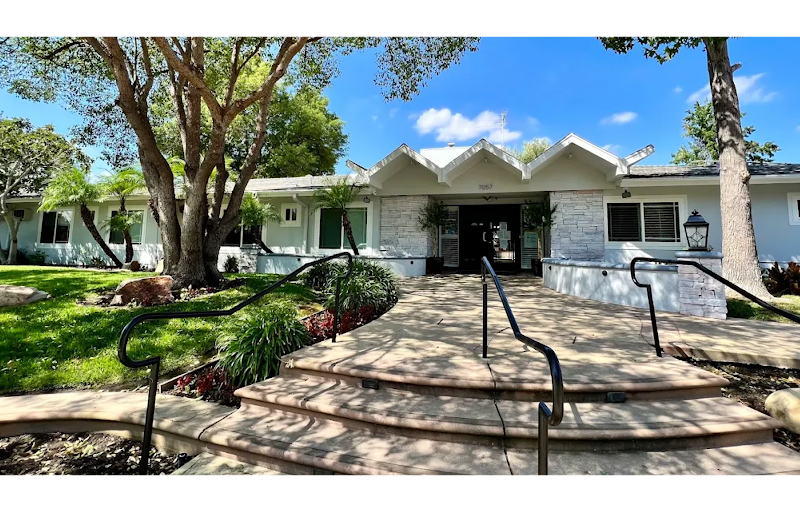
7057 SHOUP AVE, WEST HILLS, CA 91307 (818) 348-8422
For profit - Limited Liability company 128 Beds PACS GROUP Data: November 2025 1 Immediate Jeopardy citation
Trust Grade
23/100
#953 of 1155 in CA
Last Inspection: August 2025

Inspected within the last 6 months. Data reflects current conditions.

Overview

West Valley Post Acute has a Trust Grade of F, indicating significant concerns about the facility's care quality. It ranks #953 out of 1155 nursing homes in California, placing it in the bottom half, and #261 of 369 in Los Angeles County, showing limited local competition. The facility's performance is worsening, with issues increasing from 26 in 2024 to 33 in 2025. Staffing is somewhat stable, with a 3 out of 5 star rating and a turnover of 20%, which is better than the state average; however, the facility received concerning fines totaling $87,332, higher than 85% of other California facilities. Specific incidents include a failure to provide necessary lab tests for a resident on anticoagulants, resulting in a lack of medication for over a week, and a serious instance of physical abuse when one resident assaulted another. Overall, while there are some strengths related to staffing stability, the facility faces significant challenges that families should consider.

Trust Score
F
23/100
In California
#953/1155
Bottom 18%
Safety Record
High Risk
Review needed
Inspections
Getting Worse
26 → 33 violations
Staff Stability
✓ Good
20% annual turnover. Excellent stability, 28 points below California's 48% average. Staff who stay learn residents' needs.
Penalties
✓ Good
$87,332 in fines. Lower than most California facilities. Relatively clean record.
Skilled Nurses
○ Average
Each resident gets 31 minutes of Registered Nurse (RN) attention daily — about average for California. RNs are the most trained staff who monitor for health changes.
Violations
⚠ Watch
84 deficiencies on record. Higher than average. Multiple issues found across inspections.
★★☆☆☆
2.0
Overall Rating
★★★☆☆
3.0
Staff Levels
★★★★★
5.0
Care Quality
★☆☆☆☆
1.0
Inspection Score
Stable
2024: 26 issues
2025: 33 issues

The Good

  • 5-Star Quality Measures · Strong clinical quality outcomes
  • Low Staff Turnover (20%) · Staff stability means consistent care
  • Full Sprinkler Coverage · Fire safety systems throughout facility
  • No fines on record
  • Staff turnover is low (20%)

    28 points below California average of 48%

Facility shows strength in quality measures, staff retention, fire safety.

The Bad

2-Star Overall Rating

Below California average (3.1)

Below average - review inspection findings carefully

Federal Fines: $87,332

Well above median ($33,413)

Moderate penalties - review what triggered them

Chain: PACS GROUP

Part of a multi-facility chain

Ask about local staffing decisions and management

The Ugly 84 deficiencies on record

1 life-threatening 2 actual harm
Aug 2025 25 deficiencies
CONCERN (D)

Potential for Harm - no one hurt, but risky conditions existed

Deficiency F0558 (Tag F0558)

Could have caused harm · This affected 1 resident

Based on observation, interview, and record review, the facility failed to ensure that a call light (a device used by a patient to signal his or her need for assistance from a professional staff) was ...

Read full inspector narrative →
Based on observation, interview, and record review, the facility failed to ensure that a call light (a device used by a patient to signal his or her need for assistance from a professional staff) was within reach for one of three sampled residents (Resident 83) investigated under the environment facility task. This deficient practice had the potential to result in Resident 83 not being able to call for facility staff assistance and delay in the provision of necessary care and services that can negatively affect the residents' comfort and well-being.Findings: During a review of Resident 83's admission Record, the admission Record indicated the facility admitted the resident on 3/8/2024 with diagnoses including unspecified dementia (a progressive state of decline in mental abilities), dysphagia (difficulty swallowing), and a history of falling. During a review of Resident 83's Minimum Data Set (MDS - an assessment and care screening tool) dated 6/11/2025, the MDS indicated Resident 83 usually makes herself understood and usually understands others. The MDS further indicated Resident 83 needs supervision with toileting, showering, dressing and putting on and taking off shoes. During a review of Resident 83's Care Plan with a focus of Resident had a fall and was noted with confusion initiated on 7/13/2024, the care plan indicated an intervention to keep call light within reach and encourage to use it for assistance. During an observation on 8/11/2025 at 9:51am in Resident 83's room, Resident 83 was up in her wheelchair on the left side of her bed, near the foot of the bed. The call light was wrapped and hung on the right upper side rail, completely out of the resident's reach. During a concurrent observation and interview on 8/11/2025 at 9:57 a.m. inside Resident 83's room with Certified Nursing Assistant (CNA 7), CNA 7 stated she forgot to place the call light next to Resident 83. CNA 7 stated the call light should not be wrapped up on the upper side rail on the opposite side of the bed, but next to the resident so she could call for help and there would not be a delay of care. During an interview on 8/14/2025 at 2:15 p.m., with the Director of Nursing (DON), the DON stated all call lights should be within each resident's reach so staff would be able to attend to their needs timely at all times. The DON further stated Resident 83 has a history of falls and she was at risk of possible injury if the call light is not next to her. During a review of the facility's policy and procedure (P&P) titled, Answering the Call Light, last reviewed 6/25/2025, the P&P indicated staff must answer timely to the resident's request and needs. The P&P further indicated staff must ensure the call light is accessible to the resident.
CONCERN (D)

Potential for Harm - no one hurt, but risky conditions existed

Notification of Changes (Tag F0580)

Could have caused harm · This affected 1 resident

Based on interview and record review the facility failed to notify the resident's physician of a change of condition (COC, decline or improvement in a resident's status that will not resolve itself wi...

Read full inspector narrative →
Based on interview and record review the facility failed to notify the resident's physician of a change of condition (COC, decline or improvement in a resident's status that will not resolve itself without intervention) in accordance with physician's orders for one of two residents (Resident 12) reviewed who were prescribed insulin (hormone that regulates blood sugar levels) by failing to: 1. Notify the physician when Resident 12's blood sugar was over 300. 2. Notify the physician when Resident 12' blood sugar was over 400 and change in condition form was not filled out. This had the potential for Resident 12 to suffer complications from elevated blood glucose such as infection and diabetic coma (a complication of diabetes where a person loses consciousness due to extremely high blood sugar levels).Findings:During a review of Resident 12's admission Record, the admission Record indicated the facility admitted the resident on 6/02/2025 with diagnoses including diabetes mellitus (DM, a disorder characterized by difficulty in blood sugar control and poor wound healing) and contact dermatitis (a skin condition caused by direct contact with an irritant or allergen, resulting in rash and inflammation). During a review of Resident 12's Minimum Data Set (MDS, a standardized assessment and care screening tool), dated 6/12/2025, the MDS indicated Resident 12 was severely impaired in cognition (the process of acquiring knowledge and understanding through thought, experience, and the senses) with skills required for daily decision making. The MDS indicated Resident 12 was dependent on staff for personal hygiene. During a review of Resident 12's Physician's Orders, the Physician Orders indicated the following:- Humalog KwikPen Subcutaneous Solution (a hormone that removes excess sugar from the blood, can be produced by the body or given artificially via medication) 100 units/milliliter (units/ml, used for insulin dosage and/or amount) inject as per sliding scale:If 70 - 150 milligrams/deciliter (mg/dL, a unit of measure for blood sugar) mg/dL, then give no units; If blood sugar is less than (<) 70 mg/dL, give orange juice then re-check after 15 minutes, notify the physician.If 151 - 200 mg/dL, then give 2 units;If 201 - 250 mg/dL, then give 4 units;If 251 - 300 mg/dL, then give 6 units;If 301 - 350 mg/dL, then give 8 units;If 351 - 400 mg/dL, then give 10 units;If 401 - 450 mg/dL, then give 12 units; for blood sugar 400 mg/dL and above, give dose, then notify physician, subcutaneously (into the fat right under the skin) four times a day for DM, dated 6/02/2025.-Humalog Injection Solution, inject 8 units subcutaneously three times a day for DM, dated 6/26/2025.-Insulin Glargine Solution Pen Injector, 100 mg/ml, inject 25 units subcutaneously one time a day for DM, dated 7/06/2025.-Monitor blood sugar twice a day, inform the physician if the blood sugar is below 70 mg/dL or above 300 mg/dl (normal reference range is 70 - 100 mg/dL), for DM, dated 6/03/2025.During a review of Resident 12's Care Plan for Diabetes, initiated 6/13/2025, the care plan indicated a goal that Resident 12 will be free of signs or symptoms associated with hypoglycemia (low blood sugar) or hyperglycemia (high blood sugar).The care plan indicated the following interventions:- Administer medications as ordered- Blood glucose checks as ordered. Report to the physician if blood glucose is outside of set parameters.- Monitor for signs of hyper/hypoglycemia (i.e., change in level of consciousness, diaphoresis (sweating), dizziness, headache, hunger, shakiness, etc. During a review of Resident 12's Medication Administration Record (MAR, a daily documentation record used by a licensed nurse to document medications and treatments given to a resident) for the month of 7/2025 and 8/2025, covering the dates 7/01/2025 through 7/31/2025 and 8/01/2025 through 8/13/2025, the MAR indicated the following:7/2025 above 300 mg/dL were 8 instances8/2025 above 300 mg/dL were 10 instances.During a review of Resident 12's 8/2025 MAR, the MAR indicated Resident 12's blood sugar was 424 mg/dL on 8/10/2025 at 11 a.m.During a concurrent interview and record review with Licensed Vocational Nurse 4 (LVN 4) on 8/13/2025 at 4:30 p.m., reviewed Resident 12's 8/2025 MAR. LVN 4 stated that he took the fingerstick on 8/12/2025 and was 357 mg/dL. LVN 4 stated he did not notify Resident 12's physician because he follows the Humalog sliding scale in which the physician should be notified if the fingerstick is greater than 400. Observed LVN 4's computer in which LVN 4 demonstrated how he documents that a medication has been given. Observed the order indicated to notify MD if blood sugar is over 300. LVN 4 verified that he has to press yes to indicate it has been completed but did not notice this order but clicked yes. LVN 4 stated he should notify the RN supervisor and call Resident 12's physician to clarify the order.During a concurrent interview and record review with the Minimum Data Set Coordinator (MDSC) on 8/14/2025 at 10:09 a.m., reviewed Resident 12's Physician Orders, one indicating to notify the physician if the blood sugar is greater than (>) 300 mg/dL and one if blood sugar is > 400 mg/dL. Reviewed Resident 12's 7/2025 MAR and confirmed with the MDSC that there were eight instances in which Resident 12's blood sugar was over 300 mg/dL. Reviewed Resident 12's 8/2025 MAR and confirmed with the MDSC that there were ten instances in which Resident 12's blood sugar was over 300 mg/dL. The MDSC stated the order should have been clarified with the Resident 12's physician. The MDSC stated Resident 12 could be at risk for the complications of high blood sugar such as infection and diabetic coma.During a concurrent interview and record review with Licensed Vocational Nurse 5 (LVN 5) on 8/14/2025 at 12:20 p.m., reviewed Resident 12's 8/2025 MAR. LVN 5 stated she should have caught the discrepancy of whether to call the physician if the blood sugar was greater than 300 mg/dL or greater than 400 mg/dL. Verified with LVN 5 that LVN 6 took Resident 12's blood sugar on 8/10/2025 at 11 a.m. and was 424 mg/dL. LVN 5 stated Resident 12's physician should have been notified. Reviewed Resident 12's Nursing Progress Notes and Change in Condition reports with LVN 5 and unable to find any documentation Resident 12's physician had been notified. LVN 5 stated LVN 6 was on vacation and out of the country, so they were not able to be questioned regarding the matter. LVN 5 stated it is important to notify the physician because high blood sugar can cause complications in which a resident would need to be hospitalized .During an interview with the Director of Nurses (DON) on 8/14/2025 at 2:14 p.m., she stated the licensed nurses should have noticed the discrepancy between Resident 12's Physician's Orders regarding notification if blood sugar is > 300 mg/dL or > 400 mg/dL. The DON stated, for the instance in which the blood sugar was 424 mg/dL on 8/10/2025, the licensed nurse should have notified Resident 12's physician and filled out a change in condition (CoC, an assessment form licensed nurses fill out when a resident has a medical change in condition) form as well. The DON stated it is important to notify the physician in case he wants to change the medication or order another intervention. The DON stated it is important to control blood sugar so Resident 12 will not have complications such as diabetic coma.During a review of the facility's policy and procedure titled, Obtaining a Fingerstick Glucose Level, last reviewed 6/25/2025, the policy indicated the following:- Follow policies and procedures for appropriate nursing interventions regarding blood sugar results (if resident is on sliding scale coverage, and/or physician intervention is needed to adjust insulin and/or physician intervention is needed to adjust insulin or oral medication dosages), etc. Report results promptly to the supervisor and the attending physician. During a review of the facility's policy and procedure (P&P) titled, Change in a Resident's Condition or Status, last reviewed 6/25/2025, indicated the following:- The nurse will notify the resident's attending physician or physician on call when there has been a specific instruction to notify the physician of changes in the resident's condition.- Prior to notifying the physician or healthcare provider, the nurse will make detailed observations and gather relevant and pertinent information for the provider, including (for example) information prompted by the Interact (Situation, background, assessment, recommendation) SBAR Communication Form.- The nurse will record in the resident's medical record information relative to changes in the resident's medical/mental condition or status.During a review of the facility's policy and procedure titled, Administering Medications, last reviewed 6/25/2025, the P&P indicated medications must be administered in accordance with the orders, including any required time frame and/or manufacturer's recommendation.
CONCERN (D)

Potential for Harm - no one hurt, but risky conditions existed

Quality of Care (Tag F0684)

Could have caused harm · This affected 1 resident

**NOTE- TERMS IN BRACKETS HAVE BEEN EDITED TO PROTECT CONFIDENTIALITY** Based on observation, interview, and record review, the facility failed to ensure a qualified staff member adjusted the left ext...

Read full inspector narrative →
**NOTE- TERMS IN BRACKETS HAVE BEEN EDITED TO PROTECT CONFIDENTIALITY** Based on observation, interview, and record review, the facility failed to ensure a qualified staff member adjusted the left extension knee splint (brace designed to help maintain or improve the range of motion at the knee joint) for one of three residents (Resident 105) with positioning and range of motion ([ROM] full movement potential of a joint) concerns in accordance with professional standards and the facility's job descriptions. This failure placed Resident 105 at an increased risk for developing injury, skin breakdown (tissue damage caused by friction [surfaces rubbing against each other], shear [strain produced by pressure], moisture, or pressure), and further ROM limitations on the left knee. Findings: During a review of Resident 105's admission Record, the admission Record indicated the facility admitted Resident 105 on 3/5/2025 and readmitted on [DATE] with diagnoses including hemiplegia (total paralysis of the arm, leg, and trunk on the same side of the body) following the cerebral infarction (brain damage due to a loss of oxygen to the area) affecting the left, non-dominant side, contracture (a stiffening/shortening at any joint that reduces the joint's range of motion) of the left hip and left knee, dysphagia (difficulty swallowing), and muscle weakness. During a review of Resident 105's Physical Therapy ([PT] profession aimed in the restoration, maintenance, and promotion of optimal physical function) Evaluation and Plan of Treatment, dated 3/5/2025, the PT Evaluation indicated Resident 105 had minimal loss of motion (approximately 75 percent [%] of full ROM) on the left hip and moderate loss of motion (approximately 50% of full ROM) on the left knee including a left knee contracture During a review of Resident 105's PT Discharge summary, dated [DATE], the PT Discharge Summary recommendations indicated for the Restorative Nursing Aide ([RNA] nursing aide program that helps residents to maintain their function and joint mobility) to provide Resident 105 with passive range of motion ([PROM] movement of a joint through the range of motion with no effort from person) to both legs and to apply both knee extension splints. During a review of Resident 105's physician's orders, dated 6/4/2025, the physician's orders indicated for RNA to provide PROM to both legs and to apply both knee extension splints for two to four hours (2-4 hours) or as tolerated, seven days per week. During a review of Resident 105's Change in Condition Evaluation (CICE), dated 7/12/2025, the CICE indicated Resident 105 was transferred to the General Acute Care Hospital (GACH) via emergency services due to a fever with shivering and increased heart rate. During a review of Resident 105's Census List, the Census List indicated the facility readmitted Resident 105 on 7/22/2025. During a review of Resident 105's PT Evaluation and Plan of Treatment, dated 7/22/2025, the PT Evaluation indicated Resident 105 had minimal loss of motion on the right knee, minimal loss of motion on the left hip, and severe loss of motion (approximately 25% or less of full ROM) on the left knee. During a review of Resident 105's Minimum Data Set ([MDS] a federally mandated resident assessment tool), dated 7/25/2025, the MDS indicated Resident 105 had clear speech, expressed ideas and wants, understood verbal content, and had moderately impaired cognition (ability to think, understand, learn, and remember). The MDS indicated Resident 105 required partial/moderate assistance (helper does less than half the effort) for eating and substantial/maximal assistance (helper does more than half the effort) for bathing and upper body dressing. The MDS indicated Resident 105 was dependent (helper does all the effort, resident does none of the effort to complete the activity, or the assistance of two or more helpers is required to complete the activity) for lower body dressing, rolling to both sides, transferring from lying to sitting on the side of the bed, chair/bed-to-chair transfers, and sit-to-stand transfers. During a review of Resident 105's PT Discharge summary, dated [DATE], the PT Discharge Summary recommendations included RNA for PROM exercises and application of both knee extension splints. During a review of Resident 105's physician's orders, dated 8/7/2025, the physician's order indicated for RNA to provide PROM to both legs and to apply both knee extension splints for 2-4 hours or as tolerated, seven days per week. During a concurrent observation and interview on 8/11/2025 at 9:51 a.m. in Resident 105's room, Resident 105 was lying in bed while watching television. Resident 105's left knee was observed in a bent position and was not wearing a knee splint. Resident 105 stated the facility staff (unidentified) did not apply the splint to the left knee. During an interview on 8/12/2025 at 9:49 a.m. with the Director of Rehabilitation (DOR 1), DOR 1 stated the purpose of splints (in general) included to prevent the development of contractures. During a concurrent observation and interview on 8/12/2025 at 10:49 a.m. with Resident 105 in the resident's room, Resident 105 was lying in bed and with both knees bent to approximately 90 degrees. Resident 105 did not have any splints applied to both knees. During a concurrent observation and interview on 8/13/2025 at 9:57 a.m. with Restorative Nursing Assistant 1 (RNA 1) in Resident 105's room, RNA 1 was walking out of the room and stated Resident 105's RNA session just ended. RNA 1 stated Resident 105 refused the application of the right knee splint. Resident 105 was observed lying in bed wearing the left knee extension splint. Resident 105's left knee was observed in a bent position at approximately 90 degrees. Resident 105's left knee extension splint was positioned behind the knee and had three straps - one over the thigh, one over the kneecap, and one over the lower leg. The left knee extension brace was in an extended position, causing an approximately three-to-four-inch (unit of measure) gap between the back of Resident 105's knee and the surface of the knee splint. During an interview on 8/13/2025 at 10:26 a.m. with DOR 1, DOR 1 stated the facility had two types of knee splints - a hinged knee splint (type of knee support that uses a hinge on one or both sides of the knee to provide stability) and a moldable knee splint. DOR 1 stated the moldable knee splint should be molded to accommodate the knee joint. During a concurrent observation and interview on 8/13/2025 at 10:39 a.m. with DOR 1 in the resident's room, Resident 105's left knee splint was observed. DOR 1 stated Resident 105 had a moldable splint and should accommodate the 90-degree bend in Resident 105's left knee. DOR 1 stated Resident 105 had a big gap between the left knee and the knee splint. DOR 1 stated Resident 105's left knee could develop skin redness from the straps of the knee splint. DOR 1 removed the knee splint's straps and stated Resident 105's skin had not developed any redness from the splint. During an interview on 8/13/2025 at 10:51 a.m. with DOR 1, DOR 1 stated the standard of practice to provide a splint to a resident (in general) included performing a therapy evaluation and providing treatment to determine the type of splint, assess the splint fit, and determine the splint wear time (amount of time a person can tolerate wearing the splint). During an interview on 8/13/2025 at 12:18 p.m. with DOR 1, DOR 1 stated Physical Therapist 1 (PT 1) discharged Resident 105 on 8/7/2025. DOR 1 stated Resident 105's current left knee extension splint was not appropriate for Resident 105's current joint mobility due to the gap between the splint and the skin. DOR 1 stated the left knee splint could cause redness to Resident 105's splint due to the improper fit. During a concurrent observation and interview on 8/13/2025 at 12:24 p.m. with PT 1 in the resident's room, Resident 105 was lying in bed with the left knee extension splint lying on the bed. Resident 105 stated he removed the knee splint because the position of the left leg was causing left hip pain. PT 1 stated Resident 105's current left knee ROM was bent at 90 degrees and was the same upon Resident 105's discharge from PT services. PT 1 stated the left knee extension splint upon discharge from PT was flush to Resident 105's left knee position and did not have a gap between the splint and the left knee. PT 1 stated the RNA should have communicated with PT to modify the splint if there was a gap between Resident 105's left knee and the splint. During an interview on 8/13/2025 at 4:37 p.m. with RNA 1, RNA 1 stated Resident 105's left knee splint was adjusted because Resident 105 wanted the splint straighter. RNA 1 stated splint adjustments were within the RNA's scope of practice. During an interview on 8/14/2025 at 12:45 p.m. with the Assistant Director of Nursing (ADON) and DOR 1, DOR 1 stated adjusting Resident 105's left knee splint was not within the RNA's scope of practice. DOR 1 stated only therapists can adjust the splint because the therapists determine the purpose and appropriate angle of the splint. DOR 1 stated Resident 105 could experience injury, skin breakdown, and further ROM limitation if the left knee splint was adjusted inappropriately. During a review of the facility's undated job description titled, Staff Physical Therapist, the job description indicated the PT recommended and facilitated the ordering of braces. During a review of the textbook titled, The Guide to Physical Therapist Practice, second edition, pages 76 and 77, revised 2003 by the American Physical Therapy Association, the textbook indicated a physical therapist used tests and measures to assess the need for orthotic (splint) devices in patients and evaluated the appropriateness and fit of the device. The Guide to Physical Therapy Practice textbook indicated physical therapists performed assessments to determine a patient's alignment and fit of the orthotic device, components of orthotic device, level of safety with device, and functional benefit of the device.
CONCERN (D)

Potential for Harm - no one hurt, but risky conditions existed

Drug Regimen Review (Tag F0756)

Could have caused harm · This affected 1 resident

Based on interview and record review, the facility failed to ensure the Medication Regimen Review (MRR - review of a resident's drug therapy to assure appropriateness of medication usage completed eac...

Read full inspector narrative →
Based on interview and record review, the facility failed to ensure the Medication Regimen Review (MRR - review of a resident's drug therapy to assure appropriateness of medication usage completed each month by the consultant pharmacist) was acted upon for one (Resident 12) of six residents investigated for unnecessary medications, by failing to act upon the facility consultant pharmacist's recommendation to provide a location of application for Diclofenac Gel (a nonsteroidal anti-inflammatory drug [NSAID] used topically for pain relief and inflammation).This had the potential for licensed nurses not to know the location of Resident 12's pain.Findings:During a review of Resident 12's admission Record, the admission Record indicated the facility admitted the resident the facility on 6/02/2025 with diagnoses including diabetes mellitus (DM, a disorder characterized by difficulty in blood sugar control and poor wound healing) and contact dermatitis (a skin condition caused by direct contact with an irritant or allergen, resulting in rash and inflammation). During a review of Resident 12's Minimum Data Set (MDS, a standardized assessment and care screening tool), dated 6/12/2025, the MDS indicated Resident 12 was severely impaired in cognition (the process of acquiring knowledge and understanding through thought, experience, and the senses) with skills required for daily decision making. The MDS indicated Resident 12 was dependent on staff for personal hygiene. During a review of Resident 12's Physician's Orders, the Physician Order indicated an order for Diclofenac Sodium External Gel 1%, apply to affected area topically every six hours as needed for pain, dated 6/02/2025.During a review of Resident 12's Consultant Pharmacist's MRR, created between 7/01/2025 and 7/07/2025, the MRR indicated Resident 12's physician to provide the location the Diclofenac Gel is to be applied to. During a concurrent interview and record review with the Minimum Data Set Coordinator (MDSC) on 8/13/2025 at 2:24 p.m., reviewed Resident 12's MRR for the month of 7/2025. The MRR recommended that Resident 12's physician provide a location for application of the Diclofenac Gel. The MDSC stated the licensed nurses need to speak to Resident 12's physician to clarify the order to add a location. The MDSC stated this was important to see if Resident 12's pain management is effective. The MDSC stated the Diclofenac could possibly be an unnecessary medication if not clarified.During an interview with the Director of Nursing (DON) on 8/14/2025 at 2:16 p.m., the DON stated the Diclofenac order needs to be clarified with Resident 12's physician to obtain the specific location of the medication application. The DON stated it is important to know where Resident 12's pain is located.During a review of the facility's policy and procedure titled, Drug Regimen Review, last reviewed 6/25/2025, indicated the following:- Findings and recommendations by the Consultant pharmacist are reported to the Administrator, Director of Nursing, the responsible physician, and the Medical Director, where appropriate.- The Consultant pharmacist documents all potential or actual significant nursing documentation problems found relating to medications and communicates them in writing to the Director of Nursing, within five working days of the review.- Drug Regimen Review recommendations to physician-o A copy of the report is kept by the facility until the physician's signed response is returnedo The physician response is provided to the Consultant pharmacist for review and then filed by the facility.- Nursing Documentation Reviewo The Consult pharmacist provides the report within five working days of review.o Nursing personnel provide a written response to the review within two weeks after the report is receivedo A copy of the report is kept by the facility until the nurse's response is returned.o Nursing staff response to the report is provided to the Consultant pharmacist for review and then filed by the facility.
CONCERN (E)

Potential for Harm - no one hurt, but risky conditions existed

Resident Rights (Tag F0550)

Could have caused harm · This affected multiple residents

Based on observation, interview, and record review, the facility failed to provide care in a manner that maintained a resident's dignity by failing to provide privacy during indwelling urinary cathete...

Read full inspector narrative →
Based on observation, interview, and record review, the facility failed to provide care in a manner that maintained a resident's dignity by failing to provide privacy during indwelling urinary catheter (a flexible tube inserted into the bladder [organ that stores urine] and left in place to continuously drain urine) care for two of five sampled residents (Resident 44 and 15). This deficient practice had the potential to negatively affect the residents' psychosocial (refers to the interplay between psychological factors [thoughts, feelings, behaviors] and social factors [relationships, environment, culture]) wellbeing and loss of dignity. Findings: a. During a review of Resident 44’s admission Record, the admission Record indicated the facility initially admitted Resident 44 on 7/20/2022 and readmitted the resident on 6/15/2024 with diagnoses that included, but not limited to Alzheimer’s disease (a disease characterized by a progressive decline in mental abilities), aphasia (a disorder that makes it difficult to speak), and neuromuscular dysfunction of the bladder (nerve damage that causes the inability to control urination normally). During a review of Resident 44’s Minimum Data Set (MDS, a resident assessment tool) dated 5/20/2025, the MDS indicated Resident 44 usually understood others and was usually able to make herself understood. The MDS indicated Resident 44 was dependent on facility staff for all activities of daily living (ADLs - activities such as bathing, dressing and toileting a person performs daily). During a concurrent observation and interview on 8/13/2025 at 10:32 a.m., with Certified Nurse Assistant (CNA 6) in Resident 44’s room, CNA 6 began providing care to Resident 44’s urinary catheter without providing privacy. Resident 44’s bed was closest to the hallway, the door to the room was open, and Resident 44’s curtain was open in full view of the hallway. CNA 6 stated prior to providing care for any resident, she (CNA 6) must close the curtain to provide privacy, but she forgot to close the curtain this time. CNA 6 stated privacy is important for the residents’ dignity. During an interview on 8/14/2025 at 1:36 p.m., with the Director of Nursing (DON), the DON stated every resident has the right to privacy and staff must provide privacy while giving care. The DON further stated CNA 6 should have either closed the door or pulled the curtain completely shut prior to providing urinary catheter care to respect Resident 44’s dignity and privacy. During a review of the facility's policy and procedure (P&P) titled, Confidentiality of Information and Personal Property, last reviewed on 6/25/2024, the policy indicated it is the practice of the facility to protect and safeguard resident confidentiality and personal privacy. The P&P further states the facility will strive to protect the resident’s privacy regarding his or her accommodations, medical treatments and personal care. b. During a review of Resident 15’s admission Record, the admission Record indicated the facility originally admitted Resident 15 on 2/8/2025 and re-admitted the resident on 7/12/2025 with diagnoses including hypertension (high blood pressure [the force of the blood pushing on the blood vessel walls is too high]), depression (mood disorder that causes a persistent feeling of sadness and loss of interest), and neuromuscular dysfunction of the bladder. During a review of Resident 15’s History and Physical (H&P) dated 7/14/2025, the H&P indicated Resident 15 had the capacity to understand and make decisions. During a concurrent interview and observation on 8/12/2025 at 2:40 p.m., in Resident 15’s room with Licensed Vocational Nurse 1 (LVN 1), observed LVN 1 did not close the curtain and provide privacy for Resident 15 before the start of urinary catheter care. LVN 1 stated that she (LVN 1) should have closed the curtain before the start of care for Resident 15. LVN 1 stated that Resident 15’s body and/or care could have potentially been exposed to other residents and/or staff. LVN 1 stated that all residents have the right to privacy and privacy should be provided for all residents while receiving care. LVN 1 stated that not providing residents with privacy can have an impact on residents’ psychological wellbeing which can potentially lead to psychosocial harm if felt embarrassed. During an interview on 8/14/2025 at 1:55 p.m., with the Director of Nursing (DON), the DON stated that all residents have the right to privacy while residing in the facility. The DON stated Resident 15’s curtain should have been closed by the nurse prior to providing care or assessing Resident 15’s urinary catheter. The DON stated that not providing privacy for Resident 15 could have potentially caused the resident to have felt embarrassed or potentially have had an impact on Resident 15’s psychological wellbeing. The DON stated that staff should treat all residents with respect and dignity at all times. During a review of the facility’s policy and procedure (P&P) titled, “Resident Rights,” dated 6/2025, the P&P indicated, “Employees shall treat all residents with kindness, respect, and dignity. 1. Federal and state laws guarantee certain basic rights to all residents of this facility. These rights include the resident’s right to: d. Privacy and confidentially.”
CONCERN (E)

Potential for Harm - no one hurt, but risky conditions existed

Deficiency F0577 (Tag F0577)

Could have caused harm · This affected multiple residents

**NOTE- TERMS IN BRACKETS HAVE BEEN EDITED TO PROTECT CONFIDENTIALITY** Based on observation, interview, and record review, the facility failed to:1. Notify residents of the location of results of the...

Read full inspector narrative →
**NOTE- TERMS IN BRACKETS HAVE BEEN EDITED TO PROTECT CONFIDENTIALITY** Based on observation, interview, and record review, the facility failed to:1. Notify residents of the location of results of the most recent survey (means the Statement of Deficiencies [Form CMS-2567] generated by the most recent standard survey and any deficiencies resulting from any subsequent complaint investigation(s) for five (Resident 20, Resident 33, Resident 34, Resident 42, and Resident 88) who attended the resident council meeting.2. Post in a place readily accessible (is a place [such as a lobby or other area frequented by most residents, visitors or other individuals] where individuals wishing to examine survey results do not have to ask to see them) to residents and family members and legal representatives of residents, the results of the most recent survey of the facility.This had the potential for residents and family members not to know how the facility is performing in regard to resident care. Findings:1.a. During a review of Resident 20's admission Record (or Face Sheet, front page of the chart that contains a summary of basic information about the resident), the admission Record indicated that the facility admitted the resident on 11/19/2024 with diagnoses including hypertension (high blood pressure). During a review of Resident 20's Minimum Data Set (MDS, a resident assessment tool), dated 5/22/2025, the MDS indicated Resident 20 was moderately impaired in cognition (the process of acquiring knowledge and understanding through thought, experience, and the senses) with skills required for daily decision making. The MDS indicated Resident 20 required supervision with eating. b. During a review of Resident 33's admission Record, the admission Record indicated that the facility admitted the resident on 2/07/2019 with diagnoses including hypertension.During a review of Resident 33's MDS, dated [DATE], the MDS indicated Resident 33 was moderately impaired in cognition with skills required for daily decision making. The MDS indicated Resident 33 required supervision with eating and oral hygiene. c. During a review of Resident 34's admission Record, the admission Record indicated that the facility admitted the resident on 9/12/2019 with diagnoses including transient ischemic attack (a brief stroke-like attack, including weakness on one side of the body).During a review of Resident 34's MDS, dated [DATE], the MDS indicated Resident 34 was cognitively intact with skills required for daily decision making. The MDS indicated Resident 34 required supervision with eating and oral hygiene. d. During a review of Resident 42's admission Record, the admission Record indicated the resident was admitted to the facility on [DATE], with diagnoses including femur fracture (a break in the thigh bone).During a review of Resident 42's MDS, dated [DATE], the MDS indicated Resident 42 was moderately impaired in cognition with skills required for daily decision making. The MDS indicated Resident 33 required supervision with eating and oral hygiene. e. During a review of Resident 88's admission Record, admission Record indicated the resident was admitted to the facility on [DATE] with diagnoses including muscle weakness.During a review of Resident 88's MDS, dated [DATE], the MDS indicated Resident 88 was severely impaired in cognition with skills required for daily decision making. The MDS indicated Resident 88 required supervision with eating. 2. During the survey resident council meeting on 8/12/2025 at10:30 a.m., all five of the resident council residents interviewed stated they did not know there were written survey results conducted by Department of Public Health or where the results were located.During an observation on 8/12/2025 at 11:29 a.m., observed the front desk area near the facility's front and side door with the Activities Director (AD). Did not observe any survey results located on the desk or nearby table located directly across from the front desk. Survey team walked towards the side door and looked back sharply to observe a white binder labeled, Annual Survey, on the desk. The survey results were not visible to anyone who would exit the facility front door or possibly the side door unless looking to the right as they exited the facility.During an interview and record review on 8/12/2025 at 11:34 a.m. with the AD, reviewed the contents of the Annual Survey binder. Verified with the AD, there were no survey results from 2024 and only one result of a complaint, dated 10/23/2024. During a concurrent interview and record review on 8/12/2025 at 12:15 p.m., reviewed the facility's policy and procedure, titled, Survey Results, Examination of, last reviewed 6/25/2025, with the AD. The policy indicated a copy of the most recent survey report, and any plans of correction are kept in a binder accessible to residents, family members, resident representatives and to the public. The AD stated accessible meant within sight, not on the desk, behind the counter, where most people could not see the binder. The policy indicated survey reports, certifications, complaint investigations and plans of correction for the preceding three years are available for any individual to review upon request. Reviewed the Survey Binder with the AD. The AD stated the binder was incomplete in that it did not contain all of the last three years of survey and complaint results.During an interview with the Director of Nurses (DON) on 8/14/2025 at 2:16 p.m., she stated the survey binder should be complete and visible to residents. The DON stated this is important for the residents and their families to see how the facility is performing.During a review of the policy and procedure titled, Survey Results, Examination of, last reviewed 6/25/2025, indicated the following:- A copy of the most recent survey report and any plans of correction are kept in a binder accessible to the resident, family members, resident representatives and to the public.- Survey reports, certifications, complaint investigations and plans of correction for the preceding three years are available for any individual to review upon request.
CONCERN (E)

Potential for Harm - no one hurt, but risky conditions existed

Deficiency F0578 (Tag F0578)

Could have caused harm · This affected multiple residents

**NOTE- TERMS IN BRACKETS HAVE BEEN EDITED TO PROTECT CONFIDENTIALITY** Based on interview and record review, the facility failed to ensure a copy of the resident's Advance Directive (AD- a legal docu...

Read full inspector narrative →
**NOTE- TERMS IN BRACKETS HAVE BEEN EDITED TO PROTECT CONFIDENTIALITY** Based on interview and record review, the facility failed to ensure a copy of the resident's Advance Directive (AD- a legal document indicating resident preference on end-of-life treatment decisions) was kept in the resident's medical chart and easily retrievable for two of three sampled residents (Resident 3 and 35) reviewed under the Advanced Directive care area. This deficient practice had the potential to create confusion which could lead to conflict with the resident`s wishes regarding their health care.Findings: a. During a review of Resident 3's admission Record (Face Sheet), the admission Record indicated that the facility initially admitted the resident on 8/24/2023 and readmitted on [DATE] with diagnoses including acute (sudden) and chronic (over time) congestive heart failure (CHF-a heart disorder which causes the heart to not pump the blood efficiently, sometimes resulting in leg swelling), unspecified dementia (a progressive state of decline in mental abilities) and type 2 diabetes mellitus (DM-a disorder characterized by difficulty in blood sugar control and poor wound healing). During a review of Resident 3's Minimum Data Set (MDS - a resident assessment tool) dated 7/28/2025, the MDS indicated that Resident 3 usually understood others and usually makes himself understood. The MDS indicated that Resident 3 was dependent on staff for toileting showering/bathing, dressing, and putting on/taking off footwear. During a review of Resident 3's Physician Order for Life-Sustaining Treatment (POLST - a form that contains written medical orders for healthcare professionals regarding specific medical treatments that can or cannot be done at the end of life) dated 10/20/2024, the POLST indicated Resident 3 had an AD dated 3/15/2019. During a concurrent interview and record review on 8/12/2025 of Resident 3's medical chart at 9:38 am at the nurse's station 2 with the Medical Records Assistant (MRA), the MRA pointed to the POLST and stated Resident 3 had an AD. The MRA continued to look through Resident 3's medical chart and could not locate his AD. The MRA stated a physical copy of the AD should be in Resident 3's medical record. During an interview on 8/14/2025 at 2:38 pm, with the Director of Nursing (DON), the DON stated that if a resident has an AD, a copy of the resident`s AD should be kept in the resident's physical medical chart for staff to have easy access The DON stated the potential outcome for not having Resident 3's AD in his physical chart was for staff to possibly not honor his wishes. b. During a review of Resident 13's admission Record (Face Sheet), the admission Record indicated that the facility initially admitted the resident on 10/11/2022 and readmitted on [DATE] with diagnoses including Parkinson's disease (a progressive disease of the nervous system marked by tremor, muscular rigidity, and slow, imprecise movements), epilepsy (disorder characterized by recurrent, unprovoked seizures [a sudden, uncontrolled electrical disturbance in the brain which can cause uncontrolled jerking, blank stares, and loss of consciousness]) and history of falling. During a review of Resident 13's MDS dated [DATE], the MDS indicated that Resident 13 understands others and makes himself understood. The MDS indicated that Resident 13 required supervision from staff for eating, oral hygiene, upper body dressing and personal hygiene. During a review of Resident 13's POLST dated 7/31/2025, the POLST indicated Resident 13 had an AD dated 8/9/2016. During a concurrent interview and record review on 8/12/2025 of Resident 13's medical chart at 9:44 am at the nurse's station 2 with the Medical Records Assistant (MRA), the MRA pointed to the POLST and stated Resident 13 had an AD. The MRA continued to look through Resident 13's medical chart and could not locate his AD. The MRA stated a physical copy of the AD should be in Resident 13's medical record. During an interview on 8/14/2025 at 2:43 pm, with the DON, the DON stated that if a resident has an AD, a copy of the resident`s AD should be kept in the resident's physical medical chart for staff to have easy access. The DON stated the potential outcome for not having Resident 13's AD in his physical chart was for staff to possibly not honor his wishes. During a review of the facility`s Policy and Procedure (P&P) titled Advanced Directives, last reviewed on 6/25/2025, the P&P indicated if the resident or resident's representative has executed one or more advance directive(s), or executes one upon admission, copies of these documents are obtained and maintained in the same section of the resident's medical record and readily retrievable by any facility staff.
CONCERN (E)

Potential for Harm - no one hurt, but risky conditions existed

Deficiency F0583 (Tag F0583)

Could have caused harm · This affected multiple residents

Based on observation, interview, and record review, the facility failed to ensure the confidential personal information of residents were protected by failing to ensure documents containing protected ...

Read full inspector narrative →
Based on observation, interview, and record review, the facility failed to ensure the confidential personal information of residents were protected by failing to ensure documents containing protected health information ([PHI]- any health information that can be used to identify a specific individual which must remain confidential to prevent harmful consequences) were not shredded prior to disposing in the waste container. This failure had the potential to violate 100 of 101 residents' rights for privacy and confidentiality of personal and medical records.Findings: During an observation on 8/12/2025 at 9:30 a.m. of the dishwashing process with Dietary Aide 1 (DA 1) in the three-compartment sink, observed DA 1 threw the residents meal tickets on the trash. The meal tickets had residents' names, room numbers, diet orders, and food allergies information. During a concurrent observation and interview on 8/12/2025 at 9:51 a.m. of the dishwashing process with DA 1 and the DS, the DS stated DA 1 threw all the meal tickets in the trash can and the trash gets thrown outside in the dumpster. The DS stated the meal tickets contained the residents' personal information because it had the residents' name, diet, room number and food preferences. The DS stated this practice should not be done and the diet tickets should be placed in a confidential bin for shredding services to pick up. The DS stated the residents' information was exposed and someone could potentially misuse the residents' information. The DS stated they have violated resident privacy under Health Insurance Portability and Accountability Act (HIPAA, a federal law that sets national standards to protect medical records and personal health information). During an interview on 8/12/2025 at 2:38 p.m. with the Director of Nursing (DON), the DON stated resident's records, diagnosis, medication, current level of care, social security number, date of birth , name and diet order are some of the health protected information. The DON stated the following are ways to protect PHI:1. Printed paper containing resident's information must be placed at the proper disposal for shredding.2. Block the names and information of the residents prior to disposing of the documents.3. Facility would not post anything in the room that violates resident's rights.The DON stated the kitchen staff should not be throwing the meal tickets in the garbage as it contains name, room number, diet and allergies of the residents and it is considered protected information. The DON stated she was not aware the kitchen staff were throwing the diet tickets in the dumpster, and they should have a special bin to dispose of it for shredding. The DON stated they were not protecting residents' information. The DON stated that there is a risk that someone could use the resident's information inappropriately. During a review of the facility's policies and procedures titled Protected Health Information (PHI), Management and Protection Of dated 6/25/2025, the P&P indicated, Protected Health Information (PHI) shall not be used or disclosed except permitted by current federal and state laws. Policy and Interpretation:1. It is the responsibility of all personnel who have access to resident and facility information to ensure that such information is managed and protected to prevent unauthorized release or disclosure.2. When using or disclosing PHI, or when requesting PHI from another entity, reasonable efforts must be made to limit the PHI used or disclosed to the minimum necessary to accomplish the purpose of the use or disclosure of such information. 3. Health information must be considered not to be individually identifiable in the following circumstances:a. A person with appropriate knowledge and experience with generally acceptable statistical and scientific principles and methods to determine that the risk is very small that the information could be used, alone or with other reasonably available information, to identify the resident who is subject of the information; orb. The following identifiers of the resident (and relatives, employers or household members) are removed: i. Names ii. Any other unique identifying number or characteristic code.
CONCERN (E)

Potential for Harm - no one hurt, but risky conditions existed

Comprehensive Care Plan (Tag F0656)

Could have caused harm · This affected multiple residents

**NOTE- TERMS IN BRACKETS HAVE BEEN EDITED TO PROTECT CONFIDENTIALITY** Based on interview and record review, the facility failed to develop and implement a comprehensive person-centered care plan (a ...

Read full inspector narrative →
**NOTE- TERMS IN BRACKETS HAVE BEEN EDITED TO PROTECT CONFIDENTIALITY** Based on interview and record review, the facility failed to develop and implement a comprehensive person-centered care plan (a document that summarizes a resident's needs, goals, and care/treatment) for three of four sampled residents (Resident 114, 11, and 12) by failing to: 1. Develop a care plan addressing Resident 114 and 11's use of antibiotic (medication that fights bacterial infections). 2. Implement and follow Resident 12's care plan addressing Resident 12's elevated blood sugar. These deficient practices had the potential to result in failure to deliver the necessary care and services.Findings: 1.a. During a review of Resident 114’s admission Record, the admission Record indicated that the facility admitted the resident on 8/4/2025 with diagnoses that included type two (2) mellitus diabetes (a chronic condition that affects the way the body processes blood glucose [sugar]), hypertension (high blood pressure [the force of the blood pushing on the blood vessel walls is too high]), and long-term use of antibiotics. During a review of Resident 114’s Minimum Data Set (MDS - a resident assessment tool) dated 8/7/2025, the MDS indicated the resident's cognitive (the mental action or process of acquiring knowledge and understanding through thought, experience, and the senses) skills for daily decision making was intact impaired and the resident required substantial/maximal assistance with oral shower, upper body dressing, personal hygiene and totally dependent on staff for toileting hygiene, lower body dressing, and putting on and taking off footwear. During a concurrent interview and record review on 8/12/2025 at 2:17 p.m., with the Infection Preventionist Nurse (IPN), reviewed Resident 114`s physician orders and care plans. Resident 114’s physician orders indicated an order for Bactrim (an antibiotic used to treat various bacterial infections) oral tablet 800-160 milligram (mg- unit of measurement) one tablet by mouth one time a day every Monday, Wednesday, and Saturday for infection prophylaxis (action taken to prevent disease). Resident 114’s care plans indicated that there was no care plan developed for Resident 114’s use of Bactrim. The IPN explained that each time an antibiotic is ordered, a care plan must be developed to ensure the goal of treatment is identified and put in place interventions to monitor and prevent potential side effects or adverse effects (undesired harmful effect resulting from a medication or other intervention) of the antibiotic. During a review of the facility’s policy and procedure titled, Care Plans, Comprehensive Person-Centered, last reviewed on 6/25/2025, the policy indicated that A comprehensive, person-centered care plan that includes measurable objectives and timetables to meet the resident`s physical, psychosocial and functional needs is developed and implemented for each resident . assessments of residents are ongoing and care plans are revised as information about the residents and the resident`s condition changes… 1.b. During a review of Resident 11's admission Record, the admission Record indicated that the facility originally admitted the resident on 6/27/2021 and readmitted the resident on 10/16/2024 with diagnoses that included type two (2) mellitus diabetes, hypertension, and muscle wasting and atrophy (partial or complete wasting away of a part of the body). During a review of Resident 11's MDS dated [DATE], the MDS indicated the resident's cognitive skills for daily decision making were severely impaired and the resident required substantial/maximal assistance with toileting hygiene, shower, lower body dressing, putting on and taking off footwear, and personal hygiene. During a concurrent interview and record review on 8/12/2025 at 2:25 p.m., with the IPN, reviewed Resident 11`s physician orders and care plans. Resident 11’s physician orders indicated an order for amoxicillin (an antibiotic used to treat various bacterial infections) oral capsule 500 mg for one tablet by mouth three times a day for prophylaxis status post (s/p- essentially means after or following) tooth extraction. Resident 11`s care plans indicated that there was no care plan developed for Resident 11’s use of amoxicillin. The IPN explained that each time an antibiotic is ordered, a care plan must be developed to ensure the goal of treatment is identified and put in place interventions to monitor and prevent potential side effects or adverse effects of the antibiotic. During a review of the facility`s policy and procedure titled, Care Plans, Comprehensive Person-Centered, last reviewed on 6/25/2025, the policy indicated, “A comprehensive, person-centered care plan that includes measurable objectives and timetables to meet the resident`s physical, psychosocial and functional needs is developed and implemented for each resident . assessments of residents are ongoing and care plans are revised as information about the residents and the resident`s condition changes.” 2. During a review of Resident 12’s admission Record, the admission Record indicated the facility admitted the resident on 6/2/2025 with diagnoses that included diabetes mellitus. During a review of Resident 12’s MDS dated [DATE], the MDS indicated Resident 12 was severely impaired in cognition with skills required for daily decision making. The MDS indicated Resident 12 was dependent on staff for personal hygiene. During a review of Resident 12’s physician orders, the physician orders indicated the following: - Humalog KwikPen (fast-acting insulin [a hormone that works by lowering levels of sugar in the blood]) subcutaneous (SQ - administering medication where a short needle is used to inject a medication into the tissue layer between the skin and the muscle) solution 100 units/milliliter (units/ml, used for insulin dosage and/or amount) inject as per sliding scale (progressive increase in the insulin dosage, based on pre-defined blood glucose ranges): If 70 – 150 milligrams/deciliter (mg/dL, a unit of measure for blood sugar), then give no units; If blood sugar is less than (<) 70 mg/dL, give orange juice then re-check after 15 minutes, notify the physician. If 151 – 200 mg/dL, then give 2 units; If 201 – 250 mg/dL, then give 4 units; If 251 – 300 mg/dL, then give 6 units; If 301 – 350 mg/dL, then give 8 units; If 351 – 400 mg/dL, then give 10 units; If 401 – 450 mg/dL, then give 12 units; for blood sugar 400 mg/dL and above, give dose, then notify physician, subcutaneously four times a day for DM, dated 6/02/2025. - Monitor blood sugar twice a day, inform the physician if the blood sugar is below 70 mg/dL or above 300 mg/dl (normal reference range is 70 – 100 mg/dL), for DM, dated 6/3/2025. During a review of Resident 12’s Care Plan for Diabetes, initiated 6/13/2025, the care plan indicated goals such as blood glucose levels will be within range as established by physician and will be free of signs or symptoms associated with hypoglycemia (low blood sugar) or hyperglycemia (high blood sugar). The care plan indicated interventions such as administer medications as ordered, blood glucose checks as ordered, report to the physician if blood glucose is outside of set parameters, and monitor for signs of hyper/hypoglycemia. During a review of Resident 12’s Medication Administration Record (MAR, a daily documentation record used by a licensed nurse to document medications and treatments given to a resident) for the month of 7/2025 and 8/2025, the MAR indicated the following: - For 7/2025, there were eight (8) instances of Resident 12’s blood sugar above 300 mg/dL. - For 8/2025, there were 10 instances of Resident 12’s blood sugar above 300 mg/dL. During an interview on 8/14/2025 at 2:14 p.m., with the Director of Nursing (DON), the DON stated Resident 12’s care plan for diabetes should have been implemented and followed for Resident 12’s elevated blood sugars. The DON stated it is important for Resident 12 to not have high blood sugars because of complications such as diabetic coma (life-threatening condition that occurs when blood sugar levels become dangerously high or low). During a review of the facility’s policy and procedure titled, “Care Plans, Comprehensive Person-Centered,” last reviewed 6/25/2025, the policy indicated the comprehensive, person-centered care plan includes measurable objectives and timeframes; includes the resident’s stated goals upon admission and desired outcomes; reflects currently recognized standards of practice for problem areas and conditions.
CONCERN (E)

Potential for Harm - no one hurt, but risky conditions existed

Deficiency F0688 (Tag F0688)

Could have caused harm · This affected multiple residents

**NOTE- TERMS IN BRACKETS HAVE BEEN EDITED TO PROTECT CONFIDENTIALITY** Based on observation, interview, and record review, the facility failed to provide services to improve or maintain range of moti...

Read full inspector narrative →
**NOTE- TERMS IN BRACKETS HAVE BEEN EDITED TO PROTECT CONFIDENTIALITY** Based on observation, interview, and record review, the facility failed to provide services to improve or maintain range of motion ([ROM] full movement potential of a joint) and mobility (ability to move) for three of four sampled residents (Resident 105, 55, and 56) with positioning, mobility, and restorative nursing ([RNA] nursing aide program that helps residents to maintain their function and joint mobility) concerns by failing to: 1. Objectively measure Resident 105's ROM in both legs during the Physical Therapy ([PT] profession aimed in the restoration, maintenance, and promotion of optimal physical function) Evaluations, dated 3/2/2025 and 7/22/2025. 2. Establish a treatment goal to improve Resident 105's left knee ROM after experiencing a decline from moderate ROM limitations (reflecting approximately 50 percent [%] of full ROM) to severe ROM limitations (reflecting 25% or less of full ROM) during the PT Evaluation, dated 7/22/2025. 3. Apply Resident 105's left resting hand splint (brace secured with straps that extends from the fingers to the forearm to properly position the fingers and wrist), left elbow extension splint (brace designed to help maintain or improve the range of motion at the elbow joint, specifically focusing on the ability to straighten or extend the arm), and both knee extension splints (brace designed to help maintain or improve the range of motion at the knee joint) on 8/12/2025 in accordance with the physician's orders, dated 8/7/2025.4. Apply Resident 55's left pressure relief ankle foot orthoses ([PRAFO] device worn on the calf and foot to suspend the heel and hold the ankle in neutral [90 degree] position) from 6/12/2025 to 6/16/2025 when transitioning from PT to RNA services. 5. Apply both of Resident 55's knee extension splints on 8/12/2025 and 8/13/2025 in accordance with the physician's order, dated 5/17/2025. 6. Apply Resident 55's left PRAFO on 8/12/2025 and 8/13/2025 in accordance with the physician's order, dated 6/17/2025. 7. Provide ambulation assistance to Resident 56 from 6/14/2025 to 6/16/2025 when transitioning from PT to RNA services. These failures had the potential for Resident 105 and 55 to experience further decline in ROM and for Resident 56 to experience a decline in the ability to walk. Findings: a. During a review of Resident 105's admission Record, the admission Record indicated the facility admitted Resident 105 on 3/5/2025 and readmitted on [DATE] with diagnoses including hemiplegia (total paralysis of the arm, leg, and trunk on the same side of the body) following the cerebral infarction (brain damage due to a loss of oxygen to the area) affecting the left, non-dominant side, contracture (a stiffening/shortening at any joint that reduces the joint's range of motion) of the left hip and left knee, dysphagia (difficulty swallowing), and muscle weakness. During a review of Resident 105's Occupational Therapy ([OT] profession aimed to increase or maintain a person's capability of participating in everyday life activities [occupations]) Evaluation and Plan of Treatment, dated 3/5/2025, the OT Evaluation indicated Resident 105's ROM in the right arm was within functional limits ([WFL] sufficient joint movement without significant limitation) and had limited active range of motion ([AROM] performance of an exercise to move a joint without any assistance or effort of another person) in the right shoulder. The OT Evaluation indicated Resident 105 had severe loss of motion (approximately 25% or less of full ROM) in the left shoulder, measuring 0-30 degrees (unit of joint measurement, normal 0-180 degrees), due to pain and muscle tightness, but had WFL ROM in the left elbow, forearm, wrist, and hand. During a review of Resident 105's PT Evaluation and Plan of Treatment, dated 3/5/2025, the PT Evaluation indicated Resident 105 had minimal loss of motion (approximately 75% of full ROM) on the left hip and moderate loss of motion (approximately 50% of full ROM) on the left knee which had a contracture. The PT Evaluation did not include measurements of the left hip and knee. During a review of Resident 105's OT Discharge summary, dated [DATE], the OT Discharge Summary indicated Resident 105 tolerated the left resting hand splint and the left elbow extension splint for two-and-a half (2.5) hours. The OT Discharge Summary did not include the RNA Program. During a review of Resident 105's PT Discharge summary, dated [DATE], the PT Discharge Summary recommendations indicated for the RNA to provide Resident 105 with passive range of motion ([PROM] movement of a joint through the range of motion with no effort from person) to both legs and to apply both knee extension splints. During a review of Resident 105's physician's orders, dated 6/4/2025, the physician's orders indicated for RNA to provide PROM to both arms and legs, to apply the left resting hand splint for 2-3 hours or as tolerated, to apply the left elbow extension splint for 2-3 hours or as tolerated, and to apply both knee extension splints for 2-4 hours or as tolerated, seven days per week. During a review of Resident 105's Change in Condition Evaluation (CICE), dated 7/12/2025, the CICE indicated Resident 105 was transferred to the General Acute Care Hospital (GACH) via emergency services due to a fever with shivering and increased heart rate. During a review of Resident 105's Census List, the Census List indicated the facility readmitted Resident 105 on 7/22/2025. During a review of Resident 105's OT Evaluation and Plan of Treatment, dated 7/22/2025, the OT Evaluation indicated Resident 105 had ROM limitations in both arms, including the right shoulder 0-100 degrees, left shoulder 0-50 degrees, and left elbow 25-100 degrees (normal 0-150). During a review of Resident 105's PT Evaluation and Plan of Treatment, dated 7/22/2025, the PT Evaluation indicated Resident 105 had minimal loss of motion on the right knee, minimal loss of motion on the left hip, and severe loss of motion on the left knee. The PT Evaluation did not include measurements of Resident 105's left hip and both knees. The PT Short-term and Long-term Goals did not include improving Resident 105's ROM in both knees. During a review of Resident 105's Minimum Data Set ([MDS] a federally mandated resident assessment tool), dated 7/25/2025, the MDS indicated Resident 105 had clear speech, expressed ideas and wants, understood verbal content, and had moderately impaired cognition (ability to think, understand, learn, and remember). The MDS indicated Resident 105 required partial/moderate assistance (helper does less than half the effort) for eating and substantial/maximal assistance (helper does more than half the effort) for bathing and upper body dressing. The MDS indicated Resident 105 was dependent (helper does all the effort, resident does none of the effort to complete the activity, or the assistance of two or more helpers is required to complete the activity) for lower body dressing, rolling to both sides, transferring from lying to sitting on the side of the bed, chair/bed-to-chair transfers, and sit-to-stand transfers. During a review of Resident 105's OT Discharge summary, dated [DATE], the OT Discharge Summary recommendations included RNA for PROM exercises and application of the left resting hand splint and left elbow extension splint. During a review of Resident 105's PT Discharge summary, dated [DATE], the PT Discharge Summary recommendations included RNA for PROM exercises and application of both knee extension splints. During a review of Resident 105's physician's orders, dated 8/7/2025, the physician's order indicated for RNA to provide PROM to both arms and legs, to apply the left resting hand splint for 2-4 hours or as tolerated, to apply the left elbow extension splint for 2-4 hours or as tolerated, and to apply both knee extension splints for 2-4 hours or as tolerated, seven days per week. During a concurrent observation and interview on 8/11/2025 at 9:51 a.m. in Resident 105's room, Resident 105 was lying in bed while watching television. Resident 105 was observed wearing splints on the left hand and elbow. Resident 105's left knee was observed in a bent position and was not wearing a knee splint. Resident 105 stated the left arm splints were necessary due to Resident 105's history of a stroke. Resident 105 stated today (8/11/2025) was the first time the facility staff (unidentified) applied the left arm splints in the past two weeks and did not apply the splint to the left knee. During an interview on 8/12/2025 at 9:49 a.m. with the Director of Rehabilitation (DOR 1), DOR 1 stated the purpose of splints (in general) included to prevent the development of contractures. During a concurrent observation and interview on 8/12/2025 at 10:49 a.m. with Resident 105 in the resident's room, Resident 105 was lying in bed and stated the left arm was weak due to a stroke. Resident 105 was observed actively moving the right arm but did not have any movement in the left arm. Resident 105 did not have any splints applied to the left arm. Resident 105 stated the facility staff (unspecified) was supposed to provide exercises but stated the exercises were not provided. Resident 105's knees were bent to approximately 90 degrees and did not have any splints applied to both knees. During a concurrent observation and interview on 8/12/2025 at 11:20 a.m. with Resident 105 in the resident's room, Resident 105 stated the facility staff (unspecified) had applied the left arm splints but did not apply the left knee splint. Resident 105 stated the facility was supposed to apply the left knee splint every day. Resident 105 stated the left knee splint was last applied on Friday (8/8/2025). During a concurrent observation and interview on 8/12/2025 from 3:23 p.m. to 3:53 p.m. with Resident 105 in the resident's room, Resident 105 did not have any splints applied to the left arm and both knees. Resident 105 attempted to straighten the right leg but had a slight bend at the right knee joint. Resident 105 was unable to straighten the left leg. Resident 105's left hip was observed in slight hip flexion (bending the leg at the hip joint toward the body) and the left knee was bent into a 90-degree position. During an observation on 8/12/2025 at 5:04 p.m. in Resident 105's room, Resident 105 did not have any splints applied to the left arm and both knees. During a review of Resident 105's RNA Documentation Survey Report (record of nursing assistant tasks) for 8/2025, the Documentation Survey Report indicated Resident 105 received RNA on 8/12/2025 for the application of the left resting hand splint, left elbow extension splint, and both knee splints. The Documentation Survey Report indicated Resident 105 wore each splint for three hours on 8/12/2025. During an observation and interview on 8/13/2025 at 9:30 a.m. with Resident 105 in the resident's room, Resident 105 was awake and lying in bed. Resident 105 stated the facility staff did not perform any ROM exercises and did not apply any splints yesterday (8/12/2025). During a concurrent observation and interview on 8/13/2025 at 9:57 a.m. with Restorative Nursing Assistant 1 (RNA 1) in Resident 105's room, RNA 1 was walking out of the room and stated Resident 105's RNA session just ended. RNA 1 walked back into the room and stated Resident 105 was seen for exercises and the application of the left hand, left elbow, and left knee splints. Resident 105 was observed lying in bed wearing a left resting hand splint, left elbow extension splint, and left knee extension splint. RNA 1 stated Resident 105 refused the application of the right knee splint. Resident 105 stated there was not enough space between both legs to accommodate both knee splints at the same time. During an interview on 8/13/2025 at 10:10 a.m. with RNA 1, RNA 1 stated Resident 105 was seen for ROM exercises to both arms and legs and the application of the left hand, left elbow, and left knee splints today (8/13/2025). RNA 1 stated Resident 105 refused the right knee splint today but did not refuse it yesterday (8/12/2025). RNA 1 stated Resident 105's RNA session on 8/12/2025 included ROM exercises to both arms and legs and application of the left hand, left elbow, and both knee splints. RNA 1 stated Resident 105 wore the splints on 8/12/2025 from approximately 1:45 p.m. to 4:00 p.m. During a concurrent interview and record review on 8/13/2025 at 10:54 a.m. with DOR 1, Resident 105's PT Evaluation, dated 3/5/2025, and PT Discharge summary, dated [DATE], were reviewed. DOR 1 stated the PT Evaluation indicated Resident 105 had minimal ROM limitation in the left hip and moderate ROM limitation in the left knee. DOR 1 stated Resident 105 developed minimal ROM limitation in the right knee due to muscle tightness during PT treatment sessions. DOR 1 stated Resident 105's PT Discharge Summary indicated recommendations for RNA to provide PROM to both legs and apply both knee extension splints. During a concurrent interview and record review on 8/13/2025 at 11:35 a.m. with DOR 1, Resident 105's PT Evaluation, dated 7/22/2025, and PT Discharge summary, dated [DATE], were reviewed. DOR 1 stated the PT Evaluation indicated Resident 105 was readmitted to the facility and referred to PT Services for contracture management and to prevent decline in mobility. DOR 1 stated Resident 105 had minimal ROM limitation in the left hip and severe ROM limitation in the left knee. DOR 1 stated Resident 105's left knee ROM declined from moderate to severe since Resident 105's discharge from PT on 5/30/2025. DOR 1 stated the PT assessed Resident 105's left knee ROM with the percentage of ROM loss and did not measure the left knee ROM with a goniometer (instrument for the precise measurement of angles). DOR 1 stated the PT should have but did not establish a treatment goal to improve Resident 105's ROM from severe to moderate ROM loss. During an interview on 8/13/2025 at 4:37 p.m. with the Assistant Director of Nursing (ADON) and RNA 1, RNA 1 stated Resident 105 received RNA for ROM exercises and application of the left-hand splint, left elbow splint, and both knee splints yesterday (8/12/2025). RNA 1 stated Resident 105's splints were applied after lunch on 8/12/2025 at approximately 2:00 p.m. and left them on Resident 105 for 2.5 to 3 hours. RNA 1 stated Resident 105's splints were removed prior to RNA 1 leaving the facility on 8/12/2025 at 6:00 p.m. During a concurrent interview and record review on 8/13/2025 at 4:47 p.m. with the ADON and RNA 1, Resident 105's RNA Documentation Survey Report for 8/12/2025 was reviewed. The ADON stated the Documentation Survey Report indicated RNA 1 spent 15 minutes applying Resident 105's left resting hand splint and left elbow splint on 8/12/2025. The ADON stated the Documentation Survey report indicated Resident 105 tolerated wearing both splints for three hours on 8/12/2025. The ADON stated the Documentation Survey Report also indicated RNA 1 spent 15 minutes applying both of Resident 105's knee extension splints, which Resident 105 tolerated wearing for three hours, on 8/12/2025. RNA 1 did not know the reason Resident 105 was observed on 8/12/2025 from 3:23 p.m. to 3:53 p.m. and on 8/12/2025 at 5:04 p.m. without wearing any splints. During an interview on 8/13/2025 at 5:04 p.m. with the ADON, the ADON stated Resident 105's ROM could worsen without the application of splints. During an interview on 8/14/2025 at 12:28 p.m. with DOR 1, DOR 1 stated PTs learned to measure joint mobility using a goniometer during their professional education. DOR 1 stated the purpose of measuring joints included determining a person's baseline (point of reference) measurements and assessing for any changes in joint mobility, which could affect a person's ability to participate in activities of daily living ([ADLs] routine tasks/activities such as bathing, dressing and toileting a person performs daily to care for themselves). During a concurrent interview and record review on 8/14/2025 at 12:45 p.m. with DOR 1 and ADON, Resident 105's PT Evaluations, dated 3/5/2025 and 7/22/2025, were reviewed. DOR 1 stated the PT Evaluations subjectively assessed Resident 105's ROM as minimal, moderate, or severe ROM limitation. DOR 1 stated Resident 105's ROM should have been measured objectively using a goniometer to determine Resident 105's actual ROM. During a review of the facility's policy and procedure (P&P) titled, Resident Mobility and Range of Motion, revised 7/20217, the P&P indicated residents with limited ROM will receive treatment and services to increase and/or prevent further decrease in ROM. The P&P also indicated residents with limited mobility will receive appropriate services, equipment, and assistance to maintain or improve mobility. The P&P also indicated the resident's current range of motion in the joints will be identified. b. During a review of Resident 55's admission Record, the admission Record indicated the facility admitted Resident 55 on 10/23/2021 with diagnoses including hemiplegia (total paralysis of the arm, leg, and trunk on the same side of the body) following cerebral infarction (brain damage due to a loss of oxygen to the area) affecting the left non-dominant side, dysphagia (difficulty swallowing), muscle weakness, left upper arm contracture (a stiffening/shortening at any joint that reduces the joint's range of motion) of the muscle, and dementia (progressive state of decline in mental abilities). During a review of Resident 55's physician's orders, dated 5/17/2024, the physician's order indicated for RNA to provide active assistive range of motion ([AAROM] use of muscles surrounding the joint to perform the exercise but requires some help from a person or equipment) to both legs. Another physician's order, dated 5/17/2024, indicated to apply a left resting hand splint, left elbow extension splint, and both knee extension splints, seven times per day for two to three hours as tolerated. During a review of Resident 55's physician's orders, dated 6/7/2024, the physician's order indicated for RNA to provide passive range of motion ([PROM] movement of a joint through the range of motion with no effort from person) on the left arm, seven times per week as tolerated. During a review of Resident 55's Physical Therapy ([PT] profession aimed in the restoration, maintenance, and promotion of optimal physical function) Evaluation and Plan of Treatment, dated 5/28/2025, the PT Evaluation indicated Resident 55 was referred to PT due to increased tightness on the left ankle. The PT Evaluation indicated Resident 55 had minimal ROM limitations (approximately 75% of full ROM) in both knees and the left ankle. During a review of Resident 55's PT Discharge summary, dated [DATE], the PT Discharge Summary recommendations indicated for RNA to provide ROM exercises and apply both knee splints and the left pressure relief ankle foot orthoses ([PRAFO] device worn on the calf and foot to suspend the heel and hold the ankle in neutral [90 degree] position). During a review of Resident 55's Restorative Nursing Program (RNP) Referral, dated 6/16/2025, the RNP Referral indicated for the RNA to apply the left PRAFO for two to two-and-a-half hours (2-2.5 hours), seven days per week as tolerated. During a review of Resident 55's physician's orders, dated 6/17/2025, the physician's orders indicated for RNA to apply the left PRAFO for 2-2.5 hours, seven days per week as tolerated. During a review of Resident 55's RNA Documentation Survey Report (record of nursing assistant tasks) for 6/2025, the Documentation Survey Report indicated the RNA started applying Resident 55's left PRAFO on 6/17/2025. During a review of Resident 55's Minimum Data Set ([MDS] a federally mandated resident assessment tool), dated 7/30/2025, the MDS indicated Resident 55 had clear speech, had difficulty communicating some words or finishing thoughts, usually understood verbal content, and had severely impaired cognition (ability to think, understand, learn, and remember). The MDS indicated Resident 55 required setup or clean-up assistance (helper sets up or cleans up while resident completes the activity, helper assists only prior to or following the activity) for eating and supervision or touching assistance (helper provides verbal cues and/or touching and/or steadying assistance as resident completes the activity) for upper body dressing. The MDS indicated Resident 55 required partial/moderate assistance (helper does less than half the effort) for rolling and sit-to-stand transfers and substantial/maximal assistance (helper does more than half the effort) for lower body dressing and chair/bed-to-chair transfers. During a review of Resident 55's RNA Documentation Survey Report for 8/2025, the Documentation Survey Report for 8/12/2025 indicated RNA 1 applied splints to both arms. The Documentation Survey Report did not include any documentation for the application of Resident 55's left PRAFO and both knee extension splints. During an observation on 8/13/2025 at 10:17 a.m. with Restorative Nursing Assistant 1 (RNA 1) in Resident 55's bedroom, Resident 55 was fully sitting up in bed with a meal tray in front of Resident 55. Resident 55 used the right hand to scoop eggs onto a spoon. RNA 1 stated Resident 55 will be seen in the afternoon for RNA. During a concurrent interview and record review on 8/13/2025 at 12:58 p.m. with DOR 1, Resident 55's PT Evaluation, dated 5/28/2025, and PT Discharge summary, dated [DATE], were reviewed. DOR 1 stated Resident 55 was referred to PT due to increased muscle tightness in the left ankle and foot. DOR 1 stated Resident 55 had minimal ROM limitations in both knees and the left ankle. DOR 1 stated Resident 55 continued to receive RNA while receiving PT services to prevent ROM limitations and muscle tightness. DOR 1 stated Resident 55 was discharged from PT on 6/11/2025 with recommendations for RNA to provide ROM to both legs, apply both knee splints, and apply the left PRAFO. During an observation on 8/13/2025 at 2:37 p.m. with RNA 1 in the resident's room, Resident 55's RNA session was observed. Resident 55 was alert and sitting up in a wheelchair. Resident 55's left shoulder joint was rotated toward the resident's body, the left elbow was bent, the left wrist was bent downward, and the left-hand fingers were in a loosely closed fist. RNA 1 performed ROM exercises to Resident 55's left shoulder, elbow, wrist, and hand. RNA 1 then applied the resting hand splint and the elbow extension splint to Resident 55's left arm. RNA 1 performed ROM exercises on both hips, knees, and ankles while Resident 55 sat in the wheelchair. Resident 55's left ankle was observed with clonus (muscular spasm involving repeated, often rhythmic, contractions) when RNA 1 performed ROM into dorsiflexion (bending the ankle toward the body). During an interview on 8/13/2025 at 3:04 p.m. with RNA 1, RNA 1 stated Resident 55 received PROM on the left arm, active range of motion ([AROM] performance of an exercise to move a joint without any assistance or effort of another person) on both legs, and application of the left hand and elbow splints. RNA 1 stated Resident 55 did not have any physician's orders to place splints on both legs. During a concurrent observation and interview on 8/13/2025 at 4:56 p.m. with RNA 1 and the Assistant Director of Nursing (ADON), RNA 1 stated Resident 55's left hand and elbow splints were applied on 8/12/2025 and 8/13/2025. RNA 1 stated Resident 55 did not have any orders for other splints, including a PRAFO. RNA 1 observed the computer screen mounted to the wall and saw Resident 55's RNA task to apply the left PRAFO. RNA 1 stated he was not aware Resident 55 had a physician's order for the application of the left PRAFO. During a review of Resident 55's RNA Documentation Survey Report for 8/2025, the Documentation Survey Report for 8/13/2025 indicated RNA 1 applied splints to both arms. The Documentation Survey Report did not include any documentation for the application of Resident 55's left PRAFO and both knee extension splints. During an interview on 8/14/2025 at 11:05 a.m. with RNA 1, RNA 1 stated Resident 55's left PRAFO and both knee splints were not applied on 8/13/2025. During an interview on 8/14/2025 at 12:28 p.m. with DOR 1, DOR 1 stated the PT should ideally complete the RNP Referral on the date of a resident's discharge for RNA to promptly begin. During a concurrent interview and record review on 8/14/2025 at 1:18 p.m. with the ADON and DOR 1, Resident 55's PT Discharge summary, dated [DATE], RNP Referral, dated 6/16/2025, and RNA Documentation Survey Report for 6/2025 and 8/2025 were reviewed. DOR 1 stated Resident 55 was discharged from PT on 6/11/2025 and included recommendations to apply the left PRAFO. DOR 1 stated the RNP Referral was completed on 6/16/2026, which was five days after Resident 55's discharge from PT. DOR 1 stated RNA did not apply Resident 55's left PRAFO until 6/17/2025, which was six days after Resident 55's discharge from PT. DOR 1 stated Resident 55 had the potential to experience increased muscle tightness and improper fit of the left PRAFO due to the six-day gap between PT services and RNA services. The ADON stated the RNA Documentation Survey Report for 8/12/2025 and 8/13/2025 inaccurately indicated Resident 55 had splints applied to both arms. The ADON stated the RNA Documentation Survey Report did not include the application of Resident 55's knee splints on 8/12/2025 and 8/13/2025. DOR 1 stated Resident 55 could experience increased muscle stiffness and tightness without the application of both knee splints and the left PRAFO. During a review of the facility's policy and procedure (P&P) titled, Resident Mobility and Range of Motion, revised 7/2017, the P&P indicated residents with limited ROM will receive treatment and services to increase and/or prevent further decrease in ROM. The P&P also indicated residents with limited mobility will receive appropriate services, equipment, and assistance to maintain or improve mobility. c. During a review of Resident 56's admission Record, the admission Record indicated the facility admitted Resident 56 on 5/22/2025 with diagnoses including polymyositis (autoimmune disease that causes inflammation and weakness in the skeletal muscles) with myopathy (general term for disease or disorder of the muscles that cause muscle weakness), polyneuropathies (disease or condition affecting the body's nervous system), and syncope (temporary loss of consciousness caused by a sudden decrease in blood flow to the brain). During a review of Resident 56's Minimum Data Set ([MDS] a federally mandated resident assessment tool), dated 5/29/2025, the MDS indicated Resident 56 had clear speech, expressed ideas and wants, understood verbal content, and had moderately impaired cognition (clear ability to think, understand, learn, and remember). The MDS indicated Resident 56 was setup or clean-up assistance (helper sets up or cleans up while resident completes the activity, helper assists only prior to or following the activity) for eating, substantial/maximal assistance for upper body dressing, and dependent for sit-to-stand and chair/bed-to-chair transfers. During a review of Resident 56's Physical Therapy ([PT] profession aimed in the restoration, maintenance, and promotion of optimal physical function) Evaluation and Plan of Treatment, dated 5/22/2025, the PT Evaluation indicated Resident 56's ROM in both legs were within functional limits ([WFL] sufficient joint movement without significant limitation). The PT Long-term Goals included for Resident 56 to ambulate (walk) 250 feet (unit of measure) with supervision while using a front wheeled walker ([FWW] an assistive device with two front wheels used for stability when walking). During a review of Resident 56's PT Discharge summary, dated [DATE], the PT Discharge Summary indicated Resident 56 walked 175 feet with minimum assistance (requires less than 25% physical assistance) using the FWW. The PT Discharge Summary recommendations included RNA for ambulation to maintain Resident 55's current level of performance and prevent decline. During a review of Resident 56's Restorative Nursing Program (RNP) Referral, dated 6/16/2025, the RNP Referral indicated for RNA to provide Resident 56 with minimum assistance to ambulate 150 feet or as tolerated using the FWW. During a review of Resident 56's RNA Documentation Survey Report (record of nursing assistant tasks) for 6/2025, the Documentation Survey Report indicated the RNA started ambulation with Resident 56 on 6/17/2025. During an observation on 8/13/2025 at 2:01 p.m. with Restorative Nursing Assistant 2 (RNA 2) in the resident's room, Resident 56 was sitting up at the edge of the bed without any assistance. RNA 2 placed a vinyl gait belt (assistive device placed around a person's waist to assist with safe transferring between surfaces or while walking) over Resident 56's waist. Resident 56 attempted to stand without any physical assistance using the FWW but required RNA 2's minimal physical assistance to stand. Resident 56 walked out of the bedroom and down the hallway while RNA 2 walked along side Resident 56 while pulling the wheelchair. During a concurrent interview and record review on 8/14/2025 at 12:28 p.m. with the Assistant Director of Nursing (ADON) and the Director of Rehabilitation (DOR 1), Resident 56's PT Discharge summary, dated [DATE], RNP Referral, dated 6/16/2025, and RNA Documentation Survey Report for 6/2025 were reviewed. DOR 1 stated the PT should ideally complete the RNP Referral on the date of discharge for RNA to promptly begin. The ADON stated the facility had RNAs scheduled seven days per week. DOR 1 stated Resident 56 was discharged from PT on Friday, 6/13/2025, the RNP Referral was completed on Monday, 6/16/2025, and RNA intervention began on 6/17/2025. DOR 1 stated there was a four-day gap between PT and RNA services since PT discharged Resident 56 before the weekend. DOR 1 stated Resident 56 had the potential to develop stiffness without RNA services and could have attempted to get out-of-bed without assistance. During a review of the facility's policy and procedure (P&P) titled, Resident Mobility and Range of Motion, revised 7/2017, the P&P indicated residents with limited mobility will receive appropriate services, equipment, and assistance to maintain or improve mobility.
CONCERN (E)

Potential for Harm - no one hurt, but risky conditions existed

Incontinence Care (Tag F0690)

Could have caused harm · This affected multiple residents

**NOTE- TERMS IN BRACKETS HAVE BEEN EDITED TO PROTECT CONFIDENTIALITY** Based on observation, interview, and record review, the facility failed to ensure the urinary catheter tubing (a hollow tube ins...

Read full inspector narrative →
**NOTE- TERMS IN BRACKETS HAVE BEEN EDITED TO PROTECT CONFIDENTIALITY** Based on observation, interview, and record review, the facility failed to ensure the urinary catheter tubing (a hollow tube inserted into the bladder to drain or collect urine) was positioned free flowing, without dependent loops (a sagging or U shaped section of the drainage tubing that dips below the level of the drainage bag) or kinks (twist) and did not backflow to the urine drainage port (a component of a urinary catheter that allows urine to flow from the bladder into the collection bag) for two of two sampled residents reviewed under the urinary catheter care area (Resident 44 and Resident 15).This deficient practice had the potential to negatively affect Resident 44 and Resident 15 from receiving the proper care necessary to prevent UTI's (urinary tract infection - an infection in the bladder/urinary tract).Findings: a. During a review of Resident 44’s admission Record, the admission Record (front page of the chart that contains a summary of basic information about the resident) indicated the facility admitted Resident 44 initially on 7/20/2022 and readmitted on [DATE] with diagnoses including Alzheimer’s disease (a disease characterized by a progressive decline in mental abilities), aphasia (a disorder that makes it difficult to speak) and neuromuscular disfunction of the bladder (nerve damage that causes the inability to control urination normally). During a review of Resident 44’s Minimum Data Set (MDS, a standardized assessment and care screening tool), dated 5/20/2025, the MDS indicated Resident 44 usually understood others and was usually able to make herself understood. The MDS indicated Resident 44 was dependent on facility staff for all activities of daily living (ADLs - activities such as bathing, dressing and toileting a person performs daily) and had a urinary catheter. During an observation on 8/13/2025 at 10:28 am in Resident 44’s room, Resident 44 was lying in bed with a urinary catheter bag hanging on the left side of the resident’s bed frame. The urinary catheter tubing hung below the right side of the bed and had a large, dependent loop. The looped portion of the urinary catheter tubing contained yellow liquid with a small amount of sediment that back flowed towards the urine drainage port. During a concurrent observation and interview on 8/13/2025 at 10:32 am with Certified Nurse Assistant (CNA 6) in Resident 44’s room, CNA 6 stated Resident 44’s urinary catheter tubing was looped and contained yellow liquid with white sediment that back flowed toward the urine drainage port. CNA 6 stated the urinary catheter tubing should be straight to drain the urine into the urinary catheter bag. CNA 3 further stated if the urine is not draining properly, the Resident 44 could possibly get an infection because the urine might backflow into his body. During an interview on 8/14/2025 at 1:36 pm with the Director of Nursing (DON), the DON stated staff should always ensure urinary catheter tubing remain straight and not coiled or looped to prevent UTI’s. The DON further stated Resident 44 has a history of UTI’s and it is necessary to prevent urine back flow. During a review of the facility's policy and procedure (P&P) titled, “Catheter Care, Urinary,” last reviewed on 6/25/2025, the P&P indicated to maintain unobstructed urine flow and to check the resident frequently to be sure he or she is not lying on the catheter and to keep the catheter and tubbing free of kinks. b. During a review of Resident 15’s admission Record the admission Record indicated the facility originally admitted Resident 15 on 2/8/2025 and re-admitted Resident 15 on 7/12/2025, with diagnoses including hypertension (high blood pressure), hyperlipidemia (high concentration of fats in the blood), depression, neuromuscular dysfunction of the bladder and urinary tract infection. During a review of Resident 15’s History and Physical (H&P), dated 7/14/2025, the H&P indicated Resident 15 had the capacity to understand and make decisions. During a concurrent interview and observation on 8/12/2025 at 2:40 p.m. in Resident 15’s room with Licensed Vocational Nurse (LVN) 1, LVN 1 stated that Resident 15’s urinary catheter tubbing had a dependent loop and urine was noted on the dependent loop. LVN 1 stated that urine was not able to drain into the urine collection bag because the tubbing was not straight. LVN 1 stated that dependent loops or kinks on the tubbing could cause urine not to drain properly and could potentially cause the urine to backflow into the resident. LVN 1 stated that proper placement of a foley catheter tubbing, and urine bag should be maintained below the resident, straight and free flowing without any obstructions. LVN 1 stated that urine will not be seen in the tubing when free flow occurs into the urine bag. LVN 1 stated that not following proper urinary catheter tubing placement can potentially lead to urinary tract infections or prevent the healing of the urinary tract infections. During an interview on 8/13/2025 at 11:28 a.m. with Registered Nurse (RN) 1, RN 1 stated that it is important for the urinary catheter tubing to be straight without any dependent loops or kinks. RN 1 stated that maintaining a straight position for the tubing allows the urine to flow into the urine collection bag and prevents the urine from flowing back into Resident 15. RN 2 stated that if urine back flows into Resident 15, this can potentially lead to urinary tract infections and pain or prevent an existing urinary tract infection from clearing up. During an interview on 8/14/2025 at 1:55 p.m. with the Director of Nursing (DON), the DON stated that the urinary catheter tubing needs to be below the bladder and free flowing without any dependent loops or kinks. The DON stated that if the urinary catheter tubbing is not straight and with dependent loops or kinks it can cause urinary tract infections, complicate an existing urinary tract infection or cause pain. The DON stated that these complications can lead to other serious health problems involving kidney damage for any resident with a urinary catheter in place. During a review of the facility’s policy and procedure (P&P) titled “Catheter Care, Urinary.” dated 7/2025, the P&P indicated, “Maintaining Unobstructed Urine Flow: 1. Check the resident frequently to be sure he or she is not lying on the catheter and to keep the catheter and tubbing free of kinks.”
CONCERN (E)

Potential for Harm - no one hurt, but risky conditions existed

Deficiency F0692 (Tag F0692)

Could have caused harm · This affected multiple residents

**NOTE- TERMS IN BRACKETS HAVE BEEN EDITED TO PROTECT CONFIDENTIALITY** Based on interview, and record review, the facility failed to provide nutritional care and services consistent with the resident...

Read full inspector narrative →
**NOTE- TERMS IN BRACKETS HAVE BEEN EDITED TO PROTECT CONFIDENTIALITY** Based on interview, and record review, the facility failed to provide nutritional care and services consistent with the resident's nutritional assessment and care plan for one of three sampled residents (Resident 8) reviewed under the nutritional care area by: 1. Failing to obtain the resident's weight on readmission from the General Acute Care Hospital (GACH, or simply hospital).2. Failing to obtain weekly weights This deficient practice had the potential to result in further weight loss for Resident 8 after their return from the GACH on 7/23/2025.Findings: During a review of Resident 8's admission Record, the admission Record indicated the resident was admitted to the facility on [DATE] and re-admitted on [DATE] with diagnoses that included stroke, protein-calorie malnutrition (a form of malnutrition that occurs when the body does not get enough protein and calories from food) and end stage renal disease (when kidneys no longer function well enough to meet a body's needs). During a review of Resident 8's Minimum Data Set (MDS, a standardized assessment and care screening tool), dated 7/26/2025, the MDS indicated Resident 8 was severely impaired in cognition (the process of acquiring knowledge and understanding through thought, experience, and the senses) with skills required for daily decision making. The MDS indicated Resident 8 required partial or moderate assistance (helper does less than half the effort) with eating. The MDS indicated Resident 8 had a loss of 5% or more in the last month or loss of 10% or more in the last six months. The MDS indicated Resident 8 was not in a physician-prescribed weight-loss regimen. During a review of Resident 8's Nursing Progress Notes, the progress notes indicated the following:- 7/19/2025 Received a call from resident's spouse informing staff that resident was transferred to a GACH from the dialysis center due to continuous vomiting. - 7/23/2025 Licensed nurses re-admitted Resident 8 from the GACH During a review of Resident 8's Physician's Orders, the Physician's Orders indicated the following: - Renal diet, mechanical soft texture (pudding like texture), thin liquids consistency (regular water without any thickener added), dated 7/23/2025. - Dialysis Center, Tuesday, Thursdays, Saturdays, chair time: (time when a resident starts their dialysis treatment), dated 7/24/2025. - Prostat (a protein liquid supplement) 30 milliliters (ml, metric unit of measurement, used for medication dosage and/or amount) two times a day as a dietary supplement, may mix with water or juice, dated 7/31/2025. During a review of Resident 8's Interdisciplinary Team (IDT, a group of disciplines, such as nursing, dietary, and social services who meet to help a resident in their medical plan of care) Weight Variance (a meeting in which the IDT meets to discuss goals and interventions to prevent weight loss in residents) Assessment, effective date, 8/01/2025 and entered into the electronic medical record 8/14/2025, the assessment indicated the problem was there was a weight loss of 10.75% in three weeks. The assessment indicated an intervention that there would be weight taken weekly for four weeks upon admission and then monthly if stable. During a review of Resident 8's Care Plan for Altered Nutrition, initiated 7/24/2025, the care plan indicated a goal that Resident 8 will not have significant weight loss to the extent possible. The care plan indicated an intervention to take weekly weights for four weeks upon admission and then monthly if stable. During a review of Resident 8's Weights, it indicated the following: - 7/05/2025 156.2 pounds (lbs., a unit of measure for weight) post dialysis weight (weight taken after the completion of dialysis) - 7/26/2025 139.4 lbs. post dialysis weight - 7/31/2025 140.8 lbs. post dialysis weight - No other weights from the survey period 8/11/2025 through 8/14/2025 During a review of Resident 8's Nursing Progress Notes, dated 7/31/2025, the notes indicated the dialysis' registered dietician, RD 2 ordered Prostat twice a day and to increase protein intake during breakfast. The progress note indicated orders were noted and carried out. During a concurrent interview and record review with the Minimum Data Set Coordinator (MDSC) on 8/13/2025 at 2:24 p.m., reviewed Resident 8's Weights. When asked why Resident 8 was not weighed upon admission on [DATE] when Resident 8 returned from the hospital, the MDSC stated, per the Assistant Director of Nurses (ADON), dialysis residents' weights are taken by the dialysis center after dialysis has been completed for that visit. When asked why licensed nurses waited three days to find out Resident 8 had weight loss, the MDSC did not have an answer. During an interview with the ADON on 8/14/2025 at 7:46 a.m., she stated residents' weights are usually taken within 24 hours unless they refuse to have them done. During an interview on 8/14/2025 at 7:49 a.m., with Restorative Nursing Assistant 3 (RNA 3), he stated the restorative nursing assistants do not weigh dialysis residents. RNA 3 stated the ADON instructed them not to weigh them because the licensed nurses use the dialysis center's post dialysis weights. During a concurrent interview and record review with the MDSC on 8/14/2025 at 8:08 a.m., reviewed Resident 8's Weight Variance Assessment, effective date 8/01/2025 and entered into the electronic medical record system on 8/14/2025. The MDSC stated Resident 8 was placed on the weight variance team on 8/01/2025. The MDSC stated the weight variance meetings involves residents who are monitored because they have weight loss. The MDSC stated the facility's registered dietician, RD 1, is involved in the weight variance meeting and was present by phone on the 8/01/2025 meeting. The MDSC stated the 8/01/2025 weight variance was done on paper and completed in the computer on 8/14/2025. Reviewed Resident 8's Nursing Progress Notes, dated 7/31/2025 which indicated the Dialysis Center's registered dietician, RD 2, recommended an order for Prostat to be given twice a day and to increase protein intake during breakfast. The progress note indicated the orders were noted and carried out. The MDSC did not have an answer for why the facility's registered dietician, RD 1, did not originally make the recommendation. During a concurrent interview and record review with the ADON on 8/14/2025 at 9:38 a.m., reviewed Resident 8's 7/26/2025 Dialysis Center Hemodialysis Communication Observation/Assessment. The pre and post dialysis dates were not documented. The ADON stated she called the dialysis center to obtain the post-dialysis center's weight. The ADON did not obtain the pre-dialysis center weight. The ADON stated the facility uses the post dialysis weights because they are more accurate. When asked why there was a three-day delay in weighing Resident 8 at which time the facility would know sooner about the weight loss, the ADON did not have an answer. During a concurrent interview and record review with the facility's Registered Dietician 1 (RD 1) on 8/14/2025 at 10:41 a.m., reviewed Resident 8's 7/31/2025 Nursing Progress Note. RD 1 stated she agreed with RD 2's recommendation from 7/31/2025. Reviewed Resident 8's Weight Variance record, effective 8/01/2025. When asked about the recommendation for weekly weights and why there were no weights documented after 7/31/2025, RD 1 stated the licensed nurses should be putting in the weekly weights. RD 1 stated she does not ask if they have not been conducted. RD 1 stated she looks at what weights are listed in the electronic medical record. RD 1 stated it is important to have weekly weights. During a review of the facility's policy and procedure titled, Weight Assessment and Intervention, last reviewed 6/25/2025, indicated the following: - Residents are weighed upon admission and at intervals established by the interdisciplinary team.- Weights are recorded in each unit's weight record chart and in the individual's medical record.- Any weight change of 5% or more since the last weight assessment is retaken the next day for confirmation. If the weight is verified, nursing will immediately notify the dietician in writing.- The threshold for significant unplanned and undesired weight loss will be based on the following criteria [(where percentage of body weight loss = (usual weight - actual weight)/(usual weight) x 100].
CONCERN (E)

Potential for Harm - no one hurt, but risky conditions existed

Pharmacy Services (Tag F0755)

Could have caused harm · This affected multiple residents

**NOTE- TERMS IN BRACKETS HAVE BEEN EDITED TO PROTECT CONFIDENTIALITY** Based on interview and record review the facility failed to: 1. Account for one (1) dose of Controlled Substances (also known as...

Read full inspector narrative →
**NOTE- TERMS IN BRACKETS HAVE BEEN EDITED TO PROTECT CONFIDENTIALITY** Based on interview and record review the facility failed to: 1. Account for one (1) dose of Controlled Substances (also known as Controlled Drug and Controlled Medications [CS, CD, CM]- medications which have a potential for abuse and may also lead to physical or psychological dependence) for Resident 2 in one (1) of two (2) inspected medication carts (Medication Cart 3.) 2. Account for one (1) dose of CS for Resident 102 in one (1) of two (2) inspected medication carts (Medication Cart 2.) 3. Reconcile (the process of comparing transactions and activity to supporting documentation) and account for four (4) medication emergency kits (eKITs) containing CSs for August 2025, in one (1) of one (1) inspected Medication Rooms (Medication room [ROOM NUMBER].) As a result, control and accountability of CSs did not follow state and federal regulations and facility policy and procedures. 4. Replace one (1) open and used eKIT containing antibiotics within 72 hours of opening the kit in one (1) of one (1) inspected Medication Rooms (Medication room [ROOM NUMBER].) 5. Remove from use one (1) expired insulin (a medication used to regular blood sugar levels) Solostar (type of injection device) pen for Resident 11 from one (1) of two (2) inspected medications carts (Medication Cart 3.) 6. Remove from use one (1) expired umeclidinium (a medication used to treat chronic obstructive pulmonary disease [COPD - a disease causing shortness of breath]) oral inhalation powder for Resident 49 from Medication Cart 4, observed during Medication Administration Task. 7. Have umeclidinium oral inhalation powder for Resident 49 available in Medication Cart 4 for use, observed during Medication Administration Task. 8. Have liraglutide (a medication used to manage blood sugar levels) injection for Resident 99 available in Medication Cart 2 for use, observed during Medication Administration Task. These deficient practices increased the opportunity for CS diversion (the transfer of a controlled medication or other medication from a lawful to an unlawful channel of distribution or use,) and the risk that Resident 2 and 102 could experience adverse drug reactions [unwanted, uncomfortable, or dangerous effects that a medication may have, such as coma (a state of deep unconsciousness) from exposure to harmful medications, residents in the facility could have delayed medication treatment from unavailability of emergency use medications, and for Resident 11, 49 and 99 to experience health complications such as breathing difficulty, high or uncontrolled blood sugar levels, diabetic coma (a life-threatening complication that can result from very high blood sugar or very low blood sugar levels,) all leading to physical and psychosocial harm, hospitalization and/or death. Findings: During an observation on 8/11/2025 at 9:30 a.m., in Medication Cart Station 2, Licensed Vocational Nurse (LVN) 1 was observed administering several medications orally to Resident 99. Resident 99 was observed swallowing the medications with glass of water. LVN 1 was not observed administering liraglutide subcutaneous ([SQ] - under the skin) injection to Resident 99. During an interview on 8/11/2025 at 11:49 a.m., with LVN 1, LVN 1 stated LVN 1 administered several medications orally to Resident 99 and did not administer liraglutide that day (8/11/2025) at 9:30 a.m. to Resident 99, as prescribed by Resident 99's physician, since liraglutide injection was not available in Medication Cart 2. LVN 1 stated that medications should be readily available to ensure timely administration at the scheduled times. LVN 1 stated liraglutide was a medication used to regulate blood sugar levels and not administering and missing a dose could harm Resident 99 by not controlling blood sugar levels causing hyperglycemia (high blood sugar level) and Diabetic Ketoacidosis ([DKA] - serious complication of high blood sugar level that can be life-threatening and requires immediate medical attention) leading to hospitalization. LVN 1 stated facility failed to ensure liraglutide injection was readily available in Medication Cart 2 at time of scheduled dose, resulting in Resident 99 not receiving a dose one (1) hour before to one (1) hour after the 9 a.m. scheduled dose. During a review of Resident 99's admission Record dated 8/11/2025 the admission Record indicated Resident 99 was originally admitted to the facility on [DATE] with diagnosis including Type 2 Diabetes Mellitus ([DM2]- a condition that affects how the body processes blood sugar.) During a review of Resident 99's Order Summary Report dated 8/11/2025, the report indicated Resident 99 was prescribed:1. Liraglutide to inject 1.8 milligram ([mg] - a unit of measure of mass) SQ once a day for DM 2, starting 7/11/2025.During a review of Resident 99's MAR for August 2025, the MAR indicated Resident 99 was prescribed:1. Liraglutide to inject 1.8 mg SQ once a day for DM 2, at 9 a.m. During an observation on 8/11/2025 at 1:08 p.m., with Registered Nurse (RN) 2, in Medication Cart 3, there was a discrepancy in the count between the Medication Count Sheet accountability log (an inventory and accountability form for CSs) and the amount of medication remaining in the medication bubble pack (medication packaging system that contains individual doses of medication per bubble) for the following resident: -One (1) dose of carisoprodol (a CS used for muscle spasms) 350 milligram ([mg] - a unit of measure of mass) tablet was missing from the medication bubble pack compared to the count indicated on the Medication Count Sheet accountability log for Resident 2. The Medication Count Sheet accountability log for carisoprodol indicated the medication bubble pack should have contained a total of 29 carisoprodol 350 mg tablets, after the last administration of carisoprodol 350 mg tablet documented/signed off on 8/10/2025 at 5 p.m., however the medication bubble pack contained 28 carisoprodol 350 mg tablets and no other documentation of subsequent administrations on the log. During a concurrent observation with RN 2, in Medication Cart 3, the following medications were found either stored in a manner contrary to their respective manufacturers' requirements, not labeled with an open date as required by their respective manufacturers' specifications, expired and not discarded, or stored and labeled contrary to facility policies, currently accepted laws and professional principles:-One (1) open Lantus Solostar pen for Resident 11 was found stored at room temperature and labeled with a date indicating use began on 6/25/2025. According to the manufacturer's product labeling, opened Lantus Solostar pens should be stored at room temperature up to 86 degrees Fahrenheit and used or discarded within 28 days of opening or once storage at room temperature began. During a concurrent interview, RN 2 stated RN 2 administered one (1) carisoprodol 350 mg tablets to Resident 2 that morning at 9 a.m. and forgot to sign the Medication Count Sheet accountability log. RN 2 stated RN 2 failed to follow the facility's policy of signing each CS dose on the Medication Count Sheet accountability log immediately after preparing the dose for the resident. RN 2 stated RN 2 understood it was important to sign for each CS dose once prepared to ensure accountability, prevention of CS diversion, and accidental exposures of harmful substances to residents. RN 2 stated if documentation was not accurate then it can lead to medication overdose (administering more than the prescribed dose) harming Resident 2 by causing respiratory (related to lungs) depression (stoppage of breathing,) and potential hospitalization. During a concurrent interview, RN 2 stated the Lantus Solostar pen for Resident 11 was opened on 6/25/2025. RN 2 stated insulins are usually good for 28 days and lose potency (effectiveness) and expire beyond that date. RN 2 stated the Lantus Solostar pen expired on 7/23/2025. RN 2 stated the Lantus Solostar pen needed to be removed from the Medication Cart 3 and discarded to ensure expired insulin was not administered to Resident 11. RN 2 stated administering expired insulin will not be effective in treating residents blood sugar levels and can harm Resident 11 by causing high blood sugar levels leading to coma (a life-threatening complication that can result from very high blood sugar or very low blood sugar levels,) hospitalization, and death. During an observation, on 8/11/2025 at 1:45 p.m., in the presence of LVN 1, in Medication Cart 2, there was a discrepancy in the count between the Medication Count Sheet accountability log and the amount of medication remaining in the medication bubble pack for the following resident: -One (1) dose of hydrocodone with acetaminophen (a combination CS used for pain) 7.5-325 mg tablet was missing from the medication bubble pack compared to the count indicated on the Medication Count Sheet accountability log for Resident 102. The Medication Count Sheet accountability log for hydrocodone with acetaminophen indicated the medication bubble pack should have contained a total of 10 hydrocodone with acetaminophen 7.5-325 mg tablets, after the last administration of hydrocodone with acetaminophen 7.5-325 mg tablet documented/signed-off on 8/10/2025 at 9 a.m., however the medication bubble pack contained 9 hydrocodone with acetaminophen 7.5-325 mg tablets and no other documentation of subsequent administrations on the log. During a concurrent interview, LVN 1 stated LVN 1 administered hydrocodone with acetaminophen 7.5-325 mg tablet to Resident 102 earlier that day and forgot to sign off the Medication Count Sheet accountability log. LVN 1 stated LVN 1 failed to follow the facility's policy of signing each CS dose on the Medication Count Sheet accountability log after preparing the dose for Resident 102. LVN 1 stated that LVN 1 understood it was important to sign each dose once prepared to ensure accountability, prevention of CS diversion, and accidental exposures of harmful substances to residents. LVN 1 stated if documentation was not accurate then it can lead to overdose potentially harming Resident 102 leading to respiratory depression and requiring a transfer to the hospital. During an observation on 8/12/2025 at 10:10 a.m., in Medication Cart Station 4, LVN 3 was observed handing Resident 49 umeclidinium inhalation device that LVN 3 had prepared for administration. LVN 3 was stopped by the surveyor before umeclidinium was administered to Resident 49 and advised to discuss the medication preparation with the surveyor in the hallway. During an interview, on 8/12/2025 at 10:11 a.m., with LVN 3, LVN 3 stated umeclidinium inhalation device for Resident 49 was stored in Medication Cart 4 and the foil pouch (package made of foil protecting the device from light and degradation) opened on 6/30/2025. LVN 3 stated according to the manufacturer guidelines printed on the carton box containing the umeclidinium inhalation, the guidelines indicated to store the medication at 68 and 77 degrees Fahrenheit and discard six (6) weeks after opening the foil pouch or when the counter reads 0, whichever comes first. LVN 3 stated the umeclidinium inhalation expired on 8/11/2025 and needed to be removed Medication Cart 4 to prevent accidental use. LVN 3 stated expired umeclidinium inhalation has lost potency (strength of medication) and will not be effective in treating COPD potentially harming Resident 49 by exacerbating (worsening) the COPD leading to difficulty in breathing. During the same interview, LVN 3 stated LVN 3 was unable to find a new, unopened, unexpired umeclidinium inhalation in Medication Cart 4 or the facility. LVN 3 stated medications needed to be reordered from pharmacy three (3) to five (5) days in advance to ensure medications were available to administer and not lead to omissions. LVN 3 stated several licensed nurses failed to remove expired umeclidinium inhalation from Medication Cart 4, and as a result LVN 3 was about to administer expired dose of umeclidinium inhalation to Resident 49. LVN 3 stated several licensed nurses failed to ensure umeclidinium inhalation for Resident 49 was readily available in Medication Cart 4 at time of dose, and as a result LVN 3 was not able to administer the 9 a.m. dose on 8/12/2025 to Resident 49. During an observation on 8/12/2025 at 1:48 p.m., with Registered Nurse (RN) 1, in Medication room [ROOM NUMBER] there were: 1. Two (2) medication eKITs containing CSs stored in the refrigerator and labeled 1 and 21, without an accountability log for the reconciliation of CS inventory at every shift change for August 2025.2. Two (2) medication eKITs containing CSs stored in the cabinet and labeled 13 and 28, without an accountability log for the reconciliation of CS inventory at every shift change for August 2025.3. One (1) open antibiotic (medication to treat infections) eKIT with usage record indicating eKIT was opened and used on 8/4/2025 and 8/5/2025, and a label on the eKIT indicating need to return, within 72 hours of opening for compliance. During a concurrent interview, RN 1 stated that all CSs, including medication eKITs containing CSs should be reconciled at every shift. RN 1 stated four (4) eKITs labeled 1, 13, 21 and 28 containing CSs in Medication room [ROOM NUMBER] were not reconciled at every shift in August 2025, and it was important to account for all CSs to ensure accountability and prevent CS diversion. RN 1 acknowledge the antibiotic eKIT was open and used on 8/4/2025 and 8/5/2025 and was not replaced by pharmacy within 72 hours. RN 1 stated according to the label on the eKIT the facility was not compliant. RN 1 stated when eKITS were not replaced within 72 hours it increases the risk for not having emergency medications for residents. During an interview on 8/12/2025 at 2:37 p.m., with the Director of Nursing (DON), the DON stated that LVN 1 failed to administer liraglutide to Resident 99, since the medication was not readily available, placing Resident 99 at risk of hyperglycemia and potential hospitalization. The DON stated that, per facility policy, there should be adequate supply of medications on hand. The DON stated that several LVNs failed to remove expired Lantus Solostar pen for Resident 11 from Medication Cart 3, increasing the risk of using expired insulin for Resident 11. The DON stated that open insulin pens are usually good for 28 days and giving expired insulin to residents will not be effective due to decreased potency causing high or low blood sugar levels and leading to potential coma, hospitalization, and death. The DON stated that LVN 3 failed not to prepare an expired umeclidinium for administration to Resident 49, placing Resident 49 at risk of adverse effects such as increased heart rate and exacerbation of COPD. The DON stated per facility policy, expired medications needed to be removed from use and disposed to prevent accidental administrations. During the same interview, the DON stated that the facility policy indicated to document the preparation of CS immediately on the Medication Count Sheet accountability log for each dose of CS for a resident. The DON stated not documenting the Medication Count Sheet timely can lead to accountability failures, CS diversion, inaccurate clinical records, and accidental use and overdose of harmful substances for residents leading to respiratory depression. The DON stated LVN 1 and RN 2 failed to follow facility policy and process of documenting the Medication Count Sheet accountability log immediately after the preparation of the CSs of Resident 2 and 102, placing them at risk of harm. During the same interview the DON stated that medication eKITs containing CSs needed to be counted and reconciled at every shift change to ensure accountability and prevent CS diversion. The DON stated four (4) eKITs labeled 1, 13, 21 and 28 containing CSs in Medication room [ROOM NUMBER] were not reconciled at every shift in August 2025. The DON stated that the facility will immediately implement an accountability log for reconciliation of eKits containing CSs. The DON stated that open eKITS needed to be replaced within 72 hours of opening to ensure emergency medications were available when needed. The DON stated facility was not in compliance by failing to replace the open antibiotic eKIT in Medication room [ROOM NUMBER] within 72 hours of opening. During a review of Resident 2's admission Record (a document containing demographic and diagnostic information,) dated 8/11/2025 the admission Record indicated Resident 2 was originally admitted to the facility on [DATE] and re-admitted on [DATE] with diagnosis including Ankylosing spondylitis (a type of arthritis affecting the spine causing inflammation, pain, muscle spasms.) During a review of Resident 2's Order Summary Report (a report listing the physician order for the resident,) dated 8/11/2025, the report indicated Resident 2 was prescribed carisoprodol 350 mg tablet to give one (1) tablet orally twice a day for muscle spasm, starting 10/23/2024. During a review of Resident 2's Medication Administration Record ([MAR] - a record of mediations administered to residents,) for August 2025, the MAR indicated Resident 2 was prescribed carisoprodol 350 mg tablet to give one (1) tablet orally twice a day for muscle spasm, at 9 a.m. and 5 p.m., and Resident 2 was administered carisoprodol 350 mg on 8/11/2025 at 9 a.m. During a review of Resident 11's admission Record dated 8/11/2025, the admission Record indicated Resident 11 was originally admitted to the facility on [DATE] and was re-admitted on [DATE] with diagnoses including type 2 diabetes mellitus 2 (DM2 - a condition that affects how the body processes blood sugar.) During a review of Resident 11's Order Summary Report dated 8/11/2025, the report indicated Resident 11 was prescribed insulin Lantus (long-acting insulin) Solostar pen to inject 8 units ([un] - a measure of dosage for insulin) SQ at bedtime for DM Hold if blood sugar is less than 100, starting 5/9/2025. During a review of Resident 49's admission Record dated 8/12/2025 the admission Record indicated Resident 49 was originally admitted to the facility on [DATE] with diagnosis including COPD.During a review of Resident 49's Order Summary Report dated 8/12/2025, the report indicated Resident 49 was prescribed:1. Spiriva give one (1) puff orally once a day for COPD, starting 6/19/20252. umeclidinium Inhalation 62.5 microgram ([MCG] - a unit of measure of mass) per actuation (with each dose) to inhale one (1) puff orally once time a day for COPD, starting 6/19/2025 During a review of Resident 49's MAR for August 2025, the MAR indicated Resident 49 was prescribed:1. Spiriva give one (1) puff orally once a day for COPD, at 8 a.m.2. umeclidinium Inhalation 62.5 MCG per actuation to inhale one (1) puff orally once a day for COPD, at 9 a.m. During a review of Resident 102's admission Record dated 8/11/2025 the admission Record indicated Resident 102 was originally admitted to the facility on [DATE] and re-admitted on [DATE] with diagnosis including low back pain. During a review of Resident 102's Order Summary Report dated 8/11/2025, the report indicated Resident 102 was prescribed hydrocodone with acetaminophen 7.5-325 mg tablet to give one (1) tablet orally every eight (8) hours as needed for severe pain (pain level between 7 and 10), starting 8/1/2025. During a review of Resident 102's MAR for August 2025, the MAR indicated Resident 102 was prescribed hydrocodone with acetaminophen 7.5-325 mg tablet to give one (1) tablet orally every eight (8) hours as needed for severe pain (pain level between 7 and 10), and Resident 102 was administered hydrocodone with acetaminophen 7.5-325 mg on 8/11/2025 at 9:14 a.m. During a review of the facility's Policy and Procedures (P&P,) titled Emergency Medication Kit (eKit), last reviewed 6/25/2025, the P&P indicated: To facilitate the dispensing of controlled substances in emergencies.they provide an immediate supply of the drugs in emergencies and eliminate the need to wait for a delivery from the pharmacy in such circumstances. An eKit REPLACEMENT REQUEST form must be faxed to facility immediately after first opening of the e-Kit and replaced within 72 hours Timely notification of medication use assures the following:o Continuity of patient care The pharmacy will issue a replacement e-Kit within the specified time (72 hours.) During a review of the facility's P&P titled Controlled Substances, last reviewed 6/25/2025, the P&P indicated: Each facility will engage in safe and secure practices related to appropriately receiving, storing,administering, reconciling, and safeguarding controlled substances. PurposeTo be proactive in efforts to safeguard residents and controlled substances, and handle incidents of missing controlled substances or suspected diversion involving any employee. To prevent narcotic diversion and provide appropriate outcomes for the facility and any employee. I. Safeguarding Controlled SubstancesS Each controlled prescription must have a controlled log / accountability record to accompany any substance added to the controlled supply.S All packages added or removed from the controlled supply should be logged in-and-out on the controlled item reconciliation log for inventory control.II. Administration of Controlled MedicationsS The Licensed nurse is to immediately enter the following information when removing dose(s) from controlled storage on the resident's individual controlled substance accountability record:1. Date medication was removed2. Time medication was removed3. Amount of medication removed4. Amount of medication remaining5. Signature of nurse removing the medicationIV. Controlled Drug Count / Change-of-shift ReconciliationS Each individual controlled substance must be counted when there is a change in shift nurse.S Narcotic e-kits should be checked & verified as present / sealed, or reconciled as indicated. During a review of the facility's P&P titled Controlled Substances Emergency Supply, last reviewed 6/25/2025, the P&P indicated:4. E-Kit controlled medications will be counted each shift as with all other controlled medications. During a review of the facility's P&P titled Ordering and Receiving Medications from Pharmacy, last reviewed 6/25/2025, the P&P indicated that Medications and related products are received from the pharmacy supplier on a timely basis.E. Reorder medication three (3) to four (4) days in advance of need to assure an adequate supply is on hand. During a review of the facility's P&P titled Expired Medications, last reviewed 6/25/2025, the P&P indicated that All expired medications in long-term care facilities must be promptly identified, clearly labeled, segregated, documented, and disposed of in accordance with federal, state, and facility regulations. Immediate Removal: Expired items are removed from inventory and placed in biohazard containers. Store expired medications in a locked, permanently affixed compartment separate from active inventory. During a review of the facility's P&P titled Medication Storage in the Facility, last reviewed 6/25/2025, the P&P indicated that Medications and biologicals are stored safely, securely, and properly following manufacturer's recommendations or those of the supplier. 12.Outdated, contaminated, or deteriorated medications and those in containers that are cracked, soiled, or without secure closures are immediately removed from stock.
CONCERN (E)

Potential for Harm - no one hurt, but risky conditions existed

Unnecessary Medications (Tag F0759)

Could have caused harm · This affected multiple residents

**NOTE- TERMS IN BRACKETS HAVE BEEN EDITED TO PROTECT CONFIDENTIALITY** Based on observation, interview, and record review, the facility failed to ensure that its medication error rate was less than f...

Read full inspector narrative →
**NOTE- TERMS IN BRACKETS HAVE BEEN EDITED TO PROTECT CONFIDENTIALITY** Based on observation, interview, and record review, the facility failed to ensure that its medication error rate was less than five (5) percent (%). Four (4) medication errors out of 28 total opportunities contributed to an overall medication error rate of 14.29% affecting three (3) of four (4) residents observed for medication administration (Resident 4, 49 and 99.) The medication errors were as follows:1. Resident 4 did not receive polyethylene glycol (a medication used for bowel management) as ordered by Resident 4's physician. 2. Resident 49 received Spiriva (a medication used to treat chronic obstructive pulmonary disease [COPD - a disease causing shortness of breath) at a different dose than ordered by Resident 49's physician. 3. Resident 49 was to be administered expired umeclidinium (a medication used to treat COPD) oral inhalation powder. 4. Resident 99 did not receive liraglutide (a medication used to manage blood sugar levels,]) injection as ordered by Resident 99's physician. These failures had the potential to result in Resident 4, 49 and 99 to experience medication adverse effects (unwanted, uncomfortable, or dangerous effects that a medication may have,) and health complications such as constipation, uncontrolled blood sugar levels, difficulty breathing, resulting in Resident 4's, 49's and 99's health and well-being to be negatively impacted. Findings:During an observation on 8/11/2025 at 9:30 a.m., in Medication Cart Station 2, Licensed Vocational Nurse (LVN) 1 was observed administering several medications orally to Resident 99. Resident 99 was observed swallowing the medications with glass of water. LVN 1 was not observed administering liraglutide subcutaneous ([SQ] - under the skin) injection to Resident 99. During an interview on 8/11/2025 at 11:49 a.m., with LVN 1, LVN 1 stated LVN 1 administered several medications orally to Resident 99, and did not administer liraglutide that day (8/11/2025) at 9:30 a.m. to Resident 99, as prescribed by Resident 99's physician, since liraglutide injection was not available in Medication Cart 2. LVN 1 stated this was considered a significant medication error. LVN 1 stated that medications should be readily available to ensure timely administration at the scheduled times. LVN 1 stated liraglutide was a medication used to regulate blood sugar levels and not administering and missing a dose could harm Resident 99 by not controlling blood sugar levels causing hyperglycemia (high blood sugar level) and Diabetic Ketoacidosis ([DKA] - serious complication of high blood sugar level that can be life-threatening and requires immediate medical attention) leading to hospitalization. LVN 1 stated facility failed to ensure liraglutide injection was readily available in Medication Cart 2 at time of scheduled dose, resulting in Resident 99 not receiving a dose one (1) hour before to one (1) hour after the 9 a.m. scheduled dose. During an observation on 8/11/2025 at 10:10 a.m., in Medication Cart Station 2, LVN 1 was observed administering several medications orally to Resident 4. Resident 4 was observed swallowing the medications with glass of water. LVN 1 was not observed administering polyethylene glycol to Resident 4. During an interview on 8/11/2025 at 11:49 a.m., with LVN 1, LVN 1 stated LVN 1 administered several medications orally that day (8/11/2025) at 10:10 a.m. to Resident 4 and failed to prepare and administer polyethylene glycol. LVN 1 acknowledged the physician's order specified to administer polyethylene glycol at 9 a.m. LVN 1 stated per facility policy, there was a 60-minute window before and after the scheduled time for medication administration. LVN 1 stated polyethylene glycol was a laxative and not administering could potentially harm Resident 4 by causing constipation. LVN 1 stated that LVN 1 failed to follow five (5) rights of medication administration and failed to administer polyethylene glycol to Resident 4 at 9 a.m., as prescribed by the physician. LVN 1 stated this was considered a medication error. During an observation on 8/12/2025 at 9:41 a.m., in Medication Cart Station 4, LVN 3 was observed handing Resident 49 Spiriva oral inhalation that LVN 3 had prepared for administration. Resident 49 was observed to be orally inhaling two (2) puffs of Spiriva. During an interview, on 8/12/2025 at 9:42 a.m., with LVN 3, LVN 3 stated Resident 49 orally inhaled two (2) puffs of Spiriva. LVN 3 acknowledged the physician's order specified to administer one (1) oral puff of Spiriva. LVN 3 stated the wrong dose of Spiriva was administered to Resident 49. LVN 3 stated LVN 3 failed to follow the five (5) rights of medication administration by administering the wrong dose of Spiriva and failing to instruct Resident 49 to stop inhaling after one (1) oral puff. LVN 3 stated this was considered a medication error and administering additional dose of Spiriva increased the risk of Resident 49 to experience medication adverse effects. During an observation on 8/12/2025 at 10:10 a.m., in Medication Cart Station 4, LVN 3 was observed handing Resident 49 umeclidinium inhalation device that LVN 3 had prepared for administration. LVN 3 was stopped by the surveyor before umeclidinium was administered to Resident 49 and advised to discuss the medication preparation with the surveyor in the hallway. During an interview, on 8/12/2025 at 10:11 a.m., with LVN 3, LVN 3 stated umeclidinium inhalation device for Resident 49 was stored in Medication Cart 4 and the foil pouch (package made of foil protecting the device from light and degradation) opened on 6/30/2025. LVN 3 stated according to the manufacturer guidelines printed on the carton box containing the umeclidinium inhalation, the guidelines indicated to store the medication at 68 and 77 degrees Fahrenheit and discard six (6) weeks after opening the foil pouch or when the counter reads 0, whichever comes first. LVN 3 stated the umeclidinium inhalation expired on 8/11/2025 and needed to be removed Medication Cart 4 to prevent accidental use. LVN 3 stated expired umeclidinium inhalation has lost potency (strength of medication) and will not be effective in treating COPD potentially harming Resident 49 by exacerbating (making worse) the COPD leading to difficulty in breathing. During the same interview, LVN 3 stated LVN 3 was unable to find a new, unopened, unexpired umeclidinium inhalation in Medication Cart 4 or the facility. LVN 3 stated medications needed to be reordered from pharmacy three (3) to five (5) days in advance to ensure medications were available to administer and not lead to omissions. LVN 3 stated several licensed nurses failed to remove expired umeclidinium inhalation from Medication Cart 4, and as a result LVN 3 was about to administer expired dose of umeclidinium inhalation to Resident 49. LVN 3 stated several licensed nurses failed to ensure umeclidinium inhalation for Resident 49 was readily available in Medication Cart 4 at time of dose, and as a result LVN 3 was not able to administer the 9 a.m. dose on 8/12/2025 to Resident 49. LVN 3 stated this was considered a medication error.During an interview on 8/12/2025 at 2:37 p.m., with the Director of Nursing (DON), the DON stated that LVN 1 failed to administer polyethylene glycol to Resident 4, at the time scheduled by Resident 4's physician, placing Resident 4 at risk of constipation. The DON stated per facility policy, medications should be administered within a 60-minute window from the time scheduled. The DON stated that LVN 1 failed to administer liraglutide to Resident 99, since the medication was not readily available, placing Resident 99 at risk of hyperglycemia and potential hospitalization. The DON stated per facility policy, there should be adequate supply of medications on hand. The DON stated that LVN 3 failed to administer the correct dose of Spiriva and failed not to prepare an expired umeclidinium for administration to Resident 49, placing Resident 49 at risk of adverse effects such as increased heart rate and exacerbation (worsening) of COPD. The DON stated per facility policy, expired medications needed to be removed from use to prevent accidental administrations, and five (5) rights of medication administration always followed. The DON stated these were considered medication errors, and that LVN 1 and 3 failed to follow facility medication administration guidelines.During a review of Resident 4's admission Record (a document containing demographic and diagnostic information,) dated 8/11/2025 the admission Record indicated Resident 4 was originally admitted to the facility on [DATE] with diagnosis including limitation of activities.During a review of Resident 4's Order Summary Report (a report listing the physician order for the resident,) dated 8/11/2025, the report indicated Resident 4 was prescribed:1. polyethylene glycol oral powder 17 gram ([GM] - a unit of measure of mass) per scoop, to give one (1) scoop orally once a day for bowel management, starting 7/17/2025.During a review of Resident 4's ([MAR] - a document of the medications administered to a resident that is part of the resident's permanent medical record], for August 2025, the MAR indicated Resident 4 was prescribed:1. polyethylene glycol oral powder 17 gram per scoop, to give one (1) scoop orally once a day for bowel management, at 9 a.m.During a review of Resident 49's admission Record dated 8/12/2025 the admission Record indicated Resident 49 was originally admitted to the facility on [DATE] with diagnosis including COPD.During a review of Resident 49's Order Summary Report dated 8/12/2025, the report indicated Resident 49 was prescribed:1. Spiriva give one (1) puff orally once a day for COPD, starting 6/19/20252. umeclidinium Inhalation 62.5 microgram ([MCG] - a unit of measure of mass) per actuation (with each dose) to inhale one (1) puff orally once time a day for COPD, starting 6/19/2025During a review of Resident 49's MAR for August 2025, the MAR indicated Resident 49 was prescribed:1. Spiriva give one (1) puff orally once a day for COPD, at 8 a.m.2. umeclidinium Inhalation 62.5 MCG per actuation to inhale one (1) puff orally once a day for COPD, at 9 a.m.During a review of Resident 99's admission Record dated 8/11/2025 the admission Record indicated Resident 99 was originally admitted to the facility on [DATE] with diagnosis including Type 2 Diabetes Mellitus ([DM2]- a condition that affects how the body processes blood sugar.)During a review of Resident 99's Order Summary Report (a report listing the physician order for the resident,) dated 8/11/2025, the report indicated Resident 99 was prescribed:1. Liraglutide to inject 1.8 milligram ([mg] - a unit of measure of mass) SQ once a day for DM 2, starting 7/11/2025.During a review of Resident 99's MAR for August 2025, the MAR indicated Resident 99 was prescribed:1. Liraglutide to inject 1.8 mg SQ once a day for DM 2, at 9 a.m.During a review of the facility's Policy and Procedures (P&P) titled Medication Administration-General Guidelines, last reviewed 6/25/2025, the P&P indicated that Medications are administered as prescribed . Personnel authorized to administer medications do so only after they have familiarized themselves with the medication.Procedures2. Medications are administered in accordance with written orders of the attending physician.10. Medications are administered within a range of 60 minutes prior to or after the scheduled time.17. Prior to administration, the medication and dosage schedule on the resident's MAR is compared with the medication label. If the label and MAR are different.the physician's orders are checked for the correct dosage schedule.During a review of the facility's P&P titled Administering Medications, last reviewed 6/25/2025, the P&P indicated that Medications are administered in a safe and timely manner, and as prescribed.9. Medications must be administered in accordance with the orders, including any required time frame and manufacturer's recommendation.10. Medications must be administered within one (1) hour of their prescribed time.7. The individual administering the medication must check the label THREE (3) times to verify the right resident, right medication, right dosage, right time and right method (route) of administration before giving the medication.9. The expiration/beyond use date on the medication label must be checked prior to administering.During a review of the facility's P&P, titled Medication Errors Adverse consequences and, last reviewed 6/25/2025, the P&P indicated: 2. An ‘adverse consequence' is defined as an unpleasant symptom or event that is due to or associated with a medication, such as an impairment or decline in an individual's mental or physical condition or functional or psychosocial status. An adverse consequence may include:a. Adverse drug/medication reaction;b. Side effect;4. The staff and practitioner shall strive to minimize adverse consequences by:a. Following relevant clinical guidelines and manufacturer's specifications for use, close, administration, duration, and monitoring of the medication;3. A medication error is defined as the preparation or administration of drugs or biological which is not in accordance with physician's orders, manufacturer specifications, or accepted professional standards and principles of the professional(s) providing services.4. Examples of medications errors include:a. Omission - a drug is ordered but not administered;c. Wrong dose (e.g., Dilantin 12 ml ordered, Dilantin 2 ml given);g. Wrong time; h. Failure to follow manufacturer instructions and/or accepted professional standards.During a review of the facility's P&P titled Ordering and Receiving Medications from Pharmacy, last reviewed 6/25/2025, the P&P indicated that Medications and related products are received from the pharmacy supplier on a timely basis.E. Reorder medication three (3) to four (4) days in advance of need to assure an adequate supply is on hand.During a review of the facility's P&P titled Expired Medications, last reviewed 6/25/2025, the P&P indicated that All expired medications in long-term care facilities must be promptly identified, clearly labeled, segregated, documented, and disposed of in accordance with federal, state, and facility regulations. Immediate Removal: Expired items are removed from inventory and placed in biohazard containers. Store expired medications in a locked, permanently affixed compartment separate from active inventory.During a review of the facility's P&P titled Medication Storage in the Facility, last reviewed 6/25/2025, the P&P indicated that Medications and biologicals are stored safely, securely, and properly following manufacturer's recommendations or those of the supplier. 12. Outdated, contaminated, or deteriorated medications and those in containers that are cracked, soiled, or without secure closures are immediately removed from stock.
CONCERN (E)

Potential for Harm - no one hurt, but risky conditions existed

Deficiency F0760 (Tag F0760)

Could have caused harm · This affected multiple residents

**NOTE- TERMS IN BRACKETS HAVE BEEN EDITED TO PROTECT CONFIDENTIALITY** Based on observation, interview, and record review, the facility failed to ensure residents were free of any significant medicat...

Read full inspector narrative →
**NOTE- TERMS IN BRACKETS HAVE BEEN EDITED TO PROTECT CONFIDENTIALITY** Based on observation, interview, and record review, the facility failed to ensure residents were free of any significant medication errors (means the observed or identified preparation or administration of medications or biologicals which is not in accordance with the prescriber's order, manufacturer's specifications, and accepted professional standards) by: 1. administering three (3) doses of expired Umeclidinium-Vilanterol (a medication used for chronic obstructive pulmonary disease [COPD - a disease causing shortness of breath)]) Ellipa (medication delivery device) inhalation powder by Licensed Vocational Nurse (LVN) 7 and Registered Nurse (RN) 2 between 8/9/2025 and 8/11/2025 to Resident 63 in one (1) of two (2) inspected medication carts (Medication Cart 3,) not in accordance with standards of practice. This deficient practice had the potential to cause Resident 63 to experience serious complications such as shortness of breath, difficulty breathing, and exacerbation (worsening) of COPD, resulting in potential hospitalization. Findings: During an observation on 8/11/2025 at 1:08 p.m., with RN 2, in Medication Cart 3, the following medications were found either stored in a manner contrary to their respective manufacturers' requirements, not labeled with an open date as required by their respective manufacturers' specifications, expired and not discarded, or stored and labeled contrary to facility policies, currently accepted laws and professional principles: 1. One (1) open Umeclidinium-Vilanterol Ellipta inhalation powder for Resident 63 was found stored at room temperature and labeled with a date indicating use began on 6/27/2025. According to the manufacturer's product labeling, Umeclidinium-Vilanterol Ellipta inhalation powder should be discarded six (6) weeks after opening the foil pouch (package made of foil protecting the device from light and degradation) or when the counter reads 0, whichever comes first. During a concurrent interview, RN 2 stated that the Umeclidinium-Vilanterol Ellipta inhalation powder for Resident 63 was stored in Medication Cart 3 and opened on 6/27/2025. RN 2 stated according to the manufacturer guidelines printed on the carton box containing the Umeclidinium-Vilanterol Ellipta inhalation powder, to store the inhaler at 68 and 77 degrees Fahrenheit and discard the inhaler 6 weeks after opening the foil pouch or when the counter reads 0, whichever comes first. RN 2 stated the inhalation powder expired on 8/8/2025 and needed to be removed the medication cart to prevent usage in error. RN 2 stated expired Umeclidinium-Vilanterol Ellipta inhalation powder has lost potency (strength) and will not be effective in treating the COPD potentially causing harm to resident 63 exacerbating the shortness of breath associated with COPD leading to difficulty in breathing and resulting in potential hospitalization. RN 2 stated several licensed nurses failed to remove expired Umeclidinium-Vilanterol Ellipta inhalation powder from Medication Cart 3 and as a result, several licensed nurses including RN 2 administered three (3) doses of expired Umeclidinium-Vilanterol Ellipta inhalation powder to Resident 63 between 8/9/2025 and 8/11/2025. During an interview on 8/12/2025 at 2:37 p.m., with the Director of Nursing (DON), the DON stated that the facility failed to dispose of expired Umeclidinium-Vilanterol Ellipta inhalation powder for Resident 63, and as a result Licensed Vocational Nurse (LVN) 7 and RN 2 failed not to administer expired Umeclidinium-Vilanterol Ellipta inhalation powder to Resident 63. The DON stated expired Umeclidinium-Vilanterol Ellipta inhalation powder has lost potency and will not be effective in treating Resident 63's COPD leading to difficulty in breathing, exacerbation of COPD and potential hospitalization. The DON stated per facility policy, expired medications needed to be removed from use to prevent accidental administrations, and five (5) rights of medication administration followed. The DON stated these were considered medication errors, and that LVN 7 and RN 2 failed to follow facility medication administration guidelines. During a review of Resident 63's admission Record (a document containing demographic and diagnostic information,) dated 8/11/2025, the admission Record indicated Resident 63 was originally admitted to the facility on [DATE] with diagnoses including COPD. During a review of Resident 63's Order Summary Report, dated 8/11/2025, the report indicated Resident 63 was prescribed Umeclidinium-Vilanterol inhalation powder to take one (1) puff inhale orally once a day for COPD, starting 12/5/2024. During a review of Resident 63's MAR ([MAR] - a document of the medications administered to a resident that is part of the resident's permanent medical record] for August 2025, the MAR indicated Resident 63 was prescribed Umeclidinium-Vilanterol inhalation powder to take one (1) puff inhale orally once a day for COPD, at 9 a.m., and that Resident 63 received the following doses by the following licensed nurses: LVN 7 - two (2) doses on (8/9/2025, 8/10/2025) at 9 a.m.RN 2 - one (1) dose on 8/11/2025 at 9 a.m During a review of the facility's policy and procedures (P&P,) titled Administering Medications, last reviewed 6/25/2025, the P&P indicated that The expiration/beyond use date on the medication label must be checked prior to administering. During a review of the facility's P&P, titled Medication Errors Adverse consequences and, last reviewed 6/25/2025, the P&P indicated: 3. A medication error is defined as the preparation or administration of drugs or biological which is not in accordance with physician's orders, manufacturer specifications, or accepted professional standards and principles of the professional(s) providing services.4. Examples of medications errors include: h. Failure to follow manufacturer instructions and/or accepted professional standards. During a review of the facility's P&P titled Expired Medications, last reviewed 6/25/2025, the P&P indicated that All expired medications in long-term care facilities must be promptly identified, clearly labeled, segregated, documented, and disposed of in accordance with federal, state, and facility regulations. Immediate Removal: Expired items are removed from inventory and placed in biohazard containers. Store expired medications in a locked, permanently affixed compartment separate from active inventory. During a review of the facility's P&P titled Medication Storage in the Facility, last reviewed 6/25/2025, the P&P indicated that Medications and biologicals are stored safely, securely, and properly following manufacturer's recommendations or those of the supplier. 12.Outdated, contaminated, or deteriorated medications and those in containers that are cracked, soiled, or without secure closures are immediately removed from stock. During a review of facility's provided manufacturer guideline, titled Highlights of Prescribing Information for Umeclidinium-Vilanterol Ellipta , dated 6/2023, the guide listed the following: Discard ELLIPTA six (6) weeks after opening the foil tray or when the counter reads 0 whichever comes first.
CONCERN (E)

Potential for Harm - no one hurt, but risky conditions existed

Deficiency F0761 (Tag F0761)

Could have caused harm · This affected multiple residents

Based on observation, interview, and record review the facility failed to remove and discard from use: 1. one (1) open, expired insulin (a medication used to control high blood sugar levels) Lantus (b...

Read full inspector narrative →
Based on observation, interview, and record review the facility failed to remove and discard from use: 1. one (1) open, expired insulin (a medication used to control high blood sugar levels) Lantus (brand name insulin for glargine, a long-acting insulin) Solostar (a type of insulin injection device) pen stored at room temperature for Resident 11, in accordance with manufacturer's requirements and facility policy and procedures, in one (1) of two (2) inspected medications carts (Medication cart 3.) 2. one (1) open, expired Umeclidinium-Vilanterol (a medication used for chronic obstructive pulmonary disease [COPD - a disease-causing shortness of breath)]) Ellipa (medication delivery device) inhalation powder for Resident 63, in accordance with facility policy and procedures and manufacturer's requirements, in one (1) of two (2) inspected medications carts (Medication Cart 3.) These deficient practices increased the risk for Resident 11 to receive insulin that was compromised (decreased) in efficacy and potency (strength of a medication,) for treating Resident 11's blood sugar levels, potentially resulting in high or uncontrolled blood sugar levels, and diabetic coma (a life-threatening complication that can result from very high blood sugar or very low blood sugar levels;) and in Resident 63 receiving medication that was compromised in efficacy and potency for treating Resident 63's COPD, potentially resulting in health complications such as shortness of breath, difficulty in breathing, COPD exacerbation, all of which could lead to harm, hospitalization and/or death. Findings: During an observation on 8/11/2025 at 1:08 p.m., with Registered Nurse (RN) 2, in Medication Cart 3, the following medications were found either stored in a manner contrary to their respective manufacturers' requirements, not labeled with an open date as required by their respective manufacturers' specifications, expired and not discarded, or stored and labeled contrary to facility policies, currently accepted laws and professional principles:1. One (1) open Lantus Solostar pen for Resident 11 was found stored at room temperature and labeled with a date indicating use began on 6/25/2025. According to the manufacturer's product labeling, opened Lantus Solostar pens should be stored at room temperature up to 86 degrees Fahrenheit and used or discarded within 28 days of opening or once storage at room temperature began. 2. One (1) open Umeclidinium-Vilanterol Ellipta inhalation powder for Resident 63 was found stored at room temperature and labeled with a date indicating use began on 6/27/2025. According to the manufacturer's product labeling, Umeclidinium-Vilanterol Ellipta inhalation powder should be discarded six (6) weeks after opening the foil pouch (package made of foil protecting the device from light and degradation) or when the counter reads 0, whichever comes first. During a concurrent interview, RN 2 stated the Lantus Solostar pen for Resident 11 was opened on 6/25/2025. RN 2 stated insulins are usually good for 28 days and lose potency (effectiveness) and expire beyond that date. RN 2 stated the Lantus Solostar pen expired on 7/23/2025. RN 2 stated the Lantus Solostar pen needed to be removed from the Medication Cart 3 and discarded to ensure expired insulin was not administered to Resident 11. RN 2 stated administering expired insulin will not be effective in treating residents blood sugar levels and can harm Resident 11 by causing high blood sugar levels leading to coma (a life-threatening complication that can result from very high blood sugar or very low blood sugar levels,) hospitalization, and death. During the same interview, RN 2 stated that the Umeclidinium-Vilanterol Ellipta inhalation powder for Resident 63 was stored in Medication Cart 3 and opened on 6/27/2025. RN 2 stated according to the manufacturer guidelines printed on the carton box containing the Umeclidinium-Vilanterol Ellipta inhalation powder, to store the inhaler at 68 and 77 degrees Fahrenheit and discard the inhaler 6 weeks after opening the foil pouch or when the counter reads 0, whichever comes first. RN 2 stated the inhalation powder expired on 8/8/2025 and needed to be removed from the medication cart to prevent usage in error. RN 2 stated expired Umeclidinium-Vilanterol Ellipta inhalation powder has lost potency (strength) and will not be effective in treating the COPD potentially causing harm to resident 63 exacerbating the shortness of breath associated with COPD leading to difficulty in breathing and resulting in potential hospitalization. RN 2 stated several licensed nurses failed to remove expired Umeclidinium-Vilanterol Ellipta inhalation powder from Medication Cart 3 and as a result, several licensed nurses including RN 2 administered three (3) doses of expired Umeclidinium-Vilanterol Ellipta inhalation powder to Resident 63 between 8/9/2025 and 8/11/2025. During an interview on 8/12/2025 at 2:37 p.m., with the Director of Nursing (DON), the DON stated that the facility failed to dispose of expired Umeclidinium-Vilanterol Ellipta inhalation powder for Resident 63, and as a result, Licensed Vocational Nurse (LVN) 7 and RN 2 failed not to administer expired Umeclidinium-Vilanterol Ellipta inhalation powder to Resident 63. The DON stated expired Umeclidinium-Vilanterol Ellipta inhalation powder has lost potency and will not be effective in treating Resident 63's COPD leading to difficulty in breathing, exacerbation of COPD and potential hospitalization. The DON stated that per facility policy expired medications needed to be removed from use to prevent accidental administrations, and five (5) rights of medication administration followed. During the same interview, the DON stated that several LVNs failed to remove expired Lantus Solostar pen for Resident 11 from Medication Cart 3, increasing the risk of using expired insulin for Resident 11. The DON stated that open insulin pens are usually good for 28 days and giving expired insulin to residents will not be effective due to decreased potency causing high or low blood sugar levels and leading to potential coma, hospitalization, and death. The DON stated per facility policy, expired medications needed to be removed from use and disposed to prevent accidental administrations. During a review of the facility's Policy and Procedures (P&P,) titled Expired Medications, last reviewed 6/25/2025, the P&P indicated that All expired medications in long-term care facilities must be promptly identified, clearly labeled, segregated, documented, and disposed of in accordance with federal, state, and facility regulations. Immediate Removal: Expired items are removed from inventory and placed in biohazard containers. Store expired medications in a locked, permanently affixed compartment separate from active inventory. During a review of the facility's P&P titled Medication Storage in the Facility, last reviewed 6/25/2025, the P&P indicated that Medications and biologicals are stored safely, securely, and properly following manufacturer's recommendations or those of the supplier. 12.Outdated, contaminated, or deteriorated medications and those in containers that are cracked, soiled, or without secure closures are immediately removed from stock. During a review of facility's provided manufacturer guideline, titled Highlights of Prescribing Information for Umeclidinium-Vilanterol Ellipta , dated 6/2023, the guide listed the following: Discard ELLIPTA six (6) weeks after opening the foil tray or when the counter reads 0 whichever comes first. During a review of manufacturer guideline, titled Highlights of Prescribing Information for Lantus, dated 6/2022, the guide listed the following: Only use your pen for up to 28 days after its first use. Throw away the LANTUS SoloStar pen you are using after 28 days, even if it still has insulin left in it
CONCERN (E)

Potential for Harm - no one hurt, but risky conditions existed

Menu Adequacy (Tag F0803)

Could have caused harm · This affected multiple residents

Based on observation, interview, and record review, the facility failed to follow the menu and did not meet nutritional needs of residents when:a. [NAME] 1 used perforated spoon (a large spoon with sl...

Read full inspector narrative →
Based on observation, interview, and record review, the facility failed to follow the menu and did not meet nutritional needs of residents when:a. [NAME] 1 used perforated spoon (a large spoon with slots or holes for draining liquids) when portioning carrots and broccoli.b. [NAME] 2 mashed the sweet potato fries in the number 8 scoops (1/2 cup, [c, household measurement) to fill it in causing more than 1/2 c of sweet potato fries per serving. This failure had the potential to decrease nutrient and fiber intake and increase nutrient intake of calories and carbohydrates resulting in unplanned weight loss, unplanned weight gain and ineffective diet therapy to 74 of 101 residents on regular texture (texture of food with no restrictions and modifications) diet and consistent carbohydrate (CCHO, diet consisting of the same amount of carbohydrate each meal), getting food from the kitchen. Findings:a. During a review of the facilities' daily spreadsheet (a list of food, amount of food that each diet would receive) titled Summer Menus, dated 8/11/2025, the spreadsheet indicated residents on regular texture diet would include sweet potato fries 1/2 c. During an observation on 8/11/2025 at 12:08 p.m. of trayline (an area where foods were assembled from the steamtable to resident's plate) lunch service, observed [NAME] 1 used perforated spoon when portioning diced carrots. During an observation on 8/11/2025 at 12:16 p.m. of the trayline lunch service, observed [NAME] 1 used perforated spoon when portioning diced carrots and broccoli. During an interview on 8/11/2025 at 1:07 p.m. with the Dietary Supervisor (DS), the DS stated the perforated spoon was not an approved utensil to portion foods and it is only used for cooking and stirring food. The DS stated vegetables (carrots and broccoli) were 1/2 c portions and if a perforated spoon was used to portion vegetables, then [NAME] 1 did not use the right scoop. The DS stated [NAME] 1 should have used a perforated spoodle (a kitchen utensil that combines the features of spoon and ladle used for serving and portioning food). The DS stated not using the right utensils means not serving the right portion or less vegetables were served to the residents. The DS stated the residents would not get the nutrients they need and could potentially cause them to lose weight. b. During an observation on 8/11/2025 at 12:29 p.m. of trayline lunch service, [NAME] 2 overfilled the number 8 scoop with sweet potato fries by mashing them in. During an interview on 8/11/2025 at 1:21 p.m. with the DS, the DS stated the sweet potato fries was 1/2 c. a portion, but it was hard to portion. The DS stated [NAME] 2 should have not smashed the sweet potato fries using his hand in the number 8 scoop to fill it in because it would exceed the portion size indicated in the spreadsheet. The DS stated residents could have unintentional weight gain if they received more portions of sweet potato fries. During a review of the facility's policies and procedures (P&P) titled Portion Control dated 5/28/2025, the P&P indicated, To provide specific portion control information. Procedure: To be sure portions served is equal portion sizes listed on the menu, portion control equipment must be used. A variety of portion control equipment should be available and utilized by employees portioning food. (1) Scoops are sized by number (the number of scoopfuls needed to equal one quart). The smaller the number, the larger the size. Scoop numbers and amounts are listed within the Healthcare Menus Direct, LLC, recipe books and on the menu spreadsheet. (2) Ladles are sized according to their capacity.
CONCERN (E)

Potential for Harm - no one hurt, but risky conditions existed

Deficiency F0804 (Tag F0804)

Could have caused harm · This affected multiple residents

**NOTE- TERMS IN BRACKETS HAVE BEEN EDITED TO PROTECT CONFIDENTIALITY** Based on observation, interview, and record review, the facility failed to prepare food by methods that conserve temperature whe...

Read full inspector narrative →
**NOTE- TERMS IN BRACKETS HAVE BEEN EDITED TO PROTECT CONFIDENTIALITY** Based on observation, interview, and record review, the facility failed to prepare food by methods that conserve temperature when the puree corn salad was at 58 F ( F, a degree of temperature), sweet potato fries and sweet tater tots were at 79 F at the beginning of trayline. This deficient practice placed 95 of 101 facility residents on regular (texture of food with no modifications and restrictions) and modified texture diet at risk of unplanned weight loss, a consequence of poor food intake, getting food from the kitchen. Based on observation, interview, and record review, the facility failed to prepare food by methods that conserve temperature when the puree corn salad was at 58 F ( F, a degree of temperature), sweet potato fries and sweet tater tots were at 79 F at the beginning of trayline. This deficient practice placed 95 of 101 facility residents on regular (texture of food with no modifications and restrictions) and modified texture diet at risk of unplanned weight loss, a consequence of poor food intake, getting food from the kitchen. Findings: During a review of Resident 35's admission Record, the admission Record indicated the facility admitted Resident 35 on 10/11/2022 and was readmitted on [DATE] with diagnoses that included Parkinson's Disease (a progressive neurological disorders that affects movement, balance and coordination), muscle wasting and atrophy (a decrease in size and mass of muscle often resulting in weakness and reduced function) and essential hypertension (high blood pressure). During a review of Residents 35's Minimum Data Set (MDS- a resident assessment tool), dated 7/18/2025, the MDS indicated Resident 35 usually made self-understood and understand others. The MDS further indicated Resident 35 required supervision or touching assistance with eating while a resident of the facility and within the last seven days. During a review of Resident 35's diet order report dated 6/10/2025, the diet type report indicated Resident 35 was ordered fortified (addition of other food such as gravy, butter to food to increase calories and protein) large portion diet, mechanical soft (soft and chopped foods) texture, thin liquid consistency. During an interview on 8/11/2025 at 11:24 p.m. with Resident 35 inside the resident room, Resident 35 stated food was sometimes cold and unappetizing. During a review of the facility's daily spreadsheet (a list of food, amount of food that each diet would receive) titled Summer Menus, dated 8/11/2025, the spreadsheet indicated residents on regular (food with no restriction) texture diet would include sweet potato fries 1/2 cup (c, a household measurement) and dysphagia mechanical diet (diet consisting of food that are soft, chopped and moist) would include tator tots 1/2 c. During a review of the facility's daily spreadsheet titled Summer Menus, dated 8/11/2025, the spreadsheet indicated residents on puree (foods that are smooth and pudding-like consistency) and dysphagia mechanical would include puree corn slaw 1/3 c. During a concurrent observation and interview on 8/11/2025 at 11:54 a.m. of checking the food temperatures on the trayline (an area where foods were assembled from the steamtable to resident's plate) with [NAME] 1, observed [NAME] 1 tempted sweet potato fries at 79 F and sweet potato tator tots at 79 F using the facility thermometer. During an observation on 8/11/2025 at 11:58 a.m. of the trayline lunch service, observed the kitchen staff setting up milk, juice and coleslaw on the trays in the cart. During a concurrent observation and interview on 8/11/2025 at 12:28 p.m. of the test tray (a process of tasting, temping, and evaluating the quality of food) of a puree diet with the Dietary Supervisor (DS), observed the DS took the temperature of the puree corn salad using the facility thermometer. The DS stated the temperature of the puree corn salad was at 58 F. During an interview on 8/12/2025 at 12:39 p.m. with the DS, the DS stated the puree coleslaw salad was at 58 F and it was not okay because it was supposed to be at 41 F and below. The DS stated the temperature of the tator tots was at 150 F when it was cooked and 79 F in trayline. The DS stated she needed to call the menu company as the recipe indicated to cook the sweet potato fries and tator tots to 140 F and serve at 160-180 F. The DS stated the puree coleslaw salad, sweet potato fries were in the danger zone (41-135 F, a range of temperature where bacteria grow rapidly). The DS stated residents would refuse to eat food if it were not at an appetizing temperature and they could go hungry and lose weight as a potential outcome. During a review of the facility's P&P titled Food Preparation and Service dated 6/25/2025, the P&P indicated Food and Nutrition services employees prepare, distribute and serve food in a manner that complies with safe food and handling practices. (1) Danger zone means temperatures above 41 F to 135 F that allow the rapid growth of pathogenic microorganisms that can cause foodborne illness. Potentially Hazardous Foods (PHF) or Time and Temperature Control for Safety (TCS) Foods held in the danger zone for more than 4 hours (if being prepared from ingredients at ambient temperature) or 6 hours (if cooked and cooled) may cause a foodborne illness outbreak if consumed. Food Distribution and Service (2) The temperatures of food held in steam table are monitored throughout the meal service by food and nutrition staff. During a review of the facility's P&P titled Standardized Recipes dated 6/25/2025, the P&P indicated standardized recipes shall be developed and used in the preparation of food. During a review of the facility's standardized recipe titled Recipe: Corn Coleslaw dated 6/25/2025, the recipe indicated Directions: (1) Serve on trayline at the recommended temperature at 41 F or less. During a review of the facility's standardized recipe titled Recipe: Pureed (IDDSI Level 4) Salad dated 6/25/2025, the recipe indicated (5) Serve on trayline at the recommended temperature at 41 F or less. During a review of the facility's standardized recipe titled Sweet Potato Fries dated 6/25/2025, the recipe indicated 4. Serve on trayline at the recommended temperature of 160-180 F.
CONCERN (E)

Potential for Harm - no one hurt, but risky conditions existed

Deficiency F0805 (Tag F0805)

Could have caused harm · This affected multiple residents

Based on observation, interview, and record review, the facility failed to prepare foods in a form designed to meet individual needs when residents on puree diet/level four (4) received puree bread an...

Read full inspector narrative →
Based on observation, interview, and record review, the facility failed to prepare foods in a form designed to meet individual needs when residents on puree diet/level four (4) received puree bread and puree beef were flat, and it did not hold its shape on the plate. This deficient practice had the potential to cause difficulty in eating, coughing, choking (to keep from breathing the normal way) and decrease of food intake resulting in weight loss for 18 of 101 residents on puree/level 4 diet. Findings:During a review of the facility's daily spreadsheet titled Summer Menus, dated 8/11/2025, the spreadsheet indicated residents on puree/level 4 diet would include the following foods on the tray: Puree roast beef moistened with broth 1/2 cup (c, a household measurement Puree roll 1/3 c Au jus 2 ounces (oz, a unit of measurement) Puree sweet potato fries 1/2 c. Puree corn coleslaw 1/3 c Cappuccino mousse 1/3 c Milk 4 ozDuring a concurrent observation and interview on 8/11/2025 at 12:32 p.m. of the puree/level 4 diet test tray (a process of tasting, temping, and evaluating the quality of food) with the Dietary Supervisor (DS), the DS stated they were following International Dysphagia Diet Standardization ([IDDSI], a global framework that standardized terminology and definitions for texture-modified foods and thickened liquids for individuals with difficulty swallowing) recipes and puree food should be pudding like consistency, blended, smooth, with no pieces of food. The DS stated puree food should not be runny and watery. The DS stated the texture of the puree food looks fine, but the puree bread and puree roast beef did not hold its shape on the plate and were flat. The DS stated the puree foods need to hold its shape on the plate because it could affect the presentation and it would not be appetizing to the residents. The DS stated residents on puree diet might have difficulty picking up the food using their silverware if the puree food was flat on the plate resulting to residents not eating and not getting the right amount of nutrients in their diets. The DS stated residents could potentially lose weight if they do not eat the puree food. During a review of the facility's Policies and Procedures (P&P) titled Facility Diet Manual, reviewed 5/28/2025, the document indicated, POLICY: Diet Manual is intended for use along with the menu system and its corresponding products. The purpose of this manual is to provide common language and a framework for communication among the facility's departments, healthcare providers, and residents (and their families) when communicating components of their nutritional care and management of within the facility. The manual includes descriptive overviews of each included diet, allowed foods and those to avoid, nutritional adequacy information, and a sample meal plan, with the goal that this will provide a realistic approach to the diets to make them adaptable to the individual needs of the residents. During a review of the facility's Diet Manual titled Regular Puree Diet, reviewed 5/28/2024, the diet manual indicated The pureed diet is a regular diet that has been designed for residents who have difficulty chewing and swallowing. The texture of the food should be smooth and moist consistency and able to hold its shape. Portions given will account for the addition of fluids and be specified on the spreadsheet. Detailed recipes and procedures for pureeing foods maybe found in binder #1, under the food and safety/miscellaneous section. Foods are prepared in a food processor and blender, with the exception of foods which are normally in a soft and smooth state such as pudding, ice cream, applesauce, mashed potatoes.During a review of the facility's recipe titled Recipe: Pureed (IDDSI LEVEL 4) Meats, undated, the recipe indicated, (5) The finished pureed items should be smooth and free of lumps, hold its shape, while not being too firm or sticky, and should not weep. The finished puree items must pass IDDSI level 4 testing requirements (i.e. the fork drip, fork pressure, and spoon tilt tests). During a review of facility's recipe titled Puree (IDDSI Level 4) Starch (Rice, Pasta, Polenta, Potatoes, etc.) undated, the recipe indicated, (5) The finished pureed items should be smooth and free of lumps, hold its shape, while not being too firm or sticky, and should not weep. The finished puree items must pass IDDSI level 4 testing requirements (i.e. the fork drip, fork pressure, and spoon tilt tests). During a review of the IDDSI guideline website titled IDDSI dated 7/2019, the IDSSI website indicated, Level 4 Pureed is usually eaten with spoon, falls off spoon in a single spoonful when tilted and continues to hold shape on the plate, no lumps, not sticky, and liquid must not separate from solid.
CONCERN (E)

Potential for Harm - no one hurt, but risky conditions existed

Food Safety (Tag F0812)

Could have caused harm · This affected multiple residents

Based on observation, interview, and record review, the facility failed to ensure safe and sanitary food storage and food preparation practices in the kitchen when: 1. Kitchen equipment and kitchen ar...

Read full inspector narrative →
Based on observation, interview, and record review, the facility failed to ensure safe and sanitary food storage and food preparation practices in the kitchen when: 1. Kitchen equipment and kitchen areas were not free from dust, dirt, food debris.a. Reach in freezer bottom shelves had boxes particles dirt debris and the gasket was torn and had dirt buildup.b. The walk-in refrigerator floor had sticky food spills and had dirt.c. The walk-in freezer floor had ice and dirt debris.d. Ice machine vent had dust build up and its internal parts had white dirt debris coming out when wiped with a paper towel.2. Ten dented cans were stored with non-dented cans. 3. Kitchen utensils and equipment were not smooth and free from chips, cracks and scratches.a. Fifty cracked, and chipped trays were used for lunch service.b. [NAME] chopping board with scratches and black stains.4. Staff failed to perform handwashing and hand hygienea. [NAME] 1 did not perform handwashing after turning off the water faucet with her thumb and proceeded to work in the kitchen. b. Dietary Aide 1 (DA 1) touched her eyeglasses then proceeded to dish out food in trayline without washing her hands. 5. Staff failed to prevent cross-contamination (transfer of harmful bacteria from one place to another).a. [NAME] 1 got a spatula and wiped it on her apron then proceeded to use it in trayline without washing it. b. [NAME] 1 used the same perforated spoon (a large spoon with slots or holes for draining liquids) when serving diced carrots and broccoli.6. Dietary Aide 1 (DA 1) wore stacked of bracelets while preparing snacks and thickened water and Dietary Aide 2 (DA 2) wore silver bracelet while washing dishes. These failures had the potential to result in harmful bacterial growth and cross contamination that could lead to foodborne illness (a disease caused by consuming food or drinks that are contaminated by germs or chemicals) in 100 of 101 medically compromised residents who received food and ice from the kitchen. Findings: 1. a. During an observation on 8/11/2025 at 8:27 a.m. of the reach-in freezer, observed dirt debris at the bottom shelves, the gasket was torn and had dirt build up. During a concurrent observation and interview on 8/11/2025 at 8:55 a.m. with the Dietary Supervisor (DS), the DS stated there were dirt debris from the boxes on the bottom shelves of the reach in freezer and gasket was torn too. The DS stated they cleaned the freezer every Friday during delivery, and it is important to clean the freezer and refrigerator because there was food inside. The DS stated if the freezer was not clean, it could contaminate the food and would cause residents to get sick of stomach problems, salmonella and food borne illnesses. The DS stated the gasket should be fixed to maintain the freezer temperature to prevent food borne illnesses. b. During an observation on 8/11/2025 at 8:32 a.m. of the walk-in refrigerator, observed dirt debris on the floor. During an interview on 8/11/2025 at 9:01 a.m. with the DS, the DS stated she checked the walk-in refrigerator floor was sticky and there was dirt on the floor. The DS stated staff was off last weekend and staff did not clean the floor. The DS stated the potential outcome for not cleaning the floor would be cross-contamination to food. c. During an observation on 8/11/2025 at 8:43 a.m. of the walk-in freezer, observed dirt and ice particles on the floor. During an interview on 8/11/2025 at 9:05 a.m. with the DS, the DS stated she checked the walk-in freezer and there were little chips and ice debris needing cleaning to prevent cross-contamination. d. During an observation on 8/11/2025 at 11:48 a.m. of the ice machine, observed the vent had dust particles. During a concurrent observation and interview on 8/11/2025 at 1:23 p.m. of an ice machine, observed an off-white dirt particle coming out from the internal parts of the ice machine when wiped with a paper towel. The DS stated the off-white particles were hard water residues and the filter had dust buildup. The DS stated maintenance staff cleaned the ice machine on 7/8/2025 but once a month cleaning would not be sufficient. The DS stated a possible cross contamination of dirt to ice would be the potential outcome of not cleaning the ice machine. During a review of the facility's policy and procedure (P&P) titled Refrigerator and Freezer dated 6/25/2025, the P&P indicated Maintaining a clean refrigerator and freezer can improve the safety and quality of your foods. For the best cleaning results, always refer to your owner's manual. (1) Refrigerator and freezer should be on a weekly cleaning schedule. (2) Wipe up spills immediately (5) Wipe down gaskets with soapy water. How to keep your refrigerator and freezer working efficiently: (2) Periodically check door gasket and replace, if damaged. During a review of the facility's P&P titled Sanitation dated 6/25/2025, the P&P indicated (14) Ice which is used in connection with food or drink shall be from a sanitary source and shall be handled and dispensed in a sanitary manner. During a review of the facility's P&P titled Ice Machine Cleaning Procedures dated 6/25/2025, the P&P indicated Policy: The ice machine needs to be cleaned and sanitized monthly. The internal components cleaned monthly per manufacturer's recommendations, and the date recorded when cleaned. (3) Clean inside of the ice machine with a sanitizing agent per the manufacturer's instructions. During a review of Food Code 2022, dated 1/18/2023, the Food Code 2022 indicated, 4-601.11 (A) Equipment Food Contact Surfaces and utensils shall be cleaned: (1) Except as specified in (B) of this section, before use with a different type of raw animal food such as beef, fish, lamb, pork or poultry; (2) Each time there is a change from working with raw foods to working with ready-to-eat food; (3) Between uses with raw fruits and vegetables and with time/temperature control for safety food. (4) Before using or storing a food temperature measuring device, and (5) At the time during the operation when contamination may have occurred. During a review of Food Code 2022, dated 1/18/2023, the Food Code 2022 indicated,4-602.13 Nonfood-Contact Surfaces. Nonfood-contact surfaces of equipment shall be cleaned at a frequency necessary to preclude accumulation of soil residues. 2. During an observation on 8/11/2025 at 8:52 a.m. of the dry storage area, observed dented can stored with non-dented cans. During a concurrent observation and interview on 8/11/2025 at 9:07 a.m. of the dry storage room, observed ten dented cans stored with non-dented cans. The DS stated she checked the cans for dents last Tuesday as they needed to separate dented cans from non-dented cans so the staff would not use them. The DS stated dented cans should not be used because it could have an opening somewhere in the cans and air could get inside the can causing the food to get spoiled. The DS stated that the dented cans could be dangerous due to botulism. The DS stated residents could get sick upon consumption food from dented cans. During a review of the facility's P&P titled Food Storage-Dented Cans dated 6/25/2025 the P&P indicated Food in unlabeled, rusty, leaking and broken containers or cans with side seam dents, rim dents, or swells shall not be retained or used by the facility. Procedure: All dented cans (defined as side seam or rim dents) and rusty cans are to be separated from remaining stock and placed in a specified labeled area for return to purveyor for refund. All leaking cans are to be disposed of immediately. During a review of Food Code 2022, dated 1/18/2023, the Food Code 2022 indicated, 3-101.11 Safe Unadulterated, and Honestly Presented. Food shall be safe, unadulterated, and, as specified under 3-601.12, honestly presented. 3-201.11 Compliance with Food Law. A primary line of defense ensuring that food meets the requirements of S3-101.11 is to obtain food from approved sources, the implications of which are discussed below. However, it is also critical to monitor food products to ensure that, after harvesting, processing, they do not fail victims to conditions that endanger their safety, make them adulterated, or compromise their honest presentation. The regulatory community, industry, and consumers should exercise vigilance in controlling the conditions to which foods are subjected and be alert to signs of abuse. FDA considers food in hermetically sealed containers that are swelled or leaking to be adulterated and actionable under the Federal Food, Drug, and Cosmetic Act. Depending on the circumstances, rusted, and pitted or dented cans may also present a serious potential hazard. 3. a. During an observation on 8/11/2025 at 9:20 a.m. of the residents' tray, observed 50 cracked and chipped trays with metal exposure. During a concurrent observation and interview on 8/11/2025 at 12:57 p.m. of the residents' tray to be used for lunch service with the DS, the DS stated the resident's tray were worn out and needed to be replaced as it had scratches, chips and metal exposure. The DS stated residents could hurt themselves from the cracks and the cracked trays could accumulate debris causing food contamination. b. During an observation on 8/11/2025 at 11:26 a.m. of the white chopping board by the trayline area, observed the white chopping board used for bread had scratches and black stains. During a concurrent observation and interview on 8/11/2025 at 1:01 p.m. of the white chopping board in trayline with the DS, the DS stated the chopping board was worn out and had black scratches. The DS stated it was not okay to have scratches on the chopping board as it could contaminate food. During a review of the facility's P&P titled Sanitation dated 6/25/2025, the P&P indicated (11) All utensils, counters, shelves, and equipment shall be kept clean, maintained in good repair and shall be free from breaks, corrosions, open seams, cracks and chipped areas. (12) Plastic ware, china, and glassware that becomes unsightly, unsanitary, or hazardous because of chips, cracks or loss of glaze shall be discarded. Plasticware is bleached as necessary to prevent staining. During a review of Food Code 2022, dated 1/18/2023 the Food Code 2022 indicated, 4-202.11 Food-Contact Surfaces. (A) Multiuse Food-contact surfaces shall be (1) Smooth (2) Free of breaks, open seams, cracks, chips, inclusions, pits, and similar imperfections. (3) Free of sharp internal angles, corners, and crevices, (4) Finished to have smooth welds and joints. 4. a. During an observation on 8/11/2025 at 12:06 p.m. of [NAME] 1 handwashing, observed [NAME] 1 washed her hands then turn off the faucet knob using her thumb then went back to work. During an interview on 8/11/2025 at 1:03 p.m. with the DS, the DS stated using the thumb to turn off the handwashing sink knob was not okay because it could contaminate [NAME] 1 hands. The DS stated [NAME] 1 should have washed her hands after touching the knob to prevent contamination of food. b. During an observation on 8/12/2025 at 9:34 a.m. of the cart sanitation of DA 2, observed DA 2 wiped the cart with a towel to sanitize the carts after touching and washing dirty dishes without washing his hands. During an interview on 8/12/2025 at 9:49 a.m. with the DS, the DS stated DA 2 should have washed his hands before sanitizing the cart as he just washed the dirty dishes to prevent cross contamination. c. During an observation on 8/12/2025 at 12:29 p.m. of the trayline (an area where foods were assembled from the steamtable to resident's plate) service, observed Dietary Aide 1 (DA 1) touched her eyeglasses then proceeded working in trayline without handwashing. During an interview on 8/12/2025 at 12:51 p.m. with the DS, the DS stated staff must wash their hands every time they change task, before going in the kitchen, before touching food and after touching their eyeglasses. The DS stated DA 1 should have washed her hands to prevent cross-contamination. During a review of the facilities P&P titled Handwashing Procedure dated 6/25/2025, the P&P indicated Handwashing is important to prevent the spread of infection. When to hands need to be washed: (1) before starting work in the kitchen (2) after handling soiled dishes and utensils (3) before and after doing housekeeping procedures. During a review of Food Code 2022, dated 1/18/2023, the Food Code 2022 indicated 2-301.14 When to Wash. FOOD EMPLOYEES shall clean their hands and exposed portions of their arms as specified under S 2-301.12 immediately before engaging in FOOD preparation including working with exposed FOOD, clean EQUIPMENT and UTENSILS, and unwrapped SINGLE-SERVICE and SINGLE-USE ARTICLESP and: (A) After touching bare human body parts other than clean hands and clean, exposed portions of arms; P (B) After using the toilet room; P (C) After caring for or handling SERVICE ANIMALS or aquatic animals as specified in 2-403.11(B); P (D) Except as specified in 2-401.11(B), after coughing, sneezing, using a handkerchief or disposable tissue, using TOBACCO PRODUCTS, eating, or drinking; P (E) After handling soiled EQUIPMENT or UTENSILS; P (F) During FOOD preparation, as often as necessary to remove soil and contamination and to prevent cross contamination when changing tasks; P (G) When switching between working with raw FOOD and working with READY-TO-EAT FOOD; P (H) Before donning gloves to initiate a task that involves working with FOOD; P and (I) After engaging in other activities that contaminate the hands. 5. a. During an observation on 8/11/2025 at 12:16 p.m. of [NAME] 1 dishing out food, [NAME] 1 used the same perforated spoon when serving diced carrots and broccoli. During an interview on 8/11/2025 at 1:19 p.m. with the DS, the DS stated staff should use one scoop for each food item to prevent cross-contamination. b. During an observation on 8/11/2025 at 12:19 p.m. of the trayline service, observed [NAME] 1 wiped the metal spatula on her apron then proceeded to use the metal spatula to chop the food. During an interview on 8/11/2025 at 1:16 p.m. with the DS, the DS stated if the metal spatula touches [NAME] 1's clothes, she should have washed the spatula before using it to the food or get a new spatula to prevent cross-contamination. During a review of the facility's P&P titled Food Preparation and Service dated 6/25/2025, the P&P indicated (2) Cross-contamination can occur when harmful substance, i.e., chemical or disease causing microorganisms are transferred to food by hands (including gloved hands), food contact surfaces, sponges, cloth towels, or utensils that are not adequately cleaned. Cross-contamination can also occur when raw food touches or drips onto cooked or ready-to-eat foods. During a review of Food Code 2022, dated 1/18/2023, the Food Code 2022 indicated, 3-307.11 Miscellaneous Sources of Contamination. Food shall be protected from contamination that may result from a factor or source not specified under subparts 3-391 - 3-306. 6. During an observation on 8/12/2025 at 9:27 a.m. of the DA 1 snacks preparation, observed DA 1 was wearing stack of bracelets and Dietary Aide 2 (DA 2) wearing silver bracelet while washing dishes. During an interview on 8/12/2025 at 10:33 a.m. with the DS, the DS stated DA 2 was wearing too many bracelets and it was not okay due to jewelries could drop or touch the food during preparation and would cause cross-contamination. The DS stated kitchen staff could only wear plain wedding bands and earrings that were not hanging. During a review of the facility's P&P titled Food Preparation and Service dated 6/25/2025, the P&P indicated (9) Food and nutrition service staff keep fingernails trimmed and clean. Jewelry is worn minimally and hand jewelry (i.e. wedding rings is covered with gloves.During a review of Food Code 2022, dated 1/18/2023, the Food Code 2022 indicated 2-303.11 Prohibition. Except for a plain ring such as wedding band, while preparing food, food employees may not wear jewelry including medical information jewelry on their arms and hands.
CONCERN (E)

Potential for Harm - no one hurt, but risky conditions existed

Garbage Disposal (Tag F0814)

Could have caused harm · This affected multiple residents

Based on observation, interview, and record review, the facility failed to dispose garbage and refuse properly when one (1) of three (3) dumpsters (a movable waste container designed to be brought and...

Read full inspector narrative →
Based on observation, interview, and record review, the facility failed to dispose garbage and refuse properly when one (1) of three (3) dumpsters (a movable waste container designed to be brought and taken away by a special collection vehicle, or to a bin that a specially designed garbage truck lifts) were not covered while not actively being used and there were trashes, empty cups, paper towel and salsa spills on the floor. This failure had potential to attract birds, flies, insects, pests and possibly spread infection to 100 of 101 facility residents.Findings: During a concurrent observation and interview on 8/12/2025 at 10:10 a.m. of the dumpster with the Dietary Supervisor (DS), observed one dumpster was overfilled with trash, not completely covered, and there were salsa drippings and plastic cans, paper towel on the dumpster floor. The DS stated the trash bin should always be kept close to prevent flies, insects and rodents going close to the facility and so that trash would not be spilling from the dumpster floor. The DS stated there were salsa spills, paper towels and empty plastic cups on the floor. The DS stated insects, rodents and flies could get in the facility and to the residents' food transmitting dirt they carry. The DS stated insects could transmit disease to the resident as a potential outcome. During an interview on 8/12/2025 at 2:49 p.m. with the Director of Nursing (DON), the DON stated the dumpster cover was not closed and there was trash on the floor around the dumpster surroundings. The DON stated the dumpster cover was supposed to be kept close, and the surroundings must be cleaned to avoid flies, rodents' homeless people and other residents could go in the trash and spread infection to residents for potential outcome. During a review of the facility's policies and procedures (P&P) titled Food-Related Garbage and Rubbish Disposal dated 6/25/2025, the P&P indicated Food-related garbage and rubbish shall be disposed of in accordance with current state laws regulating such matters. Outside dumpsters provided by garbage pickup services will be kept closed and free of surrounding litter. During a review of Food Code 2022, dated 1/18/2023, the Food Code 2022 indicated, 5-501.116 Cleaning Receptacles. Proper storage and disposal of garbage and refused are necessary to minimize the development of odors, prevent such waste from becoming an attractant and harborage of breeding place for insects and rodents, and prevent the soiling of food preparation and food service areas. Improperly handled garbage creates nuisance conditions, makes housekeeping difficult, and may be possible source of contamination of food, equipment, and utensils. Outside receptacles must be constructed with tight-fitting lids or covers to prevent the scattering of the garbage or refuse by birds, the breeding of flies, or the entry of rodents. Proper equipment and supplies must be made available to accomplish thorough and proper cleaning of garbage storage areas and receptacles so that unsanitary conditions can be eliminated.
CONCERN (E)

Potential for Harm - no one hurt, but risky conditions existed

Medical Records (Tag F0842)

Could have caused harm · This affected multiple residents

**NOTE- TERMS IN BRACKETS HAVE BEEN EDITED TO PROTECT CONFIDENTIALITY** Based on interview and record review, the facility failed to maintain timely and accurate resident medical records in accordance...

Read full inspector narrative →
**NOTE- TERMS IN BRACKETS HAVE BEEN EDITED TO PROTECT CONFIDENTIALITY** Based on interview and record review, the facility failed to maintain timely and accurate resident medical records in accordance with accepted professional standards by failing to: 1. Complete timely documentation of a resident's urinary catheter care (flexible tube passed into the bladder to drain urine) for one of two sampled residents (Resident 15) reviewed under the urinary catheter care area.2. Document the application of a resident's splint for one of three sampled residents (Resident 55) reviewed under the care area of position/mobility, when Resident 55's left resting hand splint (brace secured with straps that extends from the fingers to the forearm to properly position the fingers and wrist and prevent contractures) and left elbow extension splint (brace designed to help maintain or improve the range of motion at the elbow joint, specifically focusing on the ability to straighten or extend the arm) application were not documented in the Restorative Nursing Aide ([RNA nursing aide program that helps residents to maintain their function and joint mobility) Documentation Survey Report (record of nursing assistant tasks). These failures had the potential to portray an inaccurate reflection of the delivery of care for Resident 15 and resulted in inaccurate medical records consistent with Resident 55's physician's orders and plan of care.Findings: a. During a review of Resident 15’s admission Record, the admission Record indicated the facility originally admitted Resident 15 on 2/8/2025 and re-admitted the Resident 15 on 7/12/2025, with diagnoses including hypertension (high blood pressure), hyperlipidemia (high concentration of fats in the blood), depression and neuromuscular dysfunction of the bladder. During a review of Resident 15’s History and Physical (H&P), dated 7/14/2025, the H&P indicated Resident 15 had the capacity to understand and make decisions. During a concurrent interview and record review on 8/12/2025 at 2:57 p.m. of Resident 15’s Physician Orders with Licensed Vocational Nurse (LVN) 1, LVN 1 stated that Resident 15 is her assigned resident for the 7:00 a.m. to 3:00 p.m. shift. LVN 1 stated Resident 15 has an active order for urinary catheter care every shift. LVN 1 stated that urinary catheter care was provided for Resident 15 in the morning around 9:00 a.m. by LVN 1. During a concurrent interview and record review on 8/12/2025 at 2:57 p.m. of Resident 15’s Electric Treatment Administration Record (ETAR), LVN stated that the ETAR did not indicate that urinary catheter care was provided around 9:00 a.m. for Resident 15. LVN 1 stated she provided urinary catheter care at approximately 9:00 a.m. but forgot to document it. LVN 1 stated this inaccuracy in charting could lead for the oncoming shift to believe urinary catheter care was not provided. LVN 1 stated, “If it’s not charted, it wasn’t done.” LVN 1 stated that it is important to document care as soon as it is provided to ensure accurate records. LVN 1 stated that failure to document urinary catheter care could reflect that the physician’s order was not followed. During a concurrent interview and record review of the urinary catheter care administration history on 8/14/2025 at 1:55 p.m. with the Director of Nursing (DON), the DON stated that the administration history indicated urinary catheter care for Resident 15 was documented on 8/12/2025 at 3:31 p.m., and not at “around 9:00 a.m.” as reported by LVN 1. The DON stated this was an inaccuracy in documentation and resident care. The DON stated that inaccurate documentation could potentially result in care not being provided as ordered by the physician. The DON further stated that urinary catheter care should be documented immediately after completion to ensure accurate records of care. During a review of the facility’s policy and procedure (P&P) titled “Charting and Documentation,” dated 7/2025, the P&P indicated, “2. The following information is to be documented in the resident medical record: c. Treatments or services performed. 3. Documentation in the medical record will be objective (not opinionated or speculative), complete, and accurate. 7. Documentation of procedures and treatments will include care-specific details, including a. the date and time the procedure /treatment was provided.” b. During a review Resident 55’s admission Record, the admission Record indicated the facility admitted Resident 55 on 10/23/2021 with diagnoses including hemiplegia (total paralysis of the arm, leg, and trunk on the same side of the body) following cerebral infarction (brain damage due to a loss of oxygen to the area) affecting the left non-dominant side, dysphagia (difficulty swallowing), muscle weakness, left upper arm contracture (a stiffening/shortening at any joint that reduces the joint’s range of motion) of the muscle, and dementia (progressive state of decline in mental abilities). During a review of Resident 55’s physician’s orders, dated 5/17/2024, the physician’s order indicated Restorative Nursing Aide ([RNA] nursing aide program that helps residents to maintain their function and joint mobility) to apply a left resting hand splint and left elbow extension splint, seven times per day for two to three hours (2-3 hours) as tolerated. During a review of Resident 55’s physician’s orders, dated 6/7/2024, the physician’s orders indicated RNA for passive range of motion ([PROM] movement of a joint through the range of motion with no effort from person) on the left arm, seven days per week as tolerated. During a review of Resident 55’s Occupational Therapy ([OT] profession aimed to increase or maintain a person's capability of participating in everyday life activities [occupations]) Evaluation and Plan of Treatment, dated 5/28/2025, the OT Evaluation indicated Resident 55’s range of motion ([ROM] full movement potential of a joint) in the right arm was within functional limits ([WFL] sufficient joint movement without significant limitation). The OT Evaluation indicated Resident 55 had ROM limitations on the left shoulder, elbow, wrist, and finger joints. During a review of Resident 55’s care plan titled, “Restorative Nursing – Range of Motion,” initiated 6/4/2025, the care plan interventions included RNA for PROM on both arms and application of the left-hand splint for 2-4 hours per day and left elbow extension splint for 2-4 hours per day, seven days per week as tolerated. During a review of Resident 55’s OT Discharge summary, dated [DATE], the OT Discharge Summary recommendation indicated RNA to provide PROM on Resident 55’s left arm, seven days per week as tolerated, and application of the left resting hand splint and left elbow extension splint, 2-3 hours per day, seven days per week. During a review of Resident 55’s Minimum Data Set ([MDS] a federally mandated resident assessment tool), dated 7/30/2025, the MDS indicated Resident 55 had clear speech, had difficulty communicating some words or finishing thoughts, usually understood verbal content, and had severely impaired cognition (ability to think, understand, learn, and remember). The MDS indicated Resident 55 required setup or clean-up assistance (helper sets up or cleans up while resident completes the activity, helper assists only prior to or following the activity) for eating, supervision or touching assistance (helper provides verbal cues and/or touching and/or steadying assistance as resident completes the activity) for upper body dressing, partial/moderate assistance (helper does less than half the effort) for rolling and sit-to-stand transfers, and substantial/maximal assistance (helper does more than half the effort) for lower body dressing and chair/bed-to-chair transfers. During a review of Resident 55’s RNA Documentation Survey Report (record of nursing assistant tasks) for 8/2025, the Documentation Survey Report for 8/12/2025 indicated RNA 1 applied splints to both arms. During an observation on 8/13/2025 at 2:37 p.m. with Restorative Nursing Assistant 1 (RNA 1) in the resident’s room, Resident 55’s RNA session was observed. Resident 55 was alert and sitting up in a wheelchair. Resident 55’s left shoulder joint was rotated toward the resident’s body, the left elbow was bent, the left wrist was bent downward, and the left-hand fingers were in a loosely closed fist. RNA 1 performed ROM exercises to Resident 55’s left shoulder, elbow, wrist, and hand. RNA 1 then applied the resting hand splint and the elbow extension splint to Resident 55’s left arm. During an interview on 8/13/2025 at 3:04 p.m. with RNA 1, RNA 1 stated Resident 55 received PROM on the left arm and application of the left hand and elbow splints. During a review of Resident 55’s RNA Documentation Survey Report for 8/2025, the Documentation Survey Report for 8/13/2025 indicated RNA 1 applied splints to both arms. During a concurrent interview and record review on 8/14/2025 at 1:18 p.m. with the Assistant Director of Nursing (ADON), Resident 55’s RNA Documentation Survey Report for 8/2025 was reviewed. The ADON stated Resident 55 did not have splints for both arms. The ADON stated Resident 55’s RNA Documentation Survey Report was inaccurately documented for 8/12/2025 and 8/13/2025. During an interview on 8/14/2025 at 1:59 p.m. with the ADON, the ADON stated the purpose of the medical record (in general) was to document the services provided to the residents. The ADON stated the medical record should be accurate to reflect the resident’s care. During a review of the facility’s policy and procedure (P&P) titled, “Charting and Documentation,” revised 7/2025, the P&P indicated documentation in the medical record will be objective, complete, and accurate.
CONCERN (E)

Potential for Harm - no one hurt, but risky conditions existed

Infection Control (Tag F0880)

Could have caused harm · This affected multiple residents

Based on observation, interview, and record review, the facility failed to: 1. Ensure a resident's nasal cannula (device used to deliver supplemental oxygen placed directly on a resident's nostrils) o...

Read full inspector narrative →
Based on observation, interview, and record review, the facility failed to: 1. Ensure a resident's nasal cannula (device used to deliver supplemental oxygen placed directly on a resident's nostrils) oxygen tubing was dated for one of one sampled resident (Resident 125) reviewed under the respiratory care area. This deficient practice had the potential to result in contamination of the resident's care equipment and risk of transmission of bacteria that can lead to infection. 2. Ensure a resident's urinary catheter (a flexible tube inserted into the bladder to drain urine) system was labeled for one of two sampled residents (Resident 15) reviewed under the catheter care area. This deficient practice placed Resident 15 at risk for infections and prolonged use of an old urinary catheter. 3. Ensure a staff member donned (put on) an isolation gown (type of personal protective equipment [PPE- specialized clothing or equipment worn by an employee for protection against infectious materials] used in healthcare settings to protect healthcare personnel from the spread of infection or illness, particularly from contact with blood and body fluids) prior to providing urinary catheter care to a resident on enhanced barrier precautions (EBP -a set of infection control practices that use PPE to reduce exposure to reduce the spread of multidrug-resistant organisms [MDROs -microorganisms that are resistant to multiple classes of antibiotics and antifungals] in nursing homes) for one of two sampled residents (Resident 15) reviewed under the catheter care area. This deficient practice had the potential to increase the risk of spreading infection to other residents and staff. 2. During a review of Resident 15’s admission Record, the admission Record indicated the facility originally admitted Resident 15 on 2/8/2025 and re-admitted Resident 15 on 7/12/2025, with diagnoses including hypertension (high blood pressure [the force of the blood pushing on the blood vessel walls is too high]), urinary tract infection (UTI- an infection in any part of the urinary system), and neuromuscular dysfunction of the bladder (urinary conditions in people who lack bladder control due to a brain, spinal cord, or nerve problem). During a review of Resident 15’s History and Physical (H&P), dated 7/14/2025, the H&P indicated Resident 15 had the capacity to understand and make decisions. During a concurrent observation and interview on 8/12/2025 at 2:40 p.m., in Resident 15’s room with Licensed Vocational Nurse 1 (LVN 1), observed Resident 15’s indwelling urinary catheter system. LVN 1 stated Resident 15’s urinary catheter system did not have a written date and time and initials on it. LVN 1 stated the date and time on the urinary catheter would indicate the last time the urinary catheter tube and/or urine collection bag were changed. LVN 1 stated that it is important to have the urinary catheter system dated and signed correctly to know when the next time the urinary catheter should be changed based on doctors’ orders. LVN 1 stated that not having the proper date and time on the urinary catheter can prolong the use of an old urinary catheter and increase Resident 15’s risk for prolong urinary tract infection. During a concurrent observation and interview on 8/12/2025 at 2:57 p.m. in Resident 15’s room with Certified Nurse Assistant 1 (CNA 1), observed CNA 1 emptying out the urine from Resident 15’s urinary catheter bag without using proper PPE. CNA 1 was observed using only gloves and did not have a gown on per EBP for Resident 15. CNA 1 stated that he (CNA 1) forgot to put on a gown prior to providing urinary catheter care for Resident 15. CNA 1 stated that it is important for EBP precautions to be followed correctly and at all times to reduce the risk of spreading potential infections to the residents. CNA 1 stated that not wearing the correct PPE placed Resident 15 at risk for an increase in infections. During an interview on 8/14/2025 at 1:55 p.m., with the Director of Nursing (DON), the DON stated it is important that urinary catheter tubing and urine collection bags are properly dated and initialed at the time of placement. The DON stated that failure to date this equipment could contribute to the development of UTIs or prolong existing UTIs, as an undated urinary catheter may remain in place for an extended period without being identified for timely change. The DON stated that Resident 15’s urinary catheter and urine collection bag should have been dated when placed. The DON stated that Resident 15’s EBP must always be followed by the staff responsible for providing care. The DON stated that EBP precaution signage is posted outside resident rooms to serve as a reminder to staff regarding the type of PPE that must be worn prior to providing resident care. During a review of the facility’s policy and procedure (P&P) titled, “Enhanced Barrier Precautions,” dated 6/2025, the P&P indicated, “Enhanced barrier precautions are utilized to prevent the spread of infections and control interventions designed to reduce the transmission of multi-drug-resistant organisms during high contact resident care. Enhanced barrier precautions apply when: Indwelling medical devices include urinary catheters….EBPs employ targeted gown and glove use in addition to standard precautions during high contact resident care activities when contact precautions do not otherwise apply…Gloves and gown are applied prior to performing the high contact resident care activity (as opposed…Examples of high-contact resident care activities requiring the use of gown and gloves for EBPs include: device care or use (urinary catheter…)… Enhanced barrier precautions are in place for the duration of the resident's stay or until resolution of the wound or discontinuation of the indwelling medical device that place that at higher risk.” During a review of the facility’s policy and procedure (P&P) titled, “Indwelling (Foley) Catheter Insertion, Female Resident,” dated 7/2025, the P&P indicated, “The purpose of this procedure is to provide guidelines for the aseptic insertion of an indwelling foley urinary catheter in a female resident. – Documentation: 1. The date and time the procedure was performed. 3. The name and title of the individual(s) who performed the procedure.” Findings: 1. During a review of Resident 125's admission Record, the admission Record indicated the facility originally admitted the resident on 7/5/2024 and readmitted the resident on 8/10/2025 with diagnoses including facial weakness, pneumonia (infection that affects one or both lungs), and muscle weakness. During a review of Resident 125's Minimum Data Set (MDS- a resident assessment tool) dated 7/30/2025, the MDS indicated the resident had the ability to usually make self-understood and had the ability to usually understand others. The MDS further indicated that Resident 124 was totally dependent on staff with activities of daily living (ADL- activities related to personal care). During a review of Resident 125`s physician orders dated 8/10/2025, the physician orders indicated an order to administer oxygen at two (2) liters per minute (LPM- unit of measurement) via nasal cannula every shift. During a concurrent observation and interview on 8/11/2025 at 10:18 a.m., with the Infection Preventionist Nurse (IPN) in Resident 125’s room, observed Resident 125 wearing a nasal cannula. Observed Resident 125’s nasal cannula oxygen tubing and the IPN stated that Resident 125’s oxygen tubing was not labeled with a date. The IPN stated that oxygen tubing is replaced every Wednesday and as needed and the oxygen tubing is dated so the nurses know when to replace the tubing. The IPN stated that replacing tubing regularly is for infection prevention protocol since tubing can get contaminated and can potentially cause respiratory illness. During a review of the facility`s policy and procedure titled, “Oxygen Administration,” last reviewed on 6/25/2025, the policy indicated, “The purpose of this procedure is to provide guidelines for safe oxygen administration…review the physician`s orders or facility protocol for oxygen administration.”
MINOR (B)

Minor Issue - procedural, no safety impact

Assessment Accuracy (Tag F0641)

Minor procedural issue · This affected multiple residents

**NOTE- TERMS IN BRACKETS HAVE BEEN EDITED TO PROTECT CONFIDENTIALITY** Based on observation, interview, and record review, the facility failed to accurately assess range of motion ([ROM] full movemen...

Read full inspector narrative →
**NOTE- TERMS IN BRACKETS HAVE BEEN EDITED TO PROTECT CONFIDENTIALITY** Based on observation, interview, and record review, the facility failed to accurately assess range of motion ([ROM] full movement potential of a joint) limitations in both legs for one of three sampled residents (Resident 55) with positioning and mobility (ability to move) concerns on four Minimum Data Set ([MDS] a federally mandated resident assessment tool) assessments, dated 10/31/2024, 1/31/2025, 4/30/2025, and 7/30/2025. This failure had the potential to affect the provision of Resident 55's care and provided inaccurate information to the Federal database. Findings: During a review of Resident 55's admission Record, the admission Record indicated the facility admitted Resident 55 on 10/23/2021 with diagnoses including hemiplegia (total paralysis of the arm, leg, and trunk on the same side of the body) following cerebral infarction (brain damage due to a loss of oxygen to the area) affecting the left non-dominant side, dysphagia (difficulty swallowing), muscle weakness, left upper arm contracture (a stiffening/shortening at any joint that reduces the joint's range of motion) of the muscle, and dementia (progressive state of decline in mental abilities). During a review of Resident 55's care plan titled, The resident is at risk for falls related to history of falls, initiated 10/24/2021 and revised on 11/13/2024, the care plan interventions included to anticipate and meet the resident's needs and provide a safe environment. During a review of Resident 55's physician's orders, dated 5/17/2024, the physician's order indicated for Restorative Nursing Aide ([RNA] nursing aide program that helps residents to maintain their function and joint mobility) to provide active assistive range of motion ([AAROM] use of muscles surrounding the joint to perform the exercise but requires some help from a person or equipment) to both legs. Another physician's order, dated 5/17/2024, indicated to apply a left resting hand splint (brace secured with straps that extends from the fingers to the forearm to properly position the fingers and wrist), left elbow extension splint (brace designed to help maintain or improve the range of motion at the elbow joint, specifically focusing on the ability to straighten or extend the arm), and both knee extension splints (brace designed to help maintain or improve the range of motion at the knee joint), seven times per day for two to three hours as tolerated. During a review of Resident 55's physician's orders, dated 6/7/2024, the physician's order indicated for RNA to provide passive range of motion ([PROM] movement of a joint through the range of motion with no effort from person) on the left arm, seven times per week as tolerated. During a review of Resident 55's MDS, dated [DATE], 1/31/2025, and 4/30/2025, the MDS indicated Resident 55 had functional ROM limitations (limited ability to move a joint that interferes with daily functioning or places the resident at risk of injury) in one arm and one leg. During a review of Resident 55's Physical Therapy ([PT] profession aimed in the restoration, maintenance, and promotion of optimal physical function) Evaluation and Plan of Treatment, dated 5/28/2025, the PT Evaluation indicated Resident 55 was referred to PT due to increased tightness on the left ankle. The PT Evaluation indicated Resident 55 had minimal ROM limitations (approximately 75 percent [%] of full ROM) in both knees and the left ankle. The PT Evaluation indicated Resident 55 required maximum assistance (required between 51-75% physical assistance) for sit-to-stand transfers and chair/bed-to-chair transfers. The PT Evaluation indicated Resident 55 was unable to walk. During a review of Resident 55's PT Discharge summary, dated [DATE], the PT Discharge Summary recommendations indicated for RNA to provide ROM exercises and apply both knee splints and the left pressure relief ankle foot orthoses ([PRAFO] device worn on the calf and foot to suspend the heel and hold the ankle in neutral [90 degree] position). During a review of Resident 55's physician's orders, dated 6/17/2025, the physician's orders indicated for RNA to apply the left PRAFO for two to two-and-a-half hours, seven days per week as tolerated. During a review of Resident 55's MDS, dated [DATE], the MDS indicated Resident 55 had clear speech, had difficulty communicating some words or finishing thoughts, usually understood verbal content, and had severely impaired cognition (ability to think, understand, learn, and remember). The MDS indicated Resident 55 required setup or clean-up assistance (helper sets up or cleans up while resident completes the activity, helper assists only prior to or following the activity) for eating and supervision or touching assistance (helper provides verbal cues and/or touching and/or steadying assistance as resident completes the activity) for upper body dressing. The MDS indicated Resident 55 required partial/moderate assistance (helper does less than half the effort) for rolling and sit-to-stand transfers and substantial/maximal assistance (helper does more than half the effort) for lower body dressing and chair/bed-to-chair transfers. The MDS also indicated Resident 55 did not attempt to walk 10 feet (unit of measure) and did not perform this activity prior to the current illness. During an observation on 8/13/2025 at 2:37 p.m. with Restorative Nursing Assistant 1 (RNA 1) in the resident's room, Resident 55's RNA session was observed. Resident 55 was alert and sitting up in a wheelchair. Resident 55's left shoulder joint was rotated toward the resident's body, the left elbow was bent, the left wrist was bent downward, and the left-hand fingers were in a loosely closed fist. RNA 1 performed ROM exercises to Resident 55's left shoulder, elbow, wrist, and hand. RNA 1 then applied the resting hand splint and the elbow extension splint to Resident 55's left arm. RNA 1 performed ROM exercises on both hips, knees, and ankles while Resident 55 sat in the wheelchair. Resident 55's left ankle was observed with clonus (muscular spasm involving repeated, often rhythmic, contractions) when RNA 1 performed ROM into dorsiflexion (bending the ankle toward the body). During a concurrent interview and record review on 8/14/2025 at 12:05 p.m. with the MDS Coordinator (MDSC), Resident 55's MDS, dated [DATE], 1/31/2025, 4/30/2025, and 7/30/2025, were reviewed. The MDSC stated the purpose of the MDS (in general) included gathering information to identify areas for the provision of care and to transmit the information to the Federal database. The MDSC stated incorrect information on the MDS had the potential to prevent the facility from identifying areas for the provision of the resident's care and provided inaccurate information to the Federal database. The MDSC stated Resident 55 was unable to walk and at-risk for fall. The MDSC stated Resident 55's MDS assessments, dated 10/31/2024, 1/31/2025, 4/30/2025, and 7/30/2025, indicated Resident 55 had functional ROM impairments in one arm and one leg. The MDSC stated Resident 55's MDS assessments were incorrect and should have indicated Resident 55 had functional ROM impairment in one arm and both legs. During a review of the facility's policy and procedure (P&P) titled, Certifying Accuracy of the Resident Assessment, revised 5/2025, the P&P indicated any person completing a portion of the MDS must sign and certify the accuracy of that portion of the assessment.
MINOR (B)

Minor Issue - procedural, no safety impact

Deficiency F0912 (Tag F0912)

Minor procedural issue · This affected multiple residents

Based on observation, interview and record review, the facility failed to provide at least 80 square feet (sq. ft. - unit of measurement) per resident in multiple resident bedrooms for the four out of...

Read full inspector narrative →
Based on observation, interview and record review, the facility failed to provide at least 80 square feet (sq. ft. - unit of measurement) per resident in multiple resident bedrooms for the four out of 38 resident rooms (Rooms 1, 2, 3, 5, 7, 9, 15, 17, 19, 21, 23, 25, 26, 28, 30, 31, 36, 37, 39, 41, 42, 43, 44, 45, 46, 47 and 48). This deficient practice had the potential to result in inadequate useable living space for all the residents and inadequate working space for the health caregivers. Findings: During a review of the Request for Room Size Waiver letter dated 3/26/2025, submitted by the Administrator, the letter indicated the rooms did not meet the 80 square feet requirement per federal regulation. The letter indicated the residents' beds were in accordance with the special needs of the residents and will not adversely affect the residents' health and safety and do not impede the ability of the residents in that room to obtain their highest practicable well-being. The following rooms provided less than 80 square feet per resident:Rooms # Beds Floor Area Sq. Ft. Sq. Ft/Resident1 3 235.7 78.52 3 235.7 78.53 3 235.7 78.55 3 235.7 78.57 3 235.7 78.59 3 235.7 78.5 15 3 235.7 78.5 17 3 235.7 78.519 3 235.7 78.521 3 235.7 78.523 3 235.7 78.525 3 235.7 78.526 3 235.7 78.528 3 235.7 78.530 3 235.7 78.531 3 235.7 78.536 3 235.7 78.537 3 235.7 78.539 3 235.7 78.541 3 235.7 78.542 3 235.7 78.543 3 235.7 78.544 3 235.7 78.545 3 235.7 78.546 3 235.7 78.547 3 235.7 78.548 3 235.7 78.5 The minimum square footage for a 3-bed room should be 240 sq. ft. During the Resident Council meeting on 8/12/2025 at 10:30 a.m., no concerns were brought up by the residents regarding the size of the rooms. During the general observation of the residents' rooms on 8/12/2025 and 8/13/2025, the residents had ample space to move freely inside the rooms. There was sufficient space to provide freedom of movement for the residents and for nursing staff to provide care for the residents. There was also sufficient space for beds, side tables, and resident care equipment. During interviews with staff on 8/14/2025 at 10:39 a.m., there were no concerns regarding the size of rooms 1, 2, 3, 5, 7, 9, 15, 17, 19, 21, 23, 26, 28, 30, 31, 36, 37, 39, 41, 42, 43, 44, 45, 46, 47 and 48. The facility submitted a written request for continued waiver.
Jul 2025 2 deficiencies
CONCERN (D) 📢 Someone Reported This

A family member, employee, or ombudsman was alarmed enough to file a formal complaint

Potential for Harm - no one hurt, but risky conditions existed

Abuse Prevention Policies (Tag F0607)

Could have caused harm · This affected 1 resident

Based on interview and record review, the facility failed to implement its policy and procedure (P&P) on abuse for an allegation of financial abuse for one of three sampled residents (Resident 1) by f...

Read full inspector narrative →
Based on interview and record review, the facility failed to implement its policy and procedure (P&P) on abuse for an allegation of financial abuse for one of three sampled residents (Resident 1) by failing to: 1. Conduct a thorough investigation of the alleged financial abuse. 2. Ensure the facility's Social Services Director (SSD) reported a suspicion of financial abuse to the Abuse Coordinator on 6/26/2025. 3. Complete and submit a written five (5) day follow-up investigation report indicating the results of the investigation for the allegation of financial abuse that occurred on 6/26/2025. This deficient practice had the potential to place Resident 1 at risk for further financial exploitation and resulted in a delay in investigation of a suspicion of financial abuse.Findings: During a review of Resident 1's admission Record, the admission Record indicated the facility admitted Resident 1 on 5/19/2025 with diagnoses including generalized arthritis (swelling and tenderness in one or more joints, causing joint pain or stiffness that often gets worse with age), syncope (a sudden temporary loss of consciousness, commonly known as fainting or passing out) and collapse (fall down), type two (2) diabetes mellitus (high levels of sugar in the blood) and depression (a mood disorder characterized by persistent feelings of sadness, loss of interest, and a range of other emotional and physical symptoms that significantly interfere with daily life). During a review of Resident 1's Minimum Data Set (MDS- a resident assessment tool) dated 7/2/2025, the MDS indicated Resident 1 had moderate cognitive (the mental process involved in knowing, learning, and understanding things) impairment. The MDS indicated Resident 1 required supervision or touching assistance with toileting hygiene, shower/bathing, dressing and mobility (movement). During a review of Resident 1's Social Service Note dated 6/26/2025, timed at 5:12 p.m., the Social Service Note indicated that on 6/26/2025, the Social Services Director (SSD) received an email from Resident 1's Responsible Party (RP) containing a copy of Resident 1's advance directive (a written statement of a person's wishes regarding medical treatment, often including a living will, made to ensure those wishes are carried out should the person be unable to communicate them to a doctor) and power of attorney (POA - a legal document that allows someone else to act on your behalf). The Social Service Note indicated that upon review, she (SSD) noted that the documents were incomplete (with page four [4] missing). The Social Service Note indicated that on 6/26/2025, the SSD contacted Resident 1's RP to request a complete set of Resident 1's advance directive and POA, and Resident 1's RP responded that she (Resident 1's RP) would provide them as soon as the documents were available. The Social Service Note further indicated that the SSD then contacted Resident 1's attorney, who confirmed that the incomplete advance directive and POA had been initiated by Resident 1's RP. The Social Service Note indicated that Resident 1's attorney would investigate the matter, contact Resident 1's RP directly, and inform the SSD once the attorney had more information. During an interview on 7/22/2025 at 10:00 a.m., with the Administrator (ADM), the ADM stated that she (ADM) is the facility's abuse coordinator. The ADM stated that she (ADM) was not aware of any suspected financial abuse allegation until this morning (7/22/2025). The ADM stated that she (ADM) did not complete or submit a written five (5) day follow-up investigation report to the SSA regarding the financial abuse allegation on 6/26/2025, as she (ADM) was not made aware of the allegation at the time. During an interview on 7/22/2025 at 10:30 a.m., with the Social Services Director (SSD), the SSD stated that the ADM is the facility's abuse coordinator. The SSD stated that she (SSD) did not report Resident 1's suspected financial abuse to the ADM on 6/26/2025. When asked why the SSD did not report the suspected financial abuse to the ADM, the SSD did not answer. The SSD stated that she should have reported the suspicion of financial abuse to the ADM on 6/26/2025, when the SSD first became aware of the concern, so that the ADM could initiate an investigation into the allegation. During a concurrent interview and record review on 7/22/2025 at 11:49 a.m. with the SSD, the SSD reviewed Resident 1's Social Services Notes dated 6/26/2025. The SSD stated that on 6/26/2025, she (SSD) contacted Resident 1's RP to obtain a complete set of Resident 1's advance directive and POA since the documents emailed to her by Resident 1's RP on 6/26/25 were incomplete (page four [4] missing). The SSD stated that after multiple attempts of trying to obtain a complete copy of Resident 1's advance directive and POA, the SSD suspected financial abuse on 6/26/2025. The SSD stated that she (SSD) notified the SSA of the suspected financial abuse on 7/23/2025 (seven days after she [SSD] initially became aware of the concern. The SSD further stated that she did not inform the ADM, who is the facility's Abuse Coordinator. The SSD stated that this was her (SSD) first time reporting an allegation of abuse and she (SSD) was confused about the reporting procedure. During an interview on 7/22/2025 at 3:30 p.m. with the ADM, the ADM stated that the SSD should have immediately reported the suspicion of financial abuse to her (ADM) and to the SSA on 6/26/2025, when the SSD first became aware of the allegation. The ADM further stated that the SSA was notified seven (7) days later, resulting in a delayed notification. During a review of the facility's P&P titled Abuse, Neglect, Exploitation or Misappropriation- Reporting and Investigation, last reviewed on 5/28/2025, indicated if resident abuse, exploitation, misappropriation of resident property or injury of unknown source is suspected, the suspicion must be reported immediately to the administrator and other officials according to state law. All allegations are thoroughly investigated. The administrator initiates investigations. Within five (5) business days of the incident, the administrator will provide a follow-up investigation report. The follow up investigation report will provide sufficient information to describe the results of the investigation, and indicate any corrective actions taken if the allegation was verified. The follow up investigation report will provide as much information as possible at the time of submission of the report. The residents and/or representative are notified of the outcome immediately upon conclusion of the investigation.
CONCERN (D) 📢 Someone Reported This

A family member, employee, or ombudsman was alarmed enough to file a formal complaint

Potential for Harm - no one hurt, but risky conditions existed

Report Alleged Abuse (Tag F0609)

Could have caused harm · This affected 1 resident

Based on interview and record review, the facility failed to implement policies and procedures (P&P) for ensuring the reporting of a reasonable suspicion of a crime in accordance with Section 1150B of...

Read full inspector narrative →
Based on interview and record review, the facility failed to implement policies and procedures (P&P) for ensuring the reporting of a reasonable suspicion of a crime in accordance with Section 1150B of the Act by failing to report an allegation of financial abuse for one of three sampled residents (Resident 1) to the State Survey Agency (SSA) within the required timeframe. This deficient practice had the potential to place Resident 1 at risk for further financial exploitation and resulted in a delay in investigation of a suspicion of financial abuse.Findings: During a review of Resident 1's admission Record, the admission Record indicated the facility admitted Resident 1 on 5/19/2025 with diagnoses including generalized arthritis (swelling and tenderness in one or more joints, causing joint pain or stiffness that often gets worse with age), syncope (a sudden temporary loss of consciousness, commonly known as fainting or passing out) and collapse (fall down), type two (2) diabetes mellitus (high levels of sugar in the blood) and depression (a mood disorder characterized by persistent feelings of sadness, loss of interest, and a range of other emotional and physical symptoms that significantly interfere with daily life). During a review of Resident 1's Minimum Data Set (MDS- a resident assessment tool) dated 7/2/2025, the MDS indicated Resident 1 had moderate cognitive (the mental process involved in knowing, learning, and understanding things) impairment. The MDS indicated Resident 1 required supervision or touching assistance with toileting hygiene, shower/bathing, dressing and mobility (movement). During a review of Resident 1's Social Service Note dated 6/26/2025, timed at 5:12 p.m., the Social Service Note indicated that on 6/26/2025, the Social Services Director (SSD) received an email from Resident 1's Responsible Party (RP) containing a copy of Resident 1's advance directive (a written statement of a person's wishes regarding medical treatment, often including a living will, made to ensure those wishes are carried out should the person be unable to communicate them to a doctor) and power of attorney (POA - a legal document that allows someone else to act on your behalf). The Social Service Note indicated that upon review, she (SSD) noted that the documents were incomplete (with page four [4] missing). The Social Service Note indicated that on 6/26/2025, the SSD contacted Resident 1's RP to request a complete set of Resident 1's advance directive and POA, and Resident 1's RP responded that she (Resident 1's RP) would provide them as soon as the documents were available. The Social Service Note further indicated that the SSD then contacted Resident 1's attorney, who confirmed that the incomplete advance directive and POA had been initiated by Resident 1's RP. The Social Service Note indicated that Resident 1's attorney would investigate the matter, contact Resident 1's RP directly, and inform the SSD once the attorney had more information. During an interview on 7/22/2025 at 10:00 a.m., with the Administrator (ADM), the ADM stated that she (ADM) is the facility's abuse coordinator. The ADM stated that she (ADM) was not aware of any suspected financial abuse allegation until this morning (7/22/2025). During an interview on 7/22/2025 at 10:30 a.m., with the SSD, the SSD stated that the ADM is the facility's abuse coordinator. The SSD stated that she (SSD) did not report Resident 1's suspected financial abuse to the ADM on 6/26/2025. When asked why the SSD did not report the suspected financial abuse to the ADM, the SSD did not answer. The SSD stated that she should have reported the suspicion of financial abuse to the ADM on 6/26/2025, when the SSD first became aware of the concern, so that the ADM could initiate an investigation into the allegation. During a concurrent interview and record review on 7/22/2025 at 11:49 a.m. with the SSD, the SSD reviewed Resident 1's Social Services Notes dated 6/26/2025. The SSD stated that on 6/26/2025, she (SSD) contacted Resident 1's RP to obtain a complete set of Resident 1's advance directive and POA since the documents emailed to her by Resident 1's RP on 6/26/25 were incomplete (page four [4] missing). The SSD stated that after multiple attempts of trying to obtain a complete copy of Resident 1's advance directive and POA, the SSD suspected financial abuse on 6/26/2025. The SSD stated that she (SSD) notified the SSA of the suspected financial abuse on 7/23/2025 (seven days after she [SSD] initially became aware of the concern. The SSD further stated that she did not inform the ADM, who is the facility's Abuse Coordinator. The SSD stated that this was her (SSD) first time reporting an allegation of abuse and she (SSD) was confused about the reporting procedure. During an interview on 7/22/2025 at 3:30 p.m. with the ADM, the ADM stated that the SSD should have immediately reported the suspicion of financial abuse to her (ADM) and to the SSA on 6/26/2025, when the SSD first became aware of the allegation. The ADM further stated that the SSA was notified seven (7) days later, resulting in a delayed notification. During a review of the facility's P&P titled Abuse, Neglect, Exploitation or Misappropriation- Reporting and Investigation, last reviewed on 5/28/2025, the policy indicated, if resident abuse, neglect, exploitation, misappropriation of resident property or injury of unknown source is suspected the suspicion must be reported immediately to the administrator and to other officials according to state law. The administrator or the individual making the allegation immediately reports his or her suspicion to the following persons or agencies: a. the state licensing/certification agency responsible for surveying/licensing the facility; b. the local/state ombudsman; c. the resident's representative; d. Adult protective services (where state law provides jurisdiction in long term care); e. law enforcement officials; f. the resident's attending physician; g. and the facility medical director.
Jun 2025 6 deficiencies
CONCERN (D) 📢 Someone Reported This

A family member, employee, or ombudsman was alarmed enough to file a formal complaint

Potential for Harm - no one hurt, but risky conditions existed

Deficiency F0558 (Tag F0558)

Could have caused harm · This affected 1 resident

Based on observation, interview and record review, the facility failed to provide reasonable accommodation of resident needs and preferences by failing to ensure the call light (an alerting device for...

Read full inspector narrative →
Based on observation, interview and record review, the facility failed to provide reasonable accommodation of resident needs and preferences by failing to ensure the call light (an alerting device for nurses or other nursing personnel to assist a resident when in need) was within reach for one of five sampled residents (Resident 3). This deficient practice had the potential to result in a delay of care and services and possible injury to residents when unable to obtain the needed care and services. Findings: During a review of Resident 3's admission Record, the admission Record indicated the facility originally admitted Resident 3 on 7/7/2022 and re-admitted Resident 3 on 6/15/2024 with diagnoses including intervertebral disc degeneration (breakdown of one or more discs that separate the bones of the spine), muscle wasting and atrophy (refers to the loss of muscle mass and strength), limitation of activities due to disability, and adult failure to thrive (a syndrome of decline in older adults, characterized by weight loss, decreased appetite, inactivity, and a decline in the ability to perform daily activities). During a review of Resident 3's Minimum Data Set (MDS - a resident assessment tool) dated 5/20/2025, the MDS indicated Resident 3's cognitive (the mental process involved in knowing, learning, and understanding things) skills for daily decision making was severely impaired. The MDS indicated Resident 3 was dependent on staff with eating, oral hygiene, toileting hygiene, showering or bathing, dressing, personal hygiene and mobility (movement). During an observation on 6/24/2025 at 11:27 a.m., in Resident 3's room, observed Resident 3 in bed, with the call light not within reach. Observed Resident 3's call light tucked in between Resident 3's mattress and pillow. During a concurrent observation and interview on 6/24/2025 at 11:30 a.m., with Licensed Vocation Nurse 1 (LVN 1), in Resident 3's room, observed Resident 3 in bed with the call light not within reach. Observed Resident 3's call light tucked in between Resident 3's mattress and pillow. Observed LVN 1 place the call light within Resident 3' s reach and stated Resident 3' s call light was not within reach. LVN 1 continued to state that the call light should always be next to the resident for safety. During a review of the facility's policy and procedure (P&P) titled, Accommodation of Needs, last reviewed on 5/28/2025, the P&P indicated the facility's environment and staff behaviors are directed toward assisting the resident in maintaining and/or achieving safe independent functioning, dignity and well-being. In order to accommodate individual needs and preference, staff attitudes and behaviors are directed towards assisting the residents in maintaining independence, dignity and well-being to the extent possible and in accordance with the residents' wishes, for example, interacting with residents in ways that accommodate the physical or sensory limitations of the resident, promote communication and maintain dignity. During a review of the facility's P&P titled, Answering the Call Light, last reviewed on 5/28/2025, the P&P indicated to ensure that the call light is accessible to the resident when in bed, from the toilet, from the shower or bathing facility and from the floor.
CONCERN (D) 📢 Someone Reported This

A family member, employee, or ombudsman was alarmed enough to file a formal complaint

Potential for Harm - no one hurt, but risky conditions existed

Deficiency F0657 (Tag F0657)

Could have caused harm · This affected 1 resident

Based on interview and record review, the facility failed to implement its policy and procedure (P&P) on care planning- interdisciplinary (a group of professionals from different fields who work toget...

Read full inspector narrative →
Based on interview and record review, the facility failed to implement its policy and procedure (P&P) on care planning- interdisciplinary (a group of professionals from different fields who work together to achieve a shared goal for the resident) team by failing to ensure the required interdisciplinary team members, including a physician, a registered nurse (RN), and a certified nurse assistant (CNA), were in attendance during a scheduled care plan meeting for one of five sampled residents (Resident 1). This deficient practice had the potential to affect residents' care coordination, potentially leading to unmet needs and avoidable declines in condition. Findings: During a review of Resident 1's admission Record, the admission Record indicated the facility admitted Resident 1 on 5/19/2025 with diagnoses including generalized arthritis (swelling and tenderness in one or more joints, causing joint pain or stiffness that often gets worse with age), syncope (a sudden temporary loss of consciousness, commonly known as fainting or passing out) and collapse (fall down), type two (2) diabetes mellitus (high levels of sugar in the blood) and depression (a mood disorder characterized by persistent feelings of sadness, loss of interest, and a range of other emotional and physical symptoms that significantly interfere with daily life). During a review of Resident 1's Minimum Data Set (MDS- a resident assessment tool) dated 5/22/2025, the MDS indicated Resident 1 had moderate cognitive (the mental process involved in knowing, learning, and understanding things) impairment. The MDS indicated Resident 1 required partial/moderate assistance from staff with eating and required substantial/maximal assistance from staff with oral hygiene, showering/bathing, personal hygiene and mobility (movement). During a review of Resident 1's IDT Conference Notes dated 6/3/2025, timed at 12:27 p.m., the IDT Conference Notes indicated a list of IDT members who attended the IDT meeting/conference. The list included the following: - Resident 1's POA - MDS Nurse (MDSN) - Occupational Therapist 1 (OT 1) - Social Services Staff 1 (SSS 1) - Dietary Services Supervisor (DSS) During an interview on 6/23/2025 at 4:35 p.m., with Resident 1's Power of Attorney (POA- legal authorization for a designated person to make decisions about the resident's medical care or finances), Resident 1's POA stated that an IDT meeting was conducted on 6/3/2025; however, neither a physician nor an RN was present to address Resident 1's POA's questions regarding the resident's medical condition and the plan of care. During an interview on 6/25/2025 at 10:00 a.m., with the Social Services Director (SSD), the SSD stated that an admission IDT meeting is conducted within seven (7) days of admission and annually thereafter. The SSD stated that the IDT meetings are attended by the MDS nurse, a staff from social services department, the resident and/or their responsible party, and a staff from the rehabilitation department. The SSD continued to state that physicians, RNs, and CNAs do not join and participate in the IDT meeting. The SSD stated that all attendees are documented on the IDT Conference Note. During a concurrent interview and record review on 6/25/2025 at 11:30 a.m., with the Assistant Director of Nursing (ADON), Resident 1's IDT Conference Notes dated 6/3/25 and the facility's P&P titled, Care Planning- Interdisciplinary Team were reviewed. The ADON stated that attendees of the IDT meetings include the MDS nurse or case manager, a representative from the rehabilitation department, social services department and activities department. The ADON stated that the MDS Nurse who attended the IDT meeting on 6/3/2025 was a licensed vocational nurse (LVN), and not an RN. The ADON further stated that Resident 1's attending physician, the RN responsible for Resident 1's care, and the assigned CNA responsible for Resident 1 were not present at the IDT meeting held on 6/3/2025. During a concurrent interview and record review on 6/25/2025 at 12:00 p.m., with the Administrator (ADM), the facility's P&P titled Care Planning- Interdisciplinary Team dated 5/28/25 was reviewed. The ADM stated that she is responsible for the overall operations of the facility and provides supervision for all departments. The ADM stated that based on the facility's P&P, an IDT meeting should include the attendance of the physician, an RN, a CNA, a representative from dietary, and the resident and/or responsible party. The ADM stated that it is important for a physician to be part of the IDT meeting to be able to answer questions that the resident and/or responsible party may have regarding the care of the resident and/or extend explanations of medication information that the RN is unable to explain. The ADM continued to state that an RN should attend IDT meetings to be able to discuss the overall care and clinical progress of the resident, and CNA to provide input on the resident's daily routine and activities of daily living (ADLs - refers to the basic tasks that individuals perform to maintain their daily lives and care for themselves such as toileting, eating and personal hygiene). The ADM further stated that it is essential for all disciplines to meet with the resident and/or responsible party to ensure that the resident's needs are fully understood and met, questions are answered, and all parties remain on the same page to prevent miscommunication. During a review of the facility's P&P titled, Care Planning- Interdisciplinary Team, last reviewed on 5/28/2025, the P&P indicated the interdisciplinary team is responsible for the development of resident care plans. The IDT includes but not is not limited to: a. the resident's attending physician; b. a registered nurse with responsibility for the resident; c. a nursing assistant with the responsibility for the resident; d. a member of the food and nutrition service staff; e. to the extent practicable, the resident and/or the resident's representative; and f. other staff as appropriate or necessary to meet the needs of the resident, or as requested by the resident.
CONCERN (D) 📢 Someone Reported This

A family member, employee, or ombudsman was alarmed enough to file a formal complaint

Potential for Harm - no one hurt, but risky conditions existed

Quality of Care (Tag F0684)

Could have caused harm · This affected 1 resident

Based on interview and record review, the facility failed to provide the needed care and services that were resident-centered for one of five sampled residents (Resident 4) by the facility failing to ...

Read full inspector narrative →
Based on interview and record review, the facility failed to provide the needed care and services that were resident-centered for one of five sampled residents (Resident 4) by the facility failing to accurately transcribe Resident 4's Lenalidomide (a medication used to treat multiple myeloma [a type of blood cancer that originates in plasma cells - a type of white blood cells that produce antibodies {a protein produced by the immune system to identify and neutralize foreign substances like bacteria and viruses}]) order. This deficient practice resulted in Resident 4 not receiving Resident 4's prescribed medication as ordered and placed Resident 4 at risk for worsening medical condition and compromised immune system that may lead to infection. Findings: During a review of Resident 4's admission Record, the admission Record indicated the facility originally admitted Resident 4 on 5/15/2025 and re-admitted Resident 4 on 6/23/2025 with diagnoses including malignant neoplasm of bone (bone cancer) and multiple myeloma not having achieved remission (period where the signs and symptoms of a disease, such as cancer, decrease or disappear). During a review of Resident 4's Minimum Data Set (MDS - a resident assessment tool) dated 5/19/2025, the MDS indicated Resident 4 had moderate cognitive impairment (problems with a person's ability to think, learn, remember, use judgement, and make decisions). The MDS indicated that Resident 4 required partial/moderate assistance from staff with eating, substantial/maximal assistance from staff with oral hygiene, showering or bathing, personal hygiene, and is dependent on staff with toileting hygiene and lower body dressing. During a review of Resident 4's General Acute Care Hospital (GACH) Discharge Instructions dated 5/15/2025, the GACH Discharge Instructions indicated to continue Lenalidomide 20 milligrams (mg- unit of measurement) one capsule by mouth once daily for the first 21 days of each 28-day cycle. Next dose: 5/16/2025 at 9:00 a.m. During a review of Resident 4's Physician's Order dated 5/15/2025 at 7:53 p.m., the Physician's Order indicated to give Lenalidomide one capsule by mouth one time a day every 21 day(s) for multiple myeloma not having achieved remission. Family will supply the medication. During a review of Resident 4's Medication Administration Record (MAR - a report detailing the medications administered to a resident) from 5/16/2025 to 5/31/2025, the MAR indicated Lenalidomide 20 mg was only administered once, on 5/22/2025. The MAR for Lenalidomide 20 mg indicated that for all other dates between 5/16/2025 to 5/31/2025, excluding 5/22/2025, the MAR was marked with an X, indicating the medication was not administered. During a review of Resident 4's care plan (untitled) with an initiated date of 5/15/2025, the care plan indicated potential for side effects (any unintended or unexpected effects that occur as a result of taking a medication), complications, or adverse reactions (refers to unintended and undesirable responses to a medication) related to ordered use of a drug: Lenalidomide Oral Capsule 20 mg. The care plan interventions included to administer the medication as ordered. During a review of Resident 4's Change in Condition (COC- when there is a sudden change in a resident's condition) Evaluation form dated 6/5/2025, timed at 3:28 p.m., the COC indicated a medication error in transcribing Lenalidomide oral capsule 20 mg. The COC indicated Lenalidomide oral capsule 20 mg medication was incorrectly transcribed to every 21 days instead of daily for 21 days on and seven (7) days off (28-day cycle). During an interview on 6/26/2025 at 1:15 p.m., with the Director of Nursing (DON), the DON stated the desk nurse who carried out Resident 4's admission orders misunderstood the order. The DON stated that instead of transcribing Lenalidomide oral capsule 20 mg daily for 21 days, the desk nurse transcribed Lenalidomide oral capsule 20 mg every 21 days. The DON stated that she (DON) was made aware of the medication error when it was brought to the DON's attention by Resident 4's daughter. The DON stated that Resident 4's daughter comes to the facility to bring a refill of the medication (Lenalidomide). The DON stated that during the visit, Resident 4's daughter questioned the DON about the number of capsules remaining in the previous bottle and asked why it still hasn't been finished. The DON stated that the DON does not know how this incident happened. The DON further stated that the desk nurse who incorrectly transcribed Resident 4's Lenalidomide order was terminated. During a follow-up interview on 6/26/2025 at 4:05 p.m., with the DON, the DON stated that the facility failed to double check Resident 4's GACH Discharge Instructions to ensure the accuracy of the medication order transcribed. The DON stated that the facility's registered nurse (RN) supervisor on duty in the morning was responsible for checking and verifying the accuracy of the admission orders from the previous night. The DON continued to state that the RN supervisor on duty on 5/16/2025 should have verified the admission orders transcribed by the desk nurse on 5/15/2025. During a review of the facility's policy and procedure (P&P) titled, Medication Order, last reviewed on 5/28/2025, the P&P indicated the purpose of this procedure is to establish uniform guidelines in the receiving and recording of medication orders. Under Recording Orders: When recording orders for medication, specify the type, route, dosage, frequency and strength of the medication ordered. During a review of the facility's P&P titled, Administering Medications, last reviewed on 5/28/2025, the P&P indicated medications are administered in a safe and timely manner and as prescribed.
CONCERN (D) 📢 Someone Reported This

A family member, employee, or ombudsman was alarmed enough to file a formal complaint

Potential for Harm - no one hurt, but risky conditions existed

Deficiency F0711 (Tag F0711)

Could have caused harm · This affected 1 resident

**NOTE- TERMS IN BRACKETS HAVE BEEN EDITED TO PROTECT CONFIDENTIALITY** Based on interview and record review, the facility failed to ensure a resident's attending physician documented and completed a ...

Read full inspector narrative →
**NOTE- TERMS IN BRACKETS HAVE BEEN EDITED TO PROTECT CONFIDENTIALITY** Based on interview and record review, the facility failed to ensure a resident's attending physician documented and completed a resident's History and Physical (H&P- a formal assessment by a healthcare provider that involves a resident interview, physical exam, and documentation of findings) within 72 hours following a resident's admission for two of three sampled residents (Resident 1 and Resident 2). This deficient practice had the potential for inconsistent care coordination due to incomplete medical records for Resident 1 and Resident 2. Findings: a. During a review of Resident 1's admission Record, the admission Record indicated the facility admitted Resident 1 on 5/19/2025 with diagnoses that included primary generalized arthritis (swelling and tenderness in one or more joints, causing joint pain or stiffness that often gets worse with age), syncope (fainting) and collapse (fall down), and other chest pain. During a review of Resident 1's Minimum Data Set (MDS- a resident assessment tool) dated 5/22/2025, the MDS indicated Resident 1 had moderate cognitive (the process of acquiring knowledge and understanding through thought, experience, and the senses) impairment. The MDS further indicated that Resident 1 required partial/moderate assistance with eating, substantial/maximal assistance with oral hygiene and personal hygiene, and was dependent on staff with toileting. During a concurrent interview and record review on 6/25/2025 at 12:23 p.m., with the Medical Records Director (MRD), reviewed Resident 1's admission Record. The MRD stated that all H&Ps are to be completed and signed within 72 hours of a resident's admission to the facility. The MRD reviewed Resident 1's admission Record and stated that Resident 1 was admitted on [DATE]. The MRD reviewed Resident 1's H&P and stated that Resident 1's H&P was documented on 5/27/2025. The MRD stated that Resident 1's H&P should have been completed within 72 hours of admission and should have been completed by 5/22/2025. Resident 1's H&P was completed seven (7) days after admission. b. During a review of Resident 2's admission Record, the admission Record indicated the facility admitted Resident 2 on 4/24/2025 with diagnoses that included Parkinson's disease (a movement disorder of the nervous system that worsens over time) without dyskinesia (uncontrolled, involuntary muscle movement), other encephalopathy (a broad term for any brain disease that alters brain function or structure), and other low back pain. During a review of Resident 2's MDS dated [DATE], the MDS indicated Resident 2 had moderate cognitive impairment. The MDS further indicated that Resident 2 required partial/moderate assistance with eating, substantial/maximal assistance with oral hygiene and personal hygiene, and is dependent on staff with toileting. During a concurrent interview and record review on 6/25/2025 at 12:38 p.m., with the MRD, Resident 2's admission Record and H&P were reviewed. The MRD stated Resident 2 was admitted on [DATE]. The MRD reviewed Resident 2's H&P dated as a late entry for 4/26/2025 at 12:29 p.m. The MRD stated that Resident 2's H&P was documented as a late entry for 4/26/2025 and was created and signed on 5/5/2025 at 9:35 p.m., nine (9) days after admission. The MRD stated that Resident 2's H&P should have been completed and signed by 4/29/2025. During an interview on 6/25/2025 at 12:40 p.m., with the Assistant Director of Nursing (ADON), the ADON stated that an admission H&P is important because it is a baseline assessment by the facility's physician, and it is a document where the physician will document their plan of care. During a review of the facility' policy and procedure (P&P) titled, History and Physical, review date 5/28/2025, the policy indicated the purpose of this policy is to ensure all residents admitted to the facility have a complete and current medical history and physical (H&P) examination on file in compliance with federal and California state requirements and to ensure that every resident has a documented history and physical (H&P) examination conducted and signed by a licensed physician nurse practitioner or physician assistant. The P&P further indicates a completed and signed H&P must be present in the resident's medical record within 72 hours after admission to the facility. The attending physician or designee (e.g. nurse practitioner or physician assistant) is responsible for completing, signing, and dating the H&P. The Director of Nursing (DON) or designee shall routinely audit new admission charts to ensure timely completion of the H&P. Non-compliance will be addressed immediately with the attending physician and/or medical director.
CONCERN (D) 📢 Someone Reported This

A family member, employee, or ombudsman was alarmed enough to file a formal complaint

Potential for Harm - no one hurt, but risky conditions existed

Deficiency F0760 (Tag F0760)

Could have caused harm · This affected 1 resident

Based on interview and record review, the facility failed to ensure one of five sampled residents (Resident 4) was free from significant medication error by failing to ensure Resident 4's Lenalidomide...

Read full inspector narrative →
Based on interview and record review, the facility failed to ensure one of five sampled residents (Resident 4) was free from significant medication error by failing to ensure Resident 4's Lenalidomide (a medication used to treat multiple myeloma [a type of blood cancer that originates in plasma cells - a type of white blood cells that produce antibodies {a protein produced by the immune system to identify and neutralize foreign substances like bacteria and viruses}]) was administered as ordered. This deficient practice resulted in Resident 4 receiving one dose of a 21-day cycle medication. Findings: During a review of Resident 4's admission Record, the admission Record indicated the facility originally admitted Resident 4 on 5/15/2025 and re-admitted Resident 4 on 6/23/2025 with diagnoses including malignant neoplasm of bone (bone cancer) and multiple myeloma not having achieved remission (period where the signs and symptoms of a disease, such as cancer, decrease or disappear). During a review of Resident 4's Minimum Data Set (MDS - a resident assessment tool) dated 5/19/2025, the MDS indicated Resident 4 had moderate cognitive impairment (problems with a person's ability to think, learn, remember, use judgement, and make decisions). The MDS indicated that Resident 4 required partial/moderate assistance from staff with eating, substantial/maximal assistance from staff with oral hygiene, showering or bathing, personal hygiene, and is dependent on staff with toileting hygiene and lower body dressing. During a review of Resident 4's General Acute Care Hospital (GACH) Discharge Instructions dated 5/15/2025, the GACH Discharge Instructions indicated to continue Lenalidomide 20 milligrams (mg- unit of measurement) one capsule by mouth once daily for the first 21 days of each 28-day cycle. Next dose: 5/16/2025 at 9:00 a.m. During a review of Resident 4's Physician's Order dated 5/15/2025 at 7:53 p.m., the Physician's Order indicated to give Lenalidomide one capsule by mouth one time a day every 21 day(s) for multiple myeloma not having achieved remission. Family will supply the medication. During a review of Resident 4's Medication Administration Record (MAR - a report detailing the medications administered to a resident) from 5/16/2025 to 5/31/2025, the MAR indicated Lenalidomide 20 mg was only administered once, on 5/22/2025. The MAR for Lenalidomide 20 mg indicated that for all other dates between 5/16/2025 to 5/31/2025, excluding 5/22/2025, the MAR was marked with an X, indicating the medication was not administered. During a review of Resident 4's care plan (untitled) with an initiated date of 5/15/2025, the care plan indicated potential for side effects (any unintended or unexpected effects that occur as a result of taking a medication), complications, or adverse reactions (refers to unintended and undesirable responses to a medication) related to ordered use of a drug: Lenalidomide Oral Capsule 20 mg. The care plan interventions included to administer the medication as ordered. During a review of Resident 4's Change in Condition (COC- when there is a sudden change in a resident's condition) Evaluation form dated 6/5/2025, timed at 3:28 p.m., the COC indicated a medication error in transcribing Lenalidomide oral capsule 20 mg. The COC indicated Lenalidomide oral capsule 20 mg medication was incorrectly transcribed to every 21 days instead of daily for 21 days on and seven (7) days off (28-day cycle). During an interview on 6/26/2025 at 1:15 p.m., with the Director of Nursing (DON), the DON stated the desk nurse who carried out Resident 4's admission orders misunderstood the order. The DON stated that instead of transcribing Lenalidomide oral capsule 20 mg daily for 21 days, the desk nurse transcribed Lenalidomide oral capsule 20 mg every 21 days. The DON stated that she (DON) was made aware of the medication error when it was brought to the DON's attention by Resident 4's daughter. The DON stated that Resident 4's daughter comes to the facility to bring a refill of the medication (Lenalidomide). The DON stated that during the visit, Resident 4's daughter questioned the DON about the number of capsules remaining in the previous bottle and asked why it still hasn't been finished. The DON stated that the DON does not know how this incident happened. The DON further stated that the desk nurse who incorrectly transcribed Resident 4's Lenalidomide order was terminated. During a follow-up interview on 6/26/2025 at 4:05 p.m., with the DON, the DON stated that the facility failed to double check Resident 4's GACH Discharge Instructions to ensure the accuracy of the medication order transcribed. The DON stated that the facility's registered nurse (RN) supervisor on duty in the morning was responsible for checking and verifying the accuracy of the admission orders from the previous night. The DON continued to state that the RN supervisor on duty on 5/16/2025 should have verified the admission orders transcribed by the desk nurse on 5/15/2025. During a review of the facility's P&P titled, Administering Medications, last reviewed on 5/28/2025, the P&P indicated medications are administered in a safe and timely manner and as prescribed. The director of nursing services supervises and directs all personnel who administer medications and/or have related functions. Medications are administered in accordance with the prescriber's orders, including any required time frame. During a review of the facility's policy and procedure (P&P) titled, Medication Order, last reviewed on 5/28/2025, the P&P indicated the purpose of this procedure is to establish uniform guidelines in the receiving and recording of medication orders. Under Recording Orders: When recording orders for medication, specify the type, route, dosage, frequency and strength of the medication ordered.
CONCERN (E) 📢 Someone Reported This

A family member, employee, or ombudsman was alarmed enough to file a formal complaint

Potential for Harm - no one hurt, but risky conditions existed

Deficiency F0697 (Tag F0697)

Could have caused harm · This affected multiple residents

**NOTE- TERMS IN BRACKETS HAVE BEEN EDITED TO PROTECT CONFIDENTIALITY** Based on interview and record review, the facility to ensure two of five sampled residents (Resident 1 and Resident 2) received ...

Read full inspector narrative →
**NOTE- TERMS IN BRACKETS HAVE BEEN EDITED TO PROTECT CONFIDENTIALITY** Based on interview and record review, the facility to ensure two of five sampled residents (Resident 1 and Resident 2) received care and services in accordance with professional standards of practice by: 1. Failing to administer Resident 1's acetaminophen (a medication used to relieve mild to moderate pain) as prescribed by the physician. This deficient practice had the potential for Resident 1 to experience untreated pain. 2. Failing to ensure licensed nurses attempted and documented nonpharmacological interventions (treatments or strategies that do not involve the use of medications) prior to administering as needed (PRN) hydrocodone-acetaminophen (medication used to treat severe pain) to Resident 2. This deficient practice had the potential to place the resident at an increased risk of experiencing adverse side effects (undesired harmful effect resulting from a medication or other intervention). Findings: a. During a review of Resident 1's admission Record, the admission Record indicated the facility admitted Resident 1 on 5/19/2025 with diagnoses that included primary generalized arthritis (swelling and tenderness in one or more joints, causing joint pain or stiffness that often gets worse with age), syncope (fainting) and collapse (fall down), and other chest pain. During a review of Resident 1's Minimum Data Set (MDS- a resident assessment tool) dated 5/22/2025, the MDS indicated Resident 1 had moderate cognitive (the process of acquiring knowledge and understanding through thought, experience, and senses) impairment. The MDS further indicated that Resident 1 required partial/moderate assistance with eating, substantial/maximal assistance with oral hygiene and personal hygiene, and was dependent on staff with toileting. During a review of Resident 1's Order Summary Report, the Order Summary Report indicated an order for acetaminophen tablet 325 milligrams (mg- unit of measurement), give two (2) tablets by mouth every four (4) hours as needed for mild pain (1-3 scale- numerical scale used to measure pain with 0 being no pain and 10 being the worst pain]). During a concurrent interview and record review on 6/24/2025 at 2:30 p.m., with the Assistant Director of Nursing (ADON), reviewed Resident 1's Medication Administration Record (MAR- a report detailing the medications administered to a resident) for 5/2025. The ADON stated that pain medication is administered to residents per physician's order and per resident's pain scale assessment. The ADON stated that on 5/21/2025 and 5/24/2025, Resident 1 was administered acetaminophen 325 mg two (2) tablets for pain scale of four (4) out of 10. The ADON stated that Resident 1 should not have been given acetaminophen for a pain scale level of four (4) because the order indicated to administer acetaminophen for pain scale of three (3) out of 10. The ADON further stated the charge nurse should have called Resident 1's physician for another pain medication order that would be appropriate for Resident 1's pain scale level. The ADON stated the physician should have been called and informed so that Resident 1 would have received the appropriate pain medication to address and relieve the pain. During a review of the facility's policy and procedure (P&P) titled, Pain Assessment and Management, review date 5/28/2025, the policy indicated the pain management program is based on a facility wide commitment to appropriate assessment and treatment of pain, based on professional standards of practice, the comprehensive care plan, and the resident's choices related to pain management. During a review of the facility's P&P titled, Administering Medications, review date 5/28/2025, the policy indicated medications are administered in a safe and timely manner, and as prescribed. Medications are administered in accordance with prescriber orders. If a dosage is believed to be inappropriate or excessive for a resident . the person preparing or administering the medication will contact the prescriber, the resident's attending physician or the facility's medical director to discuss concerns. b. During a review of Resident 2's admission Record, the admission Record indicated the facility admitted Resident 2 on 4/24/2025 with diagnoses that included Parkinson's disease (a movement disorder of the nervous system that worsens over time) without dyskinesia (uncontrolled, involuntary muscle movement), other encephalopathy (a broad term for any brain disease that alters brain function or structure), and other low back pain. During a review of Resident 2's MDS dated [DATE], the MDS indicated Resident 2 had moderate cognitive impairment. The MDS further indicated that Resident 2 required partial/moderate assistance with eating, substantial/maximal assistance with oral hygiene and personal hygiene, and is dependent on staff with toileting. During a review of Resident 2's Order Summary Report, the Order Summary Report indicated an order for hydrocodone-acetaminophen oral tablet 5-325 mg, give two (2) tablets by mouth every eight (8) hours as needed for severe pain (7-10 scale). During a review of Resident 2's care plan (a document that summarizes a resident's needs, goals, and care/treatment) dated 4/25/2025, the care plan indicated Resident 2 has pain and included an intervention for non-medication intervention such as: repositioning, distraction, music etc. During a concurrent interview and record review on 6/24/2025 at 3:00 p.m., with the ADON, reviewed Resident 2's MAR for 6/2025. The ADON stated that prior to administering pain medications, licensed nurses should be providing non-pharmacological interventions first. The ADON stated that Resident 2 was given hydrocodone-acetaminophen oral tablet 5-325 mg as needed for pain on 6/11/2025, 6/13/2025, 6/14/2025, 6/15/2025, 6/17/2025, 6/18/2025, 6/19/2025, 6/20/2025, 6/21/2025, 6/22/2025, 6/23/2025, and 6/24/2025. The ADON further reviewed Resident 2's MAR and stated licensed nurses did not document any attempted nonpharmacological interventions prior to administering hydrocodone-acetaminophen oral tablet 5-325 mg as needed for pain on the dates listed. The ADON stated that nonpharmacological interventions should be implemented first prior to the administration of narcotic medications to avoid unnecessary medications and for resident safety. During a review of the facility's P&P titled, Pain Assessment and Management, review date 5/28/2025, the policy indicated under implementing pain management strategies: non-pharmacological interventions may be appropriate alone or in conjunction with medications.
Nov 2024 1 deficiency
CONCERN (D) 📢 Someone Reported This

A family member, employee, or ombudsman was alarmed enough to file a formal complaint

Potential for Harm - no one hurt, but risky conditions existed

Grievances (Tag F0585)

Could have caused harm · This affected 1 resident

Based on interview and record review, the facility failed to implement the facility's policy by failing to investigate a report regarding a resident's missing bilateral (affecting both sides) hearing ...

Read full inspector narrative →
Based on interview and record review, the facility failed to implement the facility's policy by failing to investigate a report regarding a resident's missing bilateral (affecting both sides) hearing aids one of four sampled residents (Resident 1). This deficient practice had the potential for a delay in resident's right to retain and use personal property (bilateral hearing aids). Findings: During a review of Resident 1's admission Record, the document indicated the facility admitted Resident 1 on 8/27/2024 with diagnoses that included hemiplegia (one-sided paralysis [complete or partial loss of muscle function]) and hemiparesis (one-sided muscle weakness) following cerebral infarction (when the blood supply to part of the brain is blocked or reduced) affecting right dominant side, aphasia (a language disorder that affects your ability to speak and understand what others say) following cerebral infarction, and dysphagia (difficulty swallowing) following cerebral infarction. During a review of Resident 1's Minimum Data Set (MDS- a federally mandated resident assessment tool), dated 8/9/2024, the MDS indicated that Resident 1 had severely impaired cognition (the mental action or process of acquiring knowledge and understanding through thought, experience, and the senses). The MDS indicated Resident 1 was dependent on staff with oral hygiene, toileting hygiene, shower/bathing, dressing and personal hygiene. During an interview on 11/1/2024 at 2:55 p.m., with Social Service Assistant 1 (SSA 1), SSA 1 stated SSA 1 could not find a Report of Lost Property for Resident 1 because the previous social service director was the one responsible completing the investigation and SSA 1 did not get an endorsement when SSD 1 left. SSA 1 stated, SSA 1 is familiar with Resident 1's missing hearing aids and stated SSA 1 will follow-up with Resident 1's family. During a review of Resident 1's Report of Lost Property dated 9/20/2024, the document indicated description of missing item: Missing one of resident's hearing aids- bilateral hearing aids. The document indicated a date of investigation completion of 11/5/2024. During a concurrent interview and record review on 11/5/2024 at 10:35 a.m., with SSA 1, reviewed Resident 1's Report of Lost of Property dated 9/20/2024. The documented indicated the investigation was completed on 11/5/2024. SSA 1 stated Resident 1's lost hearing aids should have been followed up right away to ensure Resident 1 gets his hearing aids replaced sooner because it affects Resident 1's physical and mental well-being negatively. During an interview on 11/5/2024 at 11:00 a.m., with Social Service Director (SSD), the SSD stated social services should have followed up right away to ensure Resident 1 gets his hearing aids replaced sooner because it affects Resident 1's well-being to be able to hear clearly with it. During a review of the facility's policy and procedure titled, Investigating Incidents of Theft and/or Misappropriation Resident Property, dated 6/2024, the policy indicated the facility exercises reasonable care to protect the resident from property loss or theft .promptly responding to and investigating complaints of theft or misappropriation of property .The administrator or his or her and/or designee notify the resident and/or the resident's representative of the results of the investigation and corrective action taken within days of the completion of the investigation.
Oct 2024 1 deficiency
CONCERN (D) 📢 Someone Reported This

A family member, employee, or ombudsman was alarmed enough to file a formal complaint

Potential for Harm - no one hurt, but risky conditions existed

Deficiency F0837 (Tag F0837)

Could have caused harm · This affected 1 resident

Based on interview and record review, the facility failed to: 1. Ensure the designated Administrator (DADM) held a current and active license from the State to serve in the capacity of a nursing home ...

Read full inspector narrative →
Based on interview and record review, the facility failed to: 1. Ensure the designated Administrator (DADM) held a current and active license from the State to serve in the capacity of a nursing home administrator (NHA) 2. Implement its policy and procedures (P&P) for ensuring the background check of the DADM was initiated and completed prior to employment. This deficient practice resulted in DADM operating the facility with an inactive NHA licensed that could potentially negatively affect the facility's functions. Findings: 1. During a review of the DADM's employee file, the DADM's employee files indicated the following: a) The DADM's Notice to Employee indicated that the DADM's start date at the facility as 9/9/2024. b) The DADM signed for the administrator job description on 9/9/2024, that included, Must maintain licensing credentials for an Administrator. During a review of the undated facility's Department Heads 2024 listing submitted to the surveyor on 10/22/2024, the Department Heads listing indicated the DADM's title as Administrator of the facility. During a review of the DADM's NHA license verification through the California Department Public Health (CDPH) Licensing and Certification (L&C) Verification Search Page on 10/23/2024 timed at 7:15 a.m., the L&C indicated that there was no data found indicating that DADM had an active and current NHA license. During an interview on 10/22/2024 at 4:55 p.m. with the Director of Nursing (DON), the DON stated that the DADM's NHA license was still pending and that the DON was unable to verify the DADM's NHA license on the CDPH L&C verification page. The DON stated that the DON was not involve in a hiring process of the Administrator, and that the DADM introduces herself (DADM) as the Administrator upon starting the job on 9/9/2024. The DON further stated that the DADM has since starting the job on 9/9/2024, actively performing the Administrator job tasks. During a review of the undated facility's Department Heads 2024 submitted to the surveyor on 10/23/2024, indicated, the DADM's title was changed from Administrator to Operations Manager. During a concurrent interview and record review on 10/23/2024 at 1:12 p.m. with the DADM, the DADM stated that she (DADM) was hired as the Operations Manager of the facility starting on 9/9/2024. DADM stated that the facility's Executive Director (ED) hired her (DADM). The DADM stated that the ED knew that the DADM's license was not currently active at the time of hire. The DADM stated that she (DADM) was not hired as the Administrator of the facility. When the DADM was asked when was the last time the facility Administrator (ADM) was at the facility, DADM stated that she (DADM) has yet to see the ADM at the facility since being hired on 9/9/2024. When requesting the DADM's job description, the DADM submitted the Job Description for Operations Manager without the DADM's signature. The Job Description indicated the following: - Must maintain licensing credentials for an Administrator. During an interview on 10/23/2024 at 2:51 p.m. with the Director of Staff Development (DSD), the DSD reviewed the DADM's employee file and stated that the DADM's official hire date was 9/9/2024. The DSD further stated that the DADM signed on the job description for an Administrator on the day of hire on 9/9/2024. During a review of the facility's P&P titled, Administrator last revised 8/2024, the P&P indicated, A licensed administrator is responsible for the day-to-day functions of the facility. In the absence of the administrator, the assistant administrator or director of nursing services is authorized to act in the administrator's behalf A complete outline of the administrator's duties and responsibilities is contained in his/her job description. During a review of the facility's Job Description for Administrator prepared by HR dated 12/2028 and signed by the DADM on 9/9/2024, the Job Description indicated, The primary purpose of your job position is to direct the day-to-day functions of the facility in accordance with current federal, state, and local standards, guidelines, and regulations that govern nursing facility to assure that the highest degree of quality care can be provided to our residents at all times Must maintain licensing credential for an administrator. During a review of the facility's P&P titled, Hiring last reviewed on 6/26/2024, the P&P indicated, This facility provides an equal employment opportunity to all persons qualified to perform the essential functions of the position that is to be filled The following criteria will be considered in determining whether an applicant is qualified for a particular job position Certifications and Licenses. 2. During a review of the DADM's employee file, the DADM's employee files indicated the following: a) The DADM's Notice to Employee indicated that the DADM's start date at the facility as 9/9/2024. b) The DADM's Background Screening Report indicated, the background check was requested on 9/18/2024 and completed on 9/19/2024. During an interview on 10/23/2024 at 2:51 p.m. with the Director of Staff Development (DSD), the DSD reviewed the DADM's employee file and stated that the DADM's official hire date was 9/9/2024. The DSD stated that the facility human resources (HR) was in charge for background checks with a new hiring. The DSD stated that the DADM's Background Screening Report indicated that the background check was requested on 9/18/2024 and completed on 9/19/2024 after the DADM hire date of 9/9/2024. The DSD stated that the DADM's background check should have been completed prior to employment as per the facility P&P. During a review of the facility's P&P titled, Background Screening Investigations last reviewed on 6/26/2024, the P&P indicated, Our facility conducts employment background screening checks, reference checks and the criminal conviction investigation checks on all applicants for positions with the direct access to residents Background and criminal checks are initiated within two days of an offer of employment or contract agreement and completed prior to employment.
Sept 2024 11 deficiencies
CONCERN (D)

Potential for Harm - no one hurt, but risky conditions existed

Deficiency F0552 (Tag F0552)

Could have caused harm · This affected 1 resident

Based on interview and record review, the facility failed to obtain consents and inform the resident in advance of the risks and benefits of the psychotropic (medications capable of affecting the mind...

Read full inspector narrative →
Based on interview and record review, the facility failed to obtain consents and inform the resident in advance of the risks and benefits of the psychotropic (medications capable of affecting the mind, emotions, and behavior) medications for one of three sampled residents (Resident 13). This deficient practice violated Resident 13's right to know about and make decisions about their medical care. Findings: During a review of Resident 13's admission Record, the document indicated the facility admitted the resident on 11/15/2018 with diagnoses including encounter for orthopedic (relating to muscles and or bones) aftercare following surgical amputation (a surgery to remove all or part of a limb [arms or legs]), acquired absence of right leg below the knee (right leg amputation), and acquired absence of left leg below the knee(left leg amputation). During a review of Resident 13's History and Physical (H&P) dated 7/9/2024, indicated the resident had the capacity to understand and make decisions. During a review of Resident 13's Minimum Data Set (MDS, a standardized assessment and care screening tool), dated 7/11/2024, indicated the resident had intact cognition (mental action or process of acquiring knowledge and understanding), required set up/clean up assistance with eating, substantial assistance with all other activities of daily living (ADLs - activities related to personal care). During a review of Resident 13's Order Summary Report, the report indicated an order for the following: - Trazadone (medication used to treat depression [mood disorder that causes a persistent feeling of sadness and loss of interest]) 300 milligrams (mg - unit of measurement) by mouth at bedtime for manifested by inability to sleep, ordered on 7/8/2024. - Vraylar (antipsychotic medication- a medication used to treat psychosis [a mental condition in which thought, and emotions are so affected that contact is lost with external reality]) 1.5 mg by mouth at bedtime for verbalization of sadness, ordered on 7/8/2024. During a concurrent interview and record review on 9/5/2024 at 12:55 p.m., with Registered Nurse 2 (RN 2), reviewed Resident 13's medical chart in regards to informed consents and confirmed by stating that there was no medication consent for the use of Trazadone and Vraylar. RN 2 stated the consent is extremely important prior to starting treatment especially because Resident 13 is alert and can make her own decisions. RN 2 further stated Resident 13 and all residents have the right to make medical decisions based on the information they receive about their care. During a review of the facility's policy and procedure (P&P) titled, Psychoactive/Psychotropic Medication Use, last reviewed 6/26/2024, the policy indicated prior to administration of a psychotropic medication, the prescribing clinician (doctor) will obtain informed consent from the resident (or as appropriate, the resident representative), and document the consent in the medical record. These drugs include, but are not limited to, drugs in the following categories: antidepressant. During a review of the facility's P&P titled, Resident Rights, last reviewed 6/26/2024, the policy indicated the resident has the right to be notified of his or her medical condition and of any changes in his or her condition; and to be informed of, and participate in, his or her care planning and treatment.
CONCERN (D)

Potential for Harm - no one hurt, but risky conditions existed

Comprehensive Care Plan (Tag F0656)

Could have caused harm · This affected 1 resident

**NOTE- TERMS IN BRACKETS HAVE BEEN EDITED TO PROTECT CONFIDENTIALITY** Based on interview, and record review, the facility failed to develop a comprehensive person-centered care plan (a plan for an i...

Read full inspector narrative →
**NOTE- TERMS IN BRACKETS HAVE BEEN EDITED TO PROTECT CONFIDENTIALITY** Based on interview, and record review, the facility failed to develop a comprehensive person-centered care plan (a plan for an individual's specific health needs and desired health outcomes) for one of two sampled residents (Resident 18) by failing to develop a comprehensive person-centered Care Plan for the activity needs (any activities that are intended to improve a resident's quality of life and promote their physical, cognitive, and emotional health) of Resident 18. This deficient practice had the potential for Resident 18 to not receive the necessary care and services to address and allow Resident 18 to participate in activities. Findings: During a review of Resident 18's admission Record, the admission Record indicated that Resident 18 was originally admitted to the facility on [DATE] and readmitted to the facility on [DATE], with diagnoses that included hypertension (high blood pressure), type 2 diabetes mellitus (a disease in which the resident's blood glucose, or blood sugar, levels are too high and the body is unable to lower the blood sugar levels) and legal blindness (inability to see). During a review of Resident 18`s Minimum Data Set (MDS - a standardized assessment and care screening tool), dated 07/11/2024, the MDS indicated Resident 18's cognitive (the mental action or process of acquiring knowledge and understanding through thought, experience, and the senses) skills for daily decision making was impaired. The MDS further indicated that Resident 18 was totally dependent on staff for toileting, showering, dressing and personal hygiene. During a concurrent interview and record review of Resident 18`s Care Plans from 3/15/24 to 9/5/24 with the Activity Director (AD) on 09/05/24 at 09:24 a.m., AD stated that that Resident 18 did not have any care plan developed for activities. The AD stated that a person-centered care plan for activity should be developed for a resident to address the resident's activity preferences. The AD stated that without the care plan there would be no set goals and resident specific interventions to meet the resident`s needs. The AD stated that for Resident 18, the care plan should include things such as strolls in the facility patio. A review of the facility`s policy and procedures titled Care Plans-Comprehensive Person-Centered, last reviewed on 6/26/2024, indicated that A comprehensive , person-centered care plan should include measurable objectives and timetable to meet the resident`s physical, psychosocial and functional needs .
CONCERN (D)

Potential for Harm - no one hurt, but risky conditions existed

Deficiency F0657 (Tag F0657)

Could have caused harm · This affected 1 resident

**NOTE- TERMS IN BRACKETS HAVE BEEN EDITED TO PROTECT CONFIDENTIALITY** Based on interview, and record review, the facility failed to immediately (no later than 21 days after admission) develop a comp...

Read full inspector narrative →
**NOTE- TERMS IN BRACKETS HAVE BEEN EDITED TO PROTECT CONFIDENTIALITY** Based on interview, and record review, the facility failed to immediately (no later than 21 days after admission) develop a comprehensive person-centered care plan (a plan for an individual's specific health needs and desired health outcomes) for one of two sampled residents (Resident 91). Resident 91 received a physician order for the use of Apixaban (a type of anticoagulant [blood thinning] medication) on 6/23/24, a care plan for anticoagulants was not developed until 7/22/24. This deficient practice had the potential for Resident 91 to not receive the necessary care and services to address and prevent complications of anticoagulant therapy for Resident 91 such as excessive bleeding. Findings: During a review of Resident 91's admission Record, the admission Record indicated Resident 91 was admitted to the facility on [DATE] with diagnoses that included hypertension (high blood pressure), and long-term use of anticoagulants. During a review of Resident 91`s Minimum Data Set (MDS a standardized assessment and care screening tool) dated 07/11/2024, the MDS indicated Resident 91's cognitive skills (relating to the mental process involved in knowing, learning, and understanding things) for daily decision making was impaired. The MDS further indicated that Resident 91 required partial to moderate assistance with oral hygiene, upper body dressing, personal hygiene. During a review of Resident 91`s Physician Order dated 6/23/24, the Physician Order indicated an order for Apixaban (a type of anticoagulant) Oral Tablet five (5) milligrams (mg-unit of measure) one (1) tablet by mouth two times a day. During a concurrent interview and record review with the Assistant Director of Nursing (ADON) on 09/04/2024 at 2:35 p.m., the ADON reviewed Resident 91`s Care Plans from 6/23/2024 to 9/4/24. The ADON stated that Resident 1's care plan for Medication-Anticoagulant was developed on 7/22/24. The ADON stated that Resident 91's care plan for Anticoagulants should have been initiated when Apixaban was first ordered by the physician on 06/23/2024, and not 30 days after. The ADON stated that Apixaban has a black box warning (a label on a medication that indicates a serious safety risk) which requires interventions that will be outlined in Resident 91's care plan to mitigate the serious adverse effects of the medications. During a review of the facility`s policy and procedures titled, Care Plans-Comprehensive Person-Centered, last reviewed on 6/26/2024, the policy indicated, A comprehensive , person-centered care plan should include measurable objectives and timetable to meet the resident`s physical, psychosocial and functional needs .
CONCERN (D)

Potential for Harm - no one hurt, but risky conditions existed

Deficiency F0697 (Tag F0697)

Could have caused harm · This affected 1 resident

**NOTE- TERMS IN BRACKETS HAVE BEEN EDITED TO PROTECT CONFIDENTIALITY** Based on interview and record review, the facility failed to reassess one of 19 sampled resident's (Resident 156) pain level (th...

Read full inspector narrative →
**NOTE- TERMS IN BRACKETS HAVE BEEN EDITED TO PROTECT CONFIDENTIALITY** Based on interview and record review, the facility failed to reassess one of 19 sampled resident's (Resident 156) pain level (the amount of pain a resident is experiencing), 30 minutes to one (1) hour after the administration of oxycodone (medication used to treat pain). This deficient practice increased the risk of Resident 156 having untreated and prolonged unrelieved pain. Findings: During a review of Resident 156's Face Sheet, the Face Sheet indicated Resident 156 was admitted to the facility on [DATE] with diagnoses that included lower back pain, and a wedge compression fracture (a type of spinal fracture [break in bone] that occurs when the front of a vertebra [small circular bones that form the spine] collapses, causing it to take on a wedge shape) of third lumbar (lower back) fracture. During a review of Resident 156's Minimum Data Set (MDS, an assessment and care screening tool) dated 9/04/2024, the MDS indicated that Resident 156 had modified independence (some difficulty in new situations only) in cognition (the process of acquiring knowledge and understanding through thought, experience, and the senses) with skills required for daily decision making. The MDS indicated that Resident 156 was dependent (helper does all of the effort) with toileting, dressing, and personal hygiene. During a review of Resident 156's Physician's Orders, the Physician Order indicated an order for oxycodone oral tablet five (5) milligrams (mg, a unit of measure for medication), give one tablet by mouth every six hours as needed (PRN) for moderate to severe pain (pain rated at 4 to 10 where 10 is the most intense level of pain and zero [0] being no pain). During a review of Resident 156's Medication Administration Record (MAR, a report detailing the drugs administered to a resident by the licensed nurse in the facility), the MAR indicated Resident 156 received oxycodone 5mg on 9/03/2024 at 9:47 a.m., there was no documented evidence noted in the MAR that Resident 156's pain level was reassessed 30 minutes to one (1) hour after the 9:47 a.m. administration of oxycodone. During a concurrent interview and record review with the Minimum Data Set Nurse (MDSN) on 9/05/2024 at 10 a.m. reviewed Resident 156's Nursing Progress Notes dated 9/03/2024 and MAR dated 9/3/2024. MDSN stated that Licensed Vocational Nurse 4 (LVN 4) administered oxycodone 5 mg to Resident 156 on 9/3/2024 at 9:47 a.m. MDSN stated after reviewing Resident 156's MAR dated 9/3/24 and Nursing Progress Notes dated 9/3/24 that there was no pain reassessment done for Resident 156 after thee 9:47 a.m. administration of oxycodone on 9/3/24. MDSN stated that licensed nurses are to reassess a resident 30 minutes to one (1) hour after administering pain medications to ensure that the pain of the resident is relieved. During a concurrent interview and record review with LVN 4 on 9/05/2024 at 11:07 a.m., reviewed Resident 156's Nursing Progress Notes, dated 9/03/2024 and MAR for 9/3/24. LVN 4 stated that LVN 4 was unable to find documentation of Resident 156's pain reassessment after the administration of oxycodone on 9/3/24 at 9:47 a.m. During a reviewed the facility's policy and procedure titled, Pain Assessment and Management, last reviewed 6/24/2024, the policy indicated acute (new onset) pain should be assessed every 30 to 60 minutes after the onset and reassessed as indicated until relief is obtained.
CONCERN (D)

Potential for Harm - no one hurt, but risky conditions existed

Deficiency F0790 (Tag F0790)

Could have caused harm · This affected 1 resident

Based on observation, interview, and record review, the facility failed to ensure one of four sampled residents (Resident 32) received needed dental services. This deficient practice placed Resident ...

Read full inspector narrative →
Based on observation, interview, and record review, the facility failed to ensure one of four sampled residents (Resident 32) received needed dental services. This deficient practice placed Resident 32 at increased risk for deterioration of oral hygiene and gum disease (bacteria attacks the gums, causing swelling and bleeding) Findings: During a review of Resident 32's admission Record, the admission Record indicated that the facility admitted Resident 32 on 1/27/2017 with diagnoses including chronic obstructive pulmonary disease (COPD-a group of diseases that cause airflow blockage and breathing-related problems) and essential hypertension (high blood pressure). During a review of Resident 32's Minimum Data Set (MDS-a care screening tool) dated 8/2/2024, the MDS indicated that Resident 32 had intact cognition (undamaged mental abilities, including remembering things, making decisions, concentrating, or learning). The MDS further indicated that Resident 32 needed supervision for showering, dressing, oral and toileting hygiene. During a review of Resident 32's Physician Orders dated 9/5/2024, noted was a physician order for dentistry consult with follow up treatment PRN (as needed) dated 01/27/2017. During a review of Resident 32's Dental Note dated 5/14/2024, the Dental Note indicated that all filling (a treatment that repairs a cavity or hole in a tooth by filling the space with a material after removing decayed tooth tissue) to be done at once when approval for the retreatment and the crown (a tooth-shaped cap) received. During concurrent interview and record review on 9/4/2024 at 1:48 p.m., with the Social Service Director (SSD), reviewed Resident 32's dental notes dated 2/27/2024, 3/20/2024, 4/4/2024, 4/17/2024, and 5/14/2024. The SSD stated that there was no documentation about Resident 32's approval for treatment of fillings and treatment for Resident 32's crown after 5/14/24. During an interview on 9/5/2024 at 3:30 p.m., with the Director of Nursing (DON), the DON stated that follow up dental visits need to be done in the timely manner to prevent residents' tooth infection and or further deterioration of the oral health. A review of the facility's policy and procedure titled, Dental services, last revised in 6/2024, indicated: Routine and emergency dental services are available to meet the resident's oral health services in accordance with the resident's assessment and plan of care.
CONCERN (D)

Potential for Harm - no one hurt, but risky conditions existed

Deficiency F0804 (Tag F0804)

Could have caused harm · This affected 1 resident

Based on observation, interview, and record review, the facility failed to prepare pureed (consists of food that have been blended into smooth, soft consistency) egg noodles according to the facility ...

Read full inspector narrative →
Based on observation, interview, and record review, the facility failed to prepare pureed (consists of food that have been blended into smooth, soft consistency) egg noodles according to the facility recipe on 9/4/2024 for 14 of 100 residents who are on a pureed diet. This deficient practice had a potential for residents who are on pureed diet not to eat the served food and could potentially lead to weight loss. Findings: During concurrent observation and interview on 9/4/2024 at 11 a.m., observed [NAME] 1 (C1) preparing pureed egg noodles for lunch. C1 stated that C1 was preparing 14 portions of pureed egg noodles for lunch. C1 stated that each portion of noodles was four (4) ounces (oz.-unit of measurement). C1 stated that C1 is using cooked noodles with chicken broth. Observed C1 add four oz of chicken broth. Observed C1 add milk to the blender (an electrical kitchen appliance used for mixing liquids and soft foods together) without first measuring the amount of milk. When C1 was asked how much milk was added to the blender, C1 stated around three to four oz of milk. Observe C1 then measure eight oz (also equivalent to 240 grams [gm-unit of measure]) of stabilizer (an ingredient used to maintain the texture of the food after it has been pureed). During concurrent interview and record review on 9/4/2024 at 11 a.m., with the Dietary Director (DD), the DD reviewed the facility's puree pasta recipe. The DD stated that the facility's puree pasta recipe indicated that for 14 serving of pasta the following is to be used: - 14 to 24 oz of milk - Seven to 12 tablespoons (70-120 gram) of stabilizer - No Chicken broth The DD stated that by C1 not following the facility recipe, the palatability (the quality of being tasty) and nutritional value of the food would be affected. During a concurrent observation and interview on 9/4/25 at 2:05 p.m., with DD, observed DD sampled a puree lunch tray for the egg noodles. DD stated that the egg noodles was not palatable and tasted like too much stabilizer was used. During an interview on 9/5/2024 at 3:30 p.m., with the Director of Nursing (DON), the DON stated that all food in the facility should be prepared according to the facility's recipes to ensure the nutritional value and palatability of the food. The DON stated that by not following the food recipes, the nutritional value of the food would be affected and could possibly lead to residents' weight loss. During a review of the facility's policy and procedure (P&P) titled, Food and Nutrition, dated 6/2024, the policy indicated that each resident is to be provided with a nourishing , palatable , well-balanced diet that meets his or her daily nutritional and special dietary needs.
CONCERN (E)

Potential for Harm - no one hurt, but risky conditions existed

Deficiency F0578 (Tag F0578)

Could have caused harm · This affected multiple residents

**NOTE- TERMS IN BRACKETS HAVE BEEN EDITED TO PROTECT CONFIDENTIALITY** Based on interview and record review, the facility failed to ensure a copy of a resident's Advance Directive (a written statemen...

Read full inspector narrative →
**NOTE- TERMS IN BRACKETS HAVE BEEN EDITED TO PROTECT CONFIDENTIALITY** Based on interview and record review, the facility failed to ensure a copy of a resident's Advance Directive (a written statement of a person's wishes regarding medical treatment) was kept in the resident's chart and easily retrievable for three of four sampled residents (Resident 83, 49, 18). This deficient practice has the potential to create confusion which could lead to conflict with the resident's wishes regarding his/her health care. Findings: a. During a review of Resident 83's admission Record, the document indicated the facility admitted the resident on 9/1/2023 with diagnoses of cerebral vascular disease (condition that affect the blood vessels that supply blood to your brain), chronic kidney disease (a condition in which the kidneys are damaged and cannot filter blood well), and type two (2) diabetes mellites (a chronic condition that affects the way the body processes blood glucose [sugar]). During a review of Resident 83's Minimum Data Set (MDS- a standardized assessment and screening tool) dated 9/18/2023, the document indicated the resident had severely impaired cognition (mental abilities, including remembering things, making decisions, concentrating, or learning). The MDS also indicated the resident was totally dependent on two or more helpers for assistance with bed mobility, transfer, locomotion, dressing, eating, toilet use and personal hygiene. During a concurrent interview and record review on 9/5/2024 at 8:30 a.m., with the Assistant Director of Nursing (ADON), reviewed Resident 83's Advance Directive Acknowledgement form dated 9/4/2023. The ADON stated that Resident 83's Advance Directive Acknowledgement form indicated that Resident 83 had an advance directive. The ADON stated Resident 83's advance directive could not be found in Resident 83's clinical record. The ADON stated that a copy of Resident 83's advance directive should have been kept in the resident's chart to provide guidance to the facility staff about the resident's wishes. During an interview on 9/5/2024 at 3:30 p.m., with the Director of Nursing (DON), the DON stated that the copy of Resident 83's advance directive should have been kept in the resident's charts to ensure the resident's wishes would be carried out, and to provide guidance to the facility staff about the resident's wishes. b. During a review of Resident 49's admission Record, the document indicated the facility admitted the resident on 12/16/2023 with diagnoses of displaced fracture of base of neck of right femur (a break in the uppermost part of thighbone, next to hip joint), epilepsy (a disorder in which nerve cell activity in the brain is disturbed, causing seizures [sudden, uncontrolled body movements and changes in behavior that occur because of abnormal electrical activity in the brain]), and dysphagia (difficulty swallowing). During a review of Resident 49's History and Physical, dated 2/15/2024, the document indicated that the resident did not have the capacity to understand and make decisions. During a review of Resident 49's MDS dated [DATE], indicated the resident had severely impaired cognition. The MDS also indicated the resident was totally dependent on two or more helpers for assistance with bed mobility, transfer, locomotion, dressing, eating, toilet use and personal hygiene. During a review of Resident 49's care plan (a written document that summarizes a resident's needs, goals, and care/treatment) initiated on 2/14/2024, the document indicated Resident 49 had an advance directive and advance directive will be in the medical record at all the time. During a concurrent interview and record review on 9/5/2024 at 8:30 a.m., with the ADON, review Resident 49's Advance Directive Acknowledgement form. The ADON stated that Resident 49's Advance Directive Acknowledgement form indicated that Resident 49 had an advance directive. The ADON stated Resident 49's advance directive was not found in Resident 49's clinical record. The ADON stated that a copy of Resident 49's advance directive should have been kept in the resident's chart to provide guidance to the facility staff about the resident's wishes. During an interview on 9/5/2024 at 3:30 p.m., with the DON, the DON stated that the copy Resident 49's advance directive should have been kept in the resident's charts to ensure the resident's wishes would be carried out, and to provide guidance to the facility staff about the resident's wishes. c. During a review of Resident 18's admission Record, the document indicated the facility admitted the resident on 4/7/2016 and readmitted the resident on 3/15/2024 with diagnoses that included hypertension (high blood pressure [the force of the blood pushing on the blood vessel walls is too high]), type 2 diabetes mellitus, and legal blindness. During a review of Resident 18's MDS dated [DATE], indicated the resident's cognitive skills for daily decision making was impaired and totally dependent on staff for toileting, shower, dressing and personal hygiene. During a concurrent interview and record review on 9/5/2024 at 9:44 a.m., with the ADON, reviewed Resident 18's Advance Directive Acknowledgement form dated 3/19/2024. The review of Resident 18's Advance Directive Acknowledgement form indicated that Resident 18 had executed an advance directive. Upon examining of Resident 18's electronic record and physical chart with the ADON, the ADON confirmed by stating that there was no copy anywhere in Resident 18's record of the actual advance directive. The ADON stated that if there is an existing advance directive, it should be kept in the physical chart so it can be referenced in case of an emergency. The ADON explained further that a copy of the advance directive must be readily accessible to ensure the resident's healthcare wishes are respected or followed otherwise the facility might be in violation of the resident's healthcare wishes. During an interview on 9/5/2024 at 3:30 p.m., with the DON, the DON stated that the copy of Resident 18's advance directive should have been kept in the resident's charts to ensure the resident's wishes would be carried out, and to provide guidance to the facility staff about the resident's wishes. During a review of the facility's policy and procedure titled, Advance Directive, last reviewed on 6/26/2024, the policy indicated, The resident has the right to formulate an advance directive, including the right to accept or refuse medical or surgical treatment. Advance directives are honored in accordance with state law and facility policy . the residents wishes are communicated to the resident's direct care staff and physician by placing the advance directive documents in a prominent, accessible location in the medical record and discussing the residents wishes in care planning meetings .
CONCERN (E)

Potential for Harm - no one hurt, but risky conditions existed

Deficiency F0658 (Tag F0658)

Could have caused harm · This affected multiple residents

**NOTE- TERMS IN BRACKETS HAVE BEEN EDITED TO PROTECT CONFIDENTIALITY** 2. During a review of Resident 13's admission Record, the admission Record indicated Resident 13 was initially admitted on [DATE...

Read full inspector narrative →
**NOTE- TERMS IN BRACKETS HAVE BEEN EDITED TO PROTECT CONFIDENTIALITY** 2. During a review of Resident 13's admission Record, the admission Record indicated Resident 13 was initially admitted on [DATE] with diagnoses including type 2 diabetes mellitus (DM II - a long-term condition in which the body has trouble controlling blood sugar and using it for energy). During a review of Resident 13's MDS dated [DATE], the MDS indicated Resident 13 had intact cognition. The MDS indicated that Resident 13 required substantial assistance from staff with activities of daily living (ADLs - basic tasks that must be accomplished every day for an individual to thrive). During a review of Resident 13's Order Summary Report, the Order Summary Report indicated Resident 13's physician ordered for insulin Tresiba (a long-acting insulin injection that helps control blood sugar levels over a period of time) subcutaneous (fat tissue) solution pen-injector 200 unit/milliliter (ml - unit of measurement), inject 30 units subcutaneously one time per day dated 7/8/2024. During a review of Resident 13's Care Plan (CP) titled, Medication Hypoglycemic (medication to lower blood sugar), dated 9/3/2024, the CP indicated to administer insulin as ordered and to rotate injection sites. During a review of Resident 13's Diabetic Administration Record for 7/1/2024 to 9/5/2024, the Diabetic Administration record it indicated Tresiba subcutaneous solution pen-injector 200 unit/milliliter was administered as follows: 7/10/2024 at 8:53 a.m. on the abdomen - right lower quadrant. 7/11/2024 at 9:00 a.m. on the abdomen - right lower quadrant. 7/14/2024 at 9:20 a.m. on the abdomen - left lower quadrant. 7/15/2024 at 9:01 a.m. on the abdomen - left lower quadrant. 7/16/2024 at 9:24 a.m. on the abdomen - left lower quadrant. 8/1/2024 at 9:02 a.m. on the abdomen - right lower quadrant. 8/2/2024 at 9:03 a.m. on the abdomen - right lower quadrant. 8/8/2024 at 8:40 a.m. on the abdomen - left lower quadrant. 8/9/2024 at 8:54 a.m. on the abdomen - left lower quadrant. 8/11/2024 at 8:53 a.m. on the arm - left. 8/12/2024 at 8:17 a.m. on the arm - left. 8/13/2024 at 9:13 a.m. on the arm - left. 8/18/2024 at 8:41 a.m. on the abdomen - right lower quadrant. 8/19/2024 at 9:56 a.m. on the abdomen - right lower quadrant. 8/28/2024 at 9:24 a.m. on the abdomen - right lower quadrant. 8/29/2024 at 9:19 a.m. on the abdomen - right lower quadrant. During a concurrent interview and record review on 9/5/2024 at 12:40 p.m., with Medical Records 1 (MR 1), MR 1 reviewed Resident 13's Diabetic Administration Record and stated that the insulin injection sites were not being consistently rotated by the licensed nurses. During a concurrent interview and record review on 9/5/2024 at 12:55 p.m. with Registered Nurse 2 (RN 2), RN 2 reviewed Resident 13's Diabetic Administration Record and stated there were multiple instances where the injection sites of insulin were not rotated from 7/2024 to 9/2024 by the licensed nurses. RN 2 stated the nurse must rotate the insulin injection site to reduce the risk for lipo-hypertrophy and bruising. During a review of the facility's policy and procedure (P&P) titled, Insulin Administration last reviewed 6/26/2024, the policy indicated that injection sites should be rotated. Based on observation, interview, and record review the facility failed to meet professional standards of practice by 1. Failing to ensure a resident`s heart rate was measured prior to administration of Losartan (medication to treat high blood pressure) for one of four sampled residents (Resident 32). 2. Failing to ensure licensed nurses rotated (a method to ensure repeated injections are not administered in the same area) the insulin (a hormone that works by lowering levels of glucose [sugar] in the blood) injection sites for one of two sampled residents (Resident 13). These deficient practices had the potential to place Resident 32 at increased risk for bradycardia (a condition where your heart beats fewer than 60 beats s per minute) which could result to dizziness and increased risk for fall and injury; and placed Resident 13 at increased risk of developing lipodystrophy (a group of conditions characterized by a complete or partial loss of fat tissue. Findings: 1. During a review of Resident 32's admission Record, the admission Record indicated the facility admitted Resident 32 on 01/27/2017, with diagnoses including hypertension (high blood pressure) and gastroesophageal reflux disease (GERD-a digestive disease in which stomach acid or bile irritates the food pipe lining). During a review of Resident 32`s Minimum Data Set (MDS - a standardized assessment and care screening tool), dated 02/02/2024, the MDS indicated Resident 32's cognitive (the mental action or process of acquiring knowledge and understanding through thought, experience, and the senses) skills for daily decision making was intact . The MDS further indicated that Resident 32 required supervision from staff with oral hygiene, toileting hygiene, dressing and personal hygiene. A review of Resident 32`s Order Summary Report, indicated a physician`s order of Losartan Potassium Tablet 500 milligrams (mg-unit of measure) one (1) tablet by mouth one time a day and hold if Systolic Blood Pressure (SBP- the pressure in a resident's arteries [tube-shaped blood vessels that carry oxygen-rich blood from the heart to the body's tissues and organs] when your heart contracts [squeeze] and pumps blood out) or heart rate below 60 beats per minute ( normal heart rate is between 60 and 100 beats per minute). During a concurrent observation and interview on 09/04/2024 at 10:07 a.m., observed Licensed Vocational Nurse 1 (LVN1) preparing to administer Losartan to Resident 32. Observe LVN 1 check Resident 32's blood pressure and then administer Losartan to Resident 32 without checking Resident 32's hear rate. LVN1 then stated that LVN 1 forgot to measure the heart rate of Resident 32 prior to administering Losartan. LVN 1 stated that Resident 32`s heart could have been low and by administering Losartan it could have resulted in Resident 32 experiencing bradycardia. During an interview on 9/5/2024 at 11:30 a.m., with the Assistant Director of Nursing (ADON), the ADON stated the nurses should follow the physician`s order to check the SBP and heart rate prior to administration Losartan to Resident 32. The ADON stated that Losartan can decrease the heart rate and if the heart rate was below 6o beats per minutes, the Losartan should have not been given. The ADON stated low heart rate can cause dizziness and can result to fall and injure the patient. During a review of the facility's policy and procedure titled, Administering Medications, last reviewed on 6/26/2024, the policy indicated, Medications are administered in a safe and timely manner, and as prescribed .the following information is checked/verified for each resident prior to administering medications: B. Vital signs, if necessary .
CONCERN (E)

Potential for Harm - no one hurt, but risky conditions existed

Food Safety (Tag F0812)

Could have caused harm · This affected multiple residents

Based on observation, interview, and record review, the facility failed to store food in accordance with professional standards by not labeling food stored with a use by date. These deficient practice...

Read full inspector narrative →
Based on observation, interview, and record review, the facility failed to store food in accordance with professional standards by not labeling food stored with a use by date. These deficient practices had the potential for 98 of 100 residents who receive food from the facility kitchen to be at risk for food borne illness (illness caused by food contamination with bacteria, viruses, parasites, or toxins). Findings: During a concurrent observation and interview on 9/3/2024 at 8:00 a.m., with the Dietary Director (DD), observed in the storage room one container of instant pudding mixes, five pounds (lbs. - unit of measurement) of corn bread mixes, six lbs. of brownies mixes, four lbs. of cheesecake mixes, one clear container of premium topping, seven boxes of seedless raisins, one clear container of instant pudding mixes, four boxes of premium beef flavor soup, and three boxes of premium chicken flavor soup not labeled with a use by date. The DD stated there should have been a label with a use by date and if there was not, that could affect the residents and the residents could get sick. During an interview on 8/5/2024 at 3:30 p.m., with the Director of Nursing (DON), the DON stated food should have been labeled with a use by date and should have always had a use by date label. The DON stated if the food was not labeled, the food could go bad, and the facility would want to prevent that. A review of facility's policy and procedure (P&P) titled, Food receiving and Storage dated November 2022 indicated Dry food that are stored in bins are removed from original packing , labeled and dated.
MINOR (B)

Minor Issue - procedural, no safety impact

MDS Data Transmission (Tag F0640)

Minor procedural issue · This affected multiple residents

**NOTE- TERMS IN BRACKETS HAVE BEEN EDITED TO PROTECT CONFIDENTIALITY** Based on interview and record review, the facility failed to transmit a resident's Discharge Minimum Data Set (MDS, a standardiz...

Read full inspector narrative →
**NOTE- TERMS IN BRACKETS HAVE BEEN EDITED TO PROTECT CONFIDENTIALITY** Based on interview and record review, the facility failed to transmit a resident's Discharge Minimum Data Set (MDS, a standardized assessment and care screening tool) within 14 days after the Discharge MDS completion date for one of 48 sampled residents (Resident 27). This deficient practice had the potential to delay care and services for the resident. Findings: During a review of Resident 27's admission Record, the document indicated the facility admitted the resident on 4/16/2024 with diagnoses that included right lower leg fracture (broken bone). During a review of the Resident 27's Census (the facility's record of admissions and transfers to hospital and returns to the facility), the document indicated Resident 27 was admitted to the facility on [DATE] and discharged from the facility on 4/18/2024. During a review of Resident 27's 5-day assessment (assessing a resident's abilities within being in the facility five days or less) MDS, dated [DATE], the document indicated the resident was moderately impaired in cognition (the process of acquiring knowledge and understanding through thought, experience, and the senses) with skills required for daily decision making. The MDS indicated that Resident 27 required moderated assistance (helper does less than half the effort) with toileting, showering, and dressing. During a concurrent interview and record review on 9/4/2024 at 3:21 p.m., with MDS Registered Nurse (MDSN), reviewed Resident 27's MDS Medicare 5-day assessment, dated 4/18/2024. MDSN stated the MDS indicated this was a five-day assessment and a discharge with an expected return by the resident. MDSN stated Resident 27 did not return to the facility. Reviewed the Submission Transmission Statement (a document with the date the MDS was accepted by the Centers of Medicare and Medicaid Services [CMS, a federal government agency that manages the Medicare and Medicaid programs, which provide health coverage to millions of Americans]) that indicated an acceptance date as 6/14/2024. MDSN stated the MDS was submitted to CMS the same day as the acceptance date which was 6/14/2024. MDSN stated the MDS should have been submitted within 14 days after completion and was not sure why it was not submitted during that time. MDSN stated it was important to transmit an MDS to CMS timely so CMS could track what is happening with Resident 27 and would not negatively affect the resident's admission to another facility. During an interview on 9/5/2024 at 1:16 p.m., with the Director of Nursing (DON), the DON stated Resident 27's MDS should have been submitted within 14 days after completion so that CMS will have an accurate assessment of the resident's condition and so that there is no interference with a resident's admission to another facility. During a review of the facility's policy and procedure titled, Electronic Transmission of the MDS, last reviewed 6/26/2024, the document indicated for the facility to follow CMS's Resident Assessment Instrument (RAI- a structured assessment tool used to evaluate nursing home residents) Manual version 3.0. During a review of the CMS RAI 3.0 Manual, dated 10/2019, the document indicated all comprehensive assessments and other MDS assessments must be submitted within 14 days of the MDS Completion Date.
MINOR (B)

Minor Issue - procedural, no safety impact

Deficiency F0912 (Tag F0912)

Minor procedural issue · This affected multiple residents

**NOTE- TERMS IN BRACKETS HAVE BEEN EDITED TO PROTECT CONFIDENTIALITY** Based on observation, interview, and record review, the facility failed to ensure that 27 of 49 resident rooms (room [ROOM NUMBE...

Read full inspector narrative →
**NOTE- TERMS IN BRACKETS HAVE BEEN EDITED TO PROTECT CONFIDENTIALITY** Based on observation, interview, and record review, the facility failed to ensure that 27 of 49 resident rooms (room [ROOM NUMBER], 2, 3, 5, 7, 9, 15, 17, 19, 21, 23, 25, 26, 28, 30, 31, 36, 37, 39, 41, 42, 43, 44, 45, 46, 47, and 48) met the square footage requirement of 80 square feet (sq. ft. - unit of measurement) per resident in multiple resident rooms. The room size for these rooms had the potential to have inadequate space for resident care and mobility. Findings: During the recertification survey from 9/3/2024 to 9/5/2024, it was observed that the residents residing in the rooms with an application for variance had sufficient amount of space for residents to move freely inside the rooms. There was adequate room for the operation and use of wheelchairs, walkers, or canes. The room variance did not affect the care and services provided by nursing staff for the residents. On 9/3/2024, the Administrator submitted the application for the Room Variance Waiver for 27 resident rooms. The room variance letter indicated that these rooms did not meet the 80 square feet per resident requirement per federal regulation. The room waiver request showed the following: Room # Square Footage Number of Beds 1 235.7 3 2 235.7 3 3 235.7 3 5 235.7 3 7 235.7 3 9 235.7 3 15 235.7 3 17 235.7 3 19 235.7 3 21 235.7 3 23 235.7 3 25 235.7 3 26 235.7 3 28 235.7 3 30 235.7 3 31 235.7 3 36 235.7 3 37 235.7 3 39 235.7 3 41 235.7 3 42 235.7 3 43 235.7 3 44 235.7 3 45 235.7 3 46 235.7 3 47 235.7 3 48 235.7 3 The minimum requirement for a 2-bedroom should be at least 160 sq. ft. The minimum requirement for a 3-bedroom should be at least 240 sq. ft. The minimum requirement for a 4-bedroom should be at least 320 sq. ft. A review of the room waiver letter, dated 3/26/2024, indicated that each room listed on the Client Accommodation Analysis had no projections or other obstruction, which may interfere with free movement of wheelchairs and/or sitting devices. The letter indicated that there is enough space to provide for each resident's care, health and safety, and dignity nor will it impede the ability of any resident in the rooms to attain his or her highest practicable well-being.
Aug 2024 1 deficiency
CONCERN (D) 📢 Someone Reported This

A family member, employee, or ombudsman was alarmed enough to file a formal complaint

Potential for Harm - no one hurt, but risky conditions existed

Safe Environment (Tag F0584)

Could have caused harm · This affected 1 resident

**NOTE- TERMS IN BRACKETS HAVE BEEN EDITED TO PROTECT CONFIDENTIALITY** Based on observation and interview, the facility failed to ensure one of three sampled residents (Resident 1) was provided a cle...

Read full inspector narrative →
**NOTE- TERMS IN BRACKETS HAVE BEEN EDITED TO PROTECT CONFIDENTIALITY** Based on observation and interview, the facility failed to ensure one of three sampled residents (Resident 1) was provided a clean and homelike environment when on 8/28/2024, observed the floor of Resident 1's room soiled with multiple plastic wrappers, two plastic containers, one plastic spoon, several pieces of paper and a soiled washcloth on the floor around Resident 1's bed. This deficient practice had the potential to negatively impact Resident 1's quality of life, had the potential to result in the spread of infection; and increased the risk of accidents or injuries to residents, staff, and visitors. Findings: A review of Resident 1's admission record indicated the facility originally admitted the resident on 11/9/2015 and re-admitted on [DATE] with diagnoses that included chronic obstructive pulmonary disease (a lung disease that damages the airways and makes it hard to breathe), paraplegia (partial or complete paralysis [loss of muscle function] of the lower half of the body), schizophrenia (a serious mental health condition that affects how people think, feel and behave), major depressive disorder (persistent feeling of sadness and loss of interest), and anxiety (a feeling of fear, dread and uneasiness). A review of Resident 1's History and Physical dated 8/23/2024, indicated Resident 1 had the capacity to understand and make decisions. A review of Resident 1's Minimum Data Set (MDS - a comprehensive assessment and screening tool) dated 6/28/2024, indicated Resident 1's cognition (the mental action or process of acquiring knowledge and understanding through thought, experience, and the sense) was intact. The MDS indicated Resident 1 required setup or clean-up assistance with eating, moderate assistance with oral hygiene and personal hygiene, and dependent with toileting hygiene, shower/bathing and lower body dressing. During a concurrent observation and interview on 8/28/2024 at 11:10 a.m., inside Resident 1's room, observed the floor of Resident 1's room soiled with multiple plastic wrappers, two plastic containers, one plastic spoon, several pieces of paper and a soiled washcloth on the floor around Resident 1's bed. Resident 1 stated that she had resided in the facility for about 10 years. Resident 1 stated that she was unsure how long the items had been left on the floor. During a concurrent observation and interview on 8/28/2024 at 11:15 a.m. with Certified Nursing Attendant 1 (CNA 1), CNA 1 confirmed the findings and stated that multiple plastic wrappers, two plastic containers, one plastic spoon, several pieces of paper and a soiled washcloth were observed on the floor around Resident 1's bed. During an interview with the Director of Nursing (DON) on 8/29/2024 at 2:40 p.m., the DON confirmed that that the facility should make attempts to provide a safe, clean, and homelike environment for all residents. The DON confirmed the findings and stated that multiple plastic wrappers, two plastic containers, one plastic spoon, several pieces of paper and a soiled washcloth were observed on the floor around Resident 1's bed. The DON stated that Resident 1's room was not a clean and homelike environment. A review of the facility's policy and procedure titled Homelike Environment dated August 2024, indicated Residents are provided a safe, clean comfortable environment and homelike environment and encouraged to use their personal belonging to the extent possible. Staff provides person-centered care that emphasizes the residents' comfort, independence and personal needs and preferences. The facility staff and management maximize, to the extent possible, the characteristics of the facility that reflect a personalized, homelike setting. These characteristics include a clean, sanitary, and orderly environment.
Aug 2024 1 deficiency
CONCERN (E) 📢 Someone Reported This

A family member, employee, or ombudsman was alarmed enough to file a formal complaint

Potential for Harm - no one hurt, but risky conditions existed

Infection Control (Tag F0880)

Could have caused harm · This affected multiple residents

**NOTE- TERMS IN BRACKETS HAVE BEEN EDITED TO PROTECT CONFIDENTIALITY** Based on observation, interview, and record review, the facility failed to implement infection control practices by: 1. Failing...

Read full inspector narrative →
**NOTE- TERMS IN BRACKETS HAVE BEEN EDITED TO PROTECT CONFIDENTIALITY** Based on observation, interview, and record review, the facility failed to implement infection control practices by: 1. Failing to ensure one of five sampled staff (Housekeeping 1 [HK 1]) performed hand hygiene (HH - cleaning hands by either washing with soap and water, or by using a hand sanitizing [removing germs] gel) after exiting Resident 4's room which was placed on novel respiratory precautions (NRP - precautions should be used for residents known or suspected to be infected with { Coronavirus Disease 2019 [COVID-19 - a highly contagious respiratory illness in humans capable of producing severe symptoms]}). 2. Failing to ensure that facility staff did not store used face shields with new unused face shields together in two of two sampled personal protective equipment (PPE - protective items worn to protect the body or clothing from hazards that can cause injury and to protect residents from cross-transmission [the transfer of germs from one area to another]) organizers. These deficient practices had the potential to result in the spread of infection placing residents, staff, and visitors at risk to be infected with COVID-19. Findings: 1. During a record review of Resident 4's admission Record, indicated that the facility admitted Resident 4 on 7/4/2024 with diagnoses that included osteomyelitis (inflammation of bone usually due to infection), and intraspinal abscess and granuloma (rare complication of osteomyelitis, an inflammatory change in the vertebral canal, which contains the spinal cord and nerves that connect the brain to the body). During a review of Resident 4's Minimum Data Set (MDS - a comprehensive assessment and screening tool) dated 7/8/2024, the MDS indicated that Resident 4's cognition (the mental action or process of acquiring knowledge and understanding through thought, experience, and the senses) was moderately impaired. The MDS further indicated that Resident 4 required moderate assistance with oral hygiene, shower/bathing, and personal hygiene. During a record review of Resident 4's physician's order dated 7/25/2024, a physician order was noted that indicated for NRP related to Resident 4's direct exposure to COVID-19 resident. During a record review of Resident 4's Situation-Background-Appearance-Review and Notify Communication Form (SBAR Form- a communication framework that can help teams share information about the condition of a resident or team member) dated 7/25/2024, indicated that Resident 4 experienced direct exposure to COVID-19 individual. During a concurrent observation and interview on 7/31/2024, at 1:05 p.m., observed a NRP sign posted outside of Resident 4's room. The sign posted indicated to clean hands when exiting. Observed HK 1 inside Resident 4's room. Observed HK 1 remove a yellow disposable gown and gloves; observed HK 1 place gown and gloves inside the trash can and exit Resident 4's room without performing HH. Observe HK 1 then touch the handrail in the hallway outside Resident 4's room. When HK 1 was asked if HK 1 performed HH after exiting Resident 4's room, HK 1 stated that HK 1 forgot to do HH. HK 1 stated that it is important to perform HH to prevent the spread of infection. During an interview on 7/31/2024, at 5 p.m., the Director of Nursing (DON) stated that facility staff should perform HH when exiting a resident's rooms that is on a NRP. DON stated that HH is the most important practices not to spread infection. During a review of the facility policy and procedures (P&P) titled Handwashing/Hand Hygiene revised June 2024, indicated, This facility considers hand hygiene the primary means to prevent the spread of healthcare-associated infections Hand Hygiene is indicated after touching the resident's environment immediately after glove removal. 2. During a record review of Resident 7's admission Record indicated the facility admitted the resident on 7/22/2024 with diagnoses that included heart failure (a serious condition that occurs when the heart can't pump enough blood and oxygen to meet the body's needs) and paroxysmal atrial fibrillation (a fast, irregular heartbeat). During a review of Resident 7's MDS dated [DATE], the MDS indicated that Resident 7's cognition was moderately impaired. The MDS further indicated that Resident 7 required moderate assistance with oral hygiene, upper body dressing, and personal hygiene. The MDS indicated Resident 7 required maximum assistance with toileting hygiene and lower body dressing. During a record review of Resident 7's physician's order dated 7/22/2024, indicated, the physician ordered to monitor for symptoms of COVID-19 for possible COVID-19 exposure. During a record review of Resident 7's untitled care plan dated 7/30/2024, the care plan indicated that Resident 7 was at risk for COVID-19 infection related to COVID-19 exposure. The Care Plan listed interventions that included placing Resident 7 on respiratory precaution (infection prevention measures to decrease the transmission of respiratory illness). During a concurrent observation and interview on 8/1/2024, at 8:30 a.m., observed a NRP sign posted outside of Resident 7's room. The NRP sign indicated to wear an N-95 (a type of respirator that filters out at least 95 percent of airborne particles). Observe Certified Nursing Assistant 3 (CNA 3) coming out of Resident 7's room. Observe CNA 3 then disinfect CNA 3's face shield. Observe CNA 3 place the face shield inside the second drawer of the PPE organizer with unused face shields. CNA 3 stated that it was okay to store her (CNA 3) used face shield with new unused face shields because CNA 3 disinfected the face shield. During a record review of Resident 8's admission Record indicated the facility admitted the resident on 6/8/2024 with diagnoses that included hypertension (high blood pressure) and hyperlipidemia (high level of fats in the body). During a review of Resident 8's MDS dated [DATE], the MDS indicated that Resident 8's cognition was moderately impaired. The MDS further indicated that Resident 8 required maximum assistance from staff with shower/bathing, upper body dressing and personal hygiene. The MDS indicated Resident 8 was dependent on staff with toileting hygiene, and lower body dressing. During a record review of Resident 8's physician's order dated 7/29/2024, the physician order indicated to isolate Resident 8 with contact precaution ( a set of safeguards used by healthcare professionals to prevent the spread of serious illnesses that can be transmitted directly or indirectly through contact with a patient or their environment), droplet precaution (sed to prevent the spread of infections that can be transmitted through respiratory secretions or close contact with an infected patient's breathing) and NRP due to positive COVID-19 diagnosis. During an interview on 8/1/2024, at 8:50 a.m. with the Infection Prevention Nurse (IPN), the IPN stated that IPN found one used face shield inside the second drawer of the PPE organizer placed outside Resident 8's room. The IPN further stated that the used face shield was placed in the drawer with other new unused face shield. During an interview on 8/1/2024, at 9:14 a.m. with the DON, the DON stated that staff should not store used face shield in the PPE organizer in the same drawer as new face shields even if the used face shield is disinfected as it is an infection control issue. During a review of the facility P&P titled Infection Control revised June 2024, indicated, This facility's infection control policies and practices are intended to facilitate maintaining a safe, sanitary, and comfortable environment and to help prevent and manage transmission of diseases and infections Establish guidelines for implementing Isolation precautions, including Standard and Transmission-Based Precautions (used to help stop the spread of germs from one person to another), During a review of the facility P&P titled PPE - Contingency and Crisis Use of Eye Protection (COVID-19 Outbreak) revised June 2024, indicated, General Procedure for Donning (putting on) and Doffing (removing) Protective Eyewear If the item is reusable, place in designated receptable for reprocessing. Otherwise, discard in a waste container.
Jun 2024 4 deficiencies 1 IJ
CRITICAL (J) 📢 Someone Reported This

A family member, employee, or ombudsman was alarmed enough to file a formal complaint

Immediate Jeopardy (IJ) - the most serious Medicare violation

Laboratory Services (Tag F0770)

Someone could have died · This affected 1 resident

**NOTE- TERMS IN BRACKETS HAVE BEEN EDITED TO PROTECT CONFIDENTIALITY** Based on interview and record review, the facility failed to ensure that one of three sampled residents (Resident 1), who had a ...

Read full inspector narrative →
**NOTE- TERMS IN BRACKETS HAVE BEEN EDITED TO PROTECT CONFIDENTIALITY** Based on interview and record review, the facility failed to ensure that one of three sampled residents (Resident 1), who had a diagnosis of paroxysmal atrial fibrillation (A-fib: an irregular, often rapid heart rate that commonly causes poor blood flow) and was prescribed Coumadin (also known as Warfarin- a medication used to prevent blood clots [gel-like clumps of blood] from developing), was provided with the needed laboratory services when on 5/16/2024, a physician order for the laboratory draw of Prothrombin Time with an International Normalized Ratio (PT/ INR- a laboratory test that takes a measurement of the time taken for blood to clot; lab results are needed for the attending physician to determine what dose of Coumadin a resident should take) was not done for Resident 1. It was not until 5/29/2024 that the facility realized that Resident 1's ordered PT/INR for 5/16/2024 was not completed. This deficient practice resulted in Resident 1 not receiving Coumadin from 5/18/2024 to 5/29/2024 which placed Resident 1 at risk for life threatening complications such as blood clots that can lead to stroke (serious life-threatening medical condition that happens when the blood supply to part of the brain is cut off), heart failure and death. On 6/6/2024 at 2:45 p.m. the State Survey Agency (SSA) called an Immediate Jeopardy (IJ- a situation in which the facility's non-compliance with one or more requirements of participation has caused, or is likely to cause, serious injury, harm, impairment, or death of a resident) for the facility's failure to provide the needed laboratory services of a PT/INR for Resident 1 in the presence of the facility's Executive Director (ED), and the Director of Nursing (DON). On 6/7/2024 at 3:30 p.m., the facility provided an IJ Removal Plan (a plan that identifies all actions the facility will take to immediately address the noncompliance that has resulted in the IJ situation) which included the following summarized actions: 1. On 6/6/2024 Resident 1 was assessed by the DON for any signs and symptoms of A-fib and or complications from not receiving Coumadin such as blood clots. 2. On 6/6/2024, the DON and designee completed a chart review of current residents on medication orders requiring laboratory therapeutic levels (the dosage range or blood plasma [liquid portion of the blood that remains when clotting is prevented] or serum concentration [liquid portion of the blood that remains after the blood has clotted] usually expected to achieve the desired therapeutic effect [response after a treatment, the results of which are judged to be desirable and beneficial]) and reviewed last laboratory results. 3. On 6/6/2024, the DON initiated an in-service to licensed nurses regarding policy and procedure (P&P) on carrying out (completing) laboratory orders, medications requiring laboratory draw for drug dosing and therapeutic levels, and use of laboratory draw tracking log. 4. On 6/6/2024, the DON initiated an in-service to licensed nurses regarding new protocol when receiving lab orders as follows: a. When a nurse receives a laboratory order, the nurse will complete a paper requisition form and place it in designated laboratory binders at the nurse's station. The 11:00 p.m. to 7:00 a.m. Charge Nurse and or Registered Nurse Supervisor (RNS) will fill up the laboratory draw tracking log for the 7:00 a.m. to 3:00 p.m. RNS will follow up to ensure results and issues are addressed timely. 5. RNS on day shift (7:00 a.m. to 3:00 p.m.) will review the daily requisition binders and laboratory draw tracking log, to ensure laboratory orders are carried out timely, laboratory draw is completed, and or any laboratory refusals are addressed appropriately. 6. Medical Records Department will audit new laboratory orders daily from Monday to Friday to ensure laboratory orders are carried out, reflected in the laboratory requisition forms, and laboratory draw tracking log are completed. On 6/7/2024 at 4:07 p.m., while onsite and after verifying the facility's full implementation of the IJ removal plan, the SSA accepted the IJ Removal Plan and removed the IJ in the presence of the ED and the DON. Findings: A review of Resident 1's admission Record dated 5/15/2024, indicated the facility originally admitted Resident 1 on 4/30/2024 and re-admitted Resident 1 on 5/15/2024. Resident 1's diagnoses included paroxysmal atrial fibrillation, cerebral infarction (stroke- damage to tissues in the brain due to a loss of oxygen to the area), hemiplegia (one-sided muscle paralysis [inability to move] or weakness) and hemiparesis (the weakness or inability to move one side of the body) following cerebral infarction. A review of Resident 1's Minimum Data Set (MDS - a comprehensive assessment and screening tool) dated 5/20/2024, indicated Resident 1 had moderate cognitive impairment (problems with a person's ability to think, learn, remember, use judgement, and make decisions). The MDS further indicated that Resident 1 required maximum assistance from staff with oral hygiene, toileting hygiene, showering or bathing, dressing and personal hygiene. A review of Resident 1's Physician Order dated 5/15/2024 indicated the following: 1. An order for Coumadin oral tablet two (2) milligrams (mg- unit of measurement) in the evening for paroxysmal A-fib for two (2) days. 2. An order for laboratory services for a PT/INR to be drawn on 5/16/2024. A review of Resident 1's Medication Administration Record (MAR- a report detailing the medications administered to a resident) dated May 2024, indicated Resident 1 received Coumadin two (2) mg on 5/16/2024 at 5:00 p.m. and 5/17/2024 at 5:00 p.m. A review of Resident 1's laboratory test request form dated 5/16/2024, indicated a PT/INR was scheduled to be drawn on 5/16/2024. A note on Resident 1's laboratory test request form indicated Transferred. A review of the facility census dated 5/15/2024 indicated Resident 1 was in Room A. A review of the facility census dated 5/16/2024 indicated Resident 1 was moved to Room B. A review of Resident 1's Change of Condition (COC- a sudden deviation from a resident's health status), dated 5/29/2024, indicated resident's (Resident 1) last day of Coumadin two mg was given on 5/17/2024 and primary care provider was informed. During an interview on 6/5/2024 at 1:40 p.m. with Registered Nurse Supervisor 1 (RNS 1), RNS 1 stated that Resident 1 did not receive any Coumadin from 5/18/2024 to 5/29/2024. RNS 1 stated that on 5/29/2024, RNS 1 was informed by Licensed Vocational Nurse 1 (LVN 1) that during a chart review, LVN 1 noted that Resident 1 did not have the physician ordered PT/INR completed on 5/16/2024. RNS 1 stated that Resident 1's laboratory test request form dated 5/16/2024 indicated that Resident 1 had been transferred, however, RNS 1 stated that Resident 1 was only transferred within the facility from Room A to Room B. RNS 1 stated that Resident 1 was not transferred out of the facility. RNS 1 further stated that upon learning that Resident 1 did not have an ordered dose of Coumadin as a result of not having Resident 1's PT/INR lab drawn, RNS 1 immediately informed Resident 1's physician. RNS 1 stated that Resident 1's physician ordered for a stat (a medical abbreviation for urgent or rush) PT/INR, stat electrocardiogram (EKG- a diagnostic test that measures the electrical impulses of your heart to check for signs of heart disease) and to monitor Resident 1's vital signs (measurements of the body's most basic functions which include body temperature, pulse rate [heart rate], respiration rate [rate of breathing], and blood pressure [ the force of your blood pushing against the walls of your arteries]) every four (4) hours. RNS 1 stated that on 5/30/2024 RNS 1 informed the doctor of the results of the PT/INR drawn on 5/29/2024. RNS 1 stated that the doctor ordered to administer Coumadin 3.5 mg to Resident 1. During a follow-up interview with RNS 1 on 6/5/2024 at 1:50 p.m., RNS 1 stated that the licensed nurses should have followed up on why Resident 1 remained off Coumadin and why Resident 1's PT/INR for 5/16 was not completed. A review of Resident 1's Physician Orders dated 5/29/2024 indicated the following: 1. An order for Stat PT/INR 2. An order for Stat EKG A review of Resident 1's PT/INR result dated 5/29/2024 indicated, a result of: 1. PT result of 10.6 seconds (reference range is less than 14.5 seconds) 2. INR result of 0.94 (reference range is 0.9 to 1.1, with a therapeutic range of 2.0 to 3.0 for residents with diagnosis of atrial fibrillation. A review of Resident 1's Physician Orders dated 5/30/2024 indicated the following: 1. An order for Coumadin 3.5 mg in the evening for paroxysmal atrial fibrillation. 2. An order for PT/INR to be drawn on 5/31/2024. A review of Resident 1's MAR dated 5/30/2024 indicated, Resident 1 was administered Coumadin 3.5 mg at 5:00 p.m. A review of Resident 1's PT/INR result dated 5/31/2024 indicated, a result of: 1. PT result of 10.3 seconds 2. INR result of 0.91 seconds During an interview on 6/5/2024 at 2:30 p.m. with LVN 1, LVN 1 stated that on 5/29/2024 LVN 1 noted that Resident 1's PT/INR ordered dated 5/16/2024 did not have a result. LVN 1 stated that LVN 1 informed RNS 1 who then immediately informed Resident 1's physician on 5/29/2024. During an interview and concurrent record review on 6/5/2024 at 4:30 p.m. with Registered Nurse Supervisor 2 (RNS 2), reviewed Resident 1's laboratory test request form dated 5/16/2024 for Resident 1's PT/INR. RNS 2 stated that when the phlebotomist (medical professional who draws blood and collects samples of the residents for laboratory tests) comes to the facility, the phlebotomist will take the laboratory request form and obtain the physician ordered laboratory test. RNS 2 stated that Resident 1's laboratory test request form dated 5/16/2024 had transferred written on the form. During an interview with Resident 1's primary physician (Medical Doctor 1[MD 1]) on 6/6/2024 at 1:20 p.m., MD 1 stated that Resident 1 is being prescribed Coumadin due to Resident 1's history of A-fib. MD 1 stated that Resident 1 was re-admitted to the facility on [DATE] and that MD 1 ordered Coumadin two mg for two days and for a PT/INR laboratory draw to be done on 5/16/2024. MD 1 stated that it was important to have Resident 1's PT/INR lab drawn on 5/16/2024 in order for MD 1 to decide on the appropriate dose of Coumadin needed for Resident 1. MD 1 stated that he was not aware Resident 1 did not receive Coumadin from 5/18/2024 to 5/29/2024 until MD 1 was informed on 5/29/2024 by the nursing staff (unable to recall specifically who). MD 1 stated that MD 1 immediately ordered for a stat PT/INR, stat EKG, and monitoring including vital signs of Resident 1. MD 1 stated that it is important for Resident 1 to be administered Coumadin because Resident 1 is at an increased risk of developing a blood clot while not taking Coumadin. MD 1 further stated that he had spoken to the facility staff to put a system in place to prevent recurrence. During an interview with the DON on 6/6/2024 at 1:53 p.m., the DON stated that on 5/16/2024 Resident 1 was transferred from Room A to Room B. The DON stated the assigned licensed nurse should have communicated to the receiving licensed nurse all of Resident 1's care needs including Resident 1's laboratory test request form dated 5/16/2024 for PT/INR. The DON stated Resident 1 had not been prescribed Coumadin from 5/18/2024 to 5/29/2024 as a result of Resident 1's ordered PT/INR for 5/16/2024 not being done. The DON stated that Resident 1 was placed at risk for heart problems and had an increased risk of developing a blood clot including a stroke because the PT/INR was not drawn on 5/16/2024 and did not receive Coumadin for 12 days. A review of the facility's policy and procedure (P&P) titled Lab Work, Ordering and Reporting, not dated, indicated, it is the policy of this facility to obtain lab work and report lab results in a manner to ensure resident healthcare needs are met and addressed timely.
CONCERN (D) 📢 Someone Reported This

A family member, employee, or ombudsman was alarmed enough to file a formal complaint

Potential for Harm - no one hurt, but risky conditions existed

Deficiency F0558 (Tag F0558)

Could have caused harm · This affected 1 resident

Based on interview and record review the facility failed to provide reasonable accommodation of resident needs and preferences by failing to ensure the call light (an alerting device for nurses or oth...

Read full inspector narrative →
Based on interview and record review the facility failed to provide reasonable accommodation of resident needs and preferences by failing to ensure the call light (an alerting device for nurses or other nursing personnel to assist a resident when in need) was within reach for one of three sampled residents (Resident 1). This deficient practice had the potential to result in a delay of care and services and possible injury to residents when unable to obtain the needed care and services. Findings: A review of Resident 1 ' s admission Record dated 5/15/2024, indicated the facility originally admitted Resident 1 on 4/30/2024 and re-admitted Resident 1 on 5/15/2024. Resident 1 ' s diagnoses included paroxysmal atrial fibrillation, cerebral infarction (stroke- damage to tissues in the brain due to a loss of oxygen to the area), hemiplegia (one-sided muscle paralysis [inability to move] or weakness) and hemiparesis (the weakness or inability to move one side of the body) following cerebral infarction. A review of Resident 1 ' s Minimum Data Set (MDS - a comprehensive assessment and screening tool) dated 5/20/2024, indicated Resident 1 had moderate cognitive impairment (problems with a person's ability to think, learn, remember, use judgement, and make decisions). The MDS further indicated that Resident 1 required maximum assistance from staff with oral hygiene, toileting hygiene, showering or bathing, dressing and personal hygiene. A review of Resident 1 ' s care plan untitled, with an initiated date of 5/1/2024 indicated Resident 1 had Activities of Daily Living (ADL- fundamental skills required to independently care for oneself, such as eating, dressing, getting into or out of a bed or chair, taking a bath or shower, and using the toilet) self-care performance deficit related to cerebral infarction affecting the left side of the body and weakness. The goal was for Resident 1 to improve her current level of function. The interventions included to encourage Resident 1 to participate to the fullest extent possible with each interaction and to encourage Resident 1 to use the call light for assistance. During an interview with Certified Nursing Attendant 1 (CNA 1) on 6/4/2024 at 3:00 p.m., CNA 1 stated that on 5/29/2024 Resident 1 requested to have her incontinence brief (a type of reusable undergarment designed to absorb urine) changed. CNA 1 stated that she was currently assisting the roommate of Resident 1. CNA 1 stated that Resident 1 was banging her call light and dropped the call light on the floor. CNA 1 stated she picked up Resident 1 ' s call light and placed the call light inside Resident 1 ' s bedside table drawer located on the left side of Resident 1. CNA 1 stated Resident 1 was not able to reach the call light. CNA 1 stated that her plan was to finish assisting Resident 1 ' s roommate first then proceeds on assisting Resident 1. CNA 1 stated that she left Resident 1 ' s room to obtain the supplies needed to assist Resident 1 while the call light remained inside the bedside table drawer of Resident 1. During an interview with the Director of Nursing (DON) on 6/6/2024 at 1:53 p.m., the DON stated CNA 1 should have not left Resident 1 ' s room without Resident 1 having the ability to use the call light. The DON stated the correct procedure would have been to ask for assistance from the licensed nurse or Registered Nurse Supervisor (RNS) and stay with Resident 1 until the needed care or assistance has been provided. A review of the facility policy and procedure (P&P) titled Accommodation of Needs with a revision date of March 2021 indicated, the facility ' s environment and staff behaviors are directed toward assisting the resident in maintaining and/or achieving safe independent functioning, dignity and well-being .In order to accommodate individual needs and preference, staff attitudes and behaviors are directed towards assisting the residents in maintaining independence, dignity and well-being to the extent possible and in accordance with the residents ' wishes, for example, interacting with residents in ways that accommodate the physical or sensory limitations of the resident, promote communication and maintain dignity.
CONCERN (D) 📢 Someone Reported This

A family member, employee, or ombudsman was alarmed enough to file a formal complaint

Potential for Harm - no one hurt, but risky conditions existed

Quality of Care (Tag F0684)

Could have caused harm · This affected 1 resident

Based on interview and record review, the facility failed to ensure laboratory orders were obtained for the use of Phenytoin Sodium (Dilantin- a medication used to treat seizures [a sudden, uncontroll...

Read full inspector narrative →
Based on interview and record review, the facility failed to ensure laboratory orders were obtained for the use of Phenytoin Sodium (Dilantin- a medication used to treat seizures [a sudden, uncontrolled burst of electrical activity in the brain which can cause changes in behavior, movements, feelings and levels of consciousness]) for one of three sampled residents (Resident 8) in order to determine if the dose of the Phenytoin Sodium is within therapeutic drug levels (measures the amount of certain medicines in your blood, to determine if the dose of the medication is within expected range). This deficient practice placed Resident 8 at risk of not receiving appropriate care and services and had the potential to result in having nontherapeutic laboratory levels which may cause seizure activity. Findings: A review of Resident 8 ' s admission Record indicated the facility admitted Resident 8 on 7/5/2024 with diagnoses that included epilepsy (disorder in which nerve cell activity in the brain is disturbed, causing seizures). A review of Resident 8's Minimum Data Set (MDS- a standardized assessment and screening tool) dated 7/8/2024 indicated Resident 8 has moderately impaired cognitive (refers to conscious mental activities including thinking, reasoning, understanding, learning, and remembering) skills for daily decision making. The MDS indicated Resident 8 required moderate assistance with eating, oral hygiene, shower/bathing, upper body dressing and personal hygiene. The MDS further indicated that Resident 8 was dependent on staff with toileting hygiene and lower body dressing. A review of Resident 8 ' s Physician ' s Order dated 7/6/2024 indicated an order for Phenytoin Sodium Extended Oral Capsule 300 milligrams (mg- unit of measure) and to give one capsule by mouth at bedtime for seizure disorder. During a concurrent interview and record review with Minimum Data Set Coordinator (MDSC) on 7/22/2024 at 3:30 p.m., the MDSC reviewed Resident 8 ' s physician ' s orders and stated that Resident 8 has an order for Phenytoin Sodium Extended Oral Capsule 300 Mg for seizure disorder. The MDSC stated that all residents on Phenytoin should be monitored for therapeutic drug levels of Phenytoin. When MDSC was asked if Resident 8 had an order for Phenytoin laboratory levels to determine therapeutic drug levels, MDSC reviewed Resident 8 ' s physician ' s orders from 7/5/2024 to 7/22/2024 and stated that there was no documented evidence that Resident 8 had laboratory levels taken for Phenytoin. MDSC stated that Resident 8 should have had an order for Phenytoin lab levels to be taken to ensure that Resident 8 ' s Phenytoin levels are within therapeutic level to avoid seizure activity. During an interview with the Assistant Director of Nursing (ADON) on 7/22/2024 at 4:55 p.m., the ADON stated that Phenytoin lab orders should be obtained from the physician upon admission of a newly admitted resident. During an interview with the Registered Nurse Supervisor (RNS) on 4/22/2024 at 5:57 p.m., RNS stated that Phenytoin is a medication that needs to be monitored by obtaining therapeutic lab levels to ensure the medication is effective and medication levels remains within therapeutic range. A review of the facility ' s policy and procedure titled Quality of Care, undated, indicated that the facility is required to maintain quality of care to meet certain quality indicators and standards set by federal and state laws which include measures related to resident care . health and safety . and more. Facility has quality improvement programs to continuously monitor and enhance the quality of care provided to residents. This includes but not limited to tracking outcomes, conducting regular assessments, and implementing best practices.
CONCERN (E) 📢 Someone Reported This

A family member, employee, or ombudsman was alarmed enough to file a formal complaint

Potential for Harm - no one hurt, but risky conditions existed

Comprehensive Care Plan (Tag F0656)

Could have caused harm · This affected multiple residents

**NOTE- TERMS IN BRACKETS HAVE BEEN EDITED TO PROTECT CONFIDENTIALITY** Based on interview and record review, the facility failed to develop a comprehensive person-centered care plan (a plan for a res...

Read full inspector narrative →
**NOTE- TERMS IN BRACKETS HAVE BEEN EDITED TO PROTECT CONFIDENTIALITY** Based on interview and record review, the facility failed to develop a comprehensive person-centered care plan (a plan for a resident ' s specific health needs and desired health outcomes) for three of three sampled residents (Resident 2, 7 and 8) by: 1. Failing to ensure a care plan was developed for Resident 2 ' s use of Warfarin (a medication used to treat and prevent blood clots [gel-like clumps of blood]). 2. Failing to ensure a care plan was developed for Resident 7 ' s use of Digoxin (medication use to treat congestive heart failure [CHF- A weakened heart condition that causes fluid buildup in the feet, arms, lungs, and other organs]). 3. Failing to ensure a care plan was developed for Resident 8 ' s use of Phenytoin (Dilantin- a medication used to treat seizures [a sudden, uncontrolled burst of electrical activity in the brain which can cause changes in behavior, movements, feelings, and levels of consciousness]). These deficient practices had the potential to result in failure to deliver necessary care and services for Resident 2, 7 and 8. Findings: 1. A review of Resident 2 ' s admission Record indicated the facility readmitted Resident 2 on 7/8/2024 with diagnoses that included infection of amputation (surgical removal of a body part) stump (portion of the leg remaining after an amputation) of the right lower extremity (right leg). A review of Resident 2's Minimum Data Set (MDS- a standardized assessment and screening tool) dated 6/1/2024, indicated Resident 2 has moderately impaired cognitive (refers to conscious mental activities including thinking, reasoning, understanding, learning, and remembering) skills for daily decision making. The MDS indicated Resident 2 requires partial to moderate assistance with eating and required maximum assistance with oral hygiene, upper body dressing and personal hygiene. A review of Resident 2 ' s Physician ' s Order indicated an order for Warfarin 6.5 milligrams (mg- unit of measurement) by mouth one time a day for deep vein thrombosis (DVT -when a blood clot forms in a vein deep inside your body) prophylaxis (when a medication is being given to prevent a condition) for three (3) days; with an order date of 7/21/2024. During an interview and concurrent record review with the Minimum Data Set Coordinator (MDSC) on 7/22/2024 at 3:15 p.m., the MDSC reviewed Resident 2 ' s care plans from 7/21/2024 to 7/22/2024 and stated that Resident 2 did not have a care plan for Resident 2 ' s use of Warfarin. MDSC stated that a care plan should have been developed for Resident 2 ' s use of Warfarin because the care plan guides facility staff on how to provide care to a resident taking Warfarin. 2. A review of Resident 7 ' s admission Record indicated the facility readmitted Resident 7 on 6/24/2024 with diagnoses that included paroxysmal atrial fibrillation (an irregular, often rapid heart rate that commonly causes poor blood flow). A review of Resident 7's MDS dated [DATE], indicated Resident 7 has severely impaired cognitive skills for daily decision making. The MDS indicated Resident 7 required moderate assistance with eating and oral hygiene. The MDS further indicated that Resident 7 was dependent on staff with toileting hygiene and lower body dressing. A review of Resident 7 ' s Physician ' s Order indicated an order for Digoxin Tablet 125 microgram (mcg - unit of measurement) and to give one (1) tablet by mouth one time a day for paroxysmal atrial fibrillation with an order date of 6/25/2024. During a concurrent interview and record review with MDSC on 7/22/2024 at 3:22 p.m., MDSC reviewed Resident 7 ' s care plans from 6/24/2024 to 7/22/2024. MDSC stated that Resident 7 did not have a care plan developed for Resident 7 ' s use of Digoxin. 3. A review of Resident 8 ' s admission Record indicated the facility admitted Resident 8 on 7/5/2024 with diagnoses that included epilepsy (disorder in which nerve cell activity in the brain is disturbed, causing seizures). A review of Resident 8's Minimum Data Set MDS dated [DATE] indicated Resident 8 has moderately impaired cognitive skills for daily decision making. The MDS indicated Resident 8 required moderate assistance with eating, oral hygiene, upper body dressing and personal hygiene. The MDS further indicated that Resident 8 was dependent on staff with toileting hygiene and lower body dressing. A review of Resident 8 ' s Physician ' s Order date 7/6/2024 indicated an order for Phenytoin Sodium Extended Oral Capsule 300 mg and to give one capsule by mouth at bedtime for seizure disorder. During a concurrent interview and record review with the MDSC on 7/22/2024 at 3:28 p.m., the MDSC reviewed Resident 8 ' s care plans from 7/5/2024 to 7/22/2024 and stated that Resident 8 did not have a care plan developed for the use of Phenytoin. During an interview with the MDSC on 7/22/2024 at 4:00 pm, when asked how come the care plans for Resident 2 ' s warfarin use, Resident 7 ' s digoxin use, and Resident 8 ' s phenytoin use was not done, MDSC stated that the individualized care plan for Resident 2 ' s warfarin use, Resident 7 ' s digoxin use, and Resident 8 ' s phenytoin use were missed and should have been developed. A review of the facility ' s policy and procedure titled Goals and Objectives, Care Plan, revised 9/2023, indicated care plans shall incorporate goals and objectives that lead to the resident ' s highest obtainable level of independence. Care plan goals and objectives are defined as the desired outcome for a specific resident problem.
Feb 2024 1 deficiency
CONCERN (D) 📢 Someone Reported This

A family member, employee, or ombudsman was alarmed enough to file a formal complaint

Potential for Harm - no one hurt, but risky conditions existed

Deficiency F0757 (Tag F0757)

Could have caused harm · This affected 1 resident

**NOTE- TERMS IN BRACKETS HAVE BEEN EDITED TO PROTECT CONFIDENTIALITY** Based on interview and record review the facility failed to ensure that one of three sampled residents (Resident 1) was free of ...

Read full inspector narrative →
**NOTE- TERMS IN BRACKETS HAVE BEEN EDITED TO PROTECT CONFIDENTIALITY** Based on interview and record review the facility failed to ensure that one of three sampled residents (Resident 1) was free of unnecessary medication, when on 2/2/2024, Registered Nurse 1 (RN 1) obtained a physician's order for Norco (a medication used to relieve moderate to severe pain) without performing a complete pain assessment. This deficient practice resulted in Resident 1 receiving an unnecessary dose of Norco on 2/2/2024 and placed Resident 1 at risk for side effects (unwanted, undesirable effects resulting from a medication) such as confusion, sleepiness, difficulty in breathing, dizziness, and drowsiness. Findings: A review of Resident 1's admission Record indicated the facility admitted Resident 1 on 1/31/2024 with diagnoses that included polyneuropathy (malfunction of nerves throughout the body), diastolic heart failure (a condition in which your heart's main pumping chamber [left ventricle] becomes stiff and unable to fill properly), cellulitis (a bacterial skin infection that causes redness, swelling and pain in the infected area of the skin) of the left lower limb (leg), second degree burn of left lower leg (a mild to moderate burn), hypertension (elevated blood pressure), non-pressure ankle (an open sore [not from shear or pressure] or wound on the skin) chronic ulcer of right ankle. A review of Resident 1's Minimum Data Set (MDS - a standardized assessment and care planning tool) dated 2/3/2024, indicated Resident 1 had moderately impaired cognition (ability to think and make decisions) and required moderate assistance from staff with eating and oral hygiene. The MDS further indicated Resident 1 required maximum assistance from staff for toileting, hygiene, showering, and dressing. A review of Resident 1's Physician Order, dated 2/1/2024, indicated to administer Norco) Oral Tablet 5-325 milligram (mg- unit of measurement), give one (1) tablet by mouth every day shift for pain management, 30 minutes prior to wound care. A review of Resident 1's Medication Administration Record (MAR - a record detailing the medications administered to a resident including the medication name, dose takes, special instructions, date, and time) from 2/1/2024 to 2/20/2024 indicated that on 2/1/2024, Resident 1 denied having pain. The MAR further indicated that on 2/2/2024, Resident 1's pain level on a pain scale (from zero [0] to 10, where 10 is the worst possible pain) was zero. The MAR indicated Resident 1 received a dose of Norco 5-325 mg one tablet by mouth on 2/2/2024 (time not indicated). During an interview on 2/15/2024 at 4:35 p.m. with Resident 1's Responsible Party (RP 1), RP 1 stated that on 2/2/2024 around 4:00 p.m., RP 1 spoke with Resident 1 and Resident 1 was disoriented (confused and unable to think clearly) and was unaware of what Resident 1 had done earlier in the day. RP 1 further stated Resident 1 had not had any complaints of pain during his time at the facility or during wound care treatments. RP 1 stated that he was unsure why a pain medication (Norco) was administered to Resident 1 when he never complained of pain. During an interview on 2/20/2024 at 10:00 a.m. with RN 1, RN 1 stated that Resident 1 was admitted to the facility on [DATE] with a burn to his left leg, and multiple wounds including a wound to the right leg and wounds to the second and third left toes that required daily dressing changes. RN 1 stated that she did not assess Resident 1 if Resident 1 had complaints of pain during wound care treatments. RN 1 further stated that on 2/1/2024, when Resident 1's physician visited the facility, RN 1 obtained a physician's order for pain prior to wound treatment for Resident 1. RN 1 stated that she should have completed a pain assessment and ensure Resident 1 would benefit and require medication for pain prior, during or after wound care treatment. During an interview on 2/20/2024 at 11:50 a.m. with Licensed Vocational Nurse (LVN 1), LVN 1 stated that on 2/2/2024 she does not recall administering Norco to Resident 1 prior to wound care treatment. LVN 1 stated that the correct process is to ask and assess the resident for any complaints of pain prior to administering pain medication. During an interview with the Director of Nursing (DON) on 2/20/2024 at 2:55 p.m., the DON stated that licensed nurses should perform a complete pain assessment prior to administering any pain medication. The DON further stated the assessment should be documented in the resident's medical record, and the physician should be notified. The DON stated it is the facility's policy to include the resident in making decisions with his care and treatments. A review of the facility's policy and procedure (P&P) titled Medication Therapy dated August 2023, indicated Each resident's medication regimen shall include only those medications necessary to treat existing conditions and address significant risks. Medication use shall be consistent with individual's condition, prognosis, values, wishes and responses to such treatment. All medications orders will be supported by appropriate care process and practices.
Jan 2024 2 deficiencies 1 Harm
SERIOUS (G) 📢 Someone Reported This

A family member, employee, or ombudsman was alarmed enough to file a formal complaint

Actual Harm - a resident was hurt due to facility failures

Free from Abuse/Neglect (Tag F0600)

A resident was harmed · This affected 1 resident

**NOTE- TERMS IN BRACKETS HAVE BEEN EDITED TO PROTECT CONFIDENTIALITY** Based on interview and record review, the facility failed to protect a resident's right to be free from physical abuse (delibera...

Read full inspector narrative →
**NOTE- TERMS IN BRACKETS HAVE BEEN EDITED TO PROTECT CONFIDENTIALITY** Based on interview and record review, the facility failed to protect a resident's right to be free from physical abuse (deliberately aggressive or violent behavior with the intention to cause harm) for one of four sampled residents (Resident 1) when on 12/25/2023, Resident 3 witnessed Resident 2 shoved (to push with force) and hit Resident 1's head and shoulder area. This deficient practice resulted in Resident 1 being subjected to physical abuse by Resident 2 while under the care of the facility. Based on the reasonable person concept (hypothetical [suggested], average person's reaction to the actual circumstances) due to Resident 1's moderately impaired cognition (ability of think and make decisions), an individual subjected to physical abuse has lifetime physical pain and psychological (mental or emotional) effects including feelings of embarrassment and humiliation. Findings: A review of Resident 1's admission Record indicated the facility admitted Resident 1 on 12/12/2023 with diagnoses that included right knee transient synovitis (inflammation [a painful redness or swelling affecting the joint [the part of the body where two or more bones meet to allow movement]), and dementia (impaired ability to remember, think, or make decisions that interferes with a resident's daily life and activities). A review of Resident 1's Minimum Data Set (MDS - a standardized assessment and care planning tool) dated 12/15/2023 indicated Resident 1 was able to be understood by others and was able to understand others. The MDS further indicated that Resident 1 had moderately impaired cognition and required maximum assistance from staff with mobility (movement). A review of Resident 1's Change in Condition (COC- when there is a sudden change from a resident's health) Evaluation Form dated 12/25/2023, timed at 3:24 p.m., indicated that Resident 2 shoved Resident 1 in the head. A review of Resident 1's Nursing Progress Note dated 12/26/2023, timed at 9:00 a.m., indicated that on 12/25/2023, Licensed Vocational Nurse 1 (LVN 1) informed Registered Nurse 1 (RN 1) Resident 2 shoved Resident 1 on the head. A review of Resident 1's care plan (untitled) dated 12/25/2023, indicated that Resident 1 was at risk for emotional distress due to Resident 1's head being shoved by Resident 2. The goal was for Resident 1 to not have any episodes of emotional distress. A review of Resident 1's Psychiatry (the branch of medicine focused on the diagnosis, treatment, and prevention of mental, emotional, and behavioral disorders) Evaluation Note dated 12/28/2023, indicated that Resident 2 hit Resident 1 in the head. A review of Resident 2's admission Record indicated the facility originally admitted Resident 2 on 3/17/2023 and re-admitted Resident 2 on 11/22/2023 with diagnoses that included generalized anxiety disorder (a mental condition characterized by persistent and excessive worry or fear that interferes with daily activities) and depression (a constant feeling of sadness and loss of interest, which stops you doing your normal activities). A review of Resident 2's MDS dated [DATE] indicated Resident 2 was able to be understood by others and was able to understand others. The MDS further indicated that Resident 2 had moderately impaired cognition and required maximum assistance from staff with mobility. A review of Resident 2's COC Evaluation Form dated 12/25/2023, timed at 2:54 p.m., indicated that Resident 2 slammed Resident 1's head. The COC further indicated that Resident 2's physician ordered for Resident 2 to be transferred to the General Acute Care Hospital 1 (GACH 1) for slamming Resident 1's head. A review of Resident 2's physician order dated 12/25/2023, indicated to transfer Resident 2 to GACH 1 for further evaluation due to sudden episodes of irritability, getting upset, and unable to control his temper. A review of Resident 2's Nursing Progress Note dated 12/27/2023, timed at 11:46 a.m., indicated that on 12/25/2023 at around 1:30 p.m. Resident 2 had an episode of physical aggression towards Resident 1 by shoving the head of Resident 1. The Nursing Progress Note further indicated that LVN 1 called RN 1 to the room. RN 1 intervened by separating Resident 1 and Resident 2. The Nursing Progress Note indicated according to RN 1, Resident 2 was yelling and was very upset, accusing Resident 1 of invading Resident 2's space. A review of Resident 3's admission Record indicated the facility admitted Resident 3 on 12/12/2023 with diagnoses that included dysarthria (difficulty speaking because the muscles you use for speech are weak) following cerebral infarction (also called as stroke, occurs when the blood supply to the part of the brain is blocked or reduced). A review of Resident 3's MDS dated [DATE] indicated Resident 3 was able to be understood by others and was able to understand others. The MDS further indicated that Resident 3 had moderately impaired cognition and required maximum assistance from staff with mobility. During an interview with Resident 1 on 1/10/2024 at 12:48p.m., Resident 1 stated that he was unable to recall the incident on 12/25/2023 where Resident 2 had hit him multiple times. During an interview with Resident 3 on 1/10/2024 at 12:48 p.m., Resident 3 stated that on the day of the incident (12/25/2023), Resident 3 was being visited by his daughter (Family Member 1 [FM 1]). Resident 3 stated that he and FM 1 witnessed Resident 2 hit Resident 1. Resident 3 stated that Resident 2 hit the back of Resident 1's head and chest area. Resident 3 stated that Resident 2 hit Resident 1 about four times and that the force used was pretty hard. Resident 3 stated that FM 1 told Resident 2 to stop hitting Resident 1. During an interview with Certified Nursing Assistant 1 (CNA 1) on 1/10/2024 at 1:16 p.m., CNA 1 stated that on 12/25/2023, FM 1 approached CNA 1 and stated that Resident 2 shoved Resident 1. During an interview with LVN 1 on 1/10/2024 at 2:50 p.m., LVN 1 stated that on 12/25/2023, CNA 1 reported to LVN 1 that Resident 1 was shoved by Resident 2. LVN 1 stated that she immediately entered the residents' room and observed Resident 2 walking near his own bed. When LVN 1 asked Resident 2 what had happened, Resident 2 did not respond to LVN 1's question. LVN 1 stated that when she asked Resident 1 what had happened, Resident 1 stated that Resident 2 shoved his head and hit him. During an interview with the Director of Nursing (DON) on 1/10/2024 at 3:31 p.m., the DON stated on 12/25/2023, Resident 1 was physically abused by Resident 2. During an interview with FM 1 on 1/11/2024 at 9:00 a.m., FM 1 stated that on 12/25/2023, FM 1 witnessed Resident 2 hit Resident 1's back of head twice and left shoulder area twice. FM 1 stated that Resident 2 hit Resident 1 a total of four times. FM 1 stated that Resident 2 hit Resident 1 hard. FM 1 stated after telling Resident 2 to stop hitting Resident 1, FM 1 went outside to the nursing station and informed CNA 1 of the incident. FM 1 stated that she did not understand why Resident 2 hit Resident 1 because Resident 1 did not do anything wrong. During an interview with RN 1 on 1/25/2024 at 3:20 p.m., RN 1 stated that the facility staff did not witness Resident 2 hit Resident 1 on 12/25/2023. RN 1 stated that FM 1 reported to CNA 1 that Resident 2 had hit Resident 1. RN 1 stated that when she interviewed Resident 1 immediately following the incident on 12/25/2023, Resident 1 informed her that he was shoved and hit by Resident 2. A review of the facility's policy and procedure (P&P) titled, Abuse (any knowing or intentional act of a person which causes harm or distress to another person), Neglect (failure to provide adequate care or services), Exploitation (taking advantage of a resident) and Misappropriation (deliberate misplacement, exploitation, or wrongful, use of a resident's belongings or money without the resident's consent) Prevention Program, last revised on August 2023, Residents have the right to be free from abuse, neglect, misappropriation of resident property and exploitation Protect residents from abuse, neglect, exploitation, or misappropriation of a property by anyone including, but not necessarily limited to facility staff; other residents; . any other individual.
CONCERN (D) 📢 Someone Reported This

A family member, employee, or ombudsman was alarmed enough to file a formal complaint

Potential for Harm - no one hurt, but risky conditions existed

Report Alleged Abuse (Tag F0609)

Could have caused harm · This affected 1 resident

**NOTE- TERMS IN BRACKETS HAVE BEEN EDITED TO PROTECT CONFIDENTIALITY** Based on interview and record review, the facility failed to implement its policy and procedures (P&P) for ensuring the reportin...

Read full inspector narrative →
**NOTE- TERMS IN BRACKETS HAVE BEEN EDITED TO PROTECT CONFIDENTIALITY** Based on interview and record review, the facility failed to implement its policy and procedures (P&P) for ensuring the reporting of a reasonable suspicion of a crime in accordance with Section 1150B of the Act by failing to report the initial report of the physical abuse allegation within two (2) hours of the incident for one of four sampled residents (Resident 1). This deficient practice had the potential to result in delay of necessary actions to oversee the protection of the residents in the facility by the State Survey Agency (SSA). Findings: A review of Resident 1 ' s admission Record indicated the facility admitted Resident 1 on 12/12/2023 with diagnoses that included right knee transient synovitis (inflammation [a painful redness or swelling affecting the joint {the part of the body where two or more bones meet to allow movement}]), and dementia (impaired ability to remember, think, or make decisions that interferes with a resident ' s daily life and activities). A review of Resident 1 ' s Minimum Data Set (MDS - a standardized assessment and care planning tool) dated 12/15/2023 indicated Resident 1 was able to be understood by others and was able to understand others. The MDS further indicated that Resident 1 had moderately impaired cognition and required maximum assistance from staff with mobility (movement). A review of Resident 1 ' s Change in Condition (COC- when there is a sudden change in a resident ' s health) Evaluation Form dated 12/25/2023, timed at 3:24 p.m., indicated that Resident 2 shoved Resident 1 in the head. A review of Resident 1 ' s Nursing Progress Note dated 12/26/2023, timed at 9:00 a.m., indicated that on 12/25/2023, Registered Nurse 1 (RN 1) was informed by Licensed Vocational Nurse 1 (LVN 1) of Resident 1 being shoved on the head by Resident 2. A review of Resident 1 ' s care plan (untitled) dated 12/25/2023, indicated that Resident 1 was at risk for emotional distress due to Resident 1 ' s head being shoved by Resident 2. The goal was for Resident 1 to not have any episodes of emotional distress. A review of Resident 1 ' s Psychiatry (the branch of medicine focused on the diagnosis, treatment, and prevention of mental, emotional, and behavioral disorders) Evaluation Note dated 12/28/2023, indicated that Resident 1 was hit in the head by Resident 2. A review of Resident 2 ' s admission Record indicated the facility originally admitted Resident 2 on 3/17/2023 and re-admitted the resident on 11/22/2023 with diagnoses that included generalized anxiety disorder (a mental condition characterized by persistent and excessive worry or fear that interferes with daily activities) and depression (a constant feeling of sadness and loss of interest, which stops you doing your normal activities). A review of Resident 2 ' s MDS dated [DATE] indicated Resident 2 was able to be understood by others and was able to understand others. The MDS further indicated that Resident 2 had moderately impaired cognition and required maximum assistance from staff with mobility. A review of Resident 2 ' s COC Evaluation Form dated 12/25/2023, timed at 2:54 p.m., indicated that Resident 2 slammed Resident 1 ' s head. The COC further indicated that Resident 2 ' s physician ordered for Resident 2 to be transferred to the General Acute Care Hospital 1 (GACH 1) for slamming Resident 1 ' s head. A review of Resident 2 ' s physician order dated 12/25/2023, indicated to transfer Resident 2 to GACH 1 for further evaluation due to sudden episodes of irritability, getting upset, and unable to control his temper. A review of Resident 2 ' s Nursing Progress Note dated 12/27/2023, timed at 11:46 a.m., indicated that on 12/25/2023 at around 1:30 p.m. Resident 2 had an episode of physical aggression towards Resident 1 by shoving the head of Resident 1. The Nursing Progress Note further indicated that RN 1 was called to the room by LVN 1. RN 1 intervened by separating Resident 1 and Resident 2. The Nursing Progress Note indicated according to RN 1, Resident 2 was yelling and was very upset accusing Resident 1 of invading Resident 2 ' s space. During an interview on 1/10/2024 at 3:31 p.m. with the Director of Nursing (DON), the DON stated that all allegations involving abuse should be reported to the SSA within two (2) hours. The DON stated that the incident between Resident 1 and Resident 2 that occurred on 12/25/2023 should have been reported to the SSA within two hours. DON stated that the facility staff have previously been trained on timely reporting of abuse allegations. A review of the facility ' s policy and procedure (P&P) titled, Abuse (any knowing or intentional act of a person which causes harm or distress to another person), Neglect (failure to provide adequate care or services), Exploitation (taking advantage of a resident) and Misappropriation (deliberate misplacement, exploitation, or wrongful, use of a resident ' s belongings or money without the resident's consent) Prevention Program, last revised on August 2023, Investigate and report any allegation within timeframe required by federal requirement.
Jan 2024 4 deficiencies
CONCERN (D) 📢 Someone Reported This

A family member, employee, or ombudsman was alarmed enough to file a formal complaint

Potential for Harm - no one hurt, but risky conditions existed

Notification of Changes (Tag F0580)

Could have caused harm · This affected 1 resident

Based on interview and record review, the facility failed to notify the responsible party (RP) of a change in condition (COC - when there is a sudden change from a resident's health) timely for one of...

Read full inspector narrative →
Based on interview and record review, the facility failed to notify the responsible party (RP) of a change in condition (COC - when there is a sudden change from a resident's health) timely for one of three sampled residents (Resident 1) when on 10/26/2022, Resident 1 was exposed to Coronavirus Disease 2019 (COVID-19 - a highly contagious respiratory illness in humans capable of producing severe symptoms). This deficient practice had the potential outcome to have had a negative effect on Resident 1's treatment if any decisions were needed at the time of the change of condition. Findings: A review of Resident 1's admission Record indicated the facility originally admitted Resident 1 on 9/27/2022 and readmitted Resident 1 on 10/19/2022 with diagnoses that included long standing persistent atrial fibrillation (abnormal heartbeat), dysphagia (difficulty swallowing), and unspecified mood disorder (a mental health condition that primarily affects a person's emotional state). A review of Resident 1's Minimum Data Set (MDS- a standardized assessment and care planning tool) dated 9/30/2022, indicated Resident 1 was able to be understood by others and was able to understand others. The MDS further indicated that Resident 1 had severely impaired cognition (mental action or process of acquiring knowledge and understanding through thought, experience, and the senses) skills for daily decision making. The MDS indicated Resident 1 required extensive assistance from staff with bed mobility (movement), dressing, eating, toilet use, and personal hygiene. A review of the COC Evaluation Form dated 11/30/2022, timed at 2:34 p.m., indicated that on 10/26/2022, Resident 1 was directly exposed to another resident who tested positive for COVID-19. The COC Evaluation Form further indicated Resident 1's RP was notified on 11/30/2022 at 2:00 p.m. (35 days after Resident 1's exposure to COVID-19). During an interview and concurrent record review with the Infection Preventionist (IP) Nurse on 12/7/2023 at 11:15 a.m., Resident 1's COC Evaluation Form dated 11/30/2022, timed at 2:34 p.m. was reviewed. The IP Nurse verified that on 10/26/2022, Resident 1 was exposed to COVID-19. When asked how come Resident 1's RP was notified 35 days after Resident 1's exposure to COVID-19, the IP Nurse was unable to respond. During an interview and concurrent record review with Registered Nurse 1 (RN 1) on 12/7/2023 at 12:24 p.m., Resident 1's COC Evaluation Forms from 10/19/2022 to 11/30/2022 were reviewed. RN 1 stated there was no documented evidence found that Resident 1's RP was made aware of the resident's COVID-19 exposure on 10/26/2023. RN 1 continued to state that when a resident experiences a change in condition, residents' RP should be made aware immediately. RN 1 stated that a resident's RP should be informed of the change in condition during the same shift in which the change had occurred. RN 1 stated that licensed nurses should document in the resident's COC Evaluation Form that the resident's RP has been notified of the change in condition. A review of the facility's policy and procedure (P&P) titled Change in a Resident's Condition or Status, last revised in October 2023, indicated the facility notifies the resident, his or her attending physician, and the resident representative of any changes in the resident's medical/mental condition and/or status. The nurse will record in the resident's medical record information relative to changes in the resident's medical/mental condition or status.
CONCERN (D) 📢 Someone Reported This

A family member, employee, or ombudsman was alarmed enough to file a formal complaint

Potential for Harm - no one hurt, but risky conditions existed

Comprehensive Care Plan (Tag F0656)

Could have caused harm · This affected 1 resident

**NOTE- TERMS IN BRACKETS HAVE BEEN EDITED TO PROTECT CONFIDENTIALITY** Based on interview and record review, the facility failed to develop and implement a comprehensive person-centered care plan (a ...

Read full inspector narrative →
**NOTE- TERMS IN BRACKETS HAVE BEEN EDITED TO PROTECT CONFIDENTIALITY** Based on interview and record review, the facility failed to develop and implement a comprehensive person-centered care plan (a written course of action that helps a resident achieve outcomes that improve their quality of life) for one of three sampled residents (Resident 1), who was identified at risk for dehydration (lack of sufficient water in a person's body). This deficient practice had the potential to negatively affect the delivery of care and services to Resident 1. Findings: A review of Resident 1's admission Record indicated the facility originally admitted Resident 1 on 9/27/2022 and readmitted Resident 1 on 10/19/2022 with diagnoses that included dysphagia (difficulty swallowing), dementia (impaired ability to remember, think, or make decisions that interferes with a resident's daily life and activities), depression (a mood disorder that causes a persistent feeling of sadness and loss of interest in daily activities), and cerebral infarction (also known as stroke, occurs when the blood supply to a part of the brain is blocked or reduced). A review of Resident 1's Minimum Data Set (MDS- a standardized assessment and care planning tool) dated 9/30/2022, indicated Resident 1 was able to be understood by others and was able to understand others. The MDS further indicated that Resident 1 had severely impaired cognition (mental action or process of acquiring knowledge and understanding through thought, experience, and the senses) skills for daily decision making. The MDS indicated Resident 1 required extensive assistance from staff with bed mobility (movement), dressing, eating, toilet use, and personal hygiene. A review of Resident 1's Dehydration Risk assessment dated [DATE] indicated Resident 1 was at risk for dehydration due to presence of predisposing factors (conditions that initiate or promote the onset of any illness or disease) such as depression, dementia, and dysphagia. During an interview and concurrent record review on 12/6/2023, at 9:17 a.m. with the Assistant Director of Nursing (ADON), the ADON reviewed Resident 1's care plans from 9/27/2022 to 10/10/2022. The ADON stated there was no documented evidence a comprehensive person-centered care plan was developed to address Resident 1's risk for dehydration. The ADON stated that a care plan specific to dehydration is important because a care plan will guide staff what specific interventions to provide Resident 1. When asked how come a care plan specific to dehydration was not developed, the ADON was unable to respond. A review of the facility's policy and procedure titled Care Plans, Comprehensive Person-Centered, last revised in October 2023, indicated a person-centered care plan should include measurable objectives and timetables to meet the resident's physical, psychosocial (pertaining to the influence of social factors on an individual's mind or behavior), and functional needs.
CONCERN (D) 📢 Someone Reported This

A family member, employee, or ombudsman was alarmed enough to file a formal complaint

Potential for Harm - no one hurt, but risky conditions existed

Deficiency F0694 (Tag F0694)

Could have caused harm · This affected 1 resident

Based on observation, interview, and record review the facility failed to ensure the peripheral (the arms, hands, legs, and feet) intravenous (IV-into the vein) catheter (a thin plastic tube inserted ...

Read full inspector narrative →
Based on observation, interview, and record review the facility failed to ensure the peripheral (the arms, hands, legs, and feet) intravenous (IV-into the vein) catheter (a thin plastic tube inserted into a vein using a needle) policy was implemented to provide safe care to prevent complications for one of three sampled residents (Resident 2). This deficient practice had the potential to place Resident 2 at risk for developing complications such as inflammation of the vein and infection. Findings: A review of Resident 2's admission Record indicated the facility admitted Resident 2 on 11/29/2023 with diagnoses that included polyneuropathies (happens when multiple nerves [bundle of fibers that carry electrical impulses] that are located outside of your brain and spinal cord are damaged), nondisplaced comminuted fracture (where the bones are broken in several fragments and are not aligned) of shaft (long portion) of the right tibia (shin bone), and muscle weakness. A review of Resident 2's History and Physical Examination form dated 12/1/2023 indicated Resident 2 has the capacity to understand and make decisions. A review of Resident 2's Physician's Order dated 12/4/2023 at 6:25 p.m., indicated to start peripheral IV. Flush (method of clearing IV lines to prevent it from clogging when not in use) with 10 milliliters (mL- unit of measure) Normal Saline (a mixture of salt and water) before and after dose. When not in use, flush every 12 hours. Change site every 72 hours and as needed. May leave catheter in place greater than 72 hours as long as the site is free from complications. During an observation and concurrent interview with Registered Nurse 2 (RN 2) on 12/6/2023 at 4:09 p.m., observed Resident 2 with a peripheral IV catheter on the right forearm. RN 2 stated that the peripheral IV catheter was not labeled with a start date (the documented date that the IV catheter was inserted) or the initials of the licensed nurse who started the peripheral IV catheter. RN 2 stated that a peripheral IV catheter should be labeled with the date and time it was inserted, as well as the licensed nurse's initials for monitoring and accountability. A review of the facility's policy and procedure titled Intravenous Administration of Fluids and Electrolytes, last revised in February 2023, indicated to place label on one side of the catheter (not over insertion site). Include the date and time of catheter insertion, initials, length, and gauge (size) of catheter on the label.
CONCERN (E) 📢 Someone Reported This

A family member, employee, or ombudsman was alarmed enough to file a formal complaint

Potential for Harm - no one hurt, but risky conditions existed

Deficiency F0692 (Tag F0692)

Could have caused harm · This affected multiple residents

**NOTE- TERMS IN BRACKETS HAVE BEEN EDITED TO PROTECT CONFIDENTIALITY** Based on interview and record review, the facility failed to: 1. Ensure the Dehydration (lack of sufficient water in a person's ...

Read full inspector narrative →
**NOTE- TERMS IN BRACKETS HAVE BEEN EDITED TO PROTECT CONFIDENTIALITY** Based on interview and record review, the facility failed to: 1. Ensure the Dehydration (lack of sufficient water in a person's body) Risk Assessment was accurately completed for two of three sampled residents (Resident 1 and Resident 2). 2. ensure the Registered Dietitian (RD) conducted a nutritional assessment for two of three sampled residents (Resident 1 and Resident 2) upon admission, as per the facility's policy and procedure (P&P) titled Nutritional Assessment. These deficient practices had the potential to place Resident 1 and Resident 2 at risk for dehydration and placed both residents (Resident 1 and Resident 2) at risk for medical complications related to inadequate nutrition. Findings: 1. A review of Resident 1's admission Record indicated the facility originally admitted Resident 1 on 9/27/2022 and readmitted Resident 1 on 10/19/2022 with diagnoses that included dysphagia (difficulty swallowing), dementia (impaired ability to remember, think, or make decisions that interferes with a resident's daily life and activities), depression (a mood disorder that causes a persistent feeling of sadness and loss of interest in daily activities), and cerebral infarction (also known as stroke, occurs when the blood supply to a part of the brain is blocked or reduced). A review of Resident 1's Minimum Data Set (MDS- a standardized assessment and care planning tool) dated 9/30/2022, indicated Resident 1 was able to be understood by others and was able to understand others. The MDS further indicated that Resident 1 had severely impaired cognition (mental action or process of acquiring knowledge and understanding through thought, experience, and the senses) skills for daily decision making. The MDS indicated Resident 1 required extensive assistance from staff with bed mobility (movement), dressing, eating, toilet use, and personal hygiene. During an interview and concurrent record review with the Assistant Director of Nursing (ADON) on 12/6/2023, at 9:15 a.m., the ADON reviewed Resident 1's Dehydration Risk Assessment Form, dated 9/28/2022. The ADON stated that Resident 1's Dehydration Risk Assessment Form was not accurately completed because there were multiple questions on the assessment form that were left unanswered. The ADON stated the following questions on Resident 1's Dehydration Risk Assessment Form dated 9/28/2022 were left blank: a. Weight (Section D) b. Risk Factor (Section F) c. Care Planning Needs (Section I) A review of Resident 2's admission Record indicated the facility admitted Resident 2 on 11/29/2023 with diagnoses that included depression, polyneuropathies (happens when multiple nerves [bundle of fibers that carry electrical impulses] that are located outside of your brain and spinal cord are damaged), nondisplaced comminuted fracture (where the bones are broken in several fragments and are not aligned) of shaft (long portion) of the right tibia (shin bone), hyperlipidemia ( or high cholesterol, elevated lipid [fats] within the body), and muscle weakness. A review of Resident 2's History and Physical Examination form dated 12/1/2023 indicated Resident 2 has the capacity to understand and make decisions. During an interview and concurrent record review with the ADON on 12/7/2023, at 12:44 p.m., the ADON reviewed Resident 2's Dehydration Risk Assessment Form, dated 11/30/2023. The ADON stated that Resident 2's Dehydration Risk Assessment Form was not accurately completed because there were multiple questions on the assessment form that were left unanswered. The ADON stated the following questions on Resident 2's Dehydration Risk Assessment Form dated 11/30/2023 were left blank: a. Weight (Section D) b. Care Planning Needs (Section I) During a follow-up interview with the ADON on 12/7/2023 at 1:00 p.m., the ADON stated it is the responsibility of the licensed nurses to ensure accurate completion of the resident's Dehydration Risk Assessment. The ADON further stated that it is important to answer all questions on the assessment form to determine if a resident is at risk for dehydration to ensure hydration needs of the residents are met. A review of the facility's policy and procedure (P&P) titled Resident Hydration and Prevention of Dehydration last revised in February 2023 indicated it is the policy of the facility to provide adequate hydration and to prevent and treat dehydration. 2. During an interview and concurrent record review with the ADON on 12/6/2023 at 3:20 p.m., the ADON reviewed Resident 1's admission Record and Resident 1's Nutritional Assessment Forms from 9/27/2022 to 10/10/2022. The ADON stated that Resident 1 was originally admitted to the facility on [DATE] and was readmitted to the facility on [DATE]. The ADON stated she was unable to find documented evidence that the RD conducted initial nutritional assessment for Resident 1's first admission on [DATE]. During an interview and concurrent record review with the RD on 12/7/2023 at 9:51 a.m., the RD reviewed Resident 1's Nutritional Assessment forms from 9/27/2022 to 10/10/2022. The RD stated that she did not conduct a nutritional assessment for Resident 1 during his first admission on [DATE]. When asked how come a nutritional assessment was not conducted for Resident 1, the RD stated she has 14 days to conduct a nutritional assessment for a newly admitted resident. During an interview and concurrent record review with the ADON on 12/21/2023 at 9:15 a.m., the ADON reviewed Resident 2's Nutritional Assessment forms from 11/29/2023 to 12/21/2023 and the facility's P&P titled Nutritional Assessment. The ADON stated she was unable to find documented evidence that the RD conducted a nutritional assessment for Resident 2 upon admission on [DATE]. The ADON further stated the RD should have conducted a nutritional assessment for both Resident 1 and Resident 2 upon admission as per the facility's P&P. When asked how come the nutritional assessment for Resident 1 and Resident 2 were not done upon admission, the ADON was unable to respond. A review of the facility's P&P titled Nutritional Assessment, last revised in October 2023, indicated it is the facility's policy to conduct a nutritional assessment including current nutritional status and risk factors for impaired nutrition for each resident. The dietitian, in conjunction with nursing staff and healthcare practitioner, will conduct a nutritional assessment for each resident upon admission. The nutritional assessment will be conducted by the multidisciplinary team and shall identify at least the following components: Dietitian: (1) An estimate of calorie, protein, nutrient and fluid needs; (2) Whether the resident's current intake is adequate to meet his or her nutritional needs; and (3) Special food formulations.
Jun 2023 2 deficiencies 1 Harm
SERIOUS (G) 📢 Someone Reported This

A family member, employee, or ombudsman was alarmed enough to file a formal complaint

Actual Harm - a resident was hurt due to facility failures

Accident Prevention (Tag F0689)

A resident was harmed · This affected 1 resident

**NOTE- TERMS IN BRACKETS HAVE BEEN EDITED TO PROTECT CONFIDENTIALITY** Based on interview and record review, the facility failed to ensure one of three sampled residents, (Resident 1), who had histor...

Read full inspector narrative →
**NOTE- TERMS IN BRACKETS HAVE BEEN EDITED TO PROTECT CONFIDENTIALITY** Based on interview and record review, the facility failed to ensure one of three sampled residents, (Resident 1), who had history of falls in the facility, was confused and needed supervision and assistance to prevent falls and injuries, was provided with supervision while Resident 1 ' s assigned one to one sitter (when one caregiver is assigned to constantly monitor and observe a resident to prevent accident or falls) was away on break. As a result, on 5/19/2023 at 1:30 a.m., Resident 1 sustained an unwitnessed fall from bed sustaining a laceration (a deep cut or tear in the skin) to the right side of the head above the eyebrow, a skin tear (wound that happens when the layers of the skin separate) on the left thumb and a laceration on the right cheek below the eye. Resident 1 required transfer to General Acute Care Hospital 1 (GACH 1) where he received six sutures (a stitch or a row of stitches holding together the edges of a wound) on the left thumb and three sutures to the laceration above the right eyebrow. Resident 1 sustained a right frontotemporoparietal (area of the brain above the ear) subdural hematoma (bleed inside the head within the skull and outside the brain) measuring up to 11 millimeters (mm - unit of measure) deep. Findings: A review of Resident 1`s admission Record indicated the facility originally admitted the resident on 3/29/2023 and readmitted on [DATE] with diagnosis including end stage renal disease (ESRD - when the kidneys permanently fail to work) on hemodialysis (process of purifying the blood of a person whose kidneys are not working) treatment, cerebral infarction (occurs as a result of disrupted blood flow to the brain due to problems with the blood vessels that supply it), and chronic respiratory failure (a condition that occurs when not enough oxygen travels from the lungs into the blood or when too much carbon dioxide [colorless, odorless gas] remains in the blood) with hypoxia (happens when there is not enough oxygen in the blood). A review of Resident 1 ' s Minimum Data Set (MDS, a standardized assessment and care-screening tool), dated 1/10/2023, indicated the resident's cognitive skills (cognition refers to conscious mental activities, and include thinking, reasoning, understanding, learning, and remembering) for daily decision-making was impaired. The MDS indicated Resident 1 required limited assistance from staff with bed mobility, transfer, dressing, eating, toilet use, and required extensive assistance with personal hygiene and bathing. A review of Resident 1 ' s Fall Risk Observation / Assessment form dated 3/29/2023, indicated Resident 1 was a high fall risk. A review of Resident 1 ' s licensed nursing Progress Notes and Interdisciplinary (IDT, group of professional from different disciplines who provide care to the resident) Notes indicated Resident 1 had four falls since admission to the facility: on 4/4/2023 at 3:30 p.m. with no injury; on 4/26/2023 at 4:00 a.m. sustaining a skin tear on the left arm; on 5/15/2023 at 12:15 p.m. sustaining a skin tear on the right forearm and a skin tear on the left hand, and on 5/18/2023 at 3:30 p.m. with no injuries. A review of Resident 1 ' s Care Plan titled At risk for falls related to cerebral infarction with left side weakness, neuropathy (a condition that affects the nerves and may include prickling, burning or numb sensation), osteoarthritis (a condition that causes joints to become painful and stiff) of the knee, gets in and out of bed and wheelchair without calling for assistance, developed on 4/7/2023 had a goal for Resident 1 to be free of falls. The interventions included providing a one to one sitter from 7:00 p.m. to 7:00 a.m. for two weeks pending discharge to home and provide a safe environment. A review of Resident 1 ' s Change of Condition (COC) Evaluation form, dated 5/19/2023 timed at 1:39 a.m., indicated that at 1:30 a.m., Licensed Vocational Nurse 1 (LVN 1) heard yelling from Resident 1 ' s room. LVN 1 then went to Resident 1 ' s room and found the resident on the floor while Resident 1 ' s one to one sitter was away on break. The COC form further indicated that Resident 1 was noted with a skin laceration on the right side of the head above the eyebrow with bleeding, a skin tear on the left thumb and a skin tear on the right cheek below the eye with bleeding. LVN 1 called Certified Nurse Assistant 1 (CNA 1) for assistance. The COC form further indicated that Registered Nurse Supervisor 1 (RNS 1) called 911 (a telephone number to use in emergency to obtain immediate assistance from paramedics [healthcare professional who responds to emergency calls for medical help outside of a hospital]) and that paramedics arrived and transferred Resident 1 to GACH 1. A review of Resident 1 ' s IDT Notes, dated 5/22/2023, indicated on 5/19/2023 at around 1:39 a.m., Resident 1 was found lying on the floor mat next to his bed on his right side. Registered Nurse Supervisor 1 (RNS 1) was called and assessed Resident 1 to have 2.5 centimeters (cm - unit of measure) laceration on the right side of the resident ' s head above the eyebrow, a 1.5 cm skin tear on the left thumb, and a 1.0 cm laceration to the resident ' s right cheek with small amount of bleeding. The IDT notes indicated Resident 1 ' s one to one sitter went on break. The IDT Notes further indicated CNA 1 checked Resident 1 around 1:15 a.m. and the resident was awake, the bed was in a low position with landing pads (cushion mats placed by the bed to minimize injuries if the resident falls out of bed). CNA 1 then proceeded to attend to another resident. On 5/30/2023, at 1:43 p.m., during an interview, the Assistant Director of Nursing (ADON) stated the facility contracted a one to one sitter to be with Resident 1 from 7:00 p.m. to 7:00 a.m. since there are less staff during the evenings and nights. On 5/31/2023 at 7:43 a.m., during an interview, CNA 1 stated she works the 11:00 p.m. to 7:00 a.m. shift and was working on 5/19/2023. CNA 1 stated LVN 1 informed her that Resident 1 ' s one to one sitter would be taking a break from 1:00 a.m. to 2:00 a.m. CNA 1 then went to Resident 1 ' s room around 1:05 a.m., and the one to one sitter was no longer in the room. CNA 1 observed Resident 1 in bed. CNA 1 stated she stayed in the room for about two to three minutes, and then left to go and check on another resident who had their call light (a device used by residents to signal to staff that assistance is needed) on. CNA 1 stated that she informed LVN 1 that she needed to attend to the call light in another room. CNA 1 stated that after leaving Resident 1 ' s room to provide care to another resident, approximately 20 minutes later, she was informed by LVN 1 that Resident 1 had fallen. CNA 1 stated that if she had waited for Resident 1 ' s one to one sitter to return from his break the fall could have been prevented. On 5/31/2023 at 8:09 a.m., during an interview, LVN 1 stated she was working the 11:00 p.m. to 7:00 a.m. shift on 5/19/2023. LVN 1 stated Resident 1 was a fall risk, was confused, and did not use the call light to ask for help. LVN 1 stated that on 5/19/2023 at 1:00 a.m., Resident 1 ' s one to one sitter had informed LVN 1 that he was going to take his break and that Resident 1 was awake at the time. LVN 1 stated she had then informed CNA 1 to cover for Resident 1 ' s one to one sitter and watch Resident 1. LVN 1 stated that she should have stayed with the resident after CNA 1 had informed her that CNA 1 was leaving to respond to the call light of another resident. LVN 1 stated the fall incident could have been prevented. LVN 1 stated there was no guidance provided to staff regarding Resident 1 ' s one to one sitter ' s break periods. LVN 1 stated that moving forward she would ensure that Resident 1 is supervised by staff while Resident 1 ' s one to one sitter was away on break. On 6/1/2023 at 9:30 a.m., during an interview, the Director of Nursing (DON) stated since admission they have identified Resident 1 was a high risk for fall. A one to one sitter from 7:00 p.m. to 7:00 a.m. was started on 5/10/2023 for Resident 1. The DON stated that when Resident 1 ' s one to one sitter is away on break, the staff should alternate in monitoring the resident until the one to one sitter returns from break. The DON further stated the purpose of the one to one sitter was to provide constant supervision and prevent occurrence of fall. The DON stated if someone was watching Resident 1 at that time, the fall could have been prevented. A review of Resident 1 ' s GACH 1 Consultation Report, dated 5/19/2023, indicated Resident 1 had a computed tomography scan (CT scan - medical imaging technique used to obtain detailed internal images of the body) and was found to have a frontotemporoparietal subdural hematoma measuring up to 11 mm deep. Resident 1 required six sutures on the left thumb and three sutures to the laceration above the right eyebrow. A review of the facility ' s policy and procedure titled, Falls and Fall Risk, Managing, dated 10/2022, indicated Based on previous evaluations and current data, the staff will identify interventions related to the resident`s specific risks and causes to try to prevent the resident from falling and to try to minimize complications from falling .if falling recurs despite initial interventions, staff will implement additional interventions, or indicate why the current approach remains relevant .
CONCERN (D) 📢 Someone Reported This

A family member, employee, or ombudsman was alarmed enough to file a formal complaint

Potential for Harm - no one hurt, but risky conditions existed

Deficiency F0657 (Tag F0657)

Could have caused harm · This affected 1 resident

**NOTE- TERMS IN BRACKETS HAVE BEEN EDITED TO PROTECT CONFIDENTIALITY** Based on interview and record review, the Interdisciplinary Team (IDT -a group of professionals from various disciplines who pro...

Read full inspector narrative →
**NOTE- TERMS IN BRACKETS HAVE BEEN EDITED TO PROTECT CONFIDENTIALITY** Based on interview and record review, the Interdisciplinary Team (IDT -a group of professionals from various disciplines who provide care to the resident) failed to revise the Fall Care Plan on 5/15/2023 to include measurable objectives, resident-centered interventions, and timetables to meet the resident ' s needs for one of three sampled residents (Resident 1). This deficient practice resulted placed Resident 1 at risk for further falls and injuries. Findings: A review of Resident 1`s admission Record indicated the facility originally admitted the resident on 3/29/2023 and readmitted on [DATE] with diagnosis including end stage renal disease (ESRD - when the kidneys permanently fail to work) on hemodialysis (process of purifying the blood of a person whose kidneys are not working) treatment, cerebral infarction (occurs as a result of disrupted blood flow to the brain due to problems with the blood vessels that supply it), and chronic respiratory failure (a condition that occurs when not enough oxygen travels from the lungs into the blood or when too much carbon dioxide [colorless, odorless gas] remains in the blood) with hypoxia (happens when there is not enough oxygen in the blood). A review of Resident 1 ' s Minimum Data Set (MDS, a standardized assessment and care-screening tool), dated 1/10/2023, indicated the resident's cognitive skills (cognition refers to conscious mental activities, and include thinking, reasoning, understanding, learning, and remembering) for daily decision-making was impaired. The MDS indicated Resident 1 required limited assistance from staff with bed mobility, transfer, dressing, eating, toilet use, and required extensive assistance with personal hygiene and bathing. A review of Resident 1 ' s Fall Risk Observation / Assessment form dated 3/29/2023, indicated Resident 1 was a high fall risk. A review of Resident 1 ' s licensed nursing Progress Notes and Interdisciplinary Notes indicated Resident 1 had four falls since admission to the facility: on 4/4/2023 at 3:30 p.m. with no injury; on 4/26/2023 at 4:00 a.m. sustaining a skin tear (wound that happens when the layers of the skin separate) on the left arm; on 5/15/2023 at 12:15 p.m. sustaining a skin tear on the right forearm and a skin tear on the left hand, and on 5/18/2023 at 3:30 p.m. with no injuries. A review of Resident 1`s Change of Condition (COC) Evaluation, dated 5/15/2023, at 12:15 p.m. indicated Certified Nurse Assistant 2 (CNA 2) was passing by Resident 1 ' s room and saw the resident lying on the floor close to his bed. Resident 1 sustained a skin tear on the right forearm measuring 2.5 centimeters (cm - a unit of measure) and left posterior hand skin tear with the flap off measuring 2.1 cm x 0.7 cm x 0.1 cm. A review of Resident 1 ' s Fall Care Plan indicated there was no revision of the interventions and no new interventions were developed after the fall incident on 5/15/2023. On 5/26/2023 at 10:30 p.m., during a record review of Resident 1 ' s Fall Care Plan and concurrent interview with the Assistant Director of Nursing (ADON), the ADON confirmed the Fall Care Plan interventions were not reviewed to determine what interventions were no longer applicable. The ADON stated Fall Care Plan should have been updated to reflect new interventions to prevent further falls or minimize the risk of injury from a fall. On 6/1/2023 at 9:30 a.m., during an interview, the Director of Nursing (DON) stated that after an actual fall, the care plan is reviewed, and new interventions are added. A review of the facility`s policy and procedure titled, Care Plans, Comprehensive Person-Centered, dated 3/2022, indicated a comprehensive, person-centered care plan should include measurable objectives and timetables to meet the resident`s physical, psychosocial and functional needs .the interdisciplinary team should review and updates the care plan: when there has been a significant change in the resident`s condition .
Mar 2023 4 deficiencies
CONCERN (D) 📢 Someone Reported This

A family member, employee, or ombudsman was alarmed enough to file a formal complaint

Potential for Harm - no one hurt, but risky conditions existed

Safe Environment (Tag F0921)

Could have caused harm · This affected 1 resident

Based on observation and interview, the facility failed to maintain one of five means of egress (designated exit door) free from obstructions. This deficient practice had the potential to prevent prom...

Read full inspector narrative →
Based on observation and interview, the facility failed to maintain one of five means of egress (designated exit door) free from obstructions. This deficient practice had the potential to prevent prompt evacuation of residents and staff due to obstruction of egress access in the event of an emergency. Findings: During a concurrent observation and interview on 3/3/2023, at 11:32 a.m., with the Maintenance Supervisor (MS), the evaluator observed double exit door near the business office blocked by a cart. The MS stated that since the latest facility Coronavirus Disease 2019 (COVID-19 - a virus that causes respiratory illness in humans capable of producing severe symptoms and in some cases death) outbreak, about 2 months ago, the exit door had been blocked to prevent use of the door. The MS explained requirement for egress and stated that the cart should not be blocking the exit door and that he will move the cart. On 3/17/2023, at 11:05 a.m., during an interview with the ADM, the ADM stated that designated exits should not be blocked at all. The ADM explained, when exits are blocked, the path is obstructed and can delay the process of evacuation for residents and staff in the building in case of an emergency. A review of the facility's Floor Plan, undated, the floor plan indicated six designated exits to an exit discharge. The door near the ADM's office and business office was indicated as an Exit . A review of the facility's policy titled, Exits or Means of Egress , the policy indicated the following: a. The facility has designated exits for each area of the building to allow for rapid evacuation. b. An exit is defined as a means of egress which is lighted and has three components: an exit access (corridor leading to the exit), an exit (door), and an exit discharge (door to the street or public way). c. All personnel shall keep exits clear at all times. Exit doors should never be blocked, even briefly. d. Whoever discovers a blocked exit shall clear the exit, if possible, and report the finding to his or her immediate supervisor or to a supervisor or manager in the building, if the immediate supervisor is not present. e. Exit doors will remain unlocked at all times. Residents are never denied access to unlocked exits.
CONCERN (E) 📢 Someone Reported This

A family member, employee, or ombudsman was alarmed enough to file a formal complaint

Potential for Harm - no one hurt, but risky conditions existed

Safe Environment (Tag F0584)

Could have caused harm · This affected multiple residents

**NOTE- TERMS IN BRACKETS HAVE BEEN EDITED TO PROTECT CONFIDENTIALITY** Based on observation, interview, and record review, the facility failed to provide a safe environment for the residents, staff, ...

Read full inspector narrative →
**NOTE- TERMS IN BRACKETS HAVE BEEN EDITED TO PROTECT CONFIDENTIALITY** Based on observation, interview, and record review, the facility failed to provide a safe environment for the residents, staff, and visitors, as indicated in the facility's policies and procedures by not: 1. Providing safe water temperatures of less than 121 degrees Fahrenheit (°F) in three hand sinks in 16 sampled residents' restroom. 2. Checking water temperature in 28 of 28 hand sinks and three of three showers used by residents and not maintaining record of water temperature checks. As a result, residents, staff, and visitors were placed at risk of sustaining burns, scalding (injury from hot liquid or steam), and uncomfortable water temperatures. Findings: 1. During an interview on 3/2/2023, at 3:17 p.m., the Maintenance Supervisor (MS) stated Shower room [ROOM NUMBER] was placed out of order due to residents complained of water being too cold on 3/1/2023. During a concurrent interview and observation on 3/2/2023, at 2:21 p.m., the MS stated the water temperature in the hand sink of the residents' restroom should range between 100°F to 120°F and should not exceed 120°F. The MS also stated that the facility has seven water heaters that supplied hot water in resident restrooms. With the evaluator, the MS measured the water temperature by turning on the hot water faucet fixture in Resident 4's restroom, the temperature was 124.8°F. The MS explained that due to residents' complaints of cold water in Shower room [ROOM NUMBER] on 3/1/2023, he increased the water temperature from the water heater. The MS stated that now the temperature was too high, and he needed to adjust the valve on the water heater to lower the temperature. There was no caution sign posted in the restroom to warn the person using the sink of risk of scalding. The MS confirmed there was no posted precautionary sign. During a concurrent observation and interview on 3/2/2023, at 2:26 p.m., the MS measured the hot water temperature by turning on the hot water faucet fixture in Resident 3's hand sink and placing a probe thermometer through the running water. The temperature was 122.7°F and no precautionary sign was posted. During a concurrent observation and interview on 3/2/2023, at 2:28 p.m., the MS measured the hot water temperature in the hand sink fixture inside the rooms of Residents 1 and 2. The water temperature was 135°F and there was no hot water caution sign posted in the restroom, which was confirmed by the MS. The MS said he would adjust the water heater temperature. On 3/2/2023, at 2:35 p.m., during a concurrent observation and interview, the MS turned a control valve in the water heater room located in the middle patio area. The MS explained that by turning the control valve, it would allow more cold water into the mixing valve to provide lower temperature to the hand sinks. The MS also stated the water heater control dial was previously set between 125°F and 130°F and on 3/1/2023, he increased the temperature to 160°F because the residents were complaining of cold water in Shower room [ROOM NUMBER]. The MS was observed adjusting the water heater control dial to 130°F. During an interview with the MS on 3/2/2023, at 3:37 p.m., the MS stated that he forgot to adjust the water heater control dial to the previous setting. On 3/2/2023, at 4:42 p.m., during an interview, the Administrator (ADM) stated the water temperature in the resident's restroom hand sink and shower rooms should range between 105°F to 120°F. The ADM explained water temperature exceeding 120°F can cause burns and water temperature below 105°F would be too cold for residents to take showers. The ADM also stated that a caution sign should be posted by the faucet if the water temperature exceeded 120°F. On 3/3/2023, at 10:46 a.m., during a concurrent observation and interview with the MS, the evaluator observed the MS measured the water temperature by turning on the hot water faucet fixture of the hand sink of Resident 7's restroom by placing a probe thermometer through the running water. The water temperature was 125°F. The MS explained, the resident's restroom was close to the water heater, and he would adjust the valve in the water heater room to allow more cold water to the mixing valve. On 3/3/2023, at 11:01 a.m., during a concurrent observation and interview with the MS, the evaluator observed another water heater room with four water heaters in the middle patio area. The MS stated three of the water heaters provided hot water to residents' restrooms and the other provide hot water to the kitchen. The MS stated he had adjusted the control valve to allow more cold water to decrease water temperature in Resident 7's restroom sink. A review of the facility's policy titled, Water Temperatures, Safety of, reviewed and approved on 9/28/2022, indicated tap water in the facility shall be kept within a temperature range to prevent scalding of residents: a. Water heaters that service resident rooms, bathrooms, common areas, and tub/shower areas shall be set to temperatures no more than 120°F and no cooler than 105°F. b. If any time water temperatures feel excessive to touch (i.e., how enough to be painful or cause reddening of the skin after removal of the hand from the water), staff will report these findings to the immediate supervisor. c. Direct-care staff shall be informed of risk factors for scalding/burns that are more common in the elderly, such as: decreased skin thickness, decreased skin sensitivity, peripheral neuropathy, reduced reaction time, decreased cognition, decreased mobility, and decreased communication. d. The length of exposure to warm or hot water, the amount of skin exposed, and the resident's current condition affect whether exposure to certain temperatures will cause scalding or burns. A review of the facility's policy titled, Maintenance Policies & Procedures, reviewed and approved on 9/28/2022, indicated to maintain plumbing fixtures in safe and good operating conditions. A review of 2019 California Plumbing Code, Domestic Hot-Water Distribution Systems for Health Facilities and Clinics indicated that temperature control valves shall be provided to automatically regulate the temperature of hot water delivered to plumbing fixtures used by patients to a range of 105°F minimum to 120°F maximum. 2. On 3/2/2023, at 2:35 p.m., during an interview, the MS stated that he did not check the water temperature on that day (3/2/2023) because he was busy checking the water pipes in the attic. On 3/2/2023, at 4:08 p.m., the Evaluator requested the MS the facility's water temperature log for review. The MS stated every morning he checked the water temperature in the shower rooms and picks random residents' rooms to check water temperature in the hand sinks. The MS stated it had been two years since he stopped recording the water temperatures checks and there was no temperature log for the Evaluator to review. On 3/2/2023, at 4:42 p.m., during an interview with the ADM and the Director of Nursing (DON), the ADM stated that facility water temperatures should be checked and documented. The DON stated there should be a log recording the water temperatures taken. A review of the facility's policy titled, Water Temperatures, Safety of, reviewed and approved on 9/28/2022, indicated the following: a. Maintenance staff is responsible for checking thermostats and temperature controls in the facility and recording these checks in a maintenance log. b. Maintenance staff shall conduct periodic tap water temperature checks and record the water temperatures in a safety log.
CONCERN (E) 📢 Someone Reported This

A family member, employee, or ombudsman was alarmed enough to file a formal complaint

Potential for Harm - no one hurt, but risky conditions existed

Food Safety (Tag F0812)

Could have caused harm · This affected multiple residents

Based on observation, interview, and record review, the facility failed to control unsafe food handling in the Food and Nutrition Service Department when one of three dietary staff (Dietary Aide 1) fa...

Read full inspector narrative →
Based on observation, interview, and record review, the facility failed to control unsafe food handling in the Food and Nutrition Service Department when one of three dietary staff (Dietary Aide 1) failed to maintain time/temperature control for safety food at or above 135 (°F) in a hot holding unit. This deficient practice had the potential to result in decreased palatability of the food and food borne illness (also called food poisoning caused by eating contaminated food or eating food not kept at appropriate temperatures) for 11 of 91 residents receiving food from the kitchen. Findings: During a concurrent kitchen observation and interview on 3/3/2023, at 11:34 a.m., with the Dietary Services Supervisor (DSS), the evaluator observed a hot holding steam unit with five wells in use. The DSS stated that the minimum temperature of foods held at the steam table should be 135°F. The evaluator observed the DSS take temperature of foods held at the steam table. The DSS stated the pureed beef was 128°F and pureed pasta was 127.9°F. The evaluator observed the containers of pureed beef and pureed pasta stored in another metal container before being stored in steam table well #1. The DSS asked DA 1 the length of time the pureed food was in the steam table. DA1 stated pureed foods had been holding in the steam table since 11 a.m. The DSS instructed DA 1 to re-heat pureed beef and pasta to 165°F. On 3/3/2023, at 11:34 a.m., during an interview, the DSS stated that there were approximately 15 residents on pureed diet, 50 residents on mechanical soft diet, and 32 residents on regular diet. The DSS added, she will run the diet order tally report to provide a more accurate count. On 3/3/2023, at 11:51 a.m., during an interview, DA 1 stated the steam table well #1 was not hot enough and sometimes comes on sometimes doesn't come on . DA 1 explained that well #1 was not used to hold foods during breakfast and added, well #1 was functioning the day before. DA 1 stated the problem with the steam table had started maybe a week ago and stated she did not notify the DSS or maintenance of the problem. During a concurrent observation and interview on 3/3/2023, at 11:51 a.m., with the DSS, the DSS took the temperature of the water in well #1 and it was 85.3°F. The control knob for well #1 was observed without light. The DSS explained the light on the control knob would indicate that the well is on and no light, indicated the unit was either off or the light was burnt out. The DSS confirmed that she was unaware of the problem with the steam unit. On 3/3/2023, at 11:56 a.m., during a concurrent observation and interview with the DSS, the DSS continued to take temperatures of food in steam table well #1. The DSS stated the temperature of the pureed carrots was 91°F and the pureed bread was at 86°F. The DSS stated pureed carrots and pureed bread would be discarded and proceeded to instruct a dietary staff to discard the food. The DSS stated she would inform maintenance about malfunctioning of well #1 and the unit would not be used until repaired. A review of the facility's Diet Order Tally Report dated 3/3/2023, the report indicated 11 residents on pureed diet out of 91 total resident diet orders. On 3/3/2023, at 1:13 p.m., during an interview, the Director of Nursing (DON) stated that if food temperatures were out of range or below the required temperature, residents can get food poisoning. A review of the facility's policy titled, Meal Service, dated 2018, indicated meals of residents shall be served at the appropriate temperatures. The procedures included: a. The Food and Nutrition Services (FNS) staff member will take the food temperatures prior to service of the meal with a thermometer that has been cleaned and sanitized. b. The food will be served on tray line at the recommended temperatures and recorded daily. Hot food serving temperature must be at or above minimum holding temperature of 140°F. The temperature of the foods should be periodically monitored throughout the meal service to ensure proper hot or cold holding temperature. c. Minimum hot holding temperature on steam table is 140°F. A review of the facility's policy titled, Food Preparation and Service , reviewed and approved on 9/28/2022, the policy indicated the following: a. The danger zone for food temperatures is above 41°F and below 135°F. This temperature range promotes the rapid growth of pathogenic microorganisms that cause food borne illness. Therefore, potentially hazardous foods must be maintained at or below 41°F or at or above 135°F. b. Proper hot and cold holding temperatures are maintained during food distribution and service.
CONCERN (E) 📢 Someone Reported This

A family member, employee, or ombudsman was alarmed enough to file a formal complaint

Potential for Harm - no one hurt, but risky conditions existed

Room Equipment (Tag F0908)

Could have caused harm · This affected multiple residents

During an observation, interview, and record review, the facility failed to follow its own policy by not ensuring: 1. One of five hot holding steam wells and its components were in good working condit...

Read full inspector narrative →
During an observation, interview, and record review, the facility failed to follow its own policy by not ensuring: 1. One of five hot holding steam wells and its components were in good working condition. 2. One of two dietary staff (Dietary Aide 1) reported equipment failure to the Dietary Services Supervisor (DSS) and maintained record keeping of maintenance work orders. This deficient practice had the potential to result in decreased palatability of the food and food borne illness (also called food poisoning caused by eating contaminated food or eating food not kept at appropriate temperatures) for 91 of 97 residents residing in the facility and receiving food from the kitchen. Findings: 1. On 3/3/2023, at 11:34 a.m., during a concurrent observation of the kitchen and interview with the Dietary Services Supervisor (DSS), a hot holding steam unit with five wells was in use. The DSS stated the minimum temperature of foods held at the steam table should be 135 degrees Fahrenheit (°F). The DSS took the temperature of foods held at the steam table. The pureed beef was at 128°F and the pureed pasta was 127.9°F. The asked DA 1 the length of time the pureed food was holding in the steam table and DA1 responded since 11 a.m. On 3/3/2023, at 11:51 a.m., during an interview, DA 1 stated that steam table well #1 was not hot enough and sometimes comes on sometimes doesn't come on. During a concurrent observation and interview on 3/3/2023, at 11:51 a.m., with the DSS, the DSS took the temperature of the water in well #1 and it was 85.3°F. The control knob for well #1 did not have a light. The DSS explained the light on the control knob would indicate the well was on and without light, the unit was either off or the light was burnt out. On 3/3/2023, at 11:56 a.m., during a concurrent observation and interview with the DSS, the DSS continued to take temperatures of food in steam table well #1. The DSS stated the pureed carrots were 91°F and the pureed bread was 86°F. The DSS stated she would inform maintenance about the malfunctioning well #1 and the unit would not be used until repaired. The DSS stated she was not informed of the well #1 malfunctioning. 2. On 3/3/2023, at 11:51 a.m., during an interview, DA 1 stated the steam table well #1 sometimes comes on sometimes doesn't come on. DA 1 stated the problem with the steam table had started maybe a week ago and state she did not notify the DSS or maintenance of the problem. On 3/3/2023, at 12:44 p.m., during an interview, the Maintenance Supervisor (MS) stated there was no pending work order for any equipment in the kitchen. The MS stated he was just informed of the steam table not working. The MS also stated the work order binders were stored in the nursing station and there was no separate work order binder designated for kitchen. On 3/3/2023, at 12:51 p.m., during an interview, the DSS stated that when there is an equipment failure in the kitchen, she contacts maintenance for the needed repair, but she did not keep a log of the work order requests. A review of the facility's policy titled, Sanitation, dated 2018, indicated that all equipment in the Food and Nutrition Services (FNS) Department shall be maintained as necessary and kept in working order. The procedures include: a. Employees are to alert the FNS Director immediately to any equipment needing repair. b. The FNS Director will report any equipment needing repair to the maintenance man. c. The maintenance department will assist FNS as necessary in maintaining equipment and maintain maintenance records on all equipment. A review of the facility's policy titled, Work Orders, Maintenance, reviewed and approved on 9/28/2022, indicated that maintenance work orders shall be completed in order to establish a priority of maintenance service. It shall be the responsibility of the department directors to fill out and forward such work orders to the Maintenance Director.
Feb 2023 1 deficiency
CONCERN (D) 📢 Someone Reported This

A family member, employee, or ombudsman was alarmed enough to file a formal complaint

Potential for Harm - no one hurt, but risky conditions existed

Deficiency F0573 (Tag F0573)

Could have caused harm · This affected 1 resident

Based on interview and record review, the facility failed to provide copies of the clinical records to Resident 1 ' s legal representative upon written request for one of three sampled residents (Resi...

Read full inspector narrative →
Based on interview and record review, the facility failed to provide copies of the clinical records to Resident 1 ' s legal representative upon written request for one of three sampled residents (Resident 1). This deficient practice violated the rights of Resident 1 ' s legal representative to obtain copies of Resident 1 ' s clinical records upon request. Findings: A review of Resident 1 ' s admission Record indicated the facility admitted the resident on 9/12/2022 with diagnoses including heart failure (severe failure of the heart to function properly). A review of Resident 1 ' s Physician ' s Discharge Summary indicated the facility transferred the resident to the general acute care hospital (GACH 1) on 9/17/22 due to hypotension (abnormally low blood pressure). A review of Resident 1 ' s Minimum Data Set (MDS - a standardized assessment and care screening tool) dated 9/15/2022, indicated that the resident usually understood others and was understood by others. Resident 1 required extensive assistance from staff with bed mobility, transfer, dressing, and personal hygiene. On 1/30/2023 at 4:30 p.m., during an interview and review of the eFax system with Receptionist 1, she verified that the facility received the written request form via eFax to release the clinical records to Resident 1 ' s legal representative on 1/19/2023 at 2:21 p.m., however, it had not been opened and was not delivered to the Medical Record Department (MR Dept) until 1/30/2023. Receptionist 1 stated that the eFax should have been opened and the written request should have been forwarded to the MR Dept to be processed immediately on the same day it was received. On 1/30/2023 at 4:38 p.m., during an interview, the Medical Records Director (MRD) verified that Resident 1 ' s legal representative, who had a durable of power of attorney (DPOA - legal document that gives one person the authority to make legal, medical, or financial decisions for another person), faxed all the required documents required to process the request. The Medical Records Director further stated the facility should have released the requested information within 48 hours (two working business day) from the received date of the written request. On 1/30/2023 at 4:41 p.m., during an interview, the Director of Nursing (DON) stated that the facility should provide photocopies of clinical records within 48 hours upon receiving the request. The DON stated it is the Receptionists' responsibility to ensure all incoming eFax were opened and forwarded to each department daily. The DON stated in-services would be provided to the Receptionists to reinforce the facility's protocol and to prevent recurrence of the incident. A review of the undated facility ' s policy and procedures, titled Release of Information, undated, indicated, Our facility maintains the confidentiality of each resident ' s personnel and protected health information The resident may initiate a request to release such information contained in his/her records and charts to anyone he/she wishes. Such requests will be honored only upon the receipt of a written, signed, and dated request from the resident or representative (sponsor) A resident may obtain photocopies of his or her records by providing the facility with at least a forty-eight (48) hour (excluding weekends and holidays) advance notice of such request.
Jan 2022 18 deficiencies
CONCERN (D)

Potential for Harm - no one hurt, but risky conditions existed

Deficiency F0554 (Tag F0554)

Could have caused harm · This affected 1 resident

Based on observation, interview, and record review, the facility failed to ensure an interdisciplinary team meeting (IDT- communication among healthcare team members) was conducted prior to Resident 2...

Read full inspector narrative →
Based on observation, interview, and record review, the facility failed to ensure an interdisciplinary team meeting (IDT- communication among healthcare team members) was conducted prior to Resident 23's self-administering medication for nasacort (used to treat inflammation caused by allergies such as runny nose and congestion), for one of one resident. This deficient practice had the potential to result in inappropriate use and unsafe resident self-administration. Findings: During an observation, on 01/25/2022 at 9:07 a.m., nasacort medication was at Resident 23's bedside. During a concurrent observation, interview, and record review, on 01/25/2022 at 9:12 a.m., the Licensed Vocational Nurse 1 (LVN 1) confirmed Resident 23 had 2 boxes of nasacort at bedside drawer with a total of 4 nasal sprays. LVN 1 stated she would remove it from the bedside for safety. LVN 1 stated the facility did not have an IDT for the use of Nasacort self-administration for Resident 23. A review of the admission record indicated Resident 23 was admitted to the facility, on 11/15/2021, with diagnoses including traumatic subdural hemorrhage (usually caused by a head injury strong enough to burst blood vessels in the brain) and COVID-19 (an infectious disease). A review of the Minimum Data Set (MDS, a standardized assessment and care screening tool), dated 11/19/2021, indicated Resident 23 had severely impaired cognition. A review of the physician orders, dated 11/21/2021, indicated Resident 23 was to receive Nasacort Allergy 24 HR (hour) Aerosol 2 puff alternating nostrils one time a day for allergy symptoms. A review of Resident 23's 01/01/2022 until 01/25/2022 in the Medication Administration Record (MAR) indicated the resident received Nasacort medication once a day for the last 25 days. A review of Resident 23's Self-Administration Assessment, dated 11/16/2021, indicated the resident did not want to self-administer medications. During an interview, on 01/28/2022 at 2:09 p.m., the Director of Nursing (DON) stated self-administration was done on admission and every time a resident would verbalize, he/she wanted to self-administer their own medication. DON stated the purpose self-administration was for resident's rights. DON stated Resident 23 verbalized he/she wanted to keep the medications at bedside. A review of the facility's policy titled Self-Administration by Resident, reviewed and approved on 10/27/2021, indicated it is the facility's policy for residents who desire to self-administer medications are permitted to do so if the care center's interdisciplinary team has determined that the practice would be safe for the resident and other residents of the care center. The procedure indicated that each resident is offered the opportunity to self-administer his or her medications during the routine assessment by the care center's interdisciplinary team.
CONCERN (D)

Potential for Harm - no one hurt, but risky conditions existed

Deficiency F0558 (Tag F0558)

Could have caused harm · This affected 1 resident

**NOTE- TERMS IN BRACKETS HAVE BEEN EDITED TO PROTECT CONFIDENTIALITY** Based on observation, interview, and record review, the facility failed to ensure one of 26 sampled residents (Resident 52) was ...

Read full inspector narrative →
**NOTE- TERMS IN BRACKETS HAVE BEEN EDITED TO PROTECT CONFIDENTIALITY** Based on observation, interview, and record review, the facility failed to ensure one of 26 sampled residents (Resident 52) was provided with a call light (device used to notify staff when assistance is needed). This deficient practice resulted in Resident 52 not being able to summon health care workers for assistance when needed. Findings: A review of Resident 52's admission Record indicated the resident was admitted to the facility on [DATE] with diagnoses that included cerebral infarction (damage to tissues in the brain due to interrupted blood flow to the area), dysphagia (difficulty swallowing), and gastrostomy (surgical procedure used to insert a tube through the abdomen into the stomach) status. A review of Resident 52's Minimum Data Set (MDS, a standardized assessment and care screening tool), dated 12/22/2021, indicated Resident 52 has severely impaired cognitive skills (ability to think, understand, and reason) for daily decision making. The MDS further indicated the resident was totally dependent on staff for bed mobility, dressing, toilet use, personal hygiene, and bathing. A review of Resident 52's Care Plan for Self-Care Deficit: Toileting, revised 1/5/2022, indicated an intervention to keep call light close and within reach; and answer call light promptly. During an observation, on 1/27/2022 at 11:34 a.m., observed Resident 52 lying in bed with no call light in place or within reach. Observed outlet for the call light connector on the wall behind the headboard of Resident 52's bed without a call light connected. During a concurrent observation and interview on 1/25/2022 at 3:42 p.m., Licensed Vocational Nurse 4 (LVN 4) observed and verified that there was no call light connected to the outlet on the wall behind Resident 52's bed and that the resident did not have a call light in place. Observed LVN 4 searching the room and confirmed she could not find a call light belonging to Resident 52. LVN 4 stated every resident in the facility should have a call light to call for help when needed and should be within reach of the resident. LVN 4 stated Resident 52 is bed bound and would be unable to call for help without a call light. During an interview, on 1/28/2022 at 10:08 a.m., the Director of Nursing (DON) confirmed all residents should have a call light and placed within their reach. The DON explained the department heads including herself conduct rounds to ensure that call lights are functional and within reach of each resident. The DON stated Resident 52 not having a call light was missed. The DON further stated residents should have access to a call light so they may request for assistance whenever they need to. A review of the facility's policy and procedure titled, Answering the Call Light, last reviewed and approved on 10/27/2021, indicated to be sure that the call light is plugged in at all times. The policy further indicated, when the resident is in bed or confined to a chair, be sure the call light is within easy reach of the resident.
CONCERN (D)

Potential for Harm - no one hurt, but risky conditions existed

Deficiency F0578 (Tag F0578)

Could have caused harm · This affected 1 resident

**NOTE- TERMS IN BRACKETS HAVE BEEN EDITED TO PROTECT CONFIDENTIALITY** Based on interview and record review, the facility failed to ensure documented evidence that Resident 94's advance directive (wr...

Read full inspector narrative →
**NOTE- TERMS IN BRACKETS HAVE BEEN EDITED TO PROTECT CONFIDENTIALITY** Based on interview and record review, the facility failed to ensure documented evidence that Resident 94's advance directive (written instruction, such as a living will or durable power of attorney, of a person's wishes regarding medical treatment made to ensure those wishes are carried out should the person be unable to communicate them) was discussed, for one of eight sampled residents (Resident 94). This deficient practice violated the resident's right to be fully informed of the option to formulate their advance directive. Findings: A review of the admission record indicated Resident 94 was admitted to the facility, on 7/1/2019 and readmitted on [DATE], with diagnoses including acute respiratory failure with hypoxia (severe lung dysfunction affecting the ability to get oxygen to the body), end stage renal disease (chronic irreversible kidney failure), and diabetes mellitus (high blood sugar). A review of the Minimum Data Set (MDS, an assessment and care screening tool), dated 1/10/2022, indicated Resident 94 had the ability to make self-understood and to understand others. During a concurrent interview and record review, on 1/26/2022 at 3:31 p.m., the Social Service Director (SSD) verified Resident 94's Physician Orders for Life-Sustaining Treatment (POLST) Resident 94 did not have an advance directive. SSD stated she was unable to find any documented evidence that advance directives were discussed with the resident or responsible party. The SSD stated all residents should be helped in forming an advance directive and communication should be documented. During an interview and record review, on 1/26/2022 at 3:39 p.m., the SSA stated that she was unable to find any documented evidence that advance directives were discussed with Resident 94. The SSA stated the importance of the advance directive was to know the resident's wishes when they were not capable of making decisions themselves. During an interview, on 1/26/2022 at 4:07 p.m., the Director of Nursing (DON) stated it was the facility's policy to discuss the advance directive with residents and provide documented evidence that it was done. The DON stated if it was not documented then it probably was not discussed. A review of the facility's policy titled Advance Directives, last reviewed 10/27/2021, indicated advance directives will be respected in accordance with state law and facility policy. Upon admission, the resident will be provided with written information concerning the right to refuse or accept medical or surgical treatment and to formulate an Advance Directive if he or she chooses to do so. Prior to or upon admission of a resident, the SSD or designee will inquire of the resident, his/her family members and/or his or her legal representative, about the existence of any written advance directives. If the resident indicates that he or she has not established Advance Directives, the facility staff will offer assistance in establishing one. The resident will be given the opportunity to accept or decline the assistance, and care will not be contingent on either decision. Nursing staff will document in the medical record the offer to assist and the resident's decision to accept or decline assistance.
CONCERN (D)

Potential for Harm - no one hurt, but risky conditions existed

Deficiency F0658 (Tag F0658)

Could have caused harm · This affected 1 resident

**NOTE- TERMS IN BRACKETS HAVE BEEN EDITED TO PROTECT CONFIDENTIALITY** Based on observation, interview, and record review, the facility failed to meet professional standards of quality when the physi...

Read full inspector narrative →
**NOTE- TERMS IN BRACKETS HAVE BEEN EDITED TO PROTECT CONFIDENTIALITY** Based on observation, interview, and record review, the facility failed to meet professional standards of quality when the physician was not notified of Resident 28's missing lidocaine patch (a prescription topical analgesic used to treat the symptoms of nerve pain, and temporary pain relief) before Licensed Vocational Nurse (LVN 7) reapplied another one per facility's policy and procedure, for one of three sample residents (Resident 28). This deficient practice has the potential to result in an overdosage of Lidocaine to Resident 28 with symptoms that may include slow heartbeat, seizure (convulsions), loss of consciousness, or confusion. Findings: A review of the admission record indicated Resident 28 was admitted to the facility, on 3/1/2018, and was readmitted on [DATE], with diagnoses including hemiplegia and hemiparesis (mild to severe loss of strength or paralysis on one side of the body) following cerebral infarction (a stoke) and polyneuropathy (a disorder of the peripheral nervous system that may result in pain, discomfort, and mobility issues). A review of the Minimum Data Set (MDS, an assessment and care screening tool), dated 11/25/2021, indicated Resident 28 had the ability to make self-understood and to understand others and was cognitively intact. During a medication pass observation at Medication Cart 2, on 1/27/2022 at 9:03 a.m., with Licensed Vocational Nurse 7 (LVN 7), Resident 28 sat at the edge of his bed while LVN 7 administered his medications. LVN 7 notified Resident 28 she would place a lidocaine patch on his neck. LVN 7 assessed Resident 28's neck and stated that there was no patch to remove. LVN 7 proceeded to place the new patch on the back of Resident 28's neck. LVN 7 documented in the Medication Administration Record (MAR) that she removed the old patch and administered a new patch. During an interview, on 1/27/2022 at 9:30 a.m., LVN 7 stated she did not remove the old patch from Resident 28's neck because there was no patch there to remove. LVN 7 stated she did not ask the resident if he had a patch on or if it was removed prior to administering the new patch. LVN 7 stated sometimes they (lidocaine patches) just fall off but she should ask the resident what happened. LVN 7 stated she should have asked prior to administering a new patch. During an interview and record review, on 1/27/2022 at 11:03 a.m., the Director of Nursing (DON) reviewed Resident 28's physician orders, MAR, progress notes, and facility policy titled, Transdermal (application of a medicine or drug through the skin, typically by using an adhesive patch) Delivery Systems (Patches). The DON verified Resident 28's physician order for a Lidocaine Patch, applied to the neck area topically one time a day for pain management, dated 11/17/2021. The DON stated LVN 7 documented in the MAR that a lidocaine patch was removed and a new patch administered on 1/27/2022 at 9 a.m. The DON stated if LVN 7 did not find a patch to remove, she should have followed the facility policy and investigated and notified the physician of the missing patch prior to administering a new one. The DON stated the importance of investigating was to ensure the lidocaine patch was not still on the resident. The DON stated when a new patch was administered, there was a possibility of overdosing the resident with two patches. The DON stated per the policy, the physician should be notified if a patch was not found on the resident. The DON stated there was no documented evidence that a patch was not found on Resident 28 at the time for removal, or the physician was notified about the missing patch. A review of the facility's policy titled, Transdermal Delivery Systems (Patches), last reviewed 10/27/2021, indicated the purpose of the policy was to administer medication through the skin for continuous absorption with the patch in place, through proper placement of the patch and care of the application sites. It indicated the procedure was to remove the old patch from the body and dispose of properly. The policy indicated if a resident is found without an ordered patch on the body: the discovering nurse shall investigate and search for the medication patch, the prescriber shall be notified and further instructions given, recommend notifying the DON to document the incident for potential trending if patterns of missing patches occur.
CONCERN (D)

Potential for Harm - no one hurt, but risky conditions existed

Respiratory Care (Tag F0695)

Could have caused harm · This affected 1 resident

Based on observation, interview, and record review, the facility failed to ensure two of two sampled residents (Resident 24 and 250) investigated under the Oxygen Care Area Task were provided safe oxy...

Read full inspector narrative →
Based on observation, interview, and record review, the facility failed to ensure two of two sampled residents (Resident 24 and 250) investigated under the Oxygen Care Area Task were provided safe oxygen administration by: 1. Failing to ensure Residents 24 and 250 had an oxygen treatment ordered by the physician. This deficient practice had the potential to receive an unnecessary medication. 2. Failing to ensure Resident 24 had a signage for oxygen in use while oxygen was in in the room. This deficient practice had potential for Resident 24 at increased risk of accident such as risk for fire hazard. Findings: A review of the admission record indicated Resident 24 was admitted to the facility, on 08/10/2021, with diagnoses including chronic obstructive pulmonary disease (COPD, progressive lung disorders characterized by increasing breathlessness) and dementia (a loss of mental ability severe enough to interfere with normal activities of daily living). A review of Resident 24's Updated Assessment, dated 01/18/2022, indicated the resident had mild dyspnea (difficulty breathing) with mild exertion (activity) and currently on 3 liters per minute (LPM) via nasal cannula with continuous frequency. A review of the Weights and Vitals Summary indicated from 01/12/2022 to 01/15/2022 Resident 24 received oxygen via nasal cannula. During an observation, on 01/25/2022 at 8:56 a.m., Resident 24 was lying in bed with oxygen at 2 LPM via nasal cannula (NC) with oxygen tubing dated 01/19/2022. During a concurrent observation and interview, on 01/28/2022 at 10:46 a.m., Resident 24 was awake lying-in bed with oxygen on and nasal cannula on resident's side of her face. Resident 24 stated she needed her oxygen and she was having trouble breathing. Registered Nurse 3 (RN 3) stated Resident 24 had oxygen on and was not on the resident. RN 3 stated she would assess the resident and check for oxygen order. RN 3 stated she did not know if the tubing fell on the floor and would get a new one. During an interview, on 01/28/2022 at 10:55 a.m., the Licensed Vocational Nurse 7 (LVN 7) confirmed there was no oxygen order for Resident 24. LVN 7 stated she assumed Resident 24 already had an oxygen order because resident was on hospice (end of life care). During a concurrent observation and interview, on 01/28/2022 at 10:58 a.m., RN 3 confirmed there was no signage of oxygen in use outside Resident 24's door. RN 3 stated there should be an order for oxygen use. During an interview, on 01/28/2022 at 2:12 p.m., the Director of Nursing (DON) stated oxygen was ordered for Resident 24 upon admission or change of condition and the nurses should inform medical doctor (MD) and get an order. DON stated the oxygen was used if Resident 24 had shortness of breath for comfort. DON stated there should be a sign for staff and visitors to know there was oxygen in the room because it was a fire hazard. A review of the facility's policy and procedure titled Oxygen Administration, reviewed and approved on 10/27/2021, indicated that in preparation verifying that there is a physician's order for this procedure and to review the physician's orders or facility protocol for oxygen administration. The procedure indicated to place an Oxygen in Use sign on the outside of the room entrance door and remove all potentially flammable items from the immediate area where the oxygen is to be administered. b. A review of the admission record indicated Resident 250 was admitted to the facility, on 1/17/2022, with diagnoses that included acute respiratory failure (serious condition that develops when the lungs cannot get enough oxygen into the blood) with hypoxia (low oxygen levels in the tissues), Coronavirus disease-2019 [COVID-19, a highly contagious viral infection that can trigger respiratory tract infection]), and pneumonia (lung infection). A review of the Minimum Data Set (MDS, a standardized assessment and care screening tool), dated 1/21/2022, indicated Resident 250 had the ability to make self-understood and the ability to understand others. The MDS indicated Resident 250 required one-person extensive assistance with bed mobility, transfer, dressing, toilet use, and personal hygiene. A review of Resident 250's physician's orders indicated there was no order prescribed by the physician for oxygen use. During an observation, on 1/26/2022 at 9:08 a.m., Resident 250 was lying in bed wearing a nasal cannula (thin, flexible tube containing two open prongs used to deliver oxygen) connected to the oxygen concentrator (medical device that provides oxygen according to the set oxygen flow rate [refers to the amount of oxygen gas being delivered to the body, measured in liters per minute]). Resident 250 was observed with flow rate of 3.5 liters per minute (LPM) of oxygen per reading on the oxygen concentrator (medical device for oxygen). During a concurrent observation, interview, and record review, on 1/26/2022 at 9:21 a.m., Licensed Vocational Nurse 5 (LVN 5) observed and verified that Resident 250 was currently on 3.5 L of oxygen. LVN 5 then reviewed the Resident 250's physician's orders and verified there was no order for oxygen. LVN 5 stated residents on oxygen should have an order from the physician indicating the flow rate of oxygen and parameters for keeping the oxygen saturation above a certain level. LVN 5 stated Resident 250 was continued on oxygen upon being admitted to the facility from the hospital on 1/17/2022 and there should have been an order for oxygen from the physician. LVN 5 further stated the importance of having an order for oxygen therapy with parameters for licensed nurses to follow since there was potential for residents who no longer need oxygen to receive too much oxygen that could lead to lung injury and toxicity. During a concurrent interview and record review, on 1/28/2022 at 9:45 a.m., the Director of Nursing (DON) confirmed all residents on oxygen needed to have a doctor's order. The DON verified Resident 250 did not have an order for oxygen in place since being admitted to the facility. The DON stated the admitting nurse should have called and informed the physician. The DON stated once the nurse verified Resident 250 came from the hospital on 4 LPM of oxygen without an order, the nurse should determine if the resident should be continued on oxygen. If the resident still required oxygen, the licensed nurse would need to obtain an order. The DON further stated oxygen was considered a medication and therefore required a physician's order. The DON stated it was important to have orders for oxygen therapy in place for licensed nurses to be able to titrate oxygen when needed. A review of the facility's policy titled, Oxygen Administration, last reviewed and approved on 10/27/2022, indicated to verify that there is a physician's order and review the physician's orders or facility protocol for oxygen administration.
CONCERN (D)

Potential for Harm - no one hurt, but risky conditions existed

Drug Regimen Review (Tag F0756)

Could have caused harm · This affected 1 resident

**NOTE- TERMS IN BRACKETS HAVE BEEN EDITED TO PROTECT CONFIDENTIALITY** b. A review of Resident 89's admission Record indicated the resident was admitted on [DATE] with diagnoses that included, but no...

Read full inspector narrative →
**NOTE- TERMS IN BRACKETS HAVE BEEN EDITED TO PROTECT CONFIDENTIALITY** b. A review of Resident 89's admission Record indicated the resident was admitted on [DATE] with diagnoses that included, but not limited to, major depressive disorder (mood disorder that causes a persistent feeling of sadness and loss of interest), psychosis (condition that affects how the brain processes information that may cause a person to see, hear, or believes things that are not real) not due to a substance or known physiological condition, and dementia (group of symptoms affecting memory, language, problem-solving, and other thinking abilities) with behavioral disturbance. A review of Resident 89's Minimum Data Set (MDS, a standardized assessment and care screening tool), dated 12/30/2021, indicated the resident has the ability to make self understood and has the ability to understand others. The MDS further indicated Resident 89 required extensive assistance from staff with bed mobility, transfer, dressing, toilet use, and personal hygiene; and totally dependent on staff for bathing. A review of Resident 89's Physician's Order indicated the following: - Lexapro tablet 5 milligrams (mg-unit of measurement) give 5 mg by mouth one time a day for major depressive disorder, recurrent, unspecified manifested by verbalization of sadness, ordered on 6/27/2021. A review of the Consultant Pharmacist's Note to Attending Physician/Prescriber, dated 12/9/2021, indicated the following recommendation for Resident 89. - Please evaluate the continuous use of Lexapro 5 mg by mouth (PO) daily for depression since June 2021. Facility must attempt a gradual dose reduction (GDR - stepwise tapering of a dose to determine if symptoms, conditions, or risks can be managed by a lower dose or if the dose or medication can be discontinued) in two separate quarters (with at least one month in between attempts), unless clinically contraindicated. The form was blank and did not indicate the physician response to the consultant pharmacist's recommendation. During a concurrent interview and record review, on 1/27/2022 at 4:54 p.m., the Director of Nursing (DON) reviewed Resident 89's chart and verified there was no response by the physician documented in the consultant pharmacist's note to the attending physician regarding the evaluation of the continuous use of Lexapro. The DON stated that the consultant pharmacist's note to the attending physician was not reviewed and signed by the physician to indicate whether the physician agrees or disagrees with the pharmacist's recommendation and confirmed that the recommendation was not communicated to the physician upon further reviewing Resident 89's progress notes from 12/9/2021 to 1/27/2022. The DON explained the process is for licensed nurse to call and inform the physician regarding the pharmacist's recommendation. The DON stated that if the physician disagrees, the licensed nurse would document the rationale provided by the physician and the physician would sign the note during their next visit. The DON further stated that Resident 89's physician visited the facility on 1/26/2022 but the note to the attending physician was missed by the physician despite having been flagged out in Resident 89's chart. The DON confirmed that the consultant pharmacist's Medication Regimen Review (MRR - a review of a resident's drug therapy to assure appropriateness of medication usage) recommendations should be communicated to the physician timely and stated there is potential for residents to continue to receive unnecessary medications by not following through on the pharmacist's recommendation. A review of the facility's policy and procedure titled, Medication Monitoring - Medication Regimen Review and Reporting, last reviewed and approved on 10/27/2021, indicated, resident-specific MRR recommendations and findings are documented and acted upon by the care center and/or physician. The policy further indicated the following: The consultant pharmacist and the care center follow up on the recommendations to verify that appropriate action has been taken. Recommendations shall be acted upon within a reasonable time frame. a. Physician may accept and act on recommendation or reject recommendation and provide an explanation for disagreement. Based on interview and record review, the facility failed to ensure the Medication Regimen Review (MRR - a review of a resident's drug therapy to assure appropriateness of medication usage) was acted upon for two of six sampled residents investigated under the care area of unnecessary medications (Resident 200 and 89) by: 1. For Resident 200, the facility's consultant pharmacist failed to identify Resident 200's Xanax (medication used to treat anxiety [intense, excessive, and persistent worry and fear about everyday situations]) as needed (PRN) order did not have a duration and stop date. 2. For Resident 89, the facility failed to act on the pharmacist consultant's monthly MRR recommendation in a timely manner that included notifying the physician regarding an evaluation of the continuous use of Lexapro (medication used to treat depression [mood disorder that causes a persistent feeling of sadness and loss of interest] and anxiety). This deficient practice had the potential to cause adverse side effects (any unexpected or dangerous reaction to a drug) from the continued use of these medications. Findings: a. A review of Resident 200's admission Record indicated the resident was admitted to the facility on [DATE] with diagnoses that included generalized anxiety disorder (GAD - exaggerated worry and tension that is much more severe than most people experience), major depressive disorder (mood disorder that causes a persistent feeling of sadness and loss of interest), and hepatic failure (loss of liver functioning). A review of Resident 200's Minimum Data Set (MDS - an assessment and care screening tool) dated 01/15/2022, indicated the resident has the ability to make self-understood and has the ability to understand others. A review of Resident 200's physician's orders indicated an order for Xanax 0.25 milligrams (mg -unit of measurement) give one tablet by mouth every 12 hours as needed (PRN) for anxiety (intense, excessive, and persistent worry and fear about everyday situations) manifested by verbalization of nervousness, ordered on 01/06/2022. During a concurrent interview and record review on 01/26/2022 at 3:23 p.m., with the Director of Nursing (DON), the DON verified Resident 200's Xanax PRN order did not have a stop date or duration. The DON stated there should be a stop date and duration. The DON stated PRN psychotropics (medications capable of affecting the mind, emotions, and behavior) are ordered for 14 days. The DON stated the purpose of having a stop date is to evaluate if the medication needs to be increased or discontinued. During a concurrent interview and record review on 01/28/2022 at 12:45 p.m., with the DON, Resident 200's Medication Regimen Review (MRR - a review of a resident's drug therapy to assure appropriateness of medication usage) for 01/2022 was reviewed. The DON verified Resident 200 was listed on the consultant pharmacist's list of residents reviewed with no recommendations. The DON stated the consultant pharmacist should have caught the discrepancy. A review of the facility's policy and procedure titled, Medication Regimen Reviews, last reviewed and updated on 10/27/2021, indicated, The goal of the MRR is to promote positive outcomes while minimizing adverse consequences and potential risks associated with medication. The MRR involves a thorough review of the resident's medical record to prevent, identify, report, and resolve medication related problems, medication errors, and other irregularities .An 'irregularity' refers to the use of medication that is inconsistent with accepted pharmaceutical services standards of practice; is not supported by medical evidence; and/or impedes or interferes with achieving the intended outcomes of pharmaceutical services. It may also include the use of medication without indication, without adequate monitoring, in excessive doses, and or in the presence of adverse consequences.
CONCERN (D)

Potential for Harm - no one hurt, but risky conditions existed

Deficiency F0757 (Tag F0757)

Could have caused harm · This affected 1 resident

**NOTE- TERMS IN BRACKETS HAVE BEEN EDITED TO PROTECT CONFIDENTIALITY** Based on interview and record review, the facility failed to ensure that one of five sampled residents (Residents 81) was free o...

Read full inspector narrative →
**NOTE- TERMS IN BRACKETS HAVE BEEN EDITED TO PROTECT CONFIDENTIALITY** Based on interview and record review, the facility failed to ensure that one of five sampled residents (Residents 81) was free of unnecessary medication by failing to ensure the dabigatran etexilate mesylate (Pradaxa, an anticoagulant [a class of drugs used to treat or prevent the formation of blood clots]) was prescribed with an adequate indication. This deficient practice had the potential to result in the resident receiving unnecessary medication resulting in adverse effects (any unexpected or dangerous reaction to a drug) such as bleeding. Findings: A review of Resident 81's admission Record indicated the resident was admitted to the facility on [DATE] with a readmission date of 12/15/2021 with diagnoses that included metabolic encephalopathy (a syndrome of temporary or permanent disturbance of brain function) occlusion (blockage) and stenosis (narrowing) of the left vertebral artery (a major artery in the neck) and chronic pain syndrome (a syndrome where pain remains after illness or injury). A review of Resident 81's Minimum Data Set (MDS- an assessment and care screening tool) dated 12/29/2021 indicated the resident had the ability to make self-understood and the ability to understand others. The MDS indicated the resident received anticoagulant (a class of drugs used to treat or prevent the formation of blood clots) medication. A review of Resident 81's physician orders indicated an order for dabigatran etexilate mesylate (Pradaxa, an anticoagulant [a class of drugs used to treat or prevent the formation of blood clots]) 150 milligrams (mg-unit of measurement), give one capsule by mouth two times a day related to long term use of anticoagulants, dated 12/15/2021. During a concurrent interview and record review on 1/27/2022 at 1:51 p.m., with the Minimum Data Set Nurse (MDSN), Resident 81's physician orders and Medication Administration Record were reviewed. The MDSN stated all medications must be ordered with an indication (a reason that specifies which condition a medication is treating) that reflects a resident diagnosis. The MDSN stated the physician's order for Pradaxa did not include a proper indication. The MDSN stated the Pradaxa indication for related to long term use of anticoagulants was like saying give an anticoagulant because you get an anticoagulant. The MDSN stated a proper indication for Resident 81 to receive Pradaxa was for deep vein thrombosis (DVT, blood clots) prophylaxis (prevention). The MDSN stated the admitting nurse for Resident 81 should have caught the error in indication and clarified the order with the physician. The MDSN stated the importance of knowing the proper indication for a medication is for nursing staff to know why a resident is receiving a medication and what to monitor. During a concurrent record review and interview on 1/28/2022 at 8:58 a.m., with the Director of Nursing (DON), the DON verified Resident 81's physician order for Pradaxa included an improper indication for use. The DON stated Resident 81's Pradaxa order indication should have been for DVT prophylaxis. The DON stated the facility policy to clarify orders with the physician was not followed. A review of the facility provided protocol titled, Anticoagulation - Clinical Protocol, undated, indicated as part of the initial assessment, the physician and staff will identify individuals who are currently anticoagulated. In addition, the nurse shall assess and document/report current anticoagulation therapy, including drug and current dosage, and all active diagnoses. The physician will prescribe anticoagulation therapy appropriately, consistent with recognized guidelines. A review of the facility policy and procedure titled, Medication Orders, last reviewed 10/27/2021, indicated the elements of the medication order include the diagnoses or indication for use. Any order that appears inappropriate considering the resident's age, condition, allergies, or diagnosis is verified with the attending physician.
CONCERN (D)

Potential for Harm - no one hurt, but risky conditions existed

Medication Errors (Tag F0758)

Could have caused harm · This affected 1 resident

**NOTE- TERMS IN BRACKETS HAVE BEEN EDITED TO PROTECT CONFIDENTIALITY** Based on interview and record review, the facility failed to ensure one of six residents (Resident 200) reviewed for unnecessary...

Read full inspector narrative →
**NOTE- TERMS IN BRACKETS HAVE BEEN EDITED TO PROTECT CONFIDENTIALITY** Based on interview and record review, the facility failed to ensure one of six residents (Resident 200) reviewed for unnecessary medications, were free from unnecessary psychotropic medications (medications capable of affecting the mind, emotions, and behavior) by failing to ensure Resident 200's physician order for Xanax (medication used to treat anxiety [intense, excessive, and persistent worry and fear about everyday situations]) as needed (PRN) had a duration (length of time of treatment). This deficient practice had the potential to result in adverse reaction (any unexpected or dangerous reaction to a drug) or impairment in the resident's mental or physical condition. Findings: A review of Resident 200's admission Record indicated the resident was admitted to the facility on [DATE] with diagnoses that included generalized anxiety disorder (GAD - exaggerated worry and tension that is much more severe than most people experience), major depressive disorder (mood disorder that causes a persistent feeling of sadness and loss of interest), and hepatic failure (loss of liver functioning). A review of Resident 200's Minimum Data Set (MDS - an assessment and care screening tool) dated 01/15/2022, indicated the resident has the ability to make self-understood and has the ability to understand others. A review of Resident 200's physician's orders indicated an order for Xanax 0.25 milligrams (mg - unit of measurement) give one tablet by mouth every 12 hours as needed (PRN) for anxiety manifested by verbalization of nervousness, ordered on 01/06/2022. During a concurrent interview and record review on 01/26/2022 at 3:23 p.m., with the Director of Nursing (DON), the DON verified Resident 200's Xanax PRN order did not have a stop date or duration (length of time of treatment). The DON stated there should be a stop date and duration. The DON stated PRN psychotropics (medications capable of affecting the mind, emotions, and behavior) are ordered for 14 days. The DON stated the purpose of having a stop date is to evaluate if the medication needs to be increased or discontinued. A review of the facility's policy and procedure titled, Psychotropic Medication Management, last reviewed and updated on 10/27/2021, indicated, It is the policy of this facility that residents in need of psychotherapeutic medications receive appropriate assessment and intervention in order to achieve their highest practicable level of functioning, that residents with mental illness receive the necessary treatment to enable or restore their function, and that psychotropic medications are evaluated regularly and opportunities for reduction are identified and attempted as appropriate .Newly admitted residents receiving psychoactive medications will be evaluated within 14 days admission for the clinical appropriateness of a dose reduction .The Director of Nursing or designee, will be responsible for reviewing new psychoactive medication orders for clinical compliance with federal regulations as identified through change-in-condition process, 24-hour reporting process, and review of new incoming orders .PRN orders for psychotropic drugs are limited to 14 days. Except if the attending physician or prescribing practitioner believes that it is appropriate for the PRN order to be extended beyond 14 days, he/she should document his/her rationale in the resident's medical record and indicate the duration for the PRN order.
CONCERN (D)

Potential for Harm - no one hurt, but risky conditions existed

Deficiency F0919 (Tag F0919)

Could have caused harm · This affected 1 resident

**NOTE- TERMS IN BRACKETS HAVE BEEN EDITED TO PROTECT CONFIDENTIALITY** Based on observation, interview, and record review, the facility failed to ensure call light system was in working condition for...

Read full inspector narrative →
**NOTE- TERMS IN BRACKETS HAVE BEEN EDITED TO PROTECT CONFIDENTIALITY** Based on observation, interview, and record review, the facility failed to ensure call light system was in working condition for one of one sampled resident (Resident 400). This deficient practice had the potential to result in delay in response to the resident's requests and needs. Findings: A review of Resident 400's admission Record indicated the resident was admitted on [DATE] with diagnoses including Coronavirus disease 2019 (COVID-19 - an infectious disease caused by the SARS-CoV-2 virus) and history of falling. A review of Resident 400's At Risk for Falls Care Plan with initiated date 01/23/2022, indicated the goals to prevent and/or decrease falls, and with interventions that included ensuring the resident's call light is within reach and encourage the resident to use it for assistance as needed. The resident needs prompt response to all requests for assistance. A review of Resident 400's admission assessment dated [DATE] indicated the resident is alert and oriented to person, place, time, and situation. The assessment indicated the resident with primary problems of generalized weakness, status-post fall, positive for COVID-19 and has a seizure (fit of uncontrolled movements) disorder. During a concurrent observation and interview on 01/25/2022 at 4:30 p.m., Resident 400 stated he needs assistance to go to the bathroom, but no one is coming. Resident 400 stated he push the button on his call light, but it is not working. Resident 400 stated it has not been working ever since he moved to this room. During a concurrent observation and interview on 01/25/2022 at 4:32 p.m., Certified Nursing Assistant 2 (CNA 2) at bedside confirmed Resident 400's call light connected to the wall was not working. CNA 2 stated the connection was loose and did not work. CNA 2 stated he will ask maintenance to come in and fix the call light. CNA 2 stated resident uses call light when they need assistance. During an interview on 01/28/2022 at 2:29 p.m., the Director of Nursing (DON) stated the call light is a tool for the use of resident to call for assistance that they need it. A review of the facility's policy and procedure titled Answering the Call Light, reviewed and approved 10/27/2021, indicated that all defective call lights are reported to the nurse supervisor promptly and to answer the resident's call as soon as possible.
CONCERN (E)

Potential for Harm - no one hurt, but risky conditions existed

Deficiency F0697 (Tag F0697)

Could have caused harm · This affected multiple residents

**NOTE- TERMS IN BRACKETS HAVE BEEN EDITED TO PROTECT CONFIDENTIALITY** c. A review of the admission record indicated Resident 81 was admitted to the facility, on 11/9/2015 with a readmission date of ...

Read full inspector narrative →
**NOTE- TERMS IN BRACKETS HAVE BEEN EDITED TO PROTECT CONFIDENTIALITY** c. A review of the admission record indicated Resident 81 was admitted to the facility, on 11/9/2015 with a readmission date of 12/15/2021, with diagnoses that included metabolic encephalopathy (a syndrome of temporary or permanent disturbance of brain function), occlusion (blockage) and stenosis (narrowing) of the left vertebral artery (a major artery in the neck) and chronic pain syndrome (a syndrome where pain remains after illness or injury). A review of the MDS, dated [DATE], indicated Resident 81 had the ability to make self-understood and to understand others. The MDS indicated the resident received opioid (a class of drugs used to treat pain) medications. A review of the physician's orders indicated the following orders: - Resident 81 was to receive Hydrocodone-Acetaminophen Tablet 10-325 milligrams (mg-unit of measurement), give one tablet by mouth every six hours as needed for severe pain, pain scale (numerical scale used to measure pain with 0 being no pain and 10 being the worst pain) 7-10 related to chronic pain syndrome, dated 12/30/2021. - Resident 81 was to receive Hydrocodone-Acetaminophen Tablet 5-325 mg, give one tablet by mouth every six hours as needed for moderate pain, pain scale 4-6, related to chronic pain syndrome, dated 12/30/2021. A review of Resident 81's Care Plan titled, Actual or Potential Pain, initiated 12/16/2021, indicated the resident would have pain assessed according to the pain scale: 1-3 mild, 4-6 moderate, 7-10 severe and the resident would have pain medication administered as per orders. During a concurrent interview and record review, on 1/27/2022 at 1:51 p.m., with the Minimum Data Set Nurse (MDSN), Resident 81's MAR was reviewed. The MDSN verified the following: - On 1/1/2022 at 4:42 p.m., Resident 81 was administered Hydrocodone-Acetaminophen 10-325 mg for a pain level of 6. -On 1/18/2022 at 8:12 a.m., Resident 81 was administered Hydrocodone-Acetaminophen 10-325 mg for a pain level of 4. -On 1/24/2022 at 5:08 p.m., Resident 81 was administered Hydrocodone-Acetaminophen 10-325 mg for a pain level of 5. The MDSN stated the process when giving as needed pain medication was to assess the resident's pain level based on the pain the scale, then check to see what medication was appropriate to give. The MDSN stated Resident 81 should not have been given Hydrocodone-Acetaminophen 10/325 mg for pain level below 7. The MDSN stated the Hydrocodone-Acetaminophen 5/325 mg should have been given for pain levels less than 7. During a concurrent record review and interview, on 1/28/2022 at 8:58 a.m., the DON verified Resident 81 should have gotten Hydrocodone-Acetaminophen 10-325 mg for the entries made on the MAR, dated 01/1/2022, for pain level of 6, 01/18/2022 for pain level of 4, and 1/24/2022 for pain level of 5. The DON stated the Hydrocodone-Acetaminophen 5/325 mg should have been given for these pain levels. The DON stated the importance of getting pain medication for the appropriate pain scale and not to cause adverse side effects and to properly monitor the effectiveness of the proper medication dosage based on the pain the level. A review of the facility policy titled, Administering Pain Medications,, last reviewed 10/27/2021, indicated the purpose of the procedure is to provide guidelines for assessing the resident's level of pain prior to administering pain medication. The pain management program is based on a facility-wide commitment to appropriate assessment and treatment of pain, based on professional standards of practice, the comprehensive care plan, and the resident's choices related to pain management. Administer pain medication as ordered. A review of the facility's policy titled, Pain Assessment and Management, last reviewed 10/27/2021, indicated the purpose of the procedure is to identify pain in the resident, and to develop interventions that are consistent with the residents goals and needs and that address the underlying causes of pain. Ask the resident if he/she is experiencing pain. Review the medication administration record to determine how often the individual requests and receives as needed pain medication, and to what extent the administered medications relieve the resident's pain. Pain management interventions shall reflect the sources, type, and severity of pain. Implement the pain medication regimen as ordered, carefully documenting the results of the interventions. A review of the facility's policy titled, Medication Administration, General Guidelines, last reviewed 10/27/2021, indicated Medications are administered as prescribed. d. A review of the admission record indicated Resident 68 was admitted to the facility, on 8/28/2017 and readmitted on [DATE], with diagnoses that included polyneuropathy (result of damage to the nerves located outside of the brain and spinal cord that often causes weakness, numbness, and pain usually in the hands and feet), unilateral (affecting one side) primary osteoarthritis (degenerative joint disease in which the tissues in the joint break down over time) of left hip, and pain in left hip. A review of MDS, dated [DATE], indicated Resident 68 had the ability to make self-understood and to understand others. A review of the physician's order indicated Resident 68 was to receive Tramadol hydrochloride (controlled pain medication used to relieve moderate to moderately severe pain) tablet 50 mg give one tablet by mouth every four hours as needed for moderate and severe pain (pain scale: 4-10/10), dated 6/1/2021. A review of Resident 68's MAR for 01/2022 indicated Tramadol hydrochloride 50 mg was administered on 1/19/2022 at 6:16 p.m. for a pain level of three out of ten. During a concurrent interview and record review, on 1/18/2022 at 11:54 a.m., LVN 8 reviewed and verified an order for Tramadol 50 mg every four hours as needed for moderate to severe pain of 4-10 out of 10 per pain scale. LVN 8 explained the process was to assess the resident's pain level using a pain scale of 0 to 10 and the location of the pain when a resident complained of pain. LVN 8 stated she then verified the physician's order and seen what the resident could receive for pain. LVN 8 reviewed the MAR for 01/2022 and confirmed Resident 68 had received Tramadol 50 mg on 1/19/2022 for a pain level of three out of ten. LVN 8 stated that Resident 68 should not have received Tramadol based on the physician's order which indicated to give Tramadol for 4-10 out of 10 pain. LVN 8 further stated Resident 68 should have received Tylenol (mild pain reliever and fever reducing medication) instead since there was an order to give Tylenol for mild pain of 1-3 out of ten. LVN 8 stated the physician's order for giving Tramadol should have been followed and that there was potential for Resident 68 to receive stronger pain medication than was necessary. During a concurrent interview and record review, the DON reviewed Resident 68's MAR for 01/2022 and verified the resident was given Tramadol 50 mg on 1/19/2022 at 6:16 p.m. when the documented pain level was three out of ten. The DON also reviewed Resident 68's physician orders and confirmed that the ordered parameters for administering Tramadol was not followed. The DON stated Resident 68 should not have received Tramadol per physician's order which indicated to give Tramadol for moderate to severe pain of 4-10 out of ten. The DON explained there was an order for Tylenol which Resident 68 should have received for milder pain of 1-3 out of ten. The DON stated the importance of following the ordered parameters for administering pain medication so the resident received the appropriate pain medication for the assessed pain level. The DON further stated there was potential for the resident to receive stronger pain medication than indicated by not following the ordered parameters. A review of the facility's policy titled, Medication Administration, last reviewed and approved on 10/27/2021, indicated medications are administered as prescribed in accordance with manufacturers' specifications, good nursing principles and practices and only by persons legally authorized to do so. A review of the facility's policy titled, Administering Pain Medications, last reviewed and approved on 10/27/2021, indicated to administer pain medications as ordered. Based on interview and record review, the facility failed to ensure effective pain management was done by failing to: 1. Administer pain medication for the appropriate pain scale as indicated by the physician's orders for four of four sampled residents (Resident 66, 62, 81, and 68). 2. Document pain assessments on the Medication Administration Record (MAR) for two of two sampled residents (Resident 66 and 62). These deficient practices may lead to inaccurate pain assessment and inadequate management of residents' pain. Findings: a. A review of the admission record indicated Resident 66 was admitted to the facility, on 12/21/2021, with diagnoses that included polyneuropathy (disease of one or more peripheral nerves causing numbness or weakness), cellulitis (bacterial infection involving the inner layers of the skin) of left lower limb, and chronic pain (persistent pain that lasts weeks to years). A review of Resident 66's Minimum Data Set (MDS - an assessment and care screening tool), dated 12/25/2021, indicated the resident had the ability to make self-understood and the ability to understand others. A review of Resident 66's Care Plan titled Actual or potential pain related to left leg cellulitis, left ankle fracture (broken bone) initiated on 12/22/2021, indicated for staff to administer pain medications per orders and to monitor/record pain characteristics per policy: quality, severity, anatomical location, onset, duration, aggravating factors, relieving factors. A review of the physician's orders indicated the following: - Resident 66 was to receive Tramadol (controlled strong pain medication) 100 mg (milligram - unit of measurement) give one tablet by mouth every eight hours as needed for moderate pain 4-6/10 (numerical scale used to measure pain with 0 being no pain and 10 being the worst pain), dated 12/21/2021. - Resident 66 was to receive Percocet (controlled strong pain medication) 5-325 mg give one tablet by mouth every 12 hours as needed for moderate pain 4-6/10, dated 12/26/2021. - Resident 66 was to receive Percocet 5-325 mg give two tablets by mouth every 12 hours as needed for severe pain 7-10/10, dated 12/26/2021. During a concurrent interview and record review, on 01/27/2022 at 2:19 p.m., with Licensed Vocational Nurse 6 (LVN 6), Resident 66's Controlled Drug Record (CDR) and Medication Administration Record (MAR) were reviewed. LVN 6 verified the following: - On 01/02/2022 at 2:18 a.m., Resident 66 was administered Tramadol 100 mg for a pain level of 7. - On 01/06/2022 at 6:13 a.m., Resident 66 was administered Tramadol 100 mg for a pain level of 8. - On 01/06/2022 at 4 p.m., Resident 66 was administered Tramadol 100 mg for a pain level of 9. - On 01/07/2022 at 12:26 a.m., Resident 66 was administered Tramadol 100 mg for a pain level of 8. - One dose of Percocet 5-325 mg one tablet documented on the CDR for 01/11/2022 was not documented on the MAR and pre and post pain evaluation was not done. - One dose of Percocet 5-325 mg one tablet documented on the CDR for 01/12/2022 was not documented on the MAR and pre and post pain evaluation was not done. - One dose of Percocet 5-325 mg one tablet documented on the CDR for 01/13/2022 was not documented on the MAR and pre and post pain evaluation was not done. - One dose of Percocet 5-325 mg one tablet documented on the CDR for 01/14/2022 was not documented on the MAR and pre and post pain evaluation was not done. - On 01/15/2022 at 12:21 a.m., Resident 66 was administered Tramadol 100 mg for a pain level of 8. - On 01/16/2022 at 6:42 a.m., Resident 66 was administered Tramadol 100 mg for a pain level of 8. - One dose of Percocet 5-325 mg one tablet documented on the CDR for 01/16/2022 was not documented on the MAR and pre and post pain evaluation was not done. - On 01/18/2022 at 10:05 a.m., Resident 66 was administered Percocet 5-325 mg one tablet for a pain level of 7. - On 01/19/2022 at 6:33 a.m., Resident 66 was administered Tramadol 100 mg for a pain level of 8. - On 01/20/2022 at 5:37 a.m., Resident 66 was administered Tramadol 100 mg for a pain level of 8. - On 01/21/2022 at 5:35 a.m., Resident 66 was administered Tramadol 100 mg for a pain level of 8. - One dose of Tramadol 100 mg documented on the CDR for 01/21/2022 was not documented on the MAR and pre and post pain evaluation was not done. - One dose of Percocet 5-325 mg one tablet documented on the CDR for 01/21/2022 was not documented on the MAR and pre and post pain evaluation was not done. - Two doses of Tramadol 100 mg documented on the CDR for 01/22/2022 were not documented on the MAR and pre and post pain evaluation were not done. - On 01/23/2022 at 5:41 a.m., Resident 66 was administered Tramadol 100 mg for a pain level of 8. - On 01/25/2022 at 2:40 a.m., Resident 66 was administered Tramadol 100 mg for a pain level of 8. - One dose of Percocet 5-325 mg one tablet documented on the CDR for 01/25/2022 was not documented on the MAR and pre and post pain evaluation was not done. LVN 6 stated the procedure when giving controlled pain medications was to assess the resident and ask them to rate their pain and based on their pain level, give medication according to pain scale. LVN 6 stated the license nurse should document on the controlled drug record, give the medication to the resident, and then document the medication administration and pain level on the MAR. LVN 6 stated if it was not documented on the MAR then the pre and post pain evaluation was not completed. LVN 6 stated the computer system would prompt the license nurse to assess for pain 30 minutes after medication administration. LVN 6 stated residents should be medicated according to pain scale and pre and post pain assessments should be done. During an interview, on 01/28/2022 at 12:28 p.m., the Director of Nursing (DON) stated the process when giving controlled pain medications was to assess the resident and if the resident was able to communicate, to ask the resident to rate their pain from 1-10 and medicate according to pain scale. The DON stated the license nurse should document on the controlled drug record and then document on the MAR after medicating the resident. The DON stated when giving pain medication the license nurse should document the resident's pain level before pain meds were given and assess and document the effectiveness at least 30 minutes after giving the pain medication. The DON stated if there was a chance pain was not being evaluated since it was not being documented on the MAR. The DON stated the license nurse should medicate according to pain scale and document all entries from the controlled drug record on the MAR. The DON stated all entries should match. A review of the facility's policy titled, Administering Pain Medications, last reviewed and updated on 10/27/2021, indicated the purpose of this procedure is to provide guidelines for assessing the resident's level of pain prior to administering analgesic pain medication. Administer pain medications as ordered. Document the following in the resident's medical record: results of the pain assessment; medication; dose; route of administration; and results of the medications (adverse or desired). A review of the facility's policy titled, Medication Administration, last reviewed and updated on 10/27/2021, indicated when PRN medications are administered, the following documentation is provided: Date and time of administration, dose, route of administration (if other than oral), and if applicable, the injection site; complaints or symptoms for which the medication was given; results achieved from giving the dose and the time results were noted; signature or initials of person recording administration and signature or initials of person recording effects. If different from the person administering the medication. b. A review of the admission record indicated Resident 62 was admitted to the facility, on 05/11/2021, with diagnoses that included chronic obstructive pulmonary disease (progressive lung disease), chronic pain, and squamous cell carcinoma (common form of skin cancer) of skin of scalp and neck. A review of the MDS, dated [DATE], indicated Resident 62 had the ability to make self-understood and the ability to understand others. A review of the physician's orders indicated Resident 62 was to receive Norco (controlled strong pain medication) 5-325 mg give one tablet by mouth every four hours as needed for pain 7-10/10, dated 05/11/2021. A review of Resident 62's Care Plan titled Actual or potential pain related to status post excision squamous cell carcinoma on the scalp initiated on 05/12/2021, indicated staff to administer pain medication per orders and to monitor/report pain characteristics per policy: quality, severity, anatomical location, onset, duration, aggravating factors, relieving factors. During a concurrent interview and record review, on 01/27/2022 at 2:46 p.m., with Licensed Vocational Nurse 6 (LVN 6), Resident 62's CDR and MAR were reviewed. LVN 6 verified the following: - Two doses of Norco 5-325 mg documented on the CDR for 01/01/2022 were not documented on the MAR and pre and post pain evaluation were not done. - On 01/06/2022 at 11:06 p.m., Resident 62 was administered Norco 5-325 mg for a pain level of 5. - One dose of Norco 5-325 mg documented on the CDR for 01/13/2022 was not documented on the MAR and pre and post pain evaluation was not done. - One dose of Norco 5-325 mg documented on the CDR for 01/15/2022 was not documented on the MAR and pre and post pain evaluation was not done. - One dose of Norco 5-325 mg documented on the CDR for 01/19/2022 was not documented on the MAR and pre and post pain evaluation was not done. - One dose of Norco 5-325 mg documented on the CDR for 01/20/2022 was not documented on the MAR and pre and post pain evaluation was not done. - On 01/21/2022 at 4 p.m., Resident 62 was administered Norco 5-325 mg for a pain level of 4. - On 01/21/2022 at 8:05 p.m., Resident 62 was administered Norco 5-325 mg for a pain level of 0. - One dose of Norco 5-325 mg documented on the CDR for 01/22/2022 was not documented on the MAR and pre and post pain evaluation was not done. LVN 6 stated the procedure when giving controlled pain medications was to assess the resident, ask them to rate their pain and based on their pain level, and give medication according to pain scale. LVN 6 stated the license nurse should document on the controlled drug record, give the medication to the resident, and then document the medication administration and pain level on the MAR. LVN 6 stated if it was not documented on the MAR then the pre and post pain evaluation was not completed. LVN 6 stated the computer system would prompt the license nurse to assess for pain 30 minutes after medication administration. LVN 6 stated residents should be medicated according to pain scale and pre and post pain assessments should be done. During an interview, on 01/28/2022 at 12:28 p.m., the DON stated the process when giving controlled pain medications was to assess the resident and if the resident was able to communicate, ask the resident to rate their pain from 1-10, and medicate according to pain scale. The DON stated the license nurse should document on the controlled drug record and document on the MAR after medicating the resident. The DON stated when giving pain medication, the license nurse should document the resident's pain level before pain meds were given and assess and document the effectiveness at least 30 minutes after giving the pain medication. The DON stated if there was a chance pain was not being evaluated since it was not being documented on the MAR. The DON stated the license nurse should medicate according to pain scale and document all entries from the controlled drug record on the MAR. The DON stated all entries should match. A review of the facility's policy titled, Administering Pain Medications, last reviewed and updated on 10/27/2021, indicated the purpose of this procedure is to provide guidelines for assessing the resident's level of pain prior to administering analgesic pain medication. Administer pain medications as ordered. Document the following in the resident's medical record: results of the pain assessment; medication; dose; route of administration; and results of the medications (adverse or desired). A review of the facility's policy titled, Medication Administration, last reviewed and updated on 10/27/2021, indicated when PRN medications are administered, the following documentation is provided: Date and time of administration, dose, route of administration (if other than oral), and if applicable, the injection site; complaints or symptoms for which the medication was given; results achieved from giving the dose and the time results were noted; signature or initials of person recording administration and signature or initials of person recording effects. If different from the person administering the medication.
CONCERN (E)

Potential for Harm - no one hurt, but risky conditions existed

Deficiency F0741 (Tag F0741)

Could have caused harm · This affected multiple residents

Based on interview and record review, the facility failed to provide dementia (brain disease causing memory problems) training and verify staff competency upon staff orientation for five out of five s...

Read full inspector narrative →
Based on interview and record review, the facility failed to provide dementia (brain disease causing memory problems) training and verify staff competency upon staff orientation for five out of five sampled newly hired staff (Certified Nursing Assistant 4 [CNA 4], Certified Nursing Assistant 5 [CNA 5], Licensed Vocational Nurse [LVN 9], Licensed Vocational Nurse [LVN 10], and Registered Nurse [RN 4]), investigated under the facility task of sufficient and competent nurse staffing. This deficient practice had the potential to place elderly residents with dementia at risk for harm due to lack of sufficient and competent staff training. Findings: During a concurrent interview and record review, on 01/27/2022 at 2:17 p.m., the Director of Staff Development (DSD) reviewed the employee files for CNA 4, CNA 5, LVN 9, LVN 10, and RN 4 and verified there was no documented evidence that dementia training was completed. The DSD stated that their competency in providing care for residents with dementia was verified upon hire. The DSD also reviewed the in-service binder and confirmed the in-service related to the care of dementia residents completed on 11/14/2021 was the only dementia training provided for staff throughout the year of 2021. The DSD stated dementia training should be provided upon hire and quarterly for staff to ensure competency in taking care of residents with dementia. The DSD further stated there was potential for incidents to occur where residents with dementia or behavioral issues could become further agitated if staff did not know how to handle a situation. A review of the facility assessment, last updated and reviewed on 8/25/2021, indicated the following: Caring for People with Dementia, Alzheimer's (brain disease), and Cognitive Impairments - All staff upon hire and annually. Education is provided through lecture, hand-outs and one-to-one training. - Licensed and certified staff are educated five times per year. - Education provided via handouts and lecture and validated with quizzes
CONCERN (E)

Potential for Harm - no one hurt, but risky conditions existed

Pharmacy Services (Tag F0755)

Could have caused harm · This affected multiple residents

**NOTE- TERMS IN BRACKETS HAVE BEEN EDITED TO PROTECT CONFIDENTIALITY** c. A review of Resident 28's admission Record indicated the resident was admitted to the facility on [DATE], and was readmitted ...

Read full inspector narrative →
**NOTE- TERMS IN BRACKETS HAVE BEEN EDITED TO PROTECT CONFIDENTIALITY** c. A review of Resident 28's admission Record indicated the resident was admitted to the facility on [DATE], and was readmitted on [DATE], with diagnoses including hemiplegia and hemiparesis (mild to severe loss of strength or paralysis on one side of the body) following cerebral infarction (a stoke) and polyneuropathy (a disorder of the peripheral nervous system that may result in pain, discomfort, and mobility issues). A review of Resident 28's Minimum Data Set (MDS, an assessment and care screening tool) dated 11/25/2021, indicated the resident had the ability to make self-understood and the ability to understand others and was cognitively intact. During a medication pass observation at Medication Cart 2 on 1/27/2022 at 9:03 a.m. with Licensed Vocational Nurse 7 (LVN 7), Resident 28 sat at the edge of the bed while LVN 7 administered his medications. LVN 7 notified Resident 28 that she would place a lidocaine patch (a prescription topical analgesic used to treat the symptoms of nerve pain, and temporary pain relief) on his neck. LVN 7 placed a new patch on the back of Resident 28's neck. LVN 7 left Resident 28's room and documented the administration in the Medication Administration Record (MAR). During an interview on 1/27/2022 at 9:30 a.m., LVN 7 stated she did not label the lidocaine patch placed on Resident 28's neck because she did not have a marker. LVN 7 stated she would normally initial and date medication patches because it is important to know when the last time a patch was changed or if it had been on the resident for too long. LVN 7 stated patches are initialed and dated for medication safety. During an interview and record review on 1/27/2022 at 11:03 a.m. with the Director of Nursing (DON), the DON reviewed Resident 28's medical record. The DON verified Resident 28's physician order for a lidocaine patch, applied to the neck area topically one time a day for pain management, dated 11/17/2021. The DON stated LVN 7 should have followed the facility policy and procedure to initial and date all patches. The DON stated the importance of labeling patches is to ensure they are changed at the appropriate time and reduce the risk of overdosage. A review of the facility policy and procedure titled, Transdermal Delivery Systems (Patches), last reviewed 10/27/2021, indicated the purpose of the policy was to administer medication through the skin for continuous absorption with the patch in place, through proper placement of the patch and care of the application sites. It indicated the procedure was to label patches with the date and nurse's initials. Based on observation, interview and record review, the facility failed to: 1. Ensure the Controlled Drug Record (CDR- accountability record of medications that are considered to have a strong potential for abuse) coincided with the Medication Administration Records (MAR) for two of two sampled residents (Residents 66 and 62). This deficient practice resulted in inaccurate reconciliation of the controlled medication and placed the facility at potential for inability to readily identify loss and drug diversion (illegal distribution of abuse of prescription drugs or their use for unintended purposes) of controlled medications. 2. Ensure Licensed Vocational Nurse 7 (LVN 7) labeled a transdermal lidocaine patch (a prescription topical analgesic used to treat the symptoms of nerve pain, and temporary pain relief) with the nurse's initials and date of administration for one of one sampled resident (Resident 28). This deficient practice had the potential to cause ineffective pain management for Resident 28. Findings: a. A review of Resident 66's admission Record indicated the resident was admitted to the facility on [DATE] with diagnoses that included polyneuropathy (disease of one or more peripheral nerves causing numbness or weakness), cellulitis (bacterial infection involving the inner layers of the skin) of left lower limb, and chronic pain (persistent pain that lasts weeks to years). A review of Resident 66's Minimum Data Set (MDS - an assessment and care screening tool) dated 12/25/2021, indicated the resident has the ability to make self-understood and has the ability to understand others. A review of Resident 66's physician's orders indicated the following: - Tramadol (a controlled strong pain medication) 100 milligrams (mg - unit of measurement) give one tablet by mouth every eight hours as needed for moderate pain 4-6/10 (numerical scale used to measure pain with 0 being no pain and 10 being the worst pain), ordered on 12/21/2021. - Percocet (a controlled strong pain medication) 5-325 mg give one tablet by mouth every 12 hours as needed for moderate pain 4-6/10, ordered on 12/26/2021. - Percocet 5-325 mg give two tablets by mouth every 12 hours as needed for severe pain 7-10/10, ordered on 12/26/2021. During a concurrent interview and record review on 01/27/2022 at 2:19 p.m., with Licensed Vocational Nurse 6 (LVN 6), Resident 66's Controlled Drug Record (CDR) and Medication Administration Record (MAR) were reviewed. LVN 6 verified the following: - One dose of Percocet 5-325 mg one tablet documented on the CDR for 01/11/2022 was not documented on the MAR. - One dose of Percocet 5-325 mg one tablet documented on the CDR for 01/12/2022 was not documented on the MAR. - One dose of Percocet 5-325 mg one tablet documented on the CDR for 01/13/2022 was not documented on the MAR. - One dose of Percocet 5-325 mg one tablet documented on the CDR for 01/14/2022 was not documented on the MAR. - One dose of Percocet 5-325 mg one tablet documented on the CDR for 01/16/2022 was not documented on the MAR. - One dose of tramadol 100 mg documented on the CDR for 01/21/2022 was not documented on the MAR. - One dose of Percocet 5-325 mg one tablet documented on the CDR for 01/21/2022 was not documented on the MAR. - Two doses of tramadol 100 mg documented on the CDR for 01/22/2022 were not documented on the MAR. - One dose of Percocet 5-325 mg one tablet documented on the CDR for 01/25/2022 was not documented on the MAR. LVN 6 stated the procedure when giving controlled pain medications is to assess the resident and ask them to rate their pain and based on their pain level, give medication according to pain scale. LVN 6 stated the license nurse should document on the controlled drug record, give the medication to the resident, and then document the medication administration and pain level on the MAR. During an interview on 01/28/2022 at 12:28 p.m., with the Director of Nursing (DON), the DON stated the process when giving controlled pain medications is to assess the resident and if the resident is able to communicate ask the resident to rate their pain from 1-10 and medicate according to pain scale. The DON stated the license nurse should document on the controlled drug record and then document on the MAR after medicating the resident. The DON stated the license nurse should document all entries from the controlled drug record on the MAR. The DON stated all entries should match. A review of the facility's policy and procedure titled, Administering Pain Medications, last reviewed and updated on 10/27/2021, indicated, Document the following in the resident's medical record: results of the pain assessment; medication; dose; route of administration; and results of the medications (adverse or desired). A review of the facility's policy and procedure titled, Medication Administration, last reviewed and updated on 10/27/2021, indicated, The individual who administers the medication dose records the administration on the resident's MAR directly after the medication is given. At the end of each medication pass, the person administering the medication reviews the MAR to ensure necessary doses were administered and documented. In no case should the individual who administered the medications report off-duty without first recording the administration of any medications. Pour-Pass-Chart is the acceptable method for medication preparation, administration, and documentation . When PRN medications are administered, the following documentation is provided: Date and time of administration, dose, route of administration (if other than oral), and if applicable, the injection site; signature or initials of person recording administration and signature or initials of person recording effects. If different from the person administering the medication. b. A review of Resident 62's admission Record indicated the resident was admitted to the facility on [DATE] with diagnoses that included chronic obstructive pulmonary disease (progressive lung disease), chronic pain, and squamous cell carcinoma (common form of skin cancer) of skin of scalp and neck. A review of Resident 62's Minimum Data Set (MDS - an assessment and care screening tool) dated 12/31/2021, indicated the resident has the ability to make self-understood and has the ability to understand others. A review of Resident 62's physician's orders indicated an order for Norco (a controlled strong pain medication) 5-325 mg give one tablet by mouth every four hours as needed for pain 7-10/10, ordered on 05/11/2021. During a concurrent interview and record review on 01/27/2022 at 2:46 p.m., with Licensed Vocational Nurse 6 (LVN 6), Resident 62's Controlled Drug Record (CDR) and Medication Administration Record (MAR) were reviewed. LVN 6 verified the following: - Two doses of Norco 5-325 mg documented on the CDR for 01/01/2022 were not documented on the MAR. - One dose of Norco 5-325 mg documented on the CDR for 01/13/2022 was not documented on the MAR. - One dose of Norco 5-325 mg documented on the CDR for 01/15/2022 was not documented on the MAR. - One dose of Norco 5-325 mg documented on the CDR for 01/19/2022 was not documented on the MAR. - One dose of Norco 5-325 mg documented on the CDR for 01/20/2022 was not documented on the MAR. - One dose of Norco 5-325 mg documented on the CDR for 01/22/2022 was not documented on the MAR. LVN 6 stated the procedure when giving controlled pain medications is to assess the resident and ask them to rate their pain and based on their pain level, give medication according to pain scale. LVN 6 stated the license nurse should document on the controlled drug record, give the medication to the resident, and then document the medication administration and pain level on the MAR. During an interview on 01/28/2022 at 12:28 p.m., with the Director of Nursing (DON), the DON stated the process when giving controlled pain medications is to assess the resident and if the resident is able to communicate ask the resident to rate their pain from 1-10 and medicate according to pain scale. The DON stated the license nurse should document on the controlled drug record and then document on the MAR after medicating the resident. The DON stated the license nurse should document all entries from the controlled drug record on the MAR. The DON stated all entries should match. A review of the facility's policy and procedure titled, Administering Pain Medications, last reviewed and updated on 10/27/2021, indicated, Document the following in the resident's medical record: results of the pain assessment; medication; dose; route of administration; and results of the medications (adverse or desired). A review of the facility's policy and procedure titled, Medication Administration, last reviewed and updated on 10/27/2021, indicated, The individual who administers the medication dose records the administration on the resident's MAR directly after the medication is given. At the end of each medication pass, the person administering the medication reviews the MAR to ensure necessary doses were administered and documented. In no case should the individual who administered the medications report off-duty without first recording the administration of any medications. Pour-Pass-Chart is the acceptable method for medication preparation, administration, and documentation . When PRN medications are administered, the following documentation is provided: Date and time of administration, dose, route of administration (if other than oral), and if applicable, the injection site; signature or initials of person recording administration and signature or initials of person recording effects. If different from the person administering the medication.
CONCERN (E)

Potential for Harm - no one hurt, but risky conditions existed

Deficiency F0761 (Tag F0761)

Could have caused harm · This affected multiple residents

**NOTE- TERMS IN BRACKETS HAVE BEEN EDITED TO PROTECT CONFIDENTIALITY** d. A review of Resident 28's admission Record indicated the resident was admitted to the facility on [DATE], and was readmitted ...

Read full inspector narrative →
**NOTE- TERMS IN BRACKETS HAVE BEEN EDITED TO PROTECT CONFIDENTIALITY** d. A review of Resident 28's admission Record indicated the resident was admitted to the facility on [DATE], and was readmitted on [DATE], with diagnoses including hemiplegia and hemiparesis (mild to severe loss of strength or paralysis on one side of the body) following cerebral infarction (a stoke) and polyneuropathy (a disorder of the peripheral nervous system that may result in pain, discomfort, and mobility issues). A review of Resident 28's Minimum Data Set (MDS, an assessment and care screening tool) dated 11/25/2021, indicated the resident had the ability to make self-understood and the ability to understand others and was cognitively intact. A review of Resident 100's admission Record indicated the resident was admitted to the facility on [DATE] with diagnoses including polyneuropathy (a disorder of the peripheral nervous system that may result in pain, discomfort, and mobility issues). A review of Resident 100's Minimum Data Set (MDS, an assessment and care screening tool) dated 1/21/2022, indicated the resident had the ability to make self-understood and the ability to understand others. During a medication pass observation at Med Cart 2 on 1/27/2022 at 9:03 am with Licensed Vocational Nurse 7 (LVN 7), Resident 28 sat at the edge of his bed while LVN 7 administered his medications. LVN 7 notified Resident 28 that she would place a lidocaine patch (a prescription topical analgesic used to treat the symptoms of nerve pain, and temporary pain relief) on his neck. LVN 7 picked up the lidocaine patch to be administered from the resident's table and it was visibly soiled with coffee. LVN 7 discarded the soiled lidocaine patch and removed a new patch from Medication Cart 2. LVN 7 placed the unsoiled lidocaine patch on the back of Resident 28's neck. During an interview and record review on 1/27/2022 at 9:30 a.m., LVN 7 stated the soiled and wasted lidocaine patch was Resident 28's last patch in his supply of medication in Medication Cart 2. LVN 7 stated because she wasted Resident 28's last patch, she borrowed a similar lidocaine patch from discharged Resident 100's supply of medications left in Medication Cart 2. LVN 7 stated it was against the facility policy and procedure to administer borrowed medication to Resident 28 because of the risk of medication errors. LVN 7 stated Resident 100's medication should have been removed at the time of discharge and not readily available in Medication Cart 2. LVN 7 stated nursing staff must have missed removing Resident 100's lidocaine patches. LVN 7 reviewed Resident 100's chart and stated the resident was discharged home on 1/22/2022. During an interview and record review on 1/27/2022 at 11:03 a.m. with the Director of Nursing (DON) reviewed Resident 28's physician orders and Medication Administration Record (MAR), and Resident 100's physician orders and MAR. The DON verified Resident 28 had a physician order for lidocaine patch 5 %, applied to the neck area topically one time a day for pain management, dated 11/17/2021. The DON verified Resident 100 had a physician order for lidocaine patch 5%, apply to lower abdomen topically in the morning for pain, dated 1/16/2022 and stopped 1/22/2022. The DON stated when a resident is discharged , the resident's medication should be removed by the discharging nurse. During an interview on 1/28/2022 at 9:07 a.m. with the DON, the DON stated nursing staff should reorder medication when there is no less than a 5 days' supply left in the medication cart. The DON stated nursing staff should not run out of medication for a resident. The DON stated medication should never be taken from another resident because of the importance of keeping track of supply for reordering, proper billing of medication, and the possibility of medication errors. A review of the policy and procedure titled, Medication Administration General Guidelines, last reviewed 10/27/2022, indicated medications are administered as prescribed in accordance with manufacturers' specifications, good nursing principles and practices and only by persons legally authorized to do so. Medications supplied for one resident are never administered to another resident. A review of the policy and procedure titled, Disposal of Medications, Syringes and Needles last reviewed 10/27/2022, indicated discontinued medications and/or medications left in the care center after a resident's discharge, which do not qualify for return to the pharmacy, are identified and removed from current medication supply in a timely manner for disposition. Based on observation, interview, and record review, the facility failed to ensure safe storage and handling of medications for two of four medication carts (Med Cart 1 and Med Cart 3), one of two medication storage (Med Storage 1), and safe provision of pharmaceutical services for three of three sampled residents (Resident 76, 28, and 100) by: 1. Failing to ensure Med Cart 1's blood sugar strips was opened with an opened date. 2. Failing to ensure Med Cart 3 contained: - Resident 31 and Resident 4's ipratropium/albuterol (used to control and prevent symptoms [wheezing and shortness of breath] caused by ongoing lung disease) foil pouch was dated with an opened date. - Resident 41's Percocet (used to treat moderate to severe pain) bubble pack (container) slot #1 with a cracked seal was disposed accordingly. 3. Failing to ensure Resident 76's insulin (hormone that lowers the level of glucose [sugar] in the blood) Semglee glargine (long-acting type of insulin) was disposed after 28 days with open date 12/05/2021, date of observation 01/26/2022, stored in the Med Storage 1. 4. Failing to ensure an adequate supply of lidocaine patches (a prescription topical analgesic used to treat the symptoms of nerve pain, and temporary pain relief) were available for administration to Resident 28 and not borrowed from discharged Resident 100's supply of medication left in Med Cart 2. These deficient practices had the potential to result in administration of ineffective medications, and had the potential to result in medication errors resulting in harm to Resident 28. Findings: a. During a concurrent observation, interview, and record review on 01/25/2022 at 4:09 p.m., Med Cart 1 in red zone (area only for residents who have laboratory-confirmed Coronavirus disease-2019 (COVID-19, a highly contagious viral infection that can trigger respiratory tract infection, with or without symptoms, regardless of vaccination status) checked with the Licensed Vocational Nurse 3 (LVN 3) confirmed blood sugar strips was opened with no date of when it was opened date. LVN 3 stated it is good for 6 months once opened. LVN 3 stated it should be dated. LVN 3 confirmed on the Evencare Blood Glucose container indicated to use within 6 months after first opening. During an interview on 01/28/2022 at 2:16 p.m., the Director of Nursing (DON) stated medications such as vials and insulin medications and other medications that require open date should be dated of when it was opened. The DON stated this is to make sure they are aware of the expiration of the strip and medications. The DON stated the strips have to be effective and not defective to provide the right blood sugar result. b. A review of Resident 31's admission Record indicated the resident was readmitted on [DATE] with diagnoses including acute respiratory failure (sudden inability of the lungs to maintain normal respiratory function) with hypoxia (a deficiency of oxygen reaching the tissues of the body) and chronic obstructive pulmonary disease (COPD, progressive lung disorders characterized by increasing breathlessness). A review of Resident 4's admission Record indicated the resident was admitted on [DATE] with diagnoses including COPD and asthma (lung disease where you have trouble breathing). A review of Resident 41's admission Record indicated the resident was readmitted on [DATE] with diagnoses including polyneuropathy (when multiple peripheral nerves become damaged) and low back pain. During a concurrent observation and interview on 01/26/2022 at 11:22 a.m., Med Cart 3 in yellow zone (area for residents with possible exposure to Coronavirus Disease 2019 [COVID-19 - a highly contagious respiratory illness in humans capable of producing severe symptoms]), checked with Licensed Vocational Nurse 2 (LVN 2) confirmed the following: 1. Resident 31's ipratropium/albuterol 0.5/3 milligram (mg - unit of measurement) inhaler solution, inhale 1 unit dose via handheld nebulizer (HHN - drug delivery device used to administer medication in the form of a mist inhaled into the lungs) every 2 hours as needed for shortness of breath, with no date of when it was opened. LVN 3 stated it should be used within 1 week once removed from the foil pouch. LVN 3 confirmed there are 2 unit-dose vials left. LVN 2 confirmed the foil container indicated once removed from the foil pouch, the individual vials should be used within one week. 2. Resident 4's ipratropium/albuterol 0.5/3 mg inhaler solution, inhale 1 unit dose via HHN every 4 hours as needed for shortness of breath/wheezing with no date of when it was opened. LVN 2 confirmed the foil container indicated once removed from the foil pouch, the individual vials should be used within one week. 3. Resident 41's Percocet (used to treat moderate to severe pain) bubble pack (container) slot #1 with a cracked seal and was not discarded. During an interview on 01/28/2022 at 2:16 p.m., the Director of Nursing (DON) stated medications such as vials and insulin medications and other medications that require open date should be dated of when it was opened. The DON stated they should not put back the Percocet tablet and should have disposed the medication and signed its disposal. The DON stated the integrity of the tablet is exposed and should not be there in the bubble pack. A review of the facility's policy and procedure titled, Storage of Medication, reviewed and approved 10/27/2021, indicated that medications in containers that are cracked, soiled, or without secure closures are immediately removed from stock, disposed of according to procedures for medication disposal, and reordered from the pharmacy, if a current order exists. c. A review of Resident 76's admission Record indicated the resident was admitted on [DATE] with diagnoses including chronic obstructive pulmonary disease (COPD, progressive lung disorders characterized by increasing breathlessness) and heart failure (the inability of the heart muscles to pump ineffectively). During a concurrent observation, interview, and record review on 01/26/2022 at 11:50 a.m., Med Storage 1 checked with Registered Nurse 2 (RN 2) confirmed Resident 76's insulin (hormone that lowers the level of glucose [sugar] in the blood) Semglee glargine (long-acting insulin), 10 units subcutaneously (injected into the tissue layer between the skin and the muscle) at bedtime and dated with opened date of 12/06/2021. RN 2 stated it is good for 28 days from the date it was opened. RN 2 confirmed Semglee glargine insulin container indicated to discard 28 days after it is first used. During an interview on 01/28/2022 at 2:16 p.m., the Director of Nursing (DON) stated medications such as vials and insulin medications and other medications that require open date should be dated of when it was opened. A review of the facility's policy and procedure titled, Injectable Vials and Ampules, reviewed and approved 10/27/2021, indicated that it is the facility's policy that vials and ampules of injectable medications are used in accordance with the manufacturer's recommendations or the provider pharmacy's directions for storage, use, and disposal. The date opened and the initials of the first person to use the vial are recorded on multi-dose (on the vial label or an accessory label affixed for that purpose). Medication in multi-dose vials may be used until the manufacturer's expiration date or the length of time allowed by state law if inspection reveals no problems during that time.
CONCERN (E)

Potential for Harm - no one hurt, but risky conditions existed

Food Safety (Tag F0812)

Could have caused harm · This affected multiple residents

Based on observation, interview, and record review, the facility failed to ensure the proper storage, preparation and distribution of food was done under sanitary conditions for 112 of 116 residents o...

Read full inspector narrative →
Based on observation, interview, and record review, the facility failed to ensure the proper storage, preparation and distribution of food was done under sanitary conditions for 112 of 116 residents of the facility by: 1. Failing to properly label one box of orange juice, one box of apple juice, one box of nectar water, five containers of an apple sauce-like substance, one container of cooked pasta, and one prepared salad. 2. Failing to ensure there was an air gap (the physical separation of the potable and non-potable water supply systems by an air space) between the ice machine drainage pipe and the drain. 3. Failing to ensure the quaternary ammonium sanitizing solution (ammonium solution used for sanitizing surfaces) log was completed. These deficient practices had the potential to result in foodborne illness (an infection or irritation of the gastrointestinal tract [including the stomach and intestines] caused by food or beverages that contain harmful bacteria/germs, chemicals, or other organisms) in residents with symptoms including upset stomach, stomach cramps, nausea, vomiting, and diarrhea. Findings: a. During an initial observation kitchen tour and interview on 1/25/2022 at 8:34 a.m. with the Dietary Supervisor (DS), the following was observed: 1. One opened box of orange juice with no labeled open date (the day in which a food item was opened), used for the juice machine. 2. One opened box of apple juice with no open date, used for the juice machine. 3. One opened box of nectar water with no open date, used for the juice machine. The DS stated the various boxes of juice are used with the juice machine. The DS stated the staff should label the outside of the box with the open date. The DS assessed the open juice boxes and was unable to locate a labeled open date. The DS stated the importance of labeling the open date is to know when the juice expires, and expired juice is not served to residents. 4. Five containers of an apple sauce-like substance on a tray labeled and dated for yogurt, in the walk-in refrigerator. The DS stated the tray was labeled and dated for yogurt, but there were five Styrofoam containers of applesauce that had been repackaged from the original container. The DS stated the kitchen staff should have labeled the containers with the contents, date of opening, and expiration from the original packaging. The DS stated she did not know the date of expiration for the apple sauce and would throw it out. 5.One container of cooked pasta, labeled Cooked Pasta 1/24/22, in the walk-in refrigerator. 6.One prepared salad with no label of the contents, date of preparation, or date of expiration, in the walk-in refrigerator. The DS stated prepared and cooked items should be labeled with the date the item was prepared and the date of expiration. The DS stated she was unsure if the labeled date on the pasta was the date it was prepared or the date it expired. The DS stated she did not know when the prepared salad was made or the date of expiration. The DS stated she would throw out the pasta and salad because she was unsure of the expiration date and did not want to serve possibly expired food to residents. During an interview on 1/27/2022 at 11:24 a.m., with the Director of Nursing (DON), the DON stated their policy is to label and date all food items per facility policy. A review of the policy and procedure titled, Labeling and Dating of Foods, last reviewed 10/27/2021, indicated all food items in the storeroom, refrigerator, and freezer need to be labeled and dated. Newly opened food items will need to be closed and labeled with an open date and used by the date that follows guidelines. All prepared foods need to be covered, labeled, and dated. Items can be dated individually or in bulk stored on a tray with masking tape if going to be used for meal service (i.e. salads, drinks, and other miscellaneous items for tray line). Leftovers will be covered, labeled and dated. A review of the facility-provided guidelines titled, Food Storage Guidelines, undated, indicated all foods shall be used by the manufacturer's expiration /use by date, or by the discard date indicated below, whichever comes first: -Prep foods, leftovers, cut produce, salads: maximum storage time is 3 days. -Opened canned goods: maximum storage time is 3 days. -Regular eggs: maximum storage time is 3 weeks or expiration date if sooner. b. During an initial observation kitchen tour and interview on 1/25/2022 at 8:34 a.m. with the Dietary Supervisor (DS), the DS stated all kitchen drainpipes must be raised above the floor drain (a plumbing fixture installed in the floor and designed to remove wastewater) with an air gap (the physical separation of the potable and non-potable water supply systems by an air space). The DS assessed the ice machine drainpipe (a pipe connected to the ice machine to drain water), resting on the floor in the floor drain, and stated the ice machine pipe was not at an appropriate level above the floor drain. The DS stated the facility policy is the drain should be raised above the floor drain to prevent back flow into the pipe and contamination of the ice machine that makes ice for residents. A review of the facility-provided document titled, Accident Prevention-Safety Precautions, undated, indicated if a connection exists between the system and a source of contaminated water during times of negative pressure, contaminated water may be drawn into and foul the entire system. An air gap is the most reliable backflow prevention device. It is the physical separation of the potable and non-potable water supply systems by an air space. All steam tables, ice machines and bins, food preparation sinks, display cases, soda fountains, espresso machines and other equipment that discharge liquid water or condensate shall be drained through an air gap into an open floor sink. An air gap between the water supply inlet (drainpipe) and the flood level rim of the plumbing fixture (floor sink drain), equipment or non-food equipment shall be at least twice the diameter of the water supply inlet and may not be less than one inch. c. During an initial observation kitchen tour, interview, and record review on 1/25/2022 at 8:34 a.m. with the Dietary Supervisor (DS), the DS stated the facility used a quaternary ammonium sanitizing solution (ammonium solution used for sanitizing surfaces) to disinfect the work surfaces in the dishwashing station. The DS stated the solution was checked by quaternary test strips that read the concentration level of the solution to determine that work surfaces are being properly sanitized. The DS stated there was a log to document that the quaternary sanitizer concentration was checked. The DS reviewed the January 2022 Quaternary Ammonium Log directions and stated it indicated that kitchen staff test the ammonium concentration in the quaternary sanitizer per policy using the proper strips. The kitchen staff documents the concentration reading on the form every four hours or more often as needed and the reading should be at least 200 parts per million (ppm - unit of measurement) and sign with their initials. The DS verified the following: 1. 1/2/2022 at 5 a.m., two empty spaces indicating the solution was not checked. 2. 1/2/2022 at 9 a.m., two empty spaces indicating the solution was not checked. The DS stated there was no documented evidence that the quaternary solution was checked at 5 a.m. and 9 a.m. on 1/2/2022. The DS stated the importance of checking the solution is to ensure the work surfaces are properly sanitized. A review of the facility policy and procedures titled, Quaternary Ammonium Log Policy, last reviewed 10/27/2021, indicated the concentration of the ammonium in the quaternary sanitizer will be tested to ensure the effectiveness of the solution. The food and nutrition worker will place the solution in the appropriate bucket labeled for its contents and will test the concentration of the sanitation solution. The concentration will be tested at least every shift or when the solution is cloudy. The solution will be replaced when the reading is below 200 ppm. The readings will be recorded by the food and nutrition worker twice a day, once in the AM and once in the PM to document the process was completed. A high concentration may be potentially hazardous and may be a chemical contaminate of food.
CONCERN (E)

Potential for Harm - no one hurt, but risky conditions existed

Infection Control (Tag F0880)

Could have caused harm · This affected multiple residents

Based on observation, interview, and record review, the facility failed to implement infection control policy and procedure by failing to: 1. Ensure Resident 250's nasal cannula (thin, flexible tube c...

Read full inspector narrative →
Based on observation, interview, and record review, the facility failed to implement infection control policy and procedure by failing to: 1. Ensure Resident 250's nasal cannula (thin, flexible tube containing two open prongs used to deliver oxygen) tubing was labeled with the date and kept off the floor. 2. Ensure staff doffed (took off) their personal protective equipment (PPE - specialized clothing, like glove, gown, mask, or eye protection, used to protect from exposure to potentially infectious materials to avoid injury or disease) properly as evidenced by Restorative Nursing Assistant 1 (RNA 1) removing her gown over her contaminated gloves when doffing in Resident 65's room. 3. Ensure Housekeeper 1 (HK 1) did not wear his contaminated gown and gloves in the hallway upon exiting an isolation room in the yellow zone (cohort of the facility consisting of following residents under quarantine: newly admitted or readmitted , resident who leave the facility for more than 24 hours, symptomatic, close contact to known Coronavirus disease-2019 [COVID-19, a highly contagious viral infection that can trigger respiratory tract infection]) case, indeterminate test results, unvaccinated or partially vaccinated residents who frequently leave the facility for medical appointments). 4. Ensure an opened water was not left on top of an isolation cart (used to store and organize all the supplies required to mitigate the risk of transmitting infection in healthcare facilities) outside of a resident's room located in the yellow zone. These deficient practices had the potential to transmit infectious microorganisms and placed the residents and staff at risk for infection during an outbreak at the facility. Findings: a. A review of Resident 250's admission Record indicated the resident was admitted into the facility on 1/17/2022, with diagnoses that included, but not limited to, acute respiratory failure (serious condition that develops when the lungs cannot get enough oxygen into the blood) with hypoxia (low oxygen levels in the tissues), Coronavirus disease-2019 [COVID-19, a highly contagious viral infection that can trigger respiratory tract infection]), and pneumonia (lung infection). A review of Resident 250's Minimum Data Set (MDS, a standardized assessment and care screening tool), dated 1/21/2022, indicated the resident has the ability to make self understood and has the ability to understand others. The MDS further indicated Resident 250 requires one-person extensive assist with bed mobility, transfer, dressing, toilet use, and personal hygiene. During an observation, on 1/26/2022 at 9:08 a.m., observed Resident 250 laying in bed wearing a nasal cannula. Observed nasal cannula tubing without a label or date of when it was last changed and touching the floor on the right side of the resident's bed. During a concurrent observation and interview, on 1/26/2022 at 9:21 a.m., Licensed Vocational Nurse 5 (LVN 5) observed and verified Resident 250's nasal cannula tubing was touching the floor and that there was no date labeled on the tubing. LVN 5 stated the nasal cannula tubing should not be touching the floor for infection control. LVN 5 stated the tubing is potentially contaminated and that it needs to be changed. Furthermore, LVN 5 stated the nasal cannula should be changed once a week and labeled with the date on the end of the tubing at the time it is changed by the licensed nurse. LVN 5 stated it is important to label the nasal cannula with the date for nurses to know when it last changed and when to change it again for infection control purposes. LVN 5 stated she will change the tubing immediately since the nasal cannula was undated and touching the floor. During an interview, on 1/28/2022 at 9:59 a.m., the Director of Nursing (DON) verified the nasal cannula tubing should be kept off the floor. The DON stated the registered nurse supervisor, licensed nurses, and certified nursing assistants should be checking during their rounds and ensuring that the nasal cannula is not touching the floor for residents on oxygen therapy. The DON also confirmed the nasal cannula should have been labeled with the date of when it was replaced and explained the facility's policy is to change the nasal cannula every week on Wednesdays. The DON stated the Resident 250's nasal cannula should have been thrown out and replaced with a new one since it was not labeled with a date. The DON further stated the nasal cannula tubing should be kept off the floor and labeled for infection control and to prevent potential contamination. A review of the facility's policy and procedure titled, Oxygen Equipment, last reviewed and approved on 10/27/2022, indicated, cannulas should be replaced every seven days/as needed. A review of the Centers for Disease Control and Prevention (CDC) source material titled, Guidelines for Environmental Infection Control in Health-care Facilities, updated July 2019, indicated, floors become rapidly contaminated from airborne microorganisms and those transferred from shoes, equipment wheels, and body substances. b. During an observation, on 1/25/2022 at 12:27 p.m., observed Restorative Nursing Assistant 1 (RNA 1) setting up the meal tray and assisting with feeding Resident 65. Observed RNA 1 doffing (taking off) her personal protective equipment (PPE - specialized clothing, like glove, gown, mask, or eye protection, used to protect from exposure to potentially infectious materials to avoid injury or disease) by removing her gown first and pulling it over her contaminated gloves and discarding the gown in the trash bin. Observed RNA 1 then remove her gloves. During an interview, on 1/25/2022 at 12:28 p.m., RNA 1 confirmed that she had removed her gown first followed by her gloves when doffing her PPE in Resident 65's room. RNA 1 stated she should have removed her contaminated gloves first before removing her gowns since the gloves is the dirtiest part of PPE. RNA 1 further stated there was potential to contaminate herself by removing her gowns over her contaminated gloves. During an interview, on 1/28/2022 at 12:20 p.m., Infection Preventionist 2 (IP 2) stated the process for doffing PPE is for staff to remove their gloves first followed by the disposable gown. IP 2 confirmed that RNA 2 doffed her PPE improperly and should have removed her contaminated gloves first prior to removing her gown. IP stated it is important for staff to don and doff PPE properly for infection control to prevent the spread of infection within the facility. A review of the facility-provided document titled, Personal Protective Equipment for Coronavirus 2019 (COVID-19, a highly contagious viral infection that can trigger respiratory tract infection) indicated the following sequence for doffing PPE: gloves, gowns, eye protection, mask, followed by hand hygiene. c. During an observation, on 1/27/2022 at 1:29 p.m., in the presence of Certified Nursing Assistant 3 (CNA 3), observed Housekeeper 1 (HK 1) wearing disposable gown and gloves inside the room of Residents 68 and 98 located in the yellow zone (area for residents with possible exposure to Coronavirus Disease 2019 [COVID-19 - a highly contagious respiratory illness in humans capable of producing severe symptoms]) handling trash. Observed HK 1 leave the isolation room and walk in the hallway while still wearing his gown and gloves. Observed HK 1 retrieving a waste receptacle across the hallway and moving it to the front of Resident 68 and 98's room. During an interview, on 1/27/2022 at 1:30 p.m., HK 1 stated he was picking up trash from the resident's room. HK 1 confirmed that he had worn his gown and gloves inside an isolation room and left the room to grab a trash bin that was across the hallway. HK 1 stated he is supposed to doff (take off) his gown and gloves inside the isolation room for infection control and verified he should not be leaving the isolation room with his gowns and gloves still on. During an interview, on 1/27/2022 at 1:34 p.m., CNA 3 verified that HK 1 was in an isolation room and had walked in the hallway with his gowns and gloves still on. CNA 3 stated housekeeper should have doffed his gown and gloves in the trash bin inside the room prior to leaving. During an interview, on 1/28/2022 at 12:27 p.m., Infection Preventionist 2 (IP 2) stated that once staff enters an isolation room wearing full personal protective equipment (PPE - specialized clothing, like glove, gown, mask, or eye protection, used to protect from exposure to potentially infectious materials to avoid injury or disease), the gown and gloves should be discarded in the waste bin designated for PPEs prior to exiting the isolation room. IP 2 further stated that used gowns and gloves worn in isolation rooms should not be worn by staff in the hallways and confirmed HK 1 should have doffed his contaminated gown and gloves before leaving the isolation room. IP 2 stated the importance of doffing PPE inside the isolation room to mitigate the spread of infection. A review of the facility's policy and procedure titled, COVID-19 Mitigation Plan for Skilled Nursing Facilities, last reviewed and updated on 1/8/2022, indicated, trash disposal bins are positioned as near as possible to the exit inside of the resident room to make it easy for staff to discard PPE after removal, prior to exiting the room, or before providing care for another resident in the same room when there are units with separate cohorted spaces for both COVID-19 positive and negative residents. d. During a concurrent observation and interview on 01/25/2022 at 4:51 p.m., observed with the Infection Preventionist (IP) an opened plastic water bottle on top of an isolation cart outside of a resident's room in the yellow zone (area for residents with possible exposure to Coronavirus Disease 2019 [COVID-19 - a highly contagious respiratory illness in humans capable of producing severe symptoms]). The IP stated residents are given water pitchers and not water bottles unless family brings it for the resident, but the water bottles would be labeled. The IP verified the opened water bottle was not labeled. The IP stated the bottle should not have been there because it breaks infection control and for safety purposes if a resident were to pass by and grab it and they're not supposed to be drinking thin liquids. During an interview on 01/28/2022 at 12:49 p.m., with the Director of Nursing (DON), the DON stated the opened water bottle should not have been left on top of the isolation cart because anyone could pass by and take it and drink it and potential for cross contamination especially during an outbreak. A review of the facility's policy and procedure titled, Work Practices, last reviewed and updated on 10/27/2021, indicated, Food and drink shall not be stored in refrigerators, freezers, or other cabinets where blood or other potentially infectious materials are stored or in other areas of possible contamination.
MINOR (B)

Minor Issue - procedural, no safety impact

Comprehensive Assessments (Tag F0636)

Minor procedural issue · This affected multiple residents

**NOTE- TERMS IN BRACKETS HAVE BEEN EDITED TO PROTECT CONFIDENTIALITY** Based on interview and record review, the facility failed to ensure the Minimum Data Set (MDS - a comprehensive standardized ass...

Read full inspector narrative →
**NOTE- TERMS IN BRACKETS HAVE BEEN EDITED TO PROTECT CONFIDENTIALITY** Based on interview and record review, the facility failed to ensure the Minimum Data Set (MDS - a comprehensive standardized assessment and screening tool) was completed within the required time frame for one out of two sampled residents (Resident 2) investigated addressing resident assessments. This deficient practice had the potential to negatively affect the provision of necessary care and services for Resident 2. Findings: A review of the admission record indicated Resident 2 was admitted to the facility, on 08/31/2021, with diagnoses that included encephalopathy (damage or disease that affects the brain), acute respiratory failure (condition in which not enough oxygen passes from your lungs into your blood), and pleural effusion (buildup of fluid between the tissues that line the lungs and the chest). A review of Resident 2's Centers for Medicare and Medicaid Services (CMS) Submission Report dated 09/20/2021, indicated the admission Assessment and Care Plan completion date was more than 13 days after the entry date. During a concurrent interview and record review, on 01/28/2022 at 2:51 p.m., the MDS Nurse (MDSN) verified according to the CMS Submission Report, Resident 2's admission MDS Care Plan and Assessment were completed late. The MDSN verified Resident 2 was admitted to the facility on [DATE] and Resident 2's admission MDS and Care Area Assessment (CAA) Summary were completed on 09/15/2021. The MDSN stated according to the RAI manual, an admissions MDS and CAA were to be completed within 14 days of admission. The MDSN stated Resident 2's admission MDS and CAA were completed late and should have been completed on 09/13/2021. A review of the facility-provided CMS RAI User's Manual Version 3.0, dated 10/2019, indicated the admission MDS and CAA must be completed no later than the 14th calendar day of the resident's admission (admission date + 13 calendar days.
MINOR (B)

Minor Issue - procedural, no safety impact

Assessment Accuracy (Tag F0641)

Minor procedural issue · This affected multiple residents

**NOTE- TERMS IN BRACKETS HAVE BEEN EDITED TO PROTECT CONFIDENTIALITY** Based on interview and record review, the facility failed to ensure an accurate assessment was conducted for Resident 101's disc...

Read full inspector narrative →
**NOTE- TERMS IN BRACKETS HAVE BEEN EDITED TO PROTECT CONFIDENTIALITY** Based on interview and record review, the facility failed to ensure an accurate assessment was conducted for Resident 101's discharge status in the Minimum Data Set (MDS - a resident assessment and care screening tool), for one of three sampled residents under the investigative area of closed record review. This failure had the potential to negatively affect Resident 101's plan of care and delivery of necessary care and services. Findings: A review of the admission record indicated Resident 101 was admitted to the facility, on 10/11/2021 and readmitted on [DATE], with diagnoses that included multiple fractures (break in the bone) of ribs of left side, acute pulmonary edema (buildup of fluid in the lungs), and acute respiratory failure (serious condition that develops when the lungs cannot get enough oxygen into the blood) with hypoxia (low oxygen levels in the tissues). A review of Resident 101's Discharge MDS, dated [DATE], indicated Resident 101 was discharged on 12/11/2021 to an acute care hospital. A review of the Social Service Progress Note, dated 12/14//2021, indicated social service had followed up with Resident 101 after the resident left against medical advice (AMA - term used when patient chooses to leave hospital before the treating physician recommends discharge) and went home. During a concurrent interview and record review, the Minimum Data Set Nurse (MDSN) stated Resident 101 was discharged on 12/11/2021. The MDSN verified the resident had left AMA. The MDSN confirmed the discharge MDS, dated [DATE], was coded incorrectly under discharge status in Section A since it indicated that the resident was discharged to an acute hospital. The MDSN stated the MDS should have been coded to reflect that Resident 101 was discharged to the community since the resident went home after leaving AMA. The MDSN further stated the MDS should be coded correctly to ensure accuracy of resident assessments and for reimbursement purposes. A review of the facility's policy titled, Certifying Accuracy of the Resident Assessment, last reviewed and approved on 10/27/2021, indicated the information captured on the assessment reflects the status of the resident during the observation (look-back) period for that assessment.
MINOR (B)

Minor Issue - procedural, no safety impact

Deficiency F0912 (Tag F0912)

Minor procedural issue · This affected multiple residents

**NOTE- TERMS IN BRACKETS HAVE BEEN EDITED TO PROTECT CONFIDENTIALITY** Based on observation, interview, and record review, the facility failed to ensure that 27 of 49 resident rooms (room [ROOM NUMBE...

Read full inspector narrative →
**NOTE- TERMS IN BRACKETS HAVE BEEN EDITED TO PROTECT CONFIDENTIALITY** Based on observation, interview, and record review, the facility failed to ensure that 27 of 49 resident rooms (room [ROOM NUMBER], 2, 3, 4, 5, 6, 20, 21, 22, 23, 24, 25, 28, 29, 30, 31, 32, 33, 34, 35, 36, 37, 38, 39, 40, 41, and 42) met the square footage requirement of 80 square feet (sq ft. - unit of measurement) per resident in multiple resident rooms. The room size for these rooms had the potential to have inadequate space for resident care and mobility. Findings: During the recertification survey from 01/25/2022 to 01/28/2022, it was observed that the residents residing in the rooms with an application for variance had sufficient amount of space for residents to move freely inside the rooms. There is adequate room for the operation and use of wheelchairs, walkers, or canes. The room variance did not affect the care and services provided by nursing staff for the residents. On 01/25/2022, the Administrator submitted the application for the Room Variance Waiver for 27 resident rooms. The room variance letter indicated that these rooms did not meet the 80 square feet per resident requirement per federal regulation. The room waiver request showed the following: Room # Square Number of Footage Beds 1 235.70 3 2 235.70 3 3 235.70 3 4 235.70 3 5 235.70 3 6 235.70 3 20 235.70 3 21 235.70 3 22 235.70 3 23 235.70 3 24 235.70 3 25 235.70 3 28 235.70 3 29 235.70 3 30 235.70 3 31 235.70 3 32 235.70 3 33 235.70 3 34 235.70 3 35 235.70 3 36 235.70 3 37 235.70 3 38 235.70 3 39 235.70 3 40 235.70 3 41 235.70 3 42 235.70 3 The minimum requirement for a 2 bedroom should be at least 160 sq. ft. The minimum requirement for a 3 bedroom should be at least 240 sq. ft. The minimum requirement for a 4 bedroom should be at least 320 sq. ft. A review of the room waiver letter dated 01/25/2022 indicated, Each room listed on the attached 'Client Accommodation Analysis' has no projections or other obstructions, which may interfere with free movement of wheelchairs and/or sitting devices. There is enough space to provide for each resident's care, dignity, and privacy. The rooms are in accordance with the special needs of the residents and would not have an adverse effect on the resident's health and safety, or impede the ability of any resident in the rooms to attain his or her highest practicable well-being. All measures will be taken to assure the comfort of each resident. The granting of this variance will not adversely affect the resident's health and safety, and will be in accordance with any special needs of each resident.
Understanding Severity Codes (click to expand)
Life-Threatening (Immediate Jeopardy)
J - Isolated K - Pattern L - Widespread
Actual Harm
G - Isolated H - Pattern I - Widespread
Potential for Harm
D - Isolated E - Pattern F - Widespread
No Harm (Minor)
A - Isolated B - Pattern C - Widespread

Questions to Ask on Your Visit

  • "What changes have you made since the serious inspection findings?"
  • "Can I speak with families of current residents?"
  • "What's your RN coverage like on weekends and overnight?"

Our Honest Assessment

Strengths
  • • 20% annual turnover. Excellent stability, 28 points below California's 48% average. Staff who stay learn residents' needs.
Concerns
  • • Multiple safety concerns identified: 1 life-threatening violation(s), 2 harm violation(s), $87,332 in fines, Payment denial on record. Review inspection reports carefully.
  • • 84 deficiencies on record, including 1 critical (life-threatening) violation. These warrant careful review before choosing this facility.
  • • $87,332 in fines. Extremely high, among the most fined facilities in California. Major compliance failures.
  • • Grade F (23/100). Below average facility with significant concerns.
Bottom line: Trust Score of 23/100 indicates significant concerns. Thoroughly evaluate alternatives.

About This Facility

What is West Valley Post Acute's CMS Rating?

CMS assigns WEST VALLEY POST ACUTE an overall rating of 2 out of 5 stars, which is considered below average nationally. Within California, this rating places the facility higher than 0% of the state's 100 nursing homes. A rating at this level reflects concerns identified through health inspections, staffing assessments, or quality measures that families should carefully consider.

How is West Valley Post Acute Staffed?

CMS rates WEST VALLEY POST ACUTE's staffing level at 3 out of 5 stars, which is average compared to other nursing homes. Staff turnover is 20%, compared to the California average of 46%. This relatively stable workforce can support continuity of care.

What Have Inspectors Found at West Valley Post Acute?

State health inspectors documented 84 deficiencies at WEST VALLEY POST ACUTE during 2022 to 2025. These included: 1 Immediate Jeopardy (the most serious level, indicating potential for serious harm or death), 2 that caused actual resident harm, 74 with potential for harm, and 7 minor or isolated issues. Immediate Jeopardy findings are rare and represent the most serious regulatory concerns. They require immediate corrective action.
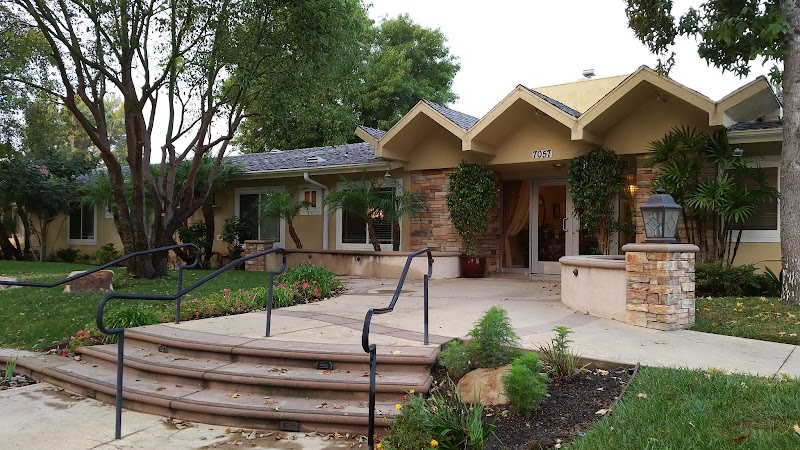
Who Owns and Operates West Valley Post Acute?

WEST VALLEY POST ACUTE is owned by a for-profit company. For-profit facilities operate as businesses with obligations to shareholders or private owners. The facility is operated by PACS GROUP, a chain that manages multiple nursing homes. With 128 certified beds and approximately 103 residents (about 80% occupancy), it is a mid-sized facility located in WEST HILLS, California.
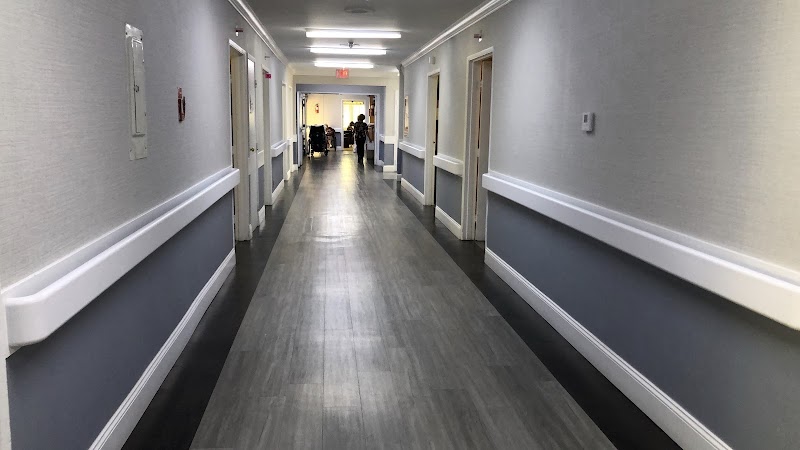
How Does West Valley Post Acute Compare to Other California Nursing Homes?

Compared to the 100 nursing homes in California, WEST VALLEY POST ACUTE's overall rating (2 stars) is below the state average of 3.1, staff turnover (20%) is significantly lower than the state average of 46%, and health inspection rating (1 stars) is much below the national benchmark.

What Should Families Ask When Visiting West Valley Post Acute?

Based on this facility's data, families visiting should ask: "What changes have been made since the serious inspection findings, and how are you preventing similar issues?" "Can I visit during a mealtime to observe dining assistance and food quality?" "How do you handle medical emergencies, and what is your hospital transfer rate?" "Can I speak with family members of current residents about their experience?" These questions are particularly relevant given the facility's Immediate Jeopardy citations.

Is West Valley Post Acute Safe?

Based on CMS inspection data, WEST VALLEY POST ACUTE has documented safety concerns. Inspectors have issued 1 Immediate Jeopardy citation (the most serious violation level indicating risk of serious injury or death). The facility has a 2-star overall rating and ranks #100 of 100 nursing homes in California. Families considering this facility should ask detailed questions about what corrective actions have been taken since these incidents.

Do Nurses at West Valley Post Acute Stick Around?

Staff at WEST VALLEY POST ACUTE tend to stick around. With a turnover rate of 20%, the facility is 25 percentage points below the California average of 46%. Low turnover is a positive sign. It means caregivers have time to learn each resident's needs, medications, and personal preferences. Consistent staff also notice subtle changes in a resident's condition more quickly. Registered Nurse turnover is also low at 21%, meaning experienced RNs are available to handle complex medical needs.

Was West Valley Post Acute Ever Fined?

WEST VALLEY POST ACUTE has been fined $87,332 across 3 penalty actions. This is above the California average of $33,952. Fines in this range indicate compliance issues significant enough for CMS to impose meaningful financial consequences. Common causes include delayed correction of deficiencies, repeat violations, or care failures affecting resident safety. Families should ask facility leadership what changes have been made since these penalties.

Is West Valley Post Acute on Any Federal Watch List?

WEST VALLEY POST ACUTE is not on any federal watch list. The most significant is the Special Focus Facility (SFF) program, which identifies the bottom 1% of nursing homes nationally based on persistent, serious quality problems. Not being on this list means the facility has avoided the pattern of deficiencies that triggers enhanced federal oversight. This is a positive indicator, though families should still review the facility's inspection history directly.