PRESBYTERIAN INTERCOMM HOSP DP/SNF
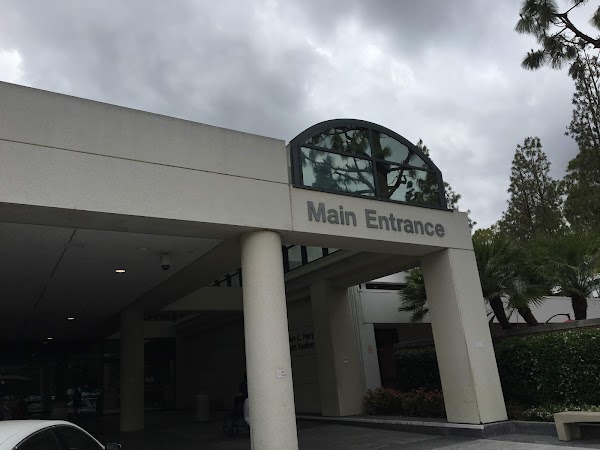
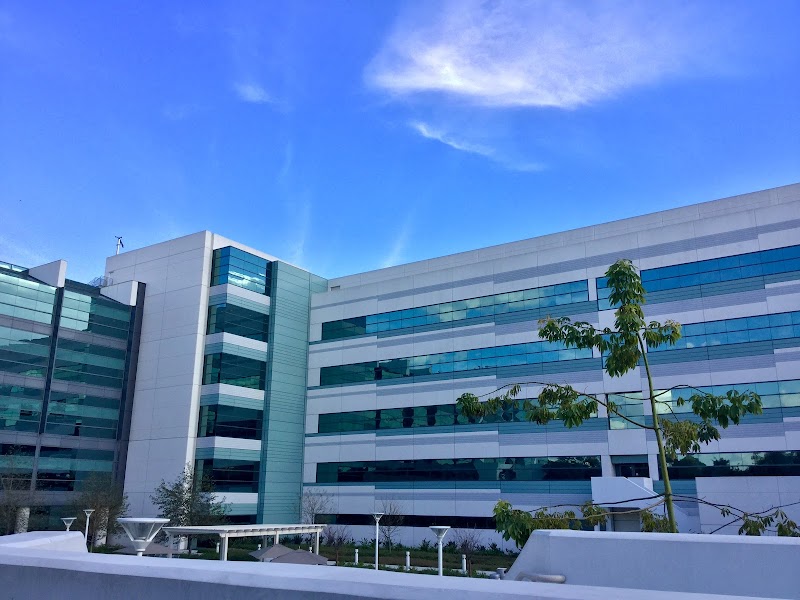
12401 WASHINGTON BLVD., WHITTIER, CA 90602 (562) 698-0811
Non profit - Corporation 35 Beds Independent Data: November 2025
Trust Grade
83/100
#170 of 1155 in CA
Last Inspection: July 2025

Inspected within the last 6 months. Data reflects current conditions.

Overview

Presbyterian Intercomm Hospital DP/SNF has a Trust Grade of B+, indicating they are above average and recommended for care. They rank #170 out of 1,155 facilities in California, placing them in the top half, and #33 out of 369 in Los Angeles County, showing they are one of the better options in the area. However, the facility is experiencing a trend of worsening quality, with the number of issues rising from 5 in 2024 to 6 in 2025. Staffing is a strong point, as they have a 5/5 star rating and a low turnover rate of 25%, which is significantly better than the California average. On the positive side, there are no fines on record, and they provide more RN coverage than 99% of facilities in the state, ensuring thorough oversight. Despite these strengths, there are concerning incidents, such as a lack of privacy due to monitoring cameras placed in residents' rooms, which made some residents uncomfortable. Additionally, there was an incident where the facility failed to report an allegation of abuse, potentially putting a resident at risk for further emotional distress. Lastly, kitchen safety was compromised when unlabeled food items were found, posing a risk for foodborne illnesses. Overall, while there are notable strengths at this facility, families should consider these weaknesses when making a decision.

Trust Score
B+
83/100
In California
#170/1155
Top 14%
Safety Record
Low Risk
No red flags
Inspections
Getting Worse
5 → 6 violations
Staff Stability
✓ Good
25% annual turnover. Excellent stability, 23 points below California's 48% average. Staff who stay learn residents' needs.
Penalties
✓ Good
No fines on record. Clean compliance history, better than most California facilities.
Skilled Nurses
✓ Good
Each resident gets 267 minutes of Registered Nurse (RN) attention daily — more than 97% of California nursing homes. RNs are the most trained staff who catch health problems before they become serious.
Violations
⚠ Watch
21 deficiencies on record. Higher than average. Multiple issues found across inspections.
★★★★★
5.0
Overall Rating
★★★★★
5.0
Staff Levels
★★★★☆
4.0
Care Quality
★★★★★
5.0
Inspection Score
Stable
2024: 5 issues
2025: 6 issues

The Good

  • 5-Star Staffing Rating · Excellent nurse staffing levels
  • 4-Star Quality Measures · Strong clinical quality outcomes
  • Low Staff Turnover (25%) · Staff stability means consistent care
  • Full Sprinkler Coverage · Fire safety systems throughout facility
  • No fines on record
  • Staff turnover is low (25%)

    23 points below California average of 48%

Facility shows strength in staffing levels, quality measures, staff retention, fire safety.

The Bad

No Significant Concerns Identified

This facility shows no red flags. Among California's 100 nursing homes, only 1% achieve this.

The Ugly 21 deficiencies on record

Jul 2025 6 deficiencies
CONCERN (D)

Potential for Harm - no one hurt, but risky conditions existed

Comprehensive Assessments (Tag F0636)

Could have caused harm · This affected 1 resident

**NOTE- TERMS IN BRACKETS HAVE BEEN EDITED TO PROTECT CONFIDENTIALITY** Based on interview and record review, the facility failed to follow its policy titled, Resident Assessment Instrument (RAI - a s...

Read full inspector narrative →
**NOTE- TERMS IN BRACKETS HAVE BEEN EDITED TO PROTECT CONFIDENTIALITY** Based on interview and record review, the facility failed to follow its policy titled, Resident Assessment Instrument (RAI - a standardized process used in nursing homes to collect information about residents' needs and strengths, enabling the creation of individualized care plans) Process, for two (2) of six (6) sampled residents (Residents 46 and 57) by not ensuring the comprehensive resident assessment was completed within 14 calendar days of resident's admission. This failure had the potential to result in Residents 46 and 57 not having an individualized care plan, which could negatively affect the residents' over all wellbeing.1. During a review of Resident 46's admission Record, the admission Record indicated the resident was initially admitted to the facility on [DATE] with diagnoses of metastatic (the spread of cancerous [a disease in which cells grow and divide abnormally, without control] cells from the original [primary] tumor to other parts of the body, forming new tumors [metastases] in those locations) renal cell carcinoma (kidney cancer) and encephalopathy (a disturbance in brain function). During a review of Resident 46's History and Physical Examination (H&P) dated, 6/13/2025, the H&P indicated Resident 46 was alert and oriented times 3 (a person is awake, alert and aware of their identity, location and the current time) with appropriate affect (when a person's emotional expression) {facial expression, body language, or tone of voice matches the situation and their thoughts or what they are saying}. During a concurrent interview and record review on 7/17/2025 at 9:50 AM with Minimum Data Set (a resident assessment tool) Nurse 2 (MDS Nurse 2), Resident 46's Electronic Medical Record (EMR; a digital collection of a patient's health information that is stored and accessed electronically) was reviewed. MDS Nurse 2 stated Resident 46's EMR indicated that the resident's comprehensive assessment, which was due 14 days after admission, was not done. MDS Nurse 2 stated Resident 46's last admission was on 6/12/2025 and the comprehensive assessment would have been due on 6/26/2025. MDS Nurse 2 stated the purpose of the comprehensive assessment is to evaluate the resident and see how the resident was progressing with things such as physical therapy (PT; a medical treatment used to restore functional movements such as standing, walking and moving different body parts) and occupational therapy (OT; helps people participate in their everyday activities by addressing physical, cognitive, emotional, or developmental challenges). During the same interview on 7/17/2025 at 9:50 AM with MDS Nurse 2, MDS Nurse 2 stated the comprehensive MDS assessment reflects the resident's skin, pain, medication, and cognition. MDS Nurse 2 stated it is a snapshot of how the resident is which could be a reference for the resident's care plan. 2. During a review of Resident 57's admission Record, the admission Record indicated the resident was initially admitted to the facility on [DATE] with diagnoses of pyelonephritis (a type of urinary tract infection [UTI; an infection in the bladder/urinary tract] that specifically affects one or both kidneys) and chronic respiratory failure (a long-term condition where the respiratory system cannot adequately exchange oxygen and carbon dioxide leading to low blood oxygen levels and/or high carbon dioxide levels) with hypoxia (a condition in which there is an inadequate supply of oxygen to the body's tissues).During a concurrent interview and record review on 7/17/2025 at 9:54 AM with MDS Nurse 2, Resident 57's EMR was reviewed. MDS Nurse 2 stated Resident 57's EMR indicated that the comprehensive assessment that was due 14 days after the resident's admission was not and should have been done. MDS Nurse 2 stated Resident 57 was admitted on [DATE] and the resident's comprehensive assessment would have been due on 6/20/2025. and was not done.During a review of the facility's policy and procedure (P&P) titled, Resident Assessment Instrument (RAI) Process, revised 7/3/2025, the P&P indicated, The RAI is a process that assists in the Transitional Care Unit (TCU) staff to consistently and accurately gather information regarding the resident's functional status, strengths, weaknesses, and preferences, as well as offering guidance on further assessment once problems have been identified through the use of Minimum Data Set (MDS). The information gathered will be used to formulate an individualized interdisciplinary plan of care for the resident during their stay in TCU. The P&P also indicated, The RAI is a comprehensive assessment that consist of three major sections: MDS, Care Area Assessments (CAAs) and Utilization Guidelines. The P&P further indicated:a. The MDS i. The MDS must be completed timely and accurately with appropriate signatures form the interdisciplinary team.b. The RAI assessments consist of two types: i. Omnibus Budget Reconciliation Act (OBRA) Assessments are Federally mandated, and must be completed timely and accurately on all residents regardless of payor source by the assigned due date:1. admission: (required by 14th calendar day of resident's admission) (admission date + 13 calendar days).c. Care Area Assessments (CAA) i. A CAA is required to be completed accurately and timely with the following Federal OBRA Assessments and Prospective Payment Systems (PPS) Assessments:1. Federal OBRA: admission Assessment (required by Day 14).
CONCERN (D)

Potential for Harm - no one hurt, but risky conditions existed

MDS Data Transmission (Tag F0640)

Could have caused harm · This affected 1 resident

**NOTE- TERMS IN BRACKETS HAVE BEEN EDITED TO PROTECT CONFIDENTIALITY** Based on interview and record review, the facility failed to complete and transmit a discharge tracking assessment (a type of as...

Read full inspector narrative →
**NOTE- TERMS IN BRACKETS HAVE BEEN EDITED TO PROTECT CONFIDENTIALITY** Based on interview and record review, the facility failed to complete and transmit a discharge tracking assessment (a type of assessment conducted when a resident leaves a nursing home, which includes clinical items for quality monitoring as well as discharge tracking and is transmitted to the Centers for Medicare and Medicaid Services [CMS; a United States government agency that administers healthcare programs]) for one (1) of five (5) sampled residents (Resident 57). This failure had the potential to result in the facility's inaccurate quality monitoring data at transition points, such as when residents enter or leave the facility. During a review of Resident 57's admission Record, the admission Record indicated the resident was initially admitted to the facility on [DATE] with diagnoses of pyelonephritis (a type of urinary tract infection [UTI; an infection in the bladder/urinary tract] that specifically affects one or both kidneys) and chronic respiratory failure (a long-term condition where the respiratory system cannot adequately exchange oxygen and carbon dioxide leading to low blood oxygen levels and/or high carbon dioxide levels) with hypoxia (a condition in which there is an inadequate supply of oxygen to the body's tissues).During a concurrent interview and record review on 7/17/2025 at 4:36 PM with Minimum Data Set (a resident assessment tool) Nurse 2 (MDS Nurse 2), Resident 57's Electronic Medical Record (EMR; a digital collection of a patient's health information that is stored and accessed electronically) was reviewed. MDS Nurse 2 stated Resident 57's Electronic Medical Record indicated there was no MDS discharge tracking assessment completed and therefore was not transmitted 14 days after Resident 57 was discharged from the facility on 6/20/2025. MDS Nurse 2 stated Resident 57 was discharged on 6/20/2025 and the discharge MDS would have been due on 7/4/2025. MDS Nurse 2 stated the discharge MDS assessment was not and should have been done. MDS Nurse 2 stated it is important that a discharge MDS is completed and transmitted to CMS because its purpose is to show the resident's progress of the time the resident was admitted to the facility and how they were when they were discharged . During a review of the facility's policy and procedure (P&P) titled Resident Assessment Instrument (RAI) Process revised 7/3/2025, the P&P indicated, The RAI is a process that assists in the Transitional Care Unit (TCU) staff to consistently and accurately gather information regarding the resident's functional status, strengths, weaknesses, and preferences, as well as offering guidance on further assessment once problems have been identified through the use of Minimum Data Set (MDS). The information gathered will be used to formulate an individualized interdisciplinary plan of care for the resident during their stay in TCU. The P&P also indicated, The RAI is a comprehensive assessment that consist of three major sections: MDS, Care Area Assessments (CAAs) and Utilization Guidelines. The P&P further indicated:a. The MDS i. The MDS must be completed timely and accurately with appropriate signatures form the interdisciplinary team.b. The RAI assessments consist of two types: i. Omnibus Budget Reconciliation Act (OBRA) Assessments are Federally mandated, and must be completed timely and accurately on all residents regardless of payor source by the assigned due date:1. discharge: discharge date + 14 calendar days. ii. Medicare Prospective Payment Systems (PPS) Assessments1. Part A PPS Discharge Assessment.
CONCERN (D)

Potential for Harm - no one hurt, but risky conditions existed

Tube Feeding (Tag F0693)

Could have caused harm · This affected 1 resident

**NOTE- TERMS IN BRACKETS HAVE BEEN EDITED TO PROTECT CONFIDENTIALITY** Based on observation, interview, and record review, the facility failed to ensure one (1) of 1 sampled Resident (Resident 65) wh...

Read full inspector narrative →
**NOTE- TERMS IN BRACKETS HAVE BEEN EDITED TO PROTECT CONFIDENTIALITY** Based on observation, interview, and record review, the facility failed to ensure one (1) of 1 sampled Resident (Resident 65) who was receiving nutrition by nasogastric tube feeding (NGT - a method of providing nutrition and medication directly into the stomach through a tube inserted through the nose) was provided care to prevent aspiration by failing to ensure the resident's head of the bed was elevated during feeding in accordance with the facility's policy. This deficient practice placed Resident 65 at risk of aspiration (feeding could enter the windpipe and lungs) that could lead to lung problems such as pneumonia (an infection/inflammation of the lungs). Findings:During a review of Resident 65's admission Record, the admission Record indicated the resident was admitted to the facility on [DATE] with diagnoses that included diabetes mellitus (DM-a disorder characterized by difficulty in blood sugar control and poor wound healing) and dementia (a progressive state of decline in mental abilities). During a review of Resident 65's Care Plan, initiated on 7/3/2025, the Care Plan indicated staff intervention included was to keep resident's head of bed (HOB) over 30 degrees while on NGT feeding. During a review of Resident 65's Physicians order, the Physicians order indicated tube feeding, continuous drip, Glucerna (tube feeding formulas for residents with diabetes) 1.2 1 liter 40 milliliters (ml, unit of measure per liquid)/hour. During a review of Resident 65's Minimum Data Set (MDS- a federally mandated assessment tool), dated 7/9/2025, the MDS indicated Resident 65 had severe cognitive (mental action or process of acquiring knowledge and understanding) skills for daily decision and functional abilities were not attempted. The MDS also indicated Resident 65 had an NGT. During a concurrent observation and interview with Certified Nursing Assistant 3 (CNA 3) on 7/16/2025 at 8:52 AM, Resident 65 was in bed receiving Glucerna 40 ml/hour via NGT. Resident 65 was observed sliding down in bed. CNA 3 stated Resident 65's head was not and should be at 30 degrees. During an interview on 7/16/2025 at 1:46 PM, Registered Nurse 1 (RN 1) stated, Resident 65 HOB should be at least 30 degrees or higher to prevent aspiration of the tube feeding. During an interview on 7/17/2025 at 3:51 PM, the Director of Nursing (DON) stated the HOB of Resident 65 should be at 30 degrees and above during tube feeding to prevent aspiration. During a review of the facility's Policy and Procedure (P&P) titled, Enteral Feedings (a way to provide nutrition directly into the stomach when the person is unable to eat or drink enough on their own) in Adult Patient, the P&P revised 7/3/2023, indicated that the patient should be prepared prior to the initiation of enteral feeding and positioned properly by elevating the backrest to a minimum angle of 30 degree and preferably 45 degrees.
CONCERN (D)

Potential for Harm - no one hurt, but risky conditions existed

Pharmacy Services (Tag F0755)

Could have caused harm · This affected 1 resident

**NOTE- TERMS IN BRACKETS HAVE BEEN EDITED TO PROTECT CONFIDENTIALITY** Based on interview and record review, the facility failed to administer a medication for one (1) of seven (7) sampled residents ...

Read full inspector narrative →
**NOTE- TERMS IN BRACKETS HAVE BEEN EDITED TO PROTECT CONFIDENTIALITY** Based on interview and record review, the facility failed to administer a medication for one (1) of seven (7) sampled residents (Resident 5) as indicated on the physician's order. This failure had the potential to place Resident 5 at risk for developing a Urinary Tract Infection (UTI; an infection in the bladder/urinary tract) due to not receiving her Estradiol (hormone medication used for regulating various bodily processes). During a review of Resident 5's admission Record, the admission Record indicated the resident was initially admitted to the facility on [DATE] with diagnoses of chronic obstructive pulmonary disease (COPD; a chronic lung disease causing difficulty in breathing) and coronary artery disease (CAD; a condition where the blood vessels that supply the heart become narrowed or blocked). During a review of Resident 5's Minimum Data Set (MDS - a resident assessment tool), dated (date), the MDS indicated the resident had intact cognitive (ability to think, remember, and reason) skills for daily decision making. Resident 5 needed supervision or touching assistance (helper provides verbal cues and/or touching/steadying and/or contact guard assistance as resident completes activity) with walking 10 feet, car transfers (the ability to transfer in and out of a car or van on the passenger side), chair/bed-to-chair transfers and lower body dressing (the ability to dress and undress below the waist). Resident 5 was independent with going from lying down to sitting on the side of the bed, upper body dressing (the ability to dress and undress above the waist), personal hygiene and eating.During a review of Resident 5's Patient Transfer Orders, dated 7/16/2025, the Patient Transfer Orders indicated an order on 7/2/2025 for Estradiol vaginal cream, 1 application daily at bedtime for genitourinary syndrome of menopause (GSM; a condition in postmenopausal [12 months after the final menstrual period] women where the genital and urinary tracts are affected due to hormonal changes and encompasses a range of symptoms such as urinary discomfort and increased risk for urinary tract infections). During a review of Resident 5's Medication Administration Report, dated from 7/1/2025 to 7/16/2025, the Medication Administration Report indicated on 7/10/2025 at 6:13 AM Resident 5's Estradiol was not given due to not being available.During an interview on 7/15/2025 at 10:49 AM with Resident 5, Resident 5 stated the facility lost her Estradiol medication and did not receive it for two nights in a row. Resident 5 stated she needs to use this medication to prevent her from getting a UTI. During a concurrent interview and record review on 7/16/2025 at 3:23 PM with Clinical Nurse Manager (CNM), Resident 5's Electronic Medical Record (EMR; a digital version of a patient's health information that is stored and accessed electronically) was reviewed. Resident 5's EMR indicated the resident had an order for Estradiol every night at bedtime and that it was not given on the night of 7/9/2025 due to it not being available. CNM stated if a medication is not available, they would send a dose request to pharmacy. During the same concurrent interview and record review on 7/16/2025 at 3:23 PM with CNM, CNM stated if a dose is missed, the resident's physician (MD) should be notified. The CNM stated there was no documentation of the MD being notified of Resident 5 missing her Estradiol dose on 7/9/2025. CNM stated it is important to notify the MD since it is a prescribed medication that was ordered to be given and was not received by the resident. During a concurrent interview and record review on 7/17/2025 at 4:41 PM with MDS Nurse 2 (MDS Nurse 2), Resident 5's EMR was reviewed. MDS Nurse 2 stated Resident 5's EMR indicated Resident 5 did not receive her Estradiol cream as ordered on 7/9/2025 at bedtime due to it not being available. MDS Nurse 2 stated normally if a medication is not available, they would send a message to pharmacy for either an anticipated dose or if they need another dose, which would in turn be delivered into the resident's bin. MDS Nurse 2 stated the MD should be notified if a dose is missed. MDS Nurse 2 further stated the documentation found in Resident 5's EMR only indicated it was not given on 7/9/2025 due to it not being available and no documentation could be found of the medication being requested from pharmacy or that the MD was notified. During an interview on 7/17/2025 at 4:49 PM with the Director of Nursing (DON), the DON stated their process for a medication that is not available is to use the pharmacy messenger request to have it delivered and if the medication is marked off as not given regardless of what the reason may be, the MD needs to be notified. The DON stated it is important to notify the MD so the MD could decide if an alternative could be given and for the staff to know what the next step in the process would be. During a concurrent interview and record review on 7/18/2025 at 9:08 AM with CNM, the facility's policy and procedure (P&P) titled, Medication Administration in Adults and Pediatrics, revised 9/27/2023 was reviewed. The P&P indicated, If missing or delayed administration of medication has altered treatment plan or posed realized or unrealized harm to patient, the prescribing physician will be notified prior to administering any additional doses. CNM agreed with the P&P and stated this is their process indicating the MD should be notified when a medication is missed or not given.During a review of the facility's P&P titled, Medication Administration in Adults and Pediatrics, revised 9/27/2023, the P&P indicated, Medication will be administered by type of order obtained.
CONCERN (D)

Potential for Harm - no one hurt, but risky conditions existed

Medical Records (Tag F0842)

Could have caused harm · This affected 1 resident

**NOTE- TERMS IN BRACKETS HAVE BEEN EDITED TO PROTECT CONFIDENTIALITY** Based on observation, interview, and record review, the facility failed to have accurate and complete medical records for one (1...

Read full inspector narrative →
**NOTE- TERMS IN BRACKETS HAVE BEEN EDITED TO PROTECT CONFIDENTIALITY** Based on observation, interview, and record review, the facility failed to have accurate and complete medical records for one (1) of seven (7) sampled residents (Residents 60) by failing to document the Nurse Practitioner (NP, a registered nurse with advanced education and training, holding a master's or doctoral degree in nursing) notification of Resident 60's refusal to take Atenolol (drug used to treat high blood pressure) in accordance with the facility's policy. This deficient practice resulted in the inaccurate representation of care provided which could delay the provision of necessary care and services needed for Resident 60's wellbeing.Findings: During a review of Resident 60's admission Record, the admission Record indicated the resident was admitted to the facility on [DATE] with diagnoses that included urinary retention (a condition in which the resident is unable to empty all the urine from his bladder) and acute kidney injury (sudden and rapid decline in kidney function). During a review of Resident 60's Minimum Data Set (MDS, a resident assessment tool), dated 7/15/2025, the MDS indicated Resident 60 had an intact cognitive (mental action or process of acquiring knowledge and understanding) skills for daily decision making. The MDS also indicated Resident 60 was dependent (helper does all the effort) with toileting and shower and required substantial/maximal assistance (helper does more than half the effort) with lower body dressing and putting on and taking off footwear. The MDS further indicated Resident 60 required partial/moderate assistance (helper does less than half the effort) with eating, oral hygiene, and upper body dressing. During a review of Resident 60's Physician's order summary, the Physicians order summary indicated an order for Atenolol 50 milligrams (mg- metric unit of measurement, used for medication dosage and/or amount daily and to hold for Systolic Blood Pressure (SBP, the pressure in the arteries when the heart beats) below 100 -millimeter mercury (mmHg, units used to measure blood pressure). During a medication pass observation with Registered Nurse 1 (RN 1) on 7/17/2025 at 9:30 AM, Resident 60's SBP indicated a reading of 108 mmHg. Resident 60 refused the Atenolol 50 mg daily dose offered by RN 1 and stated his SBP was ok. During a review of Resident 60's Medication Administration Record (MAR) on 7/18/2025, the MAR indicated to hold Atenolol for SBP below 100 mmHg. The MAR did not indicate the reason Resident 60's Atenolol was not administered and the NP notification of the refusal. During a concurrent record review and interview on 7/18/2025 at 9:03 AM, RN 1 stated Resident 60's medical records did not reflect that she notified the NP of the resident's refusal for Atenolol. RN 1 stated she did not but should have documented the NP notification of the resident's refusal for Atenolol in the resident's medical records. RN 1 stated it was important to document the NP notification since it would be considered not done if it was not documented. During an interview on 7/18/2025 at 9:09 AM, the Clinical Nurse Manger (CNM) stated that because it was an ordered medication for certain treatments, there could be risks from missing the medication and so it needs to be documented that the physician was made aware. During a review of the facility's Policy and Procedure (P&P) titled, Medication Administration in Adults and Pediatrics, revised 9/27/2023, the P&P indicated that medications not administered should have the reason for not administering documented in the MAR. The P&P also indicated that if the patient refuses the medication, ordering physician will be notified and documented in the MAR.
CONCERN (E)

Potential for Harm - no one hurt, but risky conditions existed

Resident Rights (Tag F0550)

Could have caused harm · This affected multiple residents

**NOTE- TERMS IN BRACKETS HAVE BEEN EDITED TO PROTECT CONFIDENTIALITY** Based on observation, interview and record review, the facility failed to promote dignity and respect when a care view camera (a...

Read full inspector narrative →
**NOTE- TERMS IN BRACKETS HAVE BEEN EDITED TO PROTECT CONFIDENTIALITY** Based on observation, interview and record review, the facility failed to promote dignity and respect when a care view camera (a specialized camera designed for patient monitoring in healthcare setting that allows healthcare professionals to remotely observe residents and intervene if necessary, typically for safety purposes like fall prevention) was placed in the resident's room for four (4) of eight (8) sampled residents (Residents 33, 49, 60 and 64). This failure resulted in Resident 33, 49, 60 and 64 experiencing feelings of discomfort and not having any personal privacy.1. During a review of Resident 49’s admission Record, the admission Record indicated the resident was initially admitted to the facility on [DATE] with diagnoses of septic discitis (infection discitis; a serious condition where the intervertebral [a flat, round “cushion” located between each vertebra {small, bony segments that make up the spine or backbone} in the spine, acting as a shock absorber and allowing for movement] disc spaces in the spine become inflamed due to infection) and lumbar stenosis (a condition where the spinal canal in the lower back narrows, compressing the spinal cord and nerves).During a review of Resident 49’s Minimum Data Set (MDS – a resident assessment tool), dated 7/1/2025, the MDS indicated the resident had an intact cognitive (ability to think, remember, and reason) skills for daily decision making. Resident 49 needed substantial/maximal assistance (helper does more than half the effort) with going from a sitting to a standing position and going from lying down to sitting on the side of the bed and needed partial/moderate assistance (helper does less than half the effort with putting on/taking off footwear. Resident 49 needed supervision or touching assistance (helper provides verbal cues and/or touching/steadying and/or contact guard assistance as resident completes activity) for personal hygiene and eating. During a review of Resident 49’s Patient Transfer Orders dated 7/17/2025, Resident 49’s Patient Transfer Orders indicated an order from 6/24/2025 for remote monitor camera.During a concurrent observation in Resident 49’s room and interview on 7/17/2025 at 8:20 AM with Certified Nursing Assistant 2 (CNA 2), Resident 49 was observed lying down in bed watching television. A care view camera was observed on the wall, directly across from Resident 49. There was no posted signage observed outside or inside the room directly in front of or around Resident 49 indicating there was a video surveillance. CNA 2 stated there was no posted signage in the room and that there is usually a sign indicating there is video surveillance but not in this room. During a concurrent observation and interview on 7/17/2025 at 8:40 AM with Resident 49 in his room, a sign indicating video monitoring was in progress was observed on the wall directly across from the resident under the care view camera. Resident 49 stated the camera has been up for about three (3) to 4 weeks and it was the first time he had ever seen the sign indicating video monitoring was in progress. Resident 49 stated the staff have never spoken to him about the camera prior to it being utilized and that he feels as if it is an invasion of his privacy and stated he would equate it to putting a camera in a bathroom.During an interview on 7/18/2025 at 9:32 AM with Resident 49, Resident 49 stated he is not a fan of cameras and has no real privacy other than when staff are assisting him with being changed and they call to let the technician know to turn the camera off. Resident 49 stated he did not sign or agree to sign a consent and feels as if the facility just gave him the run around and does not know who is watching him. Resident 49 stated that whoever is watching him can use what they see against him.During an interview on 7/18/2025 at 11:57 AM with Resident 49, Resident 49 stated before yesterday, there was no sign to let himself, his family or visitors know that there was video surveillance in his room and stated he understand the use of cameras in hallways and the hospital entrance but not in the room. 2. During a review of Resident 60’s admission Record, the admission Record indicated the resident was initially admitted to the facility on [DATE] with diagnoses of acute kidney injury (AKI; a rapid decline in kidney function, typically indicated by an increased in serum creatinine [a waste product produced by the body from the normal breakdown of muscle tissue and the digestion of protein] or a decrease in urine output) and acute (sudden/short duration) metabolic encephalopathy (a condition where brain dysfunction arises from metabolic or chemical imbalances in the body).During a review of Resident 60’s MDS, dated [DATE], the MDS indicated the resident had an intact cognitive skills for daily decision making. Resident 60 was dependent (helper does all of the effort, resident does none of the effort to complete the activity) with toilet transfers (the ability to get on and off a toilet or commode) and showers/bathing self (the ability to bathe self, including washing, rinsing, and drying self [excludes washing or back and hair], and needed substantial/maximal assistance with putting on/taking off footwear and lower body dressing. Resident 60 needed partial/moderate assistance with chair/abed-to-chair transfers, going from sitting to a standing position, personal hygiene and eating.During a review of Resident 60’s Patient Transfer Orders dated 7/17/2025, the Patient Transfer Orders indicated an order on 7/7/2025 for remote monitor camera.During a concurrent observation in Resident 60’s room and interview on 7/17/2025 at 8:20 AM with CNA 2, Resident 60 was observed lying down in bed and CNA 2 was setting up to provide the resident with morning care. A care view camera was observed on the wall, directly across from Resident 60. There was no posted signage observed outside or inside the room directly in front of or around Resident 60 indicating there was a video surveillance. CNA 2 stated there was no posted signage in the room and that there is usually a sign indicating there is video surveillance but not in this room.During an interview on 7/18/2025 at 10:38 AM with Resident 60’s Family Representative (FR 1), Resident 60’s Family Representative stated on 7/3/2025 when Resident 60 was transferred to the unit, the care view camera was already up. FR 1 further stated both she & the resident were not educated about the camera prior to it being utilized. 3. During a review of Resident 64’s admission Record, the admission Record indicated the resident was initially admitted to the facility on [DATE] with diagnoses of left foot fracture (a break in one of more bones in the foot) and gastroesophageal reflux disease (GERD; a condition where the stomach contents flow back up into the esophagus [a muscular tube that acts as a passageway for food and liquids, transporting them form the throat to the stomach], causing irritation and discomfort).During a review of Resident 64’s MDS, dated [DATE], the MDS indicated the resident had an intact cognitive skills for daily decision making. Resident 64 was dependent with putting on/taking off footwear and lower body dressing. Resident 64 needed substantial/maximal assistance with chair/bed-to-chair transfers and going from a sitting position to a standing position and needed setup or clean-up assistance (helper sets up or cleans up; resident completes the activity) with personal hygiene and eating. During a review of Resident 64’s Patient Orders dated 7/18/2025, the Patient Orders indicated an order from 7/2/2025 for remote monitor camera. During a concurrent observation in Resident 64’s room and interview on 7/18/2025 at 9:38 AM, Resident 64 was observed lying down in bed. A Care View Camera was observed on the wall across from the resident. Resident 64 stated she did not know anything about the camera and did not think it was on. Resident 64 stated she hoped it was not on because she would not want someone watching her at all and if she found out someone was watching her it would not be a happy day for her. Resident 64 also stated that it is important that whoever lies in the bed she is in knows about the camera and whether it is on or not. Resident 64 stated she did not remember if anyone had spoken to her about the camera and did not sign any consent for it. During an interview on 7/17/2025 at 9:25 AM with the Director of Nursing (DON), the DON stated there is no official consent obtained for the use of the care view camera other than patient or family representative education that is to be initiated prior to the camera being utilized. The DON also stated that prior to the care view camera being initiated, a sign is supposed to go up in the room to make patients and visitors aware that the room is under the care view safety video surveillance remote monitoring. During an interview on 7/18/2025 at 11:02 AM with DON, the DON stated the care view cameras were implemented around July 2023, which were utilized for residents who were usually confused and/or forgetful. The DON stated the staff check with the residents throughout the day to see how they are in general. The DON added if there are any conversations that come up regarding the residents being uncomfortable with the care view camera, they would gather more information and provide the residents with a refusal form. The DON further stated a follow-up assessment should be done especially when a resident’s mentation improves and that it would be an opportunity to check in on the resident regarding this area. 4. During a review of Resident 33's admission Record, the admission Record indicated the resident was admitted to the facility on [DATE] with diagnoses that included pancytopenia (a condition in which there is lower than normal number of red and white blood cells and platelets in the blood) and chronic lymphocytic leukemia (a type of cancer where the bone marrow [soft spongy tissue inside the bone] makes too much abnormal white blood cells called lymphocytes). During a review of Resident 33’s Physician’s Order, dated 6/29/2025, timed at 1:59 AM, the Physicians Order indicated to place a remote monitor camera in the resident’s room. During a review of Resident 33's Minimum Data Set (MDS, a resident assessment tool), dated 7/9/2025, the MDS indicated Resident 33 had an intact cognitive (mental action or process of acquiring knowledge and understanding) skills for daily decision making. The MDS also indicated Resident 33 required supervision (helper provides cues) with toileting and personal hygiene, shower, upper and lower body dressing and putting on/taking off footwear. The MDS further indicated Resident 33 was independent (resident completes the activity by themselves with no assistance from helper) with eating and oral hygiene. During an observation in Resident 33’s room on 7/15/2025 at 4:28 PM, Resident 33 was lying in bed with a video camera inside the room located on top of the ceiling facing the resident. During an observation and interview on 7/17/2025 at 8:37 AM, Resident 33 was lying in bed with no sign posted inside or outside the resident’s room indicating the room is under surveillance while video camera was in use. Resident 33 stated, “It was an off feeling knowing I was being watched 24/7 (24 hours and 7 days).” Resident 33 stated he had not seen a sign posted indicating that there was video surveillance in his room since the camera went up. During concurrent observation at Resident 33’s room and interview on 7/18/2025 at 8:26 AM, the Clinical Nurse Manager (CNM) confirmed that a video surveillance camera was in use for Resident 33. The CNM stated there should have been a sign outside Resident 33’s room indicating a surveillance camera was in use, so the family would be aware that the resident has a video camera on. During a review of the facility’s policy and procedure (P&P) titled, “Continuous Video Monitoring System,” revised 7/3/2023, the P&P indicated its purpose, “To provide guidelines for continuous video monitoring of patients utilizing a remote video monitoring system.” The P&P further indicated: a. Staff Roles and Responsibilities i. Ensure signs regarding video monitoring are posted in patient’s rooms. ii. Continue reassessment of patient appropriateness for video monitoring throughout patient’s stay. During a review of the facility’s P&P titled, “Patient Rights and Responsibilities,” revised 7/1/2025, the P&P indicated its purpose to assure that a patient is informed of his or her rights and responsibilities upon receiving care and service from General Acute Care Hospital (GACH), to assure that staff, physicians, volunteers and other health care providers are informed of these rights and responsibilities and are respectful of them. The P&P further indicated: a. The list of patient rights includes the following (but is not limited to) the patient’s right to: a. Considerate and respectful care, and to be made comfortable. b. Make decisions regarding medical care and receive as much information about any proposed treatment or procedure as you may need in order to give informed consent or refuse a course of treatment. Except in emergencies, this information shall include a description of the procedure or treatment, the medically significant risks involved, alternate courses of treatment or non-treatment and the risks involved in each, and the name of the person who will carry out the procedure or treatment. c. Request or refuse treatment, to the extent permitted by law. d. Have personal privacy respected.
Jul 2024 5 deficiencies
CONCERN (D)

Potential for Harm - no one hurt, but risky conditions existed

Resident Rights (Tag F0550)

Could have caused harm · This affected 1 resident

**NOTE- TERMS IN BRACKETS HAVE BEEN EDITED TO PROTECT CONFIDENTIALITY** Based on observation, interview and record review, the facility failed to promote care that maintained dignity and respect for o...

Read full inspector narrative →
**NOTE- TERMS IN BRACKETS HAVE BEEN EDITED TO PROTECT CONFIDENTIALITY** Based on observation, interview and record review, the facility failed to promote care that maintained dignity and respect for one of one sampled residents (Resident 11) by failing to ensure Resident 11's drainage bag (a tube that removes fluid from the body into a collection bag connected to the resident that stored body fluids) from the stomach that was hanging from on the resident's bed frame was not exposed to the public and uncovered. This deficient practice had the potential to affect the resident's psychosocial (emotional and mental status) being and deprive the resident from dignity. Findings: During initial tour of the facility, on 7/12/24 at 6:48 pm, Resident 11 was observed in the room, laying lying in bed, with a catheter bag hanging on the right side of the residents' bed, exposed to the public and un-covered was with cloudy sediments (matter that settles in the bottom of the tube or bag) in the tubing and bag, was observed. During a review of Resident 11's Face Sheet Report (an admission record), indicated Resident 11 was admitted to the facility on [DATE]. During a review of Resident 11's History and Physical dated 7/19/24, indicated Resident 11 had a history of paraesophageal hernia (part of stomach moves up to the chest area) status post [after] repair with gastrojejunostomy (GJ, a feeding device place in the stomach to bypass the mouth, throat and stomach) tube placement. During a review of Resident 11's Minimum Data Set (MDS, a resident assessment and care-screening tool), dated 6/25/24, indicated Resident 11's cognition (intellectual activity such as thinking, reasoning, or remembering) was moderately intact, that needed maximal assistance (helper does more than half the effort) with lower body dressing and toilet hygiene. During a review of Resident 11's Patient Transfer Orders Active Orders on 7/14/24, indicated Miscellaneous Nursing: gastrostomy port (a surgical opening through the skin of the abdomen to the stomach) drain to drainage bag (catheter bag) by gravity. Gastrostomy site cleanse with normal saline (electrolyte fluid) and cover with dry dressing daily and as needed. During an observation and concurrent interview with Licensed Vocational Nurse 1 (LVN 1), on 7/12/24 at 7:16 pm, LVN 1 stated Resident 11's catheter bag did not have a dignity cover. LVN 1 stated catheter bags should always have a privacy bag and it was important for Resident 11's dignity. During an interview with the Director of Nursing (DON) on 7/13/24 at 6:37 pm, the DON stated catheter bags should be covered at all times, it did not matter if urine or whatever bodily fluids were contained in the bag, for dignity reasons, the catheter bag should always be covered. A review of the facility's policy and procedure titled Patient Rights and Responsibilities - E.87200.704, approved on 12/16/2021, indicated the facility believed that patients have certain rights and responsibilities while under the care and services (of the facility). Patients had the rights to: considerate and respectful care and to be made comfortable.
CONCERN (D)

Potential for Harm - no one hurt, but risky conditions existed

Transfer Notice (Tag F0623)

Could have caused harm · This affected 1 resident

**NOTE- TERMS IN BRACKETS HAVE BEEN EDITED TO PROTECT CONFIDENTIALITY** Based on interview and record review, the facility failed to ensure one of two closed sampled residents (Resident 13), received ...

Read full inspector narrative →
**NOTE- TERMS IN BRACKETS HAVE BEEN EDITED TO PROTECT CONFIDENTIALITY** Based on interview and record review, the facility failed to ensure one of two closed sampled residents (Resident 13), received notification of the transfer/discharge from the facility and the reasons for the move in writing. As a result of this failure the facility deprived Resident 13 the right to be informed regarding transfer and discharge from the facility. Findings: During a review of Resident 13's Facesheet Report (AR, admission Record), the AR indicated Resident 13 was admitted to the facility on [DATE] with diagnoses including atrial fibrillation with rapid ventricular rate (a-fib with RVR, an abnormal heart rhythm). The AR indicated Resident 13's was discharged from the facility to General Acute Care Hospital (GACH) on 4/20/2024. During a concurrent interview and record review on 7/14/2024 at 2:44 PM with the Director of Nursing (DON), of the electronic medical record (EMR) indicated Resident 13 was not notified in writing of Resident 13's transfer/discharge to GACH. The DON stated Resident 13 was discharged back to the cardiac unit of the GACH due to the resident experiencing worsening edema (swelling caused by too much fluid trapped in the body's tissues) and A-fib with RVR. The DON stated the facility did not have a discharge/transfer notification document during the time that Resident 13 was discharged from the facility. The DON stated a discharge/transfer notification document had not been developed yet. During a review of the facility's Transitional Care Unit Notice of Proposed Transfer/Discharge (Transfer/Discharge Notice), The Transfer/Discharge Notice indicated the document was created on 6/18/2024. During an interview on 7/14/2024 at 3:11 PM with the DON, the DON stated the facility did not have a policy and procedure (P&P) for providing notification to residents about their transfer/discharge. The DON stated the facility was currently developing that policy.
CONCERN (D)

Potential for Harm - no one hurt, but risky conditions existed

Accident Prevention (Tag F0689)

Could have caused harm · This affected 1 resident

**NOTE- TERMS IN BRACKETS HAVE BEEN EDITED TO PROTECT CONFIDENTIALITY** Based on observation, interview, and record review, the facility failed to assess the risk for accidental choking for one of one...

Read full inspector narrative →
**NOTE- TERMS IN BRACKETS HAVE BEEN EDITED TO PROTECT CONFIDENTIALITY** Based on observation, interview, and record review, the facility failed to assess the risk for accidental choking for one of one sampled resident (Resident 116), for the ability to chew food and safely eat a regular textured diet (all food textures that people with no chewing or swallowing issues eat) who had missing top teeth and dentures. This failure had the potential for Resident 116 to choke on her food and result in accidental death. Findings: During a review of Resident 116's Face sheet Report (AR, admission Record), the AR indicated Resident 116 was admitted to the facility on [DATE] with the diagnosis of chest pain. During a review of Resident 116 ' s TCU History and Physical (H&P), dated 7/8/2024, the H&P indicated, the reason Resident 116 was admitted to the facility was to receive Physical Therapy (PT, therapy that is used to preserve, enhance, or restore movement and physical function impaired, Occupational Therapy (OT, helps you improve your ability to perform daily tasks), and Wound Care (treatment of a wound). During a concurrent observation and interview on 7/12/2024 at 8:02 pm, with Resident 116 ' s Resident Representative (RR) 1 in Resident 116 ' s room, Resident 116 was missing her top teeth. RR 1 stated Resident 116 was also missing the top dentures which was at Resident 116 ' s home. RR 1 stated RR 1 was concern for Resident 116 because the facility was serving Resident 116 meals with meat that was whole (not cut up). RR 1 stated Resident 116 almost choked on the chicken that was not cut up which was served for dinner (on 7/12/2024). During a concurrent interview and record review on 7/13/2024 at 2:44 pm, with Registered Nurse (RN) 1, the electronic medical record (EMR) failed to indicate Resident 116 was missing her top teeth and dentures. RN 1 stated Resident 116 was receiving regular textured meals in which the meat was not cut up. During an interview on 7/13/2024 at 4:05 pm, with the Assistant Director of Nursing (ADON), the ADON stated the reason it was important for the nursing staff to assess resident ' s (in general) teeth was because the assessment would determine the resident ' s (in general) ability to chew food. The ADON stated there was a risk residents (in general) could aspirate if they could not chew the food correctly. The ADON stated if residents (in general) were missing their top teeth, Speech Therapy (ST) should assess the resident to determine they could tolerate their diet. The ADON stated Resident 116 ' s medical EMR failed to indicate Resident 116 was assessed by ST. During an interview on 7/14/2024 at 8:58 am, with RN 2, RN 2 stated RN 2 assessed Resident 116 ' s ability to chew her food on 7/13/24 at 5pm, because the Surveyor had informed facility staff Resident 116 was having difficulty chewing her food. RN 2 stated Resident 116 was not able to gum her food (chewing food without teeth). RN2 stated RN2 ordered a trial tray for Resident 116 to determine what textured diet was safe for Resident 116. RN 2 stated Resident 116 did well with the soft and bite size texture (used if you are not able to bite off pieces of food safely but are able to chew bite-sized pieces down into little pieces that are safe to swallow). RN 2 stated nursing should examine a resident ' s (in general) mouth upon admission. RN 2 stated sometimes residents come without their dentures. RN 2 stated nursing should watch them to monitor if the ordered diet texture is safe for them. During a review of Resident 116 ' s Patient Transfer Orders, the Patient Transfer Orders indicated Resident 116 ' s diet texture was changed to soft and bite-sized on 7/13/2024 at 6:28 pm. During a review of the facility's policy and procedure (P&P) titled, Medical-Surgical Standards of Care, revised 3/28/2024, the P&P indicated, Utilizing nursing process, registered nurse provides a systematic exam assessing patient's condition/needs, identifying actual and/or potential health related problems in order to evaluate, develop and implement an individualized plan of care. The P&P indicated, It is policy that all patients receive quality care which is individualized and appropriate based on developmental level. The P&P indicated, Transitional care unit (TCU) will complete a head-to-toe assessment minimally every 24 hours.
CONCERN (E)

Potential for Harm - no one hurt, but risky conditions existed

Report Alleged Abuse (Tag F0609)

Could have caused harm · This affected multiple residents

**NOTE- TERMS IN BRACKETS HAVE BEEN EDITED TO PROTECT CONFIDENTIALITY** Based on observation, interview, and record review, the facility failed to report an allegation of abuse to the Department of He...

Read full inspector narrative →
**NOTE- TERMS IN BRACKETS HAVE BEEN EDITED TO PROTECT CONFIDENTIALITY** Based on observation, interview, and record review, the facility failed to report an allegation of abuse to the Department of Health Services (DHS a government agency that promotes and protects the health of all people and their communities) and the state agencies within the two-hour time frame as indicated in the facility's policy and procedure for one of two sampled residents (Resident 69). The Licensed Vocational Nurse (LVN) 2 did not report to the Director of Nursing (DON) when Resident 69 reported to LVN 2 that a staff member (unknown) yelled and was mean to Resident 69. This deficient practice violated the resident's rights to be free from any form of abuse and the potential for Resident 69 not to be protected and to further experience mental and emotional abuse that could lead to a psychosocial (mental and emotional being) and decline. Findings: During a review of Resident 69 Face Sheet Report indicated Resident 21 was admitted to the facility on [DATE]. During a review of Resident 69's admission History and Physical record, dated 7/10/2024, indicated Resident 69 was awake, alert and oriented and diagnosis that included acute (severe and sudden in onset) cerebral vascular accident (a loss of blood flow to part of the brain), hypertension (elevated blood pressure) and coronary artery disease (a condition that affects your heart ) , hemiplegia and hemiparesis (muscle weakness on one side of the body) following a cerebral infarction (a stroke), congestive heart failure (CHF, the heart doesn't pump blood as well as it should) and major depressive disorder (feelings of sadness and/or a loss of interest in activities once enjoyed). During a record review of Resident 69's Minimum Data Set (MDS, a resident assessment and care-screening tool), dated 7/13/2024, indicated Resident 69 was cognitively (intellectual activity such as thinking, reasoning, or remembering) intact, had clear speech, had the ability to express ideas and wants and had the ability to understand others. The MDS indicated Resident 69 needed partial assistance (staff provided some support) with self-care (bathing, dressing and using the toilet) and was impaired on one side of the residents upper (shoulder, elbow, wrist, hand) and lower (hip, knee, ankle, foot) extremities. During an observation and interview with LVN 2 on 7/13/2024 at 10:01 AM, Resident 69 was at bedside and reported experiencing leg cramps a few days ago (unknown date). Resident 69 stated he requested from Nurse 1 (N1) (unknown) to assist him in sitting up in a chair next to the resident's bed. Resident 69 stated N1 yelled at him and stated, you are not going anywhere. Resident 69 stated N1 was mean and yelled at him stating You are going to stay where you are at and that was that!. Resident 69 stated he felt disrespected and berated and it was not a pleasant experience. Resident 69 stated being yelled at felt as some type of verbal abuse. During an interview on 7/13/2024 at 10:56 AM with the Director of Nursing (DON), the DON stated LVN 2 informed him about Resident 69's allegation of abuse. During an interview on 7/13/2024 at 1:50 PM with Registered Nurse (RN) 2, RN 2 stated Resident 69 was alert and oriented and was able to make his own decisions. During an interview on 7/13/2024 at 3:19 PM with Certified Nurse Assistant 1 (CNA 1), CNA 1 stated Resident 69 was awake, alert and oriented and had never heard Resident 69 make up stories. During an interview on 7/13/2024 at 4:29 PM, the DON stated abuse was defined as any type of financial, physical, sexual, neglect or verbal abuse. DON stated, he was aware of the allegation of abuse reported by Resident 69, but At this time, the allegation of abuse has not been reported to the Department of Health (DPH) and the state agencies. DON stated it was important to report any allegation of abuse because it needs to be escalated for proper authorities to ensure the safety of the resident and needs were meet so it (abuse) does not happen again. During a review of the facility's policy and procedure titled Abuse, Neglect, and Misappropriation of Property - E69010.001, dated 10/13/2022, indicated each resident has the right to be free from abuse, corporal punishment (physical punishment), and involuntary seclusion (separation of a resident from other residents or locked to her/his room against their will) period. Residents must not be subjected to abuse by anyone, including but not limited to facility staff, other residents, consultants or volunteers, staff of other agencies service the resident, family member(s), legal guardians, friends, or other individuals. All employees of long-term care facilitys are mandated reporters of elder or dependent abuse as set forth under Section 15655 of the Welfare and Institutions Code and in accordance to State Operations Manual for Long Term Care Facilities 2017. Additionally, 483-13 (b) of the State operations Manual for Long Term Care Facilities, 2017 requires that alleged violations within the facility and the result of internal investigations be reported to the Department of Health Services. Investigation/Reporting: mandated reporters are required to report incidents of known or suspected abuse: all alleged violations - immediately but no after than 2 hours - if the alleged violation involves abuse .
CONCERN (E)

Potential for Harm - no one hurt, but risky conditions existed

Food Safety (Tag F0812)

Could have caused harm · This affected multiple residents

Based on observation, interview, and record review, the facility failed to ensure safe and sanitary conditions were maintained in the kitchen. During initial tour of the kitchen, an opened container o...

Read full inspector narrative →
Based on observation, interview, and record review, the facility failed to ensure safe and sanitary conditions were maintained in the kitchen. During initial tour of the kitchen, an opened container of salad was observed unlabeled with the name of the food item and dated of when the food was prepared or to be discarded. This failure had the potential for improper food storage, which could lead to foodborne illnesses (illness caused by food contaminated with bacteria, viruses, parasites, or toxins). Findings: During an initial tour of the kitchen, on 7/12/2024 at 5:55 PM, with the Supervisor Food Services (SFS) an opened container of salad, wrapped in clear plastic wrap, was observed in the facility ' s cold production refrigerator. The container was unlabeled with the name of the food item and dated of when the food was prepared or to be discarded. The SFS stated the container of salad might be a staff ' s personal salad. The SFS stated the container should not be stored in the cold production container if it was a staff person ' s salad. The SFS stated all food items should be dated and labeled. The DSD stated the food item could be expired. During an interview on 7/14/2024 at 10:07 AM, with the System Director Infection Preventionist (SDIP), the SDIP stated the food items in the refrigerator should be labeled and dated to know if the food is expired. The SDIP stated residents could be exposed to foodborne illnesses if residents were served expired food. During a review of the facility ' s policy and procedure (P&P) titled, Patient Floor stock Food Supplies, revised 9/27/2023, the P&P indicated, All perishable food will be dated to ensure food safety. The P&P indicates, Items not commercially labeled will have a label affixed stating date and contents . The P&P indicated, Staff food must be kept separate from the patient food. Staff shall not store their food in the patient refrigerator or freezers.
Jul 2023 10 deficiencies
CONCERN (D)

Potential for Harm - no one hurt, but risky conditions existed

Resident Rights (Tag F0550)

Could have caused harm · This affected 1 resident

**NOTE- TERMS IN BRACKETS HAVE BEEN EDITED TO PROTECT CONFIDENTIALITY** Based on observation, interview, and record review, facility failed to promote respect and dignity for one of two sampled reside...

Read full inspector narrative →
**NOTE- TERMS IN BRACKETS HAVE BEEN EDITED TO PROTECT CONFIDENTIALITY** Based on observation, interview, and record review, facility failed to promote respect and dignity for one of two sampled residents (Resident 109) by failing to ensure, Resident 109's urinary catheter (a thin tube that goes in through the urethra [part of resident's anatomy of the urinary tract that connects the bladder with the outside of the body]) drainage bag was covered with a privacy bag. This failure had the potential to affect Resident's 109's psychosocial (mental, emotional, social interactions) wellbeing. Findings: A review of Resident 109's Face Sheet (an admission Record) indicated Resident 109 was admitted to the facility on [DATE] with diagnoses that included benign prostatic hyperplasia (BPH-a noncancerous enlargement of the prostate gland [a firm muscular gland situated at the base of the male urethra]) diabetes mellitus (a condition that affects the way the body processes blood sugar and result in high blood sugar). A review of Resident 109's TCU (Transitional Care Unit) baseline care plan, dated 6/30/23, indicated Resident 109's cognitive (process of acquiring knowledge and understanding through thought, experience, and the senses) status was alert and oriented. The plan of care did not indicate how the resident will be provided privacy and dignity while having urinary catheter. During an observation on 7/7/23 at 10:19 AM, Resident 109's urinary catheter drainage bag was uncovered with a privacy bag (opaque bag put over a drainage bag to prevent someone from seeing the drainage). In a concurrent interview Resident 109 stated I have been here for over a week and there has not been a cover on my catheter. During an observation on 7/7/23 at 11:15 AM, while inside Resident 109's room with Registered Nurse (RN 2), Resident 109's urinary catheter was not covered with a privacy bag. In a concurrent interview, RN 2 stated Resident 109's urinary catheter should had been covered with a privacy bag, and she had not noticed the urinary bag was not covered. During an interview on 7/7/23 at 11:45 AM with Clinical Manager (CM 1), CM 1 stated when a Resident is admitted with a urinary catheter, the admitting nurse should cover the urinary catheter drainage bag according to the facility's standards of practice. During an interview on 7/9/23 at 4:47 PM, CD 1 stated the facility does not have a policy and procedure to ensure the residents were provided respect and dignity, such a providing a dignity bag for all residents with a urinary catheter. CD 1 stated it is a facility practice for the nurses to place privacy bag to cover all resident's urinary catheter drainage bag with a privacy bag to provide respect and dignity to each resident.
CONCERN (D)

Potential for Harm - no one hurt, but risky conditions existed

Deficiency F0625 (Tag F0625)

Could have caused harm · This affected 1 resident

**NOTE- TERMS IN BRACKETS HAVE BEEN EDITED TO PROTECT CONFIDENTIALITY** Based on interview and record review the facility failed to provide a written and verbal notification about Bed Hold (is when a ...

Read full inspector narrative →
**NOTE- TERMS IN BRACKETS HAVE BEEN EDITED TO PROTECT CONFIDENTIALITY** Based on interview and record review the facility failed to provide a written and verbal notification about Bed Hold (is when a nursing home holds a bed for you when you go into the hospital) to the resident and the resident's legal representative for one of two sampled resident's (Resident 7) who was transferred to the General Acute Care Hospital (GACH) due to a change in condition that required a higher level of care. This failure resulted in violation of the resident's rights to ensure the resident's and the legal representative could make informed decisions about the duration of Bed Hold and the resident's rights to return to the facility from the GACH. Findings: A review of Resident 7's Face Sheet (an admission Record) indicated Resident 7 was admitted to the facility on [DATE] with diagnoses that included diabetes mellitus type 2 (a condition that affects the way the body processes blood sugar and result in high blood sugar), peripheral neuropathy ( a nerve problem that causes pain, numbness, tingling, swelling, or muscle weakness in different parts of the body, and hypertension (a condition in which the force of the blood against the artery walls is too high causing high blood pressure). A review of Resident 7's Minimum Data Set (MDS, a standardized care screening and assessment tool), dated 4/11/23 indicated, Resident 7 was cognitively (mental action or process of acquiring knowledge and understanding through thought, experience, and the senses) intact. A review of Resident 7's Physician Order, dated 4/12/2023 at 3:42 P.M. indicated to discharge Resident 7 to the GACH on 4/12/23. A review of Resident 7's TCU (Transitional Care Unit) discharge summary record, dated 4/13/2023 at 8:26 AM, indicated Resident 7 was discharged on 4/12/2023 to the GACH. During an interview on 7/09/23 at 3:26 PM, the Clinical Director (CD) stated, the facility did not provide Resident 7 or Resident 7's family or legal representative a written notification about Bed Hold when Resident 7 was transferred to the GACH, because Resident 7 was transferred with a Covid 19 (A highly contagious respiratory disease) diagnosis. In a concurrent interview the CD stated the facilities Covid 19 Mitigation Plan (acts as a step-by-step guide for facility to prevent spread of COVID 19) for April (revision date of April 03, 2023) indicated, if the resident was transferred to the GACH with a COVID 19 diagnosis, During an interview and concurrent record review with Infection Preventionist Nurse (IP 1) on 7/09/23 at 3:51 PM, IP stated the facility's Mitigation Plan did not have a documented evidence that indicated the facility was exempted from providing the resident and his/her representative about Bed Hold notification when transferred to GACH due to COVID 19 infection. During an interview on 7/9/23 at 3:45 PM the CD stated facility did not have a policy and procedure regarding Bed Hold, but followed the Bed Hold notification section included in facility's admission agreement for skilled nursing facilities. A review of the facility's TCU admission Agreement for skilled nursing facilities and intermediate care facilities, revised on 9/21/22, indicated for Bed holds and readmissions, if residents were transferred to an acute hospital for seven days or less, the facility will notify the resident or their representative that the facility was willing to hold the bed. The resident and their representatives. The admission record indicated the resident or representative have 24 hours after receiving the notice to let the facility know whether he/she wants that facility to hold the bed of the resident.
CONCERN (D)

Potential for Harm - no one hurt, but risky conditions existed

Comprehensive Care Plan (Tag F0656)

Could have caused harm · This affected 1 resident

**NOTE- TERMS IN BRACKETS HAVE BEEN EDITED TO PROTECT CONFIDENTIALITY** Based on observation, interview, and record review the facility failed develop a comprehensive, resident specific plan of care f...

Read full inspector narrative →
**NOTE- TERMS IN BRACKETS HAVE BEEN EDITED TO PROTECT CONFIDENTIALITY** Based on observation, interview, and record review the facility failed develop a comprehensive, resident specific plan of care for two of three sampled residents (Resident 117 and Resident 161) as indicated in the facility's policy and procedure. 1. For Resident 117 failure to develop an individualized plan of care with measurable goals, specific interventions and assessment that identifies who and when the interventions are to be implemented for the resident who was receiving hemodialysis (a medical procedure that removes the excess fluid and toxins in the blood with a specialized medical equipment). 2. For Resident 161 the facility did not develop a plan of care for the use of postural support. Findings: 1. A review of Resident 117's Face Sheet (an admission record) indicated the resident was admitted to the facility on [DATE], with diagnoses that included, End Stage Renal Disease (ESRD-kidneys are no longer able to work at a level needed for day-to -day life), and systolic congestive heart failure (failure of the heart to meet the body's demand due to a weak heart). A review of Resident 117's Minimum Data Set (MDS), a standardized assessment and care screening tool) dated 7/03/2023 indicated Resident 117's cognition (mental action or process of acquiring knowledge and understanding through thought, experience, and the senses) was intact. A review of Resident 117's Physician Orders, dated 6/26/2023, indicated Resident 117 receives Hemodialysis. The physician's order did not indicate the day and time of when the hemodialysis will be done. A review of Resident 117's plan of care dated 6/26/2023, indicated Resident 117 was scheduled for dialysis on Monday, Wednesday, and Fridays with LUA (left upper arm) shunt (aids the connection from a hemodialysis access point to a major artery). During a record review on 7/9/2023 at 12:10 PM, the plan of care did not indicate Resident 117 was receiving dialysis. The plan of care did not indicate the goal, the interventions to be implemented, such as assessment, who and when the plan of care will be implemented, and if the plan of care was evaluated to determine if the plan of care was effective to achieve the goal for the resident to achieve the highest potential or wellbeing. In a concurrent interview the Clinical Director (CD 1) stated, We do not have a specifics on the adult plan of care, if the resident is receiving dialysis, it would state it in the adult plan of care. It does not include assessments or interventions. 2. A review of Resident 161's Face Sheet indicated the resident was admitted to the facility on [DATE] with a diagnosis of acute coccyx fracture (broken tail bone). A review of Resident 161's History and Physical Interval Note, dated 7/4/2023, indicated resident also had diagnoses that included dementia (the loss of cognitive functioning (thinking, remembering, reasoning) to an extent that it interferes with a person's daily life and activities) with Parkinson's Disease (brain disorder that causes unintended or uncontrollable movements, such as shaking, stiffness, and difficulty with balance and coordination). A review of Resident 161's Minimum Data Set (MDS, an assessment and screen tool) dated 7/8/2023 indicated Resident 161 had severely impaired cognition, that required extensive assistance (resident involved in activity, staff provide weight-bearing support) with bed mobility and transfer. A review of Resident 161's adult plan of care, dated 7/3/2023, indicated the resident was at high fall risk. Plan of care did not indicate interventions in place for fall prevention that were specific to Resident 161. During a concurrent interview and record review of Resident 161's Adult Plan of Care on 7/7/2023, the CD stated the use of the torso/postural support was a standard procedure. Confirmed with the CD and Accrediting & Licensing (AL) staff there was nothing in the adult plan of care that indicated use of torso/postural support. AL staff printed out a copy of Adult Plan of Care. Per CD, the care plan only indicated pending therapy evaluation. A review of the facility's policy and procedure titled Patient plan of Care, revised on 4/1/2023, indicated Each patient will have an individualized plan of care based on needs identified by patient's assessment, reassessment, and results of diagnostic testing. The policy indicated the patient assessment will take in account, patients treatment goals, and as appropriate physiological , psychological factors . The policy also indicated the plan of care is based on patient's goals and time frames, settings, and services required to meet those goals. Based on goals established in patients plan of care, the staff will evaluate the patients' progress.
CONCERN (D)

Potential for Harm - no one hurt, but risky conditions existed

Accident Prevention (Tag F0689)

Could have caused harm · This affected 1 resident

**NOTE- TERMS IN BRACKETS HAVE BEEN EDITED TO PROTECT CONFIDENTIALITY** Based on observation, interview, and record review, the facility failed ensure one of one sampled resident (Resident 161) who wa...

Read full inspector narrative →
**NOTE- TERMS IN BRACKETS HAVE BEEN EDITED TO PROTECT CONFIDENTIALITY** Based on observation, interview, and record review, the facility failed ensure one of one sampled resident (Resident 161) who was at high risk for fall and accident due to impaired cognition (thought process and ability to reason), unsteady gate and restlessness was provided safety to prevent injuries by failing to: 1. ensure Resident 161 was assessed by the licensed staff and the physician prior to the use of Posey torso support belt (five-inch-wide belt with shoulder straps for wheelchairs or similar non-wheelchair applications) for the risk for accident and entrapment (the state of being caught in or as in a trap.). 2. a plan of care was developed with interventions that indicated how and who will assess and monitor Resident 161 while using the Posey torso support belt. 3. a plan of care was developed to indicate interventions on how the resident will be provided safety and hazard free accident to prevent falls, accidents, and injuries. This deficient practice had the potential for Resident 161 to sustain serious injuries and entrapment that could result in the decline in the resident's wellbeing. Findings: A review of Resident 161's face sheet (admission records) indicated the resident was admitted to the facility on [DATE], with a diagnosis of acute coccyx fracture (broken tail bone). A review of Resident 161's History and Physical Interval Note, dated 7/4/2023, indicated the resident also had diagnoses that included dementia (the loss of cognitive functioning [thinking, remembering, reasoning] that interferes with daily life and activities) and Parkinson's disease (brain disorder that causes unintended or uncontrollable movements, such as shaking, stiffness, and difficulty with balance and coordination). A review of Resident 161's Adult Plan of Care, dated 7/3/2023, indicated the resident was at high risk for fall. The Plan of care did not indicate the risk factors for falls and the interventions to prevent Resident 161 from fall and/or accident, including when the Posey torso support was in use. A review of Resident 161's Minimum Data Set (MDS, an assessment and screen tool), dated 7/8/2023, indicated Resident 161 had severely impaired cognition and required extensive assistance (resident involved in activity, staff provide weight-bearing support) with bed mobility and transfer. A review of Resident's 161's Patient Transfer Orders indicated, a physician ordered on 7/3/2023, did not include to use Posey torso support. During an observation on 7/7/2023 at 10:26 AM, Resident 161 was observed sitting up in wheelchair wearing a Posey torso support. During an observation on 7/7/2023 at 3:55 PM, Resident 161 was observed sitting up in wheelchair wearing a Posey torso support with Family member (Family 1) present. Family 1 stated Resident 161 wears the Posey torso support to prevent the resident from falling out of the wheelchair because Resident 161 could get restless. During an observation on 7/7/23 at 4:17 PM, Resident 161 was observed still wearing the Posey torso support belt with Velcro (define) straps parallel from her shoulders down the front. Family 1 stated Resident 161 had a difficult time getting out of the Posey torso support belt without assistance. Family 1 stated Resident 161 has tried to get out, but she was not successful. During a concurrent interview and record review of Resident 161's physician orders with Registered Nurse (RN) 4 on 7/7/2023 at 4:20 PM, RN 4 stated Resident 161 had Posey torso belt support to keep the resident upright whenever she's in a wheelchair. RN 4 stated if the straps are parallel to shoulders down her front, it is not a restraint (any manual method, physical or mechanical device/equipment or material that limits a resident's freedom of movement and cannot be removed by the resident in the same manner as it was applied by staff). RN 4 confirmed there was no documentation that the physician ordered Resident 161 to use the Posey torso support. RN 4 also confirmed Resident 161 was not assessed for risk of accident or entrapment by the physician or the licensed staff assessed that Resident 161 could be safely use Posey torso support belt. During an interview with the Clinical Director (CD) on 7/7/2023 at 4:32 PM, the CD explained, the facility does not need a physician's order for the use Posey torso/postural support belt. The CD stated the use of Posey torso/postural support belt was determined based on the nursing assessment of the resident who was at high fall risk or needs postural support. The CD stated the Posey torso/postural support belt was not classified as a restraint. During an interview on 7/7/23 at 6:16 PM, the CD stated, the use of the torso/postural support belt in the facility was a standard procedure (standard and commonly practiced) in the facility. During an interview with licensed vocational nurse (LVN) 1 on 7/8/2023 at 3:37 PM, LVN 1 stated Resident 161 was restless, and the torso/postural support belt was for the safety of the resident to prevent falls. LVN stated the use of the torso/postural support belt was standard procedure and there was no actual assessment or documentation or monitoring of the residents to identify why the resident need the Posey. A review of the facility's policy and procedure titled Fall Prevention and Management in Adults, dated 7/3/2023 indicated after resident has been assessed for fall risk, appropriate interventions will be implemented based on risk level. The policy indicated any resident will be assessed/reassessed for risk of fall and shall have a basic set of interventions deployed to prevent a fall. A review of the manufacturer's guideline for the use of Posey torso support belt indicated, the product applications was considered self-release or assisted release which must be specified by the ordering physician. The manufacturer's guideline indicated the product is designed for self-release. The manufacturer's guideline indicated if the resident is not able to easily self-release, it is considered a restraint and must be prescribed by a physician.
CONCERN (D)

Potential for Harm - no one hurt, but risky conditions existed

Deficiency F0698 (Tag F0698)

Could have caused harm · This affected 1 resident

**NOTE- TERMS IN BRACKETS HAVE BEEN EDITED TO PROTECT CONFIDENTIALITY** Based on interview and record review, the facility failed to ensure the facility's Transitional Care Unit Dialysis (is a life-su...

Read full inspector narrative →
**NOTE- TERMS IN BRACKETS HAVE BEEN EDITED TO PROTECT CONFIDENTIALITY** Based on interview and record review, the facility failed to ensure the facility's Transitional Care Unit Dialysis (is a life-support treatment that uses a special machine to filter harmful waste, salt, and excess fluid from your blood) Communication Record were completed on 6/28/2023 and 7/7/2023 for one of two sampled resident (Resident 117) who was receiving hemodialysis treatments. This deficient practice had the potential for the resident to have delayed or fail to receive necessary interventions when they experience complications related to dialysis such as bleeding on the dialysis access site (formed by the joining of a vein and an artery in an area in the body that connects to the dialysis machine), low blood pressure and low heart rate or severe weakness. Findings: A review of Resident 117's Face Sheet (an admission Record) indicated the resident was admitted to the facility on [DATE], with diagnoses that included End Stage Renal Disease (ESRD- when the kidneys are no longer able to work at a level needed for day-to -day life), and systolic congestive heart failure (failure of the heart to meet the body's demand due to weak heart). A review of Resident 117's Minimum Data Set (MDS), a standardized assessment and care screening tool), dated 7/03/2023, indicated Resident 117's cognition (mental action or process of acquiring knowledge and understanding through thought, experience, and the senses) was intact. A review of Resident 117's Physician Orders, dated 6/26/2023, indicated Resident 117 receives Hemodialysis. The physician's order did not indicate the day and time of when the hemodialysis will be done. During a concurrent interview and record review of Resident 117's Transitional Care Unit Dialysis Communication Record form on 7/9/23 at 11:28 AM, the Infection Prevention Nurse (IP 1) stated, the licensed nurses did not complete the Pre Access site Assessment Dialysis Assessments form on 6/28/23 and Pre and Post Dialysis Access site assessment form on 7/07/2023. During a concurrent interview and record review on 7/09/23 at 12:10 PM, the Clinical Director (CD 1) stated, it was important for the nurses to assess the resident's hemodialysis access site before and after hemodialysis and document the assessments to identify any change of condition of the resident to make sure there was no bleeding on the access site and the access site was still working after the hemodialysis. The CD 1 explained, the facility does not have a policy to address the procedures or guidelines to care for residents receiving hemodialysis that address the assessments to be conducted before and after hemodialysis and what complications to monitor and assess according to the current standard of nursing practice.
CONCERN (D)

Potential for Harm - no one hurt, but risky conditions existed

Infection Control (Tag F0880)

Could have caused harm · This affected 1 resident

**NOTE- TERMS IN BRACKETS HAVE BEEN EDITED TO PROTECT CONFIDENTIALITY** Based on observation, interview, and record review the facility failed to maintain and prevent the spread and transmission of he...

Read full inspector narrative →
**NOTE- TERMS IN BRACKETS HAVE BEEN EDITED TO PROTECT CONFIDENTIALITY** Based on observation, interview, and record review the facility failed to maintain and prevent the spread and transmission of herpes zoster (known as shingles is the same virus that causes chickenpox which can spread from spread from person to person though contact) infection for one of one sampled resident (Resident 59). Resident 59's family (FAM2) was observed in nursing station wearing an isolation gown (gown used to protect clothing from contaminants or contacting disease causing organism), facemask and gloves that was used while visiting Resident 59. FAM 2 was observed returning to Resident 59's room wearing the same gown. This deficient practice had the potential to spread the infection to the residents, staffs, and other visitors in the facility. Findings: A review of Resident 59's face sheet (admission records) indicated the resident was admitted to the facility on [DATE], with diagnosis of status post (after) left hip open reduction with internal fixation (ORIF, procedure performed to repair a complex or severe hip fracture.) A review of Resident's 59's Patient Transfer Orders (a physician's order), dated 6/29/2023, indicated to administer Valacyclovir (a medication used to treat infection) 1000 milligram (mg, unit of measure) by mouth, every 12 hours for seven days for herpes zoster. During an observation on 7/7/2023 at 11:55 AM, a contact isolation (containing one in an area prevent transmission of infectious agents which are spread by direct or indirect contact with the residents or the resident's environment) signage was observed prior to entering Resident 59's room. The signage indicated proper use of PPE (Personal Protective Equipment) that included: surgical mask, isolation gown and gloves to use prior to entering the room. During an observation on 7/7/2023 at 12:40 PM, FAM 2 was observed leaving the nursing station and returning to Resident 59's room, wearing PPE, a surgical mask, isolation gown and gloves. During an interview on 7/7/2023 at 12:43 PM, FAM 2 stated he walked into Resident 59's room without PPE yesterday and the previous days because he was not informed by the staff to wear gown, or gloves or wash hands when entering and leaving Resident 59's room. FAM 2 stated, Resident 59 needed to use the bathroom, so he walked outside to the nursing station while still wearing the gown used while he was inside Resident 59's room to ask for assistance from the staffs. During an interview with the Clinical Director (CD) on 7/7/2023 at 12:45 PM, CD stated when visitors arrive to the unit, they check-in at nursing station. CD stated if the resident is in the isolation room, the nurses meet the visitor in front of the resident's room to assist them with putting on PPE. The CD stated, it was Not okay for Resident 59's family to walk out of the Resident 59's room, walk into the hallway wearing PPE that was used while inside the isolation room because of infection control concern. A review of the facility's policy and procedure titled Visitation: A Patient Centered Approach, dated 7/13/2022 indicated, visitors are expected to adhere to the transmission-based (isolation) guidelines: contact & enteric (through contaminated food and water, by contact with animals or their environments, by contact with the feces of an infected person) precautions- wear gloves and isolation gown. The policy indicated the visitors are expected to perform hand hygiene before entering and when exiting rooms with soap and water.
CONCERN (D)

Potential for Harm - no one hurt, but risky conditions existed

Deficiency F0943 (Tag F0943)

Could have caused harm · This affected 1 resident

Based on interview and record review, the facility failed to ensure facility staff received information on abuse prevention as indicated in the facility's policy and procedure. Three of four sampled s...

Read full inspector narrative →
Based on interview and record review, the facility failed to ensure facility staff received information on abuse prevention as indicated in the facility's policy and procedure. Three of four sampled staff were not able to state the different types of abuse and did not know the time-frame to report abuse allegations of abuse. This deficient practice had the potential for a delay to identify, report and investigate potential allegations of abuse and exposing residents to potential abuse. Findings: During an interview on 7/08/23 at 8:53 AM , CNA2 , CNA 2 was not able to identify all the types of abuse, CNA 2 stated there were 4 types of abuse that the facility had educated her on. CNA - stated she would report abuse allegation immediately but had up to 48 hours to report. During an interview on 7/08/23 at 9:02 AM , Certified Nursing assistant (CNA 1), CAN was not able to identify all the types of abuse, CAN- stated there were 4 types of abuse that the facility had educated her on. CNA 1 - stated she would report abuse allegation immediately but had up to 48 hours to report. During an interview on 7/08/23 at 9:45 AM , housekeeping (HK 1 ), HK1 was not able to identify all the types of abuse, HK1- stated there were 4 types of abuse that the facility had educated her on. HK - stated she was not sure of the time frame to report abuse allegation but knew she had up to 2 days to report. A review of facilities policy and procedure titled Abuse,Neglect, and Misappropriation of property with an approval date of 7/15/2022, indicated All alleged violations immediately but no later than 2 hours if the alleged violation involves abuse or results in serious bodily injury. 2. 24 hours-if the alleged violations does not involve abuse and does not result in serious bodily injury.
CONCERN (E)

Potential for Harm - no one hurt, but risky conditions existed

Deficiency F0658 (Tag F0658)

Could have caused harm · This affected multiple residents

**NOTE- TERMS IN BRACKETS HAVE BEEN EDITED TO PROTECT CONFIDENTIALITY** Based observation, interview, and record review, the facility failed to provide care related to IV sites/therapy (Intravenous is...

Read full inspector narrative →
**NOTE- TERMS IN BRACKETS HAVE BEEN EDITED TO PROTECT CONFIDENTIALITY** Based observation, interview, and record review, the facility failed to provide care related to IV sites/therapy (Intravenous is a small plastic catheter placed through the skin into the vein used to give fluids and medications) based on to the professional standard of practice and the facility's policy and procedure for two of two sampled residents (Resident 63 and Resident 66). 1. Resident 63's, IV medication bag was not labeled with the date and time the antibiotic (medication used to treat infection) was administered. Resident 63's IV tubing was not labeled with the date and the tubing was first used. 2. Resident 66's IV site dressing/tape (plastic tape or gauze covering the IV) on the left arm was not labeled with date and time of when the IV site was dressing/tape was change. Resident 66's IV site had not physician order on how to monitor and care for the IV site to prevent infection.e. Resident 66's IV was discontinued by the facility staff without the physician's order. This deficient practice had the potential to increase complications associated with intravenous therapy such as infection. Findings: 1. A review of Resident 63's face sheet (an admission record) indicated the resident was admitted to the facility on [DATE], with a diagnosis of septic arthritis (a painful infection in a joint that can come from germs that travel through the bloodstream from another part of the body). A review of Resident's 63's Patient Transfer Orders (a physician order), dated 7/3/2023, indicated to administer Ceftriaxone (a medication used to treat infection) via IV piggyback (IVPB, medication administered via secondary IV tubing connected to the primary tubing), 2 grams (g-a unit of measure) in 50 milliliters (ml, unit of measure) dextrose (fluid with sugar) to infuse over 30 minutes every 24 hours for septic arthritis. During an observation on 7/7/2023 at 10:49 AM, Resident 63 was observed with an empty antibiotic IV bag hanging on an IV pole at bedside. The IV bag had no label that indicate the date and time of when IV bag was opened and administered. During an interview with Registered Nurse (RN) 2 on 7/7/2023 at 11:23 AM, RN 2 stated Resident 63's IV tubing should be labeled with the date and time to know when it was started. RN 2 stated the IV antibiotic bag should have the date, and time when medication was given. 2. A review of Resident 66's Face Sheet indicated the resident was admitted to the facility on [DATE], with a diagnosis of spondylosis lumbar (degeneration of lumbar vertebrae, a form of low back pain)/posterior spinal diskectomy fusion (surgical procedure used to correct problems with the small bones in the spine) lumbar three to lumbar (lower region of the spine) five. A review of Resident 66's History and Physical Interval Note, dated 7/5/2023, indicated the resident was admitted to the facility for further physical therapy (care that relieve pain and help one move better or strengthen weakened muscles) and medical management. The History and Physical indicated Resident 66 was alert and oriented to person, place, and time. During an observation on 7/7/2023 at 11:50 AM, Resident 66's IV dressing on the left hand was peeling off and without a label that indicated the date and time the IV dressing was last changed. In a concurrent interview, Resident 66 stated he could not recall when the IV dressing was last changed. Resident 66 stated the IV on his left arm was inserted at the hospital but could not recall when the peripheral IV was inserted at the hospital. During an interview on 7/7/2023 at 11:53 AM, RN 3 stated the resident's IV dressing should be labeled with the date and time of when the dressing was changed, and when the IV was inserted. During an interview and concurrent record review of Resident 66's Patient Transfer Orders, with the Clinical Manager (CM) on 7/7/2023 at 5:05 PM, the CM stated, Resident 66's IV was discontinued today. The CM confirmed and stated there was no physician orders on how to maintain and care for the Resident 66's IV, and there was no order to discontinue the IV today. The CM stated it was a part of the facility standard of practice to have a physician's order to maintain, care and discontinue the IV sites. A review of the facility's policy and procedure titled Intravenous Therapy for Adults and Pediatrics Peripheral and Central, revised 7/13/2022 indicated labeling of IV tubing, IV site and IV bags are required when the resident is admitted . The policy indicated all IV sites will be changed only as clinically warranted based on integrity and patency of the site and labeled with initiation date and time. The policy indicated a physician will write orders for the following: insertion or discontinuation of a peripheral IV.
CONCERN (E)

Potential for Harm - no one hurt, but risky conditions existed

Deficiency F0838 (Tag F0838)

Could have caused harm · This affected multiple residents

Based on interview and record review the facility did not conduct, document, and review a Annual Facility Assessment (a facility wide assessment of the facility that included plan that define the pro...

Read full inspector narrative →
Based on interview and record review the facility did not conduct, document, and review a Annual Facility Assessment (a facility wide assessment of the facility that included plan that define the process of strategizing, or directing, and making decisions on allocating its resources to enable each nursing home to thoroughly assess the needs of their resident population and the required resources needed to provide the care and services that residents need) as described in the regulations for long term care facilities for 23 of 23 residents in the census. This deficient practice had the potential for the residents in the facility not to receive the care and services needed to achieve their highest potential. Findings: During an initial conference on 7/7/23 at 8:45 AM, the Clinical Director (CD1) and the [NAME] President of Regulatory Affairs (VP 1) was presented with an initial conference worksheet from the CMS (Centers for Medicare and Medicaid Services) indicating the required documents for the re-certification process. A review of the initial conference worksheet included the Facility Assessment, which should be provided to the surveyors within four hours after the entrance conference with the facility Administrator or designee. A review of the documents received from the facility on 7/7/23 at 3:30 PM, did not include the Annual Facility Assessment. During an interview on 7/8/23 at 10:30 A.M., the CD 1 stated, the facility was exempt from providing Annual Facility Assessment because the facility was directly connected to GACH (General Acute Care Hospital), therefore the Distinct Part or the Skilled Nursing part of the facility were covered under GACH assessment. The CD 1 stated the facility did not perform a facility wide assessment as required by the CMS for the Long-Term Care facilities, and have no policy and procedure regarding Annual Facility Assessment During an interview on 7/9/23 at 6:00 PM with the VP stated, the facility did not complete a facility wide assessment. The VP stated, the facility had no documentation that indicated the facility was exempt from the CMS compliance related to development of Annual Facility Assessment.
CONCERN (E)

Potential for Harm - no one hurt, but risky conditions existed

Deficiency F0925 (Tag F0925)

Could have caused harm · This affected multiple residents

**NOTE- TERMS IN BRACKETS HAVE BEEN EDITED TO PROTECT CONFIDENTIALITY** Based on observation, interview, and record review the facility failed to follow its policy and procedure to maintain and preven...

Read full inspector narrative →
**NOTE- TERMS IN BRACKETS HAVE BEEN EDITED TO PROTECT CONFIDENTIALITY** Based on observation, interview, and record review the facility failed to follow its policy and procedure to maintain and prevent the entrance and harborage (any condition or place where pest can obtain water or food, nest and obtain shelter) of vermin (pests that spread diseases or destroy crops or livestock) and other pest by failing to provide proof of the facility's pest control activities and with presence of vermin in the facility. 1. On 7/7/2023, a live cockroach was observed in the facility hallway, between Resident 61's room and an empty resident room, next to an exit door to stairwell. 2. On 7/9/2023, another live cockroach was observed inside the Shower room [ROOM NUMBER]. This deficient practice resulted in an ineffective pest control program that could result in pest infestation and result in widespread infection and diseases from the pest and cockroaches. Findings: On 7/7/2023 at 8:35 AM, while standing in the hallway (between Resident 61's room and an empty resident room, next to an exit door to stairwell) one live adult sized (about 2.5 centimeters (cm, unit of measure) in length) cockroach was observed in the facility hallway. The [NAME] President of Regulatory Affairs (VPRA) observed the cockroach and stated it was a water bug (oriental cockroach or black cockroaches is a large species of cockroach, adult males being 18-29 millimeters (mm, unit of measure) and adult females being 20-27 mm, it is dark brown or blank in color and has a glossy body) and the staff will clean it up. On 7/9/2023 at 12:24 PM, during an observation with the Life and Safety surveyor in Shower room [ROOM NUMBER], one live adult sized cockroach on the shower floor near the shower drain. The Environmental Safety Officer (ESO) called Environmental Services (EVS) who killed the cockroach. During a telephone interview with the Environmental Services Director (ESD) on 7/9/2023 at 3:00 PM, the ESD stated the facility has a contract with a treatment service company that comes to the facility once a week and as needed. The ESD stated when a waterbug (large cockroach) or any pest is seen, they will document on a log and call out the treatment service company to respond and treat the area. The ESD stated she could not provide a copy of the treatment monitoring log because she was not at the facility. The Clinical Director (CD) and Accrediting & Licensing (AL) staff stated they will try to find a way to retrieve the logs. During a concurrent interview and record review on 7/9/2023 at 6:30 PM, of a paper receipt of a pest treatment, dated 4/2023, the AL staff stated he was unable to provide the treatment monitoring log of the facility's pest treatments. AL stated she could not provide a recent receipt of any pest treatment because the receipts are computerized and could not be accessed without the ESD who was currently not at the facility.
Understanding Severity Codes (click to expand)
Life-Threatening (Immediate Jeopardy)
J - Isolated K - Pattern L - Widespread
Actual Harm
G - Isolated H - Pattern I - Widespread
Potential for Harm
D - Isolated E - Pattern F - Widespread
No Harm (Minor)
A - Isolated B - Pattern C - Widespread

Questions to Ask on Your Visit

  • "Can I speak with families of current residents?"
  • "What's your RN coverage like on weekends and overnight?"

Our Honest Assessment

Strengths
  • • Grade B+ (83/100). Above average facility, better than most options in California.
  • • No major safety red flags. No abuse findings, life-threatening violations, or SFF status.
  • • No fines on record. Clean compliance history, better than most California facilities.
  • • 25% annual turnover. Excellent stability, 23 points below California's 48% average. Staff who stay learn residents' needs.
Concerns
  • • 21 deficiencies on record. Higher than average. Multiple issues found across inspections.
Bottom line: Generally positive indicators. Standard due diligence and a personal visit recommended.

About This Facility

What is Presbyterian Intercomm Hosp Dp/Snf's CMS Rating?

CMS assigns PRESBYTERIAN INTERCOMM HOSP DP/SNF an overall rating of 5 out of 5 stars, which is considered much above average nationally. Within California, this rating places the facility higher than 99% of the state's 100 nursing homes. This rating reflects solid performance across the metrics CMS uses to evaluate nursing home quality.
How is Presbyterian Intercomm Hosp Dp/Snf Staffed?

CMS rates PRESBYTERIAN INTERCOMM HOSP DP/SNF's staffing level at 5 out of 5 stars, which is much above average compared to other nursing homes. Staff turnover is 25%, compared to the California average of 46%. This relatively stable workforce can support continuity of care.

What Have Inspectors Found at Presbyterian Intercomm Hosp Dp/Snf?

State health inspectors documented 21 deficiencies at PRESBYTERIAN INTERCOMM HOSP DP/SNF during 2023 to 2025. These included: 21 with potential for harm.
Who Owns and Operates Presbyterian Intercomm Hosp Dp/Snf?

PRESBYTERIAN INTERCOMM HOSP DP/SNF is owned by a non-profit organization. Non-profit facilities reinvest revenue into operations rather than distributing to shareholders. The facility operates independently rather than as part of a larger chain. With 35 certified beds and approximately 28 residents (about 80% occupancy), it is a smaller facility located in WHITTIER, California.
How Does Presbyterian Intercomm Hosp Dp/Snf Compare to Other California Nursing Homes?

Compared to the 100 nursing homes in California, PRESBYTERIAN INTERCOMM HOSP DP/SNF's overall rating (5 stars) is above the state average of 3.2, staff turnover (25%) is significantly lower than the state average of 46%, and health inspection rating (5 stars) is much above the national benchmark.

What Should Families Ask When Visiting Presbyterian Intercomm Hosp Dp/Snf?

Based on this facility's data, families visiting should ask: "Can I visit during a mealtime to observe dining assistance and food quality?" "How do you handle medical emergencies, and what is your hospital transfer rate?" "Can I speak with family members of current residents about their experience?"

Is Presbyterian Intercomm Hosp Dp/Snf Safe?

Based on CMS inspection data, PRESBYTERIAN INTERCOMM HOSP DP/SNF has a clean safety record: no substantiated abuse findings (meaning no confirmed cases of resident harm), no Immediate Jeopardy citations (the most serious violation level indicating risk of serious injury or death), and is not on the Special Focus Facility watch list (a federal program monitoring the lowest-performing 1% of nursing homes). The facility has a 5-star overall rating and ranks #1 of 100 nursing homes in California. While no facility is perfect, families should still ask about staff-to-resident ratios and recent inspection results during their visit.

Do Nurses at Presbyterian Intercomm Hosp Dp/Snf Stick Around?

Staff at PRESBYTERIAN INTERCOMM HOSP DP/SNF tend to stick around. With a turnover rate of 25%, the facility is 20 percentage points below the California average of 46%. Low turnover is a positive sign. It means caregivers have time to learn each resident's needs, medications, and personal preferences. Consistent staff also notice subtle changes in a resident's condition more quickly. Registered Nurse turnover is also low at 23%, meaning experienced RNs are available to handle complex medical needs.

Was Presbyterian Intercomm Hosp Dp/Snf Ever Fined?

PRESBYTERIAN INTERCOMM HOSP DP/SNF has no federal fines on record. CMS issues fines when nursing homes fail to meet care standards or don't correct problems found during inspections. The absence of fines suggests the facility has either maintained compliance or corrected any issues before penalties were assessed. This is a positive indicator, though families should still review recent inspection reports for the full picture.

Is Presbyterian Intercomm Hosp Dp/Snf on Any Federal Watch List?

PRESBYTERIAN INTERCOMM HOSP DP/SNF is not on any federal watch list. The most significant is the Special Focus Facility (SFF) program, which identifies the bottom 1% of nursing homes nationally based on persistent, serious quality problems. Not being on this list means the facility has avoided the pattern of deficiencies that triggers enhanced federal oversight. This is a positive indicator, though families should still review the facility's inspection history directly.