SOCAL POST-ACUTE CARE
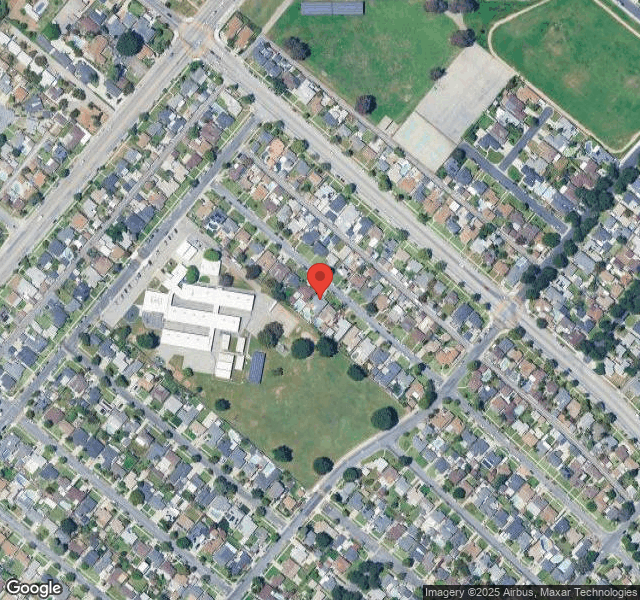
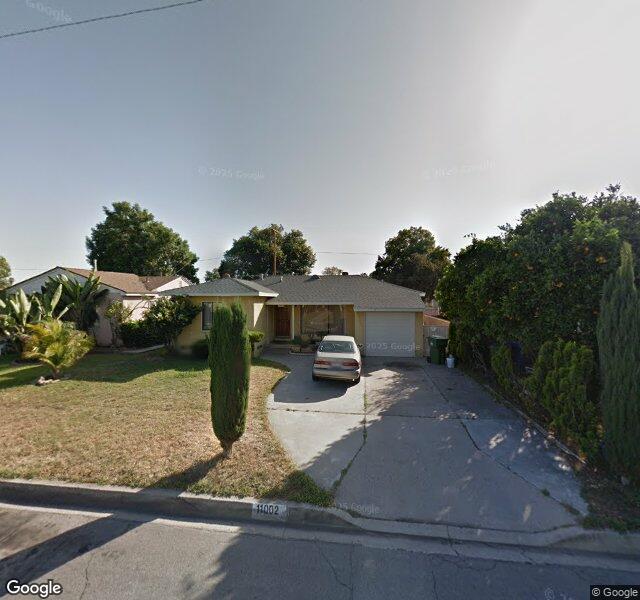
7931 S. SORENSON AVE., WHITTIER, CA 90606 (562) 698-0451
For profit - Limited Liability company 59 Beds BVHC, LLC Data: November 2025
Trust Grade
70/100
#463 of 1155 in CA
Last Inspection: January 2025

Within standard 12-15 month inspection cycle. Federal law requires annual inspections.

Overview

Socal Post-Acute Care in Whittier, California has a Trust Grade of B, indicating it is a good choice for families, suggesting they are solid but not among the very best. The facility ranks #463 out of 1155 in the state, placing it in the top half of California nursing homes, and #71 out of 369 in Los Angeles County, which means there are only a few local options that perform better. The facility is improving, with the number of issues decreasing from 14 in 2024 to 12 in 2025. Staffing is a strength, evidenced by a 4 out of 5-star rating and a turnover rate of 34%, which is below the state average, suggesting that staff remain long enough to develop relationships with residents. However, the facility has some concerning practices, such as failing to properly manage medications for residents and neglecting to maintain cleanliness, like allowing overflowing trash and not dating opened food items, which could lead to health risks.

Trust Score
B
70/100
In California
#463/1155
Top 40%
Safety Record
Low Risk
No red flags
Inspections
Getting Better
14 → 12 violations
Staff Stability
○ Average
34% turnover. Near California's 48% average. Typical for the industry.
Penalties
✓ Good
No fines on record. Clean compliance history, better than most California facilities.
Skilled Nurses
⚠ Watch
Each resident gets only 29 minutes of Registered Nurse (RN) attention daily — below average for California. Fewer RN minutes means fewer trained eyes watching for problems.
Violations
⚠ Watch
37 deficiencies on record. Higher than average. Multiple issues found across inspections.
★★★★☆
4.0
Overall Rating
★★★★☆
4.0
Staff Levels
★★★★★
5.0
Care Quality
★★★☆☆
3.0
Inspection Score
Stable
2024: 14 issues
2025: 12 issues

The Good

  • 4-Star Staffing Rating · Above-average nurse staffing levels
  • 5-Star Quality Measures · Strong clinical quality outcomes
  • Full Sprinkler Coverage · Fire safety systems throughout facility
  • No fines on record
  • Staff turnover below average (34%)

    14 points below California average of 48%

Facility shows strength in staffing levels, quality measures, fire safety.

The Bad

Staff Turnover: 34%

12pts below California avg (46%)

Typical for the industry

Chain: BVHC, LLC

Part of a multi-facility chain

Ask about local staffing decisions and management

The Ugly 37 deficiencies on record

May 2025 1 deficiency
CONCERN (E) 📢 Someone Reported This

A family member, employee, or ombudsman was alarmed enough to file a formal complaint

Potential for Harm - no one hurt, but risky conditions existed

Pharmacy Services (Tag F0755)

Could have caused harm · This affected multiple residents

**NOTE- TERMS IN BRACKETS HAVE BEEN EDITED TO PROTECT CONFIDENTIALITY** Based on observation, interview, and record review the facility failed to account for and administer medications as ordered by t...

Read full inspector narrative →
**NOTE- TERMS IN BRACKETS HAVE BEEN EDITED TO PROTECT CONFIDENTIALITY** Based on observation, interview, and record review the facility failed to account for and administer medications as ordered by the physician for two of two sampled residents (Resident 1 and Resident 2), by failing to: 1. Account for Resident 1 ' s Dilaudid 4 mg tablet bubble pack (also known as a blister pack, a card that packaged doses of medication within small, clear plastic bubbles [or blisters] for easy and safe administration) and the Controlled Medication Count Sheet (CMCS, form used to keep track of how much of a controlled medication was on hand, how much was given to a resident, and how much remained) for the bubble pack. 2. Administer Resident 2 ' s Alprazolam 0.25 mg tablet on 5/4/2025 at 3:30 AM (55 minutes earlier than what was ordered by the physician). 3. Document Resident 2 received Alprazolam 0.25 mg tablet on 5/4/2025 at 3:30 AM in the Medication Administration Record (MAR). 4. Implement Resident 2 ' s Care Plan interventions to administer anti-anxiety medications as ordered by the physician. These deficient practices had the potential for the loss of accountability which affected the controls against drug loss, diversion, or theft for Resident 1 and an inaccurate record and administration of a controlled medication that could have resulted in adverse reactions for Resident 2. Findings: a. During a review of Resident 1 ' s admission Record (AR), the AR indicated the resident was readmitted to the facility on [DATE], with diagnoses that included orthopedic aftercare (the process of recovering from orthopedic surgery focusing on pain management, wound care, physical therapy, and lifestyle adjustments to promote healing and regain function) following surgical amputation (a surgical procedure where a part of a limb such as a finger, toe, hand, foot, arm, or leg, was removed - absence of left leg below knee, right leg below knee and right finger[s]), and Raynaud ' s syndrome (a condition where blood vessels in the fingers and toes react unusually strongly to cold or stress, causing them to narrow and restrict blood flow) without gangrene (a serious condition where tissue dies due to a lack of blood flow, often resulting in a loss of oxygen and nutrients). During a review of Resident 1 ' s Narcotic Use Care Plan dated 11/19/2024, the Care Plan indicated a goal for the resident to have no complications. The Care Plan interventions indicated to administer medications as ordered, monitor for signs and symptoms of complications, and monitor for pain every shift. During a review of Resident 1 ' s Pain Care Plan dated 11/19/2024, the Care Plan indicated a goal for the resident ' s pain to be r5elieved within 30 to 60 minutes of intervention for 90 days. The Care Plan interventions indicated to administer Dilaudid (a drug used to treat moderate to severe pain) as needed, assess for pain every shift and as needed, and assist in performing non-pharmacological interventions. During a review of Resident 1 ' s History and Physical (H&P) dated 11/27/2024, the H&P indicated Resident 1 had the capacity to understand and make decisions. During a review of Resident 1 ' s Peripheral Neuropathy (nerve damage in your body, excluding the brain and spinal cord causing various symptoms like pain) Care Plan dated 11/29/2024, the Care Plan indicated a goal for the resident to have no complications. The Care Plan interventions indicated to administer pain medications as ordered, assist resident to participate with non-pharmacological interventions to relieve pain, and monitor skin status weekly and as needed. During a review of Resident 1 ' s Physician ' s Order dated 12/31/2024 at 3:07 PM, the Physician ' s Order indicated Dilaudid oral tablet 4 milligrams (mg, unit of measurement) (Hydromorphone hydrochloride [also known as Dilaudid]), give one tablet by mouth every four hours PRN for moderate to severe pain, hold if respiratory rate (RR, the number of breaths taken per minute, a normal resting RR for adults was between 12 and 20 breaths per minute) of less than 12. During a review of Resident 1 ' s Minimum Data Set (MDS, a federally mandated resident assessment tool) dated 2/16/2025, the MDS indicated the resident ' s cognition was intact (sufficient judgement and self-control to manage the normal demands of the environment). The MDS indicated Resident 1 received as needed (PRN) pain medication and had experienced occasional pain in the last five days. During a review of Resident 1 ' s Consolidated Delivery Sheets – Controlled Substances dated 5/2/2025 at 1:31 PM, the Delivery Sheets indicated Resident 1 ' s Dilaudid 4 mg tablet, quantity of 120 tablets were delivered from the pharmacy. The Delivery Sheets indicated LVN 1 signed for the delivery of Resident 1 ' s medications. During a review of Resident 1 ' s Delivery Track dated 5/2/2025 at 2:23 PM, The Delivery Track indicated Resident 1 ' s Dilaudid 4 mg tablet, quantity of 120 tablets were delivered from the pharmacy. The Delivery Track indicated LVN 1 signed for the delivery of Resident 1 ' s medications on 5/2/2025 at 2:21 PM. During a review of Resident 1 ' s Narcotic Inventory & Emergency Kit Endorsement Form dated May 2025, the Endorsement Form indicated from 5/1/2025 to 5/7/2025 the one duty and off duty facility staff signed the form with no discrepancies. During a review of Resident 1 ' s MAR dated May 2025, the MAR indicated Resident 1 received Dilaudid oral tablet 4 mg (Hydromorphone HCL), give one tablet by mouth every four hours PRN for moderate to severe pain, hold if RR of less than 12 was given a total of 10 times from 5/1/2025 to 5/7/2025. During a review of Resident 1 ' s CMCS for Dilaudid 4 mg dated 5/2/20205, the CMCS indicated the quantity was 120 tablets. The CMCS only accounted for 60 tablets. During an observation on 5/7/2025 at 7:24 AM, Licensed Vocational Nurse (LVN) 1 and LVN 3 performed a narcotic count for change of shift report (handoff of information when one shift of healthcare workers ends and a new shift begins). LVN 3 was calling out the resident ' s name, medication, and the number of medications left from the CMCS. LVN 1 was repeating the resident ' s name, medication, and the number of medications left from the bubble pack. LVN 1 and LVN 3 after the narcotic count, signed the Narcotic Endorsement Sheet indicating both facility staff agreed on the number of narcotics left for each resident. During an interview on 5/7/2025 at 7:56 AM, LVN 1 stated the outgoing nurse would count the medications used during their shift on paper (CMCS) and the incoming nurse would confirm the amount on the bubble pack for how many there should have been. LVN 1 stated once a bubble pack was all used, the facility staff would shred the name tag and throw away the bubble pack, but the CMCS would be folded and kept inside the binder until medical records filed the CMCS later. During the same interview on 5/7/2025 at 7:56 AM, LVN 1 stated she was training Registered Nurse (RN) 1 and followed RN 1 to administer Resident 1 ' s pain medication. LVN 1 stated when RN 1 was about to take Resident 1 ' s pain medication from the bubble pack, LVN 1 realized there was only one bubble pack instead of two bubble packs. LVN 1 stated the reason she knew there should have been two bubble packs was because she was the one who signed for Resident 1 ' s medications when the pharmacy delivered them. LVN 1 stated the pharmacy delivered a quantity of 120 pills split into two bubble packs with two CMCS and each bubble pack had a sticker indicating the first and second bubble pack. LVN 1 stated one whole bubble pack and one CMCS was missing. LVN 1 stated on the remaining bubble pack, the sticker indicating whether the bubble pack was the first or second one was ripped off. During an observation of Resident 1 ' s Dilaudid 4 mg tablet bubble pack on 5/7/2025 at 8:48 AM, the bubble pack indicated a quantity of 120 pills but only had room to contain 60 pills on the bubble pack. To the left upper corner of the bubble pack there was a sticker indicating PRN and a sticker indicating Caution: opioid, risk of overdoes and addition. Below the caution sticker there was adhesive residue (sticky stuff that was left behind on a surface after a label or sticker was removed) with an area that had a piece of red sticker left over. During a telephone interview on 5/7/2025 at 9:56 AM, RN 1 stated on 5/5/2025 she performed the narcotic count with the outgoing facility staff and everything matched specifically. RN 1 stated during medication pass (the process of nurse distributing medications to patients at scheduled times) for Resident 1, LVN 1 who was training me noticed there was only one bubble pack, when there should have been two. RN 1 stated LVN 1 informed RN 1 not to touch anything. RN 1 stated when there were two bubble packs of the same medication, there would have been two CMCS for them indicating one bubble pack was one of one and the other bubble pack was two of two. RN 1 stated because the sticker on the bubble pack was gone, there was no indication that there would be two bubble packs. RN 1 stated During an interview on 5/7/2025 at 12:21 PM, Resident 1 stated she had a left and right leg amputation (a surgical procedure where a part of a limb, such as leg was removed and had been living at the facility since October 2024. Resident 1 stated she had neuropathy (disease or dysfunction of one or more nerves, typically causing numbness or weakness in the hands and feet) and had bad pain in the mornings. Resident 1 stated she would usually get pain medication twice a day, one in the morning and one in the evening. During an interview on 5/7/2025 at 1:14 PM, LVN 2 stated she worked the 3 PM to 11 PM shift on 5/2/2025 and remembered performing the narcotic count with LVN 1 for Resident 1. LVN 2 stated there were three bubble packs total for Resident 1, two full bubble packs and one bubble pack with a few pills left and three CMCS for each of the bubble packs. LVN 2 stated she did not know the quantity for Resident 1 ' s medication but should have known otherwise the facility staff could lose track of how many narcotics there actually were. LVN 2 stated if the facility did not have Resident 1 ' s narcotics then Resident 1 could be in pain and the facility would not have medication to alleviate the resident ' s pain. During an interview on 5/7/2025 at 1:35 PM, LVN 3 stated she worked the 11 PM to 7 AM shift on 5/2/2025 to 5/3/2025 and remembered performing the narcotic count with the outgoing nurse for Resident 1. LVN 3 stated she could not remember how many bubble packs Resident 1 had. LVN 3 stated the numbers on the resident ' s name tag were so tiny and did not check the quantity but should have to know how much medication should have been there. LVN 3 stated if the facility did not know the quantity of the medication, the medication could go missing and having the resident ' s medications were the resident ' s right and if the facility did not have the medication the resident would be in pain. During an interview on 5/7/2025 at 2:21 PM, LVN 4 stated she worked the 7 AM to 3 PM shift on 5/3/2025 and remembered performing the narcotic count with the outgoing nurse for Resident 1. LVN 4 stated there were two bubble packs, one bubble pack with one pill left and a new bubble pack with all 60 pills accounted for with two CMCS. LVN 4 stated she only checked the quantity of the medication when she received the medication from the pharmacy. LVN 4 stated checking the quantity of the medication would be hard to do for every resident but should have been done to make sure the correct amount was accounted for otherwise the medication could go missing. LVN 4 stated if Resident 1 ' s medication went missing, that would be bad because Resident 1 relied on her pain medication and if she did not receive the pain medication, Resident 1 would continue to be in pain. During an interview on 5/7/2025 at 4:55 PM, the Director of Nursing (DON) stated the facility staff should have been looking at the quantity of the medication, looking at the CMCS, and looking at the actual medication to compare and make sure everything was accounted for. The DON stated otherwise the medication could go missing and the facility would not be aware of the missing medication. b. During a review of Resident 2 ' s AR, the AR indicated the resident was admitted to the facility on [DATE], with diagnoses that included dementia (a progressive state of decline in mental abilities), unspecified psychosis (a mental health condition where a person experiences psychotic symptoms [like hallucinations or delusions] but did not meet the specific criteria for a more define disorder like schizophrenia [a serious mental disorder where a person ' s brain interprets reality in an unusual way, often leading to a disconnect from what others perceive as real), and encephalopathy (a disorder of the brain that affects how the brain works). During a review of Resident 2 ' s H&P dated 3/17/2025, the H&P indicated Resident 2 had the capacity to understand and make decisions. During a review of Resident 2 ' s MDS dated [DATE], the MDS indicated the resident had severe cognitive impairment (problems with a person ' s ability to think, learn, remember, use judgement, and make decisions). The MDS indicated the resident ' s active diagnoses included dementia, psychotic disorder, and encephalopathy. The MDS indicated the resident was on antipsychotic medication. During a review of Resident 2 ' s Alprazolam Care Plan dated 4/28/2025, the Care Plan indicated a goal for the resident to be free from discomfort or adverse reactions related to anti-anxiety therapy. The Care Plan interventions indicated to administer anti-anxiety medications as ordered by the physician, monitor for side effects and effectiveness every shift, and monitor the resident at least every two hours for safety. During a review of Resident 2 ' s Physician ' s Order dated 5/4/2025 at 10:31 PM, the Physician ' s Order indicated Alprazolam (a drug used to treat anxiety [a feeling of worry, nervousness, or fear, often about something in the future] disorders and panic attacks [a sudden, intense feeling of intense fear or discomfort]) oral tablet 0.25 mg, give one tablet by mouth every eight hours PRN for anxiety manifested by inability to cope with activities of daily living (ADLs, routine tasks/activities such as bathing, dressing, and toileting a person performs daily to care for themselves) causing anger. During a review of Resident 2 ' s MAR dated May 2025, the MAR indicated the resident received Alprazolam 0.25mg, one tablet by mouth every eight hours PRN for anxiety manifested by inability to cope with ADLs causing anger on 5/3/2025 at 8:25 PM and on 5/4/2025 at 5 PM. The MAR indicated Resident 2 only had two doses of Alprazolam documented and no other doses were given to the resident. During a review of Resident 2 ' s Administration Progress Note dated 5/3/2025 at 8:25 PM, the Progress Note indicated Resident 2 received Alprazolam 0.25mg one tablet by mouth every eight hours PRN for anxiety manifested by inability to cope with ADLs causing anger. During a review of Resident 2 ' s Administration Progress Note dated 5/3/2025 at 10:24 PM, the Progress Note indicated the PRN Alprazolam 0.25mg administration was effective. During a review of Resident 2 ' s Nursing Progress Note dated 5/4/2025 at 3:30 AM, the Progress Note indicated Resident 2 was sleeping in bed with no acute distress, the resident ' s bed was low to the floor for safety, and the resident ' s call light was in easy reach. The Progress Note did not indicate the resident received Alprazolam PRN. During a review of Resident 2 ' s Administration Progress Note dated 5/4/2025 at 5 PM, the Progress Note indicated non-pharmacological interventions including distraction and maintaining a calm environment were ineffective and Resident 2 was being monitored by facility staff at the nurse ' s station. The Progress Note did not indicate which medication was given to Resident 2 but a medication was given for outbursts and attempts to flee. During a review of Resident 2 ' s Administration Progress Note dated 5/4/2025 at 6:22 PM,the Progress Note indicated the PRN Alprazolam 0.25mg administration was effective. During a review of Resident 2 ' s Controlled Medication Count Sheet (CMCS) for Alprazolam 0.25 mg tablet dated 5/3/2025, the CMCS indicated Resident 2 received Alprazolam 0.25mg one tablet by mouth every eight hours PRN for anxiety manifested by inability to cope with ADLs causing anger on 5/3/2025 at 8:25 PM, on 5/4/2025 at 3:30 AM, and on 5/4/2025 at 7 PM. The CMCS indicated the second administration of Alprazolam 0.25 mg on 5/4/2025 at 3:30 AM was given to Resident 2, seven hours and five minutes after the first initial dose given on 5/3/2025 at 8:25 AM (55 minutes earlier than what was ordered by the physician). During a concurrent interview and record review of Resident 2 ' s CMCS on 5/7/2025 at 3:48 PM, LVN 2 stated Resident 2 ' s Alprazolam 0.25 mg tablets had a quantity of 42 pills and the resident currently had 39 pills indicating three pills were already dispensed. The CMCS indicated Resident 2 received Alprazolam 0.25 mg tablet on 5/3/2025 at 8:25 PM and then again on 5/4/2025 at 3:30 PM. LVN 2 stated the medication was given sooner than should have been which was not okay because Resident 2 could become lethargic (feeling tired, sluggish, and lacking energy or enthusiasm) if the medication was not given within the time frame and could affect the resident ' s ADLs. During a concurrent interview and record review of Resident 2 ' s MAR on 5/7/2025 at 3:55 PM, the DON stated the MAR did not indicate Resident 2 received Alprazolam 0.25 mg tablet at 3:30 AM on 5/4/2025 as indicated on the resident ' s CMCS. The DON stated the CMCS was accurate and the facility staff failed to document in the MAR the administration of the medication. During an observation of Resident 2 ' s Alprazolam 0.25 mg tablet bubble pack on 5/7/2025 at 4:27 PM, the bubble pack indicated a quantity of 42 pills and the bubble pack had 39 remaining pills. During an interview on 5/7/2025 at 4:47, the DON stated there was a discrepancy between the CMCS and the MAR. The DON stated the CMCS signified the facility staff took the medication from the bubble pack and the MAR indicates the medication was given. The DON stated the facility staff should have signed the MAR indicating the medication was given otherwise the facility staff would not know what happened to the medication and if the resident received the medication or not. The DON stated if the medication was not given the resident ' s behavior could get worse or increase. During a review of the facility ' s policy and procedure (P&P) titled, Documentation of Medication Administration revised April 2007, the P&P indicated The facility shall maintain a medication administration record to document all medications administered. The P&P indicated Administration of medication must be documented immediately after (never before) it is given. Documentation must include, as a minimum name and strength of the drug; dosage; method of administration; date and time of administration; signature and title of the person administering the medication n; and resident response to the medication. During a review of the facility ' s P&P titled, Administering Oral Medications revised October 2010, the P&P indicated, The purpose of this procedure is to provide guidelines for the safe administration of oral medications. Verify that there is a physician ' s medication order for this procedure. The P&P indicated, Check the label on the medication and confirm the medication name and dose with the MAR. During a concurrent interview and record review of the facility ' s P&P titled Controlled Substances revised April 2019 with the DON, the P&P indicated, Controlled substances are reconciled upon receipt, administration, disposition, and at the end of each shift. The P&P indicated, Upon receipt: the nurse receiving the medication and the individual delivering the medication verify the name, dose, and quantity of each controlled substance. Upon administration: the nurse administering the medication is responsible for recording: name of the resident receiving the medication; name; strength and dose of the medication; time of administration; method of administration; quantity of the medication remaining; and signature of nurse administering medication. The P&P indicated, At the end of each shift: controlled medications are counted at the end of each shift. The nurse coming on duty and the nurse going off duty determine the count together. Any discrepancies in the controlled substance count are documented and reported to the Director of Nursing services immediately. The DON stated the facility staff were not following the policy and instead of focusing on the quantity received, the facility staff were focusing on the number of medications left. The DON stated if the facility did not follow the policy, the facility could be missing narcotics and the resident ' s pain could get worse if no pain medication were available.
Apr 2025 1 deficiency
CONCERN (D) 📢 Someone Reported This

A family member, employee, or ombudsman was alarmed enough to file a formal complaint

Potential for Harm - no one hurt, but risky conditions existed

Quality of Care (Tag F0684)

Could have caused harm · This affected 1 resident

Based on observation, interview and record review, the facility failed to provide care and services as ordered by the physician and as indicated in the facility's policy and procedure for one of three...

Read full inspector narrative →
Based on observation, interview and record review, the facility failed to provide care and services as ordered by the physician and as indicated in the facility's policy and procedure for one of three sampled residents (Resident 1) after experiencing a fall on 4/4/25 and reported having pain on 4/6/25. Resident 1's x-ray (a medical imaging test that creates images of the inside of the body) that was ordered by the physician 4/6/25 at 7:48 AM due to the resident's complaint of pain on the ankle and x-ray was taken on 4/7/25 at 10:59AM. The facility did not follow up to with the Radiology (company that specialize in x-rays) company of the resident's x-ray to obtain the x-ray result. As a result of this deficient practice the X-ray result was not received until 4/9/25 that showed ankle fracture (broken bone) which delayed Resident 1's care and hospitalization after a fall to receive care which could potentially result in long term functional limitation, persistent pain, and limited of range of motion affecting the resident's quality of life negatively. Findings: During a review of Resident 1's admission Record (AR), the AR indicated the facility admitted Resident 1 on 3/25/2023 with diagnoses that included dementia (a term for a range of conditions that affect the brain's ability to think, remember, and function normally) and osteoarthritis (a degenerative joint disease, affecting joints over time, leading to pain, stiffness, and swelling). During a review of Resident 1's Minimum Data Set (MDS, a standardized assessment and care planning tool), dated 1/17/2025, the MDS indicated Resident 1 had moderately impaired memory and cognition (ability to think and reason). The MDS indicated Resident 1 required setup or clean-up assistance with eating and oral hygiene, and partial/moderate assistance with shower/bathe self, and personal hygiene and chair/bed-to-chair transfer. During a review of Resident 1's SBAR (Situation, Background, Assessment, and Recommendation, a structured communication tool, particularly common in healthcare) Communication Form, dated 4/4/2025, the SBAR indicated Resident 1 had a witnessed fall on 4/4/2025. During a review of Resident 1's Progress Notes, dated 4/6/2025 at 7:48 AM, Resident 1 continued with to experience pain after the fall, the physician ordered an x-ray of left ankle. During a review of Resident 1's X-ray Report of left ankle, dated 4/7/2025 at 7:54 PM, from an x-ray that was taken on 4/7/2025 at 10:59 AM, indicated the resident had nondisplaced complete transverse fracture (a clean and straight break across the bone) of medial malleolus (a bone located on the inner side of the ankle) is noted and complete transverse fracture of distal fibula diaphysis (a lower end of the bone at ankle area) is noted with lateral angulation of distal fractured fragment (in fractures refers to the tilt of the lower end of the fractured fragment of the broken bone away from its normal alignment). During a review of Resident 1's SBAR Communication Form, dated 4/9/2025, the SBAR indicated abnormal x-ray showing fracture to ankle. The SBAR indicated the physician was notified on 4/9/2025 at 5 PM. During a concurrent observation and interview on 4/18/2025 at 1:29 PM, Resident 1 was lying on the bed with her left ankle and foot stabilized with the splints and wrapped in the elastic bandages. Resident 1 stated she was having pain at level 10/10 pain when she tried to move her left foot, and she could not get up of bed or stand anymore. During an interview on 4/18/2025 at 1:25 PM with Licensed Vocational Nurse (LVN) 1, LVN 1 stated Resident 1's x-ray of left ankle was done by an outside radiology company on 4/7/2025 around 11 AM. LVN 1 stated the nurse who worked in the evening shift and the nurse who worked on the next day did not follow up the X-ray result did not report to the physician within 24 hours after the x-ray of left ankle was done to prevent a delayed treatment to Resident 1. During an interview on 4/18/2025 at 4:02 PM with Registered Nurse (RN) 1, RN 1 stated she worked the evening shift on 4/7/2025 and she did not receive a phone call or a fax of Resident 1's x-ray result on the left ankle. RN 1 stated she did not follow up with the result with the radiology company. During an interview on 4/18/2025 at 4:15 PM with LVN 1, LVN 1 stated she worked the morning shift on 4/8/2025, but she did not get any endorsement to follow up with Resident 1's x-ray report on the left ankle, so she did not follow up with the radiology company for the result. LVN 1 stated, someone notified the physician on 4/9/25, but she did not know when and who received Resident 1's x-ray report and reported to the physician. LVN 1 stated the physician called back and ordered to transfer the resident to the hospital in the afternoon on 4/9/2025. During an interview on 4/18/2025 at 4:38 PM with LVN 2, LVN 2 stated when she started to work the evening shift on 4/8/2025 and she noticed Resident 1's x-ray of left ankle report was blank. LVN 2 stated she asked LVN 1 why the report was blank and LVN 1 said she did not know the reason. LVN 2 stated she called the radiology company, and the representative of the radiology company told her that the radiology company was having issues of sending out the reports for the past two days and the representative did not have the report available to provide a verbal report to the nurse at that time. LVN 2 stated she did not report this issue to the Director of Nursing (DON) immediately. During a concurrent interview and record review on 4/18/2025 at 4:40 PM with the DON, the report of Resident 1's x-ray of left ankle, dated 4/7/2025, and Resident 1's SBAR, dated 4/9/2025, were reviewed. The DON stated the time stamp of the received fax of the x-ray report indicated the report was received on 4/9/2025 at 5 PM. The DON stated the nurse notified the physician on 4/9/2025 at 5 PM. The DON stated he did not know the facility was having issues of obtaining the x-ray report from the radiology company because the staff did not report it to him. The DON stated the nurse should report the issue to him, so he could reach out to the supervisor of the radiology company to escalate the request and make sure they obtained the report and notified the physician within 24 hours once the x-ray was taken to prevent any delayed care for Resident 1. The DON stated any delay treatment could lead to the functional limitation, pain, and the loss of motion of Resident 1' left ankle because of the fractured ankle. The DON stated it was the facility's standard of practice to obtain a x-ray result and report to the physician within 24 hours when the test was done to prevent any delayed care and potential adverse complication for the residents. During a review of the facility's policy and procedure (P&P), dated 5/2017, the P&P indicated Prior to notifying the Physician or healthcare provider, the nurse will make detailed observations and gather relevant and pertinent information for the provider and except in medical emergencies, notifications will be made within twenty-four (24) hours of a change occurring in the resident's medical/mental condition or status.
Jan 2025 10 deficiencies
CONCERN (D)

Potential for Harm - no one hurt, but risky conditions existed

Deficiency F0578 (Tag F0578)

Could have caused harm · This affected 1 resident

**NOTE- TERMS IN BRACKETS HAVE BEEN EDITED TO PROTECT CONFIDENTIALITY** Based on interview and record review, the facility failed to ensure that Resident 53's Advance Directive Acknowledgment Form (a ...

Read full inspector narrative →
**NOTE- TERMS IN BRACKETS HAVE BEEN EDITED TO PROTECT CONFIDENTIALITY** Based on interview and record review, the facility failed to ensure that Resident 53's Advance Directive Acknowledgment Form (a written instruction, such as a living will or durable power of attorney for health care, recognized under State law [whether statutory or as recognized by the courts of the State], relating to the provision of health care when the individual is incapacitated) was completed upon admission to the facility on 1/7/2025. This deficient practice had the potential to result in misinformation of medical care and treatment and not honoring resident's wishes in cases where the resident and/or responsible party was unable to participate in making healthcare decisions. Findings: During a review of Resident 53's admission Record (AR), the AR indicated the resident was admitted on [DATE] with diagnoses that included hemiplegia (paralysis that affects only one side of the body) and hemiparesis (weakness or the inability to move on one side of the body) following other nontraumatic intracranial hemorrhage (a type of stroke) affecting left non-dominant side, dysphagia (difficulty swallowing), and abnormalities of gait and mobility. During a review of Resident 53's History and Physical (H&P), dated 1/9/2025, the H&P indicated the resident did not have the capacity to understand and make decisions. During a review of Resident 53's Advance Directive Acknowledgement form dated 11/29/2024, the form indicated the form was incomplete. The form was not signed by the resident/responsible party. During a concurrent interview and record review of Resident 53's Advance directive Acknowledgment form on 1/12/2025 at 9:43 AM, the Social Services Designee (SSD) verified Resident 53's form was not completed and signed by Resident 53's responsible party. The SSD stated Resident 53 was readmitted last week and could not recall if she had followed up with resident's family regarding the Advance Directive Acknowledgment form. The SSD stated the form should be filled out to its entirety, so that in the case of an emergency, if the nurses find resident unresponsive, they will know what the resident ' s wishes were. The SSD stated it the form was also for the family to be fully aware of the decisions and what the decisions mean. Review of the facility's policy Advance Directive, revised September 2022, indicated The resident has the right to formulate and Advance Directive, including the right to accept or refuse medical or surgical treatment. Advance Directives are honored in accordance with state law and facility policy.
CONCERN (D)

Potential for Harm - no one hurt, but risky conditions existed

Deficiency F0635 (Tag F0635)

Could have caused harm · This affected 1 resident

**NOTE- TERMS IN BRACKETS HAVE BEEN EDITED TO PROTECT CONFIDENTIALITY** Based on interviews and record review, the facility failed to ensure residents received treatment and care in accordance with pr...

Read full inspector narrative →
**NOTE- TERMS IN BRACKETS HAVE BEEN EDITED TO PROTECT CONFIDENTIALITY** Based on interviews and record review, the facility failed to ensure residents received treatment and care in accordance with professional standards of practice and the facility's policy for one of one sampled resident (Resident 53) with a diagnosis of diabetes mellitus (a disease in which the blood sugar levels are too high). The facility failed to ensure all appropriate discharge orders from General Acute Care Hospital (GACH) 1 were verified with the attending physician (Physician 1) upon readmission to the facility on [DATE]. This deficient practice resulted to Resident 53 not receiving the care and services to continue diabetic management and/or medications for the resident ' s diagnosis of diabetes mellitus, while in the facility from 12/8/2024 to 1/12/2024 (36 days). Cross Referenced to F641, F657, and F692 Findings: During a review of facility's admission Record indicated Resident 53 was initially admitted on [DATE] but readmitted back to the facility from GACH 1 on 12/8/2024, with diagnoses that included acute pulmonary edema (condition caused by excess fluid in the lungs), Type 2 diabetes mellitus, and end stage renal disease (ESRD- condition in which the kidneys lose the ability to remove waste and balance fluids). During a review of Resident 53's Facility Medication Administration Record (MAR) from 10/25/2024 to 11/27/2024, the MAR indicated insulin aspart injection as per sliding scale was previously being administered to Resident 53 prior to readmission on [DATE]. The MAR indicated the resident had received insulin on the following days: On 10/26/2024 timed at 9 PM, 2 units given for a blood sugar level of 155 milligrams per deciliter (mg/dL). On 10/27/2024 timed at 9 PM, 2 units given for a blood sugar level of 154 mg/dL. On 10/29/2024 timed at 11:30 AM, 2 units given for a blood sugar level of 152 mg/dL. On 10/30/2024 timed at 4:30 PM, 2 units given for a blood sugar level of 179 mg/dL. On 10/31/2024 timed at 4:30 PM, 2 units given for a blood sugar level of 169 mg/dL. On 11/1/2024 timed at 9 PM, 3 units given for a blood sugar level of 208 mg/dL On 11/2/2024 timed at 9 PM, 3 units given for a blood sugar level of 209 mg/dL On 11/3/2024 timed at 9 PM, 2 units given for a blood sugar level of 159 mg/dL On 11/5/2024 timed at 9 PM, 2 units given for a blood sugar level of 178 mg/dL On 11/7/2024 timed at 11:30 AM, 2 units given for a blood sugar level of 155 mg/dL On 11/7/2024 timed at 9 PM, 2 units given for a blood sugar level of 167 mg/dL On 11/12/2024 timed at 11:30 AM, 3 units given for a blood sugar level of 230 mg/dL On 11/14/2024 timed at 6:30 AM, 2 units given for a blood sugar level of 154 mg/dL On 11/14/2024 timed at 9 PM, 3 units given for a blood sugar level of 212 mg/dL On 11/15/2024 timed at 11:30 AM, 2 units given for a blood sugar level of 160 mg/dL On 11/20/2024 timed at 4:30 PM, 2 units given for a blood sugar level of 164 mg/dL On 11/20/2024 timed at 9 PM, 3 units given for a blood sugar level of 234 mg/dL On 11/21/2024 timed at 9 PM, 2 units given for a blood sugar level of 198 mg/dL On 11/22/2024 timed at 4:30 PM, 2 units given for a blood sugar level of 190 mg/dL On 11/22/2024 timed at 9 PM, 2 units given for a blood sugar level of 166 mg/dL On 11/24/2024 timed at 9 PM, 2 units given for a blood sugar level of 156 mg/dL On 11/25/2024 timed at 9 PM, 2 units given for a blood sugar level of 154 mg/dL On 11/26/2024 timed at 11:30 AM, 2 units given for a blood sugar level of 177 mg/dL On 11/27/2024 timed at 9 PM, 3 units given for a blood sugar level of 209 mg/dL During a review of Resident 53's Physician Progress Notes from GACH 1, dated 12/1/2024, the indicated a diagnosis of Diabetes Mellitus with blood sugar control per protocol. During a review of Resident 53's Facility History and Physical Assessment (H&P) dated 12/16/24, the H&P indicated Resident 53 had the capacity to understand and make decisions. During a review of Resident 53's Facility Order Summary Report prior to readmission dated 10/25/2024 indicated Insulin (a hormone of the pancreas that is essential for allowing your body to use sugar for energy) Aspart Injection Solution (Insulin Aspart) inject as per sliding scale: if 0-149 mg/dL = 0 units; 150-199 mg/dL = 2 units; 200-249 mg/dL= 3 units; 250-299mg/dL = 4 units; 300-349 mg/dL = 6 units; 350-399 mg/dL= 8 units notify Physician 1 if over 400 mg/dL, subcutaneously before meals and at bed time for Diabetes Mellitus (DM). During a review of Resident 53's Facility Order Summary Report dated 1/12/2025, the Order Summary Report did not indicate medications or treatment orders were ordered for Resident 53 such as insulin sliding scale for Resident 53's DM. During a review of Resident 53's Minimum Data Set (MDS - a federally mandated resident assessment tool) dated 12/14/2024, the MDS indicated Resident 53 had moderately impaired cognition (mental action or process of acquiring knowledge and understanding through thought, experience, and the senses). The MDS indicated Resident 53 had an active diagnosis of DM. The MDS also indicated Resident 53 was receiving Insulin medication. During a review of Resident 53's Facility care plans indicated an active DM care plan initiated 10/26/2024 with a revision on 11/6/2024, and target date of 1/25/2025. The care plan indicated the following interventions: (1) to administer medications as ordered, (2) monitor blood sugar as ordered by Physician 1, (3) monitor for signs and symptoms of hypoglycemia and hyperglycemia and notify Physician 1 if any; (4) monitor skin status every week and as needed and notify Physician 1 if any changes are noted; (5) notify Physician 1 if blood sugar is less than 60 or over 400; and (6) provide diet as ordered. During a review of Resident 53's Facility Custom Interdisciplinary Team (IDT) Care Conference form dated 12/8/2024, the form indicated the areas reviewed with Physician 1 were Resident 53 ' s diagnoses, care plans. The Custom IDT Care Conference form indicated there was no new diagnosis(es) since last assessment. The Custom IDT Care Conference form indicated a diet of 80 grams (gm, unit of measure), low potassium, low salt and regular texture. During a review of Resident 53's Facility Nutritional Initial Screener dated 12/15/2025, the document indicated admitting diagnoses that included status post left below the knee amputation, chronic obstructive pulmonary disease (COPD- condition caused by damage to the airways or other parts of the lung), ESRD, and pressure injury stage 2. The nutritional initial screener indicated the following diet: consistent carbohydrate diet (CCHO- Diet for people with diabetes to manage their blood sugar levels and weight), no added salt, mechanical soft (diet designed for people who have trouble chewing and swallowing), thin. During a concurrent interview and record review of Resident 53's medical chart on 1/12/2025 at 10:37 AM, the Director of Nursing (DON) verified Resident 53 had a diagnosis of DM on the admission Record. The DON verified there were no physician orders for diabetic management like insulin or blood sugar checks on the Order Summary Report. The DON stated she and the Minimum Data Set Nurse (MDSN) check admission documentation and will conduct an IDT with the resident and the resident ' s family/responsibly party to go over medications and what transpired at the GACH 1. The DON stated the purpose of clarifying orders and diagnosis with Physician 1 was to ensure if Resident 53 needed insulin. The DON stated if there are no orders for diabetic management, the resident can experience hyperglycemia (high blood sugar) and have uncontrolled blood sugar. At 10:55 AM, the DON stated when verifying the orders as the admitting nurse, she would have clarified with Physician 1. The DON stated Physician 1 reviews the medications on admission, and sign electronically. During a concurrent interview and record review of Resident 53's Order Summary Report prior to readmission dated 10/25/2024 on 1/12/2025 at 11:24 AM, the DON stated Resident 53 had an order for Insulin at the facility before she was transferred to GACH 1. The DON stated when Resident 53 was readmitted back to the facility on [DATE] there were no orders to continue Insulin. The DON stated she would have clarified with Physician 1, and she would expect the nurses to question and clarify with Physician 1 as well. During an interview with Registered Nurse (RN) 1 on 1/12/2025 at 2:35 PM, RN 1 stated when she admits a resident, she would review the admission and medication orders from the GACH. RN 1 stated she would call the physician in charge of the resident to verify and go over each medication with the orders from the hospital. RN 1 stated she would ask the physician if they wanted any blood work done and confirm the resident ' s diet. RN 1 stated the orders she inputs for the facility is what she reviews from the GACH records and the nurse from the hospital who was giving report. RN 1 stated with Resident 53 was a resident at the facility before. RN 1 stated during admission verification of hospital orders and diagnosis with Physician 1, she did not bring up to Physician 1 of no orders for Insulin for DM. RN 1 stated Resident 53 was not using insulin in previous admissions which was why she did not bring it up to the physician. RN 1 stated she should have clarified diabetic management with Physician 1, but did not think about it at that moment. RN 1 stated if the missing Insulin order was mentioned to Physician 1 on admission and if he agreed to not continue insulin, RN 1 would have documented on progress notes. During a telephone interview with Physician 1 on 1/12/2025 at 3 PM, Physician 1 stated he was notified of Resident 53 ' s readmission to the facility but could not recall the details of the phone call with the admitting nurse. Physician 1 stated when verifying orders with the admitting nurse, they would verify each medication. Physician 1 stated he would have expected the licensed nurse to let him know about the change, but it was nothing unusual to him because Resident 53 did not require too much insulin. Physician 1 stated if Resident 53 ' s hemoglobin A1C (HbA1C- blood test that shows what the average blood sugar level was over the past 2 to 3 months) was normal she would not require anymore checking for blood sugar or insulin. Physician 1 stated he could not recall if there were any orders for diabetic management for Resident 53 ' s recent readmission. During a review of the facility ' s policy and procedure (P&P) titled Admissions- From the Community dated 3/2017 indicated prior to, or at the time of admission, a resident admitted from the community to the facility will have the following information available to assure that the immediate care needs of the resident can be met: admitting diagnosis and prognosis; current medical status; and physician orders for immediate care. During a review of the facility ' s P&P titled Diabetes- Clinical Protocol dated 11/2020 indicated the physician and staff will summarize factors that are contributing to, or conditions that are affected by the resident ' s diabetes or glucose intolerance and will assess the impact of diabetes on the individual ' s function and quality of life.
CONCERN (D)

Potential for Harm - no one hurt, but risky conditions existed

Assessment Accuracy (Tag F0641)

Could have caused harm · This affected 1 resident

**NOTE- TERMS IN BRACKETS HAVE BEEN EDITED TO PROTECT CONFIDENTIALITY** Based on interview and record review, the facility failed to ensure the Minimum Data Set (MDS - a federally mandated resident as...

Read full inspector narrative →
**NOTE- TERMS IN BRACKETS HAVE BEEN EDITED TO PROTECT CONFIDENTIALITY** Based on interview and record review, the facility failed to ensure the Minimum Data Set (MDS - a federally mandated resident assessment tool) was accurate for one of one sampled resident (Resident 53) who had a diagnosis of diabetes mellitus (a disease in which the blood sugar levels are too high) with no physician orders for Diabetes Management. This deficient practice had the potential to result in Resident 53 not to receive appropriate treatment and/or services. Cross Referenced to F635, F657, and F692 Findings: During a review of Resident 53's Facility Physician Progress Notes from GACH 1 dated 12/1/2024 indicated a diagnosis of Diabetes Mellitus with blood sugar control per protocol. During a review of facility's Facility admission Record indicated Resident 53 was initially admitted on [DATE] and readmitted back to the facility on [DATE], with diagnoses that included acute pulmonary edema (condition caused by excess fluid in the lungs), Type 2 diabetes mellitus, and end stage renal disease (ESRD- condition in which the kidneys lose the ability to remove waste and balance fluids). During a review of Resident 53's Facility History and Physical Assessment (H&P) dated 12/16/24, the H&P indicated Resident 53 had the capacity to understand and make decisions. During a review of Resident 53's Facility Order Summary Report prior to readmission dated 10/25/2024 indicated Insulin (a hormone of the pancreas that is essential for allowing your body to use sugar for energy) Aspart Injection Solution (Insulin Aspart) inject as per sliding scale: if 0-149 milligrams per deciliter (mg/dL).= 0 units; 150-199 mg/dL= 2 units; 200-249 mg/dL= 3 units; 250-299 mg/dL= 4 units; 300-349 mg/dL= 6 units; 350-399 mg/dL= 8 units notify Physician 1 if over 400 mg/dL, subcutaneously before meals and at bed time for Diabetes Mellitus (DM). During a review of Resident 53's Facility Order Summary Report dated 1/12/2025, did not indicate medications or treatment orders were ordered for Resident 53 such as insulin sliding scale for Resident 53's DM. During a review of Resident 53's MDS, indicated Resident 53 had moderately impaired cognition (mental action or process of acquiring knowledge and understanding through thought, experience, and the senses). The MDS indicated Resident 53 had an active diagnosis of DM. The MDS also indicated Resident 53 was receiving Insulin medication. During a review of Resident 53's Facility care plans indicated an active DM care plan initiated 10/26/2024 with a revision on 11/6/2024, and target date of 1/25/2025. The care plan indicated the following interventions: (1) to administer medications as ordered, (2) monitor blood sugar as ordered by Physician 1, (3) monitor for signs and symptoms of hypoglycemia and hyperglycemia and notify Physician 1 if any; (4) monitor skin status every week and as needed and notify Physician 1 if any changes are noted; (5) notify Physician 1 if blood sugar is less than 60 or over 400 mg/dL; and (6) provide diet as ordered. During a review of Resident 53 ' s Facility Custom Interdisciplinary Team (IDT) Care Conference form dated 12/8/2024 indicated the areas reviewed with Physician 1 were Resident 53's diagnoses, care plans. The Custom IDT Care Conference form indicated there was no new diagnosis(es) since last assessment. The Custom IDT Care Conference form indicated a diet of 80 grams (gm, unit of measure), low potassium, low salt and regular texture. During a review of Resident 53's Facility Nutritional Initial Screener dated 12/15/2025, the document indicated admitting diagnoses that included status post left below the knee amputation, chronic obstructive pulmonary disease (COPD- condition caused by damage to the airways or other parts of the lung), ESRD, and pressure injury stage 2. The nutritional initial screener indicated the following diet: consistent carbohydrate diet (CCHO- Diet for people with diabetes to manage their blood sugar levels and weight), no added salt, mechanical soft (diet designed for people who have trouble chewing and swallowing), thin. During a review of Resident 53's Facility Medication Administration Record (MAR) from 10/25/2024 to 11/27/2024, the MAR indicated insulin aspart injection as per sliding scale was previously being administered to Resident 53 prior to readmission on [DATE]. The MAR indicated the resident had received insulin on the following days: On 10/26/2024 timed at 9 PM, 2 units given for a blood sugar level of 155 mg/dL On 10/27/2024 timed at 9 PM, 2 units given for a blood sugar level of 154 mg/dL On 10/29/2024 timed at 11:30 AM, 2 units given for a blood sugar level of 152 mg/dL On 10/30/2024 timed at 4:30 PM, 2 units given for a blood sugar level of 179 mg/dL On 10/31/2024 timed at 4:30 PM, 2 units given for a blood sugar level of 169 mg/dL On 11/1/2024 timed at 9 PM, 3 units given for a blood sugar level of 208 mg/dL On 11/2/2024 timed at 9 PM, 3 units given for a blood sugar level of 209 mg/dL On 11/3/2024 timed at 9 PM, 2 units given for a blood sugar level of 159 mg/dL On 11/5/2024 timed at 9 PM, 2 units given for a blood sugar level of 178 mg/dL On 11/7/2024 timed at 11:30 AM, 2 units given for a blood sugar level of 155 mg/dL On 11/7/2024 timed at 9 PM, 2 units given for a blood sugar level of 167 mg/dL On 11/12/2024 timed at 11:30 AM, 3 units given for a blood sugar level of 230 mg/dL On 11/14/2024 timed at 6:30 AM, 2 units given for a blood sugar level of 154 mg/dL On 11/14/2024 timed at 9 PM, 3 units given for a blood sugar level of 212 mg/dL On 11/15/2024 timed at 11:30 AM, 2 units given for a blood sugar level of 160 mg/dL On 11/20/2024 timed at 4:30 PM, 2 units given for a blood sugar level of 164 mg/dL On 11/20/2024 timed at 9 PM, 3 units given for a blood sugar level of 234 mg/dL On 11/21/2024 timed at 9 PM, 2 units given for a blood sugar level of 198 mg/dL On 11/22/2024 timed at 4:30 PM, 2 units given for a blood sugar level of 190 mg/dL On 11/22/2024 timed at 9 PM, 2 units given for a blood sugar level of 166 mg/dL On 11/24/2024 timed at 9 PM, 2 units given for a blood sugar level of 156 mg/dL On 11/25/2024 timed at 9 PM, 2 units given for a blood sugar level of 154 mg/dL On 11/26/2024 timed at 11:30 AM, 2 units given for a blood sugar level of 177 mg/dL On 11/27/2024 timed at 9 PM, 3 units given for a blood sugar level of 209 mg/dL During a concurrent interview and record review of Resident 53's medical chart on 1/12/2025 at 10:37 AM, the Director of Nursing (DON) verified Resident 53 had a diagnosis of DM on the admission Record. The DON verified there were no physician orders for diabetic management like insulin or blood sugar checks on the Order Summary Report. The DON stated she and the Minimum Data Set Nurse (MDSN) check admission documentation and will conduct an IDT with the resident and the resident ' s family/responsibly party to go over medications and what transpired at the GACH. The DON stated the purpose of clarifying orders and diagnosis with Physician 1 was to ensure if Resident 53 needed insulin. The DON stated if there are no orders for diabetic management, the resident can experience hyperglycemia (high blood sugar) and have uncontrolled blood sugar. At 10:55 AM, the DON stated when verifying the orders as the admitting nurse, she would have clarified with Physician 1. The DON stated Physician 1 reviews the medications on admission, and they will sign electronically. During a concurrent interview and record review of Resident 53's Order Summary Report prior to readmission dated 10/25/2024 on 1/12/2025 at 11:24 AM, the DON stated Resident 53 had an order for Insulin at the facility before she was transferred to GACH 1. The DON stated when Resident 53 was readmitted back to the facility on [DATE] there were no orders to continue Insulin. The DON stated she would have clarified with Physician 1 and she would expect the nurses to question and clarify with Physician 1 as well. During a concurrent interview and record review of Resident 53 ' s MDS dated [DATE] on 1/12/20254 at 1:58 pm, the Minimum Data Set Nurse (MDSN) verified Resident 53 had an active diagnosis of DM. The MDSN stated she must have miscoded. The MDSN stated for the 5-day MDS she would review the facility's MAR and the resident ' s hospital records. The MDSN stated the lookback for the 5-day MDS would be 7 days prior to Assessment Reference Date (ARD) which for Resident 53 would be 12/7/2024 to 12/14/2024. The MDS also indicated Resident 53 was receiving Insulin medication. The MDSN stated she must have miscoded the MDS. During the same interview and concurrent record review of Resident ' s MAR for 12/2024 on 1/12/2025 at 2:07 PM, the MDSN verified Resident 53 did not receive insulin during the assessment reference period of 12/7/2024 to 12/14/2025. During the same interview on 1/12/2025 at 2:09 PM, the MDSN stated it was important for the MDS assessment to be accurate for reimbursement purposes. During a review of the facility ' s policy and procedure (P&P) titled Accuracy of Assessments dated 3/2018 indicated the facility ensures each resident receives an accurate assessment, reflective of the resident ' s status at the time of the assessment, by staff qualified to assess relevant care areas and are knowledgeable about the resident ' s status, needs, strengths, and areas of decline. The P&P indicated the assessment must represent an accurate picture of the resident ' s status during the observation.
CONCERN (D)

Potential for Harm - no one hurt, but risky conditions existed

Deficiency F0657 (Tag F0657)

Could have caused harm · This affected 1 resident

**NOTE- TERMS IN BRACKETS HAVE BEEN EDITED TO PROTECT CONFIDENTIALITY** Based on interview and record review, the facility failed to ensure the care plan was revised for one of one sampled resident (R...

Read full inspector narrative →
**NOTE- TERMS IN BRACKETS HAVE BEEN EDITED TO PROTECT CONFIDENTIALITY** Based on interview and record review, the facility failed to ensure the care plan was revised for one of one sampled resident (Resident 53) who had an active care plan for a diagnosis diabetes mellitus (a disease in which the blood sugar levels are too high) with no physician orders for Diabetes Management. This deficient practice had the potential to result in Resident 53 not receiving appropriate treatment and/or services for the Diabetes. Cross Referenced to F635, F641, and F692 Findings: During a review of Resident 53's Physician Progress Notes from GACH 1 dated 12/1/2024 indicated a diagnosis of Diabetes Mellitus with blood sugar control per protocol. During a review of facility's admission Record (AR), the AR indicated Resident 53 was initially admitted on [DATE] and readmitted back to the facility on [DATE], with diagnoses that included acute pulmonary edema (condition caused by excess fluid in the lungs), Type 2 diabetes mellitus, and end stage renal disease (ESRD- condition in which the kidneys lose the ability to remove waste and balance fluids). During a review of Resident 53's History and Physical Assessment (H&P) dated 12/16/24, the H&P indicated Resident 53 had the capacity to understand and make decisions. During a review of Resident 53's Order Summary Report prior to readmission dated 10/25/2024 indicated Insulin (a hormone of the pancreas that is essential for allowing your body to use sugar for energy) Aspart Injection Solution (Insulin Aspart) inject as per sliding scale: if 0-149 = 0 milligrams per deciliter (mg/dL) units; 150-199 mg/dL= 2 units; 200-249 mg/dL= 3 units; 250-299 mg/dL= 4 units; 300-349 mg/dL= 6 units; 350-399 = 8 units notify Physician 1 if over 400mg/dL, subcutaneously before meals and at bed time for Diabetes Mellitus (DM). During a review of Resident 53's Order Summary Report dated 1/12/2025, the Report did not indicate medications or treatment orders were ordered for Resident 53 such as insulin sliding scale for Resident 53's DM. During a review of Resident 53's MDS, the MDS indicated Resident 53 had moderately impaired cognition (mental action or process of acquiring knowledge and understanding through thought, experience, and the senses). The MDS indicated Resident 53 had an active diagnosis of DM. The MDS also indicated Resident 53 was receiving Insulin medication. During a review of Resident 53's care plans indicated an active DM care plan initiated 10/26/2024 with a revision on 11/6/2024, and target date of 1/25/2025. The care plan indicated the following interventions: (1) to administer medications as ordered, (2) monitor blood sugar as ordered by Physician 1, (3) monitor for signs and symptoms of hypoglycemia and hyperglycemia and notify Physician 1 if any; (4) monitor skin status every week and as needed and notify Physician 1 if any changes are noted; (5) notify Physician 1 if blood sugar is less than 60 or over 400; and (6) provide diet as ordered. During a review of Resident 53's Custom Interdisciplinary Team (IDT) Care Conference form dated 12/8/2024, the form indicated the areas reviewed with Physician 1 were Resident 53's diagnoses, care plans. The Custom IDT Care Conference form indicated there was no new diagnosis(es) since last assessment. The Custom IDT Care Conference form indicated a diet of 80 grams (gm, unit of measure), low potassium, low salt and regular texture. During a review of Resident 53's Nutritional Initial Screener dated 12/15/2025, the document indicated admitting diagnoses that included status post left below the knee amputation, chronic obstructive pulmonary disease (COPD- condition caused by damage to the airways or other parts of the lung), ESRD, and pressure injury stage 2. The nutritional initial screener indicated the following diet: consistent carbohydrate diet (CCHO- Diet for people with diabetes to manage their blood sugar levels and weight), no added salt, mechanical soft (diet designed for people who have trouble chewing and swallowing), thin. During a review of Resident 53's Facility Medication Administration Record (MAR) from 10/25/2024 to 11/27/2024, the MAR indicated insulin aspart injection as per sliding scale was previously being administered to Resident 53 prior to readmission on [DATE]. The MAR indicated the resident had received insulin on the following days: On 10/26/2024 timed at 9 PM, 2 units given for a blood sugar level of 155 mg/dL On 10/27/2024 timed at 9 PM, 2 units given for a blood sugar level of 154 mg/dL On 10/29/2024 timed at 11:30 AM, 2 units given for a blood sugar level of 152 mg/dL On 10/30/2024 timed at 4:30 PM, 2 units given for a blood sugar level of 179 mg/dL On 10/31/2024 timed at 4:30 PM, 2 units given for a blood sugar level of 169 mg/dL On 11/1/2024 timed at 9 PM, 3 units given for a blood sugar level of 208 mg/dL On 11/2/2024 timed at 9 PM, 3 units given for a blood sugar level of 209 mg/dL On 11/3/2024 timed at 9 PM, 2 units given for a blood sugar level of 159 mg/dL On 11/5/2024 timed at 9 PM, 2 units given for a blood sugar level of 178 mg/dL On 11/7/2024 timed at 11:30 AM, 2 units given for a blood sugar level of 155 mg/dL On 11/7/2024 timed at 9 PM, 2 units given for a blood sugar level of 167 mg/dL On 11/12/2024 timed at 11:30 AM, 3 units given for a blood sugar level of 230 mg/dL On 11/14/2024 timed at 6:30 AM, 2 units given for a blood sugar level of 154 mg/dL On 11/14/2024 timed at 9 PM, 3 units given for a blood sugar level of 212 mg/dL On 11/15/2024 timed at 11:30 AM, 2 units given for a blood sugar level of 160 mg/dL On 11/20/2024 timed at 4:30 PM, 2 units given for a blood sugar level of 164 mg/dL On 11/20/2024 timed at 9 PM, 3 units given for a blood sugar level of 234 mg/dL On 11/21/2024 timed at 9 PM, 2 units given for a blood sugar level of 198 mg/dL On 11/22/2024 timed at 4:30 PM, 2 units given for a blood sugar level of 190 mg/dL On 11/22/2024 timed at 9 PM, 2 units given for a blood sugar level of 166 mg/dL On 11/24/2024 timed at 9 PM, 2 units given for a blood sugar level of 156 mg/dL On 11/25/2024 timed at 9 PM, 2 units given for a blood sugar level of 154 mg/dL On 11/26/2024 timed at 11:30 AM, 2 units given for a blood sugar level of 177 mg/dL On 11/27/2024 timed at 9 PM, 3 units given for a blood sugar level of 209 mg/dL During a concurrent interview and record review of Resident 53's medical chart on 1/12/2025 at 10:37 AM, the Director of Nursing (DON) verified Resident 53 had a diagnosis of DM on the admission Record. The DON verified there were no physician orders for diabetic management like insulin or blood sugar checks on the Order Summary Report. The DON stated she and the Minimum Data Set Nurse (MDSN) check admission documentation and will conduct an IDT with the resident and the resident's family/responsibly party to go over medications and what transpired at the GACH. The DON stated the purpose of clarifying orders and diagnosis with Physician 1 was to ensure if Resident 53 needed insulin. The DON stated if there are no orders for diabetic management, the resident can experience hyperglycemia (high blood sugar) and have uncontrolled blood sugar. At 10:55 AM, the DON stated when verifying the orders as the admitting nurse, she would have clarified with Physician 1. The DON stated Physician 1 reviews the medications on admission, and they will sign electronically. During a concurrent interview and record review of Resident 53's Order Summary Report prior to readmission dated 10/25/2024 on 1/12/2025 at 11:24 AM, the DON stated Resident 53 had an order for Insulin at the facility before she was transferred to GACH 1. The DON stated when Resident 53 was readmitted back to the facility on [DATE] there were no orders to continue Insulin. The DON stated she would have clarified with Physician 1 and she would expect the nurses to question and clarify with Physician 1 as well. During a concurrent interview and record review of Resident 53's care plans with the Minimum Data Set Nurse (MDSN) on 1/12/2025 at 3:14 PM, the MDSN verified Resident 53 had an active care plan in place for Resident 53's Diabetes. The MDSN stated the interventions on the care plan did not indicate Resident 53's current physician orders. The MDSN stated the care plan should have been revised at when Resident 53 was readmitted on [DATE] because there was no order for insulin and blood sugar checks. The MDSN stated the importance of revising the care plan was for staff to know what to do to manage Resident 53 ' s diabetes. During a review of the facility's policy and procedure (P&P) titled Care Plans, Comprehensive Person-Centered dated 12/2016 indicated assessments of residents are ongoing and care plans are revised as information about the residents and the residents ' conditions change. The P&P indicated the IDT must review and update the care plan when the resident has been readmitted to the facility from a hospital stay.
CONCERN (D)

Potential for Harm - no one hurt, but risky conditions existed

Deficiency F0692 (Tag F0692)

Could have caused harm · This affected 1 resident

**NOTE- TERMS IN BRACKETS HAVE BEEN EDITED TO PROTECT CONFIDENTIALITY** Based on interview and record review, the facility failed to ensure a comprehensive approach in regard to resident's diet for on...

Read full inspector narrative →
**NOTE- TERMS IN BRACKETS HAVE BEEN EDITED TO PROTECT CONFIDENTIALITY** Based on interview and record review, the facility failed to ensure a comprehensive approach in regard to resident's diet for one of one sampled resident (Resident 53) by failing to ensure an accurate nutritional assessment was completed for Resident 53 ' s diagnosis for diabetes mellitus (DM- a disease in which the blood sugar levels are too high). This deficient practice had the potential to result in Resident 53 to not receive the appropriate diet and nutritional needs that addressed her DM. Cross Referenced to F635, F641, and F657 Findings: During a review of Resident 53's Physician Progress Notes from GACH 1 dated 12/1/2024 indicated a diagnosis of Diabetes Mellitus with blood sugar control per protocol. During a review of facility's admission Record indicated Resident 53 was initially admitted on [DATE] and readmitted back to the facility on [DATE], with diagnoses that included acute pulmonary edema (condition caused by excess fluid in the lungs), Type 2 diabetes mellitus, and end stage renal disease (ESRD- condition in which the kidneys lose the ability to remove waste and balance fluids). During a review of Resident 53's History and Physical Assessment (H&P) dated 12/16/24 indicated Resident 53 had the capacity to understand and make decisions. During a review of Resident 53's Order Summary Report prior to readmission dated 10/25/2024 indicated Insulin (a hormone of the pancreas that is essential for allowing your body to use sugar for energy) Aspart Injection Solution (Insulin Aspart) inject as per sliding scale: if 0-149 mg/dL= 0 units; 150-199 mg/dL= 2 units; 200-249 mg/dL= 3 units; 250-299 mg/dL= 4 units; 300-349 mg/dL= 6 units; 350-399 mg/dL= 8 units notify Physician 1 if over 400, subcutaneously before meals and at bed time for Diabetes Mellitus (DM). During a review of Resident 53's Order Summary Report dated 1/12/2025, did not indicate medications or treatment orders were ordered for Resident 53 such as insulin sliding scale for Resident 53's DM. During a review of Resident 53's Minimum Data Set (MDS - a federally mandated resident assessment tool), indicated Resident 53 had moderately impaired cognition (mental action or process of acquiring knowledge and understanding through thought, experience, and the senses). The MDS indicated Resident 53 had an active diagnosis of DM. The MDS also indicated Resident 53 was receiving Insulin medication. During a review of Resident 53's care plans indicated an active DM care plan initiated 10/26/2024 with a revision on 11/6/2024, and target date of 1/25/2025. The care plan indicated the following interventions: (1) to administer medications as ordered, (2) monitor blood sugar as ordered by Physician 1, (3) monitor for signs and symptoms of hypoglycemia and hyperglycemia and notify Physician 1 if any; (4) monitor skin status every week and as needed and notify Physician 1 if any changes are noted; (5) notify Physician 1 if blood sugar is less than 60 or over 400; and (6) provide diet as ordered. During a review of Resident 53's Custom Interdisciplinary Team (IDT) Care Conference form dated 12/8/2024 indicated the areas reviewed with Physician 1 were Resident 53's diagnoses, care plans. The Custom IDT Care Conference form indicated there was no new diagnosis(es) since last assessment. The Custom IDT Care Conference form indicated a diet of 80 grams (gm, unit of measure), low potassium, low salt and regular texture. During a review of Resident 53's Nutritional Initial Screener dated 12/15/2025 indicated admitting diagnoses that included status post left below the knee amputation, chronic obstructive pulmonary disease (COPD- condition caused by damage to the airways or other parts of the lung), ESRD, and pressure injury stage 2. The nutritional initial screener indicated the following diet: consistent carbohydrate diet (CCHO- Diet for people with diabetes to manage their blood sugar levels and weight), no added salt, mechanical soft (diet designed for people who have trouble chewing and swallowing), thin. During a review of Resident 53 ' s Facility Medication Administration Record (MAR) from 10/25/2024 to 11/27/2024, the MAR indicated insulin aspart injection as per sliding scale was previously being administered to Resident 53 prior to readmission on [DATE]. The MAR indicated the resident had received insulin on the following days: On 10/26/2024 timed at 9 PM, 2 units given for a blood sugar level of 155 mg/dL On 10/27/2024 timed at 9 PM, 2 units given for a blood sugar level of 154 mg/dL On 10/29/2024 timed at 11:30 AM, 2 units given for a blood sugar level of 152 mg/dL On 10/30/2024 timed at 4:30 PM, 2 units given for a blood sugar level of 179 mg/dL On 10/31/2024 timed at 4:30 PM, 2 units given for a blood sugar level of 169 mg/dL On 11/1/2024 timed at 9 PM, 3 units given for a blood sugar level of 208 mg/dL On 11/2/2024 timed at 9 PM, 3 units given for a blood sugar level of 209 mg/dL On 11/3/2024 timed at 9 PM, 2 units given for a blood sugar level of 159 mg/dL On 11/5/2024 timed at 9 PM, 2 units given for a blood sugar level of 178 mg/dL On 11/7/2024 timed at 11:30 AM, 2 units given for a blood sugar level of 155 mg/dL On 11/7/2024 timed at 9 PM, 2 units given for a blood sugar level of 167 mg/dL On 11/12/2024 timed at 11:30 AM, 3 units given for a blood sugar level of 230 mg/dL On 11/14/2024 timed at 6:30 AM, 2 units given for a blood sugar level of 154 mg/dL On 11/14/2024 timed at 9 PM, 3 units given for a blood sugar level of 212 mg/dL On 11/15/2024 timed at 11:30 AM, 2 units given for a blood sugar level of 160 mg/dL On 11/20/2024 timed at 4:30 PM, 2 units given for a blood sugar level of 164 mg/dL On 11/20/2024 timed at 9 PM, 3 units given for a blood sugar level of 234 mg/dL On 11/21/2024 timed at 9 PM, 2 units given for a blood sugar level of 198 mg/dL On 11/22/2024 timed at 4:30 PM, 2 units given for a blood sugar level of 190 mg/dL On 11/22/2024 timed at 9 PM, 2 units given for a blood sugar level of 166 mg/dL On 11/24/2024 timed at 9 PM, 2 units given for a blood sugar level of 156 mg/dL On 11/25/2024 timed at 9 PM, 2 units given for a blood sugar level of 154 mg/dL On 11/26/2024 timed at 11:30 AM, 2 units given for a blood sugar level of 177 mg/dL On 11/27/2024 timed at 9 PM, 3 units given for a blood sugar level of 209 mg/dL During a concurrent interview and record review of Resident 53's medical chart on 1/12/2025 at 10:37 AM, the Director of Nursing (DON) verified Resident 53 had a diagnosis of DM on the admission Record. The DON verified there were no physician orders for diabetic management like insulin or blood sugar checks on the Order Summary Report. The DON stated she and the Minimum Data Set Nurse (MDSN) check admission documentation and will conduct an IDT with the resident and the resident ' s family/responsibly party to go over medications and what transpired at the GACH. The DON stated the purpose of clarifying orders and diagnosis with Physician 1 was to ensure if Resident 53 needed insulin. The DON stated if there are no orders for diabetic management, the resident can experience hyperglycemia (high blood sugar) and have uncontrolled blood sugar. At 10:55 AM, the DON stated when verifying the orders as the admitting nurse, she would have clarified with Physician 1. The DON stated Physician 1 reviews the medications on admission and they will sign electronically. During a concurrent interview and record review of Resident 53 ' s Order Summary Report prior to readmission dated 10/25/2024 on 1/12/2025 at 11:24 AM, the DON stated Resident 53 had an order for Insulin at the facility before she was transferred to GACH 1. The DON stated when Resident 53 was readmitted back to the facility on [DATE] there were no orders to continue Insulin. The DON stated she would have clarified with Physician 1 and she would expect the nurses to question and clarify with Physician 1 as well. During a concurrent interview and record review of Resident 53's Nutritional Initial Screener dated 12/15/2025 with the Consultant Dietitian (CD) on 1/12/2025 at 2:15 PM, the CD verified the admitting diagnoses that included status post left below the knee amputation, chronic obstructive pulmonary disease (COPD- condition caused by damage to the airways or other parts of the lung), ESRD, and pressure injury stage 2. The CD stated when she completes the Nutritional Initial Screener for each resident she would review the resident's medical diagnosis and H&P. The CD stated she must have missed resident ' s diagnosis of Diabetes Mellitus when completing the Nutritional Initial Screener. The CD verified the following diet on the Nutritional Initial Screener: consistent carbohydrate diet (CCHO- Diet for people with diabetes to manage their blood sugar levels and weight), no added salt, mechanical soft (diet designed for people who have trouble chewing and swallowing), thin. The CD stated the diet was incorrect because there was no diagnosis of diabetes. The CD stated Resident 53's blood sugar at the time was normal. The CD could not recall what Resident 53's blood sugar was at the time of her assessment. The CD stated the Nutritional Initial Screener should be completed and accurate to match the resident ' s current orders. During the same interview and concurrent record review of Resident 53's Order Summary dated 12/30/2024 on 1/12/2024 at 2:25 PM, the CD stated Resident 53's dialysis diet took precedence over a CCHO diet which was why Resident 53 had current orders of 80 gm Renal, Low potassium, low salt diet, mechanical soft texture, thin liquids consistency. During a review of the facility's policy and procedure (P&P) titled Nutritional Assessment dated 10/2017 indicated the dietitian, in conjunction with the nursing staff and healthcare practitioners, will conduct a nutritional assessment for each resident upon admission (within current baseline assessment timeframes) and as indicated by a change in condition that places the resident at risk for impaired nutrition. The P&P indicated the nutritional assessment will be conducted by the multidisciplinary team and shall identify at least the following components: current clinical conditions and recent events that may have affected a resident ' s nutritional status and risk factors.
CONCERN (D)

Potential for Harm - no one hurt, but risky conditions existed

Respiratory Care (Tag F0695)

Could have caused harm · This affected 1 resident

**NOTE- TERMS IN BRACKETS HAVE BEEN EDITED TO PROTECT CONFIDENTIALITY** Based on observations, interviews and record reviews, the facility failed to ensure one (1) of 1 sampled resident (Resident 15) ...

Read full inspector narrative →
**NOTE- TERMS IN BRACKETS HAVE BEEN EDITED TO PROTECT CONFIDENTIALITY** Based on observations, interviews and record reviews, the facility failed to ensure one (1) of 1 sampled resident (Resident 15) was receiving the appropriate oxygen flow rate in liters per minute (LPM; measurement of volume delivered, used to measure delivery of oxygen) for chronic respiratory failure (when not enough oxygen passes from your lungs to your blood) as ordered by the attending physician and in accordance with the resident's plan of care. This deficient practice had the potential for Resident 15 not to receive enough oxygen or receive too much oxygen which can lead to oxygen toxicity (a condition that occurs when someone breathes in too much oxygen, damaging the lungs and other organs). Findings: During a review of Resident 15's admission Record (AR), the AR indicated the resident was admitted to the facility on [DATE], with diagnoses that included chronic respiratory failure and pulmonary embolism (PE; when a blood clot blocks and stops blood flow to an artery in the lung). During a review of Resident 15's History and Physical (H&P) dated 3/31/2024, the H&P indicated Resident 15 had the capacity to make needs known but can not make medical decisions. During a review of Resident 15' s Order Summary Report dated 1/8/2024, the Report indicated Resident 15 had a physician order to monitor oxygen saturation every shift to maintain oxygen saturation (measurement of how much oxygen is in the body) greater than 92 percent. During a review of Resident 15's Order Summary Report dated 10/23/2024, the Report indicated Resident 15 had a physician order to receive oxygen at two (2) to four (4) liters per minute continuously via nasal cannula (NC; a small plastic tube, which fits into the person ' s nostrils for providing supplemental oxygen) every shift for chronic respiratory failure. During a review of Resident 15's Minimum Data Set (MDS; a care assessment and screening tool) dated 10/27/2024, the MDS indicated the resident was assessed to have severely impaired cognition (capable of remembering, learning new things, concentrating, or making decisions that affect everyday life) and required: Maximal assistance (helper does more than half the effort) for putting on footwear. Moderate assistance (helper does less than half the effort) for toileting, showering, personal hygiene and lower body dressing. Supervision (helper provides verbal cues) for upper body dressing Set up assistance (helper sets up or cleans up) for eating, and oral hygiene. During a review of Resident 15's Care Plan (CP) dated 3/25/2023 and revised on 3/18/2024, the CP indicated Resident 15 required the use of oxygen therapy due to PE. The CP interventions included to administer oxygen therapy as ordered and oxygen therapy at 2 LPM via NC continuously. During a review of Resident 15 ' s Medication Administration Record (MAR; record of medications given to resident) dated 1/1/2025 to 1/31/2025, the MAR indicated Resident 15 was ordered oxygen at 2 to 4 LPM via NC every shift for chronic respiratory failure. During a review of Resident 15's Progress Notes dated 1/10/2025 at 9:04 PM, Progress Notes indicated, Resident 15 ' s oxygen was documented at 4.5 LPM via NC, current order is for 2 to 4 LPM via NC. During a concurrent observation and interview on 1/10/2025 at 8:18 PM with Licensed Vocational Nurse (LVN) 2, Resident 15's oxygen machine was observed to be set at 4.5 LPM. LVN 2 stated the oxygen setting is at 4.5 LPM. It was not at 2 to 4 L as ordered by the physician. LVN 2 stated the resident can get hyperoxygenation (a condition where the body is exposed to too much oxygen) if the oxygen is not at the right dose. During a concurrent interview and record review on 1/12/2025 at 10:30 AM with the director of nursing (DON), the facility's policy and procedure (P&P) titled, Oxygen Administration dated 10/2010 was reviewed. The P&P indicated: The purpose of this procedure is to provide guidelines for safe oxygen administration. Unless otherwise ordered, start the flow of oxygen at the rate of 2 to 3 LPM. Adjust the oxygen delivery device so that the proper flow of oxygen is being administered. The DON stated, It is important to give the correct dose of oxygen to keep the resident oxygenated. The DON stated the residents can get hyperoxygenation if they are given too much oxygen. They can get seizures and possibly get injured as a result.
CONCERN (D)

Potential for Harm - no one hurt, but risky conditions existed

Drug Regimen Review (Tag F0756)

Could have caused harm · This affected 1 resident

**NOTE- TERMS IN BRACKETS HAVE BEEN EDITED TO PROTECT CONFIDENTIALITY** Based on interview and record review, the facility failed to ensure that the attending physician responded to a recommendation m...

Read full inspector narrative →
**NOTE- TERMS IN BRACKETS HAVE BEEN EDITED TO PROTECT CONFIDENTIALITY** Based on interview and record review, the facility failed to ensure that the attending physician responded to a recommendation made by the consultant pharmacist (CP) regarding laboratory monitoring for one of four residents (Residents 18) sampled for medication regimen review between 1/9/2024 and 1/9/2025. This deficient practice had the potential to cause a negative impact on the resident ' s overall physical, mental, and psychosocial well-being. Findings: During a review of facility's admission Record indicated Resident 18 was initially admitted on [DATE] and readmitted back to the facility on 3/16/2019, with diagnoses that included Type 2 diabetes mellitus (a disease that occurs when there are high levels of sugar in the blood)with unspecified diabetic retinopathy(a complication of diabetes that damages the blood vessels in the eyes), Major depressive disorder(a mood disorder that consist of feelings of sadness, hopelessness and loss interest) During a review of Resident 18 ' s History and Physical Assessment (H&P) dated 2/24/2024, the H&P indicated Resident 18 had the capacity to understand and make decisions. During a review of the Consultant Pharmacist ' s Medication Regimen Review, dated 10/09/2024, the Medication Regimen Review indicated the Contracted Pharmacist (CP) made a recommendation to clarify with Resident 18 ' s Primary Physician if it was clinically indicated/appropriate for Resident 18 to have labs performed for: Basic Metabolic Panel (BMP- a blood test that checks the levels of different substances in your blood). During a review of Resident 18's clinical record from 10/09/2024 to 1/11/2025, the record indicated there was no response from Resident 18's attending physician regarding the pharmacist ' s recommendation listed above and order for BMP labs as recommended by the CP. During an interview and concurrent record review on 1/11/2025 at 3:15 PM with the Director of Nurses (DON), the DON confirmed there was no documented clinical record from 10/09/24 to 1/11/2025 indicating the facility had informed Resident 18's physician of the consultant pharmacist recommendation. The DON stated it was important to communicate the CP's recommendations to Residents Primary Physician as soon as they are received to make sure residents are receiving the appropriate care. During a review of the facility's policy Medication Regimen Reviews, revised August 2019, indicated Findings and recommendations are reported to the director of nursing and the attending physician, and if appropriate, the medical director and or the administrator
CONCERN (D)

Potential for Harm - no one hurt, but risky conditions existed

Infection Control (Tag F0880)

Could have caused harm · This affected 1 resident

**NOTE- TERMS IN BRACKETS HAVE BEEN EDITED TO PROTECT CONFIDENTIALITY** Based on observation, interview, and record review, the facility failed to maintain a safe, sanitary environment to help prevent...

Read full inspector narrative →
**NOTE- TERMS IN BRACKETS HAVE BEEN EDITED TO PROTECT CONFIDENTIALITY** Based on observation, interview, and record review, the facility failed to maintain a safe, sanitary environment to help prevent the spread of transmission of infections to residents, staff members, visitors in accordance with the facility's policy and procedure on infection control by failing to: 1. Ensure Licensed Vocational Nurse (LVN) 1 was aware when to wear personal protective equipment (PPE) in an Enhanced Barrier Precaution (EBP- an infection control intervention designed to reduce transmission of multidrug-resistant organisms (MDROs) in nursing homes) room for one of one sampled resident (Resident 49) who had an EBP. 2. Ensure LVN 1 disposed of soiled PPE in a disposable bin inside of Resident 49 ' s room. These deficient practices had the potential to increase the risk of the spread of infection to the residents, staff, and other visitors in the facility. Findings: 1. During a review of Resident 49's admission Record (AR), the AR indicated the resident was admitted on [DATE] with diagnoses that included hemiplegia (paralysis that affects only one side of the body) and hemiparesis (weakness or the inability to move on one side of the body) following cerebral infarction (stroke) affecting left non-dominant side, aphasia (loss of ability to understand or express speech, caused by brain damage) following cerebral infarction, and gastrostomy status (G-tube, an opening into the stomach from the abdominal wall, made surgically for the introduction of food). During a review of Resident 49's Minimum Data Set (MDS - a federally mandated resident assessment tool) dated 11/21/2024, the MDS indicated Resident 49 had moderately impaired cognitive (thought process) skills for daily decision making. During a review of Resident 49's Order Summary Report Indicated the following physician orders: On 8/25/2024, the physician prescribed ENTERAL (food or drug administration via the human gastrointestinal tract) administer all medications via g-tube unless otherwise specified. On 11/29/2024, the physician prescribed enhanced barrier precautions. During a medication administration observation and concurrent interview with LVN 1 on 1/11/2025 at 9:05 AM, Resident 49's room was observed with an EBP signage by the entrance of the door. LVN 1 stated PPE was only to be worn for EBP resident when providing high contact care. The EBP signage indicated to wear PPE when using the feeding tube. No isolation cart with PPE was observed around the resident room ' s entrance. LVN 1 found an isolation gown, donned PPE and continued with medication administration. During the same observation and concurrent interview on 1/11/2025 at 9:27 AM, LVN 1 was observed doffing the isolation gown and could not find a disposal bin for the soiled gown inside Resident 49's room. LVN 1 proceeded to exit Resident 49's room and into the hallway to dispose of the soiled gown in a soiled linen bin across the hall near another resident's room. LVN 1 stated it was important to wear the correct PPE to protect the resident from infection. LVN 1 stated the disposal of the gown should be closer to the room and there was nowhere in Resident 49's room to dispose the soiled gown. During an interview with the Director of Nursing (DON) on 1/11/2025 at 2:56 PM, the DON stated the importance of wearing PPE in an EBP room was to protect the facility staff and the residents. The DON stated the gown should be worn during high risk activities dealing with any g-tube, foley catheter (a device that drains urine from urinary bladder into collection bag outside of the body), wound dressings (materials applied to wounds to promote healing, protect from infection and prevent further injury), or administering medications via g-tube. During an interview with the infection prevention nurse (IPN) on 1/12/2025 at 11:52 AM, the IPN stated PPE should be worn during high contact care activity because Resident 49 had a g-tube. The IPN stated PPE should be worn to make sure the staff were not spreading infection, because the resident was at risk for infection. The IPN stated soiled PPE should be disposed in resident room to prevent the spread of infection. During a review of the facility's policy and procedure (P&P) titled Enhanced Barrier Precautions updated 1/11/2025 indicated EBP to include the use of glove and gown during high-contact care activities for residents with chronic wounds, or indwelling medical devices, regardless of their MDRO status. The P&P indicated the safest practice would be to wear a gown and gloves for any care (dressing changes) or use (injecting or infusing medications or tube feeds) of the indwelling medical device. The P&P indicated to position a trash can inside the resident room and near the exit for discarding PPE after removal, prior to exit of the room or before providing care for another resident in the same room. During a review of the facility's undated enhanced barrier precautions signage indicated STOP, everyone must clean their hands, including before entering and when leaving the room. The signage indicated providers and staff must also wear gloves and gown for the following high contact resident care activities: dressing, bathing/showering, transferring, changing linens, providing hygiene, changing briefs or assisting with toileting; the device care or use of central line, urinary catheter, feeding tube, tracheostomy (a surgical procedure in which the surgeon creates a hole through the neck and into the trachea [trachea]), and wound care: any skin opening requiring a dressing.
CONCERN (E)

Potential for Harm - no one hurt, but risky conditions existed

Food Safety (Tag F0812)

Could have caused harm · This affected multiple residents

Based on observation, interview and record review, the facility failed to put an opening date on an open pack of ground beef in the facility's one of one freezer. These deficient practices had the po...

Read full inspector narrative →
Based on observation, interview and record review, the facility failed to put an opening date on an open pack of ground beef in the facility's one of one freezer. These deficient practices had the potential to cause food-borne illnesses to 54 residents residing in the facility who receives their daily meals prepared in the facility's kitchen. Findings: During a concurrent observation and interview on 1/10/2025 at 6:25 PM with the Dietary Director (DD) an open pack of ground beef was observed without an opening date. The DD stated, We don't know how long something has been opened if there is no opening date. This pack of ground beef does not have an opening date on it. It might be old and cause a resident to get sick if they eat it. During a concurrent interview and record review on 1/12/2025 at 10:28 AM with the Director of Nursing (DON), the facility ' s policy and procedure (P&P) titled, Labeling and Dating of Foods dated 2023, indicated, All food items in the storeroom, refrigerator and freezer need to be labeled and dated. Newly opened food items will need to be closed and labeled with an open date. The DON stated, It is important to label opened food items so that we know when things are opened and for how long they are good for. We might not know when something expires or how long it has been opened if it's not labeled. Old or expired food can potentially be served to residents if it is not labeled and there can be some health issues if they eat bad food like food poisoning and vomiting.
CONCERN (F)

Potential for Harm - no one hurt, but risky conditions existed

Safe Environment (Tag F0921)

Could have caused harm · This affected most or all residents

Based on observation, interview and record review, the facility failed to ensure the facility's trash bin was not overflowing. The facility disposed trash in a bin with overflowing trash and the trash...

Read full inspector narrative →
Based on observation, interview and record review, the facility failed to ensure the facility's trash bin was not overflowing. The facility disposed trash in a bin with overflowing trash and the trash was on the ground of the facility's parking lot. These deficient practices had the potential to attract pest and rodents, that could spread infection and create an uncomfortable environment for residents, staff and the public. Findings: During a concurrent observation and interview on 1/10/2025 at 7:56 PM with the Dietary Director (DD), a variety of trash (open boxes, broken containers, wooden pallets, broken decorations and other scattered items) was observed within the view of residents ' windows in the facility ' s parking lot. The DD stated, The trash should be disposed in the trash can, not on the parking lot floor (ground). We don't know if it's hazardous, it can attract animals, bugs. During a concurrent observation and interview on 1/10/2025 at 8:35 PM with the Maintenance Director (MNTD) a variety of trash (open boxes, broken containers, wooden pallets, broken decorations and other scattered items) was observed within the view of several residents ' rooms windows adjacent to the facility's parking lot. The MNTD stated trash should not be outside of the facility ' s parking lot floor. MNTD stated trash should be in the trash container. During a concurrent interview and record review on 1/12/2025 at 10:32 AM with the Director of Nursing (DON), the facility's policy and procedure (P&P) titled, Homelike Environment dated 2/2021 was reviewed, the P&P indicated: Residents are provided with a safe, clean, comfortable and homelike environment. The characteristics of the facility that reflect a personalized homelike setting include a clean, sanitary and orderly environment. The DON stated, It is not a homelike environment to see trash outside the window or to have trash scattered in the facility ' s parking lot. It may make me feel like the facility is dirty if I was a resident and saw that.
Nov 2024 1 deficiency
CONCERN (D) 📢 Someone Reported This

A family member, employee, or ombudsman was alarmed enough to file a formal complaint

Potential for Harm - no one hurt, but risky conditions existed

Accident Prevention (Tag F0689)

Could have caused harm · This affected 1 resident

**NOTE- TERMS IN BRACKETS HAVE BEEN EDITED TO PROTECT CONFIDENTIALITY** Based on interview and record review the facility failed to provide adequate supervision to one of four sampled residents (Resid...

Read full inspector narrative →
**NOTE- TERMS IN BRACKETS HAVE BEEN EDITED TO PROTECT CONFIDENTIALITY** Based on interview and record review the facility failed to provide adequate supervision to one of four sampled residents (Resident 1) who has a diagnosis of dementia (a progressive state of decline in mental abilities), Guillain-Barre syndrome (a neurological condition causing muscle weakness or paralysis [the loss of the ability to move some or all of the body]) and was assessed as a high risk for falls by failing to: 1. Increase the residents ' need for supervision, including the development of an individualized care plan indicating the frequency of supervision to be provided to the resident after the first fall at the facility on 10/22/24, as indicated in the facility ' s policy and procedure [P&P] titled Safety and Supervision of Residents. 2. Implement Resident 1 ' s care plan titled Witnessed Fall Care Plan to monitor Resident 1 ' s whereabouts and frequent visual monitoring after sustaining a fall on 10/22/24 [3 days after admission to the facility]. 3. Analyze the risk in identifying the trends of Resident 1 ' s fall incidents on 10/22/24 and 10/24/24, according to Resident 1 ' s behaviors of frequent attempts of getting out of bed, and inability to void, in accordance with the facility ' s P&P titled Safety and Supervision of Residents. 4. Assist and supervise Resident 1 with toileting, in accordance with the resident ' s Fall Risk Assessment indicating the resident required assistance with toileting due to the resident falling two (2) times in the last 90 days. These deficient practices resulted in Resident 1 sustaining two unwitnessed falls at the facility on 10/22/24 (three days after admission) and 10/24/24 (five days after admission), with a laceration to the back of the head, requiring transfer to the General Acute Care Hospital (GACH). Resident 1 required a laceration repair of the scalp with one staple placed on the resident's scalp with a post closure length of 1 centimeter. Findings: A review of Resident 1 ' s GACH 1 Orthopedic Consult Report dated 10/14/2024 at 11:39 AM, prior to Resident 1 ' s admission to the facility, indicated the resident was complaining of minimal pain over the patella but did not have swelling during the physical examination. The Consult Report indicated the resident performed a straight leg raise and no effusion was noted. The Consult Report indicated an assessment and plan of the resident ' s questionable right patellar fracture was not complete and the resident could wear a knee brace for comfort only. The Consult Report indicated the resident could weight bear as tolerated and was cleared for discharge. A review of Resident 1 ' s admission Record indicated the facility admitted the resident on 10/19/2024 with diagnoses including repeated falls, dementia (a progressive state of decline in mental abilities), Guillain-Barre syndrome (a rare neurological condition that occurs when the body ' s immune system attacks the peripheral nervous system causing muscle weakness or paralysis [the loss of the ability to move some or all of the body]), and benign prostatic hyperplasia (BPH - a condition that occurs when the prostate gland enlarges, which could cause urinary problems). A review of Resident 1 ' s Fall Risk assessment dated [DATE] at 9:30 PM, indicated the resident had one to two (2) falls during the last 90 days. The Assessment indicated Resident 1 ' s gait (the pattern that you walk) was unsteady, and the resident required assistance with toileting. Resident 1 ' s fall risk score was 24 (Low risk - zero [0] to eight [8], Moderate risk – nine [9] to 15, and high risk – 16 to 42) indicating the resident was assessed as a high fall risk. A review of Resident 1 ' s Bowel and Bladder (B&B) Program Screener dated 10/19/2024 at 9:30 PM, indicated the resident was continent for B&B and was not a candidate for the B&B program. The B&B Program Screener did not indicate the resident ' s ability to get to the bathroom, transfer to the toilet, adjust clothing, and wipe as part of the assessment. A review of Resident 1 ' s Risk for Falls Care Plan initiated 10/20/2024, indicated a goal for the resident ' s risk for fall and injury would be minimized with interventions. The Care Plan interventions indicated to identify the time of day the resident was most vulnerable to falls, identify type of assistance needed, and to provide assistance as identified in transfer and mobility. A review of Resident 1 ' s Dementia Care Plan initiated 10/20/2024, indicated a goal for the resident to have minimal adverse behaviors and no complications. The Care Plan interventions indicated to approach the resident in a calm manner, explain all procedures prior to initiating them, provide cueing and prompting when performing activities of daily living (ADL ' s) as tolerated, and reorient patient as needed and allow ample time to respond. A review of Resident 1 ' s Occupational Therapy (OT) Evaluation & Plan of Treatment dated 10/20/2024, indicated the resident had fallen two times in the past year and was unsteady when standing, walking, and was worried about falling. The OT evaluation indicated the resident required substantial/maximal assistance for toilet transfers and toileting hygiene. The OT evaluation indicated the resident ' s short-term goal was to improve the ability to complete toilet transfers with partial/moderate assistance with recognition of safety hazards. The OT evaluation indicated the resident ' s long-term goal was to be able to complete toileting with caregiver assistance for safety and stability. A review of Resident 1 ' s Physical Therapy (PT) Evaluation & Plan of Treatment dated 10/21/2024, indicated the resident had fallen two times in the past year and was unsteady when standing, walking, and was worried about falling. The PT evaluation indicated the resident required substantial/maximal assistance for toilet transfers and partial/moderate assistance for walking 10 feet (ft. – a unit of measurement). The PT evaluation indicated walking 50 ft. with two turns, walking 150 ft., and walking 10 ft. on uneven surfaces was not attempted due to medical conditions or safety concerns. A review of Resident 1 ' s Privileged and Confidential Document (R&C) dated 10/22/2024 at 1:05 PM, provided by the Director of Nursing (DON), indicated the resident slid off the wheelchair in the restroom witnessed by Registered nurse (RN)1 and RN 1 could not catch the resident in time. The R&C indicated the resident was confused with a gait imbalance, impaired memory, and predisposing situation factors which included ambulating without assist. The R&C indicated RN1 provided a statement indicating she was passing by the room when RN1 saw Resident 1 was about to fall; RN1 tried to assist Resident 1 but was too late, and Resident 1 sustained a fall. A review of Resident 1 ' s Change of Condition (COC) dated 10/22/2024 at 1:15 PM, indicated the resident slid off the wheelchair in the restroom witnessed by RN 1 who was unable to catch the resident on time and the resident sat to the floor. The COC indicated no injuries or pain were noted and that Resident 1 ' s representative (RR) and physician were notified with orders to continue monitoring the resident for any changes. A review of Resident 1 ' s Witnessed Fall Care Plan initiated 10/22/2024, indicated a goal for the resident to not sustain an injury related to the fall daily for seven (7) days. The Care Plan Interventions included an alarm device when Resident 1 was up in the wheelchair and in bed, monitor the resident whereabouts, and frequent safety reminders and visual monitoring. A review of Resident 1 ' s Post Fall assessment dated [DATE] at 1:25 PM, indicated the resident had recently fell and had one to two falls during the last six (6) months. The Post Fall Assessment indicated the resident in the last 14 days had occasional incontinence. The Post Fall Assessment indicated the resident was unable to independently come to a standing position. A review of Resident 1 ' s initial Physical Restraint form dated 10/23/2024 at 9:43 AM, indicated the resident ' s behavior prompting restraint use was due to the residents attempts to self-transfer and was at risk for repeat falls due to repeat attempts of trying to get up unassisted. The Physical Restraint indicated alternatives attempted to reduce the risk of harm to the resident prior to the application of the restraint included directed/supervised ambulation, anticipating hunger, pain, heat, cold, and medication review. The Physical Restraint indicated the decision to restrain was recommended by IDT to use the alarm device to alert staff of unsafe mobility. The Physical Restraint indicated the date and time of the first application of the alarm device was on 10/23/2024 at 9:45 AM and the RR was notified and agreed to the restraint. The Physical Restraint indicated the physician ' s order for the alarm device when up in the wheelchair and in bed to alert staff of unsafe mobility. A review of Resident 1 ' s Interdisciplinary Team (IDT) Fall Incident Review dated 10/23/2024 at 1:21 PM, indicated on 10/22/24, Resident 1 slid off the wheelchair in the restroom and was witnessed by a staff member (Registered Nurse 1) who was unable to catch the resident on time, and the resident sat to the floor. The IDT review indicated the resident was at a high risk for falls secondary to a history of multiple falls, dementia, and the resident having a behavior asking to go to the restroom even when he just went to the restroom. The IDT review indicated the root cause analysis was due to the resident trying to transfer from the wheelchair to the toilet. The IDT review indicated new interventions for frequent visual checks, anticipate resident ' s needs, and to implement an alarm device. A review of Resident 1 ' s Minimum Data Set (MDS – a federally mandated resident assessment tool) dated 10/24/2024, indicated the resident had severe cognitive impairment (problems with a person ' s ability to think, learn, remember, use judgement, and make decisions). The MDS indicated the resident required substantial/maximal assistance (helper did more than half the effort) from facility staff with toileting hygiene and toileting transfers. The MDS indicated the resident required partial/moderate assistance (helper did less than half the effort) from facility staff with walking 10 ft. The MDS indicated the resident had a fall in the last month prior to admission and had a fall since admission. The MDS indicated the resident ' s fall on 10/24/24 resulted in lacerations to the back of the head. The MDS indicated the resident had urinary and bowel continence (the ability to control bodily functions) and was not part of a urinary or bowel toileting program. The MDS indicated the resident did not have pain in the last five (5) days from the assessment. A review of Resident 1 ' s COC dated 10/24/2024 at 7:45 PM, indicated the resident was found on the floor inside his room with a laceration to the back of the head with minimal bleeding. The COC indicated the resident complained of pain to the back of the head with non-verbal signs of pain included feeling sad, frightened, and frowning. The COC indicated the RP and physician were notified with orders to send the resident to the GACH for further evaluation. A review of Resident 1 ' s Pain assessment dated [DATE] at 7:45 PM, indicated the resident verbalized mild pain to the injury site from the fall. The Pain Assessment indicated the resident had mild pain of a three (3) to four on the numeric pain scale. The Pain Assessment indicated the resident did not receive an as needed (PRN) medication. A review of Resident 1 ' s Actual Fall Care Plan dated 10/24/2024, indicated care plan interventions that included to apply an alarm device when up in the wheelchair and when in bed, to monitor the Resident 1 ' s whereabouts, and to use a self-release belt (prevent the patient from falling out of the wheelchair) when up in the wheelchair for safety. A review of Resident 1 ' s GACH 2 Emergency Department (ED) Note dated 10/24/2024 at 8:13 PM, indicated the resident ' s chief complaint was a fall with a laceration to the back of the head. The GACH Note indicated the Physician ' s Assistant (PA) performed a laceration repair for the resident ' s scalp laceration. The GACH Note indicated 1% lidocaine without epinephrine (a local anesthetic that acts as a vasodilator increasing blood flow and the risk of bleeding at the injection site) was the anesthesia used to perform the repair. The GACH Note indicated 1 staple was placed on the resident's scalp with a post closure length of 1 centimeter (cm – a metric unit of length). A review of Resident 1 ' s IDT Fall Incident Review dated 10/25/2024 at 1:57 PM, indicated the resident was found on the floor in his room on 10/24/24, with a laceration (a deep cut or tear in skin) to the back of the resident ' s head with minimal bleeding. The IDT Review indicated the resident was at a high risk for falls secondary to a history of multiple falls, dementia, the resident having a behavior asking to go to the restroom even when he just went to the restroom, and a history of falls from home times four with a patellar fracture. The IDT Review indicated the root cause analysis was due to dementia. The IDT Review indicated new interventions with an order for a self-release belt when Resident 1 was up in the wheelchair and low bed against the wall with a floor mat. A review of Resident 1 ' s Rehab Status Post Fall Screen dated 10/28/2024 at 10:29 AM, indicated the resident was found on the floor lying on his back after hearing a triggered alarm. The Rehab Status Post Fall Screen indicated recommendations for one-to-one supervision and for the resident to use a walker with assistance. The Rehab Status Post Fall Screen indicated the resident would continue to be a high fall risk due to his impaired safety awareness with cognitive decline secondary to dementia. The Rehab Status Post Fall Screen indicated the resident had a chair alarm. The Rehab Status Post Fall Screen indicated the resident currently was receiving PT, OT, and ST. During an interview on 11/5/2024 at 2:06 PM, the Licensed Vocational Nurse (LVN) 1 stated Resident 1 ' s bed was placed by the wall, closest to the window, and the resident ' s dresser was at the feet of the bed. LVN 1 stated on 10/24/2024, she placed the resident into bed and put the alarm clip on before going to the nurse ' s station. LVN 1 stated less than five minutes later Resident 1 ' s alarm was triggered and when she entered the room, Resident 1 was lying on his back on the floor with his feet toward the door and his head facing toward the dresser. LVN 1 stated Resident 1 ' s back of the head was bleeding and Resident 1 stated he was in pain. LVN 1 stated the resident usually takes short steps and shuffles his feet and from the resident ' s bed to approximately where he fell, the resident must have taken six to eight shuffles before falling backwards. During a concurrent interview and record review on 11/5/2024 at 2:06 PM with LVN 1, the Actual Fall Care Plan revised 10/25/2024 was reviewed. LVN 1 stated she was constantly checking on the resident and asking him if he needed anything, before the resident tried to get up unassisted. LVN 1 stated she should have been documenting the resident ' s whereabouts every time onto the nurses' progress notes, but only documented where the resident was once during her shift. LVN 1 stated the resident should have had monitored more frequently otherwise, that could affect the resident ' s safety. During an interview on 11/6/2024 at 8:16 AM, RN 1 stated on 10/22/2024 she was passing by Resident 1 ' s room and saw Resident 1 seated on the floor between the bathroom and the room and called for help. RN 1 stated she assessed the resident, and the resident did not complain of pain or had any skin break down. RN 1 stated after the resident ' s fall on 10/22/024, the interventions that were implemented included maintaining a safe environment and frequently checking the resident ' s whereabouts. RN 1 stated the facility did not have a system in place to indicate the frequency of monitoring, and RN 1 only documented Resident 1 ' s whereabouts once a shift. RN 1 stated if frequent monitoring was not being done for this resident he could fall again and was at risk of being injured. RN 1 stated Resident 1 ' s second fall on 10/24/2024 could have been prevented if the facility staff increased Resident 1 ' s supervision and monitoring or had one-to-one staff assistance. During an interview on 11/6/2024 at 8:50 AM, the Physical Therapy Assistant (PTA) stated Resident 1 always needed assistance with ambulation and restroom transfers since ambulating by himself was not safe. The PTA stated she did not know what interventions were implemented after Resident 1 ' s first fall on 10/22/24, to prevent the second fall on 10/24/24, but that she should have known the specific interventions, to avoid any injury to Resident 1 from a fall. During a concurrent interview and record review of the R&C on 11/6/2024 at 10:16 AM, RN 1 stated the R&C should have indicated When the resident was found sitting on the floor, and not When the resident was about to fall. RN1 stated the information documented on the R&C indicating RN 1 was trying to get to Resident 1 was inaccurate since RN 1 did not witness Resident 1 ' s fall on 10/22/24 but observed Resident 1 already seated on the floor when passing by the Resident 1 ' s room. During an interview on 11/6/2024 at 10:54 AM, Certified Nursing Assistant (CNA) 1 stated on 10/24/24 she was walking and almost to Resident 1 ' s room when the resident ' s alarm went off and there was a loud bang. CNA 1 stated the resident was flat on the floor near the bed and the resident ' s head was bleeding. CNA 1 stated the resident was probably going to the restroom because he always asked to use it. CNA 1 stated the resident ' s alarm was on the bed and clipped to the resident ' s shirt before the fall. CNA 1 stated Resident 1 was part of the Falling Star Program (a resident who was assessed as a high risk for falls) and the resident would impulsively get up and CNA 1 constantly had to look out for Resident 1. During an interview on 11/6/2024 at 12 PM, the Director of Rehab (DOR) stated Resident 1 required partial assistance indicating the resident required 25% to 50% assistance (required partial assistance with transfers and ambulation and required substantial assistance with toilet transfers) The DOR stated, additional interventions to prevent further falls for Resident 1 included to have someone with him all the time, like a one-to-one sitter, otherwise he was going to keep falling. The DOR stated if interventions were not implemented, the resident could keep falling. During a concurrent interview and record review of the R&C on 11/6/2024 at 2:30 PM, the Director of Nursing (DON) stated the fall on 10/22/2024 would be categorized as unwitnessed now because RN 1 stated the statement indicated on the R&C was inaccurate since RN1 did not witness Resident 1 ' s fall on 10/22/24. During a concurrent interview and record review of Resident 1 ' s Risk for Falls Care Plan on 11/6/2024 at 2:40 PM, the DON stated the time of day the resident was most vulnerable to fall was all day since the resident ' s vulnerability did not stop. The DON stated once the intervention was identified, the care plan should have been updated since the resident was at risk all day. The DON stated if the care plan was not updated, facility staff would not know risk of a resident, and this could place the resident at risk for falls and/or injury. The DON stated additional interventions that could have been implemented to prevent falls would be more monitoring, but what Resident 1 required was a one to one. During an interview on 11/6/2024 at 3:15 PM, the DON stated the resident ' s overactive bladder could have been a risk factor for falls since he requested to use the restroom often. The DON stated even though the facility staff knew the resident would not have used the restroom again, because of the risk for falls, they always took him when requested. The DON stated a second fall could possibly have been prevented if facility staff increased Resident 1 ' s supervision as indicated in the facility ' s P&P, such as a one-to-one sitter since there would be someone constantly supervising Resident 1, that would decrease the number of falls. During a concurrent interview and record review on 11/6/2024 at 5:53 PM with the DON, the facility ' s policy and procedure (P&P) titled, Care Plans, Comprehensive Person-Centered dated 12/2026 was reviewed. The P&P indicated Assessments of residents were ongoing, and care plans were revised as information about the residents and the resident ' s conditions change. The Interdisciplinary Team must review and update the care plan: when there had been a significant change in the resident ' s condition and when the desired outcome was not met. The DON stated the facility did not update the care plan and did not have documentation to show changes for Resident 1. During a concurrent interview and record review on 11/6/2024 at 5:59 PM with the DON, the facility ' s P&P titled Safety and Supervision of Residents dated 7/2017 was reviewed. The P&P indicated The type and frequency of resident supervision may vary among residents and over time for the same resident. For example, resident supervision may need to be increased when there was a change in the resident ' s condition. The P&P indicated the IDT shall analyze information obtained from assessments and observations to identify any specific accident hazards or risks for individual residents. The DON stated the facility did not specify the frequency of supervision for Resident 1, but the facility should have specified the frequency because the policy should have been followed. During a concurrent interview and record review on 11/6/2024 at 6:20 PM with the DON, the facility ' s P&P titled Charting and Documentation dated 7/2017 was reviewed. The P&P indicated All services provided to the resident, progress toward the care plan goals, or any changes in the resident ' s medical, physical, functional, or psychosocial condition, shall be documented in the resident ' s medical record. The following information was to be documented in the resident medical record: objective observations; events, incidents or accidents involving the resident; and progress toward or changes in the care plan goals and objectives. The DON stated the facility was not following the policy regarding charting and documentation because if the facility charted every time the resident did something, that would take away from the facility staff providing care to Resident 1. During a concurrent interview and record review on 11/6/2024 at 6:33 PM with the DON, the facility ' s P&P titled Falls and Fall Risk, Managing dated 3/2018 was reviewed. The P&P indicated The staff would monitor and document each resident ' s response to interventions intended to reduce falling or the risks of falling. The staff and/or physician would document the basis for conclusions that specific irreversible risk factors exist that continue to present a risk for falling or injury due to falls. The DON stated the facility did not implement this because the facility staff did not document every encounter with Resident 1. During a concurrent interview and record review with the minimum data set nurse (MDS) Nurse on 11/18/2024 at 11:10 AM, Resident 1 ' s care plan for Risk for falls/injuries, initiated on 10/21/24 was reviewed. The care plan indicated Resident 1 had behaviors of constantly trying to get up from his wheelchair to use the restroom, however, when staff would assist Resident 1 to the restroom, the resident would not void (pee). The MDS nurse stated the physician was not notified of Resident 1 ' s frequent attempts of trying to get up unassisted due to wanting to void. The MDS Nurse stated the physician should have been notified of Resident 1 ' s episodes of trying to get up unassisted to use the restroom to provide interventions, to decrease Resident 1 ' s risks of falling.
Aug 2024 1 deficiency
CONCERN (D) 📢 Someone Reported This

A family member, employee, or ombudsman was alarmed enough to file a formal complaint

Potential for Harm - no one hurt, but risky conditions existed

ADL Care (Tag F0677)

Could have caused harm · This affected 1 resident

**NOTE- TERMS IN BRACKETS HAVE BEEN EDITED TO PROTECT CONFIDENTIALITY** Based on observation, interview and record review, the facility failed to provide necessary care and services to ensure the resi...

Read full inspector narrative →
**NOTE- TERMS IN BRACKETS HAVE BEEN EDITED TO PROTECT CONFIDENTIALITY** Based on observation, interview and record review, the facility failed to provide necessary care and services to ensure the resident's ability to perform activities of daily living (ADL) do not diminish for one of three sampled residents (Resident 1) who was dependent with staff on personal hygiene, toilet use and ADL. Resident 1 was left wet with urine for a long period of time, not kept clean and dry as indicated in the resident's care plan and the facility's policy and procedures. As a result of this deficient practice Resident 1 was placed at risk for skin breakdown, infection and feeling frustrated that could result in a decline in ability to perform activities of daily living. Findings: During a review of an admission record indicated Resident 1 was admitted to the facility on [DATE], with diagnoses that included Cerebral Infarction (an area of necrotic [dead] tissue in the brain resulting from a blockage or narrowing in the arteries supplying blood and oxygen to the brain). During a review of Resident 1's Minimum Data Set (MDS- a comprehensive assessment and screening tool) dated 7/31/2024 indicated, Resident 1 had no cognitive (ability to think and understand) impairment. The MDS indicated Resident 1 was dependent on staff for toiletiing hygiene and personal hygiene. During a review of Resident 1's care plan, initiated on 7/28/2024 indicated Resident 1 was at risk for skin breakdown and altered skin integrity due to bladder bowel incontinence (no control when urinating and bowel movement), initiated on. The plan of care goal indicated Resident 1 will have no skin breakdown Interventions included to keep resident clean and dry. During a concurrent observation and interview on 8/13/2024 at 9 am with Resident 1, in Resident 1's room, Resident 1 was observed lying in her bed. Resident 1 stated, there was an incident in which she turned on the call light (a visible and audible alarm activated by a call button), and she was not helped to go to the bathroom on time, so she wet herself and was left wet for a couple of hours. Resident 1 stated, there had been other occasions when no one comes in to assist her to go to the bathroom, and she ws left wet with urine for a couple of hours. Resident 1 explained, she would turn on her call light, which happened on multiple occasions, and the nurses would come in and turn it off. The nurses would say they will come back to help but would not do so. Resident 1 stated when no one assisted her it made me feel very frustrated and humiliated. No one should be left on a wet diaper. Resident 1 stated she filed for grievance because of the CNA 1 did not assisting her with ADL. Resident 1 stated, she remembered receiving help from another CNA, who works the evening shift, helped her to get clean because she was wet with urine that some dripped on the floor. During an interview with the Interim Director of Nursing (DON) on 8/13/24, at 10:15 am., she stated that she was notified of the incident on her way home. The DON stated incident was investigated, and the CNA informed her that she did not assist Resident 1 as soon as the resident requested for assistance with toilet use because she was busy assisting another resident. During an interview with the Director of Staff Development (DSD) on 8/13/24 at 12:45 pm., she stated call lights were to be answered immediately and everyone is responsible in answering. The DSD stated that three minutes would be a reasonable time to answer a call light. The DSD stated that it was important to answer the call light in a timely manner, to assess the resident because the resident may be in a life-threatening situation. During a telephone interview with Certified Nursing Assistant (CNA 2) on 8/13/2024 at 1:50 pm, CNA 2 stated she entered Resident 1's room because the call light was on and Resident 1 was found sitting on her wheelchair, and verbalized feeling very frustrated because she was wet with urine, and she observed urine on the floor. CNA 2 reported stated Resident 1 informed her that the resident pressed the call light multiple times, but nobody helped her. During a review of the facility's policy and procedure (P&P) titled, Answering call lights revised on September 2022, the P&P indicated, Answer the call light immediately. If you are uncertain as to whether a request can be fulfilled, or if you cannot fulfill the resident's request, ask the nurse supervisor for assistance. During a review of the facility's policy and procedure (P&P) titled, Activities of Daily Living (ADLs), Supporting revised on March 2018, the P&P indicated appropriate care and services will be provided for residents who are unable to carry out ADLs independently, with the consent of the resident and in accordance with the plan of care, including appropriate support and assistance with: a. Hygiene (bathing, dressing, grooming, and oral care) b. Mobility (transfer and ambulation, including walking) c. Elimination (toileting)
Jan 2024 12 deficiencies
CONCERN (D)

Potential for Harm - no one hurt, but risky conditions existed

Resident Rights (Tag F0550)

Could have caused harm · This affected 1 resident

**NOTE- TERMS IN BRACKETS HAVE BEEN EDITED TO PROTECT CONFIDENTIALITY** Based on observation, interview, and record review, the facility failed to promote and treat one of two sampled residents (Resid...

Read full inspector narrative →
**NOTE- TERMS IN BRACKETS HAVE BEEN EDITED TO PROTECT CONFIDENTIALITY** Based on observation, interview, and record review, the facility failed to promote and treat one of two sampled residents (Resident 159) with respect, privacy and dignity by failing to ensure Resident 159's foley catheter bag (a small flexible, rubber tube that is placed through your skin into the kidney to drain your urine) was left covered to provide resident privacy. These deficient practices had the potential to cause Resident 159 to feel embarrassed that could lead to a psychosocial (mental and emotional well-being) decline, resident's individuality, self-esteem, and self-worth. Findings: A review of Resident 159's Face Sheet (an admission record) indicated Resident 159 was admitted to the facility on [DATE], with diagnoses including cerebral infarction (damage to tissues in the brain due to a loss of oxygen to the area), obstructive and reflux uropathy (a condition in which the flow of urine is blocked). A review of Resident 159's History and Physical dated 1/10/2024 indicated Resident 159 does not have the capacity to understand and make decisions. A review of Resident 159's Minimum Data Set (MDS, a standardized resident assessment and care planning tool), dated 1/1/2024, indicated Resident 159 had a indwelling (foley) catheter. During an interview and concurrent observation on 1/13/2024 at 7:31 PM, with Treatment Nurse 1 (TN 1), Resident 159 was observed lying in bed with a foley catheter bag hanging on the bed frame uncovered without a dignity bag (privacy cover). TN 1 stated Resident 159's foley catheter bag should have a privacy bag to provide Resident 159 with privacy, respect, and dignity. A review of the facility's policy and procedure titled, Quality of life-Dignity, revised on February 2020, indicated, Demeaning practices and standards of care that compromise dignity are prohibited. Staff are expected to promote dignity and assist residents. For example: Helping the resident to keep urinary catheter bag covered.
CONCERN (D)

Potential for Harm - no one hurt, but risky conditions existed

Deficiency F0558 (Tag F0558)

Could have caused harm · This affected 1 resident

Based on observation, interview and record review, the facility failed to provide reasonable accommodation of need for one (1) of 14 sampled resident (Resident 2) who was at risk for fall, by failing ...

Read full inspector narrative →
Based on observation, interview and record review, the facility failed to provide reasonable accommodation of need for one (1) of 14 sampled resident (Resident 2) who was at risk for fall, by failing to ensure the resident's call light (a device used to call for assistance) was within reach as indicated in Resident 2's Care Plan and the facility's policy and procedure, titled Answering the Call Light. This deficient practice had the potential for Resident 2 not to receive or received delayed care to meet the necessary care and services that could result in fall and accident. Findings: During a review of Resident 2's admission Record, indicated the facility initially admitted Resident 2 on 12/5/2023 with diagnoses that included muscle weakness and history of falling. During a review of Resident 2's History and Physical (H&P) dated 12/6/2023, the record indicated, Resident 2 did not have the capacity to understand and made decision. During a review of Resident 2's Care Plan, indicated Resident 2 was risk for falls or injury initiated on 12/6/2023. The care plan interventions indicated the nursing staff will place the resident's the call light within the resident's reach. During a review of Resident 2's Minimum Data Set (MDS, a standardized assessment and care planning tool), dated 12/10/2023, the MDS indicated, Resident 2 had severely impaired cognition (mental action or process of acquiring knowledge and understanding) for daily decision making. The MDS indicated, required total dependence with toilet hygiene and body dressing. During a review of Resident 2's Fall Risk Assessment (method of assessing a patient's likelihood of falling), dated 1/1/2024, indicated Resident 2 was assessed as at high risk for fall. During a concurrent observation and interview on 1/12/2024 at 7:26 pm, with Director of Staff and Development (DSD), Resident 2 was lying in bed with call light hanging on the oxygen concentrator (a medical device that concentrates oxygen from environmental air and delivers it to the resident in need of supplemental oxygen). The DSD stated Resident 2 was unable to reach the call light. DSD stated it was important that call light should be within reach for Resident 2's safety During an interview on 1/13/2024 at 3:36 pm, with Registered Nurse Supervisor (RN 1), RN 1 stated, call light needed to be in reach all the time for Resident 2 to use to call for help and to maintain residents' safety. During a record review of the facility's policy and procedure (P&P) titled, Answering the Call Light, revised on 9/2022, the P&P indicated, to ensure that the call light is accessible to the resident when in bed, from the toilet, from the shower or bathing facility and from the floor.
CONCERN (D)

Potential for Harm - no one hurt, but risky conditions existed

Incontinence Care (Tag F0690)

Could have caused harm · This affected 1 resident

**NOTE- TERMS IN BRACKETS HAVE BEEN EDITED TO PROTECT CONFIDENTIALITY** Based on observation, interview, and record review, the facility failed to ensure one of two sampled residents (Resident 159) wi...

Read full inspector narrative →
**NOTE- TERMS IN BRACKETS HAVE BEEN EDITED TO PROTECT CONFIDENTIALITY** Based on observation, interview, and record review, the facility failed to ensure one of two sampled residents (Resident 159) with suprapubic catheter (a hollow flexible tube that is used to drain urine from the bladder.) had an active physician's order for the indication of placement for suprapubic catheter and the necessary care and treatments while in use. This deficient practice had the potential for Resident 159 with a suprapubic catheter to experience UTIs and had the potential to cause actual harm. Findings: A review of Resident 159's Face Sheet (an admission record) indicated Resident 159 was admitted to the facility on [DATE], with diagnoses including cerebral infarction (damage to tissues in the brain due to a loss of oxygen to the area), obstructive and reflux uropathy (a condition in which the flow of urine is blocked). A review of Resident 159's History and Physical dated 1/10/2024 indicated Resident 159 does not have the capacity to understand and make decisions. A review of Resident 159's Minimum Data Set (MDS, a standardized resident assessment and care planning tool) dated 1/01/2024, indicated Resident 159 had a indwelling catheter (rubber tubing that is inserted into the bladder to drain urine into an indwelling catheter bag). A review of Resident 159's admission Body check, dated 1/09/2024, indicated Resident 159 had a suprapubic catheter during admission to the facility. A review of Resident 159's Order Summary Report (a physician's order) for the month of January 2024, the physician order did not include an order for Resident 159 to have a suprapubic catheter. During an interview and concurrent observation on 1/13/2024 at 7:31 PM, with Treatment Nurse 1 (TN 1), Resident 159 was observed lying in bed with a suprapubic catheter bag hanging on the bed frame. TN 1 stated Resident 159's was admitted from the hospital with the suprapubic catheter in place. During a interview and concurrent record review on 1/14/2024 at 11:34 AM, with the facility's Director of Nursing (DON). The DON stated that Resident 159's Order Summary Report for the month of January 2024 did not have physician order for the suprapubic catheter placement. The DON stated, the facility's standard of practice for the licensed nurses was to ensure and verify with the physician the orders when Resident 59 was admitted on facility which indicates why Resident 159 required to continue usage of suprapubic catheter. The DON stated it was important as part of the admission assessment to verify with physician to prevent any complications to residents who no longer required use of suprapubic catheter while in facility.
CONCERN (D)

Potential for Harm - no one hurt, but risky conditions existed

Medication Errors (Tag F0758)

Could have caused harm · This affected 1 resident

**NOTE- TERMS IN BRACKETS HAVE BEEN EDITED TO PROTECT CONFIDENTIALITY** Based on interview and record review the facility failed to prevent unnecessary use of medication by failing to assess for depre...

Read full inspector narrative →
**NOTE- TERMS IN BRACKETS HAVE BEEN EDITED TO PROTECT CONFIDENTIALITY** Based on interview and record review the facility failed to prevent unnecessary use of medication by failing to assess for depression (depression, mood disorder that causes a persistent feeling of sadness and loss of interest that can interfere with daily life) and monitor the side effects (undesired effect of medication) for one (1) of 1 resident (Resident 1) who was receiving Duloxetine (a type of antidepressant medication, used to treat depression and anxiety). As result of this deficient practice, Resident 1 and other residents receiving psychotropic medications (any medication that affects behavior, mood, thoughts, or perception) could develop side effects that are not detected or continues to receive the medications even when the indication for the use of psychotropic medications had been resolve. Findings: A review of Resident 1's admission Record indicated a readmission to the facility on [DATE] with diagnoses that included transient cerebral ischemic attack (stroke, occurs when there is a lack of blood supply to part of the brain), major depressive disorder, and paroxysmal atrial fibrillation (an irregular heart rhythm). A review of Resident 1's History and Physical assessment dated [DATE] indicated Resident 1 did not have the capacity to make her own decisions. A review of Resident 1's Order Summary Report dated 11/13/2023, indicated a physician order was made for Duloxetine Hydrochloride (HCl) Capsule Delayed Release Particles 20 milligrams (mg, unit of measure), give 1 capsule by mouth one time a day for depression manifested by verbalization of sadness. During a concurrent interview and record review of Resident 1's Medication Administration Record (MAR) with registered nurse (RN) 1 on 1/14/2024 at 5:12 PM, RN 1 stated he could not find documented evidence in the MAR during 11/13/2023 to 01/13/2024, that licensed nurses monitored the Resident 1 for feelings of sadness or for adverse reactions of Duloxetine. RN 1 stated it was the responsibility of the licensed nurse to contact the doctor for the missing order for monitoring medication use. RN 1 stated it is important to monitor for the use of antidepressants to report to the doctor if the resident should need any medication regimen adjustments and to monitor for signs and symptoms of an adverse reaction (untoward effect of the medication). A review of the facility's policy and procedure titled Behavioral Assessment, Intervention and Monitoring, dated 3/2019 indicated the nursing staff will identify, document and inform the physician about specific details regarding changes in an individual's mental status, behavior, and cognition, including: onset, duration, intensity and frequency of behavioral symptoms.
CONCERN (E)

Potential for Harm - no one hurt, but risky conditions existed

Abuse Prevention Policies (Tag F0607)

Could have caused harm · This affected multiple residents

Based on interview and record review, the facility failed to implement the facilities policy and procedure titled, Abuse Prevention Management, and Reporting Policies by failing to complete in the fac...

Read full inspector narrative →
Based on interview and record review, the facility failed to implement the facilities policy and procedure titled, Abuse Prevention Management, and Reporting Policies by failing to complete in the facility's employment application (reference section) regarding the previous employer(s), and the facility did not contact the employee's previous employer or references for the employee's character or any history of abuse prior hiring five of five randomly selected employees (Registered Nurse 2 [RN 2], Licensed Vocational Nurse 4 (LVN 4), LVN 3, Certified Nurse Assistant 2 [CNA 2], and CNA 1). This deficient practice had the potential to hire employees with history of abuse, and result in abuse, neglect or mistreatment of residents which could lead to harm and abuse of residents. Findings: During a concurrent review of the employee file of RN 2 and interview with the Director of Nursing (DON) on 1/14/2024 at 11:59 am, the DON stated RN 2 was hired on 11/12/2020, but there was no documented evidence in RN 2's employee file that the facility's employment application section was answered for references including the previous employer(s), and the facility did not contact the employees previous employer for character references to determine any history of abuse prior hiring. The DON stated it was important to check the employee's history of abuse from their previous workplace and check the employee's references prior to hiring the employee to know if they have abuse history in their previous workplace which could lead to possible abuse of residents. During a concurrent review of the employee file of LVN 4 on 1/14/2024 at 12:04 pm and interview with the DON, the DON stated LVN 4 was hired on 10/13/2023. During a concurrent review of the employee file of LVN 3 on 1/14/2024 at 12:08 pm and interview with the DON, the DON stated LVN 3 was hired on 11/14/2023. During a concurrent review of the employee file of CNA 2 on 1/14/2024 at 12:10 pm and interview with the DON, the DON stated CNA 2 was hired on 2/3/2023. During a concurrent review of the employee file of CNA 1 on 1/14/2024 at 12:11 pm and interview with the DON, the DON stated CNA 1 was hired on 4/3/2023. During an interview with Director of Staff and Development (DSD) on 1/14/2024 at 12:13 pm, the DSD stated she did not attempt to verify from the employee's previous employers any history of abuse or character reference prior to hiring the employee in the facility. The DSD stated, she should have verified the employee's history of abuse from the previous employers prior to hiring the applicant or employee to the facility. During an interview with the DON on 1/14/2024 at 12:55 pm, the DON stated, the DSD should have called the previous employer of the applicant to know if they have history of abuse to ensure the residents in the facility are safe. During a review of the facility's policy and procedure (P&P) titled, Abuse - Prevention Management, and Reporting Policies, revised July 2021, with the Administrator (Adm) on 1/14/2024 at 12:59 pm, the P&P indicated that individuals who are eligible for hire will be subject to background check and screening prior to or at time of hire; and work related and character references will be obtained from current associates and former employers. In concurrent interview, the Adm stated, the DSD should follow the facility's policy to attempt to call the previous employer of the applicant. The Adm stated, if the previous employers of the applicant were called, the we could find out if the applicant misrepresent themselves or may have wrongful termination from the previous facility related to abuse.
CONCERN (E)

Potential for Harm - no one hurt, but risky conditions existed

Assessment Accuracy (Tag F0641)

Could have caused harm · This affected multiple residents

**NOTE- TERMS IN BRACKETS HAVE BEEN EDITED TO PROTECT CONFIDENTIALITY** 2. A review of Resident 4's Face Sheet (an admission record) indicated Resident 4 was initially admitted to the facility on [DAT...

Read full inspector narrative →
**NOTE- TERMS IN BRACKETS HAVE BEEN EDITED TO PROTECT CONFIDENTIALITY** 2. A review of Resident 4's Face Sheet (an admission record) indicated Resident 4 was initially admitted to the facility on [DATE] and the readmitted on [DATE], with diagnoses that included, pulmonary fibrosis (a lung disease that occurs when lung tissue becomes damaged and scarred), type 2 diabetes mellitus (a chronic disease that affects how the body processes sugar) with diabetic neuropathy(a nerve condition that can lead to pain, numbness, weakness or tingling in one or more parts of the body) A review of Resident 4's History and Physical dated 4/07/2023 indicated Resident 4 has the capacity to understand and make decisions. A review of Resident 4's Order summary Report (a physician's order), indicated to admit Resident 4 under hospice care due to terminal diagnosis of end stage atherosclerotic cardiovascular disease (narrowing or hardening of the blood vessels that could cause blood to become blocked, and cause clots) with the start date of 10/24/23. A review of Resident 4's Minimum Data Set (MDS, a standardized resident assessment and care planning tool) dated 10/27/2023, indicated Resident 4 required partial/moderate assistance (helper does less than half the effort) for eating, personal hygiene, toileting and dressing. A review of Resident 4's MDS, Section O-K1, titled Special Treatments, Procedures and Programs, dated 10/27/2023, did not indicate Resident 4 was under hospice care. During a concurrent interview and record review of Resident 4's MDS, dated [DATE], on 1/14/24 at 1:57 PM, the DON stated when conducting an MDS assessments a full assessment of the resident is assessed which included direct observation of the resident, interviewing the resident, and reviewing the overall status of the resident that included their medical history. The DON stated accurate assessment and completion of a resident's MDS was important so it could provide a clear picture of the overall wellbeing of the resident and identify the care the resident needed. The DON stated when the MDS is inaccurately completed; the plan of care would not match the care Resident 4 required. Based on observation, interview, and record review the facility failed to ensure the Minimum Data Set (MDS: a standardized assessment and care-screening tool) was accurate for two of three sampled residents (Resident 4 and Resident 56) for the use of physical restraints (any manual method or physical or mechanical device, material or equipment attached or adjacent to the resident's body that the individual cannot remove easily which restricts freedom of movement or normal access to one's body). 1. For Resident 56, Minimum Data Set (MDS) dated [DATE] reflected an accurate assessment of the resident's discharge destination. Resident 56, who was discharged home was coded in the MDS assessment as being discharged to a general acute care hospital (GACH). 2. For Resident 4 the MDS was coded incorrectly for hospice (a type of health care that focuses on the palliation of a terminally ill patient's pain and symptoms) services. These deficient practices had the potential to result in Resident 4 and Resident 56 not receiving appropriate treatment and/or services. Findings: During a review of Resident 56's admission Record indicated Resident 56 was admitted to the facility on [DATE] with diagnoses that included type 2 diabetes mellitus (DM - a chronic condition that affects the way the body processes blood sugar). During a review of Resident 56's Physician's Order (PO), dated 10/18/2024, the PO indicated to discharge Resident 56 to home. During a review of Resident 56's MDS, dated [DATE], indicated, Resident 56 was discharged to acute hospital (GACH). During an interview on 1/14/2024 at 4:33 pm, with the facility's Director of Nurses (DON), the DON stated Resident 56 was discharged home. The DON further stated Resident 56's MDS assessment should have been coded accurately to give accurate information to the Centers for Medicare and Medicaid services. During a review of the facility's policy and procedure (P&P) titled, Resident Assessments revised 11/2019, P&P indicated, the residents coordinator is responsible for ensuring that the Interdisciplinary team conducts timely and appropriate resident assessments and reviews according to the following requirements. P&P indicated, Omnibus Budget Reconciliation Act (OBRA) required assessments conducted for all residents in the facility: discharge assessment was conducted when a resident is discharged from the facility.
CONCERN (E)

Potential for Harm - no one hurt, but risky conditions existed

Comprehensive Care Plan (Tag F0656)

Could have caused harm · This affected multiple residents

**NOTE- TERMS IN BRACKETS HAVE BEEN EDITED TO PROTECT CONFIDENTIALITY** 3. A review of Resident 34's Face sheet (a document that gives a patient's information at a quick glance) indicated an admission...

Read full inspector narrative →
**NOTE- TERMS IN BRACKETS HAVE BEEN EDITED TO PROTECT CONFIDENTIALITY** 3. A review of Resident 34's Face sheet (a document that gives a patient's information at a quick glance) indicated an admission to the facility on [DATE] with diagnoses that included aftercare following joint replacement, anxiety disorder, and major depressive disorder. A review of Resident 34's History and Physical assessment dated [DATE], indicated Resident 34 had the capacity to understand and make decisions. A review of Resident 34's Order Summary Report (a physician's order) indicated the following: a. On 2/9/2023, the physician ordered Resident 34 to receive Bupropion (Wellbutrin) Hydrochloride (HCl) Tablet Extended Release 24 Hour 150 milligrams (mg-a unit of measure) one tablet by mouth one time a day for depression manifested by self-report of feeling sad. b. On 2/9/2023, the physician ordered Resident 34 to be monitored for depression behavior as evidence by self-report of feeling sad for Wellbutrin use. c. On 12/9/2023, the physician ordered Resident 34 to be monitored for hours of sleep every evening and night shift for Trazodone use. d. On 2/9/2023, the physician ordered Resident 34 to be monitored for episodes of anxiety as evidence by self-report of feeling nervous every shift for Clonazepam use. e. On 12/10/2023, the physician ordered Resident 34 to receive Trazodone HCl Oral tablet 100 mg, one tablet by mouth at bedtime for depression manifested by inability to sleep at night. f. On 12/21/2023, the physician ordered Resident 34 to receive Clonazepam Oral Tablet 0.5 mg, give one tablet by mouth one time a day for anxiety manifested by self-report of feeling nervous. During a concurrent interview and record review of Resident 34'S care plans on 1/14/2024 at 11:14 AM, the DON stated there was no documented evidence that care plans were developed to indicated how Resident 34 will be monitored for the behaviors as indicated for use of Wellbutrin, Clonazepam, and Trazodone. The DON stated the care plans for the medications should be included to monitor for the indication of use of the medications and to know the side effects and how to manage. 4. A review of Resident 1's admission Record indicated a readmission to the facility on [DATE] with diagnoses that included transient cerebral ischemic attack (stroke, occurs when there is a lack of blood supply to part of the brain), major depressive disorder, and paroxysmal atrial fibrillation (an irregular heart rhythm). A review of Resident 1's History and Physical assessment dated [DATE] indicated Resident 1 did not have the capacity to make her own decisions. A review of Resident 1's Order Summary Report indicated the following: a. On 11/13/2023, the physician ordered for Resident 1 to receive Duloxetine Hydrochloride (HCl) Capsule Delayed Release Particles 20 milligrams (mg, unit of measure), one capsule by mouth one time a day for depression manifested by verbalization of sadness. b. On 1/13/2024, the physician ordered Resident 1 to be monitored for depression manifested by verbalization of sadness every shift. During a concurrent interview and record review of Resident 1's care plans on 1/14/2024 at 5:16 PM conducted with Registered Nurse (RN) 1, RN 1 stated there was no documented evidence that a care plan was developed to ensure Resident 1 was monitored for depression as indicated in the use of Duloxetine. RN 1 stated the charge nurse was responsible for initiating and developing the care plan. RN 1 stated the importance of the care plan was to include how to monitor Resident 1 for depression as indicated in the use of Duloxetine and to monitor its side effects. Based on interview and record review the facility failed to develop and implement an individualized person-centered plan of care with measurable objectives, timeframe, and interventions to meet the residents' needs for four of four sampled residents (Resident 29, 25, 34, and 1) by failing to: 1. For Resident 29 a care plan was not developed to indicate interventions on how to manage the resident's behavior and monitor for side effects while receiving Escitalopram (a medication to treat depression[a severe feeling of sadness and hopelessness). Develop an individualized/person- centered care plan for Resident 29 who has a diagnosis of depression (a feeling of severe sadness or hopelessness) while receiving Escitalopram (a medication to treat depression) 2. For Resident 25 a care plan was not developed to indicate interventions on how to manage the resident who has a diagnosis of obstructive and reflux uropathy (a condition that allows urine to go back up into the ureters [a tube that carries urine from the kidneys to the bladder]) with indwelling catheter (foley catheter - a tube inserted in the bladder to drain urine into a drainage bag). 3. For Resident 34, a plan of care was not developed to monitor the resident for side effects and specific behaviors to monitor for the use of trazodone (a medication used to treat depression[a feeling of severe sadness and hopelessness]), clonazepam (a medication used to relieve panic attacks [sudden, unexpected attacks of extreme fear and worry]), and Wellbutrin (a medication used to treat depression) as ordered by the physician. 4. For Resident 1, a plan of care was not developed to monitor the resident for side effects and specific behaviors to monitor for the use of Duloxetine (a medication used to treat depressive disorder and anxiety [having the fear of the unknown]) as ordered by the physician. These deficient practices had the potential for the residents to not receive appropriate care treatment and/or services. Findings: 1. During a review of Resident 29's admission Record, indicated the facility admitted Resident 29 on 1/4/2023 with diagnoses that included major depressive disorder and type 2 diabetes mellitus (DM - a chronic condition that affects the way the body processes blood sugar). During a review of Resident 29's History and Physical (H&P), dated 1/8/2023, the record indicated, Resident 29 did not have the capacity to understand and made decision. During a review of Resident 29's Minimum Data Set (MDS, a standardized assessment and care planning tool), dated 11/24/2023, the MDS indicated, Resident 29's had severely impaired cognition (mental action or process of acquiring knowledge and understanding) for daily decision making. The MDS indicated, Resident 29 required moderate assistance with toileting hygiene, shower, lower body dressing and personal hygiene. During a review of Resident 29's Physicians Order, dated 12/12/2023, indicated to administer Escitalopram oral tablet 5 milligrams (mg-unit of measurement) one tablet by mouth, once daily for depression. During a concurrent interview and record review on 1/13/2024 at 3:19 pm with Registered Nurse (RN 1), Resident 29's medical record was reviewed. The RN 1 stated care plan should have been developed and implemented for the management of Resident 29 who has on Escitalopram to ensure Resident 29 received effective interventions from the nursing staff as needed. The RN 1 stated there was no other clinical documentations that a CP was developed for Resident 29 who has a depression and on Escitalopram used. 2. During a review of Resident 25's admission Record, indicated the facility admitted Resident 25 on 12/8/2023 with diagnoses that included obstructive and reflux uropathy and hyperlipidemia (a condition of having high cholesterol in the blood). During a review of Resident 25's History and Physical (H&P), dated 12/9/2023, the record indicated, Resident 25 has the capacity to understand and make decisions. During a review of Resident 25's Minimum Data Set, dated [DATE], the MDS indicated, Resident 25's had intact cognition for daily decision making. The MDS indicated, Resident 25 required moderate assistance with toileting hygiene. During a review of Resident 25's Physicians Order, dated 12/9/2023, indicated to Insert foley catheter as needed for obstructive uropathy. During a concurrent interview and record review on 1/13/2023 at 3:28 pm with Registered Nurse (RN 1), Resident 25's medical record was reviewed. The RN 1 stated there was no documented evidence a care plan was developed for the management of Resident 25 who has diagnosis of obstructive and reflux uropathy and a foley catheter. During a review of the facility's Policy and Procedure (P&P) titled, Care Planning, Interdisciplinary Team revised 9/2013, indicated the a comprehensive care plan for each resident is developed within seven (7) days of completion of the resident assessment.
CONCERN (E)

Potential for Harm - no one hurt, but risky conditions existed

Pressure Ulcer Prevention (Tag F0686)

Could have caused harm · This affected multiple residents

**NOTE- TERMS IN BRACKETS HAVE BEEN EDITED TO PROTECT CONFIDENTIALITY** Based on observation, interview and record review, the facility failed to provide the necessary care and services for two of two...

Read full inspector narrative →
**NOTE- TERMS IN BRACKETS HAVE BEEN EDITED TO PROTECT CONFIDENTIALITY** Based on observation, interview and record review, the facility failed to provide the necessary care and services for two of two sampled residents (Resident 4 and Resident 159 ) who are high risk for developing pressure injuries (areas of damaged skin caused by staying in one position for too long which reduces blood flow to the area and cause the skin to die and develop a sore) by failing to set the Alternating Pressure Mattress (mattress that provides pressure redistribution by filling and un-filling air cells within the mattress so that contact points with the body are reduced) according to the resident's weight as indicated in the manufacturer's recommendation. Resident 4's body weighs 170 pounds (lbs.-a unit of measurement) Resident 159's body weight of 220 pounds. This deficient practice has the potential for Resident 4 and Resident 159 to develop worsened or new pressure ulcer or injury (skin injury due to prolonged unrelieved pressure or skin friction) and/or delay the resident's wound to heal. Findings: 1. A review of Resident 4's Face Sheet (an admission record) indicated Resident 4 was initially admitted to the facility on [DATE] and the readmitted on [DATE], with diagnoses including pulmonary fibrosis (a lung disease that occurs when lung tissue becomes damaged and scarred), type 2 diabetes mellitus (a chronic disease that affects how the body processes sugar) with diabetic neuropathy(a nerve condition that can lead to pain, numbness, weakness or tingling in one or more parts of the body) A review of Resident 4's History and Physical dated 4/7/2023 indicated Resident 4 has the capacity to understand and make decisions. A review of Resident 4's Minimum Data Set (MDS, a standardized resident assessment and care planning tool) dated 10/27/2023, indicated Resident 4 required partial/moderate assistance (helper does less than half the effort) for eating, personal hygiene, toileting and dressing The MDS dated [DATE] section titled Skin Conditions indicated Resident 4's Skin and Ulcer/Injury treatments should include pressure reducing device for bed. A review of Resident 4's Order Summary Report for the month of January indicated, a physician order for Low Air Loss mattress (LAL-a type of Alternating Pressure Mattress) for skin management and resident comfort with a start date of 4/05/2023 and no end date. A review of Resident 4's Weekly Pressure Ulcer Report dated 1/10/2024 indicated Resident 4 had a Stage 3(Full thickness tissue loss. Subcutaneous fat may be visible, but bone, tendon, or muscle is not exposed)Sacro coccyx pressure ulcer (pressure ulcer located between the hipbone and tailbone). During an observation in Resident 4's room on 1/12/2024 at 8:08 PM, Resident 4 was observe lying in bed in supine (lying horizontally with the face and torso facing up) in bed with the head of bed elevated and the LAL mattress setting was observed set for a person with the body weight of 80 pounds (lbs-a unit of measurement) During an observation in Resident's 4's room, and concurrent interview on 1/12/2024 at 8:15 PM with Treatment Nurse (TN), The TN stated Resident 4's low air loss mattress should always be in the correct setting according to the resident's weight to help Resident 4's wound to heal and prevent further pressure ulcer injury, TN stated Resident 4's current weight was 170 lbs. TN stated she did not know why the mattress was set for a person with the body weight of 80 lbs., was not the correct setting for Resident 4. A review of manufactures guidelines for Med-Aire Assure 8 Alternating pressure and Low Air Loss mattress system with foam base indicated Product functions-pressure adjust knob adjustable by patients weight. 2. A review of Resident 159's Face Sheet indicated Resident 159 was admitted to the facility on [DATE], with diagnoses including cerebral infarction (damage to tissues in the brain due to a loss of oxygen to the area), obstructive and reflux uropathy (a condition in which the flow of urine is blocked). A review of Resident 159's History and Physical dated 1/10/2024 indicated Resident 159 does not have the capacity to understand and make decisions. A review of Resident 159's Order Summary Report for the month of January indicated, a physician order for Low Air Loss mattress for wound management, safety and comfort with a start date of 1/10/2024 and no end date. A review of Resident 159's admission Body check dated 1/08/2024 indicated Resident 159 had a Stage 3 Sacro- coccyx pressure ulcer. During an observation in Resident 159's room on 1/12/2024 at 7:50 PM, Resident 159's was observe lying in bed in supine position with the head of bed elevated and the LAL mattress setting was observed for a person with the body weight of 400 lbs. During an observation in Resident's 150's room, and concurrent interview on 1/12/2024 at 7:58 PM with TN , The TN stated Resident 159's low air loss mattress should always be in the correct setting according to the resident's weight to help Resident 159's wound to heal and prevent further pressure ulcer injury, TN stated Resident 159's current weight was 220 lbs. TN stated Resident 159 received LAL mattress today and sometimes when they first place the bed the technicians set the mattress at 400lbs which is not the correct setting for Resident 159. TN stated she forgot to check if LAL mattress was set at correct setting after it was set up by the technician for Resident 159. A review of manufactures guidelines for Protekt Aire 4000DX/5000DX indicated Weight/Pressure set up- users adjust firmness according to patients' weight or the suggestion from health care professional.
CONCERN (E)

Potential for Harm - no one hurt, but risky conditions existed

Respiratory Care (Tag F0695)

Could have caused harm · This affected multiple residents

**NOTE- TERMS IN BRACKETS HAVE BEEN EDITED TO PROTECT CONFIDENTIALITY** 3. A review of Resident 47's admission Record indicated Resident 47 was admitted to the facility on [DATE] with diagnoses that i...

Read full inspector narrative →
**NOTE- TERMS IN BRACKETS HAVE BEEN EDITED TO PROTECT CONFIDENTIALITY** 3. A review of Resident 47's admission Record indicated Resident 47 was admitted to the facility on [DATE] with diagnoses that included pneumonia (a severe lung infection) and dependence on supplemental oxygen. During a review of Resident 47's History and Physical (H&P), dated 12/19/2023, indicated, Resident 47 has the capacity to understand and make decisions. During a review of Resident 47's MDS, dated [DATE], indicated, Resident 47 had severely impaired cognition (mental action or process of acquiring knowledge and understanding) for daily decision making. The MDS indicated Resident 47 required partial/moderate (helper does more than half the effort) with eating, oral hygiene, toileting, shower, upper and lower body dressing. During a review of Resident 47's Physician Order's, dated 1/13/2024, indicated to apply oxygen at two-four (2-4) liters per minute (L/min) via nasal cannula (NC) and to maintain oxygen saturation (amount of oxygen in the blood normal range 90-100%) above 92% every shift. During a review of Resident 47's Care Plan for the use of oxygen therapy with initiation date of 12/19/2023, indicated as an intervention Resident 47 administer oxygen therapy as ordered. During an observation and concurrent interview on 1/12/2024 at 7:27 PM with Licensed Nurse Vocational Nurse (LVN 1), Resident 47's NC was observed hanging from a tube feeding pole. LVN 1 stated nasal canula should always be in Resident 47's nares as she had an order for continuous oxygen and while not in use the NC should be placed in bag with residents name not left hanging from G-tube feeding pole During an interview and concurrent record review on 1/14/2024 at 4:33 pm, with the facility's Director of Nurses (DON), DON stated, Resident 47 had a physician order for continues oxygen therapy which meant Resident 47 should always have the NC in use. DON stated if the NC was always not in Resident 47's nares, the resident saturation of the resident could decrease to a dangerous level causing Resident 47 to have trouble breathing. During a review of the facility's policy and procedure (P&P) titled, Oxygen Administration, revised 10/2010, P&P indicated, oxygen therapy is administered by way of nasal cannula. Based on observation, interview, and record review, the facility failed to ensure 3 of 3 sampled residents (Resident 7, 108 and 47) receiving oxygen therapy were provided respiratory care and resident safety in accordance with the facility's policy and procedure and professional standard of practice by failing to: 1. Ensure proper placement of Resident 7's oxygen tubing and nasal cannula tubing (flexible plastic tubing used to deliver oxygen through nostrils and the tubing is fitted over the patient's ears) was administered continuously and not placed in a storage bag. 2. Ensure Resident 108's nasal cannula was placed properly by placing both nasal prongs in the resident's nostrils; one prong of the nasal cannula was observed in the resident's nostril. In addition, there was no cautionary sign posted on the resident's door indicating oxygen in use in accordance with the facility's policy and procedure. 3. Resident 47's nasal cannula tubing (NC-flexible plastic tubing used to deliver oxygen through nostrils and the tubing is fitted over the patient's ears) was observed hanging from gastrotomy tube (G-tube) a tube inserted through the belly that brings nutrition directly to the stomach.) pole while Resident 47 has an order for continues oxygen therapy These deficient practices placed Residents 7, 108 and 47 at risk for shortness of breath and/or hypoxia (low levels of oxygen in the body tissues) which can lead into serious injury or death. Findings: 1. During a review of Resident 7's admission Record indicated Resident 7 was admitted to the facility on [DATE] with diagnoses that included pneumonia (a lung infection) and dependence on supplemental oxygen. During a review of Resident 7's History and Physical (H&P), dated 12/21/2023, indicated, Resident 7 has the capacity to understand and make decisions. During a review of Resident 7's MDS, dated [DATE], indicated, Resident 7 had severely impaired cognition (mental action or process of acquiring knowledge and understanding) for daily decision making. The MDS indicated, required total dependence (totally dependent with staff for assistance of activities of daily living) with eating, oral and toileting hygiene, and body dressing. During a review of Resident 7's Physician Order's, dated 1/8/2024, indicated to apply oxygen at two (2) liters per minute (L/min) via nasal cannula and to maintain resident's oxygen saturation (amount of oxygen carried in blood) above 92% every shift. During a review of Resident 7's Care Plan, Resident 7 required use of oxygen therapy due to dependence on supplemental oxygen initiated on 12/18/2023. The care plan interventions indicated the nursing staff are to administer oxygen therapy as ordered. During an observation on 1/12/2024 at 7:17 pm, with Registered Nurse (RN 2), Resident 7 was awake lying in bed and NC was observed stored inside the storage bag. During an observation on 1/14/2024 at 4:23 pm, with Licensed Nurse Vocational Nurse (LVN 1), Resident 7 was observed sitting on her wheelchair in the dining room. Resident 7's NC was observed on the resident's forehead. LVN 1, placed the nasal cannula in the resident's nostrils. Resident 7 stated, I felt better now, because it went to my nose. LVN 1 stated, nasal cannula should be placed in Resident 7's nostrils for the resident to receive the supplemental oxygen she needed. During an interview on 1/14/2024 at 4:33 pm, with the facility's Director of Nurses (DON), the DON stated nasal cannula should be placed inside Resident 7's nostrils when in used. The DON stated, oxygen therapy should be on continuously used for Resident 7 to receive the desired oxygen as ordered by the physician (medical doctor). The DON stated if nasal cannula was not properly placed in Resident 7's nostrils it could result in a low blood oxygen saturation to the resident. During a review of the facility's policy and procedure (P&P) titled, Oxygen Administration, revised 10/2010, P&P indicated, oxygen therapy is administered by way of nasal cannula. 2. During a review of Resident 108's admission Record indicated Resident 108 was admitted to the facility on [DATE] with diagnoses that included sleep apnea (temporary cessation of breathing, especially during sleep) and encephalopathy (damage or disease that affects the brain). A review of Resident 108's Physician Order's, dated 1/12/2024, indicated to apply oxygen at 2 to 4 L/min via nasal cannula and to maintain the resident's oxygen saturation above 90% every shift. During an observation on 1/12/2024 at 6:59 pm, with RN 2, Resident 108 was observed awake, lying in bed. There was no sign posted on Resident 108's door indicating oxygen was in use in the room or smoking was prohibited. Resident 108's nasal cannula was observed placed in resident's left nostril, but right cannula was out not delivering oxygen to both nostrils. RN 2 stated there should be a smoking sign to remind visitors or residents not to smoke inside the room because oxygen can ignite and a cause fire. RN 2 stated nasal cannula should be placed in both nostrils to receive the desired oxygen needed by the resident.
CONCERN (E)

Potential for Harm - no one hurt, but risky conditions existed

Deficiency F0757 (Tag F0757)

Could have caused harm · This affected multiple residents

**NOTE- TERMS IN BRACKETS HAVE BEEN EDITED TO PROTECT CONFIDENTIALITY** 3. A review of Resident 11's admission Record indicated Resident 11 was admitted to the facility on [DATE] with diagnoses that i...

Read full inspector narrative →
**NOTE- TERMS IN BRACKETS HAVE BEEN EDITED TO PROTECT CONFIDENTIALITY** 3. A review of Resident 11's admission Record indicated Resident 11 was admitted to the facility on [DATE] with diagnoses that included chronic pulmonary edema (a condition caused by too much fluid in the lungs), essential primary hypertension (a condition in which the force of the blood against the artery walls is too high). A review of Resident 11's History and Physical Assessment, dated 12/23/2023, indicated Resident 1 has the capacity to understand and make decisions. A review of Resident 11's Order Summary Report dated 1/14/2024, indicated a physical order for the resident to receive Apixaban (a medication known as blood thinner and reduce blood clot formation) oral (by mouth) Tablet 5 milligrams (mg, unit of measure), give one tablet by mouth two times day for A-fib with a start date of 12/19/2023. During a concurrent interview and record review of Resident 11's Medication Administration Record (MAR) and Order Summary Report with Director of Nursing (DON) on 1/14/2024 at 4:29 PM, DON stated she could not find documented evidence in the MAR during 12/19/2023 to 1/12/2023, that licensed nurses monitored Resident 11 for adverse reaction of Apixaban such as signs and symptoms of bleeding/bruising. DON stated monitoring for signs and symptoms of bleeding or bruising should have been started when the medication was started. DON stated it is important for all licensed nurses to monitor for signs of bleeding and bruising especially when a resident is receiving an anticoagulant (blood thinner) medications such as Apixaban to prevent any complications that can occur from taking the medication. A review of the facility's policy and procedure titled Anticoagulation- Clinival Protocol, dated 11/2018 indicated the physician and staff will assess for any signs or symptoms related to adverse drug reactions due to the medication alone or in combination with other medication. The policy indicated the staff and physician will monitor for possible complications in individuals wgo are being anticoagulated, and will manage related problems. 2. A review of Resident 1's admission Record indicated a readmission to the facility on [DATE] with diagnoses that included transient cerebral ischemic attack (stroke, occurs when there is a lack of blood supply to part of the brain), major depressive disorder, and paroxysmal atrial fibrillation (Afib, an irregular heart rhythm). A review of Resident 1's Order Summary Report dated 11/13/2023, indicated a physician order was made for Eliquis Oral Tablet 2.5 milligrams (mg, unit of measure) (Apixaban), give 2.5 mg by mouth two times day for Afib. A review of Resident 1's History and Physical assessment dated [DATE] indicated Resident 1 did not have the capacity to make her own decisions. During a concurrent interview and record review of Resident 1's Medication Administration Record (MAR) with registered nurse (RN) 1 on 1/14/2024 at 5:09 PM, RN 1 stated he could not find documented evidence in the MAR from 11/13/2023 to 12/12/2023, that licensed nurses monitored the resident adverse reaction of Eliquis such as bleeding/bruising. RN 1 stated, if there was no physician's order to monitor the resident for the side effects or adverse reaction of Eliquis, then it was not monitored. RN 1 stated it was important to monitor the residents for signs and symptoms of bleeding or bruising and to notify the doctor when bleeding or bruising was noted. Based on interview and record review the facility failed to prevent unnecessary use of medication for three of three resident (Resident 7, 1, and 11) were not monitored for adverse reaction (unwanted and dangerous side effects of medication) of Eliquis (apixaban-a medication used to treat or prevent deep venous thrombosis (DVT, a condition in which harmful blood clots form in the blood vessels of the legs) such as bleeding or bruising. This deficient practice increased the risk of Residents 7, 1, and 11 to experience adverse effects (unwanted and dangerous side effects of medication) that could lead to health complications, such as heavy bleeding and bruising. Findings: During a review of Resident 7's admission Record indicated Resident 7 was admitted to the facility on [DATE] with diagnoses that included unspecified atrial fibrillation (a rapid, erratic heart rate begins suddenly and then stops on its own within 7 days). During a review of Resident 7's History and Physical (H&P), dated 12/21/2023, indicated, Resident 7 has the capacity to understand and make decisions. During a review of Resident 7's MDS, dated [DATE], indicated, Resident 7 had severely impaired cognition (mental action or process of acquiring knowledge and understanding) for daily decision making. The MDS indicated, required total dependence (totally dependent with staff for assistance of activities of daily living) with eating, oral and toileting hygiene, and body dressing. During a review of Resident 7's Physician Order, dated 12/19/2023, indicated a physical order for the resident to receive Eliquis (an anticoagulant) 5 milligrams (mg) one tablet by oral (by mouth), every 12 hours for atrial fibrillation. During a concurrent interview and record review on 1/14/2024 at 4:05 pm, the Licensed Vocational Nurse 1 (LVN 1) Resident 7's medical record was reviewed. The LVN 1 stated there was no other clinical documentation that Resident 6 was assessed or monitored for side effects of anticoagulant use. The LVN 1 stated residents who were receiving anticoagulants should be assessed and monitored for signs and symptoms of bleeding because the residents could easily get skin discoloration easily. During a review of Resident 7's Care Plan titled, Anticoagulant Therapy, initiated on 12/24/2023, indicated Resident 7 was at risk for bleeding, skin discolorations and skin tear due to anticoagulant use. The interventions indicated the nursing staff will monitor for bruising, bleeding and skin discoloration every shift due to Eliquis use. During a concurrent interview and record review on 1/14/2024 at 4:32 pm, the facility's Director of Nursing (DON) Resident 7's medical record was reviewed. The DON stated, Residents 7 was on anticoagulant and resident should be assessed and monitored for signs and symptoms of bleeding to prevent adverse effect (undesired effect). The DON stated monitoring for signs and symptoms of bleeding should have been started when the medication was started.
CONCERN (E)

Potential for Harm - no one hurt, but risky conditions existed

Food Safety (Tag F0812)

Could have caused harm · This affected multiple residents

Based on observation, interview, and record review the facility failed to follow proper sanitation and safe food handling based on the facilities policy and procedure by failing to ensure: 1. The Diet...

Read full inspector narrative →
Based on observation, interview, and record review the facility failed to follow proper sanitation and safe food handling based on the facilities policy and procedure by failing to ensure: 1. The Dietary Supervisor wore hair net while in the kitchen. 2. The opened bag of five dozen corn tortillas found in refrigerator were dated on when it was opened. 3. The Main [NAME] 1 changed gloves while preparing grilled cheese sandwich, opening drawer to grab spatula, and then proceeding to touch grilled cheese sandwich with the same gloves. These deficient practices had the potential to put residents at risk for foodborne illnesses (illness caused by food contaminated with bacteria, viruses, parasites, or toxins). Findings: On 1/12/2024 at 6:14 PM, during the initial observation of the kitchen, Dietary Supervisor (DS) was observed in the kitchen putting away utensil and not wearing a hair net. On 1/12/2024 at 6:18 PM, during a concurrent interview with DS, DS stated she was getting ready to go home and was doing last minute checks for the next day's meals, and she forgot she was not wearing a hair net. DS stated it was important to always wear a hair net while in the kitchen to avoid hair contaminating any food item in the kitchen. On 1/12/2024 at 6:25 PM, during an observation, an opened undated bag of 5 dozens corn tortillas were stored in the refrigerator. On 1/12/2024 at 6:27 PM during a subsequent interview with DS. DS stated all opened food items should have a label indicating open date and expiration date. On 1/14/2024 at 12:04 PM, during an observation of lunch preparation, [NAME] 1 was observed wearing plastic gloves, grabbed bread and cheese and placing them on a pan to prepare a grilled cheese sandwich, then [NAME] 1 was observed walking over to kitchen drawer are by the sink wearing same pair of gloves used to cook opening kitchen drawer, and taking out spatula and then returned to touch the grilled cheese sandwich without changing gloves. On 1/14/2024 at 12:08 PM during a subsequent interview with DS , DS stated staff all staff should always change gloves when preparing and handling food and touching other areas of the kitchen to prevent cross contamination . DS stated drawer is used by all kitchen staff and considered contaminated. A review of the facility's policy and procedure titled Preventing Foodborne illness-employee hygiene and sanitary practices dated October 2017 indicated Food and nutrition service employees will follow appropriate hygiene and sanitary procedures to prevent the spread of foodborne illness.
CONCERN (E)

Potential for Harm - no one hurt, but risky conditions existed

Infection Control (Tag F0880)

Could have caused harm · This affected multiple residents

**NOTE- TERMS IN BRACKETS HAVE BEEN EDITED TO PROTECT CONFIDENTIALITY** Based on observation, interview and record review, the facility failed to maintain a safe, sanitary environment to help prevent ...

Read full inspector narrative →
**NOTE- TERMS IN BRACKETS HAVE BEEN EDITED TO PROTECT CONFIDENTIALITY** Based on observation, interview and record review, the facility failed to maintain a safe, sanitary environment to help prevent the spread and transmission of infections to residents, staff members, visitors in accordance with the facility's policy and procedure on infection control by failing to: 1. Ensure Registered Nurse (RN) 2 wore the N95 respirator mask (a respiratory protective device designed to achieve a very close facial fit and very efficient filtration of air particles) that covered the nose and mouth while in the facility during an active Coronavirus (COVID-19, an infectious disease caused by the severe acute respiratory syndrome corona virus 2 (SARS-CoV-2 virus)) outbreak. 2. Ensure used face shields (a plastic covering the face) by staff were disposed after use. These deficient practices had the potential to increase the number of infected residents and spread the infection to the residents, staff, and other visitors in the facility. Findings: 1. During an observation on 1/12/2024 at 6:12 PM, RN 2 was in the Nursing Station, wearing N95 respirator mask below her chin and not covering the mouth and nose. On 1/12/2024 at 6:15 PM, in an interview RN 2 stated she should wear the N95 respirator mask while in the facility because of the current COVID-19 outbreak. During an interview with RN 2 on 1/12/2024 at 6:47 PM, RN 2 stated it was important to wear an N95 respirator mask for infection control and to protect the residents and herself from COVID-19. 2. During an observation on 1/12/2024 at 7:45 PM, the top of the isolation cart where the personal protective equipment (PPE) was stored located near room [ROOM NUMBER], had two used face shields with staff name (written on foam part of face shield) stored in a patient belongings bag. During a concurrent observation and interview with the Treatment Nurse (TN) on 1/12/2024 at 7:50 AM, TN confirmed the two used face shields belonged to facility staffs. TN stated the nurses keep their used face shields in PPE isolation carts to be reused for later. During a concurrent observation and interview on 1/12/2024 at 7:53 PM, TN stated she would get her face shield in the storage closet near room [ROOM NUMBER] and 8. TN was observed taking out a used face shield with asterisk star (written on foam part of face shield) that was left unbagged, on top of a box with new and unused N95 respirator masks. 3. During a concurrent observation and interview with the Director of Nursing (DON) on 1/12/2024 at 8:28 PM, a used face shield was observed on top of a table in the resident's dining/activity room. The DON confirmed the face shield was used and the DON disposed the used face shield in the trash. The DON stated the used face shield should not be in here. The DON stated facility staff were keeping and reusing personal face shields. The DON stated facility staff have kept their personal face shields inside the isolation carts. The DON stated after staff exit any isolation room, the staffs should disinfect their face shield and put the face shield in a plastic bag and place it back into the isolation carts for personal use. The DON stated there was no shortage of face shields or PPE in the facility. The DON stated there was a potential to spread infection to the family or visitors who might open the isolation cart and use the used face shield that belonged to the staffs. 4. During an interview with the Infection Prevention Nurse (IPN) on 1/14/2024 at 4:11 PM, the IPN stated the face shields should not be in the PPE isolation cart, it should be with the staff because there could be confusion with staff, family or visitors. The IPN stated it could cause cross contamination and spread infection. The IPN did not indicate where the used face shields of the staffs should be stored when not in use. During a concurrent observation and interview on 1/14/2023 at 4:46 PM, with the IPN, the PPE supply closet near room [ROOM NUMBER] and 8 with the IPN was observed with the same used face shield with asterisk star (written on foam part of face shield) that was left unbagged. The face shield was on top of a box with new and unused N95 respirator masks. A review of the facility's Mitigation Plan for COVID 19, dated 1/13/2023 indicated all facility staff will wear masks and the staff who are providing direct patient care will wear N95 mask. A review of the facility's policy and procedure titled Personal Protective Equipment, dated 10/2018 indicated, the facility will provide training the staffs on the proper donning, use and dispose of PPE during orientation and at a regular intervals. A review of the County Department of Public Health, Health Officer Order, revised date 12/27/2023, indicated masking is required for all healthcare staff, regardless of COVID-19 vaccination status, in the patient care areas and in the licensed in-patient care settings.
Dec 2023 1 deficiency
CONCERN (D) 📢 Someone Reported This

A family member, employee, or ombudsman was alarmed enough to file a formal complaint

Potential for Harm - no one hurt, but risky conditions existed

Grievances (Tag F0585)

Could have caused harm · This affected 1 resident

Based on interview and record review, the facility failed to ensure prompt efforts were made to resolve grievances verbalized by a family member (Family 1) by one of two sampled residents (Resident 1)...

Read full inspector narrative →
Based on interview and record review, the facility failed to ensure prompt efforts were made to resolve grievances verbalized by a family member (Family 1) by one of two sampled residents (Resident 1) and keep Family 1 appropriately apprised of progress towards resolution. In addition, the facility failed to issue a written grievance decision to Resident 1 and Family 1, in accordance with the facility ' s policy on Grievance/Concern. This deficient practice increased the risk for negative psychosocial impact on Resident 1 ' s quality of life. Findings: A review of Resident 1 ' s admission Record indicated the facility admitted the resident on 11/02/2023 with diagnoses of urinary tract infection (an infection in any part of the urinary system, the kidneys, bladder, or urethra), difficulty walking, and muscle weakness . A review of Resident 1 ' s History and Physical Examination dated 11/16/2023, indicated Resident 1 can make needs known but could not make medical decisions. A review of Resident 1 ' s Minimum Data Set (MDS, an assessment and screen tool) dated 11/06/2023,indicated Resident 1 cognition was moderately impaired. A review of Resident 1 ' s inventory of Personal Effects dated 11/01/2023, indicated Resident 1 was admitted to the facility with the following belongings: 1 shirt, 1 pair of socks,1 sweatpants. During a telephone interview on 12/05/2023 at 9:30 AM, with Family 1, Family 1 stated she spoke with the Social Service Director (SSD) when Resident 1 was being discharged from the facility on 11/17/23, regarding Resident 1 ' s missing personal belongings. Family 1 stated the SSD told her the items could not be found at that time. Family 1 stated that if something was found, the SSD would notify her and would drop off the mssing belongings to their home. Family 1 stated nothing was given to her in writing from the facility or the SSD regarding her voiced concern of Resident 1 ' s missing personal items. Family 1 stated someone from the facility had reached out to her via telephone letting her know that Resident 1 ' s personal belongings had been located but up to this day she had not received the items or any written updates from the facility regarding when they would return Resident 1 ' s personal belongings to her. During a concurrent interview and record review of the facility ' s Grievance Log with the SSD, on 12/05/2023 at 11:18 AM, the SSD stated she could not find documented evidence that grievances were logged for Resident 1 ' s family concern of missing personal belongings, reported on 11/17/2023. The SSD stated the facility's grievance policy is when resident and/or family member complains about something. The SSD stated she forgot to file a written grievance because she had verbally spoken to Resident 1 ' s Family. The SSD stated the Social Services Department is responsible for filling out the legal document for the resident ' s grievance. During an interview with the Director of Nursing (DON) on 12/05/2023 at 11:18 AM, the DON stated that the Social Service Director should have documented the grievance reported by Resident 1 ' s family that day it was reported to the SSD. A review of the facility ' s policy and procedure titled Grievance/Complaint Filing, with a revision date of April 2017, indicated 1. Any resident, family member or appointed resident representative may file a grievance or complaints concerning care, treatment, behavior of other resident, staff member, theft of property, or any other concerns regarding his or her stay at the facility. Grievances may also be voiced or filed regarding care that has not been furnished, The policy further indicated Upon receipt of grievance and or complaint, the grievance officer will review and investigate the allegation and submit a written report of such findings to the administrator within five (5) working days of receiving grievance and or complaint.
Feb 2023 9 deficiencies
CONCERN (D)

Potential for Harm - no one hurt, but risky conditions existed

Resident Rights (Tag F0550)

Could have caused harm · This affected 1 resident

**NOTE- TERMS IN BRACKETS HAVE BEEN EDITED TO PROTECT CONFIDENTIALITY** Based on observation, interview, and record review, the facility failed to promote dignity and respect when staff failed to be a...

Read full inspector narrative →
**NOTE- TERMS IN BRACKETS HAVE BEEN EDITED TO PROTECT CONFIDENTIALITY** Based on observation, interview, and record review, the facility failed to promote dignity and respect when staff failed to be at eye level when assisting one of 14 sampled residents (Resident 2). This deficient practice had the potential to cause a decline in the resident's self-esteem and self-worth. Findings: A review of Resident 2's admission Record, indicated the resident was admitted to the facility on [DATE] with diagnoses that included dementia (decline in mental ability severe enough to interfere with daily life) and chronic pulmonary edema (is the abnormal buildup of fluid in the lung). A review of Resident 2's Minimum Data Set (MDS, a standardized assessment and care-screening tool), dated 2/3/23, indicated the resident rarely made self-understood or understood others, and had severe impairment in cognitive skills (mental action or process of acquiring knowledge and understanding) for daily decision making. Resident 2 required extensive assistance (resident involved in activity, staff provided weight-bearing support) from staff for transferring, dressing, and personal hygiene. Resident 2 required supervision (oversight, encouragement, or cueing) for eating. During a dining observation, on 2/19/23 at 12:21 PM, Certified Nursing Assistant 2(CNA 2) was observed feeding Resident 2 in the Dining Room. CNA 2 was standing to the right side of Resident 2 while resident was seated in a wheelchair. During a concurrent observation and interview on 2/19/23 at 12:22 PM, Registered Nurse 1 (RN1) confirmed CNA 2 was standing while feeding Resident 2. RN 1 stated CNA 2 was supposed to be seated while feeding Resident 2, which would allow the staff to be at eye level and interact with the residents. During an interview on 2/19/23 at 12:28 PM, CNA 2 stated it was not appropriate for her to be standing when feeding a resident. CNA 2 stated she should always be sitting and should be at eye level while feeding residents. During an interview on 2/19/23 at 12: 43 PM, Director of Nursing (DON) stated that staff was required to sit while assisting clients to eat, which maintained their dignity. A review of the facility's policy and procedure titled, Dignity, indicated that residents are always treated with dignity and respect and provided with a dignified dining experience.
CONCERN (D)

Potential for Harm - no one hurt, but risky conditions existed

Deficiency F0557 (Tag F0557)

Could have caused harm · This affected 1 resident

**NOTE- TERMS IN BRACKETS HAVE BEEN EDITED TO PROTECT CONFIDENTIALITY** Based on observation, interviews, and record review, the facility failed to ensure inventory of all clothing, valuables were doc...

Read full inspector narrative →
**NOTE- TERMS IN BRACKETS HAVE BEEN EDITED TO PROTECT CONFIDENTIALITY** Based on observation, interviews, and record review, the facility failed to ensure inventory of all clothing, valuables were documented in the Inventory of Personal Effects (IPE) which records the quantity of each item, description, and other identifying factors and signed by the responsible who completed the inventory list for one of 14 sampled residents. This deficient practice had the potential to cause further misappropriation of property related to the lack of safekeeping of the residents' personal belonging Findings: A review of Resident 28's admission Record indicated Resident 28 was admitted to the facility on [DATE], with diagnoses that included hyperlipidemia (a condition in which there are high levels of fat particles (lipids) or cholesterol in the blood) and Parkinson's disease (a disorder of central nervous system that affects movement.). A review of Resident 28's Minimum Data Set (MDS, a resident assessment and care screening tool) dated 1/11/23, indicated the resident was able to make self-understood and understood others without impairment in cognitive (ability to understand, reason and remember) skills. The MDS indicated, Resident 28 required extensive assistance (resident involved in activity; staff provide weight-bearing support) for transferring, dressing, and personal hygiene. A review of Resident 28's the Inventory of the IPE form, dated 1/4/23, indicated the form was not signed by staff on admission regarding certification of receipt and the inventory log did not include the following items: 1. white blouse 2. pink blazer 3. black pants 4. multicolor coat 5. three blouses 6. one pair of green pants During an interview, on 2/18/23 at 10:14 AM, Resident 28 stated that she lost some of her clothes. During an interview and observation of Resident 28's closet, with the Activity Director (AD) on 2/19/23 at 12:16 PM, the resident had one multicolor coat, three blouses, and one pair of green pants in the closet and the resident was wearing white blouse, pink blazer, and black pants which were not listed on the IPE form. AD stated it was a practice of the facility to document resident's belongings in the Inventory of Personal Effect form upon admission of the resident by an assigned nurse. The inventory list should be clearly described and quantified by the Social Service Director (SSD) the next day. AD further stated that the IPE, dated 1/4/23, did not list all of Resident 28's belongings that was observed and there was no staff signature of who completed the IPE. During an interview, on 2/19/23 at 12:41 PM, the Director of Nursing (DON) stated that all residents' personal items must be inventoried and be documented at the time of admission by the assigned nurse and signed by the staff who completed the IPE form. The Social Worker Designee the follow up the next day and continue to monitor the resident's new personal items and add and removed items as needed. A review of the facility's policy and procedure titled, Personal Property, revised on September 2012, indicated the facility will inventory and document the resident's personal belongings and clothing upon admission and when the items were replenished.
CONCERN (D)

Potential for Harm - no one hurt, but risky conditions existed

Safe Environment (Tag F0584)

Could have caused harm · This affected 1 resident

**NOTE- TERMS IN BRACKETS HAVE BEEN EDITED TO PROTECT CONFIDENTIALITY** Based on observation, interview, and record review, the facility failed to ensure resident care equipment was sanitary, labeled,...

Read full inspector narrative →
**NOTE- TERMS IN BRACKETS HAVE BEEN EDITED TO PROTECT CONFIDENTIALITY** Based on observation, interview, and record review, the facility failed to ensure resident care equipment was sanitary, labeled, and properly stored for seven (7) of 14 sampled Residents (Residents 13, 28, 165, 17, 31, 34 and 164): 1. Inside a shared restroom, (located between two bedrooms accessible to Residents 13, 28, and 165 who were occupying room [ROOM NUMBER] (Resident 165) and room [ROOM NUMBER] (Residents 13 and 28), were two unlabeled basins observed under the sink on the floor. 2. Inside a shared restroom located between two bedrooms accessible to Residents 17, 31, 34 and 164 who were occupying room [ROOM NUMBER] (Residents 31and 164) and Room15 (Residents 17 and 34), was an unlabeled basin observed (under the sink on the floor.) This deficient practice had the potential for the residents to share resident care equipment, which can spread infection and cross contamination to other residents. Findings: 1. A review of Resident 13's admission Record indicated Resident 13 was initially admitted on [DATE] and readmitted on [DATE] with diagnoses of hyperlipidemia (a condition in which there are high levels of fat particles [lipids] in the blood) and type II diabetes mellitus (is an impairment in the way body regulates and uses sugar as fuel). A review of Resident 13's Minimum Data Set (MDS, a resident assessment and care screening tool), dated 11/20/22, indicated Resident 13's cognition (ability to think, understand, and make daily decisions) was moderately impaired. Resident 13 required extensive assistance (resident involved in activity, staff provided weight-bearing support) from staff for bed mobility, toileting, and personal hygiene. A review of Resident 28's admission Record indicated Resident 28 was admitted on [DATE] with diagnoses that included hyperlipidemia and Parkinson's disease (a disorder of central nervous system that affects movement). A review of Resident 28's MDS, dated [DATE], indicated Resident 28's made self-understood and understood others and had no impairment in cognitive skills. Resident 28 required extensive assistance from staff for transferring, dressing, and personal hygiene. A review of Resident 165's admission Record indicated Resident 165 was admitted on [DATE] with diagnoses that included human immunodeficiency virus (HIV, a virus that attacks the body 's immune system) and viral hepatitis C (HCV, Hepatitis C is a viral infection that causes liver inflammation). During an observation on 2/18/23 at 10:25 AM, the shared restroom in rooms [ROOM NUMBERS] (which were occupied by Residents 13, 28, and 165) had two unlabeled basins under the sink on the floor. During a concurrent observation and interview on 2/18/23 at 10:27 AM, the shared restroom in room [ROOM NUMBER] and 8 had two unlabeled rectangular wash basins under the sink on the floor. Certified Nursing Assistant 1 (CNA 1) stated that she did not know who they belonged to and that they should be labeled with the resident's name. Certified Nursing Assistant 1 (CNA 1) stated he was going to throw away both basins. 2. A review of Resident 17's admission Record indicated Resident 17 was initially admitted on [DATE] and readmitted on [DATE] with diagnoses that included type II diabetes mellitus and emphysema (lung condition that causes shortness of breath). A review of Resident 17's MDS, dated [DATE], indicated Resident 17's made self-understood and understood others and had no impairment in cognitive skills. Resident 17 required limited assistance (resident highly involved in activity; staff provide guided maneuvering of limbs or other non-weight-bearing assistance) from staff for bed mobility and walk in the room. Resident 17 required supervision (oversight, encouragement, or cueing) on eating and personal hygiene. A review of Resident 31's admission Record indicated Resident 31 was admitted on [DATE] with diagnoses that included type II diabetes mellitus and urinary tract infection (infection in any part of the urinary system, the kidney, bladder, or urethra). A review of Resident 31's MDS, dated [DATE], indicated Resident 31's cognitive skills for daily decision making were intact. Resident 31 required extensive assistance for bed mobility, dressing, toilet use, and personal hygiene. A review of Resident 34's admission Record indicated Resident 34 was admitted on [DATE] with diagnoses that included difficulty in walking, pain in left knee, and type II diabetes mellitus. A review of Resident 34's MDS, dated [DATE], indicated Resident 34's cognitive skills for daily decision making were intact. Resident 34 required total dependence (full staff performance every time during entire 7-day period) for transfer, dressing, and toilet use. A review of Resident 164's admission Record indicated Resident 164 was admitted on [DATE] with diagnoses that included difficulty in walking, hyperlipidemia, and dysphagia (difficulty swallowing any liquid including saliva, or solid material). A review of Resident 164's MDS, dated [DATE], indicated Resident 164's cognitive skills for daily decision making were intact. Resident 164 required extensive assistance for bed mobility, dressing, toilet use, and personal hygiene. During an observation on 2/18/23 at 11:21 AM, the shared restroom in room [ROOM NUMBER] and room [ROOM NUMBER] had an unlabeled rectangular wash basin under the sink on the floor. During a concurrent observation in the shared restroom of room [ROOM NUMBER] and room [ROOM NUMBER] and interview on 2/18/23 at 11:22 AM, CNA 3 stated the basin under the sink on the floor was not and should have been labeled with the resident's name so other residents do not use it. CNA 3 also stated the basin is usually place at the resident's bedside or inside their drawer During an interview on 2/18/23 at 3:06 PM, Infection Preventionist Nurse (IPN) confirmed that the shared restrooms for rooms [ROOM NUMBERS] and rooms [ROOM NUMBERS] had unlabeled wash basins under the sink on the floor. IPN stated that all bedpans, urinals, and wash basins were re-usable resident-care equipment as indicated in the facility policy. IPN stated they should be labeled so that it would not be used for the wrong resident. IPN further stated that wash basin should be cleaned after each use. IPN stated washed basin should be placed in the resident's closet or bottom drawer. IPN stated unlabeled basins were considered contaminated and should be replaced with a new basin for infection control. A review of the facility's policy and procedure titled, Policies and Practices - Infection Control, revised October 2018, indicated the facility to provide guidelines for the safe cleaning and reprocessing of reusable resident-care equipment.
CONCERN (D)

Potential for Harm - no one hurt, but risky conditions existed

Comprehensive Care Plan (Tag F0656)

Could have caused harm · This affected 1 resident

**NOTE- TERMS IN BRACKETS HAVE BEEN EDITED TO PROTECT CONFIDENTIALITY** 2. A review of Resident 16's admission Record indicated Resident 16 was admitted on [DATE] with diagnoses of major depressive d...

Read full inspector narrative →
**NOTE- TERMS IN BRACKETS HAVE BEEN EDITED TO PROTECT CONFIDENTIALITY** 2. A review of Resident 16's admission Record indicated Resident 16 was admitted on [DATE] with diagnoses of major depressive disorder (a mood disorder that causes a persistent feeling of sadness and loss of interest) and schizophrenia (a serious mental disorder in which people interpret reality abnormally). A review of Resident 16's physicians orders dated 4/9/22 indicated the resident is to be monitored for side effects of the antidepressant medication such as drowsiness, ataxia (loss of muscle control), dry mouth, urine retention (bladder does not empty all the way), tachycardia (rapid beating of the heart), muscle tremors (a rhythmic shaking movement in one or more parts of the body), drowsiness (feeling more sleepy than normal during the day), skin rash, agitation, dizziness, confusion, headache, blurred vision every shift. The order also indicated to document the number of episodes and notify the physician. A review of Resident 16's physicians order dated 11/30/22 indicated the resident was restarted on Mirtazapine (an antidepressant used to treat depression) tablet 15 mg by mouth at bedtime for depression after a failed GDR attempt to lower it down to 7.5 mg. A review of Resident 16's Minimum Data Set (MDS, a resident assessment and care screening tool) dated 12/28/22 indicated Resident 16 has an intact cognitive (mental action or process of acquiring knowledge and understanding) status. During a concurrent interview and record review on 2/20/23 at 1:49 PM, the Director of Nursing (DON) confirmed the care plan for Mirtazapine 15 mg was not updated to reflect the failed GDR attempt after the medication was resumed on 11/30/22 from 7.5 mg to 15 mg. The DON stated care plans are necessary so the staff would know what they are monitoring for including the interventions and goals for the resident. A review of the facility's policy and procedure titled, Care Plans, Comprehensive Person-Centered, revised December 2016, indicated that a comprehensive person-centered care plan that includes measurable objectives and timetables to meet the residents physical, psychological, and functional needs is developed and implemented for each resident. Based on interview and record review, the facility failed to ensure resident specific care plans were developed and updated for two of 14 sampled residents (Resident 16 and Resident 48). 1. For Resident 48, the facility failed to develop a care plan that included to monitor for the use of Aspirin (acetylsalicylic acid (ASA), a medication used to treat pain, reduce fever of inflammation, prevent heart attacks, strokes, and chest pain). 2. For Resident 16, the facility failed to update care plan for Mirtazapine (an antidepressant used to treat depression) after a failed Gradual Dose Reduction (GDR, a stepwise tapering of a dose to determine if symptoms, conditions, or risk can be managed by a lower dose or if the medication can be discontinued) attempt. These deficient practices had the potential to put the residents at risk for unnecessary use of the medications without appropriate intervention or preventive measures. Findings: 1. A review of Resident 48's admission Record indicated a readmission on [DATE] with diagnoses of orthopedic (branch of surgery concerned with conditions involving the musculoskeletal system) aftercare following surgical amputation (removal of a limb), acquired absence of right leg below knee, and partial traumatic amputation of left midfoot. A review of Resident 48's History and Physical dated 12/14/2022 indicated Resident 48 had the capacity to understand and make decisions. A review of Resident 48's latest comprehensive Minimum Data Set (MDS, a standardized assessment and care planning tool), dated 12/16/22, indicated the resident had intact cognition (the mental action or process of acquiring knowledge and understanding through thought, experience, and the senses). A review of Resident 48's Physician Order Summary dated 1/13/23, indicated the physician prescribed Aspirin Enteric-Coated (EC) Tablet Delayed Release 325 milligrams (mg, unit of measure for mass) by mouth one time a day for cerebrovascular (CVA, stroke) prophylaxis (PPX, action taken to prevent disease). The physician order indicated Resident is currently on ASA and Plavix (used to prevent heart attacks and strokes in persons with heart disease): Caution for but not limited to such as: bruises, bleeding, skin discoloration, monitor every (Q) shift, inform physician (MD) for any. During a concurrent interview and record review of Resident 48's care plans with the Director of Nursing (DON) on 2/20/23 at 1:59 PM, the DON stated she could not find a care plan developed for Resident 48's Aspirin use and to monitor for bleeding as indicated in the physician's order.
CONCERN (D)

Potential for Harm - no one hurt, but risky conditions existed

Pressure Ulcer Prevention (Tag F0686)

Could have caused harm · This affected 1 resident

**NOTE- TERMS IN BRACKETS HAVE BEEN EDITED TO PROTECT CONFIDENTIALITY** Based on observation, interview, and record review the facility failed to provide the necessary care and interventions to preven...

Read full inspector narrative →
**NOTE- TERMS IN BRACKETS HAVE BEEN EDITED TO PROTECT CONFIDENTIALITY** Based on observation, interview, and record review the facility failed to provide the necessary care and interventions to prevent pressure ulcer (damage to an area of the skin caused by constant pressure on the area for a long time) for one (1) of three (3) sampled residents (Resident 35) by failing to turn and reposition the resident every two hours while in bed, and monitor the resident for incontinence (unwanted passage of urine or stool that you can't control). These deficient practices put Resident 35 at risk for development of pressure ulcer and a recurrence of Moisture Associated Skin Damage (MASD, a spectrum of injury characterized by the inflammation and a breakdown of the outer layer of the skin resulting from prolonged exposure to moisture, urine, and stools). Findings: A review of Resident 35's admission Record indicated Resident 35 was admitted to the facility on [DATE] with diagnosis of quadriplegia (paralysis below the neck that affects all the persons limbs). A review of Resident 35's Minimum Data Set (MDS, a standardized assessment and care screening tool), dated 12/13/22, indicated Resident 35 has moderately impaired cognitive (mental action or process of acquiring knowledge and understanding) skills and required extensive assistance (resident involved in activity, staff provide weight-bearing support) in Activities of Daily Living (ADL's, the tasks of everyday life) which included bed mobility, transfer, locomotion on and off unit, dressing, toilet use, and personal hygiene. A review of Resident 35's care plan initiated on 12/15/21 and revised on 9/27/22, indicated Resident 35 was at risk for the development of pressure ulcer due to quadriplegia. The interventions indicated the resident will be assisted with turning and repositioning as needed and will be provided skin care. A review of Resident 35's Braden Scale (a tool that predicts the risk for pressure ulcer development while in the facility) for predicting pressure ulcer risk, dated 12/12/22, indicated Resident 35 was at risk for developing pressure ulcer. A review of Resident 35's Treatment Record (TAR) indicated Resident 35 had MASD on the right and left inner buttocks that developed on 2/3/23 and resolved on 2/9/23. A review of Resident 35's progress notes dated 2/3/23, indicated the facility will implement the following interventions to prevent further skin breakdown, such as turning and repositioning the resident. During an observation on 2/19/23 at 1:18 PM, Resident 35 was sleeping flat with the head of bed in a semi-Fowlers position (lying on the back with the head and trunk raised between 15 to 45 degrees). During an interview on 2/19/23 at 1:20 PM, the Registered Nurse (RN) stated Resident 35 was still at risk for skin breakdown due to limited mobility and bowel and bladder incontinence. During an interview on 2/19/23 at 1:57 PM, Licensed Vocational Nurse 1 (LVN 1) stated to prevent skin breakdown Resident 35 needed to be turned and repositioned every two hours, provide good skin care, nutrition supplements and proper hydration. During multiple observation on 2/19/23 at 3:35 PM, and at 4:04 PM, Resident 35 was asleep and lying on his back in bed. During a concurrent observation and interview on 2/19/23 at 4:06 PM, the RN and Certified Nursing Assistant 4 (CNA 4) entered Resident 35's room, uncovered and repositioned the resident to his right side with a pillow and elevated both feet with another pillow. The RN and CNA 4 proceeded to cover the resident back with the blanket without checking if Resident 35's brief was wet until being prompted by the surveyor to check the resident's brief if it was wet or soiled and needed to be changed. The RN acknowledged that Resident 35 has been on the same position for over 2 hours. The RN also stated she should have checked if Resident 35's brief was wet and soiled so she could change them and prevent skin damage. A review of the facility's policy and procedure titled, Prevention of Pressure Injuries, revised in April 2020, indicated the facility will inspect the resident's skin daily when performing or assisting with personal care or ADL and will reposition residents as indicated on the care plan.
CONCERN (D)

Potential for Harm - no one hurt, but risky conditions existed

Respiratory Care (Tag F0695)

Could have caused harm · This affected 1 resident

Based on observation, interview, and record review, the facility failed to administer oxygen therapy (treatment that provides supplemental, or extra, oxygen) for one of three sampled residents (Reside...

Read full inspector narrative →
Based on observation, interview, and record review, the facility failed to administer oxygen therapy (treatment that provides supplemental, or extra, oxygen) for one of three sampled residents (Resident 55) in accordance with the facility's policy and procedure. This deficient practice placed Resident 55 at risk for shortness of breath and/or hypoxia (low levels of oxygen in the body tissues) which can lead into serious injury or death. Findings: A review of Resident 55's Face Sheet (a document that gives a patient's information at a quick glance) indicated an admission to the facility on 1/17/23 with diagnoses that included pneumonia (an infection of the lungs that inflames the air sacs in one or both lungs), dysphagia (difficulty swallowing), and acute and chronic respiratory failure (a condition that occurs when the lungs cannot get enough oxygen to the blood or eliminate enough carbon dioxide from the body) with hypoxia. A review of Resident 55's History and Physical Assessment, dated 1/18/23, indicated Resident 55 had the capacity to understand and make decisions. A review of Resident 55's Order Summary Report, dated 1/19/23, indicated a physician order was made for oxygen at two (2) liters (L, unit of measure) per minute via nasal cannula (a device with two prongs that sit below the nose used to deliver supplemental oxygen directly into the nostrils) continuously every shift. A review of Resident 55's Minimum Data Set (MDS, an assessment and screen tool), dated 1/20/23, indicated Resident 55 had moderately impaired cognition (the mental action or process of acquiring knowledge and understanding through thought, experience, and the senses). The MDS indicated Resident 55 required extensive assistance (resident involved in activity, staff provide weight-bearing support) with bed mobility, transfer, and toilet use. The MDS indicated Resident 55 was receiving oxygen therapy. During an observation in front of Nursing Station 2 on 2/18/23 at 11:26 AM, Resident 55 was observed sitting in a wheelchair with a nasal cannula placed in resident's right nostril and none in the left nostril (one prong of nasal cannula placed in the right nostril and the other prong was left open to air). During a concurrent observation In Resident 55's room and interview with the Minimum Data Set Nurse (MDSN) on 2/18/23 at 11:40 AM, the MDSN stated the nasal cannula was not worn the correct way and only nasal cannula prong was placed in Resident 55's right nostril and one in the left nostril. The MDSN stated the correct way of placing it on the resident was the two prongs of the nasal cannula tube should be in both nostrils, facing downward in the nares so resident can receive adequate oxygen flow. During an interview on 2/20/23 at 10:45 AM, the Director of Nursing (DON) stated the nasal cannula tubing should hang over the ears and the nasal cannula prongs should be inside both nostrils. A review of Resident 55's Care Plan for oxygen desaturation (low blood oxygen concentration), dated 2/3/23, indicated staff intervention included was to give oxygen therapy at 2 to five (5) L per minute via nasal cannula. A review of the facility's policy and procedure titled, Oxygen Administration, dated 10/2010, indicated the purpose of this procedure is to provide guidelines for safe oxygen administration. The policy indicated to adjust the oxygen delivery device so that it is comfortable for the resident and the proper flow of oxygen is being administered.
CONCERN (D)

Potential for Harm - no one hurt, but risky conditions existed

Deficiency F0757 (Tag F0757)

Could have caused harm · This affected 1 resident

**NOTE- TERMS IN BRACKETS HAVE BEEN EDITED TO PROTECT CONFIDENTIALITY** Based on interview and record review, the facility failed to ensure adverse reactions such as signs and symptoms of bleeding wer...

Read full inspector narrative →
**NOTE- TERMS IN BRACKETS HAVE BEEN EDITED TO PROTECT CONFIDENTIALITY** Based on interview and record review, the facility failed to ensure adverse reactions such as signs and symptoms of bleeding were monitored for the use of Aspirin (acetylsalicylic acid (ASA), a medication used to treat pain, reduce fever of inflammation, prevent heart attacks, strokes, and chest pain) for one of one sampled resident (Resident 48). This deficient practice increased the risk that Resident 48 could have experienced adverse effects (unwanted and dangerous side effects of medication) such as bleeding and bruising leading to health complications. Findings: A review of Resident 48's admission Record indicated a readmission on [DATE] with diagnoses of orthopedic (branch of surgery concerned with conditions involving the musculoskeletal system) aftercare following surgical amputation (removal of a limb), acquired absence of right leg below knee, and partial traumatic amputation of left midfoot. A review of Resident 48's History and Physical dated 12/14/2022 indicated Resident 48 had the capacity to understand and make decisions. A review of Resident 48's latest comprehensive Minimum Data Set (MDS, a standardized assessment and care planning tool), dated 12/16/22, indicated the resident had intact cognition (the mental action or process of acquiring knowledge and understanding through thought, experience, and the senses). A review of Resident 48's Physician Order Summary indicated on 1/13/23, the physician prescribed Aspirin Enteric-Coated (EC) Tablet Delayed Release 325 milligrams (mg, unit of measure for mass) by mouth one time a day for cerebrovascular (CVA, stroke) prophylaxis (PPX, action taken to prevent disease). The physician order further indicated: Resident is currently on ASA and Plavix (used to prevent heart attacks and strokes in persons with heart disease): Caution for but not limited to such as: bruises, bleeding, skin discoloration, monitor every (Q) shift, inform physician (MD) for any. During a concurrent interview and record review of Resident 48's medication administration record (MAR) with the Director of Nursing (DON) on 2/20/23 at 1:59 PM, the DON stated when the licensed nurses monitor for bleeding, it should be documented in the MAR. The DON stated she could not find documented evidence that licensed nurses monitored the resident for bleeding/bruising and documented in the MAR for the months January and February 2023. A review of the facility's policy and procedure Anticoagulation- Clinical Protocol, dated 11/2018 indicated the staff and physician will monitor for possible complications in individuals who are being anticoagulated and will manage related problems. The policy and procedure indicated if an individual on anticoagulation therapy shows signs of excessive bruising, hematuria, hemoptysis, or other evidence of bleeding, the nurse will discuss the situation with the physician.
CONCERN (E)

Potential for Harm - no one hurt, but risky conditions existed

Deficiency F0726 (Tag F0726)

Could have caused harm · This affected multiple residents

**NOTE- TERMS IN BRACKETS HAVE BEEN EDITED TO PROTECT CONFIDENTIALITY** Based on interview and record review, the facility failed to ensure the licensed nurses and other nursing personnel have the kno...

Read full inspector narrative →
**NOTE- TERMS IN BRACKETS HAVE BEEN EDITED TO PROTECT CONFIDENTIALITY** Based on interview and record review, the facility failed to ensure the licensed nurses and other nursing personnel have the knowledge, competencies and skill sets to provide care and respond to each resident's individualized needs as identified in his/her assessment and care plan, and in accordance with the Facility Assessment. 1. Licensed Vocational Nurses 1 and 2 were unable to verbalize the side effects being monitored for the use of Mirtazapine and Trazodone (anti-depressant medications) for two of 5 sampled residents (Residents 16 and 21). 2. The facility did not conduct Annual Skills Competencies for licensed nursing staff for Year 2022. This deficient practices placed residents at risk for not receiving appropriate services, treatments, and risk for infections from daily care, unsafe level, and type of identified care necessary for the resident population. Findings: 1. A review of Resident 16's admission Record indicated Resident 16 was admitted on [DATE] with diagnoses of major depressive disorder (a mood disorder that causes a persistent feeling of sadness and loss of interest) and schizophrenia (a serious mental disorder in which people interpret reality abnormally). A review of Resident 16's admission Record indicated Resident 16 was admitted to the facility on [DATE] with diagnoses of major depressive disorder (a mood disorder that causes a persistent feeling of sadness and loss of interest) and schizophrenia (a serious mental disorder in which people interpret reality abnormally). A review of Resident 16's physicians orders, dated 4/9/22, indicated the resident was to be monitored for side effects of the antidepressant medication (a medication used to treat depressive disorder) such as drowsiness, ataxia (loss of muscle control), dry mouth, urine retention (bladder does not empty all the way), tachycardia (rapid beating of the heart), muscle tremors (a rhythmic shaking movement in one or more parts of the body), drowsiness (feeling more sleepy than normal during the day), skin rash, agitation, dizziness, confusion, headache, blurred vision every shift. The physician's order also indicated to document the number of episodes of the medications side effects and notify the physician. A review of Resident 16's physicians order, dated 11/30/22, indicated the resident was restarted on Mirtazapine (an antidepressant) tablet 15 mg (milligrams-unit of measurement) by mouth at bedtime for depression after a failed Gradual Dose Reduction (GDR, a stepwise tapering of a dose to determine if symptoms, conditions, or risk can be managed by a lower dose or if the medication can be discontinued) attempt. A review of Resident 16's Minimum Data Set (MDS, a resident assessment and care screening tool), dated 12/28/22, indicated Resident 16 has no cognitive (mental action or process of acquiring knowledge and understanding) impairment. During an interview on 2/20/23 at 2:10 PM, LVN 2 was unable to identify the side effects of Mirtazapine. LVN 2 stated, he should have known the side effects of Mirtazapine so that he could monitor Resident 16 who was taking Mirtazapine, and he could promptly notify the doctor if he observed any side effects so that proper adjustments of the medications could be made for the resident's safety. 2. A review of Resident 21 's admission Record indicated Resident 21 was admitted to the facility on [DATE], with diagnosis of major depressive disorder. A review of Resident 21's MDS, dated [DATE] indicated Resident 21 has an intact cognitive status. A review of Resident 21's History and Physical (H&P), dated 10/20/2022 and signed by resident's attending physician (MD), indicated Resident 21 had the capacity to understand and make decisions. A review of Resident 21's physicians order indicated the resident was started on Trazodone Hydrochloride (an antidepressant) 100 mg (milligrams-a unit of measurement) 1 tablet by mouth at bedtime for depression on 10/19/22. A review of Medication Administration Record (MAR), indicated starting on 10/19/22, Resident 21 was to be monitored for side effects of the anti-depressant which includes dry mouth, blurred vision, tachycardia, urinary retention, constipation, confusion, delirium (a serious change in mental abilities resulting in confused thinking and a lack of awareness of someone's surroundings), hallucinations (a false perception of objects or events involving your senses: sight, sound, smell, touch, and taste), flushing (a redness of the skin, typically over the cheeks or neck), increased blood pressure, postural hypotension (low blood pressure that happens when standing after sitting or lying down), sedation (a state of calmness, relaxation, or sleepiness), fatigue, dizziness, ataxia, insomnia (difficulty falling asleep), headache, dry eyes, increased or decreased appetite, weight loss or weight gain, nausea, diarrhea, anxiety, nervousness, and seizures every shift. During an interview on 2/20/23 at 11:03 PM, LVN 1 stated Resident 21 was receiving Trazodone (antidepressant), 100 mg given at bedtime. When asked about the side effects of Trazadone, LVN 1 was only able to identify nausea, diarrhea, and vomiting as the side effects of antidepressant. LVN 1 stated it was important to know the side effects of antidepressants to know whether the medication was effective, or if the resident was getting worse instead of getting better while receiving antidepressants. During an interview on 2/20/23 at 11:19 PM, the DON stated it was important for the licensed staffs to recognize the side effects of the antidepressant so they would know if the resident were getting too much dosage of medication, and if the resident was having an undesired reaction to the antidepressant. The DON also stated the resident could continue taking the same dose, develop undesired reactions or side effects which could potentially makes the condition of the resident worse instead of getting better. 3. During a concurrent interview and record review of Licensed Nurse Competency Check List with the Director of Nursing (DON) on 2/19/23 at 12:53 PM, the DON stated the last competency for all licensed staff was completed the week of 12/10/21. The DON stated the competencies have not been done with the licensed staff and she is still trying to catch up. During an interview with Licensed Vocational Nurse (LVN) 1 on 2/19/23 at 1:33 PM, LVN 1 stated her last skills competency check was in 12/2021. During an interview with LVN 2 on 2/19/23 at 2:34 PM, LVN 2 stated the last skills competency check was in Year 2021. A review of the facility's policy and procedure titled Competency of Nursing Staff, dated 5/2019 indicated facility and resident-specific competency evaluations will be conducted upon hire, annually, and as deemed necessary based on the facility assessment. A review of the Facility assessment dated [DATE], indicated The care required by the resident population considering the types of diseases, conditions, physical and cognitive disabilities, over-all acuity, and other pertinent facts that are present within that population. Among the multiple categories of diseases/conditions under the facility's resident population, included residents with documented psychiatric diagnosis which included depression. The Facility Assessment further indicated that the regulation outlines that the individualized approach of the facility assessment is the foundation to determine staffing levels and competencies. The facility assessment indicated staff competencies and annual training requirements per regulatory authority and/or facility policy areas are identified.
CONCERN (E)

Potential for Harm - no one hurt, but risky conditions existed

Food Safety (Tag F0812)

Could have caused harm · This affected multiple residents

Based on observation, interview, and record review, the facility failed to ensure safe and sanitary food storage and preparation practices in the kitchen as indicated in the facility policy and proced...

Read full inspector narrative →
Based on observation, interview, and record review, the facility failed to ensure safe and sanitary food storage and preparation practices in the kitchen as indicated in the facility policy and procedure. 1. An opened package of bacon with no label of open date was found exposed in Refrigerator 1. 2. An opened more than half empty bottle of salsa with no label of open date was found in Refrigerator 1. 3. [NAME] 1's personal bottled water was observed in the resident snack refrigerator (Refrigerator 2). 4. Activities Assistant (AA) did not perform hand hygiene and wear a hair net prior to entering the kitchen. These deficient practices had the potential to put residents at risk for foodborne illnesses (illness caused by food contaminated with bacteria, viruses, parasites, or toxins). Findings: 1.- 3. During the facility's initial observation of the kitchen on 2/18/23 at 8:14 AM, an open package of bacon was observed exposed in Refrigerator 1. There was no open date observed written on the package of bacon. [NAME] 1 stated the bacon was opened for breakfast that morning and he did not know why it was in the container and left open. [NAME] 1 stated that all open food items like the bacon should be labeled with the open date. At 8:15 AM, an open bottle of salsa with a quarter remaining in the bottle was observed in Refrigerator 1. There was no open date observed written on the bottle. [NAME] 1 stated he did not know when the salsa was opened and would discard it. During the same observation of the kitchen on 2/18/23 at 8:19 AM, an unsealed water bottle container was observed in Refrigerator 2. [NAME] 1 stated it is already open, is this okay that I keep my water here in the refrigerator? [NAME] 1 stated he would put his water bottle with his personal belongings stored in the closet for kitchen staff. During an interview with the Dietary Supervisor (DS) on 2/19/23 at 12:15 PM, the DS stated all food in refrigerator should be labeled and dated. The DS stated personal belongings like water bottles should not be in resident refrigerators due to infection control. The DS stated kitchen staff have already been in-serviced. A review of the facility's policy and procedure titled, Food Receiving and Storage, dated 10/2017 indicated food services, or other designated staff, will always maintain clean food storage areas. The policy indicated all foods stored in the refrigerator or freezer will be covered, labeled, and dated (use by date). The policy indicated other opened containers must be dated and sealed or covered during storage. 4. During an observation of the lunch tray line in the kitchen on 2/19/23 at 12:01 PM, AA was observed entering the kitchen. AA grabbed two (2) cups and proceeded to take ice out from the ice machine. AA did not perform hand hygiene and did not wear a hair net. During an interview on 2/19/23 at 12:13 PM, the DSS stated all non-kitchen staff were not allowed to go into the kitchen, DSS stated non-kitchen staff will usually knock on the kitchen door first and tell the kitchen staff what they need at the kitchen door entrance. During an interview on 2/19/23 at 12:17 PM, AA stated when she needs something from the kitchen, she would ask the nurse to get it and the nurse would ask the kitchen. AA stated the nurse at the time was not around so she went to the kitchen herself to get cups and ice. AA stated, I just assumed the kitchen staff was busy, which is why I just walked in and helped myself. AA stated she would just wait for the nurse next time. A review of the facility's policy and procedure titled, Food Preparation and Service, dated 04/2019 , indicated food and nutrition services staff wear hair restraints (hair net, hat, beard restraint, etc.) so that hair does not contact food.
Dec 2022 1 deficiency
CONCERN (E) 📢 Someone Reported This

A family member, employee, or ombudsman was alarmed enough to file a formal complaint

Potential for Harm - no one hurt, but risky conditions existed

Infection Control (Tag F0880)

Could have caused harm · This affected multiple residents

**NOTE- TERMS IN BRACKETS HAVE BEEN EDITED TO PROTECT CONFIDENTIALITY** Based on observation and interview, the facility failed to ensure standard infection prevention control practices (a set of prac...

Read full inspector narrative →
**NOTE- TERMS IN BRACKETS HAVE BEEN EDITED TO PROTECT CONFIDENTIALITY** Based on observation and interview, the facility failed to ensure standard infection prevention control practices (a set of practices that prevent or stop the spread of infections and or diseases in the healthcare setting) were followed in accordance with the facility's policy and procedure and Centers for Disease Control (CDC, the nation's leading science-based, data-driven, service organization that protects the public's health) guidelines when: 1. Housekeeping staff 1 (HK 1) did not follow the standard cleaning process that ensures prevention of contamination when performing an environmental cleaning and disinfection (removal of infective agents) by cleaning starting from the resident's bathroom toilet to the resident's bedside (clean area). 2. Four of four staff members did not perform hand hygiene (procedures that included the use of alcohol-based hand rubs (containing 60%-95% alcohol) and hand washing with soap and water) before entering and after providing care to four residents (Resident 4, 5, 6 and 7). These deficient practices had the potential to transmit infectious agent from a contaminated area to high touch (frequently touched) environmental surface area and spread infectious agents from resident to resident that could result in a widespread infection in the facility. Findings: 1. During an observation in Room A on 12/21/2022 at 8:35 AM, HK 1 removed trash from inside Room A including the trash from the bathroom. HK 1 cleaned the toilet bowl with a toilet brush and, proceeded to put the toilet brush back at the bottom of the cleaning supply cart. HK 1 then swept the floor in Room A, removed gloves, and did not perform hand hygiene. HK 1, with bare hands proceeded to clean the resident's bedside table (used by residents during mealtime). During an interview on 12/21/2022 at 9:10 AM, HK 1 stated she cleans the residents' room daily starting from the bathrooms and then cleans the bed side tables and grab bars located near the exit doors of resident's rooms. HK 1 stated it was important to start from the clean area first (resident's room/ bedside) to dirtiest (resident's bathroom) to avoid cross contamination. During an interview on 12/21/2022 at 11:33 AM, the Infection Prevention Nurse (IPN) stated environmental cleaning should be done from clean area to dirty area. IPN stated meaning HK 1 should have started cleaning from the resident's room (including bedside table) and cleaned the bathroom last to prevent spread of bacteria's and viruses. During an interview on 12/21/2022 at 12:34 PM, the Director of Nursing (DON) stated if you start cleaning from the dirty part of the room to the clean part of the room, you can potentially spread infection or any microorganisms that was in the dirty area to the clean area. The facility was unable to provide a policy related to general environmental cleaning procedures as requested. A review of CDC's guidance for preventing Healthcare- associated infections (HAI), reviewed 4/21/2020, indicated under Environmental Cleaning Procedure, proceed from cleaner to dirtier areas to avoid spreading dirt and microorganisms. One example provided was cleaning patient areas before patient toilets. https://www.cdc.gov/hai/prevent/resource-limited/cleaning-procedures.html 2a. A review of Resident 5's admission Record indicated the resident was admitted to the facility on [DATE] and readmitted on [DATE] with diagnoses that included acute kidney failure (rapid loss of the kidneys' ability to remove waste and help balance fluids and electrolytes) and muscle wasting and atrophy (wasting or thinning of muscle mass). A review of Resident 5's Minimum Data Set (MDS- a standardized resident assessment care screening tool), dated 10/22/2022 indicated Resident 5 had severely impaired cognition (thought process). During an observation on 12/21/2022 at 9:14 AM, Certified Nurse Assistant (CNA) 2, walked into Resident 5's room. CNA 2 touched Resident 5 on the shoulders and hands and then exited the room without performing hand hygiene. During an interview on 12/21/2022 at 10:15 AM, CNA 2 stated hand hygiene should be performed when entering and exiting the residents' rooms. CNA 2 stated was unable to explain why hand hygiene was not performed. 2b. A review of Resident 4's admission Record indicated the resident was admitted to the facility on [DATE] with diagnoses that included end-stage renal disease (a medical condition in which a person's kidneys cease functioning on a permanent basis leading to the need for a regular course of long-term dialysis or a kidney transplant to maintain life) and type 2 diabetes mellitus (impairment in the way the body regulates and uses sugar or glucose as fuel. The condition results in too much sugar- blood sugar- circulating in the blood stream). A review of Resident 4's MDS dated [DATE], indicated Resident 4 had no memory or cognitive impairment. During an observation on 12/21/2022 at 9:19 AM, HK 2 entered Resident 4's room and walked to the bedside, touched the resident's belongings and the trash can without performing hand hygiene or wearing gloves. Then HK 2 exited Resident 4's room without performing hand hygiene. During an interview on 12/21/2022 at 9:23 AM, HK 2 she was taught to perform hand hygiene when handling the trash and the resident's belongings, but she forgot to perform hand hygiene when in Resident 4's room. HK 2 stated performing hand hygiene protects the residents and facility staff from any virus or infection. 2c. A review of Resident 6's admission Record indicated the resident was admitted to the facility on [DATE] and readmitted on [DATE] with diagnoses that included chronic combined systolic and diastolic congestive heart failure (heart cannot produce enough pressure in the contraction phase to push blood into circulation and cannot relax, expand or fill with enough blood), malignant neoplasm of unspecified part of unspecified bronchus or lung (lung cancer- abnormal cells that divide uncontrollably, leading to tumors of the lungs) and Type 2 diabetes mellitus. A review of Resident 6's MDS dated [DATE], indicated Resident 6 had severely impaired memory and cognition. During an observation on 12/21/2022 at 9:27 AM, Activities Director (AD) entered the room of Resident 6 without performing hand hygiene. AD greeted Resident 6 and touched the resident on the arms and shoulders. AD touched Resident 6's bed. AD then exited the room and did not perform hand hygiene. During an interview on 12/21/2022 at 9:30 AM, AD stated that because the facility is small, they usually perform hand hygiene when entering and exiting residents' rooms, but they do not always perform hand hygiene. AD stated they are aware hand hygiene needs to be performed every time when entering and upon exiting residents' rooms. AD stated it is important to perform hand hygiene to protect themselves and the residents against the virus. 2d. A review of Resident 7's admission Record indicated the resident was admitted to the facility on [DATE] with diagnoses that included acute kidney failure and Type 2 diabetes mellitus. A review of Resident 7's MDS dated [DATE], indicated Resident 7 had no memory or cognitive impairment. During an observation on 12/21/2022 at 10:03 AM, Licensed Vocational Nurse (LVN) 2, pushing Resident 7's wheelchair to assist the resident to go into Resident 7's room, with one hand holding a cup and the other hand on the resident's wheelchair. LVN 2 gave the cup to Resident 7 and then assisted Resident 7 to go outside the room. Resident 7 did not perform hand hygiene upon exiting resident's room. During an interview on 12/21/2022 at 10:06 AM, LVN 2 stated they did not perform hand hygiene because they were carrying something and just did not do it. LVN 2 stated performing hand hygiene was something they should be doing and should have been done after setting the item they were carrying down. LVN 2 stated it was important to perform hand hygiene to protect the residents from infection. A review of the facilities Handwashing/Hand Hygiene Policy and Procedure, revised August 2019, policy statement stated that the facility considers hand hygiene the primary means to prevent the spread of infections. The policy and procedure included the following: a. All personnel shall be trained and regularly in-serviced on the importance of hand hygiene in preventing the transmission of healthcare-associated infections. b. All personnel shall follow the handwashing/hand hygiene procedures to help prevent the spread of infections to other personnel, residents, and visitors. c. Use of an alcohol-based hand rub containing at least 62% alcohol; or alternatively soap (anti-microbial or non-antimicrobial) and water for the following situations: a. Before and after direct contact with residents b. Before preparing or handing medications c. After contact with a resident's intact skin d. After contact with objects (e.g. medical equipment) in the immediate vicinity of the resident e. After removing gloves d. The use of gloves does not replace hand washing/hand hygiene. Integration of glove use along with routine hand hygiene is recognized as the best practice for preventing healthcare-associated infections. A review of the CDC's Hand Hygiene Guidance reviewed on 01/30/2020, indicated, healthcare personnel should use alcohol-based hand rub or wash with soap and water for the following clinical indications, including but not limited to immediately before touching a patient, after touching a patient or the patient's immediate environment. The guidance also indicated, healthcare facilities should: require healthcare personnel to perform hand hygiene in accordance with CDC recommendations. https://www.cdc.gov/handhygiene/providers/guideline.html
Understanding Severity Codes (click to expand)
Life-Threatening (Immediate Jeopardy)
J - Isolated K - Pattern L - Widespread
Actual Harm
G - Isolated H - Pattern I - Widespread
Potential for Harm
D - Isolated E - Pattern F - Widespread
No Harm (Minor)
A - Isolated B - Pattern C - Widespread

Questions to Ask on Your Visit

  • "Can I speak with families of current residents?"
  • "What's your RN coverage like on weekends and overnight?"

Our Honest Assessment

Strengths
  • • No major safety red flags. No abuse findings, life-threatening violations, or SFF status.
  • • No fines on record. Clean compliance history, better than most California facilities.
  • • 34% turnover. Below California's 48% average. Good staff retention means consistent care.
Concerns
  • • 37 deficiencies on record. Higher than average. Multiple issues found across inspections.
Bottom line: Mixed indicators with Trust Score of 70/100. Visit in person and ask pointed questions.

About This Facility

What is Socal Post-Acute Care's CMS Rating?

CMS assigns SOCAL POST-ACUTE CARE an overall rating of 4 out of 5 stars, which is considered above average nationally. Within California, this rating places the facility higher than 99% of the state's 100 nursing homes. This rating reflects solid performance across the metrics CMS uses to evaluate nursing home quality.

How is Socal Post-Acute Care Staffed?

CMS rates SOCAL POST-ACUTE CARE's staffing level at 4 out of 5 stars, which is above average compared to other nursing homes. Staff turnover is 34%, compared to the California average of 46%. This relatively stable workforce can support continuity of care.

What Have Inspectors Found at Socal Post-Acute Care?

State health inspectors documented 37 deficiencies at SOCAL POST-ACUTE CARE during 2022 to 2025. These included: 37 with potential for harm.

Who Owns and Operates Socal Post-Acute Care?

SOCAL POST-ACUTE CARE is owned by a for-profit company. For-profit facilities operate as businesses with obligations to shareholders or private owners. The facility is operated by BVHC, LLC, a chain that manages multiple nursing homes. With 59 certified beds and approximately 55 residents (about 93% occupancy), it is a smaller facility located in WHITTIER, California.

How Does Socal Post-Acute Care Compare to Other California Nursing Homes?

Compared to the 100 nursing homes in California, SOCAL POST-ACUTE CARE's overall rating (4 stars) is above the state average of 3.2, staff turnover (34%) is significantly lower than the state average of 46%, and health inspection rating (3 stars) is at the national benchmark.

What Should Families Ask When Visiting Socal Post-Acute Care?

Based on this facility's data, families visiting should ask: "Can I visit during a mealtime to observe dining assistance and food quality?" "How do you handle medical emergencies, and what is your hospital transfer rate?" "Can I speak with family members of current residents about their experience?"

Is Socal Post-Acute Care Safe?

Based on CMS inspection data, SOCAL POST-ACUTE CARE has a clean safety record: no substantiated abuse findings (meaning no confirmed cases of resident harm), no Immediate Jeopardy citations (the most serious violation level indicating risk of serious injury or death), and is not on the Special Focus Facility watch list (a federal program monitoring the lowest-performing 1% of nursing homes). The facility has a 4-star overall rating and ranks #1 of 100 nursing homes in California. While no facility is perfect, families should still ask about staff-to-resident ratios and recent inspection results during their visit.

Do Nurses at Socal Post-Acute Care Stick Around?

SOCAL POST-ACUTE CARE has a staff turnover rate of 34%, which is about average for California nursing homes (state average: 46%). Moderate turnover is common in nursing homes, but families should still ask about staff tenure and how the facility maintains care continuity when employees leave.

Was Socal Post-Acute Care Ever Fined?

SOCAL POST-ACUTE CARE has no federal fines on record. CMS issues fines when nursing homes fail to meet care standards or don't correct problems found during inspections. The absence of fines suggests the facility has either maintained compliance or corrected any issues before penalties were assessed. This is a positive indicator, though families should still review recent inspection reports for the full picture.

Is Socal Post-Acute Care on Any Federal Watch List?

SOCAL POST-ACUTE CARE is not on any federal watch list. The most significant is the Special Focus Facility (SFF) program, which identifies the bottom 1% of nursing homes nationally based on persistent, serious quality problems. Not being on this list means the facility has avoided the pattern of deficiencies that triggers enhanced federal oversight. This is a positive indicator, though families should still review the facility's inspection history directly.