WHITTIER HILLS HEALTH CARE CTR

10426 BOGARDUS AVE, WHITTIER, CA 90603 (562) 947-7817
For profit - Limited Liability company 160 Beds THE ENSIGN GROUP Data: November 2025
Trust Grade
45/100
#956 of 1155 in CA
Last Inspection: January 2025

Within standard 12-15 month inspection cycle. Federal law requires annual inspections.

Overview

Whittier Hills Health Care Center has a Trust Grade of D, which means it is below average and has some concerning issues. It ranks #956 out of 1155 facilities in California, placing it in the bottom half, and #262 out of 369 in Los Angeles County, indicating limited local options. The facility’s performance is worsening, with reported issues increasing from 20 in 2024 to 22 in 2025. Staffing is a relative strength, with a 3/5 star rating and a turnover rate of 36%, which is below the state's average; however, the overall rating is only 2/5 stars, indicating below-average performance. While there have been no fines, there were serious concerns identified, such as a resident not receiving necessary medications as scheduled, which could jeopardize their health, and documentation errors regarding medication administration routes that could lead to complications.

Trust Score
D
45/100
In California
#956/1155
Bottom 18%
Safety Record
Moderate
Needs review
Inspections
Getting Worse
20 → 22 violations
Staff Stability
○ Average
36% turnover. Near California's 48% average. Typical for the industry.
Penalties
✓ Good
No fines on record. Clean compliance history, better than most California facilities.
Skilled Nurses
⚠ Watch
Each resident gets only 22 minutes of Registered Nurse (RN) attention daily — below average for California. Fewer RN minutes means fewer trained eyes watching for problems.
Violations
⚠ Watch
64 deficiencies on record. Higher than average. Multiple issues found across inspections.
★★☆☆☆
2.0
Overall Rating
★★★☆☆
3.0
Staff Levels
★★★★☆
4.0
Care Quality
★★☆☆☆
2.0
Inspection Score
Stable
2024: 20 issues
2025: 22 issues

The Good

  • 4-Star Quality Measures · Strong clinical quality outcomes
  • Full Sprinkler Coverage · Fire safety systems throughout facility
  • No fines on record
  • Staff turnover below average (36%)

    12 points below California average of 48%

Facility shows strength in quality measures, fire safety.

The Bad

2-Star Overall Rating

Below California average (3.1)

Below average - review inspection findings carefully

Staff Turnover: 36%

10pts below California avg (46%)

Typical for the industry

Chain: THE ENSIGN GROUP

Part of a multi-facility chain

Ask about local staffing decisions and management

The Ugly 64 deficiencies on record

1 actual harm
Apr 2025 1 deficiency
CONCERN (E) 📢 Someone Reported This

A family member, employee, or ombudsman was alarmed enough to file a formal complaint

Potential for Harm - no one hurt, but risky conditions existed

Medical Records (Tag F0842)

Could have caused harm · This affected multiple residents

**NOTE- TERMS IN BRACKETS HAVE BEEN EDITED TO PROTECT CONFIDENTIALITY** Based on interview and record review, the physician failed to accurately document in the physician ' s readmission order and fac...

Read full inspector narrative →
**NOTE- TERMS IN BRACKETS HAVE BEEN EDITED TO PROTECT CONFIDENTIALITY** Based on interview and record review, the physician failed to accurately document in the physician ' s readmission order and facility failed to record on the Medication Administration Record (MAR) for one of three sampled residents (Resident 1) with gastrointestinal tube (GT- a tube surgically inserted used to deliver medications in fluid form and nutritional formula) to receive medications via GT and not by oral (mouth) when the resident was readmitted to the facility. Resident 1 was receiving medications via GT and the physician ordered the resident to be NPO (nothing per oral) and receive medication per oral. This deficient practice resulted in inaccurate documentation of Resident 1 to receive medications through the wrong route which could result in complication such as aspiration (inhalation of fluid or food into the lungs). Findings: During a review of Resident 1 ' s admission Record indicated the resident was admitted on [DATE] with diagnoses that included cerebral infarction (result of disrupted blood flow to the brain due to problems with the blood vessels that supply it), type 2 diabetes mellitus (condition when the body cannot use insulin [hormone that turns food into energy] correctly and sugar builds up in the blood) and with gastrostomy. During a review of Resident 1 ' s History and Physical (H&P), dated 3/17/2025, indicated the resident could make needs known but could not make medical decisions. During a review of Resident 1 ' s Minimum Data Set (MDS – a federally mandated resident assessment tool), dated 3/24/2025, indicated the resident ' s cognitive skills for daily decision making were moderately impaired. The MDS indicated Resident 1 had a feeding tube for nutrition. During a review of Resident 1 ' s Order Summary (a physician ' s orders) indicated the following: a. On 3/17/2025, the physician ordered Resident 1 to be placed on NPO diet. b. On 3/17/2025, the physician ordered Resident 1 to receive Tylenol oral (by mouth) tablet 325 milligrams (mg, unit of measure) (Acetaminophen) 2 tablet by mouth every 6 hours as needed for mild pain (1-3) 650 mg total not to exceed (NTE) 3 grams (G, unit of measure) in 24 hours from all APAP (N-acetyl-para-aminophenol, non-opioid analgesic [group of pain relievers that do not contain opioids]) and antipyretic [reduces fever] agent utilized for treating pain and fever) sources. Non-pharmacological (using no medication) interventions for pain: 1=repositioning, 2=dim light /quiet environment, 3=relaxation, 4=distraction, 5=music, 6=massage. c. On 3/19/2025, a prescribed order for Tramadol hydrochloride (HCl) (medication used to treat severe pain) Oral Tablet 50 mg (Tramadol HCl) Give 1 tablet by mouth as needed for moderate- severe pain (4-10) may give twice a day (BID) as needed. non-pharmacological intervention for pain: 1=repositioning, 2=dim light / quiet environment, 3=relaxation, 4=distraction, 5=music, 6=massage. During a review of Resident 1 ' s Medication Administration Records dated 3/2025 to 4/2025 indicated the following: a. On 3/18/2025 timed at 10:30 AM, Resident 1 was given Tylenol 325 mg by mouth. b. On 3/19/2025 timed at 9:45 PM, Resident 1 was given Tramadol HCl 50 mg by mouth. c. On 3/20/2025 timed at 5:21 PM, Resident 1 was given Tramadol HCl 50 mg by mouth. d. On 3/21/2025 timed at 2:30 AM and 4:38 PM, Resident 1 was given Tramadol HCl 50 mg by mouth. Timed at 9:53 AM and 8:36 PM, Resident 1 was given Tylenol 325 mg by mouth. e. On 3/22/2025 timed at 7:42 AM, Resident 1 was given Tylenol 325 mg by mouth. Timed at 11:14 AM, Resident 1 was given Tramadol HCl 50 mg by mouth. f. On 3/23/2025 timed at 5:19 PM, Resident 1 was given Tylenol 325 mg by mouth. g. On 3/24/2025 timed at 1:15 AM and 2:17 PM, Resident 1 was given Tramadol HCl 50 mg by mouth. Timed at 9:37 AM and 6:37 PM, Resident 1 was given Tylenol 325 mg by mouth. h. On 3/25/2025 timed at 12:36 AM and 4:38 PM, Resident 1 was given Tylenol 325 mg by mouth. Timed at 8:45 AM and 7:47 PM, Resident 1 was given Tramadol HCl 50 mg by mouth. i. On 3/26/2025 timed at 11 AM and 5:30 PM, Resident 1 was given Tylenol 325 mg by mouth. Timed at 8:37 PM, Resident 1 was given Tramadol HCl 50 mg by mouth. j. On 3/27/2025 timed at 7:38 AM, Resident 1 was given Tylenol 325 mg by mouth. Timed at 10:46 AM, Resident 1 was given Tramadol HCl 50 mg by mouth. k. On 3/28/2025 timed at 4 AM, 10:08 AM and 5:36 PM, Resident 1 was given Tylenol 325 mg by mouth. Timed at 12:01 PM and 11:02 PM, Resident 1 was given Tramadol HCl 50 mg by mouth. l. On 3/29/2025 timed at 6:29 AM and11:02 PM, Resident 1 was given Tramadol HCl 50 mg by mouth. Timed at 6:24 PM, Resident 1 was given Tylenol 325 mg by mouth. m. On 3/30/2025 timed at 2:55 PM, Resident 1 was given Tylenol 325 mg by mouth. n. On 4/1/2025 timed at 8:01 PM, Resident 1 was given Tylenol 325 mg by mouth. o. On 4/3/2025 timed at 2:40 AM and 9:34 AM, Resident 1 was given Tylenol 325 mg by mouth. p. On 4/4/2025 timed at 1:23 AM, Resident 1 was given Tylenol 325 mg by mouth. During a concurrent interview and record review of Resident 1 ' s physician orders and MAR on 4/18/2025 at 1:38 PM, with Registered Nurse Supervisor (RNS), RNS confirmed Resident 1 had a gastrointestinal tube (GT) and the physician order the resident to be NPO due to abdominal pain. RNS confirmed Tylenol 325 mg and Tramadol 50 mg were documented on the MAR during the month of 3/2025 and 4/2025 given by mouth. RNS stated if the resident was NPO nothing should be given by mouth to prevent aspiration. RNS stated the nurse should have clarified the medication when they saw the physician's order indicated to be given per oral and not GT. RNS stated the nurse should clarify with the Physician or Physician ' s Assistant (PA) and then refax order to pharmacy. RNS stated when prior to administering medication the nurse should check for right patient, right medication, right dosage, right route, right frequency and right documentation. During a concurrent interview and record review of Resident 1 ' s physician orders and MAR on 4/18/2025 at 2:16 PM, Assistant Director of Nursing (ADON) confirmed with the medications Tylenol and Tramadol were given via mouth when Resident 1 had order to be NPO. ADON stated nurses need to check the order and need to make sure it was correct before signing the MAR. ADON stated nurse should check orders to know what the correct route for medication. A review of the facility ' s policy and procedure (P&P) titled Six Rights of Medication Administration dated 5/2019 indicated it was the policy of the facility to ensure that the six rights of medication administration were followed in order to ensure safety and accuracy of administration. The P&P indicated the six rights of medication administration are as follows in order to ensure safety and accuracy of administration: a. Right Resident - Resident is identified prior to medication administration b. Right Time - Medications are administered within prescribed time frames. c. Right Medication order- Medications are checked against the order before they are given. d. Right Dose - Medications are administered according to the dose prescribed e. Right Route - Medications are administered according to the route prescribed f. Right Documentation - Document administration or refusal of the medication after the administration or attempt
Jan 2025 21 deficiencies
CONCERN (D)

Potential for Harm - no one hurt, but risky conditions existed

Deficiency F0578 (Tag F0578)

Could have caused harm · This affected 1 resident

**NOTE- TERMS IN BRACKETS HAVE BEEN EDITED TO PROTECT CONFIDENTIALITY** Based on interview and record review for one of three sampled residents (Resident 3), the facility failed to ensure Resident 3's...

Read full inspector narrative →
**NOTE- TERMS IN BRACKETS HAVE BEEN EDITED TO PROTECT CONFIDENTIALITY** Based on interview and record review for one of three sampled residents (Resident 3), the facility failed to ensure Resident 3's Advance Directive (living will, legal document in which a person specifies what actions should be taken for their health if they are no longer able to make decisions for themselves because of illness or incapacity) was in Resident 3's chart. These deficient practices had the potential to result in misinformation of medical care and treatment and not honoring resident's wishes in cases where the resident and/or responsible party was unable to participate in making healthcare decisions. Findings: During a review of Resident 3's Face Sheet (front page of the chart that contains a summary of basic information about the resident) indicated a readmission to the facility on [DATE] with diagnoses that included of metabolic encephalopathy (a problem in the brain caused by a chemical imbalance), chronic obstructive pulmonary disease ( a diseases that blocks airflow and make it hard to breathe. During a review of Resident 3's History and Physical (H&P) dated 12/24/2024, the H&P indicated the resident has the capacity to understand and make decisions. During a review of Resident 3's Physician Orders for Life Sustaining Treatment (POLST) dated 10/28/2024, the POLST indicated the resident had an Advance Directive dated 3/13/2022. During an interview and concurrent record review on 1/08/2025 at 9:08 AM of Resident 3's chart with Social Service Assistant (SSA), SSA stated Resident 3's POLST indicated Resident 3 had an Advance Directive but could not locate the Advance Directive in Resident 3's chart. SSA stated it might have been placed somewhere else in between Resident 3's last transfer to the Hospital and readmission to the facility. During an interview on 1/10/2025 at 2:25 PM with Director of Nursing (DON), DON stated if a Resident has an advance directive the copy should be kept in the Resident's chart. The DON stated it is important for the facility to keep a paper copy in the chart in case of any emergency, all staff and emergency medical services have access to the Resident's Advance Directive. During a review of the facility's policy and procedure (P&P) titled Advanced Directives and Associated Documentation dated revised on 12/2023 indicated It is the policy of this facility to inform and provide written information to all adult residents concerning the right to obtain a copy of the Advanced Directive and conservatorship/guardianship documents and place in residents health record.
CONCERN (D)

Potential for Harm - no one hurt, but risky conditions existed

Comprehensive Assessments (Tag F0636)

Could have caused harm · This affected 1 resident

**NOTE- TERMS IN BRACKETS HAVE BEEN EDITED TO PROTECT CONFIDENTIALITY** Based on interview and record review, the facility failed to ensure the comprehensive Minimum Data Sets (MDS - a federally manda...

Read full inspector narrative →
**NOTE- TERMS IN BRACKETS HAVE BEEN EDITED TO PROTECT CONFIDENTIALITY** Based on interview and record review, the facility failed to ensure the comprehensive Minimum Data Sets (MDS - a federally mandated resident assessment tool) were completed and submitted in the CMS (Centers for Medicare and Medicaid Services- Long Term Care) data base within the required time frame for one (1) out of four sampled residents (Resident 22). This deficient practice had the potential for Resident 22 to not receive care and services that could negatively affect the provision of necessary care and services . Findings: During a review of Resident 22's admission Record, indicated Resident 22 was admitted to the facility on [DATE] with diagnosis that included hemiplegia (a condition that causes weakness or loss of the ability to move on one side of the body) and hemiparesis (a condition that causes weakness or an inability to move on one side of the body) following cerebral infarction (damage to tissues in the brain due to a loss of oxygen to the area) affecting left non-dominant side, abnormal posture (the way a person hold the body, whether sitting, standing, or lying down), muscle weakness (generalized), and dysphagia (difficulty swallowing). During a review of Resident 22's annual comprehensive MDS indicated 12/1/2024 as the assessment reference date (ARD- last day of the observation period that the assessment covers for the resident). During a concurrent interview and record review on 1/8/2025 at 3:36 PM with the MDS Nurse (MDSN), the MDSN stated, she had 14 days to complete the assessment after the ARD. The MDSN stated, Resident 22's annual comprehensive MDS should have been completed and submitted to the CMS data base on 12/15/2024. The MDSN stated she had not yet completed/submitted the assessment. During an interview on 1/8/2025 at 4:04 PM with the MDSN, the MDSN stated, she had been late with residents MDS assessment and submission to the CMS data system and was trying to catch up. During an interview on 1/9/2025 at 4:28 PM with the Director of Nursing (DON), the DON stated the MDSN was in charge for updating and transmitting the MDS quarterly and annually, and the MDS assessment should be done on time. The DON stated it was important to complete and transmit MDS timely to make sure the resident ' s status was accurate and most updated so the care plan could be revised or initiated based on the resident's conditions timely. During a review of the CMS Long-Term Care Facility Resident Assessment Instrument 3.0 User ' s Manual, Version 1.17.1, dated October 2019, indicated for the annually comprehensive MDS assessment, the MDS completion date must be no later than 14 calendar days following the ARD. During a review of the facility's policy and procedure (P&P) titled, Job Description-Minimum Data Set (MDS Coordinator-RN), dated 12/17/2021, indicated the position ' s responsibility is to conduct and coordinate the development and completion of the Resident Assessment Instrument (RAI), that is, the Minimum Data Set (MDS), Care Area Assessments (CAAs) and Care Plan in accordance with State and Federal requirements. During a review of the facility's P&P titled, Resident Assessment Instrument (RAI), dated 10/1/2023, indicated the Long-Term Care Facility Resident Assessment Instrument 3.0 User ' s Manual Version 1.17.1 October 2019 will be the source guidance for the RAI Process.
CONCERN (D)

Potential for Harm - no one hurt, but risky conditions existed

Deficiency F0658 (Tag F0658)

Could have caused harm · This affected 1 resident

**NOTE- TERMS IN BRACKETS HAVE BEEN EDITED TO PROTECT CONFIDENTIALITY** Based on interview, and record review, the facility failed to follow the facility's policy and procedure titled, Physician visit...

Read full inspector narrative →
**NOTE- TERMS IN BRACKETS HAVE BEEN EDITED TO PROTECT CONFIDENTIALITY** Based on interview, and record review, the facility failed to follow the facility's policy and procedure titled, Physician visits, by failing to ensure Nurse Practitioner (NP) 1 thoroughly reviewed the overall care needed including the hospital record for one of thirty sampled residents (Resident 301) who had a history of type 2 Diabetes Mellitus (DM, a condition of having high blood sugar) that was not monitored for blood sugar levels. The failure had a potential to result in the resident to have uncontrolled blood sugar level that could lead to hospitalization or death. Cross reference to F684, F867 Findings: During a review of Resident 301's admission Record, indicated Resident 301 was admitted to the facility on [DATE] with diagnosis that included hemiplegia (a condition that causes weakness or loss of the ability to move on one side of the body) and hemiparesis (a condition that causes weakness or an inability to move on one side of the body) following cerebral infarction (damage to tissues in the brain due to a loss of oxygen to the area) affecting left non-dominant side, hyperparathyroidism, hyperlipidemia, and Alzheimer's disease (a brain disorder that slowly destroys memory and thinking skills, and eventually, the ability to carry out the simplest tasks). During a review of Resident 301's GACH 1 admission History and Physical, dated 12/10/2024, indicated Resident 301 had a past medical history that included type 2 DM. During a review of Resident 301's admission Report Check List (a communication form where the facility's Registered Nurse (RN) receives information from GACH 1's RN regarding a resident that would be admitted to the facility, undated, indicated Resident 301 had a history of DM. During a review of Resident 301's admission Notes, dated 1/2/2025, indicated Resident 301 was admitted on [DATE] at 5:45 PM with medical health history that included DM. During a review of Resident 301's Initial Visit NP (Nurse Practitioner) Progress Note, dated 1/3/2025, did not indicate Resident 301 had a history of DM and if the blood sugar was monitored. During a review of Resident 301's Physician admission Progress Note, dated 1/6/2025, indicated did not indicate Resident 301 had a history of DM and there was no indication if the blood sugar was monitored. During an interview on 1/8/2025 at 4:35 PM with Resident 301's NP 1, NP 1 stated, when Resident 301 was admitted to the facility on [DATE], NP 1 was on vacation and NP 2 was covering for her. NP 1 stated, she came back and took over on 1/6/2025. NP 1 stated, she did not review Resident 301's GACH 1's discharge packet because NP 2 was supposed to review the documents during initial visit of the resident, the NP 1 stated, NP 2 did not inform her about Resident 301's history of DM. NP 1 stated, FAM 1 informed her that Resident 301's blood sugar was being monitored during hospital stay and insulin (medication to lower blood sugar) was given. NP 1 stated, if she was the NP that admitted Resident 301, she would have ordered blood sugar check, and some lab works to rule out DM and document them in her progress notes. During an interview on 1/9/2025 at 4:30 PM with the Director of Nurses (DON), the DON stated, NP 1 should have reviewed Resident 301's hospital record and clarify the diagnosis and orders when NP 1 took over the care of Resident 301. During a review of the facility's policy and procedure titled, Physician visits, revised June 2019, indicated during the initial visit, the physician shall complete a thorough assessment, develop plan of care and writes or verifies admitting orders for the resident.
CONCERN (D)

Potential for Harm - no one hurt, but risky conditions existed

Quality of Care (Tag F0684)

Could have caused harm · This affected 1 resident

**NOTE- TERMS IN BRACKETS HAVE BEEN EDITED TO PROTECT CONFIDENTIALITY** Cross reference to F711, F867 Based on interview, and record review, the facility failed to provide care and services to one of...

Read full inspector narrative →
**NOTE- TERMS IN BRACKETS HAVE BEEN EDITED TO PROTECT CONFIDENTIALITY** Cross reference to F711, F867 Based on interview, and record review, the facility failed to provide care and services to one of – sampled residents (Resident 301) with diagnosis of Diabetes Mellitus (DM, condition that results in too much sugar circulating in the blood) by failing to: 1. Ensure Resident 301 ' s blood sugar was monitored for high or low blood sugar level. 2. Ensure Admitting Registered Nurse (RN) clarified with Resident 301 ' s physician for blood sugar monitoring and treatment. 3. Ensure Nurse Practitioner (NP) 1 thoroughly reviewed Resident 301 ' s General Acute Hospital (GACH) 1 ' s discharge packet when NP 1 took over the care of Resident 301 to clarify Resident 301 ' s history of type 2 Diabetes Mellitus as documented in Resident 301 ' s GACH 1 ' s H&P and justified the need to continue or discontinue blood sugar monitoring and treatment. These deficient practices had a potential to result in Resident 301 ' s to developed uncontrolled blood sugar level that could lead to complication such as ketoacidosis (metabolic condition that occurs when the body produces too many ketone bodies, which can lead to dangerous levels of acid in the blood) coma, hospitalization or death. Findings: During a review of Resident 301 ' s admission Record, indicated Resident 301 was admitted to the facility on [DATE] with diagnosis that included hemiplegia (a condition that causes weakness or loss of the ability to move on one side of the body) and hemiparesis (a condition that causes weakness or an inability to move on one side of the body) following cerebral infarction (damage to tissues in the brain due to a loss of oxygen to the area) affecting left non-dominant side, hyperparathyroidism, hyperlipidemia, and Alzheimer ' s disease (a brain disorder that slowly damages memory and thinking skills). The admission record did not indicate that Resident 310 had a diagnosis of DM. During a review of Resident 301 ' s GACH 1 admission History and Physical, dated 12/10/2024, indicated Resident 301 had a past medical history that included type 2 DM. During a review of Resident 301 ' s Medication Administration Record (MAR), from GACH 1, indicated Resident 301 was given insulin Lispro (treatment medication for high blood sugar levels) on 12/10/2024 at 9:20 PM; 12/11/2024 at 5:57 PM and 8:38 PM; 12/12/2024 at 5:58 PM and 10:20 PM; 12/13/2024 at 9:02 AM, 12:08 PM, and 5:45 PM; 12/15/2024 at 9:59 AM; 12/16/2024 at 12:24 PM and 5:24 PM; 12/17/2024 at 1:49 PM; 12/18/2024 at 8:36 AM, 12:15 PM, 5:04 PM and 9:21 PM; 12/19/2024 at 10:44 AM, 1:39 PM; 12/20/2024 at 6:24 PM; 12/21/2024 at 6:11 PM; and 12/28/2024 at 6:32 AM. During a review of Resident 301 ' s admission Report Check List (ARCL, a communication form completed by the facility ' s Registered Nurse (RN) when receiving information from the GACH regarding a resident prior to admission to the facility), undated, indicated Resident 301 had a history of DM. During a review of Resident 301 ' s admission Notes, dated 1/2/2025, indicated Resident 301 was admitted on [DATE] at 5:45 PM with medical health history that included DM. During a review of Resident 301 ' s Initial Visit NP (Nurse Practitioner) Progress Note, dated 1/3/2025, documented by NP 2, there was no indication that Resident 301 had a history of type 2 DM. The note did not indicate to monitor Resident 301 ' s blood sugar level or to monitor for sign and symptoms of high blood sugar level (such as restlessness, feeling tired, excessive thirst) or low blood sugar level (such as weakness, dizziness or hungry). During a review of Resident 301 ' s Physician admission Progress Note, dated 1/6/2025, indicated no documentation that Resident 301 had a history of DM, and there was physician note that indicate to monitor Resident 301 ' s blood sugar level or monitor for high or low blood sugar level. During a review of Resident 301 ' s care plans, indicated no care plan was developed to address interventions to address the resident ' s diagnosis of DM. During an observation on 1/7/2025 at 9:53 AM in Resident 301 ' s room, Resident 301 was lying in bed, connected with a tube feeding. Resident 301 ' s eyes were staring at the ceiling and Resident 301 was not able to answer any questions. During a review of Resident 301 ' s Nursing Progress Notes, dated 1/8/2025, documented by RN 1 at 10:14 AM, indicated per GACH 1 ' s record, Resident 301 was noted with history of type 2 DM and there was no medication ordered by the physician to treat DM, and RN 1 received an order from Nurse Practitioner (NP) 1 to monitor the resident ' s blood sugar. RN 1 documented she was informed by Resident 301 ' s family member (FAM)1 that Resident 301 was not diagnosed with DM prior to hospitalization to GACH 1, and the resident ' s blood sugar checked in the GACH with the result of around 151-154 milligrams (mg, unit of weight) per deciliter (dL, unit of volume) (a normal blood sugar level is between 70 and 100 mg/dL). The note also indicated, Resident 301 ' s blood sugar was checked, and the result was at 118 mg/dL. During a concurrent record review and interview on 1/8/2025 at 9:40 AM with RN 1, Resident 301 ' s GACH 1 ' s discharge packet and Resident 301 ' s ARCL form were reviewed. RN 1 stated, RN 3 was the one that received the report from GACH 1 and completed Resident 301 ' s ARCL form prior to admission that indicated Resident 301 had a history of type 2 DM. RN 1 stated, most GACHs sent their patients to the facility with H&P, lab works, Medication Administration Record (MAR) and discharge summary with continue/discontinue medications. RN 1 stated, she could not find Resident 301 ' s GACH 1 ' s physician orders and MAR to review. During a concurrent record review and interview on 1/8/2025 at 9:55 AM with RN 1, Resident 301 ' s physician orders was reviewed. RN 1 stated, there was no physician order for Resident 301 to be monitored for blood sugar, lab draw or treatment. RN 1 stated, RN 3 should have informed and verified with the doctor for Resident 301 ' s history of DM, especially when Resident 301 was on NPO (nothing by mouth) and on tube feeding. RN 1 stated, if Resident 301 ' s blood sugar monitoring and treatment was not needed, it should have been documented in the physician progress note. During an interview on 1/8/2025 at 10 AM with RN 1, RN 1 stated, she would notify Resident 301 ' s physician regarding Resident 301 ' s history of DM to obtain orders and would call Resident 301 ' s family member (FAM 1) for a change in the physician orders. During a concurrent record review and interview on 1/8/2025 at 10:35 AM with the MDSN, Resident 301 ' s electronic medical record (EMR) did not have Resident 301 ' s diagnosis available for review since the resident was admitted to the facility 6 days ago. The MDSN stated, Resident 301 ' s diagnosis should be available for review in EMR within 24 hours after admission. The MDSN stated, the LVNs who has been taking care of Resident 301 would not know if Resident 301 had DM if they only review the information via EMR. During a concurrent record review and interview on 1/8/2025 at 10:45 AM with the MDSN, Resident 301 ' s GACH 1 ' s discharge packet was reviewed. The MDSN stated, based on GACH 1 ' s record, Resident 301 had a history of DM. The MDSN stated, she was not aware of Resident 301 ' s history of DM because she did not have a chance to review Resident 301 ' s GACH 1 ' s discharge packet. The MDSN stated, she created Resident 301 ' s care plan based on the information available via EMR and active physician orders without reviewing Resident 301 ' s discharge packet so she did not create a care plan to address Resident 301 ' s DM. During an interview on 1/8/2025 at 4:35 PM with Resident 301 ' s NP 1, NP 1 stated, when Resident 301 was admitted to the facility on [DATE], NP 1 was on vacation and NP 2 was covering for her. NP 1 stated, she came back and took over on 1/6/2025. NP 1 stated, she did not review Resident 301 ' s GACH 1 ' s discharge packet because NP 2 was supposed to review the documents during initial visit of the resident, the NP 1 stated, NP 2 did not inform her about Resident 301 ' s history of DM. NP 1 stated, FAM 1 informed her that Resident 301 ' s blood sugar was being monitored during hospital stay and insulin was given. NP 1 stated, if she was the NP that admitted Resident 301, she would have ordered blood sugar check, and some lab works to rule out DM and document them in her progress notes. During an interview on 1/9/2025 at 4:30 PM with the Director of Nurses (DON), the DON stated, the admitting RN should have thoroughly reviewed Resident 301 ' s discharge packet and clarified the orders and diagnosis. The DON stated, it should be documented in the physician progress note if the resident had history of DM and if they decided not to monitor for blood sugar and not to treat it. The DON stated, the facility did not have a policy and procedure guide for the RN to follow when admitting a resident to the facility. The DON stated, they did not have a list of GACH records that they expected the RN to review upon resident ' s admission. The DON stated, she trusted her RNs to know what GACH records to review and to request when some records were not sent with the resident. During a review of the facility ' s policy and procedure (P&P) titled, Physician visits, revised June 2019, indicated during the initial visit, the physician shall complete a thorough assessment, develop plan of care and writes or verifies admitting orders for the resident. During a review of the facility ' s P&P titled, Diabetes Mellitus Resident, Nursing Care of, revised November 2019, indicated the following: -It is the policy of the facility to assist the resident to establish a balance between diet/exercise and insulin, prevent recurrence of hypoglycemia, and recognize complications commonly associated with diabetes. -Diabetes Mellitus is defined as chronic hereditary or developmental disorder in which there is relative or absolute lack of insulin effect characterized by disturbed metabolism or glucose, fat, and/or protein. -Documentation may include the following: vital signs, pertinent laboratory studies including blood sugar. During a review of the facility ' s P&P titled, Documentation and Charting, revised May 2019, indicated it is the policy of the facility to provide resident ' s care, treatment, response to care, guidance to the physician in prescribing appropriate medications and treatments; a tool for measuring the quality of care provided to the resident; and assistance in the development of a Plan of Care for each resident.
CONCERN (D)

Potential for Harm - no one hurt, but risky conditions existed

Deficiency F0688 (Tag F0688)

Could have caused harm · This affected 1 resident

**NOTE- TERMS IN BRACKETS HAVE BEEN EDITED TO PROTECT CONFIDENTIALITY** Based on interview, observation, and record review, the facility failed to provide a properly place and sized knee immobilizer (...

Read full inspector narrative →
**NOTE- TERMS IN BRACKETS HAVE BEEN EDITED TO PROTECT CONFIDENTIALITY** Based on interview, observation, and record review, the facility failed to provide a properly place and sized knee immobilizer (a device typically used for injuries that benefit from immobilization but can tolerate brief periods without immobilization to help relief pain and healing) for one (Resident 351) out of three sample residents. As a result of this failure Resident 351 was at risk for injury, discomfort, and complications, such as impaired mobility and skin breakdown. Findings: During a review of Resident 351's admission Record (Face Sheet), indicated the resident was admitted to the facility on [DATE], with diagnoses including fracture (a break in a bone) of the right patella (kneecap), and history of falling. During a review of Resident 351's History and Physical (H&P), dated 12/13/2024 indicated, Resident 351 had the mental capacity to make medical decisions. During a review of Resident 351's Minimum Data Set (MDS-a federally mandated resident assessment tool), dated 12/13/2024, indicated the cognitive (the ability to think and process information) skills for daily decisions making was intact, and was dependent from the staff for the activities of daily living. During an observation on 1/6/2025 at 10 AM, Resident 351 was observed standing in the room without the prescribed knee immobilizer on her knee. The knee immobilizer was positioned at her ankle instead of providing support to her knee. Resident 351 stated, this happens a lot. The brace keeps sliding down, and it doesn't feel like it's helping much. During a concurrent observation and interview on 1/6/2024 at 10:28 AM, with Resident 351, Resident 351 room was observed sitting in a wheelchair with a knee immobilizer on the right leg. The immobilizer appeared loose, with visible gaps around the resident's knee and thigh. License Vocational Nurse 3 (LVN 3) confirmed during the observation that the immobilizer needed to be adjusted. During an interview on 1/7/2024 at 10:30 AM with LVN 3, stated the knee immobilizer must be properly positioned to provide stability and support to the knee and it is checked during rounds, LVN 3 stated it may have slipped, depending on the resident's movements. LVN 3 stated that there was no recent report had been made to therapy regarding the immobilizer slipping frequently. During an interview on 1/9/2024 at 4:35 PM with Physical Therapist (PT 1), stated having to adjust the immobilizer multiple times during therapy sessions to ensure it stayed in place. PT 1 stated, once it ' s properly strapped, it works, but the resident would benefit from a properly sized immobilizer. PT 1 stated that no action had been taken to order a replacement immobilizer. During an interview on 1/9/2024 at 4:35 PM with Director of Nursing (DON), DON stated that a properly fitting knee immobilizer is critical for stabilizing the joint, supporting mobility, and preventing further injury or strain. The DON stated, If the immobilizer is not the right size or improperly placed, it cannot provide the intended support and may lead to discomfort or even harm. It's essential that these issues are addressed promptly. DON stated that was no reports regarding the immobilizer's improper fit that had been communicated to nursing leadership, and no corrective actions were taken to obtain a properly sized replacement.
CONCERN (D)

Potential for Harm - no one hurt, but risky conditions existed

Deficiency F0692 (Tag F0692)

Could have caused harm · This affected 1 resident

Based on observation, interview, and record review, the facility failed to ensure one out of three sampled residents (Resident 136) who was identified as at risk for weigh loss, received the prescribe...

Read full inspector narrative →
Based on observation, interview, and record review, the facility failed to ensure one out of three sampled residents (Resident 136) who was identified as at risk for weigh loss, received the prescribed health shake (a nutritional supplement) TID (three times a day) as ordered by the physician. This failure had the potential to result in further weight loss and dehydration (fluid deficit) that could lead to compromised nutritional status and overall, well being. Findings: During a review of Resident 136 ' s admission Record, the facility admitted Resident 136 on 10/23/2024, with diagnoses including hypertension (a long-term medical condition in which the blood pressure in the arteries is persistently elevated), and difficulty in walking. During a review of Resident 136 ' s History and Physical (H&P), dated 10/23/2024 indicated, Resident 132 can make needs known but cannot make medical decisions. During a review of Resident 136's Minimum Data Set (MDS-a federally mandated resident assessment tool), dated 10/25/2024, indicated the cognitive (the ability to think and process information) skills for daily decisions making was severely impaired, and needed supervision to extensive assistance from the staff for the activities of daily living. During a review of Resident 136's Order Summary Report, dated 1/8/2025, the Order Summary Report dated 11/27/2024 indicated to provide Resident 136 with Fortified diet (a diet that includes foods that have had nutrients added to them.) Regular texture, thin liquids consistency, Health Shakes TID with meals. During a review of Resident 136 ' s care plan, dated 10/23/2024, indicated Resident 136 was at risk for nutritional problem, weight loss/fluctuation (to change or move back and forth), at risk for malnutrition (poor food intake) indicated Resident 136 was at risk for s/s (signs and symptoms) of dehydration r/t (related to) therapeutic diet, s/p (status post) fall secondary to syncope (loss of consciousness), multiple Right Rib fx (fracture- broken bone) no surgery, acute respiratory failure (difficulty breathing), HTN (hypertension), HLD( Hyperlipidemia) , hypothyroid (thyroid gland doesn ' t make or release enough hormone into your bloodstream), Atrial Fibrillation (irregular heartbeat), dementia (a disorder of mental processes caused by brain disease or injury and marked by memory disorder, personality changes, and impaired reasoning) , anxiety, rhabdomyolysis (condition that causes your muscles to break down), diuretic ( increases flow of urine) medication use. The care plan goal indicated Resident 136 will maintain adequate nutritional status as evidenced by maintaining weight with no s/s of malnutrition through review date. The care plan interventions included to provide Health shakes 4oz TID with meals. During a concurrent observation and interview on 1/8/2025 at 12:45 PM, with Family member 1 (FM1) of Resident 136, in Resident 136 ' s room, observed meal tray did not include the prescribed health shake. During a concurrent observation and interview on 1/8/2025 at 12:45 PM, Family Member 1 (FM1) of Resident 136 was present in Resident 136 ' s room. The resident's meal tray, observed at that time, did not include the prescribed health shake. The meal ticket accompanying the tray indicated that a health shake should be included with the meal. FM1 stated, that Resident 136 did not receive the health shake with her meal. During a concurrent observation and interview on 1/8/2025 at 12:50 PM, with Registered Nurse 1 (RN 1) in Resident 136 ' s room, RN 1 confirmed that the health shake was not on the meal tray and requested it from the kitchen after the oversight was identified. RN 1 stated, she shouldn ' t skip the shake, as it ' s essential for addressing her recent weight loss. During an interview on 1/9/2025 at 4:06 PM with Dietary Supervisor (DS), stated Resident 136 does have a physician order to receive the health shake with her meals three times a day. It must have been missed accidentally. DS stated the shakes are essential for residents with weight loss to maintain proper nutrition and prevent further health complications. During an interview on 1/10/2025 at 12:45 PM with the Director of Nursing (DON), DON stated, it was important to ensure the residents receive prescribed dietary supplements, follow the physician ' s diet orders for the residents to maintain the nutritional health, especially for those with weight loss concerns. Nutritional supplements like health shakes are a key component of their care plan and must be provided as ordered to prevent further decline. During a review of the facility's policy and procedure (P&P) titled, Diet Orders, revised 2023, indicated that Diet orders as prescribed by the Physician will be provided by the Food & Nutrition Services Department.
CONCERN (D)

Potential for Harm - no one hurt, but risky conditions existed

Deficiency F0711 (Tag F0711)

Could have caused harm · This affected 1 resident

**NOTE- TERMS IN BRACKETS HAVE BEEN EDITED TO PROTECT CONFIDENTIALITY** Based on interview, and record review, the facility failed to follow the facility's policy and procedure titled, Physician visit...

Read full inspector narrative →
**NOTE- TERMS IN BRACKETS HAVE BEEN EDITED TO PROTECT CONFIDENTIALITY** Based on interview, and record review, the facility failed to follow the facility's policy and procedure titled, Physician visits, by failing to ensure Nurse Practitioner (NP) 1 thoroughly reviewed the overall care needed including the hospital record for one of thirty sampled residents (Resident 301) who had a history of type 2 Diabetes Mellitus (DM, a condition of having high blood sugar) that was not monitored for blood sugar levels. The failure had a potential to result in the resident to have uncontrolled blood sugar level that could lead to hospitalization or death. Cross reference to F684, F867 Findings: During a review of Resident 301's admission Record, indicated Resident 301 was admitted to the facility on [DATE] with diagnosis that included hemiplegia (a condition that causes weakness or loss of the ability to move on one side of the body) and hemiparesis (a condition that causes weakness or an inability to move on one side of the body) following cerebral infarction (damage to tissues in the brain due to a loss of oxygen to the area) affecting left non-dominant side, hyperparathyroidism, hyperlipidemia, and Alzheimer's disease (a brain disorder that slowly destroys memory and thinking skills, and eventually, the ability to carry out the simplest tasks). During a review of Resident 301's GACH 1 admission History and Physical, dated 12/10/2024, indicated Resident 301 had a past medical history that included type 2 DM. During a review of Resident 301's admission Report Check List (a communication form where the facility's Registered Nurse (RN) receives information from GACH 1's RN regarding a resident that would be admitted to the facility, undated, indicated Resident 301 had a history of DM. During a review of Resident 301's admission Notes, dated 1/2/2025, indicated Resident 301 was admitted on [DATE] at 5:45 PM with medical health history that included DM. During a review of Resident 301's Initial Visit NP (Nurse Practitioner) Progress Note, dated 1/3/2025, did not indicate Resident 301 had a history of DM and if the blood sugar was monitored. During a review of Resident 301's Physician admission Progress Note, dated 1/6/2025, indicated did not indicate Resident 301 had a history of DM and there was no indication if the blood sugar was monitored. During an interview on 1/8/2025 at 4:35 PM with Resident 301's NP 1, NP 1 stated, when Resident 301 was admitted to the facility on [DATE], NP 1 was on vacation and NP 2 was covering for her. NP 1 stated, she came back and took over on 1/6/2025. NP 1 stated, she did not review Resident 301's GACH 1's discharge packet because NP 2 was supposed to review the documents during initial visit of the resident, the NP 1 stated, NP 2 did not inform her about Resident 301's history of DM. NP 1 stated, FAM 1 informed her that Resident 301's blood sugar was being monitored during hospital stay and insulin (medication to lower blood sugar) was given. NP 1 stated, if she was the NP that admitted Resident 301, she would have ordered blood sugar check, and some lab works to rule out DM and document them in her progress notes. During an interview on 1/9/2025 at 4:30 PM with the Director of Nurses (DON), the DON stated, NP 1 should have reviewed Resident 301's hospital record and clarify the diagnosis and orders when NP 1 took over the care of Resident 301. During a review of the facility's policy and procedure titled, Physician visits, revised June 2019, indicated during the initial visit, the physician shall complete a thorough assessment, develop plan of care and writes or verifies admitting orders for the resident.
CONCERN (D)

Potential for Harm - no one hurt, but risky conditions existed

Smoking Policies (Tag F0926)

Could have caused harm · This affected 1 resident

**NOTE- TERMS IN BRACKETS HAVE BEEN EDITED TO PROTECT CONFIDENTIALITY** Based on observation, interview, and record review the facility failed to implement their smoking policy and procedure for one o...

Read full inspector narrative →
**NOTE- TERMS IN BRACKETS HAVE BEEN EDITED TO PROTECT CONFIDENTIALITY** Based on observation, interview, and record review the facility failed to implement their smoking policy and procedure for one of three sampled residents (Resident 97) by failing to provide a smoke free environment as indicated in the facilities policy. This deficient practice had the potential to place Resident 97 at risk associated with inhaling secondhand smoke that can potentially lead to diseases such as lung cancer, stroke, heart disease and death. Findings: During a review of Resident 97's Face Sheet (front page of the chart that contains a summary of basic information about the resident) indicated admission to the facility on [DATE] with diagnoses that included stress fracture (a small crack in a bine caused by repetitive force or over use) of the left femur (left thigh bone), morbid obesity due to excess calories (a condition of having to much body fat) . During a review of Resident 97's History and Physical (H&P) dated 11/23/2024, the H&P indicated the resident has the capacity to understand and make decisions. During a review of Resident 97's Minimum Data Set (MDS - a resident assessment tool), dated 10/22/2024, indicated the resident cognition (mental action or process of acquiring knowledge and understanding through thought, experience, and the senses) was intact. During a review of facility provided document titled Grievance Resolution Form dated 11/20/2024 timed at 2:15 PM, indicated a grievance received by Resident 97 to Activities Assistant 1 (AA1). The grievance indicated Resident 97 reported smelling smoke from resident smoking outside at smoking patio. Furthermore, the form indicated steps taken to investigate grievance included: SSA assistant offered room change, sign put in place to close door when smoking. During an interview on 1/06/2025 at 9:35 AM with Resident 97, Resident 97 stated she had filed a grievance with the facility regarding the strong smell cigarette of smoke that she can smell all day, but it gets especially worst during smoke break. Resident 97 stated the facility offered to switch her room, but she has had many rooms changes in the past and did not want to move again. Resident 97 stated the SSA 1 had told her she would put a sign by the door to keep the door closed and would tell all the staff but despite of that the smell continued to come into her room everyday just as strong if not even stronger. During an observation on 1/06/2025 at 1:15 PM of patio exit doorway directly across Resident 97's room, there was a sign observed next to the exit doorway indicating When doing smoke breaks, kindly close the door (For Resident 97 ' s room). Leave it closed until smoke break is over and make sure patio door stays closed. The door was observed cracked open while Residents were observed outside smoking during their smoke break. During an observation and concurrent interview on 1/07/2025 at 1:16 PM with Certified Nursing Assistant (CNA)3, CNA 3 stated she could smell smoke in the hallway in front of Resident 97's room. CNA 3 stated the cigarette smoke smell was coming in from the outside because there were Residents outside in the patio currently on smoke break and the door was cracked opened. During a concurrent observation and interview on 1/07/2024 at 1:20 PM with Maintenance Assistant (MA)2 of Patio door across resident 97's room that leads to smoking Patio. MA2 stated door was opened because the latch that keeps the door closed was broken preventing the door from closing. MA 2 stated he was not aware the door latch was broken and would not close and did not know how long it had been broken as it was not reported to the maintenance department. During an interview on 1/10/2025 at 10:51 AM with Director of Nursing (DON), DON stated some of the complications that can be caused by secondhand smoke could be cancer or other health conditions for some people. DON stated the facility had implemented steps such as posting the signage on the door across from Resident 97's door to remind everyone to keep the door closed during smoke breaks to prevent cigarette smoke from entering the facility and going into Resident 97's room but was not aware the door latch was not working until 1/7/2025. During a review of the facility's policy and procedure (P&P) titled Smoking Policy dated with a revised date of 12/2016 indicated It is the facility policy to provide to it's residents a smoke free environment .
CONCERN (E)

Potential for Harm - no one hurt, but risky conditions existed

Resident Rights (Tag F0550)

Could have caused harm · This affected multiple residents

**NOTE- TERMS IN BRACKETS HAVE BEEN EDITED TO PROTECT CONFIDENTIALITY** 2. During a review of Resident 18's admission Record indicated the resident was admitted to the facility on [DATE] with diagnose...

Read full inspector narrative →
**NOTE- TERMS IN BRACKETS HAVE BEEN EDITED TO PROTECT CONFIDENTIALITY** 2. During a review of Resident 18's admission Record indicated the resident was admitted to the facility on [DATE] with diagnoses that included rhabdomyolysis (the breakdown of muscle tissue that leads to the release of muscle fiber contents into the blood), metabolic encephalopathy (disorder that affects brain function that can cause confusion, memory loss, and loss of consciousness), and abnormalities of gait and mobility. During a review of Resident 18's Minimum Data Set (MDS, a resident assessment tool) dated 10/28/2025, indicated resident ' s cognition (mental action or process of acquiring knowledge and understanding through thought, experience and the senses) was intact. During a review of Resident 18's Orders dated 12/23/2024 indicated a physician order for indwelling catheter #16/10 milliliters (size of indwelling catheter- 16 inch long 10 milliliter wide) to close drainage system (A closed urinary drainage system consists of a catheter inserted into the urinary bladder and connected via tubing to a drainage bag.) for obstructive uropathy (a condition in which the flow of urine is blocked). During an observation in Resident 18's room on 1/6/2025 at 9:56 AM, Resident 18 was observed sleeping in bed. Observed Resident 18 ' s foley catheter drainage bag hanging on resident's bed frame without a dignity cover bag. During a concurrent observation and interview in Resident 18's room om 1/6/2025 at 10:19 AM, the Assistant Director of Nursing (ADON) verified there was no dignity bag to cover resident's foley drainage bag. The ADON stated residents only need a dignity bag when they are out of their room. During an interview with the Director of Nursing (DON) on 1/10/2025 at 11:02 AM, the DON stated resident's foley drainage bag should be covered with a dignity cover at all times for privacy. During a review of the facility's policy and procedure (P&P) titled Dignity and Privacy, dated 11/2021 indicated all residents will be treated with kindness, dignity, and respect. The P&P indicated privacy of a resident's body shall be maintained during toileting, bathing, and other activities of personal hygiene, except when staff assistance is needed for the Resident's safety. Based on observation, interview, and record review, the facility failed to promote dignity and respect for two of two sampled residents (Resident 18 and Resident 100) by: 1. Leaving the privacy curtain opened while Resident 100 was being assisted with dressing change. 2. Leaving indwelling catheter drainage bag (a flexible tube used to empty the bladder and collect urine in a drainage bag) uncovered for Resident 18 who required the use of an indwelling catheter. As result of the failure, Resident 100 verbalized being hurt and potentially resulted in emotional distress. These deficient practices had the potential to cause a decline in Resident 18's dignity, self respect, self-esteem, and self-worth. Findings: 1. During a review of Resident 100's admission Record, indicated Resident 100 was admitted to the facility on [DATE] with diagnosis that included pneumonia (severe lung infection [the invasion and growth of germs in the body]), sepsis (the body's extreme response to an infection), acute respiratory failure (condition in which not enough oxygen passes from the lungs into the blood), difficulty in walking, and muscle weakness. During a review of Resident 100's Minimum Data Sets (MDS - a federally mandated resident assessment tool), dated 11/23/2024, indicated Resident 100 ' s cognition (ability to think, remember, and reason with no difficulty) was severely impaired, and was dependent (helper does all of the effort, resident does none of the effort to complete the activity) in lower body dressing (the ability to dress and undress below the waist, including fasteners). During a review of Resident 100's Care plan for activities of daily living focused on self-care performance deficit, dated 11/30/2024, included interventions that indicated the resident will be provided with privacy to promote dignity. During an observation on 1/7/2025 at 10:30 AM in Resident 100's room, Rehabilitation Aide (RA) 1 and Physical Therapist Assistant (PTA) 1 were assisting Resident 100 to dress up and pull his pant. Resident 100's privacy curtain was opened and exposed from the waist down. Resident 100 started yelling and requested RA 1 to close his privacy curtain. RA 1 apologized to Resident 100, stated I'm sorry, I'll pull the curtain right now, it's dignity, then pulled the privacy curtain and continue to assist Resident 100 with dressing. During an interview on 1/7/2025 at 10:50 AM with RA 1, RA 1 stated, he was helping PTA 1 to change Resident 100 into his personal clothes from the hospital gown to prepare him for his physical therapy session. RA 1 stated, he and PTA 1 should have provided privacy for the resident. RA 1 stated, the curtain should have been pulled prior to assisting with dressing. During an interview on 1/7/2025 at 11:30 AM with Resident 100, Resident 100 stated, he felt hurt being exposed from his waist down and stated, it was not acceptable. During an interview on 1/9/2025 at 4:28 PM with the Director of Nurses (DON), the DON stated, she expected her staffs to close the curtain to provide privacy any time they do care. The DON stated, it was important to provide privacy because no resident would want any stranger to see their body. The DON stated, Resident 100 could have been upset, and got stressed out about the incident. During a review of the facility's policy and procedure (P&P) titled, Resident Rights - Dignity and Privacy, dated 11/2021, indicated it is the policy of the facility that all residents be treated with kindness, dignity, and respect. Residents shall be examined and treated in a manner that maintains the privacy of their bodies. A closed door or drawn curtain shields the Resident from passers-by.
CONCERN (E)

Potential for Harm - no one hurt, but risky conditions existed

Deficiency F0558 (Tag F0558)

Could have caused harm · This affected multiple residents

**NOTE- TERMS IN BRACKETS HAVE BEEN EDITED TO PROTECT CONFIDENTIALITY** 2a. During a review of Resident 3's Face Sheet (front page of the chart that contains a summary of basic information about the r...

Read full inspector narrative →
**NOTE- TERMS IN BRACKETS HAVE BEEN EDITED TO PROTECT CONFIDENTIALITY** 2a. During a review of Resident 3's Face Sheet (front page of the chart that contains a summary of basic information about the resident) indicated Resident 3 was readmission to the facility on [DATE] with diagnoses that included of metabolic encephalopathy (a problem in the brain caused by a chemical imbalance), chronic obstructive pulmonary disease ( a diseases that blocks airflow and make it hard to breathe) and risk for fall. During a review of Resident 3's History and Physical (H&P), dated 12/24/2024, the H&P indicated the resident has the capacity to understand and make decisions. During a review of Resident 3's care plan for falls, initiated on 12/24/2024, indicated Resident 3 was at risk for falls. The care plan interventions included be sure the call light is within reach and encourage to use it to call for assistance as needed. The care plan also indicated to keep the resident needed items within reach, such as water,etc. During an observation in Resident 3's room on 1/6/2025 at 10:17 AM, Resident 3 was observed sleeping in his bed. Resident 3's call light was observed hanging between the headboard and wall, not within Resident 3's reach. During a concurrent observation and interview in Resident 3's room on 1/6/2025 at 10:18 AM, Certified Nursing Assistant (CNA) 2 stated Resident 3's call light should not be hanging between the headboard and wall. CNA 2 stated he did not know who put it there but Resident 3 was not able to reach or pull out the call light from where it was, CNA 2 stated it was important for Resident 3's call light to be within reach so the resident can call for help. 2b. During a review of Resident 81's admission Record indicated the resident was admitted on [DATE] with diagnoses that included hypotension (low blood pressure), unsteadiness of feet, and history of falls. During a review of Resident 81's History and Physical (H&P), dated 10/13/2024, indicated the resident could make needs known but could not make medical decisions. During a review of Resident 81's Minimum Data Set (MDS - a resident assessment tool), dated 11/5/2024, indicated the resident had severely impaired cognition (mental action or process of acquiring knowledge and understanding through thought, experience, and the senses). During a review of Resident 81's care plan for falls, initiated on 10/12/2024, indicated Resident 81 was at risk for falls. The care plan included interventions for staff to be sure the call light is within reach and encourage to use it to call for assistance as needed. The care plan also indicated the resident needs a safe environment that included a working and reachable call light. During a review of Resident 81's Fall Risk Evaluation dated 11/11/2024 indicated resident was at high risk for falls. During an observation in Resident 81's room on 1/6/2025 at 9:27 AM, Resident 81 was observed sleeping in his bed. Resident 81's call light was observed on the floor and not within his reach. During a concurrent observation and interview in Resident 81's room on 1/6/2025 at 9:44 AM, Certified Nursing Assistant (CNA) 2 stated it was important for Resident 81's call light within his reach so the resident can call for help or call when they need something. 2c. During a review of Resident 93's admission Record indicated the resident was admitted on [DATE] with diagnoses that included metabolic encephalopathy (disorder that affects brain function that can cause confusion, memory loss, and loss of consciousness), cognitive communication deficit, and difficult walking. During a review of Resident 93's History and Physical (H&P), dated 9/12/2024, indicated the resident had the capacity to understand and make decisions. During a review of Resident 93's MDS, dated [DATE], indicated the resident had moderately impaired cognitive skills for decision making. During a review of Resident 93's care plan for falls, initiated on 9/15/2024, indicated Resident 93 was at risk for falls. The care plan included interventions for staff to be sure the call light is within reach and encourage to use it to call for assistance as needed. The care plan also indicated the resident needs a safe environment that included a working and reachable call light. During a review of Resident 93's Fall Risk Evaluation dated 9/14/2024 indicated resident was at high risk for falls. During an observation in Resident 93's room on 1/6/2025 at 9:39 AM, Resident 93 was observed sleeping in his bed. Resident 93's call light was observed on the headboard of his bed and not within his reach. During a concurrent observation and interview in Resident 93's room on 1/6/2025 at 9:45 AM, CNA 2 stated resident's call light should be next to resident withing his reach and not on the headboard. During an interview with the Director of Nursing (DON) on 1/10/2025 at 11:04 AM, the DON stated residents' call light should be within reach of the residents so they can call for assistance when needed and get help. During a review of the facility's policy and procedure (P&P) titled Safety, Resident, dated 9/2019, the P&P indicated to place call light within reach of the resident. Based on observation, interview, and record review, the facility failed to provide reasonable accommodation of need for four out of four sampled residents (Resident 3, 72, 81 and 93) by failing to: 1. Ensure Resident 72 had a functional televevision for personal use as identified in the resident's care plan. 2. Ensure the resident's call light was within reach as indicated in the facility's policy and procedure and resident's care plan for Resident 3, 81, and 93. These deficient practices resulted in Resident 72 not having a television to use that negatively impacted the resident's quality of life and emotional well-being. These deficient practices also had a potential for Resident 3, 81 and 93 not to receive or received delayed care to meet necessary care, ensure their safety and potentially lead to fall and accident with injury. Findings: 1. During a review of Resident 72's admission Record, the facility admitted Resident 72 on 10/05/2024, with diagnoses including Asthma (lung disease that makes breathing difficult), and history of falling. During a review of Resident 72's History and Physical (H&P), dated 10/8/2024 indicated, Resident 72 had the mental capacity to make medical decisions. During a review of Resident 72's Minimum Data Set (MDS-a federally mandated resident assessment tool), dated 10/12/2024, indicated the cognitive (the ability to think and process information) skills for daily decisions making was moderately impaired, and needed supervision to extensive assistance from the staff for the activities of daily living. During a review of Resident 72's activity plan of care initiated on 10/7/2024 indicated Resident 72 enjoys watching T.V. (Television) provided by the facility with a goal date of 4/5/2025. During a review of Resident 72's Activity- admission Evaluation indicated that Resident 72 enjoyed watching Television as one of her activity interests. During a concurrent observation and interview on 1/6/2025 at 9:35 AM with, with Resident 72 in Resident 72's room was observed seated in her bed. Resident 72 stated she was unable to use her own television because it was not functioning and had been sharing the television located on Resident 136 ' s side of the room. During observation, the privacy curtain was drawn while staff provided care to Resident 136, making the television unavailable to Resident 72. Resident 72 appeared visibly agitated, stating, I can't even watch TV when they're taking care of her open the curtain, please. During an interview on 1/6/2025 at 9:35 AM with the Resident 72 in Resident 72's room stated, My TV hasn ' t worked for since I was admitted so I must watch the other TV. But when they close the curtain to take care of her, I can't even see or hear it. It's really frustrating because I love watching TV, it's what I look forward to most during the day. During an interview on 1/6/2025 at 10:30 AM, the Case Manager (CM 1) stated that Resident 72 enjoys watching television for entertainment and emotional well-being, as it provides a sense of normalcy and distraction. The case manager stated, Not having access to her own television has caused her to feel frustrated and excluded, especially when she's unable to watch the shared television due to the privacy curtain being drawn. This has made her more agitated and impacts her overall mood. During a concurrent observation and interview on 1/6/2025 at 10:35 AM, with Resident 136's Family member (FM1), in Resident 136's room, Resident 136 was observed lying on her bed and stated, FM 1 stated, I'm fine with her watching Resident 136's television. Luckily, they like the same programs, but it would be a problem if they didn't. It does limit both of them to watching the same thing. During an interview on 1/8/2025 at 10:15 AM, the facility's maintenance staff member (FMS 1) stated they were aware of the issue with Resident 72's television and stated, We are aware that her TV isn't working and have been meaning to fix it. I'll get to it as soon as possible. During an interview on 1/9/2025 at 4:45 PM, the facility administrator recognized the issue and stated, we want residents to have access to their amenities, but we didn't fix this quickly enough. I'll make sure maintenance fixes it and work with staff to respond faster in the future.
CONCERN (E)

Potential for Harm - no one hurt, but risky conditions existed

Deficiency F0638 (Tag F0638)

Could have caused harm · This affected multiple residents

**NOTE- TERMS IN BRACKETS HAVE BEEN EDITED TO PROTECT CONFIDENTIALITY** Based on interview and record review, the facility failed to ensure the quarterly Minimum Data Sets (MDS - a federally mandated ...

Read full inspector narrative →
**NOTE- TERMS IN BRACKETS HAVE BEEN EDITED TO PROTECT CONFIDENTIALITY** Based on interview and record review, the facility failed to ensure the quarterly Minimum Data Sets (MDS - a federally mandated resident assessment tool) were completed and submitted in the CMS (Centers for Medicare and Medicaid Services- Long-Term Care) data base within the required time frame for three (3) out of four sampled residents (Residents 85, 98, and 116). This deficient practice had the potential for Residents 85, 98, and 116 to not receive care and services that could negatively affect the provision of necessary care and services. Findings: a. During a review of Resident 85's admission Record, indicated the facility initially admitted Resident 2 on 2/21/2022 and readmitted on [DATE] with diagnosis that included difficulty walking, muscle weakness (generalized), and type 2 diabetes mellitus ((DM2 - condition that results in too much sugar circulating in the blood). During a review of Resident 85's quarterly comprehensive MDS, indicated 11/18/2024 as the assessment reference date (ARD- last day of the observation period that the assessment covers for the resident), and the date Registered Nurse Assessment Coordinator (RNAC) signed assessment as complete was on 1/8/2025. During a concurrent record review and interview on 1/8/2025 at 3:38 PM with the MDSN, Resident 85's quarterly MDS was reviewed. The MDSN stated, Resident 85's quarterly MDS should have been completed and submitted to the CMS data base on 12/2/2024. The MDSN stated, she completed the MDS assessment on 1/8/2025, which was 37 calendar days late. b. During a review of Resident 98's admission Record, indicated the facility admitted Resident 98 on 8/31/2022 and readmitted on [DATE] with diagnosis that included severe sepsis [the body's extreme response to an infection (the invasion and growth of germs in the body)], seizures (a sudden burst of electrical activity in the brain), and muscle weakness. During a review of Resident 98's quarterly comprehensive MDS, indicated 11/21/2024 as the ARD, and the date RNAC signed assessment as complete was left blank. During a concurrent record review and interview on 1/8/2025 at 3:42 PM with the MDSN, Resident 98's quarterly MDS was reviewed. The MDSN stated, Resident 98's quarterly MDS should have been completed and submitted to the CMS data base on 12/5/2024, The MDSN stated, she had not completed and submitted the MDS assessment yet. c. During a review of Resident 116's admission Record, indicated the facility admitted Resident 116 on 10/1/2023 with diagnosis included hyperlipidemia (an excess of fats in the blood), dementia [the loss of cognitive functioning (thinking, remembering, and reasoning) to such an extent that it interferes with a person's daily life and activities], and anxiety (a group of mental disorders characterized by significant feelings of fear that affect with daily activities). During a review of Resident 116's quarterly comprehensive MDS, indicated 11/29/2024 as the ARD, and the date RNAC signed assessment as complete was left blank. During a concurrent interview and record review on 1/8/2025 at 3:36 PM with the MDS Nurse (MDSN), the MDSN stated, she had 14 days to complete the assessment after the ARD. During a concurrent record review and interview on 1/8/2025 at 3:46 PM with the MDSN, Resident 116's quarterly MDS was reviewed. The MDSN stated, Resident 116 ' s quarterly MDS should have been completed and submitted to the CMS data base on 12/13/2024, The MDSN stated, she had not completed and submitted the MDS assessment yet. During an interview on 1/8/2025 at 4:04 PM with the MDSN, the MDSN stated, she had been late with MDS assessment and submission and was trying to catch up. During an interview on 1/9/2025 at 4:28 PM with the Director of Nursing (DON), the DON stated the MDSN was in charge for updating and transmitting the MDS quarterly and annually, and the MDS assessment should be done on time. The DON stated it was important to complete and transmit MDS timely to make sure the resident ' s status was accurate and most up to date so that the care plan could be revised or initiated based on the resident's conditions timely. During a review of the CMS Long-Term Care Facility Resident Assessment Instrument 3.0 User's Manual, Version 1.17.1, dated October 2019, indicated for the quarterly non-comprehensive MDS assessment, the MDS completion date must be no later than 14 calendar days following the ARD. During a review of the facility's policy and procedure (P&P) titled, Job Description-Minimum Data Set (MDS Coordinator-RN), dated 12/17/2021, indicated the position's responsibility is to conduct and coordinate the development and completion of the Resident Assessment Instrument (RAI), that is, the Minimum Data Set (MDS), Care Area Assessments (CAAs) and Care Plan in accordance with State and Federal requirements. During a review of the facility's P&P titled, Resident Assessment Instrument (RAI), dated 10/1/2023, indicated the Long-Term Care Facility Resident Assessment Instrument 3.0 User's Manual Version 1.17.1 October 2019 will be the source guidance for the RAI Process.
CONCERN (E)

Potential for Harm - no one hurt, but risky conditions existed

Comprehensive Care Plan (Tag F0656)

Could have caused harm · This affected multiple residents

**NOTE- TERMS IN BRACKETS HAVE BEEN EDITED TO PROTECT CONFIDENTIALITY** Based on interview and record review, the facility failed to develop a personal centered individualized care plan (a healthcare ...

Read full inspector narrative →
**NOTE- TERMS IN BRACKETS HAVE BEEN EDITED TO PROTECT CONFIDENTIALITY** Based on interview and record review, the facility failed to develop a personal centered individualized care plan (a healthcare plan specifically tailored to an individual's unique needs, preferences, and values) that included interventions to prevent elopement (an incident where a resident leaves the facility unsupervised and without staff knowledge) for four out of four sampled residents (Residents 29, 56, 89, and 154), who were at risk for elopement. This deficient practice put Resident 29, 56, 89, and 154 to not receive appropriate care, supervision, treatments, and/or services from staff, compromises the safety and potentially put these residents at risk of elopement and the danger that associated with elopement. Findings: a. During a review of Resident 56's admission Record indicated the resident was admitted on [DATE] with diagnoses that included Alzheimer's disease (a brain disorder that slowly destroys memory and thinking skills, and eventually, the ability to carry out the simplest tasks), hypothyroidism (condition in which the thyroid gland doesn't produce enough thyroid hormone, can disrupt heart rate, body temperature and all aspects of metabolism), and generalized anxiety disorder (severe, ongoing anxiety that interferes with daily activities). During a review of Resident 56's History and Physical (H&P), dated 9/27/2024, indicated the resident did not have the capacity to understand and make decisions. During a review of Resident 56's Minimum Data Set (MDS - a resident assessment tool), dated 9/30/2024, indicated the resident had moderately impaired cognitive (thought process) skills for decision making. During a review of Resident 56's Elopement/Wandering Evaluation, dated 10/2/2024, indicated resident was at high risk for elopement/wandering. During a concurrent interview and record review of Resident 56's care plans on 1/10/2025 at 9:56 AM, MDS Nurse (MDSN) stated Resident 56's care plan for elopement was created on 1/7/2025. MDSN stated she could not find documented evidence of a care plan or interventions created after Resident 56 was evaluated for elopement/wandering on 10/2/2024. MDSN stated the purpose of the care plan is to take care of the resident and it was the staff's guide to improve or address any issues that the resident has. MDSN stated she added the care plan for elopement because resident was at high risk for elopement. MDSN stated she was unsure why the care plan was not created after 10/2/2024. MDSN stated if a care plan was not created, no interventions were in placed. During an interview with the Medical Records Director (MRD) on 1/10/2025 at 12:20 PM, MRD stated she could not find elopement/wandering risk documented in Resident 56's Interdisciplinary Team's (IDT) record for care planning. b. During a review of Resident 154's admission Record indicated the resident was admitted on [DATE] with diagnoses that included disorders of urinary system, interstitial pulmonary diseases (group of disorders that cause progressive scarring of lung tissue), and Alzheimer's disease. During a review of Resident 154's MDS, dated [DATE], indicated the resident had moderately impaired cognition (mental action or process of acquiring knowledge and understanding through thought, experience, and the senses). During a review of Resident 154's Elopement/Wandering Evaluation, dated 12/25/2024, indicated resident was at high risk for elopement/wandering. During a concurrent interview and record review of Resident 154's care plans on 1/10/2025 at 10:29 AM, the Social Services Assistant (SSA) stated she met with Resident 154 on 1/7/2025. SSA stated Resident 154 seemed like a flight risk which was someone that can possibly leave the facility. SSA stated she did not review Resident 154's elopement risk assessment. SSA stated she created the care plan for elopement on 1/7/2025 because Resident 154 verbalized during the conversation she wanted to go home. SSA stated she could not recall if she documented the conversation. c. During a review of Resident 89's admission Record indicated the resident was admitted on [DATE] with diagnoses that included anemia (condition in which the blood doesn ' t have enough healthy red blood cells and hemoglobin [a protein found in blood cells] to carry oxygen all through the body), difficulty walking, and dementia (loss of memory, language, problem-solving and other thinking abilities that are severe enough to interfere with daily life). During a review of Resident 89's History and Physical (H&P), dated 9/14/2024, indicated the resident did not have the capacity to understand and make decisions. During a review of Resident 89's MDS, dated [DATE], indicated the resident ' s cognition as intact. During a review of Resident 89's Elopement/Wandering Evaluation, dated 9/4/2024, indicated resident was at high risk for elopement/wandering. During a concurrent interview and record review of Resident 89 ' s care plans on 1/10/2025 at 10:40 AM, the Assistant Director of Nursing (ADON) stated she was reviewing Resident 89's chart and a care plan for elopement on 1/7/2025. The ADON stated she could not find care plan or interventions created and documented after Resident 89 evaluated at high risk of elopement/wandering on 9/4/2024. During an interview with the Medical Records Director (MRD) on 1/10/2025 at 12:20 PM, MRD stated she could not find elopement/wandering risk documented in Resident 89's Interdisciplinary Team's (IDT) record for care planning. d. During a review of Resident 29's admission Record indicated the resident was admitted on [DATE] with diagnoses that included senile degeneration of brain, encounter for palliative care (specialized medical care that focuses on providing relief from pain and other symptoms of a serious illness), and muscle weakness. During a review of Resident 29's History and Physical (H&P), dated 10/18/2024, indicated the resident did not have the capacity to understand and make decisions. During a review of Resident 29's MDS, dated [DATE], indicated the resident had severely impaired cognition. During a review of Resident 29's Elopement/Wandering Evaluation dated 11/16/2024 indicated resident was at high risk for elopement/wandering. During a concurrent interview and record review of Resident 29's care plans on 1/10/2025 at 10:41 AM, the Assistant Director of Nursing (ADON) stated Resident 29's care plan for elopement was created on 1/8/2025. The ADON stated she could not find a care plan or interventions created and documented after Resident 29 was evaluated for elopement/wandering on 11/16/2024. The ADON stated Resident 29 should have an active elopement care plan because she was at high risk for elopement. The ADON stated the care plan should include interventions to prevent elopement. During an interview with the Director of Nursing (DON) on 1/10/2025 at 10:54 AM, the DON stated it was important to develop a care plan for residents at risk for elopement so there are interventions to prevent elopement from happening. The DON stated the care plan should have been created as soon as facility knew resident was at risk. The DON stated if there was no care plan there was a possibility the resident could elope. The DON stated she expects the staff to review the elopement assessment and to create a care plan. The DON stated if there were any instances of eloping it should be documented in the progress notes. During an interview with the Medical Records Director (MRD) on 1/10/2025 at 12:20 PM, MRD stated she could not find elopement/wandering risk documented in Resident 29's Interdisciplinary Team's (IDT) record for care planning. During a review of the facility's policy and procedure (P&P) titled Comprehensive Resident Centered Care Plan revised on 12/2023 indicated the IDT shall develop a comprehensive person-centered care plan for each resident that includes measurable objectives and timeframes to meet a resident ' s medical, nursing, mental and psychosocial needs that are identified in the comprehensive assessment. The P&P indicated the IDT will also develop and implement a baseline care plan for each resident, within 48 hours of admission, that includes minimum healthcare information necessary to properly care for each resident and instructions needed to provide effective and person-centered care that meet professional standards of quality care. The P&P indicated the resident's comprehensive plan of care will be reviewed and/or revised by the IDT after each assessment, including both the comprehensive and quarterly review assessments. During a review of the facility's policy and procedure (P&P) titled Elopement/Unsafe Wandering revised on 12/2023 indicated residents with high risk factors will be identified as At Risk and will have an individualized care plan developed that includes measurable objectives and time frames. The P&P indicated care plan interventions will consider the elements of the evaluation or behavior observations that identified the resident at risk. The P&P also indicated interventions will address the individualized level of supervision needed to prevent elopement/unsafe wandering.
CONCERN (E)

Potential for Harm - no one hurt, but risky conditions existed

Accident Prevention (Tag F0689)

Could have caused harm · This affected multiple residents

**NOTE- TERMS IN BRACKETS HAVE BEEN EDITED TO PROTECT CONFIDENTIALITY** Based on interview and record review, the facility failed to provide interventions for safety and supervision for four of four s...

Read full inspector narrative →
**NOTE- TERMS IN BRACKETS HAVE BEEN EDITED TO PROTECT CONFIDENTIALITY** Based on interview and record review, the facility failed to provide interventions for safety and supervision for four of four sampled residents (Residents 29, 56, 89, and 154), who were at risk for elopement (an incident where a resident leaves the facility unsupervised and without staff knowledge). These deficient practices put Resident 29, 56, 89, and 154 at risk of elopement and potentially lead to serious injury and irreversible harm. Findings: a. During a review of Resident 56's admission Record indicated the resident was admitted on [DATE] with diagnoses that included Alzheimer's disease (a brain disorder that slowly destroys memory and thinking skills, and eventually, the ability to carry out the simplest tasks), hypothyroidism (condition in which the thyroid gland doesn't produce enough thyroid hormone, can disrupt heart rate, body temperature and all aspects of metabolism), and generalized anxiety disorder (severe, ongoing anxiety that interferes with daily activities). During a review of Resident 56's History and Physical (H&P), dated 9/27/2024, indicated the resident did not have the capacity to understand and make decisions. During a review of Resident 56's MDS, dated [DATE], indicated the resident had moderately impaired cognitive skills for decision making. During a review of Resident 56's Elopement/Wandering Evaluation dated 10/2/2024 indicated resident was at high risk for elopement/wandering. During a concurrent interview and record review of Resident 56's care plans on 1/10/2025 at 9:56 AM, MDS Nurse (MDSN) stated Resident 56's care plan for elopement was created on 1/7/2025. MDSN stated she could not find documented evidence of a care plan or interventions created after Resident 56 was evaluated for elopement/wandering on 10/2/2024. MDSN stated the purpose of the care plan is to take care of the resident and it was the staff's guide to improve or address any issues that the resident has. MDSN stated she added the care plan for elopement because resident was at high risk for elopement. MDSN stated she was unsure why the care plan was not created after 10/2/2024. MDSN stated if a care plan was not created, no interventions were in place. During an interview with the Medical Records Director (MRD) on 1/10/2025 at 12:20 PM, MRD stated she could not find elopement/wandering risk documented in Resident 56's Interdisciplinary Team's (IDT) record for care planning. b. During a review of Resident 154's admission Record indicated the resident was admitted on [DATE] with diagnoses that included disorders of urinary system, interstitial pulmonary diseases (group of disorders that cause progressive scarring of lung tissue), and Alzheimer's disease. During a review of Resident 154's MDS, dated [DATE], indicated the resident had moderately impaired cognition. During a review of Resident 154's Elopement/Wandering Evaluation dated 12/25/2024 indicated resident was at high risk for elopement/wandering. During a concurrent interview and record review of Resident 154's care plans on 1/10/2025 at 10:29 AM, the Social Services Assistant (SSA) stated she met with Resident 154 on 1/7/2025. SSA stated Resident 154 seemed like a flight risk which was someone that can possibly leave the facility. SSA stated she did not review Resident 154's elopement risk assessment. SSA stated she created the care plan for elopement on 1/7/2025 because Resident 154 verbalized during the conversation she wanted to go home. SSA stated she could not recall if she documented the conversation. During an interview with the Medical Records Director (MRD) on 1/10/2025 at 12:20 PM, MRD stated she could not find documented evidence of elopement/wandering risk in Resident 154's Interdisciplinary Team (IDT) care planning. c. During a review of Resident 89's admission Record indicated the resident was admitted on [DATE] with diagnoses that included anemia (condition in which the blood doesn't have enough healthy red blood cells and hemoglobin [a protein found in blood cells] to carry oxygen all through the body), difficulty walking, and dementia (loss of memory, language, problem-solving and other thinking abilities that are severe enough to interfere with daily life). During a review of Resident 89's History and Physical (H&P), dated 9/14/2024, indicated the resident did not have the capacity to understand and make decisions. During a review of Resident 89's MDS, dated [DATE], indicated the resident ' s cognition as intact. During a review of Resident 89's Elopement/Wandering Evaluation dated 9/4/2024 indicated resident was at high risk for elopement/wandering. During a concurrent interview and record review of Resident 89's care plans on 1/10/2025 at 10:40 AM, the Assistant Director of Nursing (ADON) stated she was reviewing Resident 89's chart and a care plan for elopement on 1/7/2025. The ADON stated she could not find care plan or interventions created and documented after Resident 89 evaluated at high risk of elopement/wandering on 9/4/2024. During an interview with the Medical Records Director (MRD) on 1/10/2025 at 12:20 PM, MRD stated she could not find elopement/wandering risk documented in Resident 89's Interdisciplinary Team's (IDT) record for care planning. d. During a review of Resident 29's admission Record indicated the resident was admitted on [DATE] with diagnoses that included senile degeneration of brain, encounter for palliative care (specialized medical care that focuses on providing relief from pain and other symptoms of a serious illness), and muscle weakness. During a review of Resident 29's History and Physical (H&P), dated 10/18/2024, indicated the resident did not have the capacity to understand and make decisions. During a review of Resident 29's Minimum Data Set (MDS - a federally mandated resident assessment tool), dated 11/16/2024, indicated the resident had severely impaired cognition (mental action or process of acquiring knowledge and understanding through thought, experience, and the senses). During a review of Resident 29's Elopement/Wandering Evaluation dated 11/16/2024 indicated resident was at high risk for elopement/wandering. During a concurrent interview and record review of Resident 29's care plans on 1/10/2025 at 10:41 AM, the Assistant Director of Nursing (ADON) stated Resident 29's care plan for elopement was created on 1/8/2025. The ADON stated she could not find documented evidence of a care plan or interventions created after Resident 29 was evaluated for elopement/wandering on 11/16/2024. The ADON stated Resident 29 should have an active elopement care plan because she was at high risk for elopement. The ADON stated the care plan should include interventions to prevent elopement. During an interview with the Director of Nursing (DON) on 1/10/2025 at 10:54 AM, the DON stated it was important to develop a care plan for residents at risk for elopement so there are interventions to prevent elopement from happening. The DON stated the care plan should have been created as soon as facility knew resident was at risk. The DON stated if there was no care plan there was a possibility the resident could elope. The DON stated she expects the staff to review the elopement assessment and to create a care plan. The DON stated if there were any instances of eloping it should be documented in the progress notes. During an interview with the Medical Records Director (MRD) on 1/10/2025 at 12:20 PM, MRD stated she could not find elopement/wandering risk documented in Resident 29's Interdisciplinary Team's (IDT) record for care planning. During a review of the facility's policy and procedure (P&P) titled Elopement/Unsafe Wandering revised on 12/2023 indicated the facility will provide a safe environment as free of accidents as possible for all residents through appropriate assessment, interventions, and adequate supervision to prevent accidents related to unsafe wandering or elopement while maintaining the least restrictive manner for those at risk for elopement. The P&P indicated residents with high risk factors will be identified as At Risk and will have an individualized care plan developed that includes measurable objectives and time frames. The P&P indicated care plan interventions will consider the elements of the evaluation or behavior observations that identified the resident at risk. The P&P also indicated interventions will address the individualized level of supervision needed to prevent elopement/unsafe wandering.
CONCERN (E)

Potential for Harm - no one hurt, but risky conditions existed

Respiratory Care (Tag F0695)

Could have caused harm · This affected multiple residents

**NOTE- TERMS IN BRACKETS HAVE BEEN EDITED TO PROTECT CONFIDENTIALITY** Based on observation, interview, and record review, the facility failed to ensure three (3) of 3 sampled residents (Resident 27,...

Read full inspector narrative →
**NOTE- TERMS IN BRACKETS HAVE BEEN EDITED TO PROTECT CONFIDENTIALITY** Based on observation, interview, and record review, the facility failed to ensure three (3) of 3 sampled residents (Resident 27, 201, and 202) were provided with safety and comfort while receiving oxygen therapy, in accordance with the facility's policy and procedure by failing to: 1. Ensure Resident 27's oxygen tubing (flexible plastic tubing used to deliver oxygen through nostrils and the tubing is fitted over the patient ' s ears) and nasal cannula did not touch the floor. 2. Ensure Resident 201's humidifier bottle (a water bottle that aids in preventing patients' airways from becoming dry) was not empty for Resident 201. 3. Ensure Resident 202's oxygen tubing did not touch the floor. These deficient practices had the potential for Resident 27, 201, and 202 to contract infection while receiving oxygen therapy and increase the risk of the spread of infection to other residents, staff, and the visitors in the facility. Findings: 1. During a review of Resident 27's admission record indicated the resident was admitted on [DATE] with diagnoses that included lobar pneumonia (type of pneumonia characterized by the infection and inflammation of one or more lobes of the lung), difficulty in walking, type 2 diabetes mellitus (long-term medical condition in which your body doesn't use insulin (hormone that helps body turn food into energy and controls blood sugar levels) properly, resulting in unusual blood sugar levels) with diabetic neuropathy (nerve damage that can occur with diabetes), and dependence on renal dialysis. During a review of Resident 27's History and Physical (H&P), dated 10/25/2024, indicated the resident had fluctuating capacity to understand and make decisions. During a review of Resident 27's Order Summary Report, dated 12/28/2024, indicated a physician order for Oxygen therapy at 2 liters (L, unit of measure) per minute continuous every shift. During an observation in Resident 27's room on 1/6/2025 at 9:59 AM, Resident 27's nasal cannula (medical device to provide supplemental oxygen therapy) and oxygen tubing was observed on the floor. During a concurrent observation and interview in Resident 27's room on 1/6/2025 at 10:15 AM, the Assistant Director of Nursing (ADON) was observed placing a floor mat on the right side of resident ' s bed and on top of resident's nasal cannula and oxygen tubing. At 10:20 AM, verified with ADON of Resident 27's nasal cannula and tubing placement on the floor. ADON stated when not in use, the nasal cannula and tubing suppose to be placed in the bag for infection control. 2. During a review of Resident 201's admission record indicated the resident was admitted on [DATE] with diagnoses that included lobar pneumonia, sepsis (a serious condition in which the body responds improperly to an infection), and acute erythroid leukemia (an extremely rare form of acute myeloid leukemia [type of cancer of the blood and bone marrow with excess immature white blood cells] which is characterized by neoplastic proliferation [the process of excessive and uncontrolled cell proliferation] of erythroid cells [red blood cells]) in relapse. During a review of Resident 201's History and Physical (H&P), dated 12/26/2024, indicated the resident had capacity to understand and make decisions. During a review of Resident 201's Order Summary Report, dated 12/28/2024, indicated a physician order for Oxygen therapy at 2 liters (L, unit of measure) per minute as needed for shortness of breath or Oxygen saturation level less than 92%. The Order Summary Report also indicated a physician order to change oxygen humidifier every day shift every 7 day(s) and to change every Thursday. During an observation in Resident 201's room on 1/6/2025 at 10 AM, Resident 201 was observed receiving oxygen therapy via nasal cannula at 3 LPM. Observed nasal cannula and oxygen tubing attached to oxygen machine with an empty humidifier bottle dated 12/26/2024. During a concurrent observation and interview in Resident 201's room [ROOM NUMBER]/6/2025 at 10:22 AM, verified with ADON of the empty humidifier bottle attached to Resident 201's oxygen machine. ADON stated the humidifier bottle should be changed every week. 3. During a review of Resident 202's admission record indicated the resident was admitted on [DATE] with diagnoses that included pulmonary embolism without acute pulmonale, type 2 diabetes mellitus, and essential hypertension (high blood pressure). During a review of Resident 202's History and Physical (H&P), dated 1/8/202, did not indicate if the resident had capacity to understand or make decisions. During a review of Resident 202's Order Summary Report, dated 1/2/2025, indicated a physician order for Oxygen therapy at 2 LPM continuous every shift. During an observation in Resident 202's room on 1/6/2025 at 11:07 AM, Resident 202 was observed receiving oxygen therapy via nasal cannula at 2 LPM. Observed Resident 202's oxygen tubing touching the floor. During a concurrent observation and interview in Resident 202's room [ROOM NUMBER]/6/2025 at 11:21 AM, verified with licensed vocational nurse (LVN) 1 of Resident 202's oxygen tubing. LVN stated the oxygen tubing should not be on the floor to prevent spread of infection. LVN stated she would change the oxygen tubing and humidifier bottle because there was no date. During an interview with the Director of Nursing (DON) on 1/10/2025 at 11:05 AM, the DON stated oxygen equipment should not be touching the floor because there was a concern for infection control. The DON stated the oxygen equipment should be replaced right away. The DON stated when not in use, the oxygen tubing and nasal cannula should be placed in a plastic bag with a date of when it was opened. The DON stated the humidifier bottle should be changed every 7 days or when it was empty. The DON stated the humidifier bottle should not be empty because it could cause nose to dry up if there was a high concentration of oxygen being given. The DON stated the humidifier bottle should also be labeled of when it was opened. During a review of the facility's policy and procedure (P&P) titled Oxygen, use of dated 5/2021 indicated the facility will promote resident safety in administering oxygen. The P&P indicated tubing, masks, humidifiers, and other disposables used for Oxygen administration will be dated in an identifiable fashion. The P&P indicated the tubing should be kept off the floor. The P&P also indicated labeled and dated bags should be provided for cannulas and masks to be placed in when not in use.
CONCERN (E)

Potential for Harm - no one hurt, but risky conditions existed

Pharmacy Services (Tag F0755)

Could have caused harm · This affected multiple residents

**NOTE- TERMS IN BRACKETS HAVE BEEN EDITED TO PROTECT CONFIDENTIALITY** Based on observation, interview and record review, the facility failed to reseal one intramuscular emergency kit (IM e-kit, a co...

Read full inspector narrative →
**NOTE- TERMS IN BRACKETS HAVE BEEN EDITED TO PROTECT CONFIDENTIALITY** Based on observation, interview and record review, the facility failed to reseal one intramuscular emergency kit (IM e-kit, a collection of supplies of medications that administered into the muscle in an emergency) for one of three sampled IM e-kits and replace the e-kit within 72 hours for Medication room [ROOM NUMBER]. The deficient practice had potential to result in an insufficient number of medications on hand in case of emergency and the potential to result in the inability to identify drug diversion (when a medication is taken for use by someone other than whom it was prescribed or for an indication other than what is prescribed) or misuse. Findings: 1. During a review of Resident 251's admission Record indicated the facility originally admitted Resident 251 on 4/16/2024 and readmitted him on 12/2/2024 with diagnoses that included diabetes mellitus (a group of diseases that result in too much sugar in the blood) and hyperlipidemia (a condition where there are high levels of fat in the blood). During a review of Resident 251's Minimum Data Set (MDS, a resident assessment tool), dated 12/9/2024, indicated Resident 251 had intact memory and cognition (ability to think and reason). During a review of the facility's IM/E-KIT log, dated 9/30/2024, indicated one vial of furosemide 40 mg/ four milliliter (ml, a unit of measurement) was available and it was removed from the e-kit on 12/5/2024 at 4:20 PM and used for Resident 251. During a review of Resident 251's Order Details, dated 12/5/2024, indicated the physician ordered to give Furosemide (a medication to treat fluid retention) 40 milligrams (mg, a unit of measurement) intramuscularly one time only on 12/5/2024. During a review of Resident 251's Medication Administration Record (MAR), dated 12/1/2024 to 12/31/2024, indicated Resident 251 received Furosemide 40 mg inject intramuscularly one time only, dose from e-kit, on 12/5/2024. 2. During a review of Resident 48's admission Record indicated the facility originally admitted Resident 48 on 5/22/2022 and readmitted him on 5/30/2024 with diagnoses that included diabetes mellitus and hyperlipidemia. During a review of Resident 48's MDS, dated [DATE], indicated Resident 48 had severely impaired memory and cognition. During a review of the facility's IM/E-KIT log, dated 9/30/2024, indicated 1 unit of Glucagon Hypo kit (a prescription emergency kit that contains glucagon, a hormone that treats severe low blood sugar in people) 1 mg was available and it was removed from the e-kit on 12/30/2024 at 11 PM and used for Resident 48. During a review Resident 48's Order Summary order, dated 12/18/2024, indicated the physician ordered if blood sugar level was less than 70 and conscious or no change in level of conscience, give Insta-Glucose (a gel that can raise blood sugar level quickly) orally one time, recheck blood sugar level after 15 minutes, if ineffective and or unconscious, give Glucagon 1mg IM one time. During a review of Resident 48's Progress Notes, dated 12/30/2024, indicted skilled nurse administered Glucagon IM due to low blood sugar level. During an interview and concurrent observation on 1/8/2025 at 2:48 PM of Medication room [ROOM NUMBER] with Registered Nurse (RN)1, One IM e-kit was observed opened with no zip tie (a fastener consisting of a thin flexible nylon strap). RN 1 stated the IM e-kit was missing the Furosemide (a medication used to reduce water retention). RN 1 stated she did not know why she did not know why and for how long the IM e-kit was not resealed with the orange zip ties when the medication was taken out to prevent unauthorized access to the e-kit and to let the pharmacy know the e-kit had been opened and needed to be replaced. During a telephone interview on 1/9/2025 at 10:17 AM, with the Pharmacist. The Pharmacist stated the facility started to implement the use of CUBEX (an automated unit dose system for storage and retrieval of unit doses of drugs for administration to patients) for emergency supply of medications on 12/20/2024 and the facility was expected not to use the e-kits anymore. The pharmacist stated the pharmacy staff went to pick up all the physical e-kit boxes from the facility on 1/4/2025, but the facility did not turn in the IM e-kit on that day. The pharmacist stated they were not aware that the facility still had the e-kit and was still using it, so they did not replace the e-kit. During an interview on 1/9/2025 at 1:50 PM, with the Director of Nursing (DON), the DON stated if the nurse opened the e-kit and used medication from the e-kit, the nurse should reseal the e-kit with the orange zip ties, so that no one else could get the access to the e-kit and remove medications from it without authorization and alert other staff a replacement of the e-kit was needed. The DON stated it was important to have emergency supply of medications available to ensure the patient received the medication when needed. The DON stated after 12/20/2024, the facility started to use CUBEX for the emergency supply of medications and did not need to use the e-kit anymore, but she did not know why the staff still opened the e-kit and removed medication from it for a patient on 12/30/2024. During a review of the undated facility's policy and procedure (P&P) titled, Emergency Pharmacy Service and Emergency Kits, indicated an emergency supply of medications, .are supplied by the provider pharmacy in limited quantities in portable, sealed containers, . and When an emergency or starter dose of a medication is needed, the nurse unlocks the container/cabinet, .As soon as possible, the nurse seals the E kit with a color-coded lock to indicate need for replacement of the E kit. The P&P also indicated opened kit are replaced 72 hours of opening.
CONCERN (E)

Potential for Harm - no one hurt, but risky conditions existed

Food Safety (Tag F0812)

Could have caused harm · This affected multiple residents

Based on observation and interview, the facility failed to ensure the daily refrigerator temperature logs was completed as required by its policy, compromising its ability to monitor food storage temp...

Read full inspector narrative →
Based on observation and interview, the facility failed to ensure the daily refrigerator temperature logs was completed as required by its policy, compromising its ability to monitor food storage temperatures effectively. This deficiency created a risk of unsafe food storage conditions and potential foodborne illness (caused by consuming contaminated foods or beverages) for residents. Findings: During initial kitchen tour with the Dietary Director (DD) on 1/6/2025 8:30 AM, observed that the refrigerator temperature logs located in the kitchen in a binder were incomplete. No temperature entries were documented for 1/4/2025 for AM and PM shift for Freezer #1. During a concurrent interview and record review on 1/7/2025 at 8:35 AM with the DD, the Refrigeration and Freezer Temperature Log for January 2025 was reviewed. The log had missing entries were noted for the AM and PM shift on 1/4/2025. The DD stated she should have followed up the completion of the log. During an interview on 1/7/2025 at 8:35 AM with the DS stated, Staff are expected to record refrigerator Temperatures are checked twice a day as part of our food safety protocols. Without these logs, we have no way of knowing if food has been stored at safe temperatures, which could lead to food spoilage or bacterial growth. If residents consume spoiled food, they could develop foodborne illnesses. During a review of the facility's policy and procedure (P&P) titled, Cold Storage temperature monitoring and record keeping , indicated, Food and Nutrition staff shall review and record temperatures of all refrigerators and freezers to ensure at the correct temperature for food storage and handling.
CONCERN (E)

Potential for Harm - no one hurt, but risky conditions existed

QAPI Program (Tag F0867)

Could have caused harm · This affected multiple residents

**NOTE- TERMS IN BRACKETS HAVE BEEN EDITED TO PROTECT CONFIDENTIALITY** Based on interview, and record review, the facility ' s Quality Assessment and Assurance (QAA) committee (a group of facility st...

Read full inspector narrative →
**NOTE- TERMS IN BRACKETS HAVE BEEN EDITED TO PROTECT CONFIDENTIALITY** Based on interview, and record review, the facility ' s Quality Assessment and Assurance (QAA) committee (a group of facility staff responsible in developing and approving and evaluating established policies and procedures of resident ' s quality of care) failed to develop a policy and procedure related to admission process. Resident 301 was admitted to the facility with diagnosis of Diabetes Mellitus (a condition of having high blood sugar) at General Acute Care Hospital (GACH) 1, which was not monitored for signs and symptoms of high or low blood sugar levels. This failure had a potential for the residents not to receive the care and services for DM and other health concerns that could lead to a decline in the resident's well being. Cross reference to F684, F711 Findings: During a review of Resident 301's admission Record, indicated Resident 301 was admitted to the facility on [DATE] with diagnosis that included hemiplegia (a condition that causes weakness or loss of the ability to move on one side of the body) and hemiparesis (a condition that causes weakness or an inability to move on one side of the body) following cerebral infarction (damage to tissues in the brain due to a loss of oxygen to the area) affecting left non-dominant side, hyperparathyroidism, hyperlipidemia, and Alzheimer's disease (a brain disorder that slowly damages memory and thinking skills). During a review of Resident 301's GACH 1's admission History and Physical, dated 12/10/2024, indicated Resident 301 had a past medical history that included type 2 DM. During a review of Resident 301's admission Report Check List (a communication form where the facility's Registered Nurse (RN) receives information from GACH 1's RN regarding a resident that would be admitted to the facility, undated, indicated Resident 301 had a history of DM. The form did not have a prefilled area with questions to remind the RNs to ask for the results of the last vital signs including blood sugar check and if insulin was given. During a review of Resident 301's Nursing Progress Notes, dated 1/8/2025, indicated per GACH 1's record, The note indicated, Resident 301's blood sugar check was around 151-154 milligrams (mg, unit of weight) per deciliter (dL, unit of volume) (a normal blood sugar level is between 70 and 100 mg/dL) while she was in GACH 1. The note indicated, Resident 301's blood sugar was checked, and the result was at 118 mg/dL. During an interview on 1/8/2025 at 9:40 AM with RN 1, RN 1 stated when admitting a resident to the facility, the RN would receive report from the hospital nurse and complete a report form. RN 1 stated, when the resident arrived, the admitting RN would review the hospital record chart including H&P, diagnosis, medications, and report to the doctor for medical history, medications, and orders. RN 1 stated, based on Resident 301's medical history from GACH 1, Resident 301 had a history of type 2 DM. RN 1 stated, she did not see any order for blood sugar monitoring or any physician progress notes that indicating blood sugar monitoring and treatment were not needed. RN 1 stated, most hospitals sent their patients to the facility with H&P, lab works, Medication Administration Record (MAR) and discharge summary with continue/discontinue medications. RN 1 stated, Resident 301's GACH 1 did not include the resident's MAR and orders during the hospital stay. During the same interview with RN 1, RN 1 stated, there was no written procedure guides or check list of the hospital records that they need to make sure to review during the admission process. RN 1 stated, they had an admission Report Check List form where they filled in with the information reported by the hospital RN prior to the resident's transfer from the hospital to their facility. RN 1 stated, the admission check list form did not include a section to remind the RN to ask for the last vital signs, blood sugar check, or if insulin (medication for high blood sugar levels) was given during the hospital stay. During an interview on 1/9/2025 at 4:30 PM with the Director of Nurses (DON), the DON stated, the facility did not have a policy and procedure guide for the RNs to follow when admitting a resident to the facility. The DON stated, they did not have a list of hospital records that they expected the RN to review upon resident's admission. The DON stated, she trusted her RNs to know what hospital records to review and to request when some records were not sent with the resident. During a review of the facility's policy and procedures titled, Quality Assurance and Performance Improvement, revised January 2022, indicated the facility will establish and implement a Quality Assessment and Assurance Committee, develop a written Quality Assurance and Performance Improvement Plan, which will be used to continually assess the facility's performance using a systematic, interdisciplinary, comprehensive, and data-driven approach to maintaining and improving safety and quality. QAPI Plan Components will include the design and scope to include clinical care, address all systems of care and management practices.
CONCERN (E)

Potential for Harm - no one hurt, but risky conditions existed

Infection Control (Tag F0880)

Could have caused harm · This affected multiple residents

**NOTE- TERMS IN BRACKETS HAVE BEEN EDITED TO PROTECT CONFIDENTIALITY** 2. During a review of Resident 3's Face Sheet (front page of the chart that contains a summary of basic information about the re...

Read full inspector narrative →
**NOTE- TERMS IN BRACKETS HAVE BEEN EDITED TO PROTECT CONFIDENTIALITY** 2. During a review of Resident 3's Face Sheet (front page of the chart that contains a summary of basic information about the resident) indicated a readmission to the facility on [DATE] with diagnoses that included of metabolic encephalopathy (a problem in the brain caused by a chemical imbalance), chronic obstructive pulmonary disease ( a diseases that blocks airflow and make it hard to breathe). During a review of Resident 3's History and Physical (H&P) dated 12/24/2024, the H&P indicated the resident has the capacity to understand and make decisions. During a review of Resident 3's Order Summary Report dated 1/10/2025, indicated a physician order for a right lower quadrant abdomen urostomy (a surgical procedure which creates an opening in the abdomen through which urine drains from the body) attached to a drain foley bag (a collection bag that receives urine drained through a catheter), and change the bag on the 3rd day and as needed if dislodged. During a concurrent observation and interview on 01/08/2025 at 11:31 AM with Licensed Vocational Nurse (LVN )2 in Resident 3's room, Resident 3's foley bag was observed hanging from Resident 3 ' s bed left side rail touching the floor. LVN 2 stated the Foley bag should never be touching or laying on the floor as the floor is dirty and could contaminate and make Resident 3 sick. During an interview with the Director of Nursing (DON) on 1/10/2025 at 2:07 PM, the DON stated foley catheter bags should never be touching the floor, it is facility policy to keep off the floor to prevent any cross contamination from the floor to the Resident. During a review of the facility's policy and procedure (P&P) titled Catheter Drainage Bag dated revised on 05/2007 indicated 8. Position the drainage bag below the level of the resident's bladder and the drainage bag should be kept off the floor. During a review of the facility's policy and procedure (P&P) titled Catheter Drainage Bag dated revised on 05/2007 indicated to position the drainage bag below the level of the resident's bladder and the drainage bag should be kept off the floor. Based on observation, interview, and record review, the facility failed to maintain a safe, sanitary environment to help prevent infection transmission (when a disease-causing microorganism (pathogen) moves from an infected person or animal to a susceptible host) spread to residents, staff members, visitors in accordance with the facility's policy and procedure on infection control by failing to: 1a. Ensure a contact isolation precaution (containing one in an area prevent transmission of infectious agents which are spread by direct or indirect contact with the resident or resident's environment) signage was placed at entrance of Resident 204's room. 1b. Ensure Resident 204's family member (Family) 1 wore personal protective equipment (PPE) that included an isolation gown (gown used to protect clothing from contaminants or contacting disease causing organism) and gloves while in the room of Resident 204, who was under contact isolation precautions. 2. Ensure Resident 3's foley catheter bag did not touch the floor. These deficient practices had the potential to increase the spread of infection to other residents, staff, and visitors in the facility. Findings: 1. During a review of Resident 204's admission record indicated the resident was admitted on [DATE] with diagnoses that included pneumonia (infection in the lungs caused by bacteria, viruses, or fungi), chronic obstructive pulmonary disease (group of lung diseases that block airflow and make it difficult to breathe) with exacerbation (worsening of a disease or an increase in its symptoms), and acute respiratory failure (a condition where one does not have enough oxygen in the tissues of the body (hypoxia) or when there is too much carbon dioxide in the blood (hypercapnia) with hypoxia. During a review of Resident 204's History and Physical (H&P), dated 12/20/2024, indicated the resident had capacity to understand and make decisions. During a review of Resident 204's Order Summary Report dated 1/9/2025, indicated a physician order for: a. Valacyclovir hydrochloride (medication used to treat herpes [virus cause contagious sores most often around the mouth or on the genitals] virus infection, including shingles [viral infection that causes a painful rash], cold sores, and genital herpes) Oral Tablet give 1000 milligrams (mg, unit of measurement) by mouth every 8 hours for Shingles for 7 days. b. Contact Isolation due to Shingles (a viral infection that causes a painful rash with blisters). During an observation in the hallway near Resident 204's room with the Infection Prevention Nurse (IPN) on 1/9/2025 at 1:10 PM, no contact isolation precaution signage was observed at entrance of Resident 204's room. Family 1 was observed in Resident 204's room without wearing an isolation gown. During an interview with Family 1 on 1/9/2025 at 1:12 PM, Family 1 stated he did not see the isolation cart with gowns. Family 1 stated he wore a surgical mask and gloves as a precaution, but he was not aware that he had to wear an isolation gown. IPN informed Family 1 that he had to wear an isolation gown to protect himself not to infected by 204. During an interview with the IPN on 1/9/2025 at 1:17 PM, IPN stated it was the responsibility of herself and the nurses to make sure there was proper signage prior to entering Resident 204's room. IPN stated the Contact isolation precaution signage was important because it prompts the visitor or whoever was entering the room to ask for assistance and wear the correct personal protective equipment (PPE). IPN stated it was important for visitors and staff to wear the correct PPE so they do not get exposed to the infection. During an interview with the Director of Nursing (DON) on 1/10/2025 at 11:07 AM, the DON stated visitors should be educated to wear PPE before entering a resident room with contact precautions. The DON stated the importance of wearing PPE is to prevent infection. During a review of the facility's policy and procedure (P&P) titled Infection Prevention Control Program (ICPC) and Transmission-Based Precautions (TBP) revised date on 10/2022 indicated all residents who have another infection or condition for which contact isolations is recommended, PPE must be used in any room entry. The P&P indicated the required PPE for contact isolation includes gloves and gown, to don before room entry, and doff before room exit. The P&P also indicated the facility will implement a system to alert staff, residents, and visitors that a resident is on TBP that includes to post clear signage on the door or wall outside of the resident room indicating the type of precautions and required PPE (e.g., gown and gloves). During a review of the facility's contact precautions signage dated 8/2021 indicated STOP, see nurse before entering room; clean hands-on room entry, wear a gown on room entry, wear gloves on room entry and clean hands when exiting.
CONCERN (E)

Potential for Harm - no one hurt, but risky conditions existed

Safe Environment (Tag F0921)

Could have caused harm · This affected multiple residents

**NOTE- TERMS IN BRACKETS HAVE BEEN EDITED TO PROTECT CONFIDENTIALITY** Based on observation, interview, and record review, the facility failed to: 1. Provide sanitary environment for Resident 122 by ...

Read full inspector narrative →
**NOTE- TERMS IN BRACKETS HAVE BEEN EDITED TO PROTECT CONFIDENTIALITY** Based on observation, interview, and record review, the facility failed to: 1. Provide sanitary environment for Resident 122 by ensuring an unknown black back brace (a braced used when moving or lifting residents from sitting to standing) was not found in the resident's room on 1/7/2025. This deficient practice had a potential to result in cross contamination (the process by which bacteria or other microorganisms are unintentionally transferred from one substance or object to another, with harmful effect) when used by Resident 122 and other facility's residents. 2. Maintain a safe, functional door with locks that latch which leads to the patio area to maintain a safe environment for all residents and staff. This deficient practice had a potential to put the facility's residents and staffs at risk of injury and harm. Findings: 1. During a review of Resident 122's admission Record, indicated Resident 122 was admitted to the facility on [DATE] with diagnosis that generalized epilepsy (a chronic disorder of the brain characterized by recurrent brief episodes of involuntary movement that may involve a part of the body or the entire body, and are sometimes accompanied by loss of consciousness) and epileptic syndromes (a set of signs and symptoms that define a type of epilepsy), lack of coordination, dysphagia (difficult swallowing), and difficulty in walking. During a review of Resident 122's History and Physical, dated 10/28/2024, indicated Resident 122 could make needs know but could not make medical decisions. During a review of Resident 122's Inventory of Resident's Personal Belongings, dated 10/28/2024, indicated Resident 122 did not have a back brace in the belonging list. During a review of Resident 122's Minimum Data Sets (MDS - a resident assessment tool), dated 10/30/2024, indicated Resident 122's cognition (ability to think, remember, and reason with no difficulty) was severely impaired, and was dependent (helper does all of the effort, resident does none of the effort to complete the activity) in eating, and personal hygiene. During an observation on 1/7/2025 at 10:15 AM in Resident 122's room, one black back brace was hanging inside the resident ' s room with no name tag. During an interview on 1/7/2025 at 10:17 AM with Resident 122 in Resident 122's room, Resident 122 stated, the black back brace was not his belongings. During a concurrent observation and interview on 1/7/2025 at 11 AM with Certified Nurse Assistant (CNA) 1 in Resident 122's room, one black back brace was hanging on a doorknob inside the resident's room. CNA 1 stated the back brace was not one of Resident 122's belongings. CNA 1 stated, she noticed the back brace had been hanging since 6:30 AM when she started her shift. CNA 1 stated, it could belong to one of the night shift staff because the company had been giving out the back brace to support the staffs that was used when lifting residents. During an interview on 1/9/2025 at 4:30 PM with the Director of Nurses (DON), the DON stated, the facility's staffs should not leave any of their belongings in any resident's room because the resident could take it and use it. The DON stated, the back brace could have bacteria that could cross contaminate bacteria and was unsanitary. During an interview on 1/10/2025 at 11 AM with the DON, the DON stated, the Social Service Director found the back brace in the Resident 122's room and could not verify to whom it belongs to. The DON stated, the back brace could be from the previous resident or from an employee. The DON stated, if the brace belonged to the previous resident, the housekeeper should have cleaned the room thoroughly and not left the brace in the room. During a review of the facility's policy and procedure (P&P) titled, Housekeeping Policy & Procedure, undated, indicated terminal cleaning of a resident room when resident is discharged included nursing will remove all linen and resident personal care items. During a review of the facility's P&P titled, Infection Prevention and Control Program, revised 10/2022, indicated facility personnel will handle, store, process, and transport linens so as to prevent the spread of infection. 2. During an observation of the designated smoking area located in the facility's outdoor patio area on 1/6/2025 at 9 AM, observed signage that indicated When doing smoke breaks, kindly close the door. Leave it close until smoke break is over and make sure patio door stays closed. Thank you. Observed door open, and not entirely latched to keep door closed. The hallway where patio door was located smelled like cigarette smoke from residents' designated smoking area. During an observation of the designated smoking area from the resident hallway where patio door was located on 1/7/2025 at 1:10 PM, observed door still open and not entirely latched to keep door closed. Hallway still smelled like cigarette smoke from residents smoking in the designated smoking area. During a concurrent observation and interview in the designated smoking area on 1/7/2025 at 1:15 PM, activities assistant (AA) 2 was observed supervising 2 residents for smoke break. AA 2 stated she was unable to close the door completely during yesterday's smoke break as well as this morning's smoke break at 11 AM. AA 2 stated she tried to close the door best she could yesterday and this morning, but the door would not latch to close completely. AA 2 stated she did not report to maintenance or any staff that the door was not closing all the way. AA 2 stated she should have told someone so that it could be fixed. AA 2 stated usually when something is not working or broken, she would report to the maintenance staff or document in the Maintenance Repair Request Log which was located in the nursing station. AA 2 stated it was important for the door to be completely closed to ensure the cigarette smoke will not go into the facility. During a concurrent interview and observation of the patio door from resident hallway on 1/7/2025 at 1:46 PM, the Maintenance Supervisor (MS) confirmed that the door going to the designated smoking area was not able to latching and keep door closed. MS stated he was unaware of this door not working until now. MS stated when he arrives at the facility each morning, he conducts maintenance room rounds and checks the Maintenance Repair Request Logs in nursing stations. MS stated he would fix what staff tell him. MS stated if he observes that something was not working, he will fix it. MS stated checking the facility doors was not part of maintenance rounds. MS stated he did not have a log for maintenance rounds. MS stated at the moment the patio door does not lock from the inside or the outside. MS could not recall how long the patio door was not locked. During a tour of designated smoking area and maintenance area on 1/7/2025 at 1:50 PM, observed a fence separated the designated smoking area and maintenance area. Observed a latch on the fence door has no lock. In the Maintenance area was a parking lot for maintenance staff and a driveway that lead to facility's main parking lot. No gates observed, driveway open and easily accessible to the public. MS stated the fence that separates the designated smoking area and maintenance area was never locked. MS stated in the event the fire department wants to get into the facility, they do not lock the fence. During a concurrent interview and record review of the facility's Maintenance Repair Request Logs for 1/2025 from Nursing Stations 1 and 2 on 1/7/2025 at 1:24 PM, MS confirmed there was no request to fix patio door. MS stated he will fix the door now. MS stated he did not have any other log for routine inspections, he would fix things based on his visual observations and what was reported in the Maintenance Repair Request Log, nothing else. During an interview with the Administrator (ADM) on 1/7/2024 at 4:20 PM, the ADM stated the Registered Nurse Supervisor (RNS) and receptionist locks the facility doors after visiting hours which was 8 PM. ADM stated he trusts his staff and knows that the doors are always locked. The ADM stated they could use a log to make sure the doors are functional and locked, but don't have log currently. The ADM stated he will follow up with MS regarding the patio door and will have a correction tomorrow. During a concurrent interview and observation of patio door with MS and ADM on 1/8/2025 at 9 AM, observed patio door function and able to latch and close completely. MS stated the latch was fixed yesterday and the door is now able to be kept closed. MS stated the door closer located at the top of the door was also fixed to be able to lock the door from outside so that no one can enter facility. During a concurrent interview and observation of fence door with MS and ADM on 1/8/2025 at 9:03 AM, observed a black pad lock on latch. MS stated there are only 2 people has key access to open fence door pad lock. MS stated only himself and his assistant have key and will lock the fence door pad lock after their shift. ADM stated the fence door will remain locked for residents' safety. During an interview with the Director of Nursing (DON) on 1/10/2025 at 11:08 AM, the DON stated the doors in the facility should remained closed and locked to ensure no one comes in the facility. The DON stated the function of the patio door should have been reported and that anyone could have reported it was broken. During a review of the facility's policy & procedure (P&P) titled Safety, Resident revised on 9/2019 indicated the facility would create a safe environment for the resident. The P&P indicated to report all faulty equipment immediately and do not use. During a review of the facility's P&P titled Physical Environment revised on 5/2022 indicated the facility would establish procedures for routine and non-routine care equipment and to ensure that it remains in good working order for resident and staff safety. The P&P indicated routine inspections, and maintenance will be recorded in the Preventive Maintenance Log.
MINOR (B)

Minor Issue - procedural, no safety impact

Deficiency F0574 (Tag F0574)

Minor procedural issue · This affected multiple residents

Based on observation, interview, and record review, the facility failed to ensure six of twelve sampled residents who attended the Resident Council meeting on 1/7/2025 was aware of the Ombudsman's (a ...

Read full inspector narrative →
Based on observation, interview, and record review, the facility failed to ensure six of twelve sampled residents who attended the Resident Council meeting on 1/7/2025 was aware of the Ombudsman's (a state agent that advocates for the residents) contact number. This deficient practice had the potential to violate the residents' rights to seek assistance from the Ombudsman or resident advocacy groups should unresolved issues arise from the facility. Findings: During a group interview on 1/7/2025 at 3:35 PM with twelve facility residents during the facility's Resident Council meeting, six residents indicated they were not aware of who and how to contact the Ombudsman's office. All six residents indicated it would be helpful to be aware of the role and how to contact the Ombudsman for questions or unresolved issues in the facility. During an interview on 1/9/2025 at 12:10 PM with the Activity Director (AD), the AD stated, Resident Council meeting was held monthly, and she did not have any documented evidence that she explained to the residents about the Ombudsman's role and provided the residents with the Ombudsman's contact phone number. During an interview on 1/9/2025 at 12:30 PM with the admission Assistant (AMA) 1, AMA 1 stated, there was no documented evidence that the facility explained to the residents about the Ombudsman's role and provided them with the Ombudsman's contact phone number upon admission. During an interview on 1/9/2025 at 4:30 PM with the Director of Nurses (DON), the DON stated, it was important for the residents to know the Ombudsman's contact phone number because it was one of the Resident Rights. The DON stated, if the residents were aware of the Ombudsman's contact phone number, the residents could make sure their voice was heard and had choices if they did not feel comfortable talking to the facility. During a review of the facility's policy and procedure titled, Resident Rights, undated, indicated the facility's residents have the right to have access to the names, addresses (mailing and email), and telephone numbers of all pertinent State agencies and advocacy groups, such as the State Survey Agency, the State licensure office, adult protective services where state law provides for jurisdiction in long-term care facilities, the Office of the State Long-Term Care Ombudsman program, the protection and advocacy network, home and community based service programs.
MINOR (B)

Minor Issue - procedural, no safety impact

Deficiency F0577 (Tag F0577)

Minor procedural issue · This affected multiple residents

Based on observation, interview, and record review, the facility failed to ensure six (6) of twelve (12) sampled residents who attended the Resident Council meeting on 1/7/2025 was aware of where to f...

Read full inspector narrative →
Based on observation, interview, and record review, the facility failed to ensure six (6) of twelve (12) sampled residents who attended the Resident Council meeting on 1/7/2025 was aware of where to find and able to read the facility's previous Annual Recertification Survey with Plan of Correction POC) results. This deficient practice had the potential for the residents and their legal representatives to not be fully informed of the facility's deficient practices and how the facility corrected the deficient practices. Findings: During a group interview on 1/7/2025 at 3:35 PM with twelve facility's residents when the facility's Resident Council meeting was held, six residents stated they were not aware of where to find the facility's Annual Recertification Survey with Plan of Correction (POC) from the previous survey results. All six residents indicated it would be helpful to be aware of where to find the facility's previous survey results and able to know the deficiencies were corrected. During an interview on 1/9/2025 at 12:10 PM with the Activity Director (AD), the AD stated, Resident Council meeting was held monthly, and she did not have documented evidence that she informed or reminded the residents where to find the facility's previous Survey results. During an interview on 1/9/2025 at 12:30 PM with the admission Assistant (AMA) 1, AMA 1 stated, there was no documented evidence that they included the information for where to find the facility's previous survey results when explaining Resident rights to the residents upon admission. During an interview on 1/9/2025 at 4:30 PM with the Director of Nurses (DON), the DON stated, it was important for the residents to know where the facility's previous survey results binder was and examine the results because it was one of the resident rights. During a review of the facility's policy and procedure titled, Resident Rights, undated, indicated the facility's residents have the right to examine the results of the most recent survey of the facility conducted by Federal or State surveyors and any plan of correction in effect with respect to the facility.
Jan 2024 20 deficiencies
CONCERN (D)

Potential for Harm - no one hurt, but risky conditions existed

Resident Rights (Tag F0550)

Could have caused harm · This affected 1 resident

**NOTE- TERMS IN BRACKETS HAVE BEEN EDITED TO PROTECT CONFIDENTIALITY** Based on observation, interview, and record review, the facility staff failed to promote dignity and respect for one of three sa...

Read full inspector narrative →
**NOTE- TERMS IN BRACKETS HAVE BEEN EDITED TO PROTECT CONFIDENTIALITY** Based on observation, interview, and record review, the facility staff failed to promote dignity and respect for one of three sampled residents (Resident 46). Certified Nursing Assistant (CNA) 12 was observed standing next Resident 46, who was seated in a wheelchair, while assisting the resident to eat lunch. This deficient practice violated the resident's rights to maintain and enhanced their self-esteem, self-worth, and the right to be treated with dignity and respect. Findings: A review of Resident 46's Face Sheet indicated a readmission to the facility on 7/26/2022 with diagnoses that included cerebral infraction (refers to damage to tissues in the brain due to a loss of oxygen), dementia (loss of cognitive functioning, thinking, remembering, and reasoning) A review of Resident 46's History and Physical assessment dated [DATE], indicated Resident 46 does not have the capacity to understand and make decisions. A review of Resident 46's Minimum Data Set (an assessment and screen tool) dated 12/19/2023, indicated Resident 46 was dependent (helper does all of the effort, Resident does none of the effort to complete the activity) on eating, oral hygiene, toileting, showers, upper and lower body dressing and personal hygiene. During a concurrent observation and interview on 1/8/2024 at 12:17 PM, Certified Nursing Assistant (CNA 12) was standing next to Resident 46 while assisting the resident to eat during lunch. Resident 46 was sitting in wheel chair. CNA 12 stated she had a chair next to Resident 46's bedside but since it since Resident 46 was no a regular resident assigned to her, she does not sit next to the resident when she assisted the resident to eat. CNA 12 stated when assisting a resident to eat, the staff must be sitting and at eye level with the resident. During an observation and concurrent interview with the Director of Staff Development (DSD) on 1//24 at 12:24 PM, DSD observed CNA 12 standing in front of Resident 46 while feeding her lunch while assisting the resident to eat lunch. DSD stated when assisting residents to eat, the CNA 12 should always be at eye level with the residents and never standing over next to them . A review of facility's policy and procedure titled Resident Rights-Dignity and Privacy, dated 11/2021 indicated The staff shall display respect for Resident's when speaking with, caring for, or talking about them, as constant affirmation of their individuality and dignity as human beings.
CONCERN (D)

Potential for Harm - no one hurt, but risky conditions existed

Notification of Changes (Tag F0580)

Could have caused harm · This affected 1 resident

**NOTE- TERMS IN BRACKETS HAVE BEEN EDITED TO PROTECT CONFIDENTIALITY** Based on observation, interviews, and record review the facility failed to notify the resident's primary physician for one of on...

Read full inspector narrative →
**NOTE- TERMS IN BRACKETS HAVE BEEN EDITED TO PROTECT CONFIDENTIALITY** Based on observation, interviews, and record review the facility failed to notify the resident's primary physician for one of one sampled resident (Resident 87) who refused glucose monitoring (a test that measures the amount of sugar in a resident's blood). These failures have the potential to result in the decline of Resident 87's medical status which included hypoglycemia (low blood sugar; can cause weakness, confusion, and coma), hyperglycemia (high blood sugar; can lead to blindness and heart problems) and possible hospitalization. Findings:? During a review of Resident 87's Face Sheet, the Face Sheet indicated Resident 87 was admitted to the facility on [DATE], with diagnoses that included Type 2 Diabetes Mellitus (a disease that causes a problem in the way the body uses sugar as a fuel). During a review of Resident 87's History and Physical dated 8/11/2023, the History and Physical indicated Resident 87 has the capacity to understand and make decisions. During a review of Resident 87's Care Plan History revised on 11/26/2023, indicated Resident 87 has episodes of refusing blood sugar checks. The care plan did not indicate alternative measures provided to the resident for continued refusal to have the blood sugar checked. During an interview on 1/9/2024 at 2:00 PM with Registered Nurse Supervisor (RNS) 1, RNS 1 stated that nurses are supposed to notify a doctor and document if a resident refuses a blood sugar check in the progress notes. RNS 1 stated that if a resident with diabetes does not have his blood sugar levels checked he might become so hyperglycemic that the glucometer (machine that reads blood sugar levels) might be unable to read the resident's blood sugar level. RNS 1 stated that this may cause a diabetic resident to become very sick and be sent to the hospital. During a concurrent interview and record review on 1/10/24 at 10:39 AM with RNS 2 at the nursing station, Resident 87's Medication Administration Record (MAR-a list of medications and treatments a resident is receiving) dated 12/1/2023-12/31/2023 was reviewed. The MAR indicated, Resident 87 refused blood sugar checks and a blood sugar result value was not documented. During an interview on 1/10/2024 at 3:19 PM with Licensed Vocational Nurse (LVN) 2, LVN 2 stated the doctor must be notified if a resident refuses blood sugar checks and it must be documented in the progress notes. LVN 2 stated physician must still be notified if a resident continuously refuses blood sugar checks. During a concurrent interview and record review on 1/10/24 at 3:37 PM with RNS 2, Resident 87's nursing progress notes from 12/1/2023 to 12/31/2023 were reviewed. The nursing progress notes did not have documentation for notifying a doctor after Resident 87 refused blood sugar checks. RNS 2 stated, the doctor needs to be notified if Resident 87 refuses blood sugar checks and it should be documented in the nursing progress notes if it was done. During a concurrent observation and interview on 1/11/2024 at 9:00 AM with Resident 87 in Resident 87's room, Resident 87 was observed becoming upset (started frowning and raised voice) when asked about his refusal of blood sugar checks. Resident 87 stated in an angry tone that he does not like getting his blood sugar checked because he does not like getting poked with needles and it bothers him. During a review of the facility's policy and procedure titled, Change of Condition Reporting, dated 2/2023, indicated, all changes in resident condition will be communicated to the physician and All attempts to reach the physician and responsible party will be documented in the nursing progress notes.
CONCERN (D)

Potential for Harm - no one hurt, but risky conditions existed

Safe Environment (Tag F0584)

Could have caused harm · This affected 1 resident

**NOTE- TERMS IN BRACKETS HAVE BEEN EDITED TO PROTECT CONFIDENTIALITY** Based on observation, interview and record review the facility failed to take reasonable steps to protect three of eight sampled...

Read full inspector narrative →
**NOTE- TERMS IN BRACKETS HAVE BEEN EDITED TO PROTECT CONFIDENTIALITY** Based on observation, interview and record review the facility failed to take reasonable steps to protect three of eight sampled resident's (Resident 9, 59, 115) personal property from loss or theft in accordance with the facility's policy and procedure titled, Personal Effects, Inventory of, for by failing to provide accurate and updated inventory of personal belongings. This deficient practice had the potential to result in the loss or theft of resident's belongings that has importance in their lives. Findings: 1. A review of Resident 9's admission Record indicated the facility admitted Resident 9 on 7/25/2023 and then readmitted on [DATE] with diagnoses that included dysphagia (difficulty swallowing), dementia (a group of thinking and social symptoms that interferes with daily functioning), and diabetes (a disease that result in too much sugar in the blood). A review of Resident 9's History and Physical dated 11/14/2023 indicated that Resident 9 did not have the capacity to make decisions. During an interview and concurrent record review of Resident 9's Inventory of Resident's Personal Belonging, dated 10/3/2023 and 7/25/2023, on 1/11/2024 at 9:40 AM, Social Services Designee (SSD) stated Resident 9's inventory list was done incorrectly. SSD stated, Resident 9's inventory list dated 10/3/2023, indicated that the resident did not have any belongings. SSD stated, Resident 9 was readmitted to the facility after a hospitalization and the certified nursing assistant (CNA) that completed the inventory form did not include Resident 9's personal items that were kept in storage for the resident while the resident was gone. SSD stated that the inventory list, dated 7/25/2023 indicated, Resident 9 had belongings that included 3 blouses, 2 jackets, 1 pair of shoes and 3 pants, that they were not carried forward to the new inventory list. SSD also stated that the inventory list from 10/30/2023 was not signed by staff or by Resident 9 which was indicated in the facility's policy to do. 2. A review of Resident 59's admission Record indicated the facility admitted Resident 59 on 6/15/2022 with diagnoses that included morbid obesity (a serious health condition that results from an abnormally high body mass that is diagnosed by having a body mass index (BMI) greater than 40), hemiplegia (paralysis of one side of the body), and diabetes. A review of Resident 59's comprehensive admission Minimum Data Set (MDS - a standardized assessment and screening tool), dated 12/5/2023 indicated Resident 59 required set up or clean-up assistance with eating and personal hygiene. It also indicated that Resident 59 required substantial/maximal assistance with dressing, repositioning in bed and was completely dependent with toileting. A review of Resident 59's History and Physical dated 5/24/2023 indicated that Resident 25 had the capacity to make decisions. During an interview and concurrent record of Resident 59's Inventory of Resident's Personal Belongings dated 2/22/2023 at on 1/11/2024 at 9:35 AM, SSD stated that Resident 59's personal inventory list was done incorrectly. SSD stated the form was not signed by Resident 59 or a second staff member per facility policy. 3. A review of Resident 115's admission Record indicated the facility admitted Resident 115 on 8/23/2022 and readmitted to the facility on [DATE] with diagnoses that included dysphagia, adult failure to thrive (syndrome of weight loss, decreased appetite and poor nutrition, and inactivity, often accompanied by dehydration, depressive symptoms, and impaired immune function), and diabetes. A review of Resident 115's MDS, dated [DATE] indicated Resident 115 was dependent on staff for eating, bathing, hygiene, dressing, repositioning in bed. Resident 115's MDS also indicated that Resident 115 was severely cognitively impaired. A review of Resident 115's History and Physical dated 10/24/2023 indicated that Resident 115 did not have the capacity to make decisions. During an interview and concurrent record of Resident 115's Inventory of Resident's Personal Belongings dated 10/23/2024 and 5/12/2023 at 1/11/2024 at 9:30 AM, SSD stated that the staff member who did Resident 115's inventory on 10/23/2024 did not do it correctly. The staff member put in the inventory list of Resident 115 that the resident had only one stuffed animal and one scarf. SSD stated that Resident 115 had more belongings kept in the storage when she went to the hospital. SSD stated that the inventory that was completed on 5/15/2023 (prior to hospitalization) indicated Resident 115 had belongings that included: four blouses, two sweaters, one pajama, one pair of shoes, three pair of pants, and the CNA who completed the personal inventory list upon Resident 115's return to the facility did not include those items. SSD also stated that both inventories did not have two signatures as indicated in the facility's policy. During an interview on 1/11/2024 at 9:23 AM, the SSD stated CNAs were primarily responsible for the completion of each resident's personal inventory list during admission or readmission to the facility. SSD stated that after the personal inventory list was completed, an RN supervisor was required to sign the inventory form, in addition to the CNA signature. SSD stated that the resident needs to sign the inventory form confirming the items were correct. In the case that the resident does not have capacity to understand or could not sign, the responsible party signs or informed, and it should be indicated on the form. SSD stated there should always be two signatures to verify and confirm to ensure the accuracy and integrity of the form and to protect the resident's belongings. During an interview on 1/11/2024 at 12:10 PM. the Director of Nursing (DON) stated, when a resident comes back from a leave, the personal inventory form needs to be sure to include the items that were in storage for the resident when they were gone from the facility. DON stated that by not including those items, it could mean that the residents doesn't get their belongings back. DON further stated that there should be two staff signatures to verify the inventory and that the resident or resident's representative should sign as well. A review of the facility's policy titled, Personal Effects, Inventory of, dated 5/2019, indicated that, it is the facility's policy to take reasonable steps to protect the personal property of the residents. It also indicated that, the inventory should include the recording of all personal clothing, valuables articles, etc., which are brought into the facility and retained by the resident, and that following the completion of the inventory, the indicated form shall be signed by the resident and responsible party and by the staff member. If the resident is unable to sign, this shall be noted, including the reason for not able to sign should be indicated.
CONCERN (D)

Potential for Harm - no one hurt, but risky conditions existed

Deficiency F0604 (Tag F0604)

Could have caused harm · This affected 1 resident

**NOTE- TERMS IN BRACKETS HAVE BEEN EDITED TO PROTECT CONFIDENTIALITY** Based on observation, interview, and record review, the facility failed to ensure one of two sampled residents (Resident 46) was...

Read full inspector narrative →
**NOTE- TERMS IN BRACKETS HAVE BEEN EDITED TO PROTECT CONFIDENTIALITY** Based on observation, interview, and record review, the facility failed to ensure one of two sampled residents (Resident 46) was free from physical restraints (the use of a device that restrict freedom of movement of all or part of a person's body), by failing to ensure: 1. Resident 46 who had impaired cognition (ability to think and reason) was able to release the self-release belt (a belt that is placed around the residents waist while seated in the wheelchair which could restrict the resident's freedom to move or mobilize) without assistance. 2. A less a less restrictive measure was used to prevent Resident 46 from fall. 3. Identify the Self Release Belt as a restraint since Resident 46 could not release the self-release belt without assistance. This deficient practice had the potential for Resident 46's rights being violated, not treated with respect and dignity and being held against her will. Findings: 1. A review of Resident 46's Face Sheet (an admission record) indicated the resident was readmitted to the facility on [DATE] with diagnoses that included cerebral infraction (refers to damage to tissues in the brain due to a loss of oxygen), dementia (loss of cognitive functioning, thinking, remembering, and reasoning) A review of Resident 46's History and Physical assessment dated [DATE], indicated Resident 46 did not have the capacity to understand and make decisions. A review of Resident 46's Minimum Data Set (a resident assessment and care screening tool), dated 12/19/2023, indicated Resident 46 was dependent (helper does all of the effort, resident does none of the effort to complete the activity) on eating, oral hygiene, toileting, showers, upper and lower body dressing and personal hygiene. A review of Resident 46's Order Summary Report, indicated the facility may use self-release belt when up on wheelchair every shift, with a start date of 7/28/2022. The physician order did not specify the indication for the use of self-release belt. A review of Resident 46'sassessment form title Restraint/Enabling Device/ Safety Device (define), dated 12/19/2023, indicated the current measures/devices may be used on side rails for positioning and ease in mobility as enabler (something that makes it possible for a particular thing to happen or be done), low bed with floor mat. May use self-release belt when up on wheelchair. During an observation on 1/9/2024 at 9AM, Resident 46 was observed in the hallway sitting on a wheelchair with a self-release belt tied with buckle in the front around Resident 46's waist that was attached to the wheelchair. Resident 46 was attempting to remove self-release belt but was not able to do so. During a concurrent interview Resident 46 was requested to remove the self-release belt but was unable to release the belt without assistance. During an observation and interview on 1/9/2024 at 11:09 AM with Medical Records Supervisor /Licensed Vocational Nurse (MRS/LVN) , Resident 46 was in hallway sitting in wheelchair with self-release belt wrapped around her waist and attached to the wheelchair. MRS/LVN asked Resident 46 if she was able to remove self-release belt. Resident 46's was observed grabbing the front buckle of the belt and attempting to remove the self-release belt but was not able to remove. MRS/LVN stated in the past Resident 46 was able to remove self-release belt without assistance, but now the resident is unable to release the belt on her own. MRS/LVN stated if Resident 46 was unable to remove self-release belt, Resident 46 should not have a self-release belt on as this is considered a physical restraint. During an interview with Director of Nursing on 1/09/2024 at 4:18 PM, the DON stated that residents should not be put on restraints. DON stated the use of self-release belt for Resident 46 was to prevent the resident from fall because Resident 46 was high risk for falls due to the resident's history of falls. DON stated the self-release belt should not be used if the resident was unable to self-release the belt as it could be a danger to residents safety. A review of manufactures guidelines for Resident Release Nylon-belt-quick release buckle, undated indicated Caution: These belts are designed to be easily opened and removed by most residents. These belts are not considered to be restraints when used by residents who have the ability to open them at will or upon request. A review of facility policy Restraint dated 03,2023 indicated it is the policy of this facility to only use physical restraints as last resort in the least restrictive manner when it is considered medically necessary through a systemic interdisciplinary process.
CONCERN (D)

Potential for Harm - no one hurt, but risky conditions existed

PASARR Coordination (Tag F0644)

Could have caused harm · This affected 1 resident

**NOTE- TERMS IN BRACKETS HAVE BEEN EDITED TO PROTECT CONFIDENTIALITY** Based on observation, interview and record review, the facility failed to evaluate one of three sampled residents (Resident 125)...

Read full inspector narrative →
**NOTE- TERMS IN BRACKETS HAVE BEEN EDITED TO PROTECT CONFIDENTIALITY** Based on observation, interview and record review, the facility failed to evaluate one of three sampled residents (Resident 125) using the Preadmission Screening and Resident Review (PASRR- a federal requirement to help ensure that individuals with mental illness or disability are not inappropriately placed in nursing homes for long term care) level I to identify suspected mental illness, intellectual/developmental disability, or related condition. Resident 125 had a diagnoses of mental illness such as schizophrenia (a serious mental illness that affects how a person thinks, feels, and behaves), psychosis (when people lose some contact with reality), major depressive disorder (a mental health disorder characterized by persistently depressed mood or loss of interest in activities) and generalized anxiety disorder (can't control the worrying) and receiving psychotropic (drugs that affect a person's mental state) medication. This deficient practice resulted in delayed the PASRR Level II evaluation by the mental health department to ensure Resident 125 received the necessary mental health services that the resident needed to improve the quality of life. Findings: A review of Resident 125s face sheet (an admission record) indicated the resident was admitted to the facility on [DATE] with diagnoses of schizophrenia, Psychosis, major depressive disorder, and generalized anxiety disorder. A review of Resident 125s History and Physical Examination (H & P), dated 10/27/2023, indicated Resident 125 does not have the capacity to understand and make decisions. A review of Resident 125s Minimum Data Set (MDS - a standardized resident assessment care screening tool), dated 10/28/2023, indicated Resident 125 had severely impaired cognitive status (ability to think, remember, and reason). The MDS indicated Resident 125 was dependent (helper does all the effort) with all her Activities of Daily Living (ADL). A review of a PASRR completed by the General Acute Care Hospital (GACH) on 10/26/2023, indicated, Resident 125 had negative PASRR Level 1 screening (means the resident does not need to be evaluated for PASRR Level 2). The PASRR 1 screening indicated Resident 125 did not have a diagnoses that included schizophrenia, psychosis, major depressive disorder, generalized anxiety disorder and receiving psychotropic medications. However, Resident 125 was admitted to the facility on [DATE] from the GACH with diagnoses that included schizophrenia, psychosis, major depressive disorder, and generalized anxiety disorder. A review of PASRR completed by the facility, dated 1/9/2024, indicated, Resident 125 had positive PASRR Level 1 screening (means the facility will need to arrange for a Level 2 evaluation to be performed by the state approved contractor to help ensure the individual receives services in the most integrated setting. The PASRR 1 screening also indicated for Resident 125 had the diagnoses of schizophrenia, psychosis, major depressive disorder, generalized anxiety disorder and receiving psychotropic medications (medications that affects mood and behavior). A review of Resident 125s Order Summary Report (OSR), dated 1/9/2024, indicated the resident received Escitalopram Oxalate (medication used to treat depression and anxiety) for depressive disorder, Risperidone (an antipsychotic medication that affects chemicals in the brain) 1 mg for schizophrenia, and Lorazepam (medication used to treat anxiety) as needed every six hours. A review of Resident 125s care plan, initiated 10/27/2023, indicated Resident 125 receives psychotropic medication use related to psychosis manifested by inappropriate laughter. A review of Resident 125s care plan, initiated 10/27/2023, indicated Resident 125 receives antidepressant medication use related to depression manifested by verbalization of sadness. A review of Resident 125s care plan, initiated 11/08/2023, indicated Resident 125 had psychotropic medication use related to schizophrenia manifested by mood swings. A review of Resident 125s care plan, initiated 11/15/2023, indicated Resident 125 had increased confusion and restlessness with agitation. A review of Resident 125s psychiatric evaluation dated 11/14/2023, indicated Resident 125 to continue medication management for major depressive disorder and schizophrenia. A review of Resident 125s Medication Administration Record (MAR), dated 1/1/2024 until 1/11/2024, indicated Resident 125 received Lorazepam 0.5 mg seven times in 10 days. During a concurrent observation and interview on 1/08/2024 at 10:03 AM with Resident 125 in Resident 125s room, observed Resident 125 on her wheelchair facing the television mumbling unrecognizable words. When asked if she can be interviewed, Resident 125 stated what do you want!, with irritated look. Observed Resident 125 verbalizing non sensical phrases. During a concurrent interview and record review on 1/9/2024 at 10:37 AM with Medical Record Supervisor Nurse (MRSN), Resident 125s physical chart and electronic medical record was reviewed. The MRSN stated, there was no documented evidence PASRR level 1 screening assessment was conducted for Resident 125. The MRSN stated, she was in charge of reviewing PASRR of the residents were admitted to the facility. The MRSN stated, PASRR screening should have been conducted when Resident 125 was admitted to the facility on [DATE]. During an interview on 1/9/2024 at 4:42 PM with the Director of Nurses (DON), DON stated, PASRR level 1 screening should have been done upon admission of the residents and should be evaluated for accurately. DON stated, since unable to locate the PASRR the facility will submit a PASRR today. During a concurrent interview and record review on 1/10/2024 at 1:15 PM with MRSN, the MRSN indicated Resident 125s PASRR level 1 screening was completed on 1/9/2024 which indicated Resident 125's PASRR assessment was positive and a PASRR level II was required. MRSN stated, Resident 125's PASRR screening should have been done accurately so that Resident 125 would have received necessary mental health services needed. During an interview on 1/10/2024 at 2:15 PM with DON, DON stated, the PASRR screening done at GACH 1 was inaccurate, but the facility staffs who performed the PASRR screening did not confirm the accuracy of the assessment that Resident 1 had diagnoses of schizophrenia, psychosis, major depressive disorder, generalized anxiety disorder and receiving psychotropic medications. The DON stated, the facility should have evaluated the PASRR screening or have done another PASRR if the PASRR form could not be found upon admission. The DON stated, delay of PASRR II evaluation had the potential for Resident 125 to not receive the necessary mental health services she needed. A review of the facility's policy and procedure (P&P) titled, Pre-admission Screening and Resident Review (PASRR), dated 12/2021, indicated: It is the policy of this facility to ensure that each resident is properly screened using PASRR specified by the State. The P&P procedures include; a) a PASRRR shall be completed on every resident upon admission, b) based upon assessment, the facility will ensure proper referral to appropriate state agencies for provisions of specialized services to residents with ID/RC (Intellectual Disability or Related Condition) or SMI (Serious Mental Illness), c) Social service shall contact the appropriate State Agency for referral of specialized care and services the resident may require.
CONCERN (D)

Potential for Harm - no one hurt, but risky conditions existed

Comprehensive Care Plan (Tag F0656)

Could have caused harm · This affected 1 resident

**NOTE- TERMS IN BRACKETS HAVE BEEN EDITED TO PROTECT CONFIDENTIALITY** Based on observation, interview, and record review the facility failed develop a comprehensive, resident specific plan of care f...

Read full inspector narrative →
**NOTE- TERMS IN BRACKETS HAVE BEEN EDITED TO PROTECT CONFIDENTIALITY** Based on observation, interview, and record review the facility failed develop a comprehensive, resident specific plan of care for two of two sampled residents (Resident 24 and Resident 46) who were placed on self-release/self-administer seat belt (a belt placed on a resident while seating on a wheelchair) due to resident making unassisted attempts of getting out of the wheelchair. This deficient practice had the potential to resulted in facility staff not monitoring the specific needs and care regarding the use of self-release belts for Resident 24 and Resident 46. Findings: 1. A review of Resident 24's Face Sheet (a document that gives a patient's information at a quick glance) indicated the resident was readmitted to the facility on [DATE] with diagnoses that included dementia (loss of cognitive functioning - thinking, remembering, and reasoning), schizophrenia (a serious mental illness that affects how a person thinks, feels, and behaves) A review of Resident 24's History and Physical Assessment, dated 4/27/2023, indicated Resident 46 did not have the capacity to understand and make decisions. A review of Resident 24's Order Summary Report (a physician's orders) for January 2024 indicated, the facility may apply self-administer belt, due to Resident 24 making unassisted attempts when getting out of the wheelchair, with a start date of 10/25/2022 A review of Resident 24's active care plan on 1/8/2024, indicated, the facility did not develop a resident specific comprehensive care plan for Resident 24 to address interventions on how Resident 24's could safely use, monitored or supervised while in use of self-release belt/self-administer belt. 2. A review of Resident 46's Face Sheet indicated the resident was readmitted to the facility on [DATE], with diagnoses that included cerebral infraction (refers to damage to tissues in the brain due to a loss of oxygen), dementia. A review of Resident 46's History and Physical Assessment, dated 8/23/2022, indicated Resident 46 did not have the capacity to understand and make decisions. A review of Resident 46's MDS, dated [DATE], indicated Resident 46 was dependent (helper does all of the effort, Resident does none of the effort to complete the activity) on eating, oral hygiene, toileting, showers, upper and lower body dressing and personal hygiene. A review of Resident 46's Order Summary Report, indicated the facility may use self-release belt when up on wheelchair every shift, with a start date of 7/28/2022. A review of Resident 46's active care plans on 1/8/2024 indicated, the facility did not develop a resident specific comprehensive care plan to address interventions on how Resident 46's could safely use, monitored, or supervised while in use of self-release belt/self-administer belt. During an interview and concurrent record review of Resident 46's and Resident 24's Care plans on 1/8/2024 at 3:08 PM with Director of Nursing (DON), DON stated Resident 46 and Resident 24 did not have a care plan for the use of a self-release belt or self -administer belt care plans in their clinical records. A review of the facility's policy and procedure, titled Comprehensive Person-Centered Care Planning with revision date of 1/2022 indicated It is the policy of this facility that the interdisciplinary team (IDT) shall develop a comprehensive person-centered care plan for each resident that included measurable objectives and timeframes to meet a resident's medical, nursing, mental and psychosocial needs that are identified in the comprehensive assessment.
CONCERN (D)

Potential for Harm - no one hurt, but risky conditions existed

Deficiency F0657 (Tag F0657)

Could have caused harm · This affected 1 resident

**NOTE- TERMS IN BRACKETS HAVE BEEN EDITED TO PROTECT CONFIDENTIALITY** Based on interview and record review, the facility failed to review, revised and update the care plan for one of eight sampled r...

Read full inspector narrative →
**NOTE- TERMS IN BRACKETS HAVE BEEN EDITED TO PROTECT CONFIDENTIALITY** Based on interview and record review, the facility failed to review, revised and update the care plan for one of eight sampled residents (Resident 25) who was discharged from hospice services (care services specialized for end-of-life care and needs) and continued to have a care plan regarding hospice care. These deficient practices placed Resident 25 at risk for not receiving necessary services and treatment which could impact quality of care and quality of life. Findings: A review of Resident 25's admission Record indicated the facility admitted Resident 25 on 2/8/2023 with diagnoses that included dysphagia (difficulty swallowing), aphasia (a language disorder that affects a person's ability to communicate), and diabetes (a group of diseases that result in too much sugar in the blood. A review of Resident 25's MDS, dated [DATE] indicated Resident 25 was independent in movement of the upper extremities (shoulder, elbow, wrist, hand) but required substantial/maximal assistance (helper does more than half the effort) for eating, hygiene, bathing, dressing, repositioning in bed. A review of Resident 25's History and Physical, dated 2/10/2023, indicated that Resident 25 had fluctuating capacity to make decisions. During an interview and concurrent record review of Resident 25's care plan on 1/11/2024 at 12:20 PM, the Director of Nursing (DON) stated, the care plan developed to address. Resident 25's nutritional care indicated the resident was still receiving hospice care with the intervention that included for the facility to contact the hospice care for needs. DON stated that Resident 25 was no longer on hospice services and that the care plan should have been updated. A review of the facility's policy titled, Comprehensive Person-Centered Care Plan, dated 11/2016, indicated that the facility, shall develop a comprehensive person-centered care plan for each resident, and that the the resident's comprehensive plan of care will be reviewed and /or revised by the IDT (interdisciplinary team).
CONCERN (D)

Potential for Harm - no one hurt, but risky conditions existed

Quality of Care (Tag F0684)

Could have caused harm · This affected 1 resident

**NOTE- TERMS IN BRACKETS HAVE BEEN EDITED TO PROTECT CONFIDENTIALITY** Based on observation, interview, and record review, the facility failed to follow care plan to ensure safe medication administra...

Read full inspector narrative →
**NOTE- TERMS IN BRACKETS HAVE BEEN EDITED TO PROTECT CONFIDENTIALITY** Based on observation, interview, and record review, the facility failed to follow care plan to ensure safe medication administration for one of five residents (Resident 70) with diagnosis of dysphagia (a medical term for swallowing difficulty). This failure resulted in Resident 70 not receiving resident centered care and had the potential for the resident to choke and aspirate (a condition in which food, liquid or medicine go down the wrong airway while swallowing) during medication administration. Findings: During a review of Resident 70's admission Record, (a document containing demographic and diagnostic information), dated 1/11/2024, the admission record indicated that the resident was originally admitted to the facility on [DATE] and readmission date of 4/10/2023, with diagnoses including dysphagia, acquired absence of other specified parts of digestive tract and aphasia (a language disorder that affects a person's ability to communicate) following cerebral infarction (stroke that happens where there is a loss of blood flow to part of the brain), and epilepsy (a brain disorder that causes recurrent seizures [uncontrolled burst of electrical activity in the brain]). During a review of Resident 70's Minimum Data Set (MDS-an assessment tool) dated 12/29/2023, indicated the resident had intact cognition (thought process and ability to reason or make decisions). It also indicated the resident required maximal assistance from staff with bed mobility, dressing, toilet use, and personal hygiene. During a review of Resident 70's Swallowing problem and cognitive communication deficits care plan, date initiated 12/18/2023, indicated under goals, Patient will swallow pills 2 at a time to reduce bolus (a single dose of a drug or other preparation given all at once) hold and risks of aspiration (a condition in which food, liquid or medicine go down the wrong airway while swallowing). During a review of Resident 70's Order Summary Report (a document containing a summary of all active physician orders), dated 1/11/2024, the report indicated following list of medications: 1. Aspirin (medication used to prevent heart attack [blockage of blood flow to heart] and stroke) tablet chewable, give 81 mg by mouth one time a day for CVA (cerebrovascular accident - stroke) prophylaxis (prevention). 2. Lactobacillus (medication used to keep the normal balance of bacteria in the gastrointestinal [tract or passageway of the digestive system] tract) tablet, give 2 tablets by mouth one time a day for supplement. 3. Levetiracetam (medication used to prevent seizures) oral tablet 1000 mg, give 1 tablet by mouth one time a day for seizure. DO NOT CRUSH. 4. Multi-Vitamin/Minerals (contain a combination of vitamins and minerals to increase nutrient intake) oral tablet, give 1 tablet by mouth one time a day for supplement. 5. Pyridoxine (Vitamin B6 supplement to prevent low Vitamin B6) HCl tablet 50 mg, give 50 mg (2 tablets of 25 mg) by mouth one time a day for supplement. 6. Sennosides (medication used to treat constipation) tablet 8.6 mg, give 2 tablets by mouth two times a day for bowel management, hold if with loose BM (BM - bowel movement). 7. Vitamin B (Vitamin B supplement to prevent low Vitamin B) complex oral tablet, give 1 tablet by mouth one time a day for supplement. During an observation on 1/10/2024 at 9:19 AM, Licensed Vocational Nurse (LVN) 3 provided seven different medications for a total of ten pills in one medicine cup to Resident 70. LVN 3 stated Resident 70 prefers to take all medications at one time. Resident 70 took all medications by mouth at once and was observed while he attempted to swallow the pills. LVN 3 encouraged Resident 70 to drink water and his nutritional supplement to assist with swallowing of medications. LVN 3 requested Resident 70 to open his mouth to show complete swallowing of pills. Resident 70 was observed opening mouth partially with some liquid coming out of the side of his mouth and puffed cheeks. Among the medications observed during administration, one of the seven medications, Aspirin was a chewable, and for one of the seven medications, Levetiracetam order indicated, DO NOT CRUSH. During a concurrent observation and interview on 1/10/2024 at 9:46 AM with Resident 70 in resident's room, Resident 70 was not able to verbalize responses to questions. Resident 70 was observed to have difficulty swallowing medications for 27 minutes from the time when medication administration started. During an interview on 1/11/2024 at 10:20 AM with Speech Therapist (ST) 1, ST 1 stated Resident 70 has a history of low subglottal pressure, which means he needs a lot of breath support to make speech sounds. ST 1 stated Resident 70 was unable to say yes or no in short phrases during evaluation as opposed to what he was able to do previously. ST 1 stated Resident 70's condition has declined recently because he was not receiving therapy for a while. ST 1 stated in professional opinion it is best for everyone to take one tablet at a time to ensure smooth swallowing. During an interview on 1/11/2024 at 11:09 AM with Clinical Fellowship Year Speech Language Pathologist (CFY SLP), CFY SLP stated Resident 70 is aphonic (no voice or it comes and goes), doesn't have adequate breath support and that he cannot produce voice or cannot speak loudly. CFY SLP stated on 1/3/2024 during speech therapy, CFY SLP observed nurse giving one medicine cup with multiple medications to Resident 70 from which the resident took more than five pills at one time and held them in his mouth for some time. CFY SLP stated Resident 70 was coughing after holding medications for a long time. CFY SLP stated Resident 70 has a potential risk to aspirate if all the medications were taken together at one time. CFY SLP stated she educated the nurse that Resident 70 should be given one or two pills at a time to prevent aspiration. CFY SLP stated she spoke with LVN 7, but the education was not documented in resident's chart. CFY SLP stated that she expects nurses and doctors to review progress notes and to act on it. During an interview on 1/11/2024 at 11:36 AM with LVN 3, LVN 3 stated there were five or six medications given to Resident 70 today which Resident 70 took together at once. LVN 3 stated Resident 70 took a couple of minutes to take medications, so LVN 3 waited in his room until resident swallowed the medications. LVN 3 stated there is a risk of choking if Resident 70 takes all medications together. LVN 3 stated medications can dissolve in mouth if parked for a while and can cause irritation in throat for Resident 70. LVN 3 stated no one has communicated with her about Resident 70's swallowing difficulty or how he should take medications. During an interview on 1/11/2024 at 11:51 AM with LVN 7 and CFY SLP, LVN 7 stated Resident 70 took all medications together at one time. LVN 7 stated she does not remember being told by CFY SLP about Resident 70's condition with swallowing difficulty. CFY SLP stated she remembers mentioning to LVN 7 during speech therapy. During an interview on 1/11/2024 at 4:11 PM with the Director of Nursing (DON), DON stated Resident 70 could cough or there could be aspiration if all the medications were given together at one time. DON stated, there was a care plan dated 12/27/23 for swallowing of two pills at a time due to Laryngeal Response Duration (LRD). During a review of Resident 70's Speech Therapy Treatment Encounter Note, dated 1/4/2024, the note indicated, Pt observed taking multiple medicines at a time coughing and prolonged bolus hold was noted .reported having difficulty demonstrating timely AP propulsion and swallow initiation clinician instructed patient to take two medicine and one sip of thin liquid at a time .patient returned demo swallowing strategies in 60% of opportunities. During a review of Speech Language Pathologist Job Description document, dated 05/2023, the document indicated, Speech Language Pathologist effectively communicates with supervisor and other health team members regarding patient progress, barriers, and treatment plans. During a review of the facility's policy and procedure (P&P) titled, Six Rights of Medication Administration, dated 05/2018, the P&P indicated, It is the policy of this facility to ensure that the six rights of medication administration are followed in order to ensure safety and accuracy of administration. Right Medication Order - medications are checked against the order before they are given.
CONCERN (D)

Potential for Harm - no one hurt, but risky conditions existed

Deficiency F0697 (Tag F0697)

Could have caused harm · This affected 1 resident

Based on interview and record review the facility failed to do a pain reassessment after one hour of administering Norco (prescribed medication to treat moderate to severe pain) and Tylenol (medicatio...

Read full inspector narrative →
Based on interview and record review the facility failed to do a pain reassessment after one hour of administering Norco (prescribed medication to treat moderate to severe pain) and Tylenol (medication to treat mild to moderate pain) for one of one sampled resident (Resident 56). This failure had the potential to result in not identifying the effectiveness of pain medications. Findings: During a review of Resident 56's admission Sheet, undated, it indicated Resident 56 was admitted to the facility in 9/2023 with diagnoses including but not limited to the following: chronic obstructive pulmonary disease (COPD, condition that does not allow the lungs to fully expand and exchange oxygen and carbon dioxide) with acute exacerbation (sudden worsening of symptoms), purapura (purple-colored spots that occur on the skin), and atherosclerotic heart disease (a buildup of cholesterol in artery walls). During a review of Resident 56's History and Physical (H&P), dated 9/5/2023, it indicated Resident 56 has the ability to make medical decisions. During a review of Resident 56's Minimum Data Set (MDS, a comprehensive assessment of each resident's functional capabilities and identifies health problems), dated 12/8/2023, indicated Resident 56 was dependent in transfers to and off a toilet. During a review of Resident 56's Order Summary Report, it indicated Resident 56 had an active order dated 9/4/2023 for Norco 5-325 milligrams (mg) every six hours as needed for moderate to severe pain, and Tylenol 325 mg every four hours as needed for mild pain. During a review of Resident 56's Medication Administration Record (MAR), it indicated Resident 56 was given pain medication on the following days: On 12/18/2023, Tylenol was given at 9:51 AM and reassessed for effectiveness four hours later at 1:54 PM. On 12/18/2023, Norco was given at 9:51 AM and reassessed for effectiveness five hours later at 11:25 PM. On 12/22/2023, Tylenol was given at 9:18 AM and reassessed for effectiveness four hours later at 1:09 PM. On 12/28/2023, no pain reassessment was completed for Tylenol. On 12/31/2023, Norco was given at 1:27 AM and reassessed four hours later for effectiveness at 5:57 AM. On 1/6/2024, Tylenol was given at 8:43 AM and reassessed for effectiveness six hours later at 2:40 PM. On 1/10/2024, Tylenol was given at 12:35 PM and no pain reassessment was completed. During a concurrent interview and record review on 1/10/2024 at 3:07 PM with Licensed Vocational Nurse (LVN) 4, Resident 56's MAR, dated December 2023 to January 2024, was reviewed. The MAR indicated the pain reassessment of Tylenol was not completed on 12/28/2023 and 1/10/2024. LVN 4 stated, pain reassessments should be done after one hour for all pain medications and should be documented in the MAR. LVN 4 stated the pain reassessment was not completed for Tylenol which was given at 12:46 PM. LVN 4 stated the pain reassessment should've been completed and charted in Resident 56's MAR no later than 2:00 PM to indicate if the pain medication is effective. During a review of the facility's policy and procedure (P&P) titled, Pain Management, revised 5/2019, indicated medication(s) received, refused and response to medication will be documented on the MAR. It further indicated to monitor pain status and treatment effects on a regular basis.
CONCERN (D)

Potential for Harm - no one hurt, but risky conditions existed

Deficiency F0809 (Tag F0809)

Could have caused harm · This affected 1 resident

**NOTE- TERMS IN BRACKETS HAVE BEEN EDITED TO PROTECT CONFIDENTIALITY** Based on observation, interview and record review, the facility failed to serve lunch meal service at 12PM as indicated in the f...

Read full inspector narrative →
**NOTE- TERMS IN BRACKETS HAVE BEEN EDITED TO PROTECT CONFIDENTIALITY** Based on observation, interview and record review, the facility failed to serve lunch meal service at 12PM as indicated in the facility's policy and procedure titled, Mealtime Service to three of six sampled residents (Residents 25, 59, and 124). These deficient practices resulted in three residents not receiving meals at regularly scheduled time, in which the resident's complained of hunger. In addition, the residents who are receiving medications that lowers the blood sugar level could cause dangerously low blood sugar levels or not receive medications with meals as prescribed by the physician, which could compromise the resident's wellbeing. Findings: 1. A review of Resident 25's admission Record indicated the facility admitted Resident 25 on 2/8/2023 with diagnoses that included dysphagia (difficulty swallowing), aphasia (a language disorder that affects a person's ability to communicate), and diabetes (a group of diseases that result in too much sugar in the blood. A review of Resident 25's comprehensive admission Minimum Data Set (MDS - a standardized assessment and screening tool), dated 12/5/2023 indicated Resident 25 was independent in movement of the upper extremities (shoulder, elbow, wrist, hand) but required substantial/maximal assistance (helper does more than half the effort) for eating, hygiene, bathing, dressing, repositioning in bed. A review of Resident 25's History and Physical, dated 2/10/2023, indicated Resident 25 had fluctuating (changing) capacity to make decisions. 2. A review of Resident 59's admission Record indicated the facility admitted Resident 59 on 6/15/2022 with diagnoses that included morbid obesity (a serious health condition that results from an abnormally high body mass that is diagnosed by having a body mass index (BMI) greater than 40), hemiplegia (paralysis of one side of the body), and diabetes. A review of Resident 59's MDS, dated [DATE] indicated Resident 59 required set up or clean-up assistance with eating and personal hygiene. It also indicated that Resident 59 required substantial/maximal assistance with dressing, repositioning in bed and was completely dependent with toileting. A review of Resident 59's History and Physical dated 5/24/2023 indicated that Resident 59 had the capacity to make decisions. 3. A review of Resident 124's admission Record indicated the facility admitted Resident 124 on 2/23/2023 with diagnoses that included dysphagia, dementia (a group of thinking and social symptoms that interferes with daily functioning) and adult failure to thrive (syndrome of weight loss, decreased appetite and poor nutrition, and inactivity, often accompanied by dehydration, depressive (feeling severe sadness and hopelessness) symptoms, and impaired immune function (body's ability to fight infection). A review of Resident 124's MDS, dated [DATE] indicated Resident 124 was independent in movement of the upper extremities (shoulder, elbow, wrist, hand) but dependent of staff (helper does all the work) for eating, hygiene, bathing, dressing, repositioning in bed. A review of Resident 124's History and Physical dated 10/1/2023 indicated that Resident 124 did not have the capacity to make decisions. During an interview and concurrent observation on 1/8/2024 at 12:53 PM, CNA 9 stated that the last set of lunch trays usually comes out about this time. During an interview and concurrent observation on 1/8/2024 at 12:58 PM, Certified Nursing Assistant (CNA) 8 stated that Resident 25 requires feeding assistance and usually gets meal tray around noon. During an interview and concurrent observation on 1/8/24 at 1:03 PM, Resident 59 was observed receiving a lunch tray and the resident stated that he usually gets his lunch tray around 12:30 PM, which was late. During an interview and concurrent observation on 1/10/2023 at 12:47 PM, CNA 10 was bringing Resident 124's lunch tray and stated that the lunch service was late. During an observation on 1/10/2024 at 12:52 PM, a meal cart with lunch trays were observed leaving the kitchen for distribution to the nursing stations. During an interview and concurrent observation on 1/10/2024 at 1:01 PM, Resident 124 was observed receiving his lunch tray. The resident stated lunch is late and that he was hungry and waiting. During an interview on 1/11/204 at 9:15 AM, Dietary Supervisor (DS) stated that the facility does not have a time limit for the meal trays to come out (for service). DS stated that they (the kitchen) try to get the meals out as soon as possible but sometimes it just takes longer. DS stated normally it takes one hour to one hour and 15 minutes (after the start of mealtime) to service all the residents. DS stated there is no policy to limit how long it takes to serve residents their meals. During an interview on 1/11/2024 at 12:38 PM, Director of Nursing (DON) stated that the facility does not have a policy for how long the kitchen must serve meals. There is no time limit to how long they can take. During an interview on 1/11/2024 at 12:38 PM, Administrator (ADM) stated that they are a large facility and that it could take an hour to get the trays out of the kitchen. ADM stated that the 45 minutes indicated in the policy was for how long the staff must serve the meal once the kitchen has released the trays. When the ADM was asked what a reasonable cut off time for when the meals should should be served to the residents, the ADM stated one hour to one and a half hours past start of mealtime. ADM stated the facility does not have policy for how long it should take before a resident receives their meal after the start of mealtime. During an interview on 1/11/24 at 12:40 PM, DON stated that mealtimes could interfere or cause issues if it is more than an hour late to the residents that have medications that are mealtime dependent. During an interview on 1/11/2024 at 1:44 PM, Licensed Vocational Nurse 6 (LVN6) stated that medications that were given before lunch were usually given around 11:30 AM. LVN 6 stated that if the meal was very late it could affect things like the blood sugar in the resident. LVN 6 stated that sometimes the residents were unhappy when lunch was late. During an interview on 1/11/2024 at 2PM., Licensed Vocational Nurse 10 (LVN10) stated that the Medication Administration Record (a list of medications with times and signature for distribution) indicated the time of the medication to be given and that medication administration times were indicated in the physician's orders. LVN 10 stated that if it is a medication that needs to be given to the resident before meals at lunch time, the usual administration time was between 11:00 AM-11:30 PM, because lunch was scheduled to be served at noon. LVN 10 stated the timing of the medication in relation to the mealtime was important because it could negatively impact residents. LVN 10 stated the medication insulin (medication given to decrease blood sugar level) was an example. If insulin was given too early (before a meal) it could cause the resident to become hypoglycemic (have low blood sugar). The facility provided the facility's policy and procedure titled, Meal Service dated 2023, indicated that lunch time is at 12 PM. The policy also indicated that, meals are provided to residents within 45 minutes, and that nursing personnel will serve the trays immediately upon checking the tray.
CONCERN (D)

Potential for Harm - no one hurt, but risky conditions existed

Food Safety (Tag F0812)

Could have caused harm · This affected 1 resident

Based on observation, interviews, and record review the facility failed to: 1. Separate dented cans on the shelf in the dry food storage area. 2. Label used or opened food items with an expiration da...

Read full inspector narrative →
Based on observation, interviews, and record review the facility failed to: 1. Separate dented cans on the shelf in the dry food storage area. 2. Label used or opened food items with an expiration date and remove expired food items in the resident refrigerator, kitchen refrigerator, kitchen freezer and dry goods storage. 3. Ensure staff used gloves or utensils when handling and preparing food. 4. Ensure the top exterior of the ice machine was clean. These failures have the potential to expose the residents to a food borne illness (illness caused by eating dirty food; symptoms include: nausea, vomiting, diarrhea). Findings: 1. During a concurrent observation and interview on 1/8/24 at 8:48 AM with Dietary Supervisor (DS) in the dry food storage room, two dented food cans were observed on the dry food shelf. DS stated the two dented cans should be placed in the dented cans area. DS also stated having dented cans on the shelves can compromise the quality of the food and be at risk for bacteria growth. During a review of the facility's P&P titled, Food Storage-Dented Cans, undated, indicated all dented cans and rusty cans to be separated from remaining stock and placed in a specified labeled area for return to purveyor for refund. 2. During a concurrent observation and interview on 1/8/24 at 8:28 AM with the DS in the kitchen refrigerator, a large plastic bin full of lettuce was observed without a label or date. The DS stated the lettuce should have been labeled. During a concurrent observation and interview on 1/8/23 at 8:35 AM with Kitchen Aide (KA) 2 in the dry food storage room, no open date labels were observed on two opened peanut butter jars on the dry food shelf. KA 2 stated two opened peanut butter jars do not have open date labels. KA 1 further stated the open date label should be placed when staff open food items to ensure the quality of the food. During an observation on 1/8/24 at 8:40 AM in the facility's freezer, the following was observed: a. an open and undated bag of pepperoni. b. an unlabeled bag of tilapia fillets. c. an unlabeled bag of corn on the cob. d. a dripping and unzipped bag of ham. During a concurrent observation and interview on 1/10/24 at 11:10 AM with Registered Nurse Supervisor (RNS) 2 in the staff lounge, the following were found inside the residents' refrigerator: a. an open bottle of cranberry juice without a date. b. a Nestle quick bottle without a date. c. an expired pack of veggie dip singles (dated 1/9/24). RNS 2 stated she does not know how long the undated food has been in the refrigerator and will throw them out immediately. RNS 2 did not know if residents can be potentially harmed by eating expired food. During a review of the facility's P&P titled, Labeling and Dating of Foods, dated 2023, indicated newly opened food items will need to be closed and labeled with an open date and use by date. 3. During an observation on 1/9/24 at 12:15 PM in the kitchen, [NAME] (CK) 1 was observed picking up a quesadilla with their bare hands from the pan and placed it on a resident's meal tray. During a concurrent interview and record review on 1/9/24 at 1:30 PM with DS, the facility's policy and procedure (P&P) titled, Food Handling, undated, was reviewed. It indicated Food and Nutrition Services personnel should never use bare hand contact with any foods, ready to eat or otherwise. DS stated CK 1 should use tongs to pick up food. DS also stated the food would be at risk for foodborne illnesses if it is handled with bare hands. 4. During a concurrent observation and interview on 1/8/24 at 8:47 AM with the DS in the kitchen, a dark black substance was observed on a towel after wiping the top of the ice machine. DS stated the exterior of the ice machine supposed to be wiped down daily.
CONCERN (D)

Potential for Harm - no one hurt, but risky conditions existed

Deficiency F0825 (Tag F0825)

Could have caused harm · This affected 1 resident

**NOTE- TERMS IN BRACKETS HAVE BEEN EDITED TO PROTECT CONFIDENTIALITY** Based on interviews and record reviews, the facility failed to implement a physical therapy (PT, a type of treatment to help man...

Read full inspector narrative →
**NOTE- TERMS IN BRACKETS HAVE BEEN EDITED TO PROTECT CONFIDENTIALITY** Based on interviews and record reviews, the facility failed to implement a physical therapy (PT, a type of treatment to help manage movement and reduce pain in people) order for one of one sampled resident (Resident 6). This failure had the potential to result in a decline of Resident 6's mobility, activities of daily living, and overall physical and psychosocial well-being. Findings: During a review of Resident 6's Face Sheet (undated), it indicated Resident 6 was admitted on [DATE] with diagnoses that included but not limited to the following: chronic obstructive pulmonary disease (lung disease causing restricted airflow and breathing problems), abnormal posture, and generalized muscle weakness. During a review of Resident 6's quarterly Minimum Data Set (MDS, a standardized resident assessment and care screening tool) assessment dated [DATE], the MDS indicated Resident 6's cognition was intact. It indicated Resident 6 required the assistance of two or more helpers for bed mobility, toilet use, and personal hygiene. It also indicated Resident 6 required maximum assistance when using a wheelchair. During an interview on 1/8/2024 at 12:15 PM with Resident 6, Resident 6 stated, she can't walk and is here is for therapy. Resident 6 stated she does not receive therapy and is now bedridden. Resident 6 expressed wanting to get up and walk. During a concurrent interview and record review on 1/11/2024 at 9:43 AM with Rehabilitation Coordinator (RC), Resident 6's physician order dated 5/9/2023, was reviewed. It indicated Resident 6 to start physical therapy for leg weakness and difficulty with transfers. RC stated, the PT order was not implemented because it should have specified 'treatment or evaluation,' and was a (communication) issue between nursing and therapy. During a review of Resident 6's medical record from 5/9/2023 to 1/8/2024, the medical record did not indicate a physical therapy order specifying to evaluate and treat the resident or that the resident was screened following the PT order placement. During an interview on 1/11/2024 at 9:43 AM with Rehabilitation Coordinator (RC), RC stated, if a PT order is missed it can make the patient weaker and weaker, and they will have more difficulty with mobility and transferring. During a review of the facility's policy and procedure (P&P) titled, Orders for Therapy, dated 8/1/2019, indicated, A physician's order to Evaluate and/or Evaluate and Treat is required prior to a PT, OT (occupational therapy, treatment aimed at helping people learn or regain skills of daily living after a change in ability), or SLP (speech-language pathology, therapy aimed in the prevention, assessment, and treatment of speech, language, communicative, and swallowing disorders) evaluation.
CONCERN (E)

Potential for Harm - no one hurt, but risky conditions existed

Pressure Ulcer Prevention (Tag F0686)

Could have caused harm · This affected multiple residents

**NOTE- TERMS IN BRACKETS HAVE BEEN EDITED TO PROTECT CONFIDENTIALITY** Based on observation, interview, and record review the facility failed to follow the faciltys' policy and procedure to prevent d...

Read full inspector narrative →
**NOTE- TERMS IN BRACKETS HAVE BEEN EDITED TO PROTECT CONFIDENTIALITY** Based on observation, interview, and record review the facility failed to follow the faciltys' policy and procedure to prevent developement and worsening of pressure ulcer (skin injury due to prolonged unrelieved pressure or skin friction) by failing to: 1. Resident 90 was not weigh for 90 days to ensure the low air mattress settings (mattress designed to distribute resident's body weight over broad surface to prevent skin breakdown [damage to the skin that can result in redness, tenderness, or an open wound]) was at the correct settings. 2. Resident 78 was not turned and repositioned every two hours as ordered by physician and as indicated in the resident's care plan. Resident 78 was at risk for developing pressure injuries (areas of damaged skin caused by staying in one position for too long which reduces blood flow to the area and cause the skin to die and develop a sore). 3. For Resident 137, the facility failed to set the Alternating Pressure Mattress (mattress that provides pressure redistribution by filling and un-filling air cells within the mattress so that contact points with the body are reduced) according to the resident's weight as indicated in the manufacturer's recommendation. Resident 137's body weighs 87 pounds (lbs.-a unit of measurement) and the resident's mattress was set for 200 lbs. resident. These deficient practices have the potential for the residents to develop worsened or new pressure ulcer or injury and/or delay the resident's wound healing. Findings: 1. During a review of Resident 90's admission Sheet, undated, it indicated Resident 90 was admitted to the facility in 6/2020 with diagnoses including but not limited to the following: insomnia (inability to sleep), anemia (low levels of red blood cells in the blood), and rectal abscess (collection of pus that develops near the rectum). During a review of Resident 90's History and Physical (H&P), dated 8/1/2023, it indicated Resident 90 has the capacity to understand and make decisions. During a review of Resident 90's Minimum Data Set (MDS, a comprehensive assessment of each resident's functional capabilities and identifies health problems), dated 12/22/2023, it indicated Resident 90 required maximal assistance with sitting to lying down, dressing lower the lower body (from the waist and below) and hygiene with toileting (ability to maintain personal hygiene). It indicated Resident 90 is incontinent (involuntary leakage) of urine and bowel (stool). The MDS also indicated Resident 90 uses a pressure reducing device for chair and bed, receiving surgical wound care, and nutrition or hydration interventions to manage skin problems. During a review of Resident 90's Order Summary Report, it indicated Resident 90 had an active order from 12/7/2022 to have a low air loss mattress for skin management, settings according to resident's height and weight, and check function every shift. During a review of Resident's 90's electronic health record, it indicated Resident 90's was last weighed on 10/10/2022 at 138 pounds (lbs). During a review of Resident 90's Nursing Notes from 11/2022 to 1/2024, no nursing notes were documented indicating the resident refused weights to be taken. During a review of Resident 90's Interdisciplinary Team (IDT) Notes, dated 9/25/2023 and 12/22/2023, it stated to continue to discuss resident's plan of care, medications, and weight. During a concurrent observation and interview on 1/9/2024 at 2:30 PM with Treatment Nurse (TN) 1 in Resident 90's room, the settings on the low air mattress were observed to be at 140 lbs and 5 feet 11 inches. TN 1 stated the settings are incorrect as the resident is 138 lbs and 5 feet 6 inches. TN 1 stated having incorrect settings on the low air mattress can impede the function of the mattress and that the height and weight should be accurate. During an interview on 1/10/2024 at 12:54 PM with Registered Nurse (RN) 2, RN 2 stated staff are to encourage the resident if the resident refuses to be weighed, and it is brought up in IDT meetings. RN 2 further stated it is per facility policy to weigh all residents monthly but would need a Medical Doctor (MD) order if the resident needed to be weighed more frequently. RN 2 stated the risks of not being weighed monthly can compromise the resident's skin integrity if the setting is not correct on the low air mattress. During an interview on 1/11/2024 at 4:20 PM with the Director of Nursing (DON), DON stated there is no way to ensure settings on the low air mattress are accurate since there is no recent weight within the last 30 days for Resident 90. DON stated documentation for refusals should be charted in nurses' notes and should identify which interventions are not effective. DON further stated IDT meetings should be more specific to address which interventions are not effective and revise the care plan as needed as IDT meeting notes did not list the resident's refusal for weights. During a review of the facility's policy and procedure (P&P) titled, Nutrition and Hydration Program, revised on 5/2019, indicated residents will be weighed on admission and weekly for four, then monthly thereafter, unless otherwise ordered. It further stated Restorative Nurses will document weights in the resident's clinical record, and Licensed Nurses will document significant weight changes/hydration issues and additional assessment information and interventions in the Nurses Notes or Change of Condition. 2. During a review of Resident 78's History and Physical (H&P), dated 5/23/2023, the H&P indicated Resident 78 does not have the capacity to understand and make decisions, as well as active diagnosis of Huntington's disease (an inherited disorder that causes nerve cells in parts of the brain to gradually break down and die), adult failure to thrive (a decline in adults that manifests as a downward spiral of health and ability), weight loss, and anxiety disorder. During a review of Resident 78's Minimum Data Set (MDS), dated 11/26/2023, the MDS indicated Resident 78 does not speak, has severely impaired vision, has urinary and bowel incontinence (lack of voluntary control over urination and defecation), a Stage I (wound that appears red, is painful, and has color and skin temperature changes) pressure injury, and required a repositioning program and pressure injury care. During a review of Resident 78's Orders, dated 12/07/2021, the Orders indicated Resident 78 was to be turned and repositioned every two hours. During a review of Resident 78's Care Plan, dated 12/11/2023, the Care Plan indicated, Resident 78 has the potential/actual impairment to skin integrity related to impaired mobility and interventions will reduce risk for impairment to skin integrity through the use of positioning techniques through review date (3/10/2024). Care Plan interventions and goals indicated turning and repositioning every two hours as tolerated. During an observation on 1/8/2024 at 8:15 AM in Resident 78's room, Resident 78 was observed laying on her back with bilateral arms and legs contracted (tightening of muscle, tendons, ligaments, or skin preventing normal movement of associated body parts). During a concurrent observation and interview on 1/8/2024 at 10 AM with CNA 1 in Resident 78's room, Resident 78 was observed laying on her back. CNA 1 stated Resident 78 was bed-bound and required to be repositioned every two hours. During a concurrent observation and interview on 1/8/2024 at 12 PM with Resident 78's family member (FM 1), in Resident 78's room, Resident 78 was observed laying down on her back. FM 1 stated she was concerned Resident 78 was not getting repositioned because every time she visits, Resident 78 is always laying down on her back. During an observation on 1/8/2024 at 2 PM in Resident 78's room, Resident 78 was observed laying down on her back. During an interview on 1/9/2024 at 9:28 AM with the DSD, the DSD stated, the facility uses a turning schedule to guide the CNAs how to reposition the residents at different times of the day. During an interview on 1/9/2024 at 9:43 AM with the DON, the DON stated residents who are dependent should be turned every two hours, and CNAs are required to document they repositioned the residents on electronic health record. DON stated CNAs are required to document at least every shift, for a total of three times. During a concurrent interview and record review on 1/11/2024 at 11:05 AM with the DON, Resident 78's Turning/Reposition tasks record, dated 12/17/2023, 12/18/2023, 12/24/2023, 12/26/2023, and 1/4/2024 was reviewed. The Turning/Reposition tasks record indicated, Resident 78 had only been turned one out of three shifts in a 24-hour period on those dates. DON stated this document is where CNAs are to document that they repositioned residents. DON stated, based on the electronic health record , Resident 78 had only been repositioned once in a 24- hour period on the above-mentioned dates. During a review of the facility's policy and procedure (P&P) titled, Rounds, Turning, dated 5/2019, indicated, Cleanse and reposition bedfast and wheelchair-bound residents on a regular basis. 3. A review of Resident 137's Face Sheet indicated Resident 137 was admitted to the facility on [DATE], with diagnoses including malignant neoplasm of colon (cancer of the large intestine, which may affect the colon or rectum), persistent Atrial fibrillation (occurs when the abnormal heart rhythm you experience lasts for more than a week). A review of Resident 137's History and Physical dated 12/15/2023 indicated Resident 137 has the capacity to understand and make decisions. A review of Resident 137's Minimum Data Set (MDS, a standardized resident assessment and care planning tool) dated 11/25/2023, indicated Resident 137's cognitive skills (the ways that your brain remembers, reasons, holds attention, solves problems, thinks, reads, and learns) were moderately cognitive impaired. The MDS indicated Resident 137 required extensive (resident involved in activity, staff provide guided maneuvering) one person assistance in bed mobility, dressing, toilet use, personal hygiene. The MDS dated [DATE] section titled Skin Conditions indicated Resident 137's Skin and Ulcer/Injury treatments should include pressure reducing device for bed. A review of Resident 137's Order Summary Report, indicated the physician ordered on 12/15/2023, without an end date, indicated Resident 137 may have Low Air Loss mattress (LAL-a type of Alternating Pressure Mattress) for skin management with setting according to the resident's weight, and to check the function of the mattress every shift. A review of Resident 137's care plan, initiated on 12/15/2023, indicated Resident 137 had Sacro coccyx area deep tissue injury (skin injury characterized by purple or maroon discolored intact skin or blood?filled blister due prolonged unrelieved pressure or skin friction). The interventions included, the facility staff will administer treatments to the skin injury as ordered by the physician and may have low air loss mattress for skin management with setting according to resident's body weight and will check function every shift. During an observation in Resident 137's room on 1/8/2024 at 8:26 AM, Resident 137 was observe lying in bed in supine position with the head of bed elevated and the LAL mattress setting was observed set at 200 pounds. During an observation in Resident's 137's room, and concurrent interview on 1/8/2024 at 9:32 AM with Treatment Nurse 1 (TN1), The TN stated Resident 137's low air loss mattress should always be in the correct setting according to the resident's weight to help Resident 137's wound to heal and prevent further pressure ulcer injury, TN 1 stated Resident 137's current weight was 84 lbs. TN 1 stated she did not know why the mattress was set at 200lbs. which was not the correct setting for the resident. During an observation and concurrent interview with TN 2 in Resident 137's room on 1/11/2024 at 9:26 AM, Resident 137 was observed lying in bed in supine position, head of bed elevated. Resident 137's LAL mattress was again observed at 200 lbs. setting.TN 2 stated Resident 137's LAL mattress should never be set at 200 lbs. because the mattress was hard and firm which could hurt Resident 137's wound rather than help to heal. A review of manufactures guidelines for Med-Aire 8 Alternating pressure mattress replacement system with Low Air Loss indicated Product function-analog pressure dial adjust the dial to correspond to the patient's appropriate weight setting.
CONCERN (E)

Potential for Harm - no one hurt, but risky conditions existed

Deficiency F0688 (Tag F0688)

Could have caused harm · This affected multiple residents

**NOTE- TERMS IN BRACKETS HAVE BEEN EDITED TO PROTECT CONFIDENTIALITY** Based on observation, interview, and record review, the facility failed to provide appropriate treatments and services to minimi...

Read full inspector narrative →
**NOTE- TERMS IN BRACKETS HAVE BEEN EDITED TO PROTECT CONFIDENTIALITY** Based on observation, interview, and record review, the facility failed to provide appropriate treatments and services to minimize decline in joint range of motion (ROM, full movement potential of a joint) for three out of seven sampled residents (Residents 125, 86, and 82) who was assessed at risk for decline in joint ROM, as indicated in the resident's care plans. The facility failed to: 1. Ensure Resident 125 received Restorative Nursing Aide (RNA) program (nursing aide program to help residents maintain their function and joint mobility) treatments for active assist range of motion (AAROM, movement at a given joint with a person's own effort and assistance from an external force or another person) exercises to both upper extremities (BUE, shoulder, elbow, wrist, fingers) five (5) times a week as ordered by the physician. 2. Ensure Resident 86 received RNA treatments for donning (put on) of left elbow and left resting hand splints (rigid material or apparatus used to support and immobilize a broken bone or impaired joint) 5 times a week as ordered by the physician. 3. Ensure Resident 82 received RNA treatments for BUE passive range of motion (PROM, movement at a given joint with full assistance from another person) exercises and donning right elbow extension splint (splint to help straighten the elbow) 5 times a week as ordered by the physician. These deficient practices had the potential to cause further decline in Residents 125, 86, and 82's ROM and skin integrity. FINDINGS: 1. During an observation on 1/9/2024 at 11:18 AM, Resident 125 was sitting in the hallway, on a high back wheelchair that was reclined and tilted backwards including both leg rests. Resident 125 was able to answer simple questions, able to move both arms up and down a little below shoulder level and able to bend and straighten both elbows. Resident 125 was holding a remote control with the right hand. Resident 125 was able to move both ankles and bend both knees a little. A review of Resident 125's admission Record indicated Resident 125 was admitted to the facility on [DATE], with diagnoses including but not limited to, traumatic subdural hemorrhage (bleeding in the brain) without loss of consciousness, Type 2 diabetes mellitus (condition in which the body does not metabolize blood sugar correctly), and muscle weakness. A review of Resident 125's History and Physical chart note dated 10/27/2023, indicated Resident 125 did not have the capacity to understand and make decisions. A review of Resident 125's Minimum Data Set (MDS, a standardized assessment and care-screening tool) dated 10/28/2023, indicated Resident 125 had severe cognitive impairments (mental processes involved in gaining knowledge and comprehension, includes thinking, knowing, remembering, judging, problem-solving). The MDS also indicated Resident 125 required dependent assistance from staff for eating, oral hygiene, dressing, bathing, and chair to bed transfers. A review of Resident 125's Joint Mobility Evaluation dated 10/27/2023, indicated Resident 125 had no ROM limitations in BUE and both lower extremities (BLE, hip, knee, ankle, foot). A review of Resident 125's care plan dated 11/3/2023 indicated Resident 125 was at risk for decline in UE strength and ROM. The care plan goal was to maintain UE strength and ROM. The care plan intervention was for RNA for AAROM exercise to BUE 5 times a week, once a day as tolerated. A review of Resident 125's Occupational Therapy (OT, rehabilitative profession that provides services to increase and/or maintain a person's capability to participate in everyday life activities) Discharge summary dated [DATE], indicated OT referred Resident 125 to RNA and a ROM program was established for RNA for UE AAROM, 5 times a week as tolerated. A review of Resident 125's Order Summary Report dated 1/9/2024 indicated a physician order dated 11/3/2023, for RNA for AAROM exercise to BUE, 5 times a week, once a day, as tolerated. A review of Resident 125's December 2023 Restorative Nursing flowsheet documentation for RNA for AAROM exercise to BUE 5 times a week, once a day as tolerated, indicated RNA initials on the following days during the week of 12/1/2023-12/7/2023: 12/2/2023, 12/4/2023, 12/6/2023, 12/7/2023 (There was 1 missed RNA treatment). The December 2023 Restorative Nursing flowsheet also indicated RNA initials on the following days during the week of 12/8/2023-12/14/2023: 12/9/2023, 12/11/2023, 12/13/2023, 12/14/2023 (There was 1 missed RNA treatment); The December 2023 Restorative Nursing flowsheet also indicated RNA initials on the following days during the week of 12/15/2023-12/21/2023: 12/16/2023, 12/18/2023, 12/20/2023 (There was 2 missed RNA treatments); The December 2023 Restorative Nursing flowsheet also indicated RNA initials on the following days during the week of 12/22/2023-12/28/2023: 12/23/2023, 12/26/2023, 12/28/23 (There was 2 missed RNA treatments). There was a total of 6 missed RNA treatments in December 2023. A review of Resident 125's January 2024 Restorative Nursing flowsheet documentation for RNA for AAROM exercise to BUE 5 times a week, once a day as tolerated indicated RNA initials on the following days during the week of 1/1/2024-1/7/2024: 1/1/2024, 1/4/2024, 1/6/2024. There was a total of 2 missed RNA treatments in January 2024. During an interview and concurrent record review of Resident 125's RNA treatment flowsheet documentation, on 1/9/2024 at 11:55 AM, the Director of Staff Development (DSD) stated RNAs should follow the physician's orders and provide RNA treatments for the frequency ordered, because the purpose of RNA was to maintain a resident's mobility after rehabilitation therapy. The DSD stated if there was an X on the sheet, then it meant the resident was not seen for RNA treatment that day. If there were initials, then it meant the RNA saw the resident that day. The DSD stated Resident 125 had an order for RNA for 5 times a week for AAROM exercises to BUE and the DSD stated Resident 125 was not seen 5 times a week for RNA for AAROM exercises to BUE. The DSD stated Resident 125 was only seen 3 times a week. The DSD stated there was no documentation that Resident 125 refused or did not tolerate RNA more than 3 times a week. The DSD stated that if RNAs did not perform the RNA treatments as ordered by the physician, the residents had a risk for decline in ROM and could develop contractures (condition of shortening and hardening of muscles, tendons, or other tissue, often leading to deformity and rigidity of joints). During an interview on 1/10/2024 at 10:06 AM, the Occupational Therapist (OTR 1) stated it was important for residents to have as much of their joint ROM as possible, because residents would have less movement in their joints, which can put them at risk for decreased skin integrity. 2. During an observation and interview on 1/9/2024 at 8:49 AM in Resident 86's room, Resident 86 was laying on his back in bed with the head of bed up more than halfway. Resident 86 was able to move the right upper extremity without any limitations. Resident 86 stated he was not able to move his left arm or leg. Resident 86's left elbow was bent less than halfway; the left wrist was bent forward and the left fingers were straight and was not wearing any splints. Resident 86 stated he received RNA treatment about two to three times a week. A review of Resident 86's admission Record indicated the resident was admitted to the facility on [DATE] with diagnoses including, but not limited to, hemiplegia (weakness to one side of the body) and hemiparesis (inability to move one side of the body) following cerebral infarction (stroke-blockage of the flow of blood brain, causing or resulting in brain tissue death) affecting left non-dominant side, and muscle weakness. A review of Resident 86's History and Physical Examination dated 10/25/2023, indicated the resident had the capacity to understand and make decisions. A review of Resident 86's MDS dated [DATE], indicated Resident 86 was independent with eating and oral hygiene, required moderate assistance with upper body dressing, chair transfer and toilet transfer, and dependent assistance from staff with lower body dressing. A review of Resident 86's Joint Mobility quarterly Evaluation dated 10/20/23 indicated Resident 86 did not have any ROM limitations in the right hip, knee, ankle, wrist, fingers, shoulder flexion (moving arm forward up and down), shoulder abduction (moving arm sideways up and down), and left hip. The joint mobility quarterly evaluation also indicated Resident 86 had minimal ROM limitations in the left knee, ankle, elbow and moderate ROM limitations in the left wrist, fingers, shoulder flexion, and shoulder abduction. A review of Resident 86's care plan revised 11/13/2023, indicated Resident 86 requires RNA program related to potential for decline in functional status and ROM. The care plan goal indicated the resident to tolerate left elbow and left resting hand splint for 4 to 6 hours to decrease pain and prevent left UE contracture without skin irritation. The care plan intervention indicated for RNA to provide donning of left elbow and left resting hand splint to decrease pain and prevent left contracture with skin checks and orthotic hygiene for 4 to 6 hours as tolerated once a day 5 times a week. A review of Resident 86's Occupational Therapy Recertification, Progress Report and Updated Therapy Plan dated 11/13/2023 indicated OT to also increase frequency of RNA to provide donning of left elbow and left resting hand splint .5 times a week. A review of Resident 86's Order Summary Report dated 1/9/2024 indicated a physician order dated 11/13/2023, for RNA to provide donning of left elbow and left resting hand splint to decrease pain and prevent left contracture with skin checks and orthotic (an external device to support, align, or correct a movable part of the body) hygiene for four (4) to six (6) hours as tolerated once a day 5 times a week. A review of Resident 86's December 2023 Restorative Nursing flowsheet documentation for RNA treatment for donning of left elbow and left resting hand splint to decrease pain and prevent left contracture with skin checks and orthotic hygiene for 4 to 6 hours as tolerated once a day 5 times a week indicated RNA initials on the following days during the week of 12/1/2023-12/8/2023: 12/2/2023, 12/4/2023, 12/7/2023 (There was 2 missed RNA treatments); The December 2023 Restorative Nursing flowsheet also indicated RNA initials on the following days during the week of 12/8/2023-12/14/2023: 12/9/2023, 12/11/2023, 12/14/2023 (There was 2 missed RNA treatments); The December 2023 Restorative Nursing flowsheet also indicated RNA initials on the following days during the week of 12/15/2023-12/21/2023: 12/16/2023, 12/18/2023, 12/20/2023 (There was 2 missed RNA treatments); The December 2023 Restorative Nursing flowsheet also indicated RNA initials on the following days during the week of 12/22/2023-12/28/2023: 12/23/2023, 12/25/2023, 12/27/2023 (There was 2 missed RNA treatments). There was a total of 8 missed RNA treatments during December 2023. A review of Resident 86's January 2024 Restorative Nursing flowsheet documentation for RNA treatment for donning of left elbow and left resting hand splint to decrease pain and prevent left contracture with skin checks and orthotic hygiene for 4 to 6 hours as tolerated once a day 5 times a week indicated RNA initials on the following days during the week of 1/1/2024-1/7/2024: 1/1/2024, 1/3/2024, 1/5/2024, 1/6/2024. There was a total of 1 missed RNA treatment in January 2024. During an interview and concurrent record review of Resident 86's RNA treatment flowsheet documentation, on 1/9/2024 at 11:21 AM, Restorative Nursing Aide (RNA 2) reviewed Resident 86's December 2023 RNA treatment flowsheet and stated that if there was an initial on the date, that meant the RNA treatment was completed. RNA 2 stated that if there was an X on the date, that meant the RNA treatment was not completed that day. RNA 2 reviewed the December 2023 RNA treatment flowsheet and confirmed Resident 86 was seen three times a week for RNA, instead of 5 times a week as ordered by the physician. RNA 2 stated the RNAs were supposed to follow the orders for RNA provided by the therapists. During an interview and concurrent record review of Resident 86's RNA treatment flowsheet documentation, on 1/9/2024 at 11:55 AM, the DSD stated RNAs should follow the physician's orders and provide RNA treatments for the frequency ordered. The DSD stated the purpose of RNA was to maintain a resident's mobility after rehabilitation therapy. The DSD reviewed Resident 86's January 2024 RNA treatment flowsheet and stated Resident 86 was not seen 5 times a week for donning of left elbow and left resting hand splint and there was no evidence of any documentation that the resident refused or was attempted to be seen 5 times week for RNA treatment. The DSD stated that if RNAs did not see residents as ordered, the residents could decline in their ROM, walking, or mobility, or be more contracted in the joints if the splints are not put on. During an interview on 1/10/2024 at 10:06 AM, OTR 1 stated OTR 1 recommended RNA for Resident 86 for LUE splinting to maintain Resident 86's current ROM and prevent contractures from forming and getting worse. OTR 1 stated for example, Resident 86's left hand could get tight and not open up anymore. OTR 1 stated if the splints were not put on for the 5 times a week as ordered, then Resident 86 was at risk for the ROM to continue to get worse which could compromise skin integrity and Resident 86 would have less movement. OTR 1 stated it was important for a resident to have as much range of motion in their joints as possible. 3. During an observation on 1/9/2024 at 8:40 AM, Resident 82 was laying in bed on the back in a slanted position. Resident 82 did not speak or respond to questions or instructions. Resident 82's right hand was in a fist and Resident 82 was able to lift the right arm up and touch the right fist to the face and chest. Resident 82's left elbow was bent, wrist bent forward, and the left hand was relaxed. No splints were observed on Resident 82's upper extremities. A review of Resident 82's admission Record indicated Resident 82 was initially admitted to the facility on [DATE] and readmitted to the facility on [DATE] with diagnoses including, but not limited to, hepatic encephalopathy (any damage or disease that affects the brain), Type Two diabetes mellitus without complications, and dementia (group of thinking and social symptoms that interferes with daily functioning). A review of Resident 82's MDS dated [DATE] indicated Resident 82 had severe cognitive impairments. The MDS also indicated Resident 82 required dependent assistance from staff for eating, bathing and shower transfers. The MDS also indicated Resident 82 required substantial assistance from staff to complete oral hygiene, dressing, bed to chair transfers, and sit to lying. A review of Resident 82's History and Physical Examination dated 1/12/2023 indicated Resident 82 did not have the capacity to understand and make decisions. A review of Resident 82's care plan dated 11/7/2023 indicated Resident 82 had a potential risk for decline in BUE ROM. The care plan goal was to maintain current ROM through target date. The care plan intervention indicated for RNA to provide BUE PROM once a day, 5 times a week or as tolerated and RNA to apply right elbow extension splint for up to 3.5 hours once a day, 5 times a week or as tolerated. A review of Resident 82's physician's Order Summary Report dated 1/19/2024 indicated an order dated 11/7/2023 for RNA to apply right elbow extension splint for up to three and a half (3.5) hours once a day, 5 times a week or as tolerated. The physician's Order Summary Report also indicated an order dated 11/7/2023 for RNA to provide BUE PROM once a day, 5 times a week or as tolerated. A review of Resident 82's joint mobility evaluation dated 1/4/2024 indicated Resident 82 did not have ROM limitations in BUE and BLE. A review of Resident 82's Occupational Therapy Recertification, Progress Report, and Updated Therapy Plan dated 11/7/2023 indicated OT established a range of motion program and trained RNA to provide BUE PROM once a day, 5 times a week or as tolerated and established a splint and brace program and trained RNA to apply right elbow extension splint for up to 3.5 hours once a day, 5 times a week or as tolerated. A review of Resident 82's November 2023 RNA flowsheet documentation for RNA treatment for RNA to apply right elbow extension splint for up to 3.5 hours once a day, 5 times a week or as tolerated indicated the RNA's initial on the following days during the week of 11/8/2023-11/14/2023: 11/9/2023, 11/11/2023, 11/14/2023 (There were 2 missed RNA treatments); The November 2023 RNA flowsheet also indicated the RNA's initials on the following days during the week of 11/15/2023-11/21/2023: 11/15/2023, 11/18/2023, 11/20/2023 (There were 2 missed RNA treatments); The November 2023 RNA flowsheet also indicated the RNA's initials on the following days during the week of 11/22/2023-11/28/2023: 11/23/2023, 11/25/2023, 11/27/2023 (There were 2 missed RNA treatments) There was a total 6 missed RNA treatments during November 2023 . A review of Resident 82's November 2023 RNA flowsheet documentation for RNA treatment for RNA to provide BUE PROM once a day, 5 times a week or as tolerated indicated the RNA's initial on the following days during the week of 11/8/2023-11/14/2023: 11/9/2023, 11/11/2023, 11/14/2023 (There were 2 missed RNA treatments); The November 2023 RNA flowsheet also indicated the RNA's initials on the following days during the week of 11/15/2023-11/21/2023: 11/15/2023, 11/18/2023, 11/20/2023 (There were 2 missed RNA treatments); The November 2023 RNA flowsheet also indicated the RNA's initials on the following days during the week of 11/22/2023-11/28/2023: 11/23/2023, 11/25/2023, 11/27/2023 (There were 2 missed RNA treatments) There was a total 6 missed RNA treatments during November 2023. A review of Resident 82's December 2023 RNA flowsheet documentation for RNA treatment for RNA to apply right elbow extension splint for up to 3.5 hours once a day, 5 days a week or as tolerated indicated RNA initials on the following days during the week of 12/1/2023-12/7/2023: 12/2/2023, 12/4/2023, 12/7/2023 (There were 2 missed RNA treatments). The December 2023 RNA flowsheet also indicated RNA initials on the following days during the week of 12/8/2023-12/14/2023: 12/9/2023, 12/11/2023, 12/14/2023 (There were 2 missed RNA treatments). The December 2023 RNA flowsheet also indicated RNA initials on the following days during the week of 12/15/2023-12/21/2023: 12/16/2023, 12/18/2023, 12/20/2023, 12/21/2023 (There was 1 missed RNA treatment). The December 2023 RNA flowsheet also indicated RNA initials on the following days during the week of 12/22/2023-12/28/2023: 12/23/2023, 12/26/2023, 12/28/2023 (There were 2 missed RNA treatments). There was a total of 7 missed RNA treatments during December 2023. A review of Resident 82's December 2023 RNA flowsheet documentation for RNA treatment for RNA to provide BUE PROM once a day, 5 days a week or as tolerated indicated RNA initials on the following days during the week of 12/1/2023-12/7/2023: 12/2/2023, 12/4/2023, 12/6/2023 (There were 2 missed RNA treatments). The December 2023 RNA flowsheet also indicated RNA initials on the following days during the week of 12/8/2023-12/14/2023: 12/9/2023, 12/11/2023, 12/13/2023 (There were 2 missed RNA treatments). The December 2023 RNA flowsheet also indicated RNA initials on the following days during the week of 12/15/2023-12/21/2023: 12/16/2023, 12/18/2023, 12/20/2023 (There were 2 missed RNA treatment). The December 2023 RNA flowsheet also indicated RNA initials on the following days during the week of 12/22/2023-12/28/2023: 12/23/2023, 12/25/2023, 12/27/2023 (There were 2 missed RNA treatments). There was a total of 8 missed RNA treatments during December 2023. A review of Resident 82's January 2024 RNA flowsheet documentation for RNA treatment for RNA to apply right elbow extension splint for up to 3.5 hours once a day, 5 times a week or as tolerated indicated the RNA's initials on the following days during the week of 1/1/2024-1/7/2024: 1/1/2024, 1/4/2024, 1/6/2024: There was a total of 2 missed RNA treatments during January 2024. A review of Resident 82's January 2024 RNA flowsheet documentation for RNA treatment for RNA to provide BUE PROM once a day, 5 times a week or as tolerated indicated the RNA's initials on the following days during the week of 1/1/2024-1/7/2024: 1/1/2024, 1/4/2024, 1/6/2024: There was a total of 2 missed RNA treatments during January 2024. During an interview and concurrent record review of Resident 82's January 2024 RNA treatment flowsheet documentation, on 1/9/2024 at 11:55 AM, the DSD stated RNAs should follow the physician's orders and provide RNA treatments for the frequency ordered. The DSD stated the purpose of RNA was to maintain a resident's mobility after rehabilitation therapy. The DSD stated if there was an X on the treatment flowsheet documentation, then it meant the resident was not seen that day. The DSD confirmed Resident 82 had RNA orders to provide BUE PROM 5 times a week and for RNA to apply right elbow extension splint for 3.5 hours 5 times a week. After review of Resident 82's January 2024 RNA treatment flowsheet documentation, the DSD stated Resident 82 was not seen for RNA 5 times a week for RNA to provide BUE PROM or for RNA to apply right elbow extension splint for 3.5 hours. The DSD confirmed there was no documentation that resident refused or could not tolerate RNA for 5 times a week. The DSD stated that Resident 82 could be more contracted and decline in ROM if RNA did not perform RNA treatment 5 times a week as ordered. During an interview on 1/10/2024 at 10:06 AM, OTR 1 stated the purpose of splinting was to help reduce the risk for contractures or contractures from getting worse. OTR 1 stated that putting on splints 5 times a week was the standard frequency to prevent residents from forming contractures and ROM to get worse. OTR 1 stated it was important for residents to have as much of their joint range of motion as possible, because residents would have less movement in their joints which can put them at risk for decreased skin integrity. A review of the facility's policies and procedures, revised 11/2019, titled, Restorative Program Overview, indicated to provide direct nursing care services that will maintain optimum physical and mental health for the resident and meet his medical treatment needs.
CONCERN (E)

Potential for Harm - no one hurt, but risky conditions existed

Respiratory Care (Tag F0695)

Could have caused harm · This affected multiple residents

Based on observation, interview, and record review, the facility failed to promote resident safety in administering oxygen for two (2) of 2 sampled residents (Resident 262 and 261) who were receiving ...

Read full inspector narrative →
Based on observation, interview, and record review, the facility failed to promote resident safety in administering oxygen for two (2) of 2 sampled residents (Resident 262 and 261) who were receiving continuous oxygen therapy, in accordance with the facility's policy and procedure by failing to: 1. Ensure the oxygen tubing (flexible plastic tubing used to deliver oxygen through nostrils and the tubing is fitted over the patient's ears) was not touching the floor for Resident 262. 2. Ensure the humidifier bottle (a water bottle that aids in preventing patients' airways from becoming dry) was labeled with open date for Resident 262. 3. Ensure the oxygen tubing was labeled with an open date for Resident 262 and 261. This deficient practice had the potential for Resident 262 and 261 to contract infection when receiving oxygen therapy which could increase the risk of the spread of infection to the residents, staff, and other visitors in the facility. Findings: 1. A review of Resident 262's Face Sheet (a document that gives a patient's information at a quick glance) indicated an admission to the facility on 1/4/2024 with diagnoses that included end stage renal disease (medical condition in which a person's kidneys cease functioning on a permanent basis leading to the need for a regular course of long-term dialysis [procedure to remove waste products and excess fluid from the blood when the kidneys stop working properly] or a kidney transplant [surgery to place a healthy kidney from a living or deceased donor into a person whose kidneys no longer function] to maintain life), type 2 diabetes mellitus (long-term medical condition in which your body doesn't use insulin (hormone that helps body turn food into energy and controls blood sugar levels) properly, resulting in unusual blood sugar levels) with diabetic neuropathy (nerve damage that can occur with diabetes), and dependence on renal dialysis. A review of Resident 262's undated History and Physical Assessment, indicated Resident 262 had the capacity to understand and make decisions. A review of Resident 262's Order Summary Report dated 1/4/2024, indicated a physician order for Oxygen therapy at 2 liters (L, unit of measure) per minute continuous every shift. During an observation in Resident 262's room on 1/8/2024 at 10:33 AM, Resident 262 was observed receiving oxygen therapy via nasal cannula (medical device to provide supplemental oxygen therapy). Resident 262's oxygen tubing was touching the floor and the oxygen tubing and humidifier bottle was observed not labeled with open date. During a concurrent observation and interview with licensed vocational nurse (LVN) 1 on 1/8/2024 at 10:37 AM, LVN 1 confirmed Resident 262's oxygen tubing was touching the floor and the oxygen tubing and humidifier bottle was not labeled with open date. LVN 1 stated it was not okay for oxygen tubing to touch the floor because of cross contamination and infection control. LVN 1 stated she would change and label the oxygen tubing and humidifier bottle for Resident 262. 2. A review of Resident 261's Face Sheet indicated an admission to the facility on 1/2/2024 with diagnoses that included hemiplegia (paralysis of one side of the body) and hemiparesis (one-sided muscle weakness) following cerebral infarction (stroke) affection right non-dominant side, hyperlipidemia (high cholesterol [too many lipids [fats] in blood]), and chronic obstructive pulmonary disease (COPD, chronic inflammatory disease that causes obstructed airflow from the lungs) with (acute) exacerbation (flare up). A review of Resident 261's History and Physical Assessment, indicated Resident 261 had fluctuating capacity to understand and make decisions. A review of Resident 261's Order Summary Report dated 1/4/2024, indicated a physician order for Oxygen therapy at 4L per minute continuous every shift. During an observation in Resident 261's room on 1/8/2024 at 10:52 AM, Resident 261 was observed receiving oxygen therapy via nasal cannula. Resident 261's oxygen tubing was not labeled with open date. During a concurrent observation and interview with the treatment nurse (TN) on 1/8/2024 at 11:07 AM, TN confirmed Resident 261's oxygen tubing was not labeled with open date. TN stated it is important for tubing to be labeled to make sure it is for the right patient and to know when to change the tubing. TN stated she will change and label Resident 261's oxygen tubing. A review of the facility's policy and procedure titled Oxygen, use of dated 5/2021 indicated the facility will promote resident safety in administering oxygen. The policy indicated tubing, masks, humidifiers, and other disposables used for Oxygen administration will be dated. The policy indicated the tubing should be kept off the floor.
CONCERN (E)

Potential for Harm - no one hurt, but risky conditions existed

Pharmacy Services (Tag F0755)

Could have caused harm · This affected multiple residents

Based on observation, interview, and record review, the facility failed to provide pharmaceutical services (including procedures that assure the accurate acquiring, receiving, dispensing, and administ...

Read full inspector narrative →
Based on observation, interview, and record review, the facility failed to provide pharmaceutical services (including procedures that assure the accurate acquiring, receiving, dispensing, and administering of all drugs and biologicals) to meet the needs of four of six sample residents (Resident 65,26,310,90) by failing to: 1. Clarify physician orders with overlapping pain scale for Resident 65, which created a potential for duplication of opioid (a class of drugs associated with high potential for abuse) therapy. This failure had the potential to result in opioid overdose and increased risk for adverse consequences such as respiratory depression (trouble breathing) for Resident 65. 2. Accurately account for the use of controlled substances (medications with a high potential for abuse) for Residents 26 and 310) in medication carts (Medication Cart 1A and Medication Cart 2C). These failures had the potential to result in unintended use of discontinued order of Zolpidem (a controlled substance used to treat sleep problems) for Resident 26, and Methadone (a controlled substance used to relieve chronic pain and to manage and treat opioid use disorder) for Resident 310. These failures placed the facility and Resident 26 and Resident 310 at risk for medication errors, misuse, drug loss, diversion, and accidental exposure to controlled substances to residents and staff. 3. Ensure Xanax (a medication to treat anxiety) was documented on the Controlled Substance Count Sheet (form that is filled out each time a controlled substance [medications that are tightly controlled because of the abuse potential] is taken out of the medication cart and to give to the resident) and Medication Administration Record (MAR) as given to a resident for resident (Resident 90). This failure had the potential for potential risk for double dosing the resident and drug diversion (illegal distribution or abuse of prescription drugs for their unintended purposes). Findings: 1. During a review of Resident 65's admission Record, (a document containing demographic and diagnostic information), dated 1/11/2024, the admission record indicated that the resident was admitted to the facility originally on 9/16/2023 with diagnoses including arthritis, multiple sites, and difficulty in walking. During a review of Resident 65's Minimum Data Set (MDS-an assessment tool) dated 12/18/2023, the MDS indicated the resident had moderate cognitive (thought process and ability to reason or make decisions) impairment. Resident 65's MDS indicated the resident required maximal assistance from staff with personal hygiene, dressing, showering and toileting hygiene. During a review of Resident 65's Order Summary Report (a document containing a summary of all active physician orders), dated 11/30/2023 and 1/11/2024, the orders indicated: a. An order for a combination medication that contained 5 milligrams (mg) of oxycodone (a controlled substance used to relieve moderate to severe pain) and 325 mg of acetaminophen ([APAP]) a non-controlled pain reliever), give 1 tablet by mouth every 4 hours as needed for moderate pain (4-10). Not to exceed (NTE) 3 grams (gm) in 24 hours from all APAP sources, order date 9/19/2023; and b. An order for Percocet (Generic name- oxycodone/APAP) 10/325 mg, give 1 tablet by mouth every 4 hours as needed for severe pain (7-10). NTE 3 gm in 24 hours from all APAP sources, order date 9/18/2023. During a review of Resident 65's Care Plan, creation date 9/16/2023, the care plan indicated focus of risk for adverse reaction related to polypharmacy (situation where resident is on five or more medications). During a review of Resident 65's Medication Administration Record (MAR, a written record of all medications given to a resident), the MAR indicated physician orders as follows: Order for Oxycodone/APAP 10/325 mg indicated as needed for severe pain (Pain level 7-10). Resident 65 received Oxycodone/APAP 10-325 for pain level 6, outside the physician order parameters on following dates and times: 12/5/2023 at 12:27 PM 12/6/2023 at 7:57 AM, 12:15 PM and 5:06 PM 12/7/2023 at 4:02 PM, 8:15 PM 12/8/2023 at 8:39 AM and 4:00 PM 12/9/2023 at 1:31 PM 12/10/2023 at 9:24 AM, 12/11/2023 at 8:32 PM 12/12/2023 at 8:30 AM 12/13/2023 at 8:15 AM and 12:20 PM 12/18/2023 at 9:14 AM 1/1/2024 at 7:55 AM and 12:31 PM 1/3/2024 at 1:25 PM 1/8/2024 at 12:13 PM Order for Oxycodone/APAP 5/325 mg indicated as needed for moderate pain (Pain level 4-10). Resident 65 received Oxycodone/APAP 5-325 for pain level greater than or equal to 7, which was an overlapping pain level parameter with the order for Oxycodone/APAP 10/325 mg for severe pain (Pain level 7-10) on following dates and times: 12/1/2023 at 5:20 PM 12/2/2023 at 9:24 AM and 5:34 PM 12/3/2023 at 9:39 AM and 4:52 PM 12/4/2023 at 4:31 PM 12/14/2023 at 4:22 PM 12/15/2023 at 7:39 AM, 1:49 PM and 8:03 PM 12/16/2023 at 9:36 AM and 2:40 PM 12/17/2023 at 10:01 AM 12/20/2023 at 3:31 PM 12/22/2023 at 5:00 AM 12/25/2023 at 5:11 AM, 10:06 AM and 9:30 PM 12/26/2023 at 5:57 AM 12/28/2023 at 6:18 AM 12/29/2023 at 12:06 AM, 8:38 AM and 12:40 PM 12/31/2023 at 3:20 PM and 7:34 PM 1/2/2024 at 11:52 PM 1/4/2024 at 1:05 PM During an interview on 1/11/2024 at 2:10 PM with Resident 65, Resident 65 stated, he has pain in his kneecaps, that usually hurt when he takes a wrong step. During an interview on 1/11/2024 at 2:30 PM with Licensed Vocational Nurse (LVN) 2, LVN 2 stated, Percocet 10/325 mg is for severe pain 7-10 and oxycodone/APAP 5/325 mg for moderate pain 4-10. If pain level is at 8, he will ask for 10/325mg. LVN 2 stated, she will clarify orders with physician because it should state moderate pain 4-6. LVN 2 stated there is a risk that due to unclear pain scale, resident can go untreated for pain if given less pain medication and stated there is a risk that resident can get overdosed if given more than necessary medication. During a review of the facility's policy and procedure (P&P) titled, Pain Management, dated 5/2019, the P&P indicated, Residents are provided and receive the care and services needed according to established practice guidelines. Resident pain is assessed and managed by an interdisciplinary team who work together to achieve the highest practicable outcome The Interdisciplinary Care Plan will reflect the location and type of pian, pharmacological, and non-pharmacological interventions, with evaluation and revision as indicated. 2a. During a review of Resident 26's admission Record, dated 1/11/2024, the admission record indicated, the resident was admitted to the facility initially on 12/3/2020 with diagnoses including dementia with unspecified severity, without behavioral disturbance, psychotic disturbance, mood disturbance, and anxiety, and major depressive disorder. During a review of Resident 26's Order Summary Report (a document containing a summary of all active physician orders), dated 11/30/2023 and 1/11/2024, the order summary reports did not indicate any physician orders for Ambien (Generic name - Zolpidem) 5 mg. During a review of Resident 26's Physician Active Orders on EHR, dated 1/10/2024, the orders indicated an order date of 3/7/2022 at 13:54 (1:54 PM) confirmed by LVN 11 for Ambien Tablet 5 mg (Zolpidem Tartrate) Give 1 tablet by mouth every 24 hours as needed for sleep aid. A further review indicated prescriber note to discontinue this order on 3/23/2022 at 14:39 (2:39 PM) stating 14 days are up. During a review of Resident 26's available care plans, last revised on 3/30/2022, indicated resolved intervention for at risk for inability to sleep related to insomnia (Ambien). During a concurrent interview and record review on 1/10/2024 at 12:15 PM with LVN 8, medication card for Zolpidem 5 mg was available in the medication cart with quantity of 24 tablets remaining, and Controlled Drug Record indicated, Zolpidem 5 mg was charted six times during the months of 06/2023 and 07/2023. The charting dates and times on CDR were documented as follows: 6/27/2023 4:32 AM 6/29/2023 16:30 (4:30 PM) 7/9/2023 19:20 (7:20 PM) - Wasted. 7/9/2023 19:24 (7:24 PM) 7/10/2023 2100 (9:00 PM) 7/11/2023 2100 (9:00 PM) LVN 8 stated, medication card for Zolpidem 5 mg should have been removed from the medication cart as the medication has been discontinued by the physician. LVN 8 stated, discontinued medications are to be given to Director of Nursing (DON) as soon as the order is discontinued by a physician. LVN 8 stated, I cannot answer this one why it wasn't removed. During a review of Resident 26's MAR for the months of 6/2023 and 7/2023, there was no documentation of Zolpidem being ordered or administered on the MAR on 6/27/2023, 6/29/203, 7/9/2023, 7/10/2023, or 7/11/2023. During an interview on 1/10/2024 at 3:02 PM with Assistant Director of Nursing (ADON), ADON stated, discontinued medications are given to DON or ADON if DON is not at the facility. ADON stated, if the medication is discontinued on a weekend, then medication is expected to be given to ADON or DON on Monday followed by the weekend. During an interview on 1/10/2024 at 3:20 PM with DON, DON stated, the staff is supposed to give DON the discontinued controlled medications immediately, but also may give them up to 72 hours after the discontinuation date. DON stated, nurses should have given any controlled medications not used within few months. DON stated the risk of having a discontinued medication in the medication cart is a possibility for someone to misuse the medication or cause drug diversion. During a review of RX 1 (Facility's initial dispensing pharmacy) - Authorization to dispense a Schedule III-V Controlled Substance, dated 4/28/2023, the form indicated, Zolpidem 5 mg order for Resident 26 was requested for a quantity of 30 with four refills. During a review of document, titled RX 1, the document indicated a prescription number with Resident 26's name with status delivered on 4/29/2023 at 17:00 (5:00 PM). During a phone interview on 1/11/2024 at 4:45 PM with Registered Pharmacist (RPh) 1 at RX 1, RPh 1 stated that RX 1 is a specialty pharmacy and do not have Resident 26's record for Zolpidem 5 mg. RPh 1 stated this call should go to RX 2 (facility's dispensing pharmacy after merger with RX 1) where the prescription was filled. During a phone interview on 1/11/2024 at 5:00 PM with RPh 2 at RX 2, RPh 2 stated, there was merge between RX 1 and RX 2 and when the merge happened, RX 2 only has their orders, not what was at RX 1. RPh 2 stated, RX 2 has stopped servicing this facility on 12/3/23, RX 2 didn't dispense the medication to the facility and are unable to see records from RX 1. During a phone interview on 1/11/2024 at 5:15 PM with Data Entry Supervisor (DE 2), DE 2 confirmed that there are no dispensing records for Resident 26's Zolpidem at RX 2. During a review of the facility's P&P titled, Pharmacy Services, Physician Orders, dated 05/2019, the P&P indicated, No drugs or biologicals shall be administered except upon the order of a person lawfully authorized to prescribe for and treat human illnesses. 2b. During a review of Resident 310's admission Record, (a document containing demographic and diagnostic information), dated 1/10/2024, the admission record indicated that the resident was admitted to the facility originally on 12/11/2023 with diagnosis including chronic pain syndrome. During a concurrent observation and interview on 1/10/2024 at 11 AM, with Licensed Vocational Nurse (LVN) 2, of the Medication Cart 1A, Resident 310's medication card for Methadone 10 mg indicated quantity of 13 tablets remaining and the CDR indicated a quantity of 14 tablets remaining. CDR indicated last administration to be on previous day, 1/9/2024 at 5:00 PM. LVN 2 stated she was nervous and forgot to document on CDR on 1/10/2024 after one tablet of Methadone 10 mg was removed from the medication card and after Methadone was administered to Resident 310. LVN 2 stated CDR should match MAR and EHR to ensure appropriate medication administration to the resident. LVN 2 stated administration should be documented to account for drug and to prevent medication errors or duplicate administration by another nurse, that can put resident at risk for drug overdose and misuse. During a concurrent interview and record review on 1/10/2024 at 11:24 AM with LVN 2, EHR for Resident 310, dated 1/10/2024, LVN 2 reviewed the EHR. The EHR indicated Methadone HCl Oral Tablet 10 mg was scheduled for 9:00 AM on 1/10/2024, documented as administered on 1/10/2024 at 9:51 AM. MAR indicated with a check mark that Methadone 10 mg was administered by LVN 2 on 1/10/2024 at 9:00 AM. LVN 2 stated that the medication administration was recorded on the EHR, but she forgot to document on CDR. During a review of the facility's P&P titled, Controlled Substance Storage- Medication Storage in the Facility, revised date January 2018, the P&P indicated, The medication regimen of residents using medications that have such discrepancies are reviewed to assure the resident has received all medications as ordered and the goal of therapy is met .Controlled substance inventory is regularly reconciled to the Medication Administration Record (MAR) and Documentation Examples, Form 12: INDIVIDUAL RESIDENT'S CONTROLLED SUBSTANCE RECORD. 3 .During a review of Resident 90's admission Sheet, undated, indicated Resident 90 was admitted to the facility in 6/2020 with diagnoses including but not limited to the following: insomnia (inability to sleep), anemia (low levels of red blood cells in the blood), and rectal abscess (collection of pus that develops near the rectum). During a review of Resident 90's History and Physical (H&P), dated 8/1/2023, it indicated Resident 90 has the capacity to understand and make decisions. During a review of Resident 90's Minimum Data Set (MDS, a comprehensive assessment of each resident's functional capabilities and identifies health problems), dated 12/22/2023 indicated Resident 90 required maximal assistance with sitting to lying down, dressing lower the lower body (from the waist and below) and hygiene with toileting (ability to maintain personal hygiene). During a review of Resident 90's Order Summary Report, it indicated Resident 90 had an active order for Xanax 0.5 milligrams (mg) dated 12/13/2023 to be used for anxiety and to be given every eight hours as needed. During a review of Resident 90's MAR, dated 10/2023, it did not indicate Xanax 0.5 mg was given to Resident 90 on 10/26/2023 at 12:00 AM and 6:00 AM. During a review of Resident 90's Controlled Substance Count Sheet, dated 10/26/2023-11/23/2023, it indicated Xanax 0.5 mg was dispensed on 10/26/2023 at 12:00 AM and 6:00 AM but missing two nurse's signatures. During an interview on 1/11/2024 at 10:22 AM with LVN (Licensed Vocation Nurse) 3, LVN 3 stated nurses need to date, time, and sign the Controlled Medication Count sheet and document in the resident's MAR each time a controlled medication is administered. LVN 3 also stated missing signatures can put the resident at risk for accidental double dosing as it would be shown as not given on the resident's chart. During an interview on 1/11/2024 at 10:39 AM with Director of Nursing (DON), DON stated there were two missing signatures on the Controlled Medication Count sheet for Xanax on 10/26/2023 at 12:00 AM and 6:00 AM, and no documentation on Resident 90's MAR indicating Xanax was administered on 10/26/2023 at 12:00 AM and 6:00 AM. DON stated the resident would be at risk for double dosing, and further stated there is no clear indication if Xanax was given to resident. DON also stated there is no excuse to not sign the Controlled Medication Count Sheet and to document in the resident's MAR. During a concurrent interview and record review on 1/11/2024 at 12:40 PM with the DON, the facility's policy and procedure (P&P) titled, Controlled Substance Storage, revised 1/2018, was reviewed. It indicated any discrepancy in controlled substance counts are reported to the DON immediately. DON stated the Licensed Vocational Nurse (LVN) LVN failed to report the discrepancy to DON, and an investigation should have been started immediately.
CONCERN (E)

Potential for Harm - no one hurt, but risky conditions existed

Deficiency F0757 (Tag F0757)

Could have caused harm · This affected multiple residents

**NOTE- TERMS IN BRACKETS HAVE BEEN EDITED TO PROTECT CONFIDENTIALITY** Based on interview and record review, the facility failed to ensure two of two residents (Resident 90 and 154) were free of unne...

Read full inspector narrative →
**NOTE- TERMS IN BRACKETS HAVE BEEN EDITED TO PROTECT CONFIDENTIALITY** Based on interview and record review, the facility failed to ensure two of two residents (Resident 90 and 154) were free of unnecessary medications in accordance to the facility's policy and procedure and residents care plan. The facility failed to: 1a. For Resident 90, there was no clinical justification in the resident's medical record for the physician's order that GDR (Gradual Dose Reduction-a process to lower dose of medication to determine if symptoms can be managed at a lower dose) was not attempted due to contraindication for Ambien (a medication to treat insomnia [the inability to fall asleep]) that Resident 90 has been receiving Ambien since 3/23/2023. 1b. Ensure Resident 90 who was receiving Xanax (medication to treat anxiety) and Norco (a medication to treat pain) were monitored for side effects ( undesired effect of medication). These failures had the potential for Resident 90 to experience adverse side effects related to Ambien, Xanax, and Norco such as increased sleepiness, drowsiness, lower blood pressure and decreased ability to breath. 2. For Resident 154 was monitored for bruising and bleeding while receiving Eliquis (apixaban, used to treat or prevent deep venous thrombosis [DVT, a condition in which harmful blood clots form in the blood vessels of the legs]). This deficient practice increased the risk of Residents 154 to experience adverse effects (unwanted and dangerous side effects of medication) that could lead to health complications, such as heavy bleeding and bruising. Findings: During a review of Resident 90's admission Sheet, undated, it indicated Resident 90 was admitted to the facility in 6/2020 with diagnoses including but not limited to the following: insomnia, anemia (low levels of red blood cells in the blood), and rectal abscess (collection of pus that develops near the rectum). During a review of Resident 90's History and Physical (H&P), dated 8/1/2023, it indicated Resident 90 has the capacity to understand and make decisions. During a review of Resident 90's Minimum Data Set (MDS, a comprehensive assessment of each resident's functional capabilities and identifies health problems), dated 12/22/2023, indicated Resident 90 required maximal assistance with sitting to lying down, dressing lower the lower body (from the waist and below) and hygiene with toileting (hygiene performed after urine and stool movement). 1. During a review of Resident 90's Order Summary Report, it indicated Resident 90 had an active order for Ambien 10 milligrams (mg) dated 3/23/2023 to be given every night for insomnia. During a review of Resident 90's Medication Administration Record (MAR), it indicated Resident 90 has been receiving Ambien every night from 10/2023 to 12/2023 at 9:00 PM. During a review of Resident 90's Note to Attending Physician/Prescriber, dated 10/11/2023, it indicated GDR is clinically contraindication, benefits outweigh the risks. During an interview with on 1/11/2024 at 9:34 AM with Pharmacy Consultant (PC), PC stated there should be proper notes and documentation monthly from the prescribing doctor indicating what is clinically contraindicated for the GDR of Ambien. During a concurrent interview and record review on 1/11/2024 at 10:40 AM with DON, Resident 90's Note to Attending Physician/Prescriber was reviewed. It indicated GDR for Ambien was clinically contraindicated. DON stated it does not list the clinical justification and it should clearly state why the GDR for Ambien is contraindicated. During a review of Resident 90's Psychiatric GDR Progress Notes, dated 12/13/2023, 9/13/2023, and 7/12/2023 indicated the GDR for Ambien is contraindicated at this time, the benefit of continued use outweighs the perceived risk. During a review of Resident 90's Medication Management Note, dated 4/19/2023, it indicated the physician wrote no GDR attempts for Ambien were made. During a review of facility's policy and procedure titled, Psychotropic Drug Use, undated, it indicated quarterly thereafter, or with any significant change in condition, the residents will be calendared by the Social Services Director (SSD) for referral to the Psychotropic Drug Review Committee to assess for continued need/justification of the medication and possible Gradual Dose Reduction. 2. During a review of Resident 90's Order Summary Report, it indicated Resident 90 had an active order for the following medications: Xanax 0.5 mg dated 12/13/2023 to be given every eight hours as needed for anxiety. Norco 10-325 mg dated 2/29/2023 and to be given every six hours for pain management. It further indicated Resident 90 had an active order dated 9/28/2023 to monitor for side effects of anti-anxiety medications, such as, sedation (drug-induced depression of consciousness, but respond purposefully to repeated or painful stimuli), drowsiness (sleepiness), ataxia (poor muscle control), dizziness, nausea, confusion, and nasal congestion (stuffy nose). It also indicated Resident 90 had an active order dated 10/6/2022 to monitor every shift for side effects of hypnotic/sedative medications (used to reduce anxiety and induce sleep), such as, sedation, drowsiness, ataxia, and morning hangover (next-day drowsiness). During a review of Resident 90's Medication Administration Record (MAR), it indicated Xanax and Norco were given within one hour of administration on the following days: On 12/31/2023, Norco was given at 12:00 AM and Xanax was given at 12:22 AM. On 1/1/2024, Norco was given at 12:00 AM and Xanax was given at 12:18 AM. On 1/2/2024, Norco was given at 12:00 AM and 6:00 AM, Xanax was given at 12:50 AM and 6:50 AM. On 1/5/2024, Norco was given at 12:00 AM and 6:00 AM, Xanax was given at 12:58 AM and 6:58 AM. On 1/7/2024, Norco was given at 6:00 AM, and Xanax was given at 6:35 AM. On 1/8/2024, Norco was given at 12:15 AM and 6:20 AM, Xanax was given at 12:50 AM and 6:50 AM. On 1/9/2024, Norco was given at 12:00 AM and Xanax was given at 12:50 AM. During an interview on 1/11/2024 at 10:22 AM with LVN (Licensed Vocational Nurse) 3, LVN 3 stated it is best nursing practice to separate Xanax and Norco at least 1 hours apart. LVN 3 stated the resident would be at risk for respiratory depression (breathing too slowly or shallowly leading up to carbon dioxide build up in the blood) if Xanax and Norco are given together. LVN 3 further stated there is no order to monitor for respiratory depression for Resident 90, LVN 3 stated there should be an order as Resident 90 is receiving Xanax and Norco. During concurrent interview and record review on 1/11/2024 at 10:35 AM with the Director of Nursing (DON), Resident 90's MAR and Order Summary were reviewed. The MAR indicated Norco and Xanax were administered within one hour of each medication on the following days: 12/31/2023 1/1/2024 1/2/2024 1/5/2024 1/7/202 1/8/2024 1/9/2024 DON stated Norco and Xanax should not be given within one hour of each other, and further stated there is no orders to monitor for respiratory depression. DON stated it should be monitored as the resident is at risk for an adverse side effect if Xanax and Norco are given together. During a review of Black Box Warning Details, undated, indicated the use of opioids (powerful pain reducing medications) with benzodiazepines (medications that treat anxiety) or other Central Nervous System (CNS, made up of nerves cells that send information through the spinal cord to the brain) depressants, including alcohol, may result in profound sedation, respiratory depression, coma, and death. 3.A review of Resident 154's admission Record indicated an admission to the facility on [DATE] with diagnoses that included encounter for surgical aftercare following surgery, malignant neoplasm of colon (cancer that begins in the last part of the digestive tract (colon/large intestine), and colostomy (an operation that creates an opening for the colon through the abdomen). A review of Resident 154's History and Physical assessment dated [DATE] indicated Resident 154 had the capacity to understand and make decisions. A review of Resident 154's Order Summary Report dated 12/05/2023, indicated a physician order was made for Eliquis Oral Tablet 5 milligrams (mg, unit of measure) (Apixaban), give 5 mg by mouth two times day for DVT prophylaxis (measures designed to preserve health and prevent the spread of disease). During an interview with the Administrator (ADM) on 1/11/2024 at 8:35 AM, the ADM stated there is no policy for the use of anticoagulants. During a concurrent interview and record review of Resident 154's Medication Administration Record (MAR) with the Minimum Data Set (MDS) Nurse on 1/11/2024 at 11:25 AM, MDS nurse stated she could not find documented evidence in the MAR during 12/05/2023 to 12/20/2023, that licensed nurses monitored the resident adverse reaction of Eliquis such as bleeding/bruising. The MDS nurse stated it is important to monitor for signs and symptoms of bleeding, bruising, and discoloration to notify the doctor of any changes. During an interview with the Director of Nursing (DON) on 1/11/2024 at 11:50 AM, the DON stated it is important to monitor for increase of bruising or bleeding when a resident is using an anticoagulant. The DON stated the facility does not have a policy for the use of anticoagulants. The DON stated if a resident experiences bruising or bleeding, it would be documented on a change of condition note or progress note. The DON stated sometimes it would be documented on the MAR and if it was any noticeable increase in bleeding, the nurses will notify the doctor immediately.
CONCERN (E)

Potential for Harm - no one hurt, but risky conditions existed

Deficiency F0760 (Tag F0760)

Could have caused harm · This affected multiple residents

**NOTE- TERMS IN BRACKETS HAVE BEEN EDITED TO PROTECT CONFIDENTIALITY** Based on observation, interview, and record review, the facility failed to ensure licensed nursing staff did not administer expi...

Read full inspector narrative →
**NOTE- TERMS IN BRACKETS HAVE BEEN EDITED TO PROTECT CONFIDENTIALITY** Based on observation, interview, and record review, the facility failed to ensure licensed nursing staff did not administer expired insulin (a medication used to treat high blood sugar) to at least four out of 11 residents (Resident 43, 65, 103 and 113) whose insulin was found to be expired during the inspection of three of five medication carts (Medication Cart 2A, Medication Cart 2B and Medication Cart 1B). These failures resulted in residents (Resident 43, 65, 103 and 113) receiving expired insulin doses that could affect the effectiveness of the medication to lower the blood sugar level and the potential to result in serious health complications due to uncontrolled blood sugar levels possibly resulting in hospitalization or death. Findings: a. During a review of Resident 43's admission Record, (a document containing demographic and diagnostic information), dated 1/8/2024, the admission record indicated that the resident was admitted on [DATE] with diagnoses including Type 2 Diabetes Mellitus (a medical condition characterized by the inability to control blood sugar) with foot ulcer and type 2 diabetes mellitus with diabetic chronic kidney disease (a condition in which the kidneys are damaged). During a review of Resident 43's History and Physical, dated 3/15/2023, the document indicated resident has the capacity to understand and make decisions. During a review of Resident 43's Order Summary Report (a document containing a summary of all active physician orders), dated 1/8/2g.;]024, the order summary report indicated, Humalog injection solution 100 units/milliliters (mL), inject as per sliding scale (insulin doses based on blood glucose level): if 151-200 = 2 units; 201-250 =4 units; 251-300 = 6 units; 301-350 = 8 units; 351-400 = 10 units; IF BLOOD GLUCOSE GREATER THAN 400, GIVE 12 UNITS RECHECK AND CALL MD (Medical Doctor), subcutaneously (under the skin) before meals and at bedtime for DIABETES IF BLOOD GLUCOSE LESS THAN 70 AND CONSCIOUS, GIVE INSTAGLUCOSE PO (BY MOUTH) AND RECHECK AFTER 15 MINUTES. IF INEFFECTIVE AND/OR UNCONSCIOUS (HYPOGLYCEMIC), GIVE GLUCAGON 1 MG IM X1, RECHECK AND CALL MD. During an observation on 1/8/2024 at 12:19 PM, Licensed Vocational Nurse (LVN) 6, LVN 6 stated she performed blood glucose check on Resident 43 and the reading was 234 milligrams (mg) per deciliters (dL) (per [American Diabetes Association] (ADA): normal blood glucose level less than 100 mg/dL), and will administer four units of Humalog under the skin based on sliding scale instructions. LVN 6 showed insulin vial after administration which was labeled with an opened date of 12/6/23. Per the manufacturer's product labeling, once opened or stored at room temperature, Humalog insulin must be used within 28 days or be discarded. LVN 6 confirmed that Resident 43's Humalog insulin expired on 1/3/2024 and should have been removed from the medication cart. LVN 6 stated that once expired, insulin would not be effective if administered to residents to control blood sugar. During a review of Resident 43's Medication Administration Record (MAR - log of all medications given to resident), dated 1/1/2024 to 1/8/2024, the MAR indicated Resident 43 was administered 13 doses of expired Humalog insulin on: 1/4/2024 at 11:30 AM, 4:30 PM and 9:00 PM 1/5/2024 at 11:30 AM and 4:30 PM 1/6/2024 at 6:30 AM, 11:30 AM, 4:30 PM and 9:00 PM 1/7/2024 at 11:30 AM and 9:00 PM 1/8/2024 at 6:30 AM and 11:30 AM b. During a review of Resident 103's admission Record, dated 1/8/2024, the admission record indicated that the resident was admitted on [DATE] with diagnoses including Type 2 Diabetes Mellitus with unspecified complications and long term (current) use of insulin. During a review of Resident 103's Order Summary Report, dated 1/8/2024, the order summary report indicated, Admelog Injection Solution 100 units/mL (Insulin Lispro) Inject as per sliding scale: if 151-200 = 1 UNIT; 201-250 = 2 UNITS; 251-300 = 3 UNITS; 301-350 = 4 UNITS; 351-400 = 5 UNITS IF BSL IS GREATER THAN 400 - GIVE 6 UNITS. RECHECK BSL AFTER 15 MINUTES AND CALL MD., subcutaneously (under the skin) before meals and at bedtime for DIABETES. IF BSL IS LESS THAN 70 AND CONSCIOUS OR NO CHANGE IN LOC, GIVE INSTAGLUCOSE PO x 1. RECHECK BSL AFTER 15 MINUTES. IF INEFFECTIVE, AND OR UNCONSCIOUS (D/T HYPOGLYCEMIA [low blood sugar]) GIVE GLUCAGON 1MG IM (intramuscularly- into the muscle) x 1 AND CALL MD. During an interview on 1/8/2024 at 12:19 PM with LVN 6, LVN 6 stated Resident 103's Insulin Lispro was labeled with an open date of 12/6/2023, which expired on 1/3/2024 and should have been removed from the medication cart. LVN 6 stated that once expired, the insulin would not be effective if administered to residents to control blood sugar. During a review of Resident 103's MAR, dated 1/1/2024 to 1/8/2024, the MAR indicated Resident 103 was administered 12 doses of expired Insulin Lispro on: 1/4/2024 at 6:30 AM, 11:30 AM, 4:30 PM and 9:00 PM 1/5/2024 at 11:30 AM, 4:30 PM and 9:00 PM 1/6/2024 at 4:30 PM and 9:00 PM 1/7/2024 at 11:30 AM, 4:30 PM and 9:00 PM c. During a review of Resident 113's admission Record, dated 1/8/2024, the admission record indicated that the resident was admitted on [DATE] with diagnoses including Type 2 Diabetes Mellitus with unspecified complications and long term (current) use of insulin. During a review of Resident 113's History and Physical record, dated 10/5/2023, the record indicated resident has the capacity to understand and make decisions. During a review of Resident 113's Order Summary Report, dated 1/8/2024, the order summary report indicated, Insulin Aspart Injection Solution 100 UNITS/ML (Insulin Aspart) Inject per sliding scale: if 151-200 = 1 UNIT; 201-250 = 2 UNITS; 251-300 = 3 UNITS; 301-350 = 4 UNITS; 351-400 = 5 UNITS IF BS IS >400, GIVE 6 UNITS. RECHECK AFTER 15 MINS THEN CALL/NOTIFY MD., subcutaneously before meals and at bedtime for DM IF BLOOD GLUCOSE LESS THAN 70 AND CONSCIOUS GIVE INSTALGUCOSE PO, RECHECK AFTER 15 MINUTES, IF INEFFECTIVE AND/OR UNCONSCIOUS (D/T HYPOGLYCEMIA). GIVE GLUCAGON 1MG IM X1, RECHECK AND CALL MD. During an interview on 1/8/2024 at 12:19 PM with LVN 6, LVN 6 stated Resident 113's Insulin Aspart was labeled with an open date of 12/3/2023, which expired on 12/31/2023 and should have been removed from the medication cart. LVN 6 stated that once expired, the insulin would not be effective if administered to residents to control blood sugar. During a review of Resident 113's MAR, dated 1/1/2024 to 1/8/2024, the MAR indicated Resident 113 was administered six doses of expired Insulin Aspart on: 1/1/2024 at 6:30 AM 1/5/2024 at 11:30 AM 1/6/2024 at 11:30 AM, 4:30 PM and 9:00 PM 1/7/2024 at 9:00 PM d. During a review of Resident 65's admission Record, dated 1/8/2024, the admission record indicated that the resident was admitted on [DATE] with diagnoses including Type 2 Diabetes Mellitus with unspecified complications and Type 2 Diabetes Mellitus with diabetic neuropathy (nerve damage), unspecified. During a review of Resident 65's Order Summary Report, dated 1/8/2024, the order summary report indicated, Insulin Lispro Injection Solution 100 UNITS/ML (Insulin Lispro) Inject as sliding scale: if 151-200 = 1 UNIT; 201-250 = 2 UNITS; 251-300 = 3 UNITS; 301-350 = 4 UNITS; 351-400 = 5 UNITS IF BSL IS GREATER THAN 400, GIVE 6 UNITS. RECHECK BSL AFTER 15 MINUTES AND CALL MD., subcutaneously before meals and at bedtime for DIABETES. IF BSL IS LESS THAN 70 AND CONSCIOUS OR NO CHAGE IN LOC, GIVE INSTAGLUCOSE PO x 1. RECHECK BSL AFTER 15 MINUTES. IF INEFFECTIVE AND OR UNCONSCIOUS (D/T HYPOGLYCEMIA), GIVE GLUCAGON 1MG IM x 1 AND CALL MD. During a concurrent inspection and interview of Medication Cart 1B on 1/8/2024 at 12:58 PM with LVN 2, LVN 2 stated Resident 65's Insulin Lispro has written open date of 12/1/2023 which expired on 12/29/2023 and should have been removed from the medication cart. LVN 2 stated once you open the insulin, the life is only a month, if it is used more than a month it's not as potent. During a review of Resident 65's MAR, dated 12/1/2023 to 1/8/2024, the MAR indicated Resident 65 was administered five doses of expired Insulin Lispro on: 12/30/2023 at 4:30 PM 12/31/2023 at 4:30 PM 1/2/2024 at 9:00 PM 1/3/2024 at 9:00 PM 1/5/2024 at 4:30 PM During an interview on 1/8/2024 at 4:16 PM with Director of Nursing (DON), DON stated nurses should be checking for expiration and dating of insulin in medication carts. DON stated she usually spot checks the medication carts but does not remember the last time when she checked the medications in the cart. DON stated pharmacy consultant spot checks medications in the medication carts but was unable to provide any documentation of medication carts being checked by pharmacy or by DON. DON stated nurses were supposed to discard opened insulin containers, vials, and pens after 28 days. DON stated the expired insulin can affect the potency and dose effectiveness of the insulin. DON stated if residents are administered expired insulin, it can result in residents suffering hyperglycemia (high blood sugar) which can lead to tremors, coma, hospitalization, and other complications. During a review of the facility's policy and procedure (P&P) titled, Medication Storage in the Facility, dated 01/2018, the P&P indicated, When the original seal of a manufacturer's container or vial is initially broken, the container or vial will be dated. 1) the nurse shall place a date opened sticker on the medication and enter the date opened and the new date of expiration (NOTE: the best stickers to affix contain both a date opened and expiration notation line) The expiration date of the vial or container will be [30] days unless the manufacturer recommends another date or regulations/guidelines require different dating (See Appendix 28 - Medications with shortened expiration dates). The nurse will check the expiration date of each medication before administering it. All expired medications will be removed from the active supply. During a review of the facility's P&P titled, Appendix 28: Medications with Shortened Expiration Dates, dated 12/2022, the P&P provided by the facility was unclear and was marked as Example.
CONCERN (E)

Potential for Harm - no one hurt, but risky conditions existed

Deficiency F0761 (Tag F0761)

Could have caused harm · This affected multiple residents

**NOTE- TERMS IN BRACKETS HAVE BEEN EDITED TO PROTECT CONFIDENTIALITY** Based on observation, interview, and record review, the facility failed to: 1. Ensure expired insulin (a medication used to trea...

Read full inspector narrative →
**NOTE- TERMS IN BRACKETS HAVE BEEN EDITED TO PROTECT CONFIDENTIALITY** Based on observation, interview, and record review, the facility failed to: 1. Ensure expired insulin (a medication used to treat high blood sugar) was removed and discarded for 11 residents (Residents 3, 27, 31, 43, 65, 86, 103, 113, 127, 260, and a discharged resident) in three of five inspected medication carts (Medication Cart 2A, Medication Cart 2B and Medication Cart 1B). 2. Ensure safe, secured, and limited access to prescription medication Keppra ([Generic name- Levetiracetam], medication used to treat seizure condition) for Resident 116. These failures increased the risk that: Residents 3, 27, 31, 43, 65, 86, 103, 113, 127, 260, and a discharged resident could have received medication that had become ineffective or toxic due to improper storage or labeling possibly leading to health complications resulting in hospitalization or death; Resident 116's seizure medication may not be administered as ordered, and increase the risk of unintended access, potential for misuse, and medication errors. Findings: 1. During an observation on 1/8/2024 at 12:19 PM, Licensed Vocational Nurse (LVN) 6, LVN 6 stated she performed blood glucose check on Resident 43 and the reading was 234 and will administer four units of Humalog (Generic name - Insulin Lispro) under the skin based on sliding scale instructions. LVN 6 showed insulin vial after administration which was labeled with an opened date of 12/6/2023. Per the manufacturer's product labeling, once opened or stored at room temperature, Humalog insulin must be used within 28 days or be discarded. LVN 6 confirmed that the unlabeled and expired insulin should have been removed from the medication cart on or by 1/3/2024. LVN 6 stated that once expired, insulin would not be effective if administered to residents to control blood sugar. 1a. During an inspection of Medication Cart 2A on 1/8/2024 at 12:22 PM, the following medications were found either expired, stored in a manner contrary to their respective manufacturer's requirements, or not labeled with an open date as required by their respective manufacturer's specifications, or not labeled with resident name. a. Humalog (Generic name - [Insulin Lispro]) insulin vial for Resident 43 with an open date of 12/6/2023. Per the manufacturer's product labeling, once opened / in-use or once stored at room temperature, Humalog insulin must be used within 28 days or be discarded. Resident 43's Humalog insulin expired on 1/3/2024. b. Humalog KwikPen for Resident 103 with an open date of 12/6/2023. Per the manufacturer's product labeling, once opened / in-use or once stored at room temperature, Humalog insulin must be used within 28 days or be discarded. Resident 103's Humalog KwikPen expired on 1/3/2024. c. Novolog Flexpen (Generic name - [Insulin Aspart]) is a small, lightweight disposable pen that is prefilled with insulin for Resident 113 with an open date of 12/3/23. Per the manufacturer's product labeling, once opened, Novolog insulin can be stored at room temperature for up to 28 days. Resident 113's Novolog Flexpen expired on 12/31/2023. d. Humulin KwikPen 70/30 (Generic name - [70% Insulin Isophane Human and 30% Insulin Human]) for Resident 31 with no open date. e. Humulin KwikPen 70/30 with no open date and no resident name. Per the manufacturer's product labeling, when stored at room temperature, Humulin KwikPen 70/30 can only be used for a total of 10 days including both not in-use (unopened) and in-use (opened) storage time. 1b. During an inspection of Medication Cart 2B on 1/8/2024 at 1:00 PM, the following medications were found either expired, stored in a manner contrary to their respective manufacturer's requirements, or not labeled with an open date as required by their respective manufacturer's specifications, or not labeled with resident name. a. Humalog KwikPen for Resident 127 with no open date. Per the manufacturer's product labeling, once opened / in-use or once stored at room temperature, Humalog KwikPen must be used within 28 days or be discarded. b. Humulin R for Resident 86 with unclear open date. Per the manufacturer's product labeling, in-use (opened) vial must be used within 31 days or be thrown out. c. Lantus (Generic name - [Insulin Glargine]) Solostar Pen for Resident 127 with no open date. d. Lantus Solostar Pen for Resident 27 with no open date. Per the manufacturer's product labeling, unopened / not in-use pen if stored at room temperature (a below 86°F [30°C]) and opened / in-use pen must be used within 28 days. During a concurrent interview on 1/8/2024 at 1:00 PM with LVN 4, LVN 4 confirmed that expired and insulin with no dates have a risk for residents not getting proper dosage. LVN 4 stated insulin loses potency if expired and administered. 1c. During an inspection of Medication Cart 1B on 1/8/2024 at 12:58 PM, the following medications were found either expired, stored in a manner contrary to their respective manufacturer's requirements, or not labeled with an open date as required by their respective manufacturer's specifications. a. Humalog KwikPen for Resident 260 with an open date of 12/2/2023. Per the manufacturer's product labeling, once opened / in-use or once stored at room temperature, Humalog KwikPen must be used within 28 days or be discarded. Resident 260's Humalog KwikPen expired on 12/30/2023. b. Lantus Solostar Pen for Resident 260 with no open date. Per the manufacturer's product labeling, unopened / not in-use pen if stored at room temperature (a below 86°F [30°C]) and opened / in-use pen must be used within 28 days. During a concurrent interview on 1/8/2024 at 1:00 PM with LVN 2, LVN 2 stated, resident has not used this pen in the last few days, usually the nurse is responsible for changing the pens. c. Humalog KwikPen for a discharged resident with no open date. Per the manufacturer's product labeling, once opened / in-use or once stored at room temperature, Humalog KwikPen must be used within 28 days or be discarded. d. Humalog KwikPen for Resident 65 with an open date of 12/1/2023. Per the manufacturer's product labeling, once opened / in-use or once stored at room temperature, Humalog KwikPen must be used within 28 days or be discarded. Resident 65's Humalog KwikPen expired on 12/29/2023. e. Basaglar KwikPen (Generic name - [Insulin Glargine]) for Resident 3 with no open date. Per the manufacturer's product labeling, once opened / in-use or once stored at room temperature, Basaglar KwikPen must be used within 28 days or be discarded. During a concurrent interview on 1/8/2024 at 1:02 PM with LVN 2, LVN 2 stated, once you open the insulin, the life is only a month, if it is used more than a month it's not as potent. During an interview on 1/8/2024 at 4:16 PM with Director of Nursing (DON), DON stated nurses should be checking for expiration and dating of insulin in medication carts. DON stated she usually spot checks the medication carts but does not remember the last time when she checked the medications in the cart. DON stated pharmacy consultant spot checks medications in the medication carts but was unable to provide any documentation of medication carts being checked by pharmacy or by DON. DON stated nurses were supposed to discard opened insulin containers, vials, and pens after 28 days. DON stated the expired insulin can affect the potency and dose effectiveness of the insulin. DON stated if residents are administered expired insulin, it can result in residents suffering hyperglycemia (high blood sugar) which can lead to tremors, coma, hospitalization, and other complications. During a review of the facility's policy and procedure (P&P) titled, Medication Storage in the Facility, dated 01/2018, the P&P indicated, When the original seal of a manufacturer's container or vial is initially broken, the container or vial will be dated. 1) the nurse shall place a date opened sticker on the medication and enter the date opened and the new date of expiration (NOTE: the best stickers to affix contain both a date opened and expiration notation line) The expiration date of the vial or container will be [30] days unless the manufacturer recommends another date or regulations/guidelines require different dating (See Appendix 28 - Medications with shortened expiration dates). The nurse will check the expiration date of each medication before administering it. All expired medications will be removed from the active supply. During a review of the facility's P&P titled, Appendix 28: Medications with Shortened Expiration Dates, dated 12/2022, the P&P provided by the facility was unclear and was marked as Example. 2. During a review of Resident 116's admission Record, (a document containing demographic and diagnostic information), dated 1/10/2024, the admission record indicated the resident was originally admitted to the facility on [DATE], with a readmission date of 10/1/2023, with diagnosis including other seizures. During a review of Resident 116's Order Summary Report (a document containing a summary of all active physician orders), dated 1/10/2024, the document indicated order for Levetiracetam oral solution 100 milligrams (mg) per milliliters (mL), Give 15 mL via G-Tube two times a day for seizure disorder. During an observation on 1/8/2024 at 12:40 PM on the nurse's station counter, there was an unattended bottle of Keppra (Generic name- Levetiracetam) 100 mg/mL Oral Solution for Resident 116, which was easily accessible to public and residents in the facility. During a concurrent interview with LVN 6, LVN 6 stated she did not know how or who left the medication like that on the nurse's station. LVN 6 confirmed that this medication should not be left unattended. LVN 6 stated there is a risk that resident may not receive the medication dose as prescribed, or the medication could be misused or lead to medication errors. During a review of the facility's policy and procedure (P&P) titled, Medication Storage in the Facility, dated 01/2018, the P&P indicated, Medications and biologicals are stored safely, securely, and properly, following manufacturer's recommendations or those of the supplier. The medication supply is accessible only to licensed nursing personnel, pharmacy personnel, or staff members lawfully authorized to administer medications.
CONCERN (E)

Potential for Harm - no one hurt, but risky conditions existed

QAPI Program (Tag F0867)

Could have caused harm · This affected multiple residents

**NOTE- TERMS IN BRACKETS HAVE BEEN EDITED TO PROTECT CONFIDENTIALITY** Based on observation, interview and record review, the facility failed to develop an plan, implement and evaluate its Quality As...

Read full inspector narrative →
**NOTE- TERMS IN BRACKETS HAVE BEEN EDITED TO PROTECT CONFIDENTIALITY** Based on observation, interview and record review, the facility failed to develop an plan, implement and evaluate its Quality Assurance and Performance Improvement Program (QAPI, a program that is focused on action plan to correct identified quality deficiencies [a deviation in performance resulting in an actual or potential undesirable outcome, or an opportunity for improvement]) for identified quality of care deficiencies to pharmacy services. Cross reference to F755, F760, F761 and F757 The facility failed to: 1. Ensure licensed nursing staff administering the medications did not administer expired insulin (a medication used to treat high blood sugar) to at least four out of 11 residents (Resident 43, 65, 103 and 113) whose insulin was found to be expired during the inspection of three of five medication carts (Medication Cart 2A, Medication Cart 2B and Medication Cart 1B). These failures resulted in residents (Resident 43, 65, 103 and 113) receiving expired insulin doses with the potential to result in serious health complications due to uncontrolled blood sugar levels possibly resulting in hospitalization or death. 2. Ensure the Licensed staffs administering the medications Clarify physician orders with overlapping pain scale for one of two residents (Resident 65), which created a potential for duplication of opioid (a class of drugs associated with high potential for abuse) therapy. This failure had the potential to result in opioid overdose and increased risk for adverse consequences such as respiratory depression (trouble breathing) for Resident 65. 3. Ensure account for the use of controlled substances (medications with a high potential for abuse) for two residents (Resident 26 and Resident 310) in two out of three medication carts reviewed (Medication Cart 1A and Medication Cart 2C). These failures had the potential to result in unintended use of discontinued order of Zolpidem (a controlled substance used to treat sleep problems) for Resident 26, and Methadone (a controlled substance used to relieve chronic pain and to manage and treat opioid use disorder) for Resident 310. These failures placed the facility and Resident 26 and Resident 310 at risk for medication errors, misuse, drug loss, diversion, and accidental exposure to controlled substances to residents and staff. 4. Ensure expired insulin (a medication used to treat high blood sugar) was removed and discarded for 11 residents (Residents 3, 27, 31, 43, 65, 86, 103, 113, 127, 260, and a discharged resident) in three of five inspected medication carts (Medication Cart 2A, Medication Cart 2B and Medication Cart 1B). 5. Ensure two of two residents (Resident 90 and 154) were free of unnecessary medications in accordance to the facility's policy and procedure and residents care plan by failing to: a. For Resident 90, there was no clinical justification in the resident's medical record for the physician's order that GDR (Gradual Dose Reduction-a process to lower dose of medication to determine if symptoms can be managed at a lower dose) was not attempted due to contraindication for Ambien (a medication to treat insomnia [the inability to fall asleep]) that Resident 90 has been receiving Ambien since [DATE]. b. Ensure Resident 90 who was receiving Xanax (medication to treat anxiety) and Norco (a medication to treat pain) were monitored for side effects (undesired effect of medication). These failures had the potential for Resident 90 to experience adverse side effects related to Ambien, Xanax, and Norco such as increased sleepiness, drowsiness, low blood pressure and decreased ability to breath. 2. For Resident 154 was monitored for bruising and bleeding while receiving Eliquis (apixaban, used to treat or prevent deep venous thrombosis [DVT, a condition in which harmful blood clots form in the blood vessels of the legs]). During an interview on [DATE] at 4:48 PM, with the Administrator, who is member of the QAPI committee, stated the pharmacy services was part of the QAPI on [DATE] and that the facility was aware of the concerns related to pharmacy services. When asked for the QAPI plan to correct the identified deficiencies or care area concerns, the facility was unable to provide. In addition, the facility did not provide documentation if the QAPI plan for the pharmacy services were implemented and evaluated to why it was not effective to prevent the failures related to Federal Tags F755, F760, F761 and F757. A review of the Facility's 2023 Quality Assurance and Performance Improvement (QAPI) Plan indicated involves identifying and providing needed care and services that are person centered, in accordance with the professional standards of practice that will meet each resident/ patient's physical, mental, and psychosocial needs. The QAPI plan is ongoing and comprehensive. Its purpose is to correct identified deficiencies in quality of services and put mechanisms in place so that our performance can consistently be improved. The plan involves all segments of services and types of care provided by all departments of this facility including, services that impact clinical care, quality of life, resident choice and transitions in care. The QAPI plan further indicated the facility is committed to providing quality care and service. Through a collaborative facility-wide effort, we proactively identify issues or concerns, openly discuss them, and put together a plan to fix them.
Oct 2023 1 deficiency
CONCERN (D) 📢 Someone Reported This

A family member, employee, or ombudsman was alarmed enough to file a formal complaint

Potential for Harm - no one hurt, but risky conditions existed

Deficiency F0578 (Tag F0578)

Could have caused harm · This affected 1 resident

**NOTE- TERMS IN BRACKETS HAVE BEEN EDITED TO PROTECT CONFIDENTIALITY** Based on observation, interview and record review, the facility failed to follow their policy and procedure titled Physician Ord...

Read full inspector narrative →
**NOTE- TERMS IN BRACKETS HAVE BEEN EDITED TO PROTECT CONFIDENTIALITY** Based on observation, interview and record review, the facility failed to follow their policy and procedure titled Physician Orders for Life Sustaining Treatment (POLST, a physician order form that complements an advance directive by converting an individual's wishes regarding life-sustaining treatment and resuscitation in physician orders) for two (2) of three (3) sample residents (Resident 1 and 3). 1. Resident 1 did not have a POLST during the entire stay at the facility from 6/14/2023 to 10/24/2023. 2. Resident 3 did not have a POLST readily accessible in the resident's records. This deficient practice had the potential to result in a delay in treatment and life sustaining emergency during an emergency situation. Findings: A review of Resident 1's admission Record indicated an initial admission to the facility on 6/14/2023, and a readmission on [DATE] with diagnoses of pneumonia (infection that inflames air sacs in one or both lungs, which may fill with fluid), diabetes mellitus (disease that results in too much sugar in the blood), and hypertension (high blood pressure). A review of Resident 1's History and Physical dated 10/19/2023, indicated the resident had the capacity to understand and make decisions. A review of Resident 1's Minimum Data Set (MDS: a care area screening and assessment tool) dated 9/8/2023, indicated Resident 1 was cognitively intact. The MDS indicated Resident 1 required extensive assistance (staff provide weight bearing support) with one-person physical assist for bed mobility and transfer. A review of Resident 3's admission Record indicated an admission to the facility on [DATE], and a readmission on [DATE] with diagnoses of chronic obstructive pulmonary disease (COPD, lung disease that block airflow and make it difficult to breath) with exacerbation (sudden worsening in airway function and respiratory symptoms), muscle wasting (atrophy) and muscle weakness. A review of Resident 3's History and Physical dated 5/24/2023 indicated the resident had the capacity to understand and make decisions. A review of Resident 3's MDS dated [DATE] indicated Resident 3 was cognitively intact. The MDS indicated Resident 3 required extensive assistance with one-person physical assist for bed mobility, dressing, and personal hygiene. During an interview with Resident 1's family member (Family) 1 on 10/24/2023 at 1:29 PM, Family 1 stated two weeks ago she was given a POLST form to be filled out for Resident 1. Family 1 stated it was the first time she was provided information about the POLST form since Resident 1 had been in the facility in June 2023. Family 1 stated the facility staff did not explain anything about the sections in the POLST form. During a concurrent interview and record review of Resident 1's medical records (chart) with the registered nurse supervisor (RNS) on 10/24/2023 at 2:23 PM, RNS confirmed there was no POLST in Resident 1's medical records. The RNS stated the POLST should be in the resident's records. The RNS stated the purpose of having the POLST in the resident's medical records is to know what to do in an emergency and to know the resident's wishes. The RNS stated the admission coordinator (AC) discusses the POLST and all consents to residents and families. During a concurrent interview and record review of Resident 1's medical records (chart) with the Medical Records Director (MRD) on 10/24/2023 at 2:26 PM, the MRD stated when a resident is readmitted to the facility, sometimes their POLST can be found in the old (previously closed) medical records located in the back office of the facility. At 2:30 PM, in the MRD's office with the MRD and Minimum Data Set (MDS) Nurse, no POLST was found in Resident 1's old medical records. The MDS Nurse stated Resident 1 did not have a POLST and never had a POLST during the resident's stay in the facility. During a concurrent interview and record review of Resident 3's medical records (chart) with the RNS on 10/25/2023 at 11:32 AM, the RNS confirmed there was no POLST in Resident 3's medical records. The RNS stated there should be a copy of the POLST in the physical/medical records, so that it is readily available, there is not enough time to log on and check on the computer. During an interview with the AC on 10/25/2023 at 12:15 PM, the AC stated the admission packet when a resident is admitted to the facility includes state agreement, consents and the POLST form. The AC stated she goes through all the forms for admission with the family/resident. The AC stated two weeks ago Family 1 was given a POLST form to fill out for Resident 1. The AC stated Resident 1 was transferred to the acute hospital frequently and it was missed that he did not have a completed POLST on file since initial admission to the facility. The AC stated there should have been a POLST with every readmission, the purpose of the POLST is to let nurses know what to do in the event of an emergency. During an interview with the MRD on 10/25/2023 at 12:54 PM, the MRD stated since yesterday, there was no POLST found for Resident 1. The MRD stated we are all responsible for checking for POLST, it goes to admissions first and medical records audits the chart. The MRD stated the POLST would be found in the online medical chart program and in the resident's actual medical chart located in the nursing station. The MRD stated the resident's completed POLST should be easily accessible and in the medical chart. During an interview with the Director of Nursing (DON) on 10/25/2023 at 3:48 PM, the DON stated the indication for a POLST in a resident medical chart is to know the care for the resident in an emergency. A review of facility's policy and procedure titled Physician Orders for Life Sustaining Treatment (POLST) dated 12/2015 indicated the POLST should be copied, and the current original form (if available) placed in the front of the resident's chart. The policy indicated a fully executed, dated copy of the POLST, should be on Pulsar Pink paper stock so it is readily recognizable when and if the current original is transferred with the resident.
Oct 2023 1 deficiency
CONCERN (D) 📢 Someone Reported This

A family member, employee, or ombudsman was alarmed enough to file a formal complaint

Potential for Harm - no one hurt, but risky conditions existed

Abuse Prevention Policies (Tag F0607)

Could have caused harm · This affected 1 resident

Based on observation, interview and record review the facility failed to implement the facility ' s policy on Reporting Alleged Violations of Abuse, Neglect, Exploitation Policy and Procedure duringth...

Read full inspector narrative →
Based on observation, interview and record review the facility failed to implement the facility ' s policy on Reporting Alleged Violations of Abuse, Neglect, Exploitation Policy and Procedure duringthe provision of care and services of one of three sampled licensed nurses for 151 residents (facility census) residing in the facility, when the facility received an allegation of abuse from the Board of Vocational Nursing and Psychiatric Technicians (BVNPT) on 10/20/2023. The facility failed to: 1. Support an environment in which staff and others freely and without hesitation report situations which may be or are consistent with abuse, neglect, mistreatment, exploitation, or misappropriation of resident property. 2. Conduct a prompt, thorough and complete investigation in response to received report of alleged abuse towards a resident (unknown) during medication administration by Licensed Vocational Nurse (LVN) 1. 3. Depending on the nature of allegation, immediately put effective measures in place to ensure that further potential abuse, neglect, mistreatment. Exploitation or misappropriation of resident property does not occur while the investigation is in process by failing to initiate investigation of alleged abuse report received from the BVNPT. The facility suspended LVN 1 on 10/24/2023 and started the investigation of the abuse allegation, 4 days after the abuse allegation was received (10/20/2023). These failures had the potential to result in serious harm, or injury to Residents who were cared for by LVN 1. Findings: A review of an email received by the California Department of Public Health (CDPH) from the BVNPT on 10/20/2023, indicated the BVNPT was cross reporting the complaint to CDPH. The report indicated a complaint involving LVN 1 working at the facility. The report indicated allegations that on 10/08/2023, LVN 1 was involved in an incident that left a patient traumatized and had a reputation for verbally abusing the Certified Nursing Assistants (CNA) who work alongside her . A review of the facility ' s census on 10/24/23 at 9:00 A.M indicated there were 151 Residents currently in the facility. A review of an email provided by the facility and was received from BVNPT addressed to the facility dated 10/20/2023 timed at 12:02 PM, indicated the subject line BVNPT Case# And The BVNPT is in receipt of a complaint we received on 10/09/2023, alleging that LVN 1 physically choked the patient during the medication administration process. We will need to discuss this matter, I will need LVN ' 1 ' s full name and a copy of the internal investigation. During an interview on 10/24/2023 at 9:40 AM with the facility Administrator (ADM), the ADM stated she received an email from BVNPT on 10/20/2023, with allegations of abuse towards LVN 1 to an unnamed resident. The ADM stated she did not report to CDPH or begin an abuse investigation because she had attempted to contact BVNPT to ask the name or identity of the unnamed resident who was allegedly abused by LVN 1. The ADM stated she had not received a response from BVNPT. During another interview with the ADM on 10/24/2023 at 11:38 AM, the ADM stated she was the facility ' s abuse coordinator and according to the facility policy, she should have immediately suspended LVN 1, reported the abuse allegation to the appropriate agencies, and began investigation on 10/20/2023, upon receipt of the abuse allegation. The ADM stated she forgot to start the abuse investigation immediately. The ADM stated she would start the investigation and abuse investigation immediately by interviewing and suspending LVN 1 today at 10/24/2023. During an observation and interview on 10/24/2023 at 11:50 A.M, LVN 1 was observed present and assigned to work during the 7 AM to 3 PM shift that day. LVN 1 stated she was assigned to Station 2 rooms 21 to 220 for the day. A review of the facility ' s policy and procedure titled Reporting Alleged Violations of Abuse, Neglect, Exploitation or Mistreatment dated 11, 2017 indicated In response to allegation of abuse, neglect, exploitation, or mistreatment, the facility will :Ensure that all alleged violations involving abuse, neglect, exploitation or mistreatment, including injuries of unknown source and misappropriation or resident property are reported immediately but no later than two (2) hours after the allegation is made if the event that cause the allegation involves abuse the policy further indicated all alleged violations of abuse are reported to :the administrator, the state survey agency, adult protective services. 6 Guidelines for facility compliance: In order to comply with the Facility ' s obligations as set forth it will E. Conduct a prompt, thorough and complete investigation in response to reportable allegations of abuse, neglect, mistreatment, exploitation, or misappropriation of resident property. Depending on the nature of the allegation, immediately put effective measures in place to ensure that further potential abuse, neglect, mistreatment, exploitation, or misappropriation of resident property does not occur while the investigation is in process. H. Take corrective action as appropriate given results of the investigation.
Sept 2023 1 deficiency
CONCERN (D) 📢 Someone Reported This

A family member, employee, or ombudsman was alarmed enough to file a formal complaint

Potential for Harm - no one hurt, but risky conditions existed

Accident Prevention (Tag F0689)

Could have caused harm · This affected 1 resident

**NOTE- TERMS IN BRACKETS HAVE BEEN EDITED TO PROTECT CONFIDENTIALITY** Based on observation, interview, and record review, the facility failed to identify hazards and maintain a safe environment for ...

Read full inspector narrative →
**NOTE- TERMS IN BRACKETS HAVE BEEN EDITED TO PROTECT CONFIDENTIALITY** Based on observation, interview, and record review, the facility failed to identify hazards and maintain a safe environment for one of two sampled residents (Resident 1) with diagnosis of seizures (a sudden, uncontrolled electrical disturbance in the brain) by failing to: 1. Ensure a comprehensive, resident-centered care plan was developed and implemented for Resident 1, who had history of active seizures and was on seizure precautions that included the necessary precautions Resident 1 required, to be free from injury due to seizure activity. Resident 1 ' s care plans for seizure precautions did not include padded bed side rails. Resident 1 ' s bedside rails was not up as indicated in the resident ' s care plan for Risk for Falls. 2. Ensure resident equipment was maintained in good working order to prevent potential for accidents and injury. As a result, Resident 1 had a seizure witnessed by the Registered Nurse (RN) Supervisor and fell from the bed on 9/8/23. Resident 1 was transferred to the acute hospital via 9-1-1 emergency services and sustained a laceration (cut) on the outer cantus of the right eye, discoloration and swelling around the right eye and small abrasion on the left upper forehead above the hairline. Findings: A review of the admission Record indicated Resident 1 was admitted to the facility on [DATE], with diagnoses that included other seizures, personal history of traumatic brain injury (an injury that affects how the brain works) neuralgia (a type of nerve pain usually caused by inflammation, injury, or infection) neuritis (damage of the nerves) unspecified. A review of the Minimum Data Set (MDS- a comprehensive assessment tool) dated 8/26/23, indicated Resident 1 was totally dependent and required two or more persons physical assistance with transfers and one-person extensive assistance for bed mobility and toilet use. The MDS indicated Resident 1 ' s communication and cognitive skills for daily decision making was severely impaired. A review of the care plan initiated on 9/06/23, indicated Resident 1 was at risk for falls related to severely cognitive impaired, poor safety awareness. The goal indicated Resident 1 will not sustain serious injury. The care plan interventions indicated Resident 1 needed a safe environment and to place side rails as ordered. A review of Resident 1 ' s care plan initiated on 9/08/23, indicated Resident 1 had seizure disorder related to head injury. The goals indicated Resident 1 will be free from injury from seizure activity. The interventions included to monitor Resident 1 for seizure activity every shift and notify the physician if present, ask resident about presence/absence of aura prior to seizure, and assess asap if seizure activity occurs. The care plan included seizure precautions. A review of Resident 1 ' s History and Physical report completed on 9/11/23, indicated Resident 1 did not have the capacity to understand and make decisions. A review of the facility document titled Change in condition evaluation dated 9/08/23 timed at 10:43 p.m., indicated Resident 1 was found on the floor having a seizure for approximately 6 to 7 seconds. Assessed and assisted back into bed by RN supervisors . The document indicated 9-1-1 emergency services were called per [family] request. A review of the physician order dated 9/8/23 timed at 10:05 p.m., indicated to transfer Resident 1 via 911 to the ER (acute hospital emergency room) for further evaluation. A review of the emergency room (ER) notes from the acute hospital dated 9/08/23 indicated, Resident 1 ' s chief complaint was seizure and suffered a 1 centimeter (cm- unit of measurement) linear abrasion to right lateral (side) orbital area (the bony cavity that contains the eyeball). A review of the ER notes from the acute hospital dated 9/08/23, indicated Critical Notes: the patient had a high probability of imminent or life-threatening deterioration due to fall. A review of Resident 1 ' s care plan created on 9/11/23, indicated Resident 1 had an actual fall with laceration on the left cheek. The care plan interventions included to apply low bed with floor pad at bed side due to history of falls and poor safety awareness. During an interview with Family 1 on 9/12/23 at 12:25 p.m., Family 1 stated he saw there was a wire sticking out from Resident 1 ' s bed on 9/8/23. Family 1 stated that the cable that connects the air mattress and the cord that was plugged into the wall socket was exposed. Family 1 stated he asked LVN 1 if there was an on-call maintenance staff to fix the wires and LVN1 said there was no on-call maintenance staff and to wait until the following Monday so the cord could be fixed. During the same interview, on 9/12/23 at 12:33 p.m., Family 1 stated he was concerned about Resident1 ' s bed because it did not have any siderails. Family 1 stated that on 9/8/23 that on Friday night, Resident 1 had a fall from the bed. Family 1 stated Resident 1 had stitches to his eye because of the fall. Family 1 stated that LVN 1 did not mention anything about Resident 1 ' s siderails. Family 1 stated he had mentioned to the facility staff about having side rails for Resident 1 during conference meetings and the facility staff said they would provide them. During an observation on 9/13/23 at 8:16 a.m. in Resident 1 ' s room, Resident 1 was observed resting in bed. Resident 1 was observed with a small visible light green bruise (an injury appearing as an area of discolored skin on the body) to the right eye area and a small, closed abrasion (an area damaged by scraping) to the left upper forehead. During the observation, Resident 1 ' s bed Two quarter side rails were up and padded, low bed, fall mat in place. During an interview with Certified Nursing Assistant (CNA) 1 on 9/13/23 at 8:27 a.m., CNA1 stated that she was aware Resident 1 had history of seizures. CNA1 stated, When there is a patient with seizure precautions, there must be pads on the side rails to keep them safe. Resident 1 fell before. Resident 1 had a seizure. During an interview with the Assistant Director of Nursing (ADON) on 9/13/23 at 9:06 a.m., the ADON stated, I would not be able to tell you if Resident 1 ' s side rails were up at the time of the fall. Prior to this, the last admission, Resident 1 did not have the side rails, we are not supposed to put side rails up for the resident ' s safety because they can get entangled and hurt . During the same interview with the ADON on 9/13/23 at 9:06 a.m., the ADON stated that LVN1 should have called the Maintenance supervisor that day when Family 1 reported the issue with Resident 1 ' s bed. The ADON stated LVN 1 should have called the RN Supervisor to reach out. The ADON stated there were two supervisors that day (9/8/23) and LVN 1 should not just take it upon herself to make the decision to not do anything about it. The ADON stated the Maintenance Supervisor was in the facility on the weekend, and if ever the Maintenance Supervisor was not in the facility after hours, the facility staff should call. The ADON stated that if it was an emergency, the Maintenance Supervisor will come to the facility. During an interview with the Maintenance Supervisor on 9/13/23 at 10:13 a.m., the Maintenance Supervisor stated that if there was an incident where someone points out there are wires sticking out of a bed or something, it should be reported to the Maintenance Supervisor. The Maintenance Supervisor stated that it would not be a correct answer to tell Family 1 on 9/8/23 that there was no maintenance staff available during that day. The Maintenance Supervisor stated there was always someone in the facility from the Maintenance Department even at night. The Maintenance Supervisor stated he was not in the facility on the weekend, and he did not get any calls from the staff at the facility on the weekend regarding any issues with wires. During an interview with the DON (Director of Nursing) on 9/13/23 at 11:46 a.m., the DON stated, The seizure precautions for Resident 1 is in the care plan, padded rails, low bed, floor mats and nursing monitoring for seizure activities. The DON stated the facility have maintenance staff 24/7 and staff could call the Maintenance Supervisor at any time . The DON stated LVN 1 should have reported the electrical issue to the RN Supervisor and the RN Supervisor would have called the Maintenance Supervisor. The care plans did not indicate padded side rails were included in Resident 1 ' s care plans prior to the fall on 9/8/23 and post fall, after Resident 1 was readmitted to the facility on [DATE]. During an interview with Resident 1 ' s attending physician (Physician 1) on 9/13/23 at 12:03 p.m., Physician 1 stated, Resident 1 is on multi seizure medications. Resident 1 should have padded railings (bed siderails) for safety and should be monitored for seizures every shift. We kind of use fall precautions. During an interview with the Registered Nurse (RN) Supervisor on 9/13/23 at 4:50 p.m., the RN Supervisor stated that on 9/8/23, he saw Resident 1 on prone (face down) position with his head facing away from the bedside. I saw Resident 1 was seizing, shaking having body movements that I know of tonic-clonic (involve both tonic [stiffening] and clonic [twitching or jerking] phases of muscle activity) seizures for about 6 to 7 seconds. The RN supervisor stated he did not remember Resident 1 ' s side rails being up during the seizure. During an interview with License Vocational Nurse (LVN) 1 on 9/14/23 at 4:06 p.m., LVN 1 stated she recalled that Resident 1 had a fall mat but for the bed rails, she was told a while ago that it was a violation and a restraint, so the resident ' s side rails were removed. LVN1 stated that Resident 1 did not have any bed rails and as far as she could remember, Family 1 never requested any side rails either. During the same interview with LVN 1 on 9/14/23 at 4:06 p.m., LVN1 stated that Resident 1 was her resident on 9/08/23 and stated that Family 1 informed her about a wire that he was concerned about. LVN 1 stated that on the same day, she went on break from 8:30 PM to 9 PM, and when she came back, Resident 1 had a fall from the bed and the RN supervisor found the resident on the floor. LVN1 stated that she put in a request in the facility ' s maintenance log and notified the RN Supervisor. LVN 1 stated she also called the Maintenance Supervisor two different times that day. LVN 1 stated the RN Supervisor informed her the Maintenance Supervisor was off shift. LVN1 stated that it was not an electric issue, and it was more of the inner casing to the electric cord of the bed. LVN1 stated she also put a progress note in the computer system for maintenance. During another interview on 9/14/23 at 4:49 p.m., LVN 1 stated she remembered making a note about the plug repair before going to breaks that day before Resident 1 ' s seizure happened. LVN 1 stated that when she checked the progress note she had written to report Resident 1 ' s bed issue, she could not find it in the system anymore. LVN 1 stated the progress note she put in the computer and the actual handwritten note she wrote in the maintenance log went missing. LVN 1 stated it might have been removed. During an interview with CNA3 on 9/14/23 at 4:52 p.m., CNA 3 stated he just found out today from the ADON, that Resident 1 was supposed to be on seizure precautions. CNA3 stated that the ADON informed him today that Resident 1 was at risk for seizure. CNA3 stated that he did not have access to the resident ' s medical records and on change of shift, no one informed him Resident 1 was on seizure precautions. During an interview with the RN Supervisor on 9/15/23 at 1:03 p.m., the RN Supervisor stated that LVN 1 had placed a request in the maintenance log. RN 1 stated that the following day, the Maintenance Supervisor/Staff would check the maintenance log. The RN supervisor stated that he explained to LVN 1 that day that the maintenance staff was not in the facility that time. The RN Supervisor stated he informed LVN1 to place the request in the maintenance log and LVN1 logged it. A review of the facility ' s Policies and Procedures (P&P) revised 9/2017 titled Safety, Residents, indicated Conduct room checks routinely by staff members to promote quality of life and ensure safety of residents residing in the facility. Rooms checks include but not limited to resident observation (wearing appropriate clothing, oral hygiene, assistive devices, alarms, etc.) and bedside observations (call lights withing reach). The facility could not provide a specific policy and procedure for Seizure Precautions to manage resident with seizures. A review of the facilities P&Ps titled, Equipment Maintenance, revised 5/2022 indicated, It is the policy of this facility to establish procedures for routine and non-routine care of equipment and to ensure that it remains in good working order for resident and staff safety. The policy indicated In the event that equipment maintenance or servicing is required between scheduled checks, a maintenance request will be submitted to the maintenance department for repair.
Aug 2023 1 deficiency
CONCERN (D) 📢 Someone Reported This

A family member, employee, or ombudsman was alarmed enough to file a formal complaint

Potential for Harm - no one hurt, but risky conditions existed

Report Alleged Abuse (Tag F0609)

Could have caused harm · This affected 1 resident

Based on observation, interviews and record review, the facility failed to report an injury of unknown source to the Department and other officials immediately, but not later than two hours for one of...

Read full inspector narrative →
Based on observation, interviews and record review, the facility failed to report an injury of unknown source to the Department and other officials immediately, but not later than two hours for one of three sampled residents (Resident 1) who had a discoloration on the right eye. This deficient practice had the potential for the facility to under report allegations of abuse, neglect, exploitation or mistreatment, including injuries of unknown source, which could lead to failure to investigate in a timely manner. Findings: A review of Resident 1's admission Record indicated an admission date on 2/8/2023 with diagnoses including cognitive social or emotional deficit following cerebral infarction (ischemic stroke, occurs as a result of disrupted blood flow to the brain due to problems with the blood vessels that supply it), aphasia (loss of ability to understand or express speech, caused by brain damage), and dysphagia (impairment in the production of speech resulting from brain disease or damage). A review of Resident 1's History and Physical Examination dated 3/31/2023, indicated Resident 1 had fluctuating ability to make decisions. A review of Resident 1's Minimum Data Set (MDS, an assessment and screen tool) dated 2/3/2023 indicated Resident 1 had severely impaired (never/rarely made decisions) cognitive skills for daily decision making and required extensive assistance (resident involved in activity, staff provide weight-bearing support) for bed mobility and transfer. During a concurrent observation and interview in Resident 1's room on 7/31/2023 at 5:57 PM, Resident 1 was observed with a dark red and purplish discoloration around the right eye. Resident 1 could not verbalize what happened to her right eye upon interview. During an interview with certified nursing assistant (CNA) 1 on 7/31/2023 at 6:03 PM, CNA 1 stated he saw the discoloration on Resident 1's right eye for the first time yesterday when he came to work. CNA 1 stated Resident 1 did not have a bruise on right eye when he saw the resident last four (4) days prior. CNA 1 stated he asked Licensed Vocational Nurse (LVN) 1 about the discoloration and LVN 1 did not know the cause. During a concurrent interview with LVN 2 on 7/31/2023 at 6:31 PM and record review of Resident 1's Change of Condition (COC) nursing progress note dated 7/30/2023 timed at 4:15 AM, the note indicated skin discoloration around right eye. LVN 2 stated before the COC, there was no mention of any discoloration to Resident 1's right eye in the progress notes. During an interview with the Assistant Director of Nursing (ADON) on 7/31/2023 at 7 PM, ADON stated she was unsure of what caused the injury and is investigating for what caused the discoloration of Resident 1's right eye. The ADON stated she did not think the injury needed to be reported to the Department and was unsure of the facility's policy for reporting injuries of unknown origin. A review of the facility's policy and procedure titled Abuse: Prevention of and Prohibition Against, dated 10/2022 indicated new and existing staff topic training will include, but not be limited to: Allegation of abuse, neglect, misappropriation of resident property, or exploitation will be reported outside the facility and to the appropriate State or Federal agencies in the applicable timeframes, as per policy and applicable regulations. The facility must ensure that all individuals who are involved in the reporting or investigation process are free from retaliation or reprisal. The policy indicated because some cases of abuse are not directly observed, understanding resident outcomes of abuse can assist in identifying whether abuse is occurring or has occurred, possible indicators of abuse include, but are not limited to bruises, skin tears and injuries of unknown source.
Jul 2023 1 deficiency
CONCERN (D) 📢 Someone Reported This

A family member, employee, or ombudsman was alarmed enough to file a formal complaint

Potential for Harm - no one hurt, but risky conditions existed

Deficiency F0688 (Tag F0688)

Could have caused harm · This affected 1 resident

**NOTE- TERMS IN BRACKETS HAVE BEEN EDITED TO PROTECT CONFIDENTIALITY** Based on observation, interview, and record review, the facility failed to provide appropriate treatments and services to minimi...

Read full inspector narrative →
**NOTE- TERMS IN BRACKETS HAVE BEEN EDITED TO PROTECT CONFIDENTIALITY** Based on observation, interview, and record review, the facility failed to provide appropriate treatments and services to minimize the decline in mobility and joint range of motion (ROM, full movement potential of a joint) for 3 of 3 sampled residents (Residents 1, 2 and 3 ) who had limited range of motion and/or functional mobility when the facility failed to: 1.Ensure Resident 1 received Restorative Nursing Aide (RNA) program (nursing aide program to help residents maintain their function and joint mobility) treatments for active range of motion (AROM, movement that can be achieved when opposing muscles contract and relax, resulting in joint movement) by using dumbbell weights five times a week as ordered by the physician. 2.Ensure Resident 2 received RNA program treatment for providing donning (putting on) left elbow and left-hand splint to prevent contractures four times a week on the resident. 3. Ensure Resident 3 received RNA program treatment for bilateral upper extremity active range of motion exercise using dumbbell (a type of free weight (s) equipment used for weight training) five (5) times a week as ordered by the physician. These deficient practices had the potential to cause further decline in the residents ' range of motion, functional mobility, and ability to participate in activities of daily living (basic activities such as eating, dressing, toileting). Findings: 1. A review of Resident 1 ' s admission record indicated the resident was initially admitted to the facility on [DATE] and readmitted on [DATE] with diagnoses including but not limited to cerebral infarction (condition that occurs when the blood flow to the brain is disrupted) due to unspecified occlusion, heart failure (condition in which the heart has difficulty pumping enough blood to keep up with demands of body). A review of Resident 1 ' s physician ' s history and physical dated 08/23/21 indicated the resident does not have the capacity to understand and make decisions. A review of Resident 1 ' s Minimum Data Set (MDS, a standardized assessment and care-screening tool) dated 6/23/23 indicated the resident required extensive assistance(requires significant amount of assistance from another person to perform task)with bed mobility, transfers (moving from one surface to another), and dressing, eating, toilet use and personal hygiene. A review of Resident 1 ' s physician ' s orders indicated an order dated 8/08/22, for RNA to provide bilateral upper extremity active range of motion exercise using 1–2-pound dumbbells weight on transverse (extending across or in a cross direction; cross) all planes as tolerated daily 5 times a week, one time a day. A review of Resident 1 ' s care plan dated 3/27/23, indicated the resident requires RNA program related to potential for decline in functional status. The care plan indicated Resident 1 will maintain current level of mobility though review date and RNA will provide bilateral upper extremity active range of motion exercise using 1–2-pound dumbbells weight on transverse all planes as tolerated daily 5 times a week. A review of Resident 1 ' s joint mobility screening dated 3/30/23 indicated the resident had full range of motion to both hips, knees, ankles, both wrists, elbows, fingers, and shoulders and to continue with the RNA program as tolerated. A review of Resident 1 ' s joint mobility screening dated 6/20/23 indicated the resident had full range of motion to both hips, knees, ankles, both wrists, elbows, fingers, and shoulders and to continue with the RNA program as tolerated. A review of Resident 1 ' s 5/1/23-5/31/23 RNA flowsheet documentation for RNA treatment of bilateral upper extremity active range of motion exercise using 1-2 pound dumbbells weight on transverse all planes as tolerated daily 5 times a week did not indicate RNA 1 ' s initials on the following days: 5/2,5/4,5/5,5/7,5/9,5/11,5/12,5/14,5/15,5/16,5/17,5/19,5/21,5/23,5/25,5/26,5/28,5/30. There was a total of 18 missed RNA treatments. A review of Resident 1 ' s 6/1/23-6/30/23 2023 RNA flowsheet documentation for RNA treatment of bilateral upper extremity active range of motion exercise using 1-2 pound dumbbells weight on transverse all planes as tolerated daily 5 times a weekdid not indicate RNA 1 ' s initials on the following days: 6/2,6/4,6/6,6/7,6/9,6/11,6/13,6/16,6/18,6/20,6/23,6/25,6/27,6/29,6/30. There was a total of 15 missed RNA treatments. A review of Resident 1 ' s 7/1/2023-7/10/2023 RNA flowsheet documentation for RNA treatment of bilateral upper extremity active range of motion exercise using 1–2-pound dumbbells weight on transverse all planes as tolerated daily 5 times a weekdid not indicate RNA 1 ' s initials on the following days: 7/2,7/4,7/6,7/7,7/9. There was a total of 5 missed RNA treatments. During an observation and interview on 7/10/23 at 1:12 PM, Resident 1 was sitting in a wheelchair (WC) in the dining room watching television. During an interview and record review on 7/10/23 at 12:50 PM with RNA 1, RNA 1 stated she had not noticed Resident 1 had an order for RNA treatment 5 times. RNA 1 stated it was important for residents to receive their RNA treatments as ordered so that the residents do not lose their range of motion and help to maintain their ability to move. During an interview and record review at 7/10/23 at 2:56 PM with Director of Staff Development (DSD), the DSD reviewed Resident 1 ' s medical records and confirmed Resident 1 had an order for RNA to provide RNA treatment of bilateral upper extremity active range of motion exercise using 1–2-pound dumbbells weight on transverse all planes as tolerated daily 5 times a week. The DSD stated she relied on medical records to conduct audits of the RNA treatment records and notify her if there were any discrepancies in the treatments provided. 2.A review of Resident 2 ' s admission record indicated the resident was initially admitted to the facility on [DATE] with diagnoses including but not limited to generalized muscle weakness (a lack of strength in the muscles), hemiplegia (muscle weakness or partial paralysis on one side of the body that can affect the arms, legs, and facial muscles) unspecified affecting left nondominant side. A review of Resident 2 ' s Minimum Data Set (MDS, a standardized assessment and care-screening tool) dated 4/28/23 indicated Resident 2 is cognitively (relating to the mental process involved in knowing, learning, and understanding things) intact. The MDS indicated Resident 2 required extensive assistance (requires significant amount of assistance from another person to perform task) with bed mobility and dressing, toilet use and personal hygiene. The MDS indicated Resident 2 was totally dependent (full staff performance every time during entire 7-day period) with one-person physical assist for transfers (moving from one surface to another). A review of Resident 2 ' s physician ' s orders indicated an order dated 5/03/23, for RNA providing donning left elbow and left resting hand splint on the resident to decrease pain and prevent left contracture with skin checks and orthotic hygiene for 4 to 6 hours as tolerated daily 4 times a week. A review of Resident 2 ' s care plan dated 5/03/23, indicated the resident requires RNA program related to potential for decline in functional status. The care plan indicated to decrease pain and prevent left elbow and wrist and hand contractures and RNA will provide donning of the left elbow and left resting hand splint to decrease pain and prevent left contractures with skin checks and orthotic hygiene for 4 to 6 hours as tolerated daily 4 times a week. A review of Resident 2 ' s joint mobility screening dated 1/19/23 indicated the resident had full range of motion to hips, right knee, right ankle, right wrists, both elbows, right hand fingers and right shoulder. Resident 2 ' s joint mobility screening indicated the resident had minimum (75% to 100% of intact range of motion) range of motion on left knee, left ankle. Resident 2 ' s joint mobility screening indicated the resident had moderate (50% to 75% of range of motion intact) range of motion left wrist, left hand fingers, left shoulder. A review of Resident 2 ' s joint mobility screening dated 4/24/23 indicated the resident had full range of motion to hips, right knee, right ankle, right wrists, right elbows, right hand fingers and right shoulder. Resident 2 ' s joint mobility screening indicated the resident had minimum (75% to 100% of intact range of motion) range of motion on left knee, left ankle, left elbow. Resident 2 ' s joint mobility screening indicated the resident had moderate (50% to 75% of range of motion intact) range of motion left wrist, left hand fingers, left shoulder. Resident 2 ' s joint mobility screening indicating no change except to left ankle inverted (placed lying upside down). A review of Resident 2 ' s 6/1/23-6/30/23 RNA flowsheet documentation for RNA treatment of providing donning of the left elbow and left resting hand splint to decrease pain and prevent left contractures with skin checks and orthotic hygiene for 4 to 6 hours as tolerated daily 4 times a week did not indicate RNA ' s initials on the following days: 6/2,6/4,6/6,6/7,6/9,6/11,6/13,6/14,6/16,6/18,6/20,6/21,6/23,6/25,6/27,6/28,6/30. There was a total of 17 missed RNA treatments. A review of Resident 2 ' s 7/1/23-7/10/23 RNA flowsheet documentation for RNA treatment of providing donning of the left elbow and left resting hand splint to decrease pain and prevent left contractures with skin checks and orthotic hygiene for 4 to 6 hours as tolerated daily 4 times a week did not indicate RNA ' s initials on the following days:7/2,7/4,7/6,7/7,7/8. There was a total of 5 missed RNA treatments. 3. A review of Resident 3 ' s admission record indicated the resident was initially admitted to the facility on [DATE] with diagnoses including but not limited to chronic obstructive pulmonary disease (lung disease causing restricted airflow and breathing problems) , muscle weakness. A review of Resident 3 ' s physician ' s history and physical dated 04/17/22 indicated the resident has the capacity to understand and make decisions. A review of Resident 3 ' s Minimum Data Set (MDS, a standardized assessment and care-screening tool) dated 6/08/23 indicated the resident required limited assistance with bed mobility, personal hygiene. The MDS indicated Resident 3 requires extensive assistance (requires significant amount of assistance from another person to perform task) with dressing and toilet use. A review of Resident 3 ' s physician ' s orders indicated an order dated 9/29/22, for RNA to provide bilateral upper extremity active range of motion exercise using 2-pound dumbbells weight on transverse (extending across or in a cross direction; cross) all planes as tolerated daily 5 times a week, one time a day. A review of Resident 3 ' s care plan dated 6/09/23, indicated Resident 3 has potential for decline in function. The care plan indicated Resident 3 will maintain current level of mobility though review date. A review of Resident 3 ' s joint mobility screening dated 3/10/23 indicated the resident had full range of motion to both hips, knees, ankles, both wrists, elbows, fingers, and shoulders. A review of Resident 3 ' s joint mobility screening dated 6/08/23 indicated the resident had full range of motion to both hips, knees, ankles, both wrists, elbows, fingers, and shoulders. A review of Resident 3 ' s 5/1/23-5/31/23 RNA flowsheet documentation for RNA treatment of bilateral upper extremity active range of motion exercise using 2 pound dumbbells weight on transverse all planes as tolerated daily 5 times a weekdid not indicate RNA ' s initials on the following days: 5/1,5/3,5/5,5/7,5/8,5/10,5/12,5/14,5/15,5/17,5/19,5/21,5/22,5/24,5/26,5/28,5/29,5/31. There was a total of 18 missed RNA treatments. A review of Resident 3 ' s 6/1/23-6/30/23 2023 RNA flowsheet documentation for RNA treatment of bilateral upper extremity active range of motion exercise using 2 pound dumbbells weight on transverse all planes as tolerated daily 5 times a weekdid not indicate RNA ' s initials on the following days: 6/2,6/4,6/5,6/7,6/9,6/11,6/12,6/14,6/16,6/18,6/19,6/21,6/23,6/25,6/26,6/27,6/28,6/29,6/30. There was a total of 19 missed RNA treatments. A review of Resident 1 ' s 7/1/2023-7/10/2023 RNA flowsheet documentation for RNA treatment of bilateral upper extremity active range of motion exercise using 2-pound dumbbells weight on transverse all planes as tolerated daily 5 times a weekdid not indicate RNA ' s initials on the following days: 7/2,7/3,7/5,7/7,7/9,7/10. There was a total of 6 missed RNA treatments. During an interview and record review at 7/10/23 at 3:00 PM with Director of Staff Development (DSD), the DSD reviewed Resident 2 and Resident 3 ' s medical records and confirmed that Resident 2 had an order for provide donning of left elbow and left resting hand splint to decrease pain and prevent left contracture with skin checks and orthotic hygiene for 4 to 6 hours as tolerated daily 4 times a week. DSD confirmed Resident 3 had an order for RNA to provide RNA treatment of bilateral upper extremity active range of motion exercise using 2-pound dumbbells weight on transverse all planes as tolerated daily 5 times a week.The DSD reviewed Resident 2 and Resident 3 ' s RNA treatment flowsheets for June 2023 and July 2023 and confirmed RNA treatments were not provided as ordered by the physician. DSD stated she was not aware treatment were not being done as ordered. DSD stated it was medical records responsibility to audit RNA treatment flowsheets and notify her if there were any discrepancies. During an interview on 7/10/23 at 3:33 PM with Medical Records director (MR1), MR1 stated it was medical records department the ones who were supposed to audit RNA treatment records but had not completed an audit for the last few months. During an interview on 7/10/23 at 4:15 PM with Director of Nursing (DON) , DON stated it was important for residents to receive RNA treatments because it helped residents with movement, strength, and mobility and that RNA treatments were an important aspect of the care the facility provided to its residents. DON stated if residents do not receive the ordered treatments, they can decline health. A review of the facility ' s policies and procedures revised 5/2019, titled, Range of Motion and Contracture Prevention, indicated, it is the policy of this facility to ensure that residents receive services, care and equipment to assure that: every resident maintains, and/or improves to his/her highest level of range of motion(ROM) and mobility, unless a reduction is clinically unavoidable; and every resident with limited range of motion and mobility maintains or improves function unless reduced range of motion/mobility is unavoidable based on the residents clinical condition.
Apr 2023 2 deficiencies
CONCERN (D) 📢 Someone Reported This

A family member, employee, or ombudsman was alarmed enough to file a formal complaint

Potential for Harm - no one hurt, but risky conditions existed

Deficiency F0573 (Tag F0573)

Could have caused harm · This affected 1 resident

**NOTE- TERMS IN BRACKETS HAVE BEEN EDITED TO PROTECT CONFIDENTIALITY** Based on interview and record review, the facility failed to provide copies of the requested medical records within two working ...

Read full inspector narrative →
**NOTE- TERMS IN BRACKETS HAVE BEEN EDITED TO PROTECT CONFIDENTIALITY** Based on interview and record review, the facility failed to provide copies of the requested medical records within two working days for one of two sampled Residents (Resident 1) as indicated in the facility's policy and procedure. This deficient practice violated the resident's rights to obtain requested copies of medical records. Findings: A review of the Resident 1's admission Record indicated Resident 1 was initially admitted on [DATE] with diagnoses of fusion of spine (is a neurosurgical or orthopedic surgical technique that joins tow or more vertebrae), low back pain and muscle weakness. A review of the Minimum Data Set (MDS, a standardized resident assessment and care planning tool), dated 2/20/2022, indicated Resident 1 was moderately cognitively impaired (ability to acquire knowledge and understanding). The MDS indicated Resident 1 required extensive two-person assistance (resident involved in activity, staff provide weight-bearing support) with bed mobility and extensive one-person physical assist with transfer, walk in room, locomotion (resident moves to and from) on unit, dressing, toilet use, and personal hygiene. A review of a Request form, dated 3/27/2023, indicated a request for Resident 1's medical and billing records. During a concurrent interview and record review of the facility ' s Record Release Log, Medical Records Director (MRD) stated all records for Resident 1's was provided on 4/13/2023 (17 days). During a concurrent interivew and record review of the facility's policy and procedure titled Release of Information revised in September 2020, MRD stated medical records requests is supposed to be provided within 48 hours upon request. During an interview on 4/18/2023 at 12:22pm, the Director of Nursing (DON) stated medical records is supposed to be received within 48 hours and the regulations also indicated it should be given to the resident/ resident representative within 48 hours. A review of the facility's policy and procedure, revised in September 2020, titled, Release of Information, indicated a resident may have access to his or her records within twenty-four (24) hours (excluding weekends and holidays) of the resident ' s written or oral request. The policy also indicated a resident may obtain photocopies of his/her records by providing the facility with a fourty-eight (48) hour (excluding weekends and holidays) advance notice of such request.
CONCERN (D) 📢 Someone Reported This

A family member, employee, or ombudsman was alarmed enough to file a formal complaint

Potential for Harm - no one hurt, but risky conditions existed

Pressure Ulcer Prevention (Tag F0686)

Could have caused harm · This affected 1 resident

**NOTE- TERMS IN BRACKETS HAVE BEEN EDITED TO PROTECT CONFIDENTIALITY** Based on interview and record review, the facility failed to implement, monitor and modify interventions to reduce/remove underl...

Read full inspector narrative →
**NOTE- TERMS IN BRACKETS HAVE BEEN EDITED TO PROTECT CONFIDENTIALITY** Based on interview and record review, the facility failed to implement, monitor and modify interventions to reduce/remove underlying risk factors to prevent the worsening of a suspected deep tissue injury (a pressure ulcer/injury [localized skin injury and underlying tissue] that is a purple or maroon localized area of discolored intact skin or blood-filled blister due to damage of underlying soft tissue from pressure and/or shear. The area may be preceded by tissue that is painful, firm, mushy, boggy, warmer, or cooler as compared to adjacent tissue) present on admission, for one of three sampled residents (Resident 1) who required extensive, two-person assistance for bed mobility, and inability to tolerate turning/repositioning. As a result, Resident 1 ' s SDTI progressed to a Stage 4 (Full thickness skin loss with extensive destruction; tissue necrosis; or damage to muscle, bone, or supporting structure [such as tendon, or joint capsule]) pressure ulcer/injury to the sacrococcygeal area. Resident 1 was transferred to the General Acute Care Hospital due to worsening and foul-smelling drainage to Resident 1 ' s sacrococcygeal area pressure ulcer/injury. Findings: A review of Resident 1 ' s admission Record indicated Resident 1 was admitted to the facility on [DATE] with diagnoses including, fusion of spine (a neurosurgical or orthopedic surgical technique that joins two or more vertebrae), low back pain and muscle weakness A review of the Minimum Data Set (MDS, a standardized resident assessment and care planning tool), dated 12/20/22, indicated Resident 1 was moderately impaired in cognition (ability to acquire knowledge and understand). The MDS indicated Resident 1 required extensive assistance (resident involved in activity, staff provide weight-bearing support) with two-person for bed mobility, and one-person physical assistance for walk in room, locomotion (resident moves to and from locations) on unit, dressing, toilet use, and personal hygiene. The MDS indicated under Skin Condition that Resident 1 was admitted with an unstageable- deep tissue injury. The MDS indicated that Resident 1 was assessed at risk of developing pressure ulcer/injuries and had one unhealed pressure ulcer/injury at the time of assessment. A review of Resident 1 ' s History and Physical dated 1/5/2023 indicated Resident 1 had cancer of the lungs with metastasis to the brain and to spine and worsening thoracic (T9) compression fracture (a type of broken bone that can cause your vertebrae to collapse, making them shorter). A review of Resident 1 ' s Braden Scale (a scale used to predict the risk for developing pressure ulcer), dated 12/23/2023 (10 days after initial admission on [DATE]) indicated Resident 1 was at moderate risk for developing pressure ulcer. A review of Physician 1 ' s progress notes dated 1/6/2023 indicated Resident 1 still with pain, reluctant to offload per staff, and refusing to offload at times. A review of Resident 1 ' s Order Summary Report indicated the following physician orders for December 2022 and January 2023: 1. On 12/13/2023 (upon admission to the facility), indicated Resident 1 may be seen by a Dermatologist (a physician specializing in the branch of medicine dealing with the skin, its structure, functions, and diseases). 2. On 12/14/2022, indicated to monitor Resident 1 ' s left mid-upper back bluish skin discoloration, report to physician for any change of condition every shift for 14 days until finished. 3. On 12/14/2022, indicated right inner buttock SDTI with normal saline (NS); mixture of sodium chloride [salt] and water), pat dry, apply triad ointment (Triad is a sterile coating that can be applied directly onto the wound or peri-wound skin. It can be applied anywhere on the body and adheres to wet skin, while keeping the wound covered to facilitate healing and debridement [the medical removal of dead, damaged, or infected tissue to improve the healing potential of the remaining healthy tissue. Removal can be done with live maggots, special dressings, or ointments that soften tissue), leave open to air daily, for 21 days, everyday shift, until finished. 4. On 1/4/2023, indicated right inner buttock SDTI, cleanse with NS, pat dry, apply triad ointment, leave open to air, everyday shift daily for 21 days. 5. On 1/5/2023, indicated sacrococcyx extending to left and right inner buttock open wound over SDTI, cleanse with NS, pat dry, apply Santyl ointment, cover with dry gauze, then with foam dressing, daily for 21 days every day shift until finished. 6. On 1/5/2023 (23 days after admission to the facility), indicated Follow up by Skilled Wound Care (a specialized physician that provides skin, wound and ostomy care, and wound prevention services) at Tuesday, as needed (sic). 7. On 1/5/2023 (23 days after admission to the facility), indicated may have low air mattress (LALM; a mattress designed to prevent and treat pressure wounds. The mattress is composed of multiple inflatable air tubes that alternately inflate and deflate, mimicking the movement of a patient shifting in bed or being rotated by a caregiver) for skin management. 8. On 1/12/2023 (30 days after admission to the facility), indicated Continuous Q 2 to 4 hours repositioning, offload related to pressure ulcers every shift. 9. On 1/22/2023, indicated to transferred via BLS (basic life support) to general acute care hospital for surgical evaluation. A review of Resident 1 ' s care plans developed for pressure ulcer/injury indicated the following issues in the resident ' s care plans: 1. Care Plan 1 developed on 12/13/2022, and revised on 1/17/2023, indicated Resident 1 has pressure ulcer and expected worsening of wounds and development of new wounds related to comorbidities that included colon cancer, radiation therapy. The interventions included educating the resident, family, and caregivers with transfer/positioning requirements and frequent repositioning (initiation date on 12/13/2023), may be seen and treated by dermatologist (initiation date on 12/19/2022), needs monitoring/reminding/assistanceto turn/reposition, and use lifting device, draw sheet, etc. to reduce friction (initiation date on 12/13/2023). 2. Care Plan 2 developed on 1/4/2023, authored by LVN 2 indicated Resident 1 has potential/actual wound worsening due to inability to tolerate turning and repositioning, radiation therapy, and always stays on her back. The goal of the care plan indicated it was focused on the resident ' s behavior and decreasing the number of behaviors by the target date. The interventions included administering medications as ordered, anticipate, and meet needs, approaching in a calm manner, assist with coping, positive interaction, explaining all procedures, and explaining/reinforcing why behavior is inappropriate. Both Care Plans 1 and 2 did not indicate new and resident centered interventions were added to address Resident 1 ' s needs to address Resident 1 ' s problems with pressure ulcers that included increased frequency of skin assessments/dressing changes to the wound sites, repositioning frequency/schedule, position changes according to the resident ' s comfort, analyzing the underlying factors of Resident 1 ' s inability to tolerate turning and repositioning and interventions attempted to address the problem, such as inability to maintain position, toileting program to address bowel incontinence that worsens the wound sites around the sacrococcyx area, type/level of ADL assistance needed (two-person assistance during bed mobility as indicated in the MDS assessment, use of mechanical lifts when tolerated). The care plan did not indicate the necessary equipment to address Resident 1 ' s problems with offloading pressure that included pressure relieving device in bed and on the wheelchair during radiation therapy. A review of Resident 1's Skin Pressure Ulcer Weekly for December 2022 and January 2023 indicated the following entries: 1. On 12/15/2022 (two days after facility admission) indicated Resident 1 had a right inner buttock Suspected Deep Tissue Injury (SDTI, a discolored purple or maroon intact skin or blood-filled blister due to damage of underlying soft tissue from pressure and/ or shear) measuring 4 centimeters (cm-a unit of measure) x 3 cm. The record indicated additional documentation/comments that Resident 1 ' s wound bed was intact and deep reddish in discoloration. The record indicated interventions implemented and the resident ' s response to the interventions were application of the Triad ointment as ordered. The record indicated Resident 1 required maximum/extensive assistance in turning and repositioning. The Skin Pressure Ulcer Weekly was documented and electronically signed by Licensed Vocational Nurse (LVN) 2 on 12/15/2022. 2. On 12/22/2022, timed at 11:42 AM, indicated a Follow-up review of Resident 1 ' s pressure ulcer to the right inner buttock STDI measuring at 4 cm x 3 cm (same measurement from last weekly assessment dated [DATE]). The record indicated the same skin assessment entered from 12/15/2022 Skin Pressure Ulcer Weekly assessment. The record indicated interventions implemented and the resident ' s response to the interventions were application of the Triad ointment as ordered. The record indicated additional documentation/comments that Resident 1 was unable to tolerate turning and repositioning during observation, even though with pillows, preferred to stay on her back due to back pain . patient was cachexic (skin and bones), required maximum/extensive assistance for turning/repositioning and unable to offload the pressure . so patient is high risk for further skin breakdown at this time . The record did not include a narrative, full description of the SDTI mentioned. The Skin Pressure Ulcer Weekly with effective date 12/22/2022 was documented and electronically signed by Licensed Vocational Nurse (LVN) 2 on 1/19/2023 (28 days after the effective assessment date of 12/22/2022). 3. On 12/29/2023, timed at 1:59 PM, indicated a Follow-up review of Resident 1 ' s pressure ulcer to the right inner buttock STDI measuring at 4 cm x 3 cm (same measurement from last weekly assessment dated [DATE]). The record indicated the same skin assessment/descriptions entered from 12/15/2022 and 12/22/2022 Skin Pressure Ulcer Weekly assessments. The record indicated interventions implemented were application of the Triad ointment. The record did not indicate the resident ' s response to the interventions implemented. The record did not include a narrative, full description of the SDTI mentioned. There were no additional documentation/comments from this record. The Skin Pressure Ulcer Weekly with effective date 12/29/2022 was documented and electronically signed by Licensed Vocational Nurse (LVN) 2 on 1/19/2023 (21 days after the effective assessment date of 12/29/2022). 4. On 1/5/2023, timed at 2:20 PM, indicated a Follow-up review of Resident 1 ' s pressure ulcer, now clarified as a Sacrococcyx extending to left and right inner buttock open wound Stage 4 over SDTI. The record indicated the wound exudate was serous and small, no odor, and with black/brown eschar on the wound bed, measuring at 6 cm x 9 cm with depth unknown. The record indicated new interventions implemented were application of Santyl ointment, then with foam dressing daily for 21 days. The record indicated additional documentation/comments that Family 1 was informed of Resident 1 ' s skin breakdown and increase in the size of the wound. The record indicated that the wound bed was 50% necrotic tissue, 40% slough (dead skin tissue that negatively impacts wound healing) tissue, 10% granulation tissue (reddish connective tissue that forms on the surface of a wound when the wound is healing), with small serous exudates. The mid-upper surgical site also noted with dehiscence wound to the lower part, 3 cm long, with the wound bed 40% necrotic and 60% slough tissue. The record indicated that Resident 1 always lay on her back while in bed, even though She is able to ambulate with rehab. The record indicated that a new LAL mattress was provided and new treatment for the wound. The record indicated Resident 1 was unable to tolerate turning and repositioning to offload pressure to the pressure areas. The record did not include resident specific interventions to manually assist Resident 1 in offloading and the frequency of offloading required and implemented according to the resident ' s needs. The Skin Pressure Ulcer Weekly with effective date 1/5/2023 was documented and electronically signed by Licensed Vocational Nurse (LVN) 2 on 1/19/2023 (14 days after the effective assessment date of 1/5/2023). 5. On 1/12/2023, timed at 2:48 PM, indicated a Follow-up review of Resident 1 ' s Stage 4 pressure ulcer to the sacrococcyx over SDTI. The record indicated the same wound description from the previous assessment on 1/5/2023. The wound exudate was serous and small, no odor, and with black/brown eschar on the wound bed, measuring at 6 cm x 9 cm with depth unknown. The record indicated interventions implemented were application of Santyl ointment, then with foam dressing daily for 21 days. The record did not include a narrative, full description of the Stage 4 pressure ulcer wound bed that included the percentage of the wound ' s extent. The record indicated that Family 1 was informed of Resident 1 ' s wound condition getting worse due to Resident 1 ' s radiation therapy that started on 1/4/2023 daily from 2:30 PM to 5:30 PM and Resident 1 would sit on the wheelchair for 3 hours every day. The record did not include resident specific interventions to manually assist Resident 1 in offloading and the frequency of offloading required and implemented according to the resident ' s needs. The Skin Pressure Ulcer Weekly with effective date 1/12/2023 was documented and electronically signed by Licensed Vocational Nurse (LVN) 2 on 1/19/2023 (7 days after the effective assessment date of 1/12/2023). 6. On 1/17/2023, timed at 9:42 AM, indicated a Follow-up review of Resident 1 ' s pressure ulcers and indicated the following clarifications of the wound sites: a. Pressure Ulcer Review Site 1 – indicated clarified order (left buttock) sacrococcyx areas open wound Stage 4 – previous SDTI. measuring at 4.8 cm x 4.6 with depth 1.2 cm. The wound exudate was serous and small, no odor, and with black/brown eschar on the wound bed. The record indicated new interventions implemented were application of Santyl ointment and Triad ointment, on periwound areas. with dry gauze and foam dressing daily. b. Pressure Ulcer Review Site 2 – indicated a right buttock open wound Stage 4 measuring at 5. 2 cm x 4 cm with depth of 0.3 cm. The wound exudate was serous and small, no odor, and with slough on the wound bed. The record indicated new interventions implemented were application of Santyl ointment on open wound Stage 4, with dry gauze and foam dressing daily. The record indicated additional documentation/comments indicating Resident 1 was seen by Physician 2 (wound care physician) and performed surgical debridement and clarified the wound sites. The record indicated the Pressure Ulcer Site 1 wound bed description as 50% slough and 50% necrotic tissue. Pressure Ulcer Site 2 wound bed description indicated 50% slough and 50% granulation tissue. The Skin Pressure Ulcer Weekly with effective date 1/17/2023 was documented and electronically signed by Licensed Vocational Nurse (LVN) 2 on 1/19/2023 (2 days after the effective assessment date of 1/19/2023). A review of Resident 1 ' s Progress Notes for the month of January 2023 indicated the following information: 1. On 1/4/2023 timed at 1:47 PM, indicated a note authored by the facility ' s case manager that Resident 1 would start Radiation therapy on 1/4/2023 to 1/25/2023 at 3 PM. 2. On 1/4/2023 timed at 5:38 PM, indicated a Skin/Wound Note indicating Resident 1 ' s sacrococcyx pressure ulcer extended to the left and right inner buttock open wound Stage 4. The Progress Note indicated that LVN 2 explained to Family 1that Resident 1 ' s pressure ulcer was worsening and increasing in size because Resident 1 was unable to tolerate turning/repositioning. 3. On 1/5/2023 timed at 2:32 PM, indicated Resident 1 returned from radiation therapy and there were no complaints of pain or discomfort. The Progress Note indicated Resident 1 was compliant with all aspects of care. 4. On 1/5/2023 timed at 7:45 PM, indicated Resident 1 started on radiation therapy and no adverse reaction were noted. The Progress Note indicated that Resident 1 was advised to keep weight off the wound (sacroccyx extending to left and right inner buttocks Stage 4 pressure ulcer). 5. On 1/6/2023 timed at 9:11 PM, indicated dressing on the Stage 4 pressure ulcer open wound have been changed from day shift to the evening shift. The Progress Note indicated Resident 1 was advised to keep pressure off wound. 6. On 1/7/2023 timed at 6:43 PM, indicated Family 1 had expressed concerns about Resident 1 ' s frequency of repositioning. The Progress Note indicated that Resident 1 was being repositioned to keep pressure off the wound. The Progress Note indicated that the licensed nurse would endorse to continue repositioning resident on the next shift. 7. On 1/21/23, timed at 8:20 PM, indicated Resident 1 ' s wound increased in size, wound bed increased with necrotic tissue and small serous exudates with foul odor, noted periwound (tissue surrounding the wound) areas is swollen and had redness. A review of Family 1 ' s provided printed e-mail communications to the facility ' s case manager (CM 1) indicated the following: 1. On 1/9/2023 timed at 5:56 PM, the email indicated Family 1 informed CM 1 about a facility staff (CNA or licensed nurse [no name]) kept telling Resident 1 that she was able to walk and get up unassisted, and Resident 1 kept telling the staff she could not . Family 1 reiterated that with all the medications Resident 1 was taking, Family 1 did not want Resident 1 to say she could get up unassisted and that would be the one documented in the facility ' s notes. 2. On 1/11/23 timed at 7:31 PM, the email indicated Family 1 informed CM 1 that according to Resident 1, since being transferred to a different room, Resident 1 had complained the facility staff are different and Resident 1 stated They are not caring for her right. Family 1 reiterated in his e-mail that Resident 1 was not able to move well, and that when facility staff is finally able to move/reposition the resident, they don ' t do it carefully and hurt her. Family 1 wrote maybe the facility staff assigned in Resident 1 ' s new room did not her condition . CM 1 acknowledged the e-mail and informed Family 1 that the facility ' s nurse supervisor would be notified. 3. On 1/17/2023 timed at 2:12 PM, the email indicated that Family 1 spoke to Physician 2 and was informed that the reason for the Stage 4 pressure ulcer had a lot to do with Resident 1 not being turned. Family 1 also wrote that Physician 2 informed him that it was the first time Physician 2 had seen Resident 1 (1/17/2023). Family 1 wrote that If a bedsore is getting really bad, when it ' s getting to Stage 4, Resident 1 would have been seen sooner, especially if he (Physician 2) comes every Tuesday . Family 1 wrote I know we have talked about it already in the meeting on 1/13/2023, it is just crucial that Resident 1 be turned and a log is kept. A review of Resident 1 ' s Turned and Repositioned record/report run for 1/1/2023 to 1/31/2023 indicated the following times the resident was documented turned/repositioned. The record review indicated Resident 1 was turned/repositioned less than Q2 to 4 hours intervals as indicated in the physician order dated 1/12/2023. 1/12/23 - 6:15 AM, 11:20 AM 1/13/23 - 6:23 AM, 1:03 PM, and 7:46 PM 1/14/23 – 4:42 AM, 12:59 PM, and 9:36 PM 1/15/23 – 4:11 AM, 9:57 AM, and 8:59 PM 1/16/23 – 6:12 AM, 1:22 PM, and 9:45 PM 1/17/23 – 6:10 AM, 10:45 AM, and 10:17 PM 1/18/23 – 6:19 AM, 10:08 AM, and 10:09 AM 1/19/23 – 3:16 AM, 2:53 PM, and 8:50 PM 1/20/23 – 6:26 AM, 10:54 AM, 8:35 PM 1/21/23 – 4:57 AM, 1:36 PM, 4:42 PM 1/22:23 12:27 AM, 1:07 PM, 7:18 PM 1/23/23 – 6:28 AM A review of a document titled Surgical Consult, dated 1/17/2023, indicated Physician 2 ' s progress notes. The note indicated that 1/17/2023 was Physician 2 ' s first visit to Resident 1 to manage Resident 1 ' s wounds located on the Sacrococcyx and right buttock. The consult indicated the wounds to the sacrococcyx and the right buttock was debrided that day. The consult indicated that the exact etiology of the sacral and right buttock wound sites are not known though it appears to have been from the result of poor compliance for proper repositioning and offloading secondary to poor cognition, poor functional ability, and along with exposure to incontinence and bedfast, had resulted in apparent shearing injury along the very bony prominence of the sacrum with areas of unavoidable skin breakdown . The consult further stated that in order to increase the potential for the patient ' s wound to improve, there needs to be adequate adherence to regular offloading of all the wound sites per facility protocols. Further review of the Surgical Consult dated 1/17/2023, indicated Contributing Conditions included Resident 1 ' s multiple comorbidities such as low back pain, lung cancer with metastasis to brain and spine, on radiation and chemotherapy, a history of incontinence which has been macerating and excoriating along the sacrococcyx area, as well as poor compliance to offloading due to poor functional mobility and lower extremity weakness. The consult indicated that a LAL mattress is recommended. During an interview on 4/20/2022 at 4:33 PM, Certified Nursing Assistant (CNA) 1 indicated that Resident 1 had a big wound in her buttocks area and would refuse to turn and reposition. CNA 1 also stated he noticed Resident 1 ' s wound had an unpleasant smell which he observed for two months (since resident stay in the facility) prior to Resident 1 transferring to the GACH. During an interview on 4/20/2023 at 12:18 PM, the Assistant Director of Nursing (ADON) stated, if the wound treatment is Not working for the resident the licensed nurses were supposed to inform the physician the condition of the wound and request if the treatment could be changed. During a concurrent interview and record review on 4/20/2023 at 12:57 PM, with the ADON, indicated Resident 1 was not seen by Physician 2 (wound care specialist) until 1/17/23 (12 days later after the physician ordered to follow up with the wound care specialist) because Resident 1 was having radiation therapy daily and the wound doctor does not go outside his schedule (doctor only comes on Tuesdays). ADON could not respond why Resident 1 was not referred earlier to a wound care specialist earlier than 1/5/2023, as indicated in the admission orders dated 12/13/2023, May be seen by a Dermatologist. During a concurrent interview and record review on 4/20/2023 at 2:20 PM, the ADON stated Resident 1 did not like to be repositioned as indicated in the resident ' s record on 12/22/2022. The ADON could not find documented evidence of interventions implemented with Resident 1 ' s problem with repositioning. The ADON stated Resident 1 ' s care plan created on 1/4/2023, indicated Resident 1 had the Potential/Actual wound worsening due to not repositioning was not revised to indicate other specific and resident centered interventions to prevent the worsening of the pressure ulcer such as the use of pressure relieving devices for the bed and wheelchair. The care plan should have been revised to help prevent the wound from worsening and for the nurses to follow the interventions (continuation of care). The ADON stated the APP mattress should have been included in Resident 1 ' s care plan. During an interview on 5/2/2023 at 1:55 PM, the Wound Care Physician (Physician 2) stated he only assessed Resident 1 once on 1/17/2023. Physician 2 also stated he was not informed of the physician ' s order on 1/5/2023 to assess the wound of Resident 1. Physician 2 stated that he was not sure what date he was specifically informed of the wound care consult, but it was not as early as 1/5/2023. Physician 2 stated he first saw Resident 1 on 1/17/2023 (12 days later). Physician 2 was asked if wound care consult or referrals could also be conducted for residents with closed pressure ulcers such as SDTIs. Physician 2 stated he can also see residents even if the wounds/pressure ulcers are closed such as SDTIs. Physician 2 stated he depends on the facility ' s licensed nurses to inform him about the orders for residents who need to see a wound care specialist. During an interview on 5/2/2023 at 2:15 PM, Licensed Vocational Nurse (LVN) 2 indicated that Resident 1 had an order to see a wound care specialist (Physician 2) on 1/5/2023 and was not seen until 1/17/22 (12 days later). LVN 2 stated it was because Physician 2 only comes on Tuesday ' s and the resident was having radiation therapy on 1/5/23. A review of the facility ' s policy and procedure titled Skin Management System, revised on 3/2019, indicated that any resident who enters the facility without pressure ulcers will have appropriate preventive measures as indicated to ensure, that the resident does not develop pressure ulcers . The policy indicated that a plan of care would also be initiated to address areas of actual skin breakdown. The plan of care will be reviewed and revised as needed. The policy indicated that a report of pressure injury wounds and their progress will be updated by the treatment nurse weekly. A review of the facility ' s policy and procedure titled Wound Management, revised on 5/2017, indicated that it is the facility ' s policy to have a central, consistent flowsheet to enable medical staff to evaluate status of wounds. The policy indicated that a weekly skin assessment would be completed and documented, each wound would be measured in centimeters weekly . and a short statement on progress or lack of . A review of the facility ' s policy and procedure titled Care planning/IDT, revised on 1/2021, indicated the facility shall develop and implement a comprehensive person-centered care plan for each resident, that includes measurable objectives and timeframes to meet a resident ' s medical, nursing, and mental and psychosocial needs that are identified in the comprehensive assessment. A review of an article published by the American Academy of Dermatology published on October 8, 2019, indicated Pressure ulcers often become chronic wounds that are difficult to treat and that tend to recur after healing. Especially given these challenges, dermatologists should have the knowledge and skills to implement pressure ulcer prevention strategies and to effectively treat pressure ulcers in their patients. DOI: 10.1016/j.jaad.2018.12.068
Mar 2023 2 deficiencies
CONCERN (E) 📢 Someone Reported This

A family member, employee, or ombudsman was alarmed enough to file a formal complaint

Potential for Harm - no one hurt, but risky conditions existed

Deficiency F0605 (Tag F0605)

Could have caused harm · This affected multiple residents

**NOTE- TERMS IN BRACKETS HAVE BEEN EDITED TO PROTECT CONFIDENTIALITY** Based on interview and record review the facility failed to ensure one of four sampled residents (Resident 1) was free from chem...

Read full inspector narrative →
**NOTE- TERMS IN BRACKETS HAVE BEEN EDITED TO PROTECT CONFIDENTIALITY** Based on interview and record review the facility failed to ensure one of four sampled residents (Resident 1) was free from chemical restraints (the intentional use of any medications to subdue, sedate, or restrain an individual) by failing to determine the underlying cause of Resident 1's increased agitation and monitor the adverse effects of four medications that affects the central nervous system (consists of the brain and spinal cord which controls thought, movement, and emotion, and breathing), received by the resident while residing at the facility. The facility continued to administer all four medications in the presence of adverse reactions (undesired effect) which included confusion, respiratory depression (slows down breathing). The four medications included: 1. Ativan (a medication used to treat anxiety [the fear of the unknown]) 0.5 mg dose received a total of 21 doses over 9 days from [DATE] to [DATE] and a total of 6 doses over 4 days from [DATE] to [DATE]. 2. Temazepam (medication used to treat insomnia [inability to fall asleep or remain asleep]) received total of 9 doses over 13 days from [DATE] to [DATE]. 3. Benadryl (medication to treat allergies of itching) received a total of 10 doses over 5 days from [DATE] to [DATE]. 4. Venlafaxine Hydrochloride (a medication used to treat depression (received a total of 22 doses from [DATE] to [DATE]). This deficient practice resulted in Resident 1 experiencing three unwitnessed falls on [DATE], [DATE] and [DATE], oxygen desaturation (low oxygen blood level) to 68% (normal range 90%-100%) and Resident 1 verbalized she can't breathe. As a result, Resident 1 was transferred to the general acute care hospital (GACH) and eventually passed away on [DATE] due to acute respiratory failure (impairment of gas exchange between the lungs and the blood causing hypoxia [no enough oxygen in the tissue]). Findings: A review of an admission record indicated, Resident 1 was admitted to the facility on [DATE] and readmitted back to the facility on [DATE] with diagnoses that included acute kidney failure (failure of the kidney to filter out toxins and excess fluids in the body), Alzheimer's disease (a progressive brain disease that affects memory, thinking and interferes with daily life), major depressive (a severe feeling of sadness and hopelessness) disorder, sick sinus syndrome ( abnormal heart rhythm ) with pacemaker (a metal device implanted into the heart to regulate the heart rate). A review of Resident 1's History and Physical Examination, dated [DATE], indicated the resident had the capacity to understand and make decisions and was alert. A review of Resident 1's Physician's Orders from the initial admission dated [DATE] included the following: 1. Venlafaxine Hydrochloride 37.5 mg (milligrams, a unit of measurement) by mouth every day for depression manifested by verbalization of sadness. 2. Temazepam 15 mg tablet by mouth every 24 hours for insomnia given at bedtime. 3. Monitor for side effects of antidepressants that included sedation, drowsiness. 4. Monitor for side effects of antianxiety medications that included sedation, drowsiness, ataxia (poor muscle control that causes clumsy voluntary movements, difficulty with walking and balance), dizziness, confusion, falls, agitation, and mood swings. A review of Resident 1's licensed nurse's Progress Notes for Resident 1's initial admission stay to the facility from [DATE] to [DATE] indicated the following information: 1. On [DATE], timed at 4:19 PM, Resident 1 was alert forgetful, up in wheelchair and tolerated well, with tab alarm (an alarm attached to the chair/bed that alarms when a resident attempts to rise out from the chair) in bed and wheelchair to alert staff from resident getting up unassisted. 2. On [DATE], timed at 1:22 PM, indicated Resident 1 was alert and oriented x 3 (name, person and time or date), without active symptoms or treatments affecting level of consciousness and cognition, mood, or behavior. 3. On [DATE], at 7:28 PM, Resident 1 was observed by a licensed nurse staring blankly and would regain consciousness after a second or two. 4. On [DATE], at 10:25 PM, Resident 1 was sent out to acute hospital via 911 (an emergency number) due to episodes of losing consciousness. A review of Resident 1's readmission Physician Orders when Resident 1 was readmitted back to the facility dated [DATE] with the following orders: 1. Dated [DATE], timed at 7:30 PM, to administer Ativan 0.5 mg tablet by mouth every six hours as needed for increased agitation. 2. Dated [DATE], timed at 3:02 PM, to administer Benadryl 50 mg tablet by mouth every eight hours as needed for itching. 3. Dated [DATE], timed at 7:33 PM, to administer Temazepam capsule mg by mouth every 24 hours for insomnia. 4. Dated [DATE], timed at 7:40 PM, indicated to monitor Resident 1 for side effects of antianxiety medications that included sedation, drowsiness, ataxia (poor muscle control that causes clumsy voluntary movements, difficulty with walking and balance), dizziness, confusion, falls, agitation, and mood swings. 5. Dated [DATE], timed at 3:02 PM, indicated a change in the order frequency of Benadryl 50 mg tablet by mouth from administering the medication 8 hours as needed for itching to administering the medication routinely twice a day for pruritus (itchy skin). 6. Dated [DATE], timed at 8:33 PM, indicated the Ativan order was increased from 0.5 mg to 1 mg by mouth every six hours as needed for increased agitation. A review of Resident 1's readmission History and Physical Examination, dated [DATE], indicated Resident 1 could make needs known but could not make medical decisions. A review of Resident 1's Medication Administration Record (MAR) for [DATE], indicated the following information: 1. Venlafaxine Hydrochloride 37.5 mg administered scheduled at 9 AM every day from [DATE] to [DATE] for depression manifested by verbalization of sadness. 2. Ativan 0.5 mg tablet by mouth every six hours as needed for increased agitation were administered to Resident 1 on the following dates and times: On [DATE] at 3:45 AM, 9:49 AM, and 8:41 PM On [DATE] at 4:54 PM On [DATE] at 7:52 PM On [DATE] at 4:05 PM On [DATE] at 1:06 AM, 7:38 AM, and 6:16 PM On [DATE] at 3:02 AM and 9:26 PM On [DATE] at 1:00 AM and 7:35 AM On [DATE] at 2:42 AM, 9:04 AM, and 4:33 PM, and 10:23 PM On [DATE] at 7:24 AM, 3:25 PM, and at 4:40 PM On [DATE] at 8:41 AM and 7:36 PM 3. Ativan 1 mg by mouth every six hours as needed for increased agitation were administered on the following dates and times: On [DATE] at 8:55 PM On [DATE] at 5:11 AM and 7:06 PM On[DATE] at 12:15 AM 4. Benadryl 50 mg for itching were administered on the following dates and times: On [DATE] at 2:30 AM and 6:23 PM On [DATE] at 2:21 AM and 5:36 PM On [DATE] at 6 AM and 5 PM On [DATE] at 6 AM and 5 PM On [DATE] at 6 AM and 5 PM 5. Temazepam 15 mgs capsule were administered on the following dates and time: On [DATE] at 10:50 PM On [DATE] at 11:02 PM On [DATE] at 10:25 PM On [DATE] at 10:40 PM On [DATE] at 12 AM On [DATE] at 7:32 PM On[DATE] at 9:56 PM On [DATE] at 10:47 PM On [DATE] at 7:44 PM A review of Resident 1's licensed nurse's Progress Notes, for Resident 1's readmission back to the facility from [DATE] to [DATE] indicated the following information: 1. On [DATE], timed at 2:14 AM, indicated Resident 1 was readmitted back to the facility from GACH 1 on [DATE] timed at 11:45 PM. The progress note indicated Resident 1 was on continuous oxygen at 2 liters per minute. 2. On [DATE], timed at 2:18 AM, indicated Resident 1 was sitting in the wheelchair and refused to go to bed. Resident 1 was wheeled to the Nursing Station. On [DATE] at 3:45 AM, Resident 1 received Ativan 0.5 mg tablet for increased agitation. The progress note did not indicate documented evidence of nonpharmacological interventions were provided to Resident 1 prior to the administration of Ativan. 3. On [DATE], timed at 11:54 AM, indicated Resident 1 attempted to get out of bed unassisted and purposely slid down her wheelchair and was sitting on the footrest. Further review of Resident 1's MAR indicated that on [DATE], Resident 1 received Ativan 0.5 mg given for increased agitation at 3:45 AM, 9:49 AM, and 8:41 PM. Resident 1 also received Venlafaxine Hydrochloride 37.5 mgs for depression manifested by verbalization of sadness at 9 AM and Temazepam 15 mg capsule for insomnia at 11:02 PM. 4. On [DATE], timed at 1:37 PM, Resident 1 was observed multiple times during the shift with poor safety awareness in standing up from wheelchair and trying to ambulate unassisted, the resident approached in calm manner each time and was redirected to sitting back wheelchair, resident clean and dry, fluids offered and magazines offered. 5. On [DATE], timed at 4:30 PM, Resident 1 was constantly standing up from the wheelchair without asking for assistance. Resident 1 cannot say where she wants to go. Resident 1 has poor safety awareness and has no sense in direction. The progress note indicated the licensed nurse obtained new orders from the physician to apply a self-release belt when up in wheelchair. Further review of Resident 1's MAR indicated that on [DATE] at 7:52 PM, Resident 1 received Ativan 0.5 mg for increased agitation. The progress note did not indicate documented evidences of nonpharmacological interventions provided to Resident 1 prior to the administration of Ativan and the application of the self-release belt. 6. On [DATE], timed at 10 PM, indicated Resident 1 was found on the floor with the head resting on the side of the bed with the wheelchair in front of her. Resident 1 was found naked from the waist down with the diaper on the floor next to her, when interviewed Resident 1 stated She was trying to get back to into the bed. The progress note indicated the physician was notified. Further review of Resident 1's MAR indicated that on [DATE], Resident 1 received Ativan 0.5 mg given for increased agitation at 7:24 AM and 3:25 PM. Resident 1 also received Venlafaxine Hydrochloride 37.5 mgs at 9 AM for depression and Benadryl 50 mgs at 2:21 AM and 5:36 PM for itching. Lastly, Resident 1 received Temazepam 15 mg capsule for insomnia at 9:56 PM. 7. On [DATE] at 4:40 PM, Resident 1 was found with the face down on the floormat next to the bed. Resident 1 was noticed with a bump on the forehead and the physician was notified. Resident 1 complained of pain 6 out of 10 on the pain scale (0-no pain and 10-severe pain). The progress notes did not indicate the location and assessment of the resident's pain. Further review of Resident 1's MAR indicated that on [DATE] Resident 1 received Ativan 1 mg given for increased agitation at 5:11 AM and 7:06 PM. Resident 1 also received Venlafaxine Hydrochloride 37.5 mgs at 9AM for depression, Benadryl [DATE] for pruritus at 6 AM and 5 PM, Ibuprofen 600 mgs tablet given for pain management at 4:44 PM, and Temazepam 15 mg capsule for insomnia at 9:56 PM. 8. On [DATE] at 7:55 PM, (11 minutes after given Temazepam) Resident 1 had increased agitation during the shift and was kept in front of the Nursing Station. Resident 1 rested about 2 hours total in shift, wakes up and goes to bed to sleep. Resident 1 was heard having slight wheezing (an abnormal lung sound caused by blockage in the airway), oxygen saturation (a level of oxygen in the blood with normal range 90% to 100%) at 88%, after 10 minutes Resident 1's oxygen saturation was 97% with oxygen received at 3 liters per minute via nasal cannula (a plastic tube inserted in the nares to deliver oxygen). The physician was informed of the change of condition at 8 PM. Further review of Resident 1's MAR indicated that on [DATE] Resident 1 received Ativan 1 mg for increased agitation at 9:38 AM and 3:38 PM, Benadryl 50 mgs capsule for pruritus at 6 AM and 5 PM, Venlafaxine Hydrochloride 37.5 mgs tablet at 9AM for depression, and Temazepam 15 mg capsule for insomnia at 7:44 PM. 9. On [DATE] at 12:35 AM, Resident 1's oxygen saturation was 68% and increased to 75% after the administration of 15 liters per minute of oxygen delivered via non rebreathing mask (a mask used to deliver high concentration of oxygen). 10. On [DATE] at 7:26 AM, indicated that at 12:35 AM on [DATE], Resident 1 was sitting on the wheelchair awake in front of the Nursing Station and said she wanted to go to the bathroom. While helping Resident 1 to sit up Resident 1 verbalized She cannot breathe. Resident 1 's oxygen saturation was 68% with oxygen at 3 liters per minute, increased to 75% with oxygen given 15 liters per minute via non rebreathing mask (a mask used to deliver high concentration of oxygen). Resident 1 was transferred to the hospital via 911 (an emergency number) accompanied by the paramedics. Further review of Resident 1's MAR indicated that on [DATE] Resident 1 received Ativan 1 mg given for increased agitation at 12:15 AM (20 minutes before Resident 1 complained that she could not breath). A review of Resident 1's death certificate indicated Resident 1 expired on [DATE] timed at 7:45 AM at the GACH. The death certificate indicated the cause of death was acute respiratory failure. A review of Resident 1's Care Plans indicated the following issues: 1. Care plan dated [DATE] and revised on [DATE], indicated Resident 1 had the potential for mood problems related to admission and disease process. The care plan interventions indicated to prevent anxiety and depression, the facility would monitor and record mood and determine if problems seem to be related to external causes such as medications and report to physician. 2. Care plan dated [DATE] and revised on [DATE], indicated Resident 1 had potential for a psychosocial wellbeing problem related to loss of independence in relation to skilled nursing facility placement. The care plan interventions indicated the facility would identify precipitating factors and stressors and provide the opportunities for the family to participate in care. 3. Care plan dated [DATE] and revised on [DATE], indicated Resident 1 was at risk for fall/injury due to decreased mobility, weakness, unsteadiness, episodes of bowel and bladder incontinence, episodes of confused and forgetful, and use of antidepressant, antianxiety, hypnotic therapy, and dementia diagnosis, poor safety awareness, and no sense in direction. The care plan interventions included to maintain a safe environment to Resident 1 and apply pad alarm in bed to notify staff of unassisted transfer. 4. Care plan dated [DATE] and revised on [DATE], indicate that Resident 1 was on Hypnotic therapy related to Insomnia. The care plan interventions included to inform resident/family of the risks and side effects of the medication. The care plan indicated common side effects of hypnotics that included sedation, drowsiness, falls, dizziness, and allergic reaction. 5. Care plan dated [DATE], indicated Resident 1 had an actual fall with no injury due to poor balance, communication, comprehension, and unsteady gait. During an interview on [DATE] at 3:20 PM, the DON stated Resident 1 had dementia and was not at the facility long enough to assess what triggers her behavior to be agitated and repeatedly wanting to get in and out of the chair and bed. The DON stated she was not aware of Resident 1 wanting to go home. During an interview with the ADON and DON [DATE] at 3:26 PM, when asked why the plan of care was developed to address the underlying cause of agitation that resulted in the falls was investigated. The ADON and DON stated, Resident 1's behavior of agitation was her baseline and was due to dementia. The ADON stated Resident 1's behavior was managed by placing the resident near the nursing station or give her the coloring book and give her Ativan for increased agitation. During an interview on [DATE] at 3:32 PM, the DON stated the side effects of Ativan included sedation, drowsiness, nasal congestion, vomiting, skin rash, falls. The DON stated Resident 1 was never dizzy and when she saw her, she was very confused. The DON stated that during Resident 1's first admission there was no change in her previous condition. During an interview on [DATE] at 4:11PM, the Social services Director (SSD) stated, the IDT team performed a care planning meeting with Resident 1's responsible party, during the psychosocial assessment and the responsible party reported that Resident 1 was confused and forgetful and no other specific behavior was discussed. The SSD stated she did not attempt to contact the care giver who provided care to Resident 1 at her home to determine what triggers the resident to be agitated and how to manage her behavior when the resident was agitated. During an interview on [DATE] at 11:30 AM, the ADON stated Resident 1 was not referred to a psychiatrist for agitation or depression because she was not at the facility long enough and being agitated was her underlying behavior. During an interview and concurrent record review of Resident 1's clinical record on [DATE] at 11:40 AM, the ADON stated she could not find documented evidence that non- pharmacological interventions were provided to Resident 1 that proved ineffective, therefore the use of Ativan was necessary. The ADON also stated the IDT did not discuss the underlying cause of Resident 1's agitation for the repeated use of the Ativan because Resident 1 had been agitated since admitted to the facility. A review of the facility's policy and procedure, dated 8/2017, titled Psychotropic Drug Use indicated the facility will ensure that residents who have not used psychotropic drugs are not given these drugs unless the medication is necessary to treat a specific condition as diagnosed and documented in the clinical record to ensure psychotropic medications are not administered to the residents for the purpose of discipline or convenience. The SSD and/or nursing designee will be responsible for initiating the resident's individualized, person-centered psychosocial plan of care, based on their comprehensive initial admission assessment. If the psychotropic medication was prescribed, the facility will monitor the residents for adverse consequences and effectiveness of medications. A review of the facility's policy and procedure, dated 5/2017, titled Abuse: Prevention of and Prohibition Against indicated the facility will ensure the residents are free from any physical or chemical restraints imposed for purposes of discipline or convenience, and not required to treat the resident's medical symptoms.
CONCERN (E) 📢 Someone Reported This

A family member, employee, or ombudsman was alarmed enough to file a formal complaint

Potential for Harm - no one hurt, but risky conditions existed

Accident Prevention (Tag F0689)

Could have caused harm · This affected multiple residents

**NOTE- TERMS IN BRACKETS HAVE BEEN EDITED TO PROTECT CONFIDENTIALITY** c. A review of Resident 4's admission Record indicated an admission to the facility on 5/11/2021 with diagnoses of congestive he...

Read full inspector narrative →
**NOTE- TERMS IN BRACKETS HAVE BEEN EDITED TO PROTECT CONFIDENTIALITY** c. A review of Resident 4's admission Record indicated an admission to the facility on 5/11/2021 with diagnoses of congestive heart failure (CHF, a weakened heart condition that causes fluid buildup in the feet, arms, lungs, and other organs), atrial fibrillation (irregular and very rapid heart rhythm that can lead to blood clots in the heart), and dementia (impaired ability to remember, think, or make decisions that interferes with doing everyday activities). A review of Resident 4's MDS, dated [DATE], indicated Resident 4 required extensive assistance for bed mobility and transfer. The MDS indicated Resident 4's balance during transitions and walking were not steady (only able to stabilize with staff assistance) for moving from seated to standing position, walking (with assistive device if used), turning around and facing the opposite direction while walking, moving on and off toilet, and surface-to-surface transfer (transfer between bed and chair or wheelchair). A review of Resident 4's Fall Risk Assessment, dated 1/24/2023 timed at 11:07 AM, indicated the resident was considered at medium risk for potential falls due to disoriented mental status, balance problem while standing/walking, required use of assistive devices. A review of Resident 4's Fall risk care plan, initiated on 5/9/2022 with target date 5/5/2023, indicated Resident 4 was at risk for falls related to gait/balance problems, incontinence, and unaware to safety needs. The care plan indicated the use of pad alarm (battery operated device with a pad placed on the bed or chair that alarms to alert the staff when pressure is released from the pad). During a concurrent observation and interview in Resident 4's room on 3/16/2023 at 12:09 PM, Resident 4 was observed resting in bed with bed alarm hanging on the side rail. Observed bed battery alarm light was off. The DON walked to Resident 4's bed alarm and stated the battery fell out and was missing. Observed no cover on bed alarm where battery should be placed, only the empty space that indicated there was no battery inside. The DON stated CNA 1 checked the alarm when they started their shift. The DON stated the battery probably fell on the floor and housekeeping staff did not see it. No battery was observed on the floor or surrounding area. The DON stated she will find Maintenance staff and the CNA 1 assigned to Resident 4. During a concurrent observation and interview on 3/16/2023 at 12:12 PM, CNA 1 entered Resident 4's room and stated Resident 4 was up for breakfast in the morning and used the toilet at 11:00 AM. CNA 1 confirmed there was no battery inside the bed alarm and stated Resident 4 sometimes removes the battery from the bed alarm. CNA 1 stated she checks Resident 4 every 30 minutes. During a concurrent observation and interview on 3/16/2023 at 12:19 PM, the DON and CNA 1 entered Resident 4's room. Observed CNA 1 put replaced the batteries into Resident 4's bed alarm and observed bed alarm was still not working, the DON instructed CNA 1 to put a new battery into the bed alarm. The DON instructed CNA 1 to get a new pad and bed alarm. During an interview on 3/16/2023 at 3:06 PM, the DON stated the CNAs are supposed to check the alarms and that Resident 4 has the tendency to remove the battery, The DON stated, The bed alarm does not stop a resident from falling, it will just alert staff that the resident got up. A review of the facility's policy and procedure titled Safety, Resident dated 9/2017, indicated to conduct room checks routinely by staff members to promote quality of life and ensure safety of residents residing in the facility. The policy indicated room checks include but not limited to resident observation (wearing appropriate clothing, oral hygiene, assistive device, alarms, etc.) and bedside observation (call lights within reach). b. A review of Resident 2's admission Record indicated an initial admission to the facility on 5/16/19, and readmission on [DATE], with diagnoses that included, hemiplegia (unable to voluntary move or paralysis of one side of the body) and hemiparesis (weakness on one side of the body), right below the knee amputation (BKA, surgery to remove your leg below the knee), and dependence on renal dialysis (a procedure to remove waste products and excess fluid from the blood when the kidneys stop working properly). A review of Resident 2's dated 1/26/23, indicated Resident 2 had moderate impairment in cognition (the ability to reason, understand and remember). The MDS indicated Resident 2 required extensive assistant with one person assist with bed mobility, toilet use, and personal hygiene. Resident 2 required extensive assistance with two persons assist on transfers (moves from surfaces, including to or from bed, chair, wheelchair [WC], standing position). A review of Resident 2's initial fall assessment, dated 1/19/23 indicated the resident was at high risk for falls. A review of Resident 2's Order Summary Report (a physician's order) for the month February 2023 indicated, Resident 2 was to have a Bed/Chair sentry pad alarm to be always used to alert staff of attempts of unassisted transfer. A review of Resident 2's Care Plan titled, Actual Fall indicated Resident 2 fell at the Dialysis Center (an outside facility where resident receives hemodialysis (a medical procedure to remove the excess fluid and toxins in the body using a machine) and sustained a left frontal hematoma (a collection of blood outside the blood vessel) on 2/8/23. A review of Resident 2's Nurse Progress Notes, dated 2/8/23 timed at 2:08 PM, indicated Resident 2 fell at the dialysis center and sustained a skin tear and bump to the left forehead. A review of Resident 2's Nurse Progress Notes, dated, 2/8/23 timed at 2:22 PM, indicated Resident 2 had swelling to the top left forehead with skin discoloration and abrasion, with complaints of four (4) out of ten (10) pain level (a pain screening tool, commonly used to assess pain severity at that moment in time using a 0-10 scale, with zero meaning no pain and 10 meaning the worst pain imaginable). A review of Resident 2's Nurse Progress Note, dated 2/11/23 timed at 10:45 AM, indicated Resident 2 was found lying on her bedroom floor mat next to her wheelchair. A review of Resident 2's Change in Condition (COC), dated 2/11/23, indicated Resident 2 sustained a fall in the facility. There was no indication of a post fall assessment completed after Resident 2's fall on 2/11/23. A review of Resident 2's Care Plan revised on 2/11/23, indicated interventions for Bed/Chair sentry pad alarm to be always worn to alert staff of attempts of unassisted transfer. A review of Resident 2's Nurse Progress Note, dated 2/13/23 at 10:15 PM, indicated Resident 2 was observed out of bed and crawling in the facility hallway. During an observation on 2/14/23 at 9:44 AM, Resident 2 was in the dining room sitting alone at a table coloring a book with pencils. Resident 2's right foot was amputated. Resident 2 was seated in a wheelchair without a wheelchair alarm pad (a device used to reduce falls by triggering a warning alarm when weight is removed from the pad). In a concurrent interview, Resident 2 was able to state 'yes' or nod head yes when spoken to, Resident 2 was unable to converse meaningfully. During a concurrent observation and interview on 2/14/22 at 9:46 AM, the Activity Director (AD) stated, Resident 2 did not have a wheelchair alarm today which was usually placed with a visible white box on the back of the chair. The AD explained the staff must have forgotten to place the chair alarm onto Resident 2's wheelchair when getting Resident 2 out of bed. During an interview on 2/14/23 at 10:10 AM, certified nurse assistant 1 (CNA1) stated Resident 2's chair alarm was removed for cleaning before Resident 2 went to go to Activity Room. The AD explained CNA1 should have placed the chair alarm back onto Resident 2's chair. CNA 1 stated a chair alarm was utilized to prevent falls and to alert staff if a resident was attempting to get up unassisted. During an interview on 2/14/23 at 10:23AM, Licensed Vocational Nurse 1 (LVN 1) stated, Resident 2 a bed and chair alarm was utilized for Resident 2 because the resident frequently tried to get out of bed. LVN 1 stated the bed/chair alarm was triggered when the resident tries to get up or move away from the alarm pad. LVN 1 stated the alarm was loud and alerts the facility staff to check on the resident. LVN1 stated bed and chair alarms must be always in place on the bed or chair to prevent a resident from falling. LVN 1 stated the bed/chair alarm must be in place, every minute, every hour. LVN1 stated when a bed/chair alarm was not in place, the inevitable would occur, such as a fall, therefore it was important to ensure the bed/chair alarm was in place. During an interview on 2/14/23 at 11:43 AM, the ADON stated, residents must have a post fall assessment completed after every fall if the fall was encountered while the resident was in the facility to ensure the residents safety. The ADON stated post fall assessments were important in order to identify high risk for falls residents and to ensure better care for the Resident. During a concurrent interview and Record review of Resident 1's Post Fall Assessment at on 2/14/23 at 12:10PM, the DON stated neuro check (an assessment to check the changes in resident's mental status) are initiated, care plans were updated, and a post fall assessment was completed by the charge nurse caring for the specific resident. The DON stated the post fall assessment was dome immediately after the fall, on the same shift and that Resident 2 did not have a post fall assessment on the most recent fall on 2/11/23. The DON stated the post assessment fall should have been done even though Resident 2 was already identified as a high risk for fall resident. A post fall assessment was done to continue providing care and ensuring measure were done to prevent another fall and to ensure resident safety. A review of the facility's policy and procedure, titled Fall Prevention, revised on 5/2017, indicated facility's policy to implement actions to reduce the incidence of additional falls and minimize the potential for injury, which indicated that after a fall, an incident investigation report was to be completed to determine the cause of the fall, and a Post Fall assessment form would be completed. The policy indicated an incident report, and a post fall assessment form would be completed by the licensed nurse on the shift that the fall occurred. Based on observation, interview and record review, the facility failed to monitor, supervise and implement interventions to prevent falls and repeat falls for three of four sampled residents (Resident 1, 2 and 4) by failing to: a. For Resident 1, the facility failed to investigate the circumstances surrounding each resident fall and failed to provide interventions to prevent repeated falls for Resident 1 with aggressive behavior and repeatedly attempted to get out of bed or chair. b. For Resident 2, the bed/chair pad alarm (a device used to prevent a fall by alerting care givers with audio alarm when residents get out of a chair or bed) was not in place while the resident was seating on the wheelchair alone in the dining room. In addition, Resident 2 was not assessed using the Post Fall Assessment form after a fall in the facility c. For Resident 4's bed alarm was observed hanging on the side rail of the bed not functioning and without a battery. These deficient practices had resulted in Resident 1 and 2's repeated falls with injury and the potential for Resident 4 for a repeated fall. These could all result in serious harm and death. Findings: a. A review of Resident 1's admission Record indicated an admission to the facility on [DATE] and readmission on [DATE] with diagnoses that included acute kidney failure (failure of the kidney to filter out toxins and excess fluids in the body), Alzheimer's disease (a progressive brain disease that affects memory, thinking and interferes with daily life), major depressive (a severe feeling of sadness and hopelessness) disorder, and sick sinus syndrome ( abnormal heart rhythm ) with pacemaker (a metal device implanted into the heart to regulate the heart rate). A review of the Minimum Data Set (MDS, resident assessment and care screening tool), dated 1/16/23, indicated Resident 1 was usually able to express ideas and wants, with difficulty communicating some words or finishing thoughts but able if prompted or given time. Resident 1 was usually able to understand verbal content and comprehend most verbal contents. The MDS indicated Resident 1 was assessed requiring extensive assistance (resident involved in activity and staff provide weight bearing support) with one person assistance with bed mobility, personal hygiene and two-person assistance with toilet use. Resident 1 was frequently incontinent (no control) of bladder and bowel (at least one time continent in seven days). A review of the History and Physical Examination, dated 12/28/22, indicated Resident 1 was alert.and had the capacity to understand and make decisions. A review of the physician order, dated 1/10/23 at 2:31 AM, indicated to apply pad alarm to Resident 1's bed to notify the staff of unassisted transfer. A review of Resident 1's licensed nurse's Progress Notes, for Resident 1's readmission back to the facility from 1/9/23 to 1/23/23 indicated the following information: 1. On 1/11/23, timed at 11:54 AM, indicated Resident 1 attempted to get out of bed unassisted and purposely slid down her wheelchair and was sitting on the footrest. 2. On 1/13/23, timed at 1:37 PM, Resident 1 was observed multiple times during the shift with poor safety awareness in standing up from wheelchair and trying to ambulate unassisted. Resident 1 approached in calm manner each time and was redirected to sitting back wheelchair. Resident 1 was clean and dry, fluids offered, and magazines offered. 3. On 1/13/23, timed at 4:30 PM, Resident 1 was constantly standing up from the wheelchair without asking for assistance. Resident 1 cannot say where she wants to go. Resident 1 has poor safety awareness and has no sense in direction. The progress note indicated the licensed nurse obtained new orders from the physician to apply a self-release belt when up in wheelchair. 4. On 1/19/2023, timed at 10 PM, indicated Resident 1 was found on the floor with the head resting on the side of the bed with the wheelchair in front of her. Resident 1 was found naked from the waist down with the diaper on the floor next to her. When interviewed, Resident 1 stated, She was trying to get back to into the bed. 5. On 1/19/23, timed at 11:30 PM, the Registered Nurse Supervisor was called in Resident 1's room at 10 PM, Resident 1 was confused and the pad alarm in the wheelchair was working but did not go off. 6. On 1/21/23 at 4:40 PM, Resident 1 was found with the face down on the floormat next to the bed. Resident 1 was noticed with a bump on the forehead and the physician was notified. Resident 1 complained of pain 6 out of 10 on the pain scale (0-no pain and 10-severe pain). The progress notes did not indicate the location and assessment of the resident's pain. A review of Resident 1's Care Plans indicated the following: 1. Care plan dated 12/30/22 and revised on 1/24/23, indicated Resident 1 was at risk for fall/injury due to decreased mobility, weakness, unsteadiness, episodes of bowel and bladder incontinence, episodes of confused and forgetful, and use of antidepressant, antianxiety, hypnotic therapy, dementia diagnosis, poor safety awareness, and no sense in direction. The care plan interventions included to maintain a safe environment to Resident 1 and apply pad alarm in bed to notify staff of unassisted transfer. 2. Care plan dated 1/19/23, indicated Resident 1 had an actual fall with no injury due to poor balance, communication, comprehension, and unsteady gait. The plan of care did not indicate interventions to assess and ensure the chair/bed pad alarm was in good functioning condition. A review of Fall Committee IDT, dated 1/22/23, timed at 1:43 PM, (documented three days after Resident 1 fell) indicated Resident 1 had a fall that occurred on 1/19/23. It indicated Resident 1 was alert, oriented to name and able to make simple needs known, and with confusion at baseline. It also indicated Resident 1 had periods of incontinence on bowel and bladder and required extensive assistance with care. The conclusion of the investigation indicated, Resident 1's fall was the resident Likely slid off from the wheelchair when trying to remove her diaper and pants and trying to get back to the bed. The IDT's recommendation was to continue to use the self-release belt to prevent resident from unassisted ambulation. During an interview on 3/14/23 at 2:10 PM, the ADON stated the investigation related to the fall on 1/19/23 was not documented on time because she had been busy, but she claimed that the IDT met to discuss the fall incident. The ADON stated Resident 1 had always been agitated and the way to manage her behavior was to administer Ativan (medication used to treat anxiety [fear characterized by behavioral disturbances]) for increased agitation and to move her close to the nursing station and provided activity. During a telephone interview on 3/15/23 at 3:54 PM, LVN 1 stated she took care of Resident 1 for at least three weeks and noted that what triggered the resident to be agitated was mostly when she needed to go to the restroom and her repeated desire to go home. During an interview on 3/16/223 at 3:19 PM, the ADON stated during the fall investigation she did not and should have assessed or asked possible witnesses why Resident 1 was found naked on the floor, assessed what triggered Resident 1 to be agitated or why the pad alarm did not go off on 1/19/23. During an interview on 3/16/23 at 3:20 PM, the DON stated Resident 1 had dementia and was not at the facility long enough to assess what triggers her behavior to be agitated and get in and out of the chair or the bed. A review of the facilities policy and procedure, dated 5/2017, titled Fall Prevention, indicated the facility will investigate the circumstances surrounding each resident fall, including the internal and external factors that contributed to the fall, and implement actions to reduce the incidence of additional falls and minimize potential for injury. A plan of care will be formulated based on the assessment and newly identified facts or risk factors.
Mar 2023 2 deficiencies
CONCERN (D) 📢 Someone Reported This

A family member, employee, or ombudsman was alarmed enough to file a formal complaint

Potential for Harm - no one hurt, but risky conditions existed

Deficiency F0557 (Tag F0557)

Could have caused harm · This affected 1 resident

**NOTE- TERMS IN BRACKETS HAVE BEEN EDITED TO PROTECT CONFIDENTIALITY** Based on observation, interview and record review, the facility failed to ensure all residents are treated with dignity and resp...

Read full inspector narrative →
**NOTE- TERMS IN BRACKETS HAVE BEEN EDITED TO PROTECT CONFIDENTIALITY** Based on observation, interview and record review, the facility failed to ensure all residents are treated with dignity and respect, privacy maintained for one of two sampled residents (Resident 3) in accordance with the facility's policy. Certified Nurse Assistant (CNA) 2 was observed to ignore Resident 3 while other residents laughed while Resident walk in the hallway with an exposed behind and the right/left buttocks. This deficient practice had the potential to cause anxiety, embarrassment, and loss of dignity to Resident 3. Findings: During an observation on 3/2/2023 at 2 PM, Resident 3 was observed walking in the facility hallway, wearing pants and resident gown. Resident 3's gown was observed not properly tied at the back and the pants were pulled down showing Resident 3's upper back, right and left buttocks, and behind. Certified Nurse Assistant (CNA) 2 was observed standing by the facility hallway and other residents were seen by the hallway laughing and talking in non-English language. CNA 2 was observed standing by the facility hallway where Resident 3 passed by and did not do anything to address Resident 3's exposure. A review of Resident 3's admission Record indicated the resident was initially admitted to the facility on [DATE] with diagnoses that included hyperlipidemia (a condition in which there are high levels of lipids (fat particles) in the blood, gait (person's manner of walking) and mobility abnormalities and muscle weakness. A review of Resident 3's History and Physical (H&P), dated 2/22/2023, indicated Resident 3 had the capacity to understand and make own decision. A review of Resident 3's Minimum Data Set (MDS, a standardized resident assessment and care-screening tool), dated 8/12/2021, indicated Resident 3 required limited assistance (resident highly involved in activity; staff provide guided maneuvering of limbs or other-non-weight-bearing assistance) with bed mobility, transfer, dressing, toilet use, personal hygiene and required supervision (oversight, encouragement, and cueing) with eating. A review of Resident 3's care plan for Activities of Daily Living (ADL) dated 3/2/2023, indicated Resident 3 had ADL self-care performance deficit related to cholecystitis (inflammation of the gallbladder [a small, digestive organ beneath the liver]) with an intervention to promote dignity by ensuring privacy. During an interview on 3/2/2023 at 2:05 PM, the Assistant Director of Nurses (ADON) stated that CNA 2 and/or any staff should make sure resident's privacy and dignity were maintained. The ADON stated she would talk to CNA 2 and will re-educate her about the importance of ensuring privacy and promoting dignity. During an interview on 3/2/2023 at 2:30 PM, CNA 2 stated she was not laughing at Resident 3 about his gown, but she was laughing at something else. CNA 2 stated there were more other residents in the facility who walk, not properly covered, showing their backs and/or behind but CNA 2 just realized that she should have gone to Resident 3 and other residents to assist them to cover themselves properly to ensure privacy and promote resident's dignity. During an interview on 3/21/2023 at 2 PM, the Director of Staff Development (DSD) stated staff should assist residents in properly covering themselves, making sure resident's private body parts were not exposed. The DSD stated staff should address resident's needs, ensure privacy, and promote dignity. A review of facility's policy and procedures (P&P) titled Residents Rights: Dignity and Respect revised in October 2017, indicated It is the policy of the facility that all residents be treated with kindness, dignity, and respect. A review of facility's P&P titled ADL Care revised in November 2007, indicated Residents who are unable to carry out activities of daily living (ADL) will receive assistance as needed. Based on observation, interview and record review, the facility failed to ensure all residents are treated with dignity and respect, privacy maintained for one of two sampled residents (Resident 3) in accordance with the facility's policy. Certified Nurse Assistant (CNA) 2 was observed to ignore Resident 3 while other residents laughed while Resident walk in the hallway with an exposed behind and the right/left buttocks. This deficient practice had the potential to cause anxiety, embarrassment, and loss of dignity to Resident 3. Findings: During an observation on 3/2/2023 at 2 PM, Resident 3 was observed walking in the facility hallway, wearing pants and resident gown. Resident 3's gown was observed not properly tied at the back and the pants were pulled down showing Resident 3's upper back, right and left buttocks, and behind. Certified Nurse Assistant (CNA) 2 was observed standing by the facility hallway and other residents were seen by the hallway laughing and talking in non-English language. CNA 2 was observed standing by the facility hallway where Resident 3 passed by and did not do anything to address Resident 3's exposure. A review of Resident 3's admission Record indicated the resident was initially admitted to the facility on [DATE] with diagnoses that included hyperlipidemia (a condition in which there are high levels of lipids (fat particles) in the blood, gait (person's manner of walking) and mobility abnormalities and muscle weakness. A review of Resident 3's History and Physical (H&P), dated 2/22/2023, indicated Resident 3 had the capacity to understand and make own decision. A review of Resident 3's Minimum Data Set (MDS, a standardized resident assessment and care-screening tool), dated 8/12/2021, indicated Resident 3 required limited assistance (resident highly involved in activity; staff provide guided maneuvering of limbs or other-non-weight-bearing assistance) with bed mobility, transfer, dressing, toilet use, personal hygiene and required supervision (oversight, encouragement, and cueing) with eating. A review of Resident 3's care plan for Activities of Daily Living (ADL) dated 3/2/2023, indicated Resident 3 had ADL self-care performance deficit related to cholecystitis (inflammation of the gallbladder [a small, digestive organ beneath the liver]) with an intervention to promote dignity by ensuring privacy. During an interview on 3/2/2023 at 2:05 PM, the Assistant Director of Nurses (ADON) stated that CNA 2 and/or any staff should make sure resident's privacy and dignity were maintained. The ADON stated she would talk to CNA 2 and will re-educate her about the importance of ensuring privacy and promoting dignity. During an interview on 3/2/2023 at 2:30 PM, CNA 2 stated she was not laughing at Resident 3 about his gown, but she was laughing at something else. CNA 2 stated there were more other residents in the facility who walk, not properly covered, showing their backs and/or behind but CNA 2 just realized that she should have gone to Resident 3 and other residents to assist them to cover themselves properly to ensure privacy and promote resident's dignity. During an interview on 3/21/2023 at 2 PM, the Director of Staff Development (DSD) stated staff should assist residents in properly covering themselves, making sure resident's private body parts were not exposed. The DSD stated staff should address resident's needs, ensure privacy, and promote dignity. A review of facility's policy and procedures (P&P) titled Residents Rights: Dignity and Respect revised in October 2017, indicated It is the policy of the facility that all residents be treated with kindness, dignity, and respect. A review of facility's P&P titled ADL Care revised in November 2007, indicated Residents who are unable to carry out activities of daily living (ADL) will receive assistance as needed.
CONCERN (D) 📢 Someone Reported This

A family member, employee, or ombudsman was alarmed enough to file a formal complaint

Potential for Harm - no one hurt, but risky conditions existed

Respiratory Care (Tag F0695)

Could have caused harm · This affected 1 resident

**NOTE- TERMS IN BRACKETS HAVE BEEN EDITED TO PROTECT CONFIDENTIALITY** Based on observation, interview and record review, the facility failed to provide respiratory care and treatment consistent with...

Read full inspector narrative →
**NOTE- TERMS IN BRACKETS HAVE BEEN EDITED TO PROTECT CONFIDENTIALITY** Based on observation, interview and record review, the facility failed to provide respiratory care and treatment consistent with professional standards of practice and in accordance with the facility's policy for one of two sampled residents (Resident 2) who required oxygen administration by failing to: 1. Ensure oxygen was administered continuously as prescribed by Resident 2's attending physician 2. Ensure Resident 5's nasal cannula ((lightweight tube with two open prongs that sit under the person's nose used to deliver supplemental oxygen therapy [a treatment that provides a person with extra oxygen to breathe in]) was changed and labeled with date opened (first use). This deficient practice placed Resident 2 at risk for shortness of breath and/ or hypoxia (low levels of oxygen in the body tissues) which can lead into serious injury or death. Findings: A review of Resident 2's admission Record indicated the resident was initially admitted to the facility on [DATE] with diagnoses that included anemia (condition in which the blood does not have enough healthy red blood cells), type 2 diabetes mellitus (long term condition that affects the way the body processes blood sugar), and end stage renal disease (kidney failure; loss of kidney function). A review of Resident 2's History and Physical (H&P), dated 12/5/2022, indicated Resident 2 had the capacity to understand and make own decision. The H&P indicated Resident 2 was admitted from Resident 2's home to the acute hospital on [DATE] with a chief complaint of shortness of breath. A review of Resident 2's Minimum Data Set (MDS, a standardized resident assessment and care-screening tool), dated 1/14/2023, indicated Resident 2 had severe impaired cognition (mental action or process of acquiring knowledge and understanding). The MDS indicated Resident 2 required total dependence (full staff performance every time during entire 7-day period with transfer, eating, toilet use and required extensive assistance (resident involved in activity, staff provide guided maneuvering) with bed mobility, dressing and personal hygiene. The MDS indicated Resident 2 was in oxygen therapy while and while not a resident in the facility. A review of Resident 2's Order Summary Report for the month of February 2023 indicated an order, dated 2/22/2023, for oxygen at 2 to 3 Liters (L, unit of measurement) per minute (LPM) via nasal cannula, continuous every shift. A review of Resident 2's care plan for respiratory status, dated 2/2/2023, indicated Resident 2 was at risk for altered respiratory status/difficulty of breathing related to shortness of breath with an intervention to administer oxygen at 2 to 3 LPM continuous every shift. A review of Resident 2's ED (Emergency Department) Triage/Fast Track Patient Records dated 2/10/2023, indicated Resident 2 was admitted in the acute hospital emergency department due to shortness of breath and low oxygen saturation (percentage of oxygen in a person's blood) while on 2 LPM of oxygen per nasal cannula. During an observation in Resident 2's room on 3/2/2023 at 9:58 AM, Resident 2 was observed sleeping in bed without a nasal cannula in his nostrils. Resident 2's oxygen concentrator machine (machine that pulls in the air around the person and filters out the nitrogen) located at the bedside was turned off and the nasal cannula was inside a clear plastic bag. During a concurrent review of Resident 2's electronic Medication Administration Record (eMAR) for the month of March 2023 and interview on 3/2/2023 at 9:59 AM, Licensed Vocational Nurse (LVN) 1 stated Resident 2's oxygen should be administered at 2 to 3 LPM continuously as ordered by the attending physician. During a concurrent observation and interview on 3/2/23 at 10 AM. LVN 1 stated Resident 2's oxygen was not placed in Resident 2's nostril and was turned off. LVN 1 stated Resident 2's oxygen should always be on to provide oxygen supply and aid Resident 2's breathing. LVN 1 stated she did not know exactly why the oxygen was turned off. LVN 1 stated Certified Nurse Assistant (CNA) 1 probably removed the oxygen before cleaning the resident and forgot to put the nasal cannula back to Resident 2's nostril. LVN 1 stated she did not know when the nasal cannula was changed because the nasal cannula was not labeled with a date when it was changed. LVN 1 stated the nasal cannula should be labeled with the date when it was changed and/or opened (first use) so the facility staff know when it needed to be replaced with a new one for infection control purposes. During an interview on 3/2/2023 at 10:14 AM, Certified Nurse Assistant (CNA) 1 stated at the beginning of her shift, at 7:30 AM, she saw Resident 2's oxygen was not placed in Resident 2's nostril and was off. CNA 1 stated Resident 2 has the tendency to remove the nasal cannula on his own. CNA 1 stated, around 8 AM, she saw Resident 2's nasal cannula at bedside and was turned off. CNA 1 stated she did not report her observations to LVN 1 or any licensed nurses. During an interview on 3/2/2023 at 10:44 AM, LVN 2 stated CNAs were only allowed to place and/or fix nasal cannula in resident's nostrils but they were not allowed to turn the oxygen on and off. LVN 2 stated when CNAs observed a resident's oxygen was off, they must report and notify the charge nurses or any licensed nurses. LVN 2 stated nasal cannula tubing should be labeled with the date when it was replaced and or changed. During an interview on 3/23/2023 at 1:06 PM, the Director of Nursing stated if the resident's physician ordered to administer oxygen continuously, licensed nurses must make sure resident's oxygen were on at all times to prevent respiratory distress. The DON stated CNAs should report to licensed nurses if they observed resident's oxygen was off or not in placed properly. The DON stated nasal cannula tubing should be labeled with date when it was replaced for infection control purposes. During an interview on 2/16/2023 at 4:12 AM, the Infection Preventionist Nurse (IPN) stated nasal cannula should be changed every week on Thursday. IPN stated nasal cannula tubing should be labeled with date when it was replaced and changed for the staff to know if the nasal cannula was changed for infection control purposes. A review of the facility's policy and procedures {P&P) titled Oxygen Therapy revised in November 2017, indicated It is the policy of this facility to administer oxygen in a safe manner. The P&P indicated When the resident is on oxygen therapy, the caregiver should report the following information to the staff/charge nurse: 1. If the resident refused the treatment, and the reason why. And 2. Observation of anything unusual. A review of facility's undated P&P titled Infection Prevention and Control Plan (IPCP), indicated It is the policy that this facility's IPCP, is based upon information from the Facility assessment and follows national standards and guidelines to prevent, recognize, and control the onset and spread of infection whenever possible. Based on observation, interview and record review, the facility failed to provide respiratory care and treatment consistent with professional standards of practice for one of two sampled residents (Resident 2) who required oxygen administration by failing to: 1.Ensure oxygen was administered continuously as prescribed by Resident 2's attending physician 2. Ensure Resident 5's nasal cannula ((lightweight tube with two open prongs that sit under the person's nose used to deliver supplemental oxygen therapy [a treatment that provides a person with extra oxygen to breathe in]) was changed and labeled with date opened (first use). This deficient practice placed Resident 2 at risk for shortness of breath and/ or hypoxia (low levels of oxygen in the body tissues) which can lead into serious injury or death. Findings: A review of Resident 2's admission Record indicated the resident was initially admitted to the facility on [DATE] with diagnoses that included anemia (condition in which the blood does not have enough healthy red blood cells), type 2 diabetes mellitus (long term condition that affects the way the body processes blood sugar), and end stage renal disease (kidney failure; loss of kidney function). A review of Resident 2's History and Physical (H&P), dated 12/5/2022, indicated Resident 2 had the capacity to understand and make own decision. The H&P indicated Resident 2 was admitted from Resident 2's home to acute hospital on [DATE] with a chief complaint of shortness of breath. A review of Resident 2's Minimum Data Set (MDS, a standardized resident assessment and care-screening tool), dated 1/14/2023, indicated Resident 2 had a severe impaired cognition (mental action or process of acquiring knowledge and understanding). The MDS indicated Resident 2 required total dependence (full staff performance every time during entire 7-day period with transfer, eating, toilet use and required extensive assistance (resident involved in activity, staff provide guided maneuvering) with bed mobility, dressing and personal hygiene. The MDS indicated Resident 2 was in oxygen therapy while and while not a resident in the facility. A review of Resident 2's Order Summary Report for the month of February 2023 indicated an order, dated 2/22/2023, for oxygen at two (2) to three (3) Liters (L, unit of measurement) per minute (LPM) via nasal cannula, continuous every shift. A review of Resident 2's care plan for respiratory status, dated 2/2/2023, indicated Resident 2 was at risk for altered respiratory status/difficulty of breathing related to shortness of breath with an intervention to administer oxygen at 2-3 LPM continuous every shift. A review of Resident 2's ED (Emergency Department) Triage/Fast Track Patient Records dated 2/10/2023, indicated Resident 2 was admitted in the acute hospital emergency department due to shortness of breath and low oxygen saturation (percentage of oxygen in a person's blood) while on 2 LPM of oxygen per nasal cannula. During an observation in Resident 2's room on 3/2/2023 at 9:58 AM, Resident 2 was observed sleeping in bed without a nasal cannula on his nostrils. Resident 2's oxygen concentrator machine (machine that pulls in the air around the person and filters out the nitrogen) was at bedside with nasal cannula inside a clear plastic bag and was turned off. During a concurrent review of Resident 2's electronic Medication Administration Record (eMAR) for the month of March 2023 and interview on 3/2/2023 at 9:59 AM, Licensed Vocational Nurse (LVN) 1 stated Resident 2's oxygen should be administered at 2-3 LPM continuously as ordered by Resident 2's attending physician. During a concurrent observation and interview on 3/2/23 at 10 AM. LVN 1 stated Resident 2's oxygen was not placed in Resident 2's nostril and was turned off. LVN 1 stated Resident 2's oxygen should be on at all times to provide oxygen supply and aid Resident 2's breathing. LVN 1 stated she does not know exactly why the oxygen was turned off. LVN 1 stated Certified Nurse Assistant (CNA) 1 probably remove the oxygen before cleaning the resident and forgot to put the nasal cannula back to Resident 2's nostril. LVN 1 stated she does not know when the nasal cannula was changed because the nasal cannula was not labeled with date. LVN1 stated nasal cannula should be labeled with date when it was changed and/or opened (first use) so they know when they needed to replace it with a new one to for infection control purposes. During an interview on 3/2/2023 at 10:14 AM, Certified Nurse Assistant (CNA) 1 stated at the beginning of her shift, at 7:30 AM, she saw Resident 2's oxygen was not placed properly in Resident 2's nostril and was off. CNA 1 stated Resident 2 has the tendency to remove the nasal cannula on hos own. CNA 1 stated, around 8 AM, she saw Resident 2's nasal cannula at bedside and was turned off. CNA 1 stated she did report her observations to LVN or any licensed nurses. During an interview on 3/2/2023 at 10:44 AM, LVN 2 stated CNAs were only allowed to place and/or fix nasal cannula in resident's nostrils but they were not allowed to turn the oxygen on and off. LVN 2 stated when CNAs observed resident's oxygen was off, they must report and notify the charge nurses or any licensed nurses. LVN 2 stated nasal cannula tubing should be labeled with date when it was replaced and or changed. During an interview on 3/23/2023 at 1:06 PM, the Director of Nursing stated if the resident's physician ordered to administer oxygen continuously, licensed nurses have to make sure resident's oxygen were on at all times to prevent respiratory distress. The DON stated CNAs should report to licensed nurses if they observed resident's oxygen was off or not in placed properly. The DON stated nasal cannula tubing should be labeled with date when it was replaced for infection control purposes. During an interview on 2/16/2023 at 4:12 AM, the Infection Preventionist Nurse (IPN) stated nasal cannula should be changed every week on Thursday. IPN stated nasal cannula tubing should be labeled with date when it was replaced and changed for the staff to know if the nasal cannula was changed for infection control purposes. A review of facility's policy and procedures {P&P) titled Oxygen Therapy revised in November 2017, indicated It is the policy of this facility to administer oxygen in a safe manner . The P&P indicated When the resident is on oxygen therapy, the caregiver should report the following information to the staff/charge nurse: 1. If the resident refused the treatment, and the reason why. And 2. Observation of anything unusual. A review of facility's undated P&P titled Infection Prevention and Control Plan (IPCP) , indicated It is the policy that this facility's IPCP, is based upon information from the Facility assessment and follows national standards and guidelines to prevent, recognize, and control the onset and spread of infection whenever possible.
Jan 2023 1 deficiency 1 Harm
SERIOUS (H) 📢 Someone Reported This

A family member, employee, or ombudsman was alarmed enough to file a formal complaint

Actual Harm - a resident was hurt due to facility failures

Deficiency F0760 (Tag F0760)

A resident was harmed · This affected multiple residents

**NOTE- TERMS IN BRACKETS HAVE BEEN EDITED TO PROTECT CONFIDENTIALITY** Based on interviews and record reviews the facility failed to ensure one of two sampled residents (Resident 1), was free from si...

Read full inspector narrative →
**NOTE- TERMS IN BRACKETS HAVE BEEN EDITED TO PROTECT CONFIDENTIALITY** Based on interviews and record reviews the facility failed to ensure one of two sampled residents (Resident 1), was free from significant medication errors (medications which causes the patient discomfort or jeopardizes his or her health and safety) by ensuring facility licensed nurses administered medications in accordance with the physician ' s orders and resident ' s plan of care. Resident 1, who had a diagnosis of Type 2 diabetes mellitus (a chronic condition characterized by high levels of sugar in the blood) was not given Apixaban (a medication used to prevent serious blood clots [gel-like clumps of blood] from forming due to a certain irregular heartbeat) as scheduled on [DATE]. In addition, the licensed nurses did not administer insulin (a hormone produced in the pancreas [gland behind the stomach], which regulates the amount of glucose in the blood) as indicated in the insulin sliding scale (insulin administration regimen which included administering more insulin if blood sugar levels are high) order to manage and control the resident ' s blood sugar levels. These deficient practices resulted to adverse reactions and health complications from missing doses of significant medications. On [DATE], Resident 1 was transferred to the general acute care hospital (GACH) Emergency Department (ED) with a blood sugar of more than 1000 mg/dL (the recommendation for someone who is diabetic is between 80 to 130 mg/dL). Resident 1 expired on [DATE] with diagnoses including cardiopulmonary arrest (the abrupt loss of heart function in a person who may or may not have been diagnosed with heart disease), acute respiratory failure (a serious condition that makes it difficult to breathe), and nonketotic hyperosmolar coma (also referred as diabetic coma [a potentially deadly condition that can develop as a result of illness in people with uncontrolled type 2 diabetes or when diabetes medications are not taken as directed]). Findings: A review of Resident 1 ' s admission Record indicated the facility initially admitted the resident on [DATE] and readmitted on [DATE] with diagnoses including Type 2 diabetes mellitus (a chronic condition characterized by high levels of sugar in the blood), dementia (a group of symptoms that affects memory, thinking and interferes with daily life), and hypertension (high blood pressure). A review of Resident 1 ' s History and Physical dated [DATE], indicated Resident 1 did not have the capacity to understand and make decisions. A review of Resident 1 ' s Minimum Data Set (MDS, a standardized patient assessment and care planning tool) dated [DATE], indicated Resident 1 required extensive (weight-bearing support provided three or more times in 7 days) one-person physical assistance for bed mobility. The MDS indicated Resident 1 required total dependence (full staff performance every time during entire 7 day-day period) on one-person for dressing, eating, toilet use and personal hygiene. A review of Resident 1 ' s Physician Orders for Life-Sustaining Treatment (POLST; a portable medical order for patients who are seriously ill or have advanced frailty tells all health care providers what they want during an emergency and what their goals of care are given their current medical condition) signed and dated [DATE] by Physician 1 and RP 1 indicated, Section A box - Do not attempt resuscitation/DNR ([Do Not Resuscitate] a physician order that means a person does not want to be resuscitated [the act or an instance of reviving someone from apparent death] in the event of a cardiac arrest) (allow natural death) was checked off. Section B indicated Comfort Focused Treatment box was checked off. The POLST further indicated Primary goal of maximizing comfort. Relieve pain and suffering with medication by any route as needed, use oxygen (a colorless, odorless, tasteless gas essential to living organisms), suction (a pump used to maintain an airway by removing secretions from the mouth, throat, or lungs), and manual treatment of airway obstruction. Do not use treatments listed in Full and Selective Treatment unless consistent with comfort goal. Request to transfer to hospital only if comfort needs cannot be met in current location. A review Resident 1 ' s care plan dated [DATE], for Diabetes Mellitus indicated Resident 1 ' s goal would be free from any signs and symptoms of hyperglycemia (excess of glucose in the bloodstream). The care plan interventions included to administer diabetes medication as ordered by the physician and to monitor/document/report to the physician signs and symptoms of hyperglycemia which included Kussmaul breathing (abnormal, deep, rapid, and labored breathing), stupor (a state of near unconsciousness), and coma (a state of profound unconsciousness caused by disease). A review of the facility ' s Medication Administration Record (MAR) Chat Codes found at the last page of Resident 1 ' s MAR for [DATE] to [DATE] included the following MAR code descriptions: 2= Hold/See Nurses Notes 7= Other/See Nurse Notes 10= hospitalized 14= No Insulin Required A review of Resident 1 ' s Order Summary Report (Physician Orders) indicated the following physician orders with order date range between [DATE] to [DATE]: 1. A review of Physician order dated [DATE], indicated to administer Apixaban 2.5 milligrams (mg- unit of measurement), via gastrostomy tube (g-tube; a surgically placed device used to give direct access to the person ' s stomach for supplemental feeding, hydration or medicine) two times a day. Further review of Resident 1 ' s [DATE] Medication Administration Record (MAR) for Apixaban 2.5 mg with order dated [DATE], two times a day (pre-scheduled at 7 AM and 10 PM) indicated the following information: a. On [DATE] scheduled at 7 AM with the initials of Licensed Vocational Nurse (LVN) 1 indicated the code 7 (Other/See Nurses Notes). b. The MAR indicated that Resident 1 ' s Apixaban 2.5 mg two times a day with order dated [DATE] was discontinued on [DATE] timed at 9:54 AM. A review of Resident 1 ' s physician order pages, or order summary reports did not indicate a discontinue order transcribed (written out) for Apixaban 2.5 mg two times a day on [DATE]. 2. A review of another Physician order dated [DATE], indicated to administer Apixaban 2.5 mg via g-tube two times a day. Further review of Resident 1 ' s [DATE] MAR for Apixaban 2.5 mg with order dated [DATE], two times a day (pre-scheduled at 9 AM and 3 PM), indicated the following information: a. On [DATE] scheduled at 3 PM with the initials of LVN 2 indicated the code 2 (Hold/See Nurses Notes). b. The MAR indicated that Resident 1 ' s Apixaban 2.5 mg two times a day with order dated [DATE]was put on hold from [DATE] timed at 3:18 PM to [DATE] timed at 5:13 PM. A review of Resident 1 ' s physician order pages, or order summary reports did not indicate a hold order transcribed (written out) for Resident 1 ' s Apixaban 2.5 mg two times a day on [DATE]. 3. A review of Physician order dated [DATE], indicated to inject Insulin Aspart (a fast-acting insulin [a synthetic hormone [man-made; not produced naturally in the body] which works by lowering the blood sugar level in the body] that starts to work about 15 minutes after injection) Solution: inject as per insulin sliding scale if 150-199= 3 units, 200-249= 4 units, 250- 299= 5 units, 300-349= 7 units, 350- 399= 10 units, if blood sugar greater than 399 give 12 units, recheck then call MD (medical doctor), subcutaneously (applied under the skin) three times a day for Diabetes . Further review of Resident 1 ' s [DATE] MAR for Insulin Aspart Solution sliding scale with order dated [DATE] three times a day (pre-scheduled at 7 AM, 3 PM, and 10 PM) indicated the following information: a. On [DATE] scheduled at 3 PM – with the initials of LVN 2, indicated Resident 1 ' s blood sugar was 298 mg/dL (milligrams per deciliter). The MAR indicated LVN 2 administered 5 units of Insulin Aspart. b. On [DATE] scheduled at 10 PM – with the initials of LVN 2, indicated Resident 1 ' s blood sugar was 183 mg/dL. The MAR indicated LVN 2 administered 3 units of Insulin Aspart. c. On [DATE] scheduled at 7 AM – with the initials of LVN 1, indicated Resident 1 ' s blood sugar was NA (not included in the MAR ' s chat codes) and the code 7 (Other/See Nurses Notes). d. The MAR indicated that Resident 1 ' s Insulin Aspart Solution sliding scale with order dated [DATE] three times a day was discontinued on [DATE] at 10:02 AM. A review of Resident 1 ' s physician order pages, or order summary reports did not indicate a hold order transcribed (written out) for Resident 1 ' s Insulin Aspart Solution sliding scale three times a day on [DATE]. 4. A review of another Physician order dated [DATE], indicated to inject Insulin Aspart Solution as per sliding scale if blood sugar is 150 to 199 = 3 units, 200 to 249 = 4 units, 250 to 299 = 5 units, 300 to 349 = 7 units, 350 to 399 =10 units. The physician order indicated that if the blood sugar is greater than 399, to give 12 units, recheck then call MD (medical doctor), subcutaneously every 6 hours for Diabetes . Further review of Resident 1 ' s [DATE] MAR for Insulin Aspart Solution sliding scale with order dated [DATE] every 6 hours (pre-scheduled at 12 AM, 6 AM, 12 PM, and 6 PM), indicated the following information: a. On [DATE] scheduled at 12 PM, with the initials of LVN 1, indicated Resident 1 ' s blood sugar was NA and the code 7 (Other/See Nurses Notes). There was no other documented evidence indicated in the MAR what NA means. b. On [DATE] scheduled at 6 PM – with the initials of LVN 2, indicated Resident 1 ' s blood sugar was 410 mg/dL and the code 7 (Other/See Nurses Notes). There was no other documented evidence indicated in the MAR if insulin was administered to Resident 1. c. On [DATE] scheduled at 12 AM, with the initials of LVN 4, indicated Resident 1 ' s blood sugar was 399 mg/dL. The MAR indicated LVN 4 administered 10 units of Insulin Aspart. d. On [DATE] scheduled at 6 AM, with the initials of LVN 4, indicated Resident 1 ' s blood sugar was 378 mg/dL. The MAR indicated LVN 4 administered 10 units of Insulin Aspart. c. On [DATE] scheduled at 12 PM, with the initials of LVN 3, indicated Resident 1 ' s blood sugar was NA and the code 7 (Other/See Nurses Notes). There was no other documented evidence indicated in the MAR what NA means. f. On [DATE] scheduled at 6 PM, with the initials of LVN 2, indicated Resident 1 ' s blood sugar was 396 mg/dL. The MAR indicated LVN 2 administered 10 units of Insulin Aspart. g. On [DATE] scheduled at 12 AM, with the initials of LVN 4, indicated Resident 1 ' s blood sugar was400 mg/dL and the code 14 (No Insulin Required). There was no other documented evidence indicated in the MAR why insulin was not required and administered to Resident 1. h. On [DATE] scheduled at 6 AM with the initials of LVN 4, indicated Resident 1 ' s blood sugar was 397 mg/dL. The MAR indicated LVN 4 administered 10 units of Insulin Aspart. i. On [DATE] scheduled at 12 PM with the initials of LVN 1, indicated Resident 1 ' s blood sugar was NA and the code 7 (Other/See Nurses Notes). There was no other documented evidence indicated in the MAR what NA means. j. The MAR indicated that Resident 1 ' s Insulin Aspart Solution sliding scale with order dated [DATE] every 6 hours was put on hold from [DATE] timed at 3:27 PM to [DATE] timed at 5:12 PM. A review of Resident 1 ' s physician order pages, or order summary reports did not indicate a hold order transcribed (written out) for Resident 1 ' s Insulin Aspart Solution sliding scale every 6 hours on [DATE]. A review of untitled documents authored by LVN 1 and printed from the facility ' s electronic medical records provided by the facility to the California Department of Public Health (CDPH) on [DATE], indicated the following Resident 1 ' s order history/information: 1. Insulin Aspart Solution sliding scale every 6 hours was placed on hold on [DATE]timed at 3:27 PM. The facility document indicated hold per md order ' ' as the hold reason. The facility document indicated the Insulin Aspart Solution sliding scale every 6 hours resumed on [DATE]timed at 5:12 PM. The facility document indicated per family request as the reason to resume. 2. Apixaban 2.5 mg two times a day was placed on hold on [DATE] timed at 3:18 PM. The facility document indicated hold per md order ' ' as the hold reason. The facility document indicated the Apixaban 2.5 mg two times a day was resumed on [DATE]timed at 5:13 PM. The facility document indicated per family request ' ' as the reason to resume. A review of Resident 1 ' s Progress Notes for [DATE] indicated the following information about Resident 1 ' s Nurses Notes and Electronic MAR (eMAR) Notes: 1. On [DATE] timed at 9:44 AM, the eMAR Note authored by LVN 1 for Apixaban 2.5 mg indicated Resident (1) actively dying, DNR, family doesn ' t want further treatment. The Note did not indicate documented evidence Physician 1 was notified that RP 1 and RP 2 did not want to continue further treatments for Resident 1. 2. On [DATE] timed at 9:45 AM, the eMAR Note authored by LVN 1 for Resident 1 ' s Insulin Aspart sliding scale did not indicate what the code NA means as documented in the MAR dated [DATE] timed at 7 AM. The eMAR Note did not indicate that Insulin Aspart was administered to Resident 1. 3. On [DATE] timed at 9:55 AM, authored by LVN 1, indicated Resident 1 manifested changes in condition that included desaturation (means that the percentage of oxygen in the blood is lower than it should be), hypoxemia (a sign of a problem related to breathing or circulation, and may result in various symptoms, such as shortness of breath), and tachypnea (abnormally rapid breathing). The note indicated Resident 1 ' s blood pressure at 116/105 millimeter per mercury (mm/Hg; unit of measurement) (top number of blood pressure less than 120 is considered normal; bottom number of blood pressure below 80 is considered within normal), pulse of 123 beats per minute (normal pulse rate is between 60 and 100), respiration of 50 breaths per minute (normal respiratory rate is between 12 to 20 at rest) and oxygen saturation (the measure of how much oxygen is traveling through the body) of 90 percent (%) (normal levels are between 95% to 100%) while in room air (no oxygen supplement). The Note indicated LVN 1 notified Physician 1 and Responsible Party (RP) 2 of Resident 1 ' s change in condition on [DATE] at 10 AM. The Note did not indicate any new orders from Physician 1. 4. On [DATE] timed at 10:09 AM, indicated a Note authored by Registered Nurse (RN) 1. The Note indicated that around 9:44 AM, Resident 1 ' s oxygen saturation was 55 % and respiration of 40 . The Note indicated RN 1 checked resident ' s chart and noted to be DNR with comfort focused treatment. The Note indicated RN 1 asked RP 2 if RP 2 would like Resident 1 to be transferred to the acute hospital. The Note stated that RP 2 informed RN 1 to keep Resident 1 at the facility while RP 1 and RP 2 arrive at the facility to see the resident. The Note indicated that RN 1 paged Physician 1 to inform Physician 1 of RP 2 ' s decision. The Note indicated Waiting for call back for any orders at this time. 5. On [DATE] timed at 11:35 AM, indicated RN 1 ' s Note that RP 1 and RP 2 arrived at the facility. The Note indicated that RP 1 and RP 2 verified their decision to keep resident at the facility and no transfer. The Note did not indicate that RP 1 and RP 2 requested to discontinue or hold all of Resident 1 ' s medications. 6. On [DATE] timed at 12:47 PM, indicated an eMAR Note authored by LVN 1 for Resident 1 ' s Insulin sliding scale dated [DATE] timed at 12 PM and wrote NA. The eMAR Note did not indicate what the code NA means as documented in the MAR. The eMAR Note indicated Resident actively dying, DNR, family doesn ' t want further treatment. The eMAR Note did not indicate if Insulin Aspart was administered to Resident 1. The Note did not indicate Physician 1 ordered to discontinue or hold Resident 1 ' s medications. 7. On [DATE] timed at 6:10 PM, indicated an eMAR note authored by LVN 2 for Resident 1 ' s blood sugar result of 410 mg/dL and wrote 7 in the MAR. The eMAR note indicated B/S (blood sugar) 402 mg/dL. The eMAR note did not indicate if LVN 2 administered 12 units of insulin for a blood sugar of 410 mg/dL, or recheck Resident 1 ' s blood sugar, and called Physician 1, as indicated in the insulin sliding scale order. 8. On [DATE] timed at 12:10 PM, indicated an eMAR note authored by LVN 3 for Resident 1 ' s Insulin sliding scale dated [DATE] timed at 12 PM and wrote NA. The eMAR note indicated blood sugar (BS) was above sliding scale. The eMAR Note did not indicate Resident 1 ' s blood sugar reading. The eMAR note indicated LVN 3 administered 12 units of Insulin Aspart and made Physician 1 aware. The eMAR note did not indicate if Physician 1 had called or texted back with new orders. The eMAR note did not indicate if LVN 3 rechecked Resident 1 ' s blood sugar after 12 units of insulin was administered and called Physician 1 again as indicated in the insulin sliding scale order. 9. Further review of the Progress Notes did not include an eMAR note from LVN 4 during the 11 PM to 7 AM shift for the blood sugar result of 400 mg/dL, on [DATE] timed at 12 AM. The Progress Notes did not indicate the reason why LVN 4 documented the code 14 (No Insulin Required) in Resident 1 ' s MAR. 10. On [DATE] timed at 12:07 PM and 12:08 PM, indicated an eMAR note authored by LVN 1 for Resident 1 ' s MAR code indicating NA. The eMAR note indicated Resident 1 ' s BS above parameter, administered 12 units (insulin). MD (Physician 1) made aware. The eMAR note did not indicate if Physician 1 had called or texted back with new orders. The eMAR note did not indicate if LVN 3 rechecked Resident 1 ' s blood sugar after 12 units of insulin was administered and called Physician 1 again as indicated in the insulin sliding scale order. 11. On [DATE] timed at 1:50 PM, indicated a Nursing note authored by RN 2. The Note indicated that RP 1 and RP 2 requested to transfer Resident 1 to the GACH for further evaluation . The Note indicated that RN 2 called 9-1-1 emergency services at 1:50 PM. The Note indicated that Resident 1 left the facility at 2:11 PM with RP 1 and RP 2. The Note indicated RN 2 notified Physician 1. A review of the facility ' s glucometer (blood glucose meter to measure and display the amount of sugar [glucose] in the blood) machine manufacturer's information indicated, Performing a control solution test with a revision date of [DATE], indicated that when the image HI appeared on the glucometer screen, that means the Blood glucose (blood sugar) is more than 600 mg/dL. Repeat the test using a new test strip. If this message appears again, contact a healthcare professional immediately! A review of Resident 1 ' s Chest X-ray result with date of exam [DATE] indicated No acute pneumonia (an acute disease that is marked by inflammation of lung tissue) . no pneumothorax (a collection of air outside the lungs) is visualized . The Impression indicated No acute disease in the chest. A review of the General Acute Care Hospital (GACH) Emergency Department (ED) Note dated [DATE] timed at 2:33 PM, indicated Resident 1 arrived at the ED with hypotension (low blood pressure) and shortness of breath. The vital signs indicated a temperature of 99.1, heart rate of 119, blood pressure of 107/73, and respirations of 44. The ED Note indicated Resident 1 ' s blood sugar levels taken by the glucose meter (a device for measuring the concentration of glucose in the blood) indicated >600 at 2:37 PM, 1075 at 2:49 PM, >600 at 5:14 PM, and >600 at 7:50 PM. The ED Note indicated under Medical Decision Making, indicated the GACH started Resident 1 on intravenous (IV; into a vein) fluids and antibiotics (medication that inhibit the growth of bacteria), insulin drip (insulin given through an intravenous line [IV] rather than by injection), and admitted to the intensive care unit (ICU [a department of a hospital in which patients who are dangerously ill are kept under constant observation]). A review of Resident 1 ' s General Acute Care Hospital (GACH) Discharge summary dated [DATE] indicated Resident 1 arrived at the GACH ED with a blood sugar of more than 1000, BUN (Blood, Urea Nitrogen) of 145, and creatinine level of 4.45. The GACH Discharge Summary indicated Resident 1 expired on [DATE] with diagnoses including cardiopulmonary arrest (the abrupt loss of heart function in a person who may or may not have been diagnosed with heart disease), acute respiratory failure (a serious condition that makes it difficult to breathe), acute renal failure (a condition in which the kidneys suddenly cannot filter waste from the blood) on chronic, nonketotic hyperosmolar coma (also referred as diabetic coma [a potentially deadly condition that can develop as a result of illness in people with uncontrolled type 2 diabetes or when diabetes medications are not taken as directed]), dehydration (the loss of water and salts essential for normal body function), pneumonia, and septic shock (a potentially life-threatening condition that occurs when the body's response to an infection damages its own tissues). During a telephone interview with RP 1 on [DATE] at 10:17 A.M., RP 1 stated a nurse (unable to recall who) called and informed her on [DATE] that Resident 1 was having trouble breathing. RP 1 stated that the nurse asked if RP 1 would like to have Resident 1 transferred to the GACH. RP 1 stated she told the facility not to transfer Resident 1 to the acute hospital until they come see Resident 1 in the facility. During a telephone interview with RP 2 on [DATE] at 10:32 A.M., RP 2 stated RP 1 and RP 2 arrived in the facility on [DATE] before noon. RP 2 stated LVN 1 left Resident 1 ' s room and informed them that she would come back soon to check Resident 1 ' s blood sugar. RP 2 stated about five or six hours had passed, and no one had come back to Resident 1 ' s room to check the resident ' s blood sugar or give any medications. RP 2 stated he looked for somebody and found LVN 2 and asked why LVN 1 had not administered Resident 1 ' s insulin, medications, or checked Resident 1 ' s blood sugar during that shift. RP 2 stated that LVN 2 told him that Physician 1 had ordered to hold all of Resident 1 ' s medications/treatments, except for the Oxygen. RP 2 stated no one in the facility had asked or discussed with either RP 1 or RP 2 that Physician 1 had ordered to hold all of Resident 1 ' s medications/treatments. During an interview with LVN 1 on [DATE] at 1:33 PM, LVN 1 stated that on [DATE], during the 7 AM to 3 PM shift (charge nurse for Resident 1), between 9:30 AM to 10 AM, Resident 1 was having trouble breathing, eyes were closed, and Resident 1 was not responsive to verbal or tactile (pertaining to the sense of touch) stimulation. LVN 1 stated she notified RN 1. LVN 1 stated that it was RN 1 who told her to hold everything for Resident 1. LVN 1 stated she could not remember why she put NA on Resident 1 ' s MAR for the resident ' s blood sugar check on [DATE] timed at 7 AM. LVN 1 stated she also put NAon Resident 1 ' s MAR at 12 PM blood sugar check because she thought that all the orders for Resident 1 were placed on hold. When LVN 1 was asked what the abbreviation NA means, LVN 1 stated I do not remember. During the same interview on [DATE] at 1:33 PM, LVN 1 stated that when she checked Resident 1 ' s blood sugar on [DATE] at 7 AM and 12 PM, the glucometer reading indicated HI, but she did not document the blood sugar results in Resident 1 ' s eMAR note. LVN 1 stated when she informed RN 1 of Resident 1 ' s blood sugar result of HI, LVN 1 stated RN 1 instructed her to hold Resident 1 ' s medications, including the insulin. LVN 1 stated LVN 1 did not know why RN 1 did not write the physician order in Resident 1 ' s physician order sheets to hold Resident 1 ' s medications. LVN 1 stated, She could not recall if she notified Physician 1 of Resident 1 ' s glucometer reading of HIon [DATE]. LVN 1 stated Resident 1 ' s family (RP 1 and RP 2) did not tell her they wanted to discontinue or hold Resident 1 ' s medications on [DATE]. During an interview with RN 1 on [DATE] at 4:25 PM, RN 1 stated that during the morning of [DATE], LVN 1 notified her Resident 1 was having respiratory distress (a serious lung condition that causes low blood oxygen). RN 1 stated she sent a text message to Physician 1 notifying him of Resident 1 ' s respiratory distress and asked, if Physician 1 wanted to hold Resident 1 ' s g-tube feeding and medications. RN 1 stated she instructed LVN 1 to hold Resident 1 ' s g-tube feeding. RN 1 stated she was not sure what she had instructed LVN 1 regarding holding Resident 1 ' s medications during the morning of [DATE]. During the same interview, on [DATE] at 4:25 PM, RN 1 stated that Physician 1 replied through text message but did not reply about holding Resident 1 ' s g-tube feeding or medications. RN 1 stated she sent another text message to Physician 1 to clarify, and she believed Physician 1 replied to hold all of Resident 1 ' s medications through text message using the facility cellphone. RN 1 could not recall what time Physician 1 replied through text message. When RN 1 was asked to clarify what I believe means, RN 1 could not reply. When RN 1 was asked if I believe means she was not sure, RN 1 stated I believe so. RN 1 stated that LVN 1 checked Resident 1 ' s blood sugar the morning of [DATE], before RN 1 went to Resident 1 ' s room and the glucometer reading indicated HI. RN 1 stated she did not know if LVN 1 administered the required insulin to Resident 1 that time, because she was more concerned with Resident 1 ' s respiratory distress. RN 1 stated she did not enter a physician order in Resident 1 ' s physician order sheets to hold Resident 1 ' s medications. RN 1 stated they (RN 1 and LVN 1) should have informed Physician 1 of Resident 1 ' s glucometer reading of HI on [DATE]. During a telephone interview on [DATE] at 4:47 PM, LVN 2 stated that during change of shift for the 7 AM to 3 PM and 3 PM to 11 PM shift, on [DATE], LVN 2 received a report from LVN 1 that all of Resident 1 ' s medications were on hold. LVN 2 stated she did not see an actual physician order from Physician 1 indicating to hold all of Resident 1 ' s medications. LVN 2 stated at around 4 PM, on [DATE], RP 2 asked when Resident 1 ' s medications would be given. LVN 2 stated that RP 2 verbalized that RP 1 and RP 2 were not asked or informed that Resident 1 ' s medications were put on hold. LVN 2 stated she told LVN 1 to inform Physician 1 that RP 1 and RP 2 did not agree to hold Resident 1 ' s medications. When LVN 2 was asked if insulin was administered to Resident 1 on [DATE] at 6 PM for a documented blood sugar of 410 mg/dL on the MAR, LVN 2 stated she could not answer because she needed to see her notes to recall that day. During another interview with LVN 1 on [DATE] at 12:34 PM, LVN 1 stated she documented Resident 1 was actively dying on [DATE] on her progress notes because Resident 1 ' s eyes were closed and non-responsive, breathing and orientation was not normal. LVN 1 stated that when Resident 1 was awake, his eyes used to be open. LVN 1 stated she could not recall what time she received Physician 1 ' s order to hold the medications and why she had put Resident 1 ' s medications hold for the duration of [DATE] timed from 3:27 PM to 5:12 PM. LVN 1 stated she did not write an actual physician order in the physician orders or document anything about Physician 1 ordering to hold Resident 1 ' s medications in the progress notes. During a follow up interview, on [DATE] at 7 PM, LVN 2 verified through concurrent record review why she did not indicate if she administered insulin to Resident 1 on [DATE] at 6:10 PM for a B/S result of 410 mg/dL. LVN 2 could not remember why she did not document if insulin was administered to Resident 1. LVN 2 stated since the order indicated to give 12 units of insulin per insulin sliding scale order, LVN 2 stated she must haveadministered 12 units of insulin. LVN 2 stated she rechecked Resident 1 ' s blood sugar and it read 402. LVN 2 stated she did not call Physician 1 to inform the physician of the blood sugar result as indicated in the insulin sliding scale order and ask if additional order was needed. During an interview and concurrent review of Nursing Station 1 and Nursing Station 2 ' s facility cellphones on [DATE] at 5 PM, the Director of Nurses (DON) stated she could not find text messages sent or received from Physician 1, regarding holding Resident 1 ' s medications on [DATE]. During an interview on [DATE] at 10:38 AM, Physician 1 stated he was notified by the licensed nurses of Resident 1 ' s change in condition on [DATE]. Physician 1 stated the licensed nurse informed him that the change of condition was about Resident 1 ' s desaturation and respiratory distress. Physician 1 stated he ordered oxygen supplement and a chest x-ray for Resident 1. Physician 1 stated he could not remember what time he had talked to the licensed nurse about Resident 1 ' s change in condition on [DATE]. Physician 1 stated he could not remember how many times the licensed nurses notified him of Resident 1 ' s high blood sugar results on [DATE] and [DATE]. Physician 1 stated he received a notification from the facility stating Resident 1 ' s blood sugar level was over 400 and he ordered to give more insulin. Physician 1 stated if the licensed nurses had notified him of Resident 1 ' s repeated occurrences of HI glucometer readings and above 400 mg/dL blood sugar results after giving insulin, he would have ordered more insulin and could have adjusted Resident 1 ' s current short acting and long-acting insulin orders. During the same interview on [DATE] at 10:38 AM, Physician 1 stated he did not remember sending a text message to the licensed nurses to hold Resident 1 ' s blood sugar checks and medications which included the insulin and anticoagulant. Physician 1 stated, I don ' t think I gave this kind of orders. Physician 1 stated he remembered the licensed nurses informing him that Resident 1 was currently on comfort-focused care per RP 2 ' s request. Physician 1 was asked if Resident 1 ' s responsible parties had anything changed with the resident ' s previously signed POLST dated [DATE], currently present in Resident 1 ' s medical records. Physician 1 stated he had not discussed or spoke to Resident 1 ' s responsible parties about revisions in Resident 1 ' s POLST. Physician 1 stated the POLST dated [DATE] should have been revised by the facility since Resident 1 had been in and out of the facility in the past few months. Physician 1 stated that missing blood sugar checks and insulin could be one of the contributing factors for Resident 1 ' s diabetic coma in the GACH. During an interview with [TRUNCATED]
Nov 2021 10 deficiencies
CONCERN (D)

Potential for Harm - no one hurt, but risky conditions existed

Accident Prevention (Tag F0689)

Could have caused harm · This affected 1 resident

**NOTE- TERMS IN BRACKETS HAVE BEEN EDITED TO PROTECT CONFIDENTIALITY** Based on observation, interview, and record review, the facility failed to ensure one of 47 sampled residents (Resident 34) had ...

Read full inspector narrative →
**NOTE- TERMS IN BRACKETS HAVE BEEN EDITED TO PROTECT CONFIDENTIALITY** Based on observation, interview, and record review, the facility failed to ensure one of 47 sampled residents (Resident 34) had a functioning assistive device, including a functioning wheelchair alarm (sensor pad connected to an alarm monitor that can be placed on a wheelchair seat while a resident was sitting. The alarm triggers and signals the staff if the resident was attempting to get out of the wheelchair or moving off the sensor pad), to alert the staff of Resident 34's attempted to get out of the wheelchair. This deficient practice resulted in Resident 34 sustaining a left eye hematoma after falling out of the wheelchair on 10/8/21 and had the potential to continue to fall out of the wheelchair without alerting staff. Findings: A review of Resident 34's admission Record indicated Resident 34 was admitted on [DATE]. Resident 34's diagnoses included hemiplegia and hemiparesis (weakness and paralysis to one side of the body) following cerebrovascular disease (brain damage due to blocked blood flow) affecting the right dominant side, Parkinson's disease (progressive disease of the nervous system resulting impaired movement), muscle weakness, and aphasia (loss of ability to understand or express speech, caused by brain damage). A review of Resident 34's Minimum Data Set (MDS, a comprehensive assessment and care-screening tool), dated 8/26/21, indicated Resident 34 had clear speech, clearly expressed ideas and wants, and had clear comprehension but was severely impaired for daily decision making. The MDS indicated Resident 34 required extensive assistance with one person for bed mobility, transfers between surfaces, dressing, and toilet use. A review of Resident 34's care plan, created on 2/26/21, indicated Resident 34 was at risk for fall or injury related to decreased mobility, weakness, unsteadiness, and hemiplegia. A review of Resident 34's physician's orders, dated 3/13/21, indicated a Sentry pad (type of sensory pad alarm) in bed and wheelchair to alert staff for unassisted transfers every shift. During an interview and record review, on 11/18/21 at 11:52 AM, the Director of Nursing (DON) stated Resident 34 had three falls while in the facility that occurred on 3/13/21, 9/5/21, and 10/8/21. DON stated Resident 34 fell from the wheelchair on 3/13/21 just outside the bedroom, fell from the bed on 9/5/21, and fell from the wheelchair again on 10/8/21. A review of Resident 34's Fall Risk Evaluation, dated 10/8/21, indicated Resident 34 was a high risk for fall. A review of Resident 34's Change in Condition Evaluation, dated 10/8/21, indicated Resident 34 sustained a fall after trying to get out of the wheelchair. The Registered Nurse 2 (RN 2), who completed the Change in Condition Evaluation, indicated Resident 34 fell out of the wheelchair, was found on the floor lying on the left side, noted to have a left eyebrow hematoma (collection of blood within tissue) with discoloration to cheek and bilateral knees. The Change in Condition Evaluation indicated Resident 34 felt nauseated and was transferred via emergency for further evaluation. During an observation and interview, on 11/16/21 at 9:59 AM, in the bedroom, Resident 34 was sitting up in a wheelchair. There was an alarm monitor behind the wheelchair with three indicators, namely Pad Connect, Alarm, and Battery Low. None of the three indicator lights were lit. The cord connecting the pad alarm to the alarm monitor was visibly frayed. Resident 34 stated she had fallen many times at the facility. During an observation interview, on 11/16/21 at 10:16 AM, in the bedroom, Certified Nursing Assistant 3 (CNA 3) confirmed Resident 34 had a sensor wheelchair alarm. CNA 3 stated the alarm was on because it produced a sound when the alarm monitor was moved. CNA 3 lifted and rotated the alarm monitor, triggering a loud high-pitched sound, but Resident 34 was seated in the wheelchair without moving off the sensor pad. During an observation and interview, on 11/16/21 at 10:22 AM, in the bedroom, the Licensed Vocational Nurse 4 (LVN 4) and the Social Services Director (SSD) inspected Resident 34's wheelchair alarm monitor. LVN 4 and SSD stated that there were times a light that indicated the alarm was working but both were unsure if Resident 34's wheelchair alarm was functioning properly. Maintenance Staff 2 (MS 2) came to Resident 34's bedroom and changed the alarm monitor's battery. A green light, corresponding to Pad Connect, immediately started flashing on the alarm monitor. MS 2 acknowledged the light corresponding to Battery Low did not flash prior to changing the battery. MS 2 stated the alarm may be faulty and not working properly. During an interview and record review, on 11/16/21 at 10:43 AM, LVN 4 stated the licensed nurses checked residents' bed and wheelchair alarms. LVN 4 stated the there was no indication on the alarm box to ensure the alarm was properly functioning. LVN 4 stated she moved residents off the sensor to check the functionality of each alarm, twice per shift, and wrote a progress note in the clinical record to indicate the functionality of the alarms. LVN 4 reviewed Resident 34's clinical record and did not locate any nursing progress notes that indicated Resident 34 had a functioning bed and wheelchair alarm. During an interview on 11/18/21, at 10:56 AM, RN 2 stated Resident 34 fell on [DATE] around 3:30 PM during change of shift. RN 2 stated the Treatment Nurse 2 (TxN 2) and LVN 3 called RN 2 to assess Resident 34 after hearing a loud thump and finding Resident 34 on the floor. During an interview, on 11/18/21 at 11:23 AM, LVN 3 stated she was at Nursing Station 2 on 10/8/21 when LVN 3 heard a boog sound. LVN 3 stated there were no other sounds except the boog sound and immediately stood up to find the source of the sound. LVN 3 saw Resident 34 lying on the floor and immediately called RN 2. During an interview, on 11/18/21 at 11:31 AM, MS 2 stated that he was walking in the hallway near Nursing Station 2 on 10/8/21 and saw Resident 34 sitting up in the wheelchair. MS 2 heard a noise, turned around, and saw Resident 34 on the floor. MS 2 stated only hearing the noise of Resident 34 falling to the ground. During an interview on, 11/18/21 at 11:37 AM, TxN 2 stated she was at Nursing Station 2's computer inputting notes on 10/8/21. TxN 2 stated Resident 34 fell on the floor but did not actually witness the fall. TxN 2 stated she heard a commotion (a state of confused and noisy disturbance) but did not hear an alarm sound. During an interview, on 11/18/21 at 9:17 AM, the Administrator (ADM) stated the facility did not have a policy for safety alarms, including bed and wheelchair alarms. ADM stated that the facility followed the manufacturer's guidelines for the alarms. A review of the manufacturer's guidelines titled, Medical Alarm Monitors, revised 7/2014, indicated the sensor's Pad Connect light indicated the alarm and pad have been connected and the system is ready to use (Green flash). During an interview, on 11/18/21 at 10:40 AM, CNA 4 stated CNA 4 checked the bed and wheelchair alarms in the morning for a green blinking light on the alarm monitor which indicated the alarm was on. CNA 4 did not document in the clinical record when the alarms were checked. During an interview and record review, on 11/18/21 at 11:52 AM, DON stated CNAs were supposed to check the sensor alarms at the beginning of the shift and periodically throughout the day. The DON stated the CNAs did not document in the clinical record when sensor alarms were checked. The DON reviewed Resident 34's clinical record and stated the bed and wheelchair sensor alarms were added interventions after Resident 34's first fall on 3/21/21. The DON stated the sensor alarm assisted in preventing falls by alerting the staff that a resident was attempting an unassisted transfer. The DON stated the staff should have heard Resident 34's sensor alarm during the fall on 10/8/21. If they did not hear it, then the alarm may not have been present. On 11/16/21, the DON stated that the staff should have changed Resident 34's wheelchair alarm if it sounded without Resident 34 moving because something was wrong with the alarm.
CONCERN (D)

Potential for Harm - no one hurt, but risky conditions existed

Deficiency F0692 (Tag F0692)

Could have caused harm · This affected 1 resident

**NOTE- TERMS IN BRACKETS HAVE BEEN EDITED TO PROTECT CONFIDENTIALITY** Based on observation, interview, and record review, the facility failed to provide the diet as prescribed for one sampled reside...

Read full inspector narrative →
**NOTE- TERMS IN BRACKETS HAVE BEEN EDITED TO PROTECT CONFIDENTIALITY** Based on observation, interview, and record review, the facility failed to provide the diet as prescribed for one sampled resident (Resident 241). Resident 241 let the facility staff know that she needed to have a gluten free diet (a diet that does not include wheat products) was not served a gluten free diet during a general observation. This deficient practice had the potential for the resident to have adverse reaction to food other than what the resident could tolerate. Findings: A review of Resident 241's admission Record indicated the resident admitted to the facility on [DATE] with diagnoses that included End Stage Renal Disease (ESRD, final stage of kidney failing to filter and remove excess waste and fluids from the body), muscle weakness, and hypertensive heart disease with heart failure (changes in the heart caused by long term high blood pressure). A review of a Resident 241's record titled, Nutrition Evaluation and Registered Dietician Note (RDN) Review, dated 11/08/21, indicated that the resident had a gluten free diet. A review of Resident 241's care plan titled, Has nutritional problem or potential nutritional problem related to (r/t) medical conditions/diagnoses ., created on 11/16/21, indicated an intervention for the resident to receive a gluten free diet. During an observation and interview, on 11/17/21 at 9 AM, Resident 241 stated she was gluten free and when they (the facility staff) pack her lunch for dialysis (procedure to remove waste products and excess fluid from the blood). Resident 241 stated that the facility always packed a sandwich and graham crackers. Resident 241 observed receiving a sack lunch for dialysis from a facility staff, which contained a sandwich and graham crackers. During an interview, on 11/17/21 at 9:12 AM, a Certified Nursing Assistant 5 (CNA 5) stated that she would tell the kitchen staff to correct Resident 241's sack lunch because it was wrong. During an interview, on 11/19/21 at 11:24 AM, the Registered Dietician (RD) stated that Resident 241 should receive a gluten free diet. The RD stated that gluten free diets should not include anything from wheat products, such as bread and pasta. The RD stated graham crackers were not considered gluten free. During an interview, on 11/19/21 at 11:44 AM, the Dietary Supervisor (DS) stated that Gluten free should not have wheat, which included bread and pasta. DS stated graham crackers were not gluten free. A review of the facility's policy and procedure titled, Meal Service, dated 2018, indicated that, Nursing personnel will serve the trays immediately upon checking the tray to be sure nothing is missing from the tray and the diets are correct. A review of the facility's policy and procedure titled, Policy and Procedure-Nursing Administration, Section Care and Treatment, Subject Nutrition, dated 5/2019, indicated that the facility would define and implement, interventions for maintaining or improving nutritional status that are consistent with residents needs and goals.
CONCERN (D)

Potential for Harm - no one hurt, but risky conditions existed

Deficiency F0809 (Tag F0809)

Could have caused harm · This affected 1 resident

**NOTE- TERMS IN BRACKETS HAVE BEEN EDITED TO PROTECT CONFIDENTIALITY** Based on observation, interview, and record review, the facility failed to provide a lunch meal service in a timely manner to th...

Read full inspector narrative →
**NOTE- TERMS IN BRACKETS HAVE BEEN EDITED TO PROTECT CONFIDENTIALITY** Based on observation, interview, and record review, the facility failed to provide a lunch meal service in a timely manner to three sampled residents (Residents 83, 35, and 241). Residents 83, 35, and 241 received their lunch trays at 12:56 PM on 11/16/21 during a lunch service observation. This deficient practice resulted in the residents receiving lunch almost an hour after the scheduled lunch time and being served cold food, which could affect the residents appetite and potentially lead to weight loss. Findings: During an observation of a lunch meal being served, on 11/16/21 at 12:56 PM, Residents 83, 35, and 241 received their lunch trays at this time (56 minutes after scheduled lunch time). During an interview on 11/19/21 12:03 PM, the Dietary Supervisor (DS) stated that meal service should be served within 45 minutes of the designated meal time. DS stated lunch time was scheduled to be served at 12 PM. DS stated that lunch served after 12:45 PM was considered late according to the facility's policy. 1. A review of Resident 83's admission Record indicated the resident admitted to the facility on [DATE] with diagnoses that included hemiplegia (complete or partial loss of muscle function on one side of the body) following cerebral Infarction (a lack of adequate blood supply to the brain), dysphagia (difficulty eating), and diabetes (disease that affects sugar in the blood). 2. A review of Resident 35's admission Record indicated the resident admitted to the facility on [DATE] with diagnoses that included heart failure (when the heart cannot pump adequately), cerebral infarction, and diabetes. 3. A review of Resident 241's admission Record indicated the resident admitted to the facility on [DATE] with diagnoses that included End Stage Renal Disease (ESRD, final stage of kidney failing to filter and remove excess waste and fluids from the body), muscle weakness, and hypertensive heart disease with heart failure (changes in the heart caused by long term high blood pressure). A review of the facility's policy and procedure titled, Meal Service, dated 2018, indicated that, Meals are provided to residents within 45 minutes.
CONCERN (E)

Potential for Harm - no one hurt, but risky conditions existed

Deficiency F0583 (Tag F0583)

Could have caused harm · This affected multiple residents

**NOTE- TERMS IN BRACKETS HAVE BEEN EDITED TO PROTECT CONFIDENTIALITY** Based on observation, interview, and record review, the facility failed to protect residents' rights for two of 18 sampled resid...

Read full inspector narrative →
**NOTE- TERMS IN BRACKETS HAVE BEEN EDITED TO PROTECT CONFIDENTIALITY** Based on observation, interview, and record review, the facility failed to protect residents' rights for two of 18 sampled residents (Resident 93 and Resident 120) by not closing the privacy curtains to ensure residents would not visually exposed to the roommates and others during care and treatment. This deficient practice violated the resident's right for privacy. Findings: a. A review of Resident 93's admission Record indicated Resident 93 was admitted to the facility on [DATE] with diagnoses that included Chronic Obstructive Pulmonary Disease (COPD/ a group of lung diseases that block airflow and make it difficult to breathe) and hypertension (HTN/ high blood pressure). A review of the Minimum Data Set (MDS- a comprehensive assessment and screening tool), dated 09/04/21, indicated Resident 93's cognition (mental action or process of acquiring knowledge and understanding) level for daily decision-making skills was intact. Resident 93 required extensive assistance from staff for bed mobility, transfer, dressing, toilet use, and personal hygiene. During an observation on 11/17/21, at 10:53 AM, Licensed Vocational Nurse (LVN 1) was observed checking the blood pressure with a sphygmomanometer (blood pressure monitor) and checking the oxygen saturation (oxygen level of the blood) and heart rate with a pulse oximeter (a test used to measure the oxygen level of the blood). Resident 93's privacy curtain was open. Resident 93's entrance door to the room was wide open. During an interview on 11/17/21 at 10:54 AM, LVN 1 stated she knew she had to close the curtain to provide privacy but failed to do so. LVN 1 further stated she had to close the curtain before administering medication but failed to do so. b. A review of Resident 120's admission Record indicated Resident 120 was admitted to the facility on [DATE], with diagnoses that included Chronic Obstructive Pulmonary Disease (COPD, a group of lung diseases that block airflow and make it difficult to breathe) and hypertension (HTN/high blood pressure). A review of the Minimum Data Set (MDS- a comprehensive assessment and screening tool), dated 10/24/21, indicated Resident 120's cognition (mental action or process of acquiring knowledge and understanding) level for daily decision-making skills was intact. Resident 120 required extensive assistance from staff for bed mobility, transfer, dressing, toilet use, and personal hygiene. A review of Resident 120's of the current monthly physician's orders, included an order dated 03/01/21 that indicated to administer artificial tears solution one drop in both eyes two times a day for dryness. During an observation on 11/17/21 at 09:51 AM, Licensed Vocational Nurse (LVN 1) was observed administering medication to Resident 120. LVN 1 did not close the resident's privacy curtains to protect Resident 120's privacy while instilling eye drops. Resident 120's room entrance door was wide open. During an interview on 11/17/21 at 10:02 AM, LVN 1 acknowledged that the curtains were not closed and exposed resident 120's care to her roommates. LVN 1 stated the purpose of closing the curtains was to provide privacy and show respect to the residents. A review of Resident 120's active Medication Administration Record indicated Resident 120 received eye drops on 11/17/21. During an interview on 11/19/21 at 09:26 AM, the Assistant Director of Nursing (ADON) stated licensed nurses had been trained on providing privacy during medication pass. ADON further stated resident's are to be provided privacy by closing resident's door and curtains. ADON further stated maintaining residents' privacy was a resident's right. A review of the facility's undated policy titled Dignity and Privacy, indicated residents shall be examined and treated in a manner that maintains the privacy of their bodies. A closed door or drawn curtain shields the resident from passers-by. People not involved in the care of the resident shall not be present without the resident's consent while they are being examined or treated.
CONCERN (E)

Potential for Harm - no one hurt, but risky conditions existed

Pressure Ulcer Prevention (Tag F0686)

Could have caused harm · This affected multiple residents

**NOTE- TERMS IN BRACKETS HAVE BEEN EDITED TO PROTECT CONFIDENTIALITY** Based on observation, interview and record review, the facility staff failed to obtain a repositioning order for two of eight sa...

Read full inspector narrative →
**NOTE- TERMS IN BRACKETS HAVE BEEN EDITED TO PROTECT CONFIDENTIALITY** Based on observation, interview and record review, the facility staff failed to obtain a repositioning order for two of eight sampled residents (Residents 26 and 100), who were dependent on staff for repositioning and were identified as high risk for skin breakdown. This deficient practice had the potential to negatively affect the resident's physical comfort, psychosocial well-being and develop pressure sores (injury to skin and underlying tissue resulting from prolonged pressure on the skin). Findings: a. A review of the admission Record indicated Resident 26 was admitted to the facility on [DATE], with diagnoses that included Hemiplegia (severe or complete loss of strength on one side of the body) and hemiparesis (loss of strength on one side of the body affecting right dominant side), and cerebral infarction (disrupted blood flow to the brain). A review of Resident 26's Quarterly Minimum Data Set (MDS, a comprehensive assessment and care-screening tool), dated 8/15/21, indicated Resident 26 had severe impaired decision- making skills and required extensive assistance from staff for with bed mobility, transfer, dressing, toilet use, and personal hygiene. During the observation on 11/16/21 at 10:40 AM, Resident 26 was observed lying in bed with a splint on the right arm and a boot supporter on the right leg. Resident 26 used his left hand pulling on the right-side rail trying to reposition himself. Resident 26 could not reposition himself as desired. During an interview on 11/16/21 at 10:42 AM, Resident 26 stated he had a hard time changing position because he could not move the right side of his body and his left hand was not strong enough to help him adjust his position in bed. Resident 26 further stated that his back would occasionally hurt from laying in the same position for extended periods of time. During an interview on 11/17/21 at 3:46 PM, Licensed Vocational Nurse 3 (LVN 3) stated Resident 26 weight was 201 pounds on 11/8/21 and that Resident 26 has a hard time using his left upper arm to pull or change positions. LVN 3 stated that she would contacted the primary medical provider to obtain a repositioning order to turn Resident 26 every 2 hours. During an interview on 11/19/21 at 9:40 AM, Certified Nursing Assistant (CNA 1) stated Resident 26 required one person assist for bed mobility, could not move his right upper arm completely and could not move his right lower leg without assistance. CNA 1 further stated Resident 26 required help from staff to change positions. b. A review of the admission Record indicated Resident 100 was admitted to the facility on [DATE], with diagnoses that included Hemiplegia (severe or complete loss of strength on one side of the body) and hemiparesis (loss of strength on one side of the body) affecting right dominant side, and cerebral infarction (disrupted blood flow to the brain. A review of Resident 100's Minimum Data Set, dated [DATE], indicated Resident 100 had severely impaired decision-making skills and required extensive assistance from staff for bed mobility and total assistance for dressing, tube feeding, toilet use, and personal hygiene. A review of Resident 100's care plan initiated on 11/15/21, indicated for Activities of Daily Living (ADL) Resident 100 had a self-care-performance deficit related to limited mobility, hemiplegia, and impaired balance. The care plan included interventions due to Resident 100 being bedfast all or most of the time that required total dependence of staff for toilet use, bed mobility (repositioning and turning in bed) and personal hygiene care. A review of Resident 100's Braden Scale for Predicting Pressure Sore Risk (tool used to assess a patient's risk of developing a pressure sore) NO DATE, indicated the resident was at a very high risk of developing pressure sore. A review of Resident 100's Order Summary Report dated 11/19/21, indicated Resident 100 had a treatment plan for non-blanchable redness to her sacral region from 11/15/21 to 12/15/21. During consecutive observations on multiple days, Resident 100 was lying in bed in the following positions: On 11/17/21 at 8:40 AM, Resident 100 was in bed in the supine position. On 11/17/21 at 10:21 AM, Resident 100 was in bed in the supine position. On 11/17/21 at 11:16 AM, Resident 100 was in bed in the supine position. On 11/17/21 at 12:09 PM, Resident 100 was in bed on the right lateral position. On 11/18/21 at 9:18 AM, Resident 100 was in bed in the supine position. On 11/18/21 at 11:02 AM, Resident 100 was in bed on the left lateral position. On 11/18/21 at 01:22 PM, Resident 100 was in bed on the left lateral position. On 11/18/21 at 04:20 PM, Resident 100 was in bed on the right lateral position. During an interview on 11/19/21 at 10:47 AM, LVN 2 stated Resident 100 was non-verbal. Resident 100 had developed redness to her sacral area that was non-blanchable. LVN 2 further stated that non blanchable meant stage I pressure ulcer and in order to promote healing, Resident 100 should be rotated every 2 hours, to decreased pressure on the affected site. Resident 100 required extra help to turn and reposition. LVN 2 verified Resident 100 did not have an order for repositioning and stated she would contact the primary medical provider to obtain an order for positioning. A review of facility's policy and procedures titled, Skin Management System, revised in 11/2019, indicated any resident who enters the facility without pressure ulcers will have appropriate preventive measures taken to ensure that resident does not develop pressure ulcers, or that residents admitted with wounds will not develop signs and symptoms of infection, unless the resident's clinical condition makes the development unavoidable.
CONCERN (E)

Potential for Harm - no one hurt, but risky conditions existed

Deficiency F0688 (Tag F0688)

Could have caused harm · This affected multiple residents

**NOTE- TERMS IN BRACKETS HAVE BEEN EDITED TO PROTECT CONFIDENTIALITY** Based on observation, interview, and record review, the facility failed to ensure one of 47 sampled residents (Resident 58) rece...

Read full inspector narrative →
**NOTE- TERMS IN BRACKETS HAVE BEEN EDITED TO PROTECT CONFIDENTIALITY** Based on observation, interview, and record review, the facility failed to ensure one of 47 sampled residents (Resident 58) received: a. a Joint Mobility Assessment (JMA, a brief assessment of a resident's movement potential in both arms and both legs) to assess Resident 43's range of motion (ROM, full movement potential in a joint) and b. appropriate services for ROM to both legs from 6/2021 to 11/2021. These deficient practices had the potential for Resident 58 to experience a decline in ROM in both legs. Findings: A review of Resident 58's admission Record indicated Resident 58 was admitted to the facility on [DATE]. Resident 58's diagnoses include Huntington's Disease [an inherited disease that causes the progressive degeneration (breakdown) of nerve cells in the brain, resulting in abnormal movement and decline in cognitive (thinking) abilities], anxiety disorder, failure to thrive, and attention to gastrostomy (G-tube, tube placed directly into the stomach for long-term feeding). A review of Resident 58's Minimum Data Set (MDS, a comprehensive assessment care-screening tool), dated 9/21/21, indicated Resident 58 did not have any speech, rarely expressed ideas and wants, rarely understood verbal content, and was severely impaired for daily decision making. The MDS indicated Resident 58 was totally dependent for bed mobility, transfers, eating, toileting, and bathing. The MDS further indicated Resident 58 had functional ROM impairments to both arms and both legs. During an observation and interview, on 11/16/21 at 12:05 PM, in the bedroom, Resident 58 was lying in a low bed with the head of the bed positioned lower than the foot of the bed. Resident 58 appeared restless with constant rigid and jerky movements in both arms and both legs. Resident 58's Family Member 1 (FM 1) was present at the bedside and expressed concerns regarding the motion in Resident 58's right leg. FM 1 stated Resident 58's second (2nd) toe and ankle on the right leg were very rigid and difficult to move. Resident 58's right leg was observed with the (2nd) toe and ankle bent downward, even while Resident 58 constantly moved both legs. a. A review of Resident 58's clinical record indicated Resident 58's Joint Mobility Assessment (JMA) was completed on 6/29/21. Resident 58 had minimum (75% to 100% ROM) loss of motion in both hips, minimum loss of motion in both knees, moderate (50% to 75% ROM) loss of motion in both ankles, and moderate loss of motion in both arms (shoulders, elbows, wrists, and fingers). The JMA indicated to continue with the current plan of care. During an interview, on 11/17/21 at 9:30 AM, the Director of Rehabilitation (DOR) stated that evaluating therapists performed the JMA upon a resident's admission and quarterly. During an interview and record review, on 11/17/21 at 9:42 AM, the DOR reviewed Resident 58's record and confirmed Resident 58 was seen for a JMA on 6/29/21. The DOR stated Resident 58 was supposed to have another JMA on 9/2021 which corresponded with Resident 58's quarterly MDS. The DOR was stated that there was nothing documented in the clinical record that Resident 58 was seen for a quarterly JMA. b. A review of Resident 58's physician's order, dated 6/17/21, indicated for Resident 58 to receive Restorative Nursing Assistant (RNA, nursing aide program that helps residents to maintain their function and joint mobility) to both arms, active (AROM, performance of ROM of a joint without any assistance or effort of another person)/passive (PROM, movement of a joint through the ROM with no effort from patient) range of motion exercises on all arm joints for two sets of 10 repetitions, or as tolerated, up to three times per week, or as tolerated. Resident 58's physician's orders did not include any ROM to both legs. A review of Resident 58's Joint Mobility Assessment, dated 6/29/21, indicated Resident 58 had moderate (50% to 75% range of motion) loss of motion in both ankles. During an observation, interview, and record review, on 11/17/21 at 9:42 AM, the DOR stated Resident 58's JMA indicated Resident 58 had moderate ROM limitations in both legs. The DOR stated that nursing care, including RNA services, could assist with maintaining a resident's ROM. The DOR reviewed Resident 58's clinical record and confirmed Resident 58 was not receiving RNA services for ROM to both legs. The DOR observed Resident 58 sleeping in bed with the right ankle bent downward. The DOR stated an RNA program for ROM could have been provided to Resident 58 to maintain the ROM in the right leg. A review of Resident 58's physician's orders, dated 6/16/21, timed at 1:08 PM, indicated for Resident 58 to receive both leg AROM/PROM exercises. A review of Resident 58's physician's orders, dated 6/16/21, timed at 1:10 PM indicated to discontinue Resident 58's AROM/PROM exercises to both legs. During a follow-up interview, on 11/17/21 at 11:01 AM, the DOR stated Resident 58 received RNA services for ROM to both legs, which was discontinued on 6/16/21. The DOR stated that the therapist intended to combine the RNA orders for ROM exercises to both arms and both legs into the same order but forgot to include ROM to both legs. The DOR stated Resident 58 did not receive ROM exercises to both legs from 6/2021 to 11/2021. A review of the facility's policy and procedure titled, ROM and Contracture (chronic loss of joint motion) Prevention, revised 5/2019, indicated it was the policy of this facility to ensure that residents receive services, care and equipment to assure that .every resident with limited range of motion and mobility maintains or improves function unless reduced Range of Motion (ROM)/mobility is unavoidable based on the resident's clinical condition.
CONCERN (E)

Potential for Harm - no one hurt, but risky conditions existed

Pharmacy Services (Tag F0755)

Could have caused harm · This affected multiple residents

**NOTE- TERMS IN BRACKETS HAVE BEEN EDITED TO PROTECT CONFIDENTIALITY** Based on observation, interview, and record review, the facility failed to ensure medication administration and disposal of medi...

Read full inspector narrative →
**NOTE- TERMS IN BRACKETS HAVE BEEN EDITED TO PROTECT CONFIDENTIALITY** Based on observation, interview, and record review, the facility failed to ensure medication administration and disposal of medications was in accordance with the facility's policy and procedures for four sampled residents (Residents 65, 12, 56, and 83). The facility failed to ensure the following: 1. Administer Creon (a medication used to help breakdown and digest food) with meals according to physician's orders for Resident 65. 2. During an inspection of two medication carts (2B and 2C), the following were observed: a. Norco 5/325 (a controlled medication that can cause physical and mental dependence, used to treat moderate to severe pain) labeled for Resident 12, who was transferred to a general acute care hospital (GACH) and had not returned to the facility, was not removed from the cart. b. One bubble packet (prepackaged medication) of Tramadol (a controlled medication, used to treat moderate to severe pain), dated 1/1/21, for Resident 56 was not removed from the cart after the medication was discontinued on 11/10/21. 3. The facility did not check Resident 83's glucose (checking blood sugar levels) before the resident ate lunch and administered insulin (a hormone that lowers the level of blood sugar) according blood sugar levels after having eaten food. These deficient practices had the potential for the residents to have complications and/or adverse reactions to medications received not as ordered and/or receive the wrong medication due to inaccurate monitoring prior to administering insulin. Findings: 1. A review of Resident 65's admission Record indicated the resident admitted to the facility on [DATE] with diagnoses that included diabetes type 2 (a chronic condition where the body cannot process sugar in the blood stream properly, causing complications such as heart disease, vision loss, and kidney disease) and heart failure (a chronic condition where the heart does not pump blood as well as it could). During a medication pass observation, on 11/17/21 at 8:44 AM, a Licensed Vocational Nurse 2 (LVN 2) administered Resident 65 Creon without any food. During an interview, on 11/17/21 at 9:05 AM, Resident 65 stated that he ate breakfast around 8 AM and did not receive any medications with his breakfast. During an interview, on 11/17/21 at 9:11 AM, LVN 2 stated she did not give the medication (Creon) with food and that the medication should have been given with food. During an interview, on 11/17/21 at 9:20 AM, the Assistant Director of Nursing (ADON) stated that if a physician's order indicated to give a medication with meals, then the medication should be given while the resident was eating. ADON stated that Creon was for residents who could not digest food normally, so giving without food could cause the resident to have stomach pain or diarrhea. A review of Resident 65's current medication orders, on his Transfer/Discharge Report for admission date of 5/18/21, indicated Creon capsule delayed release particles 12000 unit, give 1 capsule by mouth with meals for pancreatic insufficiency [when the pancreas (an organ of the digestive system) does not make enough of the specific enzymes (a substance in the body to help speed up chemical reactions in the body) the body uses to digest food in the small intestines] was ordered on 5/19/21. A review of Resident 65's Medication Administration Record (MAR) for the month November 2021, indicated that Creon was scheduled to be given at 7:30 AM, 12 PM, and 5 PM. A review of the facility's policy and procedure (P&P) titled, Meal Service, dated 2018, indicated that breakfast was served at 7 AM, lunch was served at 12 PM, and dinner at 5 PM. A review of the facility's undated P&P titled, Policy and procedures for Med Pass, indicated medications were administered in accordance with written orders of the attending physician and medications were administered within sixty (60) minutes of the scheduled time, except before or after meal orders, which were administered based on mealtimes. 2a. During an inspection and interview of medication cart 2B, on 11/18/21 at 11:55 AM, 16 tablets of Norco 5/325 for Resident 12 was found in the cart. LVN 6 stated that Resident 12 was discharged to the hospital on [DATE] and had not returned to the facility. LVN 6 stated that the medication should have been given to the Director of Nursing (DON) and that this was missed. A review of Resident 12's admission Record indicated the resident admitted to the facility on [DATE] and readmitted on [DATE] with diagnoses that included hypertension (high blood pressure) and Fibromyalgia (disease causing widespread muscle pain and tenderness). A record review of Resident's 12's Physicians Orders, dated 11/7/21, indicated that the resident was ordered to transfer to a general acute care hospital (GACH). 2b. During an inspection and interview of medication cart 2C with the ADON and LVN 3, on 11/18/21 at 12:21 PM, one bubble packet of Tramadol for Resident 56 was found in the cart dated 1/1/21. ADON stated that Resident 56 was transferred to GACH on 11/7/21 so the Tramadol medication packet dated 1/1/21 was from the original admission. During an interview, on 11/18/21 at 3:34 PM, ADON stated when a resident was transferred out to the hospital, the facility keeps the resident's medication in the medication cart for two days. After two days the controlled medications were taken out of the medication cart and placed in locked storage. ADON stated that when the pharmacist came to the facility, the facility would dispose of the controlled medications with the pharmacist. During an interview, on 11/18/21 at 3:44 PM, Pharmacist 1 (Pharm1) stated that if resident got transferred out of the facility, the nurses would give the controlled medications to the DON and place them in a double locked cabinet. Medications should be given to the DON as soon as possible. Pharm 1 stated that the controlled medications should be taken out of the medication cart as soon as possible to prevent any errors, like giving medications to the wrong resident. A review of Resident 56's admission Record indicated the resident initially admitted to the facility on [DATE] and readmitted on [DATE] with diagnoses that included dementia (a group of conditions characterized by impairment of brain functions, such as memory loss and judgement) and contractures (a permanent tightening of the muscles, tendons, skin nearby tissues that cause the joints to shorten and become very stiff) of left and right ankles. A review of resident 56's Medication Administration Record (MAR) for November 2021, indicated that Tramadol was initially ordered on 3/12/21 and discontinued on 11/10/21. A review of the facility's undated policy and procedure (P&P) titled, Policy and Procedures for Med Pass: Disposal of Medications, Syringes, and Needles, indicated that medications were discontinued by physician's order, a resident was transferred or discharged and did not take medications with him/her, the medications were marked as discontinued and destroyed. Medications awaiting disposal were stored in a locked secure area designated for that purpose until destroyed or picked up by pharmacy and medications were removed from the medications cart immediately upon receipt of an order to discontinue to avoid inadvertent administration. 3. During an interview and observation, on 11/16/21 at 1:14 PM, LVN 3 was observed taking the blood sugar of Resident 83 while she was eating lunch. Resident 83 had been observed eating for 10 minutes prior to LVN 3 checking the blood sugar. LVN 3 stated that the order was for a fasting sugar (a sugar level taken before eating). LVN 3 stated that Resident 83 had already consumed 50% of her food. LVN 3 stated the blood sugar of Resident 83 was 238 and prepared to administer 4 units of insulin (Lispro, a rapid acting insulin to help control blood sugar levels) as indicated on the sliding scale order (administration of insulin based on ranges of sugar levels). During an interview, on 11/19/21 at 9:40 AM, the DON stated that the licensed staff should follow physician's order and check blood sugar levels 30 minutes before the resident ate. The DON stated if a blood sugar check was missed then the licensed nurse should notify the resident's physician. The DON stated if the resident was eating, the blood sugar level reading could be too high and too much insulin could be given. The DON stated that this could cause the resident's blood sugar levels to drop too much. A review of Resident 83's admission Record indicated the resident initially admitted to the facility on [DATE] and re-admitted on [DATE] with diagnoses that included dysphagia (difficulty eating), and diabetes. A review of Resident 83's monthly Order Summary Report for November 2021, indicated to administer Lispro insulin sliding scale (insulin to administer based on blood sugar level checked before eating) subcutaneously (deepest layer of the skin, where majority of body fat is stored) before meals and at bedtime for diabetes. The order indicated the following sliding scale: a. 151 to 200 give 2 units b. 201 to 250 give 4 units c. 251 to 300 give 6 units d. 301 to 350 give 8 units e. 351 to 400 give 10 units f. if blood sugar was greater than 400, give 12 units, recheck and call the resident's physician. A review of the facility's policy and procedure titled, Policy and Procedure for Med Pass, Medication Administration-general guidelines, indicated that medications are administered in accordance with written orders of the attending physician.
CONCERN (E)

Potential for Harm - no one hurt, but risky conditions existed

Food Safety (Tag F0812)

Could have caused harm · This affected multiple residents

Based on observation, interview, and record review, the facility failed to safely store food items served to the facility's residents properly. The facility did not ensure that food items were labeled...

Read full inspector narrative →
Based on observation, interview, and record review, the facility failed to safely store food items served to the facility's residents properly. The facility did not ensure that food items were labeled, dated, monitored for expiration dates, and discarded after expiration dates. These deficient practices had the potential to result in foodborne illnesses to residents. Findings: During a kitchen tour and interview with the Dietary Supervisor (DS), on 11/18/21 at 10:57 AM, the following were observed: 1. Packets of mayonnaise, mustard, and ketchup were observed in separate bins without a delivery date, receive date, or expiration date. The DS stated that the expiration dates of the packets of condiments (mayonnaise, mustard and ketchup) were good for one year from the delivery date. DS stated the staff receiving the packets usually placed the labels of delivery date before placing them into the bins. 2. An opened box of frozen corn was observed in the freezer labeled received on 11/16/21 and no label indicating when it was opened. 3. An opened box of frozen peas was observed in the freezer labeled received on 11/5/21 and no label indicating when it was opened. The DS stated the box of corn and peas were supposed to be labeled with an opened date upon opening. DS stated the kitchen staff probably forgot to label the boxes. 4. A dairy thickened milk box was observed in the refrigerator and had labels indicating delivery date on 9/17/21, opened on 11/15/21, and best by date 11/10/21 (8 days after best by date). The DS stated the best by date for the thickened milk was for its quality and that the kitchen goes through the thickened milk pretty quickly. A review of facility's policy and procedure titled, General Receiving of Delivery of Food and Supplies, dated 2018, indicated food deliveries were carefully inspected for proper labeling, temperature, and appearance. When opening sealed items, ensure to label with an open date. A review of the facility's policy and procedures titled, Freezer Storage, dated 2018, indicated all frozen food should be labeled and dated.
CONCERN (E)

Potential for Harm - no one hurt, but risky conditions existed

Infection Control (Tag F0880)

Could have caused harm · This affected multiple residents

**NOTE- TERMS IN BRACKETS HAVE BEEN EDITED TO PROTECT CONFIDENTIALITY** Based on observation, interview, and record review, the facility failed to implement interventions to prevent and control the sp...

Read full inspector narrative →
**NOTE- TERMS IN BRACKETS HAVE BEEN EDITED TO PROTECT CONFIDENTIALITY** Based on observation, interview, and record review, the facility failed to implement interventions to prevent and control the spread of transmission-based infection in accordance with facility's policies and procedures by failing to: 1. Ensure Resident 383's visitor donned (to put on) the appropriate Personal Protective Equipment (PPE, wearable gear that minimizes one's exposure to sources of illness and helps inhibit the spread of infection to others) prior to entering Resident 355's room that required contact precautions (intended to prevent transmission of infectious agents which are spread by direct or indirect contact with the patient or the patient's environment). 2. One of six sampled residents (Resident 70) had three dirty urinals with urine inside, left right next to the drinks (water and cranberry juice) on the bedside table; 3. Implement social distance in the rehabilitation gym as indicated in the facility's mitigation plan and the most updated infection control/prevention guidelines; 4. Correctly doff (taking off) PPE before exiting an isolation room (room [ROOM NUMBER]); 5. Wash hands before switching sites from G-tube to nares during medication administration for Resident 2; and 6. Keep Resident 21's indwelling catheter (also known as a foley catheter, a tube that drains urine from the bladder) bag (a bag connected to the foley catheter to hold urine) off the floor. These deficient practices had the potential to spread infection between residents, staff, and visitors. Findings: 1. During an observation on 11/16/2021 at 12:35 p.m., family member of Resident 383 was observed going inside Resident 383's room without donning gloves and gown. Family member was observed touching Resident 355's arms and shoulder. There was a STOP signage for isolation precaution by the resident's door to remind staff and visitors to don gloves and gown. A review of Resident 383's admission Record indicated the facility admitted Resident 383 on 11/10/2021 with diagnosis that included Methicillin Resistant Staphylococcus Aureus (MRSA) infection, (an infection caused by staphylococcus that is difficult to treat because of resistance to some antibiotics). A review of Resident 383's physician's order dated 11/10/2021, indicated an order for Contact Isolation due to MRSA to sacrum. A review of Resident 383's care plan focused on MRSA precaution initiated on 11/11/2021, indicated to implement contact isolation precautions due to MRSA to sacrum. A review of Resident 383's laboratory results report dated 11/8/2021, indicated that Resident 383 has moderate growth of Coagulase negative Staphylococcus from source stage II sacrum. During an interview, on 11/16/2021 at 11:06 AM, Resident 383 stated that staff wears gown and gloves whenever they come into her room. During an observation, on 11/16/2021 at 12:35 PM, Resident 383 family member observed going into Resident 383's room without hand washing or donning PPE. Isolation cart with yellow disposable gown and gloves observed outside Resident 383 room. During an interview, on 11/16/2021 at 12:37 PM, Resident 383 family member stated that no one told her that she should wear gloves or gown whenever she comes into Resident 383's room. During an interview, on 11/17/2021 at 9:52 AM, Infection Preventionist (IP) stated the STOP signage outside of the Resident 383's door indicates as a reminder for visitors to report to licensed nurse before entering the room. IP stated that staff must educate resident's visitors regarding the PPE requirement prior to entering the resident's room. A review of the facility's policy and procedures titled, Infection Prevention and Control Program dated 9/2017, under Prevention and Control of MDRO Transmission indicated contract precaution includes handwashing, protective barrier- gloves, gowns, masks, eye protection, and room placement. A review of the facility's policy and procedure titled Infection Prevention and Control Program dated 9/2017, under Prevention and Control of MDRO Transmission indicated the facility will implement a system to alert staff, residents, and visitors that a resident is on transmission-based precaution. The facility must instruct visitors on infection control measures that include, but are not limited to, washing hands before leaving the facility. 2. A review of Resident 70's admission Record indicated Resident 70 was admitted to the facility on [DATE] with diagnosis that included urinary tract infection (UTI, an infection of the bladder and urinary system) and heart failure (a chronic condition in which the heart doesn't pump blood as well as it should). A review of the Minimum Data Set (MDS- a comprehensive assessment and screening tool), dated 01/01/11, indicated Resident 70 was cognitively (thought process and ability to make decisions) intact and required extensive assistance from staff for bed mobility, transfer, dressing, toilet use, and personal hygiene. During an observation on 11/16/21 at 10:46 AM, three used urinals were noted on the bedside table, with urine of 210 milliliters (ml), 360 ml, and 500 ml, next to a cup of cranberry juice. During a tour on 11/18/21 at 03:49 PM, with Infection Preventive Nurse (IPN) to room [ROOM NUMBER], the IPN witnessed one used urinal with 200 ml of urine on the bedside table right next to three cups of water. IPN also witnessed two other urinals that were hanging off the bed side rails which were noted to be used, with urine residual, and discoloration. During an interview on 11/18/21 at 03:49 PM, with IPN, IPN stated that it was the facility's practice for urinal to be changed as needed; Certified Nursing Assistant (CNA) made rounds every hour and emptied urine as necessary. IPN further stated the CNAs should rinse urinals with soap and water, should not put them on the bed side table and that the resident's urinals should be kept on the side of their bed hooked to the bed rail. IPN further stated the urinal should not be left next to drink. IPN stated it was important to follow these practices to prevent the spread of infection. The facility could not provide a policy for storage of urinals. 4. During an observation on 11/16/21 at 1:00 PM, CNA 5 was observed reaching out of a room under isolation precautions (measures put into place to prevent the spread of disease) (room [ROOM NUMBER]) with a dirty gloved hand into the isolation cart (a cart used to store personal protective gear such as gloves, gowns, and masks) to get a bag. During an interview on 11/19/21 at 9:40 AM with the Director of Nursing (DON), she stated that staff should not reach out of an isolation room that could cause contamination. During an interview on 11/19/21 at 10:47 A.M., with Infection Preventionist Nurse (IPN), she stated that no one should reach out of an isolation room that could cause a risk of transmission or infection. She further stated reaching into the isolation cart with a used gloved hand would contaminate the cart. A review of the facility's undated COVID-19 Mitigation Plan indicated, Attention should be paid to proper donning (putting on) and doffing (taking off) and disposal of PPE. A review of the Centers for Disease Control guidelines titled, How to Remove Personal Protective Gear, states to remove all PPE before exiting the room, except for respirator. https://www.cdc.gov/hai/pdfs/ppe/ppe-sequence.pdf 5. A record review of Resident 56's admission Record indicated the resident initially admitted to the facility on [DATE] and re-admitted on [DATE] with diagnosis including Dementia (a group of thinking and social symptoms that interfere with daily functioning), dysphagia (difficulty eating), hypertension (elevated blood pressure), and epilepsy (a disorder causing seizures). During an observation on 11/18/21 at 9:09 AM, Licensed Vocational Nurse 3 (LVN 3) was observed changing gloves, but not washing hands, after giving medication to Resident 56 through the G-tube (a tube placed in the abdomen for tube feeding) and before giving medication in the nares (nose). During an interview on 11/18/21 at 9:22 AM, LVN 3 stated that washing or sanitizing hands when changing routes of medication administration was required. LVN 3 stated she failed to wash or sanitize hands when moving from the G-tube site to the nares. During an interview on 11/19/21 at 10:47 AM, IPN stated that during medication administration, hand washing should be down in between administration areas. IPN stated not washing hands in between G-tube and nasal sites before giving medication would be a risk for contamination or infection to the resident. A review of the facility's policy and procedure titled, Policy and Procedure for Med Pass, indicated that, hands are washed before and after administration of topical and enteral medications. 6. A record review of Resident 234's admission record indicated the resident admitted to the facility on [DATE] with diagnosis including Dysphagia (language disorder marked by deficiency in the generation of speech, and sometimes also in its comprehension, due to brain disease or damage), Muscle weakness, rhabdomyolysis (damaged muscle tissue releases its proteins and electrolytes into the blood that can damage the heart and kidneys and cause permanent disability or even death), and urinary tract infection. During an observation on 11/17/21 at 08:27 AM, Resident 234's foley catheter bag was touching the floor. During an interview on 11/19/21 at 9:40 AM, DON stated that the foley catheter bag should not be on the floor due to risk for infection. DON stated the facility had a policy that the bag should not touch the floor. During an interview on 11/19/21 at 10:47 AM, IPN stated that the foley catheter bag should not be touching the floor because the floor was dirty and could be a risk for infection to the resident. A review of the facility's policy and procedure titled, Policy/Procedure- Nursing Clinical, Section Quality of Care, Subject Catheter Drainage Bag, dated 11/2019, indicated that, the drainage bag should be kept off the floor. 3. During an observation on 11/16/21, at 8:59 AM, a total of 15 people (7 residents, 8 therapy staff) were in the rehabilitation gym at the same time. There were no signs on the gym door or inside the gym to indicate room's capacity. The door to the rehabilitation room had a sign posted to maintain six feet apart. During further observation on 11/16/21, at 9:02 AM, in the rehabilitation gym, there were signs posted on the walls indicating to maintain six feet apart. During an observation and interview on 11/17/21, at 11:44 AM, the Infection Prevention Nurse (IPN) stated there were postings throughout the facility to remind staff to wear masks and encourage staff to distance themselves six feet apart. IPN stated maintaining six feet apart was important to prevent droplet transmission of Coronavirus-19 (COVID-19, highly contagious respiratory disease that can spread through droplets released when an infected person coughs, sneezes, or talks). IPN observed the rehabilitation gym and stated that there should have been a room capacity sign posted on the door. In a concurrent interview, Physical Therapist 1 (PT 1) stated that there was usually 12 people in the rehabilitation gym at the same time which included six residents and six therapy staff. IPN stated 12 people in the rehabilitation gym could not adequately maintain six feet distance from each other. A review of the facility's policy titled, Infection Control and Prevention Policy, revised on 6/8/21, indicated the facility would Enforce social distancing between residents and staff and visitors as much as possible for non-infected residents.
CONCERN (E)

Potential for Harm - no one hurt, but risky conditions existed

Room Equipment (Tag F0908)

Could have caused harm · This affected multiple residents

Based on observation, interview, and record review, the facility failed to ensure the following rehabilitation equipments in the rehabilitation room: a. The ultrasound (method to produce high-frequenc...

Read full inspector narrative →
Based on observation, interview, and record review, the facility failed to ensure the following rehabilitation equipments in the rehabilitation room: a. The ultrasound (method to produce high-frequency sound waves that can travel deep into tissue and create therapeutic heat) and electrotherapy stimulation (e-stim, method that sends electrical pulses through the skin) combination unit (medical device that includes both ultrasound and electrotherapy) in the rehabilitation gym was calibrated (process that ensures the reading and functionality of a device was accurate and in full working order) on an annual basis. b. The hydrocollator (thermostatically controlled water heating device that stores heating pads for potential patient use) machine in the rehabilitation gym was functioning at the recommended operating temperature and regularly cleaned and drained every two weeks. These deficient practices had the potential to prevent effective and safe operation for use of the rehabilitation equipments on residents receiving rehabilitation services in the facility. Findings: During an observation, on 11/16/21 at 9:06 AM, in the rehabilitation room, there was a hydrocollator and combination ultrasound and e-stim unit inside the treatment area. a. During an observation and interview, on 11/16/21 at 11:05 AM, in the rehabilitation room, the Director of Rehabilitation (DOR) stated the therapy staff used the combination ultrasound and e-stim machine with the residents. The DOR stated the sticker on the ultrasound and e-stim machine indicated it was last calibrated on 9/2016 and was due for re-calibration on 9/2017. The DOR did not recall the last time the equipment was calibrated and did not have a maintenance log for the equipment. The DOR stated calibration was important to ensure the machine was working properly per the manufacturer's specifications. During an interview, on 11/19/21 at 11:30 AM, the DOR stated the facility did not have a policy for rehabilitation equipment maintenance. The DOR stated the facility followed the manufacturer's recommendation. A review of the User Manual for the ultrasound and e-stim machine indicated Annual factory calibration is required for all Ultrasound Applicators. b. During an interview, on 11/16/21 at 11:05 AM, in the rehabilitation gym, the DOR stated the therapy staff used the hot packs in the hydrocollator with the residents. During an observation and interview, on 11/16/21 at 11:38 AM, in the rehabilitation gym, the DOR read the thermometer in the hydrocollator as 150 degrees Fahrenheit (F). The DOR stated the temperature should be checked every time it's cleaned. The DOR stated that a rehabilitation aide usually cleaned the hydrocollator once per month at the beginning of every month. The DOR was unable to provide any cleaning and temperature logs for the hydrocollator from previous months in the past year. During an interview, on 11/19/21 at 11:30 AM, the DOR stated the facility did not have a policy for rehabilitation equipment maintenance. The DOR stated that the facility followed the manufacturer's recommendation. A review of the hydrocollator's Service/User Manual, indicated the recommended operating water temperature was 160 degrees F to 165 degrees F. The Service/User Manual also indicated the, Temperature of the water should be checked with a thermometer after every adjustment, before use. Maintenance also indicated to, Regularly clean and drain the tank (every two weeks) to avoid potential for rusting, inside the hydrocollator.
Understanding Severity Codes (click to expand)
Life-Threatening (Immediate Jeopardy)
J - Isolated K - Pattern L - Widespread
Actual Harm
G - Isolated H - Pattern I - Widespread
Potential for Harm
D - Isolated E - Pattern F - Widespread
No Harm (Minor)
A - Isolated B - Pattern C - Widespread

Questions to Ask on Your Visit

  • "Can I speak with families of current residents?"
  • "What's your RN coverage like on weekends and overnight?"

Our Honest Assessment

Strengths
  • • No fines on record. Clean compliance history, better than most California facilities.
  • • 36% turnover. Below California's 48% average. Good staff retention means consistent care.
Concerns
  • • 64 deficiencies on record, including 1 serious (caused harm) violation. Ask about corrective actions taken.
  • • Grade D (45/100). Below average facility with significant concerns.
Bottom line: Trust Score of 45/100 indicates significant concerns. Thoroughly evaluate alternatives.

About This Facility

What is Whittier Hills Health Care Ctr's CMS Rating?

CMS assigns WHITTIER HILLS HEALTH CARE CTR an overall rating of 2 out of 5 stars, which is considered below average nationally. Within California, this rating places the facility higher than 0% of the state's 100 nursing homes. A rating at this level reflects concerns identified through health inspections, staffing assessments, or quality measures that families should carefully consider.
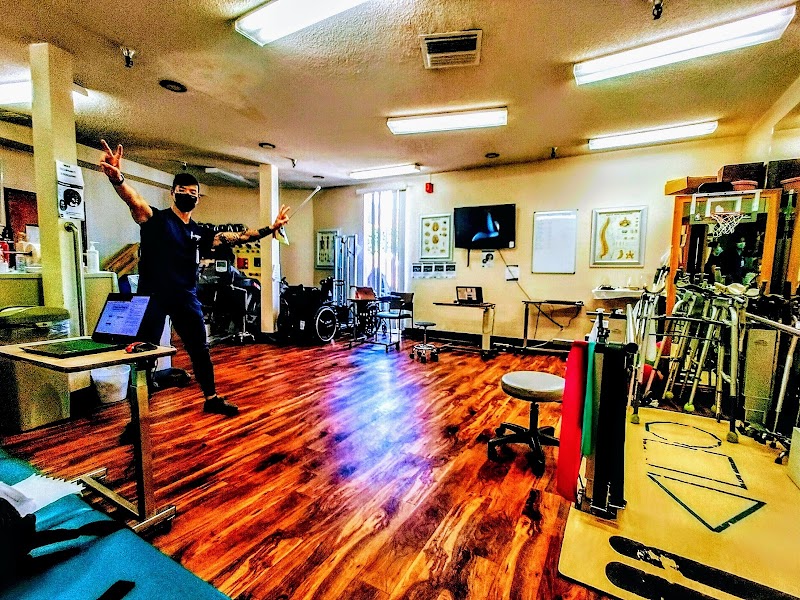
How is Whittier Hills Health Care Ctr Staffed?

CMS rates WHITTIER HILLS HEALTH CARE CTR's staffing level at 3 out of 5 stars, which is average compared to other nursing homes. Staff turnover is 36%, compared to the California average of 46%. This relatively stable workforce can support continuity of care.

What Have Inspectors Found at Whittier Hills Health Care Ctr?

State health inspectors documented 64 deficiencies at WHITTIER HILLS HEALTH CARE CTR during 2021 to 2025. These included: 1 that caused actual resident harm, 61 with potential for harm, and 2 minor or isolated issues. Deficiencies causing actual harm indicate documented cases where residents experienced negative health consequences.
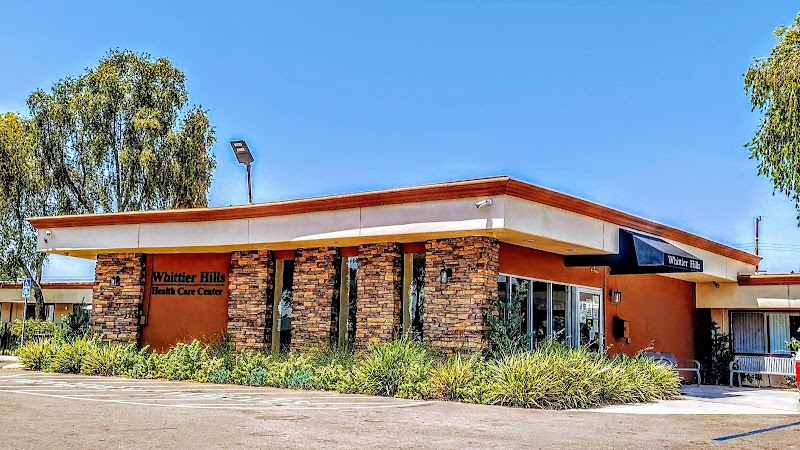
Who Owns and Operates Whittier Hills Health Care Ctr?

WHITTIER HILLS HEALTH CARE CTR is owned by a for-profit company. For-profit facilities operate as businesses with obligations to shareholders or private owners. The facility is operated by THE ENSIGN GROUP, a chain that manages multiple nursing homes. With 160 certified beds and approximately 153 residents (about 96% occupancy), it is a mid-sized facility located in WHITTIER, California.

How Does Whittier Hills Health Care Ctr Compare to Other California Nursing Homes?

Compared to the 100 nursing homes in California, WHITTIER HILLS HEALTH CARE CTR's overall rating (2 stars) is below the state average of 3.1, staff turnover (36%) is significantly lower than the state average of 46%, and health inspection rating (2 stars) is below the national benchmark.

What Should Families Ask When Visiting Whittier Hills Health Care Ctr?

Based on this facility's data, families visiting should ask: "Can I visit during a mealtime to observe dining assistance and food quality?" "How do you handle medical emergencies, and what is your hospital transfer rate?" "Can I speak with family members of current residents about their experience?"

Is Whittier Hills Health Care Ctr Safe?

Based on CMS inspection data, WHITTIER HILLS HEALTH CARE CTR has a clean safety record: no substantiated abuse findings (meaning no confirmed cases of resident harm), no Immediate Jeopardy citations (the most serious violation level indicating risk of serious injury or death), and is not on the Special Focus Facility watch list (a federal program monitoring the lowest-performing 1% of nursing homes). The facility has a 2-star overall rating and ranks #100 of 100 nursing homes in California. While no facility is perfect, families should still ask about staff-to-resident ratios and recent inspection results during their visit.

Do Nurses at Whittier Hills Health Care Ctr Stick Around?

WHITTIER HILLS HEALTH CARE CTR has a staff turnover rate of 36%, which is about average for California nursing homes (state average: 46%). Moderate turnover is common in nursing homes, but families should still ask about staff tenure and how the facility maintains care continuity when employees leave.

Was Whittier Hills Health Care Ctr Ever Fined?

WHITTIER HILLS HEALTH CARE CTR has no federal fines on record. CMS issues fines when nursing homes fail to meet care standards or don't correct problems found during inspections. The absence of fines suggests the facility has either maintained compliance or corrected any issues before penalties were assessed. This is a positive indicator, though families should still review recent inspection reports for the full picture.

Is Whittier Hills Health Care Ctr on Any Federal Watch List?

WHITTIER HILLS HEALTH CARE CTR is not on any federal watch list. The most significant is the Special Focus Facility (SFF) program, which identifies the bottom 1% of nursing homes nationally based on persistent, serious quality problems. Not being on this list means the facility has avoided the pattern of deficiencies that triggers enhanced federal oversight. This is a positive indicator, though families should still review the facility's inspection history directly.