WHITTIER HOSPITAL MEDICAL CTR D/P SNF

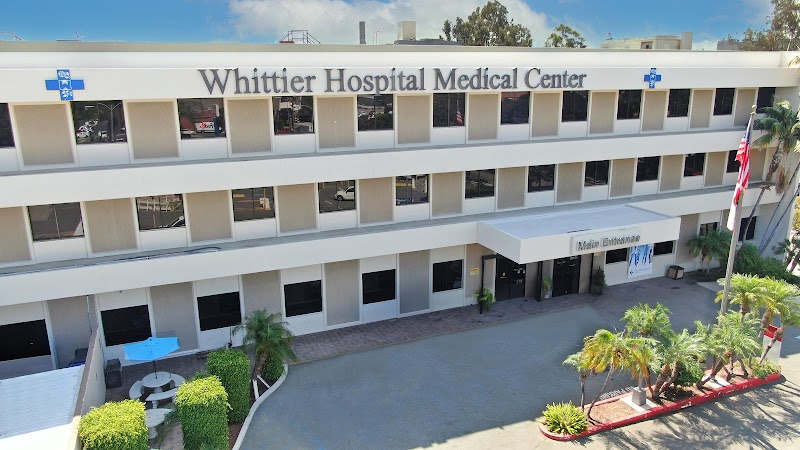
9080 COLIMA ROAD, WHITTIER, CA 90605 (562) 945-3561
For profit - Corporation 22 Beds Independent Data: November 2025
Trust Grade
73/100
#270 of 1155 in CA
Last Inspection: April 2025

Within standard 12-15 month inspection cycle. Federal law requires annual inspections.

Overview

Whittier Hospital Medical Center D/P SNF has a Trust Grade of B, which means it is considered a good option for families, generally performing better than average. It ranks #270 out of 1,155 nursing homes in California, placing it in the top half of facilities statewide, and #41 out of 369 in Los Angeles County, indicating a solid local standing. The facility is improving, with the number of issues identified decreasing from 9 in 2024 to 7 in 2025. Staffing is a noteworthy strength, with a 4 out of 5 stars rating and a turnover rate of 26%, significantly lower than the state average. Additionally, there are no fines on record, which is a positive sign. However, there have been some serious concerns. For instance, one incident involved a pediatric patient who suffered burns from being positioned incorrectly on heated tubing. Another found that two residents did not have their beds properly elevated during feedings, which could lead to serious complications like aspiration. Overall, while the facility shows many strengths, families should be mindful of these serious incidents when making their decision.

Trust Score
B
73/100
In California
#270/1155
Top 23%
Safety Record
Moderate
Needs review
Inspections
Getting Better
9 → 7 violations
Staff Stability
✓ Good
26% annual turnover. Excellent stability, 22 points below California's 48% average. Staff who stay learn residents' needs.
Penalties
✓ Good
No fines on record. Clean compliance history, better than most California facilities.
Skilled Nurses
✓ Good
Each resident gets 191 minutes of Registered Nurse (RN) attention daily — more than 97% of California nursing homes. RNs are the most trained staff who catch health problems before they become serious.
Violations
⚠ Watch
25 deficiencies on record. Higher than average. Multiple issues found across inspections.
★★★★★
5.0
Overall Rating
★★★★☆
4.0
Staff Levels
★★★★★
5.0
Care Quality
★★★★☆
4.0
Inspection Score
Stable
2024: 9 issues
2025: 7 issues

The Good

  • 4-Star Staffing Rating · Above-average nurse staffing levels
  • 5-Star Quality Measures · Strong clinical quality outcomes
  • Low Staff Turnover (26%) · Staff stability means consistent care
  • Full Sprinkler Coverage · Fire safety systems throughout facility
  • No fines on record
  • Staff turnover is low (26%)

    22 points below California average of 48%

Facility shows strength in staffing levels, quality measures, staff retention, fire safety.

The Bad

No Significant Concerns Identified

This facility shows no red flags. Among California's 100 nursing homes, only 1% achieve this.

The Ugly 25 deficiencies on record

2 actual harm
Apr 2025 7 deficiencies
CONCERN (D)

Potential for Harm - no one hurt, but risky conditions existed

Respiratory Care (Tag F0695)

Could have caused harm · This affected 1 resident

**NOTE- TERMS IN BRACKETS HAVE BEEN EDITED TO PROTECT CONFIDENTIALITY** 2. During a review of Resident 11's admission Record, the admission Record indicated the resident was originally admitted to the...

Read full inspector narrative →
**NOTE- TERMS IN BRACKETS HAVE BEEN EDITED TO PROTECT CONFIDENTIALITY** 2. During a review of Resident 11's admission Record, the admission Record indicated the resident was originally admitted to the facility on [DATE] and was re admitted on [DATE] with congenital ( a condition or trait that exists at birth) hypoplasia and dysplasia of lung (condition where the baby's lungs have not fully developed) , chronic respiratory disease (diseases that affect the lungs and airways), encounter for attention to gastrostomy (G-tube, a surgical opening fitted with a device to allow feedings to be administered directly to the stomach common for people with swallowing problems). During a review of Resident 11's MDS, dated [DATE], the MDS indicated the resident was severely impaired with cognitive skills for daily decision making. Resident 11 was dependent on transfers (how resident moves to and from bed, chair and wheelchair), eating, dressing, and personal hygiene. The MDS also indicated Resident 11's respiratory treatments included oxygen therapy, suctioning, and tracheostomy care while in the facility. During a record review of Resident 11's Order Summary Report, dated 4/1/2025, the Order Summary Report indicated an order dated 3/22/2025 for Respiratory LTV (long term vent) mechanical ventilation: SIMV. During a record review of Resident 11's Resident Care Plan, dated 3/12/2025, the Resident Care Plan indicated Resident 11 with ineffective breathing and airway related to tracheostomy dependent and ventilator dependent. During a concurrent observation in Resident 11's room and interview with RN 1 on 4/24/2025 at 7:48 AM, Resident 1 was observed lying flat in bed while connected to an LTV vent mechanical ventilation and G-tube feeding while RN 1 suctioned (removal of mucus and secretions that cannot be cleared with coughing to open the airway and help so the resident can breathe better) the resident. RN1 stated Resident 11's head of bed should be elevated up to 30 to 35 degrees to prevent aspiration and for safety. During a concurrent interview and record review on 4/25/2025 at 11:45 AM with Licensed Vocational Nurse 2 (LVN 2), the facility policy and procedure (P&P) titled, Prevention of ventilator-associated pneumonia ([NAME]), dated 2003 was reviewed. LVN 2 stated the P&P indicated to maintain patient's head of bed at 30 to 45 degrees. LVN 2 also stated the facility did not follow their P&P. During a review of the facility P&P titled, Prevention of ventilator-associated pneumonia ([NAME]), dated 2003, the P&P indicated to maintain patient's head of bed at 30 to 45 degrees. Based on observation, interview, and record review, the facility failed to ensure the head of bed for two (2) of six (6) sampled residents (Resident 2 and Resident 11) who were on continuous mechanical ventilator (a medical device that provides breathing support) was maintained at 30 to 45 degrees (unit of measurement) in accordance with the physician's order and facility's policy and procedure. This deficient practice had the potential to cause complications including aspiration (a medical sense, occurs when food, liquid, or foreign objects enter the airway and lungs) and ventilator- associated pneumonia (serious lung infection that can occur in mechanically ventilated residents) that can lead to hospitalization and death. Findings: 1. During a review of Resident 2's admission Record, the admission Record indicated Resident 51 was originally admitted to the facility on [DATE] and readmitted on [DATE]. Resident 2's diagnoses included anoxic brain damage (occurs when the brain is completely deprived of oxygen), respiratory failure (a serious condition where the body cannot get enough oxygen into the blood), and tracheostomy tube (a surgical procedure where a hole is created in the front of the neck) placement. During a review of Resident 2's Minimum Data Set (MDS, a resident assessment tool), dated 3/16/2025, the MDS indicated Resident 2's cognitive (ability to think and reason) skills for daily decision making was severely impaired (never/rarely made decisions). The MDS indicated Resident 2 was dependent (helper does all the effort. Resident does none of the effort to complete the activity) with oral hygiene, toileting hygiene, shower/bath, upper and lower body dressing, putting on/off footwear and personal hygiene. The MDS indicated Resident 2 was on continuous oxygen therapy, required suctioning, tracheostomy care, and mechanical ventilator while in the facility. During a review of Resident 2's Order Summary Report as of 3/25/2025, the Order Summary Report indicated the following: Synchronized Intermittent Mandatory Ventilation (SIMV, mode of mechanical ventilation where the ventilator delivers a set number of breaths at a set rate and volume, but the patient can also take spontaneous breaths in between the mandatory breaths) settings, ordered on 4/24/2024. Head of bead at least 30 degrees, ordered on 4/24/2024. During an observation on 4/23/2025 at 8:35 AM, in Resident 2's room, Resident 2's head of bed was observed to be almost flat in bed. During a concurrent observation and interview on 4/23/2025 at 8:39 AM, with Registered Nurse 5 (RN 5), in Resident 2's room, RN 5 checked and read the settings of Resident 2's head of bed. RN 5 stated that Resident 2's head of bed was positioned at 15 degrees. RN 5 stated the resident's head of bed should not be positioned that low because Resident 2 has excessive secretions and might aspirate (accidental breathing in of food or fluid into the lungs). During an interview on 4/24/2025 at 11:33 AM, with RN 2, RN 2 stated Resident 2 was known for having excessive secretions. RN 2 stated it was important for Resident 2's head of bed to be positioned in upright position, at least 30 degrees to prevent aspiration. During an interview on 4/24/2025 at 2:21 PM, with Respiratory Therapist 1 (RT 1), RT 1 stated residents on mechanical ventilator should not be left in flat position, and the head of bed should be raised above 30 degrees.
CONCERN (D)

Potential for Harm - no one hurt, but risky conditions existed

Pharmacy Services (Tag F0755)

Could have caused harm · This affected 1 resident

**NOTE- TERMS IN BRACKETS HAVE BEEN EDITED TO PROTECT CONFIDENTIALITY** Based on observation, interview, and record review, the facility failed to provide pharmaceutical services to meet the needs of ...

Read full inspector narrative →
**NOTE- TERMS IN BRACKETS HAVE BEEN EDITED TO PROTECT CONFIDENTIALITY** Based on observation, interview, and record review, the facility failed to provide pharmaceutical services to meet the needs of one of four sampled residents (Resident 17) in accordance with the facility policy by failing to administer Resident 17's 8 AM due medications on 4/25/2025 as indicated on the physician's order. This deficient practice had the potential for Resident 17 to experience tachycardia (a fast heartbeat of more than 100 times per minute), high blood pressure (when your blood pressure is consistently higher than normal), pain and decline in overall health status. Findings: During a review of Resident 17's admission Record, the admission Record indicated Resident 2 was originally admitted to the facility on [DATE]. Resident 2's diagnoses included chronic respiratory failure with hypoxia (a condition where the body cannot get enough oxygen). During a review of Resident 17's Minimum Data Set (MDS, a resident assessment tool), dated 4/13/2025, the MDS indicated Resident 17's cognitive (ability to think and reason) skills for daily decision making was severely impaired (never/rarely made decisions). The MDS indicated Resident 17 was dependent (helper does all the effort) with eating, oral hygiene, toileting hygiene, shower/bath, upper and lower body dressing, putting on/taking off footwear and personal hygiene. During a review of Resident 17's Physician's orders, the Physician's Orders indicated the following: o Catapres (a medication used to treat high blood pressure) patch, 0.3 milligram (mg, a unit of measurement of mass) every 24 hours, topically, weekly on Friday at 8 AM hypertension (HTN-high blood pressure). Ordered on 6/4/2024. o Ergocalciferol 15 mcg (unit of measurement) via gastrostomy tube (G-tube, is a small, flexible tube that's surgically inserted into the stomach through the abdomen to provide nutrition, fluids, and medicine), for supplement, ordered 1/11/2023. o Potassium (mineral that is important for many body functions) liquid 20 milliequivalent (unit of measurement)/15 milliliters (ml, metric unit used to measure capacity) give 15 ml via G-tube twice a day for hypokalemia (low potassium levels), ordered on 4/3/2023. o Baclofen (medication used to treat muscle spasms and stiffness) tablet, 20 mg, four times a day, via G-tube, for spasticity (condition characterized by stiff muscles), ordered on 1/11/2023. o Multivitamin 1 tablet, via G-tube, daily for supplement, ordered on 1/11/2023. o Ocean spray (medication to treat dryness inside the nose) nasal (nose) spray, 1 spray to each nostril, twice a day for allergies, ordered on 1/11/2023. o Omeprazole (a medication that reduces the amount of acid produced in the stomach) 20 mg, twice a day, via G-tube, for gastroesophageal reflux disease (GERD the backward flow of liquid from the stomach into the esophagus), ordered on 12/11/2023. During a medication administration observation on 4/25/2025 at 10:21 AM with the Registered Nurse 6 (RN 6), RN 6 was observed preparing the following medications for Resident 17: Catapres patch. Ergocalciferol 15 mcg. Potassium liquid 20 milliequivalent, 15 ml. Baclofen 1 tablet. Multivitamin 1 tablet. Ocean spray. Omeprazole 20 mg suspension. During an observation on 4/25/2025 at 10:38 AM, in Resident 17's room, RN 6 administered all of Resident 17's seven (7) medications. RN 7 was at bedside when RN 6 administered Resident 17's medications, During an interview on 4/25/2025 at 10:41 AM with RN 7, RN 7 stated their medication administration time in the morning is scheduled at 8 AM, and medications can be administered one hour before or after 8 AM. RN 7 stated if the medications were administered late or early, the charge nurse should be informed, MD should be notified, and medication nurse should document a justification. RN 7 stated administering medications late, and close to the next scheduled dose might cause reaction and might harm the resident. During a concurrent record review of Resident 17's medication administration records (MAR - a daily documentation record used by a licensed nurse to document medications and treatments given to a resident) and interview with RN1 on 4/25/2025 at 11:49 AM, RN 1 verified that the following medications were due to be given at 8 AM: o Catapres patch. o Ergocalciferol 15 mcg. o Potassium liquid 20 milliequivalent, 15 ml. o Baclofen 1 tablet. o Multivitamin 1 tablet. o Ocean spray. o Omeprazole 20 mg suspension. RN 1 stated RN 6 failed to administer Resident 17's 8 AM scheduled medications on time because RN 6 administered it late, after 9 AM. RN 1 stated failing to administer medication to a resident per the physician's order can lead to medical complications possibly resulting in hospitalization. RN 1 stated all 7 routine medications that were due to be given at 8 AM were given at 10:38 AM. RN 1 confirmed there were no justifications documented for the late administration of Resident 17's 7 medications. RN 1 stated missed blood pressure medications might lead to uncontrolled high blood pressure. RN 1 stated RN 6 informed her that Resident 17's 8 AM medications were administered late because she was assisting a Certified Nurse Assistant (CNA, unidentified) with cleaning another resident. RN 1 stated, it was important to give the medications on time and as ordered by the physician to ensure efficacy of the medications and to avoid possible adverse reactions or side effects that resident can experience. During a review of the facility's Policy and Procedure (P&P) titled, Medication Pass, revised 5/2021, the P&P indicated its objective is to provide guideline for the safe and effective administration of medication as ordered by the prescriber. The P&P indicated that all routine orders will be given within 60 minutes before or after the scheduled time. Nursing judgment may allow some variance, and explanation for variance should be documented.
CONCERN (D)

Potential for Harm - no one hurt, but risky conditions existed

Unnecessary Medications (Tag F0759)

Could have caused harm · This affected 1 resident

**NOTE- TERMS IN BRACKETS HAVE BEEN EDITED TO PROTECT CONFIDENTIALITY** Cross reference: F755 Based on observation, interview, and record review, the facility failed to ensure its medication error rat...

Read full inspector narrative →
**NOTE- TERMS IN BRACKETS HAVE BEEN EDITED TO PROTECT CONFIDENTIALITY** Cross reference: F755 Based on observation, interview, and record review, the facility failed to ensure its medication error rate was less than five (5) percent (%). Seven (7) medication errors (the observed or identified preparation or administration of medications or biologicals which is not in accordance with the prescriber's order/ manufacturer's specifications / accepted professional standards and principles) out of 30 opportunities (observed administered medications) for error, which yielded a facility medication error rate of 23.33 % for one (1) of four (4) sampled residents (Resident 17) observed during medication administration (med pass). Resident 17's scheduled 8 AM medications were not administered timely as indicated on the physician's order and facility policy. This deficient practice had the potential to result in adverse reactions (an undesired harmful effect resulting from a medication or other intervention) to Resident 17. Findings: During a review of Resident 17's admission Record, the admission Record indicated Resident 2 was originally admitted to the facility on [DATE]. Resident 2's diagnoses included chronic respiratory failure with hypoxia (a condition where the body cannot get enough oxygen). During a review of Resident 17's Minimum Data Set (MDS, a resident assessment tool), dated 4/13/2025, the MDS indicated Resident 17's cognitive (ability to think and reason) skills for daily decision making was severely impaired (never/rarely made decisions). The MDS indicated Resident 17 was dependent (helper does all the effort) with eating, oral hygiene, toileting hygiene, shower/bath, upper and lower body dressing, putting on/taking off footwear and personal hygiene. During a review of Resident 17's Physician's orders, the Physician's Orders indicated the following: o Catapres (a medication used to treat high blood pressure) patch, 0.3 milligram (mg, a unit of measurement of mass) every 24 hours, topically, weekly on Friday at 8 AM hypertension (HTN-high blood pressure). Ordered on 6/4/2024. o Ergocalciferol 15 mcg (unit of measurement) via gastrostomy tube (G-tube, is a small, flexible tube that's surgically inserted into the stomach through the abdomen to provide nutrition, fluids, and medicine), for supplement, ordered 1/11/2023. o Potassium (mineral that is important for many body functions) liquid 20 milliequivalent (unit of measurement)/15 milliliters (ml, metric unit used to measure capacity) give 15 ml via G-tube twice a day for hypokalemia (low potassium levels), ordered on 4/3/2023. o Baclofen (medication used to treat muscle spasms and stiffness) tablet, 20 mg, four times a day, via G-tube, for spasticity (condition characterized by stiff muscles), ordered on 1/11/2023. o Multivitamin 1 tablet, via G-tube, daily for supplement, ordered on 1/11/2023. o Ocean spray (medication to treat dryness inside the nose) nasal (nose) spray, 1 spray to each nostril, twice a day for allergies, ordered on 1/11/2023. o Omeprazole (a medication that reduces the amount of acid produced in the stomach) 20 mg, twice a day, via G-tube, for gastroesophageal reflux disease (GERD the backward flow of liquid from the stomach into the esophagus), ordered on 12/11/2023. During a medication administration observation on 4/25/2025 at 10:21 AM with the Registered Nurse 6 (RN 6), RN 6 was observed preparing the following medications for Resident 17: Catapres patch. Ergocalciferol 15 mcg. Potassium liquid 20 milliequivalent, 15 ml. Baclofen 1 tablet. Multivitamin 1 tablet. Ocean spray. Omeprazole 20 mg suspension. During an observation on 4/25/2025 at 10:38 AM, in Resident 17's room, RN 6 administered all of Resident 17's seven (7) medications. RN 7 was at bedside when RN 6 administered Resident 17's medications, During an interview on 4/25/2025 at 10:41 AM with RN 7, RN 7 stated their medication administration time in the morning is scheduled at 8 AM, and medications can be administered one hour before or after 8 AM. RN 7 stated if the medications were administered late or early, the charge nurse should be informed, MD should be notified, and medication nurse should document a justification. RN 7 stated administering medications late, and close to the next scheduled dose might cause reaction and might harm the resident. During a concurrent record review of Resident 17's medication administration records (MAR - a daily documentation record used by a licensed nurse to document medications and treatments given to a resident) and interview with RN1 on 4/25/2025 at 11:49 AM, RN 1 verified that the following medications were due to be given at 8 AM: o Catapres patch. o Ergocalciferol 15 mcg. o Potassium liquid 20 milliequivalent, 15 ml. o Baclofen 1 tablet. o Multivitamin 1 tablet. o Ocean spray. o Omeprazole 20 mg suspension. RN 1 stated RN 6 failed to administer Resident 17's 8 AM scheduled medications on time because RN 6 administered it late, after 9 AM. RN 1 stated failing to administer medication to a resident per the physician's order can lead to medical complications possibly resulting in hospitalization. RN 1 stated all 7 routine medications that were due to be given at 8 AM were given at 10:38 AM. RN 1 confirmed there were no justifications documented for the late administration of Resident 17's 7 medications. RN 1 stated missed blood pressure medications might lead to uncontrolled high blood pressure. RN 1 stated RN 6 informed her that Resident 17's 8 AM medications were administered late because she was assisting a Certified Nurse Assistant (CNA, unidentified) with cleaning another resident. RN 1 stated, it was important to give the medications on time and as ordered by the physician to ensure efficacy of the medications and to avoid possible adverse reactions or side effects that resident can experience. During a review of the facility's Policy and Procedure (P&P) titled, Medication Pass, revised 5/2021, the P&P indicated its objective is to provide guideline for the safe and effective administration of medication as ordered by the prescriber. The P&P indicated that all routine orders will be given within 60 minutes before or after the scheduled time. Nursing judgment may allow some variance, and explanation for variance should be documented.
CONCERN (E)

Potential for Harm - no one hurt, but risky conditions existed

Tube Feeding (Tag F0693)

Could have caused harm · This affected multiple residents

**NOTE- TERMS IN BRACKETS HAVE BEEN EDITED TO PROTECT CONFIDENTIALITY** Based on observation, interview, and record review, the facility failed to ensure the head of bed for two (2) of three (3) sampl...

Read full inspector narrative →
**NOTE- TERMS IN BRACKETS HAVE BEEN EDITED TO PROTECT CONFIDENTIALITY** Based on observation, interview, and record review, the facility failed to ensure the head of bed for two (2) of three (3) sampled residents (Resident 2 and Resident 11) was maintained at 30 to 45 degrees (unit of measurement) while receiving gastrostomy tube (g-tube, a small tube inserted through a surgical opening in the abdomen directly into the stomach used to deliver nutrition, fluids, and medications to individuals who cannot eat or drink safely through their mouth) feeding, in accordance with the physician's order and facility's policy and procedure. This deficient practice had the potential to cause complications including aspiration (a medical sense, occurs when food, liquid, or foreign objects enter the airway and lungs) that can lead to hospitalization and death. Findings: 1. During a review of Resident 2's admission Record, the admission Record indicated Resident 51 was originally admitted to the facility on [DATE] and readmitted on [DATE]. Resident 2's diagnoses included anoxic brain damage (occurs when the brain is completely deprived of oxygen), respiratory failure (a serious condition where the body cannot get enough oxygen into the blood), and tracheostomy tube (a surgical procedure where a hole is created in the front of the neck) placement. During a review of Resident 2's Minimum Data Set (MDS, a resident assessment tool), dated 3/16/2025, the MDS indicated Resident 2's cognitive (ability to think and reason) skills for daily decision making was severely impaired (never/rarely made decisions). The MDS indicated Resident 2 was dependent (helper does all the effort. Resident does none of the effort to complete the activity) with oral hygiene, toileting hygiene, shower/bath, upper and lower body dressing, putting on/off footwear and personal hygiene. The MDS indicated Resident 2's nutritional approach included was a feeding tube while a resident in the facility. During a review of Resident 2's Order Summary Report as of 3/25/2025, the Order Summary Report indicated the following: Head of bead at least 30 degrees, ordered on 4/24/2024. Compleat pediatric (tube-feeding formula for children), 190 milliliters (ml, a metric unit used to measure capacity) per hour on pump, ordered on 2/11/2025. During a review of Resident 2's Care Plan, the Care Plan indicated alteration in nutrition related to inability to take oral feedings and fluids, revised on 5/3/2025. The staff intervention included was to elevate head of bed during GT feeds at least 30 degrees or more. During an observation on 4/23/2025 at 8:36 AM, in Resident 2's room, Resident 2's head of bed was observed to be almost flat in bed. Tube feeding of Compleat pediatric was observed infusing at the rate of 190 ml/hr. During a concurrent observation and interview on 4/23/2025 at 8:40 AM, with Registered Nurse 5 (RN 5), in Resident 2's room, RN 5 checked and read the settings of Resident 2's head of bed. RN 5 stated that Resident 2's head of bed was positioned at 15 degrees. RN 5 stated the resident's head of bed should not be positioned that low because Resident 2 has excessive secretions and might aspirate (accidental breathing in of food or fluid into the lungs). During an interview on 4/24/2025 at 11:33 AM, with RN 2, RN 2 stated Resident 2 was known for having excessive secretions. RN 2 stated it was important for Resident 2's head of bed to be positioned in upright position, at least 30 degrees to prevent aspiration. During an interview on 4/25/2025 at 9 AM, with Respiratory Therapist 2 (RT 2), RT 2 stated residents on mechanical ventilator (a medical device that provides breathing support) and tube feeding should not be left in flat position, and the head of bed should be raised above 30 degrees. RT 2 added that when a resident's head is not positioned above 30 degrees, risk for aspiration is high, and this might cause discomfort like coughing, choking and changes in breathing to the resident. 2. During a review of Resident 11's admission Record, the admission Record indicated the resident was originally admitted to the facility on [DATE] and was re admitted on [DATE] with congenital ( a condition or trait that exists at birth) hypoplasia and dysplasia of lung (condition where the baby's lungs have not fully developed) , chronic respiratory disease (diseases that affect the lungs and airways), encounter for attention to gastrostomy. During a review of Resident 11's MDS dated [DATE], MDS indicated the resident was severely impaired with cognitive skills for daily decision making. Resident 11 was dependent with transfers (how resident moves to and from bed, chair and wheelchair), eating, dressing, and personal hygiene. The MDS also indicated Resident 11 's nutritional approach included was a feeding tube while a resident. During a record review of Resident 11's Order Summary Report, the Order Summary Report, dated 4/1/2025, indicated orders dated 3/19/2025, for the following: a. Enteral feed (a feeding tube such as a g-tube) Pediasure Peptide (a type of feeding formula) at 210 milliliter per hour (ml/hr., measurements of volume) every four (4) hours 3 times a day. b. Keep head of bed at 30 to 45 degrees during feeding. During a record review of Resident 11's Resident Care Plan, dated 3/12/2025, the Resident Care Plan indicated a concern and problem for alteration in nutrition related to inability to take in oral feedings and fluids. The staff intervention included was to elevate the head of bed during g-tube feeds at least 30 degrees or more. During concurrent observation in Resident 11's room and interview with Registered Nurse 1 (RN 1) on 4/24/2025 at 7:48 AM Resident 11 was observed lying flat on bed while the resident's g-tube feeding was infusing. RN1stated the head of the bed should be elevated up to 30-35 degrees to prevent aspiration and for safety. During a concurrent interview and record review on 4/25/2025 at 11:45 AM with Licensed Vocational Nurse 2 (LVN 2), the facility policy and procedure (P&P) titled, Gastrostomy Tube Feeding, revised 6/2024. LVN 2 stated the P&P indicated nourishment will be provided to all residents with gastrostomy tubes as ordered. The P&P also indicated 4. Explain procedure to resident and elevate the head of the bed.
CONCERN (E)

Potential for Harm - no one hurt, but risky conditions existed

Food Safety (Tag F0812)

Could have caused harm · This affected multiple residents

Based on observation, interview, and record review, the facility failed to ensure the food service area was maintained in a clean, sanitary, and functional manner while providing proper food handling ...

Read full inspector narrative →
Based on observation, interview, and record review, the facility failed to ensure the food service area was maintained in a clean, sanitary, and functional manner while providing proper food handling in accordance with the facility's policy and procedure by failing to ensure: 1. One refrigerator (Refrigerator #10) was clean, without water drippings, and was not rusted (a form of corrosion visible on steel surfaces exposed to moist). 2. One can opener was not chipped and rusted. 3. The food processor was in good condition and without a brown, black to yellowish discoloration and calcium build ups (hard crusty deposit on surfaces and/ equipment). These deficient practices had the potential to result in pathogen (germ) exposure to residents, which could place the residents at risk for developing foodborne illness ([food poisoning] with symptoms including upset stomach, stomach cramps, nausea, vomiting, diarrhea, and fever) and can lead to other serious medical complications and hospitalization. Findings: 1. During an observation on 4/22/2025 at 7:48 AM in the facility kitchen, Refrigerator #10 was observed dirty with water dripping from condensation (water which collects as droplets on cold surface when humid air is in contact with it). The refrigerator had brownish to yellowish substances on its metal top portion. During a concurrent observation and interview on 4/24/2025 at 9:18 AM with the Food and Nutrition Service Director (FNSD) in the facility kitchen, the FNSD stated the Refrigerator 10 was dirty with water dripping from condensation. FNSD stated the refrigerator had brownish to yellowish substances on its metal top portion. FNSD stated this was not acceptable since it could contaminate the food inside Refrigerator 10. During an interview on 4/24/2025 at 9:46 AM with the dietary staff (DS1), DS 1 stated water dripping and rust in Refrigerator 10 was not acceptable because it can get to residents' food and cause tetanus (uncommon but serious infection caused by bacteria found in the environment), stomachache, and diarrhea. 2. During an observation on 4/22/2025 at 7:51 AM in the facility kitchen, the can opener was observed rusted and chipped. During concurrent observation and interview on 4/24/2025 at 9:19 AM with the FNSD in the facility kitchen, the FNSD stated the can opener was rusted and chipped and was not acceptable because it can cause food contamination (refers to the presence of unwanted materials or substances in food that may harm public health). During an interview on 4/24/2025 at 9:42 AM with the dietary staff (DS1), DS 1 stated a rusty and chipped can opener was not acceptable because it can get to the food and cause sickness like stomachache and possible diarrhea to the residents. 3. During an observation on 4/23/2025 at 6:42 AM in the facility kitchen, the food processor was observed to have a brown, black to yellowish discoloration and calcium build ups. During a concurrent observation and interview on 4/24/2025 at 9:20 AM with the FNSD in the facility kitchen, the FNSD stated the food processor to prepare pureed (smooth, thick liquid or paste made by crushing or grinding solid foods like fruits and vegetables, which is often made using a blender or food processor) food for residents was dirty, cracked, and with calcium build up. FNSD stated the food processor needs to be replaced to prevent food contamination. During an interview on 4/24/2025 at 9:47 AM with the dietary staff (DS1), DS 1 stated the food processor was used to puree food. DS1 stated the food processor was old and has molds from moisture. DS 1 also stated this was not acceptable because it can possibly cause sickness to residents like stomachache and diarrhea. During record review of facility's Policy and Procedure (P&P) titled, Cleaning Schedule use and Cleaning Equipment, revised 3/2021, the P&P indicated its purpose was to ensure proper cleaning procedures and adhered to in order to prevent any cross-contamination bacteria to food prepared. P&P also indicated, A. Equipment and work area are properly cleaned and sanitized . G. All food equipment used to grind, chop, mix or slice will be cleaned, sanitized and re-assembled after using . O. Refrigerators are wiped and food stored are checked daily for freshness.
CONCERN (E)

Potential for Harm - no one hurt, but risky conditions existed

Infection Control (Tag F0880)

Could have caused harm · This affected multiple residents

**NOTE- TERMS IN BRACKETS HAVE BEEN EDITED TO PROTECT CONFIDENTIALITY** Based on observation, interview and record review the facility failed to observe infection control measures for one of four samp...

Read full inspector narrative →
**NOTE- TERMS IN BRACKETS HAVE BEEN EDITED TO PROTECT CONFIDENTIALITY** Based on observation, interview and record review the facility failed to observe infection control measures for one of four sampled residents (Resident 13) by failing to ensure that the Staff 1 washed hands after touching the floor while picking up the table napkin and continued to assist on feeding Resident 13. This deficient practice had the potential to transmit infectious microorganisms (microbes that are temporarily harbored on the superficial surface of the body) and increase the risk of infection for the residents. Findings: During a review of Resident 13's admission Record, the admission Record indicated the resident was originally admitted to the facility on [DATE] and was re admitted on [DATE] dysphagia (difficulty swallowing), seizure (sudden burst of electrical activity in the brain), chronic respiratory failure (not enough oxygen travels from the lungs into the blood). During a review of Resident 13's Minimum Data Set (MDS- a resident assessment tool), dated 2/9/2025, the MDS indicated the resident was severely with cognitive skills for daily decision making (never/rarely make decisions). Resident 13 was dependent (with transfers (how resident moves to and from bed, chair and wheelchair), eating, dressing, and personal hygiene. During a record review of Resident 13's Order Summary Report, dated 3/5/2025, the Order Summary Report indicated order date 11/11/2025, diet, regular, puree and minced vegetable for all meals. During an observation on 4/22/2025 at 1:28 PM at the activity room, Certified Nursing Assistant (CNA1) and the Staff 1 were feeding Resident 13. Observed Resident 13 threw the table napkin on the floor and Staff 1 while wearing the same gloves used during feeding Resident 13 touched the floor while picking up the napkin, threw the napkin on the trashcan and continued to assist CNA1 on feeding Resident 13 without washing hands and/ or changing gloves. Staff 1 touched Resident 13's hands, the resident's ice cream and apple juice before giving it to the resident. During an interview on 4/24/2025 at 2:27 PM with Staff 1, Staff 1 stated she did not wash her hands and changed gloves after touching the floor when Staff 1 picked up the table napkin. Staff 1 stated she continued to assist CNA 1 on feeding Resident 13 and Staff 1 touched Resident 13's hands, ice cream and apple juice. Staff 1 also stated she should have washed her hands to prevent spreading germs that can possibly cause sickness to the resident. During an interview on 4/25/2025 at 2:23 PM with the Infection Preventionist Nurse (IPN), IPN stated hand washing before and after feeding resident was important. IPN also stated staff should wash their hands after touching the floor to prevent cross contamination (physical movement or transfer of harmful bacteria from one person, object or place to another) and spread of infection. During a review of facility's policies and procedure (P&P) titled Hand Hygiene revised date 5/2022 indicated effective hand hygiene removes transient microorganisms, dirt and organic material from the hands and decreases the risk for cross contamination from patients, patient care equipment and the environment. The P&P also indicated, cleaning hands promptly and thoroughly between patient contact and after contact with blood, body fluids, secretions, excretions, equipment and potentially contaminated surfaces is an important strategy for preventing healthcare associated infection.
CONCERN (E)

Potential for Harm - no one hurt, but risky conditions existed

Safe Environment (Tag F0921)

Could have caused harm · This affected multiple residents

**NOTE- TERMS IN BRACKETS HAVE BEEN EDITED TO PROTECT CONFIDENTIALITY** Based on observation, interview, and record review the facility failed to maintain a safe, clean, comfortable, sanitary and envi...

Read full inspector narrative →
**NOTE- TERMS IN BRACKETS HAVE BEEN EDITED TO PROTECT CONFIDENTIALITY** Based on observation, interview, and record review the facility failed to maintain a safe, clean, comfortable, sanitary and environment by: 1. Facility failed to ensure three (3) of six (6) restroom sinks (rooms [ROOM NUMBER]) have no yellowish, brownish, and chipped sideboard. 2. Facility failed to ensure the table in activity classroom was in good condition and did not have edges that were peeling off, exposing the wood part of the table and chipped off leaving sharp and rough edges 3. Facility failed to ensure the trash can in room [ROOM NUMBER] was not overflowing. These deficient practices caused an unsanitary and had potential for residents to be placed at risk of injury and/ or infection. Findings: 1. During an observation on 4/22/2025 at 10:02 AM in room [ROOM NUMBER]'s restroom, the back splash in the restroom was damaged. Observed that the linoleum was lifted exposing the wound underneath and the sink has yellowish, brownish colored substance and the sideboard was chipped. During an observation on 4/22/2025 at 10:23 AM in room [ROOM NUMBER]'s restroom, the back splash in the restroom was damaged. Observed the formica (hard durable plastic laminate used for countertops, cupboard doors, and other surfaces) was lifted, wood was exposed, and the sink had yellowish and brownish colored substances. During an observation on 04/22/2025 at 12:23 PM in room [ROOM NUMBER]'s restroom, the back splash in the restroom was damaged. Observed the formica was lifted, and wood was exposed and the sink with yellowish, brownish, and blackish colored substances. During a concurrent observation and interview on 4/24/2025 at 1:01 PM to 1:05 PM in room [ROOM NUMBER], 2 and 3's restroom with the certified nursing assistant (CNA 2), room [ROOM NUMBER]'s back splash in the restroom was damaged. Observed that the linoleum was lifted exposing the wound underneath and the sink has yellowish, brownish colored substance and the sideboard was chipped. Observed in room [ROOM NUMBER] the back splash in the restroom was damaged. Observed the formica was lifted, and wood was exposed and the sink with yellowish, brownish, and blackish colored substances. Observed in room [ROOM NUMBER], the back splash in the restroom was damaged. Observed the formica was lifted, wood was exposed, and the sink had yellowish and brownish colored substances. CNA 1 stated room [ROOM NUMBER], 2 and 3's restroom sinks back splash were damaged. CNA 1 stated, the formica was lifted, and wood was exposed, and it was not acceptable. CNA 1 stated, this can grow molds, and the tiny white particles on the wood, can go anywhere, to residents' eyes, nose, and it was not safe for residents. CNA 1 also verified, the side of the sinks in room [ROOM NUMBER], 2 and 3 's bathroom sink has yellowish, brownish and/ or blackish discoloration and was peeling. 2. During an observation in the activity room on 4/22/2025 at 1:30 PM, the table edges were peeling off, exposing the wood part of the table and chipped off leaving sharp and rough edges. During a concurrent observation in the activity room and interview on 4/25/2025 at 9:37 AM with the Director of Support Services (DSS), the DSS stated the table has rough and sharp edges, it can cause cuts or injury to the residents, and it is not acceptable. 3. During an observation in room [ROOM NUMBER] on 4/23/2025 at 5:35 AM, room [ROOM NUMBER]'s trashcan was overflowing with used Personal Protective Equipment (PPE- equipment worn to minimize exposure to bacteria or viruses that cause serious illness), and gloves. During a concurrent observation and interview on 4/24/2025 at 1:07 PM with CNA 2, CNA2 stated room [ROOM NUMBER]'s trashcan was overflowing with used PPE, and it was not acceptable, and it was unsanitary. During an observation in room [ROOM NUMBER] on 4/25/2025 at 6:05 AM room [ROOM NUMBER]'s trashcan was not closed/ sealed properly with PPE yellow gown hanging outside the trash can. During a concurrent interview and record review on 4/25/2025 at 1:54PM with the infection preventionist nurse (IPN), the facility's Policy and Procedure (P&P) titled Subacute Pediatrics revised date 2/2006, the IPN stated the P&P indicated Policy: To the highest practicable extent the subacute pediatric unit shall provide a safe, clean, comfortable and nurturing homelike environment designed to promote normal child development. The IPN stated the facility did not follow their P&P.
Apr 2024 7 deficiencies
CONCERN (D)

Potential for Harm - no one hurt, but risky conditions existed

Comprehensive Care Plan (Tag F0656)

Could have caused harm · This affected 1 resident

**NOTE- TERMS IN BRACKETS HAVE BEEN EDITED TO PROTECT CONFIDENTIALITY** Based on observation, interview, and record review the facility failed to develop and implement individualized person-centered c...

Read full inspector narrative →
**NOTE- TERMS IN BRACKETS HAVE BEEN EDITED TO PROTECT CONFIDENTIALITY** Based on observation, interview, and record review the facility failed to develop and implement individualized person-centered care plans with measurable objectives, timeframes and interventions for one of two sampled resident's (Resident 15) with urinary catheter (a device that drains urine from the urinary bladder into a collection bag). This deficient practice had the potential for Resident 15 not to receive appropriate care, treatment and/or services. Findings: A review of Resident 15's Face Sheet indicated the resident was readmitted to the facility on [DATE], with diagnoses that included anoxic brain damage (a brain injury caused by lack of oxygen to the brain resulting in brain cells death). A review of Resident 15's Minimum Data Set (MDS, a standardized resident assessment and care planning tool) dated 3/10/2024, indicated Resident 15 had diagnoses that included neurogenic bladder (a person lacks bladder control due to brain, spinal cord or nerve problems), and urinary tract infection (UTI, an infection in any part of the urinary tract system). A review of Resident 15's Order Information Report, dated 4/12/2024 timed 11:02 AM, indicated may discontinue clean intermittent catheterization (CIC) for now, place indwelling Foley (urinary) catheter continue for one month. During a concurrent observation and interview on 4/12/2024, at 1:30 PM, in the presence of Licensed Vocational Nurse (LVN) 2, Resident 15 ' s urinary catheter was observed hanging from the lower left side of Resident 15's bed frame. LVN 2 stated Resident 15 has a history of recurrent UTI's and was currently receiving IV (intravenous) antibiotics. During an interview and concurrent record review on 4/14/2024 of Resident 15's medical record with Minimum Data Assistant (MDSA) 1, MDSA 1 stated Resident 15 did not have an individualized plan of care for the urinary catheter. MDSA 1 stated Resident 15 had a short-term care plan for UTI that mentioned the urinary catheter, but it did not include specific interventions, and goals. MDSA 1 stated residents ' care plans should be specific to each resident and include measurable goals, timeframes and interventions. A review of the facility's policy and procedure titled, Care Plan, Comprehensive with a revision date of January 2018, indicated 1.4 Plan of Care: is updated/reviewed/revised with any change in needs, or care, weekly, quarterly, and with any significant change in condition.
CONCERN (D)

Potential for Harm - no one hurt, but risky conditions existed

Respiratory Care (Tag F0695)

Could have caused harm · This affected 1 resident

**NOTE- TERMS IN BRACKETS HAVE BEEN EDITED TO PROTECT CONFIDENTIALITY** Based on observation, interview, and record review, the facility failed to ensure one of three sampled residents (Resident 13): ...

Read full inspector narrative →
**NOTE- TERMS IN BRACKETS HAVE BEEN EDITED TO PROTECT CONFIDENTIALITY** Based on observation, interview, and record review, the facility failed to ensure one of three sampled residents (Resident 13): 1. Resident 13's aerosol, oxygen system(a medical device is used to convert the medication into fine aerosol particles which can be inhaled or propelled directly into the airway and lungs) was dated with the date it was changed, in accordance with the facility ' s policy and procedure on Respiratory Equipment Handling. 2. Resident 1's tracheostomy mask (a soft plastic mask that fits over the trachea opening) was stored in a plastic bag when not in use, for infection control. This deficient practice placed the Resident 13's respiratory equipment at risk for contamination and Resident 13 at risk for infection. Findings: A review of Resident 13's admission Record indicated an admission to the facility on 1/1/2024, with a diagnosis of Di [NAME] ' s syndrome (a chromosomal disorder that results in poor development of several body systems). A review of Resident 13's Minimum Data Set (MDS, a standardized resident assessment and care planning tool) dated 2/11/2023, indicated Resident 13 had diagnoses that included seizure disorder (a disorder in which nerve cell activity in the brain is disturbed, causing seizures.), asthma (a condition in which a person's airways become inflamed, narrow and swell, and produce extra mucus, which makes it difficult to breathe). A review of Resident 13's Order Summary Report, dated 4/1/2024, indicated the resident's Tracheostomy size/brand/type was Bivona Neo 4.0 cuffless. During a concurrent observation and interview on 4/12/2024, at 1:45 PM, in the presence of Licensed Vocational Nurse (LVN) 2, Resident 13 ' s tracheostomy mask was observed in between the crib rails and touching space between the resident's mattress and crib rails. LVN 2 stated when the tracheostomy mask was not in use, it should be placed inside a storage bag next to Resident 13's bed with the resident ' s name and date labeled. LVN 2 stated this if for infection control to prevent any contamination of Resident 13's tracheostomy mask. During a concurrent observation and interview on 4/12/2024, at 1:55 PM, in the presence of Respiratory Therapist (RT) 1, Resident 13 ' s aerosol, oxygen system was not labeled. RT 1stated Resident 13 ' s aerosol oxygen system did not have a date to indicate when it was last replaced. RT 1 stated the systems are changed every week on Tuesdays and are dated when changed to indicate that it was changed on the designated date. During an interview on 4/13/2024, at 12:50 PM, with Respiratory Therapist Lead (RTL) 1, RTL 1 stated there is no policy stating trach mask should be stored in plastic bag when not in use but it is facility practice to for staff to store when not in use , RTL 1 further stated should be dated to verify that they were changed according to facility policy and prevent Resident ' s from contracting an infection. During an interview on 4/14/2024, at 4:38 PM, with the facility ' s Director of Nurses, the DON stated it is the facility ' s practice for the resident ' s tracheostomy mask to be placed inside the bag when not in used for infection control. A review of the facility's policy and procedure titled, Respiratory Equipment Handling with a revision date of 9/2018, indicated Aerosol, oxygen systems are to be changed on Tuesdays.
CONCERN (E)

Potential for Harm - no one hurt, but risky conditions existed

Deficiency F0578 (Tag F0578)

Could have caused harm · This affected multiple residents

**NOTE- TERMS IN BRACKETS HAVE BEEN EDITED TO PROTECT CONFIDENTIALITY** Based on interview and record review the facility failed to ensure two (2) of 4 sampled residents (Residents 15 and 19) had a co...

Read full inspector narrative →
**NOTE- TERMS IN BRACKETS HAVE BEEN EDITED TO PROTECT CONFIDENTIALITY** Based on interview and record review the facility failed to ensure two (2) of 4 sampled residents (Residents 15 and 19) had a completed advanced directive acknowledgment form (a form indicating to the resident or responsible party the right to give written directions about future treatment before becoming seriously ill or unable to make healthcare decisions). This deficient practice had the potential to result in misinformation of medical care and treatment and not honoring resident's wishes in cases where the resident and/or responsible party was unable to participate in making healthcare decisions. Findings: 1. A review of Resident 15's admission Record indicated the resident was readmitted to the facility on [DATE], with diagnoses that included anoxic brain damage (a brain injury caused by lack of oxygen to the brain resulting in brain cells death). During a concurrent interview and record review on 4/13/2024 at 12:40 PM, with the Social Services Director (SSD) of Resident 15's medical records, the SSD stated she was unable to find Resident 15's Advance Directive in Resident 15's records. The SSD stated she did not know when Resident 15's responsible party had signed an Advance Directive Decision form because Resident 15 had previously been admitted to the facility. 2. A review of Resident 19's admission Record indicated the resident was admitted to the facility on [DATE], with diagnoses that included spastic quadriplegic cerebral palsy (a condition that affects both arms and legs and often the torse and face). During a concurrent interview and record review on 4/13/2024 at 11:47 AM, with the SSD, the SSD stated she was unable to find Resident 19's Advance Directive Decision form in Resident 19's medical record. The SSD stated upon admission, Resident 19's responsible party had not signed the Advance Directive Decision form and had not had a chance to follow up with the responsible party. During an interview on 4/14/2024 at 7 PM with the Director of Nursing (DON), the DON stated it was important to have Resident 15 and Resident 19's Advance Directive on file in the resident's records so that it was easily accessible in case of an emergency. A review of the facility's Policy and Procedure titled, Advance Directives, revised 10/2021, the P&P indicated, the facility policy supports patient ' s right to self-determination in their healthcare decision through the use of an Advance Directive. Each adult patient or surrogate decision maker, is provided with pertinent information regarding the requirements necessary to execute, and limitations attached to, various Advance Directives.
CONCERN (E)

Potential for Harm - no one hurt, but risky conditions existed

Tube Feeding (Tag F0693)

Could have caused harm · This affected multiple residents

**NOTE- TERMS IN BRACKETS HAVE BEEN EDITED TO PROTECT CONFIDENTIALITY** Based on observation, interview, and record review, the facility failed to provide the appropriate care to four of four sampled ...

Read full inspector narrative →
**NOTE- TERMS IN BRACKETS HAVE BEEN EDITED TO PROTECT CONFIDENTIALITY** Based on observation, interview, and record review, the facility failed to provide the appropriate care to four of four sampled residents (Resident 4, 9, 11, and 12) who had a gastrostomy tube (G-Tube, a tube placed directly into the stomach through an abdominal wall incision for the administration of food, fluids, and medications) by failing to: 1. Ensure the tube feeding syringe was labeled with date opened for Resident 4, 9, 11, and 12. 2. Ensure a new bottle of Peptide-Based Nutrition ( nutritional formula) was used for Resident 4, feeding was used for more than 24 hours. These deficient practices placed Resident 4, 9, 11, and 12's G-tube at risk for getting clogged and contaminated which had the potential to cause discomfort and infection. Findings: 1a. A review of Resident 9's admission record indicated an admission to the facility on 1/1/2024 with a diagnosis of atresia (absence or abnormal narrowing of an opening or passage in the body) of foramina (an opening that allows passage of structures from one region to another) of Magendie and Luschka (the [NAME] cyst (congenital [happening before birth] condition where the cerebellum [an area at the back of the brain that controls movement and balance] does not develop normally). A review of Resident 9's Minimum Data Set (MDS, a standardized resident assessment and care planning tool) dated 3/10/2024, indicated Resident 9 had diagnoses that included respiratory failure (a condition that occurs when the lungs cannot get enough oxygen into the blood or eliminate enough carbon dioxide from the body) with hypoxia (absence of enough oxygen in the tissues to sustain bodily functions) and gastrostomy status (G-tube). The MDS indicated Resident 9 had impaired functional limitation in range of motion for both sides of upper (shoulder, elbow, wrist, hand) and lower (hip, knee, ankle, foot) extremities. A review of Resident 9's Order Summary indicated a physician order dated 2/9/2024 for G-tube size: 12 French/ 1.7 centimeter (cm, unit of measure). During an observation in Resident 9's room on 4/12/2024 at 1:13 PM, Resident 9's tube feeding syringe was observed in a clear plastic cup with no label of date opened on top of bedside dresser. Observed opened syringe bag with no label of date opened. 1b. A review of Resident 11's admission record indicated an admission to the facility on 1/1/2024 with a diagnosis of congenital hypoplasia (rare neurological condition present at birth, characterized by the underdevelopment or incomplete development of the cerebellum). A review of Resident 11's MDS dated [DATE], indicated Resident 11 had diagnoses that included chronic respiratory failure with hypoxia and gastrostomy status (G-tube). The MDS indicated Resident 11 had impaired functional limitation in range of motion for both sides of upper and lower extremities. A review of Resident 11's Order Summary indicated a physician order dated 3/16/2020 for G-tube size: [NAME] 12 French/ 1.0 cm, 5 milliliter (ml, unit of measure) balloon. During an observation in Resident 11's room on 4/12/2024 at 1:17 PM, Resident 11's tube feeding syringe was observed in a bag with no label of date opened on top of bedside dresser. During a concurrent observation and interview in Resident 9 and 11's room on 4/12/2024 at 1:28 PM, Licensed Vocational Nurse (LVN) 1, confirmed she opened new packages and did not label Resident 9 and 11's tube feeding syringes. LVN 1 stated she would label them right now. LVN 1 stated it was important to label the syringes with the date opened so they would not get mixed with other patients, to make sure it was not in use for too many days, and to avoid cross contamination. 1c. A review of Resident 12's admission record indicated an admission to the facility on 1/1/2024 with a diagnosis of disorders of copper metabolism ([NAME] disease, defect makes it hard for the body to properly distribute copper throughout the body). A review of Resident 12's MDS dated [DATE], indicated Resident 12 had diagnoses that included epileptic spasms (sudden abnormal movements of the body) and gastrostomy status (G-tube). The MDS indicated Resident 12 had impaired functional limitation in range of motion for both sides of upper extremities. A review of Resident 12's Order Summary indicated a physician order dated 7/31/2019 for G-tube size: 16 French silicon. During an observation in Resident 1's room on 4/12/2024 at 1:28 PM, Resident 12's tube feeding syringe was observed in a bag with no label of date opened on top of bedside dresser. 1d. A review of Resident 4's admission record indicated an admission to the facility on 1/1/2024 with a diagnosis of encephalopathy (brain disease that alters brain function or structure). A review of Resident 4's MDS dated [DATE], indicated Resident 4 had diagnoses that included anoxic brain damage (lack of oxygen to the brain which results in death of brain cells) and encounter for gastrostomy status (G-tube). The MDS indicated Resident 4 had impaired functional limitation in range of motion for both sides of upper and lower extremities. A review of Resident 4's Order Summary indicated the following physician orders: On 12/21/2016 to hang new bottle of Pediasure Peptide as needed. On 1/22/2017 for G-tube [NAME] 12 French/ 2.0 cm change every 3 months and as needed for dislodge or plugging as needed. On 2/22/2024 for Pediasure Peptide 1.0 calorie (cal, unit of measure), give 190 ml per hour for 30 minutes to give 95 ml every 4 hours with 190 ml of water every 4 hours. During an observation in Resident 4's room on 4/12/2024 at 1:31 PM, Resident 12's tube feeding syringe was observed in a bag with no label of date opened on top of bedside dresser. 2. At 1:33 PM, observed Resident 4's Pediasure Peptide bottle dated 4/10/2024 timed at 7:30 PM. During a concurrent observation and interview in Resident 12 and 4's room on 4/12/2024 at 1:47 PM, LVN 2 stated she would label Resident 12 and 4's tube feeding syringes to indicate it was opened today. LVN 2 stated the purpose of labeling the syringes was for infection control. At 1:50 PM, LVN 2 stated Resident 4's feeding was decreased, but the Pediasure Peptide bottle should be changed every 24 hours to prevent infection or growth of bacteria. During an interview with the Director of Nursing on 4/14/2024 at 4:45 PM, the DON stated all equipment used for g-tube including the syringe should be labeled with the date opened. The DON stated the staff must dispose of the syringe and bottle feeding at 24 hours to minimize bacteria growth. A review of the facility's policy and procedure titled Tube Feedings, dated 5/31/2007 indicated the maximum hanging time for closed system (bottle) was 24 hours.
CONCERN (E)

Potential for Harm - no one hurt, but risky conditions existed

Drug Regimen Review (Tag F0756)

Could have caused harm · This affected multiple residents

**NOTE- TERMS IN BRACKETS HAVE BEEN EDITED TO PROTECT CONFIDENTIALITY** 3. A review of Resident 3's admission Record indicated an admission to the facility on 1/1/2024, with diagnosis that included sp...

Read full inspector narrative →
**NOTE- TERMS IN BRACKETS HAVE BEEN EDITED TO PROTECT CONFIDENTIALITY** 3. A review of Resident 3's admission Record indicated an admission to the facility on 1/1/2024, with diagnosis that included spastic quadriplegic (a permanent neuromuscular disorder causing limitations on all four limbs following a lesion on the developing brain) cerebral palsy (a disorder caused by abnormal brain development affecting a person's ability to move and maintain balance and posture). A review of Resident 3's Minimum Data Set (MDS, a standardized resident assessment and care planning tool), dated 11/22/2023, indicated the resident had diagnoses that included non-traumatic brain disfunction, gastroesophageal reflux disease (when stomach acid repeatedly flows back into the tube connecting your mouth and stomach), respiratory failure (a condition that occurs when the lungs cannot get enough oxygen into the blood or eliminate enough carbon dioxide from the body) with hypoxia (absence of enough oxygen in the tissues to sustain bodily functions) The MDS indicated Resident 3 had impaired functional limitation in range of motion for both sides of upper (shoulder, elbow, wrist, hand) and lower (hip, knee, ankle, foot) extremities. A review of Resident 3's Order Summary, dated 4/1/2024, indicated an order for Motrin (brand name for Ibuprofen) 400 milligrams (a unit of measurement) every 6 hours as needed via G-Tube (a surgically placed device used to give direct access to stomach for supplemental feeding,) for temperatures higher than 102 Fahrenheit. A review of Resident 3's Medication Regimen Review (MRR) dated 2/6/2024 indicated the following information: Increase dose of ibuprofen from 350 milligrams (mg,unit of measure) to ibuprofen 400 mg. The MRR dated 2/12/2024, indicated the Attending Physician signed the document, but provided no rationale if Pharmacist recommendations were accepted or rejected. 4. A review of Resident 10's admission Record indicated an admission to the facility on 1/1/2024 with a diagnosis of acute (sudden) and chronic (something that continues over an extended version of time) respiratory failure (a condition that occurs when the lungs cannot get enough oxygen into the blood or eliminate enough carbon dioxide from the body). A review of Resident 10 ' s MDS dated [DATE], indicated Resident 10 had diagnoses that included gastroesophageal reflux disease (when stomach acid repeatedly flows back into the tube connecting your mouth and stomach), seizure (a sudden, uncontrolled burst of electrical activity in the brain) disorder. A review of Resident 10's Order summary report dated 4/01/2024, indicated an order for Tylenol 200 milligrams every 4 hours as needed via G-Tube for temperatures over 101 Fahrenheit. A review of Resident 10's Order summary report dated 4/01/2024, indicated an order for Tylenol 200 milligrams every 4 hours as needed via G-Tube for mild pain. A review of Medication Regimen Review (MRR) dated 3/6/2024 indicated the following: Increase dose of Tylenol current dose 200 milligrams change to 250 milligrams. The MRR dated 3/11/2024, indicated the Attending Physician signed the document, but provided no rationale if Pharmacist recommendations were accepted or rejected. A review of the facility's policy and procedure titled Pharmacy Drug Audits, dated 8/3/2021 indicated the physician and/or nurse practitioner will review the pharmacist recommendation and either accept the recommendation, or reject the recommendation. The policy indicated the physician will accept the pharmacist recommendation by checking the appropriate box on the form and create a new medication order. The policy indicated the physician will check the appropriate location on the form and document the clinical reason for rejecting the recommendation. Based on interview and record review, the facility failed to ensure the Attending Physician (AP) reviewed the drug regimen thoroughly and documented in the resident's medical record if the identified irregularities and recommendation of the pharmacyst were accepted, rejected and a rationale was documented if the Pharmacist recommendations in the Medication Regimen Review (MRR)were accepted or rejected for four of four sampled residents (Resident 3, 5, 9, and 10). This deficient practice had the potential for the residents to receive excessive or insufficent dosage of medications that the could harm the residents and/or not receive the right medication to treat the resident's underlying medical condition due to the missed opportunity to act upon the reported irregularities. Findings: 1. A review of Resident 9's admission record indicated an admission to the facility on 1/1/2024 with a diagnosis of atresia (absence or abnormal narrowing of an opening or passage in the body) of foramina (an opening that allows passage of structures from one region to another) of Magendie and Luschka (the [NAME] cyst a congenital [happening before birth] condition where the cerebellum [an area at the back of the brain that controls movement and balance] does not develop normally). A review of Resident 9's Minimum Data Set (MDS, a standardized resident assessment and care planning tool) dated 3/10/2024, indicated Resident 9 had diagnoses that included respiratory failure (a condition that occurs when the lungs cannot get enough oxygen into the blood or eliminate enough carbon dioxide from the body) with hypoxia (absence of enough oxygen in the tissues to sustain bodily functions) and gastrostomy status (G-tube). The MDS indicated Resident 9 had impaired functional limitation in range of motion for both sides of upper (shoulder, elbow, wrist, hand) and lower (hip, knee, ankle, foot) extremities. A review of Medication Regimen Review (MRR) for Resident 9, dated 3/6/2024 indicated to: (1) increase dose of Levocarnitine (medication used to prevent and treat condition in patients with kidney disease) and (2) inform physician of potassium level (a chemical that is critical to the function of nerve and muscle cells including the heart, normal levels 3.6 to 5.2 millimoles (mmol, unit of measure) per liter (L, unit of measure) of 3.2 on 3/4/2024. The MRR dated 3/28/2024 indicated, the Attending Physician signed the document, but provided no rationale if Pharmacist recommendations were accepted or rejected. A review of Medication Regimen Review (MRR)for Resident 9, dated 4/4/2024 indicated to: (1) increase Pepcid dose to 15 milligrams (mg, unit of measure) twice a day, (2) to change to Amikacin Inhalation cycle (a medication used to treat infection) for a few months, then alternate with tobra (monitoring adequacy of serum concentration during tobramycin [antibiotic commonly used in the management and treatmetn of various systemic and ocular (eye) infections] therapy) to prevent resistance (not treating the disease causing organism with current medication therapy) and (3) check for edema while using hydrochlorothiazide (medication that removed excess fluid in the body). The MRR dated, 4/8/2024 indicated the Attending Physician signed the document, but provided no rationale if Pharmacist recommendations were accepted or rejected. 2. A review of Resident 5's admission record indicated an admission to the facility on 1/1/2024 with a diagnosis of anoxic brain damage (when the brain gets no oxygen, which results in the death of brain cells). A review of Resident 5's MDS dated [DATE], indicated Resident 5 had diagnoses that included chronic respiratory failure with hypoxia and dependence on respirator (ventilator) status. The MDS indicated Resident 5 had impaired functional limitation in range of motion for both sides of upper and lower extremities. A review of Resident 5's MRR dated 3/6/2024 indicated to: (1) increase dose of milk of magnesia (medication used for a short time to treat occasional constipation [problem with passing stool]) or add another constipation drug and (2) to supplement with Vitamin D (supplement for building and maintaining healthy bones). The MRR, dated 3/11/2024, indicated the Attending Physician signed the document, but provided no rationale if Pharmacist recommendations were accepted or rejected. During a concurrent interview and record review of Resident 3, 5, 9, and 10's MRR with the DON on 4/14/2024 at 4:55 PM, the DON stated the charge nurses of the unit, and clinical managers and herself, reviews the MRR for compliance. The DON stated she will call the physician to ask for clarification regarding the pharmacist recommendaton and follow up with physician's order. The DON stated it was important for the MRR to be completed to ensure the staff does not make any medication errors like overdosing ( to much medication) or underdosing (not enough medication) the resident.
CONCERN (E)

Potential for Harm - no one hurt, but risky conditions existed

Food Safety (Tag F0812)

Could have caused harm · This affected multiple residents

Based on observation, interview, and record review, the facility failed to ensure safe and sanitary food storage, labeling of food, and preparation practices in the kitchen, in accordance with the fac...

Read full inspector narrative →
Based on observation, interview, and record review, the facility failed to ensure safe and sanitary food storage, labeling of food, and preparation practices in the kitchen, in accordance with the facility's policy and procedures on Cleaning Schedule Use and Cleaning of Equipment. 1. One opened unlabeled plastic container with a single ice cream cone was found in the freezer. 2. Food particles found inside the freezer floor. 3. A bundle of wilted black colored cilantro (leafy vegetable) and molded jicama (fruit) were found in the refrigerator. 4. Open, unlabeled and undated personal beverage cup found in the kitchen food prep area. These deficient practices had the potential to put residents at risk for foodborne illnesses (illness caused by food contaminated with bacteria, viruses, parasites, or toxins). Findings: During the initial observation of the facility's kitchen freezer on 4/12/2024 at 11:52 AM, one opened unlabeled plastic container with a single ice cream cone was found in the freezer shelve, and pieces of unknown food particles was observed inside the freezer floor. During a concurrent interview on 4/12/2024 at 11:52 AM, with the Dietary Supervisor (DS), the DS stated all food should be labeled especially when it was first opened. The DS stated it was important to lawith the use by and open date. The DS stated the freezer floor should be cleaned on a daily basis especially when food falls on the floor to prevent cross contamination. During the initial observation of the kitchen refrigerator and concurrent interview on 4/12/2024 at 11:58 AM with the DS, a bundle of wilted black colored cilantro was observed on the shelf and one jicama was observed with mold around it in a food tray. The DS stated spoiled food should be taken out every day. The DS stated dietary staff should be checking refrigerators two times a day to ensure the quality of the food remained pristine and any spoiled items should be removed from the refrigerator to prevent contamination to the rest of the produce. During the initial observation of the kitchen on 4/12/2024 at 12:05 PM, an opened personal beverage cup containing an unknown red liquid was observed on the food prep table at the food prep area. During a concurrent interview with the DS on 4/12/2024 at 12:06 PM, the DS stated dietray staff should not have opened personal beverage containers in the kitchen especially during lunch prep time. The DS stated having an opened personal beverage cup could lead to food contamination. A review of the facility's policy and procedure titled, Cleaning Schedule Use and Cleaning of Equipment, with a revision date of March 2021, indicated 13. Floors will be swept daily and/or when visibly soiled. 15. Refrigerators are wiped and foods stored are checked daily for freshness.
CONCERN (E)

Potential for Harm - no one hurt, but risky conditions existed

Infection Control (Tag F0880)

Could have caused harm · This affected multiple residents

**NOTE- TERMS IN BRACKETS HAVE BEEN EDITED TO PROTECT CONFIDENTIALITY** 3. A review of Resident 13 ' s admission record indicated an admission to the facility on 1/1/2024, with a diagnosis of Di [NAME...

Read full inspector narrative →
**NOTE- TERMS IN BRACKETS HAVE BEEN EDITED TO PROTECT CONFIDENTIALITY** 3. A review of Resident 13 ' s admission record indicated an admission to the facility on 1/1/2024, with a diagnosis of Di [NAME] ' s syndrome (a chromosomal or form of genetic disorder that results in poor development of several body systems). A review of Resident 13 ' s MDS dated [DATE], indicated Resident 13 had diagnoses that included seizure disorder (a disorder in which nerve cell activity in the brain is disturbed, causing seizures.), asthma (a condition in which a person's airways become inflamed, narrow and swell, and produce extra mucus, which makes it difficult to breathe). During an observation on 4/12/2024 at 12:30 PM, the facility ' s unit entrance signage was observed indicating N95 mask must be worn in all patient care areas. During an observation of Resident 13 ' s room on 4/12/2024 at 12:59 PM, a contact precaution signage was observed prior to entering the resident ' s room. The signage indicated everyone must clean their hands, including before entering and when leaving the room, to put on gloves and gown before room entry and discard gloves and gown before room exit. During an observation on 4/12/2024 at 1 PM, Certified Nursing Assistant (CNA) 1 was observed exiting from Resident 13 ' s room, wearing a yellow disposable gown and gloves. CNA 1 was observed attempting to open a supply room door and then reentered Resident 13 ' s room without changing the disposable gown, gloves or performing hand hygiene. During a concurrent interview with CNA 1, CNA 1 stated she forgot to doff (to take off) the dirty PPE (personal protective equipment) before exiting Resident 13 ' s room and don (to put on) a new PPE before reentering Resident 13 ' s room. CNA 1 stated she should always change PPE to prevent cross contaminating different areas and exposing the resident to infection. During an observation on 4/12/2024 at 1:10 PM, CNA 1 was observed sitting across Resident 13. CNA 1 was observed feeding Resident 13 while wearing a surgical mask. During a concurrent observation and interview on 4/12/2024 at 1:11 PM, with CNA 1, CNA 1 stated she forgot to change mask when she entered the facility. CNA 1 stated it was important to wear an N95 mask when providing direct patient care to protect the residents who are vulnerable from diseases that can be transmitted to them from the staff or any other people. During an interview on 4/14/2024 at 4:45 PM, with the Director of Nursing (DON), the DON stated the facility did not have a policy indicating an N95 mask was required to be worn in the facility, but it was a facility practice to require staff to wear N95 mask in patient care areas as indicated in signage posted at the entrance to facility/unit. A review of the facility's policy and procedure titled Infection Prevention and Control Plan, dated 2023 indicated the purpose of the infection prevention and control plan is to identify infections, opportunities for disease transmission, implementation of prevention and control interventions and educations to reduce the incidences of infection and provide a safe environment for the resident's families, and staff on Pediatric Subacute. Based on observation, interview, and record review, the facility failed to maintain a safe, sanitary environment to help prevent the spread and transmission of infections to residents, staff members, visitors in accordance with the facility's policy and procedure on infection control by failing to: 1. Ensure Housekeeper (HK) 1 wore surgical facemask to cover her nose and wore an N95 respirator (filtering facepiece respirator mask) when entering Patient care areas. 2. Ensure HK 1, doffed dirty gloves, performed hand hygiene, and donned personal protective equipment (PPE) prior to entering Resident 9, 11, and 14's room who were on contact isolation precautions (procedures to reduce risk of spread of infections through direct or indirect contact) and Resident 18's room who was on droplet isolation precautions (diseases spread by small particles in the air). 3. To ensure Certified nursing assistant (CNA 1) doffed dirty PPE, perform hand hygine while exiting Resident 13's room and donned new PPE prior to re entering Resident 13's room 4. Ensure CNA 1 wore N95 respirator when sitting across Resident 13 while feeding lunch. These deficient practices had the potential risk of the contamination and spread infection to the residents, staff, and visitors in the facility. Findings: A review of Resident 18's admission Record indicated a previous admission to the facility on 9/13/2023 with diagnoses including hypoxic ischemic encephalopathy (type of brain injury that occurs when the brain experiences a decrease in oxygen or blood flow, can occur before birth, during labor and delivery or after birth), bilateral osteoarthritis (degenerative joint disease that affects both knees, causing pain, stiffness, swelling, and decreased mobility) resulting from hip dysplasia (occurs when the hip joint has not developed properly and the socket is too shallow) and dependence on respirator (ventilator) status. A review of Resident 18's MDS (Minimum Date Set, a tool for implementing standardized assessment and for facilitating care management in nursing home) dated 3/10/2024, indicated Resident 18 had impaired functional limitation in range of motion for both sides of lower (hip, knee, ankle, foot) extremities. During an observation in Resident 18's room on 4/12/2024 at 1:05 PM, a droplet precaution signage was observed prior to entering the room. The signage indicated to perform hand hygiene and don an isolation gown, N95 respirator, goggles or faceshield and gloves prior to entering the room. HK 1 was observed entering Resident 18 ' s room and did not wear proper PPE. HK 1 was observed wearing a surgical face mask that did not cover her nose and did not change gloves. HK 1 emptied the trash bin close to the door entrance and touched her surgical face mask with dirty gloves to pull it up. HK 1 proceeded into the middle of the room to empty the second trash bin. HK 1 did not doff/change gloves or perform hand hygiene during the entire observation. A review of Resident 9's admission Record indicated an admission to the facility on 1/1/2024, with diagnoses including atresia (absence or abnormal narrowing of an opening or passage in the body) of foramina (an opening that allows passage of structures from one region to another) of Magendie and Luschka (the [NAME] cyst (congenital [happening before birth] condition where the cerebellum [an area at the back of the brain that controls movement and balance] does not develop normally), respiratory failure (a condition that occurs when the lungs cannot get enough oxygen into the blood or eliminate enough carbon dioxide from the body) with hypoxia (absence of enough oxygen in the tissues to sustain bodily functions) and gastrostomy status (G-tube- stomach tube use to feed and provide nutrient to the resident). A review of Resident 9's MDS dated [DATE], indicated Resident 9 had impaired functional limitation in range of motion for both sides of upper (shoulder, elbow, wrist, hand) and lower extremities. A review of Resident 11's admission record indicated an admission to the facility on 1/1/2024 with a diagnosis of congenital hypoplasia (rare neurological condition present at birth, characterized by the underdevelopment or incomplete development of the cerebellum), indicated Resident 11 had diagnoses that included chronic respiratory failure with hypoxia and gastrostomy status (G-tube). A review of Resident 11's MDS dated [DATE], indicated Resident 11 had no impairment for functional limitation in range of motion for both sides of upper and lower extremities. A review of Resident 14's History and Physical Assessment indicated a readmission to the facility on [DATE] with a diagnosis that included chronic respiratory failure, tracheostomy (surgical airway management procedure to help air and oxygen reach the lungs by creating an opening into the trachea [windpipe] from outside the neck) dependent and gastrostomy dependent. A review of Resident 14's MDS dated [DATE], indicated Resident 14 had impaired functional limitation in range of motion for both sides of upper and lower extremities. During an observation in Resident 9, 11, and 14's room on 4/12/2024 at 1:08 PM, a contact precaution signage was observed prior to entering room. The signage indicated everyone must clean their hands, including before entering and when leaving the room, to put on gloves and gown before room entry and discard gloves and gown before room exit. HK 1 was observed entering Resident 9, 11, and 14's room wearing the same used gloves and did not don new gloves and an isolation gown or perform hand hygiene. HK 1 proceeded to change trash bags of the 2 trash bins inside the room. HK 1 did not doff gloves or perform hand hygiene during the entire observation. HK 1 could not state why she did not wash her hands or don the proper PPE. During a concurrent and interview of HK 1 with Registered Nurse (RN) 1 on 4/12/2024 at 1:10 PM, RN 1 stated she would make sure HK 1 receives one to one in-service regarding infection control. RN 1 stated HK 1 should have worn PPE when emptying out the trash bins because it was dirty and because of infection control.
Mar 2024 2 deficiencies 2 Harm
SERIOUS (G) 📢 Someone Reported This

A family member, employee, or ombudsman was alarmed enough to file a formal complaint

Actual Harm - a resident was hurt due to facility failures

Deficiency F0658 (Tag F0658)

A resident was harmed · This affected 1 resident

**NOTE- TERMS IN BRACKETS HAVE BEEN EDITED TO PROTECT CONFIDENTIALITY** Based on observation, interview and record review, the facility failed to meet professional standards of quality for 1 of 4 samp...

Read full inspector narrative →
**NOTE- TERMS IN BRACKETS HAVE BEEN EDITED TO PROTECT CONFIDENTIALITY** Based on observation, interview and record review, the facility failed to meet professional standards of quality for 1 of 4 sampled (Patient 2), a pediatric patient who was unable to verbalize needs and unable to move extremities, did not suffer from burns of being laid on top of a heated humidifier tubing for unknown length of time. This deficient practice resulted in patient 2 suffering burn injury on his right arm and right back. Finding: A review of patient 2's admission record indicated the patient was originally admitted to the facility on [DATE] with admit diagnosis chronic respiratory failure (condition when lungs cannot get enough oxygen into the blood or eliminate enough carbon dioxide from the body). A review of patient 2's History and Physical (H&P, a formal and complete assessment of the patient and the problem) dated 6/29/2023, the H&P indicated Patient 2's past medical history included Anisocoria eye's pupils are not the same size. Acute Hemorrhagic encephalomyelitis (a rare disorder that cause rapid neurologic deterioration and death, tracheostomy (procedure to help air and oxygen reach the lungs by creating an opening into the windpipe), and gastrostomy (a surgically placed device used to give direct access to stomach for feeding, hydration, or medicine) dependence. Patient 2's H&P indicated under the physical examination, Neruo: Encephalopathic (disturbance of brain function) without purposeful movement, hypertonic and spastic. The H&P indicated the plan for respiratory care, Tracheostomy dependent . During an interview with the Director of Pediatric Subacute Unit (DIR) on 3/7/2024 at 1:18 p.m., the DIR stated patient 2 sustained a burn injury at the right middle lateral back and right posterior forearm on 1/2/24. The DIR stated Patient was found lying on a ventilator humidifier tube and the WCN noted that Patient 2 was found with blister on the back and right forearm. During an interview with the Wound Care Nurse (WCN) on 3/7/2024 at 2:45 p.m., stated that she was asked to initial a wound consult for Patient 2; found serous exudate intact blisters at Patient 2's right posterior foreman and rupture blister with partial thicken at right lateral back, no one witness what had happened, but facility investigated that the cause from the blister could be from lying on the ventilation heated tubing with unknown time. A review of Patient 2's medical record titled Wound Care Specialist Evaluation notes, dated 1/2/24, the WCN validated that she was consulted on Patient 2 for evaluation of lesions on the right arm and right back. A serous filled bulla (fluid under a thin layer of your skin) presents on the right forearm measuring 1.3 cm (centimeters - unit of measurement) x (by) 5 cm x 0.1 cm. Erythema (redness of the skin caused by injury) with a small serous (clear to yellow fluid that leaks out of a wound) blister noted on the right upper back. A rupture bulla noted on the mid right lateral back 1.5 cm x 1.5cm x 0.1 cm and Erythema with intact ruptured blisters present on the mid right lateral posterior back measuring 2.5 cm x 15 cm x 0.1 cm with small amount of serous exudate (fluid that leaks out of blood vessels into nearby tissues). During interview with Licensed Vocational nurse (LVN1) on 3/7/2024 at 2:33 p.m , stated that they found Patient 2 had redness and blisters at his right forearm and right upper back during the charge nurse round in the morning on 1/1/24. Staffs are supposed to do hourly round to check patient to make sure patient is not lying on any tubing or anything that can cause pressure on the skin. During interview with certified nurse assistant (CNA1) on 3/8/2024 at 12:30 p.m., stated that CNA are supposed to do the hourly round with their assigned patients. During an interview with the Director of Pediatric Subacute Unit (DIR) on 3/7/2024 at 3:18 p.m., the DIR stated the hourly rounding is a practice that all staff adhere in the pediatric sub-acute unit. This practice was existing for a long time before the incident happened. They do not document on the hourly round before the incident. The hourly round is not assigned to a specific person. Charge nurse, license nurse, CNA, and respiratory therapist are supposed to performing the hourly check. A review of Patient 2's nursing notes dated 1/1/24, indicated, Upon morning assessment, Patient 2) was found lying on the heated ventilator tubing for an unidentified amount of time. Patient was found with visible redness and elevated skin under the back, on the right side and up the middle upper back. During a review of the facility's policy and procedure (P&P) titled, Skin care, prevention of skin breakdown reviewed in 04/2021, the P&P indicated that Our goal is to maintain skin integrity and to prevent tissue breakdown and the development of pressure ulcers .the licenses nurse will document the overall condition of the resident's skin every shift in the resident record, utilizing the shift physical. During a review of the facility's policy and procedure (P&P) titled, Safety measures for pediatric residents, reviewed in 04/2021, the P&P indicated that All caregivers are to observe the safety measures for Pediatric residents in order to provide a safe and secure environment for pediatric residents. During a review of the facility's policy and procedure (P&P) titled, Mechanical Ventilation, with last reviewed date 12/2022, the P&P indicated, In order to ensure that patient-ventilator monitoring are being performed according to these guidelines an indicator should be created to monitor this activity as part of the department's quality assurance program.
SERIOUS (G) 📢 Someone Reported This

A family member, employee, or ombudsman was alarmed enough to file a formal complaint

Actual Harm - a resident was hurt due to facility failures

Accident Prevention (Tag F0689)

A resident was harmed · This affected 1 resident

**NOTE- TERMS IN BRACKETS HAVE BEEN EDITED TO PROTECT CONFIDENTIALITY** Based on observation, interview and record review, the facility failed to ensure 1 of 4 sampled (Patient 2), a pediatric patient...

Read full inspector narrative →
**NOTE- TERMS IN BRACKETS HAVE BEEN EDITED TO PROTECT CONFIDENTIALITY** Based on observation, interview and record review, the facility failed to ensure 1 of 4 sampled (Patient 2), a pediatric patient who was unable to verbalize needs and unable to move extremities, did not suffer from burns of being laid on top of a heated humidifier tubing for unknow length of time. This deficient practice resulted in patient 2 suffering burn injury on his right arm and right back. Finding: A review of Patient 2's admission record indicated the patient was originally admitted to the facility on [DATE] with admit diagnosis chronic respiratory failure (condition when lungs cannot get enough oxygen into the blood or eliminate enough carbon dioxide from the body). A review of Patient 2's History and Physical (H&P, a formal and complete assessment of the patient and the problem) dated 6/29/2023, the H&P indicated Patient 2's past medical history included Anisocoria eye's pupils are not the same size. Acute Hemorrhagic encephalomyelitis (a rare disorder that cause rapid neurologic deterioration and death, tracheostomy (procedure to help air and oxygen reach the lungs by creating an opening into the windpipe), and gastrostomy (a surgically placed device used to give direct access to stomach for feeding, hydration, or medicine) dependence. Patient 2's H&P indicated under the physical examination, Neruo: Encephalopathic (disturbance of brain function) without purposeful movement, hypertonic and spastic. The H&P indicated the plan for respiratory care, Tracheostomy dependent . During an interview with the Director of Pediatric Subacute Unit (DIR) on 3/7/2024 at 1:18 p.m., the DIR stated Patient 2 sustained a burn injury at the right middle lateral back and right posterior forearm on 1/2/24. The DIR stated Patient was found lying on a ventilator humidifier tube and the WCN noted Patient 2 was found with blister on the back and right forearm. During an interview with the Wound Care Nurse (WCN) on 3/7/2024 at 2:45 p.m., stated that she was asked to initial a wound consult for patient 2; found serous exudate intact blisters at patient 2's right posterior foreman and rupture blister with partial thicken at right lateral back, no one witness what had happened but facility investigated that the cause from the blister could be from lying on the ventilation heated tubing with unknown time. A review of Patient 2's medical record titled Wound Care Specialist Evaluation notes, dated 1/2/24, the WCN validated that she was consulted on Patient 2 for evaluation of lesions on the right arm and right back. A serous filled bulla (fluid under a thin layer of your skin) presents on the right forearm measuring 1.3 cm (centimeters - unit of measurement) x (by) 5 cm x 0.1 cm. Erythema (redness of the skin caused by injury) with a small serous (clear to yellow fluid that leaks out of a wound) blister noted on the right upper back. A rupture bulla noted on the mid right lateral back 1.5 cm x 1.5cm x 0.1 cm and Erythema with intact ruptured blisters present on the mid right lateral posterior back measuring 2.5 cm x 15 cm x 0.1 cm with small amount of serous exudate (fluid that leaks out of blood vessels into nearby tissues). During interview with Licensed Vocational nurse (LVN1) on 3/7/2024 at 2:33 p.m , stated that they found patient 2 had redness and blisters at his right forearm and right upper back during the charge nurse round in the morning on 1/1/24. Staffs are supposed to do hourly round to check patient to make sure patient is not lying on any tubing or anything that can cause pressure on the skin. During interview with certified nurse assistant (CNA1) on 3/8/2024 at 12:30 p.m., stated that CNA are supposed to do the hourly round with their assigned patients. During an interview with the Director of Pediatric Subacute Unit (DIR) on 3/7/2024 at 3:18 p.m., the DIR stated the hourly rounding is a practice that all staffs adhere in the pediatric sub-acute unit. This practice was existing for a long time before the incident happened. They do not document on the hourly round before the incident. The hourly round is not assigned to a specific person. Charge nurse, license nurse, CNA, and respiratory therapist are supposed to performing the hourly check. A review of Patient 2's nursing notes dated 1/1/24, indicated, Upon morning assessment, patient 2 was found lying on the heated ventilator tubing for an unidentified amount of time. Patient was found with visible redness and elevated skin under the back, on the right side and up the middle upper back. During a review of the facility's policy and procedure (P&P) titled, Skin care, prevention of skin breakdown reviewed in 04/2021, the P&P indicated that Our goal is to maintain skin integrity and to prevent tissue breakdown and the development of pressure ulcers .the licenses nurse will document the overall condition of the resident's skin every shift in the resident record, utilizing the shift physical. During a review of the facility's policy and procedure (P&P) titled, Safety measures for pediatric residents, reviewed in 04/2021, the P&P indicated that All caregivers are to observe the safety measures for Pediatric residents in order to provide a safe and secure environment for pediatric residents. During a review of the facility's policy and procedure (P&P) titled, Mechanical Ventilation, with last reviewed date 12/2022, the P&P indicated, In order to ensure that patient-ventilator monitoring are being performed according to these guideline and indicator should be created to monitor this activity as part of the department's quality assurance program.
Mar 2023 1 deficiency
CONCERN (D) 📢 Someone Reported This

A family member, employee, or ombudsman was alarmed enough to file a formal complaint

Potential for Harm - no one hurt, but risky conditions existed

Quality of Care (Tag F0684)

Could have caused harm · This affected 1 resident

**NOTE- TERMS IN BRACKETS HAVE BEEN EDITED TO PROTECT CONFIDENTIALITY** Based on interview and record review, the facility failed to administer medication for Patient 1 after experiencing a third seiz...

Read full inspector narrative →
**NOTE- TERMS IN BRACKETS HAVE BEEN EDITED TO PROTECT CONFIDENTIALITY** Based on interview and record review, the facility failed to administer medication for Patient 1 after experiencing a third seizure (sudden and uncontrolled burst of electrical activity in the brain which may cause changes in behavior and body movement). This deficient practice has the potential to cause damage to the brain. Findings: During an interview on 3/2/2023 at 4:30 PM, with the Pediatric Subacute Director (PSD), PSD stated, Patient 1 had an order of Diastat (medication used to treat occasional episodes of increased seizures) to be given after 3 seizure events that occur in a short period of time. PSD stated, RN 1 failed to give the medication after Patient 1 had a third seizure. RN 1, Patient's attending nurse, was not available to comment on these events. A review of Patient's 'History and Physical', dated 2/28/2022, indicated a report of the medical providers' assessment of a Patient 1's condition along with the treatment plan. Report indicated Patient 1 with history of [NAME] malformation (neurological disorder caused by an unusual formation between a part of the brain, the cerebellum, and the fluid filled space around it); developmental delay; showed symptoms of epilepsy (disorder in which nerve cell activity in the brain is disturbed, causing seizures) with recent break through seizure activity associated with fever. A review of the 'Peds Sub Acute Assessment for Patient' authored by RN 1 on 12/18/2022 at 9:00 PM indicated the following: Patient had brief seizures x3 starting at 8:06 PM all self resolved, PM meds given, patient remained stable HR increased 144 - 145 and oxygen saturation (measure of oxygen in the blood) 86 - 99% during seizures and body was slightly twitching, please see primary nurse notes for details. Patient has not had any more and remained stable will continue with patient plan of care. A review of the 'Order Summary Report' showed that there was an order for Diastat 7.5 mg (milligram, measure of mass) to be given rectally as needed, prn (acronym for the Latin term pro re nata, which means as the situation demands), for seizures lasting more than 5 minutes or 3 brief seizures occurring within 1 hour. A review of Patient 1's Medication Administration Record for 12/18/2022 did not indicate the Diastat medication was given after the 3 seizures documented earlier by RN 1. A review of facility policy titled Medication Pass, Dated 9/2009, indicated an objective to provide guideline for the safe and effective administration of medication as ordered by the prescriber. Facility policy indicated, A medication ordered as PRN is to be given according to specific circumstances ordered by physician.
Aug 2019 8 deficiencies
CONCERN (D)

Potential for Harm - no one hurt, but risky conditions existed

Comprehensive Care Plan (Tag F0656)

Could have caused harm · This affected 1 resident

**NOTE- TERMS IN BRACKETS HAVE BEEN EDITED TO PROTECT CONFIDENTIALITY** Based on observation, interview, and record review, the facility failed to develop an individualized plan of care for one of 12 ...

Read full inspector narrative →
**NOTE- TERMS IN BRACKETS HAVE BEEN EDITED TO PROTECT CONFIDENTIALITY** Based on observation, interview, and record review, the facility failed to develop an individualized plan of care for one of 12 sampled residents (Resident 11), as indicated on the facility policy. Resident 11, who was assessed as at risk for skin breakdown, did not have a care plan for the use of heel protectors. This deficient practice had the potential for residents not to receive specific interventions to address needs, which can result in skin breakdown. Findings: A review of the clinical record indicated Resident 11 was admitted to the facility on [DATE] with diagnoses that included spastic (muscle spasm) quadriplegic (paralysis of all four limbs) cerebral palsy (a disorder of movement, muscle tone or posture caused by damage that occurs to the immature developing brain) and dependence on ventilator (a machine that supports breathing). A review of Resident 11's Minimum Data Set (MDS - a standardized assessment and care planning tool) dated 11/4/18, indicated the resident's cognitive (mental) skills for daily decision-making was severely impaired. Resident 11 required total dependence (full staff performance) with bed mobility, transfer, locomotion on and off unit, dressing, eating, toilet use and personal hygiene. Resident 11 required one to two person physical assistance with activities of daily living (ADL). The MDS indicated Resident 11 was at risk of developing pressure ulcers/injuries and skin treatment included pressure-reducing device (an appliance filled with air, water, gel, or foam, to reduce pressure points caused by the patient's body weight when seated or bedridden, for example wheelchair cushions and air or water floatation mattresses) for bed. A review of Resident 11's Braden Scale for Predicting Ulcer Risk dated 7/25/19 indicated a score of 13. The form indicated a resident with a score of 16 or less is at risk for pressure ulcer (lesion/wound caused by unrelieved pressure that results in damage of underlying tissue). On 8/1/19 at 8:07 p.m., during initial tour of the facility, Resident 11 was observed sleeping in bed with bilateral heel protectors on. Registered Nurse 2 (RN 2) confirmed Resident 11 had bilateral heel protectors on. On 8/3/19 at 8:35 a.m., Resident 11 was observed awake in bed, non-verbal and had bilateral heel protectors on. RN 1 confirmed Resident 11 had bilateral heel protectors on. On 8/3/19 at 8:45 a.m., a concurrent interview and record review was conducted with RN 1 who stated there was no care plan in Resident 11's clinical record to address the use of bilateral heel protectors. RN 1 indicated there should have been a care plan created on the use of heel protector to serve as guidance for the staff on how to care for the resident using heel protectors. A review of the facility's policy and procedure titled Care Plan, Comprehensive Interdisciplinary revised 1/2018 indicated a comprehensive interdisciplinary care plan will be developed for each resident based on his/her comprehensive assessment. The care plan includes measurable objectives and time frames to meet the resident's medical, nursing, mental, psychosocial and developmental needs. The plan of care is updated/reviewed/revised with change in needs or care, weekly, quarterly and with any significant change of condition.
CONCERN (D)

Potential for Harm - no one hurt, but risky conditions existed

Deficiency F0657 (Tag F0657)

Could have caused harm · This affected 1 resident

**NOTE- TERMS IN BRACKETS HAVE BEEN EDITED TO PROTECT CONFIDENTIALITY** Based on interview and record review, the facility failed to modify the care plan for one of 12 sampled residents (Resident 2) t...

Read full inspector narrative →
**NOTE- TERMS IN BRACKETS HAVE BEEN EDITED TO PROTECT CONFIDENTIALITY** Based on interview and record review, the facility failed to modify the care plan for one of 12 sampled residents (Resident 2) to reflect the use of specific medications ordered, Xopenex (medication that relaxes muscles in the airways and increases air flow to the lungs) and Pulmicort (indicated for the maintenance treatment of asthma and as prophylactic [preventative] therapy in children 12 months to eight years of age) as interventions to address resident's ineffective breathing and airway. This deficient practice had the potential for residents not to receive specific interventions to address needs, which can result in well-being decline. Findings: A review of the admission Record indicated Resident 2 was admitted to the facility on [DATE] with diagnosis of hydrocephalus (condition characterized by excess fluid build-up in fluid-containing cavities of the brain). A review of the Minimum Data Set (standardized assessment and care screening tool), dated 6/23/19 indicated that Resident 2 was severely impaired with cognitive skills (mental action or process of acquiring knowledge and understanding) for daily decision-making. Resident 2 was totally dependent on the staff for bed mobility, transfer, locomotion, gastrostomy tube feeding (G-tube, surgical procedure wherein a tube is inserted through the abdomen wall and into the stomach used for nutrition and medication administration), toileting, personal hygiene, and bathing. On 8/1/19 at 8:10 p.m., Resident 2 was observed awake in bed. A review of Resident 2's physician's order indicated the following: 1. Xopenex nebulization (medication administration via inhalation) solution 0.63 milligrams (mg)/milliliters (ml) via mask every six hours for wheezes and shortness of breath (ordered on 6/17/19) 2. Pulmicort 0.5 mg hand held nebulizer (HHN) twice a day (ordered on 7/18/19). A review of Resident 2's care plan titled, Potential for Ineffective Breathing and Airway, dated 6/17/19, indicated staff interventions were to visually check resident every hour, assess respiration and breath sounds every four hours and as needed, and suction tracheostomy as needed. The care plan did not include the use of specific medications, Xopenex and Pulmicort. On 8/3/19 at 10:25 a.m., during a concurrent record review and interview with Licensed Vocational Nurse 1 (LVN 1), LVN 1 verified Resident 2 had an order for Xopenex every six hours for wheezing and shortness of breath and shortness of breath and Pulmicort twice a day. LVN 1 stated the care plan did not and should have indicated the specific medications on the care plan. LVN 1 stated that this was important because the care plan is the resident's treatment, which will assist the staff in providing care. A review of the facility's policy and procedure (P&P) titled, Comprehensive Care Plan, revised 1/2018, indicated that a comprehensive interdisciplinary care plan will be developed for each resident based on his/her comprehensive assessment. P&P indicated that it takes into consideration all problems/needs identified by the various disciplines and the resident/family in the assessment process, including physician's medical plan of treatment. It also indicated that the plan of care is reviewed weekly by the licensed nurse with weekly summary, and is revised/updated as needed.
CONCERN (D)

Potential for Harm - no one hurt, but risky conditions existed

Accident Prevention (Tag F0689)

Could have caused harm · This affected 1 resident

**NOTE- TERMS IN BRACKETS HAVE BEEN EDITED TO PROTECT CONFIDENTIALITY** Based on observation, interview, and record review, the facility failed to ensure two of nine sampled residents (Residents 1 and...

Read full inspector narrative →
**NOTE- TERMS IN BRACKETS HAVE BEEN EDITED TO PROTECT CONFIDENTIALITY** Based on observation, interview, and record review, the facility failed to ensure two of nine sampled residents (Residents 1 and 71) were free of accident hazards: a. Resident 1, who has a diagnosis of seizure disorder (uncontrolled electrical activity in the brain) did not have a padded side rail in place on 8/1/19, as indicated on the care plan. b. Resident 71's gastrostomy tubing (G-tube, surgical procedure wherein a tube is inserted through the abdomen wall and into the stomach used for nutrition and medication administration) pole was unsteady while G-tube feeding was ongoing. This deficient practice had the potential to result in an injury and harm to the residents. Findings: a. A review of the admission Record indicated that Resident 1 was admitted to the facility on [DATE] with diagnosis of encephalopathy (disease, damage, or malfunction of the brain manifested by an altered mental state that is sometimes accompanied by physical changes). A review of the Minimum Data Set (standardized assessment and care screening tool), dated 7/7/19 indicated that Resident 1 was severely impaired with cognitive skills (mental action or process of acquiring knowledge and understanding) for daily decision-making. Resident 1 was totally dependent on the staff for bed mobility, transfer, locomotion, personal hygiene, toileting, gastrostomy tubing (G-tube, surgical procedure wherein a tube is inserted through the abdomen wall and into the stomach used for nutrition and medication administration), dressing, and bathing. Resident 1's diagnoses included seizure disorder (uncontrolled electrical activity in the brain) and unspecified intellectual disabilities. On 8/1/19 at 8:50 p.m., during concurrent observation and interview with certified nurse assistant 1 (CNA 1), Resident 1 was observed sleeping with bilateral side rails up. CNA 1 concurred that the right side rail was padded, but the other pad was not in place and was not covering the entire left side rail. The pad on the left side rail was observed to have three straps, but only one strap was attached to the uppermost part of the side rail. CNA 1 stated that Resident 1 tends to move his arms so might have pushed the pad up and uncovered the left side rail. CNA 1 stated that all the straps on the pad should have been tied to the side rail and should be covering the side rail for safety and to prevent injury. A review of Resident 1's Fall Risk Assessment, dated 6/2/19, indicated a score of 14 (a score of eight or above represents high risk). A review of Resident 1's care plan titled, Ineffective Safety Related to Seizure Disorder, reevaluated 6/9/2019, indicated staff interventions included were to visually check resident every hour and as needed, pads on side rails, bed in lowest position when not in direct contact and supervise activities as tolerated. On 8/2/19 at 6:23 p.m., during concurrent record review and interview with Registered Nurse 2 (RN 2), RN 2 confirmed that Resident 1 was high risk for falls, as indicated on the Fall Assessment. RN 2 stated that according to the care plan, the side rails should be padded to prevent injuries due to Resident 1's diagnosis of seizure disorder and spasms of the upper and lower extremities. A review of the facility's policy and procedure titled, Safety Measures for Pediatric Residents, revised 9/2010, indicated that all caregivers are to observe the safety measures for pediatric residents in order to provide safe and secure environment for pediatric residents. A review of the facility's policy and procedure (P&P) titled, Comprehensive Care Plan, revised 1/2018, indicated that a comprehensive interdisciplinary care plan will be developed for each resident based on his/her comprehensive assessment. It indicated that a care plan includes measurable objectives and time frames to meet the resident's medical, nursing, mental, psychosocial and developmental needs. b. A review of the clinical record indicated Resident 71 was admitted to the facility on [DATE] with diagnoses that included Menke's disease (disorder characterized by fragile, twisted hair, growth delay, and progressive deterioration of the brain, due to an error in copper transport that results in copper deficiency). A review of Resident 71's physician's order dated 8/1/19 at 11:19 a.m., indicated Tube Feed Formula Elecare Jr. at 60 milliliters (ml) per hour for 20 hours plus water flush 20 ml every 4 hours via Gastrostomy Tube (GT-creation of an artificial external opening into the stomach for medication and nutritional support). On 8/2/19 at 9:45 a.m., Resident 71 was observed in bed sleeping with GT feeding of Elacare Jr ongoing via GT pump at 60 ml per hour. The feeding bottle was hung on a feeding pole. One wheel was detached from the base of the feeding pole while the GT feeding was ongoing. The feeding pole was observed unstable. Licensed Vocational Nurse 2 (LVN 2) confirmed the feeding pole was unstable. LVN 2 stated it was unsafe for the resident that the feeding pole where the feeding formula was hung was unsteady. LVN 2 stated she will call maintenance department to fix the device immediately. On 8/3/19 at 11:49 a.m., an interview was conducted with the facility's Supervising Engineer (SE) who stated any reported broken equipment in patient care areas are removed from the unit and replaced. SE stated if the equipment cannot be fixed then it would be replaced. SE stated it is the unit staff's responsibility to report immediately to maintenance department any defective equipment. SE stated if a feeding pole is unsteady, it should not be used since it could topple over and cause injury to the resident. A review of the facility's policy and procedure titled Safety Measures for Pediatric Residents revised 9/2010 indicated all caregivers are to observe the safety measures for pediatric residents in order to provide a safe and secure environment for pediatric residents.
CONCERN (D)

Potential for Harm - no one hurt, but risky conditions existed

Tube Feeding (Tag F0693)

Could have caused harm · This affected 1 resident

**NOTE- TERMS IN BRACKETS HAVE BEEN EDITED TO PROTECT CONFIDENTIALITY** Based on observation, interview, and record review, the facility failed to provide gastrostomy tube (G-tube, a tube inserted thr...

Read full inspector narrative →
**NOTE- TERMS IN BRACKETS HAVE BEEN EDITED TO PROTECT CONFIDENTIALITY** Based on observation, interview, and record review, the facility failed to provide gastrostomy tube (G-tube, a tube inserted through the abdomen that delivers nutrition directly to the stomach) feeding at 165 cubic centimeter (cc)/hour (hr), as indicated on the physician's order, to one of 12 sampled residents (Resident 15). This deficient practice had the potential to affect resident's nutritional caloric intake, which can result in significant weight loss. Findings: A review of the admission Record indicated that Resident 15 was admitted to the facility on [DATE] with diagnosis of unspecified condition of the brain. A review of the Minimum Data Set (standardized assessment and care screening tool), dated 7/14/19 indicated that Resident 15 was severely impaired with cognitive skills (mental action or process of acquiring knowledge and understanding) for daily decision making. Resident 15 was totally dependent on the staff for bed mobility, transfer, locomotion, G-tube feeding, toileting, personal hygiene, and bathing. Resident 15's diagnoses included chronic respiratory failure (condition in which not enough oxygen passes from the lungs into the blood) and anemia (lowered ability of blood to carry oxygen resulting in feeling tired and shortness of breath). A review of Resident 15's physician's order, dated 4/15/19, indicated Jevity1.5 calorie (cal) liquid. Give 160 milliliters (ml) via G-tube five times a day for nutrition via pump over one hour (hr) with 280 ml water flush five times a day. Resident 15's G-tube order was changed on 7/25/19 to increase tube feeding rate to 165 ml/hr. On 8/1/19 at 8:52 p.m., Resident 15 was observed in bed with G-tube running at 160 ml/hr. Resident 15's G-tube bottle label indicated a rate of 165 ml/hr. On 8/1/19 at 8:56 p.m., during a concurrent observation and interview with Registered Nurse 3 (RN 3), she acknowledged that Resident 15's G-tube feeding was running at 160 ml/hr. RN 3 stated that Resident 15's G-tube order was to give it at 165 ml/hr. RN 3 stated will adjust Resident 15's G-tube rate to 165 ml/hr as ordered. On 8/2/19 at 6:57 p.m., during a concurrent record review and interview with RN 2, she stated that Resident 15's G-tube order was to give Jevity 1.2 cal at 165 cc/hr via GT five times a day. RN 2 stated that it was important to give the GT feeding as ordered to prevent resident from losing or gaining weight unnecessarily. RN 2 stated the Dietitian evaluates and provides recommendation for G-tube feeding to meet caloric intake of the patient, which takes into account the resident's height, age, and weight patient. A review of Resident 15's care plan titled, Alteration in Nutrition Related to Inability to Take in Oral Feedings and Fluids, revised on 6/3/19, indicated staff interventions included were to weigh resident monthly, give Jevity1.5 cal liquid at 165 ml via G-tube for nutrition via pump over one hour (hr) with 280 ml water flush five times a day. A review of the facility's policy and procedure titled, Gastrostomy Tube Feeding, revised 2/2015, indicated that nourishment will be provided to all residents with G-tube. It indicated to obtain/verify physician's order for formula, frequency, amount and route. It indicated that if a pump is ordered, to start the pump and adjust setting per physician's order.
CONCERN (D)

Potential for Harm - no one hurt, but risky conditions existed

Medication Errors (Tag F0758)

Could have caused harm · This affected 1 resident

**NOTE- TERMS IN BRACKETS HAVE BEEN EDITED TO PROTECT CONFIDENTIALITY** Based on observation, interview, and record review, the facility failed to ensure that the psychotropic (any medication capable ...

Read full inspector narrative →
**NOTE- TERMS IN BRACKETS HAVE BEEN EDITED TO PROTECT CONFIDENTIALITY** Based on observation, interview, and record review, the facility failed to ensure that the psychotropic (any medication capable of affecting the mind, emotions, and behavior) drug regimen for two of six of 12 sampled residents (Residents 2 and 20) included indication for use of the psychotropic medications : a. For Resident 2, there was no specific target behavior for the use of Clonazepam (Klonopin, antianxiety) 0.04 milligrams (mg) via G-tube every eight hours as needed (PRN) for diagnosis of agitation. There was no duration and physician documented rationale for the continued use of PRN Clonazepam, which was ordered since 6/17/19. b. For Resident 20, there was no specific target behavior for the use of Lorazepam (Ativan, antianxiety) 0.6 mg via G-tube every four hours PRN for diagnosis of agitation. There was no duration and physician documented rationale for the continued use of PRN Lorazepam, which was ordered since 3/25/19. This deficient practice had the potential to result in significant adverse (harmful) consequences to the residents. Findings: a. A review of the admission Record indicated that Resident 2 was admitted to the facility on [DATE] with diagnosis of hydrocephalus (condition characterized by excess fluid build-up in fluid-containing cavities of the brain). A review of the Minimum Data Set (standardized assessment and care screening tool), dated 6/23/19 indicated Resident 2 was severely impaired with cognitive skills (mental action or process of acquiring knowledge and understanding) for daily decision-making. Resident 2 was totally dependent on the staff for bed mobility, transfer, locomotion, gastrostomy tube feeding (G-tube, surgical procedure wherein a tube is inserted through the abdomen wall and into the stomach used for nutrition and medication administration), toileting, personal hygiene, and bathing. Resident 20 did not exhibit any mood or behavioral symptoms. On 8/1/19 at 8:10 p.m., Resident 2 was observed calm and awake in bed. A review of Resident 2's physician's order, dated 6/17/19, indicated Klonopin (antianxiety) 0.04 milligrams (mg) via G-tube every eight hours as needed (PRN) for diagnosis of agitation. On 8/2/19 at 11:33 a.m., during a concurrent record review and interview with Licensed Vocational Nurse 1 (LVN 1), she acknowledged that Resident 2 has an order for Klonopin for agitation via G-tube every eight hours PRN. LVN 1 stated that Resident 1's indication of agitation for the use of Klonopin should be specified because this can be different from one resident to the other. On 8/3/19 at 10:36 a.m., during concurrent record review and interview with LVN 1, she stated that Resident 2's order for the use of Klonopin did not and should have a duration so the physician can evaluate its use. LVN 1 added that it is important to evaluate psychotropic medication use to prevent residents from the side effects, such as lethargy and low blood pressure. On 8/3/19 at 11:25 a.m., during a concurrent record review and interview with the Pharmacist, he acknowledged that Resident 2's physician order, dated 6/17/19, did not have a duration for the use of PRN Klonopin. On 8/3/19 at 11:45 a.m., during a concurrent record review and interview with Registered Nurse 1 (RN 1) , she acknowledged that physician's most recent progress notes dated 7/29/19, did not indicate the use of Klonopin for Resident 2's treatment plan. A review of Resident 2's care plan, dated 6/17/19, indicated the use of Klonopin PRN for agitation. Staff interventions included were to assess level of consciousness or behavior every shift and as needed, watch for side effects, and notify physician of changes in condition. b. A review of the admission Record indicated that Resident 20 was admitted to the facility on [DATE] with diagnosis of chronic respiratory failure (condition in which not enough oxygen passes from the lungs into the blood). A review of the Minimum Data Set (standardized assessment and care screening tool), dated 6/23/19, indicated that Resident 20 was severely impaired with cognitive skills (mental action or process of acquiring knowledge and understanding) for daily decision-making. Resident 20 was totally dependent on the staff for bed mobility, transfer, locomotion, personal hygiene, toileting, gastrostomy tubing (G-tube, surgical procedure wherein a tube is inserted through the abdomen wall and into the stomach used for nutrition and medication administration), dressing, and bathing. Resident 20 did not exhibit any mood or behavioral symptoms. On 8/1/19 at 8:15 p.m., Resident 20 was observed in bed awake and calm. A review of Resident 20's physician's order, dated 3/25/19, indicated Lorazepam (Ativan, antianxiety) 0.6 milligrams (mg) via G-tube every four hours as needed (PRN) for diagnosis of agitation. On 8/2/19 at 7:25 p.m., during concurrent record review of the order summary report and interview with Registered Nurse 2 (RN 2), RN 2 acknowledged that Resident 20 has an order for Lorazepam 0.6 mg via G-tube every four hours PRN for agitation. RN 2 stated that Resident 20's manifestation for agitation included crying and being jittery. RN 2 stated that Resident 20 last received Lorazepam PRN on 6/26/19 for agitation, but was not effective because resident's heart rate was 145 beats/minute. RN 2 also stated that Lorazepam order does not have a stop date. RN 2 stated that it was important to have duration for the use of Lorazepam so the physician can reevaluate its use. On 8/3/19 at 11:49 a.m., during a concurrent record review and interview with RN 1, she acknowledged that physician's most recent progress notes, dated 7/29/19, did not indicate use of Lorazepam for Resident 20's treatment plan. A review of Resident 20's care plan, dated 8/2/19, indicated the use of Ativan PRN for agitation. Staff interventions included were to assess level of consciousness or behavior every shift and as needed, watch for side effects, and notify physician of changes in condition. On 8/3/19 at 5:40 p.m., during concurrent policy review and interview with the Director of Nursing (DON), she stated that the facility's policy on psychotropic medications is discussed in the facility's policy titled, Chemical Use of Restraints. DON stated that the policy would need to be updated to reflect the regulations regarding required duration for PRN medications. A review of the facility's policy and procedure (P&P) titled, Chemical Use of Restraints, revised 9/2010 and reviewed 1/2018, indicated that chemical restraint is a drug or medication that is used as a restriction to manage patient's behavior. Chemical restraint medications include, but are not limited to, antianxiety, antipsychotics, hypnotics and antidepressants. It indicated that chemical restraint order must include name of drug, dose, frequency and indication for use.
CONCERN (D)

Potential for Harm - no one hurt, but risky conditions existed

Infection Control (Tag F0880)

Could have caused harm · This affected 1 resident

**NOTE- TERMS IN BRACKETS HAVE BEEN EDITED TO PROTECT CONFIDENTIALITY** Based on observation, interview and record review, the facility failed to implement its policy and procedure on infection contro...

Read full inspector narrative →
**NOTE- TERMS IN BRACKETS HAVE BEEN EDITED TO PROTECT CONFIDENTIALITY** Based on observation, interview and record review, the facility failed to implement its policy and procedure on infection control for two of 12 sampled residents (Residents 2 and 71). 1. Resident 2's breathing treatment tubing was found on top of resident's toy at bedside on 8/1/19. 2. Resident 71's breathing treatment bag was unlabeled. This deficient practice has the potential to cause the spread infection to the residents and staff. Findings: a. A review of the admission Record indicated that Resident 2 was admitted to the facility on [DATE] with diagnosis of hydrocephalus (condition characterized by excess fluid build-up in fluid-containing cavities of the brain). A review of the Minimum Data Set (standardized assessment and care screening tool), dated 6/23/19 indicated that Resident 2 was severely impaired with cognitive skills (mental action or process of acquiring knowledge and understanding) for daily decision-making. Resident 2 was totally dependent on the staff for bed mobility, transfer, locomotion, gastrostomy tube feeding (G-tube, surgical procedure wherein a tube is inserted through the abdomen wall and into the stomach used for nutrition and medication administration), toileting, personal hygiene, and bathing. Resident 20 did not exhibit any mood or behavioral symptoms. On 8/1/19 at 8:10 p.m., Resident 2 was observed calm and awake in bed. On 8/1/19 at 8:12 p.m., during a concurrent observation and interview with Registered Nurse 3, (RN 3), a breathing treatment tubing was found on top of Resident 2's toy on the table (side of the bed). RN 3 stated that the tubing should be in a bag for identification purpose, and to prevent contamination. A record review of the facility policy and procedure titled, Respiratory Therapy, revised on 9/2018, indicated that the equipment being used will not be a source of transmission or a reservoir for pathogenic organisms. On 8/3/19 at 5:36 p.m., during a concurrent policy record review and interview with the director of nursing (DON), she stated that the Respiratory therapy policy indicating that the equipment being used will not be a source of transmission or a reservoir for pathogenic organisms meant that the breathing treatment tubing should be kept inside a plastic bag and labeled to prevent cross-contamination. A review of the clinical record indicated Resident 71 was admitted to the facility on [DATE] with diagnoses that included Menke's disease (disorder characterized by fragile, twisted hair, growth delay, and progressive deterioration of the brain, due to an error in copper transport that results in copper deficiency). A review of Resident 71' physician's order dated 7/31/19 indicated Budesonide 0.5 mg Hand Held Nebulizer twice a day. On 8/2/19 at 9:45 a.m., Resident 71 was observed in bed sleeping. A breathing treatment bag was hung at bedside. The breathing treatment bag was not labeled. Licensed Vocational Nurse 2 (LVN 2) confirmed the bag was unlabeled. LVN 2 stated the bag should be labeled to ensure the bag belongs to the right patient to prevent infection. On 8/2/19 at 9:47 a.m., an interview was conducted with Registered Nurse 4 (RN 4) who confirmed the breathing treatment bag was unlabeled. RN 4 stated staff needs to label the breathing treatment bag to prevent cross contamination; making sure the equipment belongs to the right patient. On 8/3/19 at 4:15 p.m., an interview was conducted with Respiratory Therapist 1 (RT 1) who stated The delivering device for breathing treatment is in the bag by the resident's bedside. The bag should be labeled. The RT should be labeling and making sure the bag is properly labeled to identify the patient and prevent cross infection among patients. A review of the facility policy titled Respiratory Equipment Handling revised 9/2018 indicated the policy is to ensure that there is sufficient type and quantities of equipment to provide appropriate therapy, and the equipment being used will not be a source of transmission or reservoir of pathogenic organisms. On 8/3/19 at 5:36 p.m., during a concurrent policy record review and interview with the director of nursing, she stated the respiratory therapy policy indicated that the equipment being used will not be a source of transmission or a reservoir for pathogenic organisms. DON stated the breathing treatment tubing should be kept inside a plastic bag and labeled to prevent cross-contamination.
CONCERN (E)

Potential for Harm - no one hurt, but risky conditions existed

Food Safety (Tag F0812)

Could have caused harm · This affected multiple residents

Based on observation, interview and record review, the facility failed to prepare and store food in accordance with professional standards of food service safety. This deficient food handling practic...

Read full inspector narrative →
Based on observation, interview and record review, the facility failed to prepare and store food in accordance with professional standards of food service safety. This deficient food handling practices had the potential to result in food borne illnesses (ingestion of contaminated food or beverages) for the residents. Findings: a. On 8/1/19 at 7:05 p.m., during an initial tour of the kitchen with Kitchen Supervisor (KS), the following were observed: - Nine pieces of breaded eggplant in Ziploc bag, dated 4/1/19 with use by date of 7/1/19. - Nineteen breaded chicken legs in one Ziploc bag, not in original container was unlabeled. There was no item name and no use by date on the Ziploc bag. - One bag of chicken popcorn dated 6/11/19 with use by date of 7/11/19. A concurrent interview was conducted with KS who stated the above items needed to be thrown away to prevent serving food outside of the use by date. KS stated We have to label with item name and use by date in all food items. When the food item is out of the original box, the expiration date should also be written on the container or plastic bag. KS stated the expiration date is the use by date on the food label. A review of the facility's policy and procedure titled Food Storage revised 9/1/11 indicated all foods are to be covered, labeled and refrigerated. Items are dated and a clear identification (product label or written label) is placed on container. Expiration dates to be adhered to and items discarded if expiration date is reached and items has not been used. b. On 8/2/19 at 5:48 p.m., a follow up visit of the kitchen was conducted. There was no documented evidence that the food temperature was monitored for Resident 6 food tray prior to serving. There was no log of food temperatures to ensure the food meets the required temperature for the resident's safety. A concurrent interview was conducted with the Kitchen Supervisor(KS) who confirmed only Resident 6 from the Pediatric Sub Acute Unit gets food from the kitchen. A concurrent interview was conducted with Registered Dietitian who confirmed there was no documented evidence that the food temperatures for Resident 6 were logged. RD stated, We need to get the temperature of the food before serving to ensure it is meeting the right temperature for food safety to prevent food borne illnesses. We do not have a log. We should have a temperature log to make sure the correct temperatures are met before serving the food to Resident 6. On 8/2/19 at 5:55 p.m., Dietary Director (DD) confirmed there was no food temperature log for Resident 6. DD indicated this practice needs to be corrected immediately. A review of the facility's policy and procedure titled Food Production, revised 4/2018 indicated the purpose of the policy is to identify production procedures to ensure safe, sanitary, food preparation methods. Hot food is checked for proper temperature with a thermometer. Foods need to be with appropriate serving temperatures. Any foods not within appropriate temperature are removed and brought to proper temperatures before serving.
CONCERN (E)

Potential for Harm - no one hurt, but risky conditions existed

Antibiotic Stewardship (Tag F0881)

Could have caused harm · This affected multiple residents

**NOTE- TERMS IN BRACKETS HAVE BEEN EDITED TO PROTECT CONFIDENTIALITY** Based on interview and record review, the facility failed to ensure two of 12 sampled residents (Resident 6 and Resident 16) wer...

Read full inspector narrative →
**NOTE- TERMS IN BRACKETS HAVE BEEN EDITED TO PROTECT CONFIDENTIALITY** Based on interview and record review, the facility failed to ensure two of 12 sampled residents (Resident 6 and Resident 16) were screened for the use of antibiotics (medications to treat infection) using the McGeer Criteria for Infection Surveillance Checklist for the month of June 2019, per facility policy. This deficient practice had the potential to result in the development of antibiotic-resistant organisms (not effective to treat infection), from unnecessary or inappropriate antibiotic use. Findings: a. A review of the clinical record indicated Resident 6 was admitted to the facility on [DATE] and was readmitted on [DATE] with diagnosis that included quadriplegia (paralysis of all four limbs). A review of Resident 6's physician's order dated 6/17/19 indicated Levaquin 500 milligrams (mg), one tablet every 24 hours, through Gastrostomy Tube ( GT- creation of an artificial external opening into the stomach for medication and nutritional support) for tracheitis (infection of the trachea [tube or system of tubes that carries air]). Stop Date : 6/26/19. A review of Resident 6's short term care plan for tracheitis dated 6/17/19 indicated to administer Levaquin antibiotic as ordered daily. A review of Resident 6's clinical record did not indicate the McGeer Criteria for Infection Surveillance Checklist was used to screen the resident for appropriateness of the use of antibiotics for the month of June 2019. On 8/3/19 at 4:30 p.m., an interview was conducted with the facility's Director for Infection Control (DIC) and Infection Preventionist Manager (IPM). Both staff confirmed the facility failed to use the Mc Geers Criteria for Infection Surveillance Checklist. Both staff indicated the checklist is used to identify specific criteria in order to screen the residents for appropriate use of antibiotics. Both staff stated each resident receiving antibiotics should be screened using the criteria indicated in the checklist. According to the DIC, the IPM will identify if the resident met the criteria or not based on the sign/ symptoms presented. DIC stated, if the resident does not meet the criteria, the physician needs to be consulted for the appropriateness of the use of antibiotic for the resident. DIC stated, the physician's recommendation should be documented in the resident's clinical record. A review of the facility's policy and procedure titled Criteria for Determining Hospital Acquired Infections, revised 10/2013 indicated the Pediatric Sub Acute Department will follow the definitions of infection for Surveillance in Long Term Care Facilities as per Mc Geer's criteria. A review of the facility's policy and procedure titled Antimicrobial Stewardship Program revised 11/2017 indicated the objective of the policy is to provide guidelines for establishing and maintaining an effective multidisciplinary Antimicrobial Stewardship Program (ASP- rational, systematic approach to the use of antimicrobial agents in order to achieve optimal outcomes). This means using the right agent, at the correct dose, for the appropriate duration in order to cure or prevent infection, while minimizing toxicity and emergence of resistance. b. A review of the clinical record indicated Resident 16 was admitted to the facility on [DATE] and was readmitted on [DATE] with diagnoses that included encephalopathy (disease that affects the function or structure of the brain). A review of Resident 16's physician's order dated 6/6/19 indicated Ciprofloxacin 500 milligrams (mg), one tablet every 12 hours, through Gastrostomy Tube ( GT- creation of an artificial external opening into the stomach for medication and nutritional support) for tracheitis (infection of the trachea [tube or system of tubes that carries air]). Stop Date : 6/15/19. A review of Resident 16's short term care plan for tracheitis, dated 6/6/19 indicated to administer Cirprofloxacin 500 milligrams twice a day , GT for 10 days for tracheitis. A review of Resident 16's clinical record did not indicate the McGeer Criteria for Infection Surveillance Checklist was used to screen the resident for appropriateness of the use of antibiotics for the month of June 2019. On 8/3/19 at 4:30 p.m. an interview was conducted with the facility's Director for Infection Control (DIC) and Infection Preventionist Manager (IPM). Both staff confirmed the facility failed to use the Mc Geers Criteria for Infection Surveillance Checklist. Both staff indicated the checklist is used to identify specific criteria in order to screen the residents for appropriate use of antibiotics. Both staff stated each resident receiving antibiotics should be screened using the criteria indicated in the checklist. According to the DIC, the IPM will identify if the resident met the criteria or not based on the sign/ symptoms presented. DIC stated, if the resident does not meet the criteria, the physician needs to be consulted for the appropriateness of the use of antibiotic for the resident. DIC stated, the physician's recommendation should be documented in the resident's clinical record. A review of the facility's policy and procedure titled Criteria for Determining Hospital Acquired Infections, revised 10/2013 indicated the Pediatric Sub Acute Department will follow the definitions of infection for Surveillance in Long Term Care Facilities as per Mc Geer's criteria. A review of the facility's policy and procedure titled Antimicrobial Stewardship Program revised 11/2017 indicated the objective of the policy is to provide guidelines for establishing and maintaining an effective multidisciplinary Antimicrobial Stewardship Program (ASP- rational, systematic approach to the use of antimicrobial agents in order to achieve optimal outcomes). This means using the right agent, at the correct dose, for the appropriate duration in order to cure or prevent infection, while minimizing toxicity and emergence of resistance.
Understanding Severity Codes (click to expand)
Life-Threatening (Immediate Jeopardy)
J - Isolated K - Pattern L - Widespread
Actual Harm
G - Isolated H - Pattern I - Widespread
Potential for Harm
D - Isolated E - Pattern F - Widespread
No Harm (Minor)
A - Isolated B - Pattern C - Widespread

Questions to Ask on Your Visit

  • "Can I speak with families of current residents?"
  • "What's your RN coverage like on weekends and overnight?"

Our Honest Assessment

Strengths
  • • No fines on record. Clean compliance history, better than most California facilities.
  • • 26% annual turnover. Excellent stability, 22 points below California's 48% average. Staff who stay learn residents' needs.
Concerns
  • • 25 deficiencies on record, including 2 serious (caused harm) violations. Ask about corrective actions taken.
Bottom line: Mixed indicators with Trust Score of 73/100. Visit in person and ask pointed questions.

About This Facility

What is Whittier Hospital Medical Ctr D/P Snf's CMS Rating?

CMS assigns WHITTIER HOSPITAL MEDICAL CTR D/P SNF an overall rating of 5 out of 5 stars, which is considered much above average nationally. Within California, this rating places the facility higher than 99% of the state's 100 nursing homes. This rating reflects solid performance across the metrics CMS uses to evaluate nursing home quality.
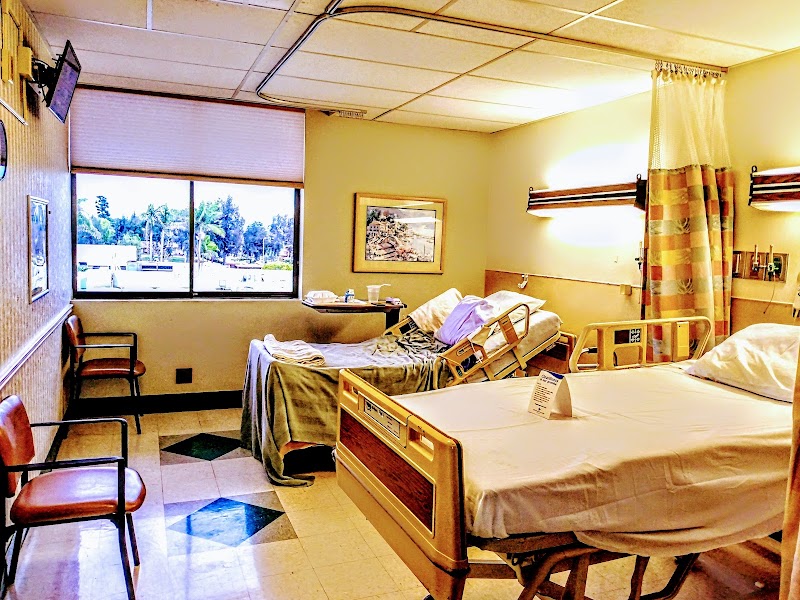
How is Whittier Hospital Medical Ctr D/P Snf Staffed?

CMS rates WHITTIER HOSPITAL MEDICAL CTR D/P SNF's staffing level at 4 out of 5 stars, which is above average compared to other nursing homes. Staff turnover is 26%, compared to the California average of 46%. This relatively stable workforce can support continuity of care.

What Have Inspectors Found at Whittier Hospital Medical Ctr D/P Snf?

State health inspectors documented 25 deficiencies at WHITTIER HOSPITAL MEDICAL CTR D/P SNF during 2019 to 2025. These included: 2 that caused actual resident harm and 23 with potential for harm. Deficiencies causing actual harm indicate documented cases where residents experienced negative health consequences.
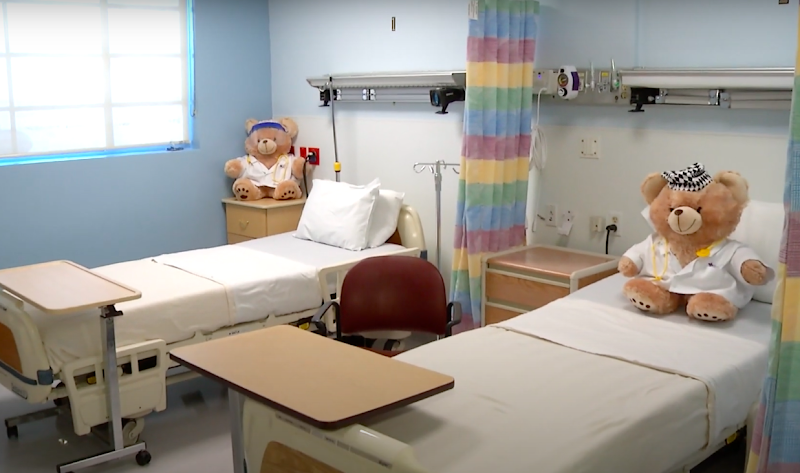
Who Owns and Operates Whittier Hospital Medical Ctr D/P Snf?

WHITTIER HOSPITAL MEDICAL CTR D/P SNF is owned by a for-profit company. For-profit facilities operate as businesses with obligations to shareholders or private owners. The facility operates independently rather than as part of a larger chain. With 22 certified beds and approximately 19 residents (about 86% occupancy), it is a smaller facility located in WHITTIER, California.
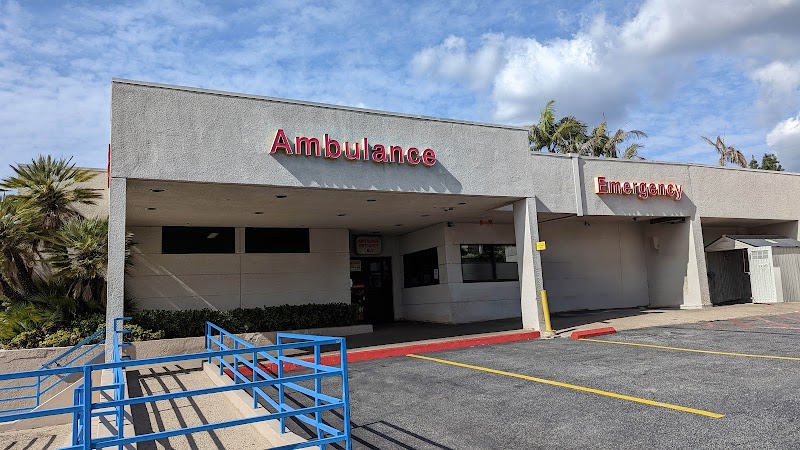
How Does Whittier Hospital Medical Ctr D/P Snf Compare to Other California Nursing Homes?

Compared to the 100 nursing homes in California, WHITTIER HOSPITAL MEDICAL CTR D/P SNF's overall rating (5 stars) is above the state average of 3.2, staff turnover (26%) is significantly lower than the state average of 46%, and health inspection rating (4 stars) is above the national benchmark.

What Should Families Ask When Visiting Whittier Hospital Medical Ctr D/P Snf?

Based on this facility's data, families visiting should ask: "Can I visit during a mealtime to observe dining assistance and food quality?" "How do you handle medical emergencies, and what is your hospital transfer rate?" "Can I speak with family members of current residents about their experience?"

Is Whittier Hospital Medical Ctr D/P Snf Safe?

Based on CMS inspection data, WHITTIER HOSPITAL MEDICAL CTR D/P SNF has a clean safety record: no substantiated abuse findings (meaning no confirmed cases of resident harm), no Immediate Jeopardy citations (the most serious violation level indicating risk of serious injury or death), and is not on the Special Focus Facility watch list (a federal program monitoring the lowest-performing 1% of nursing homes). The facility has a 5-star overall rating and ranks #1 of 100 nursing homes in California. While no facility is perfect, families should still ask about staff-to-resident ratios and recent inspection results during their visit.

Do Nurses at Whittier Hospital Medical Ctr D/P Snf Stick Around?

Staff at WHITTIER HOSPITAL MEDICAL CTR D/P SNF tend to stick around. With a turnover rate of 26%, the facility is 20 percentage points below the California average of 46%. Low turnover is a positive sign. It means caregivers have time to learn each resident's needs, medications, and personal preferences. Consistent staff also notice subtle changes in a resident's condition more quickly. Registered Nurse turnover is also low at 21%, meaning experienced RNs are available to handle complex medical needs.

Was Whittier Hospital Medical Ctr D/P Snf Ever Fined?

WHITTIER HOSPITAL MEDICAL CTR D/P SNF has no federal fines on record. CMS issues fines when nursing homes fail to meet care standards or don't correct problems found during inspections. The absence of fines suggests the facility has either maintained compliance or corrected any issues before penalties were assessed. This is a positive indicator, though families should still review recent inspection reports for the full picture.

Is Whittier Hospital Medical Ctr D/P Snf on Any Federal Watch List?

WHITTIER HOSPITAL MEDICAL CTR D/P SNF is not on any federal watch list. The most significant is the Special Focus Facility (SFF) program, which identifies the bottom 1% of nursing homes nationally based on persistent, serious quality problems. Not being on this list means the facility has avoided the pattern of deficiencies that triggers enhanced federal oversight. This is a positive indicator, though families should still review the facility's inspection history directly.