WHITTIER PACIFIC CARE CENTER

7716 S PICKERING AVENUE, WHITTIER, CA 90602 (562) 693-5240
For profit - Corporation 105 Beds LONGWOOD MANAGEMENT CORPORATION Data: November 2025
Trust Grade
45/100
#957 of 1155 in CA
Last Inspection: January 2025

Within standard 12-15 month inspection cycle. Federal law requires annual inspections.

Overview

Whittier Pacific Care Center has a Trust Grade of D, indicating below-average performance with several concerns. It ranks #957 out of 1155 facilities in California, placing it in the bottom half, and #263 out of 369 in Los Angeles County, suggesting there are better local options available. The facility is showing improvement, as issues decreased from 36 in 2024 to 24 in 2025, but it still has a concerning number of deficiencies. Staffing is rated 2 out of 5 stars, with a turnover rate of 44%, which is average, indicating that while some staff remain, there is a fair amount of turnover. Although there have been no fines, which is a positive sign, recent inspections revealed incidents such as improper transfer procedures that put residents at risk of injury and failure to keep outdoor trash containers secured, which could attract pests. Overall, while there are some strengths, families should carefully consider the facility's weaknesses and ongoing issues.

Trust Score
D
45/100
In California
#957/1155
Bottom 18%
Safety Record
Moderate
Needs review
Inspections
Getting Better
36 → 24 violations
Staff Stability
○ Average
44% turnover. Near California's 48% average. Typical for the industry.
Penalties
✓ Good
No fines on record. Clean compliance history, better than most California facilities.
Skilled Nurses
○ Average
Each resident gets 30 minutes of Registered Nurse (RN) attention daily — about average for California. RNs are the most trained staff who monitor for health changes.
Violations
⚠ Watch
76 deficiencies on record. Higher than average. Multiple issues found across inspections.
★★☆☆☆
2.0
Overall Rating
★★☆☆☆
2.0
Staff Levels
★★★☆☆
3.0
Care Quality
★★☆☆☆
2.0
Inspection Score
Stable
2024: 36 issues
2025: 24 issues

The Good

  • Full Sprinkler Coverage · Fire safety systems throughout facility
  • No fines on record
  • Staff turnover below average (44%)

    4 points below California average of 48%

Facility shows strength in fire safety.

The Bad

2-Star Overall Rating

Below California average (3.1)

Below average - review inspection findings carefully

Staff Turnover: 44%

Near California avg (46%)

Typical for the industry

Chain: LONGWOOD MANAGEMENT CORPORATION

Part of a multi-facility chain

Ask about local staffing decisions and management

The Ugly 76 deficiencies on record

1 actual harm
Aug 2025 1 deficiency
CONCERN (D) 📢 Someone Reported This

A family member, employee, or ombudsman was alarmed enough to file a formal complaint

Potential for Harm - no one hurt, but risky conditions existed

Quality of Care (Tag F0684)

Could have caused harm · This affected 1 resident

**NOTE- TERMS IN BRACKETS HAVE BEEN EDITED TO PROTECT CONFIDENTIALITY** Based on observation, interview and record review, the facility failed to ensure one of two sampled residents (Resident 1) who w...

Read full inspector narrative →
**NOTE- TERMS IN BRACKETS HAVE BEEN EDITED TO PROTECT CONFIDENTIALITY** Based on observation, interview and record review, the facility failed to ensure one of two sampled residents (Resident 1) who was assessed with contractures (permanent tightening of the muscles, tendons, skin, and nearby tissues that causes the joints to shorten and become very stiff) received treatment and care services in accordance with the resident's care plan for by failing to: 1. Ensure facility staff implemented Resident 1's care plan developed on 7/21/25 to immobilize the resident's right arm, to hold Range of Motion (ROM - a type of exercise designed to maintain and improve the flexibility and movement of joints) exercises as evidence by documentation survey report indicating exercises to the right arm was performed on 7/21/25, 7/22/25.2. Ensure facility staff follow physician's orders to hold range of motion exercises and [elbow extension] splinting to the right arm as evidence by documentation survey report indicating ROM by CNA daily care was conducted on 7/21/25, 7/22/25, 7/23/25. This deficient practice had potential to result in further decline, pain, and injury to the right upper arm. Findings: During a review of Resident 1's admission Record (AR), The AR indicated Resident 1was self responsible and admitted to the facility on [DATE] with a diagnosis hemiplegia (severe or complete loss of strength), and hemiparesis (partial weakness), aphasia language disorder that affects a person's ability to communicate), chronic respiratory failure (a long-term condition where the lungs can't adequately exchange oxygen and carbon dioxide, leading to insufficient oxygen in the blood or excessive carbon dioxide buildup, or both), Parkinson's Disease (a progressive neurodegenerative disorder that primarily affects movement, but also includes non-motor symptoms), gastrostomy (a surgically created opening (stoma) in the abdomen that allows for the placement of a tube into the stomach, typically for feeding or medication administration when a person cannot eat or drink adequately), tracheostomy (a surgical procedure that creates an opening in the neck to access the trachea [windpipe], allowing for breathing and/or the removal of secretions), dependence on ventilator and contractures of the right and left elbow, right and left hand, right and left hip, and right and left knee. During a review of Resident 1's History & Physical (H&P) dated 5/25/25, the H&P indicated Resident 1 did not have the capacity to understand or make decisions due to metabolic encephalopathy (a condition where brain dysfunction results from a systemic metabolic problem). The H&P indicated Resident 1 was ventilator dependent. During a review of Resident 1's Minimum Data Set (MDS, a resident assessment tool) dated 6/16/25, the MDS indicated Resident 1 had adequate hearing, with no speech. Resident 1 had functional limitation in range of motion (ROM, refers to the full movement potential of a joint, encompassing the extent to which a joint can be moved in different directions) with impairment to both upper and lower extremities. Resident 1 was dependent on oral hygiene, toileting, showers, dressing, and personal hygiene. The MDS indicated Resident 1's weight was 136 pounds (lbs. a unit of measurement). During a review of Resident 1's care plan titled [Resident 1] is at risk for unidentified pain/discomfort due to resident's inability to communicate/cognitive impairment, dated 3/21/2025, the care plan interventions included handling resident gently while providing care and provide non-pharmacological interventions. During a review of Resident 1's care plan titled [Resident 1] is at risk for further decline in activities of daily living (ADL's) and development of contractures, dated 3/21/2025, the care plan indicated to provide rehab (rehabilitation) treatment or RNA program as ordered to minimize decline in joint mobility status and/ or maintain mobility. During a review of Resident 1's care plan titled potential for injury from tremors and involuntary movements due to Parkinson's Disease, dated 3/21/2025, the care plan indicated to notify the physician if involuntary movements increase. During a review of Resident 1's care plan titled [Resident 1] is at risk for increased contractures to the bilateral upper extremity (BUE), dated 6/5/2025, the care plan indicated to maintain joint mobility and ROM in BUE. The care plan interventions indicated to do passive range of motion (PROM the movement of a joint through its full range of motion by an external force, such as a therapist or a machine, without the individual actively contracting their muscles) exercises to the BUE followed by application of bilateral resting hand splints and bilateral elbow extensions splints every day, five times a week. During a review of Resident 1's physician order dated 5/29/2025, the order indicated RNA to do passive range of motion to bilateral upper extremities followed by application of a bilateral resting hand splints (designed to support the hand and wrist in a functional resting position, preventing contractures, reducing pain and swelling) and bilateral elbow extension (the movement of both forearms away from the upper arms, or straightening both elbows simultaneously, to bring the forearm back to the anatomical position) splints every day, five times a week for four hours a day or as tolerated. During a review of Resident 1's facility record titled COC (change in condition)/Interact Assessment Form with effective date of 7/21/2025 timed at 10:30 AM, authored by RN 1, the COC form indicated that at 10 AM, CNA [1] reported to RN 1 that Resident 1's right elbow was flaccid. The COC form further indicated RN 1 assessed Resident 1 and noted the resident's right elbow was flaccid with internal/external rotation, discoloration and warm to touch. The COC form indicated, No indicators of pain or discomfort and RN 1 notified PCP 1 around 10:30 AM and give an order to Monitor. The PCP Form indicated RN 1 would endorse to the next shift. The COC Form indicated the names of RN 1 and LVN 2 as Licensed Nurses Reporting. During a review of Resident 1's care plan titled Right Elbow Flaccid with Internal/External Rotation, developed by RN 1 on 7/21/2025, the care plan goal indicated to minimize risk of complications through interventions. The care plan interventions included immobilizing the right arm, hold Range of Motion (ROM - a type of exercise designed to maintain and improve the flexibility and movement of joints) exercises, handle with care, monitor for swelling and notifying [PCP 1] for any changes. During a review of Resident 1's telephone physician order dated 7/21/2025 timed at 10:30 AM, authored by RN 1, the order indicated that PCP 1 ordered to hold range of motion (ROM) exercises and [elbow extension] splinting to the right arm. During a review of Resident 1's telephone physician order dated 7/22/2025 timed at 11:49 AM, authored by RN 1, the order indicated that PCP 1 ordered, X-ray (a type of medical imaging that uses electromagnetic radiation to create pictures of the inside of the body) [to the] right arm, one time only, for [right] elbow flaccid [with] internal [and] external rotation for 2 days [duration]. During a review of Resident 1's Documentation Survey Report for 7/1/25 to 7/30/25, the Report indicated that RNA provided PROM exercises to Resident 1's BUE for five minutes on 7/21/25 and 7/25/25.During a review of Resident 1's Documentation Survey Report for 7/1/25 to 7/30/25, the Report indicated CNA provided ROM to Resident 1 on 7/21/25, 7/22/25, and 7/23/25. During a review of Resident 1's facility records titled COC/Interact Assessment Form with effective date of 7/24/2025 timed at 5:27 PM, authored by RN 3, the COC form indicated RN 3 received Resident 1's X-ray result that indicated Acute appearing fracture of the humerus. The COC Form indicated RN 3 notified PCP 1 and ordered to transfer to the GACH for evaluation. During a review of Resident 1's telephone physician order dated 7/24/2025 timed at 4:09 PM, the order indicated May resume all previous orders. During a review of Resident 1's facility record titled IDT (interdisciplinary team - a group of people with different functional expertise working toward a common goal)-Narrative-Other Concerns, with an effective date of 7/25/2025, the IDT form indicated the IDT Conference was conducted secondary to [Resident 1's] right humerus fracture. The IDT form indicated IDT met to discuss resident's right humerus fracture. On 7/21/2025, resident [was] noted with right elbow flaccid with internal/external rotation and discoloration, warm to touch, with no signs of pain or discomfort noted. [PCP 1] was notified of [the] resident's condition and gave an order to hold ROM exercises and splinting to [the] right arm and monitor. On 7/22/2025, PCP 1 was updated of [the] resident's right arm condition due to no improvement. [PCP 1] gave new order for right arm X-ray which was scheduled for 7/23/2025. X-ray result [was] received on 7/24/2025 showing right humerus fracture. [PCP 1] was notified of the X-ray result and gave order to transfer to the [GACH] for evaluation. On 7/24/2025, [Resident 1] returned from the [GACH] with new orders . for right arm sling . and follow up with [orthopedic physician]. During a review of the facility's investigation titled Interview Form indicated the following handwritten interview statements with dates from 7/24/2025 to 7/27/2025, from facility staff as interviewed by the Director of Nurses (DON): The DON interview with RN 1 documented on 7/24/2025, indicated on 7/21/2025 at around 10 AM [7 AM to 9 PM shift], RN 1 and LVN 2 went to assess Resident 1's flaccid right arm after staff [CNA 1] report. RN 1 reported to PCP 1 and PCP 1 ordered to monitor, hold Restorative Nurse Assistant (RNA) exercises and splinting on the affected arm. RN 1 indicated in the interview form that she reported resident 1's flaccid right arm to the licensed nurses scheduled on the 3 PM to 11 PM shifts and 11 PM to 7 AM shifts on 7/21/2025. RN 1 further indicated in the Interview Form that the RN of the 11 PM to 7 AM shift (7/22/2025) conducted more observation and updated PCP 1 and PCP 1 gave an order for X-ray of the right forearm, humerus, and elbow. The X-ray was completed on 7/23/2025 and the X-ray result was received on 7/24/2025. The DON interview with LVN 2 documented on 7/24/2025, indicated that on [7/21/2025] she notified RN 1 of Resident 1's right arm. LVN 2 stated RN 1 took a video recording of Resident 1's right arm and send it to PCP 1 through text message. LVN 2 stated PCP 1 ordered For monitoring only. LVN 2 indicated in the Interview Form that she asked the OTA 1 to evaluate Resident 1's right arm. LVN 2 indicated in the Interview Form that OTA 1 heard a clicking sound [to the right arm] and reported OTA 1's evaluation to RN 1. The DON interview with LVN 3 documented on 7/24/2025, indicated that during the morning shift (7 AM to 3 PM), CNA 1 approached LVN 3 and reported that [Resident 1] does not look right and the arm did not look the usual way it looked. LVN 3 indicated in the Interview Form that Resident 1's right arm was normally stiff and contracted so she informed RN 1 to have OTA 1 look at Resident 1's right arm. LVN 3 indicated in the Interview Form that OTA 1 went to see Resident 1 and informed RN 1 of her recommendations. The DON interview with CNA 1 documented on 7/24/2025 indicated that on 7/21/2025, he noticed Resident 1's right arm was more loose, more flexible and the patient gown was easier to remove and put on. CNA 1 indicated in the Interview Form that RN 1, LVN 2 and LVN 3 went to Resident 1's room to assess the resident and stated to be extra careful in handling the resident. CNA 1 indicated he used the mechanical lift that day to transfer the resident from the bed to the shower bed (a specialized piece of equipment designed to facilitate safe and efficient bathing for residents who are unable to use a traditional shower or tub). The form indicated CNA 1 called the Respiratory Therapist (RT 1) to assist him with the resident. The DON interview with RT 1 documented on 7/25/2025, indicated CNA 1 took Resident 1 to the Shower Room on 7/21/2025 during the AM shift and he assisted CNA 1 with the resident's tracheostomy tube (a tube inserted to the trachea [windpipe] often necessary when a person needs long-term mechanical ventilation [supply of air to the lungs] due to breathing difficulties or respiratory failure). The form indicated RT 1 noticed Resident 1's right arm was swollen and informed CNA 1 to report to the licensed nurse, but CNA 1 informed him the licensed nurses already know. The DON interview with RNA 1 documented on 7/25/2025, indicated LVN 2 informed RNA 1 that something was wrong with Resident 1's right arm during the morning shift (7 AM-3 PM) of 7/21/2025. The form indicated LVN 2 assisted RNA 1 to put the resident's gown over his right shoulder and was told not to apply elbow [extension] splinting. The form indicated that RNA 1 stated observing Resident 1's right arm was loose and not hard and stiff as before. The DON interview with LVN 1 documented on 7/27/2025, indicated that LVN 1 worked during the night shift (11 PM to 7 AM- 7/19/2025) prior to 7/21/2025. The form indicated Resident 1 did not show any pain and checked blood pressure in Resident 1's right wrist and did not observe any change on the resident's right arm. The DON interview with LVN 4 documented on 7/29/2025, indicated that on 7/22/2025, it was endorsed to him that Resident 1's right arm was Moving and it was not like before, before it was stiff. The form indicated LVN 4 reported to RN 1 and stated RN 1 informed him PCP 1 ordered to monitor. During a review of Resident 1's record titled Multidisciplinary Progress Record dated 8/1/2025, the Progress Record indicated a handwritten note from the orthopedic physician. The Progress Record indicated Right proximal . humerus shaft fracture angulated 25 degrees. Not pathologic (something that is related to or caused by disease, or that deviates from the normal, healthy state), but understandable. Immobilize for two months . During a concurrent observation and interview on 8/7/2025 at 10 AM Resident 1 was observed with his right arm immobilized with an arm sling. Resident 1's left arm was contracted and had a splint. Resident 1's BLE were both contracted and a pillow was placed in between the knees. Restorative Nursing Aide (RNA) 1 stated she and RNA 2, providing 2-person assist to reposition Resident up in bed, with the respiratory therapist at the bedside. RNA 1 stated she just provided exercises for to Resident 1's LUE and BLE, and prior to all exercised, Resident 1 was medicated with pain medication. During an interview on 8/7/2025 at 11:30 AM, Registered Nurse (RN) 1 stated Certified Nursing Assistant (CNA) 2 and Licensed Vocational Nurse (LVN) 2 told her about Resident 1's arm, I assessed resident and you can do a lot movement than normal, it did not look bruised, little redness (usually red though), no swelling. RN 1 stated she reported Resident's arm to Physician 1 and was given orders to monitor and discontinue range of motion on the right arm. Resident 1 then required to be a three-person assist in which he was initially a 2 person assist and was instructed to not move Resident 1 too much. RN 1 stated the previous shift did not mention anything about Resident 1's right arm. During an interview on 8/7/25 at 5:50 PM with PCP 1, PCP 1 stated Resident 1's right shoulder looked deformed and since there was no evidence of trauma or fall, PCP 1 only ordered for Resident 1's right arm to be immobilized and monitored. PCP 1 stated he did not order an X-ray right away since Resident 1's right arm was not swollen and did not look like there was a fracture or trauma since Resident 1 did not have a fall. PCP 1 stated only ordering an X-ray because an unnamed nurse informed PCP 1 that Resident 1's shoulder looked deformed. PCP 1 could not state the date of when the order for an X ray was ordered. During a concurrent interview and record review on 8/7/25 at 6:45 PM with the DON, Resident 1's care plan was reviewed. The DON stated immobilized meant do not make it move. The DON stated resident care plans must be specific, and for Resident 1 the care plan should indicate to immobilize Resident 1's right arm with a sling. During a telephone interview on 8/13/25 at 8:59 AM, LVN 2 stated on 7/21/25 that she called OTA 1 to assess Resident 1's right arm since Resident 1 was always contracted and always had his right arm close to his body, but on 7/21/25 Resident 1's right arm was more on the bed, which was not Resident 1's usual. During a telephone interview on 8/13/25 at 9:08 AM with RNA 1, RNA 1 stated conducting Resident 1's RNA exercises Monday through Friday for approximately 12 to 15 minutes, as Resident 1 tolerated. RNA 1 stated Resident 1 was really contracted to both upper extremities prior to 7/21/2025. RNA 1 stated the morning of 7/21/2025, RNA 1 was informed by an unnamed nurse to not touch Resident 1's right arm. RNA 1 stated the last time RNA exercises was performed on Resident 1's right arm was on 7/18/2025. During a telephone interview on 8/13/25 at 11:48 AM with OTA 1, OTA 1 stated on 7/21/25 she was asked by LVN 2 to assess Resident 1's right arm because Resident 1's arm looked funny. OTA 1 stated Resident 1's right arm was flaccid and loose and that the internal and external rotation was not tight and was floppy. OTA 1 stated when she touched Resident 1's upper arm and placed OTA 1's right hand on Resident 1's forearm, OTA 1 felt and heard a popping sound. OTA 1 stated she placed a pillow under Resident 1's arm and left the room and told RN 1 that Resident 1's arm felt weird, floppy and flaccid and did not feel tight. OTA 1 stated she informed RN 1 to call PCP 1 to recommend performing an X-ray, however OTA 1 stated RN 1 informed her that PCP 1's order was to only observe and report. OTA 1 stated any further passive movements of Resident 1's right arm should not be performed due to the right arm being flaccid, to avoid a further injury. OTA 1 stated immobilization of the extremity is needed as a precaution to prevent further injury to the resident's right arm. During a review of the facility's Policy and Procedure (P&P) for Care Plans, Comprehensive Person- Center, revised 03/2025, the P&P indicated each residents' comprehensive person-centered care plan described the services that were to be furnished to attain or maintain the resident's highest practicable physical, mental and psychosocial well being.
May 2025 2 deficiencies
CONCERN (D) 📢 Someone Reported This

A family member, employee, or ombudsman was alarmed enough to file a formal complaint

Potential for Harm - no one hurt, but risky conditions existed

Resident Rights (Tag F0550)

Could have caused harm · This affected 1 resident

**NOTE- TERMS IN BRACKETS HAVE BEEN EDITED TO PROTECT CONFIDENTIALITY** Based on observation, interview, and record review, the facility failed to promote dignity and respect for one of one sampled re...

Read full inspector narrative →
**NOTE- TERMS IN BRACKETS HAVE BEEN EDITED TO PROTECT CONFIDENTIALITY** Based on observation, interview, and record review, the facility failed to promote dignity and respect for one of one sampled resident (Resident 4), when Resident 4 ' s indwelling Foley catheter (a thin, flexible tube inserted into the bladder to drain urine continuously) urinary drainage bag (urine drainage bag to collect urine) was observed without a urinary drainage bag cover. This deficient practice had the potential to violate resident rights to maintain and enhance self-esteem, self-worth, and the right to be treated with dignity and respect. Findings: A review of Resident 4 ' s, admission Record (AR), dated 5/30/2025, indicated Resident 4 was admitted to the facility on [DATE], with diagnoses that included dementia (the loss of cognitive functioning — thinking, remembering, and reasoning), benign prostatic hyperplasia (BPH) (enlarged prostate, is a non-cancerous condition where the prostate gland grows larger than normal, leading to urinary problems), and acute kidney failure (kidneys suddenly stop working properly). A review of Resident 4 ' s History and Physical Examination (H&P), dated 5/1/2025, indicated Resident 4 does not have the capacity to understand and make decisions. A review of Resident 4 ' s Minimum Data Set (MDS-a resident assessment tool) dated 5/7/2025, the MDS indicated Resident 4 ' s cognitive status (the mental process of thinking and understanding) was severely impaired. MDS indicated Resident 4 required setup and clean-up assistance (helper sets up and cleans up; resident completes activity) with eating, partial/moderate assistance (helper does less than half the effort) with personal hygiene and dressing, and substantial/maximal assistance (helper does more than half the effort) with bathing and toileting. A review of Resident 4 ' s facility Order Summary Report, dated 5/30/2025, indicated Resident 4 had a Foley catheter attached to a drainage bag for urinary retention secondary to BPH. During an observation on 5/30/2025 at 1:15 PM in Resident 4 ' s room, Resident 4 was in bed with the head of bed elevated. Resident 4 ' Foley catheter urinary drainage bag was uncovered, exposing yellow urine inside the bag. During an interview on 5/30/2025 at 1:17 PM in Resident 4 ' s room, with license vocational nurse (LVN )1 stated Resident 4 ' s urinary drainage bag did not have a cover, and it should be covered to protect Resident 4 ' s dignity, and that covering urinary drainage bags was the policy of the facility. During an interview on 5/30/2025 at 3:00 PM with the Director of Staff Development (DSD), DSD stated, Foley catheter urinary draiage bag should always be covered to protect residents ' dignity and residents ' rights. During an interview on 5/30/2025 at 3:40 PM with the Director of Nurses (DON), DON stated, urine catheter drainage bag should have a cover, Resident 4 ' s urine bag not being covered violates residents ' dignity and resident rights. A review of the facility ' s policy and procedure (P&P) titled, Quality of Life – Dignity, dated 2/2020, indicated each resident shall be cared for in a manner that promotes and enhances his or her sense of well-being, self-worth and self-esteem. The P&P indicated residents were always treated with dignity and respect, and that demeaning practices and standards of care that compromise dignity are prohibited, example staff are expected to help resident to keep urinary catheter bag covered. A review of the facility ' s policy and procedure (P&P) titled, Resident Rights, dated 2/2021, indicated employees shall treat all residents with kindness, respect and dignity. The P&P indicated federal and state laws guarantee certain basic rights to all residents which includes, dignified existence, be treated with respect and dignity, and privacy and confidentiality.
CONCERN (D) 📢 Someone Reported This

A family member, employee, or ombudsman was alarmed enough to file a formal complaint

Potential for Harm - no one hurt, but risky conditions existed

Staffing Information (Tag F0732)

Could have caused harm · This affected 1 resident

Based on interview and record review, the facility failed to ensure nurse staffing information that was indicated on the Daily Skilled Nursing Facility (SNF) Staffing for certified nurse assistants (C...

Read full inspector narrative →
Based on interview and record review, the facility failed to ensure nurse staffing information that was indicated on the Daily Skilled Nursing Facility (SNF) Staffing for certified nurse assistants (CNA) was accurate. This deficient practice had the potential to misinform residents and visitors of the number of CNA's providing care to the residents. Findings: A review of the facility provided document for Daily Skilled Nursing Facility (SNF) Staffing Posting, dated 5/23/2025, 5/24/2025, 5/28/2025 and 5/29/2025 for the 11 PM to 7 AM shift, the document indicated the staff posting for actual hours worked for CNAs for the 11 PM to 7 AM shifts was 32 hours, and that the staffing total for CNAs was four (4). A review of the facility documents titled Nursing Staffing Assignment and Sign-In Sheet, dated 5/23/2025, 5/24/2025, 5/28/2025 and 5/29/2025 for the 11 PM to 7 AM shift, the document indicated, three (3) CNAs worked on 5/23/2025, 5/24/2025, 5/28/2025 and 5/29/2025 for the 11 PM to 7 AM shift, which should total 24 hours. During a concurrent interview and record review on 5/30/2025 at 3 PM with the Director of Staff Development (DSD), the facility documents titled Daily SNF Staffing Posting, dated 5/23/2025, 5/24/2025, 5/28/2025 and 5/29/2025 and the facility documents titled Nursing Staffing Assignment and Sign-In Sheet, dated 5/23/2025, 5/24/2025, 5/28/2025 and 5/29/2025 were reviewed. DSD stated, on 5/23/2025, 5/24/2025, 5/28/2025 and 5/29/2025 11PM to 7 AM there was only three CNAs who worked those shifts. DSD stated, she was responsible for completing the staff posting. The DSD stated the Staffing Posting was inaccurate since the correct number of CNAs who worked on 5/23/2025, 5/24/2025, 5/28/2025 and 5/29/2025 was 3 and not 4, and that the Staffing Posting should indicate CNA hours as 24, not 32 hours. DSD stated, not having the accurate information would mislead the visitors and residents at the facility. During an interview on 5/30/2025 at 3:00 PM with the Director of Nurses (DON), the DON stated, the staff posting on 5/23/2025, 5/24/2025, 5/28/2025, and 5/29/2025 indicated the actual hours of the 11 PM to 7 AM CNAs was 32 and was inaccurate since the staff posting should have indicated 24 hours for the CNA's hours since there were only three (3) CNA's working that shift. DON stated, staff posting was important for visitors and the residents to show the facility had an adequate number of staff to care for the residents in the facility. we. DON stated, when the staff posting was inaccurate, misinformation to the visitors and residents could occur. DON stated, the staff posting must be revised to indicate accurate information. A review of the facility's policy and procedure (P&P) titled, Posting Direct Care Daily Staffing Numbers, revised 8/2022, indicated the facility would post on a daily basis for each shift nurse staffing data, including the number of nursing personnel responsible for providing direct care to resident. The P&P indicated within two hours of the beginning of each shift the number of licensed nurses (RNs, LPNs, and LVNs) directly responsible for resident care was posted in a prominent location (accessible to residents and visitors) and in clear and readable format, and that the information recorded on the form shall include, type (RN, LPN, LVN, or CNA) and category (licensed or non-licensed) of nursing staff working during that shift who are paid by the facility, and actual time worked during that shift for each category and type of nursing staff. The P&P indicated the staffing information would be made available to residents, family members, and the public within 24 hours.
Jan 2025 18 deficiencies
CONCERN (D)

Potential for Harm - no one hurt, but risky conditions existed

Deficiency F0578 (Tag F0578)

Could have caused harm · This affected 1 resident

**NOTE- TERMS IN BRACKETS HAVE BEEN EDITED TO PROTECT CONFIDENTIALITY** Based on observation, interview, and record review, the facility failed to ensure two of eight sampled residents (Resident 16 an...

Read full inspector narrative →
**NOTE- TERMS IN BRACKETS HAVE BEEN EDITED TO PROTECT CONFIDENTIALITY** Based on observation, interview, and record review, the facility failed to ensure two of eight sampled residents (Resident 16 and 39) was offered to formulate and received information related to Advance Directive (a legal document indicating a resident's preference on end-of-life treatment decisions) information during their initial admission and subsequent re-admission to the facility. This failure had the potential to result in Resident 16 and 39 not having their wishes met regarding end-of-life treatment decisions. Findings: 1. During a review of Resident 16 ' s admission Record, dated 1/31/2025, the admission Record indicated Resident 16 was initially admitted to the facility on [DATE] and most recently re-admitted on [DATE]. The admission Record also indicated Resident 16 ' s diagnoses include, but not limited to, ventilator dependence (relying on a medical device to help support or replace breathing), epilepsy (brain condition that results in uncontrolled jerking, blank stares, and loss of consciousness), and persistent vegetative state (a condition in which a person is awake but has no awareness of their surroundings or themselves). During a review of Resident 16 ' s Physician Orders for Life-Sustaining Treatment (POLST), dated 2/21/2017, the POLST did not indicate whether the resident had an advance directive (i.e., the designated section in the form was left blank). During an interview on 1/31/2025 at 3:47 PM with Social Services Director (SSD), SSD stated Resident 16 did not have an advance directive since his first admission to the facility on [DATE]. SSD stated an advance directive should have been offered and informed by the facility to Resident 16. 2. During a review of Resident 39's admission Record, dated 1/31/2025, the admission Record indicated Resident 39 was initially admitted to the facility on [DATE] and most recently re-admitted on [DATE]. During a review of Resident 39's History and Physical (H&P), dated 5/16/2024, the H&P indicated Resident 39 ' s diagnoses include, but not limited to, ventilator dependence (relying on a medical device to help support or replace breathing), muscular dystrophy (a hereditary condition that results in weakness and loss in muscle), and quadriplegia (partial or total loss of function in body region and all four limbs). During a review of Resident 39 ' s Physician Orders for Life-Sustaining Treatment (POLST), dated 1/19/2017, the POLST indicated that Resident 39 did not have an advance directive. During an interview on 1/31/2025 at 9:28 AM with Medical Records Director (MRD), MRD stated there is no signed Advance Healthcare Directive Acknowledgement (AHDA) form in Resident 39's medical record. The MRD stated, a signed AHDA form confirms the facility discussed advance directives with a resident or his/her responsible party. MRD further stated Resident 39's responsible party recently passed away. MRD stated Resident 39's Family Member (FM) 4 is the new decision-maker regarding Resident 39's medical treatment at the facility. During a concurrent interview and record review on 1/31/2025 at 9:38 AM with Social Services (SS), Resident 39 ' s AHDA form was reviewed. SS stated she spoke with Resident 39 on 1/27/2025 regarding an advance directive, and she filled out the AHDA form the same day. SS stated the AHDA form is currently unsigned because Resident 39 wants to wait for FM 4 to sign it on Resident 39's behalf. During an observation and interview on 1/31/2025 at 10:30 AM with Resident 39 in his room, Resident 39 communicates by mouthing words with his lips and nodding his head. When asked if someone had spoken to him regarding an advance directive, Resident 39 nodded in the affirmative. When asked if the advance directive discussion occurred on Monday, 1/27/2025, Resident 39 nodded yes. Resident 39 also nodded in agreement when asked if he wished to wait for FM 2 to come in and sign the facility ' s AHDA form. During an interview on 1/31/2025 at 3:47 PM with Social Services Director (SSD), SSD stated advance directives are important because if a resident cannot make decisions for himself/herself, then the advance directive assigns the decision-making power to someone who will make the right decisions according to the resident ' s wishes. SSD stated an advance directive is important for a facility to know what the family and resident wants. During an interview on 1/31/2025 at 3:47 PM with Social Services Director (SSD), SDD stated there is no advance directive on file for Resident 39, even from the time of his first admission. SSD further stated Resident 39 ' s responsible party did not want an advance directive. SSD also stated even if the responsible party did not want one, information regarding an advance directive should have been given to Resident 39 and his responsible party during his initial admission.
CONCERN (D)

Potential for Harm - no one hurt, but risky conditions existed

Deficiency F0642 (Tag F0642)

Could have caused harm · This affected 1 resident

**NOTE- TERMS IN BRACKETS HAVE BEEN EDITED TO PROTECT CONFIDENTIALITY** Based on interview and record review, the facility failed to ensure the Discharge Minimum Data Set (MDS-a resident assessment an...

Read full inspector narrative →
**NOTE- TERMS IN BRACKETS HAVE BEEN EDITED TO PROTECT CONFIDENTIALITY** Based on interview and record review, the facility failed to ensure the Discharge Minimum Data Set (MDS-a resident assessment and care-screening tool) was transmitted timely and within 30 days, to the Centers for Medicare and Medicaid Services (CMS) system for one of 19 sampled residents (Resident 87) MDS Assessments. This deficient practice had the potential to affect the quality-of-care monitoring system to ensure safe, efficient, resident centered care in a timely manner. Findings: During a review of Resident 87's admission Record (AR), the AR indicated the facility originally admitted Resident 87 on 1/30/2024 and readmitted him on 7/14/2024 with diagnoses that included metabolic encephalopathy (a problem in the brain caused by a chemical imbalance in the blood), heart failure (a condition where the heart muscle is weakened and cannot pump blood efficiently), diabetes mellitus (a group of diseases that result in too much sugar in the blood) and hyperlipidemia (a condition where there are high levels of fat in the blood). During a review of Resident 87's MDS dated [DATE], the MDS indicated Type of Assessment Quarterly for Resident 87. During a review of Resident 87's Discharge Summary dated 9/6/2024, the Summary indicated Resident 87 was in the facility from 7/14/2024 to 8/30/2024. During a review of Resident 87's Discharge Licensed Nurses Note dated 8/30/2024, the Note indicated Resident 87 was discharged to an Assisted Living Facility (housing for elderly or disabled people that provides nursing care, housekeeping, and prepared meals as needed). During an interview and record review on 1/30/2025 2:17 PM of Resident 87 ' s Medical Record, with Minimum Data Set Nurse (MDSN), MDSN stated she could not find a discharge MDS for Resident 87. MDSN stated Resident 87 ' s discharge MDS was not completed because she forgot to complete when Resident 87 was discharged from the facility. During an interview on 1/30/2025 at 1:50 PM, with the Director of Nursing (DON), the DON stated it was important for the facility to complete and submit all MDS ' s for the residents in the facility to ensure they are reporting the correct and actual information to the Centers for Medicare & Medicaid Services on time. A review of facility provided CMS'S RAI Version 3.0 Manual dated October 2024, indicated Discharge assessment return not anticipated-MDS must be completed when the resident is not expected to return to the facility within 30 days
CONCERN (D)

Potential for Harm - no one hurt, but risky conditions existed

Deficiency F0658 (Tag F0658)

Could have caused harm · This affected 1 resident

**NOTE- TERMS IN BRACKETS HAVE BEEN EDITED TO PROTECT CONFIDENTIALITY** Based on observation, interview, and record review, the facility failed to follow professional standards of practice in nursing ...

Read full inspector narrative →
**NOTE- TERMS IN BRACKETS HAVE BEEN EDITED TO PROTECT CONFIDENTIALITY** Based on observation, interview, and record review, the facility failed to follow professional standards of practice in nursing care for one of two sampled residents (Resident 86) by failing to: 1. Check for gastric residual volume (refers to the volume of fluid remaining in the stomach) using a syringe to suction out the stomach fluids via Gastrostomy Tube (G Tube-a tube surgically inserted into your stomach through your abdomen) before medication administration. 2. Flush (rinse) the G-tube with water in-between each medication administration. This failure had the potential to cause complications, including aspiration (inhalation of foreign materials) and pneumonia (a lung infection), and clogged GTube needing a surgical replacement thta could negatively impact the resident's care and health outcomes. Findings: During a review of Resident 86's admission Record (Face Sheet), indicated the facility admitted Resident 86 on 11/8/2023, and readmitted on [DATE] with diagnoses including metabolic encephalopathy (a broad term for any brain disease that alters brain function), and sepsis (infection of the blood). During a review of Resident 86's History and Physical (H&P), dated 10/10/2024 indicated, Resident 86 had the mental capacity to make medical decisions. During a review of Resident 86's Minimum Data Set (MDS-a federally mandated resident assessment tool), dated 11/13/2024, indicated the cognitive (the ability to think and process information) skills for daily decisions making was severely impaired, dependent on staff for the activities of daily living. During a review of the Order Summary Report dated 1/31/2025 indicated orders for the following: 1. Aspirin (medication that prevent blood clot to form) tablet Chewable 81 MG (milligrams (MG) Give 1 tablet via G-Tube one time a day for CVA (cerebrovascular accident or stroke [occurs when a blood vessel that carries oxygen and nutrients to the brain is either blocked by a clot or bursts/ruptures]) ppx (prophylaxis [prevention]). 2. Cranberry Oral Tablet 450 MG (Cranberry (Vaccinium macrocarpon)) Give 2 tablet via G-Tube one time a day for UTI (urinary tract infection) prophylaxis (prevention). two 450mg tabs = 900mg. 3. Artificial Tears Ophthalmic (eye drops) Solution 0.2-0.2-1 % (Glycerin Hypromellose-Polyethylene Glycol 400) Instill 1 drop in both eyes every 4 hours for dry eyes 4. Pantoprazole Sodium Oral Packet 40 MG (Pantoprazole Sodium) Give 1 packet via G-Tube one time a day for GERD (gastroesophageal reflux disease -a digestive disease in which stomach acid or bile irritates the food pipe lining) MIX 1 PACKET IN apple sauce exp. APPLE SAUCE OR JUICE VIA G-TUBE. 5. Robinul Oral Tablet 1 MG (Glycopyrrolate) Give 1 tablet via G-Tube one time a day for excess secretion/sputum. 6. LiquaCel Oral Liquid (Amino Acids) Give 30 ml via G-Tube one time a day for Skin management If unavailable may use pro-stat. 7. Methocarbamol Oral Tablet 500 MG (Methocarbamol) Give 2 tablet by mouth two times a day for muscle spasm. 8. Multivitamins/Minerals Adult Oral Liquid (Multiple Vitamins w/Minerals) Give 15 ml via G-Tube in the morning for supplement 9. Vitamin C Oral Tablet 500 MG (Ascorbic Acid) Give 1 tablet via G-Tube one time a day for skin integrity for 3 Months. During a medication pass observation on 1/30/2025 at 9:30 AM, Licensed Vocational Nurse (LVN) 1 was observed preparing to crush tablets and pour liquid medications into each medication cup of the medications mentioned above. LVN 1 poured 15 ml water into each crushed medication on medicine cup. During an observation on 1/30/2025 at 9:33 AM, LVN 1 was observed administering medications to Resident 86 via G-Tube with a syringe without checking for residuals before administering medications. LVN 1 administered the medications one at a time and did not flush the G-tube with water in between medications. During an interview on 1/30/2025 at 9:40 AM with LVN 1, stated she should have flushed before with 5-10 ml of water in between medications. LVN 1 also stated there is a possibility of drug reaction that may deactivate the medications. During an interview on 1/31/2025 at 6:30 PM, the Assistant Director of Nursing (ADON) stated that medications should be given by gravity, when possible, but a syringe may be used slowly if there are standing orders. The ADON emphasized and stated that nurses should flush the G-tube with water before administering medications, use 15 mL of water between each medication, and flush with 15 mL at the end to clear the tube. The ADON further explained that checking for residuals is important to ensure proper digestion and reduce the risk of complications, including aspiration. During a review of the facility's policy and procedure (P&P) titled, Administering Medications through an Enteral Tube, indicated to verify placement of feeding tube. a. If you suspect improper tube positioning, do not administer feeding or medication. Notify the Charge Nurse or Physician. 8. Attach syringe (without plunger) to the end of the tubing. 9. Unclamp and flush with least 15 ml water (or prescribed amount) prior to administering medication. 10. Administer each medication separately by gravity flow: a. Pour diluted medication into the barrel of the syringe while holding the tubing slightly above the level of insertion. b. Open the clamp and deliver medication slowly. May gently push if necessary 11. If administering more than one medication, flush with 15 mL warm purified water (or prescribed amount) between medications. 12. When the last of the medication begins to drain from the tubing, flush the tubing with 15 mL of water (or prescribed amount).
CONCERN (D)

Potential for Harm - no one hurt, but risky conditions existed

ADL Care (Tag F0677)

Could have caused harm · This affected 1 resident

**NOTE- TERMS IN BRACKETS HAVE BEEN EDITED TO PROTECT CONFIDENTIALITY** Based on interview and record review, the facility failed to initiate routine Bowel and Bladder training programs to prevent a f...

Read full inspector narrative →
**NOTE- TERMS IN BRACKETS HAVE BEEN EDITED TO PROTECT CONFIDENTIALITY** Based on interview and record review, the facility failed to initiate routine Bowel and Bladder training programs to prevent a fall (refers to unintentionally coming to rest on the ground, floor, or other lower level, but not as a result of an overwhelming external force) for one of one sampled resident (Resident 198) who was assessed at being high risk for fall. Resident 198 was observed walking out of his room and falling on top of plastic Wet Floor sign placed in front of his room door when attempting to use the restroom unassisted by facility staff. This deficient practice had the potential to result in unmet resident ' s needs, which can result in Resident 198 to sustain serious injuries from a fall. Finding: During a review of Resident 198's admission Record indicated the facility admitted Resident 198 on 1/16/2025 with diagnoses that included spinal stenosis (the spaces inside the bones of the spine get small),lack of coordination (a condition that makes it difficult to control your bodies movements). During a review of Resident 198's History and Physical [H&P] dated 1/17/2025, the H&P indicated the resident is able to make decisions for activities of daily living. During a review of Resident 198's Minimum Data Set (MDS, a resident assessment tool), dated 1/20/2025, indicated Resident 198 used a walker and wheelchair. The MDS indicated Resident 198 required partial/moderate assistance (helper does less than half the effort) for toileting, shower, lower body dressing, putting on/taking off footwear and personal hygiene. The MDS indicated Resident 198 required supervision or touching assistance (helper provides verbal cues and or touching/steadying and/or contact guard assistance as resident completes activities) During a review of Resident 198's MDS section Bladder and Bowel indicated a trial toileting program for Resident 198 had not been initiated. The MDS also indicated a bowel toileting program had not been initiated for Resident 198. During a review of Resident 198's admission Fall Risk assessment dated [DATE] timed at 1:21 PM, indicated the resident was considered at high risk for potential falls due to intermittent confusion or poor safety awareness/non compliance, history of falls in the last 12 months, incontinent/needing assistance for toileting, unable to stand without assistance/unsteady gait (a persons manner of walking)/poor sitting or standing balance and use of medications During a review of Resident 198's admission Fall Risk assessment dated [DATE] timed at 1:21 PM, indicated the resident was considered at high risk for potential falls due to intermittent confusion or poor safety awareness/noncompliance, history of falls in the last 6 months. During a review of Resident 198's IDT(inter disciplinary team) Fall risk dated 1/28/2025 indicated IDT meet and discussed Resident 198 ' s general condition, emphasis on status post and history of falls (2 times) since admission to the facility .Resident 198 still attempts to get out of bed without calling for help despite frequent reminders to call for help/assistance. IDT offered bedside commode for easy toileting but Resident 198 refused. During a review of Resident 198's Actual Fall care plan initiated on 1/26/2025, The care plan indicated Resident 198 had an actual fall related to: balance deficit, cognitive impairment, decrease strength and noncompliance with request for assistance poor safety awareness/judgement and unsteady gait. The care plan interventions included: Bowel and Bladder retraining as indicated, toileting program as indicated. During a review of Resident 198's Fall risk care plan initiated on 1/30/2025, indicated Resident 198 was at risk for falls and injuries the interventions listed included: provide safety measures to reduce risk of falls/prevent injuries, observe resident behavior, frequent supervision/monitoring. During an observation on 1/31/2025 at 7:30 AM of station 1 hallway, Resident 198 was observed walking out of his room and falling over plastic yellow Wet Floor sign placed in front of Resident 198 ' s room doorway. During a concurrent interview on 1/31/2025 at 7:35 AM with Licensed Vocational Nurse (LVN3), LVN 3 stated Resident 198 was high fall risk and was on frequent monitoring due to his past history of falls. LVN 3 stated she would try to walk by Resident 198's room when she could but was on the other side of the station getting ready to pass medication when she heard Resident 198 had fallen. LVN 3 stated Resident 198 had unsteady gait and balance and is not currently on a Bowel and Bladder toileting program. During an interview on 1/31/2025 at 7:50 AM with Resident 198, Resident 198 stated he wanted to go to the bathroom and was going out of his room to look for a restroom when he fell. Resident 198 stated he did know or see the yellow plastic Wet floor sign in front of the door, and it took him by surprise when he stumbled on top of it because he was focused on looking for a bathroom. During an interview on 1/31/2025 at 8:09 AM with Housekeeper (HSKP 1), HSKP 1 stated she had gone into Resident 198 ' s room around 7:20 AM to clean she mopped in front and around Resident 198's bed and in front of the door, once she finished moping she placed the wet floor sign in front of the door to alert anyone that was going to enter the room the floor was wet. During an interview and concurrent record review on 1/31/2025 at 3:28 PM of Resident 198's medical record with Minimum Data Set Nurse (MDSN), MDSN stated Resident 198 was not on a Bowel and Bladder training program prior to today. MDSN stated Resident 198 has episodes of continence and incontinence but is able to make his needs know and should have been started on a Bowel and Bladder training program after his second fall (1/26/2025) in the facility to try and help anticipate the residents needs and prevent him from getting up unassisted and falling due to wanting to go to restroom. During an interview with on 1/31/2025 at 3:42 AM with Director of Nursing (DON), DON stated Resident 198 was high fall risk and staff should always maintain his environment free of clutter and hazards to avoid Resident 198 falling. DON stated the facility should have initiated a Bowel and Bladder program for Resident 198 after his second fall on 1/26/2025. During a review of the facility ' s policy and procedure (P&P) titled Behavioral Programs and Toileting Plans for Incontinence dated with a revised date of October 2010, indicated for the initiation and monitoring of behavioral interventions and/or a toileting plan for the resident with urinary incontinence. The policy further indicated The facility will assess the resident for appropriateness of behavioral programs which promote urinary continence, asses the resident for appropriateness of behavioral techniques or toileting plans being considered The P&P further indicated the following toileting programs: Bladder Rehabilitation/ Bladder training, Pelvic Floor Muscle Rehabilitation/Exercises, Toileting Plans, Prompted Voiding, Habit Training/scheduled voiding and Check and Changes
CONCERN (D)

Potential for Harm - no one hurt, but risky conditions existed

Accident Prevention (Tag F0689)

Could have caused harm · This affected 1 resident

**NOTE- TERMS IN BRACKETS HAVE BEEN EDITED TO PROTECT CONFIDENTIALITY** Based on observation, interview, and record review, the facility failed to ensure adequate supervision and safety measures to pr...

Read full inspector narrative →
**NOTE- TERMS IN BRACKETS HAVE BEEN EDITED TO PROTECT CONFIDENTIALITY** Based on observation, interview, and record review, the facility failed to ensure adequate supervision and safety measures to prevent a fall (refers to unintentionally coming to rest on the ground, floor, or other lower level, but not as a result of an overwhelming external force) for one of one sampled residents (Resident 198) with high risk for fall. Resident 198 was observed walking out of his room and falling on top of plastic Wet Floor sign placed in front of his room door. This deficient practice had the potential for Resident 198 to sustain serious injuries from the fall. Cross reference F677 Findings: During a review of Resident 198 ' s admission Record indicated the facility admitted Resident 198 on 1/16/2025 with diagnoses that included spinal stenosis (the spaces inside the bones of the spine get small), lack of coordination (a condition that makes it difficult to control your bodies movements). During a review of Resident 198's History and Physical [H&P] dated 1/17/2025, the H&P indicated the resident is able to make decisions for activities of daily living. During a review of Resident 198's Minimum Data Set (MDS, a resident assessment tool), dated 1/20/2025, indicated Resident 198 used a walker and wheelchair. The MDS indicated Resident 198 required partial/moderate assistance (helper does less than half the effort) for toileting, shower, lower body dressing, putting on/taking off footwear and personal hygiene. The MDS indicated Resident 198 required supervision or touching assistance (helper provides verbal cues and or touching/steadying and/or contact guard assistance as resident completes activities). During a review of Resident 198's admission Fall Risk assessment dated [DATE] timed at 1:21 PM, indicated the resident was considered at high risk for potential falls due to intermittent confusion or poor safety awareness/non compliance, history of falls in the last 12 months, incontinent/needing assistance for toileting, unable to stand without assistance/unsteady gait (a persons manner of walking)/poor sitting or standing balance and use of medications During a review of Resident 198's admission Fall Risk assessment dated [DATE] timed at 1:21 PM, indicated the resident was considered at high risk for potential falls due to intermittent confusion or poor safety awareness/noncompliance, history of falls in the last 6 months. During a review of Resident 198's Actual Fall care plan initiated on 1/26/2025, The care plan indicated Resident 198 had an actual fall related to balance deficit, cognitive impairment, decrease strength and noncompliance with request for assistance poor safety awareness/judgement and unsteady gait. The care plan interventions included Bowel and Bladder retraining as indicated, toileting program as indicated. During a review of Resident 198's Fall risk care plan initiated on 1/30/2025, indicated Resident 198 was at risk for falls and injuries the interventions listed included providing safety measures to reduce risk of falls/prevent injuries, observe resident behavior, frequent supervision/monitoring. During an observation on 1/31/2025 at 7:30 AM of station 1 hallway, Resident 198 was observed walking out of his room and falling over plastic yellow Wet Floor sign placed in front of Resident 198's room doorway. During a concurrent interview on 1/31/2025 at 7:35 AM with Licensed Vocational Nurse (LVN3), LVN 3 stated Resident 198 was high fall risk and was on frequent monitoring due to his past history of falls. LVN 3 stated she would try to walk by Resident 198 ' s room when she could but was on the other side of the station getting ready to pass medication when she heard Resident 198 had fallen. LVN 3 stated Resident 198 had unsteady gait and balance and is not currently on a Bowel and Bladder toileting program. During an interview on 1/31/2025 at 8:09 AM with Housekeeper (HSKP 1), HSKP 1 stated she had gone into Resident 198' s room around 7:20 AM to clean she mopped in front and around resident 198's bed and in front of the door, once she finished moping she placed the wet floor sign in front of the door to alert anyone that was going to enter the room the floor was wet. During an interview with on 1/31/2025 at 3:42 AM with Director of Nursing (DON), DON stated Resident 198 was high fall risk and staff should always maintain his environment free of clutter and hazards to avoid Resident 198 falling. The DON stated wet floor sign should not have been left in front of Resident 198 ' s room doorway as it was considered a hazard for Resident 198 who is high fall risk and has unsteady gait and balance. During a review of the facility's policy and procedure (P&P) titled Safety and Supervision of Residents dated with a revised date of July 2017, indicated Our facility strives to make the environment as free from accident hazards as possible. Resident safety and supervision and assistance to prevent accidents are facility wide priorities.
CONCERN (D)

Potential for Harm - no one hurt, but risky conditions existed

Incontinence Care (Tag F0690)

Could have caused harm · This affected 1 resident

Based on observation, interview, and record review, the facility failed to provider appropriate assessments, treatments, and services for one of one sampled residents (Resident 82) who was incontinent...

Read full inspector narrative →
Based on observation, interview, and record review, the facility failed to provider appropriate assessments, treatments, and services for one of one sampled residents (Resident 82) who was incontinent (involuntary loss of urine) of bladder and had an indwelling foley catheter (a thin, flexible tube inserted into the bladder to drain urine and left in place for a set amount of time) for wound care management. Resident 82's foley catheter was not strapped properly to her leg to prevent dislodgement (removal) and had sediment (particles free floating in urine) in the urine. This had the potential to result in Resident 82 sustaining a UTI (an infection in the bladder/urinary tract) unable to maintain patency of the foley catheter drainage system (a closed system containing the foley catheter to a drainage bag that collects urine) that may result in urosepsis (life threatening blood infection because of a UTI spreading to the kidneys), trauma in the catheter site and hospitalization. Findings: During a review of Resident 82's admission Record, the facility admitted Resident 82 on 6/1/2023 and readmitted Resident 82 on 11/20/2024 with diagnoses that include respiratory failure (a condition where the lungs cannot get enough oxygen into the blood tissues), stage 4 pressure ulcer (full thickness skin and tissue loss with exposed muscle, tendon, ligament, cartilage, or bone), and sepsis (a life threatening blood infection). During a review of Resident 82's Catheter Assessment & Care Plan, dated 9/27/2024, indicated Resident 82 had a foley catheter for wound care management. The interventions included monitoring for signs and symptoms of UTI such as pain during urination, abdominal distention, elevated temperature changes in level of consciousness (LOC, how aware and alert a resident is of their surroundings), increased heart rate, decreased blood pressure, increased mucous, increased sediment, change in color of urine, change in urine odor, daily foley catheter care, and maintain proper alignment of the foley catheter to promote proper damage. During a review of Resident 82's care plan, revised on 10/14/2024, the care plan indicated Resident 82 was at risk for skin breakdown secondary to incontinence related to the use of a foley catheter and drainage system for wound management. The interventions included monitor for hematuria (blood in urine), abdominal distention, and signs and symptoms of infection. During a review of Resident 82's care plan, revised on 11/02/2024, the care plan indicated Resident 82 had alterations in urinary elimination patterns related to hematuria (presence of blood in the urine). The document indicated the interventions included flushing the indwelling catheter for patency and to monitor for signs and symptoms of UTI. During a review of Resident 82's Order Summary Report, dated 11/20/2024, the order indicated to monitor Resident 82's foley catheter urinary drainage bag and document color, consistency, odor, hematuria, bladder distention (fullness or complained of a burning sensation). During a review of Resident 82's TAR, with an order date on 11/20/2024, the order indicated to monitor Resident 82's foley catheter drainage bag and document the following: color, consistency, odor, hematuria, bladder distention, and burning sensation. The TAR indicated that Resident 82 did not have any documentation of the color and consistency of the urine from January 1, 2025 to January 30, 2025. During a review of Resident 82's History and Physical (H&P, a comprehensive physician's note regarding the assessment of the resident's health status), dated 11/23/2024, Resident 82 did not have the capacity to understand and make decisions. During a review of Resident 82's Minimum Data Set (MDS, a resident's assessment), dated 12/4/2025, the MDS did not indicate Resident 82's cognitive (a person's mental process of thinking, learning, remembering, and using judgement) skills. The MDS indicated Resident 82's cognitive skills for daily decision making were severely impaired (never/rarely made decisions). The MDS indicated Resident 82 was dependent (helper does all the effort. Resident does none of the effort to complete the activity) for activities of daily living (ADLs, activities such as bathing, dressing, and toileting a person performs daily) and functional mobility (a person's ability to move safely and independently within their environment). The MDS indicated Resident 82 had an indwelling foley catheter. During a review of Resident 82's Order Summary Report, with an order date of 1/9/2025, the order indicated to flush foley catheter with 60 milliliters (mL, unit of measure) of normal saline as needed when clogged. During a review of Resident 82's TAR, with an order date of 1/9/2025, the order indicated to flush Resident 82's foley catheter with 60 mL of Normal saline as needed when the catheter was clogged. The TAR indicated there was no documented evidence Resident 82's catheter had been flushed. During an observation on 1/28/2025 at 10:30AM in Resident 82's room, Resident 82's foley catheter had some sediment and cloudiness noted in the drainage tubing and drainage bag. During an observation on 1/29/2025 at 1:45PM in Resident 82's room, Resident 82's foley catheter was not strapped to her left upper leg. Resident 82's foley catheter had sediments in her drainage tubing. During an interview on 1/29/2025 at 2:17PM with TXN 1, TXN 1 stated it was the licensed nurses' responsible to assess the urine characteristics within the foley catheter and ensure the foley catheter was strapped to the resident's upper leg. TXN 1 stated, this morning, Resident 82's foley catheter was strapped to her upper leg, and her urine's color was amber and had no sediment in the drainage tubing or bag. During a concurrent observation and interview on 1/29/2025 at 2:30PM with TXN 1 in Resident 82's room, TXN 1 assessed Resident 82's foley catheter. TXN 1 stated, Resident 82's foley catheter was not strapped to her leg, and it should not look like that. TXN 1 stated, there was some sediment noted in Resident 82's foley catheter drainage tube. TXN 1 stated, she was unable to flush Resident 82's foley catheter with normal saline because there could be sediment clogging the foley catheter. During an interview on 1/29/2025 at 2:45PM with TXN 1, TXN 1 stated, if the foley catheter was not strapped to Resident 82's leg, the foley catheter could be dislodged and cause trauma to Resident 82's catheter site. During an interview on 1/29/2025 at 2:45PM with TXN 1, TXN 1 stated, the sediment in Resident 82's foley catheter could be a sign of a UTI and Resident 82 could be retaining urine in her bladder if she was not voiding properly. TXN 1 stated, the UTI could lead to sepsis and hospitalization. During a concurrent interview and record review on 1/29/2025 at 2:45PM with TXN 1, Resident 82's Change of Condition (CoC) evaluation was reviewed. TXN 1 stated, there was no recent CoC documented for the sediment in Resident 82's foley catheter. TXN 1 stated, if there was no CoC documented, the physician was not aware of the sediment in Resident 82's change of condition. During an interview on 1/31/2025 at 6:24PM with the Assistant Director of Nursing (ADON), the ADON stated, the licensed nurses should assess the resident's foley catheter and drainage bag every shift for signs and symptoms of infection such as sediment in the tubing, color of the urine, strong odor, blood in the urine, temperature, or if the resident experience any pain or discomfort. During an interview on 1/31/2025 at 6:24PM with the ADON, the ADON stated, Resident 82's foley catheter should not have any sediment because sediment is not normal. The ADON stated, the licensed nurses should have assessed Resident 82 and notified the physician right away. During a review of the facility's policy and procedures ( P&P) titled Catheter Care, Urinary, revised 8/2022, the P&P indicated to observe the resident for complications and to report unusual findings to the physician or supervisor immediately such as: if the resident had the urge to void, if urine has an unusual appearance (i.e color, blood, etc.), if there was bleeding or catheter dislodgement, if the resident complains of burning or tenderness, and if signs of UTI or urinary retention occur. During a review of the facility's P&P titled Change in a Resident's Condition or Status, revised 3/2023, the P&P indicated the nurse will notify the resident's physician or physician on call if there was a significant change in the resident's physical/emotional/mental condition. The P&P indicated a significant change as a resident's condition that will not normally resolve itself without intervention by staff or by implementing standard disease-related clinical interventions.
CONCERN (D)

Potential for Harm - no one hurt, but risky conditions existed

Deficiency F0700 (Tag F0700)

Could have caused harm · This affected 1 resident

Based on observation, interview, and record review, the facility failed to use appropriate alternative interventions before installation of bilateral upper half side rails (metal or plastic bars attac...

Read full inspector narrative →
Based on observation, interview, and record review, the facility failed to use appropriate alternative interventions before installation of bilateral upper half side rails (metal or plastic bars attached to the side of the bed) for one of one sampled resident (Resident 298). This failure had the potential for Resident 298 to be at risk for entrapment (when a resident can get caught by the head, neck, chest, or other body parts in the tight spaces around the side rails) and physical injuries Findings: During a review of Resident 298's admission Record, the facility admitted Resident 298 on 1/8/2025 and the facility readmitted Resident 298 on 1/28/2025 with the diagnoses of acute respiratory failure (the inability for the body to maintain adequate oxygen to the tissues), hemiplegia (one-sided paralysis) and hemiparesis (one-sided weakness) following other cerebrovascular disease (decrease blood flow to the brain) affecting right dominant side, and surgical aftercare following surgery on the nervous system. During a review of Resident 298's Informed Consent (when the physician educated the resident on the risk and benefits of a procedure or treatment), dated 1/8/2025, the document indicated bilateral upper half side rails while Resident 298 was in bed due to sliding down in bed and an elevated head of bed (HOB, the end of the bed where a resident's head rest) related to enteral feedings (tube feeding, a method of providing nutrition directly to the stomach or small intestine). The document indicated Resident 298 gave verbal consent only; unwilling or unable to sign form. The was no documented evidence of a physician ' s signature, who obtained the Informed Consent. The document indicated the nurse (unable to identify) had verified consent for the proposed treatment. During a review of Resident 298's History and Physical (H&P, a comprehensive physician ' s note regarding the assessment of the resident ' s health status), dated 1/9/2025, Resident 298 did not have the capacity to understand and make decisions. During a review of Resident 298's Side rail/Entrapment Assessment/ Care Plan document, dated 1/9/2025, the document indicated Resident 298 needed bilateral upper half side rails due to generalized muscle weakness. The document's recommendation indicated the need for bilateral upper half side rails related to Resident 298 sliding down in bed because of the elevated HOB related to tube feeding management. During a review of Resident 298's Resident-Physical (Initial Evaluation) document, dated 1/9/2025, the document indicated Resident 298's behavior of sliding down the bed placed her at risk for fall and injury. There was no documented evidence of the use of alternative interventions attempted prior to the use of side rails. During a review of Resident 298's Order Summary Report (instructions that communicated the medical care that the residents received while in the facility), with an order date of 1/9/2025, indicated Resident 298 had bilateral upper half side rails up when in bed because Resident 298 slides down in bed due to an elevated HOB and tube feeding. During a review of Resident 298's Minimum Data Set (MDS, a resident assessment tool), dated 1/14/2025, the MDS indicated Resident 298's cognitive (a person ' s mental process of thinking, learning, remembering, and using judgement) skills were intact. The MDS indicated Resident 298 required maximal assistance (helper does more than half the effort) for activities of daily living (ADLs, activities such as bathing, dressing, and toileting a person performs daily) and for functional mobility (a person's ability to move safely and independently within their environment). The MDS indicated Resident 298's side rails were not used in bed. During an observation on 1/28/2025 at 10:40AM in Resident 298's room, Resident 298 was observed lying in bed, HOB slighted elevated, and bilateral upper side rails positioned up. During an observation on 1/31/2025 at 2:55PM in Resident 298's room, Resident 298 was observed lying in low bed, HOB slightly elevated, and bilateral upper side rails positioned up. During an interview on 1/31/2025 at 3:00PM with Certified Nurse Assistant (CNA) 4, CNA 4 stated, she checked a resident ' s side rail when performing a resident ' s ADLs, repositioning the resident in bed, or using the Hoyer lift (a mechanical device used to lift and/or transfer a resident). CNA 4 stated, she checked the side rails by unlocking the side rails to lowered position and locking them in the raised position. CNA 4 stated, it was important to put the side rails up in locked positioned because many of the residents were immobile and could fall out of bed. During an interview on 1/31/2025 at 3:10PM with Licensed Vocational Nurse (LVN) 1, LVN 1 stated, most residents on her unit were considered a fall risk and were automatically placed on side rails upon admission. LVN 1 stated, side rails were considered restraints and needed a physician ' s order. LVN 1 stated, licensed nurses and CNAs check the resident ' s side rails while performing ADLs to ensure the side rails can be unlocked in the lowered position and locked in the upper position. LVN 1 stated, there was no documentation for side rail monitoring, but the licensed nurses and CNAs report to the Registered Nurse (RN) supervisor or the maintenance supervisor (MS) if the side rail was not working. During an interview on 1/31/2025 at 3:25PM with RN 1, RN 1 stated, most residents get placed on side rails upon admission to her unit. During an interview with the ADON stated, the ADON stated, the facility should try to start with the least restrictive measure such as positioning devices, frequent visual monitoring, and bolster mattresses (mattress with foam cushions along the edges of the mattress) before side rails. During a concurrent interview and record review on 1/31/2025 at 6:35PM with the ADON, Resident 298 ' s Restraint-Physical (Initial Evaluation) document, dated 1/9/2025, was reviewed. The Restraint-Physical (Initial Evaluation) document indicated there was no documented evidence that side rails alternatives were attempted prior to the application of the bilateral upper side rails. The ADON stated, the document showed the licensed nursing staff did not attempt to try any alternatives before placing Resident 298 on side rails. The ADON stated, the side rails were a risk for entrapment. During a review of the facility ' s policies and procedures (P&P) titled, Bed Safety and Bed Rails, revised 8/2022, the P&P indicated the use of bed side rails were prohibited unless the criteria for bed side rails had been met, including attempts to use alternatives, interdisciplinary evaluation, resident assessment, and informed consent. The P&P indicated, prior to using side rails, side rail alternatives must be attempted. The P&P indicated alternatives to side rails included roll guards, foam bumpers, lowering the bed, or use of concave mattresses to reduce rolling off the bed.
CONCERN (D)

Potential for Harm - no one hurt, but risky conditions existed

Deficiency F0726 (Tag F0726)

Could have caused harm · This affected 1 resident

Based on interview and record review, the facility failed to ensure one out of three sampled Licensed Vocational Nurses (LVN 2) and one out of three sampled Certified Nursing Assistants (CNA 3) in the...

Read full inspector narrative →
Based on interview and record review, the facility failed to ensure one out of three sampled Licensed Vocational Nurses (LVN 2) and one out of three sampled Certified Nursing Assistants (CNA 3) in the facility completed their annual competency assessment and evaluation (a process that assess and evaluates an employees skills, knowledge and performance) for the appropriate job category when providing quality care. As a result of this deficient practice placed the residents at risk for not receiving competent/quality of care services, treatments, and risk for infection from daily care. Findings: During a review of LVN 2's employee file records indicated the facility hired LVN 2 on 4/03/2020. LVN 2 ' s employee records included a Licensed Nurse Competency Check List dated 11/17/2023. During a review of CNA 3's employee file records indicated the facility hired CNA 3 on 1/28/2005. CNA 3's employee records included a Certified Nursing assistant Competency Check List dated 12/3/2023. During an interview and concurrent record review on 1/29/2025 at 11:15 AM with the Director of Nursing (DON), the DON stated all Licensed Nurses should complete competency skills upon hire and then annually. The DON stated she did not know why LVN 2's annual competency was not completed last year but it should have been completed. During an interview and concurrent record review on 1/29/2025 at 1:25 PM with Director of Staff Development (DSD), DSD stated Competency evaluation are conducted via written test and return demonstration upon hiring and annually for all staff. The DSD stated she did not know why CNA 3 ' s competency was not completed annually in 2024. During a review of facility's policy and procedure titled, Staffing, Sufficient and Competent Nursing dated with revision date of August 2022, indicated Our facility provides sufficient numbers with the appropriate skills and competency necessary to provide nursing related care and services for all residents in accordance with the residents plan of care and the facility assessment
CONCERN (D)

Potential for Harm - no one hurt, but risky conditions existed

Deficiency F0825 (Tag F0825)

Could have caused harm · This affected 1 resident

**NOTE- TERMS IN BRACKETS HAVE BEEN EDITED TO PROTECT CONFIDENTIALITY** Based on observation, interview, and record review, the facility failed to provide required specialized rehabilitation services ...

Read full inspector narrative →
**NOTE- TERMS IN BRACKETS HAVE BEEN EDITED TO PROTECT CONFIDENTIALITY** Based on observation, interview, and record review, the facility failed to provide required specialized rehabilitation services (services that included but is not limited to physical therapy [provide exercises to help injured or ill people improve movement and manage pain] and occupational therapy [helps people to have physical, sensory, or cognitive problems] and promoting independence for individuals with complex rehabilitation needs in accordance with facility policy and professional standards of care for one of four sampled residents (Residents 14). For Resident 14 was not assessed and addressed for potential joint mobility concerns annually and quarterly since 2024. This deficient practice had the potential to negatively impact the resident's physical and mobility function including contractures (a condition of shortening and hardening of muscles, tendons, or other tissue, often leading to deformity and rigidity of joints), pain and discomfort. Findings: During a review of Resident 14 ' s admission Record (Face Sheet), the facility admitted Resident 14 on 4/20/2010 and readmitted on [DATE] with diagnoses including hemiplegia (the loss of voluntary muscle movement of one side of the body) and diabetes mellitus (a condition when the blood sugar was too high). During a review of Resident 14 ' s History and Physical (H&P), dated 9/12/2024 indicated, Resident 14 has the mental capacity to make medical decisions. During a review of Resident 14's Minimum Data Set (MDS-a federally mandated resident assessment tool), dated 10/1/2024, indicated the cognitive (the ability to think and process information) skills for daily decisions making was intact, and needed supervision to extensive assistance from the staff for the activities of daily living. During a review of the Review of Resident 14 clinical records revealed that the last documented OT joint mobility screening for Resident 14 was completed in 2022. No subsequent screenings were found in the resident's medical record. During a review of Resident 14 clinical records revealed that there was no PT and OT joint mobility screening for Resident 14 for the year of 2024. During a concurrent interview and record review on 1/31/2025 at 2:53 PM with the Director of Rehab (DR), the DR acknowledged that the annual PT joint mobility for Resident 14 was missed for the 2024 assessment period. DR acknowledge that the last OT joint mobility assessment for Resident 14 was completed on 10/18/2022. DR stated that per policy the residents need to have a Joint mobility assessment at least annually. DR further stated that Joint mobility assessments are done upon admission, readmission and annually. DR stated that these screenings are essential for monitoring joint function and maintaining residents' physical capabilities. During an interview on 1/31/2025 at 6:05 PM with the Director of Nursing (DON), the DON stated joint mobility assessments are important to prevent contractures, identifying early signs of musculoskeletal decline, and maintaining residents' functional independence. Missing these evaluations puts residents at risk for complications that could have been prevented or managed with timely interventions. During a review of the facility's policy and procedure (P&P) titled, Screening, indicated Joint Mobility Screening form is to be completed by PT and/or OT. Quarterly and Annual screens (both Rehabilitation and/or Joint Mobility Screening forms) may be done as per facility policy and in conjunction with the MDS assessment schedule.
CONCERN (D)

Potential for Harm - no one hurt, but risky conditions existed

Deficiency F0847 (Tag F0847)

Could have caused harm · This affected 1 resident

Based on interview and record review, the facility failed to explain the arbitration agreement (a provide agreement that allows individual parties to resolve disputes rather than in a lawsuit) to one ...

Read full inspector narrative →
Based on interview and record review, the facility failed to explain the arbitration agreement (a provide agreement that allows individual parties to resolve disputes rather than in a lawsuit) to one of three sampled residents (Resident 198) in a form and manner that his responsible party understands. Resident 198 ' s responsible party reported not understanding the arbitration agreement and the rights to make informed decisions and choices about important aspects of Resident 198 ' s health, safety, and welfare. This failure resulted in the resident's responsible party not to make an informed decision about the resident's care to ensure the resident received care according to his rights. Findings: During a review of Resident 198's admission Record, the facility admitted Resident 198 on 1/16/2025 with diagnoses that included dementia (a progressive state of decline in mental abilities), and cognitive communication deficit (trouble communicating due to problems with thinking skills such as attention, memory, organization, or reasoning). During a review of Resident 198's admission Record, Family Member (FM) 1 was listed as Resident 198 ' s primary decision maker. During a review of Resident 198's History and Physical (H&P, a comprehensive physician ' s note regarding the assessment of the resident's health status), dated 1/11/2025, indicated Resident 198 had the ability to make decisions for activities of daily living (ADLs, activities such as bathing, dressing, and toileting a person performs daily). During a review of Resident 198's Minimum Data Set (MDS, a resident assessment tool), dated 1/20/2025, the MDS indicated Resident 198 cognitive (a person ' s mental process of thinking, learning, remembering, and using judgement) skills were severely impaired, and there was no documented evidence Resident 198 had the cognitive skills to make decisions regarding tasks of daily life. During a review of Resident 198's Information Regarding the Resident-Facility Arbitration Agreement (Arbitration Information), dated 1/16/2025, the Arbitration Agreement Information document indicated that residents and their responsible party acknowledged reading and understanding the document and had been provided the opportunity by the facility to ask questions regarding arbitration. The document was signed by FM 1 and dated on 1/16/2025. During a review of Resident 198's Resident - Facility Arbitration Agreement (Arbitration Agreement), dated 1/16/2025, the Arbitration Agreement document indicated that the residents and their responsible party have read the Arbitration Agreement and accepted the terms of the agreement on behalf of the resident. The document was signed on behalf of Resident 198 and dated 1/16/2025. During an interview on 1/31/2025 at 5:40PM with FM 1, FM 1 stated she did not know what an arbitration agreement was. FM 1 stated, she did come to the facility on 1/16/2025 to sign documents as Resident 198 ' s responsible party. FM 1 stated, she cannot tell me what an arbitration agreement meant because the person at the front desk handed her documents to sign but did not go over what the forms meant. FM 1 stated, she just handed me papers to sign, so I signed them. During an interview on 1/31/2025 at 5:45PM with the Admissions Coordinator (AC), the AC stated, the Arbitration Information document was self-explanatory and the resident or their responsible party can read the form for themselves. The AC stated the Arbitration Information document was given to the resident and their responsible party to clarify the terms of the Arbitration Agreement document. The AC stated, if the resident or responsible party had additional questions, she was not allowed to answer the questions. During a concurrent interview and record review on 1/31/2025 at 6:15PM with the Administrator (ADM), the State Operations Manual Appendix PP (SOM), revised on 8/8/2024, the SOM was reviewed. The SOM indicated, the facility must ensure the arbitration agreement was explained to the resident or their responsible party in a form and manner that he understands. The ADM stated, the Arbitration Agreement Information document should have been read aloud to Resident 198 ' s responsible party. The ADM stated it was important for the Arbitration Agreement Information to be read to the resident or responsible party to inform of their rights. During a review of the facility's document The Information Regarding the Resident-Facility Arbitration Agreement, date unknown, the document indicated the resident, or the responsible part acknowledged, read, and understood the document and had been provided an opportunity by the facility to ask questions regarding arbitration. During a review of the facility's document Resident-Facility Arbitration Agreement, revised 11/19, the document indicated, the resident or the person on behalf of the resident has read and accepted the terms of the document.
CONCERN (D)

Potential for Harm - no one hurt, but risky conditions existed

Deficiency F0919 (Tag F0919)

Could have caused harm · This affected 1 resident

**NOTE- TERMS IN BRACKETS HAVE BEEN EDITED TO PROTECT CONFIDENTIALITY** Based on observation, interview, and record review, the facility failed to maintain a resident ' s call light in operating condi...

Read full inspector narrative →
**NOTE- TERMS IN BRACKETS HAVE BEEN EDITED TO PROTECT CONFIDENTIALITY** Based on observation, interview, and record review, the facility failed to maintain a resident ' s call light in operating condition for three of four residents sampled (Resident 5, 48 and 62). This deficient practice had the potential for unmet resident ' s needs and calls for assistance that, may cause negative outcomes such as accidents/injury and/or anxiety (fear of the unknow) and depression (a severe feeling of hopelessness and sadness). Findings: 1. During a review of Resident 5 ' s Face Sheet (front page of the chart that contains a summary of basic information about the resident) indicated a readmission to the facility on [DATE] with diagnoses that included Chronic obstructive pulmonary disease (a group of lung diseases that block airflow and make it difficult to breathe), Alzheimer disease (a progressive disease that destroys memory and other important mental functions). During a review of Resident 5 ' s History and Physical [H&P] dated 10/27/2024, the H&P indicated the resident does not have the capacity to understand and make decisions. During a review of Resident 5 ' s Risk for falls and injury care plan revised on 10/04/2024 with a goal to reduce risk of falls and injury included an intervention to keep call light within easy reach and encourage resident to use it to get assistance. 2. During a review of Resident 48 ' s Face Sheet (front page of the chart that contains a summary of basic information about the resident) indicated a readmission to the facility on 7/20/2024 with diagnoses that included Cerebral infarction (occurs when blood flow to the brain is interrupted, causing brain cells to die), Hemiplegia and Hemiparesis (neurological conditions that cause weakness or paralysis on one side of the body) following Cerebral infarction affecting right dominant side. During a review of Resident 48 ' s History and Physical [H&P] dated 7/23/2024, the H&P indicated the resident has the capacity to understand and make decisions. During a review of Resident 48 ' s Risk for Fall care plan revised on 1/17/2025 with a goal to reduce risk of falls and injury included an intervention to keep call light within easy reach and encourage resident to use it to get assistance. 3. During a review of Resident 62 ' s Face Sheet (front page of the chart that contains a summary of basic information about the resident) indicated a readmission to the facility on [DATE] with diagnoses that included of Hemiplegia and Hemiparesis (neurological conditions that cause weakness or paralysis on one side of the body) following Cerebral infarction affecting right dominant side, Aphasia(a disorder that affects how you communicate). During a review of Resident 62 ' s History and Physical [H&P] dated 11/22/2024, the H&P indicated the resident is able to make decisions for activities of daily living. During a review of Resident 62 ' s Risk for Fall and injury care plan revised on 7/03/2024 with a goal to reduce risk of falls and injury included an intervention to keep call light within easy reach and encourage resident to use it to get assistance. During a concurrent observation and interview with Resident 5, inside Resident 5 ' s ,48 and 62's room, on 1/28/2025 at 10:40 AM, Resident 5's call light was observed in Resident 5's hand. Resident 5's call light was observed plugged into the wall. Resident - stated he had pressed the call light over and over for a while and no one had come to as he wanted a snack because he was hungry. During a concurrent observation and interview on 1/28/2025 at 10:42 AM with Infection Preventionist Nurse (IPN) and Assistant Director of Nursing (ADON). The ADON confirmed the call light was not turning on outside to indicate Resident 5 ' s call lights had been pressed. The ADON stated the call light was also not lighting up at the nurse's station. The IPN was observed pressing the call lights for Residents 48 and 62 in the room and checked outside by ADON who verified the light was not turning on outside the resident room or at the nurse's station to indicate the call lights had been pressed for all three residents' beds. The ADON stated the Maintenance Supervisor would need to be contacted and ask him to fix the call lights. During an interview on 1/31/2025 at 8:30 AM with Maintenance Supervisor (MS), MS stated he checks the call lights daily along with Maintenance Assistant and during the day the call light is checked by the nurse or the certified nursing assistant (CNA). MS stated it had not been reported to the Maintenace department that Resident ' s 5, 48 and 62 ' s call light was not working outside the room and at the nurse's station. During an interview on 1/31/2025 at 4:00 PM- with Director of Nursing (DON), the DON stated it is important for all the residents to have working call lights to let nursing staff know when a resident needs assistance and to prevent falls, injuries and delay care. During a review of the facility's policy and procedure (P&P) titled Maintenance Service dated with a revised date of December 2009, indicated The maintenance department is responsible for maintaining the buildings, grounds, and equipment in a safe and operable manner at all times .g. maintaining the paging system in good working order.
CONCERN (E)

Potential for Harm - no one hurt, but risky conditions existed

Deficiency F0688 (Tag F0688)

Could have caused harm · This affected multiple residents

**NOTE- TERMS IN BRACKETS HAVE BEEN EDITED TO PROTECT CONFIDENTIALITY** 3. During a review of Resident 72 ' s admission Record (Face Sheet), indicated the facility admitted Resident 72 on readmitted o...

Read full inspector narrative →
**NOTE- TERMS IN BRACKETS HAVE BEEN EDITED TO PROTECT CONFIDENTIALITY** 3. During a review of Resident 72 ' s admission Record (Face Sheet), indicated the facility admitted Resident 72 on readmitted on [DATE] with diagnoses that included diabetes mellitus (DM: long-term metabolic disorder that is characterized by high blood sugar, insulin resistance, and relative lack of insulin), epilepsy (a brain disorder that can cause people to suddenly become unconscious and have violent, uncontrolled movements of the body) and hypertension (a long-term medical condition in which the blood pressure in the arteries is persistently elevated). During a review of Resident 72 ' s History and Physical (H&P), dated 9/12/2024 indicated, Resident 72 does not have the mental capacity to make medical decisions. During a review of Resident 72's MDS dated [DATE], indicated the cognitive (the ability to think and process information) skills for daily decisions making was moderately impaired, and needed supervision to extensive assistance from the staff for the activities of daily living. During A review of Resident 72's Order Summary Report, indicated an order dated 11/19/2024 for Resident 72 to receive RNA services for the following: RNA: to ambulate resident using R HR ( Right side handrail)in hallway QD (everyday) 5x/week (five times a week) or as tolerated AFO on L LE (during ambulation one time a day. During A review of Resident 72's Order Summary Report, indicated an order dated 11/20/2024 for Resident 72 RNA to performed AROM to RUE (right upper extremity) and PROM to the LUE follow by application of Left resting hand splint for 6 hours QD 7x/week (seven times a week) or as tolerated. During a review of the Joint Mobility Screening, dated 11/22/2024, indicated the resident's left ankle mobility limitation was moderate (25% to 50% loss). The left and right hips, knees, and right ankle were full range (WFL or 75% to 100% of function). JMA further indicated that the current program effectiveness declined. During a review of the Documentation Survey Report (DSR) for 11/2024 there was no DSR for 11/2024 for Resident 72's RNA to ambulate, AROM of the RUE, PROM of the LUE, for the application of the resting hand splint. During a review of the Documentation Survey Report for 12/2024 and 1/2025 indicated Resident 72 received RNA only eight times instead of 23 times for 12/2024 and 19 times out of 21 times for 1/2025. There was no documentation of AROM of the RUE, PROM of the LUE and application of the left-hand grip splint for 12/2024 and 1/2025. During the initial tour of the facility on 1/28/2025 at 4:30 PM, Resident 72 was observed sitting in a wheelchair in Resident 72 ' s room, with a noticeable lack of proper positioning of the left foot; left foot was observed pointing away from the body. The left hand appeared flaccid (soft), with no sling in place. An AFO was noted on the left foot. Resident 72 expressed concerns about declining physical function. Resident 72 stated that he was previously able to maintain his left foot in a straight position, but now he was unable to do so. During an observation on 1/29/2025 at 11:36 AM, Resident 72 was lying on the bed without the AFO and the left-hand splint on. During a concurrent observation and interview on 1/28/2025 at 12:15 PM with Resident 72, Resident 72 was sitting on his wheelchair no left-hand splint observed. AFO was observed on his left foot. During an observation on 1/29/2025 at 10:25 AM, Resident 72 was lying on the bed without the AFO and the left-hand splint. The AFO and the splint were inside the first bedside table drawer. During an observation on 1/29/2025 at 1:45 PM, Resident 72 was sitting on his wheelchair no left-hand splint observed. AFO was observed on his left foot. During an observation on 1/30/2025 at 11:20 AM, Resident 72 was lying on the bed without the AFO and the left-hand splint. During an interview on 1/30/2025 at 11:10 AM, with Restorative Nurse 1 (RNA 1), RNA 1 stated there were currently three RNAs for the residents in the facility and they were pulled to cover for CNA task instead of performing the RNA duties when there was a shortage of CNAs. RNA 1 stated if the RNAs were doing CNA duties, they could not provide residents RNA exercises and services to the residents in RNA program. 4. During a review of Resident 14 ' s admission Record (Face Sheet), the facility admitted Resident 14 on 4/20/2010 and readmitted on [DATE] with diagnoses including hemiplegia (the loss of voluntary muscle movement of one side of the body) and diabetes mellitus (a condition when the blood sugar was too high). During a review of Resident 14 ' s History and Physical (H&P), dated 9/12/2024 indicated, Resident 14 has the mental capacity to make medical decisions. During a review of Resident 14's MDS dated [DATE], indicated the cognitive (the ability to think and process information) skills for daily decisions making was intact, and needed supervision to extensive assistance from the staff for the activities of daily living. During A review of Resident 14's Order Summary Report, indicated an order with a start date of 9/25/2023 for Resident 14 to receive RNA program for the following: RNA: to do PROM exercises to BLE ' s f/u by application of Bilateral AFO ' s up to QD 3-4 hrs/day for 7 times/week or as tolerated and RNA to perform PROME to both UE ' QD 7x week or as tolerated. During a review of the Documentation Survey Report for 8/2024 and 9/2024 indicated Resident 14 received RNA services 23 times instead of 31 times for 8/2024 and 23 times instead of 30 times for 9/2024. During a review of the Documentation Survey Report for 10/2024 and 11/2024 indicated Resident 14 received RNA 23 times instead of 31 times for 10/2024 and 27 times instead of 30 times for 11/2024. During a review of the Documentation Survey Report for 12/2024 and 1/2025 indicated Resident 14 received RNA 21 times instead of 31 times for 12/2024 and 19 times instead of 21 times for 1/2025. During a review of the Joint Mobility Screening dated 1/17/2025, indicated the resident's left ankle mobility limitation was severe (> 50% loss). The left and right hips, knees, and right ankle were full range (WFL or 75% to 100% of function). During the initial tour of the facility on 1/28/2025 2:30 PM, Resident 14 was observed sitting in his bed in Resident 14 ' s room, with a right hand appeared flaccid. Resident 14 stated that he is receiving therapy, and that staff put the AFOs on him two or three times a week when he receives therapy. During a concurrent observation and interview on 1/29/2025 at 2:15 PM with Resident 14, Resident 14 was sitting on his wheelchair no AFOs were observed on his LE. Resident 14 stated the RNAs did not apply them today. During a concurrent interview and record review on 1/30/2025 at 10:55 AM with RNA 1, RNA 1 stated that if the documentation for 8/2024,9/2024,10/2024, 11/2024 12/2024 ,1/2025 was blank, it meant the resident did not receive the RNA services on those days. RNA 1 stated that when the facility was short-staffed, RNAs were reassigned to CNA duties, leading to missed RNA sessions if no replacement was found. During an interview on 1/31/2025 at 2:53 PM with the Director of Rehab (DR), the DR stated the importance of accurate transcription of orders and clarified that the rehab department did not oversee the RNA program, as RNAs were part of nursing staff. During a concurrent interview and record review on 1/31/2025 at 4:46 PM with the DSD, Residents 72 and Documentation Survey Report, dated 12/2024 and 1/2025, and Nursing Staffing Assignment and Sign-in Sheet, dated and were reviewed. The DSD stated no documentation meant it was not done. The DSD stated that two RNAs should be scheduled daily, but only one was scheduled on 12/16/2024, 12/19/2024, 12/30/2024, 12/31/2024, 1/3/2024 and 1/24/2025. The DSD acknowledged that RNAs were sometimes pulled for CNA duties when short-staffed, and without overtime or coverage, residents missed their programs. The DSD stated she was responsible for scheduling RNAs. During an interview on 1/31/2025 at 6:53 PM with the Director of Nursing (DON), DON stated that scheduling adequate RNAs is crucial to ensure residents receive necessary RNA services as prescribed services help maintain or improve residents' range of motion, prevent contractures, and support overall mobility and function. The DON stated that consistent RNA care contributes to better health outcomes and quality of life for residents. Without proper staffing, residents may miss essential therapy, which can negatively impact their physical condition over time. During a review of the facility ' s policy and procedure (P&P) titled, Restorative Nursing Services, dated 7/2017, indicated Residents will receive restorative nursing care as needed to help promote optimal safety and independence. Based on observation, interview, and record review, the facility failed to receive restorative nursing care, treatments and services to minimize decline in joint range of motion (ROM, full movement potential of a joint) for four of seven sampled residents (Residents 14, 30, 70, and 72) who were ordered by the physician to receive Restorative Nursing Assistant (RNA- a nursing aide program to help residents maintain their function and joint mobility) assisted exercises and services by failing to: 1. Ensure Resident 30 received RNA assisted exercises and services and treatments for passive range of motion (PROM, movement applied to a joint solely by another person) exercises to both upper extremities (BUE, shoulder, elbow, wrist, fingers) and RNA to do PROM for both lower extremities (BLE, [NAME], ankle and lower leg), and apply both ankle-foot orthosis (AFO, a brace that supports the [NAME], ankle and lower leg) and both knee splints (a knee brace supports the knee and holds it in place) four to six hours a day five times a week or as tolerated on. Resident 30 did not receive RNA services and exercises on 12/16/2024, 12/19/2024, 12/25/2024, 12/30/2024, and 12/31/2024 ,1/3/2025 and 1/24/2025. 2. Ensure the physician's order for Resident 70 was accurately transcribed as ordered by the physician to receive RNA exercises, services and placement of AFO five times a week, instead the order was transcribed to for Resident 70 to received RNA services three times a week only. Resident 70 did not receive RNA services on 12/6/2024,12/16/2024,12/19/2024,12/25/2024 and 1/3/2025 and 1/24/2025. 3. Ensure Resident 14's received RNA services and exercise as ordered by the physician to receive PROM exercises to BLE's f/u by application of Bilateral AFO ' s up to QD 3-4 hrs/day for 7 times/week or as tolerated and RNA to perform PROME to both UE ' QD 7x week or as tolerated instead of only two to three times a week. 4. Ensure Resident 72 received RNA services and exercies as ordered by the physician. Resident 72 received AROM of the RUE, PROM of the LUE and application of the left-hand grip splint for eight times instead of 23 times for 12/2024 and 19 times out of 21 times for 1/2025. As a result of these deficient practices, the residents are at risk for further decline in range of motion, mobility and contractures (a permanent tightening of the muscles, tendons, skin, and nearby tissues that causes the joints to shorten and become very stiff that prevents normal movement of a joint or other body part. Contractures may be caused by not using the muscles). Findings: 1. During a review of Resident 30 ' s admission Record indicated the facility initially admitted Resident 30 on 1/17/2024 and readmitted her on 12/11/2024 with diagnoses that included dementia (a general term for the impaired ability to remember, think, or make decisions that interferes with doing everyday activities) and contracture of muscle (a condition of shortening and hardening of muscles) of multiple sites. During a review of Resident 30's Minimum Data Set (MDS, a standardized assessment and care planning tool), dated 10/25/2024, indicated Resident 30 had severely impaired cognitive (ability to think and reasonably) skills for daily decision making. The MDS indicated Resident 30 was dependent with 2 or more-person assistance with oral hygiene, toileting hygiene, shower/bathe self, and personal hygiene. During a review of Resident 30 ' s Care Plan (CP), dated 6/24/2024, indicated the resident had a joint mobility limitation with risk for further contracture formation. The interventions included RNA to assist with PROM BLEs then apply both AFOs and knee splints four to six hours a day five times a week or as tolerated. During a review of Resident 30 ' s CP, dated 12/12/2024, indicated Resident 30 at risk for contractures and decreased ROM to the BUEs, and the interventions, included RNA to perform PROM to BUE five times a week or as tolerated. During a review of Resident 30 ' s Joint Mobility Screening (PT [physical therapy, a combination of exercises, stretches and movements that'll increase your strength, flexibility and mobility to help you move safely and more confidently]), dated 12/12/2024, indicated Resident 30 had severe (>50% loss) passive ROM of the right hip, left hip, right knee, and left knee, and minimal (<25% loss) passive ROM at right ankle and left ankle. The Joint Mobility Screening (PT) indicated Resident 30 had minimal to severe loss of lower extremities passive ROM and she had a diagnosis/condition that puts her at risk for contracture development. The Joint Mobility Screening (PT) indicated the PT recommended Resident 30 to receive RNA/functional maintenance program. During a review of Resident 30 ' s Order Summary Report, dated 1/30/2025, indicated the physician ordered RNA to perform PROM to BUEs five times a week or as tolerated starting on 12/12/2024 and RNA to do PROM for BLEs, then apply bilateral AFO and knee splints four to six hours a day five times a week or as tolerated, starting on 12/13/2024. During a review of Resident 30 ' s Documentation Survey Report, dated 12/2024, indicated Resident 30 did not receive RNA services on 12/16/2024, 12/19/2024, 12/25/2024, 12/30/2024, and 12/31/2024 (total five days) were blank. During a review of Resident 30 ' s Documentation Survey Report, dated 1/2025, indicated the documentation of Resident 30 receiving RNA program on 1/3/2025 and 1/24/2025 were blank. During an observation on 1/28/2025 at 10:19 AM, Resident 30 was lying on her bed with her legs curled up without the AFO and knee splints. The AFO and knee splints were on the top of the cabinet in the room. During an observation on 1/28/2025 at 12:32 PM, Resident 30 was lying on the bed without the AFO and the knee splints on. During a concurrent observation and interview on 1/28/2025 at 3:03 PM with Resident 30 ' s responsible party (RP) 1, Resident 30 was lying on the bed with her legs curled up. RP 1 stated he was concerned if the resident received the RNA program as ordered because the resident had muscle atrophy and did not want the resident ' s condition to deteriorate. During an observation on 1/29/2025 at 9:13 AM, Resident 30 was lying on the bed without the AFO and the knee splints on. The AFOs were on the top of the cabinet in the room. During an observation on 1/29/2025 at 2:00 PM, Resident 30 was lying on the bed without the AFO and the knee splints on. The AFOs were on the top of the cabinet in the room. During an observation on 1/30/2025 at 9:20 AM, Resident 30 curled up on the bed without the AFO and the knee splints on. During a concurrent interview and record review on 1/30/2025 at 10:55 AM with RNA 1, Resident 30 ' s Documentation Survey Report, dated 1/2025, was reviewed. RNA 1 stated there was no space to document the number of hours she applied the AFOs and the knee splints for Resident 30. RNA 1 stated Resident 30 was scheduled to receive the RNA program daily from Monday to Friday. RNA 1 stated on 1/3/2025 and 1/24/2025 had no documented evidence Resident 30 received RNA assisted exercises on the two days. RNA 1 stated when the facility was short of staff RNAs would be pulled to perform the CNA ' s assignment instead of RNA assignment. RNA 1 stated if one of the assigned RNAs get pulled to perform CNA ' s assignment or called off then no replacement was available to cover that RNA ' s assignment, then, the residents on that RNA ' s assignment list would not receive their RNA program on that day. 2. During a review of Resident 70 ' s admission Record indicated the facility initially admitted Resident 30 on 5/20/2022 and readmitted her on 12/26/2023 with diagnoses that included hemiplegia (the loss of voluntary muscle movement of one side of the body) and diabetes mellitus (a condition when the blood sugar was too high). During a review of Resident 70's MDS, dated [DATE], indicated Resident 70 had intact memory and cognition (ability to think and reasonably). The MDS indicated Resident 70 required setup or clean-up assistance with eating and oral hygiene, partial/moderate assistance with personal hygiene, substantial/maximal assistance with shower/bathe self, and was dependent with toileting hygiene and chair/bed-chair transfer. During a review of Resident 70 ' s CP, dated 12/18/2024, indicated Resident 70 at risk for contractures due to reduce mobility and paralysis with the intervention that included RNA to do PROM to BLEs then apply bilateral AFOs every day for four to six hours five times a week or as tolerated. During a review of Resident 70 ' s Order Summary Report, dated 1/1/2025, indicated the physician ordered RNA to do PROM to BLEs daily three times a week or as tolerated, starting on 1/2/2024. During a review of Resident 70 ' s Order Summary Report, dated 1/30/2025, indicated the physician ordered RNA to do active assisted range of motion (AAROM, a type of exercise that involves a patient moving a week joint with some help from a therapist or equipment) to both upper extremities daily three times a week or as tolerated, starting on 10/9/2024. During a review of Resident 70 ' s Order Summary Report, dated 1/30/2025, indicated the physician ordered RNA services to perform PROM to BLEs then apply both AFOs daily for four to six hours five times a week or as tolerated, starting on 12/30/2024. During a review of Resident 70 ' s Documentation Survey Report indicated Resident 70 RNA had no documented evidence that the resident received RNA services and exercises on 12/6/2024,12/16/2024,12/19/2024, and 12/25/2024, the report for the indicated dates were left blank. During a review of Resident 70 ' s Documentation Survey Report, dated 1/2025, indicated the documentation of Resident 70 receiving RNA program on 1/3/2025 and 1/24/2025 were blank. The Report also indicated Resident 70 was only scheduled to receive RNA to do PROM to BLEs then apply both AFOs daily for four to six hours three times a week instead of five times a week as the physician ' s order. During a concurrent observation and interview on 1/29/2025 at 9:15 AM with Resident 70, Resident 70 was lying on the bed and unable to move his lower extremities on his own and he did not have the AFOs placed on BLE, Resident 70 ' s AFOs were on the top of his nightstand. Resident 70 stated staff performed exercises to his upper and lower extremities and place the AFOs on his BLE two or three times a week and not five times a week. Resident 70 stated even though he could not move his legs, he still hoped he would maintain his current condition and not getting contractures. During a concurrent interview and record review on 1/30/2025 at 10:58 AM with RNA 1, Resident 70 ' s Documentation Survey Report, dated 1/2025, was reviewed. RNA 1 stated the dates marked with an x in the report indicated Resident 70 was not scheduled to receive RNA program on those days. RNA 1 stated Resident 70 should be scheduled to receive RNA to do PROM to BLE then apply bilateral AFOs daily four to six hours five times a week or as tolerated, but Resident 70 was only scheduled three times a week and not five times a week as ordered by the physician. RNA 1 stated the Rehabilitation Therapist did not transcribe the order to the RNA program schedule on the computerized system correctly to indicate that the Resident 70 should receive RNA services five times a week. RNA 1 stated if Resident 70 was not scheduled to receive RNA program on a specific day, she would not provide RNA program to Resident 70 even though the physician order indicated five times a week. RNA 1 stated the documentation of the RNA program for Resident 70 on 1/3/2025 and 1/24/2025 was blank, it indicated the resident did not receive the RNA program on these two days. During a concurrent interview on 1/31/2025 at 11:43 AM with RNA 2, RNA 2 stated the skilled nursing unit should schedule two RNAs each day because there were many residents on the RNA program. RNA 2 stated RNAs were pulled to perform CNAs assignments sometimes. RNA 2 stated the nursing unit divided into Station 1 and Station 2. RNA 2 stated if one RNA was pulled to do CNA assignment, the remaining RNA would provide RNA program to the residents in Station 1 within her shift, but if no other RNA available or the RNAs did not work overtime, then, the residents in Station 2 would not receive RNA program on that day. During an interview on 1/31/2025 at 11:45 AM with RNA 2, RNA 2 stated RNAs could not document the number of hours that the resident had the splints on for Residents 30 and 70 because the computerized documentation system did not provide a separate space to document it. During an interview on 1/31/2025 at 2:53 PM with the Director of Rehab (DR), the DR stated the physician order should be transcribed correctly to reflect the specific RNA tasks and correct frequency of RNA grogram treatment. The DR stated the rehab department did not oversee the RNA program because RNAs were overseen by the Nursing Management. During a concurrent interview and record review on 1/31/2025 at 4:46 PM with the Director of Staff Development (DSD), Residents 30 and 70 ' s Documentation Survey Report, dated 12/2024 and 1/2025, and Nursing Staffing Assignment and Sign-in Sheet, dated 12/6/2024, 12/16/2024, 12/19/2024,12/30/2024,12/31/2024,1/3/2025 and 1/24/2025 were reviewed. The DSD stated no documentation meant it was not done. The DSD stated two RNAs should be scheduled and only assigned to perform RNA program treatments to ensure the residents who needed the RNA program treatment received their RNA program treatment each day. The DSD stated only one RNA was scheduled to provide RNA program to all the residents who needed RNA program in the skilled nursing unit on 12/6/2024, 12/16/2024, 12/19/2024, 12/25/2025, 12/30/2024,12/31/2024, and 1/24/2025 and the RNA did not stay overtime to ensure all the residents who needed RNA program received their RNA program on those days, as the result, Resident 30 and Resident 70 missed their RNA program as the physician order. The DSD stated on 1/3/2025, two RNAs were scheduled but one RNA was pulled to do CNA ' s assignment and resulted in Resident 30 and Resident 70 missed the RNA program on that day. The DSD stated sometimes, the RNAs were pulled to perform the CNAs assignment because they were short of staff sometimes. The DSD stated if the RNAs could not stay overtime or she could not find coverage, the residents would not receive their RNA program on that day. The DSD stated she was responsible to ensure to schedule two RNAs for the skilled nursing unit, but she just could not find RNA coverage on some days. The DSD stated it was important to ensure enough RNAs available to provide the RNA program to the residents as the physician ' s order to prevent the development of contracture and promote ROM. The DSD stated she was responsible for the staffing, but she was not responsible for overseeing the RNA program. During an interview on 1/31/2025 at 6:08 PM with the Assistant Director of Nursing (ADON), the ADON stated the RNA program treatment ordered by the physician should be transcribe properly to reflect each RNA tasks clearly to ensure the proper documentation was completed. The ADON stated it was important to have enough RNAs to ensure residents receive their RNA program to prevent contracture and improve their mobility. During a review of the facility ' s policy and procedure (P&P) titled, Restorative Nursing Services, dated 7/2017, indicated Residents will receive restorative nursing care as needed to help promote optimal safety and independence.
CONCERN (E)

Potential for Harm - no one hurt, but risky conditions existed

Deficiency F0725 (Tag F0725)

Could have caused harm · This affected multiple residents

Based on observation, interview and record review the facility failed to ensure sufficient staffing were provided to perform RNA (Restorative Nursing Assistant) assisted services and exercises as orde...

Read full inspector narrative →
Based on observation, interview and record review the facility failed to ensure sufficient staffing were provided to perform RNA (Restorative Nursing Assistant) assisted services and exercises as ordered by the physician to the residents in the facility that had limited range of motion (ROM). Two of Two RNA's (RNA 1 and 2) assigned to perform RNA services and exercises reported they were reassigned to perform Certified Nursing Assistant (CNA) duties when the facility had no sufficient CNA to attend to residents in the facility. This deficient practice had the potential to result in a decline in the resident's quality of care and further decline in mobility and ROM. Findings: During a review of the facility ' s Daily Staffing Assignment, dated 8/3/2024, 8/4/2024, 8/5/2024, 10/23/2024, 10/25/2024, 11/21/2024, 12/6/2024, 12/16/2024, 12/30/2024, 12/31/2024, 1/24/2024, indicated only one RNA was assigned to provide exercises to the residents with limited ROM and the RNA did not work overtime to attend to RNA duties. During a review of the facility ' s Daily Staffing Assignment, dated 8/1/2024, 8/6/2024, 8/22/2024, 10/3/2024, 10/5/2024, 10/18/2024, 10/24/2024, 11/1/2024, 11/6/2024, 11/7/2024, and 11/13/2024 indicated no RNA was assigned to provide exercises to the residents with limited ROM During a review of the facility ' s Daily Staffing Assignment, dated 8/17/2024 and 9/9/2024, indicated three RNAs worked but two were assigned to perform CNAs ' duties, and did not work overtime as RNA. There was one RNA that provided exercises to the residents with limited ROM. During a review of the facility ' s Dailly Staffing Assignment, dated 8/18/2024, 9/15/2024, 9/21/2024, 11/18/2024, 11/28/2024, 12/10/2024, and 1/3/2024, indicated two RNAs were assigned and two RNAs did not work overtime as RNA. During a review of the facility ' s Daily Staffing Assignment, dated 10/4/2024, 10/17/2024, 11/2/2024, 12/7/2024, 12/15/2024, and 12/19/2024, indicated no RNA performed the RNA duties to provide exercises to the residents with limited ROM. During a concurrent interview and record review on 1/30/2025 at 10:55 AM with RNA 1, RNA 1 stated when the facility was short of staff and no replacement available to cover the certified nursing assistants (CNA) ' s assignments, RNAs would be pulled to perform the CNA ' s assignments instead of RNA assignment. RNA 1 further stated if one of the assigned RNAs got pulled to perform the CNA ' s assignment or called off and no replacement was available to cover that RNA ' s assignment, then, the residents on that RNA ' s assignment list would not receive their RNA program on that day. During a concurrent interview on 1/31/2025 at 11:43 AM with RNA 2, RNA 2 stated the skilled nursing unit should schedule two RNAs each day because there were many residents on the RNA program. RNA 2 stated RNAs were pulled to perform CNAs assignments sometimes. RNA 2 stated the nursing unit divided into Station 1 and Station 2. RNA 2 stated if one RNA was pulled to do CNA assignment, the remaining RNA would provide RNA program to the residents in Station 1 within her shift, but if no other RNA available or the RNAs did not work overtime, then, the residents in Station 2 would not receive RNA program on that day. During a concurrent interview and record review on 1/31/2025 at 4:46 PM with the Director of Staff Development (DSD), DSD stated two RNAs should be scheduled and only assigned to perform RNA program treatments each day to ensure the residents who needed the RNA program treatment received their RNA program treatment. The DSD stated only one RNA was scheduled to provide RNA program to all the residents who needed RNA program in the skilled nursing unit on 8/3/2024, 8/4/2024, 8/5/2024, 12/6/2024, 12/16/2024, 12/19/2024, 12/25/2025, 12/30/2024,12/31/2024, and 1/24/2025 and the RNA did not stay overtime to ensure all the residents who needed RNA program received their RNA assisted exercises and services on those days, as the result the residents missed their RNA assisted exercises and services as ordered by the physician. The DSD stated on 10/4/2024, one RNA was assigned, but the RNA was pulled to perform the CNA ' s assignment, and the RNA did not stay overtime to provide RNA program to the residents on that day. The DSD stated on 1/3/2025, two RNAs were scheduled but one RNA was reassigned to do CNA ' s assignment and resulted in residents missed their RNA program on that day. The DSD stated sometimes, the RNAs were pulled to perform the CNAs assignment because they were short of staff sometimes. The DSD stated on 8/1/2024 and 8/6/2024, there were no RNA assigned that day. The DSD stated if the RNAs could not stay overtime or she could not find coverage, the residents would not receive their RNA program on that day. The DSD stated she was responsible to ensure to schedule two RNAs for the skilled nursing unit, but she just could not find RNA coverage on some days. The DSD stated it was important to ensure enough RNAs available to provide the RNA program to the residents as the physician ' s order to prevent the development of contracture and promote ROM. During an interview on 1/31/2025 at 6:08 PM with the Assistant Director of Nursing (ADON), the ADON stated it was important to have enough RNAs to ensure residents receive their RNA program to prevent contracture and improve their mobility. During a concurrent interview and record review on 1/30/2025 at 10:55 AM with RNA 1, RNA 1 stated that if the documentation for 8/2024,9/2024,10/2024, 11/2024 12/2024 ,1/2025 was blank, it meant the resident did not receive the program on those days. RNA 1 stated that when the facility was short-staffed, RNAs were reassigned to CNA duties, leading to missed RNA sessions if no replacement was found. During an interview on 1/31/2025 at 2:53 PM with the Director of Rehab (DR), the DR stated the importance of accurate transcription of orders and clarified that the rehab department did not oversee the RNA program, as RNAs were part of nursing staff. During a review of the facility's policy and procedure titled, Staffing, Sufficient and Competent Nursing, dated 8/2022, indicated Our facility provides sufficient numbers of nursing staff with the appropriate skills and competency necessary to provide nursing and related care and services for all residents in accordance with resident care plans and the facility assessment.
CONCERN (E)

Potential for Harm - no one hurt, but risky conditions existed

Unnecessary Medications (Tag F0759)

Could have caused harm · This affected multiple residents

**NOTE- TERMS IN BRACKETS HAVE BEEN EDITED TO PROTECT CONFIDENTIALITY** Based on observation, interview, and record review, the facility failed to ensure the facility ' s error rate was less than five...

Read full inspector narrative →
**NOTE- TERMS IN BRACKETS HAVE BEEN EDITED TO PROTECT CONFIDENTIALITY** Based on observation, interview, and record review, the facility failed to ensure the facility ' s error rate was less than five percent (5%). During a medication pass observation License Vocational Nurse (LVN )1 did not flush in between each medication administration via gastrostomy tube [GT- a tube inserted into the stomach through a surgical incision use for feeding and administration of medication for a resident unable to swallow] to one of three sampled residents (Resident 86) resulting in 33.3% medication error rate for nine medications out of 27 opportunities. These deficient practices had the potential to result in inconsistent medication administration, risks of physical and chemical incompatibilities between the medications, that could alter drug therapeutic effectiveness, and stomach irritation. Findings: During a review of Resident 86 ' s admission Record (Face Sheet), the facility admitted Resident 86 on 11/8/2023 and readmitted on [DATE] with diagnoses including metabolic encephalopathy (a broad term for any brain disease that alters brain function) and sepsis (infection of the blood). During a review of Resident 86 ' s History and Physical (H&P), dated 10/10/2024 indicated, Resident 86 had the mental capacity to make medical decisions. During a review of Resident 86's Minimum Data Set (MDS-a federally mandated resident assessment tool), dated 11/13/2024, indicated the cognitive (the ability to think and process information) skills for daily decisions making was severely impaired, dependent on staff for the activities of daily living. During a review of the Order Summary Report dated 1/31/2025 indicated orders for the following: 1. Aspirin (medication that prevent blood clot to form) tablet Chewable 81 MG (milligrams (MG) Give 1 tablet via G-Tube one time a day for CVA (cerebrovascular accident or stroke [occurs when a blood vessel that carries oxygen and nutrients to the brain is either blocked by a clot or bursts/ruptures]) ppx (prophylaxis [prevention]). 2. Cranberry Oral Tablet 450 MG (Cranberry (Vaccinium macrocarpon)) Give 2 tablet via G-Tube one time a day for UTI prophylaxis two 450mg tabs = 900mg. 3. Artificial Tears Ophthalmic (eye drops) Solution 0.2-0.2-1 % (Glycerin Hypromellose-Polyethylene Glycol 400) Instill 1 drop in both eyes every 4 hours for dry eyes 4. Pantoprazole Sodium Oral Packet 40 MG (Pantoprazole Sodium) Give 1 packet via G-Tube one time a day for GERD (gastroesophageal reflux disease -a digestive disease in which stomach acid or bile irritates the food pipe lining) MIX 1 PACKET IN apple sauce exp. APPLE SAUCE OR JUICE VIA G-TUBE. 5. Robinul Oral Tablet 1 MG (Glycopyrrolate) Give 1 tablet via G-Tube one time a day for excess secretion/sputum. 6. LiquaCel Oral Liquid (Amino Acids) Give 30 ml via G-Tube one time a day for Skin management If unavailable may use pro-stat. 7. Methocarbamol Oral Tablet 500 MG (Methocarbamol) Give 2 tablet by mouth two times a day for muscle spasm. 8. Multivitamins/Minerals Adult Oral Liquid (Multiple Vitamins w/Minerals) Give 15 ml via G-Tube in the morning for supplement 9. Vitamin C Oral Tablet 500 MG (Ascorbic Acid) Give 1 tablet via G-Tube one time a day for skin integrity for 3 Months. During a medication pass observation on 1/30/2025 at 9:30 AM, Licensed Vocational Nurse (LVN) 1 was observed preparing to crush tablets and pour liquid medications into each medication cup of the medications mentioned above. LVN 1 poured 15 ml water into each crushed medication on medicine cup. During an observation on 1/30/2025 at 9:33 AM, LVN 1 was observed administering medications to Resident 86 via G-Tube with a syringe without checking for residuals before administering medications. LVN 1 administered the medications one at a time and did not flush the G-tube with water in between medications. During an interview on 1/30/2025 at 9:40 AM with LVN 1, stated she should have flushed before with 5-10 ml of water in between medications. LVN 1 also stated there was a possibility of drug reaction that may deactivate (make inactive or ineffective) the medications. During an interview on 1/31/2025 at 6:30PM with Assistant Director of Nursing (ADON) stated medications are given by gravity, when possible, but if that doesn ' t work, a syringe is used slowly if there are standing orders. ADON stated nurse should flush with water before giving medications, 15 mL between each medication, and 15 mL at the end to clear the tube. This process helps ensure safe medication administration. During a review of the facility's policy and procedure (P&P) titled, Administering Medications through an Enteral Tube, indicated: Verify placement of feeding tube. a. If you suspect improper tube positioning, do not administer feeding or medication. Notify the Charge Nurse or Physician. 8. Attach syringe (without plunger) to the end of the tubing 9. Unclamp and flush with least 15 ml water (or prescribed amount) prior to administering medication. 10. Administer each medication separately by gravity flow: a. Pour diluted medication into the barrel of the syringe while holding the tubing slightly above the level of insertion. b. Open the clamp and deliver medication slowly. May gently push if necessary 11. If administering more than one medication, flush with 15 mL warm purified water (or prescribed amount) between medications. 12. When the last of the medication begins to drain from the tubing, flush the tubing with 15 mL of water (or prescribed amount).
CONCERN (E)

Potential for Harm - no one hurt, but risky conditions existed

QAPI Program (Tag F0867)

Could have caused harm · This affected multiple residents

Based on observation, interview, and record review, the facility ' s Quality Assessment and Assurance (QAA) committee failed to maintain an effective system to identify, monitor and evaluate implement...

Read full inspector narrative →
Based on observation, interview, and record review, the facility ' s Quality Assessment and Assurance (QAA) committee failed to maintain an effective system to identify, monitor and evaluate implementation of a plan of correction for the deficient practice previously cited on 8/1/2024 related to insufficient Restorative Nursing Assistant (RNA, a certified nurse assistant [CNA] with specialized training in rehabilitation skills who assists the restorative team with supervised and delegated restorative programs) and CNA and residents not RNA services o provide exercises and devices as ordered by the physician to prevent decline in the mobility. As a result of these deficient practices, the residents who required RNA services are at risk for further decline in range of motion, mobility and contractures (a permanent tightening of the muscles, tendons, skin, and nearby tissues that causes the joints to shorten and become very stiff that prevents normal movement of a joint or other body part. Contractures may be caused by not using the muscles). Crossed Reference to F725 and F688 Findings: During a review of the Statement of Deficiencies (CMS 2567) from the abbreviated standard survey completed on 8/1/2024, indicated the survey team identified the facility failed to provide sufficient RNA staffing for 19 residents receiving the RNA program. A review of the plan of correction (POC), under Monitoring/Quality Assurance and Performance Improvement (QAPI), indicated the Director of Staff Development (DSD) will report the RNA assignments daily, the Medical Records Director (MRD) will conduct RNA audits daily and report results to the Director of Nursing (DON) and the DSD for review, and the DON or Designee will conduct bi-monthly (twice a month) RNA meetings to address any issues related to RNA and RNA staffing. During an interview on 1/31/2025 at 6:45PM with the Administrator (ADM) and the DON, the ADM and the DON stated the facility was not aware of the continued issues related to RNA services such as the RNA was removed from his/her duties to perform CNA task and that residents were not provided RNA assisted exercises, service and the devices as ordered by the physician. The DON stated, it was only identified this week when the surveyors identified the issue. During an interview on 1/31/2025 at 6:45PM with the DON, the DON stated MRD conducted the RNA audits by looking at the RNA record in the Electronic Medical Records (EMR) system. The DON stated the RNA services program was a collaboration between the DSD and the Director of Rehabilitation (DOR) services. The DON stated, the DSD and DON review the RNA orders with the assigned RNA but they were unaware the physician orders were being transcribed incorrectly into the RNA record in the EMR system. The DON stated she was in charge of the oversight of the RNA services, but she failed to identify concerns regarding the residents not receiving the RNA services as ordered by the physician. During a review of the facility ' s policies and procedures (P&P) titled, Quality Assurance and Performance Improvement (QAPI) Program, revised 2/2020, the P&P indicated key components of identifying and correcting quality deficiencies include tracking and measuring performance, establishing goals and thresholds for performance measurements, identifying and prioritizing quality deficiencies, systematically analyzing underlying causes of systemic quality deficiencies, developing and implementing corrective action or performance improvement activities, and monitoring or evaluating the effectiveness of corrective action/performance improvement activities and revising as needed. During a review of the facility ' s P&P titled, Quality Assurance and Performance Improvement (QAPI) Program - Feedback, Data and Monitoring, revised 3/2020, the P&P indicated a root cause analysis is conducted to identify problematic processes and systems that need to be addressed.
CONCERN (E)

Potential for Harm - no one hurt, but risky conditions existed

Infection Control (Tag F0880)

Could have caused harm · This affected multiple residents

**NOTE- TERMS IN BRACKETS HAVE BEEN EDITED TO PROTECT CONFIDENTIALITY** Based on observation, interview, and record review, the facility failed implement the facility's policy and procedure on infecti...

Read full inspector narrative →
**NOTE- TERMS IN BRACKETS HAVE BEEN EDITED TO PROTECT CONFIDENTIALITY** Based on observation, interview, and record review, the facility failed implement the facility's policy and procedure on infection control to prevent spread of infection for five of five sampled residents ( Resident 62, 67, 92, 78 and 77) by failing to: 1. For Resident 62, the resident's Suprapubic Catheter (a medical device that drains urine from the bladder directly through the abdominal wall) attached to a drainage bag that was found of the floor. 2. For Resident 67 and Resident 92, Certified Nursing Assistant (CNA) 1 did not perform hand hygiene before and after providing care between the residents. 3. For Resident 78's the feeding tubing (a tubing attached to the feeding bag with nutritional formula that connects to the Gastrostomy Tube [GT- a tube inserted into the stomach through a surgical incision use for feeding and administration of medication for a resident unable to swallow]) was on the floor. 4. For Resident 77's family member (FM) 2 and FM 3 were not following the Enhanced Barrier Precautions (EBP, infection control interventions including the use of gown and gloves) while in close contact with Resident 77 and while handling Resident 77 ' s dirty linens, which increased the risk of Multi-Resistant Drug Organism (MRDO, a germ that was resistant to many antibiotics) spread among residents, staff members, and visitors. These deficient practices had the potential to result in widespread infection (a process when a microorganism, such as bacteria, fungi, or a virus, enters a person's body and causes harm) and in the facility. Findings: 1. During a review of Resident 62 ' s Face Sheet (front page of the chart that contains a summary of basic information about the resident) indicated Resident 62 was readmitted to the facility on [DATE] with diagnoses that included of Hemiplegia and Hemiparesis (neurological conditions that cause weakness or paralysis on one side of the body) following Cerebral infarction affecting right dominant side, Aphasia(a disorder that affects how you communicate). During a review of Resident 62 ' s History and Physical [H&P] dated 11/22/2024, the H&P indicated the resident is able to make decisions for activities of daily living. During a review of Resident 62's Order Summary Report dated 1/10/2025, indicated a physician order for: Suprapubic Catheter for Neurogenic Bladder (a condition where the nerves that control the bladder are damaged). During a concurrent observation and interview on 1/28/2025 at 10:59 AM with Infection Control Nurse (IPN) of Resident 62's room, Resident 62's catheter bag was observed laying on the floor from Resident 62's left side of the bed. The IPN stated the catheter bag should never be touching or laying on the floor as the floor is dirty and could contaminate and make Resident 62 sick. During a review of the facility ' s policy and procedure (P&P) titled Catheter Care, Urinary dated revised in August 2022 indicated Infection Control 2. Be sure the catheter tubing and drainage bag are kept off the floor. 2. During a review of Resident 67's admission Record indicated the facility initially admitted Resident 67 on 9/25/2024 with diagnoses that included dementia (a general term for the impaired ability to remember, think, or make decisions that interferes with doing everyday activities) and hypertension (high blood pressure). During a review of Resident 67's Minimum Data Set (MDS, a standardized assessment and care planning tool), dated 12/30/2024, indicated Resident 67 had severely impaired memory and cognition (ability to think and reasonably). The MDS indicated Resident 67 required supervision or touching assistance with eating, partial/moderate assistance with chair/bed-to-chair transfer, and substantial/maximal assistance with oral hygiene, toileting hygiene, shower/bathe self, personal hygiene. During a review of Resident 92's admission Record indicated the facility initially admitted Resident 92 on 7/25/2024 and readmitted him on 1/21/2025 with diagnoses that included hemiparesis (a medical condition that causes weakness on one side of the body) and hypertension. During a review of Resident 92's MDS, dated [DATE], indicated Resident 92 had moderately impaired memory and cognition. The MDS indicated Resident 92 required setup or clean-up assistance with eating and oral hygiene, and substantial/maximal assistance with toileting hygiene, shower/bathe self, personal hygiene and chair/bed-to-chair transfer. During an observation on 1/28/25 at 12:34 PM, Certified Nursing Assistant (CNA) 1 carried Resident 92's lunch meal tray to his room and put the meal tray on his bedside table. CNA 1 touched Resident 92's knee, then, set up the meal tray for Resident 92. CNA 1 did not perform hand hygiene and exited Resident 92 ' s room. Then, CNA 1 took Resident 67 ' s meal tray from the meal cart to Resident 67 ' s room. CNA 1 put down Resident 67 ' s meal tray on her bedside table, then, CNA 1 fixed Resident 67 ' s blanket, set up the meal tray, and positioned the resident on the bed to eat. CNA 1 and did not perform hand hygiene. During an interview on 1/28/2025 at 12:36 PM with CNA 1, CNA 1 stated she was supposed to perform hand hygiene before and after providing care to each resident, but she was too busy passing the tray today and she forgot. CNA 1 stated it was important to perform hand hygiene to prevent spreading the infection. During an interview on 1/31/2025 at 6:05 PM with the Assistant Director of Nursing (ADON), the ADON stated it was important to perform hand hygiene before and after providing care for each resident because it could prevent the spread of infection. During a review of the facility's policy and procedure (P&P) titled, Handwashing/Hand Hygiene, dated 4/2023, the P&P indicated Use an alcohol-based hand rub containing at least 70% alcohol; or alternatively, soap (antimicrobial or non-antimicrobial) and water for the following situations .b. Before and after direct contact with residents .o. Before and after eating or handling food .p. Before and after assisting a resident with meals . 3. During a review of Resident 78's admission Record (Face Sheet), the facility admitted Resident 78 on 2/15/2023 and readmitted on [DATE] with diagnoses including hypertension (a long-term medical condition in which the blood pressure in the arteries is persistently elevated), and sepsis (life threatening infection in the blood). During a review of Resident 78's History and Physical (H&P), dated 11/1/2024 indicated, Resident 78 did not have the mental capacity to make medical decisions. During a review of Resident 78's Minimum Data Set (MDS-a federally mandated resident assessment tool), dated 11/20/2024, indicated the cognitive (the ability to think and process information) skills for daily decisions making was severely impaired, and is totally dependent on staff for bed mobility, locomotion off and on unit, transfer, dressing, toilet use, personal hygiene, and bathing. During an initial tour observation and interview on 1/28/2024 at 10:45AM with Licensed Vocational Nurse (LVN) 1, LVN 1 stated the tube feeding that connects to the gastrostomy tube [GT- a tube inserted into the stomach through a surgical incision use for feeding and administration of medication for a resident unable to swallow] was touching the floor in Resident 78's room. LVN 1 stated that the feeding tubing that connects to the G-tube tubing should not be on the floor because of infection control issue. During an interview on 1/31/2025 at 6:35PM with Assistant Director of Nursing (ADON), stated that if a resident's G-tube comes into contact with the floor, the tubing must be replaced due to infection control concerns. ADON stated the tubing should not be touching the floor. During a review of the facility's policy and procedure (P&P) titled, Infection Prevention and Control Program (IPCP), dated 12/2023, the P&P indicated an IPCP was established and maintained to provide a safe, sanitary and comfortable environment. The P&P indicated it was important to prevent the spread of infection by implementing infection control measures to avoid complications and the widespread of infection throughout the facility. 4. During a review of Resident 77's admission Record, the facility admitted Resident 77 on 10/11/2023 and readmitted Resident 77 on 11/19/2024 with diagnoses that included Amyotrophic Lateral Sclerosis (ALS a progressive disease that causes muscle weakness and paralysis), Chronic Respiratory Failure (the inability for the body to maintain adequate oxygen to the tissues), and artificial openings of gastrointestinal tract. During a review of Resident 77's care plan, revised on 10/18/2024, the care plan indicated Resident 77 was placed on EBPs due to being high risk for infection due to the placement of tracheostomy tube (a tube surgically inserted into the neck to the airway to assist with breathing). The interventions included hand hygiene during direct contact and provide EBP personal protective equipment (PPE, clothing and equipment that was worn or used to provide protect against hazardous substances and/or environments such as gloves, gowns, and masks). During a review of Resident 77's History and Physical (H&P, a comprehensive physician ' s note regarding the assessment of the resident ' s health status), dated 11/20/2024, Resident 77 did have the capacity to understand and make decisions. During a review of Resident 77's care plan, revised on 11/20/2024, the care plan indicated Resident 77 was high risk for infection due to a current active infection and indwelling medical device. The interventions included perform hand hygiene, wear gowns and gloves while performing high contact activities: morning and evening cares, changing linens, providing hygiene, incontinence (loss of bladder control) cares, indwelling device (medical devices inserted into the body) care if indicated, and wound care if indicated. During a review of Resident 77's Order Summary Report (instructions that communicated the medical care that a resident received within the facility), an order date of 12/16/2024, indicated Resident 77 was placed on EBPs due to her tracheostomy and gastrostomy (g-tube, tube inserted into the stomach through the abdomen) tube. During a review of Resident 77's Minimum Data Set (MDS, a resident ' s assessment tool), dated 1/16/2025, Resident 77's cognitive (a person's mental process of thinking, learning, remembering, and using judgement) skills were intact. The MDS indicated Resident 77 was dependent (helper does all the effort. Resident does none of the effort to complete the activity) for activities of daily living (ADLs, activities such as bathing, dressing, and toileting a person performs daily) and functional mobility (a person ' s ability to move safely and independently within their environment). The MDS indicated Resident 77 had a feeding tube (a flexible, thin tube interested in an artificial opening into a person ' s stomach or small intestine to provide liquid nutrition), received tracheostomy (a tube surgically inserted in the neck to provide airway to the lungs) care, and was on a mechanical ventilator (a machine that moves air in and out of lungs). During an observation on 1/28/2025 at 10:06AM outside of Resident 77 ' s room, there was a EBP sign posted by the door and an isolation cart containing PPE. During an observation and interview on 1/29/2025 at 11:05AM with FM 2 and FM 3 in Resident 77 ' s room, FM 2 and FM 3 were inside Resident 77 ' s room without wearing PPE. FM 3 was leaning over Resident 77 ' s bed with her clothing touching Resident 77 ' s bed and gave Resident 77 a hug. FM 2 stated, she had not seen the licensed nurses wear gowns since late - October of 2024. FM 2 stated, the licensed nurses do not wear gowns when providing Resident 77 with g-tube care, changing her adult underwear, or changing her linens. FM 2 stated, she has seen the licensed nurses only wear gloves and mask when performing these close contact activities for Resident 77. During an interview on 1/29/2025 at 11:53AM with Licensed Vocational Nurse (LVN) 1, LVN 1 stated, a resident was placed on enhanced barrier precautions if the resident had an indwelling medical device or an open wound. LVN 1 stated, it was important to wear PPE when in high contact with the resident or the resident ' s environment to prevent cross contamination and spread of infection to other residents, staff, and visitors. During an interview on 1/29/2025 at 12:08PM with Certified Nurse Assistant (CNA) 5, CNA 5 stated, it was important for staff and visitors to wear PPE for residents who EBPs when directly touching the resident or the resident ' s environment to prevent the spread of infection within the facility or at the visitor's home. During an observation on 1/29/2025 at 12:22PM in the hallway, FM 3 came out of Resident 77 ' s room holding a pile of used towels without gloves to put the used towels in the dirty linen cart. During an interview on 1/29/2025 at 2:40PM with the Infection Preventionist (IP), the IP stated residents who had indwelling devices or open wounds were placed on EBPs and required staff and visitors to wear PPE when interacting with the resident and the resident ' s environment. The IP stated, staff and visitors should wear PPE during certain high contact activities such as bathing, would care, and dressing patients, even if they show no signs of infection. The IP stated, EBPs help prevent the spread MRDO when providing care. During a review of the facility ' s policies and procedures (P&P) titled Enhanced Barrier Precautions, revised 8/2022, the P&P indicated, EBPs were utilized to prevent the spread of multi-drug-resistant organisms (MDROs) to residents. The P&P indicated, high-contact resident care activities for EBP used included dressing, bathing/showering, transferring, providing hygiene, changing linens, changing briefs or assisting with toileting, device care or use (feeding tube, tracheostomy/ventilator), and wound care.
CONCERN (F)

Potential for Harm - no one hurt, but risky conditions existed

Garbage Disposal (Tag F0814)

Could have caused harm · This affected most or all residents

Based on observation, interview, and record review, the facility failed to ensure two of four outdoor refuse containers (a waste container that a person controls that includes dumpsters, trash cans, g...

Read full inspector narrative →
Based on observation, interview, and record review, the facility failed to ensure two of four outdoor refuse containers (a waste container that a person controls that includes dumpsters, trash cans, garbage pails, and plastic trash bags) was closed with a tight-fitting lid and kept covered. This failure had the potential to attract insects and harbor pests in the refuse area that can cause a wide spread of diseases and affect the residents, staff, and visitors. Findings: During a concurrent observation and interview on 1/28/2025 at 9:17 AM with the Dietary Supervisor (DS) at the facility ' s courtyard, two outdoor refuse containers were observed with no secured lid covered and no other staff was around throwing trash into the refuse containers. The two open refuse containers were full and overflowing with the closed plastic bags of garbage hanging outside the contains. One open refuse container had a red stick propped the lid open. The DS stated the lid of the refuse containers should be closed at all times. During a concurrent observation and interview on 1/28/2025 at 9:20 AM with the MS, the MS removed the red stick from the open refuse container and closed the refuse container. The MS stated the opening of the refuse containers were too high for some staff to reach and throw a trash in, so the staff used the red stick to open the refuse containers but he or she forgot to remove the red stick and close the lid. The MS stated the lid of the refuse containers should be closed at all times to prevent infestation of insects and pests, and to prevent illness to the residents, staff and visitors. During a review of the facility ' s policy and procedure titled, Food-Related Garbage and Refuse Disposal, dated 10/2017, indicated, All garbage and refuse containers are provided with tight-fitting lids or covers and must be kept covered when stored or not in continuous use.
MINOR (B)

Minor Issue - procedural, no safety impact

Deficiency F0912 (Tag F0912)

Minor procedural issue · This affected multiple residents

**NOTE- TERMS IN BRACKETS HAVE BEEN EDITED TO PROTECT CONFIDENTIALITY** Based on observation, interview and record review, the facility failed to ensure resident's bedroom measured at least 80 square ...

Read full inspector narrative →
**NOTE- TERMS IN BRACKETS HAVE BEEN EDITED TO PROTECT CONFIDENTIALITY** Based on observation, interview and record review, the facility failed to ensure resident's bedroom measured at least 80 square feet (sq. ft.-a unit of measurement) per resident in multiple resident bedrooms for 11 out of 39 resident's rooms. Rooms 5, 6, 8, 9, 11, 12, 14, 15, 16, 17, and 18 measured less than 80 sq. ft. per resident. This deficient practice had the potential to impact the ability to provide safe nursing care and privacy to the residents. Findings: During a concurrent interview and record review on 1/31/2025 at 3:30 PM, with the Administrator (ADM), the Client Accommodations Analysis (CAA- a form used to identify the room sizes and number of beds in the room), dated 1/28/2025, indicated there were 32 resident's bedrooms in the facility that measured less than 80 sq. ft. per resident care area. The CAA indicated 32 resident's bedrooms did not measure 80 sq. ft. per resident as listed below: Room# Required Square Footage Square Footage Number of Beds Number of Resident 5 240 194.4 3 2 6 240 208.8 3 3 8 240 192.1 3 2 9 240 201.8 3 3 11 240 198.6 3 3 12 240 210.9 3 3 14 160 143 2 2 15 160 140.8 2 2 16 320 284.6 4 1 17 320 287 4 3 18 160 142.4 2 2 During an observation on 1/28/2025 at 9:50 AM, in room [ROOM NUMBER], two staff were assisting one resident from the bed to a shower chair. one staff moved the bed toward to the wall and another resident pushed the bedside table toward to the space close to the head of the bed. The staff made enough room to move the shower chair next to the resident's bed, then, they assisted the resident transferred from the bed to the shower chair. During an interview on 1/28/2025 at 10:09 AM, with Resident 67. Resident 67 stated she and three other residents shared a room, and the current room size was enough to ambulate and move around. Resident 67 stated she did not see the care for her and her roommates was affected because of the current room size. During an interview on 1/28/2025 at 10:17 AM with Resident 3 stated she used a wheelchair, and the staff moved the bedside table, and her bed as needed to make the room for her wheelchair, so she could transfer from the bed to the wheelchair and from the wheelchair to the bed. Resident 3 stated she could get in and out from the room without any issue and the current room size did not affect her care. During an interview on 1/31/2025 at 3:50 PM with Restorative Nursing Assistant (RNA), RNA 2 stated there was no space issue for all the rooms and they were able to move different equipment into the room to provide care for residents without restriction. RNA 1 stated they were able to work with current room size and safely transfer residents by moving the bed and the bedside table aside to make rooms. During an interview on 1/31/2025 at 4:35 PM, with Certified Nursing Assistant (CNA) 2, CNA 2 stated there was no problem with the current room size and they could move the bed, nightstand and bedside table aside to make space to allow different equipment to go in and out of the room as needed. CNA 2 stated the current room size did not affect the staff providing care to the residents. During the re-certification survey observations, and interviews with residents and facility staff between 1/28/2025 and 1/31/2025, the above listed rooms had sufficient space for the residents ' freedom of movement. The rooms had adequate space to provide nursing care, privacy during care, and the ability to maneuver resident care equipment with the room. The room size did not present any adverse effect on the residents ' personal space, nursing care, and comfort. During the review of the facility ' s Variance request, dated 1/28/2025 indicated that granting the variance will not adversely affect the residents ' health and safety or impede the ability of any residents to obtain their highest level of partible wellbeing.
Jan 2025 3 deficiencies
CONCERN (D) 📢 Someone Reported This

A family member, employee, or ombudsman was alarmed enough to file a formal complaint

Potential for Harm - no one hurt, but risky conditions existed

Deficiency F0558 (Tag F0558)

Could have caused harm · This affected 1 resident

**NOTE- TERMS IN BRACKETS HAVE BEEN EDITED TO PROTECT CONFIDENTIALITY** Based on interview and record review, the facility failed to accommodate the needs of four of five sampled residents (Residents ...

Read full inspector narrative →
**NOTE- TERMS IN BRACKETS HAVE BEEN EDITED TO PROTECT CONFIDENTIALITY** Based on interview and record review, the facility failed to accommodate the needs of four of five sampled residents (Residents 1, 3, 4 and 5) by failing to answer the call light (a device used by patients to call for assistance from staff) in a timely manner. This deficient practice had the potential to increase the risk for falls, delay medical attention for urgent needs, increase residents discomfort, frustration, and potentially contribute to residents' harms or irrversalble injuries. Findings: A review of Resident 1's admission Record indicated that the facility admitted Resident 1 on 10/25/2023 and readmitted the resident on 5/10/2024 with diagnoses that included hemiplegia (total paralysis of the arm, leg, and trunk on the same side of the body) affecting the left nondominant side and the right dominant side. A review of Resident 1's Minimum Data Set (MDS, a resident assessment and care-screening tool), dated 12/24/2024, indicated that Resident 1 ' s cognition (the mental process of acquiring knowledge and understanding through thought, experience, and senses) was moderately impaired and that the resident required substantial/maximal assistance (helper does more than half the effort to do a task) from a person to perform daily living activities such as personal hygiene, toileting, showering/bathing, and upper/lower body dressing. A review of Resident 3's admission Record indicated that the facility admitted Resident 3 on 11/22/2007 and readmitted the resident on 12/24/2024 with diagnoses that included hemiplegia and hemiparesis (a medical condition that causes weakness or an inability to move on one side of the body). A review of Resident 3's MDS, dated [DATE], indicated that Resident 3 ' s cognition was intact, but the resident was dependent (helper does all the effort to do a task) on a person to perform daily living activities such as toileting, showering/bathing, and wearing footwear. A review of Resident 4's admission Record indicated that the facility admitted Resident 4 on 1/29/2023 with diagnoses that included hemiplegia and hemiparesis affecting the left nondominant side. A review of Resident 4's MDS, dated [DATE], indicated that Resident 4 ' s cognition was intact, but the resident required partial/moderate assistance (helper does less than half the effort to do a task) from a person to perform daily living activities such as personal hygiene, toileting, and showering/bathing. A review of Resident 5's admission Record indicated that the facility admitted Resident 5 on 11/14/2024 with diagnoses that included a right upper and lower end fibula (lower leg bone) fracture. A review of Resident 5's MDS, dated [DATE], indicated that Resident 5 ' cognition was intact, but the resident required substantial/maximal assistance from a person to perform daily living activities such as toileting, showering/bathing, personal hygiene, and wearing footwear. A review of the Resident Council Meeting minutes dated 10/24/2024, 11/21/2024, and 12/26/2024 indicated that Residents 3, 4, and 5 voiced out their concerns during the resident council meeting that the nursing staff do not answer the call light in a timely manner. During an interview with Resident 1 on 1/8/2025 at 9:30 AM, he stated that it takes at least two (2) hours for the nursing staff to answer the call light. During an interview with Resident 5 on 1/8/2025 at 12:35 PM, she stated that she had a couple of instances when the nursing staff took at least an hour to answer the call light when she needed a diaper change. She stated her diaper was soiled with urine and feces and it made her feel filthy and neglected when it took long for the nursing staff to change her diaper. During an interview with Resident 3 on 1/8/2025 at 12:45 PM, she stated she had to wait for 1-2 hours to get a diaper change during the night shift a couple of times. She stated she felt neglected since her diaper was soiled with urine. During an interview with Resident 4 on 1/8/2025 at 12:50 PM, she stated she felt neglected a couple of times during the night shift when she had to wait for 2 hours to get a diaper change. During an interview with the Director of Staff Development (DSD) on 1/8/2025 at 2:50 PM, she stated that the call light should be answered as soon as possible, but no later than five (5) minutes after the call light has been activated. The DSD stated that if the nursing staff does not respond to the call light in a timely manner, the resident is placed at risk for harm or danger. A review of the facility ' s undated policy titled, Call System, Residents version 1.0 (H5MAPL1558), dated September 2022 indicated that calls for assistance should be answered as soon as possible, but no later than 5 minutes and urgent requests for assistance should be addressed immediately.
CONCERN (D) 📢 Someone Reported This

A family member, employee, or ombudsman was alarmed enough to file a formal complaint

Potential for Harm - no one hurt, but risky conditions existed

Deficiency F0883 (Tag F0883)

Could have caused harm · This affected 1 resident

Based on interview, and record review, the facility failed to follow the facility ' s policy and procedure for influenza immunization for one of five sampled residents (Resident 1) by failing to: 1. O...

Read full inspector narrative →
Based on interview, and record review, the facility failed to follow the facility ' s policy and procedure for influenza immunization for one of five sampled residents (Resident 1) by failing to: 1. Offer the influenza vaccine (a vaccine to protect against the influenza virus, or flu. 2. Provide education regarding the benefits and potential side effects of the medication. 3. Indicate Resident 1 ' s refusal to receive the influenza vaccine with the resident ' s name and signature. This deficient practice increases the risk of Resident 1 ' s potential to be infected with the influenza virus that could lead to severe illness, hospitalization, or death. Findings: A review of Resident 1's admission Record indicated that the facility admitted Resident 1 on 10/25/2023 and readmitted the resident on 5/10/2024 with diagnoses that included an acute respiratory failure (a life-threatening condition that occurs when the lungs can't exchange enough oxygen with the blood) and cerebral aneurysm (a bulge or ballooning in a blood vessel in the brain that can cause serious health problems). A review of Resident 1's Minimum Data Set (MDS, a resident assessment and care-screening tool), dated 12/24/2024, indicated that Resident 1 ' s cognition (the mental process of acquiring knowledge and understanding through thought, experience, and senses) was moderately impaired and that the resident required substantial/maximal assistance (helper does more than half the effort to do a task) from a person to perform daily living activities such as personal hygiene, toileting, showering/bathing, and upper/lower body dressing. A review of a Vaccine Consent Form, dated 9/27/2024, indicated that Resident 1 did not want to receive the influenza 2024/2025 vaccine, but the form did not have the name and signature of the resident acknowledging that the facility explained to him the benefits and potential side effects of the medication and refused to receive the shot. During an interview with complainant on 1/7/2025 at 8:30 am, complainant stated Resident 1's mother spoke with DON and informed her that Resident 1 wanted to have vaccines, but the facility did not give the vaccines to Resident 1. During an interview and record review on 1/8/2025 at 1:37 PM, Licensed Vocational Nurse (LVN) 2 stated that she offered the Covid-19 and the influenza vaccines to Resident 1 on 9/27/24. LVN 2 stated that Resident 1 refused to receive the vaccines and refused to sign the Vaccine Consent Form; thus, she signed the form and indicated, Resident did not want either vaccine at this time. During an interview with Resident 1 on 1/8/2025 at 2:17 PM, Resident 1 denied refusing to receive the Covid-19 and the influenza vaccines. Resident 1 stated that he wanted both vaccines, but the nurse did not show him a Vaccine Consent form and discuss with him the risks and benefits of the medications. During an interview on 1/8/2025 at 2:25 PM, the Director of Nursing (DON) stated that the facility offers the Covid-19 and the influenza vaccines to residents during admission and as indicated when Covid vaccine booster is recommended and during the flu season. The DON stated that vaccines provide protection to residents in the facility who are at higher risk for infection and illnesses. The DON stated that if the resident refuses the vaccine, the resident will have to sign a refusal form with two witnesses to indicate that the resident declined to receive the shot. A review of the facility ' s undated policy titled, Influenza Vaccine indicated that all residents who have no medical contraindications to the vaccine will be offered the influenza vaccine annually to encourage and promote the benefits associated with vaccinations against influenza. Prior to the vaccination, the resident will be provided information and education regarding the benefits and potential side effects of the influenza vaccine. A resident ' s refusal of the vaccine shall be documented on the informed consent for influenza vaccine and placed in the resident ' s medical record.
CONCERN (D) 📢 Someone Reported This

A family member, employee, or ombudsman was alarmed enough to file a formal complaint

Potential for Harm - no one hurt, but risky conditions existed

Deficiency F0887 (Tag F0887)

Could have caused harm · This affected 1 resident

Based on interview, and record review, the facility failed to follow the facility ' s Covid-19 policy and procedure for one of five sampled residents (Resident 1) by failing to: 1. Offer the Covid-19 ...

Read full inspector narrative →
Based on interview, and record review, the facility failed to follow the facility ' s Covid-19 policy and procedure for one of five sampled residents (Resident 1) by failing to: 1. Offer the Covid-19 2024/2025 vaccine (a vaccine intended to provide acquired immunity against the coronavirus disease) to Resident 1. 2. Provide Education to Resident 1 about the benefits of receiving the Covid-19 vaccine and risks of refusal. 3. Document Resident 1 ' s refusal of the Covid-19 vaccine with the resident ' s name and signature This deficient practice put Resident 1 at risk to infected with COVID-19 virus that could lead to severe illness, hospitalization, and/or death. Findings: A review of Resident 1's admission Record indicated that the facility admitted Resident 1 on 10/25/2023 and readmitted the resident on 5/10/2024 with diagnoses that included an acute respiratory failure (a life-threatening condition that occurs when the lungs can't exchange enough oxygen with the blood) and cerebral aneurysm (a bulge or ballooning in a blood vessel in the brain that can cause serious health problems). A review of Resident 1's Minimum Data Set (MDS, a resident assessment and care-screening tool), dated 12/24/2024, indicated that Resident 1 ' s cognition (the mental process of acquiring knowledge and understanding through thought, experience, and senses) was moderately impaired and that the resident required substantial/maximal assistance (helper does more than half the effort to do a task) from a person to perform daily living activities such as personal hygiene, toileting, showering/bathing, and upper/lower body dressing. A review of a Vaccine Consent Form, dated 9/27/2024, indicated that Resident 1 did not want to receive the Covid-19 2024/2025 vaccine, but the form did not have the name and signature of the resident acknowledging that the facility explained to him the benefits and potential side effects of the medication and refused to receive the shot. A review of Resident 1 ' s care plan indicated that the resident tested positive for Covid-19 on 12/30/2024. During an interview with complainant on 1/7/2025 at 8:30 am, complainant stated Resident 1's mother spoke with DON and informed her that Resident 1 wanted to have vaccines, but the facility did not give the vaccines to Resident 1. During an interview and record review on 1/8/2025 at 1:37 PM, Licensed Vocational Nurse (LVN) 2 stated that she offered the Covid-19 and the influenza vaccines to Resident 1 on 9/27/24. LVN 2 stated that Resident 1 refused to receive the vaccines and refused to sign the Vaccine Consent Form; thus, she signed the form and indicated, Resident did not want either vaccine at this time. During an interview with Resident 1 on 1/8/2025 at 2:17 PM, Resident 1 denied refusing to receive the Covid-19 and the influenza vaccines. Resident 1 stated that he wanted both vaccines, but the nurse did not show him a Vaccine Consent form and discuss with him the risks and benefits of the medications. During an interview on 1/8/2025 at 2:25 PM, the Director of Nursing (DON) stated that the facility offers the Covid-19 and the Influenza vaccines to residents during admission and when indicated (if a Covid vaccine booster is recommended and during the flu season). The DON stated that vaccines provide protection to residents in the facility who are at higher risk for infection and illnesses. The DON stated that if the resident refuses the vaccine, the resident will have to sign a refusal form with two witnesses to indicate that the resident declined to receive the shot. A review of the facility ' s policy titled, Covid-19 Policy, dated 8/26/2024 indicated that the facility will regularly offer the vaccine to residents and will continue to educate residents and responsible parties about the benefits of receiving the vaccine and risks of refusal. A refusal of the vaccine by the resident should be documented appropriately.
Oct 2024 1 deficiency
CONCERN (D) 📢 Someone Reported This

A family member, employee, or ombudsman was alarmed enough to file a formal complaint

Potential for Harm - no one hurt, but risky conditions existed

Abuse Prevention Policies (Tag F0607)

Could have caused harm · This affected 1 resident

**NOTE- TERMS IN BRACKETS HAVE BEEN EDITED TO PROTECT CONFIDENTIALITY** Based on observation, interview and record review the facility failed to ensure that facility staff implement the facility ' s p...

Read full inspector narrative →
**NOTE- TERMS IN BRACKETS HAVE BEEN EDITED TO PROTECT CONFIDENTIALITY** Based on observation, interview and record review the facility failed to ensure that facility staff implement the facility ' s policies and procedures on Abuse, Neglect , Exploitation and Misappropriation Prevention Program and Abuse, Neglect, Exploitation and Misappropriation -Reporting and Investigating during the provision of care and services for one of two sampled residents (Residents 1). The facility failed to: Identify and investigate all possible incidents of abuse when Resident 1 reported she did not want Certified Nursing Assistant (CNA)1 providing her pericare (the practice of washing the genital and anal areas of the body) on 10/27/2024. Investigate and Report all alleged possible incidents of abuse immediately to the Administrator, state licensing agency within two hours, in accordance with the federal regulations. These deficient practices resulted in Resident 1 being assigned again to CNA 1 on 10/28/2024, a day after (10/27/2024) she had reported to RN 1, not wanting CNA 1 to care for Resident 1. Findings: A review of Resident 1 ' s Face Sheet indicated the resident was admitted to the facility on [DATE], with diagnoses that included acute chronic respiratory failure, unspecified atrial fibrillation (an irregular heartbeat that begin in the hearts top chambers). A review of Resident 1 ' s History and Physical assessment dated [DATE], indicated Resident 1 does not have the capacity to understand and make decisions. A review of Resident 1 ' s Minimum Data Set (a federally mandated resident assessment tool) dated 9/20/2024 indicated Resident 1 was severely impaired. The MDS indicated the Resident 1 is dependent (helper does all of the effort) on facility staff for oral hygiene, toileting, shower personal hygiene, The MDS indicated Resident 1 requires maximal assistance (helper does more than half the effort) for upper body dressing. A review of Resident 1 ' s care plan titled Resident and /or responsible party have been made aware that the facility has stable system in place to identify not only abuse but also those practices and omission that lead to abuse, neglect and misappropriation of property, initiated on 10/15/2024. The care plan goals indicated the facility would promptly identify and take appropriate measures to protect residents from abuse. The care plan included interventions such as staff would immediately separate all involved parties, conduct head to toe assessments of affected all involved parties, conduct head to toe assessment of affected resident, document all findings and notify Physician accordingly. A review of Resident 1 ' s care plan for Resident states that a male CNA spends too much time doing peri-care while providing incontinence brief change initiated on 10/29/2024. The care plan goals indicated: facility will promptly identify and take appropriate measures to protect residents from abuse. A review of a facility document titled Daily staffing assignment dated 10/27/1024, indicated CNA 1 was assigned to provide care to Resident 1. A review facility document titled Daily staffing assignment dated 10/28/2024 indicated CNA 1 was assigned to provide care to Resident 1, on 10/28/24 during the 3:00 PM – 110:00 PM shift. During an interview on 10/30/2024 at 1:55 PM with the Assistant Director of Nursing (ADON), the ADON stated he was notified on 10/28/204 around 5:00 PM to 5:30 PM by CNA 2 that Resident 1 verbalized she did not want CNA 1 being assigned to her. The ADON stated he went to interview Resident 1 with the Social Services Director. The ADON stated he asked Resident 1 if she had issues with any of the facility staff and Resident 1 responded she preferred female CNA ' S and did not elaborate anything else. The ADON stated he changed Resident 1 ' s assignment and informed CNA 1 on 10/28/24 that he would no longer be assigned to Resident 1. During an interview on 10/30/2024 at 2:30 PM with Resident 1, Resident 1 stated she did not want CNA 1 providing peri care to her. Resident 1 stated the last time CNA 1 provided peri care to her, CNA 1 kept wiping her vaginal area over and over in the same spot making her feel uncomfortable. Resident 1 stated she told the staff she did not want CNA 1 providing care to her, but he was again assigned to her (10/28/2024) and that made her feel unsafe in the facility. Resident 1 stated she told another facility staff [RN 1] on a different date [10/27/24] but could not recall the date she did not want CNA 1 being her nurse. During an interview on 10/30/2024 at 3:20 PM with CNA 1, CNA 1 stated he was assigned to provide care to Resident 1 on 10/27/2024 and 10/28/2024 . CNA 1 stated on 10/27/2024 he provided peri care to Resident 1, one time during his 8-hour shift during the beginning of the shift. CNA 1 stated when he attempted to provide peri care again to Resident 1 on 10/27/24, Resident 1 refused. CNA 1 stated towards the end of his shift on 10/27/24, he attempted for again to offer to provide peri care to Resident 1, who verbalized she did not want to be changed by him (CNA1). CNA 1 stated he left Resident 1 ' s room and informed RN 1. CNA 1 stated he did not enter Resident 1 ' s room anymore on 10/27/2024. CNA 1 stated when he arrived to work at the facility on 10/28/2024, he saw that he had been assigned to care for Resident 1 again. CNA 1 stated he went to Resident 1 ' s room and offered help to which Resident 1 refused stating she did not need anything. CNA 1 stated a few hours later into his shift on 10/28/24, he was approached by the ADON who informed him he would no longer be caring for Resident 1 that day. During an interview on 10/30/2024 at 4:45 PM with the Director of Staff Development (DSD), the DSD stated she was in charge of completing the staffing assignment for the facility. The DSD stated she was not aware when she completed the assignment for 10/29/2024, that Resident 1 had verbalized she did not want CNA 1 providing her care. The DSD stated if she would have been aware she would not have scheduled CNA 1 to care for Resident 1 again on 10/28/2024. During an interview on 10/30/2024 at 3:38 PM with RN1, RN 1 stated on 10/27/2024, CNA 1 approached her stating Resident 1 did not want CNA 1 providing care for her. RN 1 stated she interviewed Resident 1 who told her she did not feel comfortable with having male CNAs and preferred to having females provide her care. RN 1 stated she did not have any additional females at that time and asked Resident 1 if it was ok if CNA 2 who is also a male provide her care to which Resident 1 responded it is ok as she felt comfortable with CNA 2. RN 1 stated she did not inform to DON, SSD or ADON or Administrator that Resident 1 had verbalized not wanting CNA1 providing her care. During an interview and concurrent record review on 10/30/2024 with Director of Nursing (DON)1, DON 1 stated there was no care plan initiated on 10/27/2024 or 10/28/2024 when Resident 1 first informed RN 1 not wanting CNA 1 or male CNAs providing her care. DON 1 stated when Resident 1 first informed RN 1 she did not want CNA 1, RN 1 should have reported and informed the DON or ADM as ADM is the abuse coordinator During a review of the facility ' s P&P titled, Abuse, Neglect , Exploitation and Misappropriation Prevention Program 8. Identify and investigate all possible incidents of abuse, neglect, mistreatment. Or misappropriation of resident property. ,9. Investigate and report any allegations within timeframes by federal requirements. During a review of the facility ' s P&P titled Abuse , Abuse, Neglect , Exploitation and Misappropriation -Reporting and Investigating1. If resident abuse, neglect, exploitation, misappropriation of resident property or injury is suspected, the suspicion must be reported immediately to the administrator and to other officials according to state law. 2.The administrator or the individual making the allegation immediately reports his or hers suspicion to the following agencies: the state licensing The local/state ombudsman, the resident representative, law enforcement officials, the resident attending physician and the facility medical director, 3.Immediately is defied as a. within two hours of an allegation involving abuse or result in serious bodily injury; withing 24 hours of an allegation that does not involve abuse or result in serious bodily injury.
Aug 2024 2 deficiencies
CONCERN (D) 📢 Someone Reported This

A family member, employee, or ombudsman was alarmed enough to file a formal complaint

Potential for Harm - no one hurt, but risky conditions existed

Deficiency F0602 (Tag F0602)

Could have caused harm · This affected 1 resident

**NOTE- TERMS IN BRACKETS HAVE BEEN EDITED TO PROTECT CONFIDENTIALITY** Based on interview and record review the facility failed to document resident ' s belongings and prevent personal items from bei...

Read full inspector narrative →
**NOTE- TERMS IN BRACKETS HAVE BEEN EDITED TO PROTECT CONFIDENTIALITY** Based on interview and record review the facility failed to document resident ' s belongings and prevent personal items from being lost for one of four sampled resident (Resident 1) by failing to document the resident ' s rosary as indicated in the facilities policy and procedure (P&P). This deficient practice resulted in Resident 1 ' s rosary being lost. Findings: A review of Resident 1 ' s admission Record indicated the facility admitted the resident on 5/10/2024 and re-admitted the resident on 6/11/2024, with diagnoses including anoxic brain damage (occurs when the brain was completely deprived of oxygen), restlessness and agitation, gastrostomy status (a surgical procedure that involves placing a feeding tube through the skin and into the stomach wall). A review of Resident 1 ' s history and physical exam (H&P) dated 5/12/2024, indicated the resident did not have capacity to understand and make decisions. A review of Resident 1 ' s MDS dated [DATE], indicated the resident had severe cognitive impairment. The MDS indicated the resident was dependent on facility staff with toileting/personal hygiene, showering, and transfers. During an interview on 8/28/2024 at 4:39 PM, FM stated while Resident 1 was in the Sub-Acute Unit (a level of care that was more intensive than skilled nursing care but less intensive than acute care) Resident 1 received a rosary from the Priest. The FM stated from the time Resident 1 was transferred to the skilled nursing care side the rosary was not with Resident 1. During a concurrent interview and record review of Resident 1 ' s Inventory List on 8/29/2024 at 12:17 PM, Resident 1 ' s Inventory List dated 5/14/2024, indicated on admission the resident had one glasses and one pair of heel protectors, no diabetic socks and rosary were listed. Certified Nursing Assistant (CNA) 1 stated Resident 1 had glasses, socks, and a rosary as part of Resident 1 ' s belongings. CNA 1 found Resident 1 ' s glasses and socks but was unable to find the resident ' s rosary. CNA 1 stated all of the resident ' s belongings should have been on the Inventory List and if the items were not on the Inventory List the resident ' s belongings could get lost and the resident would be upset. During an interview on 8/29/2024 at 12:37 PM, the Licensed Vocational Nurse (LVN) 1 stated when residents bring in new items, those items must be checked off on the Inventory List and the facility staff informs social services. LVN 1 stated the family should have reported all items to the facility staff, but the facility staff were the ones who were responsible for documenting the new items. LVN 1 stated if the resident ' s belongings were lost, the resident and the family member would be upset because the items were the resident ' s property, and the family would be losing money. During an interview on 8/29/2024 at 1:23 PM, the Director of Nursing (DON) stated when new items were brought in by the resident or FM, the nursing staff or social services confirmed where the item came from. The DON stated if the item was from church services, the facility did not put that item in the Inventory List, but glasses would be documented because that belongs to the resident. The DON stated if the Inventory List did not get updated the facility would not be able to determine items brought in by the resident or FM. The DON stated the facility tries to educate the resident or FM in the interdisciplinary team (IDT) meeting about the process regarding belongings so the facility could identify which item belongs to which resident. The DON stated if a resident ' s belongings were missing, the resident could feel a sense of loss or sadness. The DON stated documenting resident ' s belongings was important for the facility to have accountability and justification when items needed to be replaced. During an interview on 8/29/2024 at 3:04 PM, the Social Services Director (SSD) stated the facility was responsible for updating the Inventory List. The SSD stated when a resident ' s belonging were lost, the facility would check the Inventory List to see if the item was documented, if the item was not documented the facility would investigate why the item was not inventoried. The SSD stated the lost item could affect the resident because the lost item was the resident ' s belonging, and they could be upset. A review of Resident 1 ' s Grievance Report dated 8/19/2024, indicated Resident 1 ' s Family Member (FM) informed the facility Resident 1 ' s diabetic socks and rosary were missing. The Grievance Report indicated a thorough search was conducted in the area where the items were last seen but the items were not found and were not listed in the inventory list. The Grievance Report indicated the Assistant Director of Nursing (ADON) attempted to contact the FM on two occasions with no answer and left a voice message. The Grievance Report indicated the facility would replace the missing items but required a description of the items to proceed. During a review of the facility ' s policy and procedure (P&P) titled Personal Property dated August 2022, indicated The resident ' s personal belongings and clothing were inventoried and documented upon admission and updated as necessary.
CONCERN (D) 📢 Someone Reported This

A family member, employee, or ombudsman was alarmed enough to file a formal complaint

Potential for Harm - no one hurt, but risky conditions existed

Deficiency F0745 (Tag F0745)

Could have caused harm · This affected 1 resident

**NOTE- TERMS IN BRACKETS HAVE BEEN EDITED TO PROTECT CONFIDENTIALITY** Based on interview and record review the facility failed to provide medically related social services for one of four sampled re...

Read full inspector narrative →
**NOTE- TERMS IN BRACKETS HAVE BEEN EDITED TO PROTECT CONFIDENTIALITY** Based on interview and record review the facility failed to provide medically related social services for one of four sampled resident (Resident 1) by failing to follow up on an x-ray (invisible electromagnetic energy beams to produce images of internal tissues, bones, and organs on film or digital media) recommended by the dentist for Resident 1 ' s bottom left aching tooth to further evaluate and treatment as indicated in the facility ' s policy and procedure (P&P). This deficient practice had the potential for delay in care and services lead to the potential for Resident 1 to suffer pain from the aching tooth and loss of tooth. Findings: A review of Resident 1 ' s admission Record indicated the facility admitted the resident on 5/10/2024 and re-admitted the resident on 6/11/2024, with diagnoses including anoxic brain damage (occurs when the brain was completely deprived of oxygen), restlessness and agitation, gastrostomy status (a surgical procedure that involves placing a feeding tube through the skin and into the stomach wall). A review of Resident 1 ' s history and physical exam (H&P) dated 5/12/2024, indicated the resident did not have capacity to understand and make decisions. A review of Resident 1 ' s MDS dated [DATE], indicated the resident had severe cognitive impairment. The MDS indicated the resident was dependent on facility staff with toileting/personal hygiene, showering, and transfers. A review of Resident 1 ' s Dental Notes dated 8/6/2024, indicated the evaluation was requested by the Social Services Director (SSD). The Dental notes indicated the Doctor recommended Resident 1 needed x-rays to confirm if the resident had pain. A review of Resident 1 ' s chart on 8/29/24 indicated Resident 1 did not have x-rays done as Dentist recommended on 8/6/2024. During an interview on 8/29/2024 at 12:37 PM, the Licensed Vocational Nurse (LVN) 1 stated recommendations from the Dentist were reviewed by the Registered Nurse Supervisor (RNS) and the RNS was supposed to communicate with social services to follow through on the recommendations. LVN 1 stated the Dentist provided recommendations for a reason and if the recommendations were not done, that could affect the Resident 1 ' s health. LVN 1 stated she was not aware of the recommendation from the Dentist for an x-ray. During an interview on 8/29/2024 at 1:05 PM, the RNS stated recommendations from the Dentist were followed up by the RNS and dental services were booked through social services. The RNS stated if Resident 1 did not receive recommended dental services, the resident would feel unheard and could affect the resident negatively if recommended dental services were not provided. The RNS stated the RNS was not aware of the recommendation from the Dentist for an x-ray. During an interview on 8/29/2024 at 3:04 PM, the SSD stated when recommendations were given by the Dentist, the SSD was the person to follow up on those recommendations. The SSD stated when recommendations were made, the Dentist usually reviewed the recommendations with the SSD, but the recommendation for Resident 1 regarding the x-ray was missed. The SSD stated if recommendations were not followed the resident could be in pain or get worse if the required treatment was not provided. A review of the facility ' s policy and procedure ( P&P) titled Social Services dated September 2021, indicated Our facility provides medically related social services to assure that each resident could attain or maintain his/her highest practicable physical, mental, or psychosocial well-being. The P&P indicated The social/worker/social services staff were responsible for making referrals and obtaining needed services from outside entities. Medically-related social service are provided to maintain or improve each resident ' s ability to control everyday physical needs.
Aug 2024 5 deficiencies
CONCERN (D) 📢 Someone Reported This

A family member, employee, or ombudsman was alarmed enough to file a formal complaint

Potential for Harm - no one hurt, but risky conditions existed

Notification of Changes (Tag F0580)

Could have caused harm · This affected 1 resident

Based on interview and record review, the facility failed to notify the physician after one of three sample residents (Resident 1) fell from a shower chair (a plastic chair with wheels used for reside...

Read full inspector narrative →
Based on interview and record review, the facility failed to notify the physician after one of three sample residents (Resident 1) fell from a shower chair (a plastic chair with wheels used for resident to shower) on 8/1/2024. This deficient practice had the potential for the resident not to receive the necessary care, monitoring and supervision need to prevent recurrent fall. In addition this had the potential for the resident not to receive or receive delayed interventions after a fall. Cross reference to F689 Findings: During a review of Resident 1's admission Record (Face Sheet), indicated the facility admitted Resident 1 on 1/25/2019 and readmitted her on 8/9/2024 with diagnoses that included muscle weakness, osteoarthritis (tissue in the joints break down over time) of the left ankle and foot, and unspecified dementia (a decline in mental function that affects a person's ability to think, remember, make decisions, and can interfere with their daily activities). During a review of Resident 1's History Physical Examination (HPE, a comprehensive physician's note regarding the assessment of the resident's health status), dated 11/30/2023, Resident 1 does not have the capacity to understand and make decision. During a review of Resident 1's Minimum Data Set (MDS, a standardized assessment and care screening tool), dated 8/3/2024, indicated Resident 1 was moderately impaired cognitively (ability to think and reason). The MDS indicated Resident 1 required supervision (a helper who provides verbal cues or contact guard assistance as resident completes the activity) when showering, set up assistance (a helper who set ups or cleans up; resident completes the activity) with personal hygiene, upper and lower body dressing, and personal hygiene, and independent when eating and putting on/taking off footwear. The MDS indicated that Resident 1 did not have any falls since admission. During a review of Resident 1's electronic medical chart, the electronic medical chart did not show any documented evidence of Resident 1's fall on 8/1/2024 and no record to indicate the physician or the responsible party was notified of the resident's fall from a shower chair with wheels. During an interview on 8/15/2024 at 2:51PM with the Assistant Director of Nursing (ADON), the ADON stated he was not aware of Resident 1's latest fall on 8/1/2024 and only became aware of it today [8/15/2024]. The ADON stated there was no documented evidence a Change of Condition (CoC) assessment, an SBAR [Situation, Background, Assessment, and Recommendation] Communication Form (communication tool to provide essential and concise information, usually during crucial situationsno skin assessment, a 72 hour neurological (mental condition) checks, or no interdisciplinary team (IDT) meeting (a collaborative meeting of healthcare providers from different specialties to improve patient care) was conducted after the resident fall on 8/1/24. The ADON stated, there was no documented evidence that the physician was informed of Resident 1's fall on 8/1/24. The ADON stated, a COC report completed and notify the physician of a resident's change in status. The ADON stated, a physician must be notified to determine if a resident needs to be transferred to the hospital for further care. During a review of the facility's policy and procedure (P&P) titled Change in a Resident's Condition or Status, dated March 2023, indicated, the facility will promptly notify the resident, their attending physician, and the resident representative of changes in the resident's medical/mental and/or status. The P&P indicated the nurse will notify the resident's attending physician or physician on call when there has been an accident or incident involving the resident. The P&P indicated the nurse will make detailed observations and father relevant information for the provider, including information prompted by the Interact SBAR communication Form.
CONCERN (D) 📢 Someone Reported This

A family member, employee, or ombudsman was alarmed enough to file a formal complaint

Potential for Harm - no one hurt, but risky conditions existed

Comprehensive Care Plan (Tag F0656)

Could have caused harm · This affected 1 resident

**NOTE- TERMS IN BRACKETS HAVE BEEN EDITED TO PROTECT CONFIDENTIALITY** Based on observation, interview, and record review, the facility failed to develop and implement a comprehensive care plan for t...

Read full inspector narrative →
**NOTE- TERMS IN BRACKETS HAVE BEEN EDITED TO PROTECT CONFIDENTIALITY** Based on observation, interview, and record review, the facility failed to develop and implement a comprehensive care plan for two of two sampled residents: 1. For Resident 1 with history of falls by ensuring interventions are deveopled to prevent recurrent fall. Resident 1 had a fall on 8/1/24 and there was no documented evidence the incident was documented Resident 1's clinical record. These failures had the potential to result in Residnet 1 to have a recurrent fall due to the lack knowledge of the staffs to know the interventions needed to prevent Resident 1 from falsl that could result in injuries and death. Cross reference to F689 2, For Resident 5 a care plan was not developed to ensure the resident was monitored for the behavior or opening and closing curtains and keeping the television volume loud, including the intervention to have the nursing supervisor conduct rounds to ensure safety measures are being followed and noise levels are within an adequate range in Resident 4 and 5 ' s room. This deficient practice had the potential to result in continued conflict between Resident 4 and Resident 5 ' s conflict that could lead to disturbance of peace of the residents. Findings: 1. During a review of Resident 1 ' s admission Record (Face Sheet), indicated the facility admitted Resident 1 on 1/25/2019 and readmitted her on 8/9/2024 with diagnoses that included muscle weakness, osteoarthritis (tissue in the joints break down over time) of the left ankle and foot, and unspecified dementia (a decline in mental function that affects a person ' s ability to think, remember, make decisions, and can interfere with their daily activities). During a review of Resident 1 ' s History Physical Examination (HPE, a comprehensive physician ' s note regarding the assessment of the resident ' s health status), dated 11/30/2023, Resident 1 does not have the capacity to understand and make decision. During a review of Resident 1 ' s Minimum Data Set (MDS, a standardized assessment and care screening tool), dated 8/3/2024, indicated Resident 1 had moderately impaired cognition ( ability to think and reason). The MDS indicated Resident 1 required supervision (the helper provided verbal cues or contact guard assistance as resident completes the activity) when showering, set up assistance (the helper set ups or cleans up; resident completes activity) with personal hygiene, upper and lower body dressing, and personal hygiene, and independent when eating and putting on/taking off footwear. The MDS indicated that Resident 1 did not have any falls since admission. During an interview with Resident 1 on 8/15/2024 at 10:28 AM, Resident 1 stated she fell off the shower chair after taking a shower while reaching for her clothes in the closet when she stood up from the shower chair (a plastic seat with wheels to move residents around easily and safe to place in water) and she slipped on the floor because she was not wearing shoes. During an Interview with the Certified Nursing Assistant (CNA)1 on 8/16/2024 at 11:11 AM, CNA 1 stated she move the wheelchair between bed A and B and turned her back away from Resident 1. CNA 1 then heard Resident 1 say AHH and she found Resident 1 on the floor next to the shower chair. During a review of Resident 1 ' s last quarterly Fall Risk assessment, dated 5/3/2024, indicated Resident 1 was at risk for falls due to inability to stand without assistance and having an unsteady gait and. This fall assessment indicated that Resident 1 takes more than 1 medication and has more than 1 predisposing condition that may affect her ability to walk and maintain her balancer regulations). During a review of Resident 1 ' s care plan (a document that outlines the facility ' s plan to provide personalized resident care based on the resident ' s needs), revised on 8/12/2023, indicated Resident 1 was at risk for falls/injury because of: difficulty walking, lack of coordination, muscle weakness, used of psych [psychiatric] medications, poor safety awareness, history of falls 5/15/2023. The care plan interventions included, to assess resident ' s fall risk upon admission, quarterly, annual, and when there is a change of condition. The interventions indicated the staff will provide frequent supervision, and the staff will remind Resident 1 of safety instructions regarding ambulation, transfers, and ADLs [Activities of Daily Living] when appropriate. During a review of Resident 1 ' s care plans, the care plans did not show any documented evidence of Resident 1 ' s latest fall on 8/1/2024 to indicate appropriate interventions related to the cause of fall. During a review and concurrent interview on 8/15/2024 at 2:51PM with the Assistant Director of Nursing (ADON), The ADON stated the care plan for Resident 1 was not updated or revised after Resident 1 fell on 8/1/2024 from the shower chair. The ADON stated the plan must be revised to determine what happened and to prevent a fall from happening again. 2. During a review of Resident 5 ' s Face Sheet, indicated the facility admitted Resident 5 on 8/21/2023 and readmitted him on 2/12/2024 with diagnoses that included acute respiratory failure (conditions where the lungs are unable to provide enough oxygen to the rest of the body) with hypoxia (there is not enough oxygen in the body ' s tissues to maintain normal function), cerebral palsy (a group of neurological disorders that affect a person ' s movement and muscle coordination), and Type 2 Diabetes Mellitus (chronic condition that the body does not respond to insulin [body ' s hormone to process glucose]). During a review of Resident 5 ' s HPE, dated 2/13/2024, indicated Resident 5 does not have the capacity to understand and make decisions. During a review of Resident 5 ' s MDS, dated [DATE], indicated Resident 5 was unable to make decisions regarding tasks for daily life. During a review of the facility ' s document Concern Record (Theft/Loss and Grievance Report), indicated on 7/22/2024, FM 1 expressed grievance regarding FM 2 for allowing the television volume to be too loud inside the room, disrupting the peaceful environment of Resident 4 and Resident 5. The document indicated FM 2 allowed Resident 5 to play with the privacy curtain by pulling it from one side of the room to another. During a review of the facility ' s document Concern Record (Theft/Loss and Grievance Investigation Record), dated 7/23/2024, indicated the Social Services Director (SSD) and the ADON spoke with FM 2 on 7/25/2024 about the grievance. The document indicated SSD and the ADON informed FM 2 about the safety concerns of allowing Resident 5 to play with the privacy curtains and the television volume being too loud. The document indicated the facility recommendations for nursing supervisor to conduct rounds to ensure safety measures are being followed and noise levels are within an adequate range. During a review of Resident 5 ' s care plans, the care plans did not show any documented evidence of the grievance recommendations for the nursing supervisors to conduct rounds to ensure safety and noise levels within adequate range. During an interview on 8/16/2024 at 12:50 PM with the Registered Nurse (RN) 1 and the Licensed Vocational Nurse (LVN) 2, the RN 1 and LVN 2 stated they were unaware of monitoring FM 2 ' s behavior regarding the television volume and the privacy curtain. RN 1 and LVN 2 stated they were not aware of documenting the conduct rounds to ensure safety measures are being followed and noise levels are within an adequate range. During an interview on 8/16/2024 at 2:43 PM with the ADM, the ADM stated the nursing staff was aware of the grievance and situation between FM 1 and FM 2 which should had been addressed in the resident ' s care plan to monitor Resident 5 ' s behavior and assess the noise level in the room to prevent conflict between two family members. During a review of the facility ' s policy and procedure (P&P) titled, Care Plans, Comprehensive Person-Centered, date March 2023, indicated assessments of residents are ongoing and care plans are revised as information about the resident and residents ' conditions changes. The P&P indicated the interdisciplinary team reviews and updates the care plan when there has been a significant change in the resident ' s condition.
CONCERN (D) 📢 Someone Reported This

A family member, employee, or ombudsman was alarmed enough to file a formal complaint

Potential for Harm - no one hurt, but risky conditions existed

Pressure Ulcer Prevention (Tag F0686)

Could have caused harm · This affected 1 resident

**NOTE- TERMS IN BRACKETS HAVE BEEN EDITED TO PROTECT CONFIDENTIALITY** Based on observation, interview, and record review the facility failed to provide services to promote wound healing by failing t...

Read full inspector narrative →
**NOTE- TERMS IN BRACKETS HAVE BEEN EDITED TO PROTECT CONFIDENTIALITY** Based on observation, interview, and record review the facility failed to provide services to promote wound healing by failing to follow the facility ' s policies and procedures on Prevention of Pressure Injuries, and Wound Care, when providing incontinent care to residents with a pressure ulcers in the Sacrococcyx (the fused sacrum and coccyx, or tailbone) and Coccyx (the small bone at the bottom of the spine) area for two of four sampled residents (Resident 1 and Resident 2). This deficient practice had the potential to place the residents at risk for poor wound healing and discomfort. Findings: A review of Resident 1 ' s admission Record indicated the facility admitted the resident on 5/10/2024 and re-admitted the resident on 6/11/2024, with diagnoses including pressure ulcer of sacral region (skin injuries that occur in the sacral region of the body, near the lower back and spine) – stage 4 (involves full-thickness skin loss that extends through the fascia and into the muscle, tendon, or bone), anoxic brain damage (occurs when the brain was completely deprived of oxygen), gastrostomy status (a surgical procedure that involves placing a feeding tube through the skin and into the stomach wall). A review of Resident 1 ' s Sacrococcyx wound Care Plan dated 5/10/2024, indicated a goal for the resident ' s wound to have proper healing and resolve without complications. The Care Plan interventions included administer treatment as ordered, monitor for any signs and symptoms of infection and progress of the wound, and provide pressure relieving devices as appropriate. A review of Resident 1 ' s H&P dated 5/12/2024, indicated the resident did not have capacity to understand and make decisions. A review of Resident 1 ' s MDS dated [DATE], indicated the resident had severe cognitive impairment. The MDS indicated the resident had one stage four pressure ulcer that presented upon admission. A review of Resident 1 ' s Incontinent Care Plan dated 5/23/2024, indicated a goal that the resident would be clean, dry, and odor-free daily and to minimize the risk of skin breakdown daily. The Care Plan interventions included to monitor for bowel incontinence, change brief promptly when soiled/soaked, and good incontinent care with each episode. A review of Resident 1 ' s Physician ' s Order dated 6/27/2024, indicated treatment to Sacrococcyx to left and right buttock pressure injury: cleanse with NS (normal saline – a solution of 0.9% sodium chloride in water, or 9 grams of salt per liter of water), pat dry, apply Santyl ointment (removes dead tissue from wounds so they could start to heal), sprinkle collagen powder (a concentrated protein supplement made from animal collagen that had been processed into a flavorless powder), apply calcium alginate (a gelatinous, cream-colored substance that was insoluble in water), and cover with foam dressing (wound coverings made from polyurethane or silicone foam that absorb wound exudate and keep the wound moist to promote healing). A review of Resident 2 ' s MDS dated [DATE], indicated the resident ' s cognition was intact (sufficient judgement and self-control to manage the normal demands of the environment). The MDS indicated the resident had one or more unhealed pressure ulcers. A review Resident 2 ' s admission Record indicated the facility admitted the resident on 7/17/2024, with diagnoses including pressure ulcer of sacral region – stage 3 (a deep, cavity-like wound that occurs when the skin loses all of the skins thickness, including the subcutaneous tissue, but did not extend through the fascia beneath it), hemiplegia (one-sided muscle paralysis or weakness), and muscle weakness (decrease in muscle strength). A review of Resident 2 ' s History and Physical (H&P) dated 7/17/2024, indicated the resident was able to make decisions for activities of daily living. A review of Resident 2 ' s Physician Order dated 7/25/2024, indicated treatment coccyx pressure injury: cleanse with NS, pat dry, apply Santyl and cover with dry dressing every day shift. A review of Resident 2 ' s Coccyx Pressure Injury Care Plan dated 7/31/2024, indicated a goal to minimize the risk of complications and decline and would show signs or symptoms of improvement. The Care Plan interventions included to administer treatment as ordered, assess for signs or symptoms of pain or discomfort, and to assess skin integrity during care. A review of Resident 2 ' s Incontinent Care Plan dated 7/31/2024, indicated a goal the resident would be clean, dry, and odor-free daily and would minimize the risk of skin breakdown daily. The Care Plan interventions included monitoring incontinent episodes, change brief promptly when soiled/soaked, and observe for redness or any skin breakdown. A review of the Supply Order Invoice dated 10/10/2023, indicated the facility ordered disposable wipes for the facility ' s Central Supply Department for a quantity of three total, containing 68 wipes per pack. During a concurrent observation and interview in the Storage Room on 8/16/2024 at 7:40 AM, two 12 pack boxes were observed containing disposable personal cleansing wipes. The Central Supply (CS) staff stated the facility usually would have five boxes on site but used three boxes when the facility had to shut off the water recently. The CS staff stated the facility would be counting inventory on Friday and would be ordering more cleansing wipes on the coming Tuesday. The CS stated if the water was shut off again, the facility would not have enough wipes to accommodate all the residents in the building. During an observation on 9/16/2024 at 9:25 AM, Certified Nursing Assistant (CNA) 2 was changing Resident 2 ' s incontinent diaper. CNA 2 had a reusable wash cloth (made from similar materials to bath towels) in the bathroom sink under running water and drained the water to clean the resident ' s bowel movement. CNA 2 cleaned Resident 2 with the wet reusable wash cloth and placed the now dirty wash cloth into the linen hamper. CNA 2 removed Resident 2 ' s dry dressing from the coccyx because the dressing was soiled and cleaned around the wound with another reusable wash cloth. During an interview on 8/16/2024 at 12:19 PM, CNA 2 stated the wash cloth could be kind of rough because of washcloths were re-usable. CNA2 stated she was unaware where to find the facility ' s disposable personal cleansing wipes within the facility. CNA 2 stated because the wash cloth is rough, the wash cloth could cause redness or a skin tear to the resident and around the area of the wound. CNA 2 stated the resident would be agitated. During an interview on 8/16/2024 at 12:30 PM, the Treatment (TLVN) LVN stated the TLVNs were responsible for wound care and would use gauze (thing often transparent fabric) and Normal Saline solution and the CNAs would clean around the wound. The TLVN stated CNAs should not have used a reusable wash cloth to clean around the wound because the reusable wash cloth was rougher than what the TLVN would use, and the reusable wash cloth could irritate the resident ' s skin especially around the wound area. The TLVN stated if the resident ' s skin was irritated, the irritation could cause bleeding and could be painful for the resident. During an interview on 8/16/2024 at 2:53 PM, the Director of Nursing (DON) stated if a resident had a bowel movement the CNAs would use a reusable wash cloth to clean the resident. The DON stated the CNA would not touch the wound but would inform the treatment nurses to re-dress the resident ' s wound. The DON stated if the bowel movement were to get on the wound, the facility would use gauze and NS to clean the wound, not the reusable wash cloth. A review of the facility ' s policy and procedure (P&P) titled Prevention of Pressure Injuries dated March 2023, indicated Prevention: clean promptly after episodes of incontinence, use a barrier product to protect skin from moisture, and do not rub or otherwise cause friction on skin that is at risk of pressure injuries. A review of the facility ' s P&P titled Activities of Daily Living (ADL), Supporting dated March 2023, indicated Resident who were unable to carry out activities of daily living independently would receive the services necessary to maintain good nutrition, grooming, and personal and oral hygiene. The P&P indicated Appropriate care and services would be provided for residents who were unable to carry out ADLs independently, with the consent of the resident and in accordance with the plan of care, including appropriate support and assistance with: elimination (toileting). A review of the facility ' s P&P titled Wound Care dated March 2023, indicated The purpose of this procedure was to provide guidelines for the care of wounds to promote healing. The P&P indicated The following equipment and supplies would be necessary when performing this procedure. Dressing material, as indicated (i.e. gauze) and disposable cloths. The P&P indicated steps in the procedure include Remove dry gauze. Apply treatments as indicated. Dress wound. Pick up sponge and apply directly to area. Be certain all clean items were on a clean field. Remove the disposable cloth next to the resident and discard into the designated container.
CONCERN (D) 📢 Someone Reported This

A family member, employee, or ombudsman was alarmed enough to file a formal complaint

Potential for Harm - no one hurt, but risky conditions existed

Accident Prevention (Tag F0689)

Could have caused harm · This affected 1 resident

Based on observation, interview, and record review, the facility failed to ensure one of two sampled resident ( Resident 1) with a history of fall and had a recurrent fall on 8/1/24 was investigated f...

Read full inspector narrative →
Based on observation, interview, and record review, the facility failed to ensure one of two sampled resident ( Resident 1) with a history of fall and had a recurrent fall on 8/1/24 was investigated for cause of fall and implemented interventions that addresses resident ' s risk factors for falls to prevent recurrent fall. This failure had the potential for Resident 1 to have a recurrent fall and have a significant change in condition that is not monitored and result in delayed or not receive the necessary care and interventions to prevent a recurrent fall that could lead to injury and death. Findings: During a review of Resident 1 ' s admission Record (Face Sheet), indicated the facility admitted Resident 1 on 1/25/2019 and readmitted her on 8/9/2024 with diagnoses that included muscle weakness, osteoarthritis (tissue in the joints break down over time) of the left ankle and foot, and unspecified dementia (a decline in mental function that affects a person ' s ability to think, remember, make decisions that interfere with the daily activities). During a review of Resident 1 ' s History and Physical Examination (HPE, a comprehensive physician ' s note regarding the assessment of the resident ' s health status), dated 11/30/2023, indicated Resident 1 does not have the capacity to understand and make decision. During a review of Resident 1 ' s Minimum Data Set (MDS, a standardized assessment and care screening tool), dated 8/3/2024, indicated Resident 1 was moderately impaired in cognition (ability to think and reason). The MDS indicated Resident 1 required supervision (the helper provided verbal cues or contact guard assistance as resident completes the activity) when showering, set up assistance (the helper set ups or cleans up; resident completes activity) with personal hygiene, upper and lower body dressing, and personal hygiene, and independent when eating and putting on/taking off footwear. The MDS indicated that Resident 1 did not have any falls since admission. During a review of Resident 1 ' s Change of Condition (CoC) Assessment, dated 5/13/2023, resident was found lying on the floor complaining of bilateral knee, bilateral elbow, and bilateral upper arm pain. The CoC indicated prior to resident being found on the floor, resident was seated at the edge of the bed, and the CNA instructed the resident not to stand up. The CoC indicated Resident 1 was known to ambulate without assistance for short and long distances. The CoC indicated Resident 1 stood up to reach for something in her closet, fell on her knees, and fell backwards into the room door. During a review a Resident 1 ' s care plan, last revised on 8/23/2023, indicated Resident 1 had an actual fall related to poor safety awareness/judgement, unsteady gait on 5/15/2023. The care plan interventions included administering pain medication as needed, neurological checks for 72 hours, and assess for changes in LOC [level of consciousness, a person ' s awareness and understanding of their surroundings], skin integrity, pain, and notify physician. During a concurrent observation and interview on 8/15/2024 at 10:28AM with Resident 1 on the outdoor patio, Resident 1 was sitting in her wheelchair describing her fall while gesturing to her bilateral arms and lower legs. Resident 1 stated she felt pain in her bilateral lower legs and right hand a couple weeks ago. Resident 1 stated, two weeks ago, she was in her room after a shower sitting in a shower care, and she was covered with towels and blankets. Resident 1 stated, she wanted to wear regular clothes, so she stood up from the shower chair and slipped. Resident 1 stated she was not wearing shoes. Resident 1 stated she hit her head on the floor and a Certified Nurse Assistant (CNA) helped her off the floor. During an interview on 8/16/2024 at 11:11 AM with CNA 1, CNA 1 stated she took Resident 1 back to her room after her shower by the shower chair. CNA 1 stated there was a wheelchair blocking the path to Resident 1 ' s bed. CNA 1 stated she told Resident 1 to please wait for me while I move the wheelchair. CNA 1 stated she turned her back on the resident to move the wheelchair three to four feet further into the room when she suddenly heard a noise hit the ground and Resident 1 let out a soft yell. CNA 1 stated she turned around and found Resident 1 sitting on the floor upright. CNA 1 stated she ran to her right way and called for the Licensed Vocational Nurse (LVN) 1 right away. CNA 1 stated LVN 1 asked Resident 1 what happened, and Resident 1 responded that she had slipped. During a review of Resident 1 ' s electronic medical chart, the electronic medical chart did not show any documented evidence of Resident 1 ' s fall on 8/1/2024, and there was no documented evidence the cause of the fall was investigated. During an interview on 8/15/2024 at 2:51PM with the Assistant Director of Nursing (ADON), the ADON stated he was not aware of Resident 1 ' s latest fall on 8/1/2024 and only became aware of it today [8/15/2024]. The ADON stated there was no documented evidence Resident 1 ' s fall was documented in the resident ' s clinical record, it was not investigated for the root cause, there was no CoC assessment, no SBAR [Situation, Background, Assessment, and Recommendation] Communication Form (communication tool to provide essential and concise information) no care plan developed, no skin assessment, no 72 hour neurological (mental capacity) checks, and no interdisciplinary team (IDT) meeting (a collaborative meeting of healthcare providers from different specialties to improve patient care) was done after the resident fall on 8/1/24. The ADON stated the facility ' s fall protocol included completing an incident report to determine what caused a resident to fall, notify the physician and family about the fall, assess resident skin, pain, and conduct a resident post-fall assessment. and update the care plan, and post-fall assessment done. During a review of the facility ' s policy and procedure, dated 3/2023, titled Accidents and Incident- Investigating and Reporting indicated, all accidents and incidents involving a resident must be reported to the Administrator the physician and responsible party. The nurse supervisor/charge nurse should promptly initiate and document an investigation that included time, date, circumstances surrounding the incident, nature of the injury if any and follow up information and the safety committee will review trends of accidents and safety hazards. During a review of the facility ' s policy and procedures (P&P) titled Falls – Clinical Protocol, last revised March 2018, indicated the following: 1. The nurse shall document and report the following: a. Vital signs, recent injury, especially fracture or head injury/ b. observing for change in normal range of motion, weight bearing, etc.; d. Change in cognition or level of consciousness; e. Neurological status; f. Pain; g. Frequency and number of falls since last physician visit; h. Precipitating factors, details on how fall occurred; i. All current medications, especially those associated with dizziness or lethargy; and j. All active diagnoses 2. The staff will evaluate and document falls that occur while the individual is in the facility; for example, when and where they happened, any observations of the events, etc.appened, any observations of the events, etc.
CONCERN (E) 📢 Someone Reported This

A family member, employee, or ombudsman was alarmed enough to file a formal complaint

Potential for Harm - no one hurt, but risky conditions existed

Infection Control (Tag F0880)

Could have caused harm · This affected multiple residents

**NOTE- TERMS IN BRACKETS HAVE BEEN EDITED TO PROTECT CONFIDENTIALITY** Based an interview, and record review the facility failed to follow infection prevention and control practices and implement int...

Read full inspector narrative →
**NOTE- TERMS IN BRACKETS HAVE BEEN EDITED TO PROTECT CONFIDENTIALITY** Based an interview, and record review the facility failed to follow infection prevention and control practices and implement interventions to prevent and control the spread of infections in the facility by failing to transport and store dirty linen in accordance with the facility ' s policy and procedure for six of six sampled residents (Resident 3, 4, 5, 6, 7, and 8). This deficient practice had the potential to result in an increased spread of infection in the facility leading to serious illness and death. Findings: A review of Resident 3 ' s admission Record indicated the facility admitted the resident on 1/17/2024 and re-admitted the resident on 7/23/2024, with diagnoses including candidiasis (a fungal infection caused by an overgrowth of a type of yeast that lives on your body), carrier of carbapenem-resistant enterobacterales (CRE - a group of bacteria that were resistant to one or [NAME] carbapenems, a class of antibiotics), and personal history of other infectious and parasitic (an organism that lives on a host, taking what the organism needs to stay alive while often injuring the host) disease. A review of Resident 3 ' s History and Physical (H&P) dated 7/26/2024, indicated the resident did not have capacity to understand and make decisions. A review of Resident 3 ' s Minimum Data Set (MDS – a standardized resident assessment and care screening tool) dated 7/25/2024, indicated the resident had severe cognitive impairment (problems with a person ' s ability to think, learn, remember, use judgement, and make decisions). The MDS indicated the resident was dependent on facility staff with oral/toileting/personal hygiene and transfers. A review of Resident 3 ' s Physician ' s Order dated 7/23/2024, indicated contact isolation diagnosis: CRE (Carbapenem-resistant Enterobacterales – type of bacteria that could cause serious infections and were difficult to treat), C. Auris (Candida Auris - a yeast that could cause severe illness and spread easily in healthcare facilities), and chronic wounds. A review of Resident 4 ' s admission Record indicated the facility admitted the resident on 9/13/2021 and re-admitted the resident on 10/21/2022, with diagnoses including extended spectrum beta lactamase (ESBL – enzymes produced by some bacteria that could cause infections that were difficult to treat) resistance, candidiasis, and klebsiella pneumoniae (a type of bacteria that was normally found in the human gut and was generally harmless). A review of Resident 4 ' s H&P dated 3/13/2024, indicated the resident had capacity to understand and make decisions. A review of Resident 4 ' s MDS dated [DATE], indicated the resident had moderate cognitive impairment (could not navigate to new places, and they have significant difficulty completing complex tasks such as managing finances). The MDS indicated the resident was independent with eating and was dependent on facility staff with transfers. A review of Resident 4 ' s Physician ' s Order dated 5/11/2024, indicated contact isolation secondary to candida auris and CRE. A review of Resident 5 ' s admission Record indicated the facility admitted the resident on 12/6/2011 and re-admitted the resident on 7/31/2024, with diagnoses including carrier of CRE, encephalopathy (a change in how your brain functions), and anoxic brain damage (occurs when the brain was completely deprived of oxygen). A review of Resident 5 ' s H&P dated 8/2/2024, indicated the resident did not have capacity to understand and make decisions. A review of Resident 5 ' s MDS dated [DATE], indicated the resident had severe cognitive impairment. The MDS indicated the resident was dependent on facility staff with oral/toileting/personal hygiene and transfers. A review of Resident 5 ' s Physician ' s Order dated 8/5/2024, indicated contact precautions secondary to CRE urine/CRAB (carbapenem-resistant Acinetobacter baumannii – a type of bacteria that could be isolated from environmental samples) sputum. A review of Resident 6 ' s admission Record indicated the facility admitted the resident on 3/8/2024 and re-admitted the resident on 6/21/2024, with diagnoses including carrier of CRE, personal history of other infectious and parasitic diseases, and resistance to multiple antibiotics. A review of Resident 6 ' s H&P dated 6/28/2024, indicated the resident did not have capacity to understand and make decisions. A review of Resident 6 ' s MDS dated [DATE], indicated the resident had severe cognitive impairment. The MDS indicated the resident was dependent on facility staff with oral/toileting/personal hygiene and transfers. A review of Resident 6 ' s Physician ' s Order dated 7/19/2024, indicated contact precaution secondary to carbapenem resistant klebsiella pneumoniae (CRKP – a type of bacteria that could cause healthcare-associated infections) (urine). A review of Resident 7 ' s admission Record indicated the facility admitted the resident on 2/20/2024 and re-admitted the resident on 4/25/2024, with diagnoses including encephalopathy, quadriplegia (a pattern of paralysis – when you could not deliberately control or move your muscles that could affect a person from the neck down), and tracheostomy status (a surgical procedure that creates an opening in the neck so a tube could be inserted into the windpipe [trachea] to help a person breathe). A review of Resident 7 ' s H&P dated 4/26/2024, indicated the resident had capacity to understand and make decisions. A review of Resident 7 ' s MDS dated [DATE], indicated the resident ' s cognition was intact (sufficient judgement and self-control to manage the normal demands of the environment). The MDS indicated the resident was dependent on facility staff with toileting hygiene, showering, and transfers. A review of Resident 7 ' s Physician ' s Order dated 4/26/2024, indicated contact isolation diagnosis CRPA (carbapenem resistant pseudomonas aeruginosa – a type of bacteria that could cause serious infections in humans) sputum every shift. A review of Resident 8 ' s admission Record indicated the facility admitted the resident on 10/31/2017 and re-admitted the resident on 11/27/2023, with diagnoses including carrier of CRAB, encephalopathy, and tracheostomy status. A review of Resident 8 ' s H&P dated 11/29/2023, indicated the resident did not have capacity to understand and make decisions. A review of Resident 8 ' s MDS dated [DATE], indicated the resident had severe cognitive impairment. The MDS indicated the resident was dependent on facility staff with oral/toileting/personal hygiene and transfers. A review of Resident 8 ' s MDS dated [DATE], indicated contact isolation for CRAB. During an interview on 8/16/2024 at 1:58 PM, Certified Nursing Assistant (CNA) 1 stated dirty linens were placed in the laundry bin but isolation linens were placed into a different single bag and CNA 1 would inform the Laundry Personnel (LP), the bag was from an isolation room. CNA 1 stated isolation linens were placed in single black bags, and they were not double bagged. CNA 1 stated the dirty linen bags were not labeled and were only placed into a separate bag. CNA 1 stated if the dirty linen bags were not labeled and the Laundry did not know what isolation was in each bag, there could be cross contamination and could cause a spread of infection. During an interview on 8/16/2024 at 2:17 PM, the Laundry Personnel (LP) stated isolation linens were double bagged and labeled with the resident ' s room and bed number from the facility staff and placed in the isolation cart designated in the garage. The LP stated the dirty linen and isolation linen were both placed in black bags and the only difference was the isolation linen was double bagged. The LP stated if the isolation linen was not double bagged, the LP would not know the isolation linen was actually isolation linen. The LP stated the reason the facility separates the dirty linen from the isolation linen was to prevent the spread of infection and the residents does not get sick. During an interview on 8/16/2024 at 2:53 PM, the Director of Nursing (DON) stated dirty linens were placed in the hamper regardless of isolation status. The DON stated everything was considered dirty and the process in washing the linens should have eliminated all microorganisms with the temperature of the water. During a review of the facility ' s policy and procedure (P&P) titled Standard Precautions revised April 2023, indicated Linen soiled with blood, body fluids, secretions, excretions were handled and processed in a manner that prevents skin and mucous membrane exposures, contamination of clothing and avoids transfer of microorganisms to other residents and environments. During a review of the facility ' s P&P titled Laundry and Bedding, Soiled revised April 2023, indicated Soiled laundry/bedding shall be handled, transported and processed according to best practices for infection prevention and control. During a review of the facility ' s P&P titled Infection Control revised January 2016, indicated The Infection Control and Prevention Program would be interdisciplinary and would ensure that recommended practices for the prevention of healthcare-associated infections were implemented and followed by healthcare personnel, making the healthcare setting safe from infection for residents. The P&P indicated Prevention: implementation of measures to prevent transmission of infectious agents and to reduce risks for devise and procedure-related infections.
Aug 2024 6 deficiencies
CONCERN (D) 📢 Someone Reported This

A family member, employee, or ombudsman was alarmed enough to file a formal complaint

Potential for Harm - no one hurt, but risky conditions existed

Notification of Changes (Tag F0580)

Could have caused harm · This affected 1 resident

**NOTE- TERMS IN BRACKETS HAVE BEEN EDITED TO PROTECT CONFIDENTIALITY** Based on interview and record review, the facility failed to ensure the physician was notified for one of two sampled residents ...

Read full inspector narrative →
**NOTE- TERMS IN BRACKETS HAVE BEEN EDITED TO PROTECT CONFIDENTIALITY** Based on interview and record review, the facility failed to ensure the physician was notified for one of two sampled residents (Resident 1), who had a history of self-decannulation (process to remove tracheostomy [procedure to help air and oxygen reach the lungs by creating an opening into the trachea [windpipe] from outside the neck] tube). This deficient practice had the potential for residents to not receive appropriate care, treatment and/or services. As a result, Resident 1 self-decannulated three times while a resident at the facility. Findings: A review of Resident 1 ' s admission Record indicated a readmission to the facility on 6/6/2024 with diagnoses that included cerebral infarction (also called ischemic stroke, occurs when the blood supply to part of the brain is blocked or reduced), aphasia (language disorder that affects how you communicate), respiratory failure (condition that makes it difficult to breathe on your own), and encounter for surgical aftercare following surgery on the respiratory system. A review of Resident 1 ' s History and Physical assessment dated [DATE], indicated Resident 1 did not have the capacity to understand and make decisions. A review of Resident 1 ' s latest comprehensive Minimum Data Set (MDS, a standardized assessment and care planning tool), dated 6/10/2024, indicated the resident had moderately impaired cognition (the mental action or process of acquiring knowledge and understanding through thought, experience, and the senses) for cognitive skills for daily decision making. A review of Resident 1 ' s Physician Order Summary indicated for the following with corresponding order dates: 1) On 6/6/2024, the physician prescribed Trach Tube type: Shiley XLT 8 every shift. 2) On 6/6/2024, the physician prescribed change Trach tube as needed and every day shift stating on the 6th and ending on the 6th every month 3) On 6/6/2024, the physician prescribed suction to maintain patent airway and indicate: oral removal of saliva (Yes/No), Tracheostomy tie secure (Y), Change of Condition (Yes/No)- if yes, document in respiratory progress note 8 times/day 4) On 6/9/2024, the physician prescribed to monitor episode/s of anxiety manifested by trying to pull out life sustaining tubing causing harm and tally by hashmarks for the use of Ativan (medication used to treat anxiety, also known as Lorazepam) every shift. 5) On 6/9/2024, the physician prescribed Ativan Oral Tablet 1 MG (Lorazepam) *Controlled Drug* Give 1 tablet via gastrostomy (G-tube, tube inserted through the belly that brings nutrition directly to the stomach) every 6 hours as needed for Anxiety manifested by attempting to pull out life sustaining tubing for 14 Days. 6) On 6/14/2024, the physician prescribed Freedom Splint (multipurpose soft splints that help restrict elbow and knee movement) of left arm for daily prevention of pulling out of life sustaining tubes. Obtained consent from family member (Family 1), after education of the risks, benefits, and verified with physician. A review of Resident 1 ' s General Acute Care Hospital (GACH) Physician Orders Report on 6/5/2024 timed at 8:17 AM, indicated Resident 1 had a soft wrist restraint on left wrist for repeated attempts to remove life sustaining tubing (intravenous (IV soft flexible tube placed inside a vein, usually in the hand or arm), nasogatric (NG, thin, flexible plastic tube from nose to stomach that ' s used for temporary medical purposes] or other tubing). A review of Resident 1 ' s care plan initiated on 6/7/2024 indicated Resident 1 receives special treatments for tracheostomy tube care with risk for accidental decannulation and associated respiratory distress. The care plan interventions indicated if decannulation occurs to notify physician/responsible party of change of condition. A review of Resident 1 ' s Change of Condition (COC)/Interact Assessment form (SBAR [situation, background, assessment, recommendation]) dated 6/9/2024 timed at 10:27 AM indicated Resident 1 was found with tracheostomy pulled out and respiratory therapist was called into the room and was successful in re-inserting tracheostomy. A review of Resident 1 ' s Licensed Nurses Note on 6/23/2024 timed at 3:57 AM indicated at 3:30 AM Resident 1 pulled life sustaining tracheostomy, registered nurse and respiratory therapist responded, and respiratory therapist reinserted tracheostomy. A review of Resident 1 ' s COC/Interact Assessment form (SBAR) on 6/23/2024 timed at 11:30 AM indicated Resident 1 pulled out tracheostomy. Resident 1 managed to take off the left arm freedom splint, respiratory therapist and registered nurse were notified and tracheostomy was re-inserted by respiratory therapist. During a concurrent interview and record review of Resident 1 ' s Licensed Nurses Notes and COC/Interact Assessment Forms on 7/31/2024 at 6:26 PM, the Director of Nursing (DON) stated the facility could not find documented evidence of a change of condition, physician or family notification when Resident 1 self-decannulated her tracheostomy on 6/23/2023 at 3:30 AM. The DON stated the licensed nurses should have documented a change of condition. The DON stated the physician and family should have been notified. The DON stated the physician should have been notified to receive new orders for Resident 1 ' s care. The DON stated the family should have been notified to update them of Resident 1 ' s status. During a telephone interview with licensed vocational nurse (LVN) 1 on 8/1/2024 at 4:08 PM, LVN 1 confirmed and stated Resident 1 decannulated herself at 3:30 AM on 6/23/2024. LVN 1 stated Resident 1 wore a freedom splint on the left side but was able to take it off herself. LVN 1 stated neither her or the registered nurse (RN) notified the physician during that shift. LVN 1 stated Resident 1 ' s oxygen saturation (oxygen levels in the blood, normal range 96-100%) was above 95% so she did not document a change of condition, notify the physician or family. During a telephone interview with Family 1 on 8/1/2014 at 4:22 PM, Family 1 stated she was not notified that Resident 1 decannulated herself on 6/23/2024 at 3:30 AM. During an interview with the DON on 8/1/2024 at 4:35 PM, the DON stated each new occurrence of complication should require a new change in condition, update in care plan and physician and family notification. A review of facility ' s policy and procedure (P&P) titled Change in Resident ' s Condition or Status dated 3/2023 indicated the facility promptly notifies the resident, his or her attending physician, and the resident representative of changes in the resident ' s medical/mental condition and/or status. The P&P indicated prior to notifying the physician or healthcare provider, the nurse will make detailed observations and gather relevant and pertinent information for the provider, including (for example) information prompted by the Interact SBAR Communication form.
CONCERN (D) 📢 Someone Reported This

A family member, employee, or ombudsman was alarmed enough to file a formal complaint

Potential for Harm - no one hurt, but risky conditions existed

Comprehensive Care Plan (Tag F0656)

Could have caused harm · This affected 1 resident

**NOTE- TERMS IN BRACKETS HAVE BEEN EDITED TO PROTECT CONFIDENTIALITY** Based on interview and record review, the facility failed to implement a care plan consistent with professional standards of pra...

Read full inspector narrative →
**NOTE- TERMS IN BRACKETS HAVE BEEN EDITED TO PROTECT CONFIDENTIALITY** Based on interview and record review, the facility failed to implement a care plan consistent with professional standards of practice for a resident with trachoestomy (procedure to help air and oxygen reach the lungs by creating an opening into the trachea [windpipe] from outside the neck), that included specific behaviors and interventions to monitor tracheostomy self-decannulation (process to remove tracheostomy tube) for one of two sampled residents (Resident 1) who had a history of self-decannulation. This deficient practice had the potential for residents to not receive appropriate care, treatment and/or services. Resident 1 had self-decannulated three times while a resident at the facility on 6/9/2024 at 10:15 AM, 6/23/2024 at 3:30 AM and 11:30 AM. Findings: A review of Resident 1 ' s admission Record indicated a readmission to the facility on 6/6/2024 with diagnoses that included cerebral infarction (also called ischemic stroke, occurs when the blood supply to part of the brain is blocked or reduced), aphasia (language disorder that affects how you communicate), respiratory failure (condition that makes it difficult to breathe on your own), and encounter for surgical aftercare following surgery on the respiratory system. A review of Resident 1 ' s History and Physical assessment dated [DATE] indicated Resident 1 did not have the capacity to understand and make decisions. A review of Resident 1 ' s latest comprehensive Minimum Data Set (MDS, a standardized assessment and care planning tool), dated 6/10/2024, indicated the resident had moderately impaired cognition (the mental action or process of acquiring knowledge and understanding through thought, experience, and the senses) for cognitive skills for daily decision making. A review of Resident 1 ' s Physician Order Summary indicated for the following: 1) On 6/6/2024, the physician prescribed Trach Tube type: Shiley XLT 8 every shift. 2) On 6/6/2024, the physician prescribed change Trach tube as needed and every day shift stating on the 6th and ending on the 6th every month 3) On 6/6/2024, the physician prescribed suction to maintain patent airway and indicate: oral removal of saliva (Yes/No), Tracheostomy tie secure (Y), Change of Condition (Yes/No)- if yes, document in respiratory progress note 8 times/day 4) On 6/9/2024, the physician prescribed to monitor episode/s of anxiety manifested by trying to pull out life sustaining tubing causing harm and tally by hashmarks for the use of Ativan (medication used to treat anxiety, also known as Lorazepam) every shift. 5) On 6/9/2024, the physician prescribed Ativan Oral Tablet 1 MG (Lorazepam) *Controlled Drug* Give 1 tablet via gastrostomy (G-tube, tube inserted through the belly that brings nutrition directly to the stomach) every 6 hours as needed for Anxiety manifested by attempting to pull out life sustaining tubing for 14 Days. 6) On 6/14/2024, the physician prescribed Freedom Splint (multipurpose soft splints that help restrict elbow and knee movement) of left arm for daily prevention of pulling out of life sustaining tubes. Obtained consent from family member (Family 1), after education of the risks, benefits, and verified with physician. A review of Resident 1 ' s General Acute Care Hospital (GACH) Physician Orders Report on 6/5/2024 timed at 8:17 AM, indicated Resident 1 had a soft wrist restraint on left wrist for repeated attempts to remove life sustaining tubing (intravenous (IV soft flexible tube placed inside a vein, usually in the hand or arm), nasogatric (NG, thin, flexible plastic tube from nose to stomach that ' s used for temporary medical purposes] or other tubing). A review of Resident 1 ' s care plan initiated on 6/7/2024, indicated Resident 1 receives special treatments for tracheostomy tube care with risk for accidental decannulation and associated respiratory distress. The care plan indicated if decannulation occurs to notify physician/responsible party of change of condition. A review of Resident 1 ' s Change of Condition (COC)/Interact Assessment form (SBAR [situation, background, assessment, recommendation]) dated 6/9/2024 timed at 10:27 AM indicated Resident 1 was found with tracheostomy pulled out and respiratory therapist was called into the room and was successful in re-inserting tracheostomy. A review of Resident 1 ' s Licensed Nurses Note on 6/23/2024 timed at 3:57 AM indicated at 3:30 AM Resident 1 pulled life sustaining tracheostomy, registered nurse and respiratory therapist responded, and respiratory therapist reinserted tracheostomy. A review of Resident 1 ' s COC/Interact Assessment form (SBAR) on 6/23/2024 timed at 11:30 AM indicated Resident 1 pulled out tracheostomy. Resident 1 managed to take off the left arm freedom splint, respiratory therapist and registered nurse were notified and tracheostomy was re-inserted by respiratory therapist. During a concurrent interview and record review of Resident 1 ' s care plans on 7/31/2024 at 4:24 PM, the Director of Nursing (DON) stated there was no documented evidence of a care plan initiated or updated regarding Resident 1 ' s self-decannulation on 6/9/2024 and twice on 6/23/2024. The DON stated the importance of updating the care plan was to look at what interventions to provide the resident to prevent further decannulation to herself. The DON stated what we were doing was not enough. During an interview with the DON on 8/1/2024 at 4:35 PM, the DON stated each new occurrence of complication should require a new change in condition, update in care plan and physician and family notification. A review of facility ' s policy and procedure (P&P) titled Care Plans, Comprehensive Person-Centered dated 03/2023 indicated a comprehensive, person-centered care plan that includes measurable objectives and timetables to meet the resident ' s physical, psychosocial and functional needs is developed and implement for each resident. The P&P indicated care plan interventions are chosen only after data gathering, proper sequencing of events, careful consideration of the relationship between the resident ' s problem areas and their causes, and relevant clinical decision making. A review of facility ' s P&P titled Tracheostomy Tube, Reserve Tube for Emergency Use dated 5/2013 indicated to maintain a tracheostomy tube of the appropriate size at the bedside of all intubated residents and to be used in the case of accidental extubation/decannulation or other emergencies.
CONCERN (D) 📢 Someone Reported This

A family member, employee, or ombudsman was alarmed enough to file a formal complaint

Potential for Harm - no one hurt, but risky conditions existed

Tube Feeding (Tag F0693)

Could have caused harm · This affected 1 resident

Based on observation, interview, and record review, the facility failed to provide necessary care and services to one of 3 residents (Resident 3) with Gastrostomy tube (G-tube a soft plastic tube that...

Read full inspector narrative →
Based on observation, interview, and record review, the facility failed to provide necessary care and services to one of 3 residents (Resident 3) with Gastrostomy tube (G-tube a soft plastic tube that is placed directly into the stomach through an abdominal wall incision for administration of food, fluids, and medications) by ensuring an abdominal binder (fitted elastic material that goes around abdomen to support muscle and or keep bandage in place) was in use as ordred by the physician order to prevent from pulling out or dislodge ( accidental removal). This deficient practice had the potential to result in G-tube dislodgement that can lead to complications including trauma, infection of G-tube site and delayed nutritional feeding. Findings: During an observation on 7/31/24 at 10:35 AM in Resident 3 ' s room, Resident 3 was awake, able to make some eye contact and talks in incomprehensible sounds, G-tube was not anchored (device to secure device) and without an abdominal binder in use. During an interview on 7/31/24 at 10:45 AM with Licensed Vocational Nurse (LVN) 5, LVN 5 stated, His (Resident 3) abdominal binder was very soiled, so we sent it to the laundry this morning. LVN 5 stated there was no other abdominal binder to be used when the binder is laundered since the resident only had one abdominal binder. During a review of Resident 3 ' s admission record, dated 6/11/24, indicated Resident 2 was admitted to the facility initially on 5/10/24 with diagnoses include but not limited to cardiac arrest ( heart functions stops) anoxic brain damage (damage to the brain due to lack of oxygen for a period of time) , respiratory failure ( failure of the lungs to meet the oxygen demand of the body), tracheostomy ( a tube surgically inserted into the neck and trahcea used to deliver oxygen) status, gastrostomy status. During a review of Resident 3 ' s Minimum Data Set (MDS – a standardized assessment and care screening tool), dated 5/23/24, indicated the resident was severely impaired with cognitive (very limited mental action or process of acquiring knowledge and understanding) patterns for daily decision making and required extensive assistance from staff for activities of daily living; MDS also indicated the resident ' s nutritional approaches was feeding tube while and while not a resident of the facility. During a review of Resident 3 ' s physician order report, dated 5/24/24 indicated to place an abdominal binder to Resident 3 for prevention of G-tube dislodgement. During a review of Resident 3 ' s physician order report, dated 7/30/24, indicated [Restraint] Abdominal binder daily for prevention of pulling out life-sustaining tubing every shift for pulling out life-sustaining tubing, assess for skin breakdown and adequate circulation then reapply. During a review of Resident 3 ' s Care Plan, dated 5/24/24, indicated, Focus: Abdominal binder. Resident utilizes an abdominal binder to reduce the risk of having the G-tube pulled out secondary to resident pulling on G-tube causing dislodgement. Intervention: Apply abdominal binder as ordered.
CONCERN (E) 📢 Someone Reported This

A family member, employee, or ombudsman was alarmed enough to file a formal complaint

Potential for Harm - no one hurt, but risky conditions existed

Deficiency F0725 (Tag F0725)

Could have caused harm · This affected multiple residents

**NOTE- TERMS IN BRACKETS HAVE BEEN EDITED TO PROTECT CONFIDENTIALITY** Based on observation, interview, and record review, the facility failed to provide sufficient staffing to the residents by ensur...

Read full inspector narrative →
**NOTE- TERMS IN BRACKETS HAVE BEEN EDITED TO PROTECT CONFIDENTIALITY** Based on observation, interview, and record review, the facility failed to provide sufficient staffing to the residents by ensuring the Restorative Nursing Assistant (RNA-a certified nursing assistant (CNA) with specialized training in rehabilitation skills who assists the restorative team with supervised and delegated restorative programs) was not assigned to perform Certified Nursing Assistant duties ( to perform Activities of Daily Living- such as bathing, feeding and repositioning residents) instead of performing range of motion (ROM) exercises (Movement of joint exercise) to 19 to 19 of residents on RNA program, including Resident 6. This deficient practice had the potential to for the resident with a physician's order to receive RNA assisted exercises to not receive services and result in a decrease the residents' range of motion and mobility which could result in contractures (a condition of shortening and hardening of muscles, tendons, or other tissue, often leading to deformity and rigidity of joints). Findings: During an interview on 8/1/2024 at 12:55 p.m. with Resident 6, Resident 6 stated he did not receive RNA services at all in the past two months, and only once around 3 months ago. Resident 6 stated he needed the exercises to maintain his range of motions and prevent permanent joint stiffness. During a review of Resident 6 ' s admission Record, indicated Resident 6 was readmitted to the facility on [DATE] with diagnoses including muscle weakness(generalized), history of functional quadriplegia (paralysis or unable to move both arms and legs) and acquired absence of left leg below knee. During a review of Resident ' s Minimum Data Set (MDS) dated [DATE], indicated that Resident 6 ' s cognitive status is intact; his mobility/ functional ability is dependent or maximal assistance. During a review of Resident 6 ' s physician order summary, dated 5/9/24 and 5/10/24, the physician order summary indicated RNA to do Active Range of Motion (AROM-a resident move a particular body part along a joint) exercises to bilateral upper extremities (BUE) for everyday (QD) 3 times/week or as tolerated; RNA to do stand using FWW (front-wheeled walker) for QD 3 times/ weekly or as tolerated with 2 person assist for safety. During an interview on 8/1/2024 at 2:37 p.m. with Certified Nurse Assistant (CNA) 4, CNA 4 stated if there was no scheduled RNA, he would provide RNA exercises for his own residents because he knew his resident ' s physician order for RNA exercises. CNA 4 stated did not provide RNA exercise to other residents because CNA 4 did not know the physician ' s order of other residents. During an interview on 8/1/24 at 2:47 p.m. CNA 5, she and other CNA provided RNA exercise for the residents if there was no assigned RNA available on that day. She stated the CNAs provided RNA exercise when providing the ADLs activities to the residents. During a review of the facility ' s census and staffing assignment for residents at Subacute Station, dated 7/2/24 to 7/6/24, indicated no RNA assigned for Subacute Station from 7/3/24 to 7/9/24 and 7/11/24 to 7/13/24. On 7/31/24 CNA 4 was assigned as both RNA and as a CNA with 9 residents to take care of during the day shift. During an interview on 8/1/24 at 3:55p.m. with DSD (Director of Staff Development), the DSD stated when CNAs providing care to the resident, they turned the resident, and when they cleaned the resident ' s arm, hand, they moved the arms and the finger joints, she stated all these ADL activities were considered as part of RNA exercise to the residents. The DSD stated she and the Rehab director (Director of Rehabilitation) oversee the RNA program in the facility. The DSD stated she did not have the list of the residents who were in the RNA program and she did not know which resident was scheduled to receive RNA program each day. She stated she solely relied on the RNAs to report to her if there was any abnormal changes regarding the resident ' s condition. During an interview on 8/1/24 at 4:06 p.m., with Rehab Director (RD), the RD stated each resident ' s RNA program was different and was specific to that resident, such as what task to perform and its frequency, so random turning and moving the resident when the CNA was providing ADLs activities to the resident was not considered as part of the RNA activities. The RD stated there were two RNAs in SNF, one RNA in the subacute. She stated RNAs are specifically trained and assigned to provide exercise for the resident who required RNA program and they should focus on it, not be pulled to perform regular ADLs tasks for the CNAs. During an interview on 8/1/24 at 4:52 p.m with DON, the DON stated the RNA was dedicated to provide RNA activities to the residents who required RNA program. She stated each resident had specific order for RNA program and required specific amount of time to receive the specific RNA activities. The DON stated she was not aware of that RNAs were assigned to do CNAs ' work instead of focusing providing RNA activities to the resident. The DON stated she doesn ' t have a list of the residents who were in the RNA program and she did not know which resident was scheduled to receive RNA program each day, she stated solely relies on report from the RNAs if there ' s any issue with their tasks or with residents. During a review of the facility ' s policy and procedure, Restorative Nursing Services, dated July 2017, indicated Policy Statement: Residents will receive restorative nursing care as needed to help promote optimal safety and independence. Restorative goals and objectives are individualized and resident-centered and are outlined in the resident ' s plan of care.
CONCERN (E) 📢 Someone Reported This

A family member, employee, or ombudsman was alarmed enough to file a formal complaint

Potential for Harm - no one hurt, but risky conditions existed

Staffing Information (Tag F0732)

Could have caused harm · This affected multiple residents

Based on observation, interview and record review, the facility failed to ensure staffing information was posting was updated and placed in a visible and prominent place daily that indicated the total...

Read full inspector narrative →
Based on observation, interview and record review, the facility failed to ensure staffing information was posting was updated and placed in a visible and prominent place daily that indicated the total number of staff and the actual hours worked by the staff was not readily accessible to residents and visitors to. On 7/31/24 the nursing posting was not observed for residents, responsible party to review if the facility had adequate staffing for the day. This deficiency had the potential to result in the lack of the staff providing care to the facility without the responsible party and resident ' s awareness and result in the resident ' s not receiving quality of care. Findings: During an observation on 7/31/24 at 1:32 PM, the daily staffing information posting in front of the Subacute ( an area of nursing care that require a lower level than acute care hospital and higher level than a skilled nursing care) Nursing Station (Station and area divided from Skilled Nursing [SNF] in the facility) dated 7/25/24, verified with Registered Nurse (RN) 1. During an interview and record review on 7/31/18 at 1:35 PM with RN 1, RN 1 stated it was not posted in the morning because there was a change in RN staffing assignment. Another RN called off for SNF Station, so my RN was pulled to replace that staff at the last minute, so we had to update the posting. RN 1 stated posting the staffing information should have been done this morning at beginning of shift and should be posted right away after changes were done to ensure the visitor and residents are able to determine the staffing numbers in the facility. A review of the facility's policy and procedure titled Staffing, Sufficient and Competent Nursing, revised August 2022, indicated Direct care daily staffing numbers (the number of nursing personnel responsible for providing direct care to residents) are posted in the facility for every shift.
CONCERN (E) 📢 Someone Reported This

A family member, employee, or ombudsman was alarmed enough to file a formal complaint

Potential for Harm - no one hurt, but risky conditions existed

Medical Records (Tag F0842)

Could have caused harm · This affected multiple residents

**NOTE- TERMS IN BRACKETS HAVE BEEN EDITED TO PROTECT CONFIDENTIALITY** Based on interview and record review, the facility failed to maintain accurate clinical records in accordance with acceptable pr...

Read full inspector narrative →
**NOTE- TERMS IN BRACKETS HAVE BEEN EDITED TO PROTECT CONFIDENTIALITY** Based on interview and record review, the facility failed to maintain accurate clinical records in accordance with acceptable professional standards and practices for one of three sampled residents (Resident 6). Restorative Nurse Assistant (RNA-a Certified Nursing Assitant with specialised training in providing range of motion exercises) 1 admitted that she willfully documented in Survey Report for RNA tasks for Resident 6 ' s that RNA exercises were provided to Resident 6 on 7/10/24 and 7/22/24 even though she was not at the facility, off duty and did not provide the exercises to Resident 6. The deficient practice had the potential for the resident and other residents not to receive necessary RNA assisted exercisied to improve or maintain range of motion of the extremities and the body that results in the deterioration of rehabilitative condition. Findings: During a review of Resident 6 ' s admission Record indicated the facility originally admitted Resident 6 on 2/20/24 and readmitted him on 4/25/24 with diagnoses that included diabetes mellitus (a disease of inadequate control of blood level of glucose [sugar]) and acquired absence of left leg below knee amputation (removal of the leg below the knee). During a review of Resident 6 ' s Minimum Data Set (MDS, a standardized assessment and care planning tool), dated 5/24/24, indicated Resident 6 had intact memory and cognition (ability to think and reasonably). The MDS indicated Resident 6 required substantial/maximal assistance with oral hygiene, upper body dressing, lower body dressing, personal hygiene, roll left and right, sit to lying, lying to sitting on side of bed, sit to stand, and dependent with toilet hygiene, shower/bathe self, and tub/shower transfer. During a review of Resident 6 ' s Order Summary Report, dated 8/1/24, indicated the physician ' s ordered Resident 6 to receive RNA assisted AROM exercises to both upper extremities daily three times a week or as tolerated and sit to stand using front wheel walker (FWW) daily three times a week or as tolerated with two-person assist for safety. During a review of Resident 6 ' s Documentation Survey Report, dated 7/2024, indicated RNA 1 documented that she provided AROM exercises to Resident 6 on 7/10/24 and 7/22/24 by signing her initials for on the form for the RNA to do AROM exercises to bilateral upper extremities daily three times a week or as tolerated do sit to stand using FWW for daily three times a week or as tolerated with two- person assist for safety. During a review of facilty ' s Daily Staffing Assignment, dated 7/10/24, indicated RNA 1 was not signed in and scheduled to work at the facility, and no documented evidence RNA 1 was on duty on 7/10/24. During a review of Subacute-[NAME] Pacific Care Center Daily Staffing Assignment, dated 7/22/24, no documented evidence indicated RNA 1 was on duty on 7/22/24. During a review of Punch Detail the document where residents puncjh in and out, dated 8/1/24, no documented evidence indicated RNA 1 punched in to work on 7/10/24 and 7/22/24. During an interview on 8/1/24, at 2:20 PM, with RNA 1, RNA 1 stated she did not work on 7/10/24 and 7/22/24 and she did not provide RNA tasks for the resident. RNA 1 stated CNA 4 was the one to provide RNA tasks for the residents in the subacute unit on the days that she was not working. RNA 1 stated she documented Resident 6 ' s RNA tasks as completed for 7/10/ and 7/22 when she returned to work and CNA 4 asked her to document it for him. She stated if other CNAs asked her to document for other resident ' s RNA tasks as completed on the residents ' record, she would document for the CNAs even though she was not working in the facility on those days. During an interview on 8/1/24, at 2:37 PM, with CNA 4, CNA 4 stated he had never provided care to Resident 6. CNA 4 stated when there was no assigned RNA on the floor, he would complete the RNA tasks for his assigned residents, then, he would ask RNA 1 to document for him in despite of knowing RNA 1 was not working on those days. CNA 4 stated RNA 1 was the regular RNA in the subacute unit and she documented the RNA tasks as completed for the CNAs. CNA 4 stated that was the practice they were doing in the facility sometimes. CNA 4 stated each staff should document their own work and should not ask someone else to document for him or her. During an interview on 8/1/24, at 3:55 PM, with the Director of Staff Development (DSD), the DSD stated RNA 1 did not work on 7/10/24 and 7/22/24. The DSD stated RNA 1 should not document on Resident 6 ' s clinical record on 7/10/24 and 7/22/24 for other staff because RNA 1 did not know if the staff provided the care to Resident 6 or not. During an interview on 8/1/24, at 4:52 PM, with the Director of Nursing (DON), the DON stated it was not the standard of practice that RNA 1 document on Residents ' RNA tasks as completed for other staff if she did not provide the care to the residents, and she would not know if other staff provided the care or not. The DON stated the staff should document for their own work and should not ask other staff to sign for them. During a review of the facility ' s policy and procedure (P&P) titled, Charting and Documentation, dated 7/2017, the P&P indicated Documentation of procedures and treatments will include care-specific details, including: .the name and tile of the individual(s) who provided the care .
Jul 2024 1 deficiency
CONCERN (E) 📢 Someone Reported This

A family member, employee, or ombudsman was alarmed enough to file a formal complaint

Potential for Harm - no one hurt, but risky conditions existed

Medication Errors (Tag F0758)

Could have caused harm · This affected multiple residents

**NOTE- TERMS IN BRACKETS HAVE BEEN EDITED TO PROTECT CONFIDENTIALITY** Based on observation, interview and record review, the facility failed to ensure that the prescribing physician document the rat...

Read full inspector narrative →
**NOTE- TERMS IN BRACKETS HAVE BEEN EDITED TO PROTECT CONFIDENTIALITY** Based on observation, interview and record review, the facility failed to ensure that the prescribing physician document the rationale for extending the use of two PRN (as needed-not given on a regular schedule) psychotropic medications for two out of fourteen sampled residents as indicated in the facility ' s policy and procedure titled Psychotropic Medication use. These deficient practices increased the risk of Residents 1 and 2 to experience adverse effects of the psychotropic medications including, but not limited to, dizziness, drowsiness, leading to an overall negative impact to their physical, mental, and psychosocial well-being. Findings: 1. A review of Resident 1 ' s Face Sheet (admission record) indicated an admission to the facility on [DATE] with diagnoses including unspecified psychosis ( mental condition in which thought and emotions are so affected that contact is lost with external reality anxiety disorder (mental health disorder characterized by feelings of worry, anxiety, or fear that are strong enough to interfere with one's daily activities). A review of Resident 1 ' s History and Physical (H&P) dated [DATE], indicated the resident did not have the capacity to understand and make decisions. A review of Resident 1 ' s Minimum Data Set (MDS, a care area assessment and screening tool), dated [DATE] indicated Resident 1 was dependent (helper does all of the effort, resident does none) with oral hygiene, toileting, showers, lower and upper body dressing, transferring and personal hygiene. A review of Resident 1 ' s signed Physician ' s Order for the month of [DATE],indicated on [DATE], the physician ordered Valium (Diazepam- It can treat anxiety, muscle spasms, and seizures) 2 milligrams (mg – a unit of measure for mass) give 1 tablet via G-tube (a tube inserted through the belly that brings nutrition directly to the stomach) every 4 hours as needed for anxiety manifested by restlessness causing shortness of breath for. The order indicated to give the Valium for 14 days. A review of Resident 1 ' s care plan for the use of Diazepam dated [DATE], indicated Resident 1 was at risk for the use of black box medication. The care plan indicated Resident 1 will be monitored frequently than recommended, and to reduce the risk of withdrawal reactions, gradual taper to discontinue. 2. A review of Resident 2 ' s Face Sheet (admission record) indicated Resident 2 was initially admitted on [DATE] and recently readmitted on [DATE] with diagnoses including unspecified major depressive disorder (mental health disorder characterized by persistently depressed mood or loss of interest in activities, causing significant impairment in daily life)and Anxiety disorder (mental health disorder characterized by feelings of worry, anxiety, or fear that are strong enough to interfere with one's daily activities). A review of Resident 2 ' s History and Physical (H&P) dated [DATE], indicated the resident have the capacity to understand and make decisions. A review of Resident 2 ' s MDS dated [DATE], indicated Resident 2 required substantial /maximal (helper does more than half the effort) assistance with oral hygiene, toileting, showers, lower and upper body dressing, transferring and personal hygiene. A review of Resident 2 ' s signed Telephone Physician ' s Order dated [DATE] indicated an order for Lorazepam tablet 0.5 milligrams (mg – a unit of measure for mass) give 1 tablet via G-Tube every 12 hours as needed for Anxiety manifested by verbalization of feeling nervous for 14 days. A review of Resident 2 ' s care plan for Anxiety/ agitation dated [DATE] indicated Resident 2 ' s medication as Ativan 0.5 mg due to Resident 2 is at risk for side effects. The care plan indicated Resident 2 will be monitored and have gradual reduction dose as indicated. During an interview and concurrent record review of Resident 1 ' s medical records with the Director of Nursing (DON) on [DATE] at 3:10 PM, the DON stated he could not find the attending physician ' s documented evidence of a reason or rationale to re-order and continue Resident 1 ' s Valium, 2 milligrams PRN, every time the Valium was reordered every 14 days. During a concurrent interview and record review of Resident 2 ' s medical record with the DON on [DATE] at 3:15 PM, the DON stated she he could not find the attending physician ' s documented evidence of a reason or rationale to reorder and continue Resident 2 ' s Lorazepam tablet 0.5 milligrams PRN every time it was reordered every 14 days. The DON stated the facility nurses were reordering the Psychotropic PRN medications when they expired and did not have any documentation from the prescribing physicians for the rationale to extend the medications past the 14 days. The DON stated all residents must be seen and evaluated by the resident ' s attending physician before renewing the PRN psychotropic medications to prevent any of the facility ' s Residents from receiving any unnecessary medications. A review of facility ' s policy and procedures (P&P) titled Psychotropic Medication Use with revision date of [DATE], indicated 11. Psychotropic medications are not prescribed or given on a PRN basis unless that medication is necessary to treat a diagnosed specific condition that is documented in the clinical record. 1. For psychotropics medications that are NOT antipsychotics: if the prescriber or attending physician believes it is appropriate to extend the PRN order beyond 14 days, he or she will document the rational for extending the use and include the duration for the PRN order. 2. For Psychotropic medications that are antipsychotics: PRN orders cannot be renewed unless the attending Physician or prescriber evaluates the resident and documents the appropriateness of the medication.
Apr 2024 2 deficiencies
CONCERN (D) 📢 Someone Reported This

A family member, employee, or ombudsman was alarmed enough to file a formal complaint

Potential for Harm - no one hurt, but risky conditions existed

Grievances (Tag F0585)

Could have caused harm · This affected 1 resident

**NOTE- TERMS IN BRACKETS HAVE BEEN EDITED TO PROTECT CONFIDENTIALITY** Based on observation, interview, and record review, the facility failed to review and investigate the allegations made by a resi...

Read full inspector narrative →
**NOTE- TERMS IN BRACKETS HAVE BEEN EDITED TO PROTECT CONFIDENTIALITY** Based on observation, interview, and record review, the facility failed to review and investigate the allegations made by a resident ' s representative (RP 1) for one of three sampled residents (Resident 1) and submit a written report of such findings to the administrator and RP 1, in accordance with the facility ' s policies and procedures. RP 1 complained that Resident 1 ' s specialized wheelchair had been missing, but the facility did not make prompt efforts to resolve the problem and provide a written response to RP 1 regarding the resolution of the grievance. This deficient practice had resulted to Resident 1 ' s rights to have grievances resolved, in accordance with the regulations and the facility ' s policy and procedure. Findings: A review of Resident 1 ' s admission Record indicated the facility initially admitted the resident on 9/28/12 and readmitted the resident last on 3/16/21, with diagnoses including chronic respiratory failure (a long-term respiratory problem that causes shortness of breath, extreme tiredness, and sleepiness) and quadriplegia (inability to move the arms and legs). A review of Resident 1 ' s Minimum Data Set (MDS - a standardized assessment and screening tool), dated 3/21/24, indicated the resident has no discernible consciousness. The MDS indicated that the resident was dependent on a person to perform daily living activities. A review of Resident 1 ' s Resident ' s Clothing & Possessions list indicated that the resident had a wheelchair on admission on [DATE]. During an interview on 4/15/24 at 9:45 AM, RP 1 stated Resident 1 had her own specialized wheelchair made for her and the facility threw it away without letting RP 1 know. RP 1 stated that the inventory of resident belongings was signed. RP 1 stated the facility said they will replace the wheelchair but it should not have been thrown away without RP 1 ' s knowledge why it needed to be thrown away. RP 1 stated she did not get a written response from the facility. During an observation of Resident 1 on 4/15/24 at 3:35 PM, the resident was lying in bed, non-verbal, no signs of pain or distress, and there was no wheelchair in the room that belonged to Resident 1. During an interview on 4/16/24 at 10:55 AM, a Certified Nurse Assistant (CNA 1) stated that she has been working in the facility for nine years and is familiar with Resident 1. CNA 1 stated that Resident 1 had a personal wheelchair, but they stopped using it because it was not safe for the resident to use anymore. CNA 1 stated she did not know where the wheelchair is at this time. During an interview on 4/16/24 at 12:23 PM, the Assistant Director of Nursing (ADON) stated that that RP 1 asked for Resident 1 ' s missing specialized wheelchair during an Interdisciplinary Meeting (IDT, a meeting attended by healthcare providers from various specialties with diverse knowledge to respond to the resident ' s physical and clinical needs) on 2/20/24, but the facility did not document the mother ' s grievance in the IDT notes and did not address the issue. The ADON stated that the previous administrator (ADM 2) was present during the IDT meeting. A review of Resident 1 ' s IDT meeting on 2/20/24 showed no indication that the facility addressed the grievance of RP 1 regarding the missing specialized wheelchair. During an interview on 4/16/24 at 1:15 PM, the Maintenance Director (Maint Dir) stated that RP 1 asked for the whereabouts of the resident ' s specialized wheelchair sometime towards the end of the year in 2023. The Maintenance Director stated that he asked the previous administrator (ADM2) of its whereabouts, and ADM 2 told him that they threw the wheelchair away. During an interview on 4/16/24 at 1:35 PM, the Social Services Director (SSD) stated that RP 1 informed her on 3/25/24 that Resident 1 ' s specialized wheelchair had been missing and would like to know its whereabouts. The SSD stated that she immediately filled out a Grievance Report the following day, 3/26/24, and investigated the issue. The SSD stated that her investigation revealed that the facility threw the wheelchair away because it was unsafe for the resident to use.The SSD stated that when a resident complains about a loss of personal property, she immediately notifies the administrator, investigates, and follows up on the results accordingly. The SSD stated that any staff can file a grievance on behalf of a resident and should inform her to put the complaint on record. During a concurrent record review of the facility ' s Grievance binder log, the SSD stated that there was no grievance record on file made by a staff or the resident before March 2024. A review of a record titled, Theft/Loss and Grievance Report, indicated that RP 1 expressed her grievance on 3/25/24 (instead of around the end of 2023 as stated by the Maintenance Director and again on 2/20/2024 as indicated by the DON) regarding a missing specialized wheelchair. A review of Resident 1 ' s progress note dated 3/26/24, indicated that the current administrator (ADM 1) contacted RP 1 regarding her concern about locating the resident ' s wheelchair. ADM 1 informed RP 1 that ADM 2 disposed the wheelchair due to poor condition. A review of the facility ' s undated policy titled, Grievances/Complaints, Filing, revised in 4/2017, version 1.2, indicated: - Any resident, family member, or appointed resident representative may file a grievance or complaint regarding any concerns about his/her stay at the facility. - The administrator and staff will make prompt efforts to resolve grievances to the satisfaction of the resident and/or representative. - Upon receipt of a grievance and/or complaint, the grievance officer will review and investigate the allegations and submit a written report of such findings to the administrator within five (5) working days of receiving the grievance and/or complaint. -All grievances and complaints . stemming from residents or family groups concerning issues of resident care in the facility will be considered. The policy indicated actions on such issues will be responded to, in writing, including a rationale for the response.
CONCERN (D) 📢 Someone Reported This

A family member, employee, or ombudsman was alarmed enough to file a formal complaint

Potential for Harm - no one hurt, but risky conditions existed

Deficiency F0657 (Tag F0657)

Could have caused harm · This affected 1 resident

**NOTE- TERMS IN BRACKETS HAVE BEEN EDITED TO PROTECT CONFIDENTIALITY** Based on interview and record review, the facility failed to update and revise the care plan for two of three sampled residents ...

Read full inspector narrative →
**NOTE- TERMS IN BRACKETS HAVE BEEN EDITED TO PROTECT CONFIDENTIALITY** Based on interview and record review, the facility failed to update and revise the care plan for two of three sampled residents (Resident 1 and Resident 3) by failing to: 1. For Resident 1, revise and update the care plan after the resident tested positive for Carbapenem-resistant Acinetobacter baumannii (CRAB, a type of bacteria commonly found in the environment, especially in soil and water) that requires isolation (a condition where a resident has to be isolated to prevent the spread of the infection). 2. For Resident 3, revise and update the activity care plan after the facility identified the type of music the resident enjoys listening. This deficient practice has the potential to diminish the quality of life of the resident by not providing the staff the right information the resident needs that the staff follows in the care plan, to reach the resident ' s highest practicable physical, mental, and psychosocial well-being. Findings: 1. A review of Resident 1 ' s admission Record indicated the facility initially admitted the resident on 9/28/12 and readmitted the resident last on 3/16/21 with diagnoses including chronic respiratory failure (a long-term respiratory problem that causes shortness of breath, extreme tiredness, and sleepiness) and quadriplegia (inability to move the arms and legs). A review of Resident 1 ' s Minimum Data Set (MDS - a standardized assessment and screening tool), dated 3/21/24, indicated the resident has no discernible consciousness. The MDS indicated that the resident was dependent on another person for all activities of daily living. A review of Resident 1 ' s laboratory result for urine culture, dated 9/3/23, indicated that the resident was positive for CRAB. A review of Resident 1 ' s Order Summary Report (a summary report of all the orders made by the physician) indicated that the physician ordered to place the resident in isolation for CRAB in the urine on 9/3/23. A review of Resident 1 ' s care plan, initiated on 3/9/17 and revised on 12/28/23, indicated that the resident will have out-of-room/out-of-bed activities to provide environmental stimulation at least 1x/week as able. The care plan was not updated to reflect that Resident 1 was supposed to be on isolation for CRAB in the urine since 9/3/23, including the timeframe the physician planned to place the resident out of isolation due to CRAB in the urine. 2. A review of Resident 3 ' s admission Record indicated the facility initially admitted the resident on 8/21/23 and readmitted the resident last on 2/12/24 with diagnoses including acute respiratory failure (a sudden respiratory problem that causes shortness of breath, extreme tiredness, and sleepiness) and cerebral palsy (a group of conditions that affect movement and posture). A review of Resident 3 ' s MDS, dated [DATE], indicated the resident ' s cognition (mental action or process of acquiring knowledge and understanding through thought, experience, and senses) was severely impaired. The MDS indicated that the resident was dependent on another person for all activities of daily living. A review of Resident 3 ' s Interdisciplinary Team (IDT) meeting notes, dated 3/8/23, indicated that the Activity Director (AD) made Resident 3 ' s representative (RP 2) know that the facility has been assisting Resident 3 to group activities on different occasions where he enjoys listening to a group named Black Eyed Peas. A review of Resident 3 ' s care plan, initiated on 1/16/24 and revised on 3/28/24, indicated that the facility will encourage the resident to participate in activities of interest including music, outdoor activities, exercise, reading, and television. The care plan did not indicate Resident 3 specifically enjoys listening to Black Eyed Peas to ensure continuity of care. During an interview on 4/16/24 at 9:40 AM, the AD stated that the activities that the facility provides a resident should be person-centered, meaning they are based on the resident ' s preferences and specific needs. The AD stated the facility develops a care plan for these activities and revises it accordingly if the resident does not meet the goals outlined in the care plan or if the resident changes his/her preferences. During an interview on 4/16/24 at 10:30 AM, the Minimum Data Set Coordinator (MDS) stated that the care plan should be person-centered, and that the facility should revise and update the resident ' s care plan if the resident has a change of condition. During an interview on 4/17/24 at 2:03 PM, the Director of Nursing (DON) stated the facility should update and revise the care plan of the resident whenever the resident has a change of condition or a change of needs. The DON also stated that the care plan should be person-centered to meet the resident ' s individual needs. A review of the facility ' s policy titled, Care Plans, Comprehensive Person-Centered, revised in 3/2023, version 2.0, indicated that a comprehensive, person-centered care plan that includes measurable objectives and timetables to meet the resident ' s physical, psychosocial and functional needs is developed and implemented for each resident.
Feb 2024 4 deficiencies 1 Harm
SERIOUS (G) 📢 Someone Reported This

A family member, employee, or ombudsman was alarmed enough to file a formal complaint

Actual Harm - a resident was hurt due to facility failures

Accident Prevention (Tag F0689)

A resident was harmed · This affected 1 resident

**NOTE- TERMS IN BRACKETS HAVE BEEN EDITED TO PROTECT CONFIDENTIALITY** Based on observation, interview, and record review, the facility staff failed to ensure one of two sample residents (Resident 4)...

Read full inspector narrative →
**NOTE- TERMS IN BRACKETS HAVE BEEN EDITED TO PROTECT CONFIDENTIALITY** Based on observation, interview, and record review, the facility staff failed to ensure one of two sample residents (Resident 4) was free from accident hazards to prevent injury during transfer from bed to the shower gurney (also called a shower bed, used to transport an immobile person to and from a bathing area) using the mechanical lift (device used to assist with transfers and movement of individuals who require support for mobility beyond manual support), on 2/16/2024 by failing to: 1. Ensure Resident 4's bed siderails were down and not left raised (elevated at higher position) while the resident was being transferred with the mechanical lift from the bed to the shower gurney. 2. Implement Resident 4's mechanical lift care plan (care plan is a systematic and organized document that outlines resident's healthcare needs, goals, and the nursing interventions) by checking the resident's environment for any clutter and environmental hazards that would interfere in the use of the mechanical lift by clearing the area of any obstruction during transfer to avoid resident from bumping or hitting into any hard or sharp surfaces. 2. Ensure Certified Nurse Assistants (CNA) 2 and CNA 3 follow the Mechanical Lift's Manufacturer's Manual indicating not to intermix slings with different manufacturers and to use the approved sling for the mechanical lift. As a result, Resident 4 had a sudden jerky movement, (a condition which a person makes fast movements that they cannot control and that have no purpose), slipped off the sling while being transferred by the mechanical lift, hit her head on the bed siderail and fell on to the floor. Resident 4 sustained a 2-inch laceration (a deep cut or tear in skin) to the right upper eyelid with bleeding, left and right knee skid (any burn/mark on the skin caused by scraping the skin against a surface), right anterior leg discoloration, right elbow skid, left hip scratch, and edema (swelling caused by too much fluid trapped in the body's tissue) on the right forearm and hand. Resident 4 was transferred to the General Acute Care Hospital (GACH) on 2/16/2024 and returned to the facility on the same night with three sutures to the right upper eyelid. Findings: A review of Resident 4's admission Record indicated the resident was originally admitted to the facility on [DATE] and readmitted on [DATE], with diagnoses including tracheostomy status (procedure to help air and oxygen reach the lungs by creating an opening into the windpipe from outside the neck), encephalopathy (a group of conditions that cause brain dysfunction), personal history of traumatic brain injury (a disruption in the normal function of the brain that can be caused by a bump, blow, or jolt to the head, or penetrating head injury), and quadriplegia (paralysis of all four limbs). A review of Resident 4's History and Physical (H&P) signed and dated by the attending physician on 3/22/2023, indicated Resident 4 did not have the capacity to understand and make decisions. A review of Resident 4's care plan revised on 12/11/2023, titled ADL (Activities of Daily Living) self-care deficit, indicated Resident 4 required assistance with activities of daily living. The care plan interventions indicated Resident 4 would be provided a safe environment and assistive device for ADLs as needed. A review of Resident 4's Minimum Data Set (MDS - a standardized assessment and care planning tool) dated 12/21/2023, indicated Resident 4 was nonverbal and dependent (helper does all of the effort. Resident does none of the effort to complete the activity) with oral/personal hygiene, toileting hygiene, bathing, upper/lower body dressing, rolling left and right and transfers. The MDS indicated Resident 4's weight was 156 pounds (lbs.-unit of measurement). A review of Resident 4's care plan dated 12/29/2023, indicated Resident 4 required the use of mechanical lift transfer for safety. The care plan interventions included to provide two-person assist during the use of mechanical lift, check environment for any clutter and other environmental hazards that would interfere in the use of the mechanical lift. The care plan interventions also included to clear the area of any obstruction during transfer to avoid resident from bumping or hitting into any hard or sharp surfaces. A review of Resident 4's Daily Licensed Nurses Note, dated 2/16/2024, indicated Resident 4 required two persons assist with tub/shower transfers. The licensed nurses note also indicated, at 1:05 PM, Resident 4 fell off the mechanical lift. A review of Resident 4's Change of Condition (COC)/Situation, Background, Assessment, Recommendation (SBAR) dated 2/16/2024, indicated at 1 PM, the resident was being transferred by a mechanical lift to the shower gurney when the resident had a sudden jerky movement and slipped off the sling. The SBAR indicated Resident 1 hit her head on the bed railing and hit the floor. The SBAR indicated Resident 1 sustained a 2-inch laceration (a deep cut or tear on skin) to the right upper eye/eyelid noted with bleeding. The SBAR indicated 911 emergency service was called, and paramedics arrived at 1:07 PM. The SBAR indicated, at 1:15 PM, Resident 4 was transferred to the GACH by paramedics. A review of Resident 4's Resident Transfer Record, dated 2/16/2024 timed at 1:57 PM, indicated the resident was transferred to the GACH due to a Fall/head injury. A review of the GACH, Emergency Department (ED) Summary of Care, dated 2/16/2024, indicated the result of Resident 4's CT (Computed Tomography - diagnostic imaging procedure that uses a combination of X-rays and computer technology to produce images of the inside of the body) Head indicated no acute focal intracranial abnormalities (There is nothing abnormal on the brain scan within the previous 7 days by clinical findings and confirmed by head CT). A review of Resident 4's Change of Condition Licensed Nurses Note dated 2/16/2024 timed at 10:47 PM, indicated Resident 4 arrived back to the facility from the GACH around 10 PM, status post (a procedure or event, a patient had experienced or has sustained prior to the current time) fall on 2/16/2024, from the mechanical lift. The licensed note indicated Resident 4 had a 2-inch laceration with 3 sutures (stitches or a row of stitches holding an open wound together) on the right upper eyelid, left and right knee skid, right anterior leg discoloration, right elbow skid, left hip scratch, and edema (swelling) noted on the resident's right forearm and hand. During a review of Resident 4's Interdisciplinary Team (IDT) Narrative, dated 2/21/2024, the IDT Narrative indicated on 2/16/24, at approximately 1 PM, two Certified Nursing Assistants (CNA 2 and 3) were transferring Resident 4 via the mechanical lift from the resident's bed to the shower gurney. The IDT Narrative indicated, In the course of transferring the resident, the resident was slightly elevated from the bed via mechanical lift sling and mechanical lift machine. As the resident had just barely been moved past the edge of the bed, it appeared to the staff that the resident had some sort of full body spasm-like and jerky movement which cause the resident to be propelled out of the head portion of the sling . The IDT Narrative indicated the CNA (CNA 3) who was guiding the resident was unable to catch or maintain the resident's body. The IDT Narrative indicated Resident 4 was transferred to the GACH and returned to the facility approximately 9 hours later. The IDT Narrative indicated Resident 4 sustained some swelling to the right arm, right eyebrow laceration, skin abrasions and discolorations on the right elbow and shin. During an observation and interview, on 2/26/2024 at 1:02 PM, Resident 4 was observed in the room with eyes open but did not respond to name. Resident 4 was observed with three sutures right below the right eyebrow, three centimeters (cm) in length measured by a 10 cm ruler printed on a 4X4 drain sponge package in Resident 4's room. During an interview on 2/26/2024 at 1:13 PM with Certified Nursing Assistant (CNA) 3, CNA 3 stated that on 2/16/2024, CNA 3 and CNA 2 assisted Resident 4 with transferring the resident using the mechanical lift. CNA 3 stated they used the standard size sling offered by the facility which was the black colored sling (a different manufacturer's lift sling) CNA 3 and CNA 2 used during Resident 4's mechanical lift transfer. CNA 3 stated that CNA 2 was standing behind the mechanical lift, while CNA 3 was maneuvering Resident 4's body inside of the black sling. CNA 3 stated when CNA 2 started pulling the mechanical lift out from over the bed, Resident 4 started to spasm (sudden involuntary muscle contraction [muscle tightening]). CNA 3 stated she was not able to prevent Resident 4 from hitting her head and falling to the floor. During a concurrent observation and interview on 2/26/2024 at 1:48 PM with CNA 2. CNA 2 identified the mechanical lift used on 2/16/2024 to transfer Resident 4 to the shower gurney. The mechanical lift indicated a warning label indicating to use only product manufacturers' slings and lift accessories. The label further indicated color images of the different sling sizes to be used (Small-Navy, Medium-Purple, Large-Green, Extra Large (XL)-Blue, Extra/Extra Large-Black). During a concurrent observation and interview on 2/26/2024 at 1:53 PM, with CNA 2, CNA 2 identified the black sling that was used on Resident 4 while transferring the resident with the mechanical lift on 2/16/2024. CNA 2 also displayed the label of the black sling indicating a label of a manufacturer's sling different from the mechanical lift's manufacturer used for Resident 4 on 2/16/2024 which was not an approved sling. During an interview on 2/26/24 at 2:55 PM with CNA 2, CNA 2 stated while transferring Resident 4 with the mechanical lift on 2/16/2024, Resident 4 started to spasm. Resident 4 then started to slip out towards the middle right area of the sling. CNA 2 then stated Resident 4's right shoulder slipped out of the sling then hit the right side of her head onto the left siderail (adjacent to the head of the bed) of the bed and fell to the floor landing on her right side. CNA 2 stated Resident 4's bed siderails were left raised while the resident was being transferred with the mechanical lift from the bed to the shower gurney. During a concurrent observation and interview on 2/27/2024 at 11:14 AM, with the Director of Staff Development (DSD), the DSD stated the mechanical lift slings the facility uses are one size for every resident and can hold up to 400 lbs. (pounds). The DSD stated the black and the green slings are the same size but did not know if the slings were from the same company (manufacturer). The DSD also stated the incident could have been avoidable if CNA 2 and 3 had followed the manufacturer's manual instructions. A review of the facility's policy and procedure (P&P) titled, Lifting Machine, Using a Mechanical, dated July 2017, indicated Prepare the environment: Clear an unobstructed path for the lift machine. A review of the Manufacturer's Mechanical Lift Manual dated 2013, indicated that the approved manufacturer's slings and patient lift accessories are specifically designed to be used in conjunction with the manufacturer's mechanical patient lifts. Slings and accessories designed by other manufacturers are not to be utilized as a component of patient lift system. On 2/27/2024 at 4 PM, during a concurrent interview and record review of the Manufacturer's Lift Manual dated 2013, Resident 4's Care Plan for mechanical lift transfer, dated 12/29/2023, and the facility's policy and procedure titled Lifting Machine, using a Mechanical dated July 2017, the Director of Nursing (DON) stated that Resident 4's bed siderails should had been put down so the resident did not end up hitting her head on the bed siderail as indicated in the resident's care plan to, Clear the area of any obstruction during transfer to avoid resident from bumping or hitting into any hard or sharp surfaces. The DON stated the facility staff should always put the siderails down before moving a resident. The DON further stated there is a risk of injury for Resident 4 or whoever was using the sling if the CNAs do not use the right sling according to the Manufacturer's Mechanical Lift Manual. During an interview on 3/7/2024 at 9:02 AM, with the Manufacturer's Mechanical Lift's Representative, the representative stated the weight chart to be used by providers to determine the weight of the resident using the Manufacturer's Mechanical Lifts and manufacturer's slings were available on the manufacturer's website. The representative further stated the weight chart for the slings included the following information: -Medium slings can accommodate 100 to 200 pounds (lbs.) -Large slings can accommodate 150 to 300 lbs. and -Extra-large slings can accommodate 200 to 450 lbs. During the same interview, on 3/7/2024 at 9:02 AM, the representative stated, other company's slings should not be used because these slings have not been tested with their products. A review of the Manufacturer's Owner's Operator and Maintenance Manual: Patient Slings, dated 12/31/2013, indicated important information for the safe operation and use of the product. The manual indicated a Warning indicating Do not move a person suspended in a sling any distance. The manufacturer's patient lift or the sling are not transport devices. They are intended to transfer an individual from one resting surface to another .otherwise injury or damage may occur. The manual also indicated the manufacturer's slings are made specifically for use with the manufacturer's lifts. For the safety of the patient, DO NOT intermix slings and lifts of different manufacturers. The manual indicated to use the manufacturer's approved sling.
CONCERN (D) 📢 Someone Reported This

A family member, employee, or ombudsman was alarmed enough to file a formal complaint

Potential for Harm - no one hurt, but risky conditions existed

Comprehensive Care Plan (Tag F0656)

Could have caused harm · This affected 1 resident

**NOTE- TERMS IN BRACKETS HAVE BEEN EDITED TO PROTECT CONFIDENTIALITY** Based on observation, interview, and record review, the facility failed to implement the care plan for the resident to clear the...

Read full inspector narrative →
**NOTE- TERMS IN BRACKETS HAVE BEEN EDITED TO PROTECT CONFIDENTIALITY** Based on observation, interview, and record review, the facility failed to implement the care plan for the resident to clear the area of any obstruction during a transfer with the use of mechanical lift for two of three sampled residents (Resident 6 and Resident 7). These deficient practices had the potential to place the residents at risk for injuries and fall. Findings: 1. During a review of Resident 6 ' s admission Record indicated the facility originally admitted Resident 6 on 1/27/2021 and readmitted on [DATE] with diagnoses that included diabetes mellitus (a group of diseases that result in too much sugar in the blood) and Hemiplegia (muscle weakness or partial paralysis on one side of the body that can affect the arms, legs, and facial muscles). During a review of Resident 6's Minimum Data Set (MDS, a standardized assessment and care planning tool), dated 2/28/2024, indicated Resident 6 had severely impaired cognitive (ability to think and reasonably) skills for daily decision making. The MDS indicated Resident 6 was independent with eating, required substantial/maximal assistance with oral hygiene and personal hygiene, and was dependent with toileting hygiene, shower/bath self and chair/bed-to-chair transfer. During a review of Resident 6 ' s Care Plan (CP), dated 10/25/2022, indicated Resident 6 required use of mechanical lift transfer for safety and the approaches including keep environment free of clutter for safety. During an observation on 4/4/2024 at 10:14 AM, in Resident 6 ' s room, Resident 6, was sitting on a blue sling on a shower chair. CNA 4 and CNA 5 pushed Resident 66 ' s wheelchair and bedside tray table aside to clean the space for the transfer. Both upper bed side rails were up. Certified Nursing Assistant (CNA) 4, who was standing behind the mechanical lift, positioned the mechanical lift to face Resident 6. Then, CNA 4 and CNA 5 attached four sling hooks onto the sling attachment points of the mechanical lift. CNA 5 moved to the right side of Resident 6 and stood next to Resident 6. CNA 4 went behind the mechanical lift and grabbed the mechanical lift remote control and pressed button to lift resident from the shower chair to the bed. CNA 5 was standing next to Resident 66 to protect Resident 66, and CNA 4 maneuvered the mechanical lift to move Resident 66 toward the direction where the bed was. Resident 66, sitting in the sling in air, was moved over the right bed side rails. After Resident 66 in the sling was positioned above the bed in the air, CNA 4 pressed the mechanical lift to lower Resident 66 on the bed. During an interview on 4/4/2024 at 10:19 AM with CNA 4, CNA 4 stated she stated they forgot to lower the bed side rails before transferring Resident 66 from the shower chair to the bed. CNA 4 stated she received in-service training for the use of mechanical lift, and she was taught to clear an unobstructed path for lift machine, including lower the bed ride rails. CNA 4 stated she should lower the bed side rails before transferring with the use of mechanical lift to prevent bumping or hurting the residents. 2. During a review of Resident 7 ' s admission Record indicated the facility originally admitted Resident 7 on 5/20/2022 and readmitted on [DATE] with diagnoses that included diabetes mellitus and Hemiplegia. During a review of Resident 7's Minimum Data Set (MDS, a standardized assessment and care planning tool), dated 1/24/2024, indicated Resident 7 had moderately impaired cognition (ability to think and reasonably) and decision-making skills. The MDS indicated Resident 7 was independent with eating, required substantial/maximal assistance with oral hygiene and personal hygiene, and was dependent with toileting hygiene, shower/bath self and chair/bed-to-chair transfer. During a review of Resident 7 ' s Care Plan (CP), dated 1/24/2024, indicated Resident 7 required use of mechanical lift transfer for safety and the approaches including clearing the area of any obstruction during transfer to avoid resident from bumping or hitting into any hard or sharp surfaces. During an observation on 4/4/2024 at 10:40 AM, in Resident 7 ' s room, Resident 7 was lying on a blue sling on the bed with both upper bed side rails were up. A mechanical lift was inside the room. CNA 6 was standing on the right side of Resident 7 next to the bed. CNA 7 was behind the mechanical lift and operated the lift to move the sling attachment points above Resident 7. Then, CNA 6 and CNA 7 attached four sling hooks onto the sling attachment points of the mechanical lift. CNA 6 stayed on the right side of Resident 7, and CNA 7 went behind the mechanical lift and operated the controller to lift Resident 7 into the air. When Resident 7 was in the air, CNA 7 started to maneuver the mechanical lift to move Resident 7 out the bed from his right side, and Resident 7 ' s buttocks was about to hit the right upper bed side rail. CNA 6 saw the right upper bed side rail was up and obstructing the pathway of the transferring Resident 7, CNA 6 lowered the right upper bed side rail before Resident 7 hit the bed side rail. CNA 7 continued to the transfer. During an interview on 4/4/2024 at 11:25 AM with CNA 7, CNA 7 stated she received in-service training for the use of mechanical lift about two weeks ago and the staff should clear the environment before transferring a resident, including lowering the bed side rails to prevent the resident from bumping into it or getting hurt. CNA 7 stated they should lower the bed side rails for Resident 7 before transferring him with the use of mechanical lift. During an interview on 4/4/2024 at 12:24 PM with the Director of Staff Development (DSD), the DSD stated she provided in-service regarding the use of mechanical lift to all the staff in the facility. The DSD stated before transferring a resident with the use of mechanical lift, the staff should clear an unobstructed path for lift machine, including lowering upper and lower bed side rails, to prevent the resident from bumping into the bed side rail and causing skin tear, injuries, and harm to the resident. During an interview on 4/4/2024 at 3:08 PM with the Director of Nursing (DON), the DON stated all bed side rails should be lowered before transferring a resident with the use of mechanical lift. The DON stated when the bed side rails were up during the transfer, there was a risk for fall and injury to the resident. During a review of the facility ' s policy and procedure titled, Lifting Machine, Using a Mechanical, dated 3/2023, indicated the staff should prepare the environment including clearing an unobstructed path for the lift machine. During a review of the facility ' s policy and procedure titled, Care Plan, Comprehensive Person-Centered, dated 3/2023, indicated a comprehensive, person-centered care plan is implemented for each resident.
CONCERN (D) 📢 Someone Reported This

A family member, employee, or ombudsman was alarmed enough to file a formal complaint

Potential for Harm - no one hurt, but risky conditions existed

Pharmacy Services (Tag F0755)

Could have caused harm · This affected 1 resident

**NOTE- TERMS IN BRACKETS HAVE BEEN EDITED TO PROTECT CONFIDENTIALITY** Based on observation, interview, and record review, the facility failed to ensure medications were not left at the bedside for o...

Read full inspector narrative →
**NOTE- TERMS IN BRACKETS HAVE BEEN EDITED TO PROTECT CONFIDENTIALITY** Based on observation, interview, and record review, the facility failed to ensure medications were not left at the bedside for one (1) of one (1) sampled residents (Resident 5) in accordance with the facility policy and procedure. This deficient practice had the potential for an inaccurate accounting and administration of medications for Resident 5 as indicated on the physician's order. It also had the potential for other residents to access the unattended medication and cause possible harm if ingested. Findings: A review of Resident 5's admission Record dated 2/27/2024, indicated the facility originally admitted the resident on 11/22/2007, and was readmitted on [DATE], with the diagnosis of generalized muscle weakness, difficulty in walking, and chronic obstructive pulmonary disease with (acute) exacerbation (COPD - worsening of respiratory symptoms associated with a variable degree of physiological deterioration). During a review of Resident 5's History and Physical (H&P), dated 2/1/2024, indicated Resident 5 does not have the capacity to understand and make decisions. During a review of Resident 5's Minimum Data Set (MDS - a standardized assessment and care planning tool) dated 1/22/2024, indicated the resident's cognition is intact (being able to follow two simple commands). The MDS also indicated Resident 5 requires set up assistance for eating, maximal assistance for oral/personal hygiene, upper/lower body dressing, rolling left and right, sit to lying and is dependent (Helper does ALL of the effort. Resident does none of the effort to complete the activity) with transfers, toileting hygiene, and bathing. During a concurrent observation and interview on 2/26/24 at 12:24PM with LVN 1 in Resident 5's room, there was a peach-colored round pill imprinted with TL 175 on Resident 5's water pitcher tray. LVN 1 stated, That wasn't from my shift. I gave all my morning meds at 9:50AM and she took everything. Resident 5 stated she does not know what medication it is. LVN 1 stated the medication should not be left out since anyone could get a hold of it including other resident's or staff. and depending on which medication it is, the patient's vitals could be unstable. During a concurrent interview and record review on 2/26/2024 at 4:37PM with Director of Nursing (DON), Resident 5's Medication Administration Record (MAR), dated 2/26/2024 was reviewed. DON stated the medication found in Resident 5's room was prednisone. The MAR indicated, on 2/26/2024, for the 9AM administration time, prednisone was given. The DON stated, If the medication is left out, there is potential for the resident to take it later even if it's been documented that the resident refused. It could get lost, or the resident would not get the full benefit of the full dosage. Potentially there is a potential for staff to get hold of it. During a review of Resident 5's Order Summary, dated 2/27/2024, the Order Summary indicated, prednisone Oral Tablet 20 MG (Prednisone) Give 2 tablet by mouth one time a day for COPD exacerbation was discontinued on 2/26/2024 at 8:18PM to taper the medication. The Order Summary also indicated, 1. prednisone Oral Tablet 20 MG (Prednisone) Give 1 tablet by mouth one time a day for COPD exacerbation until 03/11/2024 23:59. 2. prednisone Oral Tablet 10 MG (Prednisone) Give 1 tablet by mouth one time a day for COPD exacerbation until 03/25/2024 23:59. 3. prednisone Oral Tablet 5 MG (Prednisone) Give 1 tablet by mouth one time a day for COPD exacerbation until 04/08/2024 23:59. During a review of the facility's policy and procedure (P&P) titled, Administering Oral Medications, revised March 2023, the P&P indicated, Remain with the resident until all medications have been taken.
CONCERN (D) 📢 Someone Reported This

A family member, employee, or ombudsman was alarmed enough to file a formal complaint

Potential for Harm - no one hurt, but risky conditions existed

Deficiency F0825 (Tag F0825)

Could have caused harm · This affected 1 resident

**NOTE- TERMS IN BRACKETS HAVE BEEN EDITED TO PROTECT CONFIDENTIALITY** Based on interview and record review, the facility failed to provide Physical Therapy (PT, medical treatment used to restore fun...

Read full inspector narrative →
**NOTE- TERMS IN BRACKETS HAVE BEEN EDITED TO PROTECT CONFIDENTIALITY** Based on interview and record review, the facility failed to provide Physical Therapy (PT, medical treatment used to restore functional movements, such as standing, walking, and moving different body parts) per physician (MD) order for one of three sampled residents (Resident 1). This failure had the potential to result in Resident 1 to experience a decline in mobility and range of motion (ROM), and tightening and weakness to the resident's muscles. Findings: During a review of Resident 1's admission Record, Resident 1 was initially admitted to the facility on [DATE] and readmitted to the facility on [DATE] with diagnoses including but not limited to cerebral palsy (caused by damage to the brain that affects a person's ability to control muscles), rhabdomyolysis (occurs when muscle tissue breaks down and leaks into the bloodstream), and muscle weakness. During a review of Resident 1's History and Physical (H&P), dated 2/13/2024, it indicated Resident 1 does not have the capacity to understand and make decisions. During a review of Resident 1's Minimum Data Set (MDS, comprehensive assessment of each resident's functional capabilities and identifies health problems), dated 11/28/2023, indicated Resident 1 is dependent in eating, oral hygiene (ability to clean teeth), toileting, dressing upper and lower body, and personal hygiene. The MDS also indicated Resident 1 was assessed being dependent in chair/bed to chair transfer and tub to shower transfer. During a review of Resident 1's care plan, revised on 11/14/2023, indicated to perform Rehabilitation screenings on admission, quarterly, and as needed. During a review of Resident 1's Order Summary Report, dated 2/11/2024, indicated Resident 1 had an active MD order for PT evaluation and treatment. During a concurrent interview and record review on 2/26/2024 at 12:00 PM with Rehabilitation Director (RD), Resident 1's Rehabilitation Screening dated 11/14/2023 was reviewed. The Rehabilitation Screening indicated the most recent PT evaluation was completed on 11/14/2023. RD stated PT evaluation was not completed after Resident 1 was readmitted to the facility on [DATE]. RD stated all admissions and readmissions are required to be screened for PT services. RD stated Resident 1 should have been screened and evaluated for PT services on readmission but was not completed. RD further stated the risk of not starting PT services on time can result in Resident 1 developing more tightness in the muscles and develop more weakness. During an interview on 2/27/2024 at 2:05 PM with the Director of Nursing (DON), DON stated PT screening occurs on admissions, readmissions, quarterly, and as needed. The DON stated if PT services are not completed as ordered it would delay treatment for residents requiring assistance with mobility, and impact the resident's ROM. During a review of the facility's policy and procedure (P&P) titled, Verbal Orders, dated 2/2014, it indicated verbal orders will always be based on verbal exchange with the prescribing practitioner or an approved written protocol. It further indicated the practitioner will review verbal orders during his or her next visit.
Feb 2024 1 deficiency
CONCERN (D) 📢 Someone Reported This

A family member, employee, or ombudsman was alarmed enough to file a formal complaint

Potential for Harm - no one hurt, but risky conditions existed

Resident Rights (Tag F0550)

Could have caused harm · This affected 1 resident

**NOTE- TERMS IN BRACKETS HAVE BEEN EDITED TO PROTECT CONFIDENTIALITY** Based on observation, interview, and record review, the facility failed to promote and treat one of two sampled residents (Resid...

Read full inspector narrative →
**NOTE- TERMS IN BRACKETS HAVE BEEN EDITED TO PROTECT CONFIDENTIALITY** Based on observation, interview, and record review, the facility failed to promote and treat one of two sampled residents (Resident 1) with respect and dignity preventing staff from making inappropriate comments regarding care to Resident 1. This deficient practice had the potential to affect Resident 1's self esteem and to feel embarrassed that could lead to a psychosocial (mental and emotional well-being) decline, resident ' s individuality and self-worth. Findings: A review of Resident 1 ' s Face Sheet indicated Resident 1 was initially admitted to the facility on [DATE] and then readmitted on [DATE], with diagnoses including heart failure (condition that develops when your heart doesn ' t pump enough blood for your body ' s needs), hemiplegia (a paralysis that affects only one side of your body) and hemiparesis (one side muscle weakness) following unspecified cerebrovascular disease (a group of conditions that affect blood flow and the blood vessels in the brain) affecting left non-dominant side. A review of Resident 1 ' s History and Physical dated 2/16/2024 indicated Resident 1 has the capacity to understand and make decisions. A review of Resident 1 ' s Minimum Data Set (MDS, a standardized resident assessment and care planning tool), dated 1/17/2024, indicated Resident 1 was cognitively intact. The MDS indicated Resident 1 required setup or clean up assistance (helper sets up cleans up; resident completes activity. Helper assists only prior or following the activity) for eating, oral and personal hygiene. The MDS indicated Resident 1 required substantial/maximal assistance (helper does more than half the effort. Helper lifts or holds trunk or limb and provides more than half the effort) for toileting, shower and lower body dressing. During an interview on 2/23/2024 at 11:21 AM, with Licensed Vocational Nurse (LVN1), LVN 1 stated during room rounds on 2/22/24 Resident 1 informed LVN 1 by saying Certified Assistant Nurse (CNA1) had made inappropriate comments, making Resident 1 feel like embarrassed and like a burden. During an interview on 2/23/2024 with Resident 1, Resident 1 stated CNA 1 had made comments to her regarding her care, questioning why Resident 1 remained in the facility instead of going home and hiring in home personal care. Resident 1 stated she was made to feel useless and sad to the point of crying by CNA 1's comments. Resident 1 stated CNA 1 made her feel embarrassed after telling Resident 1 if her family member was aware that the other staff [CNA] providing Resident 1 showers in the facility was from the opposite sex (CNA2). Resident 1 stated she had no issue with the care that was being provided to her by CNA 2 but felt as she was looked at as a burden by the staff. During an interview on 2/23/24 at 1:12 PM with Director of Nursing (DON), the DON stated all staff should treat residents with dignity and respect. The DON stated all staff are provided inservice on customer skills and how to keep working relationships professional and appropriate with residents. DON stated comments like the one Resident 1 stated were made by CNA 1 were unprofessional and should not have been made to any resident in the facility. A review of the facility ' s policy and procedure titled, Dignity revised February 2021 indicated Each resident shall be cared for in a manner that promotes and enhances his or her sense of well-being, level of satisfaction with life , and feelings of self worth and self esteem.
Jan 2024 14 deficiencies
CONCERN (D)

Potential for Harm - no one hurt, but risky conditions existed

Resident Rights (Tag F0550)

Could have caused harm · This affected 1 resident

**NOTE- TERMS IN BRACKETS HAVE BEEN EDITED TO PROTECT CONFIDENTIALITY** 2. During a review of Resident 4's admission Record Face Sheet dated 1/25/2024, the admission Record Face Sheet indicated the fa...

Read full inspector narrative →
**NOTE- TERMS IN BRACKETS HAVE BEEN EDITED TO PROTECT CONFIDENTIALITY** 2. During a review of Resident 4's admission Record Face Sheet dated 1/25/2024, the admission Record Face Sheet indicated the facility admitted the resident on 9/17/2023, with the diagnosis of end stage renal disease (ESRD - permanent kidney failure that requires a regular course of dialysis), dependence of renal dialysis (treatment for people whose kidneys are failing), and muscle weakness. During a review of Resident 4's Minimum Data Set (MDS - a standardized assessment and care planning tool), dated 12/7/2023, indicated the resident's cognition is intact (being able to follow two simple commands). The MDS also indicated Resident 4 requires assistance with eating and oral hygiene, partial/maximal assistance with dressing and transfers, and is dependent with toileting and bathing. During a concurrent observation and interview on 1/23/2024 at 9:56 AM with Licensed Vocational Nurse (LVN) 4 in Resident 4's room, Resident 4 did not have a dignity bag (restores the dignity of catheterized patients by concealing urinary drainage bags from public view) covering the indwelling catheter bag. LVN 4 stated Resident 4 does not have a dignity bag but should have one to provide privacy for the resident. During an interview on 1/25/2024 at 3:50PM with Director of Nursing (DON), DON stated, We put a dignity bag over the urinary collection bag to ensure the patient's right to privacy and dignity. During a review of the facility's policy and procedure (P&P) titled, Dignity, revised February 2021, the P&P indicated, Demeaning practices and standards of care that compromise dignity are prohibited. Staff are expected to promote dignity and assist residents; for example: helping the resident to keep urinary catheter bags covered. Based on observation, interview, and record review, the facility failed to ensure two of two sampled residents (Resident 26 and 4), were treated with respect and dignity as indicated in the facility's policy and procedure, by failing to: 1. Provide privacy and honor Resident 26's preference to keep gown and incontinent brief on before going to the shower room. This failure resulted in Resident 26's emotional distress manifested by crying, reported feeling embarrassed and frustrated which could potentially result in the resident not able to enhance her sense of well-being, level of satisfaction with life, and feeling of self-worth and self-esteem. 2. Cover Resident 4's indwelling catheter bag (drainage bag that collects urine from the tube inserted in the bladder into the bag outside of the body). This failure has the potential for Resident 4 to develop feelings of shame, embarrassment, and violate Resident 4's right to privacy. Findings: 1. A review of Resident 26's admission Record, dated 1/26/24 indicated, Resident 26 was admitted to the facility on [DATE], and readmitted on [DATE], with diagnoses that included dementia [the loss of cognitive functioning (thinking, remembering, and reasoning) to such an extent that it interferes with a person's daily life and activities], diabetes type 2 (condition that results in too much sugar circulating in the blood), schizophrenia (a severe mental illness that causes disturbed or unusual thinking, loss of interest in life, and strong or inappropriate emotions), and generalized muscle weakness. A review of Resident 26's Minimum Data Set (MDS, a standardized assessment and care screening tool), dated 11/3/23, indicated, Resident 26 was usually able to express ideas and wants (difficulty communicating some words or finishing thoughts but is able if prompted or given time), and was usually able to verbally understand others (misses some part/intent of message but comprehends most conversation). The MDS also indicated, Resident 26 required supervision or touching assistance (helper provides verbal cues and/or touching/steadying and/or contact guard assistance as resident completes activity, assistance may be provided throughout the activity or intermittently) with shower and personal hygiene. A review of Resident 26's care plan, initiated on 2/7/19 and revised on 3/31/23, indicated Resident 26 had self-care deficit that require assistance with activities of daily living because of difficulty walking, muscle weakness. The care plan interventions included to assist Resident 26 with shower/bathing as scheduled, and the staff will maintain her privacy and respect her rights. A review of Resident 26's care plan, initiated on 5/13/20 and revised on 3/31/23, indicated Resident 26 had some confusion and forgetfulness, and some difficulty communicating her needs at times because of dementia, schizophrenia. The care plan intervention included to have consistent care giver and have choices of care, clothes, and activity as capable. During an observation on 1/25/24 at 10:55 a.m. in the hallway in front of Resident 26's room, Resident 26 was observed sitting on a wheelchair crying while Certified Nursing Assistant (CNA) 2 was pulling Resident 26's wheelchair backwards going to the shower room. Resident 26 was observed continue to cry while holding her head with her right hand. The Director of Staff Development (DSD) who was walking behind the surveyor, passed by the surveyor, and pushed Resident 26's wheelchair further inside the shower room while speaking to Resident 26 in a foreign language, then closed the shower room door. During a concurrent observation and interview on 1/25/24 at 10:56 a.m. in the hallway in front of the shower room, the DSD was observed walking out of the shower room and closed the door while Resident 26 and CNA 2 remained inside the room. When the DSD was asked by the surveyor why Resident 26 was crying, the DSD stated, it was because Resident 26 was not comfortable with CNA 2. The DSD stated, she would call another CNA that was familiar with Resident 26 to come and assist her. During an interview on 1/25/24 at 11:43 a.m. with Resident 26 (with a translator that spoke the resident's language) in her room, Resident 26 was asked why she was crying as she went to the shower room with CNA 2, Resident 26 replied, she was crying because the nurse (CNA 2) wanted to take me naked, she was taking off my clothes and wanted to cover me with a blanket. Resident 26 stated, she became upset because she did not want to go naked with only a blanket to cover her while being wheeled in the hallway to the shower room. Resident 26 stated, she preferred to have her clothes and diaper removed in the shower room, not in her room which was how other CNAs have always assisted her with. Resident 26's stated, CNA 2 insisted on taking her gown and diaper off while in her room and not in the shower room, which made her feel that she was being asked to take off her clothes against her will and feel embarrassed being wheeled down the hallway without underwear on when everyone was present. Resident 26 stated, when the DSD came to talk to her in the shower room, in the presence of the CNA 2, she told the DSD that she was not comfortable with CNA 2, the DSD told her to give CNA 2 a chance. During an interview on 1/25/24 at 2:08 p.m. with CNA 2 outside of Resident 26's room, CNA 2 stated when she was gathering Resident 26's belongings in the room and assisting the resident to remove her gown and diaper, the resident got frustrated and started to cry. CNA 2 stated, Resident 26 got frustrated because she wanted certain belongings and was pointing at her things. CNA 2 stated, she did not speak the language that Resident 26 spoke, so she was just following the resident's hand gestures. CNA 2 stated, when assisting the resident, she observed that Resident 26 was holding on to her gown and diaper, so she told Resident 26 that her gown and diaper needed be off before going to the shower room. CNA 2 stated, Resident 26 cried and spoke to her in a foreign language that she did not understand so she just continued to transfer Resident 26 to the shower room in her wheelchair. CNA 2 stated, she should have stopped and asked for help from a staff who spoke the resident's language. During an interview on 1/25/24 at 3:52 p.m. with the DSD, the DSD stated, CNA 2 should have stopped when Resident 26 started crying in her room and asked the nurses for help to find out why Resident 26 was crying, because it could be some distress going on and the resident was not happy with the care. The DSD stated. CNA 2 should not continue when Resident 26 was already upset with the care. A review of the facility's Policy and Procedure (P&P) titled, Resident Rights, dated February 2021, indicated that Federal and state laws guarantee certain basic rights to all residents of this facility. These rights include the resident's right to: -self-determination. -be treated with respect, kindness, and dignity. -be free from abuse, neglect, misappropriation of property, and exploitation. A review of the facility's P&P titled, Dignity, dated February 2021, indicated the following information: The facility culture supports dignity and respect for residents by honoring resident goals, choices, preferences, values and beliefs. -When assisting with care, residents are supported in exercising their rights. For example, residents are encouraged to dress in clothing that they prefer; groomed as they wish to be groomed. -Residents' private space and property are respected at all times. Staff do not handle or move a resident's personal belongings without the resident's permission. -Staff promote, maintain and protect resident privacy, including bodily privacy during assistance with personal care and during treatment procedures. -Staff are expected to treat cognitively impaired residents with dignity and sensitivity, for example, not challenging or contracting the resident's beliefs or statements.
CONCERN (D)

Potential for Harm - no one hurt, but risky conditions existed

Deficiency F0558 (Tag F0558)

Could have caused harm · This affected 1 resident

Based on observation and interview, the facility failed to provide a string attached to the call light in the bathroom located in Room A that could be reached and used to call for assistance when need...

Read full inspector narrative →
Based on observation and interview, the facility failed to provide a string attached to the call light in the bathroom located in Room A that could be reached and used to call for assistance when needed by one of one sampled resident (Residents 247). This deficient practice had the potential to result in a delay in provision of care and assistance in the bathroom or in an event of emergency that could and lead to falls, accidents, and injuries. Findings: During an observation in the bathroom of Room A, on 1/23/24 at 12:17 PM, there were two (2) wall switches which were about four (4) feet (ft- measurement unit for height) above ground level. One of the wall switches (WS 1), was observed by the bathroom door and the other wall switch (WS 2) was between the sink and the toilet. During a concurrent interview and observation in the bathroom of Room A, with the Registered Nurse Supervisor (RNS) 1 on 1/23/24 at 1:20 PM, RNS 1 was asked if there an emergency call light in the bathroom, RNS 1 identified WS 2 as an emergency call light. RNS 1 stated WS 2 was not reachable if the resident was sitting on the toilet. RNS 1 stated the resident would be required to stand up to activate the emergency call light because the WS 2 was about 4 ft above the ground level. RNS 1 further stated it could possibly delay response time by not allowing a person to activate WS 2 if he/she were on the floor During an interview on 1/24/24 at 2:32 PM, the Director of Nursing (DON) stated Room A's bathroom should have a call light with string that the resident could pull and call staff for assistance from the toilet and from the floor. A review of the undated facility's policy and procedure titled Call System, Resident, indicated that each resident is provided with a means to call staff directly for assistance from his/her bed, from toileting/bathing facilities and from the floor and calls for assistance are answered in the timely manner.
CONCERN (D)

Potential for Harm - no one hurt, but risky conditions existed

Deficiency F0578 (Tag F0578)

Could have caused harm · This affected 1 resident

Based on interview and record review, the facility failed to maintain a current copy of the resident's advance directive (legal document that provide instructions for medical care and only go into eff...

Read full inspector narrative →
Based on interview and record review, the facility failed to maintain a current copy of the resident's advance directive (legal document that provide instructions for medical care and only go into effect if you cannot communicate your own wishes) in the resident's medical record for one of one sampled residents (Resident 77). This deficient practice had the potential for Resident 77 to not have their wishes met regarding life-sustaining treatment (any treatment that serves to prolong life without reversing the underlying medical condition). Findings: During a review of Resident 77's admission Record Face Sheet dated 1/25/2024, the admission Record Face Sheet indicated the facility admitted the resident on 1/02/2024, with the diagnosis of hemiplegia (muscle weakness or partial paralysis on one side of the body), encephalopathy (group of conditions that cause brain dysfunction such as confusion or memory loss), and muscle weakness. During a review of Resident 77's History and Physical (H&P) dated 1/3/2024, the H&P indicated Resident 77 does not have the capacity to understand and make decisions. During a review of Resident 77's Minimum Data Set (MDS - a standardized assessment and care planning tool) dated 12/24/2023, indicated the resident has moderate cognitive impairment (cannot navigate to new places, and they have significant difficulty completing complex tasks such as managing finances). The MDS also indicated Resident 77 requires partial/maximal assistance with rolling left and right and sitting to lying but is dependent with eating, oral hygiene, toileting, bathing, dressing, and transfers. During a concurrent interview and record review on 1/25/2024 at 12:16PM with Assistant Director of Nursing (ADON), Resident' 77's POLST (Physician Orders for Life-Sustaining Treatment - medical order form that tell medical staff what to do if you have a medical emergency and are unable to speak for yourself), dated 8/25/2023 was reviewed. The POLST indicated Resident 77 had an advance directive. The ADON stated, No, he doesn't have an advance directive, at least not on file. During an interview on 1/25/2024 at 12:21PM with Social Services (SS), SS stated, I didn't notice that he had an advance directive. We don't have a copy in our folder. SS later found the advance directive in the interfacility transfer packet and stated, If he couldn't speak or respond and lives against his wishes, he would be upset and angry. During a review of Resident 77's Advance Directive, dated 3/27/2020, the Advance Directive indicated, Resident 77 would like all possible interventions done for a chance of living longer. During a review of the facility's policy and procedure (P&P) titled, Advance Directives, revised September 2022, the P&P indicated, If the resident or the resident's representative has executed one or more advance directive(s), or executes one upon admission, copies of these documents are obtained and maintained in the same section of the residents medical record and are readily retrievable by any facility staff.
CONCERN (D)

Potential for Harm - no one hurt, but risky conditions existed

Safe Environment (Tag F0584)

Could have caused harm · This affected 1 resident

Based on observation, interview, and record review, the facility failed to provide a safe, clean, and homelike environment by ensuring the three of 3 clothes dryer's lint trap (a part of the dryer tha...

Read full inspector narrative →
Based on observation, interview, and record review, the facility failed to provide a safe, clean, and homelike environment by ensuring the three of 3 clothes dryer's lint trap (a part of the dryer that collects lint) in the laundry room were removed and cleaned after each dryer cycle and/or cleaned on the scheduled times. This deficient practice had the potential to cause fire in the facility and endanger the lives of the residents, staffs, and visitors. Findings: During a concurrent observation in the facility laundry room and interview with Laundry Staff (LS) 1 on 1/23/24 at 10:51 AM, LS 1 was observed taking out linens from dryer 1 and started folding the linens. LS did not remove lint from dryer 1's lint trap after removing the linens before proceeding to fold the linens. When asked why she did not remove the lint from the lint trap, the LS stated she forgot to remove lint from the dryer 1 after drying the linens. During a concurrent observation in the laundry room and interview with LS 1 and Infection Preventionist Nurse (IPN) on 1/23/24 at 11:02 AM, three dryers were observed in the dryer room between the linen storage and the washer room. The three dryers were observed with lint in the lint traps. Dryer 1 lint trap also had a used paper towel. LS 1 stated, Lint is removed from the lint traps after each use of drying. LS 1 confirmed she did not remove the lint from the lint trap in the morning of 1/23/24. IPN verified that lint was found in the lint traps of all three dryers. IPN stated laundry staff should remove the lint and clean it out before every drying cycle to prevent fire and it's also unsanitary. During a concurrent interview with Maintenance Supervisor (MS) and record review on 1/23/24 at 11:20 AM, the Lint Cleaning Schedule Daily Logs (LCSDL) for January 2024, for dryers 1, 2, and 3 indicated a scheduled time of 4AM, 6AM, 8AM, 10AM, 12PM, 4PM, 6PM, 8PM, and 10PM were not signed and left blank. The MS confirmed the LCSDL for January 2024 was not completed. MS stated laundry staff required to initial on the LCSDL every two hours to indicate that lint was removed from the lint trap of the dryers. MS stated it was laundry staff's responsibility to empty the lint in the lint traps every two hours. MS stated LS 1 who worked on 1/23/24 was newly hired and did not know the lint had to be removed and initiated on the LCSDL. A review of the facility's undated policy and procedure (P&P) titled, Maintenance of the Laundry Room and Laundry Equipment, indicated, clean lint filters after each use of washer or dryer every two (2) hours. The Maintenance Supervisor vacuums areas under and around machines at least monthly, or as need, to remove all collected lint.
CONCERN (D)

Potential for Harm - no one hurt, but risky conditions existed

Deficiency F0676 (Tag F0676)

Could have caused harm · This affected 1 resident

**NOTE- TERMS IN BRACKETS HAVE BEEN EDITED TO PROTECT CONFIDENTIALITY** Based on observation, interview and record review, the facility failed to ensure a resident one of three (3) sample residents (R...

Read full inspector narrative →
**NOTE- TERMS IN BRACKETS HAVE BEEN EDITED TO PROTECT CONFIDENTIALITY** Based on observation, interview and record review, the facility failed to ensure a resident one of three (3) sample residents (Resident 24) was provided a communication device (a tool used to communicate with someone) that was readily available in a language that the resident could understand, and the resident's primary language. This deficient practice may result in the resident not to effectively communicate her care needs with the staffs, which could lead to a delay in receiving appropriate care/treatment when needed. Findings: A review of the admission Record (AR, face sheet) indicated Resident 24 was initial admitted to the facility on [DATE] and re-admitted on [DATE], with diagnoses that included hyperlipidemia (a condition in which there are high levels of fat particles (lipids) in the blood) and hypertension (high blood pressure). The AR indicated Resident 24 's primary language was a foreign language. A review of the Minimum Data Set (MDS - a comprehensive assessment and screening tool), dated 10/16/23, indicated the resident 24 usually made self-understood and understood others with moderate impairment in cognitive skills (the ability to understand. remember and reason). The MDS indicated Resident 24 required total dependence (full staff performance every time) from staff for toilet hygiene, upper/lower body dressing, and personal hygiene. A review of the History and Physical Examination (H&P) dated 5/20/23, indicated Resident 24 does not have the capacity to understand and make decisions. A review of the Resident 24's Care Plan, title Language Barrier dated on 5/8/23, indicated Resident 24 was at risk for having communication difficulties because resident speaks foreign language. The goal of the plan of care was for Resident 24 to be able to communicate her needs in her preferred language and interventions included to provide resident with communication board (a device that displays photos, symbols, or illustrations to help people with limited language skills express themselves) in resident's preferred language. During the observations in Resident 24's room, on 1/23/24 at 10:16 AM, Resident 24 was observed speaking in a language that was not the primary language spoken in the facility. There was not a communication board available for Resident 24 to communicate her needs. During the concurrent interviews and observations, on 1/23/24 at 10:18 AM, Director Staff Development (DSD) stated Resident 24 does not speak the facility ' s primary language. DSD stated, the DSD did not understand the resident and did not know what the resident needed. DSD stated she did not know Resident 24 did not have the communication board in the room. The DSD stated it was a potential to delay in care for Resident 24 if the resident did not have the communication board in her preferred language. During an interview, on 1/24/24 at 11:09 AM, the Director of Nursing (DON) stated that residents should have a communication board by their bedside if their primary language is not the dominant/ primary language used in the facility. The DON stated the communication board helped residents to communicate needs to the staff. A review of the facilities undated policy titled Accommodation of Needs Related to Communication, indicated that the facility will identify resident and/or employee who has language barrier; assign staff to residents who speak the same language barrier; and provide communication board with written translation as indicated.
CONCERN (D)

Potential for Harm - no one hurt, but risky conditions existed

Pressure Ulcer Prevention (Tag F0686)

Could have caused harm · This affected 1 resident

**NOTE- TERMS IN BRACKETS HAVE BEEN EDITED TO PROTECT CONFIDENTIALITY** Based on observation, interview, and record review, the facility failed to ensure one of two sampled residents (Residents 74) wi...

Read full inspector narrative →
**NOTE- TERMS IN BRACKETS HAVE BEEN EDITED TO PROTECT CONFIDENTIALITY** Based on observation, interview, and record review, the facility failed to ensure one of two sampled residents (Residents 74) with low air loss (LAL) mattresses (a mattress used to provide alternating pressure to the bony part of the body) was set according to the residents' weights to ensure effective prevention and/or worsening of pressure ulcers (areas of damaged skin caused by staying in one position for too long) in accordance to the manual for Med-Aire Essential 8-inch Alternating Pressure Mattress Replacement System with Low Air Loss. Resident 74, who weighed 165 pounds (lbs.), was observed with the LAL mattress setting at the highest setting for a person weighing 350 lbs. This deficient practice placed Resident 74 at risk for development of new pressure ulcer, delayed and worsening of the pressure ulcer. Findings: A review of Resident 74's admission Record, indicated the resident was admitted to the facility on [DATE] and was re-admitted [DATE] with diagnoses that included hyponatremia (low blood sodium) and major depression (a common and serious medical illness that negatively affects how the person feels, the way they think and how they act). A review of Resident 74's History and Physical (H&P), dated 2/3/23, indicated Resident 74 has the capacity to understand and make decisions. A review of Resident 74's Minimum Data Set (MDS, a standardized assessment and care-screening tool), dated 12/21/23, indicated the resident was cognitively (a mental process of acquiring knowledge and understanding) intact. Resident 74 required total dependence (full staff performance every time) from staff for toilet use, hygiene, and lower body dressing. The MDS also indicated Resident 74 to uses pressure reducing device in bed. A review of Resident 74's Wound Risk Assessment, with an effective dated 12/21/23, indicated Resident 74 had a risk for pressure ulcer score of 15, which indicated Resident 15 was at high risk for skin breakdown. A review of Resident 74's Care Plan, titled Wound: Skin Integrity Impairment initiated on 3/21/23, indicate Resident 74 will be provided pressure relieving devices as appropriate and to assess condition of skin over bony prominence (a raised part of the edge of a bone) for skin breakdown. A review of Resident 74's Order Summary Report (a physician's order) indicated, the physician originally ordered on 2/3/23 to provide Resident 74 with the LAL mattress for wound care and management every shift. During an observation in Resident 74's room on 1/23/24 at 10:03 AM, Resident 74 was sleeping in bed with a LAL mattress set for a person with a body weight of 350 pounds, the Normal Pressure Indicator and Alarm Reset were observed with yellow light indicator. During a concurrent observation and interview, on 1/23/24 at 12:23 PM, a Licensed Vocational Nurse (LVN) 1 stated that Resident 74's LAL mattress was set for a person with the body weight of 350 pounds. LVN 1 stated Resident 74 was last weighed at 165 pounds on 1/4/24. LVN 1 stated the yellow light on the Normal Pressure Indicator and Alarm Reset on the pump machine was to alarm staff that the setting of the mattress was too firm and could put the resident at risk of acquiring pressure ulcers. During an interview and record review, on 1/24/24 at 12:23 PM, the Director of Nursing (DON) stated, according to the Weight and Vitals Summary Report dated 1/4/24, the resident weighed 165 pounds. The DON stated the LAL mattress was not set at the correct setting for Resident 74. The DON stated the resident will not get the benefits of the mattress and will defeat its purpose to relieve pressure on the body areas of the body. The DON stated the facility does not have a manual to guide the facility the proper setting for the LAL mattress in the facility. A review of the owner's manual for Med-Aire Essential 8-inch Alternating Pressure and Low Air Loss Mattress System indicated the LAL system was intended to help reduce the incidence of pressure ulcers while optimizing patient comfort. The owner's manual also indicated that when the Normal Pressure indicator (green) comes on to indicate that the pressure has been adjusted to a desired level of firmness that the patient can lie on the mattress.
CONCERN (D)

Potential for Harm - no one hurt, but risky conditions existed

Deficiency F0698 (Tag F0698)

Could have caused harm · This affected 1 resident

Based on interview and record review, the facility failed to ensure one of two sampled residents (Resident 4), who was not assessed for cognitive status (ability to think and process information) , vi...

Read full inspector narrative →
Based on interview and record review, the facility failed to ensure one of two sampled residents (Resident 4), who was not assessed for cognitive status (ability to think and process information) , vital signs (measurrement of the blood pressure, heart rate, breathing rate and body temperature), and the dialysis access site (sugically inserted catheter into the body [usually arms, chest groin] and connects to the dialysis machine that removes excess fluids and toxins in the blood) after returning to the facility from the dialysis center (treatment for people whose kidneys are failing). This deficient practice had the potential to delay the detection of complications including infections and bleeding for Resident 4. Findings: During a review of Resident 4's admission Record Face Sheet dated 1/25/2024, the admission Record Face Sheet indicated the facility admitted the resident on 9/17/2023, with the diagnosis of end stage renal disease (ESRD - permanent kidney failure that requires a regular course of dialysis), dependence of renal dialysis (treatment for people whose kidneys are failing), and muscle weakness. During a review of Resident 4's Minimum Data Set (MDS - a standardized assessment and care planning tool), dated 12/7/2023, indicated the resident's cognition is intact (being able to follow two simple commands). The MDS also indicated Resident 4 requires assistance with eating and oral hygiene, partial/maximal assistance with dressing and transfers, and is dependent with toileting and bathing. During a review of Resident 4's Dialysis Communication Record, dated 1/2/2024, 1/6/2024, and 1/23/2024, the Dialysis Communication Record did not indicate the facility staff assessed the resident's cognitive status, vital signs, and the dialysis access site. During an interview on 1/25/24 at 4:53PM with Assistant Director of Nursing (ADON), ADON stated, We check vitals and fill out the communication form between us and the dialysis center. We reassess the patient the same way when they come back. ADON also stated no documentation was done on 1/2/2024 and documentation on 1/6/2024 and 1/23/2024 were done at 10:05PM and not upon arrival to the facility from the dialysis center. During an interview on 1/25/24 at 11:31AM with Licensed Vocational Nurse (LVN) 5, LVN 5 stated when the residents come back from dialysis, We do their vital signs immediately to see how it went from the morning to when they came back. During a review of the facility's policy and procedure (P&P) titled, Care of Resident Receiving Renal Dialysis, the P&P indicated, Complete post-dialysis assessment on return from treatment.
CONCERN (D)

Potential for Harm - no one hurt, but risky conditions existed

Deficiency F0728 (Tag F0728)

Could have caused harm · This affected 1 resident

**NOTE- TERMS IN BRACKETS HAVE BEEN EDITED TO PROTECT CONFIDENTIALITY** Based on interview, and record review, the facility failed to ensure two of five Nursing Assistants hired by the facility had cu...

Read full inspector narrative →
**NOTE- TERMS IN BRACKETS HAVE BEEN EDITED TO PROTECT CONFIDENTIALITY** Based on interview, and record review, the facility failed to ensure two of five Nursing Assistants hired by the facility had current and active Certified Nursing Assistant (CNA) certifications to demonstrate competency skill sets and techniques necessary to care for and identify the need of the residents. CNA 1 continued to be assigned to work at the facility for three shifts (48 days after her CNA certificate expired) and CNA 2 continued to be assigned to work at the facility for 33 shifts (41 days after her CNA certification expired). This failure had a potential to result in facility's residents not to attain or maintain their highest practicable physical, mental, and psychosocial well-being. Findings: During a current interview and record review on [DATE] at 9:10 a.m. with Director of Staff Development (DSD), the Staff Competency binder was reviewed. The DSD stated, Certified Nursing Assistant (CNA) 1's CNA certification expired on [DATE] (48 days ago) and CNA 2's CNA certification expired since [DATE] (41 days ago). During an interview on [DATE] at 10:28 a.m. with the DSD, the DSD stated, the facility had an alert system to remind her if any of the staff's certification was expiring about a month prior to its actual expiration date. The DSD stated, once she received the alert, she would call and text her staff to make sure the staff have their certification renewed. The DSD added, if they didn't provide her with the updated certification on time, she would remove them from the schedule immediately. During an interview on [DATE] at 11:15 a.m. with the DSD, the DSD stated, she did not follow up on CNA 1 and CNA 2's CNA certifications which she missed. The DSD added, it was important for her staff to keep their certifications current and active to ensure they were competent to take care of the residents. During an interview on [DATE] at 12 p.m. with the Administrator (ADM), the ADM stated, they always had to make sure the staffs' license or certifications were verified and updated to ensure they were competent in taking care of the residents in the facility. A review of CNA 1's timecard from [DATE] to [DATE] indicated, CNA 1 was working in the facility on [DATE], [DATE], and [DATE] (total of 3 days), after her certification expired on [DATE]. A review of CNA 2's timecard from [DATE] to [DATE] indicated, CNA 2 was working in the facility on [DATE], [DATE], [DATE], [DATE] to [DATE], [DATE] to [DATE], [DATE], [DATE] to [DATE], [DATE] to [DATE], and [DATE] to [DATE] (total of 33 days), after her certification expired on [DATE]. A review of the facility's Policy and Procedure titled Certified Nursing Assistant Job Description, dated [DATE], indicated High school diploma or general education degree and a completion of CNA program is required for education, and a current valid California CNA certification in good standing is listed under the facility's Certificates, Licenses and Registrations requirement.
CONCERN (E)

Potential for Harm - no one hurt, but risky conditions existed

Accident Prevention (Tag F0689)

Could have caused harm · This affected multiple residents

**NOTE- TERMS IN BRACKETS HAVE BEEN EDITED TO PROTECT CONFIDENTIALITY** Based on interview and record review, the facility failed to provide safe, accident and hazard free environment for five of 24 r...

Read full inspector narrative →
**NOTE- TERMS IN BRACKETS HAVE BEEN EDITED TO PROTECT CONFIDENTIALITY** Based on interview and record review, the facility failed to provide safe, accident and hazard free environment for five of 24 residents (Residents 37, 87, 92, 149, 150) with impaired cognition (mental action or process of acquiring knowledge and understanding) who were observed with improperly fitting mattresses and bed frames with gaps between the mattresses and footboard. This deficient practice had the potential to negatively affect the safety of Residents 37, 87, 92, 149 and 150, that placed the residents at risk for accidents or entrapment (trapped or entangled in the spaces in or about the bed rail, mattress, or hospital bed frame) and trap the resident's head, body, arms and legs between the rails and mattress which could result in injuries and death. Findings: 1. A review of Resident 37's admission Record indicated the resident was originally admitted to the facility on [DATE], and was readmitted on [DATE], with diagnoses that included, epilepsy (a disorder in which nerve cell activity in the brain is disturbed, causing seizures [episodes causing temporary abnormalities in muscle tone or movements such as stiffness, twitching or limpness, behaviors, sensations or states of awareness]), chronic respiratory failure (a condition that occurs when the lungs cannot get enough oxygen into the blood or eliminate enough carbon dioxide from the body, and dependence on respirator ventilator (a machine that helps breathe for you). A review of Resident 37's comprehensive admission Minimum Data Set (MDS - a standardized assessment and screening tool) dated 11/3/2023, indicated the resident had severe impairment in cognitive skills for daily decision-making. The MDS indicated the resident was extensively dependent (requiring on staff to perform) on staff for activities of daily living (ADLs - term used in healthcare to refer to daily self-care activities). A record review of Resident 37's untitled care plan, revised on 12/18/2022, indicated Resident 37 was at risk for injury related to seizure disorder. To ensure Resident 37 was free of injury, the facility will determine the safety needs of the resident and will provide safe environment free of safety hazards. A record review of Resident 37's untitled care plan, revised on 12/18/2022, indicated Resident 37 was at risk for spontaneous /pathological/stress fracture (sudden cracks or breaks in the bone due to repetitive force and/or overuse of the bone). To minimize Resident 37's risk of fracture and reduce injury, the facility will provide safe environment and free of safety hazards. During an observation on 1/23/2024 at 9:51 AM, Resident 37's bed was observed with a large gap, approximately 6 inches, between the mattress and the footboard. 2. A review of Resident 87's admission Record indicated the resident was originally admitted to the facility on [DATE], and readmitted on [DATE], with diagnoses that included respiratory failure, dependence on ventilation, and generalized muscle weakness. A review of Resident 87's comprehensive admission Minimum Data Set, dated [DATE], indicated the resident had severe impairment of cognitive skills for daily decision-making. The MDS indicated Resident 87's was extensively dependent on staff for activities of daily living (ADLs - term used in healthcare to refer to daily self-care activities). A record review of Resident 87's untitled care plan, subtitle, Focus,, revision date 12/11/2023, indicated that the resident had a risk for spontaneous/pathological/stress fracture. To ensure safety, facility will provide a safe and hazard free environment to Resident 87. During an observation on 1/23/24 at 9:51 AM, Resident 87's bed was observed with a large gap, approximately 5 inches, between the mattress and the footboard. 3. A review of Resident 92's admission Record indicated the resident was admitted to the facility on [DATE], with diagnoses of, but not limited to, respiratory failure, ventilation dependence, and multiple fractures of body, ribs. A review of Resident 92's comprehensive admission Minimum Data Set, dated [DATE], indicated the resident had severe impairment of cognitive (mental action or process of acquiring knowledge and understanding) skills for daily decision-making. The MDS indicated Resident 92 was extensively dependent on staff for activities of daily living. A record review of Resident 92's untitled care plan, revised on 11/21/2023, indicated the resident was at risk for fall/injury. The plan of care indicated to prevent injury the resident will be provided with a safe environment. A record review of Resident 92's untitled care plan, revised on 11/21/2023, indicated Resident 92 had a risk for spontaneous/pathological/stress fracture. The plan of care indicated that the facility would provide a safe and hazard free environment. During an observation on 1/23/2024 at 9:51 AM, Resident 92's bed was observed with a large gap, approximately 5 inches, between the mattress and the footboard. 4. A review of Resident 149's admission Record indicated the resident was admitted to the facility on [DATE], with diagnoses that included respiratory failure, ventilation dependence, and multiple fractures of body, ribs. A review of Resident 149's comprehensive admission Minimum Data Set, dated [DATE], indicated the resident had severe impairment of cognitive skills for daily decision-making. The MDS indicated the resident was extensively dependent on staff for activities of daily living. A record review of Resident 149's medical record titled, Care Plan: Bed Safety, dated 1/19/2024, indicated the resident, will be provided with a safe bed daily. It further indicated, to ensure that no gaps are present between the mattress, bed frame or side rail that could entrap the resident's head, body, arms or legs. During an observation on 1/23/2024 9:51 AM, Resident 149's bed was observed with a large gap, approximately 6 inches, between the mattress and the footboard. 5. A review of Resident 150's admission Record indicated the resident was admitted to the facility on [DATE], with diagnoses that included respiratory failure, ventilation dependence, and conversion disorder with seizures or convulsions (a condition in which a person experiences physical and sensory problems, such as paralysis, numbness, blindness, deafness, or seizures). A review of Resident 150's Comprehensive admission MDS, dated [DATE], indicated the resident had severe impairment of cognitive (mental action or process of acquiring knowledge and understanding) skills for daily decision-making. The MDS indicated the resident was extensively dependent on staff for activities of daily living. A record review of Resident 150's untitled care plan, subtitle, Focus,, revision date 1/6/2024, indicated that the resident had a risk for falls/injury related to seizure disorder. The care plan indicated the facility will provide a safe environment to prevent injury. During an observation on 1/23/2024 at 9:51 AM, Resident 150's bed was observed with a large gap between the mattress and the footboard. During a concurrent interview and observation on 1/23/2024 at 10AM, the Licensed Vocational Nurse 2 (LVN), stated that the gaps between the mattress and the footboards on Residents 37, 87, 92, 149 and 150 could put the residents at risk for entrapment. LVN2 stated that there should not be a gap that the mattress should be against the footboard to prevent the resident from getting caught or injured. During an interview on 1/23/2024 at 10:38 AM, Registered Nurse 1 (RN1) stated that there should not be a gap between the mattress and the footboard of the bed. RN1 stated that it was to protect the resident, so they don't get trapped. RN1 stated that the facility maintenance usually does something about the gap. During a concurrent interview and observation on 1/23/2024 at 10:53 AM, MS stated that there was a gap between the mattresses and the bedframe of Residents 37, 87, 92, 149 and 150. MS stated that the beds were new and that it should have something to fill the gap to prevent the resident from getting trapped. During an interview on 1/25/24 at 3:21 PM, Assistant Director of Nursing (ADON) stated that the gap between the bed mattress and the bedframe was a risk for entrapment to the residents. During an interview on 1/26/2024 at 3:09 PM, Director of Nursing (DON) stated that it was important to not have gaps in the bed to prevent injury to the residents. The DON stated having a gap between the mattress and the bedframe was not a regular practice and it should not be placed to prevent accidents or entrapment. A review of the facility's policy titled, Accident/Incident Prevention, dated 1/1/2024, indicated that, the facility strives to prevent accidents by providing an environment that is free from accident hazards over which the facility has control, as well as the identification of each resident at risk for accidents/incidents and the provision of adequate care plans with procedures to prevent accidents. A review of the facility's policy titled, Bed Safety and Bed Rails, dated March 2023, indicated that, bed frames, mattresses and bed rails are checked for compatibility and size prior to use. The policy further indicates that staff, routinely inspects all beds and related equipment to identify risks and problems including potential entrapment risks. A review of the document titled, Guidance for Industry and FDA Staff: Hospital Bed System Dimensional and Assessment Guidance to Reduce Entrapment, dated 3/10/2006, indicated that the FDA recognizes the space between the inside surface of the headboard or foot board, as an area for risk of entrapment. The document further indicates that FDA defines patients that are vulnerable as patients who have problems with memory, sleeping, incontinence, pain, uncontrolled body movement, and these patients are most often, frail, elderly or confused.
CONCERN (E)

Potential for Harm - no one hurt, but risky conditions existed

Pharmacy Services (Tag F0755)

Could have caused harm · This affected multiple residents

Based on observation, interview, and record review, the facility failed to maintain a system-wide method of accountability for controlled medications (medication with a high risk of abuse or theft) an...

Read full inspector narrative →
Based on observation, interview, and record review, the facility failed to maintain a system-wide method of accountability for controlled medications (medication with a high risk of abuse or theft) and maintain a system to ensure accountability of controlled medications to track compliance with its policy on Controlled Substances. The change of shift narcotics reconciliation records titled Narcotic Key Control, the facility uses for the controlled medication reconciliation on (a process of counting all the controlled medication in the medication cart between the nurse leaving and the nurse coming on duty to determine if there are any discrepancies) were not signed by two nurses during shift change between for one of two medication carts (Station 1 Cart1) inspected. This deficient practice had the potential for the diversion (illegal distribution or abuse of prescription drugs or their use for unintended purposes) of controlled substance medications. Findings: On 1/25/24 at 3:06 PM, a review of the facility's Station 1 Cart 1's change of Shift Narcotics Reconciliation records titled, Narcotic Key Control, for the month of January 2024, indicated on the following dates were not signed by the licensed nurse's initials who were handling the narcotic keys on the following dates: 1. Off-duty (going off duty-leaving the shift) licensed nurse on 1/7/24 and 1/24/24 who worked the 11 PM to 7 AM (night) shift. 2. On-duty (starting the shift) licensed nurse on 1/7/24 and 1/24/24 who worked the 3 PM to 11 PM (evening) shift. During a concurrent record review of the Narcotic Key Control form and interview with License Vocational Nurse (LVN) 3 on 1/25/24 at 3:25 PM, LVN 3 stated there were missing initials of the off duty licensed nurses on the following dates: 1/7/24 and 1/24/24. LVN 3 stated on-duty (starting the shift) and Off-duty the Charged Nurses counts the controlled medications together and both licensed staffs initials the NKC after they counted the controlled medications to verify that the count was accurate. LVN 3 stated it was very important to have the Charge Nurses' initial on the NKC to know who conducted the count and prevented the loss of the controlled drugs. During an interview and record review of Narcotic Key Control, on 1/25/24 at 4:05 PM, the Director of Nursing (DON) stated the facility required two charge nurses to initial and document on the NKC form to ensure the count of controlled medications was done correctly to prevent loss of the controlled medications. A review of the facility's policy and procedure titled, Controlled Substances, revised date March 2023, indicated that the controlled medications are counted at the end of each shift, the nurse coming on duty and the nurse going off duty determine the count together. Any discrepancies in the controlled substance count are documented and reported to the DON immediately. The DON investigates all discrepancies in controlled medication reconciliation to determine the cause and identify any responsible parties and reports the findings to the administrator.
CONCERN (E)

Potential for Harm - no one hurt, but risky conditions existed

Food Safety (Tag F0812)

Could have caused harm · This affected multiple residents

Based on observations, interviews, and record reviews, the facility failed to store and prepare food under sanitary conditions in accordance with the facility's policy and procedure by failing to: a. ...

Read full inspector narrative →
Based on observations, interviews, and record reviews, the facility failed to store and prepare food under sanitary conditions in accordance with the facility's policy and procedure by failing to: a. Ensure open food items stored in the refrigerators were labeled and dated. b. Discard the expired food items and were not stored in the dry goods storage area. c. Failed to complete QUAT Sanitizer (QUATSL-agent used to kill germs and disease causing organism) Log for January 2024 and Dish Machine Temperature Log (DMTL) for January 2024. The deficient practice had the potential to result in the growth of bacteria and transmission of foodborne illness (food poisoning) with symptoms including upset stomach, stomach cramps, nausea, vomiting, diarrhea, and fever which could lead to other serious medical complications and hospitalization. Findings: During a concurrent observation and interview on 1/23/24 at 8:12 AM, during an initial Kitchen tour in the present of the [NAME] (CK), several opened items without label of opened date were observed in the reachable refrigerator. a. One (1) container with butter with no label of open date. b. One (1) container with applesauce with no label of open date. c. One (1) container with diced tomatoes with no label of open date. d. One (1) canned of baked bean with no label of open dated. e. One (1) container of mashed potatoes flour with no label of open dated. During a concurrent observation and interview on 1/23/24 at 8:14 AM, There were several opened items without label of open date were observed in the walk-in refrigerator. a. 160-slices of American Pasteurized Process (is a process where certain foods are quickly heated to kill the bacteria) cheese with no label of open date. The CK stated there were about 104 slices of cheese remained in the package. b. One yellow mustard in a 1-Gal (gallon- a measure unit of liquid) jar with no label of open date. c. One Italian dressing in a 1-Gal jar with no label of open date. During a concurrent observation and interview on 1/23/24 at 9:34 AM, the CK stated she did not know some items were not labeled with open date. The CK stated, the items such as opened container of butter, applesauce, diced tomatoes, and mashed potatoes; opened 1-Gal jar of mustard and Italian dressing; the opened package of slices of cheese were opened without labeling with the open date. The CK further stated, the items without a label of open date are not safe to consume because of uncertainty if they are still good to use or not. During a concurrent observation and interview on 1/23/24 at 10:36 AM, during a tour to the dry food storage in the presence of the Director of Dietary (DOD) the following were observed: a. 15 cans of beef stew with BBD (Best Buy Date-date indicates when a product will be of best flavor or quality) of 5/2023 b. two (2) plastic bags of cereal without label of expiration date. In a concurrent interview the DOD, stated the 15 canned of beef stew should not be stored in the dry goods storage area anymore and should be discarded because they exceeded the BBD as indicated on the facility's policy. The DOD it had the potential to get sick to the residents who consume the food that beyond the BBD. A review of the facility's undated policy and procedure titled Storage of Canned and Dry Goods indicated that plastic or metal containers (with tight fitting lids), or re-sealable plastic bags will be used for staples and opened packages (like pasta, rice cereal, flours, etc.) Food items will be dated and labeled when placed in the containers. The policy also indicated that no food item that is expired or beyond the best buy date are in stock. On 1/23/24 at 11:09 AM, during a review of QUATSL for January 2024 and DMTL for January 2024, in the present of the Dietary Staff (DS), the DS validated that the log were left blank on 1/11/24 night shift, 1/12/24, 1/13/24, 1/14/24, 1/15/24, 1/16/24, 1/17/24, 1/18/24, 1/19/24, 1/20/24, 1/21/24, and 1/22/24. The DS stated the DMTL missing the water temperature, the Chlorine level -PPM, and the staff initial on lunch and dinner on 1/11/24, 1/12/24, 1/13/24, 1/14/24, and 1/15/24; and missing the water temperature, the Chlorine level -PPM, and the staff initial on breakfast, lunch, and dinner 1/16/24, 1/17/24, 1/18/24, 1/19/24, 1/20/24, 1/21/24, and 1/22/24. The DS stated she checked the dish washer's temperature and the level of chlorine prior washing the dishes and make sure the level of temperature within 120 - 135 degrees and the Chlorine 50 to 100 ppm. The DS stated she forgot to document on the QUAT- SL and DMTL. The DS further stated, yes, if it wasn't documented, it wasn't done. A review of the facility's undated policy and procedure titled, Sanitizing Equipment and Surfaces with Quaternary Ammonia Sanitizer, indicated the facility equipment and surfaces will be sanitized using Quat solution after each use or as needed. Quat levels will be checked and recorded at least once per shift to ensure equipment and surfaces are sanitized appropriately. A review of the facility's undated policy and procedure titled, Dish Washing Procedures-Dish Machine, indicated that the temperature and chlorine log will be kept and maintained by the dish washer to ensure that the dish machine is work properly. The dish washer will run the dish machine before washing of dishes until temperature and chlorine level is within manufacturer's guidelines.
CONCERN (E)

Potential for Harm - no one hurt, but risky conditions existed

Infection Control (Tag F0880)

Could have caused harm · This affected multiple residents

Based on interview and record review, the facility failed to have measures to prevent the growth of Legionella (bacteria found in water, including groundwater, that causes severe pneumonia [severe inf...

Read full inspector narrative →
Based on interview and record review, the facility failed to have measures to prevent the growth of Legionella (bacteria found in water, including groundwater, that causes severe pneumonia [severe infection in the lungs] that is transmitted through breathing in Legionella-contaminated, aerosolized [the form of a fine spray] water, soil and water borne pathogens (an organism that can cause disease) in the buildings water system. This deficient practice had the potential to result in widespread infection in the facility and could negatively impact all residents and staffs, and visitors. Findings: During an interview on 1/26/2024 at 8:49 AM, Infection Prevention Nurse (IPN) stated that water management for the facility was handled by the Maintenance Department and that she did not have any of the information regarding the water management. IPN stated that the purpose of a water management program was to prevent Legionnaires disease (a disease spread by water) by water testing. During an interview on 1/26/2024 at 10:20 AM, Maintenance Supervisor (MS) stated that Legionella tested had been scheduled but had not been done. MS further stated that the testing should be done yearly. MS stated he did not have record of it ever being done. During an interview on 1/26/2024 at 10:25 AM, Administrator (ADM) stated that Legionella testing is required and should be done yearly and that she was aware of the one scheduled but was unaware of any previous testing being done. During an interview on 1/26/2024 at 10:31 AM, MS stated that he was unaware of why water testing had never been done before. MS stated that it was important to test the water for Legionella to be able to identify if the water was contaminated and to ensure the water is clean and useable. During an interview on 1/26/2024 at 10:35 AM, IPN stated not testing the water could potentially affect the residents because they are more at risk for Legionella and Legionella complications. During a concurrent interview and record review of the facility's water management program on 1/26/2024 at 12:04 PM, ADM stated that she is not aware of any water testing being done and the facility was in the process of implementing water management. ADM also stated that the policy should be reviewed annually and that it has not been done. The dates of review in the water management policy were between 4/1/2019 and 1/1/2024, there was no evidence or record that water was tested for presence of Legionella. ADM also stated that the water risk assessment was undated and that she was unable to tell when the assessment was done. A review of the facility's policy titled, Policy: Water Management Program, dated 9/20/2019, indicated that, a water maintenance program (WMP) has been developed to reduce the risk and identify hazardous conditions, then take steps to minimize the growth and spread of waterborne pathogens in the facility water system.
CONCERN (E)

Potential for Harm - no one hurt, but risky conditions existed

Deficiency F0909 (Tag F0909)

Could have caused harm · This affected multiple residents

**NOTE- TERMS IN BRACKETS HAVE BEEN EDITED TO PROTECT CONFIDENTIALITY** Based on interview and record review, the facility failed to ensure the bed frames, mattresses and bedrails were checked for com...

Read full inspector narrative →
**NOTE- TERMS IN BRACKETS HAVE BEEN EDITED TO PROTECT CONFIDENTIALITY** Based on interview and record review, the facility failed to ensure the bed frames, mattresses and bedrails were checked for compatibility and size prior to use and the staff, routinely inspects all beds and related equipment to identify risks and problems including potential entrapment (trapped or entangled in the spaces in or about the bed rail, mattress or hospital bed frame) risk for five of 24 residents (Residents 37, 87, 92, 149, 150) who were observed with 5 to 6 inches gaps between the mattress and footboard. This deficient practice had Residents 37, 87, 92, 149 and 150 to have their arms, legs, foot, legs and head to entrap between the bed mattress and foot board and result in injury and death. Findings: 1. A review of Resident 37's admission Record indicated the resident was originally admitted to the facility on [DATE], and was readmitted on [DATE], with diagnoses that included, epilepsy (a disorder in which nerve cell activity in the brain is disturbed, causing seizures [episodes causing temporary abnormalities in muscle tone or movements such as stiffness, twitching or limpness, behaviors, sensations or states of awareness]), chronic respiratory failure (a condition that occurs when the lungs cannot get enough oxygen into the blood or eliminate enough carbon dioxide from the body, and dependence on respirator ventilator (a machine that helps breathe for you). A review of Resident 37's comprehensive admission Minimum Data Set (MDS - a standardized assessment and screening tool) dated 11/3/2023, indicated the resident had severe impairment in cognitive (mental action or process of acquiring knowledge and understanding) skills for daily decision-making. The MDS indicated the resident was extensively dependent (requiring on staff to perform) on staff for activities of daily living (ADLs - term used in healthcare to refer to daily self-care activities). A record review of Resident 37's untitled care plan, revised on 12/18/2022, indicated Resident 37 was at risk for injury related to seizure disorder. To ensure Resident 37 will have no injury, the care plan interventions indicated, the facility will determine the safety needs of the resident, will provide safe environment and free of safety hazards. A record review of Resident 37's untitled care plan, revised on 12/18/2022, indicated Resident 37 was at risk for spontaneous /pathological/stress fracture (sudden cracks or breaks in the bone due to repetitive force and/or overuse of the bone). To minimize Resident 37's risk of fracture and reduce injury, the plan of care indicated the facility will provide safe environment and free of safety hazards. A record review of Resident 37's, Restraint- Physical, initial evaluation, dated 1/16/2024, indicated that Resident 37 was at risk for involuntary movement by gravity (sliding or moving in bed due to gravity) due to elevated HOB (head of bed). During an observation on 1/23/2024 at 9:51 AM, Resident 37's bed was observed with a large gap, approximately 6 inches, between the mattress and the footboard. 2. A review of Resident 87's admission Record indicated the resident was originally admitted to the facility on [DATE], and readmitted on [DATE], with diagnoses that included respiratory failure, dependence on ventilation, and generalized muscle weakness. A review of Resident 87's comprehensive admission Minimum Data Set, dated [DATE], indicated the resident had severe impairment of cognitive skills for daily decision-making. The MDS indicated Resident 87's was extensively dependent on staff for activities of daily living (ADLs - term used in healthcare to refer to daily self-care activities). A record review of Resident 87's untitled care plan, subtitle, Focus,, revision date 12/11/2023, indicated that the resident had a risk for spontaneous/pathological/stress fracture. To ensure safety, facility will provide a safe and hazard free environment to Resident 87. During an observation on 1/23/24 at 9:51 AM, Resident 87's bed was observed with a large gap, approximately 5 inches, between the mattress and the footboard. 3. A review of Resident 92's admission Record indicated the resident was admitted to the facility on [DATE], with diagnoses of, but not limited to, respiratory failure, ventilation dependence, and multiple fractures of body, ribs. A review of Resident 92's comprehensive admission Minimum Data Set, dated [DATE], indicated the resident had severe impairment of cognitive (mental action or process of acquiring knowledge and understanding) skills for daily decision-making. The MDS indicated Resident 92 was extensively dependent on staff for activities of daily living. A record review of Resident 92's untitled care plan, revised on 11/21/2023, indicated the resident was at risk for fall/injury. The plan of care indicated to prevent injury the resident will be provided with a safe environment. A record review of Resident 92's untitled care plan, revised on 11/21/2023, indicated Resident 92 had a risk for spontaneous/pathological/stress fracture. The plan of care indicated that the facility would provide a safe and hazard free environment. During an observation on 1/23/2024 at 9:51 AM, Resident 92's bed was observed with a large gap, approximately 5 inches, between the mattress and the footboard. During an observation on 1/23/2024 at 9:51 AM, Resident 92's bed was observed with a large gap, approximately 5 inches, between the mattress and the footboard. 4. A review of Resident 149's admission Record indicated the resident was admitted to the facility on [DATE], with diagnoses that included respiratory failure, ventilation dependence, and multiple fractures of body, ribs. A review of Resident 149's comprehensive admission Minimum Data Set, dated [DATE], indicated the resident had severe impairment of cognitive skills for daily decision-making. The MDS indicated the resident was extensively dependent on staff for activities of daily living. A record review of Resident 149's medical record titled, Care Plan: Bed Safety, dated 1/19/2024, indicated the resident will be provided with a safe bed daily and will ensure that no gaps are present between the mattress, bed frame or side rail that could entrap the resident's head, body, arms or legs. During an observation on 1/23/2024 9:51 AM, Resident 149's bed was observed with a large gap, approximately 6 inches, between the mattress and the footboard. 5. A review of Resident 150's admission Record indicated the resident was admitted to the facility on [DATE], with diagnoses that included respiratory failure, ventilation dependence, and conversion disorder with seizures or convulsions (a condition in which a person experiences physical and sensory problems, such as paralysis, numbness, blindness, deafness, or seizures). A review of Resident 150's Comprehensive admission MDS, dated [DATE], indicated the resident had severe impairment of cognitive (mental action or process of acquiring knowledge and understanding) skills for daily decision-making. The MDS indicated the resident was extensively dependent on staff for activities of daily living. A record review of Resident 150's untitled care plan, subtitle, Focus,, revision date 1/6/2024, indicated that the resident had a risk for falls/injury related to seizure disorder. The care plan indicated the facility will provide a safe environment to prevent injury. During an observation on 1/23/2024 at 9:51 AM, Resident 150's bed was observed with a large gap between the mattress and the footboard. During a concurrent interview and observation on 1/23/2024 at 10AM, Licensed Vocational Nurse 2 (LVN), stated that the gaps between the mattress and the footboards on Residents 37, 87, 92, 149 and 150 put the residents at risk for entrapment. LVN2 stated that there should not be a gap that the mattress should be against the footboard to prevent the resident from getting caught or injured. During an interview on 1/23/2024 at 10:38 AM, Registered Nurse 1 (RN1) stated that there should not be a gap between the mattress and the footboard of the bed. RN1 stated that it was to protect the resident, so they don't get trapped. RN1 stated that the facility maintenance usually does something about the gap. During a concurrent interview and observation on 1/23/2024 at 10:53 AM, MS stated that there is a gap between the mattresses and the bedframe of Residents 37, 87, 92, 149 and 150. MS stated that the beds were new and that it should have something to fill the gap to prevent the resident from entrapped. During an interview on 1/25/24 at 3:21 PM, Assistant Director of Nursing (ADON) stated that the gap between the bed and the bedframe was a risk for entrapment to the residents. During an interview on 1/26/2024 at 3:09 PM, Director of Nursing (DON) stated that it is important to not have gaps in the bed to prevent injury to the resident. DON stated that having a gap between the mattress and the bedframe was not a regular practice and it should not be done to prevent accidents or entrapment. A review of the facility's policy titled, Bed Safety and Bed Rails, dated March 2023, indicated that, bed frames, mattresses and bed rails are checked for compatibility and size prior to use. The policy further indicates that staff, routinely inspects all beds and related equipment to identify risks and problems including potential entrapment risks. A review of the document titled, Guidance for Industry and FDA Staff: Hospital Bed System Dimensional and Assessment Guidance to Reduce Entrapment, dated 3/10/2006, indicated that the FDA recognizes the space between the inside surface of the headboard or foot board, as an area for risk of entrapment. The document further indicates that FDA defines patients that are vulnerable as patients who have problems with memory, sleeping, incontinence, pain, uncontrolled body movement, and these patients are most often, frail, elderly or confused.
MINOR (B)

Minor Issue - procedural, no safety impact

Deficiency F0912 (Tag F0912)

Minor procedural issue · This affected multiple residents

**NOTE- TERMS IN BRACKETS HAVE BEEN EDITED TO PROTECT CONFIDENTIALITY** Based on observation, interview and record review, the facility failed to provide a minimum of 80 square feet (sq. ft., unit of ...

Read full inspector narrative →
**NOTE- TERMS IN BRACKETS HAVE BEEN EDITED TO PROTECT CONFIDENTIALITY** Based on observation, interview and record review, the facility failed to provide a minimum of 80 square feet (sq. ft., unit of measurement) per resident for eleven out of forty-three resident rooms (Rooms 5, 6, 8, 9, 11, 12, 14, 15, 16, 17, and 18). The 11 resident rooms consisted of 2 (two) - four (4) bed capacity rooms, 6 (six) - three (3) bed capacity rooms, and 3 (three) -two (2) bed capacity rooms. This deficient practice had the potential to impact the ability to provide safe nursing care and privacy to the residents. Findings: During the entrance conference interview, the Administrator (ADM) on 1/23/24 at 9:09 a.m., the ADM stated multiple rooms in the facility did not have the required 80 square feet of space per resident, but the facility had a room waiver in place and would like to request an additional waiver this year. The ADM stated the room size had no impact on care of the residents. A review of the facilities Client Accommodations Analysis form dated 1/25/24 indicated, the facility had 11 rooms (room [ROOM NUMBER], 6, 8, 9, 11, 12, 14, 15, 16, 17, and 18) that measured less than the required 80 square footages per resident in multiple bed capacity rooms. A review of the facility's request for additional room waiver dated 1/25/24 indicated, the granting of the variance will not adversely affect the residents' health and safety. The request indicated the following resident bedrooms were: room [ROOM NUMBER] (3 beds) 3 residents 194.4 sq. ft., 64.8 sq. ft per resident. room [ROOM NUMBER] (3 beds) 3 residents 208.8 sq. ft., 64.8 sq. ft per resident. room [ROOM NUMBER] (3 beds) 3 residents 192.1 sq. ft., 64.0 sq. ft per resident. room [ROOM NUMBER] (3 beds) 3 residents 201.8 sq. ft., 67.2 sq. ft per resident. room [ROOM NUMBER] (3 beds) 3 residents 198.6 sq. ft., 66.2 sq. ft per resident. room [ROOM NUMBER] (3 beds) 3 residents 210.9 sq. ft., 70.3 sq. ft per resident. room [ROOM NUMBER] (2 beds) 2 residents 143.0 sq. ft., 71.5 sq. ft per resident. room [ROOM NUMBER] (2 beds) 2 residents 140.8 sq. ft., 70.4 sq. ft per resident. room [ROOM NUMBER] (4 beds) 4 residents 284.6 sq. ft., 71.15 sq. ft per resident. room [ROOM NUMBER] (4 beds) 4 residents 287.0 sq. ft., 71.75 sq. ft per resident. room [ROOM NUMBER] (2 beds) 3 residents 142.4 sq. ft., 71.2 sq. ft per resident. During three interviews on 1/25/24 at 10:17 a.m. with Resident 11, Resident 11 stated there were no concerns brought up by the residents during the monthly Resident Council meeting regarding the residents' room size. During an observation from 1/23/24 to 1/25/24, there were no concerns or issues that affected the inadequacy of space, nursing care, comfort, and privacy to the residents. The residents residing in the affected rooms (room [ROOM NUMBER], 6, 8, 9, 11, 12, 14, 15, 16, 17, and 18) with identified in the application for room variance were observed to have enough space for the residents to move freely inside the rooms. Each resident inside the affected rooms had beds and bedside tables with drawers. There was an adequate room for the operation and use of the wheelchairs (a chair fitted with wheels for use as a means of transport by a person who is unable to walk as a result of illness, injury, or disability), walkers (a device that gives additional support to maintain balance or stability while walking,), or canes. The room variance did not affect the care and services provided to the residents when nursing staff were observed providing care to the residents.
Dec 2023 1 deficiency
CONCERN (D) 📢 Someone Reported This

A family member, employee, or ombudsman was alarmed enough to file a formal complaint

Potential for Harm - no one hurt, but risky conditions existed

Notification of Changes (Tag F0580)

Could have caused harm · This affected 1 resident

Based on interview and record review the facility failed to provide Resident 1 with written notice of a room change before the resident ' s room in the facility was changed, in accordance with the fac...

Read full inspector narrative →
Based on interview and record review the facility failed to provide Resident 1 with written notice of a room change before the resident ' s room in the facility was changed, in accordance with the facility ' s policy on Room Change/Roommate Assignment for one of two sampled residents. This deficient practice resulted in a delay of notification of room change for Resident 1. Findings: A review of Resident 1 ' s admission Record indicated the facility readmitted the resident on 3/16/2021, with diagnoses including chronic respiratory failure (occur when your blood has too much carbon dioxide or not enough oxygen), tracheostomy ) a procedure to help air and oxygen reach the lungs by creating an opening into the trachea (windpipe) from outside the neck) status, and quadriplegia (a symptom of paralysis that affects all a person's limbs and body from the neck down). A review of Resident 1 ' s History and Physical Examination dated 3/23/2023, indicated Resident 1 did not have the capacity to understand and make decisions. A review of Resident 1 ' s Minimum Data Set (MDS, an assessment and screen tool) dated 9/20/2023 indicated Resident 1 was in a vegetative state (when a person is awake, but not showing signs of awareness)/ no discernible consciousness. A review of Resident 1 ' s Concern Record dated 11/19/2023 indicated Family 1 spoke to the manager of the day to express grievance not being notified of room change of Resident 1, on 11/7/2023. During an interview on 12/6/2023 at 2:32 PM with the Social Services Director (SSD), the SSD stated Resident 1 ' s family member (Family 1) was very upset that Resdient 1 was moved to another room and no one informed her. The SSD stated she spoke with Family 1 and she was very upset because she did not want Resident 1 being moved. The SSD stated there was an in-service given to facility staff because the family was not notified. The SSD stated Family 1 complained that she did not want Resident 1 to be moved. The SSD stated Family 1 was not Resident 1 ' s responsible party. The SSD stated another family member was Resident 1 ' s responsible party and he was also not notified of Resident 1 ' s room change. The SSD stated she would inform the resident's family the day before and will do room change, document it and inform family. The SSD stated Resident 1 was not alert. The SSD stated no one was notified about Resident 1 ' s room change. During an interview on 12/6/2023 at 3:35 PM with Licensed Vocational Nurse (LVN) 1 stated that day she was assigned to Resident 1. LVN 1 stated it was a planned room change. LVN 1 stated she did not notify the family. LVN 1 stated it is important to notify the family or responsible party of a room change because Resident 1 was non-verbal and not alert. During an interview on 12/6/2023 at 3:53 PM, with LVN 2, LVN 2 stated it is the responsibility of the RN supervisor or social services to notify the family/responsible party. LVN 2 stated he did not notify Resident 1 ' s family. LVN 2 stated he assumed that the Resident 1 ' s family/responsible party was notified. LVN 2 stated it is important to notify the family of any resident changes to make sure the family knows what room the resident is in. During an interview on 12/6/2023 at 4:15 PM with the Director of Nursing (DON), the DON stated that social services should notify family, if they are not able to, then it should be Registered Nurse Supervisor or nurse on the floor. The DON stated the family should be notified as soon as possible. The DON stated it is important to notify because resident was also under isolation. The DON stated it is important to notify the family so that they are aware of what is going on with the resident. A review of facilty ' s policy and procedure titled Room Change/ Roommate Assignment dated 3/2021 indicated prior to change a room or roommate assignment all parties involved in the change/assignment (e.g., residents and their representatives) are given notice of such change.
Sept 2023 1 deficiency
CONCERN (E) 📢 Someone Reported This

A family member, employee, or ombudsman was alarmed enough to file a formal complaint

Potential for Harm - no one hurt, but risky conditions existed

Comprehensive Care Plan (Tag F0656)

Could have caused harm · This affected multiple residents

**NOTE- TERMS IN BRACKETS HAVE BEEN EDITED TO PROTECT CONFIDENTIALITY** Based on interview and record review, the facility failed to ensure the facility developed a resident centered comprehensive car...

Read full inspector narrative →
**NOTE- TERMS IN BRACKETS HAVE BEEN EDITED TO PROTECT CONFIDENTIALITY** Based on interview and record review, the facility failed to ensure the facility developed a resident centered comprehensive care plan for the care and maintenance of three (3) of three (3) sampled residents with a peripheral venous/central catheter (Resident 1, 2, and Resident 3) These deficient practices had the potential to put the residents at risk for intravenous complications without appropriate intervention or preventive measures. Findings: 1. A review of Resident 1's admission Record indicated that the facility readmitted Resident 1 on 8/14/2023, with diagnoses that included chronic respiratory failure (a condition that occurs when the lungs cannot get enough oxygen into the blood or eliminate enough carbon dioxide from the body), dependence on respirator (ventilator, machine that act as bellows to move air in and out of your lungs) status, and gastrostomy (a surgical operation for making an opening in the stomach) status. A review of Resident 1's History and Physical assessment dated [DATE], indicated the resident did not have the capacity to understand and make decisions. A review of Resident 1's MDS, dated [DATE] indicated Resident 1 required total dependence from staff for bed mobility, dressing, eating, toilet use and personal hygiene. A review of Resident 1's Order Summary Report dated 8/14/2023, indicated central line care every night shift every seven (7) days for site care until 8/22/2023. The Physician's order indicated to change all central line, PICC and midline transparent dressings per sterile technique, change injection cap to each lumen and to change securement device. The Physician's order indicated a site check every shift, site without signs and symptoms of complications and no adverse reactions from IV therapies unless addressed in nurse's notes. A review of a facility report to the Department of Public Health received dated 9/18/2023, indicated General Acute Care Hospital (GACH) staff reported Resident 1's PICC dressing was left unchanged since 8/24/2023. The report indicated Resident 1's PICC line dressing was left unchanged since 8/24/2023 and very dirty. During a concurrent interview and record review of Resident 1's medication administration record (MAR) for August 2023 with the Assistant Director of Nursing (ADON) on 9/28/2023 at 9:55 AM, the ADON stated central/PICC line care which included to change central line, PICC and midline transparent dressing per sterile technique was performed on 8/21/2023 for Resident 1. During a concurrent interview and record review of Resident 1's care plans with the Assistant Director of Nursing (ADON) on 9/28/2023 at 10:25 AM, the ADON stated there was no care plan for PICC line care developed for Resident 1. The ADON stated the indication for a specific care plan for PICC line is to monitor for signs of infection or infiltration and to change the dressing, change as needed to if it is peeling off then it will be changed. ADON stated there should be monitoring it should've been indicated on a care plan. 2. A review of Resident 2's admission record indicated the facility readmitted the resident on 4/7/2023 with chronic respiratory failure, dependence on respiratory status, and anoxic brain damage (complete lack of oxygen to the brain). A review of Resident 2's History and Physical assessment dated [DATE], indicated Resident 2 had the capacity to understand and make decisions. A review of Resident 2's MDS dated [DATE] indicated Resident 2 required extensive assistance with staff for bed mobility and transfer. A review of Resident 2's Order Summary Report dated 9/27/2023 indicated peripheral site care as needed for complication may extend intravenous (IV) site for poor venous access if no complications are present. The order indicated to change dressing with site change and as needed. During an observation in Resident 2's room on 9/28/2023 at 9:31 AM, Resident 2 was observed with a peripheral IV on the right forearm. During a concurrent interview and record review of Resident 2's care plans with the ADON on 9/28/2023 at 10:34 AM, the ADON stated there was no care plan for IV line care. The ADON stated there should be a care plan. The ADON could not state why care plan was not added. The ADON stated it is the responsibility of the nurse who inserted the IV. The ADON stated a care plan should have been done right away. 3. A review of Resident 3's admission record indicated the facility readmitted the resident on 4/7/2023 with chronic respiratory failure, dependence on respirator status, and tracheostomy (surgically created hole (stoma) in the windpipe that provides an alternative airway for breathing) status. A review of Resident 3's History and Physical assessment dated [DATE], indicated Resident 3 did not had the capacity to understand and make decisions. A review of Resident 3's MDS dated [DATE] indicated Resident 3 required total dependence with staff for bed mobility and transfer. During an observation in Resident 3's room on 9/28/2023 at 9:36 AM, Resident 2 was observed with a peripheral IV on the left hand. During a concurrent interview and record review of Resident 3's Physician orders with the ADON on 9/28/2023 at 10:40 AM, the ADON stated there was no active IV site care orders for Resident 3. The ADON confirmed Resident 3's IV site care order discontinued and completed on 9/24/2023. During the same interview with and record review of Resident 3's MAR for 9/2023, the ADON confirmed no site check for Resident 3's IV was documented from 9/24/2023 to 9/28/2023. The ADON stated it is everyone's responsibility to make sure the physician orders are active and what they need to take care of the resident During a concurrent interview and record review of Resident 3's IV care plan with the ADON on 9/28/2023 at 10:45 AM, the ADON stated there were no interventions for IV site care. At 10:48 AM, the ADON stated there is room for improvement and all nurses should review the records. A review of the facility's policy and procedure titled PICC dressing dressing change dated 6/2018 indicated assessment of venous access site is performed: during dressing changes, frequently during continuous therapy, before and after administration of intermittent infusions, at least once every shift when not in use. The policy indicated assessment is to include, but is not limited to, absence or presence of: redness, drainage, swelling or induration, change in skin temperature, tenderness at the site or along vein tract, integrity of transparent dressing. The policy indicated documentation in the medical record includes, but is not limited to: date and time, prescribed flushing agent(s), site assessment, resident responses to procedure and/or medication, resident teaching. A review of the facility's policy and procedure titled Peripheral catheter dressing change dated 6/2018 indicated condition of site will be documented at least every shift. The policy indicated to assess for site complications, these include, but are not limited to: redness, drainage/leakage, swelling, change in skin temperature at the site, tenderness at the site. The policy indicated documentation in the medical record includes, but is not limited to: date and time, site assessment, resident response to procedure, resident teaching. A review of the facility's policy and procedure titled Care Plans, Comprehensive Person-Centered dated 3/2023 indicated the comprehensive, person-centered care plan describes the services that are to be furnished to attain or maintain the resident's highest practicable physical, mental, and psychosocial well-being and reflects currently recognized standards of practice for problem areas and conditions.
Aug 2023 1 deficiency
CONCERN (E) 📢 Someone Reported This

A family member, employee, or ombudsman was alarmed enough to file a formal complaint

Potential for Harm - no one hurt, but risky conditions existed

Infection Control (Tag F0880)

Could have caused harm · This affected multiple residents

**NOTE- TERMS IN BRACKETS HAVE BEEN EDITED TO PROTECT CONFIDENTIALITY** Based on observation, interview, and record review, the facility failed to maintain a safe, sanitary environment to prevent the ...

Read full inspector narrative →
**NOTE- TERMS IN BRACKETS HAVE BEEN EDITED TO PROTECT CONFIDENTIALITY** Based on observation, interview, and record review, the facility failed to maintain a safe, sanitary environment to prevent the spread and transmission (transfer form one person or thing) of Carbapenem-resistant enterobacterales (CRE, a type of germs that cause infections which are resistant [not easily treated by many antibiotics which are medications designed to kill germs]) for three (3) of three (3) sampled residents (Resident 1, 2, and 3) by failing to: 1. Ensure the Certified Nurse Assistant (CNA) 1 performed hand hygiene before and after entering and exiting Resident 1, 2 and 3's room and providing resident care. 2. Ensure that CNA 1 don (put on) personal protective equipment (PPE) before entering the shared room of Resident 1, 2 and 3 who were placed on contact isolation precautions (infectious agents, including epidemiologically important microorganisms which are spread by direct or indirect contact with the residents or resident's environment). These deficient practices had the potential to increase the spread of infection and to the residents, staff, and other visitors in the facility. Findings: 1. A review of Resident 1' s Face Sheet (admission record) indicated the facility readmitted the resident on 7/20/2023 with chronic respiratory failure (a condition that occurs when the lungs cannot get enough oxygen into the blood or eliminate enough carbon dioxide from the body), dependence on respirator (ventilator, machine that act as bellows to move air in and out of your lungs) status, and unspecified fracture (break in bone) of shaft of humerus (bone of upper arm), left arm. A review of Resident 1's History and Physical assessment dated [DATE], indicated Resident 1 did not have the capacity to understand and make decisions. A review of Resident 1's Minimum Data Set (MDS, an assessment and screen tool) dated 5/12/2023 indicated Resident 1 required total dependence (full staff performance every time during entire 7-day period) with bed mobility and transfer. A review of Resident 1's Order Summary Report (a physician order), dated 4/3/2023 indicated, to place Resident 1 on contact isolation due to CRE of rectum. 2. A review of Resident 2's Face Sheet indicated, the facility readmitted the resident on 12/21/2019 with chronic respiratory failure, dependence on respirator status, and Guillain-Barre syndrome (condition which the immune system attacks the nerves). A review of Resident 2's History and Physical assessment dated [DATE], indicated Resident 2 had the capacity to understand and make decisions. A review of Resident 2's MDS dated [DATE] indicated Resident 2 required extensive assistance (resident involved in activity, staff provide weight bearing support with bed mobility, transfer, and personal hygiene. A review of Resident 2's Order Summary Report dated 4/3/2023 indicated to place Resident 2 on contact isolation due to CRE of sputum (phlegm, mixture of saliva and mucus cough up from respiratory tract). 3. A review of Resident 3's Face Sheet indicated the facility readmitted the resident on 4/7/2023 with chronic respiratory failure, dependence on respirator status, and anoxic brain damage (complete lack of oxygen to the brain). A review of Resident 3's History and Physical assessment dated [DATE] indicated Resident 3 had the capacity to understand and make decisions. A review of Resident 3's MDS dated [DATE] indicated Resident 3 required total dependence with bed mobility and transfer. A review of Resident 3's Order Summary Report dated 4/3/2023 indicated to place Resident 23 on contact isolation due to CRE of sputum. During a concurrent observation and interview with the Director of Nursing (DON) on 8/2/2023 at 9:53 AM, of the room shared by Resident 1, 2 and 3's room were observed. CNA 1 was observed at Resident 2's bedside helping Resident 2 get out of bed without an isolation gown. A signage located on the side of the door before entering Resident 2's room was observed indicating STOP, contact precautions, see nurse before entering the room. Clean hands-on room entry, wear a gown on room entry, wear gloves on room entry, clean hands when exiting. The Respiratory therapist (RT) 1 walked out of the resident ' s restroom and stated to CNA 1, Hey where is your gown? At 9:54 AM, CNA 1 exited the Resident 2's room and did not perform hand hygiene. CNA 1 stated he was going to take Resident 2 to the shower room. CNA 1 did not state why he was not wearing PPE. CNA 1 donned an isolation gown and entered Resident 1, 2, and 3's room with surgical mask not covering his nose and without wearing gloves. CNA 1 did not perform hand hygiene during the observation. During an interview with the DON on 8/2/2023 at 9:57 AM, the DON stated she will have the Infection Prevention Nurse (IPN) and Director of Staff Development (DSD) speak with CNA 1. DON stated it was important to follow isolation precautions that included washing hands to stop the spread of infection. During an interview with the IPN on 8/2/2023 at 10:21 AM, IPN stated the purpose for wearing the correct PPE in an isolation room was to prevent the spread of infection in the facility. IPN stated Residents 1, 2, and 3 have an infection that can be transmitted to others and are resistant to many antibiotics. IPN stated this can be prevented by using the correct PPE and proper hand hygiene. During an interview with CNA 1 on 8/2/2023 at 11:35 AM, CNA 1 stated he should have worn an isolation gown and washed his hands when taking care of the residents in placed on isolation precaution because it was important for infection control. A review of the facility's policy and procedure titled Handwashing/Hand Hygiene dated 4/2023, indicated the facility considers hand hygiene the primary means to prevent the spread of infection. The use of an alcohol-based hand rub (sanitizer or liquid that kill germs) containing at least 70% alcohol; or alternatively, soap (antimicrobial or non-antimicrobial) and water for the following situations; before and after direct contact with residents; after contact with objects (e.g., medical equipment) in the immediate vicinity of the resident; before and after enter isolation precaution settings. A review of the facility's policy and procedure titled Isolation- Categories of Transmission-Based Precautions dated 4/2023 indicated, contact precautions are implemented for residents known or suspected to be infected with microorganisms that can be transmitted by direct contact with the resident or indirect contact with environmental surfaces or resident-care items in the resident's environment. The policy indicated contact precautions are used for residents infected with MDRO (Multi-Drug Resistant Organism). The policy indicated staff and visitors wear gloves (clean, non-sterile) when entering the room. The policy indicated staff and visitors wear a disposable gown upon entering the room and remove before leaving the room and avoid touching potentially contaminated surfaces with clothing after gown is removed.
Apr 2023 2 deficiencies
CONCERN (D) 📢 Someone Reported This

A family member, employee, or ombudsman was alarmed enough to file a formal complaint

Potential for Harm - no one hurt, but risky conditions existed

Abuse Prevention Policies (Tag F0607)

Could have caused harm · This affected 1 resident

**NOTE- TERMS IN BRACKETS HAVE BEEN EDITED TO PROTECT CONFIDENTIALITY** Based on observation, interview and record review, the facility failed to follow the facility ' s policy on Abuse and Mistreatme...

Read full inspector narrative →
**NOTE- TERMS IN BRACKETS HAVE BEEN EDITED TO PROTECT CONFIDENTIALITY** Based on observation, interview and record review, the facility failed to follow the facility ' s policy on Abuse and Mistreatment of Residents for one of two sampled residents (Resident 1). For Resident 1, Registered Nurse 2 failed to ensure Resident 2 ' s right thumb redness and swelling of unknown origin, was investigated for the appropriate determination of unusual occurrences and/or events that may constitute abuse. In addition, the facility ' s Director of Nursing (DON) and/or the Administrator (ADM) was not informed of the incident immediately. This deficient practice resulted to a delayed investigation of an injury of unknown origin and had the potential to place Resident 1 at risk for further danger, physical and psychosocial harm, and or trauma. Findings: During an observation on 4/18/23 at 10:15 AM, Resident 2 was observed lying in bed, with right thumb and little finger splint. A review of Resident 2's admission Record indicated the resident was initially admitted to the facility on [DATE] with diagnoses that included disorders of bone density (a measurement of the amount of minerals present in a specific area of bone) and structure, type 2 diabetes mellitus (chronic condition that affects the way the body processes blood sugar), and anemia (blood does not carry enough oxygen to the rest of the person ' s body). A review of Resident 2's MDS, dated [DATE], indicated Resident 2 was severely impaired in cognition (ability to understand and reason). The MDS indicated Resident 2 required total dependence (full staff performance every time during entire 7-day period) with bed mobility, transfer, dressing, eating, toilet use and personal hygiene. The MDS indicated Resident 1 had impairment on both sides of the upper extremity (shoulder, elbow, wrist, hand). A review of Resident 2 ' s COC (change of condition)/Interact Assessment Form (SBAR-communication tool) dated 4/12/23 timed at 8 PM, indicated Resident 2 was observed by LVN 3 to have redness and swelling on the right thumb. A review of Resident 2 ' s physician ' s order dated 4/13/23 timed at 9:44 PM (second day), indicated Resident 2 ' s attending physician (AP) 1 ordered right thumb X-ray (imaging study that takes pictures of bones and soft tissues) one time only for new onset redness/swelling, for 1 day. A review of Resident 2 ' s Radiology Results Report dated 4/14/23 (third day) at 1:04 PM, indicated recent fracture at the first (thumb) and fifth (little/pinky) proximal phalanx (finger). A review of Resident 2 ' s physician ' s order dated 4/16/23 (fifth day) at 8:15 PM, indicated AP 1 ordered to immobilize Resident 2 ' s first and fifth finger of the right hand and monitor circulation every shift for first and fifth finger fracture for 14 Days. During an interview on 4/18/23 at 12:10 PM, Registered Nurse (RN) 1 stated discolorations, bruising, redness, or any injury of unknown origin should be assessed and reported to the DON and/or ADM immediately, or within two hours for proper investigation on what really happened and to rule out abuse. RN 1 stated injuries with unknown origin should not be reported after two to three days. During an interview on 4/18/23 at 1:20 PM, the DON stated Resident 2 ' s right thumb and little finger fracture should have been reported immediately to AP 1, (on 4/12/23) for timely physician ' s order, intervention, and care. The DON stated nurses should report Resident 2 ' s right thumb redness when it was first observed (on 4/12/23) for timely investigation. The DON stated that timely investigation and reporting was included in the facility ' s abuse policy and procedures that nurses and/or any facility staff should report any abuse allegation, including injury of unknown origin to the DON and/or ADM within two hours for possible abuse investigation. A review of undated facility ' s policy and procedure, titled Abuse & Mistreatment of Residents, indicated Facility shall institute procedures of identifying unusual occurrences and events, such as suspicious bruising of residents, unexplained skin tears, fractures, etc., which may constitute abuse. Such procedural guidelines shall also provide for directions of necessary investigative efforts. The P&P indicated extensive efforts shall be carried out in the investigation and determination of unusual occurrences and/or events that may constitute abuse including those injuries incurred by the residents for which origin of such injury is unknown. A review of undated facility ' s P&P titled Incidents/Accidents, indicated the following Incidents/accident report must be completed as soon as possible and forwarded to the DNS (Director of Nursing Services) for review.
CONCERN (D) 📢 Someone Reported This

A family member, employee, or ombudsman was alarmed enough to file a formal complaint

Potential for Harm - no one hurt, but risky conditions existed

Deficiency F0777 (Tag F0777)

Could have caused harm · This affected 1 resident

**NOTE- TERMS IN BRACKETS HAVE BEEN EDITED TO PROTECT CONFIDENTIALITY** Based on interview, and record review, the facility failed to provide timely radiology services for two of two sampled residents...

Read full inspector narrative →
**NOTE- TERMS IN BRACKETS HAVE BEEN EDITED TO PROTECT CONFIDENTIALITY** Based on interview, and record review, the facility failed to provide timely radiology services for two of two sampled residents (Resident 1 and 2) by failing to: 1. Provide radiology or diagnostic services for Resident 1's order for left scapula (shoulder blade) X-ray (imaging study that takes pictures of bones and soft tissues) promptly. Resident 1's X-ray was ordered by the attending physician on 4/14/23. The X-ray order request was placed to the Diagnostic laboratory company, on 4/15/23 with result indicating fracture of the left scapula on the same date, 4/15/23. The attending physician was notified of the X-ray result until the next day, dated 4/16/23. 2. Promptly notify Resident 2's attending physician (AP 1) of Resident 2's right hand X-ray results that indicated a fracture of the first (thumb) and fifth (little/pinky) proximal phalanx (finger) on 4/14/23. AP 1 was notified on 4/16/23 (after two days). This deficient practice resulted in Resident 1 and 2's delayed in treatment and had the potential to negatively affect Resident 1's comfort, well-being, and quality of life. Findings: 1. A review of Resident 1's admission Record indicated the resident was re-admitted to the facility on [DATE] with diagnoses that included Parkinson's disease (a brain disorder that causes unintended or uncontrollable movements), disorders of bone density (a measurement of the amount of minerals present in a specific area of bone) and structure, and osteoarthritis (wear and tear; degenerative joint disease that can affect the man tissues of the joint). A review of Resident 1's History and Physical (H&P) dated 3/23/23, indicated Resident 1 did not have the capacity to understand and make decisions. A review of Resident 1's Minimum Data Set (MDS, a standardized resident assessment and care-screening tool), dated 3/27/23, indicated Resident 1 had a moderate impairment in cognition (ability to understand and reason). The MDS indicated Resident 1 required total dependence (full staff performance every time during entire 7-day period) with bed mobility, transfer, dressing, toilet use, personal hygiene and required supervision (oversight, encouragement, and cueing) with eating. The MDS indicated Resident 1 had impairment on both sides of upper extremity (shoulder, elbow, wrist, hand) and lower extremity (hip, knee, ankle, foot). A review of Resident 1's COC/Interact Assessment Form (SBAR) dated 4/14/23 at 5 AM, Resident 1 was noted with left side elevated scapula and Resident 1 complained of 5/10 (pain score of 5 on a 10-point scale) sharp pain in left scapula. The SBAR indicated Licensed Vocational Nurse (LVN) 2 received an order from Resident 1's attending physician (AP) 1 for a left scapula X-ray on 4/14/23 at 12:41 PM. A review of Resident 1's care plan for pain dated 4/14/23, indicated Resident 1 had alteration in comfort/pain related to elevated left scapula with an intervention to do X-ray or labs (test) as ordered. A review of the written Resident 1's physician's order dated 4/15/23 (the next day) timed at 5:46 PM, indicated AP 1 ordered ' may have X-ray to left scapula . A review of Resident 1's Radiology Results Report dated 4/15/23, indicated an examination date on 4/15/23 (the next day after LVN 2 received the order from AP 1 on 4/14/23) timed at 11:13 PM. The Radiology Results Report, indicated Resident 1 had recent fracture lateral (side) mid left scapula. During an interview on 4/18/23 at 12:10 PM, Registered Nurse (RN) 1 stated he did not receive Resident 1's X-ray results until 4/16/23 (after 2 days) at 6:25 AM as indicated in the facility electronic medical record. During an interview on 4/18/23 at 12:28 AM, LVN 2 stated there was a miscommunication between him and Infection Prevention Nurse (IPN) regarding carrying out AP 1's order for X-ray. LVN 2 stated that he should have placed an online X-ray order request on 4/14/23, during the morning shift (7 AM-3 PM) but he thought the IPN would carry out AP 1's order on his behalf, that is why the X-ray order was not placed until Resident 1's Nurse Practitioner visited the facility the next day (4/15/23), during the evening shift (3 PM to 11 PM), and asked about the X-ray result of Resident 1's scapula. LVN 2 stated he forgot that he was supposed to write Resident 1's X-ray order in the facility's communication book, so the next shift nurse would know and be able to follow up, for continuity of care. During an interview on 4/18/23 at 1:16 PM, the Director of Nursing (DON) stated that on 4/15/23, during the morning shift, Resident 1's X-ray order for the left scapula was missed due to miscommunication. The DON stated the X-ray was also missed during the evening (3 PM to 11 PM) and night (11 PM to 7 AM) shifts due to improper endorsement. The DON stated Resident 1's X-ray order was performed on 4/15/23 at 11:13 PM, and the result came in at 4/16/23 at 4:33 AM. The DON stated that AP 1 ordered to transfer Resident 1 to the acute hospital on 4/16/23, in the afternoon. The DON stated the physician's order should be carried out immediately, timely, and as ordered. 2. A review of Resident 2's admission Record indicated the resident was initially admitted to the facility on [DATE] with diagnoses that included disorders of bone density and structure, type 2 diabetes mellitus (chronic condition that affects the way the body processes blood sugar), and anemia (blood does not carry enough oxygen to the rest of the person's body). A review of Resident 2's MDS, dated [DATE], indicated Resident had severely impaired cognition. The MDS indicated Resident 2 required total dependence with bed mobility, transfer, dressing, eating, toilet use and personal hygiene. The MDS indicated Resident 1 had impairment on both sides of upper extremity. A review of Resident 2's COC (change of condition)/Interact Assessment Form (SBAR-communication tool) dated 4/12/23 timed at 8 PM, indicated Resident 2 was observed by LVN 3 to have redness and swelling on the right thumb. A review of Resident 2's physician's order dated 4/13/23 timed at 9:44 PM, indicated AP 1 ordered right thumb X-ray one time only for new onset redness/swelling, for 1 day. A review of Resident 2's Radiology Results Report dated 4/14/23 timed at 1:04 PM, indicated recent fracture at the first and fifth proximal phalanx. A review of Resident 2's care plan for fracture dated 4/16/23, indicated Resident 2 was at risk for spontaneous/pathological fracture related to osteoporosis and osteopenia with an intervention to do X-ray as indicated and inform the physician of abnormal findings. A review of Resident 2's physician's order dated 4/16/23 (after two days from x-ray result) timed at 8:15 PM, indicated AP 1 ordered to immobilize Resident 2's first and fifth fingers of the right hand and monitor circulation every shift for first and fifth finger fracture for 14 Days. During an interview on 4/18/23 at 12:10 PM, RN 1 stated that abnormal X-ray results like fracture should be reported to the resident's attending physician immediately and should not wait for two to three days. During an interview on 4/18/23 at 1:16 PM, the DON stated that Resident 2's right thumb swelling was first observed on 4/12/23, AP 1 was notified and ordered an X-ray which was completed on 4/14/23 (after two days). The DON stated that RN 2 misunderstood the right-hand X-ray results word recent as previous/old, and therefore, was not relayed to AP 1 in a timely manner. The DON stated that she and AP 1 was not notified about Resident 2's right first and fifth finger fracture until 4/16/23. The DON stated that any change of condition, abnormal laboratory and X-ray results must be reported to resident's physician immediately for proper care, intervention to prevent further injury and complications. A review of the facility's undated policy and procedure titled Notification of Physician, indicated attending physician/alternate will be notified when there is a change in condition. The policy indicated When there is a change of condition, the attending physician or designee/alternate will be notified promptly. If the attending physician or alternate physician is not available, a physician on the UR Panel will be contacted for orders. The policy indicated the licensed nurse will also document any orders received from the physician notification in the physician's order and the licensed nurse will subsequently note and carry out the physician's orders. A review of the facility's policy and procedure titled Change of Condition , dated 1/24/17, indicated all change of condition in a resident should be handled promptly. The policy indicated resident's change of condition, physician shall be called promptly and COC/SBAR will be completed as indicated.
Dec 2022 1 deficiency
CONCERN (D) 📢 Someone Reported This

A family member, employee, or ombudsman was alarmed enough to file a formal complaint

Potential for Harm - no one hurt, but risky conditions existed

Staffing Information (Tag F0732)

Could have caused harm · This affected 1 resident

Based on observation, interview, and record review, the facility failed to post the nurse staffing information at the start of each shift on 12/31/22 in accordance with the facility policy. The posted...

Read full inspector narrative →
Based on observation, interview, and record review, the facility failed to post the nurse staffing information at the start of each shift on 12/31/22 in accordance with the facility policy. The posted nursing hours were information for 12/30/22. This deficient practice had the potential to misinform the residents and visitors of the nursing hours and number of nurses working for each shift. Findings: During a concurrent observation and interview on 12/31/22 at 10:03 a.m., the Medical Record Director (MRD) stated the Daily Nursing Staffing form with projected nursing hours posted at the nursing station was dated 12/30/22. The MRD stated the Daily Nursing Staffing form for 12/31/22 should have been posted. The MRD also stated that the payroll clerk or charge nurse was responsible for updating and posting the staffing information every day at 9 a.m. The MRD further stated that the payroll clerk was not scheduled to work on weekend and charge nurse would be responsible for updating the staffing information. During a concurrent interview on 12/31/22 at 10:10 a.m., the Registered Nurse Supervisor (RN Sup) stated she was supposed to update the staffing information at the start of her shift. RN Sup stated the charge nurse was not aware of the staffing information. A review of the facility's undated policy and procedure titled, Daily Staffing Posting, indicated that the facility would post on a daily, at the beginning of each shift, the facility-specific shift schedule for the 24-hour period, including the number and categories of nursing staff employed, as well as the total number of hours worked by licensed and unlicensed staff who are directly responsible for resident care.
Jan 2022 10 deficiencies
CONCERN (D)

Potential for Harm - no one hurt, but risky conditions existed

Deficiency F0645 (Tag F0645)

Could have caused harm · This affected 1 resident

**NOTE- TERMS IN BRACKETS HAVE BEEN EDITED TO PROTECT CONFIDENTIALITY** Based on interview and record review, the facility failed to follow through with the Preadmission Screening and Resident Review ...

Read full inspector narrative →
**NOTE- TERMS IN BRACKETS HAVE BEEN EDITED TO PROTECT CONFIDENTIALITY** Based on interview and record review, the facility failed to follow through with the Preadmission Screening and Resident Review [PASRR, tool used for determining if individuals with serious mental illness (SMI) and/or intellectual/developmental disability (ID/DD) or related conditions required Nursing Facility (NF) services or specialized services] screening for one of two sampled residents (Resident 62). Resident 62's PASRR indicated that the resident was positive for Level I (tool that helps identify possible developmentally disabled persons) screening. Resident 62 did not have a completed Level II (if the Level I screening was positive, then a Level II evaluation would be performed to ensure that their NF residence was appropriate and to identify what specialized services would be needed) evaluation done. This deficient practice had the potential to result in inappropriate placement and/or unidentified specialized services the resident may need. Findings: A review of Resident 62's admission Record indicated the resident re-admitted to the facility on [DATE], with a diagnosis that included schizophrenia (a chronic and severe mental disorder that affects how a person thinks, feels, and behaves). A review of Resident 62's Minimum Data Set (MDS - a standardized assessment and care-screening tool), dated 11/05/21, indicated the resident made self-understood and understood others and did not have impairment in cognitive skills. A review of Resident 62's monthly Medication Administration Record (MAR) for January 2022, indicated the resident received Zyprexa (an antipsychotic medication used to treat schizophrenia to improve thinking, mood, and behavior) tablet 2.5 milligrams (mg, unit of measurement) by mouth (PO) one time a day for schizophrenia manifested by extreme paranoid thoughts causing fear and stress. A review of Resident 62's PASRR, completed on 8/03/21, indicated the resident needed a Level II evaluation. During an interview on 1/06/21 at 1:18 PM, a Registered Nurse 1 (RN 1) stated that the PASRR Level I screening was done electronically and submitted to the state mental health department. RN 1 stated that the state mental health department would determine if a Level II evaluation was needed and that they would contact the facility to schedule an appointment for the Level II screening to be completed. RN 1 stated that she could not find evidence that the state mental health department ever contacted the facility to set up an appointment for a Level II evaluation for Resident 62. RN 1 stated that no one followed up with the state agency and that the facility did not have a process for anyone to re-evaluate the PASRR screenings. RN 1 stated that the purpose of the PASRR was to ensure it was safe to admit a resident (with possible mental illness) and if the evaluation was not done, the facility could not determine if it was a safe admission for the resident or whether they needed special services. RN 1 stated that the facility did not have a policy for the PASRR screening. A review of Center for Medicare and Medicaid Services PASRR guidance provided by the facility titled, Waive Pre-admission Screening and Annual Resident Review (PASRR), dated 5/24/21, indicated new residents admitted to nursing homes with a mental illness or intellectual disability should be referred promptly by the nursing home to a State PASRR program for Level II Resident Review.
CONCERN (D)

Potential for Harm - no one hurt, but risky conditions existed

Deficiency F0657 (Tag F0657)

Could have caused harm · This affected 1 resident

**NOTE- TERMS IN BRACKETS HAVE BEEN EDITED TO PROTECT CONFIDENTIALITY** Based on interview and record review, the facility failed to revise/update care plans for one sampled resident (Resident 89). Re...

Read full inspector narrative →
**NOTE- TERMS IN BRACKETS HAVE BEEN EDITED TO PROTECT CONFIDENTIALITY** Based on interview and record review, the facility failed to revise/update care plans for one sampled resident (Resident 89). Resident 89, who received a new order for hand mitten restraints, did not have a care plan updated to address the resident's new order. This deficient practice had the potential for the resident to not receive appropriate care and/or services needed. Findings: A review of Resident 89's admission Record indicated the resident was initially admitted to the facility on [DATE] and re-admitted on [DATE] with diagnoses that included end stage renal disease (limited kidney function), dysphagia (difficulty swallowing), encephalopathy (brain disease that impacts brain function), and dementia (disease affecting brain function). A review of Resident 89's Minimum Data Set (MDS - a standardized assessment and care-screening tool), dated 11/16/21, indicated the resident had moderate impairment in cognitive skills (ability to make daily decisions). The MDS indicated the resident required extensive assistance (resident involved in activity, staff provided weight-bearing support) from staff for transferring, dressing, eating, toileting, and personal hygiene. A review of Resident 89's physician's order, dated 12/25/21, indicated an order for the resident to have restraint (device that limits resident's movement) bilateral (both) hand mittens (type of physical restraint used to prevent residents from scratching, picking or bruising other residents or themselves) for safety and protection secondary to episodes of pulling out life sustaining devices. During an interview on 1/06/22 at 10:06 AM, the Director of Nursing (DON) stated that Resident 89's care plans were not updated to include the use of hand mittens when the resident's physician ordered for it (hand mittens). A review of the facility's undated policies and procedures titled, Procedure: The Resident Care Plan, indicated that the objective of the care plan was to provide an individualized nursing care plan and to promote the continuity of resident care. It also indicated that the nursing care plan acted as a communication instrument between nurses and other disciplines. It contained information of importance for all nurses concerning nursing approach and problem solving.
CONCERN (D)

Potential for Harm - no one hurt, but risky conditions existed

Deficiency F0698 (Tag F0698)

Could have caused harm · This affected 1 resident

**NOTE- TERMS IN BRACKETS HAVE BEEN EDITED TO PROTECT CONFIDENTIALITY** Based on observation, interview, and record review, the facility failed to ensure staff assessed and placed a dressing (bandage,...

Read full inspector narrative →
**NOTE- TERMS IN BRACKETS HAVE BEEN EDITED TO PROTECT CONFIDENTIALITY** Based on observation, interview, and record review, the facility failed to ensure staff assessed and placed a dressing (bandage, patch, a piece of soft material that covers and protects an injured part of the body) over the hemodialysis catheter (HD, tube inserted into a large vein for exchanging blood to and from a blood filtering machine and the resident) access site for one of two sampled residents (Resident 50). This deficient practice had the potential for the resident to be at risk for infection. Findings: During an observation and interview on 1/05/22 at 7:29 AM, Resident 50's HD site was observed with no dressing, Registered Nurse 1 (RN 1) stated that when Resident 50 came back from dialysis there was no dressing, so we (the facility) left it like that. A review of Resident 50's admission Record indicated that the resident initially admitted to the facility on [DATE] and re-admitted on [DATE] with diagnosis that included end stage renal disease (kidneys can no longer function their own and a patient must receive HD or a kidney transplant to survive). A review of Resident 50's Minimum Data Set (MDS - a standardized assessment and care-screening tool), dated 12/21/21, indicated that Resident 50 had severe impairment in cognitive skills (ability to make daily decisions). A review of Resident 50's Renal Dialysis care plan, dated 10/27/21, indicated the resident's dialysis access catheter was on the resident's left upper chest and a goal to reduce the risk of vascular (blood vessel) access site infection daily. The care plan did not indicate monitoring the access site dressing as an intervention. During an interview on 1/5/22 at 10 AM, the Director of Nursing (DON) stated that dialysis catheters should have dressings over the insertion site because it was an entryway for infection. The DON stated that if the dialysis nurse did not cover the site, it was the facility's nursing staff responsibility to assess the site and cover the site with a dressing to prevent risk of infection. A review of the facility's policy and procedure (P&P) titled, Care of Resident Receiving Renal Dialysis, dated 10/16/17, indicated that central line dressings to be changed at dialysis center. The P&P did not provide guidance related to assessing and caring for the dressing. According to the National Kidney Foundation guidance titles, Hemodialysis Catheters: How to Keep Yours Working Well, dated 8/28/18, indicated in order to prevent problems such as infection you should keep the catheter dressing clean and dry and make sure the area of the insertion site is clean and your care team changes the dressing at each dialysis session. Reference: Retrieved from https://www.kidney.org/atoz/content/hemocatheter
CONCERN (D)

Potential for Harm - no one hurt, but risky conditions existed

Pharmacy Services (Tag F0755)

Could have caused harm · This affected 1 resident

Based on interview and record review, the facility failed to provide a system of record for disposition of controlled drugs. This deficient practice had the potential for inaccurate account and dispo...

Read full inspector narrative →
Based on interview and record review, the facility failed to provide a system of record for disposition of controlled drugs. This deficient practice had the potential for inaccurate account and disposition of controlled drugs and risk for diversion. Findings: During an interview on 1/5/22 at 1:51 PM, Director of Nursing (DON) stated that she discarded the discontinued controlled drugs monthly with the pharmacy consultant and logged the discarded medications into an accountability record and then placed the record in a binder. DON stated that she could not find the binder for the discarded medications. DON stated that she discarded the discontinued controlled drugs with the pharmacy consultant last month on 12/2/21. DON stated that she has that record, but could not find the binder to place the record in it. During an interview on 1/5/22 at 2:12 PM, Pharmacy Consultant 1 (PC1) stated that he meets with the DON once a month. PC1 stated that DON and he would destroy all discontinued controlled drugs and logged the destroyed drugs into the accountability record. PC1 stated he did not keep a record of that. PC1 stated that the record belonged to the facility and the DON kept this record in her possession. During an interview on 1/6/22 at 11:49 AM, DON stated that she still could not find the binder for all the discontinued controlled medications. A review of the facility's policy and procedure titled, Medication Destruction, dated 3/2019, indicated the medication disposition form was kept on file in the facility for 3 years.
CONCERN (D)

Potential for Harm - no one hurt, but risky conditions existed

Deficiency F0757 (Tag F0757)

Could have caused harm · This affected 1 resident

**NOTE- TERMS IN BRACKETS HAVE BEEN EDITED TO PROTECT CONFIDENTIALITY** Based on observation, interview, and record review, the facility failed to discontinue controlled medications that was not used ...

Read full inspector narrative →
**NOTE- TERMS IN BRACKETS HAVE BEEN EDITED TO PROTECT CONFIDENTIALITY** Based on observation, interview, and record review, the facility failed to discontinue controlled medications that was not used for more than 30 days for one sampled resident (Resident 40). Resident 40 had an order dated 10/20/21 for Morphine sulfate (a controlled substance medication used to treat severe pain) that the resident had not been using since admitted to the facility (on 10/20/21). This deficient practice had the potential for duplicate therapy of unnecessary medications and risk for medication errors for the resident. Findings: A review of Resident 40's admission Record indicated the resident admitted to the facility on [DATE] with diagnoses that included chronic respiratory failure (problem getting gases in and out of the blood), difficulty walking, and pressure ulcer (injuries to the skin and underlying tissue, primarily caused by prolonged pressure on the skin) of sacral region (tailbone area) stage 4 (pressure injury is very deep, reaching into muscle and bone and causing extensive damage). A review of Resident 40's Minimum Data Set (MDS, a standardized assessment and care-screening tool), dated 10/27/21, indicated the resident had moderate impairment in cognitive skills (ability to make daily decisions) and required total dependence (full staff performance every time) from staff for transferring, dressing, eating, toileting, and personal hygiene. A review of Resident 40's monthly Order Summary Report for January 2022, indicated the following controlled substance orders for pain management: a. Morphine sulfate 2 mg via G-tube every 4 hours as needed for severe pain, ordered on 10/20/21. b. Tylenol with Codeine #3 300-30 mg one tablet via G-tube every 6 hours as needed for moderate pain (for 4 to 6, on a scale of 0 to 10 pain level, 10 being the highest). During an interview on 1/6/22 at 10:57 AM, Licensed Vocational Nurse 3 (LVN 3) stated that Resident 40 received pain medications daily prior to the resident's wound care treatment. Resident 40 received Tylenol with Codeine #3 (a combination controlled substance medication used to treat moderate to severe pain) tablet 300-30 milligrams (mg, a unit of measurement) via Gastric tube (G-tube, tube inserted through the wall of the abdomen directly into the stomach used to give drugs, liquids, including liquid food) 1 tablet every day for pain management to be given 30 minutes prior to wound care. LVN 3 stated that Resident 40 never received Morphine Sulfate since Resident 40 admitted to the facility. LVN 3 stated that Tylenol with Codeine #3 was sufficient to control Resident 40's pain management. A review of Resident 40's Medication Administration Records from October 2021 to January 2022, indicated the resident did not receive Morphine Sulfate on the following dates: a. from 10/1/21 to 10/31/21 b. from 11/1/21 to 11/30/21 c. from 12/1/21 to 12/31/21, and d. from 1/1/22 to 1/6/22. During an interview on 1/6/22 at 11:28 AM, Registered Nurse 2 (RN 2) stated that Resident 40 was admitted with the Morphine Sulfate order. RN 2 stated that if an as needed narcotic (controlled substance) medication was not used for more than two (2) weeks, she would call the resident's physician to discontinue the medication and notify the pharmacist. During an interview on 1/6/22 at 11:49 a.m., Director of Nursing (DON) stated that if an as needed narcotic medication was not used for more than 30 days then the facility was supposed to request for a discontinuation order from the resident's physician. A review of the facility's policy and procedure titled, Medication Orders, Stop Orders, dated 8/2014, indicated as needed medication orders were stopped after 45 days unless reordered. All medication orders that do not specify duration or number of doses were automatically discontinued in accordance with the Stop Order Policy.
CONCERN (D)

Potential for Harm - no one hurt, but risky conditions existed

Unnecessary Medications (Tag F0759)

Could have caused harm · This affected 1 resident

**NOTE- TERMS IN BRACKETS HAVE BEEN EDITED TO PROTECT CONFIDENTIALITY** Based on observation, interview, and record review, the facility failed to ensure it was free of a medication error rate of 5 pe...

Read full inspector narrative →
**NOTE- TERMS IN BRACKETS HAVE BEEN EDITED TO PROTECT CONFIDENTIALITY** Based on observation, interview, and record review, the facility failed to ensure it was free of a medication error rate of 5 percent (%) or greater during the medication pass observation. The facility had a cumulative medication error rate of 12.5 % consisting of four errors in a sample size of 32 opportunities for error. For Resident 5 the improper medication administration included: 1. Licensed Vocational Nurse 1 (LVN 1) did not crush the four medications in individual pill crusher pouch, 2. LVN 1 did not check for proper placement of a gastrostomy tube (G-tube, a tube inserted for direct access to the stomach) prior to administering the four medications, 3. LVN 1 did not administered the complete dose for four medications due to residuals left in each medication cup, 4. LVN 1 did not flush (an action to help push all the medicine through the tube) the G-tube prior to and in between medication administration of the four medications. These deficient practices had the potential for the G-tube to clog, placed the resident at risk for receiving less medication than ordered by the physician, and/or drug-to-drug interactions from mixing of drugs. Findings: During a medication pass observation on 1/4/22 at 9:18 AM, a licensed vocational nurse (LVN 1) prepared the following medications for Resident 5: 1. Docusate sodium (a medication used to treat constipation) tablet 100 milligrams (mg - a unit of measurement) one tablet via G-tube one time a day for bowel management [a planned way to clean the large intestine (colon) of stool regularly]. 2. Eliquis (a medication used to treat and prevent blood clots) tablet 5 mg one tablet via G-tube two times a day for pulmonary embolism (blockage in one of the arteries in the lungs). 3. Metoprolol tartrate (a medication used to treat high blood pressure) tablet 25 mg one-half tablet via G-tube two times a day for hypertension (HTN/high blood pressure), hold if systolic blood pressure (SBP - indicates how much pressure the blood is exerting against the artery walls when the heart beats) is less than 110 or pulse (heartbeat) is less than 60. 4. Magnesium (a mineral supplement used to prevent and treat low amounts of magnesium in the blood) tablet 400 mg one tablet via G-tube one time a day. LVN 1 placed the four medications in one pill crusher pouch and crushed the four medications together. LVN 1 placed the crushed medications in one cup and added water with all the crushed medications. During an interview on 1/4/22 at 9:35 AM, LVN 1 stated she will give all of the crushed medications in the one cup via G-tube, as she felt comfortable administering the medications this way. LVN 1 was unable to state the facility policy of medication administration via G-tube. During an interview and record review of facility policy, titled, Medication Administration Via Gastrostomy or Nasogastric Tube, on 1/4/22 at 9:40 AM, the Director of Nursing (DON) stated, all medications administered via G-tube must be administered separately with flushes in between medications to avoid clotting. During the medication administration observation for Resident 5 on 1/4/22 at 9:54 AM, LVN 1 did the following: 1. Did not check for G-tube placement 2. Did not flush the G-tube prior to administering the four medications 3. When administering the medications she pushed the medication in the G-tube 4. Did not flush the G-tube in between administration of the four medications 5. Did not completely administer the four medications to Resident 5 due to residuals left in each medication cup. During an interview on 1/4/22 12:10 PM, RN 2 stated that the facility's policy to administer medications via G-tube was each medication was placed in a single medication packet and crushed individually. RN 2 stated, prior to medication administration, to first check for residual, flush the G-tube with 30 milliliters (ml - a unit of liquid volume in the metric system) of water prior to giving medications and flush with 10 ml of water in between medications. RN stated, these procedures are recommended to prevent clotting of the G-tube. A review of Resident 5's admission Record, indicated Resident 5 was initially admitted to the facility on [DATE] and readmitted on [DATE] with diagnoses that included unspecified sequelae of other cerebrovascular disease (conditions produced after an injury that affect blood flow and the blood vessels in the brain), hypertension (HTN - an abnormally high blood pressure), and Alzheimer's disease (a progressive disease that destroys memory and other important mental functions). A review of the Minimum Data Set (MDS- a comprehensive assessment and screening tool), dated 12/21/21, indicated that Resident 5 cognitively (thought process and ability to make decisions) rarely/never understood. During a reconciliation of the medications administered for Resident 5, the following medications were ordered for administration according to the resident's monthly physician's order for January 2022: 1. Docusate sodium tablet 100 mg one tablet via G-tube one time a day for bowel management 2. Eliquis tablet 5 mg one tablet via G-tube two times a day for pulmonary embolism 3. Metoprolol tartrate tablet 25 mg one-half tablet via G-tube two times a day for HTN, hold of systolic blood pressure is less than 110 or pulse is less than 60. 4. Magnesium tablet 400 mg one tablet via G-tube one time a day. A review of the facility's policy and procedure (P&P), titled, Medication Administration Via Gastrostomy or Nasogastric Tube, indicated medications may be administered via gastrostomy or nasogastric tube when ordered by attending physician. Check tube placement: insert 10 cubic centimeters (cc - a measure of volume in the metric system, it is equal to one ml) of air and listen with stethoscope for whoosh sound below xyphoid process (is the third and lowest segment of the human sternum), aspirate for gastric contents for G-tube, reinserting gastric contents. Place medication in separate cups, and then place each medication in pill crusher pouch for crushing. Crushed medication may then be placed in a plastic cup with a minimum of 10 cc of water prior to placement of medications in cup. If using gastrostomy tube, pour medication into syringe barrel 30 cc at a time and tilt the tube to allow air to escape as fluid flows downward. At least 10 cc of water should be administered after each medication. The enteral feeding tube should be flushed with at least 30 cc of preferable room temperature water before and after medications are administered.
CONCERN (D)

Potential for Harm - no one hurt, but risky conditions existed

Deficiency F0909 (Tag F0909)

Could have caused harm · This affected 1 resident

**NOTE- TERMS IN BRACKETS HAVE BEEN EDITED TO PROTECT CONFIDENTIALITY** Based on interview and record review, the facility failed to ensure the safety of one of 19 residents (Resident 76) by ensuring ...

Read full inspector narrative →
**NOTE- TERMS IN BRACKETS HAVE BEEN EDITED TO PROTECT CONFIDENTIALITY** Based on interview and record review, the facility failed to ensure the safety of one of 19 residents (Resident 76) by ensuring the bed had a proper fitting mattress to prevent entrapment. This deficient practice had the potential to negatively affect the safety of Resident 76 by putting the resident at risk of entrapment (when the resident gets caught, stuck, wedged, or trapped between the mattress/bed and the bed rail, between bed rail bars, between a commode and rail, between the floor and rail, or between the headboard and rail). Findings: A review of Resident 76's admission Record indicated the resident was originally admitted to the facility on [DATE] and a readmission on [DATE] with diagnoses of, but not limited to, Hemiplegia (inability to move one side of the body) and hemiparesis(inability to move one side of the body) following cerebral infarction (lack of blood flow to the brain), compression of brain (increased pressure put on the brain), and seizures (burst of uncontrolled electrical activity in the brain) and unspecific coma (state of prolonged unconsciousness). A review of Resident 76's Minimum Data Set (MDS - a standardized assessment and care-screening tool) dated 11/16/21, indicated the resident had severe impairment of cognitive (mental action or process of acquiring knowledge and understanding) skills for daily decision-making and was extensively dependent (resident involved in activity, staff provided weight-bearing support) on staff for activities of daily living (ADLs - term used in healthcare to refer to daily self-care activities). A record review of Resident 76's untitled care plan, subtitle, Focus, with revision date 5/27/21, indicated the resident was at risk for injury due to a seizure disorder. The same document, under the subtitle, Interventions, indicated that the facility would, provide a safe environment; keep environment free of safety hazards. A record review of Resident 76's untitled care plan, subtitle, Focus,, with revision date 5/27/21, indicated that the Resident is at risk for spontaneous/pathological stress fracture. The same document, under the subtitle, Interventions, indicated the facility would, provide a safe and hazard free environment. During an observation and interview on 1/4/22 at 3:12 PM, with the DON, Resident 76's mattress was observed gaping with approximately 12 inch space between the mattress and the footboard. DON stated that the mattress should fit the bed. She further stated that when it does not, it puts the resident at risk for injury or entrapment and will change the mattress. A review of the facility's undated policies and procedures titled, Policy: Bed Safety and Equipment, indicated that the facility, will implement useful interventions to reduce the gap between the bedframes, mattresses and bedrails and the gaps between bed rails to reduce the risks for entrapment.
CONCERN (E)

Potential for Harm - no one hurt, but risky conditions existed

Comprehensive Care Plan (Tag F0656)

Could have caused harm · This affected multiple residents

**NOTE- TERMS IN BRACKETS HAVE BEEN EDITED TO PROTECT CONFIDENTIALITY** Based on interview and record review, the facility failed to develop and implement a personalized coordinated plan of care for t...

Read full inspector narrative →
**NOTE- TERMS IN BRACKETS HAVE BEEN EDITED TO PROTECT CONFIDENTIALITY** Based on interview and record review, the facility failed to develop and implement a personalized coordinated plan of care for three residents (Residents 148, 59, and 76). a. Resident 148, who was receiving medication for pain, did not have a care plan to address the residents pain management. b. Resident 59, who was at high risk for pressure ulcers (injuries to the skin and underlying tissue, primarily caused by prolonged pressure on the skin), did not have a care plan indicating how often to turn and reposition the resident. c. Resident 76, who was at high risk for pressure ulcers, did not have a care plan indicating how often to turn and reposition the resident. These deficient practices had the potential for the residents to not receive appropriate care and/or services to meet the residents' needs. Findings: A review of Resident 148's admission Record indicated the resident admitted to the facility on [DATE] with diagnoses that included malignant neoplasm (cancer that can grow uncontrolled to other parts of the body) of the bladder (organ that stores urine), dysphagia (difficulty swallowing), chronic atrial fibrillation (a heart condition), and thrombocytopenia (a blood condition in which blood cells that help clot/stop bleeding was low). A review of Resident 148's Minimum Data Set (MDS - a standardized assessment and care-screening tool), dated 12/15/21, indicated the resident made self-understood and understood others and had no impairment in cognitive skills (ability to make daily decisions). The MDS indicated the resident required extensive assistance (resident involved in activity, staff provided weight-bearing support) from staff for transferring, dressing, eating, toileting, and personal hygiene. A review of Resident 148's Medication Administration Record for the month of December 2021, indicated that the resident was receiving Norco (a controlled substance used for treatment of moderate to severe pain) 5-325 milligram (mg, a unit of measurement) one tablet by mouth every three (3) hours as needed (PRN) for severe pain. During an interview and record review on 1/06/22 at 9:56 AM, the Director of Nursing (DON) stated Resident 148 did not have a care plan addressing the resident's pain management. The DON stated that there should be a care plan and that the risk of not having one was that they (the facility staff) would not know there was a problem. A review of the facility's undated policies and procedures titled, Pain Management, indicated that the facility must have clear documentation of pain assessment and a plan of care to be completed and maintained by the nursing staff. b. A review of Resident 59's admission Record indicated the resident initially admitted to the facility on [DATE] and re-admitted on [DATE] with diagnoses that included quadriplegia (inability to move part of the body), epilepsy (disorder causing seizures), dysphagia (difficulty swallowing), aphasia (difficulty expressing oneself) and encephalopathy (a brain disease that impacts brain function). A review of Resident 59's MDS, dated [DATE], indicated the resident usually made self-understood or understood others and had moderate impairment in cognitive skills. The MDS indicated the resident required total dependence (full staff performance every time) from staff for transferring, dressing, eating, toileting, and personal hygiene. A review of Resident 59's care plan titled, Risk for developing pressure sore, bruising and other types of skin breakdown, dated 8/11/14 and revised on 11/20/18, indicated a nursing intervention to turn and position the resident as needed in bed or wheelchair. c. A review of Resident 76's admission indicated the resident initially admitted to the facility on [DATE] and re-admitted on [DATE] with diagnoses that included hemiplegia (loss of movement on part of the body) and hemiparesis (loss of movement on part of the body) following cerebral infarction (lack of blood flow to the brain), and seizures (uncontrolled electrical activity of the brain). A review of Resident 76's MDS, dated [DATE], indicated the resident had severe impairment in cognitive skills. The MDS indicated the resident required total dependence from staff for transferring, dressing, eating, toileting, and personal hygiene. A review Resident 76's care plan titled, Risk for worsening actual pressure sore ., dated 5/19/21 and revised on 10/12/21, indicated a nursing intervention to turn and position the resident as needed in bed or wheelchair. During an interview on 1/06/22 at 10:02 AM, the Director of Nursing (DON) stated that Residents 59 and 79's care plans regarding pressure sores were generic and were not resident centered. The DON stated that the residents should be turned every two hours (the care plan did not indicate a timeframe/how often). A review of the facility's undated policies and procedures titled, Procedure: The Resident Care Plan, indicated that the objective of the care plan was, to provide an individualized nursing care plan and to promote the continuity of resident care. It also indicated that the nursing care plan acted as a communication instrument between nurses and other disciplines. It contained information of importance for all nurses concerning nursing approach and problem solving.
CONCERN (E)

Potential for Harm - no one hurt, but risky conditions existed

Infection Control (Tag F0880)

Could have caused harm · This affected multiple residents

**NOTE- TERMS IN BRACKETS HAVE BEEN EDITED TO PROTECT CONFIDENTIALITY** b. During an observation and interview on 1/05/22, at 7:29 AM, Resident 50's dialysis access site was observed with no dressing,...

Read full inspector narrative →
**NOTE- TERMS IN BRACKETS HAVE BEEN EDITED TO PROTECT CONFIDENTIALITY** b. During an observation and interview on 1/05/22, at 7:29 AM, Resident 50's dialysis access site was observed with no dressing, Registered Nurse 1 (RN1) stated when Resident 50 comes back from dialysis there was no dressing, so she left it with no dressing. A review of Resident 50's admission Record, indicated he was originally admitted on [DATE] with a readmission on [DATE], with diagnosis of end stage renal disease (kidneys can no longer function their own and a patient must receive HD or a kidney transplant to survive). A review of Resident 50's Minimum Data Set (MDS - a comprehensive standardized assessment and care-screening tool), dated 12/21/21, indicated Resident 50 had severe cognitive impairment (when a person has trouble remembering, learning new things, concentrating, or making decisions that affect their everyday life). A review of Resident 50's physician order date 12/16/21, indicated Resident 50 was to be placed on contact isolation (precautions used when a patient has an infection disease that can spread by touching either the patient or objects the patient has handled. The contact precaution usually requires the staff and visitors to wear gowns and gloves when entering the room) for positive Candida Auris (a multidrug resistant fungus that causes severe infections that can spread in healthcare settings). A review of Resident 50's Renal Dialysis care plan dated 10/27/21, indicated the resident's dialysis access catheter was on the resident's left upper chest and a goal to reduce the risk of vascular (blood vessel) access site infection daily. The care plan did not indicate monitoring the access site dressing as an intervention. During an interview on 1/5/22 at 10 AM, Director of Nursing (DON) stated dialysis catheters should have a dressing over the insertion site because it is an entry way for infection. DON further stated that if the dialysis nurse did not cover the site, it was the facility's nursing staff responsibility to assess the site and cover it with a dressing to prevent bacteria entry. A review of the facility's policy and procedure (P&P) titled, Care of Resident Receiving Renal Dialysis, dated 10/16/17, indicated that central line dressing to be changed at dialysis center. The facility's P&P failed to indicate facility's responsibility related to assessing and caring for the dressing. According to the National Kidney Foundation guidance titles, Hemodialysis Catheters: How to Keep Yours Working Well, dated 8/28/18, indicated to prevent problems such as infection you should keep the catheter dressing clean and dry and make sure the area of the insertion site is clean and your care team changes the dressing at each dialysis session https://www.kidney.org/atoz/content/hemocatheter Based on observation, interview, and record review, the facility failed to implement recommended practices to prevent the spread of Infectious Disease (Candida Auris- a fungal infection of the skin and mucous membranes) and implement infection prevention practices as indicated in the facility's policy and procedure by failing to: a. Ensure room [ROOM NUMBER] had proper signage to alert staff and visitors that the residents in the room (Residents 3, 88 and 89) are on contact isolation. Additionally, signage for donning/doffing and gloves in the isolation cart. b. Ensure one out of two sampled resident's (Resident 50) Hemodialysis (HD, a process of filtering the blood of a person whose kidneys are not working normally) access site (hallow tube inserted into a large vein for exchanging blood to and from a blood filtering machine and a patient) was covered with a dressing (bandage, patch, a piece of soft material that covers and protects an injured part of the body). These deficient practices placed the residents at risk of the spread of infection. Findings: a1. A review of Resident 3's admission Record, indicated the resident was originally admitted to the facility on [DATE], with diagnoses of, but not limited to, morbid obesity (excessive body weight), chronic obstructive pulmonary disease (a disease affected breathing), chronic kidney disease (disease affecting the function of the kidneys), and candidiasis (a fungal infection of the skin or mucous membranes). A review of Resident 3's Minimum Data Set (MDS - a standardized assessment and care-screening tool) dated 12/17/21, indicated the resident had moderately impairment of cognitive (mental action or process of acquiring knowledge and understanding) skills for daily decision-making and was extensively dependent (resident involved in activity, staff provided weight-bearing support) on staff for activities of daily living (ADLs - term used in healthcare to refer to daily self-care activities). A record review of facility's untitled document for Resident 3, dated 9/13/21, indicates a physicians order for, Contact isolation secondary to C.Aurius. a2. A review of Resident 88's admission Record, indicated the resident was originally admitted to the facility on [DATE], with a readmission on [DATE] with diagnoses of, end stage renal disease (disease affecting the kidneys), dysphagia (difficulty swallowing), hemiplegia (inability to more part of the body), candidiasis (fungal infection of the skin or mucous membranes), and obesity (excessive weight). A review of Resident 88's MDS, dated [DATE], indicated the resident had moderately impairment of cognitive (mental action or process of acquiring knowledge and understanding) skills for daily decision-making and was extensively dependent on staff for ADLs. A record review of facility's untitled document for Resident 88, dated 7/18/21, indicates a physician's order for, Contact Precaution for Candida Auris. a3. A review of Resident 89's admission Record, indicated the resident was originally admitted to the facility on [DATE], with a readmission on [DATE] with diagnoses of, but not limited to, end stage renal disease (disease affecting the kidneys), dysphagia (difficulty swallowing), encephalopathy (disease affecting the brain), and dementia (disorder affecting the brain function). A review of Resident 89's MDS, dated [DATE], indicated the resident had moderately impairment of cognitive (mental action or process of acquiring knowledge and understanding) skills for daily decision-making and was extensively dependent on staff for ADLs. A record review of facility's untitled document for Resident 89, dated 12/29/21, indicates a physicians order for, Contact Precaution for Candida Auris. During an observation and interview on 1/03/21 at 10:50 AM, with Social Services Designee (DSD), there was an isolation cart outside of room [ROOM NUMBER], but no signage posted. DSD stated that the room was on contact isolation precautions but did not know why. When asked about the type of isolation, she did not know. During an observation and interview on 1/03/21 at 11:00 AM, with a licensed vocational nurse (LVN 5), she stated all the residents in room [ROOM NUMBER] are on isolation for C. Auris. She further stated she did not see any signage for the room and in the past there should have been signage for isolation rooms. During an interview on 1/03/21 at 11:10 AM, with an infection prevention nurse (IPN 2), she stated she was acting as the infection preventionist while the current IPN was out. IPN 2 stated there should be signage for isolation, donning/doffing, gloves in the isolation cart because gloves need to be put on before entering the room. During an interview with IP on 1/05/21 at 1:39 PM, she stated the rooms on contact isolation should have signage, including type of isolation, donning/doffing and should have gloves in the isolation cart. IPN stated by not having signage or gloves available there is risk of getting infected or contaminated to any staff or visitors entering the room. A review of the facility's undated policy titled, Policy: Infection Control, indicated color coded STOP signs are used to identify that Contact Precautions (isolation) are in effect. It notifies staff and visitors of the need for the special precautions and/or to contact nursing staff for further instructions.
MINOR (B)

Minor Issue - procedural, no safety impact

Deficiency F0912 (Tag F0912)

Minor procedural issue · This affected multiple residents

**NOTE- TERMS IN BRACKETS HAVE BEEN EDITED TO PROTECT CONFIDENTIALITY** Based on observation, interview and record review, the facility failed to ensure 11 of 42 resident rooms (Rooms 5, 6, 8, 9,11,12...

Read full inspector narrative →
**NOTE- TERMS IN BRACKETS HAVE BEEN EDITED TO PROTECT CONFIDENTIALITY** Based on observation, interview and record review, the facility failed to ensure 11 of 42 resident rooms (Rooms 5, 6, 8, 9,11,12,14,15,16,17, and 18) met the 80 square feet (sq.ft.) per resident in multiple resident bedrooms. The deficient practice had the potential to have inadequate space for equipment, staff providing resident care and resident's mobility. Findings: During the Resident Council Meeting on 1/4/22 at 11:06 AM, there were no voiced concerns regarding the resident's room size. During an observation and interview on 1/5/22, at 11:42AM, Resident 62 was observed in room [ROOM NUMBER], sitting next to her bed in her wheelchair. There was a total of three resident beds in the room. Resident 62 stated that she had enough space in her room to move around in her wheelchair. During the recertification survey from 1/3/22 to 1/6/22, during a general observation of the facility and resident rooms, it was observed that the residents residing in the rooms with an application for variance had sufficient amount of space for residents to move freely inside the rooms. There was adequate room for the operation and use of wheelchairs, walkers, or canes. Nursing staff provided care to these residents and the room variance did not affect the care and services provided to the residents. A review of the facility's Client Accommodations Analysis form and letter prepared by the Administrator on 1/4/22, revealed 11 resident rooms (Rooms 5, 6, 8, 9,11,12,14,15,16,17 and 18) did not meet the 80 square feet per resident requirements per federal regulation. The letter indicated the rooms are in accordance with the special needs of residents and would not have an adverse effect on the residents' health and safety. The room waiver request showed the following: Room # Room size #of Beds 5 204.30 sq.ft 3 6 204.30 sq.ft 3 8 204.30 sq.ft 3 9 204.30 sq.ft 3 11 210.40 sq.ft 3 12 210.40 sq.ft 3 14 151.20 sq.ft 2 15 151.20 sq.ft 2 16 278.48 sq.ft 4 17 278.48 sq.ft 4 18 151.20 sq.ft 2 The Department recommends for the approval of the room waivers.
Understanding Severity Codes (click to expand)
Life-Threatening (Immediate Jeopardy)
J - Isolated K - Pattern L - Widespread
Actual Harm
G - Isolated H - Pattern I - Widespread
Potential for Harm
D - Isolated E - Pattern F - Widespread
No Harm (Minor)
A - Isolated B - Pattern C - Widespread

Questions to Ask on Your Visit

  • "Can I speak with families of current residents?"
  • "What's your RN coverage like on weekends and overnight?"

Our Honest Assessment

Strengths
  • • No fines on record. Clean compliance history, better than most California facilities.
  • • 44% turnover. Below California's 48% average. Good staff retention means consistent care.
Concerns
  • • 76 deficiencies on record, including 1 serious (caused harm) violation. Ask about corrective actions taken.
  • • Grade D (45/100). Below average facility with significant concerns.
Bottom line: Trust Score of 45/100 indicates significant concerns. Thoroughly evaluate alternatives.

About This Facility

What is Whittier Pacific's CMS Rating?

CMS assigns WHITTIER PACIFIC CARE CENTER an overall rating of 2 out of 5 stars, which is considered below average nationally. Within California, this rating places the facility higher than 0% of the state's 100 nursing homes. A rating at this level reflects concerns identified through health inspections, staffing assessments, or quality measures that families should carefully consider.
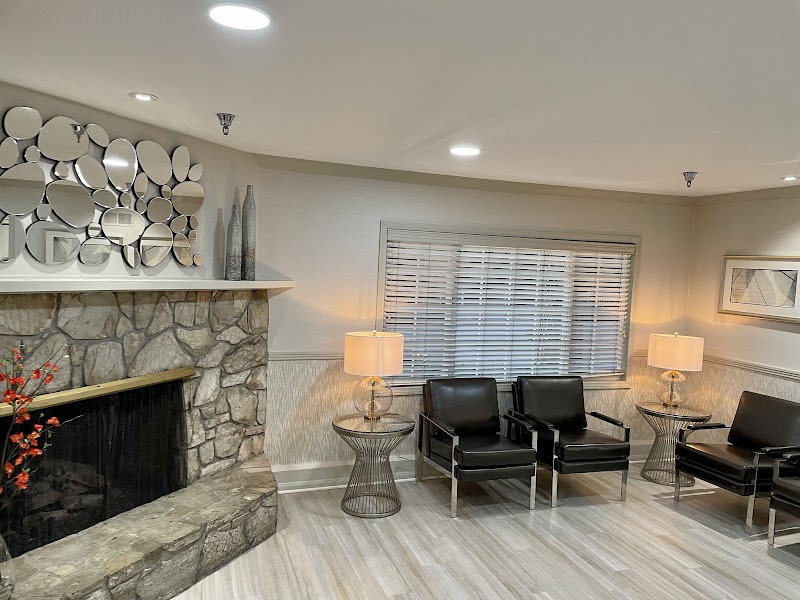
How is Whittier Pacific Staffed?

CMS rates WHITTIER PACIFIC CARE CENTER's staffing level at 2 out of 5 stars, which is below average compared to other nursing homes. Staff turnover is 44%, compared to the California average of 46%. This relatively stable workforce can support continuity of care.

What Have Inspectors Found at Whittier Pacific?

State health inspectors documented 76 deficiencies at WHITTIER PACIFIC CARE CENTER during 2022 to 2025. These included: 1 that caused actual resident harm, 72 with potential for harm, and 3 minor or isolated issues. Deficiencies causing actual harm indicate documented cases where residents experienced negative health consequences.
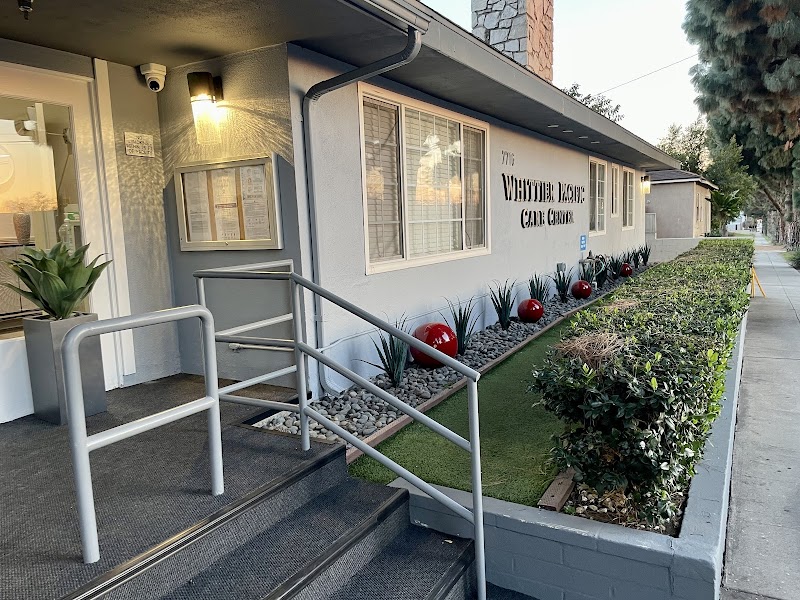
Who Owns and Operates Whittier Pacific?

WHITTIER PACIFIC CARE CENTER is owned by a for-profit company. For-profit facilities operate as businesses with obligations to shareholders or private owners. The facility is operated by LONGWOOD MANAGEMENT CORPORATION, a chain that manages multiple nursing homes. With 105 certified beds and approximately 98 residents (about 93% occupancy), it is a mid-sized facility located in WHITTIER, California.
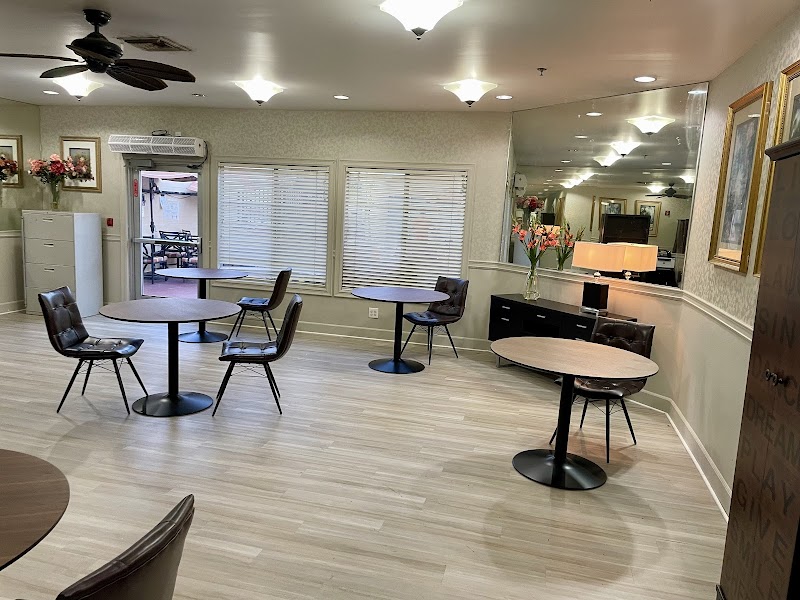
How Does Whittier Pacific Compare to Other California Nursing Homes?

Compared to the 100 nursing homes in California, WHITTIER PACIFIC CARE CENTER's overall rating (2 stars) is below the state average of 3.1, staff turnover (44%) is near the state average of 46%, and health inspection rating (2 stars) is below the national benchmark.

What Should Families Ask When Visiting Whittier Pacific?

Based on this facility's data, families visiting should ask: "Can you walk me through typical staffing levels on day, evening, and night shifts?" "Can I visit during a mealtime to observe dining assistance and food quality?" "How do you handle medical emergencies, and what is your hospital transfer rate?" "Can I speak with family members of current residents about their experience?" These questions are particularly relevant given the below-average staffing rating.

Is Whittier Pacific Safe?

Based on CMS inspection data, WHITTIER PACIFIC CARE CENTER has a clean safety record: no substantiated abuse findings (meaning no confirmed cases of resident harm), no Immediate Jeopardy citations (the most serious violation level indicating risk of serious injury or death), and is not on the Special Focus Facility watch list (a federal program monitoring the lowest-performing 1% of nursing homes). The facility has a 2-star overall rating and ranks #100 of 100 nursing homes in California. While no facility is perfect, families should still ask about staff-to-resident ratios and recent inspection results during their visit.

Do Nurses at Whittier Pacific Stick Around?

WHITTIER PACIFIC CARE CENTER has a staff turnover rate of 44%, which is about average for California nursing homes (state average: 46%). Moderate turnover is common in nursing homes, but families should still ask about staff tenure and how the facility maintains care continuity when employees leave.

Was Whittier Pacific Ever Fined?

WHITTIER PACIFIC CARE CENTER has no federal fines on record. CMS issues fines when nursing homes fail to meet care standards or don't correct problems found during inspections. The absence of fines suggests the facility has either maintained compliance or corrected any issues before penalties were assessed. This is a positive indicator, though families should still review recent inspection reports for the full picture.

Is Whittier Pacific on Any Federal Watch List?

WHITTIER PACIFIC CARE CENTER is not on any federal watch list. The most significant is the Special Focus Facility (SFF) program, which identifies the bottom 1% of nursing homes nationally based on persistent, serious quality problems. Not being on this list means the facility has avoided the pattern of deficiencies that triggers enhanced federal oversight. This is a positive indicator, though families should still review the facility's inspection history directly.