COTTONWOOD HEALTHCARE CENTER
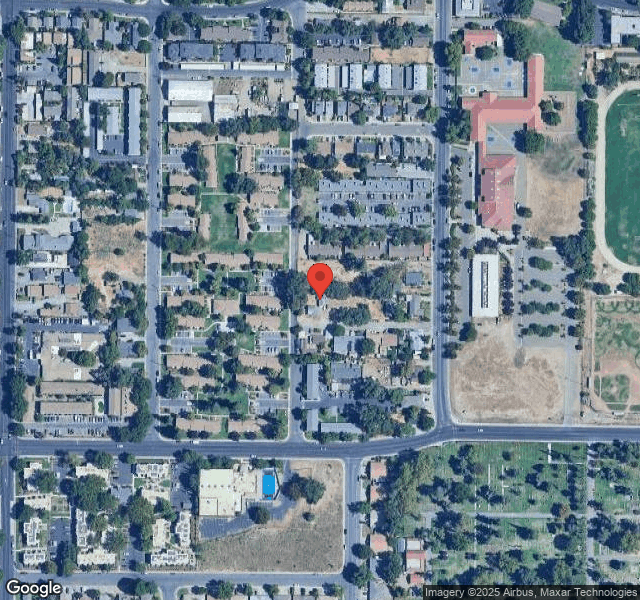

625 COTTONWOOD STREET, WOODLAND, CA 95695 (530) 662-9193
For profit - Limited Liability company 98 Beds ASPEN SKILLED HEALTHCARE Data: November 2025
Trust Grade
70/100
#319 of 1155 in CA
Last Inspection: July 2025

Inspected within the last 6 months. Data reflects current conditions.

Overview

Cottonwood Healthcare Center has a Trust Grade of B, indicating it is a good choice for families considering nursing home options. It ranks #319 out of 1,155 facilities in California, placing it in the top half of all state facilities, and is #2 out of 6 in Yolo County, meaning only one other local option is better. The facility is improving, with the number of identified issues decreasing from 16 in 2024 to 10 in 2025. Staffing is rated 4 out of 5 stars, with a 38% turnover rate, which is on par with the state average, ensuring that residents receive consistent care. Notably, there have been no fines, which is a positive sign of compliance. However, there are concerns to be aware of. Recent inspector findings revealed issues with maintaining residents' privacy, as meal tray tickets containing personal information were improperly discarded in a way that could expose sensitive data. Additionally, there were problems with medication management, including loose pills and improperly labeled or expired medications, which could impact resident safety. Overall, while Cottonwood Healthcare Center has strengths in staffing and compliance history, families should consider these specific weaknesses when making their decision.

Trust Score
B
70/100
In California
#319/1155
Top 27%
Safety Record
Low Risk
No red flags
Inspections
Getting Better
16 → 10 violations
Staff Stability
○ Average
38% turnover. Near California's 48% average. Typical for the industry.
Penalties
✓ Good
No fines on record. Clean compliance history, better than most California facilities.
Skilled Nurses
✓ Good
Each resident gets 42 minutes of Registered Nurse (RN) attention daily — more than average for California. RNs are trained to catch health problems early.
Violations
⚠ Watch
44 deficiencies on record. Higher than average. Multiple issues found across inspections.
★★★★☆
4.0
Overall Rating
★★★★☆
4.0
Staff Levels
★★★★★
5.0
Care Quality
★★★☆☆
3.0
Inspection Score
Stable
2024: 16 issues
2025: 10 issues

The Good

  • 4-Star Staffing Rating · Above-average nurse staffing levels
  • 5-Star Quality Measures · Strong clinical quality outcomes
  • Full Sprinkler Coverage · Fire safety systems throughout facility
  • No fines on record
  • Staff turnover below average (38%)

    10 points below California average of 48%

Facility shows strength in staffing levels, quality measures, fire safety.

The Bad

Staff Turnover: 38%

Near California avg (46%)

Typical for the industry

Chain: ASPEN SKILLED HEALTHCARE

Part of a multi-facility chain

Ask about local staffing decisions and management

The Ugly 44 deficiencies on record

Jul 2025 7 deficiencies
CONCERN (D)

Potential for Harm - no one hurt, but risky conditions existed

Deficiency F0697 (Tag F0697)

Could have caused harm · This affected 1 resident

Based on interview and record review, the facility failed to ensure two out of 25 sampled residents (Resident 110 and Resident 92) received appropriate pain management services consistent with profess...

Read full inspector narrative →
Based on interview and record review, the facility failed to ensure two out of 25 sampled residents (Resident 110 and Resident 92) received appropriate pain management services consistent with professional standards of practice, facility's policy and procedure (P&P), and physician's order when Resident 110 and Resident 92 pain medication orders were not consistently followed.This failure had the potential for Resident 110 and Resident 92 to develop medication dependence (the inability of the individual to function normally in the absence of the drug), overdose, not achieve pain relief, and not attain their highest practicable well-being.Findings:1a. A review of Resident 110's clinical record indicated Resident 110 was admitted July of 2025 and had diagnoses that included fracture (break in continuity of a bone) of left femur (thigh bone) and muscle weakness. A review of Resident 110's Minimum Data Set (MDS- a federally mandated resident assessment tool) Cognitive Patterns, dated 7/20/25, indicated Resident 110 had a Brief Interview for Mental Status (BIMS- a tool to assess cognition) score of 15 out of 15 which indicated Resident 110 had an intact cognition (mental process of acquiring knowledge and understanding).During an interview on 7/28/25 at 3:03 p.m. with Resident 110, in Resident 110's room, Resident 110 stated he has been experiencing pain and has been taking pain medications for it.A review of Resident 110's active physician's order, dated 7/16/25, indicated, Norco Tablet [a medication for pain which contains a combination of hydrocodone; a controlled pain medication, and Acetaminophen; a potent pain reliever] 5-325 MG [milligrams- unit of measurement] .Give 1 tablet by mouth every 4 hours as needed for Moderate pain 4-6/10 [numeric pain scale from 1 to 10; 1-3 is mild pain, 4-6 is moderate pain, 7-10 is severe pain] .A review of Resident 110's active physician's order, dated 7/16/25, indicated, Norco Tablet 5-325 MG . Give 2 tablet by mouth every 4 hours as needed for Severe pain 7-10/10 .A review of Resident 110's Care Plan Report, dated 7/22/25, indicated, Alteration in functional mobility and presence of pain related to .Fracture .Administer prescribed pain medication.A review of Resident 110's medication administration records (MAR- a daily documentation record used by a licensed nurse to document medications and treatments given to a resident) for the month of July 2025 indicated Resident 110 received 1 tablet of Norco which was indicated for moderate pain on the following occasion:7/18/25 at 11:20 a.m.- pain level was 8 (severe pain)A review of Resident 110's MAR for the month of July 2025 indicated Resident 110 received 2 tablets of Norco which was indicated for severe pain on the following occasion:7/29/25 at 2:37 a.m.- pain level was 6 (moderate pain)During a concurrent interview and record review on 7/29/25 at 1:04 p.m. with Licensed Nurse (LN) 3, Resident 110's clinical records were reviewed. LN 3 confirmed that Resident 110's pain medication orders were not consistently followed. LN 3 stated that nurses should follow the physician's order when administering pain medications.1b. A review of Resident 92's clinical record indicated Resident 92 was admitted June of 2023 and had diagnoses that included Parkinson's disease (a brain disorder that causes unintended or uncontrollable movements), diabetic polyneuropathy (a nerve damage condition resulting from high sugar levels in the blood often causing pain, numbness, and tingling), and muscle weakness. A review of Resident 92's MDS Cognitive Patterns, dated 5/19/25, indicated Resident 92 had a BIMS score of 15 out of 15 which indicated Resident 92 had an intact cognition. A review of Resident 68's MDS Health Conditions indicated Resident 92 received scheduled and as needed pain medications and non-medication intervention for pain. During an interview on 7/29/25 at 3:03 p.m. with Resident 92, in Resident 92's room, Resident 92 stated she has been taking pain medications for her pain.A review of Resident 92's active physician's order, dated 12/30/24, indicated, Norco Oral Tablet 5-325 MG . Give 1 tablet by mouth every 8 hours as needed for moderate to severe pain 4-10/10 .A review of Resident 92's Care Plan Report, dated 6/8/23, indicated, Alteration in comfort due to pain related to: .Chronic Physical Disability, Diabetic Neuropathy .Administer prescribed pain medicationA review of Resident 92's MAR for the month of June and July 2025 indicated Resident 92 received Norco which was indicated for moderate to severe pain on the following occasions:6/15/25 at 2:41 a.m.- pain level was 0 (No pain)7/26/25 at 7:18 p.m.- pain level was 0 (No pain)During a concurrent interview and record review on 7/29/25 at 1:04 p.m. with LN 3, Resident 92's clinical records were reviewed. LN 3 confirmed that Resident 92's pain medication order was not consistently followed. LN 3 stated that nurses should always follow the physician's order when administering pain medications.During an interview on 7/29/25 at 3:20 p.m. with the Director of Staff Development (DSD), the DSD stated that nurses should always follow the physician's parameters when administering pain medications to resident. The DSD also stated that it would be a risk for over-medication if a resident was given too strong medication. The DSD further stated that if a resident was administered too little medication, the resident would still be in pain. During an interview on 7/30/25 at 10:08 p.m. with the Director of Nursing (DON), the DON stated that pain medication should be given as ordered. The DON further stated that residents would be a risk for either ineffective pain management or risk for medication tolerance if the pain medication order is not followed. A review of the facility's policy and procedures titled, Administering Pain Medications, revised 10/2022, indicated, Preparation .1. Review the resident's care plan to assess any special needs of the resident . General Guideline .1. The pain management program is .based on professional standards of practice, the comprehensive care plan .Steps in the Procedure .6. Administer pain medications as ordered .A review of the facility's P&P titled, Administering Oral Medications, revised 10/2010, indicated, 1. Verify that there is a physician's medication order for this procedure .
CONCERN (D)

Potential for Harm - no one hurt, but risky conditions existed

Pharmacy Services (Tag F0755)

Could have caused harm · This affected 1 resident

Based on observation, interview, and record review the facility failed to ensure safe and effective pharmaceutical services for two out of 25 sampled residents (Resident 110 and Resident 92) when Resi...

Read full inspector narrative →
Based on observation, interview, and record review the facility failed to ensure safe and effective pharmaceutical services for two out of 25 sampled residents (Resident 110 and Resident 92) when Resident 110 and Resident 92's controlled drug (drug with potential for abuse) use and removal signed out from the Controlled Drug Record (CDR- a paper log of controlled drug removal for administration to resident) was not documented in their Medication Administration Record (MAR-a legal document that list administered drugs).This failed practice may contribute to unsafe medication use and handling, and risk of controlled drug diversion.Findings:1a. A review of Resident 110's clinical record indicated Resident 110 was admitted July of 2025 and had diagnoses that included fracture (break in continuity of a bone) of left femur (thigh bone) and muscle weakness. A review of Resident 110's Minimum Data Set (MDS- a federally mandated resident assessment tool) Cognitive Patterns, dated 7/20/25, indicated Resident 110 had a Brief Interview for Mental Status (BIMS- a tool to assess cognition) score of 15 out of 15 which indicated Resident 110 had an intact cognition (mental process of acquiring knowledge and understanding).A review of Resident 110's active physician's order, dated 7/16/25, indicated, Norco Tablet [a medication for pain which contains a combination of hydrocodone; a controlled pain medication, and Acetaminophen; a potent pain reliever] 5-325 MG [milligrams- unit of measurement] .Give 1 tablet by mouth every 4 hours as needed for Moderate pain 4-6/10 [numeric pain scale from 1 to 10; 1-3 is mild pain, 4-6 is moderate pain, 7-10 is severe pain] .A review of Resident 110's active physician's order, dated 7/16/25, indicated, Norco Tablet 5-325 MG . Give 2 tablet by mouth every 4 hours as needed for Severe pain 7-10/10 .A random audit of Resident 110's MAR and the CDR for Norco, for July 2025, indicated nursing staff did not document Norco administration on the MAR when signed out from CDR as follows: 2 tablets on 7/27/25 at 1 p.m., 2 tablets on 7/27/25 at 5 p.m., and 2 tablets on 7/27/25 at 9:04 p.m.During a concurrent interview and record review on 7/29/25 at 1:04 p.m. with Licensed Nurse (LN) 3, Resident 110's CDR and MAR were reviewed. LN 3 confirmed the finding of Norco being signed out of the CDR but was not accurately documented on the MAR on three occasions. LN 3 stated that Norco administration should be both signed out in the CDR and signed in the MAR for better records. 1b. A review of Resident 92's clinical record indicated Resident 92 was admitted June of 2023 and had diagnoses that included Parkinson's disease (a brain disorder that causes unintended or uncontrollable movements), diabetic polyneuropathy (a nerve damage condition resulting from high sugar levels in the blood often causing pain, numbness, and tingling), and muscle weakness. A review of Resident 92's MDS Cognitive Patterns, dated 5/19/25, indicated Resident 92 had a BIMS score of 15 out of 15 which indicated Resident 92 had an intact cognition.A review of Resident 92's active physician's order, dated 12/30/24, indicated, Norco Oral Tablet 5-325 MG . Give 1 tablet by mouth every 8 hours as needed for moderate to severe pain 4-10/10 .A random audit of Resident 92's MAR and the CDR for Norco, for July 2025, indicated nursing staff did not document Norco administration on the MAR when signed out from CDR as follows: 1 tablet on 7/16/25 at 12:30 p.m., and 1 tablet on 7/16/25 at 6 a.m.During a concurrent interview and record review on 7/29/25 at 1:04 p.m. with LN 3, Resident 92's CDR and MAR were reviewed. LN 3 confirmed the finding of Norco being signed out of the CDR but was not accurately documented on the MAR on two occasions. LN 3 stated that the Norco administration should have been signed on both CDR and MAR.During an interview on 7/29/25 at 3:20 p.m. with the Director of Staff Development (DSD), the DSD stated that nurses should always sign off the CDR and MAR when administering controlled medications. The DSD further stated there would be a risk for medication error or controlled drug diversion (unlawful channeling of regulated pharmaceuticals from legal sources to the illicit marketplace) if the CDR and MAR are not both signed.During an interview on 7/30/25 at 10:08 a.m. with the Director of Nursing (DON), the DON stated she would expect the nurse to sign both the CDR and MAR when administering controlled medications. The DON further stated that the process of administering controlled drug should be placing the narcotic medication in the cup, then signing the CDR, then administering the medication, and lastly signing the MAR.A review of the facility's policy and procedure (P&P) titled, Administering Pain Medications, revised 10/2022, indicated, Steps in the Procedure .6. Administer pain medications as ordered .Document the following in the resident's medical record: 1. Results of the pain assessment; 2. Medication; 3. Dose .Report other information in accordance with facility policy and professional standards of practice.A review of the facility's P&P titled, Administering Oral Medications, revised 10/2010, indicated, Steps in the Procedure .9. Prepare the correct dose of medication: .b. For narcotics. Check the narcotic record for the previous drug count and compare with the supply on hand. Report any discrepancies to the nurse supervisor .
CONCERN (D)

Potential for Harm - no one hurt, but risky conditions existed

Deficiency F0760 (Tag F0760)

Could have caused harm · This affected 1 resident

Based on observation, interview and record review, the facility failed to ensure two of 25 sampled residents (Resident 32 and Resident 27) was free from significant medication error when Resident 32 a...

Read full inspector narrative →
Based on observation, interview and record review, the facility failed to ensure two of 25 sampled residents (Resident 32 and Resident 27) was free from significant medication error when Resident 32 and Resident 27 did not receive their prescribed insulin (medication used to manage blood sugar level) in accordance with the physician's order and standards of practice.This failure has the potential to result in Resident 32 and Resident 27 experiencing hypoglycemia (too low blood sugar level) and other unnecessary insulin side effects which could negatively affect the resident's health.Findings:1. A review of Resident 32's clinical record indicated Resident 32 was admitted July of 2025 and had diagnoses that included diabetes mellitus (a chronic condition causing too much sugar in the blood) and muscle weakness.A review of Resident 32's physician's order, dated 7/21/25, indicated, Resident does not have the capacity to understand and sign admission agreement, to participate in plan of care, and to make health care decisions d/t [due to] Diagnosis of: Altered mental status .A review of Resident 32's physician's order, dated 7/22/25, indicated, Insulin Lispro [a fast-acting type of insulin used to manage high blood sugar] Injection Solution 100 UNIT/ML [unit/milliliters- unit of measurement] .Inject as per sliding scale [a method of managing blood sugar levels where insulin doses are adjusted based on current blood sugar reading]: .151 - 200 = 2 UNITS [unit of insulin measurement] .subcutaneously [under the skin] before meals related to TYPE 2 DIABETES MELLITUS [a chronic condition causing too much sugar in the blood] .During a medication administration observation which started on 7/27/25 at 12:01 p.m. with LN 5, Resident 32 had a blood sugar reading of 166 milligrams/deciliter (md/dl- unit of measurement) and LN 5 administered 2 units of insulin lispro to Resident 32.During a concurrent observation and interview on 7/27/25 at 1:12 p.m. with Certified Nurse Assistant (CNA) 2, in Resident 32's room, CNA 2 was observed delivering Resident 32 his lunch meal. CNA 2 confirmed that observation and stated Resident 32 needs total assistance with his meal so she would need to assist Resident 32 with his lunch meal after she delivers all the lunch meals to other residents.During a concurrent observation and interview on 7/27/25 at 1:21 p.m. with CNA 2, in Resident 32's room, CNA 2 started to assist Resident 32 with his lunch meal. CNA 2 confirmed the observation.During an interview on 7/27/25 at 2:59 p.m. with LN 5, LN 5 confirmed that Resident 32's insulin lispro was administered too early. LN 5 stated that Resident 32's insulin lispro should have been administered before meals as per the doctor's order. LN 5 stated he was not sure why the lunch meal was late for today2. A review of Resident 27's clinical record indicated Resident 27 was admitted June of 2024 and had diagnoses that included diabetes mellitus, need for assistance with personal care, and muscle weakness.A review of Resident 27's physician's order, dated 6/20/24, indicated, Resident has the capacity to understand and sign admission agreement, to participate in plan of care, and to make health care decisions. A review of Resident 27's physician's order, dated 3/4/25, indicated, Insulin Lispro Injection Solution 100 UNIT/ML . Inject 6 unit subcutaneously before meals related to TYPE 2 DIABETES MELLITUS .A review of Resident 27's physician's order, dated 3/4/25, indicated, Insulin Lispro Injection Solution 100 UNIT/ML . Inject as per sliding scale: .151 - 200 = 3 units .subcutaneously before meals related to TYPE 2 DIABETES MELLITUS .During a medication administration observation which started on 7/27/25 at 12:29 p.m. with LN 2, Resident 27 had a blood sugar reading of 167 mg/dl and LN 2 administered a total of 9 units of insulin lispro to Resident 27.During an interview on 7/27/25 at 1:09 p.m. with Resident 27, Resident 27 stated he has not eaten his lunch meal yet.During a concurrent observation and interview on 7/27/25 at 1:21 p.m. with CNA 3, in Resident 27's room, CNA 3 was observed delivering Resident 27's lunch meal. CNA 3 confirmed that observation.During an interview on 7/27/25 at 1:37 p.m. with LN 2, LN 2 confirmed that Resident 27's insulin lispro was administered too early. LN 2 stated that Resident 27's insulin lispro should have been administered before meals as per the doctor's order to prevent hypoglycemia.During an interview on 7/30/25 at 9:10 a.m. with the CP, the CP stated insulin lispro is a fast-acting insulin and the general rule is that it should be given 15 minutes before meals.During an interview on 7/30/25 at 10:08 a.m. with the DON, the DON stated she would expect nurses to follow the standard of practice in administering insulin lispro which is 15 minutes before meals.A review of the facility's P&P titled, Insulin Administration, revised 9/2014, indicated, 3. The type of insulin, dosage requirements, strength, and method of administration must be verified before administration, to assure that it corresponds with the order on the medication sheet and the physician's order .General Guidelines .Onset of action - how quickly the insulin reaches the bloodstream and begins to lower blood glucose .Type .Rapid-acting [fast- acting] .Onset .10-15 min [minutes] .A review of an online article from Drugs.com titled, How fast does insulin lispro work?, dated 6/16/25, indicated, Lispro starts working within 0 to 15 minutes of administration .Lispro can be given 15 minutes before a meal or with a meal . (https://www.drugs.com/medical-answers/fast-lispro-work-3544835/)
CONCERN (E)

Potential for Harm - no one hurt, but risky conditions existed

Unnecessary Medications (Tag F0759)

Could have caused harm · This affected multiple residents

Based on observation, interview, and record review the facility failed to ensure safe medication administration practices when the facility's medication error rate was more than 5% (percentage- number...

Read full inspector narrative →
Based on observation, interview, and record review the facility failed to ensure safe medication administration practices when the facility's medication error rate was more than 5% (percentage- number or ratio that expressed as a fraction of 100) for a resident census of 95. Medication administration observations were conducted over multiple days, at varied times, in random locations throughout the facility. The facility had a total of five errors out of 34 opportunities which resulted in a facility wide medication error rate of 14.71% in four out of 11 residents (Resident 34, 40, 32, and 27) observed for medication administration.These failures had the potential for unsafe and ineffective medication use of Resident 34, 40, 32, and 27 and had the potential to negatively affect the residents' medical conditions.Findings:1. During a medication administration observation which started on 7/27/25 at 10:01 a.m. with Licensed Nurse (LN) 2, LN 2 administered a total of three pills to Resident 34 which included 1 tablet of baclofen (a medication used to treat muscle spasms, cramping, and tightness) 5 mg (milligrams- unit of measurement) and 1 capsule of gabapentin (a medication used to treat nerve pain and muscle spasm) 300 mg.A review of Resident 34's active physician's order, dated 4/9/25, indicated, Baclofen Oral Tablet 5 MG (Baclofen) Give 1 tablet by mouth three times a day for Muscle Spasticity.A review of Resident 34's active physician's order, dated 4/9/25, indicated, Gabapentin Oral Capsule 300 MG (Gabapentin) Give 1 capsule by mouth two times a day for Neuropathy [nerve pain].A review of Resident 34's medication administration records (MAR- a daily documentation record used by a licensed nurse to document medications and treatments given to a resident) for the month of July 2025 indicated Resident 34's morning dose of baclofen and gabapentin were both scheduled at 8 a.m.During a concurrent interview and medication order review on 7/27/25 at 1:36 p.m. with LN 2, LN 2 acknowledged the observed medication administration of baclofen and gabapentin to Resident 34 which were two hours after the scheduled time. LN 2 stated she was aware that the medications aware were administered late. LN 2 also stated nurses are supposed to administer the medications an hour before or after the scheduled time. LN 2 further stated there was a risk for a delayed effect of the medications when it was administered late to Resident 34.2. During a medication administration observation which started on 7/28/25 at 9:47 a.m. with LN 4, LN 4 administered a total of six pills to Resident 40 which included 1 tablet of apixaban (a medication used to treat and prevent blood clots) 5 mg.A review of Resident 40's active physician's order, dated 5/8/25, indicated, Apixaban Oral Tablet 5 MG (Apixaban) Give 1 tablet by mouth two times a day related to OTHER PULMONARY EMBOLISM [blockage in one of the arteries in your lungs usually caused by a blood clot] .A review of Resident 40's MAR for the month of July 2025 indicated Resident 40's morning dose of apixaban was scheduled at 8 a.m.During a concurrent interview and medication order review on 7/29/25 at 9:51 a.m. with LN 4, LN 4 acknowledged the observed medication administration of apixaban to Resident 40 which was almost two hours after the scheduled time. LN 4 stated she was running late on administering the medications. LN 4 further stated Resident 40 would not be able to maintain the therapeutic level [the amount of the drug in the body that is considered to be effective in treating a condition] of the medication in the body if the medication was administered late.During an interview on 7/30/25 at 9:10 a.m. with the Consultant Pharmacist (CP), the CP stated nurses should give attention and follow the scheduled time of medication administration. The CP also stated nurses have a 1-hour window- before or after the scheduled time, to administer the medication and 2 hours was not acceptable.During an interview on 7/30/25 at 10:08 a.m. with the Director of Nursing (DON), the DON stated that scheduled medications should be administered either 1 hour before or after the scheduled time.Requested the facility's medication administration policies and procedures (P&P) discussing the timing of administering medications but none was provided.3. During a medication administration observation which started on 7/27/25 at 12:01 p.m. with LN 5, Resident 32 had a blood sugar reading of 166 milligrams/deciliter (md/dl- unit of measurement) and LN 5 administered 2 units (unit of insulin measurement) of insulin lispro (a fast-acting type of insulin used to manage high blood sugar) to Resident 32.A review of Resident 32's physician's order, dated 7/22/25, indicated, Insulin Lispro Injection Solution 100 UNIT/ML [milliliters- unit of measurement] (Insulin Lispro) Inject as per sliding scale [a method of managing blood sugar levels where insulin doses are adjusted based on current blood sugar reading]: .151 - 200 = 2 UNITS .subcutaneously [under the skin] before meals related to TYPE 2 DIABETESMELLITUS [a chronic condition causing too much sugar in the blood] .During an interview on 7/27/25 at 12:35 p.m. with Resident 32, Resident 32 stated he has not eaten yet and was still waiting for his lunch meal.During a concurrent observation and interview on 7/27/25 at 1:12 p.m. with Certified Nurse Assistant (CNA) 2, in Resident 32's room, CNA 2 was observed delivering Resident 32 his lunch meal. CNA 2 confirmed that observation and stated Resident 32 needs total assistance with his meal so she would need to assist Resident 32 with his lunch meal after she delivers all the lunch meals to other residents.During a concurrent observation and interview on 7/27/25 at 1:21 p.m. with CNA 2, in Resident 32's room, CNA 2 started to assist Resident 32 with his lunch meal. CNA 2 confirmed the observation.During an interview on 7/27/25 at 2:59 p.m. with LN 5, LN 5 confirmed that Resident 32's insulin lispro was administered too early. LN 5 stated that Resident 32's insulin lispro should have been administered before meals as per the doctor's order. LN 5 stated he was not sure why the lunch meal was late for today.4. During a medication administration observation which started on 7/27/25 at 12:29 p.m. with LN 2, Resident 27 had a blood sugar reading of 167 mg/dl and LN 2 administered a total of 9 units of insulin lispro to Resident 27.A review of Resident 27's physician's order, dated 3/4/25, indicated, Insulin Lispro Injection Solution 100 UNIT/ML . Inject 6 unit subcutaneously before meals related to TYPE 2 DIABETES MELLITUS .A review of Resident 27's physician's order, dated 3/4/25, indicated, Insulin Lispro Injection Solution 100 UNIT/ML . Inject as per sliding scale: .151 - 200 = 3 units .subcutaneously before meals related to TYPE 2 DIABETES MELLITUS .During an interview on 7/27/25 at 1:09 p.m. with Resident 27, Resident 27 stated he has not eaten his lunch meal yet.During a concurrent observation and interview on 7/27/25 at 1:21 p.m. with CNA 3, in Resident 27's room, CNA 3 was observed delivering Resident 27's lunch meal. CNA 3 confirmed that observation.During an interview on 7/27/25 at 1:37 p.m. with LN 2, LN 2 confirmed that Resident 27's insulin lispro was administered too early. LN 2 stated that Resident 27's insulin lispro should have been administered before meals as per the doctor's order to prevent hypoglycemia.During an interview on 7/30/25 at 9:10 a.m. with the CP, the CP stated insulin lispro is a fast-acting insulin and the general rule is that it should be given 15 minutes before meals.During an interview on 7/30/25 at 10:08 a.m. with the DON, the DON stated she would expect nurses to follow the standard of practice in administering insulin lispro which is 15 minutes before meals.A review of the facility's P&P titled, Insulin Administration, revised 9/2014, indicated, 3. The type of insulin, dosage requirements, strength, and method of administration must be verified before administration, to assure that it corresponds with the order on the medication sheet and the physician's order .General Guidelines .Onset of action - how quickly the insulin reaches the bloodstream and begins to lower blood glucose .Type .Rapid-acting [fast- acting] .Onset .10-15 min [minutes] .A review of an online article from Drugs.com titled, How fast does insulin lispro work?, dated 6/16/25, indicated, Lispro starts working within 0 to 15 minutes of administration .Lispro can be given 15 minutes before a meal or with a meal . (https://www.drugs.com/medical-answers/fast-lispro-work-3544835/)
CONCERN (E)

Potential for Harm - no one hurt, but risky conditions existed

Infection Control (Tag F0880)

Could have caused harm · This affected multiple residents

**NOTE- TERMS IN BRACKETS HAVE BEEN EDITED TO PROTECT CONFIDENTIALITY** Based on observation, interview, and record review, the facility failed to provide safe, sanitary care for a census of 95 when:R...

Read full inspector narrative →
**NOTE- TERMS IN BRACKETS HAVE BEEN EDITED TO PROTECT CONFIDENTIALITY** Based on observation, interview, and record review, the facility failed to provide safe, sanitary care for a census of 95 when:Resident 13's indwelling catheter (tube placed into the bladder to drain urine) drainage bag was uncovered and on the floor;Resident 19's nebulizer tubing was not changed every seven days; and Facility staff did not wear the required PPE when entering an isolation room. These failures increased the risk of infection. 1. Resident 13 was admitted to the facility early 2025 with diagnosis which included sepsis (life threatening complication of an infection), urinary calculus (mineral deposits that form in the urinary tract), and kidney infections. During a review of Resident 13's Order Summary Report [OSR], order date 7/25/25, the OSR indicated, Indwelling catheter .to bedside drainage .Left flank [side of a person's body between the ribs and hips] nephrostomy tube [thin tube placed into the kidney to drain urine] .). During a concurrent observation and interview on 7/27/25 at 10:39 a.m. in Resident 13's room with Licensed Nurse (LN1) of Resident 13. Resident 13 had an uncovered nephrostomy bag which hung from the bedrail, and an uncovered urinary catheter bag which was lying on the floor. LN1 confirmed the findings and stated catheters should not be touching the ground for infection control reasons and should be stored in a bag. During an interview on 7/29/25 at 3:45 p.m. with the Infection Preventionist (IP), the IP was shown a picture of Resident 13's catheter bag uncovered and touching the floor. The IP stated the catheter bag should not touch the floor because of cross contamination. During a review of the facility's policy and procedure (P&P) titled, URINARY CATHETER CARE, dated 3/21, the P&P indicated, The purpose of this procedure is to prevent catheter-associated urinary tract infections .be sure the catheter tubing and drainage bag are kept off the floor . 2. A review of Resident 19's clinical record indicated Resident 19 was admitted April of 2024 and had diagnoses that included dementia (memory loss that interferes with daily functions), chronic obstructive pulmonary disease (COPD- a chronic lung disease causing difficulty in breathing), and congestive heart failure (a serious condition in which the heart does not pump blood as efficiently as it should). A review of Resident 19's Minimum Data Set (MDS– a federally mandated resident assessment tool) Cognitive Patterns, dated 6/11/25, indicated Resident 19 had a Brief Interview for Mental Status (BIMS- a tool to assess cognition) score of 13 out of 15 which indicated Resident 19 had an intact cognition (mental process of acquiring knowledge and understanding). A review of Resident 19's active physician's order, dated 1/3/25, indicated, Ipratropium-Albuterol Solution [a combination medication used to treat difficulty breathing, chest tightness, and coughing] .inhale orally every 6 hours as needed for cough. During an observation on 7/27/25 at 8:37 a.m. in Resident 19's room, Resident 19's nebulizer face mask tubing was labelled 06/04. During a concurrent observation and interview on 7/27/25 at 10:28 a.m. with LN 2, in Resident 19's room, LN 2 confirmed that Resident 19's nebulizer face mask tubing was labelled 6/4 which was already more than 7 weeks. LN 2 stated nebulizer face mask tubing was supposed to be changed weekly for infection control. During an interview on 7/29/25 at 3:11 p.m. with the IP, the IP stated that the nebulizer face mask should be changed on a weekly basis to prevent respiratory infection. During an interview on 7/30/25 at 10:08 a.m. with the Director of Nursing (DON), the DON stated she would expect staff to change nebulizer face mask tubing weekly and as needed for infection control. A review of the facility's P&P titled, Administering Medications through a Small Volume (Handheld) Nebulizer, revised 10/2010, indicated, 30. Change equipment and tubing every seven days, or according to facility protocol. 3. During a concurrent observation and interview on 7/27/25 at 8:49 a.m., with LN 3, in front of room [ROOM NUMBER], room [ROOM NUMBER] has a signage posted on the wall on the left side of the door which indicated, STOP .CONTACT PRECAUTIONS .EVERYONE MUST: .PROVIDERS AND STAFF MUST ALSO: Put on gloves before room entry. Discard gloves before room exit .Put on gown before room entry. Discard gown before room exit . LN 3 confirmed the observation. LN 3 stated the resident in room [ROOM NUMBER] Bed A was on a contact isolation precaution because of VRE infection (Vancomycin-Resistant Enterococci infection- an infection resistant to some powerful antibiotics) on the wound and possible C-Diff infection (infection with bacteria that can cause severe diarrhea and inflammation of the bowel). During a concurrent observation and interview on 7/27/25 at 9:15 a.m. with Activities Staff (AS) 1, AS 1 went inside room [ROOM NUMBER] not wearing any gloves or gown. AS 1 confirmed the observation. AS 1 stated he was aware about the signage posted in front of the room but was told they only need to wear gloves and gown when going in contact with the Resident in bed A. During a concurrent observation and interview on 7/27/25 at 9:57 a.m. with Certified Nurse Assistant (CNA) 1, CNA 1 went inside room [ROOM NUMBER] not wearing any gloves or gown. CNA 1 confirmed the observation. CNA 1 stated she knows that a resident in the room was on contact isolation precaution. CNA 1 further stated they were told that they only need to wear gloves and gown when going in contact with the Resident in bed A. During an interview on 7/29/25 at 3:11 p.m. with the IP, the IP confirmed that the resident in room [ROOM NUMBER] Bed A was on a contact isolation precaution because of VRE infection on the wound and possible C-Diff infection. The IP stated that their practice in the facility was that staff would only wear the required PPE only when directly caring for the infected resident. A review of the facility's P&P titled, Isolation – Categories of Transmission-Based Precautions, revised 10/2018, indicated, Contact Precautions .4. Staff and visitors will wear gloves (clean, non-sterile) when entering the room .5. Staff and visitors will wear a disposable gown upon entering the room and remove before leaving the room and avoid touching potentially contaminated surfaces with clothing after gown is removed. A review of The Centers for Disease Control and Prevention (CDC- the national public health agency of the United States) online article titled, Implementation of Personal Protective Equipment (PPE) Use in Nursing Homes to Prevent Spread of Multidrug-resistant Organisms (MDROs), dated 4/2/24, indicated, Contact Precautions are intended to prevent transmission of infectious agents, like MDROs, that are spread by direct or indirect contact with the resident or the resident's environment. Contact Precautions require the use of gown and gloves on every entry into a resident's room . (https://www.cdc.gov/long-term-care-facilities/hcp/prevent-mdro/PPE.html#:~:text=Contact%20Precautions%20require%20the%20use,and%20Conditions%20of%20the%20guideline.)
CONCERN (F)

Potential for Harm - no one hurt, but risky conditions existed

Deficiency F0583 (Tag F0583)

Could have caused harm · This affected most or all residents

Based on observation, interview, and record review the facility failed to ensure residents' rights to personal privacy and confidentiality of his or her personal medical information, when meal tray ti...

Read full inspector narrative →
Based on observation, interview, and record review the facility failed to ensure residents' rights to personal privacy and confidentiality of his or her personal medical information, when meal tray tickets were found thrown into the general trash. This had the potential to compromise resident privacy and confidentiality for the 95 residents residing in the facility.During a concurrent observation and interview on 7/27/25, at 9:13 a.m., with the Dietary Aide (DA) in the kitchen, DA was observed throwing away residents' meal tickets into a garbage can. DA stated meal tickets that are left on meal trays are thrown into the kitchen garbage can and the garbage can is then later emptied into the outside garbage bin. DA confirmed the meal tickets contained resident's names and diet information and that anyone can access them after the meal tickets are dumped into the outside garbage bins. During an interview on 7/27/25, at 10:23 a.m., with the Dietary Supervisor (DS), the DS stated the expectation was for staff to remove meal tickets from the meal trays and collect them in the DS's office for the DS to later shred. The DS confirmed the meal tickets contained resident's names and diet orders, and if they are leaked or dumped outside, the personal information will be exposed to the public. During a review of the facility's document titled, Resident [NAME] of Rights, undated, indicated, Patients shall have the right:.confidential treatment of financial and health records and to approve or refuse their release, except as authorized by law.
CONCERN (F)

Potential for Harm - no one hurt, but risky conditions existed

Deficiency F0761 (Tag F0761)

Could have caused harm · This affected most or all residents

Based on observation, interview, and record review, the facility failed to ensure medications were properly labeled and stored in accordance with the facility's policies and procedures (P&P), and acce...

Read full inspector narrative →
Based on observation, interview, and record review, the facility failed to ensure medications were properly labeled and stored in accordance with the facility's policies and procedures (P&P), and accepted professional principles for a census of 95 when:1. A total of 5 loose pills were found in medication cart 4;2. An opened Polymyxin B-tmp eye drop (an eye drop used to treat bacterial eye infections), an opened Incruse Ellipta inhaler (a medication used to treat airflow obstruction in adults), and an opened Symbicort inhaler (a medication used to treat breathing difficulty) had no opened date label; and,3. A used Latanoprost eye drop (a prescription medication used to manage elevated eye pressure) was not discarded after 28 days.These failures had the potential for diversion of the loose medications, and for residents to receive medication that was expired or with unsafe or reduced potency.1. During a concurrent observation and interview which started on 7/27/25 at 3:13 p.m. with Licensed Nurse (LN) 6, of medication cart 4, a total of five loose pills were found inside the second and third-right drawer of the medication cart. LN 6 confirmed the observation. LN 6 stated there should not be loose pills inside a medication cart because staff would not know what medication those are anymore.During an interview on 7/30/25 at 9:10 a.m. with the Consultant Pharmacist (CP), the CP stated it's not acceptable to have any loose pills inside the medication carts because loose tablets should not be reused, and the medication cart should be kept clean.During an interview on 7/30/25 at 10:08 a.m. with the Director of Nursing (DON), the DON stated that loose pills inside the medication carts should not be allowed because of safety concerns for residents. A review of the facility's P&P titled, Administering Oral Medications, revised 10/2010, indicated, Steps in the Procedure .5. Select the drug from the unit dose drawer or stock supply. 6. Check the label on the medication and confirm the medication name and dose with the MAR [medication administration record]. 7. Check the expiration date on the medication. Return any expired medications to the pharmacy .2. During a concurrent observation and interview which started on 7/27/25 at 3:13 p.m. with LN 6, of medication cart 4, an opened Polymyxin B-tmp eye drop, an opened Incruse Ellipta inhaler, and an opened Symbicort inhaler were found with no opened date label. LN 6 confirmed the observation. LN 6 stated the eye drop and inhalers should have been labeled with the opened date so staff would know when to discard it.During an interview on 7/30/25 at 9:10 a.m. with the CP, the CP stated staff should label the eye drop and inhalers with the medications' open date, so they know when to discard it. The CP further stated there would be a risk for the medications to be administered after the discard date if it was not labelled with the opened date.During an interview on 7/30/25 at 10:08 a.m. with the DON, the DON stated she would expect opened eye drops and opened inhalers should be labelled with the open date so nurses would know when to dispose the medication properly.A review of the Polymyxin B-tmp eye drop label indicated, .DISCARD UNUSED PORTION AFTER 28 DAYS ., and the area dedicated for the date it was opened was left blank.A review of the facility document titled. Guide for Special Handling of Medications, dated 1/2024, indicated, .Incruse Ellipta .Date when foil tray is opened and discard after 6 weeks or when the counter reads 0, whichever comes first. A review of the facility document titled. Guide for Special Handling of Medications, dated 1/2024, indicated, .Symbicort Inhalation .Date after opening the foil pouch and discard after 3 months or when the dose counter reads 0, whichever comes first. 3. During a concurrent observation and interview which started on 7/27/25 at 3:13 p.m. with LN 6, of medication cart 4, a used Latanoprost eye drop with an opened date of 6/25/25 was found stored in the medication cart. LN 6 confirmed the observation. LN 6 stated the eye drop should have been discarded. LN 6 further stated an eye drop passed the discard date would be less effective and would not achieve the full effect of the medication.During an interview on 7/30/25 at 9:10 a.m. with the CP, the CP stated the used eye drop with an opened date of 6/25/25 should have been discarded after 28 days.During an interview on 7/30/25 at 10:08 a.m. with the DON, the DON stated she would expect that used eye drops passed 28 days should have been discarded. The DON further stated the resident may have gotten expired medication and that was not the facility's protocol.A review of the Latanoprost eye drop label indicated, .DATE OPENED: 6/25/25 .DISCARD UNUSED PORTION AFTER 28 DAYS .
Feb 2025 3 deficiencies
CONCERN (D) 📢 Someone Reported This

A family member, employee, or ombudsman was alarmed enough to file a formal complaint

Potential for Harm - no one hurt, but risky conditions existed

Deficiency F0658 (Tag F0658)

Could have caused harm · This affected 1 resident

Based on interview and record review, the facility failed to ensure services were provided to meet professional standards of quality for one of eight sampled residents (Resident 1) when Resident 1's p...

Read full inspector narrative →
Based on interview and record review, the facility failed to ensure services were provided to meet professional standards of quality for one of eight sampled residents (Resident 1) when Resident 1's physician was not informed of a medication that was not available and not administered as prescribed. This failure had the potential to put Resident 1's health and safety at risk. Findings: A review of the admission record indicated Resident 1 was admitted with multiple diagnoses including encephalopathy (brain function is impaired), and pneumonia (an infection/inflammation in the lungs) due to pseudomonas (group of bacteria commonly found in soil and water). A review of Resident 1's Order Summary Report dated 4/15/24 indicated, Dornase Alfa [medication that thins mucus] Inhalation Solution 2.5 MG [milligram, unit of measurement]/2.5ML [milliliter] .2.5 ml inhale orally two times a day for Pneumonia . A review of Resident 1's Medication Administration Record (MAR, a daily documentation record used by a licensed nurse to document medications and treatments given to a resident) for April 2024 indicated Dornase Alfa was scheduled for administration at 9 a.m. and 5 p.m. The MAR indicated there were nine times (9 x) the administration was marked as 9 for this medication. The code 9 indicated other/see progress notes. The medication code 9 was marked twice on 4/16, twice on 4/17, twice on 4/19, twice on 4/20, and one time on 4/23. A review of Resident 1's administration notes for Dornase Alfa indicated the following: -on 4/16/24 at 10:31 a.m., the note indicated, med [medication] not delivered this shift; -on 4/16/24 at 17:07 (5:07 p.m.), the note indicated the name, dose and indication of use for said medication. The note did not indicate if the medication was delivered or administered; -on 4/17/24 at 8:52 a.m., the note indicated, on order; -on 4/17/24 at 18:32 (6:32 p.m.), the note indicated, N/A [not available]; -on 4/19/24 at 9:43 a.m., the note indicated, ordered; -on 4/19/24 at 1700 (5 p.m.), there was no administration note; -on 4/20/24 at 8:06 a.m., the note indicated, medication not available; -on 4/20/24 at 16:23 (4:23 p.m.), the note indicated, ordered to pharmacy; -on 4/20/24 at 23:06 (11:06 p.m.), the note indicated, unavailable; and, -on 4/23/24 at 19:44 (7:44 p.m.), the note indicated, LOA [leave of absence] sent to [name of hospital] for eye exam. There was no documented evidence in Resident 1's clinical records of physician notification of the medication not available for administration. In a concurrent interview and record review on 2/20/25 at 3:10 p.m., the Director of Nursing (DON) confirmed Resident 1's Dornase was not given nine times for April. The DON further confirmed there was no documented evidence the physician was informed of Resident 1's medication not administered as ordered. The DON stated her expectation was for licensed nurses to have notified the physician right then if medication was not available for Resident 1. A review of the facility's policy & procedure (P & P) revised December 2012 and titled, Administering Medications indicated, Medications shall be administered in a safe and timely manner, and as prescribed .Medications must be administered in accordance with the orders, including any required time frame. A review of the facility's P & P effective April 2008 and titled, MEDICATION ORDERS indicated, .The prescriber is contacted for direction when the medication will not be available.
CONCERN (D) 📢 Someone Reported This

A family member, employee, or ombudsman was alarmed enough to file a formal complaint

Potential for Harm - no one hurt, but risky conditions existed

Infection Control (Tag F0880)

Could have caused harm · This affected 1 resident

**NOTE- TERMS IN BRACKETS HAVE BEEN EDITED TO PROTECT CONFIDENTIALITY** Based on observation, interview, and record review, the facility failed to follow and maintain an effective infection prevention...

Read full inspector narrative →
**NOTE- TERMS IN BRACKETS HAVE BEEN EDITED TO PROTECT CONFIDENTIALITY** Based on observation, interview, and record review, the facility failed to follow and maintain an effective infection prevention and control program for 1 of 8 sampled residents (Resident 3) when Resident 3's nasal cannula (a small plastic tube, which fits into the person's nostrils for providing supplemental oxygen) was observed on the side of the bed, uncovered and undated when not in use. This failure increased the risk for cross-contamination (movement or transfer of harmful bacteria from one person, object, or place to another). Findings: A review of the admission record indicated Resident 3 was initially admitted [DATE] with multiple diagnoses including congestive heart failure (a heart disorder which causes the heart to not pump the blood efficiently) and diagnosed early this year with acute respiratory failure with hypoxia (lungs unable to adequately exchange oxygen, leading to low level of oxygen in the blood). A review of Resident 3's Brief Interview for Mental Status (BIMS, an assessment tool used by facilities to screen and identify memory, orientation, and judgement status of the resident) dated 1/23/25 indicated resident was cognitively intact. A review of Resident 3's physician order dated 11/25/24 indicated, Oxygen via nasal cannula at 2 Liters/minute if oxygen saturation (used to assess effectiveness of oxygen therapy) less than 90% or for shortness of breath. A concurrent observation and interview was conducted on 2/20/25 at 10:44 a.m., inside Resident 3's room. The nasal cannula attached to an oxygen tubing was in between the side rail and the mattress. Resident 3 stated he was using oxygen once in a while and he had used oxygen 2 days ago. Resident 3 stated the nasal cannula should be in a clear bag. A concurrent observation and interview was conducted on 2/20/25 at 11:03 a.m. with the Licensed Nurse (LN) inside Resident 3's room. The LN confirmed Resident 3's nasal cannula was on the side of the bed. The LN stated the nasal cannula should be in a plastic bag to prevent contamination. The LN further stated the oxygen tubing was changed every week by night shift. The LN was unable to locate the date on the tubing. In an interview on 2/20/25 at 3 p.m., the Director of Nursing (DON) stated her expectation was for the nasal cannula to be dated and placed in a plastic bag when not in use. The DON further stated this was a potential for infections. A review of the facility's policy & procedure effective 11/15/2023 and titled, Respiratory Therapy - Prevention of Infection indicated, The purpose of this procedure is to guide prevention of infection associated with respiratory therapy tasks and equipment .among residents and staff .Change the oxygen cannulae and tubing every seven (7) days, or as needed .Keep the oxygen cannulae and tubing used PRN [as needed] in a plastic bag when not in use.
CONCERN (D) 📢 Someone Reported This

A family member, employee, or ombudsman was alarmed enough to file a formal complaint

Potential for Harm - no one hurt, but risky conditions existed

Deficiency F0919 (Tag F0919)

Could have caused harm · This affected 1 resident

**NOTE- TERMS IN BRACKETS HAVE BEEN EDITED TO PROTECT CONFIDENTIALITY** Based on observation, interview, and record review, the facility failed to ensure a call light (a device used by a resident to s...

Read full inspector narrative →
**NOTE- TERMS IN BRACKETS HAVE BEEN EDITED TO PROTECT CONFIDENTIALITY** Based on observation, interview, and record review, the facility failed to ensure a call light (a device used by a resident to signal the need for help) was accessible for 1 of 8 sampled residents (Resident 2) when Resident 2 was not physically able to use the call light provided when it was out of reach. This failure had the potential to result in unmet resident needs and delayed staff response. Findings: A review of the admission record indicated Resident 2 was admitted [DATE] with multiple diagnoses including encounter for orthopedic aftercare following surgical amputation (a procedure to remove a body part) and acquired absence of left foot (loss due to surgery). A review of Resident 2's Brief Interview for Mental Status (BIMS, an assessment tool used by facilities to screen and identify memory, orientation, and judgement status of the resident) score of 9 out of 15 indicated Resident 2 had moderate cognitive impairment. Resident 2's functional abilities dated 1/7/25 indicated he required both substantial/maximal assistance (staff does more than half of the effort for mobility needs) and partial/moderate assistance (staff provides less than half of the effort for mobility needs). A review of Resident 2's care plan dated 12/25/24 indicated, Self care deficit as evidenced by requiring assistance or is dependent in lower body dressing, oral hygiene, personal hygiene. putting on/taking off footwear, shower/bathe self, toileting hygiene, and upper body dressing. During an observation on 2/20/25 at 9:43 a.m., Resident 2 was calling the attention of State surveyor by pointing with his left index finger. In a follow-up observation and interview on 2/20/25 at 9:46 a.m., Resident 2 was lying in bed and his call button was on the floor underneath his bed. Resident 2 stated when he needs help he press the call button. Resident 2 further stated, it's around here, someplace and he had been looking for it for 2-3 days. A concurrent observation and interview was conducted on 2/20/25 at 9:51 a.m. inside Resident 2's room with the Director of Nursing (DON). The DON confirmed Resident 2's call button was on the floor. The DON stated the call button should not be on the floor. An interview was conducted on 2/20/25 at 9:53 a.m. with the Certified Nursing Assistant (CNA) inside Resident 2's room. The CNA stated she normally clips the call button in the blanket. The CNA further stated Resident 2 was constantly moving and she repositioned resident an hour ago. In a follow-up interview on 2/20/25 at 3:02 p.m., the DON stated her expectation was for call lights to be placed within reach at all times when resident is in the room. The DON confirmed Resident 2 will not be able to reach the call light when it was on the floor. A review of the facility's policy and procedure revised 12/2023 and titled, CALL LIGHT ANSWERING indicated, It is the policy of this facility to provide the resident a means of communication with nursing staff .Place the call device within resident's reach before leaving the room .The nursing staff will check the placement of the call light during care.
Dec 2024 1 deficiency
CONCERN (D) 📢 Someone Reported This

A family member, employee, or ombudsman was alarmed enough to file a formal complaint

Potential for Harm - no one hurt, but risky conditions existed

Accident Prevention (Tag F0689)

Could have caused harm · This affected 1 resident

**NOTE- TERMS IN BRACKETS HAVE BEEN EDITED TO PROTECT CONFIDENTIALITY** Based on interview and record review, the facility failed to protect the resident ' s right to be free from physical abuse for o...

Read full inspector narrative →
**NOTE- TERMS IN BRACKETS HAVE BEEN EDITED TO PROTECT CONFIDENTIALITY** Based on interview and record review, the facility failed to protect the resident ' s right to be free from physical abuse for one of three sampled residents (Resident 1) when Resident 2 hit the leg and grabbed the arm of Resident 1. This failure resulted in an injury to Resident 1 ' s left arm. Findings: Resident 1 was admitted to the facility late 2023 with diagnoses which included heart failure and anxiety disorder. During a review of Resident 1 ' s Minimum Data Set (MDS, an assessment tool) dated 11/27/24, the MDS indicated a Brief Interview for Mental Status (BIMS, a standardized test that screens for cognitive impairment) score of 14/15, which showed intact cognition. Resident 2 was admitted to the facility late 2024 with diagnoses which included stroke, depression, and communication difficulty caused by a cognitive impairment . During a review of Resident 2 ' s MDS dated [DATE], the MDS indicated a BIMS score of 6/15, which showed severe cognitive impairment. During a review of Resident 1 ' s SBAR [Situation, Background, Appearance, Review and Notify] Communication Form, dated 12/15/24 at 9p.m., the SBAR indicated, [Resident 1] with an altercation with another resident .[Resident 1] with an abrasion to left lower arm. During a review of Resident 2 ' s SBAR Communication Form, dated 12/15/24 at 9p.m., the SBAR indicated, [Resident 2] was observed striking [Resident 1] on his arm and legs. During a review of Resident 1 ' s Progress Notes [PN] Type: IDT [Interdisciplinary Team], dated 12/16/24 at 10:30 a.m., the PN noted indicated, On 12/15/24 at [8 p.m.] , staff heard resident yelling out, when staff went into the room, [Resident 2] was observed striking [Resident 1] on his arms and legs .Abrasion noted to left forearm . During a review of Resident 1 ' s Order Summary Report [OSR], order date 12/17/24, the OSR indicated, Monitor abrasion to left forearm for s/s [signs and symptoms] of infection . During an interview on 12/30/24 at 10:52 a.m. with Resident 1 in his bedroom, Resident 1 was asked about the incident with Resident 2. Resident 1 stated, My bruise is gone now .He [Resident 2] came into my room and wouldn ' t leave .He was yelling at me .he came over to my bed and grabbed my arm and jerked me up out of the bed .The nurses came in .He grabbed my left wrist, it was bruised up, he punched me in the leg in front of the nurses .My arm was sore . During a phone interview on 12/30/24 at 11:59 a.m. with Licensed Nurse (LN1), LN1 stated, .I heard a patient yelling for help. [Resident 2] was in [Resident 1 ' s] room and he [Resident 2] was leaning over the bed. [Resident 1] was in bed and said [Resident 2] hit him. I saw [Resident 2] slap [Resident 1 ' s] legs and he was acting like he was going to hit him. He [Resident 2] was extremely hard to re-direct. We separated them. [Resident 2] kept lunging at [Resident 1] .We assessed [Resident 1]; he had redness on his arm . During an interview on 12/30/24 at 1:03 p.m. with the Director of Nursing (DON), the DON stated, Residents have the right to be free from any form of abuse. During a review of the facility ' s policy and procedure (P&P) titled, Resident-to-Resident Altercation, dated 11/22, the P&P indicated, .Resident-to-Resident physical altercations that must be reported include, any willful action that results in physical injury .Willful actions include .Hitting, Slapping .
Nov 2024 1 deficiency
CONCERN (D) 📢 Someone Reported This

A family member, employee, or ombudsman was alarmed enough to file a formal complaint

Potential for Harm - no one hurt, but risky conditions existed

Resident Rights (Tag F0550)

Could have caused harm · This affected 1 resident

**NOTE- TERMS IN BRACKETS HAVE BEEN EDITED TO PROTECT CONFIDENTIALITY** Based on interviews, clinical record review, and facility documents review, the facility failed to ensure one of three Residents...

Read full inspector narrative →
**NOTE- TERMS IN BRACKETS HAVE BEEN EDITED TO PROTECT CONFIDENTIALITY** Based on interviews, clinical record review, and facility documents review, the facility failed to ensure one of three Residents (Resident 1) was treated with dignity and respect when Certified Nursing Assistant (CNA) 1 raised her voice and cussed at Resident 1. This failure resulted in Resident 1 feeling scared. Findings: Resident 1 was admitted to the facility on [DATE]. During a review Resident 1 ' s Quarterly Minimum Data Set (MDS-an assessment tool), dated 10/20/24, described Resident 1 as having clear speech, able to make herself understood and as able to understand others. Resident 1 ' s BIMS (a brief screening that aids in detecting cognitive impairment) score was 15 which indicated she was cognitively intact. The MDS described Resident 1 as having no signs or symptoms of delirium or behavioral symptoms. During a review of Resident 1 ' s Progress Notes, dated 11/18/24 at 10:39 a.m., it Was reported to the DON [Director of Nursing] at 0815 11/18/24, by the resident that on 11/16/24 during lunchtime when the dining room only had a handful of residents that the resident (Resident 1) and C.N.A. (CNA 1) got into a verbal altercation. Resident was talking to another resident and was encouraging her to eat, when the C.N.A. told her to mind her own business and that the resident was fine. [Resident 1] continued to encourage resident in Spanish. [Resident 1] and another resident were at a different table discussing the other resident's upcoming Surgery when the CNA turned around and started to curse at her, [Resident 1] then told her that she was talking to the other resident to give her reassurance for her upcoming surgery, and she wasn't saying anything. CNA was feeding another resident at a different table when event happened. Per resident they argued back in forth for a few minutes when another staff member came in and the CNA left the room. During an interview on 11/25/24 at 9:52 a.m. with Resident 2, she stated the incident it was so upsetting and didn ' t want to be interviewed regarding what she witnessed or heard. Resident 2 stated she gave her statement to [DON]. During a review of the facility ' s interview with Resident 2, dated 11/21/24, regarding the incident on 11/18/24 during the lunch meal. Resident 2 stated, I was having a conversation with [Resident 1] regarding my upcoming surgery. [Resident 1] was trying to reassure me, and I was worried about managing my pain after surgery. We did notice a resident spilling food on herself, and I mentioned that she was dropping food on herself. [Resident 1] went and was trying to help the other resident and came back to our table and started to talk to me. [CNA 1] did start cussing at [Resdient1] and did use the F word, but I don't remember how she used it. I do remember that she did tell [Resident 1] if you don't like it here you can leave. The nurse then came in and [Resident 1] and I continued our discussion. During a review of the facility ' s interview with Resident 3, dated 11/18/24, regarding the incident on 11/16/24 during the lunch meal. Resident 3 stated, I was in the back dining room being assisted with lunch by [CNA 1] when she stopped feeding me and started to yell out to [Resident 1] telling her to shut her fucking mouth and to quit talking shit. [Resident 1] continued to antagonize and yell and curse at [CNA 1] . During an interview on 11/25/24 at 9:44 a.m. with Resident 3, she stated she was in the dining room eating her lunch, she was being fed by CNA 1. Res 1 started talking bad about the place (facility). CNA 1 starting cussing at Resident 1. Resident 3 was asked how this made her feel when CNA 1 stopped feeding her and started having words with other the resident. Resident 3 stated she was thinking just feed me and don ' t worry about Resident 1 was saying. During a telephone interview on 12/2/24 at 3:21 p.m. with Resident 1, she stated they were in the dining room and CNA 1 was feeding one of the residents their lunch. Resident 1 and another resident were sitting there talking about how the resident was going to have surgery. Resident 1 said she and the other resident (Resident 2) were talking about her aftercare and all that and how she was scared because she felt like she was not going to be taken care of properly. We were talking about different issues that happened here throughout the facility, it was mostly about her aftercare. Then all of a sudden, CNA (1) turns around in her seat and says, Are you going to be talking fucking shit all day? or something like that. Resident 1 said she said something like, Excuse me, are you talking to me? CNA (1) says, Yeah. CNA 1 said to me, you've been fucking talking shit about this fucking place and about how this fucking place is garbage and this and that and how administration is garbage. And I said, Wait a minute. Well, first of all, you are interfering in a conversation that is none of your business. I told the CNA that her name was not brought into this. I told her to get your facts straight and that we were talking about general stuff that happens around different facilities and that people don't get taken care of. I told her to mind her own business. She (CNA 1) started going off and she said nobody even fucking wants you here. She said you got such a fucking foul mouth, but she was the one cussing at me. She just kept going on and on and then I told her I didn ' t want to talk to her and for her to mind her own business. She was like, no, and started going off and we started going at it and then a nurse and another CNA rushed in. Resident 1 was asked how this made her feel when CNA 1 started yelling and cussing at her. Resident 1 stated, Like she was going to get up and come over .and I was just scared if she was going to do that or not .because of the way she cussed me out, you know. I was scared. I'm in a wheelchair and she is tall. During a review of the facility ' s policy and procedure (P&P) titled, Resident Rights revised 8/2022 indicated, Facility staff shall treat all residents with kindness, respect, and dignity.
Aug 2024 13 deficiencies
CONCERN (D)

Potential for Harm - no one hurt, but risky conditions existed

Assessment Accuracy (Tag F0641)

Could have caused harm · This affected 1 resident

**NOTE- TERMS IN BRACKETS HAVE BEEN EDITED TO PROTECT CONFIDENTIALITY** 2. A review of admission Record indicated Resident 79 was admitted in May 2024 with diagnoses including End Stage Renal Disease ...

Read full inspector narrative →
**NOTE- TERMS IN BRACKETS HAVE BEEN EDITED TO PROTECT CONFIDENTIALITY** 2. A review of admission Record indicated Resident 79 was admitted in May 2024 with diagnoses including End Stage Renal Disease (Kidneys stopped working) and Dependence on Hemodialysis (life sustained through hemodialysis). During an observation on 8/13/24 at 09:44 a.m. with LN 6, Resident 79 was observed with a hemodialysis catheter at right chest with two lumens (channels) and covered with clean dressing. During a review of Resident 79's Physician's Orders, dated 5/21/2024 indicated, an order of hemodialysis three times a week on Tuesday, Thursday, and Saturday, and orders changed on 6/6/2024 to hemodialysis on Monday, Wednesday, and Friday. During a review of Resident 79's MDS, dated [DATE], the MDS indicated, Resident 79 was not receiving hemodialysis. During a concurrent interview and record review on 8/14/2024 at 2:45 p.m. with MDSC, Resident 79's MDS, dated [DATE], was reviewed. The MDS indicated Resident 79 was not receiving hemodialysis. The MDSC agreed for inaccurate assessment and stated Resident 79 might have missed care and treatment regarding hemodialysis. During an interview on 6/14/24 at 3:05 p.m. with DON, the DON stated staff should have maintained accurate assessment records and followed the facility policy. A review of the facility's policy titled, Certifying Accuracy of the Resident Assessment, dated 12/09, indicated All personnel who complete any portion of the Resident Assessment (MDS) must sign and certify the accuracy of that portion of the assessment. Based on interview and record review, the facility failed to accurately assess two of 19 sampled residents (Resident 9 and Resident 79), when: 1. Resident 9's Minimum Data Set (MDS; an assessment tool) indicated he had no behaviors; and, 2. Resident 79's MDS was found inaccurate for hemodialysis (a procedure to filter waste products and extra fluid from blood when kidneys fail). These failures decreased the facility's potential to identify residents' care needs. Findings: 1. A review of Resident 9's admission Record, indicated Resident 9 was admitted to the facility on [DATE] with diagnoses including dementia (a syndrome that causes a decline in cognitive abilities, such as thinking, remembering, and making decisions, that can interfere with daily activities), bipolar disorder (a mental health condition that affects a person's mood, energy, thoughts, and ability to focus), and mood disorder. A review of Resident 9's Order Listing Report, dated 8/13/24, indicated Resident 9 was receiving 50 milligrams (a unit of measure) of quetiapine (an antipsychotic medication used for bipolar disorder and depression) for mood disorder and staff were to monitor Resident 9's psychotic behaviors manifested by mood swings and angry outbursts and record any episodes of resisting care as evidenced by refusing activities of daily living (ADLs). A review of Resident 9's MDS, dated [DATE], indicated Resident 9 had no behavioral symptoms and did not reject care such as ADLs. A review of Resident 9's Interdisciplinary [IDT] Notes, dated 11/10/23, indicated Resident 9 was on quetiapine for mood disorder due to known physiological condition manifested by attempts to hit staff and had 27 behavioral episodes in 9/23 and 80 episodes in 10/23. A review of Resident 9's Medication Administration Records [MARs], dated 4/24 and 5/24, indicated Resident 9 had 125 episodes of resisting care as evidenced by refusing ADLs in 4/24 and 51 episodes between 5/1/24 and 5/9/24. A review of Resident 9's Care Plan, dated 8/12/24, indicated Resident 9 had episodes of behavior disturbance manifested by verbal abuse towards staff/others, disruptive behavior manifested by attempts to hit staff, angry verbal outbursts, and resistance to care. During an interview on 8/13/24 at 2:58 p.m. with Licensed Nurse 1 (LN 1), LN 1 stated Resident 9 often had behaviors when the certified nursing assistants changed his briefs or showered him. LN 1 further stated if Resident 9 got really mad then he might run or try to hit the CNAs or other residents. During an interview on 8/13/24 at 3:04 p.m. with Director of Social Services (DSS), DSS stated Resident 9 had behaviors as indicated in his MAR and the social services assistant should have checked the MAR. DSS further stated Resident 9's MDS assessment was inaccurate. During an interview on 8/13/24 at 3:13 p.m. with MDS Coordinator (MDSC), MDSC stated Resident 9's MDS assessment was inaccurate which could have impacted his plan of care. During an interview on 8/13/24 at 3:24 p.m. with Director of Nursing (DON), DON stated Resident 9's MDS was inaccurate because he had behaviors and episodes of resistance to care. DON further stated the inaccurate MDS could have impacted Resident 9's plan of care.
CONCERN (D)

Potential for Harm - no one hurt, but risky conditions existed

Comprehensive Care Plan (Tag F0656)

Could have caused harm · This affected 1 resident

**NOTE- TERMS IN BRACKETS HAVE BEEN EDITED TO PROTECT CONFIDENTIALITY** According to an admission Record for Resident 82 he was admitted to the facility in late June 2024 with diagnoses including deme...

Read full inspector narrative →
**NOTE- TERMS IN BRACKETS HAVE BEEN EDITED TO PROTECT CONFIDENTIALITY** According to an admission Record for Resident 82 he was admitted to the facility in late June 2024 with diagnoses including dementia (loss of cognitive functioning to an extent that it interferes with a person's daily life and activities) with agitation. During observation rounds on 8/13/24 at 9:28 a.m., Resident 82 was observed inside his room able to get up on his own, ambulate without using equipment and was wearing a wander guard bracelet to his right ankle. A review of Resident 82's Order Summary Report, dated 6/21/24, indicated an order for a wander guard to be worn due to elopement risk. Review of Resident 82's Care Plans revealed there was no care plan in place that addressed Resident 82's use of a wander guard. In a concurrent interview and record review on 8/14/24 at 1:47 p.m. with the Director of Nursing (DON) Resident 82's care plan was reviewed, and the DON confirmed that there was no care plan developed for the use of a wander guard. DON stated it should have been added to Resident 82's care plan from the time it was ordered. A review of the facility's policy titled, Comprehensive Person-Centered Care Plans, dated 12/16, indicated A comprehensive, person-centered care plan that includes measurable objectives and timetables to meet the resident's physical, psychosocial and functional needs is developed and implemented for each resident. Based on interview and record review, the facility failed to develop a comprehensive person-centered care plan for two of 19 sampled residents (Resident 14 and Resident 82), when: 1. Resident 14's care plan did not address the moisture associated skin damage (MASD) care and interventions; and, 2. Resident 82's use of a wander guard (a technology that helps keep wanderers safe while allowing to maintain dignity and quality of life) was not included in his plan of care. These failures decreased the facility's potential to address the residents' individualized and specific needs. Findings: 1. A review of an admission record indicated Resident 14 was admitted to the facility on [DATE] with diagnoses including joint contracture (shortening and hardening of muscles, tendons, or other tissue, often leading to deformity and rigidity of joints) and muscle wasting and atrophy (loss of muscle tissue). A review of Resident 14's Shower Sheet, dated 2/2/24, indicated Resident 14 had a redness over her right gluteal area. A review of Resident 14's Minimum Data Set (MDS; an assessment tool), dated 1/24/24, indicated Resident 14 had MASD. A review of Resident 14's Nurses Weekly Progress Notes, dated 2/2/24 and 2/9/24, indicated Resident 14 developed MASD. During a concurrent interview and record review on 8/15/24 at 9:25 a.m. with Director of Nursing (DON), Resident 14's care plan was reviewed. DON confirmed there was no care plan for Resident 14's MASD. DON stated nurses should have created a care plan for MASD so they can implement the interventions such as applying barrier cream; otherwise without the care plan they might be unable to identify and prevent further skin break down for Resident 14.
CONCERN (D)

Potential for Harm - no one hurt, but risky conditions existed

Deficiency F0657 (Tag F0657)

Could have caused harm · This affected 1 resident

**NOTE- TERMS IN BRACKETS HAVE BEEN EDITED TO PROTECT CONFIDENTIALITY** Based on interview and record review, the facility failed to revise care plan interventions in a timely manner following a chang...

Read full inspector narrative →
**NOTE- TERMS IN BRACKETS HAVE BEEN EDITED TO PROTECT CONFIDENTIALITY** Based on interview and record review, the facility failed to revise care plan interventions in a timely manner following a change in condition for one of 19 sampled residents (Resident 14), when Resident 14 developed moisture associated skin damage (MASD) and a right hip pressure ulcer (skin and tissue injury). This failure decreased the facility's potential to provide Resident 14 with a person-centered care plan and evaluate its effectiveness. Findings: A review of an admission record indicated Resident 14 was admitted to the facility on [DATE] with diagnoses including joint contracture (shortening and hardening of muscles, tendons, or other tissue, often leading to deformity and rigidity of joints) and muscle wasting and atrophy (loss of muscle tissue). A review of Resident 14's Nurses Weekly Progress Notes, dated 2/2/24 and 2/9/24, indicated Resident 14 developed MASD. A review of Resident 14's Situation, Background, Assessment, and Recommendation [SBAR] Communication Form, dated 2/28/24, indicated a deterioration in Resident 14's right hip skin tear with dark maroon/red discoloration to surrounding skin, some non-blanchable (does not fade when pressed) areas, and red/brown colored wound bed. A review of Resident 14's Weekly Pressure Ulcer Observation Tool, dated 3/7/24, indicated Resident 14 developed an unstageable pressure ulcer on her right hip. A review of Resident 14's Care Plan, dated 8/13/24, indicated Resident 14 was at risk for impaired skin integrity related to thin fragile skin, impaired mobility, and joint contractures.The care plan was last revised on 11/21/23. During an interview on 8/15/24 at 9:25 a.m. with Director of Nursing (DON), DON confirmed Resident 14's care plan was not revised and stated it should have been updated and revised quarterly and as needed to personalize the interventions when there were changes in care. DON further stated nurses might not implement the new interventions if the care plan was not revised. A review of the facility's policy titled, Comprehensive Person-Centered Care Plans, dated 12/16, indicated The Interdisciplinary Team must review and update the care plan: When there has been a significant change in the resident's condition; When the desired outcome is not met; At least quarterly .
CONCERN (D)

Potential for Harm - no one hurt, but risky conditions existed

Pressure Ulcer Prevention (Tag F0686)

Could have caused harm · This affected 1 resident

**NOTE- TERMS IN BRACKETS HAVE BEEN EDITED TO PROTECT CONFIDENTIALITY** Based on interview and record review, the facility failed to identify and assess the skin condition for one of 19 sampled reside...

Read full inspector narrative →
**NOTE- TERMS IN BRACKETS HAVE BEEN EDITED TO PROTECT CONFIDENTIALITY** Based on interview and record review, the facility failed to identify and assess the skin condition for one of 19 sampled residents (Resident 14), when the licensed nurses did not assess or inaccurately assessed Resident 14's skin condition before she developed a right hip pressure ulcer (skin and tissue injury). This failure decreased the facility's potential to prevent Resident 14's development of pressure ulcer. Findings: A review of an admission record indicated Resident 14 was admitted to the facility on [DATE] with diagnoses including joint contracture (shortening and hardening of muscles, tendons, or other tissue, often leading to deformity and rigidity of joints) and muscle wasting and atrophy (loss of muscle tissue). A review of Resident 14's Minimum Data Set (MDS; an assessment tool), dated 1/24/24, indicated Resident 14 had no pressure ulcers/injuries. MDS further indicated Resident 14 had a skin tear and moisture associated skin damage (MASD). A review of Resident 14's Shower Sheet, dated 2/2/24, indicated Resident 14 had a skin tear and redness over her right gluteus (buttock). A review of Resident 14's Nurses Weekly Progress Notes, dated 2/2/24 and 2/9/24, indicated Resident 14 developed MASD. A review of Resident 14's Shower Sheet, dated 2/16/24, indicated Resident 14 had an open area and redness over her right gluteus. A review of Resident 14's Nurses Weekly Progress Notes, dated 2/16/24, indicated Resident 14's skin was not clear and intact. The notes further indicated Resident 14 had a skin tear and left great toe sore. A review of Resident 14's Shower Sheet, dated 2/23/24, indicated Resident 14 had a skin tear and redness over her right gluteus. A review of Resident 14's Nurses Weekly Progress Notes, dated 2/23/24, indicated Resident 14's skin was clear and intact. A review of Resident 14's Situation, Background, Assessment, and Recommendation [SBAR] Communication Form, dated 2/28/24, indicated a deterioration in Resident 14's right hip skin tear with dark maroon/red discoloration to surrounding skin, some non-blanchable (does not fade when pressed) areas, and red/brown colored wound bed. A review of Resident 14's Nurses Weekly Progress Notes, dated 3/1/24, indicated Resident 14's skin was not assessed. A review of Resident 14's Weekly Pressure Ulcer Observation Tool, dated 3/7/24, indicated Resident 14 developed an unstageable pressure ulcer on her right hip. During an interview on 8/15/24 at 9:12 a.m. with Licensed Nurse 2 (LN 2), LN 2 stated Resident 14 had a stage three pressure ulcer on her right hip and stage two pressure ulcer on her left heel and gluteus. During an interview on 8/15/24 at 9:25 a.m. with Director of Nursing (DON), DON confirmed Resident 14's nursing skin assessment on 2/24 was inaccurate. DON stated the nurses should have done a head to toe assessment to Resident 14's skin and if they were unsure about their assessment then they could have asked for supervisory consultation. The DON further stated having inaccurate skin assessment could have led the facility to miss the early identification of Resident 14's pressure ulcers and delayed the implementation of care/prevention interventions. A review of the facility's policy titled, Change in a Resident's Condition or Status, dated 5/17, indicated .the nurse will make detailed observations and gather relevant and pertinent information for the provider .The nurse will record in the resident's medical record information relative to changes in the resident's medical/mental condition or status.
CONCERN (D)

Potential for Harm - no one hurt, but risky conditions existed

Respiratory Care (Tag F0695)

Could have caused harm · This affected 1 resident

Based on observation, interview, and record review the facility failed to provide respiratory care services according to professional standards of quality for one of 19 sampled residents (Resident 244...

Read full inspector narrative →
Based on observation, interview, and record review the facility failed to provide respiratory care services according to professional standards of quality for one of 19 sampled residents (Resident 244) when Resident 244's administered oxygen was not consistent with physician's order. This failure decreased the facility's potential to safely follow the physician's order when providing respiratory services and increased the resident's risk of developing lung problems. Findings: A review of Resident 244's admission Record indicated she was admitted in late July 2024 with diagnoses including heart failure. During the initial screen and interview on 8/12/24 at 9:33 a.m., Resident 244 was observed in bed breathing oxygen via nasal cannula (a device that delivers oxygen through a tube into your nose). The oxygen was connected to a concentrator which was set at 5L/min (liters per minute, unit of measurement). Resident 244 verbalized that it felt like the oxygen she was getting from the concentrator was too much. A review of Resident 244's Order Summary Report, dated 7/31/24, indicated Resident 244 had an order to use oxygen continuously via nasal cannula at 2L/min. A review of Resident 244's care plan, dated 8/1/24, indicated an intervention for oxygen to be administered to Resident 244 as ordered to decrease the risk of cardiac distress due to heart failure. During a concurrent observation, interview, and record review on 8/12/24 at 10 a.m., with Licensed Nurse 7 (LN 7), LN 7 verified that Resident 244 was using oxygen via NC, and it was set at 5L/min. LN 7 reviewed Resident 244's physician orders and then stated Resident 244 should only be given oxygen at 2L/min as ordered. During an interview on 8/14/24 at 1:47 p.m. with the Director of Nursing (DON) the DON stated it was her expectation for the staff to always follow the physician's order to properly care for the residents. A review of the facility's Policy and Procedure titled Medication and Treatment Orders revised 7/2016 it indicated Orders for medication and treatments will be consistent with principles of safe and effective order writing.
CONCERN (D)

Potential for Harm - no one hurt, but risky conditions existed

Deficiency F0730 (Tag F0730)

Could have caused harm · This affected 1 resident

Based on interview and record review, the facility failed to complete the annual performance evaluations for three of seven sampled certified nursing assistants (CNAs; CNA 1, CNA 2, and CNA 3). This f...

Read full inspector narrative →
Based on interview and record review, the facility failed to complete the annual performance evaluations for three of seven sampled certified nursing assistants (CNAs; CNA 1, CNA 2, and CNA 3). This failure increased the residents' potential to receive poor quality of care from CNAs. Findings: A review of an undated document titled, Employee Data Base-Certified Nurse Assistant, indicated the following: 1. CNA 1's date of hire (DOH) was 5/15/07, and last performance evaluation (PE) was completed on 7/13/22; 2. CNA 2's DOH was 5/9/23, and had no PE; and, 3. CNA 3's DOH was 4/24/17, and last PE was completed on 5/28/23. During an interview on 8/14/24 at 12:25 p.m. with Director of Staff Development (DSD), DSD confirmed CNA 1, CNA 2, and CNA 3's PEs were due and stated it should have been completed annually. During an interview on 8/14/24 at 12:59 p.m. with Director of Nursing (DON), DON stated the CNAs' PEs should have been completed annually to receive positive and negative feedback about the care provided by staff. DON further stated PEs are used to identify areas for improvement of residents' care and make sure CNAs are up to date and on track. A review of the facility's policy titled, Performance Evaluations, dated 6/10, indicated The job performance of each employee shall be reviewed and evaluated at least annually.
CONCERN (D)

Potential for Harm - no one hurt, but risky conditions existed

Drug Regimen Review (Tag F0756)

Could have caused harm · This affected 1 resident

Based on interview and record review, the facility failed to act on the Consultant Pharmacist's Medication Regimen Review (MRR) recommendation for one of 19 sampled residents (Resident 24) when the ph...

Read full inspector narrative →
Based on interview and record review, the facility failed to act on the Consultant Pharmacist's Medication Regimen Review (MRR) recommendation for one of 19 sampled residents (Resident 24) when the physician did not address Resident 24's MRR recommendation related to the use of risperidone tablet (an antipsychotic medication, that affects brain activities associated with mental processes and behavior). This failure had the potential to increase Resident 24's risk for the continued use of an antipsychotic medication without adequate indication that could cause adverse consequences. Findings: A review of Resident 24's admission Record indicated she was originally admitted in October 2022 with diagnoses including schizophrenia. Resident 24 receives psychological services through the Yolo County Mental Health. A review of an Order Summary Report of Resident 24 revealed an order, dated 8/8/24, for an antipsychotic medication risperidone tablet 1 milligram (mg, unit of measurement) given at bedtime for adjustment disorder (excessive reactions to stress that involves negative thoughts, strong emotions, and changes in behavior) with mixed anxiety and depressed mood. A review of the facility's Consultant Pharmacist's (CP) MRR dated 6/25/24 indicated that the CP reviewed Resident 24's medication orders and found irregularity in the use of risperidone because it was indicated for anxiety and depression. CP recommended for the physician to re-evaluate current regimen and/or update the order with the appropriate indication to help the facility stay in compliance with regulations. In an interview on 8/14/24 at 1:02 p.m., with the facility's CP, the CP acknowledged that Resident 24 had an order for risperidone 1 mg to be given at bedtime with an indication for anxiety and depression, CP stated that she submitted an MRR recommendation to the facility to review Resident 24's current use of risperidone. CP also added that she wrote a note reminding the physician of Resident 24 being given an antipsychotic medication without proper diagnosis to support its use. CP confirmed that there's no evidence of any documentation written by the physician stating the reason for Resident 24's continued use of risperidone. In an interview on 8/14/24 at 1:47 p.m., with the Director of Nursing (DON) the DON confirmed that the facility received the MRR recommendation from the CP regarding Resident 24's risperidone order without proper indication for use. DON stated the physician through the nurse practitioner was informed of the CP recommendation. The DON further added both disagreed with the recommendation but did not document the reason. DON acknowledged that the risperidone was still given continuously as ordered but should have been revised or updated with the right indication according to the regulations. A review of the facility's Policy and Procedure (P&P) titled Consultant Pharmacist Reportsdated 6/2021 the P&P stipulated The consultant pharmacist performs a comprehensive Medication Regimen Review (MRR) at least monthly. The MRR includes evaluating the resident's response to the medication therapy to determine that the resident maintains the highest practicable level of functioning and prevents or minimize adverse consequences related to medication therapy .The findings are phoned, faxed, or emailed to the Director of Nursing or designee .Recommendations are acted upon and documented by the facility staff and or the prescriber .If the attending physician does not concur, or the attending physician refuses to document an explanation for disagreeing, the Director of Nursing or designee contacts the Medical Director.
CONCERN (D)

Potential for Harm - no one hurt, but risky conditions existed

Medication Errors (Tag F0758)

Could have caused harm · This affected 1 resident

Based on interview, and record review the facility failed to ensure one of 19 sampled residents (Resident 24) was free from unnecessary psychotropic medication (drugs that affects brain activities ass...

Read full inspector narrative →
Based on interview, and record review the facility failed to ensure one of 19 sampled residents (Resident 24) was free from unnecessary psychotropic medication (drugs that affects brain activities associated with mental processes and behavior) when Resident 24 was ordered an anti-psychotic medication without an adequate indication. This failure placed the resident at risk for unnecessary psychotropic medication use. Findings: A review of Resident 24's admission Record indicated she was originally admitted in October 2022 with diagnoses including schizophrenia. A review of an Order Summary Report of Resident 24 revealed an order dated 8/8/24 for an antipsychotic medication risperidone tablet 1 milligram (mg, unit of measurement) given at bedtime indicated for adjustment disorder (excessive reaction to stress that involves negative thoughts, strong emotions, and changes in behavior) with mixed anxiety and depressed mood. A review of the facility's Consultant Pharmacist's (CP) Medication Regimen Review, dated 6/25/24, indicated that the CP reviewed Resident 24's medication orders and found irregularity in the use of risperidone because it was indicated for anxiety and depression. CP recommended for the physician to re-evaluate current regimen and/or update the order with the appropriate indication to help the facility stay in compliance with regulations. In an interview on 8/14/24 at 1:47 p.m., with the Director of Nursing (DON) the DON confirmed that the facility received the MRR recommendation from the CP regarding Resident 24's risperidone order without proper indication for use. DON stated the physician through the nurse practitioner was informed of the CP recommendation. The DON further added both disagreed with the recommendation but did not document the reason. DON acknowledged that the risperidone was still given continuously as ordered but should have been revised or updated with the right indication according to the regulations. A review of the facility's Policy and Procedure (P&P) titled Psychotropic Medication Use dated 10/2017 the P&P indicated The use of an antipsychotic must meet the criteria and applicable requirements listed: Enduring Psychiatric Conditions .Not due to environmental stressors e.g. alteration in the resident's customary location or daily routine, unfamiliar care provider .Not due to psychological stressors or anxiety or fear .
CONCERN (D)

Potential for Harm - no one hurt, but risky conditions existed

Infection Control (Tag F0880)

Could have caused harm · This affected 1 resident

Based on observation, interview, and record review, the facility failed to follow infection control practices for a census of 87 when Dietary Staff 1 (DS 1) did not change gloves and perform hand hygi...

Read full inspector narrative →
Based on observation, interview, and record review, the facility failed to follow infection control practices for a census of 87 when Dietary Staff 1 (DS 1) did not change gloves and perform hand hygiene after cleaning and disinfecting the kitchen cart and touched clean kitchen items. This failure had the potential to spread infection in the facility. Findings: During an observation on 8/13/24 at 8:36 a.m. with DS 1, DS 1 had gloved hands and was on the clean side (the side that handles only cleaned kitchen items) of the dishwasher machine. DS 1 then used the same gloved hands, got a rag from the red bucket (the disinfecting water mixture), and wiped down the soiled kitchen cart. With the same gloves, DS 1 took the clean cooler and went to the ice machine to fill it up with some ice. DS 1 continued with dishwashing on the clean side of the dishwasher. There was no change of gloves or hand hygiene performed between these kitchen tasks. During an interview on 8/13/24 at 8:46 a.m. with Dietary Manager 1 (DM 1), DM 1 confirmed staff should have removed their gloves and washed their hands after cleaning and disinfecting the carts. A review of the facility's policy titled, Glove Use Policy, dated 2020, stipulated, When gloves need to be changed: before beginning a different task. The policy further indicated, As soon as [the gloves] become soiled such as when doing housekeeping duties-including . cleaning.
CONCERN (E)

Potential for Harm - no one hurt, but risky conditions existed

Deficiency F0761 (Tag F0761)

Could have caused harm · This affected multiple residents

Based on observation, interview, and record review, the facility failed to ensure medications were stored correctly for census of 87 when: 1. Two bottles of sodium chloride (a solution used to dilute ...

Read full inspector narrative →
Based on observation, interview, and record review, the facility failed to ensure medications were stored correctly for census of 87 when: 1. Two bottles of sodium chloride (a solution used to dilute medications) were found expired in the automatic dispensing system inside the medication room of station 1 and 2; and, 2. Multiple medications were found at the bottom of medication carts behind the medication drawers in medication carts 3 and 5. These failures had the potential for medication misuse, ineffectiveness, diversion, and missed dosages. Findings: 1. During a concurrent observation and interview on 8/14/24 at 12:05 p.m. with Licensed Nurse (LN) 4 in the medication room of station 1 and 2, an automatic dispensing system unit was inspected. Two bottles of sodium chloride each of 10 milliliters (a unit of measure) were expired on 8/1/2024. The LN 4 verified the expiration date. 2. During a concurrent observation and interview on 8/15/24 at 11:03 a.m. with LN 3 on station 1 and 2, medication cart 3 was inspected. One bubble pack of medications and a vial full of liquid medication in a plastic bag were found behind the bottom drawer of the medication cart 3. The LN 3 verified and stated residents might have missed a scheduled dose of these medications. During a concurrent observation and interview on 8/15/24 at 11:07 a.m. with LN 3 on station 3 and 4, medication cart 5 was inspected. Two bubble packs of medications were found behind the bottom drawer of the medication cart 5. The LN 3 verified and stated this might have caused misuse of medications. During an interview on 8/15/24 at 2:57 p.m. with the Director of Nursing (DON), the DON stated this might have caused residents missing dosages and misuse of medications. The DON also stated pharmacy staff should have checked automatic dispensing system for any expired medications and replaced them. During the review of facility's policy and procedure (P&P) titled, Storage of Medications, dated April 2007, the P&P indicated, .The nursing staff shall be responsible for maintaining medication storage . The facility shall not use .outdated, or deteriorated drugs or biologicals. All such drugs shall be returned to the dispensing pharmacy . Drugs shall be stored in an orderly manner in cabinets, drawers, carts, or automatic dispensing systems .
CONCERN (E)

Potential for Harm - no one hurt, but risky conditions existed

Deficiency F0802 (Tag F0802)

Could have caused harm · This affected multiple residents

Based on observation, interview, and facility policy review, the facility failed to ensure the competency of food and nutrition services for a census of 87 when: 1. Dietary Staff 2 (DS 2) did not know...

Read full inspector narrative →
Based on observation, interview, and facility policy review, the facility failed to ensure the competency of food and nutrition services for a census of 87 when: 1. Dietary Staff 2 (DS 2) did not know the chlorine sanitizing concentration when performing the three compartments of manual dish washing; 2. Dietary [NAME] 1 (DC 1) did not follow standardized recipes when cooking green beans; and, 3. DC 2 did not follow the recipes when making pureed bread. These failures had the potential to cause contamination of food resulting in food borne illness and provide food for residents which did not meet the nutrients according to the planned recipes resulting related medical issues. Findings: 1. During an interview on 8/14/24 at 8:26 a.m. with DS 2, DS 2 confirmed he did not know the chemical concentration for sanitizing dishes when manual dish washing. A review of the facility's policy titled, 3 Compartment Procedure for Manual Dish Washing, stipulated, The third compartment is for sanitizing. Test the concentration with appropriate test drip, which is dipped in the sanitizer solution 10 seconds before reading. Record on log. Must read 200 [part per million, a unit of measurement]. 2. A review of the Menu titled, Week 3 Regular, dated 9/8/24, stipulated, the lunch menu on Wednesday, 9/14/24 was lasagna, seasoned green beans, garlic bread stick, gelatin jewels with topping, and whole milk. During an observation on 8/14/24 at 8:58 a.m. in the kitchen with Dietary [NAME] 1 (DC 1), DC 1 put frozen green beans on a pan and into the steamer to cook for 15 minutes. During an observation of the pureeing process on 8/14/24 at 11:12 a.m. with DC 1, DC 1 poured eight scoops of four ounces (32 oz, a unit of measurement) green beans into the blender to puree. DC 1 did not add any seasonings of salt, pepper, or butter into the blender with the green beans. During a tray line observation on 8/14/24 at 12:50 p.m., there were not enough green beans so DC 1 needed to make more. DC 1 put some frozen green beans into the steamer. After cooking the green beans, DC 1 added three scoops of melted butter into the green beans. There was no salt and pepper seasoning added to the green beans. A review of an undated recipe titled, Seas [NAME] Beans, indicated the ingredients to use included green beans, salt, black pepper, and margarine. During a concurrent observation of the tray line and interview on 8/14/24 at 1:12 p.m. with Dietary Manager 1 (DM 1) and DC 1, both the DM 1 and DC 1 confirmed dietary staff should have used the recipe when cooking pureed green beans and bread. DC 1 confirmed he did not add salt, pepper, and butter to the cooked green beans when pureeing it. DC 1 confirmed they did not use salt and pepper in the second batch of cooked green beans. DC 1 stated the green beans without seasoning would not have any flavoring. 3. During an interview on 8/14/24 at 4:35 p.m. with DC 2 and DM 1, DC 2 confirmed he used three cups (a unit of measurement) of hot water, ¼ cup of butter, and 16 oz or two cups of breadcrumbs to make six servings of the pureed bread. DM 1 confirmed DC 2 did not use the correct measurement of all the ingredients when making pureed bread and should have followed the recipe instructions. DM 1 stated there was no policy to follow recipe. A review of an undated recipe titled, P Bread (H) indicated, the recipe to use were ¾ cup of puree bread mix, 1 and 1/8 cup of warm water, and ¼ cup of canola oil for six servings of pureed bread.
CONCERN (E)

Potential for Harm - no one hurt, but risky conditions existed

Food Safety (Tag F0812)

Could have caused harm · This affected multiple residents

Based on observation, interview, and record review, the facility failed to store food in a sanitary manner for a census of 87 when: 1. Seven snack cookie bags and seasoning bottles were stored past th...

Read full inspector narrative →
Based on observation, interview, and record review, the facility failed to store food in a sanitary manner for a census of 87 when: 1. Seven snack cookie bags and seasoning bottles were stored past their expiration date and several food items were opened and not dated with their open date in the dry storage; and, 2. Staff did not check and document the ammonia log when performing test strips for one shift on 8/11/24. These failures had the potential to result in foodborne illnesses. Findings: 1. During a concurrent observation and interview on 8/12/24 at 8:21 a.m. in the kitchen with Dietary Manager 1 (DM 1), there were: -Seven bags of cookies with expiration date 8/11/24; -One pound (lb., a unit of measurement) seasoning bottle with expiration date 8/4/24; -An opened salad oil with no labeling; -An opened one lb and 12 ounces (oz., a unit of measurement) quick creamy wheat without its use-by-date; and, -An opened one lb corn starch without an open date and labeling. The DM 1 confirmed food items should have labeling with open date, use-by-date, and expiration date. The DM 1 confirmed staff should have discarded the expired food items. A review of the facility's policy titled, Sanitation and Infection Control, dated 2023, indicated, All open food items will have an open date and use-by-date manufacturer's guidelines. 2. During a concurrent interview on 8/12/24 at 8:27 a.m. with DM 1 and record review of the Quaternary Ammonium Log, the DM 1 confirmed there was missing documentation for testing the concentration of the ammonium in the quatemary sanitizer for one shift. DM 1 stated there is no policy for ammonium concentration upon request. A review of the facility's document titled, Quaternary Ammonium Log, dated 8/2024, indicated the instruction to, Test the concentration of the ammonium in the quaternary sanitizer using the proper strips. At least once per shift, record concentration reading of the quaternary chemical you are using. There is no documentation of the ammonium concentration for one shift on 8/11/24.
CONCERN (E)

Potential for Harm - no one hurt, but risky conditions existed

Deficiency F0868 (Tag F0868)

Could have caused harm · This affected multiple residents

Based on interview and record review, the facility failed to ensure the Quality Assessment and Assurance (QAA) Committee met at least quarterly with the required members for a census of 87, when the Q...

Read full inspector narrative →
Based on interview and record review, the facility failed to ensure the Quality Assessment and Assurance (QAA) Committee met at least quarterly with the required members for a census of 87, when the QAA committee did not meet in the first quarter of 2024, and the Medical Director (MD) and Director of Nursing (DON) did not attend two meetings. This failure had the potential to negatively impact the quality of resident care. Findings: A record review of the document titled, Class Attendance Roster, dated 11/16/23, indicated a Quality Assurance and Performance Improvement (QAPI) meeting was held on 10/2023. The document further indicated that the DON and MD did not attend this meeting. A record review of a document titled, Quality Assurance [QA] Meeting, dated 4/2024, indicated a QAA meeting was held 4/2024. A review of a document titled, QA Meeting, dated 8/13/24, indicated a QAA meeting was held 8/13/24. The document further indicated that the MD did not attend this meeting. During an interview with the Administrator (ADM) on 8/15/24 at 12:35 p.m., ADM confirmed the QAA committee was not held at least quarterly over the past year, and stated it should have been held at least quarterly. The ADM also confirmed that the DON and MD were not regularly attending the meetings, and stated they should have attended the meetings. ADM further stated because of lack of regularly scheduled QAA meetings, the feedback from the DON and MD would not be presented in a meeting in a timely manner and therefore priorities would drop off. ADM also stated the QAA needed the MD for clinical feedback and direction.
Apr 2024 1 deficiency
CONCERN (D) 📢 Someone Reported This

A family member, employee, or ombudsman was alarmed enough to file a formal complaint

Potential for Harm - no one hurt, but risky conditions existed

Resident Rights (Tag F0550)

Could have caused harm · This affected 1 resident

**NOTE- TERMS IN BRACKETS HAVE BEEN EDITED TO PROTECT CONFIDENTIALITY** Based on interviews, clinical record review, and facility documents review, the facility failed to ensure one of three sampled r...

Read full inspector narrative →
**NOTE- TERMS IN BRACKETS HAVE BEEN EDITED TO PROTECT CONFIDENTIALITY** Based on interviews, clinical record review, and facility documents review, the facility failed to ensure one of three sampled residents (Resident 1) was treated with dignity and respect when Certified Nursing Assistant (CNA) 1 refused to assist Resident 1 with cleaning, pulling up his brief, and sat him in his wheelchair with his pants down while still soiled with feces. This failure resulted in Resident 1 to feel sad and left soiled. Findings: Resident 1 was admitted to the facility on [DATE] with diagnoses that included cerebral infarction (stroke), hemiplegia (paralysis of one side of body) and hemiparesis (weakness on one side of the body) following cerebral infarction affecting left non-dominant side, repeated falls, muscle weakness. During a review of Resident 1's Quarterly Minimum Data Set (MDS-an assessment tool), dated 2/1/24, described him as having clear speech, able to make himself understood and as able to understand others. Resident 1's Brief Interview for Mental Status (BIMS-a brief screening that aids in detecting cognitive impairment) score was 13 which indicated he was cognitively intact. The MDS described Resident 1 as having no signs or symptoms of delirium or behavioral symptoms. The MDS also described Resident 1 as needing setup or clean-up assistance (Helper sets up or cleans up; resident completes activity. Helper assists only prior to or following activity). During a review of a Social Services (SS) Note, dated 4/15/24 at 3:13 p.m., the SS Note, indicated, Met with resident regarding an incident that was reported by the DON [Director of Nursing] relating patient care. Resident verbalized he asked for assistance getting to the bathroom when a CNA answered his Call light accompanied with 2 students'. Resident was brought to the restroom where he moved his bowels and could not reach to clean himself. He asked for assistance where the CNA encouraged him to do it himself, but resident kept saying he couldn't. Resident was brought back in the room with his brief by his knees. Per resident there was bowels all over the wheelchair. The CNA who attended to the call light left the room without providing help. Resident was very emotional when talking about the incident. Later there was other CNA that attended to his call light and cleaned him. Review of the facility's 5 Day Summary, dated 4/24/24, indicated, On 4/15/24 It was witnessed by 2 Student Nurses that [CNA 1] was witnessed being verbally inappropriate to resident after using the bathroom. [CNA 1] as telling the resident he could pull his brief up by himself when he was unable too. Resident was still soiled, when she told to sit down into his w/c and then back into his bed where the CNA finished cleaning him up. On interview with [Resident 1] he was very tearful and relayed the same information. During a review of Licensed Vocational Nurse Student 2's (LVN Student 2) statement, dated 4/15/24, the statement indicated Resident 1's call light was on, and they (LVN Student 1 and LVN Student 2) went to Resident 1's room. Resident 1 stated he needed help getting up to the bathroom. They transferred Resident 1 to his wheelchair and rolled him into the bathroom. Resident 1 grabbed the pole to pull himself up, but was unable to do it. LVN Student 1 told LVN Student 2 to grab a nurse/CNA. The medication nurse helped them transfer Resident 1 to the toilet. The medication nurse left the room due to it would take Resident 1 awhile to finish using the bathroom. Before LVN Student 2 and LVN Student 1 left the room, LVN Student 2 told Resident 1 to call if he needed anything. Per LVN Student 2's statement, a few seconds later Resident 1's call light was on. Her and LVN Student 1 went back into Resident 1's room. Resident 1 was finished using the bathroom. They were going to clean Resident 1 up when CNA 1 came in and was going to assist them. CNA 1 told Resident 1 to stand up, wiped him, and then told him to pull up his brief by himself. Resident 1 looked like he was struggling. He had one hand holding the pole and the other hand on the sink. LVN Student 2 stated to CNA 1 that she could help him pull up his brief. CNA 1 responded that he can do it himself. Resident 1 was struggling to pull up his brief but the CNA did not want me to help him. Instead, she was yelling at him and stomping the ground to pull up his brief. He only did it half way and the CNA just put him on the wheelchair. I saw there was feces on the seat, and I said I can help clean that up. She said no and told us to leave. LVN Student 1 and LVN Student 2 left the room. During a review of LVN Student 1's statement, dated 4/15/24, the statement indicated LVN Student 1 and LVN Student 2 saw Resident 1's call light was on, and they went to Resident 1's room. Resident 1 stated he needed to use the bathroom. They transferred Resident 1 to his wheelchair and took him to the bathroom. When Resident 1 stood up they noticed his leg was shaking, so they helped him sit back in his wheelchair. Per LVN Student 1's statement she went to get help and had the medication nurse help them get Resident 1 onto the toilet and the nurse then left the room. CNA 1 then came into the room and told Resident 1 to get up but his legs were shaking. CNA 1 cleaned the resident up and told Resident 1 to pull up his brief but Resident 1 couldn't, then CNA 1 yelled at him to pull up his brief. Resident 1 tried to pull up his brief, but he couldn't and then sat back in his wheelchair. Resident 1's brief was half way pulled up. They asked CNA 1 if she wanted them to help clean the bathroom. CNA 1 stated no and told them they could leave. During an interview on 4/24/24 at 10:33 a.m. with Resident 1, via an interpreter, Resident 1 stated this was the first time CNA 1 had provided care for him. Resident 1 stated after going to the bathroom he need help wiping himself and pulling up his brief. CNA 1 told him he could do it, but resident kept saying he couldn't. Resident 1 stated he got tired and sat back down in the wheelchair with his brief still by this knees. He also stated he got wheelchair dirty from not being cleaned up. Resident 1 stated they left him in his wheelchair with his brief and pants still down. Resident 1 stated, the two other people, along with CNA 1 left him. Resident 1 was asked how this made him feel. Resident 1 stated he felt sad. During an interview on 4/24/24 at 11:47 a.m. with the DON, the DON stated they substantiated the allegation. The DON stated CNA 1 never gave a statement and her last day of work at the facility was on 4/15/24. During a review of the facility's policy and procedure titled, Resident Rights, revised 08/2002, indicated, Facility staff shall treat all residents with kindness, respect, and dignity .These rights include the resident's right to: a dignified existence; be treated with respect, kindness, and dignity .
Jul 2023 2 deficiencies
CONCERN (D) 📢 Someone Reported This

A family member, employee, or ombudsman was alarmed enough to file a formal complaint

Potential for Harm - no one hurt, but risky conditions existed

Deficiency F0761 (Tag F0761)

Could have caused harm · This affected 1 resident

Based on observation, interview, and record review, the facility failed to ensure medications were stored securely for a census of 86, when a medication cart was left unlocked and unattended. This fai...

Read full inspector narrative →
Based on observation, interview, and record review, the facility failed to ensure medications were stored securely for a census of 86, when a medication cart was left unlocked and unattended. This failure had the potential for medication to be misused and drugs to be diverted. Findings: During a concurrent observation and interview on 7/11/23 at 2:14 p.m., a medication cart by nursing station 4 was unlocked and left unattended. The Licensed Nurse 2 (LN 2) was sitting by the computer in the nursing station. There were residents and other staff members in the hallway. LN 2 confirmed the medication cart should have been locked. During an interview on 7/11/23 at 3:15 p.m., the RN Supervisor and the Clinical Resources consultant confirmed the medication cart should have been locked when not in view or when staff were not nearby. A review of the facility's policy titled, Storage of Medications, dated 4/07, stipulated, The facility shall store all drugs and biological in a safe, secure, and orderly manner.
CONCERN (D) 📢 Someone Reported This

A family member, employee, or ombudsman was alarmed enough to file a formal complaint

Potential for Harm - no one hurt, but risky conditions existed

Infection Control (Tag F0880)

Could have caused harm · This affected 1 resident

Based on observation, interview, and record review, the facility failed to provide infection prevention practices to prevent the development and transmission of diseases and infection when staff membe...

Read full inspector narrative →
Based on observation, interview, and record review, the facility failed to provide infection prevention practices to prevent the development and transmission of diseases and infection when staff members did not use hand hygiene before putting on gloves when providing direct resident cares. This failure had the potential to spread germs and make the residents ill in the facility for one out of three sampled residents. Findings: During an observation on 7/11/23 at 2:02 p.m., Certified Nursing Assistant 2 (CNA 2) walked into Resident 2's room to provide assistance. CNA 2 put on gloves and assisted Resident 2 from her bed into her wheelchair with CNA 1. There was no hand hygiene performed by CNA 2 before putting on gloves. During an interview on 7/11/23 at 2:04 p.m., CNA 2 confirmed she should have used hand sanitizer or washed her hands before putting on gloves to assist the resident. During an interview on 7/11/23 at 3:15 p.m., the RN Supervisor and the Clinical Resources consultant confirmed staff are to hand sanitizer or wash their hands prior to putting on gloves. A review of the facility's policy titled, Hand Washing/ Hand Hygiene, dated 6/21, stipulated, Use an alcohol-based hand rub containing at least 62% alcohol; or, alternatively, soap (antimicrobial or non-antimicrobial) and water for .Before and after direct contact with residents .
Jul 2023 2 deficiencies
CONCERN (D) 📢 Someone Reported This

A family member, employee, or ombudsman was alarmed enough to file a formal complaint

Potential for Harm - no one hurt, but risky conditions existed

Assessment Accuracy (Tag F0641)

Could have caused harm · This affected 1 resident

**NOTE- TERMS IN BRACKETS HAVE BEEN EDITED TO PROTECT CONFIDENTIALITY** Based on interview and record review, the facility failed to accurately assess one resident (Resident 1) of five sampled residen...

Read full inspector narrative →
**NOTE- TERMS IN BRACKETS HAVE BEEN EDITED TO PROTECT CONFIDENTIALITY** Based on interview and record review, the facility failed to accurately assess one resident (Resident 1) of five sampled residents, when the Minimum Data Set (MDS; an assessment tool) did not accurately reflect Resident 1 ' s nutritional status. This failure decreased the facility ' s potential to identify residents' care needs. Findings: A review of an admission record indicated Resident 1 was re-admitted to the facility in April 2023 with diagnoses including dementia (loss of cognitive functioning, thinking, remembering, and reasoning) and dysphagia (swallowing difficulty). During a review of Resident 1 ' s MDS, dated [DATE], the MDS indicated Resident 1 had no weight loss of 5% (percent) or more in the last month or 10% or more in the last six months. A review of a document titled, Weights and Vitals Summary, indicated Resident 1 ' s weight was 176 pounds (a unit of weight measure) on 1/4/23 and 142 pounds on 5/5/23 (a loss of 34 pounds in the last four months). A review of Resident 1 ' s interdisciplinary team (IDT) note titled, RD [Registered Dietician] Weight Review, dated 3/31/23, indicated Resident 1 had a weight loss of six pounds in the last month and 26 pounds in the last three months. RD note further indicated Resident 1 had significant weight loss and inadequate oral intake. During an interview on 7/11/23 at 3:49 p.m. with the RD, RD stated in the last six months, Resident 1 had more than 30 pounds weight loss and that's significant. During an interview on 7/11/23 at 3:05 p.m. with MDS Coordinator (MDSC), MDSC stated, she would have checked Resident 1 ' s weight log and dietary notes to decide whether Resident 1 lost weight or not prior MDS documentation. MDSC stated she noticed a decline in Resident 1 ' s weight after she reviewed the weight log and IDT note, dated 3/31/23, and would have documented there was weight loss. MDSC further stated Resident 1 ' s MDS documentation was inaccurate and the documentation needs to be accurate, because the resident ' s care plan relies on MDS documentation and MDS helps in tracking the resident ' s progress and care. During an interview on 7/11/23 at 3:34 p.m. with Registered Nurse Clinical Resource (RNCR), RNCR stated, she reviewed Resident 1 ' s weight log and MDS and noticed a trend of weight loss of more than 30 pounds between 1/23 and 5/23 and inaccuracy of MDS documentation of weight loss. RNCR further stated, the MDS documentation should had been accurate because it guides staff and provides a track of the resident ' s care plan. A review of the facility's policy titled, Charting and Documentation, dated 7/17, indicated, Documentation in the medical record will be objective ., complete, and accurate.
CONCERN (D) 📢 Someone Reported This

A family member, employee, or ombudsman was alarmed enough to file a formal complaint

Potential for Harm - no one hurt, but risky conditions existed

Deficiency F0658 (Tag F0658)

Could have caused harm · This affected 1 resident

Based on interview and record review, the facility failed to ensure professional standards were met for following physician orders for one of three sampled residents (Resident 1) when an as needed med...

Read full inspector narrative →
Based on interview and record review, the facility failed to ensure professional standards were met for following physician orders for one of three sampled residents (Resident 1) when an as needed medication (PRN) was not given as ordered. This failure had the potential to jeopardize Resident 1 ' s health and safety by increasing abdominal pain, abdominal cramping, and possible bowel perforation from a fecal (stool) impaction. Findings: A review of an admission record indicated Resident 1 was re-admitted to the facility in April 2023. During a record review of Documentation Survey Report, Resident 1 had no documented bowel movements from: February 18-24, 2023 (7 days); March 10-13, 2023 (4 days); March 15-20, 2023 (6 days); and, April 14-17 (4 days). Review of Resident 1's physician's orders showed the following as needed bowel care orders: 1. Bisacodyl (medication to promote bowel movement) .every 24 hours .if no results from MOM (milk of magnesia, medication to promote bowel movement) in 8 hours. 2. Bisacodyl .every 24 hours .if no BM (bowel movement) in 3 days. 3. Fleet Enema .every 24 hours .if no result from Dulcolax (bisacodyl) .if no result from enema in 6 hours call MD (physician). 4. MOM .every 24 hours .if no BM x 3 days. 5. Senna .every 24 hours .as needed for constipation. During these time periods, as needed laxative medications (medication to assist in having a bowel movement) were not given as ordered by the physician (MD). A review of Resident 1 ' s Medication Administration Record indicated the following regarding bowel movements: From February 18-24, 2023, Bisacodyl 10mg (milligram, and unit of measure) suppository was not administered PRN per physician orders. Fleet Enema (a solution inserted rectally to aid in constipation and produce a bowel movement) PRN was not administered per physician orders. Senna (a laxative medication) 2 tabs (tablets) PRN were not administered per physician orders. From March 10-13, 2023, Bisacodyl 10mg suppository was not administered PRN per physician orders. Fleet Enema PRN was not administered per physician orders. Senna 2 tabs PRN were not administered per physician orders. From March 15-20, 2023, Bisacodyl 10mg suppository was administered on the sixth day of Resident 1 having no bowel movements. Fleet Enema PRN was not administered per physician orders. Senna 2 tabs was administered on the sixth day of Resident 1 having no bowel movements. From April 14-17, 2023, [Magnesium Hydroxide] (an oral laxative) 30ml (milliliters) by mouth daily PRN if no bowel movements over 3 days was not administered per physician orders. Bisacodyl 10mg suppository was not administered PRN if no results from [Magnesium Hydroxide] per physician orders. Fleet Enema was not administered PRN per physician orders daily if no results from [Senna]. During an interview on 7/11/23 at 2:35 p.m. with Certified Nursing Assistant 2 (CNA 2), CNA 2 stated that she documents the resident ' s bowel movements (BM) in the chart and if she notices that the resident hasn ' t had a BM, she will notify the LN to possibly give the resident medication or increase fluid intake. During an interview at 7/11/23 at 3:14 p.m. with Licensed Nurse 1 (LN 1), LN 1 stated if she was told that a resident hadn ' t had a BM for several days, she would start to give a laxative or stool softener and assess bowel sounds (sounds of air or fluids moving through the intestines). LN 1 stated she would also notify the MD if the medications were ineffective in helping the resident have a BM. In an interview on 7/13/2023 at 1:03 p.m. with the Administrator (ADM), ADM stated that there is not a policy on BM, but the policy is to follow the physician (MD) orders and her expectation is for the staff to follow the MD orders and notify the MD if the laxative medicines did not produce any results.
Mar 2023 1 deficiency
CONCERN (D) 📢 Someone Reported This

A family member, employee, or ombudsman was alarmed enough to file a formal complaint

Potential for Harm - no one hurt, but risky conditions existed

Deficiency F0687 (Tag F0687)

Could have caused harm · This affected 1 resident

**NOTE- TERMS IN BRACKETS HAVE BEEN EDITED TO PROTECT CONFIDENTIALITY** Based on interviews, clinical record review, and facility document review, the facility failed to ensure 1 of 3 sampled resident...

Read full inspector narrative →
**NOTE- TERMS IN BRACKETS HAVE BEEN EDITED TO PROTECT CONFIDENTIALITY** Based on interviews, clinical record review, and facility document review, the facility failed to ensure 1 of 3 sampled residents (Resident 1) received proper foot treatment and care to maintain mobility and good foot health. This failure resulted in Resident 1's toenails being long and had the potential for Resident 1 to acquire a foot infection when toenails were not properly assessed and treated by a podiatrist. Findings: Resident 1 was admitted to the facility on [DATE] with diagnoses that included dementia and cerebrovascular disease (affects the supply of blood to the brain). Resident 1's Quarterly Minimum Data Set (MDS-an assessment tool), dated 12/14/22, described her as able to make herself understood and able to understand others. Resident 1's BIMS (a brief screening that aids in detecting cognitive impairment) score was 5 which indicated she had severe cognitive impairment. The MDS described Resident 1 as having no signs or symptoms of delirium or behavioral symptoms. The MDS also described Resident 1 as needing supervision with bed mobility, transfers, locomotion on and off the unit, eating and toilet use and as needing extensive assistance with dressing and personal hygiene. During a review of Resident 1's Podiatry (Foot Care) Agreement, dated 1/3/22, indicated Resident 1's Responsible Party (RP) marked, Yes, I wish to have podiatry care. During a concurrent observation and interview on 2/28/23 at 11:19 a.m., with the DON, in Resident 1's room, Resident 1's toenails were observed to be long. The DON agreed Resident 1's toenails were long and needed to be cut. Review of Resident 1's medical record indicated Resident 1 had podiatry visits on 1/7/22 and 4/1/22. There was no other documentation of a podiatry visit after 4/1/22. During a telephone interview on 3/6/23 at 10:48 a.m., with the Director of Nursing (DON), she confirmed there was no documentation Resident 1 had received any podiatry visits after 4/1/22. Review of the facility's policy, Foot Care, revised March 2018, indicated Residents will receive appropriate care and treatment in order to maintain mobility and foot health .Residents will be provided with foot care and treatment in accordance with professional standards of practice .Trained staff may provide routine foot care (e.g., toenail clipping) within professional standards of practice for residents without complicating disease processes. Residents with foot disorders or medical conditions associated with foot complications will be referred to qualified professionals.
Jul 2021 13 deficiencies
CONCERN (D)

Potential for Harm - no one hurt, but risky conditions existed

Resident Rights (Tag F0550)

Could have caused harm · This affected 1 resident

Based on observation, interview, and documentation review, the facility failed to promote one of 18 sampled residents' (Resident 41) dignity when the indwelling catheter (a tube inserted into the blad...

Read full inspector narrative →
Based on observation, interview, and documentation review, the facility failed to promote one of 18 sampled residents' (Resident 41) dignity when the indwelling catheter (a tube inserted into the bladder and remained to drain urine) urinary bag was exposed and visible from the hallway with the urine drainage tubing touching the floor. This failure had the potential for Resident 41 feeling devalued, embarrassed, and disrespected, and placed the resident at risk for infection. Findings: Resident 41 was a long term resident in the facility with diagnoses including memory problems. Resident 41 shared a bedroom with two other residents. In an observation on 7/12/21 at 12:05 p.m., Resident 41's room door was wide open. The resident's urinary bag was exposed and visible from the hallway. The urinary tubing was connected to the urinary bag and touched the floor. The tubing was cloudy with sediment. One of Resident 41's roommates suddenly voiced that she had a right to see outside the window and insisted drawing Resident 41's privacy curtain. The roommate abruptly pulled the privacy curtain that was drawn between her and the resident. When the curtain was pulled toward the head of the bed, Resident 41 was fully exposed, in her gown lying in bed with the urinary catheter bag hanging at the side of her bed, and visible from the hallway. Review of the facility's policy and procedure, revised 9/14, Catheter Care, Urinary, stipulated, Be sure the catheter tubing and drainage bag are kept off the floor. In a concurrent observation and interview on 7/12/21 at 12:05 p.m., the Director of Nursing (DON) verified Resident 41's urinary bag was exposed for public viewing and the murky catheter tubing was touching the floor. The DON acknowledged the murky urine in the tube could be a sign of a urinary tract infection. The DON closed Resident 41's privacy curtain back and stated the facility's expectation was to cover the urinary drainage bag with the privacy bag to promote the resident's dignity; and in order to prevent infection, the catheter tubing should not have touched the floor.
CONCERN (D)

Potential for Harm - no one hurt, but risky conditions existed

Deficiency F0679 (Tag F0679)

Could have caused harm · This affected 1 resident

Based on observation, interview, and record review, the facility failed to provide meaningful individualized activities for one of 18 sampled residents (Resident 41). This failure placed the resident...

Read full inspector narrative →
Based on observation, interview, and record review, the facility failed to provide meaningful individualized activities for one of 18 sampled residents (Resident 41). This failure placed the resident at risk for physical and psychosocial deterioration. Findings: Resident 41 was a long term resident in the facility with diagnoses including memory problems with behavioral disturbance, and inability to express spoken language. During the recertification survey period between 7/12/21 and 7/15/21, Resident 41 was not observed out of bed or engaged in any activities. Review of Resident 41's activity care plan, undated, indicated, the resident had activity goals to have room visits, 3x per week .will have active responses during room visit 3 times per week .will attend at least 1 activities per month . The care plan included interventions, Provide activity that is meaningful to the resident Room visits to offer music, word games, include family life and history, show pictures for conversation starters .video chats with family set up . Review of the resident's Monthly Resident Activity Attendance daily logs for the months of June and July 2021 indicated, when Morning Hydration Cart with Music served coffee or other fluids room to room in the facility, Resident 41 was sleeping everyday except 4 days of observation of the Hydration Cart, 1 day being unavailable, and 1 day to the hospital. The Monthly Resident Activity Attendance logs indicated Resident 41 actively participated in watching TV on 13 days in June and 5 days in July. Resident 41 actively watched people in the halls mostly days when she watched the TV. The resident had one day of active participation for spiritual readings in two months. The rest of the days they were documented either O meaning observing or S meaning sleeping. Review of the untitled notes by activity staff indicated, for the months of June and July 2021, the resident was either asleep or observing the hall or TV. On 7/13/21, activity staff documented, I set up aroma therapy for her and roommates (for sensory stimulation). Neither Monthly Resident Activity Attendance logs nor the untitled notes indicated activity staff provided word games, pictures, video chats with family as indicated in the activity care plan. Review of the facility's policy and procedure, dated 1/2011, Activity Assessment, stipulated, The resident's activity assessment is to be conducted by Activity Department personnel .such as cognition .the resident's level of pain, the scheduling of medications that affect alertness .The activity assessment is used to develop an individual activities care plan . In a concurrent interview and record review on 7/15/21 starting at 8:53 a.m., the Activity Assistant (AA), in the presence of the Activity Director (AD), stated Resident 41 was either sleeping, or watching TV when awake. The AA explained the aroma therapy on 7/13/21 was provided by plugging the aroma diffuser in the resident's room and unplugged the diffuser in a couple of hours. The AA stated the aroma therapy did not include personal interaction with the resident. The AA stated Resident 41 did not play games and verified there were no video chats with her family during the months of June and July 2021. In a concurrent interview and record review on 7/15/21 starting at 8:53 a.m., the AD verified Resident 41's activity care plan, the June and July 2021 Activity daily logs and the activity staff notes. The AD verified the resident did not attend any group activities and there was no documented evidence that activity staff provided any games, pictures, video chat with the family in June and July, 2021. The AD stated the resident was not able to play games and the video chat was not set up because the resident's family declined. The AD acknowledged the care plan should have been updated to accurately reflect the resident physical and psychosocial status. The AD acknowledged the activity assessment should have identified the times when the resident was awake so that the activity room visits could have been made during the times. The AD was in agreement that Resident 41 spent most of her days either sleeping or watching TV and acknowledged Resident 41 did not have any meaningful activities in June and July 2021.
CONCERN (D)

Potential for Harm - no one hurt, but risky conditions existed

Pressure Ulcer Prevention (Tag F0686)

Could have caused harm · This affected 1 resident

Based on observation, interview, and record review, the facility failed to ensure the physician's treatment order to float/offload (removing weight placed on the foot to help prevent and heal ulcers [...

Read full inspector narrative →
Based on observation, interview, and record review, the facility failed to ensure the physician's treatment order to float/offload (removing weight placed on the foot to help prevent and heal ulcers [injury to the skin and underlying tissue]) both heels for one of 18 sampled residents (Resident 34) was implemented. This failure increased the risk for additional pressure ulcers. Findings: A review of Resident 34's clinical record indicated he was admitted to the facility in early February 2017 with diagnoses which included diabetes mellitus with diabetic neuropathy (nerve damage), pressure-induced DTI damage of left heel, and peripheral vascular disease (PVD, narrowed blood vessels reduce blood flow to the limbs). A review of Resident 34's Treatment Administration Record (TAR) for the month of July 2021 indicated, ENSURE BOTH HEELS FLOATED ON 2 PILLOWS EVERY SHIFT FOR OFFLOADING. A review of Resident 34's care plan, Impaired skin integrity related to diabetes, dated 7/3/21, indicated, Keep heels off pressure. During an observation on 7/12/21 at 11:38 a.m., Resident 34 was lying in bed, his left foot was wrapped with white colored mesh-dressing, and his right foot was covered with a thin white sheet. There were no pillows to offload either heel. In subsequent observations on 7/13/21 at 9:31 a.m. and 7/14/21 at 9:17 a.m., Resident 34 was lying in bed. There were no pillows offloading the heels. In a concurrent observation and interview on 7/14/21 at 9:38 a.m., Licensed Nurse 2 (LN 2) validated Resident 34 had an order to offload both heels on 2 pillows. LN 2 acknowledged Resident 34's heels should have been offloaded on 2 pillows, but were not. In an interview and record review, on 7/14/21 at 10:59 a.m., the Director of Nursing validated and acknowledged, when the treatment order was, Ensure both heels floated on 2 pillows every shift for offloading, staff should have floated or offloaded Resident 34's heels on 2 pillows as ordered. A review of facility's policy and procedure titled, Prevention of Pressure Injuries, revised 4/20, indicated, Support Surfaces and Pressure Redistribution: Select appropriate support .based on resident risk factors . The Journal of the American Podiatric Medical Association (JAPMA, a bimonthly peer-reviewed academic journal covering podiatry, including foot and ankle surgery, biomechanics, and dermatology), a guideline published in the December 2014 issue, JAPMA presented a statement of concensus that supports the use of offloading to manage diabetic foot ulcers. (https://www.apma.org.)
CONCERN (D)

Potential for Harm - no one hurt, but risky conditions existed

Deficiency F0740 (Tag F0740)

Could have caused harm · This affected 1 resident

Based on interview and record review, the facility failed to provide behavioral health care and services for one of 18 sampled residents (Resident 34) when Resident 34 exhibited patterns of refusals a...

Read full inspector narrative →
Based on interview and record review, the facility failed to provide behavioral health care and services for one of 18 sampled residents (Resident 34) when Resident 34 exhibited patterns of refusals and non-compliant behavior with nursing care for a census of 80. This failure increased Resident 34's risk for mental, physical and psychosocial well-being deterioration. Findings: A review of Resident 34's clinical record indicated he was admitted in early February 2017 with diagnoses which included personality disorder, mild cognitive impairment, and noncompliance with other medical treatment and regimen. A review of Resident 34's Minimum Data Set (MDS, an assessment tool), dated 11/17/20, indicated, his cognition score was 9 (moderately impaired). On 2/5/21, his cognition assessment scored 6 (severely impaired), and on 5/5/21, his cognition assessment scored 5 (severely impaired). A review of Resident 34's care plan, non-compliant with nursing care dated 7/6/21 indicated, Resident 34 refused showers, pericare, oral hygiene, dressing, grooming, treatments, repositioning, refused to ask for assistance or using the call light, refused blood sugar checks, insulin, weights, and antibiotics. A review of Resident 34's social services notes from 11/18/2020 through 1/30/2021, and social services assessments dated 4/23/21 and 7/14/21 indicated, there was no documented evidence Resident 34's patterns of refusal or non-compliant behavior with nursing care was referred by the facility's Social Services department to behavioral, psychiatric or mental health services. In an interview and record review on 7/15/21 at 8:34 a.m., the Social Services Director (SSD) validated and acknowledged she was aware of Resident 34's patterns of refusal and non-compliant behavior with nursing care with decline in cognition. SSD validated and acknowledged, there was nothing in Resident 34's medical record that indicated he was referred in the past to any mental, behavioral or psychiatric services for further evaluation. SSD acknowledged she should have asked for a physician's referral order. SSD indicated Resident 34 should have been referred to behavioral health, or to a psychiatric service, and or, to mental health, but he was not. A review of the facility's policy and procedure titled, Social Services, dated 12/11, indicated, Behavioral symptoms-SSD can provide conversational therapy or refer . A review of the facility's policy and procedure titled, Behavioral Assessment, Intervention, and Monitoring, revised 3/19, indicated, The facility will provide and residents will receive behavioral health services as needed to attain or maintain the highest practicable physical, mental and psychosocial well-being .
CONCERN (D)

Potential for Harm - no one hurt, but risky conditions existed

Pharmacy Services (Tag F0755)

Could have caused harm · This affected 1 resident

Based on observation, interview, and record review, the facility failed to ensure safe medication administration, proper labeling of medications, and removal of expired medications for a census of 80 ...

Read full inspector narrative →
Based on observation, interview, and record review, the facility failed to ensure safe medication administration, proper labeling of medications, and removal of expired medications for a census of 80 when: 1. One dolutegravir (treatment medication for human immunodeficiency virus (HIV) infection) and multivitamin (MVI) prescribed for one resident were administered concurrently; and, 2. Three ophthalmic (eye) (ointment, lubricant, suspensions) medications with expired dates were prescribed to different residents . These failures increased the risk for reduced medication effectiveness, residents receiving expired medications, and increased eye infections. Findings: 1. During a medication pass observation on 7/12/21, at 10:04 a.m., Licensed Nurse 1 (LN 1) administered one Dolutegravir 50 mg (unit of measure) tablet and one MVI tablet concurrently. Dolutegravir bottle label instructions included .take 2 hours before or 6 hours after multivitamins. During an interview on 7/12/21, at 10:15 a.m., LN 1, read the medication label instructions and acknowledged she administered the medications together. Review of Resident 137's Order Summary Report, in accordance to physician's orders (PO) dated 12/28/20, indicated Dolutegravir Tablet 50 mg, give one tablet by mouth one time a day. Review of Resident 137's MAR (medication administration record dated 6/1/21 to 6/30/21 and 7/1 to 7/13/21, indicated, Dolutegravir 50 mg tablet scheduled and administered daily at 9 a.m. Review of Resident 137's the PO orders, dated 1/11/21, Multivitamin (MVI) tablet give one tablet by mouth one time a day. Review of Resident 137's MAR, dated June 1 to June 30, 2021 and July 1 to July 13, 21, indicated MVI 1 tablet scheduled and administered daily at 8:00 a.m. The scheduled and administration times did not follow Dolutegravir label instructions or manufacturers' specifications to take 2 hours before or 6 hours after multivitamins. During an interview on 7/13/21, at 11 a.m., the Director of Nursing (DON), acknowledged that the nurse should follow medication instructions and the manufacturer specifications. Review of the facility's policy, titled Preparation and General Guidelines, dated October 2019, indicated, . Medications are administered in accordance with written orders of the attending physician. 2. During a Med Cart 4 observation on 7/12/2021 at 3:45 p.m., three eye medications were expired: Ophthalmic Suspension (eye drops) - 6/23/21 Ophthalmic Ointment (for eye infection) - 6/24/21 Ophthalmic Solution (eye drops) - 6/10/21 During an interview on 7/12/21, at 3:46 p.m., LN 3, could not explain the reason for the expired ophthalmic solutions stored in the medication cart. LN 3 stated, I am not sure if we follow the opened date or the manufacturer expiration date for the eye drops. LN 3 acknowledged that medications needed to be dated when opened. During an interview on 7/13/21, at 11 a.m., DON stated, the staff need to follow the facility policies and procedures. Review of the facility's policy, titled Specific Medication Administration Procedures, updated 10/19, indicated, .Check expiration date on package/container before administering any medication. When opening a multidose container, place the date on the container. Review of the facility's policy, titled Medication Storage in the Facility, dated 8/19, indicated, .All medications dispensed by the pharmacy are stored .in container with the pharmacy label.
CONCERN (D)

Potential for Harm - no one hurt, but risky conditions existed

Unnecessary Medications (Tag F0759)

Could have caused harm · This affected 1 resident

Based on observation, interview and record review the facility failed to ensure a medication error rate of less than 5 percent with 32 observed opportunities for 2 of 5 sampled residents (Resident 45 ...

Read full inspector narrative →
Based on observation, interview and record review the facility failed to ensure a medication error rate of less than 5 percent with 32 observed opportunities for 2 of 5 sampled residents (Resident 45 and Resident 137), when: 1. Resident 45 was administered calcium acetate 667 (phosphorus [mineral] binding medication for people with kidney disease) mg (unit of measurement) approximately one hour and fifty minutes later than the scheduled dose and combined with the next dose; and, 2. Resident 137 was administered dolutegravir (treatment medication for human immunodeficiency virus [HIV] infection) 50 mg (unit of measurement) tablet and 1 multivitamin (MVI) pill concurrently. These failures resulted in 2 medication errors identified out of 32 opportunities during an observation of medication administration. This resulted in the facility having a medication error rate of 6.25%. Findings: 1. According to the Facesheet Resident 45 was admitted in 2018 with diagnoses including chronic kidney disease Stage 5 (unable to filter waste and excess water) and renal dialysis (removal of excess water). During a medication pass observation on 7/12/21, at 9:20 a.m., Licensed Nurse (LN) 1 administered Resident 45, two Calcium 667 mg tablets. During an interview on 7/12/21, at 9:20 a.m., LN 1, stated, I am running late this morning, giving my meds (medications). The 10 o'clock calcium med popped up, so I am giving the 2 calcium pills together. Breakfast is usually given at 7:30 a.m. Review of Resident 45's Order Listing Report, dated July 13, 2021, indicated a physician's order (PO), Calcium Acetate give one tablet by mouth two times a day every Monday, Wednesday and Friday .with meals. A second PO indicated, Calcium Acetate give one tablet by mouth one time a day every Monday, Wednesday, Friday with snacks. The 7:30 a.m. dose was administered at 9:20 a.m. The dose scheduled to be given at 10 a.m. The two physician's orders, scheduled for 7:30 a.m. and 10 a.m., were combined and administered at 9:20 a.m. after breakfast and before a snack. During an interview on 7/13/21, at 11 a.m., the Director of Nursing (DON) acknowledged the nurse should have followed the physician's medication orders and administered the calcium with breakfast and the 10 a.m. snack. According to the manufacturer's specifications, Calcium acetate is used to control high blood levels of phosphorus [mineral] in people with kidney disease who are on dialysis. High level of phosphorus can lead to a heart attack, stroke and death. calcium acetate, when taken with meals, prevents phosphorus from being absorbed into the blood and it is eliminated in the stool. If a dose is missed, skip the missed dose and continue regular dosing schedule with the next meal. Do not take a double dose to make up for a missed one. Review of the facility's policy, titled Preparation and General Guidelines, dated 10/19, indicated, .If a dose of regularly scheduled medication is .or given other than the scheduled time, .the MAR for that dosage .is (initialed and circled) .An explanatory note is entered Medications are administered within (60 minutes) of scheduled time, except before or after meal orders, which are administered (based on mealtimes). 2. According to the Facesheet Resident 137 was admitted in 2020 with diagnoses including Human Immunodeficiency Virus (HIV; virus that attacks the cells that help the body fight infection) Disease. During a medication pass observation on 7/12/21, at 10:04 a.m., LN 1 administered Resident 137, one dolutegravir 50 mg tablet and one multivitamin (MVI) tablet concurrently. Dolutegravir bottle label instructions included .take 2 hours before or 6 hours after multivitamins. During an interview on 7/12/21, at 10:15 a.m., LN 1, stated, I was running late with my morning meds (medications). I gave Resident 137 all his medications together because he does not like his medications to be given late. According to the manufacturer's specifications, dolutegravir works by decreasing the amount of HIV in the blood and increases the number of immune cells that help fight infections in the body. Dolutegravir is to be taken 2 hours before or 6 hours after multivitamins (MVI). MVIs may decrease the serum concentration (amount of medication) of dolutegravir. Review of Resident 137's Order Listing Report, in accordance to physician's orders (PO) dated 12/28/20, indicated dolutegravir 50 mg Tablet, give one tablet by mouth one time a day. Review of Resident 137's MAR, dated 6/1/21 to 6/30/21 and 7/1 to 7/13/21, indicated, dolutegravir 50 mg tablet scheduled and administered daily at 9 a.m. Review of Resident 137's PO, dated 1/11/21, indicated MVI give one tablet by mouth one time a day for supplement. Review of Resident 137's MAR, dated 6/1/21 to 6/30/21 and 7/1/21 to 7/13/21, indicated MVI 1 tablet was scheduled and administered daily at 8:00 a.m. These scheduled times did not follow dolutegravir label instructions or manufacturers' specifications to take 2 hours before or 6 hours after multivitamins. During an interview on 7/13/21, at 11:00 a.m., DON acknowledged the nurse should have followed the medication instructions and the manufacturer specifications. Review of the facility's policy titled, Preparation and General Guidelines, dated 10/19, indicated, .Medications are administered within (60 minutes) of scheduled time .Unless otherwise specified by the prescriber. Review of the facility's policy titled, Specific Medication Administration Procedures, dated 10/19, indicated, .Read medication label three (3) times .prior to removing from the drawer; prior to removing from the container .as the container is returned to the drawer compare label to MAR. Review of the facility's policy titled, Preparation and General Guidelines, dated 10/19, indicated, If a dose of regularly scheduled medication is .or given other than the scheduled time .the MAR for that dosage .is (initialed and circled) .An explanatory note is entered .
CONCERN (D)

Potential for Harm - no one hurt, but risky conditions existed

Infection Control (Tag F0880)

Could have caused harm · This affected 1 resident

Based on observation, interview and record review, the facility failed to maintain infection control standards for one of 18 sampled residents (Resident 80) when the resident's indwelling urinary cath...

Read full inspector narrative →
Based on observation, interview and record review, the facility failed to maintain infection control standards for one of 18 sampled residents (Resident 80) when the resident's indwelling urinary catheter drainage bag was observed sitting on the floor. This failure put the resident at increased risk for acquiring a urinary tract infection. Findings: According to the Resident Face Sheet, Resident 80 was admitted in late 2020 with diagnoses including acute kidney failure, urinary tract infection, and retention of urine. In an observation, on 7/12/21 at 11:00 a.m., Resident 80 was seen lying asleep in bed, and his urinary catheter bag was sitting on the floor. In an interview, on 7/12/21 at 11:13 a.m., Certified Nursing Assistant 4 (CNA 4) stated residents' urinary catheter bags should be off the floor. CNA 4 confirmed Resident 80's catheter bag was on the floor. In an interview, on 7/15/21 at 10:04 a.m., the Director of Nursing (DON) stated she expected urinary catheter bags to be kept off the floor because it increased the risk for infection if they were not. A review of the facility's policy titled, Catheter Care, Urinary, last revised September 2014, stipulated, Be sure the catheter tubing and drainage bag are kept off the floor.
CONCERN (E)

Potential for Harm - no one hurt, but risky conditions existed

Grievances (Tag F0585)

Could have caused harm · This affected multiple residents

**NOTE- TERMS IN BRACKETS HAVE BEEN EDITED TO PROTECT CONFIDENTIALITY** Based on observation, interview, and documentation review, the facility failed to resolve grievances according to the facility's...

Read full inspector narrative →
**NOTE- TERMS IN BRACKETS HAVE BEEN EDITED TO PROTECT CONFIDENTIALITY** Based on observation, interview, and documentation review, the facility failed to resolve grievances according to the facility's policies and procedures when two residents (Resident 40 and Resident 49) reported missing personal belongings for a census of 80. This failure resulted in Resident 40 feeling frustrated and angry, and Resident 49 being emotional. Findings: During the Residents Council interview on 7/13/21 starting at 10:01 a.m., Resident 40 complained multiple items were lost when room changes were made during the pandemic. The resident stated he reported his missing items to staff about 6 months ago but they had not been returned or refunded. Resident 40 stated his missing items were a brand new DVD player, 3 DVD movies, 4 fly swatters, and described his missing gold ring in detail that his father gave him that had his birth stone in the middle with two cubic diamonds, one on each side of the stone. The resident showed another ring he wore on his finger. The resident reported his electric scooter battery charger was lost in the facility and he had to repurchase a new one which cost him $297. The resident stated the facility did not reimburse the expense. The resident stated he reported the missing items to the facility and repeated they were not returned or reimbursed. Resident 40 stated it made him feel, Frustrated and angry. Review of Resident 40's Inventory sheet, Inventory Of Personal Effects, dated 9/14/18, indicated, DAD Ring in the Ring Description section and the quantity was 2. The inventory sheet indicated, Maxima Scooter/Blue Scooter Charger $297.00 and dated 6/7/21. During the Residents Council interview on 7/13/21 starting at 10:01 a.m., Resident 49 reported her missing items included a $300 doll, named [NAME], that had a birth certificate, and breathed with heart beats. Resident 49 stated [NAME] was, like a baby. Resident 49 stated she reported [NAME] was missing to facility staff and stated, They can't find her .can't replace her .Sad .It's just a shame that she's gone .Miss her. Resident 49 stated she also lost one porcelain doll and twin dolls which she believed were listed on her inventory sheets. The resident became emotional when she talked about her missing dolls. Review of Resident 49's Inventory sheet, Inventory Of Personal Effects, dated 5/28/14, indicated, 43-stuffed animals 3-dolls . in the Miscellaneous section of the sheet. The inventory sheet included no updated items since 2014. In an interview on 7/13/21 at 3:05 p.m., the Social Service Director (SSD), in the presence of the Social Service Assistant (SSA), stated when a resident reported missing items to staff, first, the staff looked for the missing items, if unable to locate, the staff let the Social Department know, and the missing items were documented on a lost/theft form. Once the lost/theft form was filed, the facility was to respond to the resident within 7 days with resolution. The SSD stated it was then current Social Service Department's project working on residents' missing items and updating residents' inventory sheets due to multiple residents' room changes during the pandemic. In an interview on 7/14/21 at 11:20 a.m., the SSD verified there was no grievance or lost and theft form filed in the logs for Resident 40 and Resident 49. The SSD stated the theft/lost form should have been filed when residents reported their missing items to staff. In a concurrent observation and interview on 7/14/21 at 11:30 a.m., Resident 49 agreed the SSD search for [NAME] and other missing dolls in her room and deliberately handed a key from her backpack for the storage chest placed on the floor. The chest was full of stuffed animals. The SSD was unable to locate the missing dolls in the chest. Resident 49 stated she reported to the former SSD about her missing dolls and stated she did not come back with dolls or reimbursement. In an interview on 7/14/21 at 11:40 a.m., in the hallway, with the SSD present, Resident 67, who was the Resident Council President, stated he was aware Resident 49's dolls were missing and stated he saw the dolls that the resident had before they were lost. Resident 67 stated the residents talked about [NAME] and he was aware it was a $300 doll. Resident 67 stated, We [the residents] talked about it, and indicated the facility should have been aware of the missing dolls. Resident 67 stated Resident 40 was his roommate and indicated he heard of his missing DVDs and other items. Resident 67 stated his roommate's missing items had not been returned. In an interview on 7/14/21 at 11:45 a.m., Resident 40 stated in the hallway near the Nursing Station, I thought nurses wrote down when new items brought in .Apparently they didn't. The resident stated he reported the missing item to the former SSD and she did not resolve it, stating, No resolution. The former or current SSD was present during the interview. Review of the facility's 4/2017 policy and procedure, Investigating Incidents of Theft and/or Misappropriation of Resident Property, stipulated, All reports of theft or misappropriation of resident property shall be promptly and thoroughly investigated .Our facility will exercise reasonable care of protect the resident from property loss or theft .Promptly responding to and investigating complaints of theft or misappropriation of property .The administrator or his or her designee will notify the resident and/or the resident's representative (sponsor) of the results of the investigation and corrective action taken within 7 days of the completion of the investigation.
CONCERN (E)

Potential for Harm - no one hurt, but risky conditions existed

Deficiency F0726 (Tag F0726)

Could have caused harm · This affected multiple residents

Based on observation, interview, and documentation review, the facility failed to ensure staff were competent in providing safe resident care for a census of 80 when: 1. Certified Nurse Assistants (CN...

Read full inspector narrative →
Based on observation, interview, and documentation review, the facility failed to ensure staff were competent in providing safe resident care for a census of 80 when: 1. Certified Nurse Assistants (CNA) were unknowledgeable to turn on the mechanical assistive devices or to check the battery level of the devices; and, 2. Dietary Aide was unaware of Nepro (a nutrient supplement for dialysis resident) stored in the kitchen. These failures decreased the potential for residents to receive needed care in a timely manner and resulted in Resident 45 not receiving her daily nutritional supplement. Findings: 1. During the Resident Council interview on 7/13/21 starting at 10:01 a.m., Resident 6 voiced that electrical lifts (assistive devices to transfer residents who were no longer able to bear weight) were not working when staff needed to transfer him. Resident 6 stated the electrical lifts were not working because they were not charged. Resident 6 stated he often had to wait or was not being transferred at all because the lifts were not charged. During the Resident Council interview on 7/13/21 starting at 10:01 a.m., Resident 40 complained about the same issue that the lifts were frequently not working because they were not charged. Resident 40 stated staff needed them to transfer a person like him who was big. In a concurrent observation and interview on 7/13/21 at 12:05 p.m., CNA 3 was not able to find the power button of the lift at the lift station across from Nursing Station 3/4, or check the battery level of the lift and/or Sit-to-Stand (an electrical assistive device to pull themselves up to a standing position from sitting) which were parked. CNA 3 stated she was from a registry, an employment agency, and did not know how to turn on or to check the battery level of the devices. CNA 3 stated she did not receive orientation from the facility or any training how to use the electrical lifts or Sit-to-Stand. In a concurrent observation and interview on 7/13/21 at 12:10 p.m., CNA 4 was not able to find the power button of the lift at the lift station across from the Nursing Station 1,2, or check the battery level of the lift and/or Sit-to-Stand. CNA 4 stated she did not know how to check the battery power and stated she was a CNA from a registry. CNA 4 stated she had used other types of lifts and Sit-to-Stands but had never used those types in the facility. CNA 4 stated there was no orientation or training provided from the facility when she started to work. Review of the facility's 5/24/18 revised policy, Administrative Manual, stipulated, An on-going education program will be available for all staff to develop and improve the skills needed for employment in this facility A written orientation and training program .for all newly hired staff to meet the needs of that classification's job performance. It include: Orientation to the facility; In an interview on 7/14/21 at 11:05 a.m., the Director of Nursing (DON) stated CNA 3 and CNA 4 were from a registry agency and the facility should have provided orientation to the registry CNAs as it did for the facility new hires. 2. Resident 41 was a long term resident in the facility with diagnoses including kidney disease and received hemodialysis (entire blood is circulated through a machine placed outside the body to filter wastes, salts and fluid) three days per week. Resident 41 communicated in a language other than English. In an interview on 7/12/21 at 10:21 a.m., with Infection Preventionist (IP) who translated for Resident 45 present, the resident voiced she did not receive Nepro, her daily nutritional supplement the previous day. Resident 45 stated she was told they ran out. Review of clinical record, Order Listing Report, indicated Resident 45 had a physician's order, dated 6/18/21, for, Nepro one time a day for SUPPLEMENT 8 OUNCES. In an interview on 7/12/21 at 3:20 p.m., in the presence of the IP, CNA 5 stated Resident 45 requested Nepro during her PM shift the previous day. CNA 5 stated she went to the kitchen and asked for Nepro and a Dietary Aide said there was no Nepro and they would not get the supplements until the following week. In an interview on 7/12/21 at 3:30 p.m., with the IP present at the door of the kitchen, DA 3 stated she was not able to locate Nepro when CNA 5 asked for it the previous day. DA 3 stated she said to CNA 5 they did not have Nepro. The Dietary Food Supervisor (DFS) pointed to Nepro supplements which were stored in the kitchen and stated Nepros were always stored there. In an interview on 7/14/21 at 1:22 p.m., the DFS stated, We always have Nepro nourishment .I don't know how she [DA 3] did not know where they were. She should have known. The DFS stated the kitchen staff orientation must have been provided to DA 3. The copy of DA 3's orientation checklist or training record was requested from the DFS and it was not provided.
CONCERN (E)

Potential for Harm - no one hurt, but risky conditions existed

Deficiency F0801 (Tag F0801)

Could have caused harm · This affected multiple residents

Based on observation, interview, and record review the facility failed to ensure there was sufficient staff with appropriate competencies and skills sets to carry out food and nutrition services for a...

Read full inspector narrative →
Based on observation, interview, and record review the facility failed to ensure there was sufficient staff with appropriate competencies and skills sets to carry out food and nutrition services for a census of 80 residents when: 1. Dietary staff did not label milk beverages in a way that allowed nursing staff to differentiate between the various types of milk found on resident trays; 2. Dietary staff were uncertain regarding cleaning protocol in the kitchen; 3. Dietary staff were unable to describe appropriate thawing of meat. These failures had the potential to lead to food intolerances and food borne illnesses. Findings: 1. During an observation of the kitchen and concurrent interview with the Director of Food Services (DFS) on 7/12/21 at 8:44 a.m., there were three bins of milk in the walk-in refrigerator. The cups were labeled with the identifiers either a N, H, A, or a straight line. The DFS stated the letter N was for nectar consistency, the letter H was for honey consistency, the letter A was for almond milk, and the straight line was for skim milk. There were 29 milk beverage cups in the top bin, which were not labeled, and the DFS stated those cups were regular milk. The DFS further stated that nursing staff knew these identifiers (N, H, A, a straight line) as they have been trained but she was unable to identify who and how the nursing staff were trained. An interview on 7/11/21 at 12:19 p.m., during meal tray distribution with Certified Nurse Assistant (CNA) 1, when asked what the line meant on the milk beverage, CNA 1 stated the straight line on the milk glass indicated low fat. CNA 1 failed to identify skim milk. During an interview on 7/11/21 at 12:21 p.m., meal tray distribution with Licensed Nurse (LN) 4, when asked what the line meant on the milk beverage, LN 4 stated she did not know. During an interview on 7/11/21 at 12:23 p.m., with CNA 7, when asked what the line meant on the milk beverage , CNA 7 was unable to identify the meaning of the line, CNA 7 also stated that she did not receive training on the labeling of milk beverages. During an interview on 7/13/21 at 8:58 a.m., with the Infection Preventionist (IP), the IP stated she previously worked as the Director of Staff Development (DSD) at the same facility. When asked if she was familiar with how nursing was trained on labeling of the various milk types, the IP stated the training was provided to nursing staff verbally but was not documented. The IP further stated that the risk of a resident who drank the wrong type of milk for their diet, could lead to abdominal discomfort. During a review of a facility policy titled LABELING AND DATING OF FOODS, dated 2018, indicated, ''All food items in the storeroom, refrigerator, and freezer need to be labeled and dated.'' Review of the undated Director of Food Services' Duties and Responsibilities indicated, Coordinate dietary services and activities with other related departments (i.e., Nursing, Housekeeping, Social Services, etc.). 2. During observation and concurrent interview on 7/12/21 at 9:45 a.m., Dietary Aide (DA) 1 took a towel from the sanitizer bucket and wiped down the inside and outside of the food tray cart. When asked if there were any additional steps to be followed, DA 1 stated, No. During a follow-up interview with the DFS on 7/14/21 at 2:40 p.m., regarding food tray cart cleaning, DFS stated they just sanitize them with a sanitizer cloth. Review of the facility policy titled, FOOD CARTS, dated 2018, indicated, 1. Brush or wipe off loose soil. Clean out corners. 2. Prepare a hot solution of detergent following manufacturer's instructions. Clean cart inside and outside with a clean cloth . then rinse with clean warm water. 3. Prepare quat sanitizing solution following manufacturer's instructions and spray or wipe down cart. During a follow up interview with [NAME] 1 on 7/14/21 at 9:50 a.m., [NAME] 1 was asked about the observed thick black layer of grime on the floor, food particles, a cockroach were found in the clean utensils drawer, and lime scale and rust build up on the food steamer. [NAME] 1 stated they did not have a routinely scheduled deep cleaning. [NAME] 1 also stated he did deep clean every two to three months, and stated he was never trained on how to check the steamer filter. During an interview on 7/14/21 at 10:12 a.m., with the DFS regarding deep cleaning of the kitchen, DFS confirmed she did not have a schedule for deep cleaning. Review of the facility policy titled, Sanitation, dated 2018, indicated, The FNS Director [DFS] is responsible for instructing Food & Nutrition services personnel in the use of equipment. Each Employee shall know how to operate and clean all equipment in his specific area .The FNS Director (and/or cook in his absence) will report any equipment needing repair to maintenance man .The FNS Director will write the cleaning schedule .All utensils, counters, shelves, and equipment shall be kept clean, maintained in good repair. During an interview on 7/14/21 at 10:30 a.m., [NAME] 2 was asked about cleaning of the steam oven. [NAME] 2 stated, I take out all the stuff, throw out the water, use towel to wipe. Spray and leave it for 10 minutes. I don't clean it every day. I cleaned it last Friday. We didn't have spray to clean it. Review of manufacture's manual for Steam oven titles, Cleveland Operator's Manual, dated 5/07, indicated, . Wipe down the interior of the cooking compartment with a half water and half white household vinegar solution. Use a spray bottle of the same vinegar solution to rinse the convection fan located at the back of the cooking compartment .clean interior and exterior of the steamer . at least once a day or at the end of each shift. 3. During an interview with [NAME] 2 on 7/14/21 at 10:30 a.m., [NAME] 2 was asked to describe the process for thawing food. [NAME] 2 stated she would put frozen meat in a tray, then add cool water, and once the meat was soft, she would cook it. [NAME] 2 also stated that she started her employment at the facility 2 months ago and never received competency training with the DFS. [NAME] 2 further stated she never received on job competency training on how to thaw meat. FDA Food Code 2017, 3-501.13 Thawing. Except as specified in (D) of this section, TIME/TEMPERATURE CONTROL FOR SAFETY FOOD shall be thawed: (A) Under refrigeration that maintains the FOOD temperature at 5oC (41oF) or less; or (B) Completely submerged under running water: (1) At a water temperature of 21oC (70oF) or below, (2) With sufficient water velocity to agitate and float off loose particles in an overflow, and (3) For a period of time that does not allow thawed portions of READY-TO-EAT FOOD to rise above 5oC (41oF), or (4) For a period of time that does not allow thawed portions of a raw animal FOOD requiring cooking as specified under 3-401.11(A) or (B) to be above 5oC (41oF), for more than 4 hours including: (a) The time the FOOD is exposed to the running water and the time needed for preparation for cooking, or (b) The time it takes under refrigeration to lower the FOOD temperature to 5oC (41oF); (C) As part of a cooking process if the FOOD that is frozen is: (1) Cooked as specified under 3-401.11(A) or (B) or § 3-401.12, or (2) Thawed in a microwave oven and immediately transferred to conventional cooking EQUIPMENT, with no interruption in the process; or (D) Using any procedure if a portion of frozen READY-TO-EAT FOOD is thawed and prepared for immediate service in response to an individual CONSUMER'S order. (E) REDUCED OXYGEN PACKAGED FISH that bears a label indicating that it is to be kept frozen until time of use shall be removed from the reduced oxygen environment: During review of a facility document titled Competency for cooks and FNS Staff, there was no documented evidence of [NAME] 2's competencies. DFS confirmed [NAME] 2 was never checked off for competencies since her hire date two months ago. During a review of a facility policy titled Sanitation, dated 2018, indicated, The FNS Director is responsible for instructing employees in the fundamentals of sanitation in food service and for training employees to use appropriate techniques. Review of the undated Director of Food Services' Duties and Responsibilities indicated, Review and check competence of dietary personnel and make necessary adjustments/corrections as required or that may become necessary.
CONCERN (E)

Potential for Harm - no one hurt, but risky conditions existed

Food Safety (Tag F0812)

Could have caused harm · This affected multiple residents

Based on observation, interview, and record review, the facility failed to ensure food was procured, stored, and served under sanitary conditions for 80 residents to prevent food borne illness when: 1...

Read full inspector narrative →
Based on observation, interview, and record review, the facility failed to ensure food was procured, stored, and served under sanitary conditions for 80 residents to prevent food borne illness when: 1. Food was not labeled and dated per policy; 2. Expired and spoiled food was not discarded from the refrigerator; 3. Service items (7 measuring spoons in a plastic bag, a spatula, a knife, a ladle, 3 serving spoons, a rusted pizza cutter, and a rusted peeler) were dirty; 4. Service items were stacked wet in the ready-to-use area; 5. Floors were dirty; 6. Food carts were not cleaned per policy; and, 7. The ice machine pipe fitting inside of the air gap was without needed clearance. These failures increased the potential for foodborne illness. Findings: 1. During a concurrent observation and interview, on 7/12/21 at 8:15 a.m., 1-8 oz. (ounce, a unit of measurement), 2- 8 oz. glasses of milk, and 29 cups of milk on a dinner tray were undated. The Director of Food Services (DFS) and Dietary Aid 3 (DA 3) acknowledged the milk should have been dated and labeled. During a concurrent observation and interview, on 7/12/21 at 8:45 a.m., 10 deli sandwiches and 7 peanut butter sandwiches were undated in the walk-in refrigerator. The DFS and Registered Dietitian 1 (RD 1) acknowledged they should have been discarded. During a concurrent observation and interview, on 7/12/21 at 9:14 a.m., a bag of baking soda was undated. The DA 3 and RD 1 acknowledged the baking soda should have been dated. During a concurrent observation and interview, on 7/12/21 at 9:16 a.m., an open container of beef base was undated. The DA 3 and RD 1 confirmed it should have been dated. A review of the facility's policy titled, Labeling and Dating of Food, dated 2020, indicated, .all opened food items will need to be closed and labeled with an open date and use by date. All prepared food need to be .labeled and dated. 2. During a concurrent observation and interview, on 7/12/21 at 8:15 a.m., the following items were in the freezer: opened bags of pepperoni dated 4/6/21, 4/25/21, and 5/21/21. The DA 3 was unsure when the opened bags should have been discarded. During an interview, on 7/12/21 at 2:20 p.m., the RD 2 confirmed the pepperoni was good for one-month freezer storage and should have been thrown away. During a concurrent observation and interview, on 7/12/21 at 9:24 a.m., a flour bin was labeled with 2 dates: 4/29/21 and 3/21/21. The DFS confirmed the flour was new, it was likely an old label and the [NAME] 2 should have changed the label. During a concurrent observation and interview, on 7/12/21 at 8:45 a.m., a bowl of prepared strawberries dated 7/10 was in the refrigerator. The strawberries were shriveled and a dull burgundy color. The DFS confirmed they should have been discarded. During an observation and concurrent interview, on 7/12/21 at 8:55 a.m., 9 fruit cocktails cups were in the refrigerator dated 4/21. The DA confirmed they should have been thrown away. In an interview, on 7/14/21 at 9:30 a.m., the RD 2 stated they did not have policy on expired foods. A review of the job description for P.M. Aide indicated, Dispose of food and waste in accordance with established policy. 3. During a concurrent observation and interview, on 7/12/21 at 8:42 a.m., a blender pitcher was observed with a green tint on the lower half of it. The DFS did not respond to the question regarding how she determined when appliances needed to be replaced but she removed it and replaced the old blender with new blender. During a concurrent observation and interview, on 7/12/21 at 9:24 a.m., a filter for the steam oven was observed with multiple green spots on it. The DFS stated she was unsure if the filter should have looked like this and stated maintenance would need to be consulted. During an interview, on 7/12/21 at 1:05 p.m., the MD (Maintenance Director) acknowledged the filter should have been changed every 3 months and it was last changed January 2021. During a concurrent observation and interview, on 7/12/21 at 9:30 a.m., the following items were in a utensil drawer; 7 measuring spoons in a plastic bag, a spatula, a knife, a ladle, 3 serving spoons, a rusted pizza cutter, and a rusted peeler. Food particles were observed on all the utensils. The drawer also contained a dead cockroach, a cockroach egg and multiple food crumbs. The DA stated the drawer was supposed to be cleaned every Monday, and acknowledge it was dirty. A review of the facility's policy titled, Sanitation, dated 2018, indicated, .All utensils, counters, shelves and equipment shall be kept clean, maintained in good repair and shall be free from breaks, corrosions. 4. During a concurrent observation and interview, on 7/12/21 at 9:35 a.m., 6 steam table pans were stored on a shelf in the ready-to-use area wet and with food particles in them. The DFS confirmed the pans were wet and dirty, and stated the pans should have been cleaned and dried before storage. The U.S. Food and Drug Administration 2017 Food Code standards, Food Code (2017) 4-901. 11, indicated, Items must be allowed to drain and to air-dry before being stacked or stored. Stacking wet items such as pans prevents them from drying and may allow an environment where microorganisms can begin to grow. 5. During a concurrent observation and interview, on 7/12/21 at 9:35 a.m., the floor underneath the stove was found to have a thick, dark layer of grime with grease and food crumbs. DFS confirmed and stated staff should have cleaned it. During a concurrent observation and interview, on 7/12/21 at 1:05 p.m., the rack underneath the dish machine was noted to be rusty. The MD and MA (Maintenance Assistant) acknowledged that it was not cleanable, and it needed to be replaced. During a concurrent observation and interview, on 7/14/21 at 3:33 p.m., the steam oven was observed with hard lime deposits, food particle, and its sides were rusted. A gasket on the steamer was faded and had a slime layer with food particles attached. The steamer roof had brownish black mold on it. The [NAME] 1 acknowledged that it needed to be cleaned. A review of facility's policy titled, General Appearance of Food & Nutrition Department, indicated, . mop under and around equipment, along the wall and in corners. A review of the facility's policy titled, Sanitation, dated 2018, indicated, Steam cooking equipment must be scheduled for regular cleaning to prevent accumulation of dirt or spilled food .All utensils, counters, shelves and equipment shall be kept clean, maintained in good repair and shall be free from breaks, corrosions. A review of the facility's policy, titled, Steamers and kettles, indicated, .Do not allow accumulation of food particles or hard water scale to collect inside the compartment. 6. During a concurrent observation and interview, on 7/12/21 at 9:50 a.m., DA 1 was observed wiping a tray cart with a towel from the sanitizer bucket. The DA 1 wiped down the inside and outside of the cart. The DA 1 stated this was how the carts were sanitized. During a follow-up interview with the DFS on 7/14/21 at 2:40 p.m., regarding food tray cart cleaning, DFS stated they just sanitize them with sanitizer cloth. A review of the facility's policy titled, FOOD CARTS, dated 2018, indicated, 1. Brush or wipe off loose soil. Clean out corners. 2. Prepare a hot solution of detergent following manufacturer's instructions. Clean cart inside and outside with a clean cloth . then rinse with clean warm water. 3. Prepare quat sanitizing solution following manufacturer's instructions and spray or wipe down cart. 7. During a concurrent observation and interview, on 7/12/21 at 8:29 a.m., a pipe coming from the ice machine was resting on the floor drain removing the necessary air gap to prevent backflow. The DFS acknowledged that it should not be resting on the floor drain. During a concurrent observation and interview, on 7/12/21 at 1 p.m., the MD confirmed the pipe was resting on the floor drain under the ice machine, and it needed to be raised 3-4 inches (inch, a unit of measurement) to create the needed air gap. A review of facility's policy titled, Accident Prevention - safety precautions, dated 2018, indicated, An air gap between the water supply inlet (drain pipe) and the flood level rim of the plumbing fixture (floor sink drain), equipment or non - food equipment shall be at least twice the diameter of the water supply inlet and may not be less than one inch.
CONCERN (E)

Potential for Harm - no one hurt, but risky conditions existed

Room Equipment (Tag F0908)

Could have caused harm · This affected multiple residents

Based on observation, interviews and documentation review, the facility failed to ensure electrical assistive devices were maintained in operational condition for a census of 80. This failure resulted...

Read full inspector narrative →
Based on observation, interviews and documentation review, the facility failed to ensure electrical assistive devices were maintained in operational condition for a census of 80. This failure resulted in residents a long wait to be transferred or not being transferred when needed and had the potential for residents being unable to transform from a sitting position to a standing position of their own. Findings: During the Resident Council interview on 7/13/21 starting at 10:01 a.m., Resident 6 voiced electrical lifts ( assistive device to transfer residents who no longer bear weight) was not working when CNAs (Certified Nurse Assistant) attempted to use the lifts to transfer him. Resident 6 stated they did not work because they were not charged. Resident 6 complained he had to wait long or was not being transferred when needed. Resident 6 stated it happened often. During the Resident Council interview on 7/13/21 starting at 10:01 a.m., Resident 40 complained the same issue that the electrical lifts not working when he needed to be transferred. Resident 40 stated, for a person like him who was big, staff had to use the lift to transfer him but the lifts were not working because they were not charged. Resident 40 stated he first thought the lifts were broken but actually they were not charged. Resident 40 reported it happened frequently. In a concurrent observation and interview on 7/13/21 starting at 11: 50 a.m., CNA 2 was observed to park an electrical lift, unplugged, in the hallway because there was no space in the [Lift] Station across from the Nursing Station 1,2. There were another lift and one Sit-to-Stand (an electrical assistive device to pull themselves up to a standing position from sitting) stored in the lift station. Both devices were stored, unplugged. CNA 2 verified all three devices were unplugged and stated the lifts and Sit-to-Stand did not need to be plugged in when fully charged. CNA 2 then demonstrated how to check the battery power of the devices. When CNA 2 turned on Sit-to-Stand, a red warning light was on with a beeping noise; the lift, an orange light on; and, the other lift lift CNA 2 parked in the hallway, two green lights on. CNA 2 stated they all need to be plugged in to be charged for next use. In a concurrent observation and interview on 7/13/21 starting at 11:50 a.m., CNA 2 checked the electrical devices in the lift station across from the Nursing Station 3,4. There were one Sit-to-Stand and one electrical lift stored, both unplugged. After checking the battery power of the devices, CNA 2 stated the devices were not charged fully and needed to be plugged in to use. In a concurrent observation and interview on 7/13/21 at 12:05 p.m., CNA 3 verified the electrical assistive devices stored in the lift station across from the Nursing Station 3, 4 were not plugged in and stated she did not know how to turn on or to check the battery power of the devices. In a concurrent observation and interview on 7/13/21 at 12:10 p.m., CNA 4 verified the electrical assistive devices stored in the lift station across from the Nursing Station 1, 2 were not plugged in and stated she did not know how to turn on or to check the battery power of the devices. CNA 4 stated she had used other types of lifts but had not used the types of the lifts and/or Sit-to-Stand in the facility. Review of the lift user manual, Product Description indicated, Ensure battery level indicator green lights are flashing sequentially .Batteries are fully charged when all three green lights remain lit .Lift cannot be run on low batteries . In an interview on 7/14/21 at 11:05 a.m., the Director of Nursing (DON) stated that CNAs were expected to plug in the lifts and Sit-to-Stand when not in use to keep them in good working condition. The DON stated they should have been plugged in to provide timely care. The DON acknowledged the residents could have been frustrated when the battery was low and were not able to be transferred to shower, activities, and other desired places or positions.
CONCERN (F)

Potential for Harm - no one hurt, but risky conditions existed

Deficiency F0761 (Tag F0761)

Could have caused harm · This affected most or all residents

Based on observation, interview, and record review, the facility failed to ensure that all drugs were labeled and disposed of in accordance with professional standards when 2 of 4 medication carts had...

Read full inspector narrative →
Based on observation, interview, and record review, the facility failed to ensure that all drugs were labeled and disposed of in accordance with professional standards when 2 of 4 medication carts had expired medications, unlabeled medications, inappropriate handling of hazardous drugs, unrefrigerated medications, personal resident belongings and 1 controlled medication destruction container not disposed of for a census of 80 when: 1. Four unopened insulins (lowers sugar) (1 vial and 3 pens) were labeled Refrigerate; 2. One Capsaicin Cream (relieves muscle pain) 0.025% was not labeled; 3. Four loose pills, (1 small round pink with #5 inscribed; 2 small white pills (G +32?; ZG40?); and a small blue pill [F 5]) were underneath residents medication packs; 4. Three Ophthalmic (eye) medications were expired; 5. One bottle of Assure Platinum blood glucose strip (measure blood sugar level) was opened and not dated; 6. One bottle of Megestrol Acetate (increase appetite) suspension with yellow hazardous warning label; 7. One resident's bracelet was stored with the over-the-counter medications; and, 8. One narcotic waste destruction container had with visible pink rounded pills, scored oblong tablets and more than 30 liquid narcotic containers. These failures resulted in the potential for residents receiving expired, ineffective or contaminated medications, staff and resident exposure to hazardous chemicals, and diversion of drugs. Findings: 1. During an observation on 7/12/2021, at 1:45 p.m., Med Cart 3, four insulins (3 pens and 1 unopened vial) with label Refrigerate. During an interview on 7/12/21, at 2:30 p.m., with Licensed Nurse (LN) 2, acknowledged the insulins should be refrigerated. During a review of the facility's policy, titled Medication Storage in the Facility, updated 8/19 .Medications .are stored safely .following manufacturer's recommendations .Medications requiring refrigeration are kept in the refrigerator. 2. During an observation on 7/12/21, at 2:10 p.m., on Med Cart 3, one box of Capsaicin Cream, 0.025% had no label. During an interview on 7/12/21, at 2:30 p.m., LN 2, stated that the Capsaicin Cream is only used by the treatment nurses, it should be labeled and the treatment nurse was responsible for dating it. During an interview on 7/12/21, at 3:46 p.m., LN 3, acknowledged that medications needed to be labeled and dated when opened. 3. During an observation on 7/12/21, at 2:11 p.m., on Med Cart 3, four loose rounded pills (2 white pills, 1 blue and one pink) were underneath the medication packs. During an interview on 7/12/21, at 3:46 p.m., LN 3, acknowledged the four loose rounded pills (2 white pills, 1 blue and one pink) were located underneath the medication packs. 4. During an observation of Med Cart 4 on 7/12/2021, at 3:45 p.m., three eye medications were expired: One Ophthalmic Suspension - 6/23/21 One Ophthalmic Ointment - 6/24/21 One Ophthalmic Solution - 6/10/21 During an interview on 7/12/21, at 3:46 p.m., LN 3 stated, I am not sure if we follow the opened date or the manufacturer expiration date. LN 3 acknowledged that medications needed to be dated when opened and discarded when expired. 5. During an observation of Med Cart 4, on 7/12/2021, at 3:46 p.m., one opened bottle of Assure Platinum blood glucose strips was undated. During an interview on 7/12/21, at 3:46 p.m., LN 3, stated, the Glucose strips should be labeled when opened. We have many diabetic patients and the (glucose) strips are used fast. During a review of the facility's policy, titled Specific Medication Administration Procedures, updated 10/19, indicated, .Check expiration date on package/container before administering any medication. When opening a multidose container, place the date on the container. 6. During a Med Cart 4 observation on 7/12/2021, at 3:46 p.m., a bottle of megestrol acetate suspension with a yellow hazardous warning label, was not stored in a hazardous bag or handled with gloves. During an interview on 7/12/21, at 10:32 a.m., LN 1 read the label and stated no special precautions were necessary for megestrol. During an interview on 7/12/21, at 3:46 p.m., LN 3, stated, I am not sure if megestrol is hazardous. LN 3 acknowledged the pharmacy instructions for megestrol should be followed. During a review of the facility's policy, titled Medication Administration and General Guidelines, updated October 2019, indicated, . PPE (gloves and gowns) should be worn when handling hazardous drugs .Hazardous Drug (HD) Precautions: Personal Protective Equipment ((PPE) Table, indicated, antineoplastics (tablets, capsules and oral liquids) use single gloves only. During a review of the facility's policy, titled Hazardous Drugs, updated August 2019, indicated, .Dispensed HDs [hazardous drugs] will be placed in a plastic yellow hazardous drug bag .The nursing facility must assign a designated person who is qualified and trained to oversee compliance with laws, regulations and standards .Is responsible for ensuring staff competency .for storage, and administration of hazardous drugs .Appropriate Personal Protective Equipment (PPE) must be worn when handling HDs .Equipment and packaging must be properly disposed of per facility SOP (Standards of Practice) .All personnel who perform routine custodial waste removal and cleaning activities in HD handling areas must be trained in appropriate procedures to protect themselves and the environment to prevent HD contamination .The facility must maintain SOPs for the safe handling of HDs .Personnel who administer HDs should have documented training according to OSHA Standard 1910.120 Hazardous Waste Operations and Emergency Response. 7. During an observation on 7/12/2021, at 3:46 p.m., Med Cart 4, One resident bracelet stored with the over the counter medications. During an interview on 7/12/21, at 3:46 p.m., LN 3 stated, residents belongings should not be stored in the medication cart. During an interview on 7/13/21, at 11 a.m., Director of Nursing (DON), stated, the staff needed to follow the facility policies and procedures. All medications are required to be labeled. No patient personal belongings should be stored in the Med Carts. The DON acknowledged the staff may need additional training on hazardous waste. 8. During an observation on 7/13/21, at 11:15 a.m., in the DON's office, one plastic narcotic waste container was located on the floor, containing multiple pink rounded pills, white oblong pills and more than 30 narcotic containers counted. During an interview on 7/13/21, at 11:15 a.m., DON stated, The container was scheduled for destruction. The DON acknowledged the narcotic disposal process was not followed. During a review of the facility's policy, titled Disposal of Medications and Medication-Related Supplies, updated August 2019, indicated, . The director of nursing and the consultant pharmacist are responsible for the facility's compliance with federal and state laws and regulations in the handling of controlled medications.
Understanding Severity Codes (click to expand)
Life-Threatening (Immediate Jeopardy)
J - Isolated K - Pattern L - Widespread
Actual Harm
G - Isolated H - Pattern I - Widespread
Potential for Harm
D - Isolated E - Pattern F - Widespread
No Harm (Minor)
A - Isolated B - Pattern C - Widespread

Questions to Ask on Your Visit

  • "Can I speak with families of current residents?"
  • "What's your RN coverage like on weekends and overnight?"

Our Honest Assessment

Strengths
  • • No major safety red flags. No abuse findings, life-threatening violations, or SFF status.
  • • No fines on record. Clean compliance history, better than most California facilities.
  • • 38% turnover. Below California's 48% average. Good staff retention means consistent care.
Concerns
  • • 44 deficiencies on record. Higher than average. Multiple issues found across inspections.
Bottom line: Mixed indicators with Trust Score of 70/100. Visit in person and ask pointed questions.

About This Facility

What is Cottonwood Healthcare Center's CMS Rating?

CMS assigns COTTONWOOD HEALTHCARE CENTER an overall rating of 4 out of 5 stars, which is considered above average nationally. Within California, this rating places the facility higher than 99% of the state's 100 nursing homes. This rating reflects solid performance across the metrics CMS uses to evaluate nursing home quality.

How is Cottonwood Healthcare Center Staffed?

CMS rates COTTONWOOD HEALTHCARE CENTER's staffing level at 4 out of 5 stars, which is above average compared to other nursing homes. Staff turnover is 38%, compared to the California average of 46%. This relatively stable workforce can support continuity of care.

What Have Inspectors Found at Cottonwood Healthcare Center?

State health inspectors documented 44 deficiencies at COTTONWOOD HEALTHCARE CENTER during 2021 to 2025. These included: 44 with potential for harm.

Who Owns and Operates Cottonwood Healthcare Center?

COTTONWOOD HEALTHCARE CENTER is owned by a for-profit company. For-profit facilities operate as businesses with obligations to shareholders or private owners. The facility is operated by ASPEN SKILLED HEALTHCARE, a chain that manages multiple nursing homes. With 98 certified beds and approximately 91 residents (about 93% occupancy), it is a smaller facility located in WOODLAND, California.

How Does Cottonwood Healthcare Center Compare to Other California Nursing Homes?

Compared to the 100 nursing homes in California, COTTONWOOD HEALTHCARE CENTER's overall rating (4 stars) is above the state average of 3.2, staff turnover (38%) is near the state average of 46%, and health inspection rating (3 stars) is at the national benchmark.

What Should Families Ask When Visiting Cottonwood Healthcare Center?

Based on this facility's data, families visiting should ask: "Can I visit during a mealtime to observe dining assistance and food quality?" "How do you handle medical emergencies, and what is your hospital transfer rate?" "Can I speak with family members of current residents about their experience?"

Is Cottonwood Healthcare Center Safe?

Based on CMS inspection data, COTTONWOOD HEALTHCARE CENTER has a clean safety record: no substantiated abuse findings (meaning no confirmed cases of resident harm), no Immediate Jeopardy citations (the most serious violation level indicating risk of serious injury or death), and is not on the Special Focus Facility watch list (a federal program monitoring the lowest-performing 1% of nursing homes). The facility has a 4-star overall rating and ranks #1 of 100 nursing homes in California. While no facility is perfect, families should still ask about staff-to-resident ratios and recent inspection results during their visit.

Do Nurses at Cottonwood Healthcare Center Stick Around?

COTTONWOOD HEALTHCARE CENTER has a staff turnover rate of 38%, which is about average for California nursing homes (state average: 46%). Moderate turnover is common in nursing homes, but families should still ask about staff tenure and how the facility maintains care continuity when employees leave.

Was Cottonwood Healthcare Center Ever Fined?

COTTONWOOD HEALTHCARE CENTER has no federal fines on record. CMS issues fines when nursing homes fail to meet care standards or don't correct problems found during inspections. The absence of fines suggests the facility has either maintained compliance or corrected any issues before penalties were assessed. This is a positive indicator, though families should still review recent inspection reports for the full picture.

Is Cottonwood Healthcare Center on Any Federal Watch List?

COTTONWOOD HEALTHCARE CENTER is not on any federal watch list. The most significant is the Special Focus Facility (SFF) program, which identifies the bottom 1% of nursing homes nationally based on persistent, serious quality problems. Not being on this list means the facility has avoided the pattern of deficiencies that triggers enhanced federal oversight. This is a positive indicator, though families should still review the facility's inspection history directly.