CEDAR MOUNTAIN POST ACUTE
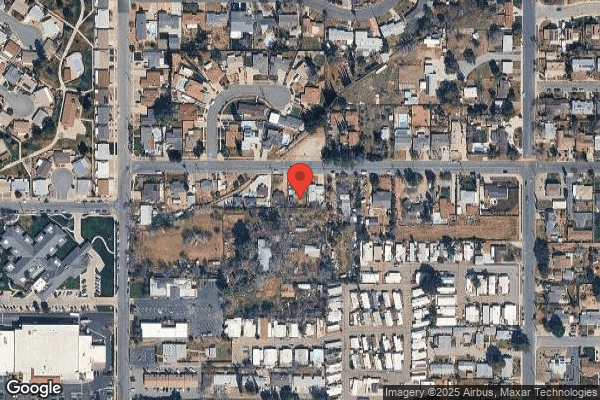

11970 4TH STREET, YUCAIPA, CA 92399 (909) 790-2273
For profit - Limited Liability company 99 Beds MADISON CREEK PARTNERS Data: November 2025
Trust Grade
70/100
#308 of 1155 in CA
Last Inspection: March 2023

Over 2 years since last inspection. Current conditions may differ from available data.

Overview

Cedar Mountain Post Acute in Yucaipa, California has a Trust Grade of B, which means it is considered a good option for families looking for care. It ranks #308 out of 1,155 facilities in California, placing it in the top half, and #20 out of 54 in San Bernardino County, indicating only 19 local facilities are rated higher. However, the facility is experiencing a worsening trend, with issues increasing from 3 in 2019 to 15 in 2023. Staffing is a weakness, rated at 2 out of 5 stars with a 47% turnover rate, which is around the state average, but the facility has no fines on record, suggesting compliance with regulations. Specific concerns include a failure to properly sanitize kitchen areas, which could lead to foodborne illnesses, and incidents where staff did not perform hand hygiene, increasing the risk of infection among residents. While there are notable strengths, such as a solid trust grade and decent overall ratings, families should be aware of the issues present at this facility.

Trust Score
B
70/100
In California
#308/1155
Top 26%
Safety Record
Low Risk
No red flags
Inspections
Getting Worse
3 → 15 violations
Staff Stability
⚠ Watch
47% turnover. Above average. Higher turnover means staff may not know residents' routines.
Penalties
✓ Good
No fines on record. Clean compliance history, better than most California facilities.
Skilled Nurses
○ Average
Each resident gets 32 minutes of Registered Nurse (RN) attention daily — about average for California. RNs are the most trained staff who monitor for health changes.
Violations
⚠ Watch
24 deficiencies on record. Higher than average. Multiple issues found across inspections.
★★★★☆
4.0
Overall Rating
★★☆☆☆
2.0
Staff Levels
★★★☆☆
3.0
Care Quality
★★★★☆
4.0
Inspection Score
Stable
2019: 3 issues
2023: 15 issues

The Good

  • Full Sprinkler Coverage · Fire safety systems throughout facility
  • No fines on record

Facility shows strength in fire safety.

The Bad

Staff Turnover: 47%

Near California avg (46%)

Higher turnover may affect care consistency

Chain: MADISON CREEK PARTNERS

Part of a multi-facility chain

Ask about local staffing decisions and management

The Ugly 24 deficiencies on record

Oct 2023 1 deficiency
CONCERN (D) 📢 Someone Reported This

A family member, employee, or ombudsman was alarmed enough to file a formal complaint

Potential for Harm - no one hurt, but risky conditions existed

Notification of Changes (Tag F0580)

Could have caused harm · This affected 1 resident

**NOTE- TERMS IN BRACKETS HAVE BEEN EDITED TO PROTECT CONFIDENTIALITY** Based on interview, and record review the facility staff failed to notify the physician for one of three sampled residents (Resi...

Read full inspector narrative →
**NOTE- TERMS IN BRACKETS HAVE BEEN EDITED TO PROTECT CONFIDENTIALITY** Based on interview, and record review the facility staff failed to notify the physician for one of three sampled residents (Resident 2) when: 1. Resident 2 had twenty-four episodes of high blood pressure (blood pressure higher than 160) and were not reported to the doctor. This failure had the potential to cause Resident 2 to suffer complications. 2. Resident 2 had eight episodes of high blood sugars and were not reported to the doctor. This failure had the potential to cause Resident 2 to suffer complications. Finding: During a review of Resident 2's admission Record (contains demographic and medical information) dated, August 21, 2023, indicated Resident 2 was admitted to the facility on [DATE], with diagnoses which included Diabetes Mellitus (high blood sugar) and Hypertensive Heart Disease (A condition of the heart caused by high blood pressure). During a review of Resident 2's Medication Administration Record (MAR) dated August 1, 2023, through August 30, 2023, it indicated, Hydralazine HCL (medication used to treat high blood pressure) Oral Tablet 100 mg: give 1 tablet by mouth three times a day for hypertension hold for SBP< 100 [systolic blood pressure of Blood Pressure less than 100] Order date June 10, 2023. Further review of Resident 2's MAR dated August 1, 2023, through August 30, 2023, it indicated, Isosorbide Dinitrate (medication used to treat high blood pressure) Oral Tablet 20 mg: give 1 tablet by mouth three times a day for hypertension hold for SBP [Systolic Blood Pressure less than 100] Started Date May 5, 2023. During a review of Resident 2's MAR on August 30, 2023, at 1:30 PM, there was no documented evidence the physician had been notified for the following blood pressure levels: August 9, 2023, at 1:00 PM BP [blood pressure] 190/100, August 9, 2023, at 5:00 PM BP 167/93 August 10, 2023, at 9:00 AM, BP 201/93, August 14, 2023, at 9:00 AM, BP 188/104, August 14, 2023, at 1:00 PM, BP 177/75, August 14, 2023, at 5:00 PM BP 162/89, August 15, 2023, at 9:00 PM, BP 191/97, August 15, 2023, at 1 PM, BP 181/79, August 18, 2023, at 9:00 AM, BP 163/75, August 18, 2023, at 1:00 PM, BP 188/93, August 19, 2023, at 9:00 AM, BP 198/94, August 19, 2023, at 1:00 PM, BP 168/67, August 19, 2023, at 5:00 PM, BP 198/94 August 20, 2023, at 9:00 AM, BP 178/91, August 20, 2023, at 1:00 PM, BP 166/87, August 20, 2023, at 5:00 PM, BP 190/90, August 23, 2023, at 9:00 PM, BP 167/88, August 23,2023, at 5:00 PM, BP 163/90, August 24, 2023, at 9:00 AM, BP 168/90, August 24, 2023, at 1:00 PM, BP 168/68, August 28, 2023, at 9:00 AM, BP 186/97, August 28, 2023, at 1:00 PM, BP 198/88, August 29, 2023, at 9:00 AM, BP 191/98 and August 29, 2023, at 1:00 PM, BP 165/95. During an interview on August 30, 2023, at 2:29 PM, with Clinical Resource Nurse, (CRN), the CRN stated her expectation from the nurses is if they notice a resident with an elevated blood pressure is to recheck BP in both arms to ensure accuracy, to notify the doctor and document in the change of condition which includes nurses progress notes. During a review of Resident 2's Nursing Notes dated from August 1, 2023, through August 30, 2023, there was no documented evidence Resident 2's physician was notified of elevated blood pressure. 2. During a review of Resident 2's MAR dated, August 1, 2023, through August 30, 2023, indicated, insulin NPH (A medication used to treat high blood sugar): Inject 8 units subcutaneously (under the skin) two times a day for Diabetes. Start Date May 19, 2023. During a review of Resident 2's MAR on August 30, 2023, at 1:30 PM, there was no documented evidence Resident 2's physician had been notified for the following blood sugars levels: 6:30 AM: August 1, 2023, blood sugar level 442 mg/dl , August 2, 2023, blood sugar level 400 mg/dl, August 6, 2023, blood sugar level 400 mg/dl, August 10, 2023, blood sugar level 450 mg/dl, and August 20, 2023, blood sugar 65 mg/dl 7:00 PM: August 20, 2023, blood sugar level 581 mg/dl, and August 29, 2023, blood sugar level 400 mg/dl During a review of Resident 2's MAR dated, August 1, 2023, through August 30, 2023, indicated, insulin Lispro (a medication used to treat high blood sugar) Injection Solution Unit/ML: inject 6 unit subcutaneously in the evening for Diabetes Mellitus: Give before meals. Started date: July 04, 2023. During a review of Resident 2's MAR on August 30, 2023, at 1:30 PM, there was no documented evidence Resident 2's physician had been notified for the following high blood sugars levels. 5:00 PM: August 5, 2023, blood sugar level 400mg/dl and August 20, 2023, blood sugar level 416 mg/dl During a review of Resident 2's, Care Plan dated, May 7, 2023, indicated, .focus potential for fluctuating glucose levels secondary to DM [Diabetes Mellitus] Date initiated May 7, 2023. Goal will no sign and symptoms of Glycemic reactions x 90 days. Blood sugar will be within normal limits with no symptoms of hypo/Hyperglycemia for 90 days, date initiated: May 7, 2023, target date: October 29, 2023, Interventions .Monitor for sign & symptoms of glycemic reactions qshift. [every shift] Monitor thirst, excessive appetite or voiding, change in level of consciousness .report to MD promptly. During a review of Resident 2's Nursing Notes dated from August 1, 2023, through August 30, 2023, there was no documented evidence Resident 2's physician was notified of elevated blood sugar or low blood sugar. During an interview on August 30, 2023, at 1:38 PM with Registered Nurse 1 (RN 1), RN 1 reviewed the MAR with elevated blood pressure and elevated blood sugars and agree that would be interpreted as physician was not notified. RN 1 further stated, she could not find any Nurses Progress Notes, or any documentation of the physician was notified. RN 1 further stated, The expectation is that MD gets notify, if the MD give an order to administer any additional insulin, then to recheck blood sugar an hour after, to document and to do a change of condition that includes monitoring for seventy-two hours. Same steps for elevated blood pressure. During an interview with License Vocational Nurse 1 (LVN 1), on September 6, 2023, at 5:31 PM, via telephone, LVN 1 stated she remembered on August 20, 2023, Resident 2 had a blood sugar level of 581mg/dl. She stated the reason the doctor was not notified was because she was busy. LVN 1 further stated that when the blood sugar is higher than 400 mg/dl the MD must be notified. During an interview with License Vocational Nurse 2 (LVN 2) on September 6, 2023, at 6:30 PM via telephone, LVN 2 stated, she did not remember if the MD was informed. She further stated if it was not documented on the nurse's progress notes, then the MD was not informed. LVN 2 further stated that when a resident's blood sugar is higher than 400 mg/dl, the MD must be notified, and documented in the nurse's progress notes. LVN 2 further stated, when the blood pressure is elevated, the MD must be notified, and nurses would document in the progress nurse's notes. During a review of the facility's policy and procedure titled, Insulin Administration dated, September 2014, indicated, .Reporting .2. Notify the physician if the resident has signs and symptoms of hypoglycemia that are not resolved if the resident has signs and symptoms of hypoglycemia .) During a review of the facility's policy and procedures titled, Hypertension-Clinical Protocol revised November 2018, indicated, .2. The physician will identify situation where hypertension should be treated and will try to individualize treatment goals and blood pressure targets. a. treatment goals and blood pressure target ranges should be individualized .
Jul 2023 1 deficiency
CONCERN (D) 📢 Someone Reported This

A family member, employee, or ombudsman was alarmed enough to file a formal complaint

Potential for Harm - no one hurt, but risky conditions existed

Accident Prevention (Tag F0689)

Could have caused harm · This affected 1 resident

**NOTE- TERMS IN BRACKETS HAVE BEEN EDITED TO PROTECT CONFIDENTIALITY** Based on observation, interview and record review, the facility failed to ensure one of three sample residents (Resident 1) was ...

Read full inspector narrative →
**NOTE- TERMS IN BRACKETS HAVE BEEN EDITED TO PROTECT CONFIDENTIALITY** Based on observation, interview and record review, the facility failed to ensure one of three sample residents (Resident 1) was transferred from chair to bed by using a Hoyer lift (a device used for lifting and safely transfering residents) with a sling (an assembly which connects the load to the Hoyer lift). This failure resulted in harm when Resident 1 sustained bruises on right upper inside of the arm and left upper inside of arm. Findings: During a review of the clinical record for Resident 1 title, admission Record, indicated Resident 1 was admitted to the facility on [DATE], with the admitting diagnosis of: Unspecified Fracture of T9 - T10 Vertebra (T9 Thoracic [midback] is Fracture is a serious injury that can lead to long term complications and T10 Thoracic vertebra fracture will be likely result in a limited or complete loss of use of lower abdomen muscles .), Seizures (uncontrolled burst of electrical activity in the brain) and Major Depressive Disorder (a mental condition characterized by a persistently depressed mood and long-term loss of pressure or interest in life). During an observation on June 16, 2023 at 1:45 PM in Resident 1's room, Resident 1 was on a sitting up position, with head of the bed elevated to 90 degrees angle. Resident 1 was awake, alert, and oriented and able to verbalize his needs. Resident 1 was wearing a C-collar (a device used to support and immobilize a patient's neck) and TLSO brace (a brace that limits movement in the spine form the midback to the low back). During an interview on June 16, 2023, at 1:45 PM, in Resident 1's room, Resident 1 stated that on Saturday June 10, 2023, while he was sitting on his chair, 2 staff Certified Nurse Assistants (CNA 1 and CNA 2) came to assist him back to his bed. Resident 1 told them he wanted them to use the Hoyer lift with a sling but instead CNA 1 lift him from his arms and CNA 2 grabbed his feet, and place him on bed. Resident 1 stated they left bruises on him under his upper arms area. During a Concurrent observation and interview on June 16, 2023, at 2:10 PM with Registered Nurse (RN 1), RN 1 identified the bruises on Resident 1's arms. RN 1 stated according to Resident 1, it occurred when CNA 1 and CNA 2 transferred him back to bed and did not used the Hoyer lift with a sling. RN 1 futher stated they knew Resident 1 need the Hoyer lift with a sling when transferring but CNA 1 and CNA 2, failed to use to Hoyer lift with a sling. During an interview on June 16, 2023, at 3:56 PM, via phone with Director of Nurses (DON), the DON stated that she was informed on June 13, 2023, that Resident 1 was handled out of his chair and back to bed by 2 staff members on Saturday night. It was reported to the DON that Resident 1 wanted to go back to bed, and that CNA 1 and CNA 2 transferred Resident 1 without using a Hoyer lift with a sling. The DON stated CNA 1 and CNA 2, did not give a reason of why they failed to use the Hoyer lift with a sling, while transferring Resident 1 back to bed. When DON did an assessment of Resident 1's skin, DON identified the bruises on Resident 1 arms. DON stated, that immediately suspended the CNA 1 and CNA 2 and then, both CNAs got terminated the following day. DON acknowledge that the CNA 1 and CNA 2, failed to follow the lifting policy while transferring Resident 1. During an interview on June 21, 2023, at 1:08 PM via phone with the administrator (ADM) , the ADM stated that she was informed about the incident on June 13, 2023, while doing her rounds. She was informed by Resident 1 about the bruises. ADM stated that she informed Resident 1 that she was going to have the DON to check on him immediately. ADM stated that after the investigation the two employees were terminated. ADM agreed that CNA 1 and CNA 2 failed to follow the facility's policy of using the Hoyer lift with a sling with Resident 1. During a review of clinical record title, Clinical Care Plan Detail, undated, indicated for intervention to: Utilize C collar brace per resident request of use, Use Hoyer, and proper sling to transfer . During a review of clinical record title, eINTERACT Change in Condition Evaluation - V 5.1, dated June 13, 2023, at 2:17 PM indicated, 1. Signs & Symptoms Identified 1. The change in condition, symptoms, or signs I am calling about is/ are: 36. Change in skin color or condition 2. This started on: June 10, 2023 .4. Summarize your observations, evaluation, and recommendations: Resident was lifted by 2 cna back to bed using his bil forearms to transfer and other cna had his feet resident had a sling under him and failed to use the Hoyer. CNA stood behind resident while he was in the wheelchair and grabbed his forearms . 2. Skin Status Evaluation 6a. Describe skin changes: 5. Discoloration Site Description nickel size red purple area to rt [Right] upper arm quarter quarter size red area with skin peeling to left upper inside of arm . During a review of the facility's policy and procedure title, Lifting Machine, using a Mechanical indicated the purpose of this procedure is to establish the general principles of safe lifting using a mechanical lifting device .2. Mechanical lifts may be used for tasks that require transferring a resident from bed to chair .
Mar 2023 12 deficiencies
CONCERN (D)

Potential for Harm - no one hurt, but risky conditions existed

Assessment Accuracy (Tag F0641)

Could have caused harm · This affected 1 resident

**NOTE- TERMS IN BRACKETS HAVE BEEN EDITED TO PROTECT CONFIDENTIALITY** Based on observation, interview, and record review, the facility failed to accurately code the status of a pressure injury (a wo...

Read full inspector narrative →
**NOTE- TERMS IN BRACKETS HAVE BEEN EDITED TO PROTECT CONFIDENTIALITY** Based on observation, interview, and record review, the facility failed to accurately code the status of a pressure injury (a wound developed on bony prominences as a result of prolonged pressure) in the Minimum Data Set (MDS - a computerized clinical assessment) for Resident 31. This failure had the potential to inaccurately reflect Resident 31's status to the oversight agency (Center for Medicare and Medicaid Services - CMS), who provides funding for Resident 31. Findings: During a review of Resident 31's clinical record, the face sheet (contains admission and demographic information), indicated Resident 31 was admitted on [DATE], with diagnoses which included chronic respiratory failure (long term dysfunction or complications of the lungs), intestinal obstruction (a condition in which digested material is prevented from passing normally through the bowel), and chronic kidney disease (long term dysfunction or complications of the kidneys). Upon further review of the clinical record for Resident 31, the admission Assessment dated May 6, 2021, indicated Resident 31's skin was assessed by a licensed nurse and no pressure injuries were noted upon admission. During an observation on March 14, 2023, at 3:08 PM, Resident 31 was observed in bed, with a foam wedge placed under the left side of her body, offloading weight from her sacral area. Resident 31 was observed on a low air loss mattress (an air mattress to help cushion a body's bony prominences, while letting out air very slowly through tiny holes to help keep the skin dry and free of moisture). During a concurrent interview and record review with a MDS Nurse (MDS 1) on March 15, 2023, at 9:35 AM, Resident 31's Quarterly MDS Assessment, dated February 13, 2023, and Skin Assessment - Pressure Ulcer, dated October 10, 2022, were reviewed. The skin assessment indicated a Sacrum Stage 4 (pressure injury is staged to specify depth - stage 4 indicates exposed muscle or bone) developed on October 4, 2021. The skin assessment also indicated the sacral pressure injury was not present upon admission. The Quarterly MDS Assessment's Section M: Skin Conditions indicated the pressure injury was coded as present upon admission/entry or reentry. After the review, MDS 1 confirmed this was not coded accurately, and should have been coded as not present on admission, since the pressure injury developed in the facility. During an interview with the Director of Nursing (DON) on March 16, 2023, at 3:35 PM, Resident 31's Quarterly MDS Assessment, dated February 13, 2023, and Skin Assessment - Pressure Ulcer, dated October 10, 2022, were reviewed. The DON confirmed the pressure injury was inaccurately coded in Section M: Skin Conditions, and should have been coded to reflect the pressure injury was not present upon admission. During a review of CMS's Long-Term Care Facility Resident Assessment Instrument [RAI] 3.0 User's Manual Version 1.17.1, revised October 2019, the RAI Manual indicated instructions for properly coding section M, .For each pressure ulcer/injury, determine if the pressure ulcer/injury was present at the time of admission/entry or reentry and not acquired while the resident was in the care of the nursing home .
CONCERN (D)

Potential for Harm - no one hurt, but risky conditions existed

PASARR Coordination (Tag F0644)

Could have caused harm · This affected 1 resident

**NOTE- TERMS IN BRACKETS HAVE BEEN EDITED TO PROTECT CONFIDENTIALITY** Based on observation, interview, and record review the facility failed to submit an updated Preadmission Screening and Resident ...

Read full inspector narrative →
**NOTE- TERMS IN BRACKETS HAVE BEEN EDITED TO PROTECT CONFIDENTIALITY** Based on observation, interview, and record review the facility failed to submit an updated Preadmission Screening and Resident Review (PASRR - a federal screening requirement to help ensure that individuals who have a mental disorder or intellectual disabilities are not inappropriately placed in nursing homes for long term care) after a diagnosis of Schizophrenia (a serious mental illness that affects how a person think, feels, and behaves, and is often characterized by symptoms of visual or auditory hallucinations) had been identified after admission for Resident 78. This failure had the potential for Resident 78 not to be accurately assessed by a qualified mental health professional, in order to ensure proper placement related to his mental illness. Findings: During a review of Resident 78's clinical record, the face sheet (contains admission and demographic information) indicated the resident was admitted on [DATE], with diagnoses which included acute necrotizing hemorrhagic encephalopathy (a central nervous system disease secondary to a viral infection, causing brain damage). A PASRR had been submitted upon Resident 78 admission to the facility, but did not indicate a mental illness diagnosis, or the need for further screening. Further review of the clinical record indicated Resident 78 had a psychiatry consult for further evaluation, on September 27, 2022, one month after he was admitted to the facility. The consult notes indicated .He [Resident] has history of schizophrenia and being in psychiatric hospitals in the past .Patient is having auditory hallucinations . During a concurrent observation and interview on March 13, 2023, at 8:22 AM, Resident 78 was observed lying in bed, mumbling, and talking to himself. No one else was at his bedside at the time. When interviewed, the resident was able to engage in simple conversation and answer questions but was noted to be very easily distracted and talkative about details not pertaining to the original conversation. During an interview with the Director of Nursing (DON) on March 14, 2023, at 3:27 PM, the DON stated the expectation was for a new PASRR to be submitted once a diagnosis of a mental illness had been identified, in order for Resident 78 to be properly referred to and evaluated by a qualified mental health professional. The DON confirmed another PASRR was not submitted for Resident 78 and stated it should have. During an interview with the Administrator (ADM), on March 14, 2023, at 4:30 PM, the ADM stated the facility did not have a policy to specifically address the resubmitting of the PASRR for a new diagnosis of mental illness. The ADM further stated the PASRR should have been resubmitted, to indicate a resident review and status change had occurred.
CONCERN (D)

Potential for Harm - no one hurt, but risky conditions existed

Deficiency F0645 (Tag F0645)

Could have caused harm · This affected 1 resident

**NOTE- TERMS IN BRACKETS HAVE BEEN EDITED TO PROTECT CONFIDENTIALITY** Based on interview and record review, the facility failed to identify mental disorders during the Preadmission Screening and Res...

Read full inspector narrative →
**NOTE- TERMS IN BRACKETS HAVE BEEN EDITED TO PROTECT CONFIDENTIALITY** Based on interview and record review, the facility failed to identify mental disorders during the Preadmission Screening and Resident Review (PASARR-a screening to identify the presence of serious mental illness) for one of one sampled resident (Resident 61). This failure had the potential to cause Resident 61 not to receive specialized mental health services. Findings: A review of Resident 61's face sheet (a document that gives a summary of resident 61 information), undated, indicated Resident 61 was admitted to the facility on [DATE], with a diagnosis of schizophrenia (a serious mental condition of a type involving a breakdown in the relation between thought, emotion, and behavior) and anxiety disorder (a mental health disorder characterized by feelings of worry, anxiety, or fear). A review of Resident 61's PASARR dated November 5, 2022, indicated, .Result of Level I Screening: Level I - Negative, . Reason Code: No Serious Mental Illness. Section III - Serious Mental Illness - Definition: 10. Does the Individual have a serious diagnosed mental disorder such as Depressive Disorder, Anxiety Disorder, Panic Disorder, Schizophrenia/Schizoaffective Disorder, or symptoms of Psychosis, Delusions, and/or Mood Disturbance? NO. Explain: 11. After observing the Individual or reviewing their records, do you believe the Individual may be experiencing serious depression or anxiety, unusual or abnormal thoughts, extreme difficulty coping, or significantly unusual behaviors or does the individual actively engage in community mental health services? NO. During an interview and concurrent record review with the Director of Nursing (DON) on March 15, 2023, at 1:49 PM, the DON reviewed Resident 61's clinical record and Resident 61's level I PASARR dated November 5, 2022. The DON stated the level I PASARR was filled out incorrectly and should have indicated Resident 61's diagnoses of schizophrenia and anxiety disorder. The DON stated since the level I PASARR was incorrect Resident 61 did not receive a level II PASARR assessment to identify specialized mental health services Resident 61 might need. A review of the facility's policy and procedure titled, PASRR Completion Policy, undated, indicated, Policy Statement: The Center will a make sure that all admissions have the appropriate Patient Assessment and Resident Review (PASRR) completed. PRACTICE GUIDELINES: 1. Center Administrator will designate either the Admissions Director, Social Worker, or designee to make sure that the PASSRR and/or Level of Care (LOG) is done on all potential residents. If the referral indicates anything which might constitute an SMI or ID, the PASRR must be completed prior to admission. If the resident is deemed hospital exempted that must be clearly documented in the transfer documents prior to admission from the acute care facility. 2. Administrator will also designate a backup in case the designated person is not available. 3. Administrator is accountable for monitoring the process of completing the necessary paperwork for the admission.
CONCERN (D)

Potential for Harm - no one hurt, but risky conditions existed

Deficiency F0676 (Tag F0676)

Could have caused harm · This affected 1 resident

**NOTE- TERMS IN BRACKETS HAVE BEEN EDITED TO PROTECT CONFIDENTIALITY** Based on observation, interview and record review, the facility failed to provide services to maintain and improve one of one sa...

Read full inspector narrative →
**NOTE- TERMS IN BRACKETS HAVE BEEN EDITED TO PROTECT CONFIDENTIALITY** Based on observation, interview and record review, the facility failed to provide services to maintain and improve one of one sampled resident (Resident 36) ability to communicate her needs to the facility staff. This failure had the potential to cause Resident 36's needs to go unmet resulting in frustration, pain, and discomfort. Findings: A review of Resident 36's face sheet (a document that gives a summary of resident's information), undated, indicated Resident 36 was admitted to the facility on [DATE], with diagnoses that included: amyotrophic lateral sclerosis (ALS-a nervous system disease that weakens muscles and impacts physical function), quadriplegia (a symptom of paralysis that affects all a person's limbs and body from the neck down), tracheostomy (an incision in the windpipe made to relieve an obstruction to breathing), and dependence on respirator/ventilator (dependent on mechanical ventilation). During an observation and interview with Resident 36 on March 13, 2023, at 8 AM, Resident 36 was unable to speak. Resident 36 was able to mouth the words yes and no and make eye contact but nothing more. Resident 36 was unable to move any part of her body, not even her head to indicate yes or no. There were no communication aids available in Resident 36's room. During an interview with a Licensed Vocational Nurse (LVN 1) on March 13, 2023, at 3:43 PM, LVN 1 stated she read Resident 36's lips for yes and no and to determine what Resident 36 needed. LVN 1 stated if she could not understand what Resident 36 was trying to say she would conduct a Zoom meeting- using the webcam to engage in virtual meetings with Resident 36's husband who assisted with understanding what Resident 36 needed. During an observation and interview with LVN 1, a Certified Nursing Assistant (CNA 1), a Respiratory Therapist (RT 1) and Resident 36 on March 13, 2023, at 4:12 PM, CNA 1 stated he helped Resident 36 with repositioning and brief changes. CNA 1 stated he could sort of read Resident 36's lips. CNA 1 stated if he could not read Resident 36's lips he would get another staff person to try. LVN 1 and CNA 1 were in Resident 36's room and Resident 36 was trying to communicate mouthing multiple words. LVN 1 and CNA 1 were concentrating on Resident 36's mouth but could not understand what Resident 36 was trying to say. There was an alphabet/picture communication board lying on an overbed table positioned next to the far wall. LVN 1 and CNA 1 stated they did not use the alphabet/picture communication board (a communication visual aid. It was designed specifically to suit a person's needs, using an Alphabetical key and pictures depicting pain, hot, cold, etc . The resident used an eye gaze or partner assisted scanning to facilitate communication). LVN 1 stated RT 1 was very good at reading Resident 36's lips and she would get RT 1 to help read Resident 36's lips. RT 1 arrived in Resident 36's room. RT 1 stated she did not use the alphabet/picture communication board. RT 1 read Resident 36's lips. Through RT 1's translation, Resident 36 stated the staff did not use the alphabet/picture communication board. Resident 36 stated she would like the staff to use the alphabet/picture communication board, but they did not. During an observation and interview with Resident 36 and Resident 36's husband on March 14, 2023, at 10:41 AM, Resident 36's husband stated the staff could not understand Resident 36. Resident 36's husband stated he had been working with the facility's Social Services Director (SSD) to get a computer type communication device, but it had been three months and the SSD had not updated him on the progress. Resident 36's husband had his own alphabet/picture communication board and white board with a dry erase marker. Resident 36's husband used the alphabet/picture communication board to communicate with Resident 36 by pointing and reading aloud each letter of the alphabet. Resident 36 would mouth yes when he reached the correct letter and Resident 36's husband would write the letter on the white board, until he had enough of a sentence to understand what Resident 36 was trying to say. Using this method, Resident 36 stated there had been times she did not get the help she needed because the staff could not understand her. Resident 36's husband stated the staff should be using the alphabet/picture communication board and he thought they had been. During an interview with the SSD on March 14, 2023, at 3:33 PM, the SSD stated Resident 36's husband had made a request for a computer type communication device. The SSD stated she had been having trouble obtaining a physician's order for the device. A review of Resident 36's care plan, dated revised, February 5, 2023, indicated, Impaired communication r/t [related to] inability/difficulty to express self, related to tracheostomy status. Will be able to relate to others effectively daily. Speak clearly and enunciate distinctly. Use touch when approaching the resident. Notify MD as indicated. Communication board as indicated. There was no documented evidence to show care planning of the back-up communication method of Zoom, meetings with Resident 36's husband or the acquisition of a computer type communication device. During an interview and concurrent record review, with the Director of Nursing (DON) on March 14, 2023, at 3:54 PM, the DON stated it was unacceptable that the staff were not using the communication board or had a white board available to write Resident 36's responses. The DON stated LVN 1 should have updated the care plan to reflect using Zoom, meetings as a back-up communication plan with Resident 36's husband and had not. The DON stated the acquisition of the computer type communication device should have been care planned and had not. The DON reviewed Resident 36's care conference meetings from April 10, 2022, to March 14, 2023, and stated the acquisition of the computer type communication device should have been discussed in the care conference meetings and had not. A review of the facility's policy and procedure titled, Care Plans, Comprehensive Person-Centered, dated March 2022, indicated, Policy Statement: A comprehensive, person-centered care plan that includes measurable objectives and timetables to meet the resident's physical, psychosocial and functional needs is developed and implemented for each resident. The care plan interventions are derived from a thorough analysis of the information gathered as part of the comprehensive assessment. Each resident's comprehensive person-centered care plan is consistent with the resident's rights to participate in the development and implementation of his or her plan of care, including the right to: a. participate in the planning process, b. identify individuals or roles to be included; c. request meetings; d. request revisions to the plan of care; e. participate in establishing the expected goals and outcomes of care, f. participate in determining the type, amount, frequency and duration of care, g. receive the services and/or items included in the plan of care, and h. see the care plan and sign it after significant changes are made. Care plan interventions are chosen only after data gathering, proper sequencing of events, careful consideration of the relationship between the resident problem areas and their causes, and relevant clinical decision making. Assessments of residents are ongoing and care plans are revised as information about the residents and the residents' conditions change. The interdisciplinary team reviews and updates the care plan: a. when there has been a significant change in the resident's condition; b. when the desired outcome is not met, .
CONCERN (D)

Potential for Harm - no one hurt, but risky conditions existed

Pressure Ulcer Prevention (Tag F0686)

Could have caused harm · This affected 1 resident

**NOTE- TERMS IN BRACKETS HAVE BEEN EDITED TO PROTECT CONFIDENTIALITY** Based on observation, interview, and record review, the facility failed to ensure one of one sampled resident (Resident 36) was ...

Read full inspector narrative →
**NOTE- TERMS IN BRACKETS HAVE BEEN EDITED TO PROTECT CONFIDENTIALITY** Based on observation, interview, and record review, the facility failed to ensure one of one sampled resident (Resident 36) was repositioned every two hours to promote healing of Resident 36's Stage IV pressure sore (an injury caused by prolonged pressure that is very deep, reaching into muscle and bone). This failure had the potential to cause Resident 36's Stage IV pressure sore to worsen or additional pressure sores to develop. Findings: A review of Resident 36's face sheet (a document that gives a summary of resident's information), undated, indicated Resident 36 was admitted to the facility on [DATE], with diagnoses that included: amyotrophic lateral sclerosis (ALS-a nervous system disease that weakens muscles and impacts physical function), quadriplegia (a symptom of paralysis that affects all a person's limbs and body from the neck down), tracheostomy (an incision in the windpipe made to relieve an obstruction to breathing), and dependence on respirator/ventilator (dependent on mechanical ventilation). A review of Resident 36's care plan, dated revised, February 5, 2023, indicated, at high risk or unavoidable for developing pressure sore, bruising, discoloration, and other types of skin breakdown related to impaired mobility, impaired cognition, fragile skin, . Minimize the risk of skin breakdown/bruising/pressure sore daily. Turn and position as needed when in bed or wheelchair. A review of Resident 36's Skin Assessment, dated March 14, 2023, indicated, left lateral (side) ankle, Stage IV pressure sore. During an observation of Resident 36 on March 13, 2023, at 8 AM, Resident 36 was in bed positioned on her back with both arms lying atop of the pillows. There were two wedge type cushions positioned on each side of Resident 36's head. A letter sized paper was positioned on top of Resident 36's blanket near the bottom of the bed and indicated not to move resident without husband present. Resident 36 was unable to speak. Resident 36 was able to mouth the words yes and no and make eye contact but nothing more. Resident 36 was unable to move any part of her body, not even her head to indicate yes or no. During an observation of Resident 36 on March 13, 2023, at 11:28 AM, Resident 36 was in bed positioned on her back with both arms lying atop of the pillows. There were two wedge type cushions positioned on each side of Resident 36's head. A letter sized paper was positioned on top of Resident 36's blanket near the bottom of the bed and indicated not to move resident without husband present. Three hours and 30 minutes had passed without Resident 36 changing position. During an interview with a Licensed Vocational Nurse (LVN 1) on March 13, 2023, at 3:43 PM, LVN 1 stated Resident 36's husband came in once per day from 8:30 AM to 2 PM. LVN 1 stated Resident 36's husband was concerned Resident 36 was not being repositioned properly and wanted to be present to ensure her position and comfort. LVN 1 stated she had spoken with Resident 36's husband explaining the resident needed to be changed and repositioned every 2 (two) hours and as needed and it was not possible for him to be present every time. LVN 1 stated the note on the bed was to accommodate the husband to some extent. LVN 1 stated the Certified Nursing Assistants (CNAs) should be repositioning Resident 36 every two hours. Resident 36 was in bed positioned on her back with both arms lying atop of the pillows. There were two wedge type cushions positioned on each side of Resident 36's head. During an observation of Resident 36 on March 14, 2023, from 7:36 AM to 10:41 AM, Resident 36 was in bed positioned on her back with both arms lying atop of the pillows. There were two wedge type cushions positioned on each side of Resident 36's head. A letter sized paper that indicated not to move resident without husband present had been removed. Three hours had passed without Resident 36 changing position. During an interview with Resident 36's husband on March 14, 2023, at 10:41 AM, Resident 36's husband stated the CNAs did not position her (Resident 36) comfortably and the night shift CNAs were the most difficult. Resident 36's husband had his own alphabet/picture communication board (a communication visual aid. It was designed specifically to suit a person's needs, using an Alphabetical key and pictures depicting pain, hot, cold, etc . The resident used an eye gaze or partner assisted scanning to facilitate communication) and white board with a dry erase marker. Resident 36's husband used the alphabet/picture communication board to communicate with Resident 36 by pointing and reading aloud each letter of the alphabet. Resident 36 would mouth yes when he reached the correct letter and Resident 36's husband would write the letter on the white board, until he had enough of a sentence to understand what Resident 36 was trying to say. Using this method, Resident 36 stated she did not want to be moved without her husband present because the staff hurt her when they moved her. Resident 36 stated her husband did it better. Resident 36's husband stated they needed three people to move her and they don't do it. Resident 36's husband stated the ventilator gets dislodged and she cannot breathe, and it scares her. During an interview with a Certified Nursing Assistant (CNA 2) on March 14, 2023, at 11:23 AM, CNA 2 stated she gave Resident 36 a shower every Tuesday and Friday. CNA 2 stated Resident 36 needed three CNAs and one Respiratory Therapist (RT) to move Resident 36 safely and comfortably. CNA 2 stated she did not know how the CNAs moved Resident 36 on the night shift. A review of Resident 36's care plan, dated revised, February 5, 2023, was conducted. There was no documented evidence to show an intervention for three CNAs and one RT to reposition Resident 36. During an interview with a Certified Nursing Assistant (CNA 5) on March 16, 2023, at 7:41 AM, CNA 5 stated she had cared for Resident 36 on March 15, 2023, and had been assigned to care for Resident 36 this morning (March 16, 2023). CNA 5 stated she was responsible for repositioning every two hours, but she repositioned every two hours only if Resident 36's husband was present. CNA 5 stated if Resident 36 was soiled she would change the resident even if the husband was not present. CNA 5 stated if she had a knowledgeable CNA to help her, she would reposition Resident 36 with two CNAs, if she had a CNA who did not know Resident 36 well, she would use three CNAs to reposition her. CNA 5 stated she did not chart repositioning Resident 36. During an interview with the Director of Nursing (DON) on March 16, 2023, at 8:11 AM, The DON stated there was no area where the repositioning was charted every two hours. The DON stated the previous DON had created a care plan where she accommodated Resident 36's husband's request not to reposition Resident 36 without him present. The DON stated she found out about this a week ago and it was completely unacceptable. The DON stated Resident 36 was in their care and must be repositioned every two hours for her own wellbeing. The DON stated she had begun addressing this issue and was informed by staff that Resident 36 refused to be repositioned and Resident 36's husband was adamant about not repositioning Resident 36 without him present. The DON stated she had directed the staff to reposition Resident 36 every two hours, but they had been indoctrinated (brain washed) into always waiting for the husband. The DON stated the previous DON should have investigated the concerns of Resident 36's husband and Resident 36 when they stated no repositioning without the husband present and the issues could have been addressed and care planned so Resident 36 could be repositioned every two hours. The DON stated Resident 36 should have been repositioned every two hours and was not. A review of the facility's policy and procedure titled, Repositioning, dated May 2013, indicated, Purpose: The purpose of this procedure is to provide guidelines for the evaluation of resident repositioning needs, to aid in the development of an individualized care plan for repositioning, to promote comfort for all bed- or chair-bound residents and to prevent skin breakdown, promote circulation and provide pressure relief for residents. General Guidelines: 1. Repositioning is a common, effective intervention for preventing skin breakdown, promoting circulation, and providing pressure relief. 2. Evaluation of a resident's skin integrity after pressure has been reduced or redistributed should guide the development and implementation of repositioning plans. Such plans should be addressed in the comprehensive plan of care consistent with the resident's needs and goals. 3. Repositioning is critical for a resident who is immobile or dependent upon staff for repositioning. 4. The care plan for a resident at risk of friction or shearing during repositioning may require the use of lifting devices for repositioning. 5. Positioning the resident on an existing pressure ulcer should be avoided since it puts additional pressure on tissue that is already compromised and may impede healing. Interventions: 1. A turning/repositioning program includes a continuous consistent program for changing the resident's position and realigning the body. The program is defined as a specific approach that is organized, planned, documented, monitored, and evaluated. 2. Frequency of repositioning a bed- or chair-bound resident should be determined by: a. The type of support surface used b. The condition of the skin; c. The overall condition of the resident; d. The response to the current repositioning schedule; and e. Overall treatment objectives. 3. Residents who are in bed should be on at least an every two hour (q2 hour) repositioning schedule.
CONCERN (D)

Potential for Harm - no one hurt, but risky conditions existed

Accident Prevention (Tag F0689)

Could have caused harm · This affected 1 resident

**NOTE- TERMS IN BRACKETS HAVE BEEN EDITED TO PROTECT CONFIDENTIALITY** Based on observations, interviews and record reviews, the facility failed to provide adequate supervision and a valid assistance...

Read full inspector narrative →
**NOTE- TERMS IN BRACKETS HAVE BEEN EDITED TO PROTECT CONFIDENTIALITY** Based on observations, interviews and record reviews, the facility failed to provide adequate supervision and a valid assistance device (fire extinguisher) to prevent accidents when: 1. Resident 50 was found smoking on the outside patio without one-to-one supervision. This failure had the potential for Resident 50 to have a smoking accident. 2. A fire extinguisher's inspection tag had expired, and the fire extinguisher was mounted in the smoking area for use. This failure had the potential for residents to be exposed to injuries for outdated equipment. Findings: During an observation on [DATE], at 1:30 PM, Resident 50 was seen smoking unsupervised on the outside patio under the rain. During an interview on [DATE], at 1:39 PM, with Resident 50, Resident 50 stated they have been smoking unsupervised for a long time. During a review of Resident 50's Face Sheet, (contains demographic information), undated, indicated Resident 50 was admitted on [DATE], with a diagnosis to include cerebral infarction (disrupted blood flow to the brain), lack of coordination and muscle weakness. During a review of Resident 50's medical record, Safe Smoking Evaluation (Smoking facility)- V2, dated [DATE], indicated, .B. Vision: 1. Does Resident have any visual deficit(s)? a. Yes . 2. Additional Comments: Unable to hold anything with hands for some time because of hemiplegia (weakness of one side of the body) from old CVA ( Cerebrovascular accident: loss of blood flow from a part to part of the brain) 15 years ago .C. Dexterity :1. Does Resident have dexterity problem(s): a.Yes 2. Additional comments: Unable to hold anything heavy with both hands .E. Safety: . Resident's need for adaptive equipment .c. One-on-one assistance. During a concurrent interview and record review, on [DATE], at 2:20 PM, with the Director of Nursing (DON), Resident 50's Safe Smoking Evaluation(Smoking facility)-V2, dated [DATE] was reviewed. The Safe Smoking Evaluation (Smoking facility)-V2 indicated Resident 50's need for adaptive equipment is to have one to one assistance. DON stated they did not provide one-to one assistance as stated in the smoking evaluation when they allowed Resident 50 to smoke unsupervised. During a concurrent interview and record review, on [DATE], at 2:20 PM with the DON, Smoking Policy - Residents, (undated) was reviewed. The policy indicated, .Policy Statement: This facility shall establish and maintain safe resident smoking practices. Policy Interpretation and Implementation: .11. Any resident with restricted smoking privileges requiring monitoring shall have the direct supervision of a staff member, family member, visitor, or volunteer worker at all times. DON stated her expectation is for staff to provide supervision as the policy indicated but it was not followed 2. A review of Resident 43's medical record, Face Sheet, undated, indicated Resident 43 was admitted to the facility on [DATE], with a diagnosis of chronic obstructive pulmonary disease (COPD-a group of lung diseases that block airflow and make it difficult to breathe). During an observation with Resident 43 on [DATE], at 7:49 AM, Resident 43 was smoking in the designated smoking area on an outside patio. The patio contained four ashtrays, a fire blanket, and a fire extinguisher. A review of the fire extinguisher's inspection tag indicated the inspection years of 2017 through 2021. During an interview with a Maintenance Director (MD) on [DATE], at 9:49 AM, the MD stated he was responsible for the inspection of the fire extinguishers for the facility. The MD stated the facility contracted with a company to check the fire extinguishers once per year and he checked the fire extinguishers once per month. The MD verified the inspection tag on the fire extinguisher in the smoking area had expired. A review of the facility's Smoking Policy - Residents, dated [DATE], indicated, This facility has established and maintains safe resident smoking practices. A review of the facility's Fire Extinguisher Policy, undated, indicated, Local fire authorities, or other authorized agencies, will conduct a yearly inspection of all fire extinguishers, shall record the results of their findings on that agency's inspection record, and shall give the Administrator a copy of the inspection results.
CONCERN (D)

Potential for Harm - no one hurt, but risky conditions existed

Respiratory Care (Tag F0695)

Could have caused harm · This affected 1 resident

**NOTE- TERMS IN BRACKETS HAVE BEEN EDITED TO PROTECT CONFIDENTIALITY** Based on observations, interviews and record review, the facility failed to provide the necessary respiratory care when a Physic...

Read full inspector narrative →
**NOTE- TERMS IN BRACKETS HAVE BEEN EDITED TO PROTECT CONFIDENTIALITY** Based on observations, interviews and record review, the facility failed to provide the necessary respiratory care when a Physicians order for Oxygen therapy was not followed for one of three residents (Resident 59). This failure had the potential for resident 59 to experience shortness of breath. Findings: During an observation on March 13, 2023, at 11:40 AM, in Resident 59's room, Resident 59 was receiving 4 Liters (L) (Liters= unit of measurement) of oxygen via nasal cannula (a tube placed in the nose to deliver oxygen). During a review of Resident 59's medical record, Face Sheet (contains demographic information), undated, indicated Resident 59 was admitted on [DATE], with a diagnosis to include Chronic Obstructive Pulmonary Disease (COPD-lung diseases that block airflow and make it difficult to breathe). During a concurrent observation and interview on March 13, 2023, at 12:00 PM, with Licensed Vocational Nurse (LVN1), LVN 1 was observed checking the amount of oxygen Resident 59 was receiving. LVN 1 stated Resident 59 was receiving 4L of Oxygen. LVN 1 reduced the oxygen level to 2 L. LVN 1 also stated she is responsible for making sure residents are receiving the correct oxygen therapy per the physician's order. LVN 1 further stated, I know the order is 2 - 4 L but I will check. During a concurrent interview and record review on March 13, 2023, at 12:02 PM with LVN1, Resident 59's physician's order for oxygen therapy was reviewed. The physician's order indicated, Oxygen at 2 L via nasal cannula continuously every shift for shortness of breath related to COPD. LVN 1 stated, Resident 59 had always received 4 L of oxygen instead of 2 L as ordered by the physician. LVN 1 also stated the physician's order was not followed. During a concurrent interview and record review on March 13, 2023, at 12:11 PM, with the Director of Nursing (DON) Resident 59's physician's order for oxygen therapy was reviewed. The physician's order indicated, Oxygen at 2 L via nasal cannula continuously every shift for shortness of breath related to COPD. DON stated the order was not followed. During a concurrent interview and record review on March 13, 2023, at 12:16 PM, with the DON, the facility policy, Oxygen Administration, (undated) was reviewed. It indicated, Preparation: 1. Verify that there is a physician's order .Review the physician's orders or facility protocol for oxygen administration. The DON stated the policy was not followed.
CONCERN (D)

Potential for Harm - no one hurt, but risky conditions existed

Pharmacy Services (Tag F0755)

Could have caused harm · This affected 1 resident

**NOTE- TERMS IN BRACKETS HAVE BEEN EDITED TO PROTECT CONFIDENTIALITY** 2. During a review of Resident 78's clinical record, the face sheet (contains admission and demographic information) indicated R...

Read full inspector narrative →
**NOTE- TERMS IN BRACKETS HAVE BEEN EDITED TO PROTECT CONFIDENTIALITY** 2. During a review of Resident 78's clinical record, the face sheet (contains admission and demographic information) indicated Resident 78 was admitted on [DATE], with current diagnoses which included schizophrenia (a serious mental illness that affects how a person thinks, feels, and behaves, and is often characterized by symptoms of visual or auditory hallucinations). Further review of the clinical record indicated the resident had a current physician's order for Seroquel Oral Tablet 50 mg [milligram - unit of measurement] .Give 1 tablet by mouth two times a day for schizophrenia m/b [manifested by] auditory hallucinations . During a concurrent observation and interview on March 13, 2023, at 8:22 AM, Resident 78 was observed lying in bed, mumbling, and talking to himself. No one else was at his bedside at the time. When interviewed, Resident 78 was able to engage in simple conversation and answer questions but was noted to be very easily distracted and talkative about details not pertaining to the original conversation. During a concurrent interview and record review with a Licensed Vocational Nurse (LVN 7) on March 15, 2023, at 6:15 AM, Resident 78's Medication Administration Record (MAR), dated March 2023, was reviewed. The MAR indicated the resident had missed three doses of Seroquel on three separate days, March 9, 2023, March 12, 2023, and March 13, 2023, for the scheduled 8:00 PM administration time. LVN 7 stated the doses were not given because the bubble pack (a card-like package) containing the medication for 8:00 PM had run out. LVN 7 stated she did not look in the emergency kit (kit containing medications for emergency use, or for instances when meds are not available from pharmacy yet), and stated she should have. LVN 7 further stated she did not notify the MD of the missed doses and should have. During an interview with the Director of Nursing (DON) on March 15, 2023, at 6:19 AM, the DON stated the expectations were for the licensed nursing staff to give the medications as ordered by a physician. The DON stated that if for any reason the medication was not available in the cart, the pharmacy should be contacted, and the emergency kits should be utilized so the resident does not miss a dose. The DON further stated another expectation was for the physician to be notified of any missed doses. The DON stated the potential for not giving medication doses as ordered was for the resident to experience symptoms or decreased effectiveness of the medication. A review of the facility's policy and procedure (P&P) titled Administering Medications, revised 2019, indicated .4. Medications are administered in accordance with prescriber orders, including any required time frame .6. Medication errors are documented, reported, and reviewed by the QAPI committee to inform process changes and or the need for additional staff training . Based on observation, interview, and record review the facility failed to ensure medications were properly given as ordered for two sampled residents (Resident 193 and 78) when: 1. Resident 193 did not receive the full dose of Amiodarone (a medication used to treat a fast or irregular heartbeat) as ordered by a physician. This failure had the potential to cause Resident 193 to experience symptoms or discomfort. 2. Resident 78 did not receive three doses of Seroquel (antipsychotic medication to treat mental illness) as ordered by a physician. This failure had the potential to cause an increase in hallucinations or other negative psychosocial effects for Resident 78. Findings: 1. A review of Resident 193's face sheet (a document that gives a summary of resident's information), undated, indicated Resident 193 was admitted to the facility on [DATE], with a diagnosis of Cardiomyopathy (a disease of the heart muscle that makes it harder for the heart to pump blood to the rest of the body). During a medication pass observation and interview with a Licensed Vocational Nurse (LVN 5) on March 15, 2023, at 8:43 AM, LVN 5 retrieved one 200 mg (milligram-a unit of measurement) tablet of amiodarone (a medication used to treat a fast or irregular heartbeat) from its package. LVN 5 crushed the tablet into a fine light pink powder and poured it into a pill cup for administration into Resident 193's j-tube (jejunostomy tube-a soft, plastic tube placed through the abdomen into the small intestine, for administering medication and nutrition). LVN 5 added a small amount of water to the pill cup and poured the contents into Resident 193's j-tube. LVN 5 did not mix the water with the fine pink powder or rinse the pill cup with additional water, resulting in a substantial amount of the medication remaining in the pill cup and Resident 193 not receiving the full dose of the medication. LVN 5 stated there was still some of the medication left in the pill cup and she should have rinsed the pill cup with additional water and poured it into Resident 193's j-tube. A review of Resident 193's physician's order dated March 2, 2023, indicated, Amiodarone . Oral Tablet 200 MG, Give 1 tablet via J-tube for arrhythmia . [irregular heartbeat]. During an interview with the Director of Nursing (DON) on March 15, 2023, at 9:47 AM, the DON reviewed the remaining medication in Resident 193's pill cup. The DON stated Resident 193 did not get her full dose of amiodarone and LVN 5 should have rinsed the cup with water to administer the full dose. A review the facility's policy and procedure titled, Administering Medications through an Enteral [involving or passing through the intestine] Tube, undated, indicated, Steps in the Procedure . Dilute medication: a. Remove plunger from syringe. Add medication and appropriate amount of water to dilute. b. Dilute crushed (powdered) medication with at least 30 ml [milliliters-a unit of measurement] purified water (or prescribed amount).
CONCERN (D)

Potential for Harm - no one hurt, but risky conditions existed

Medication Errors (Tag F0758)

Could have caused harm · This affected 1 resident

**NOTE- TERMS IN BRACKETS HAVE BEEN EDITED TO PROTECT CONFIDENTIALITY** Based on interview and record review, the facility failed to monitor antipsychotic medication for effectiveness and adverse [har...

Read full inspector narrative →
**NOTE- TERMS IN BRACKETS HAVE BEEN EDITED TO PROTECT CONFIDENTIALITY** Based on interview and record review, the facility failed to monitor antipsychotic medication for effectiveness and adverse [harmful] side effects for one of one sampled resident (Resident 12). This failure had the potential to cause ineffective control of symptoms to go unrecognized and unaddressed. In addition, Resident 12 had the potential to suffer prolonged adverse side effects of the medication. Findings: A review of Resident 12's face sheet (a document that gives a summary of resident's information), undated, indicated Resident 12 was admitted to the facility on [DATE], with a diagnosis of bipolar disorder (a disorder associated with episodes of mood swings ranging from depressive lows to manic highs.) A review of Resident 12's physician's order dated February 23, 2023, indicated, Risperidone [an antipsychotic medication to treat bipolar disorder] Oral Tablet 3 [three] MG [milligrams-a unit of measurement] Give 1 [one] tablet via G-Tube [a tube inserted through the wall of the abdomen directly into the stomach] one time a day for bipolar disorder m/b [manifested by] mood swings causing irritability. A review of Resident 12's Physician's Progress Note, dated February 23, 2023, indicated, She [Resident 12] is seen for psychiatry evaluation as requested for her depression and bipolar disorder.Plan/Recommendations/Interventions: .Cont. [continue] Risperdal [Risperidone] 3 [three] mg qday [daily] for bipolar disorder m/b mood swings caused by irritability.Monitor for any changes in behavior/mood/symptoms. During an interview and concurrent record review with the Director of Nursing (DON) on March 16, 2023, at 9:11 AM, the DON reviewed Resident 12's Medication Administration Record (MAR). The DON stated the monitoring for the Risperidone's effectiveness for controlling symptoms and for any adverse side effects was supposed to be documented on the MAR and it was not. During an interview with the Nurse Practitioner (NP), who had ordered Resident 12's Risperidone, on March 16, 2023, at 9:24 AM, stated he had put into his order to monitor for the adverse side effects of the Risperidone and monitoring for the effectiveness of the medication. The NP stated it was his expectation that this monitoring was being done. A review of the facility's policy and procedure titled, Psychotropic Medication Use, dated July 2022, indicated, Residents, Families and/or the representative are involved in the medication management process. Psychotropic medication management includes: .adequate monitoring for efficacy [effectiveness] and adverse consequences; and preventing, identifying, and responding to adverse consequences.
CONCERN (D)

Potential for Harm - no one hurt, but risky conditions existed

Dental Services (Tag F0791)

Could have caused harm · This affected 1 resident

**NOTE- TERMS IN BRACKETS HAVE BEEN EDITED TO PROTECT CONFIDENTIALITY** Based on observation, interview, and record review, the facility failed to assist with dental services needed for one of six sam...

Read full inspector narrative →
**NOTE- TERMS IN BRACKETS HAVE BEEN EDITED TO PROTECT CONFIDENTIALITY** Based on observation, interview, and record review, the facility failed to assist with dental services needed for one of six sampled residents (Resident 196). This failure prevented Resident 196 from obtaining an identified need for dental services. Findings: In a review of Resident 196's face sheet (a document containing basic information, demographics, and diagnoses), indicated Resident 196 was self-responsible and was admitted to the facility on [DATE]. A review of Resident 196's physician order, dated February 16, 2023, indicated, Dental evaluation and treatment as indicated. During a concurrent observation and interview with Resident 196 on March 13, 2023, at 4:23 PM, Resident 196 was seen inside his room, observed with missing entire upper teeth and some lower teeth. Resident 196 stated he came to the facility with the same oral condition, but no one had approached him about dental services. Resident 196 further stated he could use dentures but was not made aware the facility could arrange for the services. During an interview with the Social Service Director (SSD) on March 14, 2023, at 3:58 PM, the SSD stated their department was responsible for arranging dental services for residents in the facility. The SSD provided a list of residents serviced on the last dental visit to the facility on February 23, 2023. Resident 196 was not included in the list of residents seen by the dentist on that day. During a concurrent interview and record review with the SSD on March 15, 2023, at 8:26 AM, of the master list of residents provided by Dentist 1, the SSD verified Resident 196 was not included in the list to be seen by the dentist for his next scheduled visit on March 23, 2023. The SSD stated the dental office requested for face sheets of residents that the dentist would add to the master list of residents to be seen on his next visit, but Resident 196's name was still not included in the list. The SSD stated Resident 196's name should have been included in either of the two lists reviewed. During a concurrent interview and record review with the Administrator (ADM) on March 15, 2023, at 2:30 PM, of the facility's policy and procedure (P&P), titled, Dental Services, revised 2016, indicated, .Policy Interpretation and Implementation .1. Routine and 24-hour emergency dental services are provided to our residents through: .c. Referral to community dentist; or .d. Referral to other healthcare organizations that provide dental services . Further review indicated, .6. Social service representatives will assist residents with appointments The ADM stated there were no documents indicating Resident 196 was seen and evaluated by the dentist, nor was Resident 196 included in the list of residents to be seen on the upcoming dental visit on March 23, 2023. The ADM stated the facility did not follow their policy.
CONCERN (D)

Potential for Harm - no one hurt, but risky conditions existed

Infection Control (Tag F0880)

Could have caused harm · This affected 1 resident

**NOTE- TERMS IN BRACKETS HAVE BEEN EDITED TO PROTECT CONFIDENTIALITY** Based on observation, interview and record review, the facility failed to practice infection prevention and control in accordanc...

Read full inspector narrative →
**NOTE- TERMS IN BRACKETS HAVE BEEN EDITED TO PROTECT CONFIDENTIALITY** Based on observation, interview and record review, the facility failed to practice infection prevention and control in accordance with their policy for one of six sampled residents (Resident 73) when a foley catheter (a flexible tube that a clinician passes through the bladder) drainage bag was observed touching the floor. This failure had the potential to cause catheter-associated complications including urinary tract infection for Resident 73. Finding: During record review of Resident 73's face sheet (a document containing basic information, demographics and diagnoses), indicated Resident 73 and was admitted to the facility on [DATE], with a diagnosis of cerebral infarction (occurs as a result of disrupted blood flow to the brain due to problems with the blood vessels that supply it.) During a concurrent observation and interview with the Infection Preventionist (IP) on March 15, 2023, at 8:05 AM, Resident 73's urine drainage bag was observed touching the floor. The IP stated the drainage bag should not touch the floor because it can potentially cause infection to Resident 73. During a concurrent interview and record review with the Director of Nursing (DON) on March 15, 2023, at 12:00 PM, of the facility's policy and procedure, titled, Catheter Care, Urinary, revised August 2022, indicated, The purpose of this procedure is to prevent urinary catheter-associated complications, including urinary tract infections .Infection Control .2. Be sure the catheter tubing and drainage bag are kept off the floor . The DON stated they did not follow their policy.
CONCERN (E)

Potential for Harm - no one hurt, but risky conditions existed

Food Safety (Tag F0812)

Could have caused harm · This affected multiple residents

Based on observation, interview and record review, the facility failed to follow proper sanitation and food safety practices to prevent foodborne illnesses as evidenced by food debris, black grime and...

Read full inspector narrative →
Based on observation, interview and record review, the facility failed to follow proper sanitation and food safety practices to prevent foodborne illnesses as evidenced by food debris, black grime and dirt were observed under the kitchen stove and griddle. This failure had the potential to result in food contamination and foodborne illnesses to medically compromised population of 71 of 94 residents in the facility. Findings: During a concurrent observation and interview with the Kitchen [NAME] (KC 1) on March 13, 2023, at 8:35 AM, there were food debris, black grime and dirt seen under the kitchen stove and griddle. The KC 1 stated the floor should be kept clean and free from debris and dirt. During an interview with the Dietary Service Supervisor (DSS) on March 14, 2023, at 3:15 PM, the DSS stated they had designated staff assigned each day for mopping and sweeping the kitchen floor. The DSS stated the kitchen floors should be kept clean, otherwise it could potentially attract insects and rodents which could contaminate food. During a concurrent interview and record review with the Administrator (ADM) on March 16, 2023, at 1:00 PM, of the facility's policy and procedure (P&P), titled, General Appearance of Food and Nutrition Department, dated 2018, indicated, Floors, floor mats, and walls must be scheduled for routine cleaning and maintained in good condition .2 .Sweep the floor, pushing all debris forward. Use a dustpan to remove and dispose of debris as it accumulates The ADM stated the kitchen should be kept clean. The ADM further stated the facility did not follow their policy. In a review of the FDA ( Food and Drug Administration) Federal Food Code 2017, 4-402.12 titled, Fixed Equipment, Elevation or Sealing, indicated, The inability to adequately or effectively clean areas under equipment could create a situation that may attract insects and rodents and accumulate pathogenic microorganisms that are transmissible through food.
Jan 2023 1 deficiency
CONCERN (D) 📢 Someone Reported This

A family member, employee, or ombudsman was alarmed enough to file a formal complaint

Potential for Harm - no one hurt, but risky conditions existed

Deficiency F0573 (Tag F0573)

Could have caused harm · This affected 1 resident

**NOTE- TERMS IN BRACKETS HAVE BEEN EDITED TO PROTECT CONFIDENTIALITY** Based on interview and record review, the facility failed to release medical records requested in writing by an attorney on beha...

Read full inspector narrative →
**NOTE- TERMS IN BRACKETS HAVE BEEN EDITED TO PROTECT CONFIDENTIALITY** Based on interview and record review, the facility failed to release medical records requested in writing by an attorney on behalf of one of three residents (Resident 3) within the required two working day period. This failure could potentially result in the denial of Resident 3's right to obtain a copy of their records. Findings: During an interview with the complainant on November 28, 2022, at 10 AM, the complainant stated the Law Firm requested Resident 3's medical records on November 10, 2022. The complainant stated, It was faxed to them. An unannounced visit was made to the facility on November 28, 2022, at 3:48 PM, to investigate a complaint regarding quality of care. During a telephone interview with the Medical Records Director (MRD) on January 9, 2023, at 1:02 PM, MRD stated, we received the request for records from the Law Firm on November 10, 2022. The MRD stated further, The medical records have not been sent as of today [January 9, 2023]. They (Law Firm) didn't receive the records within 2 days. During a review of Resident 3's clinical record, the face sheet (contains demographic and medical information), indicated Resident 3 was admitted on [DATE], with a diagnosis which included osteomyelitis (infection of the bone), polyneuropathy (kidney disease), diabetes (high blood sugar). During a review of the facility's policy and procedure titled Release of Information dated 2001 indicated, Policy Statement. Our facility maintains the confidentiality of each resident's personal and protected health information. Policy Interpretation and Implementation3. All information contained in the resident's medical record is confidential and may only be released by the written consent of the resident or his/her legal representative .9. A resident may have access to his or her records within 48 hours (excluding weekends or holidays) of the resident's written or oral request.
Dec 2019 3 deficiencies
CONCERN (D)

Potential for Harm - no one hurt, but risky conditions existed

Deficiency F0657 (Tag F0657)

Could have caused harm · This affected 1 resident

**NOTE- TERMS IN BRACKETS HAVE BEEN EDITED TO PROTECT CONFIDENTIALITY** Based on observation, interview, and record review, the facility failed to revise the care plan for one of one sampled resident ...

Read full inspector narrative →
**NOTE- TERMS IN BRACKETS HAVE BEEN EDITED TO PROTECT CONFIDENTIALITY** Based on observation, interview, and record review, the facility failed to revise the care plan for one of one sampled resident (Resident 11) to address repeated non-compliance with the facility's smoking policy. This failure had the potential to result in Resident 11 placing herself, other residents and staff at risk of injury from a possible fire. Findings: During a concurrent observation and interview on December 2, 2019, at 11:23 AM, with Resident 11, in Resident 11's room, she stated she smokes unsupervised and that she keeps her cigarettes and lighter in her room. Resident 11 revealed her cigarettes and lighter that were stored in the cup holder of her wheelchair in her room. During a review of Resident 11's smoking assessment dated [DATE], the smoking assessment indicated that 8 d. Resident is safe to smoke independently and 9. Facility to store lighter and cigarettes? 1. Yes (marked) During a concurrent observation and interview on December 2, 2019, at 3:47 PM, with a Licensed Vocational Nurse (LVN 1), Resident 11 was observed to be in her room and in possession of her cigarettes and lighter. The LVN 1 stated it is acceptable for Resident 11 to be in possession of her lighter. During a review of the facility's policy and procedure titled, {Name of facility]Smoking Policy, signed and dated August 24, 2018 by Resident 11, indicated, If a Resident is a smoker, the nurse shall insert an appropriate entry into the Resident Care Plan (RCP) outlining what steps will be implemented to ensure that Resident smoking is done safely. 2. If a Resident is deemed to be an unsafe or safe smoker, he or she shall not be permitted to retain his or her smoking materials; rather they will be maintained at the nursing desk under the supervision of the nurse. During a concurrent observation and interview on December 3, 2019, at 11:45 AM, the DON presented a plastic bag containing 4 lighters and stated that the lighters were confiscated from Resident 11 and stated the resident is non-compliant with the smoking policy. During a review of the clinical record for Resident 11 on December 4, 2019, at 2:30 PM, there was no care plan entry addressing Resident 11's non-compliance with the facility smoking policy. During an interview with the DON on December 5, 2019, at 10:34 AM, she confirmed there was no care plan to address Resident 11's non-compliance with the facility's smoking policy.
CONCERN (D)

Potential for Harm - no one hurt, but risky conditions existed

Accident Prevention (Tag F0689)

Could have caused harm · This affected 1 resident

**NOTE- TERMS IN BRACKETS HAVE BEEN EDITED TO PROTECT CONFIDENTIALITY** Based on observation, interview, and record review, the facility failed to provide adequate supervision to address one of one sa...

Read full inspector narrative →
**NOTE- TERMS IN BRACKETS HAVE BEEN EDITED TO PROTECT CONFIDENTIALITY** Based on observation, interview, and record review, the facility failed to provide adequate supervision to address one of one sampled resident (Resident 11) repeated non-compliance with the facility's smoking policy. This failure resulted in a risk of fire and had the potential to put residents and staff at risk for harm. Findings: During a concurrent observation and interview on December 2, 2019, at 11:23 AM, with Resident 11, in Resident 11's room, she stated she smokes unsupervised and that she keeps her cigarettes and lighter in her room. Resident 11 revealed her cigarettes and lighter that were stored in the cup holder of her wheelchair in her room. During a review of Resident 11's smoking assessment dated [DATE], the smoking assessment indicated , .8 d. Resident is safe to smoke independently and 9. Facility to store lighter and cigarettes? 1. Yes (marked) During a concurrent observation and interview on December 2, 2019, at 3:47 PM, with a Licensed Vocational Nurse (LVN 1), Resident 11 observed to be in her room in possession of her cigarettes and lighter. The LVN 1 stated it is acceptable for the resident to be in possession of her lighter. During a review of the facility's policy and procedure titled, [Name of facility], Smoking Policy, signed and dated August 24, 2018 by Resident 11 indicated, 1. If a Resident is a smoker, the nurse shall insert an appropriate entry into the Resident Care Plan (RCP) outlining what steps will be implemented to ensure that Resident smoking is done safely. 2. If a Resident is deemed to be an unsafe or safe smoker, he or she shall not be permitted to retain his or her smoking materials; rather they will be maintained at the nursing desk under the supervision of the nurse. During a concurrent observation and interview on December 3, 2019, at 11:30 AM, with the Director of Nursing (DON), in Resident 11's room, she stated the smoking policy of the facility does not permit residents to keep lighters in their rooms, but residents can keep cigarettes. She observed Resident 11 in her room in possession of a lighter and stated the possession of a lighter in inconsistent with the facility's policy. During a concurrent observation and interview on December 3, 2019, at 11:45 AM, the DON presented a plastic bag containing 4 lighters and stated that the lighters were confiscated from Resident 11 and stated that the resident is non-compliant.
CONCERN (F)

Potential for Harm - no one hurt, but risky conditions existed

Food Safety (Tag F0812)

Could have caused harm · This affected most or all residents

Based on observation, interview, and record review, the facility failed to ensure that an opened bag of carrots in the walk-in refrigerator was dated, labeled, and sealed. This failure had the potenti...

Read full inspector narrative →
Based on observation, interview, and record review, the facility failed to ensure that an opened bag of carrots in the walk-in refrigerator was dated, labeled, and sealed. This failure had the potential to cause food-borne illnesses for 86 out of 88 residents in the facility who received food from the kitchen and were a medically vulnerable resident population. Findings: During a concurrent observation and interview on December 2, 2019 at 8:20 AM, with the Dietetic Services Supervisor (DSS), a bag of unsealed carrots was observed in the walk-in refrigerator which was not dated and not labeled. The DSS acknowledged the bag of carrots was not dated, labeled, or sealed. During a review of the facility's policy on General, Receiving of Delivery of Foods and Supplies Section 6.3 (undated), the policy indicated, Label all items with the delivery date or use-by date. During a review of another facility policy on Storing Produce Section 6.14, Number 8 (undated), the policy indicated When storing vegetables should remain crisp .they will stay fresh longer if you place them in a sealed bag or container.
Dec 2018 6 deficiencies
CONCERN (D)

Potential for Harm - no one hurt, but risky conditions existed

Deficiency F0658 (Tag F0658)

Could have caused harm · This affected 1 resident

**NOTE- TERMS IN BRACKETS HAVE BEEN EDITED TO PROTECT CONFIDENTIALITY** 3. During a record review of Resident 47's admission Record (demographic information), it indicated Resident 47 was admitted on ...

Read full inspector narrative →
**NOTE- TERMS IN BRACKETS HAVE BEEN EDITED TO PROTECT CONFIDENTIALITY** 3. During a record review of Resident 47's admission Record (demographic information), it indicated Resident 47 was admitted on [DATE] with diagnoses that included Chronic Obstructive Pulmonary Disease (COPD- A disease of the lungs that interferes with normal breathing). During an observation on December 19, 2018, at 8:24 AM, in front of the nursing station, Resident 47 was sitting in a wheelchair wearing oxygen tubing connected to a portable oxygen tank. Upon further observation, the oxygen tank's regulator (a device for controlling the amount of oxygen being administered) was set to administer 2 liters of oxygen per minute (LPM-a unit of measurement) and the indicator pointed to a marked red line which indicated the oxygen tank was empty and needed to be refilled or replaced. During an interview with the Registered Nurse (RN 1) on December 19, 2018, at 8:25 AM, RN 1 reviewed Resident 47's physician orders on the electronic health record and stated the physician ordered continuous oxygen therapy. While RN 1 observed Resident 47's oxygen tank, RN 1 stated the oxygen tank was empty. She stated all staff are responsible for ensuring Resident 47 oxygen tank is always filled with oxygen so the resident can breathe better and receive her oxygen therapy continuously. During an interview with the Director of Nursing (DON) on December 19, 2018, at 12:50 PM, the DON stated everyone who interacts with residents on oxygen therapy are supposed to monitor the delivery of oxygen. During a review of Resident 47's Physician Orders dated July 14, 2018, indicated Resident 47 was to receive oxygen at 2 liters per minute by way of nasal cannula continuously. The facility policy and procedure titled Oxygen Administration revised October 2010, indicated, Check the tank to be sure they are in good working order Based on observation, interview, and record review, the facility failed to ensure staff provided care according to facility's policy and procedure and acceptable standards of clinical practice when: 1. For Resident 15, the oxygen (a gas essential to living organisms) tubing was not connected to the oxygen concentrator (medical device used to deliver oxygen) per physician's order. This failure resulted in shortness of breath that could potentially lead to hypoxia (low levels of oxygen in the blood) and jeopardize Resident 15's highest practicable level of health and well-being. 2. For Resident 12, the oxygen flow rate administered did not match the physician's order. This failure had the potential to cause hyperoxemia (high levels of oxygen in the blood) and could result to lung injury that could jeopardize Resident 12's highest practicable level of health and well-being. 3. For Resident 47, the oxygen therapy (a treatment that delivers supplemental oxygen gas to breathe) was not administered continously as ordered by the physcian. This failure had the potential to result in a respiratory emergency and death due to Resident 47 not receiving necessary oxygen therapy. Findings: 1. During an observation of Resident 15's room on December 17, 2018, at 10:00 AM, Resident 15 was in a semi-upright position, in bed wearing a nasal cannula (a device to deliver supplemental oxygen) and was observed restless. The oxygen concentrator was observed and it indicated, 2 LPM (liters per minute, a unit of measure). During a concurrent interview with Resident 15, Resident 15 was short of breath and unable to finish his sentences. During a concurrent observation and interview with a Licensed Vocational Nurse (LVN 1) inside Resident 15's room, the oxygen tubing was not connected to the portable oxygen concentrator. LVN 1 confirmed air was heard leaking through Resident 15's concentrator and the oxygen tubing was not connected to the concentrator. LVN 1 further stated the oxygen tubing should be connected to the concentrator to prevent Resident 15's from becoming short of breath. A clinical record review of Resident 15's face sheet (demographic information) indicated Resident 15 was admitted on [DATE] with diagnoses which included Chronic Obstructive Pulmonary Disease (COPD, a lung condition with breathing problem) and heart failure. During an interview with the Director of Nursing (DON) on December 21, 2018, at 10:30 AM, when asked what her expectation was for nursing to ensure oxygen therapy was correctly administered to residents, the DON stated nursing should double check if oxygen tubing's are properly connected. The DON further stated nursing did not ensure the oxygen tubing was properly connected on Resident 15. A facility policy and procedure titled, Oxygen Administration, dated, October 2010, indicated . The purpose of this procedure is to provide guidelines for safe oxygen administration .7. Check the tubing connected to the oxygen cylinder . A review of an undated facility job description titled, Charge Nurse (RN [Registered Nurse] or LVN/LPN [Licensed Practical Nurse]), under Personnel Functions indicated Make daily rounds of your unit/shift to ensure that nursing service personnel are performing their work assignments in accordance with acceptable nursing standards. 2. During an observation of Resident 12 on December 17, 2018, at 10:15 AM, Resident 12 was in a semi- upright position, in bed wearing a nasal cannula connected to an oxygen concentrator. The oxygen flow rate (amount of oxygen delivered per minute inside the body) was observed and it indicated 4 LPM (liters per minute - unit of measurement for oxygen flow). During a concurrent interview with the Certified Nursing Assistant (CNA 1), CNA 1 confirmed Resident 12's current oxygen flow rate was at 4 LPM. During a concurrent observation and interview with LVN 1, she confirmed Resident 12's oxygen flow rate was set to 4 LPM. When asked what the expectation was for nurses to ensure the correct flow rate was administered, LVN 1 stated nursing should check the oxygen flow rate in the beginning of the shift. LVN 1 further stated Resident 12's oxygen flow rate should be at 2 LPM and further stated she did not check it this morning during rounds. During a concurrent record review of Resident 12's physician order sheet with LVN 1, dated September 4, 2018, it indicated Oxygen at 2 LPM via nasal cannula continuously every shift. LVN 1 stated Resident 12's oxygen flow rate did not match the physician's orders. During an interview with the DON on December 21, 2018, at 10:30 AM, when asked what her expectation was in ensuring residents were receiving the correct oxygen flow rate, she stated the staff should double check residents' oxygen flow rate settings during their rounds. The DON further stated the staff did not check Resident 12's oxygen which resulted to an incorrect oxygen flow rate setting. A facility policy and procedure titled, Oxygen Administration, dated, October 2010, indicated . The purpose of this procedure is to provide guidelines for safe oxygen administration . Review the physician's orders or facility protocol for oxygen administration . 10. Adjust the oxygen delivery device so that it is comfortable for the resident and the proper flow of oxygen is being administered. A facility policy and procedure titled, Orders, dated February 2014, indicated 7. All orders will be carried out as written. A review of an undated facility job description titled, Charge Nurse (RN [Registered Nurse] or LVN/LPN [Licensed Practical Nurse]), under Personnel Functions indicated Make daily rounds of your unit/shift to ensure that nursing service personnel are performing their work assignments in accordance with acceptable nursing standards.
CONCERN (D)

Potential for Harm - no one hurt, but risky conditions existed

Deficiency F0679 (Tag F0679)

Could have caused harm · This affected 1 resident

**NOTE- TERMS IN BRACKETS HAVE BEEN EDITED TO PROTECT CONFIDENTIALITY** Based on interview and record review, the facility failed to ensure quarterly activity assessments (a tool used to determine ind...

Read full inspector narrative →
**NOTE- TERMS IN BRACKETS HAVE BEEN EDITED TO PROTECT CONFIDENTIALITY** Based on interview and record review, the facility failed to ensure quarterly activity assessments (a tool used to determine individualized activity programs for residents) were completed for two of 18 sampled residents (Residents 81 and 10) when: 1. For Resident 81, three quarterly assessments were not completed. 2. For Resident 10, three quarterly assessments were not completed. These failures resulted in missed evaluations of activity programs that could potentially result in ineffective resident-centered activities and psychosocial harm affecting Residents 81 and 10. Findings: 1. A clinical record review of Resident 81's face sheet (demographic information) indicated Resident 81 was admitted on [DATE] with diagnoses that included major depressive disorder (severe sadness and loss of interest in activities), bipolar disorder (a psychiatric condition affecting a person's mood), anxiety disorder (restlessness) and mental disorder. During a record review of Resident 81's Activity Assessment with the Activities Director (AD), it indicated the last quarterly assessment was done on November 2017. There were no documented evidences of quarterly assessments in the months of February 2018, May 2018, and August of 2018. During an interview with the AD on December 21, 2018 at 10:00 AM, when asked how often activity assessments were done for the residents, she stated, Activity assessments are done on admission, annually, when there is a significant change of condition and quarterly. The AD confirmed, Resident 81 did not have quarterly assessments in the months of February 2018, May 2018, and August of 2018. During a concurrent interview with the Director of Nursing (DON), when asked what her expectation was for the staff to ensure timely assessments were done for the residents, she stated the AD should be completing quarterly assessments to ensure the activities provided are resident-centered. The DON further stated staff cannot evaluate activities provided if assessments were not completed. A facility policy and procedure titled, Documentation, Activities, dated December 2009, indicated, The Activity Director/Coordinator is responsible for maintaining appropriate departmental documentation. 1. Recordkeeping is a vital part of the activity programs; 2. The following records, at a minimum, are maintained by Activity Department personnel: Activity assessment . 2. A clinical record review of Resident 10's face sheet indicated Resident 10 was admitted on [DATE] with diagnoses that included bipolar disorder (a psychiatric condition affecting a person's mood), anxiety disorder (restlessness), major depressive disorder (severe sadness and loss of interest in activities), and dementia (loss of memory) without behavioral disturbance. During a record review of Resident 10's Activity Assessment with the AD, it indicated the last quarterly assessment was done on November 2017. There were no documented evidences of quarterly assessments in the months of February and May of 2018. A further review of Resident 10's Activity Assessment with the AD indicated the last assessment for significant change was done on June 10, 2018. There was no documented evidence of a quarterly assessment done on September of 2018. During an interview with the AD on December 21, 2018 at 10:00 AM, when asked how often activity assessments were done for the residents, she stated, Activity assessments are done on admission, annually, when there is a significant change of condition and quarterly. The AD confirmed Resident 10 did not have quarterly assessments done on February, May and September of 2018. During a concurrent interview with the Director of Nursing (DON), when asked what her expectation was for the staff to ensure timely assessments were done for the residents, she stated the AD should be completing quarterly assessments to ensure the activities provided are resident-centered. The DON further stated staff cannot evaluate activities provided if assessments were not completed. A facility policy and procedure titled, Documentation, Activities, dated December 2009, indicated, The Activity Director/Coordinator is responsible for maintaining appropriate departmental documentation. 1. Recordkeeping is a vital part of the activity programs; 2. The following records, at a minimum, are maintained by Activity Department personnel: Activity assessment .
CONCERN (D)

Potential for Harm - no one hurt, but risky conditions existed

Accident Prevention (Tag F0689)

Could have caused harm · This affected 1 resident

Based on observation, interview, and record review, the facility failed to provide a safe environment for one of 18 sampled residents (Resident 239). This failure resulted in unsafe oxygen (a gas esse...

Read full inspector narrative →
Based on observation, interview, and record review, the facility failed to provide a safe environment for one of 18 sampled residents (Resident 239). This failure resulted in unsafe oxygen (a gas essential to living organisms) administration that could potentially cause fire and injury affecting residents on oxygen therapy. Findings: During an observation on December 17, 2018 at 10:00 AM, Resident 239 was seen in bed wearing a nasal cannula (a tubing that delivers oxygen thru the nostril) connected to an oxygen concentrator. The oxygen flow rate was inspected, and it indicated, 2 LPM (liters per minute, a unit of measure). Resident 239 did not have a No Smoking/Oxygen In-Use sign posted outside the entrance door. During a concurrent interview with the Licensed Vocational Nurse (LVN 2), she confirmed the No Smoking/Oxygen In-Use sign was not posted in Resident 239's entrance door. LVN 2 further stated, The sign should have been placed as a precautionary measure. During a record review of Resident 239's physician order sheet, dated November 19, 2018, it indicated, Oxygen 2 LPM via nasal cannula every shift for Chronic Obstructive Pulmonary Disease (COPD- a breathing problem). During an interview with the Director of Nursing (DON) on December 21, 2018 at 10:30 AM, when asked what her expectation was for staff in providing a safe environment for the residents, the DON stated it is the staff's responsibility to place a No Smoking/Oxygen In-Use sign outside the resident's entrance door when the resident is on oxygen therapy. A facility policy and procedure titled, Oxygen Administration, dated October 2010, it indicated, The purpose of this procedure is to provide guidelines for safe oxygen administration . 2. Place a No Smoking/Oxygen In-Use sign on the outside of the room entrance door .
CONCERN (D)

Potential for Harm - no one hurt, but risky conditions existed

Deficiency F0698 (Tag F0698)

Could have caused harm · This affected 1 resident

**NOTE- TERMS IN BRACKETS HAVE BEEN EDITED TO PROTECT CONFIDENTIALITY** Based on observation, interview, and record review, the facility failed to follow physician's orders for dialysis (process of re...

Read full inspector narrative →
**NOTE- TERMS IN BRACKETS HAVE BEEN EDITED TO PROTECT CONFIDENTIALITY** Based on observation, interview, and record review, the facility failed to follow physician's orders for dialysis (process of removing waste products and excess fluid from the body) for one of two sampled residents (Resident 74) when staff was taking blood pressure's ( B/P- pressure of circulating blood on the walls of blood vessels) on Resident 74's left upper arm (LUA) that had a arteriovenous fistula (AV shunt, a surgically created connection between an artery [a blood vessel that carries blood away from the heart to the rest of the body] and vein [a blood vessel that carries blood to the heart from the rest of the body] used to remove and return blood during dialysis). This failure could potentially cause Resident 74's AV shunt to clog and need to be surgically replaced. Findings: During an observation on December 19, 2018, at 6:18 AM, Resident 74 was awake with his bed in low position with a floor mat in place. Resident 74 had an AV shunt in his left upper arm. During a record review of Resident 74's clinical records, indicated Resident 74 was admitted to the facility on [DATE] with diagnoses which included end stage renal disease (ESRD, kidney disease resulting in loss of kidney function), dependence on renal dialysis, psychosis (severe mental disorder in which thought and emotions are so impaired that contact is lost with reality), dementia (loss of cognitive functioning, thinking remembering, reasoning and behavioral abilities) and placement of an arteriovenous fistula (AV shunt) on left upper arm. A review of Resident 74's physician's order summary report (a summary of reconciled medication orders that is recapitulated on a monthly basis) dated December 2018, indicated an order for dialysis three times a week on Monday,Wednesday, and Friday. Check fistula on LUA every shift for bruit (an audible sound heard over an AV shunt site with a stethoscope [a medical instrument for detecting sounds] associated with blood flow) and thrill (a vibration felt on the skin over an AV shunt) presence or absence, and no intravenous blood draw (administered through a vein), no blood pressure reading on left arm. A review of Resident 74's weekly summaries (Complete head to toe assessment completed by a licensed nurse) with Registered Nurse ( RN 1), indicated Resident 74's blood pressure were taken on either arms, on the left arm with AV shunt and on the right arm. The weekly summaries indicated the following: 1. December 19, 2018 at 2:35 PM-B/P:101/60 Position: lying right (RT/Arm) 2. December 11, 2018 at 6:17 PM-B/P: 163/78 Position: lying right (RT/Arm) 3. December 4, 2018 at 8:38 AM-B/P: 148/78 Position: lying left (LT/Arm) 4. November 28, 2018 at 1:05 PM-B/P: 100/60 Position: lying left (LT/Arm) 5. November 20, 2018 at 4:55 PM-B/P: 133/68 Position: lying right (RT/Arm) 6. November 13, 2018 at 11:24 AM-B/P: 176/80 Position: lying left (LT/Arm) 7. November 7, 2018 at 2:10 PM-B/P: 144/78 Position: lying right (RT/Arm) During an interview with RN 1 on December 20, 2018 at 12:15 PM, RN 1 confirmed Resident 74 had an AV shunt in his LUA. RN 1 stated there was a physician orders for no B/P's to be taken on his left arm. RN 1 verified staff had been taking B/P's on Resident 74's left arm with the AV shunt. RN 1 stated and by taking B/P's on Resident 74's left arm, it could cause his AV shunt to clog. During an interview with the Director of Nurses (DON), on December 20, 2018 at 3:41 PM, the DON stated Resident 74 had a shunt in his left upper arm and staff should take his B/P in his right arm (without the AV shunt). The weekly summaries was reviewed with the DON, dated November 7, 2018 through December 19, 2018, the DON verified staff have been taking the resident's B/P on his left arm with the AVshunt and stated it could cause the shunt to clog. The facility policy and procedure titled, Orders, Revised date February 2014, indicated, All orders will be carried out as written. The facility job description titled, Charge Nurse (Registered Nurse or Licensed Vocational Nurse), undated, indicated .Duties and responsibilities: Ensure that all nursing service personnel comply with the procedures set forth in the Nursing Service Procedure Manual. Make daily rounds of your unit/shift to ensure that nursing service personnel are performing their assignments in accordance with acceptable nursing standards. Administer professional services such as taking blood, and taking blood pressure. The facility policy and procedure titled, Dialysis, Revised October 2010, Indicated . Post Dialysis: Time Left, Vital Signs: Temperature, Respirations, B/P, Pain Scale and Recent falls or Trauma. Post Dialysis: Time returned, Vital Signs: Temperature, Pulse, Respirations, B/P, and Pain Scale. Check access site: Bruit/Thrill, redness, swelling and Drainage.
CONCERN (D)

Potential for Harm - no one hurt, but risky conditions existed

Medical Records (Tag F0842)

Could have caused harm · This affected 1 resident

**NOTE- TERMS IN BRACKETS HAVE BEEN EDITED TO PROTECT CONFIDENTIALITY** Based on interview and record review, the facility failed to ensure the code status (used to describe the type of treatment a re...

Read full inspector narrative →
**NOTE- TERMS IN BRACKETS HAVE BEEN EDITED TO PROTECT CONFIDENTIALITY** Based on interview and record review, the facility failed to ensure the code status (used to describe the type of treatment a resident should receive if their heart stops beating or they stop breathing) was accurately documented in the clinical record for one of three sampled residents (Resident 79). This failure had the potential to result in inaccurate care and not meeting the type of life-sustaining treatment requested by the resident. Findings: During a closed record review for Resident 79, the Physician Orders for Life-Sustaining Treatment (POLST - a document that states a person's end-of-life wishes) signed by the doctor and resident's representative on [DATE], indicated Do Not Attempt Resuscitation (Allow Natural Death) or DNR. A review of Resident 79's physician's history and physical dated, [DATE], indicated Code Status: POLST: Do Not Attempt Resuscitation. A review of Resident 79's face sheet (demographic information) dated [DATE], under advance directive (record of someone's medical preferences) column indicated Full Code (all possible measures are taken to revive a person and sustain life). During an interview with the Director of Nursing (DON), on [DATE], at 8:52 AM, when asked about POLST information such as DNR not updated on Resident 79's face sheet, the DON stated, They (staff) should update the record. During an interview with the Licensed Vocational Nurse (LVN 4), on [DATE], at 12:05 PM, she reviewed the electronic record for Resident 79 and it indicated Code Status: Full Code. When asked if it would confuse her if POLST indicated DNR, while full code was documented on the computer record, LVN 4 stated, Right. I'm not sure about that. The facility policy and procedure titled Orders dated February 2014, indicated .7. All orders will be carried out as written.
CONCERN (E)

Potential for Harm - no one hurt, but risky conditions existed

Infection Control (Tag F0880)

Could have caused harm · This affected multiple residents

Based on observation, interview, and record review, the facility failed to ensure staff performed hand hygiene to prevent spread of infection among the residents in accordance to the facility's policy...

Read full inspector narrative →
Based on observation, interview, and record review, the facility failed to ensure staff performed hand hygiene to prevent spread of infection among the residents in accordance to the facility's policy and procedure during the following incidents: 1. Medication pass observation when Licensed Vocational Nurse (LVN 3) did not perform hand hygiene in between medication pass affecting six of 18 sampled residents (Resident 42, 86, 40, 344, 38, and 17). 2. Dining room observation when staff used the hand sanitizer and immediately served the food without completely drying their hands after using the alcohol gel. These failures had the potential to result in cross - contamination and spread of infection to medically compromised residents in the facility. Findings: 1. During an observation on December 19, 2018, at 5:21 AM, LVN 3 prepared Lorazepam (medication to relieve anxiety) one tablet for Resident 42. LVN 3 went inside the resident's room, took water from the pitcher, and touched the control button to elevate the head part of the bed. Lorazepam was administered to Resident 42. She went back to the medication cart, and entered data on the computer. She then proceeded to another room, and prepared another medication for the next resident. LVN 3 did not perform hand hygiene in between these task. During an observation on December 19, 2018, at 5:27 AM, LVN 3 after administering medication to Resident 42, LVN 3 prepared Hydrocodone (medication for pain) one tablet for Resident 86. LVN 3 elevated the head of the bed and administered Hydrocodone. LVN 3 went back to the medication cart, and entered data on the computer. She then prepared another medication for the next resident without sanitizing her hands. During an observation on December 19, 2018, at 5:34 AM, LVN 3 did not sanitize her hands before preparing medications for Resident 40. LVN 3 prepared Levothyroxine (thyroid medication) one tablet, Pantoprazole (decreases the amount of acid in the stomach) one tablet, and Cilostazol (used to improve the symptoms of a certain blood flow problem in the legs) one tablet. LVN 3 closed the curtain, checked the resident's name on her bracelet, and elevated the head of the bed and gave all the medications to Resident 40 without performing hand hygiene in between these task. LVN 3 proceeded to the next resident. During an observation on December 19, 2018, at 6:03 AM, LVN 3 did not sanitize her hands before preparing Resident 344's medications. LVN 3 prepared Levothyroxine one tablet and Famotidine (used to treat and prevent ulcers in the stomach and intestines) one tablet. LVN 3 closed the curtain, touched bedside table, turned the lights on, and checked for resident's name on her bracelet. Resident 344 took both medications. LVN 3 went back to the medication cart, and entered data on the computer. She then prepared another medication for the next resident without performing hand hygiene. During an observation on December 19, 2018, at 6:11 AM, LVN 3 did not sanitize her hands after administration of medication to Resident 344. LVN 3 prepared Acetaminophen with Codeine (pain medication) one tablet for Resident 38. LVN 3 closed the curtain and administered the medication. There was no hand hygiene performed in between these tasks. During an observation on December 19, 2018, at 6:17 AM, LVN 3 did not sanitize her hands after administration of medication to Resident 38. LVN 3 prepared Acetaminophen with Codeine (pain medication) one tablet and Pantoprazole one tablet for Resident 17. LVN 3 closed the curtain and administered the medication. LVN 3 did not sanitize her hands, went back to the medication cart and touched the computer. During an interview with LVN 3, on December 19, 2018, at 6:25 AM, when asked how often she needs to sanitize her hands during medication administration, LVN 3 stated, We sanitize every three patients. If it's P.O. (medication taken by mouth) we sanitize first, then wash our hands every three patients. During an interview with the Director of Nursing (DON), on December 20, 2018, at 10:51 AM, when asked if it is the facility's policy to sanitize hands every three residents during medication administration, the DON stated, They should sanitize their hands every time. The facility policy and procedure titled Handwashing/Hand Hygiene revised August 2015, indicated .7. Use an alcohol-base hand rub containing at least 62% alcohol; or, alternatively, soap and water for the following situations: .b. Before and after direct contact with the residents. c. Before preparing or handling medications .l. After contact with objects in the vicinity of the resident. 2. During a dining observation on December 17, 2018, at 11:39 AM, an alcohol gel based hand sanitizer container was on the wall and available for staff's use. The servers were observed serving the resident's plates, taking the lids off of the trays and placing the plate on the table in front of the resident. They used the hand sanitizer and immediately served the food without completely drying their hands after using the alcohol gel. Certified Nurses Assistants (CNA) and Restorative Nurses Assistant (RNA) were also observed using the gel sanitizer, without completely drying their hands and then assisting the residents during the lunch meal. During an interview with RNA 1,on December 17, 2018, at 12:30 PM, RNA 1 stated, I pass out trays and assist the residents with setting up their trays. RNA 1 stated she uses gel based alcohol hand sanitizer after passing each tray and assisting each resident. RNA 1 confirmed she does not know about any drying time when using gel based alcohol hand sanitizer and does not use soap and water to sanitize her hands when coming in direct contact with the residents. RNA 1 stated she has had training in hand hygiene and infection control but, does not remember when it was last done. During an interview with the Director of Nursing (DON), on December 21,2018, at 12:20 PM, the DON verified if staff use gel based alcohol hand sanitizer in the dining hall, staff can only use it when passing trays and must allow for drying time. The DON further stated if staff come in direct contact with residents, they must wash their hands with soap and water. The facility policy and procedure titled Handwashing/Hand Hygiene revised August 2015, indicated Use an alcohol-base hand rub containing at least 62% alcohol; or, alternatively, soap and water for the following situations: b. Before and after direct contact with the residents. c. Before preparing or handling medications l. After contact with objects in the vicinity of the resident.
Understanding Severity Codes (click to expand)
Life-Threatening (Immediate Jeopardy)
J - Isolated K - Pattern L - Widespread
Actual Harm
G - Isolated H - Pattern I - Widespread
Potential for Harm
D - Isolated E - Pattern F - Widespread
No Harm (Minor)
A - Isolated B - Pattern C - Widespread

Questions to Ask on Your Visit

  • "Can I speak with families of current residents?"
  • "What's your RN coverage like on weekends and overnight?"

Our Honest Assessment

Strengths
  • • No major safety red flags. No abuse findings, life-threatening violations, or SFF status.
  • • No fines on record. Clean compliance history, better than most California facilities.
Concerns
  • • 24 deficiencies on record. Higher than average. Multiple issues found across inspections.
Bottom line: Mixed indicators with Trust Score of 70/100. Visit in person and ask pointed questions.

About This Facility

What is Cedar Mountain Post Acute's CMS Rating?

CMS assigns CEDAR MOUNTAIN POST ACUTE an overall rating of 4 out of 5 stars, which is considered above average nationally. Within California, this rating places the facility higher than 99% of the state's 100 nursing homes. This rating reflects solid performance across the metrics CMS uses to evaluate nursing home quality.
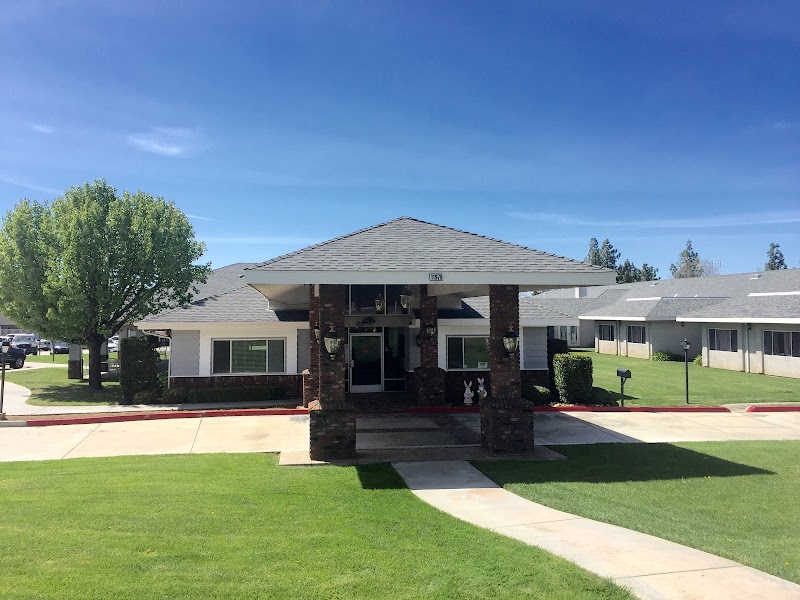
How is Cedar Mountain Post Acute Staffed?

CMS rates CEDAR MOUNTAIN POST ACUTE's staffing level at 2 out of 5 stars, which is below average compared to other nursing homes. Staff turnover is 47%, compared to the California average of 46%.

What Have Inspectors Found at Cedar Mountain Post Acute?

State health inspectors documented 24 deficiencies at CEDAR MOUNTAIN POST ACUTE during 2018 to 2023. These included: 24 with potential for harm.
Who Owns and Operates Cedar Mountain Post Acute?

CEDAR MOUNTAIN POST ACUTE is owned by a for-profit company. For-profit facilities operate as businesses with obligations to shareholders or private owners. The facility is operated by MADISON CREEK PARTNERS, a chain that manages multiple nursing homes. With 99 certified beds and approximately 95 residents (about 96% occupancy), it is a smaller facility located in YUCAIPA, California.
How Does Cedar Mountain Post Acute Compare to Other California Nursing Homes?

Compared to the 100 nursing homes in California, CEDAR MOUNTAIN POST ACUTE's overall rating (4 stars) is above the state average of 3.2, staff turnover (47%) is near the state average of 46%, and health inspection rating (4 stars) is above the national benchmark.

What Should Families Ask When Visiting Cedar Mountain Post Acute?

Based on this facility's data, families visiting should ask: "Can you walk me through typical staffing levels on day, evening, and night shifts?" "Can I visit during a mealtime to observe dining assistance and food quality?" "How do you handle medical emergencies, and what is your hospital transfer rate?" "Can I speak with family members of current residents about their experience?" These questions are particularly relevant given the below-average staffing rating.

Is Cedar Mountain Post Acute Safe?

Based on CMS inspection data, CEDAR MOUNTAIN POST ACUTE has a clean safety record: no substantiated abuse findings (meaning no confirmed cases of resident harm), no Immediate Jeopardy citations (the most serious violation level indicating risk of serious injury or death), and is not on the Special Focus Facility watch list (a federal program monitoring the lowest-performing 1% of nursing homes). The facility has a 4-star overall rating and ranks #1 of 100 nursing homes in California. While no facility is perfect, families should still ask about staff-to-resident ratios and recent inspection results during their visit.

Do Nurses at Cedar Mountain Post Acute Stick Around?

CEDAR MOUNTAIN POST ACUTE has a staff turnover rate of 47%, which is about average for California nursing homes (state average: 46%). Moderate turnover is common in nursing homes, but families should still ask about staff tenure and how the facility maintains care continuity when employees leave.

Was Cedar Mountain Post Acute Ever Fined?

CEDAR MOUNTAIN POST ACUTE has no federal fines on record. CMS issues fines when nursing homes fail to meet care standards or don't correct problems found during inspections. The absence of fines suggests the facility has either maintained compliance or corrected any issues before penalties were assessed. This is a positive indicator, though families should still review recent inspection reports for the full picture.

Is Cedar Mountain Post Acute on Any Federal Watch List?

CEDAR MOUNTAIN POST ACUTE is not on any federal watch list. The most significant is the Special Focus Facility (SFF) program, which identifies the bottom 1% of nursing homes nationally based on persistent, serious quality problems. Not being on this list means the facility has avoided the pattern of deficiencies that triggers enhanced federal oversight. This is a positive indicator, though families should still review the facility's inspection history directly.