CREEKSIDE POST ACUTE
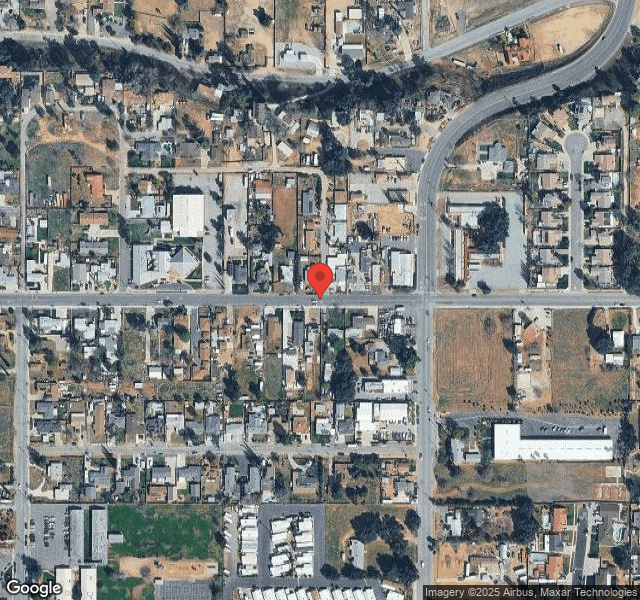
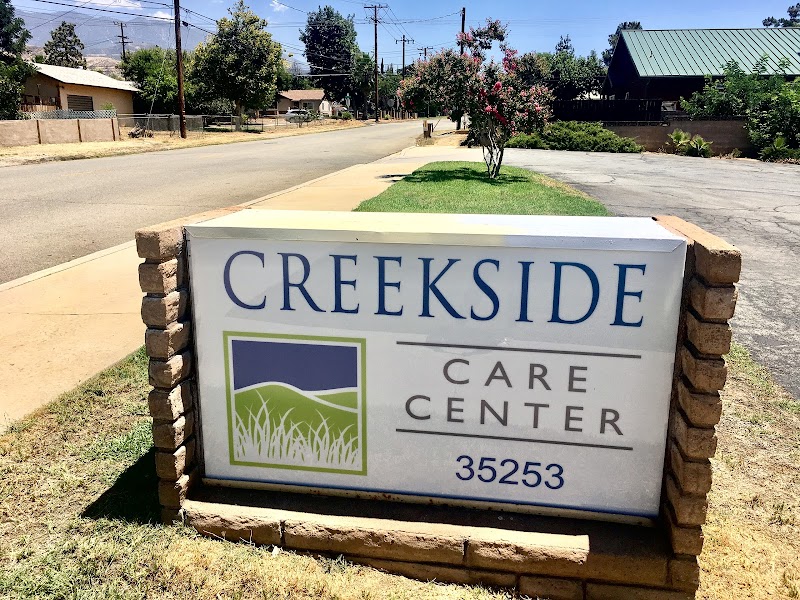
35253 AVENUE H, YUCAIPA, CA 92399 (909) 795-2476
For profit - Limited Liability company 59 Beds Independent Data: November 2025
Trust Grade
60/100
#564 of 1155 in CA
Last Inspection: July 2025

Inspected within the last 6 months. Data reflects current conditions.

Overview

Creekside Post Acute in Yucaipa, California, has a Trust Grade of C+, indicating it is slightly above average but still has room for improvement. It ranks #564 out of 1155 nursing homes in California, placing it in the top half of facilities in the state, and #41 out of 54 in San Bernardino County, meaning only a few local options are better. Unfortunately, the facility's trend is worsening, with issues increasing from 5 in 2024 to 12 in 2025. Staffing is a significant concern, rated at just 1 out of 5 stars, which may affect the quality of care, although the facility has a low turnover rate of 39%, near the state average. There were no fines reported, which is a positive sign, but recent inspections highlighted serious concerns, such as improper food storage practices that could lead to foodborne illnesses and incomplete nutritional assessments for vulnerable residents, indicating potential risks to their health.

Trust Score
C+
60/100
In California
#564/1155
Top 48%
Safety Record
Low Risk
No red flags
Inspections
Getting Worse
5 → 12 violations
Staff Stability
○ Average
39% turnover. Near California's 48% average. Typical for the industry.
Penalties
✓ Good
No fines on record. Clean compliance history, better than most California facilities.
Skilled Nurses
✓ Good
Each resident gets 46 minutes of Registered Nurse (RN) attention daily — more than average for California. RNs are trained to catch health problems early.
Violations
⚠ Watch
29 deficiencies on record. Higher than average. Multiple issues found across inspections.
★★★☆☆
3.0
Overall Rating
★☆☆☆☆
1.0
Staff Levels
★★★★★
5.0
Care Quality
★★★☆☆
3.0
Inspection Score
Stable
2024: 5 issues
2025: 12 issues

The Good

  • 5-Star Quality Measures · Strong clinical quality outcomes
  • Full Sprinkler Coverage · Fire safety systems throughout facility
  • No fines on record
  • Staff turnover below average (39%)

    9 points below California average of 48%

Facility shows strength in quality measures, fire safety.

The Bad

3-Star Overall Rating

Near California average (3.1)

Meets federal standards, typical of most facilities

Staff Turnover: 39%

Near California avg (46%)

Typical for the industry

The Ugly 29 deficiencies on record

Jul 2025 12 deficiencies
CONCERN (D)

Potential for Harm - no one hurt, but risky conditions existed

Deficiency F0578 (Tag F0578)

Could have caused harm · This affected 1 resident

**NOTE- TERMS IN BRACKETS HAVE BEEN EDITED TO PROTECT CONFIDENTIALITY** Based on interview and record review, the facility failed to provide evidence staff discussed with two of seven residents (Resid...

Read full inspector narrative →
**NOTE- TERMS IN BRACKETS HAVE BEEN EDITED TO PROTECT CONFIDENTIALITY** Based on interview and record review, the facility failed to provide evidence staff discussed with two of seven residents (Resident 7 and 54) whether the residents had an existing advance directive (a legal document that explains how an individual wants medical decisions to be made if the individual is incapable of making their own decisions) and were educated on their rights to establish a new advance directive if desired.This failure had the potential for Residents 7 and 54 to receive end of life care not in accordance with their wishes and for life sustaining measures to be rendered against what the residents (or their representatives) wanted.1. A review of Resident 7’s “admission Record” (contains medical and demographic information) indicated Resident 7 was admitted on [DATE], with diagnoses which included acute respiratory failure with hypoxia (a condition where the lungs cannot adequately oxygenate the blood, leading to dangerously low levels of oxygen in the body), cirrhosis of liver (a condition where scar tissue replaces healthy liver tissue due to long-term liver damage), major depressive disorder (a mood disorder that causes a persistent feeling of sadness and a loss of interest) and tracheostomy status (medical condition of a person who has undergone a tracheostomy, a surgical procedure creating an opening in the trachea (windpipe) to facilitate breathing). During a review of Resident 7’s Electronic Health Record (EHR – electronic version of medical records), there was no documented evidence of whether or not Resident 7 had an existing advance directive and no documented evidence that Resident 7 had been informed about his right to formulate an advance directive. During a review of Resident 7’s undated “Physician’s Order for Life Sustaining Treatment” (POLST - written medical orders that addresses a limited number of critical medical decisions), it indicated under Section “D” (section regarding whether or not the resident had an existing advance directive or not) was left blank. During a concurrent interview and record review on July 18, 2025, at 11:51 AM, with the Corporate Medical Records Resource (CMRR), the CMRR stated she reviewed Resident 7’s medical records and was unable to find documented evidence to indicate whether or not Resident 7 or his representative had an advance directive or was provided information regarding the right to formulate an advance directive. The CMRR then reviewed Resident 7’s undated “POLST,” and acknowledged it was blank under section “D” regarding advance directives. During a review of the facility’s policy and procedure titled, “Advance Directives,” dated January 25, 2025, the policy indicated, “The resident has the right to formulate an advance directive, including the right to accept or refuse medical or surgical treatment. Advance directives are honored in accordance with state law and facility policy…1. If the resident or representative indicates that he or she has not established advance directives, the facility staff will offer assistance in establishing advance directives…b. Nursing staff will document in the medical record the offer to assist and the residents decision to accept or decline assistance…2. Information about whether or not the resident has executed an advance directive is displayed prominently in the medical record in a section of the record that is retrievable by any staff…” 2. During a review of Resident 54’s medical record, the “admission Record, it indicated Resident 54 was admitted to the facility on [DATE], with diagnoses which included traumatic hemorrhage of cerebrum (bleeding within the brain tissue itself, resulting from an injury to the head), and chronic respiratory failure with hypoxia (the lungs' inability to adequately oxygenate the blood over an extended period). During a concurrent interview and record review on July 17, 2025, at 1:14 PM, with the Interim Director of Nursing (IDON), the IDON reviewed Resident 54’s clinical record and stated there was no documentation of Resident 54 and/or the representative being offered assistance to accept or decline the establishing of an advanced directive. During a concurrent interview and record review on July 17, 2025, at 1:14 PM, with the IDON, the facility’s policy and procedure (P&P) titled, “Advance Directives,” dated January 25, 2025, was reviewed. The P&P indicated, “ .1. if the resident or representative indicates that he or she has not established advanced directives, the facility staff will offer assistance in the establishing advanced directives…1a. the resident or representative is given the option to accept or decline assistance, and care will not be contingent on either decision…1b. Nursing staff will document in the medical record the offer to assist and the residents decision to accept or decline assistance .”. The IDON stated the policy was not followed.
CONCERN (D)

Potential for Harm - no one hurt, but risky conditions existed

Assessment Accuracy (Tag F0641)

Could have caused harm · This affected 1 resident

**NOTE- TERMS IN BRACKETS HAVE BEEN EDITED TO PROTECT CONFIDENTIALITY** Based on interview and record review, the facility failed to ensure a Minimum Data Set (MDS- a computerized assessment instrumen...

Read full inspector narrative →
**NOTE- TERMS IN BRACKETS HAVE BEEN EDITED TO PROTECT CONFIDENTIALITY** Based on interview and record review, the facility failed to ensure a Minimum Data Set (MDS- a computerized assessment instrument) Assessment was accurately completed to reflect the resident's status, care, and services for one of five sampled residents (Resident 2) reviewed for MDS, when Resident 2's schizophrenia diagnosis (a chronic and severe mental health disorder that affects how a person thinks, feels, and behaves) was not accurately coded on Resident 2's quarterly Minimum Data Set (a standardized, federally mandated evaluation of nursing home residents' health status, conducted every three months or more frequently if there's a significant change in condition) assessment. This failure had the potential to cause inaccuracy in identifying Resident 2's care and support needs.During a review of Resident 2's admission Record (contains demographic and medical information), it indicated Resident 2 was admitted to the facility on [DATE], with diagnoses of acute and chronic respiratory failure with hypoxia (when the lungs cannot adequately oxygenate the blood, leading to dangerously low levels of oxygen in the body), leukopenia (decrease white blood cell count), hypothyroidism (when your thyroid gland doesn't make and release enough hormone into your bloodstream), and schizophrenia. During a review of Resident 2's Quarterly MDS, dated [DATE], under the Section I (Active Diagnosis), it indicated Resident 2 did not have a schizophrenia diagnosis. During a review of Resident 2's Psychiatrist Assessment (a process of gathering information to diagnose and develop a treatment plan for a person experiencing mental health challenges), dated February 17, 2024, November 12, 2024, December 5, 2024, and June 20, 2025, it indicated Resident 2 had a diagnosis of schizophrenia, and was being evaluated and monitored for it. During a concurrent interview and record review on July 17, 2025, at 1:24 PM, with the Minimum Data Set Nurse (RN 2), RN 2 reviewed Resident 2's Quarterly MDS Assessment dated May 16, 2024, and stated Resident 2's active diagnosis for schizophrenia should have been coded.During a concurrent interview and record review on July 17, 2025, at 2:05 PM, with the Interim Director of Nursing (IDON), the facility's policy and procedure (P&P) titled, Accuracy of Assessment (MDS 3.0), dated January 25, 2025, was reviewed. The P&P indicated, It is the policy of this facility to ensure that the assessment accurately reflects the resident's status . The IDON stated the policy was not followed. The IDON further stated it was important for the MDS to be accurately coded to make sure the care and support for the resident was accurate.
CONCERN (D)

Potential for Harm - no one hurt, but risky conditions existed

PASARR Coordination (Tag F0644)

Could have caused harm · This affected 1 resident

**NOTE- TERMS IN BRACKETS HAVE BEEN EDITED TO PROTECT CONFIDENTIALITY** Based on interview and record review, the facility failed to ensure the Pre-admission Screening and Resident Review (PASARR - fe...

Read full inspector narrative →
**NOTE- TERMS IN BRACKETS HAVE BEEN EDITED TO PROTECT CONFIDENTIALITY** Based on interview and record review, the facility failed to ensure the Pre-admission Screening and Resident Review (PASARR - federal requirement to help ensure that individuals are not inappropriately placed in nursing homes for long term care) was re-submitted for one of five sampled residents reviewed for PASARR Assessment (Resident 2).This failure had the potential to result in Resident 2 not being accurately assessed regarding supplemental treatment and services to better meet the needs of the resident.During a review of Resident 2's admission Record (contains medical and demographic information), it indicated Resident 2 was admitted to the facility on [DATE], with diagnoses which included schizophrenia, respiratory failure (when the lungs cannot adequately oxygenate the blood or remove carbon dioxide, leading to hypoxia (low oxygen) and/or hypercapnia (high carbon dioxide), and hypothyroidism (when the thyroid gland doesn't make and release enough hormone into your bloodstream). During a review of Resident 2's Psychiatrist Assessment, dated February 17, 2024, eight days after Resident 2's admission, the assessment indicated Resident 2 was diagnosed with schizophrenia. During a review of Resident 2's clinical record, there was no documented evidence to indicate Resident 2's PASARR was updated and re-submitted to reflect his diagnosis of schizophrenia. During a concurrent interview and record review on July 17, 2025, at 1:24 PM, with the Minimum Data Set Nurse (RN 2), RN 2 reviewed Resident 2 clinical records and stated it was her responsibility to update and re-submit the PASARR when there were any new diagnoses. RN 2 further stated she did not update and re-submit a new PASARR Assessment Level 1 for Resident 2 when she should have. During a review of the facility's policy and procedure (P&P) titled, PASRR Completion Policy, dated January 25, 2025, it indicated, The center will make sure that all admissions have the appropriate Patient Assessment and Resident Review (PASRR) completed.3. Administrator is accountable for monitoring the process of completing the necessary paperwork for the admission.
CONCERN (D)

Potential for Harm - no one hurt, but risky conditions existed

Pressure Ulcer Prevention (Tag F0686)

Could have caused harm · This affected 1 resident

**NOTE- TERMS IN BRACKETS HAVE BEEN EDITED TO PROTECT CONFIDENTIALITY** Based on interview and record review, the facility failed to ensure one of one resident (Resident 4) reviewed for pressure ulcer...

Read full inspector narrative →
**NOTE- TERMS IN BRACKETS HAVE BEEN EDITED TO PROTECT CONFIDENTIALITY** Based on interview and record review, the facility failed to ensure one of one resident (Resident 4) reviewed for pressure ulcers (a localized injury to the skin and/or underlying tissue resulting from pressure on the skin) received care for skin breakdown as specified in the resident's care plan (an individualized plan for the medical care of a resident) and physician's orders when there was no documented evidence to indicate Resident 4 received physician ordered wound care treatment for multiple days in May, June, and July 2025.This failure had the potential for Resident 4 to experience worsening pressure ulcer wounds and delayed wound healing.A review of Resident 4's admission Record (contains medical and demographic information), indicated Resident 4 was initially admitted on [DATE], with diagnoses which included cerebral palsy (a neurological disorder that affects movement, posture, and muscle tone), multiple sclerosis (a condition that affects your brain and spinal cord [central nervous system]), and epilepsy (seizure disorder).During a review of Resident 4's care plan, titled Sacrum [triangular bone at the base of the spine] stage 4 pressure injury [a pressure ulcer that has become so deep that there is damage to the muscle and bone, and sometimes to tendons and joints], dated May 20, 2025, it indicated, .goal - The resident's pressure ulcer will show signs of healing.interventions.administer treatments as ordered and monitor for effectiveness.During a review of Resident 4's care plan titled, Left malleolus [bony prominence on outside of the left ankle] stage 3 pressure injury [a pressure ulcer that extends through the skin tissues and into the fat layers], dated May 20, 2025, it indicated, .goal - The resident's pressure ulcer will show signs of healing.interventions.Administer treatments as ordered and monitor for effectiveness.During a review of Resident 4's care plan titled, Right lateral foot [outer aspect of right ankle] unstageable pressure injury/neuropathy [a pressure sore which has dead or non-viable tissue inside it which does not allow for pressure sore staging], dated July 8, 2025, the care plan indicated, .goal - The resident's pressure ulcer will show signs of healing.interventions.administer treatments as ordered and monitor for effectiveness.During a review of Resident 4's Treatment Administration Record (TAR - a document used by staff to record treatments administered to the resident) for the month of May 2025, it indicated the following:-For the resident's left malleolus pressure ulcer, there was a physician's order to .cleanse with NS [normal saline], pat dry, Therahoney [a honey based wound dressing], 4x4 foam dressing [a type of wound dressing] every day shift for 21 days. Upon further review of the TAR, there was no documented evidence indicating treatment had been provided to the resident on the days of May 4,11, and 20th, of 2025.-For the resident's sacrum pressure ulcer, there was a physician's order to .cleanse with NS, pat dry, Therahoney, 4x4 foam dressing every day shift for 21 days. Upon further review of the TAR, there was no documented evidence indicating treatment had been provided to the resident on the days of May 4,11, and 20, of 2025-A physician's order dated March 18, 2025, indicated, low air loss mattress [a specialized mattress which utilizes air to help prevent and treat pressure wounds] for tissue load management. Check placement, motor and setting every shift for preventive measures. Upon further review of the TAR, there was no documented evidence indicating the low air loss mattress was checked by staff on the day shift of May 4, and 11, 2025, and the evening shift of May 16, 19, 21, 22, 26, 27, and 28, of 2025.During a review of Resident 4's TAR for the month of June 2025, it indicated the following:-For the resident's sacrum pressure ulcer, there was a physician's order to .cleanse with NS, pat dry, Santyl [an ointment used to remove dead tissue from a wound], pack with packing strip [a type of gauze], 4x4 foam dressing every day shift for 21 days. Upon further review of the TAR, there was no documented evidence indicating treatment had been provided to the resident on the days of June 8, and 11, of 2025.- A physician's order dated March 18, 2025, indicated, low air loss mattress for tissue load management. Check placement, motor and setting every shift for preventive measures. Upon further review of the TAR, there was no documented evidence indicating the low air loss mattress was checked by staff on the evening shift of June 7, 10, 16, and 17, of 2025.During a review of Resident 4's TAR, dated July 2025, it indicated the following:- A physician's order dated March 18, 2025, indicated, low air loss mattress for tissue load management. Check placement, motor and setting every shift for preventive measures. Upon further review of the TAR, there was no documented evidence indicating the low air loss mattress was checked by staff on the evening shift of July 5, 6, 7, 10, 11, 15, and 16, of 2025.During a concurrent interview and record review on July 18, 2025, at 2:05 PM, with the Interim Director of Nursing (IDON), Resident 4's TARs for the months May, June, and July 2025, were reviewed. The IDON acknowledged there were multiple days in which there was no documentation Resident 4 received physician ordered wound treatments. The IDON further stated it was important to ensure treatments were performed and documented as ordered by the physician.During a review of the facility's policy and procedure titled, Comprehensive Person-Centered Care Planning, dated January 25, 2025, the policy indicated, .4. The facility IDT [interdisciplinary team - a team of healthcare professionals] will develop and implement a comprehensive person-centered care plan for each resident.
CONCERN (D)

Potential for Harm - no one hurt, but risky conditions existed

Accident Prevention (Tag F0689)

Could have caused harm · This affected 1 resident

**NOTE- TERMS IN BRACKETS HAVE BEEN EDITED TO PROTECT CONFIDENTIALITY** Based on observation, interview, and record review, the facility failed to ensure one of two residents (Resident 43) reviewed fo...

Read full inspector narrative →
**NOTE- TERMS IN BRACKETS HAVE BEEN EDITED TO PROTECT CONFIDENTIALITY** Based on observation, interview, and record review, the facility failed to ensure one of two residents (Resident 43) reviewed for environment/accidents was free from accident hazards when Resident 43 fell from bed while receiving care from a Certified Nursing Assistant (CNA) on April 22, 2025.This failure may have contributed to Resident 43 to experience uncontrolled pain in the resident's coccyx area (often referred to as the tailbone, a small bone at the base of the spine) which resulted in the resident needing treatment and evaluation at a hospital.A review of Resident 43's admission Record (contains medical and demographic information), indicated Resident 43 was initially admitted on [DATE], with diagnoses which included osteomyelitis of vertebra (infection of the spine), dependence on respirator [ventilator] (ventilator- a machine which helps a person to breathe) status (refers to a patience reliance on a mechanical ventilator to breathe due to impaired lung function).During a review of Resident 43's Minimum Data Set Assessment (MDS assessment - a comprehensive assessment of a residents functioning status), dated April 4, 2025, the assessment indicated Resident 43 had impairment in both her upper and lower extremities (arm and leg) on one side of her body and was dependent upon staff when rolling left to right and right to left while in bed.During a review of Resident 43's Fall Risk Assessment (a scored assessment used to determine fall risk of a resident), dated March 28, 2025, the assessment indicated Resident 43 was, disoriented x 3 [disoriented to three of the following categories: person, place, time, situation] at all times and the resident was High Risk for falls.During a review of Resident 43's nursing progress note, dated April 22, 2025, the progress note indicated, CNA was in the process of changing Pt [patient] Pt was turned to her right, laying on her left. Pt turned further, and fell off the left side of the bed. Landed on her knees, then on to her coccyx.During a review of Resident 43's nursing progress note, dated April 22, 2025, the progress note indicated, N.O. [new order] received by NP [nurse practitioner] .transfer out to ER [emergency room] r/t [related to] uncontrolled back pain s/p [status post] fall.During a review of Resident 43's respiratory therapy progress note, dated April 22, 2025, the progress note indicated, Pt left with [name of ambulance company] .due to severe back pain after falling out of bed.During a review of Resident 43's Interdisciplinary Team note (IDT - a team of healthcare professionals from different disciplines working together to provide patient care), dated April 22, 2025, the IDT note indicated, Witnessed fall.root cause analysis, what was the root cause identified by IDT? CNA miscalculated pt's roll during her brief change.During a review of Resident 43's IDT note tilted, Post Fall Review, dated April 23, 2025, the review indicated, After investigation, it was concluded that while CNA was in the process of providing care to resident. CNA repositioned resident to have her laying on her left side of the bed and did not notice resident being too close to the edge of the bed at time of repositioning that resident rolled off the bed and landed on her knees and her coccyx.Interventions: .transfer out to hospital for unsubsided pain.staff in-service.During an interview on July 15, 2025, at 3:44 PM, Resident 43 stated she was sent to the hospital in April 2025 because she fell from her bed while a CNA was changing her brief. Resident 43 further stated there was one CNA present when she fell and she was sent to the hospital the next day because she had pain on her tailbone.During an interview on July 17, 2025, at 1:57 PM, with the Operation Manager (OP), the OP stated the facility investigation concluded that Resident 43's fall was the witness CNA's fault. The OP further stated when rolling residents in bed during cares, the resident was supposed to always be rolled towards the staff member, but the CNA stated she rolled the resident away from her instead, and that's when Resident 43 fell from the bed.During an interview on July 18, 2025, at 1:34 PM, with the Corporate Medical Records Resource (CMRR), the CMRR stated the facility did not have a policy and procedure regarding bed mobility or turning residents while in bed.During a review of the facility's policy and procedure titled, Safety and Supervision of Residents, dated January 25, 2025, the policy indicated, Our facility strives to make the environment as free from accident hazards as possible. Resident safety and supervision and assistance to prevent accidents are facility-wide priorities.
CONCERN (D)

Potential for Harm - no one hurt, but risky conditions existed

Respiratory Care (Tag F0695)

Could have caused harm · This affected 1 resident

**NOTE- TERMS IN BRACKETS HAVE BEEN EDITED TO PROTECT CONFIDENTIALITY** Based on observation, interview, and record review, the facility failed to ensure their manual resuscitation (process of assisti...

Read full inspector narrative →
**NOTE- TERMS IN BRACKETS HAVE BEEN EDITED TO PROTECT CONFIDENTIALITY** Based on observation, interview, and record review, the facility failed to ensure their manual resuscitation (process of assisting or taking over a patient's breathing using a handheld device) policy was implemented for one of three residents (Resident 4) reviewed for respiratory care, when Resident 4 did not have an Artificial Manual Breathing Unit bag (AMBU bag - a hand-held medical device used to provide respiratory support to patients who are not breathing or are having difficulty breathing. Also known as a bag-valve-mask (BVM) or a manual resuscitator) at the bedside.This failure had the potential for Resident 4 to receive delayed emergency resuscitative measures during an emergency as a result of not having the required medical equipment immediately available.A review of Resident 4's admission Record (contains medical and demographic information) indicated Resident 4 was initially admitted on [DATE], with diagnoses which included acute respiratory failure with hypoxia (a condition where the lungs cannot adequately oxygenate the blood, leading to dangerously low levels of oxygen in the body), tracheostomy status (presence of a tracheostomy -surgically created opening in the neck that provides a direct pathway into the trachea for breathing), and dependence on respirator (ventilator- a machine which helps a person to breathe) status (refers to a patience reliance on a mechanical ventilator to breathe due to impaired lung function).During an observation on July 15, 2025, at 12:02 PM, Resident 4 was lying in her bed. Resident 4 had a tracheostomy which was connected to a ventilator. Resident 4 did not have an AMBU bag at her bedside or anywhere in the resident's immediate vicinity.During an interview on July 15, 2025, at 12:03 PM, with Respiratory Therapist 1 (RT 1), RT 1 stated every resident was supposed to have an AMBU bag at the head of their bed in case of an emergency.During a concurrent observation and interview on July 15, 2025, at 12:08 PM, with RT 1, in Resident 4's room,. RT 1 acknowledged Resident 4 did not have an AMBU bag available at the head of the bed or anywhere else in the resident's immediate vicinity. RT 1 looked for an AMBU bag in the resident's room but was unable to find an AMBU bag anywhere. RT 1 stated Resident 4 was supposed to have an AMBU bag available for her but did not. RT 1 further stated it is unacceptable.During an interview on July 18, 2025, at 1:36 PM, with the Respiratory Therapy Resource (RTR), the RTR stated the required equipment to be kept in the room for each resident included an AMBU bag and it was supposed to be at the resident's bedside. The RTR further stated it was important to keep an AMBU bag at the bedside in case they needed to perform manual ventilation of the resident (the process of assisting or taking over a patient's breathing using a handheld device, typically a bag-valve-mask (BVM) or AMBU bag, instead of a mechanical ventilator).During an interview on July 18, 2025, at 2:03 PM, with the Interim Director of Nursing (IDON), the IDON stated an AMBU bag was supposed to be at the bedside of all residents that had a tracheostomy and required the use of a ventilator.During a review of the facility's policy and procedure titled, Manual Resuscitation Device, dated April 17, 2025, it indicated, Policy: A manual resuscitator device will be placed at the bedside of each resident.Definition: A manual resuscitator device is a self-inflating bag-valve-mask device designed for the manual ventilation of a resident.
CONCERN (D)

Potential for Harm - no one hurt, but risky conditions existed

Medical Records (Tag F0842)

Could have caused harm · This affected 1 resident

**NOTE- TERMS IN BRACKETS HAVE BEEN EDITED TO PROTECT CONFIDENTIALITY** Based on interview and record review, the facility failed to ensure the documentation in the Electronic Health Record (EHR) was ...

Read full inspector narrative →
**NOTE- TERMS IN BRACKETS HAVE BEEN EDITED TO PROTECT CONFIDENTIALITY** Based on interview and record review, the facility failed to ensure the documentation in the Electronic Health Record (EHR) was accurate for one of four residents (Resident 4) reviewed for advance directives (a legal document that outlines a person's healthcare wishes in the event that they become unable to make medical decisions for themselves due to illness, injury, or incapacity) when Resident 4's code status (refers to a patient's preferences regarding cardiopulmonary resuscitation [CPR] and other life-sustaining measures in the event of cardiac or respiratory arrest) contradictorily indicated Resident 4 was both Do Not Resuscitate (DNR - a medical order that instructs healthcare providers not to perform CPR if a patient's heart stops or breathing ceases) and Full-Code (indicates a patient's wish to receive all possible medical interventions, including CPR in the event the heart stops or breathing ceases).This failure had the potential for Resident 4 to receive end of life care not in accordance with their wishes and for life sustaining measures to be rendered against what the resident wanted.A review of Resident 4's admission Record (contains medical and demographic information), indicated Resident 4 was initially admitted on [DATE], with diagnoses which included acute respiratory failure with hypoxia (a condition where the lungs cannot adequately oxygenate the blood, leading to dangerously low levels of oxygen in the body), tracheostomy status (presence of a tracheostomy), and dependence on respirator (ventilator) status (refers to a patience reliance on a mechanical ventilator to breathe due to impaired lung function).During a review of Resident 4's EHR, the residents code status indicated .Do not resuscitate.full code.During an interview on [DATE], at 8:50 AM, with the Interim Director of Nursing (IDON), the IDON stated staff could find out the code status of a resident based off a document titled Physicians Orders for Life Sustaining Treatment, (POLST) or in the resident's electronic health record. The DON further stated the Code Status in the EHR was supposed to reflect the correct code status for each resident and that it was important to ensure the EHR accurately reflected the residents code status because it indicated what wishes the resident or the representative have for the resident.During a concurrent interview and record review on [DATE], at 8:52 AM, with the Interim Director of Nursing (IDON), Resident 4's EHR was reviewed. The IDON acknowledged Resident 4's code status indicated both DNR and Full Code. The IDON stated the EHR was incorrect and should only indicate the resident was DNR. The IDON further stated it was the licensed nurses' responsibility to ensure the code status for each resident was correct in the EHR.During a review of the facility's policy and procedure titled, Documentation Content of the Record Set, (undated), the policy indicated, .Federal regulation (F842) requires that the facility must maintain clinical records on each resident in accordance with accepted professional standards and practices that are complete, accurately documented, readily accessible and systematically organized.
CONCERN (D)

Potential for Harm - no one hurt, but risky conditions existed

Infection Control (Tag F0880)

Could have caused harm · This affected 1 resident

**NOTE- TERMS IN BRACKETS HAVE BEEN EDITED TO PROTECT CONFIDENTIALITY** Based on observation, interview, and record review, the facility failed to ensure facility staff follow the Infection Control Po...

Read full inspector narrative →
**NOTE- TERMS IN BRACKETS HAVE BEEN EDITED TO PROTECT CONFIDENTIALITY** Based on observation, interview, and record review, the facility failed to ensure facility staff follow the Infection Control Policies and Procedure 's standards for Transmission-Based Precautions (actions implemented in addition to standard precautions that are based upon the means of transmission in order to prevent or control infections) when a staff member was observed entering a Contact Precaution (measures that are intended to prevent transmission of infectious agents which are spread by direct or indirect contact with the resident or the resident's environment) room without wearing the required Personal Protective Equipment (PPE- protective items or garments worn to protect the body or clothing from hazards that can cause injury and to protect residents from cross-transmission.). This failure had the potential to place all residents, visitors, and staff at risk of being exposed to a contagious disease (illness caused by the spread of germs) that could compromise their health.Findings: During a review of the Resident 26's face sheet, it indicated Resident 26 was admitted to the facility on [DATE], with diagnoses which included chronic respiratory failure (a long-term condition where the respiratory system cannot adequately exchange oxygen and carbon dioxide), tracheostomy (an opening surgically created through the neck into the windpipe to allow air to fill the lungs) status, and gastrostomy (a surgically created opening in the stomach, typically accessed through the abdominal wall, that allows for the insertion of a feeding tube) status. During a review of Resident 26's physician's orders, dated July 2025, it indicated Resident 26 was placed on Contact Precautions due to being diagnosed with Candida Auris (a type of yeast that can cause severe illness and spreads easily among patients in healthcare facilities) as of July 20, 2024. During an observation and interview, on July 15, 2025, at 12:37 PM, a Certified Nurse Assistant 1 (CNA1) was outside Resident 26's room. CNA 1 performed hand hygiene using Hand Alcohol Rub ([NAME]), removed a lunch tray from the food cart, and entered Resident 26's room. Resident 26's room had a sign at the door which read Contact Precautions (measures that are intended to prevent transmission of infectious agents which are spread by direct or indirect contact with the resident or the resident's environment). CNA 1 entered the room without wearing PPE.During further observation, CNA 1 placed the tray on the over-the-bed table in front of Resident 26, returned to the door and removed a pair of gloves from the box located on the wall inside the room and don gloves. CNA1 returned to Resident 26's bedside, repositioned the resident in bed, placed a clothing protector, and opened the beverages from the lunch tray while wearing the same pair of gloves and no isolation gown. Upon exiting Resident 26's room, CNA 1 stated she usually wears a gown and gloves before entering a Contact Precaution room. CNA 1 could not explain why she had not done so on this occasion. During an interview with Licensed Vocational Nurse 7 (LVN 7), on July 15, 2025, at 12:37 PM, LVN 7 stated staff are required to perform hand hygiene and must wear a gown and gloves (PPE) before entering any Contact Precaution room. During an interview with the Infection Practitioner (IP) on July 16, 2025, at 11:12 AM, the IP stated all staff members are required to don (to put on) Personal Protective Equipment (PPE), including gowns and gloves, when entering such rooms. The IP further stated CNA1 should have performed hand hygiene, donned the appropriate PPE, requested another staff member to hand her the resident's lunch tray from the lunch cart, and then entered the room. The IP stated that CNA1 did not follow the facility's protocol when she entered the Contact Precaution room without wearing PPE. During a concurrent interview and record review with the Operational Manager (OP) on July 18, 2025, at 1:18 PM, the facility's Policies and Procedures (P&P) titled Isolation- Categories of Transmission-Based Precautions revised February 19, 2025, was reviewed. The P&P indicated, Transmission-Based Precautions are initiated when a resident develops signs and symptoms of a transmissible infection; arrives for admission with symptoms of an infection; or has a laboratory confirmed infection; and is at risk of transmitting the infection to other residents. Policy interpretation and implementation: (1) standard precautions are used when caring for residents at all times regardless of their suspected or confirmed infection status, (2) Transmission-Based Precautions are additional measures that protect staff, visitors and other residents from becoming infected . The three types of Transmission-Based Precautions are contact, droplet and airborne . Contact precautions: (7) staff and visitors wear gloves when entering the room . (8) staff and visitors wear a disposable gown upon entering the room and remove before leaving the room and avoid touching potentially contaminated surfaces with clothing after gown is removed. The OP acknowledged that the facility's P&P were not followed and stated CNA1 should have don PPE before entering the Contact Precaution room.
CONCERN (E)

Potential for Harm - no one hurt, but risky conditions existed

Deficiency F0692 (Tag F0692)

Could have caused harm · This affected multiple residents

**NOTE- TERMS IN BRACKETS HAVE BEEN EDITED TO PROTECT CONFIDENTIALITY** Based on observation, interview, and record review, the facility failed to maintain the acceptable parameters of nutritional sta...

Read full inspector narrative →
**NOTE- TERMS IN BRACKETS HAVE BEEN EDITED TO PROTECT CONFIDENTIALITY** Based on observation, interview, and record review, the facility failed to maintain the acceptable parameters of nutritional status (factors that reflect that an individual's nutritional status is adequate, relative to his/her overall condition and prognosis, such as weight, food/fluid intake, and pertinent laboratory values), recognize, evaluate, and address the nutritional needs of one of three residents reviewed for nutrition (Resident 26) when: 1. Resident 26's tube feeding (method of providing nutrition directly into the stomach or small intestine when a person is unable to eat enough or at all by mouth) formula was administered as ordered by the physician on July 15, 2025, and July 16, 2025. Resident 26's had an order to receive 95 ml (milliliters, a unit of volume) per hour. On July 15, 2025, at 3:52pm Resident 26 only received 500 ml of formula for 9 hours, but should have received 855 ml (a difference of 355 ml). On July 16, 2025, at 3:32 PM, Resident 26 received 380 ml for 8 hours, of feeding but should have received 570 ml (a difference of 190 ml). 2. Residents 26's care plan (individualized treatment plan) interventions for pulling on his tube feeding and other life supporting medical equipment were not reevaluated since 2024. 3. Resident 26's intake and output (the measurement and recording of fluids consumed by a patient (intake) and fluids eliminated from the body (output)) was not accurately documented by the staff in accordance with the facility's policy. These failures had the potential to have contributed to Resident 26, a medically compromised patient, to lose 22 pounds in six months.Findings: 1. During a review of Resident 26's face sheet (contains demographic and medical information), it indicated Resident 26 was admitted to the facility on [DATE], with diagnosis of anoxic brain injury (brain damage from lack of oxygen), chronic respiratory failure (chronic lung disease that causes decreased oxygen) and hypertension (high blood pressure). During a review of Resident 26's physician orders, dated May 31, 2025, it indicated Resident 26 had an order to receive Enteral Feed Order, [Brand Name] 1.5 at 95 ml/hr (hour) x (for) 20 hours to provide 1900ml/ (or) 2850 kcal (a unit of energy measurement used in nutrition) due to weight loss. On at noon and off at 8:00 AM During a review of Resident 26's weight record, dated January 1, 2025, to June 25, 2025, it indicated Resident 26's weight on January 1, 2025, was 217 pounds, and 195 pounds on June 24, 2025 (22 pounds weigh lost). During a review of Resident 26's Progress Note, dated June 9, 2025, it indicated, .WT TREND (weight trends) -22# (a loss of 22 pounds) x(in) 6 months (10.1%) . During an observation on July 15, 2025, at 3:52 PM, with a Licensed Vocational Nurse (LVN 9), in Resident 26's room, Resident 26's was lying in bed, sleeping. Resident 26's tube feeding formula, which was hanging on a pole next to the resident, was inspected. Its label indicated the formula was initially hung on July 15, 2025, at 3:00 AM. It had approximately 1100 ml remaining, of a total volume of 1500 ml. (Resident 26 received 500 ml of formula for 9 hours, [Enteral Feed Order. on at noon and off at 8:00 AM] but should have received 855.) During another observation on July 16, 2025, at 3:32 PM, with LVN 9, in Resident 26's room, Resident 26 was lying in bed and appeared restless while pulling on the cord of his tube feeding. Resident 26's tube feeding formula, which was hanging on a pole next to the resident, was inspected. Its label indicated the formula was initially hung on July 16, 2025, hung at 4:00 AM. It had approximately 1400 ml remaining of a total volume of 1500 ml. (Resident 26 only received 380 ml of formula for 8 hours, [Enteral Feed Order. on at noon and off at 8:00 AM] but should have received 570 ml). During an interview on July 17, 2025, at 12:17 PM, with the Registered Dietitian (RD), the RD stated Resident 26 should have received 855 ml of the prescribed tube feeding for 9 hours but only received 500 ml. The RD further stated he did not receive 355 ml of the prescribed tube feeding for the day. The RD also stated that on July 16, 2025, Resident 26 should have received a total of 570 ml of the prescribed tube feeding for 6 hours, however only 190 ml were administered, leading for Resident 26 to miss 380 ml of the prescribed tube feeding. During a continued interview, RD stated Resident 26 should have received the correct amount ordered by the physician. The RD further stated she could not deny that missed feedings could contribute to weight loss. The RD stated Resident 26 was completely bed bound and was losing muscle mass, and the nursing staff should have documented the reason why the full tube feeding order was not provided. During a review of the facility's policy and procedure (P&P) titled, Nutrition Status Management, dated January 25, 2025, it indicated . ensure that all residents maintain acceptable parameters of nutritional status, such as body weight. During a review of the facility's P&P titled, Enteral Formula, Administration of Closed System, dated January 25, 2025, it indicated . This policy provides a means to safely administer a complete nutritional feeding to the resident. 2. During an observation and concurrent interview on July 16, 2025, at 3:32 PM, with Licensed Vocational Nurse (LVN 9), in Resident 26's room, Resident 26 was lying in bed, restless, and was pulling on the cord of his tube feeding. LVN 9 stated, the housekeeping staff just cleaned up because the resident had pulled on his tube feeding the water flush fell on the floor and spilled water on the floor. LVN 9 stated Resident 26 has a history of pulling at his feeding tube and other medical equipment. During a review of Resident 26's nurses note, dated November 26, 2024, at 1:00 PM, it indicated Resident continues to have episodes of pulling out life sustaining devices. During a review of Resident 26's nurses note, dated December 20, 2024, at 6:50 PM, it indicated . residents g-tube (gastrointestinal tube - medical device inserted into the stomach or small intestine to provide nutrition, fluids, or medications when a person is unable to eat or swallow adequately) is dislodged. During a review of Resident 26's nurses note, dated January 23, 2025, at 2:19 PM, it indicated Rounds made resident noted with continued behaviors of pulling of life sustaining medical devices, such as g-tube. During an interview and concurrent record review on July 22, 2025, at 4:00 PM, with the Interim Director of Nursing (IDON), the IDON reviewed Resident 26's care plan for .behavior problem of self-grounds, combative, continuous pulling on trach (tracheostomy tube is a curved tube inserted into a surgically created opening (stoma) in the trachea (windpipe) to facilitate breathing when a patient's upper airway is compromised), medical equipment which indicated it was first initiated on June 19, 2024, and was last revised on November 8, 2024. There was no documented evidence to indicate the care plan was reviewed and/or revised to address the incidents on November 16, 2024, December 20, 2024, and January 23, 2025. The IDON confirmed that interventions for this area of focus had not been updated and reevaluated to meet Resident 26's needs since 2024. During a review of the facility's P&P titled, Comprehensive Person-Centered Care Planning, dated January 25, 2025, it indicated, .The resident's comprehensive plan of care will be reviewed and/or revised by the IDT (Interdisciplinary Team- a group of healthcare professionals from various disciplines who collaborate to provide comprehensive care for a patient) after each assessment, including both the comprehensive and quarterly review assessments. 3. During an interview on July 16, 2025, at 3:47 PM, with LVN 9, LVN 9 stated she does not document how much of the tube feeding was given to Resident 26. LVN 9 further stated she was not sure how much was given at the prior shift. She stated that during her shift she had to turn off the feeding once because Resident 26 pulled on the feeding tube cord and knocked over the pole with the feeding and the water. LVN 9 stated that she did not document Resident 26's intake and output. During a record review of Resident 26's physician orders, it indicated Enteral Feed Order, [Brand Name] 1.5 at 95 ml/hr (hour) x (for) 20 hours to provide 1900ml/ (or) 2850 kcal (a unit of energy measurement used in nutrition) due to weight loss. On at noon and off at 8:00 AM During a concurrent interview and record review on July 18, 2025, at 3:41 PM, with the IDON, Resident 26's Medication Administration Record (MAR- a daily documentation record used by a licensed nurse to document medications and treatments given to a resident), for the month of July 2025, was reviewed. The IDON confirmed LVN 9 documented Resident 26 had completed prescribed feeding on July 15, 2025, and July 16, 2025. The IDON further stated that licensed nurses were not documenting the intake and output for Resident 26 in accordance with the facility's policy Enteral Formula, Administration of Closed System. During a review of the facility's P&P titled Enteral Formula, Administration of Closed System, dated January 25, 2025, it .17. Maintain and record intake and output.All resident requiring enteral tube feeding will be monitored and document daily according to the following guidelines. This policy provides a means to ensure that all residents who are fed via enteral tube feeding will receive appropriate treatment with the potential for complications minimized. 2. The licensed Nurse will record when the feeding is completed.
CONCERN (E)

Potential for Harm - no one hurt, but risky conditions existed

Deficiency F0761 (Tag F0761)

Could have caused harm · This affected multiple residents

**NOTE- TERMS IN BRACKETS HAVE BEEN EDITED TO PROTECT CONFIDENTIALITY** Based on observation, interview, and record review, the facility failed to ensure all drugs and biologicals used were labeled in...

Read full inspector narrative →
**NOTE- TERMS IN BRACKETS HAVE BEEN EDITED TO PROTECT CONFIDENTIALITY** Based on observation, interview, and record review, the facility failed to ensure all drugs and biologicals used were labeled in accordance with professional standards, and storage of medications were properly secured for two of 11 medication carts (Med Cart - used to transport medication to resident's rooms) when: 1. Two bubble packs (small package enclosing goods in transparent dome-shaped plastic on a flat cardboard backing) containing Resident 18's Eliquis (a medication used for blood thinner) were found without expiration dates. This failure had the potential to cause the medication to lose its potential effects and be used for Resident 18. 2. Eight tubes of Santyl (a medication used for wounds) ointment were found without resident's identification labels. This failure had the potential to be accessed and administered in error. 3. Licensed Vocational Nurse (LVN 2) left Med Cart 4-1 unlocked and unattended for ten minutes. This failure had the potential to increase the risk of unauthorized access, misuse, and/or harm to a highly vulnerable population of 52 residents. 4. LVN 8 left Med Cart 3-1 unlocked and unattended for 5 minutes. This failure had the potential to increase the risk of unauthorized access, misuse, and/or harm to a highly vulnerable population of 52 residents.Findings: 1. During an inspection of medication cart 4-1 with a Licensed Vocational Nurse 1 (LVN1), on July 17, 2025, at 6:29 AM, two bubble packs containing Resident 18’s Eliquis 5 mg (milligram-a unit of measurement), which had missing expiration dates, were found inside a drawer. LVN 1 verified the finding. During an interview on July 17, 2025, at 6:40 AM, with LVN 1, confirmed the two bubble packs of Eliquis did not have an expiration date. LVN 1 further explained that Registered Nurses typically verify the expiration dates upon receipt of medications from the pharmacy and she does not know why these two bubble packs have no expiration dates on the labels. During an interview with the Operational Manager (OP) on July 17, 2025, at 10:55 AM, The OP acknowledged both bubble packs were to be removed from the medication cart, re-ordered, and the pharmacy was contacted to send new packets. 2. During an inspection of the treatment cart with LVN 3, on July 17, 2025, at 7:25 AM. Eight tubes of unlabeled Santyl medications were found inside the treatment cart. LVN 3 verified the finding. During the interview with the OP on July 17, 2025, at 10:55 AM, the OP stated that each Santyl ointment tube must have a pharmacy-issued label for safe identification of the resident. During a concurrent interview and record review with the OP on July 18, 2025, at 10:44 AM, the Policy and Procedure (P&P) titled, “Labeling Requirements,” dated January 25, 2025, was reviewed. The P&P indicated, “All prescription drugs labels shall include the following information: (a) Brand or generic name of drug…(b) Strength of drug … (1) Quantity, (2) Expiration Date, (3) Resident’s name, (4) Direction of use, (5) Physician’s Name, (6) Date of dispensing, (7) Name, address and phone number of Pharmacy dispensing (8) Prescription number, (9) Any applicable Auxiliary Labels, (c) Improperly labeled containers will not be allowed for use and will be returned to the pharmacy as soon as possible, (d) Non-prescription/floor stock drugs must be kept in the original container … (e) Containers with soiled, damaged, incomplete, ineligible or makeshift labels are not to be used … (f) The nursing staff is not allowed to modify the Rx label in any way. Transferring content from one container to another is not allowed.” The OP acknowledged that the facility’s P&P were not followed. 3. During an observation on July 17, 2025, at 5:30 AM, LVN 2 was observed in hallway 4 preparing residents’ medications. LVN 2 entered room [ROOM NUMBER] to administer medications to residents in the room. LVN 2 was observed leaving the medication cart 4-1 unlocked, and unattended for 10 minutes. During an interview on July 17, 2025, at 5:40 AM, LVN 2 acknowledged the medication cart was unlocked and unattended. LVN 2 further stated the cart should have been locked when not in use. 4. During an observation on July 17, 2025, at 5:56 AM, a medication cart 3-1 was parked in hallway 3, outside of room [ROOM NUMBER], unlocked. LVN 8 was inside room [ROOM NUMBER], leaving the medication cart unlocked, and unattended for 5 minutes. During an interview on July 17, 2025, at 6:01AM, LVN 8 acknowledged the medication cart was unlocked and unattended. LVN 8 further stated the cart should have been locked when not in use. During a concurrent interview and record review, on July 17, 2025, at 7:15 AM, with the Interim Director of Nursing (IDON), the facility's policy and procedure (P&P) titled Security of Medication Cart, dated January 25, 2025, was reviewed. The P&P indicated, “…1. The nurse must secure the medication cart during the medication pass to prevent unauthorized entry…4. Medication carts must be securely locked at all times when out of the nurse’s view .” The IDON stated the P&P was not followed and further stated the medication carts should always be locked when unattended.
CONCERN (F)

Potential for Harm - no one hurt, but risky conditions existed

Deficiency F0801 (Tag F0801)

Could have caused harm · This affected most or all residents

Based on interview and record review, the facility failed to ensure staff who had appropriate competencies and skill set completed the resident's Quarterly Nutrition Assessment (a detailed evaluation ...

Read full inspector narrative →
Based on interview and record review, the facility failed to ensure staff who had appropriate competencies and skill set completed the resident's Quarterly Nutrition Assessment (a detailed evaluation of eating habits, weight and overall health related to food, done every 3 months). This failure had the potential to place 52 highly vulnerable residents' health at risk due to not receiving an adequate nutritional assessment.During a review of Residents 5, 8, 25 and 26's Quarterly Nutrition Assessments (comprehensive evaluation of an individual's nutritional status, aiming to identify any nutritional deficiencies or risks, and guide personalized interventions) between November 2024, through June 2025, it indicated the assessments were completed and signed by the Dietary Service Supervisor (DSS 1).During a review of Resident 8, 25 and 26's Quarterly Nutrition Assessments between November 2024, through June 2025, it indicated the assessments were completed and signed by DSS 2.During an interview on July 17, 2025, at 10:00 AM with DSS 1, DSS 1 verified that the completion of the quarterly nutrition assessment was being conducted and signed by DSS 1.During a telephone interview and concurrent record review, with the Registered Dietitian (RD), on July 17, 2025, at 12:17 PM, the RD reviewed Resident 26's Quarterly Nutrition Assessment, which indicated Resident 26 had an Ideal Body Weight Range (IBWR - a weight range associated with the lowest risk of mortality for a given height, age, sex, and sometimes frame size) was 208 pounds to 213 pounds. The RD stated she was not sure where DSS 1 got that weight range and further stated it was not a correct weight range for Resident 26. The RD stated the Dietary Supervisor was not qualified to do nutrition assessments.During an interview on July 18, 2025, at 2:24 PM, with the Interim Director of Nursing (IDON), the IDON stated the DSS does not have the scope of practice to conduct assessments. The IDON further stated the quarterly assessments were not verified by anyone else beyond the DSS.
CONCERN (F)

Potential for Harm - no one hurt, but risky conditions existed

Food Safety (Tag F0812)

Could have caused harm · This affected most or all residents

Based on observation, interview, and record review, the facility failed to store resident food safely when:1.The resident refrigerator had multiple food items that were not labeled or dated. 2. The te...

Read full inspector narrative →
Based on observation, interview, and record review, the facility failed to store resident food safely when:1.The resident refrigerator had multiple food items that were not labeled or dated. 2. The temperature of the refrigerator had not been monitored in June 2025 and July 2025. These failures had the potential for food borne illness (any illness resulting from eating contaminated/spoiled foods) in 25 medically compromised residents who were able to store food in this refrigerator.During a concurrent observation and interview on July 16, 2025, at 9:57 AM, with the Social Worker (SW), in the dining room, the resident refrigerator was found to have multiple food items that were not labeled or dated. Two thermometers were located outside of the fridge. The SW stated the food items stored in the refrigerator should be dated and labeled with the resident's name.During a concurrent interview and record review on July 16, 2025, at 11:00 AM, with the SW, the temperature logs for the resident refrigerator were reviewed. The SW stated there were no temperatures logged for the months of June 2025 and July 2025.During a concurrent interview and record review on July 18, 2025, at 10:43 AM, with the SW, the facility's policy and procedure (P&P) titled, Resident/Personal Food Storage, dated January 2025, was reviewed. The P&P indicated . 3. All refrigeration units will have internal thermometers to monitor for safe food storage temperatures. 5. Perishable foods must be stored in re-sealable containers with tightly fitting lids in the refrigerator. Containers will be labeled with the resident's names, the item and the use by date. The SW stated the policy was not followed.
Jun 2024 4 deficiencies
CONCERN (D)

Potential for Harm - no one hurt, but risky conditions existed

Pharmacy Services (Tag F0755)

Could have caused harm · This affected 1 resident

**NOTE- TERMS IN BRACKETS HAVE BEEN EDITED TO PROTECT CONFIDENTIALITY** Based on observation, interview, and record review, the facility failed to ensure medications being received by the residents we...

Read full inspector narrative →
**NOTE- TERMS IN BRACKETS HAVE BEEN EDITED TO PROTECT CONFIDENTIALITY** Based on observation, interview, and record review, the facility failed to ensure medications being received by the residents were explained prior to administration to three of eight residents (Residents 18, 19, and 6) reviewed for medication administration. These failures had the potential to result in Residents 18, 19, and 6 being denied their right to know what medication is being given and breaking one of the seven rights of medication administration. Findings: 1. During a review of Resident 18's admission Record (contains demographic and medical information), it indicated Resident 18 was admitted to the facility on [DATE], with diagnoses which included acute respiratory failure with hypoxia (condition where there is not enough oxygen in the body), other seizures (sudden, uncontrolled burst of electrical activity in brain), and chronic obstructive pulmonary disease (chronic inflammatory lung disease that obstructs airflow). An observation of medication administration for Resident 18 by LVN 2 was June 4, 2024, at 8:01 AM, in Resident 18's room. Resident 18 was lying in bed, listening to the radio, with the head of the bed elevated. LVN 2 administered medications to Resident 18 without providing explanation as to which medications were being received . 2. During a review of Resident 19's admission Record, it indicated Resident 19 was admitted to the facility on [DATE], with diagnoses which included sepsis (a body's extreme reaction to infection), cerebral infarction (reduced blood flow to brain by narrowed vessels), and encephalopathy (group of conditions that cause brain dysfunction). An observation of medication administration for Resident 19 by LVN 2 was conducted on June 4, 2024, at 8:23 AM, in Resident 19's room. Resident 19 was lying in bed, listening to the radio, with the head of the bed elevated. LVN 2 administered medications to Resident 19 without providing explanation as to which medications were being received . 3. During a review of Resident 6's admission Record, it indicated Resident 6 was admitted to the facility on [DATE], with diagnoses of anoxic brain damage (complete lack of oxygen to the brain causing death of brain cells), cerebral infarction (disrupted blood flow to the brain-stroke) , contracture of muscle, right upper arm (stiffness or constriction in the connective tissues causing deformity), and contracture of muscle, left upper arm. During a medication administration observation was conducted on June 4, 2024, at 9:01 AM, in Resident 6's room, with LVN 2. Resident 6 was lying in bed, watching television, with the head of the bed elevated. LVN 2 administered medications to Resident 18 without providing explanation as to which medications were being received . During an interview on June 4, 2024, at 10:13 AM with LVN 2, LVN 2 stated he should have explained the medications to Residents 18, 19, and 6 prior to administration. LVN 2 further stated it is part of the rights of medication administration for the residents to know what they are being given. During a concurrent interview and record review on June 4, 2024, at 12:26 PM, with the Director of Nursing (DON), the facility's policy and procedure (P&P) titled, Administering Medications through an Enteral Tube, revised November 2018 was reviewed. The P&P indicated, . Steps in the Procedure . 4. Prepare the resident: a. confirm the identity of the resident. b. explain the procedure to the resident . The DON stated the P&P was not followed. The DON further stated that his expectation was for all nurses to explain medications to their residents. During a concurrent interview and record review on June 4, 2024, at 12:25 PM with the DON, the facility's undated P&P titled, Resident Rights was reviewed. The P&P indicated, Employees shall treat all residents with kindness, respect, and dignity . o. be notified of his or her medical condition and of any changes in his or her condition . p. be informed of, and participate in, his or her . treatment. The DON stated the P&P was not followed.
CONCERN (D)

Potential for Harm - no one hurt, but risky conditions existed

Deficiency F0761 (Tag F0761)

Could have caused harm · This affected 1 resident

Based on observation, interview, and record review, the facility failed to ensure storage of medications was secure for one of one medication room, when the medication refrigerator inside the medicati...

Read full inspector narrative →
Based on observation, interview, and record review, the facility failed to ensure storage of medications was secure for one of one medication room, when the medication refrigerator inside the medication room was found unlocked. This failure had the potential to increase the risk of unauthorized access, misuse, and/or harm to highly vulnerable population of 49 residents. Findings: During a concurrent observation and interview, on June 3, 2024, at 10:24 AM, with the Infection Preventionist (IP), the medication room was inspected. The medication refrigerator was unlocked. The IP acknowledged the finding and stated the refrigerator needs to be locked when not in use. During a concurrent interview and record review, on June 4, 2024, at 9:24 AM, with the Director of Nursing (DON), the DON reviewed and acknowledged the facility's undated policy and procedure (P&P), titled Policy and Procedure for Med Pass, and stated that based on the P&P for medication storage the medication refrigerator should also always be locked. During a review of the facility's undated policy and procedure (P&P), titled Policy and Procedure for Med Pass, it indicated . Schedule II, III, and IV controlled medications (including refrigerated items) are stored separately from other medications in a locked drawer or compartment designated for that purpose, under double lock.
CONCERN (D)

Potential for Harm - no one hurt, but risky conditions existed

Medical Records (Tag F0842)

Could have caused harm · This affected 1 resident

**NOTE- TERMS IN BRACKETS HAVE BEEN EDITED TO PROTECT CONFIDENTIALITY** Based on observation, interview, and record review, the facility failed to document the Restorative Nursing [nursing interventio...

Read full inspector narrative →
**NOTE- TERMS IN BRACKETS HAVE BEEN EDITED TO PROTECT CONFIDENTIALITY** Based on observation, interview, and record review, the facility failed to document the Restorative Nursing [nursing interventions that promote the residents' ability to adapt and adjust] Weekly Summary for one of six residents (Resident 6) reviewed for limited range of motion (ROM- full movement potential of a joint.). This failure had the potential to result in inaccurate progress or regression in range of motion exercises which could negatively impact the range of motion for Resident 6. Findings: During an observation on June 3, 2024, at 11:16 AM, in Resident 6's room, Resident 6 was laying down in bed with a stuffed plush carrot toy in his right hand and splint (strip of rigid material used for supporting a bone) on the left hand. During a review of Resident 6's admission Record (contains demographic and medical information, it indicated Resident 6 was admitted to the facility on [DATE], with diagnoses of anoxic brain damage (complete lack of oxygen to the brain causing death of brain cells), cerebral infarction (disrupted blood flow to the brain-stroke) , contracture (s permanent tightening of the muscles, tendons, skin, and nearby tissues that causes the joints to shorten and become very stiff) of muscle, right upper arm (stiffness or constriction in the connective tissues causing deformity), and contracture of muscle, left upper arm. During a review of Resident 6's History and Physical Examination dated June 10, 2023, it indicated .poor rehabilitation potential . During a review of Resident 6's Functional Abilities and Goals dated April 14, 2024, it indicated .Impairment on both sides . Upper extremity [shoulder, elbow, wrist, hand] . Lower extremity [hip, knee, ankle, foot]. During a review of Resident 6's Medication Review Report dated June 6, 2024, it indicated the following RNA orders from the physician: a. RNA Program for PROM (Passive Range of Motion- ROM that is achieved when outside force causes the movement of a joint) to BLE (Bilateral lower extremities) QD (every day) 3X (times) /WK (week) OR AS SAFELY TOLERATED. b. RNA PROGRAM: Apply Carrot to R (right) hand 3x/week to decrease risk of contraction and maintain ROM. c. RNA PROGRAM: Apply Elbow Extension orthotics (splint to extend the elbow joint) to both elbows, 3x/week, to decrease risk of flexion contracture. d. RNA PROGRAM: Apply Resting Hand Splint to L (left) hand QD 3x/week x 3hrs per day. During a concurrent interview and record review, on June 6, 2024, at 10:24 AM, with Restorative Nursing Assistant (RNA 1), RNA 1 reviewed Resident 6's Restorative Nursing Weekly Summary and could not find documentation for RNA Weekly Summaries from April 26, 2024, to June 6, 2024. RNA 1 stated there should have been documentation for that elapsed time. RNA 1 could not provide a rationale as to why the documentation was missing. During a concurrent interview and record review, on June 6, 2024, at 10:28 AM, with Restorative Nursing Assistant Lead (RNA Lead), RNA Lead reviewed Resident 6's Restorative Nursing Weekly Summary and could not find documentation for RNA Weekly Summaries from April 26, 2024, to June 6, 2024. RNA Lead stated there should have been documentation for the elapsed time of six weeks. During a concurrent interview and record review, on June 7, 2024, at 9:07 AM, with the Director of Nursing (DON), the facility's policy and procedure (P&P) titled, Range of Motion Exercises, revised October 2010, was reviewed. The P&P indicated, .Documentation . 5. If and how the resident participated in the procedure or any changes in the resident's ability to participate in the procedure. 6. Any problems or complaints . 8. The signature and title of the person recording the data. The DON stated the P&P was not followed.
CONCERN (E)

Potential for Harm - no one hurt, but risky conditions existed

Tube Feeding (Tag F0693)

Could have caused harm · This affected multiple residents

**NOTE- TERMS IN BRACKETS HAVE BEEN EDITED TO PROTECT CONFIDENTIALITY** Based on observation, interview, and record review, the facility failed to ensure appropriate treatment and management of a gast...

Read full inspector narrative →
**NOTE- TERMS IN BRACKETS HAVE BEEN EDITED TO PROTECT CONFIDENTIALITY** Based on observation, interview, and record review, the facility failed to ensure appropriate treatment and management of a gastrostomy tube (G-tube- tube inserted through the abdomen into the stomach that delivers nutrition, hydration, and medications) was implemented in accordance with the facility's policy and procedure for three of six residents (Residents 18, 19, and 6) reviewed for g-tube when a Licensed Vocational Nurse (LVN 2) did not check Residents 18, 19, and 6's G-tube placement (listening to gurgling sound when flushing air through the g-tube to confirm for correct position) before administering medications. These failures had the potential to place Residents 18, 19, and 6 at increased risk of aspiration (when food or liquids enter the lungs). Findings: 1. During a review of Resident 18's admission Record (contains demographic and medical information), it indicated Resident 18 was admitted to the facility on [DATE], with diagnoses which included acute respiratory failure with hypoxia (condition where there is not enough oxygen in the body), seizures (sudden, uncontrolled burst of electrical activity in brain), and chronic obstructive pulmonary disease (chronic inflammatory lung disease that obstructs airflow). During a review of Resident 18's Physician Order, dated February 4, 2024, it indicated Resident 18 had an order for licensed nurses to Check tube placement/patency, Every shift; 07:00 AM - 7:00 PM - 7:00 PM - 7:00 AM. A medication administration observation was conducted on June 4, 2024, at 8:01 AM, in Resident 18's room, with LVN 2. Resident 18 was lying in bed, listening to the radio, with the head of the bed elevated. LVN 2 attached a syringe onto the G-tube, checked for residual (fluid/contents that remain in the stomach), then proceeded to flush the G-tube with 30 mL (milliliters - unit of measurement) of water and administered cranberry (supplement) 425 mg (milligram - unit of measurement). LVN 2 did not check for G-tube placement. 2. During a review of Resident 19's admission Record, it indicated Resident 19 was admitted to the facility on [DATE], with diagnoses which included sepsis (a body's extreme reaction to infection), cerebral infarction (reduced blood flow to brain by narrowed vessels), and encephalopathy (group of conditions that cause brain dysfunction). During a review of Resident 19's Physician Order, dated April 17, 2024, it indicated Resident 19 had an order for licensed nurses to Check tube placement/patency, Every shift; 07:00 AM - 7:00 PM - 7:00 PM - 7:00 AM. A medication administration observation was conducted on June 4, 2024, at 8:23 AM, in Resident 19's room, with LVN 2. Resident 19 was lying in bed, listening to the radio, with the head of the bed elevated. LVN 2 attached a syringe onto the G-tube, checked for residual, then proceeded to flush the G-tube with 30 mL of water and administered sodium bicarbonate (supplement) 650 mg. LVN 2 did not check for placement of the G-tube site. 3. During a review of Resident 6's undated admission Record, it indicated Resident 6 was admitted to the facility on [DATE], with diagnoses of anoxic brain damage (complete lack of oxygen to the brain causing death of brain cells), cerebral infarction (disrupted blood flow to the brain-stroke) , contracture of muscle, right upper arm (stiffness or constriction in the connective tissues causing deformity), and contracture of muscle, left upper arm. During a review of Resident 6's Physician Order, dated October 5, 2023, it indicated Resident 6 had an order for licensed nurses to Check tube placement/patency, Every shift; 07:00 AM - 7:00 PM - 7:00 PM - 7:00 AM. A medication administration observation was conducted on June 4, 2024, at 9:01 AM, in Resident 6's room, with LVN 2. Resident 6 was lying in bed, watching television, with the head of the bed elevated. LVN 2 attached a syringe onto the G-tube, checked for residual, proceeded to flush the G-tube with 30 mL of water and administered pantoprazole (medication use to prevent stomach ulcers) 40 mg. LVN 2 did not check for placement of the G-tube site. During an interview with LVN 2, on June 4, 2024, at 10:11 AM, LVN 2 stated he should have checked Residents 18, 19, and 6's G-tube placement prior to medication administration. During a concurrent interview and record review, with the Director of Nursing (DON), on June 4, 2024, at 12:23 PM, the DON reviewed the facility's policy and procedure (P&P) titled, Maintaining Patency of a Feeding Tube (Flushing), revised December 2011, and stated the P&P was not followed by LVN 2. During a review of the facility's policy and procedure (P&P) titled, Maintaining Patency of a Feeding Tube (Flushing), revised December 2011, it indicated, .The following equipment and supplies will be necessary when performing this procedure . 5. Stethoscope . 7. Verify placement of tube by injecting air into tube while listening to abdomen with stethoscope for a bubbling sound.
Mar 2024 1 deficiency
CONCERN (D) 📢 Someone Reported This

A family member, employee, or ombudsman was alarmed enough to file a formal complaint

Potential for Harm - no one hurt, but risky conditions existed

Deficiency F0558 (Tag F0558)

Could have caused harm · This affected 1 resident

**NOTE- TERMS IN BRACKETS HAVE BEEN EDITED TO PROTECT CONFIDENTIALITY** Based on observation, interview, and record review, the facility failed to ensure one of three residents (Resident 2) call light...

Read full inspector narrative →
**NOTE- TERMS IN BRACKETS HAVE BEEN EDITED TO PROTECT CONFIDENTIALITY** Based on observation, interview, and record review, the facility failed to ensure one of three residents (Resident 2) call light remained within reach and accessible for a distressed resident (Resident 2) while in bed. This failure resulted in Resident 2 ' s needs not being met in a timely manner and deprived this mentally compromised resident of assistance when needed. Findings: During a review of Resident 2's clinical record, the face sheet (contains demographic and medical information), indicated Resident 2 was initially admitted on [DATE], with diagnoses which included: Anxiety, Depressive disorder, schizoaffective disorder (mental illness that can affect your thoughts, mood, and behavior) and palliative care (relieving the symptoms of an incurable medical condition using comfort measures). During a concurrent observation and interview with Resident 2, on February 15, 2024, at 12:07 PM, Resident 2 is observed shaking, crying, and wearing a sweatshirt with sweatpants. Resident 2 states, I need to get undressed. I have on my hot clothes. Come here. Resident 2 stated further, My nurse (certified nursing assistant, cna 2) just pushed my table in front of me and left. I can ' t reach my call light. I don ' t know where it is. (Cna 2) did not give me my call light. Can you tell someone to help me? Resident 2 did not locate her call light to call for assistance. During a concurrent observation and interview with a Certified Nursing Assistant (Cna 1) in Resident 2 ' s room, on February 15, 2024, at 12:13 PM, Cna 1 verified the call lights location, on the floor, close to the wall, near the head of the bed. Cna 1 stated, The call light is supposed to be in reach. The call light is not within reach and Resident 2 is not able to use the call light. (Cna 2) was just in here with Resident 2. Cna 1 stated further Resident 2 had a panic attack (sudden episode of intense fear that triggers severe physical reactions). During an interview with Licensed Vocational Nurse (LVN 1), on February 15, 2024, at 12:33 PM, We are to make sure the call lights are in reach, and the residents can use the call light if they need something. It ' s for their safety and to meet their needs. Room rounds are made often to make sure the call lights are in place. Resident 2 gets very anxious and has panic attacks. LVN 1 stated further, Resident 2 ' s call light should have been within reach. During an interview with Director of Nursing (DON), on February 15, 2024, at 2:40 PM, DON stated, The call lights are to be within reach to attend to the resident ' s needs. DON stated further Resident 2 ' s call light should have been within reach. During a review of the clinical record for Resident 2, the history and physical, dated January 22, 2023, indicated Resident 2 can make her own decisions. During a review of Resident 2 ' s clinical record, Resident 2 ' s care plans indicated: 1.Dated September 9, 2023, Resident 2 has an activity of daily living self-care performance deficit related to activity intolerance, confusion, disease process, impaired balance, limited mobility, pain, and shortness of breath with interventions including: Encourage the resident to use bell to call for assistance. 2.Dated September 9, 2023, Resident 2 has a communication problem related to impaired cognition (think, explore. figure things out), and depression with interventions including Ensure/provide a safe environment. Call light in reach. The facility policy and procedure titled, Answering the Call Light dated September 2022, indicated The purpose of this procedure is to ensure timely responses to the resident ' s requests and needs .5. Ensure that the call light is accessible to the resident when in bed, from the toilet, from the shower or bathing facility and from the floor .
Aug 2023 1 deficiency
CONCERN (D) 📢 Someone Reported This

A family member, employee, or ombudsman was alarmed enough to file a formal complaint

Potential for Harm - no one hurt, but risky conditions existed

Deficiency F0760 (Tag F0760)

Could have caused harm · This affected 1 resident

**NOTE- TERMS IN BRACKETS HAVE BEEN EDITED TO PROTECT CONFIDENTIALITY** Based on interview and record review, the facility failed to ensure three medications were administered to the appropriate resid...

Read full inspector narrative →
**NOTE- TERMS IN BRACKETS HAVE BEEN EDITED TO PROTECT CONFIDENTIALITY** Based on interview and record review, the facility failed to ensure three medications were administered to the appropriate resident for one of three residents (Resident 1). This failure had the potential to affect Resident 1's respiratory function and overall health and safety. Finding: An abbreviated survey was conducted on August 4, 2023, at 11:20 AM to investigate a complaint related to quality of care. During a review of Resident 1's clinical record, the face sheet indicated Resident 1 was admitted on [DATE], with diagnoses, which included Myocardial Infarction (Heart attack), Cerebral Vascular Accident (an interruption in the flow of blood to cells in the brain). During review of the clinical record for Resident 1, the Incident Note dated July 30, 2023, at 2:08 pm by the Director of Nursing (DON) indicated, Notified by RN regarding administering another residents' medications (Hydromorphone 4mg (a powerful pain killer), Cymbalta 60mg (used for treatment of depression and anxiety), and baclofen 20mg (a muscle relaxant). During an interview and concurrent record review of Resident 1's clinical records with the DON on August 4,2023, at 1:44 PM, DON stated, (Resident 1) was mistakenly given medication that belonged to another resident. She stated Licensed Vocational Nurse (LVN 1) misidentified the patient and gave him another residents medications. LVN1 came to me and notified me then we called the MD and per his orders started hourly vitals and continued observations on him for 48 hours. When asked if the patients had any negative side effects of the incorrect medications she stated, No he was fine he was a little sleepy, but his vital signs were normal, and he was okay we documented all our vitals and observations. The DON further stated, the staff are expected that it is the right med, right route, right dose, right indication, right patient. They can identify the patient by room number and patient picture and name in Point Click Care (PCC) (an Electronic Health record used by Skilled nursing facilities) some patients also have name tags/ bracelets. When asked if LVN 1 followed proper process for administering medication she stated, No she did not, she would have been able to tell the patients was the wrong one if she had verified with the picture on PCC, or if she was still unsure ask another nurse familiar with the patient. When asked what could happen if patients are given the wrong medication she stated, A lot of medication interactions could happen if the patients are given wrong medications, it depends on the patient and the drug given. During an interview on August 22, 2023, at 11:45am with LVN 1, LVN 1 stated, I was preparing medication for another patient and this patient had a similar name and he was out of the room. I ended up giving the wrong patient the medications. As soon as I realized I ran to the DON and notified her. LVN 1 Further stated,I could have given him something he was allergic to, I could have depressed his respirations, I could have caused a lot of problems. During a review of the facility policy and procedure titled, Administering medications undated, indicated, 9. The individual administering medications verifies the resident's identity before giving the resident his/her medications. Methods of identification include: a. Checking identification band b. Checking photograph attached to medical record; and c. If necessary, verifying resident identification with other facility personal. 10. Individual administering medications checks the label THREE times to verify the right resident, right medication, right dosage, right time, right method or administration before giving the medication.
Mar 2022 11 deficiencies
CONCERN (D)

Potential for Harm - no one hurt, but risky conditions existed

Deficiency F0557 (Tag F0557)

Could have caused harm · This affected 1 resident

**NOTE- TERMS IN BRACKETS HAVE BEEN EDITED TO PROTECT CONFIDENTIALITY** Based on observation, interview, and record review, the facility failed to respect the rights and dignity of one resident (Resid...

Read full inspector narrative →
**NOTE- TERMS IN BRACKETS HAVE BEEN EDITED TO PROTECT CONFIDENTIALITY** Based on observation, interview, and record review, the facility failed to respect the rights and dignity of one resident (Resident 15) reviewed for urinary catheter, when Resident 15's urinary catheter bag (a hollow, flexible tube that collects urine from the bladder and leads to a drainage bag) was not covered with a dignity bag and was visible to public view. This failure had the potential to compromise Resident 15's dignity and violate his right to privacy. Findings: During an observation in Resident 15's room, on March 15, 2022, at 9:05 AM, Resident 15 was lying in bed in a semi upright position. Resident 15's urinary catheter bag was hanging on the right side of the bed. It was not covered with a dignity bag and was visible to public view. During a follow up observation and concurrent interview with a Certified Nursing Assistant (CNA 1), on March 16, 2022, at 1:46 PM, in Resident 15's room, Resident 15's urinary catheter bag was hanging on the right side of the bed, uncovered and was visible to public view. CNA 1 stated Resident 15's urinary catheter bag should be covered by a dignity bag to protect Resident 15's privacy. During a review of Resident 15's clinical record, the face sheet (contains demographic and medical information) indicated Resident 15 was readmitted to the facility on [DATE], with diagnoses that included paraplegia (inability to voluntarily move the lower parts of the body), and flaccid neuropathic bladder (bladder dysfunction wherein it becomes underactive and will not release urine at the right time). During a concurrent interview and record review with the Infection Preventionist Nurse (IPN 2), on March 17, 2022, at 10:34 AM, the IPN 2 reviewed the facility's policy and procedure titled Quality of Life-Dignity revised February 2020, and stated it was not followed. She further stated urinary catheter bags need to be covered at all times to respect the resident's dignity and most importantly for infection control purposes. During a review of the facility's policy and procedure titled Quality of Life-Dignity revised February 2020, indicated .11. Demeaning practices and standards of care that compromise dignity are prohibited. Staff shall promote dignity and assist residents as needed by: a. Helping the resident to keep urinary catheter bags covered .
CONCERN (D)

Potential for Harm - no one hurt, but risky conditions existed

Assessment Accuracy (Tag F0641)

Could have caused harm · This affected 1 resident

**NOTE- TERMS IN BRACKETS HAVE BEEN EDITED TO PROTECT CONFIDENTIALITY** Based on observation, interview, and record review, the facility failed to accurately code the Minimum Data Set (MDS - resident ...

Read full inspector narrative →
**NOTE- TERMS IN BRACKETS HAVE BEEN EDITED TO PROTECT CONFIDENTIALITY** Based on observation, interview, and record review, the facility failed to accurately code the Minimum Data Set (MDS - resident care assessment tool) for two of 18 sampled residents (Residents 17 and 42). These failures had the potential to result in unmet care needs for Residents 17 and 42, which could adversely affect their safety and health. Findings: 1. During an observation on March 16, 2022, at 6:51 AM, at Resident 17's room, Resident 17 was lying in bed in an upright position, watching television. During a review of Resident 17's clinical record, the face sheet (contains demographic and medical information) indicated Resident 17 was initially admitted to the facility on [DATE], with diagnoses that included liver cirrhosis (late-stage liver disease in which healthy liver tissue is replaced with scar tissue and the liver is permanently damaged), and anxiety disorder (mental health disorder characterized by feelings of worry, anxiety, or fear that are strong enough to interferes with one's daily activities). During a review of Resident 17's Medication Administration Record (MAR) for January 2022, it indicated Resident 17 had an order to receive Ativan (anti-anxiety medication) 1 milligram (mg-unit of measurement) every eight hours as needed on January 8, 2022, at 3:44 PM. Further review indicated Resident 17 received Ativan for four days from January 15, 2022 to January 21, 2022. The dates were January 15, 2022, January 16, 2022, January 17, 2022, and January 18, 2022. During a review of Resident 17's MDS, under Section N, Medications, dated January 21, 2022, it indicated Resident 17 did not receive any anti-anxiety medications from January 15, 2022 to January 21, 2022. During a concurrent interview and review of Resident 17's clinical record, with the Infection Preventionist Nurse (IPN 2), on March 16, 2022, at 12:31 PM, the IPN 2 reviewed Resident 17's MDS dated January 21, 2022, and stated it was coded inaccurately. The IPN 2 stated, It should have been coded as a four (4) and not zero (0), because Resident 17 received anti-anxiety medications four times from January 15, 2022 to January 21, 2022 as indicated in his January 2022's MAR. During a follow-up interview with the IPN 2, on March 16, 2022, at 1:03 PM, the IPN 2 reviewed the CMS's (Centers of Medicare and Medicaid Services) MDS 3.0 RAI (Resident Assessment Instrument) Manual, revised October 2019, and stated the RAI manual was not followed. The IPN 2 stated the resident's MAR should thoroughly be reviewed to ensure the coding was done correctly. During a review of the CMS's MDS 3.0 RAI Manual, revised October 2019, Page N-6, it indicated N04010B, Antianxiety: Record the number of days an anxiolytic medication was received by the resident at any time during the 7-day look-back period (or since admission/entry or reentry if less than 7 days). 2. A review of Resident 42's the closed record under the MDS assessment dated [DATE], indicated she was discharged to an acute care hospital. Further review of Resident 42's electronic health record, indicated multiple entries that she was discharged home. During an interview on March 16, 2022, at 3:05 PM, with the Infection Preventionist Nurse (IPN 2), she stated the MDS assessment was incorrect and inaccurate. During a review of the CMS's MDS 3.0 RAI Manual, revised October 2019, Page 32, indicated. Any of the following situations warrant a Discharge assessment, regardless of facility policies regarding opening and closing clinical records and bed holds: o Resident is discharged from the facility to a private residence (as opposed to going on an LOA);
CONCERN (D)

Potential for Harm - no one hurt, but risky conditions existed

Deficiency F0692 (Tag F0692)

Could have caused harm · This affected 1 resident

**NOTE- TERMS IN BRACKETS HAVE BEEN EDITED TO PROTECT CONFIDENTIALITY** Based on observation, interview, and record review, the facility failed to implement the Registered Dietician's (RD) recommendat...

Read full inspector narrative →
**NOTE- TERMS IN BRACKETS HAVE BEEN EDITED TO PROTECT CONFIDENTIALITY** Based on observation, interview, and record review, the facility failed to implement the Registered Dietician's (RD) recommendations for one of four residents sampled (Resident 11) when she lost 5 pounds each month since her admission date of December 29, 2021. The RD recommended that nursing document how many milliliters (mL) of a nutritional supplement (Resource 2.0) the resident consumed and for Resident 11 to be seen by a Speech-Language Pathologist (SLP) for evaluation. This failure had the potential to cause further impaired nutrition and weight loss in Resident 11 who is medically compromised. Findings: During a review of Resident 11's admission Record, it indicated Resident 11 was admitted to the facility on [DATE] with diagnoses of dysphagia following cerebral infarction (difficulty swallowing after suffering an illness in which part of the brain loses its blood supply). During a review of Resident 11's Weights and Vitals Summary, dated March 16, 2022, indicated Resident 11 weighed: 155 pounds on January 2, 2022 150 pounds on February 1, 2022 (5 pounds weight lost) 145 pounds on March 9, 2022 (5 pounds weight lost) During an observation on March 16, 2022, at 9:22 AM, Resident 11 was sleeping in her bed, but was easily arousable. When Resident 11 was asked how she was doing, she was unable to answer appropriately. Resident 30 (her roommate) stated Resident 11 does not eat her food. During an interview and review of Resident 11's clinical record on March 16, 2022, at 9:43 AM, with the Director of Nursing (DON), the DON stated there was no order for an SLP evaluation. During a concurrent interview and record review, on March 16, 2022, at 11:47 AM, with the RD, Resident 11's Medication Administration Record (MAR), for March 2022 was reviewed. The MAR indicated, from March 1, 2022 to March 15, 2022, the mL of Resource 2.0 had not been documented, only a checkmark with the nurse's initials that it had been administered. RD stated that the order was entered into the electronic record incorrectly and did not enable the nurses to document mL consumed. She stated that during the interdisciplinary team (IDT) meeting for Resident 11, the RNs reported that the resident pocketed her food (holding food in the mouth for an extended amount of time without swallowing). She stated that the DON, Dietetic Services Supervisor (DSS), and Social Worker (SW) were present during this meeting. She thought that the DON would follow up with her recommendation for the SLP evaluation. During a review of Resident 11's Progress Notes: IDT - Weight Committee Note, dated February 22, 2022, indicated RD recommendations 1.) Nursing to document ml (milliliters) of resource 2.0 consumed .3.) SLP assessment recommended r/t (related to) nursing report of pt (patient) pocketing food in mouth. The notes further indicated those in attendance included DON, RD, DSS, and SW. During a review of Resident 11's Order Summary Report, dated March 16, 2022, indicated Resource 2.0 three times a day for Malnutrition Risk, 120 mL: Order Date 01/05/2022. During a review of the facility's policy and procedure (P&P) titled, Consultants, (undated), indicated Consultants provide the Administrator with written, dated, and signed reports of each consultation visit. Such reports contain the consultant's recommendations; plans for implementation of his/her recommendations; findings; and plans for continued assessments. The facility retains the professional and administrative responsibility for all services provided by consultants.
CONCERN (D)

Potential for Harm - no one hurt, but risky conditions existed

Pharmacy Services (Tag F0755)

Could have caused harm · This affected 1 resident

**NOTE- TERMS IN BRACKETS HAVE BEEN EDITED TO PROTECT CONFIDENTIALITY** Based on interview, and record review, the facility failed to ensure narcotics (government controlled medication due to its addi...

Read full inspector narrative →
**NOTE- TERMS IN BRACKETS HAVE BEEN EDITED TO PROTECT CONFIDENTIALITY** Based on interview, and record review, the facility failed to ensure narcotics (government controlled medication due to its addictive nature) used to relieve pain was signed on the resident's electronic medication administration record (E-MAR) as given for one of eighteen sampled resident (Resident 33). This failure had the potential for drug diversion, theft, and loss of the controlled medication that could affect the health and safety of Resident 33. Findings: During the review of Resident 33's Face Sheet, (which contains resident demographic and medical information) indicated, the resident was admitted on [DATE], with the diagnoses of Paraplegia (the loss of ability to move parts of the body), anxiety (mental health disorder, feelings of worrying), and muscle spasm. During a review of Resident 33's physician orders, dated, March 2022, indicated Hydrocodone/Acetaminophen 10/325 mg (narcotic pain medication), give one tablet by mouth every six hours as needed for severe pain. During a review of the facility's Controlled Medication Count Sheet, indicated, hydrocodone/acetaminophen 10/325 mg, (controlled medication used to relieve pain) was taken out for Resident 33 on March 16, 2022, at 4:00 AM. A review of Resident 33's Electronic Medication Administration Record (E-MAR), indicated, there was no documentation and signature of the medication nurse that specified pain medication was given on March 16. 2022 at 4:00 AM During a concurrent interview and record review, on March 16, 2022, at 1:05 PM with the Infection Preventionist Nurse (IPN 1), she stated Resident 33's Hydrocodone/Acetaminophen 10/325 mg should have been charted timely as given on Resident 33's E-MAR when signed out in the Controlled Medication Count Sheet on March 16, 2022 at 4:00 AM. During an interview with the Director of Nursing (DON), on March 16, 2022, at 1:16 PM, she stated, narcotics taken from the narcotic drawer should be recorded on the Controlled Medication Count Sheet and documented as given on the resident's eMAR in timely manner. The facility's policy titled, Controlled Drugs, date revised unknown, indicated, Policy: Drugs with high abuse potential will be subject to special handling, storage, disposal, and record keeping .Procedures: SS. The nurse has to enter the following information on the narcotic drug record immediately after a dose of a controlled drug is administered: 1. Date and time of administration, 2. Dose administered .3. Signature of the nurse that administered the dose.
CONCERN (D)

Potential for Harm - no one hurt, but risky conditions existed

Deficiency F0761 (Tag F0761)

Could have caused harm · This affected 1 resident

Based on observation, interview, and record review, the facility failed to ensure that medication was secured to be administered per the facility policy, when Silvadene Cream® (a topical medicatio...

Read full inspector narrative →
Based on observation, interview, and record review, the facility failed to ensure that medication was secured to be administered per the facility policy, when Silvadene Cream® (a topical medication used commonly on wounds to prevent and treat infections) was left unattended on the bedside table of one out of 18 sampled residents (Resident 12). This had the potential to cause harm due to medication being accessible to staff and residents who lacked knowledge, training, and the necessary qualifications to administer medication. Findings: During an observation on March 14, 2022, at 9:10 AM, in the resident's room, it was noted that Silvadene cream® had been left unattended on the bedside table next to Resident 12. During an interview on March 14, 2022, at 9:12 AM, with Resident 12, he stated, That's [name of Registered Nurse] (RN1), she left the cream. she's too lazy to put it on me herself, so she leaves it there for the CNA (certified nursing assistant) to apply it. During an interview on March 14, 2022, at 9:18 AM, with a certified nursing assistant (CNA 1), she stated the medication should have been taken away by the nurse, it shouldn't have been left there, CNAs are not allowed to give medications. During an interview on March 14, 2022, at 9:25 AM, with a Licensed Vocational nurse LVN 4, she stated that she is not sure why it was left there, it should not be left unattended. During an interview on March 14, 2022, at 9:35 AM, with the Director of Nursing (DON), she stated that medication should never be left unattended on a resident's bedside table. During an interview on March 14, 2022, at 9:50 AM, with RN1, she stated that she had not seen Resident 12 today. She had seen him yesterday, but she was not sure if she had left the medication on his bedside table. During a record review of the facility policy titled, Administrating Medications with a revision date of April 2019, detailed, .1. Only persons licensed or permitted by this state to prepare, administer and document the administration of medications may do so .19. During administration of medications, the medication cart is kept closed and locked when out of sight of the medication nurse .The cart must be clearly visible to the personnel administering medications, and all outward sides must be inaccessible to residents or others passing by.
CONCERN (E)

Potential for Harm - no one hurt, but risky conditions existed

Menu Adequacy (Tag F0803)

Could have caused harm · This affected multiple residents

Based on observation, interview, and record review, the facility failed to follow their daily menu for lunch on March 15, 2022, by substituting the penne pasta with mashed potatoes for three of three ...

Read full inspector narrative →
Based on observation, interview, and record review, the facility failed to follow their daily menu for lunch on March 15, 2022, by substituting the penne pasta with mashed potatoes for three of three puree (food is blended until it is a thick, smooth, lump-free consistency) lunch trays. Puree mashed potatoes were also served according to the menu on March 14, 2022. This failure had the potential for residents to lose their appetite because they were served the same starch two times in a row, which could compromise the nutritional status of three of three residents (Residents 6, 11, and 28) who are medically compromised. Findings: During a concurrent observation and interview on March 15, 2022, at 1:10 PM, with the Dietetic Services Supervisor (DSS), in the hallway directly outside of the kitchen, the lunch test trays for the regular and puree diet were observed to have two different food items. The regular lunch tray had penne pasta and the puree tray had mashed potatoes. The DSS stated the cook should follow the menu and the spreadsheet for the regular and puree diet. During a subsequent interview with the DSS on March 15, 2022, at 1:15 PM, the DSS stated the cook served mashed potatoes today (March 15, 2022), but it should have been puree penne pasta, according to the spreadsheet. During a review of Recipe: Penne with Garlic and Herbs: Week 2 Tuesday, indicated, Special Diets: Pureeds: Puree and serve #8. (#16 to small and ¾ cup to large). During a review of a facility document titled Cooks Spreadsheet, dated March 15, 2022, indicated on Tuesday March 15, 2022, the puree diets should receive puree penne pasta.
CONCERN (E)

Potential for Harm - no one hurt, but risky conditions existed

Deficiency F0805 (Tag F0805)

Could have caused harm · This affected multiple residents

Based on observation, interview, and record review, the facility failed to ensure the proper consistency of the spinach served on the puree (food is blended until it is a thick, smooth, lump-free cons...

Read full inspector narrative →
Based on observation, interview, and record review, the facility failed to ensure the proper consistency of the spinach served on the puree (food is blended until it is a thick, smooth, lump-free consistency) lunch trays for three of three residents (Residents 6, 11, 28). This failure had the potential to cause difficulties in swallowing and possible aspiration (when something swallowed enters the airway or lungs) in these medically compromised residents. Findings: During a concurrent observation and interview on March 15, 2022, at 10:55 AM, with Kitchen Aide (KA), in the kitchen, the KA was observed preparing pureed meatballs for lunch. She stated the pureed should be the consistency of ice cream or mashed potatoes. During a concurrent observation and interview on March 15, 2022, at 1:10 PM, with the Dietetic Services Supervisor (DSS), in the hallway directly outside the kitchen, the spinach on the puree lunch test tray was watery in consistency and spread out on the plate. The DSS stated that it should not be like that, it should be thicker. During a review of a facility document titled, Regular Pureed Diet, dated 2020, indicated The texture of the food should be of a smooth and moist consistency and able to hold its shape.
CONCERN (E)

Potential for Harm - no one hurt, but risky conditions existed

Infection Control (Tag F0880)

Could have caused harm · This affected multiple residents

**NOTE- TERMS IN BRACKETS HAVE BEEN EDITED TO PROTECT CONFIDENTIALITY** Based on observation, interview, and record review, the facility failed to ensure infection control practices were established a...

Read full inspector narrative →
**NOTE- TERMS IN BRACKETS HAVE BEEN EDITED TO PROTECT CONFIDENTIALITY** Based on observation, interview, and record review, the facility failed to ensure infection control practices were established and maintained to provide a safe, sanitary, and comfortable environment to help prevent the possible development and transmission of a Coronavirus, COVID-19 (a highly contagious respiratory infection) when, three nursing staff were observed not following proper personal protective equipment, PPE (equipment and cloths for protection against infectious diseases) guidelines when entering rooms in yellow zone (Residents under isolation observation for suspected COVID-19). This failure had the potential to result in the spread of Coronavirus (COVID-19) infection to 48 medically compromised residents. Findings: During an observation on March 14, 2022, at 10:35 AM, in room102, an isolation room, a Licensed Vocational Nurse (LVN 2) was entering a room without wearing an N-95 respirator. During an observation on March 14, 2022, at 11:00 AM, in room [ROOM NUMBER], a resident in the yellow zone, insolation room, the Infection Preventionist Nurse (IPN 1) was entering the room without the N-95 respirator. She was wearing a surgical mask. During an observation on March 14, 2022, at 11:15 AM, near room [ROOM NUMBER], a resident in the yellow zone isolation room, a certified nursing assistant (CNA 5) was observed entering the room without the N-95 respirator and was wearing surgical mask. During an interview with the LVN 2 on March 14, 2022, at 11:20 AM, she stated yellow zone isolation room does not require wearing a N-95 respirator unless it involves bodily fluids. The LVN 2 said red zone (confirmed covid-19) will require a N-95 respirator but isolation rooms for suspected covid-19 require a surgical mask. During an interview with the IPN 1 on March 14, 2022, at 11:30AM, the IPN 1 stated N-95 respirator is needed for red zone (covid positive rooms), N-95 is not needed for the yellow isolation rooms. During an interview with the CNA 5 on March 14, 2022, at 11:40 AM, the CNA stated N-95 respirator was needed to be worn on the yellow zone isolation room, however, she was observed to wearing a surgical mask. During an interview with the Director of Nursing (DON) on March 14, 2022, at 3:09 PM, the DON stated N-95 respirator should be used instead of surgical mask for the rooms within the yellow zone. During a review facility's policy titled, Policy and Procedure on Quarantine for Healthcare Personnel (HCP) Exposed to SARS-Cov-2 and return to work for HCP with COVID-19, reviewed and approved on March 08, 2022, indicated, Procedure: F. The facility shall make N-95 respirators available to any HCP for the care of residents with suspected or confirmed COVID-19. According to the Centers for Disease and Prevention (CDC), Infection Control Guidance, dated February 2, 2022, indicated, the following recommendations for: Personal Protective Equipment: HCP who enter the room of a patient with suspected or confirmed SARS-CoV-2 infection should adhere to Standard Precautions and use a NIOSH-approved N95 or equivalent or higher-level respirator, gown, gloves, and eye protection (i.e., goggles or a face shield that covers the front and sides of the face).
CONCERN (E)

Potential for Harm - no one hurt, but risky conditions existed

Antibiotic Stewardship (Tag F0881)

Could have caused harm · This affected multiple residents

Based on interview, and record review, the facility failed to implement an antibiotic stewardship program (an effort to measure and improve how antibiotics are prescribed by physicians and used by res...

Read full inspector narrative →
Based on interview, and record review, the facility failed to implement an antibiotic stewardship program (an effort to measure and improve how antibiotics are prescribed by physicians and used by residents) when Resident 29 was prescribed antibiotics and there were no criteria used to ensure that they had been prescribed appropriately. This failure had a potential to ineffectively treat infections, protect patients from harm caused by unnecessary antibiotic use and combat antibiotic resistance, for one resident reviewed for antibiotics. Findings: During a review of Resident 29's medication orders, it was noted that he had been prescribed Keflex (a medication used for infections) 500 mg (mg-unit of measurement) twice a day. There was no evidence that he had been screened and met criteria for antibiotic use per the facility policy. During an interview on March 16, 2022, at 9:47 AM, with a Licensed Vocational Nurse (LVN 3), she stated the physician orders antibiotics, but I don't know what an antibiotic stewardship program is. During an interview on March 17, 2022, at 1:20 PM, with the Director of Nursing (DON), she stated they do not have an antibiotic stewardship program currently. She was unable to provide any documentation to show that the facility had addressed the antibiotic order and justification for use, for Resident 29. During a record review of the facility policy titled, Antibiotic Stewardship with a revision date of December 2016, indicated, Antibiotics will be prescribed and administered to residents under the guidance of the facility's Antibiotic Stewardship Program .The staff and practitioner will document the specific criteria that support the suspicion in the resident's medical record.
CONCERN (F)

Potential for Harm - no one hurt, but risky conditions existed

Food Safety (Tag F0812)

Could have caused harm · This affected most or all residents

Based on observation, staff interview, and record review, the facility failed to prevent entry of outside contaminants into the bulk container of thickener (a starch added to liquids and foods to make...

Read full inspector narrative →
Based on observation, staff interview, and record review, the facility failed to prevent entry of outside contaminants into the bulk container of thickener (a starch added to liquids and foods to make it firmer). This failure had the potential to cause contamination of food prepared with thickener, and possible foodborne illness in 47 of 48 medically compromised residents who received food from the kitchen. Findings: During a concurrent observation and interview on March 14, 2022, at 8:26 AM, with the Dietetic Services Supervisor (DSS), in the kitchen, the bulk container of thickener had multiple dark crumbs mixed in with the white thickener. The DSS stated that the thickener should not be like that. During a review of the Food and Drug Administration (FDA) Federal Food Code 2017, 3-701.11 indicates A food that is unsafe, adulterated, or not honestly presented . shall be discarded or reconditioned according to an approved procedure. In addition, 3-201.11 indicates, it is also critical to monitor food products to ensure that, after harvesting and processing, they do not fall victim to conditions that endanger their safety, make them adulterated, or compromise their honest presentation.
CONCERN (F)

Potential for Harm - no one hurt, but risky conditions existed

Garbage Disposal (Tag F0814)

Could have caused harm · This affected most or all residents

Based on observation, interview, and record review, the facility did not properly dispose of trash when the outside garbage bin for trash was overflowing, and the lid was not closed for one of one dum...

Read full inspector narrative →
Based on observation, interview, and record review, the facility did not properly dispose of trash when the outside garbage bin for trash was overflowing, and the lid was not closed for one of one dumpster. This failure had the potential to attract vermin (pests or nuisance animals that spread diseases) in a facility that cares for 48 medically compromised residents. Findings: During a concurrent observation and interview on March 14, 2022, at 10:43 AM, with the Dietetic Services Supervisor (DSS), in the outdoor garbage storage area, the trash dumpster was overflowing with garbage, and the lids were not closed. The DSS stated that the trash should not be overflowing, and the lids should be closed. During a review of the facility's policy and procedure (P&P) titled, Sanitation: Garbage and Trash, dated 2018, indicated, Garbage and trash cans must be inspected daily that no debris is on the ground or surrounding area, and that the lids are closed.
Understanding Severity Codes (click to expand)
Life-Threatening (Immediate Jeopardy)
J - Isolated K - Pattern L - Widespread
Actual Harm
G - Isolated H - Pattern I - Widespread
Potential for Harm
D - Isolated E - Pattern F - Widespread
No Harm (Minor)
A - Isolated B - Pattern C - Widespread

Questions to Ask on Your Visit

  • "Can I speak with families of current residents?"
  • "What's your RN coverage like on weekends and overnight?"

Our Honest Assessment

Strengths
  • • No major safety red flags. No abuse findings, life-threatening violations, or SFF status.
  • • No fines on record. Clean compliance history, better than most California facilities.
  • • 39% turnover. Below California's 48% average. Good staff retention means consistent care.
Concerns
  • • 29 deficiencies on record. Higher than average. Multiple issues found across inspections.
Bottom line: Mixed indicators with Trust Score of 60/100. Visit in person and ask pointed questions.

About This Facility

What is Creekside Post Acute's CMS Rating?

CMS assigns CREEKSIDE POST ACUTE an overall rating of 3 out of 5 stars, which is considered average nationally. Within California, this rating places the facility higher than 0% of the state's 100 nursing homes. This mid-range rating indicates the facility meets federal standards but may have areas for improvement.
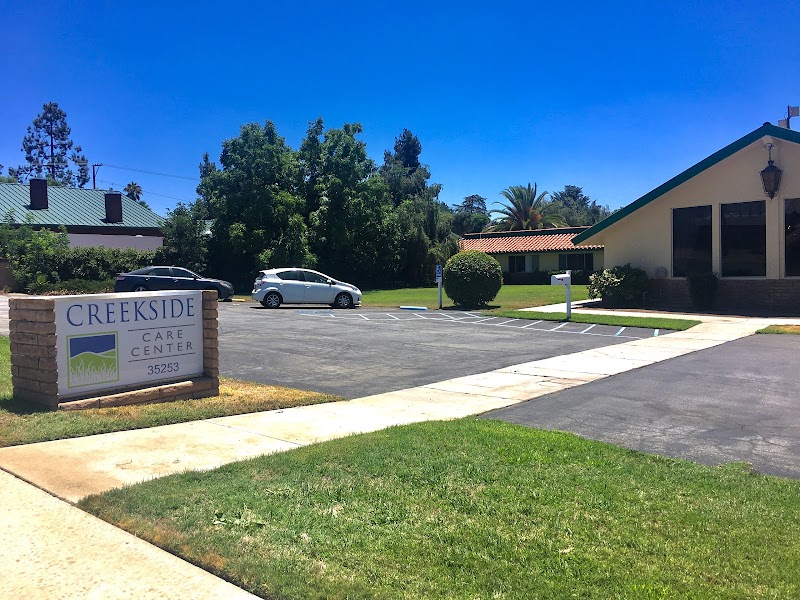
How is Creekside Post Acute Staffed?

CMS rates CREEKSIDE POST ACUTE's staffing level at 1 out of 5 stars, which is much below average compared to other nursing homes. Staff turnover is 39%, compared to the California average of 46%. This relatively stable workforce can support continuity of care.

What Have Inspectors Found at Creekside Post Acute?

State health inspectors documented 29 deficiencies at CREEKSIDE POST ACUTE during 2022 to 2025. These included: 29 with potential for harm.
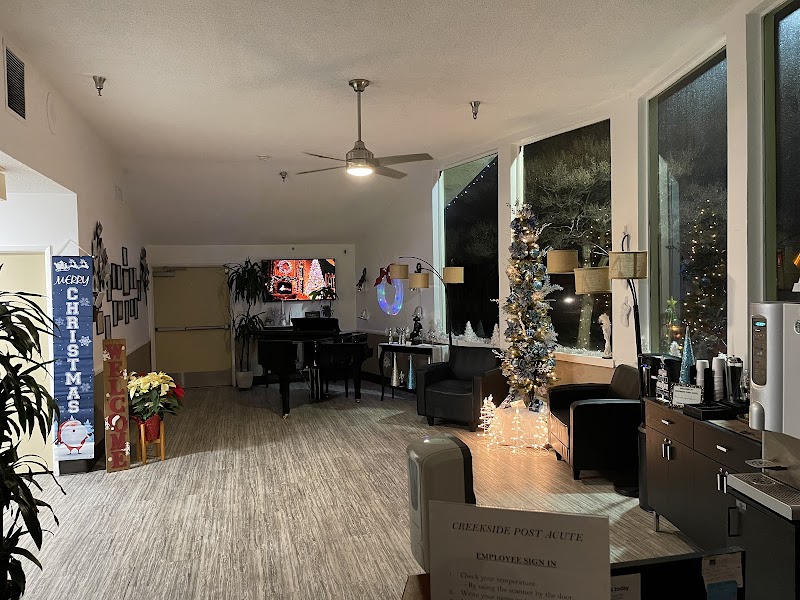
Who Owns and Operates Creekside Post Acute?

CREEKSIDE POST ACUTE is owned by a for-profit company. For-profit facilities operate as businesses with obligations to shareholders or private owners. The facility operates independently rather than as part of a larger chain. With 59 certified beds and approximately 51 residents (about 86% occupancy), it is a smaller facility located in YUCAIPA, California.
How Does Creekside Post Acute Compare to Other California Nursing Homes?

Compared to the 100 nursing homes in California, CREEKSIDE POST ACUTE's overall rating (3 stars) is below the state average of 3.1, staff turnover (39%) is near the state average of 46%, and health inspection rating (3 stars) is at the national benchmark.

What Should Families Ask When Visiting Creekside Post Acute?

Based on this facility's data, families visiting should ask: "Can you walk me through typical staffing levels on day, evening, and night shifts?" "Can I visit during a mealtime to observe dining assistance and food quality?" "How do you handle medical emergencies, and what is your hospital transfer rate?" "Can I speak with family members of current residents about their experience?" These questions are particularly relevant given the below-average staffing rating.

Is Creekside Post Acute Safe?

Based on CMS inspection data, CREEKSIDE POST ACUTE has a clean safety record: no substantiated abuse findings (meaning no confirmed cases of resident harm), no Immediate Jeopardy citations (the most serious violation level indicating risk of serious injury or death), and is not on the Special Focus Facility watch list (a federal program monitoring the lowest-performing 1% of nursing homes). The facility has a 3-star overall rating and ranks #100 of 100 nursing homes in California. While no facility is perfect, families should still ask about staff-to-resident ratios and recent inspection results during their visit.

Do Nurses at Creekside Post Acute Stick Around?

CREEKSIDE POST ACUTE has a staff turnover rate of 39%, which is about average for California nursing homes (state average: 46%). Moderate turnover is common in nursing homes, but families should still ask about staff tenure and how the facility maintains care continuity when employees leave.

Was Creekside Post Acute Ever Fined?

CREEKSIDE POST ACUTE has no federal fines on record. CMS issues fines when nursing homes fail to meet care standards or don't correct problems found during inspections. The absence of fines suggests the facility has either maintained compliance or corrected any issues before penalties were assessed. This is a positive indicator, though families should still review recent inspection reports for the full picture.

Is Creekside Post Acute on Any Federal Watch List?

CREEKSIDE POST ACUTE is not on any federal watch list. The most significant is the Special Focus Facility (SFF) program, which identifies the bottom 1% of nursing homes nationally based on persistent, serious quality problems. Not being on this list means the facility has avoided the pattern of deficiencies that triggers enhanced federal oversight. This is a positive indicator, though families should still review the facility's inspection history directly.