INDIAN CANYON POST ACUTE
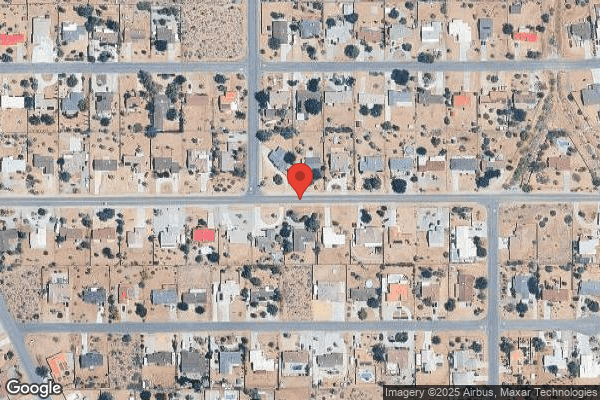
57333 JOSHUA LANE, YUCCA VALLEY, CA 92284 (760) 853-4750
For profit - Limited Liability company 99 Beds SWEETWATER CARE Data: November 2025
Trust Grade
55/100
#606 of 1155 in CA
Last Inspection: November 2024

Within standard 12-15 month inspection cycle. Federal law requires annual inspections.

Overview

Indian Canyon Post Acute in Yucca Valley, California, has a Trust Grade of C, which means it is average and positioned in the middle of the pack among nursing homes. It ranks #606 out of 1155 facilities in California, placing it in the bottom half, and #44 out of 54 in San Bernardino County, indicating limited local competition. The facility is improving, having reduced its issues from six in 2024 to one in 2025, but it still faces challenges with staffing, earning a poor rating of 1 out of 5 stars and a concerning turnover rate of 59%, significantly higher than the state average. While there have been no fines, which is a positive sign, the facility has lower RN coverage than 84% of California facilities, which could impact the quality of care. Specific incidents of concern include failures in ensuring the proper security measures for electronic signatures, which could lead to inaccuracies in health assessments for 66 residents. Additionally, the facility has struggled to transmit necessary health assessments for residents, which could result in missed tracking of health changes or declines. Overall, while there are some strengths, such as good health inspection ratings and an improving trend, families should be aware of the staffing issues and specific incidents that raise concerns about care quality.

Trust Score
C
55/100
In California
#606/1155
Bottom 48%
Safety Record
Low Risk
No red flags
Inspections
Getting Better
6 → 1 violations
Staff Stability
⚠ Watch
59% turnover. Above average. Higher turnover means staff may not know residents' routines.
Penalties
✓ Good
No fines on record. Clean compliance history, better than most California facilities.
Skilled Nurses
⚠ Watch
Each resident gets only 15 minutes of Registered Nurse (RN) attention daily — below average for California. Fewer RN minutes means fewer trained eyes watching for problems.
Violations
⚠ Watch
37 deficiencies on record. Higher than average. Multiple issues found across inspections.
★★★☆☆
3.0
Overall Rating
★☆☆☆☆
1.0
Staff Levels
★★★☆☆
3.0
Care Quality
★★★★☆
4.0
Inspection Score
Stable
2024: 6 issues
2025: 1 issues

The Good

  • Full Sprinkler Coverage · Fire safety systems throughout facility
  • No fines on record

Facility shows strength in fire safety.

The Bad

3-Star Overall Rating

Near California average (3.1)

Meets federal standards, typical of most facilities

Staff Turnover: 59%

13pts above California avg (46%)

Frequent staff changes - ask about care continuity

Chain: SWEETWATER CARE

Part of a multi-facility chain

Ask about local staffing decisions and management

Staff turnover is elevated (59%)

11 points above California average of 48%

The Ugly 37 deficiencies on record

Jan 2025 1 deficiency
CONCERN (D) 📢 Someone Reported This

A family member, employee, or ombudsman was alarmed enough to file a formal complaint

Potential for Harm - no one hurt, but risky conditions existed

Free from Abuse/Neglect (Tag F0600)

Could have caused harm · This affected 1 resident

Based on interview, and record review, the facility failed to protect against physical abuse for one of three sampled female residents (Resident 1) when a male resident (Resident 2) kissed Resident 1 ...

Read full inspector narrative →
Based on interview, and record review, the facility failed to protect against physical abuse for one of three sampled female residents (Resident 1) when a male resident (Resident 2) kissed Resident 1 on the mouth and fondled her (to touch in a sexual way) when Resident 1 did not have the capacity to consent. This failure had the potential to cause Resident 1 to suffer psychological distress, anxiety, and shock. Findings: An unannounced visit was made to the facility on January 29, 2025, at 10:45 AM, to investigate a facility reported incident regarding an allegation of physical abuse. A review of Resident 1 ' s face sheet (a document that gives a summary of resident ' s information), undated, indicated an admission date of January 4, 2021. Resident 1 had diagnoses that included dementia (a brain disorder that causes a decline in mental abilities, such as memory, thinking, reasoning, and problem-solving) and quadriplegia (a condition characterized by the loss or severe impairment of motor function, sensation, and nervous system functions in all four limbs--arms and legs). A review of Resident 1 ' s physician ' s history and physical (H&P-a formal assessment of a patient's health that includes a medical history, physical exam, and a summary of any testing), dated March 30, 2024, indicated, Patient Informed of Medical Condition: No, Patient Capable of Admitting Self: No, Patient Capable of Making Decisions: No. During an interview with Resident 2 on January 29, 2025, at 11:41 AM, Resident 2 stated he kissed Resident 1 on the mouth and put his hands on Resident 1 ' s breasts. Resident 2 stated Resident 1 had asked him to stop, so he stopped and that was when the nurse told him to step away from Resident 1, so I walked away. During an interview with Resident 1 on January 29, 2025, at 12 PM, Resident 1 stated she had called Resident 2 over as he passed in the hallway and kissed him. Resident 1 stated Resident 2 was receptive to her advance and began touching her breast. Resident 1 stated she told Resident 2 that was a far as he could go, and Resident 2 stopped. Resident 1 stated that was when the nurse came and told Resident 2 move away from her. Resident 1 stated she had wanted the sexual contact and Resident 2 had been receptive to her. During an interview with a Certified Nursing Assistant (CNA 1) on January 29, 2025, at 12:30 PM, CNA 1 stated she was standing at the nursing station, the 400 hallway was behind her, and as she turned around, she saw Resident 2 leaning over Resident 1 with his hand down inside her shirt. CNA 1 stated Resident 1 was in her Geri chair (large, padded chair with a wheeled base) positioned in the hallway and Resident 2 was leaning over her and she said to Resident 2 to step away, back away from Resident 1. CNA 1 stated Resident 1 and Resident 2 looked up at her with shocked expressions and did not say anything and Resident 2 began walking down the hallway away from Resident 1. CNA 1 stated she stood next to Resident 1 to provide protection and flagged down another staff person to get the Charge Nurse for the 400 hallway, the Charge Nurse came, and she gave report of the situation. CNA 1 stated Resident 1 seemed to laugh it off as the Charge Nurse asked her questions about what had happened, and Resident 1 did not appear to be upset by the situation. During an interview with the Director of Nursing (DON) on January 29, 2025, at 1:43 PM, the DON stated Resident 1 did not have the capacity to consent to sexual contact and sexual contact had occurred between Resident 1 and Resident 2. The DON stated the facility had not protected Resident 1 from physical abuse. A review of the facility ' s policy and procedure (P&P) titled, Resident Rights, dated December 2021, indicated, Policy Interpretation and Implementation:1. Federal and state laws guarantee certain basic rights to all residents of this facility. These rights include the resident's right to: a. a dignified existence; b. be treated with respect, kindness, and dignity; c. be free from abuse, neglect, misappropriation of property, and exploitation .
Nov 2024 4 deficiencies
CONCERN (D)

Potential for Harm - no one hurt, but risky conditions existed

Deficiency F0645 (Tag F0645)

Could have caused harm · This affected 1 resident

Based on interview, record review, and facility policy review, the facility failed to ensure the preadmission screening and resident review (PASRR) was accurately completed for 1 (Resident #44) of 3 s...

Read full inspector narrative →
Based on interview, record review, and facility policy review, the facility failed to ensure the preadmission screening and resident review (PASRR) was accurately completed for 1 (Resident #44) of 3 sampled residents reviewed for PASRR requirements. Specifically, Resident #44 had a serious mental illness (SMI) that was not captured in their Level I PASRR screening. Findings included: A facility policy titled, PASRR Completion Policy, reviewed 12/2023, specified, The Center will a [sic] make sure that all admissions have the appropriate Patient Assessment and Resident Review (PASRR) completed. The policy specified, 1. Center Administrator will designate the medical records to make sure that the [PASRR]and/or Level of Care (LOC) is done on all potential residents. If the referral indicates anything which might constitute an SMI or ID [intellectual disability], the PASRR must be completed prior to admission. An admission Record revealed the facility admitted Resident #44 on 08/02/2024. According to the admission Record, the resident had a medical history that that included diagnoses of bipolar disorder (onset 08/02/2024) and anxiety disorder (onset 08/02/2024). An admission Minimum Data Set (MDS), with an Assessment Reference Date (ARD) of 08/08/2024, revealed Resident #44 had a Brief Interview for Mental Status (BIMS) score of 6, which indicated the resident had severe cognitive impairment. The MDS indicated Resident #44 had active diagnoses to include anxiety disorder and of manic depression (bipolar disease). Resident #44's care plan included a focus area initiated 08/05/2024, that indicated that the resident had a mood problem related to bipolar disorder and anxiety disorder. Interventions directed staff to refer the resident for behavioral health consultations as needed. Resident #44's physician orders revealed an order dated 08/04/2024, for quetiapine fumarate (an antipsychotic) oral tablet 24 milligrams, one tablet by mouth at bedtime for bipolar manifested by mood swings. Resident #44's Preadmission Screening and Resident Review (PASRR) Level I Screening, dated 08/02/2024, indicated that the resident had no diagnosed SMIs and did not have a suspected mental illness. During an interview on 11/13/2024 at 3:35 PM, the Social Services Director stated that the hospital completed the resident's Level I PASRR screening. She stated that she was not sure what the process was for the facility staff to review Level I PASRR screenings for accuracy or who was responsible for reviewing them. During an interview on 11/13/2024 at 3:57 PM, the Medical Records Resource stated that the hospital created Resident #44's Level I PASRR screening. She stated that she did not know of any process to review hospital Level I PASRR screenings for accuracy or who was responsible for reviewing them. During an interview on 11/13/2024 at 12:57 PM, the Director of Nursing stated that he was not sure if there was anyone in the facility who reviewed Level I PASRR screenings from the hospital for accuracy, but he believed that it was the responsibility of medical records staff. During an interview on 11/13/2024 at 1:13 PM, the Administrator stated that medical records staff were responsible for PASRR accuracy.
CONCERN (D)

Potential for Harm - no one hurt, but risky conditions existed

Deficiency F0658 (Tag F0658)

Could have caused harm · This affected 1 resident

Based on interview, record review, and facility policy review, the facility failed to ensure staff administered medication as ordered for 1 (Resident #16) of 5 sampled residents reviewed for unnecessa...

Read full inspector narrative →
Based on interview, record review, and facility policy review, the facility failed to ensure staff administered medication as ordered for 1 (Resident #16) of 5 sampled residents reviewed for unnecessary medications. Findings included: An undated facility policy titled, Medication Administration - General Guidelines specified, Medications are administered in accordance with written orders of the attending physician. An admission Record revealed the facility admitted Resident #16 on 01/28/2024. According to the admission Record, the resident had a medical history that included a diagnosis of hypertensive heart disease with heart failure. A quarterly Minimum Data Set (MDS), with an Assessment Reference Date (ARD) of 08/16/2024, revealed Resident #16 had a Brief Interview for Mental Status (BIMS) score of 12, which indicated the resident had moderate cognitive impairment. Resident #16's Order Summary Report, for active orders as of 11/13/2024, revealed an order dated 01/28/2024, for bumetanide oral tablet 2 milligrams, give one tablet by mouth one time a day for congestive heart failure, hold for systolic blood pressure (SBP) less than 110 millimeters of mercury (mmHg). Resident #16's medication administration record (MAR) for the timeframe from 10/01/2024 through 10/31/2024, revealed evidence to indicate Licensed Vocational Nurse (LVN) #2 administered bumetanide 2 mg to the resident when the resident had a SBP of 102 mmHg on 10/02/2024. During an interview on 11/13/2024 at 1:37 PM, LVN #2 stated that staff were supposed to check that the resident's blood pressure was within parameters before administering medication. She stated that Resident #16's MAR indicated the resident received their bumetanide when the resident's blood pressure was outside of the physician-ordered parameters. She stated that she had been a nurse long enough to know not to do that. During an interview on 11/13/2024 at 3:10 PM, Medical Doctor #10 stated staff should have followed the parameters set by the physician with regards to medication administration. During an interview on 11/14/2024 at 12:57 PM, the Director of Nursing (DON) stated that nurses should follow the physician-ordered parameters with regards to medication administration. During an interview on 11/14/2024 at 1:13 PM, the Administrator referred to the DON regarding medication administration and physician-ordered parameters.
CONCERN (D)

Potential for Harm - no one hurt, but risky conditions existed

ADL Care (Tag F0677)

Could have caused harm · This affected 1 resident

Based on observation, interview, record review, and facility policy review, the facility failed to provide facial grooming for 1 (Resident #76) of 2 sampled residents reviewed for activity of daily li...

Read full inspector narrative →
Based on observation, interview, record review, and facility policy review, the facility failed to provide facial grooming for 1 (Resident #76) of 2 sampled residents reviewed for activity of daily living (ADL) care. Findings included: A facility policy titled, ADL, Services to carry out, reviewed 12/2023, revealed, It is the policy of this facility that residents are given the appropriate treatment and services to maintain or improve his/her abilities. The policy revealed, 2. Residents who are unable to carry out activities of daily living (ADL) will receive necessary services to maintain, including Grooming. An admission Record indicated the facility admitted Resident #76 on 09/26/2024. According to the admission Record, the resident had a medical history that included diagnoses of hemiplegia and hemiparesis (muscle weakness and paralysis on one side of the body) following a cerebral infarction (a stroke) and complete traumatic trans metacarpal amputation of left hand. An admission Minimum Data Set (MDS), with an Assessment Reference Date (ARD) of 08/13/2024, revealed Resident #76 had moderate impairment in cognitive skills for daily decision making and had short-term and long-term memory problems per a Staff Assessment of Mental Status (SAMS). The MDS indicated the resident did not exhibit any behavior of rejecting care during the assessment timeframe. Per the MDS, the resident was totally dependent on staff for personal hygiene needs. Resident #76's care plan included a focus area initiated 08/20/2024, that indicated the resident had an ADL self-care performance deficit. The care plan indicated that the resident was totally dependent on staff for personal hygiene. Resident #76's Skin Monitoring: Comprehensive CNA [certified nurse aide] Shower Review, dated 11/08/2024 and completed by CNA #9, indicated the resident had a bed bath. T During an interview and observation on 11/11/2024 at 9:45 AM, Resident #76 was observed with facial hair on their chin, cheeks, and upper lip approximately 1/4 inch long. When asked if they liked having facial hair, Resident #76 shook their head, indicating that they did not. During an interview on 11/12/2024 at 10:16 AM, Resident #76's family member stated the staff shaved the resident about once a month. On 11/13/2024 at 1:43 PM, CNA #9 stated that it was her first time to work with Resident #76 on 11/08/2024. She stated that she did not know if the resident preferred to be shaved or not. She stated she did not shave Resident #76 on 11/08/2024 during the resident's bed bath. On 11/14/2024 at 7:54 AM, Licensed Vocational Nurse #7 stated that staff should know the preferences of the residents, and if they did not know, they should ask. She stated Resident #76 liked to be clean shaved. On 11/14/2024 at 8:32 AM, the Director of Nursing stated that whatever the resident could not do, the staff should do for them. He stated that staff should wash the residents' hair and offer to shave. On 11/14/2024 at 10:53 AM, the Administrator stated that staff should assist the resident with bathing. She stated the staff should offer to shave the resident during that time. She stated that the staff should know the residents' preferences.
CONCERN (D)

Potential for Harm - no one hurt, but risky conditions existed

Medical Records (Tag F0842)

Could have caused harm · This affected 1 resident

Based on interview, record review, and facility policy review, the facility failed to transcribe a physician order from an outside ear, nose, and throat (ENT) physician for 1 (Resident #70) of 1 resid...

Read full inspector narrative →
Based on interview, record review, and facility policy review, the facility failed to transcribe a physician order from an outside ear, nose, and throat (ENT) physician for 1 (Resident #70) of 1 resident reviewed for communication sensory concerns. Findings included: A facility policy titled, Physicians, Consulting, revised 12/2023, revealed, Purpose To promote continuity of care. The policy revealed, 5. If treatment or medications are ordered by the consulting physician, it will be communicated to a licensed staff to carry out the new treatment order. 6. Medication/treatment will be transferred to MAR [medication administration record]/TAR [treatment administration record], ordered from pharmacy/other, and treatment or medication regime initiated, and family and/or resident informed of change in plan of care. An admission Record indicated the facility admitted Resident #70 on 02/07/2024. According to the admission Record, the resident had a medical history that included diagnoses of intraspinal abscess and granuloma and muscle weakness. A quarterly Minimum Data Set (MDS), with an Assessment Reference Date (ARD) of 10/01/2024, revealed Resident #70 had a Brief Interview for Mental Status (BIMS) score of 12, which indicated the resident had moderate cognitive impairment. A physician note, dated 10/02/2024, revealed Resident #70 was seen by a physician assistant for diminished hearing, nasal congestion, throat congestion/clearing, and stuffy ears. According to the physician note, the plan included use an earwax removal aid drops twice a day for four days in the resident's left ear. Resident #70's MAR for the timeframe from 10/01/2024 through 10/31/2024 revealed no evidence of an order that directed staff to instill drops in the resident's left ear. On 11/11/2024 at 11:13 AM, Resident #70 stated they were seen by an ENT physician a month ago and the facility did not administer the ear drops as ordered. On 11/13/2024 at 7:52 AM, the Social Services Director (SSD) stated the ENT physicians came in every nine weeks. She stated the physicians were able to write orders. She stated that the orders were given to the nurse and the nurse placed (transcribed) the orders into the computer. On 11/13/2024 at 9:51 AM, Registered Nurse (RN) #6 stated that orders were given to the charge nurse on the hall or the desk nurse. She stated that nursing staff were supposed to follow up on the orders. She stated that the RN supervisor should be following up as well to ensure the orders were completed. RN #6 reviewed Resident #70's medical record and stated that the order was not carried out. She stated that the order should have been carried out and stated that there was a delay of care. On 11/13/2024 at 10:53 AM, Licensed Vocational Nurse (LVN) #7 stated that when the physician completed their rounds, the physician found a floor nurse to give the orders to. She stated that from there, the orders were carried out and put (transcribed) into the medical system. She stated that she remembered the physician giving her the orders for the day, but not sure if there were any orders for Resident #70. She stated she did not recall transcribing an order for Resident #70. LVN #7 stated that the orders should be put in that same day and if not, they could pass it on to night shift. She reviewed resident #70's medical record and the order summary for October 2024 and November 2024 and stated that she must have just not transcribed the order in the computer. On 11/13/2024 at 3:25 PM, the Director of Nursing (DON) stated that the staff should work with the ancillary physician and follow through with what the physicians asked of the facility. On 11/13/2024 at 3:32 PM, the Administrator stated that she expected the nursing department to follow up with the order to clarify if needed, and to carry out the order. She stated that she expected the order to be put in the day the order was received or the following day. She stated that the order from the ENT was not carried out. On 11/14/2024 at 1:51 PM, the DON stated the facility was unable to produce the physician orders that were given to the nurse on duty.
Mar 2024 1 deficiency
CONCERN (D) 📢 Someone Reported This

A family member, employee, or ombudsman was alarmed enough to file a formal complaint

Potential for Harm - no one hurt, but risky conditions existed

Comprehensive Care Plan (Tag F0656)

Could have caused harm · This affected 1 resident

**NOTE- TERMS IN BRACKETS HAVE BEEN EDITED TO PROTECT CONFIDENTIALITY** Based on observation, interview and record review, the facility failed to implement a care plan (a document outlining how to bes...

Read full inspector narrative →
**NOTE- TERMS IN BRACKETS HAVE BEEN EDITED TO PROTECT CONFIDENTIALITY** Based on observation, interview and record review, the facility failed to implement a care plan (a document outlining how to best care for a resident and meet their needs) for one of three sampled residents (Resident 3) after Resident 3 suffered a fall with injury. This failure had the potential for Resident 3 to suffer a subsequent fall that could result in another injury or worsening of Resident 3's current injury to his left ribs. Findings: During a review of Resident 3's admission Record (a document with basic client information), the admission Record indicated, Resident 3 was admitted to the facility on [DATE], with diagnoses which included Chronic Obstructive Pulmonary Disease (COPD - a disease of the lungs that causes air-flow blockage and breathing-related problems), Epilepsy (abnormal electrical brain activity, also known as a seizure) and History of Falling (resident has fallen in the past). During an observation on February 8, 2024 at 9:48 AM, in the facilities 400 hallway, Resident's 3 room was located at the end of the 400 hallway and not close to the nurses station. During a concurrent observation and interview on February 8, 2024, at 9:52 AM Resident 3's room with Certified Nursing Assistant (CNA 1) Resident 3's call light (device used to call for help and assistance) was tied to the bed rail and hanging near the floor behind his head and not accessible to Resident 3. CNA 1 stated Resident 3 could not reach the call light and Resident 3 could decide to get up to call for help and fall again. During a concurrent interview and record review on February 8, 2024, at 11:00 AM with Licensed Vocational Nurse (LVN 1), Resident 3's Care Plan dated January 31, 2024 was reviewed. The Care Plan indicated, .Interventions Attach call light to bed within access of resident .Place resident close to nursing station for close observation . LVN 1 stated Resident 3's care plan was not fully implemented . She stated Resident 3's room is not close to the nurse's station and the resident should be able to access his call light from his bed. The LVN 1 further stated, Resident 3 would have difficulty requesting help if he needed it and could try to get up and fall again. During a concurrent interview and record review, on February 8, 2024, at 11:30 AM, with Registered Nurse (RN), the facility policy and procedure (P&P) titled, Care Planning, undated, was reviewed. The P&P indicated, Policy Statement: A comprehensive, person-centered care plan that includes measurable objectives to meet the resident's physical, psychosocial and functional needs is developed and implemented for each resident .1. The interdisciplinary Team (IDT) .develops and implements a comprehensive, person center care plan for each resident . RN stated, the purpose of a care plan is to implement interventions to prevent another fall. RN further stated Resident 3 could have fallen again if he was not able to reach the call light and him being far away from the nurses station makes it hard for staff to observe Resident 3 and monitor him for falls. During a review of the facility's policy and procedure (P&P) titled, Falls-Clinical Policy, undated, the P&P indicated, .Treatment/Management 1. Based on the preceding assessment, the staff and physician will identify pertinent interventions to try to prevent subsequent falls .
Jan 2024 1 deficiency
CONCERN (D) 📢 Someone Reported This

A family member, employee, or ombudsman was alarmed enough to file a formal complaint

Potential for Harm - no one hurt, but risky conditions existed

Safe Environment (Tag F0584)

Could have caused harm · This affected 1 resident

**NOTE- TERMS IN BRACKETS HAVE BEEN EDITED TO PROTECT CONFIDENTIALITY** Based on observation, interview, and record review, the facility failed to ensure the psychosocial wellbeing of 1 out of 3 resid...

Read full inspector narrative →
**NOTE- TERMS IN BRACKETS HAVE BEEN EDITED TO PROTECT CONFIDENTIALITY** Based on observation, interview, and record review, the facility failed to ensure the psychosocial wellbeing of 1 out of 3 residents (Resident 1) when the facility put a screw on the window in Resident 1's room to prevent widow from opening all the way. This failure placed resident 1 at risk of depression, and a decline in psychosocial harm when Resident 1 stated he does not feel safe with screw is in the window. Findings: An unannounced visit was made to the facility on December 27, 2024, at 10:25 AM to investigate a complaint regarding Quality of Care/Treatment and Physical Environment. During a review of resident 1 ' s admission Record (general demographics), the document indicated resident 1 was admitted to the facility on [DATE], with a diagnosis to include Muscle weakness, other lack of coordination, low back pain, Encephalopathy (a group of conditions that cause brain dysfunction). During an interview with Resident 1, on December 27, 2023, at 10:45 AM, he stated he is doing well and is just concerned about the window. He states what happens if there is a fire? We could all get killed, there is no way to get out if the door or the hallway is on fire, and they cannot get to us, I do not feel safe with screw on window. During an interview with Administrator (AD) on December 27, 2023, at 10:30 AM, he stated to maintain temperature regulation for the facility all windows are secured and have a lock. There are other escape routes. He states all resident windows are secure with a screw. He stated he is not sure if it ' s in [NAME] 22 but he will have the Building director talk with me. During an interview with Building and Facilities director on December 27, 2023, at 10:35 AM, he stated that when he spoke with Life and Safety, he was told that all windows can be secured, even with a screw, to not disrupt air balance. He let me know he reached out to Life and safety to email him the policy where it states it is ok to secure windows in that manner. During an interview with DON (Director of Nursing) on December 27, 2023, at 11:00 AM, she stated she is aware all windows are secured with a screw and in case of a fire there are escape routes throughout facility. States she is not sure why there are screws om windows. During an interview with maintenance on December 27, 2023, at 12:21 PM, he stated he is aware the windows are shut with a screw, states yes I am aware they are states we have a problem maintain the right temperature during the summertime because some residents open the windows. When asked should they be shut with a screw? He states it keeps the residents from opening the windows and disrupting the air balance.
Nov 2023 1 deficiency
CONCERN (D) 📢 Someone Reported This

A family member, employee, or ombudsman was alarmed enough to file a formal complaint

Potential for Harm - no one hurt, but risky conditions existed

Accident Prevention (Tag F0689)

Could have caused harm · This affected 1 resident

**NOTE- TERMS IN BRACKETS HAVE BEEN EDITED TO PROTECT CONFIDENTIALITY** Based on interview, observation and record review, the facility failed to remove a building hazard, a threshold (a strip of wood...

Read full inspector narrative →
**NOTE- TERMS IN BRACKETS HAVE BEEN EDITED TO PROTECT CONFIDENTIALITY** Based on interview, observation and record review, the facility failed to remove a building hazard, a threshold (a strip of wood, metal, or stone forming the bottom of a doorway and crossed in entering a house or room) that leads to the patio and is used by residents and families creating a hazard which poses a risk for falls. This failure placed two out of three residents (Resident's 1 and 2) at risk for severe injuries due to falls. Findings: An unannounced visit was made to the facility on November 27, 2023, at 1:19 PM, to investigate a complaint regarding quality of care and Accidents. During review of resident 1's admission Record (general demographics), the document indicated resident 1 was admitted to the facility August 1, 2023, with diagnosis to include Muscle weakness, Hemiplegia(paralysis on one part of the body) and Hemiparesis (weakness or the inability to move on one side of the body) affecting right dominant side following Cerebral Infarction(a lack of adequate blood supply to brain cells deprives them of oxygen and vital nutrients which can cause parts of the brain to die off). During a review of resident 1's progress note, (An ongoing record of a patient's illness and treatment) dated November 19, 2023, at 7:05 AM, the document by Licensed Vocational nurse (LVN 1), it indicated, Another resident was yelling for help. I went to the patio resident was lying on her right side, her right leg was wrapped around the wheelchair that was behind her, she was fully clothed. This happened in the patio entrance into the facility. Resident stated she was trying to get back into the facility and when she reached the doorknob she fell out of her chair, she has a hematoma (a localized swelling that is filled with blood caused by a break in the wall of a blood vessel(a network of tubes through which blood is pumped around the body) on her right forehead with 8/10 pain, res on observation could move all extremities, had PERLA (an acronym for pupils are equal, round and reactive to light and accommodation. Healthcare providers use the PERRLA eye test to check if your pupils look and function as they should), hand grasps bilat weak. She was lifted off floor via 2 persons assist and placed back into her wheelchair. Doctor was notified and res was sent to the ER (emergency room) for further eval. BP (blood pressure, the pressure of blood pushing against the walls of your arteries) 183/78, r (respiratory)85, O2 Sat (measures the percentage of oxyhemoglobin (oxygen-bound hemoglobin) in the blood) 96, temp (temperature) 97.5. During an interview with resident 1, she stated I fell trying to go to the patio, that thing on the floor to the patio is hard to get over it . She sated she hit her face and her leg has bruises (skin discoloration from damaged, leaking blood vessels underneath your skin). During review of resident 2's admission Record, the document indicated resident 2 was admitted to the facility March 5, 2019, with a diagnosis to include acquired absence of right leg below knee, Hemiplegia and Hemiparesis affecting right dominant side. During a review of resident 2's progress note dated November 26, 2023, at 9:27 PM, the document by LVN 2, it indicated, resident had unwitnessed fall at 2020 hours. It appears that resident was attempting to come back in the facility from smoking and his w/c (wheelchair) tipped backward. Resident hit the back of his head on the concrete. Sent resident to ER. Resident had 2 seizures (a burst of uncontrolled electrical activity between brain cells that causes temporary abnormalities in muscle tone or movements (stiffness, twitching or limpness), while awaiting paramedics. First seizure lasted 20 seconds. Second seizure lasted 40 seconds. Paramedics arrived and transported resident to hospital at 2100 . During an interview with resident 2, he stated he is fine and has no issues. States he does not have issues with his wheelchair. States yeah I fell but does not remember when or how. We were by the door, and he wheeled himself through the door without difficulty. During an interview with RN 1 (registered nurse) on November 27, 2023, at 1:40 PM, she stated she is aware of the door threshold by the patio. States she has told maintenance to take care of it but they haven't sates overall everything in the facility is good . During an interview with [NAME] AD (administrator) on November 27, 2023, he stated He stated the threshold was installed a couple of months ago. He stated that they had an IDT (interdisciplinary team) meeting today regarding the threshold on the patio door. It was decided that it will be taken out . On the same day [NAME] notified me at 2:20 PM the threshold to the patio has been taken out . Visually verified. During record review on November 27, 2023, at 2:50, review of Policy and Procedures Titled Falls and Fall Risk, Managing dated March 2018, the document indicated Based on previous evaluations and current data, the staff will identify interventions related to the resident's specific risks and causes to try to prevent the resident from falling and to try to minimize complications from falling . It also indicates , 1. Environmental factors that contribute to the risk of falls includes: d) obstacles in the footpath.
Nov 2023 1 deficiency
CONCERN (D) 📢 Someone Reported This

A family member, employee, or ombudsman was alarmed enough to file a formal complaint

Potential for Harm - no one hurt, but risky conditions existed

Deficiency F0573 (Tag F0573)

Could have caused harm · This affected 1 resident

**NOTE- TERMS IN BRACKETS HAVE BEEN EDITED TO PROTECT CONFIDENTIALITY** Based on interview and record review, the facility failed to ensure a request for documents was fulfilled in a timely manner for...

Read full inspector narrative →
**NOTE- TERMS IN BRACKETS HAVE BEEN EDITED TO PROTECT CONFIDENTIALITY** Based on interview and record review, the facility failed to ensure a request for documents was fulfilled in a timely manner for two of three sampled residents (Resident 1 and Resident 2) when the facility did not provide the requested documents within the timeframes specified in their policies. This failure had the potential to result in the Resident ' s denial of a timely due process. Findings: An unannounced visit was made to the facility on November 15, 2023, at 11:00 AM, to investigate a complaint regarding quality of care. During a review of the Medical Records Requests: 1. Resident 1 had a letter sent to the facility by [name of legal firm] which indicated the facility received a request for release of Resident 2 ' s medical records on October 24, 2023. Review of the confirmation fax document (states when the document was sent to the legal firm) indicated the medical records for Resident 1 was sent on November 14, 2023 (sixteen days after they received the typewritten documents request) to the [name of legal firm.] 2. Resident 2 had a letter sent to the facility by [family member] which indicated the facility received a request for release of Resident 2 ' s medical records on October 23, 2023. There was documented evidence that the medical records were released and sent to the [family member] on October 27, 2023. During an interview with the Medical Records representative (MR) on November 15, 2023, at 11:15 AM, MR indicated she received the medical records request but had been advised by Corporate office (CO) that all medical records request are to be sent to their office for approval and she waited for confirmation from CO to release the medical records. MR stated she was aware that per [NAME] 22 she was to release medical records within 2 business days. During an interview with the Administrator (AD), on November 16, 2023, at 9:00 AM, he stated they do send medical records request to CO and that he will check and make sure medical records for [name of legal firm] were released. A review of The Facility Policy and Procedure titled Release of Information, Minimum Necessary Use undated, indicated Subpoena and/or court orders will be processed in accordance with the current state law and facility policy.
Oct 2023 1 deficiency
CONCERN (F) 📢 Someone Reported This

A family member, employee, or ombudsman was alarmed enough to file a formal complaint

Potential for Harm - no one hurt, but risky conditions existed

Deficiency F0642 (Tag F0642)

Could have caused harm · This affected most or all residents

F642 Based on interview and record review, the facility failed to ensure proper security measures were in place to protect the use of an electronic signature. When (Licensed Vocational Nurse LVN1) us...

Read full inspector narrative →
F642 Based on interview and record review, the facility failed to ensure proper security measures were in place to protect the use of an electronic signature. When (Licensed Vocational Nurse LVN1) used (Registered Nurse RN 1), electronic signature to sign a (Minimum Data Set MDS) verifying the MDS is complete for 66 residents. This failure had the potential to cause inaccuracies in the completed comprehensive assessment in the MDS's for 66 clinically compromise residents. During an interview on October 4, 2023, at 11:22 AM, with the Activities Director, (Activities Director focuses on creating activities that enrich participants' lives with physical and cognitive exercise and socialization through recreational activities such as sports, dancing, arts, and crafts). The Activities Director stated she assesses residents by filling out the Minimum Data Set Assessment (MDS- a computerized resident assessment instrument) States she goes to the residents' room and uses a paper form, then goes on PCC (PointClickCare, a cloud-based healthcare Software provider) to document and keeps paper form in a binder in her office. She then signs off with her password. She stated if her password does not work, she will talk to DSD (Director of Staff Development) or administrator to reset her password. She also stated she had an in-service and signed a paper that state no sharing of password. During an interview on October 4, 2023, at 1131 AM, with DSD Assistant, she stated she does the supplemented training. She stated she did the training because some passwords were not being protected, that there were issues with information that needs to be shared with other and things were being signed off . Stated that if her password is not working, she would contact information support at Corporate Office through email. States staff usually go to nursing supervisor or administration. During an interview on October 4, 2023, at 1145 AM, with Dietary Supervisor, she stated her MDS documentation part is the letter K, Swallowing and Nutritional status. Stated she does the assessment in the residents' room, once the assessment is done and completed, she documents on PCC, she then signs at the end using her passcode. States if her passcode does not work, she will let administration know. She stated she knows not to share her passcode because that is her signature, and it was told to her on orientation by staff development. During an interview on October 4, 2023, at 1200 PM, with MDS nurse, she stated, her passcode needed to be reset and she asked Medical Records Director, who created a new profile instead of resetting password. States she does her resident assessments in the rooms then goes to the office and enters data and signs assessment she did. States then the DON (director of nursing) signs for the RN (registered nurse). States he makes sure her sections are completed. During an interview on October 4, 2023, at 1215 PM, with DON, she stated she has not done MDS as an MDS nurse. States she understands there were 66 modifications during September 6, 2023, through September 12, 2023, to make a correction or an adjustment. States that if her passcode was used, she would report to administration that someone used her passcode. She stated she has been employed for a year and in orientation they talked to her about not sharing her passcode. During a concurrent interview on October 4, 2023, at 12:52 PM, with Administrator and DON, the administrator stated his knowledge base of the MDs is the same as a High-level Rehab Director (Director of Rehabilitation). States the Rehab Director puts in the minutes in the MDS, and the rehab Director makes sure the therapy department minutes are accurate before sending them over. States there are 66 modifications on MDS to make sure they are accurate and to make sure an accurate RN signature. Stated they were under the direction of RAI (Resident Assessment Instrument) to modify signatures. Stated before doing that they went to RAI or probably a third-party auditor. Stated the in-service of Policy and Procedure review on September 29, 2023, was to review MDS completion and Passwords and User ID codes. Stated he will have staff come in at all hours to ensure all staff are in serviced. During an interview on October 4, 2023, at 1:00 PM, with a ADON (Acting Director of Nursing), he stated he has been employed for 3 months. Stated he was ADON from July 5, 2023, through September 24, 2023. He stated that while he was acting ADON, he did not do anything with MDS because he probably got 1.5 hours of training. Stated his understanding of signing off the MDS is to make sure MDS is complete since this investigation started. Stated they told him he was signing that each section was completed. His understanding of how his signature got on the MDs was when he raised the flag that his password was being reset. He stated that his password was reset 2 weeks into him being ADON and in July his password was reset a few times. States that in August while he was on vacation his password was also reset a few times. States that it was brought this attention by the medical records that there was 112 pages of documentation with his signature. He states his understanding if his password does not work, he would notify medical records then she would reach out to Corporate office resources, and they would reset it. He stated that he believes it was Medical Records Director. He stated that if he was not able to log on to PCC and would get a notification to reset, it was reset to a default and that way LVN 1 MDS resource, was able to sign off all the MDS under his name. During a review of the facility's Policy and Procedure titled Electronic Signatures and Electronic Orders revised April 2021, the policy and procedure indicated the HCP will receive an individual identifier access code from an appropriate administrative person. The access code is for his/her use only.
Dec 2021 15 deficiencies
CONCERN (D)

Potential for Harm - no one hurt, but risky conditions existed

Deficiency F0557 (Tag F0557)

Could have caused harm · This affected 1 resident

**NOTE- TERMS IN BRACKETS HAVE BEEN EDITED TO PROTECT CONFIDENTIALITY** Based on observation, interview, and record review, the facility failed to ensure Resident 42's right and left hand fingernails ...

Read full inspector narrative →
**NOTE- TERMS IN BRACKETS HAVE BEEN EDITED TO PROTECT CONFIDENTIALITY** Based on observation, interview, and record review, the facility failed to ensure Resident 42's right and left hand fingernails were clean and trimmed. This failure has the potential for Resident 42 to experience skin tears and infections. Finding: During a review of Resident 42 face sheet (a basic document which contains basic information about the resident) indicated Resident 42 was admitted to the facility on [DATE], with diagnoses which included dementia (a disease of the brain which causes memory loss), transient ischemic attack (a mini stroke), and convulsions (a disease of the brain which causes uncontrollable shaking). During an observation on December 6, 2021 at 3 PM, Resident 42 was in lying in bed. Resident 42's right and left hands fingernails were long and had dark colored matter underneath the fingernail. During an interview with Registered Nurse (RN 2) on December 6, 2021 at 3:20 PM, RN 2 confirmed the right and left hands fingernails were long and had dark color matter underneath the fingernails. RN 1 stated, The nails should be clean and trimmed. During an interview with Certified Nursing Assistant (CNA 3) assigned to Resident 42 on December 6, 2021 at 3:40 PM, CNA 3 confirmed the right and left hand fingernails were long and had dark color matter underneath the fingernails. CNA 3 stated, I will clean and cut the fingernails. During a review of the facility's policy and procedure titled, Care of Fingernails/Toenails, Revised February 2018, indicated under General Guidelines. 1. Nail care includes daily cleaning and regular trimming.
CONCERN (D)

Potential for Harm - no one hurt, but risky conditions existed

Deficiency F0558 (Tag F0558)

Could have caused harm · This affected 1 resident

**NOTE- TERMS IN BRACKETS HAVE BEEN EDITED TO PROTECT CONFIDENTIALITY** Based on observation, interview, and record review, the facility failed to ensure one of 18 sampled resident (Resident 46) indiv...

Read full inspector narrative →
**NOTE- TERMS IN BRACKETS HAVE BEEN EDITED TO PROTECT CONFIDENTIALITY** Based on observation, interview, and record review, the facility failed to ensure one of 18 sampled resident (Resident 46) individual needs and preferences were accommodated when a Resident 46 was not able to reach the pull cord for the overhead light to adjust the lighting according to her needs. This failure led to Resident 46 being dependent on staff and further decreasing her level of independent functioning. Finding: During a review of Resident 46 face sheet (a facility document which contains basic information about the resident), indicated Resident 46 was admitted to the facility on [DATE], with diagnoses which included diabetes mellitus (high blood sugar), generalized muscle weakness, abnormalities of gait and mobility (not able to walk and move normally), major depressive disorder (mood disorder that causes a persistent feeling of sadness and loss of interest), and insomnia (difficulty sleeping). During a concurrent observation and interview on December 9, 2021, at 9:10 AM, with Resident 46, in the resident's room, Resident 46 stated she would like her light turned on. Resident 46 stated staff sometimes leave the light on at night. Resident 46 was asked if she can reach the pull cord for the overhead light, Resident 46 tried to grab the pull cord tied to the bed side rail but could not reach it. During a concurrent observation and interview on December 9, 2021, at 9:21 AM, with Certified Nurse Assistant (CNA 1), CNA 1 stated the long cord attached to the light switch is so Resident 46 is able to turn the overhead light on and off herself. Resident 46 then showed CNA 1 she could not reach the pull cord for light switch. CNA 1 stated Resident 46 can not reach the pull cord and adjusted the pull cord so Resident 46 could reach it. During a review of the facility's policy and procedure titled, Accommodation of Needs - Quality of Life, dated August 2009, indicated, 3. In order to accommodate individual needs and preferences, adaptations may be made to the physical environment, including the resident's bedroom and bathroom, as well as the common areas in the facility. Examples of such adaptations may include: e. Installing longer cords or providing remote controlled overhead or task lighting so that they are easily accessible .
CONCERN (D)

Potential for Harm - no one hurt, but risky conditions existed

Comprehensive Assessments (Tag F0636)

Could have caused harm · This affected 1 resident

Based on interviews, and record review, the facility failed to transmit Minimum Data Set (MDS) assessments (a federally mandated process for assessing resident's functional capabilities and health nee...

Read full inspector narrative →
Based on interviews, and record review, the facility failed to transmit Minimum Data Set (MDS) assessments (a federally mandated process for assessing resident's functional capabilities and health needs) within the required timeframe parameters for 20 out of 22 sampled residents. This had a potential to cause harm due to missed tracking and trending of changes and/or declines in a resident's condition. Findings: During a record review on December 8, 2021, at 9:10 AM, it was noted that there were MDS assessments that had not been transmitted and were still in progress for Resident 29, Resident 60, Resident 9, Resident 28, Resident 7, Resident 14, Resident 61, Resident 13, Resident 25, Resident 8, Resident 3, Resident 53, Resident 15, Resident 26, Resident 12, Resident 54, Resident 6, Resident 30, Resident 27 and Resident 11. During an interview on December 8, 2021, at 10:00 AM, with the Administrator (ADM), The ADM stated that the facility had been having trouble keeping an MDS Coordinator and there hadn't been one for quite some time and he was aware that a lot of the MDS assessments had not been completed or transmitted. During an interview on December 8, 2021, at 2:00 PM, with the MDS Consultant, she stated that she knows that a lot of assessments are overdue to be transmitted and completed. During an interview on December 9, 2021, at 2:45 PM, with the Director of Nurses (DON), DON stated that MDS has been a problem and that she is well aware that the facility is not in compliance with assessments being completed on time. A facility's policy and procedure for timeframe for MDS assessment transmittal was requested. The facility did not provide a policy and procedure. During a record review of the MDS manual titled CMS's RAI version 3.0 Manual, Chapter 5: Submission and Correction of the MDS Assessments, indicated, Completion Timing .for comprehensive MDS assessments, the completion date must be no later than 14 days after the assessment date.
CONCERN (D)

Potential for Harm - no one hurt, but risky conditions existed

Quality of Care (Tag F0684)

Could have caused harm · This affected 1 resident

**NOTE- TERMS IN BRACKETS HAVE BEEN EDITED TO PROTECT CONFIDENTIALITY** Based on interview and record review, the facility failed to ensure one of 18 residents (Resident 10) received needed care and s...

Read full inspector narrative →
**NOTE- TERMS IN BRACKETS HAVE BEEN EDITED TO PROTECT CONFIDENTIALITY** Based on interview and record review, the facility failed to ensure one of 18 residents (Resident 10) received needed care and services when Physical Therapist ( PT ) did not follow physician orders for a physical therapy evaluation. This failure had the potential to lead Resident 10 to further decline in physical functioning. Finding: During a review of Resident 10's face sheet (a facility document containing basic information about the resident) indicated, Resident 10 was admitted to the facility on [DATE], with diagnoses which included hydrocephalus (fluid build-up in the brain that can affect walking, balance and normal brain functioning), hypertension (high blood pressure), and weakness (decrease in body strength). During an interview on December 6, 2021, at 3:52 PM, with Resident 10, in the resident's room, Resident 10 stated she requested for physical therapy but has not received it yet. During a review of Resident 10's physician orders dated December 2, 2021, the physician orders indicated, PT Evaluation for Restorative Nurse Assistant (RNA- a staff member who assist residents with exercises). During an interview on December 9, 2021, at 2:38 PM, with PT, PT stated she was not aware of Resident 10's order for PT Evaluation for RNA. PT further stated Resident 10 order was not on her list, and she does not know how to check for new physical therapy orders. During an interview on December 9, 2021, at 3:30 PM, with Licensed Vocational Nurse (LVN 1) stated new physician orders can be viewed by staff in the daily communications log in the Electronic Medical Record (EMR). LVN 1stated she communicates new orders for physical therapy to the PT by printing a copy of the order and giving it to the PT. LVN 1 further stated if the PT is not available, she will place a copy of the order under the door to the physical therapy room. During an interview on December 9, 2021, at 3:35 PM, with LVN 2 stated staff can check for new orders in the EMR under Communications. LVN 2 stated she will print a copy of the order and give it to the PT. During an interview on December 9, 2021, at 4:00 PM, with Registered Nurse (RN 1), RN 1 stated the normal process for communicating new orders for physical therapy is to enter the order in the computer, print a copy of the order, and give it to the PT. During a follow up interview on December 9, 2021, at 4:15 PM, with the PT, PT stated she does not have any copies of PT orders from the nurses. PT stated she sometimes gets papers from under the door that look like they are for nurses so she discards them. During a review of the facility's policy and procedure titled, Policy and Procedure Therapy Services, undated, under the section, Policy Explanation and Compliance Guidelines for Evaluation, indicated, 1 The Rehabilitation Department will be notified when a physician order is written for therapy evaluation and treatment. 2. The Licensed Therapist will perform a chart review and initiate the evaluation .
CONCERN (D)

Potential for Harm - no one hurt, but risky conditions existed

Pressure Ulcer Prevention (Tag F0686)

Could have caused harm · This affected 1 resident

**NOTE- TERMS IN BRACKETS HAVE BEEN EDITED TO PROTECT CONFIDENTIALITY** Based on observation, interview, and record review, the facility failed to ensure Resident 42 did not develop a reoccurrence of ...

Read full inspector narrative →
**NOTE- TERMS IN BRACKETS HAVE BEEN EDITED TO PROTECT CONFIDENTIALITY** Based on observation, interview, and record review, the facility failed to ensure Resident 42 did not develop a reoccurrence of a pressure ulcer (a skin injury caused by pressure) to the right and left heels when facility was not following Resident 42's care plan of applying heel protectors. This failure resulted in Resident 42 developing a reoccurrence of a pressure ulcer to the right and left heels. Finding: During a review of Resident 42 face sheet (a document which contains basic information about the resident) indicated Resident 42 was admitted to the facility on [DATE], with diagnoses which included dementia (a disease of the brain which causes memory loss), transient ischemic attack (a mini stroke), and convulsions (a disease of the brain which causes uncontrollable shaking). During an observation on December 6, 2021 at 2:30 PM, Resident 42 was in lying in bed. Resident 42 had a small dark color wound to the right and left heels. Further observation, Resident 42 did not have right and left heel protectors on her heels. During an interview with Registered Nurse (RN 2) on December 6, 2021 at 2:40 PM, the RN 2 confirmed Resident 42 did not have right and left heel protectors in place and developed a reoccurrence of a small dark colored wound to the right and left heels. RN 2 stated, The resident should have heel protectors. The RN 2 further stated The resident should not have wounds to the heels if the heel protectors are applied. During an interview with Certified Nursing Assistant (CNA 3) assigned to Resident 42 on December 6, 2021 at 2:50 PM, CNA 3 confirmed Resident 42 did not have the heel protectors on and developed a small dark color wound to the right and left heels. CNA 3 stated, I will apply the heel protectors right now. The CNA 1 further stated, The resident should not have wounds to the heel. During a review of Resident 42 wound report, dated December 8, 2021, documented unstageable Right Heel pressure measuring 0.7 centimeters (cm-a unit of measurement) by 0.8 cm, and unstageable left heel pressure measuring 1.0 cm by 1.0 cm. During a review of Resident 42's nursing care plan, one of the interventions included, Heel protectors. During a review of the facility's policy and procedure titled, Prevention of Pressure Ulcers/Injuries Revised July 2017, indicated, Review the resident's care plan and identify the risk factors as well as the interventions designed to reduce or eliminate those considered modifiable.
CONCERN (D)

Potential for Harm - no one hurt, but risky conditions existed

Deficiency F0711 (Tag F0711)

Could have caused harm · This affected 1 resident

**NOTE- TERMS IN BRACKETS HAVE BEEN EDITED TO PROTECT CONFIDENTIALITY** Based on observation, interview, and record review, the facility failed to ensure Resident 42 physician's order were followed wh...

Read full inspector narrative →
**NOTE- TERMS IN BRACKETS HAVE BEEN EDITED TO PROTECT CONFIDENTIALITY** Based on observation, interview, and record review, the facility failed to ensure Resident 42 physician's order were followed when 1. Right and left heel protectors (a device used to prevent skin breakdown) were not applied as ordered by the physician. 2. Left carrot hand splints (a device used to prevent contractures from getting worse) was not applied as ordered by the physician. These failures had the potential to jeopardize Resident 42 health and safety. Findings: 1. During an observation on December 6, 2021 at 2:30 PM, Resident 42 was in laying in bed. Resident 42 right and left heel did not have heel protectors. A review of Resident 42's physician orders, dated March 10, 2021, indicated, Heel Protectors while in bed for skin maintenance every shift. During an interview with Registered Nurse (RN 2) on December 6, 2021 at 2:40 PM, the RN 2 confirmed the right and left heel did not have heel protectors. RN 1 stated, The right and left heel should have heel protectors. The RNA usually applies the heel protectors. The RNA called off today. During an interview with Certified Nursing Assistant (CNA 3) assigned to Resident 42 on December 6, 2021 at 2:50 PM, CNA 3 confirmed the right and left heels did not have heel protectors. CNA 3 stated, The RNA applies the heel protectors. He called off. I will apply them right now. 2. During an observation on December 6, 2021 at 2:35 PM, Resident 42 was lying in bed. Resident 42 did not have a left hands carrot splint. A review of Resident 42's physician orders, dated October 5, 2021, indicated, RNA to apply carrot to left hand one time a day for skin check. During an interview with Registered Nurse (RN 2) on December 6, 2021 at 2:40 PM, the RN 2 confirmed Resident 42 did not have left hand carrot splint. RN 2 stated, The resident should have a left carrot hand splint. The RNA usually applies the left carrot hand splint. During an interview with Certified Nursing Assistant (CNA 3) assigned to Resident 42 on December 6, 2021 at 2:50 PM, CNA 3 confirmed Resident 42 did not have left carrot hand splint on. The CNA 3 stated, The RNA applies the left carrot hand. The RNA called off today. I will apply the left carrot hand splint. During a review of Resident 42's face sheet (a basic document which contains basic information about the resident) indicated Resident 42 was admitted to the facility on [DATE], with diagnoses which included dementia (a disease of the brain which causes memory loss), transient ischemic attack (a mini stroke), and convulsions (a disease of the brain which causes uncontrollable shaking). During a review of the facility's policy and procedure titled, Restorative Nursing Program dated November 30, 2020, indicated, c. Assisting residents to adjust to their disabilities, to use their orthotic devices such as hand rolls, splints, AFOs, and braces, and to redirect their interests, if necessary.
CONCERN (D)

Potential for Harm - no one hurt, but risky conditions existed

Pharmacy Services (Tag F0755)

Could have caused harm · This affected 1 resident

Based on observation, interview, and record review the facility failed to ensure that medication was available for administration to a resident (Resident 71) when her 6:00 AM dose of Levothyroxine (Th...

Read full inspector narrative →
Based on observation, interview, and record review the facility failed to ensure that medication was available for administration to a resident (Resident 71) when her 6:00 AM dose of Levothyroxine (Thyroid medication) was not found in the medication cart. This had the potential to cause harmful symptoms such as weight gain, depression, muscle cramps, weakness and memory problems due to low thyroid levels Findings: During an observation and concurrent interview on October 8, 2021 at 5:48 AM, with a Licensed Vocational Nurse (LVN), she is observed administering medication for Resident 71. Levothyroxine 125mcg was missing from the medication cart and was not available to administer. The LVN stated that the medication is not available in the e-kit, (a kit containing medication that can be given in an emergency when it is not available in the medication cart) so she will leave a message for the Doctor to let them know it wasn't given. During a record review of Resident 330's medication administration record, there is an active order for Levothyroxine Sodium Tablet 125 MCG, Give 1 tablet by mouth one time a day at 6:30 AM, for low thyroid hormone. With a start date of October 20, 2021. During an interview on December 8, 2021 at 7:30 AM, with Resident 330, she stated that the nurse didn't give me the thyroid medicine that I take every day because she didn't have any to give me. She stated that I need that medication because I doesn't have a thyroid anymore. During an observation on December 8, 2021 at 1:35 PM the medication e-kit is noted to not contain any Levothyroxine medication. During an interview on December 8, 2021, at 10:25 AM, with RN1, she stated that when medication is not available the nurse should call the doctor to let them know and also contact pharmacy to send a refill. During an interview with the pharmacy tech, she states that no-one has called to request a refill of Resident 71's Levothyroxine, she stated that they sent a 14-day supply on November 15, 2021, but no-one has called to request a refill since then. During an interview and concurrent observation with the DON she showed that there is a colored strip on the medication blister packs which alerts staff that they should call pharmacy for a refill. She stated that staff should call the pharmacy for more medication before the medication runs out. During a record review of the facility policy and procedure titled, Administering Medications with a revision date of December 2012, lists, .3. Medications must be administered in accordance with the orders, including any required timeframe.
CONCERN (D)

Potential for Harm - no one hurt, but risky conditions existed

Deficiency F0761 (Tag F0761)

Could have caused harm · This affected 1 resident

Based on observation, interview, and record review the facility failed to ensure that medication was disposed of per facility policy when a bottle of medication and a blister pack of pills was found i...

Read full inspector narrative →
Based on observation, interview, and record review the facility failed to ensure that medication was disposed of per facility policy when a bottle of medication and a blister pack of pills was found in the medication disposal container in the med room. This had the potential to cause harm due to medication being able to be removed from the waste container and misappropriated. Findings: During an observation and concurrent interview on December 8, 2021, at 1:20 PM, with a Licensed Vocational Nurse (LVN 2), in the medication room, a medication disposal container was seen to have a bottle of medication and a blister pack with full pills inside. LVN 2 stated that medication should be emptied out of bottles, and pills should be removed from blister packs before being disposed of in the medication waste container. During an interview on December 8, 2021, at 1:25 PM, with the Director of Nursing (DON), she stated that medication should never be left in the original containers when they are being disposed of in the medication disposal container. She stated that pills should be emptied out of the blister packs and liquid medication should be poured into the container and emptied out of the bottle. During a record review of the facility policy and procedure titled, Discarding and Destroying Medications with a revision date of October 2014, notes .a. Take medication out of the original containers.
CONCERN (D)

Potential for Harm - no one hurt, but risky conditions existed

Antibiotic Stewardship (Tag F0881)

Could have caused harm · This affected 1 resident

Based on interview, and record review the facility failed to implement an antibiotic stewardship program (an effort to measure and improve how antibiotics are prescribed by physicians and used by pati...

Read full inspector narrative →
Based on interview, and record review the facility failed to implement an antibiotic stewardship program (an effort to measure and improve how antibiotics are prescribed by physicians and used by patients) when Resident 330 was prescribed antibiotics and there were no criteria used to ensure that they had been prescribed appropriately. This failure had a potential to ineffectively treat infections, protect patients from harm caused by unnecessary antibiotic use and combat antibiotic resistance. Findings: During an interview with Licensed Vocational Nurse (LVN 1), she stated that the physician orders antibiotics, but she doesn't know about an antibiotic stewardship program. During an interview and concurrent record review with the Director of Nurses (DON), she stated that they have an antibiotic stewardship program which includes ensuring that residents are prescribed antibiotics appropriately using the McGeers criteria. A review of the antibiotic stewardship binder shows no entries of antibiotic use for 2021. During an interview and concurrent record review with the DON of Resident 330's electronic medical record, she stated that the resident was prescribed the antibiotic Levaquin 500mg for a suspected urinary tract infection. She stated that antibiotic use should have been assessed using an Infection Control Surveillance tool, but it had not been initiated or completed. During a record review of the facility policy titled, Antibiotic Stewardship with a revision date of December 2016, the policy Statement includes, Antibiotics will be prescribed and administered to residents under the guidance of the facility's Antibiotic Stewardship Program.
CONCERN (F)

Potential for Harm - no one hurt, but risky conditions existed

Deficiency F0637 (Tag F0637)

Could have caused harm · This affected most or all residents

Based on interviews, and record review, the facility failed to transmit Minimum Data Set (MDS) assessments (a federally mandated process for assessing resident's functional capabilities and health nee...

Read full inspector narrative →
Based on interviews, and record review, the facility failed to transmit Minimum Data Set (MDS) assessments (a federally mandated process for assessing resident's functional capabilities and health needs) following a significant change in status for 3 out of 22 sampled residents. This had a potential to cause harm due to missed tracking and trending of changes and/or declines in a resident's condition. Findings: During a record review on December 8, 2021, at 9:10 AM, it was noted that there were three MDS assessments for a significant change that had not been transmitted and were still in progress for Resident 60, Resident 66 and Resident 229. During an interview on December 8, 2021, at 10:00 AM, with the Administrator, he stated that the facility had been having trouble hiring and keeping an MDS coordinator and there hadn't been one for quite some time and he was aware that a lot of the MDS assessments had not been completed or transmitted. During an interview on December 8, 2021, at 2:00 PM, with the MDS Consultant, she stated that she knows that a lot of assessments are overdue to be transmitted and completed. During an interview on December 9, 2021, at 2:45 PM, with the DON, she stated that MDS has been a problem and that she is well aware that the facility is not in compliance with assessments being completed on time. A facility's policy amd procedure for transmittal of the MDS assessment following a significant change was requested. The facility did not provide a policy and procedure. During a record review of the MDS manual titled CMS's RAI version 3.0 Manual, Chapter 5: Submission and Correction of the MDS Assessments. Lists For Significant Change in Status Assessment .the completion date must be no later than 14 days from the assessment date and no later than 14 days from the determination date of a significant change in status.
CONCERN (F)

Potential for Harm - no one hurt, but risky conditions existed

Deficiency F0638 (Tag F0638)

Could have caused harm · This affected most or all residents

Based on interviews, and record review, the facility failed to transmit quarterly Minimum Data Set (MDS) assessments (a federally mandated process for assessing resident's functional capabilities and ...

Read full inspector narrative →
Based on interviews, and record review, the facility failed to transmit quarterly Minimum Data Set (MDS) assessments (a federally mandated process for assessing resident's functional capabilities and health needs) within the required quarterly timeframe parameters for 20 out of 22 sampled residents. This had a potential to cause harm due to missed tracking and trending of changes and/or declines in a resident's condition. Findings: During a record review on December 8, 2021, at 9:10 AM, it was noted that there were quarterly MDS assessments that had not been transmitted for Resident 29, Resident 60, Resident 9, Resident 28, Resident 7, Resident 14, Resident 61, Resident 13, Resident 25, Resident 8, Resident 3, Resident 53, Resident 15, Resident 26, Resident 12, Resident 54, Resident 6, Resident 30, Resident 27 and Resident 11. During an interview on December 8, 2021, at 10:00 AM, with the Administrator (ADM), The ADM stated that the facility had been having trouble keeping an MDS coordinator and there hadn't been one for quite some time and he was aware that a lot of the MDS assessments had not been completed or transmitted. During an interview on December 8, 2021, at 2:00 PM, with the MDS Consultant, she stated that she knows that a lot of assessments are overdue to be transmitted and completed. During an interview on December 9, 2021, at 2:45 PM, with the Director of Nurses (DON), DON stated that MDS has been a problem and that she is well aware that the facility is not in compliance with assessments being completed on time. A facility's policy and procedure for MDS quaterly assessment transmittal was requested. The facility did not provide a policy and procedure. During a record review of the MDS manual titled CMS's RAI version 3.0 Manual, Chapter 5: Submission and Correction of the MDS Assessments, indicated .For all non-admission assessments, the MDS completion date must be no later than 14 days after the assessment date.
CONCERN (F)

Potential for Harm - no one hurt, but risky conditions existed

MDS Data Transmission (Tag F0640)

Could have caused harm · This affected most or all residents

Based on interviews, and record review, the facility failed to transmit Minimum Data Set (MDS) assessments (a federally mandated process for assessing resident's functional capabilities and health nee...

Read full inspector narrative →
Based on interviews, and record review, the facility failed to transmit Minimum Data Set (MDS) assessments (a federally mandated process for assessing resident's functional capabilities and health needs) within the required timeframes for 20 out of 22 sampled residents. This had a potential to cause harm due to missed tracking and trending of changes and/or declines in a resident's condition. Findings: During a record review on December 8, 2021, at 9:10 AM, it was noted that there were MDS assessments that had not been transmitted and were still in progress for Resident 29, Resident 60, Resident 9, Resident 28, Resident 7, Resident 14, Resident 61, Resident 13, Resident 25, Resident 8, Resident 3, Resident 53, Resident 15, Resident 26, Resident 12, Resident 54, Resident 6, Resident 30, Resident 27 and Resident 11. During an interview on December 8, 2021, at 10:00 AM, with the Administrator, he stated that the facility had been having trouble keeping an MDS coordinator and there hadn't been one for quite some time and he was aware that a lot of the MDS assessments had not been completed or transmitted. During an interview on December 8, 2021, at 2:00 PM, with the MDS Consultant, she stated that she knows that a lot of assessments are overdue to be transmitted and completed. During an interview on December 9, 2021, at 2:45 PM, with the DON, she stated that MDS has been a problem and that she is well aware that the facility is not in compliance with assessments being completed on time. A facility's policy and procedure for transmittal of the MDS assessment within the required timeframes was requested. The facility did not provide a policy and procedure. During a record review of the MDS manual titled CMS's RAI version 3.0 Manual, Chapter 5: Submission and Correction of the MDS Assessments. Noted, ' .For all non-admission assessments, the MDS Completion Date must be no later than 14 days after the assessment date .For the admission assessment, the MDS Completion Date must be no later than 13 days after the Entry Date .For the other comprehensive MDS assessments, Significant Change in Status Assessment and Significant Correction to Prior Comprehensive Assessment, the completion date must be no later than 14 days from the assessment date and no later than 14 days from the determination date of the significant change in status or the significant error, respectively. For Entry and Death in Facility tracking records, the MDS Completion Date must be no later than 7 days from the Event Date.
CONCERN (F)

Potential for Harm - no one hurt, but risky conditions existed

Deficiency F0642 (Tag F0642)

Could have caused harm · This affected most or all residents

Based on interviews, and record review, the facility failed to ensure that a Registered Nurse (RN) was signing, and tracking completed Minimum Data Set (MDS) assessments (a federally mandated process ...

Read full inspector narrative →
Based on interviews, and record review, the facility failed to ensure that a Registered Nurse (RN) was signing, and tracking completed Minimum Data Set (MDS) assessments (a federally mandated process for assessing resident's functional capabilities and health needs) for 20 out of 22 sampled residents. This had the potential to cause harm due to missed tracking and trending of changes and/or declines in a resident's condition. Findings: During a record review on December 8, 2021, at 9:10 AM, it was noted that there were MDS assessments that had not been transmitted and were still in progress for Resident 29, Resident 60, Resident 9, Resident 28, Resident 7, Resident 14, Resident 61, Resident 13, Resident 25, Resident 8, Resident 3, Resident 53, Resident 15, Resident 26, Resident 12, Resident 54, Resident 6, Resident 30, Resident 27 and Resident 11. During an interview on December 8, 2021, at 2:00 PM, with the MDS Consultant, she stated that the Director of Nurses (DON) is the RN responsible for signing and tracking the MDS Assessments. During an interview on December 8, 2021, at 2:20 PM, with the DON, she stated that she is the RN who is responsible for signing the MDS assessments, she stated that she gets emails to inform her that the assessments are due to be signed but she doesn't have the time right now to get them done because she has so much other work to do. A facility's policy and procedure for RN signing and tracking completed MDS was requested. The facility did not provide a policy and procedure. During a record review of the MDS manual CMS's RAI Version 3.0 Manual. Outlined that Federal regulation requires the RN assessment coordinator to sign and thereby certify that the assessment is complete.
CONCERN (F)

Potential for Harm - no one hurt, but risky conditions existed

Deficiency F0725 (Tag F0725)

Could have caused harm · This affected most or all residents

**NOTE- TERMS IN BRACKETS HAVE BEEN EDITED TO PROTECT CONFIDENTIALITY** Based on interview and record review, the facility failed to provide sufficient staffing to assure resident safety and the well-...

Read full inspector narrative →
**NOTE- TERMS IN BRACKETS HAVE BEEN EDITED TO PROTECT CONFIDENTIALITY** Based on interview and record review, the facility failed to provide sufficient staffing to assure resident safety and the well-being of residents when: 1. A resident (Resident 279) did not receive a PRN (as needed) respiratory treatment in a timely manner. 2. A resident (Resident 17) had to eat in his room instead of the dining room due to not enough staff available to supervise the dining room during mealtimes. 3. A shortage of hours was noted on the Census and Direct Care Service Hours Per Patient Day (DHPPD) on five of six days (December 2, 3, 4, 5, and 6, 2021) reviewed. This failure had the potential to negatively affect the health and safety of medically compromised residents in the facility. Finding: 1. During a review of Resident 279's Face sheet (a facility document with basic information about the resident), the document indicated, Resident 279 was admitted on [DATE], with diagnoses which included chronic obstructive pulmonary disease (block in airflow through the lungs that causes breathing-related problems) with acute exacerbation (sudden worsening in breathing such as increased shortness of breath) and anxiety disorder (mental condition causing excessive fear or worry in non-threatening situations). During a concurrent observation and interview on December 6, 2021, at 11:30 AM, with Resident 279, in the resident's room, Resident 279 was noted to be wearing a nasal cannula (a tube that delivers oxygen through the nose). Resident 279 stated she receives her breathing treatments late; usually an hour or longer before she gets the treatment. Resident 279 further stated on Friday, December 3, 2021, she requested a PRN breathing treatment at 7 AM and did not receive her breathing treatment until 9 AM. Resident 279, stated the facility is short of staff. During a review of Resident 279's Medication Administration Record (MAR), dated December 3, 2021, the MAR indicated, Resident 279 received a PRN breathing treatment on December 3, 2021 at 3:13 AM by the night shift nurse. Resident 279 was due for another PRN breathing treatment by 7:13 AM. A review of Resident 279's MAR indicated, Resident 279 did not receive a PRN breathing treatment until December 3, 2021 at 9:05 AM by the day shift nurse, three hours after Resident 279 requested the PRN breathing treatment. A review of Resident 279's physician orders, dated November 23, 2021, indicated, Albuterol Sulfate ( medication given to make breathing easier) Nebulization (a machine that is use to administer the medication) Solution (2.5 MG/3ML) (milligrams per milliliter - unit of measurement) 0.083% (the strength of the medication) 3 ml (milliliters - unit of measurement) inhale orally via nebulizer (small machine turns liquid medication into a mist that is breathed in through a mouthpiece) every 4 hours as needed for Shortness of Breath Rinse mouth after use. During a concurrent interview and record review on December 10, 2021, at 10:10 AM, with Licensed Vocational Nurse (LVN 2), LVN 2 stated a PRN respiratory treatment should be given as soon as possible after requested by a resident. 2. During a review of Resident 17's face sheet (a facility document which contains basic information about the resident), the document indicated, Resident 17 was admitted on [DATE], with diagnoses which included convulsions (uncontrolled shaking of the body) and hematuria (blood in the urine). During an interview on December 7, 2021, at 9:36 AM, with Resident 17, in the resident's room, Resident 17 stated, there is not enough staff on the weekends. Resident 17 stated the staff make him eat in his room when there is not enough staff to supervise the dining room. During an interview on December 9, 2021, at 11:30 AM, with Certified Nurse Assistant (CNA 1), CNA 1 stated she works Saturdays, night shift. When asked if the resident dining room is ever closed, CNA 1 stated they sometimes close the dining room during dinner time if they are short-staffed. A review of the facility's Census and Direct Care Service Hours Per Patient Day (DHPPD) (DHPPD), dated Saturday, December 4, 2021, indicated, the facility had an actual DHPPD of 2.52 hours (below the state's 3.5 hour minimum). The DHPPD further indicated, the facility had an actual CNA DHPPD of 1.74 hours (below the state's 2.4 minimum). A review of the facility's Census and Direct Care Service Hours Per Patient Day (DHPPD) (DHPPD), dated Sunday, December 5, 2021, indicated, the facility had an actual DHPPD of 3.13 hours (below the state's 3.5 hour minimum). The DHPPD further indicated, the facility had an actual CNA DHPPD of 2.28 hours (below the state's 2.4 minimum). During an interview with the administrator (ADM) on December 10, 2021 at 9:30 AM, ADM confirmed DHPPD of 2.52 hours (below the state's 3.5 minimum hours) on Saturday, December 4, 2021 and DHPPD of 3.13 hours (below the state's 3.5 minimum hours) on Sunday, December 5, 2021. The ADM stated staffing the facility is a challenge. 3. During an interview on December 8, 2021, at 5:47 AM, with CNA 2, CNA 2 stated they are short staffed, sometimes only having one CNA for two hallways (facility has four hallways of rooms - 100s, 200s, 300s, and 400s rooms). CNA 2 stated this happens often. During an interview on December 7, 2021, at 4:30 PM, with Resident 32, in the resident's room, resident stated, the facility is on and off short-staffed, especially on night shift. Resident 32 stated sometimes there is one CNA for two hallways during the night shift. During an interview on December 7, 2021 at 4:40 PM, with Resident 57, in the resident's room, resident stated the facility is on and off short-staffed, especially on night shift. Resident 57 stated sometimes there is one CNA for two hallways during the night shift. During an interview on December 10, 2021, at 9:27 AM, with the Administrator (ADM), the ADM stated he is aware the facility is not meeting the required hours for staffing. A review of the facility's Census and Direct Care Service Hours Per Patient Day (DHPPD) (DHPPD), dated Thursday, December 2, 2021, indicated, the facility had an actual DHPPD of 2.61 hours (below the state's 3.5 hour minimum). The DHPPD further indicated, the facility had an actual CNA DHPPD of 1.62 hours (below the state's 2.4 minimum). A review of the facility's Census and Direct Care Service Hours Per Patient Day (DHPPD) (DHPPD), dated Friday, December 3, 2021, indicated, the facility had an actual DHPPD of 2.54 hours (below the state's 3.5 hour minimum). The DHPPD further indicated, the facility had an actual CNA DHPPD of 1.60 hours (below the state's 2.4 minimum). A review of the facility's Census and Direct Care Service Hours Per Patient Day (DHPPD) (DHPPD), dated Saturday, December 4, 2021, indicated, the facility had an actual DHPPD of 2.52 hours (below the state's 3.5 hour minimum). The DHPPD further indicated, the facility had an actual CNA DHPPD of 1.74 hours (below the state's 2.4 minimum). A review of the facility's Census and Direct Care Service Hours Per Patient Day (DHPPD) (DHPPD), dated Sunday, December 5, 2021, indicated, the facility had an actual DHPPD of 3.13 hours (below the state's 3.5 hour minimum). The DHPPD further indicated, the facility had an actual CNA DHPPD of 2.28 hours (below the state's 2.4 minimum). A review of the facility's Census and Direct Care Service Hours Per Patient Day (DHPPD) (DHPPD), dated Monday, December 6, 2021, indicated, the facility had an actual DHPPD of 2.79 hours (below the state's 3.5 hour minimum). The DHPPD further indicated, the facility had an actual CNA DHPPD of 1.91 hours (below the state's 2.4 minimum). During a review of the facility's policy and procedure titled, staffing, Revised October 2017, indicated, Our facility provides sufficient numbers of staff with the skills and competency necessary to provide care and services for all residents in accordance with resident care plans and the facility assessment.
CONCERN (F)

Potential for Harm - no one hurt, but risky conditions existed

Food Safety (Tag F0812)

Could have caused harm · This affected most or all residents

Based on observation, interview and record review, the facility failed to store food in accordance with professional standards for food service safety when: 1. Temperature logs were not updated for fo...

Read full inspector narrative →
Based on observation, interview and record review, the facility failed to store food in accordance with professional standards for food service safety when: 1. Temperature logs were not updated for four shifts for the refrigerator and freezer. This failure had the potential to cause foodborne illnesses in a medically vulnerable resident population in the universe of 70 out of 72 who consumed food prepared in the kitchen. Findings: Review of the facility resident Diet List dated December 6, 2021, a total of 70 Residents out of 72 residents in the facility received food prepared in the kitchen. During an observation on December 6, 2021 at 11:30 AM, temperature logs for the walk-in refrigerator and walk-in freezer were not filled out for the PM shift of December 1, 2021, the AM shift of December 2, 2021, the AM shift of December 3, 2021. During an observation on December 9, 2021 at 9:30 AM, the temperature logs for the walk-in refrigerator and walk-in freezer were not filled out for the PM shift of December 7, 2021. During an interview on December 9, 2021 at 9:35 AM, the Dietary Supervisor (DS) states that staff should be documenting the refrigerator and freezer temperatures every morning at the start of shift and every evening at the end of shift. According the facility policy, Refrigerators and Freezers revised December 2014. Food Service Supervisors or designated employees will check and record refrigerator and freezer temperatures daily with first opening and at closing in the evening.
May 2019 12 deficiencies
CONCERN (D)

Potential for Harm - no one hurt, but risky conditions existed

Resident Rights (Tag F0550)

Could have caused harm · This affected 1 resident

**NOTE- TERMS IN BRACKETS HAVE BEEN EDITED TO PROTECT CONFIDENTIALITY** Based on observation, interview, and record review, the facility failed to ensure an environment that maintained the dignity and...

Read full inspector narrative →
**NOTE- TERMS IN BRACKETS HAVE BEEN EDITED TO PROTECT CONFIDENTIALITY** Based on observation, interview, and record review, the facility failed to ensure an environment that maintained the dignity and respect for three of 18 sampled residents (Resident's 73, 38, and 50) when the Licensed Vocational Nurse (LVN 2) entered their bedroom without knocking or introducing herself prior to entering. This failed practice had the potential to affect Resident 73, 38, and 50's quality of life when LVN 2 entered their private space without permission. Findings: 1. During an observation of medication administration with LVN 2, on May 21, 2019, at 8:27 AM, LVN 2 entered Resident 73's room without knocking or introducing herself, identified the resident, and gave the prepared medication. During a review of the clinical record for Resident 73, the face sheet (contains demographic information) indicated Resident 73 was admitted to the facility on [DATE], with diagnoses which included primary essential hypertension (HTN, elevated blood pressure), chronic obstructive pulmonary disorder (COPD, a lung disease that interferes with normal breathing), and anemia (a condition that occurs when the blood has a decrease in oxygen carrying blood cells). A review of Resident 73's Resident Assessment Instrument (RAI-a facility comprehensive tool), dated May 10, 2019, indicated Resident 73 had a Brief Interview Mental Status [BIMS] score of 15. A BIMS score above 13 indicates little to no impairment on a person's cognition. 2. During an observation of medication administration with LVN 2, on May 21, 2019, at 8:43 AM, LVN 2 entered Resident 38's room without knocking or introducing herself, identified the resident, and gave the prepared medication. During a review of the clinical record for Resident 38, the face sheet indicated Resident 38 was admitted to the facility on [DATE], with diagnoses which included primary essential hypertension. A review of Resident 38's RAI, dated May 12, 2019, indicated Resident 38 had a BIMS score of 9. A BIMS score between eight to 12 indicates moderate impairment on a person's cognition. 3. During an observation of medication administration with LVN 2, on May 21, 2019, at 8:54 AM, LVN 2 entered Resident 50's room without knocking or introducing herself, identified the resident, and gave the prepared medication. During a review of the clinical record for Resident 50, the face sheet (contains demographic information) indicated Resident 50 was admitted to the facility on [DATE], with diagnoses which included primary essential hypertension (HTN, elevated blood pressure) and heart failure (HF, a progressive disease that affects the pumping action of the heart muscle). A review of Resident 50's R AI, dated April 6, 2019, indicated Resident 50 had a BIMS score of 5. A BIMS score between zero to seven indicates severe impairment on a person's cognition. During an interview with LVN 2, on May 21, 2019, at 9:01 AM, she acknowledged she did not knock or introduce herself prior to entering Residents 73, 38, and 50's room because their door was open. When asked if she should knock or introduce herself prior to entering a residents' private space she stated no, especially since the door is open. During an interview with the Director of Nursing (DON), on May 21, 2019, at 9:26 AM, she stated it does not matter if a resident's door is opened or closed, the staff should knock and introduce themselves prior to entering a residents' room. The facility's policy and procedure titled Quality of Life-Dignity revised August 2009, indicated Each resident shall be cared for in a manner that promotes and enhances quality of life, dignity, respect, and individuality .6. Residents' private space and property shall be respected at all times. a. Staff will knock and request permission before entering residents' rooms .
CONCERN (D)

Potential for Harm - no one hurt, but risky conditions existed

Deficiency F0558 (Tag F0558)

Could have caused harm · This affected 1 resident

**NOTE- TERMS IN BRACKETS HAVE BEEN EDITED TO PROTECT CONFIDENTIALITY** Based on observation, interview, and record review, the facility failed to answer a call light in a timely manner for one of 18 ...

Read full inspector narrative →
**NOTE- TERMS IN BRACKETS HAVE BEEN EDITED TO PROTECT CONFIDENTIALITY** Based on observation, interview, and record review, the facility failed to answer a call light in a timely manner for one of 18 sampled residents (Resident 60) when the call light for Resident 60 was answered 15 minutes after it was turned on. This failure had the potential for Resident 60's needs to go unmet. Finding: A review of Resident 60's face sheet (a document that contains basic information about the resident) indicated Resident 60 was admitted to the facility on [DATE] with diagnoses which included muscle spasm (uncontrollable muscle movement), and unsteadiness on feet (unable to walk without assistance). During an interview with Resident 60 on May 22, 2019 at 6 AM, he stated, It take a long time for the nurses to answer the call light. He further stated, He needs to be repositioned. During an observation on May 22, 2019 at 6:15 AM, Resident 60's call light was turned on and Resident 60 was heard stating, Can you help me? During an observation on May 22, 2019, at 6:30 AM, Resident 60's call light was answered by the Director of Staff Development (DSD), 15 minutes after the call light was turned on. During an interview with the DSD on May 22, 2019 at 6:45 AM, he confirmed the call light was not answered in a timely manner. The DSD stated that call light should have been answered sooner. During an interview with the administrator (ADM) on May 22, 2019 at 1 PM, he stated that the call light should have been answered sooner. He further stated that he is aware of the call lights not being answered on a timely manner. The facility's policy and procedure titled, Call lights, undated, indicated, It is the responsibility of all qualified staff to respond promptly and as soon as possible to call lights, regardless of which staff member has been assigned to the resident in need.
CONCERN (D)

Potential for Harm - no one hurt, but risky conditions existed

Safe Environment (Tag F0584)

Could have caused harm · This affected 1 resident

**NOTE- TERMS IN BRACKETS HAVE BEEN EDITED TO PROTECT CONFIDENTIALITY** Based on observation, interview and record review, the facility failed to provide a comfortable room temperature for one of 18 s...

Read full inspector narrative →
**NOTE- TERMS IN BRACKETS HAVE BEEN EDITED TO PROTECT CONFIDENTIALITY** Based on observation, interview and record review, the facility failed to provide a comfortable room temperature for one of 18 sampled residents (Resident 64) when resident 64 complained about being too cold in his room. This failure had the potential for Resident 64 to experience hypothermia (low body temperature). Finding: During an observation on May 20, 2019 at 9:45 AM, in Resident 64's room, Resident 64 was laying in bed with two blankets, a beanie hat and a sweater. During an interview with Resident 64 on May 20, 2019 at 10 AM he stated, I am cold. It is cold in this room. Resident 64 further stated, I am uncomfortable. A review of Resident 64's face sheet (a document that contains basic information about the resident) indicated Resident 64 was admitted to the facility on [DATE] with diagnoses which included muscle weakness. During an observation with the Director of Maintenance (DOM), on May 20, 2019 at 10:15 AM, the DOM checked Resident 64's room temperature using the facility's temperature gun (a device that is used to check temperatures). Resident 64's room temperature registered at 68 degrees Fahrenheit (a unit of measurement) During an interview with the DOM, on May 20, 2019 at 10:25 AM, the DOM confirmed Resident 64's was too cold. The DOM further stated, I will adjust the thermostat for this room. A review of the facility's policy and procedure titled, Patient Comfort-Room Temperature, revised February 2018, indicated under general guidelines, (b) A comfortable temperature for residents shall be maintained at all area.
CONCERN (D)

Potential for Harm - no one hurt, but risky conditions existed

Grievances (Tag F0585)

Could have caused harm · This affected 1 resident

**NOTE- TERMS IN BRACKETS HAVE BEEN EDITED TO PROTECT CONFIDENTIALITY** Based on observation, interview, and record review, the facility failed to follow their grievance policy and procedure when one ...

Read full inspector narrative →
**NOTE- TERMS IN BRACKETS HAVE BEEN EDITED TO PROTECT CONFIDENTIALITY** Based on observation, interview, and record review, the facility failed to follow their grievance policy and procedure when one of 18 sampled residents (Resident 52) verbally voiced a concern to facility staff and there was no record of a formal grievance filed, interventions attempted by the facility, or a resolution to the concern. This failed practice placed Resident 52 at risk for psychosocial harm and diminished quality of life when there was no documented evidence his grievance was filed and addressed timely. Findings: During an observation and concurrent interview with Resident 52, on May 20, 2019, he sat upright on the side of his bed. Resident 52 stated he has had an ongoing concern regarding the cleanliness of the shared bathroom located between rooms [ROOM NUMBERS]. Resident 52 further stated that on numerous occasions he has entered the shared bathroom and there had been urine on the floor and toilet. Resident 52 became frustrated and stated he has told staff each time including the Director of Nursing (DON). Resident 52 stated he declined a room change and was provided a bedside commode. He stated he felt he was being deprived of his right to use the bathroom and felt that using the bedside commode was not the same as using the toilet. Resident 52 could not recall when the concern was initially brought to the attention of the staff, but stated the concern had been an ongoing issue and he didn't feel it was resolved. During a review of Resident 52's clinical record, the face sheet (contains demographic information) indicated Resident 52 was admitted to the facility on [DATE], with diagnoses that included COPD, dependence on supplemental oxygen, and atrial flutter (an abnormal heart rhythm). A review of Resident 52's Resident Assessment Instrument (RAI-a facility comprehensive tool), dated April 15, 2019, indicated Resident 52 had a Brief Interview Mental Status [BIMS] score of 15. A BIMS score above 13 indicates little to no impairment on a person's cognition. During an observation of the shared bathroom between rooms [ROOM NUMBERS], on May 20, 2019, at 10:57 AM, the bathroom was just cleaned by housekeeping and appeared clean. During an observation of the shared bathroom between rooms [ROOM NUMBERS], on May 21, 2019, at 8:20 AM, the bathroom appeared clean. A review of the facility's Grievance Logs indicated no documented evidence of a formal written grievance for Resident 52 regarding the cleanliness of the shared bathroom between rooms [ROOM NUMBERS]. During an interview with the Social Service Assistant (SSA), on May 23, 2019, at 3:23 PM, she confirmed the last grievance filed was on January 21, 2019 and stated the facility has received no other grievances since that date. During an interview and concurrent record review with the DON, on May 23, 2019, at 3:45 PM, she stated she was aware of Resident 52's concern regarding the cleanliness of the bathroom. She stated both herself and the social services department had been addressing the issue for a while now. The DON stated the facility had attempted several interventions since neither resident wanted to change rooms. The DON acknowledged the purpose of a formal grievance is to formally document the facility's investigation and attempt to resolve the concern. The DON reviewed Resident 52's clinical record and acknowledged there was no documented evidence of a formal grievance filed, interventions attempted by the facility, or a resolution to the concern. The facility's policy and procedure titled Resident Rights revised December 2016, indicated 1. Federal and state laws guarantee certain basic rights to all residents of this facility. These rights include the resident's right to: .u. voice grievances to the facility .v. have the facility respond to his or her grievances . The facility's policy and procedure titled Grievances/Complaints, Filing revised April 2017, indicated 1. Any resident .may file a grievance or complaint concerning care, treatment, behavior of other residents, staff members, theft of property, or any other concerns regarding his or her stay at the facility .5. Grievances and/or complaints may be submitted orally or in writing .12. The resident .will be informed (verbally and in writing) of the findings of the investigation and the actions that will be taken to correct any identified problems .14. The results of all grievances files, investigated and reported will be maintained on file for a minimum of three years from issuance of the grievance decision.
CONCERN (D)

Potential for Harm - no one hurt, but risky conditions existed

Deficiency F0608 (Tag F0608)

Could have caused harm · This affected 1 resident

**NOTE- TERMS IN BRACKETS HAVE BEEN EDITED TO PROTECT CONFIDENTIALITY** Based on observation, interview, and record review, the facility failed to report a resident to resident altercation to state ag...

Read full inspector narrative →
**NOTE- TERMS IN BRACKETS HAVE BEEN EDITED TO PROTECT CONFIDENTIALITY** Based on observation, interview, and record review, the facility failed to report a resident to resident altercation to state agencies for 2 of 18 sampled residents (Resident 18 and Resident 61). This failure had the potential to affect emotional, mental, physical, and psychological well-being of Resident 18 and 61. Finding: During a record review of Resident 18's clinical record, the face sheet (a document with basic information about the resident) indicated Resident 18 was admitted to the facility on [DATE], with a diagnosis which included, hypertension (high blood pressure), slurred Speech (weakness in the muscles for speech), and subdural hemorrhage (bleed in the brain). During a record review of Resident 18's nurse notes dated March 7, 2019 at 6 PM, indicated documented evidence that Resident 18 had an altercation with Resident 61 on March 7, 2019. Further review of nurse notes indicated Resident 61 hit Resident 18 on the mouth. During an interview with the Director of Nurses (DON), on May 22, 2019, at 12:00 PM, the DON stated she was not aware of the altercation of Resident 18 and Resident 61 that occurred on March 7, 2019. During a follow up interview with the DON, on May 22, 2019, at 1:10 PM, the DON stated the altercation between Resident 18 and Resident 61 was not reported to state agencies. During an observation and concurrent interview with Resident 18 on May 22, 2019, at 1:23 PM, Resident 18 was lying on his back, and the head of his bed was slightly elevated unable to communicate only mumbles words. During a concurrent observation and interview with Resident 61, on May 22, 2019, at 1:33 PM, Resident 61 was sitting on the side of the bed and stated I do not know in response to the altercation with Resident 18 that occurred on March 7, 2019. During an interview and concurrent record review with Social Service Assistant (SSA), on May 23, 2019, 8:06 AM, SSA reviewed the complaint log and found no entries regarding altercation between Resident 18 and Resident 61. SSA acknowledged there were no entries regarding the altercation with Resident 18 and Resident 61 on March 7, 2019. During an interview with Registered Nurse 1 (RN 1), on May 23, 2019, at 8:38 AM, RN 1 confirmed that he knew about the altercation that occurred on March 7, 2019, between Resident 18 and 61. RN 1 stated he notified the DON and followed the DON's instructions to separate the resident 61 and 18. During an interview with the DON, on May 23, 2019, at 9:28 AM, the DON confirmed the altercation between Resident 18 and 61 was not reported to the proper agencies per their policy and procedures. During an interview with the Administrator (ADM), on May 23, 2019, at 9:45 AM, the ADM stated the altercation between Resident 18 and Resident 61 should have been reported no later than 24 hours to the state agency according to their facilities policies and procedures. The facilities policy and procedure titled, Abuse Investigation and Reporting, revised July 2017, indicated . Reporting 1. An alleged violation abuse, neglect, exploitation, or mistreatment, including injuries of an unknown source and misinterpretation of property will be reported by the facility Administrator, or his/ hers designee, to the following persons or agencies: a. The state licensing/certification agency responsible for surveying/licensing the facility. b. The local /state Ombudsman. c. The Resident's Representative (Sponsor) of Record. f. The Resident's Attending Physician. g. The Facility Medical Director. 2. An alleged violation of abuse, neglect, exploitation or mistreatment (including injuries of unknown source and misappropriation of resident property) will be reported immediately, but no later than: b. Twenty- four 24 hours if the alleged violation does not involve abuse and has not resulted in serious bodily injury.
CONCERN (D)

Potential for Harm - no one hurt, but risky conditions existed

Accident Prevention (Tag F0689)

Could have caused harm · This affected 1 resident

**NOTE- TERMS IN BRACKETS HAVE BEEN EDITED TO PROTECT CONFIDENTIALITY** Based on interview and record review, the facility failed to follow their smoking policy by ensuring an updated smoking assessme...

Read full inspector narrative →
**NOTE- TERMS IN BRACKETS HAVE BEEN EDITED TO PROTECT CONFIDENTIALITY** Based on interview and record review, the facility failed to follow their smoking policy by ensuring an updated smoking assessment was completed for one of one residents (Resident 44) reviewed for smoking. This failed practice had the potential to result in unidentified harm due to Resident 44 not having an updated smoking assessment to accurately reflect the required supervision needed while smoking. Findings: During an observation and concurrent interview with Resident 44, on May 20, 2019, at 9:46 AM, she was able to answer simple questions. Resident 44 stated she occasionally smokes throughout the week and the staff keep her smoking material. Resident 44 was unable to tell how long she had been smoking while in the facility. A review of the facility's list of resident's who smoke, undated, indicated Resident 44 was a supervised smoker. A supervised smoker requires staff assistance and/or supervision while smoking. During a review of the clinical record for Resident 44, the face sheet (contains demographic information) indicated Resident 44 was originally admitted to the facility on [DATE] and readmitted on [DATE], with diagnoses that included congestive heart failure (a chronic condition that affects the heart muscles pumping ability), lack of coordination, and epilepsy (recurrent uncontrolled electrical activity in the brain). A review of Resident 44's Resident Assessment Instrument (RAI-a facility comprehensive tool), dated January 24, 2019, indicated Resident 44 did not have a Brief Interview Mental Status [BIMS] due to resident rarely or never being understood and tobacco use was marked as no. Resident 44's RAI, dated March 25, 2019, indicated tobacco use was marked as yes. A review of Resident 44's Smoking Safety Evaluation found in the paper clinical record, dated January 12, 2019, had a line going through the assessment questions indicating the assessment was not performed with non-smoker written in the comment section. Resident 44's Smoking Evaluation found in the electronic clinical record, dated January 21, 2019, indicated Resident 44 was a dependent smoker (requires staff assistance and/or supervision while smoking). During an interview and concurrent record review with the Minimum Data Set/License Vocational Nurse (MDS/LVN), on May 22, 2019, at 1:59 PM, the MDS/LVN stated when Resident 44 was readmitted to the facility on [DATE], she was on hospice services (end of life care). She further stated Resident 44 had a previous history of smoking but was not able to get out of bed and smoke when she was readmitted to the facility. The MDS/LVN reviewed the March 25, 2019 significant change of condition RAI. She stated the assessment triggered due to Resident 44 being discharged from hospice services on March 28, 2019 and because she began to smoke again. The MDS/LVN acknowledged there was no documented evidence of an updated smoking assessment for Resident 44 since January 21, 2019. During an interview with the Director of Nursing (DON), on May 22, 2019, at 2:08 PM, she stated the Activities Director (AD) is responsible for completing the smoking assessments. She further stated a smoking assessment should have been completed for Resident 44 when the significant change of condition RAI assessment was performed on March 25, 2019. During an interview and concurrent record review with the AD, on May 23, 2019, at 8:19 AM, she stated smoking assessments are completed upon admission to the facility, when there is a change and/or quarterly. The AD acknowledged the last smoking assessment completed for Resident 44 was on January 21, 2019 and a new assessment should have been completed at the time of the significant change of condition RAI assessment on March 25, 2019. The facility's policy and procedure titled Smoking Policy revised July 2017, indicated The facility shall establish and maintain safe resident smoking practices .8. A resident's ability to smoke safely will be re-evaluated quarterly, upon significant change (physical or cognitive) and as determined by staff.
CONCERN (D)

Potential for Harm - no one hurt, but risky conditions existed

Respiratory Care (Tag F0695)

Could have caused harm · This affected 1 resident

**NOTE- TERMS IN BRACKETS HAVE BEEN EDITED TO PROTECT CONFIDENTIALITY** Based on observation, interview, and record review, the facility failed to ensure one of five residents (Resident 44) receiving ...

Read full inspector narrative →
**NOTE- TERMS IN BRACKETS HAVE BEEN EDITED TO PROTECT CONFIDENTIALITY** Based on observation, interview, and record review, the facility failed to ensure one of five residents (Resident 44) receiving oxygen (a natural gas used to help ease difficulty breathing) had a physician order for oxygen therapy. This failed practice had the potential to result in adverse consequences related to medication being administered with no physician order and no monitoring of effectiveness. Findings: During an observation and concurrent interview with Resident 44, on May 20, 2019, at 9:46 AM, Resident 44 was lying in bed receiving oxygen via nasal cannula (a medical device used to deliver oxygen). On the right side of Resident 44's bed was an oxygen concentrator (a medical device that concentrates and delivers oxygen from ambient air) set at two liters per minute (LPM, a unit of measurement). Resident 44 was able to answer simple questions and stated she takes the oxygen on and off when she needs it, but primarily uses the oxygen while she is in bed. During a review of the clinical record for Resident 44, the face sheet (contains demographic information) indicated Resident 44 was originally admitted to the facility on [DATE] and readmitted on [DATE], with diagnoses that included congestive heart failure (a chronic condition that affects the heart muscles pumping ability). A review of Resident 44's Resident Assessment Instrument (RAI-a facility comprehensive tool), dated January 24, 2019, indicated Resident 44 did not have a Brief Interview Mental Status [BIMS] due to resident rarely or never being understood and oxygen use was marked as yes. Resident 44's RAI, dated March 25, 2019, indicated oxygen use was marked as no. During a review of Resident 44's clinical record, there was no documented evidence of a physician order for oxygen therapy. During an observation in Resident 44's room, on May 23, 2019, at 8:35 AM, Resident 44 was sitting up on the side of her bed with oxygen on at two LPM via nasal cannula. During an interview and concurrent record review with the Licensed Vocational Nurse (LVN 1) at the medication cart, on May 23, 2019, at 8:37 AM, she reviewed Resident 44's electronic medication administration record and physician orders. LVN 1 acknowledged there was no physician order for oxygen therapy use and stated, there should be an order since the resident is getting it [the oxygen]. During an interview and concurrent record review with the Director of Nursing (DON), on May 23, 2019, at 8:52 AM, she reviewed Resident 44's clinical record and acknowledged there was no physician order for oxygen therapy. The DON stated there should be a physician order for oxygen use. The facility's policy and procedure titled Oxygen Administration revised October 2010, indicated Preparation: 1. Verify that there is a physician's order for this procedure . The facility's policy and procedure titled Administering Medications revised December 2012, indicated .3. Medications must be administered in accordance with the orders .
CONCERN (D)

Potential for Harm - no one hurt, but risky conditions existed

Deficiency F0761 (Tag F0761)

Could have caused harm · This affected 1 resident

Based on observation, interview, and record review, the facility failed to ensure one of one treatment carts (a medication cart containing miscellaneous wound care supplies and medication) was locked ...

Read full inspector narrative →
Based on observation, interview, and record review, the facility failed to ensure one of one treatment carts (a medication cart containing miscellaneous wound care supplies and medication) was locked and secured when unattended. This failure had the potential for unauthorized access and misuse of supplies and medication. Findings: During an observation at the nurses' station, on May 21, 2019, at 12:18 PM, the treatment cart was parked against the wall across from the nurses' station, near the beginning of rooms 300 hallway. The treatment cart was unlocked and unattended. The licensed nurses located behind the nurses' station were charting and had their back turned away from the treatment cart. During an observation and concurrent interview with the Licensed Vocational Nurse (LVN 2), on May 21, 2019, at 12:21 PM, she acknowledged the treatment cart was unlocked and unattended. The LVN 2 further stated, she usually locks the cart prior to walking away but had forgotten. She stated it is important to ensure the cart is locked at all times when unattended to prevent unauthorized access and use. During an interview with the Director of Nursing (DON), on May 21, 2019, at 12:57 PM, she stated for safety precautions, the licensed nurses are supposed to lock their cart when they step to the side or walk away from the cart. The facility's policy and procedure titled Security of Medication Cart revised April 2007, indicated .4. Medication carts must be securely locked at all times when out of the nurse's view. 5. When the medication is not being used, it must be locked and parked at the nurses' station or inside the medication room.
CONCERN (D)

Potential for Harm - no one hurt, but risky conditions existed

Dental Services (Tag F0791)

Could have caused harm · This affected 1 resident

**NOTE- TERMS IN BRACKETS HAVE BEEN EDITED TO PROTECT CONFIDENTIALITY** Based on observation, interview, and record review, the facility failed to follow their policy and procedure when one of 18 samp...

Read full inspector narrative →
**NOTE- TERMS IN BRACKETS HAVE BEEN EDITED TO PROTECT CONFIDENTIALITY** Based on observation, interview, and record review, the facility failed to follow their policy and procedure when one of 18 sampled residents (Resident 73) did not receive a dental assessment within 90 days of admission to the facility. This failure placed Resident 73 at risk for unmet dental needs and a diminished quality of life. Findings: During an observation and concurrent interview with Resident 73, on May 20, 2019, at 10:02 AM, Resident 73 had missing teeth and a cracked tooth on the top row of her mouth. Resident 73 stated she was seen by someone but couldn't recall who and was told she would be referred to a dentist. Resident 73 further stated she had difficulty chewing her food even though she is on a chopped diet (a mechanically altered diet to ease chewing/swallowing). During a review of the clinical record for Resident 73, the face sheet (contains demographic information) indicated Resident 73 was admitted to the facility on [DATE], with diagnoses that included dysphagia (difficulty swallowing). Resident 73's Medication Review Report dated May 21, 2019, indicated Resident 73 received a mechanical soft finely chopped diet. A review of Resident 73's Resident Assessment Instrument (RAI-a facility comprehensive tool), dated May 10, 2019, indicated Resident 73 had a Brief Interview Mental Status [BIMS] score of 15. A BIMS score above 13 indicates little to no impairment on a person's cognition. During an observation on May 21, 2019, at 9:10 AM, Resident 73 was in bed in an up-right position eating breakfast. During an interview with the Social Service Assistant (SSA), on May 23, 2019, she stated the residents are assessed for dental service needs and a referral is sent to the facility's contracted dentist or outside services are arranged. The SSA stated, the facility's contracted dentist visits every Thursday and a dental progress note is placed in the resident's clinical record. During a review of Resident 73's Nutrition Risk Assessment Summary dated August 9, 2018, indicated a nutritional diagnosis of chewing difficulty related to partial edentulism [missing teeth]. A review of Resident 73's clinical record indicated no documented evidence that she had been since by the dentist since being admitted to the facility on [DATE]; a total of 275 days since admission. During a follow-up interview and concurrent record review with the SSA, on May 23, 2019, at 11:31 AM, she reviewed Resident 73's clinical record and acknowledged there was no documented evidence that Resident 73 had been seen by a dentist since admission. The facility's policy and procedure titled Dental Examination/Assessment revised December 2013, indicated Each resident shall undergo a dental assessment prior to or within ninety (90) days of admission .3. Records of dental care provided shall be made a part of the resident's medical record.
CONCERN (D)

Potential for Harm - no one hurt, but risky conditions existed

Medical Records (Tag F0842)

Could have caused harm · This affected 1 resident

**NOTE- TERMS IN BRACKETS HAVE BEEN EDITED TO PROTECT CONFIDENTIALITY** 2. During an observation on May 20, 2019, at 3:24 PM, Resident 70 was observed holding dentures in hands. During a review of the...

Read full inspector narrative →
**NOTE- TERMS IN BRACKETS HAVE BEEN EDITED TO PROTECT CONFIDENTIALITY** 2. During an observation on May 20, 2019, at 3:24 PM, Resident 70 was observed holding dentures in hands. During a review of the clinical record for Resident 70, on May 24, 2019, the nurse's weekly progress notes dated March 19, 2019, March 26, 2019, and April 2, 2019 indicated that the resident was in possession of her own teeth (natural teeth). During a review of Resident 70's resident admission form and personal inventory form dated October 24, 2018 indicated Resident 70 was in possession of dentures During an interview on May 23, 2019, at 02:52 PM, CNA 1 stated she was aware that patient has dentures and confirmed that the resident has had dentures since admission. During an interview on May 23, 2019, at 2:55 pm, Director of Staff Development (DSD) confirmed that the nurse's weekly progress notes dated March 19, 2019 and March 26, 2019, and April 2, 2019 showed inaccurate documentation on Resident 70 stating that the resident had their natural teeth. During an interview on May 23, 2019, at 3:08 pm, Director of Nursing (DON) reviewed the nurse's weekly progress notes dated March 19, 2019 and March 26, 2019, and April 2, 2019 identified that Resident 70 has dentures and stated, Dentures are not your own teeth. Based on observation, interview, and record review, the facility failed to ensure accurate information was in the clinical record when: 1. For Resident 52, the most recent Physician Order for Life Sustaining Treatment (POLST, a physician's order that identifies life sustaining treatment) did not accurately reflect Resident 52's wishes. The failed practice had the potential for errors in Resident 52's treatment, especially in an emergency situation due to inconsistent information reflected in the clinical record and placed Resident 73 at risk of not having his wishes followed in regards to emergency medical interventions. 2. For Resident 70, the Nurse's Weekly Progress Note. did not accurately reflect the use of dentures. This failure placed Resident 70 at risk for unmet needs due to inaccurate documentation and assessment. Findings: 1. During an observation and concurrent interview with Resident 52, on May 20, 2019, he stated he was diagnosed with chronic obstructive pulmonary disorder (COPD, a lung disease that interferes with normal breathing) at the worst stage and he has to wear oxygen (a natural gas used to help ease difficulty breathing) all the time. During a review of Resident 52's clinical record, the face sheet (contains demographic information) indicated Resident 52 was admitted to the facility on [DATE], with diagnoses that included COPD, dependence on supplemental oxygen, and atrial flutter (an abnormal heart rhythm). A review of Resident 52's Resident Assessment Instrument (RAI-a facility comprehensive tool), dated April 15, 2019, indicated Resident 52 had a Brief Interview Mental Status [BIMS] score of 15. A BIMS score above 13 indicates little to no impairment on a person's cognition. A review of Resident 52's POLST dated and signed by Resident 52 on July 23, 2018, indicated Resident 52 chose not to be resuscitated with comfort-focused treatment (treatment focused on maximizing comfort). Resident 52's California Advance Health Care Directive signed by Resident 52 on July 25, 2018, indicated no life sustaining measures with comfort-focused treatment. A review of Resident 52's POLST dated and initialed by Resident 52 on October 4, 2018, indicated Resident 52 chose to be resuscitated with full treatment (when life-sustaining treatment is provided to prolong life). During an interview with Resident 52, on May 22, 2019, at 9:21 AM, he stated he does not want life sustaining treatment. Resident 52 could not recall changing his life sustaining wishes to full treatment. During an interview with the Social Service Assistant (SSA), on May 22, 2019, at 9:22 AM, she stated the POLST is completed upon admission to the facility by the admission nurse. The SSA further stated the social services department completes a chart check to ensure the POLST is signed and accurate. During an interview and concurrent record review with the Director of Nursing (DON), on May 22, 2019, at 9:32 AM, she acknowledged the discrepancy between Resident 52's July 2018 POLST and Advance Directive indicating no life sustaining measures with comfort-focused treatment as well as the October 2018 POLST indicating life sustaining measures with full-treatment. When asked what instructions would the staff follow in an emergency situation, the DON stated the licensed nurses would follow the most recent dated POLST, which is the October 4, 2018 POLST indicating life sustaining measures with full treatment. The facility's policy and procedure titled Advance Directives revised December 2016, indicated .11. The resident has the right to refuse treatment, whether or not he or she has an advance directive. A resident will not be treated against his or her own wishes .
CONCERN (E)

Potential for Harm - no one hurt, but risky conditions existed

Deficiency F0726 (Tag F0726)

Could have caused harm · This affected multiple residents

**NOTE- TERMS IN BRACKETS HAVE BEEN EDITED TO PROTECT CONFIDENTIALITY** Based on observation, interview, and record review, the facility failed to ensure licensed staff had the appropriate skill set t...

Read full inspector narrative →
**NOTE- TERMS IN BRACKETS HAVE BEEN EDITED TO PROTECT CONFIDENTIALITY** Based on observation, interview, and record review, the facility failed to ensure licensed staff had the appropriate skill set to perform daily job functions when: 1. For Resident 73, the Licensed Vocational Nurse (LVN 1) did not follow the manufacturer's instructions when she administered Advair Diskus (an inhaled steroid medication used to relieve breathing difficulties). 2. Two expired wound vacuum (a medical device that delivers a type of therapy used to help wounds heal) dressing supplies were found in one of one medication storage room readily available for use. 3. 13 cotton tip applicators were found on one of one treatment carts readily available for use. These failures had the potential for adverse consequences due to improper medication administration and decreased quality of supplies being used due to expiration date. Findings: 1. During an observation of medication administration with LVN 1, on [DATE], at 8:27 AM, LVN 1 administered Advair Diskus 250-50 MCG/DOSE (microgram per dose, a unit of measurement) one inhalation to Resident 73. After Resident 73 received the inhaled dose, LVN 1 proceeded to administer Albuterol Sulfate (an inhaled medication used to treat breathing problems) 2.5 mg (milligram, a unit of measurement) via nebulizer (a medical device that turns liquid medication into a mist). During an interview and concurrent record review with LVN 1, on [DATE], at 9:01 AM, she stated she was unaware of any special instructions for the Advair Diskus. LVN 1 reviewed and acknowledged the Instructions for using Advair DIskus located on the medication's box which stated .5. Rinse your mouth with water after breathing in the medication. Spit out the water. Do not swallow it. A review of Resident 73's electronic Medication Administration Record indicated an order for Advair Diskus since [DATE] with additional instructions to Rinse mouth after use. During an interview with the Director of Nursing (DON), on [DATE], at 9:28 AM, she stated it's general knowledge to rinse mouth afterwards with steroid inhalers .it should have been done. A review of the facility's RN, LVN/Charge Nurse job description, undated, indicated the drug administration functions included preparing and administering medications as ordered by the physician. The facility's policy and procedure titled Administering Medications revised [DATE], indicated .3. Medications must be administered in accordance with the orders . 2. During an observation in the medication storage room with Registered Nurse (RN 1), on [DATE], at 10:26 AM, there were two V.A.C. WhiteFoam Dressing Small [foam wound dressings specifically used while receiving wound care via wound vacuum] readily available for use with an expiration date of [DATE]. During a concurrent interview with the Registered Nurse (RN 1), he acknowledged the expired supplies and stated expired items should not be available for use. He further stated expired items are to be discarded and the licensed nurses are expected to check all labels prior to use. During an interview with the DON, on [DATE], at 12:56 PM, she confirmed the wound vacuum dressing supplies expired [DATE] and should not had been readily available for use. A review of the facility's RN, LVN/Charge Nurse job description, undated, indicated the drug administration functions included ensuring an adequate supply of stock medication and supplies. The facility's policy and procedure titled Storage of Medication revised [DATE], indicated .2. The nursing staff shall be responsible for maintaining medication storage AND preparation areas in a clean, safe, and sanitary manner .4. The facility shall not use discontinued, outdated, or deteriorated drugs or biologicals. All such drugs shall be returned to the dispensing pharmacy or destroyed. 3. During an observation of the treatment cart with LVN 2, on [DATE], at 12:24 PM, located in the top right drawer were 16 expired cotton tip applicators (cotton tipped swabs used while performing wound care) readily available for use. a. 13 cotton tip applicators expired in [DATE], approximately 92 months ago; b. Two cotton tip applicators expired in [DATE], approximately 76 months ago; and c. One cotton tip applicator expired in [DATE], approximately 56 months ago. During a concurrent interview with LVN 2, she acknowledged the expired supplies and stated the supplies were obtained from the medication storage room. She stated the licensed nurse is responsible for responsible for restocking the treatment cart and expired supplies should be discarded. She further stated the importance of not using expired items is because the quality may have changed. During an interview with the DON, on [DATE], at 12:56 PM, she acknowledged the expired supplies and stated the supplies should not be available for use. A review of the facility's RN, LVN/Charge Nurse job description, undated, indicated the drug administration functions included ensuring an adequate supply of stock medication and supplies. The facility's policy and procedure titled Storage of Medication revised [DATE], indicated .2. The nursing staff shall be responsible for maintaining medication storage AND preparation areas in a clean, safe, and sanitary manner .4. The facility shall not use discontinued, outdated, or deteriorated drugs or biologicals. All such drugs shall be returned to the dispensing pharmacy or destroyed.
CONCERN (E)

Potential for Harm - no one hurt, but risky conditions existed

Food Safety (Tag F0812)

Could have caused harm · This affected multiple residents

Based on observation, interview, and record review, the facility failed to remove 31 expired cans of [Brand name] evaporated milk, three boxes of [Brand name] hot cereal in the food storage room. This...

Read full inspector narrative →
Based on observation, interview, and record review, the facility failed to remove 31 expired cans of [Brand name] evaporated milk, three boxes of [Brand name] hot cereal in the food storage room. This failure had the potential to affect the health and safety of all residents in a universe of 74 residents. Finding: During an observation on May 20, 2019, at 10:03 AM, in the kitchen dry food storage, the following items were expired: a. [Brand name] evaporated milk seven cans expired on May 3, 2018. A total of 385 days. b. [Brand name] evaporated milk 31 cans expired on December 8, 2018. A total of 163 days. c. [Brand name] hot cereal three closed boxes on December 30, 2018. A total of 141 days. During an interview with Dietary Supervisor (DS), on May 20, 2019, at 10:07 AM, she acknowledged seven cans of [Brand name] evaporated milk expired on May 3, 2018, 24 cans of [Brand name] evaporated milk expired on December 8, 2018, and three closed boxes of [Brand name] hot cereal expired on December 3, 2018. During an interview with the [NAME] (CK), on May 20, 2019 at 10:30 AM, he stated if an expired product is found the staff discards it. During an interview with the Dietary Aide 1 (DA 1), on May 20,2019 at 10:33 AM, he stated the dry food storage should not have any expired items. During an interview with the Dietary Aide 2 (DA 2), on May 20, 2019 at 10:40 AM, he acknowledged that the cans of [Brand name] evaporated milk, and three boxes of [Name brand] hot cereal were expired. The facility's policy and procedure titled, Food and Nutrition Services, dated January 1, 2017, indicated, Dietary staff will ensure food preparation is appropriate and according to regulatory guidelines. Staff will inspect food packaging to ensure food is within the labeled use-by date. If not, dietary staff will dispose Immediately of expired food.
Understanding Severity Codes (click to expand)
Life-Threatening (Immediate Jeopardy)
J - Isolated K - Pattern L - Widespread
Actual Harm
G - Isolated H - Pattern I - Widespread
Potential for Harm
D - Isolated E - Pattern F - Widespread
No Harm (Minor)
A - Isolated B - Pattern C - Widespread

Questions to Ask on Your Visit

  • "Why is there high staff turnover? How do you retain staff?"
  • "Can I speak with families of current residents?"
  • "What's your RN coverage like on weekends and overnight?"

Our Honest Assessment

Strengths
  • • No major safety red flags. No abuse findings, life-threatening violations, or SFF status.
  • • No fines on record. Clean compliance history, better than most California facilities.
Concerns
  • • 37 deficiencies on record. Higher than average. Multiple issues found across inspections.
  • • Grade C (55/100). Below average facility with significant concerns.
  • • 59% turnover. Above average. Higher turnover means staff may not know residents' routines.
Bottom line: Mixed indicators with Trust Score of 55/100. Visit in person and ask pointed questions.

About This Facility

What is Indian Canyon Post Acute's CMS Rating?

CMS assigns INDIAN CANYON POST ACUTE an overall rating of 3 out of 5 stars, which is considered average nationally. Within California, this rating places the facility higher than 0% of the state's 100 nursing homes. This mid-range rating indicates the facility meets federal standards but may have areas for improvement.

How is Indian Canyon Post Acute Staffed?

CMS rates INDIAN CANYON POST ACUTE's staffing level at 1 out of 5 stars, which is much below average compared to other nursing homes. Staff turnover is 59%, which is 13 percentage points above the California average of 46%. High turnover can affect care consistency as new staff learn residents' individual needs. RN turnover specifically is 75%, which is notably high. RNs provide skilled clinical oversight, so turnover in this role can affect medical care quality.

What Have Inspectors Found at Indian Canyon Post Acute?

State health inspectors documented 37 deficiencies at INDIAN CANYON POST ACUTE during 2019 to 2025. These included: 37 with potential for harm.

Who Owns and Operates Indian Canyon Post Acute?

INDIAN CANYON POST ACUTE is owned by a for-profit company. For-profit facilities operate as businesses with obligations to shareholders or private owners. The facility is operated by SWEETWATER CARE, a chain that manages multiple nursing homes. With 99 certified beds and approximately 93 residents (about 94% occupancy), it is a smaller facility located in YUCCA VALLEY, California.

How Does Indian Canyon Post Acute Compare to Other California Nursing Homes?

Compared to the 100 nursing homes in California, INDIAN CANYON POST ACUTE's overall rating (3 stars) is below the state average of 3.1, staff turnover (59%) is significantly higher than the state average of 46%, and health inspection rating (4 stars) is above the national benchmark.

What Should Families Ask When Visiting Indian Canyon Post Acute?

Based on this facility's data, families visiting should ask: "How do you ensure continuity of care given staff turnover, and what is your staff retention strategy?" "Can you walk me through typical staffing levels on day, evening, and night shifts?" "Can I visit during a mealtime to observe dining assistance and food quality?" "How do you handle medical emergencies, and what is your hospital transfer rate?" These questions are particularly relevant given the facility's high staff turnover rate and the below-average staffing rating.

Is Indian Canyon Post Acute Safe?

Based on CMS inspection data, INDIAN CANYON POST ACUTE has a clean safety record: no substantiated abuse findings (meaning no confirmed cases of resident harm), no Immediate Jeopardy citations (the most serious violation level indicating risk of serious injury or death), and is not on the Special Focus Facility watch list (a federal program monitoring the lowest-performing 1% of nursing homes). The facility has a 3-star overall rating and ranks #100 of 100 nursing homes in California. While no facility is perfect, families should still ask about staff-to-resident ratios and recent inspection results during their visit.

Do Nurses at Indian Canyon Post Acute Stick Around?

Staff turnover at INDIAN CANYON POST ACUTE is high. At 59%, the facility is 13 percentage points above the California average of 46%. Registered Nurse turnover is particularly concerning at 75%. RNs handle complex medical decisions and coordinate care — frequent RN changes can directly impact care quality. High turnover means new staff may not know residents' individual needs, medications, or preferences. It can also be disorienting for residents, especially those with dementia who rely on familiar faces. Families should ask: What is causing the turnover? What retention programs are in place? How do you ensure care continuity during staff transitions?

Was Indian Canyon Post Acute Ever Fined?

INDIAN CANYON POST ACUTE has no federal fines on record. CMS issues fines when nursing homes fail to meet care standards or don't correct problems found during inspections. The absence of fines suggests the facility has either maintained compliance or corrected any issues before penalties were assessed. This is a positive indicator, though families should still review recent inspection reports for the full picture.

Is Indian Canyon Post Acute on Any Federal Watch List?

INDIAN CANYON POST ACUTE is not on any federal watch list. The most significant is the Special Focus Facility (SFF) program, which identifies the bottom 1% of nursing homes nationally based on persistent, serious quality problems. Not being on this list means the facility has avoided the pattern of deficiencies that triggers enhanced federal oversight. This is a positive indicator, though families should still review the facility's inspection history directly.