JOSHUA TREE POST ACUTE
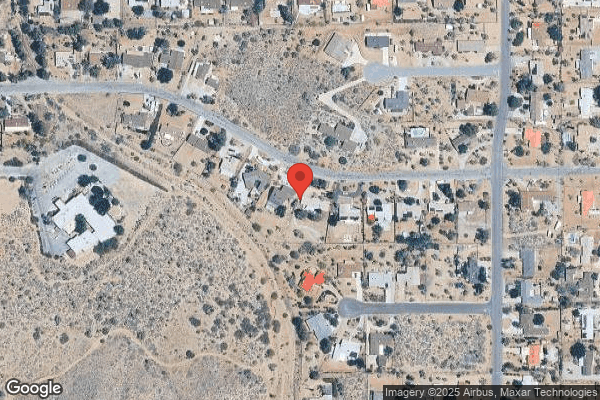
8515 CHOLLA AVE, YUCCA VALLEY, CA 92284 (760) 853-4760
For profit - Limited Liability company 47 Beds SWEETWATER CARE Data: November 2025
Trust Grade
65/100
#104 of 1155 in CA
Last Inspection: September 2024

Within standard 12-15 month inspection cycle. Federal law requires annual inspections.

Overview

Joshua Tree Post Acute has a Trust Grade of C+, indicating it is slightly above average among nursing homes. It ranks #104 out of 1,155 facilities in California, placing it in the top half, and #8 out of 54 in San Bernardino County, meaning only seven local options are better. The facility is improving, with issues decreasing from 13 in 2023 to 12 in 2024. However, staffing is a concern, rated at 2 out of 5 stars, with a high turnover rate of 62%, significantly above the state average of 38%. On the downside, the facility has incurred $41,900 in fines, which is higher than 90% of California facilities, suggesting ongoing compliance problems. RN coverage is average, which means there is room for improvement in having registered nurses involved in care. Specific incidents include a failure to properly treat a resident's contracted foot, leading to skin injuries, and inaccurate assessments for multiple residents that could affect their care needs. Overall, while there are positive aspects, families should weigh these issues carefully when considering this facility.

Trust Score
C+
65/100
In California
#104/1155
Top 9%
Safety Record
Moderate
Needs review
Inspections
Getting Better
13 → 12 violations
Staff Stability
⚠ Watch
62% turnover. Above average. Higher turnover means staff may not know residents' routines.
Penalties
⚠ Watch
$41,900 in fines. Higher than 90% of California facilities, suggesting repeated compliance issues.
Skilled Nurses
⚠ Watch
Each resident gets only 17 minutes of Registered Nurse (RN) attention daily — below average for California. Fewer RN minutes means fewer trained eyes watching for problems.
Violations
⚠ Watch
25 deficiencies on record. Higher than average. Multiple issues found across inspections.
★★★★★
5.0
Overall Rating
★★☆☆☆
2.0
Staff Levels
★★★★☆
4.0
Care Quality
★★★★★
5.0
Inspection Score
Stable
2023: 13 issues
2024: 12 issues

The Good

  • 4-Star Quality Measures · Strong clinical quality outcomes
  • Full Sprinkler Coverage · Fire safety systems throughout facility
  • No fines on record

Facility shows strength in quality measures, fire safety.

The Bad

Staff Turnover: 62%

16pts above California avg (46%)

Frequent staff changes - ask about care continuity

Federal Fines: $41,900

Above median ($33,413)

Moderate penalties - review what triggered them

Chain: SWEETWATER CARE

Part of a multi-facility chain

Ask about local staffing decisions and management

Staff turnover is elevated (62%)

14 points above California average of 48%

The Ugly 25 deficiencies on record

1 actual harm
Sept 2024 5 deficiencies
CONCERN (D)

Potential for Harm - no one hurt, but risky conditions existed

Deficiency F0558 (Tag F0558)

Could have caused harm · This affected 1 resident

Based on observation, interview, and record review, the facility failed to ensure the call light was accessible for one of six sampled Residents (Resident 9) when Resident 9's call light was found on ...

Read full inspector narrative →
Based on observation, interview, and record review, the facility failed to ensure the call light was accessible for one of six sampled Residents (Resident 9) when Resident 9's call light was found on the floor. This failure had the potential to result in Resident 9 unable to use the call light system to call for any assistance Resident 9 may require. Finding: A review of Resident 9's admission Record (contains demographic and medical information) dated April 7, 2023, the admission Record indicated Resident 9 was admitted to the facility with the diagnoses of Alzheimer's disease (brain disorder that slowly destroys memory and thinking skills), dementia (loss of thinking, remembering, and reasoning), and gout (inflamed, painful joints). During a concurrent observation and interview on September 16, 2024, at 10:33 AM, with Resident 9, in Resident 9's room, the call light was observed on the floor adjacent to Resident 9's bed. Resident 9 stated he could not reach his call light. During a concurrent observation and interview on September 16, 2024, at 10:36 AM, with Resource Respiratory Therapist (RRT), in Resident 9's room, the RRT observed the call light on the floor. The RRT stated it should not be on the floor. During a concurrent interview and record review on September 20, 2024, at 9:30 AM, with the Chief Nursing Officer (CNO), the undated facility's policy and procedure (P&P) titled, Answering the Call Light, was reviewed. The P&P indicated, . 5. Ensure that the call light is accessible to the resident when in bed . The CNO stated the P&P was not followed.
CONCERN (D)

Potential for Harm - no one hurt, but risky conditions existed

ADL Care (Tag F0677)

Could have caused harm · This affected 1 resident

**NOTE- TERMS IN BRACKETS HAVE BEEN EDITED TO PROTECT CONFIDENTIALITY** Based on observation, interview, and record review, the facility failed to provide assistance during mealtime as required by the...

Read full inspector narrative →
**NOTE- TERMS IN BRACKETS HAVE BEEN EDITED TO PROTECT CONFIDENTIALITY** Based on observation, interview, and record review, the facility failed to provide assistance during mealtime as required by the care plan for 1 of 6 sampled residents (Resident 50) which resulted in Resident 50 being left with an uncovered and unattended breakfast tray which compromise the quality and temperature of the meal. This failure had the potential to lead to inadequate nutrition and placed Resident 50 at risk for malnutrition. Finding: A review of Resident 50 admission Record (contains demographic and medical information) the admission record indicated Resident 50 was admitted to the facility on [DATE], with diagnosis of dementia (a condition that affects the brain and makes it harder for a person to think clearly, remember things, or make decisions) and hypertension (elevated blood pressure). During a review of Resident 50's Care Plan dated June 21, 2024, indicated, [AGE] years old female at risk for malnutrition r/t [related to] dementia ., Goal, maintain adequate nutrition & [and] hydration status , Interventions .set up meal tray, assist and give verbal cues . During an observation on September 18, 2024, at 7:45 AM in Resident 50's room, Resident 50 was lying in bed, facing the window, with her eyes closed and asleep. An unattended, uncovered and untouched breakfast tray was on the bedside table. The tray contained a bowl of soggy cereal, a plate with scrambled eggs and toast, an open 125 Milliliter (ml- a unit of measurement) carton of cranberry-raspberry juice, and an 8 ounce (oz- a unit of measure) open carton of milk. The food had been left uncovered and untouched by Resident 50 for over twelve minutes. During an interview on September 18, 2024, at 7:50 AM with the Procurement Director (PD- a person who is to ensure that the necessary supplies, equipment and services are available for the facility to operate), the PD observed Resident 50's uncovered and untouched breakfast tray and confirmed that it had been left unattended. The PD stated that she would look for a staff member to assist Resident 50. During an interview on [DATE], at 7:57 AM, with a Certified Nurse Assistant 1 (CNA 1), CNA 1 arrived and confirmed that Resident 50 requires assistance with eating. CNA 1 acknowledged that the tray had been left uncovered and unattended, causing the food to become cold. CNA 1 was not assigned to Resident 50, however CNA 1 offered to assist the resident with her meal. During an interview on September 19, 2024, at 10:32 AM with Certified Nurse Assistant 2 (CNA 2), CNA 2 admitted delivering the breakfast tray and leaving it uncovered and unattended. CNA 2 further acknowledged that Resident 50 requires assistance during meals but admitted that she forgot to return to assist th resident. During a concurrent interview, and record review on [DATE], at 9:51 AM with the Chief Nursing Officer (CNO) the facility's policy and procedure (P & P) titled, Activities of Daily Living (ADLs), supporting dated March 2024, was reviewed. The P&P indicated, Residents will provide with care, treatment and services as appropriate to maintain or improve their ability to carry out activities of daily living (ADLs). Residents who are unable to carry out activities of daily living independently will receive the services necessary to maintain good nutrition, grooming and personal and oral hygiene . The CNO confirmed the P&P was not followed by the staff.
CONCERN (D)

Potential for Harm - no one hurt, but risky conditions existed

Quality of Care (Tag F0684)

Could have caused harm · This affected 1 resident

2. A review of Resident 9's admission Record (contains demographic and medical information) dated April 7, 2023, the admission Record indicated Resident 9 was admitted to the facility with the diagnos...

Read full inspector narrative →
2. A review of Resident 9's admission Record (contains demographic and medical information) dated April 7, 2023, the admission Record indicated Resident 9 was admitted to the facility with the diagnoses of Alzheimer's disease (brain disorder that slowly destroys memory and thinking skills), dementia (loss of thinking, remembering, and reasoning), and adult failure to thrive (lack of interest). A review Resident 9's Physician's Order dated May 12, 2024, indicated Resident 9 was to receive the following treatment, Cleanse [clean] right hip pressure injury [localized damage to the skin and underlying soft tissue] with .25% strength Dakin's solution [diluted bleach solution], pat dry, pack undermining with 0.25% strength Dakin's solution, soaked gauze, cover wound bed with calcium alginate [wound dressings made from seaweed-derived], cover with bordered foam dressing twice daily x [times] 30 days every day and night shift for right hip pressure injury for 30 Days. A review of Resident 9's TAR for wound care from May 1, 2024, through May 31,2024, revealed staff did not documented wound care treatment as being done per physician's orders for two days for day shift, for May 27, 2024, and May 31, 2024. A review of Resident 9's Physician's Order dated July 15, 2024, indicated Resident 9 was to receive the following treatment: Cleanse right hip pressure injury with .25% strength Dakin's solution, pat dry, pack undermining with 0.25% strength Dakin's solution, cover wound bed with calcium alginate, cover with bordered foam dressing twice daily x 30 days every day and night shift for stage 3 [full thickness tissue loss] pressure injury to right trochanter [hip] for 30 Days. A review of Resident 9's TAR for wound care from August 1, 2024, through August 31,2024, revealed staff did not document wound care treatment as being done per physician's order for 2 days, for day shift on August 5, 2024, and August 10, 2024. During a concurrent interview and record review, on September 19, 2024, at 4:20 PM with Licensed Vocational Nurse Wound Care Certified (LVN WCC), reviewed Resident 9's TAR for May 1, 2024, through May 31, 2024, and August 1, 2024, through August 31, 2024. LVN WCC stated May 27, 2024, May 31, 2024, August 5, 2024, and August 10, 2024, are missing check mark and nurse's initial in the box. LVN WCC stated, if treatment is done, nurses document on the TAR. LVN WCC stated, she is not sure why the documentation on the TAR for those days are missing. LVN WCC stated, she was not working at the facility at the time, but she believes, it was not being done. LVN WCC further stated, when she finished the wound care treatment, she document in the TAR by clicking the box for the treatment and documents in the progress note. During a concurrent interview and record review, on September 19, 2024, at 4:45 PM with the Chief Nursing Officer (CNO), reviewed Resident 9's TAR, for wound care from May 1, 2024, through May 31, 2024, and August 1, 2024, through August 31, 2024. The CNO acknowledged, May 27, 2024, May 31, 2024, August 5, 2024, and August 10, 2024, Resident 9 had missing documentation for wound treatment for the day shifts as ordered by the physician. The CNO further stated, she expects the nurses to carry out the treatments and document. During a concurrent interview, and record review on September 20, 2024, at 9:00 AM with the CNO, reviewed the facility's policy and procedure (P&P) titled, Skin Assessment, with reviewed date 3/13/2024. The P&P indicated, Once a wound has been identified, assessed, and documented, nursing shall administer treatment to each affected area as per the physician's order . All wound or skin treatments should be documented in the resident's clinical record at the time they are administered . The CNO acknowledge the P&P and stated, the nurses should follow physician's orders and document. During a subsequent interview and record review, with the CNO, on September 20, 2024, at 9:52 AM, reviewed the facility's P&P titled, Documentation and Charting, with reviewed date of December 2023. The P& P indicated, A complete account of the resident's care, treatment, response to the care, signs, symptoms, etc., as well as the progress of the resident's care in an accurate and chronological manner . The CNO stated, she would expect staff to follow physician's orders. 3. A review of Resident 9's clinical record titled, Progress Notes, Type: Nursing Note, dated April 17,2024. The Progress notes, Type: Nursing Note, indicated, resident cont [continue] to be monitor for Positive wound culture to rt [right] hip pt [patient] has started PO [oral] order of Bactrim DS [antibiotic] . A review of Resident 9's clinical record titled, eINTERACT Change in Condition Evaluation for the Month of April 2024. There is no documented evidence a change of condition evaluation was done for Resident 9's positive wound culture for April 17, 2024. A review of Resident 9's clinical record titled, SBAR [S-situation B-background A-assessment R-recommendation] Communication Form and Progress Note for RNs/LPN/LVNs for the Month of April 2024. There is no documented evidence a change of condition/SBAR was done for Resident 9's positive wound culture for April 17, 2024. During a concurrent interview and record review, on September 20, 2024, at 10:00 AM with the CNO, Resident 9's Progress Notes, Type: Nursing Note dated April 17, 2024, was reviewed. It indicated, resident cont to be monitor for Positive wound culture to rt hip pt has started PO order of Bactrim DS . The CNO acknowledge the progress note. The CNO further stated, it should have been a change of condition (COC) initiated for the wound infection. The CNO stated someone dropped the ball. The CNO expectation is for staff to initiate a COC for newly identified conditions. The CNO further stated, .no SBAR done. During a concurrent interview and record review on September 20, 2024, at 10:20 AM with the CNO, the facility's policy and procedure (P&P) titled, Change of Condition, with reviewed date December 2023, was reviewed. The P&P indicated, Document resident change of condition and response in SBAR UDA and update resident care plan, as indicated . The CNO acknowledged the P&P and stated, we did not do SBAR for positive wound infection. Based on observation, interview, and record review, the facility failed to ensure one of two sampled Residents (Resident 49 and 9) received treatment and care when the facility did not follow their policy and Procedures (P&P): 1. For Resident 49, the medication Linzess (a medication used to treat constipation) was not available from the pharmacy to be administered as ordered by the physician. This failure resulted in Resident 49 not receiving the medication and placing Resident 49's health and safety at risk. 2. For Resident 9, the treatment Administration Record (TAR) was not documented as being done on May 27, 2024, May 31, 2024, August 5, 2024, and August 10, 2024 to Resident 9's right hip wound. This failure had the potential to result in worsening of skin condition placing Resident 9 at risk for further injuries. 3. For Resident 9, a Change in Condition Evaluation form (COC) and a SBAR (S-situation B-background A-assessment R-recommendation -A type of Communication Form) were not done for positive wound infection on April 17, 2024. This failure had the potential to result in an unidentified complications for Resident 9. Findings: 1. A review of Resident 49's admission Record (contains medical and demographic information) dated June 5, 2024, the admission Record indicated Resident 49 was admitted to the facility with the diagnoses of wedge compression fracture of T-11-T-12 vertebra (spinal break caused by too much pressure on the spine), diabetes mellitus type 2 (too much sugar in the blood), and hypertension (elevated blood pressure). During a concurrent observation and interview on September 16, 2024, at 9:49 AM, with Resident 49, in Resident 49's room, Resident 49 was dressed in casual clothing, laying on his bed, watching television. Resident 49 stated he has constipation (unable to poop). A review of Resident 49's physician orders dated September 14, 2024, the physician orders indicated, Give 72 mcg (microgram-a unit of measurement) by mouth one time a day for GI (gastrointestinal) until October 15, 2024, one capsule at least 30 minutes before the first meal of the day on an empty stomach once a day for 30 days. During a medication cart observation on September 18, 2024, at 1:40 PM, with Licensed Vocational Nurse 2 (LVN 2), the medication cart was opened and inspected. Resident 49's medication Linzess was unable to be found. During a concurrent interview and record review on September 18, 2024, at 1:45 PM, with LVN 2, Resident 49's MAR dated September 2024 was reviewed. The MAR indicated Linzess was given on September 17, 2024 and September 18, 2024 by LVN 2. LVN 2 stated she made a mistake and attempted to document that she could not give the medication as it had not yet been delivered by pharmacy. Resident 49 was not given the medication for 4 days as ordered by the physician. During a concurrent interview and record review on September 20, 2024, at 9:38 AM, with the CNO, the facility's P&P titled, Administration of Medications dated reviewed December 2023, was reviewed. The P&P indicated, . It is the policy of this facility, medication shall be administered as prescribed by the resident's physician, nurse practitioner, or physician's assistant.
CONCERN (D)

Potential for Harm - no one hurt, but risky conditions existed

Deficiency F0692 (Tag F0692)

Could have caused harm · This affected 1 resident

**NOTE- TERMS IN BRACKETS HAVE BEEN EDITED TO PROTECT CONFIDENTIALITY** Based on observation, interview, and record review, the facility failed to ensure the dietary restrictions as indicated on the a...

Read full inspector narrative →
**NOTE- TERMS IN BRACKETS HAVE BEEN EDITED TO PROTECT CONFIDENTIALITY** Based on observation, interview, and record review, the facility failed to ensure the dietary restrictions as indicated on the allergy diet card was followed for 1 of 6 sampled Residents (Resident 14) when Resident 14's diet card indicated Resident 14 had food allergies to cranberry. This failure had the potential for Resident 14 to develop serious and fatal allergic reactions. Finding: During a review of Resident 14's admission Record (contains demographic and medical information) the admission record indicated Resident 14 was admitted to the facility on [DATE], with diagnoses of paroxysmal atrial fibrillation (irregular heartbeat), asthma (a condition in which airways in the lungs become narrow, swollen, making hard to breath) and gastroesophageal reflux disease (GERD-a condition in which stomach acid frequently flows back into your esophagus). During an observation on September 18, 2024, at 8:01 AM, in Resident 14's room, Resident 14 was complaining about her breakfast tray to the staff, which had been served with two cartoons of cranberry juice of 125 ml, each, [ milliliters - unit of measurement of liquid volume], despite the documented allergy to cranberries on Resident 14's diet card. Further observation revealed the Medical Data Set Nurse (MDSN), was informed of Resident 14 compliant and promptly removed the two cartoons 125 ml each of cranberry juice from the room. MDSN confirmed with Resident 14 she had not consumed the juice and assure her that another type of juice would be provided. During a concurrent interview and record review on September 18, 2024, at 8:03 AM, with the MDSN the Diet Card dated September 18, 2024 was reviewed. It indicated, beverages: 8 oz Juice (NO CRANBERRY), further review revealed Allergies: CRANBERRY, WALNUTS. The MDSN confirmed Resident 14's allergies and stated she should not have been served cranberry juice and stated that it was an oversight. During an interview on September 18, 2024, at 8:48 AM with Resident 14, Resident 14 expressed concerns about the staff serving her cranberry juice, despite informing the facility of her allergies. Resident 14 stated, that if she consumed cranberries, her allergic reaction would cause her to develop hives on her tongue. Resident 14 further expressed frustration that the facility is not consistently adhering to her documented dietary restrictions. During a concurrent interview and record review on September 18, 2024, at 10:05 AM, with the Chief Nursing Officer (CNO) Resident 14's Diet Card dated September 18, 2024, was reviewed. The CNO acknowledged Resident 14 dietary restrictions were clearly stated on the card and confirmed that cranberry juice should not have been served. During an interview on September 18, 2024, at 11:02 AM, with License Vocational Nurse 2 (LVN 2), LVN 2 stated that she occasionally comes to help out at this facility and is familiar with Resident 14. However, when she delivered Resident 14's tray, she missed seeing the allergy information indicating Resident 14 is allergic to cranberries. LVN 2 expressed that this oversight was unintentional. During an interview on September 18, 2024, at 11:17 AM with Licensed Vocational Nurse 3/Wound care certified nurse (LVN 3, / WCC) stated that she was checking the breakfast trays with another nurse and missed the food allergy information for Resident 14. LVN 3/WCC explained that when checking the trays, they were focused on diet types and food textures, but overlooked the allergy information. LVN 3 / WCC acknowledged the importance of checking for food allergies, as residents could have serious allergic reactions, such as rashes or throat swelling if given food, they are allergic to. During a concurrent interview and record review on September 19, 2024, at 9:52 AM with the CNO, the facility's policy and procedure (P&P) titled, Food Allergies and Intolerances dated March 2024 was reviewed. The P&P indicated, Residents with food allergies and / or intolerances are identified upon admission and offered food substitutions of similar appeal and nutritional value. Steps are taken to prevent resident to the allergen(s). Assessments and Interventions: 3. Residents are assessed for a history of food allergies and intolerances upon admission and as part of the comprehensive assessment . The CNO confirmed that staff did not follow their P&P.
CONCERN (D)

Potential for Harm - no one hurt, but risky conditions existed

Medical Records (Tag F0842)

Could have caused harm · This affected 1 resident

Based on observation, interview, and record review, the facility failed to ensure medical records were complete and accurately documented for two of six sampled Residents (Resident 48 and 49) when: 1....

Read full inspector narrative →
Based on observation, interview, and record review, the facility failed to ensure medical records were complete and accurately documented for two of six sampled Residents (Resident 48 and 49) when: 1. Resident 48 had missing interdisciplinary team (IDT- interdisciplinary team- a mix of different disciplines in medicine that meet to discuss patient's care) investigation and recommendation from a fall Resident 48 sustained on August 21, 2024. 2. Resident 49 had inaccurate documentation on the medication administration record for a medication documented as given but the medication had not arrived from pharmacy. These failures had the potential to place Resident 48 and 49 at risk for missed interventions being updated in the plan of care, inaccurate count of medications, further falls, and missed adverse side effects from medications. Findings: 1. A review of Resident 48's admission Record (contains medical and demographic information) dated May 31, 2024, the admission Record indicated Resident 48 was admitted to the facility with the diagnoses of dementia (loss of brain function-thinking, remembering, and reasoning), chronic pain syndrome (pain that lasts for longer than three months), and malignant neoplasm of brain (cancerous tumor in brain). A review of Resident 48's SBAR- Change of Condition Report (Situation, Background, Assessment, and Recommendation/Request - a structured communication framework used in medicine) dated August 21, 2024, the SBAR - Change of Condition Report indicated Resident 48 had a . witnessed fall and was seen hitting his head against the wooden railing. Resident 48 was sent to the hospital. A review of Resident 48's Care Plan - at risk for falls (document that outlines the type of care a patient needs and how to provide that care) dated June 4, 2024, the Care Plan - at risk for falls indicated it had not been updated since June 4, 2024. During a concurrent interview and record review on September 19, 2024, at 11:29 AM, with Minimum Data Set Nurse (MDSN), Resident 48's Assessments (list of different types of assessments used for residents) under IDT Meeting Note was reviewed. There were no IDT meeting notes for the fall Resident 48 sustained on August 21, 2024. MDSN stated there should have been an IDT meeting for Resident 48's fall. During a concurrent interview and record review on September 20, 2024, at 9:36 AM, with the Chief Nursing Officer (CNO), the facility's policy and procedure (P&P) titled, Fall Prevention dated reviewed December 2023 was reviewed. The P&P indicated, It is the policy of this facility to investigate the circumstances surrounding each resident fall and implement actions to reduce the incidence .5. If there is an existing plan of care if the resident's medical record pertaining to falls it should be updated to reflect newly identified risk factors and approaches . the complete incident report, post fall evaluation, and incident investigation report will be reviewed by the facility Interdisciplinary Team. The CNO stated the P&P was not followed. During a concurrent interview and record review on September 20, 2024, at 9:36 AM, with the CNO, the facility's P&P titled, Fall Management System dated reviewed December 2023, was reviewed. The P&P indicated, .5. The investigation will be reviewed by the Interdisciplinary Team . a. a summary of the investigation and recommendations will be documented in the resident's clinical record . 6. Resident's care plan will be updated. The CNO stated the P&P was not followed. 2. A review of Resident 49's admission Record (contains medical and demographic information) dated June 5, 2024, the admission Record indicated Resident 49 was admitted to the facility with the diagnoses of wedge compression fracture of T-11-T-12 vertebra (spinal break caused by too much pressure on the spine), diabetes mellitus type 2 (too much sugar in the blood), and hypertension (elevated blood pressure). A review of Resident 49's Medication Administration Record (MAR) for the month of September 2024 was reviewed. The MAR indicated Linzess (medication for chronic constipation) Oral Capsule 75 MCG (microgram-unit of measurement) was administered on September 17th, 2024, and September 18, 2024. During a medication cart observation on September 18, 2024, at 1:40 PM, with Licensed Vocational Nurse 2 (LVN 2), the medication cart was opened and inspected. Resident 49's medication Linzess was unable to be found. During a concurrent interview and record review on September 18, 2024, at 1:45 PM, with LVN 2, Resident 49's MAR dated September 2024 was reviewed. The MAR indicated Linzess was given on September 17, 2024 and September 18, 2024 by LVN 2. LVN 2 stated she made a mistake and attempted to document that she could not give the medication as it had not yet been delivered by pharmacy. LVN 2 further stated the September 17, 2024 and September 18, 2024 documentation was not accurate. During a concurrent interview and record review on September 20, 2024, at 9:38 AM, with the Chief Nursing Officer (CNO), the facility's policy and procedure (P&P) titled, Documentation and Charting dated reviewed December 2023, was reviewed. The P&P indicated, It is the policy of this facility to provide: 1. A complete account of the resident's care, treatment, response to the care, signs, symptoms, etc., as well as the progress of the resident's care in an accurate and chronological manner . 6. The elements of quality medical nursing care . The CNO stated the P&P was not followed. During a concurrent interview and record review on September 20, 2024, at 9:38 AM, with the CNO, the facility's P&P titled, Administration of Medications dated reviewed December 2023, was reviewed. The P&P indicated, . 9. Should a drug be withheld, refused, or given other than at the scheduled time, the staff administering must indicate the reason on the MAR. The CNO stated the P&P was not followed.
Aug 2024 1 deficiency
CONCERN (D) 📢 Someone Reported This

A family member, employee, or ombudsman was alarmed enough to file a formal complaint

Potential for Harm - no one hurt, but risky conditions existed

Free from Abuse/Neglect (Tag F0600)

Could have caused harm · This affected 1 resident

Based on interview and record review, the facility failed to protect against physical abuse for one of three sampled residents (Resident 1) when an Activities Staff (AS) person grabbed Resident 1 ' s ...

Read full inspector narrative →
Based on interview and record review, the facility failed to protect against physical abuse for one of three sampled residents (Resident 1) when an Activities Staff (AS) person grabbed Resident 1 ' s right arm and yanked Resident 1 down onto her bed. This failure caused Resident 1 to suffer fear and abuse. Findings: An unannounced visit was made to the facility on July 17, 2024, at 10:32 AM, to investigate a facility reported incident regarding an allegation of physical abuse. A review of Resident 1 ' s face sheet (a document that gives a summary of resident ' s information), undated, indicated an admission date of August 13, 2021. Resident 1 had diagnoses that included dementia (a group of thinking and social symptoms that interferes with daily functioning). During an interview with a Certified Nursing Assistant (CNA 1) on July 17, 2024, at 11:43 AM, CNA 1 stated she came into the room with Resident 1 ' s roommate (Resident 2) because Resident 2 had complained of pain and wanted to go back to her bed. CNA 1 stated she began to help Resident 2 to bed when she saw Resident 1 stand up from her bed and begin walking to the door and she was not supposed to walk without assistance, but Resident 1 was a Spanish speaker and CNA 1 stated did not speak Spanish. CNA 1 stated she knew Spanish for sit down and pointed to Resident 1's bed. Resident 1 walked a few paces towards the door. CNA 1 stated an AS walked into the room with her handbag still on her shoulder and a big cup in her right hand. CNA 1 stated the AS grabbed Resident 1's right arm and pulled her roughly towards her bed and then yanked Resident 1 down towards her bed. CNA 1 stated Resident 1 stumbled onto her bed. CNA 1 stated she finished transferring Resident 2 to her bed and went immediately to Resident 1's bedside and lifted her legs onto the bed. CNA 1 stated Resident 1 made an attempt to hit the AS but missed and the AS immediately left the room making comments in Spanish and was met by a Housekeeper (HS 1) just outside the door. CNA 1 stated she heard HS 1 state Who are you taking to like that. The AS stated, That f**king old lady tried to hit me, dumb a** b*tch! Then the AS walked off. CNA 1 stated she stayed with Resident 1 because Resident 1 was crying and upset, and she knew Resident 1 would not stay in bed. CNA 1 stated she transferred Resident 1 to her wheelchair and positioned her at the nursing station to be monitored while she went to report the incident. During an interview with the Director of Staff Development (DSD) on July 17, 2024, at 12:15 PM, the DSD stated he had a conversation with the AS and the AS denied that she abused anyone and did not opt to provide a statement. The DSD stated the AS left the building on July 3, 2024, and never returned. The DSD stated the AS resigned her position via a text message. The DSD stated HS 1 was not currently on shift and he could not reach HS 1 by phone. The AS was unavailable for interview. HS 1 was unavailable for interview. During an interview with the Director of Nursing (DON) on July 17, 2024, at 12:03 PM, The DON stated the facility confirmed the AS acted abusively towards Resident 1. The DON stated the facility failed to protect Resident 1 from abuse. A review of the facility ' s policy and procedure titled, Abuse: Prevention of and Prohibition Against, dated January 2024, indicated, Policy: It is the policy of this Facility that each resident has the right to be free from abuse, neglect, misappropriation of resident property, and exploitation. The Facility will provide oversight and monitoring to ensure that its staff, who are agents of the Facility, deliver care and services in a way that promotes and respects the rights of the residents to be from abuse, neglect, misappropriation of resident property, and exploitation.
May 2024 1 deficiency
CONCERN (D) 📢 Someone Reported This

A family member, employee, or ombudsman was alarmed enough to file a formal complaint

Potential for Harm - no one hurt, but risky conditions existed

Accident Prevention (Tag F0689)

Could have caused harm · This affected 1 resident

**NOTE- TERMS IN BRACKETS HAVE BEEN EDITED TO PROTECT CONFIDENTIALITY** Based on interview and record review, the facility failed to ensure their fall prevention policies and procedures were implement...

Read full inspector narrative →
**NOTE- TERMS IN BRACKETS HAVE BEEN EDITED TO PROTECT CONFIDENTIALITY** Based on interview and record review, the facility failed to ensure their fall prevention policies and procedures were implemented for one of three sampled residents (Resident 1). This failure resulted in Resident 1 to fall on March 27, 2024, sustained an injury (subdural hematoma-occurs after a head injury such as a fall) necessitating admission to the acute hospital to intensive Care Unit (ICU) trauma for a higher level of care. Findings: During a review of Resident 1 ' s admission Record (a document that contains resident ' s information that includes admission date, demographic information, and medical history) dated April 3, 2024, the admission record indicated Resident 1 was admitted to the facility on [DATE], with the diagnoses which included dementia ( a condition was a person experiences a decline in their memory, thinking and reasoning skills), lack of coordination (difficulty on maintaining balance), and muscle weakness (lack of muscle strength). During a review of Resident 1 ' s Minimum Data Set (MDS) Under Section C- Cognitive Patterns (section used to determine a resident cognitive functioning status), dated February 20, 2024, indicated Resident 1 had a Brief Interview for Mental Status (BIMS a score 0-15 used to determine cognitive functioning) score of 99 (99 indicate the resident was unable to complete the interview. During a review of Resident 1 ' s Minimum Data Set (MDS) under Section GG – Functional Abilities and Goals (Section used to indicate the level of assistance), dated February 20, 2024, it indicated Resident 1 needed substantial or maximal assistance (Helper does more than half the effort) during sit to stand. During a review of Resident History and Physical (H&P) dated March 18, 2024, it indicated Resident 1 does not have the capacity to understand and made decisions. During a review of Resident 1 ' s Fall Risk Assessment dated February 29, 2024, at 5:50 PM, indicated Resident had a score of 18 (If the total score 10 or greater, the resident is on a high risk for potential falls). During a review of Resident 1 ' s SBAR – Change of Condition Report (Situation, Background, Assessment and Recommendation is a communication tool used in healthcare settings) dated, March 27, 2024, at 6:03 PM, it indicated 7. Behavior resident is not compliant with it comes to calling for help and tries to get out of bed and wheelchair on his own. During a review of Resident 1 ' s IDT Post Fall Review (IDT-team composed of staff from various disciplines) dated March 28, 2024, at 7:19 AM, in indicated . Per LVN (License Vocational Nurse) report, resident was found on the floor by nursing staff in common area (outside of room [ROOM NUMBER]), left side lying in front of wheelchair with both wheelchair locks in the unlocked position. Resident was observed with eyes open and full movement of upper extremities attempting to get themselves up from off the floor .Interventions: resident was sent to ER (emergency room) for further evaluation . During a review of Resident 1 ' s undated care plan for falls (an individualize plan of care) indicated, resident is capable of unlocking w/c (wheelchair) and propels self through hallway. Goal, resident will remain free from falls r/t (related to) independently propelling self through facility, interventions .maintain visual checks for resident safety . During a review of Resident 1 ' s care Plan for falls (an individualize plan of care) undated, indicated Resident 1 is at risk for falls/injury related to: difficulty walking, gen (general) weakness, history of falls, impaired cognition, poor balance, poor safety awareness .interventions visibly observe resident frequently . During a review of Resident 1 ' s care plan for high risk for falls r/t (related to) confusion dated March 12, 2024, indicated Unaware of safety needs .Goal, Resident 1 will be free for falls .Interventions .follow facility fall protocol, [NAME] and [NAME] for Fall Prevention . During a review of Resident 1 ' s admission H & P EMR (admission history and physical of emergency medical record) dated March 27, 2024, at 9:58 PM, it indicated, M (male) BIBA ([NAME] by ambulance) as transfer from (acute hospital name) for ground level fall .Workup at outside of facility subdural hematoma with midline shift (a condition where blood accumulate and put pressure on the brain) . During a review of Resident 1 ' s Nursing Note dated March 30, 2024, at 2:01 PM, it indicated Resident [Resident 1] is admitted to ICU (intensive care unit) trauma. Resident is s/p (status post) neurosurgery / craniotomy (surgery in the skull) for removal of subdural hematoma after recent fall . During a telephone interview on April 3, 2024, at 4:15 PM with the Administrator (Admin), the Admin stated leaving Resident 1, who has cognitive impairment and high risk for falls, without supervision was not a safe practice. During a telephone interview on April 3, 2024, at 6:41 PM with Certified Nurse Assistant, (CNA 1), CNA 1 stated that prior to the start of the shift on the day of Resident 1 ' s fall incident, they did not have a huddle. CNA 1 further stated there was a lack of communication between license nurses and CNA ' s. During an interview on April 8, 2024, at 10:06 AM, with CNA 2, CNA2, indicated that no huddle had occurred on that day or on any other day. CNA 2 expressed concerns regarding lack of communication between licensed nurses and CNAs regarding resident care. During an interview on April 8, 2024, at 11:05 AM with CNA 3, CNA 3, stated on March 27, 2024, they did not have a huddle the day when Resident 1 fell. During a review of the facility ' s policy and procedure titled Jack and [NAME] – Fall Prevention Program dated 2015, indicated, 2. Any resident who fell withing the 3-month period would be given yellow bands until they graduate off the [NAME] and [NAME] Program. 5. Management will identify a [NAME] and [NAME] Champion per shift for continuous re-education to staff on the floor. High fall risk residents should be mentioned every huddle for reinforcement . During a review of the facility ' s policy and procedure (P&P) titled Safety and Supervision of Residents undated, indicated Facility – Oriented Approach to Safety 1. Our resident-oriented approach to safety address risk identified based on assessments .Individualized, Resident -Centered Approach to Safety .10. Implementing interventions to reduce accidents risk and hazards shall include the following: a. Communication specific interventions to all relevant staff .c. Ensuring that interventions are implemented; and d. Documenting interventions . During a review of the facility ' s policy and procedure (P&P) titled Falls – Clinical Protocol undated indicated Treatment / Management 1. Based on the preceding assessment, the staff and physician will identify pertinent interventions to try to prevent subsequent falls and to address risk of clinically significant consequences of falling .2. If the underlying causes cannot be readily identified or corrected, staff will try various relevant interventions, based on assessments of the nature or category of falling, until falling reduces or stops or until a reason is identified for its continuation (for example, if the individual continues to try to get up and walk without waiting for assistance) .Monitor and Follow -Up .2. The staff and physician will monitor and document the individual ' s response to interventions intended to reduce falling or the consequences of falling.
Mar 2024 4 deficiencies
CONCERN (D)

Potential for Harm - no one hurt, but risky conditions existed

Safe Environment (Tag F0584)

Could have caused harm · This affected 1 resident

**NOTE- TERMS IN BRACKETS HAVE BEEN EDITED TO PROTECT CONFIDENTIALITY** Based on observation, interview, and record review, the facility failed to ensure two of 25 rooms were clean, sanitary, and home...

Read full inspector narrative →
**NOTE- TERMS IN BRACKETS HAVE BEEN EDITED TO PROTECT CONFIDENTIALITY** Based on observation, interview, and record review, the facility failed to ensure two of 25 rooms were clean, sanitary, and homelike when damage was observed on walls and ceiling of rooms [ROOM NUMBERS]. These failures created an environment that was not clean, sanitary, and homelike for residents who reside in room [ROOM NUMBER] and 107. Finding: During an observation on March 25,2024, at 4:10 PM, in resident's room [ROOM NUMBER], an entire section of wooden trim was observed to be missing along the back wall and the headboard wall creating an open area of exposed unpainted dry wall along the length of the room. During an observation on March 25, 2024, at 4:15 PM, in resident's room [ROOM NUMBER], an approximate 2 foot by 4-foot section of wall and ceiling and windowsill was found to be unpainted with exposed drywall and chipping paint. During a concurrent observation, and interview, on March 25, 2024, at 4:30 PM, with the facility Infection Control Practitioner 1 (ICP1), in room [ROOM NUMBER], the damaged section of wall, ceiling and windowsill were observed. ICP 1 stated, the room is not in good repair, she states she would not find this acceptable if this was my home. ICP 1 further stated she was aware of the damage in room [ROOM NUMBER] as well and had put in a work order in today to have it fixed properly. During a review of the facility's policy and procedure (P&P) titled, Homelike Environment, dated March 13, 2024, the P&P indicated, The facility staff and management maximizes to the extent possible, the characteristics of the facility that reflect personalized, homelike setting. These characteristics include a. clean, sanitary and orderly environment.
CONCERN (D)

Potential for Harm - no one hurt, but risky conditions existed

Deficiency F0685 (Tag F0685)

Could have caused harm · This affected 1 resident

**NOTE- TERMS IN BRACKETS HAVE BEEN EDITED TO PROTECT CONFIDENTIALITY** Based on observation, interview, and record review, the facility failed to provide proper treatment and assistive devices to mai...

Read full inspector narrative →
**NOTE- TERMS IN BRACKETS HAVE BEEN EDITED TO PROTECT CONFIDENTIALITY** Based on observation, interview, and record review, the facility failed to provide proper treatment and assistive devices to maintain hearing ability for one of 12 Sampled Residents (Resident 10). This failure resulted in Resident 10 not being assessed for hearing ability and unable to appropriately express his needs. Finding: During a review of Resident 10's admission Record (A document with basic information about the resident), the admission Record indicated, Resident 10 was admitted to the facility on [DATE], with diagnosis which include Alzheimer's disease (a progressive disease the destroys memory and other important mental functions.), Dementia (Loss of cognitive functioning, thinking, remember and reasoning), and Unspecified hearing loss. During a concurrent observation, and interview, on March 25, 2024, at 11:37 AM, with Resident 10, in room [ROOM NUMBER], Resident 10 was observed in bed without hearing aids. Resident 10 stated, I am unable to hear very well. The following conversation had to be spelled out 1 letter at a time after multiple prompts stating he was unable to hear me. During a review of Resident 10's Minimum Data Set (MDS) (a tool for implementing standardized assessment and for facilitating care management in nursing homes) dated March 15, 2024, the MDS indicated Under section B, Hearing, speech and vision, Resident 10 has Moderate hearing difficulty and No hearing aid. During a review of Resident 10's Care Plan, dated April 7, 2023, indicated, Resident has a communication problem related to Hearing deficit. Intervention: Monitor/ document/ report to Medical Doctor (MD) as needed, changes in ability to communicate, potential contributing factors for communication problems potential for improvement. Refer to audiology for hearing consult as ordered. During a concurrent interview, and record review, on March 27, 2024, at 1:00 PM, with Licensed Vocational Nurse 3 (LVN 3) Resident 10's Physician Orders were reviewed. The physician's orders indicated, no order was ever placed for an audiology or hearing consult. LVN 3 stated, I don't see any orders ever placed for this, LVN 3 further stated resident 10 did have hearing difficulties that appear to have gotten worse. During an interview on March 28, 2024, at 3:00 PM with Medical Records Director (MRD), MRD stated No order was placed for an auditory consult prior to today, we should have gotten an order for this prior.
CONCERN (D)

Potential for Harm - no one hurt, but risky conditions existed

Deficiency F0761 (Tag F0761)

Could have caused harm · This affected 1 resident

**NOTE- TERMS IN BRACKETS HAVE BEEN EDITED TO PROTECT CONFIDENTIALITY** Based on observation, interview, and record review, the facility failed to ensure the blood glucose monitor's (a device used to ...

Read full inspector narrative →
**NOTE- TERMS IN BRACKETS HAVE BEEN EDITED TO PROTECT CONFIDENTIALITY** Based on observation, interview, and record review, the facility failed to ensure the blood glucose monitor's (a device used to test a person's blood sugar level) control solutions (a pair of sugar solution, each set with a specific amount of sugar, used to ensure the glucometer and strips are accurate) were dated with an open date. This failure had the potential for the glucometer control testing to be inaccurate and potential for residents that require blood sugar monitoring to have inaccurate results. Findings: During a concurrent observation, and interview, on [DATE], at 06:00 AM, at medication cart #2, (a movable piece of equipment used in healthcare facilities to store, transport, and dispense medicines, medical supplies, and emergency equipment), with Licensed Vocational Nurse 1 (LVN1), it was observed that medication cart 2's glucometer controls had been opened and used, but did not have an open date written on the bottles or the box. LVN 1 stated, the glucometer controls were opened about a week ago and should have been dated with the open date, but were not. LVN 1 went on to say that registry personal and other staff would not be able to identify when these controls were opened, LVN 1 further stated the control solution would be thrown away after 90 days of opening. During a concurrent interview, and record review, on [DATE], at 10:00 AM, with Director of Nursing 2 (DON 2), The [name of brand] Glucose Monitoring System User's Guide was reviewed. The [name of brand] Glucose Monitoring System User's Guide page 24 indicated, Meter set up: Control Solution Testing Note: Use only [name of brand] Glucose Control Solutions with [name of brand] Blood Glucose Test Strips .Always check the expiration date of the control solution . DO NOT use expired control solution. Record the date on the bottle when opening a new bottle of control solution. Discard any unused control solution three months after the opening date. Control solutions are good for three months after opening or until the expiration date on the bottle, whichever comes first . DON 2 stated, the glucose controls are only good for three months after opening. The bottles should be labeled with date opened and date expired. Expired controls could lead to inaccurate blood glucose results.
CONCERN (D)

Potential for Harm - no one hurt, but risky conditions existed

Infection Control (Tag F0880)

Could have caused harm · This affected 1 resident

Based on observation, interview, and record review, the facility failed to ensure hand hygiene (cleaning hands with hand sanitizer or soap and water) was performed during medication administration and...

Read full inspector narrative →
Based on observation, interview, and record review, the facility failed to ensure hand hygiene (cleaning hands with hand sanitizer or soap and water) was performed during medication administration and resident's care tasks for two of seven sampled residents (Resident 41 and Resident 49). This failure had the potential to cause infectious diseases (germs) to be spread from one resident to another by contaminated hands . Findings: During an observation on March 27, 2024 at 5:12 AM, with Licensed Vocational Nurse 1 (LVN 1), outside of Resident 41's room, hand hygiene was not performed prior to moving the medication cart (a movable piece of equipment used in healthcare facilities to store, transport, and dispense medicines, medical supplies, and emergency equipment) to Resident 41's room. LVN 1 failed to perform hand hygiene while preparing medication for administration, entering or exiting the room, and after disposing of medication in the medication room when it was refused. During an observation on March 27, 2024 at 5:18 AM, with LVN 1, LVN 1 did not perform hand hygiene between Resident 41 and Resident 49. LVN 2 prepared Resident 49's medication and supplies for blood glucose monitoring (measuring the amount of sugar in a person's blood, done by a finger prick), and then entered Resident 49's room without performing hand hygiene. Gloves were worn during the blood glucose monitoring and were discarded afterward, but no hand hygiene was performed. Upon leaving the room LVN 1 did not perform hand hygiene and began charting on the medication cart computer. During an interview on March 27, 2024, at 5:25 AM, with LVN 1, LVN 1 stated he could not recall if he performed hand hygiene before or after providing care to Resident 41 or Resident 49. LVN 1 stated hand washing should be performed whenever entering and exiting a resident's room, before and after performing resident's care and preparing resident's medication, to prevent the spread of infection. During a concurrent interview and record review on March 29, 2024, at 9:46 AM, with Director of Nursing 2 (DON 2), the facility's policy and procedure (P&P) titled, Handwashing/Hand Hygiene, dated March 13, 2024, was reviewed. The P&P indicated, .This facility considers hand hygiene the primary means to prevent the spread of healthcare-associated infections .Indications for Hand Hygiene 1. Hand Hygiene is indicated a. immediately before touching a resident; b. before performing an aseptic task .c. after contact with blood, body fluids, or contaminated surfaces; d. after touching a resident; e. after touching the resident's environment; f. before moving from work on a soiled body site to a clean body site on the same resident; and g. immediately after glove removal . 5. The use of gloves does not replace hand washing/hand hygiene . DON 2 stated, hand hygiene whether it is hand sanitizer or hand washing should be performed upon entering a resident's room and exiting the room. Hand washing needs to be performed when administering resident medication or performing resident care. There is always potential for staff to touch the resident's environment and spread infection.
Jan 2024 1 deficiency
CONCERN (D) 📢 Someone Reported This

A family member, employee, or ombudsman was alarmed enough to file a formal complaint

Potential for Harm - no one hurt, but risky conditions existed

Report Alleged Abuse (Tag F0609)

Could have caused harm · This affected 1 resident

**NOTE- TERMS IN BRACKETS HAVE BEEN EDITED TO PROTECT CONFIDENTIALITY** Based on interview, and record review, the facility failed to promptly report an injury of unknown origin to the California Depa...

Read full inspector narrative →
**NOTE- TERMS IN BRACKETS HAVE BEEN EDITED TO PROTECT CONFIDENTIALITY** Based on interview, and record review, the facility failed to promptly report an injury of unknown origin to the California Department of Public Health (CDPH) in accordance with the facility's policy, for one of three residents (Resident 1). This failure had the potential for an injury of unknown origin to go uninvestigated and unreported thereby increasing the chances of harm to Resident 1. Findings: An unannounced visit was made to the facility on January 25, 2024, at 9:50 AM, to investigate a complaint regarding Injury of Unknown Origin. During a review of residents ' 1 ' s admission Record (General Demographics), the document indicated resident 1 was admitted to the facility on [DATE], with a diagnosis to include Alzheimer ' s Disease (A progressive disease that destroys memory and other important mental functions), Epilepsy (A disorder in which nerve cell activity in the brain is disturbed, causing seizures), Disorder of bone density and structure. During a review of resident 1 ' s progress notes (the records nurses and doctors keep during a patient's hospitalization) on January 25, 2024, at 11:20 AM, the record dated January 10, 2024, at 11:23 PM, it indicated, Resident found lying on the floor on the right side of bed. With legs still up on bed. Skin assessment performed by writer. Resident has bruising to the left upper shoulder. No injuries reported to physician. During a review of resident 1 ' s progress notes on January 25, 2024, at 11:20 AM, the record dated January 14, 2024, at 8:21 PM, it indicates received x-ray results for this resident of the left shoulder s/p (status post) fall occurring January 11, 2024. Results sent to MD (doctor) for review. Doctor ordered for resident to be sent to ER (emergency room) for further follow-up. MD requesting CT(computerized tomography) scan to be completed at ER. Orders carried out. DON (director of nursing) made aware of transfer and agree. Daughter in law, notified of transfer and clinical situation. During an interview of resident 1, Resident was lying down. Resident is Spanish speaking and answers only yes and no. Resident has Alzheimer ' s and dementia. Resident is unable to communicate or answer questions. Resident bed is in low position and has a fall mattress next to the bed. Call light within reach. During an interview with Assistant Administrator (AA), she stated resident had a seizure (a sudden, uncontrolled burst of electrical activity in the brain), and the x-ray was taken. I asked her why the results of the x-ray were reviewed by the doctor on the 14th when the x-ray was taken on the 11th. She stated she had no answer for that. States she will have the Director of Nursing (DON) come speak to me since she is not sure of what may have happened. During an Interview with Director of Nursing on January 25, 2024, at 11:15AM, she stated there were no visible injuries, the resident was alert, and she had no complaint of pain, so she was not sent out. The doctor was notified. Stated the x-ray was taken on January 11, 2024, and, results of the x-ray were received on January 11, 2024, at night. States the x-ray showed osteopenia therefore the resident was not sent out. Resident had another seizure after that. Stated when doctor reviewed the x-ray on January 14, 2024, he opted to send resident out to hospital for further follow up. MD requested CT scan. The family was notified of transfer and clinical situation. She states the incident was not reported due to resident had seizure that cause the fall and she had no injuries. During a record review on January 25. 2024 at 11:20 AM, review of Policy and procedures titled Unusual Occurrence Reporting Version 1.1, the documented stated, As required by federal or state regulations, our facility reports unusual occurrences or other reportable events which affect the health, safety, or welfare of our residents. It also indicates, a written report detailing the incident and actions taken by the facility after the event shall be sent or delivered to the state agency (and or other appropriate agencies as required by law) within forty-eight (48) hours of reporting the event or as required by federal and state requirements.
Oct 2023 10 deficiencies 1 Harm
SERIOUS (G)

Actual Harm - a resident was hurt due to facility failures

Quality of Care (Tag F0684)

A resident was harmed · This affected 1 resident

**NOTE- TERMS IN BRACKETS HAVE BEEN EDITED TO PROTECT CONFIDENTIALITY** Based on observation, interview, and record review, the facility failed to ensure one of 24 sampled residents (Resident 21) rece...

Read full inspector narrative →
**NOTE- TERMS IN BRACKETS HAVE BEEN EDITED TO PROTECT CONFIDENTIALITY** Based on observation, interview, and record review, the facility failed to ensure one of 24 sampled residents (Resident 21) received care and treatment for Resident 21's left contracted foot (preventing proper expansion of the foot parts producing pressure on the soft structures), when Resident 21 was found to have multiple skin tissue injuries to her contracted left foot which was not identified by the facility. This failure resulted in a delay in the treatment for skin injuries to Resident 21's contracted left foot. Findings: During a review of Resident 21's admission Record (contains demographic and medical information) dated, October 4, 2023, indicated Resident 21 was admitted to the facility on [DATE], with diagnoses which included: gangrene (Dead tissue caused by an infection or lack of blood flow), Methicillin Resistance Staphylococcus Aureus Infection (an infection that is difficult to treat because of resistance to antibiotics), hemiplegia (A condition which causes weakness to one side of the body) and hemiparesis (paralysis of partial or total body function on one side of the body). During a review of Resident 21's, Braden Scale - For Predicting pressure sore Risk, dated, August 30, 2023, the Braden Scale indicated Resident 21 was at high risk for pressure sore development with score of 8 out of 23 score. (A low score indicates increased risk for pressure sore development). During a review of Resident 21's, care plan, dated, August 1, 2022, Resident 21's care plan indicated, Risk for developing pressure sore, and other types of skin breakdown related to: Aging Process, fragile skin, hx [history of] skin alteration, immobility, impaired cognition, incontinence of (bowel, bladder) .Goal: Minimize the risk for breakdown / pressure sore daily .Interventions .Provide good skin care q shift [every shift] Assess skin integrity during care .Notify MD of any changes . During a concurrent observation and interview on October 3, 2023, at 9:01 AM, with Licensed Vocational Nurse 3 (LVN 3) Resident 21 was observed lying on her back while in bed. Resident 21 was wearing a left heel boot. Upon removal of the left heel boot by LVN 3 the following was noted on Resident 21's contracted left foot: A. The lateral (outer side) area of the left foot, distal from the 5th toe, noted with purple color blister characterized by skin elevation, (1.5 cm x 1.5 cm). B. The left 5th toe pressure tissue injury with partial thickness loss of dermis (thickest layer of the skin) and red/pink wound bed. (approx. 2.0 cm length) C. The 4th left foot toe had circular, dry and cracked skin (approx. 2 cm length) D. The 3rd left foot had circular dark cracked skin. E. The Left great toe had a circular area (approx. 1 cm x 1 cm) on the bottom of the toe which was dark in color. F. Between the great toe and 3rd toe of the left foot, there was dark colored skin tissue and dryness. LVN 3 stated Resident 21 did not have any treatment for Resident 21's skin tissue injuries to the contracted left foot. During an interview on October 4, 2023, at 12:21 PM, with the Director of Nursing (DON), the DON stated she was not aware Resident 21 had multiple skin tissue injuries to her contracted left foot. During a review of Resident 21's physician's orders for the month of September 2023, there were no orders for the treatment of any skin injuries to Resident 21's contracted left foot. During a review of Resident 21's physician's orders for the month of October 2023, there were no orders for the treatment of any skin injuries to Resident 21's contracted left foot. During a review of Resident 21's physician's orders, dated August 25, 2023, indicated, left foot heel protector (boot like device which us used to help prevent the development of pressure injuries on the foot) while in bed and wheelchair for skin integrity. Every 12 hours for wound prevention. During a review of Resident 21's Treatment Administration Record, (TAR- document used to record treatments administered to the resident), dated September 1, 2023, through October 5, 2023, the documents indicated there were 9 days (September 22, 25, 28, and 29 and October 1, 2, 3, 4, and 5) without documented evidence that the heel protector was applied as specified by the physician's orders. During a review of Resident 21's Skin & Wound-Total Body Skin Assessment dated September 3, 2023, at 10:12 PM, indicated, 1. Skin Assessment, 1. Turgor [skin elasticity] poor elasticity, [skin ability to stretch] ., Enter the #[number] of new wounds [injury to the tissue] 0 [no indication of new wounds was noted] During a review of Resident 21's Skin & Wound-Total Body Skin Assessment dated September 17, 2023, at 10:52 PM, indicated, 1. Turgor, 2. Poor Elasticity ., Enter the # [number] of New Wounds, 6. New Wounds 0 [No indication of new wounds was noted] During a review of Resident 21's Weekly Summary V2.1 dated September 17, 2023, at 10:49 PM, indicated, Mobility / Ambulation, 2. How much assistance is required 5. Total Dependence [needs maximum of assistance] ., I, Skin Condition, 1. Is the resident free of any open areas? A. Yes .4. Are other skin condition (s) present? b. No, 5. Additional documentation (treatments, pressure reducing devices etc.) [no documentation noted] During a review of Resident 21's Weekly Summary V2.1 dated September 24, 2023, at 11:48 PM, indicated, I. Skin Condition, 1. Is the resident free of any open areas? a. Yes, 5. Additional documentation (treatments, pressure reducing devices, etc.) [No documentation noted] During a review of Resident 21, Weekly Summary V2.1 dated October 1, 2023, at 11:22 PM indicated I. Skin Condition, 1. Is the resident free of any open areas? a. Yes ., 5. Additional documentation (treatments, pressure reducing devices, etc.) NA [NA-meaning not applicable] During a review of the facility's policy and procedure titled, Pressure Injury Risk Assessment dated September 28, 2023, indicated, the purpose of this procedure is to provide guidelines for the structured assessment and identification of resident at risk of developing a new pressure or worsening of existing pressure injuries (PIs) The purpose of pressure injury risk assessment is to identify all risk factors and then to determine which can be modified and which cannot, or which can be immediately addresses .h. Impaired perfusion, oxygenation or circulation deficit .or lower extremity arterial insufficiency; .4. Conduct a comprehensive skin assessment with every risk assessment. B. Once inspection of skin is completed document the findings on a facility- approve skin assessment tool., c. If a new skin alteration is noted, initiate a (pressure or non-pressure) form related to the type of alteration in skin .Documentation .1. The type of assessment (s) conducted. 2. The date and time and type of skin care provided, if appropriate .,4. Any change in the resident's condition, if identified ., 12. Documentation in medical record addressing MD notification if new skin alteration noted .
CONCERN (D)

Potential for Harm - no one hurt, but risky conditions existed

Comprehensive Care Plan (Tag F0656)

Could have caused harm · This affected 1 resident

**NOTE- TERMS IN BRACKETS HAVE BEEN EDITED TO PROTECT CONFIDENTIALITY** Based on interview, and record review, the facility failed to develop a comprehensive care plan for one of three sampled residen...

Read full inspector narrative →
**NOTE- TERMS IN BRACKETS HAVE BEEN EDITED TO PROTECT CONFIDENTIALITY** Based on interview, and record review, the facility failed to develop a comprehensive care plan for one of three sampled residents (Resident 9) when there was no comprehensive care plan for smoking. This failure had the potential to result in Resident 9's unmet needs and a delay in continuity of care. Findings: During a review of Resident 9's clinical record, the admission Record (contains demographic and clinical data) indicated Resident 9 was admitted to the facility on [DATE], with diagnoses which included Chronic Obstructive Pulmonary Disease (chronic illness that causes airflow blockage and breathing-related problems), hypertensive heart disease (raised blood pressure affecting the heart), and schizophrenia (mental disorder characterized by disruptions in thought and perceptions). During an interview, on October 3, 2023 at 8:49 AM, in Resident 9's room, Resident 9 stated, she was a daily smoker and the facility kept the cigarettes and lighter for her. She stated there are smoking times when staff is available to sit with smokers. During a concurrent interview and record review, on October 5, 2023 at 10:04 AM, with the Activities Staff (AS), Section 4 of the facility survey binder was reviewed. Section 4 of the facility's survey binder indicated, a list of residents who smoke. AS confirmed Resident 9 was listed on the residents' smoking list and confirmed she is a smoker. During a interview on, October 5, 2023, at 2:00 PM, with the Director of Nurses (DON), the DON stated, the Smoking Care Plan was not done until October 4, 2023 and there should have been a care plan in place when Resident 9 started smoking. The DON goes on to state, a care plan should have been done along with the Smoking Assessment once Resident 9 requested to smoke. During a review of the facility's policy and procedure titled, Care Planning, undated, indicated, .A comprehensive, person centered care plan that includes measurable objectives and timetables to meet the resident's physical, psychosocial and functional needs is developed and implemented for each resident .
CONCERN (D)

Potential for Harm - no one hurt, but risky conditions existed

Deficiency F0694 (Tag F0694)

Could have caused harm · This affected 1 resident

**NOTE- TERMS IN BRACKETS HAVE BEEN EDITED TO PROTECT CONFIDENTIALITY** Based on observation, interview, and record review the facility failed to follow their policy and procedure for one of 24 sample...

Read full inspector narrative →
**NOTE- TERMS IN BRACKETS HAVE BEEN EDITED TO PROTECT CONFIDENTIALITY** Based on observation, interview, and record review the facility failed to follow their policy and procedure for one of 24 sampled residents (Resident 46) when an intravenous solution (IV - fluids injected into a person's veins through an IV (intravenous tube) was infusing into Resident 46 and was not labeled. This failure had the potential to result in Resident 46 receiving the wrong type of fluid, amount of fluid and an increased risk of infection as the date for tubing and fluids were not labeled. Findings: During a review of Residents 46's admission Record (contains demographic and medical information), undated, indicated Resident 46 was admitted to the facility on [DATE], with diagnoses that included Dementia (a group of conditions affecting the ability to remember think, or make decisions), Hypothyroidism (abnormally low activity of the thyroid gland), and anxiety disorder (uncontrollable feeling of worriness). During an observation on October 3, 2023, at 3:43 PM, a 0.9 % Sodium Chloride 1000 ml (fluids used for hydration) infusion was started to an IV located in Resident 46's right arm by the Director of Nursing DON, assisted by License Vocational Nurse 5 (LVN 5). The IV bag had an Expiration Date of August 2024 and fluids were infusing at 65 ml/ hour. Resident 46's IV bag a 0.9% Sodium Chloride 1000 bag was not labeled with resident's name, date, time and initials per facility policy and procedure. During an interview on October 3, 2023, at 4:21 PM, with Licensed Vocational Nurse 5 (LVN 5), LVN 5 stated the process for IV [intra venous] insertion, get equipment, prime the tubing, label the bag and tubing including the date, time, and initials. LVN 5 confirmed the IV fluids and tubing were not labeled. During a record review of Physicians Order dated October 3, 2023, at 2:30 PM, indicated, communication Method phone, .Order Summary .Sodium Chloride Intravenous Solution (Sodium Chloride) use 65 ml/hr. intravenously one time only for Dehydration for 2 days NSS [Normal Saline Solution]x 48 hours . During an interview on October 4, 2023, at 9:30 AM, with the Director of Nurses (DON), the DON confirmed that the IV bag and IV tubing were not labeled per policy and procedure. The DON further stated an in-service was already provided for the staff on October 4, 2023. During a record review of Policy and Procedure for IV/Emergency IV Supplies Drug ordering undated, indicated, B. Handling .1. All IV solutions shall be changed every 24 hours upon spiking . 4. The nurse hanging the IV solutions will label the bag with the date, time, and initials .
CONCERN (D)

Potential for Harm - no one hurt, but risky conditions existed

Deficiency F0919 (Tag F0919)

Could have caused harm · This affected 1 resident

**NOTE- TERMS IN BRACKETS HAVE BEEN EDITED TO PROTECT CONFIDENTIALITY** Based on observation, interview, and record review, the facility failed to ensure the call light system (a system that triggers ...

Read full inspector narrative →
**NOTE- TERMS IN BRACKETS HAVE BEEN EDITED TO PROTECT CONFIDENTIALITY** Based on observation, interview, and record review, the facility failed to ensure the call light system (a system that triggers a visual and/or auditory queue when a resident needs assistance) was accessible in room [ROOM NUMBER]'s bathroom, when the call system cord was too short and not accessible to a resident from the floor. This failure had the potential to place residents assigned to room [ROOM NUMBER] and any resident using the restroom at risk of harm, as residents experiencing an emergency or needing assistance would not be able to call for help. Findings: During an observation on October 2, 2023 at 10:16 AM in room [ROOM NUMBER]'s bathroom, the call light cord was short, falling only to the handrail and not long enough to reach from the floor. During a concurrent observation and interview, on October 2, 2023, at 10:28 AM, with the Certified Nurse Assistant 1 (CNA 1), in room [ROOM NUMBER]'s bathroom, CNA 1 stated a resident could fall and not be able to reach the call light because the string is not long enough. CNA 1 stated it is important for the call light cord to be reached from the floor because the resident needs to be able to call for help. During a concurrent observation and interview, on October 2, 2023, at 10:49 AM, with Licensed Vocational Nurse 1 (LVN 1), in room [ROOM NUMBER]'s bathroom, LVN 1 stated the call light is too short. LVN 1 went on to say the resident could fall reaching under the handrail for the cord and if a resident fell, would not be able to reach the cord. LVN 1 states if a resident is unable to reach the call light they would not be able to call for help and could result in an injury. During a review of the facilities policy and procedure titled, Answering the Call Light undated, the policy indicated, .The purpose of this procedure is to ensure timely responses to the resident's request and needs . 5. Ensure the call light is accessible to the resident when in bed, from the toilet, from the shower or bathing facility and from the floor .
CONCERN (E)

Potential for Harm - no one hurt, but risky conditions existed

Assessment Accuracy (Tag F0641)

Could have caused harm · This affected multiple residents

**NOTE- TERMS IN BRACKETS HAVE BEEN EDITED TO PROTECT CONFIDENTIALITY** Based on observation, interview, and record review, the facility failed to accurately code the Minimum Data Set Assessment (MDS-...

Read full inspector narrative →
**NOTE- TERMS IN BRACKETS HAVE BEEN EDITED TO PROTECT CONFIDENTIALITY** Based on observation, interview, and record review, the facility failed to accurately code the Minimum Data Set Assessment (MDS- a computerized assessment instrument) for four of 4 sampled residents (Residents' 9, 43, 29, and 41) when: 1) For Resident 9, the MDS assessment dated [DATE], did not indicate the resident used tobacco. 2) For Resident 43, the MDS assessment dated [DATE], did not indicate the resident used tobacco. 3) For Resident 29, the MDS assessment dated [DATE], did not indicate Behavioral Symptoms. 4) For Resident 41, the MDS assessment dated [DATE], did not indicate Behavioral Symptoms. These failures have the potential to cause inaccuracy in identifying Residents 9, 43, 29 and 41's care and supportive needs. Findings: 1) During a review of Resident 9's clinical record, the admission Record (contains demographic and clinical data) indicated Resident 9 was admitted to the facility on [DATE], with diagnoses which included Chronic Obstructive Pulmonary Disease (chronic illness that causes airflow blockage and breathing-related problems), hypertensive heart disease (raised blood pressure affecting the heart), and schizophrenia (mental disorder characterized by disruptions in thought and perceptions). During a review of Resident 9's, Minimum Data Set Assessment (MDS- a computerized assessment instrument) dated [DATE], under Section J (J1300) titled Tobacco Use, Section J indicated Resident 9 did not use tobacco. During an interview, on [DATE] at 8:49 AM, in Resident 9's room, Resident 9 stated, she was a daily smoker and the facility keeps the cigarettes and lighter for her. She stated there are smoking times when staff is available to sit with smokers. During a concurrent interview and record review, on [DATE] at 10:04 AM, with the Activities Staff (AS), Section 4 of the facility survey binder was reviewed. Section 4 of the facility survey binder indicated, a list of residents who smoke. AS confirmed Resident 9 was listed on the resident smoking list and confirmed she was a smoker. During a concurrent interview and record review, on [DATE], at 2:00 PM, with the DON, the MDS Assessment Section J [Section J1300] was reviewed. The DON states, the MDS Section J was not coded correctly and the DON confirmed Resident 9 was a smoker. During a concurrent interview and record review, on [DATE], at 2:00 PM, with the DON, the DON reviewed Resident 41's MDS Assessment, dated [DATE], and stated, the MDS, Section Z [Section Z0500], titled Signature of RN Assessment Coordinator Verifying Assessment Completion, was e-signed with the DON's e-signature, dated [DATE]. The DON stated she did not sign or verify the MDS Assessment. The DON further stated her electronic signature was compromised at the time of the assessment completion and used by another staff member to verify and complete this MDS assessment. A review of the CMS (The Centers for Medicare & Medicaid Services) RAI manual (Resident Assessment Instrument, this manual provides guidelines and definitions for completing MDS assessments), revised [DATE], indicated . J1300: current Tobacco Use Steps for Assessment 1. Ask the resident if he or she used tobacco in any form during the 7-day look-back period. 2. If the resident states that he or she used tobacco in some form the 7-day look-back period, code 1, yes. 3. If the resident is unable to answer or indicates that he or she did not use tobacco of any kind during the look-back period, review the medical record and interview staff for any indication of tobacco use by the resident during the look back period. 2) During a review of Resident 43's clinical record, the admission Record (contains demographic and clinical data) indicated Resident 43 was initially admitted to the facility on [DATE], with diagnoses which included nicotine dependence (cigarettes), anxiety disorder (a condition marked by excessive worry or anxiety that can disrupt daily life), lack of coordination, and schizophrenia (mental disorder characterized by disruptions in thought and perceptions). During a review of Resident 43's Minimum Data Set Assessment (MDS Assessment - a detailed resident assessment), dated [DATE], the assessment indicated under Section J (J 1300) Current Tobacco Use was coded as No, to indicate the resident did not use tobacco. During a review of Resident 43's care plan (a plan for the medical care of a resident) titled, Resident is a smoker and is able to smoke with supervision, dated [DATE], the care plan indicated interventions which included smoking with supervision, the use of a smoking apron, and the facility was to keep the resident smoking supplies. During a concurrent interview and record review on [DATE], at 10:14 AM, with the Minimum Data Set Resource 2 (MDSR 2), Resident 43's clinical record and MDS assessment dated [DATE], was reviewed. The MDSR 2 stated the MDS assessment dated [DATE], was incorrect and should have indicated the resident used tobacco. During an interview on [DATE], at 10:23 AM, with the Administrator (ADMIN), the ADMIN stated the facility used the current version of the RAI Manual (Resident Assessment Instrument, this manual provides guidelines and definitions for completing MDS assessments) as the facility's policy on how to conduct the MDS assessments. During an interview on [DATE], at 11:48 AM, with Resident 43, on the facility's smoking patio, Resident 43 stated he had been smoking at the facility since the first day he arrived. A review of the CMS (The Centers for Medicare & Medicaid Services) RAI manual (Resident Assessment Instrument, this manual provides guidelines and definitions for completing MDS assessments), revised [DATE], indicated . J 1300: current Tobacco Use Steps for Assessment 1. Ask the resident if he or she used tobacco in any form during the 7-day look-back period. 2. If the resident states that he or she used tobacco in some form the 7-day look-back period, code 1, yes. 3. If the resident is unable to answer or indicates that he or she did not use tobacco of any kind during the look-back period, review the medical record and interview staff for any indication of tobacco use by the resident during the look back period. 3) During a review of Resident 29's clinical record, the admission Record (contains demographic and clinical data) indicated Resident 29 was admitted to the facility on [DATE], with diagnoses which included Cerebral Infarction (a blockage in a blood vessel supplying blood to the brain), contracture ( a fixed tightening of muscle, tendons, ligaments, or skin) to right hand, and unspecified dementia (loss of cognitive functioning, thinking, remembering, and reasoning) with agitation. During a review of Resident 29's, Minimum Data Set Assessment (MDS- a computerized assessment instrument), dated [DATE], under Section E 0200 titled Behavioral Symptom - Presence and Frequency, it indicated Resident 29 Other behavioral symptoms not directed toward others (e.g, . verbal/vocal symptoms like screaming .) was coded as 0. Behavior not exhibited . During concurrent observation and interview, on [DATE] at 9:55 AM, with CNA 1, in the hallway outside Resident 29's room, Resident 29 was heard screaming, crying and yelling out for her mom, CNA 1 stated Resident 29 becomes agitated and scared and yells out several times daily. During an observation, on [DATE] at 2:27 PM, in the hallway outside Resident 29's room, Resident 29 was heard crying and screaming, Help me, Help me! My mom died. Upon entry to Resident 29's room, resident stated nothing was wrong, but did mention her mom died. After exiting Resident 29's room, Resident 29 began to cry out from her room, Help me, Help me!. During a review of Resident 29's Progress Note Orders- Administration Note entered by LVN 2, dated [DATE], the Progress Note indicated, resident had .anxious outbursts are more frequent and lasting longer than before . During a review of Resident 29's Progress Note Orders- Administration Note entered by LVN 3, dated [DATE] , the Progress Note indicated, resident .observed yelling outbursts x 3 . During a concurrent interview and record review, on [DATE], at 10:52 AM, with the DON, the DON reviewed Resident 9's MDS Assessment , dated [DATE], and stated, the MDS, [Section E 0200] was not coded correctly because Resident 29 yells and screams daily, almost constantly from her room and has had auditory and visual hallucinations as well. During a concurrent interview and record review, on [DATE], at 10:52 AM, with the DON, the DON reviewed Resident 9's MDS Assessment , dated [DATE], and stated, the MDS, Section Z [Section Z0500], titled Signature of N Assessment Coordinator Verifying Assessment Completion, was e-signed with the DON's e-signature, dated [DATE]. The DON stated she did not sign or verify the MDS Assessment. The DON further stated her electronic signature was compromised at the time of the assessment completion and used by another staff member to verify and complete this MDS assessment. 4) During a review of Resident 41's clinical record, the admission Record (contains demographic and clinical data) indicated Resident 41 was admitted to the facility on [DATE], with diagnoses which included Parkinson's disease (a brain disorder that causes unintended or uncontrollable movements), Chronic Obstructive Pulmonary Disease (chronic illness that causes airflow blockage and breathing-related problems), and unspecified dementia (loss of cognitive functioning, thinking, remembering, and reasoning). During a review of Resident 41's Minimum Data Set Assessment (MDS- a computerized assessment instrument) , dated [DATE], under Section E [E0200] titled Behavioral Symptom - Presence and Frequency indicated Resident 41's .A. Physical behavioral symptoms directed toward others ., was coded as 0. Behavior not exhibited ., .B. Verbal behavioral symptoms directed toward others ., was coded as 0. Behavior not exhibited . and C. Other behavioral symptoms not directed toward others (e.g., . verbal/vocal symptoms like screaming .) was coded as 0. Behavior not exhibited . During an observation, on [DATE] at 2:48 PM, in the front hallway outside the social workers office and dining room, Resident 41 observed sitting in her wheelchair yelling at residents and staff. During concurrent observation and interview, on [DATE] at 12:48 PM, with CNA 2, in the hallway outside Resident 41's room, Resident 41 was sitting on the bed eating lunch from a Styrofoam to-go container and using plastic utensil. CNA 2 stated Resident 41 had a care plan to be served on disposable dining ware, as Resident 41 had history of becoming agitated and throwing the plate, cover and utensils. During a review of Resident 41's Progress Note - Psychiatry Note entered by Nurse Practitioner (NP), dated [DATE] , the Progress Note indicated, .Per staff, pt .expresses herself by yelling. Per staff, pt is labile, thoughts are disorganized, impulsive bx [behavior], refusing her meds, yelling at staff during interaction, difficult to deescalate . During a review of Resident 41's Care Plan, dated [DATE], the Care Plan - Dietary indicated, .receives disposable utensils/dishware due to aggressive behaviors, hx[history] of throwing dishware at staff . During a concurrent interview and record review, on [DATE], at 11:12 AM, with the Director of Nursing (DON), the DON reviewed Resident 41's MDS Assessment , dated [DATE], and stated, The MDS [Section E 0200] was not coded correctly because Resident 41 has behaviors of lashing out at staff and residents. She has the disposable dinnerware for safety reasons, so that she cannot throw cups, utensils and plates at others. Her behavior is witnessed on a daily basis . During a concurrent interview and record review, on [DATE], at 11:12 AM, with the DON, the DON reviewed Resident 41's MDS Assessment , dated [DATE], and stated, the MDS, Section Z [Section Z0500], titled Signature of RN Assessment Coordinator Verifying Assessment Completion, was e-signed with the DON's e-signature, dated [DATE]. The DON stated she did not sign or verify the MDS Assessment. The DON further stated her electronic signature was compromised at the time of the assessment completion and used by another staff member to verify and complete this MDS assessment. A review of the CMS (The Centers for Medicare & Medicaid Services) RAI manual (Resident Assessment Instrument, this manual provides guidelines and definitions for completing MDS assessment), revised [DATE], indicated . E0200: Behavioral Symptoms - Presence & Frequency Steps for Assessment 1. Review the medical record for the 7-day look-back period. 2. Interview staff, across all shifts and disciplines, as well as others who had close interactions with the resident during the 7-day look-back period, including family or friends who visit frequently or have frequent contact with the resident. 3. Observe the resident in a variety of situations during the 7-day look-back period. Coding Instructions: Code 0, behavior not exhibited: if the behavioral symptoms were not present in the last 7 days. Use this code if the symptom has never been exhibited or if it previously has been exhibited but has been absent in the last 7 days. Code 1, behavior of this type occurred 1-3 days: if the behavior was exhibited 1-3 days of the last 7 days, regardless of the number or severity of episodes that occur on any one of those days. Code 2, behavior of this type occurred 4-6 days, but less than daily: if the behavior was exhibited 4-6 of the last 7 days, regardless of the number or severity of episodes that occur on any of those days. Code 3, behavior of this type occurred daily: if the behavior was exhibited daily, regardless of the number or severity of episodes that occur on any of those days.
CONCERN (E) 📢 Someone Reported This

A family member, employee, or ombudsman was alarmed enough to file a formal complaint

Potential for Harm - no one hurt, but risky conditions existed

Deficiency F0642 (Tag F0642)

Could have caused harm · This affected multiple residents

**NOTE- TERMS IN BRACKETS HAVE BEEN EDITED TO PROTECT CONFIDENTIALITY** Based on interview and record review, the facility failed to ensure the Minimum Data Set Assessment (MDS- a computerized residen...

Read full inspector narrative →
**NOTE- TERMS IN BRACKETS HAVE BEEN EDITED TO PROTECT CONFIDENTIALITY** Based on interview and record review, the facility failed to ensure the Minimum Data Set Assessment (MDS- a computerized resident assessment instrument) was completed and certified for three of three sampled residents (Residents' 9, 29 and 41) per the facility's policy and procedure when: 1) Resident 9's MDS assessment was not coordinated or conducted by a Registered Nurse (RN), the MDS assessment was not signed by each staff member who contributed to sections to certify accuracy of that portion of the assessment, and the MDS was not signed and completed by an RN. 2) Resident 29's MDS assessment was not coordinated or conducted by a Registered Nurse (RN), the MDS assessment was not signed by each staff member who contributed to sections to certify accuracy of that portion of the assessment, and the MDS was not signed and completed by an RN. 3) Resident 41's MDS assessment was not coordinated or conducted by a Registered Nurse (RN), the MDS assessment was not signed by each staff member who contributed to sections to certify accuracy of that portion of the assessment, and the MDS was not signed and completed by an RN. These failures resulted in inaccurate clinical documentation and the potential for incomplete care plans for Residents 9, 29, and 41. Findings: 1. During a review of Resident 9's clinical record, the admission Record (contains demographic and clinical data) indicated Resident 9 was admitted to the facility on [DATE], with diagnoses which included Chronic Obstructive Pulmonary Disease (chronic illness that causes airflow blockage and breathing-related problems), hypertensive heart disease (raised blood pressure affecting the heart), and schizophrenia (mental disorder characterized by disruptions in thought and perceptions). During a concurrent interview and record review, on October 5, 2023, at 2:00 PM, with the DON, the MDS Assessment Section J [Section J1300] dated August 11, 2023, was reviewed. The Director of Nursing (DON), the DON states, the MDS Section J was not coded correctly and the DON confirmed Resident 9 was a smoker. the MDS, Section Z [Section Z0500], titled Signature of RN Assessment Coordinator Verifying Assessment Completion, was e-signed with the DON's e-signature, dated August 21, 2023. The DON stated she did not sign or verify the MDS Assessment. The DON further stated her electronic signature was compromised at the time of the assessment completion and used by another staff member to verify and complete this MDS assessment. During a review of Resident 9's MDS Assessment dated August 11, 2023, Section Z[Z0400] Signature of Persons Completing the Assessment .indicated, every section of the MDS was e-signed and completed with the Minimal Data Set Assessment Resource (MDSR-a resource staff member knowledgeable about the computerized resident assessment instrument) MDSR's signature. 2. During a review of Resident 29's clinical record, the admission Record (contains demographic and clinical data) indicated Resident 29 was admitted to the facility on [DATE], with diagnoses which included Cerebral Infarction (a blockage in a blood vessel supplying blood to the brain), contracture ( a fixed tightening of muscle, tendons, ligaments, or skin) to right hand, and unspecified dementia (loss of cognitive functioning, thinking, remembering, and reasoning) with agitation. During a concurrent interview and record review, on October 6, 2023, at 10:52 AM, with the Director of Nursing (DON), the DON reviewed Resident 9's MDS Assessment , dated August 11, 2023, and stated, the MDS, [Section E 0200] was not coded correctly because Resident 29 yells and screams daily, almost constantly from her room and has had auditory and visual hallucinations as well. The MDS, Section Z [Section Z0500], titled Signature of N Assessment Coordinator Verifying Assessment Completion, was e-signed with the DON's e-signature, dated August 16, 2023. The DON stated she did not sign or verify the MDS Assessment. The DON further stated her electronic signature was compromised at the time of the assessment completion and used by another staff member to verify and complete this MDS assessment. During a review of Resident 29's MDS Assessment dated August 16, 2023, Section Z[Z0400] Signature of Persons Completing the Assessment .indicated, every section of the MDS was e-signed and completed with the MDSR's signature. 3. During a review of Resident 41's clinical record, the admission Record (contains demographic and clinical data) indicated Resident 41 was admitted to the facility on [DATE], with diagnoses which included Parkinson's disease (a brain disorder that causes unintended or uncontrollable movements), Chronic Obstructive Pulmonary Disease (chronic illness that causes airflow blockage and breathing-related problems), and unspecified dementia (loss of cognitive functioning, thinking, remembering, and reasoning). During a concurrent interview and record review, on October 6, 2023, at 11:12 AM, with the Director of Nursing (DON), the DON reviewed Resident 41's MDS Assessment , dated August 25, 2023, and stated, The MDS [Section E 0200] was not coded correctly because Resident 41 has behaviors of lashing out at staff and residents. She has the disposable dinnerware for safety reasons, so that she cannot throw cups, utensils and plates at others. Her behavior is witnessed on a daily basis . The MDS, Section Z [Section Z0500], titled Signature of RN Assessment Coordinator Verifying Assessment Completion, was e-signed with the DON's e-signature, dated September 4, 2023. The DON stated she did not sign or verify the MDS Assessment. The DON further stated her electronic signature was compromised at the time of the assessment completion and used by another staff member to verify and complete this MDS assessment. During a review of Resident 41's MDS Assessment dated September 4, 2023, Section Z[Z0400] Signature of Persons Completing the Assessment .indicated, every section of the MDS was e-signed and completed with the MDSR's signature. During an interview on September 22, 2023, at 1:20 PM, with ADMIN, the ADMIN stated there had not been any in-services or training regarding MDS assessments for RN/DON or other staff within the facility. During an interview on September 22, 2023, at 1:30 PM, with the administrator (ADMIN), the ADMIN stated the facility did not have an in house MDS coordinator. The ADMIN stated the corporate MDSR was acting as MDS coordinator for the facility and the MDSR is a Licensed Vocational Nurse (LVN). During an interview on September 22, 2023, at 1:35 PM, with the DON, the DON stated the MDSR was not in the facility often, maybe once a month. The DON further stated she has not had training or in services regarding MDS assessments since she became the DON at the facility. During an interview on September 22, 2023, at 1:45 PM, with the Director of Nursing (DON), the DON stated she knows a Registered Nurse needs to coordinate MDS assessments and sign off the completion portion of the MDS, but thought someone else from corporate was doing the assessments because the MDSs were up to date and there were no overdue assessments. The DON further states she has not had any training related to MDS assessments. During a concurrent interview and record review, on September 22, 2023, at 2:10 PM, with ADMIN, the facility's policy and procedure (P&P) titled, MDS Assessment Coordinator, revised 2019, was reviewed. The P&P indicated, A Registered Nurse (RN) shall be responsible for conducting and coordinating the development and completion of the resident assessment (MDS). The ADMIN stated, they do not have an RN MDS Assessment coordinator as specified in their per policy because there was not enough staff to fill the position and therefore it was filled with an LVN (the MDSR). During a concurrent interview and record review, on September 22, 2023, at 2:15 PM, with ADMIN, the facility Job Description: Registered Nurse, revised May 2022, was reviewed. The Job Description: Registered Nurse under Duties and Responsibilities indicated .Participate in completing sections of the Minimum Data Set (MDS) assessment as requested .Participate in initial, comprehensive, quarterly, change of condition and other resident assessments using appropriate MDS forms . The ADMIN stated the DON/RN has not received any formal training related to MDS assessments. During a concurrent interview and record review, on September 22, 2023, at 3:05 PM, with ADMIN, the facility's policy and procedure (P&P) titled, MDS Assessment Coordinator, revised 2019, was reviewed. The P&P indicated, .3. Each individual who completes a portion of the assessment (MDS) must certify the accuracy of that portion of the assessment (MDS); and b. Identifying each section completed . The ADMIN confirmed the MDSR was signing all portions of the MDS. During a concurrent interview and record review, on September 22, 2023, at 3:10 PM, with ADMIN, the facility's policy and procedure (P&P) titled, Electronic Signatures and Electronic Orders dated April 2021 was reviewed. The P&P indicated, Policy Statement: The facility permits the use of electronic signatures and orders in accordance with recognized standards and laws .2. The HCP [Healthcare Providers] will receive an individual identifier access code from an appropriate administrative person. The access code is for his/her use only. 3. Our computer program controls access to information based on the individual's personal identifier code and therefore, his or her professional qualifications . The ADMIN stated, the facility did not follow their policy and procedure when the MDSR used the DON's e-signature to verify completion of MDS assessments. During an interview on October 3, 2023, at 9:50 AM, with the Social Worker (SW), the SW stated, no formal training was offered related to the MDS. The SW further stated, she has done section B,D,E and P, but not on every assessment. The SW states she will check assessment progress in [electronic health record], but many times the MDS is already completed. During an interview on October 5, 2023, at 1:51 PM, with MDSR, the MDSR stated she was the designated MDS coordinator for the facility and was an LVN. The MDSR further stated, she completed MDS assessments by logging into the [electronic health record] as the DON and signing the completion for the MDS assessments between April 2023 and end of August 2023. The MDSR stated she did not in-service staff on MDS assessments including the DON. A review of a facility document titled MDS/RAI Coordinator Competency Assessment, revised 2020, the document indicated .Duties and Responsibilities section: Care Plan and Assessment Functions .Ensure that each portion of the resident assessment is signed and dated by the person completing that portion of the MDS .Staff Development Functions, .Conduct training programs for appropriate staff on the completion of the MDS and use of the RAI manual . A review of the job description titled MDS Coordinator - Job Duties and Responsibilities undated, the MDS Coordinator - Job Duties and Responsibilities indicated .Essential Functions: .Handles confidential information appropriately and is HIPPA compliant .Follows established policies and guidelines .Agree not to disclose assigned user ID code and password for accessing resident/facility information and promptly report suspected or known violations of such disclosure to the Administrator . A review of the CMS (The Centers for Medicare & Medicaid Services) RAI manual (Resident Assessment instrument, this manual provides guidelines and definitions for completing MDS assessment), revised October 2019, indicated, .Z0400, which documents when portions of the assessment information were completed by assessment team members .Nursing homes may use electronic signatures for medical record documentation, including the MDS, when permitted to do so by the state and local law and when authorized by the nursing home's policy. Nursing homes must have written policies in place that meet any and all state and federal privacy and security requirements to ensure proper security measures to protect the use of an electronic signature by anyone other than the person to whom the electronic signature belongs. A review of the CMS (The Centers for Medicare & Medicaid Services) RAI manual (Resident Assessment Instrument, this manual provides guidelines and definitions for completing MDS assessment), revised October 2019, indicated .Z0500: Signature of RN Assessment Coordinator Verifying Assessment Completion: . For Z0500B, use the actual date that the MDS was completed, reviewed, and signed as complete by the RN assessment coordinator. This date will generally be later than the date(s) at Z0400, which documents when portions of the assessment information were completed by assessment team members .Nursing homes may use electronic signatures for medical record documentation, including the MDS, when permitted to do so by state and local law and when authorized by the nursing home's policy. Nursing homes must have written policies in place that meet any and all state and federal privacy and security requirements to ensure proper security measures to protect the use of an electronic signature by anyone other than the person to whom the electronic signature belongs.
CONCERN (E) 📢 Someone Reported This

A family member, employee, or ombudsman was alarmed enough to file a formal complaint

Potential for Harm - no one hurt, but risky conditions existed

Accident Prevention (Tag F0689)

Could have caused harm · This affected multiple residents

**NOTE- TERMS IN BRACKETS HAVE BEEN EDITED TO PROTECT CONFIDENTIALITY** Based on observation, interview, and record review, the facility failed to ensure portable air conditioning (AC) units in 16 of ...

Read full inspector narrative →
**NOTE- TERMS IN BRACKETS HAVE BEEN EDITED TO PROTECT CONFIDENTIALITY** Based on observation, interview, and record review, the facility failed to ensure portable air conditioning (AC) units in 16 of 57 resident rooms (Rooms 100-112, and 114-116), were setup for use according to manufacturer's instructions. All 16 AC units were placed on top of plastic storage totes and were not on a stable, flat, and level surface. This failure had the potential to increase the risk of injury to the residents within the facility in the event that an AC unit were to fall. Findings: During an observation on October 2, 2023, at 10:44 AM, 16 resident rooms were observed to have portable AC units which were setup for use on top of plastic tote storage containers. During an interview on October 2, 2023, at 1:11 PM, with the Administrator (ADMIN), the ADMIN stated the facility was having difficulties maintaining appropriate temperatures in the summer, so they had portable AC units in use in some of the resident rooms. The ADMIN further stated the AC units had been in use since spring or summer of 2023 (the ADMIN could not recall a specific date). During an interview on October 2, 2023, at 1:17 PM, with the Building and Facility Director (BFD), the BFD stated the air conditioning unit did not work for rooms 100-112 and 114-116 (16 rooms) and that the facility had portable air conditioners in use in those rooms. The BFD stated the reason the AC units were setup on top of totes was to catch condensation which ran from a tube from the rear of the AC unit, and into the plastic tote which would eventually be drained. During an interview on October 4, 2023, at 11:25 AM, with the BFD, the BFD stated he was the individual who read the operators manuals for the portable AC units to ensure they were setup per manufacturer's instructions. The BFD stated if an AC tipped over, the risk was that it could harm a resident. During a concurrent observation and interview on October 4, 2023, at 11:47 AM, with the Environmental Services Director (ESD), All 16 portable AC units were observed throughout the 16 affected rooms. The AC units were observed to be placed on the plastic totes and would wobble from side to side with light contact. Tote lids were observed to be slightly concave (having an outline or surface that curves inward like the interior of a circle or sphere) due to the weight of the AC unit on top of the plastic tote lid. One portable AC unit in room [ROOM NUMBER] had only three of four wheels on the tote while the other wheel was off the tote lid and was unsupported. Three portable AC units in rooms [ROOM NUMBER] were seen to be partially on the lip of the tote (which was elevated) while the rest of the AC was placed on the center of the tote lid (which was not elevated) the base of the AC was not on a flat surface and all 3 AC units were not upright and were leaning to one side. Two portable AC units in rooms [ROOM NUMBERS] had tote lids which were so concave they appeared to be creating a crease or fold in the tote lid and both AC units were not upright and were leaning to one side. The ESD agreed the AC units were not on a stable, flat surface, and that the tote lids were not stable with the weight of the AC units. The ESD also acknowledged many of the AC units were not upright and were leaning to one side and that the AC in room [ROOM NUMBER] had one wheel which was unsupported. During a review of the operators manuals for the portable AC units provided by the facility, the following was indicated: 1. Operators Manual 1 (for AC units in rooms [ROOM NUMBERS]), titled, [brand name of AC 1] Owner's Manual Air Conditioner, undated, indicated, Please read this manual carefully before operating your set and retain it for future reference .CAUTION to reduce the risk of fire, electric shock, or injury to persons when using this appliance, follow basic precautions, including the following: .Install the air conditioner on a sturdy, level floor capable of supporting up to 110 lbs (pounds) .Installation on a weak or unlevel floor can result in the risk of property damage and personal injury. 2. Operators Manual 2 (for AC units in room [ROOM NUMBER]), titled, [brand name of AC 2] Owner's Manual Air Conditioner, undated, indicated, .Installation Instructions. Selection of installation location. 1. Place the unit on a level floor. 3. Operators Manual 3 (for AC units in rooms 101, 110, 111, 112, and 105), titled, [brand name of AC 3] This is a Manual. Portable Air Conditioner, undated, indicated, Important safety instructions .23 Place on a stable, level surface during use .Tips for correct use .8. Make sure the appliance is standing on a level surface . 4. Operators Manual 4 (for AC units in rooms 100, 103, 104, 106, 107, 108, 109, and 115), titled, [brand name of AC 4] User Manual Portable Type Room Air Conditioner, dated September 2022, indicated, Safety Precautions. To prevent injury to the user or other people and property damage, the instructions shown here must be followed. Incorrect operation due to ignoring of instructions may cause harm or damage. The level of risk is shown by the following indications [warning symbol] This symbol indicates a hazardous situation which, if not avoided, could result in death or serious injury .[warning symbol] Be sure the air conditioner has been securely and correctly installed according to the installation instructions in this manual .Installation instructions .Make sure that you install your unit on an even surface . During a concurrent interview and record review on October 4, 2023, at 12:22 PM, with the BFD, all operators' manuals for the AC units (operators manual 1, 2, 3, and 4) were reviewed. The BFD acknowledged the AC units were supposed to be placed on a flat level surface. The BFD further acknowledged the operators manual 1 indicated, install the air conditioner on a sturdy, level floor capable of supporting up to 110 lbs. Installation on a weak or unlevel floor can result in the risk of property damage and personal injury . The BFD stated he did not remember seeing this information when he previously reviewed the operator's manual. During an interview on October 6, 2023, at 10:24 AM, with the Administrator (ADMIN), the ADMIN stated it was his responsibility to ensure equipment in the facility was used according to operator manuals and manufacturer's instructions. During a review of the facility's policy and procedure titled, Safety and Supervision of Residents, dated September 28, 2023, the policy indicated, Our facility strives to make the environment as free from accident hazards as possible. Resident safety and supervision and assistance to prevent accidents are facility-wide priorities .Our individualized, resident-centered approach to safety addresses safety and accident hazards for individual residents. During a review of the facility's policy and procedure titled, Supplies and Equipment, Use of, undated, the policy indicated, Policy statement. Personnel must use assigned equipment and supplies with care to promote safety.
CONCERN (E)

Potential for Harm - no one hurt, but risky conditions existed

Drug Regimen Review (Tag F0756)

Could have caused harm · This affected multiple residents

**NOTE- TERMS IN BRACKETS HAVE BEEN EDITED TO PROTECT CONFIDENTIALITY** Based on interview, and record review, the facility failed to ensure pharmacist recommendations made during monthly resident med...

Read full inspector narrative →
**NOTE- TERMS IN BRACKETS HAVE BEEN EDITED TO PROTECT CONFIDENTIALITY** Based on interview, and record review, the facility failed to ensure pharmacist recommendations made during monthly resident medication regimen reviews (medication reviews done by a pharmacist to identify irregularities in each resident's medication regimen) were communicated to the physician for three of seven sampled residents (Residents 33, 14, and 28) when: 1) For Resident 33, there was no evidence which indicated a physician was notified regarding the pharmacist's recommendation in July 2023, to obtain an HbA1c level (a blood test which shows the average blood sugar level over the last 3 months). 2) For Resident 14, there was no evidence which indicated a physician was notified regarding the pharmacist's recommendation in May 2023, to evaluate the use of Benadryl (an antihistamine medication). 3) For Resident 28, there was no evidence which indicated a physician was notified regarding the pharmacist's recommendation in June 2023, to evaluate a drug interaction between Prilosec (a medication which decreases the amount of acid in the stomach) and Plavix (antiplatelet drug used to help prevent blood clots). These failures had the potential to increase Resident 33, 14, and 28's risk of harm, injury or adverse medication effects as a result of a delay in the evaluation of medication regimen irregularities. Findings: 1) A review of Resident 33's admission Record, (contains demographic and medical information), indicated the resident was admitted to the facility on [DATE], with diagnoses which included type two (2) diabetes mellitus (a condition which causes unusual blood sugar levels), long term (current) use of insulin (a medication used to control blood sugar levels), and dementia (a condition that causes loss of memory, language, problem-solving and other thinking abilities). During an interview on October 5, 2023, at 3:05 PM, with Pharmacist 1 (PHARM 1), PHARM 1 stated he conducts medication regimen reviews for each resident every month. PHARM 1 further stated every month he sends documentation of all the resident names he reviewed, a list of recommendations, and a list of residents with no recommendations, to the Director of Nursing (DON), and the Administrator (ADMIN) of the facility. During a concurrent interview and record review on October 5, 2023, at 3:06 PM, with the DON, the facility document titled, Consultant Pharmacist's Medication Regimen Review, (Pharmacist medication regimen review recommendations), dated July 1, 2023, through July 31, 2023, was reviewed and indicated for Resident 33, Patient has been receiving insulin preparations for the treatment of diabetes mellitus, such as insulin glargine solution and Humalog solution, since August 2022. Please order HbA1c for clinical monitoring with the use of insulin. A column titled, Follow-Through was next to this comment and was blank. Resident 33's clinical record was then reviewed and there was no evidence that an HbA1c test was done from July 2023 through the date of interview (October 5, 2023). The DON stated there was no HbA1c done for the resident and stated she thought it was an omission and further stated she was unable to find evidence in the resident's clinical record that the physician was made aware of the pharmacist recommendation. 2) A review of Resident 14's admission Record, (contains demographic and medical information), indicated the resident was initially admitted to the facility on [DATE], with diagnoses which included Acute (sudden onset) respiratory failure with hypoxia (low levels of oxygen in your body tissues), lack of coordination, muscle weakness, dementia, history of falling and schizophrenia (is a mental disorder characterized by the abnormal interpretation of reality). During a concurrent interview and record review on October 5, 2023, at 4:01 PM, with the DON, the DON stated her practice was that she would review the pharmacist recommendations sheets (for the monthly medication regimen review) and would talk to the physician/s to inform them of the recommendations by the pharmacist. The document titled, Consultant Pharmacist Recommendations, dated May 1, 2023 through May 31, 2023, was reviewed and indicated for Resident 14, Please evaluate it [sic] the current order for 'Benadryl (Diphenhydramine) 25 mg [milligrams - a unit of measure] Q8hrs [every 8 hours] PRN [as needed] for red, watery, burning eyes' should be changed to another antihistamine with less anticholinergic [blocks the action of a neurotransmitter called acetylcholine] and sedative effects for this [AGE] year old resident .Medicare (CMS) has identified Benadryl (diphenhydramine) as 'inappropriate' for patients over [AGE] years old due to high incidence of adverse effects for elderly patients where other alternatives with fewer adverse effects are available . Client 14's clinical record was reviewed and there was an active order for Benadryl and no evidence that a physician was made aware of the pharmacist recommendation. The DON stated it was missed and it was an oversight [an unintentional failure to notice or do something]. During a review of Resident 14's document titled, Pharmacist Note to [name of physician], dated May 15, 2023, the document indicated, .Please evaluate it [sic] the current order for 'Benadryl .should be changed to another antihistamine . The bottom Portion of this document indicated, Physician's Response and had three checkboxes which indicated, Accepted: Have the nursing staff make the recommended changes .Declined: make no changes .Other: Changes specified below . all three boxes were left blank and as well as the line for physician's signature. 3) A review of Resident 28's admission Record, (contains demographic and medical information), indicated the resident was admitted to the facility on [DATE], with diagnoses which included pulmonary embolism (blockage of the lung artery usually by a blood clot), chronic congestive heart failure (condition in which the heart doesn't pump blood efficiently), atherosclerotic heart disease (thickening of the arteries caused by a buildup of plaque in the inner lining of an artery), and dementia. During a concurrent interview and record review on October 5, 2023, at 4:05 PM, with the DON, The document titled, Consultant Pharmacist Recommendations, dated June 1, 2023 through June 31, 2023, was reviewed and indicated for Resident 28, Drug interaction identified: Prilosec + Plavix. Prilosec may inhibit conversion of Plavix to the active form and reduce antiplatelet activity. Please evaluate if a change to a different PPI [Proton Pump Inhibitor - medication which blocks and reduces the amount of stomach acid) may be indicated. Resident 28's clinical record was reviewed and the DON confirmed and stated there was no documented evidence to indicate the physician was made aware of the pharmacist's recommendation and that it must have been an oversight. During a review of Resident 28's document titled, Pharmacist Note to [name of physician], dated June 21, 2023, the document indicated, Drug interaction identified .Please evaluate if a change to a different PPI may be indicated . The bottom Portion of this document indicated, Physician's Response and had three checkboxes which indicated, Accepted: Have the nursing staff make the recommended changes .Declined: make no changes .Other: Changes specified below . all three boxes were left blank and as well as the line for physician's signature. During an interview on October 6, 2023, at 10:24 AM, with the Administrator (ADMIN), the ADMIN stated he did not forward the monthly pharmacist recommendations (from the medication regimen reviews) to the physicians and it was the DON's responsibility to ensure the physicians received them. The ADMIN further stated he was not aware the pharmacist recommendations were not being followed up on. During a follow up interview on October 6, 2023, at 11:07 AM, with the DON, the DON stated she did not know why the pharmacist recommendations were not communicated to the physicians and stated she did not send the recommendations directly to the physician but instead would call them (over the phone) if an order needed to be changed. The DON acknowledged the Physician Response forms were blank and stated she was not sure why the forms were not given to the physician. During a review of the facility's policy and procedure titled, Medication Regimen Reviews, undated, the policy indicated, .1. The Consultant Pharmacist performs a medication regimen review (MRR) for every resident in the facility receiving medication. 2. The goal of the MRR is to promote positive outcomes while minimizing adverse consequences and potential risks associated with medication. 3. The MRR involves a thorough review of the resident's medical record to prevent, identify, report and resolve medication related problems, medication errors, and other irregularities .7. The attending physician documents in the medical record that the irregularity has been reviewed and what (if any) action was taken to address it .10. Copies of medication regimen review reports, including physician responses, are maintained as part of the permanent medical record .
MINOR (C)

Minor Issue - procedural, no safety impact

Deficiency F0847 (Tag F0847)

Minor procedural issue · This affected most or all residents

Based on interview and record review the facility failed to ensure the facility's policy and procedure regarding arbitration agreements (a binding agreement between the facility and the resident which...

Read full inspector narrative →
Based on interview and record review the facility failed to ensure the facility's policy and procedure regarding arbitration agreements (a binding agreement between the facility and the resident which specifies disputes will not go to court and instead will be handled by a neutral arbitrator) accurately reflected the facility's practice. In addition, the verbiage in the policy directly contrasted with the requirements set forth in federal regulations governing the arbitration process. This failure had the potential for residents to be administered arbitration agreements not in accordance with federal regulations due to inaccuracies specified in the facility's policy. Findings: During an interview on October 2, 2023, at 8:45 AM, with the Administrator (ADMIN), the ADMIN stated the facility asked residents upon admission if they wanted to voluntarily sign an arbitration agreement. The ADMIN further stated although it (the arbitration agreement) was offered to the residents, it was not mandatory. During a review of the facility's policy and procedure titled, admission Agreement, dated September 28, 2023, the policy indicated, Policy Interpretation and Implementation. 1. At the time of admission, the resident (or his/her representative) must sign an admission and Arbitration Agreement (contract) .3. At the time of admission, the resident (or his/her represntative [sic] must agree and sign the arbitration agreement .Documentation of Arbitration Agreement .b. Does inlcude [sic] language which prohibits or discourages the resident or representative from communicating with federal, state, or local agencies. During a review of the facility document titled, [name of facility] Policy and Procedure Review: 09/28/2023, (documentation of items discussed during a meeting with facility management) dated September 28, 2023, the document indicated, No new policies and/or procedures. Administrative/clinical policies and procedures reviewed . Additional policies and procedures discussed: .Arbitration agreements. Attached to this document was a signature page which was titled, [name of facility] QAPI Annual Review and Approve of Policy and Procedure Manuals, dated September 28, 2023. This document had the signatures from the facility's QAPI team which included: the Administrator, the Assistant Administrator, the Director of Nursing, the Medical Director, the Social Service Director, the Director of Staff Development, the Medical Records Director, the Activity Director, the Assistant Administrator, and the infection preventionist. During a concurrent interview and record review on October 5, 2023, at 8:34 AM, with the ADMIN, the facility's policy and procedure titled, admission Agreement, dated September 28, 2023, was reviewed. The ADMIN stated the policy was incorrect and needed to be updated and there were numerous errors on the policy which were not caught during review by the governing body. The ADMIN was unable to provide a policy regarding arbitration agreements which was in place prior to September 28, 2023.
MINOR (C)

Minor Issue - procedural, no safety impact

Deficiency F0865 (Tag F0865)

Minor procedural issue · This affected most or all residents

**NOTE- TERMS IN BRACKETS HAVE BEEN EDITED TO PROTECT CONFIDENTIALITY** Based on interview and record review, the facility failed to create a Quality Assurance Process Improvement (QAPI) plan (a plan ...

Read full inspector narrative →
**NOTE- TERMS IN BRACKETS HAVE BEEN EDITED TO PROTECT CONFIDENTIALITY** Based on interview and record review, the facility failed to create a Quality Assurance Process Improvement (QAPI) plan (a plan designed to evaluate and improve upon safety and quality measures within the facility) when it was identified that the written plan was only partially completed and a majority of the plan was a template (example) on how to generate a QAPI plan. This failure had the potential to limit the facility's ability to maintain and improve safety and quality measures for all 57 residents within the facility because of the lack of a written plan outlining the QAPI processes and functions. Findings: During a review of the facility's QAPI plan titled, [name of facility] QAPI Plan, undated, the plan was a three-page document and only the first page included information specific to the facility. The first page indicated, .Our QAPI goals are to strive and meet quality of care and satisfaction. Our team goals are specific, measurable, actionable, relevant, and have a timeline for completion . The second and third pages of the document indicated Guide For Developing a QAPI Plan on the right border margin of the form. In addition, the following sections of the QAPI plan were not completed with facility specific information, Section III. Feedback, Data Systems, and Monitoring indicated, .b. Identify the sources of data that you will monitor through QAPI .c. Will describe the process for collecting the above information [no further information was indicated]. d. Will describe the process for analyzing the above information, including how findings will be reviewed against benchmarks and/or targets established by the facility [no further information was indicated]. e. Will describe the process to communicate the above information. What types of reports will be used? One way to accomplish this is to use a dashboard or dashboards for individual performance improvement projects [no further information was indicated]. f. Identify who will receive this information .in what format, and how frequently information will be disseminated [no further information was indicated]. During further review of the facility's QAPI plan titled, [name of facility] QAPI Plan, undated, Section IV. Guidelines for Performance Improvement Projects (PIPS), indicated, a. Our overall plan for conducting PIPs to improve care or services are the following: i. how potential topics for PIPs will be identified [no further information was indicated]. ii. Description of criteria for prioritizing and selecting PIPs: [no further information was indicated]. iii. How and when PIP [NAME] will be developed [no further information was identified]. iv. Describe the process for reporting the results of PIPs. Identify who will receive this information, .In what format, and how frequently information will be disseminated. [no further information was indicated.] During continued review of the facility's QAPI plan titled, [name of facility] QAPI Plan, undated, Section V. Systematic Analysis and Systemic Action, indicated, .b. describe the process you will use to ensure you are getting at the underlying causes of issues, rather than applying quick fixes that address symptoms only [no further information was indicated] .c. Describe how you will monitor to ensure that interventions or actions are implemented and effective in making the sustaining improvements [no further information was indicated]. Section VII. Evaluation, indicated, a. Describe the process for assessing QAPI in your organization on an ongoing basis. [no further information was indicated]. During an interview on October 6, 2023, at 10:48 AM, with the Administrator (ADMIN), the ADMIN reviewed the QAPI plan titled, [name of facility] QAPI Plan, undated. The ADMIN stated he did not realize the QAPI plan was incomplete and stated he inherited the plan when he first came to the facility. The ADMIN acknowledged that a majority of the plan was a guide or (template) to create a plan and was not facility specific. During a review of the facility's policy and procedure titled, Quality Assurance and Performance Improvement (QAPI) Program, undated, the policy indicated, This facility shall develop, implement, and maintain an ongoing, facility-wide, data-driven QAPI Program that is focused on indicators of the outcomes of care and quality of life for our residents Implementation .1. The QAPI Committee oversees implementation of our QAPI Plan, which is the written component describing the specifics of the QAPI program, how the facility will conduct its QAPI functions, and the activities of the QAPI Committee. 2. The QAPI plan describes the process for identifying and correcting quality deficiencies. Key components of this process include: a. Tracking and measuring performance; b. Establishing goals and thresholds for performance measurement; c. identifying and prioritizing quality deficiencies; d. Systematically analyzing underlying causes of systemic quality deficiencies; e. Developing and implementing corrective action or performance improvement activities; and f. Monitoring or evaluating the effectiveness of corrective action/performance improvement activities, and revising as needed.
Mar 2023 1 deficiency
CONCERN (D) 📢 Someone Reported This

A family member, employee, or ombudsman was alarmed enough to file a formal complaint

Potential for Harm - no one hurt, but risky conditions existed

Deficiency F0573 (Tag F0573)

Could have caused harm · This affected 1 resident

Based on interviews and record reviews, the facility failed to follow their policy to provide a copy of medical records within 24 hours to one of 3 sampled residents (Resident 1). This failure resulte...

Read full inspector narrative →
Based on interviews and record reviews, the facility failed to follow their policy to provide a copy of medical records within 24 hours to one of 3 sampled residents (Resident 1). This failure resulted in Residents 1's Responsible Party 1 ( RP 1 ) not receiving the documents in a timely manner. Findings: During review of Resident 1's admission Record (general demographics), admitted to facility on October 14,2022 with diagnosis (DX) Alzheimer's disease ( A progressive disease that destroys memory and other important mental functions), hypothyroidism ( A condition in which the thyroid gland does not produce enough thyroid hormone ), hyperlipidemia ( condition in which there are high levels of fat particles in the blood), dysphagia ( difficulty or discomfort in swallowing ), Gastro-esophageal reflux disease ( chronic disease that occurs when a stomach acid or bile flows into the food pipe and irritates the lining ). During an interview on 2/1/2023, at 1:40 p.m., with Administrator (ADM), ADM stated, we have the e-mail requesting the medical records. It was overlooked. During an interview on 2/1/2023, at 2:00 p.m., with Medical Record Staff (MR 1), MR 1 stated I am aware of the 72 hours rule. The medical records must be provided to the individual within 3 days . MR 1 stated that it was not done. During a record review on 3/2/2023, at 4:00 p.m. Resident 1 RP 1, emailed the competed form on 12/20,2022 to Medical Record Staff (MR 2) Resident/Resident Representative Request for access to Protective Health Information . During interview on 1/31/2023, at 9:30 a.m. with Resident 1's Responsible Party 2 (RP 2). RP2 stated that they have not received any of the requested medical records from the facility. During a review of the facility's policy and procedure (P&P) titled, Release of Information , revised November 2009, the P&P indicated, Policy Interpretation and Implementation states The Resident may initiate a request to release such information contained in her/his records and charts to anyone he/she wishes. Such requests will be honored only upon the receipt of a written, signed and dated request from the resident or representative (sponsor). A resident may have access to his/her records within 24 hours (excluding weekends or holidays) of the resident's written or oral request. A resident may obtain photocopies of his/hers record by providing the facility with at least 48 hours advance notice of such request. (excluding weekends and holidays).
Jan 2023 2 deficiencies
CONCERN (D) 📢 Someone Reported This

A family member, employee, or ombudsman was alarmed enough to file a formal complaint

Potential for Harm - no one hurt, but risky conditions existed

Safe Environment (Tag F0584)

Could have caused harm · This affected 1 resident

**NOTE- TERMS IN BRACKETS HAVE BEEN EDITED TO PROTECT CONFIDENTIALITY** Based on observation, interview, and record review, the facility failed to provide comfortable room temperature for 1 of three s...

Read full inspector narrative →
**NOTE- TERMS IN BRACKETS HAVE BEEN EDITED TO PROTECT CONFIDENTIALITY** Based on observation, interview, and record review, the facility failed to provide comfortable room temperature for 1 of three sampled residents (Resident 1) when Resident 1 room temperature was 68 degrees. This failure resulted in Resident 1 not to have a comfortable room temperature. Finding: An unannounced visit was made to the facility on December 12, 2022, at 11:17 AM, to investigate a complaint about quality of care/treatment. During a review of Resident 1 ' s face sheet (a document which contains basic information about the resident), documented Resident 1 was admitted to the facility on [DATE], with diagnoses which included muscle weakness, diabetes (high blood sugar) and anxiety disorder. During an interview with Resident 1 on December 12, 2022, at 10:45 AM, Resident 1 stated, Does get cold at times. During a temperature room check with the facility ' s Maintenance Director (FMD) on December 12, 2022, at 11:28 AM, Resident 1 ' s room temperature was 68 Degrees. During an interview with FMD on December 12, 2022, at 12:32 PM, FMD stated, The Heating, ventilation, and air conditioning (HVAC) will come in today. During an interview with the administrator (ADM) on December 12, 2022, at 12:45 PM, the ADM stated, room [ROOM NUMBER] was on the colder side. During a review of the facility ' s document titled, Resident Council Departmental Response Form, dated November 17, 2022, documented under issues identified by Resident Council, Everyone states its too cold . During a review of a policy and procedure titled, Maintenance of Building Temperatures/Provisions for extreme Heat or Cold, undated, indicated, In-house provisions for temporary periods when building temperatures go below 71 degrees or resident comfort levels. 1. Move residents into area of building that is warmer. 2. Assist or prompt resident to put on extra clothing or winter garmets such as hats and gloves. 3. Utilitize extra cloth bedding, blankets if resident(s) are sleeping. During a review of a policy and procedure titled, Maintenance Service, undated, indicated, D. Maintaining the heat/cooling system, plumbing fixtures, wiring, etc., in good working order.
CONCERN (D) 📢 Someone Reported This

A family member, employee, or ombudsman was alarmed enough to file a formal complaint

Potential for Harm - no one hurt, but risky conditions existed

Safe Environment (Tag F0921)

Could have caused harm · This affected 1 resident

Based on observation, interview, and record review, the facility failed to provide a safe, functional, sanitary, and comfortable environment for residents, staff, and the public when the dining room c...

Read full inspector narrative →
Based on observation, interview, and record review, the facility failed to provide a safe, functional, sanitary, and comfortable environment for residents, staff, and the public when the dining room ceiling was leaking. This failure resulted in the facility not providing a safe, functional, sanitary, and comfortable environment for residents, staff, and the public. Finding: An unannounced visit was made to the facility on December 12, 2022, at 11:17 AM, to investigate a complaint about physical environment. During an observation of the facility ' s dining rooom on December 12, 2022, at 11:28 AM, the dining room ceiling was leaking. During an interview with Facility Maintenance Director (FMD) on December 12, 2022, at 12:32 PM, FMD confirmed the dining room ceiling was leaking. FMD stated, I will find the open entry and fix the leak and patch it. During an interview with the administrator (ADM) on December 12, 2022, at 12:45 PM, ADM confirmed the dining room ceiling as a leak. ADM stated, It ' s only the water leak in the dining room that I ' m aware of and [name of facility maintenance director] will be fixing as soon as it stop raining later today. During a review of a policy and procedure titled, Maintenance Service, undated, indicated, D. Maintaining the heat/cooling system, plumbing fixtures, wiring, etc., in good working order.
Understanding Severity Codes (click to expand)
Life-Threatening (Immediate Jeopardy)
J - Isolated K - Pattern L - Widespread
Actual Harm
G - Isolated H - Pattern I - Widespread
Potential for Harm
D - Isolated E - Pattern F - Widespread
No Harm (Minor)
A - Isolated B - Pattern C - Widespread

Questions to Ask on Your Visit

  • "Why is there high staff turnover? How do you retain staff?"
  • "Can I speak with families of current residents?"
  • "What's your RN coverage like on weekends and overnight?"

Our Honest Assessment

Strengths
  • • Licensed and certified facility. Meets minimum state requirements.
Concerns
  • • Multiple safety concerns identified: 1 harm violation(s), $41,900 in fines, Payment denial on record. Review inspection reports carefully.
  • • 25 deficiencies on record, including 1 serious (caused harm) violation. Ask about corrective actions taken.
  • • $41,900 in fines. Higher than 94% of California facilities, suggesting repeated compliance issues.
  • • 62% turnover. Above average. Higher turnover means staff may not know residents' routines.
Bottom line: Mixed indicators with Trust Score of 65/100. Visit in person and ask pointed questions.

About This Facility

What is Joshua Tree Post Acute's CMS Rating?

CMS assigns JOSHUA TREE POST ACUTE an overall rating of 5 out of 5 stars, which is considered much above average nationally. Within California, this rating places the facility higher than 99% of the state's 100 nursing homes. This rating reflects solid performance across the metrics CMS uses to evaluate nursing home quality.

How is Joshua Tree Post Acute Staffed?

CMS rates JOSHUA TREE POST ACUTE's staffing level at 2 out of 5 stars, which is below average compared to other nursing homes. Staff turnover is 62%, which is 16 percentage points above the California average of 46%. High turnover can affect care consistency as new staff learn residents' individual needs. RN turnover specifically is 57%, which is notably high. RNs provide skilled clinical oversight, so turnover in this role can affect medical care quality.

What Have Inspectors Found at Joshua Tree Post Acute?

State health inspectors documented 25 deficiencies at JOSHUA TREE POST ACUTE during 2023 to 2024. These included: 1 that caused actual resident harm, 22 with potential for harm, and 2 minor or isolated issues. Deficiencies causing actual harm indicate documented cases where residents experienced negative health consequences.

Who Owns and Operates Joshua Tree Post Acute?

JOSHUA TREE POST ACUTE is owned by a for-profit company. For-profit facilities operate as businesses with obligations to shareholders or private owners. The facility is operated by SWEETWATER CARE, a chain that manages multiple nursing homes. With 47 certified beds and approximately 56 residents (about 119% occupancy), it is a smaller facility located in YUCCA VALLEY, California.

How Does Joshua Tree Post Acute Compare to Other California Nursing Homes?

Compared to the 100 nursing homes in California, JOSHUA TREE POST ACUTE's overall rating (5 stars) is above the state average of 3.2, staff turnover (62%) is significantly higher than the state average of 46%, and health inspection rating (5 stars) is much above the national benchmark.

What Should Families Ask When Visiting Joshua Tree Post Acute?

Based on this facility's data, families visiting should ask: "How do you ensure continuity of care given staff turnover, and what is your staff retention strategy?" "Can you walk me through typical staffing levels on day, evening, and night shifts?" "Can I visit during a mealtime to observe dining assistance and food quality?" "How do you handle medical emergencies, and what is your hospital transfer rate?" These questions are particularly relevant given the facility's high staff turnover rate and the below-average staffing rating.

Is Joshua Tree Post Acute Safe?

Based on CMS inspection data, JOSHUA TREE POST ACUTE has a clean safety record: no substantiated abuse findings (meaning no confirmed cases of resident harm), no Immediate Jeopardy citations (the most serious violation level indicating risk of serious injury or death), and is not on the Special Focus Facility watch list (a federal program monitoring the lowest-performing 1% of nursing homes). The facility has a 5-star overall rating and ranks #1 of 100 nursing homes in California. While no facility is perfect, families should still ask about staff-to-resident ratios and recent inspection results during their visit.

Do Nurses at Joshua Tree Post Acute Stick Around?

Staff turnover at JOSHUA TREE POST ACUTE is high. At 62%, the facility is 16 percentage points above the California average of 46%. Registered Nurse turnover is particularly concerning at 57%. RNs handle complex medical decisions and coordinate care — frequent RN changes can directly impact care quality. High turnover means new staff may not know residents' individual needs, medications, or preferences. It can also be disorienting for residents, especially those with dementia who rely on familiar faces. Families should ask: What is causing the turnover? What retention programs are in place? How do you ensure care continuity during staff transitions?

Was Joshua Tree Post Acute Ever Fined?

JOSHUA TREE POST ACUTE has been fined $41,900 across 3 penalty actions. The California average is $33,498. While any fine indicates a compliance issue, fines under $50,000 are relatively common and typically reflect isolated problems that were subsequently corrected. Families should ask what specific issues led to these fines and confirm they've been resolved.

Is Joshua Tree Post Acute on Any Federal Watch List?

JOSHUA TREE POST ACUTE is not on any federal watch list. The most significant is the Special Focus Facility (SFF) program, which identifies the bottom 1% of nursing homes nationally based on persistent, serious quality problems. Not being on this list means the facility has avoided the pattern of deficiencies that triggers enhanced federal oversight. This is a positive indicator, though families should still review the facility's inspection history directly.