ADVANCED HEALTH CARE OF AURORA
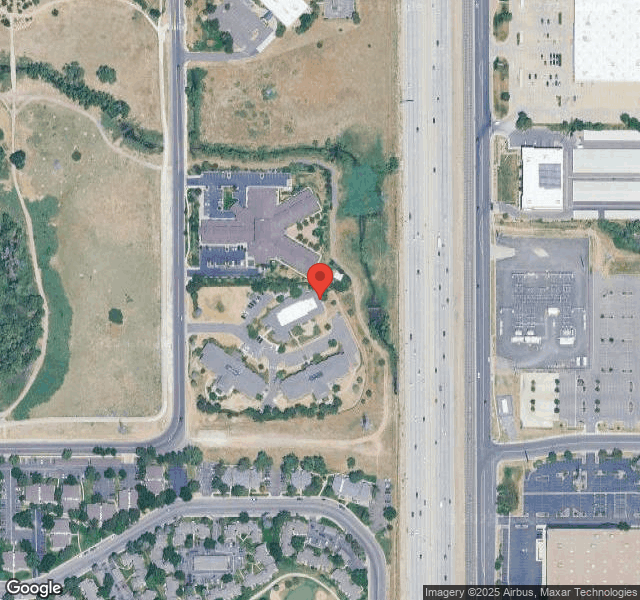
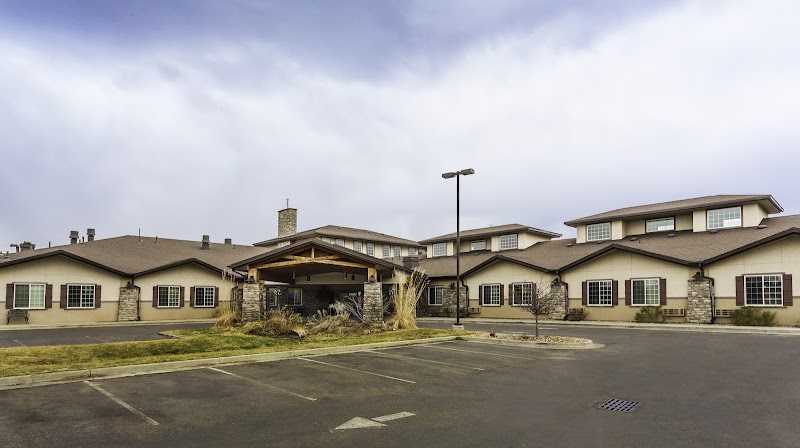
1800 S POTOMAC ST, AURORA, CO 80012 (720) 213-1700
For profit - Corporation 54 Beds ADVANCED HEALTH CARE Data: November 2025
Trust Grade
83/100
#1 of 208 in CO
Last Inspection: October 2024

Within standard 12-15 month inspection cycle. Federal law requires annual inspections.

Overview

Advanced Health Care of Aurora has a Trust Grade of B+, indicating it is above average and recommended for families seeking care. It ranks #1 out of 208 facilities in Colorado and #1 of 20 in Arapahoe County, placing it at the top in both state and local contexts. However, the facility is experiencing a worsening trend, with issues increasing from 2 in 2023 to 3 in 2024, including a serious incident involving a resident who fell during a transfer that did not follow the required two-person assistance protocol. Staffing is generally a strength, with a 4/5 star rating and a turnover rate of 36%, which is lower than the state average. However, there are concerns as well, including $8,746 in fines, which is average, and issues with infection control practices, such as failing to ensure proper hand hygiene before meals and during care.

Trust Score
B+
83/100
In Colorado
#1/208
Top 1%
Safety Record
Moderate
Needs review
Inspections
Getting Worse
2 → 3 violations
Staff Stability
○ Average
36% turnover. Near Colorado's 48% average. Typical for the industry.
Penalties
⚠ Watch
$8,746 in fines. Higher than 80% of Colorado facilities, suggesting repeated compliance issues.
Skilled Nurses
✓ Good
Each resident gets 75 minutes of Registered Nurse (RN) attention daily — more than 97% of Colorado nursing homes. RNs are the most trained staff who catch health problems before they become serious.
Violations
○ Average
6 deficiencies on record. Average for a facility this size. Mostly minor or procedural issues.
★★★★★
5.0
Overall Rating
★★★★☆
4.0
Staff Levels
★★★★★
5.0
Care Quality
★★★★★
5.0
Inspection Score
Stable
2023: 2 issues
2024: 3 issues

The Good

  • 4-Star Staffing Rating · Above-average nurse staffing levels
  • 5-Star Quality Measures · Strong clinical quality outcomes
  • Full Sprinkler Coverage · Fire safety systems throughout facility
  • No fines on record
  • Staff turnover below average (36%)

    12 points below Colorado average of 48%

Facility shows strength in staffing levels, quality measures, fire safety.

The Bad

Staff Turnover: 36%

10pts below Colorado avg (46%)

Typical for the industry

Federal Fines: $8,746

Below median ($33,413)

Minor penalties assessed

Chain: ADVANCED HEALTH CARE

Part of a multi-facility chain

Ask about local staffing decisions and management

The Ugly 6 deficiencies on record

1 actual harm
Oct 2024 3 deficiencies
CONCERN (D)

Potential for Harm - no one hurt, but risky conditions existed

Comprehensive Care Plan (Tag F0656)

Could have caused harm · This affected 1 resident

**NOTE- TERMS IN BRACKETS HAVE BEEN EDITED TO PROTECT CONFIDENTIALITY** Based on record review and interviews, the facility failed to develop a comprehensive care plan for services that were provided ...

Read full inspector narrative →
**NOTE- TERMS IN BRACKETS HAVE BEEN EDITED TO PROTECT CONFIDENTIALITY** Based on record review and interviews, the facility failed to develop a comprehensive care plan for services that were provided in order to to attain the resident's highest practicable physical, mental, and psychosocial well-being and to provide effective and person-centered care for three (#4, #11 and #26) of 13 residents out of 37 sample residents. Specifically, the facility failed to: -Ensure the comprehensive care plan addressed Resident #4's pressure ulcer; -Ensure the comprehensive care plan addressed Resident #11's changes related to her feeding tube, diet, intravenous (IV) antibiotics and fall interventions; and, -Ensure the comprehensive care plan addressed Resident #26's pressure ulcer. Findings include: I. Facility policy and procedure The Care Planning policy, undated, was provided by the nursing home administrator (NHA) on 10/24/24 at 9:16 a.m. It read in pertinent part, The facility will develop a comprehensive person-centered care plan following the most current regulatory requirements available. The care plan should be based on patient strengths and preferences, be oriented toward avoiding preventable declines in functioning, and reflect current standards of care in professional practice. The care plan should be evaluated to determine if current interventions are being followed and if they are effective in attaining identified goals and the care plan should be modified as needed. Subsequent adjustment of interventions will depend on progress, underlying causes and overall condition. Modify the current care plan and add new or additional interventions as needed. II. Resident #4 A. Resident status Resident #4, age above 65, was admitted on [DATE] and discharged on 10/22/24. According to the October 2024 computerized physician orders (CPO), diagnoses included chronic kidney disease, osteoarthritis (degenerative joint disease), glaucoma (chronic eye disease causing damage to the optic nerve and vision loss), and right knee effusion (fluid buildup and swelling). The 8/14/24 minimum data set (MDS) assessment revealed the resident was cognitively intact with a brief interview for mental status (BIMS) score of 15 out of 15. Resident #4 was dependent on staff for transfers, required substantial assistance with bed mobility and used a wheelchair for mobility with substantial assistance from staff. She had one unstageable pressure injury present on admission. B. Resident interview Resident #4 was interviewed on 10/21/24 3:36 p.m. She said she had a wound on her right heel and she wore a soft heel protecting boot when she was in bed. C. Record review The skin integrity care plan, initiated 8/15/24, indicated Resident #4 had a deep tissue injury to her left buttock and a stage one pressure injury to her spine. Interventions included notifying the provider of any changes, offloading the area as tolerated, completing weekly skin checks, and providing supplements, medications and treatments as ordered. The skin assessment note, dated 8/27/24, revealed Resident #4 had a deep tissue injury to her right heel. -Review of the comprehensive care plan did not reveal the care plan had been updated to indicate that Resident #4 had a deep tissue injury to her right heel. -The care plan did not include the intervention of the soft heel protecting boot (see interviews below). D. Staff interviews Licensed practical nurse (LPN) #1 was interviewed on 10/24/24 at 9:14 a.m. LPN #1 said Resident #4 had a wound on her right heel and wore a soft boot for protection while in bed. The director of rehabilitation (DOR) was interviewed on 10/24/24 at 10:25 a.m. The DOR said she provided the soft heel protector for Resident #4 to wear while in bed or when up in her wheelchair when requested. The infection preventionist (IP) #2 was interviewed on 10/24/24 at 8:19 a.m. IP #2 said she was the wound care nurse. She said the pressure injury should have been included in Resident #4's care plan and the soft heel protector listed as an intervention. III. Resident #11 A. Resident status Resident #11, age [AGE], was admitted on [DATE]. According to the October 2024 CPO, diagnoses included sepsis (extreme reaction to an infection), acute respiratory failure with hypoxia (low oxygen in the body), chronic obstructive pulmonary disease (a common lung disease causing difficulty breathing), pneumonia, congestive heart failure (chronic condition when the heart cannot pump enough blood to the body), dysphagia (difficulty swallowing), asthma (inflammation an tightening of airway muscles causing difficulty breathing) and glaucoma (high eye pressure). The 8/19/24 MDS assessment revealed the resident had moderate cognitive impairments with a BIMS score of eight out of 15. Resident #11 was dependent on staff for all activities of daily living (ADLs). The MDS assessment indicated the resident was receiving all nutrition, liquids and medication through a feeding tube and was receiving intravenous (IV) antibiotics. B. Resident interview Resident #11 was interviewed on 10/22/24 2:46 p.m. Resident #11 said she had made a significant improvement since her admission. She said she was eating orally now and no longer needed the feeding tube. She said her IVs were stopped. She said she had a fall at the facility where she sustained facial injuries. She said she did not recall any interventions the facility implemented after the fall. C. Record review The feeding tube care plan, initiated on 8/22/24, included interventions to aspirate the feeding tube for residual prior to feeding, confirm placement of the tube by inserting a small amount of air prior to feeding, elevate the head of the bed during feedings and 30 minutes after, administer feeding solution per physician order and administer medication per tube. A review of the August 2024 physician orders revealed the resident's diet order was strict NPO (nothing by mouth). A review of the September physician orders revealed the resident began taking food by mouth on 9/19/24. A pureed diet for lunch and dinner was ordered on 9/19/24. A minced and moist diet was ordered on 9/26/24 for all three meals. The physician progress note dated 10/10/24 revealed the feeding tube was discontinued on 10/9/24. -The comprehensive care plan was not revised to indicate Resident #11 was taking food by mouth, the feeding tube was discontinued or what type of diet was ordered. The IV antibiotic care plan, initiated on 8/22/24, included interventions to keep the IV site patent and free of infection, change tubing and caps per protocol, perform dressing changes and site care per protocol, flush per protocol and administer medication as ordered. A review of the September physician orders revealed the IV antibiotics were discontinued on 8/24/24. -The comprehensive care plan was not revised to indicate the resident was no longer receiving IV antibiotics. The nursing progress notes indicated Resident #11 had an unwitnessed fall on 10/1/24. A review of the post fall IDT progress note dated 10/2/24 revealed a non-skid surface to Resident #11's wheelchair was implemented for fall prevention. The note indicated the care plan was updated. -However, the fall care plan was not updated to include the recent fall or the new intervention of the non-skid surface in the wheelchair. D. Staff interviews Certified nurse aide (CNA) #5 was interviewed on 10/23/24 at 10:00 a.m. CNA #5 said she did not think Resident #11 was a fall risk. CNA #5 said the resident had one fall but had improved since then. CNA #5 said she was not aware of any fall prevention interventions that were implemented after the fall. The registered dietitian (RD) was interviewed on 10/23/24 at 2:50 p.m. The RD said when there was a diet change the nutrition care plan should be updated with the diet order and interventions. The RD said she put her updates in the nutrition assessment section. She said the nutrition team meeting notes were sent to the MDS coordinator so they could update the comprehensive care plan. The director of nursing (DON) was interviewed on 10/23/24 11:14 a.m. The DON said fall interventions should be listed on the care plan. The DON Resident #11's feeding tube and IV antibiotic care plans should have been resolved and her nutrition care plan updated. IV. Resident #26 A. Resident status Resident #26, age [AGE], was admitted on [DATE] and expired on 10/23/24. According to the October 2024 CPO, diagnoses included congestive heart failure, hypertensive heart disease, major depressive disorder, polycythemia vera (blood cancer causing bone marrow to produce too many red blood cells) and encephalopathy (unspecified condition causing brain dysfunction). The 10/11/24 MDS assessment revealed the resident had severe cognitive impairments with a BIMS score of four out of 15. Resident #26 required substantial assistance from staff for all ADLs. B. Record review The baseline care plan, dated 9/18/24, documented the resident had a pressure injury on the sacrum (the bone at the base of the spine above the coccyx). The comprehensive care plan, skin section, initiated on 9/25/24, indicated Resident #26 had an alteration in skin integrity consisting of blanchable red (redness of skin that temporarily disappears with light pressure) ears and coccyx. Interventions included notifying the provider of any changes, offloading the area as tolerated, completing weekly skin checks and providing supplements, medications and treatments as ordered. -The comprehensive care plan did not indicate the presence of a pressure injury to the sacrum. The 10/3/24 wound physician (WP) note revealed Resident #26 had a stage IV pressure injury to the sacrum. The WP provided treatment orders and instructed staff to turn the resident from side to side in bed every one to two hours. -The comprehensive care plan was not updated to include the stage IV pressure injury and did not include the WP's treatment orders or recommendation for turning. C. Staff interviews The DON was interviewed on 10/23/24 11:14 a.m. The DON said each discipline updated their own section of the care plan. The DON said care plans should be updated when there were any changes in a resident's care. The DON said the pressure injury should have been included in Resident #26's comprehensive care plan.
CONCERN (D)

Potential for Harm - no one hurt, but risky conditions existed

Deficiency F0761 (Tag F0761)

Could have caused harm · This affected 1 resident

Based on observations, record review, and interviews, the facility failed to ensure proper storage of medications in the medication storage room and in one of three medication storage carts. Specifica...

Read full inspector narrative →
Based on observations, record review, and interviews, the facility failed to ensure proper storage of medications in the medication storage room and in one of three medication storage carts. Specifically, the facility failed to: -Discard medications from the medication cart that had been discontinued; -Remove loose pills from drawer of a medication cart; and, -Ensure the temperature of the medication refrigerator was assessed, documented and addressed as needed. Findings include: I. Facility policy and procedure The Medication Storage policy, revised September 2021, was provided by the nursing home administrator (NHA) on 10/21/24 at 6:06 p.m. The policy, in pertinent part, contained the following information: -Medications and biologicals are stored safely, securely, and properly, following manufacturer's recommendations or those of the supplier. All drugs and biologicals are in locked compartments under proper temperature controls. Medications requiring refrigeration, or temperatures between 36 degrees and 45 degrees Fahrenheit (F) are kept in a refrigerator with a thermometer to allow temperature monitoring. Refrigerator temperatures are monitored twice daily and recorded in the Refrigerator Temperature Log Book. Outdated, contaminated, or deteriorated medications and those in containers that are cracked, soiled or without secure closures are immediately removed from stock, disposed of according to procedures for medication disposal and reordered from the pharmacy if a current order exists. II. Observations and interviews On 10/21/24 at 10:18 a.m. the medication storage cart in hall #1 was observed with licensed practical nurse (LPN) # 1. The following was observed: -An open Fluticasone and Salmeterol 232 microgram (mcg)/14 mcg inhaler labeled with Resident #11's name. LPN #1 said the medication had been discontinued on 8/13/24 and should have been discarded after the physician's order was discontinued. -Four loose pills were in the bottom of the second drawer of the medication cart. LPN #1 said the loose pills needed to be discarded and was unsure of what the pills were. On 10/21/24 at 10:40 a.m. the medication storage room was observed with registered nurse (RN) #1. The following was observed: The August 2024 (8/1/24 to 8/31/24) medication refrigerator temperature log was missing documentation that indicated the temperature was taken on 13 days (8/11, 8/12, 8/13, 8/17, 8/18, 8/19, 8/20, 8/21, 8/25, 8/26, 8/27, 8/28 and 8/31/24). The medication refrigerator temperature was documented on 8/15/24 as 48.2 degrees F. The medication refrigerator temperature was documented on 8/16/24 as 51.6 degrees F. -There were no documented interventions for the temperature readings above 46 degrees F. The September 2024 (9/1/24 to 9/30/24) medication temperature log was missing documentation that indicated the temperature was taken on 17 days (9/2, 9/3, 9/4, 9/8, 9/9, 9/10, 9/11, 9/15, 9/16, 9/17, 9/18, 9/23, 9/24, 9/25, 9/28, 9/29 and 9/30). The October 2024 (10/1/24 to 10/21/24) medication temperature log was missing documentation that indicated the temperature was taken on 14 days (10/1, 10/2, 10/7, 10/8, 10/9, 10/12, 10/13, 10/14, 10/15, 10/16, 10/18, 10/19, 10/20 and 10/21). RN #1 said the temperatures should be checked and logged each day. RN #1 said the temperatures on 8/15/24 and 8/16/24 were abnormal. She said there was not a way to know the medication refrigerator temperature on the days that was no documentation. RN #1 said the nurses were responsible for checking the temperatures. She said she had noticed the weekend nurses had not been documenting them. III. Additional staff interviews The director of nursing (DON) was interviewed on 10/21/24 at 4:40 p.m. The DON said medications should be removed from the medication cart on the same day they were discontinued. The DON said the medication refrigerator temperatures should be checked daily and abnormal temperatures reported and addressed. IV. Facility follow up On 10/24/24 at 7:27 a.m. the DON provided a staff education document titled Medication Storage Policy and Procedure/ Medication Room/Both Refrigerator Temperatures. The education contained 10 staff signatures and was dated 10/22/24 (during the survey). The education content included a review and copy of the entire medication storage policy and stated expectation for staff to check refrigerator temperature every shift and document the temperature readings in the temperature book and to remove medications from the medication cart within 24 hours of discontinued physician order. The DON also provided a new form titled medication room temperature log which had entries for twice daily monitoring of medication refrigerator temperatures, with the normal ranges included. The form also had a statement, If temperature outside approved ranges, must notify DON and maintenance.
CONCERN (E)

Potential for Harm - no one hurt, but risky conditions existed

Infection Control (Tag F0880)

Could have caused harm · This affected multiple residents

**NOTE- TERMS IN BRACKETS HAVE BEEN EDITED TO PROTECT CONFIDENTIALITY** Based on observations, record review and interviews, the facility failed to maintain an infection control program designed to pr...

Read full inspector narrative →
**NOTE- TERMS IN BRACKETS HAVE BEEN EDITED TO PROTECT CONFIDENTIALITY** Based on observations, record review and interviews, the facility failed to maintain an infection control program designed to provide a safe, sanitary and comfortable environment to help prevent the possible development and transmission of infectious diseases. Specifically, the facility failed to: -Ensure the residents were offered hand hygiene before meals in the dining room and during the delivery of room trays; and, -Ensure point of care (POC) testing supplies were not contaminated from room to room. Findings include: I. Failed to ensure hand hygiene was offered to residents prior to meals A. Professional reference According to the Centers for Disease Control and Prevention's (CDC) Hand Hygiene in Healthcare settings, revised 2/27/24, was retrieved on 10/28/24 from https://www.cdc.gov/handhygiene/index.html Patients and visitors should clean their hands before preparing or eating food. Cleaning your hands can prevent the spread of germs, including those that are resistant to antibiotics, and protects healthcare personnel and patients. Using an alcohol-based hand sanitizer is the preferred way for you to keep your hands clean. B. Facility policy and procedure The Dining Experience policy, revised January 2021, was provided by the nursing home administrator (NHA) on 10/22/24 at 4:16 p.m. It read in pertinent part, Individuals will be provided with proper hand hygiene prior to each meal or snack, prepared for the meal by the nursing staff (hearing aids in place, dentures in, hair combed, dressed properly, and eyeglasses on); and assisted to the dining area as needed. C. Observations On 10/21/24 during a continuous observation, beginning at 11:40 a.m. and ending at 1:20 p.m., residents arrived for lunch in the main dining room, some walking in, some self-propelling themselves in manual wheelchairs and some escorted in by staff. Resident #13, #22, #44 and #65 in wheelchairs were handling the large wheel on their manual wheelchairs to propel themselves into the dining room. Residents were assisted to sit at their tables by staff in the dining room. Tables in the dining room had multiple residents sitting together. Of all the residents in the dining room (28 total residents), none were offered or assisted with hand hygiene. On 10/21/24 at 12:46 p.m., CNA #1 delivered a room tray to room [ROOM NUMBER]. At 12:47 p.m. a meal tray was delivered to room [ROOM NUMBER]. At 12:48 p.m. a meal tray was delivered to room [ROOM NUMBER]. At 12:50 p.m. a meal tray was delivered to room [ROOM NUMBER]. At 12:51 p.m. a meal tray was delivered to room [ROOM NUMBER]. At 12:53 p.m. a meal tray was delivered to room [ROOM NUMBER]. -There were no individual hand sanitizing packets on the room trays and CNA #1 did not ask, encourage or assist any of the residents with washing or sanitizing their hands before the meal.Additional meal tray observations: On 10/21/24 at 12:48 p.m. a meal tray was delivered to room [ROOM NUMBER]. At 12:49 p.m. a meal tray was delivered to room [ROOM NUMBER]. At 12:51 p.m. a meal tray was delivered to room [ROOM NUMBER]. At 1:00 p.m. a meal tray was delivered to room [ROOM NUMBER]. At 1:01 p.m. a meal tray was delivered to room [ROOM NUMBER]. At 1:02 p.m. a meal tray was delivered to room [ROOM NUMBER]. At 1:06 p.m. a meal tray was delivered to room [ROOM NUMBER]. -Staff did not encourage or assist residents with hand hygiene. D. Resident interviews Resident #49 was interviewed on 10/21/24 at 11:59 a.m. Resident #49 said the staff had never offered hand sanitizer or to wash his hands in the dining room. Resident #7 was interviewed on 10/21/24 at 1:20 p.m. Resident #7 said the staff did not offer hand hygiene prior to her meal on this day (10/21/24). E. Staff interviews Certified nurse aide (CNA) #1 was interviewed on 10/21/24 at 1:06 p.m. CNA #1 said she had not offered hand hygiene to the residents who ate independently during the lunch meal. CNA #2 was interviewed on 10/21/24 at 1:11 p.m. CNA #2 said he did not offer hand hygiene to any residents in the dining room prior to the lunch meal. He said all residents should be offered hand hygiene prior to meals. The director of nursing (DON) was interviewed on 10/21/24 at 4:42 p.m. The DON said hand hygiene should be offered to residents prior to meals in the dining room or the resident rooms, regardless of whether the resident was independent with self-care. II. Failed to ensure point of care testing supply was not contaminated A. Professional reference According to Agency for Healthcare Research and Quality's Clean Equipment and Environment Promotes Safe Resident Care, revised March 2017, was retrived on 10/28/24 from https://www.ahrq.gov/hai/quality/tools/cauti-ltc/modules/implementation/education-bundles/infection-prevention/environment-and-equipment/environ-equip-slides.htmlInfectious agents, like bacteria or viruses can move from one person to the next and possibly spread throughout an entire facility. They are transmitted by our hands, a contaminated surface or a piece of equipment that is used between residents. B. Observations On 10/23/24 at 11:52 a.m. licensed practical nurse (LPN) #2 placed blood sugar testing supplies which included test strips, lancets and alcohol wipes in a disposable plastic 120 milliliter (ml) cup. LPN #2 brought the cup to room [ROOM NUMBER] and placed it on the resident's dining table. LPN #2 then used supplies from the cup to test the resident's blood sugar. At 12:08 p.m. LPN #2 brought the same disposable cup with remaining testing supplies from room [ROOM NUMBER] to room [ROOM NUMBER] and placed the cup on the resident's dining table. She used the supplies from the cup to test the resident's blood sugar. At 12:18 p.m. LPN #2 placed the disposable cup with remaining supplies in the top drawer of the hall #3 medication cart. At 12:24 p.m. LPN #2 removed the disposable cup from the top drawer of the hall #3 medication cart and used the remaining supplies to test Resident #65's blood sugar while he was sitting in the hallway. C. Staff interviews LPN #2 was interviewed on 10/23/24 at 12:08 p.m. LPN #2 said she should not have brought the disposable plastic cup with testing supplies from room to room and back to the medication cart as this could spread infection. The DON was interviewed on 10/23/24 at 12:45 p.m. The DON said LPN #2 should have brought enough testing supplies for each individual resident to each resident. The DON said it was inappropriate to use the disposable cup with testing supplies for multiple rooms/residents as it was an infection risk. D. Facility follow up On 10/23/24 at 1:26 p.m. the DON provided documentation for education provided to LPN #2 which included the requirement to utilize POC supplies for one resident (not sharing supplies for multiple residents).
May 2023 2 deficiencies 1 Harm
SERIOUS (G)

Actual Harm - a resident was hurt due to facility failures

Accident Prevention (Tag F0689)

A resident was harmed · This affected 1 resident

**NOTE- TERMS IN BRACKETS HAVE BEEN EDITED TO PROTECT CONFIDENTIALITY** Based on record review and interviews, the facility failed to provide adequate supervision and an environment as free from accid...

Read full inspector narrative →
**NOTE- TERMS IN BRACKETS HAVE BEEN EDITED TO PROTECT CONFIDENTIALITY** Based on record review and interviews, the facility failed to provide adequate supervision and an environment as free from accidents hazards as possible for one (#7) of three residents reviewed for accidents out of 27 sample residents. The facility failed to ensure proper transfer procedure was completed by staff to prevent a fall with injury for Resident #7. Resident #7, who had a diagnosis of medically complex conditions, was admitted to the facility on [DATE]. The facility failed to follow safety measures during resident transfers. The facility failed to provide two person assistance with transfers as documented in the 3/2/23 baseline care plan dated and the 3/7/23 minimum data set (MDS) assessment. Due to facility's failure to provide two person assistance with transfers and adequate supervision for transfers for Resident #7, she had a fall on 3/6/23 when transferring from the bed to wheelchair resulting in her being sent to the hospital for a head laceration requiring two sutures. Furthermore, the facility did not provide proper transfer education with staff after the incident on 3/6/23. Findings include: I. Facility policy The Fall Prevention policy, revised on 9/28/22, received from the nursing home administrator (NHA) on 5/9/23 at 11:52 a.m. It revealed in pertinent part, to ensure optimal patient safety, safety interventions will be implemented and monitored with appropriate documentation. The admitting nurse/nurse manager will be responsible for ensuring that interventions were initiated and communicated with staff to follow through. II. Resident #7 A. Resident status Resident #7, age [AGE], was admitted on [DATE]. According to the May 2023 computerized physician orders (CPO), the diagnosis included pneumonia (lung infection), sepsis (systemic infection), urinary tract infection (infection in the bladder), type two diabetes (abnormal insulin levels), lymphedema (abnormal drainage on lymph nodes resulting in swelling) and hypertension (high blood pressure). The 3/7/23 MDS assessment revealed the resident was cognitively intact with a brief interview for mental status score of 15 out of 15. She required extensive two person physical assistance for transfers and bed mobility. One person extensive assistance with toileting and personal hygiene. She required set up assistance with eating. B. Resident and representative interview Resident #7 was interviewed on 5/4/23 at 10:20 a.m. She said she fell in the facility and hit her head on the bedside table or wall, which cracked her head open. The facility sent her to the emergency room and they stitched my head up. She said she was admitted to the hospital for her head injury along with pneumonia they found during testing. She said she was in the hospital for three weeks before coming back to the facility. Resident #7 was interviewed again on 5/9/23 at 2:00 p.m. She said she had only been in the facility a few days when she fell. She stated there was only one certified nurse aide (CNA) in the room transferring her from one place to another. When transferring from the bed to the wheel chair when she lost her balance and fell hitting her head. There was only one CNA in the room and there was not a gait belt on. Resident #7 stated her head was covered with blood and they sent her to the hospital via ambulance. Resident #7 said she needed two people for transfers because she was weak and scared to fall. Resident #7's son was interviewed on 5/9/23 at 2:30 p.m. He said the facility informed him of his mother's fall the day it happened. He was told she was transferring from the bed to the wheel chair with one person's assistance when she lost her balance and fell. He was told the CNA was standing in front of Resident #7 at the time of fall. He stated his mother required two person assistance at the time of the fall related to weakness. She was transported to the hospital due to the head injury she sustained during the fall. She stayed in the hospital for a few weeks because when they were conducting testing they also found her to have pneumonia. C. Record review The admission nursing observation dated 3/2/23 revealed Resident #7 had faint pedal pulses, bilateral lower extremity pitting edema, urinary incontinence due to the inability to reach the toilet timely related her to decreased mobility. The fall risk section of observation tool revealed Resident #7 had decreased muscular coordination, requiring use of assistive devices. The baseline person centered care plan dated 3/2/23 received from the NHA on 5/8/23 at 11:23 a.m. revealed Resident #7 required two person assistance with transfers, weight bearing as tolerated and no other safety measures were implemented on admission. The care plan dated 4/3/23 identified potential for complications related to recent fall with scalp laceration. Goal was to decrease the potential risk for falls during the duration of the residents stay. Interventions placed per care plan effective date 4/3/23 were to educate the patient on: high low bed to decrease risk of injury, notify physician, physical and occupational therapy. Resident #7 needs identified were gait training and strengthening with physical therapy (PT) and occupational therapy (OT). The PT evaluation note from 3/3/23 revealed Resident #7 was a modified assistance with staff performing 50% assistance with transfers. The OT evaluation dated 3/3/23 revealed resident was minimum to maximum assistance with transfers. On 3/6/23 at 10:22 a.m. a registered nurse (RN) documented she went to assist a certified nurse aide (CNA) who requested assistance with Resident #7 as she was slipping out of her recliner. The resident almost had a fall on the floor when the CNA, the RN and a physical therapy assistant (PTA) assisted the resident back into the recliner. The resident was unable to provide any assistance to get her back in the chair. The resident reported she was sitting in the recliner and began sliding forward to grab something causing the foot rest to tip the recliner chair forward. On 3/6/23 at 8:03 p.m. the RN documented Resident #7 had a witnessed fall in her room. The nurse assessment revealed the resident sustained a laceration to the back of the head. The resident was alert, vitals signs and all extremities found to be baseline. The resident denied pain. The resident was sent out to the emergency room for evaluation. On 3/6/23 at 10:12 p.m. the licensed practical nurse (LPN) note revealed around 7:20 p.m. the resident had a witnessed fall. The CNA stated the resident fell while she was transferring from the bed to the wheelchair, the resident lost her balance and fell backwards. The LPN requested an RN for assessment. The resident sustained a head laceration injury and was alert till she was transferred to hospital. Fall incident event, risk observation and care plan update dated 3/6/23 provided by the NHA on 5/9/23 at 11:23 a.m. revealed Resident #7 had a witnessed fall in her room while transferring with CNA present. She lost her balance and fell backwards. The resident hit her head on the wall and sustained a laceration to her head. She was transferred to the hospital. Fall observation post fall revealed the resident was alert and oriented to person, place and time. Indicated the resident had one to two falls in the past three months, adequate visions, regularly continent, balance problems with standing/walking, taking antihypertensive medication, predisposing diseases of hypotension. Evaluation concluded resident fall risk score of seven which placed resident in the low fall risk category. Care plan update two person assist for all transfers was selected. -Two person assist with transfers was already indicated staff failed to implement a new intervention for fall prevention post fall. admission records dated 3/6/23 from the hospital indicated Resident #7 was admitted to the hospital for a fall with head laceration. The resident presented in the emergency department with significant scalp bleeding. The resident required two nylon sutures to control bleeding. CNA task documentation in point of care (POC) revealed the following for staff assistance with transferring: On 3/3/23 transfers were one to two person physical assistance; On 3/4/23 transfer were one person physical assistance; On 3/5/23 transfers were one person physical assistance; On 3/6/23 transfers were one person physical assistance; On 3/27/23 readmission transfers were two person physical assistance; and, On 3/28/23 transfers were one to two person physical assistance. -The documentation on 3/6/23 when the resident had a fall (see below) indicated the staff only had one person assisting the resident. III. Staff interviews The transition nurse (TR) was interviewed on 5/9/23 at 11:08 a.m. She said she assisted Resident #7 on 3/6/23 when she was slipping out of the recliner after reaching for something. She said Resident #7 was only given verbal education on recliner function/safety and no other interventions were implemented since she physically did not reach the floor. The director of nursing (DON), assistant director of nursing (ADON) and the regional director of nursing (RDON) were interviewed on 5/9/23 at 11:10 a.m. They acknowledged that the 3/6/23 MDS assessment indicated Resident #7 was a two person physical assistance with transfers. The DON verbalized the following for proper transfer technique for staff: a gait belt should be placed on the resident, the CNA should be standing behind the resident to support them once the resident was standing with balance and have a hold of the gait belt. She acknowledged Resident #7 fell backwards indicating the CNA was not behind the Resident #7 at the time of the fall. The DON provided documentation on 5/9/23 at 1:26 p.m. for a disciplinary action the CNA received from the facility post Resident #7 fall for failure to provide care with a secondary staff member for a resident who required two person assistance with transfers since admission. The statement provided by the CNA revealed she was assisting Resident #7 with a transfer from the bed to the wheel chair to go to the restroom. The CNA stated she was standing behind the resident during the transfer. -However, nursing documentation revealed Resident #7 fell backwards indicating CNA was not behind the resident. The DON was interviewed on 5/9/23 at 2:39 p.m. She said Resident #7's initial admission fall assessment on 3/2/23 fall score was four indicating she was at low fall risk and no interventions were initiated. Resident #7's fall score on readmission on [DATE] was seven, still low fall risk. The DON acknowledged the baseline care plan dated 3/2/23 safety section did not indicate any fall interventions set in place. The baseline care plan had one and two person assistance for transfers selected. The DON said the staff error on the side of more assistance so a two person assistance was preferred for most residents. CNA #1 was interviewed on 5/9/23 at 2:28 p.m. He said he checked the white board in the resident's room to see if the resident was a one or two person transfer. He said the physical therapist would let the staff know if needed whether the resident was a one person or two person transfer. He said he always wore a gait belt as part of his uniform and always used a gait belt to transfer. He said he would stand behind a resident when transferring, depending on the resident's transfer status. He said some residents required both staff members for transfers and may need to stand beside the resident. He said if he needed a second staff member to do a two person transfer he would call them on the headset. CNA #2 was interviewed on 5/9/23 at 2:51 p.m. He had worked at the facility for two years and on the evening shift. He said he learned about how to transfer a resident by the daily resident sheet, talking with the CNAs at shift change and talking with the resident. There was a white board in the resident's room and under transfers it listed how many people to use and the equipment to use. He said he did use a gait belt to help prevent falls. He said each resident that was a fall risk wore a wristband. He said using a gait belt assisting the resident, he stood in front of the resident to help get them out of a chair and then he would stand to the side as he assisted them to walk. The wall mounted computerized clinical kiosk was observed and there was no place to review the resident's transfer status. CNA #3 was interviewed on 5/9/23 at 3:13 p.m. She said she did not receive training on how to complete a resident transfer nor did she receive any kind of inservice. She was not sure if it (not receiving the training) was because she had been a CNA for so long. The DON was interviewed on 5/9/23 at 3:25 p.m. She said the facility did not complete a facility wide transfer education for nursing staff after Resident #7's fall with an injury. The physical therapist assistant (PTA) was interviewed on 5/9/23 at 3:26 pm. She said a resident who was maximum assistance was considered a two person assist with transferring. Once a transfer status was verified by PT it was written on the communication boards in the resident's room and verbally told to the resident's nurse at time of determination.
CONCERN (E)

Potential for Harm - no one hurt, but risky conditions existed

Infection Control (Tag F0880)

Could have caused harm · This affected multiple residents

**NOTE- TERMS IN BRACKETS HAVE BEEN EDITED TO PROTECT CONFIDENTIALITY** Based on observations and interviews the facility failed to maintain an infection control program designed to provide a safe, sa...

Read full inspector narrative →
**NOTE- TERMS IN BRACKETS HAVE BEEN EDITED TO PROTECT CONFIDENTIALITY** Based on observations and interviews the facility failed to maintain an infection control program designed to provide a safe, sanitary and comfortable environment to help prevent the development and transmission of disease and infection. Specifically the facility failed to: -Ensure the surface disinfectant time was followed for proper disinfection; -Ensure resident rooms were cleaned and disinfected properly; and, -Ensure staff performed proper hand hygiene. Findings include: I. Professional reference According to the Center for Disease Control (CDC), Hand Hygiene Basics retrieved on 5/15/23 from: http://www.cdc.gov/handhygiene/basics.html (2019) read in pertinent part, healthcare providers should practice hand hygiene at key points in time to disrupt the transmission of microorganisms to patient including before patient contact; after contact with blood,body fluids, or contaminated surfaces (even if gloves worn); before invasive procedures; and after removing gloves (wearing gloves is not enough to prevent the transmission of pathogens in a healthcare settings). II. Facility policy and procedures The Disinfection Room Cleaning and Pest Control policy, revised 8/6/2020, was received from the nursing home administrator (NHA) on 5/9/23 at 11:52 a.m. revealed in pertinent part, procedures to provide guidelines for cleaning and disinfection the environment in order to minimize the spread of healthcare-associated infection due to environmental contamination. An EPA (Environmental Protection Agency) registered hospital grade disinfectant must be used according to the manufacturer's specification. Place contaminated waste promptly into designated containers. According to the Midlab HP202 product label, undated, received from the NHA on 5/9/23 at 11:52 a.m. revealed in pertinent part, virucidal activity SARS-related coronavirus 2 (virus caused COVID-19), influenza virus type A, the cleaner requires one minute dwell (surface disinfectant) time. Hepatitis B has a five minute dwell time. Methicillin resistant staphylococcus aureus (MRSA) has a ten minute dwell time. The Handwashing policy and procedure, revised 9/28/22, received from the NHA on 5/9/23 at 11:52 a.m. revealed in pertinent part, hand washing before and after contact with any patient is the most important measure that can be taken to prevent the spread of infection. Hand washing will occur at the following times; before applying and after removing gloves, before passing medications or giving injections. After contact with any equipment or environmental surface that might have been soiled or contaminated. Adjust water to a comfortable level, wash hands vigorously scrubbing with soap for a minimum of 20 seconds. III. Observations and staff interviews Housekeeper (HSK) #1 was observed on 5/8/23 at 9:19 a.m. cleaning room [ROOM NUMBER]. She applied gloves, collected disinfectant spray and sprayed the main door inside and out, resident wheel chair, cushion, chairs, television stand, resident reaching tool and recliner. At 9:21 a.m. she wiped items down in the above order using one cloth for all areas. At 9:23 a.m. she sprayed the bedside table, bedroom sink/vanity counter top, bathroom door inside and out. She retrieved a new cloth and wiped down the bedside table, inside the sink bowl then the handles on the faucet then inside sink bowl again, vanity counter top, paper towel dispenser opened and assessed for paper towels. HSK #1 wiped down the bathroom door inside and out with the same towel. She continued cleaning the bathroom, starting with the sink in the bathroom by spraying disinfectant and wiping it down immediately, not waiting for the one minute surface disinfectant time and wiped with the same cloth as above. She obtained the toilet bowl cleaner from the cart and applied it to the toilet bowl, scrubbed bowl immediately. She removed gloves, obtained the broom and swept up large items on the floor in the room. She applied new gloves, without hand hygiene being performed. She wiped down the bedside commode laying on the floor in the bathroom. She used the same cloth to wipe the outside toilet and lid from top to bottom. She removed her gloves and sanitized her hands with an alcohol based hand rub (ABHR). Sprayed the bathroom floor with disinfectant from the bottle along with a mop pad and allowed it to sit for two minutes while she collected trash from the room. She moped the floor and shower floor with the same mop head, but the shower was never sprayed down prior. She replaced the mop with the dirty mop pad on the cart without removing the mop pad and placing it into a dirty bag. She applied gloves and entered the bathroom and picked up on old wound dressing from the shower. HSK #1 stated she would return to vacuum the room later. -HSK #1 failed to disinfect the call light, bed control and television remote that were high touch items. HSK #1 was interviewed on 5/8/23 at 9:35 a.m. She said the facility used HP202 disinfectant spray for all cleaning and it had a surface disinfectant time of one minute. She said once the surface was sprayed with the disinfectant, staff had to wait one minute before wiping it so it could properly disinfect. Staff were to change gloves between resident rooms, and hand hygiene occurred if hands appeared to be soiled. She acknowledged she used the same towel on multiple areas and probably should have used more towels in the room. HSK #1 said staff should work from the cleanest to the dirtiest areas. High touch areas in resident rooms were door handles, their bedside tables, call light and bed controls. She acknowledged she failed to spray the shower down and clean it prior to mopping the shower floor and some high touch areas like the television remote, call light and bed control. HSK# 2 was observed on 5/8/23 at 9:48 a.m. cleaning room [ROOM NUMBER] She performed hand hygiene with ABHR and applied gloves. She collected disinfectant spray and two towels. She sprayed all the doors, walker, sink and soap dispenser. She failed to wait one minute and started wiping the sink after 33 seconds. She used a new rag for the door to the bathroom. She changed her gloves and did not perform hand hygiene. She continued in the bathroom spraying down toilet top to bottom on the outside. She cleaned the sink with cloth inside the bowl then the handles to the faucet. She then wet a paper towel and wiped the mirror. She collected the toilet bowl brush and cleaner from the cleaning cart. She applied cleaner to the bowl and scrubbed the toilet bowl by brushing hard causing water to splash onto the wall. She returned the toilet bowl brush and cleaner to the cart. She then wiped down the toilet top to bottom on the outside with new cloth. She then touched the toilet paper roll with dirty gloves to make a triangle. HSK #2 then collected the mop pad and the mop. The mop had a disinfectant reservoir for floor cleaner, she mopped the bathroom floor, removed the mop pad and placed it into a dirty bag on the cart. She removed her gloves. She failed to clean the shower in the bathroom. -HSK #2 failed to allow time for chemicals to disinfect, change gloves after cleaning a soiled area, to clean from cleanest to dirtiest, disinfect high touch areas and perform hand hygiene at appropriate levels. HSK #2 was interviewed on 5/8/23 at 10:04 a.m. She said the disinfectant the facility used was HP 202 and it had a one minute surface disinfectant time to disinfect and kill all the germs. She said changing gloves occurred when gloves appeared soiled. Staff could use soap and water or ABHR for hand hygiene. HSK #2 said high touch areas in a residents room were the call light, phone, bed control, television remote and bedside tables. She acknowledged she did not clean some high touch areas, the shower and she touched the toilet paper with dirty gloves after cleaning the toilet. The NHA, who was the housekeeper director, was interviewed on 5/9/23 at 11:50 a.m. The NHA said housekeeping employees trained with his lead housekeeper for a week prior to going independent on the floor. They covered infection control topics like isolation rooms for droplet, contact and airborne. Personal protective equipment donning and doffing, gloves, gown, face shield/goggles and mask. Cleaning rooms should be cleaned from the cleanest areas to the dirtiest. In training, staff were educated to ensure the surface disinfectant time was followed to disinfect appropriately. The facility used HP202 as its disinfectant and had a one minute surface disinfectant time for COVID-19. He acknowledged the chemical HP 202 required higher surface disinfectant time to effectively combat other organisms. HP202 chemical was a concentrate, the facility had a dispenser that mixed it for staff so it was at the correct concentration to be effective. The NHA said staff should change their gloves after completing a dirty task in housekeeping prior to going to a cleaner area and between rooms. He acknowledged staff should not be cleaning the sink bowl then faucet or counters as the sink bowl was considered the dirtiest part out of these areas. He acknowledged HSK#2 should not have touched the toilet paper dispensed with soiled gloves she had used to scrub the toilet bowl, nor should HSK #2 use the toilet brush on the bowl to cause splashing. He said towels used to wipe down should be changed when cleaning, a new area of the towel for each surface and then changed out. If the facility had a resident who had an infection, staff were educated on longer surface disinfectant times for the HP 202 chemical to be effective along with staff understanding that they were to clean isolation rooms last to help prevent spread of infection. He said these types of situations were communicated verbally and no written education was given to the staff to communicate increased surface disinfectant times. Licensed practical nurse (LPN) #1 was observed on 5/8/23 at 12:05 p.m. passing medications. LPN #1 entered a resident room to perform a blood glucose check. Upon entering the room, she washed her hands by turning on the water, wetting her hands, applying soap and rubbing her hands together for ten seconds then rinsing her hands for four seconds. She grabbed a paper towel, dried her hands, collected a second towel and turned off the water. She then applied gloves and performed a glucose check. -LPN #1 did not meet the minimum 20 seconds when washing her hands. LPN #1 returned to the cart, charted blood glucose level and collected medication for the same resident. Upon return to residents room, LPN #1 washed her hands with soap and water by turning on water, wetting her hands, applied soap, rubbed her hands together for ten seconds, rinsed the soap off in five seconds and obtained a paper towel to dry her hands and a second towel to turn off water. -LPN #1 did not meet the minimum 20 seconds when washing her hands. LPN #1 was interviewed on 5/8/23 at 4:26 p.m. She said hand hygiene performed by staff was completed by turning on water, wetting hands, applying soap, washing/rubbing hands together for 20 to 30 seconds then rinsing with water, drying with paper towel and turning off faucet with paper towel. She said she did not shake her hands. During medication administration, staff could use ABHR between residents unless administering a shot or checking blood glucose levels then she needed to wash with soap and water. LPN #1 acknowledged she should have washed her hands longer after administration of insulin and glucose checks. The director of nursing was interviewed on 5/9/23 at 11:19 a.m. She said hand hygiene should be performed between residents and when hands were visibly soiled. Staff could use ABHR or soap and water to complete hand hygiene. If soap and water was used, it was a minimum 20 seconds of rubbing hands together with soap and water or singing the alphabet song. Staff were annually assessed for hand hygiene and were educated regularly on infection control. If a specific infection control issue was observed staff were educated for compliance.
Jan 2022 1 deficiency
CONCERN (D)

Potential for Harm - no one hurt, but risky conditions existed

Respiratory Care (Tag F0695)

Could have caused harm · This affected 1 resident

**NOTE- TERMS IN BRACKETS HAVE BEEN EDITED TO PROTECT CONFIDENTIALITY** Based on observations, record review, and interviews, the facility failed to provide necessary respiratory care and services con...

Read full inspector narrative →
**NOTE- TERMS IN BRACKETS HAVE BEEN EDITED TO PROTECT CONFIDENTIALITY** Based on observations, record review, and interviews, the facility failed to provide necessary respiratory care and services consistent with professional standards of practice and the comprehensive person-centered care plan for one (#32) of three residents reviewed for respiratory care out of 24 sample residents. Specifically, the facility failed to for Resident #32: -Ensure oxygen tubing was marked with the date and initial when replaced per physician orders; -Ensure oxygen humidifier bottle was marked with date and initial when replaced for Resident #32 per physician orders; -Ensure oxygen humidifier bottle was not empty of sterile water to prevent nasal dryness and per physician orders; -Ensure there were complete oxygen orders to include the amount of oxygen to be administered; and, -Ensure there was a comprehensive oxygen care plan. Findings include: I. Facility policy and procedures The Oxygen Administration policy and procedure, revised 2/23/21, was provided by the nursing home administrator (NHA) on 1/26/22 at 12:22 p.m. It read in pertinent part, .Verify that there is a physician's order for administering oxygen. The physician's order must include liter flow with parameters, frequency, and duration of oxygen treatment. If the order if unclear or incomplete, clarify the order with the physician .Review the patient's care plan to identify any special needs of the patient .Turn on the oxygen, adjust the flow as prescribed by the physician .For wall connections, check that there is water in the humidifying jar and that the water level appropriate. II. Resident #32 A. Resident status Resident #32, age [AGE], was admitted on [DATE]. According to the January 2022 computerized physician orders (CPO), diagnoses included chronic obstructive pulmonary disease (airflow blockage and breathing-related problems), acute and chronic respiratory failure with hypoxia (absence of enough oxygen in the tissue to sustain bodily functions), and interstitial pulmonary disease (scarring of lung tissue). The 1/2/22 minimum data set (MDS) assessment revealed the resident had moderate cognitive impairment with a brief interview for mental status score of 11 out of 15. She required extensive assistance with two persons for toileting, transfers, and dressing. Partial/moderate assistance with bed mobility. Oxygen therapy was documented on the MDS assessment. B. Observation and interview On 1/24/22 at 1:06 p.m. Resident #32 was observed in bed. She was wearing an oxygen nasal cannula. The oxygen was set at 3 liters per minute (LPM). The oxygen humidifier bottle was empty of water and was not dated when it was last changed. The oxygen tubing was not labeled with the date when it was last changed. Resident #32 said she did not remember the staff changing her oxygen tubing. On 1/25/22 at 2:13 p.m. Resident #32 was laying down and getting ready to take a nap. She was wearing an oxygen nasal cannula and the oxygen was set at 2.5 LPM. The oxygen humidifier bottle was empty of water and was not dated when it was last changed. The oxygen tubing was not labeled with the date when it was last changed. On 1/26/22 at 9:55 a.m. Resident #32 was seated bedside in a wheelchair. She was wearing an oxygen nasal cannula and the oxygen was set at 2.5 LPM. The oxygen humidifier bottle was empty of water and was not dated when it was last changed. The oxygen tubing was not labeled with the date when it was last changed. Two extra oxygen tubings were in the room, both unlabeled and not dated, one hanging by door on a hook, not in a bag, and one laying on the table (green in color) it appeared dirty with light brown/yellow areas, and was not in a bag. C. Record review The January 2022 computerized physician orders revealed orders for oxygen per nasal cannula (NC) to maintain oxygen saturation (SpO2) greater than 90%. Document liters per minute (LPM) quantity sufficient (QS). May titrate/discontinue oxygen (O2) LPM as tolerated while maintaining SpO2 greater than 90%. -However the physician's order did not include a baseline liter flow amount of oxygen, or frequency (i.e. continuous or intermittent). The computerized physician orders revealed orders to change oxygen humidifier bottle each week on Saturday evening (p.m.) shift. Special instructions were to initial and date bottle when replaced once a day on Saturday. -However, the humidifier bottle was empty of water during three days of observation (1/24/22, 1/25/22, and 1/26/22). In addition, the humidifier bottle did not have any initial or date on the bottle during the three days of observations. It was brought to the attention of the director of nursing (DON) on 1/26/22. The medication administration/treatment administration record (MAR/TAR) revealed registered nurse (RN) #2 signed and dated the MAR/TAR on 1/22/22 as replacing the oxygen humidifier bottle and had the initial and dated bottle when replaced. -However there was no initial or date on the bottle as witnessed by the DON on 1/26/22. The January 2022 computerized physician orders revealed to change the oxygen tubing each week on Saturday p.m. shift. Special instructions were to initial and date both long and short tubing when replaced once a day on Saturday. -However, the oxygen tubing was not dated or initial during the three days of observation (1/24/22, 1/25/22, and 1/26/22). It was brought to the attention of the director of nursing (DON) on 1/26/22. The medication administration/treatment administration record (MAR/TAR) revealed RN #2 signed and dated the MAR/TAR on 1/22/22 as changing the oxygen tubing and had initial and dated both long and short tubing when replaced. -However there was no initial or date on the oxygen tubing as witnessed by the DON on 1/26/22. The comprehensive care plan, last updated 1/10/22, identified problem that the resident was at risk for respiratory distress, and complications related to patchy interstitial opacities (scarring of lung tissue), acute hypoxemic respiratory failure (absence of enough oxygen in the tissue to sustain bodily functions), related to chronic obstructive pulmonary disease (airflow blockage and breathing-related problems) and required head of bed to be elevated to prevent shortness of breath; O2 dependence; incentive spirometer per physician orders. The goal was listed as resident airway will remain patent with adequate gas exchange throughout the the next review and will be free from signs and symptoms of respiratory distress e.g. rapid shallow breathing, blue lips or fingernails, pursed lips, increased anxiety, complaint of shortness of breath through the next review. Approach included to administer medication per physician order. -However, the care plan was incomplete and did not include the safe handling, humidification, cleaning, storage, and dispensing of oxygen, including proper infection control practices. The facility failed to identify the interventions for oxygen therapy, based upon the resident's assessment and orders, such as, but not limited to: The type of oxygen delivery system; when to administer, such as continuous or intermittent and/or when to discontinue; equipment settings for the prescribed flow rates; monitoring of SpO2 levels and/or vital signs, as ordered; and based upon the individual resident's risks, if applicable, monitoring for complications, such as skin integrity issues related to the use of a nasal cannula. D. Staff interview RN #1 was interviewed on 1/26/22 at 9:59 a.m. She said she would know what to set oxygen level amounts LPM based on info she got from the hospital and also depending on keeping oxygen above 90% for Resident #32. RN #1 said they have standing orders to place a resident on oxygen. RN #1 said there was not an actual specific LPM order, yet some residents do have specific parameters. RN #1 said the hydration oxygen bottles should be initial and dated when they were last replaced and also the oxygen tubing should be initial and dated when they were last replaced. RN #1 said when the oxygen humidification water runs out they are supposed to be changed and replaced right away. RN #1 viewed Resident #32's hydration oxygen bottle and oxygen tubing and acknowledged that neither were initial or dated and that the humidifier bottle was empty. RN #1 said the risk of not having water in humidifier bottles was nose dryness and the risk of not having clean, dated, oxygen tubing was infection. The DON was interviewed on 1/26/22 at 10:30 a.m. The DON said that the oxygen humidifier bottles and oxygen tubing should be dated and initial. The DON viewed Resident #32 hydration oxygen bottle and oxygen tubing and acknowledged that neither was initial or dated. RN #32 said the facility had run out of the humidifier oxygen bottles and it was placed on order last Friday (1/21/22) . The DON said the risk of not having the oxygen hydration was nasal dryness. The DON said the risk of not having clean, dated, oxygen tubing was infection. The DON said they have no specific dosage for oxygen LPM because most residents are titrating. The DON viewed the three oxygen tubing in Resident #32 room and acknowledged none had dates or labels. The DON said one was from the hospital because it was a green tubing (and the facility does not carry that type) and it should be thrown away, and said it looked dirty. The DON said all the tubing will be replaced and labeled. The DON said the humidifier bottles should be changed weekly and when empty. The DON was interviewed on 1/27/22 at 9:05 a.m. The DON said she has been in DON position for two months but she was familiar with the facility policies and procedures related to oxygen. The DON said she was slowly educating the nursing staff on the policies. She said the quality assurance (QA) and transportation staff are responsible to order the humidifier water bottles on a regular basis and if extras are needed. The DON said the new humidifier bottles came in yesterday 1/26/22 ( the DON provided documentation of the last humidifier order which was placed Friday 1/21/22 at 7:31 pm). The DON provided oxygen education documentation, dated 1/26/21, of nursing staff. Identified concerns (after brought to the DON's attention); Not dating oxygen tubing, not changing humidifying bottles when empty, not keeping oxygen tubing in bag. Possible negative outcomes: Infection control. 13 staff members were educated. The DON said staff members had gone through the facility and changed and updated all humidifier bottles and oxygen tubing and bags, and labeled and dated yesterday, 1/26/22. The DON was interviewed on 1/27/22 at 11:23 a.m. She acknowledged that RN #2 had documented on the MAR/TAR that the oxygen tubing and humidifier bottle was changed and that it had been initial and dated. The DON said RN #2 did not initial or date the humidifier bottle or oxygen tubing although he documented that he had. The DON also acknowledged that RN #2 was not one of the 13 staff members who were recently educated on this subject on 1/26/22. She said RN #2 worked tonight on 1/27/22, and he would be educated. The NHA was interviewed on 1/27/22 at 12:02 p.m. He said he expects the staff to follow the facility policy and procedures related to oxygen. III. Facility follow-up The NHA provided documentation on 1/28/22 at 9:41 a.m. The education documentation, dated 1/26/22, revealed RN #2 completed oxygen training concerning not dating oxygen tubing, not changing the humidifier bottle when empty, not keeping oxygen tubing in a bag. -However the education of RN #2 did not occur until 1/27/22 according to the DON, see interview above.
Understanding Severity Codes (click to expand)
Life-Threatening (Immediate Jeopardy)
J - Isolated K - Pattern L - Widespread
Actual Harm
G - Isolated H - Pattern I - Widespread
Potential for Harm
D - Isolated E - Pattern F - Widespread
No Harm (Minor)
A - Isolated B - Pattern C - Widespread

Questions to Ask on Your Visit

  • "Can I speak with families of current residents?"
  • "What's your RN coverage like on weekends and overnight?"

Our Honest Assessment

Strengths
  • • Grade B+ (83/100). Above average facility, better than most options in Colorado.
  • • 36% turnover. Below Colorado's 48% average. Good staff retention means consistent care.
Concerns
  • • 6 deficiencies on record, including 1 serious (caused harm) violation. Ask about corrective actions taken.
Bottom line: Generally positive indicators. Standard due diligence and a personal visit recommended.

About This Facility

What is Advanced Health Care Of Aurora's CMS Rating?

CMS assigns ADVANCED HEALTH CARE OF AURORA an overall rating of 5 out of 5 stars, which is considered much above average nationally. Within Colorado, this rating places the facility higher than 99% of the state's 100 nursing homes. This rating reflects solid performance across the metrics CMS uses to evaluate nursing home quality.
How is Advanced Health Care Of Aurora Staffed?

CMS rates ADVANCED HEALTH CARE OF AURORA's staffing level at 4 out of 5 stars, which is above average compared to other nursing homes. Staff turnover is 36%, compared to the Colorado average of 46%. This relatively stable workforce can support continuity of care.

What Have Inspectors Found at Advanced Health Care Of Aurora?

State health inspectors documented 6 deficiencies at ADVANCED HEALTH CARE OF AURORA during 2022 to 2024. These included: 1 that caused actual resident harm and 5 with potential for harm. Deficiencies causing actual harm indicate documented cases where residents experienced negative health consequences.
Who Owns and Operates Advanced Health Care Of Aurora?

ADVANCED HEALTH CARE OF AURORA is owned by a for-profit company. For-profit facilities operate as businesses with obligations to shareholders or private owners. The facility is operated by ADVANCED HEALTH CARE, a chain that manages multiple nursing homes. With 54 certified beds and approximately 51 residents (about 94% occupancy), it is a smaller facility located in AURORA, Colorado.
How Does Advanced Health Care Of Aurora Compare to Other Colorado Nursing Homes?

Compared to the 100 nursing homes in Colorado, ADVANCED HEALTH CARE OF AURORA's overall rating (5 stars) is above the state average of 3.2, staff turnover (36%) is significantly lower than the state average of 46%, and health inspection rating (5 stars) is much above the national benchmark.

What Should Families Ask When Visiting Advanced Health Care Of Aurora?

Based on this facility's data, families visiting should ask: "Can I visit during a mealtime to observe dining assistance and food quality?" "How do you handle medical emergencies, and what is your hospital transfer rate?" "Can I speak with family members of current residents about their experience?"

Is Advanced Health Care Of Aurora Safe?

Based on CMS inspection data, ADVANCED HEALTH CARE OF AURORA has a clean safety record: no substantiated abuse findings (meaning no confirmed cases of resident harm), no Immediate Jeopardy citations (the most serious violation level indicating risk of serious injury or death), and is not on the Special Focus Facility watch list (a federal program monitoring the lowest-performing 1% of nursing homes). The facility has a 5-star overall rating and ranks #1 of 100 nursing homes in Colorado. While no facility is perfect, families should still ask about staff-to-resident ratios and recent inspection results during their visit.

Do Nurses at Advanced Health Care Of Aurora Stick Around?

ADVANCED HEALTH CARE OF AURORA has a staff turnover rate of 36%, which is about average for Colorado nursing homes (state average: 46%). Moderate turnover is common in nursing homes, but families should still ask about staff tenure and how the facility maintains care continuity when employees leave.

Was Advanced Health Care Of Aurora Ever Fined?

ADVANCED HEALTH CARE OF AURORA has been fined $8,746 across 1 penalty action. This is below the Colorado average of $33,166. While any fine indicates a compliance issue, fines under $50,000 are relatively common and typically reflect isolated problems that were subsequently corrected. Families should ask what specific issues led to these fines and confirm they've been resolved.

Is Advanced Health Care Of Aurora on Any Federal Watch List?

ADVANCED HEALTH CARE OF AURORA is not on any federal watch list. The most significant is the Special Focus Facility (SFF) program, which identifies the bottom 1% of nursing homes nationally based on persistent, serious quality problems. Not being on this list means the facility has avoided the pattern of deficiencies that triggers enhanced federal oversight. This is a positive indicator, though families should still review the facility's inspection history directly.