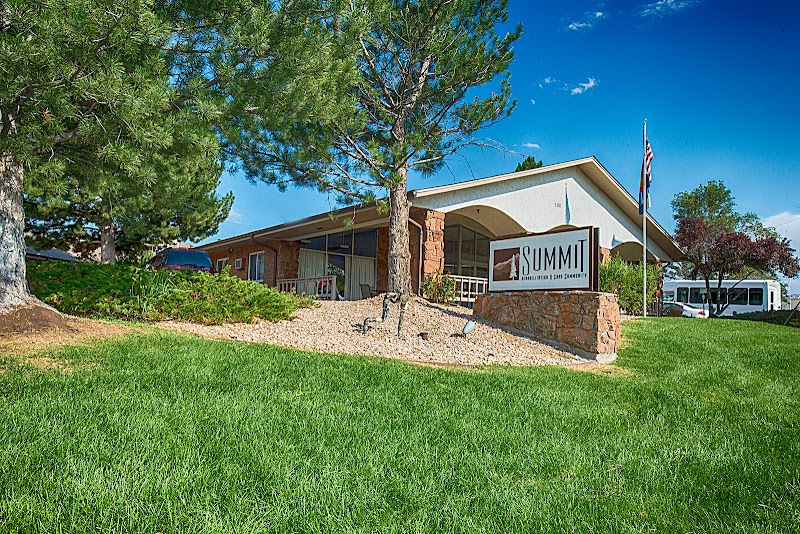
HIGHLAND PARK REHABILITATION & CARE CENTER

500 GENEVA ST, AURORA, CO 80010 (303) 364-9311
For profit - Limited Liability company 110 Beds SWEETWATER CARE Data: November 2025
Trust Grade
65/100
#68 of 208 in CO
Last Inspection: December 2024

Within standard 12-15 month inspection cycle. Federal law requires annual inspections.

Overview

Highland Park Rehabilitation & Care Center has a Trust Grade of C+, which means it is slightly above average but not particularly outstanding. It ranks #68 out of 208 nursing homes in Colorado, placing it in the top half of facilities in the state, and #9 out of 20 in Arapahoe County, indicating that only a few local options are better. The facility is stable, with the number of reported issues remaining the same over the last two years, but it has some concerning findings. Staffing received a low rating of 2 out of 5 stars, and while the turnover rate of 47% is slightly below the state average, it still suggests that staff may not be very consistent. There were no fines recorded, which is a positive sign, and the facility has average RN coverage to help address health concerns. However, there have been notable incidents, including a serious case where a resident fell during a transfer that was not properly supervised, leading to fractures, and complaints about the lack of variety in the meal options, indicating potential issues with nutrition and food service standards. Overall, while there are strengths like the absence of fines and a decent trust score, families should be aware of the staffing challenges and specific incidents related to resident care.

Trust Score
C+
65/100
In Colorado
#68/208
Top 32%
Safety Record
Moderate
Needs review
Inspections
Holding Steady
5 → 5 violations
Staff Stability
⚠ Watch
47% turnover. Above average. Higher turnover means staff may not know residents' routines.
Penalties
✓ Good
No fines on record. Clean compliance history, better than most Colorado facilities.
Skilled Nurses
○ Average
Each resident gets 39 minutes of Registered Nurse (RN) attention daily — about average for Colorado. RNs are the most trained staff who monitor for health changes.
Violations
⚠ Watch
23 deficiencies on record. Higher than average. Multiple issues found across inspections.
★★★★☆
4.0
Overall Rating
★★☆☆☆
2.0
Staff Levels
★★★★★
5.0
Care Quality
★★★☆☆
3.0
Inspection Score
Stable
2024: 5 issues
2025: 5 issues

The Good

  • 5-Star Quality Measures · Strong clinical quality outcomes
  • Full Sprinkler Coverage · Fire safety systems throughout facility
  • No fines on record

Facility shows strength in quality measures, fire safety.

The Bad

Staff Turnover: 47%

Near Colorado avg (46%)

Higher turnover may affect care consistency

Chain: SWEETWATER CARE

Part of a multi-facility chain

Ask about local staffing decisions and management

The Ugly 23 deficiencies on record

1 actual harm
Jul 2025 3 deficiencies 1 Harm
SERIOUS (G) 📢 Someone Reported This

A family member, employee, or ombudsman was alarmed enough to file a formal complaint

Actual Harm - a resident was hurt due to facility failures

Accident Prevention (Tag F0689)

A resident was harmed · This affected 1 resident

**NOTE- TERMS IN BRACKETS HAVE BEEN EDITED TO PROTECT CONFIDENTIALITY** Based on record review and interviews, the facility failed to ensure supervision and monitor assistive devices to prevent accide...

Read full inspector narrative →
**NOTE- TERMS IN BRACKETS HAVE BEEN EDITED TO PROTECT CONFIDENTIALITY** Based on record review and interviews, the facility failed to ensure supervision and monitor assistive devices to prevent accidents for one (#1) of three residents reviewed for accidents out of 20 sample residents. Resident #1 was admitted to the facility for skilled nursing care on 6/13/25 .The resident's care plan directed staff to utilize a mechanical lift for transfers. On 6/18/25, Resident #1 was noted to have pain to her left upper extremity and bilateral lower extremities after being lowered to the floor with the use of a mechanical lift by certified nurse aide (CNA) #1. After the resident's fall, CNA #1 and CNA #6 proceeded to assist Resident #1 into her wheelchair using the mechanical lift, prior to the resident being assessed by a registered nurse (RN) (see staff interviews below). Resident #1 was transported to the hospital on 6/18/25 where it was revealed that the resident had sustained fractures to her upper left arm (humerus) and both legs (tibia). The facility investigation after the incident revealed CNA #1 attempted to transfer Resident #1 using the mechanical lift and did not have additional staff members present to assist withthe transfer. Specifically, the facility failed to:-Ensure staff transferred Resident #1 appropriately with a mechanical lift which resulted in a fall with major injury for the residents; and,-Ensure staff did not move Resident #1 after a fall prior to being assessed by a RN.Findings include:I. Facility policy and procedureThe Safe Resident Handling/Transfers policy, revised 6/18/25, was provided by the nursing home administrator (NHA) on 7/28/25 at 12:11 p.m. It read in pertinent part, All residents require safe handling when transferred to prevent or minimize the risk for injury to themselves and the employees that assist them. Two staff members must be utilized when transferring residents with a mechanical lift. Staff will be educated on the use of safe handling/transfer practices to include use of mechanical lift devices upon hire, annually and as the need arises or changes in equipment occur. The staff must demonstrate competency in the use of mechanical lifts prior to use and annually with documentation of that competency placed in their education file.II. Resident #1A. Resident statusResident #1, age [AGE], was admitted on [DATE]. According to the June 2025 computerized physician orders (CPO), diagnoses included end stage renal (kidney) disease requiring dialysis, COPD (chronic obstructive pulmonary disease, a lung disease), diabetes, respiratory failure, heart failure, left below the knee and right above the knee amputations.The 6/18/25 minimum data set (MDS) assessment revealed the resident was cognitively intact with a brief interview for mental status (BIMS) score of 15 out of 15. Resident #1 required set up assistance with eating and was dependent on staff for toileting, showering, dressing and transfers, including lying to sitting and bed to chair.B. Incident investigationThe facility investigation for Resident #1's fall incident on 6/18/25 was provided by the NHA on 6/30/25 at approximately 3:00 p.m.The investigation documented that on 6/18/25 at 3:45 a.m. Resident #1 sustained a fall while being transferred from her bed to go to dialysis. It documented Resident #1 was sent to the hospital for her pain and the hospital found Resident #1's injuries included a fracture of the left arm and both legs.The investigation documented Resident #1 was interviewed on 6/18/25 via telephone and stated that CNA #1 gave her a bed bath and got her dressed for dialysis. The investigation documented CNA #1 attempted to transfer the resident from the bed to her wheelchair with a mechanical lift when Resident #1 slipped and landed on the floor. It documented the nurse (RN #s) assessed Resident #1 and got her back to bed. It documented the resident had pain in her knees and requested to be transferred to the hospital.The investigation included a statement documented by RN #3 on 6/18/25. It documented CNA #1 said Resident #1 was assisted down (to the floor) during the mechanical lift transfer. It documented RN #3 arrived to the resident's room and found Resident #1 sitting in a wheelchair and the resident complained of pain to her upper left extremity. The statement documented Resident #1 said that she fell on her arm. It documented Resident #1 later complained of pain to her bilateral lower extremities and the physician ordered pain medication and x-rays.The investigation included a statement documented by CNA #1 on 6/18/25. It documented CNA #1 transferred the resident using a mechanical lift sling the resident had requested, the sling broke, and CNA #1 attempted to stop her from falling and the resident had left arm pain after the incident.-The statement revealed CNA #1 transferred the resident using the mechanical lift without other staff members present.The investigation included a phone interview with CNA #6 documented on 6/18/25. It documented CNA #1 had been instructed to call for assistance with transferring the resident when Resident #1's hygiene care was completed. It documented CNA #1 called CNA #6 to assist with the resident's transfer and when CNA #6 arrived to the room, Resident #1 was on the floor. It documented CNA #1 told CNA #6 that she attempted transferring the resident by herself and the resident fell. It documented that CNA #6 proceeded to assist CNA #1 in transferring the resident from the floor into her wheelchair using the mechanical lift. The investigation documented seven interviews with residents at the facility and revealed no concerns with transfer assistance.The investigation documented the facility determined that CNA #1 did not follow the facility's policy and did not wait for a second CNA to arrive prior to transferring the resident using the mechanical lift.C. Record reviewThe activities of daily living (ADL) care plan, initiated 6/17/25, revealed Resident #1 was dependent on staff for bathing/showering, dressing and bed mobility. The fall care plan, initiated 6/17/25, revealed Resident #1 was at high risk for falls related to amputations, renal disease, COPD and respiratory failure.A nursing progress note, dated 6/18/25 at 6:03 a.m., documented Resident #1's change of condition due to fall. It documented Resident #1's pain at her left upper extremity and bilateral lower extremities post staff-assisted fall. It documented the nurse's recommendation for stat (immediate) x-rays and transfer to the hospital.A nursing progress note, dated 6/18/25 at 7:51 a.m., documented Resident #1 was lowered to the floor by staff when the strap from the mechanical lift sling loosened. It documented that upon initial assessment, the resident complained of left upper extremity pain and the resident later complained of bilateral lower extremity pain. It documented the resident would not allow range of motion to the extremities and was intolerant of a transfer back to the bed. It documented the resident did not want to wait for completion of x-rays at the facility and was sent to the hospital. It documented the physician and the resident's representative were notified of the transfer to the hospital.Resident #1's hospital history and physical record, dated 6/18/25 at 9:38 a.m., documented Resident #1 had admission diagnoses of non-displaced fracture of the surgical neck of left humerus, displaced fracture of her right tibia and fracture of the upper end of her left tibia.An interdisciplinary team (IDT) progress note, dated 6/20/25 at 12:55 p.m., documented Resident #1's fall was caused by an improper transfer. It documented Resident #1 was transferred to the hospital and noted to have fractures. D. Staff educationThe facility provided documentation of staff education completed after the incident which included the following:A document titled Utilizing Kardex (staff directive tool) and Report Sheets Inservice, dated 6/18/25. The document included 27 CNA signatures. The document emphasized the importance of using the Kardex and report sheets as a quick reference to aid in resident safety, including prevention of falls due to improper transfers.A document titled Employee Competency Checklist, Sit to Stand Mechanical Lift, which included individual competency checklists for 25 staff members, dated from 6/19/25 to 6/26/25. The competency checklist included each employee's demonstrations of the mechanical lift transfer skill.A document titled Hoyer (mechanical lift), Sit to Stand Safe Transfer Techniques, documented as an in-service provided by the director of rehabilitation (DOR) and the director of nursing (DON) on 6/18/25 at 11:30 a.m. The document included 43 staff signatures and included the facility's policy for transferring residents.-However, there was no documentation provided to indicate the facility had identified other residents at potential risk or looked at other residents' mechanical lift slings in the facility to determine if all slings were in proper working order, despite documentation and CNA #1's statement that Resident #1's sling broke during the transfer, causing her to fall to the floor (see record review above and staff interviews above related to the sling).-There was no documentation provided to indicate how the facility was monitoring staff to ensure staff were transferring residents using a mechanical lift with two person assistance following the incident with Resident #1.III. Resident #8's interviewResident #8, another resident in the facility, was interviewed on 6/30/25 at 1:25 p.m. Resident #8 said she required a mechanical lift for transfers until a few months ago. She said most of the time, only one CNA would transfer her using the mechanical lift. She said there were only a few CNAs who insisted upon having a second CNA present when using the mechanical lift.IV. Staff interviewsThe hospital physician was interviewed on 6/30/25 at 10:45 a.m. The hospital physician said Resident #1 told her that a CNA attempted to transfer her with only one person assistance from the bed to the wheelchair and the resident sustained a fall with fractures. The hospital physician said the resident had been hospitalized a week earlier and nursing staff had told the hospital physician that Resident #1 required assistance of two people for transfers. The hospital physician said she was concerned the facility did not provide proper staff education for Resident #1's transfers. RN #2 was interviewed on 6/30/25 at 1:00 p.m. RN #2 said she had completed mechanical lift training at another facility. RN #2 said she was asked by the facility to sign a document which confirmed she knew how to use the mechanical lift. RN #2 said at least two staff members were required to use a mechanical lift. CNA #2 was interviewed on 6/30/25 at 2:45 p.m. CNA #2 verbalized the process for using a mechanical lift. CNA #2 said the facility emphasized to all staff the need to use two people for transfers and provided recent education to staff about these transfers.CNA #3 was interviewed on 6/30/25 at 2:50 p.m. CNA #3 verbalized the process for using a mechanical lift. CNA #3 said at least two to three people were required to use a mechanical lift.CNA #4 was interviewed on 6/30/25 at 2:55 p.m. CNA #4 said the restorative CNA taught him how to use the mechanical lift. CNA #4 said the facility reviewed the lift process again a week ago. CNA #4 said two people were required for use of a mechanical lift.Licensed practical nurse (LPN) #1 was interviewed on 7/21/25 at 12:25 p.m. LPN #1 said he had not had to transfer residents with the mechanical lift, as the CNAs typically did those transfers. He said two people were always required when using the mechanical lift.CNA #5 was interviewed on 7/21/25 at 12:40 p.m. CNA #5 said two CNAs were required for mechanical lift transfers and she had always used at least two people for those transfers. CNA #5 said staff were provided mechanical lift training upon hire and received refresher training a month ago.The DON was interviewed on 7/22/25 at 1:25 p.m. The DON said CNA #1 transferred Resident #1 without additional assistance and there should always be at least two staff members present for a mechanical lift transfer. The DON said RN #3 initially had provided a statement that Resident #1 had been moved prior to assessment but then later told the DON the resident was assessed prior to being moved to the wheelchair. The DON said she asked RN #3 to correct her statement, but said the RN never corrected the written statement.-However, RN #3 and CNA #6 confirmed in interviews that Resident #1 was moved to the wheelchair prior to the RN assessment (see interviews below).The DON said CNA #1 should have gotten the assistance of a second person to assist with using the mechanical lift. She said CNA #1 should not have transferred Resident #1 by herself. The DON said it was the facility's policy for resident safety to use at least two staff members for mechanical lift transfers at all times.RN #3 was interviewed on 7/23/25 at 10:56 a.m. RN #3 said she was Resident #1's nurse the night the resident fell from the mechanical lift. RN #3 said she instructed CNA #1 to call RN #3 when the resident was ready to be transferred. She said CNA #1 was getting Resident #1 ready for dialysis. She said CNA #1 was not the assigned CNA, but was getting the resident ready because Resident #1 did not want the male CNA (CNA #6) doing personal care, so the male CNA was sent to another unit while CNA #1 got Resident #1 ready. RN #3 said CNA #1 did not call her to assist with transferring the resident and instead, attempted to transfer Resident #1 without additional assistance. RN #3 said CNA #1 came to her and told her that she had lowered Resident #1 to the floor. RN #3 said CNA #1 said she utilized the resident's sling and it broke.RN #3 said when she arrived to Resident #1's room, she expected to find the resident on the floor, but the resident was sitting in the wheelchair with a sling for the mechanical lift underneath her. She said CNA #6 was also present in the room. RN #3 said Resident #1 told her she had fallen on her left arm. She said the resident would not allow her to perform a range of motion assessment on her extremities to assess for injuries. RN #3 said she contacted the physician and the physician ordered x-rays. RN #3 said Resident #1 later began to say her legs were also hurting and she would not allow her legs to be touched. RN #3 said Resident #1 told her that she wanted to go to the hospital and did not want to wait for x-rays. RN #3 said she notified the physician and transferred the resident to the hospital.RN #3 said CNA #6 told her Resident #1 was on the floor when he entered the room. She said CNA #6 told her he was under the impression that RN #3 had assessed the resident, so he helped CNA #1 transfer Resident #1 to the wheelchair. RN #3 said she had not yet assessed the resident and the CNAs should not have moved the resident prior to her assessment. RN #3 said the DON was aware that the CNAs had moved the resident before she assessed the resident. RN #3 said Resident #1 was in a lot of pain and yelling out after the injury, and RN #3 gave the resident medication for her pain. RN #3 said there were CNAs at the facility who had transferred residents with the mechanical lift using only one person's assistance. She said another CNA had recently received disciplinary action for transferring a resident without additional assistance. CNA #6 was interviewed on 7/24/25 at 10:48 a.m. CNA #6 said he had been assigned to Resident #1, however, the resident did not want male CNAs for personal care so a female CNA (CNA #1) from another unit temporarily traded the assignment with him to prepare Resident #1 for dialysis. CNA #6 said he was walking in a hallway when CNA #1 called out to him and asked for assistance. CNA #6 said he followed CNA #1 to Resident #1's room and when he walked in the room, Resident #1 was lying on her back on the floor, and moaning. CNA #6 said it was obvious that Resident #1 was hurt. CNA #6 said CNA #1 did not tell him how the resident fell. CNA #6 said he did not know if CNA #1 had told the nurse about the fall. CNA #6 said he was asked to help lift Resident #1 into the wheelchair and he and CNA #1 did this together using the mechanical lift. CNA #6 said the facility had a skills lab once per year to practice using the mechanical lift. He said there should always be two people present to transfer a resident using a mechanical lift. CNA #6 said he thought CNA #1 transferred Resident #1 without additional assistance.
CONCERN (D) 📢 Someone Reported This

A family member, employee, or ombudsman was alarmed enough to file a formal complaint

Potential for Harm - no one hurt, but risky conditions existed

Notification of Changes (Tag F0580)

Could have caused harm · This affected 1 resident

**NOTE- TERMS IN BRACKETS HAVE BEEN EDITED TO PROTECT CONFIDENTIALITY** Based on record review and interviews, the facility failed to ensure notification to the resident representative of a significan...

Read full inspector narrative →
**NOTE- TERMS IN BRACKETS HAVE BEEN EDITED TO PROTECT CONFIDENTIALITY** Based on record review and interviews, the facility failed to ensure notification to the resident representative of a significant change in the resident's physical, mental or psychosocial status for one (#11) of three residents reviewed for change of condition out of 20 sample residents.Specifically, the facility failed to notify Resident #11's representative of the resident's deteriorating wounds in a timely manner.Findings include:I. Facility policy and procedureThe Notification of Change policy, revised January 2025, was provided by the nursing home administrator (NHA) on 7/28/25 at 12:11 p.m. The policy read in pertinent part, The facility must inform the resident, consult with the resident's physician and/or notify the resident's family members or legal representative when there is a change requiring such notification. Circumstances requiring notification include significant change in the resident's physical, mental or psychosocial condition such as deterioration in health, mental or psychosocial status. This may include life threatening conditions or clinical complications.II. Resident #11A. Resident statusResident #11, age [AGE], was admitted on [DATE]. According to the July 2025 computerized physician orders (CPO), diagnoses included cellulitis of the right lower limb, pleural effusion (a buildup of fluid in the tissue that lines the lungs), immunodeficiency (immune system unable to defend the body from foreign or abnormal cells), cirrhosis of liver (chronic liver damage), chronic venous hypertension with ulcer and inflammation of both lower extremities (high pressure within leg veins which causes fragile skin prone to opening).The 6/26/25 minimum data set (MDS) assessment revealed Resident #11 was cognitively intact with a brief interview for mental status (BIMS) score of 15 out of 15. He required set up assistance with eating and repositioning and substantial assistance with dressing, transferring to the shower, toileting and personal hygiene.B. Resident representative interviewResident #11's representative was interviewed on 7/21/25 at 2:00 p,m. The representative said the facility did not contact her for most of Resident #11's condition changes and she often found things out later. The representative said she was not notified of any changes with the resident during the previous two weeks prior to Resident #11's hospitalization on 7/12/25. She said she last met with the facility on 6/20/25, at which time she understood Resident #11 required a few more weeks of physical therapy and then he would potentially be discharged to home with assistance. The representative said she was notified on 7/12/25, the date of Resident #11's transfer to the hospital, that his vital signs and level of consciousness had changed and he was lethargic. The representative said she was surprised to learn from the hospital physician that Resident #11's wounds had worsened and he had an infection because nothing was communicated to her from the facility about his wounds worsening. C. Record ReviewThe impaired skin integrity care plan, initiated 6/1/25, revealed Resident #11 had skin ulcers on both legs, including the right achilles (heel) and required wound care and measurements of the wounds width, length, depth, type of tissue and exudate and any other notable changes or observations.The wound care physician (WCP) note, documented on 7/9/25 at 9:42 p.m., revealed the following changes of Resident #11's wounds:On 7/9/25, Resident #11's right achilles wound measured 13.6 centimeters (cm) width by 6.4 cm length by 0.3 cm depth. This was an increase from 7/2/25, when it measured 6.2 cm by 6.3 cm by 0.3 cm. The WCP documented the wound had worsened.On 7/9/25, Resident #11's right lateral foot wound measured 10.0 cm by 5.6 cm by 0.1 cm. This was an increase from 7/2/25, when it measured 6.6 cm by 4.0 cm by 0 cm. The WCP documented the wound had worsened.The WCP documented the care plan was discussed with Resident #11 and the nursing staff. It documented an ultrasound on 7/3/25 revealed mild to moderate peripheral artery disease (PAD) was suspected in the resident's legs with occlusion of the right dorsalis pedis (a blockage in the artery on top of the foot). A nursing progress note, dated 7/9/25 at 7:43 p.m., documented the PCP (primary care physician) and the WCP reviewed Resident #11's ultrasound result and recommended a vascular consult. The note documented a message had been left at an office for this consult.An interdisciplinary team (IDT) note, written by the director of nursing (DON) on 7/11/25 at 9:45 a.m., documented the worsening of Resident #11's wounds and Resident #11 had been noncompliant with lab draws and incontinence care.A PCP progress note, dated 7/11/25 at 5:32 p.m., documented Resident #11's wound worsening was unavoidable due to poor oral intake, the resident's refusals for supplementation and his immunocompromised status. A nursing progress note, dated 7/12 at 2:40 p.m., documented Resident #11's change of condition. It documented Resident #11 was confused and his blood pressure was 82/49 millimeters of mercury (mmHg), his heart rate was 115 beats per minute (bpm) and his oxygen saturation (level of oxygen in the blood) was 86% (percent) with an oxygen mask in place. It documented that the resident's representative was notified of the resident's transfer to the hospital.-The notes documented Resident #11's wounds worsening on 7/9/25, the resident's ultrasound results and the recommended specialist referral, however, there was no documentation to indicate the resident's representative was notified until Resident #11's transfer to the hospital on 7/12/25 for a change of condition.III. Staff interviewsThe DON was interviewed on 7/22/25 at 1:20 p.m. The DON said Resident #11's representative should have been notified about the worsening condition of Resident #11's wounds on 7/9/25, when it was documented by the WCP. The DON said Resident #11's wounds were worsening because of his refusals of interventions, especially related to his nutrition.The WCP was interviewed on 7/23/25 at 4:45 p.m. The WCP said he told Resident #11 on 7/9/25 that his wounds were not getting better and there were more aggressive treatments that could be done. The WCP said the resident was a candidate for amputation. The WCP said Resident #11 had not decided if he was going to do more aggressive treatment. The WCP said the representative should have been notified on 7/9/25 when the wounds had worsened.Registered nurse (RN) #1 was interviewed on 7/24/25 at 1:15 p.m. RN #1 said he was provided information by the night nurse in the shift-to-shift report on 7/11/25 that Resident #11's wounds had been worsening. RN #1 said the PCP said on 7/11/25 that Resident #11 had reached the point to consider hospice. RN #1 said he did not know if the resident's representative had been notified of the deterioration of Resident #11's wounds.
CONCERN (D) 📢 Someone Reported This

A family member, employee, or ombudsman was alarmed enough to file a formal complaint

Potential for Harm - no one hurt, but risky conditions existed

Free from Abuse/Neglect (Tag F0600)

Could have caused harm · This affected 1 resident

**NOTE- TERMS IN BRACKETS HAVE BEEN EDITED TO PROTECT CONFIDENTIALITY** Based on record review and interviews, the facility failed to ensure one (#6) of seven residents reviewed for abuse out of 20 sa...

Read full inspector narrative →
**NOTE- TERMS IN BRACKETS HAVE BEEN EDITED TO PROTECT CONFIDENTIALITY** Based on record review and interviews, the facility failed to ensure one (#6) of seven residents reviewed for abuse out of 20 sample residents were free from abuse.Specifically, the facility failed to protect Resident #6 from abuse by Resident #9.Findings include:I. Facility policy and procedureThe Abuse, Neglect and Exploitation policy, reviewed January 2025, was provided by the nursing home administrator (NHA) on 6/30/25 at 12:00 p.m. It read in pertinent part, It is the policy of this facility to provide protections for the health, welfare and rights of each resident by developing and implementing written policies and procedures that prohibit and prevent abuse, neglect, exploitation and misappropriation of resident property. The facility will have written procedures to assist staff in identifying the different types of abuse: mental/verbal abuse, sexual abuse, physical abuse and the deprivation by an individual of goods and services. This includes staff to resident abuse and certain resident-to resident altercations. Possible indicators of abuse include but are not limited to: resident-to-resident, staff or family report of abuse, verbal abuse of a resident overheard, and physical abuse of a resident observed.II. Physical abuse of Resident #6 by Resident #9 on 6/9/25A. Facility investigationThe facility investigation of the incident involving Resident #6 and Resident #9 was provided by the NHA on 7/23/25 at 9:54 a.m. The investigation documented that on 6/9/25 at 2:30 p.m. it was reported Resident #9 approached Resident #6 and Resident #6's representative and called Resident #6 an explicit word. Resident #9 then proceeded to make contact with Resident #6's arm.The immediate intervention was to take Resident #9 to the dining room by therapy staff and Resident #6 was assessed with no noted changes.Licensed practical nurse (LPN) #2 documented in her statement that Resident #6 and his representative were sitting in the hallway. Resident #9 approached them and Resident #9 called Resident #6 an explicit word and proceeded to hit Resident #6 in the arm. The investigation documented Resident #6's representative was interviewed by the facility over the phone and the representative said she was sitting with Resident #6 when Resident #9 approached her and asked her if she knew what an (explicit word) was. Resident #6's representative said Resident #9 pointed at Resident #6 and made a nudge contact with his arm and said this guy is the biggest (explicit word) here. Therapy staff came and redirected Resident #9.A 6/9/25 statement from the director of nursing (DON) documented that at approximately 2:45 p.m. a nurse notified the DON that Resident #9 went to Resident #6 and called him an explicit word and hit him on his right arm. Resident #9 was immediately redirected by staff.B. Resident #9 (assailant)1. Resident statusResident #9, age greater than 65, was admitted on [DATE]. According to the July 2025 computerized physician orders (CPO), diagnoses included severe vascular dementia with behavior disturbance, type 2 diabetes mellitus, post traumatic stress disorder (PTSD) and major depressive disorder.The 6/24/25 minimum data set (MDS) assessment revealed the resident was severely cognitively impaired with a brief interview for mental status (BIMS) score of seven out of 15. He needed substantial assistance with bathing, supervision with transfers and set up assistance for other activities of daily living (ADL). The assessment did not document the resident had physical or verbal behaviors toward others.2. Record reviewResident #9's dementia care plan, revised 7/23/25 documented the resident had a history of anger outbursts, delusional thinking, PTSD and wandering related to a diagnosis of dementia with psychotic behaviors. On 4/6/25 Resident #9 had a behavior outburst during coffee social and threw coffee on another resident. On 6/9/25 Resident #9 was observed engaging in physical contact and using inappropriate language toward another resident.Pertinent interventions, revised 6/14/25 included one-to-one activity tailored to the resident's preferences, anticipating and meeting the resident's needs, intervene as necessary to protect the rights and safety of others, approaching the resident and speaking in a calm manner, removing the resident from the situation and taking him to an alternate location as needed.A 6/9/25 nursing note documented that at approximately 2:30 p.m., the nurse was approached by an occupational therapist (OT). According to the OT, a resident-to-resident physical contact occurred in the hallway. The nurse immediately went to investigate. Staff quickly separated Resident #9 from Resident #6. Resident #6's representative, who was visiting, stated that Resident #9 went up to them, called Resident #6 an explicit word, then hit Resident #6 on his right arm. No bruise, redness or abrasion was observed on the resident's right arm and the resident's skin remained intact. Resident #6 and his representative also stated that Resident #6 did not hit Resident #9. The NHA and the physician were notified.A 6/9/25 alert note documented the facility contacted the local police department to report a resident-to-resident physical altercation. A 6/10/25 social services note documented Resident #9 displayed increased episodes of unprovoked verbal and physical aggression towards peers. He had been in his third reportable incident since February 2025. C. Resident #6 (victim)1. Resident statusResident #6, age greater than 65, was admitted on [DATE]. According to the July 2025 CPO, diagnoses included collapsed vertebrae, type 2 diabetes mellitus, dementia, depression and dependence on a wheelchair.The 6/23/25 MDS assessment revealed the resident was severely cognitively impaired with a BIMS score of seven out of 15. He needed moderate assistance with ADLs and set up assistance at meals.2. Resident's representative interviewResident #6's representative was interviewed on 7/22/25 at 3:10 p.m. The representative said Resident #6 told her that Resident #9 hated him and he did not know why. She said she and Resident #6 were sitting in wheelchairs by the dining room talking (on 6/9/25). She said Resident #9 watched them for awhile, then he came up to Resident #6, called Resident #6 was an explicit word and then he reached out and punched Resident #6 on the right arm. The representative said staff members were walking by and the nurse had been watching. She said the nurse asked what happened and she told the nurse. She said the nurse asked Resident #6 if he was okay and he said he was but it hurt. She said Resident #6 had no mark on him and no pain later, just pain in the moment it happened. She said the staff separated Resident #9 from Resident #6 and assisted him down the hall. The representative said staff checked Resident #6 and the NHA from the nursing home called her about the incident. 3. Record reviewResident #6's behavior care plan, initiated 4/22/25, documented the resident had depression and a history of suicidal behavior. Pertinent interventions, initiated 4/22/25, included to monitor/document/report to the physician as needed if the resident was at risk for harming others, increased anger, feeling threatened by others or thoughts of harming someone. A 6/9/25 nursing progress note documented that after getting a shift change report from the dayshift nurse at 2:30 p.m, a nurse was approached by the OT to report a resident-to-resident physical contact in the hallway. The nurse quickly went to investigate. Staff took Resident #9 to his room. Resident #6's representative was visiting and they were sitting facing each other in the hallway. Resident #6 and his representative said Resident #9 came up to them and called Resident #6 an explicit word and then proceeded to hit Resident #6 on the right arm. No bruise, abrasion or redness was observed on Resident #6's upper extremity and his skin remained intact.III. Staff interviewsThe OT was interviewed on 7/28/25 at approximately 1:00 p.m. The OT said she was in the secure unit on 6/9/25 and heard a mumbling but was not paying attention to the residents. The OT said she was not able to see Resident #9's hand or hear a slap, but saw his arm swing at Resident #6. She said she heard Resident #6's representative tell Resident #9 to not do that. The OT said she notified the nurse of what she observed. She said she reported it because she wanted to make sure the nurses had her eye on the residents because sometimes tensions could get high. She said she would report suspected abuse regardless of a resident's cognition.LPN #2 was interviewed on 7/28/25 at 2:10 p.m. LPN #2 said usually when she started her shift, she separated Resident #9 from other residents and gave him something to drink and eat and he would calm down. LPN #2 said Resident #9 did not like noise so she tried to remove him from the noise and the rest of the residents if they were talking loudly. LPN #2 said she would take Resident #9 to the television room for privacy because he would reach out and think that people were trying to hit him if they were making a movement. LPN #2 said moving Resident #9 helped him deescalate. LPN #2 said she watched Resident #9 more than others because he was reactive and had a difficult time understanding that the other residents' behaviors were not directed at him. LPN #2 said if there was a hit or physical contact between residents, she would report the abuse. She said the OT came to her (on 6/9/25) and reported Resident #9 might have hit someone and the OT said she heard screaming. LPN #2 said Resident #6 told her that Resident #9 hit him. LPN #2 said she checked Resident #6 after the reported incident and he did not have any marks on his skin. She said she notified the family and told the director of nursing (DON). LPN #2 said the NHA told her to file a police report, which she did.
May 2025 2 deficiencies
CONCERN (D) 📢 Someone Reported This

A family member, employee, or ombudsman was alarmed enough to file a formal complaint

Potential for Harm - no one hurt, but risky conditions existed

Investigate Abuse (Tag F0610)

Could have caused harm · This affected 1 resident

**NOTE- TERMS IN BRACKETS HAVE BEEN EDITED TO PROTECT CONFIDENTIALITY** Based on record review and interviews, the facility failed to thoroughly investigate allegations of abuse for two (#2 and #3) of...

Read full inspector narrative →
**NOTE- TERMS IN BRACKETS HAVE BEEN EDITED TO PROTECT CONFIDENTIALITY** Based on record review and interviews, the facility failed to thoroughly investigate allegations of abuse for two (#2 and #3) of eight residents out of 15 sample residents. Specifically, the facility failed to complete a thorough investigation after an allegation of physical abuse towards Resident #3 by Resident #2. Findings include: I. Facility policy and procedure The Abuse, Neglect and Exploitation policy, revised January 2025, was provided by the nursing home administrator (NHA) on 5/21/25 at 11:30 a.m. The policy read in pertinent part, It is the policy of this facility to provide protections for the health, welfare and rights of each resident by developing and implementing written policies and procedures that prohibit and prevent abuse, neglect and exploitation and misappropriation of property or resident property. An immediate investigation is warranted when suspicion of abuse, neglect or exploitation, or reports of abuse, neglect or exploitation occur. Written procedures for investigations include identifying staff responsible for the investigation, exercising caution in handling evidence that could be used in a criminal investigation, investigating different types of alleged violations, identifying and interviewing all involved persons including that alleged victim, alleged perpetrator, witnesses and others who might have knowledge of the allegations, focusing the investigation on determining if abuse, neglect, exploitation and/or mistreatment has occurred, the extent and the cause, and providing complete and thorough documentation of the investigation. II. Incident of physical abuse of Resident #3 by Resident #2 A. Facility investigation The 3/10/25 facility investigation was provided by the director of nursing (DON) on 5/22/25 at 12:00 p.m. The incident report revealed Resident #2 had combative behaviors during care toward staff on 4/6/25. When Resident #2 was in the dining room, he was offered snacks by activities assistant (AA) #1 at approximately 10:30 a.m. Resident #2 started to throw items off the table and splashed his cup of coffee across the table where other residents were sitting nearby. Resident #2 was immediately removed from the dining room and was redirected to his room with a certified nurse aide (CNA). He was placed on one to-one supervision with a CNA in his room where he was easily redirectable and exhibited no such behaviors afterwards. -Review of the facility's investigation did not identify the coffee was thrown towards Resident #3, however, licensed practical nurse (LPN) #1 said Resident #2 threw the coffee at Resident #3 (see interview below). The investigation documented Resident #2 was interviewed on 4/7/25 and did not recall the incident from the day prior. He was in a pleasant mood and away from other residents in the common area. The investigation documented Resident #3 was interviewed on 4/7/25 and appeared to have no recall of an incident occurring the day prior. The investigation documented five additional residents on the secured unit were interviewed by the DON on 4/7/25 with no additional information. The investigation documented five additional staff interviews (LPN #2, LPN #3, LPN #4, CNA #2 and CNA #3) were completed on 4/7/25 by the DON with no additional information. -LPN #2, LPN #3, LPN #4, CNA #2 and CNA #3 typically worked on the secured unit, but were not present during the 4/6/25 altercation. The investigation documented AA #1, who witnessed the incident, was interviewed on 4/7/25 by the DON. AA #1 said she was in the dining room during the coffee social in the secured unit when Resident #2 was being disruptive and attempting to throw items off the table. Resident #2 threw his coffee towards an area where other residents were sitting. AA #1 said the assistant director of nursing (ADON) was notified. AA #1 said another CNA took Resident #2 out of the dining room area and redirected him back to his room. B. Resident #3 (victim) 1. Resident status Resident #3, age [AGE], was admitted on [DATE]. According to the May 2025 computerized physician orders (CPO), diagnoses included dementia, alcohol abuse and history of falling. The 4/7/25 minimum data set (MDS) assessment documented Resident #3 had severe cognitive impairments with a brief interview for mental status (BIMS) score of six out 15. He required supervision with activities of daily living (ADLs). The MDS assessment indicated Resident #3 did not exhibit verbal, physical or other behavioral symptoms directed towards others. 2. Record review The 4/7/25 alert note documented Resident #3 was being monitored after a resident-to-resident altercation. Resident #3 was alert to self and his needs were anticipated by staff. It documented Resident #3 was compliant with care, showed no signs or symptoms of pain or discomfort and there were no behaviors reported. C. Resident #2 (assailant) 1. Resident status Resident #2, age [AGE], was admitted on [DATE]. According to the May 2025 CPO, diagnoses included vascular dementia and type two diabetes. The 5/9/25 MDS assessment documented Resident #2 had moderate cognitive impairments with a BIMS score of eight out 15. He required supervision for ADLs. The MDS assessment indicated Resident #2 did not exhibit verbal, physical or other behavioral symptoms directed towards others. 2. Record review The 4/6/25 behavior charting note revealed Resident #2 was reported to have combative behavior towards staff members. When Resident #2 was in the dining room, he was disruptive and was seen throwing his cup of coffee where other residents were sitting. Resident #2 was immediately removed from the dining room away from other residents. III. Staff interviews The pulmonary program coordinator was interviewed on 5/22/25 at 11:22 a.m. The pulmonary program coordinator said he was working in the secured unit on 4/6/25. The pulmonary program coordinator said he witnessed an incident between Resident #2 and Resident #3 on 4/6/25. The pulmonary program coordinator said Resident #2 had a cup of coffee and Resident #2 threw his cup of coffee in the area of Resident #3, who was seated at a different table. The pulmonary program coordinator said he wrote a statement about the incident between Resident #2 and Resident #3 on 4/6/25 and gave the statement to the DON. -However, review of the facility's investigation did not include documentation that the pulmonary program coordinator provided a statement (see facility investigation above). The pulmonary program coordinator said LPN #1 assessed Resident #3 after the incident on 4/6/25. The pulmonary program coordinator said the ADON was called and the ADON came to the secured unit to assess the resident. LPN #1 was interviewed on 5/22/25 at 12:41 p.m. LPN #1 said she was working on the secured unit on 4/6/25. She said there was an activity going on in the unit around 10:30 a.m. She said AA #1 was handing out coffee to the residents in the dining room area. She said Resident #2 was sitting across the table from Resident #3. She said Resident #2 looked at Resident #3 and threw his cup of coffee at him unprompted. She said she immediately notified the ADON who was in the building in another unit. She said she separated Resident #2 and Resident #3. She said she took Resident #3 to his room to complete a skin assessment. She said the ADON assisted her in the skin assessment. She said there were no skin alterations but she put damp towels on Resident #3's skin in case there was burning. She said she communicated the allegations of abuse to the ADON because he was the manager there and she was a mandatory reporter. LPN #1 said the ADON called the DON and then handed the phone to LPN #1. LPN #1 said she told the DON what happened and said the DON instructed her to fill out the first page of the risk management note which included a summary of what happened, the resident's description of what happened, and immediate action that was taken, which included the skin assessment she completed. She said she asked the DON if there was anything more she needed to do and the DON said she would take care of it. She said the DON said she would fill out the rest of the risk management note and notify the police. She said about an hour later, she sent a text message to the ADON verifying that the DON would take care of notifying the police and filling out the rest of the risk management note. She said the DON told her not to write a nursing progress note about the incident. She said nobody attempted to reach out to her regarding the situation. She said when she came back to work the following Sunday (4/13/25), the risk management note was no longer in the medical charts and there was no note under either resident's progress notes about the incident. -Review of the facility's investigation did not include documentation that LPN #1, who witnessed the resident-to-resident altercation, was interviewed during the investigation process (see facility investigation above). The ADON, the DON and the NHA were interviewed together on 5/22/25 at 1:00 p.m. The ADON said he was working on 4/6/25 and staff in the secured unit called him. The ADON said he went to the secure unit after Resident #2 threw his coffee. The ADON said he was notified there was an incident because he was a manager and was told it was a behavior issue. The ADON said he assigned a restorative aide to provide one-to-one supervision after the incident. The ADON said when he arrived in the secured unit, Resident #2 was not having any behavior issues. The DON said she was not working on 4/6/25 when Resident #2 threw his coffee. The DON said the ADON called her to inform her Resident #2 was having behaviors. The DON said the ADON told her the resident was throwing coffee. The DON said she instructed the ADON to remove the resident from the activity that was occurring. The DON said she came into the facility on Monday (4/7/25) to do the investigation. The DON said Resident #2 had splashed his coffee across the room. The DON said none of her interviews revealed that Resident #2 threw his coffee at Resident #3. The DON said she called LPN #1 about the incident but LPN #1 did not call her back. The DON said LPN #1 only worked on Sundays at the facility. The DON said she did not attempt to interview LPN #1 again. The DON said she did not have a statement provided by the pulmonary program coordinator. The DON and the NHA were interviewed together on 5/22/25 at 2:52 p.m. The DON said she wanted to investigate to see if there was any harm involved from the behavior Resident #2 exhibited. She said when Resident #2's behavior occurred on 4/6/25, it was one of her first weeks as the DON. The DON said since the behavior Resident #2 had was not new behavior, she decided to interview other residents and ask if they were in distress or remembered the incident. The DON said she provided verbal education with the nursing staff on 4/7/25 regarding behavior charting and how to document it. The NHA said he was the abuse coordinator and he found out about the incident between Resident #2 and Resident #3 on 4/7/25. The NHA said the facility did not complete a thorough investigation to determine if Resident #2 throwing his coffee was a behavior or an abuse incident. He said the facility should have completed staff interviews with all staff in the secured unit during the time this occurred. He said he thought since there were a lot of behaviors that occurred on the memory care unit, it was not communicated to the DON as abuse but rather as a behavior.
CONCERN (F) 📢 Someone Reported This

A family member, employee, or ombudsman was alarmed enough to file a formal complaint

Potential for Harm - no one hurt, but risky conditions existed

Deficiency F0800 (Tag F0800)

Could have caused harm · This affected most or all residents

Based on observations, record review and interviews, the facility failed to provide each resident with a nourishing, palatable and well-balanced diet that meets his or her daily nutritional and specia...

Read full inspector narrative →
Based on observations, record review and interviews, the facility failed to provide each resident with a nourishing, palatable and well-balanced diet that meets his or her daily nutritional and special dietary needs, taking into consideration the preferences. Specifically, the facility failed to ensure weekly menus were balanced and included a variety of menu items. Findings include: I. Resident interviews Resident #4 was interviewed on 5/21/25 at 11:18 a.m. Resident #4 said she wished the menu had better variety and the menu options changed more frequently. Resident #4 said lately the menu was too repetitive and there was too much chicken and pork on the menu. Resident #8 was interviewed on 5/21/25 at 3:55 p.m. Resident #8 said the menus were too repetitive. Resident #8 said the vegetable options on the menu were too repetitive. Resident #8 said there were too many vegetable blends and mixed vegetables on the menu. Resident #15 was interviewed on 5/21/25 at 4:10 p.m. Resident #15 said at times the menu was too repetitive. II. Weekly menu Four weeks of menus were provided by the nursing home administrator (NHA) on 5/22/25 at 2:42 p.m. A review of the four week menu (served during the survey) revealed repeated menu items. Vegetables, vegetable blends, chicken, pork, potatoes and rice were items repeated on the weekly menu. The menu reviewed for the week of 4/28/25 to 5/4/25 revealed the following: -On 4/29/25 the dinner vegetable was mixed vegetables; -On 4/30/25 the lunch vegetable was vegetables; -On 5/1/25 the lunch vegetable was mixed vegetables; -On 5/3/25 the lunch vegetable was seasoned vegetables; and, -On 5/4/25 the lunch vegetable was mixed vegetables. The menu reviewed for the week of 5/5/25 to 5/10/25 revealed the following: -On 5/5/25 lunch was chicken fajitas and red rice; -On 5/6/25 the lunch vegetable was seasoned vegetables; -On 5/6/25 the dinner vegetable was vegetables; -On 5/7/25 the lunch was sweet and sour chicken, steamed rice and vegetables; -On 5/8/25 the lunch was a barbecue chicken breast and vegetables; -On 5/9/25 the lunch vegetable was mixed vegetables; -On 5/9/25 the dinner entree was a chicken sandwich; -On 5/10/25 the dinner vegetable was vegetables; and, -On 5/11/25 the lunch vegetable was seasoned vegetables. The menu reviewed for the week of 5/12/25 to 5/18/25 revealed the following: -On 5/13/25 the lunch vegetable was vegetables; -On 5/13/25 the dinner vegetable was mixed vegetables; -On 5/14/25 the lunch vegetable was vegetables; -On 5/15/25 the lunch vegetable was mixed vegetables; -On 5/15/25 the dinner vegetable was vegetables; and, -On 5/16/25 the lunch vegetable was seasoned vegetables. The menu reviewed for the week of 5/19/25 to 5/25/25 revealed the following: -On 5/19/25 the dinner was a crispy chicken wrap; -On 5/20/25 the lunch was a creamy chicken breast, pasta (penne) and seasoned vegetables; -On 5/20/25 the dinner was pasta (egg noodles) and seasoned vegetables; -On 5/21/25 the lunch was pineapple barbecue chicken thigh; -On 5/22/25 the lunch was slow roast pork loin and seasoned vegetables; -On 5/22/25 the dinner was chicken fajitas; -On 5/23/25 the lunch vegetable was mixed vegetables; -On 5/24/25 the lunch was roast pork loin with scalloped potatoes; -On 5/24/25 the dinner was grilled chicken with gravy creamy mashed potatoes and vegetables; -On 5/25/25 the lunch was baked ham with baked sweet potato and seasoned vegetables; and, -On 5/25/25 the dinner was slow roast pork loin, roasted potatoes and vegetables. III. Staff interviews The dietary manager (DM) was interviewed on 5/22/25 at 10:30 a.m. The DM said she could change the menu at the facility and she could choose which options to place on the weekly menu. The DM said the areas she needed to work on at the facility when she arrived four months ago was menu choices and food quality. The DM said the residents used to receive one kind of mixed vegetable blend every day and the residents wanted more variety of vegetables. The DM said specific vegetables she ordered would not be delivered. She said if she ordered five kinds of vegetables during the week the vegetables would not be delivered and she would go to purchase vegetables at the store. The DM said when the menu said' vegetables' the cooks received verbal instruction on which vegetable to make. The DM residents have said to her,' oh pork again what can I have instead?' The DM said residents could order a variety of items such as chicken breasts, chicken tenders and a beef patty. The DM said these items were not listed on the alternate menu. The nursing home administrator (NHA) was interviewed on 5/22/25 at 10:30 a.m. The NHA said facility employees brought residents menus so residents could choose what they wanted at meal time. The NHA said he did not know how the residents knew what vegetable was being served each day when the menu offered ' vegetables.'
Dec 2024 3 deficiencies
CONCERN (D)

Potential for Harm - no one hurt, but risky conditions existed

Infection Control (Tag F0880)

Could have caused harm · This affected 1 resident

**NOTE- TERMS IN BRACKETS HAVE BEEN EDITED TO PROTECT CONFIDENTIALITY** Based on observations and interviews, the facility failed to maintain an infection control program designed to provide a safe, s...

Read full inspector narrative →
**NOTE- TERMS IN BRACKETS HAVE BEEN EDITED TO PROTECT CONFIDENTIALITY** Based on observations and interviews, the facility failed to maintain an infection control program designed to provide a safe, sanitary and comfortable environment to help prevent the development and transmission of diseases and infection on one of four units. Specifically, the facility failed to: -Ensure housekeepers followed appropriate infection control processes when cleaning resident rooms; and, -Ensure high touch areas in resident rooms were disinfected. Findings include: I. Professional reference Assadian O, Harbarth S, Vos M, et al. Practical Recommendations for Routine Cleaning and Disinfection Procedures in Healthcare Institutions: A Narrative Review. The Journal of Hospital Infection, (July 2021) 113:104-114, was retrieved on 11/12/24 from https://www.journalofhospitalinfection.com/article/S0195-6701(21)00105-5/fulltext. It revealed in pertinent part, High-touch surfaces, on the other hand, are usually close to the patient, are frequently touched by the patient or nursing staff, come into contact with the skin and, due to increased contact, pose a particularly high risk of transmitting pathogens (virus or microorganism that can cause disease) Healthcare-associated infections (HAIs) are the most common adverse outcomes due to delivery of medical care. HAIs increase morbidity and mortality, prolonged hospital stay, and are associated with additional healthcare costs. Contaminated surfaces, particularly those that are touched frequently, act as reservoirs for pathogens and contribute towards pathogen transmission. Therefore, healthcare hygiene requires a comprehensive approach. This approach includes hand hygiene in conjunction with environmental cleaning and disinfection of surfaces and clinical equipment. The Centers for Disease Control and Prevention (CDC) Environment Cleaning Procedures, (revised 3/19/24) was retrieved on 11/12/24 from https://www.cdc.gov/healthcare-associated- infections/hcp/cleaning-global/procedures.html?CDC_AAref_Val=https://www.cdc.gov/hai/prevent/resource-limited/cleaning-procedures.html#cdc_generic_section_2-4-1-general-environmental-cleaning-techniques. It read in pertinent part, High-Touch Surfaces: The identification of high-touch surfaces and items in each patient care area is a necessary prerequisite to the development of cleaning procedures, as these will often differ by room, ward and facility. Common high-touch surfaces include: bed rails, IV (intravenous) poles, sink handles, bedside tables, counters, edges of privacy curtains, patient monitoring equipment (keyboards, control panels), call bells and door knobs. Proceed from cleaner to dirtier areas to avoid spreading dirt and microorganisms. Examples include: during cleaning, clean low-touch surfaces before high-touch surfaces, clean patient areas (patient zones) before patient toilets, within a specified patient room, cleaning should start with shared equipment and common surfaces, then proceed to surfaces and items touched during patient care that are outside of the patient zone, and finally to surfaces and items directly touched by the patient inside the patient zone. In other words, high-touch surfaces outside the patient zone should be cleaned before the high-touch surfaces inside the patient zone and clean general patient areas not under transmission-based precautions before those areas under transmission-based precautions. II. Facility policy and procedure The Routine Cleaning and Disinfection policy and procedure, undated, was received from the director of nursing (DON) on 12/5/24 at 1:36 p.m. It revealed in pertinent part It is the policy of this facility to ensure the provision of routine cleaning and disinfection in order to provide a safe, sanitary environment and to prevent the development and transmission of infections to the extent possible. Routine cleaning and disinfection of frequently touched or visibly soiled surfaces will be performed in common areas, resident rooms, and at the time of discharge. Cleaning considerations include, but are not limited to, the following: -Dry cleaning procedures will be conducted before wet procedures; -Clean from areas that are visibly clean and least likely to be contaminated to areas usually visibly dirty; -Clean from top to bottom (bring dirt from high levels down to floor levels); and, -Clean from back to front areas. Routine surface cleaning and disinfection will be conducted with a detailed focus on visibly soiled surfaces and high touch areas to include, but not limited to toilet flush handles, bed rails, tray tables, call buttons, TV (television) remotes, telephones, toilet seats, monitor control panels, touch screens and cables, resident chairs, IV poles, blood pressure cuffs, sinks and faucets, light switches and door knobs and levers. III. Observations On 12/3/24 at 8:45 a.m. housekeeper (HSK) #1 was cleaning resident room [ROOM NUMBER], a double occupancy room. HSK #1 put on gloves collected Oxivir (disinfectant spray) from her cleaning cart and sprayed the sink and counter top. HSK #1 then entered the shared resident bathroom and sprayed the toilet riser, the toilet seat and the grab bars. She returned to her cart, collected [NAME] Bay toilet cleaner and put it on the floor around the toilet pedestal. -HSK#1 failed to sanitize her hands prior to putting on gloves and beginning to clean the resident room. HSK #1 did not put toilet bowl cleaner into the toilet bowl. HSK #1 returned to the cleaning cart, collected the Oxivir disinfectant spray again and sprayed the resident's dresser handles, bedside table and night stand on side B of the room. -HSK #1 failed to disinfect the resident's call light. HSK #1 returned to her cart, collected a bucket with a toilet scrub brush and proceeded to place the bucket on the bedside table of the resident on side B of the room, returned to her cart and changed her gloves. -HSK #1 placed the dirty toilet bowl bucket on the resident bed side table and failed to perform hand hygiene between glove changes. HSK #1 returned to the toilet brush bucket, entered the bathroom and dunked the toilet brush into the toilet bowl water. HSK #1 proceeded to scrub the toilet bowl. After scrubbing the toilet bowl, HSK #1 scrubbed the toilet rim and then the toilet seat with the scrub brush. HSK #1 dunked the toilet bowl brush into the toilet a second time and scrubbed the seat of the toilet riser. -HSK #1 failed to use disinfectant to clean the toilet. -HSK #1 failed to clean the toilet from the cleanest area to the dirtiest area. HSK #1 returned to her cleaning cart, collected a wet mop pad from the bucket on her cleaning cart, then mopped the bathroom. -HSK #1 failed to change her gloves after cleaning the toilet and prior to putting her soiled gloves into the mop bucket to collect the mop pad. HSK #1 collected a second mop pad and placed it on the floor on side B of the room. She collected trash from both residents' trashcans and removed it from the room. -After dumping the trash, HSK #1 changed her gloves but failed to perform hand hygiene. HSK #1 sprayed Oxivir disinfectant spray on the resident's TV and trash can on side B, wiping them with a dry rag. HSK #1 proceeded to side A of the room and sprayed disinfectant spray on the resident's dresser, bedside table and trash can and dried the items with the same rag she had used on side B of the room. -HSK #1 failed to use separate rags to clean the two sides of the room. HSK #1 returned to side B of the room, mopped the floor and retrieved a new mop pad from the bucket on her cleaning cart and mopped the floor on side A to the door. -HSK #1 failed to clean/disinfect high touch areas in the room such as the call lights, door knobs and TV remotes. HSK #1 failed to perform hand hygiene when changing gloves. HSK #1 mopped both sides of the room with mop pads from the bucket she contaminated when reaching in with soiled gloves from cleaning the toilet. At 9:44 a.m. HSK #1 completed cleaning room [ROOM NUMBER], removed her gloves and placed a wet floor sign in the entry way of the room. At 9:49 a.m. HSK #1 moved her cart to begin cleaning room [ROOM NUMBER]. HSK #1 put on new gloves and entered room [ROOM NUMBER], a double occupancy room. -HSK #1 failed to perform hand hygiene after removing gloves and between cleaning the residents' rooms. HSK #1 collected Oxivir disinfectant spray from her cleaning cart, entered room [ROOM NUMBER] and sprayed the sink and counter top. After spraying the sink, HSK #1 entered the bathroom, moved a pile of briefs, wipes and multiple bottles of barrier creams from on top of the toilet. HSK #1 dropped a tube of barrier cream into the toilet. HSK #1 reached into the toilet with her gloved hands, retrieved the tube of barrier cream, sprayed it with Oxivir disinfectant spray and placed the tube into the sink. -HSK #1 failed to dispose of the tube of barrier cream after it fell into the toilet. After retrieving the tube of barrier cream from the toilet bowl, HSK #1 sprayed Oxivir disinfectant spray on the resident's bedside table on side A. She then sprayed the resident's bedside table on side B of the room and returned to the bathroom. -HSK #1 failed to change her gloves and perform hand hygiene after reaching into the toilet bowl to retrieve the barrier cream. HSK #1 collected trash from the bathroom, removed her gloves and carried the trash bag across the hall to the soiled utility room. HSK #1 then put on new gloves and returned to the room. -HSK #1 did not perform hand hygiene before putting on the new pair of gloves. After returning to the room, HSK #1 went back and forth between side A and side B side of the room, spraying Oxivir disinfectant spray and wiping surfaces on both sides of the room with the same cloth. -HSK #1 failed to clean all of one side of the room before moving to the other side of the double occupancy room and used the same cloth to wipe the disinfectant spray on both sides of the room. HSK #1 returned to her cart, collected [NAME] Bay toilet cleaner and put it on the floor around the pedestal of the toilet. -HSK #1 failed to apply toilet bowl cleaner to the toilet bowl. HSK #1 returned to her cleaning cart, changed her gloves, collected a dry rag and returned to the sink. HSK #1 wiped the skin bowl, then the rim and then the counter top with the same rag. -HSK #1 failed to perform hand hygiene between glove changes. -HSK #1 failed to clean the sink from the cleanest area to the dirtiest area. HSK #1 collected the toilet bowl brush from her cart and scrubbed the toilet bowl. She proceeded to spray Oxivir disinfectant spray on the toilet handles, the toilet rim, the toilet tank lid and the outside of the toilet to the floor. She returned to her cleaning cart, collected a new dry rag and wiped the toilet from top to bottom. -HSK #1 failed to change her gloves and perform hand hygiene after scrubbing the toilet. HSK #1 returned to her cleaning cart to collect a new dry cloth and a mop pad from the mop bucket with her soiled gloves. She placed the mop pad in the bathroom then went to side B of the room and sprayed Oxivir disinfectant spray on the TV, dresser handles, head/footboards of the bed and the resident's personal picture frames. -HSK #1 sprayed side B of the room with the same soiled gloves she cleaned the toilet with. After cleaning side B of the room, HSK#1 changed her gloves and sprayed side A of the room with Oxivir disinfectant spray. -HSK #1 failed to perform hand hygiene in between glove changes. -HSK #1 failed to clean the high touch areas in room [ROOM NUMBER] such as call lights, light switches, bathroom door handles and TV remotes. IV. Staff interviews HSK #1 was interviewed on 12/3/24 at 10:31 a.m. HSK #1 said she needed to change her gloves after cleaning the bathroom or before moving to a different area in the residents' rooms to prevent contamination. HSK #1 said she needed to sanitize her hands when she exited a room and when she finished cleaning it. HSK #1 said she did not need to change her gloves or perform hand hygiene when she was cleaning the same room. HSK #1 said high touch areas in the residents' rooms were call lights, light switches, handles, grab bars and bedside tables. HSK #1 said she did not clean those items daily unless they looked soiled. HSK #1 said the Oxivir disinfectant she sprayed on the toilet was enough to clean the toilet bowl with and that another cleaner was not necessary to effectively clean the toilet bowl. HSK #1 said she should clean one side of the room, then the other side and then the bathroom last to prevent the spread of infection. HSK #1 said she did not realize she was going back and forth between side A and side B of the room. HSK #1 said she was unaware she did not change her gloves or perform hand hygiene after cleaning the toilet and before she started cleaning the living space of the residents' rooms. HSK #1 said the way she cleaned room [ROOM NUMBER] and room [ROOM NUMBER] was not effective for preventing infections. HSK #1 said she felt the barrier cream tube was clean enough because she sprayed Oxivir disinfectant on it after it fell into the toilet. The housekeeping and laundry manager (HLM) was interviewed on 12/5/24 at 9:57 a.m. The HLM said she trained all housekeepers on hire on the chemicals to be used for what and their dwell times. The HLM said housekeepers were taught to clean from the cleanest areas to the dirtiest areas in residents' rooms. The HLM said housekeepers should clean residents' rooms in the following order: side B, then side A and the bathroom last to prevent the spread of infection. The HLM said the toilet scrub brush should only be used on the inside of the toilet bowl to prevent infection, as the bowl was considered dirtier than other areas of the toilet. The HLM said housekeepers should change their gloves when moving from side B to side A in residents' rooms and after cleaning the bathroom. The HLM said housekeepers should perform hand hygiene when changing gloves and on completion of cleaning a room, prior to starting cleaning a new room, in order to prevent the spread of infection. The HLM said high touch surface areas in residents' rooms were call lights, bed controls, light switches, bedside tables and door handles. The HLM said high touch areas should be cleaned daily to prevent the spread of infection. The HLM said she did daily audits of her housekeeping staff and watched them clean a room. She said she would do on the spot education if she observed something not being cleaned appropriately. The HLM said she did not have any documentation of her audits or documentation of the on the spot education she had provided to her housekeeping staff. The HLM said she would provide immediate education to HSK #1. The infection preventionist (IP) was interviewed on 12/5/24 at 11:15 a.m. The IP said she worked with the housekeeping department frequently to ensure they were following all precautions. The IP said she liked to know what cleaners or disinfectants were being used to ensure the housekeeping staff were using them correctly. The IP said high touch areas in residents' rooms were call lights, door knobs, hand rails, TV remote controls, phones, toilet handles, bedside tables and light switches. The IP said high touch areas should be cleaned daily with Oxivir disinfectant spray to help prevent the spread of infection. The IP said housekeepers should follow room appropriate cleaning procedures and clean from top to bottom and from cleanest areas to dirtiest areas. The IP said all staff should perform hand hygiene between glove changes. The IP said the housekeepers should change gloves after cleaning the toilet and when they changed the chemicals they were using to clean. The IP said housekeepers should perform hand hygiene after cleaning a resident's room and prior to starting cleaning another resident's room in order to prevent the spread of infection.
CONCERN (E)

Potential for Harm - no one hurt, but risky conditions existed

Respiratory Care (Tag F0695)

Could have caused harm · This affected multiple residents

**NOTE- TERMS IN BRACKETS HAVE BEEN EDITED TO PROTECT CONFIDENTIALITY** Based on observations, record review and interviews, the facility failed to ensure three (#19, #54 and #25) of four residents wh...

Read full inspector narrative →
**NOTE- TERMS IN BRACKETS HAVE BEEN EDITED TO PROTECT CONFIDENTIALITY** Based on observations, record review and interviews, the facility failed to ensure three (#19, #54 and #25) of four residents who required respiratory care received care consistent with professional standards of practice out of 34 sample residents. Specifically, the facility failed to: -Follow physician's orders to maintain, clean, sanitize and store Resident #19's continuous positive airway pressure (CPAP) mask and machine and Resident #54's bilevel positive airway pressure (BiPAP) mask and machine; and, -Rinse and store cup and mouthpiece for Resident #25's nebulizer (a small machine that turns liquid medication into a mist that can be inhaled to treat lung conditions.) Findings include I. Facility policy and procedure The CPAP/BiPAP Cleaning policy, revised 6/1/24, was provided by the director of nursing (DON) on 12/5/24 at 1:36 p.m. The policy revealed in pertinent part It is the policy of the facility to clean CPAP/BiPAP equipment with current Center for Disease Control (CDC) guidelines and manufacturer's recommendations in order to prevent the occurrence or spread of infection. Respiratory therapy equipment can become colonized with infectious organisms and serve as a source of respiratory infections. Clean the mask frame daily after use with CPAP cleaning wipes or soap and water. Dry well. Cover with a plastic bag or completely enclosed in machine storage when not in use. Wash headgear/straps and tubing in warm, soapy water and air dry weekly. The Nebulizer Therapy policy, revised 6/1/24, was provided by the DON on 12/5/24 at 1:36 p.m. The policy revealed in pertinent part, Clean after each use. Wash hands before handling the equipment. Disassemble the parts after each treatment. Rinse the nebulizer cup and mouth piece with sterile or distilled water. Shake off excess water. Air dry on an absorbent towel. Once completely dry, store the nebulizer cup and mouthpiece in a zip lock bag. II. Resident #19 A. Resident status Resident #19, age greater than 65, was admitted on [DATE]. According to the December 2024 computerized physician orders (CPO), diagnoses included chronic obstructive pulmonary disease, mild vascular dementia (caused by strokes), obstructive sleep apnea, obesity and nicotine dependence. The 11/6/24 minimum data set (MDS) assessment revealed the resident had moderate cognitive impairment with a brief interview for mental status (BIMS) score of 11 out of 15. She required maximum assistance with bathing and moderate assistance with upper and lower body dressing, putting on/off footwear and tub transfers. The assessment indicated the resident received oxygen and a non-invasive mechanical ventilator. -The assessment did not indicate if the non-invasive mechanical ventilator was a CPAP or a BiPAP. B. Observations On 12/2/24 at 2:46 p.m. Resident #19's CPAP mask was sitting on the resident's dresser behind the CPAP machine. On 12/3/24 at 9:07 a.m. Resident #19's CPAP mask was sitting on top of the dresser behind the CPAP machine. On 12/3/24 at 2:44 p.m. Resident #19's CPAP mask was sitting on top of the dresser behind the CPAP machine. On 12/4/24 at 11:25 a.m. Resident #19's CPAP mask was lying on the floor under the head of the bed. The CPAP mask was attached to the tubing and the tubing was attached to the machine. On 12/4/24 at 3:43 p.m. the resident's CPAP mask was lying on the floor under the head of the bed. The CPAP mask was attached to the tubing and the tubing was attached to the machine. On 12/5/24 at 9:19 a.m. Resident #19's CPAP mask was on the resident's bedside table attached to the tubing. The CPAP machine was behind the bedside table on the dresser. -During all of the above observations, Resident #19's CPAP mask was not covered by a plastic bag or enclosed in a storage case, which was identified by the facility as the process for CPAP/BiPAP storage (see facility policy above). C. Resident interview Resident #19 was interviewed on 12/5/24 at 3:04 p.m. She said the CPAP machine should be cleaned weekly and the mask daily, but the facility staff never cleaned them. She said when she was not using her CPAP mask, the staff stored it on top of her dresser. D. Record review Review of Resident #19's December 2024 CPO revealed the following physician's order: CPAP machine daily care: remove mask from head gear. Clean the mask with soapy water or with CPAP wipe. Clean the humidifier chamber with warm soapy water. Rinse the humidifier chamber using sterile or distilled water one time a day for CPAP maintenance, ordered 12/2/24. The altered respiratory status care plan, revised 7/30/24, revealed Resident #19 had difficulty breathing related to chronic obstructive pulmonary disease and obstructive sleep apnea. The interventions included assisting the resident with placement of the CPAP nightly at bed time and as needed with naps, and cleansing the CPAP water chamber and machine as instructed in the physician's orders. III. Resident #54 A. Resident status Resident #54, age greater than 65, was admitted on [DATE]. According to the December 2024 CPO, diagnoses included chronic respiratory failure with hypoxia (not enough oxygen), dependence on supplemental oxygen, morbid obesity and obstructive sleep apnea. The 10/24/24 MDS assessment revealed the resident was cognitively intact with a BIMS score of 13 out of 15. She required maximum assistance with toileting hygiene, bathing, upper body dressing, personal hygiene, sitting to lying, lying to sitting, sitting to standing, chair to bed transfers and toilet transfers. She was dependent on staff for lower body dressing, putting on/off footwear and rolling left to right. The assessment indicated the resident received oxygen. -The assessment did not indicate the resident used a CPAP or a BiPAP. B. Observations On 12/2/24 at 9:19 a.m. Resident #54's BiPAP mask was on the resident's night stand on top of the BiPAP machine. The BiPAP mask was attached to the tubing and placed on top of the night stand laying across the BiPAP machine. On 12/3/24 at 9:05 a.m. Resident #54's BiPAP mask was lying on the floor under the head of the bed. The BiPAP mask was attached to the tubing. On 12/4/24 at 11:23 a.m. Resident #54's BiPAP mask was on the resident's night stand on top of the BiPAP machine. The BiPAP mask and the tubing were bunched up on top of the BiPAP machine on the night stand. On 12/5/24 at 9:18 a.m. Resident #54's BiPAP mask was on the resident's night stand on top of the BiPAP machine. The BiPAP mask and the tubing were bunched up on top of the BiPAP machine on the night stand. -During all of the above observations, Resident #54's BiPAP mask was not covered by a plastic bag or enclosed in a storage case, which was identified by the facility as the process for CPAP/BiPAP storage (see facility policy above). C. Resident interview Resident #54 was interviewed on 12/5/24 at 2:45 p.m. Resident #54 said her BiPAP mask and machine had not been cleaned since she was admitted to the facility (1/31/24). She said the mask should be cleaned daily. She said she asked the facility staff to provide an instruction book for the BiPAP so she could properly care for the machine. She said the mask and tubing were stored over her machine on the night stand next to the bed. D. Record review Review of Resident #54's December 2024 CPO revealed the following physician's orders: Assist the resident with placement of BiPAP via nose mask nightly at bed time and as needed for naps, ordered 2/8/24. CPAP machine daily care: remove mask from head gear. Clean the mask with soapy water or with CPAP wipe. Clean the humidifier chamber with warm soapy water. Rinse the humidifier chamber using sterile or distilled water one time a day for CPAP maintenance, ordered 8/1/24. -The physician's order indicated Resident #54 had a CPAP, however, the resident had a BiPAP machine. The BIPAP care plan, revised 2/8/24, revealed Resident #54 required the BiPAP for effective symptom management of obstructive sleep apnea and chronic hypoxemic respiratory failure. Interventions included assisting the resident with the mask placement to ensure an appropriate seal. -The care plan failed to include cleaning and storage of the BiPAP. IV. Resident # 25 A. Resident status Resident #25, age greater than 65, was admitted on [DATE] and readmitted on [DATE]. According to the December 2024 CPO, diagnoses included chronic obstructive pulmonary disease, dependence on supplemental oxygen and vascular dementia. The 10/10/24 MDS assessment revealed the resident had moderate cognitive impairment with a BIMS score of 10 out of 15. She required maximum assistance with lower body dressing and putting on/off footwear. She required moderate assistance with upper body dressing, toileting hygiene and personal hygiene. The assessment indicated the resident received oxygen. B. Observations On 12/2/24 at 9:53 a.m. Resident #25's nebulizer was sitting on top of the night stand with what appeared to be drops of medication still in it. The nebulizer cup and mouthpiece had not been rinsed and stored appropriately after the resident received her nebulizer treatment. On 12/3/24 at 9:03 a.m. Resident #25's nebulizer was sitting on top of the night stand with what appeared to be drops of medication still in it. The nebulizer cup and mouthpiece had not been rinsed and stored appropriately after the resident received her nebulizer treatment. C. Resident interview Resident #25 was interviewed on 12/5/24 at 9:26 a.m. She said she received the nebulizer treatment three times a day. She said when the treatment was completed, staff sometimes put the nebulizer cup and mouthpiece in a bag, but she said usually the nurse just placed it on her night stand. She said she had never seen the nurses rinse it out after use. D. Record review Review of Resident #25's December 2024 CPO revealed the following physician's orders: Albuterol sulfate nebulization solution 2.5 milligrams (mg)/3 ml (milliliters). Inhale orally via nebulizer three times a day related to chronic obstructive pulmonary disease, ordered 6/13/24. Nebulizer mask cleaning: Place in warm, soapy water and soak/agitate for five minutes. Rinse with warm water and allow it to air dry between uses. Store it in a clean bag, ordered 6/13/24. The altered respiratory status care plan, revised 11/27/24 revealed Resident #25 had difficulty breathing related to chronic obstructive pulmonary disease and other long term drug therapy. The interventions included administering medication as ordered and monitoring for changes in orientation, increased restlessness, anxiety and air hunger (breathlessness). V. Staff interviews Certified nurse aide (CNA) #1 was interviewed on 12/5/24 at 9:21 a.m. CNA #1 said the facility had a respiratory therapist (RT) who was responsible for changing the oxygen tubing and the nurse was responsible for cleaning and storing the nebulizer, the CPAP and the BiPAP equipment. Licensed practical nurse (LPN) #2 was interviewed on 12/5/24 at 10:32 a.m. LPN #2 said the nurse was responsible for cleaning and storing the nebulizer, CPAP and BiPAP after each use. She said the nebulizer cup should be rinsed with water after each treatment and changed every three days and stored in a bag. She said medication should not be left in the nebulizer cup. She said the CPAP and BiPAP mask should be cleaned with soap and water and stored in a bag between uses to prevent infections. She said the mask should not be stored on the floor. The infection preventionist (IP) and the DON were interviewed together on 12/5/24 at 12:02 p.m. The IP said she had just started in the position a month prior to the survey (November 2024). The DON said with each and every nebulizer treatment, there was a physician's order for the cleaning and storing of the equipment. She said the nurses should be following the physician's orders. She said every resident using a CPAP/BiPAP had a physician's order in place for the cleaning and storage of the equipment. She said the mask should be cleaned after every use and stored in a bag to prevent any aspiration of foreign particles into the lungs and infections. She said the mask should not be stored on the floor.
MINOR (C)

Minor Issue - procedural, no safety impact

Staffing Information (Tag F0732)

Minor procedural issue · This affected most or all residents

Based on observations, record review and interviews, the facility failed to ensure staffing information was posted in a prominent place, readily accessible to residents and visitors. Specifically, the...

Read full inspector narrative →
Based on observations, record review and interviews, the facility failed to ensure staffing information was posted in a prominent place, readily accessible to residents and visitors. Specifically, the facility failed to post the total number of actual hours worked by the licensed and unlicensed staff directly responsible for resident care per shift. Findings include: I. Failure to have staffing hours posted Observations in the facility on 12/2/24 at 8:00 a.m. revealed there were no staff postings including hours worked posted in the facility Observations in the facility on 12/3/24 at 12:40 p.m. revealed there were no staff postings including hours worked posted in the facility. Observations in the facility on 12/4/24 at 4:40 p.m. revealed there were no staff posting including hours worked posted in the facility. II. Staff interviews The regional clinical coordinator (RCC) was interviewed on 12/4/24 at 4:43 p.m The RCC said the facility did not have the staffing posted. The director of nursing (DON) was interviewed on 12/4/24 at 4:45 p.m The DON said she had not seen daily staffing with hours posted in the facility since she had started working there about six months ago. The nursing home administrator (NHA) was interviewed on 12/4/24 at 4:46 p.m The DON said he had not seen daily postings with the amount of hours worked posted in the facility. The NHA said he was unsure whose responsibility it was to ensure the daily hours worked were posted.
Apr 2024 2 deficiencies
CONCERN (D) 📢 Someone Reported This

A family member, employee, or ombudsman was alarmed enough to file a formal complaint

Potential for Harm - no one hurt, but risky conditions existed

Deficiency F0925 (Tag F0925)

Could have caused harm · This affected 1 resident

Based on observations, record review and interviews, the facility failed to ensure an effective program of pest management. Specifically, the facility failed to ensure hallway ceiling light fixtures o...

Read full inspector narrative →
Based on observations, record review and interviews, the facility failed to ensure an effective program of pest management. Specifically, the facility failed to ensure hallway ceiling light fixtures on hallways 200 and 500, and Resident #4's room were free from bugs. Findings include: I. Professional reference According to the Center for Disease Control (CDC) Guidelines for Environmental Infection Control in Health-Care Facilities, updated July 2019, pp. 94-95, retrieved on 4/22/24 from https://www.cdc.gov/infectioncontrol/pdf/guidelines/environmental-guidelines-P.pdf Insects can serve as agents for the mechanical transmission of microorganisms, or as active participants in the disease transmission process by serving as a vector (able to transmit infectious diseases). Arthropods recovered from health-care facilities have been shown to carry a wide variety of pathogenic microorganisms. From a public health and hygiene perspective, arthropod and vertebrate pests should be eradicated from all indoor environments, including health-care facilities. Modern approaches to institutional pest management usually focus on: eliminating food sources, indoor habitats, and other conditions that attract pests; excluding pests from the indoor environments and applying pesticides as needed. A pest-control specialist with appropriate credentials can provide a regular insect-control program that is tailored to the needs of the facility and uses approved chemicals and/or physical methods. Industrial hygienists can provide information on possible adverse reactions of patients and staff to pesticides and suggest alternative methods for pest control, as needed. II. Facility policy and procedure The Pest Control policy revised May 2008, was provided by the regional corporate consultant (RCC) #3 on 4/17/24 at 10:19 a.m. It revealed in pertinent part, Our facility shall maintain an effective pest control program. The facility maintains an on-going pest control program to ensure that the building is kept free of insects and rodents. Maintenance services assist, when appropriate and necessary, in providing pest control services. III. Observations On 4/16/24 at 9:45 a.m. the following was observed: -On the 200 hallway, two of five hallway ceiling light fixtures had bugs visible inside the protective light covers (see interviews below). -On the 500 hallway, four of nine hallway ceiling light fixtures had bugs visible inside the protective light covers. On 4/16/24 at 1:00 p.m. on the 500 hallway, Resident #4's window ledge had approximately 20 dead bugs on it. The window track inside his closed window sill had approximately 20 alive and dead bugs. IV. Staff and resident interviews The environmental service director (ESD) was interviewed on 4/16/24 at 9:45 a.m. The ESD took off the covers over the light fixtures on the 200 hallway. He said the bugs were maybe flying ants and mosquitos but he was not sure exactly what type of bugs were in the light covers. He said it was difficult to count the exact amount of bugs but maybe there were 60-100 small bugs in the light fixture covers. He said he was never told there were bugs in the light fixtures. He said he had not noticed the bugs in the lights. He said bugs in the light fixtures were not his job to handle. The nursing home administrator (NHA) was interviewed on 4/16/24 at 9:50 a.m. The NHA said it was the job of the floor technician (FT) to keep the light fixtures cleaned. The FT was interviewed on 4/16/24 at 10:00 a.m. The FT said part of his job was to clean the ceiling light fixtures. He said he noticed bugs in the ceiling light covers on the 200 and 500 hallway. He said he told the assistant environmental service director (AESD) about the problem last Wednesday. (see AESD interview below) The NHA was interviewed again on 4/16/24 at 10:03 a.m. The NHA said the bug problem in Resident #4's room was brought to her attention in the morning meeting today on 4/16/24 around 9:15 a.m. She said she did not know why the ESD did not know about the bug problems on the 200 and 500 hallway. She said the ESD had worked in the position for about one year and he could not know everything there was to know about his job in that amount of time. The AESD was interviewed on 4/16/24 at 12:30 p.m over the phone. He said the FT had told him about the bugs in the light covers the week before. The AESD said he told the ESD about the problem with the bugs in the lights. He said a few weeks prior to telling the ESD about the bugs in the lights, a company came to the facility to spray for bugs. He said the environmental company met with him and the ESD. He said the company said they were going to order bug traps for the facility and that was the last he heard about the traps. He said he did not know what happened with the order for bug traps but no traps ever came in to handle the ongoing bug problem. Resident #3 was interviewed on 4/16/24 at 12:15 p.m. Resident #3 said she was the resident council president and she tried to speak for the residents in the facility as needed. She said she lived on the 500 hallway and there was an ongoing bug problem in the ceiling lights. She said she had told facility staff many times about the bugs but the problem was never fixed. Certified nurse aide (CNA) #1 was interviewed on 4/16/24 at 12:50 p.m. She said she observed bugs in the ceiling lights on several occasions. She said Resident #4 had concerns about the bugs yesterday (4/15/24) in his care conference meeting. She said the bugs were on his window ledge today (4/16/24). Resident #4 was interviewed on 4/16/24 at 1:00 p.m. Resident #4 said his room had an ongoing bug problem. He said he told the staff about the bugs at his care conference yesterday (4/15/24). He said the social services staff said it would be addressed but it had not gotten any better. He said he thought the bugs on his window sill and ledge were flying ants. He said he kept a fly swatter by his bed in case any bugs landed on him. He said he told the assistant social worker (SSA) and two of his relatives who were at the care conference about the bugs. He said the SSA and his family members saw all of the bugs in his room during the care conference. Resident #4's family member was interviewed on 4/16/24 at 1:05 p.m. She said she was not at the care conference yesterday. She said she saw all of the bugs in his room today (4/16/24). She said she hoped the facility would fix the problem. RCC #1 was interviewed on 4/16/24 at 1:30 p.m. She said housekeeping went into Resident #4's room within the last half hour and cleaned his window area from the bugs but did not get them all. She said all of the bugs would be removed immediately. The social service director (SSD) and the NHA were interviewed together on 4/16/24 at 2:36 p.m. The SSD said the SSA did not tell her about the bug problem. She said this morning (4/16/24)she went through the papers (stacked on the SSA's desk) and found a grievance form about the bug problem in Resident #4's room. She said she brought the grievance form to the morning meeting today at approximately 9:15 a.m. She said she discussed it with the facility management team. She said she did not know why the bug problem for Resident #4 was not handled as soon as it was brought to the attention of the SSA. She said she did not know why the problem had not been resolved yet as it had been discussed in the morning meeting The NHA said nothing had been done to fix the bug problem yet because the problem was just brought to her attention today (4/16/24) around 9:30 a.m She said she did not know why the resident still had bugs in his room four hours after it was brought to the facility managements attention. The SSA was interviewed on 4/16/24 at 2:57 p.m. over the phone. She said she attended the care conference with Resident #4 on 4/15/24. She said the conference took place in Resident #4's room. She said two of his family members were in attendance. She said Resident #4 complained about the flying ants and he showed everyone the bugs. She said Resident #4 kept a fly swatter by his bed so that he could kill the bugs. She said she told the SSD about the situation shortly after the care conference on 4/16/24. She said the SSD told her to write down on a white piece of paper what had happened in the care conference and the bug problem would get handled the following morning on 4/16/24. She said she did her job to report the situation about the bugs before she went home on 4/15/24. RCC #1 was interviewed on 4/16/24 at 3:05 p.m. RCC #1 said she immediately implemented education to all facility staff that if they saw any bugs at any time it was to be reported to the NHA immediately. RCC #1 said she had a team of staff members immediately walk around the building both inside and outside to investigate the building for any pest control needs. She said she told the team of staff members to look for any areas where bugs could come in, holes or gaps in the walls or windows. The ESD was interviewed on 4/16/24 at 3:45 p.m. The ESD said he and the AESD had a meeting with a bug extermination company about a month ago. He said the company said they were going to order bug traps for the facility. He said the company did not order the bug traps for the facility. He said he did not know why the bug traps were not ordered. He said he did not follow up with the situation to investigate when the bug traps would arrive at the facility. The NHA was interviewed again on 4/17/24 at 1:44 p.m. The NHA said she requested the company that owned the facility to provide her with a new bug extermination company that she could rely on. She said the company who owned the facility agreed to her request and that by tomorrow (4/18/24) they would hire a new company for her. She said the bug problem would get resolved immediately.
CONCERN (E) 📢 Someone Reported This

A family member, employee, or ombudsman was alarmed enough to file a formal complaint

Potential for Harm - no one hurt, but risky conditions existed

Food Safety (Tag F0812)

Could have caused harm · This affected multiple residents

Based on observations, interviews and record review, the facility failed to store, prepare, distribute, and serve food in a sanitary manner in the main kitchen. Specifically, the facility failed to e...

Read full inspector narrative →
Based on observations, interviews and record review, the facility failed to store, prepare, distribute, and serve food in a sanitary manner in the main kitchen. Specifically, the facility failed to ensure: -Hair restraints were worn by staff in the main kitchen while preparing, handling, cooking and serving food for the residents: and, -Ensure fluorescent ceiling lights above areas where food was prepared, cooked, and served were covered by light shades. Findings include: I. Professional reference According to the Colorado Retail Food Establishment Rules and Regulations (2024)) retrieved from https://drive.google.com/file/d/1kEtv4f6YciFXXzLEu6amUc9Anu9uWGYn/view on 4/18/24, Food employees shall wear hair restraints such as hats, hair coverings or nets, beard restraints, and clothing that covers body hair,that are designed and worn to effectively to keep their hair from contacting exposed food; clean equipment, utensils, and linens. Lights bulbs shall be shielded, coated, or otherwise shatter-resistant, in areas where there is exposed food; clean equipment, utensils, and linens. II. Facility policy and procedure The Food Wholesomeness: Procurement, Storage, Preparation and Service Sanitary Conditions policy, revised January 2024, was provided by the regional corporate consultant (RCC) #2 on 4/17/24 at 1:54 p.m. It read in pertinent part, Staff always wear proper clothing, and foot wear, uniforms, and hair restraints on. III. Hair nets A. Observations On 4/16/24 at 9:45 a.m. the dietary manager (DSM), dietary cook (DC) #1 and DC #3 were not wearing hair restraints in the kitchen while handling, preparing, or serving food. On 4/16/24 at 12:00 p.m. the nursing home administrator (NHA), the environmental service director (ESD), and RCC #1 were standing at the entry door to the kitchen. The NHA, ESD, and RCC #1 said they could not go into the kitchen because there were no hair nets available to wear. On 4/16/24 at 12:05 p.m. the DSM, DC #1, DC #2 and DC #4 were not wearing hair restraints as they prepared, cooked and served food for the residents. B. Staff interviews The DSM was interviewed on 4/16/24 at approximately 9:45 a.m. The DSM said he did not know where the box of hair nets was for staff to utilize when entering the kitchen. He said he ordered the hair nets but he could not remember when he placed the order. He said the box of hair nets might not have been delivered or was stolen. The DSM said he was not aware the kitchen staff did not have hair nets on when handling food or that the staff did not have hair restraints to use. He said he did not purchase additional hair restraints from the store when he realized the box he had ordered was missing. He said staff should know to wear hair nets when they were in the kitchen. He said he did not know if hair nets could be reworn since there were no new hair nets available to be used. He said he did not know how long it had been since the kitchen staff had hair restraints to use while preparing and cooking food. The DSM said he did not wear a hair restraint because his hair was short. He said he did not know he needed to wear a hair net when he was the cook. He said if staff did not properly wear hair restraints the resident's food could potentially become contaminated. He said he knew there was a regulation the staff were to wear hair restraints when they handled the food in the kitchen. RCC #1 was interviewed on 4/16/24 at 12:00 p.m. RCC #1 said she would go to the supply store and get hair nets immediately. She said the supply store was close to the facility. She said the DSM should have gone to get a box of hair restraints when the kitchen ran out of the supply. At 12:15 p.m. RCC #1 returned with a supply of hair restraints for the kitchen staff. DC#1 and DC #3 were interviewed together on 4/16/24 at 12:05 p.m. DC #1 and DC #3 said they knew they should be wearing hair restraints when they were in the kitchen handling, preparing and serving food. They said there were no hair nets available to wear so they did not wear one. They said they did not remember when there were hair nets available to wear in the kitchen. DC #4 was interviewed on 4/16/24 at 12:10 p.m. DC #4 said she did not have a hair restraint on because there were no hair nets available for her to use. She said she knew she should have worn a hair net while preparing food. DC #3 was interviewed again on 4/17/24 at 11:45 a.m. DC #3 said he had a hair net on today. He said the kitchen staff were provided education on wearing hair nets while in the kitchen on 4/16/24. IV. Kitchen lights A. Observations On 4/16/24 at approximately 9:40 a.m. three of four light fixtures which held fluorescent lights on the ceiling were observed in the main kitchen. Each light fixture held two long light bulbs (each bulb was four feet in length), which totaled six fluorescent lights. The three light fixtures above food preparation areas did not have protective light shades over them (see ESD interviews below). B. Staff interviews The DSM was interviewed on 4/16/24 at 9:45 a.m. The DSM said he did not know why there were no shades over the lights in the kitchen where the food was prepared, cooked and served. He said it was not his job to make sure there were covers over the lights. He said he could not remember if he told the ESD to order covers for the lights. He said if a light were to break, the glass could go in the resident's food as well as onto the dietary staff. He said light covers were for safety and should be installed in the kitchen. RCC #2 was interviewed on 4/17/24 at 9:30 a.m. RCC #2 said the light bulbs in the kitchen above the food stations were fluorescent bulbs. She said yesterday afternoon (4/16/24) the fluorescent bulbs were replaced with LED lights and shades for the lights were ordered. The ESD was interviewed on 4/17/24 at 2:30 p.m. He said yesterday he replaced the fluorescent light bulbs in the kitchen where the food was prepared with LED lights. He said he ordered more LED (light-emitting diode) lights as well as shades for the light fixtures. He said he knew certain types of light bulbs could break and then the resident's food would be contaminated. He said he knew it was a regulation to have shades on the lights but the lights were without shades.
Jul 2023 11 deficiencies
CONCERN (D)

Potential for Harm - no one hurt, but risky conditions existed

Resident Rights (Tag F0550)

Could have caused harm · This affected 1 resident

**NOTE- TERMS IN BRACKETS HAVE BEEN EDITED TO PROTECT CONFIDENTIALITY** Based on observations, record review, and resident and staff interviews, the facility failed to provide one (#91) of two residen...

Read full inspector narrative →
**NOTE- TERMS IN BRACKETS HAVE BEEN EDITED TO PROTECT CONFIDENTIALITY** Based on observations, record review, and resident and staff interviews, the facility failed to provide one (#91) of two residents reviewed for dignity, out of 43 sample residents, care in a dignified, respectful and individualized manner. Specifically, on 7/11/23, Resident #91 said she did not receive her dinner meal, and the cook disagreed and refused to prepare a meal for her. Resident #91 said this made her feel unimportant and that she did not matter. Findings include: I. Facility policy and Procedure The Dignity policy, last revised in February 2021 was received on 7/12/23 from the nursing home administrator. The policy read in pertinent part, Each resident should be cared for in a manner that promotes and enhances his or her sense of wellbeing, level of satisfaction with life, and feelings of self-worth and self-esteem. II. Resident #91 Resident #91, age [AGE], was admitted on [DATE]. According to the July 2023 computerized physician orders (CPO), diagnoses included a history of falling, diabetes mellitus, kidney failure, and neuropathy. The 4/12/23 minimum data set (MDS) assessment coded the resident with no cognitive impairments with a score of 15 out of 15 for the brief interview for mental status. The resident required supervision or oversight for activities of daily living. III. Resident interview Resident #91 was interviewed on 7/11/23 at 3:59 p.m. The resident said she was upset because she did not get a dinner meal last night. She said the dinner carts were not delivered until 6:55 p.m. to the floor. She said she waited for her meal, however, it did not arrive. She said at 7:30 p.m., she inquired about her meal. The certified nurse aide (CNA) told her she did not get a meal. The receptionist, who was in the nearby area, went to the kitchen. The resident said she followed the receptionist and there was no one in the kitchen. After the fourth call out to the kitchen, the dietary aide came in, followed by the cook, and said she and the cook were on break. The cook told the resident that she had received a meal. The resident told the cook no, she had not received it. The cook stated he would get her a meal. At 8:30 p.m., about an hour later, the resident said she went back to the dining room area. At that time, the cook said the kitchen was closed; the dishes had been washed. The resident said she never received her meal and went to bed hungry. She said she woke up hungry, too. She said the whole situation made her cry, and she was angry. She said she felt unimportant and that she did not matter. IV. Staff interview The receptionist was interviewed on 7/11/23 at 4:49 p.m. The receptionist said she was present when Resident #91 came out to the circle common area, visibly upset, and stating she had not received a dinner meal. The receptionist said she spoke with the resident's assigned certified nurse aide (CNA) who confirmed the resident had not received a meal tray. The CNA offered the resident a snack until the kitchen could prepare a meal. The receptionist said she went into the kitchen and hollered for the cook, but there was no response. She said on the fourth call-out, the kitchen staff answered back that they were on break. She said the cook told the resident that she had received soup, but the resident denied it. The cook then said he would get the resident something to eat. The receptionist said she then left the kitchen area as she thought the issue was resolved. The receptionist said she felt bad for the resident who was so upset and was crying, both when she met the resident in the common area and while talking with the cook She said the resident told her this morning that she never received her meal and at 8:30 p.m., she went back to the kitchen and she was told that the dishes needed to be done and the kitchen was closed. The receptionist said she would not have left the resident if she had known the situation was not resolved. V. Record review The concern form dated 7/10/23 documented that the resident was very upset that she did not receive dinner, the CNA had confirmed that was correct (the resident had not received dinner) and no one was in the kitchen when she and the receptionist went to the kitchen. The resident spoke to the cook to notify him about the situation and said he was going to help the resident get a meal. However, see above; she never received one. The follow-up action dated 7/12/23 documented, discussed with staff being in the kitchen, honoring request. VI. Additional interviews The regional registered dietitian (RRD) was interviewed on 7/13/23 at 9:00 a.m. The RRD said the dietary manager had instituted some changes in meal service. She said the meals were being served to the residents in their rooms because the kitchen was being remodeled. She said the kitchen staff was available to get a resident a meal if it was missed. She also spoke with the new dietary manager in regard to the events that occurred on 7/11/23.
CONCERN (D)

Potential for Harm - no one hurt, but risky conditions existed

Deficiency F0679 (Tag F0679)

Could have caused harm · This affected 1 resident

**NOTE- TERMS IN BRACKETS HAVE BEEN EDITED TO PROTECT CONFIDENTIALITY** Based on observations, record review, and interviews, the facility failed to implement an ongoing resident centered activities p...

Read full inspector narrative →
**NOTE- TERMS IN BRACKETS HAVE BEEN EDITED TO PROTECT CONFIDENTIALITY** Based on observations, record review, and interviews, the facility failed to implement an ongoing resident centered activities program to enhance the interest of, and support the physical, mental, and psychosocial well-being for one resident (#7) of 13 residents reviewed for activities out of 43 sample residents. Specifically, the facility failed to ensure Resident #7 was provided with meaningful, individualized activities and social engagement in accordance with the resident's functional and psychological strengths and abilities in fulfillment with the resident's plan of care. Findings include: I. Facility policy and procedure The Activity Schedule policy, revised 3/14/23, was provided by the director of nursing (DON) on 7/13/23 at 2:55 p.m. It read in pertinent part, All activities can be therapeutic, regardless of what population is being served. The community will provide daily activities that not only meet the requirements of state and federal guidelines, but also the interests, preferences, hobbies and the culture of the participants and community. Daily activities include community sponsored group and individualized activities, in addition to assistance with independent daily activities. II. Resident #7 A. Resident status Resident #7, age [AGE], was admitted [DATE]. According to the July 2023 computerized physicians orders (CPO) diagnoses included chronic diastolic heart failure, chronic respiratory failure with hypoxia, obstructive pulmonary disease and chronic kidney disease. The 6/20/23 minimum data set (MDS) assessment revealed the resident had moderately impaired cognition with a brief interview for mental status (BIMS) score of seven out of fifteen. The resident was dependent on two or more staff members for activities of daily living. The resident's activity preference included reading books, papers, and magazines, spending time outside the facility and spending time outdoors. B. Resident and representative interview The resident declined to be interviewed on 7/11/23 at 9:18 am. The resident's representative was interviewed on 7/11/23 at 9:18 a.m. The resident's representative said he was involved in the resident's plan of care but did not hear from the facility very often. The resident's representative said the resident loved gardening and classical music and said he had shared this information with the facility some time ago. The resident's representative said the resident had a garden of flowers at home but did not believe the facility had taken the resident outside to enjoy the outdoors. C. Observations 7/9/23 -At 11:00 a.m. the resident was sitting at the bedside in a high back wheelchair staring out the window. The television was turned off. No activities calendar is posted in the resident's view. -At 3:00 p.m. to 3:43 p.m. the resident was in bed asleep, there was music playing in the circle about three feet from the resident's room. No staff invited the resident to attend. 7/10/23 -At 3:34 p.m. the resident was sitting upright in the wheelchair facing the bed with no meaningful activity. A musician playing a guitar and singing in a circle. However, staff failed to invite the resident to the activity. 7/13/23 -At 10:55 a.m. an activity assistant was pushing a cart of books, magazines, puzzles, pictures, and colored pencils around the unit. The staff member did not enter the resident's room. The resident's television remained off. D. Record review The care plan, dated 6/16/23, revealed the resident may at times enjoy outings, activity cart, socials, and outdoor activities. The resident prefers independent activities like watching television, shopping in catalogs, make-up, writing letters, napping, relaxing in her room, and visiting with family. Staff to provide monthly activities calendar and independent leisure supplies via the activities cart. Staff will remind and invite the resident to activities of interest. Pertinent interventions included: to write things down for better communication, the resident with independent leisure supply via the activities cart or upon request and staff would invite the resident to activities of interest. The resident's recreational summary via a care conference dated 2/20/23 showed the resident enjoyed socials, outings, coffee hour, resident meetings and outdoor activities. The resident enjoyed independent activities as outlined in the resident's plan of care. A history of the resident's participation in activities beginning 6/14/23 to 7/11/23 revealed the resident participated in a one-on-one social activities without revealing the source of the social activity: -6/14/23 to 6/25/23 at 11:59 p.m. daily -6/26/23 at 11:59 a.m. -6/27/23 to 7/2/23 at 1:59 p.m. daily -7/4/23 at 11:38 a.m. -7/5/23 to 7/6/23 at 1:59 p.m. -7/7/23 at 11:44 a.m. -7/8/23 at 1:13 p.m. -7/9/23 to 7/11/23 at 1:59 p.m. E. Staff interviews Certified nurse aide (CNA) #3 was interviewed on 7/13/23 at 8:45 a.m. CNA #3 said the resident was offered items from the activities cart every day and knew the resident liked magazines and catalogs to look through and activities staff brought these items to the resident at least once a week. CNA #3 said the resident had a drawer full of make-up and puts on make-up everyday unless she was too tired. Licenced practical nurse (LPN) #4 was interviewed on 7/13/23 at 9:50 a.m. LPN #4 said the resident spent most of her time in her room and participated in one-to-one socialization either with the activities staff or her son. LPN #4 said the activities staff invited the resident to activities on a daily basis but the resident declined each time. LPN #4 said the resident had catalogs she looked through. The social service director (SSD) was interviewed on 7/13/23 at 1:20 pm. The SSD said she worked directly with activities staff. The SSD said she had been working with the activities staff to incorporate activities that promote visual and tactile stimulation for the resident via pet a cat. The activities director (AD) was interviewed on 7/13/23 at 1:59 p.m. The AD said she had been working on storyboards to offer visual stimulation for the resident. The AD said the resident liked magazines with pictures of flowers and animals that were bright and colorful; the activities staff have cut out pictures of flowers and animals for the resident because she liked to stay in her room. The AD said the staff encouraged the resident to join other residents in the circle for socialization and reminded the resident she was always welcome. The AD said she respected the resident's wishes for peace and quiet but always encouraged the resident to participate in the circle activities.
CONCERN (D)

Potential for Harm - no one hurt, but risky conditions existed

Respiratory Care (Tag F0695)

Could have caused harm · This affected 1 resident

**NOTE- TERMS IN BRACKETS HAVE BEEN EDITED TO PROTECT CONFIDENTIALITY** Based on resident observations, record review and staff interviews, the facility failed to ensure residents received proper resp...

Read full inspector narrative →
**NOTE- TERMS IN BRACKETS HAVE BEEN EDITED TO PROTECT CONFIDENTIALITY** Based on resident observations, record review and staff interviews, the facility failed to ensure residents received proper respiratory treatment and care for one (#61) out of one reviewed for the use of the trilogy bilevel positive airway pressure (BIPAP) machine out of 43 sample residents. Specifically, the facility failed to for Resident #61: -Ensure the physician orders included settings of the Trilogy BIPAP; -Ensure the licensed nurses and certified nurse aides were trained on the system; and, -Ensure the care plan was updated to include the settings of the Trilogy Findings include: I. Resident status Resident #61, age [AGE], was readmitted on [DATE]. The July 2023 computerized physician orders (CPO) diagnoses included obstructive sleep apnea and diabetes mellitus type II. The 4/29/23 minimum data set (MDS) assessment coded the resident with no cognitive impairments with a score of 15 out of 15 for the brief interview for mental status. The resident required extensive assistance with activities of daily living. The resident used oxygen. -However, the assessment was inaccurately coded since the resident used a ventilator. II. Observations 7/9/23 -At 11:48 a.m., the resident was sleeping in bed. He had his trilogy mask on. The trilogy machine was next to his bed on a stand. -At approximately 1:30 p.m., the resident continued to sleep. He continued to have the trilogy mask on. 7/10/23 -At 9:34 a.m., the resident was awake while he laid in bed. The resident had the trilogy mask laying on the bed. He was able to talk with no labored breathing. III. Resident interview The resident was interviewed on 7/10/23 at 9:34 a.m. The resident said he used the trilogy mask when he slept. He said he could put it on himself and when he took it off, he could turn off the alarm. He said he had to use it whenever he slept as he had sleep apnea. He said the machine and tubing were cleaned weekly. He did not know the settings, he said that it did not change. IV. Record review The July 2023 CPO showed the following: -Assist patient with Trilogy PAP placement nightly. Contact (corporate) respiratory therapist for any questions or concerns or replacement with a start date of 5/16/23. -The physician's orders failed to show the specific settings. The care plan last revised on 5/10/23 identified the resident had altered respiratory status /difficulty breathing related to sleep apnea, COPD (chronic obstructive pulmonary disease), congestive heart failure. He used a trilogy PAP to help minimize complications. Pertinent approaches included breathing treatments for shortness of breath. BIPAP provider would provide in depth cleaning of canister, filter one time a month. Monitor for signs and symptoms of respiratory distress and report to the physician. Trilogy BIPAP to be used at bedtime and every morning for obstructive sleep apnea (OSA). V. Interviews The corporate respiratory therapist (CRT) was interviewed on 7/12/23 at 1:00 p.m. The CRT said she was familiar with the Resident #61's trilogy system. She said he needed to wear it whenever he slept as he had a history of hypovent (shallow, slow breathing) obstructive apnea, so therefore he required more support. She said the machine was a bilevel positive airway pressure (BIPAP) which was a device that helped with breathing. She said the physician orders should include the settings as to what the BIPAP was set at. She said there was a contract service who maintained the machine and they were available 24 hours a day for assistance from a respiratory therapist. She said she had not completed any training on the Trilogy machine with any staff for quite sometime. She said the staff should be educated on the machine. Certified nurse aide (CNA) #1 was interviewed on 7/12/23 at approximately 2:00 p.m. The CNA said the resident used the mask every time he slept. She said he was able to place and remove the mask himself. She said he could turn it off. She said she had not received any training on the Trilogy machine. Licensed practical nurse (LPN) #5 was interviewed on 7/12/23 at approximately 2:15 p.m. The LPN said the resident wore the trilogy BIPAP when he slept. She said he was able to remove it and put it on by himself. She said that she did not know what setting the machine was set to and she had not received any training on the machine. The LPN said the alarm to the trilogy machine was not connected to anything to alert them if there was something wrong. LPN #6 was interviewed on 7/12/23 at approximately 3:30 p.m. The LPN said he was not too familiar with the trilogy machine. He said the resident maintained the mask himself and he had not received any training on the machine and the functions. The respiratory therapist (RT) was interviewed on 7/12/23 at p.m. The RT said she worked for the corporation and there was a contract company who oversaw the trilogy machine for the resident. The director of nurses (DON) was interviewed on 7/13/23 at 8:57 a.m. The DON said he reviewed the physician orders and he said he had the order revised to include, when the water tank needed to be filed, information about the contract company and the settings of the machine. He said he had started training the licensed nurses and the CNAs about the functions of the machine. VI. Facility follow-up The physician's orders received 7/12/23 documented the following: -The phone number to the contract respiratory therapist was added; -AVAPS-AE VT (average volume-assured pressure support) target 730 mas pressure -30 PS (pressure support ventilation) Max -26 PS Min -15 expiratory positive airway pressure (EPAP) min four. -Breath rate automatic
CONCERN (D)

Potential for Harm - no one hurt, but risky conditions existed

Deficiency F0744 (Tag F0744)

Could have caused harm · This affected 1 resident

**NOTE- TERMS IN BRACKETS HAVE BEEN EDITED TO PROTECT CONFIDENTIALITY** Based on observations, record review and interviews, the facility failed to effectively address the care and service needs of tw...

Read full inspector narrative →
**NOTE- TERMS IN BRACKETS HAVE BEEN EDITED TO PROTECT CONFIDENTIALITY** Based on observations, record review and interviews, the facility failed to effectively address the care and service needs of two (#53 and #66) of three residents reviewed for dementia care out of 43 sample residents. Specifically, the facility failed to: -Provide personalized activities programming to Resident #53 and Resident #66, who had a diagnosis of dementia; -Consistently monitor behaviors of concern including aggression toward others for Resident #53; and, -Implement personalized interventions in response to Resident #53's behaviors towards other residents. Findings include: I. Facility policy The Memory Care Program, not dated, was provided by the nursing home administrator (NHA) on [DATE]. It documented, in the pertinent part, Connections is specifically designed to provide the highest level of care for people living with all stages of Alzheimer's and dementia related diseases. We have a comprehensive, person directed approach that helps residents experience life to the fullest. We believe, persons, living with dementia, continue to grow, and given the opportunity can learn new skills and new relationships. Opportunities for growth and development abound in the connections experience. These might include artistic expression, musical endeavors, taking an adult learning class, teaching a class to care, partners, and other residence, dance class, or other individualized pursuits, to meet the goals and interests of each person. empathy creates an opportunity to recognize that every action or behavior has a purpose. It is our challenge to discover the communication in the action or behavior. Person centered dementia care is centered on the whole person rather than the disease of the brain. Centered on the abilities, emotions, and cognitive capacities of the person not the losses. Care gives equal credence to the psychosocial context of the individual and physical/medical care. One to one programming this programming is for individuals that may be unable to actively participate in group activities based on cognitive and physical functional status, as well as individuals who are unable to self- initiate their own leisure pursuits. Care partners meet with these individuals one on one and provide leisure and recreational activities based on the residence remaining abilities minimum standard would be meeting with these individuals 1 to 3 times a week. The amount of time per visit based on the individual's desire and attention Span. Resident wandering may be a behavioral expression of a basic human need such as the need for social contact, or the response to environmental irritants, physical discomfort, or psychological distress. Care goals are to encourage support and maintain residence, mobility and choice, enabling the resident to move about safely in independently. To ensure the causes of wandering are addressed with particular attention to unmet needs. To prevent unsafe, wandering or successful exit seeking. II. Resident #53 A. Resident status Resident #53, [AGE] years old, was admitted on [DATE]. According to [DATE] computerized physician's orders (CPO), diagnoses included anxiety, depression and dementia. The [DATE] minimum data set (MDS) assessment revealed the resident was severely cognitively impaired with a brief interview for a mental status score of three out of 15. She required extensive assistance of one person with bed mobility, transfers and personal hygiene, eating, dressing and supervision with walking. B. Observations On [DATE] at 11:28 a.m. Bingo was being played in the dining room. Resident #53 was wandering through the dining room and was behind another resident and grabbed the other resident's bingo card the unknown resident got upset and yelled at Resident #53. Resident #53 went to another resident and grabbed her card. Activity assistant (AA) #1 did not ask Resident #53 if she wanted to participate in the activity. AA #1 did not offer Resident #53 her own card. Resident #53 put her hands on another resident's shoulder. That resident yelled at her and asked her to stop. Resident #53 continued to grab the unknown resident's cards and that resident got upset and tried to strike out at Resident #53. On [DATE] at 9:27 a.m. AA#1 came into the secured unit to give coffee and read the daily chronicle to the residents. Resident#53 walked into the dining room and grabbed the chronicle out of another resident's hand. AA #1 said she would give Resident #53 coffee. Resident #53 wandered off. -At 9:54 a.m. the resident was in the dining room and walking to occupied tables grabbing the other resident's coffee out of their hands. Two staff were present but did not redirect the resident or give the resident her own coffee. -At 10:53 a.m. the resident was yelling at another resident. Two staff present, a nurse was sitting behind the desk watching the residents and the certified nurse aide (CNA) was assisting residents into the dining room. Staff did not appear to notice the resident yelling. -At 11:33 a.m. the resident was in the dining room and she started to scream at a resident that was singing. Resident #53 tried to hit the resident but missed. Staff were present but did not see the event. The other resident got upset, started yelling and that was when staff got up and went to see what was wrong with the resident that was yelling. C. Record review The dementia care plan, dated on [DATE], documented the resident has vascular dementia which requires her to be in the secure neighborhood. Interventions include: staff would provide scheduled activities within the resident's capabilities. Ask yes/no questions in order to determine a resident's needs. Keep the residents routine consistent and try to provide consistent care providers. Monitor/document any changes in cognitive function, specifically changes in; decision making ability, recall, and general awareness, difficulty in expressing themselves, difficulty understanding others, level of consciousness and mental status. -However, the dementia care plan was not personalized to the resident's behaviors with interventions to address her behaviors (see observations). The activity care plan, dated on [DATE], documented that Resident #53 would participate in independent activities five to six times a week. This included walking, socializing, listening to music and sitting in common areas. It documented that Resident #53 would participate in preferred activities four to six times a week. This included outdoor activities, snack shack, music, socials, coffee hour and rise and shine. Interventions included directing Resident #53 to activities, anticipate needs of the resident, staff would assist Resident #53 to activities, staff would offer the resident leisure supplies. Behavior tracking from [DATE] to [DATE] showed the resident had no behaviors towards other residents. Behaviors to be tracked included grabbing, screaming at others, cursing at others, kicking, pushing, scratching, threatening others and abusing others sexually. -However, the resident had behaviors towards other residents on [DATE] and [DATE] (see observations). Behavior tracking from [DATE] to [DATE] showed the resident had six episodes of grabbing, one episode of pushing and one episode of screaming directed towards staff. D. Staff interviews Certified nurse aide (CNA) #4 was interviewed on [DATE] at 9:10 a.m. CNA #4 said the resident wandered a lot. CNA#4 said the resident did yell but typically it was aimed at staff. CNA #4 said she would grab items out of other resident's hands. CNA#4 did not think this behavior bothers other residents. CNA #4 said the resident was not easy to redirect. CNA#4 said when the resident needed to be redirected the staff would ask if she wanted to help him. CNA #4 said there were no activities on the unit to offer to the residents. Licensed practicing nurse (LPN) #3 was interviewed on [DATE] at 10:35 a.m. LPN #3 said the resident was found wandering around and agitating other residents because she grabbed things and yelled at other residents at times. LPN #3 said the resident was found wandering in and out of other resident's rooms. The social service director (SSD) was interviewed on [DATE] at 1:01 p.m. The SSD said staff should redirect residents when they were agitated or were bothering other residents. The SSD said the social services and activities department worked together to come up with behavior programs. The SSD said interventions were in the care plan and staff should know what the interventions were. The SSD said Resident #53 did wander and grabbed things from other residents. The SSD said Resident #53 could be difficult to redirect but staff could see if they can help the other residents move if they feel agitated by Resident #53. The SSD said the resident's behavior could be managed when staff redirected her out of busy spaces and kept her busy. The director of nursing (DON) was interviewed on [DATE] at 2:32 p.m. The DON said staff should follow care plans. The DON said staff would document behaviors in tracking documentation or progress notes. The DON said staff should redirect residents when they notice they were agitated or were agitating other residents. The DON said when Resident #53 was crying or agitated, staff should redirect her and reassure her she was okay. The activities director (AD) was interviewed on [DATE] at 2:40 p.m. The AD said the departments worked together to ensure behavioral needs were met through activities programming. The AD said the activities department would get suggestions from the other departments. The AD said Resident #53 participated in most activities and would come and go. The AD said staff should offer the resident to participate in all activities. The AD staff should redirect the resident to participate in the activity. The AD said the resident did not have one-on-one time but would probably benefit from one-on-one time. III. Resident #66 A, Resident status Resident #66, age [AGE], was admitted [DATE]. According to the [DATE] CPO diagnoses included Alzheimer's disease/dementia, chronic kidney disease and peripheral vascular disease. The [DATE] minimum data set (MDS) assessment revealed the resident had severe cognitive impairment with a brief interview for mental status (BIMS) score of zero out of fifteen. The resident was unable to speak or rarely/never understood others. The resident required extensive assistance for bed mobility, dressing, and personal hygiene and was dependent on two or more staff members for activities of daily living. B. Representative interview The resident's representative was interviewed on [DATE] at 12:18 pm. The resident's representative said he had been involved in the resident's care planning and care conferences, and periodically heard from the facility every six months or so. The resident's representative said he was concerned the resident could not speak and was not sure how they involved the resident in activities. The resident representative said the resident had a beautiful flower and vegetable garden at home and loved the outdoors. The resident's representative said the resident had a dog and he died soon after the resident entered the facility. The resident's representative said the resident went to church every Sunday and dressed up in a hat, dress and high heels; he said the resident would readily participate in the facility church services but he was not sure if the resident was included in anything. C. Observations [DATE] -At 10:30 a.m. the resident was sitting behind the nurses station. The resident had no meaningful activity as she sat alone. -At 12:40 p.m. the resident was assisted to eat while behind the nurses station. As she was assisted with eating, the unidentified CNA did not communicate with the resident. -At 1:00 p.m. there were religious services taking place in a circle with multiple residents and family members gathered. The resident did not attend nor was she invited. [DATE] -At 2:15 p.m. the resident was sitting in her wheelchair in the corner of the nurses station. She was alone at the nurses station with no meaningful activity. [DATE] -At 12:22 p.m. there was big band music playing in the circle. The resident was not assisted or invited to attend the music program. She remained in the corner of the nurses station. [DATE] The resident was observed continuously from 9:33 a.m. to 11:20 a.m The resident was lying in bed awake, blinds were closed, the television was turned off. Music was playing in the common area (circle) with a group activity, however, no staff invited her to the program. -At 11:34 a.m. the resident was assisted to the nurses station from her room. -At 1:30 p.m. there was a female entertainer playing guitar and singing in the circle surrounded by four or five residents in attendance, some clapping and singing along. The resident was watching the performer and seemed to be enjoying it. [DATE] The resident was observed continuously from 10:32 a.m. to 1:47 p.m. The resident was seated in the circle with music heard overhead. The resident was awake with her eyes open. Multiple staff members passed the resident but did not acknowledge her or speak to her. -At 3:00 p.m. the resident was seated in the circle sitting in a wheelchair. The resident was mumbling to herself and the music was turned on. A staff member pushed a cart to offer magazines to four other residents and did not acknowledge the resident. D. Record review The resident's recreational summary via a care conference dated [DATE] showed the resident enjoyed music, one-on-one visits two to three times per week. Visits consisted of stroll through the community, chats, hair styling, aromatherapy and outdoor visits The care plan revised on [DATE] identified the resident required staff assistance to get to and from activities and encouragement during the activity. Staff would need to provide the resident with leisure supplies as needed. The resident enjoyed listening to music, going outdoors, manicures, watching television pets and sensory activities. Pertinent interventions included: to provide the resident with help to and from activities of interest. Staff would provide the resident with two to three one-to-one visits per week. A history of the resident's participation in activities beginning [DATE] to [DATE] revealed the resident participated in one-on-one social activities without revealing the source of the social activity. -Social group on [DATE], [DATE] [DATE] and [DATE] at 1:59 p.m. -One-on-one visit on [DATE], [DATE], [DATE], [DATE] and [DATE] at 1:59 p.m. -Social group on [DATE], [DATE] and [DATE] at 1:59 p.m. -One-on-one visits on [DATE], [DATE] and [DATE] at 1:59 p.m. -One-on-one visit [DATE] at 12:13 p.m. -One-on-one visit [DATE] at 12/04 p.m. -One-on-one visit [DATE] at 1:50 p.m. E. Staff interviews CNA #3 was interviewed on [DATE] at 8:21 a.m. CNA #3 said the resident sat behind the nurses station and slept. CNA #3 said staff members on duty would check on her and talk and hold her hands throughout the day. CNA #3 said the resident had been brought to the circle a number of times for very small intervals because she thought the resident got agitated because she could not say whether the resident had enough of the noise. The AD was interviewed on [DATE] at 8:43 a.m. The activities director said she provided a variety of activities for the resident including music therapy. The activities director said she invited the resident's representative and granddaughter to one-on-one activities with the resident but it depended when and if they wanted to be involved and the resident's energy level. The AD said she used verbal cues with the resident. The AD said the resident was seated at the nurses station because it was more beneficial to her, provided her social stimulation because the staff converse with her and staff would let the activities department know if the resident needs anything. LPN #4 was interviewed on [DATE] at 10:10 a.m. LPN #4 said the resident participated in activities a few times per week. LPN #4 said she knew the resident's mood by her facial expressions and it really depended on what activity was going on. LPN #4 said the activities staff help the nursing staff bring the resident to the circle for activities or the nurses would escort the resident themselves. Generally the resident stays with the nurses to avoid any behavioral issues or signs of agitation. The resident squirmed in her wheelchair when she was in the circle and staff recognized that as the beginning of behavioral issues. LPN #4 said the resident did like 60s music and soul music but they could not play it for her at the nurses station because it may disturb other residents. LPN #4 said the nursing staff did remind the resident of activities and tried to maximize her participation. The SSD was interviewed on [DATE] at 10:18 am. The SSD said it was an interdisciplinary team effort to include the resident in activities because of the resident's diagnosis. The SSD said, We know what this resident likes and we encourage the resident to participate in listening to music. At one time, the resident was more engaged and she loved 60s music and would dance a little and it was nice to see. The SSD said they were looking into other options for residents with dementia. The SSD said the facility was considering soft music for the resident in her room or a music channel. The DON was interviewed on [DATE] at 2:45 p.m. The DON said the facility was making changes to activities for residents with dementia. The DON said he knew the facility could do better on behalf of the resident and was moving toward that direction. The DON said he knew the resident liked music and religious services. The DON said it was important to the resident to engage in spiritual activity and knows the resident needs extra attention and the facility was aware of the issues because seating the resident in the nurses station was not enough.
CONCERN (D)

Potential for Harm - no one hurt, but risky conditions existed

Medication Errors (Tag F0758)

Could have caused harm · This affected 1 resident

**NOTE- TERMS IN BRACKETS HAVE BEEN EDITED TO PROTECT CONFIDENTIALITY** Based on observations, record review and interviews, the facility failed to ensure consistent behavior monitoring was conducted ...

Read full inspector narrative →
**NOTE- TERMS IN BRACKETS HAVE BEEN EDITED TO PROTECT CONFIDENTIALITY** Based on observations, record review and interviews, the facility failed to ensure consistent behavior monitoring was conducted for target behaviors related to the use of psychotropic medications for two (#258 and #89) of five residents reviewed for medications of 43 sample residents. Specifically, the facility failed to: -Ensure staff identified triggers for the residents use of the antipsychotic medication for Resident #258 and Resident #89; -Ensure provided non-pharmacological interventions for Resident #258 and Resident #89; and, -Ensure the facility developed specific target behaviors and ensure the behavior monitoring forms consistently matched the target behaviors were documented for Resident #258 and Resident #89. Findings include: I. Resident #258 A. Resident status Resident #258, age [AGE], was admitted on [DATE]. According to July 2023 computerized physician's orders (CPO), diagnoses included vascular dementia and depression. According to the 6/15/23 minimum data set (MDS) assessment revealed the resident was unable to complete the brief interview for mental status (BIMS). The resident had short term and long term memory loss. The resident did not speak English and primarily spoke Korean. She required limited assistance of one person with dressing, toileting personal hygiene and locomotion. She required set-up help with bed mobility, transfers, eating and walking. Staff were unable to complete a PHQ-9 (measures depression) assessment. The resident did not have hallucinations or delusions or other behavioral symptoms. The resident lived on a secured unit. B. Resident observations Continuous observations on 7/11/23 starting at 9:31 a.m. to 12:15 p.m. revealed the resident walked through the hall and sang but did not display aggressive or agitated behavior. The resident would go into another resident's room and reorganize items but this did not appear to disturb the other residents. C. Record review According to the July 2023 CPO the following medications were provided: Risperidone tablet 0.25 mg (milligrams) give one tablet at bedtime for dementia with other behavioral disturbances order date 7/6/23 and discontinued on 7/10/23. Risperidone tablet 0.5 mg give one tablet at bedtime for dementia with other behavioral disturbances order date 7/10/23. The behavioral care plan, dated on 7/10/23, documented Resident #258 was diagnosed with dementia, depression and some signs of anxiety related to her transition into the facility. She had been noted to wander in and out of rooms, approach other residents, sometimes putting her face in other residents' faces. She may think that she is an employee and is trying to manage situations. Interventions included the following: administer medications as ordered, anticipate and meet the needs of the resident. Assist the resident to develop more appropriate methods of coping and interacting by offering to call her daughter or daughter in law or by giving her busy work like folding towels. Monitor behavioral episodes and attempt to determine the underlying cause. According to a nursing note on 7/7/23 at 9:13 p.m. the resident continues to be monitored for a new admission and was adjusting well to the unit. The resident was very sociable and caring, trying to assist everyone, sometimes upsetting other residents. The resident got upset and aggressive when redirected. According to a nursing note on 7/8/23 at 12:56 p.m. the resident continued to be monitored for a new admission and was adjusting well. The resident wanders and paces all the time. Disruptive at meals as she moves from table to table and touching food and drinks upsetting other residents. She tried to clean tables even when the resident had not finished eating. Very difficult to redirect. According to a nursing note on 7/8/23 at 9:16 p.m. the resident had no aggressive or combative behaviors noted at this time. -The progress notes that were documented relating to the resident's behaviors were not consistent in justifying the Risperdol being increased on 7/10/23. -Per staff interviews (see below), the resident had minimal behaviors and was not aggressive. D. Interviews Licensed practicing nurse (LPN) #3 was interviewed on 7/13/23 at 10:35 a.m. LPN #3 said the resident was not aggressive and had minimal behaviors. LPN #3 said Resident #258 wandered around through the unit and at meal time she went table to table. LPN#3 said the resident tried to help other residents that were in wheelchairs. The social service director (SSD) was interviewed on 7/13/23 at 1:01 p.m. The SSD said when putting residents on psychotropic, the interdisciplinary team (IDT) looked at their behaviors such as physical aggression. The SSD said aggressive behaviors would be documented in progress notes or in tasks and would be discussed as a team. The SSD did not remember if Resident #258 had aggressive behaviors. The SSD said being diagnosed with dementia would not be a reason to be placed on a psychotropic medication. The director of nursing (DON) was interviewed on 7/13/23 at 1:47 p.m. The DON said residents should have behaviors or a diagnosis that would cause a resident to be on psychotropic medication. The DON said the nurse practitioner had known the resident from another facility. The DON said the nurse practitioner wanted to lower the resident's depression medication because she did not see behaviors related to depression. The DON said the resident was new to the facility and the behavior tracking would be indicated in the progress notes. II. Resident #89 A. Resident status Resident #89, age [AGE], was admitted on [DATE]. According to computerized physician's orders (CPO), diagnoses included, diagnoses included dementia (without behavioral disturbance, psychotic disturbance, mood disturbance and anxiety), epilepsy and depression. According to the 5/3/23 minimum data set (MDS) assessment revealed the resident was unable to complete the brief interview for mental status (BIMS). The resident had short term and long term memory loss. He required assistance from two people for transfers. He required limited assistance of one person with dressing, toileting, eating, personal hygiene and bed mobility. The resident required set-up help with locomotion and walking. Staff were unable to complete a PHQ-9 (a depression questionnaire) assessment. The resident did not have hallucinations or delusions or other behavioral symptoms. The resident resided in a secured unit. B. Resident observations Continuous observations on 7/11/23 at 9:15 a.m. to 12:00 p.m. revealed the resident paced through the hallway. The resident did not enter other resident rooms. The resident did not display any aggressive or disturbing behavior. C. Record review According to the July 2023 CPO the following medications were provided: Risperidone (Antipsychotic) tablet 0.5 mg (milligrams) give one tablet at bedtime for dementia with other behavioral disturbances order date 4/10/23 and discontinued on 4/24/23. Risperidone tablet 0.5 mg give one tablet in the morning for dementia with other behavioral disturbances order date 4/28/23 and discontinued on 5/18/23. Risperidone tablet 1 mg give one tablet before bedtime for dementia with other behavioral disturbances order date 4/28/23 and discontinued on 5/18/23. Risperidone tablet 1 mg give one and a half tablets at bedtime for dementia with other behavioral disturbances order date 5/18/23. The dementia care plan, dated on 2/24/23, documented the resident has dementia with impaired cognitive function. Interventions include the following; behavior monitoring, keep residents routine consistent and staff will anticipate resident's needs. According to a psych note on 3/16/23 at 6:51 p.m. documented the resident had dementia without behavioral disturbances. Staff endorsed the resident remains at baseline and mood remains stable. According to a psych note on 3/20/23 at 6:43 p.m. documented the resident was assessed for depressive symptoms and behavioral disturbances. No agitation or aggressive behaviors noted in the chart after review. Easy to redirect and resists care sometimes. According to a nursing note on 3/30/23 at 10:02 a.m. documented no aggressive behaviors noted. According to a nursing note on 4/5/23 at 2:49 p.m. documented the resident becomes combative during personal care. Resident #89 could get restless and pacing up and down the hallway. According to a nursing note on 4/10/23 documented the resident was seen pacing through the hallways. According to nursing reports, he was aggressive with care and staff primarily in the evenings. According to a nursing note on 4/10/23 at 10:08 p.m. documented the resident was given the first dose of Risperdal for dementia with behaviors. -The resident was ordered Risperdal for behaviors, however per the progress notes (see above) he had only been combative or aggressive with care on two occasions. According to a nursing note on 4/24/23 at 9:56 p.m. documented the resident was extremely restless and agitated today around 10:30 a.m. He continued to pull curtains, pushing chairs, tables. He continued to blow his nose which resulted in a nose bleed. Called the NP (nurse practitioner) and got a one time Ativan (anti-anxiety medication) order and it was helpful. Resident was one-to-one in his room to contain the nose bleeding and from spreading everywhere. The NP visited the resident later and made some medication changes. According to the medical provider note on 4/26/23 at 1:25 p.m. the resident had agitation/aggression and increased Risperdal. -The resident was not provided any non-pharmacological intervention before the Ativan was administered. In addition, after he was provided the one time dose of Ativan it was documented by the nurse as helpful. The Risperdal medication was still increased after one documented episode on 4/24/23. D. Staff interviews LPN #3 was interviewed on 7/13/23 at 10:35 a.m. LPN#3 said the resident was not aggressive and had minimal behaviors. LPN#3 said when the resident first arrived he had some aggressive behaviors but he had not seen these behaviors recently. LPN #3 said the resident mostly walked up and down the hallways and did not disturb anyone. The SSD was interviewed on 7/13/23 at 1:01 p.m. The SSD did not believe Resident #89 had aggressive behaviors lately. The DON was interviewed on 7/13/23 at 2:34 p.m. The DON said the resident was put on Risperdal because the resident was breaking chairs and improved after he was placed on the medication. -However, the only progress note that mentioned chairs was 4/24/23 (noted above). The medication was started on 4/10/23.
CONCERN (D)

Potential for Harm - no one hurt, but risky conditions existed

Dental Services (Tag F0791)

Could have caused harm · This affected 1 resident

**NOTE- TERMS IN BRACKETS HAVE BEEN EDITED TO PROTECT CONFIDENTIALITY** Based on interview, record review, and observation the facility failed to provide routine dental services to one (#44) of three ...

Read full inspector narrative →
**NOTE- TERMS IN BRACKETS HAVE BEEN EDITED TO PROTECT CONFIDENTIALITY** Based on interview, record review, and observation the facility failed to provide routine dental services to one (#44) of three residents out of 43 sample residents. Specifically, the facility failed to provide dental services to Resident #44. Finding include: I. Facility policy and procedure The Ancillary Services-Dental, Vision, Audiology, Podiatry policy and procedure, dated 8/19/14, was delivered by the nursing home administrator (NHA) on 7/18/23 at 1:01 p.m. it read in pertinent part ancillary services, including but not limited to, dental, vision, audiology, and podiatry will be provided to the resident per state and federal regulatory guidelines; at the resident / responsible family member's request and as needed. Any resident needing or requesting ancillary services such as dental will have their needs met timely. The facility will keep available a provider for ancillary services and / or assist the resident with utilizing the provider of their choice. Social services/designee will be responsible for ensuring residents needing ancillary services receive needed/requested services in a timely manner. II. Resident status Resident #44, age [AGE], was admitted on [DATE]. According to the July 2023 computerized physician orders (CPO) diagnoses include type I diabetes mellitus, Parkinson's disease, unspecified convulsions, chronic pain due to trauma, major depressive disorder, need for assistance with personal care and bilateral hearing loss. The 6/27/23 minimum data set (MDS) assessment revealed the resident had a moderate cognitive impairment deficit with a brief interview for mental status (BIMS) with a score of 11 out of 15. The resident required extensive one person assistance with bed mobility, dressing, and personal hygiene. The resident required extensive two person assistance with transfers and toileting. The resident had no dental issues. III. Resident interview and observation Resident #44 was interviewed on 7/10/23 at 9:41 a.m. The resident said the facility had not offered a dentist and he would like to get his broken and missing teeth fixed. The resident had several missing and broken teeth in the front of his mouth. IV. Record review The ancillary care plan, initiated on 1/30/23 and revised on 2/1/23, documented the resident wishes to participate in receiving ancillary services as the needs arise. The resident will have access to ancillary services annually and as needed. Interventions include staff will monitor for ancillary services needs and will forward the proper documentation to dentistry. V. Nursing notes Nursing notes from 1/13/23 to 7/6/23 documented the resident had his own teeth and no dental concerns. -The facility failed to document the resident's broken and missing teeth. -There are no social services notes indicating the resident had ancillary services from a dentist. VI. Staff interview The social services director (SSD) was interviewed on 7/12/23 at 1:51 p.m. The SSD said when a resident was admitted to the facility, the social services team gets the consent forms ready and dental scheduled. The SSD said there were some residents with other service providers so they had to set up through the other provider for the care and they could be very difficult to get scheduled. The SSD said Resident #44 had Veterans Administration services, which made it difficult to get ancillary services for him. -However, there was no correspondence on the facility attempting to arrange dental services for him.
CONCERN (E)

Potential for Harm - no one hurt, but risky conditions existed

Safe Environment (Tag F0584)

Could have caused harm · This affected multiple residents

**NOTE- TERMS IN BRACKETS HAVE BEEN EDITED TO PROTECT CONFIDENTIALITY** Based on observations, resident and staff interviews the facility failed to provide a comfortable and homelike environment for t...

Read full inspector narrative →
**NOTE- TERMS IN BRACKETS HAVE BEEN EDITED TO PROTECT CONFIDENTIALITY** Based on observations, resident and staff interviews the facility failed to provide a comfortable and homelike environment for the residents of the facility for three out of four units. Specifically the facility failed to ensure: -Residents were provided with washcloths and hand towels; and -Room walls, furniture were properly maintained. Findings include: I. Lack of walls and furniture properly maintained A. Observations 7/9/23 at 10:30 a.m. -room [ROOM NUMBER] the window blinds were bent both forward and backward and were not effective in keeping light out of the room when closed. -room [ROOM NUMBER] the wall behind the resident ' s headboard had deep scratches and gouges approximately 12 inches long by one inch wide from the bed being lifted and lowered. -room [ROOM NUMBER] the bathroom door got stuck and was difficult to open. -room [ROOM NUMBER] the top two dresser drawers were missing. 7/11/23 at 12:15 p.m. -room [ROOM NUMBER] the dresser drawers were not aligned and falling out. 7/12/23 at approximately 10:00 a.m. -room [ROOM NUMBER] the towel bar was broken near the sink. -room [ROOM NUMBER] had scuffs on the wall near the bed. -room [ROOM NUMBER] had a plastic bag covering a hole in the ceiling. -room [ROOM NUMBER] the heat register was unattached from the wall. -room [ROOM NUMBER] the dresser in the room was missing two drawers out of four. -room [ROOM NUMBER] the dresser drawers were not aligned and falling out. -room [ROOM NUMBER] the dresser drawers were not aligned and falling out. -room [ROOM NUMBER] the dresser drawers were not aligned and falling out. -room [ROOM NUMBER] the decorative shelf hanging on the wall was not attached securely. -room [ROOM NUMBER] the towel bar was broken which was near the sink. B. Interviews The regional maintenance director (RMTD) was interviewed on 7/13/23 at 11:37 a.m. The above detailed observations were reviewed. The RMTD said any work requests should be completed on the TELS computer system or on the 24 hour report. He said the facility had one maintenance director. He said he would conduct an audit of the areas which needed to be repaired. The clinical nurse consultant was interviewed on 7/13/23 at approximately 12:00 p.m. She said the building was going to order some new dressers to replace the broken ones. II. Lack of washcloths and hand towels in resident rooms A. Observations 7/10/23 at 1:58 p.m. -room [ROOM NUMBER] had no towels. 7/11/23 at 1:47 p.m. room [ROOM NUMBER] still had no towels. room [ROOM NUMBER] had no towels. room [ROOM NUMBER] had no towels. room [ROOM NUMBER] had one bar that only had one wash cloth on it and it was a shared room. room [ROOM NUMBER] had one wash cloth on the bar and it was a shared room. room [ROOM NUMBER] had no towels. room [ROOM NUMBER] had one bar with one hand towel for a shared room. room [ROOM NUMBER] had no towels. 7/12/23 at 10:00 a.m. -room [ROOM NUMBER] had no towels. -room [ROOM NUMBER] had no towels. -room [ROOM NUMBER] had no towels. -room [ROOM NUMBER] had no towels. -room [ROOM NUMBER] had no towels. -room [ROOM NUMBER] had no towels. -room [ROOM NUMBER] had no towels. -room [ROOM NUMBER] had no towels. -Room#527 had no towels. 7/12/23 at 11:36 a.m. -room [ROOM NUMBER] had no towels. -room [ROOM NUMBER] had no towels. -room [ROOM NUMBER] had no towels. -room [ROOM NUMBER] had no towels. -room [ROOM NUMBER] had no towels. -room [ROOM NUMBER] had no towels. -room [ROOM NUMBER] had no towels. 7/12/23 at 10:00 a.m. -room [ROOM NUMBER] had no towels. -room [ROOM NUMBER] had no towels. -room [ROOM NUMBER]had no towels. -room [ROOM NUMBER] had no towels. -room [ROOM NUMBER] had no towels. -Room#527 had no towels. B. Resident interviews The resident group interview was conducted on 7/11/23 at 1:00 p.m. The group consisted of four residents (#14, #19, #25 and #28) who were interviewable based on assessment and facility. The residents said the following in regards to not having towels in the rooms: -Towels were not delivered to rooms unless they asked for them. -The facility runs out of towels, so they have purchased their own towels. Resident #67 was interviewed on 7/12/23 at approximately 10:15 a.m. The resident said she did not have towels at her sink. She said she used paper towels to wash her face and to dry her hands. She said she would like to have linen towels. C. Interviews The assistant director of nurses (ADON) was interviewed on 7/12/23 at 2:00 p.m. The ADON confirmed select rooms randomly selected from the above observation revealed there were no towels in the rooms. She said there were towels available in the linen closets. She said there were plenty of towels and residents could request towels. She said the night shift certified nurse aides should pass towels to the resident rooms.
CONCERN (E)

Potential for Harm - no one hurt, but risky conditions existed

Deficiency F0676 (Tag F0676)

Could have caused harm · This affected multiple residents

**NOTE- TERMS IN BRACKETS HAVE BEEN EDITED TO PROTECT CONFIDENTIALITY** Based on observations, record review and interviews, the facility failed to provide necessary services consistent with professio...

Read full inspector narrative →
**NOTE- TERMS IN BRACKETS HAVE BEEN EDITED TO PROTECT CONFIDENTIALITY** Based on observations, record review and interviews, the facility failed to provide necessary services consistent with professional standards of practice in accordance with a resident's inability to carry out activities of daily living (ADLs) for three (#68, #47 and #20) out of seven residents reviewed for ADLs of 43 sample residents. Specifically, the facility failed to provide supervision, encouragement, cueing and assistance during meals to Resident #68, Resident #47 and Resident #20. Findings include: I. Resident #68 A. Resident status Resident #68, age [AGE], was admitted on [DATE]. According to July 2023 computerized physician's orders (CPO), diagnoses included dementia, chronic kidney disease, depression and nutritional deficiency. The 4/25/23 minimum data set (MDS) assessment revealed the resident was severely cognitively impaired and unable to complete a brief interview for a mental status (BIMS). She required extensive assistance of one person with one-person assistance with bed mobility, personal hygiene, dressing and toilet use. She required oversight, encouragement and cueing with eating. B. Observations On 7/9/23 at 11:57 a.m. Resident #68 was observed walking around the dining room. Lunch was served at 12:04 p.m. Staff did not direct her to her food nor did they set a plate down for her. The resident continued to walk through the hallways until 12:35 p.m. The resident continued to walk through the hallway. On 7/11/23 at 11:12 a.m. Resident #68 was observed walking around wandering through the hallway holding her tummy and crying. One unknown staff member walked by her but did not stop to check on the resident. At 12:01p.m. Resident #68 was observed walking around the dining room. The resident sat down before the meal was served where she cried and put her hands on her face. The resident got up and continued to walk through the dining room and hallway. Lunch was served at 12:04 p.m. Staff never directed her to her food nor did they set a plate down for her. She was not offered food by 12:20 p.m. C. Record review The nutritional care plan, reviewed on 2/6/23, documented the resident was at risk for nutritional deficiencies. The documented interventions were to monitor and report signs of dysphagia (swallowing difficulty), choking, coughing, drooling, holding food in their mouth, refusing to eat and appearing concerned during meals. The activities of daily living (ADL) care plan, reviewed on 9/6/22, documented the resident's interventions including the resident was independent with eating set up as needed. -However, according to the MDS assessment, she required oversight, encouragement and cueing with meals. D. Staff interviews Certified nurse aide (CNA) #4 was interviewed on 7/13/23 at 9:10 a.m. CNA #4 said the resident ate finger foods. CNA #4 said the resident did not like staff to physically help her eat. CNA #4 said the staff helped her sit down and encouraged her to eat. CNA #4 said they would leave her food so she could come and get her food and walk with it since she has difficulty sitting down. Licensed practical nurse (LPN) #3 was interviewed on 7/13/23 at 10:35 a.m. LPN #3 said Resident #68 ate finger foods. LPN#3 said they should leave the residents food out on a table and encourage her to eat. LPN #3 said the resident was at nutritional risk. The director of nursing (DON) was interviewed on 7/13/23 at 2:32 p.m. The DON said Resident #68 wandered a lot and had difficulty sitting down during lunch. The DON said staff should put out her food and encourage the resident to eat. The DON said the resident often threw her food away. The DON said the staff gave her a Boost throughout the day. II. Resident #47 A. Resident status Resident #47, [AGE] years old, was admitted on [DATE]. According to July 2023 CPO, diagnoses included major dementia, psychotic disturbance, anxiety and chronic kidney disease. The 4/5/23 MDS assessment revealed the resident was severely cognitively impaired with a BIMS score of two out of 15. She required extensive assistance of two people with bed mobility, transfers and toileting. She required extensive assistance from one person with personal hygiene, dressing and eating. B. Observations On 7/9/23 at 11:38 a.m. the resident was in the dining room eating lunch. She had one eight ounce cups filled half way full of liquid. The cup was far away from her and she was unable to reach it and no staff offered to help her with eating or drinking. On 7/10/23 at 11:45 a.m. until 12:30 p.m. the resident was in the dining room. There was not a drink in front of her and the staff did not offer to help her or offer her a drink. C. Record review The activity of daily living care plan, revision on 1/27/23, documented the resident had activity of daily living decline. The resident may need assistance with eating at times. D. Staff interview CNA #4 was interviewed on 7/13/23 at 9:18 a.m. CNA #4 said Resident #47 required assistance while eating and drinking. CNA #4 said the staff should help her at meal times. III. Resident #20 A. Resident status Resident #20, [AGE] years old, was admitted on [DATE]. According to July 2023 CPO, diagnoses included major depressive disorder, legal blindness, acute kidney failure and dementia. The 6/8/23 MDS assessment revealed the resident was severely cognitively impaired with a BIMS score of five out of 15. She required extensive assistance of one person with bed mobility, transfers, personal hygiene, dressing and supervision with walking. The resident needed supervision which included oversight, encouragement and cueing with setup of one-person assistance with eating. B. Observations On 7/9/23 at 11:50 a.m. until 12:38 p.m. the resident was in the dining room. The resident had a drink but it was too far for her to reach. The resident was barely able to put food to her mouth and no staff offered to help her. On 7/11/23 at 11:04 a.m. until 12:57 p.m. the resident was in the dining room and the water was out of reach from the resident. Staff did not assist her at the meal. C. Staff interviews CNA #4 was interviewed on 7/13/23 at 9:18 a.m. CNA #4 said Resident #20 was blind but could eat and drink on her own. CNA #4 said the staff help the residents if they see that they need assistance. CNA #4 said the staff should put the residents' drinks and meals close enough for the resident to reach. The nursing home administrator (NHA) was interviewed on 7/13/23 at 9:54 a.m. The NHA said staff should assist residents with eating and drinking if needed.
CONCERN (E)

Potential for Harm - no one hurt, but risky conditions existed

Deficiency F0804 (Tag F0804)

Could have caused harm · This affected multiple residents

Based on interviews, observations and record review the facility failed to ensure that each resident received food that was palatable, attractive and an appetizing temperature. Specifically, the faci...

Read full inspector narrative →
Based on interviews, observations and record review the facility failed to ensure that each resident received food that was palatable, attractive and an appetizing temperature. Specifically, the facility failed to: -Ensure food was palatable and attractive when delivered to residents; and, -Ensure food was served at a safe and appetizing temperature. Findings include: I. Facility policy and procedure The Meal Preparation policy and procedure, revised 2021, was delivered by the nursing home administrator (NHA) on 7/12/23 at 11:15 a.m. It read in pertinent part: each resident receives and the facility provides food prepared by methods that conserve nutritive value, flavor, and appearance; food that is palatable, attractive, and at the proper temperature. Food is served at palatable temperatures, above 125 degrees for hot food and below 50 degrees for cold food. II. Resident interviews Resident #28 was interviewed on 7/9/23 at 10:52 a.m. The resident said the eggs were often over cooked. Resident #15 was interviewed on 7/9/23 at 10:55 a.m. The resident said his daughter brought in his dinners and he kept them in the refrigerator because he did not like the food at the facility. Resident #14 was interviewed on 7/9/23 at 11:11 a.m. The resident said the dining room had been closed for reconstruction since 5/23/23. She said she had been eating in her room since. She said the food was served cold. She said her breakfast meal was served cold, as she did not receive her meal timely. Resident #88 was interviewed 7/9/23 at 11:30 a.m. The resident said the food was served cold, there was a lack of seasoning and flavor to the food. He said the meat was tough and difficult to cut with a knife. He said they provide the menu for choices but then he did not receive what he had requested. He said he complained about the food but did not receive any answer to the cold food. Resident #61 was interviewed on 7/10/23 at 9:28 a.m. The resident said he ate in his room and the food was served cold. He said it had no flavor and it was straight out of the can. He said he was not eating his eggs as they were cold. Resident #27 was interviewed on 7/10/23 at 9:45 a.m. The resident said she loved cauliflower and broccoli but it was mushy and served cold. She said she had to put salt and pepper on it to get flavor. She said in general the food was not good and was served cold. Resident #9 was interviewed on 7/10/23 at 10:10 a.m. The resident said the food was served cold, the meat was tough and there was a lack of seasoning. She said she did not like the food. Resident #91 was interviewed on 7/10/23 at 11:22 a.m. The resident said her meals were served cold. She said oftentimes the staff did not send condiments. She said the hamburger she received the other day was burnt and served with no condiments. Resident #13 was interviewed on 7/11/23 at 9:41 a.m. The resident said she had milk and cookies last night for dinner. She said she did not want what the facility served. Resident #4 was interviewed on 7/11/23 at 9:52 a.m. The resident said the facility served small portion sizes. She said she could have had more food. III. Resident council interview The resident council was interviewed on 7/11/23 at 1:10 p.m. four residents (#28, #25, #19 and #14) attended and participated in a resident council meeting. The majority of the residents said the food was delivered cold and had no flavor. Resident #28 said they had noodles that were so cold the resident could not melt her soft butter on it. Resident #25 said food was delivered cold when it was supposed to be hot. The resident said they kept the salads under the light so the lettuce was limp and warm. Resident #19 and Resident #14 said the food did not taste good and the items that were to be hot were served cold. IV. Test tray A test tray of the breakfast meal was performed on 7/13/23. The tray left the kitchen at 8:13 a.m. and was delivered to the unit and was served after the last resident was served at 8:49 a.m. The meal test tray for palatability was tried by four surveyors: -The scrambled eggs were 88 degrees F (farenheit); the eggs were cold, bland and had no palatable taste. They did not have a palatable texture. -The biscuit was 87 degrees F; the biscuit was cold, bland and did not have a palatable taste. The biscuit was covered with white gravy that had soaked into the bottom which made it soggy and slimy. -The sausage links were 86 degrees F and were cold and bland. The sausage tasted undercooked. -The oatmeal was 122 degrees F and was slimy, cold and tasteless. No condiment such as sugar was offered. V. Observations During continuous kitchen observation on 7/12/23 from 7:04 a.m. to 8:13 a.m. the delivery carts were not big enough for all the trays going out to units. Some carts had trays on top and the dietary director (DD) had to carry some items by hand to the units. On 7/12/23 at 8:53 a.m. Resident #11 was sitting in the doorway of her room. She motioned to the assistant director of nursing (ADON) in an upset manner that she had not received her meal. The ADON told the resident that it was coming. The resident left to go smoke a cigarette. At 9:00 a.m., the resident returned and her meal was on her bed. The resident uncovered the meal and found scrambled eggs and sausage. The resident gave permission to have the temperature of the food taken. The eggs were 84 degrees F and the sausage was 92 degrees F. The resident said the eggs were cold. Certified nurse aide (CNA) #2 walked into the room and was asked by the resident to heat the food up. VI. Record review A complaint form dated 4/9/23 at 6:30 p.m. documented the food is not good, two pieces of turkey lunch meat on bread is not dinner. The food is the same everyday. Eggs - biscuit and bread lunch meat is dry and old. Salads are dry and has some slime on it. Coffee needs creamer of choice, old potato chips - stale, same choice daily! Food committee meeting minutes dated 6/2/23 at 3:00 p.m. recorded the meals were not being served on regular plates but on paper plates and it was cold. Food committee meeting minutes dated 6/9/23 at 3:00 p.m. recorded the meals were not being served on regular plates. Food committee meeting minutes dated 7/11/23 at 10:30 a.m. recorded residents suggested training for the chefs on how to cook eggs, pancakes, chicken quesadillas and low sodium soups. VII. Staff interviews Dietary aide (DA) #1 was interviewed on 7/12/23 at 9:08 a.m She said she was setting aside the broken plate warmers. She said the facility did not have enough warming bases for every plate. DA #1 said the dietary director (DD) had ordered the warming bases but they did not have them yet so they did not have enough. She said there were 106-108 residents at the facility and they did not have enough. The DD was interviewed on 7/13/23 at 9:40 a.m. The DD said she had received a test tray that morning and did not get condiments with it that were requested. The DD said the facility had used paper plates and did not have condiments with meals. The DD said the facility had to use plastic silverware and there was not enough regular silverware for every resident tray. The DD said the plate heater had been unplugged on 7/12/23 and the plates were cold. The DD said the evening cook had been a cook for two weeks, he had been a dietary aide prior to obtaining the position and his only experience was cooking at home.
CONCERN (E)

Potential for Harm - no one hurt, but risky conditions existed

Deficiency F0813 (Tag F0813)

Could have caused harm · This affected multiple residents

Based on observations, record review and interviews, the facility failed to implement their policy regarding use and storage of foods brought to residents by family and other visitors to ensure safe a...

Read full inspector narrative →
Based on observations, record review and interviews, the facility failed to implement their policy regarding use and storage of foods brought to residents by family and other visitors to ensure safe and sanitary storage, handling and consumption. Specifically, the facility failed to have a thermometer and monitor temperatures for Resident #28, #15, #9, #38, #37 and #19's personal refrigerators. Findings include: I. Facility policy and procedure The Food from Outside Sources policy, dated 5/3/23, was delivered by the nursing home administrator (NHA) on 7/10/23 at 2:01 p.m. It read in pertinent part, to allow access to foods not provided by the facility and to assure foods are safe to prevent foodborne illness and to add quality to residents' life. If food is not consumed upon arrival, it may be stored in a suitable container and labeled with date, residents name and item description if needed. Resident's food stored under refrigeration shall have name, date, and expiration date of the label. Perishable food is discarded within three days from any resident refrigerator sources unless the food item is safe until a printed expiration date. II. Observation Personal resident refrigerators for Resident #28, #15, #9, #38, #37 and #19 were observed on 7/12/23. None of the personal refrigerators had thermometers to monitor the temperatures. Resident #28 was interviewed on 7/12/23 at 10:05 a.m. The resident said the refrigerator did not have a thermometer and the resident did not know who monitored the temperature. At 10:23 a.m. a refreshment refrigerator was observed with resident food stored in it. The temperature log was incomplete with missing temperatures. The refrigerator had an opened undated bottle of apple juice, creamer and other items that were not provided by the dietary department. III. Staff interviews The regional registered dietitian (RRD) was interviewed on 7/12/23 at 9:51 a.m. The RRD said the personal refrigerators should have a thermometer to monitor the temperatures and daily temperature logs.
CONCERN (E)

Potential for Harm - no one hurt, but risky conditions existed

Infection Control (Tag F0880)

Could have caused harm · This affected multiple residents

Based upon an observation and interviews, the facility failed to provide a safe and sanitary environment consistent with professional standards of practice to help prevent the development and transmis...

Read full inspector narrative →
Based upon an observation and interviews, the facility failed to provide a safe and sanitary environment consistent with professional standards of practice to help prevent the development and transmission of communicable disease and infections. Specifically, the facility failed to: -Ensure standard hand hygiene precautions and donning and doffing gloves were followed by staff involved in direct resident incontinent care and contact; -Clean high touch items, call button and door knobs, in resident rooms; and, -Follow the recommended surface disinfectant time for cleaning solution. Findings include: I. Lack of proper hand washing A. Facility policy and procedure The Handwashing/Hand Hygiene policy, revised August 2009, was provided by the nursing home administrator on 7/12/23 at 11:30 am. It read in pertinent part, The facility considers hand hygiene the primary means to prevent the spread of infections. All personnel shall follow the handwashing/hand hygiene procedures to help prevent the spread of infection to other personnel, residents, and visitors. Hand hygiene is the last step after removing and disposing of personal protective equipment. The use of gloves does not replace hand washing/hand hygiene. Integration of glove use along with routine hand hygiene is recognized as the best practice for preventing healthcare-associated infections. Single use disposable gloves should be used before aseptic procedures and when anticipating contact with blood or body fluids. B. Observation On 7/11/23 at 12:47 p.m. certified nurse aide (CNA) #2 entered Reisdent #66's room and did not perform hand hygiene prior to resident contact. The CNA donned gloves and moved to the resident's bedside. The CNA proceeded to turn the resident to the right side.The resident was incontinent of both stool and urine. The CNA obtained wipes from the resident's bathroom. The CNA opened the wipes and provided peri-care.The CNA obtained the barrier cream from atop the resident's dresser drawers and removed the barrier cream cap. The CNA applied the barrier cream to the resident's peri-area, replaced the barrier cream cap and placed a new undergarment on the resident without changing his gloves during the entire process. The CNA did not perform hand hygiene before leaving the resident's room. C. Interviews CNA #2 was interviewed on 7/11/23 at 12:59 pm. CNA #2 said he washed his hands before entering the resident's room. CNA #2 said he did not realize he did not change his gloves after performing incontinent care. CNA #2 said his gloves did not appear soiled and believed the wipes sanitized his gloves. The director of nurses (DON) was interviewed on 7/11/23 at 3:40 p.m. The DON said the CNAs had been educated on proper handwashing. He said they educated staff on infection control, hand washing and personal protective equipment (PPE) on hire and annually. The DON said the CNA should have removed gloves after contact with bodily fluids, including stool and urine. The DON said the CNA should have changed gloves after performing peri-care and applying barrier cream. The DON said he would provide education to the CNA. II. Housekeeping failures A. Professional reference The Centers for Disease Control (CDC) Environment Cleaning Procedures https://www.cdc.gov/hai/prevent/resource-limited/cleaning-procedures.html# retrieved on 7/21/23 read in pertinent part, High-Touch Surfaces: The identification of high-touch surfaces and items in each patient care area is a necessary prerequisite to the development of cleaning procedures, as these will often differ by room, ward and facility. Common high-touch surfaces include: -bedrails -IV (intravenous) poles -sink handles -bedside tables -counters -edges of privacy curtains -patient monitoring equipment (keyboards, control panels) -call bells -door knobs Proceed From Cleaner To Dirtier Proceed from cleaner to dirtier areas to avoid spreading dirt and microorganisms. Examples include: -During terminal cleaning, clean low-touch surfaces before high-touch surfaces. -Clean patient areas (patient zones) before patient toilets. -Within a specified patient room, terminal cleaning should start with shared equipment and common surfaces, then proceed to surfaces and items touched during patient care that are outside of the patient zone, and finally to surfaces and items directly touched by the patient inside the patient zone. In other words, high-touch surfaces outside the patient zone should be cleaned before the high-touch surfaces inside the patient zone. -Clean general patient areas not under transmission-based precautions before those areas under transmission-based precautions. B. Manufacturer recommendations The disinfectant in the facility was identified as: Spic and Span with a five minute dHwell time. C. Observation and interview During continuous observation on 7/13/23 between 11:37 a.m. and 12:03 p.m. housekeeper (HSK) #1 failed to spray the door knobs and call buttons in the room. The HSK sprayed the bedside tables, night stands, refrigerator, television stand, bedside fan and dressers and immediately wiped them off without waiting for the five minute surface disinfectant time. HSK #1 said the cleaning spray had a three to five second surface disinfectant time. During continuous observation of a deep clean of a room from 1:09 p.m. to 1:39 p.m. it was HSK #2 and HSK #3 failed to follow the manufacturer's recommended five minute surface disinfectant time while cleaning. The housekeeping director (HD) joined at 1:11 p.m. HSK #3 cleaned the metal bed frame with a surface disinfectant time of two minutes. The HD cleaned the bedside commode with a surface disinfectant time of one minute. The HD failed to apply cleaning spray directly to the call button, she sprayed a cloth to wipe the button. She failed to clean the pull cord to the overhead light. The HD cleaned the recliner and pillow allowing a two minute surface disinfectant time. HSK #3 said the cleaning spray had a 20 minute surface disinfectant time. The HD was interviewed on 7/13/23 at 1:42 p.m. She said the cleaning spray that was currently in use had a five minute surface disinfectant time and housekeeping staff were trained on the cleaning process and surface disinfectant times when they started. She said tops of furniture were the high touch areas and should be cleaned first. She said call buttons and door knobs were high touch areas and should be disinfected to prevent infections.
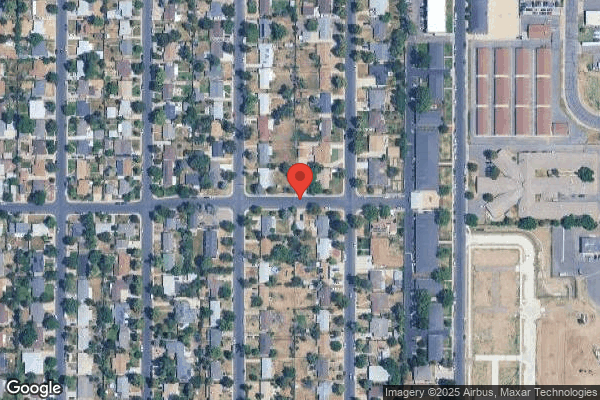
Dec 2022 1 deficiency
CONCERN (E) 📢 Someone Reported This

A family member, employee, or ombudsman was alarmed enough to file a formal complaint

Potential for Harm - no one hurt, but risky conditions existed

Menu Adequacy (Tag F0803)

Could have caused harm · This affected multiple residents

Based on observations, record review and staff interviews, the facility failed to ensure menus were followed and ensured resident preferences were followed. Specifically the facility failed to ensure:...

Read full inspector narrative →
Based on observations, record review and staff interviews, the facility failed to ensure menus were followed and ensured resident preferences were followed. Specifically the facility failed to ensure: -Menu items were omitted without substitutions being made; -Therapeutic diets were not followed based on the menu extensions; and, -Menu changes were not posted to inform residents of the changes. Findings include: I. Omitted food items Observations during the survey revealed concerns with menu items being omitted without substitutions. A. Food items were omitted from residents' meals during the survey. 1. Noon meal Main meal Regular, and mechanical soft diets The menu called for butter to be served with the meal for the dinner roll. The menu called for eight ounces of milk to be served. Observations of the 200 and 500 hallway room trays on 11/30/22 showed butter was not served with the meal, although they had been served a dinner roll. Residents were not offered milk and were not offered a substitution. 2. Noon meal Main meal Regular diet, mechanical soft and puree diet The menu called for a wheat dinner roll to be served with all meals. Observations of the tray line service in the kitchen showed, no dinner roll or bread substitution was served with any of the meals. B. Interviews The prep cook was interviewed on 12/1/22 at 12:00 p.m. The prep cook said that there was no bread to be served. She said she did not review the menu extensions to see what was to be served. The dietary manager (DM) was interviewed on 12/1/22 at 3:30 p.m. The DM said everything on the menu extensions needed to be served. He said the kitchen did not have any dinner rolls. He said he went to the vendor to check to see if any were available, however, they did not have any. He said he did not make any arrangements to make a substitution for the dinner roll. He did state the kitchen did have loaves of bread which could have been used. II. Not following the menu extensions A. Observations 1. Carbohydrate Control diet The menu called for two ounces of honey chicken to be served. Observations of the tray line on 12/1/22 at 12:00 p.m. showed a slotted spoon was used to serve the honey chicken pieces. The slotted spoon had no ounces, to determine how much of the chicken was served. The prep cook served the same amount of chicken to all of the meals. 2. Libral renal diet The menu called for rice/noodles to be served. Observations of the tray line on 12/1/22 at 12:00 p.m., revealed there were no noodles prepared for the renal diets. The three residents with a liberal renal diet were served mashed potatoes. B. Interview The prep cook was interviewed on 12/1/22 at 12:00 p.m. The prep cook said that she was unable to serve the chicken with a scoop, as it stuck together. She said all of the meal types were to receive the same amount. She was not sure what the ounces were that the residents were to receive. She said there was no difference for the carbohydrate diets versus regular diet. She said she gave one heaping serving of the honey chicken as she demonstrated. III. Posted menu On 11/29/22 at approximately 11:25 a.m. an observation conducted throughout the facility revealed there were no posted menus. IV. Substitutions A. Record review The menu read sweet potatoes were to be served. However, mashed potatoes were substituted for the mashed sweet potatoes for all meal types. The menu called for pineapple upside down cake for the pureed diet. The recipe provided instructions of how to prepare the pineapple upside down cake for a pureed diet. B. Observations The tray line on 12/1/22 at approximately 12:15 p.m. showed applesauce was served for the pureed diet rather than the pureed upside down cake. The tray line showed mashed potatoes were served rather than the sweet potatoes. C. Interviews The prep cook was interviewed on 12/1/22 at 12:00 p.m. The prep cook said the kitchen did not have sweet potatoes, so she substituted for mashed potatoes. She said she did not inform the residents of the change. She said the menu was provided to the resident the day prior. The prep cook was interviewed a second time on 12/1/22 at approximately 1:00 p.m. The prep cook said she substituted the applesauce for the pureed upside down cake for the pureed diet, as she had always been told to not puree pineapple. She said she did not get the substitution approved by the DM or registered dietitian. The DM was interviewed on 12/1/22 at 3:30 p.m. The DM said the sweet potatoes were not delivered. He said he learned at 10:00 a.m., and therefore the potatoes were substituted. He had not notified the residents of the change. He said he had not approved the applesauce being substituted for the pineapple upside down cake for the pureed diet. V. Resident interviews Resident #2 was interviewed on 11/30/22 at 10:42 a.m. She stated they passed out menus the day before the meals were served which included breakfast, lunch and dinner. She stated sometimes she did not get what she ordered. For example, she chose to get a hard fried egg for breakfast but they gave her a soft fried egg. She said she liked butter with all her meals, she requested it but they did not supply it. Resident #5 was interviewed on 11/30/22 at 11:03 a.m. The resident stated the choices for food were poor. They offered some choices like hamburgers and cheeseburgers but they were grisly. They only offered a few alternate food choices. She stated breakfast was the best since they cooked to order. She usually ordered raisin toast for breakfast but the kitchen would state they were out of it and did notoffer a substitute. She would also order cottage cheese but the majority of the time they were out of it when ordered. Resident #4, the resident council president, was interviewed on 12/1/22 at 10:32 a.m. The resident stated the food choices for the most part are okay but she got tired of it. She said she gets take-out at least two times a week. When she ordered food she usually got the choices that she asked for. She usually orders whatever was being served for that meal. She said she would not ask for a fried egg because she was afraid it would not be cooked the way she liked it. She said there was really nothing special to order here. Resident #2 was interviewed a second time on 12/1/22 at 1:32 p.m. The resident stated she did get what she ordered today. She ordered the sweet potatoes but she received mashed potatoes. She stated when the facility changed the menu they did not inform her and they did not post the menus. Resident #4 was interviewed a second time on 12/1/22 at 1:43 p.m. The resident stated if the menu changes the facility did not let the residents know. The facility did not post the menu, which they used to do. She got the menu the day before and she ordered what she wanted from it. She stated she had chicken for lunch but she did not like it because it was too spicy and got mashed potatoes instead of sweet potatoes. VI. Resident council minutes The summit rehabilitation resident council minutes of September 2022 revealed resident complaints. The complaint indicated the residents would ask for certain foods or condiments and were told these items were not available. The summit rehabilitation resident council minutes of October 2022 revealed follow-up to grievances identified in September 2022. Documentation revealed that condiment trays were added to food carts which include a variety of condiments. Documentation indicated grievance was resolved. -However, the grievance of the availability of certain foods was not addressed.
May 2022 1 deficiency
CONCERN (F)

Potential for Harm - no one hurt, but risky conditions existed

Food Safety (Tag F0812)

Could have caused harm · This affected most or all residents

Based on observations, interviews, document review, and policy review, the facility failed to ensure one of one facility kitchen was maintained in accordance with professional food service/safety stan...

Read full inspector narrative →
Based on observations, interviews, document review, and policy review, the facility failed to ensure one of one facility kitchen was maintained in accordance with professional food service/safety standards. This deficient practice had the potential to affect all 93 residents residing in the facility. Specifically, the facility failed to ensure dietary staff: - regularly cleaned soiled areas in the kitchen; - dated and discarded perishable food appropriately; - regularly measured and recorded food temperatures; and - maintained freezer temperatures at or below zero degrees Fahrenheit (F). Findings include: Review of the facility policy titled, Subject: Food Wholesomeness, dated as reviewed March 2021, revealed, Kitchen and serving areas are clean at all times. A cleaning schedule is followed and initialed when tasks are one. Food temperatures are taken for serving at every meal and at the point when a resident is served a meal on a regular basis. Rules and Regulations for Retail Food Service Establishments are used as a reference for food service operations. 3. Cold foods are kept between 34-41 degrees [F] prior to serving and frozen foods are kept at 0 [zero] degrees or below. 4. Hot foods are cooked to above 165 degrees or per USDA [United States Department of Agriculture] Food Code and held at least 140 degrees until service. 8. Foods not in original containers are labeled and dated with opening and suggested to have a use by date. 10. Food temperatures are recorded, and records maintained for three months. 16. A regular cleaning schedule is maintained and initialed when used. Food service management checks the schedule on a regular basis. 18. Accountable cleaning schedules are in place. Observations and interview with the Dietary Manager (DM) during a tour of the kitchen on 05/02/2022 at 9:16 AM revealed the following: - The backsplash of the stove was blackened, and the cook top was greasy and had a large amount of food debris on it. Lifting the stove grates revealed a large amount of grease and food debris. The grease trap appeared almost full and contained a large amount of food debris. The Dietary Manager (DM) stated the stove was a hot mess. She indicated the substance on the backsplash was caked-on grease and stated the stove had not been broken down and cleaned in about two to three months. - There were spots of brown and black on the wall tiles throughout the kitchen. The DM stated they did not have a cleaning schedule for the kitchen and that all the dietary staff just pitched in and cleaned as needed. - The walk-in cooler contained several slices of ham wrapped in plastic wrap, not dated; a plastic box containing a package of cheese slices (dated) along with undated sliced tomatoes; and a zip-lock-type bag containing three pieces of raw chicken (not dated). The DM stated the food should have been dated and discarded after three days. - The freezer temperature was observed to be 10 degrees F. A review of the walk-in cooler and freezer temperature logs revealed many missing dates. A review of the Walk-In Refrigerator, Walk-In Freezer logs revealed three areas for staff to fill in temperatures, three times per day (morning, midday and evening). The logs for seven days (03/03/2022 and 04/23/2022 through 04/28/2022) were reviewed. There was a total of ten entries that indicated freezer temperatures above zero degrees. The DM stated the temperatures had not been checked consistently. A review was conducted of the food temperature logs (used to record the temperature of food that was prepared and awaiting meal service) dated from 01/01/2022 through 05/01/2022. There were 105 days with missing food temperatures. There were 303 meals that were not recorded on the log. During an interview on 05/03/2022 at 08:22 AM, the DM stated the food temperature logs had not been completed timely, and although the temperatures were always taken, they were not always documented; it was sporadic. During an interview on 05/03/2022 at 8:26 AM, [NAME] #5 stated he checked the food temperatures every day but did not record them last week. During an interview on 05/04/2022 at 8:31 AM, the Registered Dietitian (RD) stated staff tried to do daily cleaning and that she believed there was a cleaning schedule. The RD stated she checked the food temperature logs weekly and had not noticed a problem with the logs. The RD stated she had noticed issues with the walk-in cooler and food storage and that she tried to educate the staff immediately but did not usually document the education. In discussing the observations of undated food in the walk-in she stated the ham, chicken, and sliced tomatoes should have been dated and her expectation was they would be dated and discarded after three days. During an interview on 05/03/22 at 1:23 PM, Dietary Aide (DA) #3 stated the cook checked the temperatures of the food. DA #3 stated she cleaned where needed, but there was not a cleaning schedule. DA #3 stated staff should never put anything in the cooler without dating it and that food should be discarded within three to four days after opening. During an interview on 05/03/22 at 1:28 PM, DA #4, the cook, stated he checked food temperatures and documented it when there was a log available, but there had not been any place to document the temperatures at times. DA #4 stated the cook should clean the grill and stove top. He stated this was not scheduled but, if you used it, you should clean it. DA #4 stated there was not a cleaning schedule, and he thought management should train the staff on their duties. DA #4 stated the food should be cooled, wrapped, and dated and was good for three days. Regarding the undated bag of raw chicken in the walk-in cooler, DA #4 stated he believed the chicken was leftover from when he made barbecue chicken, which he thought was last Sunday. During a follow-up interview on 05/04/2022 at 11:05 AM, the RD stated she expected staff to check the food temperatures, but unfortunately, they had not been recording them and keeping track of them. The RD stated it was good to keep track of the temperatures due to the risk of food not being at the correct temperature, as this could present a risk of foodborne illness or affect palatability. For the walk-in cooler, the RD stated the chicken should have been dated and discarded after one to two days, and all food should be dated. The RD stated a freezer temperature of 10 degrees F was a potential problem. She stated if the temperature came up temporarily because of defrosting or deliveries, it should go back down, but it did not seem that it was being monitored. During an interview on 05/04/2022 at 11:23 AM, the Director of Nursing (DON) stated the expectation was the food temperatures should be logged because of the risk of foodborne illness from serving the wrong temperature food. During an interview on 05/04/2022 at 11:33 AM, the Administrator stated the expectation was the food temperature logs were completed and the cooking area to be clean. He further stated it was a safety or infection issue. During a follow-up interview on 05/04/2022 at 1:16 PM, the RD stated the facility followed the Federal Food Code in the kitchen.
Understanding Severity Codes (click to expand)
Life-Threatening (Immediate Jeopardy)
J - Isolated K - Pattern L - Widespread
Actual Harm
G - Isolated H - Pattern I - Widespread
Potential for Harm
D - Isolated E - Pattern F - Widespread
No Harm (Minor)
A - Isolated B - Pattern C - Widespread

Questions to Ask on Your Visit

  • "Can I speak with families of current residents?"
  • "What's your RN coverage like on weekends and overnight?"

Our Honest Assessment

Strengths
  • • No fines on record. Clean compliance history, better than most Colorado facilities.
Concerns
  • • 23 deficiencies on record, including 1 serious (caused harm) violation. Ask about corrective actions taken.
Bottom line: Mixed indicators with Trust Score of 65/100. Visit in person and ask pointed questions.

About This Facility

What is Highland Park Rehabilitation &'s CMS Rating?

CMS assigns HIGHLAND PARK REHABILITATION & CARE CENTER an overall rating of 4 out of 5 stars, which is considered above average nationally. Within Colorado, this rating places the facility higher than 99% of the state's 100 nursing homes. This rating reflects solid performance across the metrics CMS uses to evaluate nursing home quality.

How is Highland Park Rehabilitation & Staffed?

CMS rates HIGHLAND PARK REHABILITATION & CARE CENTER's staffing level at 2 out of 5 stars, which is below average compared to other nursing homes. Staff turnover is 47%, compared to the Colorado average of 46%. RN turnover specifically is 82%, which is notably high. RNs provide skilled clinical oversight, so turnover in this role can affect medical care quality.

What Have Inspectors Found at Highland Park Rehabilitation &?

State health inspectors documented 23 deficiencies at HIGHLAND PARK REHABILITATION & CARE CENTER during 2022 to 2025. These included: 1 that caused actual resident harm, 21 with potential for harm, and 1 minor or isolated issues. Deficiencies causing actual harm indicate documented cases where residents experienced negative health consequences.

Who Owns and Operates Highland Park Rehabilitation &?

HIGHLAND PARK REHABILITATION & CARE CENTER is owned by a for-profit company. For-profit facilities operate as businesses with obligations to shareholders or private owners. The facility is operated by SWEETWATER CARE, a chain that manages multiple nursing homes. With 110 certified beds and approximately 104 residents (about 95% occupancy), it is a mid-sized facility located in AURORA, Colorado.

How Does Highland Park Rehabilitation & Compare to Other Colorado Nursing Homes?

Compared to the 100 nursing homes in Colorado, HIGHLAND PARK REHABILITATION & CARE CENTER's overall rating (4 stars) is above the state average of 3.1, staff turnover (47%) is near the state average of 46%, and health inspection rating (3 stars) is at the national benchmark.

What Should Families Ask When Visiting Highland Park Rehabilitation &?

Based on this facility's data, families visiting should ask: "Can you walk me through typical staffing levels on day, evening, and night shifts?" "Can I visit during a mealtime to observe dining assistance and food quality?" "How do you handle medical emergencies, and what is your hospital transfer rate?" "Can I speak with family members of current residents about their experience?" These questions are particularly relevant given the below-average staffing rating.

Is Highland Park Rehabilitation & Safe?

Based on CMS inspection data, HIGHLAND PARK REHABILITATION & CARE CENTER has a clean safety record: no substantiated abuse findings (meaning no confirmed cases of resident harm), no Immediate Jeopardy citations (the most serious violation level indicating risk of serious injury or death), and is not on the Special Focus Facility watch list (a federal program monitoring the lowest-performing 1% of nursing homes). The facility has a 4-star overall rating and ranks #1 of 100 nursing homes in Colorado. While no facility is perfect, families should still ask about staff-to-resident ratios and recent inspection results during their visit.

Do Nurses at Highland Park Rehabilitation & Stick Around?

HIGHLAND PARK REHABILITATION & CARE CENTER has a staff turnover rate of 47%, which is about average for Colorado nursing homes (state average: 46%). Moderate turnover is common in nursing homes, but families should still ask about staff tenure and how the facility maintains care continuity when employees leave.

Was Highland Park Rehabilitation & Ever Fined?

HIGHLAND PARK REHABILITATION & CARE CENTER has no federal fines on record. CMS issues fines when nursing homes fail to meet care standards or don't correct problems found during inspections. The absence of fines suggests the facility has either maintained compliance or corrected any issues before penalties were assessed. This is a positive indicator, though families should still review recent inspection reports for the full picture.

Is Highland Park Rehabilitation & on Any Federal Watch List?

HIGHLAND PARK REHABILITATION & CARE CENTER is not on any federal watch list. The most significant is the Special Focus Facility (SFF) program, which identifies the bottom 1% of nursing homes nationally based on persistent, serious quality problems. Not being on this list means the facility has avoided the pattern of deficiencies that triggers enhanced federal oversight. This is a positive indicator, though families should still review the facility's inspection history directly.