LIFE CARE CENTER OF AURORA
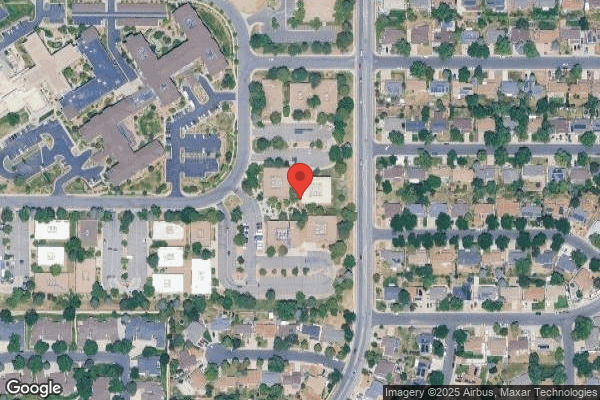
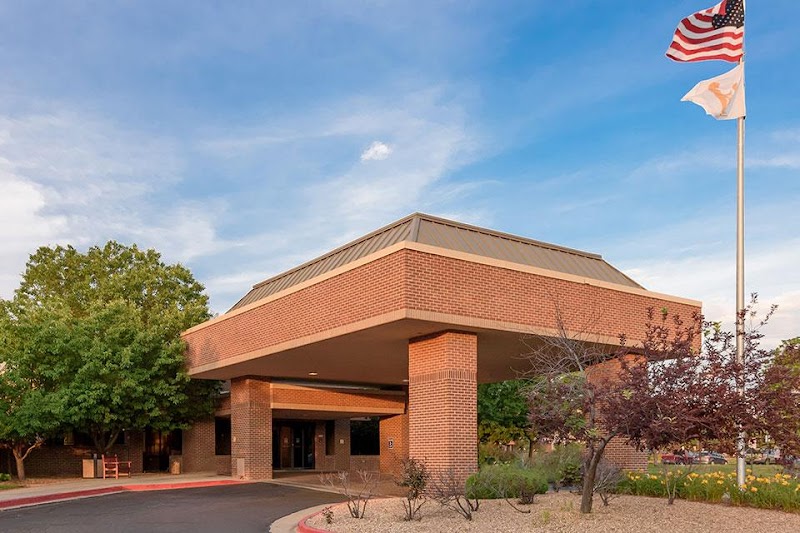
14101 E EVANS AVE, AURORA, CO 80014 (303) 751-2000
For profit - Limited Liability company 166 Beds LIFE CARE CENTERS OF AMERICA Data: November 2025
Trust Grade
58/100
#71 of 208 in CO
Last Inspection: February 2024

Within standard 12-15 month inspection cycle. Federal law requires annual inspections.

Overview

Life Care Center of Aurora has a Trust Grade of C, which means it is average and falls in the middle of the pack compared to other facilities. It ranks #71 out of 208 facilities in Colorado, placing it in the top half, and #10 out of 20 in Arapahoe County, indicating that only a few local options are better. However, the facility is worsening, with the number of issues increasing from 3 in 2023 to 10 in 2024. Staffing is relatively strong, rated at 4 out of 5 stars, with a turnover rate of 29%, which is well below the Colorado average of 49%. Despite this, the facility has incurred $41,412 in fines, which is average but suggests ongoing compliance concerns. Specific incidents noted include a resident who suffered a serious fall due to improper bed safety measures and another resident who was improperly transferred without the required assistance, resulting in injury. Additionally, there were concerns about staff not wearing proper protective equipment while handling soiled linens, which poses a risk of infection. Overall, while the staffing appears strong and the facility has good quality measures, the increasing number of serious incidents is a significant weakness that families should consider.

Trust Score
C
58/100
In Colorado
#71/208
Top 34%
Safety Record
Moderate
Needs review
Inspections
Getting Worse
3 → 10 violations
Staff Stability
✓ Good
29% annual turnover. Excellent stability, 19 points below Colorado's 48% average. Staff who stay learn residents' needs.
Penalties
○ Average
$41,412 in fines. Higher than 65% of Colorado facilities. Some compliance issues.
Skilled Nurses
✓ Good
Each resident gets 52 minutes of Registered Nurse (RN) attention daily — more than average for Colorado. RNs are trained to catch health problems early.
Violations
⚠ Watch
28 deficiencies on record. Higher than average. Multiple issues found across inspections.
★★★★☆
4.0
Overall Rating
★★★★☆
4.0
Staff Levels
★★★★★
5.0
Care Quality
★★★☆☆
3.0
Inspection Score
Stable
2023: 3 issues
2024: 10 issues

The Good

  • 4-Star Staffing Rating · Above-average nurse staffing levels
  • 5-Star Quality Measures · Strong clinical quality outcomes
  • Low Staff Turnover (29%) · Staff stability means consistent care
  • Full Sprinkler Coverage · Fire safety systems throughout facility
  • No fines on record
  • Staff turnover is low (29%)

    19 points below Colorado average of 48%

Facility shows strength in staffing levels, quality measures, staff retention, fire safety.

The Bad

Federal Fines: $41,412

Above median ($33,413)

Moderate penalties - review what triggered them

Chain: LIFE CARE CENTERS OF AMERICA

Part of a multi-facility chain

Ask about local staffing decisions and management

The Ugly 28 deficiencies on record

2 actual harm
Feb 2024 10 deficiencies 1 Harm
SERIOUS (G)

Actual Harm - a resident was hurt due to facility failures

Accident Prevention (Tag F0689)

A resident was harmed · This affected 1 resident

**NOTE- TERMS IN BRACKETS HAVE BEEN EDITED TO PROTECT CONFIDENTIALITY** Based on record review and interviews, the facility failed to ensure the residents' environment remained as free from accident h...

Read full inspector narrative →
**NOTE- TERMS IN BRACKETS HAVE BEEN EDITED TO PROTECT CONFIDENTIALITY** Based on record review and interviews, the facility failed to ensure the residents' environment remained as free from accident hazards as possible and prevent falls with major injury for two (#46 and #76) of four residents reviewed for falls out of 53 sample residents. Resident #46, who had a known history of falls, had a diagnosis of obesity which required the use of a bariatric (to support substantial weight) bed with extensions to enable the bed frame to be made larger. On 1/29/24, the resident sustained a witnessed fall from her bed when she was being rolled on her side with the assistance of staff during a bed bath. Resident #46 was sent to the hospital for evaluation of left knee pain following the fall where she was discovered to have a fracture of her left femur (thigh bone), which was surgically repaired on 1/30/24. The resident returned to the facility on 2/1/24 and was placed in the same bed she fell from on 1/29/24. The facility did not inspect the bed to ensure the extensions were pulled out appropriately and the mattress fit correctly prior to placing the resident back in the bed. On 2/5/24 (4 days after Resident #46's readmission to the facility), a rental supply company came to the facility to install bed canes (a device which can be utilized to assist a person to reposition themselves in bed). The rental supply company's personnel discovered the extensions on Resident #46's bed had not been pulled out prior to the resident's fall from the bed and the facility had failed to pull the extensions out prior to the resident's readmission to the facility. Additionally, Resident #76, who had diagnoses of muscle weakness and unsteadiness on her feet, was admitted to the facility on [DATE]. The resident had a history of falls with injuries in the 12 months prior to her admission to the facility. She required partial assistance with her toileting, bathing and moving from a sitting position to a standing position. The facility failed to implement appropriate person-centered fall interventions for the resident upon her admission to the facility. On 10/20/23, Resident #76 sustained a fall after tripping while she was attempting to get clothes from her closet. The resident complained of pain in her right wrist and x-rays were obtained which revealed she sustained a fracture to her right pinky finger and right thumb. The facility put an intervention in place to educate the resident to remember to turn on the overhead light before moving around in her room, however, the resident sustained five more falls following the 10/20/23 fall. The facility failed to put new and effective interventions into place after each fall to prevent the resident from sustaining further falls. Due to the facility's failure to properly evaluate Resident #46's bed frame and mattress for appropriate functionality and fit and the failure to implement timely and effective person-centered fall interventions for Resident #76, both residents sustained falls with major injury and experienced pain. I. Findings include A. Policy and procedure The Fall Management policy and procedure, reviewed 11/30/22, was provided by the nursing home administrator (NHA) on 2/26/24 at 2:19 p.m. It read in pertinent part: To promote patient safety and reduce patient falls by proactively identifying, care planning and monitoring of patients' fall indications. The facility must ensure the resident environment remains as free of accident hazards as is possible and each resident receives adequate supervision and assistance devices to prevent accidents. Residents will be assessed for fall indications upon admission, readmission, quarterly, change in condition, and with any fall utilizing the Fall Risk Assessment. II. Resident #46 A. Resident status Resident #46, age [AGE], was admitted on [DATE] and readmitted on [DATE]. According to the February 2024 computerized physician orders (CPO), diagnoses include chronic respiratory failure, insomnia, chronic pain, bed confinement, colostomy, low back pain, muscle weakness, lack of coordination, history of falling and body mass index of 45.0 to 49.9 (obesity). The 2/2/24 minimum data set (MDS) assessment revealed the resident had normal cognition with a brief interview for mental status (BIMS) score of 15 out of 15. The resident required two person assistance with dressing, toileting, bathing/showering, bed mobility and use of a mechanical lift with two staff members for transfers. The resident required one person assistance with personal hygiene and was independent for eating. B. Resident interview Resident #46 was interviewed on 2/21/24 at 11:26 a.m. The resident said she had fallen out of bed on 1/29/24. The resident said the problem was the bed. She said she felt as if she were sliding out of the bed when being turned onto her side. She said the staff had not pulled the slide outs/extensions out so the mattress fit correctly. She said she had been in the center of the bed, had started slipping and was unable to catch herself before falling to the floor. She said when she returned from the hospital the bed rental company personnel came to install bed canes and discovered the extensions had not been pulled out. C. Record review A nursing note dated 1/29/2024 at 6:51 p.m. documented a witnessed fall. A certified nurses aide (CNA) had yelled for help due to a resident falling from her bed while receiving a bed bath. Upon entering the room the resident was found on the left side of the bed on the ground. The resident was screaming in pain. The resident had swelling and a scrape on her left knee and was not able to move it. The resident was sent to the hospital for evaluation of her left knee. An emergency department (ED) note, dated 1/29/24, documented the resident fell out of bed during a bed bath landing on her left knee which was bruised with joint effusion (swelling). A diagnostic radiology (x-ray) note, dated 1/29/24, documented Resident #46 sustained a comminuted (broken in three or more places) mildly displaced and impacted (a break where the ends are driven into each other) distal (near the knee) femoral fracture. The operative report, dated 1/30/24, documented the operation/procedure of an open reduction (repositioning of pieces of fractured bone) and nailing of the femur fracture. A [NAME] 13 by 1340 millimeter (mm) nail locked the knee with three advanced locking screws and locked proximally (nearer the body) with one screw. Hospital discharge documentation, dated 2/1/24, documented the resident was discharged back to the facility. A facility readmission note, dated 2/1/24, at 3:35 p.m. documented the resident returned to the facility by stretcher. A bed rental company report, dated 2/5/24, documented the service to Resident #46's bed for placement of assist bars (bed canes). D. Staff interviews Licenced practice nurse (LPN) #2 was interviewed on 2/26/24 at 1:21 p.m. LPN #2 said the staff should check the bed before residents were admitted to ensure the bed was working properly and the mattress fit correctly. LPN #1 was interviewed on 2/26/24 at 2:06 p.m. LPN #1 said the bariatric (large size) beds, which was the type of bed Resident #46 used, had extensions to make the bed frame larger. She said the bariatric beds with the extensions were delivered to the residents' rooms from the facility's central supply (CS). She said CS personnel were supposed to check the bed to ensure the bed was working properly and the extensions were pulled out to accommodate the mattress. She said the mattress should fit inside the bed frame. LPN #1 said the extensions could be adjusted while the resident was in the bed, however, she said it was better to adjust them before the resident got into the bed. She said if a resident felt something was wrong with the bed, nursing staff should call maintenance to check the bed. The central supply director (CSD) was interviewed on 2/26/24 at 3:03 p.m. The CSD said Resident #46's bed had not been checked due to the resident being readmitted on [DATE] to the facility after she had left work for the day. She said the nursing staff should check the frame if the CSD was not available. She said the bed rental personnel had reported the extension bars were not all the way out on one side on 2/5/24 when they came to install the bed canes. The CSD said the extensions were not hard to pull out. She said the staff should report if the mattress was too small for the bed. She said there was no report of problems with the bed until the bed canes were put on by the service provider on 2/5/24. The director of nursing (DON) was interviewed on 2/27/24 at 11:33 a.m. The DON said if a resident was reporting a feeling of slipping in the bed it should be reported and the facility should look into the cause. He said the admissions staff and the CSD ensured the resident had the correct size bed. He said nursing staff was responsible for ensuring the extensions on the bed frame were pulled out and the mattress fit the bed appropriately. He said nurses should look at the frame. He said Resident #46 slipping from the bed could have been a bed frame problem.III. Resident #76 A. Resident Status Resident #76, age [AGE], was admitted on [DATE] and readmitted [DATE]. According to the February 2024 CPO, diagnoses included fracture of the sacrum, fracture of the left pubis (pelvis), multiple fractures of the ribs, history of falling, muscle weakness, unsteadiness on feet, fracture of the fifth metacarpal bone (pinky) and thumb on the right hand, depression, and anxiety. The 12/29/24 MDS assessment revealed, the resident had moderate cognitive impairment with a BIMS score of 11 out of 15. She had impairment to both sides of her lower extremities. She used a walker and wheelchair. She had falls prior to admission as well as falls in the facility. She had a fall with a fracture. She required partial assistance with toileting, bathing, and sitting to standing. B. Resident interview Resident #76 was interviewed on 2/21/24 at 11:15 a.m. She said she had many falls. She said she fell and broke her thumb and pinky when she tripped over the wheel on her wheelchair. She said she also slid off the mattress and asked staff for a different one. She said staff told her all the mattresses were the same. She said when she stood up, she had nothing to hold onto. She asked staff if she could have a side rail and was told facilities were not allowed to put side rails on a resident's bed. C. Record review A physician's order, dated 10/20/23, instructed staff to send the resident to the hospital for abnormal x-ray results. A physician's order, dated 10/27/23, documented a fractured right fifth digit (pinky finger). Put the fourth digit together with the fifth digit as a guardian, apply a long cast from the fifth digit to the forearm, secure with ace wrap from finger to forearm. Let the thumb, middle, and ring finger be free from the ace wrap. Leave in place at all times every shift for a right fifth digit fracture. A physician's order, dated 10/27/23, documented a right thumb fracture. Apply an aluminum cast, U shaped and secure with coban. Leave in place at all times for thumb fracture. The hospitalization care plan, initiated 10/16/23, revealed Resident #76 was at risk for rehospitalization due to a history of injurious falls in the past 12 months. The interventions included labs as ordered, provide medications as ordered, registered dietician to evaluate and staff to provide timely communication to the physician regarding any change in resident condition. The fall risk care plan, initiated on 9/30/23 and revised on 10/16/23 revealed Resident #76 had a history of falls with injuries. Interventions included: -Assess if the resident wanted her bed made frequently and place the bed against the wall, initiated 2/12/24; -Assess toileting needs frequently, initiated 1/2/24; -Assist with activities of daily living as needed, initiated 9/30/23; -Bathroom lights to remain on at all times and remind resident to turn overhead light on when walking around the room, initiated 10/20/23; -Keep call light, reacher, and frequently used items within reach, initiated 9/30/23; -Complete a fall risk assessment, initiated 9/30/23; -Provide appropriate footwear/non-skid socks when ambulating, initiated 1/19/24; and, -Physical therapy to evaluate and treat, initiated 1/19/24. Review of Resident #76's falls were reviewed from 10/20/23 to 2/9/24. 1. 10/20/23 fall An event progress note, dated 10/20/23 at 11:15 a.m., revealed Resident #76 was found lying on her right side next to her bed. Her call light was within reach but not activated. The room had poor lighting and the resident did not turn on the light. The resident stated she was trying to get clothes from her closet and tripped. The resident expressed pain to her right wrist and bruising was noted to the left wrist. The physician was notified and x-rays of both wrists were ordered. The intervention was to educate the resident to remember to turn the overhead light on before movement in the room. -There was no fall investigation provided for the 10/20/23 fall. 2. 11/17/23 fall A health status progress note, dated 11/17/23 at 7:45 p.m., revealed the registered nurse (RN) supervisor was called to the unit because Resident #76 was on the floor. She required maximum assistance of two staff members to be lifted off the floor. An abrasion was found to the resident's mid lower back. The fall investigation dated 11/17/23 revealed the resident was found sitting on the floor after losing her balance at bedside. The resident stated she was reaching for an item near her bedside night stand. The intervention was to place frequently used items in reach of the resident. 3. 12/1/23 fall A health status progress note, dated 12/1/23 at 7:08 p.m., revealed Resident #76 had a fall. She was found while eating her dinner. She was sitting in a chair. There was no complaint of pain. The fall investigation dated 12/1/23 revealed the resident's roommate was able to activate the call light and call the nurses station from her cell phone. Resident #76 said she was seated in front of her bedside table and stood up to retrieve her purse. She said she felt she might fall and backed up to her bed. The resident assisted herself up from the floor. She had no injuries. -The intervention was to continue to remind the resident to use her call light to get items at a distance, which was the same intervention implemented for the fall on 11/17/23. -There were no new fall interventions put into place. 4. 12/22/23 fall An event progress note, dated 12/22/23 at 1:14 p.m,. revealed Resident #76 was found on the floor next to her bed in a sitting position. The resident stated she had tried to reach for her grabber and slid off the bed. The fall investigation dated 12/22/23 revealed the resident had no injuries. The intervention was to make sure her grabber and belongings were within reach. All the staff were aware to check the resident regularly. The resident was reminded to use her call light. -Despite the fall investigation documenting that all staff were aware to check the resident regularly, frequent checks were not implemented as a fall intervention on the resident's care plan. 5. 1/2/24 fall An event progress note, dated 1/2/24 at 12:33 a.m., revealed Resident #76 was found on the floor by a certified nurse aide (CNA). The resident was lying prone (face down) between the bathroom and the foot of her bed. She had pillows beneath her face. The call light was not activated. The resident's walker was approximately one foot away from her. The bed was soaked with urine. She had a small scratch to her left knee and complained of pain to her left leg and buttocks. The resident stated she exited the bathroom and her weakened hands led to a fall. She was assisted back to bed by three staff members. The fall investigation dated 1/2/24 revealed the resident fell after exiting the bathroom. The intervention was to assess the residents' toileting needs frequently. -The intervention did not document how frequently the resident should be offered toileting. 6. 2/9/24 fall An event progress note, dated 2/9/24 at 8:50 p.m., revealed Resident #76 was found on the floor at her bedside. She acknowledged she fell while trying to reach the call button as she was making her bed. There were no injuries noted. The fall investigation dated 2/9/24 revealed the resident was found on the floor and initially denied falling. The intervention was to have staff offer to make her bed when it was untidy or upon the resident's request. She was currently working with therapy to improve strength. D. Staff interviews CNA #1 was interviewed on 2/26/24 at 1:55 p.m. CNA #1 said Resident #76 was a stand by assist (SBA) for transfers and ambulation. She said the resident used her call light when she needed help. She said she did not know what interventions were put into place to help her from falling. LPN #2 was interviewed on 2/26/24 at 2:07 p.m. LPN #2 said she had worked with Resident #76 a couple weeks ago but was not told what fall interventions were put into place. She said if a resident had a fall, a new intervention should be put into place for each fall. The DON was interviewed on 2/26/24 at 2:29 p.m. The DON said Resident #76 liked to be independent. He said interventions that had been put into place were making sure the bathroom light was on, making her bed regularly, and making sure her grabber was in reach. He said he had thought about placing a bed cane on her bed but was afraid she would hit her head. He said he had not thought about placing a transfer pole at her bedside.
CONCERN (D)

Potential for Harm - no one hurt, but risky conditions existed

Deficiency F0554 (Tag F0554)

Could have caused harm · This affected 1 resident

**NOTE- TERMS IN BRACKETS HAVE BEEN EDITED TO PROTECT CONFIDENTIALITY** Based on observation, record review and interviews, the facility failed to ensure the self-administration of medications was cli...

Read full inspector narrative →
**NOTE- TERMS IN BRACKETS HAVE BEEN EDITED TO PROTECT CONFIDENTIALITY** Based on observation, record review and interviews, the facility failed to ensure the self-administration of medications was clinically appropriate for one (#40) resident out of 53 sample residents. Specifically, the facility failed to: -Ensure Resident #40 was assessed for the appropriateness and safety of self-administration of topical medications; and, -Ensure there was a physician order for self-administration of topical medications. Findings include: I. Professional reference According to the Vicks Vaporub drug fact, retrieved on 2/26/24 from: https://assets.ctfassets.net/nvoox4konz4a/2UQyJBdjHzFWUzLsLPELjn/efb8f4729c2477450e30c1defa14e144/VapoRub-Topical-Ointment-Drug-Facts.pdf, Do not use by mouth, in nostrils, on wounds or damaged skin. II. Facility policy and procedure: The Self Administration of Medication policy and procedure, revised on 11/28/16, was received from the NHA on 2/27/24 at 11:26 a.m. It revealed in pertinent part, The facility, in conjunction with the interdisciplinary care team, should assess and determine, with respect to each resident, whether self-administration of medication was safe and clinically appropriate, based on residents functionality and health condition. To ensure safe and appropriate self-administration, the facility should educate resident to ensure that the resident was able to: state name, dose, strength, frequency, and purpose of his/her medications; understand the possible side effects of his/her medications and that he/she should notify facility staff if he/she experiences any such side effects; correctly administer, inject or apply his/her medications; correctly store his/her medications in a locked compartment. The facility should document in the residents care plan whether the resident or facility staff were responsible for storage of the residents medications. If the resident was responsible for the storage of his/her medications, the facility should provide a secured compartment for storage of such medications. The medication storage compartments should be located in the residents room so that another resident was not able to access the medications. The storage compartment should be locked when not in use. The facility staff should document the self administration of medications on the resident's medication administration record (MAR) according to the medication administration schedule. III. Resident #40 A. Resident status Resident #40, older than 65, admitted on [DATE]. According to the February 2024 CPO, diagnoses included multiple sclerosis (disease affecting the central nervous system), peripheral vascular disease (disease affecting circulation of the lower body), dependent on oxygen, hypertension (high blood pressure) and dysphagia (difficult swallowing). The 2/7/24 MDS assessment revealed the resident was cognitively intact with a brief interview for mental status score of 13 out of 15. She required two person assistance with bed mobility, transfer, dressing and needed set up assistance for personal hygiene and eating. B. Observations and resident interview On 2/21/24 at 10:13 a.m. a container of Vicks Vaporub, a box of Icy Hot lidocaine 4% patches with one patch in the box were on the residents night stand and one bottle of saline nasal spray was on the resident's bedside table Resident #40 said she used the saline nasal spray for her dry nose because she wore oxygen and it dried it out. Resident #40 did not know how many times a day she could use the saline nasal spray. Resident #40 said the Icy Hot patches help her with shoulder or neck pain but had not used them in a while. Resident #40 said she applied the Vicks Vaporub to her dry cracked lips at least twice a day but sometimes more than that. On 2/26/23 at 12:09 p.m. a saline nasal spray, container of Vicks Vaporub and Icy Hot lidocaine patches were in Resident #40's room. C. Record review Review of February 2024 revealed an order for: -Lidocaine external patch 4% to be applied to the right shoulder topically every 12 hours as needed. -There were no orders for saline nasal spray or the Vicks Vaporub. -Review of the Resident #40's care plan did not identify the resident ability to self administer medications. -Resident #40 was not assessed to self administer medications. IV. Staff interviews LPN #1 was interviewed on 2/26/24 at 12:12 p.m. She said residents were not to have medications in their rooms. LPN #1 said if a resident wanted to self administer medications they need to have an order from the physician, ensure the pharmacy knows about the medications to ensure no drug-to-drug interactions and the resident ability to self administer the medications hdto be evaluated. LPN #1 reviewed Resident #40's CPO and identified there was only an order for the lidocaine patches and it did not indicate Resident #40 was able to self administer. LPN #1 said there was no order for the Vicks Vaporub or the saline nasal spray. LPN #1 reviewed assessments for Resident #40 and there was no assessment for self administration of medications completed. LPN #1 was unaware of the hazards of using vicks vaporub and oxygen. LPN #1 was interviewed again at 1:59 p.m. She said she went into Resident #40's room and located the three medications. LPN #1 said Resident #40 told her she used the nasal spray for dry nose from oxygen use and she kept it on her bedside table for easy access. LPN #1 reported Resident #40 threw the box of lidocaine patches in the trash can as she had not used them in a long time after she was questioned about them. LPN #1 said she tried to educate Resident #40 about cracked lips was a sign of dehydration and should drink more fluids instead of using the vicks vaporub on her lips. LPN #1 said Resident #40 refused to give up her medications and she would contact the physician for orders and complete an assessment for self administration of medications for Resident #40. The DON was interviewed on 2/26/24 at 2:51 p.m. He said there were to be no medications in a resident room unless they have been assessed for self administration and the physician has approved self administration. The DON was unaware of the risks of using Vicks Vaporub and oxygen. The NHA was interviewed on 2/26/24 at 2:54 p.m. She said Vicks Vaporub should not be used when oxygen was in use due to risks of injury. The DON was interviewed on 2/27/24 at 10:41 a.m. He said Resident #40 had been assessed for self administration of the Vicks Vaporub and saline nasal spray and the physician approved the medications for use. The DON said he spoke with Resident #40 in the morning to educate on the medications and risks. Resident #40 wished to continue use of the vicks despite her use for oxygen. The DON said it would be the responsibility of nursing staff to monitor for the storage of medication in resident rooms but should be kept in a secure place like a drawer to prevent other residents from having access to them.
CONCERN (D)

Potential for Harm - no one hurt, but risky conditions existed

ADL Care (Tag F0677)

Could have caused harm · This affected 1 resident

**NOTE- TERMS IN BRACKETS HAVE BEEN EDITED TO PROTECT CONFIDENTIALITY** Based on observations, record review and interviews, the facility failed to ensure residents who were unable to carry out activi...

Read full inspector narrative →
**NOTE- TERMS IN BRACKETS HAVE BEEN EDITED TO PROTECT CONFIDENTIALITY** Based on observations, record review and interviews, the facility failed to ensure residents who were unable to carry out activities of daily living received the necessary services to maintain good grooming and personal hygiene for one (#33) of five residents reviewed out of 53 sample residents. Specifically, the facility failed to ensure Resident #33 received her scheduled showers, who was dependent on staff for bathing. Findings include: I. Facility policy The Activities of Daily Living (ADL) policy, revised 8/23/23, was provided by the nursing home administrator (NHA) on 2/26/24 at 2:19 p.m. It read in pertinent part: The resident will receive assistance with ADLs (bathing, dressing, grooming, and oral care). II. Resident #33 A. Resident status Resident #33, age below 65, was admitted on [DATE] and readmitted on [DATE]. According to the February 2024 computerized physician orders (CPO), diagnoses included multiple sclerosis, muscle weakness, abnormalities of the gait and mobility, dependence on a wheelchair, contracture of the right hand, major depressive disorder and a history of falling. The 2/2/24 minimum data set (MDS) assessment revealed the resident was cognitively intact with a brief interview for mental status score (BIMS) of 15 out of 15. She was dependent on staff for toileting and bathing. B. Resident interview Resident #33 was interviewed on 2/21/24 at 11:27 a.m. She said she usually did not receive her shower on Sundays. She said the previous Sunday she did not get her shower because the facility was short staffed. She said she finally received a shower the following Tuesday because she had vomited all over herself. C. Record review Review of the January and February shower logs revealed she received only 11 showers and refused one time out of 16 opportunities. -The missing showers were on a Sunday. The ADL care plan, revised on 7/18/22, revealed Resident #33 had a self care performance deficit related to her disease process of multiple sclerosis. Interventions included the resident required assistance by two staff members with bathing/showering twice weekly and as necessary. -Review of the medical record failed to show the resident received her two showers a week according to her care plan. III. Staff interviews Certified nurse aide (CNA) #1 was interviewed on 2/26/24 at 1:57 p.m. She said the CNA was responsible for giving the residents their showers. She said if staff did not have time to complete the scheduled shower, they would be offered a bed bath or wait until their next scheduled shower. She said showers should be given on the scheduled days to keep the resident clean and odor free. Licensed practical nurse (LPN) #2 was interviewed on 2/26/24 at 2:06 p.m. She said the CNA was responsible for completing scheduled showers. She said the shower was then logged into the medical record. She said if the shower was missed, staff needed to document why it was missed. She said showers should be given on the scheduled days for skin integrity and to keep the resident free from infections. The assistant director of nursing (ADON) was interviewed on 2/26/24 at 2:24 p.m. She said showers should be given on their scheduled days and as needed. She said it was very important for skin integrity and infections. The director of nursing (DON) was interviewed on 2/26/24 at 2:27 p.m. He said management conducted weekly audits and the results were discussed weekly on Thursdays. He said he did not know why Resident #33 had missing showers. He said showers should be given on the scheduled days and as needed for skin integrity.
CONCERN (D)

Potential for Harm - no one hurt, but risky conditions existed

Deficiency F0685 (Tag F0685)

Could have caused harm · This affected 1 resident

**NOTE- TERMS IN BRACKETS HAVE BEEN EDITED TO PROTECT CONFIDENTIALITY** Based on observations, interviews and record review, the facility failed to assist residents with making appointments and arrang...

Read full inspector narrative →
**NOTE- TERMS IN BRACKETS HAVE BEEN EDITED TO PROTECT CONFIDENTIALITY** Based on observations, interviews and record review, the facility failed to assist residents with making appointments and arranging transportation for one (#89) of three residents reviewed for vision/ancillary services out of 53 sample residents. Specifically, the facility failed to offer and make an appointment for optometry services for resident #89. Findings include: I. Facility policy The Podiatry policy and procedure, revised 9/8/23, was provided by the nursing home administrator (NHA) on 2/27/24 at 11:26 a.m. It revealed in pertinent part, The facility will ensure residents receive proper treatment and assistive devices to maintain vision abilities. II. Resident status Resident #89, age greater than 65, was admitted on [DATE]. According to the February 2024 computerized physician orders (CPO), diagnoses included non-pressure chronic ulcer of the left calf with unspecified severity, history of falling and adult failure to thrive. The 12/21/23 minimum data set (MDS) assessment revealed the resident was cognitively intact with a brief interview for mental status (BIMS) score of 15 out of 15. She was independent with eating. She required setup help with oral hygiene, and partial/moderate assistance with toileting. She required substantial/maximal assistance with showers. The 11/29/23 MDS assessment revealed the resident had impaired vision but did not wear any corrective lenses. III. Resident observation and interview Resident #89 was interviewed on 2/22/24 at 8:50 a.m. The resident was not wearing glasses at the time of the interview. Resident #89 said she had a hard time seeing.She said she could barely read anything on the television and she was unable to read any documents. She said she typically wore glasses, however, she said she did not have any. She said she had contacts with her but they were dried out and the prescription on them needed to be updated. Resident #89 said she had told nursing staff she needed to see the eye doctor a few months ago but no one had followed up with her about an appointment. She said her vision had gotten worse since she was admitted and she would love to see the eye doctor and get a new prescription or updated glasses in order to see again. IV. Record review The February 2024 CPO revealed the following physician's order: Resident may have dental, podiatry, audiology and optometry care as needed. Ordered 11/28/23 The nursing progress note dated 11/28/23 at 3:45 p.m. documented in pertinent part, The resident's vision was impaired for regular print. She can see large print without glasses. She does not have her contacts with her, they are at home. Said she needs to see her eye doctor for a new eye exam. Review of Resident #89's care plan, revised 12/11/23, revealed the resident had impaired visual function related to the aging process. Interventions included: arrange consultation with eye care practitioner as required, observe and report as needed any signs and symptoms of acute eye problems: change in ability to perform activities of daily living (ADL), decline in mobility, sudden visual loss, pupils dilated, gray or milky, complaints of halos around lights, double vision, tunnel vision, blurred or hazy vision and tell the resident where you are placing their items and to be consistent. Review of Resident #89's electronic medical record (EMR) did not reveal the resident was offered or provided access to optometry services until 2/27/24 (during the survey). V. Staff interviews Registered nurse (RN) #1 was interviewed on 2/26/24 at 2:04 p.m. RN #1 said she was not aware that Resident #89 had any issues with her vision since she was new to the wing the resident resided on. She said if the resident complained of vision problems she would notify the social services director (SSD) so she could put the resident on the list to be seen by the eye doctor. The SSD was interviewed on 2/26/24 at 2:27 p.m. She said residents and/or the residents' responsible party should be offered ancillary services upon admission and every quarter during the care plan conference. She said it should be documented in the progress notes that ancillary services were offered. She said she was unable to find documentation to indicate Resident #89 and/or her representative were offered optometry services since the resident's admission on [DATE]. Certified nurse aide (CNA) #2 was interviewed on 2/27/24 at 9:58 a.m. CNA #2 said she was unsure if Resident #89 wore glasses or if she had impaired vision. She said if the resident complained to her about impaired vision she would let the nurse know. She said sometimes it was hard to remember to tell the nurse if she got busy and had to provide care to other residents. RN #2 was interviewed on 2/27/24 at 10:05 a.m. RN #2 said Resident #89 could see without any issues and she wore glasses sometimes. She said she had worked with the resident since her admission to the facility and it was never reported on the nursing report sheet that the resident had impaired vision. The director of nursing (DON) was interviewed on 2/27/24 at 10:46 a.m. The DON said if a resident experienced changes in their vision or had impaired vision the nursing staff should contact the physician for orders. He said nursing staff should notify the SSD in order to place the resident on the ancillary services list to ensure the resident was seen by the optometrist. The DON said he needed to provide an all staff education related to ancillary services. The nursing home administrator (NHA) was interviewed on 2/27/24 at 11:55 a.m. The NHA said the Resident #89 should have been offered all ancillary services which included vision. She said if the resident complained of any vision impairment, nursing care staff should have notified the SSD and the resident would have been placed on a list to be seen by the eye doctor in order to receive vision care.
CONCERN (D)

Potential for Harm - no one hurt, but risky conditions existed

Deficiency F0687 (Tag F0687)

Could have caused harm · This affected 1 resident

**NOTE- TERMS IN BRACKETS HAVE BEEN EDITED TO PROTECT CONFIDENTIALITY** Based on observations, record review and interviews the facility failed to ensure one (#89) of three residents reviewed for anci...

Read full inspector narrative →
**NOTE- TERMS IN BRACKETS HAVE BEEN EDITED TO PROTECT CONFIDENTIALITY** Based on observations, record review and interviews the facility failed to ensure one (#89) of three residents reviewed for ancillary services, such as podiatry services, out of 53 sample residents received proper foot care and treatment according to standards of practice. Specifically, the facility failed to ensure podiatry care was provided timely and as requested by Resident #89. Findings include: I. Facility policy The Nail Care policy and procedure, revised 9/8/23 was provided by the nursing home administrator (NHA) on 2/27/24 at 11:26 a.m. It revealed in pertinent part The facility will provide foot care and treatment, in accordance with professional standards of practice, including to prevent complications from the resident's medical conditions and if necessary, assist the resident in making appointments with a qualified person, and arranging for transportation to and from such appointments. I. Resident status Resident #89, age greater than 65, was admitted on [DATE]. According to the February 2024 computerized physician orders (CPO), diagnoses included non-pressure chronic ulcer of the left calf with unspecified severity, history of falling and adult failure to thrive. According to the 12/21/23 minimum data set (MDS) assessment, the resident was cognitively intact with a brief interview for mental status (BIMS) score of 15 out of 15. She was independent with eating. She required setup help with oral hygiene, and partial/moderate assistance with toileting. She required substantial/maximal assistance with showers. II. Resident observation and interview On 2/22/24 at 8:49 a.m., Resident #89 was in her room. The toenails on both of the resident's feet were thick and approximately three inches long. Resident #89 said she liked to keep her toenails cleaned and trimmed. She said she maintained regular visits with the podiatrist before she was admitted to the facility. Resident #89 said she had asked nursing staff to cut her toenails, however, she said the nursing staff told her they are unable to cut her toenails. She said the nursing staff had not told her why they were unable to cut her toenails. She said she did not know why she could not see a podiatrist. Resident #89 said her toenails bothered her and she would love to get them cut. III. Record review The February 2024 CPO revealed the following physician's order: Resident may have dental, podiatry, audiology and optometry care as needed. Ordered 11/28/23. Review of Resident #89's care plan, revised 12/11/23, revealed the resident had an activity of daily living (ADL) self-care performance deficit related to weakness, pain and decreased mobility. Interventions included: checking the resident's nail length and trimming and cleaning nails on bath days and as necessary and t reporting any changes to the nurse. Review of Resident #89's electronic medical record (EMR) did not reveal the resident was offered or provided access to podiatry services until 2/27/24 (during the survey). IV. Staff interviews Registered nurse (RN) #1 was interviewed on 2/26/24 at 2:04 p.m. RN #1 said she was not aware that Resident #89 had any issues with her toenails since she was new to the wing the resident resided on. She said if the resident complained of long toenails then nursing staff were able to cut them unless the toenails were too thick and/or too long. RN #1 said nursing staff should not cut a resident's toenails if the resident was a diabetic. She said if the resident had toenail issues that could not be addressed by nursing staff she would notify the social services director (SSD) so she could put the resident on the list to be seen by the podiatrist. The SSD was interviewed on 2/26/24 at 2:27 p.m. The SSD said residents and/or the residents' responsible party should be offered ancillary services upon admission and every quarter during the care plan conference. She said it should be documented in the progress notes that ancillary services were offered. She said she was unable to find documentation to indicate Resident #89 and/or her representative were offered podiatry services since the resident's admission on [DATE]. Certified nursing assistant (CNA) #2 was interviewed on 2/27/24 at 9:58 a.m. CNA #2 said she was unsure if Resident #89 had long toenails because showers occurred during the evening time. She said if the resident complained to her about long toenails she would let the nurse know. She said sometimes it was hard to remember to tell the nurse if she got busy and had to provide care to other residents. RN #2 was interviewed on 2/27/24 at 10:05 a.m. RN #2 said she did not know if Resident #89 had long toenails because it was never reported to her by CNA staff and it was never passed on to her through nursing report sheets. RN #2 observed the resident's toenails and said she would need to have her seen by a podiatrist to get her toenails cut because the resident's toenails had become too thick and long. The director of nursing (DON) was interviewed on 2/27/24 at 10:46 a.m. The DON said if a resident had long toenails then CNA staff should have informed the nurse. He said nurses were supposed to document long nails on the skin check form. He said nurses were the only staff members allowed to cut nails. He said if a nurse was uncomfortable cutting a resident's nails and/or the resident had toenail issues staff should notify him and contact the physician for podiatry orders. The DON said nursing staff should notify the SSDl in order to place the resident on the ancillary services list to ensure the resident was seen by the podiatrist. The DON said he needed to provide an all staff education related to ancillary services and documentation expectations for the skin check forms. The nursing home administrator (NHA) was interviewed on 2/27/24 at 11:55 a.m. The NHA said the resident should have been offered all ancillary services which included podiatry. She said if the resident complained of any nail issues nursing staff should attempt to cut them only if there were no complex comorbidities such as diabetes. She said the staff should have notified the SSD and the resident would have been placed on a list to be seen by the podiatrist in order to receive foot care.
CONCERN (D)

Potential for Harm - no one hurt, but risky conditions existed

Tube Feeding (Tag F0693)

Could have caused harm · This affected 1 resident

**NOTE- TERMS IN BRACKETS HAVE BEEN EDITED TO PROTECT CONFIDENTIALITY** Based on observations, record review, and interviews, the facility failed to ensure residents with a gastrostomy tube received a...

Read full inspector narrative →
**NOTE- TERMS IN BRACKETS HAVE BEEN EDITED TO PROTECT CONFIDENTIALITY** Based on observations, record review, and interviews, the facility failed to ensure residents with a gastrostomy tube received appropriate treatment and services to prevent complications for one (#18) of three residents reviewed for tube feeding management out of 53 sample residents. Specifically, the facility failed to label Resident #18's tube feeding bag with the date and time the tube feeding bag was hung, the initials of the nurse hanging the tube feeding bag, the type of tube feeding the resident was receiving and the flow rate for the tube feeding administration. Findings include: I. Facility policy and procedure The Enteral Nutrition Therapy (Bolus) policy, dated 8/8/23, was provided by the nursing home administrator (NHA) on 2/27/24 at 12:35 p.m. It read in pertinent part, The facility will provide bolus enteral nutrition therapy in accordance with physician orders and professional standards of practice. The facility will utilize the Lippincott procedure. II. Resident status Resident #18, age greater than 65, was admitted on [DATE]. According to the February 2024 computerized physician orders (CPO), diagnoses included pressure ulcer of sacral region, stage 4, pressure ulcer of right buttock, stage 4, pressure ulcer of left buttock, stage 4,unspecified severe protein-calorie malnutrition, encounter for attention to gastrostomy, multiple sclerosis and dependence on wheelchair. According to the 12/27/23 minimum data set (MDS) assessment, the resident was cognitively intact with a brief interview for mental status (BIMS) score of 15 out of 15. She required setup help with oral hygiene and required substantial/maximal assistance with showers and toileting. The assessment revealed the resident had a feeding tube. III. Observations On 2/22/24 at 8:05 a.m., the resident's tube feeding pump was observed connected to her while she laid in bed. The tube feeding pump was connected to an intravenous (IV) pole with one tube feeding bag hanging from the pole. The tube feeding formula bag was transparent without any labels. The tube feeding appeared to be a brown colored liquid that was not identified. -The tube feeding bag was not labeled with the date and time the tube feeding was hung, the initials of the nurse that hung the tube feeding bag, the type of tube feeding the resident was receiving and the flow rate for the tube feeding administration. III. Record review The 12/27/23 physician's order documented in pertinent part, Enteral Feed at bedtime for PEG (percutaneous endoscopic gastrostomy) tube Jevity 1.5 (tube feeding formula) at 70 ml (milliliters) per hour for 12 hours, on at 9:00 p.m. and off at 9:00 a.m Water 100 ml every four hours for 12 hours. Total of 840 ml tube feeding and 300 ml free water flush. IV. Staff interviews Registered nurse (RN) #1 was interviewed on 2/22/24 at 8:15 a.m. RN #1 said she had not connected Resident #18's enteral nutrition since she came on shift at 6:00 a.m. She said when the tube feeding formula was hung a label should be placed on the bag with the nurse's initials, time it was initiated, the formula and rate. She said she was unable to identify the fluid that was inside the tube feeding bag. She said when she disconnected the tube feeding connector from the PEG tube she ensured the connector was cleaned and stored away covered with no residual left on it. The assistant director of nursing (ADON) was interviewed on 2/22/24 at 8:30 a.m. The ADON said she identified the unlabeled tube feeding bag and relabeled it. She said she was able to identify the liquid was Jevity 1.5 because she called the nurse that hung it and verified that she poured Jevity 1.5 but she forgot to label the tube feeding bag. The director of nursing (DON) was interviewed on 2/27/24 at 3:20 p.m. The DON said the tube feeding should have been paused once the day shift nurse identified the unlabeled bag and then contacted the physician to notify them and followed the physician's instructions.
CONCERN (D)

Potential for Harm - no one hurt, but risky conditions existed

Respiratory Care (Tag F0695)

Could have caused harm · This affected 1 resident

**NOTE- TERMS IN BRACKETS HAVE BEEN EDITED TO PROTECT CONFIDENTIALITY** Based on observations, record review and interviews, the facility failed to ensure two (#62 and #68) of four residents who requi...

Read full inspector narrative →
**NOTE- TERMS IN BRACKETS HAVE BEEN EDITED TO PROTECT CONFIDENTIALITY** Based on observations, record review and interviews, the facility failed to ensure two (#62 and #68) of four residents who required respiratory care received care consistent with professional standards of practice out of 53 sample residents. Specifically, the facility failed to: -Follow manufacturer recommendations to maintain, clean, sanitize and store Resident #62 and Resident #68's continuous positive airway pressure (CPAP) mask and machine; -Accurately complete section O in the minimum data set (MDS) assessment under respiratory treatments for Resident #62 and Resident #68; -Ensure a care plan was in place to include settings, cleaning, disinfecting and storage of the CPAP for Resident #62; and, -Ensure Resident #68's CPAP mask sealed properly because it was torn. Findings include: I. Facility policy and procedures The BiPAP/CPAP Administration policy, revised 9/26/23, was provided by the nursing home administrator (NHA) on 2/26/24 at 11:01 a.m. The policy revealed in pertinent part: The reservoir should be filled daily with sterile or distilled water to the fill line. Each day when the resident is removed from the machine the reservoir should be emptied and left to air dry. To clean the face mask, alcohol prep pads or warm soapy water can be used as needed. If the mask/tubing is washed with warm soapy water, they should be air dried completely. II. Resident #62 A. Resident status Resident #62, age above 65, was admitted on [DATE] and readmitted on [DATE]. According to the February 2024 computerized physician orders (CPO), diagnoses included congestive heart failure, atrial fibrillation (abnormal heart beat), pulmonary hypertension (affects arteries in the lungs), dependence on supplemental oxygen, shortness of breath and obstructive sleep apnea. The 12/4/23 minimum data set (MDS) assessment revealed the resident was cognitively intact with a brief interview for mental status score (BIMS) of 15 out of 15. She was dependent on staff for toileting, showering, and personal hygiene. She used oxygen. -The use of the CPAP was not triggered/coded on the MDS assessment under section O. B. Resident interview Resident #62 was interviewed on 2/21/24 at 2:20 p.m. She said she did not know how often her CPAP mask was supposed to be cleaned by staff. She said she cleaned the mask herself daily. She said she cleaned the mask with a skin wash towelette that she kept in a Styrofoam cup on her overbed table. She said the mask was always stored on top of her CPAP machine but not in a plastic bag. C. Observations The CPAP was observed on 2/21/24, 2/22/24 and 2/26/24 on the resident's night stand next to her bed. The CPAP mask was attached to the tubing and placed on top of the night stand laying across the CPAP machine. D. Record review Review of the February 2024 treatment administration record (TAR) revealed the following orders: -Clean mask with warm soapy water, rinse, set out to dry every day shift. The order was dated 12/5/23. -Clean reservoir with warm soapy water, rinse, set out to dry everyday shift on Saturday. The order was dated 12/2/23. -There was not a care plan addressing the use of the CPAP. III. Resident #68 A. Resident status Resident #68, age above 65, was admitted on [DATE] and readmitted [DATE]. According to the February 2024 CPO, diagnoses included severe morbid obesity, acute and chronic respiratory failure, dependence on supplemental oxygen, anxiety disorder and obstructive sleep apnea. The 1/5/24 MDS assessment revealed the resident was cognitively intact with a BIMS of 15 out of 15. She required maximum assistance with transfers. She used oxygen. -The use of the CPAP was not triggered/coded on the MDS assessment under section O. B. Resident interview Resident #68 was interviewed on 2/21/24 at 10:53 a.m. She said she did not know when or if her CPAP tubing had been changed. She said she did not know how often the mask should be cleaned or cleaned with. She said she had not seen staff clean her mask. She said her mask had been torn for a while and did not seal properly. She said she was embarrassed because it made so many noises from not sealing properly. She said she had let staff know she needed a new mask. C. Observations The CPAP was observed on 2/21/24, 2/22/24, and 2/26/24 before noon on the resident's night stand next to her bed. The CPAP mask was attached to the tubing and placed on top of the night stand laying across the CPAP machine. D. Record review Review of the February 2024 TAR revealed the following orders: -Clean mask with warm soapy water, rinse, set out to dry every day shift. The order was dated 12/5/23. -Clean reservoir with warm soapy water, rinse, set out to dry every seven days. The order was dated 11/13/23. The CPAP care plan, revised on 12/5/23, revealed Resident #68 used a CPAP for obstructive sleep apnea. The interventions included: -Assess for signs and symptoms of hypoxia (low oxygen). -BiPAP on when sleeping and off while awake -BiPAP with following settings: AVAPS, Tidal volume 500mL, FiO2% 40, Measured IPAP 23 cmH2O, set EPAP/CPAP 10 cmH2O, set rate 24, P max 25 cmH2O, P min 15 cmH2O, I-time 0.9 sec, rise time 3 sec. -Wash BIPAP mask with warm soapy water, rinse and air dry. -Wash BIPAP Reservoir with warm soapy water, rinse and air dry. IV. Staff interviews Certified nurse aide (CNA) #1 was interviewed on 2/26/24 at 1:50 p.m. She said the nurse was responsible for cleaning and storing the CPAP mask. She said she did not know how the mask should be stored. Licensed practical nurse (LPN) #2 was interviewed on 2/26/24 at 2:05 p.m. She said the nurse was responsible for cleaning the CPAP mask daily. She said the mask should be stored in a clear plastic bag. -LPN #2 observed the CPAP mask for Resident #62 and Resident #68 not stored in a plastic bag. LPN #2 said if a mask had a tear in it, or did not fit properly, the nurse would call the physician and get an order for the resident to be refitted for a new mask. The assistant director of nursing (ADON) was interviewed on 2/26/24 at 2:12 p.m. She said the nurses were responsible for cleaning and storing the CPAP and mask. She said the mask should be cleaned daily according to the physician's order. She said the reservoir should be cleaned weekly on Sunday with warm soapy water. She said the tubing should be changed weekly. She said the mask should fit properly to avoid leaks. The ADON said Resident #68 last had a respiratory visit in November 2023. She said the mask should be cleaned daily and stored in a clear plastic bag to avoid respiratory infections. The director of nursing (DON) was interviewed on 2/26/24 at 2:22 p.m. He said the nurses were responsible for cleaning and storing the CPAP and mask. He said the mask should be cleaned daily according to the physician's order. He said the mask should fit properly to avoid leaks. The DON said the mask should be cleaned daily and stored in a clear plastic bag to avoid respiratory infections. V. Facility follow up A progress note dated 2/24/24 at 5:06 p.m. documented the respiratory company was notified of the torn mask and a new mask would be sent overnight for Resident #68. A progress note dated 2/26/24 at 3:09 p.m. documented the respiratory company was notified a second time of the torn mask and a new mask would be sent overnight for Resident #68.
CONCERN (D)

Potential for Harm - no one hurt, but risky conditions existed

Deficiency F0761 (Tag F0761)

Could have caused harm · This affected 1 resident

**NOTE- TERMS IN BRACKETS HAVE BEEN EDITED TO PROTECT CONFIDENTIALITY** Based on observation and interviews, the facility failed to ensure medications and biologicals were stored and labeled properly ...

Read full inspector narrative →
**NOTE- TERMS IN BRACKETS HAVE BEEN EDITED TO PROTECT CONFIDENTIALITY** Based on observation and interviews, the facility failed to ensure medications and biologicals were stored and labeled properly on one of four medication carts. Specifically, the facility failed to: -Ensure medication was not left unattended on the medication cart; and, -Ensure tuberculin (medication to test for tuberculosis, a lung bacteria) vials were dated with open dates. Findings include: I. Professional reference According to the Tubersol package insert, retrieved [DATE] from: https://www.fda.gov/media/74866/download, A vial of Tubersol which has been entered and in use for 30 days should be discarded. II. Facility policy and procedures The Storage and Expiration Dating of Medications and Biologics policy and procedures, revised [DATE], received from the nursing home administrator (NHA) on [DATE] at 11:01 a.m. It revealed in pertinent part, The facility should ensure that all medications and biologics, including treatment items, were securely stored in a locked cabinet/cart or locked medication room that was inaccessible by residents and visitors. Once any medication or biologic package was opened, the facility should follow manufactures/suppliers guidelines with respect to expiration dates for opened medications. The facility should record the date opened on the primary medication container (vial, bottle, inhaler) when the medication has a shortened expiration date once opened. If a multiple dose vial of an injectable medication has been opened or accessed (needle puncture), the vial should be dated and discarded within 28 days unless the manufacturer specifies a different (shorter or longer) date for the opened vial. III. Observations and staff interviews On [DATE] at 12:27 p.m. the second floor medication room was reviewed with registered nurse (RN) #4. There was one vial of Tubersol open and undated. RN #4 was not sure when the vial was opened and she was unsure how many days the vial was good for before expiring after it was opened. RN #4 said vials should be dated once opened because they did expire before the expiration date the manufacturer places on the vial. On [DATE] at 8:20 a.m. licensed practical nurse (LPN) #2 one 100mg tablet of Seroquel (antipsychotic) and one 100 mg tablet of sertraline (antidepressant) on her medication cart unattended. An unidentified certified nurse aide (CNA) walked by the unattended medication. LPN #2 was interviewed on [DATE] at 8:30 a.m. She said she should have not left the medication on the cart. LPN #2 said she should have locked up the medications until she could place them in the drug buster for destruction. LPN #2 said a resident could have picked up the medication left on the cart and taken it. LPN #2 said if a resident took a medication not ordered for them they could have a medication interaction and sustain side effects. The director of nursing (DON) was interviewed on [DATE] at 10:21 a.m. He said he was not aware of the tuberculin expiration date once the vial was opened. He said multi-dose vials should be dated so nurses know when it expired because a medication may not be as effective if used past the expiration date. The DON said medications should not be left unattended because a resident could get ahold of them and take them leading to possible side effects if not prescribed to them. The DON said the facility had residents, who had cognitive impairment, that could potentially get ahold of medications if left unattended.
CONCERN (D)

Potential for Harm - no one hurt, but risky conditions existed

Deficiency F0790 (Tag F0790)

Could have caused harm · This affected 1 resident

**NOTE- TERMS IN BRACKETS HAVE BEEN EDITED TO PROTECT CONFIDENTIALITY** Based on observations, record review and interviews, the facility failed to ensure one (#89) of three residents reviewed for anc...

Read full inspector narrative →
**NOTE- TERMS IN BRACKETS HAVE BEEN EDITED TO PROTECT CONFIDENTIALITY** Based on observations, record review and interviews, the facility failed to ensure one (#89) of three residents reviewed for ancillary services, such as dental services, out of 53 sample residents received routine dental care obtaining routine and 24-hour emergency dental care. Specifically, the facility failed to refer Resident #89 to the dentist to replace lost dentures and repair loose fitting dentures. Findings include: I. Facility policy The Dental Services policy and procedure revised 8/23/23, was provided by the nursing home administrator (NHA) on 2/27/24 at 11:26 a.m. It revealed in pertinent part, The facility will assist residents in obtaining routine and 24-hour emergency dental care. The facility will provide and obtain routine and emergency dental services to meet the needs of each resident. The facility will assist the resident as necessary or as requested in making appointments; and by arranging for transportation to and from the dental services location; and promptly refer residents with lost or damaged dentures for dental services. I. Resident status Resident #89, age greater than 65, was admitted on [DATE]. According to the February 2024 computerized physician orders (CPO), diagnoses included non-pressure chronic ulcer of the left calf with unspecified severity, history of falling and adult failure to thrive. According to the 12/21/23 minimum data set (MDS) assessment, the resident was cognitively intact with a brief interview for mental status (BIMS) score of 15 out of 15. She was independent with eating. She required setup help with oral hygiene, and partial/moderate assistance with toileting. She required substantial/maximal assistance with showers. II. Resident observation and interview On 2/22/23 at 8:49 a.m., Resident #89 was in her room. The resident was missing her bottom set of dentures and her top dentures were loose and moved as she talked. Resident #89 said she lost her dentures before she was admitted to the facility. She said she needed to get her bottom dentures replaced and have her top denture readjusted because they were loose. Resident #89 said she was unaware the facility was able to assist her with dental care. III. Record review The February 2024 CPO revealed the following physician's order: Resident may have dental, podiatry, audiology and optometry care as needed. Ordered 11/28/23. A nursing progress note, dated 11/28/23 at 3:45 p.m., documented in pertinent part, The resident was missing her bottom dentures, has the top dentures. Eating softer food here. Denied swallowing problems, answered all swallowing questions with a no. Review of Resident #89's care plan, revised 12/11/23, revealed the resident had oral/dental health problems related to the aging process. Interventions included: the resident will comply with mouth care at least daily, administer medications as ordered, coordinate arrangements for dental care, transportation as needed/as ordered, diet as ordered and consult with dietitian as needed. Review of Resident #89's electronic medical record (EMR) did not reveal the resident was offered or provided access to dental care. IV. Staff interviews The social services director (SSD) was interviewed on 2/26/24 at 2:27 p.m. The SSD said residents and/or the residents' responsible party should be offered ancillary services upon admission and every quarter during the care plan conference. She said it should be documented in the progress notes that ancillary services were offered. She said she was unable to find documentation to indicate Resident #89 and/or her representative were offered dental services since the resident's admission on [DATE]. Certified nursing assistant (CNA) #2 was interviewed on 2/27/24 at 9:58 a.m. CNA #2 said she was unsure if Resident #89 had issues with her dentures. Registered nurse (RN) #2 was interviewed on 2/27/24 at 10:05 a.m. RN #2 said she was aware Resident #89 had lost her bottom dentures prior to being admitted to the facility. She said the resident's diet had been changed to a mechanical soft texture (diet which needs very little chewing) to help her eat. RN #2 said she did not refer the resident to the dentist and Resident #89 did not complain of any issues about her top dentures. The director of nursing (DON) was interviewed on 2/27/24 at 10:46 a.m. The DON said Resident #89 should have been referred to the dentist upon admission to replace her bottom dentures and to ensure the top dentures were not loose. The DON said it was not an appropriate intervention to change her diet in lieu of replacing her dentures. The DON said the nursing staff should notify the SSD in order to place the resident on the ancillary services list to ensure the resident was seen by the dentist if she had any dental complaints. The DON said he needed to provide an all staff education related to ancillary services. The nursing home administrator (NHA) was interviewed on 2/27/24 at 11:55 a.m. The NHA said Resident #89 should have been offered all ancillary services which included dental services. She said if the resident complained of any dental issues nursing staff should have notified the SSD and the resident would have been placed on a list to be seen by the dentist in order to have her dentures readjusted and replaced.
CONCERN (E)

Potential for Harm - no one hurt, but risky conditions existed

Unnecessary Medications (Tag F0759)

Could have caused harm · This affected multiple residents

**NOTE- TERMS IN BRACKETS HAVE BEEN EDITED TO PROTECT CONFIDENTIALITY** Based on observations, record review and interviews, the facility failed to ensure the medication error rate was less than five ...

Read full inspector narrative →
**NOTE- TERMS IN BRACKETS HAVE BEEN EDITED TO PROTECT CONFIDENTIALITY** Based on observations, record review and interviews, the facility failed to ensure the medication error rate was less than five percent. Specifically, the facility had a medication error rate of 14.29%, which was five errors out of 35 opportunities for error. Findings include: I. Professional reference According to [NAME], P.A., [NAME], A.G., et.al., Fundamentals of Nursing, 10 ed. (2020), E.[NAME], St. Louis Missouri, pp. 606-607. Take appropriate actions to ensure the patient receives medication as prescribed and within the times prescribed and in the appropriate environment. Professional Standards such as nursing scope and standards of practice apply to the activity of medication administration. To prevent medication errors, follow the seven rights of medication administration consistently every time you administer medications. Many medication errors can be linked in some way to an inconsistency in adhering to these seven rights: 1. The right medication 2. The right dose 3. The right patient 4. The right route 5. The right time 6. The right documentation 7. The right indication. According to the Instructions for use Alvesco Inhalation Aerosol, retrieved on 2/27/24 from: https://www.alvesco.us/_resources/Alvesco-InstructionsForUse.pdf. It revealed in pertinent part, Rinse your mouth out with water and spit it out. Do not swallow. II. Facility policy and procedure The Administration of Medications policy, revised 7/14/21, was received from the nursing home administrator (NHA) on 2/26/24 at 11:01 a.m. It revealed in pertinent part, All medications were administered safely and appropriately per physician order to address residents' diagnosis and signs and symptoms. Medication error means the observed or identified preparation for administration of medication or biologicals which is not in accordance with the prescribers order. III. Observations and staff interviews On 2/26/24 at 8:03 a.m. licensed practical nurse (LPN) #2 was observed preparing and administering medications to Resident #23. LPN #2 dispensed a 100 milligram (mg) tablet of Seroquel (antipsychotic) to the medication cup and checked off Glipizide (used for high blood glucose) 10 mg. The order indicated Glipizide 10 mg to be administered twice daily and according to the resident's medication administration record (MAR) administered at 7:30 a.m. and 4:30 p.m. The Seroquel 100 mg was ordered twice daily and ordered to be administered at 6:00 a.m. and 8:00 p.m. according to the resident's MAR. LPN #2 dispensed Sertraline (antidepressant) 100 mg into the medication cup and checked off Losartan (blood pressure medication). The MAR documented Losartan 100 mg daily at 8:00 a.m. and Sertraline 100 mg daily at 8:00 p.m. LPN #2 dispensed one Senna (used for constipation) 8.6 mg tablet into the medication cup and checked off Senna plus (used for constipation) 50-8.6 mg in the resident's MAR. LPN #2 dispensed three medications ordered incorrectly. LPN #2 said she was ready to go administer the medication in the cup to Resident #23. LPN #2 reviewed the medications in the medication cup after being prompted. LPN #2 failed to identify what the medications were in the cup and had to be prompted to identify the medication using the tablet identifiers engraved on the tablets. The Seroquel, Sertraline and Senna were removed from the medication cup and replaced with the correct medications ordered one Glipizide 10 mg tablet, one Losartan 100 mg and one Senna plus 50-8.6 mg tablet. LPN #2 entered Resident #23 room for medication administration. LPN #2 started with an Alvesco inhalation aerosol solution that instructed the resident to take two puffs/inhalations of the medication. Resident #23 completed the two inhalations and then took all other medications to complete her morning medications. -LPN #2 failed to have Resident #23 rinse and spit after the administration of the Alvesco inhaler. LPN #2 was interviewed directly after administration of the medication. She said Resident #23 should have rinsed out her mouth after the inhaler to help prevent the resident from developing thrush (a yeast infection in her mouth). LPN #2 said she should have looked at the MAR and the cards she dispensed the medication from more closely to ensure she was dispensing and administering the correct medications to the residents. LPN #2 said it was her responsibility to follow the seven rights of medication administration. LPN #2 was observed administering medications on 2/26/24 at 8:43 to Resident #102. LPN #2 applied a Lidocaine 4 % patch to the resident's right hip. The order documented the Lidocaine 4% patch was to be applied to Resident #102 right ribs. -LPN #2 applied the lidocaine patch to the incorrect location on the resident. LPN #2 went back to Resident #102 room at 9:05 a.m. and informed the resident she applied the patch to the wrong location. LPN #2 then removed the patch from the resident's right hip and placed it on her right side ribs. LPN #2 said it was important to place a topical medication in the correct place on a resident's body to ensure it was being used correctly. The director of nursing (DON) was interviewed on 2/27/24 at 10:21 a.m. He said nurses were to follow the seven rights of medication administration otherwise a medication error could occur. The DON said if a medication error occurred it placed a resident at risk for interactions or complications. The DON said if a medication error occurred the resident, power of attorney and physician needed to be notified and the resident was to be monitored for side effects. The DON said some inhalers require the resident mouth be rinsed out to prevent thrush. The DON said medication orders for topicals should indicate the location it was to be applied and should only be applied to the indicated site to be effective for the resident's needs.
Oct 2023 1 deficiency
CONCERN (E) 📢 Someone Reported This

A family member, employee, or ombudsman was alarmed enough to file a formal complaint

Potential for Harm - no one hurt, but risky conditions existed

Deficiency F0678 (Tag F0678)

Could have caused harm · This affected multiple residents

**NOTE- TERMS IN BRACKETS HAVE BEEN EDITED TO PROTECT CONFIDENTIALITY** Based on record review and interviews the facility failed to clarify basic life support choices, including cardiopulmonary resus...

Read full inspector narrative →
**NOTE- TERMS IN BRACKETS HAVE BEEN EDITED TO PROTECT CONFIDENTIALITY** Based on record review and interviews the facility failed to clarify basic life support choices, including cardiopulmonary resuscitation (CPR), prior to the arrival of emergency medical personnel according to the advance directive for one resident (#2) out of three residents reviewed for CPR out of six sample residents. Specifically, the facility failed to: -Follow the advance directive on Resident #2's medical orders for scope of treatment (MOST) form by having emergency medical personnel perform CPR on the resident when her code status was Do Not Resuscitate (DNR); -Assist the roommate and family out of the room while CPR was being performed on Resident #2 until prompted by emergency medical services (EMS); and, -Ensure resident's MOST forms were readily accessible and in the right location. Findings include: I. Facility policy The Cardiopulmonary Resuscitation (CPR) policy and procedure, reviewed [DATE], provided by the nursing home administrator (NHA) on [DATE] at 6:09 p.m. It read in pertinent part, Definitions: Do Not Resuscitate (DNR) order refers to a medical order issued by a physician or other authorized non-physician practitioner that directs healthcare providers not to administer CPR in the event of cardiac or respiratory arrest. The facility should ensure resident preferences and physician orders related to CPR and other advanced directive issues are communicated so that staff know immediately what action to take or not take when an emergency arises. The Area of Focus: Resident Rights policy and procedure, reviewed [DATE], provided by the NHA [DATE] at 1:57 p.m. It read in pertinent part, A resident had a right to a dignified existence, self-determination, and communication with and access to persons and services inside and outside the facility, including those specified in this section. A facility must treat each resident with respect and dignity and care for each resident in a manner and in an environment that promotes maintenance or enhancement of his or her quality of life, recognizing each resident's individuality. The facility must protect and promote the rights of the resident. The Advance Directives and Advance Care Planning policy and procedure, reviewed [DATE], provided by the NHA on [DATE] at 6:09 p.m. It read in pertinent part, The director of nursing or designees establishes a system to inform all direct care staff of the resident's DNR status. II. Resident #2 A. Resident status Resident #2, age [AGE], was admitted on [DATE] and passed away [DATE]. According to the [DATE] computerized physician orders (CPO), diagnoses included alcoholic cirrhosis of liver, hepatic failure (liver) and chronic pain syndrome. The [DATE] minimum data set (MDS) assessment revealed the resident was cognitively intact with a brief interview for mental status (BIMS) score of 13 out of 15. She required supervision assistance with two persons for bed mobility, transfers, dressing, toilet use and personal hygiene. The resident was not in hospice care. B. Record review The emergency medical services (EMS) patient care report was reviewed for the date of service on [DATE] for Resident #2. It revealed in pertinent part, the paramedics were dispatched to the facility at 5:30 p.m. Nature of call: Unconscious/fainting (near) ineffective breathing. Response was immediate with lights and siren. Arrived at the patient at 5:34 p.m. Patient was found lying supine on the ground with a blood pressure cuff on. Paramedics reported that facility staff did not start CPR. The facility staff was attempting to produce DNR paperwork but did not have it immediately available. Medics started compressions and ventilated with a bag valve mask. Facility staff presented a valid DNR form showing the patient was a DNR. Physician approved the cessation of effort. Time of death was called at 5:37 p.m. The police report was reviewed for date of service [DATE] at 5:28 p.m. It revealed in pertinent part, the facility activated 911 and the caller said patient was trying to use the bathroom and fell on the floor and was unresponsive. The police arrived on scene at approximately 5:33 p.m. and it was a confirmed cardiopulmonary resuscitation. Police were later advised by the facility that the patient had a DNR. The Medical Orders for Scope of Treatment (MOST) form for Resident #2 revealed No CPR: Do not attempt resuscitation and was signed by the resident and physician [DATE]. The advanced directive care plan, initiated [DATE], revealed the resident had an advanced directive DNR. The goal was for the advanced directive to be honored. The interventions included that the code status would be reviewed quarterly and as needed and the resident had signed a DNR, date initiated [DATE]. A review of Resident #2's progress notes on [DATE] revealed in pertinent part, At 7:32 a.m. nurse practitioner follow-up visit to assess pain and weakness. Nursing staff did report the patient was very weak this morning and did require assistance with transfers. Patient does state that she is tired today but otherwise denies further acute specific complaints. At 1:38 p.m. health status note, resident reported feeling weak. She was not able to help herself through her ADLs (Activities of daily living) without assistance from the CNA (certified nurse aide). Her baseline is completely independent. She also has not been taking her medication as prescribed and has been educated about the importance of doing so many times by myself and other nurses. The physician is aware of this behavior as well as her continued decline. At 7:56 p.m. event note, resident passed away at 5:37 p.m. provider was notified as well as family, DON (director of nursing) and administrator. Coroner forms faxed, pending coroner arrival. At 8:21 p.m. event note, resident was very weak during the day shift reported by the outgoing nurse. Nurse practitioner came to see the patient and recommended her Tizanidine medication to be increased. Patient was getting up by herself when the CNA (certified nurse aide) saw her and helped patient to the bathroom. After she finished from using the toilet, she sat in the w/c (wheelchair). The CNA came and informed the nurse that the patient was in the chair because she was trying to get up and was too weak. Nurse went to the patient room and reminded her that she needed to call for help. Minutes after coming out of the patient's room, the roommate's son came and informed the nurse that the patient was on the floor. Nurse called the weekend supervisor (RN #1), and the paramedic. Patient had no vital signs and was pronounced dead. On call physician pronounced the patient deceased at 5:37 p.m. and the patient's son was contacted to choose the mortuary and he said the patient's body will be given to (mortuary name). County coroner paper was completed and faxed. -However, there was no documentation by the nurse staff of when the paramedics arrived, or what care they gave. There was no documentation of the resident's DNR status and if the resident's wishes were honored. There was no documentation of the nursing staff starting CPR while the code status was being determined. At 8:49 p.m. event note, weekend nurse (RN #1) informed the DON (director of nursing), executive director of the incident. On [DATE] at 2:32 a.m. health status note, resident's remains were picked up by (mortuary name) at approximately 2:30 p.m. Son is aware, has spoken to (mortuary name), and given consent. On [DATE] at 10:05 a.m. health status note, at approximately 6:00 p.m. on [DATE] said writer was informed by team member that resident #2 had passed, said writer entered Resident #2's room and there two law enforcement officers were standing directly inside of the door to her room. Said writer asked, I wanted to check with you how soon we might be able to complete her post mortem care, officer states, we already have a call into the coroner's office and we will complete our investigation. At that time Resident #2 was in view of said writer, be aware Resident #2 is lying on the floor next to the bed, lying vertical to bed with her head at the foot of the bed. Resident #2's eyes are wide open, mouth is wide open, both hands are on her chest with her hands open. Said writer directs question to officer's, so you will let us be aware when you are completed and then we can complete our care. Officer's state, yes we will. -On [DATE] at 4:42 p.m. requested the facility investigation, risk management report, IDT (interdisciplinary team) notes, police report, or incident report. The NHA verified the facility did not have any of the requested documents and there had been no review of the incident by the facility. III. Facility observations On [DATE] at 2:05 p.m. observation of East nurse station revealed the resident hard charts which held the original MOST forms were not placed in the designated room number slots, they were placed in random slot boxes with room numbers that did not match the room numbers for the chart. At 2:24 p.m. observation of the [NAME] nurse station revealed the hard charts that hold each of the resident's original MOST forms were disorderly on two bookshelves at the nurses station. Slot box labeled room [ROOM NUMBER]A held chart for room [ROOM NUMBER]; Slot box labeled room [ROOM NUMBER] held chart for room [ROOM NUMBER]; Slot box labeled for room [ROOM NUMBER]A held chart for room [ROOM NUMBER]B. IV. Interviews RN #2 was interviewed on [DATE] at 2:28 p.m. at the [NAME] nurse station. She said she was not sure why the charts were disorganized; it had always been that way. RN #2 said the staff should put the charts in the room number slot to match with the chart room number for better organization. RN#2 said if she needed to find a resident's hard chart she would need to look at two entire book cases of hard charts one by one in order to find the correct resident. RN #2 said it could lead to confusion when needing to find the hard chart quickly. The NHA and DON were interviewed on [DATE] at 3:03 p.m. They said when there was a medical emergency the nurse called 911, another nurse stayed with the resident and another nurse printed medical records such as medication list and copied MOST form. They said the nurse would make sure if a full code to initiate CPR if needed, while waiting for the paramedics. They said the staff should clear the hallway for the paramedics and if the resident had a roommate the staff would ask them to leave for the privacy of the resident having the emergency. They said it could be traumatic for the roommate to see. They said when the paramedics arrived the facility had a staff member stay with the paramedics in case they needed something and another nurse would get the paperwork. They said the original MOST form was in the hard chart and the nurse would take out and copy. They said the incident would be documented in the progress notes and the note would document very detailed times, and interventions. They said the nurse would document in detail if they started CPR, used an automated external defibrillator (AED), Ambu bag or oxygen. The NHA and medical records director (MR) #1 were interviewed on [DATE] at 4:42 p.m. They said the facility did not have a police report, incident report, risk management report, IDT note, or report of an unexpected death. They said we would rely on the nurses to document completely what happened but there was no information about the paramedics after they were called and if they provided any care. They said there was no documentation of when the paramedics arrived and when they left or what care the facility staff gave. They said the progress notes said the nurse called 911 but they were not sure why the nurses would call if she thought she was a DNR. Licensed practical nurse (LPN) #2 was interviewed on 10/4 /23 at 5:51 p.m. She said had called 911 for Resident #2. She said roommates son came and told her the resident was on the floor and she went to Resident #2 first. She said then she called her supervisor (RN #1) with her portable phone. She said RN #1 came and stayed with Resident #2 and that was when she went to the nurses station to call 911. LPN #2 said she thought she was the one who looked for the MOST form but she was not sure. She said she thought the paramedics needed a copy to look at. She said she was not sure if any staff initiated CPR with Resident #2 because she was not with the resident. LPN #2 said she was not sure if the paramedics initiated CPR because she was not there with them. LPN #2 said the police arrived with the paramedics and went to assess the resident. LPN #2 said when the paramedics came the paramedics did what they needed and the nurses stepped out and the nurses did not stay with them. LPN #2 said Resident #2 had a roommate and the staff had taken them out of the room. LPN #1 was interviewed on [DATE] at 6:03 p.m. She said the paramedics had left when she came by the nurse station so she did not see them. The clinical consultant (CC) #1 and NHA were interviewed on [DATE] at 12:09 p.m. The CC#1 said there was no policy or procedure for when 911 was activated. CC #1 said once that happened EMS showed up, and the staff stepped back and took orders from the paramedics. CC#1 said the nurse did what she could for the resident and the nurse's role would be to maintain safety. CC#1 said there was nothing that said who was to greet the EMS and all that. CC#1 said there was no procedure of what to do when EMS was called. The NHA said there was no facility policy and procedure for when 911/EMS was called and when the paramedics came to the facility. Paramedic (PAR) #1 was interviewed on [DATE] at 10:45 a.m. He said upon arrival to the facility for Resident #2, the facility did not provide advanced directive information to the paramedics so they started CPR. He said later the facility provided the DNR documentation. He said when he arrived the facility staff were standing around, they did not have the advanced directive information yet but however the staff had not initiated CPR. He said when he had walked into the facility he had asked various staff members about Resident #2's code status and he received an answer of I don't know, not my patient multiple times. RN #1/weekend supervisor was interviewed on [DATE] at 2:21 p.m. She said she remembered the event and that LPN # 2 called her because the Resident #2 was found unconscious in the room. She said she went into the room with LPN #2 and an unnamed CNA and the resident had passed out from the wheelchair onto the floor. She said LPN #2 went to call 911. RN#1 said she and the CNA straightened out the resident on the floor. RN #1 said she got the vitals machine and started an assessment. RN#1 said she took blood pressure, oxygen saturation and pulse and she was not breathing. RN #1 said she was not aware of what Resident #2's CPR status was. RN #1 said she was waiting for LPN #2 to verify if the resident was full code or a DNR before starting CPR, but then the paramedics came so she had not started CPR. RN #1 said she let the paramedics know there was no pulse and no vitals showing. RN #1 said LPN #2 still had not told her what the code status was at that time. RN #1 said she did not remember if the paramedics started CPR but they probably did. RN #1 said in seconds the paramedics came and took over and asked right away for the code status but it was not available yet. RN #1 said later LPN #2 came and told the paramedics Resident #2 was a DNR and gave them a copy of the MOST form to verify. RN #1 said when the paramedics arrived she had to usher the roommate and guest out of the room because the paramedics had asked her to and they needed the room. RN #1 said had not had the experience of removing a roommate and guest for an emergency before. She said after the paramedics arrived no other nurse staff had stayed to check if the paramedics needed anything. She had gone to take the roommate and guest to the television room. Medical director (MD) #1 was interviewed on [DATE] at 12:22 p.m. She said she was not familiar with the facility's process or procedure when EMS services were called. She said as the medical director she had not been involved with that process. MD #1 said CPR should not be given to a resident with a DNR order. MD #1 said after calling 911 the code status should be determined while the paramedics were on their way if not before. MD #1 said a staff member should be getting the code status, while another staff member called EMS. MD #1 said the facility should have the medical paperwork ready for EMS when they arrive. MD #1 said the nurses and care staff should have up-to-date CPR certification as they were required to know that. MD #1 said during a medical emergency if the resident had a roommate they should be escorted out to give the resident privacy, give room to the EMS staff and because it was frightening and could be traumatizing for those that were not involved. MD #1 said finding charts in the facility could be a problem; she said they were messy in the facility. She said in an emergent situation having the charts organized would be helpful in finding important information such as the resident's MOST forms.
May 2023 2 deficiencies
CONCERN (E) 📢 Someone Reported This

A family member, employee, or ombudsman was alarmed enough to file a formal complaint

Potential for Harm - no one hurt, but risky conditions existed

Deficiency F0660 (Tag F0660)

Could have caused harm · This affected multiple residents

**NOTE- TERMS IN BRACKETS HAVE BEEN EDITED TO PROTECT CONFIDENTIALITY** Based on record review and interviews, the facility failed to implement an effective discharge planning process for four (#1, #2...

Read full inspector narrative →
**NOTE- TERMS IN BRACKETS HAVE BEEN EDITED TO PROTECT CONFIDENTIALITY** Based on record review and interviews, the facility failed to implement an effective discharge planning process for four (#1, #2, #3 and #4) of six residents reviewed out of nine sample residents. Specifically, the facility failed complete the following for Resident #1, #2, #3 and #4: -Focus on the resident's discharge goals; -Ensure the discharge needs were identified that resulted in the development of a discharge plan; and, -Involve the interdisciplinary team in the ongoing discharge process. Findings include: I. Facility policy and procedure The Discharge Plan policy, last revised on 8/18/22, was received from the nursing home administrator on 5/4/23. The policy read in pertinent part, The discharge planning process will address each resident's discharge goals and needs, including caregiver support and referrals to local contact agencies, as appropriate, and involves the resident and if applicable, the resident representative and the interdisciplinary team in developing the discharge plan. The discharge plan is incorporated into the interdisciplinary care plan. It originates on the baseline care plan and will be included on the patient's comprehensive care plan, once developed. II. Failure to ensure discharge planning was completed 1. Resident #4 A. Resident status Resident #4, age [AGE], was admitted on [DATE]. According to the May 2023 CPO diagnoses included dementia, atrial fibrillation, kidney disease and malnutrition. The 4/19/23 MDS assessment showed the resident had moderate cognitive impairment with a score of seven out of 15 on the BIMS. The resident required extensive assistance of two with activities of daily living and personal hygiene. B. Resident representative interview The power of attorney (POA) was interviewed on 5/4/23 at 11:00 a.m. The POA said when Resident #4 was first admitted the plan was for her to return home, where he provided the care. However, he said that both he and Resident #4 had decided she would need to transition to long term care after being discharged from skilled services. He said he could not provide the care to her that she required. The POA said he had one discussion with the case manager (CM), but otherwise had not heard any further plans for the resident to transition to the long term care rather than return home. C. Record review The care plan dated 4/19/23 showed a discharge care plan and the resident's desire to return home. The goal was to develop and follow a full discharge plan. -There were no approaches listed on the care plan. The care plan has not been updated. -Review of the resident's progress notes failed to show any additional discharge planning for Resident #4. The progress notes were as follows: The progress note dated 4/24/23 documented, spoke with son (name of son) about his mother needing more help. He has been her care giver and is realizing that he may not be able to meet her care needs. I referred him to (name of agency) for living options. Referral packet faxed. 2. Resident #1 A. Resident status Resident #1, age [AGE], was admitted on [DATE] and discharged [DATE]. According to the January 2023 computerized physician orders (CPO) diagnoses included osteoarthritis and prosthetic joint infection. The 11/30/22 minimum data set (MDS) assessment showed the resident had no cognitive impairments with a score of 15 out of 15 on the brief interview for mental status (BIMS). The resident required extensive assistance of two with activities of daily living and personal hygiene. B. Resident representative interview The daughter was interviewed on 5/3/23 at 4:11 p.m. The daughter said the family had decided it was best for Resident #1 to stay in the facility. She said she had spoken to the CM about transitioning to the long term care section of the facility. She said she was told they did not have any rooms but would find her alternative placement. She said she thought the arrangement had been made, then she was notified that Resident #1 was being discharged on 1/17/23 to home. C. Record review The care plan dated 12/2/22 showed a discharge care plan and the resident's desire to return home. The goal was to develop and follow a full discharge plan. -There were no approaches listed on the care plan. The care plan was not updated. -Review of the resident's progress notes failed to show that discharge planning was completed. When the resident was admitted , returning home was the goal. However, the goal from the family was to have the resident transition to long term care when she was discharged from skilled nursing. The resident was discharged home on 1/17/23 and the medical record failed to show how the resident went from referrals to long term care facilities to home. The progress notes were as follows: -12/16/22 documented the daughter was spoken with regarding the transition to long term care when discharged from the skilled nursing. -1/12/23 at 11:45 a.m. documented referral packets were sent to three long term care facilities to find alternative placement. -1/12/23 at 3:11 p.m. documented another facility could accept Resident #1 but not until the following week. -1/17/23 documented the resident was discharged home with home health services. D. Interview The CM was interviewed on 5/4/23 at 10:00 a.m. The CM said the resident's initial goal was to go home when skilled nursing was completed. After reviewing the medical record, she acknowledged she had sent referrals to other long term care facilities. She said she could not remember the reason for the resident discharging home. She acknowledged the resident's medical record failed to show the sequence of events that led to the resident discharging home. 3. Resident #3 A. Resident status Resident #3, age [AGE], was admitted on [DATE] and discharged [DATE]. According to the April 2023 CPO diagnoses included fractures of the neck of the right femur (hip) and history of falling. The 4/21/23 MDS assessment showed the resident had no cognitive impairment with a score of 15 out of 15 on the BIMS. The resident required extensive assistance of two with activities of daily living and personal hygiene. B. Record review The care plan dated 4/24/23 showed a discharge care plan and the resident's desire to return home. The goal was to develop and follow a full discharge plan. -There were no approaches listed on the care plan. The care plan was not updated. -Review of the resident's progress notes failed to show a discharge plan for Resident #3. The initial goal was for the resident to return home. However, the progress notes showed the resident was discharged to another long term care facility. The medical record failed to show the reasons for the discharge and who had made the decision. The progress notes were as follows: -4/21/23 documented the resident had expressed many customer service based complaints about the care she was receiving. -4/25/23 at 7:28 a.m. documented the resident was seen by the primary care geriatric provider, and the resident was being discharged to another long term care facility. The resident was frustrated she was unaware of this transfer per her report. -4/25/23 at 2:24 p.m. the resident was discharged to the alternate long term care facility. 4. Resident #2 A. Resident status Resident #2, age [AGE], was admitted on [DATE] and discharged [DATE]. According to the February 2023 CPO diagnoses included pneumonia, congestive heart failure, atrial fibrillation and hypokalemia (decreased potassium levels). The 1/20/23 MDS assessment showed the resident had mild cognitive impairment with a score of 12 out of 15 on the BIMS. The resident required extensive assistance of two with activities of daily living and personal hygiene. B. Record review The care plan dated 1/5/23 showed a discharge care plan and the resident's desire to return home. The goal was to develop and follow a full discharge plan. -There were no approaches listed on the care plan. The care plan was not updated. -Review of the resident's progress notes failed to show a discharge plan for Resident #2. The initial goal was for the resident to return home. However, the progress notes showed the resident was discharged to her independent living community with hospice. The medical record failed to show the reasons for the discharge with hospice services. The progress notes were as follows: -2/24/23 progress note documented the resident was being discharged home with hospice services later in the afternoon. III. Additional interviews The CM was interviewed on 5/4/23 at 10:00 a.m. The CM said for skilled services she was the primary discharge planner. She said she did not involve the social service department. She said that she made the arrangements for any outside agencies the resident may need upon discharge. She was the one who spoke to the families in regards to discharge planning. She said the care plans were to be updated by the nursing or social service department. The social service director (SSD) and social service assistant were interviewed on 5/4/23 at 11:34 a.m. The SSD said the CM handled all the discharge planning for residents while they were receiving the skilled services. She said the social service department primarily worked with the long term care residents.
CONCERN (E) 📢 Someone Reported This

A family member, employee, or ombudsman was alarmed enough to file a formal complaint

Potential for Harm - no one hurt, but risky conditions existed

Deficiency F0661 (Tag F0661)

Could have caused harm · This affected multiple residents

**NOTE- TERMS IN BRACKETS HAVE BEEN EDITED TO PROTECT CONFIDENTIALITY** Based on record review and interviews, the facility failed to ensure a discharge summary was in place for four (#1, #2, #3 and #...

Read full inspector narrative →
**NOTE- TERMS IN BRACKETS HAVE BEEN EDITED TO PROTECT CONFIDENTIALITY** Based on record review and interviews, the facility failed to ensure a discharge summary was in place for four (#1, #2, #3 and #5) out of five sample residents reviewed for discharge out of nine sample residents. Specifically, the facility failed to ensure discharge summaries included a recapitulation of the resident's stay, a final summary of the resident's status, and recapitulation of the residents stay at the facility for Resident #1, #2, #3 and #5. Cross-reference F660 discharge planning Findings include: I. Facility policy and procedure The Discharge Summary policy, last revised on 8/18/22, was received from the nursing home administrator on 5/4/23. The policy read in percent part, The Social Services and Nursing staff, as members of the interdisciplinary team (IDT), participate in developing a discharge summary when a resident is discharged to a private residence, another nursing facility, or another type of residential facility. The discharge summary provides a recapitulation of the resident's stay and the resident's status at the time of discharge to ensure continuity of care. Facilities will complete the Discharge Summary located in (name of electronic medical record) unless state policy request the use of a state mandated Discharge Summary form. II. Failure to complete a complete and though discharge summary 1. Resident #5 A. Resident status Resident #5, age [AGE], was admitted on [DATE]. She was discharged on 4/22/23. According to the February 2023 computerized physician orders (CPO) diagnoses included pain left leg and history of falling. The 2/19/23 minimum data set (MDS) showed the resident had mild cognitive impairment with a score of 12 out of 15 on the brief interview for mental status (BIMS). The resident required limited assistance with activities of daily living. B. Record review The Discharge summary dated [DATE] documented the resident was discharged to another long term care facility. The discharge summary failed to show all areas on the form were completed. The following were missing: -Physical and mental functional status including activities of daily living (ADLs) -Continence -Skin condition -Vision -Special treatment and procedures -Dental -Activities pursuit -Resident needs, strengths and goals -Resident's customary routine -Summary information on and additional areas -Pertinent lab test results -Rehabilitation follow up or potential -Recapitulation of stay specifically social service and activities The resident was discharged with Eliquis (blood thinner). -The discharge summary did not include any information about the risks and benefits of this medication. 2. Resident #1 A. Resident status Resident #1, age [AGE], was admitted on [DATE] and discharged [DATE]. According to the January 2023 CPO diagnoses included osteoarthritis and prosthetic joint infection. The 11/30/22 MDS showed the resident had no cognitive impairments with a score of 15 out of 15 on the BIMS. The resident required extensive assistance of two with activities of daily living and personal hygiene. B. Record review The Discharge summary dated [DATE] documented the resident was discharged to another long term care facility. The discharge summary failed to show all areas on the form were completed. The following were missing: -Physical and mental functional status including ADLs, -Special treatments and procedures -Nutritional Status/requirements and current diet -Skin condition -Special treatment and procedures -Activities pursuit -Resident needs, strengths and goals -Resident's customary routine -Summary information on and additional areas -Pertinent lab test results -Rehabilitation follow up or potential -Recapitulation of stay specifically social service and activities -The discharge summary sent with the resident to home failed to give directions on the use of the Eliquis (blood thinner). 3. Resident #3 A. Resident status Resident #3, age [AGE], was admitted on [DATE] and discharged [DATE]. According to the April 2023 CPO diagnoses included fractures of the neck of the right femur and history of falling. The 4/21/23 MDS showed the resident had no cognitive impairment with a score of 15 out of 15 on the BIMS. The resident required extensive assistance of two with activities of daily living and personal hygiene. B. Record review The Discharge summary dated [DATE] documented the resident was discharged to another long term care facility. The discharge summary failed to show all areas on the form were completed. The following were missing: -Physical and mental functional status including ADLs -Mental, psychosocial and behavior status -Cognitive status -Special treatment and procedures -Activities pursuit -Resident needs, strengths and goals -Resident's customary routine -Summary information on and additional areas -Pertinent lab test results -Rehabilitation follow up or potential -Recapitulation of stay specifically social service and activities The medical record showed the resident had an order for oxygen 2 liters per minute. -However, oxygen was not on the summary. 4. Resident #2 A. Resident status Resident #2, age [AGE], was admitted on [DATE] and discharged [DATE]. According to the February 2023 CPO diagnoses included pneumonia, congestive heart failure, atrial fibrillation and hypokalemia (decreased potassium levels). The 1/20/23 MDS showed the resident had mild cognitive impairment with a score of 12 out of 15 on the BIMS. The resident required extensive assistance of two with activities of daily living and personal hygiene. B. Record review The Discharge summary dated [DATE] documented the resident was discharged home and would be evaluated for hospice care. The discharge summary failed to show all areas on the form were completed. The following were missing: -Physical and mental functional status including ADLs -Special treatment and procedures -Activities pursuit -Resident needs, strengths and goals -Resident's customary routine -Summary information on and additional areas -Pertinent lab test results -Additional discharge planning information The medical record showed the resident had an order for oxygen between 8 to 10 liters per minute, ted hose to be worn, hospice evaluation, she had pertinent lab test results 2/6/23. -These areas (above) were not included in the discharge summary. III. Interviews The case manager (CM) was interviewed on 5/4/23 at 10:00 a.m. The CM said she opened the discharge summary for when a resident was discharging and informed the interdisciplinary team. She said the section she completed included the primary care physician information, diagnoses and home health information. She said the summary was to be completed on the resident's day of discharge. She said that the discharge summary and the medication list was provided to the family or the receiving facility. She said the health information manager was responsible to review the summary to ensure it was complete. Licensed practical nurse (LPN) #1 was interviewed on 5/4/23 at 11:00 a.m. LPN #1 said she completed the discharge summaries when residents were discharged from the facility. She said the section she completed was the vision, communication, dental, communication and continence. The health information manager (HIM) was interviewed on 5/4/23 at 11:45 a.m. The HIM said she was responsible for reviewing the resident discharge summaries. She said she had been auditing the discharge summaries and the therapy department, activities and the social service were the departments that were mostly non-compliant in completing their portions. She acknowledged the resident discharge summaries were not complete and missing pertinent information. She said she had brought it to quality assurance (QA) in December 2022. She said she would begin to complete audits once again, however, in order to make change, she said accountability for ensuring the summary was completed would need to be enforced. She said that was where the failure was, lack of accountability.
Dec 2022 6 deficiencies 1 Harm
SERIOUS (G)

Actual Harm - a resident was hurt due to facility failures

Accident Prevention (Tag F0689)

A resident was harmed · This affected 1 resident

**NOTE- TERMS IN BRACKETS HAVE BEEN EDITED TO PROTECT CONFIDENTIALITY** Based on interviews, record review, document review, and facility policy review, the facility failed to ensure a resident was pr...

Read full inspector narrative →
**NOTE- TERMS IN BRACKETS HAVE BEEN EDITED TO PROTECT CONFIDENTIALITY** Based on interviews, record review, document review, and facility policy review, the facility failed to ensure a resident was provided with an environment that was free of accident hazards and adequate supervision/assistance to prevent an accident for 1 (Resident #56) of 3 sampled residents reviewed for accidents. Specifically, Certified Nursing Assistant (CNA) #4 transferred Resident #56 on 12/09/2021 using a sit-to-stand lift (a mechanical device utilized to assist a person from a sitting to a standing position) when Resident #56 had not been assessed for the use of the lift. Additionally, CNA #4 performed the transfer without the assistance of a second staff member, when two staff were required for the transfer. Further, the facility failed to complete a thorough investigation to determine the root cause of the incident. As a result of the improper transfer, Resident #56 slipped from the sling of the lift and sustained an avulsion injury (skin avulsion - a wound that occurs when skin is torn from the body during an accident or other injury) to the left wrist, the resident expressed fear of transfers since the incident, and staff reported the resident preferred to stay in bed. Findings included: Review of a facility policy titled, Mechanical Lift Use, revised 07/22/2021, revealed, The facility will provide mechanical lifts for transfers of residents who are determined to need this type of transfer to meet their needs. The facility will ensure that two associates should be present during the transfer of residents who require a mechanical lift, and at least one of the two associates must be over the age of 18. Review of a facility policy titled, Fall Management, revised 04/07/2022, revealed, Adequate supervision is determined by assessing the appropriate level and number of staff required, the competency and training of the staff, and the frequency of supervision needed. This determination is based on the individual resident's assessed needs. The policy also defined an avoidable accident as an accident that occurred because the facility failed to, 3. Implement interventions, including adequate supervision and assistive devices, consistent with a resident's needs, goals, care plan and current professional standards of practice in order to eliminate the risk, if possible, and if not, reduce the risk of an accident. Review of an admission Record revealed Resident #56 had diagnoses that included atrial fibrillation (disorder of the heart characterized by an irregular and often faster heartbeat), dependence on supplemental oxygen, shortness of breath, muscle weakness, and difficulty in walking. Review of a quarterly Minimum Data Set (MDS), dated [DATE], revealed Resident #56 had a Brief Interview for Mental Status (BIMS) score of 15, which indicated the resident was cognitively intact. The MDS indicated the resident required extensive assistance of two or more staff with bed mobility and transfers. Review of a care plan, dated as initiated on 11/03/2020 and revised 10/14/2021, revealed Resident #56 had an activities of daily living (ADL) self-care performance deficit related to activity intolerance, fatigue, impaired balance, limited mobility, and pain. The interventions/tasks indicated that for transfers, the resident required the assistance of two staff with the use of a transfer belt and a front-wheeled walker (FWW) to move between surfaces as necessary. The care plan did not indicate any type of mechanical lift was to be utilized to transfer the resident. Review of an Occupational Therapy (OT) Evaluation & Plan of Treatment, dated as initiated 12/08/2021, revealed Resident #56 received OT services from 12/08/2021 through 01/04/2022 to assess safety and independence with self-care and functional tasks of choice. The goals included for the resident to complete transfers with moderate assistance to decrease dependence on caregivers and increase independence with functional tasks. There was no evidence on the OT evaluation that indicated Resident #56 was assessed for the use of a sit-to-stand mechanical lift. Review of Progress Notes, dated 12/09/2021 at 5:25 PM, revealed a health status note that indicated Resident #56 was assisted from the bed to the toilet in preparation for a shower. The note indicated that after the resident was momentarily placed on the toilet, the resident was being transferred to the shower chair utilizing a mechanical lift when the resident slipped from the sling support. The note indicated the CNA performing the transfer attempted to support Resident #56 during the fall; however, Resident #56 sustained a large skin tear to the left forearm near the lower part of the arm, and an, irregular skin lump tissue swelling to left forearm and right lower leg. The note indicated staff provided first aid and notified the family and physician. According to the note, the resident was transported to the hospital via ambulance at 4:50 PM. Review of an incident report, dated 12/09/2021, revealed Resident #56 was assisted from the bed to the toilet preparing for a shower and, while the resident was being assisted from the toilet using a mechanical lift, the resident slipped from the sling support. The report indicated the CNA attempted to support the resident during the fall. Resident #56 sustained a large skin tear to the left forearm near the lower part of the arm and left forearm/LLE [left lower extremity] irregular lump in tissue or swelling. The report indicated that Resident #56 stated, All I know is I was being lifted from the toilet and then I ended up down here. The report indicated first aid was provided to the left forearm skin tear. Review of the hospital ED [Emergency Department] Provider Note, dated 12/09/2021, revealed Resident #56 was brought to the ED from the nursing home after a fall during a mechanical lift transfer from the toilet. The note indicated that Resident #56 presented with an avulsion to the left wrist, which was bandaged on scene with the bleeding mostly controlled. The note indicated the resident complained of pain in the left wrist and both legs. Further review of the ED records revealed x-rays were completed of the bilateral lower extremities as well as the left wrist, and there was no evidence of fractures. The notes indicated the avulsion wound was dressed with Xeroform gauze (a fine mesh gauze impregnated with petrolatum to maintain a moist wound bed and prevent the gauze from adhering to the wound). Review of Progress Notes, dated 12/09/2021 at 10:55 PM, revealed Resident #56 returned from the hospital at approximately 10:30 PM. The note indicated the resident's x-rays were negative for fractures and the resident had a soft tissue bruise to the left forehead and left lateral calf with swelling. Review of a Wound Observation Tool, dated 12/14/2021, revealed the left arm wound was measured as 10 centimeters (cm) long by (x) 10 cm wide x 0.1 cm deep. Review of Risk Management Meeting notes, dated 12/16/2021, revealed Resident #56 fell on [DATE] during staff assistance and sustained a skin tear to the left forearm. The notes indicated the CNA was transferring the resident off the toilet with a sit-to-stand lift when the resident slipped from the sling and injured the left arm. The planned intervention to address the incident was, Hoyer mechanical lift only for transfers. Review of Resident #56's most recent quarterly MDS, dated [DATE], revealed Resident #56 had a BIMS score of 15, which indicated the resident was cognitively intact. The MDS indicated the resident required the extensive assistance of two or more staff with bed mobility and transfers. Observations on 11/29/2022 at 10:20 AM and 11/30/2022 at 3:24 PM revealed Resident #56 lying in bed watching television. During an interview on 11/30/2022 at 9:29 AM, Resident #56 stated CNA #4 was getting the resident off the toilet using the lift, and when CNA #4 rolled Resident #56 out of the bathroom on the lift, the resident did not recall whether the resident's legs gave out or their hands slipped. Resident #56 indicated that before the incident, they were walking with a walker with physical therapy. Resident #56 said that since the incident, they were scared to go to the shower and preferred a bed bath. During an interview on 11/29/2022 at 2:01 PM, CNA #1 indicated she obtained information on how to care for the residents by going to the computer to review the care plans and/or from verbal reports. CNA #1 indicated two staff were required for any mechanical lift transfer. During an interview on 11/29/2022 at 2:11 PM, CNA #2 indicated she went to the computer to review the care plans or received information from verbal reports regarding how to take care of the residents. CNA #2 indicated she did not witness the incident on 12/09/2021. CNA #2 stated that when using any mechanical lift, two staff were required. During an interview on 11/29/2022 at 3:26 PM, CNA #3 indicated Resident #56 required the assistance of two people with a mechanical lift for transfers. She revealed most of the time, Resident #56 did not want to get out of bed, but a mechanical lift was used when the resident had to be weighed. CNA #3 stated she did not witness the incident on 12/09/2021. She indicated she went to the computer to review care plans and received information from verbal reports regarding how to take care of the residents. CNA #3 stated when using any mechanical lift, two staff were required. During an interview on 11/29/2022 at 3:38 PM, Licensed Practical Nurse (LPN) #5 indicated Resident #56 was bedbound and required a mechanical lift with at least two staff for transfers. LPN #5 indicated the CNAs used the computer system or received a verbal report to know how to take care of the resident. LPN #5 indicated Resident #56 did not trust staff due to a fear of falling and the resident would choose staff they felt safer with for transfers. LPN #5 stated CNA #4 transferred Resident #56 during the 12/09/2021 incident and that the sit-to-stand lift was used for the transfer. LPN #5 indicated that to the best of her knowledge, there was only one CNA that transferred the resident with the sit-to-stand lift, and that was CNA #4. LPN #5 stated two CNAs should always be used when transferring a resident with any mechanical lift. LPN #5 revealed she was called to Resident #56's room after the 12/09/2021 incident, and Resident #56 was on the floor and the shower chair was in the room. LPN #5 indicated a registered nurse (RN) assessed the resident and applied a dressing to the resident's arm. The LPN stated she completed the incident report, and the Director of Nursing (DON) evaluated the incident reports and recommended therapy if needed. LPN #5 indicated education was provided to CNA #4 that two CNAs should be used during a transfer utilizing a sit-to-stand lift. The LPN indicated she had no prior knowledge that CNA #4 was using the sit-to-stand lift and did not know of any other time the sit-to-stand lift was used on Resident #56. During a follow-up interview with LPN #5 on 11/30/2022 at 5:08 PM, LPN #5 stated CNA #4 was made aware that two people were required for any transfer utilizing a lift. During an interview on 11/30/2022 at 8:38 AM, the Interim DON/Staff Development Coordinator indicated she was the Staff Development Coordinator on 12/09/2021 and was not working as the DON at the time. The Interim DON indicated that Resident #56 was in bed most of the time and required a lot of assistance with transfers. She indicated Resident #56 spent a lot of time in bed prior to the fall on 12/09/2021. The Interim DON stated a total-body mechanical lift was put into place as an intervention for transfers for Resident #56 after the 12/09/2021 incident. She indicated that complete investigations with a root-cause analysis were only completed for falls with major injury. During an interview on 11/30/2022 at 9:51 AM, the Rehabilitation (Rehab) Director indicated the therapy department provided guidance on how a resident should be transferred through skilled assessment during admission. The Rehab Director indicated the nurse could also make clinical judgements and look at the assessment and see how they were transferring the resident in the hospital. The Rehab Director indicated there should be at least two staff assisting when operating any mechanical lift. The Rehab Director indicated the resident should be provided the highest functional and safest transfer. The Rehab Director indicated OT was initiated for Resident #56 on 12/08/2021 and 12/13/2021. The Rehab Director indicated Resident #56 required moderate assistance with transfers before the incident on 12/09/2021 and maximum assistance after the incident. The Rehab Director indicated the therapy department did not assess Resident #56 for the use of a sit-to-stand lift. During a telephone interview on 11/30/2022 at 4:44 PM, the previous DON, who was the DON at the time of the 12/09/2021 incident, revealed staff notified the DON of all falls, and the DON reviewed the incident report, observed the resident, updated the care plan, and put in an interdisciplinary team note. The previous DON indicated she did not remember the incident with Resident #56. She indicated physical therapy evaluated and decided which lift was appropriate for a resident. The previous DON indicated all the mechanical lifts in the facility required two staff and stated the CNAs were trained on that requirement. During a telephone interview on 11/30/2022 at 5:18 PM, CNA #4 indicated she transferred Resident #56 during the incident on 12/09/2021 utilizing the sit-to-stand lift and the resident fell during the transfer. CNA #4 indicated she was oriented by another CNA that used the sit-to-stand lift for Resident #56. CNA #4 indicated the incident was her fault because she was trained that two staff were required to operate any mechanical lift but stated there was no help available to assist her with transferring Resident #56. (Review of staffing for 12/09/2021 revealed the facility was adequately staffed). CNA #4 stated that when she checked the computer on a later date, there was no information on which mechanical lift to use for Resident #56. During a follow-up telephone interview on 12/01/2022 at 2:32 PM, CNA #4 revealed she provided the previous DON with a written statement on the 12/09/2021 incident. CNA #4 indicated Resident #56 let go of the handles during the transfer and she lowered Resident #56 to the floor. CNA #4 indicated she normally transferred the resident with the sit-to-stand lift with another staff and knew that the procedure should involve at least two staff. The CNA indicated the facility provided training every other month on how to use the mechanical lifts and stated she had knowledge of how to transfer the resident using the stand-to-sit lift. CNA #4 indicated she saw Resident #56 bleeding but did not know how the skin tear happened. CNA #4 indicated she really felt bad that Resident #56 got hurt, and she knew that two staff should have been used with all mechanical lifts. CNA #4 indicated she had training in September 2022 on the mechanical lifts by the therapy department. CNA #4 indicated the full-body mechanical lift was put into place for Resident #56 after the 12/09/2021 incident. CNA #4 indicated Resident #56 did not like any of the lifts and preferred to take bed baths after the incident on 12/09/2021. During a follow-up interview on 12/01/2022 at 11:31 AM, the Interim DON/Staff Development Coordinator indicated Resident #56 had pain and was sent out to the hospital, and this incident should have been considered a significant injury for which an adverse event packet would have been completed. The Interim DON/Staff Development Coordinator indicated no root-cause analysis would be investigated for incidents that did not result in significant injury. The Interim DON/Staff Development Coordinator indicated that if the facility policy stated that two people should be used to operate the sit-to-stand lift, it was her expectation that the facility staff use two staff and follow the facility's policy. During an interview on 12/01/2022 at 12:18 PM, the Administrator indicated adverse event packets should be completed, to include a full investigation with root-cause analysis for incidents of abuse, falls/fall with major injury, or head injuries. The Administrator stated an adverse event packet should have been completed for the 12/09/2021 incident, due to the resident's injury, the staff involved, and the fact that a piece of equipment was involved. The Administrator indicated she was not employed at the facility at the time of the 12/09/2021 incident and could not answer why an adverse event packet was not completed. The Administrator indicated it was her expectation that the staff follow the facility's policy on mechanical lifts when transferring residents.
CONCERN (D)

Potential for Harm - no one hurt, but risky conditions existed

Safe Environment (Tag F0584)

Could have caused harm · This affected 1 resident

**NOTE- TERMS IN BRACKETS HAVE BEEN EDITED TO PROTECT CONFIDENTIALITY** Based on observations, interviews, record review, and facility policy review, the facility failed to provide maintenance service...

Read full inspector narrative →
**NOTE- TERMS IN BRACKETS HAVE BEEN EDITED TO PROTECT CONFIDENTIALITY** Based on observations, interviews, record review, and facility policy review, the facility failed to provide maintenance services necessary to maintain an orderly and comfortable interior for 1 (Resident #8) of 26 sampled residents whose rooms were observed during the initial pool process. Specifically, the facility failed to ensure Resident #8's wheelchair armrests were maintained in good repair. Findings included: A review of a facility policy titled, Servicing Medical Equipment, dated 04/25/2022, revealed, Maintenance should be contacted for issues concerning resident-related medical devices. The maintenance department, in conjunction with clinical services, will contact the equipment vendor or to effect repairs or obtain replacement equipment. Review of an admission Record revealed Resident #8 had diagnoses that included muscle weakness, unsteadiness on feet, and lack of coordination. A review of a quarterly Minimum Data Set (MDS), dated [DATE], revealed Resident #8 had modified independence in cognitive skills for daily decision making per a staff assessment for mental status. The MDS indicated the resident had functional limitation in range of motion in both lower extremities and used a wheelchair for a mobility device. According to the MDS, the resident required extensive assistance of two or more people with transfers and locomotion on the unit. Observations on 11/28/2022 at 10:20 AM and 11/29/2022 at 3:48 PM revealed Resident #8 was sitting in a wheelchair in their room. The wheelchair had visible tears on both armrests. During an interview on 11/29/2022 at 3:50 PM, Certified Nursing Assistant (CNA) #7 confirmed Resident #8's wheelchair had tears on both armrests but was unsure how long they had been there. She stated that therapy took care of replacing armrests on wheelchairs. During an interview on 11/29/2022 at 3:57 PM, the Director of Rehabilitation (Rehab) Services stated staff notified the therapy department when something was wrong with a resident's wheelchair, and then therapy would either fix it or find a replacement. He revealed that his department had not been made aware of Resident #8's damaged wheelchair armrests. During an interview on 11/30/2022 at 12:25 PM, the Administrator stated the process for ensuring residents' equipment was in good repair was that maintenance and/or the company the equipment was rented from would get a work order to either have the item replaced or fixed. If the equipment was unable to be fixed right away, they would take it out of service until it could be replaced or fixed. She indicated if a wheelchair had tears in the armrests, staff should let maintenance know, and a work order would be initiated, and the wheelchair would be fixed or replaced. The surveyor informed the Administrator of the staff interviews that asserted that therapy took care of fixing or replacing damaged wheelchair armrests, the Administrator confirmed that was another way residents' wheelchairs could be fixed. She indicated the confusion on what the process was could be the reason Resident #8's wheelchair armrests had not been fixed or replaced. During an interview on 11/30/2022 at 12:42 PM, the Maintenance Director indicated the process for ensuring residents' wheelchairs were in good repair was that staff would let him know and he would fix or replace the damaged part right away if the wheelchair belonged to the facility. He also stated that if something was wrong with the armrests on a resident's wheelchair, therapy would look at it and, if they could fix it or replace the part, they would. If they could not fix it, they would let him know and he would order a replacement part. He stated he had not been made aware of anything wrong with Resident #8's wheelchair armrests.
CONCERN (D)

Potential for Harm - no one hurt, but risky conditions existed

Deficiency F0657 (Tag F0657)

Could have caused harm · This affected 1 resident

**NOTE- TERMS IN BRACKETS HAVE BEEN EDITED TO PROTECT CONFIDENTIALITY** Based on interviews, record review, and facility policy review, it was determined that the facility failed to revise the compreh...

Read full inspector narrative →
**NOTE- TERMS IN BRACKETS HAVE BEEN EDITED TO PROTECT CONFIDENTIALITY** Based on interviews, record review, and facility policy review, it was determined that the facility failed to revise the comprehensive care plan to address a newly identified pressure ulcer and abscessed area to the toe for 1 (Resident #52) of 4 sampled residents reviewed for pressure ulcers or other skin conditions. Findings included: Review of a facility policy titled, Comprehensive Care Plans and Revisions, dated as reviewed 08/17/2022, revealed a comprehensive care plan must be, (iii). Reviewed and revised by the interdisciplinary team after each assessment, including both the comprehensive and quarterly review assessments. Procedure: 1. The facility should monitor the resident over time to help identify changes in the resident condition that may warrant an update to the person-centered plan of care. 2. When these changes occur, the facility should review and update the plan of care to reflect the changes to care delivery, this can include; a. Additional interventions on existing problems, b. Updating goal or problem statements c. Adding a short-term problem, goal, and interventions to address a time limited condition. A review of an admission Record revealed the facility admitted Resident #52 on 09/28/2022 with diagnoses that included heart failure, hemiplegia (paralysis on one side of the body), adult failure to thrive, and polyneuropathy (damage to multiple peripheral nerves which can cause weakness, numbness, and burning pain). Review of an admission Minimum Data Set (MDS), dated [DATE], revealed Resident #52 had a Brief Interview for Mental Status (BIMS) score of 14, which indicated the resident was cognitively intact. The MDS indicated the resident required extensive assistance of two or more people for bed mobility and transfer. According to the MDS, the resident did not have any pressure ulcers or other skin problems but was at risk for developing pressure ulcers/injuries. A review of a care plan, dated as initiated on 10/10/2022, revealed Resident #52 had a potential for pressure sore development related to decreased mobility and fragile skin. Interventions included: - Administer treatments as ordered. - Assess wound healing weekly and as needed (PRN). - Observe and report PRN any changes in skin status, appearance, color, wound healing, signs/symptoms of infections, wound size, and stage of the wound. Review of a care plan dated as initiated 09/28/2022 and revised 10/12/2022 revealed Resident #52 had a break in skin integrity related to a pressure ulcer to the sacrum (located on the lower back, just above the coccyx/tailbone). Interventions included a pressure reducing mattress, weekly skin checks, and treatments as ordered. Review of a Wound Observation Tool, signed by the Interim Director of Nursing (DON) on 11/15/2022, revealed Resident #52 had an abscess to the left great toe that was identified on 11/08/2022. The tool indicated the abscess was worsening and had slough tissue (yellow, tan, white, stringy tissue) present but no drainage. The measurements were 1 centimeter (cm) long by (x) 0.5 cm wide x 0.2 cm deep. The section of the tool designated for documentation of the current treatment plan indicated the abscess was being treated with Medi-honey and a dry dressing daily and antibiotics. There was no reference to the abscess and the ordered care/treatment of the abscess on the comprehensive care plan. Review of a Wound Observation Tool, signed by the Interim DON on 11/22/2022, revealed Resident #52 had a stage 4 pressure wound to the left second toe. The wound had granulation tissue and 85% slough tissue present. The measurements were 0.7 cm long x 0.7 cm wide x 0.2 cm deep. The section of the form designated for documentation of the current treatment plan indicated the wound was being treated with Medi-honey and a foam dressing every day and toe separators. There was no reference to this pressure wound on the resident's comprehensive care plan. During an interview on 11/30/2022 at 12:09 PM, Licensed Practical Nurse (LPN) #14, the MDS Coordinator, stated care plans were reviewed and revised quarterly, annually, and with every change in condition. LPN #14 indicated that during morning rounds she would learn of any changes in a plan of care, such as wound care. She would look at the physician's orders and would make the changes to the care plan, as necessary. LPN #14 stated Resident #52's care plan had not been reviewed or revised by the MDS staff since 09/29/2022. During an interview on 12/01/2022 at 10:14 AM, the Interim DON stated care plans were to be reviewed and revised as needed, based on information gathered during the morning meetings, during which wounds, weight loss, and falls were discussed each day. The Interim DON asserted that she would describe new wounds during the meetings, but it was possible Resident #52's wounds were not discussed and that the MDS staff did not get the information. The Interim DON stated she expected the care plans to be updated anytime there was a new finding, such as a wound, and new interventions placed on the care plan. During an interview on 12/01/2022 at 10:40 AM, the Administrator stated the care plans should be updated to reflect the changes and new interventions.
CONCERN (D)

Potential for Harm - no one hurt, but risky conditions existed

Pressure Ulcer Prevention (Tag F0686)

Could have caused harm · This affected 1 resident

**NOTE- TERMS IN BRACKETS HAVE BEEN EDITED TO PROTECT CONFIDENTIALITY** Based on interviews, record review, and facility policy review, it was determined the facility failed to consistently assess and...

Read full inspector narrative →
**NOTE- TERMS IN BRACKETS HAVE BEEN EDITED TO PROTECT CONFIDENTIALITY** Based on interviews, record review, and facility policy review, it was determined the facility failed to consistently assess and document the status of a pressure ulcer in order to track healing progress and facilitate prompt identification of any potential deterioration for 1 (Resident #52) of 3 sampled residents reviewed for pressure ulcers. Findings included: Review of a facility policy titled, Treatment of Wounds, dated as reviewed 04/19/2022, revealed, It is the intent of this center that a resident having a wound receives necessary medical treatment to prevent infection, deterioration or development of wounds in keeping with the resident's medical condition. Review of an admission Record revealed the facility admitted Resident #52 on 09/28/2022 with diagnoses that included heart failure, hemiplegia (paralysis on one side of the body), adult failure to thrive, and polyneuropathy (damage to multiple peripheral nerves that can cause tingling, numbness, or burning pain). Review of an admission Minimum Data Set (MDS), dated [DATE], revealed Resident #52 had a Brief Interview for Mental Status (BIMS) score of 14, which indicated the resident was cognitively intact. The MDS indicated the resident required extensive assistance of two or more people for bed mobility and transfers. According to the MDS, the resident did not have any pressure ulcers or other skin problems but was at risk of developing pressure ulcers/injuries. Review of a care plan, dated as initiated 09/28/2022 and revised 10/12/2022, revealed the resident had a pressure ulcer to the sacrum (located on the lower back, just above the coccyx/tailbone). Interventions a pressure reducing mattress, treatment as ordered, and weekly skin checks. The care plan did not indicate there were any other areas of skin breakdown but did address that the resident was at risk for a break in skin integrity and had the potential for pressure ulcer development. Review of a Progress Note, dated 11/08/2022 at 6:45 PM, revealed a health status note that indicated Resident #52 had an open wound between the left great toe and the second toe. The note revealed there was a contracture of the third toe of the left foot that was against the second toe causing closeness. The note indicated the toes were separated with gauze and the physician was notified. A review of Resident #52's physician orders revealed an order dated 11/09/2022 to treat the wounds to the left inner great toe and second toe with skin prep (a liquid film-forming skin protectant) and leave open to air. This order was discontinued on 11/15/2022; however, a physician's order dated 11/09/2022 for daily treatments of an abscess to the resident's left great toe was revised on 11/15/2022 and treatment continued to that area (which would give nursing staff a daily opportunity to view the toes on the resident's left foot during the treatments). Review of a November 2022 Treatment Administration Record (TAR) revealed Resident #52 received treatments for the wounds to the left inner great toe and left inner second toe as ordered from 11/09/2022 through 11/15/2022. Review of a Progress Note, dated 11/15/2022 and signed by the Interim Director of Nursing (DON), revealed Resident #52 was assessed by the wound doctor for a stage 3 pressure injury to the right buttock and an abscess to the left great toe, and treatments were ordered. There was no reference to the condition or presence of a wound to the left inner second toe. Review of Progress Notes, dated 11/16/2022 through 11/21/2022 revealed no documentation regarding the condition or presence of a wound to the resident's left inner second toe. A review of a Progress Note, dated 11/22/2022 and signed by the Interim DON, revealed the resident was assessed by the wound doctor for a stage 3 pressure injury to the right buttock, an abscess to the left great toe, and a stage 4 pressure injury to the left second toe. The note indicated the wound doctor ordered treatments for the left second toe and the use of toe separators to separate the left great toe from the left second toe. During an interview on 11/29/2022 at 2:06 PM, Registered Nurse (RN) #15 stated that when a new wound was discovered, the nurse would determine the type of wound, the cause of the wound, and provide treatment to the wound according to the provider's order. RN #15 indicated the nursing supervisor, Director of Nursing (DON), and Executive Director (ED) would be notified of the wounds, and an incident report would be completed. The family would be notified, and the wound team would be made aware to follow up and ensure the wound was assessed during, wound rounds. RN #15 stated he was not familiar with Resident #52, but if he signed off on a treatment, then he did the treatment. RN #15 further stated he did not recall wounds on the resident's toes. During an interview on 11/29/2022 at 2:11 PM, Licensed Practical Nurse (LPN) #16 stated she was familiar with the wounds on Resident #52's toes. LPN #16 stated the wound on the great toe was getting worse, with drainage, and the second toe had an area that was, dry and callused. LPN #16 indicated the resident's toes crossed, creating pressure between the great toe and the second toe. LPN #16 stated the wound on the second toe was documented on 11/22/2022 but may have been present prior to that date; she did not remember. LPN #16 revealed she conducted dressing changes to the resident's left great toe on 11/16/2022 and 11/17/2022 and did not see anything on the second toe during those dressing changes. During an interview on 11/30/2022 at 10:20 AM, the Interim DON stated the facility did not have a wound nurse. She revealed there was a wound doctor who came to the facility every Tuesday and a wound team, consisting of the Interim DON and two unit managers, who would advise the nursing staff about possible treatments but would not necessarily look at the wounds. The DON indicated the nurse who found the wound would be the one to measure and describe the wound, enter the information on the wound observation tool, and add the resident to the wound rounds list for the wound doctor to see. During a review of the wound tracking for Resident #52's wound on the left second toe, the DON stated she did not know why the wound on the second toe was not discovered between 11/15/2022 and 11/22/2022 and was unable to state when the wound developed. During an interview on 11/30/2022 at 11:11 AM, the wound care doctor (WCD) stated he came to the facility weekly, and the DON would provide him with a spreadsheet of residents he needed to see, the location of the wound, and possible cause. The WCD further stated he used a tablet app that generated wound tracker forms. His process was to update the wound tracker form then email completed forms to the DON following the visit. For Resident #52, he did not see a wound on the second toe when he assessed an existing wound on the resident's left great toe on 11/15/2022, but on 11/22/2022 when he assessed Resident #52's existing great toe wound, he found the wound on the second toe, and it was a stage 4 wound. The WCD stated the nursing staff did not alert him of a wound on the second toe prior to his visit on 11/22/2022. The WCD stated the wound would have developed over approximately three days before becoming a stage 4 pressure injury, and the wound should have been found during the daily dressing changes on the left great toe. During an interview on 12/01/2022 at 10:14 AM, the Interim DON stated she had created a timeline for Resident #52's toe wounds. The DON asserted that on 11/09/2022, she observed two wounds, one on the left great toe and one on the left second toe. She indicated the wounds were excoriation with no granulation tissue. The DON stated she did not document her assessment, but she did order the skin prep to be applied to both areas. The DON agreed there was no further assessment of the left second toe and assumed the wound being treated with skin prep had healed the area as of when the wound doctor did his rounds on 11/15/2022. The DON stated it was her expectation that all wounds were assessed and monitored until they were healed. During an interview on 12/01/2022 at 10:40 AM, the Administrator stated her expectation was for nursing to communicate treatments and follow up with wounds.
CONCERN (E)

Potential for Harm - no one hurt, but risky conditions existed

Food Safety (Tag F0812)

Could have caused harm · This affected multiple residents

Based on observations, interviews, and facility policy and document review, the facility failed to store food in accordance with professional standards of food service safety in 1 of 1 warming kitchen...

Read full inspector narrative →
Based on observations, interviews, and facility policy and document review, the facility failed to store food in accordance with professional standards of food service safety in 1 of 1 warming kitchen (a kitchen on the unit where food was stored and served for residents). Specifically, the facility failed to ensure that food and beverages that were available to residents were labeled, dated, and not expired. Findings included: Review of an undated facility policy titled, Labeling Food Items revealed, Any item that is not in its original container with a label that identifies the contents must be labeled with the type of food item and today's date. Review of an undated facility document titled, Use By Dates - Dry Storage revealed, All food items out of their original container need to be labeled with name of item and Use-By-Date. Any open item should be stored in a sealed container or Ziploc bag with Use-By-Date. Observations in the warming kitchen at the end of [NAME] Hall on 11/28/2022 at 9:40 AM revealed the following: - A bowl of chicken noodle soup covered with lid was not dated. - A carton of Silk almond milk approximately ¼ full was opened but not dated with an opened date. - A five-pound carton of low fat cottage cheese approximately ¼ full, opened on 11/08/2022, had a use-by date of 11/21/2022. - A bowl of sliced pickles covered with plastic wrap was not dated. - A pitcher of lemonade approximately ½ full, made on 11/24/2022, had a use-by date of 11/27/2022. - A cereal dispenser contained Cheerios approximately 1/8 full, corn flakes approximately ¼ full, and [NAME] Krispies approximately ¾ full with use-by dates of 10/20/2022; a dispenser of raisin bran approximately ¼ full was not dated. During an interview on 11/29/2022 at 9:42 AM, the Food Service Director stated the chicken noodle soup, carton of Silk almond milk, container of low-fat cottage cheese, bowl of sliced pickles, and pitcher of lemonade all should have been dated. He indicated he felt the reason for these items not being dated was the staff put them in there and forgot to date them. He also confirmed the cereals in the dispensers were out of date, according to the use-by date labels on each of the dispensers, but he believed the staff had forgotten to update the use-by dates since they went through so much cereal. During an interview on 11/29/2022 at 4:21 PM, Dietary Aide #8 stated she noted and removed the items that were not dated or that were expired from the refrigerator in the warming kitchen yesterday. She indicated she had not been told to remove the items. She revealed she did not notice the outdated use-by dates on the cereal dispensers and therefore did not remove the outdated cereal. During an interview on 12/01/2022 at 11:05 AM, the Interim Director of Nursing (DON) stated she expected there to be a system in place where dietary staff marked all food/beverage items with expiration and/or use-by dates, with weekly audits to ensure compliance. On 12/01/2022 at 11:10 AM, the Administrator stated she expected all dietary staff to keep a black marker in their pocket so they could label and document an opened date and use-by date prior to placing food or beverages in the refrigerator, and on the cereal dispensers located in the warming kitchen The Administrator stated she also expected the expired items to be removed from stock no later than the expiration or use-by date.
CONCERN (F)

Potential for Harm - no one hurt, but risky conditions existed

Infection Control (Tag F0880)

Could have caused harm · This affected most or all residents

Based on observations, interviews, and facility document review, the facility failed to ensure laundry staff wore the necessary personal protective equipment (PPE), including a gown, during, handling/...

Read full inspector narrative →
Based on observations, interviews, and facility document review, the facility failed to ensure laundry staff wore the necessary personal protective equipment (PPE), including a gown, during, handling/sorting of soiled linens and avoided shaking/agitating soiled linens to the extent possible to prevent potential cross-contamination and spread of infection. The failed practices had the potential to affect all residents who resided in the facility. Findings included: Review of a facility document titled, Laundry Services Introduction, revised 06/04/2021, revealed that laundry service expectations included, Infection Control Knowledge of how to prevent and control spread of infections through linens and clothing. The document also indicated, Laundry Part Three: Infection Control Soiled linen increases the risk of spreading diseases, especially those highly contagious. Properly using standard procedures helps minimize the risk of exposure to bacteria and viruses found in blood and bodily fluids. These procedures include the proper use of personal protective equipment, proper handling procedures and consistent hand washing. Additionally, the document indicated, General Guidelines: Personal Protective Equipment (e.g. [for example], gowns, gloves) will be readily available and required to be used by Laundry Aides who sort laundry. The section for handling soiled linen revealed, Soiled linen should be handled as little as possible and with minimum agitation to prevent transfer of micro-organisms and spread of infections to residents and staff. During an observation on 11/30/2022 at 9:20 AM, Housekeeping Assistant (HKA) #6 entered the laundry room with a large rolling container of soiled laundry. She went to the sorting area and, with gloved hands, uncovered the container, which was filled with multiple bags of soiled linen. Without donning a gown or any other PPE, she started opening the bags and sorting the soiled linens into different containers, unfolding, and gently shaking them in front of her unprotected clothing as she removed them from the bags. Some of the sheets were visibly soiled and had wet, yellow-stained areas. HKA #6 continued to sort the linens until the large container was empty. She then took the container of white linens she had sorted, opened one of the washers, placed the linens in the washer, and closed the washer door. Wearing the same gloves worn to sort and handle the soiled linens, she punched in the number 15 on the washing machine panel and started the washer. During an interview at this time, HKA #6 explained that after the laundry was done, she would get a clean basket, remove the clean linens from the washer, take them into the dryer room, and place them in the dryer. After the linens were dry, she would place them into a clean basket and take them to the folding table for folding. During an interview on 11/30/2022 at 9:30 AM, HKA #6 acknowledged that she should have been wearing a gown when she was sorting the soiled laundry. During an interview on 11/30/2022 at 9:33 AM, the Housekeeping Director (HD) stated that HKA #6 should have worn a gown while sorting the soiled laundry. The HD indicated that all housekeeping staff had been trained on proper handling of soiled laundry. During an observation in the laundry area on 11/30/2022 at 9:35 AM, the HD went over to a cupboard, which had a sign posted that indicated, sorting gowns and opened the doors. There were no sorting gowns available in the cupboard. She then went to another room where the soiled laundry was brought in from the nursing units and found, hanging on a hook, an unopened package of isolation gowns. She placed them in the cupboard labeled, sorting gowns. Review of an Infection Control Monitoring Compliance Observations checklist, dated 08/12/2022, revealed that HKA #6 was checked off on laundry procedures, including proper handling of soiled linens and, Appropriate PPE used by laundry associates; including gowns, gloves, masks. The checklist was signed by HKA #6 and the HD. During an interview on 11/30/2022 12:42 PM, the Executive Director (ED) stated she expected the laundry personnel to wear a protective gown when sorting soiled laundry. During an interview on 11/30/2022 12:45 PM, the Infection Preventionist indicated HKA #6 should have worn a gown when sorting soiled laundry. During an interview on 12/01/2022 at 10:00 AM, the Interim Director of Nursing (DON) stated she would expect that a laundry employee would wear a protective gown when sorting soiled laundry.
Aug 2021 9 deficiencies
CONCERN (D)

Potential for Harm - no one hurt, but risky conditions existed

Deficiency F0574 (Tag F0574)

Could have caused harm · This affected 1 resident

Based on observations and interviews, the facility failed to ensure residents received notices orally and in writing which included a written description of their legal rights. Specifically, the faci...

Read full inspector narrative →
Based on observations and interviews, the facility failed to ensure residents received notices orally and in writing which included a written description of their legal rights. Specifically, the facility failed to have the required posted information written in a readable font size and placed in an area that had ease of access for the residents. Findings include: A. Group interview A group interview with 10 residents selected by the facility was completed on 8/4/21 at 11:04 p.m. The residents said that they were unsure how to file a complaint with the state. They said that they would have to ask a staff member to help them locate the phone number if needed. B. Observation Postings were located on the first and second floor. The postings were located across from the elevator doors on each floor, hanging on the wall. The postings were framed in glass. The font on the posting was small. The State Health Department's email address was not included in the posting. C. Resident interview On 8/4/21 at 4:50 p.m., Resident #201 was shown the facility postings. The facility postings included Adult Protective Services phone number, State Health Department phone number, ombudsman phone number, and medicare fraud phone number. The resident council president said she had never looked at the posting and confirmed it was too high up and the font size was too small. She said she had trouble reading the words and numbers on the posting.
CONCERN (D)

Potential for Harm - no one hurt, but risky conditions existed

Free from Abuse/Neglect (Tag F0600)

Could have caused harm · This affected 1 resident

**NOTE- TERMS IN BRACKETS HAVE BEEN EDITED TO PROTECT CONFIDENTIALITY** Based on interviews and record review, the facility failed to provide a safe environment and protect residents from resident-to-...

Read full inspector narrative →
**NOTE- TERMS IN BRACKETS HAVE BEEN EDITED TO PROTECT CONFIDENTIALITY** Based on interviews and record review, the facility failed to provide a safe environment and protect residents from resident-to-resident abuse involving two (#25 and #203) of three reviewed out of 55 total sample residents. Specifically, the facility failed to ensure Resident #25 was kept free from abuse by Resident #203. Findings include: Record review and interviews confirmed the facility corrected the deficient practice prior to the onsite investigation on 8/2/21-8/5/21, resulting in the deficiency being cited as past noncompliance with a correction date of 12/24/2020. I. Facility policy and procedure The Abuse and Neglect Prohibition policy and procedure, revised 5/20/2020, was provided by the nursing home administrator (NHA) on 8/2/21 at approximately 2:00 p.m. It revealed, in pertinent part, Each resident has the right to be free from abuse. Residents must not be subject to abuse by anyone. This includes but not limited to: staff, other residents, family members, and the resident representative. It is the policy and practice of the facility that all residents will be protected from all types of abuse. II. Failure to prevent staff to resident abuse A. Resident's status 1. Resident #25 status Resident #25, age [AGE], was admitted on [DATE]. According to the August 2021 computerized physician orders (CPO), the diagnoses included hypertension, substance abuse, and history of falling. The 10/7/2020 minimum data set (MDS) assessment revealed the resident had moderate cognitive impairments with a brief interview for mental status score of eight out of 15. The resident required limited assistance of one person physical assist with activities of daily living (ADLs). Resident #25 was interviewed on 8/4/21 at 10:33 a.m. The resident said that she had gone into the activity room to find a book (on 12/20/2020). She said that Resident #203 turned to look at her and began to yell and throw books at her. She said a book hit her left arm and as a result she got a skin tear. She said the police were called and they came in and looked at her skin tear. 2. Resident #203 status Resident #203, age [AGE],was admitted on [DATE]. According to the August 2021 diagnoses included, diabetes, hypertension and anemia. The 1/4/21 minimum data set (MDS) assessment showed the resident was cognitively intact with a brief interview for mental status of 15 out of 15. The resident was independent with personal hygiene. She did not have any behaviors. B. Facility investigation into the incident on 12/20/2020 The facility investigation which started on 12/20/2020 and concluded on 12/24/2020; included witness statements from certified nurse aide (CNA) #13, who Resident #25 reported the incident to, and Resident #203 who became physically aggressive towards Resident #25. Resident #25 was provided first aid to treat the skin tear on her left arm. Resident #25 was interviewed and said Resident #203 began yelling at her, when she went into the activity room and then threw books at her which resulted in a skin tear. After the incident, the facility provided the following on 12/20/2020. -The activities staff that an associate must always be present in the activities room whenever there was a resident in the room. -Education provided to Resident #203 that throwing objects was not a way to deal with frustration. -Resident #203 was placed on a one-to-one staff supervision until a psychologist was able to visit with resident on 12/22/2020 and talk through emotions and actions with resident and resident was able to indicate awareness and agreement with behavior management moving forward. The resident's care plan was updated to include how to handle frustrations. -Frequent checks were completed on Resident #25. Resident #25 was also provided with emotional support. The facility reported to the police, a frequent visitor, the resident representative, regulatory agency for staff licensure, and the State Agency. The police spoke with Resident #25 and asked if she wanted to press charges, she declined. Interviews revealed the following: -A resident reported, that she reported to the nurses, she went to the bathroom at time of reported occurrence, and when she came back to the activities room, Resident #25 and Resident #203 were fighting. She stated she tried to break it up and she saw Resident #25's arm was bleeding. She did not witness throwing of book or newspaper -CNA #13 said Resident #25 came to the nurses station with a skin tear on her left arm. She stated Resident #203 called her names and threw seven books at her, which resulted in a skin tear. -Other residents and staff were interviewed, however, did not have anything further to add. III. Interviews The interim director of nurses (IDON) was interviewed on 8/4/21 at approximately 2:00 p.m. The IDON provided the investigation, however, she nor the nursing home administrator were employed at the facility and were not able to provide any further information. The activity director (AD) was interviewed on 8/5/21 at 12:29 p.m. The AD confirmed that Resident #203 yelled at Resident #25 and threw a book at her. The AD said the activities room was now always present when open, otherwise the door was to be locked. The AD said Resident #203 had a short temper. She said the resident was remorseful on how she acted. The activity room now had hours posted as to when the room was open.
CONCERN (D)

Potential for Harm - no one hurt, but risky conditions existed

Deficiency F0676 (Tag F0676)

Could have caused harm · This affected 1 resident

**NOTE- TERMS IN BRACKETS HAVE BEEN EDITED TO PROTECT CONFIDENTIALITY** Based on observations, interviews and record review, the facility failed to provide the necessary assistance with activities of ...

Read full inspector narrative →
**NOTE- TERMS IN BRACKETS HAVE BEEN EDITED TO PROTECT CONFIDENTIALITY** Based on observations, interviews and record review, the facility failed to provide the necessary assistance with activities of daily living (ADL) for one (#254) of two residents reviewed for communication needs out of 55 sample residents. Specifically, the facility failed to effectively communicate with Resident #254 and provide for her needs and preferences. Findings include: I. Resident #254 Resident #254, age [AGE], was admitted on [DATE]. According to the August 2021 computerized physician orders (CPO), the diagnoses included polyneuropathy of the hands and feet, weakness, end stage renal disease and anemia. The 7/27/21 minimum data set (MDS) assessment revealed the resident was cognitively intact with a brief interview for a mental status score of 15 out of 15. She required two person extensive assistance with bed mobility, transfers and toilet use. She required one person extensive assistance with dressing. She required limited one person assistance with walking and personal hygiene as well as she required setup help with supervision for eating. She received dialysis for end stage renal disease. It read the resident needed an interpreter to communicate in Spanish with a doctor or health care staff. II. Resident interview and observations Resident #254 was interviewed on 8/3/21 at 10:25 a.m. She was interviewed in Spanish. She stated she could not speak English and did not understand most English spoken. She needed to move up in bed and did not have feeling in her hands and feet and needed the staff to help her because she was not able to move herself in bed enough to feel comfortable. -At 10:29 a.m. infection control preventionist (ICP) entered the room and asked the resident what he could help her with. The resident said she needed help moving up in bed and her brief was bothering her. He said he was not sure what she said and would get a certified nurse assistant (CNA) to help and left the room. -At 10:33 a.m. CNA #8 entered the resident room. The resident told the CNA in Spanish that her brief was bothering her and she needed help to readjust it. CNA #8 entered Resident #254's room and asked if she was done with her food and if she wanted her tray taken out of her room and grabbed the resident's tray. The resident reached out to grab her tray back and said in Spanish she was not done with her food. The CNA said to Resident #254, she was going to get the nurse and left the room. She returned to the Resident #254's room at 10:43 a.m. accompanied by licensed practical nurse (LPN) #4. -At 10:45 a.m. LPN #4 entered Resident #254's room and asked what she needed because her call light was on. The resident said her brief was bothering her and she wanted to be pulled up in bed. The nurse said he was going to get a CNA or nurse to help and left the room. Resident #254 was interviewed on 8/4/21 at 3:34 p.m. She said she did not use her hands and feet because they were asleep and she did not feel them. She was tearful while she said it was very difficult to tell the staff what she needed like earlier in the day when she drank her coffee she was not able to open a sugar packet and she loved coffee. She said, the night before she ate tamales they tasted very good and she wanted more and was still hungry, however when the CNA came to her room she asked for another tamale and they took her tray instead and did not get more food. When she spoke to the staff they did not understand what she said because she did not speak English and they did not understand what she said in Spanish. III. Record review The 7/20/21 admission assessment read that Resident #254's primary language was English. -However, the resident preferred language to communicate in was Spanish. -The resident's comprehensive care plan initiated on 7/23/21 did not include that the resident had a language barrier because she only spoke Spanish and that she required spoken information to be translated to her. IV. Staff interviews CNA #8 was interviewed on 8/3/21 at 10:34 a.m. She said she spoke with the resident in English and did not speak Spanish. When she asked the resident what she wanted to eat, she could point to what she wants on the menu. She said the resident could read the menu. She could use the language line to translate information she needed. She did not understand most of what Resident #254 said because it was only in Spanish. She said the resident's care plan was used to understand what language and how to communicate with the resident. LPN #4 was interviewed on 8/3/21 at 10:45 a.m. She said she knew a littleSpanish to ask the resident if she was in pain. She said she used the language line or called the family to help with translating for the resident. There was one CNA that could speak Spanish, however she was not there that week. CNA #10 was interviewed on 8/3/21 at 6:45 p.m. She stated she communicated with the resident by pointing and non-verbal cues. She had available the language line and used Resident #254's care plan to understand how to communicate with her. She was able to choose from the menu what she wanted to eat. She said the resident knew how to say simple words like pain, to use the restroom she used the word poop or eat. There was one CNA that spoke Spanish and was not there today. LPN #5 was interviewed on 8/3/21 at 7:00 p.m. She said she did not speak Spanish and had to have the resident's language translated to English. She used the language line if she needed more information than what the resident could speak or point to. The family had been available sometimes to translate for the resident, however not all the time the resident needed something the staff could not understand. The interim director of nursing was interviewed on 8/5/21 at 6:05 p.m. She stated the tools staff had available to translate for residents were the translation line available at the nurses station. The facility had an application on a portable computer that translated for residents and staff; however she did not know where it was in the building. She was not aware Resident #254 only spoke Spanish and did not understand English. She said she would put in place devices that could translate for the residents that spoke another language and educate the staff how to use the translation line.
CONCERN (D)

Potential for Harm - no one hurt, but risky conditions existed

Quality of Care (Tag F0684)

Could have caused harm · This affected 1 resident

**NOTE- TERMS IN BRACKETS HAVE BEEN EDITED TO PROTECT CONFIDENTIALITY** Based on observations and interviews, the facility failed to ensure contract staff provided services to the appropriate resident...

Read full inspector narrative →
**NOTE- TERMS IN BRACKETS HAVE BEEN EDITED TO PROTECT CONFIDENTIALITY** Based on observations and interviews, the facility failed to ensure contract staff provided services to the appropriate resident in one out of 55 sample residents. Specifically, the facility failed to ensure the contract phlebotomist was identifying the correct resident prior to drawing blood. The findings included: 1. Facility Policy The Name of diagnostic service company patient identification policy was provided by the nursing home administrator (NHA) on 8/6/21 at 1:45 p.m. It read, in pertinent part, All name of diagnostic service company employees with direct patient contact must ensure to correctly identify a patient by using the following means: a.) The patient self-identifies by being able to answer two of the following three questions. 1. What is your name? 2. What is your date of birth ? 3. What are the last four digits of your social security number? b.) If the patient is unable to answer 2 of the 3 questions above, you must have a clinical staff member identify the patient. 2. Resident Status Resident #45, age [AGE], was admitted on [DATE]. According to the August 2021 computerized physician orders (CPOs) diagnoses included memory deficit, frontal lobe and executive function deficit, and long term use of anticoagulants. According to the 4/1/21 minimum data set (MDS) assessment, the resident had a mild cognitive impairment with a brief interview for mental status score of 11 out of 15. It indicated the resident did not have behaviors related to refusal of care. 3. Observations On 8/3/21 at 1:21 p.m. the phlebotomist was observed entering Resident #45's room. The names on the outside of the door indicated two residents lived in the room however it was observed one of those residents had temporarily been moved to an isolation room the previous day. The phlebotomist said, Hi, (name of resident on his ticket.) I ' m here to take your blood. Resident #45 appeared to have just woken up. Resident #45 asked the phlebotomist who ordered this blood draw and said he had his blood taken last month. The phlebotomist identified the physician who ordered the blood draw and began to prepare. The phlebotomist drew the blood from Resident #45. At 1:37 p.m., licenced practical nurse (LPN) #6 was notified the phlebotomist had the wrong resident. LPN #6 went into the room and asked the phlebotomist who he was supposed to be providing care for. The phlebotomist provided the name of the Resident #66 on his list. LPN #6 then asked Resident #45 his name. Resident #45 replied by answering his name. It was observed that the phlebotomist completed a blood draw on the incorrect resident. 4. Staff Interview The interim director of nursing (IDON) was interviewed on 8/3/21 at 4:51 p.m. The IDON said she was made aware of the incident with the phlebotomist. She said an incident report was in the process of being completed and that Resident #45's physician and family were notified. The IDON said when an order was received, an order sheet was placed in the binder at the nurses desk which included the name of the resident and room number. She said then the phlebotomist then proceeded to the room alone, and not accompanied by a licensed nurse.She said that the facility's policy would be name of diagnostic service company's policy and she was in the process of getting a copy of their policy. She said the typical process for contract staff should include asking the resident for identifiers prior to providing care. She said she could not explain why safeguards were not in place in order to avoid this incident. The IDON confirmed the order was for Resident #66 and not Resident #45 The IDON was interviewed on 8/5/21 at 6:10 p.m. She said the phlebotomist should have asked for the resident's name, date of birth , or last four digits of their social security number. She said that the resident should be able to answer two out of three questions prior to care being provided. She said that if the resident was unable to answer questions, a clinical staff member should assist in recognizing the correct resident.
CONCERN (D)

Potential for Harm - no one hurt, but risky conditions existed

Deficiency F0740 (Tag F0740)

Could have caused harm · This affected 1 resident

**NOTE- TERMS IN BRACKETS HAVE BEEN EDITED TO PROTECT CONFIDENTIALITY** Based on observations, interviews, and record review, the facility failed to provide the necessary behavioral health care and se...

Read full inspector narrative →
**NOTE- TERMS IN BRACKETS HAVE BEEN EDITED TO PROTECT CONFIDENTIALITY** Based on observations, interviews, and record review, the facility failed to provide the necessary behavioral health care and services to attain and maintain the highest practicable physical, mental, and psychosocial well-being for one of six out of 55 sample residents. Specifically, the facility failed to develop and implement a comprehensive care plan to manage behaviors for Resident #4. Findings include: A. Resident #4 status Resident #4, age [AGE], was admitted on [DATE]. According to the August 2021 computerized physician orders (CPO), pertinent diagnosis included major depression disorder and cognitive communication deficit. The 2/27/21 minimum data set (MDS) assessment revealed the resident had no cognitive impairment with a brief interview for mental status (BIMS) score of 13 out of 15. The resident had a score of two out of 27 on the patient health questionnaire (PHQ-9) indicating minimal depression. The resident had no behaviors. It indicated the resident required two person assist for activities of daily living (ADL). B. Observations On 8/2/21 at 8:34 a.m., Resident #4 was heard calling out for help and saying, Please God help me. The resident's door was shut. Certified nurse aide (CNA) #12 entered the room at 8:37 a.m. and left one minute later. At 8:41 a.m., the resident was heard calling out for help. At 8:47 a.m., the resident's breakfast meal tray was delivered. At 8:49 a.m., the resident called out for help and verbalized I can't move. CNA #12 entered the room at 8:54 a.m. On 8/3/21 at 1:00 p.m., the resident was heard yelling for help. The resident ' s door was closed and the resident was on contact isolation precautions. The resident's call light was on. The resident said I need the stand up machine. Is someone there? I can't hear anyone. CNA #12 entered the room to provide care and told the resident she had to wait for a second staff member to assist. The resident was then heard saying Anyone come in here and help us! The resident was provided care and the CNAs left. At 1:10 p.m., the resident said I need some coffee. I'm in here, in my room, if you have any. At 1:25 p.m., the resident was heard yelling for help and said I'm having trouble breathing. Come on! At 2:52 p.m., the resident was heard calling out for help with the call light on. The dietary manager (DM), entered the room. The resident asked for assistance to go to the bathroom. The DM notified the nurse. At 2:54 p.m., the resident was heard saying, I'm sorry God. I'm just not with it. Please! I can't stand up without the help of the machine. Help! At 2:57 p.m., the resident was heard saying Please girls, ladies, men, women. I need the machine now. Bring someone to help me! At 2:58 p.m. a CNA entered the room with the lift. On 8/4/21 at 10:13 a.m., the resident was heard calling out for help saying I need help! Please help! C. Resident interview The resident was interviewed on 8/2/21 at 2:08 p.m. The resident said he felt some staff members did not care for him. He said he gets tired of waiting for help and sometimes staff members say they will be back in ten minutes and did not return. He said he had to speak to someone because the facility thinks he is suicidal. He said he did not want to answer a lot of questions at the time. The resident was interviewed again on 8/5/21 at 1:53 p.m. The resident said he liked to be alive. He said he liked to get in his wheelchair and go get ice cream. He said he did not have a lot to do and he did not know what he wanted to do. D. Record Review Resident #4 was seen by a licensed clinical psychologist on 7/26/21. Notes from the session indicated the resident was showing signs of depression and anger. It indicated the resident had low motivation and a decrease in frequency was discussed with the resident's wife. The frequency was changed to as needed when requested. On 7/30/21, a health status progress note indicated the resident verbalized that he wanted to kill himself. The nurse notified the physician and the resident was placed on 30 minute checks. It indicated that the resident was refusing care and yelling out. A 7/30/21, psychosocial progress note indicated the resident denied verbalizing that he wanted to kill himself and denied having a plan to harm himself. The social services director completed a lethality assessment that indicated the resident was not at risk. The resident was seen by the licenced clinical psychologist on 8/3/21. Notes from the session indicated the resident was showing signs of depression and anxiety. Resident #4 denied any suicidal plan or intent. The frequency was moved to weekly sessions to help monitor and treat depression. On 8/3/21 a behavior progress note was completed. It indicated the resident called emergency services. The resident said he wanted assistance and denied calling 911 on the staff. It indicated staff provided care and the resident continued to yell out for help. The care plan, initiated 7/26/21, identified that the resident can be resistant to care related to dementia and poor insight into personal needs. It indicated that he will yell out for help and then decline assistance when staff provide care. The care plan was updated on 8/2/21 to include a behavior section, though no goals or interventions were included. -The August 2021 CPO did not include a diagnosis of dementia. D. Staff interviews CNA #12 was interviewed 8/5/21 at 2:00 p.m. She said when the resident was yelling out she would go in and check on him. She said that she was unsure what his care plan indicated for behavior management. Licenced practical nurse (LPN) #8 was interviewed on 8/5/21 at 1:58 p.m. She said the resident did not leave the room often. She said she thought the yelling out could be for attention. She said the staff had spoken with the executive director on what to do because the resident would begin yelling right after care was provided and staff left the room. She said she was unsure what his care plan indicated for behavior management. RCC #1 was interviewed on 8/5/21 at 11:31 a.m. She said the resident was seen by the psychologist prior to verbalizing suicidal comment. She said he was not suicidal and nothing indicated that he was at risk. She said he may have other issues going on. She said the social services staff was new and learning the policy and procedures. She said the facility consultants were working with social services to improve comprehensive social services assessments and behavior tracking. She said behaviors were currently not being tracked.
CONCERN (E)

Potential for Harm - no one hurt, but risky conditions existed

Deficiency F0679 (Tag F0679)

Could have caused harm · This affected multiple residents

**NOTE- TERMS IN BRACKETS HAVE BEEN EDITED TO PROTECT CONFIDENTIALITY** Based on observations, interviews and record review,, the facility failed to provide a meaningful program of activities for two ...

Read full inspector narrative →
**NOTE- TERMS IN BRACKETS HAVE BEEN EDITED TO PROTECT CONFIDENTIALITY** Based on observations, interviews and record review,, the facility failed to provide a meaningful program of activities for two (#35 and #16) of twelve residents reviewed for activities out of 55 total sample residents. Specifically, the facility failed to: -Ensure facility provided consistent activity programming after 3:00 p.m. seven days a week; -Ensure facility provided transportation for out of facility and community activities; -Ensure facility conducted comprehensive resident centered assessment at time of admission, at change of condition and annually thereafter; -Ensure facility conducted resident centered care plan goals, quarterly progress notes and activity participation documentation including group, independent and one-to-one activity programming. -Ensure facility provided adequate posting of activities offered to promote resident participation; -Ensure Resident #35 was offered preferred activity programs and assistance with locomotion to the activity room as identified during the comprehensive admission assessment; and, -Ensure Resident #16 was offered a resident centered activity care plan based on not having a current comprehensive assessment completed including at change of condition, annual and minimum data set (MDS). I. Facility-wide activities A. Observations The facility was observed during scheduled group activity times between 8/2/21 and 8/5/21. The August 2021 activity calendar was not posted on the community bulletin board until 8/3/21. The calendar was hand written and difficult to read. There was only one activity calendar posted on the first floor outside of the activity room. There was not an activity calendar posted on the second floor and no calendars were posted on the resident's rooms. The August 2021 activity calendar offered three activities on Saturday and Sunday starting at 10:00 a.m. with the last scheduled activity at 2:00 p.m. The August 2021 activity calendar offered on average four activities Monday through Friday with the first activity starting at 10:00 a.m. and the last scheduled at 3:00 p.m. There were no out of facility activities scheduled on the August 2021 calendar. B. Resident group interview A group resident interview was conducted on 8/4/21 at 11:04 a.m. with ten alert and oriented residents selected by the facility attended the group interview. The residents from the group said the activity room closes at 3:00 p.m. on the weekends and there was nothing offered in the evening. The resident council president said she was not aware there was a board posting the activities on the first floor. She said it was difficult to read and the print was too small. Three of the residents in the group said they had requested a bulletin board on the second floor to post the monthly activities. Resident #17 said the previous activity director used to keep the activity room open until 6:00 p.m. but the new one closes early. Resident # 344 stated she did not have a printable activity schedule. Residents said the activity staff were too busy with the visitation program and paperwork to offer activities. C. Staff interview The activity director (AD) was interviewed on 8/5/21 at 12:29 p.m. The AD said the activity room needed to have a staff member present when it was open. However, due to staffing issues she did not have enough staff to offer activities after 5:00 p.m She said she had hired a new full time assistant and will be able to offer activities seven days a week from 9:00 a.m. to 5:00 p.m. She said currently the activity room was open 9:00 a.m. to 3:00 p.m on the weekends and from 9:00 a.m. to 5:00 p.m. Monday through Friday. She said the last scheduled activity during the week was at 3:00 p.m. but that activity could last for an hour to an hour and a half. The AD said if a resident could do independent activities in the evening and if a resident needed supplies they could let her know and she would give it to them. She said all of the activity documentation and resident participation is located in the residents clinical charts in Point Click Care (PCC). D. Facility record review The AD provided resident council meeting minutes on 8/3/21 at 4:23 p.m. The minutes were for the last six months of meetings from December 2020 through July 2021. The minutes did not have a consistent format and did not reflect all interdisciplinary departments. The minutes report residents wanted more activities offered in the activity room. The residents requested a bulletin board in the hallways to help the residents know what activities were offered for the month. The residents requested community outings and transportation outside of the community. The residents stated they were unhappy with the activity room closing at 3:00 p.m. on the weekends and closing early during the week. E. Facility follow-up The AD provided additional information after the survey was completed on 8/5/21 at 5:01 p.m. She provided two flyers offering a resident community shopping outing on 8/13/21 and a lunch out for residents on 8/31/21. II. Resident #35 A. Resident status Resident #35, age [AGE], was admitted on [DATE]. According to the August 2021 computerized physician orders (CPO), diagnoses included hemiplegia and hemiparesis following cerebral infarction affecting left non-dominant side, history of falls, attention and concentration deficit and memory deficit. The 6/2/21 minimum data set (MDS) assessment revealed the resident was moderately cognitively impaired with a brief interview for mental status (BIMS) score of 11 out of 15. Resident #35 required extensive assistance with mobility, transfers and locomotion on the unit with supervision to extensive assistance with activities of daily living (ADLs). The 3/5/21 admission MDS showed it was very important to him to keep up with the news, and very important to go outside. The MDS coded the resident as somewhat important to attend favorite activities. B. Resident observation Resident #35 was observed on 8/2/21 at 10:38 a.m. He was looking out the window at the end of the hallway. The resident stated he liked to watch the wind blow. Observed resident propelling himself up and down the hallway in repetitive motion from 10:40 a.m. to 12:00 p.m. During the continuous observation, the resident did not receive any invitations to attend group activities, and no one was observed to stop and talk to him recreationally. C. Staff interviews The AD was interviewed on 8/3/21 at 12:45 p.m. She said Resident #35 liked to move around the community in his wheelchair and would come on his own to the activity room. He did not need assistance. She said he enjoys food activities and games. She said he would benefit from attending the group activities. D. Record review The resident's activity assessment dated on 3/3/21 reported the resident was very interested in activities and did not identify any physical issues that might hinder his participation level. The July 2021 comprehensive car plan revealed the resident enjoys walking the halls and will be invited to walkers club with a goal to participate in one to two activities per week. Review of the resident's progress notes from 2/26/21 to 8/5/21 revealed no activity participation notes or record of resident being offered activities (group, independent or one to one) since date of admission. III. Resident #16 A. Resident status Resident #16, age [AGE], was admitted on [DATE]. According to the August 2021 computerized physician orders (CPO), diagnoses included unspecified dementia without behaviors, adult failure to thrive, history of falls and anxiety and depression disorder. The 2/6/21 minimum data set (MDS) assessment was the most recent MDS completed, but many of the sections were not completed. The MDS revealed the resident was independent to supervision for mobility and activities of daily living (ADLs). The MDS coded the resident as very important to attend her favorite activities, have animals around her and to go outside. The medical record failed to show any current completed MDS. The 7/30/21 brief interview for mental status (BIMS) score of 14 out of 15 revealed the resident was cognitively intact. B. Resident observation On 8/2/21 resident was in isolation with the door closed. Observed certified nursing aide (CNA) and nursing staff enter residents room to provide care. On 8/3/21 at 9:00 a.m. resident was no longer in isolation but observed her door closed. On 8/3/21 at 12:34 p.m., conducted continuous observation from 12:34 p.m. until 3:43 p.m. Resident was in her room. During the continuous observation, the resident was not invited to any activities, although activities were happening during this time. The resident was attempted to be interviewed on 8/3/21 at 3:34 p.m. however, she was unable to complete the interview related to her cognitive status as she was not understanding the questions. C. Interviews CNA # 1 was interviewed on 8/3/21 at 3:28 p.m. She stated the resident is no longer in isolation. She said she gave her a shower last night. She stated she sometimes left her room and would go to the activity room on her own. The AD was interviewed on 8/3/21 at 4:00 p.m. She said the resident likes to spend time in her room and will go into other residents' rooms to visit. She said she moved around the facility on her own and likes to buy candy. She said she will go into the activity room looking for candy on her own. Licensed practical nurse (LPN) #7 was interviewed on 8/3/21 at 4:10 p.m. She said the resident was no longer on isolation. She stated the resident is considered a fall risk but she did a lot on her own especially in her room. She said there was usually a process to check on residents in their care plans and agreed that three hours is too long for Resident #16 to be alone in her room with her door closed without staff checking in on her. Resident #16's daughter was interviewed on 8/5/21 at 4:42 p.m. She stated there was a need for improvement with the activities offered and said the new AD needs training. D. Record review The resident's activity assessment dated on 1/15/19 was the only comprehensive activity assessment in the resident's medical record since time of admission. The May 2021 revised comprehensive care plan does not provide a resident centered measurable goal for activity participation but did encourage activities of interest as an intervention for anxiety and depression. Review of the resident's progress notes from 7/12/17 to 8/5/21 revealed the most recent quarterly review progress note documented on 6/23/2020. The most recent activity participation note was documented on 1/31/21.
CONCERN (E)

Potential for Harm - no one hurt, but risky conditions existed

Deficiency F0680 (Tag F0680)

Could have caused harm · This affected multiple residents

Based on observations, interviews and record review the facility failed to ensure the activities program was directed by a qualified professional. Specifically, the facility failed to employ a qualifi...

Read full inspector narrative →
Based on observations, interviews and record review the facility failed to ensure the activities program was directed by a qualified professional. Specifically, the facility failed to employ a qualified activities director in order to provide a program of activities for residents requiring activity and recreational support. Findings include: I. Professional reference According to the National Certification Council of Activity Professionals (NCCAP) at www.nccap.org accessed 8/9/21, an activity director must meet specific qualifications in education, certification and/or experience. The qualifications read in part: The activities program must be directed by a qualified professional who is a qualified therapeutic recreation specialist or an activities professional who is; Licensed or registered, if applicable, by the State in which practicing; .Eligible for certification as a therapeutic recreation specialist or as an activities professional by a recognized accrediting body .Has 2 years of experience in a social or recreational program within the last 5 years, one of which was full-time in a therapeutic activities program; .or is a qualified occupational therapist or occupational therapy assistant; or has completed a training course approved by the State .An activity director is responsible for directing the development, implementation, supervision and ongoing evaluation of the activities program. This includes the completion and/or directing/delegating the completion of the activities component of the comprehensive assessment; and contributing to and/or directing/delegating the contribution to the comprehensive care plan goals and approaches that are individualized to match the skills, abilities, and interests/preferences of each resident. Directing the activity program includes scheduling of activities, both individual and groups, implementing and/or delegating the implementation of the programs, monitoring the response and/or reviewing/evaluating the response to the programs to determine if the activities meet the assessed needs of the resident, and making revisions as necessary. II. Observations, interviews and record review (cross-reference F679 for activities meeting the interest and need of residents) Observations conducted between 8/2/21 and 8/5/21 revealed very few activities were provided to residents The August 2021 activity calendar listed three or four programs a day offered between 10:00 am and 3:00 pm. The August 2021 activity calendar was hand written and posted outside of the activity room on the first floor. There was not a posting of the activity calendar on the second floor and several residents did not have activity calendars available to them. Observations revealed staff did not offer independent activities such as reading, puzzles or games, to residents outside of the activity room. Observations also revealed that staff did not offer a one to one program to residents not able to participate in the group activities offered in the activity room. Interviews with ten residents conducted between 8/2/21 and 8/5/21 revealed little or no activities were being provided before 1:00 am and after 3:00 pm during the week and no activities were being offered after 1:00 pm on the weekends. Several residents complained of the activity room closing at 1:00 pm on the weekends and 3:00 pm during the week. Several residents complained of not having transportation or activities outside of the community. Record review of numerous resident charts conducted between 8/2/21 and 8/5/21 revealed multiple residents did not have annual comprehensive assessments completed, care planned activity goals, and/or did not have quarterly progress notes completed. III. Staff interviews The nursing home administrator (NHA) was interviewed on 8/5/21 at 3:19 p.m. He said the activity director did not have the credentials required to run the activity program. He said the previous NHA was going to send her to some activity training but that did not take place. The activities director (AD) was interviewed on 8/5/21 at 4:03 p.m. She said she was not certified or specifically trained as an activities director. She did have a degree in marketing and worked at another long term care community for one year in medical records, but had not worked in activities previously. She said she was provided two weeks of training with the previous activity director before she left but has not had any additional training stating they have been short staffed in the activity department since she started and has not been able to take the time to attend outside training. She said she is not aware of any regional support for the activity program and had not been offered additional support since she started in November 2020.
CONCERN (E)

Potential for Harm - no one hurt, but risky conditions existed

Food Safety (Tag F0812)

Could have caused harm · This affected multiple residents

Based on observations, record review, and interviews, the facility failed to ensure food was stored, prepared, distributed and served in accordance with professional standards for food service safety ...

Read full inspector narrative →
Based on observations, record review, and interviews, the facility failed to ensure food was stored, prepared, distributed and served in accordance with professional standards for food service safety in the main kitchen and the second floor satellite kitchen. Specifically, the facility failed to ensure: -Food was prepared and handled in a sanitary manner; -Food holding temperatures were maintained appropriately; -The food thermometer was sanitized; and, -Resident therapy ice packs were stored appropriately. Findings include: I. Holding temperatures A. Professional reference The Colorado Department of Public Health and Environment (2019) The Colorado Retail Food Establishment Rules and Regulations, https://drive.google.com/file/d/18-uo0wlxj9xvOoT6Ai4x6ZMYIiuu2v1G/view . It read in pertinent part; The food shall have an initial temperature of 41 degree Fahrenheit (ºF) or less when removed from cold holding temperature control or 135°F or greater when removed from hot holding temperature control. Accessed on 8/11/21. B. Observations and interviews On 8/4/21 at 4:40 p.m. the cook removed the large pan of macaroni and cheese from the oven and placed it on the cart to go to the second floor satellite kitchen. When the temperature was checked it was 130ºF. The cook put the pan of macaroni and cheese in the oven for about five minutes. She removed the pan and the rechecked temperature was 146 ºF. On 8/4/21 at 4:46 p.m the hot box left the main kitchen and it arrived at 4:49 p.m. to the second floor satellite kitchen. -At 4:51 p.m. the temperatures of items that were not in the appropriate range: -The pastrami and swiss cheese sandwiches temperature was 121.1 degrees Fahrenheit (ºF) which was below hot holding temperature of 135 ºF. -The mashed potatoes temperature were 130 ºF. -At 4:56 p.m., the cook was made aware that the temperatures of the food were out of range (see above), she did not pull the food off or reheat the food to 165ºF and served it to the residents. The cucumber salad was cut up, in a vinaigrette dressing and dished up into a four ounce plastic cup. The cook said she had made the cucumber salad that morning. The cucumber salad was placed on the trays in the two carts for approximately 30 room trays approximately an hour before service. There was no mechanism to keep the salad temperature and it was 52ºF when it was served to the residents. -At 5:25 p.m., still serving the room trays. -At 5:28 p.m., the first tray went out. -At 5:45 p.m. after the trays were delivered to the residents a temperature was taken of the ground pastrami and it was 130ºF, which was not the appropriate temperature for hot holding. Dietary aide (DA) #2 was interviewed on 8/5/21 at 5:15 p.m. He said the temperature should be between 38 to 40 degrees F for cold foods and 150 to 165 for hot foods. The dietary manager (DM) was interviewed on 8/5/21 at 4:00 p.m. He said when the cook was made aware the holding temperature was lower than the appropriate temperature, the food needed to be reheated or replaced before it was served to the residents. II. Hand sanitization and jewelry A. Professional reference The Center for Disease Control and Prevention (2021) Handwashing: A Healthy Habit in the Kitchen, was accessed on 8/12/21. https://www.cdc.gov/handwashing/handwashing-kitchen.html#:~:text=Handwashing%20is%20especially%20important%20during,your%20food%20and%20your%20hands. It read in pertinent part, handwashing is one of the most important things to prevent illness from food handling. B. Observations On 8/4/21 at 4:40 p.m. DA #1 was in the main kitchen and he had on a black bracelet that was a thread type material and had decorative seashells on it with the thread hanging off his wrist about four inches. When he dished up the food for the meal trays to the carts, his bracelet touched the uncovered bread rolls directly three times, contaminating the bread that was served as it was considered a ready-to-eat food. C. Interviews The DM was interviewed on 8/5/21 at 4:02 p.m. He said that employees are required to refrain from wearing bracelets while in the kitchen, preparing food or serving food. He said he would provide education to the employees about wearing jewelry in the kitchen because jewelry can harbor germs that can potentially cause food contamination and make residents sick. III. Thermometer A. Professional references Eat Right Academy of Nutrition and Dietetics (February 19, 2021) A Short Guide to Food Thermometers, https://www.eatright.org/homefoodsafety/four-steps/cook/a-short-guide-to-food-thermometers. It read to clean the food thermometer for each use because uncleaned thermometers especially for undercooked meats can cause cross contamination to other foods. Accessed on 8/11/21. B. Observations On 8/4/21 at 4:51 p.m. the food temperature was checked by DA #2 at the steam table of the second floor satellite kitchen. He did not clean the thermometer prior to putting it into the food. C. Interviews The DM was interviewed on 8/5/21 at 4:02 p.m. He said that the thermometer not being cleaned prior to being used to measure temperature on food, could cause contamination of food that will be served to residents. IV. Nutrition refrigerator and therapy packs A. Observations On 8/4/21 at 6:15 p.m. on the first floor west wing in the nutrition room for the residents in the freezer were used resident therapy cold packs. In the freezer next to the therapy packs, food for the residents was stored beside the freezer packs. Also, the freezer packs were stored in the freezer door. B. Interviews LPN #7 was interviewed on 8/4/21 at 6:17 p.m. She said the ice packs were for a resident that used them for cold therapy. The specific type of ice packs were difficult and expensive to replace therefore the staff stored them in that freezer with the frozen foods for residents and they could be monitored closely by the staff. The DM was interviewed on 8/4/21 at 6:18 p.m. He said the therapy packs should not be stored in the freezer with food that was served to residents because it could contaminate food. He would educate all dietary staff to keep the therapy cold packs out of the resident food freezers.
CONCERN (F)

Potential for Harm - no one hurt, but risky conditions existed

Deficiency F0839 (Tag F0839)

Could have caused harm · This affected most or all residents

**NOTE- TERMS IN BRACKETS HAVE BEEN EDITED TO PROTECT CONFIDENTIALITY** Based on record review and staff interviews, the facility failed to ensure professional staff were licensed, certified, or regis...

Read full inspector narrative →
**NOTE- TERMS IN BRACKETS HAVE BEEN EDITED TO PROTECT CONFIDENTIALITY** Based on record review and staff interviews, the facility failed to ensure professional staff were licensed, certified, or registered in accordance with applicable state laws. Specifically, the facility failed to ensure a staff member had the correct licensure/permit to pass medications. The staff member had graduated from a practical nursing program and had received an email notification that the staff member could apply for a temporary license to work as a temporary practical nurse. The staff member did not apply for the temporary license and was employed and scheduled as a licensed practical nurse (LPN) from June 2020 to March 2021 when it was discovered she did not have the temporary license. Findings include: Record review and interviews confirmed the facility corrected the deficient practice prior to the onsite investigation on 8/3/21 to 8/5/21, resulting in the deficiency being cited at past non-compliance with a correction date of 3/3/21. I. Facility policy The policy titled Nursing Competency, Performance Evaluation, and Training, revised 11/28/16, provided by the nursing home administrator (NHA) on 8/5/21 at 1:10 p.m. included, Policy Statement: This policy applies to all nursing associates who are employed by (facility). Facilities must have sufficient nursing staff with the appropriate competencies and skill sets to provide nursing and related services to assure patient safety and attain or maintain the highest practicable physical, mental, and psychosocial well-being of each patient, as determined by patient assessments and individual plans of care and considering the number, acuity, and diagnosis of the facility's patient population. II. Facility investigation According to the investigation completed by the facility, certified nurse aide (CNA) #7 had received an email on 12/16/2020 from the division of regulatory agency ([NAME]) that included, Emergency Rules and Temporary Licensure FAQs for Nursing and CNAs . What are the current emergency rules surrounding temporary nursing and CNA licenses? Pursuant to Board of Nursing Rule 1.26 (c) the State Board of Nursing may issue a temporary license to: -an applicant that is a graduate of an approved nursing or CNA program who meets all qualifications for licensure with the exception of completing the required exam; -an applicant that holds an active, unrestricted license, in good standing, in a non-compact state; and -a CNA applicant for reinstatement who meets all criteria for reinstatement with the exception of completing the required skills examination. The intent of these emergency rules is to implement the Executive Order (Order) by expanding our healthcare workforce during the COVID-19 pandemic. Applicants who are issued a temporary license under these rules must be under direct supervision of a licensed nurse in good standing with the Board of Nursing. What are the timelines for temporary licenses that have been issued, and how long are they effective? Professional and Practical Nurses -Temporary licenses issued between May 1st and August 20th, 2020, are effective from the date of issuance through December 31, 2020. After this date, the person must cease practice until a full license is granted or another temporary license has been issued. A person may apply for another temporary license that expires 60 days after the applicant is scheduled to sit for their examination, provided certain Board requirements are met. -Temporary licenses issued between August 30th, 2020 and December 7, 2020, are effective from the date of issuance through March 31, 2021. After this date, the person must cease practice until a full license is granted or another temporary license has been issued. A person may apply for another temporary license that expires 60 days after the applicant is scheduled to sit for their examination, provided certain Board requirements are met. -Temporary licenses issued on or after December 7, 2020 are effective from the date of issuance through June 30, 2021. If a full license has not been issued by July 1, 2021, the temporary licensee must cease practice until a fill license is granted or another temporary license has been issued. CNA #7 presented the letter to the former director of nursing (FDON) #2 after receiving the email. FDON #2 allowed CNA #7 to work as a LPN without having applied and issued a temporary practical nurse license. -The email clearly stated a temporary permit needed to be applied for and issued from the appointing authority (see above). According to the investigation, CNA #7 worked as an LPN from June 2020 to March 2021 when it was discovered she did not have the correct license/permit to work as a practical nurse. On 3/2/21 the facility completed a facility wide audit of licensed staff in the building to verify current licensure. During the audit, the facility discovered CNA #7 did not have a license nor a temporary permit to work as a practical nurse. The email dated 3/3/21 included, CNA #7's title was changed to LPN in June 2020, however, we can only locate a CNA certification. The email dated 3/8/21 included, (Staff) did reach out to CNA #7 for her authorization to test for her NCLEX-PN (nursing test) on 3/20 (2021), but she has not supplied that information. The email dated 3/8/21from [NAME] included, Attached is the subpoena request for the information the board needs to do its work: Case #2021-1330 1. verification that she was working at (facility) 2. a copy of her signed job description 3. your investigation and/or information about her working since June of 2020 as a LPN Please provide what you can and if there is information you cannot provide please let me know so we can go through the more formal process of a subpoena. The email dated 4/8/21 included, To [NAME]: It was brought to my attention that we didn ' t respond to the attached subpoena in a timely fashion, Please accept our apologies. I have noted our response to the inquiry. 1. verification that she was working at (facility) .Date of hire 9/20/11. Changed from CNA to LPN on 6/20/20. 2. a copy of her signed job description . There is no signed job description in her associate file. 3. your investigation and/or information about her working since June of 2020 as a LPN .After a thorough review, the FDON #1 and executive director found no information pertaining to her history while in the LPN role (no investigations, to documented issues, etc). Please let us know if you need additional information and again we apologize for the unintended delay. The facility provided a letter dated 3/4/21 from FDON #1: On this day, the FDON #1 received a call from a representative at the Colorado State Board of Nursing stating that they had received an anonymous complaint within recent dates that the nurse CNA #7 was practicing without a license and wanted to know if that was true. FDON #1 explained that had just come to (her) attention as well, and was in fact true. FDON #1 shared with Colorado State/board of Nursing contact that upon interview with CNA #7, she stated that she had received the letter from the state inviting her to obtain temporary licensure, and she showed that to the DON at the time. The DON at the time stated that was sufficient for her to operate as a licensed practical nurse, and therefore her role was changed form a CNA to a LPN. CNA #7 stated that she was never made aware she needed to obtain temporary licensure and therefore she never did apply for temporary licensure. CNA #7 did state that she has her NCLELX_PN scheduled for March 20, 2021. Representative from the Colorado State Board of Nursing stated that she would need some additional paperwork, and obtained the email of the DON to send her those requests, attached in this attestation. (Signed) FDON #1 III. Interviews The regional clinical consultant (RCC) #2 was interviewed on 8/4/21 at 11:00 a.m. She said when the corporate administration discovered CNA #7 did not have the correct licence/permit and she was immediately pulled from the cart. She said the facility immediately launched an investigation on CNA #7 and how she had worked so long without the correct qualifications. She said since it was discovered CNA #7 did not have the correct license/permit, the corporation implemented monthly licensure verification on all of the companies associates. CNA #7 was no longer an employee of the facility. IV. Outcome The facility's compliance department completed an internal investigation. The completed investigation included: Compliance investigation summary: (facility) Case #3-2021-245 State reportable? No Substantiated Investigation: State board contacted facility regarding LPN working without a license Outcome: Resulted in confirmation that associate worked unlicensed as an LPN Corrective action: 1. Corrective action for resident(s) affected by the concern: Nurse unable to work until investigation completed. Investigation substantiated that the nurse worked unlicensed. 2. How will other residents having the potential to be affected by the concern will be identified and what action will be taken? No adverse events occurred under the practice of unlicensed nurse. All licenses reviewed and active in the facility subsequent to the audit. 3. What measure or systemic change will be made to decrease the likelihood the concern does not reoccur? Monthly review of nursing licenses as well as upon hire and change of status 4. How will the concern be monitored to decrease the likelihood the concern does not reoccur? Monthly review of nursing licenses Suspension Pending investigation form for CNA #7: 3/3/21 date of effective suspension 3/3/21 Current incident description and supporting details: On this date, it was brought to the attention of facility leadership that you only retain a CNA license. When interviewed, you stated that the prior DON (FDON #2) approved a letter from the state advising you were eligible for temporary licensure. However, you never received nor applied for temporary licensure. Consequence of the company: Residents are at risk when unlicensed personnel perform duties requiring licensure. Associates comments: Associate reports former FDON #2 did not inform her of the need to obtain temporary licensure. Discussed via telephone. Signed FDON #1 3/3/21. After the audit and CNA #7 was discovered not having the proper license/permit to perform the duties of a licensed/permitted practical nurse, the administration completed a facility wide license verification of all employed licensed staff. The facility implemented monthly license/permit verification since the discovery of CNA #7's lack of correct license/permit status.
Understanding Severity Codes (click to expand)
Life-Threatening (Immediate Jeopardy)
J - Isolated K - Pattern L - Widespread
Actual Harm
G - Isolated H - Pattern I - Widespread
Potential for Harm
D - Isolated E - Pattern F - Widespread
No Harm (Minor)
A - Isolated B - Pattern C - Widespread

Questions to Ask on Your Visit

  • "Can I speak with families of current residents?"
  • "What's your RN coverage like on weekends and overnight?"

Our Honest Assessment

Strengths
  • • 29% annual turnover. Excellent stability, 19 points below Colorado's 48% average. Staff who stay learn residents' needs.
Concerns
  • • 28 deficiencies on record, including 2 serious (caused harm) violations. Ask about corrective actions taken.
  • • $41,412 in fines. Higher than 94% of Colorado facilities, suggesting repeated compliance issues.
  • • Grade C (58/100). Below average facility with significant concerns.
Bottom line: Mixed indicators with Trust Score of 58/100. Visit in person and ask pointed questions.

About This Facility

What is Life Of Aurora's CMS Rating?

CMS assigns LIFE CARE CENTER OF AURORA an overall rating of 4 out of 5 stars, which is considered above average nationally. Within Colorado, this rating places the facility higher than 99% of the state's 100 nursing homes. This rating reflects solid performance across the metrics CMS uses to evaluate nursing home quality.
How is Life Of Aurora Staffed?

CMS rates LIFE CARE CENTER OF AURORA's staffing level at 4 out of 5 stars, which is above average compared to other nursing homes. Staff turnover is 29%, compared to the Colorado average of 46%. This relatively stable workforce can support continuity of care.

What Have Inspectors Found at Life Of Aurora?

State health inspectors documented 28 deficiencies at LIFE CARE CENTER OF AURORA during 2021 to 2024. These included: 2 that caused actual resident harm and 26 with potential for harm. Deficiencies causing actual harm indicate documented cases where residents experienced negative health consequences.
Who Owns and Operates Life Of Aurora?

LIFE CARE CENTER OF AURORA is owned by a for-profit company. For-profit facilities operate as businesses with obligations to shareholders or private owners. The facility is operated by LIFE CARE CENTERS OF AMERICA, a chain that manages multiple nursing homes. With 166 certified beds and approximately 113 residents (about 68% occupancy), it is a mid-sized facility located in AURORA, Colorado.
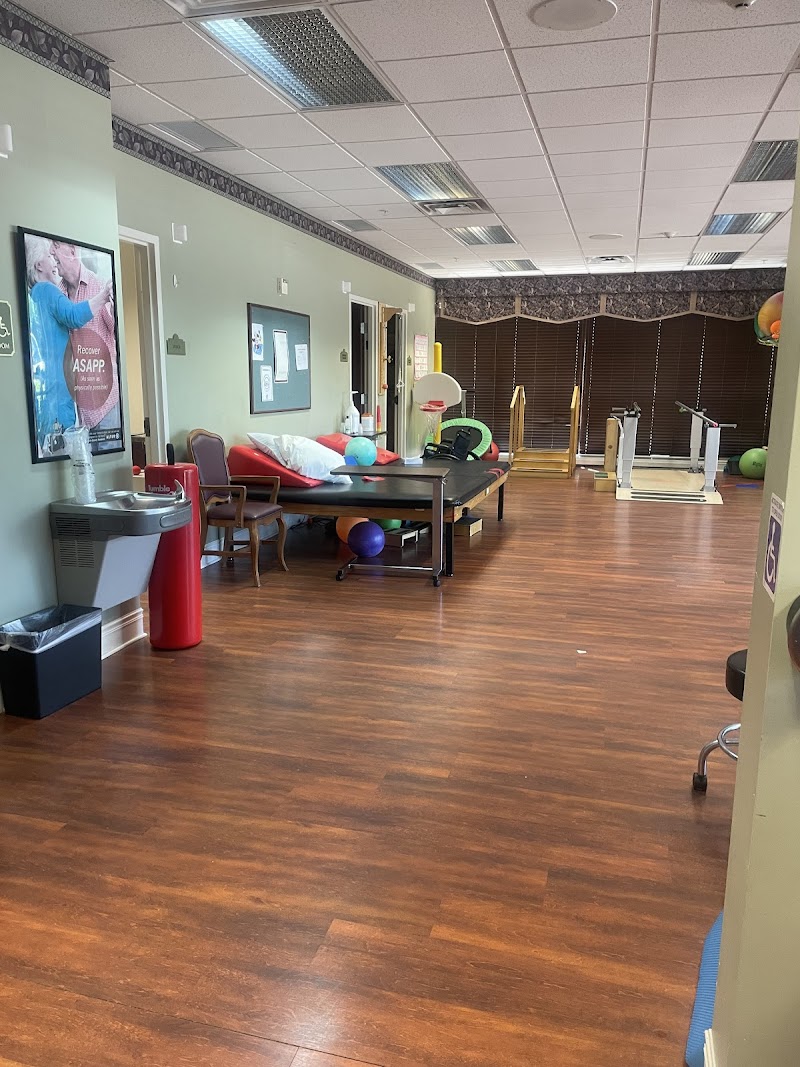
How Does Life Of Aurora Compare to Other Colorado Nursing Homes?

Compared to the 100 nursing homes in Colorado, LIFE CARE CENTER OF AURORA's overall rating (4 stars) is above the state average of 3.1, staff turnover (29%) is significantly lower than the state average of 46%, and health inspection rating (3 stars) is at the national benchmark.

What Should Families Ask When Visiting Life Of Aurora?

Based on this facility's data, families visiting should ask: "Can I visit during a mealtime to observe dining assistance and food quality?" "How do you handle medical emergencies, and what is your hospital transfer rate?" "Can I speak with family members of current residents about their experience?"

Is Life Of Aurora Safe?

Based on CMS inspection data, LIFE CARE CENTER OF AURORA has a clean safety record: no substantiated abuse findings (meaning no confirmed cases of resident harm), no Immediate Jeopardy citations (the most serious violation level indicating risk of serious injury or death), and is not on the Special Focus Facility watch list (a federal program monitoring the lowest-performing 1% of nursing homes). The facility has a 4-star overall rating and ranks #1 of 100 nursing homes in Colorado. While no facility is perfect, families should still ask about staff-to-resident ratios and recent inspection results during their visit.

Do Nurses at Life Of Aurora Stick Around?

Staff at LIFE CARE CENTER OF AURORA tend to stick around. With a turnover rate of 29%, the facility is 17 percentage points below the Colorado average of 46%. Low turnover is a positive sign. It means caregivers have time to learn each resident's needs, medications, and personal preferences. Consistent staff also notice subtle changes in a resident's condition more quickly.

Was Life Of Aurora Ever Fined?

LIFE CARE CENTER OF AURORA has been fined $41,412 across 2 penalty actions. The Colorado average is $33,493. While any fine indicates a compliance issue, fines under $50,000 are relatively common and typically reflect isolated problems that were subsequently corrected. Families should ask what specific issues led to these fines and confirm they've been resolved.

Is Life Of Aurora on Any Federal Watch List?

LIFE CARE CENTER OF AURORA is not on any federal watch list. The most significant is the Special Focus Facility (SFF) program, which identifies the bottom 1% of nursing homes nationally based on persistent, serious quality problems. Not being on this list means the facility has avoided the pattern of deficiencies that triggers enhanced federal oversight. This is a positive indicator, though families should still review the facility's inspection history directly.