LOWRY HILLS CARE AND REHABILITATION

10201 E 3RD AVE, AURORA, CO 80010 (303) 364-3364
For profit - Individual 108 Beds SWEETWATER CARE Data: November 2025
Trust Grade
3/100
#156 of 208 in CO
Last Inspection: May 2024

Within standard 12-15 month inspection cycle. Federal law requires annual inspections.

Overview

Lowry Hills Care and Rehabilitation has received a Trust Grade of F, indicating significant concerns about the quality of care provided, placing it in the poor category. It ranks #156 out of 208 facilities in Colorado, which means it is in the bottom half, and #18 out of 20 in Arapahoe County, suggesting that there are very few local options that are worse. The facility is trending toward improvement, having reduced its issues from 12 in 2024 to 6 in 2025. Staffing is a relative strength with a turnover rate of 37%, which is better than the Colorado average, but the facility has less RN coverage than 91% of state facilities, raising concerns about the level of care. There have been serious incidents noted, including a failure to provide adequate nursing staff to meet residents' needs, which may have affected care quality and dignity. Additionally, there was an issue where a resident developed a significant pressure injury due to a lack of preventive measures. Another resident's discharge was poorly managed, with no home health services set up prior to their release, indicating weaknesses in care coordination. Overall, while there are some strengths, the facility has critical areas needing urgent attention.

Trust Score
F
3/100
In Colorado
#156/208
Bottom 25%
Safety Record
High Risk
Review needed
Inspections
Getting Better
12 → 6 violations
Staff Stability
○ Average
37% turnover. Near Colorado's 48% average. Typical for the industry.
Penalties
✓ Good
$13,400 in fines. Lower than most Colorado facilities. Relatively clean record.
Skilled Nurses
⚠ Watch
Each resident gets only 28 minutes of Registered Nurse (RN) attention daily — below average for Colorado. Fewer RN minutes means fewer trained eyes watching for problems.
Violations
⚠ Watch
52 deficiencies on record. Higher than average. Multiple issues found across inspections.
★★☆☆☆
2.0
Overall Rating
★★☆☆☆
2.0
Staff Levels
★★★★★
5.0
Care Quality
★☆☆☆☆
1.0
Inspection Score
Stable
2024: 12 issues
2025: 6 issues

The Good

  • 5-Star Quality Measures · Strong clinical quality outcomes
  • Full Sprinkler Coverage · Fire safety systems throughout facility
  • No fines on record
  • Staff turnover below average (37%)

    11 points below Colorado average of 48%

Facility shows strength in quality measures, fire safety.

The Bad

2-Star Overall Rating

Below Colorado average (3.1)

Below average - review inspection findings carefully

Staff Turnover: 37%

Near Colorado avg (46%)

Typical for the industry

Federal Fines: $13,400

Below median ($33,413)

Minor penalties assessed

Chain: SWEETWATER CARE

Part of a multi-facility chain

Ask about local staffing decisions and management

The Ugly 52 deficiencies on record

9 actual harm
Jun 2025 4 deficiencies 1 Harm
SERIOUS (G) 📢 Someone Reported This

A family member, employee, or ombudsman was alarmed enough to file a formal complaint

Actual Harm - a resident was hurt due to facility failures

Deficiency F0627 (Tag F0627)

A resident was harmed · This affected 1 resident

**NOTE- TERMS IN BRACKETS HAVE BEEN EDITED TO PROTECT CONFIDENTIALITY** III. Resident #1 A. Resident status Resident #1, age less than 65, was admitted on [DATE] and discharged home on [DATE]. Accord...

Read full inspector narrative →
**NOTE- TERMS IN BRACKETS HAVE BEEN EDITED TO PROTECT CONFIDENTIALITY** III. Resident #1 A. Resident status Resident #1, age less than 65, was admitted on [DATE] and discharged home on [DATE]. According to the [DATE] CPO, diagnoses included multiple sclerosis (a disease that damages nerves and affects muscle control), muscle weakness and autistic disorder (developmental disorder). The [DATE] MDS assessment revealed the resident was cognitively intact with a BIMS score of 15 out of 15. He required substantial assistance with ADLs. The MDS assessment revealed the resident was going to stay at the facility for long term care. B. Resident #1's representative interview Resident #1's representative was interviewed on [DATE] at 10:30 a.m. The representative said Resident #1 discharged from the facility to home (on [DATE]). The representative said the facility did not set up any home health services for the resident when he was discharged home. She said there was no discharge planning and discussion of plans until a few days prior to discharge. The representative said while Resident #1 was at the facility, he spoke frequently about returning to his apartment, which he had. She said when he was living on his own, prior to living at the facility, he had a voucher for housing and he received home health services daily. She said for him to return to the community, a waiver for the Medicaid services needed to be completed. She said the facility failed to complete the waiver and did not start working on attempting to get the waiver completed until a few days prior to discharge. The representative said the resident disenrolled from hospice services that he was receiving at the facility so he could return to the community with the waiver. The representative said when Resident #1 was discharged to his apartment, the facility reassured them that there would be home health care starting the same day. She said when the home health services company contacted her, she was told the home health company would not be able to provide the services because the resident did not have a funding source. She said Resident #1 required two people a day to care for him, which included ADLs, meals and medications. She said she provided care to the resident for more than three days, giving care from the time he returned home until he was discharged again to another facility. C. Record review A review of the comprehensive care plan, initiated on [DATE], revealed there was not a care plan to address the resident's discharge goals and needs. The [DATE] social services evaluation revealed Resident #1 was unable to live independently due to physical limitations and it was anticipated that the resident was going to stay at the facility for long term care. The [DATE] progress note, documented by the NP, revealed Resident #1 had put a call out to the Physician Assisted Dying Program. The note documented that the resident was coordinating qualifications, criteria and initial evaluations through their services. The note documented the facility was coordinating with the DON so the resident understood he must discharge from the facility before proceeding with the program. The note also documented the staff needed to discuss logistics for how far along he needed to be in the program before discharge would be required. -However, review of Resident #1's EMR failed to reveal further documentation that the facility staff discussed the logistics of how far along he needed to be in the program. The [DATE] nursing progress note documented that the nurse, the NHA, the SSD and the hospice team completed a care conference with the resident and his friend regarding his discharge to his apartment. The [DATE] interdisciplinary team (IDT) note documented that Resident #1 frequently spoke about wanting to go home to live with his dogs. The meeting note revealed Resident #1 was dependent on staff for six out of six ADLs, required maximum two-person assistance or Hoyer lift transfers and was primarily bed-bound. The note revealed the resident wished to be discharged home. -The [DATE] IDT note did not include a plan addressing how extensive care needs would be met in the community or how services such as home and community-based services would be arranged. The [DATE] progress note documented nursing staff were informed Resident #1 would be discharged home that day and described the resident as alert and oriented, stable and refused to take his medications with him. It documented the nursing staff attempted to coordinate home health care and home and community-based services but confirmed the resident's waiver was inactive and the services could not be initiated on the day of discharge. It documented the resident and his representative still requested discharge and nursing staff and the NHA assisted the resident with packing, arranged final calls to coordinate services and ensured the resident left the facility with his belongings. The [DATE] discharge summary instructions revealed the facility had ongoing conversations with Resident #1 and the ombudsman about discharge to the community. -The [DATE] discharge summary did not include documentation of a complete plan or confirmation that needed supports were in place before discharge. The [DATE] IDT note revealed Resident #1 stopped hospice care in order to pursue discharge to the community with home health care. -The [DATE] IDT note did not include documentation of a completed plan addressing how necessary services, including home services would be arranged to meet the resident's high care needs after discharge. -A review of Resident #1's EMR did not reveal a documented plan for follow-up monitoring or contingency actions if planned services could not be started immediately. D. Staff interviews The SSD was interviewed on [DATE] at 11:36 a.m. The SSD said the facility's baseline care plan was completed within 24 hours of admission and care conferences occurred within 72 hours. She said discharge planning began on the first day of admission depending on whether the resident planned to remain long-term or return to the community. She said if the resident planned to return to the community then referrals were made for home health services and durable medical equipment. She said she called to confirm the receiving agencies could accommodate the resident's needs. She said confirmation was sometimes verbal and sometimes written. The SSD said that discharge planning was not always documented because staff became busy. The SSD was interviewed again on [DATE] at 2:04 p.m. The SSD said Resident #1 was admitted for long-term care on hospice services. The SSD said Resident #1 completed paperwork for the medical assistance in dying program in mid-[DATE] but stopped the process on [DATE] after the medical assistance in dying program notified him that he did not qualify. The SSD said a care conference was held on [DATE] with Resident #1, his representative, the SSD, the DON, the NHA and the hospice team to discuss discharge. The SSD said Resident #1 planned to return to his apartment with around the clock in-home care. The SSD said Resident #1 and his representative understood that he could not receive skilled home health and hospice services simultaneously. The SSD said hospice agreed to continue providing services, to order all needed durable medical equipment and medications for home use. The SSD said she spoke with Resident #1 and his representative on multiple occasions between [DATE] and [DATE] about discharge planning, safety concerns and the elderly blind and disabled waiver, which could not be activated until Resident #1 left the facility. The SSD said the uniform long-term care assessment was completed but the elderly blind and disabled waiver was not finalized. She said the case management agency was to meet Resident #1 at his apartment on [DATE]. The SSD said Resident #1 ultimately discharged on [DATE] but left the facility with no confirmed services in place, despite documentation indicating services would begin that day. The SSD said there was no formal discharge care plan documented for Resident #1, no documentation of IDT involvement at discharge, and no record showing Resident #1 or his representative was informed of the final discharge plan or offered the option to return if services were not in place. The SSD said the facility had identified this issue previously and did not implement a plan of correction due to scheduling conflicts but she said the facility would create a solid procedure moving forward. The DON was interviewed on [DATE] at 2:36 p.m. The DON said the IDT met daily to review pending discharges, needed services and medical equipment. She said social services sent referrals for services such as home health or medical equipment. She said once services were arranged, the resident picked a discharge date . She said nursing staff prepared the discharge summary, medication list and orders, reviewed these with the resident or representative and scanned signed copies into the record. The DON said the team tried to ensure home health services began within 24 hours after discharge. She said regarding Resident #1, the case management agency confirmed they would complete an assessment and start services on [DATE], but Medicaid was inactive and the waiver process could not be completed. The DON said Resident #1 insisted on discharging without services fully in place despite staff informing him of the risks. E. Facility follow-up On [DATE] at 9:52 a.m., the following documentation was received from the NHA: An email documented Resident #1 was seen for home health services on [DATE], [DATE] and [DATE]. He was then discharged to the hospital. -However, Resident #1 needed around the clock services to meet his needs (see record review above). Based on record review and interviews, the facility failed to ensure two (#5 and #1) of three residents were provided the care and services necessary to ensure a safe discharge from the facility to the community out of 13 sample residents. Resident #5 was initially admitted to the facility on [DATE] for long term care with diagnoses of complete C5-C7 (cervical vertebrae) quadriplegia (no movement of all four limbs), cervical fusion of spine, left ischium stage 4 pressure injury, unspecified convulsions, major depressive disorder, post-traumatic stress disorder (PTSD), and blood hypotension (low blood pressure). Resident #5 desired to discharge home with care and services. Resident #5 was dependent on staff for all activities of daily living (ADL). Upon discharge, the facility failed to provide the resident and his representative with information on taking his prescribed medications, which included two anti-seizure medications. Three days after discharge (on [DATE]), Resident #5 began having a seizure. Resident #5's representative said she initiated cardio-pulmonary resuscitation (CPR) and called emergency services (EMS). Resident #5 was transferred to the hospital. Additionally, the facility failed to ensure a thorough discharge plan was created and documented for Resident #1. Specifically, the facility failed to ensure Resident #5 and Resident #1 had a person-centered discharge plan that ensured the residents received the necessary care and services needed upon discharge from the facility. Findings include: I. Facility policy and procedure The Discharge Planning Process policy, revised 2025, was provided by the nursing home administrator (NHA) on [DATE] at 8:24 a.m. It read in pertinent part, Discharge planning is a process that generally begins on admission and involves identifying each resident's discharge goals and needs, developing and implementing interventions to address them, and continuously evaluating them throughout the resident's stay to ensure a successful discharge. The ongoing process of developing the discharge plan will include a regular re-evaluation of the resident to identify changes that require modification of the discharge plan, and updating of the discharge plan, as needed, to reflect the modifications. The facility will document any referrals to local contact agencies or other appropriate entities made for the purpose of the resident's interest in returning to the community. The facility will update a resident's comprehensive care plan and discharge plan, as appropriate, in response to information received from referrals to local contact agencies or other appropriate entities. The evaluation of the resident's discharge needs and discharge plan will be completely documented on a timely basis in the clinical record. II. Resident #5 A. Resident status Resident #5, age less than 65, was admitted on [DATE], readmitted on [DATE] and discharged home on [DATE]. According to [DATE] computerized physician orders (CPO), diagnoses included complete C5-C7 quadriplegia, cervical fusion of spine, left ischium stage 4 pressure injury, unspecified convulsions, major depressive disorder, post-traumatic stress disorder, and hypotension. The [DATE] minimum data set (MDS) assessment revealed the resident was cognitively intact with a brief interview for mental status (BIMS) score of 15 out of 15. He required maximum assistance from two staff members using a Hoyer lift (mechanical lift) for repositioning and he was dependent on staff for all ADLs. The MDS assessment indicated there was an active discharge plan in place for the resident to return to the community. The MDS assessment indicated that there had been a referral made to the local contact agency. B. Resident #5's representative interview Resident #5's representative was interviewed on [DATE] at 1:30 p.m. The representative said Resident #5 had expressed a desire to come home since [DATE], but the facility had taken little action regarding it. She said the social services director (SSD) assured her that the resident would receive home services upon discharge, and these services would start on the day he came home. She said the facility had not completed the waiver services application, which was why there were no services. She said Resident #5 went home without a primary physician and they had to find one. Resident #5's representative said they received a bag of medication at discharge from the facility. She said they were not given a medication list or orders on when to take the medications. She said they were not provided any further discharge information. Resident #5's representative said that on [DATE], after Resident #5 discharged home, he had a seizure and stopped breathing. She said she performed CPR and called EMS. She said the resident was admitted to the hospital. She said this happened because they did not know the resident was supposed to take seizure medications. C. Record review The discharge care plan, dated [DATE], revealed Resident #5 desired to return to his home in the community. Pertinent interventions included encouraging the resident and caregiver to participate in discharge planning, meeting with the resident and caregiver to outline discharge goals and revising if needed with progression, providing discharge information and reconciling medications with the resident and caregiver prior to discharge. -The care plan had not been updated with the ongoing discharge process to outline the resident's needs at the time of discharge. The [DATE] social services progress note documented Resident #5 planned to discharge on Monday ([DATE]). The note documented the resident was denied by two home health agencies due to his advanced care needs. The [DATE] nurse practitioner (NP) discharge summary note documented the resident had multiple comorbidities requiring medication management that necessitated frequent clinical evaluations. The note documented that without regular monitoring and management, the resident was at moderate to high risk of symptom exacerbation and complications resulting in hospitalization or death. The note documented that the staff was unaware of any discharge plan. -However, Resident #5 discharged to the community on [DATE]. -Review of Resident #5's electronic medical record (EMR) did not reveal any further documentation regarding the resident's needs at time of discharge or the facility's attempt at setting up care and services for when Resident #5 discharged to the community. The [DATE] discharge summary instructions documented Resident #5 was discharged to home with family assistance. The special instructions were that the resident needed assistance in all areas of living 24 hours a day and seven days a week. The summary documented that home health was not ordered. The instructions revealed follow-up appointments and listed a physician's office (not a name) as the following physician. The discharge summary documented a verbal signature from the resident was received. -However, there was no phone number or address provided for the physician's office on the discharge summary instructions. -The discharge summary instructions did not indicate the resident needed wound care, what medications the resident was taking, catheter care plan, or instructions on what to do when seizures were present. The [DATE] hospital transcription report documented that Resident #5 was admitted to the emergency department (ED) for seizures. The note documented that day (/16/25), the resident said he had been out of his anti-seizure medications (carbamazepine and topiramate). The hospital staff gave this medication to him.The report documented the resident was recently discharged from a rehabilitation facility. The note documented Resident #5 said the facility staff did not tell him how or when to take his seizure medications when he was discharged from the facility. The resident said he was unsure if he had been taking the medications correctly. Review of Resident #5's [DATE] CPO revealed the following physician's orders: Carbamazepine (seizure medication) 200 milligrams (mg). Give two tablets by mouth three times a day, ordered [DATE]. Topiramate (medication used to treat seizure disorder) 25 mg. Give one tablet two times a day for convulsions treatment and prevention, ordered [DATE]. Eliquis (blood thinner) 5 mg. Give one tablet two times a day, ordered [DATE]. Wound care plan (suprapubic catheter, left lateral shin, and left ischium stage 4 pressure injury. Physical therapy. Magnetic resonance imaging (MRI ) of left ischium for suspected osteomyelitis. Psychiatric and psychological evaluations. D. Staff interviews The SSD and the social services director from another facility were interviewed together on [DATE] at 11:37 a.m. The SSD said the facility typically held a care conference when a resident decided they wanted to discharge from the facility. The SSD was interviewed a second time on [DATE] at 2:20 p.m. The SSD said after Resident #5 was admitted , he wanted to be transferred to a different city. The SSD said the facility sent referrals to other agencies and looked for wound care programs. The SSD said the resident was denied because of lack of services, the resident required advanced care or because the facility did not accept Medicaid. She said she confirmed the home health care would provide physical therapy, occupational therapy and nursing services to Resident #5 upon discharge. She said the home health agency could not visit daily to check his wounds. The SSD said due to the situation, Resident #5's representative received wound care training on [DATE]. The SSD said the facility arranged a physician along with the home health care services. The SSD said she did not receive confirmation that these services were in place prior to Resident #5 discharging. She said the resident's representative had an interest in becoming a certified nurse aide (CNA). The SSD said she did not do any follow up with the resident after he was discharged home. The SSD said the discharging nurse was responsible for reviewing the discharge summary and medications with the resident and his representative. The director of nursing (DON) and the assistant director of nursing (ADON) were interviewed together on [DATE] at 2:39 p.m. The DON said she reviewed Resident #5's EMR and confirmed there was no documentation in regards to his discharge. She said a discharge note should have been written by the discharging nurse. She said the note should document if medications were sent, prescriptions were sent and that the resident and representative were educated. She said a list of the medications and discharge summary instructions were to be sent with the resident and representative. She said there was no record that the forms were sent with Resident #5. The ADON said Resident #5's representative called the day after discharge as she had not received any discharge instructions or a list of medications. The ADON said she sent the list to the representative the next day, however, she did not document it and did not follow up with the representative. The DON confirmed Resident #5 had epilepsy and that he received medications to prevent seizures. She said she did not have any record of what medications were sent home with the resident. She said the social service department was responsible for setting up home health care services. E. Facility follow-up On [DATE] at 9:52 a.m., the following documentation was received from the NHA: A signed paper from the licensed nurse who completed the discharge with Resident #5. The signed paper, dated [DATE], documented the list of medications and instructions were reviewed with the resident. The medications, list of medications, facesheet and discharge summary were sent with the resident on [DATE]. -However, review of Resident #5's EMR did not reveal documentation indicating the nurse who discharged Resident #5 provided the resident or his representative with a list of medications or instructions on taking the medications (see record review above). A written statement, dated [DATE], documented the social services director from another facility was present during the discharge. The statement documented she observed Resident #5 and the resident's family member received the medication list, medications and the discharge summary. -However, review of Resident #5's EMR did not reveal documentation indicating the social services director from the other facility was present during the discharge, nor was there documentation to indicate that the resident received information regarding his medications at the time of discharge (see record review above).
CONCERN (D) 📢 Someone Reported This

A family member, employee, or ombudsman was alarmed enough to file a formal complaint

Potential for Harm - no one hurt, but risky conditions existed

ADL Care (Tag F0677)

Could have caused harm · This affected 1 resident

**NOTE- TERMS IN BRACKETS HAVE BEEN EDITED TO PROTECT CONFIDENTIALITY** Based on observations, record review and interviews, the facility failed to ensure residents who were unable to carry out activi...

Read full inspector narrative →
**NOTE- TERMS IN BRACKETS HAVE BEEN EDITED TO PROTECT CONFIDENTIALITY** Based on observations, record review and interviews, the facility failed to ensure residents who were unable to carry out activities of daily living (ADL) received the necessary services and assistance for bathing for one (#6) of three residents reviewed for ADLs out of 13 sample residents. Specifically, the facility failed to provide Resident #6, who had cognitive impairments, incontinence care in a timely manner. Findings include: I. Facility policy and procedure The Incontinence policy and procedure, dated August 2024, was provided by the nursing home administrator (NHA) on 6/26/25 at 8:27 a.m. It revealed in pertinent part, Based on the resident's comprehensive assessment, all incontinent residents will receive appropriate treatment and services. II. Resident #6 A. Resident status Resident #6, age [AGE], admitted on [DATE]. According to the June 2025 computerized physician's orders (CPO), diagnoses included dementia, glaucoma (high eye pressure) and chronic kidney disease. The 6/10/25 minimum data set (MDS) assessment revealed the resident had memory impairment in making decisions regarding tasks of daily life, per the staff assessment for mental status. He required moderate assistance with oral care, personal hygiene, toileting, bathing, dressing and transferring. B. Observations During a continuous observation on 6/25/25, beginning at 2:01 p.m. and ending at 6:10 p.m., the following was observed: At 2:01 p.m. Resident #6 was napping in his wheelchair in the dining room. At 2:23 p.m. an unidentified certified nurse aide (CNA) attempted to wake Resident #6, but the resident continued to sleep. At 3:03 p.m. CNA #4 checked on Resident #6 by touching his head, but the resident did not wake up. At 3:34 p.m. an unidentified CNA tried to speak with Resident #6 and Resident #6 said he wanted to stay in his wheelchair in the dining room. At 4:11 p.m. CNA #1 assisted Resident #6 to his room. CNA #1 did not offer or provide incontinence care. At 4:35 p.m. CNA #1 and CNA #2 attempted to transfer Resident #6 from his wheelchair to his bed using a Hoyer lift. Resident #6 refused and said he wanted to remain in his wheelchair. Both CNA #1 and CNA #2 asked Resident #6 again if he wanted to be transferred to the bed to nap, but Resident #6 did not want to be transferred. CNA #1 said she would come back later. -The resident was not checked for incontinence or offered toileting assistance. At 5:01 p.m. CNA #1 checked on Resident #6 and asked if he needed anything, and Resident #6 said he did not need help. At 5:16 p.m. CNA #1 brought Resident #6's dinner tray and set it up for him while he remained in his wheelchair. At 6:33 p.m. after survey staff informed registered nurse (RN) #1, CNA #1 provided incontinence care for Resident #6. CNA #1 changed Resident #6's brief, which was observed to be soiled and saturated. -Resident #6 was not provided incontinence for over four and a half hours. C. Record review The ADL care plan, revised 3/1/25, documented Resident #6 had bowel and bladder incontinence related to poor sphincter control, minimal mobility and progression of dementia. Pertinent interventions included checking Resident #6 every two hours and assisting with toileting as needed, observing the pattern of incontinence and initiating a toileting schedule if indicated. According to the CNA task documentation for bladder incontinence, Resident #6 received incontinence care on 5/25/25 at 2:03 p.m. -However, a continuous observation of the resident conducted at that same time revealed the resident was in the dining room napping (see observations above). III. Staff interviews RN #1 was interviewed on 6/25/25 at 6:15 p.m. She said the staff were expected to offer and provide incontinence care for Resident #6 every two hours because he was incontinent of bladder and bowel. She said Resident #6 was also at risk for pressure injury if he was not changed every two hours. CNA #3 was interviewed on 6/26/25 at 12:30 p.m. CNA #3 said Resident #6 becomes combative when incontinence care was provided and fights the staff. CNA #3 said the staff used two people to change Resident #5 because he kicked and punched the staff. The director of nursing (DON) was interviewed on 6/26/25 at 2:36 p.m. The DON said all residents who were incontinent must be provided with incontinence care every two hours and staff should check if the resident was soiled. The DON said if a resident refused care, the staff should check again in 15 to 20 minutes and address refusals as best they could.
CONCERN (D) 📢 Someone Reported This

A family member, employee, or ombudsman was alarmed enough to file a formal complaint

Potential for Harm - no one hurt, but risky conditions existed

Deficiency F0679 (Tag F0679)

Could have caused harm · This affected 1 resident

**NOTE- TERMS IN BRACKETS HAVE BEEN EDITED TO PROTECT CONFIDENTIALITY** Based on observations, record review and interviews, the facility failed to provide an ongoing program to support residents in t...

Read full inspector narrative →
**NOTE- TERMS IN BRACKETS HAVE BEEN EDITED TO PROTECT CONFIDENTIALITY** Based on observations, record review and interviews, the facility failed to provide an ongoing program to support residents in their choice activities, designed to meet the interests of and support the physical, mental, and psychosocial well-being of each resident, encouraging both independence and interaction in the community for two (#1 and #6) of three residents reviewed for activities programming out of 10 sample residents. Specifically the facility failed to: -Offer and provide personalized activity programs for Resident #1 and Resident #6 as documented in their care plans; -Ensure Resident #1 and Resident #6 were invited and encouraged to attend activities of their preference; and, -Ensure Resident #6 was meaningfully engaged during activities. Findings include: I. Resident #1 A. Resident status Resident #1, age less than 65, was admitted on [DATE] and discharged on 5/28/25 to the community. According to the May 2025 computerized physician orders (CPO), diagnoses included multiple sclerosis (a disease that damages nerves and affects muscle control), muscle weakness and autistic disorder. The 3/31/25 minimum data set (MDS) assessment revealed the resident was cognitively intact with a brief interview for mental status (BIMS) score of 15 out of 15. The MDS assessment revealed it was very important for the resident to have books, newspapers, and magazines to read, be around animals such as pets, engage in favorite activities, go outside to get fresh air when the weather was good, participate in religious services or practices, and somewhat important to the resident to listen to music. B. Resident representative interview Resident #1's representative was interviewed on 6/25/25 at p.m. The representative said Resident #1 had complained about not having anything to do. She said the resident was not invited to the activities. The representative said Resident #1 always enjoyed going outside, however he was not assisted outside by the staff. C. Record review The activities care plan, initiated 3/24/25 and revised 6/5/25, identified that Resident #1 enjoyed writing books, listening to music, had published nine books and four recorded albums, enjoyed pet visits, being creative, computer time, and outside time when the weather was nice and he needed materials for in-room use as desired. He needed reminders and encouragement to attend group activities he may enjoy, and he had a strong spiritual faith which was important to him. Interventions included assisting and encouraging Resident #1 in meeting other peers who may share similar interests, inviting, assisting, and encouraging Resident #1 to attend group activities he may enjoy or be interested in, honor his wishes to decline activities as he chose, providing Resident #1 with a monthly activities calendar and providing Resident #1 with materials for in-room use as desired. The activity participation log, reviewed from 4/30/25 to 5/31/25, revealed Resident #1 had not received opportunities to spend time outside, have pet visits, or participate in spiritual faith activities. II. Resident #6 A. Resident status Resident #6, age [AGE], was admitted on [DATE]. According to the June 2025 CPO, diagnoses included dementia, glaucoma and chronic kidney disease. The 6/10/25 MDS assessment revealed the resident had memory impairment in making decisions regarding tasks of daily life, per the staff assessment for mental status. He required moderate assistance with activities of daily living (ADL). The 9/8/24 MDS assessment revealed, per staff assessment, the resident enjoyed listening to music and keeping up with the news. B. Resident representative interview Resident #6's representative was interviewed on 6/26/25 at 10:25 a.m. The representative said staff tended to leave Resident #6 in his room without much interaction or engagement. The representative said he lived out of state and visited Resident #6 once every few months. The representative said he often saw Resident #6 sitting in his wheelchair without much engagement or participation and said that in the past, Resident #6 had been much more engaged compared to now. The representative said Resident #6 enjoyed listening to music, listening to the news, and interacting with other residents and staff. C. Observations On 6/25/25 during a continuous observation, beginning at 2:01 p.m. and ending at 5:16 p.m., the following was observed: At 2:01 p.m. Resident #6 was napping in his wheelchair in the dining room where a karaoke activity was taking place. At 2:23 p.m. an unidentified certified nurse aide (CNA) attempted to wake Resident #6, but the resident continued to sleep. At 3:03 p.m. CNA #1 checked on Resident #6 by touching his head, but the resident did not wake up. At 3:34 p.m., once the karaoke activity was over, an unidentified staff member spoke to Resident #6, and Resident #6 said he wanted to stay in his wheelchair in the dining room. -The unidentified staff member did not offer the resident any meaningful engagement or purposeful activity. At 4:11 p.m. Resident #6 was taken to his room. A compact disc (CD) player was on the resident's nightstand; however, it was not playing any music and CNA #1 did not offer to turn it on for him. Resident #6's roommate's television was turned on with no other stimulation in the room for Resident #6. At 4:35 p.m. CNA #1 and CNA #2 attempted to transfer Resident #6 from his wheelchair to his bed using a Hoyer lift (mechanical lift) so he could nap, but Resident #6 refused and said he wanted to remain in his wheelchair. Both CNA #1 and #2 asked Resident #6 again if he wanted to be transferred to the bed to nap, but Resident #6 did not want to be transferred. CNA #1 said she would come back later. -The CNAs did not offer other engagement, social interaction, or activities to provide stimulation or meet his psychosocial needs. At 5:01 p.m. CNA #1 checked on Resident #6 and asked if he needed anything, and Resident #6 said he did not need help. -CNA #1 did not offer Resident #6 any meaningful interaction or opportunities for engagement. At 5:16 p.m. CNA #1 brought Resident #6's dinner tray to his room and set it up for him while he remained in his wheelchair. On 6/26/25 the following was observed: At 8:41 a.m. Resident #6 was in his room in his wheelchair listening to his roommate's television without any other stimulation. At 9:34 a.m., Resident #6 was lying in his bed sleeping, with no stimulation or interaction offered. There was no music playing in the resident's room. At 9:52 a.m., CNA #3 offered Resident #6 water, but she did not provide additional engagement or meaningful activity. At 10:00 a.m., an activity of news and coffee was taking place in the dining room; however, Resident #6 was not invited to the activity and remained in his room sleeping. At 11:14 a.m., Resident #6 was observed still in bed sleeping. There was no music playing in the resident's room. At 11:58 a.m., Resident #6 remained in bed sleeping. -Throughout the observations on 6/25/25 and 6/26/25, staff did not offer activities connected to Resident #6's known interests, such as keeping up with the news, listening to music, coffee time, hand massage, religious reading, or short stories. D. Record review The activities care plan, revised 12/6/24, identified that Resident #6 liked keeping up with the news. Resident #6's favorite activities included listening to music, including soul music, rock, Motown, and jazz and he loved music, day and night. Resident #6 had a CD player that he listened to regularly. Resident #6 declined invitations to attend group programs and preferred resting, keeping to himself, and coffee time. Resident #6 enjoyed hand massages, religious reading time, and short stories. Resident #6 was blind and required assistance due to vision deficiency. Pertinent interventions included cueing and reminders for activities. Staff would provide one-on-one visits with Resident #6 and offer social visits, music time, coffee time, and activities he might enjoy. Staff would remind Resident #6 when Bible study, music entertainers, resident socials, and religious services were offered and escort him to the activity if he wished to attend. III. Staff interviews The activities director (AD) was interviewed on 6/26/25 at 3:43 p.m. The AD said that upon admission, residents were asked about their activity preferences and were provided with an activity calendar to keep in their rooms. The AD said staff were expected to inform residents daily about planned activities and offer reminders. The AD said that staff often learned residents' preferences over time but said some residents, including Resident #6, may not always be offered invitations or reminders to join group activities. The AD said Resident #6 enjoyed listening to music and owned a CD player. She said the CNAs may need reminders to assist with playing music for him, despite this being part of his care plan. The AD said CNAs likely needed re-education to ensure residents were consistently invited to activities and received meaningful engagement according to their care plans and preferences.
CONCERN (D) 📢 Someone Reported This

A family member, employee, or ombudsman was alarmed enough to file a formal complaint

Potential for Harm - no one hurt, but risky conditions existed

Deficiency F0806 (Tag F0806)

Could have caused harm · This affected 1 resident

**NOTE- TERMS IN BRACKETS HAVE BEEN EDITED TO PROTECT CONFIDENTIALITY** Based on observations, record review and interviews, the facility failed to provide food and drinks that accommodated resident a...

Read full inspector narrative →
**NOTE- TERMS IN BRACKETS HAVE BEEN EDITED TO PROTECT CONFIDENTIALITY** Based on observations, record review and interviews, the facility failed to provide food and drinks that accommodated resident allergies, intolerances and preferences for one (#4) of four residents out of 13 sample residents. Specifically, the facility failed to ensure Resident #4 was provided a vegetarian diet per her preference. Findings include: I. Facility policy and procedure The Resident Food Preferences, revised July 2017, was received from the nursing home administrator (NHA) on 6/26/25 at 5:23 p.m. The policy read in pertinent part, Individual food preferences will be assessed upon admission and communicated to the interdisciplinary team. Nursing staff will document the resident's food and eating preference in the careplan. II. Resident #4 A. Resident status Resident #4, age [AGE], was initially admitted on [DATE] and readmitted on [DATE]. According to the June 2025 computerized physician orders (CPO) diagnoses included multiple sclerosis (disease that affects the nerves), dementia and shortness of breath. According to the 5/5/25 minimum data set (MDS) the resident had moderate cognitive impairments with a brief interview for mental status (BIMS) score of 12 out of 15. The resident was independent in eating. B. Resident interview Resident #4 was interviewed on 6/25/25 at 12:15 p.m. Resident #4 said she was a vegetarian. She said at lunch today (6/25/25) she was served a pork chop. She said another resident told her that there was fish on the menu. She said she was not offered a vegetarian diet while residing at the facility. She said that her food choices were repetitive. Resident #4 was interviewed a second time on 6/25/25 at 5:04 p.m. Resident #4 said she received a grilled cheese sandwich, corn and refried beans for dinner tonight (6/25/25). She said she also received chocolate cake and she could not have chocolate cake because she had a colonoscopy procedure years ago and the doctor had told her to avoid it. C. Observations On 6/25/25 at 5:04 p.m. the resident had a piece of marble cake which had chocolate. D. Record review The June 2025 CPO revealed a physician's order indicating the resident was prescribed a vegetarian diet. The resident's meal ticket indicated the resident was prescribed a vegetarian diet. The care plan, revised on 5/5/25, identified the resident had a risk for inability to maintain nutrition due to hypertension (high blood pressure), falls, cerebral ischemia (stroke), dementia, epilepsy (seizure disorder) and vitamin D deficiency. Pertinent interventions included providing the resident's prescribed diet as ordered. -However, the care plan failed to identify that the resident preferred to eat a vegetarian diet and was unable to eat chocolate cake. The dietary manager provided a paper which was titled Resident #4's menu. The paper read -Soup: tomato and vegetable with crackers; -Rice; -Fish; -Poatoes: fried, baked mashed; and, -Chef Salad (no meat). III. Staff interviews The registered dietitian (RD) and the dietary manager (DM) were interviewed together on 6/26/25 at 1:39 p.m. The RD said the facility did have a menu extension for vegetarian diet, however, it was not utilized. The DM said she had met with the resident a year ago and reviewed her preferences and had developed the menu based on her preferences. She said the resident would tell the kitchen what she wanted to eat, but did not use a specific vegetarian spread sheet extension. The RD said she had learned a few weeks ago that Resident #4 did not want to have chocolate. She confirmed the marble cake on the menu had chocolate.
Apr 2025 1 deficiency
CONCERN (E) 📢 Someone Reported This

A family member, employee, or ombudsman was alarmed enough to file a formal complaint

Potential for Harm - no one hurt, but risky conditions existed

Infection Control (Tag F0880)

Could have caused harm · This affected multiple residents

Based on observations, record review and interviews, the facility failed to maintain an infection control program designed to provide a safe, sanitary and comfortable environment to help prevent the d...

Read full inspector narrative →
Based on observations, record review and interviews, the facility failed to maintain an infection control program designed to provide a safe, sanitary and comfortable environment to help prevent the development and transmission of disease. Specifically, the facility failed to ensure: -A clean location was provided for wound care supplies; and, -Enhanced barrier precautions (EBP) and proper hand hygiene were followed for wound care activities. Findings include: I. Professional reference According to the Centers for Disease Control and Prevention (CDC), Implementation of Personal Protective Equipment (PPE) Use in Nursing Homes to Prevent Spread of Multidrug-resistant Organisms (MDRO)'s, (4/2/24), retrieved on 4/23/25 from https://www.cdc.gov/long-term-care-facilities/hcp/prevent-mdro/PPE.html, Enhanced Barrier Precautions (EBP) are an infection control intervention designed to reduce transmission of resistant organisms that employ target gown and glove use during high contact resident activities. EBP may be indicated (when contact precautions do not otherwise apply) for residents with any of the following: wounds or indwelling medical devices, regardless of MDRO (multidrug resistant organism) colonization status and infection or colonization with an MDRO. Examples of high contact resident care activities requiring gown and glove use for EBP include: dressing, bathing/showering, transferring, providing hygiene changing linens, changing briefs or assisting with toileting, device care or use (central line, urinary catheter, feeding tube, tracheotomy/ventilator), wound care (any skin opening requiring a dressing). According to the CDC Clinical Safety, Hand Hygiene for Healthcare Worker (2/17/24), retrieved on 4/23/25 from https://www.cdc.gov/clean-hands/hcp/clinical-safety, Know when to clean your hands: immediately before touching a patient, before performing an aseptic task such as placing an indwelling device or handling invasive medical devices, before moving from work on a soiled body site to a clean body site on the same patient, after touching a patient or patient's surroundings, after contact with blood, body fluids or contaminated surfaces and immediately after glove removal. II. Facility policy and procedures The Clean Dressing Change policy, revised 4/21/25, was provided by the nursing home administrator (NHA) on 4/21/25 at 5:05 p.m. It read in pertinent part, Set up clean field on the overbed table with needed supplies for wound cleaning and dressing application. If the table is soiled, wipe clean. Place a disposable cloth or linen saver on the overbed table. Establish area for soiled products to be placed. Wash hands and put on clean gloves. Place a barrier cloth or pad next to the resident, under the wound to protect the bed linen and other body sites. Loosen the tape and remove the existing dressing. Remove gloves, pulling inside out over the dressing. Discard into appropriate receptacle. Wash hands and put on gloves. Cleanse the wound as ordered, taking care not to contaminate other skin surfaces or other surfaces of the wound. Pat dry with gauze. Wash hands and put on clean gloves. Apply topical ointments or creams and dress the wound as ordered. Secure dressing. [NAME] with initials and date. Discard disposable items and gloves into appropriate trash receptacle and wash hands. The Enhanced Barrier Precautions policy, undated, was provided by the NHA on 4/21/25 at 5:05 p.m. The policy read in pertinent part, Enhanced barrier precautions refer to an infection control intervention designed to reduce transmission of multidrug-resistant organisms that employs targeted gown and gloves use during high contact resident care activities. All staff receive training on enhanced barrier precautions upon hire and at least annually and are expected to comply with all designated precautions. All staff receive training on high-risk activities and common organisms that require enhanced barrier precautions. High contact resident activities include dressing, bathing, transferring, providing hygiene, changing linens, changing briefs or assisting with toileting, device care or use and wound care. III. Observations During an observation of Resident #9's wound care on 4/21/25 at 10:45 a.m., the following was observed: Certified nurse aide (CNA) #2 and CNA #3 donned (put on) gloves and assisted licensed practical nurse (LPN) #2 with repositioning Resident #9 on his side to replace a wound dressing which had fallen off the sacrum (base of spine). -However, CNA #2 and CNA #3 failed to don a gown prior to high contact care for Resident #9. During the dressing change, CNA #2 left Resident #9's bedside, took the resident's roommate's water pitcher out of the room and filled it, assisted the roommate to drink water and then returned to Resident #9 during wound care. -However, CNA #2 did not change her gloves or use hand hygiene after she provided water to the roommate. LPN #2 cleaned Resident #9's wounds and applied a new wound dressing to the sacrum and left ischium (near hip joint), and the upper shin of the left leg. LPN #2 changed her gloves four times during wound care, after wounds were cleaned and prior to application of the new dressings. -However, LPN #2 did not use hand hygiene after she removed her gloves and before applying new gloves. During an observation of Resident #3's wound care on 4/21/25 at 12:55 p.m., the following was observed: LPN #3 placed dressing change supplies on Resident #3's bedside table. -However, LPN #3 did not clean the table and create an area on the table for the wound care supplies. The supplies were placed next to a peanut butter jar and cereal bowl on the table, amongst several other personal items of Resident #3. Resident #3's wound dressing had been removed prior to wound care, as it was soiled. LPN #3 donned a gown and gloves for Resident #3's left ischium wound care. She cleaned the wound and reapplied a dressing to the wound. -However, LPN #3 did not change her gloves or perform hand hygiene throughout Resident #3's wound care, specifically when she removed several soiled four by four inch gauzes which had been used to clean the wound. During an observation of Resident #8's wound care on 4/21/25 at 1:45 p.m., the following was observed: CNA #5 donned gloves and assisted the infection preventionist (IP) with repositioning Resident #8 onto her side. -However, CNA #5 failed to don a gown prior to high contact care for Resident #8. CNA #6 later entered the room to assist during the dressing change. CNA #6 donned gloves. -However, CNA #6 failed to don a gown prior to high contact care for Resident #8. IV. Staff interviews LPN #2 was interviewed on 4/21/25 at 12:23 p.m. LPN #2 said she changed her gloves each time after cleaning wounds and prior to applying clean dressings. LPN #2 said she changed her gloves four times during Resident #9's wound care and should have used hand hygiene when she changed her gloves each time. She said there was no hand sanitizer in the room. She said there was a sink in the room, but sometimes there were no paper towels to dry her hands. She said those were not sufficient reasons to not perform hand hygiene. LPN #2 said the use of hand hygiene would help to prevent infection. The director of nursing (DON) and the clinical resource (CR) were interviewed together on 4/21/25 at 5:16 p.m. The DON said the CNAs should have donned gowns when they repositioned residents with wounds and during wound care. The DON said a clean area for wound care supplies should be provided and the nurse should not have placed Resident #3's dressing supplies on the soiled bedside table mixed in with Resident #3's personal food items. The DON and the CR both said the nurses should have changed gloves and used hand hygiene each time they transitioned between dirty and clean, such as after cleaning the wounds. The treatment nurse (TN) was interviewed on 4/22/25 at 4:58 p.m. The TN said a gown should be worn for all wound care. The TN said she had provided education to the CNA staff which included the need to wear gowns during wound care. The TN said gloves should be changed and hand hygiene performed after touching soiled dressings and after cleaning wounds.
Mar 2025 1 deficiency
CONCERN (D) 📢 Someone Reported This

A family member, employee, or ombudsman was alarmed enough to file a formal complaint

Potential for Harm - no one hurt, but risky conditions existed

Free from Abuse/Neglect (Tag F0600)

Could have caused harm · This affected 1 resident

**NOTE- TERMS IN BRACKETS HAVE BEEN EDITED TO PROTECT CONFIDENTIALITY** Based on record review and interviews, the facility failed to ensure one (#3) of three residents were free from abuse out of sev...

Read full inspector narrative →
**NOTE- TERMS IN BRACKETS HAVE BEEN EDITED TO PROTECT CONFIDENTIALITY** Based on record review and interviews, the facility failed to ensure one (#3) of three residents were free from abuse out of seven sample residents. Specifically, the facility failed to protect Resident #3 from physical abuse by Resident #2. Findings include: I. Facility policy and procedure The Abuse, Neglect, and Exploitation policy, revised 1/5/25, was provided by the director of nursing (DON) on 3/13/25. It read in pertinent part, The facility will implement policies and procedures to prevent and prohibit all types of abuse, neglect, misappropriation of resident property, and exploitation that achieves the identification, ongoing assessment, care planning for appropriate interventions, and monitoring of residents with needs and behaviors which might lead to conflict or neglect. II. Facility investigations A. Incident of physical abuse by Resident #2 towards Resident #3 on 2/8/25 The facility's investigation documented an incident occurred on 2/8/25 between Resident #2 and Resident #3. Another resident reported to the staff that Resident #2 had pulled Resident #3's hair in the lunchroom. It was not determined the reason Resident #2 pulled Resident #3's hair. Resident #3 denied feeling unsafe and Resident #2 denied recollection of the event. Resident #2 was put on one-on-one supervision. Through the facility's investigation, they were unable to find any witnesses, as the reporting resident later stated she was not sure what she had seen. The facility unsubstantiated the abuse due to no injuries occurring and no intent to harm. The facility was unable to determine the reason the abuse occurred due to Resident #2 stating she had no recollection of her behavior or the event. B. Incident of physical abuse by Resident #2 towards Resident #3 on 2/19/25 The facility's investigation documented an incident occurred on 2/19/25 between Resident #2 and Resident #3. Resident #2 and Resident #3 were in the lunchroom in line to get coffee. Resident #3 reported to the staff that Resident #2 had cut in front of him in line and he asked her to move. Resident #2 then turned around and splashed her coffee in his direction and it hit him in the face. Resident #3 denied feeling unsafe and Resident #2 denied recollection of the event. Resident #2 was put on one-on-one supervision. Through the facility's investigation, they were unable to find any witnesses and Resident #2 could not recall the event. The facility unsubstantiated the abuse due to no injuries occurring and no intent to harm. The abuse occurred as a result of Resident #3 verbalizing displeasure to Resident #2's cutting in line and Resident #2's reaction to his verbalization of displeasure. III. Resident #3 (victim) A. Resident status Resident #3, age less than 65, was admitted on [DATE]. According to the March 2025 computerized physician orders (CPO), diagnoses included anxiety, depression, traumatic brain injury and stroke. The 1/24/25 minimum data set (MDS) assessment revealed the resident had moderate cognitive impairments with a brief interview for mental status (BIMS) score of eight out of 15. He required staff supervision with bathing, bed mobility, dressing, eating, toileting and transfers. The resident used a wheelchair for ambulation. B. Resident interview Resident #3 was interviewed on 3/13/25 at 2:45 p.m. Resident #3 said he did not remember the incidents with Resident #2. C. Record review Resident #3's trauma care plan, initiated 2/24/25, revealed the resident had been involved in two resident-to-resident altercations with the same resident, where Resident #3 was the victim. Interventions included encouraging Resident #3 to either move away from that resident's (Resident #2) vicinity or to notify staff to redirect the resident away from the vicinity, providing the resident with validation when he was emotionally distressed, providing active listening and notifying social services and the resident's psychologist of emotional distress. The change of condition nursing note, dated 2/8/25, revealed Resident #3 was involved in a resident-to-resident incident. Neurological checks, skin checks and vital signs were all within normal range. The physician was notified of the incident. The change of condition nursing note, dated 2/19/25, revealed Resident #3 was involved in a resident-to-resident incident. Neurological checks, skin checks and vital signs were all within normal range. The physician was notified of the incident. The alert note, dated 2/19/25, revealed Resident #3 reported to staff there was no precepting reason for the incident. Resident #3 wanted to file a police report and denied injuries or feeling unsafe. IV. Resident #2 (assailant) A. Resident status Resident #2, age less than 65, was admitted on [DATE]. According to the March 2025 CPO, diagnoses included neoplasm of cerebellum (brain tumor), unspecified psychosis and a delusional disorder. The 1/20/25 MDS assessment revealed the resident had severe cognitive impairments with a BIMS score of two out of 15. She was independent in her bathing, eating, toileting, dressing and transferring. The resident used a wheelchair for ambulation. The MDS assessment indicated she had delusions and had physical and verbal aggressive behaviors directed towards others. B. Resident interview Resident #2 was interviewed on 3/12/25 at 2:09 p.m. Resident #2 said there was a horrible man in a white shirt (Resident #3) that ran his wheelchair over her foot because she was taking too long to fix her coffee in the dining room. Resident #2 said because of this, she splashed her cold cup of coffee in his face. Resident #2 said on another occasion, she pulled Resident 3's hair because she believed he wanted to rape and murder her. C. Record review Resident #2's behavior care plan, initiated 2/24/25, revealed the resident displayed fluctuations in cognition due to a mental illness and a brain tumor. She presented with episodes of delusional thinking and paranoia causing her to display verbal and physical aggression. She had been involved in multiple incidents. Interventions included one-on-one monitoring, providing psychological support, redirection and validating her feelings. Additional interventions included providing the resident space alone, music and conversations regarding her favorite topics (sports such as soccer) could be used as redirection. V. Staff interviews The regional clinical consultant (RCC) and the DON were interviewed together on 3/13/25 at 10:35 a.m. The DON said she had done one-on-one verbal training with the staff on person-centered approaches for Resident #2 but she did not document the training. The DON said Resident #2 had deteriorated due to her brain tumor and had refused to take medications or attend oncology appointments. The DON said during Resident #2's last hospital stay, a palliative assessment was recommended. The DON said she did not know the status of the palliative assessment. The DON said the current interventions for Resident #2 included a one-on-one staff member outside of her room and to explore options on how to implement a guardian for Resident #2 to assist with decision making. The DON said Resident #2 had behaviors of self-isolation, refusals of care and aggression. She said the resident had displayed physical and verbal aggression towards the nurses and the certified nurse aides (CNA), which included pushing, kicking, hitting and threats. The DON said Resident #2 suffered from delusions that consisted of the other residents wanting to rape and murder her. The DON said due to the inconsistency of Resident #2's cognition, creating an intervention to address the resident's behavior had been challenging. The DON said the facility implemented a one-on-one caregiver to sit outside of Resident #2's room from 2/8/25 to 2/11/25. She said after the second incident on 2/19/25, the one-on-one caregiver was restarted. The DON said Resident #2's behaviors of delusions and aggression should be monitored in the treatment administration record (TAR) or in the progress notes. She said the behavior monitoring should include non-pharmological interventions and effectiveness of interventions. The DON was unaware Resident #2 did not have an order for behavior monitoring. CNA #2 was interviewed on 3/13/25 at 12:01 p.m. CNA #2 said today (3/13/25) was her first shift as the one-on-one caregiver for Resident #2. She said she helped Resident #2 with her meals and monitored her behaviors when she left her room. CNA #2 said Resident #2 required a one-on-one caregiver because she had displayed physical aggression towards other residents. CNA #2 said she did not know if Resident #2 had altercations with staff. CNA #2 said the management did not tell her what the resident's triggers were. She said she knew she was supposed to de-escalate Resident #2, but she had not been trained on how to de-escalate Resident #2 specifically, only general training for all residents. CNA #1 was interviewed on 3/13/25 at 12:15 p.m. CNA #1 said she had only worked on Resident #2's hallway for four days and did not know her very well. She said she was given information on Resident #2's behaviors from the other CNAs, not from management. CNA #1 said she was was told by other CNAs that Resident #2 had behaviors of yelling out and wandering. CNA #1 said she did not know the resident's behavior triggers, diagnoses, or past incidents with staff and other residents. The social services assistant (SSA) and the social services director (SSD) were interviewed together on 3/13/25 at 1:15 p.m. The SSD said she worked at a sister facility and was working in the facility to assist the SSA until a permanent SSD was hired. The SSA said regarding Resident #2's behaviors, her role was to conduct investigations and provide psychosocial support to residents. Licensed practical nurse (LPN) #1 was interviewed on 3/13/25 at 2:30 p.m. LPN #1 said Resident #2 had behaviors of refusing care, refusing medications, and verbal and physical aggression towards staff and other residents. LPN #1 said the interventions the staff used with her were to leave her alone and give her space when she was agitated. LPN #1 said the nurses documented her behaviors on the TAR according to the behavior tracking order on the March 2025 CPO. LPN #1 said she was able to locate the behavior tracking order for Resident #2's verbally and physically aggressive behaviors and she initiated it on 3/12/25 (during the survey).
May 2024 12 deficiencies
CONCERN (D) 📢 Someone Reported This

A family member, employee, or ombudsman was alarmed enough to file a formal complaint

Potential for Harm - no one hurt, but risky conditions existed

Deficiency F0645 (Tag F0645)

Could have caused harm · This affected 1 resident

**NOTE- TERMS IN BRACKETS HAVE BEEN EDITED TO PROTECT CONFIDENTIALITY** Based on record review and interviews, the facility failed to ensure a Level II preadmission and resident review (PASRR) was com...

Read full inspector narrative →
**NOTE- TERMS IN BRACKETS HAVE BEEN EDITED TO PROTECT CONFIDENTIALITY** Based on record review and interviews, the facility failed to ensure a Level II preadmission and resident review (PASRR) was completed for one (#33) of three residents out of 34 sample residents reviewed for PASRR to gain and maintain their highest practical medical, emotional, and psychosocial well-being. Specifically, the facility failed to ensure a Level II PASRR was in place for Resident #33. Findings include: I. Facility policy and procedure The Behavioral Health policy, revised 4/12/24, was provided by the nursing home administrator (NHA) on 5/6/24 at 3:13 p.m. It read in pertinent part, It is the policy of the facility to ensure all residents receive necessary behavioral health services to assist them in reaching their highest level of mental and psychosocial functioning. II. Resident status Resident #33, age younger than 65, was admitted on [DATE]. According to the May 2024 computerized physician orders (CPO), diagnoses included mild neurocognitive disorder due to unknown physiological condition with behavioral disturbance, nonpsychotic mental disorder and major depressive disorder. The 2/28/24 minimum data set (MDS) assessment revealed the resident was cognitively intact with a brief interview for mental status score (BIMS) of 14 out of 15. He had no behaviors and did not reject care. He required setup assistance with eating and showering. He was independent with all other activities of daily living (ADL). III. Record review Review of Resident #33's Level I PASRR revealed the resident was recommended to be evaluated for a Level II PASRR. -Record review revealed no evidence a Level II PASRR had been completed. The behavior care plan, revised 4/8/24, documented the resident was resistive to care related to major depression. The interventions included to allow the resident to make decisions about his treatment regimen to provide control and to praise the resident when behavior was appropriate. IV. Staff interviews The social services director (SSD) was interviewed on 5/2/24 at 11:45 a.m. The SSD said a Level II PASRR was recommended for Resident #33. However, she said it was not completed. She said she would immediately submit a request for a Level II assessment for Resident #33. The director of nursing (DON) was interviewed on 5/7/24 at 10:11 a.m. The DON said a Level I PASRR should be completed on admission and if the Level I recommended a Level II assessment, the Level II assessment should be completed. She said it was important to complete a Level II assessment to ensure any triggers for behaviors were documented and to determine the level of care the resident needed. The SSD was interviewed a second time on 5/7/24 at 11:18 a.m. The SSD said she completed an audit on all Level I PASRRs to ensure a Level II assessment was completed if recommended. She said she would continue to work with the PASRR agency to ensure all Level II PASRR assessments were in place for residents who triggered for an assessment.
CONCERN (D) 📢 Someone Reported This

A family member, employee, or ombudsman was alarmed enough to file a formal complaint

Potential for Harm - no one hurt, but risky conditions existed

ADL Care (Tag F0677)

Could have caused harm · This affected 1 resident

**NOTE- TERMS IN BRACKETS HAVE BEEN EDITED TO PROTECT CONFIDENTIALITY** Based on observations, record review and interviews, the facility failed to ensure residents who were unable to carry out activi...

Read full inspector narrative →
**NOTE- TERMS IN BRACKETS HAVE BEEN EDITED TO PROTECT CONFIDENTIALITY** Based on observations, record review and interviews, the facility failed to ensure residents who were unable to carry out activities of daily living (ADL) received the necessary services to maintain good grooming and personal hygiene for two (#69 and #35) of three residents reviewed out of 34 sample residents. Specifically, the facility failed to ensure Resident #69 and Resident #35, who were dependent on staff for bathing, received their scheduled showers. Findings include: I. Facility policy and procedure The Resident Shower policy, revised 4/12/24, was provided by the nursing home administrator (NHA) on 5/9/24 at 10:48 a.m. It read in pertinent part, It is the practice of the facility to assist residents with bathing to maintain proper hygiene, stimulate circulation and help prevent skin issues. The Activity of Daily Living policy, revised 4/12/24, was provided by the NHA on 5/6/24 at 3:13 p.m. It read in pertinent part, The facility will, based on the resident's comprehensive assessment and consistent with the resident's needs and choices, ensure a resident's abilities in ADLs do not deteriorate unless deterioration is unavoidable. Care and services will be provided for the following activities: -Bathing, dressing, grooming and oral care; -Transfer and ambulation; -Toileting; Eating to include meals and snacks; and -Using speech, language or other functional communication systems. A resident who is unable to carry out ADLs will receive the necessary services to maintain good nutrition, grooming, and personal and oral care. II. Resident #69 A. Resident status Resident #69, age younger than 65, was admitted on [DATE]. According to the May 2024 CPO, diagnoses included chronic kidney disease, congestive heart failure, traumatic brain injury (TBI), transient ischemic attack, acquired absence of left toe, anxiety disorder and depressive episode. The 1/24/24 MDS revealed the resident was cognitively intact with a BIMS score of 15 out of 15. He used a wheelchair and was dependent on staff for bathing. He was occasionally incontinent of urine and always continent of bowel. B. Resident interview Resident #69 was interviewed on 5/2/24 at 3:51 p.m. during the group interview. Resident #69 said his last shower on 5/6/24 was the first shower he had in three weeks. He said he was scheduled to receive two showers a week on Wednesdays and Saturday. C. Record review The ADL care plan, revised on 10/12/23, revealed Resident #69 had an ADL self-care performance deficit related to weakness and cognitive deficits resulting from a TBI. Interventions included supervision/touching assistance of one staff member with showering/bathing. Review of the February 2024 through May 2024 shower logs revealed Resident #69 had not received two showers in February 2024, four showers in March 2024, four showers in April 2024 and one shower in May 2024. III. Resident #35 A. Resident status Resident #35, age [AGE], was admitted on [DATE]. According to the May 2024 computerized physician orders (CPO), diagnoses included Guillain-Barre syndrome (the immune system attacks the nerves), contracture (shortening of the muscle causing a deformity), difficulty in walking, muscle weakness, morbid obesity and bilateral primary osteoarthritis of the knees. The 4/8/24 minimum data set (MDS) assessment revealed the resident was cognitively intact with a brief interview for mental status (BIMS) score of 15 out of 15. He had impairment to both of his lower extremities. He used a wheelchair and was dependent on staff for bathing. He was occasionally incontinent of urine and frequently incontinent of bowel. B. Resident interview Resident #35 was interviewed on 5/1/24 at 1:08 p.m. Resident #35 said he did not receive his bed baths as scheduled. He said he was scheduled to have two showers a week on Tuesdays and Fridays. C. Record review Review of the February 2024 through April 2024 shower logs revealed Resident #35 had not received two bed baths in February 2024 and one bed bath in April 2024. The ADL care plan, revised on 1/25/24, revealed Resident #35 had an ADL self-care performance deficit related to Guillain Barre syndrome, transient ischemic attack (TIA) (a mini stroke), contracture and muscle weakness. Interventions included providing a sponge bath when a full bath or shower could not be tolerated and the resident preferred them on Mondays and Fridays. The resident required assistance twice weekly and as necessary. The resident was bed fast most of the time. III. Staff interviews Certified nurse aide (CNA) #1 was interviewed on 5/7/24 at 9:33 a.m. CNA #1 said residents were given at least two showers a week and they were documented in the electronic medical record (EMR). She said it was important for the residents to receive their scheduled showers for hygiene, nail care and odors. She said if a shower was refused, the CNAs would make three attempts to reoffer the shower on the scheduled day. She said if the three attempts did not work, the CNA would offer a shower the following day. Licensed practical nurse (LPN) #2 was interviewed on 5/7/24 at 9:38 a.m. LPN #2 said the CNAs were responsible for giving the residents a shower on their scheduled day. She said if a shower was refused, the CNAs would report it to the nurse and a shower sheet, as well as a progress note, would be completed. She said it was important for the residents to receive their showers for hygiene and skin integrity. She said each resident should receive two showers weekly. The director of nursing (DON) was interviewed on 5/7/24 at 9:51 a.m. The DON said Resident #69 and Resident #35 were scheduled to receive their showers on Mondays and Fridays. She said it was important for the residents to receive their scheduled showers twice a week for hygiene, skin integrity and wounds. She said she was not sure why the showers were missed and would complete a full house audit.
CONCERN (D)

Potential for Harm - no one hurt, but risky conditions existed

Quality of Care (Tag F0684)

Could have caused harm · This affected 1 resident

**NOTE- TERMS IN BRACKETS HAVE BEEN EDITED TO PROTECT CONFIDENTIALITY** Based on record review and interviews, the facility failed to ensure residents received treatment and care in accordance with pr...

Read full inspector narrative →
**NOTE- TERMS IN BRACKETS HAVE BEEN EDITED TO PROTECT CONFIDENTIALITY** Based on record review and interviews, the facility failed to ensure residents received treatment and care in accordance with professional standards of practice for two (#60 and #58) of six residents out of 34 sample residents reviewed for nutrition status. Specifically, the facility failed to obtain weekly weights per the physician's orders for Resident #60 and Resident #58. Findings include: I. Facility policy and procedure The Weight Monitoring policy, revised 4/12/24, was provided by the nursing home administrator (NHA) on 5/7/24 at 4:00 p.m. The policy read in pertinent part, Weight can be a useful indicator of nutritional status. Significant unintended changes in weight (loss or gain) or insidious weight loss (gradual unintended weight loss over a period of time) may indicate a nutritional problem. A weight monitoring schedule will be developed upon admission for all residents: Weights should be recorded at the time obtained. Newly admitted residents and residents with weight loss will have weight monitored weekly for four weeks. Observations pertinent to the resident's weight status should be recorded in the medical record as appropriate. II. Resident #60 A. Resident status Resident #60, age less than 65, was admitted on [DATE]. According to the May 2024 computerized physician orders (CPO), diagnoses included bacterial infection, sickle cell anemia (disorder that causes red blood cells to be misshapen), weakness, heart failure, and severe protein-calorie malnutrition. The 2/10//24 minimum data set (MDS) assessment revealed the resident was cognitively intact with a brief interview for mental status (BIMS) score of 15 out of 15. He needed supervision while bathing and was independent with all other activities of daily living. The MDS assessment documented Resident #60 had not refused care. B. Resident interview Resident #60 was interviewed on 5/1/24 at 2:19 p.m. and said he was concerned about his recent weight. C. Record review The 2/19/24 nutrition evaluation documented in the recommendation/plan section to monitor routine weights and weekly weights were needed to closely monitor Resident #60 as his body mass index (BMI) was 15.3 (underweight status). Resident #60 had a physician's order for weekly weights for four weeks and then to reevaluate, ordered on 2/26/24. A review of Resident #60's electronic medical record (EMR) documented he weighed 97.7 pounds (lbs) on 2/3/24. -Resident #60 was not weighed until 4/1/24 where he weighed 93.4 lbs. -The facility failed to monitor and record any weights for Resident #60 between 2/3/24 and 4/1/24 per the physician's order. -Between 2/3/24 and 4/1/24, Resident #60 lost 4.3 lbs, or 4.4% of his body weight, which was not significant. III. Resident #58 A. Resident status Resident #58, age greater than 65, was admitted on [DATE]. According to the May 2024 CPO, diagnoses included dementia, heart disease, anxiety, type II diabetes mellitus, high blood pressure, mild-protein calorie malnutrition and adult failure to thrive. The 4/11/24 MDS assessment revealed the resident had severe cognitive impairment with a BIMS score of five out of 15. She needed moderate assistance with bathing and personal and toileting hygiene, and supervision with lower body dressing and footwear, transfers and walking throughout the unit. She needed set up assistance with eating, oral hygiene and upper body dressing. The MDS assessment documented Resident #58 occasionally rejected care. B. Record review A review of Resident #58's EMR documented her weight upon admission on [DATE] was 125.4 lbs. A physician's order for weekly weights for four weeks and then to reevaluate was ordered on 4/17/24. -A review of Resident #58's EMR revealed the resident's weight was not obtained after her initial admission weight was acquired on 4/3/24. The following responses were recorded in the resident's EMR when her weight was to be obtained: -4/15/24: Not applicable; -4/22/24: Resident not available; and, -4/29/24: Not applicable. -Resident #58's physician's order was updated on 5/6/24 (during the survey) to weigh Resident #58 every Tuesday for four weeks. C. Facility follow up The facility provided additional information on 5/8/24 that, per Resident #58's shower sheet, she refused to be weighed on 4/25/24. -However, Resident #58 was admitted on [DATE] and weekly weights were not obtained or documented as refused by Resident #58 on any additional days after her admission to the facility. IV. Staff interviews Certified nurse aide (CNA) #2 was interviewed on 5/7/24 at 10:00 a.m. CNA #2 said residents were weighed the first day they were admitted to the facility if possible. She said residents were weighed every two weeks and then once a month following their admission. CNA #2 said residents could be weighed more frequently than once a month if requested. CNA #2 said staff documented residents' refusal of weights in the residents' EMR, and staff attempted to obtain a resident's weight three times before marking it as refused. CNA #2 said after the third attempt to obtain a resident's weight she notified a nurse and the nurse would follow-up with the resident. Licensed practical nurse (LPN) #1 was interviewed on 5/7/24 at 10:30 a.m. LPN #1 said the CNAs obtained the residents' weights. LPN #1 said if a resident refused to be weighed a CNA should let a nurse know and the nurse would try to offer to weigh the resident. LPN #1 said if the resident refused to be weighed, the resident's refusal was documented in the EMR. The director of nursing (DON) was interviewed on 5/7/24 at 1:20 p.m. The DON said staff should obtain residents' weights per the facility policy. The DON said CNAs should notify the nurse if a resident refused to be weighed or staff should reattempt to obtain the resident's weight and document the additional attempts and refusals.
CONCERN (D)

Potential for Harm - no one hurt, but risky conditions existed

Deficiency F0757 (Tag F0757)

Could have caused harm · This affected 1 resident

**NOTE- TERMS IN BRACKETS HAVE BEEN EDITED TO PROTECT CONFIDENTIALITY** Based on observations, record review and interviews, the facility failed to ensure each resident's drug regimen was free from un...

Read full inspector narrative →
**NOTE- TERMS IN BRACKETS HAVE BEEN EDITED TO PROTECT CONFIDENTIALITY** Based on observations, record review and interviews, the facility failed to ensure each resident's drug regimen was free from unnecessary drugs for one (#46) of five residents reviewed for unnecessary medications out of 34 sampled residents. Specifically the facility failed to ensure: -Acetaminophen (pain medication) administered to Resident #46 did not exceed the recommended 3 grams (gm) in a 24-hour period; and, -As needed (PRN) medication was administered per physician's orders. Findings include: I. Professional reference According to [NAME], P.A., [NAME], A.G., et.al., Fundamentals of Nursing, 10 ed. (2022), E.[NAME], St. Louis Missouri, pp. 606-607, Take appropriate actions to ensure the patient receives medication as prescribed and within the times prescribed and in the appropriate environment. Professional Standards such as nursing scope and standards of practice apply to the activity of medication administration. To prevent medication errors, follow the seven rights of medication administration consistently every time you administer medications. Many medication errors can be linked in some way to an inconsistency in adhering to these seven rights: 1. The right medication 2. The right dose 3. The right patient 4. The right route 5. The right time 6. The right documentation 7. The right indication. II. Facility policy and procedure The Medication Administration policy and procedure, revised 4/12/24, was provided by the nursing home administrator (NHA) on 5/7/24 at 12:47 p.m. It revealed in pertinent part, Obtain and record vital signs, when applicable or per physician order. Example guidelines for medication administration (unless otherwise ordered by physician), this list is not all-inclusive: -Medications requiring vital signs prior to administration of antihypertensives. III. Resident status Resident #46, age greater than 65, was admitted on [DATE]. According to the May 2024 computerized physician orders (CPO), diagnoses included atrophy of the kidney, cerebral infarction (stroke), osteomyelitis of lumbar vertebra (infection of the spine), dementia with psychotic disturbances (abnormal thought process), and hypertension (high blood pressure). The 2/8/24 minimum data set (MDS) assessment revealed the resident had moderate cognitive impairment with a brief interview for mental status (BIMS) score of nine out of 15. He was dependent on staff for transfers, dressing, and toileting. He needed substantial assistance with personal hygiene and set up with eating. The assessment revealed the resident received scheduled pain medications. IV. Record review 1. Acetaminophen Resident #46's May 2024 CPO revealed the following physician's orders: Acetaminophen (pain and fever reducer) 500 milligrams (mg) two tablets three times a day for pain, ordered on 4/11/24. -The routine physician's order total dosage equaled the recommended maximum dose of 3 gm of acetaminophen in 24 hours. Acetaminophen 325 mg two tablets every six hours as needed for pain (PRN) level of 1 to 4 on a pain scale of 1-10. Not to exceed 3 grams (gm) of acetaminophen in 24 hours,ordered on 2/22/24. -Administering the PRN acetaminophen dose would result in Resident #46 receiving 650 mg over the recommended maximum dose of 3 gm of acetaminophen each time the PRN medication was administered. The April 2024 medication administration record (MAR) revealed the following: On 4/13/24, Resident #46 received one dose of PRN acetaminophen. -Resident #46 received 650 mg of acetaminophen over the maximum recommended dose of 3 gm of acetaminophen in 24 hours. On 4/17/24, Resident #46 received one dose of PRN acetaminophen. -Resident #46 received 650 mg of acetaminophen over the maximum recommended dose of 3 gm of acetaminophen in 24 hours. -Resident #46's progress notes failed to document that a physician was notified on 4/13/24 and 4/17/24 for acetaminophen exceeding the recommended maximum dose of 3 grams of acetaminophen in 24 hours. 2. Hydralazine Resident #46's April 2024 CPO revealed the following physician's orders: Hydralazine (anti hypertensive medication) 25 mg give one tablet every six hours as needed for systolic blood pressure over 160 millimeters of mercury (mmHg), ordered on 5/13/23. The April 2024 MAR revealed the following: On 4/3/24, during the day shift, Resident #46's blood pressure was 164/87 mmHg. -The resident was not administered Hydralazine for a systolic blood pressure over 160 mmHg per the physician's order. On 4/13/24, during the day shift, Resident #46's blood pressure was 162/80 mmHg. -The resident was not administered Hydralazine for a systolic blood pressure over 160 mmHg per the physician's order -Resident #46's progress notes for 4/3/24 and 4/13/24 failed to document that the physician was notified that Hydralazine was not administered. V. Staff interviews Licensed practical nurse (LPN) #1 was interviewed on 5/6/24 at 2:41 p.m. LPN #1 said she was unaware Resident #46 had an as needed order for Hydralazine since she had never had to administer Resident #46's Hydralazine. LPN #1 said if a resident did not get an antihypertensive medication it could lead to risk of stroke because the resident's blood pressure could get too high. LPN #1 said Resident #46 had scheduled acetaminophen and as needed pain acetaminophen. LPN #1 said if a resident was administered more acetaminophen than a recommended dose it could lead to liver issues. Resident #46's primary care physician (PCP) was interviewed on 4/7/24 at 8:56 a.m. The PCP said if a resident did not get an antihypertensive medication administered as physician ordered, it could lead to stroke due to the resident's blood pressure not being controlled. The PCP said too much acetaminophen could lead to liver complications. The director of nursing (DON) was interviewed on 5/7/24 at 10:18 a.m. The DON said nurses should check blood pressure prior to administering any antihypertensive medications. The DON said, based on Resident #46's physician's orders, if the blood pressure reading was above 160 mmHg systolic, nurses were to administer a dose of Hydralazine. The DON said not administering an antihypertensive medication placed the resident at risk of a hypertensive crisis (medical emergency when blood pressure is too high). The DON said if a resident was administered acetaminophen over the recommended 3 grams of acetaminophen in 24 hours it could place strain on the resident's liver. The DON said the nurse should contact the resident's physician to inform the physician of the excessive dose and ask if there would be any special monitoring needed. The DON said the nurse should write a progress note to indicate the physician was notified.
CONCERN (D)

Potential for Harm - no one hurt, but risky conditions existed

Deficiency F0761 (Tag F0761)

Could have caused harm · This affected 1 resident

Based on observations and interviews, the facility failed to ensure medications and biologicals were stored and labeled properly according to professional standards in one of three medication carts an...

Read full inspector narrative →
Based on observations and interviews, the facility failed to ensure medications and biologicals were stored and labeled properly according to professional standards in one of three medication carts and one of two medication storage rooms. Specifically the facility failed to: -Ensure expired medications and vaccines were disposed of timely; -Ensure insulin pens (medication used for glucose control) were labeled with open dates; and, -Ensure Tubersol (used to test for tuberculosis) vials were labeled with open dates. Findings include: I. Professional references According to the Lantus glargine insulin package insert, retrieved on 4/29/24 from https://www.accessdata.fda.gov/drugsatfda_docs/label/2022/021081s076lbl.pdf, When not in use store in refrigerated temperatures of 36 to 46 degrees fahrenheit (F). When in use, can be kept at room temperature for up to 28 days. According to the Novolog insulin package insert, retrieved on 5/8/24 from https://www.accessdata.fda.gov/drugsatfda_docs/label/2015/020986s082lbl.pdf After initial use a vial may be kept at temperatures below 30 degrees celsius (C) (86 degrees F) for up to 28 days, but should not be exposed to excessive heat or light. According to the Tubersol package insert, retrieved on 5/8/24 from https://www.fda.gov/media/74866/download, A vial of Tubersol which has been entered and in use for 30 days should be discarded. According to the Latanoprost package insert, retrieved on 5/8/24 from https://www.accessdata.fda.gov/drugsatfda_docs/label/2012/020597s044lbl.pdf, Store unopened bottle(s) under refrigeration at two to eight degrees C (36 to 46 degrees F). Once a bottle is opened for use, it may be stored at room temperature up to 25 degrees C (77 degrees F) for six weeks. II. Facility policy and procedure The Medication Storage policy and procedure, revised on 4/12/24, was provided by the nursing home administrator (NHA) on 5/7/24 at 12:47 p.m. It revealed in pertinent part, Policy of this facility is to ensure all medications housed on our premises will be stored in the pharmacy and/or medication rooms according to the manufacturer's recommendations and sufficient to ensure proper sanitization, temperature, light, ventilation, moisture control, segregation and security. Unused medications: the pharmacy and all medication rooms are routinely inspected by the consultant pharmacist for discontinued, outdated, defective, or deteriorated medications. III. Observations and staff interviews On 5/2/24 at 2:25 p.m. the main nurses medication room was observed with registered nurse (RN) #2. The following items were found: One Lantus insulin pen that had a manufacturer's expiration date of February 2024. -The medication was over one month past the manufacturer's expiration date. One opened Lantus insulin pen with no open date. One opened vial of Tubersol with no open date. One opened vial of Tubersol with an open date of 3/5/24. -The medication was 27 days past the recommended date of open use (see manufacturer's recommendation above). One Spivax Covid-19 vaccine that expired on 4/24/24. -The medication was six days past the expiration date. One opened Novolog insulin vial with an open date of 9/29/23. -The medication was six months past the recommended use by date after opening (see manufacturer's recommendation above). Two intravenous (IV) bags of Daptomycin (antibiotic) 600 milligrams (mg) in 50 milliliters (ml) that expired on 4/3/24. -The medication was 30 days past the expiration date. RN #2 said the expired medications should have been removed from the refrigerator to help prevent a nurse from administering the medications or vaccines to a resident. RN #2 said if a resident were to receive a medication that was expired or used past the recommended use by date, the resident might not get the expected response from the medications. RN #2 took the expired medications to the director of nursing's (DON) office for destruction at 2:39 p.m. On 5/2/24 at 2:51 p.m. the 400 hall medication cart was observed with RN #1. The following items were found: One bottle of Latanoprost 0.005% eye drops that was opened on 1/25/24. -The Latanoprost eye drops were 10 weeks past the recommended use by open date (see manufacturer recommendation above). One bottle of Latanoprost 0.005% eye drops that was opened on 2/2/24. -The Latanoprost eye drops were eight weeks past the recommended use by open date (see manufacturer recommendation e above). -One vial of Lantus insulin with no open date was stored in a box of Timolol (prescription eye drops) in the top drawer of the medication cart. RN #1 said it was the responsibility of the nurses to remove expired medications from the medication carts or refrigerators. RN #1 said expired medications increased the risk of the medications being less effective. RN #1 said eye drop bottles could grow bacteria and lead to infection if used past the recommended dates. RN #1 said bottles of Latanoprost eye drops were good for four weeks after opening the bottle, then the bottle should be discarded and a new bottle should be used. IV. Additional staff interviews The DON was interviewed on 5/7/24 at 10:03 a.m. The DON said insulin medications were only good for 30 days once they were opened. The DON said labeling the medications with open dates was important so staff know when the medications expired. The DON said Latanoprost eye drops were good for 30 days once opened. -However, according to the manufacturer's guidelines, Novolog and Lantus were only good for 28 days once they were opened (see professional references above). -However, the manufacturer guidelines revealed Latanoprost eye drops were good for six weeks after opening (see professional references above). The DON said it was the responsibility of the nurses to ensure expired and discontinued medications were removed from the medication carts and medication refrigerators. The DON said if an expired medication was given it would not be as effective for the resident.
CONCERN (D)

Potential for Harm - no one hurt, but risky conditions existed

Deficiency F0805 (Tag F0805)

Could have caused harm · This affected 1 resident

Based on observations, record review and interviews, the facility failed to ensure residents received food and fluids prepared in a form designed to meet his or her needs. Specifically, the facility f...

Read full inspector narrative →
Based on observations, record review and interviews, the facility failed to ensure residents received food and fluids prepared in a form designed to meet his or her needs. Specifically, the facility failed to ensure residents who were prescribed mechanical soft diets had food prepared according to their diet orders of mechanical soft as indicated on their meal tray cards. Findings include: I. Facility policy and procedure The Therapeutic Diet Orders policy and procedure, revised 4/12/24, was provided by the nursing home administrator (NHA) on 5/6/24 at 3:00 p.m. The policy read in pertinent part, The facility provides all residents with foods in the appropriate form and/or the the appropriate nutritive content as prescribed by a physician, and/or assessed by the interdisciplinary team to support the resident's treatment/plan of care, in accordance with his/her goals and preferences. Mechanically altered diet is one in which the texture or consistency of food is altered to facilitate oral intake. Examples include soft solids, pureed foods, ground meat and thickened liquids. Dietary and nursing staff are responsible for providing therapeutic diets in the appropriate form and/or the appropriate nutritive content as prescribed. II. Record review The mechanical soft diet description from the facility diet manual was provided by the NHA on 5/6/24 at 9:30 a.m. The diet manual documented the following modifications for the mechanically altered food items served during lunch meal service on 5/2/24: Bread was to be served slurried using a commercial thickener combined with liquid and bread or commercially prepared pureed bread products. Whole corn was restricted. Instead the cooks were to utilize commercially prepared pureed corn and pea products that were smooth and did not present a choking hazard to the resident. Casseroles that contained restricted items such as whole rice grains were to be served pureed. The diet menu for the mechanical soft diets was provided by the NHA on 5/6/24 at 4:30 p.m. The mechanical soft diet menu documented the following mechanical soft modifications for menu items served during the lunch meal on 5/2/24: -The stuffed pepper was to be served as a pureed stuffed pepper; -The corn was to be served pureed; -The wheat roll needed to be slurried; and, -The mocha fudge marble cake needed to be served as a slurried mocha fudge marble cake. -The facility failed to ensure the resident's who were prescribed a mechanical soft diet received foods that were altered to the correct texture for the lunch meal on 5/2/24. II. Meal service observation and staff interviews During a continuous observation of the lunch meal service on 5/2/24, beginning at 11:15 a.m. and ending at 12:25 p.m., the following was observed: -The posted menu in the dining room documented the lunch meal consisted of stuffed bell peppers, wheat roll, buttered corn, and mocha fudge marble cake. -At 11:15 a.m. the mechanically altered items were in the hot food holding steam table. The mechanically altered menu items held in the hot food holding table were reviewed with cook (CK) #1. CK #1 said the following foods in the steam table were mechanical soft foods: a pan of creamed corn (with visible chunks of corn) and a pan of ground beef mixed with individually cooked whole grains of rice. -According to the dietary manual (see above), the mechanical soft diet restricted whole kernels of corn. The dietary manual indicated a commercially prepared pureed (smooth with no lumps) corn product was to be served instead. The commercially prepared puree corn products were smooth and did not present a choking hazard to the residents. Casseroles with restricted food items, such as rice, were to be pureed for the residents on mechanical soft diets. At 11:30 a.m. service for the lunch meal began. Between 11:30 a.m. and 12:15 p.m., five lunch meal plates, for residents who were prescribed a mechanical soft diet per their dietary meal tickets, were assembled and placed in the meal delivery carts for delivery to the resident's rooms. -The five meal plates included the ground beef and rice CK #1 had identified as the mechanical soft entree (see CK #1's interview and observation above) and a regular dinner roll, which was not modified with a slurry. -Three of the five plates included the creamed corn (not the commercially prepared pureed corn that was indicated should be served per the dietary manual). -The facility failed to puree the rice item served as part of the mechanically altered stuffed pepper, failed to serve a slurried roll and failed to serve a puree corn or mechanically appropriate vegetable for residents on the mechanical soft diets and according to the recommendations in the dietary manual and mechanically altered menus. -At 12:15 p.m., during lunch service, CK #2 was interviewed. CK #2 said she was the evening cook. CK #2 said mechanically altered menus for the meals were not available for guidance in the kitchen when the cooks were preparing and serving the meals, but the dietary manager (DM) might have the mechanically altered diet menus. IV. Additional staff interviews The DM was interviewed on 5/2/24 at 12:20 p.m The DM said she used the dietary manual as a guideline for preparing and serving mechanically altered diets at the facility instead of utilizing the mechanically altered menus. On 5/2/24 at 12:25 p.m. the mechanically altered menus were requested from the NHA. The NHA said he would print and provide the mechanically altered menus. The NHA said he was not sure if the DM knew how to print the mechanically altered menus and the facility used the level two national dysphagia diet for mechanical soft meal modifications. The NHA said the dietary manager was new to the facility and the facility's menu program so a staff member who was trained to use the menu program would train the DM on the program. Certified nurse aide (CNA) #2 was interviewed on 5/7/24 at 10:00 a.m. CNA #2 said she had not received training on mechanically altered diets or how to recognize if a modified texture diet was prepared incorrectly in order to identify an error prior to the resident being served a meal tray. CNA #2 said if a resident ordered a menu item she thought was not part of the resident's prescribed diet, she would notify the DM. She said the DM could talk to and educate the resident about the resident's diet. The DM and NHA were interviewed together on 5/7/24 at 11:30 a.m. The DM said she was not aware the stuffed peppers served during the 5/2/24 lunch meal were to be served pureed for residents on a mechanical soft diet. The DM said she did not slurry the wheat rolls and mocha fudge cakes prior to the lunch meal being served to residents on the mechanical soft diets. The DM said she knew the items needed to be soft to decrease the risk of the resident choking. The NHA said if a resident requested an item not recommended on their prescribed diet, the facility would provide education to the resident, contact the physician and the facility could consider a speech evaluation to upgrade a resident's diet texture if it was appropriate. The NHA said the dietary staff used the mechanical soft diet menus for meals after the lunch meal service on 5/2/24. The NHA said the facility planned to transition to the International Dysphagia (difficulty swallowing) Diet Standardization Initiative (IDDSI) (a tool to standardize mechanically altered diets and liquids) and speech therapists at the facility would assist with training facility staff during the transition. The NHA said CNAs were all previously trained on recognizing appropriate items for modified textures during meal time. The NHA said the CNAs were scheduled to have additional training on mechanically altered diets during their upcoming skills fair.
CONCERN (D)

Potential for Harm - no one hurt, but risky conditions existed

Infection Control (Tag F0880)

Could have caused harm · This affected 1 resident

**NOTE- TERMS IN BRACKETS HAVE BEEN EDITED TO PROTECT CONFIDENTIALITY** Based on observations and interviews, the facility failed to maintain an infection control program designed to provide a safe, s...

Read full inspector narrative →
**NOTE- TERMS IN BRACKETS HAVE BEEN EDITED TO PROTECT CONFIDENTIALITY** Based on observations and interviews, the facility failed to maintain an infection control program designed to provide a safe, sanitary and comfortable environment to help prevent the development and transmission of diseases and infection on two of six units. Specifically, the facility failed to: -Ensure housekeeping staff followed proper cleaning techniques for cleaning and disinfecting resident rooms and high frequency touched areas (call lights, door handles and handrails); -Ensure housekeeping staff were trained appropriately on housekeeping procedures; -Ensure housekeeping staff used the correct surface disinfectant products; and, -Ensure surface disinfectant times were adhered to. Finding include: I. Professional reference Assadian O, Harbarth S, Vos M, et al. Practical Recommendations for Routine Cleaning and Disinfection Procedures in Healthcare Institutions: A Narrative Review. The Journal of Hospital Infection, (July 2021) 113:104-114, was retrieved on 5/9/24. It revealed in pertinent part, High-touch surfaces, on the other hand, are usually close to the patient, are frequently touched by the patient or nursing staff, come into contact with the skin and, due to increased contact, pose a particularly high risk of transmitting pathogens (virus or microorganism that can cause disease) Healthcare-associated infections (HAIs) are the most common adverse outcomes due to delivery of medical care. HAIs increase morbidity and mortality, prolonged hospital stay, and are associated with additional healthcare costs. Contaminated surfaces, particularly those that are touched frequently, act as reservoirs for pathogens and contribute towards pathogen transmission. Therefore, healthcare hygiene requires a comprehensive approach. This approach includes hand hygiene in conjunction with environmental cleaning and disinfection of surfaces and clinical equipment. The Centers for Disease Control and Prevention (CDC) Environment Cleaning Procedures, (revised 3/19/24) was retrieved on 5/9/24 from https://www.cdc.gov/healthcare-associated- infections/hcp/cleaning-global/procedures.html?CDC_AAref_Val=https://www.cdc.gov/hai/prevent/resource-limited/cleaning-procedures.html#cdc_generic_section_2-4-1-general-environmental-cleaning-techniques. It read in pertinent part, High-Touch Surfaces: The identification of high-touch surfaces and items in each patient care area is a necessary prerequisite to the development of cleaning procedures, as these will often differ by room, ward and facility. Common high-touch surfaces include: bed rails, IV (intravenous) poles, sink handles, bedside tables, counters, edges of privacy curtains, patient monitoring equipment (keyboards, control panels), call bells and door knobs. Proceed from cleaner to dirtier areas to avoid spreading dirt and microorganisms. Examples include: during terminal cleaning, clean low-touch surfaces before high-touch surfaces, clean patient areas (patient zones) before patient toilets, within a specified patient room, terminal cleaning should start with shared equipment and common surfaces, then proceed to surfaces and items touched during patient care that are outside of the patient zone, and finally to surfaces and items directly touched by the patient inside the patient zone. In other words, high-touch surfaces outside the patient zone should be cleaned before the high-touch surfaces inside the patient zone and clean general patient areas not under transmission-based precautions before those areas under transmission-based precautions. II. Facility policy and procedure The Housekeeping Services policy and procedure, revised on 4/12/24, was provided by the director of nursing (DON) on 5/7/24 at 3:17 p.m. It read in pertinent part, It is the policy of this facility to ensure the provision of routine cleaning and disinfection in order to provide a safe, sanitary environment and to prevent the development and transmission of infections to the extent possible. Routine cleaning and disinfection of frequently touched or visibly soiled surfaces will be performed in resident rooms and common areas. Cleaning considerations include, but are not limited to, the following: clean from top to bottom (bring dirt from high levels down to floor levels) and clean from back to front areas. Routine surface cleaning and disinfection will be conducted with a detailed focus on visibly soiled surfaces and high touch areas to include, but not limited to: toilet flush handles, bed rails, tray tables, call buttons, television remote, telephones, toilet seats, monitor control panels, touch screens and cables, resident chairs, IV (intravenous) poles, blood pressure cuffs, sinks and faucets, light switches and door knobs and levers. The disinfectant solution will be prepared fresh daily and changed frequently in order to ensure effectiveness. Housekeeping staff should follow manufacturer recommendations for dilution and frequency of changing of disinfectant solution. Housekeeping staff should follow manufacturer recommendations regarding appropriate contact times to ensure adequate disinfection. The director of housekeeping (DOH) provided the surface cleaner instructions on 5/2/24 at 3:45 p.m. it read The surface cleaner used in the facility is Spray Kleen Multi-Surface Neutral Cleaner. The guidelines read: Spray Kleen Multi-Surface Neutral Cleaner is a superior multi-purpose cleaner specifically designed to safely clean most kitchen surfaces. Spray Kleen multi-surface neutral cleaner is perfect for kitchen floors and is economical to use. The product picks up grease, cleans out grout and leaves surfaces clean and film free. The product is ideal for cleaning floors, walls, terrazzo and [NAME] tile. III. Observations During a continuous observation on 5/6/24, beginning at 12:30 p.m. and ending at 12:59 p.m., housekeeper (HSKP) #1 was observed cleaning room [ROOM NUMBER] and #204 -HSKP #1 used a surface cleaner (see above) not a disinfectant to clean the surfaces in the room. HSKP #1 used a cleaner agent soaked cloth and wiped the horizontal surfaces in the rooms (night stands and tray tables). HSKP #1 wiped the surfaces in the rooms with the cleaning agent soaked cloth for four seconds per surface. HSKP #1 used the same cleaning agent soaked cloth to clean the nightstands and tray tables for all three residents in room [ROOM NUMBER] and used a different cleaning agent soaked cloth to clean the nightstands and tray tables for all three residents in room [ROOM NUMBER]. -HSKP #1 did not use a separate rag for each resident's nightstand and tray table in the two rooms. -HSKP #1 did not sanitize or clean the high frequency touch areas (call lights, door knobs, light switches, closet handles, bathroom grab bars and bed remote) in room [ROOM NUMBER] or room [ROOM NUMBER]. The bathroom in each room had a safety rail which was shared by the three residents who resided in the room. -HSKP #1 did not disinfect the bathroom safety rails in room [ROOM NUMBER] or room [ROOM NUMBER] During a continuous observation on 5/6/24, beginning at 1:15 p.m. and ending at 1:30 p.m., HSKP #2 was observed cleaning room [ROOM NUMBER]. -HSKP #2 used a surface cleaner (see above) not a disinfectant to clean the surfaces in the room. HSKP #2 used a cleaning agent soaked cloth and wiped horizontal surfaces in the room (night stands and tray tables). HSKP #2 wiped the surfaces in the room for four seconds per surface and the surface. HSKP #2 sprayed the cleaning agent inside the toilet bowl and used a brush to clean the inside of the toilet. HSKP #2 used the same toilet brush to clean the outside of the toilet bowl and the flushing handle. -HSKP #2 did not sanitize or clean the high frequency touch areas (call lights, door knobs, light switches, closet handles, bathroom grab bars and bed remote). IV. Staff interviews HSKP #1 was interviewed on 5/6/24 at 1:07 p.m. HSKP #1 said she used the Spray Kleen Multi-Surface Cleaner to clean the residents' rooms. She said she did not disinfect the room with an approved disinfectant product. She said she did not clean all of the high frequency touch areas in rooms #203 and #204. HSKP #2 was interviewed on 5/6/24 at 1:31 p.m. HSKP #2 said she used the Spray Kleen Multi-Surface Cleaner to clean the residents' rooms. She said she did not disinfect the room with an approved disinfectant product. HSKP #2 said she was not trained in housekeeping properly and she was recently hired. She said she did not know what high frequency touch areas were. The DOH was interviewed on 5/7/24 at 2:15 p.m. The DOH said there were areas of opportunity to improve on related to housekeeping and routine room cleaning procedures. The DOH said housekeeping staff did not clean the residents' rooms according to the facility's procedure. The DOH said the facility disinfectant needed to be used when cleaning the resident rooms. He said the high frequency touch areas needed to be disinfected as well. He said the rooms should never be cleaned with only a cleaning agent. The DOH said he needed to provide training to all housekeeping staff. He said he needed to revise the current training program to cover using the correct surface disinfectant, not mixing chemicals, proper hand hygiene, surface disinfectant dwell times, room cleaning procedures and high frequency touch areas and he would have to audit housekeeping staff when they were cleaning residents' rooms to determine if they needed additional training. The director of nursing (DON) and infection preventionist (IP) were interviewed together on 5/7/24 at 2:23 p.m. The DON and the IP said surface disinfectant times should be adhered to in order to ensure surfaces were properly disinfected and all pathogens were destroyed. The DON and the IP said high frequency touch areas should be disinfected and only approved facility disinfectant products should be used. The DON and the IP said housekeeping staff should change cleaning cloths and gloves and complete hand hygiene appropriately between different areas of cleaning the resident rooms, between the A, B and C side of the rooms and between the bathroom and room. The DON and the IP said a toilet brush should never be used to clean the outside of the toilet bowl after cleaning the inside of the toilet bowl.
CONCERN (E)

Potential for Harm - no one hurt, but risky conditions existed

Deficiency F0552 (Tag F0552)

Could have caused harm · This affected multiple residents

**NOTE- TERMS IN BRACKETS HAVE BEEN EDITED TO PROTECT CONFIDENTIALITY** III. Resident #25 A. Resident status Resident #25, age [AGE], was admitted on [DATE]. According to the May 2024 CPO, diagnoses i...

Read full inspector narrative →
**NOTE- TERMS IN BRACKETS HAVE BEEN EDITED TO PROTECT CONFIDENTIALITY** III. Resident #25 A. Resident status Resident #25, age [AGE], was admitted on [DATE]. According to the May 2024 CPO, diagnoses included type II diabetes mellitus, heart disease, depression, and mood disorders. The 4/19/24 MDS assessment revealed the resident was cognitively intact with a BIMS score of 14 out of 15. He was independent with hygiene, eating, toileting, and dressing and needed supervision with bathing and transfers. The MDS assessment documented Resident #25 was taking an antipsychotic medication and antidepressant medication. B. Record review Resident #25's 8/22/23 physician's order note documented an olanzapine (antipsychotic medication)oral tablet 2.5 mg was to be administered to Resident #25 by mouth at bedtime for his diagnosis of persistent mood disorders. The progress note further documented possible interactions with other medications Resident #25 was taking, including an interaction with mirtazapine (the resident's antidepressant medication) which could enhance adverse effects of the olanzapine medication resulting in a serious drug reaction. -There was no documentation in the resident's EMR to indicate Resident #25 was informed of the possible interactions of olanzapine with his other medications. Resident #25's psychotropic medication care plan, initiated 10/4/23, revealed the resident received psychotropic medication for behavior management. Pertinent interventions included to administer psychotropic medications according to the physician's order and monitor for side effects and effectiveness every shift. The 4/11/24 medication regimen review documented Resident #25 had been taking the antipsychotic medication olanzapine 2.5 mg since 8/2/23. -There was no documentation in the resident's EMR to indicate Resident #25 was informed of the possible interactions of olanzapine with his other medications. The medication review was completed with Resident #25 on 5/3/24 (during the survey). The medication review documented Resident #25's psychotropic medications were reviewed, both current and a historical data review. The resident was his own decision maker. The resident reported being aware of receiving psychotropic medications while at the facility. Resident #25 reported being in agreement with the psychotropic medications he received while a resident at the facility. The medication review was signed by the interviewer and the resident on 5/3/24 (during the survey). -The medication review did not document Resident #25 was specifically informed of the risks of taking the olanzapine medication. -The facility was unable to provide documentation of an informed consent to indicate Resident #25 was informed of the risks versus benefits of his psychotropic medications prior to the medication being administered. C. Staff interviews The DON was interviewed on 5/7/24 10:02 a.m. The DON said nursing staff should obtain informed consents for psychotropic medication use upon the resident's arrival at the facility. The DON said the floor nurses should obtain the resident's consent for the antipsychotic medication if a new medication order was placed after the resident's admission to the facility. The DON said, going forward, antipsychotic medication informed consent forms should be at the nurses station.Based on interviews and record review, the facility failed to ensure consent was obtained for the use of psychotropic medications for three (#46, #25 and #47) of five residents reviewed for unnecessary medications out of 34 sample residents. Specifically, the facility failed to ensure informed consents, which included the risks associated with taking a psychotropic medication, were obtained for Resident #46, Resident #25 and Resident #47. Findings include: I. Facility policy and procedure The Use of Psychotropic Medications policy and procedure, revised 4/12/24 was provided by the nursing home administrator (NHA) on 5/7/24 at 12:47 p.m. It read in pertinent part, Residents are not given psychotropic drugs unless the medication is necessary to treat a specific condition, as diagnosed and documented in the clinical record, and the medication is beneficial to the resident, as demonstrated by monitoring and documentation of the residents response to medications. Residents and/or representatives shall be educated on the risks and benefits of psychotropic drug use, as well as alternative treatment/non-pharmacological interventions. II. Resident #46 A. Resident status Resident #46, age greater than 65, admitted on [DATE]. According to the May 2024 computerized physician orders (CPO), diagnoses included atrophy of the kidney (decrease in size and functional ability of the kidney), cerebral infarction (disrupted blood flow to the brain), osteomyelitis of lumbar vertebra (infection of the spine), dementia with psychotic disturbances, and hypertension (high blood pressure). The 2/8/24 minimum data set (MDS) assessment revealed the resident was moderately cognitively impaired with a brief interview of mental status (BIMS) score of nine out of 15. Resident #46 received antipsychotic medications. B. Record review The May 2024 CPO revealed the following physician's orders: Zyprexa (antipsychotic) 5 milligram (mg) at bedtime related to unspecified dementia, moderate with psychotic disturbances. Ordered on 8/23/23. Resident #46's care plan, dated 2/14/24 revealed Resident #46 used psychotropic medications related to behaviors associated with the progression of dementia with psychosis. Interventions were to discuss with the medical doctor and family regarding the ongoing need for use of the medication (initiated on 10/9/23). A review of Resident #46's electronic medical record (EMR) failed to reveal an informed consent, which included the risks associated with taking the medication, had been obtained from the resident or the resident's representative for the administration of the Zyprexa. A 5/8/23 progress note written by the admitting physician revealed the resident was noted to be lacking decision making capabilities. Guardianship was completed on 5/5/23. On 5/6/24 at 9:01 a.m. the NHA provided a document of informed consent for Resident #46's Zyprexa. -The informed consent was signed by the resident but failed to have a date of when it was signed. -Additionally, the resident had a court ordered guardianship in place as he was unable to make decisions. -Review of the EMR failed to reveal the resident's guardian had signed an informed consent for Resident #46's Zyprexa medication. C. Staff interviews Registered nurse (RN) #3 was interviewed on 5/7/24 at 9:38 a.m. RN #3 said an informed consent must be obtained when a psychotropic medication was ordered. RN #3 said a consent must be signed prior to the initial medication administration so the resident or resident's representative was aware of the side effects of the medication. RN #3 said if a resident could sign for themselves, they could give consent, even if the resident had a guardian in place. Licensed practical nurse (LPN) #1 was interviewed on 5/7/24 at 9:47 a.m. LPN #1 said the family could sign an informed consent if the family member was the resident's legal representative, or the resident could sign as long as the resident was able to make their own decisions. LPN #1 said informed consent for psychotropic medications should be obtained prior to the first administration of the medication. LPN #1 said if a resident had a guardian in place, the guardian must be contacted for consent. LPN #1 said Resident #46 was unable to sign an informed consent because he was confused due to his medical diagnoses. The director of nursing (DON) was interviewed on 5/7/24 at 9:55 a.m. The DON said informed consent for psychotropic medications should be obtained before the first dose of the medication was administered. The DON said the resident had the right to know about side effects of the medication. The DON said if a resident was cognitive with a BIMs score of eight or higher and could make their needs known, they were able to sign an informed consent. The DON said if there was a guardian or legal representative set up for a resident the consent needed to come from the guardian/legal representative. -The DON was unable to determine the date when Resident #46 signed his consent for the Zyprexa (See record review above). The social service director (SSD) was interviewed on 5/07/24 at 11:18 a.m. The SSD said she started at the facility on 4/1/24. The SSD said she touched base with nursing because they were responsible for getting the informed consents. The SSD said informed consents should be signed before a medication was administered. The SSD said the facility had a psychotropic/pharmacological meeting monthly and would start discussing new medications started or changes made to medications. The SSD said the facility would make sure informed consents were in place for residents prior to them starting a psychotropic medication. The SSD said it was important for the resident to know the side effects of medications and what medications they were prescribed. The SSD said if a resident had a guardian, the guardian must sign the informed consent.IV. Resident #47 A. Resident status Resident #47, age younger than 65, was admitted on [DATE]. According to the May 2024 CPO, diagnoses included generalized anxiety disorder and bipolar depression. The 3/28/24 MDS assessment revealed the resident was cognitively intact with a BIMS of 15 out of 15. She had no behaviors and did not reject care. She had impairment to both lower extremities. The MDS assessment documented the resident received antipsychotic and antidepressant medications daily. B. Record review The May 2024 CPO documented the following physician's orders: Seroquel (antipsychotic) oral tablet 100 mg. Give 150 mg by mouth one time a day for bipolar. Start date 11/22/23. Seroquel oral tablet give 300 mg by mouth at bedtime for bipolar disorder. Start date 11/21/23. Zoloft (antidepressant) oral tablet 50 mg give three tablets by mouth one time a day for depression. Start date 3/13/24. The psychotropic medication care plan, revised 4/22/24, revealed Resident #47 used psychotropic medications related to bipolar disorder. Interventions included education of the resident about the risks, benefits and the side effects and/or toxic symptoms. The antidepressant medication care plan, revised 4/5/24, revealed Resident #47 used an antidepressant medication related to depression. The interventions included educating the resident/family/caregivers about the risks, benefits, and the side effects and/or toxic symptoms of the drugs being given. -Review of Resident #47's EMR revealed an informed consent for Seroquel and Zoloft were both signed on 5/3/24 (during the survey). Staff interviews LPN #2 was interviewed on 5/7/24 at 9:38 a.m. LPN #2 said informed consents should be signed by the resident or the resident's representative prior to the administration of a psychotropic medication. She said it was important to educate the resident/family on the possible side effects and what medications the resident was prescribed. The DON was interviewed on 5/7/24 at 9:54 a.m. The DON said informed consents should be signed prior to the administration of a psychotropic medication. She said discussing the medication and signing the consent helped to ensure everyone understood the risks of the medication. The DON said the informed consent included black box warnings (a label that alerts individuals to serious medication safety risks), side effects and the medication prescribed. She said nursing was responsible for getting the informed consents signed.
CONCERN (E)

Potential for Harm - no one hurt, but risky conditions existed

Deficiency F0730 (Tag F0730)

Could have caused harm · This affected multiple residents

Based on record review and interviews, the facility failed to complete a performance review of every nurse aide at least once every 12 months and provide regular in-service education based on the outc...

Read full inspector narrative →
Based on record review and interviews, the facility failed to complete a performance review of every nurse aide at least once every 12 months and provide regular in-service education based on the outcome of these reviews for five (#1, #4, #5, #6 and #7) of five certified nurse aides. Specifically, the facility had not completed annual performance reviews for certified nurse aide (CNA) #1, #4, #5, #6 and #7 in order to determine potential training needs. Findings include: I. Facility policy and procedure The Evaluation Process policy, revised 4/12/24, was provided by the nursing home administrator (NHA) on 5/6/24 at 3:13 p.m. It read in pertinent part, It is the policy of our facility to review the work performance of employees with a formal written evaluation. Factors that will be considered in making decisions include job performance, achieving goals, attendance record and adherence to workplace policies. II. Record review Annual performance reviews were requested on 5/6/24 at 1:59 p.m for CNAs #1, #4, #5, #6 and #7. The facility was unable to provide annual performance evaluations for 2023 for all five CNAs. -The director of nursing (DON) said CNAs #1, #4, #5, #6 and #7 did not have annual performance reviews and had not completed annual in-service education based on the outcome of their reviews. Cross-reference F947 for failure to ensure CNAs received annual training as required. III. Staff interviews The director of nursing (DON) was interviewed on 5/7/24 at 10:51 a.m. The DON said the annual performance reviews were to be completed by the DON/nurse management. She said she had only been employed at the facility the week of the survey (5/1/24 to 5/7/24). She said she did not know which employees a performance review had been completed for by the previous DON and would complete a full audit to determine which employees needed their performance evaluation completed.
CONCERN (E)

Potential for Harm - no one hurt, but risky conditions existed

Food Safety (Tag F0812)

Could have caused harm · This affected multiple residents

Based on observations, interviews and record review, the facility failed to store, prepare, distribute, and serve food in a sanitary manner. Specifically, the facility failed to: -Ensure staff perform...

Read full inspector narrative →
Based on observations, interviews and record review, the facility failed to store, prepare, distribute, and serve food in a sanitary manner. Specifically, the facility failed to: -Ensure staff performed hand hygiene appropriately while washing dishes and handling clean dishes; and, -Ensure food was labeled, dated and disposed of timely in the nourishment refrigerator. Findings include: I. Ensure staff performed hand hygiene appropriately while washing dishes and handling clean and sanitized dishes A. Professional reference The Colorado Retail Food Regulations, (3/16/24), retrieved on 5/9/24 from https://cdphe.colorado.gov/environment/food-regulations, The regulations read in pertinent part, Food employees shall clean their hands and exposed portions of their arms immediately before engaging in food preparation including working with exposed food, clean equipment and utensils, and unwrapped single-service and single-use articles. After handling soiled equipment or utensils; during food preparation, as often as necessary to remove soil and contamination and to prevent cross contamination when changing tasks; when switching between working with raw food and working with ready-to-eat food; before donning gloves to initiate a task that involves working with food; and after engaging in other activities that contaminate the hands. B. Facility policy and procedure The Food Safety Requirements policy, revised 4/12/14, was provided by the nursing home administrator (NHA) on 5/6/24 at 10:00 a.m. The policy read in pertinent part, All equipment used in the handling of food shall be cleaned and sanitized, and handled in a manner to prevent contamination. Staff shall follow facility procedures for dishwashing and cleaning fixed cooking equipment. Clean dishes shall be kept separate from dirty dishes. Staff shall wash hands prior to handling clean dishes, and shall handle them by outside surfaces or touch only the handles of utensils. Staff shall adhere to safe hygienic practices to prevent contamination of foods from hands or physical objects. Staff shall wash hands according to facility procedures. Staff shall not touch food with bare hands, exhibiting appropriate use of gloves, tongs, deli paper, and spatulas. Gloves will be worn when directly touching ready-to-eat foods and when serving residents who are on transmission-based precautions. However, staff do not need to wear gloves when distributing foods to residents at the dining table(s) or when assisting residents to dine unless touching ready-to-eat food. C. Observations During a continuous observation during the lunch meal service on 5/2/24, beginning at 11:15 a.m. and ending at 12:25 p.m., the following was observed: -At 11:36 a.m. dietary aide (DA) #1 lifted the dish machine door on the soiled side of the machine where soiled dishes were placed, pushed a rack of dishes into the dish machine and closed the dish machine door which automatically started the dishwashing cycle. DA #1 moved to the clean side of the dish machine and removed a pair of tongs from the clean and sanitized dish rack, carried the tongs to the three compartment sink, turned on the faucet with one hand, rinsed off the tongs in her other hand, turned off the faucet, shook the tongs and placed the tongs with the clean and sanitized dishes. DA #1 failed to perform hand hygiene before handling clean and sanitized dishes and placing them back with clean dishes used for food production. -At 11:38 a.m. DA #1 placed three full size baking sheets on the soiled side of the dish machine. DA #1 then placed a soiled pot and serving utensil on a dish rack. DA #1 walked to the clean side of the dish machine, used her hand to open the dish machine door and pulled the dish rack that contained clean out of the machine. DA #1 pushed another dish rack with soiled dishes into the dish machine, closed the dish machine door to start an automatic dishwashing cycle.Without performing hand hygiene, DA #1 then picked up a clean and sanitized six inch deep full size food steam table pan and placed the pan on a shelf with other clean and sanitized pans used for food production. DA #1 opened the dish machine door on the clean side of the dish machine and pulled the clean and sanitized dish rack onto the dish table. -At 11:40 a.m. DA #1 lifted two buckets on the shelf above the three compartment sink. She also turned on the water faucet in the three compartment sink. Without performing hand hygiene, DA #1 walked to the clean side of the dish area and began putting away clean dishes. -At 11:42 a.m. DA #1 opened the dish machine door on the soiled side and pushed a rack into the dish machine to be washed and closed the door to the dish machine. DA #1 walked to the three compartment sink, picked up an orange towel and wiped the table and sinks that were on the soiled and clean side of the dish machine. Without performing hand hygiene, DA #1 picked up clean dishes and put them away. DA #1 walked back to the three compartment sink, turned off the faucet with her hands, lifted a dirty item from inside the sink, walked over to a trash bin, lifted the trash can lid with her left hand and placed the item in the trash bin with her right hand. DA #1 walked back to the three compartment sink a second time, lifted a dirty item from inside the sink, walked back to the trash can, lifted the trash can lid with her left hand and placed something in the trash bin with her right hand. -At 11:44 a.m. without performing hand hygiene, DA #1 picked up a clean sauce pot and put it away with the clean dishes. -At 11:49 a.m. DA #1 put on single use disposable gloves. DA #1 began scraping food off dirty plates and bowls into the trash bin while wearing the single use gloves. A staff member approached DA #1 and asked for a coffee cup. While still wearing the same gloves, DA #1 picked up a clean coffee cup and gave the cup to a staff member. The staff member then filled the cup with coffee, walked into the dining room and handed the cup of coffee to a resident. D. Interviews The director of housekeeping (DOH), the dietary manager (DM) and the NHA were interviewed together on 5/7/24 at 11:30 a.m. The DOH said the previous infection preventionist (IP) had provided hand hygiene in-services to the kitchen staff which included education on performing hand hygiene after handling dirty dishes and before handling clean dishes. The NHA said handwashing education was provided to the kitchen staff during the survey. He said the education covered proper hand hygiene while washing dishes. He said he would include the information in the upcoming staff skills fair. The DM said DA #1 had been provided hand hygiene education prior to the survey. DA #1 was interviewed on 5/7/24 at 1:00 p.m. DA #1 said she typically washed and put away dishes as needed. DA #1 said if she wore disposable gloves to wash dishes, she needed to remove her gloves and clean her hands before handling clean dishes. DA #1 said she knew to wash her hands for 15 seconds during the hand washing process. She said she knew her hands needed to be washed after touching an unclean item and prior to touching a clean item. DA #1 said she had not been provided handwashing education until 5/2/24 (during the survey). DA #1 said she believed she received handwashing training upon hire two years ago. The IP was interviewed on 5/7/24 at 4:00 p.m. The IP said she provided hand hygiene education to the dietary staff on 5/2/24 (during the survey). She said the education included teaching staff hand hygiene needed to be performed after handling soiled dishes and before touching clean dishes. The IP said she tracked staff education with a spreadsheet and all staff signed off verifying the education was provided. The IP said she provided hand hygiene education to the facility staff at an all staff meeting prior to the survey. The director of nursing (DON) was interviewed on 5/7/24 at 4:00 p.m. The DON said hand hygiene audits would be in place for all departments including staff who worked in the kitchen. II. Ensure food was labeled and dated and disposed of timely in the main kitchen and nourishment refrigerator A. Professional reference The Colorado Retail Food Regulations, (3/16/24), retrieved on 5/9/24 from https://cdphe.colorado.gov/environment/food-regulations. The regulation read in pertinent part, A date marking system may include marking the date or day of preparation, with a procedure to discard the food on or before the last date or day by which the food must be consumed on the premises, sold, or discarded; marking the date or day the original container is opened in a food establishment with a procedure to discard the food on or before the last date or day by which the food must be consumed on the premises, sold, or discarded; and using calendar dates, days of the week, color-coded marks, or other effective marking methods, provided that the marking system is disclosed to the regulatory authority upon request. B. Facility policy and procedure The Food Safety Requirements policy, revised 4/12/14, was provided by the nursing home administrator (NHA) on 5/6/24 at 10:00 a.m. The policy read in pertinent part, Facility staff shall inspect all food, food products, and beverages for safe transport and quality upon delivery/receipt and ensure timely and proper storage. Practices to maintain safe refrigerated storage include: Monitoring food temperatures and functioning of the refrigeration equipment daily and at routine intervals during all hours of operation; labeling, dating, and monitoring refrigerated food, including, but not limited to leftovers, so it is used by its use-by date, or frozen (where applicable)/discarded; and keeping foods covered or in tight containers. C. Observations On 5/2/24 at 2:00 p.m. the following items were observed in the nourishment room refrigerator: -A stack of three plastic food containers. The top container had a resident's name and the date 2/28/24 was written on a label on the container. The middle had a name written on the label but did not have a date written on the container. The bottom container had no label or date. -A local fast food restaurant sandwich bag with the date 4/23/24 written on the bag. -A sandwich on the bottom shelf of the refrigerator in a clear sandwich bag with 'PBJ' and 4/19/24 written on the clear sandwich bag. -One 32 ounce (oz) container of carrot juice. The container was half full with a name written on the bottle. An open date was not written on the bottle. -An open four oz container of yogurt.The yogurt container was half full and did not have a name or open date and was not rewrapped to seal the yogurt. -There were two individual portion cups that did not have a name, date or label to indicate what was in the cups. -A paper bag containing food items was in the freezer. The bag was not labeled with a name and the date 4/14/24 was on the bag. The nourishment refrigerator was observed again on 5/6/24 at 10:30 a.m. The following items were observed in the nourishment room refrigerator: -The stack of three plastic food containers remained in the refrigerator. The top container had a resident's name and the date 2/28/24 was written on a label on the container. The middle had a name written on the label but did not have a date written on the container. The bottom container had no label or date. -The fast food restaurant sandwich bag with the date 4/23/24 written on the bag was still in the refrigerator. -The sandwich on the bottom shelf of the refrigerator in a clear sandwich bag with 'PBJ' and 4/19/24 written on the clear sandwich bag was still in the refrigerator. -Two individual portion cups that did not have a name, date or label to indicate what was in the cups remained in the refrigerator. -A reusable ceramic drink cup with a lid that did not have a name or date on the cup. D. Staff interviews The NHA was interviewed on 5/6/24 at 10:45 a.m. The NHA said the DM was responsible for monitoring the contents of the refrigerator and removing expired items. Certified nurse aide (CNA) #4 was interviewed on 5/7/24 at 10:00 a.m. CNA #4 said the dietary staff removed expired food from the nourishment refrigerator but the other staff could also throw away expired food. CNA #4 said she was trained to write a resident's name on the food items brought by the family or resident and put the resident's room number on the item. CNA #4 said she was unsure of an appropriate expiration date for the food items brought by residents or their family. The DM was interviewed with the NHA on 5/7/24 at 11:30 a.m. The DM said a dietary aide checked the nourishment refrigerator daily and she would check the refrigerator also. The DM said dietary staff should clean out the expired food products. The DM said families brought in food for the residents. The DM said food made at the facility and placed in the nourishment refrigerator should be used within three days or discarded. The DM said sandwiches made at the facility were usually placed in a different smaller refrigerator instead of the larger refrigerator the expired food was found in. The NHA said the sandwiches might have been placed in the wrong refrigerator and should have been placed in the smaller refrigerator.The NHA said the large refrigerator was labeled as a resident refrigerator only and staff should not put their drinks in the larger refrigerator.
CONCERN (E)

Potential for Harm - no one hurt, but risky conditions existed

Safe Environment (Tag F0921)

Could have caused harm · This affected multiple residents

Based on observations and interviews, the facility failed to maintain an environment for residents, staff and the public that is safe, functional, sanitary and comfortable for one of two shower rooms ...

Read full inspector narrative →
Based on observations and interviews, the facility failed to maintain an environment for residents, staff and the public that is safe, functional, sanitary and comfortable for one of two shower rooms at the facility. Specifically, the facility failed to ensure the shower room was sanitary and safe for residents to use. Finding include: I. Facility policy and procedure The Housekeeping Services policy and procedure, revised on 4/12/24, was provided by the director of nursing (DON) on 5/7/24 at 3:17 p.m. It read in pertinent part, It is the policy of this facility to ensure the provision of routine cleaning and disinfection in order to provide a safe, sanitary environment and to prevent the development and transmission of infections to the extent possible. II. Observations On 5/7/24 at 2:30 p.m. the shower room between unit 100 and 200 was observed. The following was observed: The shower room had two wooden fabric woven chairs used for residents besides the shower. Both chairs were damp to touch and had visible brown stains on them. The shower curtain divider that hung between both sides of the shower had brown and black stains on it. Approximately 12 inches of the curtain was touching the ground. The corner wall by the shower entrance had a hole in the wall with jagged tile edges that was approximately six inches from the ground. There was another hole in the wall on the west wall near the entry from the 200 hall. The hole in the wall was approximately two inches in diameter and was approximately 12 inches from the ground. The grout in the shower room around the corners and in the shower had white, brown and black hardened debris that protruded approximately half an inch. There were five missing floor tiles by the shower entrance. The floor of the shower room by the shower entrance had a bottle of shampoo and body lotion stored on the ground next to a soiled adult brief. There was a razor that was on the floor next to used paper towels. The sharps container (a container used to dispose of needles and other sharp medical waste) was full. There was a bottle of glass cleaner by the shower room entrance on the floor, however, there were no other disinfectant products visible in the shower room for the certified nurse aides (CNA) to disinfect surfaces between residents. III. Staff interviews Housekeeper (HSKP) #1 was interviewed on 5/7/24 at 2:45 p.m. HSKP #1 said she did not know she needed to clean the shower room between unit 100 and 200. The director of housekeeping (DOH) was interviewed on 5/7/24 at 2:50 p.m. The DOH said there were areas of opportunity related to housekeeping and shower room cleaning procedures they could improve on. The DOH said housekeeping staff were not cleaning the shower room according to the facility's procedure. The DOH said the approved facility disinfectant should be used when cleaning the shower rooms and housekeeping staff should clean the shower room at least once daily. The DOH said the shower room needed to be deep cleaned to ensure the grout was clean without any accumulation of debris. He said the missing tiles and holes in the wall needed to be repaired before staff or residents used the room for safety purposes. The DOH said he needed to replace the shower divider with the appropriate length one. He said he needed to ensure it was cleaned and did not hang on the floor for infection control purposes. The DOH said personal hygiene items, trash and razors should not be stored on the ground as it was unsanitary and posed a potential safety risk. The DOH said the chairs used in the shower room were not appropriate to be used as shower chairs since the surfaces were not cleanable. He said water and other materials would soak into the fabric and the wood would rot over time since it was damp and wet in the shower room. The DOH said he needed to provide training and education to all housekeeping staff related to their responsibilities, cleaning procedures and he needed to audit the shower room weekly to ensure the room was safe, sanitized, cleaned and free of damage. The director of nursing (DON) and infection preventionist (IP) were interviewed together on 5/7/24 at 3:05 p.m.The DON and the IP said the shower chairs were not cleanable and should have never been used as they collected bacteria due to the porous surface of the fabric chair. They said the wood would rot and the chairs might not be able to withstand a person's weight. The DON and the IP said all items should be picked up off the floor including the shower divider and no trash should be left on the floor. The DON and the IP said all sharps should be disposed of in the appropriate sharps receptacle and all surfaces should be cleanable. The DON and the IP said loose and/or broken tiles and holes in the wall should be repaired to prevent pathogens from developing and to ensure black mold would not develop from the lack of cleaning in addition to the moist environment. The DON and the IP said they needed to work closely with housekeeping and all nursing care staff to provide education and training related to infection control practices related to the observed areas of opportunity in the shower room.
CONCERN (E)

Potential for Harm - no one hurt, but risky conditions existed

Deficiency F0947 (Tag F0947)

Could have caused harm · This affected multiple residents

Based on record review and interviews, the facility failed to ensure five (#1, #4, #5, #6 and #7) of five certified nurse aides (CNA) received the required 12 hours of annual in-service training for c...

Read full inspector narrative →
Based on record review and interviews, the facility failed to ensure five (#1, #4, #5, #6 and #7) of five certified nurse aides (CNA) received the required 12 hours of annual in-service training for continued competence. Specifically, the facility failed to ensure CNA #1, #4, #5, #6 and #7 received 12 hours of training annually. Findings include: I. Facility policy and procedure The Nurse Aide Training Program policy, revised 4/12/24, was provided by the nursing home administrator (NHA) on 5/6/24 at 3:13 p.m. It read in pertinent part, The facility maintains an appropriate and effective nurse aide in-service training program for the purpose of ensuring the continuing competence of nurse aides. The staff development coordinator (SDC), with oversight from the director of nursing (DON), shall be responsible for the coordination and/or provision of nurse aide education. Each nurse aide shall be provided at least 12 hours of in-service training annually, based on his/her employment date, not calendar year. II. Training review A review of all five CNAs annual training was reviewed on 5/6/24 at 1:59 p.m. It revealed that documentation of annual training was not maintained. -The SDC was unable to provide documentation of the required 12 hour continued education units (CEU). III. Staff interviews The SDC was interviewed on 5/7/24 at 10:37 a.m. The SDC said the facility did not have a process to track the required 12 hour annual CEUs for the CNAs. She said she had put binders together in March 2024 and was currently working on a tracking form to document the CNAs completed in-service training. She said the facility had a planned skills fair for June 2024. She said she was putting a new employee packet together for training and competencies.
Dec 2023 1 deficiency 1 Harm
SERIOUS (G) 📢 Someone Reported This

A family member, employee, or ombudsman was alarmed enough to file a formal complaint

Actual Harm - a resident was hurt due to facility failures

Pressure Ulcer Prevention (Tag F0686)

A resident was harmed · This affected 1 resident

**NOTE- TERMS IN BRACKETS HAVE BEEN EDITED TO PROTECT CONFIDENTIALITY** Based on observations, record review and interviews, the facility failed to ensure interventions were carried out or offered to ...

Read full inspector narrative →
**NOTE- TERMS IN BRACKETS HAVE BEEN EDITED TO PROTECT CONFIDENTIALITY** Based on observations, record review and interviews, the facility failed to ensure interventions were carried out or offered to prevent pressure injury from occurring for two (#8 and #9) of five residents reviewed for pressure injuries out of 15 sample residents. Resident #8, was admitted on [DATE] for long term care. The resident was admitted without a pressure injury to the right heel. The resident was at risk for developing pressure injuries. The facility failed to proactively implement treatment interventions to prevent the resident from developing a deep tissue pressure injury to her right heel on 11/1/23 that was staged as stage 3 on 11/28/23. No treatment orders or physician orders were in place to promote prevention and active healing of the pressure injury. The care plan was not updated with a focus, goals and interventions to specifically address the facility acquired pressure injury. Observations revealed the resident was not offered pressure relieving boot to her right heel. Additionally, Resident #9 was at high risk for pressure injuries when admitted to the facility on [DATE]. The facility failed to implement preventative measures despite the resident's known risk. The resident developed a facility acquired unstageable wound on 4/4/23, 15 days after her admission. The wound progressed to a stage 3 pressure injury on 6/16/23. Findings include: I. Professional reference The National Pressure Injury Advisory Panel, https://npiap.com/page/PressureInjuryStages accessed on 12/8/23 read in pertinent part: Pressure Injury: A pressure injury is localized damage to the skin and underlying soft tissue usually over a bony prominence or related to a medical or other device. The injury can present as intact skin or an open ulcer and may be painful. The injury occurs as a result of intense and/or prolonged pressure or pressure in combination with shear. The tolerance of soft tissue for pressure and shear may also be affected by microclimate, nutrition, perfusion, co-morbidities and condition of the soft tissue. Stage 1 Pressure Injury: Non-blanchable erythema of intact skin Intact skin with a localized area of non-blanchable erythema, which may appear differently in darkly pigmented skin. Presence of blanchable erythema or changes in sensation, temperature, or firmness may precede visual changes. Color changes do not include purple or maroon discoloration; these may indicate deep tissue pressure injury. Stage 2 Pressure Injury: Partial-thickness skin loss with exposed dermis Partial-thickness loss of skin with exposed dermis. The wound bed is viable, pink or red, moist, and may also present as an intact or ruptured serum-filled blister. Adipose (fat) is not visible and deeper tissues are not visible. Granulation tissue, slough and eschar are not present. These injuries commonly result from adverse microclimate and shear in the skin over the pelvis and shear in the heel. This stage should not be used to describe moisture associated skin damage (MASD) including incontinence associated dermatitis (IAD), intertriginous dermatitis (ITD), medical adhesive related skin injury (MARSI), or traumatic wounds (skin tears, burns, abrasions). Stage 3 Pressure Injury: Full-thickness skin loss Full-thickness loss of skin, in which adipose (fat) is visible in the ulcer and granulation tissue and epibole (rolled wound edges) are often present. Slough and/or eschar may be visible. The depth of tissue damage varies by anatomical location; areas of significant adiposity can develop deep wounds. Undermining and tunneling may occur. Fascia, muscle, tendon, ligament, cartilage and/or bone are not exposed. If slough or eschar obscures the extent of tissue loss this is an Unstageable Pressure Injury. Stage 4 Pressure Injury: Full-thickness skin and tissue loss Full-thickness skin and tissue loss with exposed or directly palpable fascia, muscle, tendon, ligament, cartilage or bone in the ulcer. Slough and/or eschar may be visible. Epibole (rolled edges), undermining and/or tunneling often occur. Depth varies by anatomical location. If slough or eschar obscures the extent of tissue loss this is an Unstageable Pressure Injury. Unstageable Pressure Injury: Obscured full-thickness skin and tissue loss Full-thickness skin and tissue loss in which the extent of tissue damage within the ulcer cannot be confirmed because it is obscured by slough or eschar. If slough or eschar is removed, a Stage 3 or Stage 4 pressure injury will be revealed. Stable eschar (dry, adherent, intact without erythema or fluctuance) on the heel or ischemic limb should not be softened or removed. Steps to prevent the emergence of pressure ulcers in individuals identified as being at high risk include scheduled repositioning to avoid individuals being in a position that places pressure on a vulnerable area for a long period of time. The following steps should be taken to prevent the worsening of existing pressure ulcers and promote healing: -Positioning that places pressure on the pressure ulcer should be avoided. -The pressure ulcer should be assessed upon development and reassessed at least weekly. The results of assessments should be documented. -The ulcer should be observed with each dressing change for signs of infection, improvement, deterioration, or other complications. -Signs of deterioration in the wound should be addressed immediately. -The assessment should include: location, category/stage, size, tissue type, color, periwound (skin around the wound) condition, wound edges, exudate, undermining/tunneling, order. II. Facility policy and procedure The Pressure Injury Prevention and Management policy, not dated, was provided by the nursing home administrator (NHA) on 12/6/23. It read in pertinent part: This facility is committed to the prevention of avoidable pressure injuries, unless clinically unavoidable, and to provide treatment and services to heal the pressure ulcer/injury, prevent infection and the development of additional pressure ulcers/injuries.The facility shall establish and utilize a systematic approach for pressure injury prevention and management, including prompt assessment and treatment; intervening to stabilize, reduce or remove underlying risk factors; monitoring the impact of the interventions; and modifying the interventions as appropriate. After completing a thorough assessment/evaluation, the interdisciplinary team shall develop a relevant care plan that includes measurable goals for prevention and management of pressure injuries with appropriate interventions. Interventions will be based on specific factors identified in the risk assessment, skin assessment, and any pressure injury assessment (moisture management, impaired mobility, nutritional deficit, staging, wound characteristics). Evidence-based interventions for prevention will be implemented for all residents who are assessed at risk or who have a pressure injury present. Basic or routine care interventions could include, but are not limited to: Redistribute pressure (such as repositioning, protecting and/or offloading heels); Minimize exposure to moisture and keep skin clean, especially of fecal contamination; Provide appropriate, pressure-redistributing, support surfaces; Provide non-irritating surfaces; and - Maintain or improve nutrition and hydration status, where feasible.Any changes to the facility's pressure injury prevention and management processes will be communicated to relevant staff in a timely manner. Interventions on a resident's plan of care will be modified as needed. Considerations for needed modifications include: Changes in resident's degree of risk for developing a pressure injury. New onset or recurrent pressure injury development. Lack of progression towards healing. Resident non-compliance. Changes in the resident's goals and preferences, such as at end-of-life or in accordance with his/her rights. III. Resident #8 A. Resident status Resident #8, above the age of 65, was admitted on [DATE]. According to the December 2023 computerized physician orders (CPO), diagnoses included malignant neoplasm (cancer) of an unspecified part of an unspecified bronchus or lung, chronic respiratory failure, unspecified whether with hypoxia (inadequate oxygen delivery to the tissues either due to low blood supply or low oxygen content in the blood ) or hypercapnia (too much CO2 in the blood), secondary malignant neoplasm of retroperitoneum (an anatomical space located behind the abdominal or peritoneal cavity) and peritoneum (continuous transparent membrane which lines the abdominal cavity and covers the abdominal organs), extended spectrum beta lactamase resistance ( enzymes that confer resistance to most beta-lactam antibiotics, including penicillins, cephalosporins, and the monobactam aztreonam. Infections with ESBL-producing organisms have been associated with poor outcomes.), repeated falls, polyneuropathy (multiple peripheral nerves become damaged), unspecified protein calorie malnutrition, type II diabetes mellitus with hyperglycemia and essential primary hypertension. The 9/18/23 minimum data set (MDS) assessment revealed the resident was cognitively intact with a brief interview for mental status score (BIMS) of 15 out of 15. She required extensive assistance with bed mobility, dressing and personal hygiene and limited assistance with toilet use. The resident did not have any pressure injuries or skin conditions coded on the assessment. B. Observations On 12/5/23 Resident #8 was observed continuously from 11:59 a.m. until 12:23 p.m. Resident #8 was sitting in her wheelchair without her heel pressure relief boot on. The pressure relief boot was on the resident's table covered with clothes. A dressing was on the resident's right heel. The resident's heel was resting directly on the wheelchair's foot pedal. A certified nurse aide (CNA) entered the resident's room, however, the heel pressure relief boot was not offered and foot elevation was not offered. The resident's mattress was a standard mattress and not an air mattress. On 12/6/23 Resident #8 was observed continuously from 10:35 a.m. until 11:15 a.m. Resident #8 was seated upright in her wheelchair without her heel pressure relief boot on. The pressure relief boot was on the resident's table covered with clothes in the same position as it was observed on 12/5/23. A dressing was observed on the resident's right heel. The resident's heel was resting directly on the wheelchair's foot pedal. A CNA and a registered nurse (RN) entered the resident's room, however, the heel pressure relief boot was not offered and foot elevation was not offered. The resident's mattress was a standard mattress and not an air mattress. C. Record review The 9/5/23 initial skin assessment documented the resident had no pressure injuries. The Braden scale completed on 9/5/23 documented the resident was at moderate risk for developing pressure ulcers. The wound to the right heel was identified on 11/1/23 on the weekly skin assessment. The comments revealed will monitor and float heel, wound Medical Doctor (MD) to evaluate. -There was no wound stage identified on the assessment. -However, the wound doctor did not assess the wound until a week later and those notes were not available. The first wound doctor note was on 11/16/23 (see below). The progress note dated 11/8/23 revealed interventions listed were to encourage offloading boots. -No orders were in place for offloading boots on the CPO. The weekly pressure ulcer report dated 11/14/23 was reviewed. It revealed the resident's deep tissue injury had dimensions of 5 centimeters (cm) by 4 cm by 0 cm. The treatment/evaluation of effectiveness listed was to continue to stress the importance of floating heel. The wound physician assessed Resident #8 on 11/16/23. The wound note dated 11/16/23 was reviewed, it revealed the resident developed a deep tissue pressure injury with dimensions of 5 cm by 4 cm by 0 cm. The treatment order was to paint with betadine daily and leave open to air. The progress note dated 11/17/23 revealed the intervention was to continue to float heels. The weekly pressure ulcer report dated 11/17/23 was reviewed. It revealed the resident's right heel deep tissue injury had dimensions of 5 cm by 4 cm by 0 cm. -The treatment/evaluation of effectiveness was not completed. The wound note dated 11/21/23 revealed the resident's deep tissue pressure injury dimensions were 3 cm by 3 cm by 0 cm. The treatment order was to use skin prep, xeroform and dry dressing change three times weekly. The weekly pressure ulcer report dated 11/21/23 revealed the resident's deep tissue pressure injury had dimensions of 3 cm by 3 cm by 0 cm. -The treatment/evaluation of effectiveness was not completed. The progress note dated 11/22/23 revealed the interventions were to continue treatment orders. The weekly pressure ulcer report dated 11/28/23 revealed the resident's deep tissue pressure injury to the right heel was classified as a stage 3 pressure injury with dimensions of 2.5 cm by 2.5 cm by 0.3 cm. -The treatment/evaluation of effectiveness was not completed. The progress note dated 12/1/23 revealed the intervention was to continue to float heels. A physician's order was initiated on 11/2/23 and discontinued on 11/28/23. The order read right heel wound orders: paint with betadine daily. A physician's order was identified for wound care to the right heel. The order was initiated on 11/29/23. The order read: Wound care orders for right heel: skin prep, silver alginate, foam and change three times per week one time a day for wound care. -No other physician orders were in place for the resident to be offloaded or to utilize the pressure relief boot. The care plan,revised on 11/17/23, identified the resident was at high risk for potential and or actual impairment to skin integrity related to fragile skin. Pertinent interventions included: pressure relieving device and positioning. -The care plan did not identify the specific pressure area and specific interventions to promote wound healing through wound care. D. Staff interviews CNA #1 was interviewed on 12/6/23 at 11:05 a.m. The CNA said she was aware of the resident's stage 3 pressure injury to the right heel. She said there was not anything certain to do for the resident's pressure injury that she would be involved in. She said the care plan only addressed repositioning in bed and to use a pressure relief device but she was not certain the resident had one to be used. She said the resident would benefit from offloading, an air mattress and pressure relief boots and said she did not offer to offload the resident and or offer any pressure relief devices. Licensed practical nurse (LPN) #1 was interviewed on 12/6/23 at 11:17 a.m. The LPN said the resident developed the pressure ulcer from not being mobile and from being in bed or the wheelchair most of the day as the resident required total assistance from staff. LPN #1 said in order to treat the pressure injury, the resident should be provided with an air mattress, repositioning every two hours, pressure relief boots when in bed or the wheelchair, offloading/elevation with a pillow andProstat (a protein supplement to promote wound healing). LPN #1 said any care staff member could offer the resident the pressure relief boots and they should be offered every time the resident was in bed or in her wheelchair. LPN #1 said she would review the physician's orders to determine what treatment to carry out. LPN #1 said there were no additional orders aside from wound care. LPN #1 said the resident was not offered the pressure relief boots because the resident did not have boots ordered and may not have a pressure relief boot in the room. LPN #1 identified the boot after prompting and she said the boot would be hard to find under a pile of clothes. LPN #1 said the resident was not offered repositioning by her or the staff present on 12/6/23 during continuous observation. LPN #1 said the resident did not have an air mattress. The assistant director of nursing (ADON) was interviewed on 12/6/23 at 12:40 p.m. She said Resident #8 acquired a stage 3 pressure injury at the facility. No treatment orders were obtained and or updated by the physician aside from the bandage to the heel. She said orders should be in place for boots and offloading. The ADON said the resident would benefit from an air mattress and Prostat for wound healing and said there were no orders currently in place. The ADON said the resident should be wearing the boot while in the wheelchair and in bed. The ADON said the resident's heels were not offloaded on 12/6/23 and the resident did not have an air mattress. The ADON said if appropriate interventions were in place the facility could have prevented the wound from developing. The ADON said the facility would obtain orders for the pressure relief boots, offloading, Prostat after consulting with the registered dietitian, obtain an air mattress and update the resident's care plan. IV. Resident #9 A. Resident status Resident #9, age [AGE], was admitted on [DATE]. According to the December 2023 CPO, diagnoses included Alzheimer's (disease affecting memory), dementia (disease affecting memory), chronic obstructive pulmonary disease (COPD) abnormal oxygen exchange), chronic respiratory failure (abnormal oxygen exchange) and major depressive disorder. The 11/8/23 MDS assessment revealed the resident was cognitively impaired with short and long term memory loss. She required maximal assistance with eating, dressing, toileting, transfers and toileting. It documented a stage 3 pressure injury over a bony prominence. B. Record review Review of the 3/22/23 comprehensive care plan, initiated on 9/26/23, revealed Resident #9 had potential/actual impairment to skin integrity related to limited mobility. The care plan documented the following interventions: floating heels while in bed, measure and document on wound progression weekly, physician notification if wound worsening, supplements per physician order, weekly skin checks per facility protocol and wound treatment orders to right heel per physician order. -The care plan interventions were all initiated five months after the right heel pressure injury was identified (see below). The discharge paperwork from the facility where Resident #9 previously resided prior to coming to the current facility documented the resident's skin was intact on 2/26/23. According to the admission assessment completed on 3/20/23, Resident #9's skin was observed to be intact on admission. A weekly skin assessment completed on 3/29/23 identified Resident #9's skin was intact. -Fifteen days post admission, a pressure injury was identified to the right heel during the weekly skin assessment (see below). The admission Braden scale (assessment tool to determine risk factors for pressure injury development) documented Resident #9 was at moderate risk for pressure injury development. The 3/27/23 admission MDS assessment indicated Resident #9 did not have any pressure injuries on admission but the resident was identified at risk for developing pressure injuries. The March 2023 CPO documented no orders for wound care to the right heel. The weekly skin assessment on 4/4/23 identified a pressure injury to the right heel. The April 2023 CPO revealed an order to start on 4/5/23 for wound care right heel apply betadine daily, leave open to air and off load heel. Review of the wound physician progress note dated 4/4/23 revealed the wound physician first evaluated Resident #9 who presented with a new unstageable wound to her right heel. An interdisciplinary team note dated 6/16/23 identified the wound progressed from unstageable to a stage 3 pressure injury. An evaluation summary progress note on 8/29/23 documented the right heel was a stage 4 pressure injury. An evaluation summary progress note on 9/19/23 documented the right heel wound as a stage 3 pressure injury. An evaluation summary progress note on 11/28/23 documented the right heel wound as a stage 3 pressure injury. C. Staff interviews The ADON was interviewed on 12/6/23 at 12:45 p.m. She said it was the responsibility of the nurse admitting the resident to complete a skin assessment. The ADON said if the admitting nurse was a LPNthey were to seek assistance from a registered nurse (RN) for staging a pressure wound. The ADON said skin assessments were to be completed on admission and then weekly by a licensed nurse. The ADON said if there was a skin issue identified, such asa pressure injury, the resident would see the wound physician at their next visit to the facility and the facility's wound physician made rounds weekly on Tuesdays. The ADON said the attending physician would then give wound care orders until the wound physician was able to see the resident. The ADON reviewed the following documents (identified above in record review) and said it was a facility acquired wound. The ADON said nursing completed weekly wound rounds with the wound physician. The NHAwas interviewed on 12/6/23 at 12:45 p.m. She said the MDS nurse was working remotely and did not see the resident personally when completing the MDS assessment and she would needed to do more research into Resident #9's wound situation to determine if the wound was facility acquired or if Resident #9 was admitted with the pressure injury. -However, the resident's skin assessments prior to developing the wound, 15 days after admission, indicated her skin was intact. V. Additional information The NHA provided a progress note on 12/6/23 at 1:45 p.m. The progress note, dated 8/15/23, documented the initial observation of the right heel wound was 3/20/23. -This progress note was dated five months after admission. The NHA provided a plan of correction dated 9/25/23 for accuracy of assessments identifying the director of nursing audited charts and corrected charts to ensure accuracy. The director of nursing (DON) was also responsible for educating staff on how to accurately complete assessments and ensure all data was correct. Documentation of staff that attended the education on 10/19/23 were six licensed nursing staff members including the DON. A seventh staff member completed the education on 10/23/23. -The staff education was not completed with all licensed nursing staff employed by the facility.
Apr 2023 1 deficiency 1 Harm
SERIOUS (G) 📢 Someone Reported This

A family member, employee, or ombudsman was alarmed enough to file a formal complaint

Actual Harm - a resident was hurt due to facility failures

Free from Abuse/Neglect (Tag F0600)

A resident was harmed · This affected 1 resident

**NOTE- TERMS IN BRACKETS HAVE BEEN EDITED TO PROTECT CONFIDENTIALITY** Based on interviews and record review the facility failed to ensure one (#1) of three sample residents were free from sexual abu...

Read full inspector narrative →
**NOTE- TERMS IN BRACKETS HAVE BEEN EDITED TO PROTECT CONFIDENTIALITY** Based on interviews and record review the facility failed to ensure one (#1) of three sample residents were free from sexual abuse. The facility failed to protect Resident #1 who no longer wanted her prior consensual intimate relationship with Resident #2. On 3/22/23 (one day after Resident #1 returned from the hospital) Resident #2 came into Resident #1's room while she was sleeping and without her consent did a sexual act on her. Resident #1 said she was sleeping on 3/22/23 and the sexual act was non-consensual. After the 3/22/23 abuse, Resident #1 was moved to a different hallway in the facility to keep her away from Resident #2. On 4/6/23 Resident #2 came into her new room while she was sleeping and did a sexual act to her which again, which Resident #1 said also was non-consensual. The facility failed on both dates to protect Resident #1 from abuse by Resident #2. Resident #1 expressed she did not feel safe even after changing rooms until Resident #2 discharged from the facility on 4/13/23. Findings include: I. Facility policy and procedure The Abuse, Neglect and Exploitation policy 1/1/22, and revised 6/1/22 was provided by the nursing home administrator (NHA) on 4/18/23 at 3:08 p.m. It revealed in pertinent part, It is the policy of this facility to provide protections for the health, welfare and rights of each resident by developing and implementing written policies and procedures that prohibit and prevent abuse, neglect, exploitation and misappropriation of resident property. 'Abuse' means the willful infliction of injury, unreasonable confinement, intimidation, or punishment with resulting physical harm, pain or mental anguish, which can include staff to resident abuse and certain resident to resident altercations. Instances of abuse of all residents, irrespective of any mental or physical condition, cause physical harm, pain or mental anguish. It includes verbal abuse, sexual abuse, physical abuse, and mental abuse. 'Willful' means the individual must have acted deliberately, not that the individual must have intended to inflict injury or harm. 'Sexual Abuse' is non-consensual sexual contact of any type with a resident. Prevention of Abuse, Neglect and Exploitation The facility will implement policies and procedures to prevent and prohibit all types of abuse, neglect, misappropriation of resident property, and exploitation that achieves: Establishing a safe environment that supports, to the extent possible, a resident's consensual sexual relationship and by establishing policies and protocols for preventing sexual abuse. This may include identifying when, how, and by whom determinations of capacity to consent to a sexual contact will be made and where this documentation will be recorded; and the resident's right to establish a relationship with another individual, which may include the development of or the presence of an ongoing sexually intimate relationship; The identification, ongoing assessment, care planning for appropriate interventions, and monitoring of residents with needs and behaviors which might lead to conflict or neglect; Protection of Resident The facility will make efforts to ensure all residents are protected from physical and psychosocial harm, as well as additional abuse, during and after the investigation. Examples include but are not limited to: Responding immediately to protect the alleged victim and integrity of the investigation; Examining the alleged victim for any sign of injury, including a physical examination or psychosocial assessment if needed; Increased supervision of the alleged victim and residents; Room or staffing changes, if necessary, to protect the resident(s) from the alleged perpetrator; Protection from retaliation; Providing emotional support and counseling to the resident during and after the investigation, as needed. II. Resident status A. Resident #1 (victim) Resident #1, age [AGE], was admitted on [DATE] and readmitted on [DATE]. According to the April 2023 computerized physician orders (CPO), the diagnoses included emphysema (damage of lung tissue), chronic obstructive pulmonary disease (COPD), stage three chronic kidney disease, Parkinson's Disease, hypertension (high blood pressure), unspecified dementia, difficulty walking, and dysphagia (difficulty swallowing). The 3/23/23 minimum data set (MDS) assessment revealed the resident was cognitively intact with a brief interview for mental status score of 13 out of 15. She required extensive assistance with dressing, toilet use, and personal hygiene. She did not walk in her room or the corridors. She had adequate vision. B. Resident interview Resident #1 was interviewed on 4/18/23 at 4:05 p.m. She said she had been in a consensual romantic relationship with Resident #2. She said after her hospital stay in March 2023 she no longer wanted to be anything but friends with him. She said she certainly would never allow him to come into her room while she was sleeping and have sexual acts with her without her permission. She said she was sleeping on both occasions when Resident #2 came into her room and performed sexual acts on her. She said she had good vision but had a hard time keeping her eyes open. She said after the first time he took advantage of her the facility moved her onto another wing to live to keep her safe from Resident #2. She said she still talked to him in the hallways and dining room because they were once friends. She said in her new room he came in and did the same thing to her again. She said, I heard he doesn't live here anymore and that makes me feel safe. I didn't feel safe from him until he moved. C. Record review The sexual expression care plan was signed by Resident #1 on 2/1/23. Resident #1 signed a consent which read she wanted the facility to honor her wishes to have sexual relations. The target date on the facility form was only documented as ongoing. -This agreement was never re-evaluated or discussed with her again, including after both sexual abuse incidents on 3/22/23 and 4/6/23 (see social service director interview below). The form did not document any other review dates for her sexual expression. The progress note on 3/21/23 revealed, Resident #1 was readmitted to the facility from the hospital. The nursing progress note 3/22/23 at 2:39 p.m. revealed, the resident was unable to consent to sexual interactions. Her roommate went to a nurse to get help for Resident #1. The nurse witnessed Resident #2's pants down and (his) private areas were in Resident #1's mouth. Resident #2 was informed to put his pants up and leave the room. Resident #2 was told no sexual interaction could occur when the other person could not consent. Both residents remained separated. The comprehensive care plan updated 3/23/23 revealed in pertinent part, Focus: Psychosocial well-being: Resident #1 was at risk for emotional distress with a history of a sexual relationship with a resident of the opposite gender. She received unwanted sexual contact from another resident while she was sleeping and (was) unable to give consent. Resident #1 was previously agreeable to this sexual relationship but indicated she does not want it to continue. Resident #1 was able to discuss her feelings and concerns. Goal: Resident #1 will remain free from emotional distress with resident to resident altercation through the review date of 6/14/23. Interventions: Allow the resident time to answer questions and to verbalize feelings, perceptions, and fears as needed. Anticipate and meet the resident's needs. Ensure (the) resident feels safe in the facility. Frequent checks as needed when incidents occur. The social service progress note 3/24/23 revealed Resident #1 said she wanted to only meet with Resident #2 in the common areas such as the lobby and not in her room. Follow-up visits to be continued to ensure resident's safety. The social service progress note 3/27/23 revealed a BIMS test was conducted on Resident #1 and she scored a 14 out of 15, she was cognitively intact. The nursing progress note 4/6/23 at 2:39 a.m. revealed Resident #1 was unable to consent to sexual interactions. The nurse and a certified nurse aide (CNA) witnessed Resident #2 with his pants down and his private parts were in Resident #1's mouth while the resident was in her bed trying to sleep. Resident #2 was asked to leave the room and told sexual encounters cannot take place without consent. The social service progress note 4/6/23 at 2:09 p.m. revealed Resident #1 said, Resident #2's behavior was not acceptable and she did not want to see Resident #2 in her room again or in the common areas. III. Resident status A. Resident #2 (perpetrator) Resident #2, age under 65, was admitted on [DATE] and was discharged on 4/13/23. According to the April 2023 CPO, the diagnoses included cerebral infarction (stroke), hypertension (high blood pressure), altered mental status, alcohol abuse, alcohol hepatitis (inflammation of liver) and homelessness. The 2/25/23 minimum data set (MDS) assessment revealed the resident was cognitively intact with a brief interview for mental status score of 13 out of 15. He required extensive assistance with dressing, and personal hygiene. He required limited assistance with bed mobility. He was independent in his room, and walking in his room and in the corridors. B. Record review The nursing progress note 3/22/23 at 2:30 p.m. revealed Resident #2 was found in the room of Resident #1 with his pants down and his private parts in her mouth. Resident #2 was reminded he was unable to have sexual interactions with an individual without their consent. The comprehensive care plan 3/23/23 revealed, Focus: Resident #2 has a potential behavior problem with sexually inappropriate activity. He has a history of exploring sexually consensual relationships with residents of the opposite gender, but he may attempt to engage in sexual activity when they are not able to give consent (when they are sleeping). He needs to have his care needs met daily without causing harm to himself or others. Goal: Resident #2 will have no evidence of behavior problems by review date. Interventions: Frequent checks as needed when incidents occur. If reasonable, discuss the resident's behavior. Explain/reinforce why behavior is inappropriate and/or unacceptable to the resident. Intervene as necessary to protect the rights and safety of others. Divert attention, remove from(the) situation, and take to (an) alternate location as needed. Document behavior and potential causes. The comprehensive care plan was updated on 4/11/23 and revealed as an intervention, one-to-one as needed when incident(s) arise. The nursing progress note 4/6/23 at 2:21 a.m revealed Resident #2 was found in the room that Resident #1 had recently been moved into (see nursing home administrator below that Resident #1 was moved to another room to keep her safe from Resident #2). A nurse and a CNA witnessed Resident #2 with his pants down, and he extended his penis in Resident #1's mouth while she was sleeping. Resident #2 (was) reminded he was not allowed to have sexual encounters with others without their consent. -Resident #2 was placed on one-to-one care with a CNA until a discharge plan could be achieved. The social service progress note 4/6/23 revealed Resident #2 was told not to come into the resident's room, or near Resident #1 or the police would be called. The nursing progress note 4/10/23 revealed Resident #2 was found sitting in his wheelchair in a female's room. The note did not document who the female resident was. Fifteen minute checks were to go on for both residents. IV. Facility investigation The investigation summary of the 3/22/23 incident was provided by the NHA on 4/18/23 at 1:45 p.m. The summary revealed in pertinent part, On 3/22/23 it was reported to the administration that an alleged sexual abuse occurred where one of the other residents with whom resident has a history of sexual relationship on a consensual basis. On this day the alleged perpetrator was observed attempting to make sexual contact (with Resident #1). Resident #1 said, She was unaware of the alleged sexual abuse. Resident #1 stated she is not okay with that kind of behavior and does not want the alleged perpetrator in her room. Resident #2 said, Whosoever is saying that is lying. When Resident #2 was told that Resident #1 did not want him in her room he responded, Whatever. The investigation summary of the second incident on 4/6/23 was provided by the NHA on 4/18/23 at 3:35 p.m. (After it was revealed in a progress note that a second sexual abuse incident had occurred) It revealed in pertinent part, On this day the alleged perpetrator (Resident #2) was observed penetrating Resident #1's mouth while she was sleeping and hence, it was without her consent. V. Staff interviews The NHA was interviewed on 4/18/23 at 2:10 p.m. She said the CNAs were to do 15-20 minute checks on Resident #2 after the 3/22/23 incident. She said the facility CNAs did not observe him closely enough. She said Resident #1 was moved to a different hallway to protect her from Resident #2. The assistant director of nursing (ADON) was interviewed on 4/18/23 at 2:47 p.m. She said on 3/22/23 Resident #1's roommate came to alert her that Resident #2 was in the room and something sexual was going on. She said when she entered she could see Resident #2's private parts were on Resident #1's face. She said she told him to remove himself from the room. She said the facility moved Resident #1 to another room on a different hallway to keep her safe from Resident #2. She said Resident #2 was supposed to be watched by the CNAs but apparently he was not watched closely enough and on 4/6/23 he went into Resident #1's new room and did the same non-consensual sex act again. The social service director (SSD) was interviewed on 4/18/23 at 3:10 p.m. She said Resident #1 and Resident #2 had signed a sexual consent document back in February 2023. She said the facility had both Resident #1 and Resident #2 sign the paperwork called a consensual sexual expression care plan. She said as far as she knew Resident #2 was the only person Resident #1 had relations with. She said Resident #1 went to the hospital for pneumonia and respiratory failure in March 2023. She said when Resident #1 returned to the facility she noticed changes in her and did some cognitive tests. She said she never re-evaluated Resident #1 about her sexual consent paperwork. She said after both incidents, 3/22/23 and 4/6/23, she did not re-evaluate the sexual consent assessment with either Resident #1 or Resident #2. She said she interviewed Resident #1 after both incidents. She said Resident #1 told her she did not consent to either sexual incidents. She said Resident #1 was asleep both times Resident #2 was found in her room doing sexual acts. She said after the first incident Resident #2 said he did not care about what had happened. She said after she spoke to him after the second sexual incident he refused to speak or respond to her when she attempted to speak to him. She said he just shrugged his shoulders in front of her. The NHA was interviewed again on 4/18/23 at 3:40 p.m. She said there was no behavioral tracking done for either resident after the 3/22/23 or 4/6/23 incidents. She said after the first incident she put in a request for counseling for Resident #1 but had not heard back from the company yet and she would call the counseling company soon to see what had happened with her request. She said Resident #1 was moved to another hallway to keep her safe from Resident #2. She said after the 4/6/23 incident the CNAs were to do one-to-one observations 24 hours, seven days a week with Resident #2 until he could be discharged from the facility. She said on 4/6/23 he was found in Resident #1's new room and again had non-consensual sexual relations with her. She said apparently the 15-20 minute checks were not enough to stop him from doing this act again. She said the CNA was not watching him on 4/6/23 closely enough. She said Resident #2 was very quick when he walked. She said she did not know how Resident #2 got to Resident #1's room without being noticed on 4/6/23 except that he was not being watched closely enough. She did not know how Resident #2 knew where Resident #1's new room was except maybe Resident #1 talked to him in the halls and dining room area prior to 4/6/23 and told him. She said maybe Resident #2 noticed her coming out of the beauty salon which was close to her room and watched her go to her room. VI. Facility follow-up On 4/19/23 at 12:29 p.m. the NHA emailed follow-up staff interviews the facility had done after the 4/18/23 survey. During the recent interviews of the incidents almost a month later, the staff had variances in their story of where exactly Resident #2's private parts were during the incidents. During the follow-up interviews the facility staff verified Resident #2's pants were down and his private parts were exposed. On 4/19/23 at 12:29 p.m. the NHA also provided interdisciplinary care team (IDT) notes after the incidents which revealed in pertinent part, -On 3/23/23 Resident #1 only wanted to see Resident #2 in the hallways. Resident #1 was moved to another room to give her some space from Resident #2. Resident #2 was started on frequent safety checks. -On 4/6/23 after the incident occurred staff were educated on one-to-one supervision for Resident #2. Resident #2 remained with one-to-one care 24 hours, seven days a week until he was discharged to another facility.
Jan 2023 11 deficiencies
CONCERN (D)

Potential for Harm - no one hurt, but risky conditions existed

Deficiency F0553 (Tag F0553)

Could have caused harm · This affected 1 resident

**NOTE- TERMS IN BRACKETS HAVE BEEN EDITED TO PROTECT CONFIDENTIALITY** Based on interviews and record review the facility failed to ensure two residents (#60 and #67) of two residents reviewed out of...

Read full inspector narrative →
**NOTE- TERMS IN BRACKETS HAVE BEEN EDITED TO PROTECT CONFIDENTIALITY** Based on interviews and record review the facility failed to ensure two residents (#60 and #67) of two residents reviewed out of 39 sample residents, had the right to participate in the development and implementation of his or her person centered plan of care. Specifically the facility failed to conduct consistent care planning meetings and invite Resident #60 and #67 to attend a care plan meeting to discuss and develop a person centered plan of care and services that the facility would provide to them. Findings include I. Facility policy and procedure The Care Planning-Resident Participation policy, undated, received from the chief clinical officer (CCO) on 1/27/23 at 6:29 p.m., revealed in pertinent part, The facility supports the resident's rights to be informed of, and participate in, his or her care planning and treatment. The facility will inform the resident in advance of changes to the plan of care. The plan of care will be discussed at regular scheduled care plan conferences. The facility will discuss the plan of care with the resident and/or representative at regularly scheduled care plan conferences, and allow them to see the care plan, initially, at routine intervals, and after significant changes. II. Resident #60 A. Resident status Resident #60, younger than [AGE] years old, admitted on [DATE]. According to the January 2023 computerized physician orders (CPO) the diagnosis included metabolic encephalopathy (neurological disorder), bipolar (mental health disorder causing mood swings), congestive heart failure (heart pumping mechanism compromised), and chronic kidney disease (loss of kidney function). The 1/1/23 minimum data set (MDS) assessment revealed the resident was cognitively intact with a Brief interview of mental status score of 14 out of 15. The resident required extensive two person assistance with bed mobility, dressing, personal hygiene and toileting. The residents required a setup for eating. B. Resident interview Resident #60 was interviewed on 1/23/23 at 1:30 p.m. Resident #60 said she did not know what a care planning meeting was or if she ever had one. Resident #60 said she was never invited to attend a care planning meeting. -Resident #60 had been living in the facility for almost seven months without participating in a care plan meeting. Resident #60 was interviewed on 1/25/23 at 11:23 a.m. Resident #60 said she spoke to her daughter after the interview on 1/23/23 (see above); and her daughter was invited to participate in a care planning meeting about her care. The meeting was scheduled for 1/18/23 but did not occur because her daughter canceled due to a family conflict. Resident #60 said the facility did not inform her they were planning to have a care plan meeting about her care; she was not asked if the meeting time worked for her; and she was not formally invited to attend. Resident #60 said she would like to participate in all care planning conferences since it concerned her care. C. Record review Review of resident #60 medical record revealed the following: -Social service note dated 1/5/23 documented that a care conference was scheduled with the resident's daughter for 1/18/23 at 2:00 p.m. -The person centered baseline care plan dated 6/25/22 completed within 48 hours of the resident's admission date of 6/25/22, failed to reveal who was invited and who attended the care planning meeting. D. Staff interviews The director of nursing (DON) was interviewed on 1/26/23 at 8:51 a.m. The DON said resident care conferences were scheduled by social workers; the care plan conferences were to be done within 48 hours of admission for a baseline care plan and then quarterly thereafter. The conferences could occur more frequently if there were concerns or if the resident experienced a significant change of condition. The DON was interviewed again on 1/26/23 at 10:15 a.m. after she provided copies of the baseline care plan and the social service note documenting the 1/18/23 scheduled care conference (see above in record review). The DON said the social services department just rescheduled the care conference with the resident's daughter for 1/31/23 at 1:00 p.m. The DON acknowledged there was no documentation in Resident #60's medical record of any other care planning conferences occuring III. Resident #67 A. Resident status Resident #67, age [AGE], was admitted to the facility on [DATE]. According to the January 2023 computerized physician orders (CPO) the diagnoses include difficulty in walking, muscle weakness, cellulitis (infection of the skin) of left lower limb, and pressure ulcer of the left hip. The 11/24/22 minimum data set (MDS) assessment revealed the resident had intact cognition with a brief interview for mental status (BIMS) of 15 out of 15. The resident required two person assistance with activities of daily living. B. Resident interview Resident #67 was interviewed on 1/26/23 at 3:20 p.m. The resident said that there had been a care conference a few months ago, on 11/23/22, but was never told how often there would be one. The resident said there had never been one before or after that one care conference. The resident said there were a number of things he needed help with including obtaining a new ID card so he could get new glasses and a care conference would be helpful to make plans to address his living concerns and needs. C. Record review Review of the resident record revealed the facility held only one care conference to discuss the resident's goals and care plan of services. This meeting was held on 11/23/22, nine months after the resident admission. There had been no other care conference held since. Social services note dated 11/23/22 at 2:09 p.m. documented the resident's care conference was held 11/23/22, and the resident was able to make his needs known. -The care conference was held nine months after the resident's admission on [DATE]. There was no documentation of any other care conference being held. D. Staff interview The director of nursing (DON) was interviewed on 1/25/23 at 12:51 p.m. The DON said that she was not aware of any problems Resident #67 was having with his glasses or ID card. The DON said that she would work on getting resident #67 a new ID card replacement and an optometrist appointment. -The DON did not comment on an expectation for holding routine care conferences or a reason that Resident #67 had only had one care conference since admission. The NHA was interviewed on 1/25/22 at 12:57 p.m. The NHA said that she had not heard anything about a problem with Resident #67.
CONCERN (D) 📢 Someone Reported This

A family member, employee, or ombudsman was alarmed enough to file a formal complaint

Potential for Harm - no one hurt, but risky conditions existed

Deficiency F0561 (Tag F0561)

Could have caused harm · This affected 1 resident

**NOTE- TERMS IN BRACKETS HAVE BEEN EDITED TO PROTECT CONFIDENTIALITY** Based on interviews and record review the facility failed to honor resident choices for one (#19) of two reviewed for self-deter...

Read full inspector narrative →
**NOTE- TERMS IN BRACKETS HAVE BEEN EDITED TO PROTECT CONFIDENTIALITY** Based on interviews and record review the facility failed to honor resident choices for one (#19) of two reviewed for self-determination, out of 39 sample residents. Specifically, the facility failed to ensure dependent Resident #19, received showers consistently according to the resident's preference. Findings include: I. Facility policy and procedure An undated Resident Shower policy was provided by the nursing home administrator (NHA) on 1/26/23 at 2:08 p.m. It read, in pertinent part It is the practice of this facility to assist residents with bathing to maintain proper hygiene, stimulate circulation and help prevent skin issues as per current standards of practice. Residents will be provided showers as per request or as per facility schedules protocols and based on resident safety. II. Resident #19 A. Resident status Resident #19, under age [AGE], was admitted on [DATE] and readmitted on [DATE]. According to the January 2023 computerized physician orders (CPO), diagnoses included bipolar disorder, mild depression, neuromuscular dysfunction of the bladder, mild intellectual disabilities, autistic disorder, and generalized anxiety disorder. The 12/16/22 minimum data set (MDS) assessment revealed Resident #19 was cognitively intact with a brief interview for mental status (BIMS) score of 15 out of 15. The resident required assistance from two staff to complete activities of daily living including showering. The MDS assessment revealed the resident had no behaviors or rejection of care. B. Resident interview Resident #19 was interviewed on 1/25/23 at 2:03 p.m. Resident #19 said he was not getting showers regularly. The resident said he told staff he wanted to take showers twice a week and staff often told him they were too busy to give him two showers a week. Resident #19 said he kept it quiet and was not complaining because he was expecting to leave the facility, but he was frustrated and could not take it any longer. Resident #19 said his showers were important to him because he had impaired skin and a superpubic catheter; he was susceptible to developing wounds, skin infections, and catheter-associated urinary tract infections. Resident #19 said facility staff claimed he refused showers, but he was specific in saying that he was not refusing any showers and just wanted staff to give him the showers he was requesting. Resident #19 said the staff never asked him if he wanted to take a shower on his shower days; he had to ask staff for a shower; they always said they were too busy; sometimes his mother had to come to the facility to ask the staff to give him a shower. C. Record review The resident's comprehensive care plan, dated 12/28/22, revealed the resident had a care focus for ADLs. The care plan documented in pertinent part Bathing/showering: The resident requires total assistance twice weekly and as necessary, with two-person physical assistance. Verify resident has received showers on Wednesday- day shift and a bed bath on Saturday- day shift. Ensure nail care and or shaving as requested has been completed revised 1/17/23. The care plan also documented Bathing/showering: The resident prefers Monday/Thursday showers; date initiated:11/27/21. The resident task record (point of care entry database where the certified nurse aids (CNA) record resident care assistance provided) for showers was reviewed for the look-back period from 12/26/22 to 1/26/23. The shower task record documented Bathing: shower days are Wednesday and Saturday.'' The resident's record revealed Resident #19 received only one bed bath on Saturday 1/21/23. The record did not document that the resident refused any of the care planned/ scheduled shower days. The resident also had an as needed (PRN) bathing record (a bathing record in addition to the resident regular scheduled bathing/showering days). The PRN bathing record documented the resident received a shower on Wednesday 1/14/23 and a bed bath on Saturday 1/11/23. The resident was not in the facility on 1/5/23 for his bed bath. -According to the shower record Resident #19 had one shower and two bed baths and no documented refusals for either type of bathing assistance. The resident missed four out of seven opportunities to receive baths as care planned in the 30-day look-back period. -A review of the resident's medical record failed to provide documentation to explain why the resident was not receiving showers as planned. III. Staff interviews Certified nurse aide (CNA) #5 was interviewed on 1/26/23 at 5:10 p.m. CNA #5 said the facility has stopped utilizing bath aides to perform showers. The CNAs on the shift were responsible for ensuring the residents were showered consistently based on the plan of care. CNA #5 said the CNAs used to complete shower sheets (paper documentation) and kept the papers in a binder at the nurse's station, but they no longer used the shower sheet to document resident showers. All resident care was now documented in the point of care (POC) database. CNA #5 said if a resident refused a shower the refusal was to be reported to the s charge nurse. Licensed practical nurse (LPN) #3 was interviewed on 1/26/23 at 5:15 p.m. LPN # 3 said the residents have their preferred days for taking showers which were to be followed. The CNAs were to report any refusals to the nurse and the nurse was to take that opportunity to talk to the residents about the importance of taking showers. The LPN said the standard facility protocol for shower refusals was to talk to the resident and offer them the opportunity to accept the shower, making three attempts, during the shift. If the resident refused to accept showering assistance the CNA would document the refusal on the POC task record. The nurse would also document the refusal and inform the director of nursing (DON). The DON was interviewed on 1/26/23 at 6:00 p.m. The DON said Resident #19 knows what he wants and was able to express his feelings about his care. The DON said the resident came to her about a month ago complaining about not getting his showers regularly. She said the resident chose Wednesdays for his showers and Saturdays for a bed bath and the resident's shower schedule was modified to meet his choice. The DON said the nurses were supposed to enter progress notes on shower refusals and inform her about any refusals after they offer the resident a shower three times, at different times during the shift. IV. Facility follow-up The NHA provided additional information on 1/27/23 regarding the resident's bathing assistance. Instead of providing actual showering records for the resident medical record task record documentation the facility provided a one page word document with dates nursing staff was claiming the resident had a shower. The resident's medical record did not match this report. The document revealed the resident received showers on 1/1/23, 1/4/23, 1/11/23, and 1/14/23 and did not refuse any showers. The resident was in the hospital on 1/5/23 and therefore not present to receive or refuse a shower. The shower dates for 1/1/23 and 1/4/23 were not documented in the resident's record and the facility did not provide an explanation of why those dates were not documented. -In addition, the resident reported his bathing schedule was still an issue (see resident interview) and the director of nursing was aware of the resident complaining about it previously.
CONCERN (D) 📢 Someone Reported This

A family member, employee, or ombudsman was alarmed enough to file a formal complaint

Potential for Harm - no one hurt, but risky conditions existed

ADL Care (Tag F0677)

Could have caused harm · This affected 1 resident

**NOTE- TERMS IN BRACKETS HAVE BEEN EDITED TO PROTECT CONFIDENTIALITY** Based on observation, record review, and interviews, the facility failed to ensure one (#55) of three residents who were unable ...

Read full inspector narrative →
**NOTE- TERMS IN BRACKETS HAVE BEEN EDITED TO PROTECT CONFIDENTIALITY** Based on observation, record review, and interviews, the facility failed to ensure one (#55) of three residents who were unable to carry out activities of daily living (ADLs) received the necessary services to maintain good nutrition and hygiene, out of 39 sample residents. Specifically, the facility failed to: -Provide timely incontinent care; -Provide timely consistent feeding assistance; and, -Update care plan for Resident #55 to reflect feeding assistance needs. Findings include: I. Facility policy The Incontinence Care policy, undated, was provided by the nursing home administrator (NHA) on 2/26/23 at 2:08 p.m. It read in pertinent part: Based on the resident's comprehensive assessment, all residents that are incontinent will receive appropriate treatment and services. Residents that are incontinent of bladder or bowel will receive appropriate treatment to prevent infections and to restore continence to the extent possible. The Activity of Daily Living (ADLs) policy, undated, was provided by the NHA on 2/26/23 at 2:08 p.m. It read in pertinent part: Facility will based on the resident's comprehensive assessment and consistent with the resident's needs and choices, ensure a resident's abilities in ADLs do not deteriorate unless deterioration is unavoidable. Care and services will be provided for the following activities of daily living; -Eating to include meals and snacks. II. Resident #55 A. Resident status Resident #55, under the age of 65, was admitted on [DATE] and was readmitted on [DATE]. According to the January 2023 computerized physician orders (CPO), diagnosis included traumatic brain injury, traumatic subdural hemorrhage (brain bleed) with loss of consciousness of unspecified duration, subsequent encounter, and convulsion (involuntary jerky movements). The minimum data set (MDS) assessment, dated 11/16/22 revealed the resident had severely impaired cognitive function with a brief interview for mental status (BIMS) score of two out of 15. The resident was dependent on staff for his ADL care and required extensive physical assistance with two staff. The resident had no display of behaviors during care and did not refuse care. The resident did not walk and needed physical support from staff and the use of a mechanical lift in order to complete transfer from surface to surface, with, toileting, and personal hygiene. The resident was always incontinent of both bowel and bladder and was at risk for developing pressure injuries. B. Resident interview and observation On 1/24/23 from 9:15 a.m. to 12:00 p.m. Resident #55 was observed continuously. The resident was in bed with his breakfast placed on a bedside table across from his bed within the resident's reach. The resident had a strong smell of urine and was not eating the meal. -At 9:45 a.m., a certified nursing aide (CNA) #6 entered the room and picked up Resident #55 room tray for breakfast. The CNA did not encourage or assist the resident to eat his meal or ask the resident if he was done or wanted an alternative meal since he had not eaten any of the food provided. Additionally, the CNA left the room without providing Resident #55 with incontinent care. -At 9:55 a.m., CNA #6 came back to the resident's room to provide incontinence care and assist the resident into his wheelchair. The resident incontinent brief was observed to be heavily soaked with strong smelling brownish yellowish colored urine. - At 10:20 a.m. the resident was brought to the main dining room for an activity. - At 12:00 p.m. the dining room staff started serving lunch. Resident #55 was interviewed on 1/24/23 at 12:35 p.m. Resident #55 could not say what type of care assistance he needed. The resident had a smell of urine and feces. -At 1:15 p.m. the resident was assisted to his room in his wheelchair to watch television and later at 1:40 p.m. he was assisted into his bed. On 1/25/23 from 9:00 a.m. to 1:35 p.m., Resident #55 was observed continuously. Resident #55 was laying in bed on his back position with the head of his bed elevated. -At 9:10 a.m. CNA #7 delivered Resident #55 breakfast tray. CNA #7 did not stay to assist the resident with the meal. Resident #55 did not touch the meal or attempt to eat any of the meals. -At 9:35 a.m. CNA #7 came back to the resident's room, the CNA did not offer the resident any assistance or encouragement to eat the meal. The CNA removed the resident's tray and assisted him into his wheelchair after performing incontinent care. The resident was up in his wheelchair at approximately 9:45 a.m. -At 10:00 a.m. The resident was assisted to the dining room for musical activity. The resident was there for an hour and a half for the music activity. -At 11:30 a.m. when the activity was over, the resident remained in the dining room and was seated for lunch in the dining room. -At 11:45 a.m. the staff began serving lunch. Resident #55 lunch arrived at 12:05 p.m. and the staff set the tray up beside the resident but not in front of the resident. The resident did not make any attempt to feed himself and continued to just drink his juice. The dining room staff did not offer the resident any feeding assistance. -At 12:25 p.m. the director of nursing (DON) arrived at the dining room and asked the resident if the resident needed assistance with his food (the resident had not made any attempt to eat any of the meals). The resident responded yes. The DON began assisting the resident with his meal. The resident consumed all his meals on his plate, as the DON assisted him. -At 12:50 p.m., when lunch was over, the DON assisted the resident to an area where a few of the residents were gathered socializing. There was calm therapeutic music playing. -At 1:30 p.m., CNA #7 came to assist the resident to his room to lay him down on his bed to provide incontinence care. -At 1:35 p.m., it was three hours and 55 minutes since he was provided incontinence care earlier in the morning, with the assistance of another CNA, Resident#55 was laid down on his bed with the use of a mechanical lift, for incontinent care. During this time the staff left the room to collect new bed sheets as the resident was soaked with both feces and urine. CNA #7 said the resident was so soiled with urine and feces that the resident needed a complete bed change because the feces leaked out of the resident's brief during the incontinence brief change. Resident #55 was interviewed on 1/26/23 at 9:30 a.m. The resident said he did not know the reason he did not consume his breakfast. When asked if he would prefer a different meal he responded yes and said he would like some cookies. C. Record review The resident comprehensive care plan documented a care focus for incontinent care last revised on 9/9/22. The care focus revealed Resident #55 was incontinent of bowel and bladder and had impaired mobility. The interventions included checking on the Resident every two hours and assisting the resident with incontinent care. The IDT (interdisciplinary team) Care Conference Summary dated 12/20/22 at 3:30 p.m. revealed the resident was on a regular diet, with regular texture with thin liquids. Per the restorative therapy summary, Resident #55 needed assistance with feeding. Interventions included providing Resident #55 occupational therapy (OT) for self-feeding and training the resident on making successful hand to mouth movements while eating. Once the resident completed OT the resident would be transitioned to restorative dining. The comprehensive care plan was not updated after the 12/20/22 care conference meeting where it documented he needed assistance with eating. III. Staff interview CNA #7 was interviewed on 1/25/23 at 4:16 p.m. CNA #7 said Resident #55 was a two-person mechanical lift transfer and had to be lifted into bed in order to provide incontinence care. Because there was only one CNA assigned to work the resident's hall it was difficult to meet the resident's needs for incontinence care. CNA #7 said the CNA assigned to Resident #55 checked the resident for incontinence every two hours and provided incontinence care to the resident; however, when only one staff was assigned to the unit it was difficult to meet that job expectation. CNA #7 acknowledged that because Resident #55 was not changed timely, the resident's incontinence brief was overflowing and soaked through to the resident's pants and the bedding when the resident was placed in bed for incontinence care (see observation above). CNA #1 was interviewed on 1/26/23 at 2:45 p.m. CNA #1 said Resident #55 was able to feed himself with some meals, but was on a restorative dining program and required feeding assistance during all meals. CNA #1 said the therapy department had developed the resident's feeding plan and when there are any modifications to the existing plan the therapy department would inform the restorative nurses and CNAs about the changes. Licensed practical nurse (LPN) #4 was interviewed on 1/26/23 at 3:00 p.m. LPN #4 said she was not aware that Resident #55 was not provided incontinent care between 9:45 a.m. to 1:35 p.m. LPN #4 said the CNAs checked residents every two hours and assisted them with incontinent care, as needed. LPN #4 said she would talk to the CNAs to make sure they were assisting the resident with incontinent care regularly based on the resident's toileting needs. LPN #4 said she had been away on vacation and had just returned the week of the survey and therefore did not know if Resident #55 required feeding assistance. The director of nursing (DON) was interviewed on 1/26/23 at 5:00 p.m. The DON said Resident #55 should be checked every two hours and as needed for incontinent care and repositioning. The DON said she would provide education to all the CNAs about incontinent care. The DON said she did not participate in the care conference in December 2022, so she was unable to provide any comment as to why Resident #55's care plan was not updated. The DON said the resident was able to feed himself with some meals and required assistance with other meals, especially meals that required cutting. The DON said the restorative nurses and CNAs were required to provide the resident needed assistance during all meals. The DON said she would provide staff education to offer Resident #55 assistance to make sure he was eating his meals. The director of rehabilitation (DOR) was interviewed on 1/26/23 at 5:20 p.m. The DOR said Resident #55's power of attorney (POA) brought up a concern during the care conference on 12/20/22 that the resident had food particles on him every time she visited the resident. The POA believed Resident #55 needed assistance with meals. The DOR said the facility staff should monitor Resident #55 food intake and provide assistance, as needed.
CONCERN (D)

Potential for Harm - no one hurt, but risky conditions existed

Accident Prevention (Tag F0689)

Could have caused harm · This affected 1 resident

**NOTE- TERMS IN BRACKETS HAVE BEEN EDITED TO PROTECT CONFIDENTIALITY** III. Resident #42 A. Resident status Resident #42, younger than [AGE] years old, admitted on [DATE]. According to the January 2...

Read full inspector narrative →
**NOTE- TERMS IN BRACKETS HAVE BEEN EDITED TO PROTECT CONFIDENTIALITY** III. Resident #42 A. Resident status Resident #42, younger than [AGE] years old, admitted on [DATE]. According to the January 2023 computerized physician orders (CPO), the diagnosis included Guillain Barre syndrome (nervous system disorder), paraplegia (paralysis of lower legs) and type two diabetes (blood glucose abnormality). The 1/3/23 minimum data set (MDS) assessment revealed the resident was cognitively intact with a brief interview for mental status score of 15 out of 15. The resident required extensive two person assistance with bed mobility, dressing, toileting, and personal hygiene. The resident required set up assistance for eating. B. Record review Resident #42 comprehensive care plans revealed Resident #42 refused to get out of bed and was at risk for developing moisture associated skin damage (MASD) and pressure ulcer. -However the resident was getting out of bed with therapy services giving the facility opportunity to adjust the resident bed and correct the continual sliding of the mattress (see therapy information below). Physical therapy (PT) note revealed Resident #42: - On 1/9/23 the resident completed a transfer training from sit to standing with max assistance (from staff); - On1/5/23 resident completed sit to stand training with three repetitions; - On 1/3/23 sit to stand mobility with moderate assistance of two (staff); - ON 12/29/22 resident was trained on the sit to stand from bed with assistance of two staff for two repetitions. Occupational therapy note dated 1/26/23 revealed assessment of patient mattress being partially askew (crooked) from bed frame upon entering the room. C Observations and interview On 1/23/23 at 2:37 p.m. Resident #42 was observed in bed. Resident #42's mattress was observed hanging off the frame on the right side by approximately ten inches and the frame was exposed by approximately four inches on the left side. Resident was laying on his back on an air mattress. Resident #42s body was not centered on the bed frame; he was positioned to the left side of the bed. Resident #42 was interviewed on 1/23/23 at 2:37 p.m. Resident #42 said he was told a few months ago that a new bed would come to accommodate his size and fit the mattress better, but no bed has ever come. On 1/24/23 at 10:00 a.m. Residents #42's mattress was observed hanging off the frame on the right side by approximately 12 inches and the frame was exposed on the left by approximately four inches. Resident #42 was interviewed on 1/24/23 at 1:00 p.m. Resident #42 said I am afraid to roll in bed for care at times because I feel like I could fall out of bed. On 1/26/23 at 8:26 a.m. the director of rehabilitation (DOR) was interviewed. The DOR said specialty beds could be ordered by therapy or nursing. Beds were selected based on resident need, their weight and height. Specialty beds are audited monthly by the DOR. Residents also got mobility training with new beds. Licensed practical nurse (LPN) #4 was interviewed on 1/26/23 at 8:35 a.m. LPN #4 said Resident #42's mattress would hang to one side. LPN #4 looked at the resident's bed and acknowledged it was not centered on the frame, and the mattress was hanging off on the right side of the bed frame. LPN #4 said the placement of the mattress on the bed frame was a safety hazard for the resident due to the mattress hanging off the bed and the mattress not being supported. LPN #4 was interviewed on 1/26/23 at 11:10 a.m. LPN #4 acknowledged the mattress was hanging about 10 inches to the right off of the bed frame and frame exposed on the left five inches so that the right side of the mattress was not supported by the frame. LPN #4 said it took three to four staff members to get the resident mattress re-centered, but it needed to be done because when Resident #42's mattress was not centered and it could be dangerous for him. LPN #4 said Resident #42 could roll off the bed and get hurt. LPN #4 said Resident #42 has been complaining about his bed for a couple of months now about the bed not fitting properly to him. LPN #4 reviewed Resident #42's CPO and acknowledged the resident had a physician's order as follows: Specialty mattress settings: air mattress check function and setting and adjust, if needed every shift for routine monitoring. LPN#4 said this order reflects the mattress function and being inflated properly. This order would not prompt the nurse to look at the positioning of the mattress or fit on the frame of the mattress. The director of nursing (DON) was interviewed on 1/26/23 at 4:14 p.m. The DON said depending on a resident's individualized needs, specialty beds could be ordered either by nursing or the therapy department. Specialized beds have several factors taken into consideration like a person's height, weight, mobility, skin concerns, nutrition and hydration. The DON said a resident needed to be safe in bed and also feel safe while in bed. If a resident was not safe in bed they could be injured. D. Additional informations On 1/27/23 at 6:29 p.m. the clinical chief office (CCO) provided the following documents: An updated care plan for Resident #42 documenting the resident he prefers to keep his bed mattress hanging over the frame of his bed in an elevated position, despite education as to the potential risks like falling, contusions, skin breakdown revised on 1/27/23. -The revised care plan did not document why the resident wanted the mattress hanging over the bed frame or what interventions the facility planned to implement to keep the resident safe and free from being injured while lying (for extended periods of time), in a bed where the mattress did not properly fit the bed frame; where the mattress was hanging off the bed frame, and while the mattress continually slid around and off the bed frame. A durable medical equipment training dated 11/11/22 which read in part: If durable medical equipment is broken or not fitting properly such as; bed frame broken/not working properly, mattress not fitting bed frame/or secured to bed frame staff are to notify nurse/nurse supervisor/DON/ administrator/maintenance immediately in the event that any of the above occur. Based on record review, interview, and observation the facility failed to ensure the residents' environment remained as free from accident hazards as possible, for two (#20 and #42) of six residents reviewed for accident/hazards out of 39 sample residents Specifically, the facility failed to: -Provide effective monitoring and supervision of Resident #20's safety when the resident left the facility without notifying facility staff of an extended absence;. -Provide health assessment and document the assessment (if done) of Resident #20 upon the resident's return from extended and overnight absences for the facility when the resident was out in the community in potential unsafe conditions unsupervised by facility staff; -Provide Resident #20 with appropriate interventions and supervision to prevent the resident from eloping and being missing for hours before staff became aware of the resident's absence; and, -Ensure Resident #42 had a safe and appropriate mattress that was a compatible fit for the bed frame; so the mattress was not extending over the bed frame or slipping off the bed frame. Findings include: I. Resident #20 A. Facility policy and procedure The Elopement and Wandering Residents policy, undated, was received from the nursing home administrator (NHA) on 1/27/22 at 6:29 p.m. It read in pertinent part: This facility ensures that residents who exhibit wandering behavior and/or are at risk for elopement receive adequate supervision to prevent accidents, and receive care in accordance with their person-centered plan of care addressing the unique factors contributing to wandering or elopement risk. Elopement occurs when a resident leaves the premises or a safe area without authorization ( an order for discharge or leave of absence) and/or any necessary supervision to do so. The facility shall establish and utilize a systematic approach to monitoring and managing residents at risk for elopement; implementing interventions to reduce hazards and risks, and monitoring for effectiveness and modifying interventions when necessary. A social service designee will re-assess the resident and make any referral for counseling or psychological/psychiatric consults. B. Resident status Resident #20, age [AGE], was admitted to the facility on [DATE]. According to the January2023 computerized physician orders (CPO) the diagnoses include paranoid schizophrenia, major depressive disorder, recurrent, severe with psychotic symptoms, muscle weakness, and difficulty walking. The 11/3/22 minimum data set (MDS) assessment the resident did not participate in the brief interview for mental status (BIMS). Staff assessment of the resident's cognition revealed the resident's memory was ok she was able to recall the season, the location of her room, staffs names and faces, and that she was in a facility. The resident required extensive staff assistance with with transferring, toileting dressing and personal hygiene; and was incontinent of both bowel and bladder. The resident was unable to stand and walk but was independent with a manual wheelchair. The resident reject care daily. Additionally, the resident wandered daily. The resident had some difficulty in new situation and made decisions regarding tasks of daily life with modified independence. The resident had fluctuating disorganized and incoherent rambling thinking; conversation, unclear or illogical flow of ideas, or unpredictable switching from subject to subject. C. Resident interview and observation On 1/23/23 at 2:18 p.m. during an attempted interview the resident was willing to engage but as she talked her answers became increasingly angry and paranoid; her answers during the interview were not relevant to the questions asked and provided no supportive information. On 1/24/23 at 4:05 p.m., Resident #20 was observed sitting in a manual wheelchair in front of the facility with a handbag around her neck and a rolling luggage; she had a cigarette and lighter in hand. On 1/25/23 at 7:45 a.m., 1/26/2 at 9:18 a.m., and 1/26/23 3:58 p.m., Resident #20 was observed sitting outside the front door of the facility alone smoking. D. Record review The resident's comprehensive care plan for elopement initiated on 9/23/22 and revised on 10/3/22 documented that Resident #20 wandered and was an elopement risk due to a history of leaving the building without notifying staff or signing in or out as per facility policy related to impaired safety awareness. Interventions included distracting the resident away from wandering by offering pleasant diversion, structured activities, food, conversation, television, and books. Activities included toileting, walking inside and outside, reorientation strategies including signs, pictures, and memory boxes. -The care focus had not been reviewed or updated since 10/3/22 and the comprehensive care plan did not have a care focus for interventions to provide staff guidance for supervision of Resident #20's whereabouts; when to notify facility leadership of Resident#20's absence; or assessment of risk for the resident to be alone unsupervised in the community panhandling or seeking chemically addictive substances. -Additionally, there was no care focus to address the resident substance use disorder or interventions for staff to follow if the resident left the facility and returned intoxicated. Progress notes Resident #20's progress notes were reviewed, the note revealed Resident #20 eloped from the facility on at least 17 occasions between 9/5/22 and 1/26/23 without staff being aware of the resident's location/whereabouts. When staff did notice the resident was not in the building, usually several hours later they did not make attempts to locate the resident or check on the resident's safety. The resident record revealed that the resident found to be hanging out behind local business that were several miles from the facility, was without staff assistance to help the resident care for activity of care needs that she was assessed to need assistance with. The resident was found under the influence of a chemically addictive substance, heavily soiled with urine and feces and disheveled upon her return to the facility. On several occasions the resident's whereabouts was unknown to facility staff for hours at a time. On most occasions and no staff went to check on the resident's well being when they did discover the resident had been missing from the facility for hours at a time; particularly given that the resident was assessed to need long term care services with extensive assistance with activities of daily living tasks such as toileting, transferring, and personal hygiene. Additionally, the resident was known to the facility to have a substance use disorder. There were delays in reporting the resident's absence to leadership and in staff taking action to make sure the resident was in a safe situation and had not been victimized while being out for extended periods of time of up to 24 hours or more and with the potential to have been using chemically addictive substances. Notes revealed that on a couple of occasions the resident was observed to be intoxicated upon her return to the facility. There was no document assessment of the resident substance use or how that would impact her safety when in the community unsupervised for extended periods of time. The facility did not develop and implement interventions to respond to the resident substance use disorder. Progress notes were not detailed and failed to document if the resident was assessed for injuries or condition upon return from being out for hours at a time and overnight on several elopement occasions (see note below for more detail). Cross-reference F740 for the facility's failure to address the resident's mental health needs including substance abuse. Nursing note dated 9/5/22 at 10:50 p.m documented the resident had left the facility due to being upset by staff cleaning her room. The resident did not return to the facility until 11:50 p.m. Nursing notes dated 9/6/22 at 12:10 p.m., documented the resident had been out of the building since 6:00 a.m. Nursing note dated 9/6/22 at 5:57 p.m. documented that the resident had been out of the building all day and was located at a shopping center in an extremely poor state of hygiene, and potentially dehydrated. The resident was panhandling and refused to return to the facility. Nursing note dated 9/10/22 at 9:26 p.m. documented that the resident left the facility earlier that morning and the staff had been unable to locate her. The police were called and found the resident in the community. Paramedics returned the resident to the facility. Nursing note dated 9/15/22 at 5:24 a.m. documented the resident left the faciity on 9/14/22 and was returned back to the facility by the social services director who had followed her back from the convenience store until she arrived at the facility. The resident arrived rain soaked. Nursing note dated 9/17/22 at 5:38 p.m. documented the resident left the building after breakfast (served daily at 7:30 a.m.) and missed morning medications and still had not returned to the facility at the time the note was written. Nursing note dated 9/18/22 at 3:39 a.m. documented the resident's return. Nursing note dated 9/21/22 at 5:28 a.m. documented that the resident had been out of the facility all night and had been seen panhandling at a shopping center at midnight. The resident had refused to return. -The note did not document who saw the resident, what condition she was in or who attempted to get the resident to return to the facility. Nursing note dated 9/21/22 at 11:51 p.m. documented that the resident was still out of the facility. Nursing note dated 9/21/22 at 3:22 a.m. documented that the resident still had not returned. Nursing note dated 9/23/22 at 3:22 a.m. documented the resident was out of the facility, the resident was not in the building prior to the night shift. Nursing note dated 9/23/22 at 12:52 p.m. documented facility staff contacted police to report the resident missing. -It was not clear based on notes dated 9/23/22 and 9/23/22 if the resident was out of the facility that entire time or if she returned and came back in between the documented notes. Nursing note dated 9/23/22 at 10:27 a.m. documented an adult protective services (APS) report was filed due to the resident being out of the building and not returning. Behavior note dated 9/30/22 at 2:18 p.m. documented Resident #20 had been out of the facility and returned angry and yelling. The resident was slurring words and with dry heaves (almost vomiting). -The note did not indicate how long the resident was absent from the facility and did not indicate if the resident was assessed for condition upon her return. Nursing note dated 10/1/22 at 11:11 p.m. documented the resident had been out of the facility since the afternoon and was still not back Nursing note dated 10/3/22 at 12.32 p.m. the resident had left the facility and had returned around noon. The resident had been picked up by paramedics and had been taken to the hospital. Nursing note dated 10/6/22 at 5:50 a.m. documented the resident had been out of the facility until 1:40 a.m. Nursing note dated 10/9/22 at 1:31 p.m. documented the facility reported to the police that the resident had not been in the facility for two days. The police located her but she refused to return to the facility. Nursing note dated 10/9/22 at 5:28 p.m. documented the resident had returned to the facility with her family around 5:30 p.m. -The note did not document if the resident was with family the whole time or if the family went out to find the resident to bring her back to the facility. Nursing note dated 10/26/22 at 4:03 a.m. documented the resident had left the faciity on [DATE] at 2:00 p.m., as reported by the day shift, without telling staff and the night shift staff had searched for the resident and the resident had not been found on the facility premises at 6:00 p.m. and had not returned at the time of the note. Nursing note dated 11/23/22 at 7:45 a.m. documented the resident left the faciity on [DATE] at approximately 6:00 p.m. The resident was missing for approximately three hours when she was located and was picked up at 5:00 p.m. at a local Target store (2.2 miles away from the facility per a map application) by facility staff. The resident reported that she had slept at the gas station. -There was no documentation of a nursing assessment of the resident's health upon her return to the facility. A facility reported incident (FRI) report dated 11/27/22, documented the resident left the faciity on [DATE] around 9:00 a.m. without signing out, and was not identified as missing until 6:45 p.m., later that day. The resident returned to the facility on her own after 14 hours. The staff attempted to perform an assessment but the resident refused to answer questions or allow a skin check. -A facility investigation was performed and unsubstantiated the alleged elopement because the resident failed to follow the pass policy. The resident was educated about signing out of the facility in the log book. The resident's care plan was to be updated. -The facility did not assess staff response to the resident being missing from the facility without staff's knowledge. Nursing note dated 1/2/23 at 4:57 a.m. documented the resident was not in the facility and had not been seen since 9:00 a.m. on 1/1/23 the day before the note was written. A missing person report was filed with the police at 5:00 a.m. on 1/2/23. The social services note dated 1/2/23 at 11:26 a.m. documented the resident was found at a local grocery store (1.9 miles away per a map application) at 9:15 a.m. on 1/2/23. Nursing note dated 1/11/23 at 3:25 a.m. documented the resident left the facility and had not been seen since 12:00 p.m. 1/10/23 the afternoon before. The resident had not signed out of the facility. The director of nursing (DON) was notified and filed a missing person report with the police. The resident was missing for over 15 hours. Preadmission screening and resident review (PASRR) Resident #20's PASRR evaluation dated 8/16/21 documented a behavioral health care provider for psychiatric monitoring, due to behavioral symptoms including mild verbal aggression weekly, moderate suspicion daily, weekly medication refusal. The behavioral health care provider was to assist the facility in psychiatric and behavioral monitoring including assessment as to severity of psychosis/mood symptoms. The PASRR also documented that the resident should continue with individual mental health treatment on a weekly basis to provide behavioral feedback. The behavioral management plan suggested the nursing facility staff, mental health therapist work with the resident on behaviors. Behavior management plan On 8/8/22 Resident #20 was provided a a behavior management plan that documented that Resident #20 had behaviors that interfere with the rights of others including: smoking in her room despite education as to the risks, leaving the facility unaccompanied and staying out past 12:00 a.m., taking things that did not belong to her, refusing care (bathing, medications) and a history of verbal and physical aggression towards others. -The contract went on the read: You have identified the following areas to assist you with being successful in your interactions with others including: the ability to leave facility ground utilizing the pass program. As a resident of our community you are expected to do the following: not smoking in your room or out front of the facility. Smoking is to occur in designated smoking area only. -There was no mention of the resident use of chemically addictive substances. Psychosocial Evaluation A psychosocial evaluation dated 3/3/22 at 3:15 p.m. documented that Resident #20 was being followed by a specialist for psychological services. The resident had been on an M-1(mental health) hold due to threatening self harm and harm toward staff. The resident hoarded belongings on her person, refused to bathe, urinated on the floor, and refused to take medications. Community safety awareness summary The community safety awareness summary on 6/10/22 at 9:42 a.m. documented that Resident #20 was admitted to the facility due to the need for a higher level of care and supervision, needing 24 hour seven day a week care and supervision. Behavioral health clinical treatment plan review The behavioral health clinical treatment plan review dated 3/14/22 documented the individual psychotherapy treatment plan with a frequency of one time per week had a goal for discussing mood and behavior concerns with the resident. Treatment was expected to result in an improvement in condition, emotional, cognitive, social, and behavioral functioning. The therapy was necessary to prevent decline or maintain current level of functioning. A psychiatric subsequent assessment dated [DATE] documented Resident #20 had depression, anxiety, agitation, psychosis, paranoia, hallucinations, delusions, confusion, and displayed high risk behavior. Additonal progress notes According to the nursing notes between 8/2/22 and 11/9/22 the resident refused care, weights, restorative therapy, blood sugar testing, showers, or medications 17 times. According to the nursing notes Resident #20 displayed aggressive or abusive behaviors on 8/8/22 and 12/12/22. According to the social services note dated 1/12/23 at 3:00 p.m. Resident #20 had an appointment scheduled with social services at 2:30 p.m. but the resident did not attend. F. Staff Interviews The director of nursing (DON) was interviewed on 1/25/23 at 9:32 a.m. The DON said that if the staff did not find a resident in their room or elsewhere in the facility staff were expected to check the resident's sign out book to see if the resident signed out. The resident sign out log book asks for the residents name; the time they left the facility; who they went with; when they were coming back, and a phone number to contact them. The DON said if the resident did not come back at the time they said they would be back by; facility staff were expected to call DON or NHA, to report the resident's absence. Facility staff should look in the usual places the resident goes to when they leave the facility. If the resident was not located, facility staff should then contact police. The DON said if Resident #20 went out overnight the resident was usually back by morning; and if the resident was back by morning the staff did not need to do any further searches. The staff provided education to any resident who leaves to facility for extended periods of time education about community safety and instruction about using the resident sign out book. The DON said the facility did not use the wander guard system or any other system for resident monitoring and the facility did not admit any residents who would not be safe out in the community while unsupervised. Registered nurse (RN) #1 was interviewed on 1/25/23 at 3:55 p.m. RN #1 said that most of the doors had alarms except for the door on the 400 hallway, that door leads to the smoking area which is fenced in. RN #1 said that nursing staff was expected to conduct safety checks on residents who were elopement risk every two (hours, and there was always someone at the front desk who could keep track of anyone who left the facility without signing out in the resident signout book. RN #1 said the staff knew who was allowed to leave and who was not able to leave based on prior behaviors. RN #1 said that each resident who was an elopement risk had a place in their medical record where the nurse would document that a visual assessment was performed to ensure residents were in the building. Certified nurse aide (CNA) #4 and CNA #5 were interviewed on 1/25/23 at 4:10 p.m. CNA #4 said Resident #20 did not need supervision when she went outside; the resident kept her belongings with her and was able to go out whenever and wherever she liked. The CNAs said Resident #20 liked to go to the local convenience store just up the block; staff were not required to follow the resident around. The receptionist/admissions director (AMD) was interviewed on 1/26/23 at 4:20 p.m. The AMD, said the facility had a list of residents who were elopement risks that was kept at the desk; Resident #20 was on that list. RN #1 was interviewed on 1/26/23 at 4:29 p.m. The nurse said there had always been a problem with Resident #20 going out the front door, and leaving the facility for long periods of time. The DON was interviewed again on 1/26/23 at 5:40 p.m. The DON said on 11/23/22 she received a call from the nurse reporting Resident #20 was not in the building. The nurse informed the DON they had checked the sign out binder, checked the residents room, and the perimeter of the building and the resident was not present. The staff drove around the neighborhood to search for the resident at the usual places the resident liked to go but they did not find the resident. The DON said the resident liked to go to certain stores and restaurants in the neighborhood; the staff drove around looking for the resident and the DON came in drove around looking and widened the search area. The resident was not located at any of the regular locations so the staff called the police to file a report. The police put out the [NAME] (Be On Look Out) for the resident and were also searching for the resident. The resident was well known to the police; they have brought her back many times in the past. Sometimes the police would follow the resident to make sure she got back safely rather than pick her up. The DON said monitoring Resident #20's whereabouts was the residents would sign out in the resident sign out book prior to leaving the facility. The DON said Resident #20 was alert and knew what she was doing. Upon the resident's return, the resident was able to tell staff where she had been and who she had talked to. The DON said Resident #20 recently agreed to have an Apple Air Tag (GPS device) placed on her wheelchair. The DON said the facility had made an airplane style luggage tag with the device inside for the resident to put on her wheelchair.The resident chose instead to place the GPS device in the rolling luggage bags she kept with her at all times no matter when she was in the facility or in the community. Facility staff checked that the device was actively working on a regular basis and it was still showing active in the resident's rolling bag. The DON said the GPS device would not alert staff when the resident left the facility, however when staff recognized the resident was not present in the facility they could check the device for the resident's GPS location and go search for her. The device's location services were limited to being connected to only one iphone device. The facility made a decision to install the device location service on the (personal) call phone of the director of rehabilitation (DOR), because the facility did not have access to a facility iphone.The DON said if the resident goes missing the facility staff would have to call the DOR and ask the DOR to activate the device location services and give the facility staff the location of the GPS tracking device. -The DOR was not in the facility 24 hours seven days a week and the facility did not have a backup to access the resident GPS location device if staff could not reach the DOR after work hours or if the DOR was in a cell phone dead zone. The DOR was interviewed at 5:41 p.m. on 1/26/23 The DOR said the GPS device could only be registered on one device (iphone) with an Apple alert system. If the resident eloped and went missing nursing staff would call the DON; the DON would call him; and then he would look up the resident location on the location system. The facility started using the GPS location device on 11/28/22 with the resident's permission. The DOR said Resident #20 had been out of the facility but not longer than four hours. -The DOR's statement that the resident had not been out of the facility for longer than four hours was not accurate (see nursing note above). The DOR said the staff conducted checks on Resident #20 at 6:00 a.m., 12:00 p.m., 6:00 p.m. and 12:00 a.m. The DOR said the cold weather was keeping the resident in the building, the staff told the resident that it was staying really cold outside and she needed to stay inside where it was warm.
CONCERN (D)

Potential for Harm - no one hurt, but risky conditions existed

Deficiency F0740 (Tag F0740)

Could have caused harm · This affected 1 resident

**NOTE- TERMS IN BRACKETS HAVE BEEN EDITED TO PROTECT CONFIDENTIALITY** Based on record review, observation, and interview the facility failed to provide the necessary behavioral health care and servi...

Read full inspector narrative →
**NOTE- TERMS IN BRACKETS HAVE BEEN EDITED TO PROTECT CONFIDENTIALITY** Based on record review, observation, and interview the facility failed to provide the necessary behavioral health care and services to attain and maintain the highest practicable physical, mental, and psychosocial well-being for one (#20) out of one resident reviewed for a person-centered care plan that supports the resident's behavioral health needs, out of 39 sample residents. Specifically, the facility failed to: -Develop and follow a process to ensure a resident with a substance abuse history was properly monitored for unsafe addicting chemical substances use; -Ensure the facility staff monitored the resident for chemical substance withdrawals and documented concerns when the resident presented with intoxication; and, -Provide a person centered care plan to address Resident #20's mental health needs related to substance use disorder for monitoring and assessment when the resident was actively using an addictive substance, that include and support identified behavioral health care needs. Findings include I. Facility policy and procedure The Behavioral Health Services policy, undated, was received from the nursing home administrator (NHA) on 1/27/23 at 6:29 p.m. It reads in pertinent part: It is the policy of this facility to ensure all residents receive necessary behavioral health services to assist them in reaching and maintaining their highest level of mental and psychosocial functioning. Mental Disorder is a syndrome characterized by a clinically significant disturbance in an individual's cognition, emotion regulation, or behavior that reflects dysfunction in the psychosocial, biological, or developmental processes underlying mental functioning. Mental disorders are usually associated with significant distress or disability in social, occupational, or other important activities. Substance use disorder (SUD) is defined as recurrent use of alcohol and/or drugs that cause clinically and functionally significant impairment, such as health problems, disability, and failure to meet major responsibilities at work, school, or home. Behavioral health encompasses a residents whole emotional and mental well-being, which includes but is not limited to, the prevention and treatment of mental and substance use disorders. The facility will ensure that necessary behavioral health care services are person-centered. Conditions that are frequently seen in nursing home residents and may require the facility to provide specialized services and supports based upon residents individual needs include but are not limited to: schizophrenia-is a serious mental disorder that may interfere with a person's ability to think clearly, manage emotions, make decisions and relate to others. II. Resident #20 A. Resident status Resident #20, over the age of 65, was admitted to the facility on [DATE]. According to the January 2023 computerized physician orders (CPO) the diagnoses include paranoid schizophrenia, major depressive disorder, recurrent, severe with psychotic symptoms, muscle weakness, and difficulty walking. The 11/3/22 minimum data set (MDS) assessment revealed the resident had intact cognition with a brief interview for mental status (BIMS) of 15 out of 15. The resident was independent and wandered daily. III. Observations On 1/23/23 8:51 a.m. the resident was observed sitting in the doorway of her room yelling and swearing to herself. On 1/23/23 between 1:27 p.m. and 1:48 p.m. the resident was observed sitting in the lobby with her coat and bags. At 3:32 p.m. the resident was sitting outside of the NHA's office. On 1/24/23 at 5:10 p.m. the resident was observed sitting outside the NHA's office using swear words and yelling that she wanted her money, the resident was visibly agitated and upset. After a couple minutes of yelling, the corporate consultant came out of the front office to talk with the resident, but the resident continued to yell about her money. There were no other staff present to address the resident. IV. Record review Resident #20's progress notes were reviewed, the note revealed Resident #20 eloped from the facility on at least 17 occasions between 9/5/22 and 1/26/23 without staff being aware of the resident's location/whereabouts. When staff did notice the resident was not in the building, usually several hours later they did not make attempts to locate the resident or check on the resident's safety. On several of the elopement events documented in nursing notes the resident was missing from the building for 12 or more hours without staff being aware of where she was or whom she was with. The resident's 1/3/22 MDS assessment revealed the needed extensive assistance with activities of daily living tasks such as toileting, transferring, and personal hygiene. The resident record revealed that the resident found to be hanging out behind local business that were several miles from the facility, was without staff assistance to help the resident care for activity of care needs that she was assessed to need assistance with. The resident was found under the influence of a chemically addictive substance, heavily soiled with urine and feces and disheveled upon her return to the facility. -The facility did not develop a care plan focus for the resident elopement behaviors driven by a desire to panhandle and seek out chemically addicting substances. Their comprehensive care plan failed to implement interventions to respond to the resident being in unsafe environments and how staff should respond to make sure the resident does not become a victim of a crime or how to monitor and assess the resident when she is found to be under the influence of a chemically addicting substance. Progress notes were not detailed and failed to document if the resident was assessed for injuries or condition upon return from being out for hours at a time and overnight on several elopement occasions and did not even give detail on the duration of the resident's absence. Cross-reference F689 for accident/hazards. Comprehensive care plan The resident care plan revealed a care focus for the resident's behaviors, initiated on 1/8/22 and revised on 1/8/22. The care focus documented that Resident #20 has behaviors including verbal agitation, anger, anxiety, yelling, screaming, physical aggression, manipulative behaviors, and making false accusations. Interventions include administer medication as ordered, caregivers to provide opportunities for positive interaction, attention, and frequent checks as needed when incidents occur. The resident's care plan also revealed a care focus for refusal of care assistance initiated on 1/5/22 and revised on 1/5/22. The care focus revealed that Resident #20 was sometimes resistant to care. This was attributed to the resident's diagnosis of paranoid schizophrenia, manipulative behaviors, memory loss and depression. The care focus revealed the resident could be resistant toward toileting, bathing, changing her clothes, hygiene tasks, and medications. The care plan documented that the resident was unable to transfer herself and was incontinent; when in public without staff to assist the resident would urinate so much that it went through her clothing and out of her wheelchair. Sometimes this occurred in the facility when the resident refused to let staff help her get cleaned up. Interventions include allowing the resident to make decisions about treatment regime, to provide a sense of control. -The comprehensive care plan failed to document a care focus for the resident use of chemical addicting substance or the resident's elopement from the facility and behaviors to seek out chemically addiction substance for personal use. Cross-reference to F689. Preadmission screening and resident review (PASRR) Resident #20's PASRR evaluation dated 8/16/21 documented a behavioral health care provider for psychiatric monitoring, due to behavioral symptoms including mild verbal aggression weekly, moderate suspicion daily, weekly medication refusal. The behavioral health care provider was to assist the facility in psychiatric and behavioral monitoring including assessment as to severity of psychosis/mood symptoms. The PASRR also documented that the resident should continue with individual mental health treatment on a weekly basis to provide behavioral feedback. The behavioral management plan suggested the nursing facility staff, mental health therapist work with the resident on behaviors. Behavioral health clinical treatment plan review The behavioral health clinical treatment plan review dated 3/14/22 documented the individual psychotherapy treatment plan with a frequency of one time per week had a goal for discussing mood and behavior concerns with the resident. Treatment was expected to result in an improvement in condition, emotional, cognitive, social, and behavioral functioning. The therapy was necessary to prevent decline or maintain current level of functioning. A psychiatric subsequent assessment dated [DATE] documented Resident #20 had depression, anxiety, agitation, psychosis, paranoia, hallucinations, delusions, confusion, and displayed high risk behavior. -The resident was currently not seeing the mental health provider; the resident had two documented visits with the mental health provider and her substance abuse was not addressed. V. Staff Interviews Certified nurse aide (CNA) #4 and CNA #5 were interviewed on 1/25/23 at 4:10 p.m. CNA #4 said that Resident #20 left the facility and went wherever she wanted to go, staff did not stop her from leaving. Registered nurse (RN) #1 was interviewed on 1/26/23 at 4:29 p.m. The RN said that Resident #20 was accustomed to moving around with her belongings with her at all times and that the resident had once been verbally aggressive at the nurses station with another resident over a use of the telephone. The NHA was interviewed on 1/26/23 at 6:40 p.m. The NHA said the resident left the building on several occasions without notifying facility staff. The resident was gone for long periods of time and the staff sometimes had to go out and search the neighborhood for the resident. The NHA said the resident had the right to leave the facility, and acknowledged the resident was sometime intoxicated upon her return. The nursing staff educated the resident about the safety of leaving the facility but the resident was not cooperative. The NHA acknowledged the facility had not found any effective interventions to prevent the resident from substance use and acknowledged it would be beneficial to have a conversation with the nursing staff about methods to monitor the resident's location and methods to monitor the resident when she returned intoxicated.
CONCERN (D)

Potential for Harm - no one hurt, but risky conditions existed

Unnecessary Medications (Tag F0759)

Could have caused harm · This affected 1 resident

**NOTE- TERMS IN BRACKETS HAVE BEEN EDITED TO PROTECT CONFIDENTIALITY** Based on observations, record review and interviews the facility failed to ensure the medication error rate was less than five p...

Read full inspector narrative →
**NOTE- TERMS IN BRACKETS HAVE BEEN EDITED TO PROTECT CONFIDENTIALITY** Based on observations, record review and interviews the facility failed to ensure the medication error rate was less than five percent for two residents (#29 and #45). Specifically, the facility had a medication error rate of 7.41%, which was two errors out of 27 opportunities for error. Findings include I. Professional reference According to [NAME], P.A., [NAME], A.G., et.al., Fundamentals of Nursing, 10 ed. (2020), E.[NAME], St. Louis Missouri, pp. 606-607. Take appropriate actions to ensure the patient receives medication as prescribed and within the times prescribed and in the appropriate environment. Professional Standards such as nursing scope and standards of practice apply to the activity of medication administration. To prevent medication errors, follow the seven rights of medication administration consistently every time you administer medications. Many medication errors can be linked in some way to an inconsistency in adhering to these seven rights: 1. The right medication 2. The right dose 3. The right patient 4. The right route 5. The right time 6. The right documentation 7. The right indication. According to [NAME], P.A., [NAME], A.G., et.al., Fundamentals of Nursing, 10 ed.(2020), Elsevier, St. Louis Missouri, pp. 608. Medication errors occur when pills need to be split. Studies show that the accuracy of split tablets is questionable even if a tablet is scored. II. Facility policy The Medication Administration policy, undated, received from the chief clinical officer (CCO) on 1/27/23 at 6:29 p.m. revealed in pertinent part, medications are administered in accordance with professional standard of practice. Review medication administration record (MAR), identify the medication to be administered, compare medication source to MAR. III. Observations and interviews On 1/25/23 at 9:16 a.m. licensed practical nurse (LPN) #1 was observed preparing medications for Resident #29. Resident #29's physicians order read as follows: give two Senna (used for constipation) 8.6 milligrams (mg). LPN #1 dispensed two senna plus (sennoside and docusate sodium combination drug used for constipation) 8.6-50 mg into the medication cup. LPN #1 was ready to take the medication to the resident when the LPN was asked to review the medication order. LPN #1 compared the medication bottle to the resident's MAR and said the medication administered was the correct medication ordered (Senna 8.6 mg). LPN #1 failed to take into consideration the medication administered senna plus contained 50 mg of docusate and it was not the correct medication ordered (see order written above).The minimum data set coordinator (MDSC) was by the medication cart and educated LPN #1 about the specific differences between senna and senna plus and advised LPN #1 to dispense the correct senna medication tablets as the combined senna plus medication was not what the resident physician ordered for Resident #29. The correct medications were then administered to the resident. On 1/25/23 at 9:20 a.m. LPN #1 was observed preparing medications for Resident #45. Resident #45's physicians order read as follows: Cyanocobalamin (vitamin B12) 250 micrograms (mcg). LPN #1 was unable to find the correct dose of the medication and requested the MDSC go to the medication storage room to look for the correct dose. MDSC returned and advised LPN #1, the facility only had 100 mcg tablets in the storage room. The assistant director of nursing (ADON) was consulted by LPN #1 and asked what could be done to complete the dose administration. The ADON advised LPN #1 to use the three 100 mcg tablets on hand and cut one tablet in half, dispose of one half the tablet and it would make the 250 mcg dose. LPN #1 then dispensed three 100 mcg tablets, cut one in half and placed two and a half tablets into the medication cup for the resident. LPN #1 disposed of the other half tablet into the drug buster. The LPN then administered the medication to the resident. The cyanocobalamin tablets were not prescoured to indicate it could be cut in half. LPN #2 was interviewed on 1/26/23 at 11:05 a.m. LPN #2 said the cyanocobalamin tablet should not be cut in half as the tablet was not scored. If a tablet was not scored the resident may get too much or too little medication then ordered. The director of nursing (DON) was interviewed on 1/26/23 at 12:22 p.m. The DON said nurses were not to cut tablets in half unless they are scored. If they are not scored the resident may not get the correct dose. If the correct dose was not available a request should be sent to the pharmacy to obtain the correct dose.
CONCERN (D)

Potential for Harm - no one hurt, but risky conditions existed

Infection Control (Tag F0880)

Could have caused harm · This affected 1 resident

**NOTE- TERMS IN BRACKETS HAVE BEEN EDITED TO PROTECT CONFIDENTIALITY** Based on observations and interviews the facility failed to maintain an infection control program designed to provide a safe, sa...

Read full inspector narrative →
**NOTE- TERMS IN BRACKETS HAVE BEEN EDITED TO PROTECT CONFIDENTIALITY** Based on observations and interviews the facility failed to maintain an infection control program designed to provide a safe, sanitary and comfortable environment to help prevent the development and transmission of disease and infection. Specifically the facility failed to: -Perform wound care in a sanitary manner for Resident #237; and, -Sanitize multiple use items after use; when providing wound care for Resident #237. Findings include I. Professional reference According to the Center for disease control (CDC) control and prevention, Hand Hygiene Basics retrieved on 2/2/23 from: http://www.cdc.gov/handhygiene/basics.html (2019), it read in pertinent part, healthcare providers should practice hand hygiene at key points in time to disrupt the transmission of microorganisms to patient including before patient contact; after contact with blood,body fluids, or contaminated surfaces (even if gloves worn); before invasive procedures; and after removing gloves (wearing gloves is not enough to prevent the transmission of pathogens in a healthcare settings). According to the Center for disease control (CDC) Core Practices retrieved on 2/2/23 from: https://www.cdc.gov/infectioncontrol/guidelines/core-practices/#anchor_1669138290983 (2022), it read in pertinent part, Adherence to infection prevention and control practices is essential to providing safe and high quality patient care across all settings where healthcare is delivered. The practices outlined in this document are intended to serve as a standard reference and reduce the need to repeatedly evaluate practices that are considered basic and accepted as standards of medical care. Medications safety if multidose medications are used on more then one patient, restrict the medication to a centralized medication area and do not bring them into the immediate treatment areas like patient rooms. According to the center for disease control (CDC) Implementation of Personal Protective Equipment (PPE) use in nursing homes to prevent spread of multidrug-resistant organisms (MDROs) retrieved on 2/2/23 from: https://www.cdc.gov/hai/pdfs/containment/PPE-Nursing-Homes-H.pdf (7/12/22), it read in pertinent part, Enhanced Barrier Precautions expand the use of personal protective equipment (PPE) and refer to the use of gown and gloves during high-contact resident care activities that provide opportunities for transfer of mulit-drug resistant organisms (MDRO) to staff hands and clothing. Enhanced Barrier Precautions expand the use of PPE and refer to the use of gown and gloves during high-contact resident care activities that provide opportunities for transfer of MDROs to staff hands and clothing. The use of gown and gloves for high-contact resident care activities is indicated, when Contact Precautions do not otherwise apply, for nursing home residents with wounds and/or indwelling medical devices regardless of MDRO colonization as well as for residents with MDRO infection or colonization. Examples of EBP wound care; any skin opening requiring a dressing. II. Facility policy The Hand Hygiene policy, undated, received from the chief clinical officer (CCO) on 1/27/23 at 6:29 p.m. revealed in pertinent part, all staff will perform proper hand hygiene procedures to prevent the spread of infection to other personnel, residents and visitors. The hand hygiene table indicated hand hygiene to be completed at but not limited to the following intervals; after handling contaminated objects, after handling items potentially contaminated with blood, body fluids, secretions, or excretions, during resident care when moving from contaminated body site to a clean body site. III. Resident #237 A. Resident status Resident #237, age [AGE], was admitted on [DATE], according to the January 2023 computerized physician orders (CPO) the diagnosis include Methicillin-resistant Staphylococcus aureus (MRSA a bacterial infection ), hypertension(high blood pressure), and atrial fibrillation (irregular heart rhythm). The 1/9/23 minimum data set (MDS) assessment revealed the resident was severely cognitively impaired with a brief interview of mental status (BIMs) score of three out of 15. The resident required extensive one person assistance for bed mobility, transfers, dressing, and toileting. He required setup assistance with meals. MDS skin conditions identified at risk for pressure ulcers and identified moisture associated skin damage. Skin treatments provided pressure reduction chair, mattress, turning/repositioning program, application on ointments/medications. B. Treatment order Resident #237's January 2023 CPO documented the following wound care order: Right lateral ankle wound apply medi honey (wound ointment), calcium alginate (wound dressing), cover with abdominal pad (ABD) and kerlex (rolled gauze) one time a day for infection. Right shin wound care apply medi honey, calcium alginate, cover with abdominal pad and kerlex on time a day for infection. C. Observations On 1/25/23 at 1:18 p.m. the director of nursing (DON) and registered nurse (RN) #1 entered Resident #237 room to provide wound care. RN #1 and DON used an alcohol based hand rub to sanitize their hands. RN #1 pulled a chair from the corner of Resident #237's room and removed personal items from the chair. The DON then placed all the dressing supplies on the unsanitized chair with no barrier pad. RN #1 and DON applied gloves. RN#1 failed to sanitize hands after touching personal items on the chair. The DON sat on the floor, lifted the resident's right pant leg up and removed the resident's right sock. Resident #237 sock was saturated in drainage. The DON's gloves were wet from the wound drainage. There was no date on the dressing. The DON said staff typically did not date dressings. Once the DON removed the old dressing, she used wound cleanser and gauze to clean the wound. The DON touched the wound cleanser bottle with the same gloves that touched the saturated dressing removed. RN #1 then applied a new dressing to the resident's leg using a large multiple dose medi honey tube and directly applied the ointment to the resident's wounds on the skin and then to the ankle wound. She closed tube and placed it back on chair. RN #1 then rubbed the medi honey onto the resident's shin with the same gloved hands that she had on and came in contact with the ointment tube and the unsanitized chair. After the RN removed her gloves, she failed to perform hand hygiene. The DON was still sitting on the floor and she removed soiled gloves and applied clean gloves without performing hand hygiene. RN #1 collected calcium alginate with her bare unwashed hands and cut a piece of the wound dressing pad to cover the shin wound; then she pressed the prepared dressing directly onto the resident's skin. RN #1 then cut another piece of calcium alginate the size to cover the wound on the resident's ankle and applied it directly on the wound with her bare unwashed hands. RN #1 then applied new gloves, without performing hand hygiene and opened two absorbent dressing (ABD) pads and placed them onto the resident's shin and one on his ankle. The DON held the ABD pads in place while RN #1 wrapped the lower leg from below the heel to below the knee with rolled gauze. They failed to bring in tape to secure the dressing. RN #1 exited to retrieve the tape and a new sock for the resident. Upon RN #1's return she failed to sanitize on entrance to the resident room after touching the door and door handle with her bare ungloved hands. RN #1 failed to apply gloves and proceeded to apply tape to the resident wound dressing to hold the dressing in place. RN#1 then handed the DON a new sock. The DON removed her gloves and applied the new sock to the resident. The DON applied hand sanitizer to her hands and exited the resident's room. RN #1 collected all the supplies from the room and returned to the treatment cart. RN #1 did not sanitize her hands on exit from the resident's room. RN #1 returned to the west treatment cart and placed the medi honey, wound cleanser and scissors on the top of the cart. The unsanitized multi resident use medi honey tube was placed into the top drawer of the communal treatment cart; and the unsanitized multi resident use wound cleanser was placed into the bottom drawer of the treatment cart. RN #1 still had not performed hand hygiene; RN #1 then applied gloves and sanitized the scissors just used for the resident's wound care procedure, with a sani cloth wipe (disinfectant wipe) and allowed to air dry before placing the scissors into a plastic bag labeled with the resident's name and placed into top drawer of the treatment cart. IV. Staff interviews RN#1 was interviewed on 1/25/23 at 1:40 p.m. following wound care provided (above). RN #1 said the medi honey and the wound cleanser were house stock and not resident specific. RN #1 was interviewed on 1/25/23 at 4:01 p.m. RN #1 acknowledged she failed to disinfect the resident's chair or place a barrier pad down before setting up the resident's wound care supplies. RN #1 also acknowledged she did not perform proper hand hygiene when performing the observed resident wound care (see above); failing to perform hand hygiene prior to cutting and applying the wound dressing calcium alginate with bare hands or after removing gloves when moving from dirty to clean tasks; and failed to sanitize the wound cleanser and medi honey prior to placing back into the treatment cart. RN #1 acknowledged she should have disinfected the stock wound care supplies prior to placing them back into the treatment cart. The DON was interviewed on 1/15/23 at 4:05 p.m. The DON said the chair should have been sanitized prior to placing dressing items on it and a barrier pad should have been applied if the surface was used to set up wound treatment supplies, and wound care dressing material should not be touched with bare hands as it could lead to spread of infection. The DON said hand hygiene should be completed between glove changes and acknowledged she failed to perform hand hygiene between glove changes. The DON said the stocked wound cleanser and medi honey ointment were house stock and could be used on any resident; if the resident had an order for those items for wound care. The DON acknowledged that the medi honey ointment and the wound cleanser should have been disinfected prior to replacing them into the treatment cart with other clean dressing products. The DON said she would sanitize the west side cart immediately.
CONCERN (E) 📢 Someone Reported This

A family member, employee, or ombudsman was alarmed enough to file a formal complaint

Potential for Harm - no one hurt, but risky conditions existed

Safe Environment (Tag F0584)

Could have caused harm · This affected multiple residents

**NOTE- TERMS IN BRACKETS HAVE BEEN EDITED TO PROTECT CONFIDENTIALITY** Based on observations and interviews the facility failed to provide a clean, safe homelike environment for the residents on six ...

Read full inspector narrative →
**NOTE- TERMS IN BRACKETS HAVE BEEN EDITED TO PROTECT CONFIDENTIALITY** Based on observations and interviews the facility failed to provide a clean, safe homelike environment for the residents on six of six hallways and common areas. Specifically, the facility failed to: -Provide clean shared spaces throughout the facility; -Ensure the walls were repaired throughout the facility; -Ensure the walls were painted throughout the facility; -Ensure the resident doors were in good repair; -Ensure the floor tiles were in good condition; -Ensure the hallways were free of odors; and, -Ensure common areas maintain a comfortable temperature. I. Facility policy and procedures The Safe and Homelike environment policy and procedure, undated, was received from the nursing home administrator (NHA) on 1/27/23 at 6:29 p.m. It revealed in pertinent part, In accordance with residents' rights, the facility will provide a safe, clean, comfortable, and homelike environment. Environment refers to any environment in the facility that is frequented by residents, including (but not limited to) the residents rooms, bathrooms, hallways, dining areas, lobby, outdoor patios, therapy areas, and activity areas. Sanitary includes, but is not limited to, preventing the spread of disease-causing organisms by keeping resident care equipment clean and properly stored. Housekeeping and maintenance services will be provided as necessary to maintain sanitary, orderly, and comfortable environment. The facility will maintain comfortable and safe temperature levels. The facility should strive to keep the temperature in common resident areas between 71 and 81 degrees fahrenheit. Minimize odors by disposing of soiled linens promptly and reporting lingering odors and bathrooms needing cleaning to housekeeping department. II. Observations Over several days from 1/23/23 through 1/26/23, the resident environment throughout the facility was observed for homelike, safe, and sanitary conditions. Observations included: A. Resident rooms The doors in multiple resident rooms and door jams throughout the facility had chipped and peeling paint in many areas exposing bare wood where the paint had chipped off. Many rooms had areas where holes had been patched; had not been repainted. Many resident bathrooms had stain and/or cracked tiles in front of the toilet stool. -room [ROOM NUMBER] had trash on the floor that had not been cleaned by housekeeping. -room [ROOM NUMBER] had patch holes in the wall plastered but not repainted. -room [ROOM NUMBER] the walls over the windows had been plastered but holes were not repainted. -room [ROOM NUMBER] had patched holes in the wall that were not repainted. -room [ROOM NUMBER] had paint scraped off over the resident's bed that had not been repaired or painted and the wall between windows stained with a dark colored substance. -room [ROOM NUMBER] had holes in the wall above the bed that had not been patched or painted. -room [ROOM NUMBER] had wallpaper peeling off the wall in places. B. Resident bathrooms -room [ROOM NUMBER] has dark blackish stains on the floor around the toilet, on the floor. -room [ROOM NUMBER] has dark blackish stains on the floor around the toilet, on the floor. -room [ROOM NUMBER] has rust colored stains behind the toilet stool and cracked tiles on the floor in front of the toilet stool. -room [ROOM NUMBER] has dark colored stains in front of the toilet stool base, and the resident's toothbrush and case was on the floor behind the toilet stool. -room [ROOM NUMBER] had brown stains around the toilet stool and a urinal was hanging from the towel rack. -room [ROOM NUMBER] had dark stains around the toilet stool, the toilet seat was loose, and both hand towel rings were held together and on the wall with masking tape. It was uncertain if they could hold a towel. C. Resident hallways The 100 hallway had walls and doors that were scuffed and scraped down to the wood and plaster in some places. There were long scuff/scrape marks in the hallway on the wall near room [ROOM NUMBER]. The common area, on 300 hallway, had spots on the floor that were soiled with a brown substance. The walls on the 300 hall had scuff marks. The 400 hallway near the shower room, on the wall outside the door, was scratched down to the plaster and wood; and the power conduit outlet was broken away from the wall. The 400 hallway floor was soiled with dirt tracks from outside. There were dark colored fluid drops melted snow, mud, and ice on the floor that had been tracked in. The 400 hallway had a strong odor of urine, body odor and of smoke and cigarettes throughout the hall, on every day of observation. The 500 hallway walls were badly scraped and scratched, down to the wood in many places. The 500 hallway handrails were badly scuffed and the paint was down to the wood in many places. The floor was soiled with dirt tracks and fluid drops throughout the hallway. The counter in front of the nurses station facing 500 and 600 hallways was scuffed and scratched down to the wood, and the floors were soiled. The metal doors leading into the 600 hallway were scuffed and scraped down to metal. There were many areas in the main hallway that were scraped and scratched where paint was also lacking. D. Dining area On 1/25/23 at 10:00 a.m. during the resident group meeting, the dining room was 67 degrees fahrenheit and there was cold air drafting in from the hall leading from the open back door. Residents complained of being cold and not liking to eat meals in the dining room because it was so cold. Several residents in the dining room had on outside coats or jackets and a couple wore gloves or a winter hat. One resident said this was a common occurrence. On 1/26/23 at 12:45 p.m. the dining room was feeling cold and drafty at 69 degrees fahrenheit. III. Staff interviews Housekeeper (HSKP) #1 was interviewed on 1/25/23 at 2:36 p.m. HSKP #1 said the bathrooms smell so the facility used air freshener to take care of the odors. The HSKP said that the air freshener did not work on the smoke odor in the hallway (400), and was not strong enough to remove the odor in all areas of the facility. The HSKP said the floors were a problem, and were hard to keep clean. The big mop (mopping machine) did not do enough and the housekeeping staff had to clean in addition to the machine mop in order to get it clean, and sometimes when the weather was bad it was even worse. The HSKP said that sometimes the residents did not allow the staff to clean the rooms and they stayed dirty until the housekeeping supervisor (HSKS) talked to the resident about the need to clean the room and then the staff could clean. The NHA was interviewed on 1/26/23 at 3:30 p.m. The NHA said they had tried a lot of things to reduce the odor on the 400 hallway, but just could not get rid of the smell. The NHA acknowledged they had a number of residents who were less hygienic and resistant to bathing and the smell in that hall was overwhelming at times. The NHA said she would speak with environmental services to see what environmental options were available to reduce the odors on the 400 hallway.
CONCERN (E) 📢 Someone Reported This

A family member, employee, or ombudsman was alarmed enough to file a formal complaint

Potential for Harm - no one hurt, but risky conditions existed

Grievances (Tag F0585)

Could have caused harm · This affected multiple residents

Based on record review, observation,and interviews the facility failed to provide prompt responses and resolutions to grievances from residents. Specifically, the facility failed to respond to reside...

Read full inspector narrative →
Based on record review, observation,and interviews the facility failed to provide prompt responses and resolutions to grievances from residents. Specifically, the facility failed to respond to resident grievances regarding missing laundry and implement an acceptable resolution for the resident right to keep and use personal belongings and have the facility protect the resident property from theft and or loss. Findings include: I. Facility policy and procedure A Grievance/Complaint policy and procedure was requested on 1/26/23 and was not received from the facility. II. Record Review A. Resident laundry grievances On 8/24/22 Resident #38 reported that a fleece jacket had gone missing. According to the grievance document it was not found in the residents room or laundry. On 8/28/22 Resident #8 reported that three shirts and one pair of pants had gone missing. According to the grievance document the items were not found in the residents room or laundry. On 10/6/22 Resident #21 reported that four personally owned sheet sets and a blanket had been lost in the laundry. According to the grievance document, the items were not found. On 10/2/22 Resident #52 reported that all of his clothes had been lost in the laundry. According to the grievance document the items were never recovered. On 11/28/22 Resident #55 reported that three pairs of basketball shorts had gone missing and were never recovered. On 1/24/23 Resident #77 reported that three white shirts and three pairs of sweatpants had gone missing and never recovered. B. Other facility records According to facility reported incident (FRI) dated 12/20/22 of a resident's complaint for missing items of clothing and other personal items; the facility initiated a process to start using mesh laundry bags to transport resident laundry to the wash. The laundry would be washed and dried in the mesh bag then returned to the resident. This intervention was intended to prevent further loss. III. Observation Observation of the laundry room on 1/23/23 at 1:45 p.m., 1/25/23 at 12:48 p.m. and 1/25/23 at 4:28 p.m. revealed no mesh bags used in the laundry room while washing resident laundry. IV. Resident interviews A group interview with seven cognitively intact residents six (#52, #33, #6, #71, #21, #48 and #15), selected by the facility, was held on 1/25/23 at 10:00 a.m. The residents said there was a big problem with clothing and personal sheets and blankets going missing after being sent to the laundry room. This problem had been occurring for several months and they had given up on complaining. One resident said she was fearful she would not get her clothing back once it left her room. The resident council resident said one male resident had lost all of his clothing and was forced to wear a hospital gown. The resident was a larger person and had trouble finding clothing of the correct size. The resident group all agreed that the laundry service caused feelings of frustration because their clothes went to the laundry and did not come back; additionally, the facility did not resolve the issue satisfactorily. The residents said if it disappears it was gone. The resident's said replacing their missing clothing was getting expensive and some favorite clothing items could not be replaced. Some residents had given up complaining of missing clothing because the facility was not responsive to grievances for the problem to be corrected to put an end to the ongoing problem of lost clothing. The residents said that there was no laundry system with bags that kept each resident laundry contained and all together. V. Staff interviews Laundry aide (LA) #1 was interviewed on 1/24/23 at 2:15 p.m. LA #1 said it was difficult to distribute resident clothing when a resident had a room change, because they were not always notified of resident room changes. If they did not have an updated resident room list, clothing would be placed in the wrong resident closet. Some residents were not able to tell staff if they were dressed in someone else's clothes. LA #1 said they did try to confirm the resident laundry and room location match so the resident was getting their clothing back. However, when the name and the room number did not match she leaves the resident clothing in the laundry room for the certified nurse aides (CNA) to retrieve them for the residents; sometimes laundry hangs in the laundry room for a while before someone comes to claim it. LA #2 was interviewed on 1/26/23 at 10:45 a.m. LA #2 said the process of identifying missing clothes was to ask the CNAs who were familiar with the resident to assist in finding the owner; especially if the residents are unable to tell what belongs to them. If the CNAs were unable to assist in finding the owner of the clothing the laundry department would keep the laundry items for two weeks and then the items would be donated to whoever needs clothes.
CONCERN (E)

Potential for Harm - no one hurt, but risky conditions existed

Deficiency F0761 (Tag F0761)

Could have caused harm · This affected multiple residents

**NOTE- TERMS IN BRACKETS HAVE BEEN EDITED TO PROTECT CONFIDENTIALITY** Based on observation and interviews the facility failed to ensure medications and biologics were stored and labeled properly on ...

Read full inspector narrative →
**NOTE- TERMS IN BRACKETS HAVE BEEN EDITED TO PROTECT CONFIDENTIALITY** Based on observation and interviews the facility failed to ensure medications and biologics were stored and labeled properly on two of four medications carts and one of two medication storage rooms. Specifically, the facility failed to ensure: -Insulin (medication for diabetes) vials and pen injection devices were stored and labeled appropriately with open dates; -Vials of tubersol (used to test for Tuberculosis) were labeled appropriately with open dates; -Ensure the treatment cart was kept free from expired wound dressing supplies; and, -Medication carts were kept clean and free of loose pills. Findings include: I. Manufacturer recommendations According to the Humalog package insert, retrieved [DATE] from: https://www.accessdata.fda.gov/drugsatfda_docs/label/2013/020563s115lbl.pdf In-use humalog vials, cartridges, pens, and humalog KwikPen should be stored at room temperature, below 86°F (30°C) and must be used within 28 days or be discarded, even if they still contain humalog. Unopened humalog should be stored in a refrigerator. According to the glargine insulin package insert, retrieved [DATE] from: https://www.accessdata.fda.gov/drugsatfda_docs/label/2022/021081s076lbl.pdf when not in use store in refrigerated temperatures of 36 to 46 degrees F. When in use, it can be kept at room temperature for up to 28 days. According to the Tubersol package insert, retrieved [DATE] from: https://www.fda.gov/media/74866/download, A vial of tubersol which has been opened and in use for 30 days should be discarded. II. Facility policy and procedure The Medication Storage policy, undated, received from the chief clinical officer (CCO) on [DATE] at 6:29 p.m. It revealed in pertinent part, All drugs and biologics will be stored in the pharmacy and/or medications rooms according to the manufacturer's recommendations. In locked compartments like medication carts, cabinets and refrigerators under the proper temperature controls. III. Observations and interviews On [DATE] at 1:30 p.m. the treatment cart for the west side hall was reviewed. There were 14 purocol (collagen dressing for wounds) dressings that expired in [DATE]; and one Hydrofera blue (wound dressing) that expired [DATE]. Registered nurse (RN) #1 was interviewed at 1:39 p.m. RN #1 said expired dressings should be removed so a nurse did not use it for treatment on a resident. The director of nursing (DON) was interviewed at 1:41 p.m. The DON said the standard for the treatment carts to be reviewed was weekly by unit manager or DON; expired dressings should not be used on a resident; and should be removed from cart when expired. On [DATE] at 2:15 p.m. the 500 and 600 hall medication cart was reviewed. The review revealed 56 whole tabs and two half tabs loose in the cart. RN #1 was interviewed at 2:20 p.m. RN #1 said the medication carts were deep cleaned every two weeks by the night shift nurses. On [DATE] at 2:30 p.m the 400 hall medication cart was reviewed. It revealed two humalog insulin vials open with no open date on the box or the vial. One insulin glargine vial with no open date on box or vial. One insulin glargine pen injection device was not labeled with no open date. Additionally, there were two and a half loose tablets of medication loose in the cart. RN #1 was interviewed on [DATE] at 2:35 p.m. RN #1 said loose medications are to be disposed of in the drug buster (a device to discard medication). Insulins should be dated to know the date they were first accessed. Unopened insulin vials and pens should be stored in the refrigerator until ready to use. RN #1 said she would be checking the medication refrigerator to see if they had any insulin to replace the ones in the medication cart and if not she would contact the pharmacy to order the needed medications. The west medication storage room was reviewed on [DATE] at 2:40 p.m. It revealed one vial of open tubersol with no open date. The assistant director of nursing (ADON) was interviewed on [DATE] at 2:45 p.m. The ADON said tubersol vials were good for 30 days once accessed and should have an open date written on it. The date would ensure the medication was not used past its use by or expiration date. The DON was interviewed on [DATE] at 2:50 p.m. The DON said the medications carts were cleaned by the night shift nurse. Tubersol, insulin vials and insulin injection pens should be dated when opened and accessed to ensure they were not used past the 28 days after being accessed, to ensure the medication was safe for the resident.
CONCERN (F)

Potential for Harm - no one hurt, but risky conditions existed

Food Safety (Tag F0812)

Could have caused harm · This affected most or all residents

**NOTE- TERMS IN BRACKETS HAVE BEEN EDITED TO PROTECT CONFIDENTIALITY** Based on observations and interviews, the facility failed to store, prepare, distribute, and serve food in a sanitary manner in ...

Read full inspector narrative →
**NOTE- TERMS IN BRACKETS HAVE BEEN EDITED TO PROTECT CONFIDENTIALITY** Based on observations and interviews, the facility failed to store, prepare, distribute, and serve food in a sanitary manner in one of one facility kitchens. Specifically, the facility failed to: -Ensure the overall kitchen area were free from hanging dust; and -Ensure serving tables are free from chipped paint. Findings include: I. Professional reference According to the Colorado Department of Public Health and Environment (CDPHE)The Colorado Retail Food Establishment Rules and Regulations, 1/1/19, retrieved on 2/5/23 from: https://www.colorado.gov/pacific/sites/default/files/DEHS_RetailFd_6CCR10102_RFFC_EffJan2019.pdf. Equipment food-contact surfaces and utensils shall be clean to sight and touch. The food-contact surfaces of cooking equipment and pans shall be kept free of encrusted grease deposits and other soil accumulations. Non food contact surfaces of equipment shall be kept free of an accumulation of dust, dirt, food residue, and other debris. Non food-contact surfaces of equipment shall be cleaned at a frequency necessary to preclude accumulation of soil residues. According to The Colorado Department of Public Health and Environment (CDPHE)The Colorado Retail Food Establishment Rules and Regulations, 1/1/19, retrieved on 2/7/23 from: https://drive.google.com/file/d/18-uo0wlxj9xvOoT6Ai4x6ZMYIiuu2v1G/view, Cleanability, multi use food-contact surfaces shall be, smooth, free of breaks, open seams, cracks, chips, inclusions, pits, and similar imperfections, free of sharp internal angles, corners, and crevices. -Finished to have smooth welds and joints; durability and strength, cleanability, accuracy, functionality, acceptability accessible for cleaning and inspection by one of the following methods, without being disassembled, by disassembling without the use of tools, or by easy disassembling with the use of handheld tools commonly available for maintenance and cleaning personnel such as screwdrivers, pliers, open-end wrenches, and [NAME] wrenches. II. Facility policy and procedures The Sanitation policy, last revised in 2022, was provided by the nursing home administrator (NHA) on 1/26/23 at 2:08 p.m. It read in pertinent part, It is the policy of this facility, as part of the department's sanitation program, to conduct inspections to ensure food service areas are clean, sanitary, and in compliance with applicable state and federal regulations. All food service areas shall be kept clean, sanitary, free from litter, rubbish and protected from rodents, roaches, flies, and other insects. The department shall establish a sanitation program for food services based on applicable state and federal requirements. The dietary manager shall inspect all food service areas weekly to ensure the areas are clean and comply with sanitation and food service regulations. C. Observations On 1/23/23 at 10:00 a.m. the initial kitchen tour was conducted and the following was observed: -Beside the food preparation area and the cooking stove a hand sanitizer dispenser by the wall was covered with dirt, dust, and large particles of a white colored debris. -The post hooks above the stove had hanging cobwebs. -The upper wall above the kitchen stove had dirt and cobwebs hanging from the top leading to where cooking utensils were hanging. -The entire kitchen had pipes running along the ceiling. The pipes were covered with hanging dust. This included pipes over a food rack with rolls, a tray of soup bowls, the steam prep area, racks with cooking sheets and pans. -There were also multiple power outlet covers that were covered with dust and dirt. -The hanging light fixtures over the food prep areas were covered with dust on the top of the fixtures and along the chains that connected the light fixture to the ceiling. -The three food preparation tables had uneven surfaces with chipped paint. The tables were used for food prep and the bottom shelves stored baking sheets, pans, cutting boards, and other cooking equipment. -There were three food preparation tables that had chipped paint with uneven surfaces and there were cooking utensils and equipment being stored on the shelves with chipped and uneven surfaces. The above observation continued through the survey from 1/23/23 to 1/26/23. D. Staff interview The dietary manager (DM) and NHA were interviewed on 1/26/23 at 10:20 a.m. The DM said there was a daily and quarterly deep cleaning schedule for maintaining the kitchen in sanitary condition. The DM acknowledged the hanging dust could be problematic and was not sanitary. Once identified during the survey, the DM said he would ensure that the hanging dust would be removed as soon as the last meal of the day was completed. The DM acknowledged the chipped paint on the prep tables needed to be taken care of; and said he would take the tables outside to remove the paint as soon as reasonably possible. The NHA said that she would make sure the kitchen staff were educated on proper kitchen sanitation.
Oct 2021 21 deficiencies 6 Harm
SERIOUS (G)

Actual Harm - a resident was hurt due to facility failures

Resident Rights (Tag F0550)

A resident was harmed · This affected 1 resident

**NOTE- TERMS IN BRACKETS HAVE BEEN EDITED TO PROTECT CONFIDENTIALITY** Based on observations, interviews and record review, the facility failed to ensure care was provided for one (#68) of one reside...

Read full inspector narrative →
**NOTE- TERMS IN BRACKETS HAVE BEEN EDITED TO PROTECT CONFIDENTIALITY** Based on observations, interviews and record review, the facility failed to ensure care was provided for one (#68) of one resident out of 37 sample residents in a manner and in an environment that maintained or enhanced the resident's dignity and respect, in full recognition of his or her individuality. The facility failed to provide timely assistance and adaptive utensils for Resident #68, who was experiencing violent tremors while attempting to eat his meals. Staff failed to respond appropriately and in a timely manner to assist the resident in a dignified manner, causing the resident distress and psychosocial harm. Cross-reference F725 failure to provide sufficient nursing staffing, and F810 failure to provide adaptive eating utensils. Findings include: I. Resident #68 status Resident #68, age [AGE], was admitted on [DATE] and readmitted on [DATE]. According to the September 2021 computerized physician orders (CPO), diagnoses included Parkinson's disease, chronic kidney disease, dysphagia (difficulty or discomfort in swallowing), gastro-esophageal reflux disease (GERD), muscle weakness, anemia, coronary artery disease (CAD), and hypertension (high blood pressure). The 9/20/21 minimum data set (MDS) assessment revealed the resident was moderately cognitively impaired with a brief interview for mental status (BIMS) score of nine out of 15. He required extensive assistance for bed mobility, transfers, dressing, toilet use and personal hygiene. Eating assistance needs were not assessed. He required a mechanically altered diet (food that was altered to make it easy to chew and swallow). II. Observations Resident #68 was observed on 10/11/21 at 11:50 a.m. eating lunch in the dining room. He had two sandwiches on a plate, no silverware, and two cups of fluid. He tried to eat the sandwich but he was experiencing continued, uncontrolled jerking movements to his extremities. The bread from the sandwich flung around the table because the resident could not control his jerking movements/tremors. He was sliding down in his wheelchair while trying to eat his lunch. Two staff members noticed he had a hard time holding his sandwich and he was sliding down in the wheelchair. The resident said please help me up and the staff members assisted him to sit up better in the chair. The sandwich was taken out of his hand and he was assisted out of the dining room. On 10/13/21 at 5:48 p.m. Resident #68 was in his room in his bed. The bed was elevated to about a 45 degree angle. He had a room tray in front of him with a plate of spaghetti with marinara sauce on the tray. He did not have any silverware, regular or adaptive, and did not have a plate guard on his plate. His dessert cup was on the ground on top of a fall mat with the contents spilled out on the mat. He called out help me, someone get me some silverware please, a fork, a spoon. He repeated this several times. He said Please, please, please, give me a fork and a spoon please. He continued to use his left hand to stir the spaghetti while repeating please, please and he ate the plate of spaghetti with his hands. The resident swayed continuously on his bed back and forth with his shoulders from the right to the left. His head shook continuously in yes/no motions. His hands, hair and shirt were red from the marinara sauce. His face from below his eyes to his neck were splashed with marinara sauce. His blanket and sheets had marinara sauce on them. -At 5:58 p.m. an unidentified staff member entered Resident #68's room and said, I heard you fell, why did you fall? Why did you fall out of your chair? She left the room at 6:01 p.m. She did not provide silverware, clean him from the spaghetti on his clothes or go get staff members to provide care. -At 6:07 p.m. the surveyor notified the director of nursing (DON) concerning the situation and asked for her assistance. The DON and surveyor entered the resident's room. The DON said the resident should not have been given food without silverware, and he needed special weighted silverware to help him eat because of having Parkinson's disease. She said staff should have noticed immediately that he could not eat his meal without silverware. She said the staff member who came in and asked him about his fall also should have helped him. The DON said she would clean the spaghetti off of his clothes, pick up the dessert off the floor, clean his hands, feed him, and make sure the situation never happened again. The DON said she would identify the staff member who did not provide the resident with care a few minutes before. III. Record review The 10/11/21 care plan interventions and tasks revealed the following: -Assist the resident while eating meals, i.e. nursing, CNA -Adaptive devices as recommended by therapy or physician. Monitor for safe use. Monitor/document to ensure appropriate use of safety/assistive devices. -Provide adaptive equipment for dining at meals and snacks: plate guard, weighted utensils, 2-handled cup with straw. (Cross-reference F810.) The nursing progress note written by the interim nursing home administrator on (INHA) on 10/13/21 at 8:10 p.m. revealed: The resident was assessed for needs for adaptive equipment or preferences during dining. Resident was asked if he would be comfortable eating in the dining room and he said he preferred to eat in his room. He agreed to the nurse's suggestion to eat in a private restorative dining area. Occupational therapy to evaluate the resident's needs and positioning in the dining area. IV. Resident interview Resident #68 was interviewed on 10/14/21 at 8:40 a.m. He said he was having a very good morning. He said breakfast was delicious. He said he did not remember eating spaghetti the previous evening. V. Staff interviews The interim nursing home administrator (INHA) was interviewed on 10/14/21 at 10:30 a.m. She said the facility had begun an investigation into what happened last night with Resident #68. She said he agreed last night to eat in the restorative dining room and he did well eating there that morning. She said the resident also agreed to move to a room closer to the nurse's station so that he could get more assistance. She said the facility would use the situation that happened last night as a learning tool to teach staff about multitasking and how it can be a distraction to resident cares. She said last night the DON came to her and they took care of the situation with the resident immediately. She said the resident was not treated with dignity and the staff needed to treat everyone with dignity and respect.
SERIOUS (G)

Actual Harm - a resident was hurt due to facility failures

Free from Abuse/Neglect (Tag F0600)

A resident was harmed · This affected 1 resident

**NOTE- TERMS IN BRACKETS HAVE BEEN EDITED TO PROTECT CONFIDENTIALITY** Based on record review and interviews, the facility failed to ensure five (#4, #16, #47, #51 and #52) of six residents reviewed ...

Read full inspector narrative →
**NOTE- TERMS IN BRACKETS HAVE BEEN EDITED TO PROTECT CONFIDENTIALITY** Based on record review and interviews, the facility failed to ensure five (#4, #16, #47, #51 and #52) of six residents reviewed out of 37 sample residents were free from abuse. Specifically, the facility failed to: -Protect Resident #4 from physical abuse by a staff member; -Protect Residents #4 and #47 from physical abuse by Resident #16; and, -Protect Residents #52 and #51 from physical abuse. Findings include: I. Facility policy The Abuse Prevention policy, not dated, was provided by the director of nurses (DON) on 10/14/21 at 10:30 a.m. read in pertinent part; Each resident has the right to be free from abuse, corporal punishment, and involuntary seclusion. Residents will not be subjected to abuse by anyone, including but not limited to staff (including agency or contract vendors), residents, volunteers, consultants, family members, legal guardians, friends or other individuals. This policy was based on Federal regulations and Colorado Occurrence Reporting Guidelines section of The Elder Justice Act. II. Incident of Resident #4 abuse from staff member on 10/2/21 A. Facility investigative report The facility investigative report, dated 10/2//21, provided by the interim nursing home administrator (INHA) on 10/12/21 at 10:30 a.m., read in pertinent part; Upon notification of the alleged incident of abuse between Resident #4 and the registered nurse (RN) #4, immediate action was taken by the center to ensure thorough investigation was upheld. The security camera footage was reviewed and revealed at approximately 7:00 p.m. RN #4 was observed on surveillance to be walking down the hallway sector with the supervised smoking material for authorized smoke break. Resident #4 observed self ambulating down the hallway at approximately 7:04 p.m. and walked outside into the smoking area. The footage was unable to articulate or visually see anything outside the courtyard in the smoking area and it was dark. At 7:09 p.m. Resident #4 was seen back in the building and sat in his walker. His demeanor showed him to be yelling and pointing to the RN. Other residents who were alert and oriented witnessed the allegation of abuse between the resident and the RN. RN requested the smoking material for safety measures from Resident #4, however the resident refused. RN #4 seized the smoking materials making contact with the resident shirt in an attempt to grab the smoking material from the resident. Due to the inappropriate encounter with the resident, RN was removed from the schedule. Among the interviews conducted, 50% of the resident population interviewed who are alert and oriented reported to see Resident #4 on the ground with the RN attempting to take a smoking item away from him. The other 50% did not see the incident. In totality of what the evidence revealed through thorough investigation, staff interviews, resident interviews, surveillance footage and observation, the allegation of Resident #4 being pinned by RN, the facility was unable to be efficiently substantiated. A police report was filed, family notified and the physician The investigation further revealed: Resident #4 was interviewed by the facility on 10/4/21 and he said in pertinent part; He was outside during smoke break when RN asked him for his lighter. Resident then replied RN grabbed him and pulled him off of his wheelchair causing him to fall on his butt and left him there face down. Another resident interviewed said in pertinent part, Resident #4 and RN started yelling at each other and RN grabbed the resident and pulled him out of his wheelchair. Resident tried to swat him away and the resident fell from his chair. RN did assist him up to the wheelchair after a few minutes. Two other residents witnessed RN #4 to pull Resident #4 out of his wheelchair onto the ground. B. Resident status Resident #4, age [AGE], was admitted on [DATE]. According to the October 2021 computerized physician orders (CPO), pertinent diagnoses included chronic obstructive pulmonary disease and major depression. The 7/18/21 minimum data set (MDS) assessment revealed the resident had a cognitive deficit with a brief interview for mental status (BIMS) of 12 out of 15. He required supervision of one person for bed mobility, transfers, toilet use and dressing, and limited assistance for personal hygiene. He had verbal behaviors. C. Resident interview Resident #4 was interviewed on 10/13/21 at 1:30 p.m. He said RN #4 tried to take the cigarette lighter from him and they got into a physical altercation which caused him to fall out of his wheelchair. He said the RN tackled him on the ground, went through his pockets and took the lighter from him. D. Record review The health status note dated 10/3/21 at 9:00 a.m. read in pertinent part; Late entry, no behavioral problems noted. The health status note dated 10/3/21 at 5:53 p.m. which showed a line crossed through it (struck out as incorrect documentation), read in pertinent part, Resident notified the nurse he was abused by one of the staff members yesterday evening and there were also other residents who witnessed the incident. Resident told the nurse he was sitting in his walker smoking in the smoking area and the staff member came and pushed him and he rolled to the ground. The staff member started checking his pockets if he was hiding cigarettes in his pocket. Resident stated he was abused by the staff member and he wanted to report the incident. Incident was reported to the abuse coordinator, the director of nurses (DON), the doctor and family member. A skin assessment was done, no injury noted at that time, will continue to be monitored. Social service notes dated 10/4/21 at 9:03 a.m. read in pertinent part, Late entry: Social services checked in with resident regarding residents well being. Resident reported he was doing well but wanted to meet with social services more, as he feels this helped him. The behavior care plan, dated 6/23/2020, read in pertinent part: Resident #4 experienced issues with mood and behavior exhibited by impatience, verbal aggression, yelling, physical aggression, intimidating others, and acting in a way that is physically threatening towards others related to his disorder. Interventions include when conflict arises, remove residents to a calm safe environment and allow him to vent and share feelings.Increase communication between resident/family/caregivers about care and living environment: Explain all procedures and treatments, medications, all changes, rules and options. Frequent visits with one on one social worker for behavior and coping. Assist, encourage and support to set realistic goals. Allow him time to answer questions and to verbalize feelings, perceptions and fears as needed. III. Altercation with Resident #16 toward Residents #4 and #47 A. Facility investigative report The facility investigative report dated 10/9//21, provided by the INHA on 10/12/21 at 10:30 a.m., read in pertinent part: It was reported that a male resident (#16) utilizing his wheelchair to locomote was wheeling past another male resident (#4) and a verbal exchange took place as both residents were attempting to navigate in the opposite direction around a bed that was located in the hallway. Per witnesses of both staff and other residents the alleged victim (#4) began yelling at the assailant (#16) who in turn escalated and grabbed the broom off the housekeeping cart to hit the resident (#4) in the shin. Upon hearing the exchange between the residents, Resident #47 attempted to intervene, grabbing the broom while seated in his wheelchair and the alleged victim made contact with him on his left lower extremity. Staff intervened and immediately separated the residents and began assessing for any injury. The investigation further revealed Resident #47 was interviewed on 10/9/21, and stated: He saw Resident #16 hitting Resident #4 and he quickly got involved to stop the hitting and Resident #16 hit him with the broomstick to his left lower extremity. Resident #16 was interviewed by the facility on 10/9/21, and refused to talk to them. Resident #4 was interviewed by the facility on 10/9/21, and stated Resident #16 hit him with a broomstick in the knee as he was trying to pass him in the hallway. Four other staff and residents were interviewed and witnessed Resident #16 hit Residents #4 and #47. B. Resident #4 interview See resident status above. Resident #4 was interviewed on 10/14/21 at 11:30 a.m. He said Resident #16 hit him with a broomstick after he told the resident to speak English. He said he was a crazy man and he hit him in the leg. He said his leg was tender to touch but otherwise it was ok. He said the resident went to the hospital so he was no longer there. B. Resident #47 1. Resident status Resident # 47, under the age of 65, was admitted on [DATE]. According to the October 2021 CPO, pertinent diagnoses included paralysis. The 9/3/21 minimum data set (MDS) assessment revealed the resident had a cognitive deficit with a brief interview for mental status (BIMS) of 15 out of 15. He required extensive assistance of two people for bed mobility, transfers and toilet use. He required supervision for dressing and personal hygiene. He had no behaviors. 2. Resident interview Resident #47 was interviewed on 10/14/21 at 11:40 a.m. He said he saw Resident #16 hitting Resident #4 with a broomstick so he tried to take the broomstick away from the resident and in the process of doing so he was hit in the leg. He had no pain and said his leg was fine. C. Resident #16 1. Resident status Resident #16, age [AGE], was admitted on [DATE] and discharged to hospital on [DATE] on an M1 hold (deemed to be in imminent danger of harming himself or others). According to the October 2021 CPO, pertinent diagnoses included dementia and hypertension. The 8/11/21 minimum data set (MDS) assessment revealed the resident was cognitively impaired with a brief interview for mental status (BIMS) of three out of 15. He required limited assistance from one person for dressing. He had supervision with bed mobility, transfers, toileting, dressing and personal hygiene. He had no behaviors. 2. Record review for Resident #16 The health status note dated 10/9/21 at 1:24 p.m. for Resident #16 read in pertinent part, The nurse was called by the housekeeper to the hallway and said resident was seen hitting others, upon arrival she saw resident (#16) holding a broom stick and swinging at another resident (#4) hitting him in the lower extremity. The health status note dated 10/9/21 at 3:43 p.m. read in pertinent part, Resident #16 was sent to the hospital as ordered by the doctor for further evaluation. The risk management follow up for the incident on 10/9/21 for Resident #16 read in pertinent part: Type of incident: behavior, the root cause: resident to resident altercation. Treatment required, the resident was sent to the hospital. New interventions, the residents were immediately separated from each other, an incident was reported to the state and an investigation started. The physical altercation care plan for Resident #16 dated 9/8/21 read in pertinent part: Resident was involved in a physical altercation with another resident. The resident will not harm another resident or staff. Interventions put in place documented the physician was aware, medication was started and family were aware. State health department was aware, the police department was aware and social services will visit with the resident. One on one observation and staff will redirect the resident as needed based on presenting behavior. The social service care plan dated 8/14/21 read in pertinent part that Resident #16 had exhibited socially inappropriate behavior: instigating, name calling, and taunting. The resident will stop inappropriate behavior within five minutes of staff intervention. If behavior occurs, do not scold or embarrass residents, simply redirect residents, offer snacks to distract residents from behavior. Allow resident time to process the new environment, ensure safety and dignity and then monitor from a distance if necessary. Redirect residents to an activity in the facility. Notify social service and nursing if behaviors worsen. Notify the doctor if necessary. Psychiatric services if needed to evaluate and treat. D. Staff interview Licensed practical nurse (LPN) #2 was interviewed on 10/14/21 at 12:10 p.m. She said she was the nurse working the day of the incident between Residents #16, #4 and #47. She said she took the broomstick away from the resident gently, reported the incident to the director of nursing (DON), did the skin assessments and documentation to make sure the residents were safe. She said Resident #16 was sent to the hospital later that day and had not returned. IV. Administrative interview The INHA was interviewed on 10/14/21 at 5:55 p.m. She said regarding the incident between Resident #4 and RN #4, there were a lot of complaints about the nurse toward residents. She said they did a full investigation for the incident and since then the facility had fired the RN. She was not specific on the date, but said RN #4 had not returned to work since the day of the incident. She said the incident was unsubstantiated at first because the video footage did not have sufficient evidence but after the investigation they determined it was substantiated. She said they were in the process of reporting RN #4 to the department of regulatory agencies ([NAME]). The incident between Resident #16, #4 and #47 was investigated and substantiated. She said Resident #16 had been sent out to the hospital after the incident and had not returned as of survey exit day 10/14/21. V. Altercation between Resident #51 and Resident #52 A. Facility investigation The facility investigation provided by the INHA was reviewed. It documented Residents #52 and #51 got into an argument over the television (TV) and ended up striking each other. The residents were immediately separated and monitored to prevent reccurrence. Both residents were coached on de-escalation and coping skills. Residents were currently safe and there has been no recurrence. The investigation further documented that Residents #51 and #52 were interviewed. Resident #51 reported that he hit Resident #52 in his face. It documented Resident #52 reported that Resident #51 hit him and then he hit Resident #51 back in his eye. Review of the nurse progress notes dated 9/20/21 (the day the incident was reported) revealed there was no documentation of the incident between Residents #51 and #52. Further review of the medical records for Residents #51 and #52 revealed there was no evidence that both residents were assessed for injury and pain. The interdisciplinary team (IDT) note for Resident #51 dated 9/21/21 documented an incident that was brought to staff attention on 9/20/21 and was investigated immediately. It documented Resident #51 was involved in a physical altercation with his roommate (Resident #52). The residents were separated immediately. Residents were immediately moved to separate rooms. It further documented that the police were notified and residents would remain separated. Staff would continue to monitor both residents for any behaviors. The IDT note for Resident #52 dated 9/21/21 documented an incident that was brought to staff attention on 9/20/21 and was investigated immediately. It documented per the resident's interview that Residents #51 and #52 were having a disagreement and it was reported that Resident #52 struck Resident #51 with a closed fist. It documented residents were separated immediately. B. Resident #51 Resident #51, age [AGE], was initially admitted [DATE] and was readmitted on [DATE]. According to the October 2021 computerized physician orders (CPO), diagnoses included post traumatic stress disorder and chronic obstructive pulmonary disease (COPD). The 9/7/21 minimum data set (MDS) assessment revealed the resident had moderately cognitive impairments with a brief interview for mental status (BIMS) score of 12 out of 15. He had no behaviors and rejection of care. He required limited assistance with bed mobility and supervision with transfers. The comprehensive care plan, initiated on 9/20/21 and revised on 9/21/21, identified the resident reported that he was hit by a fellow resident. Interventions included: resident remains safe, physician made aware, no new orders, resident now resides in a room of his own and social service department will provide support and stress management as resident allows. Resident #51 was interviewed on 10/14/21 at 1:30 p.m. He was sitting in his room. He said he got into an argument with his roommate (Resident #52) about flushing the toilet. He said Resident #52 held his wheelchair and punched him in his face so he hit him back on his jaw. He said the staff separated them and he was in his own room now. He said he was not afraid of Resident #52. He said he was not assessed by the nurse. C. Resident #52 Resident #52, under age of 65, was admitted on [DATE]. According to the October 2021 CPO, diagnoses included end stage renal disorder and major depressive disorder. The 9/9/21 MDS assessment revealed the resident had moderately cognitive impairments with a BIMS score of 12 out of 15. He had no behaviors or rejection of care. He was independent with bed mobility and supervision with transfers. The care plan, initiated on 9/20/21 and revised on 9/21/21, identified it was reported by a fellow resident that the resident had struck out at him making contact. Interventions included another room was offered to the resident, physician made aware, nursing assessment revealed no injuries. Resident #52 was interviewed on 10/13/21 at 10:45 a.m. He said he got into an argument with his roommate (Resident #51) and they both hit each other. He said he was moved to a different room. He said he was not afraid of Resident #51. D. Staff interviews Certified nurse aide (CNA) #4 was interviewed on 10/12/21 at 1:39 p.m. She said she had worked at the facility for many years. She said Resident #51 sometimes got aggressive with other residents and sometimes would hit. She said she did not witness the altercation with his roommate (Resident #52) but heard he was involved in a physical altercation and both residents had been separated. The NHA was interviewed on 10/14/21 at 5:15 p.m. She said she had worked at the facility for two weeks. She said both residents were interviewed and they said they hit each other. She said Resident #52 was not accurate in reporting. She said after a reported altercation, the nurse should assess the residents for injury and pain. She acknowledged that there were no documented assessments for both residents regarding the incidents. She said education would be provided to the nurses on assessing residents after an altercation.
SERIOUS (G)

Actual Harm - a resident was hurt due to facility failures

Pressure Ulcer Prevention (Tag F0686)

A resident was harmed · This affected 1 resident

**NOTE- TERMS IN BRACKETS HAVE BEEN EDITED TO PROTECT CONFIDENTIALITY** Based on observations, record review, and staff interviews, the facility failed to ensure one (#29) of three out of 37 sample re...

Read full inspector narrative →
**NOTE- TERMS IN BRACKETS HAVE BEEN EDITED TO PROTECT CONFIDENTIALITY** Based on observations, record review, and staff interviews, the facility failed to ensure one (#29) of three out of 37 sample residents received the care and services necessary to prevent the development of pressure injuries and to promote healing of pressure injuries. The facility failed to turn and reposition Resident #29 at least every two hours to prevent the development of a pressure injury, accurately assess the resident's skin and identify the pressure injury once it developed, and implement timely treatment interventions to treat the pressure injury after it was first identified. The facility failures contributed to the resident developing an unstageable pressure injury to the coccyx. Findings include: I. Professional reference According to the National Pressure Ulcer Advisory Panel, European Pressure Ulcer Advisory Panel and Pan Pacific Pressure Injury Alliance. Prevention and Treatment of Pressure Ulcers: Quick Reference Guide, [NAME] Haesler (Ed.), Cambridge Media: [NAME] Park, Western Australia; 2014, from http://www.npuap.org (10/18/21): Pressure Injury: A pressure injury is localized damage to the skin and underlying soft tissue usually over a bony prominence or related to a medical or other device. The injury can present as intact skin or an open ulcer and may be painful. The injury occurs as a result of intense and/or prolonged pressure or pressure in combination with shear. The tolerance of soft tissue for pressure and shear may also be affected by microclimate, nutrition, perfusion, co-morbidities and condition of the soft tissue. Stage 1 Pressure Injury: Non-blanchable erythema of intact skin. Intact skin with a localized area of non-blanchable erythema, which may appear differently in darkly pigmented skin. Presence of blanchable erythema or changes in sensation, temperature, or firmness may precede visual changes. Color changes do not include purple or maroon discoloration; these may indicate deep tissue pressure injury. Stage 2 Pressure Injury: Partial-thickness skin loss with exposed dermis Partial-thickness loss of skin with exposed dermis. The wound bed is viable, pink or red, moist, and may also present as an intact or ruptured serum-filled blister. Adipose (fat) is not visible and deeper tissues are not visible. Granulation tissue, slough and eschar are not present. These injuries commonly result from adverse microclimate and shear in the skin over the pelvis and shear in the heel. This stage should not be used to describe moisture associated skin damage (MASD) including incontinence associated dermatitis (IAD), intertriginous dermatitis (ITD), medical adhesive related skin injury (MARSI), or traumatic wounds (skin tears, burns, abrasions). Stage 3 Pressure Injury: Full-thickness skin loss. Full-thickness loss of skin, in which adipose (fat) is visible in the ulcer and granulation tissue and epibole (rolled wound edges) are often present. Slough and/or eschar may be visible. The depth of tissue damage varies by anatomical location; areas of significant adiposity can develop deep wounds. Undermining and tunneling may occur. Fascia, muscle, tendon, ligament, cartilage and/or bone are not exposed. If slough or eschar obscures the extent of tissue loss, this is an Unstageable Pressure Injury. Stage 4 Pressure Injury: Full-thickness skin and tissue loss. Full-thickness skin and tissue loss with exposed or directly palpable fascia, muscle, tendon, ligament, cartilage or bone in the ulcer. Slough and/or eschar may be visible. Epibole (rolled edges), undermining and/or tunneling often occur. Depth varies by anatomical location. If slough or eschar obscures the extent of tissue loss, this is an Unstageable Pressure Injury. Unstageable Pressure Injury: Obscured full-thickness skin and tissue loss. Full-thickness skin and tissue loss in which the extent of tissue damage within the ulcer cannot be confirmed because it is obscured by slough or eschar. If slough or eschar is removed, a Stage 3 or Stage 4 pressure injury will be revealed. Stable eschar (i.e. dry, adherent, intact without erythema or fluctuance) on the heel or ischemic limb should not be softened or removed. Deep Tissue Pressure Injury: Persistent non-blanchable deep red, maroon or purple discoloration. Intact or non-intact skin with localized area of persistent non-blanchable deep red, maroon, purple discoloration or epidermal separation revealing a dark wound bed or blood filled blister. Pain and temperature change often precede skin color changes. Discoloration may appear differently in darkly pigmented skin. This injury results from intense and/or prolonged pressure and shear forces at the bone-muscle interface. The wound may evolve rapidly to reveal the actual extent of tissue injury, or may resolve without tissue loss. If necrotic tissue, subcutaneous tissue, granulation tissue, fascia, muscle or other underlying structures are visible, this indicates a full thickness pressure injury (Unstageable, Stage 3 or Stage 4). The National Pressure Ulcer Advisory Panel (NPUAP), Prevention and Treatment of Pressure Ulcers reads that steps to prevent the emergence of pressure ulcers in individuals identified as being at high risk include scheduled repositioning to avoid individuals being in a position that places pressure on a vulnerable area for a long period of time. The following steps should be taken to prevent the worsening of existing pressure ulcers and promote healing: -Positioning that places pressure on the pressure ulcer should be avoided. -The pressure ulcer should be assessed upon development and reassessed at least weekly. The results of assessments should be documented. -The ulcer should be observed with each dressing change for signs of infection, improvement, deterioration, or other complications. -Signs of deterioration in the wound should be addressed immediately. -The assessment should include: location, category/stage, size, tissue type, color, peri-wound (skin around the wound) condition, wound edges, exudate, undermining/tunneling, order. II. Resident status Resident #29, age [AGE], was admitted on [DATE]. According to the October 2021 computerized physician orders (CPO), diagnoses included adult failure to thrive and protein calorie maturation. The 8/20/21 minimum data set (MDS) assessment revealed the resident's cognition was not assessed. According to the admission progress note dated 8/14/21, the resident was alert and oriented to person, place and situation. The MDS documented she required extensive assistance from staff to perform bed mobility and transfers. The resident did not have any pressure injuries at the time of assessment but was at risk of developing pressure injuries. III. Observations and interview The resident was observed on 10/12/21 from 10:15 a.m. to 12:30 p.m. She was lying on her back in her bed. She was on a pressure relieving mattress, not an alternating air mattress. Multiple staff were observed to walk the hall and did not offer to turn or reposition the resident. During an interview with the resident at 12:35 p.m., she said no staff came to turn her. IV. Wound care observation The resident's wound was observed on 10/13/21 at 10:35 a.m. during wound care. There was no dressing on the wound. The nurse said the hospice certified nurse aide (CNA) visited with the resident and gave her a bed bath. She said she believed that was when the dressing fell off. The wound was red in color with some slough. There was no odor or drainage. There were no signs of infection. The nurse cleaned the wound and applied the dressing. The nurse said the wound was unstageable. V. Record review The comprehensive care plan, initiated on 10/11/21 (14 days after wound was identified) and revised on 10/13/21 (during survey), identified the resident had a pressure ulcer to her coccyx and it was unstageable. Interventions included to administer treatments as ordered and monitor for effectiveness, follow facility policies/protocols for the prevention/treatment of skin breakdown, if the resident refuses treatment, confer with the resident, hospice and interdisciplinary team (IDT). The care plan, initiated on 10/13/21 (during survey) and revised on 10/13/21, identified the resident had a history of refusing care and repositioning which could worsen the wound. Intervention included: if the resident refused care, talk to the resident about her concerns and go back at a time agreed on, inform hospice if the resident continues to refuse and respect the resident's wishes. -The care plan failed to include that the resident was at risk for skin breakdown, and appropriate interventions to prevent skin breakdown, such as turning and repositioning every two hours. -There was no evidence that the resident refused to be repositioned. The admission skin assessment, dated 8/14/21 documented, bilateral lower extremities dry skin and discoloration. It documented the resident's skin was intact. A Braden Scale for Predicting Pressure Ulcer Risk assessment was completed on 8/14/21. The resident's score was 18, mild risk for developing pressure injuries. The assessment identified a potential problem: Rarely eats a complete meal and generally eats only about half of food offered. Protein intake includes only three servings of meat or dairy products per day. Occasionally will take a dietary supplement. Weekly skin assessments dated 9/2/21, 9/4/21, 9/11/21, 9/18/21, 9/25/21 and 10/2/21 revealed no skin issues. A shower sheet dated 9/28/21 was reviewed. It was identified by the director of nursing (DON) that the resident had an open area on her coccyx and edema to bilateral feet. -There were no descriptions and measurements of the wound. -There was no evidence the physician was notified, treatment orders requested/implemented, or the care plan updated (see above). A timeline of the wound was provided by the regional nurse consultant/infection preventionist (RNC/IP) on 10/13/21 at 11:00 a.m. It documented the following: -9/15/21 - the physician noted on a visit that the resident's skin was fragile and at high risk for skin breakdown. Resident is on a pressure relieving mattress (the care plan was not updated). -9/20/21 - the hospice nurse noted upon her visit that the resident's skin was intact. -9/25/21 - the facility registered nurse (RN) noted on a skin assessment that the resident's skin was intact. -9/28/21 - during a full facility skin sweep, the director of nursing (DON) noted an open area to the resident's coccyx. The physician was made aware and the hospice nurse in the facility was made aware. -10/5/21 -Wound doctor noted that the ulcer was healing. A physician order entered on 9/30/21 (two days after the wound was identified) ordered to clean the wound with normal saline and apply border dressing. A physician order entered on 10/5/21 ordered to cleanse the area with wound cleanser, pat dry with gauze, apply layer of santyl to wound bed and cover with foam dressing every day and as needed. The wound tracker form dated 9/30/21 documented the resident had an unstageable pressure injury to her coccyx and it measured 4.5 x 6 centimeters (cm) x utd (undetermined depth). The wound tracker form dated 10/5/21 was reviewed. It documented the resident had an unstageable pressure injury to her coccyx and it measured 2 x 4.5 cm x utd. It revealed the wound was healing. Review of point of care documentation (where CNAs document) from 8/14/21 to 10/14/21 revealed there was no task/intervention for the CNA to reposition or turn the resident. VI. Staff interviews Certified nurse aide (CNA) #4 was interviewed on 10/12/21 at 2:00 p.m. She said the resident was in hospice and was unable to reposition herself. She said she believed the resident developed the wound because she laid on her back most of the time. She said sometimes she would be so busy and did not have time to reposition the resident. (Cross-reference F725, sufficient nursing staffing.) The director of nursing (DON) and the regional nurse consultant/infection preventionist (RNC/IP) were interviewed on 10/14/21 at 2:45 p.m. The DON said she had been in her position for two weeks. She said according to the weekly skin assessments, the resident had no skin issues. She said the staff should be turning and repositioning the residents who were unable to turn themselves, to prevent skin breakdown. She said she did a house wide sweep to assess all residents' skin to identify any skin breakdown. She said on 9/28/21 during the skin assessments, she identified an open area on Resident #29's coccyx. She said she notified the doctor but did not assess and measure the open area. She said she did not measure the wound because she did not want to measure inaccurately. She said she was not sure how the wound developed but she believed probably because of poor nutrition intake and immobility. The RNC/IP said when a wound was first identified, it should be assessed and measured. She said the nurse should notify the physician to obtain orders for treatments. She said not treating the wound in a timely manner could cause the wound to get worse. She said the DON should have measured the wound and ensured treatment orders were in place. The RNC/IP said the resident was seen by the wound doctor and the wound was healing. VII. Facility follow-up The interim nursing home administrator (INHA) provided a physician progress notes via email dated 10/14/21 (the day survey ended) for Resident #29. It documented in pertinent part, The resident developed an unavoidable skin breakdown on her buttocks that may never heal due to poor nutritional status, immobility, poor hydration, and terminal cancer. She is on a pressure relieving mattress and a wound care team is in place. -However, findings revealed the resident's pressure injury was not unavoidable or impossible to heal. According to the 10/5/21 wound tracker form, the wound had decreased in size and showed signs of improvements. It documented that the wound doctor noted that the wound was improving.
SERIOUS (G)

Actual Harm - a resident was hurt due to facility failures

Accident Prevention (Tag F0689)

A resident was harmed · This affected 1 resident

**NOTE- TERMS IN BRACKETS HAVE BEEN EDITED TO PROTECT CONFIDENTIALITY** Based on record review and interviews, the facility failed to keep residents as free from accident hazards as possible for one (...

Read full inspector narrative →
**NOTE- TERMS IN BRACKETS HAVE BEEN EDITED TO PROTECT CONFIDENTIALITY** Based on record review and interviews, the facility failed to keep residents as free from accident hazards as possible for one (#56) of five residents reviewed for accidents out of 37 sample residents. Resident #56 required a mechanical lift for transfers and two staff for transfers. On 8/10/21 she was transferred by staff with the mechanical lift and caused an injury above the resident's eyebrow. The facility did not conduct an investigation and did not provide additional training to the staff on mechanical lift transfers to prevent further injury. Due to the facility failures, the resident was lowered to ground after she was improperly transferred with the mechanical lift on 8/24/21. Findings include: I. Facility policy The Fall and Accident Prevention policy, revised on 7/27/2020, provided by the interim nursing home administrator (INHA) on 10/14/21 at 12:50 p.m., read in pertinent part: It is the policy of the facility to prevent injuries, falls, accidents and incidents and eliminate preventable occurrences, practices, or systems, which negatively impact residents and or residents care and environmental hazards whenever possible. All facility staff will be provided with ongoing education on safe practices. The director of staff development will conduct the training. The facility will establish routine monitoring systems to assess, correct, and modify safety risk factors. II. Resident #56 status Resident #56, age [AGE], was admitted on [DATE]. According to the October 2021 computerized physician orders (CPO), pertinent diagnoses included peripheral vascular disease, hypertension and dementia. The 9/10/21 minimum data set (MDS) assessment revealed the resident was cognitively impaired and unable to perform a brief interview for mental status (BIMS) score. She required extensive care with two people for transfers, bed mobility, toileting, hygiene and dressing. She required extensive assistance from one person for eating. She used a Hoyer (mechanical) lift for transfers. III. Record review The activities of daily living care plan revised 12/29/16, for Resident #56, read in pertinent part Resident #56 required assistance with activities of daily living and mobility related to cognitive deficits and left handed contracture. She had the total assistance of two people with transfers and a hoyer lift. The fall care plan, revised on 12/1/2020 for Resident #56, read in pertinent part: Resident #56 will be free of any major injury related to falls through the next review date. She had anti-tippers on her wheelchair for safety. If a resident falls, observe for signs and symptoms of bleeding due to aspirin use. Use a lipped mattress and observe for decline in function and notify the nurse; refer to physical therapy and occupational restorative nursing as indicated. The health status note, dated 8/10/21 at 9:20 a.m. for Resident #56, read in pertinent part: The night certified nurse aide (CNA) reported to the nurse that while transferring (Resident #56) that morning from bed to wheelchair using the hoyer lift, it accidentally hit the resident on the right eyebrow. The eyebrow was assessed and the injured skin area measured 0.8 centimeters (cm) by 1.5 cm, it was not open and it was slightly bruised. The nurse will monitor and a message was left for the doctor and the family. A pain evaluation was completed on 8/10/21 for Resident #56 and revealed no pain. -There was no interdisciplinary team follow-up after the 8/10/21 incident or investigation completed (cross-reference F610 for investigation). The health status note, dated 8/24/21 at 6:38 a.m. for Resident #56, read in pertinent part: Resident #56 had a witnessed fall that morning from the hoyer lift sling and was supported by a staff member to the ground. The resident was non communicative and no physical injury occurred. The resident was assisted back to the wheelchair. Vital signs were normal and no apparent injury was noted. The family and doctor were notified. A fall risk assessment tool was completed on 8/25/21 for Resident #56. It indicated the resident was confused, there were no unsafe environmental factors and a mechanical lift was used. The risk note, dated 8/30/21 at 6:02 a.m. for Resident #56 which was a late entry for the 8/25/21 incident, read in pertinent part: Interdisciplinary team reviewed an investigation of an incident that occurred at the bedside on 8/24/21. According to staff (Resident #56) was lowered to the floor by staff while utilizing the hoyer lift. This was a witnessed fall with no injuries. Therapy will assess the need for training with line staff with regards to using the hoyer lift. Risk management follow up notes, dated 9/1/21 at 12:42 p.m. for Resident #56, read in pertinent part: Date of incident was 8/24/21. Type of incident was an assisted fall. Root cause read therapy will assess (Resident #56) for proper use of transfers. Treatment required was to have therapy assess the appropriateness of transfers. -Evidence of staff training on transfers was requested on 10/14/21 and no training was provided by the facility. The facility failed to educate staff on the use of the Hoyer lift after the injury on 8/10/21, and a fall involving a Hoyer lift transfer that occurred on 8/24/21 for Resident #56. IV. Staff interviews Certified nurse aide (CNA) #6 was interviewed on 10/14/21 at 10:30 a.m. She said she assisted Resident #56 to the floor after the resident slid from the Hoyer lift sling. She said CNA #8 did not put the sling on correctly prior to the transfer from bed to wheelchair. She said the resident had no injury and the nurse was notified. She said vitals were taken and the resident was assisted back to the wheelchair. She said she had no additional training on how to use the Hoyer lift. She said the Hoyer lift required two staff to use it and because they were short handed, it was used with one person at times (cross-reference F725 sufficient staffing). CNA #8 was interviewed on 10/14/21 at 1:30 p.m. She said she refused to answer any questions regarding the incident with Resident #56. CNA #2 was interviewed on 10/14/21 at 1:35 p.m. He said he used the Hoyer lift with residents but often he had a hard time finding help to transfer someone with the lift, so the residents ended up staying in bed (cross-reference F725). He said there were two staff people when he used the lift but he had seen some staff members transferring residents alone. Registered nurse (RN) #3 was interviewed on 10/14/21 at 10:00 a.m. He said when a resident had a fall an assessment was completed, the doctor was called and the family. He did recall Resident #56 had a fall on 8/24/21. He said he followed the facility policy. He had no additional training on Hoyer lifts. He said he helped the CNAs a lot with transfers because the facility was short staffed (cross-reference F725). The director of nurses (DON) was interviewed on 10/14/21 at 5:50 p.m. She said a fall assessment, a pain assessment and a risk management form was completed for any resident who had a fall or injury. She said the RN assessed the resident for any injury and performed first aid if needed. She said the doctor was notified and the family. She said she was informed of the fall in the 24 hour book and then discussion happened in the interdisciplinary team meeting for follow up. The care plan was updated with interventions and education given to the key personnel involved in the incident. She was unaware of the 8/10/21 and the 8/24/21 incident with Resident #56. She said unless the staff wrote the fall in the 24 hour report book or told someone in management, she was unaware. She said she started today (during survey) to train the nursing staff on Hoyer lifts. V. Facility follow-up The staff inservice sign in sheet on Hoyer lift transfers with no date (that was initiated during survey), was provided by the INHA on 10/14/21 at 11:45 a.m. It listed 11 staff signatures but did not indicate their disciplines.
SERIOUS (G)

Actual Harm - a resident was hurt due to facility failures

Deficiency F0760 (Tag F0760)

A resident was harmed · This affected 1 resident

**NOTE- TERMS IN BRACKETS HAVE BEEN EDITED TO PROTECT CONFIDENTIALITY** Based on record review and interviews, the facility failed to ensure two (#68 and #182) out of 37 sample residents were free of ...

Read full inspector narrative →
**NOTE- TERMS IN BRACKETS HAVE BEEN EDITED TO PROTECT CONFIDENTIALITY** Based on record review and interviews, the facility failed to ensure two (#68 and #182) out of 37 sample residents were free of significant medication errors. The facility failed to: -Notify the physician and follow up timely when Apokyn Solution medication (for tremors related to Parkinson's disease) was not available and not given for Resident #68; and -Notify the physician and follow up timely when Buprenorphine Hydrochloride (analgesic) medication was not available and not given for Resident #182. These failures contributed to Resident #68 experiencing violent tremors and Resident #182 experiencing severe (7/10 on a scale of zero to 10) pain. Cross reference F550 dignity/respect, and F755 pharmacy services. Findings include: I. Facility policy The Administering Medications policy, revised December 2012, provided by the interim nursing home administrator (INHA) on 10/14/21 at 10:50 a.m., read in pertinent part: Medication shall be administered in a safe and timely manner, and as prescribed. Medications must be administered in accordance with the orders, including any required time frame. The individual administering the medications must check the label to verify the right resident, right medication, right dosage, right time and right route before administering the medication. When a resident uses an as needed medication the attending physician and interdisciplinary team with support from the pharmacist, shall evaluate the situation, examine the individual as needed, determine if there was a clinical reason for the as needed medication and consider whether a standing dose was clinically indicated. II. Professional reference According to [NAME], [NAME] & [NAME], Clinical Nursing Skills & Techniques, 8th ed. 2016, pp 480-489: To prevent medication errors follow the six rights of medication administration consistently every time you administer medications. Many medication errors are linked in some way to an inconsistency in adhering to the six rights: 1. The right medication 2. The right dose 3. The right patient 4. The right route 5. The right time 6. The right documentation -Medication errors often harm patients because of inappropriate medication use. Errors include inaccurate prescribing; administering the wrong medication, by the wrong route, and in the wrong time interval; and administering extra doses or failing to administer a medication . -When an error occurs, the patient's safety and well-being become the top priority . III. Resident #68 A. Resident status Resident #68, age [AGE], was admitted on [DATE]. According to the October 2021 computerized physician orders (CPO), pertinent diagnoses included Parkinson's, depression, renal disease and coronary artery disease. The 9/20/21 minimum data set (MDS) assessment revealed the resident was cognitively impaired with a brief interview for mental status (BIMS) score of nine out of 15. He required extensive assistance with two people for transfers, bed mobility, toileting, dressing and hygiene. He was not assessed for eating. He had no behaviors and he had no rejection of cares. B. Observations Resident #68 was observed on 10/11/21 at 11:50 a.m. eating lunch in the dining room. He had two sandwiches on a plate, no silverware and two cups of fluid. He tried to eat the sandwich but had continued, uncontrolled jerking movements to his extremities. The bread from the sandwich flung around the table because the resident could not control his jerking movements/tremors. He was sliding down in his wheelchair while trying to eat his lunch. Two staff members noticed he had a hard time holding his sandwich and he was sliding down in the wheelchair. The resident said please help me up and the staff members assisted him to sit up better in the chair. The sandwich was taken out of his hand and he was assisted out of the dining room. On 10/13/21 at 5:48 p.m. Resident #68 was in his room in his bed. He was attempting to eat his spaghetti and his hands and his arms shook uncontrollably. He called out help me, someone get me some silverware please, a fork, a spoon. He repeated this several times. He said, Please, please, please, give me a fork and a spoon please. He continued to use his left hand to stir the spaghetti while repeating please, please and he ate the plate of spaghetti with his hands only. (Cross-reference F550 dignity and F810 adaptive utensils.) The resident swayed continuously back and forth, flailing his arms and shoulders from the right to the left. C. Record review The Parkinson's care plan, dated 3/19/18 for Resident #68, read in pertinent part: Monitor, document and report to the medical director as needed any signs and symptoms of Parkinson's complications. Poor balance, constipation, poor coordination, insomnia, dysphagia, tremors, gait disturbance, incontinence, muscle cramps or rigidity, decline in range of motion, skin breakdown, mood changes, and decline in cognitive function. The psychosocial well-being care plan revised on 10/11/21 read in pertinent part: (Resident #68) will verbalize feelings related to emotional state related to his disease process. Administer medications per physician order. See medication record. Monitor for effectiveness and side effects. The October 2021 CPOs for Resident #68 revealed the following orders: -Apokyn Solution 10 milligrams per milliliters (mg/ml), inject 0.2ml subcutaneously every six hours as needed for severe tremors related to Parkinson's disease four times daily. Check blood pressure before and after administration, hold if blood pressure less than 120/80, recheck 30 minutes after administration. The order start date was 10/23/18. The August 2021 medication administration record (MAR) revealed Resident #68 was administered Apokyn medication one time and it was effective. The September and October 2021 MARs revealed Resident #68 had no doses of Apokyn administered. The health status note dated 10/12/21 (during the survey) at 8:33 a.m. for Resident #68 read in pertinent part: The nurse contacted the pharmacy to refill the medication Apokyn injection. The pharmacy person stated the medication was a specialty med (medication) and can only be refilled by a specialty pharmacy. The nurse called the provider to get an updated prescription, and the provider told the nurse another pharmacy will refill the medication and send it to the facility when it was approved. Record review revealed no other doctor contacts for medication refills for Resident #68 and no follow up. The medication was not administered or available on 10/12/21 when needed. There was no documentation in nurses notes since the medication was last administered regarding tremors, assessment and/or monitoring. D. Staff interviews Certified nurse aide (CNA) #6 was interviewed on 10/14/21 at 10:30 a.m. She said Resident #68 needed a lot of assistance when he flailed his arms and body around. She said the flailing happened often. Licensed practical nurse (LPN) #1 was interviewed on 10/13/21 at 9:30 a.m. She said she wanted to give Resident #68 the medication Apokyn for his tremors but there was no medication available to administer. Registered nurse (RN) #1 was interviewed on 10/13/21 at 1:30 p.m. She said Resident #68 had a lot of tremors. She said the physician was aware of them. The director of nurses (DON) was interviewed on 10/14/21 at 5:50 p.m. She said she was not aware of the Resident #68's tremors and the medication. She said when medication was not available the nurse called the pharmacy and the physician for follow up. III. Resident #182 A. Resident status Resident #182, under age [AGE], was readmitted on [DATE]. According to the October 2021 CPO, pertinent diagnosis included cerebral vascular disease, renal disease, heart failure and anxiety. The 8/18/21 MDS assessment revealed the resident was cognitively intact with a BIMS score of 14 out of 15. He required extensive assistance with two people for bed mobility, transfers, toileting, hygiene and dressing. He had supervision of one for meals. He had no behaviors and no refusals of care. He took scheduled and as needed pain medications. B. Resident interview/observation Resident #182 was observed and interviewed on 10/12/21 at 11:30 a.m. He sat in a recliner chair in his room and was eating cookies, talking to his family. He said he did not have any pain. He said when he missed his medication (Buprenorphine) he had a hard time sleeping and he felt more restless when he did not get the medication. C. Record review Review of Resident #182's physician orders revealed in pertinent part: -Buprenorphine Hydrochloride (HCl) tablet, give sublingually two milligrams (mg) or one film three times a day for chronic pain. Order date was 8/19/21. The August 2021 MAR pain record for Resident #182, revealed on a 0-10 scale with 10 being the worst pain, he had a pain levels of: -zero, 10 times out of 24 assessments, -one, two times out of 24 assessments, -three, two times out of 24 assessments, -four, two times out of 24 assessments, and; -seven, three times out of 24 assessments. The August 2021 medication administration record (MAR) revealed Resident #182 was administered zero doses of Buprenorphine. There were 19 check marks that were documented see nurse notes. The health status note dated 8/12/21 at 2:52 p.m. read in pertinent part: (Resident #182's) medications were verified by the physician. New medication order for tylenol as needed and a discontinued order for naloxone were updated. All other orders remained the same. An electronic medication administration record (EMAR) note dated 8/13/21 at 8:05 a.m. read in pertinent part: Buprenorphine tablet sublingual two mg, waiting on pharmacy for delivery. -At 12:55 p.m. waiting for delivery, and -At 4:35 p.m. still waiting in the pharmacy. The pain assessment on 8/13/21 revealed Resident #182 had no pain, and did not receive any scheduled pain medication or as needed medication EMAR notes dated 8/14/21 at 10:05 a.m. read in pertinent part: Buprenorphine tablet sublingual two mg, waiting for pharmacy delivery. -At 2:16 p.m. waiting for the pharmacy to deliver, and -At 6:27 p.m. waiting for the pharmacy to deliver. EMAR notes dated 8/15/21 at 9:49 a.m. read in pertinent part: Buprenorphine tablet sublingual two mg, waiting for pharmacy to deliver. -At 11:15 a.m. waiting for pharmacy to deliver, and -At 4:51 p.m. waiting for the pharmacy to deliver. EMAR notes dated 8/16/21 at 9:15 a.m. read in pertinent part: Buprenorphine tablet sublingual two mg, waiting for pharmacy to deliver. -At 11:43 a.m. waiting pharmacy to deliver, and -At 4:10 p.m. waiting for the pharmacy to deliver. EMAR notes dated 8/17/21 at 8:42 a.m. read in pertinent part: Buprenorphine tablet sublingual two mg, unable to fill due to only prescribed by an additional specialist. -At 1:45 p.m. the medication was on hold due to additional specialist may need to prescribe, -At 6:23 p.m. the doctor changed the medication order. EMAR notes dated 8/18/21 at 8:29 a.m. read in pertinent part: Buprenorphine tablet sublingual two mg, doctor to change medication order. -At 12:45 p.m. see nurses note, and -At 4:25 p.m. the pharmacy was called and said they were still waiting for the signed prescription from the medical director. The EMAR note dated 8/19/21 at 8:43 a.m. read in pertinent part: Buprenorphine tablet sublingual two mg, message left at the doctor's office for possible medication replacement. The September 2021 MAR revealed Resident #182 did not receive three doses of Buprenorphine. There were three check marks that were documented see nurse notes. The September 2021 MAR pain record for Resident #182, revealed he had a pain level of: -zero, eight times out of 20 assessments, -five, one time out of 20 assessments, -six, five times out of 20 assessments, and; -seven, seven times out of 20 assessments. EMAR note dated 9/12/12 at 4:51 p.m. read in pertinent part: Buprenoorphine tablet sublingual one mg, not given. EMAR note dated 9/13/12 at 4:00 p.m. read in pertinent part: Buprenoorphine tablet sublingual one mg, not given. The health status note dated 9/16/21 at 9:03 a.m. read in pertinent part; Resident went to the follow up appointment on Thursday 9/16/21 for the medication Buprenorphine. The health status note dated 9/16/21 at 11:40 a.m. read in pertinent part: Resident went to the follow up appointment for Buprenorphine and the resident told them he had severe chest pain and needed to go to the hospital. He was sent to the hospital from his appointment. The pain care plan for Resident #182 revised on 10/12/21 (during the survey) read in pertinent part: Resident is at risk for pain. The resident will voice a level of comfort through the review date. Give pain medications as ordered and monitor for effectiveness. Monitor for side effects of pain medications, update medical director as needed. Monitor pain every shift. Resident #182 was in and out of the hospital during October 2021. He was admitted to the hospital on [DATE] (see above note) and returned to the facility on [DATE], returned to the hospital on [DATE] and returned to the facility on [DATE]. He received Buprenorphine per physician orders during October 2021. The facility failed to give Buprenorphine medications as ordered during August and September 2021. III. Staff interviews The pharmacist was interviewed on 10/14/21 at 3:15 p.m she said all medication orders were faxed to the pharmacy and filled the same day. The pharmacy had up to three deliveries a day so no resident would be without their medications. She said the medication Apokyn Solution was used for uncontrolled body movements or tremors related to Parkinson's disease. Resident #68 had the medication ordered and the pharmacy was able to deliver the medication shortly after it was called in for a refill anytime it was needed. She said the medication benefited the resident if it was used correctly for his quality of life. The director of nurses (DON) was interviewed on 10/14/21 at 5:50 p.m. She said medications were to be given as ordered. When a resident refused medication, a nurse note was written and the doctor was notified each time. She said she gave some education on medication administration a few days ago on resident refusals and missed doses. When the medication was not available the nurse called the pharmacy to follow up on the medication and called the physician if needed for any changes. She was aware of the medication Buprenoorphine for Resident #182 not being available and said a plan was put in place to reeducate the admissions department about special medications. She said the facility had put provisions in place for Resident #182 with the clinic specializing in the medication Buprenorphine. She said appointments were made in advance for the resident to make sure he had the medication refilled. Regarding Resident #68, the DON said she was unaware of his tremors and medication unavailability (see above). The physician was interviewed on 10/14/21 at 3:00 p.m. She said the medication Apokyn for Resident #68 was prescribed by the neurologist. She said when the tremors or shaking started for Resident #68 the medication was supposed to help alleviate them. She said the Buprenoorphine medication was a specialty medication and she could not sign for it. She started Resident #182 on tramadol to help with his pain levels until the medication Buprenorphine was available. The resident had been in and out of hospitals and the facility was told he had to come back to the facility. The facility realized they could not meet the residents needs with filling the medication for his pain. She said the resident had the medication prescribed to help with the withdrawal of a drug and since he had been in and out of the hospital he was no longer in withdrawal. She said the resident would be seen in the outpatient clinic for behavioral issues and to take him off the Buprenorphine medication. Every time he went to the outpatient clinic he complained of chest pain so the clinic sent him back to the hospital. She said his chest pain was not related to not having the medication but from anxiety from wanting the real drug instead of a synthetic one. -However, there was no care plan or progress notes in Resident #182's medical record regarding these behavioral symptoms, withdrawal issues and treatment, or evidence of a plan to discontinue the resident's Buprenorphine medication.
SERIOUS (H)

Actual Harm - a resident was hurt due to facility failures

Deficiency F0725 (Tag F0725)

A resident was harmed · This affected multiple residents

Based on observations, interviews and record review, the facility failed to provide sufficient nursing staff with the appropriate competencies and skills to ensure the residents received the care and ...

Read full inspector narrative →
Based on observations, interviews and record review, the facility failed to provide sufficient nursing staff with the appropriate competencies and skills to ensure the residents received the care and services they required as determined by resident assessments and individual plans of care. Specifically, the facility failed to consistently provide an adequate number of nursing staff to address the acuity and diagnoses of the facility's resident population in accordance with the facility assessment, resident census and daily care required by the residents. As a result of inadequate staffing, the facility failed to: -Provide care and services in a dignified, respectful manner and environment (cross-reference F550); -Provide necessary care and services to ensure residents' activities of daily living (ADL) needs were met (cross-reference F676); -Provide necessary care and services to prevent pressure injuries (cross-reference F686); -Provide necessary care and services to maintain residents' restorative care and prevent functional decline (cross-reference F688); and -Provide necessary care and services to residents to prevent accident hazards and accidents with injuries (cross-reference F689). These failures contributed to residents going without baths/showers and not feeling clean, residents experiencing accidents with injuries, residents developing pressure injuries, and residents going without restorative and range of motion services. Findings include: I. Resident census and conditions According to the 10/11/21 Resident Census and Conditions of Residents report, the resident census was 80. The following care needs were identified: -44 residents were in a chair most of the time; -Three residents had contractures; -62 residents needed assistance from one or two staff members for transfers and nine were dependent; -17 residents needed a mechanical lift (Hoyer or other lift) for transfers, -64 needed preventive skin care, -Two residents had pressure ulcers, -14 residents needed rehabilitative services, -24 residents were dependant for bathing, -47 residents needed one or two person assistance with bathing, -57 residents needed one or two person assistance with toilet use, and -12 residents were dependent for toilet use. II. Facility policy The Staffing policy, revised October 2017, provided by the interim nursing home administrator (INHA) on 10/14/21 at 12:50 p.m., read in pertinent part: The facility provides sufficient numbers of staff with the skills and competency necessary to provide care and services for all residents in accordance with resident care plans and the facility assessment. III. Staffing expectations The INHA) was interviewed on 10/14/21 at 5:50 p.m. and provided the staff requirements for each unit in the facility based on the current census and resident needs. For all of the units in the facility, the licensed nurses worked 12 hour shifts from 6:00 a.m. to 6:00 p.m. The next shift worked 6:00 p.m. to 6:00 a.m. The certified nurse aides (CNAs) worked 12 hour shifts from 6:00 a.m. to 6:00 p.m. for day shift and 6:00 p.m. to 6:00 a.m. for the evening / night shift. Some CNAs worked eight hour shifts, 6:00 a.m. to 2:00 p.m for the day shift and 2:00 p.m. to 10:00 p.m. for the evening shift. Review of the daily staffing schedules revealed they were confusing and difficult to follow. The numbers of nursing staff who worked on each unit or called off for their shifts were not well documented. Comparison/determination of staffing expectations versus staff who reported for duty was impossible to decipher. IV. Resident #71 observation/interview On 10/12/21 at 9:10 a.m., Resident #71's call light was on. The resident was lying in bed. She said she turned her call light on about five minutes ago. She said she was waiting on staff to get her out of bed. She said she needed two person assistance. She said one of the CNAs came into her room and said she was going to get help to get her up. She said it happened frequently, they were always short staffed and she has to wait for a long time. At 9:42 a.m. (32 minutes later), CNA #4 came to answer the resident's call light. She said they were helping another resident who needed two person assistance. She said they did not have enough staff. V. Effects of working schedule on facility residents A. Cross-reference F550 The facility failed to provide dignified, respectful care to Resident #68, who was observed on two occasions struggling to eat his meals while suffering violent tremors. Although the resident called for help repeatedly, he did not receive timely assistance, causing him distress and psychosocial harm. B. Cross-reference F676 The facility failed to provide assistance with ADLs to ensure the highest practicable quality of life and care, for Residents #51, #58, #63, #64 and #77. The facility failed to provide regular showers to Residents #51, #58, #63, #64 and #77 who needed assistance with ADLs; and failed to provide nail care for Residents #51 and #58. Residents said during interviews that they requested baths and nail care and did not receive the assistance they needed. Residents #51, #58 and #63 said they could smell themselves, because it had been so long since they bathed. Resident #64 said she did not want to put on clean clothes because she felt dirty. Resident #77 said she wore a cap because she did not want anyone to see her stringy, greasy hair. C. Cross-reference F686 The facility failed to turn and reposition Resident #29 at least every two hours to prevent the development of a pressure injury, accurately assess the resident's skin and identify the pressure injury once it developed, and implement timely treatment interventions to treat the pressure injury after it was first identified. The facility failures contributed to the resident developing an unstageable pressure injury to the coccyx. The resident said during interview that staff did not reposition her, and staff stated during interview that they were too busy to turn/reposition residents as frequently as needed to prevent skin breakdown. D. Cross-reference F688 The facility failed to ensure Resident #56 was provided the goods and services necessary to maintain her physical well-being with restorative care. Interviews regarding restorative care revealed the following. Certified nurse aide (CNA) #3 was interviewed on 10/12/21 at 2:00 p.m. She said the facility was short staffed and all the residents' care cannot be completed. She said the schedule changed every day. She said the schedule had five and six CNAs listed but she said the staff listed had not worked. She said there were no restorative aides because they work on the floor now. Restorative certified nurse aide (RCNA) was interviewed on 10/13/21 at 8:30 a.m. She said there were about 20 residents who were on the restorative program. She said she was pulled to the floor to work often so the residents did not receive restorative care on those days. She said Resident #56 was on a restorative program for range of motion and to apply a splint to her hand. She said she had not worked with her in over three weeks. CNA #6 was interviewed on 10/13/21 at 4:10 p.m. She said Resident #56 was supposed to wear the splint daily and the restorative aides had not worked with the resident. She said the staff was short and the restorative aide had to work on the floor to help out. Record review for Resident #56 also revealed documentation for restorative care showed nothing after 9/16/21. The RCNA said it had been a struggle at the facility to keep staff. E. Cross-reference F689 The facility failed to ensure Resident #56's safety with transfers via Hoyer lift, with which the resident was injured twice Interviews regarding hoyer lifts and falls revealed the following. CNA #2 was interviewed on 10/13/21 at 4:00 p.m. He said there was not enough staff to help with hoyer lift transfers. He said residents had to stay in bed when they cannot find another staff person to help with the transfer. CNA #6 was interviewed on 10/13/21 at 4:10 p.m. She said the facility did not have enough staff to help with the care of residents. She said she assisted with hoyer transfers with two people but she said some CNA moved residents without getting help. VI. Individual resident and staff interviews regarding staffing Additional resident and staff interviews confirmed the facility failed to have an adequate number of staff to meet the residents' needs. Interviews with residents who, per facility assessment were cognitively intact and interviewable, and with staff, revealed the following. Resident #57 was interviewed on 10/13/21 at 4:40 p.m. He said he had to have a Hoyer lift for transfers in and out of bed. He said he had to stay in bed often because there was not enough staff to help with the transfers. He said when a transfer occurred with one CNA it worried him that he would fall. Resident #59 was interviewed on 10/13/21 at 4:45 p.m. He said he used a Hoyer lift for transfers and he had to wait long periods of time for staff members to find help. He said they always used two people with the lift. Agency certified nurse aide (ACNA) #1 was interviewed on 10/13/21 at 9:00 a.m. She said the facility was short staffed and she had a hard time getting help to transfer residents with Hoyer lifts. The staffing coordinator (SC) was interviewed on 10/13/21 at 4:05 p.m. She said she scheduled nursing staff based on the day's census. She said there were 10 to 12 residents assigned to one CNA. She said the facility was aware they were short staffed and they were using agency and temporary staff, and many current staff were working overtime. She said they offered sign on bonuses with full time employment. She said they pulled as many staff as they could from restorative and non-nursing duties to help with answering lights, bathing, passing food trays, and providing help with resident care. The director of nursing (DON) was interviewed on 10/14/21 at 5:50 p.m. She said the facility was short staffed and they pulled the restorative aide to work on the floor a few times a week. She said they tried to juggle the needs of the residents to help maximize the cares. The INHA was interviewed on 10/14/21 at 5:50 p.m. She said they were trying to hire staff. They were in between staff coordinators so they all worked together to make up the daily schedule. Some CNAs worked 16 hours to help with the overlap of cares. She said they had ads out and they were recruiting daily. They were pulling friends and family members to help recruit and calling prior employees. She said they had new contracts with agencies and they had increased wages.
CONCERN (D)

Potential for Harm - no one hurt, but risky conditions existed

Investigate Abuse (Tag F0610)

Could have caused harm · This affected 1 resident

**NOTE- TERMS IN BRACKETS HAVE BEEN EDITED TO PROTECT CONFIDENTIALITY** Based on record review and interviews, the facility failed to investigate accident hazards thoroughly and timely to rule out abu...

Read full inspector narrative →
**NOTE- TERMS IN BRACKETS HAVE BEEN EDITED TO PROTECT CONFIDENTIALITY** Based on record review and interviews, the facility failed to investigate accident hazards thoroughly and timely to rule out abuse, and failed to prevent further injury affecting one (#56) of five residents reviewed out of 37 sample residents. Specifically, the facility failed to timely and thoroughly investigate an injury involving the Hoyer (mechanical) lift for Resident #56 on 8/10/21. Findings include: I. Facility Policy The Accidents and Incidents Investigating policy, revised July 2017, provided by the interim nursing home administrator (INHA) on 10/14/21 at 12:50 p.m., read in pertinent part: All accidents or incidents involving residents, employees, visitors, vendors, etc., occuring on our premises shall be investigated and reported to the administrator. The nurse supervisor, charge or department director shall promptly initiate and document the investigation of the accident or incident. II. Resident #56 status Resident #56, age [AGE], was admitted on [DATE]. According to the October 2021 computerized physician orders (CPO), pertinent diagnoses included peripheral vascular disease, hypertension and dementia. The 9/10/21 minimum data set (MDS) assessment revealed the resident was cognitively impaired and unable to perform a brief interview for mental status (BIMS) score. She required extensive care with two people for transfers, bed mobility, toileting, hygiene and dressing. She required extensive assistance from one person for eating. She used a hoyer lift for transfers. III. Record review The health status note, dated 8/10/21 at 9:20 a.m. for Resident #56, read in pertinent part: The night certified nurse aide (CNA) reported to the nurse that while transferring (Resident #56) that morning from bed to wheelchair using the hoyer lift, it accidentally hit the resident on the right eyebrow. The eyebrow was assessed and the injured skin area measured 0.8 centimeters (cm) by 1.5 cm, it was not open and it was slightly bruised. The nurse will monitor and a message was left for the doctor and the family. The health status note, dated 8/24/21 at 6:38 a.m. for Resident #56, read in pertinent part: Resident #56 had a witnessed fall that morning from the hoyer lift sling and was supported by a staff member to the ground. The resident was non communicative and no physical injury occurred. Resident was assisted back to the wheelchair. Vital signs were normal and no apparent injury was noted. The family and doctor were notified. The risk note, dated 8/30/21 at 6:02 a.m. for Resident #56 which was a late entry for the 8/25/21 incident, read in pertinent part: Interdisciplinary team reviewed an investigation of an incident that occurred at the bedside on 8/24/21. According to staff (Resident #56) was lowered to the floor by staff while utilizing the hoyer lift. This was a witnessed fall with no injuries. Therapy will assess the need for training with line staff with regards to using the Hoyer lift. -The facility failed to initiate a thorough investigation into the injury with the Hoyer lift when they became aware of the first injury on 8/10/21 for Resident #56. There were no additional residents or staff interviewed and staff had not been properly trained or re-educated on the use of the Hoyer lift, which may have prevented recurrence on 8/24/21. (Cross-reference F689 for accident hazards) IV. Interviews Certified nurse aide (CNA) #6 was interviewed on 10/14/21 at 11:00 a.m. She said she assisted Resident #56 to the floor safely during a Hoyer lift transfer. She said CNA #8 did not put the Hoyer lift sling on the resident properly and the resident slid out of the sling during the transfer. She said she had not been trained on how to use the Hoyer lift in over a year. CNA #8 was interviewed on 10/14/21 at 1:30 p.m. She said she refused to answer any questions regarding the incident with Resident #56. The director of nurses (DON) was interviewed on 10/14/21 at 5:50 p.m. She said an investigation happened with education provided to staff members to prevent further injuries from occurring. She started Hoyer lift training today (after being being identified during survey) for nurses and aides that worked directly with residents.
CONCERN (D)

Potential for Harm - no one hurt, but risky conditions existed

Deficiency F0658 (Tag F0658)

Could have caused harm · This affected 1 resident

**NOTE- TERMS IN BRACKETS HAVE BEEN EDITED TO PROTECT CONFIDENTIALITY** Based on observations, record review and interviews, the facility failed to ensure two (#42 and #72) of two residents reviewed o...

Read full inspector narrative →
**NOTE- TERMS IN BRACKETS HAVE BEEN EDITED TO PROTECT CONFIDENTIALITY** Based on observations, record review and interviews, the facility failed to ensure two (#42 and #72) of two residents reviewed out of 37 sample residents received treatment and care in accordance with professional standards of practice and the comprehensive person-centered care plan. Specifically, the facility failed to: -Notify the physician when Lasix (a diuretic) and potassium (supplement) medications were refused or missed for Resident #42, and -Notify the physician when Buspar (an antianxiety medication) and Labetalol (an antihypertensive medication) were left at Resident #72's bedside without a self-administration assessment and were administered late. Findings include: I. Facility policy The Medication Administration General Guidelines Policy, dated 2007, provided by the interim nursing home administrator (INHA) on 10/14/21 at 10:50 a.m., read in pertinent part: When two consecutive doses of a vital medication are withheld or refused, the physician is notified. Medications must be administered in accordance with the orders, including any required time frame. Medications must be administered within one hour of their prescribed time, unless otherwise specified. The Self-Administration of Drugs policy, revised November 2010, provided by the INHA on 10/14/21 at 10:50 a.m., read in pertinent part: Residents in the facility who wish to self administer their medication may do so, if it is determined that they are capable of doing so. Nursing staff review the bedside medication record on each nursing shift, and they will transfer pertinent information to the medication administration record (MAR) kept at the nursing station, appropriately noting that the doses of medication were self-administered. II. Resident #42 A. Resident status Resident #42, age [AGE], was admitted on [DATE]. According to the October 2021 computerized physician orders (CPO), pertinent diagnoses included coronary artery disease (CAD), heart failure, diabetes and bipolar disorder. The 9/1/21 minimum data set (MDS) assessment revealed the resident was cognitively intact with a brief interview for mental status (BIMS) score of 15 out of 15. She required supervision with set up for transfers, bed mobility, toileting, hygiene, dressing and eating. She had no rejection of cares. B. Observation and interviews Resident #42 was interviewed on 10/13/21 at 8:10 a.m. She said she had not refused her medications (as charted below in the medication administration record). Licensed practical nurse (LPN) #1 was observed during medication pass on 10/13/21 at 8:16 a.m. to offer lasix and potassium medications to Resident #42. The resident refused the medication. She said she did not like to take the medication because it made her go to the bathroom too much. The LPN documented in the medication administration record (MAR) that the resident refused the medication. C. Staff interview Licensed practical nurse (LPN) #1 was interviewed on 10/13/21 at 8:20 a.m. She said Resident #42 refused the lasix and potassium medications almost every day. She said she notified the physician a few weeks ago but did not call every time the resident refused. The director of nurses (DON) was interviewed on 10/14/21 at 5:50 p.m. She said the physician was notified every time a medication was missed or a resident refused. She said she was not aware Resident #42 refused the lasix or potassium. She said re-education was given to the nurses about missed or refused medications. D. Record review The October 2021 CPOs for Resident #42 revealed the following orders: -Lasix 40 milligrams (mg), give one tablet one time a day for congestive heart failure. The order start date was 8/24/21. -Potassium Chloride extended release 10 milliequivalents (meq), take one tablet one time a day for hypokalemia (low potassium). The order start date was 2/23/21. The August 2021 MAR revealed Resident #42 refused lasix medication two times. The September 2021 MAR revealed Resident #42 refused lasix medication 16 times and potassium chloride 10 times. The October 2021 MAR revealed Resident #42 refused lasix medication 14 times and potassium chloride eight times. There was no care plan for congestive heart failure or hypokalemia with medication use, or medication refusals, for Resident #42. The regulatory physician note dated 8/19/21 for Resident #42 revealed no medication changes. The health status note dated 8/24/21 at 11:46 a.m. read in pertinent part, (Resident #42) prefers taking medications by dividing morning medication early before seven a.m. and late a.m. around 10 or 11a.m. Spoke with the doctor and he said it was ok to change medication time per resident preference. The health status note dated 10/2/21 at 12:32 p.m. read in pertinent part: Contacted the doctor office regarding (Resident #42's) continued decline of potassium chloride and lasix. Message left on the answering machine to return the call if there were any new orders. The health note dated 10/13/21 at 1:49 p.m. (during the survey) read in pertinent part: Contacted the doctor office about (Resident #42's) continued decline of potassium and lasix. Provider requested a facetime visit with the resident and informed the supervisor. Record review revealed no other doctor contacts for refusal of medication for Resident #42 and no evidence of facility follow up. III. Resident #72 A. Resident status Resident #72, age [AGE], was admitted on [DATE]. According to the October 2021 CPO, pertinent diagnoses included stroke, hypertension, diabetes and post traumatic stress disorder. The 9/22/21 MDS assessment revealed the resident was cognitively intact with a BIMS score of 14 out of 15. He required supervision assistance with one person for toileting and hygiene. He was independent with dressing, transfers and eating. He had no behaviors. B. Observations and interviews Resident #72 was observed on 10/11/21 at 2:55 p.m. to have a medication cup with three pills on his bedside table. He said he took the medication for his blood pressure and he would take it soon. He said he procrastinated and forgot to take them. He said the nurse took his blood pressure today. He said the nurses left the medications on his table and he would eventually take them. Registered nurse (RN) #1 was interviewed on 10/11/21 at 3:10 p.m. She said the medication in the cup was Buspar (antianxiety) medication and Labetalol (blood pressure medication). She said Resident #72 took his medication on his own at times. She said when she went to give him his medication at noon, she went to get him some hot coffee and forgot to check to see if he took the medication. She said Resident #72 took the medication at 3:10 p.m. on this day (10/11/21) in front of the nurse, three hours after the medication was due. She said residents were assessed for self-administration of medication, but she was not sure if Resident #72 had an assessment or not. C. Record review The October 2021 CPOs for Resident #72 revealed the following orders: -Buspirone tablet five milligrams (mg), give one tablet by mouth three times a day for anxiety. The order start date was 6/12/21. -Labetalol tablet 300 mg, give two tablets by mouth three times a day for hypertension, hold the medication when the systolic blood pressure was less than 110. The order start date was 6/10/21. Resident #72's MAR revealed the medication was checked off by RN #1 as administered at noon. The nurse notes for Resident #72 revealed no documentation of the medication given late, being self-administered, or that any physician was notified. The hypertension care plan for Resident #72, revised on 4/23/21, read in part: Give the anti hypertensive medication as ordered. Monitor for side effects such as orthostatic hypotension and increased heart rate (tachycardia) and effectiveness. Report significant changes to the medical doctor. The antianxiety medication care plan for Resident #72, revised on 1/24/2020, read in pertinent part: (Resident #72) will demonstrate fewer episodes of anxiety by review date. Administer medications as ordered. See medication record. Monitor for effectiveness and side effects. -No assessment for self-administration, or care plan for self-administration of medications, was found in the resident's medical record. D. Staff interviews Licensed practical nurse (LPN) #3 was interviewed on 10/13/21 at 4:30 p.m. She said the facility had no residents who self administered medications. She said all residents were given and took their medications in front of a nurse. The director of nurses (DON) was interviewed on 10/14/21 at 5:50 p.m. She said Resident #72 did not take medication on his own. She said since 10/11/21 education was provided to the nurses on administering medications at the time due. No medication was to be left at the bedside. She said Resident #72 had not been assessed for self-administration.
CONCERN (D)

Potential for Harm - no one hurt, but risky conditions existed

Deficiency F0688 (Tag F0688)

Could have caused harm · This affected 1 resident

**NOTE- TERMS IN BRACKETS HAVE BEEN EDITED TO PROTECT CONFIDENTIALITY** III. Resident #1 A. Resident status Resident #1, under age [AGE], was admitted on [DATE] and readmitted on [DATE]. According to...

Read full inspector narrative →
**NOTE- TERMS IN BRACKETS HAVE BEEN EDITED TO PROTECT CONFIDENTIALITY** III. Resident #1 A. Resident status Resident #1, under age [AGE], was admitted on [DATE] and readmitted on [DATE]. According to the October 2021 computerized physician orders (CPO), diagnoses included Guillain-Barre Syndrome (the body's immune system attacks the nerves), paraplegia, quadriplegia, type 2 diabetes mellitus, sleep apnea, morbid obesity, and glaucoma. The 7/11/21 minimum data set (MDS) assessment revealed the resident was cognitively intact with a brief interview for mental status (BIMS) score of 15 out of 15. The resident required extensive assistance with bed mobility, transfers, dressing, toilet use and personal hygiene. The resident required total dependence with bathing. The resident was independent with eating. The resident did not walk in his room or corridors. The resident had upper and lower extremity impairment on both sides of his body. Resident #1 had received no restorative services for the previous seven day look-back period. B. Resident interview Resident #1 was interviewed on 10/12/21 at 9:33 a.m. He said he had not had restorative nursing care for about a month. He said he was to get restorative six days a week. He said he liked the restorative certified nurse aides (CNAs) who did work with him. He said they often did not have time to work with him. He said the CNAs told him they could not do restorative sometimes because they were needed to fill positions as floor staff instead. (See director of nursing interview below.) He said due to his excessive weight he rarely got out of his bed. He said he needed exercises to be done with him in his bed. C. Record review Record review revealed no care plan to address the resident's limited range of motion (ROM) with a restorative program. The 6/3/21 restorative program resident caseload documentation was provided by the interim nursing home administrator (INHA) on 10/12/21 at 2:20 p.m. It revealed Resident #1 was to have restorative six days a week as tolerated. Resident #1 had his program for active range of motion (AROM) in all planes (upper and lower extremities). The restorative nursing progress notes were provided by the interim nursing home administrator (INHA) on 10/13/21 at 4:20 p.m. Resident #1's documented restorative notes revealed: -On 9/2/21, Resident participates with restorative all joints, all planes, support hose placed to both feet. -On 9/7/21, Resident participates in restorative AROM (active range of motion) all joints, all planes, support hose placed, boots and sock placed for 15 minutes. -On 9/8/21, Resident participates in restorative AROM (active range of motion) all joints, all planes, support hose placed, boots and sock placed for 15 minutes. -On 9/10/21, Resident participates in restorative AROM (active range of motion) all joints, all planes, support hose placed, boots and sock placed for 15 minutes. There were no restorative progress notes from 9/11/21 through 10/13/21. There was no evidence of refusals. D. Staff interviews The director of nursing (DON) was interviewed on 10/14/21 at 5:50 p.m. She said she was in charge of restorative and the regional nurse consultant (RNC) oversaw the restorative program. The restorative program members met monthly. She said if a person refused to do the restorative program when it was offered to them the facility tried to figure out why and how to solve it in their monthly meeting. She said the restorative certified nurse aides (RCNAs) worked seven days a week. She said seven days per week for restorative was the expectation of the facility. She said the RNAs had had to go to the floor to be CNAs when the facility was short staffed. She said it had happened several times. She said that could be the reason why Resident #1 had not had his restorative program for about a month. She said they were actively working on hiring more RCNAs and CNAs. She said she did not have any documentation that Resident #1 refused any restorative care in the last month. The RNC was interviewed on 10/14/21 at 5:55 p.m. She said the facility was actively trying to hire more staff. She said that would help the restorative program when more staff were hired. She said she did not have any refusal documentation of restorative care for Resident #1 in the past month. Based on observations, record review and interviews, the facility failed to ensure two (#56 and #1) of three residents reviewed received appropriate services and assistance to maintain or improve mobility with the maximum practicable independence unless a reduction in mobility was demonstrated as unavoidable, out of 37 sample residents. Specifically, the facility failed to provide Resident #56 and #1 with a restorative range of motion program to promote independence in accordance with the care plan. Finding include: I. Facility policy The Restorative Nursing Services Policy, revised July 2017, provided by the nursing home administration interim (NHAI) on 10/14/21 at 12:50 p.m., read in pertinent part: Residents will receive restorative nursing care as needed to help promote optimal safety and independence. Residents may be started on a restorative nursing program upon admission, during the course of study or when discharged from rehabilitative care. Restorative goals and objectives are individualized and resident-centered, and are outlined in the resident's plan of care. Restorative goals may include, but are not limited to supporting and assisting residents in: -Adjusting or adapting to changing abilities; -Developing, maininting or strengthening his or her physiological and psychological resources; -Maintaining his or her dignity, independence and self-esteem; and -Participating in the development and implementation of his or her plan of care. II. Resident #56 A. Resident status Resident #56, age [AGE], was admitted on [DATE]. According to the October 2021 computerized physician orders (CPO), pertinent diagnoses included peripheral vascular disease, hypertension and dementia. The 9/10/21 minimum data set (MDS) assessment revealed the resident was cognitively impaired and unable to perform a brief interview for mental status (BIMS). She required extensive assistance with two people for transfers, bed mobility, toileting, hygiene and dressing. She required extensive assistance from one person for eating. She used a Hoyer lift for transfers. B. Observations Resident #56 was observed on 10/11/21 at 11:30 a.m. in the dining room. She sat in a wheelchair, and had a pillow wedged under her right side because she leaned that way. Her left hand was contracted and she wore no brace or splint. On 10/12/21 at 12:45 a.m. Resident #56 sat in her wheelchair in her room. She leaned to the right and had no brace or splint on her left hand. On 10/13/21 at 6:43 a.m. Resident #56 sat in her wheelchair in the day room. She wore a splint brace on her left hand and there was a pillow propped under her right side to help sit her up straight. C. Record review The contracture care plan for Resident #56, revised on 12/1/21, read in pertinent part; Resident has a contracture to her left side. Document education to the resident regarding the benefits of wearing the splints recommended by therapy and document when she declines the splints. Encouragement to increase tolerance of splints, for better outcomes. Place splints per recommendation and remove the splints when the resident makes non-verbal requests, by grimacing or pulling at equipment, or showing signs of discomfort. Give pain medications as ordered. Monitor for effectiveness and side effects. Have physical therapy and occupational therapy screen and evaluate and treat as needed for possible therapy interventions as ordered by the doctor. Monitor skin integrity every shift. The restorative care plan for Resident #56, revised on 9/17/20, read in pertinent part; Resident is on a restorative program to improve and maintain range of motion and to prevent further contractures. The goal was to not develop any new contractures to the left hand through the next review date. Interventions were to do passive range of motion to the left wrist and digits to flex the extension for 10-15 repetitions within a pain free range, and hold for 10 seconds. The restorative note for Resident #56, dated 7/14/21, provided by the nursing home administration interim (NHAI) on 10/14/21 at 12:50 p.m., read in pertinent part: Resident participates in restorative passive range of motion (PROM) to left upper extremity wrist flexion extension 10-15 repetitions (reps) and hold for 10 seconds. PROM left upper extremity digits flexion extension 10-15 reps and hold for 10 seconds. Palm protector was placed, assisted with meals and transferred for 30 minutes. The restorative note for Resident #56, dated 8/5/21, provided by the NHAI on 10/14/21 at 12:50 p.m., read in pertinent part: Residents participated in restorative active range of motion of all joints, all planes, with group balloon toss for 30 minutes. The restorative note for Resident #56, dated 8/10/21, provided by the NHAI on 10/14/21 at 12:50 p.m., read in pertinent part: Resident participated in restorative active range of motion of all joints, all planes (positions) for 15 minutes. The restorative notes for Resident #56 dated 8/12//21, 8/13/21, 8/21/21 and 8/23/21, provided by the NHAI on 10/14/21 at 12:50 p.m., all read in pertinent part: Resident participated in restorative active range of motion of all joints, all planes for 15 minutes. The restorative notes for Resident #56 dated 8/31/21, provided by the NHAI on 10/14/21 at 12:50 p.m., read in pertinent part: Resident participated in restorative active range of motion of all joints, all planes for 15 minutes. The restorative notes for Resident #56 dated 9/2/21 and 9/4/21, provided by the NHAI on 10/14/21 at 12:50 p.m., all read in pertinent part: Resident participated in restorative active range of motion of all joints, all planes for 15 minutes. The restorative note for Resident #56 dated 9/15/21, provided by the NHAI on 10/14/21 at 12:50 p.m., read in pertinent part: Resident participated in restorative active range of motion of all joints, all planes except for left upper arm, assisted in dining room with meals up to 30 minutes. No other restorative notes were provided for any other dates past 9/15/21. D. Staff interviews Restorative aide (RA) #1 was interviewed on 10/12/21 at 8:30 a.m. She said Resident #56 was on restorative services but she had not worked with her because the facility pulled her to the floor to work so the restorative program was not being completed. She said she worked with residents last about three weeks ago and it was sporadic then as well. She said splints were put on Resident #56's left hand when she did work with her and she did passive range of motion to her extremities. Certified nurse aide (CNA) #6 was interviewed on 10/14/21 at 10:25 a.m. He said restorative program worked with Resident #56 to put her splint on every day. He said he did not know how to apply it. He said someone was there every day. He said her splint was in the laundry so she did not have it on today. CNA #2 was interviewed on 10/14/21 at 10:30 a.m. She said the restorative aide worked on the floor a lot. She said Resident #56 was supposed to wear a splint on her hand but it was not always put on there. She said the facility was short staffed so all the care was hard to get accomplished. Cross-reference F725, sufficient nursing staffing The regional nurse consultant was interviewed on 10/14/21 at 5:30 p.m. She said she assisted with the restorative program. She said residents were assessed monthly to see how the residents were progressing. She said the restorative aides (RAs) worked with residents seven days a week. RAs put the splints on Resident #56 and documented the progress. She said the restorative aides were pulled to the floor to work and the facility had to juggle the program to care for all residents. She said they were aware of some residents having a decline with lack of a restorative program. The director of nursing (DON) was interviewed on 10/14/21 at 5:50 p.m. She said she just started overseeing the restorative program. She said residents had not been seen consistently as the facility was short staffed, so the restorative aides were pulled to work the floor. Her plan was to meet with the restorative team monthly to continue the participation with residents and their needs.
CONCERN (D)

Potential for Harm - no one hurt, but risky conditions existed

Deficiency F0698 (Tag F0698)

Could have caused harm · This affected 1 resident

**NOTE- TERMS IN BRACKETS HAVE BEEN EDITED TO PROTECT CONFIDENTIALITY** Based on record review and interviews, the facility failed to ensure one resident (#52) of one out of 37 sample residents receiv...

Read full inspector narrative →
**NOTE- TERMS IN BRACKETS HAVE BEEN EDITED TO PROTECT CONFIDENTIALITY** Based on record review and interviews, the facility failed to ensure one resident (#52) of one out of 37 sample residents received dialysis services consistent with professional standards of practice. Specifically, the facility failed to: -Have a complete dialysis communication form between the facility and dialysis center for continuity of care for Resident #52; and, -Obtain a physician order to check for bruit (swishing sound) and thrill (vibration/pulse) to Resident #52 dialysis site for possible complications. Findings include: I. Facility policy The Dialysis Care policy, revised June 2020, was provided by the regional nurse consultant (RNC) on 10/14/21 at 3:00 p.m. It read in pertinent part,the facility will be responsible for care delivered to the resident, monitoring of the resident prior to and after the completion of each dialysis treatment, and providing for all non dialysis needs of the resident including during the time period when the resident is receiving dialysis. Inspect shunt sites for color, warmth, redness, tenderness, pain, edema, drainage and briut once per shift. The facility will arrange transportation to and from the dialysis provider, as well as for meals (if necessary), medication administration, and a method of communication between the dialysis provider and the facility. II. Resident status Resident #52, age [AGE], was admitted on [DATE] According to the October 2021 computerized physician orders (CPO), diagnosis included end-stage renal disorder. The 9/9/21 MDS assessment revealed the resident had moderate cognitive impairments with a BIMS score of 12 out of 15. He was independent with bed mobility and supervision with transfers. He was coded for dialysis. III. Resident interview The resident was interviewed on 10/13/21 at 11:00 a.m. He said he went to dialysis three days a week. He said when he gets back from dialysis, the nurse would not assess his site. He said he did not remember the nurse checking for bruit and thrill at his dialysis site. IV. Record review The care plan revised on 9/5/21 revealed the resident had hemodialysis related to renal failure. Intervention included to check and change dressing daily at the access site, encouraging resident to go for the scheduled dialysis appointment, monitor vitals, monitor for redness, swelling, warmth or drainage to site. And monitor intake and output. Review of October 2021 CPO, documented to check bruits and thrills on left arm each shift. -The order was dated 10/13/21 during survey after the facility was made aware. Review of the resident's medical record, there was no documentation that the nursing staff checked and monitored for bruit and thrill at the dialysis site for possible complications. Review of October 2021 treatment administration record (TAR) documented to check bruit and thrill on left arm each shift, which dated 10/13/21 after the facility was made aware. Review of the resident's dialysis communication forms dated 9/28/21, 9/30/21, 10/2/21, 10/2/21, 10/5/21, 10/7/21, 10/9/21 and 10/12/21, documented vitals taken at the facility prior to resident leaving for dialysis. -The dialysis communication form failed to include a documentation section from the dialysis center and post-dialysis assessment when the resident returned from dialysis. V. Staff Interviews Licensed practical nurse (LPN) #3 was interviewed on 10/12/21 at 3:00 p.m. She said she was taking care of the resident. She said the resident went for dialysis three days a week. She said the nurse would do pre and post dialysis assessments on the day the resident went to dialysis. She said before the resident left for dialysis, the nurse would take his vital signs and when the resident returned to the facility, a post assessment should be completed by the nurse which include checking the resident's vitals, assess the site and check for bruit and thrill. She said there should be a physician order to check for bruit and thrill. She said she was not aware that there was no order to monitor the bruit and thrill. The director of nursing (DON) was interviewed on 10/14/21 at 3:00 p.m. in the presence of the regional nurse consultant (RNC). She said when a resident was on dialysis, there should be a communication form between the facility and the dialysis center for continuity of care. She said before the resident left for dialysis, the nurse should assess the resident and document the assessment on the communication form sent with the resident to the dialysis center. She said when the resident returned from dialysis, she expected the nurse to do a post dialysis assessment which included assessing the site for bleeding and any signs and symptoms of infection. She said the nurse should check for bruit and thrill. She said she was not aware that there was no physician order to check for bruit and thrill for Resident #52. She said there should be an order to check for bruit and thrill to ensure there were no complications to the site. She said she would provide education to the nurses to check for bruit and thrill and she would obtain an order from the physician. VI. Facility follow-up A new dialysis communication form was created and provided by the DON on 10/14/21. It revealed a section for facility staff to document the resident assessment prior to leaving for dialysis and a section for the dialysis center to document their assessments.
CONCERN (D)

Potential for Harm - no one hurt, but risky conditions existed

Pharmacy Services (Tag F0755)

Could have caused harm · This affected 1 resident

**NOTE- TERMS IN BRACKETS HAVE BEEN EDITED TO PROTECT CONFIDENTIALITY** Based on record review and interview, the facility failed to provide pharmaceutical services, including procedures that assure t...

Read full inspector narrative →
**NOTE- TERMS IN BRACKETS HAVE BEEN EDITED TO PROTECT CONFIDENTIALITY** Based on record review and interview, the facility failed to provide pharmaceutical services, including procedures that assure the accurate acquiring, receiving, dispensing, and administering of all drugs and biologicals, to meet the needs of two (#68 and #182) out of 37 sample residents. Specifically, the facility failed to: -Ensure physician-ordered Apokyn Solution medication (for Parkinson's/tremors) was available for Resident #68; and -Ensure Buprenorphine Hydrochloride (analgesic) medication was available for Resident #182. Cross-reference F760, significant medication errors. Findings include: I. Facility policy The Provider Pharmacy Requirements policy dated 2007, provided by the interim nursing home administrator (NHAI) on 10/14/21 at 10:50 a.m., read in pertinent part: Regular and reliable pharmaceutical service are available to provide residents with prescription and non-prescription medications, services, and related equipment and supplies. Assisting the nursing care center, as necessary, in determining the appropriate acquisition, receipt, dispensing and administration of all medications and biologicals to meet the medication needs of the residents and the nursing care center. II. Resident #68 A. Resident status Resident #68, age [AGE], was admitted on [DATE]. According to the October 2021 computerized physician orders (CPO), pertinent diagnoses included Parkinson's, depression, renal disease and coronary artery disease. The 9/20/21 minimum data set (MDS) assessment revealed the resident was cognitively impaired with a brief interview for mental status (BIMS) score of nine out of 15. He required extensive assistance with two people for transfers, bed mobility, toileting, dressing and hygiene. He was not assessed for eating. He had no behaviors and he had no rejection of cares. B. Record review The October 2021 CPOs for Resident #68 revealed the following orders: -Apokyn Solution 10 milligrams per milliliters (mg/ml), inject 0.2ml subcutaneously every six hours as needed for severe tremors related to Parkinson's disease four times daily. Check blood pressure before and after administration, hold if blood pressure less than 120/80, recheck 30 minutes after administration. The order start date was 10/23/18. The August 2021 medical administration record (MAR) revealed Resident #68 was administered Apokyn medication one time and it was effective. The September and October 2021 MARs, revealed Resident #68 had no doses of Apokyn administered. The health status note dated 10/12/21 at 8:33 a.m. for Resident #68 read in pertinent part: The nurse contacted the pharmacy to refill the medication Apokyn injection. The pharmacy person stated the medication was a specialty med and can only be refilled by a specialty pharmacy. The nurse called the provider to get an updated prescription, and the provider told the nurse another pharmacy will refill the medication and send it to the facility when it was approved. Record review revealed no other doctor contacts for medication refills for Resident #68 and no follow up. The medication was not administered or available on 10/12/21 when needed. D. Staff interview Licensed practical nurse (LPN) #1 was interviewed on 10/13/21 at 9:30 a.m. She said she wanted to give Resident #68 the medication Apokyn for his tremors but there was no medication available to administer. She said she called the pharmacy for a reorder and was told the medication was a specialty medication and needed it refilled at another pharmacy. She called the physician to get a refill order and to call the other pharmacy. III. Resident #182 Resident status Resident #182, age [AGE], was readmitted on [DATE]. According to the October 2021 computerized physician orders (CPO), pertinent diagnosis of cerebral vascular disease, renal disease, heart failure and anxiety. The 8/18/21 minimum data set (MDS) assessment revealed the resident was cognitively intact with a brief interview for mental status (BIMS) score of 14 out of 15. He required extensive assistance with two people for bed mobility, transfers, toileting, hygiene and dressing. He had supervision of one for meals. He had no behaviors and no refusals of care. He took scheduled and as needed pain medications. Resident Observation and Interview Resident #182 was observed and interviewed on 10/12/21 at 11:30 a.m. He sat in a recliner chair in his room and was eating cookies talking to his family. He said he did not have any pain. He said when he missed his medication (Buprenorphine) he had a hard time sleeping and he felt more restless when he did not get the medication. Record review The October 2021 CPOs for Resident #182 revealed the following orders: -Buprenorphine Hydrochloride (HCl) tablet, give sublingually two milligrams (mg) or one film three times a day for chronic pain. Order date was 8/19/21. The August 2021 medication administration record (MAR) revealed Resident #182 was administered zero doses of Buprenorphine. There were 19 check marks that were documented see nurse notes. The health status note dated 8/12/21 at 2:52 p.m. read in pertinent part: Resident #182 medications were verified by the physician. New medication order for tylenol as needed and a discontinued order for naloxone were updated. All other orders remained the same. Electronic medication administration record (EMAR) note dated 8/13/21 at 8:05 a.m. read in pertinent part: Buprenorphine tablet sublingual two mg, waiting on pharmacy for delivery. -At 12:55 p.m. waiting for delivery, and -At 4:35 p.m. still waiting in the pharmacy. EMAR note dated 8/14/21 at 10:05 a.m. read in pertinent part: Buprenorphine tablet sublingual two mg, waiting for pharmacy delivery. -At 2:16 p.m. waiting for the pharmacy to deliver, and -At 6;27 p.m. waiting for the pharmacy to deliver. EMAR note dated 8/15/21 at 9:49 a.m. read in pertinent part: Buprenorphine tablet sublingual two mg, waiting for pharmacy to deliver. -At 11:15 a.m. waiting for pharmacy to deliver, and -At 4:51 p.m. waiting for the pharmacy to deliver. EMAR note dated 8/16/21 at 9:15 a.m. read in pertinent part: Buprenorphine tablet sublingual two mg, waiting for pharmacy to deliver. -At 11:43 a.m. waiting pharmacy to deliver, and -At 4:10 p.m. waiting for the pharmacy to deliver. EMAR note dated 8/17/21 at 8:42 a.m. read in pertinent part: Buprenorphine tablet sublingual two mg, unable to fill due to only prescribed by an additional specialist. -At 1:45 p.m. the medication was on hold due to additional specialist may need to prescribe, -At 6:23 p.m. the doctor changed the medication order. EMAR note dated 8/18/21 at 8:29 a.m. read in pertinent part: Buprenorphine tablet sublingual two mg, doctor to change medication order. -At 12:45 p.m. see nurses note, and -At 4:25 p.m. the pharmacy was called and said they were still waiting for the signed prescription from the medical director. EMAR note dated 8/19/21 at 8:43 a.m. read in pertinent part: Buprenorphine tablet sublingual two mg, message left at the doctor's office for possible medication replacement. The September 2021 MAR revealed Resident #182 did not receive three doses of Buprenorphine. There were three check marks that were documented see nurse notes. EMAR note dated 9/12/12 at 4:51 p.m. read in pertinent part: Buprenoorphine tablet sublingual one mg, not given. EMAR note dated 9/13/12 at 4:00 p.m. read in pertinent part: Buprenoorphine tablet sublingual one mg, not given. The health status note dated 9/16/21 at 9:03 a.m. read in pertinent part; Resident #182 went to the follow up appointment on Thursday 9/16/21 for the medication Buprenorphine. The health status note dated 9/16/21 at 11:40 a.m. read in pertinent part: Resident #182 went to the follow up appointment for Buprenorphine and the resident told them he had severe chest pain and needed to go to the hospital. He was sent to the hospital from his appointment. IV. Staff interviews The pharmacist was interviewed on 10/14/21 at 3:15 p.m she said all medication orders get faxed to the pharmacy and filled the same day. The pharmacy had up to three deliveries a day so no resident would be without the medication. She said the medication Apokyn Solution was used for uncontrolled body movements or tremors related to Parkinson's disease. Resident #68 had the medication ordered and the pharmacy was able to deliver the medication shortly after it was called in for a refill anytime it was needed. The medication benefited the resident if it was used correctly for his quality of life. She said the medication Buprenorphine for Resident #182 needed a physician's signature to dispense to the facility. The director of nurses (DON) was interviewed on 10/14/21 at 5:50 p.m. She said medications were to be given as ordered. When the medication was not available the nurse called the pharmacy to follow up on the medication and called the physician if needed for any changes. She was aware of the medication Buprenorphine for Resident #182 was not available and a plan was put in place to reeducate the admissions department about special medications. She said the facility going forward put provisions in place for Resident #182 with the clinic specializing in the medication Buprenorphine. She said appointments were made in advance for the resident to make sure he had the medication refilled. She said she was unaware of Resident #68's tremors and unavailable medication. The physician was interviewed 10/14/21 at 3:00 p.m. She said she had been aware just in the last few days the medication Apokyn was unavailable for Resident #68's tremors. She said the resident had this medication prescribed by the neurologist. She knew the resident had a decline in the past six months but the medication did not change the trajectory of the resident's status. She said the pharmacy called her for any refills and she had not been notified of any until three days ago. She said the Buprenorphine medication was a specialty medication and she could not sign for it. She started Resident #182 on tramadol to help with his pain levels until the medication Buprenorphine was available.
CONCERN (D)

Potential for Harm - no one hurt, but risky conditions existed

Unnecessary Medications (Tag F0759)

Could have caused harm · This affected 1 resident

**NOTE- TERMS IN BRACKETS HAVE BEEN EDITED TO PROTECT CONFIDENTIALITY** Based on observation, record review and interviews, the facility failed to ensure it was free of a medication error rate of five...

Read full inspector narrative →
**NOTE- TERMS IN BRACKETS HAVE BEEN EDITED TO PROTECT CONFIDENTIALITY** Based on observation, record review and interviews, the facility failed to ensure it was free of a medication error rate of five percent (%) or less on one of two units. Specifically, the medication administration observation error rate was 8.11%, or three errors out of 37 opportunities for error for Resident #42. Ocean spray, advair disk and fluticasone medications were not administered during medication observation times. Findings include: I.Facility policy The Administering Medication policy, revised December 2021, provided by the nursing home administrator interim (NHAI) on 10/14/21 at 10:50 a.m., read in pertinent part: Medication shall be administered in a safe and timely manner, and as prescribed. For residents not in their room or otherwise unavailable to receive medication on the pass, the medical administration record (MAR) may be ' flagged. ' After completing the medication pass, the nurse will return to the missed resident to administer the medication. II.Resident #42 Resident #42, age [AGE], was admitted on [DATE]. According to the October 2021 computerized physician orders (CPO), pertinent diagnoses included coronary artery disease (CAD), heart failure, diabetes and bipolar disorder. The 9/1/21 minimum data set (MDS) assessment revealed the resident was cognitively intact with a brief interview for mental status (BIMS) score of 15 out of 15. She required supervision with set up for transfers, bed mobility, toileting, hygiene, dressing and eating. She had no rejection of cares. III. Observation and interview Resident #42 was interviewed at 8:10 a.m. She said she had not had her medication nor refused her medications (as charted below in the medication administration record). Licensed practical nurse (LPN) #1 was observed on 10/13/21 at 8:16 a.m. to pass medication. She said at the beginning of the medication pass Resident #42 refused her medications on some days. The medication administration (MAR) record showed the ocean spray, advair disc and fluticasone medications were due at 9:00 a.m. LPN did not offer Resident #42 the medication at that time. During the survey observation, a visual of the medications was requested to see if the medication was available. LPN showed the ocean spray, advair disc and fluticasone were not in the medication cart. LPN went to the storage room to try and find the medication and none were available. She looked in the medication cart again and found the advair disc and the fluticasone medications. The ocean spray was not found in the cart. Advair disc was not offered to the resident and was a missed medication. The fluticasone was offered to the resident and said she would take the medication in her room. LPN went to the residents room but the resident was not in the room. LPN did not try to find the resident and the medication was not given. LPN said she documented any missed or refused medications in the residents' chart. She went to the next residents' MAR to give medications. IV. Record review The October 2021 computerized physician orders (CPO) for Resident #42 revealed the following orders: -Ocean nasal spray, two sprays in both nostrils four times a day. Order start date ws 4/29/21. -Advair disk aerosol 100-50 milli (mcg) one inhalation orally two times a day. Order start date 9/24/21. -Fluticasone propionate suspension 50 mcg, one spray in both nostrils two times a day. Order start date 2/23/21. The October 2021 medication administration record (MAR), for Resident #42 revealed: -Ocean spray medication was documented on 10/13/21 at 9:00 a.m. as refused, -Advair disk aerosol medication was documented on 10/13/21 at 9:00 a.m. as refused, and, -Fluticasone propionate suspension medication was documented on 10/13/21 at 9:00 a.m. to see nurse note. The health status note for Resident #42 on 10/13/21 at 10:44 a.m. read in pertinent part: Doctor was notified and reported the ocean spray medication was not available and received a new order for nasal spray over the counter on hand medication. No other documentation was available. V. Staff interviews LPN #3 was interviewed on 10/13/21 at 4:30 p.m. She said when a resident refused medications or a medication was late or missed, the physician was notified and a nurse note was written. She said she tried to give the medication at a later time when refused. The director of nurses (DON) was interviewed on 10/14/21 at 5:50 p.m. She said medications were to be given as ordered. When a resident refuses medication, a nurse note was written and the doctor was notified each time. She said she started the re-education on medication administration to the nurses a few days ago on resident refusals and missed doses. When the medication was not available the nurse called the pharmacy to follow up on the medication and called the physician for any changes.
CONCERN (D)

Potential for Harm - no one hurt, but risky conditions existed

Deficiency F0810 (Tag F0810)

Could have caused harm · This affected 1 resident

**NOTE- TERMS IN BRACKETS HAVE BEEN EDITED TO PROTECT CONFIDENTIALITY** Based on observations, interviews and record review, the facility failed to provide special eating equipment and utensils for ea...

Read full inspector narrative →
**NOTE- TERMS IN BRACKETS HAVE BEEN EDITED TO PROTECT CONFIDENTIALITY** Based on observations, interviews and record review, the facility failed to provide special eating equipment and utensils for eating meals for one (#68) of one resident reviewed out of 37 sample residents. Specifically, the facility failed to provide physician ordered adaptive devices, a plate guard and weighted silverware, for Resident #68. The resident, after calling for assistance and not receiving it, had to eat his spaghetti with his hands. Cross-reference F550, dignity/respect. Finding include: I. Facility policy The Adaptive Equipment - Feeding Device policy, revised December 2020, was provided by the minimum data set (MDS) coordinator on 10/14/21 at 4:56 p.m. It revealed in pertinent part: Adaptive feeding equipment is used by residents who need to improve their ability to feed themselves and in order to enable residents with physically disabling conditions to improve their eating functions. -Upon request, verbal or written, from the nutrition or nursing departments, an occupational therapist, when possible, will assess residents for any potential problems related to feeding themselves. -Adaptive equipment will be provided by the occupational therapist to the nutrition services department to be included with meal service for the resident daily. -The facility will provide residents appropriate assistance to ensure that the resident can use the assistive device when consuming meals and snacks. -An updated list of adaptive equipment will be obtained by the nutrition services department from the rehabilitation department at least once a month to ensure accuracy. -Types of adaptive equipment are not limited to: A. Built-up silverware. B. Built-up dish with inner lip. C. Special cups. D. Special cups and glass holders. E. Plate guards. -Assessment findings will be communicated to the attending physician for an order before providing adaptive equipment. II. Resident #68 status Resident #68, age [AGE], was admitted on [DATE] and readmitted on [DATE]. According to the September 2021 computerized physician orders (CPO), diagnoses included Parkinson's disease, chronic kidney disease, dysphagia (difficulty or discomfort in swallowing), gastro-esophageal reflux disease (GERD), muscle weakness, anemia, coronary artery disease (CAD), and hypertension (high blood pressure). The 9/20/21 minimum data set (MDS) assessment revealed the resident was moderately cognitively impaired with a brief interview for mental status (BIMS) score of nine out of 15. He required extensive assistance with bed mobility, transfers, dressing, toilet use and personal hygiene. Eating assistance needs were not assessed. He required a mechanically altered diet (food that was altered to make it easy to chew and swallow). III. Observations Resident #68 was observed on 10/11/21 at 11:50 a.m. eating lunch in the dining room. He had two sandwiches on a plate, no silverware and two cups of fluid. He tried to eat the sandwich but had continued, uncontrolled jerking movements to his extremities. The bread from the sandwich flung around the table because the resident could not control his jerking movements/tremors. He was sliding down in his wheelchair while trying to eat his lunch. Two staff members noticed he had a hard time holding his sandwich and he was sliding down in the wheelchair. The resident said please help me up and the staff members assisted him to sit up better in the chair. The sandwich was taken out of his hand and he was assisted out of the dining room. On 10/13/21 at 5:48 p.m. Resident #68 was in his room in his bed. He was attempting to eat his spaghetti and his hands and his arms shook uncontrollably. He called out help me, someone get me some silverware please, a fork, a spoon. He repeated this several times. He said, Please, please, please, give me a fork and a spoon please. He continued to use his left hand to stir the spaghetti while repeating please, please and he ate the plate of spaghetti with his hands only. (Cross-reference F550 dignity and F810 adaptive utensils.) The resident swayed continuously back and forth, flailing his arms and shoulders from the right to the left. On 10/13/21 at 5:48 p.m. Resident #68 was in his room in his bed. The bed was elevated to about a 45 degree angle. He had a room tray in front of him with a plate of spaghetti on the tray. He did not have any silverware, regular or adaptive, and did not have a plate guard on his plate. His dessert cup was on the ground on top of a fall mat with the contents spilled out on the mat. He called out help me, someone get me some silverware please, a fork, a spoon. He repeated this several times. He said, Please, please, please, give me a fork and a spoon please. He continued to use his left hand to stir the spaghetti while repeating please, please and he ate the spaghetti with his left hand. The resident swayed continuously on his bed back and forth with his shoulders from the right to the left. -At 5:58 p.m. an unidentified staff member entered Resident #68's room and said, I heard you fell, why did you fall? Why did you fall out of your chair? She left the room at 6:01 p.m. She did not provide silverware, clean him from the spaghetti on his clothes, or go get staff members to provide care. -At 6:07 p.m. the director of nursing (DON) entered the resident's room after her assistance was requested by the surveyor. She said the resident should not have been given food without silverware of any kind, and he needed special weighted silverware to help him eat because of having Parkinson's disease. She said staff should have noticed immediately that he could not eat his meal without silverware. She said the staff member who came in and asked him about his fall also should have helped him. The DON said she would clean the spaghetti off of his clothes, pick up the dessert off the floor, clean his hands, feed him, and make sure the situation never happened again. The DON said she would identify the staff member who did not provide the resident with care a few minutes ago. IV. Record review The 9/19/21 certified physician order revealed the resident had a diet order to have a regular diet with a mechanical soft texture, large portions with adaptive equipment and an adaptive cup. The 10/8/21 dietary progress note revealed that the resident needed a plate guard and weighted utensils to promote self-feeding. Will order adaptive equipment and continue to monitor. The 10/11/21 care plan interventions and tasks revealed the following: -Assist the resident while eating meals, i.e. nursing, CNA -Adaptive devices as recommended by therapy or physician. Monitor for safe use. Monitor/document to ensure appropriate use of safety/assistive devices. -Provide adaptive equipment for dining at meals and snacks: plate guard, weighted utensils, 2-handled cup with straw. The October 2021 medication administration and treatment record (MARs and TARs) documented at 5:30 p.m. the resident had adaptive equipment but during a meal observation (above) he did not. The nursing progress note written by the interim nursing home administrator on (INHA) on 10/13/21 at 8:10 p.m. documented: The resident was assessed for needs for adaptive equipment or preferences during dining. Resident was asked if he would be comfortable eating in the dining room and he said he preferred to eat in his room. He agreed to the nurse's suggestion to eat in a private restorative dining area. Occupational therapy to evaluate the resident's needs and positioning in the dining area. V. Interviews The interim nursing home administrator (INHA) was interviewed on 10/14/21 at 10:30 a.m. She said the facility had begun an investigation into what happened last night with Resident #68. She said he agreed last night to eat in the restorative dining room and he did well eating there that morning. She said the resident also agreed to move to a room closer to the nurse's station so that he could get more assistance. She said the facility would use the situation that happened last night as a learning tool to teach staff about multitasking and how it can be a distraction to resident cares. She said nursing and dietary staff would be trained concerning adaptive equipment. She said the resident should have been given a plate guard and adaptive silverware to eat with. She said the resident needed the adaptive equipment to eat with because he had tremors. She said last night the DON came to her and they took care of the situation with the resident immediately. The registered dietician (RD) was interviewed on 10/14/21 p.m. at 4:30 p.m. She said she had heard about Resident #68 not having silverware or adaptive devices last night to eat his spaghetti. She said she heard he ate the spaghetti with his hands. She said she did not understand how staff did not notice he did not have silverware to eat with. She said she did not have an answer as to why the resident did not receive his adaptive devices to eat spaghetti. She said she had provided an in-service today to the dietary staff to help the resident and everyone who needed a plate guard, adaptive devices, and weighted silverware. She said Resident #68 should have been given special devices to eat with, including a plate guard and weighted silverware. VI. Facility follow up A copy of the dietary staff in-service was provided by the RD on 10/14/21 at 4:30 p.m. The training documentation, dated 10/14/21, revealed: -Six dietary staff signed a participation sheet for the in-service provided by the RD. -The dietary staff were taught how to identify adaptive equipment and why adaptive equipment should be used. -Where to identify on a meal ticket what adaptive equipment was needed for a resident. -How to identify residents who needed adaptive equipment.
CONCERN (E)

Potential for Harm - no one hurt, but risky conditions existed

Deficiency F0553 (Tag F0553)

Could have caused harm · This affected multiple residents

**NOTE- TERMS IN BRACKETS HAVE BEEN EDITED TO PROTECT CONFIDENTIALITY** Based on resident and staff interviews and record review, the facility failed to ensure three (#231, #31, #49) out of five resid...

Read full inspector narrative →
**NOTE- TERMS IN BRACKETS HAVE BEEN EDITED TO PROTECT CONFIDENTIALITY** Based on resident and staff interviews and record review, the facility failed to ensure three (#231, #31, #49) out of five residents of 37 sample residents, were provided the opportunity to participate in the development and implementation of his or her person-centered plan of care. Specifically, the facility failed to invite residents to their care plan meetings which occurred quarterly, annually and upon a resident's change of condition for Resident #231, #31, and #49. Findings include: I. Facility policy and procedure The Care Planning and Interdisciplinary Care Plan Meeting policy, written 2001 and revised September 2013, was provided by the interim nursing home administrator (INHA) on 10/14/21 at 12:55 p.m. The policy revealed in pertinent part: Our facility's Care Planning/ Interdisciplinary Team is responsible for the development of an individualized comprehensive care plan for each resident. -The resident, resident's family and/ or the resident's legal representative/ guardian or surrogate are encouraged to participate in the development of and revisions to the resident's care plan. -Every effort will be made to schedule care plan meetings at the best time of the day for the resident and family. II. Resident #231 A. Resident status Resident #231, under age [AGE], was admitted on [DATE] and readmitted on [DATE]. According to the September 2021 computerized physician orders (CPO), the diagnoses included a transient ischemic attack (TIA, mini stroke), vertigo, muscle weakness, type 2 diabetes mellitus, obesity, and long term insulin use. The 8/21/21 minimum data set (MDS) assessment revealed the resident was cognitively intact with a brief interview for mental status (BIMS) score of 15 out of 15. He required supervision with bed mobility and transfers. The resident was independent with walking in his room, corridors, dressing, eating, toilet use, and personal hygiene. B. Resident interview Resident #231 was interviewed on 10/11/21 at 12:00 p.m. He said he did not get invited to care conferences to discuss his personal care with staff. He said he would like to be involved with care conferences in the facility. C Record review On 11/17/2020 Resident #231 was invited to attend his care conference at 2:00 p.m. in the social services office. That was the last documentation of an invitation to his care conference. II. Resident #31 A. Resident status Resident #31, under age [AGE], was admitted on [DATE]. According to the October 2021 computerized physician orders (CPO), the diagnoses included lymphedema (fluid build up from the lymphatic system), muscle weakness, unsteadiness on feet, and bipolar disorder. The 8/21/21 minimum data set (MDS) assessment revealed the resident was cognitively intact with a brief interview for mental status (BIMS) score of 15 out of 15. The resident was independent with bed mobility, transfers, dressing, eating, toilet use, bathing and eating. B. Resident interview Resident #31 was interviewed on 10/11/21 at 3:00 p.m. She said she was not invited to her care conferences. She said she did not receive anything about the care conferences in writing so that she could remember the date and time. C. Record review On 10/14/21 at 12:30 p.m. a review of the resident's records did not reveal invitations were given to Resident 31 for her care conferences. II. Resident #49 A. Resident status Resident #49, under age [AGE], was admitted on [DATE]. According to the September 2021 computerized physician orders (CPO), the diagnoses included anemia, hypertension (high blood pressure), diabetes mellitus, and depression. The 9/6/21 minimum data set (MDS) assessment revealed the resident had moderate cognitive impairment with a brief interview for mental status (BIMS) score of 12 out of 15. The resident required supervision with bed mobility, transfers, dressing, eating and personal hygiene. The resident was independent with toilet use, walking in her room, and the corridors. B. Resident interview The resident was interviewed on 10/12/21 at 2:00 p.m. She said she did not know what a care conference was in the facility. She said she had never been invited to discuss her care in a meeting with the staff. She said she did not recall ever being told about care conferences. C. Record review On 10/14/21 at 12:35 p.m. a review of the resident's records did not reveal any invitations given to Resident 49 for her care conferences. II. Staff interviews The social service director (SSD) was interviewed on 10/13/21 at 3:18 p.m. She said the social service department only in the past few weeks began to handle the care conferences in the facility. She said up until recently the minimum data set (MDS) coordinator did the invites and coordination of the meetings. She said the MDS coordinator who coordinated the care conferences was no longer at the facility. She said she did not know where care conference invites were kept or if they were mailed out to the residents and their families. She said she cannot speak to why there were no records of residents being invited to care conferences. She said going forward the social services department will be handling the care conferences. She said she would from now on quarterly and annually let the residents know of their care conferences. She said she would provide the residents with calendars so that their care conferences would be written in them. She said going forward she would also email the families and invite them to the care conference meetings. The interim nursing home administrator (INHA) was interviewed on 10/13/21 at 3:18 p.m. She said she could not speak to what had happened before with the residents not being invited to their care conferences. She said she could only speak to that moving forward the residents would be invited to their care conferences.
CONCERN (E)

Potential for Harm - no one hurt, but risky conditions existed

Deficiency F0561 (Tag F0561)

Could have caused harm · This affected multiple residents

Based on observations, and interviews, the facility failed to honor preferences of five (#64, #77, #10, #73 and #49) of six residents reviewed for choices out of 38 sample residents. Specifically, the...

Read full inspector narrative →
Based on observations, and interviews, the facility failed to honor preferences of five (#64, #77, #10, #73 and #49) of six residents reviewed for choices out of 38 sample residents. Specifically, the facility failed to: -Ensure breakfast choices were honored for Resident #64, #77, #10, #73 and #49. Findings include: 1. Resident interviews Resident #64 was interviewed on 11/30/21 at 11:40 a.m. Resident #64 said she did not get a choice of what she wanted to eat for breakfast. She said she did get her choice of lunch and dinner but not breakfast. She said she would have liked to choose her own breakfast. Resident #77 was interviewed on 11/30/21 at 2:00 p.m. Resident #77 said her lunch missed her onions and she had to ask four different people for them. She said she never get to choose her breakfast, she just got what they brought her. She said she did want to choose her breakfast. Resident #10 was interviewed on 11/30/21 at 2:15 p.m. Resident #10 said she never was able to choose her breakfast, she only got to choose lunch and dinner. She said she wanted to speak to administration about that and other things but the director of nursing (DON) had not come to see her. Resident #73 was interviewed on 12/1/21 at 11:30 a.m. Resident #73 said he never was able to choose his breakfast, he only got what they brought him. He said if he did not like the meal he was sent, he just did not eat. He said he did get a choice for lunch and dinner. Resident #49 was interviewed on 12/2/21 at 9:30 a.m. Resident #49 said she never got a choice for breakfast, said the staff would write main on the tray ticket. The resident said that meant she received what was on the menu. She said she only got a choice if she physically went to the kitchen and told them what she wanted. She said she did not get her choice of how she wanted her egg cooked. She said if she marked over easy, she did not get it, she only got the main egg on the menu. 2. Staff interviews The dietary manager (DM) was interviewed on 12/2/21 at 3:30 p.m. The DM said she was aware residents had complained that they did not have meal choices when it came to breakfast. The DM said the residents should always have choices for their meals. The DM said they had one main lunch and dinner and have alternates such as hamburgers, hotdogs, and quesadillas. She said they can make reasonable accommodations for each meal. She said there were other eggs available such as fried eggs or hard-boiled that residents can order. She said they did also have breakfast meats the resident could have chosen from. She said she reminded staff to ensure the residents were asked preferences on their meal. CNA #8 was interviewed on 12/2/21 at 3:45 p.m. The CNA said residents had choices for each meal. Day shift 6 a.m. to 6:00 p.m. obtained the lunch and dinner menus and night shift CNAs obtained the breakfast menu choices. CNA #9 was interviewed on 12/2/21 at 3:55 p.m. The CNA said residents had a choice of a main menu and meal preferences. Once the resident made their choice, the menu was sent to the kitchen. She said she also looked at what type of diet they were on, such as mechanical soft or pureed. Night shift was responsible for requesting the breakfast choices. CNA #10 was interviewed on 12/2/21 at 4:05 p.m. The CNA said tray tickets had the menu choices printed on it. we She then asked the residents what they wanted for their meals. She said she was responsible for lunch and dinner; night shift was responsible for breakfast. If the resident was unable to read the menu, she said she read it to them.
CONCERN (E)

Potential for Harm - no one hurt, but risky conditions existed

Deficiency F0565 (Tag F0565)

Could have caused harm · This affected multiple residents

**NOTE- TERMS IN BRACKETS HAVE BEEN EDITED TO PROTECT CONFIDENTIALITY** Based on interviews and record review, the facility failed to resolve resident grievances for two (#1, #31) and six (#39, #45, #...

Read full inspector narrative →
**NOTE- TERMS IN BRACKETS HAVE BEEN EDITED TO PROTECT CONFIDENTIALITY** Based on interviews and record review, the facility failed to resolve resident grievances for two (#1, #31) and six (#39, #45, #31, #49, #40, #231) resident council members out of 37 sample residents. Specifically, the facility failed to: -Respond to residents regarding their grievances expressed in resident council meeting; and, -Reply to Resident #1 and #31 grievances after the grievance was submitted. Findings include: I. Facility policy The Grievances Complaints Filing policy, 2001 and revised April 2017, was provided by the interim nursing home administrator (INHA) on 10/14/21 at 12:55 p.m. The policy documented in part: -Residents and their representatives have the right to file grievances, either orally or in writing, to the facility staff or to the agency designated to hear grievances. -The Administrator and staff will make prompt effort to resolve grievances to the satisfaction of the resident and/or representative. -The resident, or person filing the grievance and/or complaint on behalf of the resident, will be informed (verbally and in writing) of the findings of the investigation and the actions that will be taken to correct any identified problems. II. Resident group interview A resident group interview was conducted on 10/ 12/21 at 2:00 p.m. with six (#39, #45, #31, #49, #40, #231) residents identified by the facility as interviewable. The residents made the following comments about the grievance system in the facility: -The facility does not respond to written grievances. We write them and the facility does not come back to us to explain how they will resolve a situation. -We have complained and written grievance forms but what is the use if they won't come back and respond? -We have even written on the forms please confirm you received this grievance but that does not get them to come back to us either. -It doesn't matter if you write it or tell them verbally, they may not get back to us either way. -They do not tell us why they don't follow up. It seems they just don't care. III. Resident #1 A. Resident Status Resident #1, age [AGE], was admitted on [DATE] and readmitted on [DATE]. According to the October 2021 computerized physician orders (CPO), the diagnoses included Guillain-Barre Syndrome (the body's immune system attacks the nerves), paraplegia, quadriplegia, type 2 diabetes mellitus, sleep apnea, morbid obesity, and glaucoma. The 7/11/21 minimum data set (MDS) assessment revealed the resident was cognitively intact with a brief interview for mental status score of 15 out of 15. The resident required extensive assistance with bed mobility, transfers, dressing, toilet use and personal hygiene. The resident required total dependence with bathing. The resident was independent with eating. The resident did not walk in their room or corridors. The resident had upper and lower extremity impairment on both sides of their body. B. Resident #1 interview Resident #1 was interviewed on 10/12/21 st 9:33 a.m. He said he had written many grievance forms but the facility did not respond back to him. He said the facility did not come back in and go over how his grievance was resolved. He said no staff came from the facility to talk to him about his grievances and asked him to sign any forms as proof his problem was resolved. C. Record review of grievances for Resident #1 The social services director (SSD) provided copies of Resident #1's concern (grievance) forms on 10/14/21 at 12:55 p.m. The following dates revealed written concerns of Resident #1. The forms had the resident's complaints and the facility resolution, but did not have any signatures or initials that the resident was provided a resolution to his concern. On 6/8/21 at 8:15 a.m. the resident wanted more fresh fruit. The resident did not sign that the facility followed-up on the matter. On 7/13/21 at 3:00 p.m. the resident wanted a light to be fixed in his room. The resident did not sign that the facility followed-up on the matter. On 10/11/21 at about 11:00 a.m. the resident complained his personal visitor binder was missing and he was upset that therapy was not seeing him to provide therapy. The resident did not sign the concern form that anyone followed-up on these matters. IV. Resident #31 A. Resident status Resident #31, under age [AGE], was admitted on [DATE]. According to the October 2021 computerized physician orders (CPO), the diagnoses included lymphedema (fluid build up from the lymphatic system), muscle weakness, unsteadiness on feet, and bipolar disorder. The 8/21/21 minimum data set (MDS) assessment revealed the resident was cognitively intact with a brief interview for mental status score of 15 out of 15. The resident was independent with bed mobility, transfers, dressing, eating, toilet use, bathing and eating. B. Resident interview Resident #31 was interviewed on 10/11/21 at 3:00 p.m. She said when she wrote grievances to the facility the staff did not return to discuss the matter with her. She said she did not know if the grievances were ever resolved or not. C. Record review of grievances for Resident #31 The social services director (SSD) provided copies of Resident #31's concern (grievance) forms on 10/14/21 at 12:55 p.m. The following date revealed written concerns of Resident #1. The form had the resident's complaints and the facility resolution, but did not have any signatures or initials that the resident was provided a resolution to her concern. On 6/22/21 at 3:30p.m. the resident's concern was the floor was sticky in the bathroom and not cleaned. The resident complained that in order to get her bathroom cleaned she had to ask housekeeping to do it. A resolution was written by staff but it was never signed or initialed by the resident to indicate any follow-up to the situation. V. Staff interview The SSD and the interim nursing home administrator (INHA) were interviewed on 10/13/21 at 3:20 p.m. The SSD explained the process for complaints/grievances was a complaint box was placed outside the door by the social service department and activity department offices. The SSD said any time a resident could complain about a matter. She said the resident could write the complaint themselves or have a staff member write it out for them. She said the staff were well trained to put a complaint form in the complaint box. She picked up the complaints daily and assigned complaints to the appropriate department head to resolve the situation within 72 hours. She said on the grievance form it was expected that the department head would write a description of the action taken for a resolution. She said the facility would follow up with the resident and have the resident sign the grievance form as proof the matter was handled to the resident's satisfaction. She said if a resident was resistant to sign the resolution form or refused to sign the form, the staff member must write on the form that the resident refused to sign the follow-up that the facility would provide. She said if a resident was dissatisfied with how the grievance was handled the grievance would go back to the interdisciplinary team and they would keep going over it until the matter was resolved to the resident's satisfaction. She said when the resident was satisfied with the resolution then the resident would sign the grievance form. Both the SSD and the INHA said they were unaware some of the grievance forms were not signed or initialed by the residents that they had received the follow-up to their grievance.
CONCERN (E)

Potential for Harm - no one hurt, but risky conditions existed

Safe Environment (Tag F0584)

Could have caused harm · This affected multiple residents

**NOTE- TERMS IN BRACKETS HAVE BEEN EDITED TO PROTECT CONFIDENTIALITY** III. Shower rooms On 10/12/21 at 4:20 p.m. a tour of the East and [NAME] resident shower rooms was conducted with the director o...

Read full inspector narrative →
**NOTE- TERMS IN BRACKETS HAVE BEEN EDITED TO PROTECT CONFIDENTIALITY** III. Shower rooms On 10/12/21 at 4:20 p.m. a tour of the East and [NAME] resident shower rooms was conducted with the director of nursing (DON). Out of the two shower rooms, which contained four shower stalls total, only one shower worked when turned on. A. East shower room The shower room had one exhaust fan and it was unable to be turned on. The exhaust fan switch was a metal plate the size of a light switch plate on the wall with a two inch screw sticking out of its middle. The screw was unable to be turned. There was no knob in the shower room to put on the screw so the fan could be turned on. The shower room had two shower stalls. Each stall had tiled walls and was large enough to have a resident stand in or sit in a shower chair. One shower stall was used to store lift equipment and three boxes. The water was unable to be turned on. The other shower stall had a hose which hung from the top of the stall and touched the floor. The shower hose did not have a shower head attached to it. B. [NAME] shower room The shower room had one exhaust fan that was unable to be turned on. The exhaust fan switch was a metal plate the size of a light switch plate on the wall with a two inch screw sticking out of its middle. The screw was unable to be turned. There was no knob in the shower room to put on the screw so the fan could be turned on. The shower room had two shower stalls. Each stall had tiled walls and was large enough to have a resident stand in or sit in a shower chair. One shower stall was used to store four large cardboard boxes, and a white plastic two tiered cart which contained towels and shampoos. The water was unable to be turned on. The other shower stall was a working shower stall. C. Staff interviews Certified nurse aide (CNA) #4 was interviewed on 10/12/21 at 4:24 p.m. She said the fans had been broken in the showers for months. She said the only way for staff to turn on a fan in the shower room would be to carry a pair of pliers in their pockets to turn the screw that stuck out of the wall. She said what should be a knob to turn a fan on was only a large straight screw that came out of the wall. She said she did not use the fans in the shower rooms and it was hot in the shower room when residents took showers. She said both showers in the East shower room did not work. She said the one where the lift was stored was a broken shower stall and the other did not have a shower head on the hose. She said all 80 residents must use the [NAME] shower room where one shower could be turned on. She said in the [NAME] shower room one shower stall was used for storage because it was broken. She said the other shower stall in the [NAME] shower room worked. She said of the four showers in the facility only one was able to be used for several months. The maintenance director (MTD) was interviewed on 10/12/21 at 4:48 p.m. He said there were no knobs to turn the fans on in both East and [NAME] shower rooms. He said he would order the exhaust fan knobs and get them fixed in both shower rooms. He said he did not know how long the fans were unusable. He said when he used a pair of pliers he could turn the metal stem that stuck out of the wall to get fans to work. He said he did not expect the staff to carry a pair of pliers to turn on the fans. He said both shower stalls in the East shower room were unusable. He said one of the East shower room ' s shower heads was broken and the other shower was broken and used for storage. He said only one shower in the [NAME] shower room worked. He said all 80 residents used the one working shower. He said he would get the fans and the other three showers fixed as soon as possible. He said he did not know if staff had notified him in writing that the showers and fans were broken. The DON was interviewed on 10/12/21 at 4:33 p.m. The DON said she was unaware the fans in both shower rooms were unable to be used. She said she was unaware out of four shower stalls only one was working. She said all of the showers needed to be in working order. She said staff gave some residents their showers and some residents were independent and could shower on their own. She said she would make sure the showers and exhaust fans were in working order in both shower rooms from now on. Based on observations and interviews, the facility failed to provide a safe, clean, comfortable and homelike environment for four (#51, #58, #64 and #77) out of 37 sample residents, and in two of two shower rooms. Specifically, the facility failed to: -Ensure rooms and bathrooms were clean for Residents #51, #58, #64 and #77; -Ensure towels and washcloths were available in the residents' rooms; and -Ensure the shower room fans and faucet heads were not broken and shower stalls were useable. Findings include: I. Facility policy The Resident Rooms and Environment policy was provided by the regional nurse consultant (RNC) on 10/14/21 at 1:00 p.m. It read in pertinent part, The facility provides residents with a safe, clean, comfortable, and homelike environment. Facility staff will provide residents with a pleasant environment and person-centered care that emphasizes the residents' comfort, independence, and personal needs and preferences. II. Resident rooms and linens A. Resident #51 Resident #51, age [AGE], was initially admitted on [DATE] and was readmitted on [DATE]. According to the October 2021 computerized physician orders (CPO), diagnoses included unsteadiness on feet and chronic obstructive pulmonary disease (COPD). The 9/7/21 minimum data set (MDS) assessment revealed the resident had moderate cognitive impairment with a brief interview for mental status (BIMS) score of 12 out of 15. He required limited assistance with bed mobility, supervision with transfers, extensive assistance with dressing. Resident interview and observation Resident #51 was interviewed on 10/12/21 at 9:18 a.m. He was sitting in his wheelchair in his room. He said the housekeepers (HKs) did not clean his room daily. The floor was observed to have a brown stain. The bathroom floor had a dried brown stain around the commode. There were multiple dark brown stains under the toilet seat. The bathroom smelled like urine. There were no towels or washcloths in the room/bathroom. Resident #51 said there were not enough towels and washcloths in the facility. He said when he washed his face, there was no towel available for him to use. B. Resident #58 Resident #58, age [AGE], was initially admitted on [DATE] and was readmitted on [DATE]. According to CPO, diagnoses included muscle weakness and chronic pain. The 9/13/21 MDS assessment revealed the resident was cognitively intact with a BIMS score of 15 out of 15. He was independent with bed mobility, transfer and bathing. Resident interview and observation Resident #58 was interviewed on 10/11/21 at 10:41 a.m. He said the HKs did not clean his room daily. He said most of the time the HK would come into his room and just remove the trash and leave. His room was not clean. There were dirty towels on the floor. The bath room had feces on the floor and around the toilet bowl. There was a tissue with dried feces behind the toilet on the floor. The bathroom smelled like feces and urine. The resident was upset that his room was not clean. There were no towels or washcloths in the room/bathroom. The resident said there were not enough towels and washcloths. He said sometimes he had to use a paper towel to wipe his face. C. Resident #64 Resident #64, under age [AGE], was admitted on [DATE]. According to the CPO, diagnoses included muscle weakness and anxiety disorder. The 9/15/21 MDS assessment revealed the resident was cognitively intact with a BIMS score of 15 out of 15. She required extensive assistance with bed mobility, limited assistance with transfers and total dependence for bathing. Resident interview and observation Resident #64 was interviewed on 10/11/21 at 1:55p.m. She said the HKs did not clean her room properly. There were multiple dried brown stains on the floor at the foot of the bed. The bathroom floor had a dried brown stain around the commode and under the toilet seat. There were no towels or washcloths in the room/bathroom. She said the staff said there were not enough towels and washcloths in the facility. She said sometimes when she washed her face, there was no washcloth available for her to use to dry her face so she would use the paper towel. D. Resident #77 Resident #77, under age [AGE], was initially admitted on [DATE] and readmitted on [DATE]. According to the CPO, diagnoses included chronic obstructive pulmonary disease (COPD) and heart failure. The 9/15/21 MDS assessment revealed the resident was cognitively intact with a BIMS score of 15 out of 15. She required extensive assistance with bed mobility, limited assistance with transfers and total dependence for bathing. Resident interview and observation Resident #77 was interviewed on 10/11/21 at 1:00 p.m. She said her room was not clean. There were brown stains on the floor in her room. There were dark brown stains around the commode and under the toilet seat. There were no towels or washcloths in the room/bathroom. She said she felt her room was not homelike and that HKs needed to clean her room/bathroom daily and do a better job when cleaning. She said she would get upset when she washed her face and there were no washcloths available to dry her face. E. Staff interviews The environmental director (ED) was interviewed on 10/13/21 at 10:53 a.m. She said she was in charge of housekeeping. She said when the housekeepers were hired, they received training on how to clean the residents' rooms. She said the housekeepers should clean all rooms daily. She said sometimes when the HK goes to clean the resident's room, the resident would be sleeping and the HK would leave and sometimes not go back to clean. She acknowledged that some of the rooms were not cleaned properly. She said she observed Resident #58's bathroom. She said the bathroom was not clean. She said there were dried feces around the commode and on a tissue on the floor. She said no room should look like that. She said the floor was stinky and she cleaned the room herself. She said she would provide education to housekeepers that all rooms and bathrooms should be cleaned daily. She said the housekeepers should not just remove the trash but should also clean the rooms. She said if a resident was sleeping at the time the HK went to clean the room, the HK should go back when the resident was up to clean the room. The interim nursing home administrator(INHA) was interviewed on 10/14/21 at 4:30 p.m. She said she had been in her position for about two weeks. She said it was identified that the residents' rooms were not being cleaned properly. She said the rooms were not clean because of the chemicals and mops the housekeepers were using. She said new chemicals and mops were ordered for cleaning. She said the resident rooms should be clean properly and education would be provided to the housekeepers on how to clean.
CONCERN (E)

Potential for Harm - no one hurt, but risky conditions existed

Deficiency F0676 (Tag F0676)

Could have caused harm · This affected multiple residents

**NOTE- TERMS IN BRACKETS HAVE BEEN EDITED TO PROTECT CONFIDENTIALITY** Based on observations, record review and interviews, the facility failed to provide assistance with activities of daily living (...

Read full inspector narrative →
**NOTE- TERMS IN BRACKETS HAVE BEEN EDITED TO PROTECT CONFIDENTIALITY** Based on observations, record review and interviews, the facility failed to provide assistance with activities of daily living (ADLs) to ensure the highest practicable quality of life and care, for five (#51, #58, #63, #64 and #77) of six residents reviewed out of 37 sample residents. Specifically, the facility failed to: -Provide regular showers to Residents #51, #58, #63, #64 and #77 who needed assistance with ADLs; and -Provide nail care for Residents #51 and #58. Residents said during interviews that they requested baths and nail care and did not receive the assistance they needed. Residents #51, #58 and #63 said they could smell themselves it had been so long since they bathed. Resident #64 said she did not want to put on clean clothes because she felt dirty. Resident #77 said she wore a cap because she did not want anyone to see her stringy, greasy hair. Cross-reference F725, sufficient nursing staff Findings include: I. Facility policy The Bath/Shower/Tub policy, revised February 2018, was provided by the regional nurse consultant (RNC) on 10/14/21. The policy read in pertinent part, The purposes of this procedure are to promote cleanliness, provide comfort to the resident and to observe the condition of the resident's skin. II. Resident #51 A. Resident status Resident #51, age [AGE], was initially admitted on [DATE] and was readmitted on [DATE]. According to the October 2021 computerized physician orders (CPO), diagnoses included unsteadiness on feet and chronic obstructive pulmonary disease (COPD). The 9/7/21 minimum data set (MDS) assessment revealed the resident had moderately cognitive impairment with a brief interview for mental status (BIMS) score of 12 out of 15. He required limited assistance with bed mobility, supervision with transfers, extensive assistance with dressing and supervision with personal hygiene. Bathing assistance needs were not specified. It documented bathing activity did not occur. B. Resident interview and observation Resident #51 was interviewed on 10/12/21 at 9:18 a.m. The resident's clothes had dried food stains. His fingernails were long with dried black substance under his fingernails. He said he had not received a shower for about two weeks. He said his shower days were Wednesdays and Fridays. He said the staff said there was not enough staff. He said when he asked the staff to assist him to cut his nails, the staff said there was not enough time because they had a lot of residents to take care of. He said he could smell himself. C. Record review The comprehensive care plan, initiated on 5/1/19 and revised on 7/15/19, identified Resident #51 had an activity of daily living (ADL) self-care deficit related to severe stenosis in his back. Intervention included: Resident #51 required assistance adjusting clothing, clean self, transfer onto toilet, transfer of toilet and at times required supervision; and weight bearing assistance to turn and reposition. He also required physical assistance with transfers. -The care plan failed to include the resident's preference for showers, how often he would like showers/baths and what assistance was required. The resident's bathing/shower record was requested on 10/13/21. It was not provided by the facility. III. Resident #58 A. Resident status Resident #58, age [AGE], was initially admitted on [DATE] and was readmitted on [DATE]. According to the October 2021 CPO, diagnoses included muscle weakness and chronic pain. The 9/13/21 MDS assessment revealed the resident was cognitively intact with a BIMS score of 15 out of 15. He was independent with bed mobility, transfer and bathing. -However, Resident #58 had an ADL-deficit care plan and per interview needed staff assistance with bathing (see interview and record review below). B. Resident interview and observation Resident #58 was interviewed on 10/11/21 at 10:41 a.m. He said he had not received showers for two weeks. He said he would ask the certified nurse aide (CNA) to give him a shower but the CNA would tell him there was not enough staff to assist with showers. The resident's fingernails were long. He said he needed his nails trimmed, but no one would assist him. He said he could smell himself. He said his shower days were Mondays and Thursdays. C. Record review The care plan, initiated on 9/15/21, identified Resident #58 had ADL self-care deficits related to falls and decreased mobility. Interventions included: Encourage resident to discuss feelings about self-care deficit; encourage resident to participate to the fullest extent possible with each interaction and bathing/showering: avoid scrubbing and pat dry sensitive skin. -The care plan failed to include the resident's preference for showers, how often he would like shower/bath and what assistance was required. Review of the bath/shower record revealed the resident had one shower on 9/29/21 since his readmission, out of 10 opportunities. IV. Resident #63 A. Resident status Resident #63, under age [AGE], was admitted on [DATE]. According to the October 2021 CPO, diagnoses included muscle weakness and chronic pain. The 9/15/21 MDS assessment revealed the resident was cognitively intact with a BIMS score of 15 out of 15. He required extensive assistance with bed mobility, supervision with transfer and one staff physical help with bathing. B. Resident interview and observation Resident #63 was interviewed on 10/11/21 at 11:56 a.m. He said he had been in the facility for about a month and had not received a shower or bath. His hair appeared to be greasy and sticky. He said sometimes he would use the wet wipes in his room to do his own bath but it did not clean him very well. He said his hair was greasy because he had not washed his hair since admission. He said when he asked the staff, they would promise to give him a shower the next day because they did not have enough staff to do showers. He said he could smell himself. C. Record review The care plan, revised on 9/2121, identified Resident #63 had ADL self-care deficits related to peripheral vascular disease, cellulitis, neuralgia, lymphedema, anemia, major depressive disorder, muscle weakness, vitamin D deficiency and chronic pain. Interventions included: Encourage resident to discuss feeling about self-care deficit; and encourage resident to participate to the fullest extent possible with each interaction and bathing/showering: avoid scrubbing and pat dry sensitive skin. -The care plan failed to include the resident's preference for showers, how often he would like showers/baths and what assistance was required. The bath/shower record was requested on 10/14/21. It was not provided by the facility. Review of the point of care documentation (where CNAs document) revealed the resident's showers days were Wednesdays and Saturdays Nine opportunities for showers were missed. V. Resident #64 A. Resident status Resident #64, under age [AGE], was admitted on [DATE]. According to the October 2021 CPO, diagnoses included muscle weakness and anxiety disorder. The 9/15/21 MDS assessment revealed the resident was cognitively intact with a BIMS score of 15 out of 15. She required extensive assistance with bed mobility, limited assistance with transfers and total dependence with bathing. B. Resident interview and observation Resident #64 was interviewed on 10/11/21 at 1:55p.m. She said she had not received a shower since last Thursday. She said she was scheduled to receive a shower two times a week but was not sure on which days. She said when she asked the staff to give her a shower, staff would tell her there was not enough staff to provide shower. She said even a bed bath she would appreciate. She said she did not put on clean clothes because she felt dirty. C. Record review The care plan, revised on 9/20/21, identified Resident #64 had ADL self-care deficits related to rhabdomyolysis (breakdown of muscle tissue that releases a damaging protein into the blood), history of falling, protein calorie malnutrition, major depressive disorder, pressure ulcer to buttock, hypothyroidism, cramps and spasms, orthostatic hypotension, post traumatic stress disorder (PTSD), and anxiety disorder. Interventions included: encourage the resident to discuss feelings about self-care deficit, encourage the resident to participate to the fullest extent possible with each interaction, and encourage the resident to use a bell to call for assistance. -The care plan failed to include the resident's preference for showers, how often she would like showers/baths and what assistance was required. The bath/shower record documented the resident had two showers since admission [DATE]) on the following dates: 9/15/21 and 9/30/21. Review of the point of care documentation revealed the resident did not have assigned days for showers/baths. VI. Resident #77 A. Resident status Resident #77, under age [AGE], was initially admitted on [DATE] and readmitted on [DATE]. According to October 2021 CPO, diagnoses included chronic obstructive pulmonary disease (COPD) and heart failure. The 9/15/21 MDS assessments revealed the resident was cognitively intact with a BIMS score of 15 out of 15. She required extensive assistance with bed mobility, limited assistance with transfers and total dependence with bathing. B. Resident interview and observation Resident #77 was interviewed on 10/11/21 at 1:00 p.m. She said since admission to the facility, she had received two showers. She said she was not told about her shower days. She said when she asked the CNA to give her a shower, the CNA would tell her that there was not enough staff and that she had a lot of residents to take care of. She was observed to wear a cap. She said she wore the cap because her hair was greasy and stringy and she did not want anyone to see her hair look like that. She said for the texture of her hair, she would like her hair washed every day. C. Record review The care plan, initiated on 9/30/21, identified Resident #77 had ADL self-care deficits related to activity intolerance, disease process and COPD. Interventions included: encourage the resident to discuss feelings about self-care deficit, encourage the resident to participate to the fullest extent possible with each interaction, and encourage the resident to use a bell to call for assistance. -The care plan failed to include the resident's preference for showers, how often she would like shower/bath and what assistance was required. The bath/shower record documented the resident had one shower since admission [DATE]), on 9/29/21. Review of the point of care documentation revealed the resident did not have assigned days for showers/baths. VII. Staff interviews Certified nurse aide (CNA) #4 was interviewed on 10/12/21 at 9:42 a.m. She said staffing had been a major issue at the facility. She said sometimes she would work alone with 35 residents and some residents needed assistance with Hoyer (mechanical) lifts which required two staff assistance. She said a lot of residents who were scheduled for showers did not receive showers because there was not enough staff. She said Residents #58, #64 and #77 did not receive showers the day she worked because she was working short. She said she did not have the time to give showers. She said she had complained to the administration regarding working short all the time. She said she did not feel anything had been done. Agency certified nurse aide (ACNA) #1 was interviewed on 10/12/21 at 1:10 p.m. She said staffing had been a problem. She said last Thursday she was the only CNA that worked on the three halls, with 35 residents, for seven hours before she got help. She said residents did not get showers. She said residents who needed assistance with the Hoyer lift did not get out of bed because she needed another staff to assist her. She said it was not safe for one CNA to have 35 residents. She said it happened frequently. The director of nursing (DON) was interviewed on 10/13/21 at 10:43 a.m. She said she had been in her position for two weeks. She said when she started in her position, she identified that residents were not receiving showers. She said she was aware that staffing was a challenge. She said she visited with residents and asked them about their preferences for showers. She said she implemented a new way to monitor and track residents' showers. She said she created a form for each unit with the resident's name and shower days. She said the staff assigned to each unit were responsible for providing showers to the residents. She said she instructed the CNAs to put all completed shower sheets in her box, which she would review every morning to ensure showers were given. She said she instructed the nurses on the shift to follow up with CNAs to ensure showers were given for those residents who were scheduled for showers. She said if the resident refused to shower, the CNA should document and report it to her. The interim nursing home administrator (INHA) was interviewed on 10/14/21 at 4:30 p.m. She said she had been in her position for about two weeks. She said it was identified that staffing issues were a major concern and that residents were not receiving showers. She said they had been hiring and offering bonuses to attract employees to apply. She said hiring was ongoing. The facility failed to ensure residents received assistance with showers and personal hygiene.
CONCERN (E)

Potential for Harm - no one hurt, but risky conditions existed

Deficiency F0679 (Tag F0679)

Could have caused harm · This affected multiple residents

**NOTE- TERMS IN BRACKETS HAVE BEEN EDITED TO PROTECT CONFIDENTIALITY** Based on observations, interviews and record review, the facility failed to ensure one (#74) of two residents reviewed out of 37...

Read full inspector narrative →
**NOTE- TERMS IN BRACKETS HAVE BEEN EDITED TO PROTECT CONFIDENTIALITY** Based on observations, interviews and record review, the facility failed to ensure one (#74) of two residents reviewed out of 37 sample residents received an ongoing person-centered program of activities designed to meet the needs and interests, and promote physical, mental and psychosocial well-being. Specifically, the facility failed to provide ongoing activities for one resident and failed to turn on the television or play music in his room which he could not do on his own. Findings include: I. Facility policy The Activity Programs policy, dated 2001 and updated November 2010 was provided by the interim nursing home administrator (INHA) on 10/14/21 at 12:55 p.m. It revealed in pertinent part: Activity programs designed to meet the needs of each resident are available on a daily basis. 1. Our activity programs are designed to encourage maximum individual participation and are geared to the individuals needs. 3. Our activity programs consist of individual and small and large group activities that are designed to meet the needs and interests of each resident and include, as a minimum: Activities that stimulate the cardiovascular system and assist with range of motion, such as exercise, movement to music, wheelchair basketball/volleyball, etc., are offered five to seven times per week. Intellectual activities that are mentally stimulating, such as current events, trivia, word games, book reviews, educational movies, etc., are provided five to seven times per week. -Weather permitting, outdoor activities are held on a regular basis. -Spiritual programming is scheduled to meet the religious needs of the residents. II. Resident #74 status Resident #74, under age [AGE], was admitted on [DATE]. According to the September 2021 computerized physician orders (CPO), diagnoses included traumatic hemorrhage of the right cerebrum (brain), traumatic brain injury (TBI), aphasia (loss of ability to understand or express speech), and an enteral feeding tube (a device inserted through the stomach to supply nutrition). The 9/5/21 minimum data set (MDS) assessment revealed the resident was unable to complete a brief interview for mental status (BIMS). He had an altered level of consciousness which fluctuated in and out. He required extensive assistance with bed mobility, eating, toileting and personal hygiene. He was dependent for transfers, dressing and bathing. It was somewhat important that he listen to music, have religious activities and keep up with the news. It was very important he visited with pets, and went outside when the weather was nice. III. Observations On 10/11/13 at 9:00 a.m. until 1:00 p.m. the resident was in his bed, awake, in a hospital gown. He had the television on. Staff did not offer him any activities. On 10/12/13 at 9:00 a.m. until 1:30 p.m. the resident was in bed, awake, in a hospital gown. He had the television on. Staff did not offer him any activities. On 10/13/21 from 10:00 a.m. until 12:30 p.m. and from 2:00 p.m. until 3:15 p.m. the resident was in his bed, awake, wearing a hospital gown. The television was not on. He did not have any music on from a radio. His eyes were open and he stared at the blank screen on his television. -At 5:16 p.m. the resident was in his bed, awake, wearing a hospital gown. The television was not on. He did not have any music on from a radio. His eyes were open and he stared at the blank screen on his television. On 10/14/21 from 10:45 a.m. until 12:15 p.m. the resident was in his bed, awake, wearing a hospital gown. The television was not on. He did not have any music on from a radio. His eyes were open and he stared at the blank screen on the television. IV. Resident interview Resident #74 was interviewed on 10/13/21 at 12:00 p.m. When asked if he would like the television on to watch something he nodded his head up and down yes. V. Staff interviews Licensed practical nurse (LPN) #1 was interviewed on 10/13/21 at 5:25 p.m. She said Resident #74 received almost nothing from activities. She said activities rarely visited him and often no one even helped turn on his television. She said he was just left in bed all day long with no activities. She said someone could get him a special wheelchair and help him get up. She said she thought he would like to go outside but he has not gone outside in the nice weather. She said she felt it was really sad to leave him in bed with only his television. The social service director (SSD) was interviewed on 10/13/21 at 4:30 p.m. She said, Our activity director quit recently. She said she was providing activities for now. She said she had an exposure of how to do activities when she worked in the child welfare department. She said someone was hired today for activities. She said they would get the new person trained and also provide them with a consultant. She said by looking at the activity records they provided Resident #74 with activities one time per week. She said the resident could not get up on his own and needed help to turn on the television. She said the facility could not change the past with Resident #74 not being provided independent activities. She said, Going forward he will receive one-to-ones at least three times a week. She said she would look in the activity director's room for any extra notes on providing the resident with more visits. She said if she found notes that Resident #74 had received activities she would provide them. No notes were provided after the interview. The INHA was interviewed on 10/13/21 at 4:45 p.m. She said the facility had just today hired an activity director. She said the new activity director would be trained by their activity consultant. She said Resident #74 would be a focus as well as others who were in need of one-to-ones. VI. Record review The activities and social service progress notes were provided by the interim nursing home administrator (INHA) on 10/14/21 at 12:55 p.m. The notes revealed: Resident #74 received eight one-to-one (1:1) visits on the following dates in September 2021: -9/1/21, 9/4/21, 9/5/21, 9/9/21, 9/17/21, 9/24/21, 9/25/21, and 9/30/21. Resident #74 received three 1:1 visits on the following dates in October 2021: -10/6/21, 10/7/21 and 10/13/21. The 9/1/21 care plan revealed the resident's daughter said her dad enjoyed listening to classic rock music and keeping up with local and national sports and weather reports. The goal was for the resident to have two to three 1:1 visits as tolerated through the next review date. -No specifics were written for the 2-3 visits to be provided weekly or monthly. Interventions were: Activities staff will provide one to one visits as tolerated, activities will provide classic rock music and turn resident's television on to local news and weather stations. Provide activities from religious activities, bingo, meditation, music, trivia and many other things. During state survey the activity section of Resident #74's care plan was revised on 10/11/21. It revealed the resident grew up working on cars and was a handyman. He enjoyed listening to classic rock music. He liked to keep up with local and national sports and weather reports. He preferred not to interact with peers and had no favorite activities. He was a Christian but did not practice his faith. The goal was to maintain cognitive stimulation, provide two to three 1:1 visits with care partners (nothing was written to indicate two to three visits would be provided weekly or monthly), and social activities as desired and tolerated. Interventions were: Activities staff will provide 1:1 visits as tolerated, activities will provide classic rock music and turn resident's television on to local news and weather stations. Staff will ask yes or no questions for communication. Certified nurse aide (CNA) to assist the resident to attend groups if interested. The facility failed to identify and provide meaningful person-centered activities for Resident #74.
CONCERN (F)

Potential for Harm - no one hurt, but risky conditions existed

QAPI Program (Tag F0867)

Could have caused harm · This affected most or all residents

Based on interviews and record review, the facility failed to ensure an effective quality assurance program to identify and address facility compliance concerns was implemented, in order to facilitate...

Read full inspector narrative →
Based on interviews and record review, the facility failed to ensure an effective quality assurance program to identify and address facility compliance concerns was implemented, in order to facilitate improvement in the lives of nursing home residents, through continuous attention to quality of care, quality of life, and resident safety. Specifically, the quality assurance performance improvement (QAPI) program committee failed to identify and address concerns related to quality of life, quality of care and infection control. Findings include: I. Facility policy The Quality Assurance and Performance Improvement (QAPI) Program policy, dated July 2016, was received from the nursing home administrator (NHA) on 12/8/21 at 12:44 pm. The policy read in pertinent parts, The Administrator shall delegate the necessary authority for the QAPI Committee to establish, maintain and oversee the QAPI program. The QAPI committee advised the administrator and owner and/or governing body. The committee had the full authority to oversee the implementation of the QAPI program, including, but not limited to the following: -Establishing performance and outcome indicators for quality of care and services delivers in the facility; -Choosing and implementing tools that best capture and measure data about the chosen indicators; -Appropriately interpreting data within the context of standards of care, benchmarks, targets, and the strengths and challenges of the facility; and -Communicating the information gathered and their interpretation to the owner/governing board (body). II. Review of the facility's regulatory record revealed it failed to operate a QA program in a manner to prevent repeat deficiencies and initiate a plan to correct F600 Prevention of Abuse and Neglect During a recertification survey on 10/14/21, abuse was cited at an E level. During the revisit survey on 12/8/21, the facility was cited at an increase of scope and severity for abuse at a G (harm) level. F610 Investigation of Abuse and Neglect During a recertification survey on 10/14/21, investigation of abuse was cited at a D level. During the revisit survey on 12/8/21, the facility was again cited at a D level. F676 Care and Services to prevent a decrease in activities of daily Living (ADLs). During a recertification survey on 10/14/21, care and services to prevent a decrease in ADLs was cited at a E level. During the revisit survey on 12/8/21, the facility was again cited at an E level. F679 Activities meet interest and needs of residents During a recertification survey on 10/14/21, activities to meet the interests and needs of residents were cited at an E level. During the revisit survey on 12/8/21, the facility was again cited at an E level. F686 Prevention of Pressure Ulcers During a recertification survey on 10/14/21, prevention of pressure ulcers was cited at a G (harm) level. During the revisit survey on 12/8/21, the facility was cited again for prevention of pressure ulcers at a G (harm) level. F880 Infection control During a recertification survey on 10/14/21, infection control was cited at an E level. During the revisit survey on 12/8/21, the facility was cited at an increase in scope in severity at an F level. III. Cross-referenced citations Cross-reference F600: The facility failed to protect residents after allegations of abuse. Cross-reference F610: The facility failed to thoroughly investigate allegations of resident verbal abuse. Cross-reference F676: The facility failed to provide care and services to prevent a decrease in activities of daily living. Cross-reference F679: The facility failed to provide activities to meet the interest and needs of residents. Cross reference F686: The facility failed to prevent the development of pressure ulcers. Cross-reference F880: The facility failed to maintain an infection prevention and control program designed to provide a safe, sanitary and comfortable environment and to help prevent infections, including the development and transmission of COVID-19. IV. Interviews The NHA was interviewed with the clinical nurse consultant (CNC) on 12/8/21 at 12:46 p.m. The NHA said the director of nursing (DON), NHA, minimum data set (MDS) coordinator, therapy, social services, activites, maintenance and consultants attended the QAPI meetings. The wound care nurse did not attend the meetings and no frontline staff attended the meetings. She said the committee met monthly. The NHA said the QAPI committee worked off an agenda, each department brings a report, for example, falls, infection control, skin and wound concerns are brought to the meeting by the DON. The NHA said the committee knew when an issue arose based on the department head reports. The CNC said she cited the facility herself for not understanding how to write and follow a performance improvement plan (PIP). She said she was educating the facility on writing a PIP . The CNC said she was working with the facility on how to track and look at things to see if what they are doing is working, the ability to identify trends, and look at root cause analysis. She said not just the number of falls for example, but looking at the root cause of falls. The CNC said there was currently no formal method for staff to report quality concerns, but she would be working on developing that. She said we need to work on training direct care staff on what QAPI is, and how to submit a concern or be part of the committee. The NHA said regarding abuse, the facility had written a PIP on 11/12/21, regarding lack of follow up on abuse. She said swe identified things on our grievance forms that should have had an investigation. She said the CNA had done education with the leadership team of the state occurrence reporting guidelines, and specifically abuse. However, the resident to resident abuse occured after this training. The NHA said she should have investigated the allegation of staff to resident abuse more by asking more questions and inquiring about what the resident meant by the staff person being rough. The NHA said regarding the multiple missed showers for residents, we knew it wasn't perfect, our audit wasn't effective. She said it was hard to keep everything straight and hard to keep track of who was leading what tasks. The NHA said the facility failed to complete skin assessments timely, and this caused the failure in preventing pressure ulcers. The CNC said there was a real lack of understanding in how to write and review audits. She said the facility was focused on getting staff in the building, and as a result training of staff did not get done as it should have. She said there was miscommunication to the staff about resident preferences. The MDS coordinator had done a shower audit of preferences of residents for showers, and then did not share any of that information with the staff. The NHA said we tried to fix it, but we haven't yet. The CNC said, activities to meet the interests and needs of the residents is a concern, we agree. We thought we hired the right people, but they have since left. We need to focus on meaningful activities. The NHA said, we have talked about activities, but have no plan yet. The CNC said regarding concerns with staff not wearing personal protective equipment equipment, and lack of staff and resident hand washing, we have had a lot of new staff and were not diligent in getting in front of the education and return demonstration, of infection control practices. She said, education took a back seat to getting people hired.
CONCERN (F)

Potential for Harm - no one hurt, but risky conditions existed

Infection Control (Tag F0880)

Could have caused harm · This affected most or all residents

**NOTE- TERMS IN BRACKETS HAVE BEEN EDITED TO PROTECT CONFIDENTIALITY** Based on observations and interviews, the facility failed to establish and maintain an infection prevention and control program ...

Read full inspector narrative →
**NOTE- TERMS IN BRACKETS HAVE BEEN EDITED TO PROTECT CONFIDENTIALITY** Based on observations and interviews, the facility failed to establish and maintain an infection prevention and control program designed to provide a safe, sanitary and comfortable environment and to help prevent the development and transmission of communicable diseases and infections in one out of six units. Specifically, the facility failed to: -Ensure appropriate personal protective equipment (PPE) was worn prior to entering an isolation room; and, -Hand hygiene performed when gloves were removed during wound care. Findings include: I. Facility policy and procedure The Infection Control Guidelines for All Nursing Procedure policy, revised August 2012, was provided by the interim nursing home administrator (INHA) on 10/11/21 at 10:00 a.m. It read in pertinent part, standard precaution will be used in the care of all residents in all situations regardless of suspected or confirmed presence of infectious diseases. Standard precaution applies to blood, body fluids, secretions and excretions regardless of whether or not they contain visible blood, non-intact skin, and /or mucous membranes. Employees must wash their hands for 10 to 15 seconds using antimicrobial or non-antimicrobial soap and water under the following conditions: after contact with blood, body fluids, secretions, mucous membrane or non-intact skin, after removing gloves, before handling clean or soiled dressings, gauze pads etc. Wear PPE as necessary to prevent exposure to spells or splashes of blood or body fluids or other infectious materials. II. PPE observations and interview On 10/11/21 at 2:07p.m., an isolation cart was observed in front of resident room [ROOM NUMBER]. On the door was signage which indicated the resident was in contact isolation for clostridium difficile(C-diff) infection and that hand hygiene should be performed appropriate PPE needed to be worn prior to entering the room. The medical doctor (MD) was observed to enter the resident's room. She did not perform hand hygiene and did not wear PPE prior to entering the room. She proceeded to the resident while she was lying in bed. She removed the cover from over the resident and touched the resident's hand with her bare hands (no gloves). She exited the room and did not perform hand hygiene. She proceeded to the nurses station. At 2:13 p.m., the MD entered the resident's room for the second time. She did not perform hand hygiene and did not wear PPE prior to entering the room. She was observed to touch the resident's hand with her bare hands (no gloves). At 2:16 P.M., the MD was observed to wear a pair of gloves while in the resident's room after touching the resident who was in contact isolation precaution with her bare hands. At 2:18 p.m., the MD exited the room with the gloves on. After she was half way down the hall, she went back into the resident's room to remove the gloves. She removed the gloves and performed hygiene. The MD was interviewed at 2:19 p.m. She said she was not sure if the resident was on isolation but she would find out from the nurse. - However, there was an isolation cart by the door and signage on the down indicating the resident was in isolation. She said if an isolation cart was in front of a resident's door and had signage on the door, the staff should check with the nurse prior to entering the room. She said it was an emergency situation with the resident that was why she entered the room and did not follow infection control protocol. She said the emergency response team was called to start an intravenous (IV) for the resident. -However, the IV was not started. At 2:20 p.m., registered nurse(RN) # 2 entered the resident's room. She did not perform hand hygiene and did not wear the PPE prior to entering the room with the isolation cart and signage on the door. RN #2 was interviewed at 3:00 p.m. She said she was aware the resident was on contact isolation. She said prior to entering the room she should have performed hand hygiene and donned PPE. She said it was an emergency. -However, the emergency team was called to insert an IV, the IV was not inserted. III. Wound care observation and interview On 10/12/21 at 3:06 p.m., licensed practical nurse (LPN) #3 was observed to provide wound care. She placed a white towel on the floor under the resident's feet. She gathered all materials to change the dressing and placed them on the resident's bed with no barrier. She wore a pair of gloves. She did not perform hand hygiene prior to donning the gloves. She used the scissors to cut the old dressing from the resident's right leg. The old dressing was saturated with dark red blood. She removed the old dressing and placed it on the towel. She cleaned the wound with normal saline(NS). After she was done cleaning the wound, she did not remove her contaminated gloves and perform hand hygiene. She picked up the clean dressing with her contaminated gloves and applied the clean dressing. After she applied the clean dressing, she removed her gloves and donned clean gloves. She did not perform hand hygiene. She proceeded to the left leg wound. She removed the old dressing and the same procedure as above was repeated. After she applied the clean dressing, she removed her gloves and performed hand hygiene and she exited the room. LPN #3 was interviewed at 3:30 p.m. She said before providing wound care, she washed her hands and donned gloves. She said she usually wears two sets of gloves. She said after she removed the old wound dressing, then she would remove the contaminated gloves and use the hand sanitizer on the other gloves that would remain on her hands. She said after she applied the hand sanitizer to the other gloves then she would apply the clean dressing and remove her gloves and wash her hands. -However, during the wound care observation, LPN #3 did not wear two gloves. See observation above. IV. Staff interview The director of nursing (DON) and the regional nurse consultant (RNC) were interviewed on 10/14/21 at 5:00 p.m. The DON said all staff should follow infection control practices. She said if an isolation cart and a signage indicating that the resident was in isolation, the staff should perform hand hygiene and wear appropriate PPE prior to entering to prevent the spread of infection. She said staff should perform hand hygiene every time gloves are removed. She said LPN #3 should not wear a double set of gloves to provide wound care. She said one pair of gloves should be worn and hand hygiene performed when removed. The RNC said all staff should perform hand hygiene and don appropriate PPE prior to entering an isolation room to prevent the spread of infection. She said regardless of the situation, infection control protocol should be followed. She said whenever gloves were removed, hand hygiene should be performed. She said she had already provided education to all nursing staff and the MD on wearing the appropriate PPE prior to entering an isolation room and hand hygiene when gloves were removed. V. Facility COVID-19 status The DON was interviewed on 10/11/21 at 11:00 a.m. She said there were zero COVID-19 positive residents and staff. She said there were zero presumptive positive COVID-19 residents.
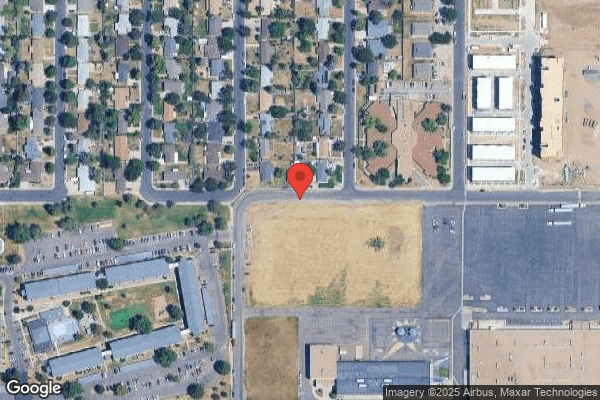
Understanding Severity Codes (click to expand)
Life-Threatening (Immediate Jeopardy)
J - Isolated K - Pattern L - Widespread
Actual Harm
G - Isolated H - Pattern I - Widespread
Potential for Harm
D - Isolated E - Pattern F - Widespread
No Harm (Minor)
A - Isolated B - Pattern C - Widespread

Questions to Ask on Your Visit

  • "Can I speak with families of current residents?"
  • "What's your RN coverage like on weekends and overnight?"

Our Honest Assessment

Strengths
  • • 37% turnover. Below Colorado's 48% average. Good staff retention means consistent care.
Concerns
  • • Multiple safety concerns identified: 9 harm violation(s). Review inspection reports carefully.
  • • 52 deficiencies on record, including 9 serious (caused harm) violations. Ask about corrective actions taken.
  • • $13,400 in fines. Above average for Colorado. Some compliance problems on record.
  • • Grade F (3/100). Below average facility with significant concerns.
Bottom line: Trust Score of 3/100 indicates significant concerns. Thoroughly evaluate alternatives.

About This Facility

What is Lowry Hills Care And Rehabilitation's CMS Rating?

CMS assigns LOWRY HILLS CARE AND REHABILITATION an overall rating of 2 out of 5 stars, which is considered below average nationally. Within Colorado, this rating places the facility higher than 0% of the state's 100 nursing homes. A rating at this level reflects concerns identified through health inspections, staffing assessments, or quality measures that families should carefully consider.

How is Lowry Hills Care And Rehabilitation Staffed?

CMS rates LOWRY HILLS CARE AND REHABILITATION's staffing level at 2 out of 5 stars, which is below average compared to other nursing homes. Staff turnover is 37%, compared to the Colorado average of 46%. This relatively stable workforce can support continuity of care. RN turnover specifically is 56%, which is notably high. RNs provide skilled clinical oversight, so turnover in this role can affect medical care quality.

What Have Inspectors Found at Lowry Hills Care And Rehabilitation?

State health inspectors documented 52 deficiencies at LOWRY HILLS CARE AND REHABILITATION during 2021 to 2025. These included: 9 that caused actual resident harm and 43 with potential for harm. Deficiencies causing actual harm indicate documented cases where residents experienced negative health consequences.

Who Owns and Operates Lowry Hills Care And Rehabilitation?

LOWRY HILLS CARE AND REHABILITATION is owned by a for-profit company. For-profit facilities operate as businesses with obligations to shareholders or private owners. The facility is operated by SWEETWATER CARE, a chain that manages multiple nursing homes. With 108 certified beds and approximately 97 residents (about 90% occupancy), it is a mid-sized facility located in AURORA, Colorado.

How Does Lowry Hills Care And Rehabilitation Compare to Other Colorado Nursing Homes?

Compared to the 100 nursing homes in Colorado, LOWRY HILLS CARE AND REHABILITATION's overall rating (2 stars) is below the state average of 3.1, staff turnover (37%) is near the state average of 46%, and health inspection rating (1 stars) is much below the national benchmark.

What Should Families Ask When Visiting Lowry Hills Care And Rehabilitation?

Based on this facility's data, families visiting should ask: "Can you walk me through typical staffing levels on day, evening, and night shifts?" "Can I visit during a mealtime to observe dining assistance and food quality?" "How do you handle medical emergencies, and what is your hospital transfer rate?" "Can I speak with family members of current residents about their experience?" These questions are particularly relevant given the below-average staffing rating.

Is Lowry Hills Care And Rehabilitation Safe?

Based on CMS inspection data, LOWRY HILLS CARE AND REHABILITATION has a clean safety record: no substantiated abuse findings (meaning no confirmed cases of resident harm), no Immediate Jeopardy citations (the most serious violation level indicating risk of serious injury or death), and is not on the Special Focus Facility watch list (a federal program monitoring the lowest-performing 1% of nursing homes). The facility has a 2-star overall rating and ranks #100 of 100 nursing homes in Colorado. While no facility is perfect, families should still ask about staff-to-resident ratios and recent inspection results during their visit.

Do Nurses at Lowry Hills Care And Rehabilitation Stick Around?

LOWRY HILLS CARE AND REHABILITATION has a staff turnover rate of 37%, which is about average for Colorado nursing homes (state average: 46%). Moderate turnover is common in nursing homes, but families should still ask about staff tenure and how the facility maintains care continuity when employees leave.

Was Lowry Hills Care And Rehabilitation Ever Fined?

LOWRY HILLS CARE AND REHABILITATION has been fined $13,400 across 3 penalty actions. This is below the Colorado average of $33,213. While any fine indicates a compliance issue, fines under $50,000 are relatively common and typically reflect isolated problems that were subsequently corrected. Families should ask what specific issues led to these fines and confirm they've been resolved.

Is Lowry Hills Care And Rehabilitation on Any Federal Watch List?

LOWRY HILLS CARE AND REHABILITATION is not on any federal watch list. The most significant is the Special Focus Facility (SFF) program, which identifies the bottom 1% of nursing homes nationally based on persistent, serious quality problems. Not being on this list means the facility has avoided the pattern of deficiencies that triggers enhanced federal oversight. This is a positive indicator, though families should still review the facility's inspection history directly.