SPRINGS AT ST ANDREWS VILLAGE, THE
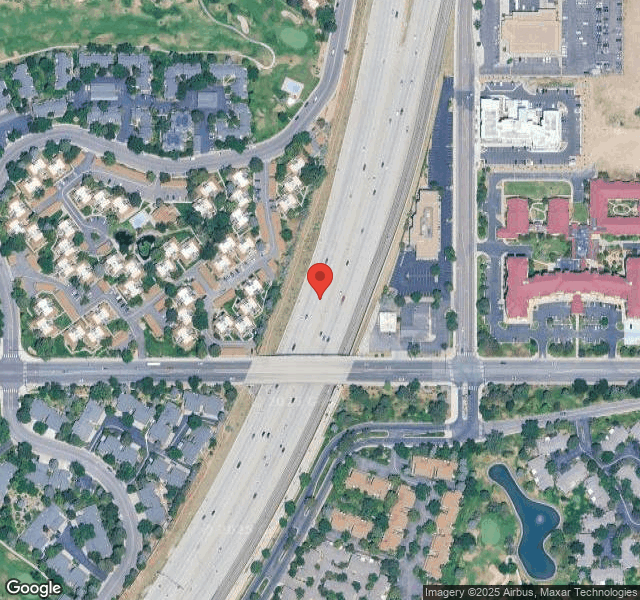
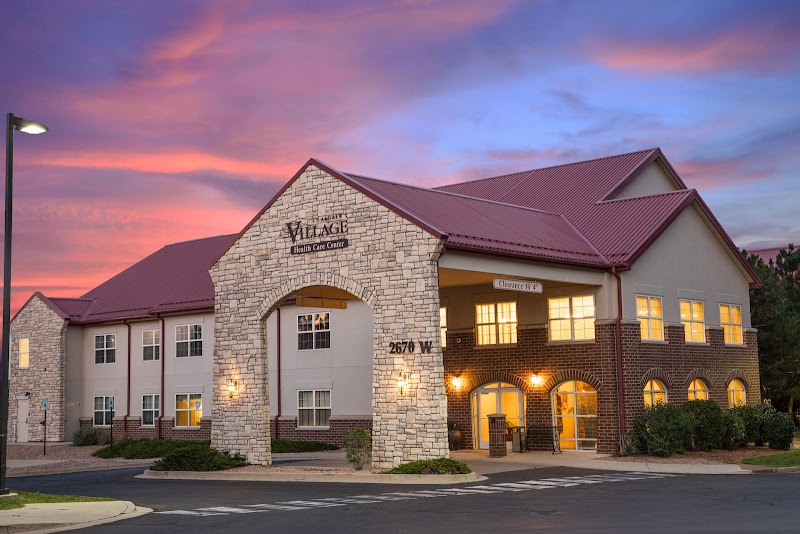
2670 S ABILENE ST, AURORA, CO 80014 (303) 695-9300
For profit - Limited Liability company 58 Beds THE ENSIGN GROUP Data: November 2025
Trust Grade
80/100
#45 of 208 in CO
Last Inspection: March 2024

Within standard 12-15 month inspection cycle. Federal law requires annual inspections.

Overview

The Springs at St. Andrews Village in Aurora, Colorado has a Trust Grade of B+, which indicates it is above average and recommended for families considering long-term care. It ranks #45 out of 208 facilities in Colorado, placing it in the top half, and #5 out of 20 in Arapahoe County, meaning only four local options are better. The facility is improving, with a decrease in issues from six in 2022 to five in 2024. Staffing has an average rating of 3 out of 5 stars, with a turnover rate of 52%, slightly above the state average, suggesting some staff consistency but room for improvement. Notably, there have been no fines, which is a positive sign, and the facility has more RN coverage than 97% of state facilities, ensuring quality care. However, there are areas of concern. A serious incident involved a resident losing significant weight due to a lack of timely intervention and communication with the family regarding their health status. Additionally, there were concerns about staff training, as most CNAs did not complete the required annual training, and there were medication administration delays for one resident. Overall, while there are strengths in RN coverage and no financial penalties, families should consider the identified weaknesses in staff training and specific resident care incidents.

Trust Score
B+
80/100
In Colorado
#45/208
Top 21%
Safety Record
Moderate
Needs review
Inspections
Getting Better
6 → 5 violations
Staff Stability
⚠ Watch
52% turnover. Above average. Higher turnover means staff may not know residents' routines.
Penalties
✓ Good
No fines on record. Clean compliance history, better than most Colorado facilities.
Skilled Nurses
✓ Good
Each resident gets 49 minutes of Registered Nurse (RN) attention daily — more than average for Colorado. RNs are trained to catch health problems early.
Violations
⚠ Watch
16 deficiencies on record. Higher than average. Multiple issues found across inspections.
★★★★★
5.0
Overall Rating
★★★☆☆
3.0
Staff Levels
★★★★★
5.0
Care Quality
★★★★☆
4.0
Inspection Score
Stable
2022: 6 issues
2024: 5 issues

The Good

  • 5-Star Quality Measures · Strong clinical quality outcomes
  • Full Sprinkler Coverage · Fire safety systems throughout facility
  • No fines on record

Facility shows strength in quality measures, fire safety.

The Bad

Staff Turnover: 52%

Near Colorado avg (46%)

Higher turnover may affect care consistency

Chain: THE ENSIGN GROUP

Part of a multi-facility chain

Ask about local staffing decisions and management

The Ugly 16 deficiencies on record

1 actual harm
Mar 2024 5 deficiencies
CONCERN (D)

Potential for Harm - no one hurt, but risky conditions existed

Infection Control (Tag F0880)

Could have caused harm · This affected 1 resident

**NOTE- TERMS IN BRACKETS HAVE BEEN EDITED TO PROTECT CONFIDENTIALITY** Based on observations and interviews, the facility failed to maintain an infection control program designed to provide a safe, s...

Read full inspector narrative →
**NOTE- TERMS IN BRACKETS HAVE BEEN EDITED TO PROTECT CONFIDENTIALITY** Based on observations and interviews, the facility failed to maintain an infection control program designed to provide a safe, sanitary and comfortable environment to help prevent the development and transmission of disease and infection for one of two units. Specifically, the facility failed to: -Ensure resident rooms and bathrooms were cleaned in a sanitary manner; -Ensure surface disinfectants were used for the appropriate dwell time (amount of time surface must remain visibly wet); -Ensure appropriate hand hygiene was performed by housekeeping staff; and, -Ensure high touch surfaces were cleaned. Findings include: I. Professional reference According to the Environmental Cleaning procedures (reviewed 5/4/23) retrieved on 3/28/24 from: https://www.cdc.gov/hai/prevent/resource-limited/cleaning-procedures.html, documented in part, Common high touch surfaces include: sink handles, bedside tables, call bells, door knobs, and light switches. High touch surfaces and floors should be cleaned at least once daily (24 hour period). At least once daily or every 24 hours high touch surfaces are to be cleaned. According to the List N tool: Covid 19 disinfectants retrieved on 4/1/24 from: https://cfpub.epa.gov/wizards/disinfectants/ Fabuloso requires a 10 minute contact time (surface must remain visibly wet for the duration of the contact time). II. Facility policy The Cleaning and Disinfecting Residents' Rooms policy and procedure, revised August 2013, was received from the executive director (ED) on 3/27/24 at 12:14 p.m. It revealed in pertinent part The purpose of this procedure is to provide guidelines and disinfecting residents' rooms. Environmental surfaces will be disinfected (or cleaned) on a regular basis. Disinfecting solutions will be prepared as needed and replaced with fresh solutions frequently. Perform hand hygiene after removing gloves. The environmental service director and administrator, in conjunction with the infection preventionist will select appropriate facility disinfectants. Change cleaning clothes when they become soiled. Clean personal use items lights, phones, call bells with disinfectant solution. III. Observations On 3/26/24 at 9:36 a.m., housekeeper (HSK) #1 was cleaning room [ROOM NUMBER], a private resident room. HSK #1 grabbed a wet rag from a bucket on her cleaning cart, wrung it out and picked up a spray bottle with a purple solution in it. HSK #1 entered room [ROOM NUMBER], sprayed the purple solution from the bottle onto the bedside table and immediately wiped the table top and the legs of the bedside table with the rag. -HSK #1 did not allow the cleaning solution to remain wet on the surface of the bedside table for the manufacturer recommended dwell time of 10 minutes. HSK #1 proceeded to move into the bathroom, sprayed the purple solution on the sink and wiped it off immediately with the rag. -HSK #1 did not allow the cleaning solution to remain wet on the surface of the sink for the manufacturer recommended dwell time of 10 minutes. At 9:41 a.m., HSK #1 sprayed the toilet and brushed the toilet bowl with a toilet brush HSK#1 wiped the rim of the toilet, bottom of the toilet seat, then the top of toilet seat and lastly the toilet lid was wiped. HSK #1 used the same rag to wipe the toilet tank and the outside of the toilet down to the floor. -HSK #1 did not allow the cleaning solution to remain wet on the surfaces of the toilet for the manufacturer recommended dwell time of 10 minutes. -HSK #1 did not clean the toilet from cleaner areas to dirtier areas. At 9:42 a.m., HSK #1 sprayed and immediately wiped off the grab bars in the bathroom using the same rag she cleaned the toilet with. -HSK #1 did not allow the cleaning solution to remain wet on the surface of the grab bars for the manufacturer recommended dwell time of 10 minutes. HSK#1 returned to her cleaning cart and retrieved a broom to sweep the room. As she was sweeping, she touched the resident's recliner, pillow, bedside table, desk chair, shoes, toilet riser and the main door handle with the same gloves she had used to clean the bathroom with. -HSK #1 failed to change her gloves and perform hand hygiene after cleaning the bathroom and before she touched multiple items in the resident's room while sweeping the floor HSK #1 returned to her cart and grabbed a mop pad from a bucket with cleaning solution on her cleaning cart. -HSK #1 did not remove her gloves and perform hand hygiene before reaching into the bucket of solution for the mop pad. HSK #1 wrung out the mop pad with the same gloves she had been wearing throughout the entire cleaning process of the resident's room. She allowed the excess cleaning solution to drip back into the container and returned to the resident's room to mop the floor. HSK #1 mopped the resident's room from the window towards the bathroom. HSK #1 proceeded to mop the floor of the bathroom with the same mop pad before she finished mopping the resident's room to the main doorway. While HSK #1 was mopping the resident's room, she touched the call light, desk chair, shoes, bedside table, toilet riser and a package of adult briefs. -HSK #1 failed to change her mop pad after mopping the bathroom floor before she finished mopping the remainder of the resident's room. -HSK #1 continued to wear the same gloves she had worn throughout the cleaning process of the resident's room and again touched multiple items in the resident's room during the mopping process. On 3/26/24 at 9:54 a.m., HSK #1 began cleaning room [ROOM NUMBER], a private resident room. HSK #1 grabbed a rag from the bucket with the cleaning solution on her cart and the spray bottle containing the purple cleaning solution before entering the resident's room. With her gloved hands, which had cleaning solution on them from grabbing the rag, HSK #1 moved several personal items, including the resident's drinking cup which she grabbed by the rim of the cup, from the resident's bedside table and nightstand to the resident's recliner. HSK #1 proceeded to spray the bedside table and nightstand with the purple solution. After spraying the cleaning solution, she immediately wiped off the bedside table and nightstand. HSK #1 then wiped the bedside table and night stand immediately after spraying. -HSK #1 did not allow the cleaning solution to remain wet on the surfaces of the bedside table and nightstand for the manufacturer recommended dwell time of 10 minutes. At 9:57 a.m., HSK #1 sprayed and immediately wiped off the dresser. -HSK #1 did not allow the cleaning solution to remain wet on the surface of the dresser for the manufacturer recommended dwell time of 10 minutes. At 9:58 a.m., HSK #1 entered the bathroom where she proceeded to spray the sink with the purple solution and immediately wiped the faucet and sink bowl before wiping the faucet handles. -HSK #1 did not allow the cleaning solution to remain wet on the surfaces of the sink area for the manufacturer recommended dwell time of 10 minutes. HSK #1 sprayed the bathroom cabinet, toilet bowl and toilet riser. HSK #1 moved the toilet riser out of the way and used the toilet bowl brush to scrub the visible brown residue in the toilet bowl. At 10:00 a.m., HSK #1 sprayed more purple solution on the toilet seat, tank and outside of the toilet. HSK #1 immediately wiped the toilet seat, tank, flushing handle, toilet seat (which had visible brown residue on top and underneath) and the rim of the toilet bowl. HSK #1 placed the dirty rag on the toilet riser and moved the toilet riser back over the toilet. -HSK #1 did not allow the cleaning solution to remain wet on the surfaces of the toilet for the manufacturer recommended dwell time of 10 minutes. -HSK #1 failed to clean the toilet from a cleaner area to a dirtier area. HSK #1 returned to her cart, changed her gloves without performing hand hygiene, grabbed a new rag from the bucket on the cleaning cart and returned to the bathroom to clean the toilet riser and the toilet again as there was still brown residue on them. -HSK #1 failed to perform hand hygiene between gloves changes. HSK #1 returned to her cart and retrieved the broom from the cleaning cart to sweep the room. -HSK #1 failed to change her gloves and perform hand hygiene after cleaning the bathroom and before using the broom to sweep the floor. After sweeping the room with the broom, HSK #1 retrieved a mop pad from the bucket on her cleaning cart wearing the same gloves she had worn to clean the bathroom. She wrung out the mop pad allowing the excess solution to drip back into the bucket. -HSK #1 did not remove her gloves and perform hand hygiene before reaching into the bucket of solution for the mop pad. HSK #1 returned to the room and mopped from the window to the bathroom and then to the main doorway of the room. While mopping the resident's room, HSK #1 touched the residents oxygen tubing, portable oxygen tank, wheelchair pedals, walker, shoes, bedside table, toilet riser and collected the trash from the trash can, all while wearing the same gloves she had been wearing to clean the bathroom. -HSK #1 failed to change her gloves and perform hand hygiene after cleaning the bathroom and before she touched multiple items in the resident's room while she was mopping the floor. -HSK #1 failed to use a separate mop pad after mopping the bathroom floor before she finished mopping the remainder of the resident's room. III. Staff interviews HSK #1 was interviewed on 3/26/24 at 10:15 a.m. HSK #1's primary language was French and a translating service was used during the interview. HSK #1 said the purple solution in the bottle was used to make it smell good. HSK #1 did not know the name of the solution but showed a bottle with the name of Fabuloso on the label. HSK #1 said she mixed the solution with water but was unable to say how much water to solution was used. HSK #1 identified the cleaning solution, the rags and mop pads were in a heavy duty tub and tile cleaner from the housekeeping closet dispensing system. HSK #1 identified the following areas as high touch areas which should be cleaned daily: bathroom, tables and the floors. HSK #1 said the call light and light switches were only cleaned twice a week. HSK #1 said she only needed to change gloves if they looked dirty or in between rooms. HSK #1 did not know if the cleaning products she was using were disinfectants or if they had a dwell time. The human resource director (HRD), who was also the housekeeping manager, was interviewed on 3/27/24 at 9:25 a.m. The HRD said she was overseeing housekeeping for ordering the supplies they needed and advising housekeepers when there was a discharge or new admission. The HRD said she was not involved in the training process of housekeepers. The HRD did not know if HSK #1 was provided training in her preferred language. The HRD said HSK #2 was the lead housekeeper and was in charge of training new housekeepers. The HRD said Fabuloso was not one of the approved cleaning chemicals for the facility and she did not know where it came from as it was not a product she had ordered for the facility. HSK #2, who was in charge of training new housekeepers, was interviewed via telephone on 3/27/24 at 10:10 a.m. HSK #2 said high touch items in resident rooms were doors, tables and call lights and should be cleaned daily. HSK #2 said Fabuloso was used to sanitize the rooms. HSK #2 said she used the dispenser in the housekeeping closet for the mopping solution and the solution for the rags. -However HSK #2 was not able to say the name of the chemical as she indicated the writing was too small for her to read on the labels. HSK #2 said she had trained two other housekeepers for the facility. HSK #2 was not able to confirm that HSK #1 was trained in her preferred language. The director of nursing (DON), who was also the facility's infection preventionist (IP), was interviewed on 3/27/24 at 10:29 a.m. The DON said she did not know what chemicals were being used for cleaning of resident rooms. The DON identified the following as high touch areas in a room which should be cleaned daily: television remote, light switches, bedside tables and call lights. The DON said she did not complete any specialized training to housekeepers and it was HSK #2's responsibility to train new housekeepers as she had been working at the facility the longest. The DON said she did not know if the training/education was provided to HSK #1 in her preferred language of French. The DON said she did not know the facility was using Fabuloso for cleaning resident rooms nor did she know what the dwell time of the cleaner was. The ED was interviewed on 3/27/24 at 11:23 a.m. The ED said the facility initially had a dual HRD/housekeeper who would complete inservice and training with the housekeepers. The ED said the facility relied currently on HSK #2 to complete training with new housekeepers. The ED was not aware the housekeeping staff was using an unapproved chemical (Fabuloso) for cleaning. The ED said housekeeping staff were to change their gloves and perform hand hygiene between cleaning the bathroom and the resident rooms to prevent contamination. The ED said high touch areas like call lights, television remotes, bedside tables and light switches should be cleaned daily.
CONCERN (E)

Potential for Harm - no one hurt, but risky conditions existed

Deficiency F0658 (Tag F0658)

Could have caused harm · This affected multiple residents

**NOTE- TERMS IN BRACKETS HAVE BEEN EDITED TO PROTECT CONFIDENTIALITY** Based on record review and interviews, the facility failed to ensure one (#25) of five residents out of 19 sample residents rece...

Read full inspector narrative →
**NOTE- TERMS IN BRACKETS HAVE BEEN EDITED TO PROTECT CONFIDENTIALITY** Based on record review and interviews, the facility failed to ensure one (#25) of five residents out of 19 sample residents received treatment and care in accordance with professional standards of practice. Specifically, the facility failed to administer medications in a timely manner per the physician orders for Resident #25. Findings include: I. Professional reference According to [NAME], P.A., [NAME], A.G., et.al., Fundamentals of Nursing, 10 ed. (2022), E.[NAME], St. Louis Missouri, pp. 606-607. Take appropriate actions to ensure the patient receives medication as prescribed and within the times prescribed and in the appropriate environment. Professional Standards such as nursing scope and standards of practice apply to the activity of medication administration. To prevent medication errors, follow the seven rights of medication administration consistently every time you administer medications. Many medication errors can be linked in some way to an inconsistency in adhering to these seven rights: 1. The right medication 2. The right dose 3. The right patient 4. The right route 5. The right time 6. The right documentation 7. The right indication. II. Facility policy and procedure The Administering Medications policy and procedure, revised in April 2019, was received from the executive director (ED) on 3/27/24 at 7:22 a.m. It revealed in pertinent part, Medications were administered in a safe and timely manner and as prescribed. Medication administration times were determined by resident need and benefit, not staff convenience. Factors to consider include: enhancing optimal therapeutic effect of the medication; honoring resident choices and preferences, consistent with his or her care plan. Medications were administered within one hour of their prescribed time. As required or indicated for a medication, the individual administering the medication records in the resident's medical record: date and time the medication was administered. III. Resident #25 A. Resident status Resident #25, older than 65, admitted on [DATE]. According to the March 2024 computerized physician orders (CPO), diagnoses include congestive heart failure (excessive fluid), chronic kidney disease (decrease in kidney function), hypertension (increased blood pressure) and atrial fibrillation (abnormal heat function). The 2/16/24 minimum data set (MDS) assessment revealed the resident was moderately impaired with a brief interview for mental status (BIMS) score of 10 out of 15. He required one person's assistance with transfers and dressing. He required set up assistance for eating and personal hygiene. B. Resident interview Resident #25 was interviewed on 3/25/24 at 1:14 p.m. Resident #25 said his medications were late and he was afraid it would affect his health. C. Record review The March 2024 CPO documented the following medication orders: Metoprolol succinate (used for blood pressure control) 50 milligrams (mg) two times daily at 8:00 a.m. and 8:00 p.m. ordered on 10/26/23. Trazadone (used for insomnia) 50 mg once daily at bedtime at 8:00 p.m. ordered on 9/15/23. Genteal ophthalmic gel 0.25-0.3% instill one drop in both eyes for cataracts at bedtime 8:00 p.m. ordered on 5/17/23. Finasteride 5 mg (used to treat enlarged prostate) at bedtime 8:00 p.m. ordered on 6/12/23. Furosemide 10 mg (used to remove excess fluid in the body) every morning at 8:00 a.m. ordered on 8/19/23. Review of the medication administration record (MAR) from 3/12/24 to 3/26/24 revealed the following: The Metoprolol succinate 8:00 a.m. dose was not administered timely on the following days: -3/12/24, the medication was administered at 10:21 a.m (one hour and 21 minutes after the allowed administration time); -3/15/24, the medication was administered at 11:22 a.m. (two hours and 22 minutes after the allowed administration time); -3/16/24, the medication was administered at 11:15 a.m. (two hours and 15 minutes after the allowed administration time); -3/17/24, the medication was administered at 10:11 a.m. (one hour and 11 minutes after the allowed administration time); -3/18/24, the medication was administered at 10:56 a.m. (one hour and 56 minutes after the allowed administration time); -3/24/24, the medication was administered at 10:11 a.m. (one hour and 11 minutes after the allowed administration time); and -3/25/24, the medication was administered at 10:34 a.m. (one hour and 34 minutes after the allowed administration time). The Metoprolol succinate 8:00 p.m. dose was not administered timely on the following days: -3/12/24, the medication was administered at 10:26 p.m. (one hour and 26 minutes after the allowed administration time); -3/14/24, the medication was administered at 9:36 p.m. (36 minutes after the allowed administration time); -3/16/24, the medication was administered at 11:56 p.m. (two hours and 56 minutes after the allowed administration time); -3/21/24, the medication was administered at 10:22 p.m. (one hour and 22 minutes after the allowed administration time); and -3/15/24, the medication was administered at 12:07 a.m. on 3/26/24 (three hours and seven minutes after the allowed administration time). The Trazadone 8:00 p.m. dose was not administered timely on the following days: -3/14/24, the medication was administered at 9:36 p.m. (36 minutes after the allowed administration time); and -3/21/24, the medication was administered at 10:45 p.m. (one hour and 45 minutes after the allowed administration time). The Genteal ophthalmic gel 8:00 p.m. dose was not administered timely on the following days: -3/14/24, the medication was administered at 9:36 p.m. (36 minutes after the allowed administration time); -3/19/24, the medication was administered at 11:10 p.m. (two hours and 10 minutes after the allowed administration time); -3/21/24, the medication was administered at 10:49 p.m. (one hour and 49 minutes after the allowed administration time) The Finasteride 8:00 p.m. dose was not administered timely on the following days: -3/14/24, the medication was administered at 9:36 p.m. (36 minutes after the allowed administration time); and -3/21/24, the medication was administered at 10:43 p.m.(one hour and 43 minutes after the allowed administration time). The Furosemide 8:00 a.m. dose was not administered time on the following days: -3/12/24, the medication was administered at 10:21 a.m. (one hour and 21 minutes after the allowed administration time); -3/15/24, the medication was administered at 9:39 a.m. (39 minutes after the allowed administration time); -3/16/24, the medication was administered at 11:15 a.m. (two hours and 15 minutes after the allowed administration time); -3/17/24, the medication was administered at 10:12 a.m. (one hour and 12 minutes after the allowed administration time); -3/18/24, the medication was administered at 10:55 a.m. (one hour and 55 minutes after the allowed administration time); -3/24/24, the medication was administered at 10:11 a.m. (one hour and 11 minutes after the allowed administration time); and -3/25/24, the medication was administered at 10:34 a.m. (one hour and 34 minutes after the allowed administration time). -There were no progress notes documenting the reason the medications were administered late. IV. Staff interviews Licensed practical nurse (LPN) #1 was interviewed on 3/27/24 at 8:10 a.m. LPN #1 said medications were to be administered in one hour before or after the medication scheduled time. LPN #1 said if a medication was not administered timely it could affect the resident's health, could be given too close to the next dose compromising the resident. LPN #1 said sometimes medications were given late due to an emergency with other residents. The director of nursing (DON) was interviewed on 3/27/24 at 8:21 a.m. The DON said resident medications should be administered timely to ensure the effectiveness of a medication purpose for the resident. The DON said the nurses should administer medications within the one hour window before and after the scheduled time. The DON said the administration of medications being timely was part of the seven rights of medication administration. The DON said it was up to the nurse to add a progress note to state why a medication was administered late. The DON said medication could be documented late if the nurse did not sign them out at time of administration but that was not best practice.
CONCERN (E)

Potential for Harm - no one hurt, but risky conditions existed

Deficiency F0730 (Tag F0730)

Could have caused harm · This affected multiple residents

Based on record review and interview, the facility failed to conduct yearly certified nurse aide (CNA) performance reviews and provide training based on the outcome of the reviews for three out of fiv...

Read full inspector narrative →
Based on record review and interview, the facility failed to conduct yearly certified nurse aide (CNA) performance reviews and provide training based on the outcome of the reviews for three out of five CNAs reviewed for annual reviews and training. Specifically, failed to provide performance reviews annually and training based on the outcome of the individual reviews for CNA #1, CNA #2 and CNA #3. Findings include: I. Facility policy and procedure The Performance Evaluations policy, revised September 2020, was provided by the executive director (ED) on 3/27/24 at 12:27 p.m. It documented in pertinent part, The job performance of each employee shall be reviewed and evaluated at least annually. Performance evaluations may be used in determining employee promotion, shift/position transfers, demotion, terminations, wage increases and to improve the quality of the employee's work performance. The written performance evaluations will contain the director's and/or supervisor's remarks and suggestions, any action that should be taken (further training) and goals. II. Record review The 2/8/24 facility assessment was provided by the social services director (SSD) on 3/26/24 at 12:07 p.m. It revealed the facility average census was 35 residents. The common diseases the facility provided care to were psychiatric/mood disorders, circulatory system, neurological system, vision and hearing, musculoskeletal system, metabolic disorders, respiratory systems, genitourinary system, diseases of blood, digestive system, integumentary system and infectious diseases. Performance evaluations for CNAs were reviewed. -However, the facility was unable to provide annual performance evaluations and reviews for CNA #1, CNA #2 and CNA #3 during the survey process. III. Staff interviews The human resources director (HRD) was interviewed on 3/27/24 at 9:18 a.m. She said the facility had a new administration team that came together in 2023. She said performance reviews were not a priority for the past administration team. She said the current administration team had made it a priority to complete the performance reviews timely. The director of nursing (DON) was interviewed on 3/27/24 at 11:06 a.m. She said performance evaluations should have been completed annually. She said she completed the performance evaluations for CNA #1, CNA #2 and CNA #3 on 3/26/24 during the survey. She said going forward the performance evaluations would be completed on the CNAs anniversary date.
CONCERN (E)

Potential for Harm - no one hurt, but risky conditions existed

Deficiency F0761 (Tag F0761)

Could have caused harm · This affected multiple residents

**NOTE- TERMS IN BRACKETS HAVE BEEN EDITED TO PROTECT CONFIDENTIALITY** Based on observations and interviews, the facility failed to ensure medications and biologicals were stored and labeled properly...

Read full inspector narrative →
**NOTE- TERMS IN BRACKETS HAVE BEEN EDITED TO PROTECT CONFIDENTIALITY** Based on observations and interviews, the facility failed to ensure medications and biologicals were stored and labeled properly in two of three medication storage rooms and one of three medication carts. Specifically the facility failed to: -Ensure expired medications were not stored with current medications in the medication storage rooms; -Ensure medications were stored at correct temperatures in medication storage refrigerators; -Ensure medications were not stored in a dormitory style refrigerator/freezer combination; and, -Ensure used medication vials were not stored in the medication cart. Findings include: I. Professional reference According to the Vaccine Storage and Temperature Monitoring Equipment (January 2023), retrieved on 3/18/24 from https://www.cdc.gov/vaccines/hcp/admin/storage/toolkit/storage-handling-toolkit.pdf, It is important the facility has proper storage and monitoring equipment that was set up correctly, maintained appropriately and repaired as needed. The equipment protects patients from inadvertently receiving compromised vaccines. Do not store any vaccines in a dormitory-style or bar-style combined refrigerator/freezer unit under any circumstances. These units have a single exterior door and an evaporator plate/cooling coil, usually located in the freezer compartment. These units pose a significant risk of freezing vaccines, even when used for temporary storage. Temperature ranges for refrigerators should maintain temperatures between 36 and 46 degrees fahrenheit (F). II. Facility policy and procedure The Medication Labeling and Storage policy and procedure, revised February 2023, was received from the executive director (ED) on 3/27/24 at 7:22 a.m. It revealed in pertinent part The facility stores all medication and biologicals in locked compartments under proper temperature, humidity and light controls. If the facility has discontinued, outdated or deteriorated medications or biologicals, the dispensing pharmacy was contacted for instructions regarding returning or destroying these items. Medications requiring refrigeration were stored in the refrigerator located in the medication room at the nurses station. III. Observations and staff interviews On 3/26/24 at 1:40 p.m. the first floor east wing medication cart was observed with RN #1. The following item was found: -One open and used vial of ceftriaxone 1 gram injection (an antibiotic medication used for infections). -The vial had no resident name or date on it. Registered nurse (RN) #1 said it was the responsibility of each nurse working the medication cart to ensure the cart was clean. She said the empty vial should have been disposed of after the medication was drawn up from the vial. RN #1 said the vial did not have a resident name on it but it could have been removed from the facility's emergency medication supply. On 3/26/24 at 1:47 p.m., the east wing medication storage room was observed with RN #1. The following items were found: -One opened bottle of vitamin D3 5000 units that expired 11/2023; -One unopened bottle of Iron 325 milligrams (mg) expired 12/2023; and, -Two unopened bottles of Senokot (aids in relieving constipation) 8.6 mg that expired 11/2023. Additionally, the temperature in the medication storage refrigerator in the medication storage room was 33 degrees F which was confirmed by RN #1. The refrigerator had a single door and had a freezer compartment which had about six inches of ice build up in the freezer section. The ice build up would not allow for anything to be stored in the freezer section. The refrigerator had the following vaccines and medications stored in it: -Three Basaglar insulin pens (used for blood glucose management); -One bottle of liquid Lorazepam (anti-anxiety medication); -One Fluad quadrivalent flu vaccine for residents over [AGE] years old; -One quadrivalent flu vaccine for residents younger than [AGE] year olds; -One open vial of tuberculin (used to test for tuberculosis); -One unopened vial of tuberculin; and, -One box of Bisacodyl suppositories (used for constipation). RN #1 said the medication storage refrigerator was not within the correct temperature range per the facility's log and the medications or vaccines in the refrigerator could be compromised if they were not stored at the correct temperatures. RN #1 said the expired medication bottles should have been placed in the cabinet labeled expired medications which was at the other end of the medication storage room to ensure a nurse did not collect them to be used for a resident. On 3/26/24 at 2:02 p.m., the second floor medication room was observed with licensed practical nurse (LPN) #1. The medication storage refrigerator in the medication storage room was a dormitory style refrigerator where the freezer was in the same compartment as the refrigerator. The freezer had two inches of ice build up. The following medications were observed to be stored in the refrigerator: -One open vial of Tuberculin; and, -One novolog insulin vial. LPN #1 said she did not know medications could not be stored in a dormitory style fridge. LPN #1 said she did not think the medications in the refrigerator were compromised as the temperature log for the fridge did not have any temperatures out of the safe range. IV. Additional staff interviews The director of nursing (DON) was interviewed on 3/26/24 at 2:20 p.m. The DON said medications and vaccines should be stored per the recommendations of the medication manufacturers to ensure medications were effective at the time administered. The DON was not aware the facility could not use the dormitory style refrigerators because of increased risks of temperature fluctuations. The DON observed the ice build up in the first floor east wing medication room and said the facility did not use the freezer section to store medications. The DON said the medications stored in the refrigerator would be destroyed and new ones would be ordered from the pharmacy to ensure medications were not given to residents because they might have been compromised. The DON said expired medications were to be stored in the medication room in the cabinet labeled expired medications to ensure the nurses did not accidentally give a resident a medication that was expired. The DON said the expired medications should not have been in the cabinet labeled medication cart supplies. The DON said the empty vial of antibiotics should have been disposed of at the time the injection was given and should not have been stored in the medication cart. The DON said all nurses working the medication cart were to keep the carts clean. The DON said she completed random medication cart checks monthly and the pharmacy consultant also completed checks monthly.
CONCERN (F)

Potential for Harm - no one hurt, but risky conditions existed

Deficiency F0947 (Tag F0947)

Could have caused harm · This affected most or all residents

Based on record review and interviews, the facility failed to ensure certified nurse aides (CNA) received the required 12 hours of annual in-service training to ensure continued competence. Specifical...

Read full inspector narrative →
Based on record review and interviews, the facility failed to ensure certified nurse aides (CNA) received the required 12 hours of annual in-service training to ensure continued competence. Specifically, the facility failed to ensure 23 of 24 CNAs received 12 hours of annual training. Findings include: I. Facility policy and procedure The In-Service Training policy, revised August 2022, was provided by the executive director (ED) on 3/27/24 at 12:25 p.m. It documented in pertinent part, The primary objective of the in-service training was to ensure that staff were able to interact in a manner that enhanced the resident's quality of life and quality of care and could demonstrate competence in the topic areas of the training. II. Training review CNAs were reviewed for the required annual 12 hours of continued education units (CEUs). -Training records revealed only one out of 24 CNAs had completed the required training. III. Staff interviews The human resources director (HRD) was interviewed on 3/27/24 at 10:45 a.m. The HRD said the facility did not employ a staff development coordinator. She said it was not communicated to her that the CNAs were required to have the 12 hours of annual in-service training. She said only one CNA had their 12 hour CEUs completed. The director of nursing (DON) was interviewed on 3/27/24 at 11:06 a.m. The DON said all CNAs should have completed their 12 hours of CEUs. She said the HRD should have a tracking system in place to track the amount of hours completed. The ED was interviewed on 3/27/24 at 11:22 a.m. The ED said all CNAs should have completed their 12 hours of CEUs. She said the HRD had initiated a tracking form (during the survey) to ensure CNAs were completing their required CEUs annually.
Dec 2022 6 deficiencies
CONCERN (D)

Potential for Harm - no one hurt, but risky conditions existed

Deficiency F0691 (Tag F0691)

Could have caused harm · This affected 1 resident

**NOTE- TERMS IN BRACKETS HAVE BEEN EDITED TO PROTECT CONFIDENTIALITY** Based on record review and interviews the facility failed to provide ostomy care to one resident (#122) of one resident reviewed...

Read full inspector narrative →
**NOTE- TERMS IN BRACKETS HAVE BEEN EDITED TO PROTECT CONFIDENTIALITY** Based on record review and interviews the facility failed to provide ostomy care to one resident (#122) of one resident reviewed out of 26 sample residents. Specifically, the facility failed to: -Ensure physician orders were in place to provide colostomy care for Resident #122; and, -Ensure there was a comprehensive care plan for colostomy care. Findings include: I. Facility policy The Colostomy/Ileostomy Care policy and procedure, dated 2022, was provided by the director of nursing (DON) on 12/14/22 at 2:45 p.m. The policy read in pertinent part, The purpose of this procedure is to provide guidelines that will aid in preventing exposure of the resident's skin to fecal matter. Review the resident's care plan to assess for any special needs of the resident. The following information may be recorded in the resident's medical record: the date and time the colostomy/ileostomy care was provided; the name and title of the individual(s) who provided the colostomy/ileostomy care; any breaks in resident's skin, signs of infection (purulent discharge, pain, redness, swelling, temperature), or excoriation of skin; how the resident tolerated the procedure; if the resident refused the procedure, the reason(s) why and the intervention taken; the signature and title of the person recording the data. Report other information in accordance with facility policy and professional standards of practice. II. Resident #122 A. Resident status Resident #122, age [AGE], was admitted on [DATE]. According to the December 2022 computerized physician orders (CPO), diagnoses included encephalopathy (brain disease that alters brain function), type 2 diabetes mellitus, ulcerative colitis (inflammatory bowel disease), Alzheimer's disease, and encounter for attention to colostomy (a surgical operation in which a piece of the colon was diverted to an artificial opening in abdominal wall so as to bypass a damaged part of the colon). The 12/8/22 minimum data set (MDS) assessment revealed the resident had severe cognitive impairment with a brief interview for mental status (BIMS) score of seven out of 15. He required extensive assistance with two persons for bed mobility and total dependence for bathing. He required limited assistance with one person for transfers, walking in the room/corridor, dressing, and personal hygiene. He required extensive assistance with one person for toilet use. The MDS revealed an ostomy (colostomy) appliance. B. Record review The baseline/admission care plan, dated 12/1/22, was reviewed. It acknowledged that the resident had a ostomy (colostomy) and that he was not able to care for the device independently. -The appliance description and date last changed box was blank and there was no other care information. Review of the comprehensive care plan revealed there was no care plan for colostomy care. There was a care plan related to an alteration in gastrointestinal status related to ulcerative colitis, date initiated 12/1/22. Interventions included to give medications as ordered. Monitor/document side effects and effectiveness. Monitor vital signs as ordered/per protocol and record. Notify a medical doctor (MD) of significant abnormalities (rapid pulse, shallow, rapid or labored respiration, low blood pressure). Obtain and monitor lab/diagnostic work as ordered. Report results to MD and follow up as indicated. Review of the December 2022 CPO revealed there were no orders for the care of the colostomy. Review of the December 2022 medication and treatment administration record (MAR/TAR) revealed there was no documentation for care of the colostomy. Review of all the progress notes related to colostomy care from 12/1/22 to 12/13/22 revealed: No documentation of colostomy care in the progress notes for the first four days after admission. The 12/5/22 skilled status note read in pertinent part, the colostomy site changed due to leakage. The 12/8/22 skilled status note read in pertinent part, late entry, colostomy set changed. The 12/8/22 nurses note read in pertinent part, colostomy intact. The 12/9/22 skilled status note read in pertinent part, the colostomy set changed. The 12/9/22 skilled status note read in pertinent part, late entry colostomy bag was changed frequently/shift due to leakage. The 12/9/22 skilled status note read in pertinent part, late entry colostomy set changed. The 12/12/22 nurses note read in pertinent part, colostomy in place. -Treatment was provided without a physician's order or a care plan. III. Staff interview Registered nurse (RN) #1 was interviewed on 12/14/22 at 1:45 p.m. RN #1 said there should be a physician order for Resident #122's colostomy care. RN #1 said she had thought there was an as needed order (PRN) to change the colostomy when full. She said she just emptied it when full. RN #1 said the colostomy had been leaking so the nurses were working on that. The DON was interviewed on 12/15/22 at 10:54 a.m. She said the medical records/central supplies department ordered the colostomy supplies. The DON said the type or brand they used at the facility was Convac which was a wafer two piece with a bag. The DON said the nurses empty the bag from the clip at the bottom. The DON said there should be a care plan for the colostomy care and there should be doctors orders. The DON said proper care for the colostomy included changing it when it leaks, weekly or as needed. She said to empty it as needed and clean the area with an incontinence care wipe and apply barrier cream. RN #2 was interviewed on 12/15/22 at 11:21 a.m. She said she knew how to change a colostomy from learning at school and according to professional standards of practices. RN #2 said there should be physician orders for colostomy care which would include to empty and change as needed. RN #2 said she had been providing that care for Resident #122 although the orders were not there. RN #2 said that Resident #122 was not able to care for the colostomy on his own. RN #2 said there should be a care plan for his colostomy care. RN #2 said that Resident #122's colostomy had been leaking, and she thought it was because of his thin bowel movements and the position/location of his colostomy. The assistant director of nursing (ADON)/infection preventionist (IP) was interviewed on 12/15/22 at 11:27 a.m. She said Resident #122 had finished his antibiotic treatment on 12/4/22. The ADON said he had been on an antibiotic for an urinary tract infection (UTI) (admitted to the facility with) caused by escherichia coli (E. coli) bacteria but he was now feeling better. The ADON said it was important to prevent a recurring UTI by performing proper peri care, hand washing, colostomy care and cleaning, and emptying and changing as needed. The ADON said there should be a care plan and a doctor's order for the colostomy care. The ADON said the nurses know how to care for the colostomy from nursing standards of care. The ADON said she saw that Resident #122 did not have MD orders or a care plan for the colostomy care but the nurses added them (after being identified on survey). The MDS coordinator (MDSC) was interviewed on 12/15/22 at 12:04 p.m. She said added the colostomy care to the care plan today for Resident #122 but that she back-dated the medical record to when he was first admitted (12/1/22) because she said the nurses had been doing the care. D. Facility follow-up On 12/15/22 at 12:02 p.m. the MDSC presented a copy of Resident #122's care plan with a new intervention added to the alteration in gastrointestinal status related to ulcerative colitis section. It read, Colostomy care per orders. -However, it read that the intervention was initiated on 12/1/22 although it was newly created and added on 12/15/22. The MDSC said she had back-dated the medical record. She said she had done so because the staff had already been providing care. New CPO were added on 12/14/22 at 2:00 p.m. it read, Colostomy care Q shift (every shift) and change as needed, every shift for skin maintenance. -Resident #122 had been in the facility 14 days (admitted [DATE]) before the MD orders were added.
CONCERN (D)

Potential for Harm - no one hurt, but risky conditions existed

Medication Errors (Tag F0758)

Could have caused harm · This affected 1 resident

**NOTE- TERMS IN BRACKETS HAVE BEEN EDITED TO PROTECT CONFIDENTIALITY** Based on record review and interviews, the facility failed to ensure that residents were free of unnecessary psychotropic medica...

Read full inspector narrative →
**NOTE- TERMS IN BRACKETS HAVE BEEN EDITED TO PROTECT CONFIDENTIALITY** Based on record review and interviews, the facility failed to ensure that residents were free of unnecessary psychotropic medications for one (#9) of three residents reviewed for unnecessary medication out of 26 sample residents. Specifically, the facility failed to: -Track hours of sleep to evaluate the effectiveness of an antidepressant (Trazodone) being utilized as a hypnotic for the diagnosis of insomnia for Residents #9; -Have a physician's order to track and monitor hours of sleep for Resident #9; and, -Have non-pharmacological interventions on plan of care for insomnia for Resident #9. Findings include: I. Professional reference Davis's Drug Guide for Nurses Handbook seventeenth edition, copyright 2021, Vallerand and Sanoski, Philadelphia, PA, pp. 1233-1235. Read in part: Trazodone-classification: antidepressant. Indications: Major depression. Unlabeled use: Insomnia. Side effects: drowsiness most frequently, suicidal thoughts, confusion, dizziness and fatigue. Assess mental status, orientation, mood, and behavior frequently. The total daily dose may be given at bedtime to decrease daytime drowsiness and dizziness. Retrieved 12/19/22. II. Resident #9 A. Resident status Resident #9, age [AGE], was admitted initially on 7/18/22 with readmission on [DATE]. According to the December 2022 computerized physician orders (CPO), diagnoses included acute respiratory failure with hypoxia (absence of enough oxygen), cerebral infarction (stroke), major depressive disorder (depressed mood), and insomnia (sleep disorder). The 11/17/22 minimum data set (MDS) assessment revealed the resident had moderate cognitive impairment with a brief interview for mental status (BIMS) score of 11 out of 15. He required extensive assistance with two persons for bed mobility. Extensive assistance with one person for locomotion on the unit, and toilet use. Limited assistance with one person for transfers, walking in the room, dressing, and personal hygiene. The resident mood interview (PHQ-9) revealed a total severity score of zero indicating no depression; and answered no to trouble falling or staying asleep, or sleeping too much. The MDS assessment revealed no behavioral symptoms or rejection of care. Antidepressant medications were administered for seven days during the review period. B. Record review The December 2022 CPO revealed the following physician orders: Trazodone hydrochloride (HCl) Tablet 50 milligrams (MG), give one tablet by mouth at bedtime for insomnia associated with depression. Start date 11/10/22. Nortriptyline HCl Capsule 10 MG, give one capsule by mouth at bedtime for depression. Start date 11/10/22. Melatonin Tablet 5 MG, give one tablet by mouth at bedtime for supplement. Start date 11/10/22. -There were no physician orders for monitoring hours of sleep. Review of the December and November 2022 medication and treatment administration record (MAR/TAR) revealed there was no documentation since the resident's readmission on [DATE] of the facility monitoring his hours of sleep to evaluate the effectiveness of the antidepressant being utilized as a hypnotic for the diagnosis of insomnia. Review of the care plan related to residents use of antidepressant medications (Nortriptyline and Trazodone) related to depression and insomnia, date initiated 11/10/22. Interventions included giving antidepressant medications ordered by a physician. Monitor/document side effects and effectiveness. Antidepressant side effects: dry mouth, dry eyes, constipation, urinary retention, suicidal ideations. Monitor hours of sleep. Monitor/document/report to the medical doctor (MD) as needed (PRN) ongoing signs and symptoms (s/sx) of depression unaltered by antidepressant meds: Sad, irritable, anger, never satisfied, crying, shame, worthlessness, guilt, suicidal ideations, neg. mood/comments, slowed movement , agitation, disrupted sleep, fatigue, lethargy, did not enjoy usual activities, changes in cognition, changes in weight/appetite, fear of being alone or with others, unrealistic fears, attention seeking, concern with body functions, anxiety, constant reassurance, date initiated 11/10/22. -Although the care plan included to monitor hours of sleep, the facility did not begin monitoring until 12/12/22, 33 days after initiating the care plan. -The care plan did not include non-pharmacological interventions for the resident's insomnia. Review of all progress notes related to sleep from 11/10/22 to 12/12/22, revealed inconsistent documentation about Resident #9's sleep patterns; and no documentation of the resident's actual hours of sleep throughout the day and night. The 11/11/22 at 1:43 a.m. nurses note read in pertinent part, He is sleeping in need, with eyes closed at this moment, without apparent distress, will monitor. The 12/12/22 12:32 a.m. nurses note read in pertinent part, sleeping well. III. Staff interviews Registered nurse (RN) #2 was interviewed on 12/15/22 at 11:10 a.m. She said if a resident was on medication to assist with sleeping due to insomnia the nurses should have physician orders to track the hours of sleep. RN #2 said the reason to track the hours of sleep would be to see if the medication was working and to see if a resident was sleeping more in the daytime or night. The director of nursing (DON) was interviewed on 12/15/22 at 12:21 p.m. She said that the non-pharmacological interventions that could be used for insomnia included offering an activity, tea or massage. The DON said she expected the non-pharmacological approaches to be in the resident's care plan and if they were administered it would be documented in the progress notes. The DON said the facility monitored the trazodone medication, used for insomnia, by monitoring the hours of sleep. The DON said it was important to monitor sleep in order to know if the sleep medication was helping. If it was not helping the nurses would notify the MD to see if they want to try something new. The DON said she did not know why the resident was taking the Melatonin supplement. IV. Facility follow-up A new CPO was added on 12/12/22 at 2:00 p.m., during the survey, it read, Monitor number of hours of sleep every shift. Start date 12/12/22. -However, resident had been using the medication for 33 days (since readmission on [DATE]) without the facility monitoring his hours of sleep to evaluate the effectiveness of the antidepressant being utilized as a hypnotic for the diagnosis of insomnia.
CONCERN (D)

Potential for Harm - no one hurt, but risky conditions existed

Deficiency F0761 (Tag F0761)

Could have caused harm · This affected 1 resident

Based on observations, record review and interviews the facility failed to ensure drug and biologics were labeled and stored correctly in one of three units. Specifically the facility failed to: -Ensu...

Read full inspector narrative →
Based on observations, record review and interviews the facility failed to ensure drug and biologics were labeled and stored correctly in one of three units. Specifically the facility failed to: -Ensure narcotics were stored properly; and, -Ensure opened vial of influenza vaccines were dated upon opening. Findings Include: I. Professional reference According to the Afluria package insert, retrieved 12/19/22 from: https://www.fda.gov/media/81559/download, Once the stopper of the multi-dose vial has been pierced the vial must be discarded within 28 days. II. Facility policy and procedures The Controlled Substance policy, undated, received from the director of nursing (DON) on 12/14/22 at 2:49 p.m., revealed in pertinent part, only authorized licensed nursing and/or pharmacy personnel shall have access to Schedule two controlled drugs on premises. Controlled substances must be counted upon delivery by both the receiving nurse and the delivery person and both individuals must sign the controlled substance record. Controlled substances must be stored in a locked container, separate from containers for non controlled medications and remain locked at all times except when accessed to obtain medications for residents. The Administering medication policy, undated, received from the DON on 12/14/22 at 2:49 p.m. revealed in pertinent part, medications shall be administered in a safe and timely manner, and as prescribed. The expiration/beyond use date on medications labels must be checked prior to administering. When opening a multiple dose container, the open date shall be recorded on the container. III. Ensure narcotics were stored properly On 12/14/22 at 11:45 a.m. a brown paper bag was observed to be sitting on the upper counter of the second floor nurses station torn open and was labeled (facility name) stat control. There were no staff or residents in the hallway of the second floor at this time. The second floor nurse was seen two minutes later coming up the hall pushing a food cart. Registered nurse (RN) #1 said she did not know what the brown bag was but it looked like a delivery from the pharmacy. RN #1 opened the bag via the tear and was able to remove a medication card without making the tear any larger. She stated it was 60 tablets of Morphine Extended release 15mg for a resident on her floor but she had not signed for any medication today. She said medication should never be left out like this because it could be dangerous to a resident's health if they accidently got ahold of a medication not prescribed for them. She said medications were handed directly to a nurse to sign for and lock up in the medication cart. She said if the medication was a controlled substance it went in the secondary lock box and was added to the count. The count of 60 tablets was verified by the RN and the nurse added to her medication cart at 11:50 a.m. The DON was interviewed on 12/14/22 at 11:52 am She said when a delivery from a pharmacy came, the delivery personnel were to hand medications to a nurse, who then signed for the medication and stored them in the medication cart or the refrigerator. When informed of a medication found on the nurses station with no nurse present she stated she would begin an investigation. She said medications should not be left unattended, they were to be secured upon receiving them. The DON and the nursing home administrator (NHA) were interviewed on 12/14/22 at 12:30 p.m. They said the transitional care director (TCD) who was assisting at the front desk signed for the medication and then took medications to the second floor nurses station. He left the medications on the nurses station. They stated he opened the packaging to ensure the medication was for this building as it was a large complex and sometimes the delivery drivers get confused with the nursing facility and the assisted living next door. They said TCD would be suspended immediately as he should not have touched the delivery of medication since he was not a licensed nurse. On 12/14/22 at 2:49 p.m. the DON delivered the investigation findings. The investigation showed the TCD signed for the medication delivery at 10:44 a.m. IV. Ensure opened vial of influenza vaccines were dated upon opening Review of the second floor medication room with RN #1 on 12/14/22 at 12:44 p.m. revealed the refrigerator had one open vial of Influenza Afluria quadrivalent, a multiple dose vial, with no open date. RN #1 said it should have an open date once it opened. She stated she opened this vial last week to give a staff member their flu shot. She could not determine if anyone else accessed vial of vaccine since then. The RN took the vial to the DON's office. The DON was interviewed on 12/14/22 at 2:56 p.m. She said the open influenza vial did not need to be dated because it was good till expiration date.
CONCERN (E)

Potential for Harm - no one hurt, but risky conditions existed

Notification of Changes (Tag F0580)

Could have caused harm · This affected multiple residents

**NOTE- TERMS IN BRACKETS HAVE BEEN EDITED TO PROTECT CONFIDENTIALITY** Based on record review, and interviews, the facility failed to ensure immediate physician notification for one (#122) of three r...

Read full inspector narrative →
**NOTE- TERMS IN BRACKETS HAVE BEEN EDITED TO PROTECT CONFIDENTIALITY** Based on record review, and interviews, the facility failed to ensure immediate physician notification for one (#122) of three residents reviewed out of 26 sample residents. Specifically the facility failed to ensure the physician was notified of Resident #122's high blood sugar/glucose level readings that were out of physician ordered parameters. Findings include: I. Facility policy The Administering Medications policy and procedure, dated 2022, was provided by the director of nursing (DON) 12/14/22 at 2:49 p.m. It read in pertinent part, Medications shall be administered in a safe and timely manner, and as prescribed. If a dosage is believed to be inappropriate or excessive for a resident, or a medication has been identified as having potential adverse consequences for the resident or is suspected of being associated with adverse consequences, the person preparing or administering the medication shall contact the resident's attending physician or the facility's medical director to discuss the concerns. The following information must be checked/verified for each resident prior to administering: Vital signs, if necessary. II. Resident #122 A. Resident status Resident #122, age [AGE], was admitted on [DATE]. According to the December 2022 computerized physician orders (CPO), diagnoses included encephalopathy (brain disease that alters brain function), type 2 diabetes mellitus (too much sugar in the blood), ulcerative colitis (inflammatory bowel disease), Alzheimer's disease, and encounter for attention to colostomy (a surgical operation in which a piece of the colon was diverted to an artificial opening in abdominal wall so as to bypass a damaged part of the colon). The 12/8/22 minimum data set (MDS) assessment revealed the resident had severe cognitive impairment with a brief interview for mental status (BIMS) score of seven out of 15. He required extensive assistance with two persons for bed mobility and total dependence for bathing. He required limited assistance with one person for transfers, walking in the room/corridor, dressing, and personal hygiene. He required extensive assistance with one person for toilet use. B. Record review Review of the diabetes mellitus care plan, initiated 12/1/22, revealed the following interventions: Diabetes medication as ordered by the doctor. Monitor/document for side effects and effectiveness. Fasting serum blood sugar as ordered by doctor. Monitor/document/report to medical doctor (MD) as needed (PRN) signs and symptoms of hypoglycemia: sweating, tremor, increased heart rate (tachycardia), pallor, nervousness, confusion, slurred speech, lack of coordination, staggering gait. Monitor/document/report to MD PRN for signs or symptoms of hyperglycemia: increased thirst and appetite, frequent urination, weight loss, fatigue, dry skin, poor wound healing, muscle cramps, abdominal pain, Kussmaul breathing (labored breathing pattern), acetone breath (smells fruity), stupor, coma. Review of the December 2022 computerized physician orders (CPO) revealed multiple medication changes related to diabetes mellitus (DM). Levemir Solution 100 unit/milliliter (ML) (Insulin Detemir). Inject 10 units subcutaneously at bedtime for DM. Start date 12/1/22, discontinue date 12/2/22. Insulin lispro solution. Inject 4 unit subcutaneously with meals for DM. Start date 12/1/22, discontinue date 12/2/22. Fasting blood sugar (FSBS) before meals four times a day. Start date 12/2/22. HumaLOG Solution 100 unit/ milliliter (ML)(Insulin Lispro). Inject 8 unit subcutaneously before meals for diabetes call medical doctor (MD) for blood sugar (BS) less than (<)70 and greater than ( >)350. Start date 12/2/22; discontinue date 12/8/22. HumaLOG Solution 100 unit/ML (Insulin Lispro). Inject 10 units subcutaneously one time only for hyperglycemia for one day recheck glucose in one hour, call if >400. Start date 12/2/22. HumaLOG Solution 100 unit/ML (Insulin Lispro (Human)). Inject 8 units subcutaneously before meals for diabetes call MD for BS<70 and >350. Start date 12/2/22, discontinue date 12/8/22. HumaLOG Solution (Insulin Lispro). Inject 20 units subcutaneously one time only for DM blood sugar high for one day, recheck one hour and if still high send to the emergency department (ED). Start date 12/2/22. Levemir Solution 100 unit/ML (Insulin Detemir). Inject 14 unit subcutaneously at bedtime for DM. Start date 12/2/22, discontinue date 12/2/22. Levemir Solution 100 unit/ML (Insulin Detemir). Inject 20 units subcutaneously at bedtime for DM. Start date 12/2/22, discontinue date 12/5/22. HumaLOG Solution Cartridge 100 unit/ML (Insulin Lispro). Inject 10 unit subcutaneously one time only for BS HI for one day. Start date 12/3/22, discontinue 12/3/22. HumaLOG Solution 100 unit/ML (Insulin Lispro). Inject 5 ml intramuscularly one time only for DM for one day. Start date 12/3/22. HumaLOG Solution (Insulin Lispro). Inject 16 unit intramuscularly one time only for HI BS for one day. Recheck in one hour. Start date 12/3/22. Levemir Solution (Insulin Detemir). Inject 24 units subcutaneously at bedtime for DM. Start date 12/6/22, discontinue date 12/8/22. HumaLOG Solution 100 unit/ML (Insulin Lispro). Inject 20 units subcutaneously one time only for DM II for one day. Start date 12/6/22. Prostat before meals for low albumin, poor appetite and to help avoid BS spikes. Give 30 ml prior to each meal. Start date 12/7/22. HumaLOG Solution 100 unit/ML(Insulin Lispro). Inject 15 units subcutaneously one time only for DM II for one day. Start date 12/7/22. HumaLOG Solution 100 unit/ML. (Insulin Lispro (Human)). Inject 10 units subcutaneously before meals for diabetes call MD for BS<70 and >350. Start date 12/8/22. Levemir Solution (Insulin Detemir). Inject 28 units subcutaneously at bedtime for DM. Start date 12/8/22, discontinue date 12/12/22. HumaLOG Solution 100 unit/ML(Insulin Lispro). Inject 15 units subcutaneously one time only for DM for one day. Start date 12/10/22. HumaLOG Solution 100 UNIT/ML (Insulin Lispro). Inject 8 unit subcutaneously one time only for DM II for one day check BS after one hour. Start date 12/10/22. Levemir Solution (Insulin Detemir). Inject 20 units subcutaneously at bedtime for DM. Start date 12/12/22. Levemir Solution (Insulin Detemir). Inject 12 units subcutaneously in the morning for DM. Start date 12/13/22. Review of the December 2022 medication and treatment administration record (MAR/TAR) revealed from 12/2/22 to 12/12/22 blood sugar readings were checked four times per day and were out of range listed below: -On 12/2/22 blood glucose reading was 500 at 11:00 a.m. and 500 at 4:00 p.m.; -On 12/3/22 blood glucose reading was 470 at 11:00 a.m. and 500 at 4:00 p.m.; -On 12/5/22 blood glucose reading was 445 at 4:00 p.m. and 520 at 8:00 p.m.; -On 12/6/22 blood glucose readings were not recorded at 4:00 p.m. or 8:00 p.m.; -On 12/7/22 blood glucose reading was 375 at 11:00 a.m., and readings were not recorded at 4:00 p.m. or 8:00 p.m.; -On 12/8/22 blood glucose reading was 397 at 4:00 p.m.; -On 12/9/22 blood glucose reading was 459 at 5:30 a.m., 403 at 11:00 a.m. and 389 at 8:00 p.m.; -On 12/10/22 blood glucose reading was 500 at 11:00 a.m. 500 at 4:00 p.m., and 581 at 8:00 p.m.; -On 12/12/22 blood glucose reading was not recorded at 11:00 a.m. Review of the nursing progress notes in Resident #122's electronic medical records (EMR) revealed the following notes related to the above blood glucose reading. The 12/2/22 at 12:06 p.m. nurses note read in pertinent part, fasting blood sugar (FSBS) reading high, MD notified new order received to give additional insulin four units and recheck in one hour. The 12/3/22 at 2:56 a.m. nurse note read in pertinent part, patient is being monitored for being a new admit and uncontrolled FSBS readings. This evening FSBS is 273. No signs or symptoms of hyper or hypoglycemia noted. patient' states I feel fine' . Fluid encouraged and snack provided. Signs and symptoms of hyper and hypoglycemia taught to the patient. Reports understanding. He is sleeping at the moment without distress call light kept at reach at all times, will continue to monitor. -No call to the physician documented on 12/3/22 for a blood glucose reading of 470 at 11:00 a.m., and 500 at 4:00 p.m. The 12/5/22 at 8:50 p.m. skilled status note read in pertinent part, Resident in bed most of shift. BS at 4:00 p.m. was 445. This nurse called MD, stated to give insulin at 5:00 p.m. as ordered and recheck after one hour, call MD if greater than 350. Repeat BS was 298. Resident not compliant with diet keeps requesting orange juice. Will continue to monitor, encourage resident to drink water rather than request juice. -No call to the physician documented on 12/5/22 for a blood glucose reading of 520 at 8:00 p.m. The 12/6/22 at 3:35 p.m. medication administration note read in pertinent part, FSBS (fasting blood sugar) before meal four times a day. Glucometer records 'HI' after two attempts. -However, there was no documentation that the physician was notified and the nurse failed to record the BS reading in the medication administration record it read NA (not applicable). The 12/6/22 at 7:18 p.m. medication administration note read in pertinent part, FSBS before meal four times a day. Glucometer records 'HI' . Notified MD. -However the nurse failed to record the BS reading in the medication administration record, it read NA. The 12/7/22 at 4:56 p.m. medication administration note read in pertinent part, FSBS before meal four times a day, record 'HI' . -However, there was no documentation that the physician was notified and the nurse failed to record the BS reading in the medication administration record, it read NA. The 12/7/22 at 7:07 p.m. medication administration note read in pertinent part, FSBS before meal four times a day. 'HI' . -However, there was no documentation that the physician was notified and the nurse failed to record the BS reading in the medication administration record, it read NA. -No call to the physician was documented on 12/8/22 for a blood glucose reading of 397 at 4:00 p.m. The 12/10/22 at 7:12 p.m. nurses note read in pertinent part, Resident BS check at said Hi, called MD,order was given to give 8 units of Humalog, rechecked after 1 hour result was HI, no was given, MD on call order to give additional 15 units Homolog , administered LUA (left upper arm). -No call to the physician was documented on 12/10/22 for a blood glucose reading of 500 at 11:00 a.m., and 500 at 4:00 p.m. The 12/12/22 at 12:02 p.m. medication administration note read in pertinent part, FSBS before meal four times a day 'hi' recheck 1 hour. The 12/12/22 at 12:04 p.m. nurses note read in pertinent part, BS hi. MD aware. Humalog 10 units administered and re-check in 1 hour. -The nurse failed to record the blood sugar reading in the medication administration record, it read NA. -The facility failed to call the physician when the blood sugar/glucose level readings were out of physician ordered parameters. C. Staff interview Registered nurse (RN) #1 was interviewed on 12/14/22 at 1:45 p.m. She said if a resident's blood sugar was out of range, the nurse should call the physician so they could adjust the treatment. She said the nurses should call the physician if that was what the parameters document. RN #2 was interviewed on 12/15/22 at 11:10 a.m. She said if the physician had parameters for blood sugar then the nurse should call. RN #2 said it was important to call if the blood sugar was out of range because the doctor may adjust the medications. If the blood sugar remains too high the resident could get ketoacidosis (a serious diabetes complication) and if too low the resident could get hypoglycemia (low blood sugar). RN #2 said she charted that she called the physician in the nursing progress notes. The DON was interviewed on 12/15/22 at 12:11 p.m. She said if there were blood sugar parameters to call the physician then the nurses should call so the doctor could adjust the medication. The DON said it was important to call because if the blood sugar was too high the resident could get hyperglycemic (high blood sugar) and if the blood sugar was too low they could get hypoglycemic which had symptoms of being shaky and sweaty. The DON said it was important to call if the residents' blood sugar were out of range.
CONCERN (E)

Potential for Harm - no one hurt, but risky conditions existed

Quality of Care (Tag F0684)

Could have caused harm · This affected multiple residents

**NOTE- TERMS IN BRACKETS HAVE BEEN EDITED TO PROTECT CONFIDENTIALITY** Based on record review and interviews, the facility failed to ensure treatment and care in accordance with professional standard...

Read full inspector narrative →
**NOTE- TERMS IN BRACKETS HAVE BEEN EDITED TO PROTECT CONFIDENTIALITY** Based on record review and interviews, the facility failed to ensure treatment and care in accordance with professional standards of practice and the comprehensive person-centered care plan for one (#9) of three residents reviewed for quality of care out of 26 sample residents. Specifically, the facility failed to follow physician orders for Resident #9: -Humaglog solution (insulin) was not administered although the physician orders documented to administer if the fasting blood glucose was greater than 180; and, -Follow the physician orders six times when the blood sugar/glucose level readings were out of physician ordered parameters. Findings include: I. Facility policy The Administering Medications policy and procedure, dated 2022, was provided by the director of nursing (DON) 12/14/22 at 2:49 p.m. It read in pertinent part, Medications shall be administered in a safe and timely manner, and as prescribed. II. Resident #9 A. Resident status Resident #9, age [AGE], was admitted initially on 7/18/22, with readmission on [DATE] . According to the December 2022 computerized physician orders (CPO), diagnoses included acute respiratory failure with hypoxia (absence of enough oxygen), cerebral infarction (stroke), major depressive disorder (depressed mood), insomnia (sleep disorder), and type 2 diabetes mellitus (too much sugar in the blood). The 11/17/22 minimum data set (MDS) assessment revealed the resident had moderate cognitive impairment with a brief interview for mental status (BIMS) score of 11 out of 15. He required extensive assistance with two persons for bed mobility. Extensive assistance with one person for locomotion on the unit, and toilet use. Limited assistance with one person for transfers, walking in the room, dressing, and personal hygiene. B. Record review Review of the diabetes mellitus care plan, initiated 11/10/22, revealed the following interventions: Diabetes medication as ordered by the doctor. Monitor/document for side effects and effectiveness. Fasting serum blood sugar as ordered by doctor. Monitor/document/report to medical doctor (MD) as needed (PRN) signs and symptoms of hypoglycemia: sweating, tremor, increased heart rate (tachycardia), pallor, nervousness, confusion, slurred speech, lack of coordination, staggering gait. Monitor/document/report to MD PRN for signs or symptoms of hyperglycemia: increased thirst and appetite, frequent urination, weight loss, fatigue, dry skin, poor wound healing, muscle cramps, abdominal pain, Kussmaul breathing (labored breathing pattern), acetone breath (smells fruity), stupor, coma. Review of the November and December 2022 computerized physician orders (CPO) revealed the following orders related to diabetes mellitus (DM), reviewed from 11/21/22 to 12/12/22. Blood Sugar (BS) check in the morning for DM II. Start date 11/22/22. HumaLOG Solution 100 unit/milliliter (ML) (Insulin Lispro (Human)). Inject four units subcutaneously every 24 hours as needed for DM2. Give if FBG (fasting blood sugar) greater than 180. Start date 11/21/22, discharge date [DATE] Review of the December and November 2022 medication and treatment administration record (MAR/TAR) revealed the following out of range blood sugar readings: On 11/22/22 the reading was 182; On 11/25/22 the reading was 223; On 11/28/22 the reading was 242; On 12/9/22 the reading was 200; On 12/10/22 the reading was 199; and, On 12/11/22 the reading was 187. -The Humaglog solution (insulin) was not administered per physician orders on 11/22/22, 11/25/22, 11/28/22, 12/9/22, 12/10/22, 12/11/22, although the blood sugar reading parameters said to give if FBG greater than (>)180. -The facility failed to follow the physician orders when the blood sugar/glucose level readings were out of physician ordered parameters and the insulin was not given. III. Staff interview Registered nurse (RN) #1 was interviewed on 12/14/22 at 1:45 p.m. She said the MD orders would say when to administer or hold a medication and the order would have a parameter. She said that was why the nurses took heart rate, blood pressure, and blood sugar. If blood sugar was out of range, the nurse called the MD in case they wanted to adjust the treatment. RN #2 was interviewed on 12/15/22 at 11:10 a.m. She said the nurses usually have parameters from the physician orders to know when to administer or hold a medication. If the physician had parameters for blood sugar being out of range then the nurse should follow it. If the blood sugar remains too high, the resident could get ketoacidosis (a serious diabetes complication) and if too low the resident could get hypoglycemia (low blood sugar). The DON was interviewed on 12/15/22 at 12:11 p.m. She said it was good to have parameters with medication if that was what the doctor wanted. The DON said the nurse knows when to hold or administer a medication depending on the MD orders.
CONCERN (E)

Potential for Harm - no one hurt, but risky conditions existed

Infection Control (Tag F0880)

Could have caused harm · This affected multiple residents

Based on observations and interviews the facility failed to establish and maintain infection control designed to provide a safe, sanitary environment and to help prevent the development and transmissi...

Read full inspector narrative →
Based on observations and interviews the facility failed to establish and maintain infection control designed to provide a safe, sanitary environment and to help prevent the development and transmission of communicable diseases and infections for two of three units. Specifically the facility failed to: -Ensure proper hand hygiene was performed between residents during medication administration; and, -Ensure multiple use medical equipment was sanitized between residents. Findings include: I. Professional reference The Disinfection of Medical Equipment, updated 5/24/19, retrieved on 12/21/22, from: https://www.cdc.gov/infectioncontrol/guidelines/disinfection/healthcare-equipment.html, documented in part. Equipment; scissors, hemostats, clamps, blood pressure cuffs, stethoscopes should be disinfected with an EPA (Environmental Protection Agency)-registered disinfectant unless the item is visibly contaminated with blood; in that case a tuberculocidal agent (or a disinfectant with specific label claims for HBV and HIV) or a 1:100 dilution of a hypochlorite solution (500-600 ppm free chlorine) should be used. This procedure accomplishes two goals: it removes soil on a regular basis and maintains an environment that is consistent with good patient care. The Hand Hygiene guidance, updated 1/30/2020, retrieved on 12/21/22, from: https://www.cdc.gov/handhygiene/providers/guideline.html, documented in part, Healthcare personnel should use an alcohol-based hand rub or wash with soap and water for the following clinical indications: after touching a patient or patients immediate environment and immediately after glove removal. II. Facility policy and procedures The Handwashing/Hand Hygiene policy, undated, received from the director of nursing (DON) on 12/14/22 at 10:52 a.m. revealed in pertinent part, the facility considers hand hygiene the primary means to prevent the spread of infection. The use of an alcohol based hand rub containing 62% alcohol, or soap and water can be used before preparing or handling medications, after contact with objects like medical equipment in the immediate vicinity of the residents. The Cleaning and Disinfecting of Resident-Care Items and Equipment policy, undated, received from the DON on 12/14/22 at 10:52 a.m. revealed in pertinent part, resident-care equipment, including reusable items and durable medical equipment will be cleaned and disinfected. Non critical items are those who come in contact with intact skin but no mucous membranes, like blood pressure cuffs are cleaned and disinfected between residents. III. Observations On 12/14/22 at 7:55 a.m. licensed practical nurse (LPN) #1 was observed preparing medications for Resident #5. She prepared the medications on the medication cart stationed outside the nurses station. She carried the medication cup and blood pressure machine to the resident's room, knocked on the resident door and entered. She failed to perform hand hygiene upon entering the resident's room. While in the room the LPN took the resident's blood pressure placing machine on the resident's bed. She then administered the medications. The LPN exited the resident room with the blood pressure cuff and placed it on the nurses medications cart. She failed to sanitize her hands and disinfect the blood pressure machine after exiting the residents room. At 8:07 a.m. LPN #1 began to prepare medications for Resident #8 after leaving Resident #5's room. She prepared the medications on the medication cart stationed outside the nurses station. She carried the medication cup and the unsanitized blood pressure machine to the resident's room. She knocked on the resident door and entered. She failed to perform hand hygiene upon entering Resident #8's room. While in the room LPN took the resident's blood pressure with an un sanitized blood pressure machine she had placed on the resident's bed, then administered medications to the resident. She exited the resident's room, returned to the medication cart and placed the blood pressure cuff on it. The LPN failed to perform hand hygiene and disinfect medical equipment upon exiting Resident #8 room. At 8:22 a.m. LPN #1 was observed preparing medications for Resident #4 after leaving Resident #8's room. She prepared the medications on the medication cart stationed outside the nurses station. She carried the medication cup, the unsanitized blood pressure machine to the resident's room. She knocked on the resident door and entered. She failed to perform hand hygiene upon entering the resident's room. While in the room she took the resident's blood pressure with an unsanitized blood pressure cuff and administered the resident's medications. The LPN exited the room, returned to the medication cart and failed to sanitize the blood pressure machine and perform hand hygiene. At 8:51 a.m. LPN #1 was observed preparing medications for Resident #178 after exiting Resident #4's rooms. She prepared the medications on the medication cart stationed outside the nurses station. She carried the medication cup to the resident's room, knocked on the resident door and entered. She failed to perform hand hygiene upon entering, then administered medications to the resident. She removed the resident's breakfast tray on exit and placed it on the food cart. She then returned to the medications cart and began preparing the next resident's medication. She did not perform any hand hygiene. At 8:57 a.m. LPN #1 was observed preparing medications for Resident #176 on the medication cart stationed outside the nurses station. She carried the medication cup and a container to the resident's room. She knocked on the resident door and entered. She failed to perform hand hygiene upon entering. She placed the container she brought into the residents room on the resident's bed which contained the vitals equipment; the contaminated blood pressure cuff, thermometer, and pulse oximeter (used to measure oxygen levels in the body). She obtained the resident's blood pressure reading and then administered medications. The LPN collected the container with vitals equipment and returned to the medication cart. The LPN failed to sanitize hands and vitals equipment. The LPN began dispensing the next resident's medication. At 9:20 a.m. LPN #1 dispensed medications for Resident #171. She did not perform hand hygiene prior to medication dispensing. She took a medication cup and the container with contaminated vital sign equipment into the resident's room. She set the container on the resident's bed, took the resident's blood pressure with the contaminated blood pressure cuff. The resident requested to have her pulse oximeter taken, and the nurse placed the pulse oximeter on the resident's finger. She administered medications, collected the container with the vitals sign equipment and returned to the medication cart. No hand hygiene or equipment sanitization was observed. IV. Staff interviews LPN #1 was interviewed on 12/14/22 at 9:29 a.m. She said washing hands between residents should be done but if gloves were used she did not wash her hands. The vital equipment used was not resident specific, the staff used it on all residents on the wing. She said each wing had a set. She said if a resident was in isolation then disposable equipment were used or wiping equipment down with sani-cloth must be completed. She said after wiping equipment with sani-cloth they must dry before they could be used on another resident. She said the equipment should be cleaned once at the beginning of the shift. Certified nurse aide (CNA) #1 was interviewed on 12/14/22 at 9:40 a.m. She said hand hygiene and disinfecting of vital sign equipment should be cleaned between residents. She said sanitizing equipment was to be completed with the purple top Sani-cloth wipes. She said all residents could share the vital sign equipment since no resident was on isolation. She said if a resident was on isolation they would have used disposable equipment. The DON was interviewed on 12/14/22 at 2:56 p.m. She said staff were to perform hand hygiene between residents. She said medical equipment should be wiped down with sani-cloth and allowed to air dry between residents. She said during medication administration, the nurse should sanitize prior to starting the preparation of medications for each resident. The infection preventionist (IP) was interviewed on 12/15/22 at 10:00 a.m. She said hand hygiene for staff should occur before and after resident care or if their hands become soiled. If the same vital sign equipment was used on multiple residents, it needed to be sanitized between residents with the sani-cloths and allowed to air dry.
Aug 2021 5 deficiencies 1 Harm
SERIOUS (G)

Actual Harm - a resident was hurt due to facility failures

Deficiency F0692 (Tag F0692)

A resident was harmed · This affected 1 resident

**NOTE- TERMS IN BRACKETS HAVE BEEN EDITED TO PROTECT CONFIDENTIALITY** Based on record review and interviews, the facility failed to ensure one (#17) of three residents reviewed for nutritional statu...

Read full inspector narrative →
**NOTE- TERMS IN BRACKETS HAVE BEEN EDITED TO PROTECT CONFIDENTIALITY** Based on record review and interviews, the facility failed to ensure one (#17) of three residents reviewed for nutritional status out of 20 sample residents maintained acceptable parameters of nutritional status such as usual body weight or desirable body weight. Specifically, the facility failed to implement interventions to prevent a significant weight loss for Resident #17 with nutritional risks including poor nutritional intake and requiring staff assistance for cueing at meals, and was not outlined on her comprehensive care plan. The resident had a weight loss of nine pounds over a period of one month, which was 5%, considered significant weight loss. The weight loss was not addressed timely with her family since the resident had cognitive impairments. The resident was not assessed by the registered dietitian (RD), until she lost an additional four pounds in the next 10 days (total of 14 pounds, 8% of her total body weight over a period of 42days). Lack of timely interventions in aiding in maintaining Resident #17's nutritional status led to her sustaining a significant weight loss of 8% over 42 days. Findings include: I. Facility policy and procedure The Weight Assessment and Intervention policy, with no revision date, was provided by the director of nursing (DON) on 8/24/2021 at 10:30 a.m. It read, in pertinent part: The multidisciplinary team will strive to prevent, monitor, and intervene for undesirable weight loss for our residents. The nursing staff will measure resident weights on admission, then weekly for three weeks thereafter. If no weight concerns are noted at this point, weights will be measured monthly thereafter. Any weight changes of 5% or more since the last weight assessment will be retaken for confirmation. If the weight is verified, nursing will notify the Dietitian. The DON/designee will review the unit Weight Record in skin/weight meetings to follow individual weight trends over time by the skin/weight team. Negative trends will be evaluated by the treatment team whether or not the criteria for ' significant ' weight change has been met. Assessment information shall be analyzed by the multidisciplinary team and conclusions shall be made regarding the resident's target weight range, approximate calorie, protein, and other nutrient needs compared with the resident's current intake. Individualized care plans shall address the identified cause of weight loss, goals and benchmarks for improvement, and time frames and parameters for monitoring and reassessment. The DON/designee will discuss undesired weight gain/loss with the resident and /or family. II. Resident status Resident #17, age [AGE], admitted on [DATE]. According to the August 2021 computerized physician orders (CPO), diagnoses included displaced fracture of the right femur, hypertension, and dementia without behavioral disturbance. The 7/15/21 minimum data set (MDS) assessment revealed the resident's cognition was moderately impaired with a brief interview for mental status (BIMS) score eight out of 15. She required extensive assistance of one person with most activities of daily living (ADLs), and cueing with meals. She did not exhibit any chewing or swallowing problems, she did not have a weight loss and was not on a prescribed physician weight loss regimen. Resident #17 did not exhibit any behaviors and did not resist the care. III. Family interview On 8/23/21 at 1:30 p.m. the resident's family member was interviewed. She stated she had a hard time getting any information from the facility about her mom's health. She said she was not aware of her mom's current health status, or if she was participating in therapy or not. She said the last message she received from the facility's social worker was regarding payment status and bills. Today she received a call from the physical therapist (PT) who was asking her if she will be willing to pay a co-payment for speech therapy evaluation that her mom needs. She said PT did not say why her mom needed that evaluation and stated she would ask DON to call her back. She did not receive any calls from DON. She said she did not recall any care conferences and was not contacted by nurses or DON with updates or changes until today (8/23/21). She said she visited her mom in the evenings after work and all managers were not on duty at that time. She believed staff were not encouraging or helping her mom to get better and she observed that in the evenings that her mom was put to bed right at the dinner time instead of being taken for dinner. She said she was not satisfied with the care facility provided and was looking for other places. She said she was not contacted by a physician who followed her mom and did not even know who her physician was. She was not aware if her mom had any changes in her health. IV. Record review A care plan was initiated on 7/9/21, with no revisions. It read the resident was at nutritional risk and risk for dehydration due to poor intake, eating about 25 percent of her meals, and dementia. Pertinent interventions included: Provide and serve diet as ordered. Honor resident's food choices. Offer alternatives with meals. Provide snacks and fluids between meals. Monitor intake and record every meal; and registered dietician (RD) to evaluate and make diet change recommendations as needed. Review of Resident #17's weights revealed the resident lost 13.6 pounds between July 2021 and August 2021 losing weight from 170 pounds on 7/8/21 to 156.4 pounds on 8/19/21, which was 8% between a two month period. Meal intake records for the last 30 days revealed out of 90 documented meals, the resident consumed less than 50% for 35 of those meals, 28 meals of 25% or less. The resident was marked as independent/no assistance needed with 58 meals, received physical assistance at two meals, and refused seven meals. -The interdisciplinary team did not address the resident's poor intake identified in August 2021 until 8/16/21 when a supplement was added for the resident's weight loss and poor intake (see below). On 7/9/21 a nutrition note on admission by a registered dietitian (RD) #1 revealed the resident's current weight was 170 pounds. The resident had a good appetite, usually consumed above 50% with most meals. Nursing staff helping to monitor meals and help resident with alternative meals. On 7/14/21 a nurse practitioner (NP) noted that the resident had low albumin (protein level) and was started on the Prostat, a protein supplement. On 7/19/21 a primary care physician (PCP) #1 documented that the resident has a diagnosis of protein calorie malnutrition and she was receiving a protein supplement daily. On 7/27/21 a nutritional note by RD #2 documented a late entry note for 7/12/21. The note read resident's current weight was 165.8 pounds (7/12/21) with no significant weight changes. Resident continues rehab services. Good overall intake of food/beverage reported on records. Currently able to meet needs with intake of meals and snacks. Continue with the current nutritional plan of care. -The note indicated that the resident had a weight loss of 4.2 pounds. On 8/6/21 a primary care physician (PCP) #1's note documented that the resident was seen on 8/6/21 with complaints of abdominal pain and low appetite. The x-ray revealed no significant changes and resident was started on the medication for potential constipation. Same day nurses note documented that nurse practitioner (NP) who worked with PCP #1 contacted the facility and left a recommendation to stay with the resident at meal times, to encourage the resident to increase intake and fluids. -The above recommendations were not updated in the resident's care plan or CNA [NAME] (a care directive). The facility did not initiate one-on-one eating assistance to the resident at meal times as it was recommended by NP. On 8/12/21 a nutrition note revealed the resident's current weight was 161 pounds which indicated a significant weight loss of nine pounds or 5% in 30 days. -The note indicated that the weight loss was not desirable, therefore additional interventions should have been implemented. Instead, RD #2 documented Will start following the resident at next week's weight and skin review. On 8/13/21 resident was started on house supplement twice a day, four days later it was discontinued (on 8/16/21). On 8/16/21 the resident started to receive an additional (Ensure) supplement twice a day for weight loss. -There was no supporting nurses note or RD notes to clarify the orders. There was no RD assessment. On 8/19/21 a weight and skin note documented the most recent weight was 161 pounds (8/8/21) and it was compared to the previous weight of 162 pounds on 8/3/21. No weight trend fields were completed, meal intakes were marked 0-25% daily, supplement Prostat and Ensure intake was 50-75% twice a day. The resident was marked on the assessment as independent, with no need for assistance with meals. New interventions were implemented to educate caregivers/resident/family with no updates to the care plan. The participants of the meeting were RD #2 and the DON. On 8/20/21 a nutrition note revealed the resident's current weight was 156.4 pounds which indicated a severe weight loss of 13.6 pounds or 8% in less than 90 days. -RD #2 documented weight loss was due to decreased oral intake and referred to weight and skin note for details. There were no further weight and skin notes after the note on 8/19/21. There were no further RD evaluations. A physician note dated 8/20/21 by PCP #1 revealed the resident continued to lose a significant percentage of body weight possibly due to dysphagia (swallowing difficulty). Speech therapy evaluation was ordered and staff to assist patient when eating meals. Continue supplements and monitoring by RD. -Review of the resident's progress notes, care plans, nutritional assessments and meal intake records revealed no additional interventions or actions, other than adding supplements, were implemented or considered by facility staff to prevent further weight loss. There were no orders or interventions written for the resident to consistently receive assistance or cueing at meals and not indicated on her comprehensive care plan. Additionally, there was no evidence of discussion with the resident's responsible party related to the resident's significant weight loss. V. Resident interview and observations Resident #17 was observed and interviewed on 8/23/21 -At 12:10 p.m., the resident's meal tray was delivered to her room and set in front of her on the table. -At 1:08 p.m. the resident was in bed with the head of the bed elevated to 45 degrees, sleeping. RN #3 approached resident with noon medications. She woke up resident on the second attempt and offered medications. A cup of untouched soup, a piece of cake covered in plastic, and a covered plate were observed on the table in front of the resident. Nurse removed a cover that revealed a fresh salad with beets and bacon shreds, and asked the resident if she would eat. The resident did not answer, after the question was repeated a second time, the resident lifted the spoon, and filled it with soup. RN #3 then left the room. The resident was asked if she liked her meals. She said yes. She appeared sleepy and low energy. She ate a few spoons of soup and put the spoon back on the table. She said she liked all kinds of foods, but the dressing on the salad was making her cough. She closed her eyes and fell asleep. -At 1:22 p.m. CNA #2 approached the resident and asked her if she wanted anything, or if she wanted coffee, the resident said no. CNA #2 removed the uneaten salad plate from the resident. No assistance was offered to the resident, and no other meal substitutes were offered to her. -At 1:53 p.m. resident observed sleeping in bed, less than a half eaten cake observed in front of the resident, open full supplement carton (237 milliliters, chocolate flavor) observed behind the cake. The resident was asleep. -At 3:03 p.m. the resident was asleep in bed, full carton of chocolate supplement and the Styrofoam cup with water marked 8/23 11:00 p.m. on the table. The table positioned away from the resident, not within the reach. -At 4:30 p.m. the dinner tray was delivered to the resident's room. The resident was asleep and the meal tray was set at the table away from her reach. The tray contained mashed sweet potatoes, shepards pie and peach pie. The resident was not woken up for the meal by staff. -At 5:00 p.m. the meal tray was still on the same table away from her reach. The resident was asleep. -At 5:30 p.m. the family member of the resident observed at the bedside assisting her with the meal. The family member said the resident looked worse since she saw her last time, she appeared weak and sleepy. V. Staff interviews PCP #1 was interviewed on 8/23/21 at 3:30 p.m. She said she was aware that the resident was losing weight, she said she was on her list to visit her today. She said the resident was receiving two supplements and it did not matter that one of them was prescribed for different reasons (low albumin). She said the facility was in charge of communicating with the family to minimize the number of calls that family might receive. She said RD was in charge of monitoring weight and completing an assessment regarding this resident's nutrition. CNA #2 was interviewed on 8/24/21 at 11:32 a.m. She stated the resident required assistance from one person with all ADLs and needed cueing to remember to eat. She stated the resident had good and bad days and some days she had more energy than others. She said she asked the resident if she needed help eating, but the resident usually refused. -However, there was no documentation the resident refused eating assistance and she was not offered eating assistance in observations (see above). RN #2 was interviewed on 8/24/21 at 11:42 a.m. She stated the resident fed herself, though required cueing and prompting often. She said the resident was able to drink from the cup independently, but when it came to the supplement it had to be held in front of the resident otherwise she would not drink it. She stated the resident always ate in her room and refused to get up into the chair for meals. The speech therapist (ST) was interviewed on 8/24/21 at 11:50 a.m. She said she was here today to evaluate the resident as it was reported to her that the resident had a cough when she was eating. She said she evaluated the resident and did not find any physical limitations such as dysphagia. She said the resident required one-on-one assistance with meals and she would be recommending that. RD #1 was interviewed on 8/24/21 at 2:10 p.m. She stated this position on 7/23/21. She said her responsibilities were to review the weights and conduct a nutritional assessment on admission and later quarterly. She said nutritional assessments were conducted also when resident had a weight loss. She said when Resident #17 had a weight loss, she put her on supplements, but she forgot to do the assessment as she was too busy at that time. She said she did not observe resident eating and she talked to nurses and CNAs about resident's meal intake. She said after the computer triggered weight loss of 5%, she started the resident on supplements. When the computer identified the weight loss of 8% it was not her working day and she addressed it when she came back and requested a speech evaluation. The DON was interviewed on 8/24/21 at 3:10 p.m. She said nurses' responsibility was to report weight loss to the physician, which they did. It was up to the physician and RD to conduct an assessment and determine appropriate interventions for the weight loss. She said they discussed residents' weight loss in interdisciplinary (IDT) meetings on 8/6/21 and 8/9/21. In both cases the physician was notified. She said her understanding was that the resident did not have a good appetite and frequently refused meals. She said she spoke with family yesterday and the family was aware of the weight loss. She did not document her discussion with family. She said it was up to the RD and physician to discuss the details of the resident's health with the family. The nursing home administrator (NHA) was interviewed on 8/24/21 at 3:30 p.m. She stated she would expect the facility to follow the policy and procedure when a resident experienced a weight loss. She stated she would expect for interventions to be put into place for weight loss or poor intake and if the interventions were not effective. She would expect for all interventions and discussions to be documented in the resident's record. -Additional documentation regarding Resident #17's weight loss was not provided by the exit of the survey on 8/24/21.
CONCERN (D)

Potential for Harm - no one hurt, but risky conditions existed

Resident Rights (Tag F0550)

Could have caused harm · This affected 1 resident

Based on observations, interviews and record review, the facility failed to ensure there was an environment that promoted maintenance or enhancement of his or her quality of life for one out of three ...

Read full inspector narrative →
Based on observations, interviews and record review, the facility failed to ensure there was an environment that promoted maintenance or enhancement of his or her quality of life for one out of three units/neighborhoods. Specifically, the facility failed to ensure residents were provided independence and dignity while dining, such as avoiding the daily use of disposable cutlery and dishware. Cross-reference F585 for not following up on the concerns voiced by residents concerning the palatability of food and F804 for not ensuring residents had palatable food temperatures. Findings include: I. Facility policy The Resident Rights policy, revised on 3/23/18, was provided by the social service director (SSD) on 8/24/21. It read in part, The staff treat each resident with respect and dignity, and care for them in a manner and environment which promotes the maintenance and enhancement of his/her quality of life. II. Observation and interviews On 8/19/21 from 4:33 p.m. until 4:53 p.m. the cook and dietary service aide prepared the supper meals for the residents that resided on the 1 East unit and loaded them onto an open three level drink cart. The cart left the kitchen at 4:52 p.m. and arrived on the unit at 4:53 pm. The cart top level contained styrofoam cups with drinks, sugar packets, hand wipes, and butter packets, no eating utensils. Registered nurse (RN) #1 asked CNA #3 to get the eating utensils from the kitchen. At 4:58 p.m. CNA #3 returned with more drinks in styrofoam cups, handful of individually wrapped disposable eating utensils. At 5:21 pm. Resident #11 instructed CNA #3 after setting up her meal to give her the silver ware she had stored in a coffee mug on top of her closet. Resident #11 and #14 were interviewed at 5:24 p.m. They both said it bothered them to have disposable utensils because it was difficult for them to cut their food because the plastic broke often when cutting meats. They said that they did not request another set of eating utensils if theirs was broken because it would take the staff too long to bring them back from the kitchen. They said it was difficult for the CNA to run errands to the kitchen since there was only one per unit and they were responsible for passing out all the meals to each resident. Resident #11 said that the styrofoam cups collapsed in her hands so she had to double the cups for strengthening. Resident #14 said she could use the styrofoam cups but required a lid and straw to drink independently. III. Staff interviews The registered dietitian (RD) was interviewed at 5:28 p.m. She said that it was the responsibility of the kitchen to ensure that items are on the meal carts. She was not aware of not having enough items like utensils and cups, however she was not involved in the dining services processes. CNA #3 was interviewed at 5:35 p.m. She said it was difficult to deliver the meals timely due to the amount of times she had to run to the kitchen for items. She said it is not uncommon for many items to be missing from the meal cart. The director of nursing (DON), kitchen services manager (KSM), dining room services manager (DRSM), and the chef were interviewed on 8/19/21 at 5:38 p.m. The KSM said that the residents hoarded utensils in their rooms and this was the reason for running out of the utensils. He said he had plenty of cups and thought it was acceptable to provide drinks in the styrofoam cups since the pandemic. The DON said that it was not acceptable to use the disposable cups and utensils and she remembered having that conversation with the KSM in the past. IV. Facility follow-up On 8/23/21 at 9:00 a.m. the kitchen service manager (KSM) reported purchasing new cups and utensils. He said that they were using cups and utensils from the independent living side of the building since those resources were not depleted and would continue until resources were replenished in the next two days.
CONCERN (E)

Potential for Harm - no one hurt, but risky conditions existed

Grievances (Tag F0585)

Could have caused harm · This affected multiple residents

**NOTE- TERMS IN BRACKETS HAVE BEEN EDITED TO PROTECT CONFIDENTIALITY** Based on record review and interviews, the facility failed to ensure two out of three units, and two (#14 and #25) residents rev...

Read full inspector narrative →
**NOTE- TERMS IN BRACKETS HAVE BEEN EDITED TO PROTECT CONFIDENTIALITY** Based on record review and interviews, the facility failed to ensure two out of three units, and two (#14 and #25) residents reviewed out of 20 sample residents were provided prompt efforts by the facility to resolve a grievance. Specifically, the facility failed: -To promptly resolve grievance of a lost denture for Resident #25 from the date the grievance incident (lost denture) was filed with the facility on 8/7/21 until the date of resolution on 8/20/21 was a total of 14 days; -To honor meal preferences for Resident #14; and -To incorporate the appropriate kitchen staff into the process of residents voicing concerns regarding food and meal delivery. Cross-reference F790 for not providing timely dental services after lost dentures; F550 for not providing residents a dignified dining experience; and F804 for not ensuring residents had palatable food temperatures. Findings include: I. Facility policy and procedure The Grievances/Complaints Policy and Procedure, undated, was provided by the nursing home administrator (NHA) on 8/23/21 at 9:35 a.m. It read in pertinent part, All grievances and complaints filed with the facility will be investigated and corrective actions will be taken to resolve the grievances. The administrator and staff will make prompt efforts to resolve grievances to the satisfaction of the resident and/or representative. Upon receipt of a grievance and/or complaint, the grievance officer will review and investigate the allegations and submit a written report of such findings to the administrator within five working days of receiving the grievance and/or complaint. The resident, or person acting on behalf of the resident, will be informed of the findings of the investigation, as well as any corrective actions recommended, within five working days of the filing of the grievance or complaint. II. Resident #25 A. Resident status Resident #25, age [AGE], was admitted on [DATE] and discharged home 8/21/21 (during survey). According to the August 2021 computerized physician orders (CPO), the diagnoses included Parkinson's disease, and other speech and language deficits following other cerebrovascular disease (relating to the brain and its blood vessels). The 8/5/21 minimum data set (MDS) assessment revealed the resident had moderate cognitive impairment with a brief interview for mental status score of nine out of 15. She required extensive assistance with two persons, physical assistance for bed mobility, and transfers. One person physical assistance for walking in a room, locomotion in a wheelchair, dressing, eating, toilet use, and personal hygiene. Total dependence with one person for bathing. B. Resident and family interview Resident #25 and her daughter were interviewed on 8/18/21 at 9:45 a.m. The daughter said that the social service director (SSD) had told her that morning they are not going to do anything about the lost dentures and that there was nothing they could do financially to help with the replacement cost. The daughter asked the SSD what she should do if she was not happy with this and the SSD said she (the SSD) would talk to the NHA. Resident #25 said she was not sure if the facility filled out a grievance form after complaining to them several times about her missing dentures. Resident #25 said, They tried to say that I threw my teeth away, but I did not. The daughter said she had told the nurse on duty the morning that the dentures went missing on 8/7/21. On 8/19/21 at 3:50 p.m. Resident #25's daughter said she told the SSD they would like the missing dentures replaced by the facility but they were not offered a resolution yet and yesterday the SSD had told her there was nothing they could do. The daughter said she continued to follow up with the facility regarding the matter since they did not reach out to her. C. Record review The grievance/concern form dated 8/9/21 at 9:15 a.m. documented the resident was missing her lower denture. It documented the concern, in pertinent part, It was reported to SSD by night nurse that Resident #25 was missing her lower denture. SSD spoke with another nurse and she reported the room was searched. This worker (SSD) spoke with Resident #25 and her daughter about missing dentures. This worker (SSD) agreed to speak with speech therapy about a change in diet. -On 8/18/21the entry read, SSD spoke with administrator about reimbursement. Administrator reported she would ask corporate. -On 8/20/21 the entry read, Pay for replacement dentures. Investigation results and resolution steps were reported to the family verbally, and they said thank you. The 8/20/21 investigative summary report documented by the SSD read in pertinent part: -8/9/21 Incident: It was reported by the night nurse to the SSD that Resident #25 was missing her lower dentures. The SSD filled out a grievance. -SSD spoke with the day nurse. She reported the room had been searched. SSD spoke with Resident #25 and her daughter. The daughter reported being concerned about what her mom was going to eat. SSD told them she could email speech therapy and have her diet changed. As far as the missing dentures I would need to talk to the administrator about replacing them. SSD spoke with laundry/housekeeping supervisor regarding the missing dentures and to look out for them in laundry. SSD emailed rehabilitation director to have a speech therapy evaluation to possibly downgrade Resident #25's diet. -8/11/21: It was reported that Resident #25 said she threw her dentures away. SSD reported this information to Resident #25's daughter. -8/18/21: SSD spoke with administrator about replacing the dentures. Administrator reported she would ask corporate what their opinion was. -8/20/21: SSD spoke with administrator and was given permission to tell Resident #25's daughter/power of attorney (POA) to bill the facility for the dentures and the facility would replace them. D. Staff interviews The SSD was interviewed on 8/19/21 at 2:49 p.m. She said the process for grievances and complaints was first being alerted by the floor nurse. She said she would then fill out a grievance form and fill out the grievance log and give it to the proper department to address. She said she would then follow-up with the resident and the department head to see what the status was since she was the designated grievance official. She said if it was a major missing item she would talk to the NHA to see if the facility could replace it. She said replacement was on a case by case basis. The SSD said that concerning Resident #25 she said she had gotten a note from the nurse when the denture went missing and they talked about it in the morning meeting. She said she talked to the daughter and the resident about their concerns about being able to eat. The SSD said she coordinated with the speech therapist for an evaluation to modify the diet to have softer foods. She said she was told that the resident said she might have thrown it away, but when she asked the resident she only said she had lost them. The NHA was interviewed on 8/24/21 at 10:05 a.m. She said that grievances should be resolved in one or two weeks. She said it was not the responsibility of the resident to follow up on a grievance instead the SSD should follow up. The NHA said the grievance officer was the SSD. She said a grievance/concern was to be written on the grievance form then put into the grievance log and then investigated. She said the investigation would consist of talking to the resident, family, and staff members. She said she would work with the SSD to establish a consistent process for investigating and following up with the residents after resolution. She acknowledged the current documentation was incomplete and would ensure training was provided to staff involved in the investigations. III. Facility follow-up On 8/24/21 at 10:10 a.m. the NHA said she would go over the grievance process with the staff and SSD for a better process. She said she would place grievance forms at the nurses station and the SSD would do a more thorough grievance investigation. At 2:07 p.m. the SSD said, we re-did the grievance form to include an area for documenting conversations with family, staff member interviews, resolution and communication areas. IV. Residents concerns regarding food temperature and timely meal delivery A. Record review The Resident Council minutes contained the following pertinent information about resident concerns regarding food: -2/22/21: The temperature got better since being back in the dining room. -4/27/21: The temperature was better in the dining room, however the staff needed to know where the residents were going to eat whether it was a dining room or room tray. The staff needed to read the tickets. -6/28/21: Keep the meals in the kitchen and not on the meal cart going to the unit, for the those residents eating in the dining room; not enough meal choices; need help in the dining room during staff shortage. The staff response was that staff was helping in the dining room and meals would be served directly to the residents in the dining room. -7/26/21: Repeated food items. Staff response was to inform the residents of alternate menu items that were available. B. Observation and interviews The chef and dining room services manager (DRSM) were interviewed on 8/19/21 at 3:12 p.m. during meal preparation and serving in the kitchen. They said they were not aware of resident concerns about the palatability of food and the staff not following the meal item requests from the resident council minutes. They said they were no longer part of the meetings and there was no process for being notified about the concerns. They said the kitchen staff used to be responsible for the meal preparation and serving so they were not comfortable with knowing what was happening once the meals left the kitchen. They said they wanted to be included in the meetings again so they could act upon the concerns. They said they understood how the food would get cold since the carts were not heated so the meal temperature would drop drastically the longer it was on the cart. Meal observations were made on 8/19/21 date at the dinner meal, issues were identified with palatability of the meal with taste and temperature, accuracy of meal tray items being delivered causing meal delays, and proper utensils not being served. Cross-reference F550 for dignity and F804 for palatability of meals. C. Staff interviews The director of nursing (DON), kitchen services manager (KSM), dining room services manager (DRSM), and the chef were interviewed on 8/19/21 at 5:38 p.m. The KSM said the kitchen staff did not have the authority to order the heated meal carriers but would try to find a way to obtain them. He said in the past the residents ate in the dining room and then there were no complaints about the meal temperatures. He said the nursing staff were responsible for delivering the meals so he did not know what was happening after the meals left the kitchen. He said he understood how the meals could decrease in temperature since the carts were open and not insulated. The DON said that the insulated meal delivery carts would be purchased immediately. She said the kitchen staff used to attend the resident council meetings where the residents discussed food concerns. She said she would ensure that in the future one of the team members from the dietary department would attend the meetings. She said she would ensure the concerns were addressed.
CONCERN (E)

Potential for Harm - no one hurt, but risky conditions existed

Deficiency F0790 (Tag F0790)

Could have caused harm · This affected multiple residents

**NOTE- TERMS IN BRACKETS HAVE BEEN EDITED TO PROTECT CONFIDENTIALITY** Based on record review and staff interviews, the facility failed to ensure three (#21, #24, #25) of four residents reviewed for ...

Read full inspector narrative →
**NOTE- TERMS IN BRACKETS HAVE BEEN EDITED TO PROTECT CONFIDENTIALITY** Based on record review and staff interviews, the facility failed to ensure three (#21, #24, #25) of four residents reviewed for dental services out of 20 sample residents received timely dental services. Specifically, the facility failed to: -Refer Resident #25 to dental services, within three days, for lost denture resulting in resident weight loss due to difficulty eating; and, -Refer Resident #21 (admitted [DATE] ) and #24 (admitted [DATE]) for routine dental services as requested by the residents. Findings include: I. Facility policy and procedure The Operational Policy and Procedure Manual for Long-Term Care, Ancillary, revised October 2017, was provided by the social services director (SSD) on 8/19/21 at 4:14 p.m. It read in pertinent part, Oral healthcare and dental services will be provided to each resident. Dental services are available to all residents requiring routine and emergency dental care. A list of available dentists is posted at each nurses ' station. Social services will be responsible for making necessary dental appointments. All requests for routine and emergency dental services should be directed to social services to assure that appointments can be made in a timely manner. Inquiries concerning the availability of dental services should be referred to social services or the director of nursing (DON). Residents with lost or damaged dentures will be promptly referred to a dentist. Each resident shall undergo a dental assessment prior to or within ninety days of admission. II. Resident #25 A. Resident status Resident #25, age [AGE], was admitted on [DATE] and discharged home 8/21/21 (during survey). According to the August 2021 computerized physician orders (CPO), the diagnoses included Parkinson's disease, and other speech and language deficits following other cerebrovascular disease (relating to the brain and its blood vessels). The 8/5/21 minimum data set (MDS) assessment revealed the resident had moderate cognitive impairment with a brief interview for mental status score of 9 out of 15. She required extensive assistance with two persons, physical assistance for bed mobility, and transfers. One person physical assistance for walking in a room, locomotion in a wheelchair, dressing, eating, toilet use, and personal hygiene. Total dependence with one person for bathing. B. Resident and family interview Resident #25 was interviewed on 8/18/21 at 9:45 a.m. She said the facility lost her false teeth a week and a half ago (8/7/21). She said her daughter contacted a dentist yesterday but they cannot get her in until next week 8/27/21 to replace the lower dentures. She said it had been hard to eat, including not being able to eat bread. The daughter said she can eat things like oatmeal, applesauce, pudding, and jello. The daughter said she had been bringing soft foods from home. She said she had been talking to the social services director (SSD) about the lost denture but that the SSD had taken no initiative to help get her mom a dental appointment to get new dentures. The daughter said she finally called a dentist herself and set up an appointment. The daughter said she had told the nurse on duty the morning that the dentures went missing on 8/7/21. She said they looked in the room, bedding and pockets. She said, three days later the SSD started a story blaming my mom for throwing the dentures away and there was no evidence of that. She said her mom had lost three pounds (lbs) since this had happened, she was 132 lbs and was now 129 lbs. The resident was scheduled to be discharged from the facility on 8/21/21. The daughter said the facility started a mechanical soft diet after she requested it (after evaluation by speech therapy) but the food was not always soft enough. However the next level down would be all puree and her mom would not like that. She said the kitchen brought in a turkey sandwich but her mom could not chew it. She said the mashed potatoes had helped, she was eating some soup and now her mom had nutritional shakes and drinks. The daughter said she had talked to her mom ' s doctor, the licensed practical nurse (LPN), and the speech therapist, about her diet. She said she had to go and follow up with the facility about the missing dentures because they had not reached out to her or followed up with any urgency. Resident #25 and her daughter were interviewed again on 8/19/21 at 3:50 p.m They said they would like the dentures replaced promptly but the facility had not offered that. The daughter said that she finally decided to take the initiative to make a dental appointment herself since the facility did not offer to assist or follow up with that. Meanwhile the resident had lost weight. Cross reference F585-Failure to promptly resolve grievance of a lost denture. C. Record review Review of August 2021 computerized physician orders revealed no orders for dental services. Review of care plan revealed no care plan for dentures or person-centered dental service needs. No update of care plan following change of diet by speech pathologist. Review of progress notes revealed the following relevant notes: -8/7/21 1:58 p.m. The nurse's note read in pertinent part, Resident is missing bottom denture since the night shift on 8/7/21. -8/10/21 at 1:58 p.m. The skilled status note read in pertinent part, She lost her denture, downgrading her diet into a mechanical soft diet until she got a new denture. -8/16/21 at 8:58 a.m. The nutritional note read in pertinent part, Supplements: Mighty shake twice a day (BID) with 50% acceptance. Summary: Resident continues at skilled nursing facility (SNF) for rehab services. She discarded her dentures so diet was changed to dysphagia level 3. By mouth (PO) intake averages at 25-50% per record. Is on mighty shake BID. Will continue to monitor PO intake, weight and dietary intake. Review of weight summary revealed 2.6 lbs of unintended weight loss (1.97 %) since losing dentures on 8/7/21: -7/30/21 132.0 lbs (Admission); -8/1/21 132.0 lbs; -8/9/21 130.6 lbs; -8/17/21 129.4 lbs. III. Resident #24 A. Resident status Resident #24, age [AGE], was originally admitted on [DATE], and re-admitted [DATE]. According to the August 2021 computerized physician orders (CPO), the diagnoses included orthopedic aftercare following surgical amputation, diabetes mellitus type II, and chronic obstructive pulmonary disease. The 7/8/21 minimum data set (MDS) assessment revealed the resident was cognitively intact with a brief interview for mental status score of 15 out of 15. He required extensive assistance with one person physical assistance for bed mobility, locomotion with a wheelchair, dressing, toilet use, and personal hygiene. Eating required supervision with one person. Extensive assistance with two persons, required for transfers. B. Resident interview Resident #24 was interviewed on 8/18/21 at 10:57 a.m. He said, No one had offered to get me a routine dental visit, although he had asked about it. He said, I can chew okay but I would like a check up. Resident #24 was interviewed on 8/23/21 at 12:16 p.m. He said he had asked about dental services but there was no response from the facility. He said, I asked the nurses, certified nurse aide (CNAs) and my caregivers, but no one had arranged outside dental services for him. C. Record review Review of CPO revealed no orders for dental services. Review of care plan revealed no care plan for person-centered dental service needs. Review of progress notes revealed no documentation concerning initiation or completion of dental care. IV. Resident #21 A. Resident status Resident #21, age [AGE], was originally admitted on [DATE], and re-admitted on [DATE]. According to the August 2021 computerized physician orders (CPO), the diagnoses included thromboangiitis obliterans (blood vessels can become blocked with blood clots and may lead to infection and gangrene), contracture of foot, atherosclerosis (buildup of plaque in artery walls) of native arteries of leg and other extremities. The August 2021 minimum data set (MDS) assessment revealed the resident was cognitively intact with a brief interview for mental status score of 15 out of 15. She required extensive assistance with two persons for transfers. Extensive assistance with one person for bed mobility, walking, dressing, toilet use and personal hygiene. She required supervision of one person for eating. Total dependence with one person assistance for bathing. B. Resident interview Resident #21 was interviewed on 8/18/21 at 10:15 a.m. She said she had asked about seeing the dentist and the facility had said they did not have any. She said the facility had not gotten her a dental visit. She said there had been a big turn over of social workers, but she still had not had a dental visit since admission. Resident #21 was interviewed again on 8/23/21 at 10:45 a.m. She said she had asked a nurse about traveling dental services for a routine cleaning a while back and they had told her they did not have that available. She said they did not follow up or assist with obtaining outside dental services for her. C. Record review Review of CPO revealed no orders for dental services. Review of care plan revealed no care plan for person-centered dental service needs. Review of progress notes revealed no documentation concerning initiation or completion of dental care. D. Staff interviews The SSD was interviewed on 8/19/21 at 2:49 p.m. She said she did not set up the dental care appointment for Resident #25 but that the daughter did. She said she did not know when the appointment was to get her dentures replaced. She said she could ask the daughter but she was not sure what the plan was for her dental care. The SSD was interviewed again at 3:08 p.m. She said ideally the nurses would come to her with the residents' requests for dental needs and she would set up the dental services. She said she would send residents to a dental place for routine services if they would like. She said she would like to set up mobile dental services for the facility but that had not happened yet. The SSD said that Resident #24 could sit up in a wheelchair more now, so she would work on getting him some dental services. She said our practice had been to wait until the resident asks for dental care, and other ancillary services before making the arrangements. Interview with CNA #1 on 8/23/21 at 2:00 p.m. She said if a resident tells her that they need dental services she would tell the nurse. She said the social worker made a schedule for the dentist. Interview with registered nurse (RN#2) on 8/23/21 at 2:19 p.m. He said if a resident requested dental services the facility would arrange for that as far as he knew. He said the director of nursing (DON) would know the process better. He said he was not sure how those needs would be identified for routine dental care needs but maybe at admission. He said he was not sure how dental appointments and transportation would be set up but thought maybe the secretary/receptionist at the front desk would set it up. He said the DON would know the process better. The DON was interviewed on 8/23/21 at 5:54 p.m. She said the process for identifying ancillary services such as dental care was that, the nurses would tell us and we would put them on a list to be seen. She said the resident told the nurse and the nurse was supposed to tell the SSD, but she will educate the staff of the process. She said routine dental care needs are identified through daily care and it was supposed to be also identified quarterly at care conference meetings. But the DON was unable to locate that documentation in the care conference notes. She said, stuff dropped off with COVID-19 and the SSD said there were no dental services available in-house. She said medical records would schedule outside appointments now. She said identifying ancillary needs had fallen off of the SSD and onto nursing and scheduling. She said the process for dental care services had changed due to COVID-19 and there was not a consistent process in place now. V. Facility follow-up On 8/24/21 at 10:10 a.m the NHA said she would provide an inservice with the staff to let them know about the ancillary care services process. The process would consist of turning requests into the SSD, and she would then forward to in-house services if possible, or refer out as needed. She said she would also place signage at the nurses station. On 8/24/21 at 2:07 p.m. the SSD said she had developed a spreadsheet, and plans to ask all current residents (or the residents representative) if they need dental services. She said she would now ask every resident upon admission as well.
CONCERN (E)

Potential for Harm - no one hurt, but risky conditions existed

Deficiency F0804 (Tag F0804)

Could have caused harm · This affected multiple residents

**NOTE- TERMS IN BRACKETS HAVE BEEN EDITED TO PROTECT CONFIDENTIALITY** Based on interviews, observations and record review, the facility failed to consistently serve food that was palatable and attra...

Read full inspector narrative →
**NOTE- TERMS IN BRACKETS HAVE BEEN EDITED TO PROTECT CONFIDENTIALITY** Based on interviews, observations and record review, the facility failed to consistently serve food that was palatable and attractive at the appropriate temperatures. Specifically, the facility failed to ensure resident food was palatable in taste, texture, and temperature. Cross-reference F550 for not providing residents a dignified dining experience and F585 for not following up on the concerns voiced by residents concerning the palatability of food and providing meal items previously ordered. Findings include: I. Observation and interviews The chef and dining room services manager (DRSM) were interviewed on 8/19/21 at 3:12 p.m. during meal preparation and serving in the kitchen. They said they were not aware of resident concerns about the palatability of food and the staff not following the meal item requests from the resident council minutes. The chef said he felt the kitchen staff did ensure the meal items requested were delivered. At 4:22 p.m. as the cook was setting up the steam table he was taking holding temperatures of the food. The temperature log read 43 degrees Fahrenheit (F) for the cole slaw. The cook confirmed that was the temperature he obtained and that he was going to serve it to the residents. The cole slaw was in a deep dish inside of a larger container filled with ice. The chef arrived and said that he would not serve it and that it needed to be cooled to 41F before serving. He stirred the mixture and kept taking the temperature until it reached 41F. From 4:31 p.m. until 4:53 p.m. (24 minutes) the cook and dietary service aide (DSA) prepared the supper meals for the residents that resided on the 1 East unit and loaded them onto an open three level drink cart. The cart left the kitchen at 4:52 p.m. and arrived on the unit at 4:53 pm. The cart top level contained styrofoam cups with drinks (not in a cooling container), sugar packets, hand wipes, and butter chips, no eating utensils. The lower levels contained the plastic covered plates with plastic wrapped cole slaw (not in a cooling container) on top of the stacked meals. The chef said the plastic covers did not contain the heated pallets. From 4:58 p.m. until the last meal was delivered to the residents at 5:23 p.m. which was 25 minutes. At 4:54 p.m. registered nurse (RN) #1 asked CNA #3 to get the eating utensils from the kitchen. At 4:58 p.m. CNA #3 returned with more drinks in styrofoam cups, handfuls of individually wrapped disposable eating utensils and other condiments. The first meal was delivered to the residents. At 4:59 p.m. the registered dietitian (RD) joined CNA #3 passing the meals. The RD said that she usually did not work this late so the CNAs were passing the meals alone. From 5:03 p.m. to 5:21 p.m. the CNA left the unit four times to obtain items the residents had ordered on their meal tickets but were not on the meal cart brought to the unit. The nurse assisted in delivering meals to the residents in between toileting, medication and treatment administrations. The drinks had melted ice in them. At 5:21 p.m. the CNA recognized a missing fruit plate for Resident #14 and mentioned to the RD who was assisting with the meal pass that she needed to go to the kitchen to get it along with iced tea. At 5:25 p.m. the CNA returned with the iced tea and a shake but not the fruit plate. She said to the RD that the fruit plate was being made by the kitchen and they would deliver. CNA delivered the meal to Residents #11 and #14. Resident #11 instructed CNA #3 after setting up her meal to give her the silver ware she had stored in a coffee mug on top of her closet. CNA #3 told Resident #14 that the fruit plate was coming from the kitchen. The resident asked about the other missing items. The CNA said she ordered them from the kitchen as well and they should be on the way soon. Resident #11 and #14 were interviewed at 5:24 p.m. They both said the food usually arrived cold to their rooms. They said they understood it was because there was not enough staff to deliver the meals timely since each resident had needs and requests from the CNA. They said the nurse on the unit did not assist with meal delivery because they had a lot to do as well. They both said the chicken with tonight's meal was dry and difficult to cut with disposable cutlery. Resident #11 said that she reported to the resident council group about the cold food but nothing changed. She said the residents were getting fed up with not getting food items they requested. She said it took the staff a long time to obtain items requested. She said the staff were willing to get the residents anything requested but it would take a long time before it would arrive. Resident #14 said, Here is a perfect example as she pointed to her meal ticket and her plate of food. She said the fruit plate was missing with each meal she ordered twice a day. She said she felt bad about always asking the CNA to get things that were not on the meal cart but she specifically put them on her meal card because it is something she wanted to eat. She said she was following a meal plan that she and the RD developed to help her maintain her diabetes. Resident #14's meal ticket read that the resident ordered the main meal item including the following added items hand written on the paper: fruit plate, iced tea, corn, chef vegetables and cake. The missing items included the iced tea, fruit plate, corn, chef vegetables and cake. Resident #11 said, This would be no big deal if she didn't order it with two meals a day. She said this was an ongoing issue with not receiving items residents request. She said, You can see how long it takes the poor CNA to bring back all the missing items, this is why our meals are cold by the way. II. Test meal At 5:24 p.m. the temperature of the meal items were: -[NAME] slaw temp 61F, which was unsafe temperature range; -Sweet potato 110F; -Chicken 113.7F, dry and difficult to cut with disposable knife and fork; and, -Baked beans 109.7F. At 5:29 p.m. the chef said that the cole slaw temperature should have remained at a safe temperature of 41F and below. He said they would have to develop a process for keeping cold foods cold and hot foods hot when being delivered to the units. He said he would work with staff when cooking meats to ensure they do not become dry and difficult for the residents to cut and chew. He said the insulated food carriers would keep the food hot and he would work with management to get the funding to purchase the carriers. III. Staff interviews The registered dietitian (RD) was interviewed at 5:28 p.m. She said that it was the responsibility of the kitchen to ensure that items are on the meal carts, however she was not involved in the dining services processes. CNA #3 was interviewed at 5:35 p.m. She said it was difficult to deliver the meals timely due to the amount of times she had to run to the kitchen for items. She said it is not uncommon for many items to be missing from the meal cart. The director of nursing (DON), kitchen services manager (KSM), dining room services manager (DRSM), and the chef were interviewed on 8/19/21 at 5:38 p.m. The KSM said the kitchen staff did not have the authority to order the heated meal carriers but would try to find a way to obtain them. He said in the past the residents ate in the dining room and then there were no complaints about the meal temperatures. He said the nursing staff were responsible for delivering the meals so he did not know what was happening after the meals left the kitchen. He said he understood how the meals could decrease in temperature since the carts were open and not insulated. The DON said that the insulated meal delivery carts would be purchased immediately. She said the kitchen staff used to attend the resident council meetings where the residents discussed food concerns. She said she would ensure that in the future one of the team members from the dietary department would attend the meetings. She said she would ensure the concerns were addressed. The DRSM said that the nursing staff did not get the meal tickets to the kitchen early enough for them to process changes to the meals timely. She said in the past the nursing staff worked with them on the timing of obtaining the orders so they had more time to prepare the meals. The DON said that she was just told about the meal ticket changes last evening and could not make a change overnight but would work with the kitchen staff regarding obtaining the meal tickets earlier in the day. She said her first shift was overburdened with other duties and could not take on another task so she would work with the kitchen staff to come up with a resolution for the evening shift. The chef said the items were being delivered as ordered but sometimes the residents forgot by the time they received the meals. Reminded of the observation and the items listed on the meal ticket yet not delivered on the meal cart. He said he would educate the staff to be more aware and ensure the items were on the cart. IV. Facility follow-up On 8/23/21 at 12:30 p.m. the director of nursing (DON) provided a copy of the purchasing receipt for four meal delivery containers. She said it would be able to transport the meals and maintain heat.
Understanding Severity Codes (click to expand)
Life-Threatening (Immediate Jeopardy)
J - Isolated K - Pattern L - Widespread
Actual Harm
G - Isolated H - Pattern I - Widespread
Potential for Harm
D - Isolated E - Pattern F - Widespread
No Harm (Minor)
A - Isolated B - Pattern C - Widespread

Questions to Ask on Your Visit

  • "Can I speak with families of current residents?"
  • "What's your RN coverage like on weekends and overnight?"

Our Honest Assessment

Strengths
  • • Grade B+ (80/100). Above average facility, better than most options in Colorado.
  • • No fines on record. Clean compliance history, better than most Colorado facilities.
Concerns
  • • 16 deficiencies on record, including 1 serious (caused harm) violation. Ask about corrective actions taken.
Bottom line: Generally positive indicators. Standard due diligence and a personal visit recommended.

About This Facility

What is Springs At St Andrews Village, The's CMS Rating?

CMS assigns SPRINGS AT ST ANDREWS VILLAGE, THE an overall rating of 5 out of 5 stars, which is considered much above average nationally. Within Colorado, this rating places the facility higher than 99% of the state's 100 nursing homes. This rating reflects solid performance across the metrics CMS uses to evaluate nursing home quality.
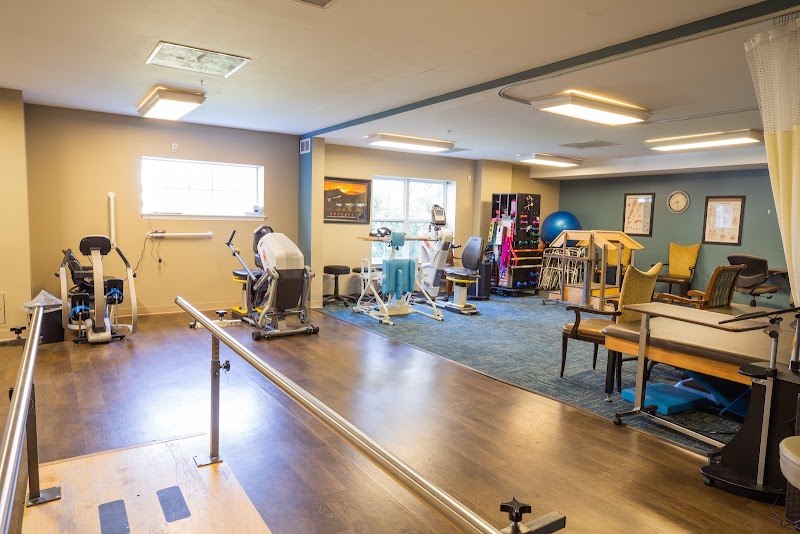
How is Springs At St Andrews Village, The Staffed?

CMS rates SPRINGS AT ST ANDREWS VILLAGE, THE's staffing level at 3 out of 5 stars, which is average compared to other nursing homes. Staff turnover is 52%, compared to the Colorado average of 46%. RN turnover specifically is 60%, which is notably high. RNs provide skilled clinical oversight, so turnover in this role can affect medical care quality.

What Have Inspectors Found at Springs At St Andrews Village, The?

State health inspectors documented 16 deficiencies at SPRINGS AT ST ANDREWS VILLAGE, THE during 2021 to 2024. These included: 1 that caused actual resident harm and 15 with potential for harm. Deficiencies causing actual harm indicate documented cases where residents experienced negative health consequences.
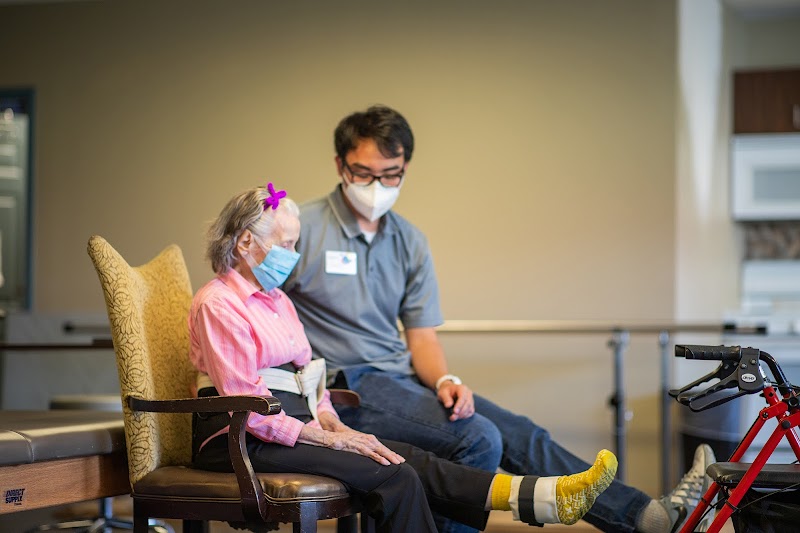
Who Owns and Operates Springs At St Andrews Village, The?

SPRINGS AT ST ANDREWS VILLAGE, THE is owned by a for-profit company. For-profit facilities operate as businesses with obligations to shareholders or private owners. The facility is operated by THE ENSIGN GROUP, a chain that manages multiple nursing homes. With 58 certified beds and approximately 49 residents (about 84% occupancy), it is a smaller facility located in AURORA, Colorado.
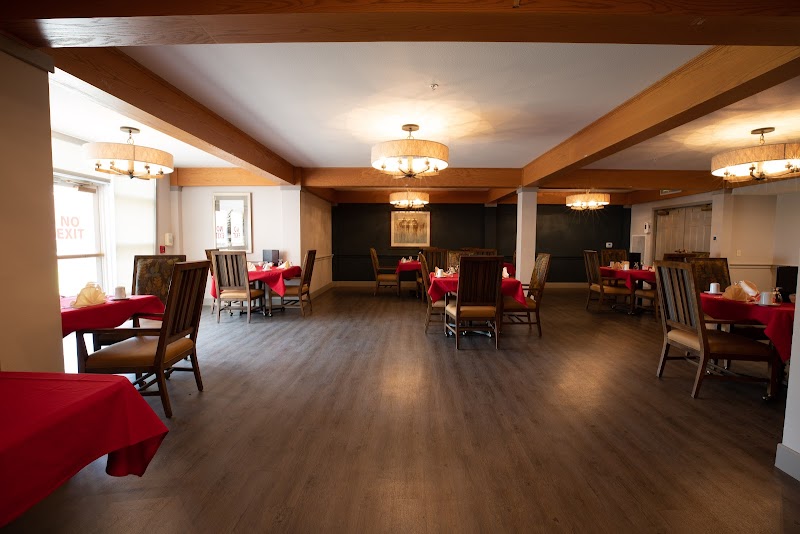
How Does Springs At St Andrews Village, The Compare to Other Colorado Nursing Homes?

Compared to the 100 nursing homes in Colorado, SPRINGS AT ST ANDREWS VILLAGE, THE's overall rating (5 stars) is above the state average of 3.2, staff turnover (52%) is near the state average of 46%, and health inspection rating (4 stars) is above the national benchmark.

What Should Families Ask When Visiting Springs At St Andrews Village, The?

Based on this facility's data, families visiting should ask: "Can I visit during a mealtime to observe dining assistance and food quality?" "How do you handle medical emergencies, and what is your hospital transfer rate?" "Can I speak with family members of current residents about their experience?"

Is Springs At St Andrews Village, The Safe?

Based on CMS inspection data, SPRINGS AT ST ANDREWS VILLAGE, THE has a clean safety record: no substantiated abuse findings (meaning no confirmed cases of resident harm), no Immediate Jeopardy citations (the most serious violation level indicating risk of serious injury or death), and is not on the Special Focus Facility watch list (a federal program monitoring the lowest-performing 1% of nursing homes). The facility has a 5-star overall rating and ranks #1 of 100 nursing homes in Colorado. While no facility is perfect, families should still ask about staff-to-resident ratios and recent inspection results during their visit.

Do Nurses at Springs At St Andrews Village, The Stick Around?

SPRINGS AT ST ANDREWS VILLAGE, THE has a staff turnover rate of 52%, which is 6 percentage points above the Colorado average of 46%. Moderate turnover is common in nursing homes, but families should still ask about staff tenure and how the facility maintains care continuity when employees leave.

Was Springs At St Andrews Village, The Ever Fined?

SPRINGS AT ST ANDREWS VILLAGE, THE has no federal fines on record. CMS issues fines when nursing homes fail to meet care standards or don't correct problems found during inspections. The absence of fines suggests the facility has either maintained compliance or corrected any issues before penalties were assessed. This is a positive indicator, though families should still review recent inspection reports for the full picture.

Is Springs At St Andrews Village, The on Any Federal Watch List?

SPRINGS AT ST ANDREWS VILLAGE, THE is not on any federal watch list. The most significant is the Special Focus Facility (SFF) program, which identifies the bottom 1% of nursing homes nationally based on persistent, serious quality problems. Not being on this list means the facility has avoided the pattern of deficiencies that triggers enhanced federal oversight. This is a positive indicator, though families should still review the facility's inspection history directly.