BOULDER CANYON HEALTH AND REHABILITATION

4685 BASELINE RD, BOULDER, CO 80303 (303) 494-0535
For profit - Corporation 140 Beds THE ENSIGN GROUP Data: November 2025
Trust Grade
80/100
#8 of 208 in CO
Last Inspection: February 2024

Within standard 12-15 month inspection cycle. Federal law requires annual inspections.

Overview

Boulder Canyon Health and Rehabilitation has a Trust Grade of B+, indicating it is above average and recommended for families considering care options. The facility ranks #8 out of 208 nursing homes in Colorado, placing it in the top half, and is the best option among 10 facilities in Boulder County. While the trend shows improvement, with issues decreasing from 5 in 2024 to 1 in 2025, there are still some areas of concern. Staffing is relatively strong with a 4/5 star rating and a turnover rate of 37%, lower than the state average, which suggests that staff are familiar with the residents’ needs. However, there were notable issues such as the lack of dementia training for all nursing staff, failure to provide clean linens to residents, and not ensuring that some residents received necessary assistance with personal hygiene. Overall, while the facility has strengths in staffing and quality ratings, families should be aware of the specific concerns regarding resident care.

Trust Score
B+
80/100
In Colorado
#8/208
Top 3%
Safety Record
Low Risk
No red flags
Inspections
Getting Better
5 → 1 violations
Staff Stability
○ Average
37% turnover. Near Colorado's 48% average. Typical for the industry.
Penalties
✓ Good
No fines on record. Clean compliance history, better than most Colorado facilities.
Skilled Nurses
✓ Good
Each resident gets 52 minutes of Registered Nurse (RN) attention daily — more than average for Colorado. RNs are trained to catch health problems early.
Violations
⚠ Watch
22 deficiencies on record. Higher than average. Multiple issues found across inspections.
★★★★★
5.0
Overall Rating
★★★★☆
4.0
Staff Levels
★★★★★
5.0
Care Quality
★★★★☆
4.0
Inspection Score
Stable
2024: 5 issues
2025: 1 issues

The Good

  • 4-Star Staffing Rating · Above-average nurse staffing levels
  • 5-Star Quality Measures · Strong clinical quality outcomes
  • Full Sprinkler Coverage · Fire safety systems throughout facility
  • No fines on record
  • Staff turnover below average (37%)

    11 points below Colorado average of 48%

Facility shows strength in staffing levels, quality measures, fire safety.

The Bad

Staff Turnover: 37%

Near Colorado avg (46%)

Typical for the industry

Chain: THE ENSIGN GROUP

Part of a multi-facility chain

Ask about local staffing decisions and management

The Ugly 22 deficiencies on record

Mar 2025 1 deficiency
CONCERN (D) 📢 Someone Reported This

A family member, employee, or ombudsman was alarmed enough to file a formal complaint

Potential for Harm - no one hurt, but risky conditions existed

Infection Control (Tag F0880)

Could have caused harm · This affected 1 resident

**NOTE- TERMS IN BRACKETS HAVE BEEN EDITED TO PROTECT CONFIDENTIALITY** Based on observations, record review and interviews, the facility failed to maintain an infection control program designed to pr...

Read full inspector narrative →
**NOTE- TERMS IN BRACKETS HAVE BEEN EDITED TO PROTECT CONFIDENTIALITY** Based on observations, record review and interviews, the facility failed to maintain an infection control program designed to provide a safe, sanitary and comfortable environment to help prevent the development and transmission of disease. Specifically, the facility failed to: -Follow transmission-based precautions when entering and exiting droplet precaution rooms; and, -Ensure vital signs machines were sanitized between each use to prevent the spread of infection. Findings include: I. Failure to follow transmission-based precautions when entering and exiting droplet precautions rooms A. Professional reference The Centers for Disease Control and Prevention (CDC) Viral Respiratory Pathogens Toolkit for Nursing Homes, revised 1/8/25, was retrieved on 3/10/25 from https://www.cdc.gov/long-term-care-facilities/hcp/respiratory-virus-toolkit/index.html#:~:text=HCP%20who%20enter%20the%20room,i.e.%2C%20goggles%20or%20a%20face. It revealed in pertinent part, HCP (healthcare personnel) who enter the room of a resident with signs or symptoms of an unknown respiratory viral infection that is consistent with SARS-CoV-2 infection should adhere to Standard Precautions and use a NIOSH-approved (National Institute for Occupational Safety and Health) particulate respirator with N95 filters or higher, gown, gloves, and eye protection (goggles or a face shield that covers the front and sides of the face). This PPE can be adjusted once the cause of the infection is identified. B. Facility policy and procedure The Infection Control policy, last updated October 2022, was provided by the nursing home administrator (NHA) on 3/6/2025 at 6:56 p.m. It read in pertinent part, Transmission-based precautions are the second tier of basic infection control and used in addition to Standard Precautions for patients who are or may be infected or colonized with certain infectious agents for which additional precautions are needed to prevent infection transmission. Standard precautions apply to the care of all residents regardless of suspected or confirmed infection or colonization status and include proper selection and use of PPE (gowns, gloves, facemasks, respirators, and eye protection) based on predictive interactions between staff and resident and the potential for blood, body fluids or pathogens, hand hygiene, safe injection practices, respiratory hygiene and cough etiquette, environmental cleaning and disinfection, and reprocessing of reusable medical equipment. Droplet precautions are used for patients known or suspected to be infected with pathogens transmitted by respiratory droplets that are generated by a patient who is coughing, sneezing, or talking (this includes influenza and COVID-19). Precautions include implementing source control by placing a mask on the patient, ensure appropriate patient placement in a single room if possible (in long term care make decisions on a case-by-case basis considering infection risks to other patients in the room and available alternatives), use PPE appropriately (don mask, and eye protection if indicated, upon entry into the patient room or patient space), and limit transport and movement of patients outside of the room for medical purposes (if necessary, instruct the resident to wear a mask and use proper respiratory hygiene and cough etiquette). Position a trash can inside the resident room and near the exit for discarding PPE after removal, prior to exit of the room or before providing care for another resident in the same room. C. Observations During a continuous observation on 3/3/25, beginning at 9:35 a.m. and ending at 10:30 a.m. the following was observed: At 9:35 a.m. licensed practical nurse (LPN) #1 donned (put on) a gown, eye protection and gloves before entering room [ROOM NUMBER] to administer medications. There was a sign that indicated the resident in room [ROOM NUMBER] was on droplet precautions and a personal protective equipment (PPE) bin outside the door. She was wearing a N95 mask. At 9:40 a.m. LPN #1 exited room [ROOM NUMBER] with her gown, gloves, and mask on.She no longer had her eye protection or gloves on. She washed her hands in the common area then went to her medication cart where she doffed (removed) her gown and placed it in the overflowing medication cart trash bin. She then performed hand hygiene. She did not remove her N95 when she then began gathering and administering medications for other residents who were not COVID-19 positive. At 10:23 a.m. certified nursing assistant (CNA) #1 stood outside of resident toom #506. There was a sign on the door that indicated the resident was on droplet precautions. CNA #1 donned a gown and gloves. She removed her surgical mask and placed it on the PPE bin outside the door and put on a N95 mask. CNA #1 did not put on a face shield or goggles prior to entering the room. At 10:26 a.m. while in resident room [ROOM NUMBER], CNA #1 opened the door, removed her gloves, gown and mask while still in the room and put them in a trash bin in the room. The resident in the room had a productive cough (cough that produces mucous). She performed hand hygiene, exited the room and put the surgical mask that she had placed on the PPE bin back on. At 10:25 a.m. an unidentified nurse practitioner (NP) entered room [ROOM NUMBER] after applying a gown and gloves. The NP put an N95 on over her surgical mask. She did not apply eye protection. At 1:18 p.m. CNA #2 applied a gown and gloves before entering room [ROOM NUMBER] (a droplet precautions room). She did not apply eye protection and kept her surgical mask on. She performed hand hygiene and exited the room. She continued wearing the same surgical mask. B. Staff interviews LPN #1 was interviewed on 3/3/25 at 10:10 a.m. LPN #1 said that after she exited room [ROOM NUMBER], she did not remove her gown while in the room because there was not a separate receptacle in the room for PPE. She said she did not want to throw it in the trash bin near the resident so she chose to throw it in the medication cart trash. LPN #1 said that, when doffing PPE, she was taught to remove her gloves, eye protection or face shield and gown in the room and the N95 mask once she exited the room. She said she would ensure a PPE trash receptacle would be available for dirty PPE in the resident's room. CNA #2 was interviewed on 3/3/25 at 1:20 p.m. CNA #2 said, to prevent the transmission of infection, all PPE was applied before entering a droplet precaution room and removed before leaving the room except for her mask. She said the mask was removed outside of the room. -However, she did not apply a mask when entering and exiting a droplet precaution room (see observations above). The director of nursing (DON) was interviewed on 3/3/25 at 2:44 p.m. The DON said the staff were expected to don PPE before they entered an isolation room. The DON said if a resident was on droplet precautions , the staff were expected to don a N95 mask, face shield or goggles, gown and gloves. She said that before they exited the room, they were expected to take off their PPE in no particular order. She said the staff needed to ensure it was removed immediately after performing care, except the N95 mask which should remain on until they exit the room. The DON said she provided LPN #1 education today (3/3/25) regarding donning and doffing PPE for droplet precautions. The DON said LPN #1 said she was nervous and did not want to get in trouble taking the used gown out with the resident's trash so she chose to remove it when at the medication cart. The DON said the staff should throw away the N95 once they exited a droplet precaution room. The DON said when COVID-19 first emerged masks were being reused due to supply shortages. She said an inservice was held last week about PPE use. She said the staff were told that there was enough supplies to not have to reuse any of it. The DON said that staff should not apply N95s over surgical masks because it did not provide an adequate seal to protect the mouth and nares. She said she would provide the NP with training. II. Failure to clean vital sign machines between uses A. Professional reference According to the CDC Guidelines for Isolation Precautions: Preventing Transmission of Infectious Agents in Healthcare Settings, last updated September 2024, retrieved on 3/10/25 from https://www.cdc.gov/infection-control/hcp/isolation-precautions/index.html It revealed in pertinent part, Noncritical equipment (including medical equipment used on residents'skin but not exposed to the bloodstream or other orifices) must be thoroughly cleaned and disinfected before use on another patient. All such equipment and devices should be handled in a manner that will prevent healthcare workers (HCW) and environmental contact with potentially infectious material. In all healthcare settings, providing patients who are on Transmission-Based Precautions with dedicated noncritical medical equipment has been beneficial for preventing transmission. When this is not possible, disinfection after use is recommended. According to the CDC Recommendations for Disinfection and Sterilization in Healthcare Facilities, revised 12/7/23, retrieved on 3/10/25 from https://www.cdc.gov/infection-control/hcp/disinfection-sterilization/summary-recommendations.html. It revealed in pertinent part, Perform low-level disinfection for noncritical patient-care equipment that touch intact skin. Disinfect noncritical medical devices with an environmental protection agency (EPA)-registered hospital disinfectant using the label's safety precautions and use directions. Most EPA-registered hospital disinfectants have a label contact time of 10 minutes. However, multiple scientific studies have demonstrated the efficacy of hospital disinfectants against pathogens with a contact time of at least one minute. By law, all applicable label instructions on EPA-registered products must be followed. Ensure that, at a minimum, noncritical patient-care devices are disinfected when visibly soiled and on a regular basis (such as after use on each patient or once daily or once weekly). B. Facility policy and procedure The Cleaning and Disinfection of Resident Care Equipment policy, revised in December 2024, was provided by the NHA on 3/6/25 at 6:56 p.m. It read in pertinent part, It is the policy of the facility that when staff is utilizing equipment for resident care to clean and disinfect resident care equipment, such as vital signs equipment, in between each resident use. Only approved cleaning products may be used and cleaning products manufacturers' recommendations will be followed in the cleaning and disinfection of equipment. Preferred cleaning methods available include Bleach wipes and Sani wipes. Please follow manufacturers' recommendations on dwell times for each wipe. To disinfect, if needed, use a properly mixed approved disinfectant and a clean cloth, wiping all surfaces. C. Observations and interviews At 12:20 p.m. CNA #1 was walking out of room [ROOM NUMBER] with the vital signs machine. CNA #1 then entered room [ROOM NUMBER] with the same vital signs machine.When she exited the room, she said she wiped the machine down with an alcohol wipe. -CNA #1 failed to wipe down the vital sign machine with the correct sanitizing wipes between room [ROOM NUMBER] and room [ROOM NUMBER] (see professional reference above). D. Staff interviews CNA #1 was interviewed on 3/3/25 at 12:22 p.m. CNA #1 said when she entered room [ROOM NUMBER], after leaving room [ROOM NUMBER], she used alcohol wipes while in room [ROOM NUMBER] to wipe down the vitals machine while in the room. CNA #1 said she wiped down the vital sign machine with alcohol wipes after exiting and before entering each room to obtain vital signs. The DON was interviewed on 3/3/25 at 2:44 p.m. She said that the 2-inch by 2-inch alcohol wipes available at medication carts and alcohol-based hand rubs were ineffective in cleaning medical equipment. She said the sanitizing wipes labeled sani-wipes were the appropriate and preferred sterilization method used to wipe down vital sign machines between each use.
May 2024 1 deficiency
CONCERN (D) 📢 Someone Reported This

A family member, employee, or ombudsman was alarmed enough to file a formal complaint

Potential for Harm - no one hurt, but risky conditions existed

Quality of Care (Tag F0684)

Could have caused harm · This affected 1 resident

**NOTE- TERMS IN BRACKETS HAVE BEEN EDITED TO PROTECT CONFIDENTIALITY** Based on observations, record review and interviews, the facility failed to ensure one (#9) of three residents received treatmen...

Read full inspector narrative →
**NOTE- TERMS IN BRACKETS HAVE BEEN EDITED TO PROTECT CONFIDENTIALITY** Based on observations, record review and interviews, the facility failed to ensure one (#9) of three residents received treatment and care in accordance with professional standards of practice out of 12 sample residents. Specifically, the facility failed to: -Ensure the emergency crash cart containing essential resuscitation equipment and a backboard was utilized during a resuscitation attempt for Resident #9; -Ensure a timely call was placed to emergency medical services (EMS) for immediate assistance when Resident #9 experienced a life threatening change of condition; and, -Ensure a licensed nurse remained with Resident #9 until EMS arrived. Findings include: I. Professional reference According to the American Heart Association (AHA), (2020). Basic Life Support Provider Manual eBook, retrieved from https://ebooks.heart.org on 5/2/24 at 12:15 p.m, The two key components of cardiopulmonary resuscitation (CPR) are chest compressions and breaths. High quality CPR improves a victim's chances of survival. Immediate activation of the emergency response system, early high-quality CPR, and rapid defibrillation are essential. In the workplace, every employee should know how to activate the emergency response system in their setting. A high performance team, three emergency responders who are called to assist in cardiac arrest will perform multi-rescuer coordinated CPR: rescuer one performs chest compression, rescuer two gives breaths with a bag-mask device, rescuer three uses the automated external defibrillator (AED). Rescuer three also assumes the role of CPR coach. The coach helps team members perform high quality CPR and minimize pauses in chest compressions If the victim is not breathing normally or is only gasping and has no pulse, begin high quality CPR. Start cycles of CPR with 30 chest compressions followed by two breaths. Position the victim face up on a firm, flat surface, such as the floor or a backboard. This will help ensure that the chest compressions are as effective as possible. If the victim is on a soft surface, such as a mattress, the force from the chest compressions will simply push the victim's body into the soft surface. A firm surface allows compression of the chest and the heart to create adequate blood flow. For breaths to be effective, the victim's airway must be open. Two methods (for opening the airway): head tilt/chin lift and jaw thrust. Use a bag-mask device if available to provide positive pressure ventilation to victim who is either not breathing or not breathing normally. Because every second matters during a resuscitation attempt, it is important to define clear roles and responsibilities as soon as possible. II. Facility policy and procedure The Emergency Procedures, Cardiopulmonary Resuscitation (CPR) policy, revised October 2018, was provided by the nursing home administrator (NHA) on 5/2/24 at 1:42 p.m. It read in pertinent part, It is the policy of this facility to provide basic life support (BLS), including CPR, to any resident requiring such care prior to the arrival of emergency medical personnel. Only staff members with current CPR certification for Healthcare Providers should perform the procedure. If unresponsive, not breathing (occasional gasps are not breathing) and no pulse, activate the EMS system. Page or yell loudly Code Blue to the area. Call 911. Position the resident face-up on a firm, flat surface. Start chest compressions. Open airway (tilt head back and lift the chin up), give two rescue breaths. May use a bag valve mask (BVM) or Ambu bag (a hand held device used to provide ventilation to someone who is not breathing) to give rescue breaths. Continue cycles of 30 chest compressions to two rescue breaths. III. Resident #9 A. Resident status Resident #9, age [AGE], was admitted on [DATE]. According to the April 2024 computerized physician orders (CPO), diagnoses included respiratory failure, dementia, Parkinson's disease (disorder of the central nervous system that affects movement) and dysphagia (difficulty swallowing). The 1/13/24 minimum data set (MDS) assessment revealed the resident had severe cognitive impairment with a brief interview for mental status (BIMS) score of three out of 15. He required partial assistance with eating, hygiene and dressing. He required substantial assistance with transferring. The MDS assessment indicated he had loss of liquids/foods from his mouth when eating, held food in his mouth/cheeks or had residual food in his mouth after meals and had complaints of difficulty swallowing. B. Observations The [NAME] hallway unit emergency crash cart was observed with the director of nursing (DON) on 4/30/24 at 9:40 a.m. A bag-mask device and airway supplies (including suction) were present on the cart. Two backboards were present next to the cart. -However, interviews during the survey revealed the supplies observed on the emergency crash cart on 4/30/24 were not utilized in the attempt to resuscitate Resident #9 on 2/29/24 (see interviews below). C. Record review A nursing progress note documented on 2/29/24 at 1:40 p.m. revealed Resident #9 had a change of condition which included nausea, vomiting, abnormal vital signs and shortness of breath. The nursing note revealed a report was provided to the primary care physician (PCP) at 1:50 p.m. The nursing note documented an emergency call was made to 911. -The progress note did not indicate what time 911 was called. -A review of the electronic medical record did not reveal any further documentation, details or timeline regarding the resuscitation/code of Resident #9. The Nurse Comprehensive Clinical Competency Review Skills Checklist was provided by the NHA on 4/29/24 at 9:49 a.m. The following items were included on the checklist: Ambu bag, this is used in an emergent situation. Attach 15 liters (of oxygen) per minute to the ambu bag. Suctioning and airway management. Oral suctioning, trach suctioning, and deep suctioning (RN only). The Emergency Crash Cart Daily Check Log was provided by the NHA on 5/2/24 at 11:35 a.m. Review of the daily check log revealed documentation indicating the following items were present on the [NAME] hallway crash cart on 2/29/24: -Suction machine (and documentation that it worked properly); -Suction kit; -Ambu Bag (bag/mask device); -Rebreather mask; and, -Oxygen mask. -However, none of the supplies present on the emergency crash cart on 2/29/24 were utilized in the attempt to resuscitate Resident #9 (see interviews below). IV. Staff interviews. Registered nurse (RN) #1 was interviewed on 4/29/24 at 2:01 p.m. RN #1 said she was Resident #9's nurse on 2/29/24. She said after lunch on 2/29/24, Resident #9 called for assistance with positioning. RN #1 said she and certified nurses aide (CNA) #1 assisted the resident with positioning. She said Resident #9 asked for a drink of water which was thickened per the dietary department. RN #1 said all of the liquids on the resident's bedside table were thickened. RN #1 said Resident #9's condition deteriorated after he drank the liquids. She said he began having difficulty breathing and his color was blue. RN #1 said she yelled out for staff to call 911. She said CNA #2 came into the room and the staff checked Resident #9's vital signs (heart rate, respiratory rate, oxygen saturation and blood pressure). RN #1 said Resident #9's oxygen saturation (oxygen level in the blood) was less than 85% and it was difficult to obtain other vital signs. RN #1 said she went to the door of the room and asked if anyone had called 911. RN #1 said there was no response from other staff. RN #1 said she left the room to call 911 since there was no response from other staff. She said Resident #9's color was blue when she left the room. -RN #1 failed to delegate CNA #1 or CNA #2, who were in Resident #9's room with her, to go call 911 while she remained with the resident. RN #1 said while she was calling 911, CNA #2 had started chest compressions. RN #1 said she did not know when Resident #9 stopped breathing or when his pulse stopped. RN #1 said the director of rehabilitation (DOR) was doing chest compressions when she returned to the room. RN #1 said she had a current Basic Life Support (BLS) for Healthcare Providers certification. -CNA #2 was unavailable for an interview during the survey. CNA #1 was interviewed on 4/29/24 at 2:16 p.m. CNA #1 said CNA #2 completed chest compressions on Resident #9. She said Resident #9 was turned to his side when he began vomiting with chest compressions. She said she never saw the emergency crash cart in or near the room. CNA #1 said, during the resuscitation, she never saw staff use a bag-mask device for providing breathing assistance for Resident #9. CNA #1 said there was not a backboard underneath Resident #9 during compressions. She said someone came in the room with an AED between two to four minutes after RN #1 called for help. The DOR was interviewed on 4/29/24 at 2:57 p.m. The DOR said she when she was informed Resident #9 was coding she brought the AED to the room. The DOR said when she arrived to Resident #9's room, CNA #2 was providing chest compressions and the resident was vomiting. The DOR said she used the AED for two cycles and provided chest compressions between cycles. She said the staff in Resident #9's room at the time did not ask for the emergency crash cart. The DOR said RN #1 was out of the room calling 911 when she arrived with the AED. The DOR said she did not know if anyone had suctioned Resident #9. The DOR said she had a current BLS for Healthcare Providers certification. Licensed practical nurse (LPN) #1 was interviewed on 4/29/24 at 3:19 p.m. LPN #1 said she arrived to the resident's room shortly after the DOR arrived. She said there was not a backboard under Resident #9 when the facility staff was performing CPR on Resident #9. LPN #1 said she asked for a non-rebreather mask and she thought staff were bringing the emergency crash cart to the room when the paramedics arrived. LPN #1 said EMS immediately put Resident #9 on the floor when they arrived. She said the paramedics intubated (insertion of a tube into a person's airway to enable oxygen to get through) the resident and used the AED several more times to shock the resident's heart. LPN #1 said the facility staff were aware of Resident #9's code status (the type of emergency treatment a person would or would not receive if their heart or breathing were to stop) and desire to be a full code, which included CPR. The DON was interviewed on 4/30/24 at 9:00 a.m. The DON said there was not a root cause analysis or investigation done after the unexpected death of Resident #9 at the facility. The DON said she was not at the facility during the resuscitation attempt of Resident #9. She said she received a text from CNA #4 which revealed Resident #9 was coding. She said she called CNA #4 and was told resuscitation attempts were still ongoing by staff and EMS had not arrived at the facility yet. The DON said based, on her phone information, Resident #9 had coded at approximately 1:44 p.m., staff were still resuscitating the resident at 1:51 p.m and EMS had not arrived (at least seven minutes). She said she did not have a timeline of events during the code and staff should have documented the events as they occurred. The DON said residents should be placed on a hard surface during chest compressions. She said certified staff were expected to perform CPR based on the BLS for Healthcare Providers standards. The DON said there was a bag-mask device on the cart and staff should have asked for it. She said it would have been difficult to use, however, as several staff told her Resident #9 was vomiting much of the time during the code. The DON said all staff knew where the emergency crash cart was located and the DON had not been aware until the survey that the cart was not in the room prior to EMS arrival. The DON said CNA #2 told her she provided chest compressions but did not ventilate (use bag-mask device) or manage the airway of Resident #9. The DON said she provided a staff inservice in early March 2024 to review how to respond to a code. She said the education included the need for the nurse to stay in the room to lead the code and to delegate responsibilities to other staff, including delegation to an individual for the responsibility to call 911. She said she had not been tracking who had BLS for Healthcare Provider certification but would start tracking it. CNA #4 was interviewed on 4/30/24 at 10:36 a.m. CNA #4 said she sent a text message to the clinical team (nursing staff), which included the DON, when the code was in progress. CNA #4 said EMS was not yet in Resident #9's room when the DON called CNA #4. -Based upon the DON's and CNA #4's interviews, Resident #9 was coding for at least seven minutes prior to the arrival of the EMS team without using a backboard or having airway equipment in the room to be available for use. The CPR Instructor (CPRI) was interviewed on 4/30/24 at 11:55 a.m. The CPRI said if a resident did not have a pulse and was not breathing, she would expect the staff to initiate chest compressions. The CPRI said if a bag-mask device and suction were available, she would expect them to be used if needed. She said students were taught to be prepared for and manage emesis (vomiting) during a code. The CPRI said if the resident was not actively throwing up, the staff should provide positive-pressure ventilation with a bag-mask device if the airway was clear. The primary care provider (PCP) was interviewed on 4/30/24 at 3:15 p.m. The PCP said if Resident #9 had no pulse, chest compressions were indicated. She said she would have expected the staff to take care of the airway and provide ventilations whenever possible. The PCP said ideally there should have been an ambu bag (bag-mask device) at the bedside during resuscitation for use if needed. The PCP said she would have expected the staff to use a backboard if there was one available as it could make chest compressions more effective. The PCP said she did not think the outcome would have been different due to Resident #9's medically fragile state. The DON was interviewed again on 5/1/24 at 8:38 a.m. The DON said she was told the team was considering using the emergency crash cart supplies when the paramedics arrived. She said she would have expected resuscitation equipment to be available in the room as soon as possible after a code had begun to be able to be used if the airway was able to be cleared. The DOR was interviewed again on 5/1/24 at 9:00 a.m. She said Resident #9 was vomiting most of the time while she was present. She said she did not see airway supplies or the emergency crash cart in the room. V. Facility follow-up An In-Service Training Report titled CPR and dated 4/30/24 (during the survey) was provided by the NHA on 5/2/24 at 1:42 p.m. The training was conducted by the DON and included the following: -The resident's nurse should remain at the bedside with the resident throughout the code, or until the resident is transferred to the hospital. The nurse should delegate the following activities: - 911 call -retrieval and set up of the crash cart (obtaining and setting up the resuscitation equipment needed) -documentation and timeline of events during the code. The DON planned to utilize mock codes (scenarios to simulate a real emergency code) to provide additional learning opportunities to the staff.
Feb 2024 4 deficiencies
CONCERN (D)

Potential for Harm - no one hurt, but risky conditions existed

Deficiency F0761 (Tag F0761)

Could have caused harm · This affected 1 resident

**NOTE- TERMS IN BRACKETS HAVE BEEN EDITED TO PROTECT CONFIDENTIALITY** Based on observations, record review and interviews, the facility failed to ensure all drugs and biologicals were properly store...

Read full inspector narrative →
**NOTE- TERMS IN BRACKETS HAVE BEEN EDITED TO PROTECT CONFIDENTIALITY** Based on observations, record review and interviews, the facility failed to ensure all drugs and biologicals were properly stored in two of five medication carts. Specifically, the facility failed to ensure expired or discontinued medications were removed from medication carts in a timely manner. Findings include: I. Facility policy and procedure The Medication Access and Storage Policy, revised [DATE], was provided by the nursing home administrator (NHA) on [DATE] at 2:56 p.m. The policy read in pertinent part: Outdated, contaminated, or deteriorated medications and those in containers that are cracked, soiled, or without secure closures are immediately removed from stock, disposed of according to procedures for medication destruction and reordered from the pharmacy, if a current order exists. II. Professional references According to the manufacturer Sanofi Aventis US, Using Lantus? Learn How to Inject Insulin (2023), retrieved on [DATE] from https://www.lantus.com/how-to-use/how-to-inject, Lantus vials should be thrown away after 28 days even if it still has insulin left in it. According to the manufacturer [NAME] Lilly and Company, Humalog-Insulin Lispro Injection, Solution ([DATE]), retrieved on [DATE] from https://uspl.lilly.com/humalog/humalog.html#ug, Throw away all opened vials after 28 days of use, even if there is insulin left in the vial. III. Observations and interviews On [DATE] at 2:39 p.m., the [NAME] One medication cart was observed with licensed practical nurse (LPN) #1. The following items were found: A vial of Insulin Glargine (Lantus) 100 units/milliliter (ml) was dated as opened on [DATE]. -The insulin vial should have been discarded on [DATE], 28 days after it was opened. Humalog insulin (Lispro) 100 units/ml was dated as opened on [DATE]. -The insulin vial should have been discarded on [DATE], 28 days after it was opened. LPN #1 said if insulin was used more than 28 days after opening it could be ineffective. The registered pharmacist (RPH) was also present and said she knew both medications were good for 28 days after opening. The RPH said after 28 days it was unknown whether the medications were effective. On [DATE] at 11:26 a.m., the North medication cart was observed with LPN #2. The following item was found: A Fluticasone 50 microgram (mcg) nasal spray bottle was dated as opened on [DATE]. Instructions on the bottle label directed use for seven days. LPN #2 said the nasal spray was discontinued on [DATE] and should have been discarded when it was discontinued. She removed the medication from the cart for disposal. IV. Additional interview The director of nursing (DON) was interviewed on [DATE] at 10:47 a.m. She said insulins were to be discarded 28 days after opening. She said discontinued medications should be removed from the medication cart within 24 hours.
CONCERN (E)

Potential for Harm - no one hurt, but risky conditions existed

Safe Environment (Tag F0584)

Could have caused harm · This affected multiple residents

**NOTE- TERMS IN BRACKETS HAVE BEEN EDITED TO PROTECT CONFIDENTIALITY** Based on observations and interviews the facility failed to provide a comfortable and homelike environment for the residents on ...

Read full inspector narrative →
**NOTE- TERMS IN BRACKETS HAVE BEEN EDITED TO PROTECT CONFIDENTIALITY** Based on observations and interviews the facility failed to provide a comfortable and homelike environment for the residents on three of five units in the facility. Specifically, the facility failed to: -Residents were provided with clean washcloths and hand towels in their rooms on the West, Flatiron and North units; and, -Ensure holes in the residents' bathroom doors and ceiling were fixed. Findings include: I. Facility policy and procedure The Safe and Homelike Environment policy, revised December 2020, was provided by the nursing home administrator (NHA) on 2/6/24 at 1:47 p.m. It read in pertinent part: In accordance with residents' rights, the facility will provide a safe, clean, comfortable and homelike environment, allowing the resident to use his or her personal belongings to the extent possible. This includes ensuring that the resident can receive care and services safely and that the physical layout of the facility maximizes resident independence and does not pose a safety risk. The facility will create and maintain, to the extent possible, a homelike environment that de-emphasizes the institutional character of the setting. The facility will provide and maintain bed and bath linens that are clean and in good condition. Housekeeping and maintenance services will be provided as necessary to maintain a sanitary, orderly and comfortable environment. Housekeeping and maintenance services will be provided as necessary to maintain a sanitary, orderly and comfortable environment as the resident allows. II. Lack of washcloths and hand towels in resident rooms A. Observations On 1/31/24 beginning at approximately 8:40 a.m., the following observations were made: -room [ROOM NUMBER] had no hand towels or washcloths; -room [ROOM NUMBER] had no hand towels or washcloths; -room [ROOM NUMBER] had no hand towels or washcloths; and, -room [ROOM NUMBER] had no hand towels or washcloths. On 2/1/24 beginning at approximately 9:35 a.m., the following observations were made: -room [ROOM NUMBER] had no hand towels or washcloths; -room [ROOM NUMBER] had no hand towels or washcloths; -room [ROOM NUMBER] had no hand towels or washcloths; -room [ROOM NUMBER] had no hand towels or washcloths; -room [ROOM NUMBER] had no hand towels or washcloths; -room [ROOM NUMBER] had no hand towels or washcloths; -room [ROOM NUMBER] had no hand towels or washcloths; -room [ROOM NUMBER] had no hand towels or washcloths; -room [ROOM NUMBER] had no hand towels or washcloths; -room [ROOM NUMBER] had no hand towels or washcloths; -room [ROOM NUMBER] had no hand towels or washcloths; -room [ROOM NUMBER] had no hand towels or washcloths; -room [ROOM NUMBER] had no hand towels or washcloths; -room [ROOM NUMBER] had no hand towels or washcloths; and, -room [ROOM NUMBER] had no hand towels or washcloths; On 2/5/24 beginning at approximately 3:12 p.m., the following observations were made: -room [ROOM NUMBER] had no hand towels or washcloths; -room [ROOM NUMBER] had no hand towels or washcloths; -room [ROOM NUMBER] had no hand towels or washcloths; -room [ROOM NUMBER] had no hand towels or washcloths; -room [ROOM NUMBER] had no hand towels or washcloths; -room [ROOM NUMBER] had no hand towels or washcloths; -room [ROOM NUMBER] had no hand towels or washcloths; -room [ROOM NUMBER] had no hand towels or washcloths; -room [ROOM NUMBER] had no hand towels or washcloths; -room [ROOM NUMBER] had no hand towels or washcloths; -room [ROOM NUMBER] had no hand towels or washcloths; -room [ROOM NUMBER] had no hand towels or washcloths; -room [ROOM NUMBER] had no hand towels or washcloths; -room [ROOM NUMBER] had no hand towels or washcloths; and, -room [ROOM NUMBER] had no hand towels or washcloths; On 2/5/24 at 3:05 p.m., two linen supply closets were observed with certified nurse aide (CNA) #4. The observations revealed the following: -Flatiron hall linen supply closet contained some hand towels and no washcloths; -West hall linen supply closet contained only six washcloths, no bath towels and no hand towels; and, -The North Hall linen supply closet contained only two hand towels and five washcloths. B. Resident interviews The resident group interview was conducted on 2/1/24 at 11:00 a.m. The group consisted of six residents (#90, #162, #57, #59, #5, and #72) who were interviewable based on facility assessment. Resident #72, #90 and #59 said hand towels and washcloths were not delivered to their rooms unless they asked for them. All the other residents agreed. Resident #72 was interviewed on 2/5/24 at 9:14 a.m. Resident #72 said the facility did not have enough linen hand towels or washcloths. He said staff were too busy to bring hand towels and washcloths to the residents' rooms. Resident #72 said he had to keep asking staff repeatedly for the linens. He said he did not even have paper towels in place of a linen hand towel to dry his hands in his room. -There were no hand towels or washcloths observed in Resident #72's room during the resident's interview. Resident #32 was interviewed on 2/5/24 at 3:16 p.m. Resident #32 said the facility did not have enough hand towels or washcloths. Resident #32 said she did not like to use paper towels to dry her face but most of the time she had to because there were no hand towels in her room. Resident #32 said she had to yell before someone would get her washcloths and hand towels. She said linen hand towels and washcloths would make her room feel more comfortable. The resident said she used wet wipes to wash with because she did not often have a washcloth. -There were no hand towels or washcloths observed in Resident #32's room during the resident's interview. III. Holes in residents' bathroom doors and ceiling A. Observations On 1/31/24 beginning at approximately 10:14 a.m., the following observations were made: -The bathroom doors in room [ROOM NUMBER] and room [ROOM NUMBER] had holes on both the outside and inside at the bottom part of the door; and, -room [ROOM NUMBER] had a hole in the ceiling right above where the resident's bed was positioned. B. Staff interviews CNA #4 was interviewed on 2/1/24 at approximately 4:15 p.m. CNA #4 said hand towels and washcloths were stocked in the linen supply closets by the laundry personnel. CNA #4 said it was the responsibility of the unit CNAs to ensure residents' rooms were stocked with hand towels and washcloths. CNA #4 said it was important for resident's dignity to provide them with hand towels and washcloths. The NHA and the maintenance supervisor (MS) were interviewed on 2/6/24 at approximately 12:40 p.m. The MS said the facility was working on a maintenance schedule to fix the holes on the residents' bathroom doors and the ceiling. He said holes in the ceiling and bathroom doors were safety concerns and did not represent a homelike environment for residents. The NHA said the maintenance project had begun with the front part of the building and would proceed gradually to individual residents' rooms.
CONCERN (E)

Potential for Harm - no one hurt, but risky conditions existed

ADL Care (Tag F0677)

Could have caused harm · This affected multiple residents

**NOTE- TERMS IN BRACKETS HAVE BEEN EDITED TO PROTECT CONFIDENTIALITY** Based on interviews, observations and record review, the facility failed to ensure residents who were unable to carry out activi...

Read full inspector narrative →
**NOTE- TERMS IN BRACKETS HAVE BEEN EDITED TO PROTECT CONFIDENTIALITY** Based on interviews, observations and record review, the facility failed to ensure residents who were unable to carry out activities of daily living (ADLs) received the necessary services to maintain personal hygiene for five (#66, #24, #72, #54 and #26) of eight residents reviewed for ADLs out of 38 sample residents. Specifically, the facility failed to: -Ensure Residents #66, #24, #72, #54 and #26, who required assistance with bathing, were showered or bathed according to their preferences in order to maintain personal hygiene; -Provide Resident #24 assistance with shaving; and, -Provide Resident #54 assistance with shaving and nail care. Findings include: I. Facility policy and procedure The ADL policy, which was undated, was received from the nursing home administrator (NHA) on 2/6/24 at 1:37 p.m. It read in pertinent part: The facility will, based on the resident's comprehensive assessment and consistent with the resident's needs and choices, ensure a resident's abilities in ADLs do not deteriorate unless deterioration is unavoidable. Care and services will be provided for the following activities of daily living: bathing, dressing, grooming and oral care. A resident who is unable to carry out activities of daily living will receive the necessary services to maintain good nutrition, grooming, and personal and oral hygiene. The facility will maintain individual objectives of the care plan and periodic review and evaluation. II. Resident #66 A. Resident status Resident #66, age [AGE], was admitted on [DATE]. According to the February 2024 computerized physician orders (CPO), diagnoses included history of transient ischemic attack and cerebral infarction (stroke), aphasia (affects a person's ability to express and understand written and spoken language) and left hip pain. The 11/2/23 minimum data set (MDS) assessment revealed the resident had moderate cognitive impairment with a brief interview for mental status (BIMS) score of 11 out of 15. He required substantial to maximum assistance for bathing. B. Resident interview Resident #66, who had difficulty with communicating verbally due to his aphasia, was interviewed on 1/31/24 at 4:00 p.m. He indicated he had not been offered a shower in seven days by using his hands to hold up seven fingers. He indicated that he was to receive two showers a week by holding up two fingers. C. Record review The bathing plan of care for Resident #66 revealed the resident's preferred shower days were Wednesdays and Sundays. The ADL care plan, initiated on 7/12/22 and revised on 7/19/22, revealed Resident #66 had a self care deficit related to right sided weakness, stroke and impaired cognition.Pertinent interventions included encouraging the resident to participate to the fullest extent possible with interactions and requiring one to two staff members participation with bathing tasks. Review of Resident #66's shower records from 1/8/24 to 2/6/24 revealed the resident received one shower on 1/24/24 and refused showers on 1/17/24 and 1/28/24. -There was no further documentation to indicate whether Resident #66 received a shower or was offered and refused a shower for the other seven opportunities he had for showering during the time frame reviewed. On 2/1/24, during the survey, a grievance form was completed with Resident #66 by an unknown facility staff member. It revealed Resident #66 was upset regarding not getting a shower for more than five days. He enjoyed showering and being clean and would like to receive showers twice weekly. The grievance revealed follow up was conducted with the infection preventionist (IP) who confirmed Resident #66's shower days were Wednesdays and Sundays and he had not been offered a shower on 1/21/24 (Sunday). The grievance documented staff would be educated on offering residents showers on their scheduled days. The grievance further documented social services (SS) #1 spoke with Resident #66 to confirm his preferred shower days were Wednesdays and Sundays. SS #1 informed the resident staff would be educated on offering showers. -However, Resident #66's electronic medical record (EMR) revealed there was no documentation to indicate the resident had been offered or refused a shower on 2/4/24, three days after the staff was supposed to be educated, according to the grievance form D. Staff interviews Certified nursing assistant (CNA) #1 was interviewed on 2/5/24 at 4:00 p.m. She said resident bathing preferences were posted in the nurses station as well as on the bathing plan of care. She said resident refusals of bathing were documented in the EMR and there was an option to indicate a reason for refusal. She said it was important to document refusals so staff knew to continue offering showers. She said consistent showers were important for resident hygiene and honoring preferences. The infection preventionist (IP) was interviewed on 2/5/24 at 4:00 p.m. She said bathing tasks were primarily completed by the CNAs. She said bathing tasks were documented in the EMR. She said there was an option to indicate refusals and why a resident refused. She reviewed the bathing plan of care for Resident #66 and said his scheduled bathing days were Wednesdays and Sundays. She said he last received a shower on 1/24/24. IV. Resident #26 A. Resident status Resident #26, over the age of 65, was admitted on [DATE]. According to the February 2024 CPO, diagnoses included chronic respiratory failure, chronic obstructive pulmonary disease, muscle weakness, severe obesity, and unsteadiness on feet. The 9/12/23 MDS assessment revealed the resident was cognitively intact with a BIMS score of 13 out of 15. He required supervision with bathing, and toileting and had no rejection of care. B. Resident observations and interviews On 2/1/24 at 10:35 a.m., Resident #26 was sitting at the edge of his bed wearing an adult incontinent brief. The resident's room had a strong odor of urine. On 2/5/23 at 3:23 p.m., Resident #26 was in his room with food debris on his pants and shirt. Resident #26 was interviewed on 2/5/2 at 3:30 p.m. He said he required assistance with his shower/bath due to weakness and his inability to reach some areas of his body. The resident said the staff were not assisting him with his showers. C. Record review The care plan, revised on 10/31/21, identified an ADL self-care performance deficit such as bowel and bladder incontinence related to diagnoses of COPD, muscle weakness and impaired mobility. Interventions included one staff assistance with bathing. The shower/bath records revealed Resident #26's preferred shower days were Mondays and Fridays. A review of Resident #26's shower/bath records from 12/5/23 to 2/5/24 revealed Resident #26 received two showers out of nineteen opportunities, refused seven shower sections, and ten none applicable (N/A). V. Resident #54 A. Resident status Resident #54, over the age of 65, was admitted on [DATE] and readmitted on [DATE]. According to the February 2024 CPO, diagnoses included schizoaffective disorder, major depressive disorder, problems related to care provider dependency, abnormalities of gait and mobility,s and the need for assistance with personal care. The 9/12/23 MDS assessment revealed Resident #54 was cognitively intact with a BIMS score of 15 out of 15. He was independent with toilet use, and oral hygiene and required supervision with touching assistance with showers. Rejection of care and other behavioral symptoms were not exhibited. B. Resident observations and interviews On 2/1/23 at 10:35 a.m., Resident #54 was laying on his bed. Resident #54's fingernails were half an inch long, jagged, and untrimmed with dark brown matter underneath the resident's nails. The resident had food stains on his clothes, an unshaved beard, and his hair was unkempt. On 2/5/24 at 3:28 p.m., Resident #54 was returning to his room from an activity program. The resident had on the same clothes he was wearing on 2/1/24, four days prior. There were food stains on both his pants and sweater. The resident's fingernails were, and untrimmed with dark brown matter underneath his fingernails. The resident's hair was unkempt and he was not shaved. Resident #54 was interviewed on 2/5/24 at 3:38 p.m. Resident #54 said he would like his fingernails, trimmed but no one had offered to assist him. Resident #54 said he did not remember the last time he showered. The resident said he preferred his fingernails short and clean. The resident said he would prefer to have clean clothes on. C. Record review The ADL care plan, revised on 11/22/23, revealed the resident had an ADL self-care performance deficit, however, he was independent with ADL care in bathing, grooming, personal hygiene, dressing, transfer, bed mobility, and toileting. The care plan focus documented the resident had the potential for a behavior problem related to wearing visibly soiled clothing and refused offers for personal hygiene and showers. Interventions related to bathing, grooming, and personal hygiene included staff to negotiate a time for ADLs so the resident could participate in the decision making process and staff to offer to wash the resident's clothes. -The care plan excluded fingernail care support for the resident. A progress note dated 1/30/24 at 1:44 p.m. documented Resident #54 clipped and cleaned his fingernails. -However, Resident #54's fingernails were observed to be long, jagged and dirty during the survey on 2/1/24 and 2/5/24 (see observations above). The shower/bath records revealed Resident #54 preferred to shower once a week on Mondays. A review of Resident #54's shower/bath records from 11/5/23 to 2/5/24 revealed out of fourteen bathing opportunities, Resident #54 received one sponge bath, one shower, refused six showers and six opportunities were documented as N/A (not applicable). D. Staff interviews CNA #5 was interviewed on 2/5/24 at 5:10 p.m. CNA #5 said CNAs were responsible for providing fingernail care except when the resident was diabetic. CNA #5 said dirty and long fingernails could cause skin issues such as skin tears, scratches and transfer of germs. LPN #3 was interviewed on 2/5/24 at 5:16 p.m. LPN #3 said the CNAs and floor nurses were responsible for providing fingernail care for all residents. LPN #3 said nail care should be provided nail care with their showers. LPN #3 said nurses were responsible for cutting for residents who were diabetic. LPN #3 said it was important for residents to have regular fingernail care for good personal hygiene and to prevent the transmission of infectious diseases. VI. Resident #72 A. Resident status Resident #72, over the age of 65, was admitted on [DATE]. According to the February 2024 CPO, diagnoses included fibromyalgia, paroxysmal atrial fibrillation, weakness, abnormalities of gait and mobility, muscle weakness and need for assistance with personal care. The 1/16/24 MDS assessment revealed Resident #72 was cognitively intact with a BIMS score of 15 out of 15. She required supervision with toileting, personal hygiene and moderate assistance with showers. Rejection of care and other behavioral symptoms were not exhibited. B. Resident interview Resident #72 was interviewed on 1/31/24 at 10:05 a.m. The resident said her shower preference was once a week on Wednesdays, however, she had not been receiving her showers. The resident said she had not been offered a shower since she was admitted to the facility on [DATE]. The resident said the staff always told her there was no time to complete her shower. C. Record review The ADL care plan, revised 1/17/24, revealed Resident #72 had an ADL performance deficit related to weakness and required one staff assistance with toileting and bathing. She preferred to bathe once per week on Wednesdays. -A review of the January 2024 and February 2024 progress notes revealed there was no documentation to indicate Resident #72 had refused any of her showers since her admission. -The shower/bath records revealed Resident #72 had received one shower in 27 days. VII. Additional interview The director of nursing (DON) was interviewed on 2/6/24 at 10:00 a.m. She said CNAs were mainly responsible for assisting residents with bathing and bathing was documented in the EMR to include refusals and reasons for refusal. She said residents were asked about bathing preferences, to include what days of week they preferred to bathe as part of the admission process, and preferences were available to staff in the bathing plan of care. If residents did not have a preference, staff would suggest bathing at least twice a week and tell residents what days were available. The DON said documenting refusals was important for recognizing trends that aided in implementing effective interventions. She said CNAs should document the reason a resident refused their shower and also re-approach the resident to offer them the opportunity for bathing again. She said CNAs should attempt to bathe a resident three times and inform the unit manager if a resident continued to refuse. The DON said resident refusals of bathing were discussed in the morning meetings with the interdisciplinary team (IDT) to determine possible interventions which might encourage a resident to bathe. She said consistent bathing was important for residents to promote cleanliness and dignity. The DON reviewed the EMR from 1/16/24 to 2/6/24 for Resident #66 and said he received one shower on 1/24/24. She said he refused bathing on 1/17/24 and 1/28/24but she was unable to find a reason for the refusals documented in the EMR. The DON reviewed the EMR for Resident #24 and said the documentation reflected the resident received one shower, on 1/23/24, in 30 days. The DON was unable to find documentation in the EMR to explain why only one shower within 30 days had been provided to the resident. The DON said CNAs should be providing showers, shaving assistance and nail care to Resident #54. She said untrimmed, long and dirty fingernails could cause skin issues such as skin tears, scratches and the transmission of germs and infectious diseases. She said Resident #54 had behaviors that made providing bathing and personal hygiene for the resident difficult at times. The DON said Resident #72 should receive assistance from staff for bathing per her care plan. The DON said she became aware of resident concerns regarding not receiving showers during the week of 1/28/24 to 2/3/24. She said she had begun education with staff on the importance of documenting resident's bathing refusals and the reason for the refusal. III. Resident #24 A. Resident status Resident #24, age [AGE], was admitted on [DATE] and readmitted on [DATE]. According to the February 2024 CPO, diagnoses included quadriplegia (paralysis affecting all limbs and body from the neck down), paraplegia (Paralysis affecting the lower half of the body), bipolar disorder (a mental disorder characterized by periods of depression and periods of abnormally elevated mood), and cauda equina syndrome (damaged nerves below the end of spinal cord). The 10/16/23 MDS assessment revealed the resident was cognitively intact with a BIMS score of 15 out of 15. He was dependent with two person assistance for toileting, shower/bathing, dressing, personal hygiene, bed mobility and transfers. B. Resident observations and interviews On 1/31/24 at 11:39 a.m., Resident #24's hair was greasy and pulled back into a ponytail and his face was unshaven. Resident #24 said he last received a shower approximately 12 weeks ago. He said he thought he had bugs or lice in his hair. He said he wanted to receive a shower and get his hair washed at least once a week but twice a week would be better. Resident #24 said he preferred a shower before going to bed between 9:00 p.m. and 10:00 p.m. Resident #24 said he had to beg to get a staff member to shave him. He said the beard style he wanted was to keep his mustache, sideburns, a small part of the goatee and have the rest of his face shaved. Resident #24 said he did not refuse showers or shaves. On 2/6/24 at 9:29 a.m., Resident #24 was lying in bed, his ponytail was removed, his hair was long, dirty and greasy. Resident #24 said he still had not received a shower although the social worker had visited him yesterday (2/5/24) and said he would get one (see record review below). Resident #24 said a shower was not offered by the staff on 2/5/24. Resident #24 said he would not refuse a shower because showers were important to him for his personal hygiene. C. Record Review The shower preference sheet dated 12/27/22 revealed the resident preferred a shower one time per week on Tuesday evenings. Resident #24's ADL self care performance deficit care plan, revised 7/26/23, revealed the resident was totally dependent on staff to provide a bath, required a mechanical lift for transfers and required total assistance with transfers with two staff members. The 1/27/24 nursing progress note revealed the resident was offered and refused a shower this shift. -However, a reason was not documented as to why the resident refused his shower so that a root cause could be identified. -It was not documented on the shower task documentation that a shower was offered or refused. The 2/5/24 social services progress note revealed in pertinent part, He also agreed to a shower tonight at nine or 10 pm only. I then passed that along to his care team today as well. He then told the writer that he will be happy to get a shower tonight because the bugs that crawl from head to his eyes while he sleeps, and that the bugs crawl to his eyes and drink the moisture from his eyes and then leave salt in his eyes and it burns. Then the bugs crawl back to his head when he wakes up. This writer asked him what bugs he was talking about? He stated, The microscopic ones This writer tried to assure him that he does not have bugs in his hair, but he stated they are microscopic, you'll never see them without a microscope. SS (social services) then left his room. SS to follow. -There was no documentation which indicated the resident was offered or refused a shower on 2/5/24. The visual/bedside [NAME] (a tool utilized by staff to provide consistent care for residents) report, dated 2/1/24, revealed the resident was totally dependent on staff to provide a bath or shower on Tuesday evenings and he preferred female caregivers. Resident #24's bathing task records were reviewed from 12/1/23 to 2/6/24. The records revealed the resident was scheduled for one shower per week on Tuesday evenings, and he preferred a female caregiver. The bathing task records further revealed the following: From 12/1/23 to 12/31/23, there were no showers documented for Resident #24. -The records documented the resident refused bathing on 12/3/23 (a Sunday), 12/4/23 (a Monday), 12/7/23, (a Thursday), 12/20/23 (a Wednesday) and 12/29/23 (a Friday). -None of the showers documented as offered and refused occurred on a Tuesday, which was Resident #24's preferred shower day. From 1/1/24 to 1/30/24, there was one shower documented for Resident #24 on 1/23/24. -The resident received a full body bath on 1/3/24, however, the resident's preference for bathing was a shower. -The records documented the resident refused bathing on 1/24/24 (a Wednesday) and 1/30/24 (a Tuesday). -The refusal on 1/24/24 occurred on a Wednesday, which was not Resident #24's preferred shower day. From 2/1/24 to 2/6/24, there were no showers documented as given or refused for Resident #24. -According to review of Resident #24's bathing task records from 12/1/23 to 2/6/24 the resident received one shower in 68 days. D. Staff interviews CNA #5 was interviewed on 2/5/24 at 4:26 p.m. CNA #5 said the CNAs documented showers on the computer in the resident' electronic medical records (EMR). She said if a resident refused their shower she would tell the nurse and the nurse asked the resident a second time if they wanted a shower. CNA #5 said the nurse would chart in the progress note why the resident refused. CNA #5 said it was important for the residents to have a shower in order to stay clean. Licensed practical nurse (LPN) #3 was interviewed on 2/5/24 at 4:29 p.m. LPN #3 said the CNAs completed the showers and there was a list at the nurses station of which residents were scheduled for showers each day. LPN #3 said if a resident refused a shower the CNA should ask the resident a second time and then tell the nurse so the nurse could try to convince the resident and educate them about the importance of a shower. LPN #3 said she would chart in the progress note why the resident refused to see if there was a pattern or problem. LPN #3 said regular showers were important to prevent infections, skin breakdown and to promote cleanliness. The IP was interviewed on 2/6/24 at 1:55 p.m. The IP said she assessed Resident #24's hair/head upon receiving the report of possible bugs in his hair. She said she did not find any bugs but the resident needed to have his hair/head washed and cleaned. She said Resident #24 had requested a special shampoo due to his head being itchy.
CONCERN (E)

Potential for Harm - no one hurt, but risky conditions existed

Infection Control (Tag F0880)

Could have caused harm · This affected multiple residents

**NOTE- TERMS IN BRACKETS HAVE BEEN EDITED TO PROTECT CONFIDENTIALITY** Based on observations, record review and interviews the facility failed to maintain an infection control program designed to pro...

Read full inspector narrative →
**NOTE- TERMS IN BRACKETS HAVE BEEN EDITED TO PROTECT CONFIDENTIALITY** Based on observations, record review and interviews the facility failed to maintain an infection control program designed to provide a safe, sanitary and comfortable environment to help prevent the development and transmission of disease and infection on four of five units. Specifically, the facility failed to: -Wear the appropriate personal protective equipment (PPE) when entering transmission based precaution rooms (entire memory care unit with COVID-19 outbreak); -Follow infection control practices when administering feeding via jejunostomy tube (J-tube); and, -Ensure residents personal hygiene items were labeled. Findings include: I. Facility status: On [DATE], the facility was in a COVID-19 outbreak contained to the memory care unit. Signage on the entrance to the locked unit doors revealed PPE for droplet precautions, including N95 respirator mask, eye protection, mask, and gloves were necessary prior to entering the unit. The outbreak began [DATE], and as of [DATE], 16 residents (including two deceased residents on hospice) and eight staff members had tested positive. No residents or staff had tested positive for COVID-19 outside of the memory care unit. II. Failed to wear personal protective equipment A. Professional reference According to the Centers for Disease Control and Prevention (CDC), Recommended Infection Prevention and Control Practices when Caring for a Patient with Suspected or Confirmed SARS-COV2 Infection, revised [DATE], retrieved on [DATE] from https://www.cdc.gov/coronavirus/2019-ncov/hcp/infection-control-recommendations.html, HCP (healthcare personnel) who enter the room of a patient with suspected or confirmed SARS-CoV-2 infection should adhere to standard precautions and use a NIOSH Approved particulate respirator with N95 filters or higher, gown, gloves and eye protection (i.e., goggles or a face shield that covers the front and sides of the face). B. Facility policy The Transmission Based Precaution policy, revised [DATE], was provided by the nursing home administrator (NHA) on [DATE] at 5:18 p.m. It read in pertinent part: The facility will provide appropriate PPE for each specific infectious disease. The facility will follow CDC guidelines for all isolation measures and PPE use. C. Observations On [DATE] at 3:30 p.m., certified nurse aide (CNA) #7 was talking to Resident #91 on the memory care unit. -CNA #7 was not wearing proper eye protection (goggles or face shield) and the top of her N95 mask was resting on the tip of her nose which did not create a full seal around her nose. On [DATE] at 3:40 p.m., CNA #8, who identified herself as a hospice CNA, entered the memory care unit with only a N95 mask on. -CNA #8 did not apply eye protection, gown, or gloves prior to entering the unit. D. Staff interviews The infection preventionist (IP) and director of nursing (DON) were interviewed together on [DATE] at 12:08 p.m. The IP said all staff were to wear N95 masks, goggles or face shield, gown and gloves when they entered the memory care unit. She said hospice CNAs and nurses were aware of the COVID-19 outbreak on the unit and the requirements for appropriate PPE upon entering the unit. E. Facility follow-up On [DATE] at 3:16 p.m., additional signage was present near the entry keypad to the memory care unit. The signage included stopping and applying all PPE for droplet precautions prior to entering the unit. The DON said the additional signage was added to reinforce teaching. III. Failed to follow infection control practices for J- tube feeding A. Facility policy The Gastrostomy Tube Policy, revised [DATE], was provided by the nursing home NHA on [DATE] at 5:18 p.m. It read in pertinent part: Clean all accessories after each use. Change entire tube feeding set every time a new formula is hung or at least every 24 hours. Ensure either bottle or tube set is dated. B. Observation and interviews On [DATE] at 10:02 a.m., registered nurse (RN) #1 administered a tube feeding to Resident #13. RN #1 said the previous feeding was stopped and disconnected on [DATE] at 3:00 a.m because the continuous feeding was ordered for 18 hours per day and that day's feeding had been completed. She picked up the previously used tubing (which was attached to the feeding pump) off of the resident's bed and connected the tip of the tubing to the resident's tube feeding port. The tip was open to air on the bed and was not capped. -RN #1 did not clean the end of the tubing, which had been resting on the bed uncapped, prior to connecting the tubing to Resident #13's tube feeding port. C. Staff interviews The IP and DON were interviewed together on [DATE] at 12:08 p.m., The IP said there should have been a protective cap or cover for the tubing used for Resident #13's feedings. She said if the feeding was disconnected for any reason, the tip of the tubing should not rest on a dirty surface without the cap on. She said the bed was a dirty surface and could contaminate the tubing. RN #1 was interviewed on [DATE] at 1:30 p.m. She said the tube feeding set should be discarded after 24 hours. She said she did not know how long the tube feeding set had been in use because it had not been labeled with the date and time it was hung . IV. Failed to ensure personal hygiene supplies were labeled A. Facility policy The Infection Prevention and Control Program policy was provided by the NHA on [DATE] at 2:35 p.m. It read in pertinent part: Goals of the facility include decreasing the risk of infection to residents. The facility will investigate, control, and prevent infections in the facility, and decide what measures/interventions should be applied in individual circumstances. B. Observations On [DATE] at 11:00 a.m. and again on [DATE] at 3:15 p.m., the following shared resident rooms did not have personal hygiene supplies labeled and contained or separated: -room [ROOM NUMBER] had unlabeled toothbrushes, a hairbrush and toothpaste on the sink counter in the residents' room; -room [ROOM NUMBER] had an unlabeled comb, toothbrushes and two unbagged urinal containers hanging on the bathroom grab bar; -room [ROOM NUMBER] had one unlabeled and unbagged urinal container, unlabeled toothbrushes, hair brushes and body wash -room [ROOM NUMBER] had unlabeled comb, body wash, deodorant, hygiene container and toothbrushes; -room [ROOM NUMBER] had unlabeled toothbrushes, two unlabeled hygiene containers with unlabeled personal hygiene items such as hair brushes, toothbrushes and toothpaste; -room [ROOM NUMBER] had unlabeled toothbrushes, toothpaste and a comb; -room [ROOM NUMBER] had unlabeled toothbrushes, toothpaste. hair brushes, deodorant and body wash; -room [ROOM NUMBER] had unlabeled toothbrushes, toothpaste. hair brushes and body wash. Unlabeled hygiene supplies were on the residents' sink; -room [ROOM NUMBER] had unlabeled toothbrushes, toothpaste. hair brushes, shampoo, deodorant and body wash; -room [ROOM NUMBER] had unlabeled toothbrushes, toothpaste. hair brushes, deodorant and body wash; -room [ROOM NUMBER] had unlabeled toothbrushes, toothpaste. hair brushes, deodorant and body wash; An unlabeled hairbrush was on the sink counter; -room [ROOM NUMBER] had unlabeled toothbrushes, toothpaste. hair brushes and body wash. The hygiene containers in the residents' room were not labeled; and, -room [ROOM NUMBER] had unlabeled toothbrushes, toothpaste. hair brushes and body wash. The hygiene containers in the residents' room were not labeled. C. Staff interviews CNA #5 was interviewed on [DATE] at 1:40 p.m. She said the personal hygiene items in room [ROOM NUMBER], #503 and #505 were unlabeled and the urine containers were not bagged and properly stored. She said the CNAs were responsible for labeling residents' hygiene items and storage of urine containers. The CNA said labeling was important to prevent the spread of germs. The IP was interviewed on [DATE] at 2:15 p.m. The IP said the CNAs were responsible for labeling personal hygiene items and hygiene containers/bags. The IP said it was important to label personal hygiene items to prevent the possibility of residents using each others' items and to prevent the spread of diseases. The IP said she would ensure the facility staff were retrained. The DON was interviewed on [DATE] at 10:43 a.m. She said personal hygiene items should be labeled when rooms were shared. She said the facility did a clean sweep in [DATE] and personal hygiene items were placed in bags and labeled. The DON said the process was not being followed consistently. She said the CNAs knew the residents but they should not have relied upon residents to identify their personal items. She said it was important to label the items so the residents would not use each other's items, as this could transmit disease. D. Facility follow up On [DATE] at 5:16 p.m., the IP provided documentation of staff inservice education signed by 22 staff which was provided to ensure residents who shared rooms had labeled personal hygiene items. On [DATE] at 10:50 a.m. the DON said the facility had separated and labeled all residents' personal hygiene items and the facility would be rounding at least weekly to ensure the process continued. She said the facility ordered hooks to assist with hanging and separating items.
Nov 2022 6 deficiencies
CONCERN (D) 📢 Someone Reported This

A family member, employee, or ombudsman was alarmed enough to file a formal complaint

Potential for Harm - no one hurt, but risky conditions existed

Quality of Care (Tag F0684)

Could have caused harm · This affected 1 resident

**NOTE- TERMS IN BRACKETS HAVE BEEN EDITED TO PROTECT CONFIDENTIALITY** Based on record review and interviews, the facility failed to ensure one (#51) of seven residents reviewed of 41 sample resident...

Read full inspector narrative →
**NOTE- TERMS IN BRACKETS HAVE BEEN EDITED TO PROTECT CONFIDENTIALITY** Based on record review and interviews, the facility failed to ensure one (#51) of seven residents reviewed of 41 sample residents received treatment and care in accordance with professional standards of practice and the comprehensive person-centered care plan. Specifically, the facility failed to timely schedule a computed tomography (CT) scan for Resident #51 as it was recommended one week after the fall. CT scan was completed a month after a fall revealing a pelvic fracture. Findings include: I. Resident # 51 A. Resident status Resident #51, age [AGE] , was admitted on [DATE]. According to November 2022 computerized physician ' s orders (CPO), diagnoses included psychosis, adjustment disorder with depressed mood, osteoarthritis, dementia and fracture of the pubis. The 9/21/22 minimum data set (MDS) assessment revealed the resident had severe cognitive impairment with a brief interview for a mental status score (BIMS) of four out of 15. She required extensive assistance of two people with bed mobility, transfer, dressing, and toilet use. She required extensive assistance of one person with locomotion in a wheelchair, eating and personal hygiene. It indicated the resident had one fall with major injury after admission. B. Record review The care plan for falls initiated on 9/15/22 revealed Resident #51 was at a high fall risk due to impaired cognitive function, incontinence and poor vision. On 7/13/22 interventions included therapy to screen the resident and for staff to be aware of the resident and what is in her surroundings. On 8/1/22 interventions put into place were to encourage resident to wear non-skid socks and to have a night light in her room. On 8/29/22 new interventions included that therapy needs to screen, they will assist her out of bed at 5:45 a.m. for her morning routine, encourage participation in physical activities, encourage her to wear her glasses, follow facility fall policy, keep needed items within reach, maintain a clear pathway, and review information on past fall to find the root cause. Progress note dated 8/1/22 documented Resident #51 had an unwitnessed fall on 8/1/22. She developed pain in her left hip and knee right after the fall and was unable to bear weight on her left leg. The x-ray was completed the same day and the results were negative for fractures. The recommendations included to complete a CT scan one week later. Nursing progress note dated 8/10/22 documented a physician order for a CT-scan for left hip to rule out fracture after fall. On 9/4/22 (over one month later) CT scan was completed and results showed a subacute fracture of the inferior left pubic ramus with associated periosteal new bone formation identified. II. Staff interviews The director of nursing (DON) was interviewed in the presence of the nursing consultant (NC) on 11/3/22 at 4:00 p.m. She said after the fall on 8/1/22 Resident #51 was assessed by a registered nurse and the physician was notified. He ordered an x-ray that was completed on the same day and revealed no injury. She said the resident was not in pain and continued to work with physical therapy. The resident did not display any signs of discomfort and CT was not scheduled on an urgent basis. After the resident had her second fall on 8/29/22, the resident's functional status did not change and she continued to work with physical therapy. She said that they did not feel like the CT scan was needed because of current treatment plan. She said the CT scan was completed on 9/4/22 when therapy identified a lack of progress in residents weight bearing status. The NC said that Resident #51 ' s medical record was reviewed by the medical director. She said the facility staff followed proper protocol. Resident #51 was assessed after every fall, her falls were reviewed by the IDT team and her care plan was updated with new interventions. She said the CT scan was not completed one week after an x-ray (as was advised by the outside physician who reviewed the x-ray) because the resident did not display any signs of pain and discomfort and she continued to work with the therapy. The DON and NC acknowledged the delay in following a physician order.
CONCERN (D)

Potential for Harm - no one hurt, but risky conditions existed

Respiratory Care (Tag F0695)

Could have caused harm · This affected 1 resident

**NOTE- TERMS IN BRACKETS HAVE BEEN EDITED TO PROTECT CONFIDENTIALITY** Based on record review and interviews, the facility failed to ensure one (#18) of five sample residents reviewed for respiratory...

Read full inspector narrative →
**NOTE- TERMS IN BRACKETS HAVE BEEN EDITED TO PROTECT CONFIDENTIALITY** Based on record review and interviews, the facility failed to ensure one (#18) of five sample residents reviewed for respiratory services out of 41 sample residents received respiratory care consistent with professional standards of practice, the comprehensive person-centered care plan, and the resident's goals and preferences. Specifically, the facility failed to ensure Resident #18 who had a tracheostomy was routinely assessed by a respiratory therapist (RT). Findings include: I. Facility policy The Tracheostomy Tube Care policy, dated 4/1/21 and revised on 3/1/22, was provided by the assistant director of nursing (ADON) on 11/2/22 at 4:45 p.m. It read in pertinent part, The facility will ensure that residents who need respiratory care, including tracheostomy care and tracheal suctioning, are provided with such care consistent with professional standards of practice. The policy guidelines included, 1. In collaboration with the attending practitioner, the facility must perform a comprehensive assessment of the resident's respiratory needs. 2. The facility will provide necessary respiratory care and services, such as oxygen therapy, treatments, mechanical ventilation, tracheostomy care, and/or suctioning. 3. Tracheostomy care will be provided according to the physician's orders, comprehensive assessment, and individualized care plan. 4. Based on the resident assessment, attending physician's orders, and professional standard of practice, the facility in collaboration with the resident's representative will develop a care plan that includes appropriate interventions for respiratory care. II. Resident status A. Resident #18 Resident #18, age [AGE], was admitted on [DATE]. According to October 2022 computerized physician orders (CPO), diagnoses included persistent vegetative state, chronic respiratory failure, and tracheostomy. The 10/19/22 quarterly minimum data set (MDS) assessment revealed the brief interview for mental status (BIMS) was not conducted as the resident was in a consistent vegetative state. He was on oxygen therapy and had a tracheostomy. B. Record review The respiratory care plan, initiated on 5/4/21 revealed that the resident was on oxygen therapy due to respiratory failure and had a tracheostomy. Interventions included administering oxygen via tracheostomy, monitoring, and documenting respiratory rate, depth, and quality every shift, and to provide tracheostomy care per facility protocol. The care plan was not updated with the most current interventions after the resident was readmitted to the facility on [DATE]. A comprehensive assessment of the resident's respiratory needs was requested on 11/3/22 from the director of nursing (DON). The tracheostomy care plan revised on 7/22/22 included interventions to monitor for signs and symptoms of respiratory distress by a qualified specialist and report to the physician. A review of the care plan revised on 7/22/22 failed to include an updated respiratory therapist assessment. The last assessment was completed on 4/1/21. Progress notes were reviewed between 10/1/22 and 11/2/22. The progress notes did not mention the resident's respiratory rate, depth, quality, oxygen therapy, tracheostomy care or if the resident required suctioning. The November 2022 CPO included: -Cleanse tracheostomy site with sterile normal saline, and change drain sponge everyday shift; -Apply oxygen via tracheostomy at three liters per minute continuously, to keep saturation at or above 90% every shift; -Suction tracheostomy as needed for excessive secretions; -Check each shift to ensure that the emergency trach kit is in the room and that all supplies are in it. D. Staff interviews Registered nurse (RN) #1 was interviewed on 11/2/22 at 3:10 p.m. She said the respiratory therapist (RT) came in every Tuesday to evaluate the resident. She did not know where the RT documented his/her assessment with recommendations. The DON was interviewed in the presence of ADON on 11/2/22 at 5:15 p.m. The DON said the resident was evaluated by a practitioner every week. Nurses were assessing the resident every shift and documented on the medication administration record (MAR) when they completed dressing changes for the resident's tracheostomy. She said respiratory rate, depth, and quality were assessed at that time. However, the assessment was not documented in the progress note and did not include lung sounds and the condition of the trachea. In addition, she said the resident's respiratory status was assessed every shift and documented on the MAR through September 2022 as a part of the assessment for COVID-19. In October 2022 this monitoring was discontinued and a new order for the respiratory evaluation was not initiated. She said she would make sure MAR included a respiratory assessment for Resident #18 and RT was on his way to complete the assessments. The DON was interviewed a second time in the presence of the ADON on 11/3/22 at 10:20 a.m. She said an assessment by an outside RT should be completed each month, however, the practitioner did not have access to their system and therefore the facility had no documentation to indicate the evaluation and assessment were completed. She said the RT was assigned access to the system and was able to document his assessment in the resident's electronic record. She provided a copy of the respiratory assessment completed on 11/3/22. III. Facility follow-up On 11/3/22 DON provided a respiratory assessment for Resident #18. The assessment read: Tracheostomy changed with no complication. The patient is on three liters of oxygen via a trach collar. Suctioned large amounts of white secretions. The patient has a strong cough.
CONCERN (D)

Potential for Harm - no one hurt, but risky conditions existed

Infection Control (Tag F0880)

Could have caused harm · This affected 1 resident

Based on observations and staff interviews, the facility failed to maintain an infection control and prevention program designed to provide a sanitary environment to help prevent the development and t...

Read full inspector narrative →
Based on observations and staff interviews, the facility failed to maintain an infection control and prevention program designed to provide a sanitary environment to help prevent the development and transmission of communicable diseases and infections in one out of three units. Specifically, the facility failed to provide wound care and tracheostomy care to Resident #18 in a sanitary manner. Findings include: I. Facility policy and procedure The Infection Control Prevention and Control Program policy, revised March 2022, received from the nursing home administrator (NHA) on 11/3/22. The section for wound care read in pertinent part, Establish a clean field, place the clean equipment on the clean field, wash and dry hands or use hand sanitizer, and apply clean gloves. The section for tracheostomy care read: Perform hand hygiene, put exam gloves on both hands; mask and eyewear should be worn if there is a likelihood of splashes and splattering. Remove old dressing; remove gloves, and perform hand hygiene. II. Wound care and tracheostomy care observations Registered nurse (RN) #1 was observed completing wound care and tracheostomy care to Resident #18 on 11/2/22 at 9:14 a.m. The resident was positioned on his back. RN #1 reached into her pocket, pulled out wound care supplies (calcium alginate dressing and wound cleanser) and placed both on top of the resident's blanket. RN #1 removed the old dressing from the resident's wound to his abdomen. The dressing was saturated with moderate yellow to red discharge. RN #1 placed the soiled dressing in the trash, and cleaned the wound with a wound cleanser. She changed gloves, but did not sanitize her hands prior to putting clean gloves on. She cleaned the wound a second time with the wound cleanser, she did not change her gloves and proceeded to apply calcium alginate dressing to the wound and covered it with foam dressing. She reached into her pocket, pulled out a marker and dated the new wound dressing. RN #1 removed her gloves, she did not wash or sanitize her hands. She then applied regular gloves, on top of the regular gloves she applied sterile gloves, removed soiled dressing around the tracheostomy, threw it to the trash, retrieved a sterile dressing and placed it around the tracheostomy site. She did not change gloves after she removed soiled dressing, and did not wash or sanitize her hands after she removed gloves. RN #1 picked up wound cleanser and calcium alginate dressing from the resident's blanket, and placed them back into a medication cart. III. Staff interview RN #1 was interviewed on 11/3/22 at 2:30 p.m. She said she should have washed her hands after she changed gloves and she forgot to do so. She said she also was aware that gloves should be changed after removing old dressing. She said she was nervous and forgot to do so. She said she carried all the supplies in her pocket for convenience and did not know why supplies were not kept at the bedside. She said some supplies were kept at the bedside and some in medication cart. The director of nursing (DON) was interviewed on 11/3/22 at 4:10 p.m. She said nurses were expected to follow the facility's policies and procedures for dressing changes. She said gloves should be changed after removal of an old dressing and hands must be washed or sanitized prior to the application of clean gloves. She said a clean field must be set up for wound care supplies to keep the supplies clean. She said all wound care supplies were resident specific and must be stored in the resident's room. She said she would provide education to all nurses to make sure they were following proper infection control techniques during wound care.
CONCERN (D)

Potential for Harm - no one hurt, but risky conditions existed

Deficiency F0920 (Tag F0920)

Could have caused harm · This affected 1 resident

Based on observations and interviews, the facility failed to provide sufficient space to accommodate residents during meal times. Specifically, the facility failed to accommodate residents during meal...

Read full inspector narrative →
Based on observations and interviews, the facility failed to provide sufficient space to accommodate residents during meal times. Specifically, the facility failed to accommodate residents during meals on the memory care unit. Findings include: A. The memory care unit dining room The memory care unit dining room was small with two dining tables that were pushed together and one single table. B. Observations Observations during the morning and lunch meal revealed the following; -On 10/31/22 at 12:01p.m. some residents were observed lined up against the wall in the hallway eating lunch on rolling tables. The other half of residents were in the dining room eating and one resident was eating in their room; -On 11/1/22 at 9:00 a.m. and 12:00 p.m. some residents were observed in the hallway lined up against the wall eating their lunch on rolling tables. The other half of residents were in the dining room eating and one resident was eating in their room; and, -On 11/2/22 at 9:00 a.m. and 12:00p.m. some residents were observed in the hallway lined up against the wall eating their lunch on rolling tables. The other half of residents were in the dining room eating and one resident was eating in their room. C. Staff interviews Certified nurse aide (CNA) #3 was interviewed on 11/2/22 at 12:23 p.m. She said the resident ate their meals at the same time. She said dining room was very crowded so they had residents eat on rolling tables. She said the dining room was crowded and this would cause residents to have too many resident-to-resident altercations. The director of nursing (DON) and the nurse consultant (NC) were interviewed on 11/3/22 at 4:00 p.m. The DON said that several residents ate in the hallway and seemed to be fine with it. She said they did not allow several residents in the dining together because they would have altercations. She said they did not consider staggering meal times to ensure residents could eat in dining area. She acknowledged there was not enough space in the dining room and the facility staff should consider decluttering the area. The NC acknowledged there was not enough space in the dining room because it was too cluttered and the facility staff should consider decluttering the area.
CONCERN (E)

Potential for Harm - no one hurt, but risky conditions existed

ADL Care (Tag F0677)

Could have caused harm · This affected multiple residents

**NOTE- TERMS IN BRACKETS HAVE BEEN EDITED TO PROTECT CONFIDENTIALITY** VI. Resident # 7 A. Resident status Resident #7, age [AGE], was admitted on [DATE]. According to November 2022 computerized phy...

Read full inspector narrative →
**NOTE- TERMS IN BRACKETS HAVE BEEN EDITED TO PROTECT CONFIDENTIALITY** VI. Resident # 7 A. Resident status Resident #7, age [AGE], was admitted on [DATE]. According to November 2022 computerized physician's orders (CPO), diagnoses included anxiety disorder, major depressive disorder and dementia. The 9/19/22 minimum data set (MDS) assessment revealed the resident was severely cognitively impaired with a brief interview for a mental status score (BIMS) of four out of 15. She required extensive assistance of two people with transferring. She required extensive assistance of one person with one-person assistance with locomotion in wheelchair, personal hygiene, and toilet use. B. Observations 11/2/22 the resident was continuously observed beginning at 8:51 a.m. -At 8:51 a.m. the resident was in the dining room in a Broda wheelchair at a 90 degree angle. -At 9:29 a.m. an unidentified CNA assisted the resident to her room. However, no personal care was provided. -At 10:02 a.m. the resident remained in her room, no one had entered and she remained in the same position. -At 11:17 a.m. the resident remained in the same position in her room. -At 11:21 a.m. CNA #3 assisted the resident to the dining room table. The resident was not changed or checked for incontinence and remained at 45-degree angle without any repositioning. -At 12:00 p.m. the resident was served her noon meal. -At 12:44 p.m. CNA#3 assisted the resident to her room and changed her incontinence brief. CNA #3 said the resident was incontinent of urine and the brief was wet. The soiled brief was observed in a trash bag. The brief was heavy, sopping wet, and the moisture could be felt through the bag with a gloved hand. C. Record review The activities of daily living (ADL) and incontinence care plan, reviewed on 10/28/22, documented the residents interventions included the resident required one staff assistance when toileting, bathing, dressing, hygiene and eating. The resident is incontinent of bowel and bladder and checks were required. D. Staff interviews CNA #3 was interviewed on 11/2/22 at 12:45 p.m. CNA #3 said Resident #7 was incontinent of urine when she was changed. He said the staff typically changed the residents when they get in at 6:00 a.m. and when they leave before 2:00 p.m. He said residents were changed more frequently if there was a smell or noticed the resident needed to be changed but did not typically check the residents. He said he thought hospice came today and changed her. The hospice registered nurse (HRN) was interviewed on 11/2/22 at 3:47 p.m. The HRN said she said they had arrived at facility to see Resident #7 (after the observation) and therefore had not provided incontinence care. She said during the visit, the resident would receive a bath. The DON was interviewed on 11/3/22 at 1:55 p.m. The DON said Resident #7 was incontinent of both bowel and bladder and needed to be checked and changed every two hours. She said the residents needed to be checked before or after a meal, if a resident was sleeping the staff should check them before or after a meal or if they notice that the resident was incontinent. She said that checking a resident when staff got on shift and before they leave was inappropriate. VII. Resident #92 A. Resident status Resident #92 age [AGE], was admitted on [DATE]. According to November 2022 computerized physician's orders (CPO), diagnoses included chronic kidney disease, major depressive disorder and dementia. The 9/4/22 minimum data set (MDS) assessment revealed the resident was severely cognitively impaired with a brief interview for a mental status score (BIMS) of one out of 15. She required two-person assistance with transferring, personal hygiene, bed mobility, dressing, and toilet use. B. Observations 11/2/22 the resident was continuously observed beginning at 8:52 a.m. -At 8:52 a.m. the resident was in the hallway in her wheelchair. -At 9:12 a.m. the resident remained in the same position. -At 10:04 a.m. the resident remained in the same position. -At 11:04 a.m. the resident remained in the same position. -At 11:40 a.m. the resident remained in the same position. -At 1:54 p.m. CNA #3 and CNA#4 assisted the resident to her room. They changed her and said that the brief was wet and she had a bowel movement. The brief was heavy and the moisture could be felt with a gloved hand. C. Record review The activities of daily living (ADL) and incontinence care plan, reviewed on 8/30/22, documented the resident's interventions include: Resident #92 required staff assistance with toileting. The resident was incontinent of both bowel and bladder and checks and changes were required. D. Staff interviews CNA#3 was interviewed on 11/2/22 at 1:54 p.m. CNA #3 said Resident #92 required full care and two people needed to help change her. He said she was changed when she woke up and before the end of their shift unless they could tell she was incontinent. The DON was interviewed on 11/3/22 at 1:55 p.m.The DON said Resident #92 required two person assistance to help her with incontinent care. She said that Resident #92 should be checked every two hours or changed as needed. Based on observation, record review and interviews, the facility failed to consistently provide activities of daily living (ADL) support for four (#29, #23, #7, and #92) of 10 dependent residents reviewed for ADL care out of 41 sample residents. Specifically, the facility failed to: -Provide or offer showers according to the bathing schedule or provide fingernail cleaning and trimming for dependent and diabetic Residents #29 and #23; and, -Provide timely incontinence care and reposition Residents #7 and #92 who were dependent on staff for all cares. Findings include: I. Facility policy and procedures The Nursing Clinical Bath, Shower policy and procedure, revised March 2022 was provided by the director of nursing (DON) on 11/3/22 at 3:05 p.m. It read in pertinent part, It is the policy of this facility to promote cleanliness, stimulate circulation and assist in relaxation. Residents have the choice between bed bath, shower or bath. When residents admit please review the preference sheet with the Resident. Complete a shower preference form. Residents may choose the days of the week they choose to bath or shower. Residents may choose the time that they can bath or shower. We offer the following options to the residents, shower, tub bath, bed bath. Residents may change their preferences at any time during the stay. Nursing will upload preferences into the POC (point of care) task. If a resident does not have a preference, the facility will utilize their default schedule. The default schedule will include offering twice weekly. Facility is transitioned to electronic on bathing documentation. Facility no longer using bathing sheet. The Activities of Daily Living policy and procedure, revised March 2022 was provided by the DON on 11/3/22 at 3:05 p.m. It read in pertinent part, The facility will, based on the resident's comprehensive assessment and consistent with the resident's needs and choices, ensure a resident's abilities in ADL's do not deteriorate unless deterioration is unavoidable. Care and services will be provided for the following activities of daily living: Bathing, dressing, grooming, and oral care; transfers and ambulation; toileting; nail care; eating to include meals and snacks; and using speech, language or other functional communication systems. A resident who is unable to carry out ADL's will receive the necessary services to maintain good nutrition, grooming, and personal and oral hygiene. II. Resident #29 A. Resident status Resident #29, age [AGE], was admitted on [DATE], and readmitted on [DATE]. According to the November 2022 computerized physician orders (CPO), diagnoses included hemiplegia and hemiparesis (paralysis on one side of the body) following cerebrovascular disease (conditions that affect blood flow in the brain), contracture left hand, and diabetes mellitus type 2. The 8/23/22 minimum data set (MDS) assessment revealed the resident with moderate cognitive impairment with a brief interview for mental status (BIMS) score of 9 out of 15. He required extensive assistance with two persons for bed mobility and transfers. Total dependence with one person for locomotion on unit, dressing, and bathing. Extensive assistance with one person for toilet use, and personal hygiene, and supervision with set up help for eating. Physical and verbal behavioral symptoms directed toward others occurred one to three days with no rejection of care exhibited. B. Resident observations and interviews On 10/31/22 at 10:03 a.m. Resident #29 was observed in his bed. His fingernails were a half inch long, on both hands, with brown matter under the nails. His hair was greasy and wet looking. On 11/1/22 at 3:29 p.m. Resident #29 was observed. His fingernails were a half inch long and dirty with brown matter under the nails. His left hand brace had been applied but the caregiver did not attend to the length and dirty condition of his fingernails. Resident #29 said he liked to have his nails short and he liked to receive a shower two times per week. Resident #29 said when he did have a shower his caregiver transfers him to a wheelchair in order to go to the shower. On 11/2/22 at 9:12 a.m. Resident #29 was observed with half inch long fingernails on both hands. The fingernails were dirty with brown matter under the nails. Resident #29 hair was greasy and wet looking. C. Record review The care plan for ADL's, revised 5/31/22, revealed self care performance deficit related to left hemiparesis and left hand contracture. The interventions related to showers and nail care revealed bathing required one to two staff participation (revision 11/22/21). Transfers require total assistance with hoyer lift and requires two person assistance with transferring. -There were no interventions related to nail care or shower preferences on the care plan. The bathing preference sheet, dated 8/5/21 revealed Resident #29 preferred a shower, two days per week on Wednesday and Friday, in the evening. The electronic medical record (EMR) task documentation completed by certified nurse assistants (CNA's) revealed to offer showers on Monday and Wednesday evenings. August 2022: Revealed zero showers, two sponge baths 8/10/22 and 8/24/22, and one full-body bath 8/17/22. There were no resident refusals documented. September 2022: Revealed zero showers, one sponge bath 9/14/22, two full-body baths 9/26/22 and 9/28/22. There was one resident refusal 9/2/22. October 2022: Revealed two showers on 10/19/22, and 10/28/22 and one sponge bath 10/26/22. There were no resident refusals documented. Resident #29 had received a total of nine baths, of any type, in the last three months since 8/1/22. Resident #29 preferred a shower and received a total of two in the past three months. Resident #29 should have received a minimum of 24 showers. He received four out of 24 scheduled showers, with one refusal, since August 2022. The October 2022 EMR task documentation section revealed the question was nail care provided? The task section was empty with no documentation and said no data found. A review of all progress notes from 8/1/22 to 11/2/22 related to showers revealed: On 9/3/33 at 6:30 a.m. alert note that resident did not have a bath or shower documented in POC within four days due to refusals, continues to refuse showers. On 10/10/22 at 8:06 a.m. alert note that resident will grab CNA arm and twist it hard while bathing him, making it hard to clean him properly. -However, there were no other interventions related to why the resident refused and no updates to the care plan with interventions for bathing behaviors. III. Resident #23 A. Resident status Resident #23, age [AGE], was admitted on [DATE], with readmission 9/24/22. According to the November 2022 computerized physician orders (CPO), diagnoses included type 2 diabetes mellitus, chronic obstructive pulmonary disease (a lung disease that blocks airflow and makes it difficult to breathe), and respiratory failure. The 9/27/22 minimum data set (MDS) assessment revealed the resident was cognitively intact with a brief interview for mental status (BIMS) score of 14 out of 15. She required extensive assistance with two persons for bed mobility, dressing, transfers and personal hygiene. She is totally dependent on two people for toilet use. Bathing itself did not occur during the entire seven day period. Verbal behavioral symptoms directed toward others occurred one to three days, with no rejection of care exhibited. B. Resident observations and interviews On 10/31/22 at 1:53 p.m. Resident #23 left hand was observed in a fist position. It was mildly swollen and the nails could not be seen due to being in a fist position. Resident #23 said she is unable to move her left hand and it hurts all the time. On 11/1/22 at 9:25 a.m. Resident #23 said she needed her left hand fingernails trimmed. There was old fingernail polish on her hands, Resident #23 said the polish lasted a long time due to not using her left hand. The left hand was a little swollen, and resting on a small round pillow. Resident #23 said she was diabetic and the staff trimmed her finger nails when they noticed they were long. Fingernails were one fourth to a half an inch long and Resident #23 said sometimes the nails dig into her palms. On 11/2/22 at 10:02 a.m. Resident #23 said she had asked the nurse last night to trim her fingernails but Resident #23 said the nurse replied that she could not find any nail clippers. The DON and assistant director of nursing (ADON) were present and acknowledged that the nails should have been trimmed by the nurse because Resident #23 was diabetic and her fingernails were long. Resident #23's left hand was swollen on top of the hand, the DON said she would check on the care plan for hand swelling. The DON elevated Resident #23's left arm/hand with a bed pillow. C. Record review The care plan for ADL's, revised 8/30/21, revealed self care performance deficits related to decreased mobility, obesity, and hemiplegia. The interventions related to showers and nail care revealed resident required one to two staff assistance with bathing/showering. Transfers require total assistance with hoyer lift and requires two person assistance with transferring. The care plan for diabetes mellitus, revised 8/3/32, revealed that nails should always be cut straight across, never cut corners. File rough edges with emery board, initiated 5/4/21. -There were no interventions related to her shower preferences on the care plan. The bathing preference sheet, dated 8/6/21, revealed Resident #23 preferred to take a shower, three days per week, Monday, Tuesday, and Wednesday during the day. The EMR task documentation completed by CNA's revealed Resident #23 prefers showers on Tuesday, Thursday, and Sunday during the day. August 2022: Revealed four showers 8/2/22, 8/9/22, 8/11/22, 8/25/22 and zero bed baths. There was one resident refusal 8/30/22. September 2022: Revealed two showers 9/18/22, 9/29/22 and one full body bath 9/6/22, and zero sponge baths. There were two resident refusals 9/8/22, and 9/27/22. October 2022: Revealed three showers 10/6/22, 10/11/22, and 10/27/22, and zero bed baths. There were two resident refusals 10/4/22, and 10/13/22. Resident #23 had received a total of 10 baths, of any type, in the last three months since 8/1/22. Resident #23 preferred a shower and received a total of nine in the past three months. Resident #23 should have received a minimum of 39 showers. She received nine out of 39 scheduled showers, with five refusals, since August 2022. The October 2022 EMR task documentation section revealed the question was nail care provided? The task section was empty with no documentation and said no data found. The DON provided documentation on 11/2/22 at 11:08 a.m. of nail care provided on 8/9/22, 8/29/22 and 9/12/22 during one on one activities. The DON provided progress note documentation on 11/2/22 at 11:08 a.m. it revealed: -On 8/30/22 at 10:46 a.m. that Resident #23 refused her shower because she said it was too cold. -On 9/27/22 at 10:10 a.m. that Resident #23 refused her shower due to her ribs hurting. -On 10/4/22 at 7:41 a.m. that Resident #23 refused her shower due to knowing that there was COVID-19 in the building and not wanting to get it. A review of all progress notes from 8/1/22 to 11/2/22 related to showers revealed: On 9/6/22 at 11:51 a.m. nursing note revealed when attempting to transfer resident into the shower bed, the resident complained of her left leg and calf hurting really bad. Staff checked it out and saw no signs of redness or abnormal swelling anywhere on the residents body. Staff attempted to transfer the resident onto the shower bed three times, with her consent and each time, the resident requested to be put back down on her bed due to her leg hurting so bad in the hoyer. The resident then refused her shower and and staff gave her a bed bath instead. The resident was not upset and was in good spirits. Plan to try again on the next shower day (Thursday), the nurse on duty was notified. On 9/29/22 at 3:08 p.m. nursing note revealed resident was pleasant and took her bed bath and did not refuse any care that shift. On 10/5/22 at 6:31 a.m. alert note that resident did not have a bath or shower documented in POC within four days due to refusals, continues to refuse showers. -However, the reason for refusal and intervention for refusals were not provided in the progress note. IV. Staff interviews CNA #2 was interviewed on 11/2/22 at 8:54 a.m. She said she works for an agency but did give showers. CNA #2 said she asked the residents if they want their hair shampooed or she sees if it needs to be done. CNA #2 said she charts the showers on the computer. If a resident was not a diabetic the CNAs were allowed to cut fingernails. LPN #1 was interviewed on 11/2/22 at 9:05 a.m. She said showers were usually given two times per week. LPN #1 said when a resident was admitted to the facility they were asked about their bathing preferences. Shampooing hair was standard unless the resident did not want to. The CNA's chart the showers given in POC, viewed in the task section. Sometimes the activities department takes care of the fingernails when painting the nails, otherwise the CNAs will tell the nurse if the resident needs a nail trim, but the nurse will trim if they were diabetic. The care plan will have which days the resident preferred to shower. The DON was interviewed on 11/2/22 at 9:25 a.m. She said that the CNA's complete the showers including washing hair unless the resident declines. The DON said fingernail care depends on the resident preference and the nurse may notice if nails were too long during the weekly skin check. The DON said if a resident was diabetic it was important to make sure fingernails were kept trimmed due to risk of scratching themselves and if residents get a wound it can be hard to heal. The DON said if fingernails were dirty and not cleaned they can cause infections. The DON said newly admitted residents were asked their shower preferences and uploaded to the miscellaneous section of electronic medical record (EMR). The DON said the shower preferences were also on the resident's care plan. The DON said regular showers were important to keep the residents clean and smelling better and for good skin hygiene. -The DON and ADON observed Resident #29's fingernails and acknowledged that they were very long and dirty with brown matter under the nails and that they should be trimmed and cleaned for hygiene purposes. The DON and ADON said that sometimes Resident #29 did not cooperate with nail trimming and pulled away and said the staff were hurting him, however the DON and ADON acknowledge that this was not in the care plan but should be. -The ADON said we need to come in regularly to keep nails cleaned and trimmed especially since Resident #29 uses his right hand to eat. V. Facility follow up On 11/2/22 at 10:41 a.m. the DON said she received a new ordered for Resident #23 to elevate her left arm/hand and they will be conducting a house audit today on showers and nail care. New order for Resident #23, elevate left leg and left arm on pillows as patient tolerates. Start date 11/2/22. On 11/3/22 at 3:55 p.m. The DON provided documentation of the fingernail care facility audit completed on 11/2/22, after being brought to the facility's attention. An inservice was also conducted 11/2/22 concerning nail care, showers and refusal of care and signed by staff.
CONCERN (E)

Potential for Harm - no one hurt, but risky conditions existed

Food Safety (Tag F0812)

Could have caused harm · This affected multiple residents

**NOTE- TERMS IN BRACKETS HAVE BEEN EDITED TO PROTECT CONFIDENTIALITY** Based on record review, observations and staff interviews, the facility failed to ensure food items were stored and served under...

Read full inspector narrative →
**NOTE- TERMS IN BRACKETS HAVE BEEN EDITED TO PROTECT CONFIDENTIALITY** Based on record review, observations and staff interviews, the facility failed to ensure food items were stored and served under sanitary conditions. Specifically, the facility failed to ensure: -The snack/nourishment refrigerators on two of three units were maintained and food items were dated, labeled, and discarded before the expiration date; and, -Opened containers of potentially hazardous foods or leftovers were dated and used within seven days or according to facility policy to prevent potential foodborne illness. Findings include: I. Professional reference The Colorado Department of Public Health and Environment (2019) The Colorado Retail Food Establishment Rules and Regulations, https://www.colorado.gov/pacific/sites/default/files/Reg_BOH_RetailFoodRegulations.pdf, read in pertinent part, Ready-to-Eat, Potentially Hazardous Food (Time/Temperature Control for Safety Food) served in facilities providing food to highly susceptible populations shall adhere to the following date marking requirements: Refrigerated, ready-to-eat, potentially hazardous food (time/temperature control for safety food) prepared and held in a food establishment for more than 24 hours shall be clearly marked to indicate the date or day by which the food shall be consumed on the premises, sold, or discarded when held at a temperature of 41°F (5°C) or less for a maximum of 7 days. Potentially hazardous food (time/temperature control for safety food) prepared and packaged by a food processing plant shall be clearly marked, at the time the original container is opened in a food establishment and if the food is held for more than 24 hours, to indicate the date or day by which the food shall be consumed on the premises, sold, or discarded, based on the temperature and time combinations specified in (1) of this section and: a. The day the original container is opened in the food establishment shall be counted as Day 1; and b. The day or date marked by the food establishment may not exceed a manufacturer's use-by date if the manufacturer determined the use-by date based on food safety. II. Facility policy The Foods Brought by Family or Visitor Personal Food Storage policy, undated, was provided by the dietary manager (DM) on 11/2/22 at 10:28 a.m. It read in pertinent part: Food or beverages brought in from outside sources for storage in facility pantries, refrigeration units, or personal room refrigeration units or designated resident public refrigerators will be monitored by designated facility staff for food safety. Foods in unmarked or unlabeled containers should be marked with the current date the food item was stored. Designated facility staff will be assigned to monitor individual room storage and refrigeration units for food or beverage disposal at least weekly. Designated facility staff will monitor cleanliness of individual refrigeration units and ensure cleaning is completed as needed. Foods or beverages that have past the manufacturer's expiration date should be thrown away. Food or beverage items without a manufacturer's expiration date should be dated upon arrival in the facility and thrown away seven days after the date marked. Foods in unmarked or unlabeled containers should be marked with the current date the food item was stored. III. Observations The following items were observed on 11/2/22 at 10:45 a.m. while inspecting the flatirons unit refrigerator and freezer: -Cookies and cream ice cream with an expiration date of 8/1/22; -Two [NAME] daz ice cream containers with expiration dates of 12/4/21 and 4/10/22; -Breyers ice cream container with an expiration date of 11/2020; -Frozen drink in clear plastic cup with plastic lid and straw; had no company identifiable label or expiration date; -Coffee mate 64 oz creamer with no expiration date; -Disposable four ounce cup with a clear lid that contained ice cream and no identifiable label or expiration date; -A fresh apple, unwrapped and bruised in a refrigerator drawer that contained individual condiment packets and food crumbs; -Partially open Hershey candy bar wrapper that was not covered, rewrapped or labeled with an expiration date; and, -The refrigerator had a dried, sticky yellow substance under the drawers. The following items were observed on 11/3/22 at 8:40 a.m. while inspecting the secured unit snack refrigerator and freezer: -Ziploc plastic container that had fresh carrots and a packaged food item inside, with no label or expiration date; -Noosa yogurt with an expiration date of 10/27/22; -Cottage cheese in the original container with an expiration date of 9/30/22; -Partially eaten and uncovered a magic cup supplement in the freezer, with no label that contained a resident's name or expiration date; and, -The freezer had excessive dried food crumbs on the bottom shelf. IV. Staff Interviews Certified nursing assistant (CNA) #1 was interviewed on 11/3/22 at 9:05 a.m. She said she was unsure who was responsible for cleaning out the snack refrigerators on the units, so she sometimes tried to clean them and sorted out the expired items. She said the food in containers from restaurants, for example, had a three day expiration date, sometimes more, but the food did not usually last that long. The director of nursing (DON) and assistant director of nursing (ADON) were interviewed on 11/3/22 at 10:22 a.m. The ADON stated usually the dietary department was responsible for cleaning the unit refrigerators and the CNA's were helping. She said right now there was not a posted cleaning schedule. She said the CNA's get snacks from the refrigerators so should be checking the refrigerators every day. She also said supplements should be dated when they are opened, and the residents name should be written on the supplement with a marker. The DON stated the CNAs were trained on cleaning the unit refrigerators, and the training process is usually part of the initial training. The DM was interviewed with the registered dietitian (RD) on 11/3/22 at 10:29 a.m. The DM stated the dietary staff were responsible for cleaning the unit refrigerators and it was on the evening dietary aide task sheet. She said the task sheets were posted in the kitchen and the unit refrigerators and should have been checked yesterday and the day before. She said initially the staff were trained to go to each of the stations to learn the protocol for stocking, checking the dates of food items and removing what needs to be removed. The RD said she did try to pull food out of the refrigerators if she saw it was outdated or old. She said a half eaten magic cup should be thrown out if it is not labeled. She said she did clean the flatirons and west unit refrigerators earlier that day on 11/3/22, and stated the west unit refrigerator was often overlooked. V. Facility follow up The task sheet for the evening dietary aide was requested from the DM and not provided before exit. On 11/3/22 at 10:45 a.m. the flatirons and secured unit snack refrigerators were inspected an additional time with the facility RD. Expired food items were shown to the RD which she discarded in the trash. The ADON provided in-service training on CNA assignments from 9/1/22. The inservice included the following tasks: -Refrigerators free of expired food and all food labeled; and, -Wipe down refrigerator. The ADON stated they were going to reeducate the staff and do another in-service.
Jul 2021 10 deficiencies
CONCERN (D)

Potential for Harm - no one hurt, but risky conditions existed

Deficiency F0561 (Tag F0561)

Could have caused harm · This affected 1 resident

**NOTE- TERMS IN BRACKETS HAVE BEEN EDITED TO PROTECT CONFIDENTIALITY** Based on record review and interviews, the facility failed to facilitate resident self-determination through support of resident...

Read full inspector narrative →
**NOTE- TERMS IN BRACKETS HAVE BEEN EDITED TO PROTECT CONFIDENTIALITY** Based on record review and interviews, the facility failed to facilitate resident self-determination through support of resident choice for one (#69) resident of three residents reviewed for choices out of 47 sample residents. Specifically, the facility failed to accommodate Resident# 69's shower preferences. A. Resident #69 status Resident #69, age [AGE], was admitted on [DATE]. According to the July 2021 computerized physician orders (CPO), diagnosis included morbid obesity, diabetes and anxiety disorder. The 6/9/21 minimum data set (MDS) assessment revealed the resident was cognitively intact with a brief interview for mental status (BIMS) score of 15 out of 15. She had no memory problems, she did not experience delusions, hallucinations or dementia associated behaviors. She required the extensive assistance of two people with most activities of daily living. The MDS section for preferences was not completed. B. Resident interview Resident #69 was interviewed on 7/14/21 (Wednesday) at 10:12 a.m. Resident stated she had not received a shower since last Wednesday (7/7/21). She said certified nurse aides (CNAs) would come into her room and say that they are short staffed and not able to give her shower. Cross- reference to: F725 failed to maintain sufficient nursing staff to meet the needs of residents She said her preference was to get a shower at least twice a week, however three would be better. She said she talked to multiple nurses about this concern and there have not been any changes. She said her preference was to receive care from female CNAs and often only male CNAs are available. C. Record review The care plan for ADLs, initiated on 4/7/21 revealed Resident #69 required assistance of two people with bed mobility, transfers and for turning and repositioning. -Resident's preferences for showers were not identified or documented on her care plan. The preference sheet was provided by DON on 7/20/21 at 4:40 p.m. Resident #69 was assessed for preferences on 7/8/21. Resident preferred to receive showers twice a week. She was assigned to receive it on Tuesdays and Saturdays during the day shift. Shower records for the last three months demonstrated that Resident #69 received two showers and three bed baths in May 2021, out of eight opportunities, six showers and two bed baths in June 2021, and one (out of four opportunities) shower in July (as of July 17, 2021). On 12 occasions Resident #69 refused showers from a male CNA. There were no supporting notes by nurses if showers were offered to the resident at a different time to accommodate the preference for the female CNA. D. Staff interviews Licensed practical nurse (LPN) #3 was interviewed on 7/14/21 at 9:32 a.m. She said she currently had 17 residents and one CNA. She said it was very difficult for one CNA to provide showers and care for all 17 residents. She said she was helping to answer the call lights when CNA was given showers, and at times assisting CNA with showers when residents required two person assistance. She said some days showers were skipped or not given because she was too busy with nursing work and could not help her CNA. Cross- reference to: F725 failed to maintain sufficient nursing staff to meet the needs of residents. Registered nurse (RN) #1 was interviewed on 7/14/21 at 2:30 p.m. She said resident's preferences for showers were assessed on admission, documented on the paper and stored in the binder at the nurses station. She located the binder, however, she could not locate any shower preferences in the binder for any of the residents. She said CNAs were in charge of showers. Today, she had 26 residents and two CNAs who were providing showers. She said a schedule for showers was available at every nurses station and pointed to the list of residents that was attached to the wall with a tape. CNA #7 was interviewed on 7/15/21 at 3:45 p.m. He said he had 19 residents today and was sharing the workload with another CNA. He said on his hallway he had three residents who required Hoyer lift transfers, and two residents that required a sit-to-stand lift. He said because the transfer required two CNAs to be present, sometimes it took a long time to locate a second CNA that was available. He said residents would get frustrated and upset from waiting and at times refused showers that were given later. He said the shower room on the North hallway was broken and CNAs have to negotiate with CNAs on other hallways about time for showers. He said it was challenging to accommodate everyone's preferences, locate a second available CNA and to make sure the shower room was available at the same time. CNA #8 was interviewed on 7/15/21 at 10:16 a.m. She said she had 17 residents today and was in charge of providing showers to some of them. She said she was working full time and kept the schedule in her head. She said she was not sure who exactly was scheduled for showers today. She said she followed a flexible schedule because some residents did not receive showers from the previous shift and she was trying to help these residents first. She said she was not always able to give showers to all assigned residents because she was only one CNA for 17 people. She said she frequently stayed after her shift to document her work because she was too busy with care and could not document her work during the shift. DON was interviewed on 7/20/21 at 4:30 p.m. She provided preference assessment for Resident #69. She said the assessment was completed recently after the change of the managing company. She said they went through a lot of changes recently and were trying their best to manage care. She said many staff members were taking time off, and they were trying to accommodate resident's needs as best as they could. She said Resident #69 did refuse showers at times and even refused one from her. She did not recall if she documented that refusal. She said in the future they will make sure to document the refusals, re-approach the resident later and make sure everyone gets a shower according to their preference.
CONCERN (D)

Potential for Harm - no one hurt, but risky conditions existed

Deficiency F0583 (Tag F0583)

Could have caused harm · This affected 1 resident

**NOTE- TERMS IN BRACKETS HAVE BEEN EDITED TO PROTECT CONFIDENTIALITY** Based on observations and interviews, the facility failed to ensure residents personal privacy for one (#146) resident of four r...

Read full inspector narrative →
**NOTE- TERMS IN BRACKETS HAVE BEEN EDITED TO PROTECT CONFIDENTIALITY** Based on observations and interviews, the facility failed to ensure residents personal privacy for one (#146) resident of four residents reviewed for privacy out of 47 sample residents. Specifically, the facility failed to ensure the resident had visual privacy while in bed. Findings include: I. Facility policy and procedure The Dignity and Respect policy, with no revision date, was provided by the nursing home administrator (NHA) on 7/19/21. It read, in pertinent part: It is the policy of this facility that all residents be treated with kindness, dignity and respect. Residents will be appropriately dressed in clean clothes arranged comfortably on their persons, and be well groomed. II. Resident #146 Resident #146, age [AGE], was admitted on [DATE]. According to the July 2021 computerized physician orders (CPO), pertinent diagnoses included stroke and diabetes. The 7/9/21 minimum data set (MDS) assessment revealed the resident was cognitively impaired with a brief interview for mental status (BIMS) score of two out of 15. He required extensive assistance of two and more people with bed mobility and most other activities of daily living (ADLs). Resident #146 did not exhibit any behaviors and did not resist the care. III. Observations Resident #146 was observed on 7/19/21 at 8:17 a.m. from the hallway. He was in bed with the head of the bed elevated to 30-40 degrees. He was wearing a brief, his blanket and gown were tangled around his chest area. He was not moving in bed. He was staring outside of the window. A housekeeper finished cleaning his room. At 8:20 a.m. licensed practical nurse (LPN) #3 approached the resident with medications and helped him to take medications. -The resident continued to have his brief exposed that could be seen from the hallway and he was not covered after the staff left his room ensuring his privacy. At 8:23 a.m. breakfast tray was delivered to the resident by another staff member. -The resident continued to have his brief exposed that could be seen from the hallway and he was not covered after the staff left his room ensuring his privacy. At 8:25 a.m. LPN #3 finished administering medications, positioned a meal tray in front of the resident, cut the pancakes, poured syrup over them and exited the room. -She did not reposition the resident's gown or blanket and did not ask the resident if he would like to be covered. IV. Staff interviews LPN #3 was interviewed on 7/19/21 at 8:27 a.m. She said she was so focused on the administration of medications that she did not notice the position of the resident's blanket and gown. She said the resident was fidgeting with his blanket. She said she should have asked him if he would like to be covered. She returned to the room, asked the resident if it was ok to reposition his blanket, he said yes. The DON was interviewed on 7/20/21 at 3:05 p.m. She said all residents in the building should be treated with respect and dignity. She said LPN #3 already talked to her and let her know that she forgot to offer a resident to be covered. She said Resident #146 should have been assisted by a staff member with physical privacy as he was not able to do so for himself. She said she will remind her staff to be more attentive to residents' privacy and dignity.
CONCERN (D)

Potential for Harm - no one hurt, but risky conditions existed

Free from Abuse/Neglect (Tag F0600)

Could have caused harm · This affected 1 resident

**NOTE- TERMS IN BRACKETS HAVE BEEN EDITED TO PROTECT CONFIDENTIALITY** Based on interviews, observations and record review, the facility failed to ensure two (#346 and #74) out of 15 residents in the...

Read full inspector narrative →
**NOTE- TERMS IN BRACKETS HAVE BEEN EDITED TO PROTECT CONFIDENTIALITY** Based on interviews, observations and record review, the facility failed to ensure two (#346 and #74) out of 15 residents in the secured unit, and out of 47 total sample residents were kept free from abuse. Specifically the facility failed to: -Prevent an incident of resident to resident physical abuse by Resident #75 toward Resident #346; and, -Ensure resident safety after an allegation of physical abuse from an agency staff member toward Resident #74. Findings include: I. Facility policy and procedure The Abuse Prevention policy, last revised July 2021, was provided by the nursing home administrator (NHA) on 7/15/21 at 1:30 p.m. It read in pertinent parts, -It is the policy of this facility that each resident has the right to be free from abuse, neglect, misappropriation of resident property, and exploitation. This includes, but is not limited to freedom from corporal punishment, involuntary seclusion and any physical or chemical restraining not required to treat the resident's medical symptoms. Residents must not be subjected to abuse by anyone, including, but not limited to, facility staff, other residents, consultants or volunteers, staff of other agencies serving the resident, resident representatives, families, friends, or other individuals. -1. If suspected perpetrator is another resident: a. Separate the residents so they do not interact with each other until circumstances of the reported incident can be determined; b. If a room change is appropriate, advise residents' families of the change and room location; 2. If the suspected perpetrator is an employee: a. Remove employee immediately from the care of any resident; b. Suspend employee during the investigation. II. Resident to resident physical altercation between Resident #75 and Resident #346 A. Investigation The investigation dated 7/2/21 revealed Resident #75 was witnessed by staff walking up to Resident #346 in the hallway of the secured unit on 7/1/21 at approximately 8:30 p.m. Resident #75 hit Resident #346 across the face (left cheek) with force and continued walking down the hallway. The residents were separated immediately, 15 minute checks for 24 hours were initiated for both residents, and the police were notified. Resident #346 was assessed for injuries and reported no pain or fear of Resident #75. The investigation documented no changes were made to either resident's treatment regimen. Staff were encouraged to redirect residents as quickly as possible. The facility did not substantiate the allegation of abuse because Resident #346 stated she had no fear or pain. -However, it was considered physical abuse since Resident #75 hit Resident #346. Although Resident #75 had a cognitive impairment, the resident may have not intended injury but the act was deliberate because she hit Resident #346 in the face. B. Resident #346 status Resident #346, under the age of 70, was admitted on [DATE] and readmitted on [DATE]. According to the July 2021 computerized physician orders (CPO), diagnoses included Alzheimer's Disease, unspecified dementia without behavioral disturbance, and epilepsy. The 7/6/21 minimum data set (MDS) assessment revealed the resident had severe cognitive impairment with a brief interview for mental status (BIMS) score of seven out of 15. She required supervision and set-up help only for transfers, walking in/out of room, locomotion on/off unit, and eating. She required supervision and one person physical assistance for bed mobility and toileting. She required extensive assistance and one person physical assistance for dressing and personal hygiene. According to the MDS, the resident exhibited behavioral symptoms directed toward others and wandering for one to three days of the assessment period. C. Resident #75 1. Resident status Resident #75, age [AGE], was admitted on [DATE]. According to the July 2021 CPO, diagnoses included Alzheimer's Disease, dementia with behavioral disturbance, and cognitive communication deficit. The 6/19/21 minimum data set (MDS) assessment revealed the resident had severe cognitive impairment with a brief interview for mental status (BIMS) score of zero out of 15. She required extensive assistance and two-person physical assistance with bed mobility, transfers, dressing, toileting, and personal hygiene. She required supervision and set-up help only for walking in the corridor and locomotion on/off the unit. According to the MDS, the resident experienced hallucinations. She displayed physical behavioral symptoms directed toward others daily, rejection of care frequently, and wandered daily. 2. Observations From 7/14/21 to 7/19/21, Resident #75 was observed to wander throughout the secure unit/into other resident rooms, invade the space of other residents, touch other residents and staff, kiss walls/furniture throughout the unit, and appeared to reach out and interact with imaginary objects (cross-reference F744 for dementia care and services). 3. Record review The resident's comprehensive care plan, initiated 4/19/21, revealed Resident #75 had potential for behavioral problems due to touching others and invading personal spaces. She had a history of eating non-food items, would randomly strike out at other residents and staff and appeared to have no impulse control. She often declined care, including incontinence care. Pertinent interventions included: -Anticipate and meet needs (initiated 4/20/21); -Approach in a calm manner (initiated 4/20/21); -Continue to monitor that resident maintains other personal space (initiated 7/2/21); and, -One to one provided as needed to redirect away from others (initiated 4/28/21). D. Staff interviews (cross-reference F744) LPN #1 was interviewed on 7/19/21 at 10:52 a.m. LPN #1 said Resident #75 was physically strong and had a tendency to bother many of the other residents out of boredom. She said the resident had a history of touching other residents and would also kiss and bite but she had not done that to other residents. She said interventions used for the resident's behaviors were redirection, activities, and offering her a snack, although LPN #1 said the resident did not usually engage in activities offered. LPN #1 said she did not believe the resident had awareness and that she did not believe the resident was trying to upset others. She said redirection worked pretty well with the resident and one-to-one staff support would be helpful. The LEC was interviewed on 7/20/21 at 9:40 a.m. The LEC said Resident #75 used to work as a masseuse and that is why staff believe she had a tendency to touch others frequently. The LEC said staff had provided many sensory and tactile interventions including dementia jewelry (necklaces safe for the resident to bite/chew), sensory toys, and taking the resident outside. However, due to the resident's habit of biting and eating non-food items, throwing items, and attempting to eat rocks, they had struggled to find items/interventions that would keep the resident occupied. The LEC said staff had attempted providing one-to-one staff support for Resident #75 but she did not like having staff with her constantly and would push the staff away and become agitated. The LEC said the resident did not tolerate interventions and was unpredictable and difficult to keep engaged. The LEC said staff allowed the resident to walk the hallways because she liked walking, but staff had to give her space since she became agitated when staff were too close to her. The LEC said staff tried to engage the other residents in activities or programming so they would ignore Resident #75 when she was wandering near their space. The LEC said staff knew to keep an eye on Resident #75 when she was awake and wandering and to intervene as needed, but that addressing Resident #75's behaviors had been a consistent challenge. III. Physical abuse allegation between Resident #74 and agency staff A. Investigation The investigation dated 7/9/21 revealed that Resident #74, who resided on the secure unit, informed LPN #1 the morning of 7/9/21 at approximately 6:55 a.m. that she was fearful of the night shift agency CNA. The resident reported that the agency CNA was rough with her and threw her into bed. The incident was not witnessed. The investigation revealed additional information including: -Resident #74 was assessed on 7/9/21 after the abuse allegation was reported to LPN #1. The resident was found with no visible new injuries, bruising, redness, or skin tears and was found to be at her baseline for mood and behavior. -Resident #74 was interviewed and stated that the agency CNA was rough with her and threw her in bed. The resident said she was fearful of the agency CNA and that he was mean to her. -The alleged assailant (agency CNA) was not at the facility at the time the allegation was made (Although, his shift started on 7/8/21 at 10:00 p.m. and ended at 6:00 a.m. on 7/9/21 and the allegation was made 6:55 a.m. on 7/9/21) and would not be working on the secured unit if he returned to the facility (however, he worked the same day on 7/9/21 at 10:00 p.m. in the secured unit). -The agency CNA was interviewed on 7/9/21 and reported that he and Resident #74 got along well and he recalled bumping the resident's knee on the bed during and transfer and the resident was frustrated by that and that he apologized (which showed he had worked with the resident). -Five other residents on the secure unit were interviewed. They were asked if staff had been rough or hurt them, if they were afraid of anyone, if they had any trouble receiving care from staff, and if they felt safe in the facility. All residents reported no concerns with care or treatment and felt safe at the facility. -Staff who worked on the secured unit on 7/8/21 during the 10:00 p.m. to 6:00 a.m. shift were interviewed. They reported that the resident did not voice issues or concerns to them during the shift and that the resident was intermittently agitated during the shift, though that was her baseline of mood and behavior. -Facility responses to the allegation were to review and update the resident's care plan, ensure the agency CNA did not work on the secured unit if he returned to the facility, and provide staff education on care plan interventions. -Police were notified of the incident. The facility did not substantiate the allegation of abuse on 7/9/21. -Although the facility unsubstantiated the abuse, Resident #74 was not kept safe after she made the initial allegation of abuse on 7/9/21 since the agency CNA subsequently worked on the secured unit the following night shift 7/9/21 from 10:00 p.m. to 6:00 a.m. on 7/10/21. B. Resident #74 1. Resident status Resident #74, age [AGE], was admitted on [DATE]. According to the July 2021 clinical physician orders (CPO), diagnoses included Frontotemporal dementia, unspecified dementia with behavioral disturbance, and chronic pain. The 6/18/21 minimum data set (MDS) assessment revealed the resident had severe cognitive impairment with a brief interview for mental status (BIMS) score of six out of 15. She required extensive assistance with one person physical assistance for bed mobility, locomotion on the unit, and personal hygiene. She required extensive assistance and two-person physical assistance with transfers, dressing and toileting. According to the MDS, the resident experienced delusions and exhibited behavioral symptoms not directed toward others on a daily basis. 2. Record review The resident's comprehensive care plan, initiated 5/21/21 and last revised 7/14/21, revealed Resident #74 demonstrated verbally and physically aggressive behaviors related to Frontotemporal dementia with behaviors, hallucinations, and chronic pain. She had a significant history of agitation, verbal aggression, and paranoia including accusations regarding many things. She had delusions regarding neighbors, police, and people stealing things from her such as personal belongings and clothing. She had accused staff of trying to kill her and of throwing her around. She had a history of yelling for help, putting herself on the floor, crawling on the floor, and declining assistance from staff. She stated she had to use the restroom every few minutes and demonstrated frequent urgency. Pertinent interventions included: -Analyze key times, places, circumstances, triggers, and what de-escalates behavior and document (initiated 5/21/21); -Assess and anticipate resident's needs: food, thirst, toileting needs, comfort level, body position, pain, etc. (initiated 5/21/21); -Assess resident's coping skills and support system (initiated 5/21/21); -Assess resident's understanding of the situation. Allow time for the resident to express self and feelings towards the situation (initiated 6/21/21); -Document observed behavior and attempted interventions (initiated 5/21/21); -Evaluate for side effects of medications (initiated 5/21/21); -Give as many choices as possible about care and activities (initiated 5/21/21); and, -Non-Pharmacological interventions: 1. Take outside; 2. Offer playing cards; 3. Offer something to eat/drink; 4. Look at photo books/reminisce; 5. Engage 1:1 (one-to-one, initiated 7/14/21). Review of the staffing schedule logs revealed the agency CNA worked on the secure unit the night shift (10:00 p.m. to 6 a.m.) on 7/8/21 (the night of the alleged physical abuse) and on 7/9/21, which was the same day the resident had made the allegation against the agency CNA. Subsequently, after the agency CNA worked the night shift on 7/9/21 in the secured unit, he was moved to the west side unit. However, the agency CNA still worked in the secured unit after the resident had made the allegation at 6:55 a.m. the morning of 7/9/21 where the investigation documented that the agency CNA would be moved to another unit for work (see investigation above). -The facility was unable to provide documentation to indicate that the agency CNA was working on a different unit than the secured unit the night of 7/9/21. C. Staff interviews The LEC was interviewed on 7/15/21 at 4:43 p.m. The LEC said she recalled the allegation of abuse between Resident #74 and the agency CNA. The LEC said she learned of the allegation the morning of 7/9/21 and that the agency CNA had been working the night shift on 7/8/21. She said she and the staff were unaware of any abuse or incidents between the resident and the agency CNA. She said she believed the agency CNA was suspended pending the investigation and he was not assigned to work on the secure unit anymore. The NHA was interviewed on 7/20/21 at 11:19 a.m. The NHA said the agency CNA was not suspended pending investigation but believed the agency CNA was moved off the secure unit. The NHA said he would not necessarily suspend a staff member after an allegation of abuse as it would depend on the nature of the allegation. He said if a resident reported that he/she was hit by staff and they had a bruise in the alleged area, that would be reason for suspension. He said Resident #74's allegation was broad and she had no noted injuries so the decision was to move the agency CNA away from Resident #74 and she was kept safe since he was moved to a different unit.
CONCERN (D)

Potential for Harm - no one hurt, but risky conditions existed

Respiratory Care (Tag F0695)

Could have caused harm · This affected 1 resident

**NOTE- TERMS IN BRACKETS HAVE BEEN EDITED TO PROTECT CONFIDENTIALITY** Based on observations, record review, and interviews, the facility failed to ensure residents who needed respiratory care were p...

Read full inspector narrative →
**NOTE- TERMS IN BRACKETS HAVE BEEN EDITED TO PROTECT CONFIDENTIALITY** Based on observations, record review, and interviews, the facility failed to ensure residents who needed respiratory care were provided such care, consistent with professional standards of practice, the comprehensive person-centered care plan and the residents' goals and preferences for one (#13) of three residents reviewed for oxygen therapy out of 47 sample residents. Specifically, the facility failed to ensure the nursing staff documented accurately and ensured the resident was on oxygen according to the physicain orders for Resident #13. Findings include: I. Professional reference According to [NAME]/[NAME], Fundamentals of Nursing, ninth edition, Elsevier, Canada, 2017, 6p 900, Oxygen is a therapeutic gas and must be prescribed and adjusted only with a health care provider's order. II. Facility policy and procedure The Oxygen Administration, Storage and Handling policy and procedure was provided by the director of nursing (DON) on 7/20/21 at 11:50 a.m. It revealed, in pertinent part, It is the policy of this facility to promote Resident safety with oxygen administration. The resident's clinical record will include: a. That oxygen is to be administered. b. When and how often oxygen is to be administered. c. The type of oxygen device to use (i.e., mask, nasal) d. Any special procedures or treatment to be administered. e. Charting and documentation related to oxygen use. III. Resident status A. Resident #13 Resident #13, age [AGE], was admitted on [DATE]. According to the July 2021 computerized physician orders (CPO), diagnoses included chronic obstructive pulmonary disease, shortness of breath, hypoxemia, fatigue, and malaise. The 4/12/21 minimum data set (MDS) assessment revealed the resident was cognitively intact with a brief interview for mental status (BIMS) of 13 out of 15. The resident required extensive assistance of two people for bed mobility and transfers. He required oxygen therapy while a resident. B. Record review Resident #13's 4/2/21 physician order said to apply oxygen via NC (nasal cannula) at LPM (liters per minute) continuous to keep saturation at or above 90%. A care plan, initiated 4/22/21 without revision, documented that the resident required oxygen therapy related to ineffective gas exchange. Interventions included to give medications as ordered by a physician, and to apply oxygen via NC at 3LPM. Review of the oxygen saturation summary documented that from 6/1/21 to 7/19/21, out of 84 opportunities, the resident was documented to be on room air only on 33 documented observations. A 6/21/21 physician progress note documented that the resident had no acute issues on continuous O2 (oxygen). The resident was documented to be at 2LPM during the monthly visit. C. Resident observations and interview On 7/14/21 at 1:24 p.m. Resident #13 was sleeping in his room, with his oxygen in use. His oxygen concentrator was set at 4LPM . -This did not match the current orders or the care plan. On 7/15/21 at 12:05 p.m. the resident was sitting in his room, in his wheelchair, with his oxygen in use. His room oxygen concentrator was set at 4LPM. He said that he did not know what his oxygen should be set at, but had no documented concerns with his oxygen usage. On 7/19/21 at 10:55 a.m. the resident was resting in his bed, with his oxygen in use. His room oxygen concentrator was not turned on. He said that he was not aware that it was not on, and had not noticed any concerns with his oxygen need. D. Staff interviews On 7/19/21 at 10:57 a.m. activity assistant (AA #1) entered Resident #13's room and observed that the resident's oxygen concentrator was off. She turned it on, and said it was currently set at 4LPM. She spoke to the resident, who said he felt fine. She said that she often turned on the portable oxygen concentrators if a resident was being assisted to an activity, and to fill them as needed. On 7/19/21 at 11:05 a.m. licensed practical nurse (LPN #4) was interviewed. She reviewed the resident's physician oxygen orders, and said the resident should be on 4LPM of oxygen. She said that the certified nurse aides (CNAs) could turn the oxygen concentrators on, but only the nurses could adjust the LPM. She went to Resident #13's room, and observed the room oxygen concentrator was set at 4 LPM. She adjusted it to 3 LPM, and said she was not sure why or how it had been set at 4LPM, and that it should not have been changed. On 7/20/21 at 9:40 a.m. the director of nursing (DON) was interviewed. She said that she was going to in-service the nurses to look at the physician oxygen orders, and check the oxygen concentrators themselves, so that the nurses would be sure the concentrators were on the right LPM. She said nursing staff should monitor each shift. She expects the nursing staff to look at the oxygen during their rounds. She said nursing staff, who worked with the same residents on a daily basis, should know the oxygen orders. If a staff member was new, she would expect them to check the orders to match the electronic medication administration record (EMAR) with the oxygen concentrator.
CONCERN (D)

Potential for Harm - no one hurt, but risky conditions existed

Deficiency F0744 (Tag F0744)

Could have caused harm · This affected 1 resident

**NOTE- TERMS IN BRACKETS HAVE BEEN EDITED TO PROTECT CONFIDENTIALITY** Based on observations, record review and interviews, the facility failed to provide the appropriate treatment and services to at...

Read full inspector narrative →
**NOTE- TERMS IN BRACKETS HAVE BEEN EDITED TO PROTECT CONFIDENTIALITY** Based on observations, record review and interviews, the facility failed to provide the appropriate treatment and services to attain or maintain the highest practicable physical, mental, and psychosocial well-being for one (#75) of 15 residents in the secured unit with dementia, out of 97 total residents in the facility. Specifically, the facility failed to provide person-centered approaches to Resident #75's dementia care services to address her wandering and behaviors in order to prevent physical altercations with other residents on the secured unit (cross-reference F600 for abuse). Findings include: I. Facility policy and procedure The Care of Dementia policy, last revised April 2021, was provided by the director of nursing (DON) on 7/20/21 at 3:23 p.m. It read in pertinent parts, -It is the policy of this facility that all residents have an individualized plan of care and have the least restrictive approaches to care. Staff are offered specialized trainings in the care of the dementia population, appropriate approaches to care and managing behaviors. -The interdisciplinary staff will initiate a thorough clinical assessment. The monitoring of mood, behavior and/or any psychosocial related issues to identify possible underlying medical problems which may be causing the behavior problems. -Social Services will also meet with (the) resident and attempt to identify possible psychosocial issues that may be causing behaviors and to develop a baseline social history. -The facility will offer to staff specialized training regarding the dementia disease process utilizing nationally recognized dementia care guidelines as the basis of the education including what to expect with progression of the disease, care of this specialized population, approaches to intervening in a crisis situation and managing/monitoring behaviors. II. Resident census and conditions The 7/14/21 resident census and condition form documented 97 total residents with 39 residents (40%) with dementia and 42 residents with behavioral healthcare needs (43%). The facility had one secured unit of female residents. III. Resident #75 A. Resident status Resident #75, age [AGE], was admitted on [DATE]. According to the July 2021 computerized physician orders (CPO), diagnoses included Alzheimer ' s Disease, dementia with behavioral disturbance, and cognitive communication deficit. The 6/19/21 minimum data set (MDS) assessment revealed the resident had severe cognitive impairment with a brief interview for mental status (BIMS) score of zero out of 15. She required extensive assistance and two-person physical assistance with bed mobility, transfers, dressing, toileting, and personal hygiene. She required supervision and set-up help only for walking in the corridor and locomotion on/off the unit. According to the MDS, the resident experienced hallucinations. She displayed physical behavioral symptoms directed toward others daily, rejection of care frequently, and wandered daily. She received an antipsychotic medication daily throughout the assessment period. She resided on the secured unit. B. Observations On 7/14/21 at 1:54 p.m. Resident #75 was seated in a recliner in the day room of the secure unit. She was throwing imaginary objects against the wall and speaking nonsensically to herself. On 7/15/21 at 2:30 p.m. Resident #75 walked up to Resident #27 who was seated on a couch in the day room. Resident #75 leaned toward Resident #27 and appeared as if she might reach out to hit Resident #27. Resident #27 began speaking loudly in Spanish at Resident #75. Certified nurses aide (CNA) #2 quickly walked up to Resident #75 and physically redirected her away from Resident #27 before either resident touched the other. At 2:36 p.m. Resident #75 walked into another resident's room for a few seconds and then reentered the hallway. While walking in the hallway, Resident #75 bent over to kiss a light switch on the wall. At 2:52 p.m. Resident #75 was walking down the hallway and reached out to touch Resident #31, who was seated in her wheelchair in the hallway. Resident #75 touched Resident #31's shoulder. The life engagement coordinator (LEC) approached Resident #75 and removed her hand from Resident #31's shoulder. Resident #75 continued walking down the hallway and approached CNA #1. She kissed CNA #1 on his back left shoulder. Resident #75 then walked into the day room and tried to sit in a chair next to Resident #27. Resident #27 began yelling at Resident #75 in Spanish and motioned for her (Resident #75) to move away from the chair. CNA #1 and #2 quickly approached Resident #75 and physically guided her to a recliner in the day room away from Resident #27. At 2:55 p.m. Resident #75 stood up from the recliner and began walking back toward Resident #27. CNA #1 and #2 approached Resident #75 and guided her out of the day room toward the hallway. At 4:44 p.m. Resident #75 grabbed Resident #31's wheelchair. She let go of the wheelchair after a few seconds. On 7/19/21 at 10:46 a.m. Resident #75 was walking down the hallway. She stopped to touch doors and walls as she walked. She walked near Resident #74 who was asleep in her wheelchair in the hallway. Resident #75 took the cup of juice that was on the table in front of Resident #74 and proceeded to drink the cup of juice. Resident #75 attempted to give the empty cup to Resident #74 who was still asleep. Licensed practical nurse (LPN) #1 approached Resident #75 and took the empty cup from her. Resident #75 continued walking down the hallway and bent over to kiss a chair. At 10:56 a.m. Resident #75 walked up to Resident #45 who was seated in her wheelchair in the hallway. Resident #75 reached out and began touching Resident #45's head and ran her hands through her hair. Resident #45 did not say or do anything while Resident #75 continued touching her hair. Within one minute, CNA #1 walked up to Resident #75 and redirected her away from Resident #45. C. Record review The resident's comprehensive care plan, initiated 4/19/21, revealed Resident #75 had potential for behavioral problems due to touching others and invading personal spaces. She had a history of eating non-food items, would randomly strike out at other residents and staff and appeared to have no impulse control. She often declined care, including incontinence care. Pertinent interventions included: -Anticipate and meet needs (initiated 4/20/21); -Approach in a calm manner (initiated 4/20/21); -Continue to monitor that resident maintains other personal space (initiated 7/2/21); and, -One to one provided as needed to redirect away from others (initiated 4/28/21). The resident's psychotropic medication section of the care plan revealed the resident was on psychotropic medication related to behavioral management. The goal was for the resident to be free of drug related complications, including movement disorder, discomfort, hypotension, gait disturbance, constipation/impaction or cognitive/behavioral impairment through the review date. Pertinent interventions included: -Administer medications as ordered. Monitor/document for side effects and effectiveness (initiated 4/19/21); -Consult with pharmacy and physician to consider dosage reduction when clinically appropriate (initiated 7/15/21); -Discuss with physician and family regarding ongoing need for the use of the medication (initiated 7/15/21); -Educate resident, family/caregivers about risks, benefits and the side effects of medication drugs being given (initiated 7/15/21); -Resident is on a behavior management program with close monitoring and offer activities (revised 7/14/21); -Monitor for the following behaviors and provide the following non-pharmacological interventions: on on one, activity, adjust room temperature, back rub, change position, give fluids, give food, re-direct, remove resident from environment, return to room, toilet (revised 7/14/21); and, -Monitor/record/report to physician as needed for side effects and adverse reactions of psychoactive medications: unsteady gait, tardive dyskinesia, shuffling gait, rigid muscles, shaking, frequent falls, refusal to eat, difficulty swallowing, dry mouth, depression, suicidal ideations, social isolation, blurred vision, diarrhea, fatigue, insomnia, loss of appetite, weight loss, muscle cramps, nausea, vomiting, and behavior symptoms not usual to the person (initiated 4/19/21). Review of the July 2021 CPO revealed the resident had an order for Risperidone (antipsychotic) tablet 0.5 milligrams (mg) started on 7/7/21: Give one tablet by mouth two times a day for behavioral disturbances. Review of the resident's progress notes revealed the following information: -4/16/21 Resident #75 was redirected away from other residents attempting to eat lunch as Resident #75 was reaching for their cups, plates, and utensils. Other residents were becoming agitated by Resident #75's behaviors. After lunch, Resident #75 was wandering throughout the unit and attempted to move furniture, pick up chairs, and knocked over a chair. Redirection produced minimal results because the resident would move to a new object or person after redirection. -4/20/21 Resident #75 was walking throughout the unit when she touched another resident on the shoulder. The other resident responded by hitting Resident #75 four times on the left upper arm. Resident #75 continued walking down the hallway. The residents were separated and a one-on-one staff member was assigned to Resident #75. Fifteen minutes after the incident, Resident #75 again reached out to touch the other resident who again tried to hit her. Staff were able to intervene before either resident touched the other. -4/20/21 Resident #75 continued with one-to-one staff supervision and continued to wander throughout the unit and bother other residents. It was difficult to redirect the resident to her room and away from other residents. -4/21/21 Resident #75 attempted to touch the one-to-one nurse or other residents at least 15 times before staff lost count. The resident attempted to move tables in the day room and staff had to stand directly between Resident #75 and another resident during several occasions so they would not touch each other. Verbal attempts to redirect Resident #75 were ineffective. -4/21/21 social services note revealed staff had been monitoring the resident's behaviors throughout the day. The resident had been offered many items throughout the day to attempt to keep her busy and not focused on touching others or invading personal space. The resident had been seen bumping her face, mouth and chin on the door frames and walls without ability to redirect her away. Staff offered her a piece of gum to attempt to help her with not eating non-food items and the resident had kept the gum in her mouth for about 45 minutes. Gum may have been a good intervention for her chewing/eating of non-food items (however, gum was not included in her care plan, see above). -4/21/21 Resident #75 was wandering/touching and attempting to touch others even with one-to-one staff. Resident #75 was standing near another resident who then tried to kick her (Resident #75). Staff were able to intervene. -4/22/21 Resident #75 slapped the assigned one-to-one staff member four times when the staff member tried to redirect the resident away from other residents. -5/3/21 Resident #75 would often sit on wooden arms of chairs when she attempted to sit down. The one-to-one staff member would walk with the resident when the resident was up but she was still difficult to redirect. -5/11/21 Resident #75 continued to have hallucinations, grabbing and touching others, invading others personal spaces, biting, and eating non-food items. -5/12/21 Resident #75 was observed moving tables and chairs, wandering into others rooms and throwing things on the floor. Staff were using non-pharmacological interventions to redirect. -5/13/21 Resident #75 had the one-to-one staff member assigned to her and was noted with no aggression or violence. The resident bumped into people and tables and continued to have intrusive behaviors. The staff member assigned to the unit continued to follow the resident around the unit. -5/17/21 Resident #75 was agitated and wandered around the hallway trying to touch everyone around her. The resident slapped the nurse while trying to provide feeding assistance. The resident was very aggressive toward staff and uncooperative with care. -5/18/21 Resident #75 continued to walk and pace the hallways, lick the walls and her fingers, knock cups off the nurses cart, throw food, and get very close to other residents. -5/20/21 Resident #75 was waking up around 7:00 a.m. and had behaviors of biting on non-food items, hallucinations, touching others, grabbing, pinching, and throwing things throughout the unit. Staff believed having her with one-to-one staff had created more frustration for the resident. -5/21/21 social services not revealed that during the psychopharmacological meeting, they discussed that Resident #75 was displaying frustration when put on one-to-one staff supervision. Due to the resident's frustration with a one-to-one staff, the team discontinued the use of a one-to-one. (however, new interventions were not indicated on her care plan with her behaviors of wandering and touching other residents). -5/27/21 Resident #75 was observed wandering up and down the halls and in and out of other resident's rooms. She was seen biting things that were not food items. Staff continued to redirect and observe. -6/2/21 Resident #75 was walking into another seated resident and tripped, the other resident jumped up and fell on top of Resident #75. -6/2/21 Resident #75 had been walking up and down the halls and grabbed a plastic cup and put it in her mouth and tried to chew it. She also put a syrup container in her mouth and tried to chew it. The resident continued to kiss the windows, walls, food, and silverware. -6/3/21 physician progress note revealed the resident's prior history reported by her son was that the resident had been like this her whole life and the resident would come up from behind and bite on the neck when she was well. The resident had been seen biting/blowing on the walls, on the hand rails, and pacing through the unit. The resident had been generally redirectable, but would go directly back to pacing, biting and touching others. The resident had been taking and throwing things throughout the unit. The resident had apparent hallucinations and was observed grabbing at things that were not there. -6/23/21 Resident #75 was hyperactive. She tried to touch and sit on the table, trash can, and window sills. The resident tried to touch and reach anyone that came near her. -6/30/21 Resident #75 continued to walk in the hallway, touch/kiss the walls and windows, and attempted to touch other residents. -7/1/21 Resident #75 had slapped another resident in the face at 10:30 p.m. The resident had been trying to grab/touch other residents throughout the shift. The resident appeared restless, agitated, and unable to sit still. The resident wandered around the unit throughout the shift and staff were unable to redirect her (cross-reference F600 for abuse). IV. Staff interviews LPN #1 was interviewed on 7/19/21 at 10:52 a.m. LPN #1 said Resident #75 was physically strong and had a tendency to bother many of the other residents out of boredom. She said the resident had a history of touching other residents and would also kiss and bite but she had not done that to other residents. She said interventions used for the resident's behaviors were redirection, activities, and offering her a snack, although LPN #1 said the resident did not usually engage in activities offered. LPN #1 said she did not believe the resident had awareness and that she did not believe the resident was trying to upset others. She said redirection worked pretty well with the resident and one-to-one staff support would be helpful. The LEC was interviewed on 7/20/21 at 9:40 a.m. The LEC said Resident #75 used to work as a masseuse and that is why staff believe she had a tendency to touch others frequently. The LEC said staff had provided many sensory and tactile interventions including dementia jewelry (necklaces safe for the resident to bite/chew), sensory toys, and taking the resident outside. However, due to the resident's habit of biting and eating non-food items, throwing items, and attempting to eat rocks, they had struggled to find items/interventions that would keep the resident occupied. The LEC said staff had attempted providing one-to-one staff support for Resident #75 but she did not like having staff with her constantly and would push the staff away and become agitated. The LEC said the resident did not tolerate interventions and was unpredictable and difficult to keep engaged. The LEC said staff allowed the resident to walk the hallways because she liked walking, but staff had to give her space since she became agitated when staff were too close to her. The LEC said staff tried to engage the other residents in activities or programming so they would ignore Resident #75 when she was wandering near their space. The LEC said staff knew to keep an eye on Resident #75 when she was awake and wandering and to intervene as needed, but that addressing Resident #75's behaviors had been a consistent challenge. The LEC said regarding dementia training that staff assigned to the secure unit could not start work until they had received dementia training. She said the dementia training was an online training. She said she would send staff and resident family members videos about dementia including the different stages of dementia and how to approach a person with dementia. She said she and upper management at the facility tried to make sure the staff working on the secure unit felt comfortable working with that population. She said she provided staff with laminated index cards that gave an overview of each resident and that resident's likes, dislikes, triggers, and non-pharmacological interventions. -However, based on observations and interviews (see above) the staff did not have person centered interventions and comprehensive training for those residents with dementia to prevent resident to resident altercations. Cross-reference F943 for dementia training.
CONCERN (E)

Potential for Harm - no one hurt, but risky conditions existed

Safe Environment (Tag F0584)

Could have caused harm · This affected multiple residents

**NOTE- TERMS IN BRACKETS HAVE BEEN EDITED TO PROTECT CONFIDENTIALITY** Based on observations, record review, and interviews, the facility failed to provide a comfortable and homelike environment for ...

Read full inspector narrative →
**NOTE- TERMS IN BRACKETS HAVE BEEN EDITED TO PROTECT CONFIDENTIALITY** Based on observations, record review, and interviews, the facility failed to provide a comfortable and homelike environment for residents on three of six halls in the facility. Specifically, the facility failed to: -Ensure that staff provided clean washcloths and hand towels to residents in their rooms on two of six halls; and, -Promote comfortable sound levels for residents' emotional well being on one of six halls. Findings include: I. Facility policy and procedure The Safe and Homelike Environment policy, last revised April 2021, was provided by the director of nursing (DON) on 7/20/21 at 3:23 p.m. It read in pertinent part, In accordance with residents rights, the facility will provide a safe, clean, comfortable and homelike environment, allowing the resident to use his or her personal belongings to the extent possible. This includes ensuring that the resident can receive care and services safely and that the physical layout of the facility maximizes resident independence and does not pose a safety risk. Comfortable sound levels means levels that do not interfere with the resident's hearing, levels that enhance privacy when privacy is desired, and levels that encourage interaction when social participation is desired. The facility will provide and maintain bed and bath linens that are clean and in good condition. The facility will maintain comfortable sound levels in the facility. II. Failure to ensure that staff provided clean washcloths and hand towels to residents in their rooms A. Resident interviews Resident #16 was interviewed on 7/14/21 at 12:24 p.m. Resident #16 said that he frequently did not have clean hand towels or washcloths in his bathroom. Resident #41 was interviewed on 7/19/21 at 9:24 a.m. Resident #41 said she often did not have any hand towels or washcloths in her bathroom. She said the night shift staff told her they did not have time to put them in resident rooms at night. B. Record review Review of the 7/8/21 resident council meeting minutes revealed that 19 residents had attended the meeting. Residents voiced concerns regarding hand towels not being restocked in the residents ' rooms. According to the meeting minutes, the nursing representative said education would be provided to the certified nurse aides (CNAs) to ensure they were aware of and following the proper procedures for restocking hand towels. C. Observations On 7/14/21, the following observations were made: At 10:25 a.m., room [ROOM NUMBER] had no hand towels in the bathroom. At 12:24 p.m., room [ROOM NUMBER] had no hand towels or washcloths in the bathroom. At 12:45 p.m., room [ROOM NUMBER] had no hand towels or washcloths in the bathroom. At 2:08 p.m., room [ROOM NUMBER] had no hand towels in the bathroom. At 3:07 p.m., room [ROOM NUMBER] had no hand towels or washcloths in the bathroom. On 7/15/21, the following observations were made: At 8:27 a.m., room [ROOM NUMBER] and room [ROOM NUMBER] had no hand towels or washcloths in the bathroom. At 10:13 am., room [ROOM NUMBER] had two soiled washcloths on the towel rack in the bathroom. There were no hand towels in the bathroom. At 10:25 a.m., room [ROOM NUMBER] had no towels or washcloths in the bathroom. At 10:59 a.m., room [ROOM NUMBER] had no hand towels in the bathroom. On 7/19/21, the following observations were made: At 9:00 a.m., room [ROOM NUMBER] had no hand towels or washcloths in the bathroom. At 9:05 a.m., room [ROOM NUMBER] had no hand towels or washcloths in the bathroom. At 9:10 a.m., room [ROOM NUMBER] had no hand towels in the bathroom. At 9:12 a.m., room [ROOM NUMBER] had no hand towels or washcloths in the bathroom. D. Staff interviews CNA #6 was interviewed on 7/19/21 at 9:42 a.m. CNA #6 said the night shift staff was supposed to restock the hand towels and washcloths in the residents' rooms every night. She said that did not usually happen. She said she would often have to go and get hand towels and washcloths for a resident when she was performing morning care with the residents. She said CNAs on all shifts should be checking the resident bathrooms and restocking hand towels and washcloths if the bathrooms did not have any, or the linens were soiled. The DON was interviewed on 7/20/21 at 2:30 p.m. The DON said restocking hand towels and washcloths in resident bathrooms was the responsibility of the night shift CNAs. She said the night shift should be placing hand towels and washcloths in all resident rooms to ensure the linens were available for use during morning care of the residents. She said CNAs on all shifts should also be checking resident bathrooms and replacing hand towels and washcloths if there were none in the bathroom or if they were soiled. The DON said the facility had enough hand towels and washcloths, so residents should always have the linens available for use. III. Failure to promote comfortable sound levels for residents' emotional well-being (Cross-referenced to F585 failure to address resident grievances satisfactorily) A. Resident interviews Resident #43 was interviewed on 7/14/21 at 9:47 a.m. Resident #43 was very worried about a neighboring resident who yells and swears very loudly, almost daily. Resident #43 said on occasion he observed Resident #67 yelling at other residents. I am very concerned that Resident #67 will hurt someone, I keep my distance but I worry about other residents who cannot protect themselves. Resident #43 said he could hear Resident #67, who lived across the hall, yelling and swearing from inside his room, even when the door to his room was closed. Resident #43's room was four rooms down on the other side of the hall from Resident #67's room. Resident #2 was interviewed on 7/14/21 at 10:39 a.m. Resident #2 said he was very frustrated with Resident #67 who lived directly across the hall. Resident #2 said he observed Resident #67 yelling and screaming and cursing at the people on the television for hours. Resident #2 said he confronted Resident #67 on one occasion, telling Resident #67 to shut up. I tried to close Resident #67's door but it did not help; I could still hear him yelling. I've talked to the facility but nothing changes. If Resident #67 is not yelling and cursing, he is playing loud music. It's deplorable. As the interview with Resident #2 continued, loud music coming from Resident #67's room could be heard clearly, as if it were playing from Resident #2's room; and the door to Resident #2's room was closed. Resident #4 and Resident #84 (roommates) were interviewed on 7/15/21 at 3:35 p.m. Resident #4 said Resident #67 yelled mostly at night and it was loud enough to wake her from a deep sleep. Resident #67's yelling is loud and very disturbing. When Resident #67's yelling wakes me up. It makes my heart pound and I can't get back to sleep. We can hear him even with our door shut. Resident #84 said she had to make sure the door to their room was completely closed at night so Resident #67's yelling did not wake her. I don't hear very well and sleep more soundly than Resident #4 so I don't usually hear Resident #67 yelling as long as our door is shut. We keep the door shut at night so the man does not come into our room and bother us. Resident #4 and #84's room was three doors down from Resident #67's room. Resident #85 was interviewed on 7/15/21 at 3:40 p.m. Resident #85 said she lived down the hall and did not hear Resident #67 yelling at night; but when she visited her friends Resident #4 and #84 she could sometimes hear Resident #67 yelling. Resident #85 said, I don't like to hear Resident#67's loud music and yelling, it bothers me. Resident #30 was interviewed on 7/15/21 at 4:13 p.m. Resident #30 said she was not fearful of Resident #67 but had to close her door when he got loud. Resident #30 said she used earphones to listen to the television, so Resident #67 yelling and loud music did not interfere with her television watching. Resident #69 was interviewed on 7/15/21 at 4:18 p.m. Resident #69 said Resident #67's yelling and loud music was annoying. Resident #69 said she was very scared of Resident #67 when she first moved in until she learned Resident #69 could not walk. His yelling can be scary. Resident #69 was relieved to know, Resident #67 was not able to walk into her room in the middle of the night. Resident #30 and #69's room was three doors down on the other side of the hall from Resident #67's room. Resident # 24 was interviewed on 7/15/21 at 4:41 p.m. Resident #24 said Resident #67 was loud last night, at times it scares me when he is yelling and I can hear him yelling even with my door shut. I talked to the NHA and other managers and they do nothing about it.`` Resident #24's room was two doors down on the other side of the hall from Resident #67's room. Resident #12 was interviewed on 7/19/21 at 11:00 a.m. Resident #12 said the facility does not do anything to stop Resident #67 from disturbing other residents, so he used earphones to listen to the television in order to drown out Resident #67's loud yelling and loud music. Resident #24's room was one door down on the other side of the hall from Resident #67's room. Resident #2 was interviewed on 7/20/21 at 3:55 p.m. Resident #2 asked what was the facility going to do to stop Resident #67 from yelling, cursing and playing loud music. I am so angry about the facility's lack of willingness to address the situation. I cannot take Resident # 67's yelling; I cannot heal in this environment. B. Observations and staff interviews Resident #67 was observed on 7/14/21 at 10:55 a.m. playing his music and television simultaneously on a very loud volume. The music could be heard through the unit at both ends of the hall. You could hear the music in several of the other resident rooms even with their doors shut. Resident #67 was observed on 7/19/21 was observed from 7:08 a.m. to 7:30 p.m. Resident #67 could be heard yelling all the way to the front lobby. The Resident was observed sitting in his room in front of the television yelling very loudly. The resident could be heard cursing and swearing clearly from the front conference room off the front lobby while the door was shut. The nursing home administrator (NHA) was on the unit; the NHA said he tried to calm Resident #67 but was unsuccessful. The NHA asked the maintenance director (MTD) to see if she could try to calm Resident #67. After a few minutes, the MTD returned without success and the resident was still yelling and swearing in a very loud voice. The MTD said she was going to get the resident a donut as that sometimes calmed him down. After several more minutes of yelling restorative aide (RA) #1 entered Resident #67's room the yelling got less intense and was intermittent for a few minutes after RA#1 left the room. The MTD and NHA were interviewed on 7/19/21 at 7:20 a.m. The MTD said I tried to talk to Resident #67 but he is very upset. I am going to the store next door to get him a taco or donut; sometimes his favorite foods calm him. The NHA said facility staff had tried several interventions and were running out of ideas. They consulted with the ombudsman on several occasions and have not found an intervention that worked consistently. Resident #67 had a pattern of behavior including yelling and was resistant to staff requests to keep his door shut and keep his volume down. RA #1 was interviewed on 7/19/21 at 7:40 a.m. RA #1 she did not always have luck calming Resident #67 down but today when she went in to see him she did a few things for him and he calmed down long enough to talk with her for a few minutes. B. Group interview A group interview was conducted with the resident council president and several active members of the resident council on 7/19/21 at 2:00 p.m. The group said both staff and residents can be really loud. On one occasion, two nurses were overheard arguing in the hall right outside a resident's door, at 6:00 a.m.; sometime its loud talking and laughing while the residents were trying to sleep. The staff never apologizes for disturbing us at such an early hour. There was a resident who screams bloody murder in the middle of the night and it scares every one nearby. This same resident played loud music and had the television blaring at all times of the day. It was very disrespectful and disturbing to other residents. Everyone complains about the resident because residents on the other units can hear him as well. When staff approach him for his loud television he yells even more and refuses to close his door. The residents in the rooms near his have a hard time with him yelling and are afraid of him. C. Record review Grievance report filed by Resident #4, dated 6/30/21, read in pertinent part: There is a man down the hall who yells and screams and plays loud music. Last night he was screaming a lot and I was unable to sleep .I do not appreciate his loud noises and foul language. Grievance report filed by Resident #12, dated 6/30/21, read in pertinent part: Resident #67 often yells and had his television and or his radio on a high volume. Action taken to address the grievance: Staff asked resident #67 to please lower the volume on the radio and television or shut his door; Resident #67 refused and refused. Following each of the above grievance reports the facility's only solution was to offer the complaining resident a room change, in both cases the resident declined to change rooms. This intervention would not have brought about a solution to the disruptive noise levels nor would the intervention promoted a more home like environment for all residents in the immediate area. Resident council minutes dated 7/8/21 read in part: Residents brought up noise complaints during the night and some during the day from a resident in the 100 hall. Can we do anything about the noise? Administrator answered that he is addressing the problem and exploring options to get it to stop. D. Other staff interview The NHA was interviewed on 7/15/21 at 4:05 p.m. The NHA said the interdisciplinary team (IDT) continued to seek appropriate intervention to decrease the loud noise levels and yelling form Resident #67. These episodes happen a couple times a week lasting for up to 45 minutes at a time, nothing we have tried calms him until he gets tired and stops yelling. Resident #67 was resistant to redirection and prompts to keep his volume down and the resident will not accept mental health services. At this time, they have no sustainable solution.
CONCERN (E)

Potential for Harm - no one hurt, but risky conditions existed

Accident Prevention (Tag F0689)

Could have caused harm · This affected multiple residents

**NOTE- TERMS IN BRACKETS HAVE BEEN EDITED TO PROTECT CONFIDENTIALITY** Based on observations, record review and interviews, the facility failed to ensure the resident environment remained as free of ...

Read full inspector narrative →
**NOTE- TERMS IN BRACKETS HAVE BEEN EDITED TO PROTECT CONFIDENTIALITY** Based on observations, record review and interviews, the facility failed to ensure the resident environment remained as free of accident hazards as possible, and adequate supervision and assistance devices to prevent accidents and elopements were provided for three (#76, #44 and #59) of seven residents reviewed out of 47 sample residents. Specifically, the facility failed to: -Ensure safety interventions were in place to prevent Resident #76, who had known wandering/exit-seeking behaviors, from eloping from the facility; -Ensure safety interventions were in place for Resident #59, when she was temporarily moved off the secure unit; and, -Prevent a hazardous situation that resulted in a fall for Resident #44. Findings include: I. Facility policies and procedures The Elopement policy, dated July 2021, was provided by the director of nursing (DON) on 7/20/21 at 3:23 p.m. It read in pertinent part, -It is the policy of this facility to ensure that the facility provides a safe and secure atmosphere for all residents in the facility while striving to maintain highest practicable function and least restrictive environment. -Purpose: To ensure that residents at risk for elopement are properly monitored. To ensure that residents that do leave the facility are located quickly and safely. -1. Residents who are at risk for elopement will have an appropriate plan of care developed to address the risk. 2. When an elopement is suspected and the resident cannot be found, staff will announce over the intercom that all available staff to report to the lobby. The announcement will be a ' CODE PINK ' 3. Upon locating the resident, the facility will be notified 4. All available staff shall begin a search of the facility grounds (inside and outside) to locate the resident. This search shall include all resident rooms in the facility or any other place an adult could hide (including behind locked doors). -6. The Licensed Nurse shall document all appropriate information in the clinical record before he or she ends his or her shift. All charting and reports must be complete before leaving. 7. When the resident is located and/or returned to the facility, the individuals notified of the resident's absence shall be notified when whereabouts is known. The Falls Monitoring and Management policy, dated April 2021, was provided by the DON on 7/20/21 at 3:23 p.m. It read in pertinent parts, -It is the policy of this facility that: 1. Residents are assessed and evaluated to identify risks for injury due to falls. 2. Residents receive necessary treatment and monitoring after a fall. 3. Interventions are implemented to minimize risks for injury due to falls. -Fall-any unplanned sudden change of position -The licensed nurse is responsible for assessing and evaluating the resident's fall risk on admission, quarterly, and with a significant change in condition. 1. Complete assessment and evaluation of the resident's fall risk. Identify residents with a high risk for injury due to falls upon admission, quarterly, and with a significant change of condition. 2. Document fall risk on the Fall Risk Assessment form. 3. Implement plan of care for residents identified at a high risk for falls. A facility policy on bed safety was requested on 7/20/21 at 11:30 a.m. The facility did not provide a policy on bed safety. II. Resident #76 A. Resident status Resident #76, age [AGE], was originally admitted on [DATE], and readmitted on [DATE]. According to the July 2021 computerized physician orders (CPO), diagnoses included Alzheimer's Disease, unspecified dementia with behavioral disturbance, recurrent major depressive disorder, and generalized muscle weakness. The 6/20/21 minimum data set (MDS) assessment revealed the resident had severe cognitive impairment with a brief interview for mental status (BIMS) score of four out of 15. She required supervision and set-up help only for transfers, locomotion on/off unit, and eating. She required supervision and one person physical assistance for bed mobility, walking in the room/corridor, and dressing. She required limited assistance and one person physical assistance with toileting and personal hygiene. According to the MDS, the resident exhibited wandering frequently but less than daily and her wandering placed her at a significant risk of getting to a potentially dangerous place and significantly intruding on the privacy of activities of others. The wandering behavior had worsened since the prior assessment on 4/16/21. B. Record review 1. Elopement report The 6/19/21 at 10:50 p.m. elopement report was provided by the nursing home administrator (NHA) on 7/19/21 at 11:27 a.m. The elopement report revealed on 6/19/21 at approximately 10:00 p.m. the north side back door alarm was set off. Staff went to check on Resident #76 and she was not in her room. A room to room search was conducted by staff and additional staff looked outside of the facility. A certified nurse aide (CNA) found Resident #76 outside near the side of the building approximately five minutes after the search began. The resident was very confused and was safely walked back into the building with staff. The resident was not sure how or why she ended up outside and was speaking in only Spanish. The resident was assessed for injury and none were observed. The resident's family member, the DON, and the physician were notified of the incident and the resident was moved to the secured unit. 2. Elopement evaluations The 6/7/21, 6/9/21 and 6/16/21 elopement/wander evaluations revealed Resident #76 was a high risk for elopement due to her predisposing disease of dementia and because she ambulated independently. The resident was identified to have a disoriented mental status. The resident had no elopement history, however, the resident made statements about going home, her wandering placed her at significant risk of getting to a potentially dangerous place, her wandering significantly intruded on the privacy or activities of others, and the resident's wandering behavior had worsened compared to prior evaluations. 3. Care plan The resident's elopement risk care plan, initiated 6/9/21 and revised 6/21/21, revealed Resident #76 was an elopement risk related to her wandering and that she would reside on the secure unit for her safety. Pertinent interventions included: -Disguise exits, cover door knobs and handles, tape floor (initiated 6/21/21); and, -Provide structured activities: toileting, walking inside and outside, reorientation strategies including signs, pictures and memory boxes (initiated 6/21/21). -The interventions listed above were initiated after the elopement on 6/19/21. The facility failed to provide documentation to indicate if other interventions for elopement risk were in place prior to the elopement. 4. June 2021 CPO and treatment administration record Review of the June 2021 CPO revealed orders for a wander guard to the residents left wrist was initiated on 6/9/21. Additionally, there were orders to check the function of the wander guard every shift, change the wander guard every 90 days, and to check the location of the wander guard every shift to ensure the device was still present and the skin was healthy. These orders were discontinued on 6/14/21 due to the resident being sent to the hospital for altered mental status. -No orders were found to indicate that the resident had a wander guard in place the night of the elopement (6/19/21) even though she had been identified previously as a wander risk (see above). Review of the June 2021 treatment administration record (TAR) and corresponding progress notes revealed the following: -6/9/21 evening shift-wander guard in place and functioning. -6/10/21 morning shift-wander guard functioning, however, the wander guard was not on the resident's wrist, it was on her bedside table. -6/10/21 evening shift-wander guard was functioning, however, it was not on the resident's wrist. -6/11/21 morning shift-wander guard identified on TAR as functioning and in place, however, no documentation was found to indicate that a wander guard had been reapplied to the resident's wrist. -6/11/21 evening shift-wander guard not in place or functioning on TAR; corresponding note indicated the resident had taken off the wander guard and there was no new wander guard in the facility to replace it. -6/12/21 morning shift-wander guard not in place or functioning on TAR; corresponding note indicated no wander guard in place and staff would look for another one and place it on the resident's right ankle. No documentation was found to indicate if a new wander guard was found or placed on the resident. -6/12/21 evening shift through 6/13/21 evening shift-wander guard identified on TAR as functioning and in place, however, no documentation was found to indicate that a wander guard was found and placed on the resident. -Although, the wander guard order was in place from 6/9/21 to 6/14/21 when she went to the hospital, it was not often correctly used or in functioning order since the resident would take it off and new wander guards were not available. 5. Progress notes Review of the resident's progress notes from June 2021 before her placement in the secured unit after the elopement on 6/19/21 revealed the resident was often wandering, experiencing visual and auditory hallucinations about children in her room or children she needed to take across the street, initiating verbal altercations with her roommate, and continually exit-seeking during the evening and night shifts. C. Staff interviews The nursing home administrator (NHA) was interviewed on 7/19/21 at 11:27 a.m. The NHA provided facility documentation regarding Resident #76's elopement. He said that the elopement event is what led the facility to move the resident to the secure unit. The director of nursing (DON) was interviewed on 7/20/21 at 11:40 a.m. The DON said on the night of the resident's elopement, a certified nurse aide (CNA) was checking on the residents and heard the door alarm go off. The staff noticed Resident #76 was not in her room, so they searched for the resident and found her outside. The DON said the resident was not on the secure unit at the time of the elopement because when she returned from the hospital on 6/16/21 she had to be quarantined due to not being fully vaccinated. The DON believed the resident had a wander guard on at the time of elopement. The DON said the door the resident exited from was an egress door that would open for anyone after 15 seconds with or without a wander guard. The DON was not sure why the IDT note from 6/14/21 indicated the wander guard was discontinued, but she believed it was because the resident continued to remove the wander guard and the plan was for the resident to be moved to the secure unit. The DON was interviewed again on 7/20/21 at 12:59 p.m. The DON provided a weekly skin evaluation note from 6/17/21 that documented the resident had a right lower extremity wander guard in place. However, the DON was unable to find physician orders for the wander guard or any additional documentation to indicate that the wander guard was in place or being monitored by staff each shift. The DON said she had already begun educating the staff about elopement protocols and when to complete elopement assessments. IV. Resident #44 A. Resident status Resident #44, age of 88, admitted on [DATE]. According to the July 2021 computerized physicians orders (CPO) diagnosis included repeated falls, need for assistance with personal care and chronic respiratory failure. The 5/11/21 minimum data set (MDS) assessment revealed the resident had moderately impaired cognition with a brief interview for mental status (BIMS) score of 12 out of 15. The resident required extensive physical assistance from two staff with transfers, toileting, bed mobility, and dressing. The resident was not able to walk and used a manual wheelchair to get around the community. The resident had one fall since admission. The resident was not receiving occupational therapy, physical therapy or was not receiving restorative nursing services to build functional skills. B. Record review The Fall evaluation, dated 5/4/21, revealed the resident was at high risk for falls, due to the following: Disoriented to time and place; having one to two falls over the three months prior to admission; need for regular assistance with elimination; the use of a wheelchair to move about; and the use of high risk medications and predisposing conditions. The resident's comprehensive care plan initiated 5/4/21, revealed Resident #44 was at risk for falls related to weakness, decreased cognition, congestive heart failure and medication use. Interventions included anticipated needs, follow facility fall protocol. Progress notes revealed the resident fell out of bed on 5/9/21 at 7:30 a.m. The fall investigation report, dated 5/9/21, revealed Resident #44 was found lying on the floor with her arms out and her face turned to the side. The resident's response was I don ' t know what happened, I just rolled out of bed. Investigative findings/actions taken included: The resident denied pain, range of motion was normal upon exam. The resident was assisted to a manual wheelchair and the nurse educated the resident to use the call light for assistance and provided non-skid socks. As the nurse sat on the resident's bed to examine the resident closer the bed almost catapulted across the room. It was discovered there were suitcases placed under the resident's bed preventing all four legs from resting securely on the floor .causing a seesaw action with the mattress. The bed was supported unevenly on the suitcases. The facility staff removed the suitcases from under the resident's bed and provided education to the staff, the resident, and the resident's family to not place anything under the resident's bed for the safety of the resident and staff. The fall interdisciplinary team (IDT) note, dated 5/10/21 at 10:24 a.m., read in part: This is a follow up for an unwitnessed fall with no injuries. Predisposing factors: When the resident's bed was lowered, it was discovered there were suitcases placed under the bed causing the frame to ' see-saw ' and the resident slid from bed, as the bed was crooked. New Interventions: Clear items from under bed. Educate the family not to place items under bed. C. Resident interview and observation Resident #44 was interviewed on 7/14/21 at 12:10 p.m. Resident #44 was only interested in getting some ice water and declined to discuss the details of care. At the time of the interview, the resident was up in a manual wheelchair waiting for lunch. The bed was in the lowest position and appeared to be stable. D. Other resident observations On 7/20/21 at 3:10 p.m., the resident's hospital bed (the same type as Resident #44's bed above) in room [ROOM NUMBER]-A was observed to have several boxes and other personal items stored under the bed. The resident was out of the room and unavailable for an interview. E. Staff interviews The maintenance director (MTD) was interviewed on 7/20/21 at 9:49 a.m. The MTD said she had responsibility to check the resident's beds for function and placement, to make sure the bed was operating correctly and was placed in a manner that the resident would not fall off the bed and get stuck between the wall and the bed. The MTD had noticed that several residents were storing a lot of personal items under their beds. The MTD said she tried to pull things out from under the bed and encourage the resident to find a safer storage location. If the resident declined to move the items from under their beds, the items were placed back under the bed. The residents were not forced to keep the space under their bed clear of stored items. In Resident # 44 case, she had enough closet space to put her items in the closet because the resident was in a single room. The MTD acknowledged it was not safe for residents to store items under their beds as it could interfere with safe operation of the bed's function to raise and lower, facilitating safe transfers. The MTD said she would bring this topic to the safety committee and would work on an action plan to in-service residents and staff on bed safety and keeping the space under the residents bed free from dangerous obstacles. The director of nursing (DON) was interviewed on 7/20/21 at 1:36 PM. The DON said she was not sure how long the suitcases had been under Resident #44's bed prior to her fall. The resident had only been in the facility a few days and the staff did not know there was a problem with the bed being unstable and or their being an item under the bed. Immediately following the resident's fall, staff were educated to make sure the resident's bed was clear of all obstacles under the frame at all times. The DON acknowledged there needed to be a second in-service to make sure all residents' beds were free from under the bed hazards. Certified nurse aide (CNA) #3 was interviewed on 7/20/21 at 2:58 p.m. CNA #3 said all CNAs were responsible to ensure every resident bed was in safe operating order. The CNA said she had never noticed any problems with items being under a resident's bed, but would make sure the items were removed if it was causing instability. CNAs can place a work order to the maintenance department for immediate attention to any resident bed that was unsafe or not in working order. III. Resident #59 A .Resident status Resident #59, age [AGE], was admitted on [DATE]. According to the July 2021 computerized physician orders (CPO), diagnoses included chronic atrial fibrillation, dementia, hypertension, glaucoma, and osteoporosis. The 5/20/21 minimum data set (MDS) assessment revealed the resident had severe cognitive impairment with a brief interview for mental status (BIMS) score of six out of 15. She required supervision with one person assist for locomotion on and off the unit. She required the use of a wheelchair for mobility, and was not steady, only able to stabilize with human assistance for surface to surface transfers. Wandering was observed daily. B. Record review A care plan, initiated without revision on 5/11/21, documented in pertinent part that the resident was an elopement risk/wanderer related to a history of attempts to leave the facility unattended. She was documented to have impaired safety awareness. The resident wandered aimlessly. Interventions included to document wandering behavior and attempted diversions. The last elopement assessment, dated 5/20/21, recorded that the resident was ambulatory with an assistive device. The resident was assessed to be a high elopement risk. A 7/15/21 physician order recorded that the resident was to be admitted to the secured unit. A room change form documented that the resident was being moved on 7/16/21 due to COVID-19 symptoms, for isolation. The form recorded that the physician was not made aware of the room move. A 7/16/21 progress note recorded the resident was transferred to a different room on another unit that was not secured. A progress note on 7/19/21 at 8:49 a.m. documented that the resident was negative for COVID-19. A physician order was documented on 7/19/21, and discontinued on 7/19/21, to monitor for episodes of exit seeking or wandering. No monitoring was documented in the resident's record. A physician order was documented on 7/19/21, and discontinued on 7/19/21, for enhanced droplet precautions pending COVID results. C. Resident observation Resident #59 was observed on 7/19/21 at 3:50 p.m. resting in bed in her room. From 3:50 p.m. to 4:00 p.m. no staff was observed on the 500 or 600 hallway, where the resident was temporarily on isolation. Resident #59's room was observed to be the furthest room, out of sight of the 500/600/700 hallway nurse station. The outside exit door, coded to alarm, was directly outside of the resident's room. Resident 59's room had no isolation cart, nor isolation posting on the door. The resident was not observed to be wearing a wander guard, and did not have a physician order for one to be placed on the resident. Resident #59 was observed on 7/19/21 at 4:25 p.m. in her room. No staff was observed on the hallway, and the resident was unattended. D. Staff interviews Licensed practical nurse (LPN) #3 was interviewed on 7/19/21 at 4:33 p.m. She said she thought Resident #59 was moved to a different unit (unsecured) on 7/18/21 due to potential COVID-19 symptoms. She said she had been informed early in the day that the resident had tested negative for COVID-19, but the staff had not had time to return the resident to the secured unit. LPN #3 said to keep the resident safe, they had placed her in a room at the end of the hall. She said the facility exit doors, next to the room, were alarmed. Because of that, it was like the resident was on a secured unit. She said that the nursing staff did 15 minute checks to keep residents safe. She said that the 15 minute checks were documented on a piece of paper, not in the residents' electronic records. She said that for Resident #59, she would start 15 minute checks, because they had not initiated that since her admission to the room. She said the facility used wander guards for residents that were elopement risks. She said the resident had a wander guard on. -However, the resident did not have a wanderguard on (see LPN #3 interview below) and the resident was assessed at an elopement risk. Certified nurse aide (CNA) #12 was interviewed on 7/19/21 at 4:40 p.m. She said residents were brought to a certain hallway for COVID-19, or residents with possible symptoms. She said the staff normally did two hour checks on residents. She said that occasionally the facility did bring secured unit residents to the COVID-19 hallway if the residents required to be moved. She said for secured unit residents on the COVID-19 hallway, the staff would do 15 minute checks. She said she had not been informed that there was a secured unit resident on the COVID-19 hallway. LPN #3 was interviewed again on 7/19/21 at 4:45 p.m. The nurse went into the resident's room and checked the resident to see if she had a wander guard on. The nurse confirmed that Resident #59 did not have one. LPN #3 said she would get a wanderguard, so they could put it on her, to keep her safe. The assistant director of nursing (ADON) was interviewed on 7/19/21 at 4:55 p.m. She said that they had been using a specific hallway as an area where residents that were COVID-19 positive or symptomatic, could isolate. She said Resident #59 had been brought out of the secured unit on 7/18/21, and moved to the hallway for this reason. She said the resident had since tested negative, and the nursing staff had planned on returning the resident to the secured unit. To keep residents from the secured unit safe, while off the unit, she said that they provided 15 minute checks, and kept an eye on the residents. She said that Resident #59 was not ambulatory, required wheelchair assistance, and without it, would not be able to get out of her room. She said that the resident was normally on the secured unit because she regularly wandered into resident rooms, once in her wheelchair. She said that if a secured unit resident who was an elopement risk, was taken off the secured unit, the facility would do an assessment, and get a physician order to put a wander guard on the resident. The ADON said that since Resident #59 required assistance, it was not seen as essential to do an elopement assessment. The ADON was interviewed on 7/19/21 again at 5:35 p.m. She said that she was going to provide education on monitoring for secured unit residents that needed to be on isolation off of the secured unit . She said that upon further consideration, the potential risk of elopement was something that was always there, and could happen. She said all staff would be educated to know what to do if a secured unit resident required isolation in the future. The director of nursing (DON) was interviewed on 7/20/21 at 9:51 a.m. She said that when Resident #59 became symptomatic, they moved her to another room for isolation. The DON said the resident had been feeling very sick, and was recently bedbound. She said that they had not thought of using the wander guard for the resident. She said they should have completed another elopement assessment, and then decided from there if the resident needed to have a wander guard placed for elopement risk. The DON said the nursing staff still should have considered the potential risk of elopement. She said that going forward, the nursing staff would assess elopement risk for any resident that needed to go into isolation off the secured unit. She said that all staff would be educated on the new process. She said any resident who had a wander guard required a visual monitoring every shift and checked the device each week with a scanner to ensure the proper functioning. She said that when a wander guard was added for resident safety, the facility was not worried about doing 15 minute checks unless there was a specific need.
CONCERN (E)

Potential for Harm - no one hurt, but risky conditions existed

Deficiency F0725 (Tag F0725)

Could have caused harm · This affected multiple residents

Based on record review and interviews, the facility failed to ensure sufficient nursing staff to provide nursing and related services to assure resident safety and attain or maintain the highest pract...

Read full inspector narrative →
Based on record review and interviews, the facility failed to ensure sufficient nursing staff to provide nursing and related services to assure resident safety and attain or maintain the highest practicable physical, mental, and psychosocial wellbeing of each resident, as determined by resident assessments and individual plans of care. Specifically, the facility failed to ensure sufficient nursing staff were consistently scheduled to provide cares for residents. Cross-references to: F561 failed to ensure showers were provided according to preferences I. Facility census and conditions The facility census and conditions were provided by the director of nursing (DON) on 7/14/21. The facility census was 97, eight residents were bedfast and required assistance of one person for mobility, 55 required assistance of one person for mobility, and 21 residents required ambulation with assistive devices. II. Record review Per email submitted by DON 7/20/21, census and conditions for the units were as follows: Flatirons unit had 27 residents; Two residents required two person assistance; West unit had 32 residents; Four residents requiring two person assistance; North unit had 19 residents; Two residents required two person assistance; The Life Engagement (Memory) unit had 15 residents; One person required two person assistance. Staffing schedules were reviewed for May, June and July 2021. Following concerns were identified. May 2021 CNAs Schedule revealed: - On 5/3, 5/14, 5/15, 5/16, 5/18/21 only one out of two CNA was scheduled to work on Flatirons unit during the morning shift; On 5/5/21 only one out of two CNA was scheduled to work on the North unit during the morning shift; -On 5/3, 5/14, 5/24, 5/25, 5/29/21 one out of two CNA was scheduled to work on Flatirons unit during the evening shift; On 5/4/21 no CNAs were scheduled to work on Flatirons unit during the night shift; May 2021 Nurses Schedule revealed: No nurses were scheduled on the Flatirons unit on 5/12, 5/13, 5/27/21 during the morning shift. No nurse was scheduled on the West-2 unit on 5/20, 5/28/21 (morning shift), 5/3, 5/8, 5/13, and 5/17/21 (evening shift). No nurses were scheduled on the North unit on 5/17/21 (morning shift), and 5/9, 5/10/21 (evening shift). No nurses were scheduled on the Life Engagement (Memory) unit on 5/14. In addition, there were no RN scheduled to work on 5/3, 5/6 5/13, 5/20, 5/27/21 during the night shift. On 5/28/21 only one nurse was scheduled to work in the building. June 2021 CNAs Schedule -On 6/27/21 no nurse was scheduled on the North unit; and, -On 6/24/21 no RN was scheduled to work on the night shift. The July 2021 schedule for nurses and CNAs was marked with Xs instead of the unit names, therefore it was unclear on which hallway nurses and CNAs were scheduled. The DON was scheduled to work on the floor on seven occasions during the months of May, June and July 2021. IV. Resident interviews Resident #69 was interviewed on 7/14/21 at 10:12 a.m. Resident stated she had not received a shower since last Wednesday (7/7/21). She said certified nurse aides (CNAs) would come into her room and say that they are short staffed and not able to give her shower. She said her preference was to get a shower at least twice a week, however three would be better. She said she talked to multiple nurses about this concern and there have not been any changes. She said her preference was to receive care from female CNAs and often only male CNAs are available. Resident #24 was interviewed on 7/14/21 at 9:44 a.m. She said the facility was always short staffed. The CNAs were too busy and overwhelmed and they could not provide assistance with showers. She said nights were the worst as often only one CNA was available for the entire unit, and the call light response was as long as an hour. Resident #30 was interviewed on 7/14/21 at 9:58 a.m. She said it was difficult to get a hold of a CNA, especially in the evening and early morning hours. She said no one would come and assist her to the bathroom on many occasions. She said she spoke to the nurses about her showers and call light response time and it did not go anywhere. They were too busy helping other residents and did not help her. Cross-reference F651 V. Resident council minutes Review of the resident council minutes from January through July 2021 revealed staffing concerns. -The 3/25/21 meeting minutes revealed the facility was losing a nurse but were continuing to recruit from the agency. -The 4/15/21 meeting minutes revealed the facility was working on staffing needs, hiring two full time nurses, and was trying to move away from using agency staff. -The 5/13/21 meeting minutes revealed the facility had five new CNAs who had cleared background checks. The facility was losing two nurses, but the company had great resources to recruit new nurses. The new nurses would receive orientation to every hall. -The 6/10/21 meeting minutes revealed the facility had hired two part time and one full time nurses, the morning shift was full for CNAs, and they still needed seven evening CNAs. Additionally, the rehabilitation unit would not open until it was fully staffed. -The 7/8/21 meeting minutes revealed the CNA's were not completing showers as scheduled and not cleaning showers in between uses because they were too busy for showers. VI. Resident group interview A resident group meeting was held on 7/19/21 at 2:00 p.m. The resident group had six residents selected by the facility as well as a frequent visitor in attendance. The residents all agreed the facility did not have enough staff to address the care needs of the residents in the facility. Comments made during the meeting were as follows: -Resident #11 stated he thought staffing was an issue and that staff was overworked and stressed. He said he felt he had to wait a long time to get help. He said sometimes he had been told there were not enough staff to even give him a bed bath. He said staff would say they do not have enough people and that the next shift would provide the shower and then he would hear the same thing from the next shift. He said it made him feel warehoused and that when he had to sit in a dirty brief waiting for assistance it was aggravating. -Resident #69 said she felt she had to wait a long time to get help and had waited for two hours before. She also said she had gone over a week and a half without a shower because staff told her they did not have enough people to give her a shower. (Cross-reference F561-failed to accommodate showers per preferences) She said it made her feel angry and like the staff did not care about her. -Resident #41 said she felt the company cared more about their budget than patient care because they could not get the good staff to stay at the facility. She said she had seen her roommate (Resident #57) left on a bed pan and she ended up falling asleep on it. She said it was over an hour before the staff came back in to help her. She said even on a scheduled shower day, residents were not guaranteed their shower due to lack of staffing. -Resident #12 said he felt that the residents who were more independent did not get help from staff because staff assumed they could do most things independently so they focused on the residents who were bed bound. He said he felt the lack of consistent showers was due to lack of staffing. He said there was often only one CNA on his unit so showers could not be done with just one aide. VII. Staff interviews Licensed practical nurse (LPN) #3 was interviewed on 7/14/21 at 9:32 a.m. She said she currently had 17 residents and one CNA. She said it was very difficult for one CNA to provide showers and care for all 17 residents. She said she was helping to answer the call lights when CNA was given showers, and at times assisting CNA with showers when residents required two person assistance. She said some days showers were skipped or not given because she was too busy with nursing work and could not help her CNA. Registered nurse (RN) #1 was interviewed on 7/14/21 at 2:30 p.m. She said resident ' s preferences for showers were assessed on admission, documented on the paper and stored in the binder at the nurses station. She located the binder, however, she could not locate any shower preferences in the binder for any of the residents. She said CNAs were in charge of showers. Today, she had 26 residents and two CNAs who were providing showers. She said a schedule for showers was available at every nurses station and pointed to the list of residents that was attached to the wall with a tape. CNA #7 was interviewed on 7/15/21 at 3:45 p.m. He said he had 19 residents today and was sharing the workload with another CNA. He said on his hallway he had three residents who require Hoyer lift transfers, and two residents that require sit to stand lift. He said because transfer requires two CNAs to be present, sometimes it took a long time to locate a second CNA that was available. He said residents would get frustrated and upset from waiting and at times refuse showers later. He said shower room on the North hallway was broken and CNAs have to negotiate with CNAs on other hallways about time for showers. He said it was challenging to accommodate everyone's preferences, locate a second available CNA and to make sure shower room was available at the same time. CNA #8 was interviewed on 7/15/21 at 10:16 a.m. She said she had 17 residents today and was in charge of providing showers to some of them. She said she was working full time and kept the schedule in her head. She said she was not sure who exactly was scheduled for showers today. She said she followed a flexible schedule because some residents did not receive showers from the previous shift and she was trying to help these residents first. She said she was not always able to give showers to all assigned residents because she was only one CNA for 17 people. She said she frequently stayed after her shift to document her work because she was too busy with care and could not document her work during the shift. The DON was interviewed on 7/20/21 at 4:46 p.m. She said she was currently covering for the position of a scheduler, as they have not had a scheduler for the last three to four months. She said they are experiencing staffing problems due to recent changes that took place, such changes in management changes, one of the nurses had a family emergency, and many staff members were currently on vacation. She said things did improve with the changes in management and they were able to hire six new CNAs and a couple of nurses. She said they were working with several agencies and nurses were currently in high demand and even the staffing agency was not able to supply nurses upon request. She said all her managers who are nurses are scheduled to work on the floor to cover all shifts. Regarding schedule discrepancies she said she always made sure that there was an RN on duty during the night and there was always a nurse scheduled to work on every unit. She said the monthly schedule was not accurate as at times it did not show the shift that was picked up by an agency nurse. She said staffing was documented on the daily schedules more accurately. She provided the explanation for some missing shifts and stated will provide an additional after she reviewed the schedule. (see follow up section) She said she was aware that it was against the regulation for DON to work on the floor when resident census were above 60. However, at this point she had no choice but to take care of the residents. She said she was scheduled to work on the floor almost every week for several shifts. With all managers working on the floor she believed they met all the care and needs for residents, as well as their goal of residents to staff ratio, which was eight CNAs during the day and morning shift, five CNAs during the night, and five nurses (one nurse on every unit) during all shifts. NHA was interviewed on 7/20/21 at 5:30 p.m. He said they had some difficulties with staffing and currently were working with several agencies. He said staffing supply from agencies was challenging as well. He said all available nursing staff in the building were helping at the moment, all efforts were made to meet residents' needs, and he believed they were met. VIII. No additional information or an explanation from uncovered shifts was provided by the DON during or after the survey exit.
CONCERN (E)

Potential for Harm - no one hurt, but risky conditions existed

Infection Control (Tag F0880)

Could have caused harm · This affected multiple residents

**NOTE- TERMS IN BRACKETS HAVE BEEN EDITED TO PROTECT CONFIDENTIALITY** Based on observations and interviews, the facility failed to maintain an infection control program designed to provide a safe, s...

Read full inspector narrative →
**NOTE- TERMS IN BRACKETS HAVE BEEN EDITED TO PROTECT CONFIDENTIALITY** Based on observations and interviews, the facility failed to maintain an infection control program designed to provide a safe, sanitary and comfortable environment to help prevent the development and transmission of disease and infection, including COVID-19 in two of three shower rooms, the memory care unit, and one of two resident rooms with transmission-based precautions (TBP). Specifically, the facility failed to: -Ensure shared sensory touch items were properly disinfected in between residents; -Ensure hand hygiene was provided to residents during use of sensory items; and, -Ensure appropriate personal protective equipment (PPE) was worn by staff in room [ROOM NUMBER]. Findings include: I. Facility COVID-19 status The nursing home administrator (NHA) was interviewed on 7/14/21 at 9:30 a.m. The NHA said the facility census was 95 residents. He said the facility had no COVID-19 positive residents and no COVID-19 positive staff. He said there were two presumptive positive COVID-19 residents with COVID-19 tests pending, and no pending COVID-19 tests for staff. II. Failure to ensure shared sensory touch items were properly disinfected in between residents and hand hygiene was provided to residents during use of sensory items A. Professional reference The CDC Hand Hygiene Recommendations Guidance for Health Care Providers about Hand Hygiene and COVID-19, (updated 5/17/2020), retrieved on 7/22/21 from https://www.cdc.gov/coronavirus/2019-ncov/hcp/hand-hygiene.html, read in pertinent part, Hand hygiene is an important part of the response to the international emergence of COVID-19. Practicing hand hygiene, which includes the use of alcohol-based hand rub (ABHR) or handwashing, is a simple yet effective way to prevent the spread of pathogens and infections in healthcare settings. CDC recommends using ABHR with 60-95% alcohol in healthcare settings. Unless hands are visibly soiled, an alcohol-based hand rub is preferred over soap and water in most clinical situations due to evidence of better compliance compared to soap and water. Hand rubs are generally less irritating to hands and are effective in the absence of a sink. The Centers for Disease Control and Prevention (CDC) Interim Infection Prevention and Control Recommendations to Prevent SARS-CoV-2 Spread in Nursing Homes (updated 3/29/21), retrieved on 7/22/21 from https://www.cdc.gov/coronavirus/2019-ncov/hcp/long-term-care.html, read in pertinent part, Environmental Cleaning and Disinfection: develop a schedule for regular cleaning and disinfection of shared equipment, frequently touched surfaces in resident rooms and common areas; ensure Environmental Protection Agency (EPA)-registered, hospital-grade disinfectants are available to allow for frequent cleaning of high-touch surfaces and shared resident care equipment; use an EPA-registered disinfectant from List N:disinfectants for coronavirus (COVID-19) on the EPA website to disinfect surfaces that might be contaminated with SARS-CoV-2. Ensure health care personnel (HCP) are appropriately trained on its use and follow the manufacturer ' s instructions for all cleaning and disinfection products. B. Observations On 7/14/21, the following observations were made on the memory care unit: At 9:48 a.m., seven residents were sitting in the day room of the memory care unit. There were sensory materials on all of the tables in the day room, including laminated photos, magazines, coloring sheets, crayons, fidget toys, play dough, and other tactile materials. At 10:25 a.m., Resident #70 put some fidget toys in her mouth and then laid them back down on the table. At 11:18 a.m., restorative aide (RA) #1 brought out some additional sensory materials and began tossing a ball with Resident #45. Hand hygiene was not offered to the resident prior to throwing the ball. At 11:31 a.m., the life engagement coordinator (LEC) brought a puzzle over to Resident #45. RA #1 began tossing the ball with another resident. No hand hygiene was offered to the other resident, and the ball was not disinfected between residents. At 11:47 a.m., CNA #1 and RA #1 began collecting all of the sensory material items including the ball and fidget toys that Resident #70 had put into her mouth. CNA #1 and RA #1 did not disinfect the items as they placed them on the activity cart. The activity cart was pushed into the LEC's office and left there. CNA #1 and RA #1 began preparing the day room for lunch. On 7/15/21, the following observations were made on the memory care unit: At 11:29 a.m., the LEC collected the sensory materials from the morning and placed them on the activity cart. She did not disinfect the materials as she collected them. She took the activity cart to her office, left the cart in the office, and came out of the office to assist with lunch setup. At 2:38 p.m., the memory care unit staff brought the activity cart with the sensory materials back out of the LEC ' s office. The staff also brought out several musical instruments for the residents. Hand hygiene was not offered to any of the residents who were present in the day room. The LEC began playing an instrument with her hands. She then handed the instrument to a resident. The resident handed the instrument back to the LEC. The LEC immediately gave the instrument to a different resident. The musical instrument was not disinfected between the two residents. C. Staff interviews The SDC and the ADON were interviewed together on 7/19/21 at 3:41 p.m. The SDC said the staff on the memory care unit had an activity cart which was brought out several times during the day for the residents. He said the sensory materials should be cleaned between residents and after each session of use. He said hand hygiene should be provided to the residents when they were using the sensory items. III. Ensure appropriate personal protective equipment (PPE) was worn by staff in room [ROOM NUMBER]. A. Facility policy The Donning and Doffing PPE (personal protective equipment) for COVID Suspected policy, dated April 2021, was provided by the staff development coordinator (SDC) on 7/20/21 at 9:45 a.m. The policy read in pertinent part: Personal protective equipment includes the use of gowns, gloves, masks, and eye protection during the performance of patient care and for routine facility task to prevent exposure to or transmission of actual or potential sources of infectious organisms to patients and staff. B. Professional reference According to the Centers for Disease Control (CDC), Interim Infection Prevention and Control Recommendations to Prevent SARS-CoV-2 Spread in Nursing Homes, updated 3/29/21, retrieved 7/21/21, online from https://www.cdc.gov/coronavirus/2019-ncov/hcp/long-term-care.html: Even as nursing homes resume normal practices and begin relaxing restrictions, nursing homes must sustain core infection prevention control practices and remain vigilant for SARS-CoV-2 infection among residents and health care providers in order to prevent spread and protect residents and HCP from severe infections, hospitalizations, and death. -Residents with suspected or confirmed SARS-CoV-2 infection .should be cared for by health care providers using an N95 or higher-level respirator, eye protection (i.e., goggles or a face shield that covers the front and sides of the face), gloves, and gown. -Residents in quarantine should be placed in a single-person room. If limited single rooms are available. -Residents should generally be restricted to their rooms and serial SARS-CoV-2 testing performed. According to the CDC, Clinical Questions about COVID-19: Questions and Answers, updated, 3/4/21, retrieved 7/21/21, online from https://www.cdc.gov/coronavirus/2019-ncov/hcp/faq.html#Infection-Control: The CDC has recommended several ways to improve the fit and filtration of masks .layering masks requires special care in healthcare settings. Wearing a medical facemask or cloth mask under an N95 respirator is never recommended as it will interfere with the seal. C. County health guidance The facility consulted with the local county public health department on 7/13/21, regarding two residents with COVID-19 like symptoms. The symptomatic resident in room [ROOM NUMBER] had a nonsystematic roommate. The symptomatic resident refused to move to a single room during their isolation period while being tested and assessed for a possible COVID-19 infection. The nonsystematic roommate was educated on the risks of COVID-19 infection and the roommate wanted to remain in the room as well. Both residents were fully vaccinated. The county health department provided an email dated 7/13/21, with the following guidance for the facility: -Conduct COVID-19 testing on the symptomatic resident; -Place the resident in isolation regardless of vaccination status; -Move the symptomatic residents to a single room, if possible; -If it was not possible to move the symptomatic resident to a single room; keep the residents separated, as much a possible; -Both residents should wear a mask while in the room, unless sleeping; -Keep the window cracked to increase air circulation; and, -The residents can come out of isolation if the COVID-19 test was negative, another diagnosis is made; or after ten days from the start of symptoms. On 7/20/21, the county health department provided additional written guidance in an email, regarding appropriate PPE usage while caring for residents with COVID-19 like symptoms and their roommate. Guidance included: -Staff should put on PPE appropriate for contact and droplet precautions to care for one of the resident when that interaction if over the staff should take off the used PPE at the door exit the room and perform appropriate hand hygiene. If the other resident in the room needs care the staff should put on new PPE, to prevent cross contamination between the resident while providing care for the second resident. D. Observations On 4/14/21 at 9:22 a.m., room [ROOM NUMBER] was marked with a droplet precaution sign advising all who entered to perform hand hygiene, put on a N95 mask, procedure gown, eye protection, and gloves. On 7/14/21 at 12:48 p.m., the activities director (AD) was observed entering room [ROOM NUMBER] to deliver a room tray to the resident closest to the door; she did not put on any additional PPE except for the surgical mask she was already wearing. The AD set up the resident's lunch tray and opened a hand wipe for the resident. On 7/14/21 at 1:08 p.m., the activities director (AD) was observed entering room [ROOM NUMBER] to deliver a room tray to the symptomatic resident. The AD put on PPE; putting on the N95 mask over a surgical mask, risking a poor fitting seal to protect from potential droplet contaminates. Upon exit, the AD removed all PPE, rolled the used gown up and carried it out of the room holding it against her clothing looking for a container for disposal. The AD walked to the nurse's station where the nurse on duty brought out a trash can for the used gowns. The AD disposed of the gown into the trash can and the nurse took the trash can to room [ROOM NUMBER]. On 7/14/21 at 1:13 p.m. certified nurse aide (CNA) #2 was observed answering a call light in room [ROOM NUMBER]. CNA #2 put a N95 mask over her surgical mask, put on a procedure gown; she did not apply eye protection and entered resident room [ROOM NUMBER]. CNA #2 was in the room for several minutes, upon exiting she had removed all PPE including the surgical mask and was not wearing a mask at all. CNA #2 stood in the hall for several minutes before going to the nurse's station to get a new surgical mask. E. Staff interviews CNA #2 was interviewed on 7/14/21 at 1:23 p.m. CNA #2 said staff were only required to wear full PPE when caring for the resident in room [ROOM NUMBER] bed B because he had COVID like symptoms and was on precautions. Staff did not need to put on an N95 or additional PPE when caring for the resident in 108 bed A because he was not on precautions and was not symptomatic even though he was in the same room as the symptomatic resident. CNA #2 said she put the N95 mask over her surgical mask for extra protection so she would not be exposed to COVID. CNA #2 was not aware of how to check the seal for fit when wearing an N95 mask. Registered nurse (RN) #1 was interviewed on 7/14/21 at 1:31 p.m. RN #1 said all staff should wear an N95 mask, procedure gown and gloves when caring for either resident in room [ROOM NUMBER] as a precaution since the room was assigned for droplet precautions status. The SDC was interviewed on 7/14/21 at 1:42 p.m. The SDC said the facility had consulted with the county health department and were advised to keep the resident in room [ROOM NUMBER] separate room one another. They were allowing the resident in bed A to leave the room, because he was not symptomatic and was fully vaccinated, as long as he wore a surgical mask at all times. The resident in bed B was to remain in the room in isolation pending the results of a recent COVID test. The resident in bed A was also being tested for COVID-19 as a precaution. The SDC said the symptomatic resident refused to move to a single room during the isolation period; the county health department said the roommates should not interact with each other, they should wear a mask at all times in the room and leave the window open to promote airflow. The SDC said he was under the impression that staff did not need to put on full PPE when caring for the asymptomatic resident, but acknowledged some concern over that directive. The SDC said he would alert his supervisor and they would consult with the county health department for additional guidance. The SDC said the proper usage for masking when entering a room with droplet precautions was for staff to remove and dispose of the surgical mask, and put on a N95 mask checking for fit before entering the room. Staff should also wear a procedural gown, eye protection and gloves. Hand hygiene was to be done before putting on new PPE and immediately after removal. Once the N95 mask was removed staff should immediately apply a new surgical mask. Each room identified for a resident on transmission-based precautions should have a trashcan and hamper for disposal of used PPE; staff should never hold used PPE against their clothing. The SDC was interviewed on 7/19/21 at 3:10 p.m. The SDC said the facility was in touch with the county health department and had received additional clarification for care in rooms designated with droplet precautions. The county representative was sending the guidance in a follow-up email communication. The SDC was interviewed on 7/20/21 at 9:45 a.m. The SDC provided a copy of the email response from the county health department (see county health department guidance section above) where the facility was given further guidance for all staff entering a room designated on contact or droplet precautions to wear full PPE for the care of all residents in that room. The SDC also provided records of recent in-services for all staff on proper PPE use with residents in isolation. F. Follow-up Per in-service records provided by the SDC on 7/20/21 at 9:45 a.m. 56 of the facility's approximately 107 staff members had been educated on expected use of PPE for residents in isolation. The in-services titled Isolation Education reinforced the PPE needs when droplet precautions were in place. Staff were expected to put on a N95, face shield, gown and gloves prior to entering the room. The training document read in part: You cannot place N95 mask over a surgical mask; part of why we are wearing the N95 is to create a seal to prevent the droplets from being inhaled. If we have the surgical mask on under the N95 mask, it can prevent the N95 mask from sealing properly. The in-service document did not address the county health department's guidance for staff to wear PPE for both residents in an isolation room designated with droplet precautions in that room.
CONCERN (F)

Potential for Harm - no one hurt, but risky conditions existed

Deficiency F0943 (Tag F0943)

Could have caused harm · This affected most or all residents

Based on record review and interview, the facility failed to ensure staff received training in dementia care. Specifically, the facility failed to ensure all nurses and certified nurse aides (CNAs) re...

Read full inspector narrative →
Based on record review and interview, the facility failed to ensure staff received training in dementia care. Specifically, the facility failed to ensure all nurses and certified nurse aides (CNAs) received dementia management training. Findings include: 1. Facility policy and procedure The facility policy on competency of nursing staff was requested during the survey from the nursing home administrator. The policy was not received by the time of the survey exit. 2. Training review The list of nurses and CNAs who received dementia management training was requested on 7/20/21 from the NHA. At 9:30 a.m. the director of nursing (DON) provided undated completed competencies for 18 staff members. Specifically the record contained competencies for 11 certified nurses (CNAs), three registered nurses (RNs), two licensed practical nurses (LPNs) and one other staff member. Competencies did not include dementia management training. At 10:30 a.m., the staff development coordinator (SDC) provided a list of electronic in-service training for 24 CNAs. The review revealed no dementia management training among other training that CNAs received. 3. Staff interviews LPN #1 was interviewed on 7/20/21 at 3:34 p.m. She was working on the Life Engagement (Memory) unit day shift. She said she received dementia management training upon hire and has been working in the facility for almost a year. She did not recall her most recent training in dementia management. CNA #1 was interviewed on 7/20/21 at 3:40 p.m. He was working on the Life Engagement (Memory) unit day shift. He said he received all kinds of training and he did not recall if dementia management was part of it. CNA #10 was interviewed on 7/20/21 at 3:44 p.m. She was working on the Life Engagement (Memory) unit day shift. She said she completed several training online that were required by the facility. She was not sure if dementia management was part of that training. The DON was interviewed on 7/20/21 at 9:34 a.m. She said SDC was in charge of the education for nurses. She provided some education for nurses that had a more urgent nature such as infection control and proper use of personal protective equipment. All other annual training and competencies were the responsibility of SDC. SDC was interviewed on 7/20/21 at 10:48 a.m. He said the documentation that he provided was all training that CNAs received since the change of the management. He said some CNAs received required annual training, however it did not include dementia training. He said the competencies that were completed and undated for 18 staff members were done on 5/27/21, but for some reason not dated. He provided a copy of the Skilled Nursing 2021 Training Plan Summary stating that this was the plan the facility was currently working on. The plan included dementia management training. In addition, due to the changes in the management, they did not have access to any records and training that staff received prior to April 2021.
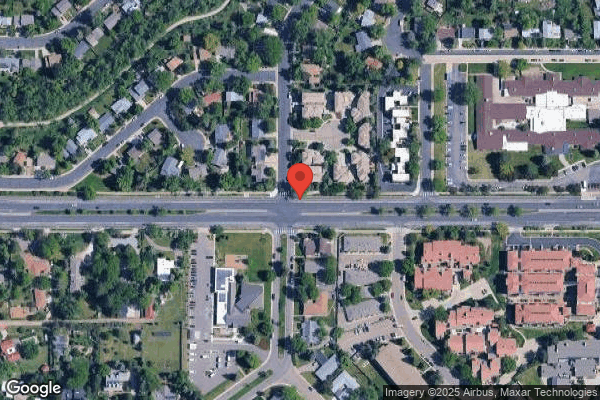
Understanding Severity Codes (click to expand)
Life-Threatening (Immediate Jeopardy)
J - Isolated K - Pattern L - Widespread
Actual Harm
G - Isolated H - Pattern I - Widespread
Potential for Harm
D - Isolated E - Pattern F - Widespread
No Harm (Minor)
A - Isolated B - Pattern C - Widespread

Questions to Ask on Your Visit

  • "Can I speak with families of current residents?"
  • "What's your RN coverage like on weekends and overnight?"

Our Honest Assessment

Strengths
  • • Grade B+ (80/100). Above average facility, better than most options in Colorado.
  • • No major safety red flags. No abuse findings, life-threatening violations, or SFF status.
  • • No fines on record. Clean compliance history, better than most Colorado facilities.
  • • 37% turnover. Below Colorado's 48% average. Good staff retention means consistent care.
Concerns
  • • 22 deficiencies on record. Higher than average. Multiple issues found across inspections.
Bottom line: Generally positive indicators. Standard due diligence and a personal visit recommended.

About This Facility

What is Boulder Canyon's CMS Rating?

CMS assigns BOULDER CANYON HEALTH AND REHABILITATION an overall rating of 5 out of 5 stars, which is considered much above average nationally. Within Colorado, this rating places the facility higher than 99% of the state's 100 nursing homes. This rating reflects solid performance across the metrics CMS uses to evaluate nursing home quality.

How is Boulder Canyon Staffed?

CMS rates BOULDER CANYON HEALTH AND REHABILITATION's staffing level at 4 out of 5 stars, which is above average compared to other nursing homes. Staff turnover is 37%, compared to the Colorado average of 46%. This relatively stable workforce can support continuity of care.

What Have Inspectors Found at Boulder Canyon?

State health inspectors documented 22 deficiencies at BOULDER CANYON HEALTH AND REHABILITATION during 2021 to 2025. These included: 22 with potential for harm.

Who Owns and Operates Boulder Canyon?

BOULDER CANYON HEALTH AND REHABILITATION is owned by a for-profit company. For-profit facilities operate as businesses with obligations to shareholders or private owners. The facility is operated by THE ENSIGN GROUP, a chain that manages multiple nursing homes. With 140 certified beds and approximately 108 residents (about 77% occupancy), it is a mid-sized facility located in BOULDER, Colorado.

How Does Boulder Canyon Compare to Other Colorado Nursing Homes?

Compared to the 100 nursing homes in Colorado, BOULDER CANYON HEALTH AND REHABILITATION's overall rating (5 stars) is above the state average of 3.2, staff turnover (37%) is near the state average of 46%, and health inspection rating (4 stars) is above the national benchmark.

What Should Families Ask When Visiting Boulder Canyon?

Based on this facility's data, families visiting should ask: "Can I visit during a mealtime to observe dining assistance and food quality?" "How do you handle medical emergencies, and what is your hospital transfer rate?" "Can I speak with family members of current residents about their experience?"

Is Boulder Canyon Safe?

Based on CMS inspection data, BOULDER CANYON HEALTH AND REHABILITATION has a clean safety record: no substantiated abuse findings (meaning no confirmed cases of resident harm), no Immediate Jeopardy citations (the most serious violation level indicating risk of serious injury or death), and is not on the Special Focus Facility watch list (a federal program monitoring the lowest-performing 1% of nursing homes). The facility has a 5-star overall rating and ranks #1 of 100 nursing homes in Colorado. While no facility is perfect, families should still ask about staff-to-resident ratios and recent inspection results during their visit.

Do Nurses at Boulder Canyon Stick Around?

BOULDER CANYON HEALTH AND REHABILITATION has a staff turnover rate of 37%, which is about average for Colorado nursing homes (state average: 46%). Moderate turnover is common in nursing homes, but families should still ask about staff tenure and how the facility maintains care continuity when employees leave.

Was Boulder Canyon Ever Fined?

BOULDER CANYON HEALTH AND REHABILITATION has no federal fines on record. CMS issues fines when nursing homes fail to meet care standards or don't correct problems found during inspections. The absence of fines suggests the facility has either maintained compliance or corrected any issues before penalties were assessed. This is a positive indicator, though families should still review recent inspection reports for the full picture.

Is Boulder Canyon on Any Federal Watch List?

BOULDER CANYON HEALTH AND REHABILITATION is not on any federal watch list. The most significant is the Special Focus Facility (SFF) program, which identifies the bottom 1% of nursing homes nationally based on persistent, serious quality problems. Not being on this list means the facility has avoided the pattern of deficiencies that triggers enhanced federal oversight. This is a positive indicator, though families should still review the facility's inspection history directly.