CANON LODGE CARE CENTER
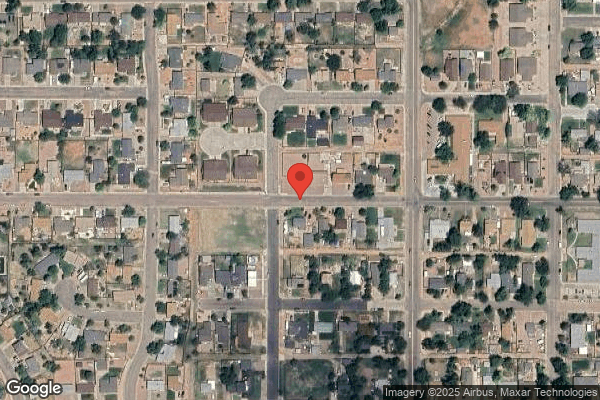
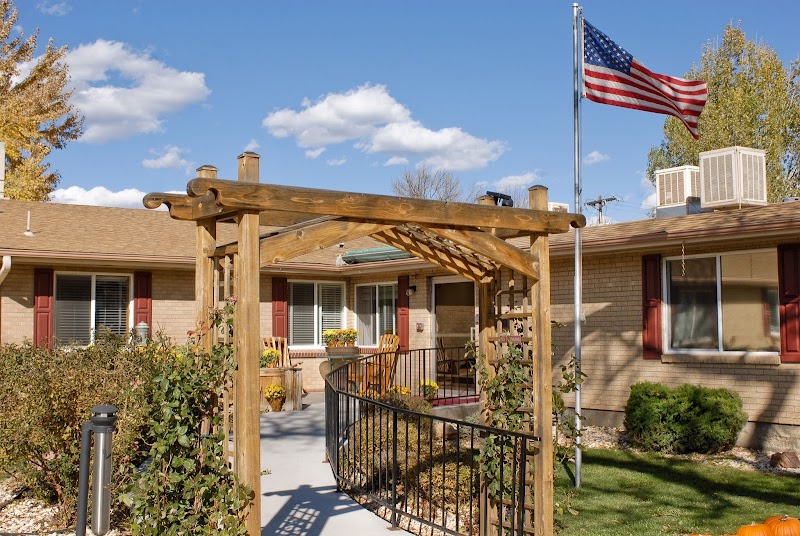
905 HARDING AVE, CANON CITY, CO 81212 (719) 275-4106
For profit - Corporation 60 Beds LIFE CARE CENTERS OF AMERICA Data: November 2025
Trust Grade
55/100
#95 of 208 in CO
Last Inspection: September 2023

Over 2 years since last inspection. Current conditions may differ from available data.

Overview

Canon Lodge Care Center has a Trust Grade of C, which means it is average compared to other nursing homes. It ranks #95 out of 208 facilities in Colorado, placing it in the top half, and is ranked #1 of 6 in Fremont County, indicating it is the best option locally. The facility is improving, having reduced its issues from 5 in 2024 to just 1 in 2025. Staffing is a strong point here, with a rating of 4 out of 5 stars and a turnover rate of 56%, which is about average for the state. There have been no fines, which is a positive sign, and it has more RN coverage than 97% of Colorado facilities, ensuring better oversight of resident care. However, there are some notable concerns. Recent inspections found that food sanitation practices were not adequate-kitchen equipment was not stored or maintained in a clean state, and staff were not properly trained in food safety. Additionally, there were issues with backflow prevention in the plumbing, which could pose a risk to the facility's water supply. While the facility has strengths in staffing and RN coverage, families should consider these weaknesses when making their decision.

Trust Score
C
55/100
In Colorado
#95/208
Top 45%
Safety Record
Low Risk
No red flags
Inspections
Getting Better
5 → 1 violations
Staff Stability
⚠ Watch
56% turnover. Above average. Higher turnover means staff may not know residents' routines.
Penalties
✓ Good
No fines on record. Clean compliance history, better than most Colorado facilities.
Skilled Nurses
✓ Good
Each resident gets 81 minutes of Registered Nurse (RN) attention daily — more than 97% of Colorado nursing homes. RNs are the most trained staff who catch health problems before they become serious.
Violations
⚠ Watch
24 deficiencies on record. Higher than average. Multiple issues found across inspections.
★★★☆☆
3.0
Overall Rating
★★★★☆
4.0
Staff Levels
★★★★★
5.0
Care Quality
★★☆☆☆
2.0
Inspection Score
Stable
2024: 5 issues
2025: 1 issues

The Good

  • 4-Star Staffing Rating · Above-average nurse staffing levels
  • 5-Star Quality Measures · Strong clinical quality outcomes
  • Full Sprinkler Coverage · Fire safety systems throughout facility
  • No fines on record

Facility shows strength in staffing levels, quality measures, fire safety.

The Bad

3-Star Overall Rating

Near Colorado average (3.1)

Meets federal standards, typical of most facilities

Staff Turnover: 56%

10pts above Colorado avg (46%)

Frequent staff changes - ask about care continuity

Chain: LIFE CARE CENTERS OF AMERICA

Part of a multi-facility chain

Ask about local staffing decisions and management

Staff turnover is elevated (56%)

8 points above Colorado average of 48%

The Ugly 24 deficiencies on record

Aug 2025 1 deficiency
CONCERN (D) 📢 Someone Reported This

A family member, employee, or ombudsman was alarmed enough to file a formal complaint

Potential for Harm - no one hurt, but risky conditions existed

Free from Abuse/Neglect (Tag F0600)

Could have caused harm · This affected 1 resident

**NOTE- TERMS IN BRACKETS HAVE BEEN EDITED TO PROTECT CONFIDENTIALITY** Based on record review and interviews, the facility failed to ensure one (#8) of three residents reviewed for abuse out of 28 sa...

Read full inspector narrative →
**NOTE- TERMS IN BRACKETS HAVE BEEN EDITED TO PROTECT CONFIDENTIALITY** Based on record review and interviews, the facility failed to ensure one (#8) of three residents reviewed for abuse out of 28 sample residents were free from abuse.Specifically, the facility failed to protect Resident #8 from physical abuse by Resident #22.Findings include:I. Facility policy and procedureThe Abuse Prevention policy, reviewed on 5/6/25, was received from the nursing home administrator (NHA) on 8/14/25 at 1:15 p.m. It revealed in pertinent part, It is the policy of this facility to prevent and prohibit all types of abuse, neglect, misappropriation of resident property and exploitation. Identify, correct and intervene in situations in which abuse, neglect, exploitation, and/or misappropriation of resident property is more likely to occur to include trained and qualified, registered, licensed, and certified staff on each shift in sufficient numbers to meet the needs of the residents, and assure that the staff assigned have knowledge of the individual residents' care needs and behavioral symptoms, if any. Identify, assess, care plan for appropriate interventions, and monitor residents with needs and behaviors which might lead to conflict or neglect, such as verbally aggressive behavior, physically aggressive behavior, sexually aggressive behavior, taking, touching, or rummaging through other's property, wandering into others' rooms/space, residents with a history of self-injurious behaviors, residents with communication disorders or who speak a different language, and residents that require extensive nursing care and/or are totally dependent on staff for the provision of care.II. Physical abuse of Resident #8 by Resident #22 on 7/1/25A. Facility investigationThe facility investigation was provided by the NHA on 8/12/25 at 9:03 a.m.The investigation documented that on 7/1/25 at 7:56 a.m., in the main dining room, certified nurse aide (CNA) #1 asked Resident #22 if she could move him in order to make room for Resident #8 to get to a table in the dining room. When Resident #22 was moved, he turned himself around in his wheelchair and placed both hands on Resident #8 chest, pushing him backwards. Resident #8 left the dining room and went to his room. Staff assessed Resident #8 for injuries and none were observed. Resident #22 was placed on one-to-one monitoring following the event while an investigation was being completed. CNA #1's eyewitness statement, dated 7/1/25, documented that CNA #1 had asked Resident #22 if she could move him to allow Resident #8 access to a table in the dining room. Resident #22 told CNA #2 sure go ahead and try while laughing. CNA #2 moved Resident #2 to the side and when she went to move Resident #8, Resident #22 had turned around towards Resident #8 and put both hands on Resident #8's chest, slamming him backwards in his wheelchair. Resident #8's wheelchair rolled backwards and Resident #8 was heard yelling no and took off out of the dining room.CNA #1 said Resident #22 hollered Do not be moving me! CNA #1 informed Resident #22 she had asked his permission prior to moving him and that no one had touched him other than her. Resident #22 responded that if anyone touched him, he would make them regret it.CNA #1 said she found Resident #8 in his room and he had two hand prints on his chest. Resident #8 returned to the dining room but was shaking and scanning the dining room for Resident #22.Resident #22 was taken to a table in the corner of the dining room away from Resident #8.The social services director (SSD) attempted to interview Resident #8 but he had no response and left the room.Resident #22 was interviewed by social services and he had no recollection of the event. The facility completed staff, resident and family representative interviews and no other abuse concerns were identified. The police, the physicians, the ombudsman and the family representatives were all informed of the incident. Resident #22 remained on-one-to one monitoring for 72-hours until the interdisciplinary team (IDT) met and concluded one-to-one monitoring was no longer needed as Resident #22 had not exhibited any other behaviors.The facility substantiated the abuse allegation as it was witnessed by staff. B. Resident #8 (victim)1. Resident statusResident #8, age greater than 65 was admitted on [DATE]. According to the August 2025 computerized physician orders (CPO), diagnoses included neurocognitive disorder (decline in cognitive function, including memory, thinking, and reasoning), dementia and rhabdomyolysis (damaged muscle tissue breakdown).The 6/16/25 minimum data set (MDS) assessment revealed the resident was severely cognitively impaired with a brief interview for mental status (BIMS) score of two out of 15. The resident had unclear speech, was sometimes understood and sometimes understood others. The MDS assessment indicated the resident had no behaviors.2. Record reviewThe comprehensive care plan, initiated 6/16/25, documented Resident #8 had a behavior problem of wandering, trying to look out windows and not being aware of others' personal space related to frontal temporal lobe dementia. The goal was that Resident #8 would not experience behaviors that were harmful to himself or others. Interventions included administering medications as needed, anticipating the resident's needs, redirecting the resident away from other residents' rooms, intervening as necessary to protect the rights and safety of others by approaching/speaking in a calm manner to divert attention and removing the resident from the situation and taking him to alternative locations as needed.An event note, dated 7/1/25 at 1:03 p.m., documented another resident (Resident #22) placed both hands on Resident #8's chest and pushed him backwards in his wheelchair, causing the wheelchair to roll backwards. Resident #22 stated Do not be moving me. If anyone touches me they will regret it. Resident #8 left the dining room and went to his room. No injuries were noted and the family was notified.An alert note, dated 7/1/25 at 11:59 p.m., documented Resident #8 did not have any signs of latent injuries from the event on 7/1/25.An alert note, dated 7/2/25 at 12:16 p.m., documented Resident #8 had no signs of latent injuries to the upper body/chest post-incident on 7/1/25. He had no signs of pain or discomfort. The resident had no crying, groaning or facial grimacing.A skin integrity assessment completed on 7/1/25 revealed no changes in Resident #8's skin post-incident.C. Resident # 22 (assailant) 1. Resident statusResident #22, age greater than 65, was admitted on [DATE]. According to the August 2025 CPO, diagnoses included dementia, hypertension (high blood pressure) and dysphagia (difficulty swallowing). The 6/24/25 MDS assessment revealed the resident had long-term and short-term memory problems. The MDS assessment indicated the resident had physical and verbal behaviors directed towards others. 2. Record reviewThe comprehensive care plan, initiated 12/29/22, revealed Resident #22 had dementia with agitation and could exhibit impulsive behaviors, agitation/restlessness, not sleeping, verbal aggression wandering and rummaging. Identified goals were for Resident #22 to have fewer behavioral episodes. Interventions included administering medications, decreasing stimulation, offering calm environments, encouraging participation in activities, offering choices, explaining tasks, monitoring wandering behaviors, escorting the resident to an appropriate location, one-to-one supervision from 7/1/25 to 7/4/25 and redirecting the resident when he was agitated or when other residents were agitated in his vicinity.The comprehensive care plan further documented Resident #22 had the potential to be physically aggressive, including hitting, grabbing and pushing, related to dementia. Interventions included assessing and anticipating the resident's needs, providing physical and verbal cues to alleviate anxiety by giving positive feedback, assisting the resident with verbalization of sources of agitation and assisting the resident to set goals for more pleasant behaviors. Resident #22's triggers for physical aggression were related to incontinence, poor approach, elevated voice and close proximity of his personal space. A behavior note, dated 7/1/25 at 12:41 p.m. revealed CNA #1 informed the nurse that during breakfast in the dining room, she had asked Resident #22 if she could move him to make room at the table and after the resident was moved, he turned around in his wheelchair and put both hands on Resident #8's chest, pushing him backwards in his wheelchair, causing the wheelchair to roll backwards. Resident #22 stated Do not be moving me. If anyone touches me they will regret it. Resident #22 was moved to a separate table away from other residents to complete the meal. A one-to-one monitor was initiated. III. Staff interviewsCNA #1 was interviewed on 8/13/25 at 9:45 a.m. CNA #1 said Resident #8 kept to himself and was not very talkative. She said he would sometimes mumble and groan, causing other residents to become frustrated as he could not speak. CNA #1 said in July 2025 another resident, Resident #22, was in a grumpy mood and pushed Resident #8 in the chest. CNA #1 said for a while, Resident #8 avoided Resident #22 but now the two residents seemed to be okay with each other, as if they forgot it happened due to their dementia. CNA #1 said Resident #22 became aggressive if someone talked to him the wrong way or bumped into him the wrong way. She said he would get verbally aggressive and sometimes physically aggressive towards others. CNA #1 said he had behaviors throughout the day. CNA #1 said she had received online training and in-services on dementia and how to care for residents with different approaches. CNA #1 said it was good to have refresher training as the facility had new staff and all staff needed to know how to handle situations and residents. Registered nurse (RN) #1 was interviewed on 8/13/25 at 10:52 a.m. RN #1 said Resident #8 liked to roam from his room into the room across the hall, which was empty, to look out the windows. RN #1 said Resident #8 was a victim in a resident-to-resident altercation with Resident #22 in July 2025. She said Resident #22 had pushed Resident #8 in the chest. RN #1 said Resident #8 seemed to be at baseline and had not shown fear of Resident #22 since the incident.CNA #4 was interviewed on 8/13/25 at 10:54 a.m. CNA #4 said Resident #22 had aggressive behaviors related to Alzheimer's disease. She said the resident would shove people or staff away. CNA #4 said when he acted like that, staff had to divert his behaviors for safety reasons. CNA #4 said she received yearly training on abuse and how to approach dementia residents, along with training on verbal altercations and how to report a situation following the chain of command.The SSD was interviewed on 8/13/25 at 3:42 p.m. The SSD said Resident #8 had no aggressive behaviors. She said he just liked to go from his room to the room across the hallway to look out the window. The SSD said Resident #8 and Resident #22 had an altercation in the dining room on 7/1/25 where Resident #22 pushed Resident #8 in the chest. The SSD said both residents were cognitively impaired and Resident #8 got into Resident #22's personal space. The SSD said Resident #8 did not seem frightened or scared after the event and he resumed his normal activities. The SSD said Resident #8 was observed for behaviors via his body language for how he was coping post-incident, because he did not speak. The director of nursing (DON) was interviewed on 8/13/25 at 3:55 p.m. The DON said Resident #22 had dementia and if he was out and about and someone messed with something of his, he was going to fight. She said Resident #22 was physical towards staff and these were not new behaviors for him. She said Resident #22 had had a few incidents with residents. The DON said Resident #8 liked to wander from his room to the room across the hall to look out the window. The DON said Resident #8 was in the dining room (on 7/1/25) when Resident #22 pushed him with both hands on his chest. She said Resident #8 was shocked by the initial push and left the dining room and went to his room. She said Resident #8 left the dining room and when asked about the incident, he was unable to verbalize the incident due to his cognitive impairment. The DON said Resident #8 was not observed to have any behavior changed post-incident and he resumed his daily activities once he returned to the dining room. The DON said Resident #8 and Resident #22 were separated immediately and Resident #22 was placed on one-to-one monitoring for 72-hours.
Dec 2024 5 deficiencies
CONCERN (D) 📢 Someone Reported This

A family member, employee, or ombudsman was alarmed enough to file a formal complaint

Potential for Harm - no one hurt, but risky conditions existed

Deficiency F0661 (Tag F0661)

Could have caused harm · This affected 1 resident

**NOTE- TERMS IN BRACKETS HAVE BEEN EDITED TO PROTECT CONFIDENTIALITY** II. Resident #8 A. Resident status Resident #8, age [AGE], was admitted on [DATE] and discharged on 9/4/24. According to the Aug...

Read full inspector narrative →
**NOTE- TERMS IN BRACKETS HAVE BEEN EDITED TO PROTECT CONFIDENTIALITY** II. Resident #8 A. Resident status Resident #8, age [AGE], was admitted on [DATE] and discharged on 9/4/24. According to the August 2024 CPO, diagnoses included deep tissue injury of the right heel and diabetes. The 6/3/24 minimum data set (MDS) assessment revealed the resident had moderate cognitive impairments with a BIMS score of 10 out of 15. The resident required supervision or touch assistance with activities of daily living. B. Record review The Discharge summary, dated [DATE], documented the resident was discharged home. The discharge summary failed to show that all areas on the form were completed. The following were missing: -Physical and mental functional status including ADLs; -Skin condition; -Special treatment and procedures; -Resident needs, strengths and goals; -Resident's customary routine; -Summary information on and additional areas; -Pertinent lab test results; -Rehabilitation follow up or potential; and, -Recapitulation of stay, specifically social service and activities. C. Staff interview The SSD was interviewed on 12/4/24 at 5:34 p.m. The SSD said she was unable to locate any care conference notes which documented discharge planning for Resident #8. The SSD said it was her responsibility to make sure the discharge process was completed. Based on record review and interviews, the facility failed to ensure the discharge summary was complete for two (#7 and #8) of three residents reviewed for discharge out of 14 sampled residents. Specifically, the facility failed to ensure completed discharge summaries were completed and included a recapitulation of the resident's stay for Resident #7 and Resident #8. Findings include: I. Resident #7 A. Resident status Resident #7, age [AGE], was admitted on [DATE] and discharged home on 8/21/24 According to the August 2024 computerized physician orders (CPO), diagnoses included bilateral hip osteoarthritis and bilateral total hip replacement. Based on a health status note on 8/8/24 and a skilled nursing progress note from 8/19/24, Resident#7 was aware of surroundings and able to make needs known. B. Record review The Discharge summary, dated [DATE], documented the resident was discharged home. The discharge summary failed to show that all areas on the form were completed. The following were missing: -Physical and mental functional status including activities of daily living (ADLs); -Continence; -Communication; -Special treatment and procedures; -Resident needs, strengths and goals; -Resident's customary routine; -Summary information on and additional areas assessed; -Pertinent lab test results; -Rehabilitation follow up or potential; -Recapitulation of stay specifically social service and activities; and, -Whether the resident required outpatient rehabilitation services after discharge. The form instructed the resident to follow up with the physician, however, there was no number or name of the physician provided. C. Staff interviews The social service director (SSD) and the regional nurse consultant (RNC) were interviewed together on 12/4/24 at 5:34 p.m. The SSD said she opened the discharge assessment. The SSD said different members of the interdisciplinary team filled out their designated section of the assessment. The SSD said the form was to be completed in entirety and provided to the resident upon discharge. She said the licensed nurse who was discharging the resident was responsible to ensure the form was completed prior to the resident's discharge. She said she reviewed the discharge summaries for both Resident #7 and Resident #8 and confirmed they were not completely filled out. The RNC said discharge summaries were an area which needed improvement. The director of nursing (DON) was interviewed on 12/4/24 at 4:43 p.m. The DON said the discharge summary was a group effort. She said the discharge summary needed to be completed prior to discharge and agreed the discharging nurse was responsible to ensure it was completed.
CONCERN (D) 📢 Someone Reported This

A family member, employee, or ombudsman was alarmed enough to file a formal complaint

Potential for Harm - no one hurt, but risky conditions existed

Deficiency F0697 (Tag F0697)

Could have caused harm · This affected 1 resident

**NOTE- TERMS IN BRACKETS HAVE BEEN EDITED TO PROTECT CONFIDENTIALITY** Based on record review and interviews, the facility failed to manage pain in the manner consistent with professional standards o...

Read full inspector narrative →
**NOTE- TERMS IN BRACKETS HAVE BEEN EDITED TO PROTECT CONFIDENTIALITY** Based on record review and interviews, the facility failed to manage pain in the manner consistent with professional standards of practice for one (#11) of four residents reviewed for pain out of 14 sample residents. Specifically, the facility failed to ensure Resident #11's pain was managed appropriately and consistently to meet the resident's stated level of acceptable pain. Findings include: I. Facility policy and procedure The Pain Assessment and Management policy, reviewed 9/5/24, was received from the nursing home administrator (NHA) on 12/4/24 at 1:01 p.m., read in pertinent part, Based on the comprehensive assessment of a resident, this facility must ensure that residents receive the treatment and care in accordance with professional standards of practice, the comprehensive care plan, and the resident's choices related to pain management. A resident will be assessed for pain indicators upon admission/readmission, quarterly and with any change in condition. An individualized pain management care plan will be developed and initiated when pain indicators are identified. The care plan will be reviewed and revised by the interdisciplinary team (IDT) upon completion of each MDS (minimum data set) assessment and as needed. A pain goal is set; alert and oriented residents state an acceptable level of pain on an intensity scale where zero is no pain and ten is the worst pain imaginable, according to the Numeric Pain Intensity Scale rating from the Medication Administration Record (MAR) and a comprehensive pain management care plan is initiated and implemented based on initial and ongoing pain assessments. Approaches are modified as necessary. II. Resident #11 A. Resident status Resident #11, age [AGE], was admitted on [DATE] and readmitted on [DATE]. According to the December 2024 computerized physician orders (CPO), diagnoses included history of low back pain unspecified, polyneuropathy (a disease that damages the peripheral nerves, causing weakness, numbness, and burning pain), peripheral vascular disease (PVD) resulting in right lower extremity amputation below the knee secondary to a necrotic (dead tissue) wound with osteomyelitis (infection of bone tissue), phantom limb syndrome with pain (a condition where a person feels like an amputated limb is still there, and may experience pain or other sensations in that limb), limb ischemia (a condition that occurs when blood flow to an extremity is severely reduced or blocked, leading to pain, sores, and other complications), pain to an unspecified joint and pain to an unspecified hip. The 11/18/24 minimum data set (MDS) assessment revealed the resident was cognitively intact with a brief interview for mental status (BIMS) score of 15 out of 15. He was able to self-propel in his manual wheelchair and perform most activities of daily living independently. The MDS assessment documented the resident had pain almost constantly which affected his sleep and frequently affected his day to day activity. The resident received both scheduled and as needed (PRN) pain medications and non-pharmacological pain interventions. The MDS assessment indicated Resident #11's pain rating upon the completion of the assessment was a 10 on a numeric pain scale of 1-10. B. Resident interview Resident #11 was interviewed on 12/4/24 at 1:35 p.m. Resident #11 said his pain was not being controlled. He said he had been having increased pain to his left leg after a surgical procedure two weeks ago which involved a surgical incision from his left groin to his mid-calf. He said he would rate his pain level as a score of 37 if he could, but he said the pain scale only went to a 10. He said the facility finally increased his pain medication and his first dose of the new medication would be administered that evening (12/4/24). C. Record review Resident #11's quarterly pain assessment from 10/4/24 documented the resident's pain level was a 10 out of 10, generalized pain. The assessment indicated the resident's acceptable pain level was a 5 out of 10. -Review of Resident #11's electronic medical record (EMR) revealed there was no pain assessment documented upon the resident's readmission to the facility on [DATE]. The 11/20/24 care plan report identified Resident #11 had expressed pain/discomfort related to aftercare following surgical amputation of his right leg below the knee, back pain related to intervertebral disc disorders and left hip related to bursitis and polyneuropathy. The care plan indicate the resident's acceptable pain level goal was a 5 out of 10. Interventions included trying non-pharmacological interventions before offering medication, including rest, reposition, elevation, and distraction. -The care plan failed to include Resident #11's pain related to his post-operative surgical incision. Review of Resident #11's November 2024 CPO revealed the following physician's orders for pain management: Resident #11's pain level is assessed every shift (day and night). His acceptable level of pain is set at 5 out of 10 on the numeric scale (0-10). Pain locations include right below knee amputation, shoulders and back. Non-pharmacological interventions include rest, reposition, elevation and distraction. Do not rouse resident from sleep and do not exceed 3,000 mg (milligrams) of Tylenol in a 24-hour period, ordered 4/4/24. The physician's order for the daily pain assessments failed to include the resident's new location of pain to his left lower extremity. Lidocaine external gel 4%: apply to left lower extremity topically four times a day for acute on chronic pain, avoid incision; ordered 11/27/24 and discontinued on 11/29/24. Lidocaine external patch 4% (Lidocaine). Apply to the left lower extremity topically one time a day for pain and remove at bedtime, ordered 11/29/24. Lyrica oral capsule 75 mg (Pregabalin). Give one capsule by mouth three times a day for chronic pain, ordered 8/5/24. Robaxin 750 mg oral tablet (Methocarbamol). Give one tablet by mouth one time a day and at bedtime for pain, ordered 4/12/24. Tylenol oral tablet 325 mg (Acetaminophen). Give 650 mg by mouth four times a day for pain, ordered 8/28/24. Oxycodone HCl oral tablet 5 mg. Give one tablet every 8 hours for pain, ordered 5/29/24 and discontinued on 11/20/24. Xtampza ER (oxycodone) oral capsule 12-hour abuse deterrent 9 mg. Give one capsule by mouth every 12 hours for pain with a start date of 11/20/24. Oxycodone HCl oral tablet 2.5 mg every eight hours as needed for severe pain levels of 8 to 10, ordered 7/12/24 and discontinued on 11/15/24. Oxycodone HCl oral tablet 5 mg. Give one tablet by mouth every six hours as needed for moderate pain levels of 3 to 7. Give two tablets by mouth every six hours as needed for severe pain levels of 8 to 10, ordered 11/15/24. Order administration notes from the November 2024 and December 2024 medication administration records (MAR) for PRN (as needed) Oxycodone indicated the resident's acceptable pain level was 5 out of 10. An alert progress note from 11/19/24 at 12:45 p.m. documented Resident #11 refused wound care services from the wound doctor. He had received one Oxycodone 5 mg tablet PRN at 11:29 a.m. with no pain level indicated upon administration. His follow-up pain level at 2:20 p.m. was 6 out of 10 and the nurse documented the pain medication was effective. -Although the nurse documented the pain medication was effective, the resident's pain level was still above his stated acceptable pain level of 5 out of 10. An Oxycodone administration note in progress notes from 11/22/24 at 12:51 p.m. revealed the resident was unable to work with physical therapy (PT) due to a pain level of 10 out of 10 and facial grimacing. Review of Resident #11's November 2024 MAR revealed the following: On 11/16/24 at 10:17 a.m., the resident was administered one tablet of Oxycodone 5 mg PRN for a pain level of 9 out of 10. He refused to take two tablets due to fear of constipation. Upon reassessment for pain medication effectiveness at 12:30 p.m., almost two hours after the administration of the medication, Resident #11 rated his pain at an 8 out of 10. The nurse documented the intervention as ineffective. -However, there was no follow-up note indicating further intervention was attempted or that a physician was notified. On 11/17/24 at 9:38 a.m., the resident was administered two tablets of Oxycodone 5 mg PRN for a pain level of 9 out of 10. Upon reassessment for pain medication effectiveness at 12:17 p.m., almost three hours after the administration of the medication, Resident #11 rated his pain at an 8 out of 10. The nurse documented the pain medication was effective. -However, Resident #11's pain level of 8 out of 10 was still above the resident's stated acceptable pain level of 5 out of 10. On 11/19/24 at 11:29 a.m., the resident was administered one tablet of Oxycodone 5 mg PRN, his pain level and non-pharmacological interventions were not documented upon administration. Upon reassessment for pain medication effectiveness at 2:20 p.m., almost three hours after the administration of the medication, Resident #11 rated his pain level at 6 out of 10. The nurse documented the pain medication was effective. -However, Resident #11's pain level of 6 out of 10 was still above the resident's stated acceptable pain level of 5 out of 10. On 11/22/24 at 12:51 p.m., the resident was administered two tablets of Oxycodone 5 mg PRN for a pain level of 10 out of 10. Resident #11 was unable to participate with PT due to his pain and facial grimacing was observed in the note. Upon reassessment for pain medication effectiveness at 4:20 p.m., almost four hours after the administration of the medication, the resident rated his pain level at an 8 out of 10. The nurse documented the pain medication was effective. -However, Resident #11's pain level of 8 out of 10 was still above the resident's stated acceptable pain level of 5 out of 10. On 11/24/24 at 2:14 p.m., the resident was administered two tablets of Oxycodone 5 mg PRN for a pain level of 8 out of 10. Upon reassessment for pain medication effectiveness at 3:43 p.m., Resident #11 rated his pain level at 7 out of 10. The nurse documented the pain medication was effective. -However, Resident #11's pain level of 7 out of 10 was still above the resident's stated acceptable pain level of 5 out of 10. On 11/24/24 at 10:10 p.m., the resident was administered two tablets of Oxycodone 5 mg PRN for a pain level of 10 out of 10, the note stated that repositioning was ineffective. Upon reassessment for pain medication effectiveness at 11:43 p.m., Resident #11 rated his pain level at 6 out of 10. The nurse documented the pain medication was effective. -However, Resident #11's pain level of 6 out of 10 was still above the resident's stated acceptable pain level of 5 out of 10. On 11/27/24 at 9:05 a.m., the resident was administered one tablet of Oxycodone 5 mg PRN for a pain level of 8 out of 10. Upon reassessment for pain medication effectiveness at 11:56 a.m., almost three hours after the administration of the medication, Resident #11 rated his pain level at 8 out of 10. The nurse documented the pain medication was effective. -However, Resident #11's pain level of 8 out of 10 was still above the resident's stated acceptable pain level of 5 out of 10. On 11/28/24 at 8:20 a.m., the resident was administered one tablet of Oxycodone 5 mg PRN for a pain level of 7 out of 10. Upon reassessment for pain medication effectiveness at 11:13 a.m., almost three hours after the administration of the medication, Resident #11 rated his pain level at 7 out of 10. The nurse documented the pain medication was effective. -However, Resident #11's pain level of 7 out of 10 was still above the resident's stated acceptable pain level of 5 out of 10. On 11/28/24 at 9:49 p.m., the resident was administered two tablets of Oxycodone 5 mg PRN for a pain level of 10 out of 10. A progress note indicated that repositioning and distraction were ineffective. Upon reassessment for pain medication effectiveness at 10:51 p.m., Resident #11 rated his pain level at 6 out of 10. The nurse documented the pain medication was effective. -However, Resident #11's pain level of 6 out of 10 was still above the resident's stated acceptable pain level of 5 out of 10. On 11/30/24 at 3:10 p.m., the resident was administered two tablets of Oxycodone 5 mg PRN for a pain level of 10 out of 10. A progress note indicated that repositioning and distraction were ineffective. Upon reassessment for pain medication effectiveness at 4:46 p.m., Resident #11 rated his pain level at 7 out of 10. The nurse documented the pain medication was effective. -However, Resident #11's pain level of 7 out of 10 was still above the resident's stated acceptable pain level of 5 out of 10. III. Staff interviews Licensed practical nurse (LPN) #1 was interviewed on 12/4/24 at 1:50 p.m. LPN #1 said Resident #11 had a surgical procedure two weeks prior. She said despite medication changes made to the resident's pain regimen since his return to the facility, his pain had been difficult to manage. She said the physician increased his Xtampza from 9 mg every 12 hours to 12 mg every 12 hours on 12/4/24 (during the survey) and the facility was waiting for the new dose of the medication to arrive. The director of nursing (DON) was interviewed on 12/4/24 at 2:38 p.m. She said care plans for pain were reviewed with the IDT and suggestions were given. She said pain meetings began at the end of August 2024. The DON said at the meetings, the IDT evaluated residents' pain medications and MDS assessment pain levels, how often the residents' pain was being addressed and what was being done to treat residents' pain. The DON said pain assessments should be done upon admission and readmission, quarterly, every shift and with changes in condition. She said a pain assessment should have been completed for Resident #11 upon his readmission to the facility on [DATE].
CONCERN (D) 📢 Someone Reported This

A family member, employee, or ombudsman was alarmed enough to file a formal complaint

Potential for Harm - no one hurt, but risky conditions existed

Deficiency F0742 (Tag F0742)

Could have caused harm · This affected 1 resident

**NOTE- TERMS IN BRACKETS HAVE BEEN EDITED TO PROTECT CONFIDENTIALITY** Based on observations, record review and interviews, the facility failed to ensure that residents requiring treatments and servi...

Read full inspector narrative →
**NOTE- TERMS IN BRACKETS HAVE BEEN EDITED TO PROTECT CONFIDENTIALITY** Based on observations, record review and interviews, the facility failed to ensure that residents requiring treatments and services for mental disorders or psychosocial adjustment difficulties received appropriate treatment and services to correct the assessed problem or to attain the highest practicable mental and psychosocial well being for two (#2 and #4) of four residents reviewed out of 14 sample residents. Specifically, the facility failed to provide mental health counseling services for Resident #2 and Resident #4. Findings include: I. Facility policy and procedure The Behavioral Health Services policy, reviewed on 9/6/24, was received from the nursing home administrator (NHA) on 12/4/24 at 1:02 p.m. The policy read in pertinent part, The facility will provide behavioral health care and services that create an environment that promotes emotional and psychosocial well-being, meets each resident's needs and includes individualized approaches to care. The nursing assessment and social services assessment are completed upon admission/readmission, quarterly and as needed with change of condition. Through this assessment, the facility should identify residents who develop decreased social interaction and/or increased withdrawn, angry, or depressive behaviors, and may have made verbalizations indicating psychosocial adjustment difficulty. If a determined need is present, the facility should consult with the attending physician to make a referral to a mental health professional for assessment and potential for ongoing follow-up. The facility must determine through its facility assessment what types of behavioral health services it may be able to provide. II. Resident #2 A. Resident status Resident #2, age less than 65, was admitted on [DATE]. According to the December 2024 computerized physician orders (CPO), diagnoses included opioid dependence, chronic pain syndrome, osteoarthritis (difficulty walking), depression and anxiety. The 10/22/24 minimum data set (MDS) assessment revealed the resident was cognitively intact with a brief interview for mental status (BIMS) score of 15 out of 15. The MDS assessment indicated the resident had felt down, depressed or hopeless nearly every day over the seven day look back period. The resident had a score of 15 out of 27 on the Patient Health Questionnaire-9 (PHQ-9 - a screening tool used for depression), which indicated she had moderately severe depression. B. Observations On 12/3/24 at 8:15 a.m. Resident #2 was observed crying in her room alone. On 12/4/24 at 9:30 a.m. Resident #2 was in the hallway speaking to the social services director (SSD). The resident was crying as she spoke to the SSD. C. Resident interview Resident #2 was interviewed on 12/3/24 at 8:10 a.m. Resident #2 said she could not stop crying. Resident #2 said she had felt depressed ever since she was admitted to the facility because she felt like no one was listening to her when she had a complaint about her pain. Resident #2 said she had been asking for counseling services but she had not received any. Resident #2 said her depression had increased and she cried often. D. Record review Review of the behavior care plan, revised 11/1/24, revealed Resident #2 had a behavior problem including making false accusations and using profanity towards staff, manipulation and repeatedly asking for scheduled and PRN pain medications to be given together, related to panic and anxiety disorder. Interventions included assisting the resident to develop more appropriate methods of coping and interacting. A review of Resident #2's December 2024 CPO revealed a physician's order for a referral for mental health services, ordered 11/19/24. -Review of Resident #2's EMR failed to reveal documentation to indicate the resident had received any mental health services or refused when mental health services were offered to her. E. Staff interview The SSD was interviewed on 12/4/24 at 1:10 p.m. The SSD said Resident #2 was referred to a mental health services agency on 8/29/24 and Resident #2 refused. The SSD said she called the mental health services agency again on 9/27/24 and Resident #2 refused counseling services again. -However, there was no documentation in Resident #2's EMR to indicate counseling services had been offered and she refused (see record review above).III. Resident #4 A. Resident status Resident #4, age less than 65, was admitted on [DATE] and readmitted on [DATE]. According to the December 2024 CPO, diagnoses included major depressive disorder (MDD), recurrent, severe with psychotic symptoms, paranoid schizophrenia, insomnia, unspecified and cognitive communication deficit. The 9/26/24 MDS assessment revealed Resident #4 was cognitively intact with a BIMS score of 14 out of 15. The resident was independent with most activities of daily living (ADLs) requiring minimal assistance due to dizziness and gait imbalance. The MDS assessment indicated the resident had felt down, depressed or hopeless for half or more of the days over the seven day look back period. B. Resident interview Resident #4 was interviewed on 12/4/24 at 8:00 a.m. Resident #4 said he was having a hard time with his depression lately because his sister was actively dying and her prognosis was poor. The resident said he had not had counseling services for a while. He said he would like to have counseling services via telehealth (service provided through a video conference) as he did not want to leave the building. C. Record review A 9/26/24 psychosocial progress note documented Resident #4 had agreed to receive services from the new mental health services agency via telehealth. -However, there was no documentation in Resident #4's EMR to indicate the dates the resident received counseling services via telehealth between 9/26/24 and 12/4/24 or documentation to indicate the resident had refused counseling services (see SSD interview below). Review of Resident #4's December 2024 CPO revealed a physician's order for the resident to receive mental health services with the new agency, ordered 11/19/24. -However, there was no documentation in the resident's EMR to indicate the new mental health services agency had been contacted to begin providing counseling services for Resident #4. -There was no documentation in Resident #4's EMR to indicate the resident had refused counseling services. The trauma-informed care plan, revised 10/1/24, revealed Resident #4 required trauma-informed care due to having experienced several traumatic/stressful events throughout life, such as natural disaster, auto accident, exposure to a toxic substance, physical assault, assault with a weapon, sexual assault and a sudden accidental death. The resident would, at times, have repeated/disturbing/unwanted memories and dreams related to these events and feelings of the events happening again. He avoided memories related to the events and was jumpy/easily startled. Pertinent interventions include the SSD was to offer and arrange counseling services as tolerated (initiated 2/5/2020) and referral to a mental health services agency for counseling services (initiated 10/1/24). The pre-admission screening and resident review (PASRR) Level II care plan, revised 7/22/24, revealed Resident #4 had PASRR Level II with the primary diagnosis of paranoid schizophrenia as well as major depressive disorder, recurrent, severe with psychotic symptoms. Based on the PASRR Level II evaluation findings, it was recommended for Resident #4 to receive individual therapy three times a month. Pertinent interventions included providing ongoing documentation and evaluation of the resident's mood, the resident participating in treatments, cares, medication management and psychiatric stability and reporting significant changes to his physician, psychiatrist and PASSR,if necessary, for further evaluation. D. Staff interviews The SSD was interviewed on 12/4/24 at 11:50 a.m. The SSD said the facility's mental health services agency had recently changed. She said the previous mental health agency stopped providing services for the facility in June 2024 or July 2024, as the therapist had retired and there the agency did not have a replacement therapist. The SSD said the facility recently contracted with a new mental health services agency in September 2024. However, to this date Resident #4 and one other are the only ones that will start services. The SSD said she was unable to provide documentation of the dates Resident #4 was provided with counseling services. The director of nursing (DON) was interviewed on 12/4/24 at 12:06 p.m. The DON said Resident #4's first counseling session with the new mental health services contract agency was scheduled for tomorrow (12/5/24). She said it was the responsibility of the SSD to offer and arrange counseling services for residents. She said Resident #4 had a physician's order to receive counseling services that was obtained on 11/19/24. She said the SSD had called the mental health services agency back today (12/4/24) to follow up on the referral. The SSD was interviewed a second time on 12/4/24 at 1:10 p.m. The SSD said Resident #4 refused telehealth counseling services on 9/25/24. She said after talking to the new mental health agency (during the survey), she found out the agency had called Resident #4's private cell phone and he had declined their services on 9/25/24. She said she was not aware the company had contacted the resident and she had not followed up on the physician's referral for the resident to have counseling services.
CONCERN (E) 📢 Someone Reported This

A family member, employee, or ombudsman was alarmed enough to file a formal complaint

Potential for Harm - no one hurt, but risky conditions existed

Deficiency F0660 (Tag F0660)

Could have caused harm · This affected multiple residents

**NOTE- TERMS IN BRACKETS HAVE BEEN EDITED TO PROTECT CONFIDENTIALITY** Based on interviews and record reviews, the facility failed to ensure an effective discharge planning process for three (#8, #6 ...

Read full inspector narrative →
**NOTE- TERMS IN BRACKETS HAVE BEEN EDITED TO PROTECT CONFIDENTIALITY** Based on interviews and record reviews, the facility failed to ensure an effective discharge planning process for three (#8, #6 and #7) out of four residents reviewed out of 14 sample residents. Specifically, the facility failed to: -Ensure the discharge planning process was documented in Resident #8, Resident #6 and Resident #7's medical record; and, -Ensure the interdisciplinary team was involved in the discharge planning process for Resident #8, Resident #6 and Resident #7. Findings include: I. Resident #8 A. Resident status Resident #8, age [AGE], was admitted on [DATE] and discharged home on 9/4/24. According to the September 2024 CPO diagnoses included retention of urine, hypertension, type 2 diabetes without complications and muscle weakness. The 6/3/24 minimum data set (MDS) assessment revealed the resident had moderate cognitive impairment with a BIMS score of 10 out of 15. The resident required supervision or touch assistance with activities of daily living. The MDS assessment indicated the resident did not have an active discharge plan. B. Record review The baseline care plan, dated 5/30/24, documented the resident wished to return home. The goal was to develop and follow a full discharge plan. The discharge care plan, initiated on 5/30/24, revealed the resident's discharge plan was to remain at the facility for long term care. Pertinent interventions included reviewing the discharge plan quarterly and as requested. The initial discharge plan evaluation dated 5/31/24 showed the resident and family were not sure of the resident's discharge plan at that time. The initial physical therapy evaluation and plan dated 5/31/24 showed the goal was for the resident to return home. -A review of Resident #8's EMR did not reveal documentation indicating the discharge planning process was discussed with the IDT team during the resident's stay at the facility. The Discharge summary dated [DATE] revealed the resident was recommended to have outpatient rehab services after discharge. -However, review of Resident #8's EMR did not reveal documentation that home health services were established. II. Resident #6 A. Resident status Resident #6, age [AGE], was admitted on [DATE] and is still admitted to the facility. According to the November 2024 CPO, diagnoses included methicillin susceptible staphylococcus Aureus infection bacteremia, hypertension, Chronic obstructive pulmonary disease, oxygen dependence and muscle weakness. The 11/14/24 minimum data set (MDS) assessment revealed the resident was cognitively intact with a BIMS score of 15 out of 15. The resident required assistance with activities of daily living due to oxygen dependence and weakness. The MDS assessment documented the residents overall discharge goal was to return to the community and that there were no active discharge planning occurring. B. Record review The baseline care plan dated 11/13/24 documented the resident wished to return home. The goal was to develop and follow a full discharge plan. The discharge care plan, initiated on 11/13/24, revealed the resident's discharge plan was to discharge home with home health services. Pertinent interventions included reviewing the residents discharge plan quarterly and as requested. The initial discharge plan evaluation, dated 11/15/24, revealed the resident and the resident's family were not sure at that time which home health services agency they wanted. -A review of the resident's EMR did not reveal documentation regarding the resident's discharge plan or documentation indicating the IDT team was involved in the resident's discharge planning.III. Resident #7 A. Resident status Resident #7, age [AGE], was admitted on [DATE] and discharged home on 8/21/24 According to the August 2024 computerized physician orders (CPO), diagnoses included bilateral hip osteoarthritis, and bilateral total hip replacement. B. Record review The care plan, initiated on 8/20/24, revealed the resident desired to return home. The goal was for Resident #7 to understand the discharge plan. Pertinent interventions included establishing a pre discharge plan with the resident and family, evaluating the resident's motivation to return to the community, evaluating her abilities and strengths and determining gaps in her abilities which would affect discharge and make post discharge community resources to support independence. The 8/8/24 occupational therapy initial note documented the resident's goal was for the resident to return home and would like to have some assistance with higher level cleaning tasks. The 8/8/24 physical therapy initial note documented the resident's goal was to return home. In the initial discharge planning evaluation, dated 8/13/24, documented that the resident would likely require assistance when discharged from the facility due to concerns about safety, assistive device needs and caregiver support. The discharge summary information dated 8/20/24 failed to address if the resident still needed rehabilitation services after discharge. The summary documented the resident was recommended to have home health services at discharge. -However, there was no indication that home health services were established upon discharge. -The initial discharge planning showed the resident had requested community resources after discharge, however, there was no evidence to show it was provided. A review of the resident's electronic medical record (EMR) did not reveal any documentation indicating the resident's discharge planning process was reviewed with the IDT team during the resident's stay at the facility. The 8/21/24 progress note documented the resident was discharged with medications, and all belongings. -A review of the resident's EMR did not reveal documentation indicating if the resident was referred to home health services as mentioned in the initial discharge planning. IV. Staff interviews The social services director (SSD) was interviewed on 12/4/24 at 12:41 p.m. The SSD said the baseline care plan was when the discharge plan began, she said the nurse would find out what the plan was for discharge. The SSD said she then held an initial care conference with the resident and family and discharge was discussed. The SSD said she kept notes on a paper document, and then the paper document would be scanned into the electronic medical record. The SSD was interviewed on 12/4/24 at 4:43 p.m. The SSD said she was responsible for coordinating the discharge planning process. She said the facility usually had a care conference upon admission to address the initial discharge planning evaluation. She reviewed the medical record and could not locate the care conference notes which she said they had discussed the plan. The SSD was interviewed on 12/4/24 at 5:34 p.m. The SSD said she was unable to locate any care conference notes for Resident #7, Resident #6 or Resident #8. She said she completed them on paper, then they would get scanned into the EMR. She said Resident #7 was discharged to her daughters house. She said she reviewed the records for Resident #8, Resident #6 and Resident #7 and confirmed the records showed no documentation for discharge planning. The regional nurse consultant (RNC) was interviewed on 12/4/24 at 5:52 p.m. The RNC said the discharge planning and the care conference notes needed to be electronic and that she would provide education to the SSD.
CONCERN (E) 📢 Someone Reported This

A family member, employee, or ombudsman was alarmed enough to file a formal complaint

Potential for Harm - no one hurt, but risky conditions existed

Deficiency F0676 (Tag F0676)

Could have caused harm · This affected multiple residents

**NOTE- TERMS IN BRACKETS HAVE BEEN EDITED TO PROTECT CONFIDENTIALITY** III. Resident #9 A. Resident status Resident #9, age greater than 65, was admitted to the facility on [DATE]. According to the ...

Read full inspector narrative →
**NOTE- TERMS IN BRACKETS HAVE BEEN EDITED TO PROTECT CONFIDENTIALITY** III. Resident #9 A. Resident status Resident #9, age greater than 65, was admitted to the facility on [DATE]. According to the December 2024 computerized physician orders (CPO) diagnoses included Alzheimer's disease, and dysphagia (difficulty swallowing). The 9/4/24 minimum data set (MDS) assessment revealed the resident had short-term and long term memory deficits and was severely cognitively impaired per staff assessment. She required supervision and touching assistance with meals. B. Observations During a continuous observation of the lunch meal on 12/3/24, beginning at 12:14 p.m. and ending at 12:56 p.m., the following was observed: At 12:14 p.m Resident #9 received his meal and a glass of chocolate milk. At 12:22 p.m Resident #9 picked at his food. The staff did not provide the resident encouragement. At 12:26 p.m CNA #1 sat next to Resident #9 at the table. CNA #1 provided assistance to another resident at the table, but did not provide cueing or encouragement to to Resident #9. Resident #9 continued sitting at the table with his eyes closed and was not eating. At 12:37 p.m Resident #9 had not received any cueing or encouragement. At 12:43 p.m Resident #9 was not eating his meal. He had not received any encouragement. At 12:56 p.m CNA #4 said to CNA #1 that Resident #9 did not eat. CNA #1 said he ate good at breakfast. The staff did not offer any meal substitutes to the resident or provide encouragement before he was assisted away from the table. During a continuous observation of the dinner meal on 12/3/24, beginning at 5:24 p.m and ending at 5:30 p.m., the following was observed: At 5:24 p.m. Resident #9 sitting at the table not eating his evening meal with no encouragement or assistance from staff At 5:30 p.m CNA #1 sat next to Resident #9 to help another resident but she did not provide any encouragement to Resident #9. He ate approximately 50% of his meal with no encouragement offered of an alternative meal. C. Record review The care plan, revised on 9/23/24, revealed Resident #9 had an ADL self-care performance deficit related to Alzheimer's and history of fractures. Pertinent interventions included providing set up of his meal and supervision and assistance. D. Staff interviews Licensed practical nurse (LPN) #1 was interviewed on 12/4/24 at 10:05 a.m. LPN #1 said Resident #9 needed supervision assistance with meals. IV. Resident #14 A. Resident status Resident #14, age greater than 65, was admitted to the facility on [DATE]. According to the December 2024 CPO, diagnoses include altered mental status, dementia, unspecified hearing loss, muscle weakness and dysphasia. The 10/10/24 MDS assessment revealed Resident #14 had severe cognitive impairments with a BIMS score of three out of 15. Resident #14 required set up and feeding assistance with meals. B. Observations During a continuous observation of the dinner meal on 12/2/24, beginning at 5:15 p.m. and ending at 5:34 p.m., the following was observed: At 5:15 p.m. Resident #14 received her meal with no set up assistance provided. At 5:20 p.m Resident #14 remained in the dining room and was not eating her meal. The staff had not offered any assistance or cueing to the resident. At 5:34 p.m. Resident #14 had not eaten any of her meal. CNA #1 assisted Resident #24 from the table. Resident #14 was not offered any cueing or assistance during the meal. C. Record Review The care plan, revised on 10/11/24 revealed Resident #14 had an ADL self-care performance deficit related to confusion and dementia. Pertinent interventions included Resident #14 was able to feed self but required cueing, reminders and set up assistance for meals. D. Staff interviews CNA #4 was interviewed on 12/4/24 at 2:30 p.m. CNA #4 said Resident #14 sometimes did not eat all of her meals. CNA #4 said when the resident did not eat all of their meal, the staff were supposed to offer another meal choice. CNA #4 did not state why Resident #14 was not offered another meal. CNA #4 said sometimes there was only one CNA in the dining room to help multiple residents eat at meal times. Based on observations, record review and interviews, the facility failed to provide care and services for an activity of daily living (ADL) for four (#13, #5, #9 and #14) out of five residents reviewed out of 14 sample residents. Specifically, the facility failed to ensure meal assistance was provided for Resident #5, Resident #9, Resident #13 and Resident #14, who required physical assistance and encouragement with food intake. Findings include: I. Resident #13 A. Resident status Resident #13, age [AGE], was admitted on [DATE] and re-admitted on [DATE]. According to the December 2024 computerized physician orders (CPO), diagnoses include [NAME] Syndrome (absence of one X chromosome in females, symptoms include certain learning disabilities), dementia, mixed incontinence and gastro-esophageal reflux disease (GERD) with esophagitis, with bleeding. The 10/17/24 minimum data set (MDS) assessment revealed the resident had moderate cognitive impairments with a brief interview for mental status (BIMS) score of eight out of 15. She required set-up assistance during meals. B. Observations During a continuous observation of the dinner meal on 12/2/24, beginning at 5:05 p.m. and ending at 5:34 p.m., the following was observed: At 5:34 p.m. the resident received her meal. She picked up the fork and began to eat. At 5:14 p.m. the resident was picking at her meal. At 5:20 p.m. she was not eating her meal. The staff did not provide cueing or assistance. At 5:34 p.m. the resident was asked by an unidentified certified nurse aide (CNA) if she was ready to watch television. The resident had only eaten approximately 50% of her meal. The CNA assisted her away from the table. She was not encouraged to eat more of her meal. During a continuous observation of the lunch meal on 12/3/24, beginning at 12:19 p.m. and ending at 12:46 p.m. the following was observed: At 12:19 p.m. the resident received her meal which consisted of a sandwich. At 12:29 p.m. CNA #1 asked if she would like her sandwich cut, as it was not cut. The resident had not touched the egg salad sandwich. At 12:32 p.m. the resident was eating the sandwich, after it was cut into quarters. At 12:46 p.m. LPN #1 said to the resident that she had not eaten much and asked the resident if she was ready to lay down. LPN #1 did not provide encouragement or cueing to the resident. The resident left the table with eating one quarter of the sandwich. During a continuous observation of the dinner meal on 12/3/24, beginning at 5:10 p.m. and ending at 5:20 p.m. the following was observed: At 5:10 p.m. the resident had her meal. She received a sandwich and Jello. At 5:17 p.m. the resident was asked by CNA #2 if she was done eating, the resident had only eaten half of her sandwich and not touched her Jello. The resident was not provided an alternative, cueing or encouragement. At 5:20 p.m. she was assisted from the table. C. Record review The ADL care plan, revised on 7/29/24, revealed Resident #13 had an ADL self-care performance deficit related to dementia, generalized weakness, unsteady gait and history of falls. Pertinent interventions included providing one on one supervision, cueing and set-up assistance at meals. D. Staff interviews CNA #2 was interviewed on 12/4/24 at 2:20 p.m. CNA #2 said Resident #13 responded well to cueing at meals. She said she assisted Resident #13 with her meal that morning (12/4/24) because she was more tired than normal. She said the staff offered her different options and that large meals intimidated her. She said Resident #13 normally consumed 50 to 75% of small portioned meals. II. Resident #5 A. Resident status Resident #5, age [AGE], was admitted on [DATE] and re-admitted on [DATE].According to the December 2024 CPO, diagnoses included altered mental status,other symptoms and signs involving cognitive functions and awareness, cognitive communication deficit, unspecified dementia (unspecified severity) with agitation and dysphagia (difficulty swallowing). The 10/28/24 MDS assessment revealed Resident #5 had a severe cognitive impairment with a BIMS score of two out of 15. She required hands-on assistance and supervision during meals. B. Observations During a continuous observation of the dinner meal on 12/2/24, beginning at 5:00 p.m. and ending at 5:38 p.m., the following was observed: At 5:00 p.m. Resident #5 was sitting in the dining room waiting for her meal tray. She had half a glass of water in front of her. At 5:08 p.m. Resident #5 called for help which alerted a staff member she wanted something else to drink. At 5:10 p.m. the resident was given another glass of water and chocolate milk. At 5:13 p.m. an unidentified CNA gave Resident #5 her meal tray then walked away. The unidentified CNA did not help the resident set-up her meal or provide cueing. At 5:18 p.m. Resident #5 had taken small bites of her food, spitting some out at times. She ate a few bites of her dessert and 75% of her chocolate milk. The staff had not offered cueing or assistance. At 5:25 p.m. Resident #5 continued to pick at food, taking a few bites. No cueing or encouragement was provided. At 5:32 p.m. Resident #5 was not eating. She had a sip of water. The staff had not encouraged her to eat more. At 5:38 p.m. Resident #5 was assisted back to her room. She had eaten 25% of her meal. She was not encouraged to eat more nor was she offered something else. During a continuous observation of the dinner meal on 12/3/24, beginning at 5:05 p.m. and ending at 5:35 p.m., the following was observed: At 5:05 p.m. the resident had her meal in front of her. The resident was not eating. The staff did not offer cueing or assistance to the resident. At 5:10 p.m. the resident picked up her fork and ate a few bites. She had a glass of milk, but had not touched it. The staff did not offer cueing or assistance to the resident. At 5:35 p.m. CNA #1 asked the resident if she was done with her meal. The resident shook her head yes. She consumed less than 25% of her meal. She was not offered assistance or encouragement or an alternative prior to leaving the dining room. C. Record review The care plan, revised on 8/13/24, revealed Resident #5 has an ADL self-care performance deficit related to dementia and fatigue. Pertinent interventions included providing supervision and set up assistance by one staff member to eat. D. Staff interviews CNA #2 was interviewed on 12/4/24 at 2:20 p.m. CNA #2 said Resident #5 required cueing when eating and that she got anxious in the dining room. She said Resident #5 required assistance with feeding at times and preferred a bland diet. She said Resident #5 would spit out food she did not like. CNA #2 said when this behavior was observed, the staff offered the resident other options. The director of nursing (DON) was interviewed on 12/4/24 at 2:38 p.m. The DON said she provided education to the staff regarding meals and meal assistance today (12/4/24).
Sept 2023 8 deficiencies
CONCERN (D)

Potential for Harm - no one hurt, but risky conditions existed

Free from Abuse/Neglect (Tag F0600)

Could have caused harm · This affected 1 resident

**NOTE- TERMS IN BRACKETS HAVE BEEN EDITED TO PROTECT CONFIDENTIALITY** Based on interviews and record review, the facility failed to ensure one (#17) out of 18 sample residents were kept free from se...

Read full inspector narrative →
**NOTE- TERMS IN BRACKETS HAVE BEEN EDITED TO PROTECT CONFIDENTIALITY** Based on interviews and record review, the facility failed to ensure one (#17) out of 18 sample residents were kept free from sexual abuse. Specifically, the facility failed to prevent sexual abuse to Resident #17 from Resident #16. Findings include: I. Facility policy and procedure The Abuse Policy, reviewed 7/18/23, provided by the nursing home administrator (NHA) on 9/25/23 at 12:40 p.m., included in part: It is the policy of this facility to prevent and prohibit all types of abuse, neglect, misappropriation of resident property and exploitation. Procedure: Establishing a safe environment that supports, to the extent possible, a resident's consentual sexual relationship and by establishing policies and protocols for preventing sexual abuse. II. Witnessed incident on 8/12/23 A. Resident #16 progress note On 8/12/23 at 5:05 a.m. the progress note documented, Resident found in roommates bed touching roommate inappropriately. Taken back to his own bed. B. Resident #17 progress note On 8/12/23 at 11:41p.m. the progress note documented, Late entry for 8/12/23 at 5:10 a.m. Checked on resident after CNA (certified nurse aide) reported roommate had been lying in his bed and touching him inappropriately. Resident was visibly upset. Voicing concerns about episode that just happened. No apparent injury noted. Call made to the director of nursing (DON) at 6:36 a.m. Message left to return the call. C. Facility investigation The facility investigation was reviewed on 9/26/23. The investigation included: On 8/12/23 at 8:43 a.m. it was reported to the nursing home administrator (NHA) that at 5:05 a.m. the CNA heard the victim (Resident #17) shouting for help. When the CNA entered the room, the alleged assailant (Resident #16) was found in the victim's bed inappropriately touching the victim's intimate parts. Immediate actions taken by the facility: The alleged assailant (Resident #16) was moved to a private room, a one to one (1:1) sitter was assigned during investigation. The victims (Resident #17) skin assessment was at baseline, no injuries (found) related to this event. The victim (Resident #17) verbalized he is not fearful. The facility summary of the investigation included: The victim (Resident #17) stated that the alleged assailant (Resident #16) got into his bed and was touching his intimate parts. III. Resident #16 A. Resident status Resident #16, over the age of 80, was admitted on [DATE]. According to the September 2023 computerized physicians orders (CPO), diagnoses included Alzheimer's disease and dementia. The 8/1/23 minimum data set (MDS) assessment revealed the resident's cognitive status was severely impaired and unable to complete a brief interview for mental status (BIMS). He displayed physical behavioral symptoms one time and other behavioral symptoms not directed toward others one time during the assessment period. B. Record review The care plan, initiated 8/12/23, identified Resident #16 would at times exhibit sexual behaviors. Interventions included: -Medication review as needed. -Offer a body pillow. -Offer counseling. -Psychological consult as needed. -Resident placed in an independent room. IV. Resident #17 A. Resident status Resident #17, over the age of 80, was admitted on [DATE]. According to the September 2023 computerized physicians orders (CPO), diagnoses included cellulitis and osteomyelitis. The 8/4/23 minimum data set (MDS) assessment revealed the resident's cognitive status was moderately impaired with a brief interview for mental status (BIMS) score of 10 out of 15. He displayed no behaviors during the assessment period. V. Interviews CNA #1 was interviewed on 9/26/23 at 9:15 a.m. She said Resident #16 did not display sexual behaviors. She said she knew he was inappropriate with Resident #17 once and had a room change and medication change after that episode. She said he did not have another episode after the incident with Resident #17. The NHA was interviewed on 9/26/23 at 11:00 a.m. She said she was the abuse coordinator. She said she was informed by the DON of the incident between Resident #16 and Resident #17. She said Resident #16 was removed to a single room and immediately put on a one-to-one staff supervision. She said she started interviewing staff about the situation. She said a skin and pain assessment was completed on Resident #17. She said the facility called the provider for a medication review for Resident #16 and received a referral for psychiatric services. She said the necessary notifications were made. She said the incident was substantiated. She stated the facility had been sending out referrals for Resident #16 to be transferred to a more appropriate facility, however, all the facilities stated they were not accepting new admissions at the time. She said the room change and medication changes helped Resident #16's behavior and he had not climbed into another resident's bed.
CONCERN (D)

Potential for Harm - no one hurt, but risky conditions existed

Deficiency F0657 (Tag F0657)

Could have caused harm · This affected 1 resident

**NOTE- TERMS IN BRACKETS HAVE BEEN EDITED TO PROTECT CONFIDENTIALITY** Based on record review and interviews, the facility failed to develop and implement a comprehensive person-centered care plan, c...

Read full inspector narrative →
**NOTE- TERMS IN BRACKETS HAVE BEEN EDITED TO PROTECT CONFIDENTIALITY** Based on record review and interviews, the facility failed to develop and implement a comprehensive person-centered care plan, consistent resident rights, that included measurable objectives and timeframes to meet medical, nursing, mental and psychosocial needs for two (#4 and #11) of 12 residents reviewed for activities of daily living (ADL) of 18 sample residents. Specifically, the facility failed revised the ADL care plan to include person-centered, resident-specific refusal of bathing/showers for Residdent #4 amd Resident #11. Findings include: I. Resident #4 A. Resident status Resident #4, age under 65 years, was admitted on [DATE]. According to the September 2023 CPO, the diagnoses included paranoid schizophrenia, and chronic fatigue. The 9/1/23 MDS assessment revealed the resident was cognitively intact with a BIMS score of 13 out of 15. The resident did not have behaviors of rejecting evaluations or care. The resident was independent in his ADLs, only requiring set up and supervision with bathing. B. Record review The comprehensive care plan, revised on 3/19/19, revealed the resident had an ADL self care deficit related to diagnosis of schizophrenia, impaired balance, and limited mobility. Interventions included to provide extensive assistance with transferring into the shower room. The resident could shower with staff supervision in the shower room. His preferred shower days on Mondays, Wednesdays and as necessary. -The care plan did not reveal the resident's staff preferences, the reason for the preference or approaches to use. CNA task follow up reports for bathing from 7/1/23 through 9/27/23 provided by the NHA on 9/29/23 at 5:30 p.m. revealed: For the month of July 2023, the resident received six showers and refused twelve. For the month of August 2023, the resident received five showers and refused eight. For the month of September 2023, the resident received seven showers and refused three. Progress notes reviewed from 7/1/23 to 9/28/23 revealed: -Alert note dated 7/12/23 documented the nurse spoke to the resident regarding his refusal to take a shower. The resident told the nurse he would take one the following day. The refusal had been passed on to the CNA. -Health status note dated 7/16/23 documented the nurse spoke to the resident regarding his refusal to shower. Alternative staff offered and the resident declined. -Alert note dated 7/19/23 documented the resident continued to refuse to take a shower and staff were to monitor him. -Alert note dated 7/26/23 documented the resident refused his shower stating he felt too weak. -Alert note dated 8/9/23 documented the resident declined a shower. -Alert note dated 8/17/23 documented the resident had refused his shower the prior evening and wanted to take a shower in the morning. -Alert note dated 8/20/23 documented the nurse spoke with the resident regarding his refusals to shower. The resident explained he felt uncomfortable with younger CNAs giving him showers and would feel more comfortable with someone his own age. He expressed he was shy and did not like young girls showering him. The nurse informed him there were no CNAs his age and offered him a bed bath. The resident stated he would consider it. The resident was approached later on and refused. -No additional documentation in the resident's progress notes pertaining to refusals to shower, accommodations for his preference for an older CNA to shower him or follow-up from the director of nursing (DON) regarding the continued refusals. C. Staff interviews CNA #1 was interviewed on 9/24/23 at 1:39 p.m. Resident #4 did not have behaviors of refusing care. Licensed practical nurse (LPN) #3 was interviewed on 9/25/23 at 10:05 a.m. LPN #3 stated Resident #4 wanted things to be as he expected, very routine and structured. He would refuse showers at times if not meeting his routine. LPN #2 was interviewed on 9/28/23 at 10:40 a.m. Resident #4 would refuse showers if he could not have a certain staff member showering him. The resident's shower schedule had been modified around the preferred CNAs schedule. LPN #2 did not know why the resident preferred this particular staff member. CNA #6 was interviewed on 9/28/23 at 11:00 a.m. Resident #4 had refused showers but no longer refused as long as he could have his preferred staff member showering him. The DON was interviewed on 9/28/23 at 11:56 a.m. Residents were scheduled for showers twice a week according to the resident's preferred days of the week. It was identified in March 2023 preferences and schedules were not being put into the care plans and CNA tasks properly and it had been corrected. Resident care plans were updated to reflect the resident's shower schedule and preferences. Preferences like staff gender or if a particular staff member was preferred (without using the staff's name) were to be identified in the resident's care plan under interventions. The CNAs and nurses were using bathing sheets to document baths/showers, refusals, and approaches. If a resident refused, the staff should re-approach twice and if unsuccessful, the nurse should approach the resident. Nurses were to document in the progress notes alternatives offered (bed baths, different staff) and document refusals. If the resident continued to refuse, the nurse needed to notify the DON. Resident #4 had behaviors of refusing showers unless certain staff offered. His shower days were scheduled around the schedule of the CNA he was comfortable receiving showers from and this preference should be in the resident's care plan. II. Resident #11 A. Resident status Resident #11, over the age of 80, was admitted on [DATE]. According to the September 2023 computerized physician orders (CPO), diagnoses included dementia, cognitive deficit and difficulty walking. The 4/17/23 minimum data set (MDS) assessment revealed the resident had severe cognitive impairment with no brief interview for mental status (BIMS) completed. The MDS assessment identified the resident needed extensive assistance with personal hygiene. Bathing did not occur. The resident had no behaviors of refusing care. B. Record review -Review of the comprehesive care plan revealed the ADL care plan failed to include his refusal of baths/showers and approaches to encouragements to achieve the bath/shower (see staff interviews). C. Staff nterviews CNA #4 was interviewed on 9/27/23 at 3:30 p.m. She said when a resident refused a shower she would re-approach on a few. If the resident continued to refuse, she would report the refusal to the nurse. She said the nurse would talk to the resident as well as therapy. She said if the resident continues to refuse, the director of nursing (DON) would get involved. Licensed practical nurse (LPN) #3 was interviewed on 9/27/23 at 3:45 p.m. She said Resident #11 had several refusals. She said sometimes she would tell Resident #11 that he would get a cold beer after the shower. She said that would work sometimes. She said he was difficult to get into the shower. She said he refused often. She said she would write a progress note after several attempts have failed. The DON was interviewed on 9/28/23 at 11:56 a.m. She said Resident #11 isolated himself in his room often. She said if he refused she wanted staff to offer him a beer afterward to help encourage him. She said there should have been a care plan with person centered approaches for Resident #11.
CONCERN (D)

Potential for Harm - no one hurt, but risky conditions existed

Deficiency F0947 (Tag F0947)

Could have caused harm · This affected 1 resident

Based on record review and interviews, the facility failed to ensure 12 hour in-service training for certified nurse aides (CNAs). Specifically, the facility failed to ensure CNAs received 12 hours an...

Read full inspector narrative →
Based on record review and interviews, the facility failed to ensure 12 hour in-service training for certified nurse aides (CNAs). Specifically, the facility failed to ensure CNAs received 12 hours annually training for two of five CNAs. Findings include: I. Training review Five CNAs were reviewed for the annual required 12 hours training. Training records revealed CNA #2 (hired 1/31/22) and CNA #3 (hired 9/18/2020) of the five CNAs reviewed did not have the required 12 hour annual training. II. Interview The director of nursing (DON) was interviewed on 9/27/23 at 10:40 a.m. She said she was not aware there were CNAs that did not have the 12 hours required annual training. She said the required 12 annual training included continuing education and changes. She said systems would be improved to ensure CNA training was completed as required.
CONCERN (E)

Potential for Harm - no one hurt, but risky conditions existed

Deficiency F0565 (Tag F0565)

Could have caused harm · This affected multiple residents

Based on record review and interviews, the facility failed to ensure views, grievances and recommendations were considered for resident council members. Specifically, the facility failed to: -Effect...

Read full inspector narrative →
Based on record review and interviews, the facility failed to ensure views, grievances and recommendations were considered for resident council members. Specifically, the facility failed to: -Effectively address, resolve and demonstrate the facility's response to grievances brought up in resident council; and, -Ensure resident council meetings were meeting the views and agendia desired by the resident council members. Findings include: I. Facility policy and procedure The Resident Council policy, revised 10/6/22, was provided by the nursing home administrator (NHA) on 9/26/23. It read it pertinent part, A resident group is defined as a group of residents that meet regularly to discuss and offer suggestions about facility policies and procedures affecting residents' care, treatment, and quality of life. The activities director or social services will facilitate follow up on all complaints, suggestions and ideas presented at the council meeting and will report results at the next meeting for the residents' information. This information will be included in the minutes. The activities director or social services will encourage maximum resident participation, leadership and development. Administrative policies, procedures and ideas will be presented to the council for discussion and approval. II. Resident interviews The resident council president, Resident #1, was interviewed on 9/27/23 at 2:50 p.m. She stated the resident council meeting did not provide relevant information for the residents attending. The department heads attended and went through what each department did and it sounded like the department heads were reading job descriptions. The same information was provided each meeting. If the residents had a grievance from the previous month, a resolution was not provided. Resident #4 was interviewed on 9/27/23 at 2:55 p.m. He stated the resident council meetings provided the residents with the same information each month and were repetitive. He stated some residents did not attend anymore because of this. III. Record review A review of the resident council meeting minutes dated 6/28/23 through 8/23/23 revealed the following: For all three months, the same information was provided for each department regarding qualifications, job duties, locations in the facility to find information and facility processes. A review of a resident council meeting minutes dated 7/26/23 revealed the only new information provided at the meeting was the facility had a performance improvement plan for showers, call lights and hydration. A concern was brought up regarding the facility serving too much chicken but no residents were identified. A review of a resident council meeting minutes dated 8/23/23 revealed new concerns brought up were residents wanting more trash cans with lids under the sinks and an unidentified resident was missing clothing. -There was no mention of the concern brought up in the previous meeting. A review of resident council grievances provided by the NHA on 9/27/23 at 3:10 p.m. revealed a resident grievance regarding a staff member which was not documented in the meeting minutes. -Grievances brought up in the months of July and August 2023 regarding too much chicken being served and needing trash cans did not have grievance forms completed. IV. Staff interviews The activities director (AD) was interviewed with the NHA on 9/27/23 at 2:00 p.m. She said she facilitated the resident council meeting with the residents. When a grievance was brought up, she filled out the grievance form and gave it to the NHA. The NHA would provide the grievance to the department manager responsible and would file the grievance after it was resolved. Grievances were reviewed every morning in the morning meeting to ensure the grievance was returned and resolved timely. The AD would provide the resident council with the resolution. The NHA stated after reading the resident council meeting minutes, the meeting minutes were repetitive and not reflective of residents' participation. She said she would complete an education with the AD on how to conduct resident council meetings and document. V. Facility follow-up The NHA provided resident council education conducted with the AD, undated, on 9/28/23 at 9:50 a.m. It read it pertinent part, Minutes should indicate interactions of residents in the resident council. Minutes should include follow-up of old business to include detailed information. Minutes should include details of new business and blue cards for concerns to be followed up. Minutes are to include the residents' interactions such as questions by resident and response from departments asked or follow-up. Included was the facility policy on Resident Council signed by the AD, undated.
CONCERN (E)

Potential for Harm - no one hurt, but risky conditions existed

Deficiency F0730 (Tag F0730)

Could have caused harm · This affected multiple residents

Based on record review and interviews, the facility failed to complete a performance review of every nurse aide at least once every 12 months, and must provide regular in-service education based on th...

Read full inspector narrative →
Based on record review and interviews, the facility failed to complete a performance review of every nurse aide at least once every 12 months, and must provide regular in-service education based on the outcome of these reviews for four of five certified nurse aides (CNAs) reviewed. Specifically, the facility had not completed annual performance reviews and/or provided regular inservice education based on the outcome of the reviews for CNA #1, #2, #3 and #4. Findings include: I. Record review CNA #1 (hired 9/27/22), CNA #2 (hired 1/31/22), CNA #3 (hired 9/18/2020) and CNA #4 (hired 12/26/2000) did not have an annual performance review completed. The CNAs did not have an inservice education plan based on the outcome of the review. II. Interview The director of nursing (DON) was interviewed on 9/27/23 at 10:40 a.m. She said the facility had not completed any annual performance reviews. She said the facility would develop a plan to complete the performance reviews going forward.
CONCERN (E)

Potential for Harm - no one hurt, but risky conditions existed

Deficiency F0838 (Tag F0838)

Could have caused harm · This affected multiple residents

Based on record review and staff interviews, the facility failed to conduct and document a facility-wide assessment to determine what resources are necessary to care for its residents competently duri...

Read full inspector narrative →
Based on record review and staff interviews, the facility failed to conduct and document a facility-wide assessment to determine what resources are necessary to care for its residents competently during day-to-day operations. Specifically, the facility failed to develop a facility assessment which included staff education and staff competencies. Findings include: I. Facility assessment The facility assessment, provided by the nursing home administrator (NHA) on 9/25/23 at 12:40 p.m. had been updated on 2/13/23 and reviewed by the quality assurance performance improvement committee on 2/14/23. The facility assessment failed to include the following: -Include staff competencies that were necessary to provide the level and types of care needed for the resident population or include the staff training program to ensure any training needs are met for all new and existing staff; -Include staff trainings/education necessary to provide the level and types of support and care needed for the resident population. The facility census and conditions provided on 9/25/23 identified the following: -Three catheters in the facility. -Four contractures. -Two pressure injuries. -14 residents receiving respiratory care. -One resident receiving suction. -Four residents receiving injections. II. Staff interviews The NHA was interviewed on 9/27/23 at 10:20 a.m. The NHA said the previous NHA and the interdisciplinary team developed the facility assessment. The NHA said she had not reviewed the facility assessment since starting a couple of months previously. The NHA reviewed the facility assessment and said the assessment did not have specific training staff needed to help the residents at the facility. She said the facility assessment should reflect the needs of the residents. The NHA said the interdisciplinary team and herself would review the facility assessment and create a new one. The NHA said the current facility assessment was missing staff training and competencies necessary for the care of the residents and would be updated to ensure the training and education programs would cover the residents' needs.
CONCERN (E)

Potential for Harm - no one hurt, but risky conditions existed

Deficiency F0883 (Tag F0883)

Could have caused harm · This affected multiple residents

**NOTE- TERMS IN BRACKETS HAVE BEEN EDITED TO PROTECT CONFIDENTIALITY** Based on record review and staff interview, the facility failed to develop and implement policies and procedures related to pneu...

Read full inspector narrative →
**NOTE- TERMS IN BRACKETS HAVE BEEN EDITED TO PROTECT CONFIDENTIALITY** Based on record review and staff interview, the facility failed to develop and implement policies and procedures related to pneumococcal immunizations for four (#4, #24, #16 and #12) of six residents reviewed for vaccinations out of 18 sample residents. Specifically, the facility failed to ensure Residents #4, #24, #16 and #12 were offered and/or received pneumococcal immunization. Findings include: I. Professional reference According to Center for Disease Control and Prevention, reviewed 11/21/22, retrieved on 2/14/23 from https://www.cdc.gov/flu/professionals/infectioncontrol/ltc-facility-guidance.htm. It read, in pertinent part, If possible, all residents should receive inactivated influenza vaccine (IIV) annually before influenza season. For persons aged 65 years (or older), the following quadrivalent influenza vaccines are recommended: high-dose IIV, adjuvanted IIV, or recombinant influenza vaccine. If not available, standard-dose IIV may be given. In the majority of seasons, influenza vaccines will become available to long-term care facilities beginning in September, and influenza vaccination should be offered by the end of October. Informed consent is required to implement a standing order for vaccination, but this does not necessarily mean a signed consent must be present. Although vaccination by the end of October is recommended, influenza vaccine administered in December or later, even if influenza activity has already begun, is likely to be beneficial in the majority of influenza seasons because the duration of the season is variable, and influenza activity might not occur in certain communities until February or March. According to the Centers for Disease Control and Prevention (CDC) Recommended Immunization Schedule for Adults Aged 19 Years or Older, United States, 2023, retrieved on 2/13/23 from https://www.cdc.gov/vaccines/schedules/downloads/adult/adult-combined-schedule.pdf. It read, in pertinent part, The pneumococcal vaccine was to be administered to immunocompetent adults aged 65 years or older one dose of 13-valent pneumococcal conjugate vaccine (PCV13), if not previously administered, followed by one dose of 23-valent pneumococcal polysaccharide vaccine (PPSV23) at least one year after PCV13; if PPSV23 was previously administered but not PCV13, administer PCV13 at least one year after PPSV 23. For special situations (see-www.cdc.gov/mmwr/preview/mmwrhtml/mm6140a4. htm): individuals age [AGE]-64 years with chronic medical conditions (chronic heart excluding hypertension, lung, or liver disease, diabetes), alcoholism, or cigarette smoking: give 1 dose PPSV23. II. Facility policy The Resident Vaccine policy, revised 12/1/22, was provided by the nursing home administrator (NHA) on 9/28/23 at 11:48 a.m. the policy included, The facility must develop policies and procedures to ensure that - 1. Before offering the influenza immunization, each resident or the resident's representative receives education regarding the benefits and potential side effects of the immunization. 2. Each resident is offered an influenza immunization October 1 through March 31 annually, unless the immunization is medically contraindicated, or the resident has already been immunized during this time period. 3. The resident or the resident's representative has the opportunity to refuse immunization; and the resident's medical record includes documentation that indicates, at a minimum, the following: That the resident or resident's representative was provided education regarding the benefits and potential side effects of influenza immunization That the resident either received the influenza immunization or did not receive the influenza immunization due to medical contraindications or refusal. On admission the facility should determine the vaccination history of the resident and if the the resident has previously been vaccinated with one or both of the Pneumococcal vaccines. If the resident has previously received one or the other vaccine prior to admission or after admission, the facility should consult with the primary provider to determine if a second vaccination is needed and which vaccine that should be. The resident received the pneumococcal immunization or did not receive due to medical contraindication or refusal. III. Residents A. Resident #4, age under 70 years was admitted on [DATE]. The medical record revealed the resident had received the first dose of his pneumococcal vaccination 6/8/22 and his pneumococcal vaccination was not up-to-date. According to the minimum data set (MDS) dated [DATE], the resident's influenza and pneumococcal vaccines were up to date. -The facility did not have evidence of an offer or refusal of the pneumococcal vaccine after 6/8/22. B. Resident #24, age [AGE] years was admitted on [DATE]. The medical record revealed the resident had received the first dose of his pneumococcal vaccination outside of the facility on 9/21/21 and his pneumococcal vaccination was not up-to-date. According to the MDS dated [DATE], the resident's influenza and pneumococcal vaccines were up to date. -The facility did not have evidence of an offer or refusal of the pneumococcal vaccine after admission. C. Resident #16, age [AGE] was admitted on [DATE]. The medical record revealed the resident had received the first dose of his pneumococcal vaccination on 6/27/19 his pneumococcal vaccination was not up-to-date. According to the MDS dated [DATE], the resident had refused the influenza vaccine and pneumococcal vaccine was up to date. -The facility did not have evidence of an offer or refusal of the pneumococcal vaccine after 6/27/19. D. Resident #12 Resident #12, age under 75 years was admitted on [DATE]. The medical record failed to reveal the resident had received or refused her pneumococcal vaccination. According to the MDS dated [DATE], the resident had received the influenza vaccine outside of the facility and pneumococcal vaccine was up to date. -The facility did not have evidence of an offer or refusal of the pneumococcal vaccine. IV. Interview The director of nursing (DON) was interviewed on 9/26/23 at 4:15 p.m. with the clinical nurse consultant (CNR) present. The DON stated residents were offered immunizations at admission. The residents identified (see above) were reviewed by the DON and the CNR. The residents did not have consents or refusals on file. The residents had not been offered the vaccines yearly. The DON said the facility would work with the provider and ensure residents were up to date or had received education regarding refusals.
CONCERN (F)

Potential for Harm - no one hurt, but risky conditions existed

Food Safety (Tag F0812)

Could have caused harm · This affected most or all residents

Based on observations, interviews and record review, the facility failed to store, distribute and serve food in a sanitary manner in the main kitchen. Specifically, the facility failed to: -Ensure st...

Read full inspector narrative →
Based on observations, interviews and record review, the facility failed to store, distribute and serve food in a sanitary manner in the main kitchen. Specifically, the facility failed to: -Ensure stored kitchen equipment were clean and sanitary; and, -Ensure systems were in place to prevent compromised food safety through proper staff training. Findings include: I. Failure to ensure stored kitchen equipment were clean and sanitary A. Professional reference The Colorado Department of Public Health and Environment (2019) The Colorado Retail Food Establishment Rules and Regulations, https://www.colorado.gov/pacific/sites/default/files/DEHS_RetailFd_6CCR10102_RFFC_EffJan2019.pdf. It revealed in pertinent part, Surfaces such as cutting blocks and boards that are subject to scratching and scoring shall be resurfaced if they can no longer be effectively cleaned and sanitized, or discarded if they are not capable of being resurfaced. Non food-contact surfaces of equipment shall be kept free of accumulation of dust, dirt, food residue, and other debris. Non food-contact surfaces of equipment shall be cleaned at a frequency necessary to preclude accumulation of soil residues (Retrieved 10/5/23). B. Observations Observations on 9/24/23 at 2:45 p.m. revealed: -Three stacks of steam table pans on a shelf were wet in between the pans. -The green (vegetable) and red (meat) cutting boards were extremely scored. -The chrome kitchen shelving holding table pans, baking sheets and other equipment used to prepare and serve food, were covered with the accumulation of dust, dirt and debris. -Serving trays on the chrome kitchen shelves used to hold drinking cups for residents were covered in debris. Several cups were stacked directly on the chrome kitchen shelving. Observations on 9/25/23 at 9:01 a.m. revealed: -The chrome kitchen shelving holding table pans, baking sheets and other equipment used to prepare and serve food, was covered with the accumulation of dust, dirt and debris. -Serving trays on the chrome kitchen shelves used to hold drinking cups for residents were covered in debris. -The drawer in dining room containing resident drinking cups stacked together had debris and food residue. C. Staff interviews Dietary aide (DA) #2 was interviewed on 9/25/23 at 9:01 a.m. He stated the kitchen manager had been out on leave since 6/26/23 and the kitchen staff had not had a cleaning schedule since then. Kitchen shelving was part of the surfaces required to be cleaned by the kitchen staff. Steam table pans should be completely dry before stacking with no moisture. Cups should not be stacked directly on the chrome shelving and the trays the cups were stacked on should be clean. The dietary manager (DM) was interviewed on 9/25/23 at 9:45 a.m. The cutting boards had been replaced. He stated the cups in the drawer were for the staff to use when serving juice in the dining room. The kitchen staff and nursing staff were supposed to keep the drawer clean. He looked into the drawer and stated it was not clean. The clinical registered dietitian (CRD) was interviewed on 9/25/23 at 10:00 a.m. After inspecting the chrome kitchen shelving and trays used to hold drinking cups inside the kitchen, she stated the trays and shelving were not clean. Steam table pans should be completely dry before stacking with no moisture. Cups should not be stacked directly on the chrome shelving and the trays the cups were stacked on should be clean. She would provide records of staff training. The CRD was interviewed again on 9/25/23 at 3:09 p.m. She stated she was unable to locate staff training. II. Failure to ensure systems were in place to prevent compromised food safety through proper staff training. A. Professional reference The Colorado Department of Public Health and Environment (2019) The Colorado Retail Food Establishment Rules and Regulations, https://www.colorado.gov/pacific/sites/default/files/DEHS_RetailFd_6CCR10102_RFFC_EffJan2019.pdf. It read in pertinent part; The designated person in charge shall ensure that: -Food employees are properly trained in food safety. (Retrieved 10/5/23) B. Observations DA #1 was observed on 9/24/23 at 3:00 p.m. using the chlorine test strip that was used for the dishwasher on the red sanitation bucket. The reading on the strip was blank so DA #1 changed out the water and the solution. She did not retest. DA #3 was observed on 9/25/23 at 9:01 a.m. using the chlorine test strip that was used for the dishwasher on the red sanitation bucket. The reading on the strip was blank. The DM was observed on 9/25/23 at 9:30 a.m. He showed DA #3 the quat test strip for use with the sanitation concentration. C. Staff interviews DA #1 was interviewed on 9/24/23 at 3:00 p.m. After testing the sanitation concentration in the red sanitation bucket with the incorrect strip, she stated the bucket only had water in it and no chemical. She was not aware of the parts per million (ppm) that should be present in the concentration. DA #3 was interviewed on 9/25/23 at 9:01 a.m. After testing sanitation concentration in the red sanitation bucket with the incorrect strip, she could not explain why the strip was blank indicating no chemicals present. She was not aware of the ppm required in the concentration. The CRD was interviewed on 9/25/23 at 10:00 a.m. She said she would provide training records for the kitchen staff on sanitization. The CRD was interviewed again on 9/25/23 at 3:09 p.m. She stated she was unable to locate staff training. III. Facility follow-up The CRD provided staff inservice on 9/27/23 dated 9/27/23. The agenda for the inservice was as follows: -Air drying processes for preventing moisture on pans. -Usage of a drying rack in the dining room for the beverage station instead of placing cups inside the drawer. -Deep cleaning of racks, wall shelving, and floors to be added to the cleaning schedule. -Training for staff on how to use chemical concentration strips for dishwasher and sanitation buckets was not included.
Sept 2019 5 deficiencies
CONCERN (D)

Potential for Harm - no one hurt, but risky conditions existed

Quality of Care (Tag F0684)

Could have caused harm · This affected 1 resident

**NOTE- TERMS IN BRACKETS HAVE BEEN EDITED TO PROTECT CONFIDENTIALITY** Based on observations, record review and interviews, the facility failed to ensure one (#25) of one resident reviewed of 26 samp...

Read full inspector narrative →
**NOTE- TERMS IN BRACKETS HAVE BEEN EDITED TO PROTECT CONFIDENTIALITY** Based on observations, record review and interviews, the facility failed to ensure one (#25) of one resident reviewed of 26 sample residents received the highest practicable treatment and care in accordance with professional standards of practice and the comprehensive person-centered care plan. Specifically, the facility failed to identify, assess, coordinate care, and care plan the use of a transcutaneous electrical nerve stimulation (TENS) unit. Findings include: I. Manufacturer's information According to the manufacturer's instructions for Medtronic (2017), Verify Evaluation system for Sacral Neuromodulation, About your External Neurotransmitter, Stimulation sensation during the evaluation period. The amount of stimulation is under your control. Stimulation should never be uncomfortable . If you are not receiving symptom relief, consider adjusting stimulation as follows: a. Decrease stimulation to 0.0. B. increase stimulation back to the previous or desired level. II. Facility policy and procedure The Resident Assessment Instrument and Care Plan policy, revised 4/29/19, was provided by the regional clinical consultant (RCC) on 9/10/19 at 10:58 a.m. The policy included, The Care Area Process begins with the Care Area Triggers are completed with the admission minimum data set (MDS), annual MDS, and with significant change in patient status assessment. III. Resident #25 status Resident #25, age [AGE], was admitted on [DATE] and readmitted on [DATE]. According to the September 2019 computerized physician order (CPO), diagnoses included overactive bladder, personal history of urinary tract infections (UTI), neuromuscular dysfunction of bladder, and infection and inflammatory reaction due to other urinary catheter. The 7/26/19 MDS assessment revealed the resident had no cognitive impairment with a brief interview for mental status (BIMS) score of 15 out of 15. Urinary incontinence was not rated because the resident had a catheter. The MDS failed to identify the use of a TENS unit or occasional incontinence. IV. Record review The resident did not have a resident specific individualized care plan for the use of a TENS unit that included the assessment, coordination of care with the surgeon/urologist, and how to use the unit to include safe and effective settings for the unit. The care plan, dated 4/8/19, identified the use of a suprapubic catheter for a diagnosis of neurogenic bladder. Interventions did not include incontinence related to bladder spasms. The CPO failed to identify the use of a TENS unit. The nursing evaluation for bowel and bladder training dated 3/6/19 identified the resident was never continent. The assessment identified bladder dysfunction as a predisposing factor. The nursing monthly summary dated 8/16/19 identified the use of a catheter, however did not identify incontinence. The certified nurse aide (CNA) charting identified: -During the month of July from 7/22 through 7/31/19, the resident had seven episodes of incontinence. -During the month of August 2019, the resident had 12 episodes of incontinence. -During the month of September from 9/1 through 9/9/19, the resident had seven episodes of incontinence. The telephone orders (TOs) included: -On 10/16/18 the TO written by the physician included, Arrange a follow up visit with the urologist to evaluate the device, patient must bring her TENS programmer to this visit . A fax cover sheet dated 5/14/19 requesting a consult between the urologist and the physician identified the reason for the visit was TENS unit tech. The findings documented, Programs changed on unit . changes from 3.65 to 3.2. Three new programs for unit. Recommendations documented, Leave new programs for at least four weeks. V. Observation and resident interview The resident was interviewed on 9/9/19 at 9:10 a.m. She said she had been having some incontinence at night. She said when she reported it to the nurse on duty, the nurse told her to turn up her TENS unit. She said she did have a suprapubic catheter, but occasionally had bladder spasms and that was why she had the unit. She demonstrated how to adjust the TENS unit. She stated if the machine was turned up to high it would cause sharp pain down through her pelvis. She said she was the only one who could adjust the unit. She said when the batteries needed to be replaced, she would ask the staff to buy her replacement batteries. VI. Staff interviews CNA #2 was interviewed on 9/10/19 at 8:15 a.m. She said the resident was occasionally incontinent at night, but during the day she was fine. She said the resident had a suprapubic catheter. She said she reported the incontinence episodes to the nurse. She said the nurse would give the resident some medication for incontinence. She said she was not familiar with the TENS unit. CNA #1 was interviewed on 9/10/19 at 8:21 a.m. She said the resident was incontinent especially at night. She said the resident had more bladder spasms at night. She said she reported the incontinence to the nurses. She said she was not familiar with the TENS unit. Licensed practical nurse (LPN) #1 was interviewed on 9/10/19 at 8:23 a.m. She said the resident was not incontinent of urine. She said the resident had a suprapubic catheter. She said she had not received any reports of incontinence. She said she knew the resident had a TENS unit, but had not received any training on the device. She said there was no current order in the computer for the unit. She said the resident had the device for about three years. Registered nurse (RN) #1 was interviewed on 9/10/19 at 9:29 a.m. She said she had only been on the floor for a couple of weeks. She said she did not know if the resident was incontinent or if the resident utilized a TENS unit. She said she had not received any training on the unit. The director of nursing (DON) was interviewed on 9/10/19 at 8:29 a.m. She said the resident was not incontinent. She said the resident had a suprapubic catheter.She said she was not aware of any incontinence. She said during rounds the incontinence had not been mentioned. She said she was not aware the resident did not have a current order for the unit. She said she was unaware there was not a care plan in place for the device. She said she did not know how to use the device and did not think any of her nurses had been trained on the device to include safe and comfortable settings for the resident. (Cross-reference F726, competent nursing staff.) During a second interview on 9/10/19 at 10:20 a.m., she said she was getting a care plan together and was looking for the manufacturer's information for the settings. She said all the staff should know how to use the device, but the resident was cognitive enough to control the unit at this time. She said the resident had an appointment with the urologist the following day, and would ask for specific orders for settings for the comfort of the resident and to help control bladder spasms that caused the incontinence issues.
CONCERN (D)

Potential for Harm - no one hurt, but risky conditions existed

Accident Prevention (Tag F0689)

Could have caused harm · This affected 1 resident

**NOTE- TERMS IN BRACKETS HAVE BEEN EDITED TO PROTECT CONFIDENTIALITY** Based on observations, record review and interviews, the facility failed to ensure that the resident environment remained as fre...

Read full inspector narrative →
**NOTE- TERMS IN BRACKETS HAVE BEEN EDITED TO PROTECT CONFIDENTIALITY** Based on observations, record review and interviews, the facility failed to ensure that the resident environment remained as free of accident hazards as possible in one of two resident hallways. Specifically, the facility failed to ensure: -Oxygen concentrators were plugged into a wall outlet instead of a non-medical grade power strip that came with the device; and -Ground circuit fault interrupter (GCFI) outlets were installed in residents' rooms. Findings include: I. Oxygen concentrator plugged into power strip A. Initial observations Observations of the resident living environment conducted on 9/9/19 at 10:10 a.m. revealed in rooms #209 and #204, the oxygen concentrators were plugged into power strips. B. Environmental tour and staff interview The environmental tour was conducted with the maintenance supervisor (MS) on 9/11/19 at 10:59 a.m. The above observation was reviewed. The MS documented the concern and said no medical equipment should be plugged into a power strip. The MS said if the power strip was kicked off, the oxygen concentrator would not turn back on, leaving the resident with no oxygen. II. Failure to install GFCI outlets Observation On 9/9/19 at 12:24 p.m., an electric razor was sitting on a shelf above the sink in room [ROOM NUMBER]. The electric razor was plugged into an outlet above the sink. The outlet, which the razor was plugged into, did not have a GFCI outlet. Staff interviews The maintenance supervisor (MS) was interviewed on 9/9/19 at 1:31 p.m. The MS observed the electric razor above the sink. He said that was not good, because it could cause an electrical shock as it was too close to water. He removed the electric razor immediately. The nursing home administrator was interviewed on 9/9/19 at 2:18 p.m. The NHA said he had completed an audit of all residents' rooms and did not find any other electric razors or any other electrical devices next to or close to residents' sinks. He said he had provided an in-service with all staff members identifying no electronic devices were allowed to be plugged into the outlets above resident sinks. The NHA said he had staff post signs next to the lights and outlets identifying nothing was to be plugged into the outlets and he had MS purchase plug covers. The NHA said the MS had called an electrician to disconnect all outlets above the residents' sinks. The NHA said there had been no reports of resident injuries due to electric shock or other injuries.
CONCERN (D)

Potential for Harm - no one hurt, but risky conditions existed

Deficiency F0726 (Tag F0726)

Could have caused harm · This affected 1 resident

**NOTE- TERMS IN BRACKETS HAVE BEEN EDITED TO PROTECT CONFIDENTIALITY** Based on observations, record review and interviews, the facility failed to ensure nursing staff was able to demonstrate compete...

Read full inspector narrative →
**NOTE- TERMS IN BRACKETS HAVE BEEN EDITED TO PROTECT CONFIDENTIALITY** Based on observations, record review and interviews, the facility failed to ensure nursing staff was able to demonstrate competency in skills and techniques necessary to care for residents' needs, as identified through resident assessments, and described in the plan of care for one (#25) of 26 sampled residents. Specifically, the facility failed to train nursing staff on the use of resident #25's transcutaneous electrical nerve stimulation (TENS) unit. Cross-reference F684 - failure to identify, assess, coordinate care, and care plan the use of a TENS unit. Findings include: I. Resident status Resident #25, age [AGE], was admitted on [DATE] and readmitted on [DATE]. According to the September 2019 computerized physician order (CPO), diagnoses included overactive bladder, personal history of urinary tract infections (UTI), neuromuscular dysfunction of bladder, and infection and inflammatory reaction due to other urinary catheter. The 7/26/19 MDS assessment revealed, the resident had no cognitive impairment with a brief interview for mental status (BIMS) score of 15 out of 15. The MDS identified urinary incontinence was not rated because the resident had a catheter. The MDS failed to identify the use of a TENS unit or occasional incontinence. II. Resident interview and observations Resident #25 was interviewed on 9/9/19 at 9:10 a.m. She said she had been having some incontinence at night. She said when she reported it to the nurse on duty, the nurse told her to turn up her TENS unit. She demonstrated how to adjust the TENS unit. She stated if the machine was turned up too high it would cause sharp pain down through her pelvis. She said she was the only one who could adjust the unit. III. Training The facility did not have any evidence of training provided to the nursing staff for the correct use of the TENS unit utilized by Resident #25. IV. Interviews Licensed practical nurse (LPN) #1 was interviewed on 9/10/19 at 8:23 a.m She said she knew the resident had a TENS unit, but had not received any training on the device. Registered nurse (RN) #1 was interviewed on 9/10/19 at 9:29 a.m. She said she had only been on the floor for a couple of weeks. She said she had not received any training on the TENS unit. The director of nursing (DON) was interviewed on 9/10/19 at 8:29 a.m. She said she did not know how to use the device and did not think any of her nurses had been trained on the device to include safe and comfortable settings for the resident. At 10:20 a.m. She said she was looking for the manufacturer's information for the settings. She said all the staff should know how to use the device, but the resident was cognitive enough to control the unit at this time. She said the resident had an appointment with the urologist the following day, and would ask for specific orders for settings for the comfort of the resident.
CONCERN (D)

Potential for Harm - no one hurt, but risky conditions existed

Deficiency F0761 (Tag F0761)

Could have caused harm · This affected 1 resident

Based on observations and interviews, the facility failed to ensure all drugs and biologicals were properly labeled to ensure safe administration in one of two medication carts and one of one medicati...

Read full inspector narrative →
Based on observations and interviews, the facility failed to ensure all drugs and biologicals were properly labeled to ensure safe administration in one of two medication carts and one of one medication storage room refrigerators. Specifically, the facility failed to: -Ensure a Humalog insulin vial was dated when first opened; -Ensure a Lantus pen was dated when first opened and used; and -Ensure an Aplisol Tuberculin multi-dose solution vial was dated when first opened and used. Findings include: I. Manufacturers' instructions According to Humalog insulin lispro injections instructions (2018), retrieved from https://www.humalog.com/type-2-diabetes/?gclsrc=aw.ds&gclid=EAIaIQobChMI6cKxv8zV5AIVlB-tBh2n7AvjEAAYASAAEgKBjvD_BwE&gclsrc=aw.ds : Throw away all opened vials after 28 days of use even if there is insulin left in the vial. Unopened vials should be thrown away after 28 days, if they are stored at room temperature. Unopened vials can be used until the expiration date on the carton and label if they have been stored in the refrigerator. According to Lantus prescribing information (2019), Insulin glargine injection for subcutaneous injection, retrieved from http://products.sanofi.us/Lantus/Lantus.html: Lantus multi-dose and three milliliter single patient use Solostar prefilled pen should be thrown away after 28 days, even if it still has insulin left in the vial. According to Tubersol drug description (2018), retrieved from https://www.rxlist.com/tubersol-drug.htm#description: A vial of Tubersol which has been entered and in use for 30 days should be discarded. Do not use after expiration date. II. Facility policy and procedure The Storage and Expiration Dating of Medications, Biologicals, Syringes and Needles policy, revised on 4/5/19, provided by the director of nursing on 9/11/19 at 2:09 p.m., read in part the facility should ensure that medications and biologicals have an expiration date on the label, record the date opened, and the facility staff may record the calculated expiration date based on date opened on the medication container. The facility should destroy and reorder medications and biologicals with soiled, illegible, worn, makeshift, incomplete, damaged or missing labels or cautionary instructions. III. Observations On 9/10/19 at 8:42 a.m. the medication cart on the 100 unit was reviewed with registered nurse (RN) #1 and the following was observed: -Inside the top drawer a vial of Humalog was observed with no date to indicate the date when first opened and used. -A Lantus multi-dose pen was observed with no date to indicate the date when first opened and used. On 9/10/19 at 9:15 a.m. the medication storage room was observed with licensed practical nurse (LPN) #2 and the following was observed: -An open vial of Aplisol tuberculin multi-dose solution with no date to indicate the date when first opened and used. IV. Staff interviews RN #1 was interviewed on 9/10/19 at 9:03 a.m. She said she was taught to label the vials at the time of opening. She said she would also label insulin pens when first used. She said vials with no date would be destroyed by placing the vials in the Sharps container. LPN #2 was interviewed on 9/10/19 at 9:15 a.m. She said tuberculin solution is good for usage up to 28 days. She said all vials would be dated when first opened and used. The staff development director (SDC) was interviewed on 9/10/19 at 9:24 a.m. She said vials should be dated when first used. She said when a vial is not dated to indicate when first opened and used, the vial will be destroyed. She said the tuberculin vials are used for new staff and new residents. The director of nursing (DON) was interviewed on 9/10/19 at 10:05 a.m. She said vials should be dated when first opened and used. She said the Humalog was a one-time dose order and should have been destroyed after usage.
CONCERN (F)

Potential for Harm - no one hurt, but risky conditions existed

Safe Environment (Tag F0921)

Could have caused harm · This affected most or all residents

Based on observations, record review and interviews, the facility failed to provide a safe, functional, sanitary, and comfortable environment for residents, staff and the public. Specifically, the fac...

Read full inspector narrative →
Based on observations, record review and interviews, the facility failed to provide a safe, functional, sanitary, and comfortable environment for residents, staff and the public. Specifically, the facility failed to ensure backflow prevention devices were installed on the hand held shower appliance in one of one shower and one outside garden hose, increasing the risk of contaminating the facility's main water supply. Findings include: I. Professional references According to the Environmental Protection Agency's Cross-Connection Control, 11/20/15, http://water.epa.gov/infrastructure/drinkingwater/pws/crossconnectioncontrol/ (April 2017) in pertinent part: -Cross-connections (areas where potable and non-potable water can mix) create a potential hazard because of the potential contamination of drinking water. -Potential areas for cross-connections include washroom facilities. -The purpose of using a backflow device is to prevent the addition of contaminated fluids and gases into the potable water supply system through a cross connection. According to the Department of Health and Human Services, Division of Public Health, Office of Drinking Water and Environmental Health, 11/20/15, http://dhhs.ne.gov/publichealth/Documents/CausesEffectsBackflow.pdf (April 2017), in pertinent part: Backflow can threaten both public and private water supplies. Backflow can occur wherever there are potential cross-connections in a water system. Potential cross-connections include: .bathroom, toilet, hand-held shower heads, steam bath generators and bath whirlpool devices. II. Observations A tour of the facility was conducted on 9/11/19 at 10:59 p.m., with the maintenance supervisor (MS) and nursing home administrator (NHA). Backflow prevention devices were not installed on the hand held shower appliance in the 100 hall shower room. The hand held shower hose was long enough for the nozzle end to be submerged beneath the level of the drain threshold. A 50-foot garden hose was observed connected to the outside water faucet. The hose did not contain a backflow prevention valve, and was long enough for the nozzle end to be submerged beneath the level of the drain threshold. III. Staff interview The MS was interviewed on 9/11/19 at 11:00 a.m. He stated he was not familiar with the backflow valve protocol. The MS said the hand held showers did not have a backflow prevention valve installed. He said the hand held showers should have a backflow prevention valve and said he would install one immediately.
Aug 2018 5 deficiencies
CONCERN (D)

Potential for Harm - no one hurt, but risky conditions existed

MDS Data Transmission (Tag F0640)

Could have caused harm · This affected 1 resident

**NOTE- TERMS IN BRACKETS HAVE BEEN EDITED TO PROTECT CONFIDENTIALITY** Based on record review and interview, the facility failed to timely complete and transmit encoded, accurate Minimum Data Set (MD...

Read full inspector narrative →
**NOTE- TERMS IN BRACKETS HAVE BEEN EDITED TO PROTECT CONFIDENTIALITY** Based on record review and interview, the facility failed to timely complete and transmit encoded, accurate Minimum Data Set (MDS) data to the CMS (Center for Medicare and Medicaid Services) system for three (#1, #2, and #3) of 21 sample residents. Specifically, the facility: -failed to complete and transmit a discharge MDS assessment for Resident #1 and #3; and -failed to complete and transmit a discharge/expired (death) in facility MDS assessment for Resident #2. Findings include: I. Transmit discharge MDS A. Resident #1 Resident #1, age [AGE], was admitted [DATE] and was discharged home on [DATE]. According to the facility face sheet, diagnoses included diabetes mellitus and chronic obstructive pulmonary disease (COPD). According to the [DATE] nurses note, the resident was discharged home. Record review revealed the MDS discharge assessment was not completed. B. Resident #3 Resident #3, age [AGE], was admitted [DATE] and discharged home [DATE]. According to the facility face sheet, diagnoses included dementia without behavioral disturbances, diabetes mellitus, hypertension (HTN) and atherosclerotic heart disease. According to the [DATE] nurses note, the resident was discharged home. Record review revealed the MDS discharge assessment was not completed. On [DATE] at 10:30 a.m., the MDSC said the assessment was not completed nor transmitted since the resident ' s discharge. II. Transmit expired MDS Resident #2 Resident #2, age [AGE], was admitted [DATE] and expired in the facility on [DATE]. According to the facility face sheet, diagnoses included compression fracture, dementia with behavioral disturbances and displaced comminuted fracture of the left humerus. According to the [DATE] nurses note, the resident expired in the facility. Record review revealed the MDS discharge/death in facility assessment was not completed. On [DATE] at 10:30 a.m., the MDSC said the assessment was not completed nor transmitted since the resident ' s death. III. Staff interview The MDS coordinator (MDSC) was interviewed on [DATE] at 10:30 a.m., she stated she had assumed the MDS coordinator position in [DATE]. She said, review of the resident ' s record revealed the MDS discharge assessment was not completed nor transmitted since the resident ' s discharge from the facility. She stated the discharge assessment should be completed within seven days and transmitted electronically to the CMS system within 14 days.
CONCERN (D)

Potential for Harm - no one hurt, but risky conditions existed

Pressure Ulcer Prevention (Tag F0686)

Could have caused harm · This affected 1 resident

**NOTE- TERMS IN BRACKETS HAVE BEEN EDITED TO PROTECT CONFIDENTIALITY** Based on resident observation, record review and interviews, the facility failed to ensure two (#38 and #10) of two residents re...

Read full inspector narrative →
**NOTE- TERMS IN BRACKETS HAVE BEEN EDITED TO PROTECT CONFIDENTIALITY** Based on resident observation, record review and interviews, the facility failed to ensure two (#38 and #10) of two residents reviewed for pressure ulcers out of 21 sample residents received care consistent with professional standards of practice to promote the healing of pressure ulcers. Specifically, the facility: -failed to complete accurate weekly comprehensive assessments for Resident #38 and #10s pressure ulcers; and -failed to report non-healing pressure ulcers timely to the physician for Resident #38 and #10. Findings include: 1. Professional Reference According to the National Pressure Ulcer Advisory Panel (NPUAP), NPUAP Pressure Injury Stages, 4/16, retrieved from: http://www.npuap.org/wp-content/uploads/2014/08/Quick-Reference-Guide-DIGITAL-NPUAP-EPUAP-PPPIA-Jan2016.pdf, interventions for prevention and treatment of pressure ulcers include the following: -Reassess the individual, the pressure ulcer and the plan of care if the ulcer does not show signs of healing as expected despite appropriate local wound care and pressure redistribution. Expect some signs of pressure ulcer healing within two weeks. -Assess the pressure ulcer initially and re-assess it at least weekly. Signs of deterioration (e.g., increase in wound dimensions, change in tissue quality, increase in wound exudate or other signs of clinical infection) should be addressed immediately. 2. Resident #38 status A. Resident status Resident #38, age [AGE], was admitted [DATE]. According to the August 2018 computerized physician orders (CPO), diagnoses included pressure ulcer of sacral region, unspecified pain and neuromuscular dysfunction of the bladder. The 7/16/18 minimum data set (MDS) assessment revealed the resident was cognitively intact with a brief interview for mental status (BIMS) score of 15 out of 15. She required extensive assistance of two people with bed mobility and transfers. She required extensive assistance of one person toilet use and personal hygiene. She was at risk for the development of pressure ulcers and had a stage 2 pressure ulcer. She had a pressure reducing device on the bed and chair and was on nutrition/hydration interventions to manage skin problems. B. Observation On 8/15/18 at 10:22 a.m., the registered nurse (RN), MDS coordinator (MDSC) changed the wound dressing. The wound was located on the resident ' s sacrum and displayed full thickness tissue loss (stage 3).The wound bed was a beefy red color with minimal drainage noted on the dressing that was removed. C. Record review Care plan The comprehensive care plan, revised 7/31/18, revealed the resident had the potential for skin breakdown due to a history of a pressure ulcer on her coccyx. She currently had a pressure ulcer, stage 2, on her coccyx. The goal was for the pressure ulcer to exhibit signs of healing as evidenced by decrease in size, improved appearance and be free from signs and symptoms of infection. The interventions included to notify the physician of non-healing wounds and to observe the effectiveness of and response to the wound treatments. The care plan failed to identify the correct location (the wound was on the residents sacrum not her coccyx) and stage of the wound. Physician order The August 2018 CPO revealed an order dated 7/12/18 which read, Cleanse wound to sacrum with salijet, pat dry with 4x4 gauze. Apply manukaplie to wound/wound bed and cover with a sacral mepilex. Change every Monday, Wednesday, Friday and PRN (as needed) for dislodgement. Wound care documentation Review of the wound assessments from 6/1/18 through 8/15/18 revealed the following failures: The weekly wound assessments, dated 6/1/18, 6/9/18, 6/16/18, 6/23/18 and 6/30/18 and completed by an RN, revealed the coccyx wound was a stage 2 and measured 1.2 cm (centimeters) x (by) 1.2 cm x 1 cm with undermining of 1 cm from 1 to 6 o ' clock. The wound base had 100% granulation tissue and a light serous drainage. The treatment response was documented as improving despite no changes in the wound assessment. -Review of the clinical record revealed the facility failed to notify the physician of the wounds non-healing status for four consecutive weeks so the resdent ' s overall clinical condition could be reevaluated. On 7/6/18, the weekly wound assessment, dated 7/6/18 and completed by a registered nurse (RN), revealed the sacral wound measured 3.4 cm x 2.5 cm x 0.6 cm. and had a moderate amount of serous drainage. The physician was notified and no changes in the treatment were made. -No stage was documented for the wound The 7/16/18 weekly wound assessment, completed by an RN 10 days later, revealed the wound was a stage 2 and measured 1.2 cm x 1.2 cm x 1 cm, same as the measurements in June 2018. The wound was not assessed for 18 days and the wound assessment forms, dated 7/23/18 and 7/31/18, were completed by non-wound certified licensed practical nurse (LPN) #1. Both assessments revealed the wound was a stage 2 and measured 1.2 cm x 1.2 cm x 1 cm. The 8/3/18 weekly wound assessment, completed by an RN, revealed the wound was a stage 2, located on the coccyx and it measured 2.4 cm x 2 cm x 0.4 cm. The wound base had 100% granulation tissue and a moderate amount of drainage. The treatment response was documented as improving. The 8/10/18 weekly wound assessment was completed by non-wound certified LPN #2. D. Staff interviews On 8/15/18 at 10:22 a.m., the MDS coordinator (MDSC) was interviewed. She stated the floor staff had been responsible for the weekly assessments of wounds. She said she would be taking over the wound care starting on Friday, 8/17/18, after the survey completion date. She stated the wound was a re-opened stage 4 pressure ulcer on the resident ' s sacrum. She stated the weekly wound assessments and care plan should reflect the wound was located on the resident ' s sacrum and not coccyx. She said the physician should be contacted at least every two weeks when the wound does not show improvement. The director of nursing (DON) was interviewed on 8/16/18 at 11:00 a.m. She said the MDSC had recently taken over the weekly wound assessments. She stated LPN #1 and #2 were not wound certified. She said the physician should be contacted at least every two weeks when the wound does not show signs of improvement. She said based on the wound assessment documentation, the wound did not show signs of improvement as documented. She said the weekly wound assessments and the resident ' s care plan should reflect the wound location as sacrum and stage 4. 3. Resident #10 A. Resident status Resident #10, over the age of 85, was admitted on [DATE]. According to the August 2018 CPO, diagnoses included Parkinson ' s disease, pressure ulcer of left buttock and dementia. The 5/25/18 MDS assessment revealed the resident was moderately cognitively impaired with a BIMS score of eight out of 15. He required extensive assistance of one person with bed mobility, transfers, toilet use and personal hygiene. He was at risk for the development of pressure ulcers and had an unstageable pressure ulcer at the time of the assessment. He had a pressure reducing device on the bed and chair. B. Record review Care plan The pressure ulcer care plan, initiated 4/20/18, revealed the resident had developed a pressure ulcer. The goal was for the pressure ulcer to exhibit signs of healing as evidenced by decrease in size, improved appearance and be free from signs and symptoms of infection. The interventions included to notify the physician of non-healing and to observe the effectiveness of and response to the wound treatments. -The care plan failed to identify the stage or location of the pressure ulcer. Physician order The August 2018 CPO revealed an order dated 5/15/18 which read, Cleanse wound with wound cleanser, pat dry with 4x4 gauze, place calcium alginate over wound bed, cover with Alyven every other day and PRN for soiling/dislodgement. There had been no changes to the wound dressing orders since this order was written. Wound care documentation Review of the wound assessments from 6/1/18 through 8/15/18 revealed the following failures: The 6/2/18 and 6/9/18 weekly wound assessments, completed by an RN revealed the wound was unstageable and measured 1.8 cm x 1.8 cm x 0.8 cm. The wound base had 90% slough and 10% epithelial tissue. The wound had moderate serous drainage and the treatment response read, improving. The weekly wound assessments dated 6/10/18, 6/17/18, 6/24/18, 7/1/18, 7/8/18, 7/15/18 and 7/22/18 were completed by non-wound certified LPN #1. The weekly wound assessment dated [DATE] and completed by an RN revealed the wound was unstageable and measured 1.8 cm x 1.8 cm x 0.8 cm. The wound bed had 90% slough and 10% epithelial tissue. The wound had moderate amount of serous drainage and the treatment response was documented as improving despite the wound showing no changes in nearly four weeks. -Review of the clinical record failed to reveal the physician was notified of the non-healing wound. The weekly wound assessments dated 8/5/18 and 8/12/18 were completed by non-wound certified LPN #1. C. Staff interview The MDSC was interviewed on 8/16/18 at 9:30 a.m. She said she had not observed the resident ' s pressure ulcer and could not comment on the status of the wound. The DON was interviewed on 8/16/18 at 11:00 a.m. She said staff should have contacted the physician of the non-healing pressure ulcers in order to change the treatment. She said the MDSC would be taking over the weekly wound assessments in order to provide a more consistent wound treatment program.
CONCERN (D)

Potential for Harm - no one hurt, but risky conditions existed

Deficiency F0692 (Tag F0692)

Could have caused harm · This affected 1 resident

**NOTE- TERMS IN BRACKETS HAVE BEEN EDITED TO PROTECT CONFIDENTIALITY** Based on observations, record review and staff interviews, the facility failed to ensure two (#14 and #6) of three residents obs...

Read full inspector narrative →
**NOTE- TERMS IN BRACKETS HAVE BEEN EDITED TO PROTECT CONFIDENTIALITY** Based on observations, record review and staff interviews, the facility failed to ensure two (#14 and #6) of three residents observed for nutrition/hydration, out of 21 sample residents, were offered sufficient fluid intake to maintain proper hydration and health and offered a therapeutic diet when there is a nutritional problem and the healthcare provider orders a therapeutic diet. Specifically, the facility: -Failed to monitor and provide adequate fluids to Resident #14 and #6; and -Failed to implement relevant approaches to manage identified hydration risks for Resident #14; and -Failed to implement relevant approaches to manage identified nutritional risks for Resident #6. Findings include: 1. Facility policy and procedure The Hydration policy and procedure, revised 3/13 and provided by the director of nursing (DON) on 8/16/18, it read, in pertinent part, Residents receiving thickened liquids have individual beverages placed on the cart to reduce the risk of error. The registered dietitian (RD) estimates each resident ' s fluid needs during admission, annually, when there is a significant change, and when there is a specific change in the resident that affects hydration. Risk factors for resident dehydration include: decrease in fluid intake, functional impairment that makes it difficult to drink/swallow fluids/reach fluids or communicate fluid needs and dementia in which resident forgets to drink or forgets how to drink. Clinical symptoms of a fluid deficit included poor skin turgor. The Thickened Liquids policy and procedure, undated, was provided by the DON on 8/16/18, it read, in part, It is suggested that residents on thickened liquids be sent a thickened beverage with AM (morning), PM (evening) and HS (bedtime) snacks. The resident ' s name should be on the beverage. 2. Resident #14 A. Resident status Resident #14, above the age of 85, was admitted [DATE]. According to the August 2018 computerized physician orders (CPO), diagnoses included Alzheimer ' s disease and oropharyngeal dysphagia. The 6/4/18 minimum data set (MDS) assessment revealed the resident had short and long-term memory problems and moderately impaired decision making abilities. She required extensive assistance of one person with eating and did not reject cares. She displayed coughing or choking during meals or when swallowing medications and she received a mechanically altered diet. B. Record review 1. Care plan The comprehensive care plan, revised 6/30/18, revealed the resident was at risk for dehydration related to dysphagia and the use of thickened liquids. The interventions included: -Offer her beverage of choice with meals. She likes to drink coffee; -Observe for signs and symptoms of dehydration; -Cue her to eat/drink during meal times as needed; -Encourage her to drink water with her meals; -Provide honey thickened liquids. Encourage her to drink a second beverage at meal times; and -Offer honey thickened fluids in between meal times. 2. Physician order The August 2018 CPO revealed an order dated 5/24/18 which read, Offer an additional 240 ml (milliliters) of honey thick liquids between meals PO (by mouth) three times daily for hydration. The CPO included an order dated 9/22/17 which read, Regular diet, puree solids to include soft baked goods. Honey thick liquids. Review of the June, July and August 2018 medication administration record (MAR) revealed staff documented the resident was offered 240 ml of fluid three times a day between meals,however the documentation failed to identify if the resident drank any fluids and how much she consumed out of the 240 ml. 3. Nutritional assessment The 5/24/18 nutrition progress note, completed by the RD, read, in part, RD follow up for hydration status: Resident receives honey thickened liquids with meals. Per nursing her mucous membranes are moist, capillary refill is less than three seconds and no edema present. To ensure she gets fluids between meals as well as at meals, will recommend to offer an additional 240 ml HTL (honey thick liquids) between meals TID (three times daily). The note failed to identify the resident ' s daily hydration needs. Review of the nutritional assessments and progress notes for the past year revealed the RD had not provided an estimate of the resident ' s daily fluid needs. 4. Fluid intake record Review of the June, July and August 2018 meal and fluid intake records revealed no fluid intakes were recorded. 5. Skin assessments Review of the weekly skin assessments from 6/1/18 to 8/15/18 revealed the resident was identified with poor skin turgor on 6/24/18, 7/1/18, 7/8/18, 7/15/18, 7/19/18 and 7/22/18. Review of the clinical record during this time frame revealed the facility failed to report the change in condition to the physician and failed to identify and implement interventions to address the change in the resident ' s skin turgor to effectively manage identified hydration risks. C. Observations On 8/14/18 at 6:53 a.m. the resident was taken into the dining room in a wheelchair. She was provided with two glasses of honey thickened juice, both 240 ml each. Through continuous observation, she received her breakfast at 7:40 a.m. She had not been offered or encouraged to drink any fluids and no coffee (according to care plan) was offered. She drank 360 ml of juice during the meal. She was taken out of the dining room at 8:31 a.m. She was taken into her room and placed beside her bed in her wheelchair. At 9:04 a.m. the water/ice cart was taken around to each room and fresh ice water was dispensed into the water pitchers by staff The cart did not have any thickened liquids or special fluids identified for the resident on it. She was not offered or encouraged any fluids during the observation. At 9:52 a.m. she was taken out of her room and taken to the activity church service where she remained until 10:57 a.m. No fluids were offered to her during the church service. She was then taken from the activity and positioned in her room. At 11:08 a.m. she was taken into the dining room and at 11:22 a.m., staff provided her with 240 ml of honey thickened juice and 240 ml of honey thickened water. Neither glass was placed within her reach and she was not offered coffee. She received her lunch meal at 11:59 a.m, at which time the restorative certified nurse aide (RCNA) attempted to assist the resident with her meal. The resident consumed 120 ml of thickened water and 120 ml of thickened juice before staff took her out of the dining room at 12:33 p.m. On 8/15/18 at 7:51 a.m. the resident was sitting at the dining room table. She had 240 ml of honey thickened water and 240 ml of honey thickened juice on the tray. Neither was within her reach. She was not offered coffee during the meal. At 8:00 a.m. the RCNA handed the resident the glass of thickened juice, and she drank it all. The resident sat with her eyes closed and head lowered until 8:17 a.m. when the RCNA woke her up and encouraged her to drink her water by placing the cup into her hand, the resident consumed all of the water as well. At 8:29 a.m. she was taken out of the dining room and positioned in her wheelchair in her room. Staff did not offer or encourage her more fluids prior to leaving the dining room. Three containers of honey thickened waters, undated, were sitting in a wash basin in warm water on the nightstand behind the privacy curtain. At 11:25 a.m. the resident was taken into the dining room. At 11:37 a.m. staff provided her with 240 ml of honey thickened water and 240 ml of honey thickened juice. Several attempts were made by staff to assist her to eat and drink but she declined. She was taken out of the dining room at 11:58 a.m. after consuming no fluids. D. Staff interviews Registered nurse (RN) #1 was interviewed on 8/16/18 at 9:43 a.m. She said the resident would drink good during meals. She said thickened water was at her bedside and staff were supposed to offer her fluids in between meals whenever they provided her care. She said the documentation on the MAR did not reveal the resident consumed fluids between meals or the amount she consumed. Certified nurse aide (CNA) #1 was interviewed on 8/16/18 at 10:10 a.m. She said staff offered the resident thickened fluids whenever they pass water. She said the resident did not always drink good between meals but she would usually drink good at meals. Licensed practical nurse (LPN) #2 was interviewed on 8/16/18 at 10:20 a.m. He said the facility did not document fluid intake unless it was ordered by the physician. He stated nursing assessed the resident ' s skin turgor weekly to determine hydration concerns. The DON was interviewed on 8/16/18 at 11:00 a.m. She said the facility did not track fluid intake unless specifically ordered by the physician. She said the staff assessed for signs of dehydration weekly during the skin assessment, particularly, the resident ' s skin turgor. She said she would expect staff to notify the physician of poor skin turgor and implement interventions when a resident was identified with poor skin turgor as this could be an early sign of dehydration. She said staff are supposed to offer and encourage the Resident #14 thickened liquids during and between meals. 3. Resident #6 status A. Resident status Resident #6, age [AGE], was admitted [DATE]. According to the August 2018 CPO, diagnoses included cerebrovascular accident (CVA), nodules of vocal cords, pneumonitis due to inhalation of food and vomit, aphasia and oropharyngeal phase dysphagia. The 5/18/18 MDS assessment revealed the resident was moderately cognitively impaired with a BIMS score of eight out of 15. She required extensive assistance of one person with eating. She displayed coughing or choking during meals or when swallowing medications and she received a mechanically altered diet. B. Record review 1.Care plan The comprehensive care plan, initiated 5/24/18, revealed the resident was at nutritional risk due to requiring mechanically altered textures and she required supervision/cuing due to dysphagia. She was also at risk for dehydration due to a CVA that resulted in oral dysphasia. The interventions included: -Provide and observe intake of diet and fluids. -Encourage at least 1500 ml of fluid daily. Assist with fluid intake if necessary. The care plan failed to identify speech therapy recommendations as identified below. 2.Speech therapy recommendation The 8/3/18 speech therapy (ST) discharge summary read, in part, Discussed goal of therapy with DON and requested pharmaceutical intervention for mucous management. Strategies to be used while eating and drinking included, Liquid wash, allow coughing before another bite or sip, upright posture. The recommendation included to provide her with total supervision at meals and ongoing management of secretions. 3.Physician orders Review of the August 2018 CPO revealed the resident was not receiving pharmaceutical medications for mucous management as requested. (See DON interview below) C. Observations On 8/13/18 at the noon meal, the resident was sitting at a dining room table with her meal. No staff were positioned at the table with the resident. She coughed frequently throughout the meal and appeared to have difficulty clearing her throat. On 8/14/18 at 11:57 a.m., the resident received her meal. Staff assisted to cut up her meatballs into smaller bites. Throughout the continuous observation, the resident had several coughing episodes at which time, the RCNA would encourage her to clear her throat before taking another bite. The RCNA did not encourage the resident to drink fluids between bites. The resident completed her main course at 12:15 p.m. and throughout the observations she was not encouraged to consume any fluids. At 12:25 p.m., she received dessert. She finished the dessert at 12:34 p.m. and was taken out of the dining room. She did not consume any fluids during the meal. On 8/15/18 at 8:10 a.m., the resident was taken into the dining room and positioned at a table. She received her meal at 8:26 a.m. She was given 120 ml of juice and 210 ml of coffee. Throughout the continuous observation, she was observed taking large bites of toast and hashbrowns. She was observed to have several coughing episodes throughout the meal. The RCNA was sitting at the table throughout the meal however, she did not encourage the resident to take smaller bites or drink fluids between bites as recommended by ST. On 8/15/18 at 11:35 a.m., the resident was taken into the dining room and positioned at a table. She received her meal at 12:20 p.m. Throughout the continuous observation, the resident was observed taking large bites of the tuna sandwich and three french fries at a time. She had several coughing episodes throughout the meal, especially seen after taking large bites of food. She finished her meal at 12:35 p.m. She did not consume any of her fluids during the meal. The RCNA was at the table throughout the meal however, she did not encourage the resident to take smaller bites or drink fluids between bites as recommended by ST. D. Staff interviews The DON was interviewed on 8/16/18 at 9:30 a.m. She said she was not sure about the ST recommendation for a pharmaceutical intervention for mucous management. She later reported the resident had an order for guaifenesin to help with the mucous, however, upon further investigation, the order for guaifenesin was obtained 5/23/18, prior to the ST recommendation. The director of rehab services (DOR) was interviewed on 8/16/18 at 9:45 a.m. She stated the recommendation for liquid wash meant staff were supposed to encourage the resident to drink fluids in between bites of food. The RCNA was interviewed on 8/16/18 at 10:05 a.m. She said specific interventions used for the resident during meals included encouraging her to clear her throat between bites, offer her napkins so that she can spit up what is in her throat and to encourage her to take drinks of fluid in between bites of food. The DON was interviewed again on 8/16/18 at 11:00 a.m. She stated the staff should provide the resident with direct supervision during meals and encourage her to take small bites and drink fluids between bites as recommended by speech therapy. She said the facility did not track fluid intake unless specifically ordered by the physician and could not ensure the resident consumed the recommended 1500 ml of fluid per day as identified on her care plan. She reported the physician was going to be contacted regarding the pharmaceutical mucous management recommended by speech therapy.
CONCERN (E)

Potential for Harm - no one hurt, but risky conditions existed

Accident Prevention (Tag F0689)

Could have caused harm · This affected multiple residents

**NOTE- TERMS IN BRACKETS HAVE BEEN EDITED TO PROTECT CONFIDENTIALITY** Based on observations, record review and interviews, the facility failed to ensure the resident environment remained as free of ...

Read full inspector narrative →
**NOTE- TERMS IN BRACKETS HAVE BEEN EDITED TO PROTECT CONFIDENTIALITY** Based on observations, record review and interviews, the facility failed to ensure the resident environment remained as free of accident hazards as possible. Specifically, the facility failed to ensure water temperatures were maintained at a safe and comfortable temperatures. Findings include: I. Professional References According to [NAME] and Diller, The Journal of the International Society for Burn Injuries, Calculating The Optimum Temperature For Serving Hot Beverages, Volume 34, Issue 5, (2008), page 648: Hot beverages such as tea, hot chocolate, and coffee are frequently served at temperatures between 160 degrees Fahrenheit (°F) .and 185 (°F) .Brief exposures to liquids in this temperature range can cause significant scald burns .The analysis points to a reduction in the presently recommended serving temperature of coffee to achieve the combined result of reducing the scald burn hazard and improving customer satisfaction. According to the Consumer Protection Safety Commission, Tap Water Scalds, Document #5098, www.cpsc.gov/cpscpub/pubs/5098.html <http://www.cpsc.gov/cpscpub/pubs/5098.html>, (5/31/00): Exposure to water temperature at 150 (degrees F) can cause third degree burns in 2 seconds. Third degree burns penetrate the entire thickness of skin and permanently destroy tissue. II Observations and interviews 8/13/18 -At 11:04 a.m., certified nursing aide (CNA) #4 was asked to observe the temperature of resident ' s water in room # 207. he temperature was 129.8 degrees F. The CNA #4 observed the thermometer and stated it was too hot. She said the water should be below 120 degrees F. CNA #4 said the resident in room [ROOM NUMBER] was mobile and was able of utilize the water independently. -At 11:10 a.m., the temperature of the tap water was taken in room [ROOM NUMBER]. The water was found to be 129 degrees Fahrenheit (F); -room [ROOM NUMBER]'s water temperature was 129 degrees F -room [ROOM NUMBER]'s water temperature was 130 degrees F -room [ROOM NUMBER]'s water temperature was 130 degrees F -room [ROOM NUMBER]'s water temperature was 134 degrees F -Shower room faucet was 129 degrees F. The nursing home administrator (NHA) was interviewed on 8/13/18 at 11:15 a.m. The NHA was informed of the observations above. The NHA immediately called the maintenance director (MTD) and started checking water temperatures in the resident rooms. The NHA said there had not been anybody burned, the water temperature was too high and needed to be lowered. -At 11:24 a.m., the nursing facility consultant (FC) observed the water temperature in room [ROOM NUMBER], which was 130 degrees F. -At 11:28 a.m., the NHA observed the water temperature in room [ROOM NUMBER] which read 134 degrees F. The NHA called all staff and immediately stop any showers effective immediately. The NHA turned off all hot water valves in all resident rooms. -At 11:58 a.m., the MTD stated, The boilers had been turned down and he was checking the mixing valve for a malfunction. -At 12:15 p.m., the FC stated all water in the rooms were well below 115 degrees F and would continue to be monitored. -At 12:19 p.m., the MTD said he had not been having any trouble with the water temperatures and monitors them weekly. He said it would be his expectations water would not be any higher than 119 degrees F. -At 12:34 p.m., the NHA said he would have MTD monitoring all water temperatures every hour on the hour and then ever two hours after they have ensured the water temperatures were maintained below 119 degrees F. -At 2:36 p.m., the MTD was observed checking the water temperatures of all rooms with temperatures of 115 degrees F. The MTD was interviewed on 8/14/18 at 2:34 p.m. He stated they might have found the problem of a broken water line, which may have been over working the hot water heater. The MTD said the water temperature had been holding below 115 degrees F and he would be monitor the system. The MTD said a new mixing valve was ordered and would be replaced as soon as it arrived.
CONCERN (F)

Potential for Harm - no one hurt, but risky conditions existed

Food Safety (Tag F0812)

Could have caused harm · This affected most or all residents

Based on observations, record review and staff interviews, the facility failed to ensure food was stored, prepared, and served under sanitary conditions in one kitchen. Specifically, the facility fail...

Read full inspector narrative →
Based on observations, record review and staff interviews, the facility failed to ensure food was stored, prepared, and served under sanitary conditions in one kitchen. Specifically, the facility failed to ensure: -Appropriate hand hygiene by food service staff: and -Ensure cutting boards were free from deep scratches and stains. Findings include: I. Improper hand hygiene A. Professional references According to the Colorado Retail Food Establishment Rules and Regulations (effective 3/1/13) pg. 24, Food employees shall clean their hands and exposed portions of their arms immediately before engaging in food preparation including working with exposed food, clean equipment and utensils, and unwrapped single-service items and: -Before handling or putting on single use gloves for working with food, and between removing soiled gloves and putting on clean gloves . The Colorado Retail Food Establishment Rules and Regulations (effective 3/1/13) pg. 23, details for appropriate hand cleaning procedure included: Food employees shall clean their hands and exposed portions of their arms including surrogate prosthetic devices for hands or arms with soap and water for at least 20 seconds and shall use the following cleaning procedure: 1. Vigorous friction on the surfaces of the lathered fingers, fingertips, areas between the fingers, hands and arms for at least 15 seconds, followed by; 2. Thorough rinsing under clean, running warm water; and 3. Immediately follow the cleaning procedure with thorough drying of cleaned hands and arms with disposable or single use towels or a mechanical hand-drying device. B. Observations Observation of meal preparation was conducted on 8/15/18 from 10:40 a.m. to 12:15 p.m. Observations in the primary production kitchen included: Dietary aid (DA) #1 was preparing coffee; he filled the coffee pot with water. [NAME] #3 handed him several coffee filters. DA #1 grabbed a coffee filter and licked his hand to separate the coffee filter. He was then observed to place the filter into the coffee maker and wiped his hands on the side of his pants. He scoped several small cups of coffee into the filter. He grabbed the refrigerator handle with his right hand and removed a container of thicken liquid. He dropped opened the container and dropped the lid on the floor. He picked up the lid with his hand and wiped it on his pants. He poured a glass of thicken liquid. He rinsed the lid in the sink replaced the lid on the container and placed the container back into the refrigerator. DA #1 proceeded to make a large pitcher of orange juice. He opened the refrigerator with his right hand grabbed a container of orange juice concentrate. DA #1 walked over the sink grabbed a small measuring cup from the drawer. He returned to the preparation area. He then proceed to put the scoop into the orange juice concentrate putting several scoop into the pitcher. The dietary manger asked DA #1 to make additional orange juice. DA#1 was observed to repeat the earlier process by wiping his hand on the side of his pants. DA #1 did not wash her hands during this process. Cook #1 (CK #1) was observed to cut cut tomatoes for fresh green salads with bare hands. She was observed to utilize the side of her hand to shovel the tomatoes to one side. CK #1 proceed to cut lettuce on the same green cutting board with the same knife. She would use her hand to scoop the lettuce into the bowl and then repeated the same procedure with the tomatoes. She walked over to the small freezer and removed a box of hamburger patties. She removed several frozen hamburger patties form the box. She removed the white paper between the hamburger patties. She crushed all of the papers in her hand walked over to the trash can and pushed the lid down and placed the paper into the trash can. She then placed the box of hamburger patties back into the small freezer. She returned to the preparation table and continued to cut the lettuce without washing her hands. She grabbed the remaining lettuce with her hand walked over to the sink and rinsed the lettuce. She shook the lettuce walked over to the preparation tables grabbed a plastic bag and placed the lettuce into the bag. She sealed the bag and placed the bag into the small refrigerator. She wiped her hands on the side of her apron and returned to clean up the area. [NAME] #1 did not wash her hands during this process. The dietary manager grabbed a red cutting board from the bottom shelf. She opened the oven door and removed a metal pan of boneless turkey. She placed the pan on the counter and removed several large pieces of boneless turkey. She proceeded to cut the turkey into small cubes. After cubing the turkey, she would use the knife to slide the cubes into a pan for turkey potpie. She grabbed a couple of cubed turkey with her hand and threw them into the pan. She wiped her hands on the side of her apron and continued to cube the rest of the turkey. She repeated the process of placing the cubed turkey into the pan again wiping her hands on her apron. DM did not wash her hands during this process. C. Staff Interview The DM was interviewed on 8/16/18 at 10:04 a.m. She said all kitchen staff needed to wash their hands between every task. She said all staff must wash their hands before handling or serving food. Staff should also wash their hands when they left the kitchen area. The DM said the dietary staff should have sanitized the knives and cutting board after every use. The DM said it was her expectation all dietary staff would have been washing their hands between tasks to avoid cross contamination. II. Cutting Boards A. Professional reference According to the State Board of Health Colorado Retail Food Establishment Rules and Regulations (updated March 1, 2013), page 55, and Cutting surfaces that are scratched and scored must be resurfaced so as to be easily cleaned, or be discarded when these surfaces can no longer be effectively cleaned and sanitized. B. Observation The initial kitchen tour conducted on 8/13/18 at 10:40 a.m. revealed four cutting boards, one green, one white, one red and one yellow cutting boards were heavily scored and stained. On 8/15/18 during kitchen observations CK #1 was observed cutting lettuce, tomatoes and lettuce on large green cutting board. DM was observed cutting five large turkey breast on large red cutting board. C. Staff Interview The DM was interviewed on 8/16/18 at 10:04 a.m. The DM was told of the observations of the cutting boards in the kitchen. She confirmed the cutting boards were visibly stained and showed wear. She said she would replace them immediately. She said the deep scratches could be a potential for bacteria to grow.
Understanding Severity Codes (click to expand)
Life-Threatening (Immediate Jeopardy)
J - Isolated K - Pattern L - Widespread
Actual Harm
G - Isolated H - Pattern I - Widespread
Potential for Harm
D - Isolated E - Pattern F - Widespread
No Harm (Minor)
A - Isolated B - Pattern C - Widespread

Questions to Ask on Your Visit

  • "Why is there high staff turnover? How do you retain staff?"
  • "Can I speak with families of current residents?"
  • "What's your RN coverage like on weekends and overnight?"

Our Honest Assessment

Strengths
  • • No major safety red flags. No abuse findings, life-threatening violations, or SFF status.
  • • No fines on record. Clean compliance history, better than most Colorado facilities.
Concerns
  • • 24 deficiencies on record. Higher than average. Multiple issues found across inspections.
  • • Grade C (55/100). Below average facility with significant concerns.
  • • 56% turnover. Above average. Higher turnover means staff may not know residents' routines.
Bottom line: Mixed indicators with Trust Score of 55/100. Visit in person and ask pointed questions.

About This Facility

What is Canon Lodge's CMS Rating?

CMS assigns CANON LODGE CARE CENTER an overall rating of 3 out of 5 stars, which is considered average nationally. Within Colorado, this rating places the facility higher than 0% of the state's 100 nursing homes. This mid-range rating indicates the facility meets federal standards but may have areas for improvement.
How is Canon Lodge Staffed?

CMS rates CANON LODGE CARE CENTER's staffing level at 4 out of 5 stars, which is above average compared to other nursing homes. Staff turnover is 56%, which is 10 percentage points above the Colorado average of 46%. High turnover can affect care consistency as new staff learn residents' individual needs.

What Have Inspectors Found at Canon Lodge?

State health inspectors documented 24 deficiencies at CANON LODGE CARE CENTER during 2018 to 2025. These included: 24 with potential for harm.
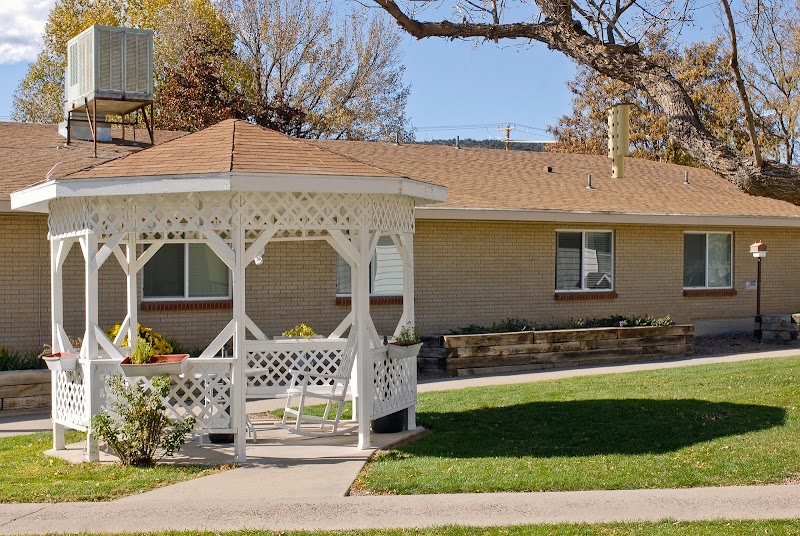
Who Owns and Operates Canon Lodge?

CANON LODGE CARE CENTER is owned by a for-profit company. For-profit facilities operate as businesses with obligations to shareholders or private owners. The facility is operated by LIFE CARE CENTERS OF AMERICA, a chain that manages multiple nursing homes. With 60 certified beds and approximately 32 residents (about 53% occupancy), it is a smaller facility located in CANON CITY, Colorado.

How Does Canon Lodge Compare to Other Colorado Nursing Homes?

Compared to the 100 nursing homes in Colorado, CANON LODGE CARE CENTER's overall rating (3 stars) is below the state average of 3.1, staff turnover (56%) is significantly higher than the state average of 46%, and health inspection rating (2 stars) is below the national benchmark.

What Should Families Ask When Visiting Canon Lodge?

Based on this facility's data, families visiting should ask: "How do you ensure continuity of care given staff turnover, and what is your staff retention strategy?" "Can I visit during a mealtime to observe dining assistance and food quality?" "How do you handle medical emergencies, and what is your hospital transfer rate?" "Can I speak with family members of current residents about their experience?" These questions are particularly relevant given the facility's high staff turnover rate.

Is Canon Lodge Safe?

Based on CMS inspection data, CANON LODGE CARE CENTER has a clean safety record: no substantiated abuse findings (meaning no confirmed cases of resident harm), no Immediate Jeopardy citations (the most serious violation level indicating risk of serious injury or death), and is not on the Special Focus Facility watch list (a federal program monitoring the lowest-performing 1% of nursing homes). The facility has a 3-star overall rating and ranks #100 of 100 nursing homes in Colorado. While no facility is perfect, families should still ask about staff-to-resident ratios and recent inspection results during their visit.

Do Nurses at Canon Lodge Stick Around?

Staff turnover at CANON LODGE CARE CENTER is high. At 56%, the facility is 10 percentage points above the Colorado average of 46%. High turnover means new staff may not know residents' individual needs, medications, or preferences. It can also be disorienting for residents, especially those with dementia who rely on familiar faces. Families should ask: What is causing the turnover? What retention programs are in place? How do you ensure care continuity during staff transitions?

Was Canon Lodge Ever Fined?

CANON LODGE CARE CENTER has no federal fines on record. CMS issues fines when nursing homes fail to meet care standards or don't correct problems found during inspections. The absence of fines suggests the facility has either maintained compliance or corrected any issues before penalties were assessed. This is a positive indicator, though families should still review recent inspection reports for the full picture.

Is Canon Lodge on Any Federal Watch List?

CANON LODGE CARE CENTER is not on any federal watch list. The most significant is the Special Focus Facility (SFF) program, which identifies the bottom 1% of nursing homes nationally based on persistent, serious quality problems. Not being on this list means the facility has avoided the pattern of deficiencies that triggers enhanced federal oversight. This is a positive indicator, though families should still review the facility's inspection history directly.